OASIS PAVILION NURSING & REHABILITATION CENTER
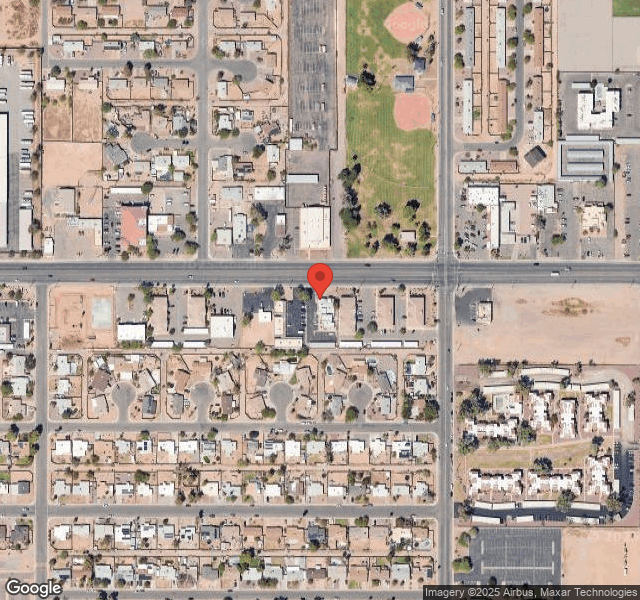
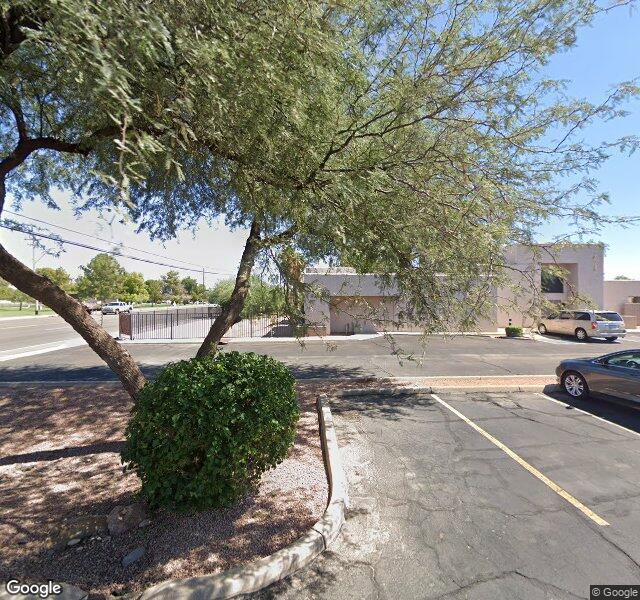
161 WEST RODEO ROAD SUITE 1, CASA GRANDE, AZ 85122 (520) 836-1772
For profit - Limited Liability company 134 Beds Independent Data: November 2025
Trust Grade
28/100
#114 of 139 in AZ
Last Inspection: March 2024

Within standard 12-15 month inspection cycle. Federal law requires annual inspections.

Overview

Oasis Pavilion Nursing & Rehabilitation Center has received a Trust Grade of F, indicating significant concerns and a poor reputation among nursing facilities. It ranks #114 out of 139 in Arizona, placing it in the bottom half of all facilities in the state, and #3 out of 3 in Pinal County, meaning there are no better local options available. The facility is improving, with issues decreasing from 9 in 2024 to 4 in 2025. Staffing is relatively stable with a 3/5 rating and a turnover rate of 32%, which is better than the state average of 48%. However, the facility has concerning fines totaling $13,761, which is higher than 88% of Arizona facilities, indicating ongoing compliance issues. Specific incidents of concern include a serious finding where a resident did not receive appropriate care for pressure ulcers, potentially worsening their condition. Additionally, another resident reported unmet needs and requested to leave the facility, highlighting issues with responsiveness to care. While there are strengths in staffing stability, families should weigh these against the facility's significant areas for improvement.

Trust Score
F
28/100
In Arizona
#114/139
Bottom 18%
Safety Record
High Risk
Review needed
Inspections
Getting Better
9 → 4 violations
Staff Stability
○ Average
32% turnover. Near Arizona's 48% average. Typical for the industry.
Penalties
⚠ Watch
$13,761 in fines. Higher than 84% of Arizona facilities, suggesting repeated compliance issues.
Skilled Nurses
⚠ Watch
Each resident gets only 28 minutes of Registered Nurse (RN) attention daily — below average for Arizona. Fewer RN minutes means fewer trained eyes watching for problems.
Violations
⚠ Watch
43 deficiencies on record. Higher than average. Multiple issues found across inspections.
★★☆☆☆
2.0
Overall Rating
★★★☆☆
3.0
Staff Levels
★★★★☆
4.0
Care Quality
★★☆☆☆
2.0
Inspection Score
Stable
2024: 9 issues
2025: 4 issues

The Good

  • 4-Star Quality Measures · Strong clinical quality outcomes
  • Full Sprinkler Coverage · Fire safety systems throughout facility
  • No fines on record
  • Staff turnover below average (32%)

    16 points below Arizona average of 48%

Facility shows strength in quality measures, fire safety.

The Bad

2-Star Overall Rating

Below Arizona average (3.3)

Below average - review inspection findings carefully

Staff Turnover: 32%

14pts below Arizona avg (46%)

Typical for the industry

Federal Fines: $13,761

Below median ($33,413)

Minor penalties assessed

The Ugly 43 deficiencies on record

1 actual harm
May 2025 1 deficiency
CONCERN (D) 📢 Someone Reported This

A family member, employee, or ombudsman was alarmed enough to file a formal complaint

Potential for Harm - no one hurt, but risky conditions existed

Medical Records (Tag F0842)

Could have caused harm · This affected 1 resident

**NOTE- TERMS IN BRACKETS HAVE BEEN EDITED TO PROTECT CONFIDENTIALITY** Based on clinical record review, staff interviews and policy, the facility failed to ensure that medical records were accurately...

Read full inspector narrative →
**NOTE- TERMS IN BRACKETS HAVE BEEN EDITED TO PROTECT CONFIDENTIALITY** Based on clinical record review, staff interviews and policy, the facility failed to ensure that medical records were accurately documented and/or completed for one of six sampled residents (#5) regarding urinary output. The deficient practice could result in resident ' s clinical records not being an accurate representation of their care/condition. Findings include: Resident #5 was admitted on [DATE] with diagnoses that included muscle weakness, difficulty in walking, other abnormalities of gait and mobility, encounter for change or removal of surgical wound dressing, and acute and chronic respiratory failure with hypoxia. Review of the resident ' s clinical record revealed an order on November 5, 2021 by the Primary Care Physician (PCP) for an indwelling catheter to straight drainage: 16FR 10CC DX: Urinary Retention. Further review of the clinical record revealed another order on November 5, 2021 by the PCP for routine catheter care every shift per facility protocol. According to the residents Minimum Data Set (MDS) dated [DATE] the resident had a Brief Interview for Mental Status (BIMS) summary score of 15 indicating he was cognitively intact. Further review of the MDS revealed the resident had an indwelling catheter in place as well as a Urinary Tract infection (in the last 30 days). According to a progress note dated November 26, 2021 at 11:59 stated that the resident was noticed to have low 02 stats and at 11:30 the resident began ' pursed lip breathing. ' , the physician was notified and gave the order to transport the resident to the hospital. Review of the resident #5 ' s clinical census revealed that the resident was not active after November 26, 2021 and reactive on December 2, 2021 indicating that the resident was admitted to the hospital after being transferred. Review of the Treatment Administration Record (TAR) for November 2021 revealed catheter outputs were documented on November 27 and 28th of 2021 when the resident was not in the facility. An interview was conducted with a Licensed Practical Nurse (LPN/Staff #59) on May 12, 2025 at 4:46p.m. The LPN stated that her role in catheter care is to ensure the integrity of the catheter and ensure there are no issues with infection. The LPN stated that she was not sure if nurses are to fill out the resident ' s outputs when they are out of the facility but they do receive the information at discharge. An interview was conducted with a Certified Nursing Assistant (CNA/Staff #21) on May 12, 2025 at 5:06 p.m. The CNA stated that her role in catheter care is to clean the residents catheter in addition to document the resident ' s output while they are in the facility. An interview was conducted with a Director of Nursing (DON/Staff #67) on May 12, 2025 at 5:13 p.m. The DON stated that if a resident is transferred to the hospital and is discharged from the facility, even for a short period of time, there should be no documentation regarding outputs from their catheter. The DON was asked to pull up resident #5 ' s chart and identified that during the time period of November 27th and 28th the resident was not in the facility. The DON further verified that there were documented 50cc outputs on both days on the resident ' s TAR. The DON stated she is not sure why that was done and stated that the risks of misdocumenting information would be incorrect information being in the resident ' s medical record. Review of a facility policy revised May 22, 2022 and reviewed April 20, 2025 titled, Urinary Catheter Care, states the facility is to maintain an accurate record of the resident ' s daily output, per facility policy and procedure.
Jan 2025 3 deficiencies
CONCERN (D) 📢 Someone Reported This

A family member, employee, or ombudsman was alarmed enough to file a formal complaint

Potential for Harm - no one hurt, but risky conditions existed

Deficiency F0658 (Tag F0658)

Could have caused harm · This affected 1 resident

**NOTE- TERMS IN BRACKETS HAVE BEEN EDITED TO PROTECT CONFIDENTIALITY** Based on the clinical record, staff interviews, and the facility policy and procedures, the facility failed to ensure that one r...

Read full inspector narrative →
**NOTE- TERMS IN BRACKETS HAVE BEEN EDITED TO PROTECT CONFIDENTIALITY** Based on the clinical record, staff interviews, and the facility policy and procedures, the facility failed to ensure that one resident (#55) was assessed, monitored, and provided emergency response. The deficient practice could result in residents not receiving emergency treatment and could lead to physical and psychosocial harm. Findings include: Resident #55 was admitted to the facility on [DATE] with diagnoses that included altered mental status, chronic obstructive pulmonary disease, malignant neoplasm of the brain, type II diabetes, hemiplegia and hemiparesis affecting the left dominant side, and slurred speech. The minimum data set (MDS) dated [DATE] included a brief interview for mental status score of 11 indicating the resident had a moderate cognitive impairment. The order summary included the following orders: -December 11. 2024, oxygen (O2) per nasal cannula (NC) to keep saturation greater than 90%: Check SATs every shift and as needed (PRN) every shift for vitals. -January 19, 2025 at 1:40 p.m., send the patient to the hospital. The order was created by a licensed practical nurse (LPN/staff #12). -January 19, 2025 revised at 5:33 p.m., send patient out emergent per the medical doctor (MD). Patient educated of the bed hold policy and given written notice of transfer. The order was revised by the Director of Nursing (DON/staff #10) -The order was created on January 20, 2025 by the (DON/staff #10), 1:40 p.m., on January 19, 2025 order by the Medical Director to send patient out emergent for altered mental status (AMS) per MD. Patient educated of the bed hold policy and given written notice of transfer. Review of the vitals revealed that the resident's oxygen level was taken on January 19, 2025 at 8:51 a.m. and was 93% via nasal cannula. The hospital transfer form dated January 19, 2025 at 2:00 p.m. revealed that the resident was transferred to hospital for low oxygen saturation. The oxygen level recorded was taken on January 19, 2025 at 8:51 a.m. and was 93% via nasal cannula. The report was called in by a registered nurse (RN/staff #15) to the emergency room and the ambulance transportation company on January 19, 2025, but the time and type of transfer was not documented. A nurse practitioner note late entry on January 28, 2025. Effective date January 19, 2025, revealed that the NP received a report from nursing that the resident was exhibiting AMS, tachycardia, hypotensive and desating to the 80's. The charge nurse was aware. The family doesn't wish for the resident to be on hospice. The patient was sent out 911 for a higher level of care. The resident was observed and this was a change of condition. An interview was conducted on January 28, 2025 at 11:18 a.m. with the Director of Nursing (DON/staff #10), who stated that she was not at the facility when the resident was transferred to the hospital on January 19, 2025 in the afternoon. She reviewed the progress notes and acknowledged that there was no documentation regarding the resident's change of condition (COC), vitals, stating that the MD had been notified, or whether the MD had ordered the resident transfer to the hospital emergent or non-emergent. Then she reviewed the vitals and stated that the resident's oxygen level was last taken on January 19, 2025 at 8:51 a.m. and was 93% via nasal cannula, but she had no way of knowing the oxygen level on the afternoon of January 19, 2025 when the resident was transferred to the hospital. She stated that the resident's pulse rate was 130 on January 19, 2025 at 2:30 p.m. and a normal pulse is under 100, so the resident's transfer to the hospital should have been emergent and the MD should have been notified of the COC. She stated that she is responsible for auditing hospital orders and the first order did not specify if the transfer was non-emergent or emergent, so she created a second order with a question mark because she wanted to know if the resident was transferred emergent or non-emergent, and the reason for the transfer. Once she found out that the resident had an altered mental status, she changed the transfer order to emergent. Then staff #1 reviewed the hospital transfer form dated January 19, 2025 at 2:00 p.m. and stated that she didn't know if 2:00 p.m. was the time the nurse started the form, called for transport, or the time the resident was transferred. She stated that the reason for transfer on the form was an abnormal pulse oximeter, which meant that the resident's oxygen saturation level was low, but the form did not indicate whether the transfer was emergent or non-emergent. She also acknowledged that that the form did not indicate the time the resident was transferred. Staff #10 left the interview and when she returned, she stated that the Administrator had spoken to the NP who stated that she was at the facility on January 19, 2025 and ordered for the resident to be transferred 911 and would be entering a progress note in the clinical record. An interview was conducted on January 28, 2025 at 1:50 p.m. with a second Director of Nursing (DON/staff #1), who stated that she contacted (RN/staff #15) on January 19, 2025 and staff #15 told her that the Nurse Practitioner (NP) was at the facility and instructed staff #15 to transfer the resident to hospital non-emergent. She stated that she received a message from the charge nurse (LPN/staff #12), saying the resident was sent out for being lethargic and desating. She stated that the message didn't indicate whether the transfer was emergent or non-emergent and had made a note to follow up with staff #12 because she had questions about how the resident was sent out to the hospital, but it was the weekend and by the time she came back to work, the resident had already been admitted . She stated that an order is supposed to be placed in the clinical record and a progress note is completed documenting the the condition of the resident, vitals, why the resident was transferred to the hospital, including the type and time of the transfer, and the physician's instructions. An interview was conducted on January 28, 2025 at 2:05 p.m. with (RN/staff #15), who stated that the NP was at the facility. The charge nurse (LPN/staff #12) talked to the NP, was told to transfer the resident non-emergent, and he also completed the transfer paperwork for the resident. She stated that she took the resident's vitals, which should be in the clinical record and had no opinion as to whether the resident should be sent to the hospital emergent or non-emergent. An interview was conducted on January 28, 2025 at 2:10 p.m. with the charge nurse (LPN/staff #12), who stated that he remembered the resident, but doesn't remember anything about the transfer and doesn't remember if it was emergent or non-emergent. He stated that if he talked to the NP and sent the resident to the hospital, he would have completed a progress note. He stated that he wasn't assigned to the resident, but as a charge nurse may or would have helped. He stated that it was common sense, if the resident wasn't breathing, the resident would be an emergent transfer. The facility policy, Orientation for Transfer or Discharge (Emergent or Therapuetic Leave) states that for an emergency transfer or discharge to a hospital or other acute care institution, implement the following procedures: call 911 if the resident meets clinical/behavioral criteria per facility policy, or assist in obtaining transporation and notify the resident's attending physician.
CONCERN (D) 📢 Someone Reported This

A family member, employee, or ombudsman was alarmed enough to file a formal complaint

Potential for Harm - no one hurt, but risky conditions existed

Pressure Ulcer Prevention (Tag F0686)

Could have caused harm · This affected 1 resident

**NOTE- TERMS IN BRACKETS HAVE BEEN EDITED TO PROTECT CONFIDENTIALITY** Based on observation, clinical review, interviews, and the facility policy and procedures, the facility failed to ensure that on...

Read full inspector narrative →
**NOTE- TERMS IN BRACKETS HAVE BEEN EDITED TO PROTECT CONFIDENTIALITY** Based on observation, clinical review, interviews, and the facility policy and procedures, the facility failed to ensure that one resident (#22) was provided wound care and services in accordance with professional standards of practice. Findings include: Resident (#22) was admitted to the facility on [DATE] and readmitted on [DATE] with diagnoses that included metabolic encephalopathy, mild protein-calorie malnutrition, unspecified dementia, and chronic kidney disease. A care plan dated December 11, 2024 revealed that the resident was at risk for skin breakdown related to: -a pressure ulcer/deep tissue stage I, disease process and abnormal labs. -upon admission: left foot, a stage 2 closed blister, roof intact and not filled with fluid; there was no drainage and was resolved on December 24, 2024. -upon admission: sacrum/coccyx (superior), pressure ulcer stage I dark red non blanching. Skin was intact and peri wound appeared within normal limits (WNL). It was upgraded on December 24, 2024 to a pressure 3. Interventions included to address any incontinence care as needed, encourage and assist the resident in shifting of position every two hours while in bed and every one hour when up in chair, and wound care as ordered by the medical doctor. Review of the order summary revealed: -December 18, 2024, left heel (plantar): cleanse with normal saline (NS), pat dry. Apply betadine and let air dry, leave OTA. Monitor for worsening and report changes to provide. Every shift for wound care. -December 18, 2024, encourage use of low airloss mattress (LAL) for wound prevention/maintenance. -December 18, 2024, encourage/assist to apply barrier cream to buttocks, sacrum, and groin, every shift, and after episodes of incontinence or if shin concerns are present. Every shift for skin protection/care. -December 19, 2024, clean buttocks with NS and pat dry. Apply medihoney and a non stick dressing and secure in place. Monitor for signs and symptoms (S/S) of infection and report any concerns to the provider. Every day shift for wound care. -December 20 2024, encourage use of wedge and other support surfaces for positioning and offloading. -December 20, 2024, wound consult for evaluation and treatment for the sacrum. -December 20, 2024, wound consult for evaluation and treatment , bilat buttocks and left heel. -January 13, 2024, send patient out non emergent family requested related to wound per medical doctor. Patient educated on bed hold policy and given written notice of transfer. -January 11, 2025, wound coccyx: cleanse wound with wound cleaner and gentle pat dry with sterile gauze. Apply zinc oxide to the wound bed and leave open to air. Every day shift. Note: an order cleanse sacral wound with wound cleanser, apply hydrogel ointment to wound bed, primary dressing: calcium alginate, facility choice of available sterile, non adhesive, moisture preserving dressing, secondary dressing: facility choice of available secondary dressing to secure primary layer in place was not in the order summary. The minimum data set (MDS) dated [DATE] included a brief interview for mental status score of 15 indicating the resident was cognitively intact. It also included that the resident had two, stage I, pressure ulcers and one, stage II, pressure ulcer which was not present upon admission/entry or reentry. A physician's visit report dated December 24, 2024 revealed that the resident was being seen for a stage III sacral wound that was currently under treatment by wound care nursing at the time. The facility nursing staff has requested care and wound care consultation. Services will be rendered on their behalf due to the persistent complexities and resistance to healing of the the patient's wounds. -General notes: stage III sacral wound with noted eschar present and left heel with deep tissue injury (DTI). -Wound Assessment: wound #1 superior sacral is a stage 3 pressure injury pressure ulcer acquired on 12/24/2024 and has received a status of Not Healed. Initial wound encounter measurements are 11.66 cm length x 8.39 cm width x 0.2 cm depth, with an area of 97.827 sq cm and a volume of 19.565 cubic cm. Necrotic tendon, necrotic muscle and necrotic adipose are exposed. No tunneling has been noted. No sinus tract has been noted. No undermining has been noted. There is a Small amount of sanguineous drainage noted which has a Mild odor. The patient reports a wound pain of level 0/10. The wound margin is attached to wound base Wound bed has 1-25%, bright red, pink, firm, granulation, 1-25% adherent, yellow slough, 26-50% moist, black eschar. The periwound skin texture is normal. The periwound skin moisture is normal. The periwound skin color is normal. The temperature of the periwound skin is WNL. Periwound skin does not exhibit signs or symptoms of infection. -Procedures: wound #1 (Pressure Ulcer) is located on the superior sacral. A non-selective mechanical debridement was performed. Non-viable tissue was removed. The procedure was tolerated well with a pain level of 0 throughout and a pain level of 0 following the procedure. Post Debridement Measurements: 11.66 cm length x 8.39 cm width x 0.2 cm depth; with an area of 97.827 sq cm and a volume of 19.565 cubic cm. Post debridement stage noted as stage 3 pressure injury. -Wound orders superior sacral: follow-up in one week cleanse wound with wound cleanser apply hydrogel ointment to wound bed primary dressing: calcium alginate, facility choice of available sterile, non adhesive, moisture preserving dressing secondary dressing: facility choice of available secondary dressing to secure primary layer in place plan of care discussed with facility nursing staff Review of the Medication Administration Record (MAR) and the Treatment Administration Record (TAR) dated December 2024 did not reveal an order to cleanse sacral wound with wound cleanser, apply hydrogel ointment to wound bed, primary dressing: calcium alginate, facility choice of available sterile, non adhesive, moisture preserving dressing, and to use a secondary dressing: facility choice of available secondary dressing to secure primary layer in place was not in the order summary. An interview was conducted on January 27, 2025 with the wound nurse (LPN/staff #7). She reviewed A physician's visit report dated December 24, 2024 and stated that she was present when the wound provider evaluated the resident on December 24, 2024. She stated that during the visit, the sacral wound was open with slough and the provider upgraded the pressure ulcer from a stage I to a stage III. She also stated that during the visit on December 24, 2024, the provider ordered hydragel with calcium alginate to be applied daily and as needed, which was to be done by her and she would have documented the treatment was applied in the Treatment Administration Record (TAR). Staff #7 reviewed the resident's orders and stated that there was not an order for hydragel calcium alginate. Then, she reviewed the MAR and the TAR for December 2024 and stated that the treatment for hydragel calcium alginate was not on the MAR or the TAR, so there was no documentation of the treatment being done. Staff #7 stated that she must have forgotten to put the order for hydragel calcium alginate in, so it was not added to the MAR or TAR. She stated that there was a risk of the eschar not softening and the Medihoney should have been discontinued. An interview was conducted on January 27, 2024 at 1:05 p.m. with the Director of Nursing (DON/staff #1), who stated that treatments require a physician's order and when a nurse receives a verbal order, the order should be submitted and carried out as ordered. She stated that there is risk of the wound worsening if the ordered treatment is not done. She stated that it is the responsibility of the wound nurse to review the orders to ensure that nothing is forgotten. Review of the Wound Nurse General Job Description revealed that the wound nurse is responsible for rounding daily on residents with treatment orders to ensure the treatments are being completed and charted. The facility policy, Prevention and Treatment of Pressure Ulcers and Other Skin Issues states that any resident who has a pressure ulcer on admission has the appropriate treatment to promote healing and prevent any other pressure wounds.
CONCERN (D) 📢 Someone Reported This

A family member, employee, or ombudsman was alarmed enough to file a formal complaint

Potential for Harm - no one hurt, but risky conditions existed

Medical Records (Tag F0842)

Could have caused harm · This affected 1 resident

**NOTE- TERMS IN BRACKETS HAVE BEEN EDITED TO PROTECT CONFIDENTIALITY** Review of the clinical record, staff interviews, and the facility policy and procedures, revealed that the facility failed to do...

Read full inspector narrative →
**NOTE- TERMS IN BRACKETS HAVE BEEN EDITED TO PROTECT CONFIDENTIALITY** Review of the clinical record, staff interviews, and the facility policy and procedures, revealed that the facility failed to document one resident's (#55) change of condition, that the physician was notified, the physician's instructions, and the type or time of the hospital transfer in the clinical record. Findings include: Resident #55 was admitted to the facility on [DATE] with diagnoses that included altered mental status, chronic obstructive pulmonary disease, malignant neoplasm of the brain, type II diabetes, hemiplegia and hemiparesis affecting the left dominant side, and slurred speech. The minimum data set (MDS) dated [DATE] included a brief interview for mental status score of 11 indicating the resident had a moderate cognitive impairment. The order summary included the following orders: -December 11. 2024, oxygen (O2) per nasal cannula (NC) to keep saturation greater than 90%: Check SATs every shift and as needed (PRN) every shift for vitals. -January 19, 2025 at 1:40 p.m., send the patient to the hospital. The order was created by a licensed practical nurse (LPN/staff #12). -January 19, 2025 revised at 5:33 p.m., send patient out (non-emergent/emergent) for (?) per the medical doctor (MD). Patient educated of the bed hold policy and given written notice of transfer. The order was revised by the Director of Nursing (DON/staff #10) -The order was created on January 20, 2025 by the (DON/staff #10), 1:40 p.m., on January 19, 2025 order by the Medical Director to send patient out emergent for altered mental status (AMS) per MD. Patient educated of the bed hold policy and given written notice of transfer. Review of the vitals revealed that the resident's oxygen level was taken on January 19, 2025 at 8:51 a.m. and was 93% via nasal cannula. It did not reveal the oxygen saturation level when the resident had a change of condition in the afternoon on January 19, 2025. A nurse practitioner note late entry on January 28, 2025. Effective date January 19, 2025, revealed that the NP received a report from nursing that the resident was exhibiting AMS, tachycardia, hypotensive and desating to the 80's. The charge nurse was aware. The family doesn't wish for the resident to be on hospice. The patient was sent out 911 for a higher level of care. The resident was observed and this was a change of condition. An interview was conducted on January 28, 2025 at 11:18 a.m. with the Director of Nursing (DON/staff #10), who stated that she was not at the facility when the resident was transferred to the hospital on January 19, 2025 in the afternoon. She reviewed the progress notes and acknowledged that there was no documentation regarding the resident's change of condition (COC), vitals, stating that the MD had been notified, or whether the MD had ordered the resident transfer to the hospital emergent or non-emergent. Then she reviewed the vitals and stated that the resident's oxygen level was last taken on January 19, 2025 at 8:51 a.m. and was 93% via nasal cannula, but she had no way of knowing the oxygen level on the afternoon of January 19, 2025 when the resident was transferred to the hospital. She stated that the resident's pulse rate was 130 on January 19, 2025 at 2:30 p.m. and a normal pulse is under 100, so the resident's transfer to the hospital should have been emergent and the MD should have been notified of the COC. She stated that she is responsible for auditing hospital orders and the first order did not specify if the transfer was non-emergent or emergent, so she created a second order with a question mark because she wanted to know if the resident was transferred emergent or non-emergent, and the reason for the transfer. Once she found out that the resident had an altered mental status, she changed the transfer order to emergent. Then staff #1 reviewed the hospital transfer form dated January 19, 2025 at 2:00 p.m. and stated that she didn't know if 2:00 p.m. was the time the nurse started the form, called for transport, or the time the resident was transferred. She stated that the reason for transfer on the form was an abnormal pulse oximeter, which meant that the resident's oxygen saturation level was low, but the form did not indicate whether the transfer was emergent or non-emergent. She also acknowledged that that the form did not indicate the time the resident was transferred. Staff #10 left the interview and when she returned, she stated that the Administrator had spoken to the NP who stated that she was at the facility on January 19, 2025 and ordered for the resident to be transferred 911 and would be entering a progress note in the clinical record. An interview was conducted on January 28, 2025 at 1:50 p.m. with a second Director of Nursing (DON/staff #1), who stated that she contacted (RN/staff #15) on January 19, 2025 and staff #15 told her that the Nurse Practitioner (NP) was at the facility and instructed staff #15 to transfer the resident to hospital non-emergent. She stated that she received a message from the charge nurse (LPN/staff #12), saying the resident was sent out for being lethargic and desating. She stated that the message didn't indicate whether the transfer was emergent or non-emergent and had made a note to follow up with staff #12 because she had questions about how the resident was sent out to the hospital, but it was the weekend and by the time she came back to work, the resident had already been admitted . She stated that an order is supposed to be placed in the clinical record and a progress note is completed documenting the the condition of the resident, vitals, why the resident was transferred to the hospital, including the type and time of the transfer, and the physician's instructions. An interview was conducted on January 28, 2025 at 2:05 p.m. with (RN/staff #15), who stated that the NP was at the facility. The charge nurse (LPN/staff #12) talked to the NP, was told to transfer the resident non-emergent, and he also completed the transfer paperwork for the resident. She stated that she took the resident's vitals, which should be documented in the clinical record. An interview was conducted on January 28, 2025 at 2:10 p.m. with the charge nurse (LPN/staff #12), who stated that he remembered the resident, but doesn't remember anything about the transfer and doesn't remember if it was emergent or non-emergent. He stated that if he talked to the NP and sent the resident to the hospital, he would have completed a progress note. The facility policy, Change in a Resident's Condition or Status Policy states that the facility promptly notifies the resident, his or her attending physician, and the resident representative of changes in the resident's medical/mental condition and/or status. The nurse will record in the resident's medical record information relative to changes in the resident's medical/mental condition or status.
May 2024 1 deficiency
CONCERN (D) 📢 Someone Reported This

A family member, employee, or ombudsman was alarmed enough to file a formal complaint

Potential for Harm - no one hurt, but risky conditions existed

Medical Records (Tag F0842)

Could have caused harm · This affected 1 resident

**NOTE- TERMS IN BRACKETS HAVE BEEN EDITED TO PROTECT CONFIDENTIALITY** Based on clinical record review, staff interviews, review of facility documentation, and policy, the facility failed to ensure t...

Read full inspector narrative →
**NOTE- TERMS IN BRACKETS HAVE BEEN EDITED TO PROTECT CONFIDENTIALITY** Based on clinical record review, staff interviews, review of facility documentation, and policy, the facility failed to ensure that the electronic health record for resident #1 was complete and accurately documented. The deficient practice could result in incomplete and/or inaccurate clinical records and potentially impact resident care. Findings include: Resident #1 was admitted on [DATE] with diagnosis including malignant neoplasm of the kidney, secondary malignant neoplasm of the brain, depression, prediabetes, cerebral edema, repeated falls, obesity and other abnormal findings on diagnostic imaging of the central nervous system. A review of the documentation from resident's hospital (Hospital B) prior to admission to the facility with an admit date on April 13, 2024 noted that the resident's family took her to a hospital (Hospital A) post fall, and were then recommended to take the resident to Hospital B. Documentation from Hospital B further revealed that the resident had known metastases to the lung and brain, as well as a noted history of imbalance and falls. Hospital records stated that the resident had reported dizziness, falls and trouble standing. The physical therapy documentation from Hospital B also revealed' fall risk as a documented precaution for resident #1. A review of the MDS (minimum data set) dated April 22, 2024 revealed that the resident had a BIMS (brief interview of mental status) score of 14, suggesting that the resident was cognitively intact. A review of the focus areas in the care plan for resident #1 revealed an identified accident potential due to a new environment and weakness. The care plan further notes that the resident was admitted to the hospital on [DATE] after a ground level fall. The electronic health record for resident #1 revealed a new admission fall risk assessment on April 17, 2024 with a score of '0', indicating that the resident was noted to be a low risk for falls. Question #3 on the fall risk assessment, asked specifically about the history of falls within the last six months. The response to this question was noted that the resident had no fall history; however, the resident's admitting diagnosis, MDS and care plan included documentation that the resident had repeated falls. A further review of the progress notes in the electronic health record revealed that the resident had a fall on April 27, 2024 at 7:00 PM. The progress notes revealed that a CNA (certified nursing assistant) reported that resident #1 had a fall in the bathroom. An interview was conducted on April 7, 2024 at 10:25 AM with staff #151 (CNA). Staff #151 stated information regarding a resident's falls and or fall risk is shared during shift change, meetings and is documented in the electronic health record via the fall risk assessment and progress notes. An interview was conducted on April 7, 2024 at 10:35 AM with staff #161, (RN/registered nurse). Staff #161 stated that the fall risk assessment is completed by the admitting nurse. Staff #161 stated that when completing the fall risk assessment, the nurse would review the history of falls, would interview the resident and or family, review the history and physical from the hospital, and review therapy document, as applicable. An interview was conducted on April 7, 2024 at 11:31 AM with staff #76 (MDS nurse). Staff #76 stated that a resident's fall history can be obtained from the hospital history and physical. She stated that she would meet with the resident to further review their history of falls and if a fall risk is identified, it would be included in the care plan. She stated that all nurses are oriented to the care plan and the overall process for identifying a resident who is a fall risk. Staff #76 reviewed the resident's MDS and care plan and confirmed that notations regarding the potential fall risk had been documented for resident #1. Staff #76 stated that because she also reviews resident safety, she has a fall log where it was noted that the resident was identified as a fall risk and that it had been discussed with staff. Staff #76 stated that given that the resident's fall risk had been identified as a safety concern, the fall risk assessment should have identified resident #1 as a fall risk as well. Staff #76 stated that upon review of the admission fall risk assessment, the potential fall risk for resident #1 had not been identified. Staff #76 stated that the risk for having conflicting information in the electronic health record could include staff confusion and inaccurate documentation. An interview was conducted with staff #65 LPN (licensed practical nurse). Staff #65 stated that he was familiar with resident #1 and that she had fallen once on his shift. Staff #65 stated that he had conducted the admission fall risk assessment for resident #1. Staff #65 stated that he thinks about fall history in terms of the resident' history in the facility and not prior to entering the facility. He stated that is why he felt the fall risk assessment was accurately completed; however, staff #65 did state that the resident is currently a fall risk and that the risk of not identifying a resident as a fall risk when warranted could include additional falls. An interview was conducted with staff #147 (DON/Director of Nursing). Staff #147 stated that fall risk assessments, should be conducted accurately via resident / family interview and by reviewing hospital and or transferring facility documentation. She stated that the fall risk assessment captures current and historical information for the resident. She reviewed the resident record and the fall risk assessment and stated that resident #1 should have been identified as a fall risk. She stated that this did not meet her expectations. She further stated that when assessing the history of falls on the fall risk assessment, the nurse who conducted the assessment, may have misinterpreted the guidance. Staff #147 stated that the risk could include not putting the proper precautions in place for the resident. A review of the facility policy entitled Falls and Fall Risk Managing dated January 05, 2024 revealed that based on previous evaluations and data, staff will identify interventions related to the resident' specific risks and causes to try to prevent residents from falling.
Apr 2024 1 deficiency
CONCERN (D) 📢 Someone Reported This

A family member, employee, or ombudsman was alarmed enough to file a formal complaint

Potential for Harm - no one hurt, but risky conditions existed

Free from Abuse/Neglect (Tag F0600)

Could have caused harm · This affected 1 resident

**NOTE- TERMS IN BRACKETS HAVE BEEN EDITED TO PROTECT CONFIDENTIALITY** Based on record review, interviews, and observation of current practice, the facility failed to ensure the right of one resident...

Read full inspector narrative →
**NOTE- TERMS IN BRACKETS HAVE BEEN EDITED TO PROTECT CONFIDENTIALITY** Based on record review, interviews, and observation of current practice, the facility failed to ensure the right of one resident (#2) to be free from abuse from another resident (#1). The deficient practice could result in resident abusing and experiencing emotional and mental trauma from the abuse. Findings include: Regarding Resident #2 Resident #2 was admitted to the facility on [DATE] with diagnoses of hypertension, history of strokes, and a history of falls. The admission Minimum Data Set (MDS) assessment dated [DATE] a Brief Interview of Mental Status (BIMS) score of 4 indicating severe cognitive impairment. The MDS also indicated resident #2 used a walker for mobility purposes as the resident had an impairment on the lower extremity on one side. Review of a progress note dated April 5, 2024 revealed a nurse heard someone yelling for help and upon entering the room the nurse found resident #2 sitting on the floor and her roommate was sitting in resident's bed looking through her belongings. The note indicated that resident #2 informed staff that the roommate (resident #1) had pulled her off the bed and pushed her to the floor. Further, the note revealed resident #2 reported being sore from the fall. A progress note revealed that on April 6, 2024 resident was complaining of pain in the left hip as a result of the fall. An x-ray was taken of the left hip and femur. A radiology report dated April 6, 2024 indicated a new fracture of the left femur. A Post Adverse Occurrence Observation note dated April 6, 2024 revealed resident #2 had no injuries as a result of the fall. The noted indicated that the resident had a sore to the left hip and that it was the same area where the resident had a previous hip fracture. An interview was conducted on April 25, 2024 at 9:14 AM with resident #2 regarding the incident on April 5, 2024. Resident #2 stated that resident #1 was pacing in their room and started accusing resident #2 of being in resident #1's bed. Resident #2 stated that resident #1 then pulled resident #2's left foot and I went to the floor. Resident #2 indicated they started calling out for help and staff helped her into her wheelchair. Resident #2 stated the incident happened on a Friday and then she had an x-ray. Regarding Resident #1 Resident #1 was admitted to the facility on [DATE] for palliative care. The discharge MDS assessment dated [DATE], indicated that resident #1's cognitive skills for daily decision making was severely impaired. There was no evidence regarding the alleged incident of resident #1's abuse of resident #2 on April 5, 2024. Review of the facility's 5-day investigative report revealed Licensed Practical Nurse (LPN/Staff #141) reported to the Director of Nursing (DON) that resident #2 was pulled to the floor of her room by resident #1. The report also indicated that both resident (#1 and #2) were roommates at the time of the incident. The report noted that resident #1 was admitted to the facility on e hour prior to the incident. An interview was conducted on April 25, 2024 at 9:20 AM with the Social Services Director (SSD/Staff 83). Staff #83 indicated they try to assess a potential resident to determine if they have behaviors before they are admitted into the facility. The SSD stated that this meant having conversations with a resident's case worker, staff at the previous facility or family members. An interview as conducted with the Admissions Coordinator (staff #15) on April 25, 2024 at 9:46 AM. Staff #15 indicated that they did not accept residents with behavior issues very often. However, when they do, roommates did not get along because of disagreements on room temperature or a roommate was being too loud. When asked what was done to determine if resident #1 needed interventions to be put into place to ensure the safety of herself and other residents prior to moving in, staff #15 indicated that she was not sure what was done to determined if resident #1 needed interventions in place to ensure her safety and the safety of others prior to admission. Another Admissions Coordinator (staff #62) stated that they had spoken with resident #1's case manager who stated that resident had no behaviors. An interview was conducted with the DON on April 25, 2024 at 10:00 AM. The DON indicated that prospective resident screening was done by the Admissions Coordinator and themselves. The DON stated they typically do not admit residents who have a dementia diagnoses with behaviors because they are not adequately trained to work with that population. Regarding the incident with residents #1 and resident #2, the DON stated that when she interviewed staff, they said they were surprised at her (resident #1) outburst because up to that point, she just needed redirection. The DON also stated that resident #2 initially reported having no pain but a few days later she had pain so she was sent to the hospital for x-rays. The DON added that there was a change in resident #2's x-ray attributed from the fall. A review of the policy titled, Resident Abuse and Neglect Policy, reviewed on January 9, 2023, defined physical abuse as hitting, slapping, pinching, kicking etc. The policy guidelines revealed, It is the responsibility of the facility to identify any resident whose personal history rends them at a risk for abusing residents, and development of intervention strategies to prevent occurrence, monitoring for changes that would trigger abusive behavior, and reassessment of the interventions on a regular basis.
Mar 2024 7 deficiencies
CONCERN (D)

Potential for Harm - no one hurt, but risky conditions existed

Resident Rights (Tag F0550)

Could have caused harm · This affected 1 resident

**NOTE- TERMS IN BRACKETS HAVE BEEN EDITED TO PROTECT CONFIDENTIALITY** Based on observations, clinical record review, resident and staff interviews and review of facility policy and procedure, the fa...

Read full inspector narrative →
**NOTE- TERMS IN BRACKETS HAVE BEEN EDITED TO PROTECT CONFIDENTIALITY** Based on observations, clinical record review, resident and staff interviews and review of facility policy and procedure, the facility failed to ensure the right to personal privacy was respected and valued for two sampled residents (#6 and #79). The deficient practice could result in resident rights to privacy not honored. Findings include: -Resident (#6) was admitted to the facility February 1, 2024 with diagnoses of unspecified injury of the head, abnormalities of gait and mobility, generalized muscle weakness and need for assistance with personal care. The annual MDS (minimum data set) assessment dated [DATE] included a BIMS (brief interview for mental status) score of 15 indicating the resident had intact cognition. An initial interview was conducted with resident #6 on March 4, 2023 at 9:28 a.m. Resident #6 stated that staff were either not knocking when they enter the room or was knocking once and not waiting for a reply before entering. Resident #6 stated she had been embarrassed by staff not knocking or waiting for a response before entering, due to being undressed. An observation was conducted on March 5, 2024 at 2:20 p.m. Resident #6 turned on her call light for assistance. It should be noted that resident's door was closed. At 2:26 p.m., a certified nurse assistant (CNA/staff #9) entered the resident's room without knocking at the door prior to entry. The CNA did not wait for the resident's response and permission to enter; and, did not introduce herself. An interview was conducted on March 5, 2024 at 2:26 p.m. with the CNA (staff #9) who stated that the correct process when entering a resident's room was to knock and wait for the resident to ask them to enter. The CNA further stated she did not knock on the door prior to her entry to the resident's room; and she did not introduce herself to the resident. -Resident #79 was admitted on [DATE] with diagnoses of cardiorespiratory conditions, coronary artery disease and heart failure. The annual MDS assessment dated [DATE] included a BIMS score of 15 indicating the resident had intact cognition. An interview was conducted on March 5, 2024 at 2:28 p.m. with resident #79 who stated that staff just come into her room without knocking or waiting for her to tell them to come in. Resident #79 turned on her call light and at 2:34 p.m., a CNA (staff #45) knocked on the resident's door once and proceeded to enter without waiting for the resident's response and permission to enter the room. In an interview conducted with the CNA (staff #45) on March 5, 2024 at approximately 2:37 p.m., the CNA stated that when entering a resident room staff was to knock first, wait for a response before entering and introduce themselves. She stated that with non-verbal residents she will enter the room; however, she stated that resident #79 was verbal. The CNA further stated that she entered the resident's room without waiting for the resident's response that it was okay to go in the room. An interview was conducted on March 5, 2024 with assistant Director of Nursing (ADON/staff #72) who stated her expectation when staff enters a resident's room was for staff to knock, wait for the resident to respond or motion them to enter and to introduce themselves before initiating care. Review of the facility policy on Residents Rights included employees shall treat all residents with kindness, respect and dignity and has the right to personal privacy and confidentiality of his or her personal and medical records, personal privacy includes accommodations, medical treatment, written and telephone communications, personal care, visits, and meetings of family and resident groups.
CONCERN (D)

Potential for Harm - no one hurt, but risky conditions existed

Deficiency F0583 (Tag F0583)

Could have caused harm · This affected 1 resident

Based on observations, staff interviews, and facility policy and procedure reviews, the facility failed to meet professional standards of quality care by failing to ensure resident information and a l...

Read full inspector narrative →
Based on observations, staff interviews, and facility policy and procedure reviews, the facility failed to meet professional standards of quality care by failing to ensure resident information and a list of resident names to unauthorized personnel were not exposed when the electronic record screen was unlocked and unattended. This failure to meet these professional standards can result in the potential for resident personal information available to be seen by unauthorized individuals. Findings include: During an observation of the medication cart conducted on March 6, 2024 at 7:50 a.m., there was an uncapped syringe and pill cup filled with an assortment of pills that were left unattended on a cart. The electronic health record (EHR) was open and uncovered, displaying a resident's picture and list of medications. The registered nurse (RN/staff #161) who was responsible for the medication cart and the EHR was found in alcove with another patient; and the pill cup, syringe, and EHR screen were out of the line of sight of the nurse. In another medication administration with the RN (staff #161) conducted, The RN walked away from the medication cart with an unlocked EHR that revealed a view to a list of residents' names. The RN was about to enter a resident's room for medication administration before she was stopped to lock the screen to the EHR. During an interview with the Assistant Director of Nursing (ADON/staff #72) on March 7, 2024, at 2:06 p.m., the ADON stated that nurses were expected to lock the medication carts and the facility's EHR when stepping away from the screen and medication cart. She also stated that this could lead to a resident grabbing medication or having access to personal health information. The facility policy on Resident Rights reviewed January 5, 2023 revealed that the unauthorized release, access or disclosure of resident information is prohibited. All release, access or disclosure f resident information must be in accordance with current laws governing privacy of information issues. Review of the facility policy Medication Administration reviewed in October of 2023 revealed that no medications will be left unattended at the bedside for any reason and that nurses must ensure that the medication cart is securely locked at all times when not in the nurse's view.
CONCERN (D) 📢 Someone Reported This

A family member, employee, or ombudsman was alarmed enough to file a formal complaint

Potential for Harm - no one hurt, but risky conditions existed

Free from Abuse/Neglect (Tag F0600)

Could have caused harm · This affected 1 resident

**NOTE- TERMS IN BRACKETS HAVE BEEN EDITED TO PROTECT CONFIDENTIALITY** Based on clinical record review, staff interviews, facility documentation, policies and procedures, the facility failed to prote...

Read full inspector narrative →
**NOTE- TERMS IN BRACKETS HAVE BEEN EDITED TO PROTECT CONFIDENTIALITY** Based on clinical record review, staff interviews, facility documentation, policies and procedures, the facility failed to protect the residents' (#1 and #63) rights to be free from abuse of another resident (#149 and #15). The deficient practice could result in further abuse of residents and appropriate action not take. Findings include: Regarding resident #1 and resident #149 -Resident #1 (alleged victim) was admitted to the facility on [DATE] with diagnoses of acute and chronic respiratory failure, Parkinson's disease with dyskinesia, major depressive disorder, chronic obstructive pulmonary disease, and rheumatoid arthritis. The activities of daily living (ADL) care plan initiated on November 28, 2022 included that the resident required assistance due to weakness, congestive heart failure, Parkinson's disease, and restless leg syndrome. Interventions included assist with ADLs as needed. Review of the admission Minimum Data Set (MDS) assessment dated [DATE] revealed a Brief Interview for Mental Status (BIMS) score of 13 indicating that the resident was cognitively intact. The MDS also indicated that the resident had not exhibited psychosis, behavioral symptoms, wandering, or rejection of care during the assessment period. A nursing note dated August 14, 2023 revealed that the resident #1 reported that that resident #149 threw a remote control at her; and that, the remote control hit her in the upper right shin and a large purple bruise was left from the remote control. A physician order dated August 14, 2023 revealed to monitor bruising on right upper shin one time a day for swelling for 5 days. The incident report dated August 14, 2023 included that resident #1 reported that resident #149 threw a remote control at her; and that, the remote control hit her in the upper right shin. The documentation also included that resident #1 sustained a large purple bruise from the incident; and, the resident was immediately removed from activities and assessed by a nurse. Another physician order dated August 15, 2023 included to monitor bruising to the right lower extremity for worsening and signs and symptoms of infection one time a day for swelling for 14 days. A physician order dated August 15, 2023 included an order for a stat x-ray for right leg pain. A case management note dated August 15, 2023 revealed that the long-term care case manager was notified via email that resident had bruise to right shin; and that, radiographs were ordered and treatment was in place. Review of a nurse practitioner psychiatric note dated August 16, 2023 indicated that resident was alert and oriented X 3, was cooperative per staff, and insight and judgment were good. -Resident #149 (alleged perpetrator) was re-admitted on [DATE] with diagnoses that included blindness in the right eye, diabetes mellitus type 2, and amputation at knee level of right lower leg. Review of the care plan initiated on July 10, 2023 included that the resident had behavioral symptoms for impulsive decision making related to feeling sorry for himself and attention seeking related to life choices and have outburst behaviors. Interventions included to allow to express feelings and thoughts, extra staff assistance when abusive or resistive, keep environment calm and relaxed, remove from others when behavior is unacceptable, redirect with diversion activities and one to one supervision. The admission MDS assessment dated [DATE] revealed a BIMS score of 15 indicating that the resident had intact cognition. The MDS also revealed that the resident did not exhibit psychosis, behavioral symptoms, rejection of care, and wandering at the time of the assessment period. Review of the facility's self-report dated August 14, 2023 included that residents #1 and #149 were in the activities room. Per the documentation, resident #1 was watching television (TV) and resident #149 changed the TV station; and that, resident #149 thought he heard resident #1 said why do they had to watch that Indian show. The documentation included that resident #149 became upset, picked up the remote and threw it, hitting resident #1 in the right lower extremity. Per the report, both residents were separated immediately. The facility's final investigation included a witness statement dated August 18, 2023 from resident #1 who stated that she was speaking to an activities assistant when resident #149 took control of the remote and changed the channel to something native. Per the documentation, resident #1 asked the activities assistant if the residents had to keep watching the channel; and that, resident #149 then started coming towards resident #1 and called resident #1 a racist. It also included that the activities assistant had to physically stop resident #149 from coming at resident #1 after he threw the remote at her. The facility investigation also included a witness statement from another resident dated August 18, 2023. Per the documentation, resident #149 came into the activities room and immediately changed the channel to head banging music and turned the volume up; and that, the activities assistant asked him to turn the volume down in respect of other residents. It also included that resident #149 responded that everyone was racist and began yelling expletives. Further, the statement included that resident #149 then threw the remote at and started approaching resident #1; and that, the activities assistant asked resident #149 to leave and took resident #1 to the nurse's station. Continued review of the facility investigation revealed a witness statement dated August 14, 2023 from the Social Services Director (SSD/staff #250) who reported that an activities assistant wheeled a tearful resident #1 to the nurse's station; and that, the activities assistant informed her that resident #149 threw a remote control at resident #1's leg leaving an already visible bruise. Per the documentation, resident #1 reported to the SSD that resident #149 hit her for no reason; and that, resident #1 asked the activities assistant if they had to watch Native shows. It also included that resident #149 became upset and called resident #1 a racist; and that, resident #149 yelled expletives at her prior to throwing the remote at her leg. Further, the documentation included that resident #149 admitted to the SSD that he threw the remote at the table and it hit resident #1; and that, resident #149 was leaving AMA (against medical advice). Review of the facility's final investigation report dated August 18, 2023 revealed that the facility concluded that the allegation of abuse was substantiated since resident #149 threw the remote, hitting resident #1 in the leg which resulted in a bruise; and that, resident #149 left the facility AMA. Regarding resident #63 and resident #15 -Resident #63 (alleged victim) was admitted on [DATE] with diagnoses of Parkinsonism and anxiety disorder. A skin integrity care plan initiated on May 17, 2023 included that the resident was at risk for skin breakdown related to disease process, impaired mobility, and incontinence. Interventions included to address any incontinence care as needed, dietary consult, encourage or assist in repositioning, and observe skin daily during routing care, and report changes. A care plan initiated on May 17, 2023 revealed that the resident was on medication for anxiety. The goal was resident will have optimal benefit of medication without side effects. Interventions included to monitor for side effects and report changes to the doctor. The admission MDS assessment dated [DATE] revealed a BIMS score of 14 indicating that the resident was cognitively intact. The MDS also included the resident did not exhibit psychosis, behavioral symptoms, rejection of care or wandering during the assessment period. Review of a care plan revised on June 7, 2023 revealed that the resident required assistance for ADLs (activities of daily living) related to weakness and unsteady balance. Interventions included to assist with ADLs as needed. A case management note dated July 26, 2023 included the resident reported that her old roommate (resident #15) ran into her with an electric wheelchair; and that, resident #63 reported that she was unsure if resident #15 ran into her on purpose. Per the documentation, resident #63 also reported that this had occurred on more than one occasion with the most recent event happening yesterday; and that, resident #63 was sitting on the edge of the bed eating dinner when resident #15 backed up in her wheelchair bumping into her and hitting her knees. A social service note dated July 26, 2023 revealed that the Social Services Director (SSD) received a report from the unit nurse that resident #63 was receiving threatening statements and actions from her roommate. According to the documentation, resident #63 was assessed and moved to another unit for safety. The nursing note dated July 26, 2023 included that skin assessment was done; and that, resident #63 had a small indentation with small bruise under her right knee and her right knee hurts. Further, the documentation included that there was no open skin and that a call was placed to the provider with new orders noted. Review of the facility report dated July 26, 2023 revealed that resident #63 reported that resident #15 had been mean to her and bumped into her knees with the motorized scooter. The report noted that residents were separated and placed on different units as part of the intervention implemented following the event. The incident report dated July 26, 2023 included that resident #63 was bumped by a wheelchair which resulted in a small bruise on her right knee. -Resident #15 (alleged perpetrator) was admitted to the facility on [DATE] with diagnoses that included anxiety disorder, major depressive disorder, and multiple sclerosis. A behavioral care plan initiated on February 7, 2023 revealed the resident had behavioral symptoms related to impulsive behavior. Interventions included to allow resident to express thoughts and feelings, extra staff assistance when abusive or resistive, and keep environment calm and relaxed. The quarterly MDS assessment dated [DATE] revealed a BIMS score of 15 indicating that the resident was cognitively intact. The MDS also included the resident was negative for psychosis, behavioral symptoms, wandering, and rejection of care. A nursing note dated July 26, 2023 revealed that the roommate (resident #63) reported that resident #15 had been mean, bumped into the roommate with the motorized scooter and told the roommate that she controlled the room. Per the documentation, the roommate (resident #63) stated that the resident told the roommate that no one would believe if the roommate told anyone about the incident. Further, the documentation included resident #15 bumped only one person with her chair; and that, resident #15 had used similar behaviors with previous roommates. Furthermore, the note included that resident #15 stated that she would like to be in her room by herself. Further review of the care plan did not include interventions to address resident's behavior to intimidate roommates or tendency to use wheelchair to bump into people. A social service note dated July 26, 2023 included that social services director (SSD) informed the resident's family/POA (Power of Attorney) regarding the altercation between the resident and her roommate; and that, the resident's family/POA expressed sympathy for the altercation and she would come in the facility to speak with the resident. Per the documentation, the resident's family/POA was informed that resident #15 will be moved to a different due to resident #15 being the aggressor in the incident. A case management note dated July 27, 2023 revealed resident #15 stated that she got along with her roommate (resident #63); and that, they never had an argument. It also included that resident #15 reported that she bumped into resident #63 on accident due to her not having enough room to maneuver the wheelchair; and that, she agreed to a room change for more space. Another Case Management note dated July 27, 2023 documented that resident #15 was transferred to another room in C-hallway with all her belongings. Review of the facility report revealed that on July 26, 2023, resident #63 reported to the nursing staff that resident #15 had been mean to her and bumped her knees with the motorized wheelchair. Per the documentation, resident #15 stated that she was trying to back up her motorized wheelchair and accidentally hit resident #63; and that, interventions post incident consisted of separating residents into different rooms on different halls. An interview with a certified nursing assistant (CNA/staff #166) was conducted on March 7, 2024 at 12:58 p.m. The CNA stated that staff use the care plan and the nurse guidance to identify residents with behaviors that increases their risk for resident to resident altercations. The CNA said that the interventions following a resident to resident altercation included deescalating the situation, separating and monitoring the residents. The CNA stated that staff were provided abuse training approximately twice a week via meetings, pamphlets, and as incidents occur; and that, staff reports instances/allegations of abuse to the Director of Nursing (DON) within 2 hours of the incident. An interview was conducted on March 7, 2024 at 1:09 p.m., with a Licensed Practical Nurse (LPN/staff #123) who stated that they are able to identify residents with behaviors that can potentially lead to resident to resident altercations by knowing the residents' baseline and observing behaviors. The LPN said that residents have behaviors and any little things that may trigger them; and that, they try to match up roommates as best possible and accommodate those changes and see if the situation was ideal. The LPN also said that they document on assessments/notes regarding psych and behavior; and, any issue that makes resident prone to resident to resident altercation was care planned. The LPN further stated that following a resident to resident altercation, the following interventions are put in place: separate residents, re-direct, removing residents them from the situation. The LPN also stated that staff were supposed to update the care plan following a resident to resident altercation; and, staff reports incidents/allegations of abuse to the DON as soon as possible. During an interview with the Assistant Director of Nursing (ADON/staff #58) conducted on March 7, 2024 at 1:38 p.m., the ADON said that her expectation was that abuse is stopped and the residents are separated and safe; and that, abuse is reported as soon as it is identified so that the facility can in turn report to the required outside agencies within 2 hours. Review of the facility policy titled Abuse and Neglect dated January 9, 2024 included that it is their responsibility to identify any resident whose personal history renders them at risk for abusing residents, and development of intervention strategies to prevent occurrence, monitoring for changes that would trigger abusive behavior, and reassessment of the intervention on a regular basis.
CONCERN (D)

Potential for Harm - no one hurt, but risky conditions existed

Deficiency F0657 (Tag F0657)

Could have caused harm · This affected 1 resident

**NOTE- TERMS IN BRACKETS HAVE BEEN EDITED TO PROTECT CONFIDENTIALITY** Based on clinical record review, staff interviews and policy review, the facility failed to ensure that care plan was updated an...

Read full inspector narrative →
**NOTE- TERMS IN BRACKETS HAVE BEEN EDITED TO PROTECT CONFIDENTIALITY** Based on clinical record review, staff interviews and policy review, the facility failed to ensure that care plan was updated and revised as needed for one resident (#15). The deficient practice could result in resident not receiving appropriate treatment/services to meet their needs. Findings include: Resident #15 was admitted on [DATE] with diagnoses of anxiety disorder, major depressive disorder, and multiple sclerosis. Review of the quarterly MDS (Minimum Data Set) assessment dated [DATE] revealed a BIMS (Brief Interview for Mental Status) score of 15 indicating that the resident was cognitively intact. The MDS also included that the time of the assessment the resident was negative for psychosis, behavioral symptoms, wandering, and rejection of care. A nursing note dated July 26, 2023 revealed that the roommate (resident #63) reported that resident #15 had been mean, bumped into the roommate with the motorized scooter and told the roommate that she controlled the room. Per the documentation, the roommate (resident #63) stated that the resident told the roommate that no one would believe if the roommate told anyone about the incident. Further, the documentation included resident #15 bumped only one person with her chair; and that, resident #15 had used similar behaviors with previous roommates. Furthermore, the note included that resident #15 stated that she would like to be in her room by herself. Further review of the care plan was not updated to address the resident's behavior and did not include interventions to address resident's behavior to intimidate roommates or tendency to use wheelchair to bump into people. An interview with a Licensed Practical Nurse (LPN/staff #123) was conducted on March 7, 2024 at 1:09 p.m. The LPN said that care plan was supposed to be updated following a resident to resident altercation to mitigate further incidents. During an interview with the Assistant Director of Nursing (ADON/staff #58) conducted on March 7, 2024 at 1:38 p.m., The ADON stated that it is the expectation that the care plan is updated following a resident to resident altercation, an incident or new behavior in order to meet the resident's needs. During the interview a review of the clinical record for resident #15 was conducted with the ADON who stated that there was no care plan update or revision following the incident between residents #63 and #15. The ADON further stated that there should have been an update in interventions to assist the resident with behavior; and that, not updating the care plan could lead to resident to resident incident happening again. Furthermore, she noted that updating the care plan helps staff know what is going on with the resident in order to meet their needs. The facility policy titled Care Plans, Comprehensive Person-Centered dated October 2023 stated that assessments of residents are ongoing and care plans are revised as information about the residents and the resident's conditions change. When possible, interventions address the underlying sources of the problem areas, not just the symptoms or triggers. Review of facility policy titled Abuse and Neglect dated January 9, 2024 stated that it is the responsibility of the facility to identify any resident whose personal history renders them at risk for abusing residents, and development of intervention strategies to prevent occurrence, monitoring for changes that would trigger abusive behavior, and reassessment of interventions on a regular basis.
CONCERN (D)

Potential for Harm - no one hurt, but risky conditions existed

Incontinence Care (Tag F0690)

Could have caused harm · This affected 1 resident

**NOTE- TERMS IN BRACKETS HAVE BEEN EDITED TO PROTECT CONFIDENTIALITY** Based on observation, resident and staff interviews, clinical record review and facility policy and procedures, the facility fai...

Read full inspector narrative →
**NOTE- TERMS IN BRACKETS HAVE BEEN EDITED TO PROTECT CONFIDENTIALITY** Based on observation, resident and staff interviews, clinical record review and facility policy and procedures, the facility failed to ensure care and services related to an indwelling urinary catheter was provided to one resident (#47). The census was 96. The deficient practice could result in residents being at risk for urinary catheter complications and urinary tract infections. Findings include: Resident #47 was admitted on [DATE] with diagnosis of urinary tract infection (UTI), sepsis, unspecified organism and type 2 diabetes mellitus (DM) without complications. The care plan dated January 25, 2024 revealed the resident had altered elimination as exhibited by bowel incontinence and indwelling Foley catheter. The goal was that the resident will not develop a urinary tract infection related to Foley catheter use. Interventions included barrier cream incontinent care to prevent skin breakdown; catheter care per facility policy; assistance to the commode/toilet with morning care, before and after meals, with bedtime care, and as needed; assistance with urination/bowel movements; and, performing a thorough peri-care after each incontinent episode. The admission Minimum Data Set (MDS) assessment dated [DATE] revealed a Brief Interview for Mental Status (BIMS) score of 13, indicating the resident was cognitively intact. The MDS assessment also revealed the resident had an indwelling urinary catheter, was dependent for toileting hygiene and required partial to moderate assistance for transfers. The physician order dated February 22, 2024 revealed the following orders: -Indwelling catheter to straight drainage, 16 fr 10 cc (cubic centimeter) for diagnosis of retention; -Catheter Care Q shift and prn; -Change catheter bag every night shift every Sunday for infection control; and -Change Foley Catheter monthly and prn for blockage or obstruction, every night shift every 4 weeks on Thursday for catheter Care. In an observation conducted on March 6, 2024 at approximately 8:54 a.m., resident #47 was observed being wheeled by a staff through the facility hallway with her catheter tubing exposed on her right leg, the catheter bag with urine was uncovered and was attached to the bottom cross bars of the resident's wheelchair. The uncovered catheter bag was dragging on the floor as the resident was being pushed in her wheelchair. An interview was conducted on March 6, 2024 at 8:59 a.m. with a Licensed Practical Nurse (LPN/Staff #163) who was observed pushing the resident in the hallway. The LPN was asked to observe the placement of the resident's catheter tubing and catheter bag. The LPN stated it was incorrect placement and should not touch the floor and should have a cover on the bag. She further stated the risks associated with the catheter bag dragging on the floor put the resident at risk for contamination and urinary tract infection (UTI). The LPN then proceeded to place the catheter bag correctly and covered the catheter tubing on the resident's lap. In an interview with resident #47 conducted on March 6, 2024 at 12:34 p.m., the resident stated that urinary catheter care was provided by staff once a day or when it itches. Resident #47 stated the catheter was placed when she was admitted to the hospital, but she does not recall why it was inserted. Resident #47 also said that she had a urinary tract infection and was receiving antibiotics for it. An observation conducted during the interview revealed that the resident's catheter bag was uncovered and was touching the floor while the resident was lying in bed. An interview was conducted on March 6, 2024 at 12:36 p.m. with a certified nursing assistant (CNA/staff #165) who stated that when providing peri care and if the resident was a female, staff will clean the tubing with wet wipes and wipe away from the vaginal area. She stated catheter care was provided every brief changes and care provided was documented in the resident's electronic record. The CNA further stated that the catheter bag was drained every shift and she will report any concerns or changes to the nurse. During the interview, an observation of resident #47 was conducted with the CNA who stated that the resident's catheter bag should not be touching the floor and should be placed below the resident's waist. The CNA said that the risks associated with the bag touching the floor and improper placement of the tubing could result in bacteria and germs that cause UTI. The CNA then proceeded to reposition the resident's indwelling catheter tubing and raised the resident's bed to prevent indwelling catheter tubing/bag from touching the floor. An interview with registered nurse (RN/staff #161) was conducted on March 6, 2024 at 12:52 p.m. The RN stated that depending on the type of indwelling catheter, the CNAs were trained to provide catheter care and in-service training were done regularly with staff. She stated preventative interventions had been implemented to minimize complications from urinary catheter for the resident with standing orders to change the bag, assess the flow and integrity of the urine and ensure the resident did not have discomfort or pain. The RN further stated that the correct placement of the indwelling catheter bag was below the patient for easy flow; there should be no bends in the catheter tubing; and, the catheter tubing should not be touching the floor. The RN said the risks associated with incorrect placement of indwelling catheter bag/tubing were contamination and increased chance of the resident getting an infection. During an interview conducted with Assistant Director of Nursing (ADON/staff #72) conducted on March 6, 2024 at 1:11 p.m., the ADON stated that indwelling urinary catheter care can be done by either the nurse or CNA. The DON said that the indwelling catheter should be cleaned with each incontinent episode; the catheter bag should be hanging off the floor but draining to gravity; and, a cover should be placed over the bag so urine shall not be visible. She stated indwelling catheter bags were changed every seven days and indwelling catheter tubing every 30 days; and, these tasks were documented in the Treatment Administration Record (TAR) when completed. The ADON said that in-service training on catheter care, maintenance and cleaning, how often bags and catheter are changed were provided to staff by the infection control preventionist. The ADON further stated that the facility had placed an order for catheter bag covers for any residents with indwelling Foley catheter. Review of the facility policy on Urinary Catheters and Incontinence reviewed and revised on January 4, 2024 included that the facility strives to ensure that very resident receives the necessary care and services that will maintain the highest practicable physical, mental, and psychosocial well-being, to assist with meeting this. The facility will provide all necessary treatment and services to prevent urinary tract infections and help restore as much normal bladder function as possible. The facility policy on Urinary Catheter Care reviewed on January 2, 2024 included to be sure the catheter tubing and drainage bag are kept off the floor.
CONCERN (D)

Potential for Harm - no one hurt, but risky conditions existed

Deficiency F0761 (Tag F0761)

Could have caused harm · This affected 1 resident

Based on observations, staff interviews and review of the facility policies/procedures, the facility failed failed to keep two of the four medication carts locked and under the direct supervision of a...

Read full inspector narrative →
Based on observations, staff interviews and review of the facility policies/procedures, the facility failed failed to keep two of the four medication carts locked and under the direct supervision of authorized staff; and, failed to ensure that medications were not left unattended on the medication cart. The facility also failed to keep two of the four medication carts locked and under the direct supervision of authorized staff in an area where residents could access them. Findings include: During an observation of the medication cart conducted on March 6, 2024 at 7:50 a.m., there was an uncapped syringe and pill cup filled with an assortment of pills that were left unattended on a cart. During an observation of the medication storage areas with a Licensed Practice Nurse (LPN/staff #161) conducted on March 6, 2024, at 1:50 p.m., two unlocked and unsupervised medication carts were in an unlit alcove of Hall B of the facility. These carts had over-the-counter medications easily accessible in the top drawer of both carts. In an interview with the LPN (staff #161) immediately following the observation, the LPN stated that a resident could take and ingest medications that were not theirs to take. During an interview with the Assistant Director of Nursing (ADON/staff #72) on March 7, 2024, at 2:06 p.m., the ADON stated that nurses were expected to lock the medication carts and the facility's EHR when stepping away from the screen and medication cart. She also stated that this could lead to a resident grabbing medication or having access to personal health information. Review of the facility policy Medication Administration reviewed in October of 2023 revealed that nurses must ensure that the medication cart is securely locked at all times when not in the nurse's view.
CONCERN (D)

Potential for Harm - no one hurt, but risky conditions existed

Infection Control (Tag F0880)

Could have caused harm · This affected 1 resident

Based on observation, staff interviews, and review of facility policy and procedure, the facility failed to implement infection control practices for resident care when preparing insulin for medicatio...

Read full inspector narrative →
Based on observation, staff interviews, and review of facility policy and procedure, the facility failed to implement infection control practices for resident care when preparing insulin for medication administration; and, failed to clean single-resident insulin pens prior to administration. The deficient practice could result in resident to developing infection and complication. Findings include: During a medication administration observation with license practical nurse (LPN/staff #123) conducted on March 6, 2024 at 10:44 a.m., the LPN was preparing insulin medication for one resident and the LPN did not wipe the single-resident use needle insertion site with an alcohol swab on before placing the needle for administration. In an interview with the assistant of director of nursing (ADON/staff # 72) conducted on March 7, 2024 at 2:06 p.m., the ADON stated that nurses were expected to follow the 5 rights of medication administration, lock their computer screens and medication carts when stepping away. The ADON stated that it was expected for nurses to check blood sugars and insulin orders prior to insulin administration; and that, for nurses to clean the top of the container of insulin and the skin injection area with an alcohol swab prior to administering the insulin. Further, the ADON stated that the possible impact of not cleaning the top of the container of the site of injection prior to administration would be a risk for infection and cellulitis. Review of the facility policy on Medication Administration revealed that nursing staff will administer injections using the current standard of practice and following guidelines; and, proper administration technique will be used (e.g., maintenance of sterility, correct needle size, correct).
Mar 2023 3 deficiencies
CONCERN (D) 📢 Someone Reported This

A family member, employee, or ombudsman was alarmed enough to file a formal complaint

Potential for Harm - no one hurt, but risky conditions existed

Notification of Changes (Tag F0580)

Could have caused harm · This affected 1 resident

**NOTE- TERMS IN BRACKETS HAVE BEEN EDITED TO PROTECT CONFIDENTIALITY** Based on clinical record review, interviews, and facility policy, the facility failed to ensure the physician was notified regar...

Read full inspector narrative →
**NOTE- TERMS IN BRACKETS HAVE BEEN EDITED TO PROTECT CONFIDENTIALITY** Based on clinical record review, interviews, and facility policy, the facility failed to ensure the physician was notified regarding changes of one resident's low blood pressure (#5), one residents (#6) urine output, and not administering two residents (#6, #7) pain medications within parameters. The deficient practice could result in physicians not being notified of changes in residents' conditions. The sample was 4. -Regarding Resident #5 Resident #5 was admitted on [DATE] with diagnoses that included duodenal ulcer, hypertension, enterocolitis due to clostridium difficile, gastric ulcer, type 2 diabetes mellitus with diabetic neuropathy, acute post hemorrhagic anemia, and need for assistance with personal care. Review of physician's orders revealed an order for: - Lisinopril Oral Tablet 20 mg (milligram), an angiotension-converting enzyme inhibitor, give one tablet one time a day dated December 29, 2022. - Lasix 40 mg Tablet, a diuretic, give by mouth one time a day for edema dated January 2, 2023. - Lasix 40 mg tablet by mouth one time a day for edema dated January 3, 2023. Review of the clinical record revealed blood pressure results as followed: -December 31, 2022: 95/53 -January 21, 2023: 82/45 -January 22, 2023: 81/43 Review of the Minimum Data Set admission assessment dated [DATE], revealed a Brief Interview of Mental status score of 14, which indicated intact cognition, and indwelling catheter. The review further revealed that the resident had not rejected any care, and a diagnosis of hypertension. Review of the Care plan initiated January 12, 2023, revealed no plans for hypertension or foley catheter. Review of the Medication Administration Record (MAR) dated January 2023, revealed that Lisinopril was not administered as ordered, due to low blood pressure of 99/59 on January 19, 2023. Further review of the January 2023 MAR revealed no evidence that the physician was notified regarding the medication not being administered as ordered, or regarding the low blood pressure results on January 19, 2023. Review of the clinical record revealed no evidence that the physician was notified regarding the blood pressure results on the other days mentioned above. An interview was conducted on March 2, 2023 at approximately 1:00 PM with a Licensed Practical Nurse (LPN/staff #12), who stated that nurses take residents blood pressure prior to administration of blood pressure medications. She stated that any systolic blood pressure under 90 should be reported to the provider, and the notification should be documented in the clinical record. The LPN reviewed the clinical record and stated that there was no evidence in the clinical record that the provider had been notified regarding low blood pressure readings on 2 occasions in January 2023 and one occasion in December 2022. She stated that she would have expected that the nurse would have notified the provider regarding the resident's change in blood pressures, and would have expected any notification to be documented in the clinical record. An interview was conducted on March 2, 2023 at 2:00 PM with the Director of Nursing (DON/staff #14), who stated that if a medication is not administered, the nurse should document the reason, and notify the physician. She further stated that physician notification should be documented in the clinical record. She further stated that the physician should be notified if a resident's blood pressures are outside of normal parameters. She stated that the resident's blood pressure had been documented as hypotensive on multiple occasions, and she would have expected the physician to be notified, and the notification documented in the clinical record. The DON also stated that there is no evidence in the medical record that the physician had been notified regarding holding the Lisinopril on January 19, 2023, or the low blood pressure results. She stated that she knew the nurses had notified the physician regarding the low blood pressure results, but that there is no evidence of physician notification in the clinical record. She further stated that it was important to monitor the blood pressure results as the resident was on a diuretic, which can cause hypotension. She also stated that that risk of not reporting the low blood pressure results could result in the physician not being aware of the changes, and not ordering an intervention. Review of the facility policy titled, Measuring Blood pressure, revealed that a normal blood pressure is generally defined as normal when the systolic pressure is in the range of 101 to 129 and diastolic pressure is in the range of 61-84 mm/hg (millimeters of mercury). Hypotension is defined as blood pressure less than 100/60mm/hg. -Regarding Resident #6 Resident #6 was admitted to the facility on [DATE] with diagnoses that included osteomyelitis, colostomy, paraplegia, and pressure ulcer of sacral region, stage 4. Review of the admission Minimum Data Set (MDS) dated [DATE], revealed a Brief Interview for Mental Status (BIMS) score of 15, which indicated intact cognition. The review also revealed presence of a foley catheter. Review of a care plan initiated on September 20, 2022 revealed a plan regarding altered elimination related to indwelling foley catheter. Interventions included catheter care per facility policy, observe for changes in elimination patterns and report. Further review revealed a plan revealed the resident has pain or is at risk for pain related to wounds and disease process, and will be provided medications for relief. Interventions included to administer analgesics as ordered, assess for effectiveness of pain medication administered, assess for pain level every shift. Review of the current physician orders revealed an order for: - Tramadol HCL tablet 50 mg, an opiate narcotic, give by mouth every 6 hours as needed for pain 6-10/10, dated October 31, 2022. - Routine catheter care per facility protocol every shift dated September 12, 2022 -Catheter care every shift and as needed, report concerns to physician, dated September 12, 2022. -RE: medication administration Review of the December 2022 MAR, revealed that Tramadol had been administered for a pain level of 5 on 4 occasions, outside of the ordered parameters, and no evidence in the clinical record that the provider had been notified. Further review of the December 2022 MAR also revealed that Tramadol had been administered with less than 6 hours between dosages on December 13, 2022. Review of the January 2023 MAR, revealed that Tramadol had been administered for a pain level of 5 on two occasions. This was outside of physician ordered parameters for the medication. Review of February 2023 MAR, revealed that Tramadol had been administered for a pain level of 5 on three occasions. This was outside of physician ordered parameters for the medication. An interview was conducted on March 3, 2023 at approximately 1:00 PM with a Licensed Practical Nurse (LPN/staff #12), who reviewed the clinical record and stated that Tramadol had been administered outside of parameters on multiple occasions, with no evidence of physician notification. She also stated that Tramadol had been administered with less than 6 hours between dosages on December 13, 2022. The LPN further stated that medications should be administered as ordered, and that this did not meet the expectations. An interview conducted on March 2, 2023 at 12:35 PM with the DON (staff #14), who stated that she was aware that the Tramadol had been administered outside of parameters on multiple occasions, and there was no evidence that the physician had been notified. She further stated that if the resident requested the medication to be administered outside of the ordered parameters, the provider should be informed/notified, and the call should be documented in the clinical record. -RE: Foley output monitoring: Review of the Treatment Administration Record (TAR) Routine Catheter Care per facility protocol in cc's (cubic centimeter): - Dated January 2023: revealed no evidence that cc's had been monitored on 4 occasions during day shift and on 1 occasion on the night shift. It further revealed the urine output was less than 1200 cc's/day (cubic centimeter) on 10 occasions, six of which were both shifts. - Dated February 2023: revealed no evidence that the cc's for foley output had been assessed/documented on 8 occasions on the day shift, and 11 occasions on the night shift. It further revealed that on another 10 occasions the cc's documented were less that 1200 cc/day. An interview was conducted on March 1, 2023 at approximately with a Certified Nursing Assistant (CNA/staff #13), who stated that urine output is documented by CNA's in the clinical record. She also stated that it is documented each shift in cc's. An interview was conducted on March 2, 2023 at approximately 1:00 PM with a Licensed Practical Nurse (LPN/staff #12), who stated that urine output is documented by CNAs and nurses. She further stated that nursing documents the foley output in cc's on the TAR, and that CNAs empty the foley catheter bag, and report the output in cc's to nursing. An interview conducted with the DON (staff #14) on March 2, 2023 at 2:00 PM, who stated that she did not see any evidence that nursing had monitored the urine output in cc's on 19 occasions, and there was no evidence that the physician had been notified regarding urine output less than 1200 cc/day on another 10 occasions in February 2023. She also stated that certified nursing assistants (CNA), empty the foley catheter bag and report the foley output in cc's to nursing, and then nursing would document on the TAR. -Regarding Resident #7 Resident #7 was admitted on [DATE] with diagnoses that included falls, protein-calorie malnutrition, muscle weakness, abnormalities of gait and mobility and fracture of right femur Review of the physician's orders revealed orders that included - Acetaminophen ER tablet 650 mg, a pain reliever, give 1 tablet by mouth every 6 hours as needed for pain 1-5/10 dated February 10, 2023. -Acetaminophen 325mg give 2 tablet by mouth every 6 hours for pain 1-3/10 dated February 08, 2023. Review of a plan of care that was initiated February 9, 2023, revealed a plan for pain or risk for pain related to hip repair. Interventions included administer analgesics as ordered by the doctor. Review of an admission MDS dated [DATE], revealed a BIMS score of 15, which indicated intact cognition. Review of the February 2023 MAR revealed that the Acetaminophen: - 650 mg tablet for pain level of 1-5/10, had been administered for a pain level of 6 on one occasion, and a pain level of 7 on two occasions. -325 mg tablet for pain level of 1-3/10, had been administrated on 1 occasion for pain level of 7, and on 1 occasion for pain level of 8. An interview was conducted on March 2, 2023 at approximately 1:00 PM with a Licensed Practical Nurse (LPN/staff #12), who stated that they follow the physician orders as written for medication administration, including any parameters. She stated that when a medication is not administered, the provider should be notified, and the notification should be documented in the clinical record. An interview conducted on March 02, 2023 at 2:00 PM with the Director of Nursing (DON /staff #14), who stated that she was aware that the acetaminophen had not been administered as ordered and had fixed the pain scale in February 2023. She stated that she reviewed the clinical record and that all the resident (#7) wanted was the Tylenol, but staff did not document why the medication was administered outside of parameters, or that the provider had been notified. Review of the facility policy titled, Medication Administration, revealed that a physician order for all prescription and over the counter medications are required. Any time a medication is refused or omitted the nurse will document this in the MAR to include a narrative explanation in the nurses' notes as to the reason and any further actions to be taken as a result of the omission, and notification of the physician. A pain assessment utilizing an accepted standard pain scale will be used in assessing the severity and the appropriate medication will be given based on the physician orders.
CONCERN (D) 📢 Someone Reported This

A family member, employee, or ombudsman was alarmed enough to file a formal complaint

Potential for Harm - no one hurt, but risky conditions existed

Deficiency F0658 (Tag F0658)

Could have caused harm · This affected 1 resident

**NOTE- TERMS IN BRACKETS HAVE BEEN EDITED TO PROTECT CONFIDENTIALITY** Based on clinical record review, interviews, and facility policy, the facility failed to ensure two resident's (#6, #7) medicati...

Read full inspector narrative →
**NOTE- TERMS IN BRACKETS HAVE BEEN EDITED TO PROTECT CONFIDENTIALITY** Based on clinical record review, interviews, and facility policy, the facility failed to ensure two resident's (#6, #7) medications were administered per physician ordered parameters. The sample was 3. The deficient practice could result in ineffective management of residents' blood pressure and pain. -Regarding Resident #6 admitted to the facility on [DATE] with diagnoses that included osteomyelitis, colostomy, paraplegia, and pressure ulcer of sacral region, stage 4. Review of the Minimum Data Set (MDS) dated [DATE], revealed a Brief Interview of Mental Status (BIMS) score of 15, which indicated intact cognition. Review of a Care Plan initiated September 20, 2022 revealed that the resident had pain or is at risk for pain related to wounds and disease process and will be provided medications for relief. The care plan interventions included administer analgesics as ordered by physician. Review of the physician orders dated October 31, 2022 revealed an order for Tramadol HCL tablet 50 mg (milligrams), give by mouth every 6 hours as needed for pain 6-10/10. Review of the December 2022 MAR, revealed that Tramadol had been administered for a pain level of 5 on 4 occasions, and no evidence in the clinical record that the provider had been notified. Further review of the December 2022 MAR also revealed that Tramadol had been administered with less than 6 hours between dosages on December 13, 2022. Review of the January 2023 MAR, revealed that Tramadol had been administered for a pain level of 5 on two occasions. Review of February 2023 MAR, revealed that Tramadol had been administered for a pain level of 5 on three occasions. An interview was conducted on March 2, 2023 at approximately 1:00 PM with a Licensed Practical Nurse (LPN/staff #12), who reviewed the clinical record and stated that Tramadol had been administered outside of parameters on multiple occasions in December 2022, and January, February 2023. She also stated that this did not meet the facility process as physician orders were not followed as written. She also stated that Tramadol had been administered with less than 6 hours between dosages on December 13, 2022, which also did not follow physician orders. She also stated that there was no evidence that the provider had been notified in December 2022, January or February 2023 regarding administration of Tramadol outside of physician orders. The LPN further stated that medications should be administered as ordered, and that this did not meet the expectations. She stated that the risk could result in overmedication, and that the physician might not be aware of the resident's pain level. An interview conducted on March 2, 2023 at 2:00 PM with the DON (staff #14), who stated that she was aware that the Tramadol had been administered outside of parameters on multiple occasions, and there was no evidence that the physician had been notified. She further stated that if the resident requested the medication to be administered outside of the ordered parameters, the provider should be informed/notified, and the call should be documented in the clinical record. -Regarding Resident #7 Resident #7 was admitted on [DATE] with diagnoses that included falls, protein-calorie malnutrition, muscle weakness, abnormalities of gait and mobility and fracture of right femur. Review of a Care Plan initiated February 9, 2023 revealed that the resident was at risk for pain related o a hip repair, and interventions included to administer analgesics as ordered by Doctor. Review of an admission MDS dated [DATE] revealed a BIMS score of 15, which indicated intact cognition. Review of the physician's orders revealed orders that included - Acetaminophen ER tablet 650 mg give 1 tablet by mouth every 6 hours as needed for pain 1-5/10 dated February 10, 2023. -Acetaminophen 325mg give 2 tablets by mouth every 6 hours for pain 1-3/10 dated February 08, 2023. Review of the February 2023 MAR revealed that the Acetaminophen had been administered: - 650 mg tablet for pain level of 1-5/10, had been administered for a pain level of 6 on one occasion, and a pain level of 7 on two occasions. -325 mg tablet for pain level of 1-3/10, had been administrated for a pain level ob 1 occasion for pain level of 7, and on 1 occasion for pain level of 8. An interview was conducted on March 2, 2023 at approximately 1:00 PM with a Licensed Practical Nurse (LPN/staff #12), who stated that medications should be administered as ordered by the physician. She further stated that the physician should be notified if the orders are not followed or a medication is not administered as ordered. She further stated that any physician notification should be documented in the clinical record. An interview conducted on March 02, 2023 at 8:21 AM with the Director of Nursing (DON /staff #14), who stated that she was aware that the acetaminophen had not been administered as ordered and had fixed the pain scale in February 2023. She also stated that she reviewed the clinical record and that staff did not document why the medication had been administered outside of parameters, and did not document that the physician had been notified. Review of the facility policy titled, Medication Administration, revealed that a physician order for all prescription and over the counter medications are required. Any time a medication is refused or omitted the nurse will document this in the MAR to include a narrative explanation in the nurses' notes as to the reason and any further actions to be taken as a result of the omission, and notification of the physician. A pain assessment utilizing an accepted standard pain scale will be used in assessing the severity and the appropriate medication will be given based on the physician orders
CONCERN (D) 📢 Someone Reported This

A family member, employee, or ombudsman was alarmed enough to file a formal complaint

Potential for Harm - no one hurt, but risky conditions existed

Quality of Care (Tag F0684)

Could have caused harm · This affected 1 resident

**NOTE- TERMS IN BRACKETS HAVE BEEN EDITED TO PROTECT CONFIDENTIALITY** Based on clinical record review, resident and staff interviews, and policy review, the facility failed to ensure that one reside...

Read full inspector narrative →
**NOTE- TERMS IN BRACKETS HAVE BEEN EDITED TO PROTECT CONFIDENTIALITY** Based on clinical record review, resident and staff interviews, and policy review, the facility failed to ensure that one resident (#6) received care and treatment in accordance with professional standards of practice regarding catheter care. The deficient practice has the potential to cause infection and the spread of bacteria. Findings include: admitted to the facility on [DATE] with diagnoses that included osteomyelitis, colostomy, paraplegia, and pressure ulcer of sacral region, stage 4. Review of physician orders revealed the following order: -Catheter care every shift and as needed (PRN) report concerns to MD every shift, dated September 12, 2022. Review of the admission Minimum Data Set (MDS) dated [DATE], revealed a Brief Interview for Mental Status (BIMS) score of 15, which indicated intact cognition. The review also revealed presence of a foley catheter. Review of a care plan initiated on September 20, 2022, revealed a plan of altered elimination exhibited by indwelling foley catheter. Interventions included catheter care per facility policy, and observe for changes in elimination pattern and report. Review of the 2022 September Treatment Administration Record (TAR) revealed no evidence that foley catheter care had been completed as ordered on 3 occasions. Review of the Certified Nursing Assistant (CNA) Point of Care (POC) Catheter Care Task dated September 2022 revealed no evidence that foley catheter care had been provided on 1 occasion on the day shift, and on 3 occasions on the night shift. Review of the October 2022 TAR revealed evidence that catheter care had been completed as ordered. Review of the October 2022 CNA POC Foley Care revealed no evidence that catheter care had been provided on 3 occasions on the day shift and 3 occasions on the night shift. Review of the November 2022 TAR revealed that foley catheter care had been completed as ordered. Review of the November 2022 CNA POC Catheter care Task revealed no evidence that foley catheter care had been provided on 3 occasions on the day shift and on 7 occasions on the night shift. Review of the December 2022 TAR revealed no evidence that foley catheter care had been completed as ordered on one occasion. Review of CNA POC Catheter care Task dated December 2022 revealed no evidence that catheter care had been provided on 3 occasions for day shift, and 10 occasions for the night shift. Review of the January 2023 TAR revealed no evidence that foley catheter care had been completed as ordered on one occasion. Review of the CNA POC Catheter care Task dated January 2023, revealed no evidence that catheter care had been provided on 7 occasions on both the day and night shifts. Review of the February 2023 TAR revealed no evidence that foley catheter care had been completed as ordered on 5 occasions. The review further revealed no evidence that the output from the catheter had been assessed on 14 shifts that month. Review of the Point of Care (POC) Catheter Care dated February 2023, revealed no evidence that catheter care had been provided by a CNA on four occasions on the day shift, and three occasions on the night shift. An observation of catheter care was conducted on March 2, 2023 at approximately 10:00 AM with a two CNAs (CNA/staff #15, CNA/staff #13). During the observation the CNA filled one basin with soapy water, and one with rinse water. The CNA moistened a wash cloth in the soapy water, and cleansed the from the meatus down penis shaft. During the observation one CNA removed that clean soapy water, and disposed of it in the bathroom, while the other CNA used a rinse cloth and wiped around the meatus, then using the same wash cloth wiped down the catheter tubing from insertion site toward the catheter bag. The catheter tubing had not been washed with soapy water, and during the rinse procedure the CNA was not observed to change the position of the wash cloth while wiping from the meatus down the catheter tubing. After the catheter care was completed the CNA replaced the resident's pants and repositioned the resident, then removed the supplies off the bedside table. The CNA was not observed to remove her gloves after the catheter care and sanitize her hands before replacing the resident's pants or cleaning the supplies off of the bedside table. An interview was conducted on March 1, 2023 with a Certified Nursing Assistant (CNA/staff #13), who stated that CNAs complete catheter daily, not nursing. An interview was conducted on March 2, 2023 at 12:35 PM with a CNA (staff #15), who stated that a separate washcloth should be used for cleaning/rinsing from the urethra down the catheter tubing. Further interview was conducted on March 2, 2023 at 12:35 PM with CNA (staff #13), who stated that they make sure hands are sanitized, provide privacy. Gather equipment soap/water, make sure resident is covered. She stated that she forgot to re-apply clean gloves, after the process, then proceeded to reposition the resident and put a clean pad underneath. While doing peri care from urethra down them penis, with a soapy washcloth, and then rinse with the clean water. She stated that she was told that she could fold the wash the wash cloth and then use the clean side. The CNA also stated that the risk of not using soapy water could result in the risk of infection, microorganisms. She also stated that they document catheter care in the POC on each shift. An interview was conducted on March 2, 2023 at approximately 1:00 PM with a Licensed Practical Nurse (LPN/staff #12), who stated that resident #6 has a colostomy and a foley catheter. She stated that routine catheter care includes peri-care to keep the resident clean. She also stated that catheter care should be completed every shift, as ordered. She stated that if catheter care is not completed as ordered it could result in infection, or the catheter not draining appropriately. An interview was conducted on March 2, 2023 at 2:00 PM with the Director of Nursing (DON/staff #14), who stated that she would expect that the foley tubing would be cleaned with soapy water and that the washcloth would be folded with each stroke. She also stated that once catheter care is completed, the CNA should remove her gloves, sanitize and place on clean gloves to turn/reposition the resident, and to clean the supplies. She stated that the risk could result in bacteria not killed, and the risk of spreading germs to patients and other areas. The DON also stated that she reviewed the clinical record and that the CNA's POC charting had not been completed on 5 occasions in February 2023, or on 14 occasions in January 2023. The DON also stated that she expected the CNA's to document catheter care in the POC, and to report to nursing, so they can document on the TAR. Review of the facility policy titled, Urinary Catheter Care, revealed to use a clean washcloth with warm water and soap to cleanse and rinse the catheter from insertion site to approximately four inches outward. Change the position of the washcloth with each cleansing stroke. With a clean washcloth, rinse with warm water using the above technique. Discard disposable items into designated containers. Remove gloves and discard into designated container. Wash and dry your hands thoroughly. Maintain an accurate record of the resident's daily output, per facility policy and procedure. A review of the facility policy titled, Hydration and Prevention of Dehydration, revealed that if potential inadequate intake and/or signs and symptoms of dehydration are observed, intake and output monitoring will be initiated and incorporated into the care plan, and the physician will be notified
Nov 2022 18 deficiencies
CONCERN (D)

Potential for Harm - no one hurt, but risky conditions existed

Deficiency F0554 (Tag F0554)

Could have caused harm · This affected 1 resident

**NOTE- TERMS IN BRACKETS HAVE BEEN EDITED TO PROTECT CONFIDENTIALITY** Based on observation, clinical record review, staff interviews, and review of facility policy, the facility failed to ensure med...

Read full inspector narrative →
**NOTE- TERMS IN BRACKETS HAVE BEEN EDITED TO PROTECT CONFIDENTIALITY** Based on observation, clinical record review, staff interviews, and review of facility policy, the facility failed to ensure medications were not left in the room of one resident (#239). The deficient practice could negatively impact residents' care, and result in residents not receiving medications as ordered by the physician. The sample was 18 residents. Findings include: Resident #239 was admitted on [DATE] with diagnoses that included surgical aftercare, type 2 diabetes, polyneuropathy, non-pressure chronic ulcer of right heel, presence of aortocoronary bypass graft, PVD with angioplasty with implants and grafts and peripheral vascular disease. Review of a care plan initiated on November 10, 2022 revealed no evidence of a care plan for medication self-administration. Review of the clinical record revealed no evidence of a medication self-administration assessment. Review of physician orders revealed: -Lactulose Solution 20 GM/30 ML, Give 10 ml (milliliter) by mouth two times a day for bowel care dated November 10, 2022. Further review of the clinical record revealed no physician orders for self-administration of Lactulose. Review of the admission Minimum Data Set (MDS) assessment dated [DATE] revealed a Brief Interview for Mental Status (BIMS) score of 15, which indicated the resident had intact cognition. Further review revealed no evidence of rejection of care. An observation conducted on November 14, 2022 at 12:11 PM revealed a clear plastic medication cup sitting on the resident's bedside table with yellowish/clear liquid inside. The resident stated that it was a laxative, and that the nurse had brought it with the other medications after breakfast and left it on the bedside table. The resident stated that she was not going to take it because she did not need it at this time. An interview was conducted on November 16, 2022 at 12:36 PM with a Registered Nurse (RN/staff #30), who stated that the facility policy is to ensure that all medications are administered prior to leaving the room. She also stated that if the resident wants to wait to take the medication the nurse should remove the medications and return later. The RN reviewed the clinical record and stated the resident had an order for Lactulose, which is a liquid laxative. The nurse stated that resident #239 takes medications when administered. She stated that leaving any medications at the bedside unattended would not be following the facility policy and could result in another resident taking the medication. An interview conducted on November 17, 2022 at 7:34 AM with a Licensed Practical Nurse (LPN/staff #77), who stated the facility process is to never leave medications at the bedside. She stated that the facility does not have a self-administration assessment. The LPN stated that if a resident would administer their own medication there should be a physician order, and documentation that the resident was educated, and monitored. An interview was conducted on November 17, 2022 at 9:18 AM with the Director of Nursing (DON/staff #73), who stated that nurses should not leave any medications at the bedside unattended. She further stated that the nurse would need to ensure that the resident takes all medications with the nurse in the room. The DON also stated that no medications should be left unattended on the bedside table. She stated that the facility does not currently have any residents that are administering their own medications. The DON stated that the nurse should not have left the medication in the room per the facility policy. She reviewed the physician orders and stated that there were no orders for self-administration of medications, including Lactulose. She stated that the risk could result in not knowing who took the medication. Review of the facility policy titled, Medication and Treatment Orders, revealed that medications shall be administered only upon the written order.
CONCERN (D) 📢 Someone Reported This

A family member, employee, or ombudsman was alarmed enough to file a formal complaint

Potential for Harm - no one hurt, but risky conditions existed

Notification of Changes (Tag F0580)

Could have caused harm · This affected 1 resident

**NOTE- TERMS IN BRACKETS HAVE BEEN EDITED TO PROTECT CONFIDENTIALITY** -Resident #45 was admitted to the facility on [DATE] with diagnoses which included Alzheimer's disease, heart failure, and hypot...

Read full inspector narrative →
**NOTE- TERMS IN BRACKETS HAVE BEEN EDITED TO PROTECT CONFIDENTIALITY** -Resident #45 was admitted to the facility on [DATE] with diagnoses which included Alzheimer's disease, heart failure, and hypothyroidism. A dependence on enteral nutrition care plan initiated on 02/23/19 had a goal to tolerate enteral nutrition and water flushes. Interventions included tube feedings and water flushes as ordered. The quarterly Minimum Data Set assessment dated [DATE] revealed the resident was assessed to have severely impaired cognition, required extensive 1-2 persons physical assistance for most activities of daily living, and received 51% or more of nutrition through a feeding tube. A nurse's note dated 08/25/22 at 4:42 a.m. revealed the resident maintained nothing by mouth after midnight for a gastrostomy tube (G-tube) insertion at the hospital in the morning. Review of the clinical records revealed no notes regarding the resident's representative being notified of the transfer to the hospital. A Doctor's Appointment Record dated 08/25/22 included G-tube placement. The orders included for exchange in 6-12 months or as needed. On 11/14/22 at 1:35 p.m., an interview was conducted with the resident's family/representative, who stated the facility never calls when the resident has to go out to the hospital, that the hospital calls when the resident is there. An interview was conducted on 11/17/22 at 2:52 p.m. with an LPN (staff #6). She stated that when she has to send a resident out to the hospital for any reason, she will first notify the provider and obtain an order. She stated she will then notify the family. She stated she would definitely document a progress note indicating that the provider and family were notified, when and why the resident was being sent out, what time the resident left the facility, who the resident left with, and the resident's vitals at the time of transfer. The LPN stated that she thought it was the professional standard and facility protocol. On 11/17/22 at 3:02 p.m., an interview was conducted with the DON (staff #73). She stated that when a resident requires transfer to the hospital, she expects the physician to be notified and an order obtained. She stated that a written notice of transfer should be completed along with documentation in the clinical record that they have been notified of the bed hold policy. She stated her expectation included a note in the resident's record documenting the transfer, the resident's vitals/assessment and that the case manager and resident's family have been notified. The Change in a Resident's Condition or Status policy stated the facility promptly notifies the resident, his or her attending physician, and the resident representative of changes in the resident's medical/mental condition and/or status. Unless otherwise instructed by the residents, a nurse will notify the resident's representative when there is a significant change in the resident's physical, mental, or psychosocial status and when it is necessary to transfer the resident to a hospital. Based on clinical record reviews, staff interviews, and facility policies, the facility failed to ensure the resident's responsible party was notified when two residents (#134 and #45) had a change of condition. The sample size was 3. The deficient practice could result in other residents' responsible parties not being notified. Findings include: Resident #134 was admitted [DATE] with diagnoses that included pneumonia, bipolar disorder, depression and sepsis. Review of a nurses' note dated 2/3/2022 at 22:30 revealed the nurse found the resident on the floor on their knees by the bedside in a large amount of stool feces. The resident was unable to tell the nurse what happened. Some confusion was noted and there was no evidence of the resident hitting their head. The resident denied pain or discomfort at the time. The resident was assessed for injuries, no injuries were noted. No evidence of pain or discomfort. The resident was taken to the shower to be cleaned and dried and returned to bed. The physician and the Director of Nursing (DON) were notified. However, review of the clinical record revealed no evidence that the resident's Medical Power of Attorney (MPOA/family/resident representative) was notified. Review of the fall incident report dated 2/3/22 revealed no documented notification to the family of the fall. An interview was conducted with a Licensed Practical Nurse (LPN/staff #21) on 11/15/22 at 1:22 PM. Staff #21 stated that when a resident has a fall, a full assessment is done to determine if it is safe to assist the resident back into bed. She stated that the facility management team, the resident doctor and the resident's family are notified after a fall. The LPN stated a fall incident report is filled out with the DON and interventions are started. An interview was conducted with the DON (staff #73) on 11/15/22 at 12:31 PM. The DON stated the resident's family should have been notified of the resident's fall and it is her expectation that this was done. The DON stated this was an oversight.
CONCERN (D)

Potential for Harm - no one hurt, but risky conditions existed

Abuse Prevention Policies (Tag F0607)

Could have caused harm · This affected 1 resident

**NOTE- TERMS IN BRACKETS HAVE BEEN EDITED TO PROTECT CONFIDENTIALITY** Based on closed clinical record review, staff interviews, and policy review, the facility failed to implement their policy regar...

Read full inspector narrative →
**NOTE- TERMS IN BRACKETS HAVE BEEN EDITED TO PROTECT CONFIDENTIALITY** Based on closed clinical record review, staff interviews, and policy review, the facility failed to implement their policy regarding an allegation of abuse involving one resident (#284). The sample size was 2. The deficient practice could result in further incidents of alleged abuse not being reported and investigated. Findings include: Resident #284 was admitted to the facility on [DATE], with diagnoses that included difficulty walking, other abnormalities of gait and mobility and type 2 diabetes. Review of the admission MDS (Minimum Data Set) assessment dated [DATE] revealed a BIMS (Brief Interview of Mental Status) score of 14 indicating the resident had intact cognition. An interview was conducted on November 17, 2022 at 12:41 p.m. with the Assistant Director of Nursing (ADON/staff #19) regarding an allegation of abuse involving resident #284. Staff #19 stated she knew resident #284 fell on a Sunday (December 19, 2021). Staff #19 stated that when she came back to work on a Monday (December 20, 2021), she saw the resident's eyes were blackened like a racoon. Staff #17 stated approximately two days later on Tuesday (December 21, 2021), a detective from the police department came to the facility. Staff #17 stated she was with the Director of Nursing (DON) and the MDS nurse (staff #27) when they met with the detective. Staff #17 stated the detective told them someone had contacted the police about a complaint regarding men in the facility who kicked resident #284. She stated this was the team's first knowledge of the abuse allegation. Staff #17 stated she reported the allegation to the administrator within 15 minutes of the encounter with the detective. Per staff #17, the administrator, DON, and herself had a discussion that because the detective stated that there was no evidence of abuse, the team decided not to report the allegation of abuse to the State Agency. On November 17, 2022 at 12:37 p.m., the DON (staff #73) stated she vaguely remembered the event, and that she investigated it, but she stated she does not remember if it was reported. An interview was conducted with the administrator (staff #56) on November 17, 2022 at 1:20 p.m. The administrator stated he was not aware of the abuse allegation. The facility failed to provide evidence that the Stated Agency was notified of the alleged abuse allegation and failed to provide evidence that the investigation was conducted. Review of the facility policy titled, Resident Abuse and Neglect, revealed the facility is committed to the physical, mental, social, and emotional wellbeing of the residents. The policy included any incident or suspected abuse incident or un-witnessed injuries that cannot be explained will be reported promptly to the appropriate agencies/individuals, DON and administrator. The guidelines stated the facility will investigate all incidents, all staff involved in the incident will be interviewed and written summaries of the event will be requested by all parties. All requirements within the Elder Justice Act are followed.
CONCERN (D)

Potential for Harm - no one hurt, but risky conditions existed

Report Alleged Abuse (Tag F0609)

Could have caused harm · This affected 1 resident

**NOTE- TERMS IN BRACKETS HAVE BEEN EDITED TO PROTECT CONFIDENTIALITY** Based on closed clinical record review, staff interviews, and policy review, the facility failed to report an allegation of abus...

Read full inspector narrative →
**NOTE- TERMS IN BRACKETS HAVE BEEN EDITED TO PROTECT CONFIDENTIALITY** Based on closed clinical record review, staff interviews, and policy review, the facility failed to report an allegation of abuse involving one resident (#284). The sample size was 2. The deficient practice could result in further incidents of alleged abuse not being reported. Findings include: Resident #284 was admitted to the facility on [DATE], with diagnoses that included difficulty walking, other abnormalities of gait and mobility and type 2 diabetes. An interview was conducted on November 17, 2022 at 12:41 p.m. with the Assistant Director of Nursing (ADON/staff #19) regarding an allegation of abuse involving resident #284. Staff #19 stated she knew resident #284 fell on a Sunday (December 19, 2021). Staff #19 stated when she came back to work on a Monday (December 20, 2021), she saw the resident's eyes were blackened like a racoon. Staff #17 stated approximately two days later on Tuesday (December 21, 2021), a detective from the police department came to the facility. Staff #17 stated she was with the Director of Nursing (DON) and the MDS nurse (staff #27) when they met with the detective. Staff #17 stated the detective told them that a family member contacted the police about a complaint regarding men in the facility who kicked resident #284. She stated this was the team's first knowledge of the abuse allegation. Staff #17 stated she reported the allegation to the administrator within 15 minutes of the encounter with the detective. Per staff #17, the administrator, DON, and herself had a discussion that because the detective stated that there was no evidence of abuse, the team decided not to report the allegation of abuse to the State Agency. On November 17, 2022 at 12:37 p.m., the DON (staff #73) stated she vaguely remembered the event, and that she investigated it, but she stated she does not remember if it was reported. An interview was conducted with the administrator (staff #56) on November 17, 2022 at 1:20 p.m. The administrator stated he was not aware of the abuse allegation. The facility failed to provide evidence that the Stated Agency was notified of the alleged abuse allegation. Review of the facility policy titled, Resident Abuse and Neglect, revealed the facility is committed to the physical, mental, social, and emotional wellbeing of the residents. The policy included any incident or suspected abuse incident or un-witnessed injuries that cannot be explained will be reported promptly to the appropriate agencies/individuals, DON and administrator.
CONCERN (D)

Potential for Harm - no one hurt, but risky conditions existed

Investigate Abuse (Tag F0610)

Could have caused harm · This affected 1 resident

**NOTE- TERMS IN BRACKETS HAVE BEEN EDITED TO PROTECT CONFIDENTIALITY** Based on closed clinical record review, staff interviews, and policy review, the facility failed to implement their policy regar...

Read full inspector narrative →
**NOTE- TERMS IN BRACKETS HAVE BEEN EDITED TO PROTECT CONFIDENTIALITY** Based on closed clinical record review, staff interviews, and policy review, the facility failed to implement their policy regarding an allegation of abuse involving one resident (#284). The sample size was 2. The deficient practice could result in further incidents of alleged abuse not being investigated. Findings include: Resident #284 was admitted to the facility on [DATE], with diagnoses that included difficulty walking, other abnormalities of gait and mobility and type 2 diabetes. An interview was conducted on November 17, 2022 at 12:41 p.m. with the Assistant Director of Nursing (ADON/staff #19) regarding an allegation of abuse involving resident #284. Staff #19 stated she knew resident #284 fell on a Sunday (December 19, 2021). Staff #19 stated when she came back to work on a Monday (December 20, 2021), she saw the resident's eyes were blackened like a racoon. Staff #17 stated approximately two days later on Tuesday (December 21, 2021), a detective from the police department came to the facility. Staff #17 stated she was with the Director of Nursing (DON) and the MDS nurse (staff #27) when they met with the detective. Staff #17 stated the detective told them that a family member contacted the police about a complaint regarding men in the facility who kicked resident #284. She stated this was the team's first knowledge of the abuse allegation. Staff #17 stated she reported the allegation to the administrator within 15 minutes of the encounter with the detective. Per staff #17, the administrator, DON, and herself had a discussion that because the detective stated that there was no evidence of abuse, the team decided not to report the allegation of abuse to the State Agency. On November 17, 2022 at 12:37 p.m., the DON (staff #73) stated she vaguely remembered the event, and that she investigated it, but she stated she does not remember if it was reported. An interview was conducted with the administrator (staff #56) on November 17, 2022 at 1:20 p.m. The administrator stated he was not aware of the abuse allegation. The facility failed to provide evidence that an investigation was conducted of the alleged abuse allegation. Review of the facility policy titled, Resident Abuse and Neglect, revealed the facility is committed to the physical, mental, social, and emotional wellbeing of the residents. The guidelines included that the facility will investigate all incidents, all staff involved in the incident will be interviewed and written summaries of the event will be requested by all parties.
CONCERN (D)

Potential for Harm - no one hurt, but risky conditions existed

Transfer Notice (Tag F0623)

Could have caused harm · This affected 1 resident

**NOTE- TERMS IN BRACKETS HAVE BEEN EDITED TO PROTECT CONFIDENTIALITY** Based on clinical record review, staff interviews, and policies and procedures, the facility failed to notify one resident (#80)...

Read full inspector narrative →
**NOTE- TERMS IN BRACKETS HAVE BEEN EDITED TO PROTECT CONFIDENTIALITY** Based on clinical record review, staff interviews, and policies and procedures, the facility failed to notify one resident (#80) and/or the resident's representatives in writing of a transfer/discharge and failed to send a copy of the notice to the Ombudsman. The sample was 2. The deficient practice could result in receiving residents/representatives and the Ombudsman not receiving written notices of transfers/discharges. Findings include: Resident #80 was admitted on [DATE] with diagnoses that included herpes zoster eye disease, anemia, dementia, heart failure, cerebral infarction, cerebral atherosclerosis, dysphagia, peripheral vascular disease, pneumonitis, chronic respiratory failure, and fracture of left femur. The clinical record indicated the resident had a family member as an emergency contact. Review of the admission Minimum Data Set (MDS) assessments dated September 8, 2022, revealed a Brief Interview of Mental Status score of 11, which indicated the resident had moderate cognitive impairment. Review of a nurse's progress note dated October 14, 2022 at 7:13 AM, revealed the resident sustained a fall, and was sent to the hospital for evaluation. The physician, family member and DON (Director of Nursing) were notified. Review of the physician's orders revealed no evidence of a discharge order on October 14, 2022. Review of the facility e-transfer form dated October 14, 2022, revealed no evidence of where the resident was transferred, pain assessment, vital assessment, or of what family member was notified and when. Review of case management progress notes dated October 14, 2022 at 12:38 PM revealed the resident was transferred to the emergency department (ED) related to a fall early that morning. A discharge MDS assessment dated [DATE] revealed the resident was discharged to an acute care hospital. A copy of the Discharge summary dated [DATE] was requested, but staff said no discharge summary was available. Continued review of the clinical record revealed no evidence that the resident/representative were informed in writing of the discharge summary or that a copy of the notice was sent to the Ombudsman. An interview was conducted on November 16, 2022 at 12:36 PM with a Registered Nurse (RN/staff #30), who stated that if a transfer is non-emergent or emergent the family/resident is given a discharge packet and release papers. She also stated that the facility policy is to obtain a physician's order for the transfer and it should be documented in the clinical record. She reviewed the medical record and stated that there was no evidence of a physician order for the transfer. An interview was conducted on November 17, 2022 at 9:49 AM with the Director of Nursing (DON/staff #73), who stated that the facility policy for transfers included a physician's order for transfer to the hospital, written notice of the transfer given to the resident/representative. She reviewed the clinical record and stated that there was no evidence that the resident/representative had received a written notice of the transfer, and that there was no evidence of a physician's order for the transfer. She stated that this did not follow the facility policy and the risk could result in the resident/representative note being aware of the reason for transfer. Review of the facility policy titled, Transfer or Discharge Notice, revealed the resident and representative are notified in writing of the specific reason for the transfer, effective date of the transfer and location to which the resident is being transferred or discharged . Review of the facility policy titled, Bed-Holds and Returns, revealed that prior to transfer the bed hold policy will be explained and given to the resident along with a written notice explaining the transfer details.
CONCERN (D)

Potential for Harm - no one hurt, but risky conditions existed

Deficiency F0625 (Tag F0625)

Could have caused harm · This affected 1 resident

**NOTE- TERMS IN BRACKETS HAVE BEEN EDITED TO PROTECT CONFIDENTIALITY** Based on clinical record review, staff interviews, and policies and procedures, the facility failed to ensure one resident (#80)...

Read full inspector narrative →
**NOTE- TERMS IN BRACKETS HAVE BEEN EDITED TO PROTECT CONFIDENTIALITY** Based on clinical record review, staff interviews, and policies and procedures, the facility failed to ensure one resident (#80) and/or the resident's representatives was provided written information regarding the facility's bed hold policy before transfer to the hospital. The sample was 2. The deficient practice could result in the resident not being informed of the facility's bed hold policy. Findings include: Resident #80 was admitted on [DATE] with diagnoses that included herpes zoster eye disease, anemia, dementia, heart failure, cerebral infarction, cerebral atherosclerosis, dysphagia, peripheral vascular disease, pneumonitis, chronic respiratory failure, and fracture of left femur. The clinical record indicated that the resident was their own responsible party, and included a family member as an emergency contact. Review of the clinical record revealed a discharge Minimum Data Set assessment dated [DATE] which indicated the resident was discharged to an acute care hospital. Review of the clinical record revealed no evidence that the resident/representative were informed in writing of the bed hold policy. Review of the facility e-transfer form dated October 14, 2022, revealed no evidence of the resident representative being notified of the bed hold policy. Review of nurse's progress note dated October 14, 2022 at 07:13 AM, indicated the resident sustained a fall, and was sent to the hospital for evaluation, the physician, family member and DON (Director of Nursing) were notified. Further review of progress notes dated October 14, 2022, revealed no evidence that the resident and/or representative had been notified of the bed hold policy at the time of transfer. Review of case management progress notes dated October 14, 2022 at 12:38 PM revealed that the resident was transferred to the emergency department (ED) related to a fall early that morning, and that the hospital ER (emergency room) had notified the resident's representative of the transfer. A copy of the bed hold form dated October 14, 2022 was requested, but staff said no dated copy of a bed hold was available. The facility provided one signed bed hold policy which was not dated. Staff were not able to indicate when the policy was completed. An interview was conducted on November 16, 2022 at 12:36 PM with a Registered Nurse (RN/staff #30), who stated that if a transfer is non-emergent or emergent the family/resident is given a discharge packet which contains the bed hold policy, and release papers. She stated that the unit nurse would review the discharge paperwork that included the bed hold policy, and document in the progress notes. She reviewed the medical record and stated that there was no evidence of a bed hold dated October 14, 2022, and no evidence of a progress note regarding completion of the bed hold policy. An interview was conducted on November 17, 2022 at 9:49 AM with the DON (staff #73), who stated that the facility policy for bed hold is to review it with the resident/representative at the time of transfer. She reviewed the clinical record and stated that there was no evidence that the resident/representative had received a bed hold policy at the time of the transfer. She stated that this did not follow the facility policy and the risk could result in the resident/representative not being notified/aware of the bed hold policy. Review of the facility policy titled, Transfer or Discharge Notice, included that the resident and representative are notified in writing of the specific reason for the transfer, and the facility bed hold policy. Review of the facility policy titled, Bed-Holds and Returns, revealed that prior to transfers, residents or resident representatives will be informed in writing of the bed-hold and return policy. Prior to transfer the bed hold policy will be explained and given to the resident along with a written notice explaining the transfer details.
CONCERN (D)

Potential for Harm - no one hurt, but risky conditions existed

Deficiency F0637 (Tag F0637)

Could have caused harm · This affected 1 resident

**NOTE- TERMS IN BRACKETS HAVE BEEN EDITED TO PROTECT CONFIDENTIALITY** Based on clinical record review, staff interviews, the RAI (Resident Assessment Instrument) Manual and policy review, the facili...

Read full inspector narrative →
**NOTE- TERMS IN BRACKETS HAVE BEEN EDITED TO PROTECT CONFIDENTIALITY** Based on clinical record review, staff interviews, the RAI (Resident Assessment Instrument) Manual and policy review, the facility failed to ensure a significant change MDS (Minimum Data Set) assessment was completed for one resident (#53) within the required timeframe. The sample size was 18. The deficient practice could result in the resident not having continuity of care. Findings include: Resident #53 was admitted to the facility on [DATE] with diagnoses including paroxysmal atrial fibrillation, type 2 diabetes mellitus, and hypertensive heart disease without heart failure. The admission Data Collection dated 10/11/22 revealed the resident's skin was good/without areas of concern. The admission Minimum Data Set (MDS) assessment dated [DATE] revealed the resident scored 12 on the Brief Interview for Mental Status (BIMS) assessment, indicating moderately impaired cognition. The resident required limited to extensive 1 to 2 persons physical assistance for most activities of daily living (ADLs) and had no pressure ulcers/pressure injuries. A nurse's note dated 10/27/22 at 11:39 a.m. included that staff had informed the writer that the resident had a pressure ulcer on the left buttock. The note indicated that the wound was assessed and staged to be a stage 3 pressure ulcer. The writer revealed that the resident's family had been informed. The author of the note was identified as the wound nurse, Licensed Practical Nurse (LPN/staff #78). A physician's order dated 10/28/22 revealed for wound care to the left buttock: clean with normal saline and pat dry; apply Medihoney (enzyme), and a cover dressing and secure in place. Monitor for signs and symptoms of infection and report any concern to the Medical Doctor (MD), every shift and as needed. In the discharge MDS assessment dated [DATE], skin condition was not coded. The resident subsequently re-entered the facility on 11/07/22. The admission Data Collection dated 11/07/22 included excoriation to the right and left buttocks. A risk for skin breakdown care plan dated 11/08/22 related to disease process, impaired mobility and incontinence indicated that the stage 3 pressure wound to the left buttock had resolved on 11/08/22. The goal for the care plan was to have no further skin breakdown. Interventions included addressing incontinence care needed. Further review of the clinical record revealed that a significant change MDS assessment was not completed until 11/13/22. Moisture associated skin damage (MASD) was noted in the resident's skin condition. However, no pressure ulcers/injuries were identified. Review of the late entry Physician Wound Note dated 11/14/22 at 8:45 a.m. revealed wounds, which included a wound to the resident's left buttock. The wound was identified as MASD related to incontinence with a status of not healed. The wound measured 4 centimeters (cm) x 1 cm x 0.1 cm. An interview was conducted on 11/17/22 at 1:37 p.m. with the Director of Nursing (DON/staff #73). She stated that her expectations are that when a pressure ulcer has been identified, the doctor, family, and wound nurse will be notified and an internal incident report will be filled out. She stated that the wound nurse will assess the wound within 24 - 72 hours, and that it should be documented. She stated that pressure ulcers need to be addressed right away. She stated that MASD is caused by incontinence and differs from pressure ulcers in that it has irregular borders. She stated that pressure ulcers have depth and are caused by pressure. She stated that she would consider the development of pressure ulcers to be a significant change in condition and that this did not meet her expectations. The RAI manual revealed a significant change is a major decline or improvement in a resident's status that will not normally resolve itself without intervention by staff or by implementing standard disease-related clinical interventions, the decline is not considered self-limiting; impacts more than one area of the resident's health status; and requires interdisciplinary review and/or revision of the care plan. If there is only one change, staff may still decide that the resident would benefit from a significant change assessment. The Change in a Resident's Condition or Status policy included that a significant change of condition is a major decline or improvement in the resident's status that: will not normally resolve itself without intervention by staff, requires interdisciplinary review and/or revision to the care plan, and ultimately is based on the judgment of the clinical staff and the guidelines outlined in the Resident Assessment Instrument. If a significant change in the resident's physical or mental condition occurs, a comprehensive assessment of the resident's condition will be conducted as required by current OBRA regulations governing resident assessments and as outlined in the MDS RAI Instruction Manual.
CONCERN (D) 📢 Someone Reported This

A family member, employee, or ombudsman was alarmed enough to file a formal complaint

Potential for Harm - no one hurt, but risky conditions existed

Quality of Care (Tag F0684)

Could have caused harm · This affected 1 resident

**NOTE- TERMS IN BRACKETS HAVE BEEN EDITED TO PROTECT CONFIDENTIALITY** Based on clinical record reviews, staff interviews, and review of policies, the facility failed to ensure one resident (#81) rec...

Read full inspector narrative →
**NOTE- TERMS IN BRACKETS HAVE BEEN EDITED TO PROTECT CONFIDENTIALITY** Based on clinical record reviews, staff interviews, and review of policies, the facility failed to ensure one resident (#81) received treatment and care that was in accordance with professional standards of practice. The sample size was 18. The deficient practice may result in residents not receiving needed care and services. Findings include: Resident #81 was admitted to the facility on [DATE] with diagnoses that included laceration of the stomach, subsequent encounters, dysphagia, and acute post hemorrhagic anemia. A communication deficit care plan initiated 08/31/22 related to a non-verbal status had a goal to be able to communicate wants and needs. Interventions stated to anticipate and provide basic needs such as pain control and to ask questions requiring simple yes or no answers. The admission Minimum Data Set (MDS) assessment dated [DATE] revealed the resident was assessed to have severely impaired cognition, and He required extensive 1-person physical assistance for most activities of daily living. A Surgical Oncology follow-up note dated 09/19/22 revealed vital signs which had been obtained at 9:13 a.m. as temperature (T) 97.2, pulse (P) 137, systolic blood pressure (SBP) 84, and a diastolic blood pressure (DBP) of 62. The assessment included that the resident was hypotensive and tachycardic and that an extensive discussion with caregivers had been conducted regarding the recommendation for emergency department evaluation. The note stated the symptoms could be due to dehydration or other even more serious etiologies. The stated recommendation was to take the resident to the ER for further workup and treatment. According to the note, the Certified Nursing Assistant (CNA) stated that she would need to take the resident back to the facility to have the resident evaluated by the provider there, and that they would initiate further diagnostics and treatments as necessary. Once again, the note stated that the provider advised that given the resident's vital signs in the office, it would be best for the resident to be evaluated in the emergency department setting for expeditious advanced diagnostics and treatments. Review of a nursing progress note dated 09/19/22 at 10:40 a.m. included the resident had left the facility for a follow-up surgical oncology appointment with in-house transportation and a CNA (staff #32). According to the note, the CNA called the facility regarding the resident's recent BP and it was sent to the Medical Doctor (MD/staff #109) to see. The CNA reported that the provider's office had wanted the resident sent to the hospital. Per the note, staff #109 advised nursing to have the surgeon's office send the resident to the hospital if they thought it necessary. However, the surgeon's office refused to send the resident. According to the note, staff #109 stated the facility would evaluate the resident upon return to the facility. When the resident returned to the facility, vitals were obtained. The resident's BP was 138/89 and pulse was 102. The note indicated the resident was being monitored closely for any changes to condition. A physician progress note dated 09/19/22 at 10:42 a.m. revealed the resident had returned from the MD office in stable condition. The note stated the physician (staff #109) had talked to the Registered Nurse and assessed the resident. According to the note the resident had no complaints of chest pain or shortness of breath, and appeared to be at baseline condition and in no distress. The resident's vital signs were noted at BP 138/89 and a pulse of 100. Review of the resident's vitals obtained on 09/19/22 at 9:56 p.m. revealed BP 98/62 and pulse of 116. However, review of the clinical record did not indicate that the provider had been notified. On 09/20/22 at 2:00 p.m., an activity note included the resident's vitals had been taken that morning and were at baseline. The resident took the morning medications, and the Nurse Practitioner (NP) had been in to visit with the resident. The note stated that at approximately 12:48 p.m., the CNA (staff #100) went into the resident's room to assist with feeding, noticed the resident was not breathing appropriately, and reported it to nursing. According to the note, the resident's blood sugar was 133, the resident's pulse was 24, and the nurse was unable to obtain a blood pressure. 911 was called, an intravenous line was placed in the resident ' s right shin with normal saline, and cardiopulmonary resuscitation was started. Emergency Medical Services (EMS) took over the code. The public fiduciary and caregiver were notified of the incident. Review of the clinical record did not contain vital signs taken after 9:56 p.m. the evening before. An activity note dated 09/20/22 at 4:48 p.m. included the time of death was called to EMS by the ER doctor. The resident's cause of death was not recorded in the progress notes. A written statement obtained from the CNA (staff #32) regarding the events on 09/19/22 revealed she had accompanied the resident to a follow-up appointment on that date. She stated the resident was called back into the office at 8:30 a.m. and the resident's vitals were obtained. Staff #32 stated the resident was pointing towards the resident's abdomen and that the physician's assistant (PA) explained that she was going to remove the stitches. Staff #32 stated that the PA mentioned that the resident's BP was low, asked how the urine output had been recently, and whether or not the resident had been complaining of pain. Staff #32 stated that she did not know because the resident had not been her patient that morning, but that she would contact the nurse to find out. The statement further indicated that the PA recommended the resident be transported to the hospital related to the low BP, but that they would not call for emergency services themselves. Staff #32 stated that she and the resident returned to the facility at 9:40 a.m. She stated that she reported to the Licensed Practical Nurse (LPN/staff #33) the resident's vitals that were obtained with a BP of 138/89 and pulse of 102. According to the statement, staff #33 indicated that she would let the MD know. Staff #32 stated that she gave report to the 2 CNAs that were assigned to the resident's hall and instructed them to monitor for changes. Staff #32 stated she returned to check the resident's vitals at 10:15 a.m. and noted a BP of 89/60 with a pulse of 127. She stated that she reported the resident's vitals to staff #33, the Director of Nursing (DON/staff #73) and the Assistant Director of Nursing (ADON/staff #19). After about an hour, staff #32 stated she went back to the resident's room and checked the vitals again. She stated that the resident's BP was about the same, pulse was in the 80's and oxygen saturation levels were in the high 90's. She stated that she returned to her assigned hall and completed her shift. On 11/15/22 at 11:56 a.m., an interview was conducted with an LPN (staff #33). She stated that the CNA took the resident's vitals with the machine when the resident returned to the facility. She stated that the vitals seemed extremely abnormal so she rechecked the vitals manually and obtained a BP of 138/89 and pulse of 102. She stated that she did not recall staff #32 telling her that the resident's vitals were low after that. She stated that the BP and pulse documented in the physician note were the ones she had taken. She stated that hypotension and tachycardia indicated the resident was dehydrated or needed to go to a hospital. She stated that if she had known the resident's BP was that low she would have called the provider and/or sent the resident out. She stated that it was possible that staff #32 may have told her the resident's vitals were abnormal, and that she had not heard her due to being involved in other things. The LPN stated that she monitored the resident throughout her shift. She stated that she did not remember whether or not she had documented each time. A follow-up interview was conducted on 11/17/22 at 9:05 a.m. with staff #32. She stated that after she had taken the resident's vitals on the morning of 09/19/22, she reported the vitals to both the DON and the ADON who share an office. She stated they said thank you for letting them know and that they would report it to the provider. She stated that they seemed concerned. On 11/17/22 at 10:04 a.m., an interview was conducted with the ADON (staff #19). She stated that if a resident is hypovolemic, symptoms would include a decreased BP and tachycardia. She stated that when staff #32 came into her office on the morning of 09/19/22, she was multitasking and not listening to her. She stated that if she had been listening, she would have recommended that the nurse recheck the resident's BP manually. She stated that if the nurse on the hall had received the report, she should have notified the DON and herself. She stated again that she had missed the whole conversation and had to be filled in the next day. The ADON stated that if the resident's vitals were that much of a concern, the surgeon's office should have sent him out. An interview was conducted on 11/17/22 at 10:20 a.m. with the DON (staff #73). She stated that she was notified of the resident's vital signs when the resident was at the follow-up appointment and again, upon arrival back to the facility. She stated that she remembered the CNA came into her office after the appointment and that she appeared concerned. She stated that according to the CNA's witness statement, the CNA had checked the resident's vitals two times afterwards and that she had reported the vital signs to the nurse, ADON, and DON. However, she stated that she did not remember the CNA coming back to her office a second time to report the resident's vitals. She stated that upon the resident's return, the doctor had laid eyes on the resident. She stated it was not documented. The DON stated it is her expectation that the physician is notified of a change in condition, and that they know the physician has been notified because it is documented. On 11/17/22 at 10:35 a.m., an interview was conducted with the physician (staff #109). She stated that when the resident returned from the appointment, the resident was completely hemodynamically stable and that she had no concerns. She stated that her physician's progress note dated 09/19/22 at 10:42 a.m. included the vital signs taken by the nurse (staff #33) and that she had not rechecked them herself. She stated the nursing staff did not notify her of a change in the resident's vital signs after that. She stated that she wanted to be notified of everything. She stated that she would have wanted to make the decision to send the resident to the ER because she is the doctor. She stated that she probably would have started pushing fluids very slowly and reviewed the resident's medications. She stated that if she had been aware of the change in the resident's condition, she probably would have done things differently. Review of the facility Blood Pressure, Measuring policy, revised October 2010, included the purpose of the procedure was to measure the pressure exerted by the circulating volume of blood on the walls of the arteries, veins, and chambers of the heart. The following information should be recorded in the resident's medical record: the date and time the blood pressure was measured, the name and title of the individual(s) who measured the blood pressure and the blood pressure reading. The facility Death of Resident, Documenting policy, reviewed 05/21/22, included that appropriate documentation shall be made in the clinical record concerning the death of a resident. The attending physician must record the cause of death in the progress notes. The facility policy titled Change in a Resident's Condition or Status stated the facility promptly notifies the resident, his or her attending physician, and the resident representative of changes in the resident's medical/mental condition and/or status.
CONCERN (D) 📢 Someone Reported This

A family member, employee, or ombudsman was alarmed enough to file a formal complaint

Potential for Harm - no one hurt, but risky conditions existed

Pressure Ulcer Prevention (Tag F0686)

Could have caused harm · This affected 1 resident

**NOTE- TERMS IN BRACKETS HAVE BEEN EDITED TO PROTECT CONFIDENTIALITY** -Resident #233 was admitted on [DATE] with diagnoses that included malignant neoplasm of the right breast, depression, sepsis, m...

Read full inspector narrative →
**NOTE- TERMS IN BRACKETS HAVE BEEN EDITED TO PROTECT CONFIDENTIALITY** -Resident #233 was admitted on [DATE] with diagnoses that included malignant neoplasm of the right breast, depression, sepsis, morbid obesity, urinary tract infection, and anxiety disorder. Review of a care plan initiated on October 5, 2022 revealed the resident had or was at risk for skin breakdown. Interventions stated address any incontinence care as needed, encourage/assist position shift q 2 hours while in bed and every one hour when in chair, pressure redistributing mattress to bed and pad in chair, and wound care as ordered by the provider. Review of the weekly wound assessment revealed no evidence of a skin assessment for breakdown in the medical record. Review of physician's orders dated October 5, 2022 revealed encourage/assist in applying barrier cream to the buttocks, sacrum, and groin, every shift, and after episodes of incontinence if incontinent or if skin concerns are present every shift for skin protection/care dated October 5, 2022. Review of the October 2022 task documentation for barrier cream revealed no evidence of barrier cream being applied on the day shift for 11 occasions and the night shift for 6 occasions Review of the physician's progress notes dated October 6, 2022 through October 25, 2022 revealed no evidence of wound assessments/measurements. Review of weekly skin checks for October 2022 revealed one assessment dated [DATE] that there was no evidence of skin breakdown Review of the Daily Skilled Data Collection Assessment revealed identification of skin breakdown on the following dates: -October 8, 2022 -October 9, 2022 -October 16, 2022 -October 17, 2022 -October 31, 2022 Review of the admission Minimum Data Set (MDS) assessment dated [DATE] revealed a Brief Interview for Mental Status (BIMS) score of 14, which indicated intact cognition. Further review revealed no open lesions or other ulcers were present. Further review of the physician's progress notes dated October 26, 2022 revealed the resident had a sore on the buttock and an air mattress would be ordered. No evidence of wound assessment or measurements. Review of the Post Adverse Occurrence Observation forms revealed no evidence of assessment of skin breakdown October 8, 2022 through October 31, 2022. Review of physician orders revealed: -Left buttock, clean with normal saline and pat dry. Apply Triad paste, cover dressing. Monitor for signs/symptoms of infection and report any concern to the physician, one time a day for wound care dated November 1, 2022. - Right buttock, clean with normal saline and pat dry. Apply Triad paste, cover dressing. Monitor of signs/symptoms of infection and report any concern to the physician, one time a day for wound care dated November 1, 2022. Review of the PCC Skin & Wound - Total Body Skin assessment dated [DATE] revealed the resident had 3 wounds. An interview was conducted on November 16, 2022 at 12:36 PM with a registered Nurse (RN/staff #30), who stated that the resident had developed small open areas on the buttock. She stated that they assess the resident for any new skin issues and document a daily skilled assessment for skin breakdown daily, and it included an area to check off if the resident has a wound. She stated that when an open area is identified the wound nurse would then complete a skin check assessment of the newly identified areas. The RN reviewed the daily skilled data collection assessments dated October 8, 9, 16, 17 and 31, 2022 and stated that there was evidence that skin breakdown was present. She reviewed the weekly skin assessment forms and stated that there were no wound assessments completed for the 5 dates above. The nurse stated that she would have expected that the weekly skin assessments would have been completed by the wound nurse on those dates. She stated that she did not see any evidence of a wound assessment or wound measurements completed, but there were wound care orders dated November 1, 2022. She stated that when an open area on the skin is assessed/identified a nursing note would be completed, including notification to the wound nurse. The RN stated that she would have expected that there would be documentation at least once on October 28, and October 30, 2022 regarding wound assessments. An interview was conducted with a Licensed Practical Nurse/Wound Nurse (LPN/staff #78) on November 17, 2022 at 7:55 AM, who stated that when a nurse identifies an open area on the skin they would notify her. She stated that a weekly skin check is completed when the wound provider and nurse practitioner make rounds. She stated that location, measurements, stage, type of wound, tissue assessment are documented and the nurse practitioner would write wound orders. The LPN also stated that when an open area is identified on the daily skilled notes she would check and assess the wound, and place an order. She stated that she remembered the resident who had developed openings on the buttock after receiving chemotherapy treatments. She reviewed the skilled data forms dated October 8, 9, 16 and 17, 2022, and stated that skin breakdown had been identified on those dates. She stated that there was no evidence in the clinical record that a wound assessment had been completed after skin breakdown had been identified on those dates. The wound nurse stated that this did not meet the facility policy/process for skin breakdown. She further reviewed the communication notes in the clinical record and stated the provider saw the resident on October 7, 2022, but there was no record of the skin breakdown. She further reviewed the physician progress notes and stated that on October 26, 2022 the physician identified a new open area, but did not include an assessment or measurements of the area. She reviewed the Certified Nursing Assistant (CNA) tasks for barrier cream application in October 2022, and stated there was no documentation that the barrier had been applied every shift 11 times on the day shift, and 6 times on the evening shift. She stated that the CNA should document every shift Yes or No, if the barrier was or was not applied that shift. The LPN further stated that she did not think the barrier cream application would have kept the skin breakdown from occurring. The LPN stated that the facility did not follow the facility policy regarding wound care assessment/treatment. An interview was conducted on November 17, 2022 at 8:58 AM with the Director of Nursing (DON/staff #73), who stated that when a CNA observes an open area on the resident's skin they are required to report to the nurse, the nurse will complete a risk assessment, and then the wound nurse will assess/evaluate the open area. She stated that the provider would then complete an assessment of the area and document in the progress notes, and follow the area weekly. She stated the initial nurse evaluation should be completed in the weekly skin check, that would include location, type of wound, measurements, and a description. She stated that if a new open area is identified by a nurse it is documented in daily skilled charting. The DON stated that a risk management form would be completed, and the wound nurse would be notified and complete an assessment and weekly skin evaluations. The DON stated that an area of skin breakdown had been identified on October 8, 9, 16, and 17, 2022. She further stated that the wound nurse should have completed a weekly skin assessment at the time a new area was identified, but there was no evidence in the clinical record that had occurred. She stated that an open area was identified on 10/8/2022 but none of the above was completed. She reviewed the progress notes and stated there was no evidence regarding the skin breakdown identified on October 8, 9,16, and 17, 2022, and no evidence on October 26, 2022 when identified by the provider. She also stated that the physician progress notes for that date did not include any assessment or measurements of the skin breakdown. She also reviewed the clinical record and stated that there were no physician orders dated October 8, 2022 regarding wound treatment. She further reviewed the clinical record and stated that there was no evidence of assessment by the wound nurse or provider of the skin breakdown in the clinical record until October 31, 2022. The DON stated that she would have expected a weekly skin check, risk assessment and orders to be placed on October 26, 2022 upon the wound being identified in the physician progress notes. The DON stated that this does not meet the process for assessment, monitoring of new open sores, and could result in the wound getting worse. Review of the facility policy titled, New Wounds, included that once a new wound is identified note the location, size of wound and description of the wound bed. Review of the facility policy titled, Prevent and Treatment of Pressure Ulcers and other Skin Issues, included all wound care will be done under the direction of the physician. A thorough skin assessment will be conducted weekly by the nurse. Based on clinical record reviews, staff interviews, and review of policy, the facility failed to ensure that 2 residents (#53 and #233) received pressure ulcer treatment and care in accordance with professional standards of practice. The sample size was 8. The deficient practice increases the risk for pain, infection and rehospitalization. Findings include: -Resident #53 was admitted to the facility on [DATE] with diagnoses including paroxysmal atrial fibrillation, type 2 diabetes mellitus, and hypertensive heart disease without heart failure. The admission Data Collection dated 10/11/22 revealed skin good/without areas of concern. The admission Minimum Data Set (MDS) assessment dated [DATE] revealed the resident scored 12 on the Brief Interview for Mental Status (BIMS) assessment, indicating moderately impaired cognition. The resident required limited to extensive 1 to 2 persons physical assistance for most activities of daily living (ADLs) and had no pressure ulcers/pressure injuries. A Braden Scale dated 10/17/22 at 9:51 a.m. indicated the resident was at high risk of skin breakdown, with a score of 11.0. A nurse's note dated 10/27/22 at 11:39 a.m. included staff had informed the writer that the resident had a pressure ulcer on the left buttock. The note indicated that the wound was assessed and staged to be a stage 3 pressure ulcer. The writer revealed that the resident's family had been informed. The author of the note was identified as the wound nurse, Licensed Practical Nurse (LPN/staff #78). However, review of the clinical record did not reveal that a thorough wound evaluation had been performed. A physician's order dated 10/28/22 revealed for wound care to the left buttock: clean with normal saline and pat dry; apply Medihoney (enzyme), and a cover dressing and secure in place. Monitor for signs and symptoms of infection and report any concern to the Medical Doctor (MD), every shift and as needed. Review of the October 2022 Treatment Administration Record (TAR) revealed treatments to the left buttock were completed as ordered. However, review of the Discharge MDS assessment dated [DATE] revealed the resident had no pressure ulcer or pressure injury. Per review, the resident was discharged to the hospital on [DATE] and subsequently readmitted on [DATE]. The admission Data Collection dated 11/07/22 included excoriation to right and left buttocks. However, review of the clinical record did not indicate that a thorough evaluation of the resident's skin had been performed. A risk for skin breakdown care plan dated 11/08/22 related to disease process, impaired mobility and incontinence indicated that the stage 3 pressure wound to the left buttock had resolved on 11/08/22. The goal was to have no further skin breakdown. Interventions included addressing incontinence care needed. The Weekly Skin Check date 11/08/22 revealed excoriation to bilateral buttocks which appeared healed with scab in place. However, no assessment of the area or surrounding tissue was identified in the resident's record. A physician's order dated 11/09/22 included wound care to the left buttock: clean with normal saline and pat dry. Apply Chamosyn (skin barrier), leave open to air. Monitor for signs and symptoms of infection and report any concerns to MD, every shift. However, review of the physician's note dated 11/11/22 revealed no rash/lesions on the resident's skin. The Skin and Wound Total Body Skin assessment dated [DATE] indicated there were no new wounds. However, the late entry Physician Wound Note dated 11/14/22 at 8:45 a.m. revealed wounds, which included a wound to the resident's left buttock (wound #2). The wound was identified as Moisture Associated Skin Damage, related to incontinence, with a status of not healed. The wound measured 4 centimeters (cm) x 1 cm x 0.1 cm. The resident reported a pain level of 0 out of 10 on a pain scale. The note included that the peri-skin did not exhibit induration, crepitus, fluctuance, or friability. The cluster measurement description included a wound bed with 80% skin and 20% pink tissue, with scant serous drainage noted along the wounds, scattered small bruising along both buttocks with various stages of resolution. Wound orders included to clean the wound with normal saline, and to apply barrier cream every shift and as needed. An interview was conducted on 11/17/22 at 1:37 p.m. with the Director of Nursing (DON/staff #73). She stated that her expectations were that when a pressure ulcer has been identified, the physician, family, and wound nurse will be notified, and an internal incident report will be filled out. She stated that the wound nurse will assess the wound within 24 - 72 hours, and that it should be documented. She stated that pressure ulcers need to be addressed right away. She stated that MASD is caused by incontinence and differs from pressure ulcers in that it has irregular borders. She stated that pressure ulcers have depth and are caused by pressure. She stated that pressure ulcer assessments should be completed weekly and will be documented in a Weekly Skin Check format. She stated that the wound nurse should have assessed the wound on 10/27/22, or at least by 10/28/22. She stated that the resident's wound care did not meet her expectations.
CONCERN (D)

Potential for Harm - no one hurt, but risky conditions existed

Deficiency F0688 (Tag F0688)

Could have caused harm · This affected 1 resident

**NOTE- TERMS IN BRACKETS HAVE BEEN EDITED TO PROTECT CONFIDENTIALITY** Based on clinical record review, resident and staff interviews, and policy review, the facility failed to ensure that RNA (Resto...

Read full inspector narrative →
**NOTE- TERMS IN BRACKETS HAVE BEEN EDITED TO PROTECT CONFIDENTIALITY** Based on clinical record review, resident and staff interviews, and policy review, the facility failed to ensure that RNA (Restorative Nurse Assistant) services were consistently provided for two sampled residents (#27 and #32) with limited mobility. The deficient practice could result in residents experiencing decrease in mobility. Findings: -Resident #27 was admitted on [DATE] with diagnosis of hemiplegia and hemiparesis following cerebral infarction affecting the right dominant side. Review of the care plan initiated on 10/23/20 revealed the resident required assistance with Activities of Daily Living related to cerebrovascular accident with right sided weakness. The goal was that the resident would achieve maximum functional mobility. Interventions stated consult PT (physical therapy)/OT (occupational therapy)/ST (speech therapy)/RNA as needed, use bilateral assistance bars for mobility, and consult PT/OT as needed for education of appropriate use of bed mobility assistance bars. Review of the rehabilitation evaluation dated 8/12/22, revealed resident #27 was not appropriate for skilled therapy services. A physician order dated 8/17/22 included RNA-ambulation training with AFO (ankle foot orthosis), stretching for improved lower extremity ROM (range of motion) 3 times a week for four weeks. The restorative nursing care plan dated 8/17/22 revealed included improving mobility and ambulation. Resident #27 will ambulate using the right AFO and a NBQC (narrow base quad cane) as tolerated. Stretch the hamstrings. Complete three times a week for four weeks. Review of documentation provided revealed resident #27 received RNA services on 8/19/22 and 8/29/22, The quarterly Minimum Data Set (MDS) assessment dated [DATE] revealed resident #27 scored a 15 on the Brief Interview for Mental Status (BIMS), indicating intact cognition. The assessment also included the resident had functional limitation in range of motion impairment of the upper and lower extremities on one side. Review of the progress note dated 9/16/22, revealed the resident had met the goal with restorative therapy. Resident #27 had a couple of refusals due to pain in the knee but did well when participating. Review of the rehabilitation evaluation dated 11/4/22, revealed resident #27 may potentially benefit from skilled therapy intervention to address deficits. Establish a restorative program and/or refer for further consideration to physical therapy. A physician order dated 11/4/22 stated to begin the RNA program, effective 11/4/22, for 2-3 times a week for 30 days. Review of the restorative nursing care plan dated 11/4/22 included improving gait and flexibility, three times a week for four weeks. Review of the clinical record revealed RNA services happened twice on 11/14/22 and 11/16/22. Review of documentation provided revealed resident #27 received RNA services 11/16/22. -Resident #32 was admitted on [DATE] with diagnoses of Polyneuropathy, acquired absence of right leg below knee, and peripheral vascular disease. Review of the care plan initiated on 8/23/21 revealed the resident had ADL (activities of daily living) self-care performance deficit due to disease process, bilateral BKA (below the knee amputation). Interventions stated to demonstrate appropriate use of adaptive devices to increase ability in bed mobility, transfers, eating, dressing, toilet use, personal hygiene, and ADL score; and PT/OT evaluation and treatment as per physician orders. Review of the physical therapy evaluation dated 4/13/22 revealed resident #32 would benefit from RNA services. Review of the therapy evaluation dated 5/12/22, revealed resident #32 was not appropriate for skilled therapy intervention at this time. Review of the clinical record for tasks for RNA walking revealed resident #32 was seen 3 times in 2022. The annual MDS assessment dated [DATE] included a BIMS score of 15 indicating the resident was cognitively intact. The assessment also included the resident had functional limitation in range of motion due to impairment of the upper extremity on one side. An interview was conducted with an RNA (staff #29) on 11/16/22 at 12:13 PM. The RNA stated the process is a referral is sent over for a quarterly screening or if a resident needs help. The RNA stated that the therapy department will put in the order. Staff #29 stated resident #32 is on and off with RNA services, and that it has been a long time working with him. Staff #29 stated that there had been problems with the resident's prosthesis not fitting properly and resident #32 was not wearing the sleeve as much as needed. Staff #29 stated the last order was for upper ROM and lower ROM. Staff # 29 stated she worked with the resident in April 2022 and the resident was discharged in May 2022, that was only for 30 days. The RNA stated the most the resident walked was 15 minutes. An interview was conducted with the physical therapist (staff #85) on 11/16/22 at 12:45 PM, who stated the process is to evaluate the resident. Staff #85 stated that if the resident is admitted from the hospital, a PT/OT evaluation would be done. Staff #85 stated the therapy manager puts the orders in the system. Staff #85 stated PT/OT will assist with accomplishing goals. The physical therapist also stated social services will be notified for future services like home health. Staff #85 also stated that if long term care needed RNA, the nurse would refer and that PT/OT would screen for RNA and put the order in for RNA. The physical therapist stated resident #32 has been on their caseload a few times within the last couple years. Staff #85 stated the resident is appropriate for RNA. Staff #85 stated resident #32 did more with RNA. During an interview conducted with the Director of Nursing (staff #73) on 11/17/22 at 2:50 PM, the DON stated an order for RNA is put in and the RNA will carry out the orders until discharged . The facility's Rehabilitative Nursing Care policy revised April 2007 revealed the following: Rehabilitative nursing care is provided for each resident admitted . Nursing personnel are trained in rehabilitative nursing care. The facility has an active program of rehabilitative nursing which is developed and coordinated through the resident's care plan, and others as prescribed by the resident's attending physician.
CONCERN (D) 📢 Someone Reported This

A family member, employee, or ombudsman was alarmed enough to file a formal complaint

Potential for Harm - no one hurt, but risky conditions existed

Deficiency F0697 (Tag F0697)

Could have caused harm · This affected 1 resident

**NOTE- TERMS IN BRACKETS HAVE BEEN EDITED TO PROTECT CONFIDENTIALITY** Based on clinical record review, staff interviews, and policy reviews, the facility failed to ensure one resident (#235) was pro...

Read full inspector narrative →
**NOTE- TERMS IN BRACKETS HAVE BEEN EDITED TO PROTECT CONFIDENTIALITY** Based on clinical record review, staff interviews, and policy reviews, the facility failed to ensure one resident (#235) was provided pain management in accordance with professional standards of practice. The sample size was 2. The deficient practice could result in unrelieved pain and additional complications. Findings include: Resident #235 was admitted on [DATE] with diagnoses that included abnormality of gait and mobility, difficulty walking, nondisplaced bicondylar fracture of right tibia, subsequent encounter for closed fracture with routine healing, and generalized muscle weakness. Review of the admission assessment dated [DATE] revealed the resident was alert, oriented to person, place, date/time, purpose, and was anxious. An admission Note dated August 10, 2021 at 7:00 PM revealed the resident was agitated and did not want to be at the facility and would be leaving in the morning. The note also revealed they would continue to monitor to ensure safety and comfort. Review of the pain management tool admission assessment dated [DATE], revealed the resident frequently experienced pain that made it hard to sleep and limited day-to-day activities. The assessment further revealed a pain intensity of 6, but did not include evidence of the verbal descriptor of mild, moderate, or severe. Review of the assessment revealed no evidence that the indicators of pain were assessed, per the form. The assessment also revealed the resident received PRN (as needed) Oxycodone, but no evidence of non-medication interventions for pain. Review of physician orders revealed: -dated August 10, 2021: Oxycodone-acetaminophen tablet 5-325 mg (milligram) 1 tablet by mouth every 4 hours as needed for pain 1-10/10 -dated August 10, 2021: cyclobenzaprine HCl 5 mg by mouth every 8 hours as needed for muscle spasm for 5 Days -dated August 10, 2021: Oxycodone-acetaminophen 5-325 mg by mouth every 4 hours as needed for pain 3-6 For 5 days. Review of a care plan initiated on August 11, 2021 revealed the resident was at risk for pain with a goal that pain relief will be verbalized. Interventions included administering analgesics as ordered by physician and to see the MAR (Medication Administration Record) for current orders. Review of the Medication Administration Record (MAR) dated August 2021, revealed no evidence Oxycodone had been administered on August 10, 2021 or August 11, 2021. Further review of the MAR and TAR (Treatment Administration Record) dated August 2021, revealed no evidence of non-narcotic pain medication administration or non-medication interventions of pain. Review of pain level summary revealed a pain level of 2 at 2:36 AM on August 11, 2021. No evidence of further pain assessments was in the clinical record. Review of an alert note dated August 11, 2022 at 3:50 AM revealed the resident called 911, wanting to leave the facility related to not being able to receive medication and not having needs met at the facility. A physician order dated August 11, 2021 stated resident sent out 911 related to resident request. Review of the clinical record revealed no evidence that the physician was notified regarding the inability to receive pain medication from the pharmacy, the resident agitation or requests to leave the facility. An interview was conducted on November 16, 2022 at 12:36 PM with a Registered Nurse (RN/staff #30), who stated that she was familiar with the resident. She stated that the facility does have a STAT (immediately) medication system, but they need a DEA (Drug Enforcement Administration) number to administer narcotics from the system. She stated that she was not sure why this resident did not receive pain medication, but that the nurse could call the physician for orders. The RN stated that if they do not have a way to control pain, they would need to send the resident out to the emergency room, and notify the physician. An interview was conducted on November 17, 2022 at 9:26 AM with the Director of Nursing (DON/staff #73), who stated that medication orders are faxed to the pharmacy as soon as the orders are received from the hospital. She stated that the hospital is asked for an electronic order for any narcotics. She stated that it is the floor nurse's responsibility to call and confirm that the pharmacy received all medication orders, upon admission of the resident. The DON stated that when an order for a narcotic is not received from the hospital, they would notify the physician, and then they could pull the first dose from the medication system, while they are waiting for the pharmacy order to be delivered. The DON stated that she remembered the resident and that Oxycodone was ordered when the resident was admitted from the hospital. She stated that the nurse should have contacted the physician, if they could not manage the resident's pain. She further stated that she reviewed the clinical record and did not see any evidence that the provider was notified regarding the resident's anxiety or for pain medication. She stated that this did not follow the facility pain management process. She stated that the facility terminated use of the pharmacy that they were using in August 2021, because they had problems receiving ordered medications timely. She reviewed the pain management assessment tool and stated that there was no evidence that the resident was offered any non-medication pain interventions, and no evidence of interventions in the progress notes. The DON stated that she would expect more documentation in the record showing what non-medication interventions were administered to help the resident. Review of the facility policy titled, Change in a Resident's Condition or Status, revealed the nurse will notify the resident's attending physician or physician on call when there has been a significant change in the resident's emotional condition, refusal of treatment 2 or more consecutive times, and discharge without proper medical authority. The nurse will record in the resident's medical record information relative to changes in the resident's medical/mental condition or status. Review of the facility policy titled, Routine Resident Checks, revealed staff will do routine resident checks to assist in assuring that their safety and wellbeing are maintained. Routine resident checks will be done by nursing personnel every 2 hours or more frequently as indicated for individual resident needs. Any change in the resident's condition should be reported to the nurse and/or physician as appropriate. Review of the facility policy titled, Medication and Treatment Orders, included that medications shall be administered upon written order.
CONCERN (D)

Potential for Harm - no one hurt, but risky conditions existed

Medication Errors (Tag F0758)

Could have caused harm · This affected 1 resident

**NOTE- TERMS IN BRACKETS HAVE BEEN EDITED TO PROTECT CONFIDENTIALITY** Based on clinical record review, staff interview, and policy review, the facility failed to ensure target behavior monitoring wa...

Read full inspector narrative →
**NOTE- TERMS IN BRACKETS HAVE BEEN EDITED TO PROTECT CONFIDENTIALITY** Based on clinical record review, staff interview, and policy review, the facility failed to ensure target behavior monitoring was conducted for one resident (#17) who was receiving psychotropic medications. The sample size was 5. The deficient practice could result in residents receiving medications that may not be necessary. Findings include: Resident #17 was admitted on [DATE] with diagnoses that included unspecified dementia without behavioral disturbance, psychotic disturbance and anxiety, bipolar disorder, schizophrenia, unspecified, and major depressive disorder. Review of the physician orders revealed an order for Olanzapine 15 milligrams for bipolar disorder dated December 4, 2021, Clonazepam tablet 0.5 milligrams for restlessness dated January 13, 2022, and Cymbalta 60 milligrams for depression as evidenced by crying dated February 9, 2022 Review of the care plan with a revision date of July 15, 2022 revealed the resident takes the psychotropic medication (Olanzapine) related to bipolar, unspecified schizophrenia. The interventions included monitoring for adverse effects, gradual dose reduction, and monitoring target behaviors and documenting daily. Review of the MARs (Medication Administration Records) dated September 2022, October 2022, and November 2022 revealed the psychotropic medications were administered per physician orders. An annual MDS (Minimum Data Set) assessment dated [DATE], revealed a BIMS (Brief Interview of Mental Status) of 15 indicating the resident had intact cognition. The assessment stated resident #15's behavior did not include hallucinations or delusions. Per the assessment, resident #17 had received antipsychotic, antianxiety, and antidepressant for the last 7 days. Review of psychoactive medication monitoring/review dated November 10, 11, 14 - 16, 2022 stated antipsychotic, primary behavior, mood stability. However, review of the clinical record did not reveal specific behavior monitoring related to the antipsychotic medication Olanzapine. An interview was conducted on November 17, 2022 at 3:17 p.m. with the Director of Nursing (DON/staff #73). The DON stated her expectation related to the use of antipsychotic medications is for staff to monitor a target behavior. Review of the facility policy, Psychotropic Medication Guidelines, stated the purpose of the policy is to assure that state and federal guidelines are being met, and residents are receiving medications appropriately. The procedure included residents being placed on behavior monitoring.
CONCERN (D)

Potential for Harm - no one hurt, but risky conditions existed

Menu Adequacy (Tag F0803)

Could have caused harm · This affected 1 resident

Based on observations, resident and staff interviews, and review of policy and procedures, the facility failed to ensure menus were consistently followed. The deficient practice could place residents ...

Read full inspector narrative →
Based on observations, resident and staff interviews, and review of policy and procedures, the facility failed to ensure menus were consistently followed. The deficient practice could place residents at risk of nutritional problems and dissatisfaction with their meals. Findings include: The following deviations from the posted menu were identified: -On 11/15/22 the lunch menu included shrimp scampi over rice and zucchini. Noodles were served in lieu of rice and no zucchini was provided. -On 11/16/22 the menu called for navy bean soup. Split pea with ham soup was delivered. An interview was conducted on 11/14/22 at 10:52 a.m. with a resident. She stated that 9 times out of 10 she will fill out her menu slip and they will bring her something else. The resident stated that she has been told that the kitchen was short of food. An interview was conducted on 11/17/22 at 9:18 a.m. with a Certified Nursing Assistant (CNA/staff #32). She stated that replacement food items are often provided instead of what the residents ordered. She stated that she thinks dietary does not always read the menu slips correctly and other times they run out of food. On 11/17/22 at 11:27 a.m., an interview was conducted with the kitchen manager (staff #95). She stated that the CNAs go around and ask the residents in their halls what they would like, or always available items, and the CNAs return the tickets to her. She stated that she is responsible for everything in the kitchen and dining room. She stated that she makes sure the residents have the right diet, per physician orders, and according to their preferences. She stated that she tries to accommodate the things they like. She stated that the registered dietitian makes the menus and she orders the food. She stated that she orders the food based upon the resident census and according to the number of items/portions in the box. She stated that she usually orders a little more food so that if a resident wants seconds, they may ask for it. She stated that they do not often run out of food maybe once in a great while. She stated that she would replace chosen foods with something comparable if they did run out of food. She stated that a member of the dietary staff stands at the end of the tray line and double-checks the plates before they are sent out to the residents. She stated that it would not make a lot of sense that the resident would receive anything different. An interview was conducted on 11/17/22 at 1:32 p.m. with the Director of Nursing (DON/staff #73). She stated, within reason, her expectation is that menu choices are honored. She stated that she has heard that maybe the kitchen has run out of food, but that whenever she talks to the kitchen manager about it, she tells her there is plenty of food. The Person-Centered Dining Approach policy, reviewed 11/10/21, included that person-centered care and hospitality services, including dining, will be a vital part of everyday living. The person-centered dining approach will focus on everyone's needs related to food, nutrition, and dining. Each person will be treated like a special individual, with a focus on individualizing all interactions and interventions, including nutrition care, food, beverages, and dining.
CONCERN (D)

Potential for Harm - no one hurt, but risky conditions existed

QAPI Program (Tag F0867)

Could have caused harm · This affected 1 resident

**NOTE- TERMS IN BRACKETS HAVE BEEN EDITED TO PROTECT CONFIDENTIALITY** Based on concerns identified during the survey, the Facility Assessment, staff interviews, and policy review, the Quality Assura...

Read full inspector narrative →
**NOTE- TERMS IN BRACKETS HAVE BEEN EDITED TO PROTECT CONFIDENTIALITY** Based on concerns identified during the survey, the Facility Assessment, staff interviews, and policy review, the Quality Assurance and Performance Improvement (QAPI) committee failed to ensure a plan of action was developed and implemented that corrected identified quality care concerns related to skin breakdown not being corrected. The deficient practice could result in other quality concerns not being corrected. Findings include: During the annual survey conducted 11/14/22 through 11/17/22, concerns were identified regarding delayed identification and assessment of new and existing skin wounds, delays in obtaining and/or providing wound treatments and in wound treatments not consistently being provided. Review of the Facility Assessment, reviewed 03/24/22, revealed the purpose of the assessment was to determine what resources were necessary to care for residents competently during both day-to-day operations and emergencies. The assessment stated the type of care provided by the facility included pressure injury prevention and care, skin care, and wound care (surgical, other skin wounds). The assessment identified the type of staff members needed to provide support and care for the residents. The staffing plan included licensed nurses and certified nursing assistants (CNAs) providing direct care, and one certified wound nurse for provision of wound care. During the survey, it was noted that one resident developed a facility acquired stage 3 pressure ulcer to the left buttock that was found on 10/27/22, but not fully assessed until 11/14/22. Another resident developed a facility acquired pressure ulcer identified on the Daily Skilled Data Collection Assessments dated 10/08/22, 10/09/22, 10/16/22, 10/17/22, and 10/31/22. Treatments were not provided as ordered and a thorough wound assessment was not completed during that time period. On 11/17/22 at 3:25 p.m., an interview was conducted with the facility Administrator (staff #56). He stated that the QAPI committee meets monthly. He stated that when the committee receives information regarding an issue, they will form a team to identify where the breakdown is occurring. He stated that they will create a spreadsheet and re-educate staff to eliminate the problem. He stated that a new position was created for a care manager, who rounds with the residents and brings the concerns to the stand-up meeting every morning. He stated there is a plan in place for monitoring facility performance indicators via the Online Survey Certification and Reporting ([NAME]) report from CMS. He stated that he reviews what is triggering on the report and they come up with a plan to correct the identified concern. He stated that he monitors the performance once a month utilizing the report. He stated that the wound doctor and wound nurse were let go and that the new wound nurse has been certified. He stated that the performance improvement plan related to pressure ulcers was created, tracked and trended every month in QA. He stated that pressure ulcers were still on their radar. The Quality Assurance and Performance Improvement (QAPI) Program - Feedback, Data and Monitoring policy included the QAPI program is based on the information obtained from data, self-assessment and systems of feedback. Information is collected, evaluated and monitored by the QAPI committee. The QAPI process focuses on identifying systems and processes that may be problematic and could be contributing to avoidable negative outcomes related to resident care and quality of life. Root cause analysis is conducted to identify problematic processes and systems that need to be addressed. Corrective actions and performance improvement activities are initiated and monitored. The committee tracks and documents the progress of existing initiatives as well as newly identified ones, as part of the ongoing QAPI process. The Quality Assurance and Performance Improvement (QAPI) Program - Design and Scope policy included that the facility QAPI program is ongoing, comprehensive, and addresses all care and services provided by the facility. The indicators of quality for this facility reflect the care and services provided that are unique to the facility and resident population, as identified in the facility assessment. The QAPI functions prioritize identified problem areas that are high-risk, high-volume and/or problem-prone. Problem-prone refers to care or service areas that have historically had repeated problems.
CONCERN (D)

Potential for Harm - no one hurt, but risky conditions existed

Infection Control (Tag F0880)

Could have caused harm · This affected 1 resident

**NOTE- TERMS IN BRACKETS HAVE BEEN EDITED TO PROTECT CONFIDENTIALITY** Based on observations, staff interviews, and policies and procedures, the facility failed to ensure that infection control stand...

Read full inspector narrative →
**NOTE- TERMS IN BRACKETS HAVE BEEN EDITED TO PROTECT CONFIDENTIALITY** Based on observations, staff interviews, and policies and procedures, the facility failed to ensure that infection control standards were followed by failing to perform hand hygiene during wound care for one resident (#53). The deficient practice could result in the spread of infection. Findings include: Resident #53 was admitted to the facility on [DATE] with diagnoses that included displaced fracture of head of right radius, subsequent encounter for closed fracture with routine healing, unspecified fall, and unspecified fracture of the right femur. An admission data collection dated October 11, 2022 revealed skin was good without areas of concern. Review of admission MDS (Minimum Data Set) assessment dated [DATE] revealed a BIMS (Brief Interview of Mental Status) score of 12 indicating the resident had moderately impaired cognition. The assessment stated resident #53 required extensive assistance of 1-2 persons with ADLs (Activity of Daily Living). Review of nurses' notes dated October 27, 2022 at 11:39 a.m., stated a staff member informed the nurse that resident #53 had a pressure ulcer on the left buttock. Per the note, it was assessed as stage 3. Review of the care plan initiated on October 27, 2022 included wound to left buttock, MASD (Moisture Associated Skin Damage). Review of the physician orders revealed a treatment order for the left buttock was obtained on October 28, 2022. Review of the TAR (Treatment Administration Record) dated October 2022 revealed treatments to the left buttock were administered as ordered. A wound treatment observation was conducted on November 17, 2022 at 8:31 a.m. with a licensed practical nurse/wound nurse (LPN/staff #18). Staff #18 was observed to don a pair of gloves, then set up the wound treatment equipment on top of the treatment cart located outside resident 53's room. At 8:38 a.m., the staff knocked/entered the room and placed a clean blue chuck, which contained wound treatment equipment, on the resident's bedside. Staff #18 doffed the gloves, reached in her uniform pocket and pulled out a pair of gloves, and donned a new pair of gloves. However, staff#18 was not observed to perform hand hygiene prior to entering resident's 53's room, or between glove changes. Staff #18 positioned the resident on the right side exposing the buttocks, which revealed 3 open areas: left proximal buttock, left distal buttock, and right buttock. Staff#18 removed the dressing from the left proximal buttock, took off the dirty gloves, reached in her uniform pocket and pulled out a pair of gloves, and donned the new pair of gloves. The LPN cleaned/measured and provided the treatment to the wound. Staff #18 doffed the gloves, reached in her uniform pocket for a new pair of gloves, donned the gloves, and then covered the wound with dressing. At 8:47 a.m., staff #18 removed the old dressings from the wounds located on the left distal buttock, and right buttock. Staff #18 cleaned/measured/provided treatment and dressed the wounds as ordered. During the treatment procedure, staff #18 made several glove changes. However, staff #18 performed no hand hygiene in between glove changes and reached in her uniform pocket to obtain new pairs of gloves during the entire wound care observations. At 8:42 a.m., the wound nurse exited resident 53's room without performing hand hygiene. The LPN obtained a bleach wipe from the treatment cart, cleaned the top of the treatment cart, and disposed of the trash from the wound treatments. A follow up interview was conducted with the staff #18 on November 17, 2022 at 9:01 a.m. She stated the facility policy related to treating wounds included hand hygiene prior to starting the treatments, between glove changes, between site changes, and that she should have washed her hands before leaving the resident's room. Staff #18 stated she should have done hand washing or ABHR (Alcohol-based hand rub), then waited for the ABHR to dry, then put on a new pair of gloves. The LPN stated the clean gloves should have not been kept in her uniform pocket because they become dirty, putting the resident at risk for increased wound infection because the pair of gloves from her uniform pocket can serve as a vector for potential infection. She stated she should have brought in a box of gloves. An interview was conducted on November 17, 2022 at 3:17 p.m. with the Director of Nurses (DON/staff #73). The DON stated it is her expectation that hand hygiene practices are used appropriately when providing wound/dressing care before and after, and between gloves changes. The DON stated it was not her expectation for the nurse to put the clean gloves in her pocket because uniform pockets are not considered clean. The DON stated there could be an increased risk for wound infection from the contaminated gloves, and that the nurse should bring a box of gloves in the resident's room. Review of the facility policy, Handwashing/Hand hygiene, stated the facility considers hand hygiene the primary means to prevent the spread of infections. The policy related to applying and removing gloves included hand hygiene before and after applying gloves. The policy stated hand hygiene is the final step after removing and disposing of personal protective equipment.
CONCERN (E) 📢 Someone Reported This

A family member, employee, or ombudsman was alarmed enough to file a formal complaint

Potential for Harm - no one hurt, but risky conditions existed

Deficiency F0725 (Tag F0725)

Could have caused harm · This affected multiple residents

**NOTE- TERMS IN BRACKETS HAVE BEEN EDITED TO PROTECT CONFIDENTIALITY** -Resident #235 was admitted to the facility on [DATE] with diagnoses that included muscle weakness, abnormalities of gait and mo...

Read full inspector narrative →
**NOTE- TERMS IN BRACKETS HAVE BEEN EDITED TO PROTECT CONFIDENTIALITY** -Resident #235 was admitted to the facility on [DATE] with diagnoses that included muscle weakness, abnormalities of gait and mobility, difficulty walking, and nondisplaced fracture of the right tibia. Review of admission note dated August 10, 2021, revealed evidence that the resident was oriented to use of the call light. Review of a Nursing admission assessment dated [DATE] revealed the resident required assistance with toileting, and did not ambulate independently. Review of the care plan initiated on August 11, 2021 revealed an accident potential with interventions that included education on use of call light, and check frequently during all shifts. Review of the clinical record revealed an alert note dated August 11, 2021 at 3:50 AM that included the resident telling the LPN (Licensed Practical Nurse) that the resident needs were not being met at the facility, and requested to leave the facility. Review of Resident Council Minutes from December 2021 through September 2022 revealed resident concerns: -December 27, 2021- long call light wait, and short CNA's, mostly on night shift. -February 25, 2022 - call lights still taking too long, CNAs short-handed. -March 25, 2022 - CNAs ignoring call lights, taking too long to answer. -April 25, 2022 - taking too long to respond to call lights. -May 27, 2022 - takes too long to respond to call lights. -June 24, 2022 - call lights getting answered a lot quicker. -July 22, 2022 - need for more CNAs at night -August 23, 2022 - CNAs taking too long to respond to call lights. -September 26, 2022 - CNAs are too long to respond to call lights, showers are not timely, long wait for brief change, and residents are left soiled. During the initial screening of the facility on November 14, 2022, 5 out of 18 residents expressed concerns regarding not enough people to answer call lights. As follows: -On November 14, 2022 at 10:26 AM, an interview was conducted with a resident. The resident stated that sometimes the wait is 30 minutes for assistance. -On November 14, 2022 at 10:43 AM, an interview was conducted with a resident. The resident stated that the wait has been 1-2 hours for assistance from a CNA. -On November 14, 2022 at 11:15 AM, an interview was conducted with a resident, who stated that there are not enough people to answer call lights. -On November 14, 2022 at 11:22 AM, an interview was conducted with a resident who stated that it can take up to two hours for staff to answer call lights. -On November 14, 2022 at 1:42 PM, an interview was conducted with a resident, who stated that the facility is short-staffed and sometimes it takes hours to answer call lights. Additional observations conducted during the course of the survey November 14, 2022 through November 17, 2022 revealed a call light response time of 40 and 50 minutes. Review of the facility assessment revealed that the average census is 90. The assessment also revealed the facility considers both census numbers and acuity levels that impact staffing needs, and staffs accordingly. The staffing assessment plan included one full-time Director of Nursing (DON), 1 full-time Care Manager, 1 Full time Minimum Data Set (MDS) Nurse, 1 certified wound nurse, 1 Registered Nurse (RN) for the day shift, 5 Licensed Practical Nurses (LPN) or RN for the day and night, 1 Certified Nursing Assistant (CNA) per 10-17 residents or less night shift, and 1 Restorative Nursing Assistant (RNA). However, per the review, the following October 2022 dates were identified as having less than the required number of CNAs per patient, to care for the residents. -October 16, 2022 - Daily Census 83 - 3 CNAs/27 residents each for the night shift. -October 23, 2022 - Daily Census 85 - 4 CNAs/21 residents each for the day shift, and 4 CNAs/28 residents each for the night shift. -October 29, 2022 - Daily Census 89 - 4 CNAs/ 22 residents each for the day shift, and 3 CNAs/29 residents each for the night shift. -October 30, 2022 - 5 CNAs for the day shift, and 3 CNAs for the night shift. An interview was conducted on November 14, 2022 at 1:45 PM with the DON (staff #73) who stated that 20 - 30 minutes is the goal for answering call lights, and is what she would consider answering on a timely basis. An interview was conducted on November 16, 2022 at 1:48 PM with a CNA (staff #48), who stated that in her opinion the facility is understaffed quite frequently. She also stated that on the night shift schedule there is one CNA per unit. She further stated that timely call light response time is 20-30 minutes. She further stated that a call light response time of 40-50 minutes was too long. An interview was conducted on November 17, 2022 at 7:28 AM with an LPN (staff #21), who stated that she works an extra shift every other week. She further stated that she felt the facility is not adequately staffed on the night shift. She also stated that a call light response time of 40 - 50 minutes is too long. She stated that the risk of not answering call lights timely could result in residents not being assessed quickly. An interview was conducted with the DON (staff #73) on November 17, 2022 at 8:23 AM. She stated that the Staffing Coordinator was not scheduled to be in the facility this week and she was covering. She stated that there is a unit secretary that watches the call lights, and if a call light is observed to be on over 20 minutes the unit secretary will call the unit, or go check on the resident. She also stated that the wait time is a consistent concern with residents in the resident council meetings, and that long wait times continue. She stated that the facility is actively trying to hire more staff. She further stated that the facility receives frequent grievances regarding long call light wait times. Another interview was conducted with the DON on November 17, 2022 at 1:04 PM, who reviewed the staffing schedules/records and stated that on 4 days in October 2022 the facility did not staff CNAs as required per the Facility Assessment. She stated that there were too many residents per CNA on those days on both the day and night shifts. She stated that this was not following the facility assessment and that they have been trying to get more staff. She stated the risk could include call lights not being answered timely, and quality of care concerns. Review of the facility policy titled, Staffing, included that the facility maintains adequate staffing on each shift to ensure that resident's needs and services are met. Certified Nursing Assistants are available on each shift to provide the needed care and services of each resident. Review of the facility policy titled, Call Light Monitoring Policy, included that staff will respond to resident requests and needs by responding to call lights in a timely manner as soon as possible. Call lights can be viewed down each hall on the scrolling screen, and can be viewed at the main nursing station. Staff are expected to answer call lights as soon as possible. Review of the facility policy titled, Response to Call Lights, included it is the goal to provide the highest quality care to every resident based on individual needs and desires and will have a means of directly contacting the staff at all times. Staff will respond to resident requests and needs by responding to call lights in a timely and prompt manner. It is the responsibility of all staff to ensure that a call light turned on is answered. Based on clinical record review, facility documents, resident and staff interviews, and policy reviews, the facility failed to ensure there was sufficient nursing staff to meet the needs of residents, which included resident #235. Failure to provide sufficient staffing could result in resident care oversights. Findings include: Observations were done for call light response time in hall E, D and C and revealed the following: Hall E: Call light observed on 11/15/22 at 11:30 AM, answered at 11:49 AM Call light observed on 11/15/22 at 1:23 PM, answered at 1:54 PM Hall C: Call light observed on 11/16/22 at 10:01 AM, answered at 10:10 AM Hall D: Call light observed on 11/16/22 at 12:56 PM, answered at 1:16 PM An interview was conducted with a Certified Nursing Assistant (CNA/staff #43) on 11/16/22 at 1:48 PM. Staff #43 stated that call lights should be answered in no more than 10 minutes, or in less than 20 minutes if they are with another resident. She added that if a CNA has too many call lights, they have a walkie-talkie to call for assistance. An interview was conducted with a CNA (staff #70) on 11/17/22 at 10:02 AM. The CNA stated that it is her expectation that call lights be answered in less than 10 minutes. Staff #70 stated that sometimes there are multiple call lights on and it takes more time. She stated the nurse helps out when she is not busy. She stated that they all work hard to answer the lights. An interview was conducted with a Registered Nurse (RN/staff #31) on 11/17/22 at 10:10 AM. The RN stated that it is her expectation that call lights be answered within 3 minutes. An interview was conducted with the Staffing coordinator (staff #48) on 11/17/22 at 8:23 AM. Staff #48 stated that the unit secretary watches call light response times. Staff #48 stated staff are expected to answer call lights as soon as possible. She added that if there are multiple call lights, they should check with the resident and prioritize needs. She stated that staff should be answering call lights and not standing at the nursing station. She added that answering call lights is expected from all staff.
MINOR (B)

Minor Issue - procedural, no safety impact

Staffing Information (Tag F0732)

Minor procedural issue · This affected multiple residents

Based on observation, staff interviews, and policy review, the facility failed to ensure that the Daily Staff Postings for nursing staff were accurate for actual hours worked by licensed and unlicense...

Read full inspector narrative →
Based on observation, staff interviews, and policy review, the facility failed to ensure that the Daily Staff Postings for nursing staff were accurate for actual hours worked by licensed and unlicensed direct care nursing staff. The deficient practice could result in residents and visitors not being informed of accurate and current staffing information. Findings include: Review of the October 2022 through November 12, 2022 Daily Staffing Assignments, revealed no evidence of the daily census, or the total number of actual hours worked per shift for RNs (registered nurse), LPNs (licensed practical nurse) and CNAs (certified nursing assistant) who are responsible for resident care. Review of the facility Clinical Services Daily Staffing Record revealed no evidence of the actual number of staff and hours worked each shift. The Director of Nursing (DON/Staff #73), stated that this is the form the facility uses to project staffing for the day. An interview was conducted on November 17, 2022 at 8:23 AM with the DON (staff #73), who stated the Staffing Coordinator was not available at this time. She stated that only the projected staffing and staffing assignments are posted, not the actual number of staff and hours worked. She stated that the projected number of staff members is posted on a form titled, Clinical Services - Daily staffing record. She stated that the form includes all RNs, LPNs and CNAs hours projected per shift. The DON further stated that they do not post the actual number of hours worked for clinical staff, or the actual number of staff members that worked per shift. A review of the facility policy titled, Posting Direct Care Daily Staffing Numbers, included that the number of personnel responsible for providing direct resident care will be posted on a daily basis. A review of the facility policy titled, Staffing, included that the facility maintains adequate staffing on each shift to ensure resident's needs and services are met. On a daily basis the night shift will post the number of direct care staff responsible for providing direct patient care; this will include all licensed Nurses (RNs, LPNs, CNAs). Updates to posting will be done within two hours of each shift to include any changes of staff. Posting is located in a prominent location that is accessible to residents and visitors. The posting will meet the following requirements: -Name of facility -Date of posting -Current resident census -Number of scheduled Licensed Nursing Staff -Actual hours worked of Licensed and Unlicensed Nursing Staff.
May 2021 9 deficiencies 1 Harm
SERIOUS (G)

Actual Harm - a resident was hurt due to facility failures

Pressure Ulcer Prevention (Tag F0686)

A resident was harmed · This affected 1 resident

**NOTE- TERMS IN BRACKETS HAVE BEEN EDITED TO PROTECT CONFIDENTIALITY** Based on clinical record review, staff interviews, and review of policy and procedures, the facility failed to ensure one reside...

Read full inspector narrative →
**NOTE- TERMS IN BRACKETS HAVE BEEN EDITED TO PROTECT CONFIDENTIALITY** Based on clinical record review, staff interviews, and review of policy and procedures, the facility failed to ensure one resident (#46) received care and treatments consistent with professional standards of practice to promote healing of shearing, and to prevent the reoccurring of shearing and the development of multiple avoidable stage II pressure ulcers. The deficient practice could result in the development and worsening of pressure ulcers. Findings include: Resident #46 was readmitted on [DATE] with diagnoses that included morbid obesity, intellectual disabilities, weakness, anxiety, and gastroenteritis. Review of a care plan initiated on July 24, 2014 and revised on April 17, 2021 revealed the resident required assistance with Activities of Daily Living (ADL) related to obesity and risk for further declining condition related to mental status. The goal was that the resident would achieve maximum functional mobility. Interventions included bariatric bed for repositioning and use of a mechanical lift and two staff assistance for transfers. A care plan initiated on July 25, 2014 and revised on April 17, 2021 revealed the resident had or was at risk for skin breakdown related to impaired mobility related to morbid obesity, incontinence of bowel and bladder and abnormal labs. The goal was that the resident's skin would be managed through staff monitoring and interventions. Interventions included to encourage or assist the resident in shifting of position as needed and to address any incontinence care as needed. Review of a care plan initiated on July 6, 2018 and revised on April 17, 2021 revealed the resident had potential for impairment to skin integrity due to being overweight and required assistance with dressing, toileting, bathing, and transfers. The goal was that the resident would have no complications related to the ulcer of the left lateral lower abdomen. Interventions included identify/document potential causative factors and eliminate/resolve where possible. A physician order dated August 28, 2020 included the installation of bilateral assist bars for mobility, standing, and or transferring. A significant change in status Minimum Data Set (MDS) assessment dated [DATE] revealed the resident scored a 13 on the Brief Interview for Mental Status (BIMS) which indicated the resident had intact cognition. The MDS assessment included the resident was totally dependent on staff for bed mobility, transfers, dressing, personal hygiene, and toilet use. The assessment included the resident was at risk for developing pressure ulcers and did not have any unhealed pressure ulcers at stage 1 or higher. The assessment also included the resident had other lesion(s) other than ulcers, rashes, or cuts and that the resident was on a turning/repositioning program. Continued review of the clinical record revealed the resident developed multiple wounds. An interview was conducted with the Director of Nursing (DON/staff #200) on May 27, 2021 at 9:02 AM. The DON stated that she and the former wound nurse had identified the resident's pressure ulcers and shearing wounds were related to the positioning of the brief and how the resident was being pulled up in the bed. Staff #200 stated an in-service addressing repositioning and sheering was provided to the staff in August 2020 and September of 2020. Review of the facility's documentation revealed in-service signature sheets dated August 19, 2020 that stated the topic was shearing and September 10, 2020 that stated the topic was shearing/repositioning. However, despite in-services and identification of causative factors and in-services, no evidence was revealed that staff consistently turned the resident with a Hoyer lift or what was implemented regarding the tight brief or that the care plan was updated to include these interventions. Regarding the left thigh shearing and pressure ulcer: -The Weekly Skin Check dated November 12, 2020 revealed the resident had shearing to the left rear thigh that measured 3.0 cm x 1.8 cm. A wound care provider note dated November 12, 2020 included there was shearing to the left thigh (#13) that measured 3.0 cm x 1.8 cm. The note included this was an initial exam. A Weekly Skin Check dated December 10, 2020 revealed measurements for three shearing wounds but did not include measurements for or that there was a shearing wound to the left thigh. Review of the wound care provider note dated December 10, 2020 revealed the shearing to the left thigh (#13) measured 1.2 cm x 3.5 cm. The Weekly Skin Check dated December 17, 2020 revealed the shearing to the front left thigh measured 0.9 cm x 3.0 cm. The wound care provider note dated December 17, 2020 revealed the shearing to the left thigh (#13) measured 1.2 cm x 3.5 cm. Review of the Weekly Skin Checks dated December 24 and 31, 2020 included the resident had shearing to the left front thigh. Measurements on December 24, 2020 were 1.0 cm x 3.0 cm and the measurements on December 31, 2020 were 7.0 cm x 7.5 cm. Review of the Weekly Skin Check dated January 6, 2021 revealed the left thigh had a stage II pressure ulcer (#13) that measured 2.0 cm x 3.2 cm. The Weekly Skin Check dated January 13, 2021 included the stage II pressure ulcer to the left thigh measured 2.0 cm x 4.0 cm. A wound care provider note dated January 13, 2021 revealed the resident had a stage II pressure ulcer to the left thigh (#13) that measured 2.0 cm x 4.0 cm. A Weekly Skin Check dated January 20, 2021 revealed the left rear thigh stage II pressure ulcer measured 3.5 cm x 11 cm. The wound care provider note dated January 20, 2021 revealed the left thigh stage II pressure ulcer (#13) measured 3.5 cm x 11 cm. The note included the wound was deteriorating. The Weekly Skin Check dated January 27, 2021 revealed the left thigh stage II pressure ulcer measured 3.5 cm x 11 cm. A wound care provider note dated January 29, 2021 included the stage II pressure ulcer to the left thigh (#13) measured 3 cm x 3 cm and was improving. The Weekly Skin Check dated February 3, 2021 revealed the stage II pressure ulcer to the left thigh measured 3.0 cm x 11 cm. The wound care provider note dated February 3, 2021 included the left thigh stage II pressure ulcer (#13) measured 3.0 cm x 11 cm and was deteriorating. The Weekly Skin Check dated February 10, 2021 revealed the stage II pressure ulcers to the left rear thigh measurements were 1.0 cm x 3.2 cm. Review of the wound care provider note dated February 10, 2021 revealed the stage II pressure ulcer to the left thigh was improving and had the same measurements. A provider note dated February 18, 2021 stated the stage II pressure ulcer to the left thigh measurements were 1.0 cm x 2.5 cm and that the wound was improving. The Weekly Skin Check dated February 23, 2021 included the stage II pressure ulcer to the left thigh measurements were 1.0 cm x 2.5 cm. The Weekly Skin Check dated February 25, 2021 included the measurements to the left thigh stage II pressure ulcer were 0.7 cm x 0.6 cm. Review of the wound care provider note dated February 25, 2021 included the stage II pressure ulcer to the left thigh was improving and included the same measurements. A Weekly Skin Check dated March 4, 2021 included the rear left thigh stage II pressure ulcer measured 2.5 cm x 2.0 cm. The wound care provider note dated [NAME] 4, 2021 included the left thigh pressure ulcer measured 2.5 cm x 2.0 cm and that there was no change in the wound progress. A Weekly Skin Check dated March 11, 2021 included the left thigh stage II pressure ulcer measured 1.0 cm x 2.5 cm. The wound care provider note dated March 11, 2021 included the measurements to the stage II left thigh pressure ulcer were 2.0 cm x 2.5 cm and included the wound was improving. A Weekly Skin Check dated March 18, 2021 revealed the left thigh stage II pressure ulcer measured 1.5 cm x 1.0 cm. The wound care provider note dated March 18, 2021 included the same measurements and that the wound was improving. A Weekly Skin Check dated March 25, 2021 stated the measurements for the stage II pressure ulcer to the left thigh were 4.6 cm x 1.7 cm. A Weekly Skin Check dated April 1, 2021 stated the measurements for the stage II pressure ulcer to the left thigh were 4.5 cm x 1.5 cm. The Weekly Skin Check dated April 8, 2021 included the left rear thigh stage II pressure ulcer measured 1.0 cm x 2.1 cm. Review of the wound care provider note dated April 8, 2021 revealed the stage II pressure ulcer to the left thigh measured 1.0 cm x 2.1 cm and that the wound was improving. The Weekly Skin Check dated April 15, 2021 stated the stage II pressure ulcer to the left rear thigh measured 1.2 cm x 1.5 cm. The Weekly Skin Check dated April 22, 2021 stated the stage II pressure ulcer to the left thigh measured 3.0 cm x 1.5 cm. Review of the wound care provider note dated April 22, 2021 included the stage II pressure ulcer to the left thigh measured 3.0 cm x 1.5 cm and that there was no change in the wound progress. A Weekly Skin Check dated April 29, 2021 stated the stage II pressure ulcer to the left thigh measured 2.7 cm x 1.3 cm. The Weekly Skin Check dated May 6, 2021 revealed the left thigh stage II pressure ulcer measured 1.0 cm x 10.0 cm. The Weekly Skin Check dated May 13, 2021 included the stage II pressure ulcer to the left thigh measured 1.0 cm x 8.0 cm A Weekly Skin Check dated May 20, 2021 revealed the stage II pressure ulcer to the left thigh measured 1.2 cm x 0.8 cm. Further review of the clinical record revealed the resident continued to have the stage II pressure ulcer to the left thigh. -A Weekly Skin Check dated October 15, 2020 revealed the resident had shearing to the left posterior thigh that measured 1.5 cm x 3.0 cm. A wound care provider note dated October 15, 2020 included the resident had MASD (Moisture Associated Skin Damage) to the left posterior thigh (#12) that measured 1.5 cm x 3.0 cm. The note included this was an initial exam. Review of the wound care provider note dated October 22, 2020 revealed the left posterior thigh (#12) was an acute MASD and has received an outcome of Transfer of Care. The note included there was a scant amount of drainage. Review of the clinical record revealed the wounds were measured and assessed weekly, and the resident received ordered wound treatments. However, review of the clinical record did not reveal specific interventions were identified and implemented. Regarding the left buttock shearing and pressure ulcer: -A Weekly Skin Check dated October 22, 2020 revealed the resident had shearing to the left buttock that measured 1.2 cm x 0.8 cm. Review of the wound care provider note dated October 22, 2020 included the left buttock (4a) had shearing that measured 1.2 cm x 0.8 cm. The note included the shearing had reopened/reoccurred and that this was an initial exam. Continued review of the Weekly Skin Checks and the wound care provider notes revealed the shearing to the left buttock was resolved on November 12, 2020. -A Weekly Skin Check dated January 6, 2021 revealed the resident had a stage II pressure ulcer to the left buttock that measured 1.5 cm x 6.0 cm. The Weekly Skin Check dated January 13, 2021 included the stage II pressure ulcer to the left buttock measured 1.0 cm x 4.0 cm Review of the wound care provider note dated January 13, 2021 revealed the stage II pressure ulcer to the left buttock (#16) measured 1.0 cm x 4.0 cm and that the wound was improving. Review of the Weekly Skin Check dated April 1, 2021 revealed 0 cm x 0 cm measurements for the left buttock. A review of the wound care provider note dated April 8, 2021 revealed wound #16 was an acute stage II pressure ulcer that had received an outcome of Transfer of Care. The note included the wound was improving. Review of the clinical record revealed the wounds were measured and assessed weekly, and the resident received ordered wound treatments. However, review of the clinical record did not reveal specific interventions were identified and implemented. Regarding the right thigh shearing and pressure ulcer: Review of the wound care provider note dated November 23, 2020 revealed the resident had shearing to the right rear thigh that measured 1.2 cm x 3.5 cm and that this was the initial exam. A Weekly Skin Check dated November 26, 2020 included the resident had shearing to the right rear thigh that measured 1.2 cm x 3.5 cm. A Weekly Skin Check dated December 3, 2020 stated the shearing to the right rear thigh measured 0.5 cm x 4.5 cm. A Weekly Skin Check dated December 10, 2020 stated the shearing to the right rear thigh measured 0.5 cm x 4.5 cm, and 0.3 cm x 2.0 cm. The wound care provider note dated December 10, 2020 revealed the right thigh shearing measured 0.5 cm x 4.5 cm. The Weekly Skin Check dated December 17, 2020 included the shearing to the right front thigh measured 0.5 cm x 4.0 cm. The wound care provider note dated December 17, 2020 included the shearing to the right thigh (#14) measured 0.5 cm x 4.5 cm. Continued review of the Weekly Skin Checks revealed that the Weekly Skin Check dated January 6, 2021 stated the right thigh had a stage II pressure ulcer that measured 0.4 cm x 0.6 cm. The Weekly Skin Check dated January 13, 2021 included the right thigh had a stage II pressure ulcer that measured 0.1 cm x 0.3 cm. However, review of the wound care provider note dated January 13, 2021 revealed the right thigh had shearing that measured 0.1 cm x 0.3 cm. The Weekly Skin Check dated January 20, 2021 included the right rear thigh stage II pressure ulcer measured 0.5 cm x 0.8 cm. The wound care provider note dated January 20, 2021 revealed the right thigh shearing measured 0.5 cm x 0.8 cm. The Weekly Skin Check dated January 27, 2021 revealed the wound to the right thigh had resolved. A wound care provider note dated January 29, 2021 included the shearing to the right thigh had resolved. A review of the Weekly Skin Checks and the wound care provider notes did not reveal evidence the discrepancy of the type of wound to the right thigh was clarified. Review of the clinical record revealed the wounds were measured and assessed weekly, and the resident received ordered wound treatments. However, review of the clinical record did not reveal specific interventions were identified and implemented. Regarding the sacrum/coccyx/sacrococcyx shearing and pressure ulcer: -The Weekly Skin Check dated September 10, 2020 revealed the resident had shearing to the sacrum that measured 0.3 cm x 1.0 cm. Review of the wound care provider note dated September 10, 2020 revealed the resident had shearing to the sacrococcyx (#10) that measured 0.3 cm x 1.0 cm. The note included this was an initial exam. A Weekly Skin Check dated September 17, 2020 revealed the shearing to the sacrum had resolved. Review of the Weekly Skin Checks and the wound care provider notes did not reveal further documentation regarding the sacrum/sacrococcyx until January 6, 2021. A Weekly Skin Check dated January 6, 2021 included the resident had a stage II pressure ulcer to the sacrum that measured 0.3 cm x 0.4 cm. Review of a Weekly Skin Check dated January 13, 2021 revealed the sacrum stage II pressure ulcer measured 2.0 cm x 1.0 cm. A wound care provider noted dated January 13, 2021 included the resident had a stage II pressure ulcer to the sacrococcyx (10a) that measured 2.0 cm x 1.0 cm. The note included the status was reopened/reoccurred. Review of the Weekly Skin Check dated January 20, 2021 did not include a wound to the sacrum but included a stage II pressure ulcer to the right buttock. The wound care provider note dated January 20, 2021 stated wound 10a was a stage II pressure ulcer to the right buttock. The Weekly Skin Check dated January 27, 2021 stated the wound to the right buttock was resolved. A provider note dated January 29, 2021 stated the right buttock (#10a) stage II pressure ulcer was resolved. -The Weekly Skin Check dated October 1, 2020 revealed the resident had a stage II pressure ulcer to the coccyx that measured 0.5 cm x 0.2 cm. A wound care provider note dated October 1, 2020 included the resident had a stage II pressure ulcer to the sacrococcyx (#11) that measured 0.5 cm x 0.2 cm. The note included this was the initial exam. Review of the Weekly Skin Check dated October 8, 2020 and the wound care provider note dated October 8, 2020 revealed the stage II pressure ulcer to the coccyx/sacrococcyx (#11) had closed. Review of the clinical record revealed the wounds were measured and assessed weekly, and the resident received ordered wound treatments. However, review of the clinical record did not reveal specific interventions were identified and implemented. Regarding the right buttock shearing and pressure ulcer: -The Weekly Skin Check dated September 3, 2020 revealed the resident had a shearing wound to the right buttock that measured 0.3 centimeters (cm) x 0.3 cm. Review of the wound care provider note dated September 3, 2020 stated the resident had a shearing wound to the right buttock (#7) that measured 0.3 cm x 0.3 cm. and that this was the initial exam. Further review of the Weekly Skin Checks and the wound care provider notes revealed weekly wound measurements and assessments were conducted and that the right buttock wound was resolved on October 1, 2020. Additional review of the Weekly Skin Checks and the wound care provider notes revealed no documentation regarding the right buttock until January 20, 2021. The Weekly Skin Check dated January 20, 2021 revealed the resident had a stage II ulcer to the right buttock that measured 0.5 cm x 1.0 cm. A review of the wound care provider note dated January 20, 2021 included the stage II pressure ulcer to the right buttock (10a) had received a status of reopened/reoccurring. The note also included the pressure ulcer measurements were 0.5 cm x 1.0 cm. Continued review of the Weekly Skin Checks and the wound care provider notes revealed the stage II pressure ulcer to the right buttock received an outcome status of resolved on January 27, 2021. -Review of the wound care provider note dated December 17, 2020 revealed the stage II pressure ulcer to the right buttock (#15) was resolved. The Weekly Skin Check dated December 17, 2020 did not include anything regarding the right buttock. Review of the wound care provider notes prior to December 17, 2020 revealed shearing to the right buttock and did not include a stage II pressure ulcer to the right buttock. Review of the clinical record revealed the wounds were measured and assessed weekly, and the resident received ordered wound treatments. However, review of the clinical record did not reveal specific interventions were identified and implemented. Regarding the right gluteal fold shearing: The Weekly Skin Check dated September 3, 2020 revealed the resident had a shearing wound to the right gluteal fold that measured 0.5 cm x 1.5 cm. Review of the wound care provider note dated September 3, 2020 stated the acute shearing wound (#8) to the right gluteal fold measured 0.5 cm x 1.5 cm and that this was the initial exam. Continued review of the Weekly Skin Checks and the wound care provider notes dated October 8, 2020 revealed the shearing to the right gluteal fold had closed. The Weekly Skin Check dated October 22, 2020 revealed the resident had shearing to the right gluteal fold that measured 1.5 cm x 12 cm. Review of the wound care provider note dated October 22, 2020 included the shearing to the right gluteal fold (#8) had reopened/reoccurred and measured 1.5 cm x 1.2 cm Further review of the Weekly Skin Checks and the wound care provider notes dated November 12, 2020 revealed the shearing to the right gluteal fold had resolved. A Weekly Skin Check dated December 31, 2020 revealed shearing to the right gluteal fold measured 10 cm x 3.0 cm. However, the Weekly Skin Check dated January 6, 2021 did not reveal any further documentation regarding the right gluteal fold. Regarding the left gluteal fold shearing: The Weekly Skin Check dated September 3, 2020 revealed the resident had shearing to the left gluteal fold that measured 4.0 cm x 9.0 cm. A wound care provider note dated September 3, 2020 revealed the acute shearing to the left gluteal fold (#9) measured 4.0 cm x 9.0 cm and that this was the initial exam. Review of the Weekly Skin Checks and the wound care provider notes from September 3, 2020 until December 17, 2020, revealed weekly wound measurements and assessments were conducted. The wound care provider note dated December 17, 2020 revealed the shearing to the left gluteal fold had resolved. Additional review of the clinical record revealed treatments were provided as ordered and that all wounds had resolved except for the wound to the left thigh. However, although the resident developed shearing, multiple stage II pressure ulcers, and still being at risk for skin breakdown; no evidence was revealed that the specific interventions identified, using a Hoyer lift to turn the resident and the positioning of the brief, were consistently implemented to decrease the risk of skin breakdown. A physician order dated April 8, 2021 included to clean left thigh with normal saline, apply medihoney and apply abdominal (ABD) pad to area daily every shift and as needed for soiling. A wound care observation was conducted on May 27, 2021 at 7:55 AM with the wound Licensed Practical Nurse (LPN/staff #81). The resident was observed laying in a bariatric bed with a pressure reducing mattress in place. The wound to the medial anterior right thigh was observed closed and the peri wound area pink and dry. The wound measured 4.7 cm (centimeters) in length by 2.0 cm in width and there was no drainage or odor. The wound was cleaned with a wound cleanser and pat dry. A dressing with medihoney was applied to the wound. The resident did not display any discomfort during the procedure. An interview was conducted with the wound nurse (staff #81) on May 27, 2021 at 7:40 AM. She stated the resident was on bedrest at one time because of wounds but that those wounds had healed. Staff #81 stated the resident needs a lot of assistance for repositioning. The wound nurse stated the resident's wounds were caused by using a disposable brief that was too tight and using a sheet to slide the resident up in bed. She stated the pressure injuries were from shearing. The wound nurse stated staff should use a Hoyer lift to reposition the resident. She also stated that sometimes the staff just use a sheet with one staff member on each side of the bed to reposition the resident. On May 27, 2021 at 8:22 AM, an interview was conducted with an LPN (staff #14). She stated the staff use a Hoyer lift to move the resident in bed. The LPN also stated that she has stood at the head of the bed and pulled the resident up by using just a draw sheet. The LPN stated the briefs were too tight and caused a shearing/pressure injury on the inside of the resident's legs. She stated the Certified Nursing Assistants (CNAs) should leave the resident out of briefs for the resident's skin to heal. The LPN stated that because of the amount the resident voids, the CNAs will place the resident back into the tight briefs. An interview was conducted with a CNA (staff #90) on May 27, 2021 at 8:40 AM. She stated the CNAs do not use a Hoyer lift with resident #46. The CNA stated that they manually scoot the resident with a sheet. Staff #90 stated the resident voids a lot and is always soiled. She stated that she was not instructed on how to care for the resident when it comes to repositioning. On May 27, 2021 at 8:46 AM, an interview was conducted with another CNA (staff #117). This CNA stated that one staff member stands on each side of the resident's bed holding the sheet underneath the resident and slides the resident up in bed using the sheet. The CNA stated that the resident is too heavy to lift so it is more of a slide. Staff #117 stated that the staff used to use a Hoyer lift but she believes the resident is scared of the lift now. The CNA stated that today, May 27, 2021, she was informed for the first time that the resident should not be placed in a brief so that the resident's skin can heal. An interview was conducted with the Director of Nursing (DON/staff #200) on May 27, 2021 at 9:02 AM. The DON stated the care plan for resident #46 should have specific interventions to address prevention of shearing of the skin and should be in the care plan under skin interventions. The DON stated the resident voided large amounts, the position of the brief, and being pulled up in bed were all factors to the sheering. She stated the former wound nurse and the current wound nurse had instructed the staff on how to position the brief and how to reposition the resident to decrease the occurrences of skin breakdown. A facility policy titled Prevention and Treatment of Pressure ulcers and other Skin Issues, revised May 4, 2021, included the facility is dedicated to the prevention of any pressure wounds. Through the use of comprehensive assessments of all residents we assure that any resident who enters the facility without a pressure ulcer will not develop one unless unavoidable and any resident who has a pressure ulcer on admission has the appropriate treatment to promote healing and prevent any other pressure wounds. This policy will also be utilized for the prevention and treatment of the non-pressure wounds. The goal is to maximize skin integrity for all residents. Appropriate treatments and interventions will be put in place on any resident at risk for skin breakdown, or who already has skin breakdown, and a care plan will be initiated. Any resident who is unable to turn/reposition themselves will be assisted by staff at least every two hours while in bed or more as the resident needs. The policy included the use of transfer/draw sheets and trapeze to decrease friction, support surfaces for pressure redistribution, and control of incontinence will be utilized.
CONCERN (D)

Potential for Harm - no one hurt, but risky conditions existed

Transfer Notice (Tag F0623)

Could have caused harm · This affected 1 resident

**NOTE- TERMS IN BRACKETS HAVE BEEN EDITED TO PROTECT CONFIDENTIALITY** Based on clinical record review, staff interviews, and policy review, the facility failed to ensure one (#50) out of 3 sampled r...

Read full inspector narrative →
**NOTE- TERMS IN BRACKETS HAVE BEEN EDITED TO PROTECT CONFIDENTIALITY** Based on clinical record review, staff interviews, and policy review, the facility failed to ensure one (#50) out of 3 sampled residents and the resident's responsible party were notified in writing of the reason for the transfer/discharge to the hospital. The deficient practice could result in the residents/representatives not being provided written notice of transfers/discharges. Findings include: Resident #50 was admitted to the facility on [DATE] and readmitted on [DATE] with diagnoses that included Chronic Obstruction Pulmonary Disease, acute kidney failure, and osteoarthritis. The 5-Day Minimum Data Set (MDS) assessment included a Brief Interview for Mental Status (BIMS) score of 11, indicating the resident had moderately impaired cognition. A nursing progress note dated March 13, 2021 stated that the resident was noted to be in overt distress and was sent to the hospital. The note included the caregiver/family/physician were notified. Review of the e-Interact Transfer Form dated March 13, 2021, revealed the resident was transferred to the hospital for shortness of breath. The form also revealed the family member was notified by phone regarding the resident's transfer. Continued review of the clinical record revealed a nursing progress note dated March 30, 2021, that the resident was transferred to the hospital due to the left leg being cold, discolored, and pulseless. The note did not include who was notified. An e-Interact Transfer Form dated March 30, 2021, revealed the resident was transferred to the hospital. The form included that a person was notified of the transfer, but did not identify the person notified or how the person was notified. Further review of the clinical record revealed a nursing progress note dated April 13, 2021, that the resident's left above knee amputation surgical incision had new breakdown and bone was visible. The note included the physician was notified and ordered the resident to be sent to the emergency room for further evaluation. The note also included the nurse attempted to call emergency contacts with no response. The e-Interact Transfer Form dated April 13, 2021, revealed the resident was transferred to the hospital for a skin wound or ulcer. The form included an emergency contact was contacted by phone regarding the transfer. Additional review of the progress notes did not reveal any documentation stating the resident and/or the resident's representative was notified in writing the reason for the transfers to the hospital. An interview was conducted on May 26, 2021 at 12:29 p.m. with a Licensed Practical Nurse (LPN/staff #20), who stated that when a resident is sent to the hospital, the nurse is supposed to complete a progress note stating the reason for the transfer. The LPN stated the nurse is responsible for completing the transfer forms, which are given to the driver when the resident is picked up for transfer to the hospital. Staff #20 stated that she did not know anything about notifying the resident/representative about the reason for the transfer in writing. On May 26, 2021 at 1:29 p.m., an interview was conducted with the admission Coordinator (staff #203). During the interview, she reviewed the admission packet and stated that the resident has the right to be notified of transfers. She stated the facility usually lets the resident know that he or she is being transferred to the hospital, and documents it in the progress notes or the communication notes. Staff #203 reviewed the notes and stated that she could not find any notes saying the resident/representative was notified about the transfers in writing. An interview was conducted on May 27, 2021 at 9:25 a.m. with an LPN (staff #81), who stated that when a resident is going to be discharged to the hospital, the nurse typically calls the family, physician and the hospital, and documents the notifications in a progress note. The LPN stated that the nurse would tell the resident he was being transferred if the resident was alert and oriented, and document the conversation in a progress note. Staff #81 also stated that discharge forms are completed and given to the ambulance staff to give to the hospital. The LPN stated that she was not aware of any written process or form notifying the resident of the reason for being sent to the hospital. During an interview conducted on May 27, 2021 at 9:38 a.m. with the Director of Nursing (DON/staff #200), the DON stated that she does not have a process in place to notify residents in writing about being sent to the hospital. The facility's policy, Discharging the Resident, revised October 2010, stated the resident is to receive the e-Interact Transfer Form so the resident is notified in writing that they are being transferred to the hospital. If there is not time to complete the e-Interact transfer form before the transportation arrives, it is acceptable to fax the form to the hospital for the resident.
CONCERN (D)

Potential for Harm - no one hurt, but risky conditions existed

Deficiency F0625 (Tag F0625)

Could have caused harm · This affected 1 resident

**NOTE- TERMS IN BRACKETS HAVE BEEN EDITED TO PROTECT CONFIDENTIALITY** Based on clinical record review, staff interviews, and policy review, the facility failed to notify one (#50) out of 3 sampled r...

Read full inspector narrative →
**NOTE- TERMS IN BRACKETS HAVE BEEN EDITED TO PROTECT CONFIDENTIALITY** Based on clinical record review, staff interviews, and policy review, the facility failed to notify one (#50) out of 3 sampled residents or the resident's representative in writing about the bed-hold policy upon transfer to the hospital. The deficient practice could result in residents not being notified in writing about the bed-hold policy. Findings include: Resident #50 was admitted to the facility on [DATE] and readmitted on [DATE] with diagnoses that included Chronic Obstruction Pulmonary Disease, acute kidney failure, and osteoarthritis. The 5-Day Minimum Data Set (MDS) assessment included a Brief Interview for Mental Status (BIMS) score of 11, indicating the resident had moderately impaired cognition. A nursing progress note dated March 13, 2021 stated that the resident was noted to be in overt distress and was sent to the hospital. Review of the e-Interact Transfer Form dated March 13, 2021, revealed the resident was transferred to the hospital for shortness of breath. The form did not include the resident or the resident's representative was informed in writing regarding the facility's bed-hold policy. Review of a nursing progress note dated March 30, 2021 revealed the resident was transferred to the hospital due to left leg being cold, discolored, and pulseless. An e-Interact Transfer Form dated March 30, 2021 revealed the resident was transferred to the hospital. The form did not include the resident or the resident's representative was informed in writing regarding the facility's bed-hold policy. A nursing progress note dated April 13, 2021, revealed that the resident's left above knee amputation surgical incision had new breakdown and bone was visible. The note included the physician was notified and ordered the resident to be sent to the emergency room for further evaluation. The e-Interact Transfer Form dated April 13, 2021 revealed the resident was transferred to the hospital for a skin wound or ulcer. The form did not include the resident or the resident's representative was informed in writing regarding the facility's bed-hold policy. Further review of the clinical record did not reveal any documentation stating the resident and/or representative was notified in writing about the facility's bed-hold policy. On May 26, 2021 at 12:34 p.m., an interview was conducted with case manager (staff #27). She stated a resident has to be discharged for 24 hours before the facility informs the resident of the bed-hold policy. Staff #27 stated that if the census is less than 120, the facility holds the bed. She stated that she contacts the insurance case manager, but would have to find out who is responsible for notifying the resident about the bed-hold policy. Later at 12:50 p.m., staff #27 stated Medical Records was responsible for notifying a resident about the bed-hold policy when a resident is transferred to the hospital. During an interview conducted with the Medical Records manager (staff #200) on May 26, 2021 at 1:02 p.m., staff #200 stated Admissions handles admissions and that the bed-hold policy notification was given to the resident when the resident was admitted . An interview was conducted on May 26, 2021 at 1:29 p.m. with the admission Coordinator (#203) and Case Manager (staff #27). Staff #203 stated that she does not go over the bed-hold policy with new admissions. Staff #203 stated that she provides the admission packet and gives it to the nurse to go over with the resident. Staff #203 stated that she was not aware of a bed-hold policy. Staff #27 stated that she had spoken to the Administrator and he is following up on the bed-hold policy. An interview was conducted on May 26, 2021 at 3:45 p.m. with the Director of Nursing (DON/staff #200), who stated the residents are told about the bed-hold policy. Staff #200 stated they would let the resident know that if the census is almost full, the facility will not hold their bed and that if the facility census is low, the facility will hold their bed. The DON stated that she did not know how long a bed would be held, and that the bed-hold only applies to long-term residents. She stated that she did not know if skilled nursing residents are notified, but that if the facility is full, they would not hold a bed for a resident in skilled nursing. The DON stated that she did not know who was responsible for ensuring residents were being notified about the bed-hold policy and went to find out. When she came back, she stated that according to the facility's policy, the resident is notified about the bed-hold policy during admission. The DON further stated the bed-hold policy is in not in the admission paperwork. She stated it is the responsibility of the Case Manager (staff #27) to follow-up on the bed-hold policy. The DON stated typically this is done by contacting the case manager of the insurance company. The facility's Bed-Hold policy stated the facility would assure the resident/family/legal representative will receive written information related to the facility bed-hold policy at the time of admission, prior to transfer to another medical facility, before allowing the resident to go on therapeutic leave, and at the time any change is made to the State plan or facility policy.
CONCERN (D)

Potential for Harm - no one hurt, but risky conditions existed

Deficiency F0679 (Tag F0679)

Could have caused harm · This affected 1 resident

**NOTE- TERMS IN BRACKETS HAVE BEEN EDITED TO PROTECT CONFIDENTIALITY** Based on clinical record review, resident and staff interviews, and policy and procedure, the facility failed to ensure one resi...

Read full inspector narrative →
**NOTE- TERMS IN BRACKETS HAVE BEEN EDITED TO PROTECT CONFIDENTIALITY** Based on clinical record review, resident and staff interviews, and policy and procedure, the facility failed to ensure one resident (#46) was assisted to an activity of choice. The sample size was 21. The deficient practice could result in residents not attending activities of choice due to lack of staff assistance. Findings include: Resident #46 was admitted to the facility on [DATE] and on August 27, 2020 with diagnoses that included morbid obesity, intellectual disabilities, weakness, anxiety, and gastroenteritis. A significant change in status Minimum Data Set (MDS) assessment dated [DATE] revealed it was very important to the resident to do things with groups of people. Review of a care plan initiated on August 5, 2015 and revised on April 17, 2021 revealed the resident was dependent on staff for activities and required assistance to and from the activity room. The goal was that the resident would attend/participate in activities of choice at least 3 times weekly. Interventions included inviting the resident to scheduled activities and providing the resident with an activities calendar. The quarterly MDS assessment dated [DATE] revealed a Brief Interview for Mental Status score of 12 which indicated the resident had moderately impaired cognition. The assessment also included the resident required extensive assistance with transfer, and was total dependent for bed mobility and dressing. Review of an activities note dated April 19, 2021 revealed the resident was a very likeable person and loved talking to staff that came into the resident's room. An interview was conducted with the Director of Activities (staff #120) on May 27, 2021 at 10:52 AM. She stated the resident used to come in a Geri Chair for activities. Staff #120 stated the COVID-19 restrictions for the facility were lifted several months ago, but that the resident has not come to any activities. An interview was conducted with an Activities staff member (staff #44) on May 27, 2021 at 10:58 AM. Staff #44 stated that the resident used to participate in bingo, arts, coloring, beadwork, and watching movies. She stated that she does not know why the staff do not bring the resident to activities anymore. Staff #44 stated the resident now mostly listens to the radio and watches television with the roommate. On May 27, 2021 at 12:07 PM, an interview was conducted with the resident. The resident stated that if a chair was provided to transport the resident to activities that the resident would be interested in joining activities like bingo or puzzles. The resident stated that staff gave the resident showers in a room across the hallway in a shower chair. A facility policy titled Resident Activities of Daily Living included the facility would assure that every resident received the appropriate and necessary assistance with or provision of activities of daily living (ADL) when they are unable to function independently. Such activities include, but are not limited to, eating, bathing, dressing, grooming, toileting, transferring and ambulating, and using speech, language or other functional communication systems.
CONCERN (D)

Potential for Harm - no one hurt, but risky conditions existed

Quality of Care (Tag F0684)

Could have caused harm · This affected 1 resident

**NOTE- TERMS IN BRACKETS HAVE BEEN EDITED TO PROTECT CONFIDENTIALITY** -Resident #55 was admitted to the facility on [DATE] and readmitted on [DATE] with diagnoses that included Type 2 Diabetes Melli...

Read full inspector narrative →
**NOTE- TERMS IN BRACKETS HAVE BEEN EDITED TO PROTECT CONFIDENTIALITY** -Resident #55 was admitted to the facility on [DATE] and readmitted on [DATE] with diagnoses that included Type 2 Diabetes Mellitus with other specified complication, heart failure, muscle weakness, and abnormalities of gait and mobility. A physician order dated 2/15/2021 included to apply heel protectors while in bed every shift for heel care. Review of the Treatment Administration Records (TARs) for February 2021, March 2021, and April 2021, revealed the order was transcribed onto the TARS and that the heel protectors were applied as ordered. The quarterly Minimum Data Set assessment dated [DATE] revealed a Brief Interview for Mental Status (BIMS) score of 12, which indicated the resident had moderate cognitive impairment. Review of the TAR for May 2021 revealed the order for heel protectors had been transcribed on the TAR and that the heel protectors were applied as ordered May 1 - 26, 2021. Additional review of the nursing progress notes revealed no documentation that the resident had declined placement of the heel protectors. During an observation was conducted of the resident on 05/24/2021 at 02:01 PM, the resident was observed lying in bed with no heel protectors on. Foam heel protectors were observed on a chair against the wall across from the resident's bed. The resident stated that sometimes staff put on the heel protectors, but not all the time. An observation was conducted of the resident on 05/25/2021 at 11:55 AM. The resident was observed lying in bed with no heel protectors on the feet. The foam heel protectors were observed on a chair, across from the resident's bed. An observation was conducted of the resident lying in bed on 05/25/2021 at 01:23 PM. A nurse was observed in the resident's room taking the resident's blood pressure. The nurse walked past the foam heel protectors, that were on a chair across from the bed. The nurse was not observed to place the heel protectors on the resident's feet, or ask if the resident would like to have the heel protectors applied. On 05/25/2021 at 02:50 PM, the resident was observed lying in the bed with no heel protectors on the feet. During observations conducted of the resident on 5/26/2021 at 08:27 AM and at 11:41 AM, the resident was observed lying in bed without having on the heel protectors. The heel protectors were observed to be lying on a chair across from the resident's bed. An interview was conducted with a Licensed Practical Nurse (LPN/staff #118) on 05/26/2021 at 11:42 AM. The LPN stated the expectation would be to apply foam heel protectors to the resident's feet, if there was a physician's order for heel protectors. Staff #118 stated that by not applying heel protectors to the resident's feet while the resident was in bed, would place the resident at risk for a pressure ulcer. The LPN reviewed the physician order dated 2/15/2021 and then observed the resident in bed. The LPN stated that the resident did not have the foam heel protectors applied as ordered. On 05/26/2021 at 12:02 PM, an interview was conducted with a Certified Nursing Assistant (CNA/staff #97). Staff #97 stated that the resident did not have the foam heel protectors on today when she started her shift. The CNA also stated that she had not applied the foam heel protectors to the resident's feet. The CNA stated that this resident does need to have the heel protectors applied every day and night. She then stated that the resident should have had the foam protectors applied to both feet. An interview was conducted with the Director of Nursing (DON/staff #200) on 05/26/21 at 01:19 PM. She stated the expectation would be to follow physician's orders as written. The DON reviewed the clinical record and stated that if the resident consented to having heel protectors applied, they should be placed on the feet. She further stated that the risk for not following the physician's order could place the resident at risk for skin breakdown. An interview was conducted with resident #55 on 5/27/2021 at 2:00 pm. The resident stated the resident has not declined the placement of heel protectors and that the heel protectors do not bother the resident. A review of the facility's policy titled Quality of Care and Services revised October 27, 2017, revealed the facility will strive at all times to provide care and services that meet professional standards of quality and are provided by appropriate qualified personnel. Each resident must receive and the facility must provide the necessary care and services to attain or maintain the highest practicable physical, mental and psychosocial well-being. The facility must ensure that the physicians orders are carried out, unless otherwise indicated by an advanced directive. Based on observations, clinical record reviews, resident and staff interviews, and policy review, the facility failed to ensure that care and services met professional standards of practice, by failing to ensure that physician orders were followed for two residents (#349 and #55) regarding a chest port and heel protectors, and that there were physician orders for the maintenance of a chest port for one resident (#349). The sample size was 21. The deficient practice could result in residents' ports not being maintained and heel protectors not being applied to residents. Findings include: Resident #349 was admitted to the facility on [DATE] with diagnosis that included urinary tract infections, type 2 diabetes mellitus with long term insulin use, cholangitis, enterocolitis due to clostridium difficile, unspecified poly neuropathy, and acute kidney failure. Review of the nursing admission Data Collection dated May 15, 2021 did not include the resident had a chest port. A physician order dated May 16, 2021 included to monitor the left chest port for signs and symptoms of infection and report any concern to the physician. Review of the Treatment Administration Record (TAR) for May 2021 revealed the order had been transcribed onto the TAR. Further review of the TAR revealed no documentation that the chest port had been observed for signs and symptoms of infection on May 16, 17, and 18, 2021. On May 18, 2021, the resident was discharged to the hospital. The resident was readmitted on [DATE]. Review of the nursing admission progress note dated May 21, 2021 at 5:36 PM revealed the resident was alert and oriented to person, place, time, and situation. The note also revealed the resident had a port to the left chest. However, review of the physician orders revealed no orders regarding the left chest port. During an observation conducted of the resident on May 24, 2021 at 8:44 AM, the left chest port was observed to have a transparent dressing in place dated May 18, 2021. The resident stated that staff had not looked at or flushed the left chest port since admission. The resident stated the dressing to the left chest port was last changed at the hospital. A second observation was conducted of the resident on May 26, 2021 at 08:50 AM. The left chest port was observed to have the dressing in place dated May 18, 2021. The resident stated that everyone was suddenly making a fuss about the left chest port. The resident stated the staff had never looked at it before and now they are concerned. An interview was conducted on May 25, 2021 at 12:23 PM with a Registered Nurse (RN/staff #8), who stated that if any dressings were observed on admission, the nurse should remove the dressing and observe what was under it regardless of when the last dressing was provided. The RN stated all dressings should be documented and orders should be entered for care of the site. Staff #8 stated that all dressings need an order. The RN stated that the nurses date and time dressings so they can assess the site for any abnormal concerns such as drainage, redness, or any changes to the site that need to be reported to the physician. On May 26, 2021 at 08:23 AM, an interview was conducted with the Licensed Practical Nurse wound nurse (LPN/staff #81) The LPN stated that even if there was an old EKG lead, or IV site or port dressing, the floor nurses need to remove the dressing and assess the site. She stated that all sites should be documented and orders should be entered for care and monitoring of the site. Staff #81 stated that if adhesive is left on skin, it can cause skin to breakdown. The LPN stated that in regards to resident #349, she was unaware the resident had a left chest port. During an interview conducted on May 26, 2021 at 10:37 AM with The Director of Nursing (DON/staff #200). The DON stated that her expectation for the assessment of newly admitted residents is for the nurse to conduct a full head to toe assessment and complete the nursing admission Data Collection. The DON stated staff has been trained to uncover all dressings and assess the sites. Staff #200 stated that if there were no physician orders for a site, she would expect the nurse to obtain physician orders. The DON stated that if a resident had a chest port, staff should contact the physician and obtain orders for care of the port. The DON stated that the facility's policy is to change a port dressing every ten days. Staff #200 stated port sites should be monitored every day shift and that it should be documented in point click care (PCC). She stated that the risk of not removing dressings and assessing sites places the resident at risk for developing an infection or skin break down. After reviewing the clinical record for resident #349, the DON stated there was an order dated May 16, 2021 to monitor the left chest port, however there was no nurse's signature stating that it had been done from May 16, 2021 until May 18, 2021. The DON stated this does not meet her expectation for monitoring and documentation of the port site. Staff #200 stated that she was made aware of the concerns regarding resident #349 and the left chest port today (May 26, 2021). The DON stated that she obtained physicians orders and transcribed the orders into the resident electronic chart. The DON stated that in addition to the order to monitor the port site, there should have been physician orders to change the dressing to the chest port site, and to flush the port. The DON further stated that the orders she entered on May 26, 2021 regarding the port should have been entered on admission within 24 hours for the May 15, 2021 and the May 21, 2021 admissions.
CONCERN (D)

Potential for Harm - no one hurt, but risky conditions existed

Deficiency F0742 (Tag F0742)

Could have caused harm · This affected 1 resident

**NOTE- TERMS IN BRACKETS HAVE BEEN EDITED TO PROTECT CONFIDENTIALITY** Based on observations, clinical record review, staff interviews and policy reviews, the facility failed to provide the appropria...

Read full inspector narrative →
**NOTE- TERMS IN BRACKETS HAVE BEEN EDITED TO PROTECT CONFIDENTIALITY** Based on observations, clinical record review, staff interviews and policy reviews, the facility failed to provide the appropriate behavioral health treatment and services for one resident (#17). The census was 97. The deficient practice could result in residents not receiving individualized person-centered care and treatment, in order to reach their highest practicable well-being. Findings include: Resident #17 was admitted to the facility on [DATE] and readmitted on [DATE] with diagnoses that included anxiety disorder, polyneuropathy, tremor, type 2 diabetes mellitus with diabetic neuropathy; bipolar disorder, persistent mood (affective) disorder. A review of an updated care plan dated 6/5/2020 revealed that the resident had demonstrated verbally abusive behaviors of yelling at staff, if they do not do everything exactly as quickly as the resident believed they should. The goal was the resident would demonstrate effective coping skills. Interventions included giving choices about care and activities, and to provide positive feedback for good behavior, emphasize the positive aspects of compliance. A review of a Level 2 Preadmission Screening and Resident Review (PASSAR) psychiatric evaluation dated 9/29/2020 revealed the resident had a serious mental illness that required specialized psychiatric services that included a psychiatric provider and a psychotherapist. Review of the care plan initiated 10/5/2020 revealed the PASARR Level II evaluation had been completed and that the resident was evaluated to have a mental illness with a primary diagnosis of schizophrenia. The goal included that all care and services will be provided. The interventions included the resident required additional specialized services of counseling/therapy. However, review of the clinical record revealed no evidence that specialized psychiatric services that included a psychiatric provider or psychotherapist had been provided. A review of nursing note dated 2/17/2021 revealed the resident was screaming, yelling in his room, and that floor residents were complaining about the noise. A review of the clinical record psychoactive medication monitoring reviews for 2/2021, revealed that the resident had 15 instances of documented behaviors including yelling/cursing or calling out to staff. Review of the quarterly Minimum Data Set assessment dated [DATE] revealed the resident displayed verbal behavior symptoms toward others (e.g., threatening other, screaming at others, cursing at others) 1 - 3 days during the 7-day lookback period. A review of the clinical record psychoactive medication monitoring reviews revealed that during the month of 3/2021, the resident had 24 instances of yelling/cursing or calling out to staff documented. A review of a behavior note dated 4/20/2021 at 17:22 PM revealed that the resident started cursing at the nurse. A review of the clinical record psychoactive medication monitoring reviews revealed that during the month of 4/2021 the resident had 30 instances of behaviors including yelling/cursing or calling out to staff. Review of a nursing behavior note dated 5/17/2021 at 16:52 PM revealed that the resident was becoming increasing combative and abusive with staff and other residents. The resident had repeatedly yelled and cursed the nurse and CNA (Certified Nursing Assistant). Several attempts were made to reason with the resident but the resident continued to verbally abuse the staff and residents. Several residents voiced their concerns and frustration about this resident's behavior. A review of a nursing progress note dated 05/24/21 at 12:56 PM revealed the resident yelled at staff to get stuff he needed 1- 2 times a week, expected them to get what he needed. A review of the clinical record psychoactive medication monitoring reviews dated 5/1/2021 through 5/25/2021 revealed that the resident had 31 instances of documented behaviors including yelling/cursing or calling out to staff. Despite the resident's ongoing behaviors, there were no additional specialized treatments, services or interventions implemented to assist the resident in maintaining the resident's highest practicable well-being. During an interview conducted with another resident on the unit on 05/24/21 at 11:42 AM, this resident stated that resident #17 screams and is always yelling at staff. This resident stated that resident #17 has not hurt this resident but that resident #17's anger bothers this resident. This resident also stated that this resident has reported this to some of the CNA's, but one CNA just tried to brush it off. An interview was conducted on 05/26/2021 at 09:50 AM with Licensed Practical Nurse (LPN/staff #20). She stated that lately the resident's behaviors were getting worse. The LPN stated that a resident did complain this morning about resident #17 yelling. She further stated that the resident asked her what the facility was doing about it and she stated to the resident that they were working on it. The LPN stated that she did not report the resident's complaint to management. The LPN stated that she told resident #17 that the facility was working on the behaviors and the DON (Director of Nursing) would follow-up. An interview was conducted on 05/26/2021 at 10:23 AM via telephone with the Social Services Director (staff #96). She stated that when a resident needs psychiatric care the facility refers them to facility. Staff #96 stated that the Admissions Coordinator schedules the appointment. The Social Services Director stated that when a resident has a PASSAR Level 2, they would talk to the resident and see if the resident would like to go for counseling. She further stated that the conversation would be documented in the clinical record under social services note. An interview was conducted on 05/26/2021 at 10:42 AM with the admission Coordinator (staff #83). Staff #83 stated that when a resident receives a referral for psychiatric evaluation, nursing or social services would let her know that the resident needs to have an appointment scheduled. She reviewed the resident clinical record and stated that the resident had not had a psychiatric evaluation since the admission to the facility on 5/29/2020. On 05/26/2021 at 10:53 AM, an interview was conducted with the Nurse Case Manager (staff #27). She stated that no one had let her know the resident was having behaviors since being admitted in May 2020. She reviewed the clinical records and stated that on admission the resident was not displaying any negative behaviors, but that behaviors have gradually increased. She further stated that nursing has documented progress notes that the resident has displayed negative behaviors. An interview was conducted on 05/26/2021 at 01:10 PM with the Director of Nursing (DON/staff #200). The DON stated that if a resident had a PASSAR Level 2 completed in October 2020, a physician's order should have been placed and the resident should have received counseling. The DON reviewed the resident clinical record and stated that the resident had not received orders or psychiatric treatment. She further stated that facility expectations were not met, and the resident had not been referred for psychiatric services. She stated the risk of not referring the resident quickly for psychiatric care could be related to the resident's mental health worsening. A review of the facility's policy titled Resident Mental and Psychosocial Functioning revealed that the facility will provide the appropriate treatment and services to a resident who, through comprehensive assessment, displays mental, or psychosocial adjustment difficulty in order to either correct the assessed problem or provide care that is appropriate to that problem. The policy included that when indicated a psychological or psychiatric evaluation to assess, diagnose and treat the condition should be done.
CONCERN (D)

Potential for Harm - no one hurt, but risky conditions existed

Deficiency F0745 (Tag F0745)

Could have caused harm · This affected 1 resident

**NOTE- TERMS IN BRACKETS HAVE BEEN EDITED TO PROTECT CONFIDENTIALITY** Based on clinical record review, observations, staff interviews, and policy review, the facility failed to provide medically-rel...

Read full inspector narrative →
**NOTE- TERMS IN BRACKETS HAVE BEEN EDITED TO PROTECT CONFIDENTIALITY** Based on clinical record review, observations, staff interviews, and policy review, the facility failed to provide medically-related social services to attain or maintain the highest practicable physical, mental, and psychosocial well-being of one resident (#46). The sample size was 21. The deficient practice could result in residents not receiving needed medically-related social services. Findings include: Resident #46 was admitted to the facility on [DATE] with diagnoses that included depression, morbid (severe) obesity, and mental disorders. A social services quarterly note dated February 13, 2019 revealed the resident's case manager was looking for a home that could manage the resident's health issues related to obesity. The note included social services to remain involved as necessary. Review of a social services care conference note dated February 20, 2019 revealed the case manage was continuing to search for a more appropriate placement to meet the resident's needs due to the resident's increasing weight. The note included social services to remain involved as necessary. A social services care conference note dated August 14, 2019 revealed the resident's placement in a geriatric facility was discussed with the family, trying to decide between two facilities. The note included the plan of care was meeting the resident's needs as much as possible considering the advancing weight of the resident. Social services to remain involved as necessary. A social services quarterly note dated November 17, 2019 revealed the resident continued to be a concern regarding weight and the ability of the facility to meet care needs. Social services to remain involved as necessary. Review of a social services note dated February 19, 2020 revealed the resident's weight continued to be an issue for the resident's health. The note included an agency had been notified for a better placement. Social services to remain involved as necessary. A late entry nurses note dated February 25, 2020 included the nurse and social services spoke with the agency and the case manager about the resident's weight issues being a concern with safety and care. The note included the nurse explained to them that the resident was requiring a larger Geri chair due to the resident's size, weight, and wounds. The note also included a larger Geri chair would not be able to fit through the facility doors. The note included the current situation was explained to the resident and that the resident had an option to transfer to another facility that could better fit the resident's needs, care, and safety. The note also included the resident agreed to the transfer. The note revealed a State agency was informed about the conversation with the resident. The note also revealed the agency said they would follow up about getting the resident transferred to another facility that would better fit the resident's needs. Review of a care plan on initiated August 27, 2020 and revised on September 2, 2020 revealed the resident had been readmitted to the facility. Interventions included the resident would have social services for any concerns or issues and the resident would work with dietary for an appropriate diet. Review of the care plan initiated on November 13, 2018 and revised on September 3, 2020 revealed the resident wished to remain at the facility but may needs a referral to a facility that could better meet the resident's increasing needs related to morbid obesity. The intervention was to evaluate the resident's motivation to return to the community annually and as necessary. Continued review of the clinical record revealed no further documentation regarding transferring the resident to a facility that could better meet the needs of the resident. A quarterly Minimum Data Set (MDS) assessment dated [DATE] revealed a Brief Interview for Mental Status (BIMS) score of 12 which indicated the resident had moderately impaired cognition. The assessment included the resident had unhealed pressure ulcers, was at risk for developing pressure ulcers, and was on a turning/repositioning program. The MDS assessment also included the resident was totally dependent on staff for bed mobility, dressing, and toilet use; and required extensive assistance for transfer and personal hygiene. The resident was observed in the bed with the door closed during observations conducted on May 24, 26, and 27, 2021. On May 27, 2021 at 8:22 AM, an interview was conducted a Licensed Practical Nurse (LPN/staff #14), who stated that she does not know why the resident does not get out of bed. The LPN also stated that she does not know if the resident has a wheelchair to get out of bed into. An interview was conducted with a Certified Nursing Assistant (CNA/staff #90) on May 27, 2021 at 8:40 AM. The CNA stated the resident is in bed all the time because they do not have a chair or way to get the resident up. An interview was conducted with the Director of Nursing (DON/staff #200) on May 27, 2021 at 9:02 AM. The DON stated the resident required a larger Geri chair because of the resident's size and the way the resident sits in a chair. The DON stated the facility was working with others to relocate the resident because a chair that size would not fit through the doorway to the resident's room. Staff #200 stated the ones they were working with was having difficulty finding a facility to meet the needs of the resident. The DON also stated that she could not find any documentation of the communications. A facility policy titled Quality of Care and Services, revised October 27, 2017, included each resident must receive and the facility must provide the necessary care and services to attain or maintain the highest practicable physical, mental and psychosocial wellbeing. The facility must ensure that the resident obtains optimal improvement or does not deteriorate within the limits of a resident's right to refuse treatment, and within the limits of recognized pathology and the normal aging process. Indicators that indicate the facility care of residents is based on sound clinical practice included evidence of discussions of medical problems and that residents with acute conditions who required intensive monitoring and hospital level treatments that the facility is unable to provide are promptly transferred to a higher level of care.
CONCERN (D)

Potential for Harm - no one hurt, but risky conditions existed

QAPI Program (Tag F0867)

Could have caused harm · This affected 1 resident

Based on concerns identified during the survey, facility documentation, staff interviews, and policies and procedures, the quality assessment and assurance (QAA) committee failed to identify a quality...

Read full inspector narrative →
Based on concerns identified during the survey, facility documentation, staff interviews, and policies and procedures, the quality assessment and assurance (QAA) committee failed to identify a quality care concern regarding the development of shearing and pressure ulcers for one resident, and failed to implement appropriate plans of action to correct the deficiency. The deficient practice could result in residents developing pressure ulcers. Findings include: During the survey, a concern was identified that one resident developed multiple pressure ulcers as a result of shearing that occurred from staff using a sheet to reposition the resident and the resident's brief being too tight. During multiple staff interviews conducted during the survey, staff stated they were using a sheet to reposition the resident in bed and that tight briefs were being placed on the resident. Review of the facility assessment dated /updated June 1, 2020 revealed the facility accepted residents with, or their residents may develop skin ulcer/injuries that required complex medical care and management. The assessment included the facility offered services and care for skin integrity that included pressure injury prevention and care, skin care, and wound care (surgical, other skin wounds). The assessment also included the facility accepted resident with metabolic disorders that included morbid obesity. An interview was conducted with the wound nurse, a Licensed Practical Nurse (LPN/staff #81) on May 27, 2021 at 7:40 AM. The wound nurse stated the resident's wounds were caused by using a disposable brief that was too tight and using a sheet to slide the resident up in bed. Staff #81 stated the pressure ulcers were from shearing. The wound nurse stated staff should use a Hoyer lift to reposition the resident but sometimes they just used a sheet with one staff member on each side of the bed. In an interview conducted with the Director of Nursing (DON/staff #200) on May 27, 2021 at 9:02 AM, the DON stated that she and the former wound nurse had identified the resident's shearing wounds and pressure ulcers were related to the positioning of the brief and how the resident was being pulled up in bed. The DON stated an in-service addressing repositioning and sheering was provided to staff in August 2020 and September 2020. She stated the former wound nurse and the current wound nurse had instructed the staff on how to position the brief and how to reposition the resident to decrease the occurrences of skin breakdown. Review of the facility's documentation revealed in-service signature sheets dated August 19, 2020 that stated the topic was shearing and September 10, 2020 that stated the topic was shearing/repositioning. An interview was conducted on May 27, 2021 at 12:29 p.m. with the Administrator (staff #46) and DON (staff #200). The DON stated that she identifies issues of concern by reviewing the CASPER report, complaints, and concerns reported to her from the nurses. The DON stated identified patterns of concern are discussed at the QAPI (Quality Assurance and Performance Improvement) meeting. The DON stated a pattern could be the same occurrence repeatedly happening with one resident. Staff #200 stated that it would be appropriate to discuss a recurring concern of one resident at the QAPI meeting. Staff #200 stated pressure ulcers were targeted at the QAPI meetings, but that the pressure ulcers of a specific resident were not discussed but should have been discussed. Staff #46 stated they could not provide the care the resident needed because of the resident's weight. Staff #46 stated it was difficult to provide the resident's ADL (activities of daily living) care. Review of the QAA meeting notes from February 2020 through April 30, 2021 regarding pressure ulcers revealed the facility identified high risk pressure ulcers as an item running high compared to the State and the National average. The facility policy for Quality Assessment and Assurance stated the purpose of their QAPI plan is to improve their processes such that their mission, vision, and guiding principles become a reality. The QAPI goals and improvement projects included pressure ulcer prevention (wound care nurse manager/nursing) and nursing competencies (DON/designee). Data collection methods included wound logs. The policy included the QAPI committee shall identify staff training needs, resource needs, and the time needed for completion of each project.
CONCERN (E)

Potential for Harm - no one hurt, but risky conditions existed

Deficiency F0657 (Tag F0657)

Could have caused harm · This affected multiple residents

**NOTE- TERMS IN BRACKETS HAVE BEEN EDITED TO PROTECT CONFIDENTIALITY** -Resident #42 was admitted to the facility on [DATE] with the diagnoses of muscle weakness, abnormalities of gait, mobility, uri...

Read full inspector narrative →
**NOTE- TERMS IN BRACKETS HAVE BEEN EDITED TO PROTECT CONFIDENTIALITY** -Resident #42 was admitted to the facility on [DATE] with the diagnoses of muscle weakness, abnormalities of gait, mobility, urinary tract infection, and quadriplegia. Review of a physician's order dated 4/5/2021 revealed that Ciprofloxacin 500 milligrams (mg) was ordered for treatment of a urinary tract infection (UTI). Review of the care plan dated 4/6/2021 revealed that the resident had a UTI that resolved on 4/27/21. An admission MDS assessment dated [DATE] included a BIMS score of 15, which indicated the resident was cognitively intact. Further review of the clinical record revealed another physician's order for Ciprofloxacin 500 mg dated 5/9/2021 for treatment of a UTI. However, further review of the care plan revealed no update had been documented to incorporate goals and interventions for the UTI that occurred on 5/9/2021. An interview was conducted with resident #42 on 05/24/2021 at 10:59 AM. The resident stated that she has had UTI's since being admitted to the facility. The resident stated that she was currently being treated for a UTI. An interview as conducted on 05/26/2021 at 12:54 PM with the MDS Coordinator (staff #70). Staff #70 reviewed the care plan and stated that the resident received antibiotics for a UTI on 5/09/2021, but that it was not updated in the care plan. She stated that the care plan should have been revised to reflect the new occurrence of a UTI on 5/09/2021. Staff #70 stated that the facility expectation and policy is that care plans should be updated by nursing at the time of a new antibiotic order and new infection. The MDS Coordinator stated that according to the facility policy and guidelines the care plan should have been revised, to include the current UTI. An interview was conducted on 05/26/2021 at 01:26 PM with the DON (staff #200). The DON stated that when a UTI occurs, she would expect that it would be updated on the care plan. Staff #200 also stated that an inaccurate care plan could put the resident at risk for care not being provided as ordered. The DON reviewed the clinical record for the resident and stated that the care plan was not updated to reflect the UTI that occurred on 5/09/2021. She also stated the expectation is that the care plan should have been updated to include the UTI. -Resident #55 was admitted to the facility on [DATE] and readmitted on [DATE] with diagnoses that included metabolic encephalopathy, muscle weakness, abnormalities of gait and mobility, and type 2 diabetes mellitus with other complication. According to the quarterly MDS assessment dated [DATE], the resident had a BIMS score of 12, which indicated the resident had moderate cognitive impairment. A physician's order dated 2/15/2021 included to apply heel protectors while in bed every shift for heel care. A review of the care plan revealed that there was no update to the care plan had been made to include the order for the use of the heel protectors. An interview was conducted on 05/26/2021 at 12:40 PM with the MDS Coordinator (staff #70). She stated that care planning is an on-going process. She also stated that the care plan is updated by the MDS Coordinator or nursing. Staff #70 stated that if there is an order for heel protectors she would expect the care plan to be updated to include the heel protectors. The MDS Coordinator reviewed the clinical record and stated there was a current order for heel protectors for the resident and that the care plan should have been updated to include the heel protectors. An interview was conducted on 5/26/2021 at 01:19 PM with the DON (staff #200). She reviewed the resident's care plan and stated that the care plan had not been updated to include the order for heel protectors. The DON stated that according to the facility policy, the care plan should be updated to reflect new orders. A facility policy titled Care plans and Weekly Care Plan Meetings included the facility strived to develop a comprehensive plan of care for each resident that meets and maintains their highest practicable level of physical, mental, and psychosocial wellbeing. The plan of care will have realistic objectives and timetables to meet all of the residents needs identified in the comprehensive assessment. Weekly multidisciplinary care plan meetings will be held and also on an as needed basis based on resident and family circumstances. Resident care plans will be reviewed, discussed, and updated based on the residents' comprehensive assessment schedule and on an as needed basis. Based on clinical record reviews, resident and staff interviews, and review of policies and procedures, the facility failed to ensure that care plans for three resident (#s 46, 42, and 55) were revised. The sample size was 21. The deficient practice could result in care plans not being revised. Findings include: -Resident #46 was admitted to the facility on [DATE] and readmitted on [DATE] with diagnoses that included morbid, intellectual disabilities, weakness, anxiety, and gastroenteritis. A care plan initiated on July 25, 2014 and revised on April 17, 2021 revealed the resident had or was at risk for skin breakdown related to impaired mobility related to morbid obesity, incontinence of bowel and bladder and abnormal labs. The goal was that the resident's skin would be managed through staff monitoring and interventions. Interventions included to encourage or assist the resident in shifting of position as needed and to address any incontinence care as needed. Review of a care plan initiated on July 6, 2018 and revised on April 17, 2021 revealed the resident had potential for impairment to skin integrity due to being overweight and required assistance with dressing, toileting, bathing, and transfers. The goal was that the resident would have to complications related to the ulcer of the left lateral lower abdomen. Interventions included identify/document potential causative factors and eliminate/resolve where possible. A quarterly Minimum Data Set (MDS) assessment dated [DATE] revealed a Brief Interview for Mental Status (BIMS) score of 12 which indicated the resident had moderately impaired cognition. The assessment included the resident had unhealed pressure ulcers, was at risk for developing pressure ulcers, and was on a turning/repositioning program. The MDS assessment also included the resident was totally dependent on staff for bed mobility and toilet use. Review of the wound care provider notes from September 3, 2020 to April 22, 2021 revealed the resident developed multiple shearing, reoccurrences of shearing, and stage II pressure ulcers. However, review of the care plan did not reveal updates had been made to the care plan regarding the multiple wounds or interventions to be implemented to decrease the risk of skin breakdown. An interview was conducted with the wound nurse, a Licensed Practical Nurse (LPN/staff #81), on May 27, 2021 at 7:40 AM. She stated the resident needed a lot of assistance with repositioning. The wound nurse stated the wounds on the resident were caused by using a disposable brief that was too tight and using a sheet to slide the resident up in bed. Staff #81 stated the pressure ulcers were from shearing. The wound nurse stated the staff should use a Hoyer lift to reposition the resident. She also stated that sometimes the staff just use a sheet with one staff member on each side of the bed to reposition the resident. An interview was conducted with the Director of Nursing (DON/staff #200) on May 27, 2021 at 9:02 AM. The DON stated that she and the former wound nurse had identified the resident's pressure ulcers and shearing wounds were related to the positioning of the brief and how the resident was being pulled up in the bed. Staff #200 stated an in-service addressing repositioning and sheering was provided to the staff in August 2020 and September of 2020. The DON stated the care plan for resident #46 should have specific interventions to address prevention of shearing of the skin. The DON stated the interventions should be in the care plan under skin interventions, and if it is not in the care plan then the care plan needs to be updated.
Understanding Severity Codes (click to expand)
Life-Threatening (Immediate Jeopardy)
J - Isolated K - Pattern L - Widespread
Actual Harm
G - Isolated H - Pattern I - Widespread
Potential for Harm
D - Isolated E - Pattern F - Widespread
No Harm (Minor)
A - Isolated B - Pattern C - Widespread

Questions to Ask on Your Visit

  • "What safeguards are in place to prevent abuse and neglect?"
  • "Can I speak with families of current residents?"
  • "What's your RN coverage like on weekends and overnight?"

Our Honest Assessment

Strengths
  • • 32% turnover. Below Arizona's 48% average. Good staff retention means consistent care.
Concerns
  • • Multiple safety concerns identified: Federal abuse finding, 1 harm violation(s). Review inspection reports carefully.
  • • 43 deficiencies on record, including 1 serious (caused harm) violation. Ask about corrective actions taken.
  • • $13,761 in fines. Above average for Arizona. Some compliance problems on record.
  • • Grade F (28/100). Below average facility with significant concerns.
Bottom line: This facility has a substantiated abuse finding. Extreme caution advised. Explore alternatives.

About This Facility

What is Oasis Pavilion Nursing & Rehabilitation Center's CMS Rating?

CMS assigns OASIS PAVILION NURSING & REHABILITATION CENTER an overall rating of 2 out of 5 stars, which is considered below average nationally. Within Arizona, this rating places the facility higher than 0% of the state's 100 nursing homes. A rating at this level reflects concerns identified through health inspections, staffing assessments, or quality measures that families should carefully consider.

How is Oasis Pavilion Nursing & Rehabilitation Center Staffed?

CMS rates OASIS PAVILION NURSING & REHABILITATION CENTER's staffing level at 3 out of 5 stars, which is average compared to other nursing homes. Staff turnover is 32%, compared to the Arizona average of 46%. This relatively stable workforce can support continuity of care.

What Have Inspectors Found at Oasis Pavilion Nursing & Rehabilitation Center?

State health inspectors documented 43 deficiencies at OASIS PAVILION NURSING & REHABILITATION CENTER during 2021 to 2025. These included: 1 that caused actual resident harm, 41 with potential for harm, and 1 minor or isolated issues. Deficiencies causing actual harm indicate documented cases where residents experienced negative health consequences.

Who Owns and Operates Oasis Pavilion Nursing & Rehabilitation Center?

OASIS PAVILION NURSING & REHABILITATION CENTER is owned by a for-profit company. For-profit facilities operate as businesses with obligations to shareholders or private owners. The facility operates independently rather than as part of a larger chain. With 134 certified beds and approximately 110 residents (about 82% occupancy), it is a mid-sized facility located in CASA GRANDE, Arizona.

How Does Oasis Pavilion Nursing & Rehabilitation Center Compare to Other Arizona Nursing Homes?

Compared to the 100 nursing homes in Arizona, OASIS PAVILION NURSING & REHABILITATION CENTER's overall rating (2 stars) is below the state average of 3.3, staff turnover (32%) is significantly lower than the state average of 46%, and health inspection rating (2 stars) is below the national benchmark.

What Should Families Ask When Visiting Oasis Pavilion Nursing & Rehabilitation Center?

Based on this facility's data, families visiting should ask: "What safeguards and monitoring systems are in place to protect residents from abuse or neglect?" "Can I visit during a mealtime to observe dining assistance and food quality?" "How do you handle medical emergencies, and what is your hospital transfer rate?" "Can I speak with family members of current residents about their experience?" These questions are particularly relevant given the substantiated abuse finding on record.

Is Oasis Pavilion Nursing & Rehabilitation Center Safe?

Based on CMS inspection data, OASIS PAVILION NURSING & REHABILITATION CENTER has documented safety concerns. The facility has 1 substantiated abuse finding (meaning confirmed case of resident harm by staff or other residents). The facility has a 2-star overall rating and ranks #100 of 100 nursing homes in Arizona. Families considering this facility should ask detailed questions about what corrective actions have been taken since these incidents.

Do Nurses at Oasis Pavilion Nursing & Rehabilitation Center Stick Around?

OASIS PAVILION NURSING & REHABILITATION CENTER has a staff turnover rate of 32%, which is about average for Arizona nursing homes (state average: 46%). Moderate turnover is common in nursing homes, but families should still ask about staff tenure and how the facility maintains care continuity when employees leave.

Was Oasis Pavilion Nursing & Rehabilitation Center Ever Fined?

OASIS PAVILION NURSING & REHABILITATION CENTER has been fined $13,761 across 3 penalty actions. This is below the Arizona average of $33,216. While any fine indicates a compliance issue, fines under $50,000 are relatively common and typically reflect isolated problems that were subsequently corrected. Families should ask what specific issues led to these fines and confirm they've been resolved.

Is Oasis Pavilion Nursing & Rehabilitation Center on Any Federal Watch List?

OASIS PAVILION NURSING & REHABILITATION CENTER is not on any federal watch list. The most significant is the Special Focus Facility (SFF) program, which identifies the bottom 1% of nursing homes nationally based on persistent, serious quality problems. Not being on this list means the facility has avoided the pattern of deficiencies that triggers enhanced federal oversight. This is a positive indicator, though families should still review the facility's inspection history directly.