HERITAGE HEALTH CARE CENTER
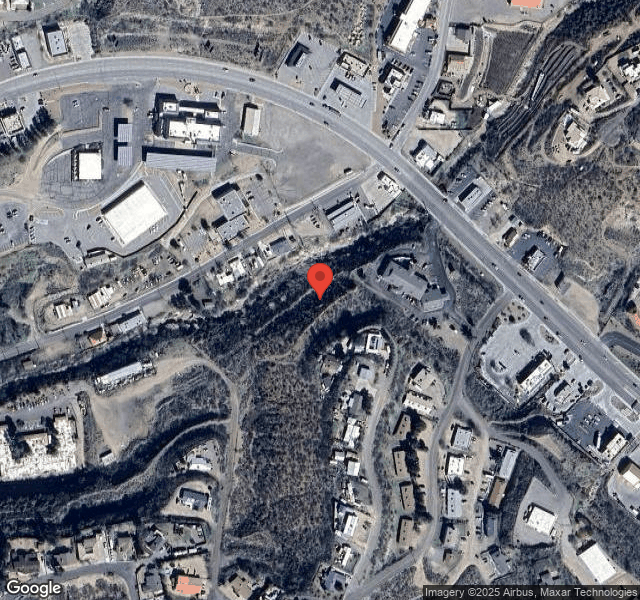
1300 SOUTH STREET, GLOBE, AZ 85501 (928) 425-3118
For profit - Limited Liability company 96 Beds LIFE CARE CENTERS OF AMERICA Data: November 2025
Trust Grade
95/100
#15 of 139 in AZ
Last Inspection: January 2024

Within standard 12-15 month inspection cycle. Federal law requires annual inspections.

Overview

Heritage Health Care Center in Globe, Arizona, has received a Trust Grade of A+, indicating it is an elite facility with top-tier standards. It ranks #15 out of 139 nursing homes in Arizona, placing it in the top half of the state, and #1 of 4 in Gila County, showing it as the best local option. The facility is stable, with no significant improvement or decline in quality, maintaining 3 issues reported in both 2024 and 2025. Staffing is relatively strong with a 4/5-star rating and a 24% turnover rate, well below the state average of 48%, suggesting that staff are experienced and familiar with residents. There are no fines recorded, which is a positive sign, and the facility has more RN coverage than 93% of Arizona facilities, enhancing the quality of care. However, there are some areas of concern. Recent inspections identified six issues related to potential harm, including improper food storage practices that could lead to foodborne illnesses and a failure to adequately supervise residents, leading to risks of falls. Additionally, there was an incident where a resident was slapped by a roommate, raising concerns about resident rights and safety. While the facility boasts many strengths, families should consider these weaknesses when making their decision.

Trust Score
A+
95/100
In Arizona
#15/139
Top 10%
Safety Record
Low Risk
No red flags
Inspections
Holding Steady
3 → 3 violations
Staff Stability
✓ Good
24% annual turnover. Excellent stability, 24 points below Arizona's 48% average. Staff who stay learn residents' needs.
Penalties
✓ Good
No fines on record. Clean compliance history, better than most Arizona facilities.
Skilled Nurses
✓ Good
Each resident gets 58 minutes of Registered Nurse (RN) attention daily — more than average for Arizona. RNs are trained to catch health problems early.
Violations
○ Average
6 deficiencies on record. Average for a facility this size. Mostly minor or procedural issues.
★★★★★
5.0
Overall Rating
★★★★☆
4.0
Staff Levels
★★★★☆
4.0
Care Quality
★★★★★
5.0
Inspection Score
Stable
2024: 3 issues
2025: 3 issues

The Good

  • 4-Star Staffing Rating · Above-average nurse staffing levels
  • 4-Star Quality Measures · Strong clinical quality outcomes
  • Low Staff Turnover (24%) · Staff stability means consistent care
  • Full Sprinkler Coverage · Fire safety systems throughout facility
  • No fines on record
  • Staff turnover is low (24%)

    24 points below Arizona average of 48%

Facility shows strength in staffing levels, quality measures, staff retention, fire safety.

The Bad

Chain: LIFE CARE CENTERS OF AMERICA

Part of a multi-facility chain

Ask about local staffing decisions and management

The Ugly 6 deficiencies on record

May 2025 1 deficiency
CONCERN (D) 📢 Someone Reported This

A family member, employee, or ombudsman was alarmed enough to file a formal complaint

Potential for Harm - no one hurt, but risky conditions existed

Free from Abuse/Neglect (Tag F0600)

Could have caused harm · This affected 1 resident

**NOTE- TERMS IN BRACKETS HAVE BEEN EDITED TO PROTECT CONFIDENTIALITY** Based on clinical record review, facility documentation, and staff interviews, the facility failed to protect the rights of two ...

Read full inspector narrative →
**NOTE- TERMS IN BRACKETS HAVE BEEN EDITED TO PROTECT CONFIDENTIALITY** Based on clinical record review, facility documentation, and staff interviews, the facility failed to protect the rights of two residents to be free from abuse (#10 and #20). The deficient practice could result in residents being at risk for abuse. -Regarding Resident #10: Resident #10 was admitted to the facility on [DATE] with a diagnosis that included type 2 diabetes mellitus, arthritis, and dementia. Review of quarterly Minimum Data Set (MDS) assessment dated [DATE] revealed a Brief Interview for Mental Status (BIMS) score of 4.0, which indicated severely impaired cognition. The assessment also revealed that the resident exhibited verbal and other behavioral symptoms directed towards others. A event progress note dated May 14, 2025 revealed a Certified Nursing Assistant (CNA)/med tech was walking by the room, staff heard a commotion, and witnessed Resident #10 and her roommate arguing over a plastic flower. The staff witnessed Resident #10 get slapped on the right side of her face by her roommate. Resident #10 then shoved her roommate's left shoulder. The note indicated that the Residents were separated and skin assessment was completed, with no injuries noted. The note also relayed that the Assistant Director of Nursing (ADON), Director of Nursing (DON), Administrator, and the provider were notified. The note also revealed that a room change was completed. A behavioral progress note, dated May 14, 2025, revealed that staff were unable to notify the resident's representative and case manager of the altercation with the resident's roommate. A care plan initiated on May 14, 2025 revealed that Resident #10 had the potential to be verbally aggressive related to dementia. Interventions initiated on May 14, 2025 included to assess and anticipate resident's needs such as food, thirst, toileting needs, comfort level, body positioning, and pain; assess resident's understanding of the situation, allow time for the resident to express self and feelings towards the situation; and give the resident as many choices as possible about care and activities. On May 29, 2025 at 11:00 am, Resident #10 was observed lying in her bed, making non-discernable response when called by her name, but end up answering the surveyor's question which resident stated that she was fine. Regarding Resident #20: -Resident #20 was admitted to the facility on [DATE] with a diagnosis that included dementia, age related osteoporosis, and type 2 diabetes mellitus. An annual MDS assessment dated [DATE], revealed no recorded BIMS score. The assessment revealed that the resident had short term and long term memory problems, was rarely/never understood, and behavioral symptoms were not exhibited. A behavioral progress note, dated May 14, 2025, revealed that a Medication Technician stated that Resident #20 and her roommate were fighting over a plant, both claiming it was their plant, and staff separated both residents. The Medication Tech stated that they had hands on each other. Staff notified the social worker and the DON and Resident #20 was moved to another room. The note also indicated that the Resident's family and provider were notified of the room change. A care plan initiated on May 14, 2025, revealed that Resident #20 had a potential to be verbally aggressive related to dementia. Interventions initiated on May 14, 2025, included to assess and anticipate the resident's needs such as food, thirst. toileting needs, comfort level, body positioning, and pain; assess resident's understanding of the situation, allow time for the resident to express self and feelings towards the situation; and observe for behaviors every shift, and document observed behavior and attempted interventions. An observation was conducted on May 29, 2025 at 11:31 a.m. of Resident #20 sitting in the activity room. The resident was observed sitting in her wheelchair, smiling, propelling her wheelchair back and forth with her hands. An interview was conducted on May 29, 2025 at 11:04 a.m. with a Licensed Practical Nurse (LPN/Staff #5), who stated that she was familiar with the altercation incident. She stated that Staff #8 witnessed the incident and separated the residents (#10 and #20). The LPN further stated that the residents were fighting about a plastic flower, one resident got hit or slapped. The LPN further stated that the residents were separated and the DON and the administrator were notified. The LPN also stated that she assessed the residents to make sure that there were no physical injuries, and that she had not observed any signs of redness or bruising. The LPN stated that she interviewed the residents and both residents could not remember what had occurred. The LPN added that the resident altercation happened in the morning in the residents' room. She stated that Resident #10 had confusion, was able to wheel herself around in her wheelchair, and liked being in her own room. The LPN stated that Resident #20 was moved to another room. The LPN also stated that a physical altercation is a form of abuse, if there is a slap, push, punch, or being hit by another resident, she considered it as abuse, and she would notify the DON and administrator of the incident. The LPN stated that she received abuse training when she first started, during orientation, watched videos, and received abuse inservices. The LPN further stated that she was trained on abuse a week or so ago. An interview was conducted on May 29, 2025 at 11:17 a.m. with a Medication Technician (Staff #8), who stated that she was working on the day of the altercation between Resident #10 and Resident #20. She stated that she heard the residents arguing in room their shared room, and they were fighting over a vase of flowers. The Medication Technician stated that there was physical contact when Resident #20 swung her right hand to the left side of Resident #10's face. She further stated that Resident #10 wanted to swing back but she stepped in between, separating them. The Medication Technician stated that she took Resident #20 out of the room, and notified an LPN (Staff #5), DON and the administrator. She also stated the incident was a form of abuse because one resident hit another resident and abuse is physical contact between residents. The Medication Technician stated that abuse training, it is conducted yearly, and she had just recently competed it. An interview was conducted on May 29, 2025 at 11:46 am with the facility Administrator (Staff #3) and the DON (Staff #4) in the conference room. The DON stated that Resident #10 and Resident #20 were roommates, that there seemed to be no problem until a staff member heard a commotion in the residents' room, and when she walked walked in the residents were arguing over a fake flower. The Administrator stated that one resident (#20) slapped the other resident (#10), and Resident #10 resident responded by pushing Resident #20's shoulder. The DON stated that it is considered abuse if there is physical contact. Review of facility's policy titled, Abuse Prevention, last reviewed date of June 17, 2024 revealed it is the policy of this facility to prevent and prohibit all types of abuse, neglect, misappropriation of resident property, and exploitation. Review of facility's policy titled, Resident Rights, last revised date of September 10, 2024 revealed the resident has the right to be free from abuse.
May 2025 1 deficiency
CONCERN (D) 📢 Someone Reported This

A family member, employee, or ombudsman was alarmed enough to file a formal complaint

Potential for Harm - no one hurt, but risky conditions existed

Accident Prevention (Tag F0689)

Could have caused harm · This affected 1 resident

**NOTE- TERMS IN BRACKETS HAVE BEEN EDITED TO PROTECT CONFIDENTIALITY** Based on documentation, staff interviews, and the facility policy and procedures, the facility failed to ensure one resident (#5...

Read full inspector narrative →
**NOTE- TERMS IN BRACKETS HAVE BEEN EDITED TO PROTECT CONFIDENTIALITY** Based on documentation, staff interviews, and the facility policy and procedures, the facility failed to ensure one resident (#5) was provided with adequate supervision to prevent a fall. The deficient practice could result in residents being harmed physically and psychologically. Findings include: Resident #5 was admitted to the facility on [DATE], with diagnoses that included, difficulty in walking, not elsewhere classified, other intervertebral disc degeneration, lumbar region without mention of lumbar back pain or lower extremity pain, other osteoporosis without current pathological fracture, unspecified dementia, unspecified severity, without behavioral disturbance, psychotic disturbance, mood disturbance, and anxiety. A quarterly Minimum Data Set (MDS) assessment dated [DATE] revealed the resident had a Brief Interview for Mental Status (BIMS) score of 09, indicating moderate cognitive impairment. The assessment revealed no indicator for mood or behaviors, frequent incontinence for bowel and bladder and non-Alzheimer's dementia. Further review of the MDS assessment revealed resident #5 had one fall since admission or prior assessment resulting in a major injury. A care plan dated February 7, 2025, revealed a focus for activities of daily living (ADL) assistance and therapy service, a self-care performance deficit related to impaired balance, limited mobility related to weakness, and at risk for falls, the resident has impaired cognitive ability /impaired thought processes related to BIMS score 09/15, resident has had an actual fall. Interventions included to assist with (ADLs) as needed and to have call light within reach, requires assistance by staff to move between surfaces for transfers, requires assistance by staff for toileting, administer medications as ordered, Therapy screen sent, added non-slip socks, or encourage resident to have shoes on when transferring or walking. A Care Management Note dated April 16, 2025 revealed resident #5 found sitting on the bathroom floor on his buttock facing the toilet. The resident reported to staff he was trying to go to the bathroom, and slid to the ground off the wheelchair. resident reported not hitting his head, no redness or bruising present. It was noted the resident's weakness has increased. A Care Management Note dated April 16, 2025 revealed resident #5 was found in the bathroom sitting on the floor in front of his wheelchair facing the toilet. The note reports the resident was taking his socks off and was not wearing non-slip socks. A Care Management Note dated April 17, 2025 revealed housekeeping informed staff that resident had fallen on his head and needed help. Staff went to resident #5 room finding the resident on hands and knees with the crown of his head on the floor. Resident #5 was observed rocking back and forth, saying I can't move my legs. Resident's wheelchair was behind him and was in the doorway of his room when found. A Note Text dated April 18, 2025 revealed a falls review for April 16, 2025. Resident stated to staff that his socks were slippery and sat down on his buttocks. New intervention of encouraging patient to wear non-slip socks have shoes on when transferring or ambulating. A Note Text dated April 24, 2025 revealed Pressure reducing mattress and cushion to wheelchair in place. New Roho placed in chair this week as old cushion appeared wearing out (3/18/25). Encouraging frequent repositioning. Review of the physician's orders dated April 25, 2025 revealed a Stat upright Magnetic Resonance Imaging (MRI) of thoracic spine without contrast. Diagnosis back pain with T7 and T8 compression fractures on computerized tomography scan (CT). Review of the fall risk assessment outcomes revealed fall risk scores ranging from 18-8 dated July 23, 2023 through March 1, 2025 with the last admission assessment completed April 17, 2025 with score of 16. Review of emergency department evaluation dated April 17, 2025 revealed resident #5 presented to the emergency department with chief complaint of fall injury. Resident reported having some mid back pain. Evaluation documents fall resulted after resident had fallen asleep in chair and fell out of it. The exam of the back and pelvis revealed tenderness to palpitation of the T-spine midline in the area of the T-7-T-10 with no traumatic step-offs. Findings of the of the thoracic spine CT revealed increasing T-7 compression fracture now moderate to severe with marked surrounding soft tissue swelling. Findings also noted interval development of some mild superior endplate fracture of the T-8 adjacent vertebral body with marked loss of disc space between T-7 and T-8 with associated soft tissue swelling noted in this region. Further review of the evaluation of the CT imaging revealed the resident does have what appears to be a new mild T-8 endplate compression fracture with no retropulsion. Review of a consultation note dated April 21, 2025 revealed the following notation He has been complaining of back pain. He has had an evaluation which has included imaging studies which have revealed osteoporosis and fractures of the T spine at T7-T8. He is felt to have a combination of potential etiologies. One of the Vertebral Fractures is related to osteoporosis and the other due to osteoporosis and possible aggravation from slipping out of his wheelchair and landing on his buttocks. He has been treated with differing medications with some improvement. It is hoped that he can get into a pain specialist that offers vertebroplasty. This is in the works that is to say it has been ordered. Review of the facility investigation dated April 22, 2025, revealed per the documentation resident #5 had complained of back pain April 7, 2025 that was not relieved with medication. Results of the x-rays revealed no acute distress. The provider ordered a CT on April 10, 2025 with results of a compression T-7 mild to moderate fracture of indeterminate age. Resident had a fall on April 16, 2025 in the bathroom trying to go by himself without calling for assist and fell from his wheelchair. On April 17, 2025 the report states the resident sustained another fall when he fell forward and slid out of his wheelchair. The report states the resident sleeps in his wheelchair. The facility determined through their interviews with the resident, staff and family no mention of mishandling by anyone at the facility. An interview was conducted May 1, 2025 at 1:03 p.m. with resident #5. Observations made on entering the resident's room. Call light was on at 12:59, staff responded at 1:02p.m. resident's bed was unmade with no bedding. Resident was observed with non-skid sock with his shoes on. Resident reported that he had fallen in the facility twice. resident reported he had fallen off the toilet and had hurt his back. Resident reported he had called for help by pushing my button before attempting to change his underwear. Resident #5 stated they took too long and didn't come to help me. The resident stated this has happened in the past stating staff take a long time to come and help me-sometimes one hour or more and I can't wait that long. An interview was conducted May 1, 2025 at 1:06 p.m. with Registered Nurse (RN/Staff #46). She stated she is the residents nurse and is aware of his care. Staff #55 stated resident #5 has a wound on his coccyx, complains of back pain is continent of bowel and bladder and a moderate assist of one. She stated residents are assessed for falls if they have fallen before, are weak and by how alert they are. She stated resident #5 is a fall risk and has had two falls, once on April 17, 2025 and April 18, 2025. Staff #46 stated the first fall is a result of not cooperating with using the call light, had no shoes on and had slid from the wheelchair to the floor in the bathroom. She stated the second fall happened when the resident had fallen asleep in his wheelchair and fell forward out of the wheelchair and was found by housekeeping. She stated when she was notified by housekeeping she went to the room and found the resident on his hands and knees stating he could not get up. Staff #46 stated she was assisted by a CNA with a gait belt to lift back into the wheelchair. Staff #46 stated the resident had not injuries with the fall on April 17, 2025, but did complain of increased back pain and head pain due to hitting his head from the second fall. Staff #46 stated the provider was notified, vital signs, neuro checks and was sent to the emergency room. Staff #46 stated new interventions were placed after the first fall that included frequent checks, use of the call light and encourage to sleep in his bed. After the second fall interventions included re-education with the family and resident regarding reinforce interventions with their father. Staff #46 stated staff have increased founding, frequent reminders to use the call light and reached out to the Director of Nursing (DON/ Staff # 25) and the Assistant Director of Nursing (ADON/Staff # 15) An interview was conducted May 1, 2025 at 1:29 p.m. with certified nursing assistant (CAN/Staff #55). Stated she is familiar with the resident's care and before his back issues was independent with his ADL's, but is now encouraged to use the call light and is now a one person assist with dressing and transfers to the toilet. Staff #55 stated she informed what fall interventions are needed for the residents from report from the nurse or the resident will wear a yellow arm band indicating they are a fall risk. There was no yellow arm band observed on the resident. Staff #55 stated she did not know why the resident did not have one. Staff #55 stated the resident is now a fall risk, stating she was not aware if the resident was a fall risk before his falls. Staff #55 stated she was unaware if resident #5 had sustained any injuries from his fall, but does have a pressure ulcer on his bottom and that his back was hurting. Staff #55 stated interventions in place prior to the falls were the use of non-skid socks and making sure call light in reach. She stated she was unaware of any new interventions post falls for resident #55. She stated the resident will refuse to use his call light and had an accident while in his wheelchair and was sitting in his feces, but did not know how long the resident had sat there since he did not call. An interview was conducted May 1, 2025 at 1:45 p.m. with Director of Nursing (DON/Staff #25) The DON stated prior to the fall resident #5 was set-up/independent- pull-up clothing and working with Restorative Nursing Assistant (RNA) 3xweek, post fall- off RNA, due to requiring requiring more of an extensive assist. She stated he is able to bear part of his weight, but does require assist with dressing and toileting. The DON stated staff are informed of a resident change of condition or level of care needed through report from shift to shift, the [NAME], education and continuity of care due to more changes to resident care and for new admissions and discharges. The DON stated residents are assessed for fall risk from a fall risk score and any changes mentally and physically, dementia or medical. She stated the resident was not a fall risk prior to his first fall. She stated the resident had fallen on April, 16 and April 17, 2025. She stated on April 16, 2025 that's when he went to the bathroom with socks on, his feet slipped and he sat down in the bathroom. She stated he was complaining of pain prior to the fall and had received the CT and X-ray prior to the first fall. The DON stated interventions in place prior to the first fall, were if he needed assist he would let us know and call light in reach. She stated interventions put into place after the first fall was a discussion of having regular socks and using non- skid socks. The facility implemented no skid socks after the second fall on April 17, 2025, conversation with staff and resident who would let us know to lay down him in the bed when he gets tired. She stated the resident has been agreeable has been agreeable to the interventions. Staff #25 stated it is her expectations that staff are informed of the resident's care plan, interventions and of any change of condition, that they ask their nurse, check the [NAME], or ask if they do not know. Review of the facility policy titled incident and Reportable Event Management The facility to the best of its ability strives to provide an environment that is free from accident hazards over which the facility has control and provides supervision and assistive devices to each resident to prevent avoidable accidents. Accident refers to any unexpected or unintentional incident, which results or may result in injury or illness to a resident. This does not include other types of harm, such as adverse outcomes that are a direct consequence of treatment or care that is provided in accordance with current professional standards of practice (e.g., drug side effects or reaction). 3. Implement interventions, including adequate supervision and assistive devices, consistent with a resident's needs, goals, care plan and current professional standards of practice in order to eliminate the risk, if possible, and, if not, reduce the risk of an accident; and/or 4. Monitor the effectiveness of the interventions and modify the care plan as necessary, in accordance with current professional standards of practice.
Apr 2025 1 deficiency
CONCERN (D) 📢 Someone Reported This

A family member, employee, or ombudsman was alarmed enough to file a formal complaint

Potential for Harm - no one hurt, but risky conditions existed

Free from Abuse/Neglect (Tag F0600)

Could have caused harm · This affected 1 resident

**NOTE- TERMS IN BRACKETS HAVE BEEN EDITED TO PROTECT CONFIDENTIALITY** Based on observations, clinical record review, staff interview, facility documentation and policy review, the facility failed to...

Read full inspector narrative →
**NOTE- TERMS IN BRACKETS HAVE BEEN EDITED TO PROTECT CONFIDENTIALITY** Based on observations, clinical record review, staff interview, facility documentation and policy review, the facility failed to protect the rights of two residents (#7 and #9) to be free from physical abuse by another resident (#5). The deficient practice could result in further resident abuse. Findings include: Regarding residents #5 and #7: -Resident #5 was admitted on [DATE] with diagnoses of unspecified dementia, unspecified severity, with agitation, psychotic disorder with delusions due to known physiological condition, hallucinations, unspecified, generalized anxiety disorder. The care plan with revision date of January 17, 2025 included that resident had impaired cognitive function and at risk for change in mood or behaviors due to medical condition, recent BIMS (Brief Interview for Mental Status) score of 3 and dementia, and the use of antipsychotic medication; Seroquel related to diagnosis of psychotropic disorder with delusions and hallucinations, refusal of care, yelling at staff. Interventions included to administer meds as ordered; staff attempt to keep separate from other flagged residents; residents Quetiapine was increased after review of behaviors by MD who feels the gradual reduction rate was a fail with returned behaviors. On April 13, 2025 resident's roommate was moved to another room to separate at this time. Review of the quarterly Minimum Data Set (MDS) dated [DATE] revealed a BIMS score of 3 indicating severe cognitive impairment. Further review of the MDS revealed a mood score of 05 indicating mild mood severity. There were no indicators for behaviors. Review of a progress event note dated April 1, 2025 at 6:42 am revealed resident#7 was seated in the TV area watching TV when resident #5 wheeled herself into the same area. Resident #5 started a verbal altercation with resident #5, totally unprovoked. The nurse heard the verbal altercation and stood to separate the two of them when resident #5 struck resident #7 on the back of the head. This incident was witnessed by staff. The note further states resident #7 was teary eyed, but okay Resident #5 though resident #7 had run over her in her wheelchair, but states this was not possible. Review of progress health status note dated March 31, 2025 revealed resident #5 behaviors were reviewed by the provider, who diagnosed resident #5 as having a failed Gradual Dose Reduction (GDR) with returned behaviors. -Resident #7 was admitted on [DATE] with diagnoses of unspecified dementia, unspecified severity, without behavioral disturbance, psychotic disturbance, mood disturbance, and anxiety, major depressive disorder, single episode, unspecified, depression, unspecified. The care plan dated April 3, 2025 included that resident #7 had impaired cognitive ability or impaired thought processes related to dementia, and at risk for change in mood or behaviors due to medical condition. Interventions included to cue, reorient and supervise as needed, supervision and assistance with all decision making, customary routines, and attempt to keep separate from other flagged residents, as flag on wheelchair is for visual effect. Review of the quarterly Minimum Data Set (MDS) dated [DATE] revealed a BIMS score of 3 indicating severe cognitive impairment. Further review of the MDS revealed no indicators for mood and other behavioral symptoms not directed towards others and indicators for wandering. The alert charting dated March 31, 2025 revealed that resident #7 involved in a physical and verbal altercation and was struck in the back of the head by resident #5. No injuries or residual effects noted. Incident was unprovoked and witnessed by the nurse. No complaints of pain/discomfort. Resting comfortably/quietly in bed with eyes closed. Resp even and unlabored. No distress noted. Call light within reach. Able to make her needs known. The nursing event note dated March 31, 2025 revealed nurse a verbal altercation between resident #5 and resident #7 initiated by resident #5. Resident #7 was sitting in the tv area watching tv. Resident #5 then wheeled herself into the same area. (LPN/Staff #18) stood up to separate the two of them when resident #5 struck resident #7 on the back of her head, this was totally unprovoked and witnessed by (CNA/Staff #28). The two of them were separated immediately. It states resident #5 falsely accused resident #7 of running over her in the wheelchair and that this was not possible. It further states resident #7 was teary eyed but stated she was okay. Both residents were separated immediately. Review of the facility investigation with discover date of March 31, 2025 included that both resident #5 and #7 were interviewed. The facility concluded the altercation between these two residents was an isolated event with resident #7 being startled and no injuries, with preventative measures put in place. Regarding residents #5 and #9: -Resident #9 was admitted to the facility January 1, 2025 with diagnosis of unspecified dementia, unspecified severity, with other behavioral disturbance, depression, unspecified, other abnormalities of gait and mobility. The Care Plan revealed resident #9 at risk for mood or behavior due to medical condition resident, has impaired cognitive ability /impaired thought processes related to dementia and has a communication problem related to BIMS 03/15 and dementia. Interventions included; Be conscious of resident position when in groups, activities, dining room to promote proper communication with others, face and speak clearly when communicating with resident, April 13, 2025 moved temporally to separate 2 residents. Review of the quarterly Minimum Data Set (MDS) dated [DATE] revealed a BIMS score of 3 indicating severe cognitive impairment. Further review of the MDS revealed no indicators for mood, display of verbal behavioral symptoms directed towards other and other behavioral symptoms not directed towards others. Review of the Event Note dated April 13, 2025 revealed (Staff/RN #32) was at the nurses station charting and heard a scream coming from resident #9 room the RN on shift went in to this resident's room as she was in the kitchen putting snacks away and then came out and informed RN #32 that resident #9 was saying that her roommate slapped her in the face as she was coming out of the bathroom (Staff/RN #32) went into the resident's room and asked what happened and resident #9 was holding the left side of her face (the cheek area) and the roommate (resident #5) states resident #9 hit her first across her chest by her heart so she hit her back. Resident #9 stated her roommate hit her first and denied hitting the roommate. Review of a Health Status Note dated April 14, 2025 revealed a status post note regarding a physical altercation with another resident, resident #9 was slapped on the left cheek area. Left cheek area with a red pinpoint mark & pinkish colored. Very teary eyed & upset. Emotional support offered. Unfamiliar to new environment, was ambulated into another room, redirected. Resting in bed respirations even and unlabored. No distress noted. Will continue to monitor. Review of the ongoing facility investigation facility report with discovery date of April 13, 2025 included resident and staff interviews were initiated. The initial report states at 9:25 p.m. resident #5 was coming out of the bathroom and resident #9 was sitting on the side of her bed with feet dangling when resident #5 slapped resident #9 across the face, with slight redness. Resident #5 stated resident #9 hit her first near her heart so she hit her back. Resident #9 denied hitting resident #5. Resident #9 was moved to another room. Leaving resident #5 by herself. An interview was conducted April 15, 2025 at 12:02 p.m. with (Staff/LPN #32). Staff #32 stated he has been with the facility since 2019 and is familiar with residents #5, #7 and #9. Staff #32 stated resident #5 had been fixated and upset about her the pending sale of her home. Staff #32 stated resident #5 is generally a pleasant lady, can be confrontational with staff and other residents- gets agitated with other residents who are verbal or loud. will tell them to shut up or if another resident should accidentally bump into her. Staff #2 stated he was told there was prior altercation with resident #7. Staff #32 stated resident #5 had been extremely upset after receiving mail informing her that her home was going to be sold and had been extremely agitated and frustrated. Staff #32 stated it might have been a cause for her lashing out. Staff #32 stated her medication has not been changed, but her order for Seroquel was reduced from 50mg to 25 mg prior to the first incident. After the first incident with resident #7 the doctor bumped it back up to 50mg, but resident #5 continued to be fixated about her home. Staff #32 stated resident #9 had been out with her daughter, leaving at 3:30 for dinner and came back at approximately 7:00 p.m. Staff #32 stated I gave her meds and resident #9 was lying in her bed, Resident #5 was also lying on her bed. Staff #32 stated he was sitting at the nurse's station charting and heard resident #9 yelling saying why did you do that to me? Staff #32 stated resident #9 was sitting on the side of her bed holding her face. Staff #32 stated resident told another registered nurse (Staff/RN #13) in Spanish that resident #5 had hit her on her face. Resident #9 was observed holding the left side of her face- resident #5 was observed sitting in her wheelchair near her bed. RN #13 asked resident #5 what happened. Resident #9 stated resident #5 came out of the bathroom and hit her. Resident #5 stated resident #9 had hit her first in the chest, and she had hit her back and now she wasn't happy because I got the best of her. Resident #9 denied hitting her. Resident #9 was observed with some redness on the left side of her face. Staff #32 stated a skin assessment was done immediately on resident #5 with no redness noted as well as the day following. Staff #32 stated the doctor made a change with resident #5 medications by increasing her Seroquel and a lab work. Staff #32 stated resident #9 has never hit anyone, is easily offended and will cry. Staff #32 stated both residents were immediately separated with resident #9 moved to another room that same day. An attempt was made on April 15, 2025 at 12:21 p.m. to interview witness, licensed practical nurse (Staff/LPN #18). Message was left for a return phone call. An attempt was made on April 15, 2025 at 12:24 p.m. to interview witness certified nursing assistant (Staff/CNA #28). Message was left for a return phone call. An attempt to interview was conducted April 15, 2025 at 3:22 p.m. with resident #7. Resident stated I don't remember, but I'm fine. The resident is cognitively impaired. An interview was conducted April 15, 2025 at 3:43 p.m. with resident #9, also present was the resident's daughter. Resident #9 was observed with a reddened area located on the left side of her upper cheek. Part of the cheek area were yellowish and green in color. Resident #9 stated not remembering what happened, but feels like she was kicked by a horse. Resident stated feeling safe. The daughter stated she was told by staff #32 that her mother's roommate had slapped her on the face. An attempt to interview was conducted April 15, 2025 at 3:54 p.m. with resident #5. Resident was seated in her wheelchair in her room. Resident stated I don't know what you're talking about. The resident is cognitively impaired. An interview was conducted April 15, 2025 at 4:04 p.m. with abuse coordinator (Staff/#71). Staff # 71 stated their responsibilities are reporting to the state and initiating the investigation and to the appropriate authorities. Staff #71 stated the facility must report all allegations to the state within two hours and submit a final report within five days. Staff #71 stated the facility substantiated the report regarding residents #5 and #7 and the report regarding residents #5 and #9 was still ongoing, but will probably substantiate. An interview was conducted April 15, 2025 at 4:26 p.m. with Director of Nursing (DON/Staff #92) who stated her expectations for reporting alleged abuse is that staff are to let their supervisors know and staff have been educated during in-services that the executive director is the abuse coordinator or they are to reach out to her. DON #92 stated resident #7 was assessed for injuries, there were none. Resident # 9 was assessed and noted redness on her left check. The DON stated resident #5 had no reported injuries for each incident. The DON stated there were no prior incidents or concerns between residents #5 and #7 or residents #5 and #9. Review of the facility policy titled Abuse - Prevention Issued October 4, 2022 and reviewed June 17, 2024 states It is the policy of this facility to prevent and prohibit all types of abuse, neglect, misappropriation of resident property, and exploitation. Definition Abuse - is defined as the willful infliction of injury, unreasonable confinement, intimidation, or punishment with resulting physical harm, pain or mental anguish. Abuse also includes the deprivation by an individual, including a caretaker, of goods or services that are residents from abuse. necessary to attain or maintain physical, mental, and psychosocial well-being. Instances of abuse of all residents, irrespective of any mental or physical condition, cause physical harm, pain or mental anguish. It includes verbal abuse, sexual abuse, physical abuse, and mental abuse including abuse facilitated or enabled through the use of technology.
Apr 2021 3 deficiencies
CONCERN (D)

Potential for Harm - no one hurt, but risky conditions existed

Resident Rights (Tag F0550)

Could have caused harm · This affected 1 resident

**NOTE- TERMS IN BRACKETS HAVE BEEN EDITED TO PROTECT CONFIDENTIALITY** Based on clinical record review, observations, staff interviews, and policy review, the facility failed to ensure one resident (...

Read full inspector narrative →
**NOTE- TERMS IN BRACKETS HAVE BEEN EDITED TO PROTECT CONFIDENTIALITY** Based on clinical record review, observations, staff interviews, and policy review, the facility failed to ensure one resident (#204) was treated with dignity. The deficient practice could result in residents not being treated in a dignified manner. Findings include: Resident #204 was admitted to the facility on [DATE], with diagnoses that included urinary tract infection, dementia with behavioral disturbance, and anxiety disorder. Review of a care plan initiated on April 6, 2021 revealed the resident had impaired cognitive ability and impaired thought processes related to dementia and confusion. The goals were that the resident will follow 1 to 2 step instructions, be consistently redirected, be directed to wear a face mask, and to stay in her room. Interventions included to allow extra time for the resident to respond to questions and instructions, to face and speak clearly when communicating with the resident, and to cue, reorient and supervise as needed. Continued review of the care plan initiated on April 6, 2021 revealed the resident was on isolation or quarantine. The goal was that the resident would have no indications of psychosocial well being problem while in quarantine/isolation. Interventions stated to encourage or facilitate alternative ways of communication with friends and family, provide opportunities to express feelings related to situational stressors, provide in room activities, and to provide psychosocial support when in the resident's room by conversing with the resident or asking if the resident have questions or try to reduce fear. Review of the five day Minimum Data Set assessment dated [DATE], revealed a Brief Interview for Mental Status score of 3, which indicated the resident was severely cognitively impaired. On April 19, 2021 at 10:55 AM, resident #204 was observed exiting her room into the hall without wearing a mask. A yellow sign was observed outside the resident's door that indicated the resident was on contact and droplet precautions. The resident was in the hall walking towards the nurses' station. A Certified Nursing Assistant (CNA/staff #96) assisted the resident back to her room. Staff #96 was heard telling the resident there was a virus going around, and that the resident only had one more day on isolation and then she could come out of her room. The CNA asked the resident if she wanted to go to her room and have a phone call from her husband. The resident was crying and saying she does not want to go back in there. Staff #96 helped the resident back to her room and exited the room. Moments later the resident was observed coming out of her room again. Staff #96 called the resident by her name and told the resident she had to go back to her room. The CNA then met the resident in the hallway and helped the resident back to her room a second time. Shortly after being assisted back to her room, the resident exited her room, went into the hall and started walking towards the nurses' station. The resident stated she wanted chocolate. While in another resident's room, staff #96 said to the resident no you can't come out. The resident replied I don't want to stay in here. Staff #96 then stated go back to your room, you don't have a choice, you cannot come out here. The resident stated I just want celebrate with a little chocolate. Staff #96 then exited the other resident's room and met resident #204 in the hallway. The CNA assisted the resident back to her room. A Licensed Practical Nurse (LPN/staff #60) was present on the unit and another staff member was at the nurses' station during the observation. No staff was observed to provide the resident a mask, get the resident chocolate, or assist the resident with talking to her spouse on the phone. An interview was conducted on April 20, 2021 at 12:33 PM with a Registered Nurse (RN/staff #47). The RN stated the CNAs on the unit try to work with resident #204. Staff #47 said the CNAs try to redirect the resident because she is confused. The RN stated the resident likes to talk with her spouse on the phone. Staff #47 stated a personalized care plan had been developed for the resident that the staff can implement when providing care to the resident. On April 21, 2021 at 8:17 AM, an interview was conducted with an LPN (staff #104). The LPN stated the care for a resident with dementia is different, that they have different needs. She stated that resident #204 was refusing to stay in her room. The LPN said the resident was on isolation precautions because she was a new admission. Staff #104 said that due to the COVID-19 pandemic, the facility requires all new admissions to remain on precautions for 14 days. The LPN stated the resident has choices. The LPN also stated that there are appropriate interventions that can be implemented when a resident is confused. An interview was conducted on April 22, 2021 at 1:45 PM with the CNA (staff #96). The CNA stated it had been difficult trying to keep residents who are on isolation precautions in their rooms because some of the residents are confused. The CNA stated that if a resident persists with unsafe behavior, then more staff would be requested to assist. Staff #96 stated that she had been instructed to redirect resident #204 and have the resident call her husband. The CNA stated the resident's dignity was not honored when she told the resident she did not have a choice, she had to stay in her room. The CNA stated that she was frustrated with a nurse that was not helping her with the resident. She said staff #60 was mad at her because she was in another resident's room while resident #204 kept coming out of her room. The CNA stated it was very frustrating that other staff would not assist. On April 22, 2021 at 2:23 PM, an interview was conducted with the Director of Nursing (DON/staff #77). The DON stated that her expectation of staff in regards to residents with dementia and dignity, is that even if staff get frustrated, staff should stay calm, provide options, and continue to redirect the resident. The DON stated that if a staff member witnessed anyone speaking to a resident in a way that did not honor a resident's rights or dignity, that staff member should speak to the person and then report the incident to management. The DON stated that if a staff member stated to a resident no you can't come out or go back to your room, you don't have a choice, you cannot come out here absolutely does not meet her expectation of honoring a resident's dignity and rights. Review of the facility's policy titled Dignity reviewed May 19, 2020 revealed each resident has the right to be treated with dignity and respect. Interactions and activities with residents by staff, temporary agency staff, or volunteers must focus on maintaining and enhancing the resident's self-esteem, self-worth, and incorporating the resident's goals, preferences, and choices. Staff must respect the resident's individuality as well as honor and value their input.
CONCERN (D)

Potential for Harm - no one hurt, but risky conditions existed

Infection Control (Tag F0880)

Could have caused harm · This affected 1 resident

**NOTE- TERMS IN BRACKETS HAVE BEEN EDITED TO PROTECT CONFIDENTIALITY** Based on observations, staff interviews, and review of facility policy and procedure, the facility failed to ensure infection co...

Read full inspector narrative →
**NOTE- TERMS IN BRACKETS HAVE BEEN EDITED TO PROTECT CONFIDENTIALITY** Based on observations, staff interviews, and review of facility policy and procedure, the facility failed to ensure infection control practices were followed regarding personal protective equipment (PPE) for one resident (#206) and oxygen tubing for one resident (#203). The deficient practice could result in the spread of infection. Findings include: Regarding PPE: Resident #206 was admitted to the facility on [DATE] with diagnoses that included toxic encephalopathy, chronic viral hepatitis C, and muscle weakness. On April 19, 2021 at 11:35 am, an observation was made of resident #206's room. Outside of the door, attached to the wall above the room number, was a yellow piece of paper that read yellow room gown required. An additional posting was observed on the door to the room that identified the room as a quarantine room with droplet/contact precautions in addition to standard precautions. The posting instructed everyone, including visitors, doctors, and staff to clean their hands when entering and leaving the room, wear a mask, wear eye protection, and to gown and glove. A Certified Nursing Assistant (CNA/staff #96) was observed inside the resident's room. Staff #96 was wearing a mask, and face shield, but was not wearing a gown. An interview was conducted with staff #96 on April 22, 2021 at 1:00 pm. Staff #96 stated the isolation rooms are marked with a yellow sign and that staff are to don a gown and gloves before entering an isolation room. Staff #96 stated that she remembered that she was not wearing a gown in resident #206's room on April 19, 2021. She stated the resident was being transferred to the hospital and that she was focused on assisting the resident and did not wear a gown. An interview was conducted with a Licensed Practical Nurse (LPN/staff #57) on April 22, 2021 at 1:44 pm. The LPN stated staff should don all the necessary PPE before entering an isolation room, even in an emergency situation. On April 22, 2021 at 2:05 pm, an interview was conducted with the Director of Nursing (DON/staff #77) and the facility's Infection Preventionist (IP/staff #41). The DON stated all of the rooms with yellow signs were isolation rooms and that staff were supposed to wear a gown and gloves while in the room. The DON stated if there was a true emergency, that the resident's life was immediately at risk, she might not take the time to put on a gown before entering the resident's room. She further stated the situation with resident #206 on April 19, 2021 was not an emergency. The DON stated the CNA might have misinterpreted the situation and thought it was an emergency, but the CNA should have put on a gown before entering the resident's room. The facility's policy titled Personal Protective Equipment revised December 2020, stated the purpose is to reduce the risk of and prevent the spread of infection to patients, visitors, and staff. The policy included staff should don an isolation gown prior to entering a resident room on isolation precautions. The facility's policy titled Transmission Based Precautions and Isolation Procedures, revised May 2020, included staff should don appropriate PPE upon entry to the environment (e.g. room or cubicle) of a resident on transmission-based precautions. Regarding Oxygen Tubing: Resident #203 was admitted on [DATE] with diagnoses that include dementia, hypertension, and major depressive disorder. Review of the clinical record revealed a physician's order dated April 16, 2021 for oxygen at 0-5 liters per minute continuously via nasal cannula. On April 19, 2021 at 11:20 am, the resident was sitting in her wheelchair. The oxygen concentrator in the room was on and set at 2 liters per minute. The tubing attached to the concentrator, including the nasal cannula, was on the floor, laying in a pile under the resident's bedside table. Another observation was conducted on April 19, 2021 at 12:20 pm. The resident's oxygen tubing, including the nasal cannula, was observed in a pile on the floor. An interview was conducted on April 22, 2021 at 1:00 pm with a CNA (staff #96), who stated oxygen tubing should never be left on the floor. She stated when the tubing is not in use, it should be stored in a bag that is attached to the oxygen concentrator. Staff #96 stated it would be unsanitary to keep the tubing and nasal cannula on the floor. The CNA stated she would change the tubing and nasal cannula if she saw it laying on the floor. An interview was conducted with the DON (staff #77) and the facility IP (staff #41) on April 22, 2021 at 2:00 pm. The DON stated that oxygen tubing should not be left on the floor at any time. Staff #77 stated some residents will take off their nasal cannula and throw it or will keep it next to them on the bed to ease anxiety. The DON stated she expects that staff would replace any oxygen tubing and nasal cannula that were seen on the floor. Regarding the observations of resident #203's oxygen tubing, the DON said she would expect the staff to check a resident who is on oxygen and notice if the tubing and nasal cannula were on the floor. The facility's policy Oxygen Administration/Safety/Storage/Maintenance revised May 15, 2020, included oxygen and respiratory supplies should be stored in a bag labeled with the resident's name when not in use.
CONCERN (E)

Potential for Harm - no one hurt, but risky conditions existed

Food Safety (Tag F0812)

Could have caused harm · This affected multiple residents

Based on observations, staff interviews, and review of facility policies, the facility failed to ensure food in unit nourishment refrigerators was stored in accordance with professional standards for ...

Read full inspector narrative →
Based on observations, staff interviews, and review of facility policies, the facility failed to ensure food in unit nourishment refrigerators was stored in accordance with professional standards for food service safety. The deficient practice could result in foodborne illnesses. Findings include: Regarding the East unit An observation of the East unit nourishment area was conducted on April 21, 2021 at 2:14 p.m. with the Kitchen manager (staff #37). The following were observed: -Refrigerator #1 was observed to have a temperature within the correct range and contained ham and cheese sandwiches, fruit (cut fruit and grapes), jello, pudding, and pitchers of juice. Review of the corresponding Record of Refrigeration Temperatures form for April 2021 revealed the refrigerator temperature was documented to be over 41 degrees Fahrenheit on 8 days. There was no documentation of comments or actions taken on the form. The form included the refrigeration temperature should not be greater than 41 degrees and to report to the supervisor when recorded temperatures are not adequate. -Refrigerator #2 was observed to have a temperature of 44 degrees Fahrenheit per the thermometer located in the refrigerator. The refrigerator contained med pass supplement, coffee, Jevity, Coke, and a moon pie at the time of observation. None of the items in the refrigerator at the time of observation required refrigeration. Later that day at 2:49 p.m., a second observation was conducted of refrigerator #2. The temperature of refrigerator #2 was observed unchanged at 44 degrees Fahrenheit. Review of the corresponding Record of Refrigeration Temperatures form for April 2021 revealed the temperature was documented to be over 41 degrees Fahrenheit on 4 days. There was no documentation of comments or actions taken on the form. The form included the refrigeration temperature should not be greater than 41 degrees and to report to the supervisor when recorded temperatures are not adequate. Regarding the [NAME] Unit An observation of the [NAME] unit nourishment area was conducted on April 21, 2021 at 2:30 p.m. with the Kitchen manager (staff #37). The following were observed: -Refrigerator #1 was observed to have a temperature of 24 degrees Fahrenheit per the thermometer located in the refrigerator. The refrigerator contained three food items that had frozen: a personal resident salad, a personal resident container of fruit, and a facility prepared salad. Additionally, the refrigerator contained a container of prepared oatmeal, med pass supplement, boost supplement, yogurt, a fruit/yogurt parfait from an outside source, applesauce, prepared fruit, salad, and a plastic container with unidentified contents. On April 22, 2021 at 8:25 a.m., another observation was conducted of refrigerator #1. The refrigerator temperature was 48 degrees per the reading on the thermometer in the refrigerator. The refrigerator continued to contain food items that required refrigeration. -Refrigerator #2 was observed to have a temperature of 43 degrees Fahrenheit on the thermometer located in the refrigerator. The refrigerator contained pudding, pitchers of juices, ham and cheese sandwiches. At 2:56 p.m. on April 21, 2021, the temperature was observed to be 46 degrees Fahrenheit. The refrigerator continued to contain food items that required refrigeration. An interview was conducted on April 21, 2021 at 2:20 p.m. with the Kitchen manager (staff #37). She stated the nurses and Certified Nursing Assistants (CNAs) are the ones obtaining the temperature checks on the unit nourishment refrigerators. She stated that she did not know which shift was responsible. An interview was conducted on April 21, 2021 at 2:32 p.m. with a Registered Nurse (RN/staff #42). She stated that she used to work nights and that the night shift nurse does the temperature check on the unit nourishment refrigerators each day. She stated that if the temperature was over 41 degrees Fahrenheit, the nurse would do a second temperature check. She stated that if the temperature was still over 42 all of the food in the refrigerator is considered spoiled and the refrigerator should be shut down and maintenance notified to repair or replace the refrigerator. She stated that if food became frozen in the refrigerator, they would not keep the food. She stated that the facility would replace any resident personal food that was spoiled related to the refrigerator temperature. In an interview conducted on April 22, 2021 at 8:21 a.m. with the Licensed Practical Nurse (LPN/staff #56) who had initialed some of the temperatures on the East Unit refrigerator forms, the LPN stated that she works the night shift and is responsible for checking the two nourishment refrigerators on the East unit on the nights that she works. The LPN stated that she checks the refrigerator temperatures at the beginning of her shift which starts at 10:00 p.m. She stated that the temperature was supposed to be between 36 degrees Fahrenheit and 41 degrees Fahrenheit. The LPN stated that if the temperature was over/under that range she would recheck the temperature. She stated that if the temperature was still out of range at the re-check that she would make note on the monitoring form and let maintenance or central supply know. She stated that, sometimes, if the temperature was over the range she would write it on the form. The LPN stated that on some of the days there should be a note that she notified maintenance or that she could not find the thermometer. Staff #56 stated that if there were not notes on the form there would be no way to show that follow up was done. Staff #56 stated that the temperature written on the form was the temperature that she obtained when she came on shift. She stated that she did not recall notifying anyone of this month temperatures being outside of range and that she probably did not. She stated that if there was no documentation on the monitoring form then she did not notify anyone. The LPN stated that if the temperature was 42 degrees Fahrenheit or over, she would sometimes take the pudding out and go back and see how the temperature was. She stated that if the temperature stayed out of range she would remove the food. She further stated that if the temperature was over the range, she would feel inside to see if felt cool and if it felt cool she would check the temperature again the next night. The LPN stated that she removed the food from the refrigerator two nights ago because the temperature was high and she thought the door had been left open. She stated that it was important that food in the refrigerators stay at appropriate temperature range and that she was expected to follow up if it was not. An interview was conducted on April 22, 2021 at 8:47 a.m. with the Director of Nursing (DON/staff #77). She stated that the temperature of the unit nourishment refrigerators needs to be taken every 24 hours by the night shift. The DON stated that there were temperature log forms on the cabinet above the refrigerators to log the temperatures. Staff #77 stated the form has the temperature ranges for the refrigerators printed on it. She stated that if the temperature was above the printed range, staff would need to empty out the refrigerator and throw all the food away, adjust the dial, and wait 24 hours until the next temperature check to see if the temperature was in range. The DON said if the temperature was in range, then staff could put food back into the refrigerator. The DON stated that staff may need to get another thermometer or take the temperature of the actual items in the refrigerator if the temperature continued to be out of range. She stated that the action taken by the staff should be documented on the monitoring form. Staff #77 stated that it was important for food to remain below 41 degrees Fahrenheit so that the food would not spoil and possibly cause gastrointestinal distress to residents. The DON reviewed the East side temperature forms. She stated that for the times the temperature was above 41 degrees Fahrenheit, the staff should have recorded action notes and the refrigerator issue should have been passed on in report so that the refrigerator would not be used until the issue was resolved. The DON stated that if food became frozen in the refrigerator it could impact the taste/appearance of the food but would not be dangerous. She stated that the staff did not meet expectations for maintaining the refrigerators in the nourishment area as they did not document follow up on the form and report the issue as required. The DON stated that the refrigerator temperatures should not be over 41 degrees at any time. Review of a facility's policy regarding Nourishment Storage Areas revised January 1, 2007, revealed the policy of the facility is to ensure the areas where nourishments and snacks are stored for the resident outside of the Food and Nutrition Services department are maintained according to the local/state and federal regulations and facility guidelines. The facility designates which department is responsible for the cleanliness and sanitation of the areas where resident snacks and supplements are stored. The temperature of the refrigerators/freezers is monitored according to facility guidelines. Food is covered, labeled and dated appropriately. Food is rotated and/or discarded according to facility guidelines. Review of the facility's policy on Food Safety revised November 28, 2017, revealed food is stored and maintained in a clean, safe, and sanitary manner following federal, state, and local guidelines to minimize contamination and bacterial growth. Ambient temperatures in refrigerators/coolers are recommended to remain in a range between 34-38 degrees Fahrenheit but may not exceed 41 degrees Fahrenheit to significantly slow growth of microorganisms.
Understanding Severity Codes (click to expand)
Life-Threatening (Immediate Jeopardy)
J - Isolated K - Pattern L - Widespread
Actual Harm
G - Isolated H - Pattern I - Widespread
Potential for Harm
D - Isolated E - Pattern F - Widespread
No Harm (Minor)
A - Isolated B - Pattern C - Widespread

Questions to Ask on Your Visit

  • "Can I speak with families of current residents?"
  • "What's your RN coverage like on weekends and overnight?"

Our Honest Assessment

Strengths
  • • Grade A+ (95/100). Above average facility, better than most options in Arizona.
  • • No major safety red flags. No abuse findings, life-threatening violations, or SFF status.
  • • No fines on record. Clean compliance history, better than most Arizona facilities.
  • • 24% annual turnover. Excellent stability, 24 points below Arizona's 48% average. Staff who stay learn residents' needs.
Concerns
  • • No significant concerns identified. This facility shows no red flags across CMS ratings, staff turnover, or federal penalties.
Bottom line: Generally positive indicators. Standard due diligence and a personal visit recommended.

About This Facility

What is Heritage Health's CMS Rating?

CMS assigns HERITAGE HEALTH CARE CENTER an overall rating of 5 out of 5 stars, which is considered much above average nationally. Within Arizona, this rating places the facility higher than 99% of the state's 100 nursing homes. This rating reflects solid performance across the metrics CMS uses to evaluate nursing home quality.

How is Heritage Health Staffed?

CMS rates HERITAGE HEALTH CARE CENTER's staffing level at 4 out of 5 stars, which is above average compared to other nursing homes. Staff turnover is 24%, compared to the Arizona average of 46%. This relatively stable workforce can support continuity of care.

What Have Inspectors Found at Heritage Health?

State health inspectors documented 6 deficiencies at HERITAGE HEALTH CARE CENTER during 2021 to 2025. These included: 6 with potential for harm.

Who Owns and Operates Heritage Health?

HERITAGE HEALTH CARE CENTER is owned by a for-profit company. For-profit facilities operate as businesses with obligations to shareholders or private owners. The facility is operated by LIFE CARE CENTERS OF AMERICA, a chain that manages multiple nursing homes. With 96 certified beds and approximately 65 residents (about 68% occupancy), it is a smaller facility located in GLOBE, Arizona.

How Does Heritage Health Compare to Other Arizona Nursing Homes?

Compared to the 100 nursing homes in Arizona, HERITAGE HEALTH CARE CENTER's overall rating (5 stars) is above the state average of 3.3, staff turnover (24%) is significantly lower than the state average of 46%, and health inspection rating (5 stars) is much above the national benchmark.

What Should Families Ask When Visiting Heritage Health?

Based on this facility's data, families visiting should ask: "Can I visit during a mealtime to observe dining assistance and food quality?" "How do you handle medical emergencies, and what is your hospital transfer rate?" "Can I speak with family members of current residents about their experience?"

Is Heritage Health Safe?

Based on CMS inspection data, HERITAGE HEALTH CARE CENTER has a clean safety record: no substantiated abuse findings (meaning no confirmed cases of resident harm), no Immediate Jeopardy citations (the most serious violation level indicating risk of serious injury or death), and is not on the Special Focus Facility watch list (a federal program monitoring the lowest-performing 1% of nursing homes). The facility has a 5-star overall rating and ranks #1 of 100 nursing homes in Arizona. While no facility is perfect, families should still ask about staff-to-resident ratios and recent inspection results during their visit.

Do Nurses at Heritage Health Stick Around?

Staff at HERITAGE HEALTH CARE CENTER tend to stick around. With a turnover rate of 24%, the facility is 22 percentage points below the Arizona average of 46%. Low turnover is a positive sign. It means caregivers have time to learn each resident's needs, medications, and personal preferences. Consistent staff also notice subtle changes in a resident's condition more quickly. Registered Nurse turnover is also low at 17%, meaning experienced RNs are available to handle complex medical needs.

Was Heritage Health Ever Fined?

HERITAGE HEALTH CARE CENTER has no federal fines on record. CMS issues fines when nursing homes fail to meet care standards or don't correct problems found during inspections. The absence of fines suggests the facility has either maintained compliance or corrected any issues before penalties were assessed. This is a positive indicator, though families should still review recent inspection reports for the full picture.

Is Heritage Health on Any Federal Watch List?

HERITAGE HEALTH CARE CENTER is not on any federal watch list. The most significant is the Special Focus Facility (SFF) program, which identifies the bottom 1% of nursing homes nationally based on persistent, serious quality problems. Not being on this list means the facility has avoided the pattern of deficiencies that triggers enhanced federal oversight. This is a positive indicator, though families should still review the facility's inspection history directly.