RIM COUNTRY HEALTH & RETIREMENT COMMUNITY

807 WEST LONGHORN ROAD, PAYSON, AZ 85541 (928) 474-1120
For profit - Corporation 109 Beds Independent Data: November 2025
Trust Grade
8/100
#134 of 139 in AZ
Last Inspection: February 2025

Within standard 12-15 month inspection cycle. Federal law requires annual inspections.

Overview

Rim Country Health & Retirement Community has received a Trust Grade of F, indicating significant concerns about the quality of care provided. It ranks #134 out of 139 facilities in Arizona, placing it in the bottom half, and #4 out of 4 in Gila County, meaning there are no better local options available. The facility's situation is worsening, with issues increasing from 6 in 2024 to 9 in 2025, and has accumulated $10,358 in fines, which is higher than 87% of Arizona facilities. Staffing appears to be a relative strength, with a 0% turnover rate, suggesting that staff remain in their positions, but the overall quality rating is poor at 1 out of 5 stars. Specific incidents of concern include a serious failure to securely store medications, which led to a resident being hospitalized, and another failure to provide CPR in accordance with a resident's advance directives, resulting in actual harm. While the turnover rate is good, the facility has many deficiencies that could significantly affect resident safety and well-being.

Trust Score
F
8/100
In Arizona
#134/139
Bottom 4%
Safety Record
High Risk
Review needed
Inspections
Getting Worse
6 → 9 violations
Staff Stability
○ Average
Turnover data not reported for this facility.
Penalties
✓ Good
$10,358 in fines. Lower than most Arizona facilities. Relatively clean record.
Skilled Nurses
○ Average
RN staffing data not reported for this facility.
Violations
⚠ Watch
59 deficiencies on record. Higher than average. Multiple issues found across inspections.
★☆☆☆☆
1.0
Overall Rating
★☆☆☆☆
1.0
Staff Levels
★★★☆☆
3.0
Care Quality
★☆☆☆☆
1.0
Inspection Score
Stable
2024: 6 issues
2025: 9 issues

The Good

  • Full Sprinkler Coverage · Fire safety systems throughout facility
  • No fines on record

Facility shows strength in fire safety.

The Bad

1-Star Overall Rating

Below Arizona average (3.3)

Significant quality concerns identified by CMS

Federal Fines: $10,358

Below median ($33,413)

Minor penalties assessed

The Ugly 59 deficiencies on record

3 actual harm
Jul 2025 2 deficiencies
CONCERN (D) 📢 Someone Reported This

A family member, employee, or ombudsman was alarmed enough to file a formal complaint

Potential for Harm - no one hurt, but risky conditions existed

Notification of Changes (Tag F0580)

Could have caused harm · This affected 1 resident

**NOTE- TERMS IN BRACKETS HAVE BEEN EDITED TO PROTECT CONFIDENTIALITY** Based on clinical record review, staff interviews, facility documentation and policy review, the facility failed to complete not...

Read full inspector narrative →
**NOTE- TERMS IN BRACKETS HAVE BEEN EDITED TO PROTECT CONFIDENTIALITY** Based on clinical record review, staff interviews, facility documentation and policy review, the facility failed to complete notifications involving abuse for two residents (# 15 and #23). The deficient practice resulted in allegations of abuse not being reported, not investigated and residents not protected from further abuse. The resident #15 was admitted on [DATE] for a planned respite stay while a patient with Arizona Care Hospice, and discharged to his home on 7/8/2025 with diagnoses that included: atherosclerotic heart disease and vascular dementia. A review of the admission Minimum Data Set (MDS) dated [DATE] revealed completion of only section A. A review of the hospice admission packet revealed that the resident was admitted to the facility from Arizona Care Hospice for a respite stay while home health services were established. Additional diagnoses in the admission packet included: aortic aneurysm, weakness, falls and weight loss. The resident had elected a Do Not Resuscitate (DNR) status. The level 1 Preadmission Screening and Resident Review (PASRR) revealed that the resident had a terminal illness and secondary diagnosis of dementia, but no identified serious mental illness, intellectual disability or substance abuse. A review of hospice summary notes included in the care plan revealed that the patient was referred to hospice care for significant cognitive decline, progressive functional dependence, and poor prognosis. The care plan revealed that the patient was alert and oriented to self and place, but not time or situation. The resident had intermittent periods of restlessness and agitation especially in the late afternoon and evening. The resident woke frequently during the night and wandered, and experienced frequent falls and episodes of lightheadedness where he needed assistance getting into bed. The note revealed that the last fall resulted in a skin tear to the left wrist and that the resident refused to use assistive devices for ambulation. A review of a fall risk assessment completed on July 3, 2025/3/2025 at 07:06 A.M. revealed a score of 15 indicating the resident was a moderate risk for falls. A review of resident progress notes dated July 3, 2025 through July 8, 2025 revealed that the resident exhibited exit seeking, wandering, verbal behaviors and inappropriate toileting behaviors requiring orders for additional benzodiazepine and antipsychotic medications that were ordered on July 5, 2025. Staff reported that the resident continued these behaviors and was becoming more difficult to redirect, but there was no evidence that the resident eloped from the facility. The allegation that the resident wandered into another resident's room and entered her bed was confirmed by staff interviews, however, there was some discrepancy noted as to who held responsibility to initiate notifications of the resident's change in condition.An interview with Licensed Practical Nurse, (LPN), (Staff #81), was conducted on 7/23/2025 at 11:54 AM. The LPN stated that the facility provides training on caring for residents with dementia and related behaviors. Staff #81 stated that knowing the residents and their baseline behaviors is one of the best ways to minimize wandering or other disruptions on the unit. The LPN further stated, Knowing the patients is 90% of the job. The LPN stated that if he encountered a resident trying to leave the secured unit or who was demonstrating other disruptive behaviors, he would remove them from the situation, try to redirect them using conversation, a snack, or a walk, and if the behaviors persisted, he would check the orders to see if medications were available to administer to decrease the behaviors. Staff #81 stated that he recalled a respite patient who was on the unit who exhibited a number of behaviors including exit seeking, and while the resident set off door alarms, he did not exit the building. An interview with Certified Nursing Assistant, (CNA), Staff #3) was conducted on 7/23/2025 at 12:22PM. The CNA confirmed that some residents are exit seeking, but staff is able to get to them in time to redirect them back to their room or another activity. The CNA stated that no resident has been able to get out of the unit during her shift. An interview with Certified Nursing Assistant, (CNA), (Staff #53) was conducted on 7/23/2025 at 12:30 PM. The CNA stated that staff become aware of resident behaviors through a review of the Kardex and through staff report. Staff #53 stated that staff receive extensive training from the Behavioral Health Team about dementia and that. The unit is staffed sufficiently to manage resident care. The CNA reported that she recalled a recent resident who was on the unit for respite care who walked into another resident's room and required redirection by staff. The CNA stated that if a resident was wandering or disruptive, she would notify the nurse. An interview with the Director of Nursing, (DON), (Staff #52), was conducted on 7/23/25 at 1:26 PM. The DON stated that an incident whenever there was an unusual occurrence such as a fall, an actual elopement, or a new skin condition, or serious resident to staff behaviors. Upon recalling the specific incident, the DON stated that residents can wander into other resident's rooms as the facility cannot shut the doors in order to ensure monitoring by staff. The DON stated that if a resident entered another resident's room, the staff would guide them out. When asked what she would do if a resident entered a room and laid down on the bed, the DON stated that she would evaluate the situation. The DON stated that she recalled the situation that initiated the allegation and determined there were no adverse effects since both residents were fully clothed, there appeared to have been no touching between the residents, and that staff noticed the situation in less than three minutes and responded immediately to escort the resident out of the other's room. The DON further stated that Resident #23 had significant visual impairment, was legally blind, did not realize the other resident had entered her room or bed, and neither resident had incurred an injury. The DON stated that she attempted to reach LPN (Staff #16) to provide mentoring and instruction on how to document the incident. An interview with Certified Nursing Assistant, (CNA), (Staff #3) was conducted on 7/23/2025 at 12:30 PM. The CNA stated that staff become aware of resident behaviors through a review of the Kardex and through shift staff report. Staff #3 stated that staff receive extensive training from the Behavioral Health Team about dementia. The CNA stated that the unit is staffed sufficiently to manage resident care. The CNA reported that she recalled a recent resident who was on the unit for respite care who walked into another resident's room and required redirection by staff. The CNA stated that if a resident was wandering or disruptive, she would notify the nurse. The CNA stated that the risk of elopement from the facility could be that the resident could fall, be hit by a car, get lost or be stranded. An interview with Licensed Practical Nurse (LPN), (Staff #16), was conducted on 7/23/2025 at 2:31 PM. The LPN stated that she recalled the incident concerning the respite patient (Resident #15) and the situation when he was found in bed with a female resident. Staff #16 stated that the event occurred at the end of the shift while she was working with her back to the unit in the nurses' station facilitating the report with the oncoming shift LPN (Staff #15). The CNA advised both nurses that she needed help with a resident. Both LPNs followed the CNA into resident #23's room where they observed resident #15 lying in bed with resident #23. The LPN stated that resident #23 was lying closest to the wall and had a blanket wrapped around her. Resident #15 was observed lying on top of the bedding, but was not beneath the blanket. Both residents were assessed for injury and resident #23 was noted to be oriented only to self, was awake and calling resident #15 by her former spouse's name. She observed that resident #23 did not appear did not appear to be upset or afraid. Resident #15 began yelling when removed from the female resident's bed but calmed down quickly when redirected to his room by Staff #15. The LPN stated that neither resident was injured during the incident. Staff #16 stated that she immediately notified the DON of the event as resident #15 was a respite patient and she was not sure of the necessary next steps since resident #15 was not a regular resident of the facility. The LPN stated that the DON asked if she would be comfortable saving the note she had drafted for later review and discussion. The LPN stated that the DON (Staff #52) advised her that she would notify the respite resident's spouse. The LPN stated that she did not notify resident #23's representative of the incident as she reported off to Staff #15, the day shift, LPN, who offered to conduct notifications. The LPN stated that the lack of notification to the resident's representatives did not meet her expectations as she is aware that the event should have been handled differently, and that she now knows how important it is to communicate with resident's families. The LPN stated that it is important that everyone knows what is going with patient and that this was a failure to communicate. Staff #16 acknowledged that the experience was a learning point for her. A telephone interview with Licensed Practical Nurse, (LPN), (Staff #15) was conducted on 7/23/2025 at 2:51 P.M. The LPN stated that he recalled the event when resident #15 was found in bed with resident #23 who thought it was her husband. The LPN stated that neither resident was injured and believed that resident #23 was facing the wall when the situation was identified. When asked about the facility's process for notifying family members of incidents that occurred at the facility, he stated that since it happened during shift-change, whomever wrote up the report also would have made notifications. Staff #15 stated that if no report was written, the DON would have conducted the notifications. The LPN stated that if he had documented the incident, he would have indicated who he notified in the progress note. The LPN stated that the lack of notification would not meet his expectation as the family could be pretty upset if they were not notified within 24-48 hours. A follow-up interview was conducted with Director of Nursing (DON), (Staff # 52) on 7/23/2025 at 3:18 PM. The DON reviewed the record and confirmed that there was no indication that notification of either resident's families regarding the incident occurred. The DON further stated that this did not meet her expectation as notifications of incidents are to take place in a timely manner. Staff #52 further stated that she would be providing education on timely notification to staff at monthly staff meetings. The DON identified the risk related to lack of notification would be a lack of trust in the facility to give proper care. A review of the Accidents, Incidents and Supervision policy, reviewed on 7/22/2024 revealed that the facility is committed to providing an environment as free from accidents and hazards as possible for all residents and ensuring that each resident will receive the supervision and interventions needed to promote such an environment. The policy further revealed that the Director of Nursing, Administrator, and or designee will be notified immediately if a resident or other individual creates a risk to others.
CONCERN (D) 📢 Someone Reported This

A family member, employee, or ombudsman was alarmed enough to file a formal complaint

Potential for Harm - no one hurt, but risky conditions existed

Medical Records (Tag F0842)

Could have caused harm · This affected 1 resident

**NOTE- TERMS IN BRACKETS HAVE BEEN EDITED TO PROTECT CONFIDENTIALITY** Based on clinical record review, staff interviews, facility documentation and policy review, the facility failed to develop and ...

Read full inspector narrative →
**NOTE- TERMS IN BRACKETS HAVE BEEN EDITED TO PROTECT CONFIDENTIALITY** Based on clinical record review, staff interviews, facility documentation and policy review, the facility failed to develop and implement policies and procedures for the documentation and reporting of alleged violations involving abuse for one resident (#23). The deficient practice resulted in allegations of abuse not being reported, not investigated and residents not protected from further abuse.Findings include:The resident was admitted on [DATE] for a planned respite stay while a patient with Arizona Care Hospice, and discharged to his home on 7/8/2025 with diagnoses that included: atherosclerotic heart disease and vascular dementia. A review of the admission Minimum Data Set (MDS) dated [DATE] revealed completion of only section A.A review of the hospice admission packet revealed that the resident was admitted to the facility from Arizona Care Hospice for a respite stay while home health services were established. Additional diagnoses in the admission packet included: aortic aneurysm, weakness, falls and weight loss. The resident had elected a Do Not Resuscitate (DNR) status. The level 1 Preadmission Screening and Resident Review (PASRR) revealed that the resident had a terminal illness and secondary diagnosis of dementia, but no identified serious mental illness, intellectual disability or substance abuse. A review of hospice summary notes included in the care plan revealed that the patient was referred to hospice care for significant cognitive decline, progressive functional dependence, and poor prognosis. The care plan revealed that the patient was alert and oriented to self and place, but not time or situation. The resident had intermittent periods of restlessness and agitation especially in the late afternoon and evening. The resident woke frequently during the night and wandered, and experienced frequent falls and episodes of lightheadedness where he needed assistance getting into bed. The note revealed that the last fall resulted in a skin tear to the left wrist and that the resident refused to use assistive devices for ambulation. A review of a fall risk assessment completed on July 3, 2025/3/2025 at 07:06 A.M. revealed a score of 15 indicating the resident was a moderate risk for falls. The admission care plan dated 7/1/2025 revealed that the resident was incontinent of bowel and bladder and had a history of falls. The care plan further revealed that the resident had lost approximately 40 pounds in the past year, 5 pounds in the past week and was cachexic. A review of resident progress notes dated July 3, 2025 through July 8, 2025 revealed that the resident exhibited exit seeking, wandering, verbal behaviors and inappropriate toileting behaviors requiring orders for additional benzodiazepine and antipsychotic medications that were ordered on July 5, 2025.Staff reported that the resident continued these behaviors and was becoming more difficult to redirect, however, there was no evidence that the resident eloped from the facility. The allegation that the resident wandered into another resident's room and entered her bed was confirmed by staff interviews, however, the electronic health record revealed no documentation of the incident. Further, there was a discrepancy noted as to who held responsibility to document the resident's behaviors and change in condition.An interview with Licensed Practical Nurse, (LPN), (Staff #81), was conducted on 7/23/2025 at 11:54 AM. The LPN stated that the facility provides training on caring for residents with dementia and related behaviors. Staff #81 stated that knowing the residents and their baseline behaviors is one of the best ways to minimize wandering or other disruptions on the unit. The LPN further stated, Knowing the patients is 90% of the job. The LPN stated that if he encountered a resident trying to leave the secured unit or who was demonstrating other disruptive behaviors, he would remove them from the situation, try to redirect them using conversation, a snack, or a walk, and if the behaviors persisted, he would check the orders to see if medications were available to administer to decrease the behaviors. Staff #81 stated that he recalled a respite patient who was on the unit who exhibited a number of behaviors including exit seeking, and while the resident set off door alarms, he did not exit the building. The LPN stated that documentation of resident care is the responsibility of the nurse providing the care. An interview with Certified Nursing Assistant, (CNA), (Staff #53) was conducted on 7/23/2025 at12:30 PM. The CNA stated that staff become aware of resident behaviors through a review of the Kardex and through staff report. Staff #53 stated that staff receive extensive training from the Behavioral Health Team about dementia and that. The unit is staffed sufficiently to manage resident care. The CNA reported that she recalled a recent resident who was on the unit for respite care who walked into another resident's room and required redirection by staff. The CNA stated that if a resident was wandering or disruptive, she would notify the nurse. An interview with the Director of Nursing, (DON), (Staff #52), was conducted on 7/23/25 at 1:26 PM. The DON stated that an incident whenever there was an unusual occurrence such as a fall, an actual elopement, or a new skin condition, or serious resident to staff behaviors. Upon recalling the specific incident, the DON stated that residents can wander into other resident's rooms as the facility cannot shut the doors in order to ensure monitoring by staff. The DON stated that if a resident entered another resident's room, the staff would guide them out. When asked what she would do if a resident entered a room and laid down on the bed, the DON stated that she would evaluate the situation. The DON stated that she recalled the situation that initiated the allegation and determined there were no adverse effects since both residents were fully clothed, there appeared to have been no touching between the residents, and that staff noticed the situation in less than three minutes and responded immediately to escort the resident out of the other's room. The DON further stated that Resident #23 had significant visual impairment, was legally blind, did not realize the other resident had entered her room or bed, and neither resident had incurred an injury. The DON stated that she attempted to reach LPN (Staff #16) to provide follow up mentoring and instruction on how to document the incident. An interview with Certified Nursing Assistant, (CNA), (Staff #3) was conducted on 7/23/2025 at12:30 PM. The CNA stated that staff become aware of resident behaviors through a review of the Kardex and through shift staff report. Staff #3 stated that staff receive extensive training from the Behavioral Health Team about dementia. The CNA stated that the unit is staff sufficiently to manage resident care. The CNA reported that she recalled a recent resident who was on the unit for respite care who walked into another resident's room and required redirection by staff. The CNA stated that if a resident was wandering or disruptive, she would notify the nurse. An interview with Licensed Practical Nurse (LPN), (Staff #16), was conducted on 7/23/2025 at 2:31 PM. The LPN stated that she recalled the incident concerning the respite patient (Resident #15) and the situation when he was found in bed with a female resident. Staff #16 stated that the event occurred at the end of the shift while she was working with her back to the unit in the nurses' station facilitating the report with the oncoming shift LPN (Staff #15). The CNA advised both nurses that she needed help with a resident. Both LPNs followed the CNA into resident #23's room where they observed resident #15 lying in bed with resident #23. The LPN stated that resident #23 was lying closest to the wall and had a blanket wrapped around her. Resident #15 was observed lying on top of the bedding, but was not beneath the blanket. Both residents were assessed for injury and resident #23 was noted to be oriented only to self, was awake and calling resident #15 by her former spouse's name. She observed that resident #23 did not appear did not appear to be upset or afraid. Resident #15 began yelling when removed from the female resident's bed but calmed down quickly when redirected to his room by Staff #15. The LPN stated that neither resident was injured during the incident. Staff #16 stated that she immediately notified the DON of the event as resident #15 was a respite patient and she was not sure of the necessary next steps since resident #15 was not a regular resident of the facility. The LPN stated that the DON asked if she would be comfortable saving the note she had drafted for later review and discussion. The LPN stated that the DON (Staff #52) advised her that she would notify the respite resident's spouse. The LPN stated that she did not notify resident #23's representative of the incident as she reported off to Staff #15, the day shift, LPN, who offered to conduct notifications. The LPN stated that she did not complete documentation of the incident as she planned to work with the DON to complete documenting the events when she returned to work. The LPN stated that when she returned to work, she learned that resident #15 had been discharged and removed from the electronic health record and that she was unable to access the record to add nursing notes regarding the incident. The LPN stated that the lack of documentation did not meet her expectations as she is aware that the event should have been handled differently, and that she now knows how important it is to document patient care. The LPN stated that it is important that everyone knows what is going on, or happening with the care of the patient and this was a failure to communicate.An interview with Licensed Practical Nurse, (LPN), (Staff #81), was conducted on 7/23/2025 at 11:54 AM. The LPN stated that the facility provides training on caring for residents with dementia and related behaviors. Staff #81 stated that knowing the residents and their baseline behaviors is one of the best ways to minimize wandering or other disruptions on the unit. The LPN further stated, Knowing the patients is 90% of the job. The LPN stated that if he encountered a resident trying to leave the secured unit or who was demonstrating other disruptive behaviors, he would remove them from the situation, try to redirect them using conversation, a snack, or a walk, and if the behaviors persisted, he would check the orders to see if medications were available to administer to decrease the behaviors. Staff #81 stated that he recalled a respite patient who was on the unit who exhibited a number of behaviors including exit seeking, and while the resident set off door alarms, he did not exit the building. The LPN stated that documentation of resident care is the responsibility of the nurse providing the care. An interview with Certified Nursing Assistant, (CNA), (Staff #53) was conducted on 7/23/2025 at12:30 PM. The CNA stated that staff become aware of resident behaviors through a review of the Kardex and through staff report. Staff #53 stated that staff receive extensive training from the Behavioral Health Team about dementia and that. The unit is staffed sufficiently to manage resident care. The CNA reported that she recalled a recent resident who was on the unit for respite care who walked into another resident's room and required redirection by staff. The CNA stated that if a resident was wandering or disruptive, she would notify the nurse. An interview with the Director of Nursing, (DON), (Staff #52), was conducted on 7/23/25 at 1:26 PM. The DON stated that an incident whenever there was an unusual occurrence such as a fall, an actual elopement, or a new skin condition, or serious resident to staff behaviors. Upon recalling the specific incident, the DON stated that residents can wander into other resident's rooms as the facility cannot shut the doors in order to ensure monitoring by staff. The DON stated that if a resident entered another resident's room, the staff would guide them out. When asked what she would do if a resident entered a room and laid down on the bed, the DON stated that she would evaluate the situation. The DON stated that she recalled the situation that initiated the allegation and determined there were no adverse effects since both residents were fully clothed, there appeared to have been no touching between the residents, and that staff noticed the situation in less than three minutes and responded immediately to escort the resident out of the other's room. The DON further stated that Resident #23 had significant visual impairment, was legally blind, did not realize the other resident had entered her room or bed, and neither resident had incurred an injury. The DON stated that she attempted to reach LPN (Staff #16) to provide follow up mentoring and instruction on how to document the incident. An interview with Certified Nursing Assistant, (CNA), (Staff #3) was conducted on 7/23/2025 at12:30 PM. The CNA stated that staff become aware of resident behaviors through a review of the Kardex and through shift staff report. Staff #3 stated that staff receive extensive training from the Behavioral Health Team about dementia. The CNA stated that the unit is staff sufficiently to manage resident care. The CNA reported that she recalled a recent resident who was on the unit for respite care who walked into another resident's room and required redirection by staff. The CNA stated that if a resident was wandering or disruptive, she would notify the nurse. An interview with Licensed Practical Nurse (LPN), (Staff #16), was conducted on 7/23/2025 at 2:31 PM. The LPN stated that she recalled the incident concerning the respite patient (Resident #15) and the situation when he was found in bed with a female resident. Staff #16 stated that the event occurred at the end of the shift while she was working with her back to the unit in the nurses' station facilitating the report with the oncoming shift LPN (Staff #15). The CNA advised both nurses that she needed help with a resident. Both LPNs followed the CNA into resident #23's room where they observed resident #15 lying in bed with resident #23. The LPN stated that resident #23 was lying closest to the wall and had a blanket wrapped around her. Resident #15 was observed lying on top of the bedding, but was not beneath the blanket. Both residents were assessed for injury and resident #23 was noted to be oriented only to self, was awake and calling resident #15 by her former spouse's name. She observed that resident #23 did not appear did not appear to be upset or afraid. Resident #15 began yelling when removed from the female resident's bed but calmed down quickly when redirected to his room by Staff #15. The LPN stated that neither resident was injured during the incident. Staff #16 stated that she immediately notified the DON of the event as resident #15 was a respite patient and she was not sure of the necessary next steps since resident #15 was not a regular resident of the facility. The LPN stated that the DON asked if she would be comfortable saving the note she had drafted for later review and discussion. The LPN stated that the DON (Staff #52) advised her that she would notify the respite resident's spouse. The LPN stated that she did not notify resident #23's representative of the incident as she reported off to Staff #15, the day shift, LPN, who offered to conduct notifications. The LPN stated that she did not complete documentation of the incident as she planned to work with the DON to complete documenting the events when she returned to work. The LPN stated that when she returned to work, she learned that resident #15 had been discharged and removed from the electronic health record and that she was unable to access the record to add nursing notes regarding the incident. The LPN stated that he was aware that the night LPN had or planned to speak with the DON about the incident. The LPN stated that if he had documented the incident, he would have indicated who he notified in the progress note. The LPN stated that the lack of documentation would not meet his expectation as there would be no record of the event if it was not charted. An interview was conducted with Director of Nursing (DON), (Staff # 52) on 7/23/2025 at 3:18 PM. The DON reviewed the record and confirmed that there was no indication that documentation of the incident was recorded in either resident's electronic health record. The DON stated that the day shift staff should have documented the event and that staff will be written up for the lack of completing documentation. The DON further stated that this did not meet her expectation because, if it wasn't charted, it wasn't done. A request to review the facility documentation policy revealed that the facility had none. This attestation was confirmed by the Administrator (Staff #79) on 7/23/2025 at 3:40 PM.
Jun 2025 1 deficiency
CONCERN (D) 📢 Someone Reported This

A family member, employee, or ombudsman was alarmed enough to file a formal complaint

Potential for Harm - no one hurt, but risky conditions existed

Free from Abuse/Neglect (Tag F0600)

Could have caused harm · This affected 1 resident

**NOTE- TERMS IN BRACKETS HAVE BEEN EDITED TO PROTECT CONFIDENTIALITY** Based on interviews, review of records, and review of facility policy and procedure, the facility failed to protect the rights o...

Read full inspector narrative →
**NOTE- TERMS IN BRACKETS HAVE BEEN EDITED TO PROTECT CONFIDENTIALITY** Based on interviews, review of records, and review of facility policy and procedure, the facility failed to protect the rights of one resident (#6) to be free from abuse by another resident (#4). The deficient practice could lead to ongoing abuse leading to harm of residents. -Findings include: Resident #4 was admitted to the facility with an original admission date of September 11, 2021, with diagnoses that included dementia, weakness, acute cerebrovascular insufficiency and anxiety disorder. A review of the minimum data set (MDS) dated [DATE] for Resident #4 revealed severe impaired cognition. Resident #6 was admitted on [DATE] with diagnoses that included senile degeneration of brain, Alzheimer's disease and chronic kidney disease. A review of the minimum data set (MDS) dated [DATE] for Resident #6 revealed a brief interview of mental status (BIMS) of 02, indicating severe cognitive impairment. A review of progress notes in Resident #6's electronic health record (EHR), shows a progress note from February 19, 2024 1:53 p.m. revealed that Certified Nursing Assistant (CNA) Staff #3 heard Resident #6 yelling at Resident #4 to stop hitting the side of the wheel chair and turned around and began hitting Resident #4 on the arms and cussing at her. Both residents were separated. An interview was conducted on June 3, 2025 at 12:41 p.m. with Certified Nursing Assistant (CNA) Staff #3 who stated he saw Resident #6 hit Resident #4 and they were separated. Resident #4 was sitting in her long chair and Resident #6 got upset and then hit Resident #4. They were immediately separated. This happened in front of the nursing station. A report was made by Licensed Practical Nurse (LPN) Staff #4. An interview was conducted on June 3, 2025 at 1:13 p.m. with Registered Nurse (RN) Staff #2 and revealed that when you see any type of abuse, you report it to the manager on duty, then to the administrator and do a state report right away. Does not recall incident. An interview was conducted on June 3, 2025 at 1:40 p.m. with Director of Nursing (DON) Staff #1 revealed that abuse training is done multiple times a year. Both ladies were by the nurses station. Resident #4 is very touchy and reached out to Resident #6 and Resident #6 smacked Resident #4's hand. Staff #3 broke it up after three smacks. Resident #4 has now passed (unable to interview Resident #4). Review of the policy Resident Abuse and Neglect Updated/Revised February 9, 2024 revealed that Rim Country Health has developed a zero tolerance policy related to resident abuse. Physical abuse is defined as hitting, slapping, pinching, kicking, etc.
Apr 2025 2 deficiencies
CONCERN (D) 📢 Someone Reported This

A family member, employee, or ombudsman was alarmed enough to file a formal complaint

Potential for Harm - no one hurt, but risky conditions existed

Free from Abuse/Neglect (Tag F0600)

Could have caused harm · This affected 1 resident

**NOTE- TERMS IN BRACKETS HAVE BEEN EDITED TO PROTECT CONFIDENTIALITY** Based on observation, interviews, review of the clinical record, and review of facility policy and procedure, the facility faile...

Read full inspector narrative →
**NOTE- TERMS IN BRACKETS HAVE BEEN EDITED TO PROTECT CONFIDENTIALITY** Based on observation, interviews, review of the clinical record, and review of facility policy and procedure, the facility failed to ensure two residents (#20 and #22) were not physically abused in a resident to resident altercation. The deficient practice could lead to physical and psychosocial harm to residents. Findings Include: -Regarding Resident #20: Resident #20 was re-admitted to the facility November 18, 2024, with diagnoses that included anxiety disorder, insomnia, flaccid hemiplegia affecting left side, dysphagia, difficulty in walking, dysarthria, and acquired absence of left leg below the knee. A quarterly minimum data set (MDS) assessment dated [DATE], revealed the resident had a Brief Interview for Mental Status (BIMS) score of 10, indicating moderate cognitive impairment. A care plan initiated November 21, 2024, revealed Resident #20 has the potential to demonstrate physical behaviors like striking out at staff or fellow residents due to poor impulse control and dementia, with interventions to analyze key times, places, circumstances, triggers, and what de-escalates behavior and document, monitor frequently and document any behaviors in a behavior progress note, and attempt to intervene when able. A Behavior note dated February 16, 2025, revealed a nurse observed that Resident #20 quickly propelled his wheelchair into the dining area and toward another resident and aggressively struck her drink off the table with significant force while shouting. The residents were separated. A Behavior note dated March 12, 2025, revealed the Resident #20 was on an outdoor porch during a smoking session and began pushing the furniture around. Resident #20 got behind another resident and grabbed a piece of the brief on the resident in front if him and raised the piece of brief above his head. Staff intervened and Resident #20 lowered his hand back to his side. A Behavior note dated March 29, 2025, revealed Resident #20 was in his wheelchair and another resident was in front of him in the hallway. Resident #20 stated to the other resident to get out of the way. Staff stated to Resident #20 that the other resident was not in the way. Resident #20 turned around very angry and pushed a table which fell to the floor. Staff accompanied the resident to his room. An Incident Note dated April 9, 2025, revealed Resident #20 had an altercation with another resident. Incident was witnessed by certified nursing assistants (CNAs) who stated that the other resident was trying to get to an empty chair and Resident #20 was in the way. CNAs state that the other resident punched out at Mr. [NAME] and ended up losing his balance and falling to the floor. Resident #20 swung at the other resident and grabbed/pulled the other resident's leg. Then, the CNAs intervened and separated the two residents. -Regarding Resident #22: Resident #22 was re-admitted to the facility on [DATE], with diagnoses that included altered mental status, cognitive communication deficit, atrial fibrillation, chronic kidney disease, and rhabdomyolysis. An MDS assessment had not been completed due to the resident's newly admitted status. There was no evidence that a BIMS assessment had been completed. A care plan initiated April 8, 2025, indicated for behavior management, with interventions that included encourage participation in self-calming behaviors such as breathing exercises, meditation, or guided imagery, ensure the safety of the resident and others, and establish boundaries and limits with the resident. A Behavior note dated April 8, 2025, revealed Resident #22 was wandering the halls throughout the shift, and made several attempts to get off the unit. A Behavior note dated April 9, 2025, revealed the resident was exit-seeking, resisting personal care, and very agitated with nursing staff. Staff performing frequent checks on the resident. A Behavior note dated April 9, 2025, revealed the resident continues to roam hallways, making several attempts to get off the unit. An Incident Note dated April 9, 2025, revealed Resident #22 became upset that another resident was in his way when he wanted to sit in an empty chair. Resident #22 told the other resident to move and struck out at him and fell to the floor. The other resident punched back. Resident #22 then tried to kick the other resident and had his leg grabbed and pulled. At this point the CNAs who witnessed the altercation separated the two residents and called for the nurse. A witness statement from a CNA (Staff #41), dated April 9, 2025, revealed that at 5:00 PM, Resident #20 and Resident #22 had an altercation in front of the nurse's station. Resident #22 wanted to sit in an empty chair, and Resident #20 was sitting in his wheelchair between Resident #22 and the empty chair. Resident #22 demanded that Resident #20 move so he can sit in the chair. Resident #20 did not move. Resident #22 then punched at Resident #20 but did not connect, lost his balance, and fell to the floor. Resident #20 punched Resident #22 on the upper right arm. Resident #22 then kicked Resident #20 in the stomach, and Resident #20 grabbed his leg. CNAs (Staff #41 and Staff #55) intervened and separated the residents. The nurse (Staff #33) was called to assist. A witness statement from a CNA (Staff #55), dated April 9, 2025, revealed that Resident #20 and Resident #22 had an altercation in front of the nurse's station. Resident #22 wanted to sit in an empty chair and said Resident #20 was in the way. Resident #22 told Resident #20 to move and punched him back. Resident #22 kicked at Resident #20, and Resident #20 pulled Resident #22's leg. CNAs (Staff #41 and Staff #55) intervened, separated the residents, and called the nurse. An observation was conducted on April 17, 2025, at 11:06 AM, of Resident #22. The resident was observed to have bruising to the back of his left hand and scabs on the base of the middle finger of his left hand. An interview was conducted with a Licensed Practical Nurse (LPN / Staff #33) on April 17, 2025, at 10:40 AM. Staff #33 stated that he did not witness the event, and that he was not on the unit at that time. When he returned, the CNAs had separated the two residents, and Resident #22 had a couple skin tears on the left hand. Staff #33 stated he notified the physician and the resident's families, and nursing supervisor. An interview was conducted with a CNA (Staff #41) on April 17, 2025, at 10:53 AM. Staff #41 stated it was around 5:00 PM, and Staff #41 was sitting at the nurse's station desk. Staff #41 stated that in front of the nurse's station, Resident #22 stated for Resident #20 to move out of his way so he could sit in a chair. Resident #22 got upset because Resident #20 did not move, and then punched at Resident #20 and fell. Resident #22 was sitting in a wheelchair and punched Resident #22 on his shoulder. Resident #22 then kicked Resident #20 forcefully in the stomach, and Resident #20 then grabbed the foot of Resident #22. Then, Staff #41 stated that she and Staff #55 separated the two residents. On April 17, 2025, at 11:04 AM, an interview was conducted with Resident #20 who did not recall the incident. On April 17, 2025, at 11:06 AM, an interview was conducted with Resident #22 who could not recall the incident. An interview was conducted on April 17, 2025, at 11:09 AM, with a CNA (Staff #55) who stated it was around 4:00 PM when she was at the nurse's station and she observed the altercation between Residents #20 and #22. Staff #55 stated that the facility was short-staffed the day of the incident, that normally there are two CNAs on the right side of the unit, and one CNA on the left side, but that day there was only one CNA. Staff #55 stated that Resident #22 struck at Resident #22 with a fist and kicked Resident #20, and Resident #20 held the leg of Resident #22. Staff #55 stated she called the nurse on the radio, and the residents were kept separated. Staff #55 stated that the nurse put a bandage on Resident #22's knee abrasion. On April 17, 2025, at 11:40 PM, an interview was conducted with the Director of Nursing (DON / Staff #90), who stated to prevent abuse in the facility, staff develop personalized care plans for residents, that staff are made aware of what is going on with residents and act proactively to remove residents from escalating situations. The DON stated that abuse is absolutely not tolerated in the facility, and that examples of abuse could be a resident physically or verbally striking out at another resident. The DON stated the facility prevents abuse by performing frequent checks on residents, and by MDS nurses creating accurate care plans. The DON stated that the impact to residents if abuse occurs could be physical or psychosocial harm. The interview continued and the DON stated her understanding of the incident was that Resident #22 demanded that Resident #20 move, and that Resident #20 did not move quickly enough. Resident #22 swung and fell on his side. Resident #20 did lean forward and punch Resident #22 in the right upper arm. Resident #22 kicked out and contacted Resident #20 in the stomach. Resident #20 held onto Resident #22's leg. The DON stated that Resident #22 sustained a skin tear on the middle finger of his left hand, and that afterward the residents were kept separated. Review of the facility policy titled Resident Abuse and Neglect, updated August 2, 2024, revealed the facility is committed to the physical, mental, social and emotional wellbeing of the resident and has thus developed a zero-tolerance policy related to resident abuse. Any incident or suspected incident of resident abuse or un-witnessed injury that cannot be explained will be reported promptly to the appropriate agencies and individuals, Director of Nursing and Administrator. The facility will not tolerate abuse by anyone including but not limited to staff, other residents, consultants, volunteers, staff of other agencies serving the resident, family members, legal guardians, friends, or other individuals. Abuse is defined as the willful infliction of injury, unreasonable confinement, intimidation, or punishment with resulting physical harm, pain or mental anguish. Physical abuse is defined as hitting, slapping, pinching, kicking, etc. It is the responsibility of the facility to identify any resident whose personal history puts them at risk for abusive behavior and to develop intervention strategies to prevent occurrence, monitoring for changes that would trigger abusive behavior and reassessment of the interventions on a regular basis.
CONCERN (D) 📢 Someone Reported This

A family member, employee, or ombudsman was alarmed enough to file a formal complaint

Potential for Harm - no one hurt, but risky conditions existed

Medical Records (Tag F0842)

Could have caused harm · This affected 1 resident

**NOTE- TERMS IN BRACKETS HAVE BEEN EDITED TO PROTECT CONFIDENTIALITY** Based on observation, interviews, review of the clinical record, and review of facility policy and procedure, the facility faile...

Read full inspector narrative →
**NOTE- TERMS IN BRACKETS HAVE BEEN EDITED TO PROTECT CONFIDENTIALITY** Based on observation, interviews, review of the clinical record, and review of facility policy and procedure, the facility failed to ensure the medical record was complete and accurate for two residents (#20 and #22) regarding assessment following an incident of abuse. The deficient practice could result in care team members not being adequately informed regarding the status of residents and lead to missed or delayed care. Findings Include: -Regarding Resident #20: Resident #20 was re-admitted to the facility November 18, 2024, with diagnoses that included anxiety disorder, insomnia, flaccid hemiplegia affecting left side, dysphagia, difficulty in walking, dysarthria, and acquired absence of left leg below the knee. A quarterly minimum data set (MDS) assessment dated [DATE], revealed the resident had a Brief Interview for Mental Status (BIMS) score of 10, indicating moderate cognitive impairment. An Incident Note dated April 9, 2025, revealed Resident #20 had an altercation with another resident. Incident was witnessed by certified nursing assistants (CNAs) who stated that the other resident was trying to get to an empty chair and Resident #20 was in the way. CNAs state that the other resident punched out at Mr. [NAME] and ended up losing his balance and falling to the floor. Resident #20 swung at the other resident and grabbed/pulled the other resident's leg. Then, the CNAs intervened and separated the two residents. The clinical record was reviewed and there was no evidence of documentation of a head to toe assessment, or any injuries sustained, for Resident #20 following the incident. -Regarding Resident #22: Resident #22 was re-admitted to the facility on [DATE], with diagnoses that included altered mental status, cognitive communication deficit, atrial fibrillation, chronic kidney disease, and rhabdomyolysis. An MDS assessment had not been completed due to the resident's newly admitted status. An Incident Note dated April 9, 2025, revealed Resident #22 became upset that another resident was in his way when he wanted to sit in an empty chair. Resident #22 told the other resident to move and struck out at him and fell to the floor. The other resident punched back. Resident #22 then tried to kick the other resident and had his leg grabbed and pulled. At this point the CNAs who witnessed the altercation separated the two residents and called for the nurse. The clinical record was reviewed and there was no evidence of documentation of a head to toe assessment, or any injuries sustained, for Resident #22 following the incident. A witness statement from a CNA (Staff #41), dated April 9, 2025, revealed that at 5:00 PM, Resident #20 and Resident #22 had an altercation in front of the nurse's station. Resident #22 wanted to sit in an empty chair, and Resident #20 was sitting in his wheelchair between Resident #22 and the empty chair. Resident #22 demanded that Resident #20 move so he can sit in the chair. Resident #20 did not move. Resident #22 then punched at Resident #20 but did not connect, lost his balance, and fell to the floor. Resident #20 punched Resident #22 on the upper right arm. Resident #22 then kicked Resident #20 in the stomach, and Resident #20 grabbed his leg. CNAs (Staff #41 and Staff #55) intervened and separated the residents. The nurse (Staff #33) was called to assist. A witness statement from a CNA (Staff #55), dated April 9, 2025, revealed that Resident #20 and Resident #22 had an altercation in front of the nurse's station. Resident #22 wanted to sit in an empty chair and said Resident #20 was in the way. Resident #22 told Resident #20 to move and punched him back. Resident #22 kicked at Resident #20, and Resident #20 pulled Resident #22's leg. CNAs (Staff #41 and Staff #55) intervened, separated the residents, and called the nurse. An observation was conducted on April 17, 2025, at 11:06 AM, of Resident #22. The resident was observed to have bruising to the back of his left hand and scabs on the base of the middle finger of his left hand. An interview was conducted with a Licensed Practical Nurse (LPN / Staff #33) on April 17, 2025, at 10:40 AM. Staff #33 stated that he did not witness the event, and that he was not on the unit at that time. When he returned to the unit, the CNAs had separated the two residents, and Resident #22 had a couple skin tears on the left hand. Staff #33 stated he notified the physician and the resident's families, and nursing supervisor of the incident. Staff #33 stated he assessed the residents following the incident, but could not remember if he had documented it in the clinical record. An interview was conducted on April 17, 2025, at 11:09 AM with a CNA (Staff #55) who stated it was around 4:00 PM when she was at the nurse's station and she observed the altercation between Residents #20 and #22. Staff #55 stated that Resident #22 struck at Resident #22 with a fist and kicked Resident #20, and Resident #20 held the leg of Resident #22. Staff #55 stated she called the nurse on the radio, and the residents were kept separated. Staff #55 stated that the nurse put a bandage on Resident #22's knee abrasion. On April 17, 2025, at 11:40 PM, an interview was conducted with the Director of Nursing (DON / Staff #90), who stated her understanding of the incident was that Resident #22 demanded that Resident #20 move, and that Resident #20 did not move quickly enough. Resident #22 swung and fell on his side. Resident #20 did lean forward and punch Resident #22 in the right upper arm. Resident #22 kicked out and contacted Resident #20 in the stomach. Resident #20 held onto Resident #22's leg. The DON stated that Resident #22 sustained a skin tear on the middle finger of his left hand, and that she was not aware of any other injuries. The clinical record was reviewed, and the DON stated there was no documentation in the progress notes or assessment lists or anywhere in the medical record of either resident that indicated an assessment of the residents was completed following the incident, or any injuries sustained. The DON stated that this would not meet her expectation and that it would not be adequate for the medical record. A formal request was made on April 17, 2025, to the facility for the policy on documentation in the clinical record, and the DON signed a statement that the facility had no policy. Review of federal regulation §483.70(h), revealed the facility must maintain medical records, in accordance with accepted professional standards and practices, on each resident that are complete, accurately documented, readily accessible, and systematically organized.
Feb 2025 3 deficiencies
CONCERN (D)

Potential for Harm - no one hurt, but risky conditions existed

Accident Prevention (Tag F0689)

Could have caused harm · This affected 1 resident

**NOTE- TERMS IN BRACKETS HAVE BEEN EDITED TO PROTECT CONFIDENTIALITY** Based on clinical record review, staff interviews, and review of facility policy and procedure, the facility failed to ensure th...

Read full inspector narrative →
**NOTE- TERMS IN BRACKETS HAVE BEEN EDITED TO PROTECT CONFIDENTIALITY** Based on clinical record review, staff interviews, and review of facility policy and procedure, the facility failed to ensure that one of one sampled residents (#5) was safe to self-adminster medication. The deficient practice could result in a medication overdose. Resident #5 was initially admitted on [DATE], with a diagnoses of bipolar disorder, shortness of breath, and major depressive disorder. Review of the clinical record revealed no evidence of a medication self-administration order for: Floonase Propionate 50 MCG/ACT suspension [NAME] Ellipta Aerosol Power 100-25 MCG Review of the clinical record revealed no evidence of a medication self-administration assessment. The Quarterly Minimum Data Set (MDS) dated [DATE], revealed a Brief Interview for Mental Status (BIMS) score of 13, which indicated intact cognition. A Care Plan dated January 20, 2025 revealed no indication of a focus for medication self-administration. An observation was conducted on February 25, 2025 at approximately 1:38 P.M. of the resident ' s room.Two medications were observed not in a lock box and were on the resident's bed . The medications included Floonase Propionate 50 MCG/ACT, and [NAME] Ellipate Aerosol Power 100-25 MCG. An interview was conducted on February 25, 2025 at 1:41 P.M. with Licensed Practical Nurse (LPN/ Staff #156) in the resident ' s (#5) room. The LPN stated that the resident has an order to have the medication at bed side. The LPN looked at both of the medication labels and placed it back onto the resident ' s bed for both . A clinical record review was conducted on February 25, 2025 at 2:07 P.M. with (LPN/staff #156 ) who stated that she was unable to find a record of medication self-administration assessment. She further stated that she will contact the provider about the medication self-administration assessment. An interview was conducted on February 26, 2025 at 1:20 P.M. with Director of Nursing (DON/Staff #320) who stated she had reviewed the clinical record for resident #5 and was unable to find an assessment of medication for self-administration. She further stated that she will contact the provider to get the medication self-administration assessment document. A further interview was conducted on February 27, 2025 at 12:09 P.M. with (DON/staff #320) who stated that in their facility policy, if the resident wants to self-administer medication, the interdisciplinary team (IDT) in conjunction with the provider would assess the resident ' s ability to safely self-administer medications.The DON further stated that the assessment had been completed but was unable to provide any evidence of a medication self-administration assessment. She further stated the risk would be that there would be no paperwork to back up the proof that an assessment was done for medications self-administration. Review of the policy titled Self-Administration of Medication revision dated August 1, 2023 noted the resident has the right to self-administer their own medication provided that the IDT has determines that the resident can safely perform this task. The policy further stipulates that residents who self-administer medications must keep the medications in a lock box to which the resident and nurse have a key. Review of the policy entitled Medication Administration revised dated August 4, 2023 noted that no medication will be left unattended at bedside.
CONCERN (D)

Potential for Harm - no one hurt, but risky conditions existed

Deficiency F0757 (Tag F0757)

Could have caused harm · This affected 1 resident

**NOTE- TERMS IN BRACKETS HAVE BEEN EDITED TO PROTECT CONFIDENTIALITY** Based on clinical record review, interviews, and review of facility policies and procedures, the facility failed to ensure neces...

Read full inspector narrative →
**NOTE- TERMS IN BRACKETS HAVE BEEN EDITED TO PROTECT CONFIDENTIALITY** Based on clinical record review, interviews, and review of facility policies and procedures, the facility failed to ensure necessary blood pressure medications were administered according to provider orders for one resident (#30). This deficient practice could result in side effects leading to negative resident outcomes. Findings Include: Resident #30 was admitted to the facility on [DATE] with diagnoses that include bipolar disorder, anxiety disorder, and gastro-esophageal reflux. The quarterly Minimum Data Set (MDS) dated [DATE] revealed that a Brief Interview for Mental Status (BIMS) was not conducted because residents is rarely or never understood.The staff assessment of cognitive patterns for this resident revealed that the resident has both short and long term memory problems and his daily decision making skills are noted as severely impaired. A physician order dated November 29, 2024 revealed Midodrine HCL tablet 10 MG (milligrams) to be given by mouth every 6 hours as needed for low blood pressure, systolic BP less than 90. Review of the Medication Administration Record (MAR) for December 2024 through February 2025 revealed that medications were administered outside of physician ordered parameters on: December 2024: 8, 15, 17, 22, 31 January 2025: 21 February 2025: 6, 18 An interview was conducted on February 27, 2025 at 10:15 A.M. with Licensed Practical Nurse ( LPN/Staff #39) who stated that the best way to give all medication is to check the resident ' s blood pressure prior to giving medication.The LPN stated that when medication is given outside of the parameter, staff would need to make a report and contact the provider because this is a medication error. He further stated that the consequence of this would be that the resident ' s blood pressure would spike. A clinical record review was conducted on February 27, 2025 AM at 10:21 A.M. with (LPN/Staff #39).The LPN stated that the orders for the midodrine say to give when blood pressure is less than systolic of 90. He stated that on February 6, 2025 the resident blood pressure was (119/59) and (104/49) , and on the 18th of February 2025 the resident blood pressure was (120/61). He further stated that the medication was not given within parameters and this could lead to resident blood pressure to spike. (LPN/Staff #39) stated that December 15, 2024 resident blood pressure was (97/45) and (103/65) , December 17, 2024 resident blood pressure was (110/60) and December 31 resident blood pressure was (92/58). He further stated that the medication should not have been given. An clinical record review was conducted on February 27, 2025 at 11:13 A.M. with Director of Nursing (DON/Staff #320) who stated that on February 6, 2025 the blood pressure was (119/59) and went down to (104/49). The DON called the Licensed Practical Nurse who documented the blood pressure on February 18, 2025. The LPN(Staff #17) called back the DON to state why the medication was given that day. The LPN/(Staff#17) stated via phone interview that the resident ' s daughter had requested the medication to be given. The DON stated that on February 21, 2025 there were no progress notes regarding the blood pressure and that the reason why blood pressure was not documented on that date is because the Certified Nurse Assistant(CNA) charted it on paper before the nursing staff then documented in the resident ' s chart. She further stated that on February 22, 2025 the nurse documented the blood pressure (95/49) that was taken on February 21, 2025 into the system. The DON stated that this medication was given outside parameters. A further clinical record review was conducted on February 27, 2025 at 11:50 A.M. with (DON/Staff #320) who stated that the review of the Medication admission Record (MAR) for December 31, 2024 blood pressure was (92/58), December 17th, 2024 blood pressure was (110/60), December 15th, 2024 (97/45) and (103/65). She stated that for December 15th, 2024 one of those blood pressures could be manual done and the other one was done mechanical. She further stated that based on what was reviewed this did not follow physician ' s orders. The DON stated that she would expect a progress note if the family requested medication to be given outside of the parameters. She stated that she expects that staff to document pre and post blood pressure. The DON stated that the risk of this medication being given outside of parameters would increase blood pressure. She further stated that the risk of not documenting correctly for the blood pressure would cause the provider not to realize that the medication is not given within parameters. Review of the facility policy titled Medication Administration/MAR reviewed or revised and reviewed dated August 4, 2023 the nursing staff will document the date, time, drug,dose, route and site on the EMAR as well as resident response if indicated.
CONCERN (D)

Potential for Harm - no one hurt, but risky conditions existed

Food Safety (Tag F0812)

Could have caused harm · This affected 1 resident

Based on observations, staff interviews, and policy review, the facility failed to ensure kitchenware were following professional standards of practice. The deficient practice could result in resident...

Read full inspector narrative →
Based on observations, staff interviews, and policy review, the facility failed to ensure kitchenware were following professional standards of practice. The deficient practice could result in residents becoming ill. Findings include: On February 26, 2025 at 10:52 a.m., a brief kitchen inspection was conducted with the Dietary Director (DD/staff #321) and the Register Dietician (RD/staff #400). Both the DD and RD stated that a low temperature dishwashing machine is used which runs at 120 degrees Fahrenheit (F). In addition, Staff #400 stated that they use sanitizer/chlorine for the dishwashing machine. At this time, Staff #400 conducted a test strip to determine the dishwasher sanitation, and stated that the strip was about 100 ppm. An interview was conducted on February 26, 2025 at 12:40 p.m., with the RD (staff #400) who stated that the chlorine range of 200 ppm was beyond the set limits for sanitation in the dishwasher machine. He then stated that the deviation on chlorine could be related to the QUAT test strips were used instead of chlorine test strip for dishwasher by kitchen staff. The RD further stated that the risk of running dish machine with too much chlorine could be utensils getting too much chemicals which is hazards to residents health. He also stated that he conducted in-service training with all kitchen staff today regarding the deviation in chlorine and proper documentation of chlorine range on log form titled Food Temperature/Sanitation Record. An interview was conducted on February 26, 2025 at 02:07 p.m., with the DD (staff #321) who stated that the dishwasher machine generally run by the kitchen aids and she guess a low temperature dishwashing machine is used which runs at 120 degrees Fahrenheit (F). She then stated that chlorine tests on dish machine was conducted by every shift and are documented on log form titled Food Temperature/Sanitation Record, and she reviews the log weekly. The DD then reviewed the document titled Food Temperature/ Sanitation Record Log form from January through February, 2025, and stated that as far as sanitation chlorine range for dishwasher machine was above 50ppm then we are good as per manufacturer instructions. The DD then stated that the only risk could be excess chlorine chemical in dish machine is going into utensils which would take out coating from silverwares which prevents rust. On February 26, 2025, surveyor received the requested documents for the dish machine temperature and sanitization log for the months of January through February, 2025. The document titled, Food Temperature/ Sanitation Record Log revealed for breakfast, lunch and dinner sanitation column has daily logged as 200 parts per million (ppm) from January through February, 2025. On February 27, 2025, at 9:34 a.m., the administrator (staff # 300) stated that sanitation log form has documentation error and dishwasher machine is not running at 200 ppm but at 100 ppm. He also stated that the staff were taught incorrectly and told to write that range by previous kitchen director even if machine is showing 50-100 ppm. We also educated our staff now and did in-service training as plan of correction. An interview was conducted on February 28, 2025 at 08:28 a.m., with a dietary aide (staff # 122) who stated that dishes are cleaned after every meal, using chlorine as a sanitizer and document sanitation/chlorine range on the log form titled Food Temperature/Sanitation Record. He then stated that the dishwasher machine was showing error of 200 ppm, every time he tested but he never notified anyone. He further, stated that the log forms were generally reviewed by with the dietary director (staff #321). He also stated that the DD and the RD informed all kitchen staff that the sanitation chemical was too high and provided staff with the training on how to test temperature and sanitation on dishwasher machine couple days ago. Review of the manufacturer's instructions for low dishwashing machine titled, American Dish Service Installation Instructions, indicated not to exceed 50 parts-per-million (PPM) free or available chlorine, using higher than 50 ppm will be dependent on local health requirements. Review of facility's policy titled, Recording of Dishmachine Temperature, August 29, 2023 revealed The concentration of the sanitary solution during the rinse cycle is 50-100 ppm with Chlorine sanitizer. This is used on low temperature dishmachines. Assure that test strips are within the Use-By date and not outdated.
Feb 2025 1 deficiency 1 Harm
SERIOUS (G) 📢 Someone Reported This

A family member, employee, or ombudsman was alarmed enough to file a formal complaint

Actual Harm - a resident was hurt due to facility failures

Accident Prevention (Tag F0689)

A resident was harmed · This affected 1 resident

**NOTE- TERMS IN BRACKETS HAVE BEEN EDITED TO PROTECT CONFIDENTIALITY** Based on clinical record review, staff and caregiver interviews, and policy and procedures, the facility failed to ensure medica...

Read full inspector narrative →
**NOTE- TERMS IN BRACKETS HAVE BEEN EDITED TO PROTECT CONFIDENTIALITY** Based on clinical record review, staff and caregiver interviews, and policy and procedures, the facility failed to ensure medications were securely stored in accordance with professional standards for one resident (#10). The deficient practice resulted in resident hospitalization. Findings include: Resident #10 was admitted on [DATE], with diagnoses of essential hypertension, adult failure to thrive, atherosclerotic heart disease, anxiety disorder, and major depressive disorder. The nursing note dated February 6, 2025 at 8:00 a.m. revealed that the resident was found unresponsive and unknown medications were found with resident. Per the documentation, the resident was sent to the local emergency department (ED) for further evaluation. Further review of the clinical record revealed no additional documentation regarding this incident. During an initial interview with the Director of Nursing (staff #124) conducted on February 11, 2025 at approximately 2:55 p.m., the DON stated that the resident was admitted to the facility on [DATE] at approximately 8:00 p.m.; and, was later found unresponsive with empty medication bottles with the resident on February 6, 2025 at approximately 6:10 a.m. The DON further stated that the resident's family reported giving the box of resident's medications to the nurse; and that, the resident's family had seen the registered nurse (RN/staff #19) put the bottles of medications in the medication cart. The DON also said that the other medications of the resident were destroyed. An interview was conducted on February 12, 2025 at approximately 9:45 am with a licensed practical nurse (LPN/staff #48) who stated that he arrived for his shift that day at approximately 6:00 a.m. and received a report from previous nurse (RN/staff #19) who was concerned about a small turquoise box of medications that were missing that belonged to the resident; and that, the medications were not immediately located or secured. The LPN stated he was then asked by a certified nursing assistant (CNA/staff #31) to come to the room of resident #10. He stated that he found resident #10 unresponsive, had a labored breathing and had a very low BP (blood pressure). The LPN said that the resident also had a blue box between her legs with medication bottles in it and one of the medication bottles was clonazepam (anti-anxiety) was opened and laying on top. The LPN stated he attempted to arouse the resident using a sternal rub with no response from the resident and then called the nurse manager and 911. Further, he stated that when the resident's bedding was pulled back in preparation for paramedics, there were three (3) additional empty medication bottles found on the resident's bed. He stated that one bottle was for Isosorbide (vasodilator), second bottle was for Plavix (platelet inhibitor) and he could not recall what the third bottle was for. He stated that the paramedics arrived and began treatment of the resident and he gave the empty medication bottles to the paramedics; and that, the resident was then taken to the local hospital. The LPN said that he then took the blue box to the medication room and locked it in that room. However, he does not know where the box was now or what happened to it after he locked it in the medication room; and, he did not see the box again. He stated that he was not aware of any additional keys to the medication room. The LPN stated that later in the shift that day (February 6, 2025) a hospital physician from the metro area called and asked about the events that led to the incident; and that, the hospital physician was not from the local hospital that the resident was taken to. The LPN stated that the hospital physician told him that the resident was admitted at the hospital in the metro area; and that, the resident was intubated in the hospital and was nonresponsive. Further, the LPN stated that the DON also asked him questions about the incident. During an interview with the CNA (staff #31) conducted on February 12, 2025 at 10:39 a.m., the CNA stated that he arrived for work around 6:00 a.m. that day; and, he taking vital signs. The CNA stated that he entered the room of resident #10 who was still and did not wake up so he attempted again to wake up the resident but the resident did not. He stated that he then called out for the LPN (staff #48). The CNA stated that the resident's BP was very low; and, there was a blue box between the resident's legs with an empty bottle on top. The CNA stated that the LPN (staff #48) took a picture of the box and then left the room to call 911. He stated that while waiting for the LPN to return he continued to try to awaken the resident with no response. The CNA also said that when the LPN returned and acknowledged that 911 was coming, he and the LPN pulled the blanket back and found three more open, empty medication bottles. He stated that when the paramedics arrived and began treating the resident he had no further involvement. The CNA further stated that no one had asked him any questions regarding this incident prior to this interview. A phone interview with the resident representative (RR) was conducted on February 12, 2025 at approximately 11:12 a.m. The RR stated that she was the resident's primary caregiver at home; and, she was in charge of the resident's medications at home and the resident did not have access to medications at home. She also said that on the day of the resident's admission at the facility, she had a blue box containing the resident's medications that she gave to an RN (staff#19) whom she identified by name. The RR said that she saw the RN take the box and placed it in a room where they keep medications; and that, there were no medications in resident's room. She further stated that at around 4:30 a.m. or 5:00 a.m., the RN (staff #19) called her to ask if she had taken home the box of resident's medications; and that, she told the RN (staff #19) that she gave it to the RN. The RR also said that between 6:30 a.m. and 7:00 a.m., the LPN (staff #48) called her and told her of the incident. She stated that the resident had been transferred from the local hospital to a larger hospital in the metro area; and that, the resident remained intubated and unresponsive. In another interview with the DON (staff #124) conducted on February 12, 2025 at approximately 11:35 a.m., the DON stated that the resident representative (RR) told her that the resident may have been suicidal. The DON further stated that the RN (staff #19) called the RR prior to the end of the RN's shift in an effort to reconcile medications. The DON retracted her prior statement that all the resident's medications were destroyed; and it was and error. The DON said that all of the resident's medications were sent with resident to the hospital. On February 12, 2025 at approximately 11:40 a.m., the DON initiated a telephone communication with the hospital case manager involved in the admission of the resident to the facility. The DON stated that the case worker told her that the resident representative (RR) told the case worker that the resident was behavioral; and that, that after the incident on February 5, 2025 the RR informed the case worker that the resident may have been suicidal. Multiple attempts were made to conduct a phone interview with the RN (staff #19) on February 12, 2025 but was unsuccessful. The RN did not answer and/or return the call. In an interview with another RN (staff #65) working in the facility conducted on February 12, 2025 at 1:05 p.m., the RN stated that if a family brought in medications for a resident, she would reconcile those medications and notify the physician. The RN stated that if she was unable to reconcile the medications at the time they were delivered or given to her she would lock them in the medication cart until she was able to reconcile them because she would be responsible for the medications. She further stated that even in an emergency she would secure the medications. During another interview with the DON (staff # 124) conducted on February 12, 2025 at approximately 1:10 p.m., the DON stated the expectation was that the nurse would secure medications in the medication cart or in the medication room until the nurse were able to complete a reconciliation. She stated that medications should never be left in a resident's room. Regarding the incident, the DON stated that according to the report from the resident's RR, the RN (staff #19) acted appropriately by securing the box of resident's medications in the medication cart/room. However, the DON was unable to say where the box of medications went after the LPN (staff #48) secured it in the medication room. She stated that the LPN (staff #48) took pictures of the box and sent the pictures to her but these pictures were immediately deleted from the LPN's and DON's phone because these were HIPAA (Health Insurance Portability and Accountability Act) violation. The facility policy on Security of Medications with revision date of March 25, 2022 included that the facility will ensure the security of all medications in the facility to maintain resident and staff safety. Nursing will ensure that all medications are secured at all times. Nurses must ensure that the medication cart is securely locked at all times when not in nurses view. Only licensed staff will have access to any area that medications are stored.
Dec 2024 1 deficiency
CONCERN (D) 📢 Someone Reported This

A family member, employee, or ombudsman was alarmed enough to file a formal complaint

Potential for Harm - no one hurt, but risky conditions existed

Free from Abuse/Neglect (Tag F0600)

Could have caused harm · This affected 1 resident

**NOTE- TERMS IN BRACKETS HAVE BEEN EDITED TO PROTECT CONFIDENTIALITY** Based on documentation, interviews, and the facility policy and procedures, the facility failed to ensure that one resident (#21...

Read full inspector narrative →
**NOTE- TERMS IN BRACKETS HAVE BEEN EDITED TO PROTECT CONFIDENTIALITY** Based on documentation, interviews, and the facility policy and procedures, the facility failed to ensure that one resident (#21) did not abuse another resident (#32). The deficient practice could result in residents being physically and/or emotionally injured. Findings include: -Resident #32 was admitted on [DATE] with diagnosis that included unspecified dementia with unspecified severity and without behavioral disturbance, psychotic disturbance, mood disturbance, schizoaffective disorder, Alzheimer's disease and anxiety. A review of the annual MDS (minimum data set) dated December 6, 2024 revealed a BIMS (brief interview of mental status) score of 01, indicating severe cognitive impairment. The MDS further revealed no noted potential indicators of psychosis, but did note physical behaviors 1-3 days and wandering 4-6 days within a week. The care plan revealed that resident #32 uses psychotropic medications for behavior management, schizoaffective disorder, anxiety and dementia with behaviors. Furthermore, the care plan indicated that resident #32 was a wanderer, at risk for impaired thought processes and has the potential to be unable to avoid a physical confrontation with a fellow resident due to dementia. -Resident #21 was admitted on [DATE] with diagnosis that included senile degeneration of the brain, Alzheimer's disease, dementia of unspecified severity with psychotic disturbance and other mixed anxiety disorder. A review of the quarterly MDS dated [DATE] revealed a BIMS score of 03, indicating severe cognitive impairment. The MDS further revealed that the resident had no noted potential indicators of psychosis and that verbal behaviors were present 1-3 days per week. A review of the physician orders revealed that the resident was prescribed lorazepam (Psychotropic medication) and quetiapine fumarate (Psychotropic medication). The care plan for resident #21 revealed that the resident uses psychotropic medications, is at risk for impaired thought processes, has the potential to demonstrate verbally abusive behaviors and has demonstrated the physical behavior of slapping another resident (noted posted incident). A review of the progress notes dated December 12, 2024 at 1:52 P.M. revealed that a nurse was standing at the nurse's station when she heard yelling from the dining room. It was noted that a resident who was sitting in front of the nurse's station stated that that lady just slapped that man across the face. It was noted that the nurse ran over to separate the residents and asked the resident if she had slapped the gentleman, to which it was noted that she replied I did slap him but don't ask me why I can't remember. No injuries were noted in the progress notes. Review of the electronic health record revealed no evidence of prior physical resident to resident altercations. A review of the facility 5-day investigation revealed that on December 11, 2024 at 8:35 P.M. resident #21 was in the dining room in the secured behavioral unit with fellow resident #32. It was noted that resident #32 was propelling his wheelchair past resident #21 and bumped into her when she struck resident #32 with a open hand to his left cheek. It was noted that the residents were separated and that no injuries were observed. It was noted that resident #24 had witnessed the incident and that staff #13 had separated the residents. The report further revealed that resident #21 did state that she hit resident #32 but could not recall why. An interview was attempted with resident #32 on December 26, 2024 at 12:32; however, the resident refused to answer any questions. An interview was conducted with the Human Resource Director staff #20 on December 26, 2024 at 12:36 P.M. as the director of nursing, administrator were not available and the facility did not have an assistant director of nursing. Staff #20 stated that the expectation is for resident to resident altercations not to happen and that effective interventions suited to the resident are expected to be carried out. She stated that staff had recently gone through behavioral health training, identifying triggers, which was extremely beneficial. Two trainings had been conducted on the 18th of November 2024 and the other on the 12th of December, 2024. She stated that the risk with resident to resident altercations is not protecting the resident from being abused, injury, getting hurt, fear and not understanding why it had happened. She stated that she was aware of the incident and that it had occurred during the evening meal when the altercation occurred but she had not been involved in the investigation. She further stated that the facilities 5-day investigation did not address the absence of staff in the pine dining room, but stated that it should have been addressed. An interview was conducted with LPN (staff #21) on December 26, 2024 at 2:02 P.M. Staff #21 stated that staff receive ongoing training for behavioral health related concerns. He stated that when an incident occurs, residents are separated and assessed for injuries right away and then the formal reporting process starts. He stated that in the dining room area there should always be staff present. He stated, that during meal times, if staff is not present the residents could also be at risk for choking or other injuries. He stated that he was not aware of any resident to resident altercations on his unit. An interview was conducted with resident #24 on December 26, 2024 at 3:15 P.M. Resident #24 stated that she observed resident #21 slap resident #24. The resident, per MDS dated [DATE], is noted to have a BIMS score of 13, indicating that she is cognitively intact. She stated that they were just talking to each other and then resident #21 slapped resident #32 for no reason. She stated that the incident had occurred in the dining room. She stated that 3 staff were present on the unit and felt that enough staff were there but that the incident had just happened so fast. She stated that she did not observe any injuries on resident #32, but that resident #21 had a history of being aggressive. A review of the policy entitled Resident Abuse and Neglect with a review date of August 2, 2024 revealed that the facility has a zero-tolerance policy related to resident abuse and that abuse will not be tolerated by anyone including other residents. The policy further defines physical abuse as hitting, slapping, pinching, kicking, etc.
Nov 2024 2 deficiencies
CONCERN (D) 📢 Someone Reported This

A family member, employee, or ombudsman was alarmed enough to file a formal complaint

Potential for Harm - no one hurt, but risky conditions existed

Free from Abuse/Neglect (Tag F0600)

Could have caused harm · This affected 1 resident

**NOTE- TERMS IN BRACKETS HAVE BEEN EDITED TO PROTECT CONFIDENTIALITY** Based on clinical record review, interviews, review of facility documentation and policy review, the facility failed to ensure r...

Read full inspector narrative →
**NOTE- TERMS IN BRACKETS HAVE BEEN EDITED TO PROTECT CONFIDENTIALITY** Based on clinical record review, interviews, review of facility documentation and policy review, the facility failed to ensure resident #2 was free from abuse from resident #1. The deficient practice could result in residents experiencing emotional and mental trauma from abuse. Findings include: -Regarding Resident #1: Resident #1 was admitted to the facility on [DATE] with diagnoses of acquired absence of left leg below the knee, dementia, and aphasia. Review of a discharge Minimum Data Set (MDS) assessment dated [DATE] revealed resident #1 completed a Brief Interview for Mental Status (BIMS) and scored a 10 which indicated the resident was moderately cognitively impaired. The care plan was revised on November 11, 2024 included that the resident has potential for physical behaviors towards staff and other residents due to poor impulse control. Interventions included addressing the resident's trigger of loud noises, intervening and redirecting when inappropriate behaviors are observed and notifying the provider when the resident appears to be a danger to others. There was no evidence that this focus area was in the resident's care plan prior to November 11, 2024. A nurse's note, dated November 11, 2024, revealed a late entry note. The note indicated that at 8:50 AM a Certified Nursing Assistant (CNA) called for help and the nurse was informed that resident #1 had punched another resident in the head twice behind the right ear. The note also indicated that both residents were in their wheelchair and were then separated. A review of a hospital's health and progress notes revealed resident #1 was taken to the emergency room due to his aggression towards another resident and for a possible urinary tract infection. The note also indicated resident #2 stated he was forced to leave and to put it frankly there was a bitch walking up and down the hallway that was waking me up. Regarding Resident #2: Resident #2 was admitted to the facility on [DATE] with diagnoses of Major Depressive Disorder, trochanteric bursitis in the right hip, anxiety disorder, and difficulty walking. Review of the quarterly MDS assessment, dated October 27, 2024, revealed a BIMS score of 03 which indicated the resident was cognitively impaired. A care plan, last revised on October 23, 3034, revealed resident #2's risk of having impaired thought processes. Interventions included keeping the resident's routine consistent and reporting any changes related to cognitive function to the provider. A nurse's note, created on November 15, 2024 but effective on November 11, 2024, indicated a full head to toe assessment was completed after the incident; there were no injuries noted and vital signs were within normal limits. An interview was conducted with resident #1 on November 20, 2024 at 9:58 AM. Resident #1 explained that he was upset that resident #2 had hit him on his back and then he had gotten upset and hit her. He was not able to identify who resident #2 was. An interview was conducted with a Registered Nurse (RN/staff #65) on November 20, 2024 at 10:24 AM. Staff #65 confirmed that she was working on the 11th and did not witness the actual abuse but had heard staff #49 yelling for help at the end of the hall. Staff #49 had then told staff #65 that resident #1 had punch resident #2 on the left side of the head two times. Staff #65 indicated that she completed a full assessment on both residents, who were both in a wheelchair, and there were no visible injuries. She also indicated that resident #1 was assigned a 1 on 1 sitter for the rest of her shift. An interview was conducted with CNA/staff #49 on November 20, 2024 at 10:53 AM. Staff #49 confirmed she was working on November 11, 2024 and had witnessed the altercation between resident #1 and resident #2. Staff #49 explained she was in the hallway and both residents were at the end of the same hallway with resident #1 facing towards staff #49 and resident #2 was facing away from staff #49. She heard resident #2 voice out stop it and so staff #49 ran down the hall while yelling out for help from other staff members. She then heard resident #1 say get the fuck away from me, as resident #2's hand was up trying to block herself from resident #1's hand while she said ow. Staff indicated she had seen resident #1 hit resident #2 on the left side of the head near her ear. Staff #49 then pulled resident #2's wheelchair away from resident #1 while the other two staff members redirected resident #1. Staff #49 indicated that it was the first time she had seen resident #1 have a physical outburst as he usually will have verbal outburst. An interview was conducted with Resident #2 on November 20, 2024 at 11:09 AM. Resident #2 was not able to recall being hit by resident #1 and indicated that she currently felt safe at the facility. An interview was conducted on November 20, 2024 at 12:47 PM with the Director of Nursing (DON/staff #44). Staff #44 indicated that she had received a phone call from the facility explaining that resident #1 had hit resident #2 on the left side of her head, behind the ear, twice. Staff #44 indicated that after the incident took place, she informed resident #1 that the facility had zero tolerance for violence and had him meet with a psychiatrist via telehealth. After that appointment, the provider had determined resident #1 was a danger to himself and others so he ordered resident #1 to be sent to the hospital. When asked what the risks were related to allowing residents to abuse other residents, staff #44 stated that the facility would not be able to stay open if they were not able to protect their residents. Staff #44 indicated that resident #1 was supposed to be in the facility for 2 weeks as their family planned to move him out of state to be closer to them, however that has not yet happened. Review of the facility policy titled, Resident Abuse and Neglect indicated that abuse is defined as willful infliction of injury, and physical abuse is defined as hitting, slapping .
CONCERN (D) 📢 Someone Reported This

A family member, employee, or ombudsman was alarmed enough to file a formal complaint

Potential for Harm - no one hurt, but risky conditions existed

Deficiency F0657 (Tag F0657)

Could have caused harm · This affected 1 resident

**NOTE- TERMS IN BRACKETS HAVE BEEN EDITED TO PROTECT CONFIDENTIALITY** Based on clinical record review, interviews, review of facility documentation and policy review, the facility failed to ensure r...

Read full inspector narrative →
**NOTE- TERMS IN BRACKETS HAVE BEEN EDITED TO PROTECT CONFIDENTIALITY** Based on clinical record review, interviews, review of facility documentation and policy review, the facility failed to ensure resident #1's care plan was updated to accurately reflect the resident's care. The deficient practice could result in residents not getting the appropriate care they need. Findings include: Resident #1 was admitted to the facility on [DATE] with diagnoses of acquired absence of left leg below the knee, dementia, and aphasia. A nurses' note, dated October 18, 2024 at 5:34 AM indicated resident #1 had raised his hand toward the nurse when the nurse refused to leave his morning medications on his table. No physical contact was made. A nurses' note dated, October 30, 2024 at 6:30 PM, revealed resident #1 had punched a Certified Nursing Assistant (CNA), on the front of the upper thigh, who was attempting to redirect him out of another resident's room. The note indicated the punch resulted in a large bruise which was 6 centimeters round on the CNA's thigh. A nurse's note, dated November 11, 2024, revealed a late entry note. The note indicated that at 8:50 AM resident #1 had punched another resident in the head. The care plan was revised on November 11, 2024 included that the resident has potential for physical behaviors towards staff and other residents due to poor impulse control. Interventions included addressing the resident's trigger of loud noises, intervening and redirecting when inappropriate behaviors are observed and notifying the provider when the resident appears to be a danger to others. There was no evidence that this focus area was in the resident's care plan prior to November 11, 2024. Review of a discharge Minimum Data Set (MDS) assessment dated [DATE] revealed resident #1 completed a Brief Interview for Mental Status (BIMS) and scored a 10 which indicated the resident was moderately cognitively impaired. A care plan note, dated November 22, 2024 at 9:00 AM indicated the resident's care plan was updated to reflect the recent physical behavior. An interview was conducted with resident #1 on November 20, 2024 at 9:58 AM. Resident #1 explained that he was upset that another resident had hit him on his back and then he had gotten upset and hit her. An interview was conducted on November 20, 2024 at 12:47 PM with the Director of Nursing (DON/staff #44). Staff #44 explained that resident #1 had hit and struck another resident on the side of the head, twice. She indicated that after the incident she spoke with the resident about the facility's zero tolerance for violence. Staff #44 had also explained that prior to the resident-to-resident altercation, resident #1 had hit one of her CNAs so hard that she couldn't walk that day. Staff #44 explained that the facility had accepted the resident knowing he had a history of physical behaviors at his previous placement because the plan was for the resident to be onsite for two weeks. After two weeks, the resident's daughter had planned to move the resident closer to her. However, the transfer did not happen as planned. Staff #44 indicated that care plans are updated by the facility's MDS coordinator (staff #37) and then she (staff #44) then signs off on them. Staff #44 indicated that she took full responsibility for the care plan not being updated after the resident-to-staff altercation took place and that I thought it was crazy we didn't have anything in the care plan about the physical behaviors prior, because the resident had a history of physical behaviors at the other facilities prior to coming here. Staff #44 indicated that the risk of not having care plans updated then abuse would not be noted as potential abuse. An interview was conducted with staff #37 on November 20, 2024 at 1:13 PM. Staff #37 confirmed that she is responsible for updating resident care plans. When asked what would be considered a change in a resident's condition, staff #37 indicated that resident falls, new skin conditions, and incidents would be some examples. Staff #37 indicated that she does update care plans after a resident to resident altercation however, she does not after a resident to staff altercation. Staff #37 indicated that she probably should have. She confirmed that she did update resident #1's care plan after his recent resident to resident altercation. When asked what would be the risk(s) to the residents if their care plan was not updated to include physical behaviors, she indicated that the risk would be that the incident could happen without anyone realizing what was going on with the resident. A review of the facility's policy titled, Change of Condition defines it as a decline or improvement in a resident's mental, psychosocial . functioning which requires a change in the resident's comprehensive plan of care. A review of the facility's policy titled, Care Plans and Care Plan Meetings indicates that care plans are updated as scheduled or as needed.
Oct 2024 1 deficiency
CONCERN (D) 📢 Someone Reported This

A family member, employee, or ombudsman was alarmed enough to file a formal complaint

Potential for Harm - no one hurt, but risky conditions existed

Free from Abuse/Neglect (Tag F0600)

Could have caused harm · This affected 1 resident

**NOTE- TERMS IN BRACKETS HAVE BEEN EDITED TO PROTECT CONFIDENTIALITY** Based on clinical record reviews, facility documentation, resident and staff interviews, and policy review, the facility failed ...

Read full inspector narrative →
**NOTE- TERMS IN BRACKETS HAVE BEEN EDITED TO PROTECT CONFIDENTIALITY** Based on clinical record reviews, facility documentation, resident and staff interviews, and policy review, the facility failed to ensure that one resident (#9) were free from physical abuse resulting in injury by other residents (resident #23). The deficient practice could result in further incidents of resident to resident abuse. Findings include: -Resident #9 was admitted to the facility on [DATE], with diagnosis that include Dementia, Psychotic disturbances, anxiety, and Alzheimer's disease. Review of the Quarterly Minimum Data Set (MDS) assessment dated [DATE], revealed a Brief Interview for Mental Status (BIMS) score of 12 which indicated the resident had mild cognitive impairment. A behavioral care plan revised April 7, 2023 revealed the resident is at risk for impaired thought processes related to vascular dementia, with a noted intervention of keeping the resident's routine consistent in order to decrease confusion when able. However, review of the care plan revealed no care plan measures addressing verbal or physical aggression showed by the resident. -Resident #23 was admitted to the facility on [DATE] with diagnoses that include Paranoid personality disorder, and other schizoaffective disorders, and a history of lobotomy. Review of the Quarterly Minimum Data Set (MDS) assessment dated [DATE] revealed a Brief Interview for Mental Status (BIMS) score of 08 which indicated the resident had moderate cognitive impairment. A behavioral care-plan initiated May 1, 2012, revealed the resident is at risk for mood swings and behaviors related to a history of a lobotomy as evidenced by verbally abusive behaviors, with noted interventions of when the resident becomes agitated, intervene before agitation escalates, and guide the resident away from sources of distress. Review of information received from the SA complaint tracking system revealed that on October 1, 2024, a complaint was received that revealed on October 1, 2024 at 6:25 p.m. on the secured memory and behavioral unit there was a resident to resident altercation after the evening meal in the dining room between resident #9 and resident #23. It further revealed that resident #23 grabbed resident #9 by her right arm when resident #9 was attempting to pass resident #23 to leave the dining room. Resident #9 then turned around and smacked resident #23 in her face with an open left hand. It continues that staff verbally intervened while approaching the residents asking them to separate. Resident #9 then pushed resident #23 causing resident #23 to lose her balance falling backwards and hitting the back of her head on the floor. Resident #23 was later sent to the ER for diagnostics. A review of progress notes for resident #23 revealed no documentation related to the above incident. A review of progress notes for resident #9 dated October 2, 2024 at 3:01 a.m. revealed that resident #9 returned from the ER after having a CT of the head and cervical spine, and that the resident's daughter was present with the resident at the hospital. An interview was conducted with a Licensed Practical Nurse (LPN/staff #58) on October 8, 2024 at 4:25 p.m. The LPN stated that resident #23 is behavioral, pleasant most of the time but has had incidents in the past of violent actions. The LPN noted that there have been multiple instances of resident to resident interactions with resident #23. The LPN stated that the above incident was witnessed by staff #42, as they were watching the residents at the time. The LPN further stated that after the incident resident #23 had an abrasion, a contusion, and a skin tear to the right wrist. resident #9 was complained that her head was hurting. The LPN concluded that resident #9 also gets into resident to resident incidents, and her mood fluctuates a lot. An interview was conducted with a Certified Nursing Assistant (CNA/staff #74) on October 8, 2024. The CNA revealed that resident #23 has moments where she says she is in pain and can be aggressive. The CNA stated that because we have sundowners, we have to keep on top of the patients. The CNA further revealed that resident #9 will not let you get away with hitting her, that she jumped out of her wheelchair to get at each other. The CNA also stated that resident #23 has had a few incidents in the past, and concluded that when asked what could have been done to prevent this incident, the CNA stated that her answer to preventing incidents would be to have more staff. An interview with the Director of Nursing (DON/staff #80) was conducted on October 8, 2024 at 5:39 p.m. The DON stated that that her expectations are that staff notify her immediately when an incident happens, and that they have statements to her by the next morning. The DON also stated that when dealing with incidents of resident to resident they are proactive and react appropriately, and that her expectation is that care plan is updated following an incident. However, no care plan updates were noted for resident #9, or resident #23 in relation to this incident at the time of this review. A review of facility policy titled ''Resident abuse and neglect revised August 2, 2024 revealed that Rim country health is committed to the physical, mental, social, and emotional well-being of the resident, and thus has developed a zero-tolerance policy related to resident abuse. Rim country health will not tolerate abuse by anyone, including but not limited to staff, other residents, or other individuals.
Sept 2024 1 deficiency
CONCERN (D) 📢 Someone Reported This

A family member, employee, or ombudsman was alarmed enough to file a formal complaint

Potential for Harm - no one hurt, but risky conditions existed

Free from Abuse/Neglect (Tag F0600)

Could have caused harm · This affected 1 resident

**NOTE- TERMS IN BRACKETS HAVE BEEN EDITED TO PROTECT CONFIDENTIALITY** Based on clinical record reviews, facility documentation, resident and staff interviews, and policy review, the facility failed ...

Read full inspector narrative →
**NOTE- TERMS IN BRACKETS HAVE BEEN EDITED TO PROTECT CONFIDENTIALITY** Based on clinical record reviews, facility documentation, resident and staff interviews, and policy review, the facility failed to protect the rights of one resident (#50) to be free from physical abuse by another resident (resident #99). The deficient practice could result in resident not protected from further abuse. Findings include: -Resident #50 was admitted on [DATE], with diagnoses of depression, hypertension, constipation, weakness, anxiety, and bursitis. A behavioral care-plan initiated February 10, 2023 revealed the resident was at risk for confusion. The goal was to maintain the resident's current level of cognitive function. Interventions included to keep the resident's routine consistent and try to provide consistent care givers as much as possible to decrease confusion. Review of the quarterly Minimum Data Set (MDS) assessment dated [DATE] revealed a Brief Interview for Mental Status (BIMS) score of 03 which indicated the resident had severe cognitive impairment. The progress note dated August 25, 2024 revealed that the nurse heard resident #99 said I just shit my pants in an upset manner from inside of her room. Per the documentation, within seconds at approximately 11:10 p.m., resident #50 opened the door and wheeled herself out of the room into the hall; and that, resident #50 was bleeding from a half dollar sized hematoma to the middle of her forehead. It also included that the nurse immediately wheeled resident #50 to the nurse's station for treatment; and that, resident #50 reported that her roommate (#99) hit her. -Resident #99 was admitted on [DATE] with diagnoses of chronic pain syndrome, anxiety, hypertension, diabetes mellitus type 2, and depression. A behavioral care plan with revision date of March 13, 2023 revealed the resident showed behaviors such as being very needy and repetitive with staff, demanding and swearing at times. The goal was that the resident's behaviors will be managed through staff monitoring. Interventions included to monitor the resident for triggers which lead to aggressive behaviors and remove the resident before the resident's behavior escalates. Review of the quarterly MDS assessment dated [DATE], revealed a BIMS score of 12 which indicated the resident had mild cognitive impairment. The facility investigation included that on August 25, 2024 at 9:15 p.m. a registry licensed practical nurse (LPN) reported that resident #99 hit resident #50 while both residents were in their room. The report included that resident #50 was bleeding from a half-dollar sized contusion to the center of her forehead; and, had wheeled herself out of the room to the unit LPN that was directly across from the resident's room. Per the documentation resident #50 was assessed and had her wound taken cared of; and, resident #50 reported that her roommate (#99) hit her, did not know why she was hit and did not know if she was hit openhanded or closed fist by resident #99. The report also included that resident #99 reported that she just woke up, was knocking things over, did not really know what happened but she hit resident #50 with her hand. Per the report, resident #99 did not remember whether she made a fist or not and did not remember what happened. The report concluded that resident #99 admitted to striking out at resident #50 while angry. An interview was conducted with resident #99 on September 9, 2024 at 5:44 p.m. Resident #99 stated resident #50 used to be her roommate; and that, she hit resident #50. An interview with the Director of Nursing (DON/staff #15) was conducted on September 9, 2024 at 6:05 p.m. The DON stated that resident #99 hit resident #50; but, she did not feel that it was the intent of resident #99 to do it maliciously. The DON further stated that resident #99 was upset that she messed in her pants and took it out on resident #50. The facility policy on Resident Abuse and Neglect with revision date of August 22, 2024 revealed that the facility is committed to the physical, mental, social, and emotional well-being of the resident, and thus has developed a zero-tolerance policy related to resident abuse. The policy also included that the facility will not tolerate abuse by anyone, including but not limited to staff, other residents, or other individuals.
Jun 2024 1 deficiency
CONCERN (D) 📢 Someone Reported This

A family member, employee, or ombudsman was alarmed enough to file a formal complaint

Potential for Harm - no one hurt, but risky conditions existed

Free from Abuse/Neglect (Tag F0600)

Could have caused harm · This affected 1 resident

**NOTE- TERMS IN BRACKETS HAVE BEEN EDITED TO PROTECT CONFIDENTIALITY** Based on record review, interviews, facility documentation and policy, and the State Agency (SA) complaint tracking system, the ...

Read full inspector narrative →
**NOTE- TERMS IN BRACKETS HAVE BEEN EDITED TO PROTECT CONFIDENTIALITY** Based on record review, interviews, facility documentation and policy, and the State Agency (SA) complaint tracking system, the facility failed to ensure one resident (#10) was free from abuse from a staff member. The deficient practice could lead to further abuse of residents. Findings include: Resident #10 was admitted to the facility on [DATE] with a diagnoses of congestive heart failure, edema, paroxysmal atrial fibrillation and chronic respiratory failure with hypercapnia. An MDS (Minimum Data Set) assessment dated [DATE] revealed a BIMS (Brief Interview for Mental Status) score of 14 indicating that resident #10 was cognitively intact. Review of the intake information submitted by the facility to the SA complaint tracking system on June 14, 2024 revealed that the ADON was advised by a RN (registered nurse/staff #3) of an incident with resident #10. The information included that after resident (#10) said he was not going to take the cup of medication until he saw his doctor the resident handed the cup back to the RN and as the RN turned to exit the room the resident grabbed the cup of medication and made a fist and a motion towards the RN. The information noted that the RN (staff #3) reacted by grabbing the resident's right wrist causing a skin tear. An interview was conducted June 18, 2024 at 1:40 p.m. with resident #10. The resident stated he used to take ten pills a day, including vitamins, prophylactic medication, an antibiotic and a heart medication. He said he did not like taking all ten pills at once and after speaking with his physician some of those pills were no longer necessary. Regarding the incident, resident #10 stated that an RN (staff #3) handed him a cup of pills but he told the RN that he was only going to take the heart medication and any other medications he absolutely needed. The resident explained that the RN took the cup from him and said that she was tired of going through this with him every day and that the RN said she was just going to say that he had refused his medications. Resident #10 said that he grabbed the cup back from the nurse and put it in his other hand to put on the table. The resident said that the RN then reached over him and grabbed his arm and then his wrist trying to grab the cup back. Resident #10 stated that the RN was very inappropriate and that his skin tore in those places (referring to where he was grabbed). The resident said that the RN came back in his room later to address his arm but he told her to get out of his room and to not come back. He said he has not seen the RN since. The resident stated that he may not be able to get out of his bed but he knew what happened. An interview was conducted on June 18, 2024 at 2:10 p.m., with the ADON (Assistant Director of Nursing/staff #7). The ADON stated that on the morning of June 14, 2024 at approximately 07:30 a.m. she received notification of the incident from staff #3. The ADON stated she then sent the RN (staff #3) home and got the Social Worker involved and began the investigation. An interview was conducted on June 18, 2024 at 2:21 PM with a CNA (Certified Nurse Assistant/staff #12). The CNA stated as she was getting residents ready for breakfast, resident #10 had his call light on. The CNA added that when she entered resident #10's room he told her that he was attacked. The CNA said she made sure the resident was alright. Then the CNA said she asked who attacked him and the resident named staff #3 and showed two skin tears, one was on the right upper arm, the other was midway, and another on the left hand. The CNA stated that the skin tears looked like it just happened because they were open and bleeding. The CNA said that she went to staff #3 because she was the nurse she reports to and told her that the resident was saying he was attached and he had skin tears. The CNA said that the nurse (staff #3) said that she had a hard time giving him his medicine and she did try to take the medications from him. The CNA also said she did not think she should report what the resident was claiming but the CNA did tell the nurse (staff #3) about the skin tears. The CNA stated that the nurse (staff #3) said to her, oh my gosh, I'm going to check on him and try to clean up the tears. Further, the CNA said it was hard because the resident had stated that the nurse attacked him but yet the nurse was who she was supposed to report to. The facilities policy on Resident Abuse and Neglect, dated February 9, 2024, states Abuse is defined as the willful infliction of injury, unreasonable confinement, intimidation, or punishment with resulting physical harm, pain or mental anguish. The policy also defines physical abuse as hitting, slapping, pinching, kicking, etc.
Dec 2023 5 deficiencies
CONCERN (D) 📢 Someone Reported This

A family member, employee, or ombudsman was alarmed enough to file a formal complaint

Potential for Harm - no one hurt, but risky conditions existed

Resident Rights (Tag F0550)

Could have caused harm · This affected 1 resident

**NOTE- TERMS IN BRACKETS HAVE BEEN EDITED TO PROTECT CONFIDENTIALITY** Based on clinical record review, staff interviews, facility documentation, and facility policies and procedures, the facility fa...

Read full inspector narrative →
**NOTE- TERMS IN BRACKETS HAVE BEEN EDITED TO PROTECT CONFIDENTIALITY** Based on clinical record review, staff interviews, facility documentation, and facility policies and procedures, the facility failed to allow one resident the right to exercise his rights without coercion or interference or coercion from the facility and to be supported by the facility in the exercise of his rights. The deficient practice could result in other residents not being able to exercise their rights. Findings include: -Resident #66 was admitted to the facility on [DATE] with diagnoses that included multiple sclerosis, chronic obstructive pulmonary disease, muscle weakness, congestive heart failure, major depressive disorder, hypothyroidism, hypertension, and post traumatic stress disorder. A progress note dated June 30, 2023 at 12:30 PM. The progress note stated that resident #66 was discharged from the facility at 12:30 PM and transported to the emergency room accompanied by staff. The progress note also stated that the resident was alert and oriented, vital signs were stable, and that he was propelling himself in his wheelchair. The progress note also stated that the discharge plan of care and post discharge plan of care were completed and that the documents and medication list would be faxed to the receiving facility. No reason for discharge was documented in the progress notes. The care plan dated July 3, 2023 revealed the resident had a behavior problem and made false allegations toward staff members. The care plan did not show that it had been updates regarding the behavior or concerns of resident #66 toward resident #67 as indicated by the staff during the meeting on June 20, 2023. -Resident #67 was admitted to the facility on [DATE] and discharged home on December 4, 2023. Resident #67's diagnoses included cardiac arrhythmia, cluster headache, visual disturbance, schizoaffective disorder, morbid obesity, bipolar disorder depressed severe with psychotic features, generalized anxiety disorder, chronic pain, major depressive disorder, hypothyroid, chronic obstructive pulmonary disease, shortness of breath, insomnia, hypertension, diabetes, congestive heart failure, repeated falls, difficulty walking, muscle weakness, and aphasia. Review of resident #67's clinical records revealed there were no progress notes dated for June 29 or 30, 2023. The care plan dated September 25, 2023 included that the resident received psychoactive medication therapy related to diagnoses of depression, anxiety, the inability to get restful sleep, bipolar, and manifested by behaviors of self-isolation and withdrawal, intractable sadness, and agitation. It also included that the resident had a problem of coping psychotic disorder related to fear of being poisoned as exacerbated by verbalization of feeling fear and reports of apprehension; and, had the potential for mood or behavioral changes due to a mandated change to social events and visiting policies. The care plan did not show that it had been updated regarding the behavior or concerns that resident. Review of the facility investigative documentation revealed on June 29, 2023 at 5:15 PM, resident #67 reported to the Assistant Director of Nursing (ADON/staff #84) that she was fearful of her boyfriend, resident #66. She stated that he was controlling, went through her personal belongings, and was easily angered. She felt that if she wasn't in the facility that he would have harmed her. She also stated to the ADON that she would have to move out to get away from resident #66. Further review of the facility's final investigative documentation also revealed that a meeting took place on June 20, 2023 (July 20, 2023 was an error per the DON), that included the DON, staff #84, staff #45, resident #66, resident #67 and other other residents. The documentation stated that the staff members noticed that resident #66 gritted his teeth and showed anger immediately when resident #67 spoke. After the meeting, the staff members agreed that the relationship between residents #66 and #67 would need to be watched closely. On June 30, 2023 at 11:18 AM, the DON interviewed resident #67 who stated she had felt that resident #66 had been treating her that way for a couple of months. During this interview, resident #67 stated that resident #66 was very controlling and would get mad if she didn't do what he wanted. He would give dirty looks, grit his teeth, and his jaw would be tight. Resident #67 stated that resident #66 wanted to get a place together but resident #67 didn't want to. Resident #67 also stated that resident #66 wanted to get a joint bank account and resident #67 didn't want to. Resident #67 stated that resident #66 would go through her personal property and dresser drawers. Resident #67 stated that resident #66 had also talked to resident #67's family member and had gotten her to agree that he could move in with resident #67 if she left. Resident #67 stated the only way to stop it was for one of them to leave. Resident #67 stated she felt he would become physically abusive if they were not in a facility being watched. On July 4, 2023 at 1:30 PM, the DON had interviewed residents #17, #54, and #44 and all denied seeing or hearing resident #66 be verbally abusive. During an interview with the Director of Nursing (DON/staff #62) conducted on December 13, 2023 at 4:00 PM, the DON stated that she was not notified of the allegation until the following morning on June 30, 2023 and that staff #84 was no longer employed. The DON stated that she then contacted resident #66's case managers at the veterans administration who agreed that resident #66 needed to be placed in another facility. The DON stated she transferred/discharged resident #66 to the emergency room until placement at another facility could be found at the direction of the case managers and that she did not need to contact the physician or obtain an order from the physician for the transfer/discharge. The DON stated that resident #66 was discharged from the facility based on the allegation from resident #67 against resident #66. The DON stated there was no order received from the physician to transfer or discharge for resident #66. The DON stated she notified resident #66 on the morning of June 30, 2023 of the allegation of mental abuse toward another resident and resident #66 stated he did not know who would would say that about him. The DON, further, stated that on June 30, 2023, at the time resident #66 was to be transported to the emergency room, he became angry and verbally refused to go willingly, so the police were notified. The DON stated that the police arrived and advised resident #66 that he needed to cooperate and go the emergency room as instructed. The resident then complied and was transported to the emergency room. Review of the facility policy titled Summary of Resident Rights updated/reviewed on October 3, 2023, revealed that the facility was to protect and promote the rights of each resident. The resident had the right to exercise their rights as a resident. The resident had the right to be free of interference, coercion, discrimination, and reprisal from the facility in exercising his rights. Except in medical emergencies, the facility was to consult with the resident and notify the resident's physician and legal representative for decisions to transfer or discharge a resident from the facility. The resident also had the right to voice grievances without discrimination or reprisal and the facility was to promptly resolve the grievances including those concerns regarding the resident's stay. The facility was also to ensure that all alleged violations involving abuse were to be reported immediately to the Administrator or DON and all other officials/agencies in accordance with state law. Review of the facility policy titled Resident Transfer or Discharge updated/reviewed on March 28, 2023, revealed residents would not be transferred unless the transfer or discharge was necessary for the resident's welfare and the resident's needs cannot be met in the facility, or the safety of the individuals in the facility were endangered due to the clinical or behavioral status of the resident, or the health of individuals in the facility were endangered. The policy also stated that if the resident exercised their right to appeal a transfer or discharge notice, he or she would not be transferred or discharged while the appeal is pending, unless the failure to discharge or transfer would endanger the health or safety of the resident or other individuals in the facility. If the resident was transferred or discharged despite the pending appeal, the danger that failure to transfer or discharge would pose, would be documented.
CONCERN (D) 📢 Someone Reported This

A family member, employee, or ombudsman was alarmed enough to file a formal complaint

Potential for Harm - no one hurt, but risky conditions existed

Free from Abuse/Neglect (Tag F0600)

Could have caused harm · This affected 1 resident

**NOTE- TERMS IN BRACKETS HAVE BEEN EDITED TO PROTECT CONFIDENTIALITY** Based on clinical record review, staff interviews, facility documentation, policies and procedures, the facility failed to ensur...

Read full inspector narrative →
**NOTE- TERMS IN BRACKETS HAVE BEEN EDITED TO PROTECT CONFIDENTIALITY** Based on clinical record review, staff interviews, facility documentation, policies and procedures, the facility failed to ensure that two residents (#36, #68) were free from abuse from another resident. The deficient practice could result in other residents being abused. Findings include: Regarding resident #38 and resident #68 -Resident #38 was admitted to the facility on [DATE] with diagnoses that included schizoaffective disorder, paranoid personality disorder, muscle weakness, dysphagia, epilepsy, depressive disorder, and anxiety disorder. The medication administration record revealed that she had been taking Risperdal 1 mg by mouth twice daily for schizoaffective disorder since [DATE]. Review of resident #38's clinical records revealed a Brief Interview for Mental Status (BIMS) score of 10 on [DATE], which indicated moderate cognitive impairment. A progress note dated [DATE] at 1:00 PM, stated that another resident had grabbed onto resident #38's jacket and wouldn't let go, so staff #8 stepped in between the two residents to separate them when they began arguing and then resident #38 swung and hit the other resident in the face at the bridge of his nose. Resident #38 was assessed to have no injuries. A progress note dated [DATE] at 9:21 AM, revealed the Psychiatrist/staff #80 reviewed the resident's chart for the quarterly review of behavioral health interventions. The psychiatrist documented the resident was stable and there was no indication for need of change in medications or other care interventions. A progress note dated [DATE] at 5:48 AM, revealed that NP/staff #85 spoke with the psychiatrist/staff #80 regarding the resident's behaviors and increased the dosage of Risperidone to 2 mg by mouth two times daily. A progress note dated [DATE] at 6:35 a.m., revealed that NP/staff #85 saw resident #38 and that nursing staff had reported the resident's behaviors had improved following the dosage increase of Risperidone. The care plan dated [DATE], revealed the resident had the potential to demonstrate physical behaviors since [DATE] with no changes in interventions since [DATE]. There were no changes following the resident's behavior of hitting another resident. -Resident #68 was admitted to the facility on [DATE] with diagnoses that included dementia unspecified severity without behavioral disturbance, adult failure to thrive, and schizoaffective disorder. Resident #68 deceased on [DATE]. Review of resident #68's clinical records revealed a BIMS score of 13 on [DATE] which indicated cognitively intactness. A progress note dated [DATE] at 1:44 PM, stated the resident was confused and disoriented. A progress note dated [DATE] at 1:00 PM, stated that resident #68 had grabbed another resident's jacket and the other resident was yelling for resident #68 to let go of her jacket when staff #8 stepped in between the two residents to separate them. The progress note further stated that the other resident then swung an open hand over staff #8's shoulder and hit resident #68 on the bridge of his nose. Resident #68's face was assessed with no injuries and resident #68 denied pain. The care plan dated [DATE], revealed that the resident had impaired thought processes related to dementia; used psychotropic medications of Seroquel and Haloperidol related to behavior management;was at risk for communication problems related to not always understanding what is said; and, was appropriate to live in the secured unit and that it helped him feel safe. Interventions that included that staff were to anticipate and meet the resident's needs, staff were to be conscious of the resident's position when in groups, activities, and the dining room to promote proper communication, and to monitor the effectiveness of communication strategies; staff were to anticipate and meet his needs as much as possible, attempt to identify the stimulus that triggered his distress, attempt to keep the unit as low stimulus as possible, and provide adequate supervision. The were no updates or revisions to the care plan following the resident to resident altercation on [DATE]. A review of the facility investigative documentation revealed that housekeeper/staff #8 witnessed residents #38 and #68 arguing and stepped in between them on [DATE] at 1:00 PM Resident #38 had been yelling at other residents when resident #68 became startled and grabbed onto resident #38's jacket. The two residents began yelling at each other because resident #38 wanted resident #68 to let go of her jacket. Staff #8, then, stepped in between the two residents to separate them. While staff #8 stood between the two residents resident #38 swung her arm over the staff #8, hitting resident #68 in the face at the bridge of his nose. The Director of Nursing (DON/staff #62) interviewed the residents following the incident and reported that resident #38 admitted that she swung at another resident but was unable to recall the incident and that resident #68 was also unable to recall the incident due to cognitive impairment. Further review of the facility's investigative documentation revealed that resident #68 was evaluated to have no increased anxiety, fear, or psycho-social distress. Regarding Resident #36 and Resident #38 -Resident #36 was admitted to the facility on [DATE] with diagnoses that included aphasia following nontraumatic intracerbral hemorrhage, weakness, dementia unspecified severity without behavior disturbance, insomnia, cerebral infarction, syncope and collapse, major depressive disorder, mixed anxiety disorder, and dysphagia. Review of resident #36's clinical records revealed a BIMS score of 13 on [DATE], which indicated cognitively intact. A progress note dated [DATE] at 11:59 PM, revealed the resident was sitting in his wheelchair at the nurses' station when another resident yelled at him to stop looking at me. Resident did not respond to the other resident. The other resident then kicked him in his foot and then went to her room. The resident denied pain, and was evaluated to have no signs of injury, increased anxiety or psychosocial distress noted. The care plan dated [DATE], revealed it had not been updated following the resident-resident altercation in [DATE]. -Resident #38 was admitted to the facility on [DATE] with diagnoses that included schizoaffective disorder, paranoid personality disorder, muscle weakness, dysphagia, epilepsy, depressive disorder, and anxiety disorder. The medication administration record revealed that she had been taking Risperdal 1 mg by mouth twice daily for schizoaffective disorder since [DATE]. Review of resident #38's clinical records revealed a Brief Interview for Mental Status (BIMS) score of 10 on [DATE], which indicated moderate cognitive impairment. A progress note dated [DATE] at 9:21 AM, revealed the Psychiatrist/staff #80 reviewed the resident's chart for the quarterly review of behavioral health interventions. The psychiatrist documented the resident was stable and there was no indication for need of change in medications or other care interventions. A progress note dated [DATE] at 5:48 AM, revealed that NP/staff #85 spoke with the psychiatrist/staff #80 regarding the resident's behaviors and increased the dosage of Risperidone to 2 mg by mouth two times daily. A progress note dated [DATE] at 6:35 a.m., revealed that NP/staff #85 saw resident #38 and that nursing staff had reported the resident's behaviors had improved following the dosage increase of Risperidone. The care plan dated [DATE], revealed the resident had the potential to demonstrate physical behaviors since [DATE] with no changes in interventions since [DATE]. There were no changes following the resident's behavior of kicking another resident. Review of the facility investigative documentation revealed a witness statement written by a certified nursing assistant (CNA/staff #83 no longer employed). The CNA wrote that she witnessed resident #38 kick resident #36 in the foot purposefully on [DATE] at 7:25 p.m. The CNA also wrote that resident #38 told her to have him (resident #36) stop staring at her (resident #38). The final investigative report also revealed that following the incident, resident #38 felt angry toward resident #36 but was unable to recall the incident due to cognitive impairment. During an interview with the Director of Nursing (DON/staff #62), the DON stated that the resident #67 reported the allegation to the ADON on [DATE] at 5:15PM, but that the ADON did not report the allegation to her until the following morning on [DATE]. The DON stated that the allegation was not reported within two hours due to there was no injury and that it just needed to be reported within 24 hours. The DON also stated that she needed to initiate an investigation prior to submitting the report. The DON further stated that if a resident reported psychosocial or mental abuse concerns that she would get with the social worker and get a referral to a behavior health agency for counseling. The DON stated that the Minimum Data Set (MDS) nurse was responsible for updating/revising care plans post abuse allegations. The DON stated that a new MDS nurse had just started and was still in training. The facility policy titled Resident Abuse and Neglect updated/reviewed [DATE] stated that it is the responsibility of the facility to identify any resident whose personal history puts them at risk for abusive behavior to develop intervention strategies to prevent occurrence, monitoring for changes that would trigger abusive behavior and reassessment of the interventions on a regular basis. The facility was to assess, care plan, and monitor residents with needs and/or behaviors that might lead to conflict. The facility will investigate all potential abuse incidents by interviewing staff and/or residents witnesses and all involved parties. In all suspected situations of abuse, the facility was to review and revise the resident's care plan as needed to provide care and treatment. In addition, the policy stated that the resident would be assessed, the results of the assessment documented in the resident's clinical record. The facility would notify the resident's representative and attending physician in addition to appropriate agencies. The resident's psychosocial outcome related to the incident would be assessed and documented in the resident's clinical record. Based on clinical record review, observations, staff interviews, and review of policy and procedure, the facility failed to ensure two residents were free from abuse and one resident was free from another resident. Resident #14 is a [AGE] year-old male, was admitted to the facility on [DATE], with past medical history of schizoaffective disorders, major depressive disorder and difficulty walking. Resident #36 is a [AGE] year-old male, was admitted to the facility on [DATE], with past medical history of neurocognitive disorder with lewy bodies, cerebral infarction and dementia. Face to face interview with staff # 73 was conducted on [DATE] at 1415. She stated she heard resident #6 tell resident #14 clipped his wheelchair. Resident #36 and resident #14 had to be separated and as she was separating the residents, resident #36 reached out towards resident #14 and resident #14 sustained a skin tear on left hand from this. Review of facility's abuse policy states they are committed to the physical, mental, social and emotional well being of the resident and has thus developed a zero-tolerance policy related to resident abuse. Furthermore, to assist their staff in recognizing incidents of abuse such as vulnerable adult abuse which includes emotional abuse which is defined as a pattern of ridiculing or demeaning a vulnerable adult, verbally harassing a vulnerable adult or threatening to inflict physical or emotional harm on a vulnerable adult. Based upon the evidence the facility failed to ensure residents are free from abuse from another resident.
CONCERN (D) 📢 Someone Reported This

A family member, employee, or ombudsman was alarmed enough to file a formal complaint

Potential for Harm - no one hurt, but risky conditions existed

Report Alleged Abuse (Tag F0609)

Could have caused harm · This affected 1 resident

**NOTE- TERMS IN BRACKETS HAVE BEEN EDITED TO PROTECT CONFIDENTIALITY** Based on clinical record review, staff interviews, facility documentation, review of policy and procedures, and the State Survey...

Read full inspector narrative →
**NOTE- TERMS IN BRACKETS HAVE BEEN EDITED TO PROTECT CONFIDENTIALITY** Based on clinical record review, staff interviews, facility documentation, review of policy and procedures, and the State Survey Agency database, the facility failed to ensure an allegation of resident to resident abuse was reported within the required timeframe to the State Agency for one resident (#67). The deficient practice could result in further allegations of abuse not being reported in a timely manner as required. Findings include: -Resident #67 was admitted to the facility on [DATE] with diagnoses that included schizoaffective disorder, bipolar disorder depressed severe with psychotic features, generalized anxiety disorder, major depressive disorder, insomnia, difficulty walking, and aphasia. Resident #67 was discharged home on December 4, 2023. -Resident #66 was admitted to the facility on [DATE] with diagnoses that included multiple sclerosis, major depressive disorder, and post-traumatic stress disorder. Resident #66 was transferred/discharged on June 30, 2023. A review of the facility's investigative documentation revealed that on June 29, 2023 at 5:15 PM, resident #67 reported the allegation of mental abuse to the Assistant Director of Nursing/Case Manager (ADON/Staff #84). Resident #67 reported that she was fearful of her boyfriend resident #66. She stated that he was very controlling, went through her personal items, was easily angered, and she felt that he would have physically harmed her if she wasn't in the facility. Resident #67 stated that she would move out to get away from him. On June 30, 2023 at 12:18 PM, the DON wrote that she interviewed resident #67 regarding her psycho-social abuse claims against resident #66. Resident #67 also told the DON that she had been unable to have a private conversation with her daughter without resident #66 being present. Email documentation provided by the facility revealed the facility reported the allegation of abuse to the State Agency on June 30, 2023 at 4:48 p.m. (approximately one day after facility was made aware of the allegation of abuse). During an interview with the Director of Nursing (DON/staff #62), the DON stated that resident #67 had reported the allegation of mental abuse to the ADON/staff #84 on June 29, 2023 at 5:15 PM, but the ADON did not inform the DON of the allegation until the following morning on June 30, 2023. The DON stated that the allegation was not reported within two hours due to there was no injury and that it just needed to be reported within 24 hours. The DON also stated that she needed to initiate an investigation prior to submitting the report. The DON stated that the ADON/staff #84 was no longer employed by the facility. Review of the facility's policy titled Resident Abuse and Neglect updated/reviewed August 1, 2023, defined abuse as the willful infliction of injury, unreasonable confinement, intimidation, or punishment with resulting physical harm, pain, or mental anguish. Mental abuse was listed as a type of abuse. The Administrator was to be alerted immediately for every potential abuse incident. The DON or designee was responsible for overseeing the investigation and for assuring the process was followed. The policy stated that all alleged violations involving abuse were be reported to the proper agencies within the regulatory guidelines after the allegation is made at the direction of the Administrator, Director of Nurses, and/or designee. The policy does not specify the time frame for reporting allegations of abuse. The policy further stated that the results of each investigation were to be forwarded to the appropriate agencies according to state law within 5 days of the online report. Agencies and required contacts included the health department, nursing board if applicable, ombudsman, adult protective services, police if applicable, family/responsible party/legal representative/case manager, and physician.
CONCERN (E) 📢 Someone Reported This

A family member, employee, or ombudsman was alarmed enough to file a formal complaint

Potential for Harm - no one hurt, but risky conditions existed

Abuse Prevention Policies (Tag F0607)

Could have caused harm · This affected multiple residents

**NOTE- TERMS IN BRACKETS HAVE BEEN EDITED TO PROTECT CONFIDENTIALITY** Based on clinical record review, staff interviews, facility documentation, policy and procedures, and the State Survey Agency da...

Read full inspector narrative →
**NOTE- TERMS IN BRACKETS HAVE BEEN EDITED TO PROTECT CONFIDENTIALITY** Based on clinical record review, staff interviews, facility documentation, policy and procedures, and the State Survey Agency database, the facility failed to develop and implement their policy on abuse reporting and investigation for one resident #67. The deficient practice could result in abuse continuing and not being prevented. Findings include: - Resident #67 was admitted to the facility on [DATE] with diagnoses that included visual disturbance, schizoaffective disorder, bipolar disorder depressed severe with psychotic features, generalized anxiety disorder, major depressive disorder, insomnia, difficulty walking, and aphasia. Resident #67 was discharged home on December 4, 2023. The resident's Brief Interview for Mental Status (BIMS) score was 14 on May 25, 2023 and August 19, 2023, indicated that she was cognitively intact. A review of resident #67's clinical records revealed a progress note dated June 3, 2023 at 1:46 PM, the Nurse Practitioner (NP/staff #85) included that the patient suffered from anxiety and post-traumatic stress disorder (PTSD) after sexual abuse as a child and that nursing reported concerns for drug seeking behaviors. The progress note on June 13, 2023 at 3:06 PM, written by the Social Service Director (SSD/staff #45), stated that resident #67's post-traumatic event was from her daughter feeding her food with drugs in it and caused her to overdose so she refused to attend family functions in fear that her daughter would be there. There were no progress notes dated June 29 or 30, 2023 related to the psychosocial abuse allegations nor that resident #67's psycho-social outcome had been assessed. -Resident #66 was admitted to the facility on [DATE] with diagnoses that included multiple sclerosis, major depressive disorder, and post-traumatic stress disorder. Resident #66 was transferred/discharged on June 30, 2023. Resident #66's BIMS score was 15 on April 7, 2023 which indicated that he was cognitively intact. A progress note dated June 30, 2023 at 12:30 PM, that the resident was discharged from the facility and transported to the emergency room. The resident was alert and oriented and vital signs were normal. The resident was observed propelling his wheelchair. The discharge plan of care was completed. There was no progress note dated for June 29, 2023 or any other progress notes dated June 30, 2023 indicating why the resident was discharged . The care plan dated July 3, 2023 revealed a care plan initiated on April 7, 2023, indicated that the resident used antidepressant medication related to depression. Interventions included: attempt non-pharmacological interventions prior to administering medication, give medications ordered by physician, monitor/document/report to the physician signs or symptoms of depression, and to provide a quiet, relaxing environment. A review of the facility's investigative documentation revealed that on June 29, 2023 at 5:15 PM, resident #67 reported the allegation of mental abuse to the Assistant Director of Nursing/Case Manager (ADON/Staff #84, no longer employed). Resident #67 reported that she was fearful of her boyfriend resident #66. She stated that he was very controlling, went through her personal items, was easily angered, and she felt that he would have physically harmed her if she wasn't in the facility. Resident #67 stated that she would have to move out to get away from him. On June 30, 2023 at 12:18 p.m., the DON wrote that she interviewed resident #67 regarding her psycho-social abuse claims against resident #66. The DON documented that the resident reported that she had been feeling that way about resident #66 for a couple of months. Resident #67 had also reported that she was unable to have a private conversation with her daughter without resident #66 being present. Further review of the facility's investigative report revealed that documentation that the DON had interviewed resident #67 but was unable to interview resident #66 due to he had already been transferred/discharged from the facility and was unreachable by phone. The report also documented that three people had been interviewed and denied seeing or hearing resident #66 be verbally abusive. The report did not document whether the three individuals were residents or staff, the date, time, or by whom the interview took place. The investigation did not include interviews with staff that worked that unit nor resident #67's family member. Email documentation provided by the facility revealed the State Agency received the report of the alleged abuse on June 30, 2023 at 4:48 PM. (approximately one day after facility was made aware of the allegation of abuse). During an interview with the Director of Nursing (DON/staff #62), the DON stated that the resident #67 reported the allegation to the ADON on June 29, 2023 at 5:15PM, but that the ADON did not report the allegation to her until the following morning on June 30, 2023. The DON stated that the allegation was not reported within two hours due to there was no injury and that it just needed to be reported within 24 hours. The DON also stated that she needed to initiate an investigation prior to submitting the report. The DON further stated that if a resident reported psychosocial or mental abuse concerns that she would get with the social worker and get a referral to a behavior health agency for counseling. The DON stated that the Minimum Data Set (MDS) nurse was responsible for updating/revising care plans post abuse allegations. The DON stated that a new MDS nurse had just started and was still in training. Review of the facility's policy titled Resident Abuse and Neglect updated/reviewed on August 1, 2023, included mental abuse as a type of abuse and that the Administrator would be alerted for every potential abuse incident. The DON or designee was responsible for overseeing the investigation and for assuring the process was followed. The policy stated that all alleged violations involving abuse would be reported to the proper agencies within the regulatory guidelines after the allegation is made. The policy does not specify the time frame for reporting allegations of abuse. The policy stated the facility was responsible to identify residents who are at risk for abusive behavior and develop interventions to prevent occurrences, monitor for changes that would trigger abuse behavior, and reassess the interventions for appropriateness. The facility was to assess, care plan, and monitor residents with needs or behaviors that may lead to conflict. The facility was to investigate all potential abuse incidents by interviewing staff, resident witnesses, and all involved parties. The facility was to review and revise care plans for residents in all suspected situations of abuse. The residents were to be assessed and the results of the assessment documented in the resident's clinical record. Agencies and required contacts included the health department, nursing board if applicable, ombudsman, adult protective services, police if applicable, family/responsible party/legal representative/case manager, and physician. The resident's psychosocial outcome in relation to the incident was to be assessed and documented in the resident's clinical record.
CONCERN (E) 📢 Someone Reported This

A family member, employee, or ombudsman was alarmed enough to file a formal complaint

Potential for Harm - no one hurt, but risky conditions existed

Investigate Abuse (Tag F0610)

Could have caused harm · This affected multiple residents

**NOTE- TERMS IN BRACKETS HAVE BEEN EDITED TO PROTECT CONFIDENTIALITY** Based on review of the clinical record, facility documentation, review of the State Agency database, staff interviews, and revie...

Read full inspector narrative →
**NOTE- TERMS IN BRACKETS HAVE BEEN EDITED TO PROTECT CONFIDENTIALITY** Based on review of the clinical record, facility documentation, review of the State Agency database, staff interviews, and review of policy and procedure, the facility failed to ensure two allegations of abuse were thoroughly investigated and prevent further potential abuse and take appropriate corrective action for two residents. The deficient practice could lead allegations of abuse not being investigated and abuse occurring in the facility. Findings Include: Regarding resident #67 and resident #66 -Resident #67 was admitted to the facility on [DATE] with diagnoses that included visual disturbance, schizoaffective disorder, bipolar disorder depressed severe with psychotic features, generalized anxiety disorder, major depressive disorder, insomnia, difficulty walking, and aphasia. Resident #67 was discharged home on [DATE]. -Resident #66 was admitted to the facility on [DATE] with diagnoses that included multiple sclerosis, major depressive disorder, and post-traumatic stress disorder. Resident #66 was transferred/discharged on [DATE]. Review of the clinical record for resident #66 and #67 revealed no documentation showing that any measures were taken to prevent resident #67 from contacting resident #66 to prevent the potential for further abuse from [DATE] at 5:15 PM when the allegation was reported until the following day when resident #67 was transferred/discharged on [DATE] at 12:30 PM. Review of the SA database revealed that the facility failed to submit a completed and thorough investigation of the allegation to the SA. A review of the facility's investigative documentation revealed that on [DATE] at 5:15 PM, resident #67 reported the allegation of mental abuse by resident #66 to the Assistant Director of Nursing/Case Manager (ADON/Staff #84). Resident #67 reported that she was fearful of her boyfriend resident #66. She stated that he was very controlling, went through her personal items, was easily angered, and she felt that he would have physically harmed her if she wasn't in the facility. Resident #67 stated that she would have to move out to get away from him. A report was received by the State Agency (SA) on [DATE] that indicated that a resident-to-resident abuse allegation occurred between residents #67 and #66. A review of the facility's investigative documentation revealed that on [DATE] at 12:18 PM, the DON wrote that she interviewed resident #67 regarding her psycho-social abuse claims against resident #66. The DON documented that the resident reported that she had been feeling that way about resident #66 for a couple of months. Resident #67 had also reported that she was unable to have a private conversation with her daughter without resident #66 being present. The report included the names of three individuals that denied hearing or seeing resident #66 being abusive but did not indicate if they were staff or residents. The facility's investigative report stated that the investigation was completed on [DATE]; however, it was documented that a meeting had taken place on [DATE] involving both residents and facility staff where staff observed resident #66 reaction to resident #67 and were concerned. The facility investigative report revealed that the report contained inconsistent and conflicting information regarding the residents as compared to what was documents on resident #67 and #66's clinical records and that a thorough investigation that included witness interviews of residents, family members, and staff were not conducted. Further review of the facility's investigative report revealed documentation that the DON had interviewed resident #67 but was unable to interview resident #66 because the resident had already been transferred/discharged from the facility and was unreachable by phone on [DATE]. The investigation, also, did not include interviews or statements from staff that worked that unit nor resident #67's family member nor resident #66. The facility was unable to substantiate the allegation due to lack of evidence. During an interview with the Director of Nursing (DON/staff #62) conducted on [DATE] at 4:00 PM, the DON stated that she needed to initiate an investigation prior to submitting the (allegation) report. The DON also stated that the meeting did not occur on [DATE] but actually took place on [DATE] and was an error. The DON stated that staff #84 was no longer employed by the facility. Regarding resident #38 and resident #68 -Resident #38 was admitted to the facility on [DATE] with diagnoses that included schizoaffective disorder, paranoid personality disorder, muscle weakness, dysphagia, epilepsy, depressive disorder, and anxiety disorder. Review of the medication administration record revealed that resident had been taking Risperdal 1 mg by mouth twice daily for schizoaffective disorder since [DATE] Review of resident #38's clinical records revealed a Brief Interview for Mental Status (BIMS) score of 10 on [DATE], which indicated moderate cognitive impairment. A progress note dated [DATE] at 1:00 PM, stated that another resident had grabbed onto resident #38's jacket and wouldn't let go, so staff #8 stepped in between the two residents to separate them when they began arguing and then resident #38 swung and hit the other resident in the face at the bridge of his nose. Resident #38 was assessed to have no injuries. A progress note dated [DATE] at 9:21 AM, revealed the Psychiatrist/staff #80 reviewed the resident's chart for the quarterly review of behavioral health interventions. The psychiatrist documented the resident was stable and there was no indication for need of change in medications or other care interventions. A progress note dated [DATE] at 5:48 AM, revealed that NP/staff #85 spoke with the psychiatrist/staff #80 regarding the resident's behaviors and increased the dosage of Risperidone to 2 mg by mouth two times daily. A progress note dated [DATE] at 6:35 AM, revealed that NP/staff #85 saw resident #38 and that nursing staff had reported the resident's behaviors had improved following the dosage increase of Risperidone. The clinical record revealed no interventions implemented to prevent resident #38 from having further access to resident #68 or preventing resident #38 from abusing other residents. The care plan dated [DATE], revealed the resident had the potential to demonstrate physical behaviors since [DATE] with no changes in interventions since [DATE]. There were no changes/updates following the resident's behavior of hitting another resident. -Resident #68 was admitted to the facility on [DATE] with diagnoses that included dementia unspecified severity without behavioral disturbance, adult failure to thrive, and schizoaffective disorder. Resident #68 deceased on [DATE]. Review of resident #68's clinical records revealed a BIMS score of 13 on [DATE] which indicated cognitively intactness. A progress note dated [DATE] at 1:44 PM, stated the resident was confused and disoriented. A progress note dated [DATE] at 1:00 PM, stated that resident #68 had grabbed another resident's jacket and the other resident was yelling for resident #68 to let go of her jacket when staff #8 stepped in between the two residents to separate them. The progress note further stated that the other resident then swung an open hand over staff #8's shoulder and hit resident #68 on the bridge of his nose. Resident #68's face was assessed with no injuries and resident #68 denied pain. The care plan dated [DATE], revealed that the resident had impaired thought processes related to dementia; used psychotropic medications of Seroquel and Haloperidol related to behavior management;was at risk for communication problems related to not always understanding what is said; and, was appropriate to live in the secured unit and that it helped him feel safe. Interventions that included that staff were to anticipate and meet the resident's needs, staff were to be conscious of the resident's position when in groups, activities, and the dining room to promote proper communication, and to monitor the effectiveness of communication strategies; staff were to anticipate and meet his needs as much as possible, attempt to identify the stimulus that triggered his distress, attempt to keep the unit as low stimulus as possible, and provide adequate supervision. The were no updates or revisions to the care plan following the resident to resident altercation on [DATE]. A review of the facility investigative documentation revealed that housekeeper/staff #8 witnessed residents #38 and #68 in the dining room arguing and stepped in between them on [DATE] at 1:00PM. Resident #38 had been yelling at other residents when resident #68 became startled and grabbed onto resident #38's jacket. The two residents began yelling at each other because resident #38 wanted resident #68 to let go of her jacket. Staff #8, then, stepped in between the two residents to separate them. While staff #8 stood between the two residents resident #38 swung her arm over the staff #8, hitting resident #68 in the face at the bridge of his nose. Resident #68 went to his room while resident #38 remained in the dining room. Resident #38 admitted that she swung at another resident but was unable to recall the incident and resident #68 was also unable to recall the incident due to cognitive impairment. The Director of Nursing (DON/staff #62) documented that both residents were interviewed. There is no documentation of the interviews or when they occurred. Resident #68 was assessed to have no signs of increased anxiety, fear, or psycho-social distress. Both residents remained in the same secured behavioral/memory unit. There were no witness statements. The facility investigative documentation stated that resident #68 went to his room and that resident #38 remained in the dining/common area. The facility investigative report, also, stated that both residents remained in the same secured behavioral/memory unit. Regarding resident #38 and resident #36 -Resident #38 was admitted to the facility on [DATE] with diagnoses that included schizoaffective disorder, paranoid personality disorder, muscle weakness, dysphagia, epilepsy, depressive disorder, and anxiety disorder. Review of the clinical record revealed resident #38 had a Brief Interview for Mental Status (BIMS) score of 10 on [DATE], which indicated moderate cognitive impairment. A progress note dated [DATE] at 9:21 AM, revealed the Psychiatrist/staff #80 reviewed the resident's chart for the quarterly review of behavioral health interventions. The psychiatrist documented the resident was stable and there was no indication for need of change in medications or other care interventions. A progress notes dated [DATE] at 12:00 AM and [DATE] at 1:51 AM, and [DATE] at 4:13 PM, stated that the resident was yelling at other residents to stop staring at her. A progress note dated [DATE] at 5:48 AM, revealed that NP/staff #85 spoke with the psychiatrist/staff #80 regarding the resident's behaviors and increased the dosage of Risperidone to 2 mg by mouth two times daily. A progress note dated [DATE] at 6:35 AM, revealed that NP/staff #85 saw resident #38 and that nursing staff had reported the resident's behaviors had improved following the dosage increase of Risperidone. The care plan dated [DATE], revealed the resident had the potential to demonstrate physical behaviors since [DATE] with no changes in interventions since [DATE]. There were no changes/updates following the resident's behavior of kicking another resident or that resident #38 believed other residents were staring at her. The clinical record revealed no interventions were put into place to prevent resident #38 from having further access to resident #36 or preventing resident #38 from abusing other residents. -Resident #36 was admitted to the facility on [DATE] with diagnoses that included aphasia following nonromantic Intradermal hemorrhage, weakness, dementia unspecified severity without behavior disturbance, insomnia, cerebral infarction, syncope and collapse, major depressive disorder, mixed anxiety disorder, and dysphagia. Review of the clinical record revealed that the resident had a BIMS score of 13 on [DATE], which indicated cognitively intact. A progress note dated [DATE] at 11:59 PM, revealed the resident was sitting in his wheelchair at the nurses' station when another resident yelled at him to stop looking at me. Resident did not respond to the other resident. The other resident then kicked him in his foot and then went to her room. The resident denied pain, and was evaluated to have no signs of injury, increased anxiety or psychosocial distress noted. The care plan dated [DATE], revealed that a care plan and interventions had not been developed following the resident-resident altercation in [DATE] to prevent further abuse. Review of the facility investigative documentation provided onsite on [DATE], revealed a witness statement written by a certified nursing assistant (CNA/staff #83). The CNA wrote that she witnessed resident #38 kick resident #36 in the foot purposefully on [DATE] at 7:25 PM. The CNA wrote that resident #38 said have him (resident #36) stop staring at her (resident #38). Resident #38 was directed to go to her room. The final investigative report also revealed that following the incident, resident #38 felt angry toward resident #36 but was unable to recall the incident due to cognitive impairment. The facility's investigative documentation included that CNA/staff #83 reported the resident-to-resident incident to nurses/staff #86 and #2. There was no witness statement from either nurse. An interviews with staff #83 and #2 were unable to be conducted due to they were no longer employed by the facility. During an interview with the Director of Nursing (DON/staff #62) conducted on [DATE] at 4:00 PM, the DON stated that following resident-resident abuse altercations or allegations, care plans and interventions are developed/updated the next morning after morning meeting. The DON stated that the Minimum Data Set (MDS) nurse was responsible for updating/revising care plans and that a behavior care plan would be done regarding individual interventions to prevent further abuse. The DON stated that a new MDS nurse just started working for the facility and is still in training. The DON stated the facility did not have any additional documentation regarding the investigation of resident #38 or #68 on [DATE]. Review of the facility's policy titled Resident Abuse and Neglect updated/reviewed on [DATE], included that the facility was responsible to identify residents whose personal history put them at risk for abusive behavior and develop intervention strategies to prevent occurrence, monitor for changes that would trigger abusive behavior, and reassess interventions on a regular basis. The facility was to assess, care plan, and monitor residents with needs and/or behaviors that might lead to conflict. In all suspected situations of abuse, neglect, mistreatment, or misappropriation of property, the resident's care plan was to be reviewed and revised as needed to provide care and treatment needed. The facility was to assure that residents were protected from harm during the investigation and that the individual reporting the incident was protected from any retribution or retaliation. The DON or designee was responsible for overseeing the investigation and for assuring the process was followed. The facility was to investigate all potential abuse incidents by interviewing staff, resident witnesses, and all involved parties. The results of each investigation were to be forwarded to the appropriate agencies according to state law within 5 days of the online report.
Jun 2023 11 deficiencies
CONCERN (D) 📢 Someone Reported This

A family member, employee, or ombudsman was alarmed enough to file a formal complaint

Potential for Harm - no one hurt, but risky conditions existed

Free from Abuse/Neglect (Tag F0600)

Could have caused harm · This affected 1 resident

**NOTE- TERMS IN BRACKETS HAVE BEEN EDITED TO PROTECT CONFIDENTIALITY** Based on clinical record review, facility documentation, staff interviews, and policies and procedures, the facility failed to e...

Read full inspector narrative →
**NOTE- TERMS IN BRACKETS HAVE BEEN EDITED TO PROTECT CONFIDENTIALITY** Based on clinical record review, facility documentation, staff interviews, and policies and procedures, the facility failed to ensure two residents (#220, #221) were not neglected resulting in injury of unknown origin. The deficient practice could result in residents suffering from preventable injuries due to neglect. Findings include: -Regarding Resident #220 Resident #220 was initially admitted to the facility on [DATE] and re-admitted on [DATE] with diagnoses that included schizophrenia, major depressive disorder, Alzheimer's disease, and dementia. Review of a care plan initiated on June 10,2010 revealed that the resident exhibited impaired cognition due to Alzheimer's and Schizophrenia with psychosis as evidenced by confusion and memory loss. The care plan also indicated that resident had a communication deficit and speaks mainly Navajo but does understand some English. Interventions included to obtain interpreter when staff is unable to understand resident needs. Additionally, the care plan indicated to anticipate resident's needs and pay attention to her gestures to help understand needs. A care plan initiated on April 29, 2012 indicated that the resident was a fall risk related to dementia and that she had no safety awareness. Interventions included to educate resident, family, and caregivers about safety reminders and what to do if a fall occurs. Review of a quarterly Minimum Data Set (MDS) assessment dated [DATE] revealed a Brief Interview for Mental Status (BIMS) that was not assessed. The MDS assessment indicated that the resident required extensive two-person assistance for toilet use. The assessment also revealed that the resident needed extensive one-person assistance for personal hygiene. Review of a written statement provided by the facility dated December 19, 2019 documented that staff #92, a Licensed Practical Nurse (LPN) stated that she worked at Pony Express hallway on December 18, 2019 from 5:55 a.m. through 3:0 p.m. According to staff #92, during her shift there were no altercations observed or reported. Her statement also indicated that there were no fall or other incidents reported during that timeframe. Furthermore, staff #92 stated that the resident slept until 9:30 a.m. and then was assisted with a shower by hospice services. Resident sat in the tv room where she had a snack followed by lunch. Resident was said to have ambulated the hallway with supervision. No concerns were noted during staff #92's shift. A progress note dated December 20, 2019 documented that the resident had a dark area under and around her right eye from unknown cause and unknown time of occurrence. The progress notes further indicated that the facility was unable to have the resident explain when and how it happened. Further review of progress notes did not reveal any other documentation or follow-up regarding the resident's injury of unknown origin. Review of the Weekly Skin Check assessment dated [DATE], documented that the resident did not have any skin breakdown or open areas. There was no mention of the area around the resident's right eye. Review of the Weekly Skin Check assessment dated [DATE], indicated that the resident did not have any skin breakdown or open areas. The form did not mention anything regarding the area around the resident's right eye. Review of the facility's undated Investigation Report revealed that On December 20, 2019 at approximately 7:20 a.m., the nurse on duty noticed that resident #220 had woken with a bruise to her right eye. The resident was unable to explain what happened due to her diagnoses of dementia. Review of the facility's 5-day report submitted December 24, 2019 indicated that the resident remains unable to explain the event or what may have caused the bruise. Further review of the facility's 5-day report revealed that it did not include any interview documentation from residents or staff who were present in the unit during the alleged timeframe of the injury. The witness statement section was left blank. The policy for conducting investigation which was in effect in 2019 was requested on June 8, 2023 at 8:43 a.m. The facility provided a policy titled Conducting Resident Incident Investigation reviewed/revised January 30, 2023. An interview with the Social Services Director (#staff #23) and the Director of Nursing (DON/staff #34) was conducted on June 8, 2023 at 1:456 p.m. Staff #23 stated that if an allegation about staff or resident is brought to her attention, she directs the concern to the DON. The DON (staff #34) conducts the investigation. Staff #23 does the Ombudsman, police and Adult Protective Services report while the DON conducts the staff and resident interviews. Staff #23 indicated that a thorough investigation includes interviews of residents, staff, and whoever else is involved. -Regarding Resident #221 Resident #221 was admitted to the facility on [DATE] with diagnoses that unspecified dementia without disturbance, psychotic disturbance, mood disturbance, and anxiety. Review of a care plan initiated on October 8, 2019 revealed that the resident has cognitive loss related to recent change in her surroundings. Interventions included to anticipate needs and observe for triggers of distress. Further review of the care plan revealed a focus area regarding communication deficit related to dementia initiated on October 13, 2019. Interventions included to allow ample time for communication and to anticipate and provide basic needs. Review of the admission Minimum Data Set (MDS) assessment dated [DATE] revealed a Brief Interview for Mental Status (BIMS) score of 11 indicating that the resident has moderate cognitive impairment. The MDS also indicated that the resident required extensive tow person assist for bed mobility. Additionally, the resident required extensive one person assist for transfers, locomotion, dressing, toilet use, and personal hygiene. A nurse's note dated December 19, 2019 documented that the resident was found sitting in her wheelchair in no apparent distress when it was observed that the resident had a hematoma to the right side of her face. Resident stated that she had not fallen, was not hit by anyone, and was not in pain. Resident was noted to be alert. Neuro checks were equal and reactive. Family and nurse practitioner were notified. A progress note dated December 20, 2019 documented that the resident had a black eye. Resident stated that she was kicked by a horse. Documentation indicated that the staff was unable to determine what caused the injury. The note also indicated that the resident had not complained of pain and that no other injuries were noted. A Post Adverse Occurrence Observation dated December 20, 2019 indicated that an adverse event took place on December 19, 2019. It documented that the resident sustained a hematoma to her right eye. It was described as black eye with some swelling to the right eye. A nurse practitioner note dated December 20, 2019 documented a visit with the resident regarding right orbital hematoma. The note documented that the resident was observed with a right orbital hematoma. It noted that the resident stated that she got hit by a horse. The note further documented that staff is not aware of how the resident sustained the black eye. The note indicated that the resident is unable to open right eyelid due to swelling. The note stated that the sclera was clear and that the pupil was reactive. The note revealed that the computerized tomography (CT) scan was negative for bony abnormalities, only present with tissue swelling. The note also indicated that use of ice pack was encouraged. A Post Adverse Occurrence Observation document dated December 21, 2019 indicated an adverse event took place on December 19, 2019. It documented that the resident sustained a hematoma to her right eye. It was described as a large black/purple bruising to right eye with some swelling. Review of the Post Adverse Occurrence Observation dated December 22, 2019 documented the adverse event as December 19, 2019. It documented that the resident sustained a hematoma to her right eye. It was described as large black/purple to right eye with some swelling. It also indicated that the resident had bruising on the entire right side of her face. A nursing note dated December 23, 2019 documented swelling and bruising to the resident's right eye was resolving. The note indicated that the resident was able to open her eye. Review of the Post Adverse Occurrence Observation dated December 23, 2019 documented the adverse event as December 19, 2019. It documented hat the resident sustained an injury of hematoma to her right eye. It was described as large black/purple bruising to right eye with some swelling. It also indicated that the resident had bruising to entire right side of her face. Review of the Weekly Skin Check assessment dated [DATE] indicated that the resident had bruising to her face. The description portion of the assessment stated that resident had bruising to her face, small bruise to the left side of her nose, some bruising to the nose and a large bruise from her nose, down her cheek, and down to her neck on the right side of her face, small bruising to her arms and hands as well. Review of the facility investigation report dated December 24, 2019 indicated that on December 20, 2019, the resident was observed with a bruise to her right eye. The report indicated that the resident was unable to explain how she sustained the injury other than to state that she was kicked by her horse. Further review of the facility investigation report indicated that an examination conducted on December 22, 2019 revealed bruise to her right buttocks. The report noted that bruise to her buttocks was an indication of a possible unwitnessed fall. However, no attached documentation was provided to support this. Additionally, the investigation report did not include any witness interviews or interview of staff or residents that resident #221 might have interacted with during the timeframe of the injury. Review of the resident's clinical record did not indicate any documentation regarding a bruise to the right buttocks related to the incident documenting the bruise to her right eye. Furthermore, review of the Weekly Skin Checks and Post Adverse Occurrence Observations dated December 19, 2019 and onwards did not reveal documentation of a bruise to the right buttocks. A nursing note dated December 26, 2019 documented that the resident's hematoma to the right eye and face was slowly fading. The policy for conducting investigation which was in effect in 2019 was requested on June 8, 2023 at 8:43 a.m. The facility provided a policy titled Conducting Resident Incident Investigation reviewed/revised January 30, 2023. An interview with the Social Services Director (#staff #23) and the Director of Nursing (DON/staff #34) was conducted on June 8, 2023 at 1:456 p.m. Staff #23 stated that if an allegation about staff or resident is brought to her attention, she directs the concern to the DON. The DON (staff #34) conducts the investigation. Staff #23 does the Ombudsman, police and Adult Protective Services report while the DON conducts the staff and resident interviews. Staff #23 indicated that a thorough investigation includes interviews of residents, staff, and whoever else is involved. Review of the facility policy titled Resident Electronic Medical Records revised/reviewed March 25, 2022 indicated that clinical record will contain an accurate and functional representation of the actual experience of the individuals in the facility, and will provide a picture of the resident's progress including response to treatment, change in condition and changes in treatment. The facility policy titled Resident Abuse and Neglect updated/reviewed January 30, 2023 stated that it is the responsibility of the facility to identify any resident whose personal history puts them at risk for abusive behavior to develop intervention strategies to prevent occurrence, monitoring for changes that would trigger abusive behavior and reassessment of the intervention on a regular basis. Additionally, it noted that the facility will identify events such as suspicious bruising or patterns or trends that may constitute abuse and will determine the direction of the investigation. The facility will investigate all potential abuse incidents by interviewing staff and/or residents witnesses and all involved parties. Review of the facility policy titled Conducting Resident Incident Investigation reviewed/revised January 30, 2023 indicated that once investigation is complete, the findings should be compiled into a file that includes: Reporting sheets/state survey agency reports 24-hour report, 5-day follow-up report, witness statements, documentation of injury, provider orders/relevant medical info, details of the care plan at the time of the event, manufacturer's recommendations on relevant medical equipment, documentation of interviews and findings, work schedules for all staff 48-hrs prior to and including day of event, documentation of action taken to protect resident, names and contact information of agency personnel on duty at time of incident, documentation of prior disciplinary action against the alleged abuser, document any referrals as a result of the investigation, such as to the board of nursing or local law enforcement, final report summary.
CONCERN (D)

Potential for Harm - no one hurt, but risky conditions existed

Quality of Care (Tag F0684)

Could have caused harm · This affected 1 resident

**NOTE- TERMS IN BRACKETS HAVE BEEN EDITED TO PROTECT CONFIDENTIALITY** Based on clinical record review, staff interviews, facility documentation and policy review, the facility failed to ensure an or...

Read full inspector narrative →
**NOTE- TERMS IN BRACKETS HAVE BEEN EDITED TO PROTECT CONFIDENTIALITY** Based on clinical record review, staff interviews, facility documentation and policy review, the facility failed to ensure an order for hospice was obtained for one resident #54. The resident census was 68, and the sample was 17. The deficient practice could result in residents not receiving the treatment and care based on their needs. Resident #54 was re-admitted on [DATE] with diagnoses that included major depressive disorder, cerebral infarction, hemiplegia and hemiparesis affecting left non-dominant side, and dementia. Review of an admission Minimum Data Set (MDS) assessment dated [DATE], revealed the resident received hospice as a resident. Review of a Hospice notes dated March 20, 2023 that revealed the resident was transferred to the facility. Further review of Hospice progress notes dating from March 20, 2023 through June 6, 2023, revealed that hospice nurses had seen the resident. However, review of the clinical record revealed no Physician's order for the resident to receive hospice care. Review of the care plan initiated April 4, 2023, revealed a focus of hospice care and to work cooperatively with the hospice team. An interview was conducted on June 7, 2023 at 02:34 PM with a Registered Nurse (RN/staff #24), who stated that the facility policy is to follow physician orders as written. She stated that there should be a physician's order for hospice care in the clinical record. She stated that risk of hospice treating a resident without a physician's order could include care not being completed by hospice, or a physical provider not being aware. The RN stated that resident #54 is on hospice, but she could not find any evidence in the clinical record of a physician's order for hospice care. She also reviewed the care plan and stated that the resident is being followed by hospice starting on April 4, 2023. She further stated that she would expect that there would be an order for hospice care and treatment. An interview was conducted on June 7, 2023 at 03:12 PM with the Director of Nursing (DON/staff #34), who stated that the resident did not have an order on admission on [DATE] for hospice care and treatment, and that this did not meet her expectations. She also stated that the expectation is that residents have an order for hospice care even if they are admitted to the facility on hospice. She provided a copy of a physician's order placed on June 7, 2023 for hospice care, after the surveyor brought this to her attention. Review of the facility policy titled, Hospice Referrals, revealed that all hospice referrals shall go through the DON, Assistant DON or designee. An order from the primary care physician are necessary for a hospice referral. Physicians are asked to send all hospice referrals to the facility. The DON/ADON/designee will be notified by staff if they become aware of a resident and/or family request for hospice referral.
CONCERN (D)

Potential for Harm - no one hurt, but risky conditions existed

Deficiency F0740 (Tag F0740)

Could have caused harm · This affected 1 resident

**NOTE- TERMS IN BRACKETS HAVE BEEN EDITED TO PROTECT CONFIDENTIALITY** Based on clinical record review, staff interviews, and policy review, the facility failed to ensure appropriate services for men...

Read full inspector narrative →
**NOTE- TERMS IN BRACKETS HAVE BEEN EDITED TO PROTECT CONFIDENTIALITY** Based on clinical record review, staff interviews, and policy review, the facility failed to ensure appropriate services for mental or psychological difficulty for one resident (#60). Findings include: Resident #60 was admitted to the facility on [DATE] with diagnoses that included Anxiety Disorder, Unspecified and Unspecified Dementia, Unspecified Severity, with Psychotic Disturbance An admission Minimum Data Set (MDS) assessment dated [DATE], revealed a Brief Interview for Mental Status (BIMS) score of 09 which indicated the resident was moderately cognitive impaired. The MDS documented the resident had delusions with physical behavioral symptoms directed towards others in the past 1 to 3 days, verbal behavioral symptoms directed towards others in the past 4 to 6 days, other behavioral symptoms not directed towards other in the past 1 to 3 days, and wandering in the past 1 to 3 days. The MDS documented the resident had anxiety. Review of the physician orders revealed a Psychiatrist specialist referral on April 26, 2023. Further review of the physician orders and notes did not include record of completed Psychiatrist specialist referral at the date and time of the survey. The staff member who is responsible for scheduling referrals identified on her hand-written calendar that the psychiatrist was in the facility the dates of Monday April 3rd at 8:00 a.m. and Monday May 22 at 8:00 a.m. However, there was no documentation that resident #60 was seen by the psychiatrist. The psychiatrist is scheduled for another site visit on Monday June 26th at 8:30 a.m. Review of the nursing and social notes revealed the following: -A nursing note dated 2/21/23 identified that the resident was having behavior outbursts of yelling and screaming. This note further stated that the resident was uncontrollably crying and yelling for her baby brother. The provider was notified and an order was received to send resident out to the hospital to be evaluated. -A nursing note dated 4/4/23 documented that the resident had increased confusion, wandering and moments of tearfulness. Provider was notified and a new order for urinalysis was given and performed. -A nursing note dated 4/5/23 revealed the resident became upset that staff were trying to keep her against her will. Resident stated, I have to get out of here you won't let me. The documentation stated that the resident had been exit seeking and was redirected with ease back to unit. This note further documented the behavior had occurred almost nightly. Practitioner was notified and an order was received for lorazepam as needed for anxiety. -A nursing note dated 4/8/23 documented that the resident had episodes of weeping and not knowing what to do. This note revealed that this resident was medicated once with lorazepam with a positive effect. This documentation further describes staff interaction with resident #60 related to the resident refusing therapies and staying in bed often. -A nursing note dated 4/20/23 revealed that the resident had behaviors described as anxious and weepy. The note stated that the resident's niece was visiting. This documentation revealed that later the resident was weeping because the resident believed the niece had not visited. Documented intervention was the resident was redirected and informed that the niece was just here. The nurse gave resident ordered lorazepam with positive effect. -A nursing note dated 4/21/23 Continued to identify behaviors that included; wandering, pacing back and forth, weepy and anxious, and scared. Nurse gave lorazepam and also hydrocodone for pain as ordered. After medication the resident was noticed outside in the patio area. Her walker was tipped over and she was walking along the railing. Resident continued to exhibit behaviors and provider was notified and received order to give another 0.5 mg of lorazepam. Medications were not effective per documentation of continued behaviors. It was documented that after dinner the resident had calmed. -A nursing note dated 5/19/23 Documentation identified behaviors and successful medication. -Review of an electronic medication administration record (eMAR) note written on 5/20/23 Resident #60 was sitting outside of the doorway crying and stating I want to die, I don't know what to do, and when do I get to go home. The note further stated redirection was unsuccessful and the resident would get agitated and start yelling when redirected. In an eMAR follow up note the medication was identified as effective and the resident had calmed down. -Care Plan Note - Activities Director 5/26/23 @ 11:32: 1st Quarter Care Plan Note resident (#60) is residing on Pony Express unit, the resident wanders the hall crying, wondering why they are here, continually declined group activities except for smoke breaks. The activities department will continue to visit/invite and encourage resident # 60 to join in activities of interest. -A nursing note dated -6/8/23 documented that at or around 12 am resident #60 attempted to walk outside alone. The resident opened the door and stated I am going to make snow balls. The nurse escorted resident #60 back to the room and the resident got in bed. Director of Nursing (DON) was notified per documentation. During an interview conducted on June 7, 2023 at 3:45pm with the Director of Nursing (DON/staff), who stated, I don't know. I couldn't tell you the reason why the Psychiatrist did not complete the resident's referral during the Psychiatrist's site visit on May 22, 2023 at 8:00 AM and with a referral to the Psychiatrist submitted on April 26, 2023. An interview was conducted on June 8, 2023 at 3:25 PM with LPN/staff, who stated that for a mental health crisis, the doctor would be made aware of the situation for further guidance based on an assessment. This LPN identified a mental health crisis as an episode of a breakdown of weeping, crying, out of ordinary disposition and unable to redirect. Medication administration can be an adequate response for an intervention of a mental health crises or the use of other means. The LPN stated that resident (#60) has dementia and anxiety and can be hard to redirect with behaviors. An interview was conducted on June 8, 2023 at 4:37 PM with the Director of Nursing (DON/staff), who stated that the DON is the direct supervisor of the facilities specialist scheduler. The DON provided further information for the reason of the missed referral completion, the Psychiatrist did not complete the referral of April 26, 2023 because the referring physician failed to contact the specialist scheduler (staff) about the consult request and it was only discovered by the specialist scheduler (staff) last week in an audit. When discovered that the consult was missed, then the resident was immediately placed on the Psychiatrist's schedule for June 26, 2023. Review of the facility provided policy, Resident Mental and Psychological Function, reviewed and revised on March 25, 2022 identified . the facility will provide appropriate treatment and services to a resident who displays mental or psychological adjustment difficulty, in order to correct the assessed problem or provide care that is appropriate to that problem. The goal will be to assist the resident to reach and maintain his or her highest level of mental health and psychosocial functioning. For a resident who is exhibiting difficulties in the area, the staff should assure that there is an assessment of the residents' .when indicated, a psychological or psychiatric evaluation to assess, diagnose, and treat the condition should be completed.
CONCERN (D)

Potential for Harm - no one hurt, but risky conditions existed

Unnecessary Medications (Tag F0759)

Could have caused harm · This affected 1 resident

**NOTE- TERMS IN BRACKETS HAVE BEEN EDITED TO PROTECT CONFIDENTIALITY** Based on observations, staff interviews, review of records, and policy review, the facility failed to ensure the medication erro...

Read full inspector narrative →
**NOTE- TERMS IN BRACKETS HAVE BEEN EDITED TO PROTECT CONFIDENTIALITY** Based on observations, staff interviews, review of records, and policy review, the facility failed to ensure the medication error rate was not 5% or greater, by failing to administer medications as ordered for one resident (#31). The medication error rate was 10%. The deficient practice could result in further medication errors. Findings include: Resident #31 was admitted to the facility on [DATE] with diagnoses that included major depressive disorder, anxiety disorder, hypertension, heart failure and type 2 diabetes mellitus. During a medication administration observation conducted on June 7, 2023 at approximately 8:36 AM with a Registered Nurse (RN/staff #90), the RN was observed to administer -One Furosemide 20mg tablet was administered to resident #31. However, review of the physician's order revealed a physician's order for Furosemide 20mg tablet, give 3 tablets by mouth, dated October 24, 2022. -One Lisinopril 5mg tablet was administered. However, review of the physician's order revealed an order for Lisinopril 5mg tablet, give one tablet by mouth one time a day for HTN (hypertension) hold if SPB (systolic blood pressure) is less than 100 or HR (heart rate) is less than 60, dated January 8, 2023. Review of the clinical record revealed the blood pressure and heart rate of BP 117/46, P 58 dated June 4, 2023 were used for this administration. - One Metoprolol tartrate 25 mg tablet was administered. However, review of the physician's order revealed an order for Metoprolol Tartrate Tablet 25mg, give one tablet by mouth one time a day for HTN, hold if SBP less than 100 or HR less than 60, dated January 8, 2023. Review of the clinical record revealed the blood pressure and heart rate of BP 117/46, P 58 dated June 4, 2023 were used for this administration. An interview was conducted on June 7, 2023 at 12:06 PM with the Registered nurse that was observed during the medication administration (RN/staff #90), who stated that the blood pressure and pulse that he used for administration was dated June 4, 2023. He also stated that he should have had the vitals from today (June 7, 2023), that he had used the results for the BP and Pulse that were on the dashboard. He also stated that the date of the vitals on the dashboard was dated June 4, 2023. He Further stated that he did not have any current vital results from the morning, and that he did not have current BP/P for administering the Lisinopril and metoprolol have taken the resident's blood pressure and pulse prior to administration of the lisinopril and metoprolol. He stated that CNA's (certified nursing assistants) get the vitals in the morning. The RN reviewed the clinical records and stated the BP and HR should be monitored prior to administering the medications. He also stated the facility policy is to administer medications as ordered. He further stated that the risk of administering these medications without knowing the vitals, could result in a drop of the blood pressure or pulse that could result in a potential code status. An interview was conducted on June 7, 2023 at 12:05 PM with a Certified Nursing Assistant (CNA/staff #91), who stated that she had not yet taken the blood pressure or pulse for resident #31. She also stated that vitals are to be done every shift and that they usually complete vitals in the morning. She stated that she was too busy today to get them completed in the morning. An interview was conducted on June 8, 2023 at 11:08 AM with the Director of Nursing (DON/staff #34), who stated that the Registered Nurse had told her of the medication errors. She stated that this did not meet the facility expectation regarding medication administration, and that the risk could result in increased fluid or an exacerbation of his condition. Review of the facility provided policy titled, Medication Administration, reviewed and revised on March 25, 2022, revealed that a physician order for all medications is required. All medications are required to be written with specific instructions. Medication Error is defined as the preparation or administration of drugs which is not in accordance with physician orders. Review of the facility provided policy titled, Medication Error Reporting, revealed the facility is committed to having a medication error rate of less than 5% and that residents are free of significant medication errors.
CONCERN (D)

Potential for Harm - no one hurt, but risky conditions existed

Deficiency F0804 (Tag F0804)

Could have caused harm · This affected 1 resident

Based on observations, interviews and policy review the facility failed to ensure the carrots served during lunch were warm and palatable. This deficient practice has the potential for residents who d...

Read full inspector narrative →
Based on observations, interviews and policy review the facility failed to ensure the carrots served during lunch were warm and palatable. This deficient practice has the potential for residents who disliked a meal to experience dissatisfaction with their meals or to experience a nutritional problem. While on steam table, the temperature of the foods prepared for lunch was measured with registered dietician (staff #68) On June 7, 2023 11:18 AM for the following foods: pot roast was 157 degrees, potatoes was 150 degrees, sautéed carrots was 148 degrees, gravy was 150 degrees and mechanical soft potatoes were 160 degrees. At 11:32 AM the temperature of mechanical soft meat was 142 degrees. A test tray was prepared for survey team on June 7, 2023. At 12:38 AM trays were passed by various staff members until reaching the room farthest away from the kitchen. Temperature of last food tray was obtained with and verified by staff #68 at 12:41 PM. Temperatures of foods were as follows: pot roast was 126 degrees, carrots were 98 degrees. Test tray was tested at approximately 12:45 PM. The pot roast was palatable, potatoes tasted cold, carrots tasted cold and were hard and dry. An interview was conducted with staff #68 on June 7, 2023 at 1:02 PM. It was revealed that while no food was sent out with a temperature in the danger zone, but was unable to specify the appropriate temperature for taste and palatability. Staff #68 stated they would need to refer to policy and would provide a copy of policy to survey team. A copy was provided. Facility policy titled Food Temperatures revised March 19, 2020 states food should be served at proper temperature to insure food safety and palatability. Per policy acceptable serving temperature for all hot foods is greater than 140 degrees. Palatability of foods determines appropriate temperature at bedside or tableside food. Generally hot food is palatable between 110 degrees and 120 degrees or greater. Residents' surveys will determine their acceptability. Also, it is suggested that registered dietician request a test tray of regular and pureed foods and take the temperatures, taste the food and check for attractive presentation in order to assure acceptability of the temperatures, taste and appearance of the food served.
CONCERN (E)

Potential for Harm - no one hurt, but risky conditions existed

Abuse Prevention Policies (Tag F0607)

Could have caused harm · This affected multiple residents

**NOTE- TERMS IN BRACKETS HAVE BEEN EDITED TO PROTECT CONFIDENTIALITY** Based on staff interviews, review of facility documentation, policy and procedures, the facility failed to implement their polic...

Read full inspector narrative →
**NOTE- TERMS IN BRACKETS HAVE BEEN EDITED TO PROTECT CONFIDENTIALITY** Based on staff interviews, review of facility documentation, policy and procedures, the facility failed to implement their policy on abuse reporting and investigation for four residents (#15, #218, #220, and #221). The deficient practice could result in abuse continuing and not being prevented. Findings include: -Regarding Resident #218 Resident #218 was initially admitted to the facility on [DATE] and re-admitted on [DATE] with diagnoses that included mental disorder, psychosis, bipolar disorder, anxiety disorder, and schizophrenia. Review of a quarterly Minimum Data Set (MDS) assessment dated [DATE] revealed a Brief Interview for Mental Status (BIMS) score of 3, which indicated the resident had severe cognitive impairment. The MDS assessment indicated that at the resident exhibited indicators of psychosis such as delusions. The MDS also revealed that the resident wandered and that this type of behavior occurred 4-6 days at the time of the assessment. A care plan initiated on August 2, 2012 indicated that the resident had a communication problem related to schizophrenia. Interventions included: anticipate and meet needs, and approach in a calm way. An additional care plan initiated on June 6, 2017 revealed that the resident has impaired cognitive function/dementia or impaired thought process. Interventions included: communicate with resident regarding capabilities and needs, keep routine consistent and try to provide consistent caregivers to decrease confusion. Review of an undated facility report indicated that on November 26, 2019 resident #218 was in an altercation with her roommate, resident #219. The report indicated that resident #219 thought that resident #218 was stealing her belongings. Resident #218 was observed to have had a scratch and redness on her right forearm. Review of resident #218's clinical record did not reveal any progress note matching the date of the alleged incident. However, there was a similar incident indicated for November 16, 2019. This note did not indicate who the roommate was. Further review of the undated investigation report revealed very limited information regarding the incident. Additionally, the investigation did not include interviews of the residents involved or witness accounts of residents/staff that were present or in the vicinity when the incident occurred. -Regarding Resident #220 Resident #220 was initially admitted to the facility on [DATE] and re-admitted on [DATE] with diagnoses that included schizophrenia, major depressive disorder, Alzheimer's disease, and dementia. Review of a care plan initiated on June 10,2010 revealed that the resident exhibited impaired cognition due to Alzheimer's and Schizophrenia with psychosis as evidenced by confusion and memory loss. The care plan also indicated that resident had a communication deficit and speaks mainly Navajo but does understand some English. Interventions included to obtain interpreter when staff is unable to understand resident needs. Additionally, the care plan indicated to anticipate resident's needs and pay attention to her gestures to help understand needs. A care plan initiated on April 29, 2012 indicated that the resident was a fall risk related to dementia and that she had no safety awareness. Interventions included to educate resident, family, and caregivers about safety reminders and what to do if a fall occurs. Review of a quarterly Minimum Data Set (MDS) assessment dated [DATE] revealed a Brief Interview for Mental Status (BIMS) that was not assessed. The MDS assessment indicated that the resident required extensive two-person assistance for toilet use. The assessment also revealed that the resident needed extensive one-person assistance for personal hygiene. Review of a written statement provided by the facility dated December 19, 2019 documented that staff #92, a Licensed Practical Nurse (LPN) stated that she worked at Pony Express hallway on December 18, 2019 from 5:55 a.m. through 3:0 p.m. According to staff #92, during her shift there were no altercations observed or reported. Her statement also indicated that there were no fall or other incidents reported during that timeframe. Furthermore, staff #92 stated that the resident slept until 9:30 a.m. and then was assisted with a shower by hospice services. Resident sat in the tv room where she had a snack followed by lunch. Resident was said to have ambulated the hallway with supervision. No concerns were noted during staff #92's shift. A progress note dated December 20, 2019 documented that the resident had a dark area under and around her right eye from unknown cause and unknown time of occurrence. The progress notes further indicated that the facility was unable to have the resident explain when and how it happened. Further review of progress notes did not reveal any other documentation or follow-up regarding the resident's injury of unknown origin. Review of the Weekly Skin Check assessment dated [DATE], documented that the resident did not have any skin breakdown or open areas. There was no mention of the area around the resident's right eye. Review of the Weekly Skin Check assessment dated [DATE], indicated that the resident did not have any skin breakdown or open areas. The form did not mention anything regarding the area around the resident's right eye. Review of the facility's undated Investigation Report revealed that On December 20, 2019 at approximately 7:20 a.m., the nurse on duty noticed that resident #220 had woken with a bruise to her right eye. The resident was unable to explain what happened due to her diagnoses of dementia. Review of the facility's 5-day report submitted December 24, 2019 indicated that the resident remains unable to explain the event or what may have caused the bruise. Further review of the facility's 5-day report revealed that it did not include any interview documentation from residents or staff who were present in the unit during the alleged timeframe of the injury. The witness statement section was left blank. The policy for conducting investigation which was in effect in 2019 was requested on June 8, 2023 at 8:43 a.m. The facility provided a policy titled Conducting Resident Incident Investigation reviewed/revised January 30, 2023. An interview with the Social Services Director (#staff #23) and the Director of Nursing (DON/staff #34) was conducted on June 8, 2023 at 1:456 p.m. Staff #23 stated that if an allegation about staff or resident is brought to her attention, she directs the concern to the DON. The DON (staff #34) conducts the investigation. Staff #23 does the Ombudsman, police and Adult Protective Services report while the DON conducts the staff and resident interviews. Staff #23 indicated that a thorough investigation includes interviews of residents, staff, and whoever else is involved. -Regarding Resident #221 Resident #221 was admitted to the facility on [DATE] with diagnoses that unspecified dementia without disturbance, psychotic disturbance, mood disturbance, and anxiety. Review of a care plan initiated on October 8, 2019 revealed that the resident has cognitive loss related to recent change in her surroundings. Interventions included to anticipate needs and observe for triggers of distress. Further review of the care plan revealed a focus area regarding communication deficit related to dementia initiated on October 13, 2019. Interventions included to allow ample time for communication and to anticipate and provide basic needs. Review of the admission Minimum Data Set (MDS) assessment dated [DATE] revealed a Brief Interview for Mental Status (BIMS) score of 11 indicating that the resident has moderate cognitive impairment. The MDS also indicated that the resident required extensive tow person assist for bed mobility. Additionally, the resident required extensive one person assist for transfers, locomotion, dressing, toilet use, and personal hygiene. A nurse's note dated December 19, 2019 documented that the resident was found sitting in her wheelchair in no apparent distress when it was observed that the resident had a hematoma to the right side of her face. Resident stated that she had not fallen, was not hit by anyone, and was not in pain. Resident was noted to be alert. Neuro checks were equal and reactive. Family and nurse practitioner were notified. A progress note dated December 20, 2019 documented that the resident had a black eye. Resident stated that she was kicked by a horse. Documentation indicated that the staff was unable to determine what caused the injury. The note also indicated that the resident had not complained of pain and that no other injuries were noted. A Post Adverse Occurrence Observation dated December 20, 2019 indicated that an adverse event took place on December 19, 2019. It documented that the resident sustained a hematoma to her right eye. It was described as black eye with some swelling to the right eye. A nurse practitioner note dated December 20, 2019 documented a visit with the resident regarding right orbital hematoma. The note documented that the resident was observed with a right orbital hematoma. It noted that the resident stated that she got hit by a horse. The note further documented that staff is not aware of how the resident sustained the black eye. The note indicated that the resident is unable to open right eyelid due to swelling. The note stated that the sclera was clear and that the pupil was reactive. The note revealed that the computerized tomography (CT) scan was negative for bony abnormalities, only present with tissue swelling. The note also indicated that use of ice pack was encouraged. A Post Adverse Occurrence Observation document dated December 21, 2019 indicated an adverse event took place on December 19, 2019. It documented that the resident sustained a hematoma to her right eye. It was described as a large black/purple bruising to right eye with some swelling. Review of the Post Adverse Occurrence Observation dated December 22, 2019 documented the adverse event as December 19, 2019. It documented that the resident sustained a hematoma to her right eye. It was described as large black/purple to right eye with some swelling. It also indicated that the resident had bruising on the entire right side of her face. A nursing note dated December 23, 2019 documented swelling and bruising to the resident's right eye was resolving. The note indicated that the resident was able to open her eye. Review of the Post Adverse Occurrence Observation dated December 23, 2019 documented the adverse event as December 19, 2019. It documented hat the resident sustained an injury of hematoma to her right eye. It was described as large black/purple bruising to right eye with some swelling. It also indicated that the resident had bruising to entire right side of her face. Review of the Weekly Skin Check assessment dated [DATE] indicated that the resident had bruising to her face. The description portion of the assessment stated that resident had bruising to her face, small bruise to the left side of her nose, some bruising to the nose and a large bruise from her nose, down her cheek, and down to her neck on the right side of her face, small bruising to her arms and hands as well. Review of the facility investigation report dated December 24, 2019 indicated that on December 20, 2019, the resident was observed with a bruise to her right eye. The report indicated that the resident was unable to explain how she sustained the injury other than to state that she was kicked by her horse. Further review of the facility investigation report indicated that an examination conducted on December 22, 2019 revealed bruise to her right buttocks. The report noted that bruise to her buttocks was an indication of a possible unwitnessed fall. However, no attached documentation was provided to support this. Additionally, the investigation report did not include any witness interviews or interview of staff or residents that resident #221 might have interacted with during the timeframe of the injury. Review of the resident's clinical record did not indicate any documentation regarding a bruise to the right buttocks related to the incident documenting the bruise to her right eye. Furthermore, review of the Weekly Skin Checks and Post Adverse Occurrence Observations dated December 19, 2019 and onwards did not reveal documentation of a bruise to the right buttocks. A nursing note dated December 26, 2019 documented that the resident's hematoma to the right eye and face was slowly fading. The policy for conducting investigation which was in effect in 2019 was requested on June 8, 2023 at 8:43 a.m. The facility provided a policy titled Conducting Resident Incident Investigation reviewed/revised January 30, 2023. An interview with the Social Services Director (#staff #23) and the Director of Nursing (DON/staff #34) was conducted on June 8, 2023 at 1:456 p.m. Staff #23 stated that if an allegation about staff or resident is brought to her attention, she directs the concern to the DON. The DON (staff #34) conducts the investigation. Staff #23 does the Ombudsman, police and Adult Protective Services report while the DON conducts the staff and resident interviews. Staff #23 indicated that a thorough investigation includes interviews of residents, staff, and whoever else is involved. Review of the facility policy titled Resident Electronic Medical Records revised/reviewed March 25, 2022 indicated that clinical record will contain an accurate and functional representation of the actual experience of the individuals in the facility, and will provide a picture of the resident's progress including response to treatment, change in condition and changes in treatment. The facility policy titled Resident Abuse and Neglect updated/reviewed January 30, 2023 stated that it is the responsibility of the facility to identify any resident whose personal history puts them at risk for abusive behavior to develop intervention strategies to prevent occurrence, monitoring for changes that would trigger abusive behavior and reassessment of the intervention on a regular basis. Additionally, it noted that the facility will identify events such as suspicious bruising or patterns or trends that may constitute abuse and will determine the direction of the investigation. The facility will investigate all potential abuse incidents by interviewing staff and/or residents witnesses and all involved parties. Review of the facility policy titled Conducting Resident Incident Investigation reviewed/revised January 30, 2023 indicated that once investigation is complete, the findings should be compiled into a file that includes: Reporting sheets/state survey agency reports 24-hour report, 5-day follow-up report, witness statements, documentation of injury, provider orders/relevant medical info, details of the care plan at the time of the event, manufacturer's recommendations on relevant medical equipment, documentation of interviews and findings, work schedules for all staff 48-hrs prior to and including day of event, documentation of action taken to protect resident, names and contact information of agency personnel on duty at time of incident, documentation of prior disciplinary action against the alleged abuser, document any referrals as a result of the investigation, such as to the board of nursing or local law enforcement, final report summary. Additionally, the policy directed to interview victim, witnesses, and suspected abuser. The policy also indicated that in instances of resident to resident incidents, past interaction between the residents such as schedules should be documented. Furthermore, the policy stated that following the interview process, the person conducting the investigation should obtain written statements from the reporter of the incident, victim, and all identified witnesses which are dated and signed.
CONCERN (E)

Potential for Harm - no one hurt, but risky conditions existed

Investigate Abuse (Tag F0610)

Could have caused harm · This affected multiple residents

**NOTE- TERMS IN BRACKETS HAVE BEEN EDITED TO PROTECT CONFIDENTIALITY** Based on review of the clinical record, facility documentation, review of the State Agency database, staff interviews and review...

Read full inspector narrative →
**NOTE- TERMS IN BRACKETS HAVE BEEN EDITED TO PROTECT CONFIDENTIALITY** Based on review of the clinical record, facility documentation, review of the State Agency database, staff interviews and review of policy and procedure facility failed to ensure two allegations of abuse and two injuries of unknown origin were fully investigated. The deficient practice could result in allegations of abuse and injuries of unknown origin not being investigated and abuse/neglect occurring in the facility. Findings include: -Regarding Resident #218 Resident #218 was initially admitted to the facility on [DATE] and re-admitted on [DATE] with diagnoses that included mental disorder, psychosis, bipolar disorder, anxiety disorder, and schizophrenia. A report was received by the State Agency on November 26, 2019 that indicated that a resident-to-resident altercation occurred between resident #218 and #219. Review of the SA database revealed that the facility failed to submit a completed thorough investigation of the allegation to the SA. Furthermore, review of the facility investigation/incident report provided onsite on June 7, 2023 revealed that the report contained inconsistent and conflicting information regarding the incident date as compared to what was documented on resident #218's clinical record. Additionally, the facility investigation/incident report did not include any witness interviews for residents or staff. -Regarding Resident #220 Resident #220 was initially admitted to the facility on [DATE] and re-admitted on [DATE] with diagnoses that included schizophrenia, major depressive disorder, Alzheimer's disease, and dementia. A report was received by the State Agency on December 20, 2019 that indicated that resident #220 had an injury of unknown origin. The report noted that the resident had a bruise to her right eye. Review of the SA database revealed that the facility failed to submit a completed thorough investigation of the injury of unknown origin to the SA. Furthermore, review of the facility investigation/incident report provided onsite on June 7, 2023 revealed that a thorough investigation that included witness interviews of residents and staff was not conducted. -Regarding Resident #221 Resident #221 was admitted to the facility on [DATE] with diagnoses that unspecified dementia without disturbance, psychotic disturbance, mood disturbance, and anxiety. A report was received by the State Agency on December 20, 2019 that indicated that resident #221 sustained an injury of unknown origin. The report stated that resident #221 sustained a bruise to her right eye. Review of the SA database revealed that the facility failed to submit a completed thorough investigation of the allegation to the SA. Furthermore, review of the facility investigation/incident report provided onsite on June 7, 2023 revealed that the report contained inconsistent and conflicting information as compared to the resident's clinical record. The report noted that the resident also had a bruise to her right buttock leading the facility to believe the injury was due to an unwitnessed fall. However, the clinical record and documented observations does not mention anything regarding a bruise to her right buttock. Additionally, the facility investigation/incident report did not include any witness interviews for residents or staff. An interview with the Social Services Director (#staff #23) and the Director of Nursing (DON/staff #34) was conducted on June 8, 2023 at 1:456 p.m. Staff #23 stated that if an allegation about staff or resident is brought to her attention, she directs the concern to the DON. The DON (staff #34) conducts the investigation. Staff #23 does the Ombudsman, police and Adult Protective Services report while the DON conducts the staff and resident interviews. Staff #23 indicated that a thorough investigation includes interviews of residents, staff, and whoever else is involved. Facility policy titled Resident Abuse and Neglect updated/reviewed 1/30/2023 stated that the facility will identify events such as suspicious bruising or patterns or trends that may constitute abuse and will determine the direction of the investigation. The facility will investigate all potential abuse incidents by interviewing staff and/or residents witnesses and all involved parties. Review of the facility policy titled Conducting Resident Incident Investigation reviewed/revised January 30, 2023 indicated that once investigation is complete, the findings should be compiled into a file that includes: Reporting sheets/state survey agency reports 24-hour report, 5-day follow-up report, witness statements, documentation of injury, provider orders/relevant medical info, details of the care plan at the time of the event, manufacturer's recommendations on relevant medical equipment, documentation of interviews and findings, work schedules for all staff 48-hrs prior to and including day of event, documentation of action taken to protect resident, names and contact information of agency personnel on duty at time of incident, documentation of prior disciplinary action against the alleged abuser, document any referrals as a result of the investigation, such as to the board of nursing or local law enforcement, final report summary. Additionally, the policy directed to interview victim, witnesses, and suspected abuser. The policy also indicated that in instances of resident to resident incidents, past interaction between the residents such as schedules should be documented. Furthermore, the policy stated that following the interview process, the person conducting the investigation should obtain written statements from the reporter of the incident, victim, and all identified witnesses which are dated and signed.
CONCERN (E)

Potential for Harm - no one hurt, but risky conditions existed

Deficiency F0657 (Tag F0657)

Could have caused harm · This affected multiple residents

**NOTE- TERMS IN BRACKETS HAVE BEEN EDITED TO PROTECT CONFIDENTIALITY** Based on clinical record review, staff interviews and facility policy and procedures, the facility failed to revise and update c...

Read full inspector narrative →
**NOTE- TERMS IN BRACKETS HAVE BEEN EDITED TO PROTECT CONFIDENTIALITY** Based on clinical record review, staff interviews and facility policy and procedures, the facility failed to revise and update care plans to include non-pharmacological interventions for psychotropic medications for three residents (#52, #5, #24). The deficient practice could result in resident needs not being met. Findings include: Resident #52 was admitted to the facility on and admitted on [DATE] with diagnoses that included bipolar disorder, major depressive disorder, low back pain. The Minimum Data Set (MDS) dated [DATE] included a brief interview for mental status score of 14 indicating indicating the resident is cognitively intact. Review of the care plan dated October 14, 2022 revealed acute pain and resident is fearful of moving related to pain. Interventions included to administer analgesia, and to evaluate the effectiveness of pain interventions each shift and PRN (as needed). Review for compliance, alleviating of symptoms, dosing schedules and resident satisfaction with results, impact on functional ability and impact on cognition. However, it did not identify any non-pharmacological interventions. Review of the care plan dated October 14, 2022 revealed use of an antidepressant medications, Lithium and Duloxetine related to depression. Interventions included to give antidepressant medications as ordered by physician. Monitor/document side effects and effectiveness. The care plan did not include non-pharmacological interventions. Review of the care plan dated October 14, 2022 revealed use of a psychotropic medication, Seroquel, related to behavior management (hearing voices that talk about politics). Interventions included administer medication as ordered and monitor/record/report to MD, as needed, side effects and adverse reactions of psychoactive medications. Interventions did not include non-pharmacological interventions. -Resident #5 was admitted to the facility on [DATE] and readmitted on [DATE] with diagnoses that included schizoaffective disorder, bipolar disorder, and major depressive disorder. The Minimum Data Set (MDS) dated [DATE] included a brief interview for mental status score of 14 indicating indicating the resident is cognitively intact. Review of the care plan dated September 18, 2017 revealed that the resident receives psychotropic medication therapy related to her diagnoses of depression, anxiety, and bipolar disorder, and the inability to get a restful sleep, disorder, manifested by insomnia self-isolation and withdrawal, intractable sadness, and agitation. Interventions included administer medications as ordered and monitor adverse side effects, but did not include to non-pharmacological interventions. -Resident #24 was admitted to the facility on [DATE] and readmitted on [DATE] with diagnoses that included schizoaffective disorder, major depressive disorder, unspecified psychosis, and anxiety disorder. The Minimum Data Set (MDS) dated [DATE] included a brief interview for mental status score of 8 indicating a moderate cognitive impairment. Review of the care plan dated May 3, 2015 revealed that the resident receives psychotropic medication therapy related to her diagnoses of depression, anxiety, dementia with behaviors, and schizoaffective disorder, manifested by continuous loud yelling, insomnia, and restlessness. Interventions included administer medications as ordered and monitor adverse side effects, but did not include to non-pharmacological interventions. An interview was conducted on June 7, 2023 at 9:10 a.m. with the MDS Coordinator (staff #42), who stated that she completes the comprehensive care plan and psychotropic medications need to be care planned, which includes the name of the med, behaviors being treated, monitoring side effects, and monitoring behaviors. She stated that the CNAs refer to [NAME], which reflects what is on the resident's care plan, so they know what are care is to be provided, and it is usually the nurse and the CNAs who would complete the non-pharmacological interventions. She stated that the nurse instructs the CNA on what non-pharmacological interventions work well for the resident and agreed that the non-pharmacological interventions are not on the care plan and probably not available to the CNAs. She stated that non-pharmacological interventions would also be used for pain medications. such as change of position, a distraction, put them to bed, and a back rub. She stated that she was not aware that non-pharmacological interventions are supposed to be in the care plan. An interview was conducted on June 7, 2023 at 9:48 a.m. with the Director of Nursing (DON/staff #34), who stated that psychotropic meds and pain meds should be care planned. The care plan should include monitoring the side effects, and non-pharmacological interventions. She stated that non-pharmacological interventions are usually tried relieve pain, and decrease a behavior before administering a PRN. She stated that CNAs can provide the interventions if within their scope. The facility's policy, Resident Mental and Psychosocial Functioning, March 25, 2022 states the care plan will address all behavior issues related to mental or psychosocial difficulties with recommended interventions and resident response to those interventions. The facility's policy, Care plans and Weekly Care Plan Meetings, April 30, 2012 states that the facility strives to develop a comprehensive plan of care for each resident that meets and maintains their highest practicable level of physical, mental, and psychosocial well being. The plan of care will have realistic objectives and timetables to meet all of the residents needs identified in the comprehensive assessment.
CONCERN (E)

Potential for Harm - no one hurt, but risky conditions existed

Deficiency F0658 (Tag F0658)

Could have caused harm · This affected multiple residents

**NOTE- TERMS IN BRACKETS HAVE BEEN EDITED TO PROTECT CONFIDENTIALITY** Based on observation, staff interviews, and review of policy, the facility failed to ensure that professional standards of pract...

Read full inspector narrative →
**NOTE- TERMS IN BRACKETS HAVE BEEN EDITED TO PROTECT CONFIDENTIALITY** Based on observation, staff interviews, and review of policy, the facility failed to ensure that professional standards of practice were followed during medication administration when staff left medications at the bedside unattended and did not assure that the resident (#10) took an inhaled medication according to physician's orders, that medications are not left unattended on the medication cart, and a medication was left unlocked and unattended. The deficient practice could result in residents not receiving the prescribed dose of medication and resident's having access to unprescribed medications. Findings include: -Regarding Medications left unattended During a medication administration observation conducted on June 7, 2023 at approximately 8:10 AM through 9 :30 AM with a Registered Nurse (RN/registry staff #90). A bottle of aspirin 81 milligram (mg), and a clear medication cup with one tablet inside were observed to be sitting on the top of the medication cart at the start of the observation. The medication cart was observed to be through a swinging gate (that was not locked during the medication administration observation, and in the nursing station. Further observation revealed the bottle of aspirin and the tablet in the medication cup to be left unattended on multiple occasions when the RN was administering medications in resident rooms. An interview was conducted on June 8, 2023 at 11:08 AM with the Director of Nursing (DON/staff #34), who stated that medications should never be left unattended on top of the medication left cart, and this included pre-poured medications. She also stated that aspirin should be secured inside of the medication cart, and that no medications should be left in a medicine cup on top of the cart. She further stated that the risk of leaving medications unattended on top of the medication care could result in a resident obtaining them. -Regarding unlocked medication cart An observation was conducted on June 7, 2023 at 11:26 AM - 11:40 AM on the Lookout Point unit. During the unit observation it was noted that the medication cart was unlocked and unattended. Several residents and staff were observed to walk by the cart at that time. The medication nurse was not observed to be in attendance of the medication cart. An interview was conducted immediately after the observation with the medication nurse on the unit, Registered Nurse/staff #24, who stated that the medication cart had not been locked while she was not in attendance. She further stated that the facility policy is to lock the medication cart before leaving the cart. She also stated that the risk could result in someone getting into the cart. An interview was conducted on June 8, 2023 at 11:08 AM with the DON (staff #34), who stated that the facility policy is to lock the medication cart prior to leaving. She further stated that it did not meet her expectations to leave an unlocked medication cart unattended. -Regarding Resident #10 Resident #10 was admitted to the facility on [DATE] with diagnoses that included anemia, pneumonia, bipolar disorder, major depressive disorder, chronic obstructive pulmonary disease with exacerbation, dyspnea and shortness of breath. Review of the clinical record revealed no evidence of a self-administration form. Review of physician's orders revealed no evidence of a physician's order for medication self-administration. Further review of the physician's orders revealed an order for ipratomine albuterol sulfate 2.5 mg (milligram)/1 ml (milliliter) (3) vial 1 application inhale orally two times a day for pneumonia, dated April 14, 2022. Review of the clinical record revealed no evidence of an interdisciplinary team (IDT) assessment for self-administration of medication. Review of the annual Minimum Data Set (MDS) assessment dated [DATE], revealed a Brief Interview for Mental Status (BIMS) score of 12 which indicated moderate impairment. During a medication observation conducted on conducted on June 7, 2023 at approximately 8:10 AM with a Registered Nurse (RN/registry #90). The RN was observed to place three vials of ipratomine albuterol sulfate on the resident's bedside table. The resident stated that she takes the medication herself and would take it later. She further stated to the RN that she was currently short of breath. An interview was conducted on June 8, 2023 at 11:08 AM with the [NAME] (staff #34), who stated that the facility process was to receive a physician order to leave medications at the bedside, and that there would also need to be a medication self-administration assessment. She reviewed the clinical record and stated that all orders that stated medications could be left at the bedside were discontinued, and the active orders is albuterol sulfate 2.5 mg 1 ml for pneumonia. She stated that this order did not include that the medication could be left at the bedside. She further stated that there was no evidence in the clinical record that a medication self-administration assessment had been conducted/completed. Review of a facility policy titled, Medication Administration/MAR, revealed that no medication swill be left unattended at bedside. Medications may be administered an hour before or up to an hour after scheduled time, in accordance with acceptable standards of practice. If a resident is unable to take a medication that has been prepared for them, the nurse will destroy the medication as per facility policy. If the resident is ready or able to receive the medications later and within the allowed time frame, new medications must be prepared for administration. If the medication will not be administered to the resident as ordered, the nurse must notify the physician. A physician order for all medications is required. Review of the facility policy titled, Infection Control Policy and Compliance Guidelines, revealed that the facility assumes that all patients are potentially infected or colonized with an organism that could be transmitted during the course of providing patient care services and therefore applies the standard precautions infection control practices as outlined below. Hand hygiene - during the delivery of patient care services, avoid unnecessary touching of surfaces in close proximity to the patient to prevent both contamination of clean hands from environmental surfaces and transmission of pathogens from contaminated hands to surfaces. After contact with inanimate objects including medical equipment. Review of the facility policy titled, Self-Administration of Medications, recognizes the resident's right to administer his/her own medications provided that the interdisciplinary team has determined that the resident can safely perform this task.
CONCERN (E)

Potential for Harm - no one hurt, but risky conditions existed

Deficiency F0727 (Tag F0727)

Could have caused harm · This affected multiple residents

Based on staff interviews and facility documentation, the facility failed to use the services of a registered nurse for at least 8 consecutive hours a day, 7 days a week. Findings include: Review of ...

Read full inspector narrative →
Based on staff interviews and facility documentation, the facility failed to use the services of a registered nurse for at least 8 consecutive hours a day, 7 days a week. Findings include: Review of the facility's staffing documentation revealed there was not a registered nurse on duty for the month of November 2022 and December 2022 on the following dates: November 12, 2022 November 26, 2022 December 10, 2022 December 24, 2022 During an interview conducted June 8, 2023 at approximately 3:00 p.m. with the Director of Nursing (DON/staff #99) and the Regional Nurse (staff #81), the schedule, daily staff posting, and time cards were reviewed for the above dates and it was determined that that a registered nurse did not work for 8 consecutive hours. The DON stated that she was aware of the problem and has hired two registered nurses. The Facility Assessment updated April 1, 2023 states that the staffing plan requires at least one registered nurse per a 24 hour period.
CONCERN (E)

Potential for Harm - no one hurt, but risky conditions existed

Infection Control (Tag F0880)

Could have caused harm · This affected multiple residents

Based on observations, staff interviews, and review of policy and procedures, the facility failed to ensure infection control standards were maintained regarding hand hygiene. The deficient practice c...

Read full inspector narrative →
Based on observations, staff interviews, and review of policy and procedures, the facility failed to ensure infection control standards were maintained regarding hand hygiene. The deficient practice could result in transmission of infection. Findings include: During a medication administration observation conducted on June 7, 2023 at approximately 8:10 AM with a Registered Nurse (RN/staff #90), was observed to drop a pantoprazole sodium tablet on the floor next to the nursing cart. The RN was observed to pick up the tablet from the floor without gloves, and disposed of the tablet. He was then observed to remove another tablet from the blister pack and place into a medication cup without firs sanitizing his hands, after touching the floor with his hands. Continued medication observation conducted on June 7, 2023 at 8:36 AM with the RN, revealed the RN removing a Carbidopa-levodopa tablet from a blister pack. The RN was observed to drop the tablet on top of the medication cart, picked it up without gloves and place in a medication cup. The RN was not observed to sanitize the top of the medication cart during the medication administration, prior to dropping the tablet on the top of the medication cart, or sanitizing his hands prior to picking up the tablet from the top of the medication cart. The RN continued placing other medications in the medication cup and administering to resident #31. An interview was conducted on June 8, 2023 at 11:08 AM with the Director of Nursing (DON/staff #34), who stated that medications should not be removed from the floor without using gloves, or sanitizing hands after removing a medication from the floor. She also stated that nurses should sanitize hands prior to picking them up off the top of the mediation and should discard the medication, then place a new medication in the in the medication cup. She stated that the RN observed during medication administration did not follow the facility infection control policy or meet her expectations. She also stated that the risk of not sanitizing hands prior to picking up items off the floor, or from the medication cart could result in the spread of infection to residents. The DON further stated that she had been notified of this by the RN. Review of the facility policy titled, Infection Control Policy and Compliance Guidelines, revealed that the facility assumes that all patients are potentially infected or colonized with an organism that could be transmitted during the course of providing patient care services and therefore applies the standard precautions infection control practices as outlined below. Hand hygiene - during the delivery of patient care services, avoid unnecessary touching of surfaces in close proximity to the patient to prevent both contamination of clean hands from environmental surfaces and transmission of pathogens from contaminated hands to surfaces. After contact with inanimate objects including medical equipment.
Feb 2023 3 deficiencies 2 Harm
SERIOUS (G) 📢 Someone Reported This

A family member, employee, or ombudsman was alarmed enough to file a formal complaint

Actual Harm - a resident was hurt due to facility failures

Deficiency F0678 (Tag F0678)

A resident was harmed · This affected 1 resident

**NOTE- TERMS IN BRACKETS HAVE BEEN EDITED TO PROTECT CONFIDENTIALITY** Based on record reviews, staff interviews and reviews of facility policies and procedures, the facility failed to ensure that on...

Read full inspector narrative →
**NOTE- TERMS IN BRACKETS HAVE BEEN EDITED TO PROTECT CONFIDENTIALITY** Based on record reviews, staff interviews and reviews of facility policies and procedures, the facility failed to ensure that one resident (#1) was provided basic life support including CPR (cardio-pulmonary resuscitation) in accordance the resident's advance directives. The deficient practice resulted in actual harm to the resident and has the potential to result in advance directives not being followed for additional residents. Findings include: Resident #1 was admitted on [DATE] with diagnoses that included falls, chronic obstructive pulmonary disease with exacerbation, cognitive communication deficit, emphysema, and senile degeneration of brain. Review of a form titled Rim Country Skilled Nursing and Rehabilitation Advanced Directive Information Acknowledgement dated [DATE], included a statement that the facility had provided her with a written copy of the facility's policy regarding advanced directives, had been given written materials regarding her right to accept or refuse medical treatment, and had been informed of her right to execute advanced directives. The form included a check mark next to the statement that she had executed an advanced directive. The form was signed by her guardian. Review of a form titled Rim Country Skilled Nursing and Rehabilitation Advanced Directive Statement dated [DATE], include multiple advance directive options, and was marked with an X for a section that read Yes, Cardiopulmonary Resuscitation (CPR). The form was signed by the resident's guardian, and witnessed by a staff member. A base line care plan dated [DATE], revealed that the resident's advanced directives/code included cardiopulmonary, intravenous infusion, resuscitation, tube feeding and IV infusion. It revealed an initial admission goal as respite, to return home with family. Review of the clinical record revealed no evidence of physician orders for Advanced Directive. A clinical noted dated [DATE] at 15:49 by Staff #44, included that all paperwork was reviewed with the Power of Attorney (POA), and the resident was full code. A clinical note dated [DATE] at 9:51 by Staff #100 included a Certified Nursing Assistant (CNA) was in to feed the resident and requested this nurse assess resident. Upon entering resident room resident sitting up and had a small amount of vomit with phlegm on her gown. Her lungs are congested throughout. Phone call placed to hospice and will be sending a nurse to see resident. Resident was not fed this morning as this was when resident was found to have phlegm on her gown. Review of the clinical record revealed no nurse assessments or notes regarding the resident status between 9:51 AM and 12:13 PM. A clinical note dated [DATE] at 12:13 PM by a Registered Nurse (RN/staff #100) included the time of death at 10:26 AM, family notified by Hospice nurse, provider, and the Director of Nursing notified. Review of the clinical record for [DATE] did not reveal any documented evidence that CPR had been provided, or that 911 had been called for immediate transport to the hospital, or the provider had been notified. Review of a hospice fax cover sheet dated [DATE], revealed that they had no DNR on file. An interview was conducted on February 3, 2023 at 11:41 AM with a Registered Nurse (RN/staff #100) via telephone, who stated that she remembered the resident. She stated that she had been informed by the CNA that the resident had vomited, and she helped to clean up the resident and repositioned her. She also stated that she had checked on the resident and her breathing had slowed down and would not open her eyes. The nurse stated that she called hospice, but she was not certain if they arrived at the facility prior to the resident passing. She stated that in a form she had been given, it stated that the resident was DNR. However, she was not sure if she looked at the advanced directives form in the clinical record. She stated that if the advanced directive stated that the resident wanted CPR she would have started it at that time. She further stated that if the resident was full code, she would have notified the provider and the administrator and awaited orders, and started CPR. An interview with a CNA (Staff # 101) was conducted on February 3, 2023 at 11:42 AM via telephone. He stated that he was familiar with the resident. He stated that the resident was aspirating and struggling to breath and the nurse did not help him. He stated that he placed oxygen on the resident, informed the nurse and the manager on duty. He further stated that the resident was at the facility for a short respite stay, and was also on hospice. He stated that the hospice nurse did not come into the facility on [DATE] to assess the resident due to her change of condition. He stated that the nurse said the resident was a DNR because she was on hospice, but he did not see her review the chart. He stated that after the resident passed he found that the resident record stated the resident was full code. He also stated that it was a horrible death. He stated that he did not observe the nurse performing any assessments or vitals during the change of condition, she only looked at the resident. He stated that his major concern was that the resident was struggling to breath and had a decrease in oxygen saturations. An interview was conducted on February 3, 2023 at 1:18 PM with the previous Director of Nursing (DON/RN/staff #102) via telephone, stated that she was not aware of the concerns regarding the resident's death until a policeman came to the facility. She further stated that she had not been notified by the CNA or the nursing regarding any concerns of Resident #1's care/treatment on [DATE]. An interview was conducted on February 3, 2023 at 9:34 AM with a Licensed Practical Nurse (LPN/staff #103), who stated that for a change of condition, or decline with a hospice patient that had a full code advanced directive, leadership should be notified regarding the resident's status. An interview was conducted on February 2, 2023 at 9:45 AM with a CNA (staff #31). She stated that when a resident is declining (change of condition), and a full code, CPR would be administered immediately until paramedics arrive. An interview was conducted on February 3, 2023 at 9:53 AM with an LPN (staff #42), who stated that the facility policy related to advance directives, includes reviewing the form with the resident or POA on admission. She stated that if the resident is full code there should be physician order in the clinical record. The LPN also stated that according to standard nursing practice, when a hospice resident is declining/change of condition, hospice and the provider should be notified, and it should be documented in the medical record. She stated that she would expect to see a full set of vitals, and nursing assessments/monitoring until hospice arrived, and document it should be documented in the clinical record. She reviewed Resident #1's clinical record and stated that the resident was having respiratory issues and was full code, so she should have been sent out to the emergency room. She reviewed the advanced directive in the clinical record, dated [DATE], and stated that the resident was full code. Further interview was conducted on February 2, 2023 at 1:35 PM with a CNA (staff #31), who stated that when a resident is full code the physician should be notified regarding a change of condition. She further stated that when a resident is declining and the nurse is not responding the CNA should notify another nurse or the DON and report the concerns. An interview was conducted on February 3, 2023 at 1:57 Pm with the facility Administrator (staff #43), who stated that the nurse caring for the resident on February 17, 2021 was under the idea that the resident was DNR. She reviewed the clinical record and stated that the resident was full code. An interview was conducted on February 2, 2023 at 2:09 PM with the DON (staff # ), who stated that she had reviewed Resident #1's clinical record and stated that she would have expected that the hospice nurse would have been contacted a second time, if she did not come quickly to assess the resident. She stated that her expectation is to honor the residents advanced directives. She further stated that she expected that resident #1 would have received CPR, and should have been moved to a higher level of care. The DON also stated the risk of not following the advance directives could result in possible premature death. Review of the facility policy titled, Advanced Directives, revealed that all staff will comply with the resident directives.
SERIOUS (G) 📢 Someone Reported This

A family member, employee, or ombudsman was alarmed enough to file a formal complaint

Actual Harm - a resident was hurt due to facility failures

Quality of Care (Tag F0684)

A resident was harmed · This affected 1 resident

**NOTE- TERMS IN BRACKETS HAVE BEEN EDITED TO PROTECT CONFIDENTIALITY** Based on record reviews, staff interviews and reviews of facility policies and procedures, the facility failed to ensure that on...

Read full inspector narrative →
**NOTE- TERMS IN BRACKETS HAVE BEEN EDITED TO PROTECT CONFIDENTIALITY** Based on record reviews, staff interviews and reviews of facility policies and procedures, the facility failed to ensure that one resident (#1) received treatment and care in accordance with professional standards of practice regarding implementation of basic life support including CPR (cardio-pulmonary resuscitation) in accordance the resident's advance directives. The deficient practice resulted in actual harm to the resident by their physical needs not being met in resident advance directives not being followed. Findings include: Resident #1 was admitted on [DATE] with diagnoses that included falls, chronic obstructive pulmonary disease with exacerbation, cognitive communication deficit, emphysema, and senile degeneration of brain. Review of a form titled Rim Country Skilled Nursing and Rehabilitation Advanced Directive Statement dated [DATE], include multiple advance directive options, and was marked with an X for a section that read Yes, Cardiopulmonary Resuscitation (CPR). The form was signed by the resident's guardian, and witnessed by a staff member. A base line care plan dated [DATE], revealed that the resident's advanced directives/code included cardiopulmonary, intravenous infusion, resuscitation, tube feeding and IV infusion. It revealed an initial admission goal as respite, to return home with family. A clinical noted dated [DATE] at 15:49 by Staff #44, included that all paperwork was reviewed with the Power of Attorney (POA), and the resident was full code. A clinical note dated [DATE] at 9:51 by Staff #100 included a Certified Nursing Assistant (CNA) was in to feed the resident and requested this nurse assess resident. Upon entering resident room resident sitting up and had a small amount of vomit with phlegm on her gown. Her lungs are congested throughout. Phone call placed to hospice and will be sending a nurse to see resident. Resident was not fed this morning as this was when resident was found to have phlegm on her gown. Review of the clinical record revealed no evidence of change of condition assessments or notes regarding the resident's status between 9:51 AM and 12:13 PM on [DATE]. A clinical note dated [DATE] at 12:13 PM by a Registered Nurse (RN/staff #100) included the time of death at 10:26 AM, family notified by Hospice nurse, provider, and the Director of Nursing notified. Review of the clinical record for [DATE] did not reveal any documented evidence that CPR had been provided, or that 911 had been called for immediate transport to the hospital, or the provider had been notified. Review of the clinical record revealed an alert note dated [DATE] at 3:42 by CNA (staff #101), that included at 8:15 I brought breakfast and noticed she was gurgling and spitting up phlegm, so I notified the nurse immediately, oxygen saturation at 88. Another alert note dated [DATE] at 3:46 by CNA (staff #101), included at 8:30 oxygen saturation was 77, nurse notified. Nurse said to keep an eye on her, I put on oxygen mask and oxygen saturation continues to decline. 9:30 saturation at 66, nurse notified, 10:06 notified nurse resident took last step. An interview was conducted with the facility administrator (staff # 43), on February 3, 2023 at 10:15 AM. She stated that the previous Director of Nursing (DON) had started an investigation regarding resident #1's death. She reviewed the DON's notes and stated that no formal investigation had been initiated, or submitted to the State Agency, but there were notes regarding her inquiry into the incident that included: -staff #100 stated that she found a document that stated the resident was DNR (do not resuscitate), but she did not know where she saw the form. -Two other nursing staff were talking about sending the resident out of the facility related to her code status. -A Nursing Assistant (CNA/staff #101) stated that the resident was gagging/struggling to breath, and he tried to get an RN to send her out, but the RN did not assess the resident. -Hospice Nurse on call stated that the RN had declined a visit by the hospice nurse. -[NAME] Nurse notified the facility regarding an investigation they were conducting regarding the resident's death. - Review of a hospice fax cover sheet dated [DATE], revealed that they had no DNR on file. An interview was conducted on February 3, 2023 at 9:34 AM with a Licensed Practical Nurse (LPN/staff #103), who stated that for a change of condition, or decline with a hospice patient that had a full code advanced directive, leadership should be notified regarding the resident's status. He further stated that nursing should conduct assessments regarding the resident's status. An interview was conducted on February 3, 2023 at 9:45 AM with a CNA (staff #31). She stated that when a resident is declining (change of condition), and a full code, CPR would be administered immediately until paramedics arrive. She also stated that nursing should assess and monitor all residents that have had a change of condition. An interview was conducted on February 3, 2023 at 9:53 AM with an LPN (staff #42), who stated that the facility policy related to advance directives, includes reviewing the form with the resident or POA on admission. She stated that if the resident is full code there should be physician order in the clinical record. The LPN also stated that according to standard nursing practice, when a hospice resident is declining/change of condition, hospice and the provider should be notified, and it should be documented in the medical record. She stated that she would expect to see a full set of vitals, and nursing assessments/monitoring until hospice arrived, and document it should be documented in the clinical record. She reviewed Resident #1's clinical record and stated that the resident was having respiratory issues and was full code, so she would have expected documentation of vitals, assessments, and the resident should have been sent out to the emergency room. She reviewed the advanced directive in the clinical record, dated [DATE], and stated that the resident was full code. An interview was conducted on February 3, 2023 at 11:41 AM with a Registered Nurse (RN/staff #100) via telephone, who stated that she remembered the resident. She also stated that the resident did have a change of condition, and that she did not notify the provider. She further stated that with a change of condition the resident's oxygen status, respirations and pain should be assessed/monitored every 15 minutes, and documented in the clinical record. The RN stated that if she had assessed the resident it would have been documented in the progress notes, but she did not remember if she did complete assessments related to the resident's change of condition. She stated that she had checked on the resident and her breathing had slowed down and would not open her eyes. She also stated that she was not sure if she looked at the advanced directives form in the clinical record. She stated that if the advanced directive stated that the resident wanted CPR she would have started it at that time. An interview with a CNA (Staff # 101) was conducted on February 3, 2023 at 11:42 AM via telephone. He stated that he was familiar with the resident. He stated that he was concerned about the resident's care and documented it in an alert note. He stated that the resident was aspirating and struggling to breath and the nurse did not help him. He stated that he placed oxygen on the resident, informed the nurse and the manager on duty. He further stated that the resident was at the facility for a short respite stay, and was also on hospice. He stated that the hospice nurse did not come into the facility on [DATE] to assess the resident due to her change of condition. He stated that the nurse said the resident was a DNR because she was on hospice, but he did not see her review the chart. He stated that after the resident passed he found that the resident record that stated the resident was full code. He also stated that it was a horrible death. He stated that he did not observe the nurse performing any assessments or vitals during the change of condition, she only looked at the resident. He stated that his major concern was that the resident was struggling to breath and had a decrease in oxygen saturations. An interview was conducted on February 3, 2023 at 1:18 PM with the previous Director of Nursing (DON/RN/staff #102) via telephone, stated that she was not aware of the concerns regarding the resident's death until a policeman came to the facility. She further stated that she had not been notified by the CNA or the nursing regarding any concerns of Resident #1's care/treatment on [DATE]. Further interview was conducted on February 3, 2023 at 1:25 PM with LPN (staff #42), who stated that when a resident has a change of condition nursing assessments should be documented in the clinical record. She further stated that if assessments were not completed it would be considered neglect. Further interview was conducted on February 2, 2023 at 1:35 PM with a CNA (staff #31), who stated that when a resident is full code the physician should be notified regarding a change of condition. She further stated that when a resident is declining and the nurse is not responding the CNA should notify another nurse or the DON and report the concerns. The CNA stated that when a resident is declining and the nurse id not responding another nurse or manager should be notified immediately. An interview was conducted on February 3, 2023 at 1:57 PM with the facility Administrator (staff #43), who stated that the nurse caring for the resident on February 17, 2021 was under the idea that the resident was DNR. She reviewed the clinical record and stated that the resident was full code. An interview was conducted on February 2, 2023 at 2:09 PM with the DON (staff #44), who stated that she had reviewed Resident #1's clinical record and stated that she would have expected that the hospice nurse would have been contacted a second time, if she did not come quickly to assess the resident. She stated that her expectation regarding changes of condition, would be to assess the resident's vitals, status and document in the medical record. She stated that she did not see nursing documentation in Resident #1's medical record regarding the change of condition related to a decline. She also stated that she would have expected that the provider would have been notified regarding the decline, if the nurse did not want hospice attending the resident. She reviewed the CNA Alert Notes, and stated that she expected the CNA to notify another nurse regarding his concerns, and if the nurse did not respond to contact a manager on duty. She stated that the risk of resident harm and potential death could result from negligent nursing, regarding the nurse not assessing frequently after a change of condition and decline in well-being. Review of the facility policy titled, Quality of Care and Services, revealed that each resident must receive and the facility must provide the necessary care and services to attain or maintain the highest practicable physical well-being. Professional standards of quality means services that are provided according to accepted standards of clinical practice. Staff shall notify physicians as appropriate and show evidence of discussions regarding acute medical problems. Residents with acute conditions who require intensive monitoring and hospital level treatments will be promptly transferred to a higher level of care according to physician orders. There shall be evidence of assessment and care planning sufficient to meet the needs of newly admitted residents. Direct caregiver staff should have an understanding of the expected outcomes of the care they provide and understand the relationship of these expected outcomes to the care provided.
CONCERN (D) 📢 Someone Reported This

A family member, employee, or ombudsman was alarmed enough to file a formal complaint

Potential for Harm - no one hurt, but risky conditions existed

Report Alleged Abuse (Tag F0609)

Could have caused harm · This affected 1 resident

**NOTE- TERMS IN BRACKETS HAVE BEEN EDITED TO PROTECT CONFIDENTIALITY** Based on closed clinical record review, staff interviews, facility documentation and policy review, the facility failed to repor...

Read full inspector narrative →
**NOTE- TERMS IN BRACKETS HAVE BEEN EDITED TO PROTECT CONFIDENTIALITY** Based on closed clinical record review, staff interviews, facility documentation and policy review, the facility failed to report an allegation of neglect for one resident (#1) within the required timeframe to the State Agency. The deficient practice could result in neglect/abuse allegations not being reported. Findings include: Resident #1 was admitted on [DATE] with diagnoses that included falls, chronic obstructive pulmonary disease with exacerbation, cognitive communication deficit, emphysema, and senile degeneration of brain. Review of an Advanced Directive dated [DATE] revealed a choice of resuscitation. Review of a Base Line Care Plan dated [DATE] revealed that the resident's advanced directives/code included cardiopulmonary, intravenous infusion, resuscitation, tube feeding and IV infusion. It revealed an initial admission goal as respite, to return home with family. A clinical record note dated [DATE] at 15:49 by Staff #44, included that all paperwork was reviewed with the Power of Attorney (POA), and the resident was full code. A clinical note dated [DATE] at 9:51 by Staff #100 included a Certified Nursing Assistant (CNA) was in to feed the resident and requested this nurse assess resident. Upon entering resident room resident sitting up and had a small amount of vomit with phlegm on her gown. Her lungs were congested throughout. Phone call placed to hospice and will be sending a nurse to see resident. Review of the clinical record revealed no nurse assessments or notes regarding the resident status between 9:51 AM and 12:13 PM. A clinical note dated [DATE] at 12:13 PM by a Registered Nurse (RN/staff #100) included the time of death at 10:26 AM, family notified by Hospice nurse, provider, and the Director of Nursing notified. Review of the clinical record for [DATE] did not reveal any documented evidence that CPR had been provided, or that 911 had been called for immediate transport to the hospital, or the provider had been notified. Review of the clinical record revealed an alert note dated [DATE] at 3:42 by CNA (staff #101), that included at 8:15 I brought breakfast and noticed she was gurgling and spitting up phlegm, so I notified the nurse immediately, oxygen saturation at 88. Another alert note dated [DATE] at 3:46 by CNA (staff #101), included at 8:30 oxygen saturation was 77, nurse notified. Nurse said to keep an eye on her, I put on oxygen mask and oxygen saturation continues to decline. 9:30 saturation at 66, nurse notified, 10:06 notified nurse resident took last step. Review of the clinical record revealed no evidence that a CNA reported his concerns regarding neglect for one resident #1 on [DATE]. An interview was conducted with the facility administrator (staff # 43), on February 3, 2023 at 10:15 AM. She stated that the previous Director of Nursing (DON) had started an investigation regarding resident #1's death. She reviewed the DON's notes and stated that no formal investigation had been initiated, or submitted to the State Agency, but there were notes regarding her inquiry into the incident that included: -staff #100 stated that she found a document that stated the resident was DNR (do not resuscitate), but she did not know where she saw the form. -Two other nursing staff were talking about sending the resident out of the facility related to her code status. -A Nursing Assistant (CNA/staff #101) stated that the resident was gagging/struggling to breath, and he tried to get an RN to send her out, but the RN did not assess the resident. -Hospice Nurse on call stated that the RN had declined a visit by the hospice nurse. -[NAME] Nurse notified the facility regarding an investigation they were conducting regarding the residents death. - Review of a hospice fax cover sheet dated [DATE], revealed that they had no DNR on file. An interview was conducted on February 3, 2023 at 11:41 AM with a Registered Nurse (RN/staff #100) via telephone, who stated that she remembered the resident. She stated that she had been informed by the CNA that the resident had vomited, and she helped to clean up the resident and repositioned her. She also stated that she had checked on the resident and her breathing had slowed down and would not open her eyes. The nurse stated that she called hospice, but she was not certain if they arrived at the facility prior to the resident passing. She stated that in a form she had been given, it stated that the resident was DNR. However, she was not sure if she looked at the advanced directives form in the clinical record. She stated that if the advanced directive stated that the resident wanted CPR she would have started it at that time. She further stated that if the resident was full code, she should have notified the provider and awaited orders, and started CPR. The Nurse stated that the resident had a change in condition related to her oxygen status and respirations, and she should have been monitored the resident every 15 minutes, documented in the clinical record and notified the provider. She further stated that she did not remember if she did a complete assessment of the resident due to the change of condition, but if she did it would have been documented in progress notes. An interview with a CNA (Staff #101) was conducted on February 3, 2023 at 11:42 AM via telephone. He stated that he was familiar with the resident. He further stated that the resident was at the facility for a short respite stay, and was also on hospice. He stated that he was concerned about the resident's care and documented it in an alert note. He also stated that the resident was aspirating and struggling to breath and the nurse did not help her. He stated that the nurse said the resident was a DNR because she was on hospice, but he did not see her review the chart. The CNA stated that he did not observe the nurse performing any assessments of vitals during the residents decline, she only looked at the resident. He stated that after the resident passed he found that the resident record stated the resident was full code. He also stated that it was a horrible death. He stated that his major concern was that the resident was struggling to breath and had a decrease in oxygen saturations. He further stated that the Administrator did not interview him regarding his concerns of the resident's treatment. An interview was conducted on February 3, 2023 at 1:18 PM with the previous Director of Nursing (DON/RN/staff #102) via telephone, stated that she was not aware of the concerns regarding the resident's death until a policeman came to the facility. She further stated that she had not been notified by the CNA or the nursing regarding any concerns of Resident #1's care/treatment on [DATE]. She stated that she conducted an internal investigation that contained her notes, but that she did not submit a formal investigation to the State Agency. She stated that the police officer stated that he had filed a report. She further stated that there was no documentation that the police officer had reported the allegation of neglect to the State Agency, nor did she inquire with the State Agency. She further stated that it should have been a self-report. An interview was conducted with staff #42 on February 3, 2023 at 1:25 PM, who stated that she had received annual abuse and neglect training. She stated that the facility policy is to notify immediately to a supervisor regarding any concerns about care/treatment of a resident, not via alert notes. An interview was conducted on February 3, 2023 at 1:35 PM with a CNA (staff #31), who stated that when a resident is full code and the physician should be notified regarding a change of condition. She further stated that when a CNA is concerned about abuse or neglect due to a nurse not responding or assessing a resident, it should be reported immediately to another nurse, the DON or Administrator. She stated that alert documentation is not part of the abuse/neglect module training, that they are educated to notify a nurse, administrator or the DON. An interview was conducted on February 3, 2023 at 1:57 PM with the facility Administrator (staff #43), who stated that her expectation is that abuse/neglect are reported to the state agency within the required time frames. She stated that the expectation is that they verbally report any abuse/neglect to their supervisor, to report crime, suspicion of crime to any authority. She stated that she is familiar with Resident #1, but not what actually happened on that [DATE]. She stated that when she came back from maternity leave in February, that the police had contacted her regarding what happened with the resident. She further stated that the DON was handling the investigation with the police. She also stated that she sent records to the police, that the nurse that day was under the idea that the resident was DNR, but the resident should have been a full code. When she told the administrator this she asked if they should report the nurse to the state board, and to the state agency and the DON said that the police had already reported. She reviewed the previous DON notes of the investigation, was not the typical investigation process An interview was conducted on February 2, 2023 at 2:09 PM with the DON (staff #44), who stated that she reviewed the CNA's alert note and stated that her expectation was that another nurse was informed of his concerns regarding the resident's care. She further stated that the CNA did not report his concerns regarding neglect within the time frame. She also stated that the risk of not reporting concerns regarding abuse/neglect to a supervisor, and then to the state agency, could result in not reporting timely. Review of a facility policy titled, Resident Abuse and Neglect, revealed that Any incident or suspected incident of resident abuse or un-witnessed injury that cannot be explained will be reported promptly to the appropriate agencies and individuals, Director of Nursing and Administrator. Rim Country Health will not tolerate abuse. Neglect means failure to provide goods or services necessary to avoid physical harm, mental anguish or mental illness. The facility shall provide staff patterns on each shift that meet the resident's needs and knowledge to staff to the resident care needs. The facility will investigate all potential abuse incidents. The Administrator will be immediately alerted to every potential abuse incident. All alleged violations involving abuse or neglect shall be reported to the proper agencies within regulatory guidelines after the allegation is made. Results of each investigation will be forwarded to the appropriate agencies according to state law within 5 days on the online report.
Apr 2022 25 deficiencies
CONCERN (D)

Potential for Harm - no one hurt, but risky conditions existed

Deficiency F0552 (Tag F0552)

Could have caused harm · This affected 1 resident

**NOTE- TERMS IN BRACKETS HAVE BEEN EDITED TO PROTECT CONFIDENTIALITY** -Resident #34 was admitted to the facility on [DATE] with diagnoses that included pain, chronic migraine without aura, major dep...

Read full inspector narrative →
**NOTE- TERMS IN BRACKETS HAVE BEEN EDITED TO PROTECT CONFIDENTIALITY** -Resident #34 was admitted to the facility on [DATE] with diagnoses that included pain, chronic migraine without aura, major depressive disorder, weakness and anxiety. Review of the physician's orders revealed an order dated January 30, 2022 for Mirtazapine (an antidepressant) 7.5 milligram, give one tablet by mouth at bedtime for sleep related to major depressive disorder, recurrent, insomnia. The quarterly MDS assessment dated [DATE] revealed the BIMS score was 10 which indicated the resident's cognition was moderately impaired. The MDS assessment included that the resident had delusions and verbal behavioral symptoms, occurring 4 to 6 days, directed towards others and other behavioral symptoms, occurring 4 to 6 days, not directed towards others. Also, the MDS indicated that the resident received antidepressant medication every day during the 7-day look-back period of the assessment. A physician order dated February 18, 2022 included Haloperidol (antipsychotic) tablet 5 milligram, give 0.5 tablet by mouth two times a day for behaviors. The comprehensive care plan dated February 23, 2022 included that the resident received psychoactive medication therapy related to diagnoses of depression and anxiety, manifested by agitation and self-isolation. Interventions stated to administer medication as ordered, monitor for side effects and monitor target behaviors and document daily. Review of the MAR from January 2021 through April 6, 2022, revealed Mirtazapine 7.5 milligram tablet and Haloperidol 5mg tablet (0.5 tablet) were administered as ordered. However, review of the clinical record revealed no evidence that the risks and benefits of the Mirtazapine and Haloperidol were explained to the resident and/or the resident's representative. An interview was conducted with an LPN (staff #11) on April 6, 2022 at 10:57 am. She stated when a resident has a new order for a psychotropic medication, a psychotropic medication consent form needs to be filled out and signed by the resident or their POA (Power of Attorney). The LPN stated if the resident is not able to sign then and the POA is not present at the facility, then the staff should notify them and receive verbal consent. She stated the resident or their POA should be informed about the medication name that was ordered along with the reason why the medication was ordered, benefits, outcome and side effects. The LPN stated the consent needs to be completed before the resident is started on the medication. She stated the nurses are responsible for getting the form signed. An interview was conducted with a Registered Nurse (RN/staff #71) on April 6, 2022 at 12:41 pm. She stated that psychotropic medication consent is filled out when a resident has a new order for a psychotropic medication. She stated the consent is signed by the resident or their POA and the staff go over what kind of medication is ordered, reason why the medication is ordered and risks/benefits of the medication. An interview was conducted with the DON (staff #24) on April 7, 2022 at 3:29 pm. She was informed that resident #34 was missing consents for Mirtazapine and Haloperidol. She stated there should be consent for psychotropic medications before the medication is administered to the resident. The facility's policy titled Psychoactive Medication Administration revised March 25, 2022 stated the facility is committed to ensuring that psychoactive medications will only be utilized when medically necessary for the resident. The policy further stated that residents/family/legal representatives will be provided with information and education about these medications and an informed consent is required prior to use. Based on clinical record reviews, staff interviews, and review of facility policy, the facility failed to ensure two residents (#36 and #34) were informed in advance of the risks and benefits of proposed treatment with psychotropic medications. The sample size was 5. The deficient practice could result in residents receiving high risk medications without education, their knowledge, or consent. Findings include: -Resident #36 admitted to the facility on [DATE]. Diagnoses included major depression, anxiety disorder, and chronic post-traumatic stress disorder. Review of the physician's orders revealed an order dated February 8, 2022 for buspirone hydrochloride (antianxiety medication) 5 milligram (mg) tablet by mouth one time a day for depressed affect. Review of a quarterly Minimum Data Set (MDS) assessment dated [DATE] revealed the resident had a Brief Interview for Mental Status score of 15, which indicated intact cognition. The assessment included the resident receiving daily use of an antidepressant medication. Review of the care plan revealed a focus, revised March 5, 2022, that included antianxiety medication use. The interventions included educating the resident about risks, benefits and the side effects and/or toxic symptoms; and monitoring/documenting side effects and effectiveness. Review of the March 2022 and April 2022 Medication Administration Record (MAR) revealed the resident received the buspirone as ordered. However, a review of the clinical record did not reveal evidence the resident had been explained the risk and benefits of buspirone or that the resident gave informed consent to receive the buspirone. An interview was conducted on April 7, 2022 at 10:14 a.m. with a Licensed Practical Nurse (LPN/staff #1). She stated that informed consent including the medication to be used, the reason for the medication, and potential side effects had to be obtained prior to administration of a psychotropic medication. The LPN reviewed the clinical record for resident #36 and stated she was unable to find a consent for the use of the buspirone. She stated that there is a risk of a resident not knowing why the medication was being administered, and not knowing about potential side effects of the medication, if the resident did not give permission/consent for the medication use. She stated that facility protocol and requirements had not been followed. An interview was conducted on April 7, 2022 at 10:38 a.m. with the Director of Nursing (DON/#24). She stated that the facility needed to obtain informed consent for a psychotropic medication before the medication is administered. She stated that if there was not a consent for a psychotropic medication being used for resident #36, her expectations were not met. She stated that informed consent for psychotropic medication use was important to make sure the resident understands the intended outcome of using the medication and any potential risks associated with the medication use.
CONCERN (D)

Potential for Harm - no one hurt, but risky conditions existed

Free from Abuse/Neglect (Tag F0600)

Could have caused harm · This affected 1 resident

**NOTE- TERMS IN BRACKETS HAVE BEEN EDITED TO PROTECT CONFIDENTIALITY** Based on clinical record review, facility documentation, staff and responsible party interviews, and review of policy and proced...

Read full inspector narrative →
**NOTE- TERMS IN BRACKETS HAVE BEEN EDITED TO PROTECT CONFIDENTIALITY** Based on clinical record review, facility documentation, staff and responsible party interviews, and review of policy and procedure, the facility failed to ensure that one sampled resident (#58) was free from staff to resident abuse. The deficient practice could result in further resident abuse. Findings include: Resident #58 admitted to the facility on [DATE] with diagnoses that included acute cerebrovascular insufficiency, schizophrenia, unspecified, and unspecified dementia without behavioral disturbance. The admission Minimum Data Set (MDS) assessment dated [DATE] revealed the resident scored 2 on the Brief Interview for Mental Status, indicating severe cognitive impairment. According to the assessment, the resident demonstrated inattention, being easily distractible, or having difficulty keeping track of what was said, and that disorganized thinking was continuously present. The resident did not exhibit signs or symptoms of psychosis. The resident demonstrated verbal behavioral symptoms directed toward others (e.g. threatening others, screaming at others, cursing at others) during 1-3 days of the 7 day look back period. The resident required extensive 2-person physical assistance for most activities of daily living. A behavioral care plan as evidenced by yelling dated 09/24/21 possibly related to impaired communication and confusion had a goal for behaviors to be managed through staff monitoring and interventions. Interventions included extra staff assistance when the resident was abusive or resistive. An Initial Psychosocial Evaluation and Social History dated 09/25/21 included that the resident had not read or heard the information concerning resident rights, and that she could not accurately explain who she was to contact should there be a concern or if she felt she was mistreated. A nursing progress note dated 03/15/22 at 12:35 p.m. included the resident had become agitated while a Certified Nursing Assistant (CNA) was performing personal care. The note stated that the resident had called her family and told them that the CNA hit her in the face and grabbed her hand. The family arrived at the unit and wanted details of the incident. The resident's family member requested that the CNA not care for the resident again. However, the documentation did not indicate the time of the incident, whether or not the resident was assessed for injuries, and/or include whether the facility administrator, Director of Nursing (DON), or other administrative staff were immediately notified at the time the incident was reported. Review of the Medication Administration Record (MAR) for March 2022 revealed the resident received an as-needed dose of lorazepam (anxiolytic) 0.5 milligrams (mg) for agitation on 03/15/22 at 1:04 p.m. Review of the facility investigation report dated 03/15/21 included that the resident's family member had reported an incident at 1:30 p.m. wherein a CNA (staff #27) had smacked and hit the resident's face and held her hands down during morning care. According to the report, an interview with staff #27 was conducted at 1:45 p.m. She stated that she had checked on the resident at 10:00 a.m. to get the resident ready to get dressed. She stated that there were 2 other residents hollering for help, so she told the resident that she needed to go check on them and that she would be back to help her. The report stated that the resident was agitated about that. Staff #27 stated that as she came back into the room after helping the 2 other residents she saw that resident #58 had a bowel movement and was trying to clean herself with tissue. She stated that she asked the resident not to do that and explained that she could give herself an infection. The CNA stated that she went to take the tissue and put it into the trash. She stated that the resident grabbed ahold of her hand real hard and said, NO. Staff #27 reported that she was able to get her hand away from the resident, and that she continued to attempt to get the resident cleaned up. She reported that the resident tried to grab her hand again. Staff #27 stated that she did not grab the resident's hand or hit her. She reported that there was no one else in the room with her during care. The report revealed a bruise on the top of the resident's wrist had been observed, and stated that it did not look suspicious. The report stated that the resident was frequently aggressive with care and that she swings at staff. Alternatively, it was proposed that the resident could have bumped the top of her wrist. According to the report the resident did not have any red marks on her face or head. The facility Investigative Report dated 03/15/22 at 2:15 p.m. included an interview with resident #58. According to the documentation, the resident stated that she did not recall any incident with staff #27. She reported that she felt safe and that no staff have hit her or been mean to her. She stated that she did not recall grabbing anyone's arm/hand. The report stated that the results of the investigation were reported to the resident's family. A Weekly Skin assessment dated [DATE] revealed no breakdown or open areas on the resident's skin. Bruising to the left wrist was not documented. A nursing progress note dated 03/17/22 at 9:40 a.m. included that the resident complained of pain to the left arm and hand. Acetaminophen was administered for pain. Attempts were made to notify the resident's family and the case manager was made aware. A nursing progress note dated 3/17/22 at 9:54 a.m. revealed the resident's family wanted the resident sent out for an x-ray of the left arm. Review of a nursing progress note dated 03/18/22 at 4:42 a.m. included the resident was complaining of pain in the left arm, as-needed pain medication was given and was effective. Review of the nursing progress note dated 03/18/22 at 9:26 a.m. revealed the results of the x-ray returned with no acute fractures to the resident's left forearm or wrist. Messages were left for the resident's family and doctor. Review of the quarterly MDS assessment dated [DATE] revealed the resident displayed physical behavioral symptoms (e.g., hitting, kicking, scratching, grabbing) on 1-3 days of the 7 day look back period. She displayed verbal behavioral symptoms daily, and displayed rejection of care for 1-3 days out of 7. No response was provided in the section designated for changes in behavior status compared to prior assessment. An interview was conducted on 04/05/22 at 12:56 p.m. with the resident's family member/power of attorney. She stated that on the morning of 03/15/22, the resident called from her cell phone and reported that the CNA/staff #27 had slapped her. The family member stated that she immediately came to the facility to see the resident after the call. She stated that she observed a fresh bruise on the resident's left wrist. She stated that the bruise was a reddish/purplish/bluish color and about the size of a person's hand. She demonstrated the area and size of the bruise by placing her right hand horizontally across her left wrist. She also stated that the resident had a red place across her nose, and that the resident had told her that the CNA slapped her. The family member stated that the resident complained of pain in her wrist and arm immediately after the incident occurred. She stated that the resident received an x-ray of the wrist about 2 days later. She stated that she did not report the incident to the State or adult protective services because she was under the impression that a big investigation had been conducted, and that she had been told that everything had been taken care of by the administrator. On 04/05/22 at 2:45 p.m., a phone interview was conducted with the CNA (staff #27). She stated that she works primarily on the Pony/dementia and Pine/behavioral units. She stated that she has had no formal training for dementia care and/or for residents with behavioral needs, but that the nurses have trained her and helped her a lot. She stated that she works 3-4 days per week for 12-hour shifts. She stated that she did not know who the abuse coordinator was. She stated that if there were any issues with a resident, she would report it to her nurse and then to the DON (Director of Nursing). She stated that if they did not do anything about it within 24 hours, such as to come talk with her, she was supposed to talk with the administrator. Staff #27 stated that resident #58 had made an allegation of abuse against her. She stated that she went into the resident's room on the morning of 03/15/22 because the resident was calling for help. She stated that she told the resident that she would help her in a minute. She said that they were short-staffed that day. She stated that when she came back into the room, she saw the resident was wiping feces all over herself with tissue. She stated that she went over to the resident's bed and started to pick the tissue up from off of the floor and out of the resident's hands. She said the resident grabbed her with her strong hand (the left) and scratched her. She stated that she held the resident's left hand down so that she could not scratch her. She stated that when she held the resident's left hand down, she thought the resident's watch and ID bracelet caused a bruise on the resident's wrist. She stated that when the resident's family member came in after the event, they told her that she should not have grabbed the resident's hand like that because she was on anticoagulants and it caused her to bruise. Staff #27 stated that she did not twist the resident's hand or arm. She stated that the Registered Nurse (RN) overheard the conversation between her and the resident and came in to see what was going on. She stated that later, the administrator came and asked her what had happened. She stated that when she put the resident to bed that night she saw a bruise, but stated that it was from the watch/medical ID band getting caught on her clothes. She stated that she had not ever noticed the resident getting bruised from wearing her watch before. An interview was conducted on 04/06/22 at 10:36 a.m. with a Registered Nurse (RN/staff #71). She stated that she was not present in the room while the incident was occurring, but that the CNA (staff #27) immediately came and told her that the resident had been combative during personal care and that the resident had scratched her hand. She stated that she went into the resident's room to assess her. She stated that the resident was lying in her bed. She stated that the resident had diarrhea that morning and that she was covered from head to toe in feces. She said that the resident stated she did not want staff #27 in the room. Staff #71 stated that she sent staff #27 out of the room. She stated that it took at least 10 minutes to calm the resident down. She stated that she did not see any marks on the resident and that she did not remember if the resident was wearing a watch. She stated that she did not remember if the resident had a bruise on her wrist. The RN stated that she did not see a red mark on the resident's face. She stated that she did not fill out an incident report because the resident did not have any injuries. She stated that the resident's family member told her that the CNA had slapped the resident and grabbed her hand. The RN stated that the family requested that staff #27 not go back into the resident's room, and that she had sent the family to management to speak with them about it. The RN stated that she could not recall whether or not staff #27 had told her that she had held the resident's hand down. The RN stated that the resident just does not like certain people and that she does not like staff #27. On 04/06/22 at 11:07 a.m., an interview was conducted with an RN (staff #78). She stated that staff #27 told her that the resident had been scratching at her while she was picking up dirty toilet paper from off the floor and that she had been defending herself. She stated that staff #27 told her that she had held the resident's hand down so that she could not scratch her anymore. An interview was conducted on 04/06/22 at 11:48 p.m. with a Licensed Practical Nurse (LPN/staff #11). She stated that staff #27 and resident #58 do not get along. She stated that the resident knows when she needs to have a bowel movement and that she has basically been trained to use her brief instead of being assisted to the toilet. She stated that there is often only one CNA and one nurse to cover both the dementia and behavioral units. The LPN stated that she thought some of the staff had been trained to work with residents with significant behaviors, but that there were others who just did not get it. The LPN stated that her perception is that sometimes staff just need to slow down and listen to what the residents are saying. But, she stated that was difficult to do when there was only one nurse and one CNA working both units. On 04/06/22 at 2:58 p.m., an interview was conducted with the Assistant Director of Nursing (ADON/staff #23). She stated that she became aware of the incident between the resident and staff #27 a day or two after it had occurred. She stated that she asked staff #27 what had happened, and staff #27 told her that she and another staff member were providing care to the resident when the resident began scratching and hitting her arm. At one point, she stated staff #27 told her that the resident had her fingernails digging into her hand and that she had pulled her hand away from the resident's grip. The ADON stated staff #27 said that the only time she touched the resident's hand was when she had held it so that she could pull her own hand away. She demonstrated how staff #27 had described holding the resident's left hand with her left hand while she pulled her right hand away. She stated that she did not look at the resident's hand or wrist. She said she was aware that the resident went out for x-rays to her left wrist and forearm after complaints of left arm and hand pain per the family's request. An interview was conducted on 04/07/22 at 1:30 p.m. with the DON (staff #24). The DON stated that according to staff #27, resident #58 had grabbed her hand while she was trying to reposition her. She stated that staff #27 told her that she had placed her hand on top of the resident's hand to remove it from her hand. Staff #24 stated that she saw no redness, bruising, or marks of any kind to the resident's wrist. She stated that according to policy, the process to address an allegation of abuse included the initiation of a thorough investigation to determine whether or not the allegation was true. She stated that if she and the administrator were not able to determine the truth, or if they believed it was true, they would report it to the State. She said the timeframe for reporting is within 2 hours of becoming aware of the event. She stated that the incident between staff #27 and resident #58 was not reported because the resident had a history of making false allegations, and because there was no evidence of abuse. She stated that the only abuse that occurred was that of the resident against staff #27. She stated that evidently the facility did not follow its policy. The facility's policy titled Resident Abuse and Neglect included that the facility was committed to the physical, mental, social, and emotional wellbeing of the resident and has thus developed a zero-tolerance policy related to resident abuse. Any incident or suspected incident of abuse or unwitnessed injury that cannot be explained will be reported promptly to the appropriate agencies and individuals, Director of Nursing and Administrator. The facility will not tolerate abuse by anyone including, but not limited to staff. Abuse is defined as the willful infliction of injury, unreasonable confinement, intimidation, or punishment with resulting physical harm, pain, or mental anguish. Willful, as used in this definition of abuse, means the individual must have acted deliberately, not that the individual must have intended to inflict injury or harm. The guidelines included that the facility will provide staff patterns on each shift that meet the resident's needs and knowledge to staff of the resident care needs. The facility will provide adequate supervision to identify any inappropriate behaviors. The facility shall assess, care plan, and monitor residents with needs and/or behaviors that might lead to conflict. The facility will identify events, such as suspicious bruising or patterns and trends that may constitute abuse and will determine the direction of the investigation. In all suspected situations of abuse, neglect, mistreatment, or misappropriation of property, the resident's care plan is reviewed and revised as needed to provide care and treatment needed.
CONCERN (D)

Potential for Harm - no one hurt, but risky conditions existed

Deficiency F0604 (Tag F0604)

Could have caused harm · This affected 1 resident

**NOTE- TERMS IN BRACKETS HAVE BEEN EDITED TO PROTECT CONFIDENTIALITY** Based on observation, clinical record review, staff interviews, and policy and procedure, the facility failed to ensure that the...

Read full inspector narrative →
**NOTE- TERMS IN BRACKETS HAVE BEEN EDITED TO PROTECT CONFIDENTIALITY** Based on observation, clinical record review, staff interviews, and policy and procedure, the facility failed to ensure that the risks and benefits were explained prior to the use of bedrails, and that the use of bedrails was ordered and monitored appropriately for one sampled resident (#58). The deficient practice may result in improper use of bedrails. Findings include: Resident #58 admitted to the facility on [DATE] with diagnoses that included acute cerebrovascular insufficiency, schizophrenia, unspecified, and unspecified dementia without behavioral disturbance. An accident potential care plan dated 09/15/21 related to aging, disease process, and confusion included for bed rails to assist with boundary identification as requested by the resident's family. The goal is to comply with safety precautions. Interventions included offering food, fluids, pain management, and elimination assistance routinely. However, review of the clinical record did not include a physician's order for a device/restraint use review for bed rails. The admission Minimum Data Set (MDS) assessment dated [DATE] revealed the resident scored 2 on the Brief Interview for Mental Status, indicating severe cognitive impairment. According to the assessment, the resident demonstrated inattention, being easily distractible, or having difficulty keeping track of what was said, and that disorganized thinking was continuously present. The resident required extensive 2-person physical assistance for most activities of daily living. The assessment included that bed rails were not used. A handwritten note dated 10/21 included a request for resident #58 to have side rails on the bed for safety purposes. The note was signed by the resident's representative/power of attorney (POA). However, the note did not indicate that the risks and benefits of bed rails had been explained to the resident's POA, that the POA understood them, and/or that the POA had agreed to them. A Device/Restraint Use Review dated 10/28/21 indicated that the resident demonstrated impaired orientation in one or more: person, place, time; that the resident had poor safety awareness; visual deficits; was unable to bear weight/assist with transfer; did not follow directions or cues; needed assistance from caregiver to turn, sit, or stand; could not call for assistance if needed; and could not release restraint: put down side rail, remove belt, or get out of chair. The review indicated that the resident's total score was 8 out of 9 points. Further, the review revealed that if any area was scored, the device was considered to be a restraint. Instructions included that alternative measures were to be implemented to allow the resident the ability to move freely and have access to their own body. A handwritten note written on the document stated that the resident could reposition self-using the side rails to assist with brief changes, and that the family had made the request. A check box indicating that the resident had disregard to education of risks and was insisting the use of restraint, had been left blank. Another check box indicating that the responsible party had disregarded the education of risks and was insisting the use of restraint had also been left blank. The document revealed restraint use requirements which included whether or not the following had been developed/obtained: care plan for specific restraint used, education to resident and responsible party of restraint use risks and benefits, plan developed to decrease use and implement alternative devices, consent obtained, physician aware of use and order obtained, and safety checklist implemented during use. However, in the spaces provided for a yes or no response related to whether or not each of the requirements had been met, no responses were made. The document was signed and dated by a member of the therapy/occupational therapy staff (staff #7). Review of the clinical record dated September 2021 through April 2022 did not indicate that a physician's order or informed consent had been obtained, that the physician had documented the medical symptom that supported the use of the restraint, or that restraint monitoring and quarterly review were provided. An observation of the resident was conducted on 04/05/22 at 8:49 a.m. The resident was laying in the bed with eyes open. The bed was noted with bed rails. An interview was conducted on 04/07/22 at 3:27 p.m. with a Registered Nurse (RN/staff #74). He stated that a physician order, informed consent, fall assessment, and bed rail assessment are required before installation of bed rails on a resident's bed. He stated that bed rails may restrict movement to get out of bed, and there may also be a danger to the resident as they pose a risk for strangulation. He stated he would consider a bed rail to be a restraint if the resident could not remove it or if it limited the resident's movement. During an interview with the Director of Nursing (DON/staff #24) conducted on 04/08/22 at 9:02 a.m., she stated that she expected a therapy evaluation and maintenance request to be obtained. She stated that staff do not initiate requests for bed rails, either the resident or the family makes the request. She stated that therapy and maintenance is responsible to review the resident for risk of entrapment and to obtain verbal consent. The DON stated that if the bed rail is not used as a restraint, a physician's order is not required. The DON stated that the resident's bed rails were utilized for bed positioning. Review of the facility policy titled Use of Restraints revealed that the facility is committed to providing an environment that is conducive to the health, well-being and preservation of dignity for each resident. The facility strives to maintain a restraint-free environment. The definition of physical restraint as outlined in the policy indicated that any manual method or physical or mechanical device, material, or equipment attached or adjacent to the resident's body that the individual cannot remove easily which restricts freedom of movement or normal access to one's body met the definition. The guidelines included that if the resident could not mentally understand how or was physically unable to release a self-releasing device, it shall be considered a restraint. Any manual method or physical or mechanical device, material, or equipment that meets the definition of a physical restraint must have: a physician's order for the type of restraint and parameters for use, and a care plan and a process in place for systemic and gradual restraint reduction (and/or elimination, if possible) as appropriate. Informed consent will be obtained from the resident/legal guardian/power of attorney. Potential negative outcomes and benefits will be discussed and documented in the resident's medical record. The policy stated the need for restraints will be evaluated at least quarterly to determine the continued need for their use with the care plan reflecting this evaluation and continued reason for the restraint.
CONCERN (D)

Potential for Harm - no one hurt, but risky conditions existed

Abuse Prevention Policies (Tag F0607)

Could have caused harm · This affected 1 resident

**NOTE- TERMS IN BRACKETS HAVE BEEN EDITED TO PROTECT CONFIDENTIALITY** Based on facility documentation, clinical record review, staff interviews, and review of policy, the facility failed to implemen...

Read full inspector narrative →
**NOTE- TERMS IN BRACKETS HAVE BEEN EDITED TO PROTECT CONFIDENTIALITY** Based on facility documentation, clinical record review, staff interviews, and review of policy, the facility failed to implement their policy regarding reporting an allegation of abuse for one sampled resident (#58). The deficient practice could result in further abuse allegations not being reported in a timely manner. Findings include: Resident #58 admitted to the facility on [DATE] with diagnoses that included acute cerebrovascular insufficiency, schizophrenia, unspecified, and unspecified dementia without behavioral disturbance. A nursing progress note dated 03/15/22 at 12:35 p.m. included that the resident had become agitated while a Certified Nursing Assistant (CNA) was performing personal care. The note stated that the resident had called her family and told them that the CNA hit her in the face and grabbed her hand. The family arrived at the unit and wanted details of the incident. The resident's family member requested that the CNA not care for the resident again. However, the documentation did not indicate the time of the incident, whether or not the resident was assessed for injuries, and/or include whether the facility administrator, Director of Nursing (DON), or other administrative staff were immediately notified at the time the incident was reported. Review of the facility's investigation report revealed that on 03/15/22 at 1:30 p.m. the facility had received a report from the resident's family stating that staff #27 had smacked and hit the resident's face and held her hands down during morning care. At 1:45 p.m., an interview was conducted with staff #27 which indicated that at approximately 10:00 a.m. that morning, the resident had grabbed her hand during personal care. She stated that she was able to get her hand away from the resident and that she did not grab the resident's hand/arm or hit her. Staff #27 stated that there was no one else in the room with her during care. The investigation report dated 03/15/22 at 2:15 p.m. revealed that an interview was conducted with the resident. According to the report, the resident stated that she did not recall any incident with the staff. She stated that no staff have hit her or been mean to her. However, the report included that a bruise on the top of the resident's wrist had been observed. The report stated that it did not look suspicious, and that the resident was frequently aggressive with care and that she swings at staff. It was proposed that the resident could have bumped the top of her wrist. According to the report the resident did not have any red marks on her face or head. However, review of the State data system revealed that the allegation of abuse was not reported to the State Survey Agency. An interview was conducted on 04/05/22 at 12:56 p.m. with the resident's family member/power of attorney. She stated that on the morning of 03/15/22 the resident called her from her cell phone and reported that the CNA/staff #27 had slapped her. The family member stated that she immediately came to the facility to see the resident after the call. She stated that she observed a fresh bruise on the resident's left wrist. She stated that the bruise was a reddish/purplish/bluish color and about the size of a person's hand. She demonstrated the area and size of the bruise by placing her right hand horizontally across her left wrist. She also stated that the resident had a red mark across her nose. On 04/05/22 at 2:45 p.m., a phone interview was conducted with a CNA (staff #27). She stated that she went into the resident's room on the morning of 03/15/22 because the resident was calling for help. She stated that she told the resident that she would help her in a minute. She stated that when she came back into the room, she saw the resident was wiping feces all over herself with tissue. She stated that she went over to the resident's bed and started to pick the tissue up from off of the floor and out of the resident's hands. She stated the resident grabbed her with her left hand and scratched her. She stated that she held the resident's hand down so that she could not scratch her. She stated that when she held the resident's hand down, she thought the resident's watch and ID bracelet caused a bruise on the resident's wrist. She stated that the Registered Nurse (RN/staff #71) overheard the conversation between her and the resident and came in to see what was going on. She stated that when the resident's family member came in after the event, they told her that she should not have grabbed the resident's hand like that because she was on anticoagulants and it caused her to bruise. An interview was conducted on 04/06/22 at 10:36 a.m. with a Registered Nurse (RN/staff #71). She stated that she was not present in the room while the incident was occurring, but that the CNA (staff #27) immediately came and told her that the resident had been combative during personal care. She stated that she did not see any marks on the resident. She stated that she did not remember if the resident had a bruise on her wrist. She stated that she did not see a red mark on the resident's face. She stated that she reported the incident to the Assistant Director of Nursing (ADON/staff #23). She stated that she did not fill out an incident report because the resident did not have any injuries. An interview was conducted on 04/07/22 at 1:30 p.m. with the DON (staff #24). The DON stated that according to staff #27, resident #58 had grabbed her hand while she was trying to reposition her. She stated that staff #27 told her that she had placed her hand on top of the resident's hand to remove it from her hand. Staff #24 stated that she saw no redness, bruising, or marks of any kind to the resident's wrist. She stated that according to policy, the process to address an allegation of abuse included the initiation of a thorough investigation to determine whether or not the allegation was true. She stated that if she and the administrator were not able to determine the truth, or if they believed it was true, they would report it to the State. She said the timeframe for reporting is within 2 hours of becoming aware of the event. She stated that the incident between staff #27 and resident #58 was not reported because the resident had a history of making false allegations, and because there was no evidence of abuse. She stated that the only abuse that occurred was that of the resident against staff #27. She stated that evidently the facility did not follow its policy. On 04/08/22 at 9:27 a.m., an interview was conducted with the facility administrator (staff #44) She stated that basically, what the policy says is that if an allegation of abuse is made she will try to gather information about the allegation to determine whether or not it is a valid one. She stated that if they think it is, they will report it within 2 hours of the allegation being made. The facility's policy titled Resident Abuse and Neglect included that the facility was committed to the physical, mental, social, and emotional wellbeing of the resident and has thus developed a zero tolerance policy related to resident abuse. Any incident or suspected incident of abuse or unwitnessed injury that cannot be explained will be reported promptly to the appropriate agencies and individuals, Director of Nursing and Administrator. The policy stated that the facility will follow all requirements within the Elder Justice Act.
CONCERN (D)

Potential for Harm - no one hurt, but risky conditions existed

Report Alleged Abuse (Tag F0609)

Could have caused harm · This affected 1 resident

**NOTE- TERMS IN BRACKETS HAVE BEEN EDITED TO PROTECT CONFIDENTIALITY** Based on clinical record review, facility documentation, staff interviews, the State Survey Agency database, and review of polic...

Read full inspector narrative →
**NOTE- TERMS IN BRACKETS HAVE BEEN EDITED TO PROTECT CONFIDENTIALITY** Based on clinical record review, facility documentation, staff interviews, the State Survey Agency database, and review of policy and procedures, the facility failed to ensure an allegation of staff to resident abuse was reported in the required timeframe to the State Agency for one sampled resident (#58). The deficient practice could result in further allegations of abuse not being reported as required. Findings include: Resident #58 admitted to the facility on [DATE] with diagnoses that included acute cerebrovascular insufficiency, schizophrenia, unspecified, and unspecified dementia without behavioral disturbance. A nursing progress note dated 03/15/22 at 12:35 p.m. included that the resident had become agitated while a Certified Nursing Assistant (CNA) was performing personal care. The note stated that the resident had called her family and told them that the CNA hit her in the face and grabbed her hand. The family arrived at the unit and wanted details of the incident. Review of the facility's investigation report revealed that on 03/15/22 at 1:30 p.m. the facility had received a report from the resident's family stating that staff #27 had smacked and hit the resident's face and held the resident's hands down during morning care. However, review of facility records and the State Agency database did not reveal any evidence that the allegation of staff to resident abuse had been reported to the State Survey Agency. During an interview conducted on 04/07/22 at 1:30 p.m. with the Director of Nursing (DON/staff #24), she stated that according to policy, the process to address an allegation of abuse included the initiation of a thorough investigation to determine whether or not the allegation was true. She stated that if she and the administrator were not able to determine the truth, or if they believed it was true, they would report it to the State. She said the timeframe for reporting is within 2 hours of becoming aware of the event. She stated that the incident between resident #58 and staff #27 was not reported because the resident had a history of making false allegations, and because there was no evidence of abuse. An interview conducted on 04/08/22 at 9:27 a.m. with the facility administrator (staff #44). She stated that basically, what the policy says is that if an allegation of abuse is made she will try to gather information about the allegation to determine whether or not it is a valid one. She stated that if they think it is, they will report it within 2 hours of the allegation being made. The facility's policy titled Resident Abuse and Neglect included that the facility was committed to the physical, mental, social, and emotional wellbeing of the resident and has thus developed a zero tolerance policy related to resident abuse. Any incident or suspected incident of abuse or unwitnessed injury that cannot be explained will be reported promptly to the appropriate agencies and individuals, Director of Nursing and Administrator. The policy stated that the facility will follow all requirements within the Elder Justice Act.
CONCERN (D)

Potential for Harm - no one hurt, but risky conditions existed

Investigate Abuse (Tag F0610)

Could have caused harm · This affected 1 resident

**NOTE- TERMS IN BRACKETS HAVE BEEN EDITED TO PROTECT CONFIDENTIALITY** Based on clinical record review, staff interviews, facility documentation, and policy review, the facility failed to prevent fur...

Read full inspector narrative →
**NOTE- TERMS IN BRACKETS HAVE BEEN EDITED TO PROTECT CONFIDENTIALITY** Based on clinical record review, staff interviews, facility documentation, and policy review, the facility failed to prevent further potential abuse, by failing to remove a staff member from providing direct care to residents regarding an allegation of abuse for one sampled resident (#58), and failed to submit the results of the facility investigation regarding the abuse to the State Survey Agency. The deficient practice could result in further abuse and results of investigations not being sent to the State Agency within the required timeframe. Findings include: Resident #58 admitted to the facility on [DATE] with diagnoses that included acute cerebrovascular insufficiency, schizophrenia, unspecified, and unspecified dementia without behavioral disturbance. A nursing progress note dated 03/15/22 at 12:35 p.m. revealed the resident had become agitated while a Certified Nursing Assistant (CNA) was performing personal care. The note stated that the resident had called her family and told them that the CNA hit her in the face and grabbed her hand. The family arrived at the unit and wanted details of the incident. The resident's family member requested that the CNA not care for the resident again. Review of the facility's investigation report revealed that on 03/15/22 at 1:30 p.m., the facility had received a report from the resident's family stating that staff #27 had smacked and hit the resident's face and held the resident's hands down during morning care. At 1:45 p.m. an interview was conducted with staff #27 which indicated that approximately 10:00 a.m. that morning the resident had grabbed her hand during personal care. The report did not reveal evidence that staff #27 was removed from providing direct resident care while the investigation was being conducted, and no evidence that the investigation report was submitted to the State Agency within 5 days. During an interview conducted on 04/06/22 at 2:58 p.m. with the Assistant Director of Nursing (ADON/staff #23). She stated that she became aware of the incident between the resident and staff #27 a day or two after it had occurred. She stated that the resident's family member talked with her about a week after the incident had occurred. At that time, she said the resident's family member told her that she did not want staff #27 providing care for the resident. She stated that at that point she knew the Director of Nursing (DON/staff #24) and the administrator (staff #44) were doing an investigation, but she did not know whether staff #27 had been reassigned or not. On 04/07/22 at 1:30 p.m., an interview was conducted with the DON (staff #24). She stated that staff #27 had not been asked to go home on [DATE] pending the results of the investigation. She stated that she had made arrangements for another CNA to cover staff #27's area of the facility for that day and the next. She stated that she was not aware that staff #27 continued to provide care to the resident. An interview conducted on 04/08/22 at 9:27 a.m. with the facility administrator (staff #44). She stated that basically, what the policy says is that if an allegation of abuse is made she will try to gather information about the allegation to determine whether or not it is a valid one. She stated that if they think it is, they will report it within 2 hours of the allegation being made and after 5 days they will submit the investigative report. The facility policy titled Resident Abuse and Neglect included that the facility was committed to the physical, mental, social, and emotional wellbeing of the resident and has thus developed a zero-tolerance policy related to resident abuse. Any incident or suspected incident of abuse or unwitnessed injury that cannot be explained will be reported promptly to the appropriate agencies and individuals, Director of Nursing and Administrator. The facility will not tolerate abuse by anyone including, but not limited to staff. The policy further stated that the facility will ensure that the resident will be protected from harm during the investigation and that the individual reporting the incident is protected from any retribution or retaliation. Staff members accused of abuse will be asked to leave the facility immediately and will be continued to be restricted from resident contact during the investigation process. Results of each investigation will be forwarded to the appropriate agencies according to state law within 5 days of the online report.
CONCERN (D)

Potential for Harm - no one hurt, but risky conditions existed

Assessment Accuracy (Tag F0641)

Could have caused harm · This affected 1 resident

**NOTE- TERMS IN BRACKETS HAVE BEEN EDITED TO PROTECT CONFIDENTIALITY** Based on clinical record review, staff interviews, and the Resident Assessment Instrument (RAI) manual, the facility failed to e...

Read full inspector narrative →
**NOTE- TERMS IN BRACKETS HAVE BEEN EDITED TO PROTECT CONFIDENTIALITY** Based on clinical record review, staff interviews, and the Resident Assessment Instrument (RAI) manual, the facility failed to ensure the Minimum Data Set (MDS) assessments were accurate for one resident (#58). The sample size was 21. The deficient practice could result in residents' MDS assessments not being accurate. Findings include: Resident #58 admitted to the facility on [DATE] with diagnoses that included acute cerebrovascular insufficiency, schizophrenia, unspecified, and unspecified dementia without behavioral disturbance. An accident potential care plan dated 9/15/21 related to bed rails on the bed to assist with boundary identification as requested by the resident's family had a goal to usually comply with safety precautions. Interventions included to provide a structured routine and staff to reduce confusion. The admission Minimum Data Set (MDS) assessment dated [DATE] revealed the resident scored 2 on the Brief Interview for Mental Status, indicating severe cognitive impairment. The assessment indicated the resident required extensive 2-person physical assistance for most activities of daily living, and that the resident did not have bed rails installed on the bed. Review of the quarterly MDS assessments dated December 18, 2021 and March 20, 2022 revealed bed rails were not used. An observation of the resident was conducted on 04/05/22 at 8:49 a.m. The resident was laying in the bed with eyes open. The bed was noted with bed rails. However, a physician's order was not identified in the clinical record. On 04/07/22 at 3:18 p.m., an interview was conducted with the MDS coordinator (staff #12). She stated that she is responsible for inputting the MDS data. She stated that she obtains the information from the resident's chart, staff, therapy, and resident interviews. She stated that there should be an order for bed rails. She stated that she goes into each resident's room to assess the resident and environment. She stated that during which time, if she saw bed rails she would have looked to see that there was an order and then looked to see that they were care planned. She stated that she would have ensured that there was an informed consent as well. She reviewed the clinical documentation and stated that the consent had not been uploaded and/or been obtained. The RAI manual instructs to review the resident's medical record (e.g., physician orders, nurses' notes, nursing assistant documentation) to determine if physical restraints were used during the 7-day lookback period. Consult the nursing staff to determine the resident's cognitive and physical status/limitations. Evaluate whether the resident can easily and voluntarily remove any manual method or physical or mechanical device, material, or equipment attached or adjacent to the resident's body. The RAI manual stated to identify all physical restraints that were used at any time (day or night) during the 7-day lookback period and code the frequency of use.
CONCERN (D)

Potential for Harm - no one hurt, but risky conditions existed

PASARR Coordination (Tag F0644)

Could have caused harm · This affected 1 resident

**NOTE- TERMS IN BRACKETS HAVE BEEN EDITED TO PROTECT CONFIDENTIALITY** Based on clinical record review and staff interviews, the facility failed to ensure one resident (#53) with a diagnosis of a ser...

Read full inspector narrative →
**NOTE- TERMS IN BRACKETS HAVE BEEN EDITED TO PROTECT CONFIDENTIALITY** Based on clinical record review and staff interviews, the facility failed to ensure one resident (#53) with a diagnosis of a serious mental illness was referred to the appropriate state-designated mental health or intellectual disability authority for review. The sample size was 2. The deficient practice could result in necessary specialized services not being provided for residents who need it. Findings include: Resident #53 was readmitted to the facility on [DATE] with diagnoses that included generalized anxiety disorder, insomnia, schizoaffective disorder, major depressive disorder, mood disorder, altered mental status, Parkinson's disease and schizoaffective disorder, bipolar type. Review of the PASRR (Pre-admission Screening and Resident Review) Level 1 Screening dated January 6, 2020 completed during resident stay at the facility, revealed the resident had serious mental illnesses that included schizoaffective disorder and major depression and had mental disorders that included anxiety disorder and depression (mild or situational). The PASRR level 1 revealed yes for referral for Level II determination for MI (Mental Illness) only. The comprehensive care plan dated February 2, 2022 revealed that resident was a PASRR level 1. Interventions included that the resident did not require any specialized MR (Mental Retardation)/MI services. The quarterly Minimum Data Set (MDS) assessment dated [DATE] revealed that the resident had delusions and received antipsychotic and antidepressant medications. Review of resident's clinical record revealed no evidence that the facility referred the resident to the appropriate state-designated mental health or intellectual disability authority for review or why the resident was not referred. During an interview conducted with social services (SS/staff #4) on April 7, 2022 at 12:58 pm, she stated a PASRR Level 1 is completed prior to the resident admission. She stated that a PASRR Level 1 is also completed by the facility after 30 days when a resident's stay exceeds the 30-day convalescent care. The SS further stated the PASRR Level 1 is re-done after the MDS assessment has been completed if there is change in a resident. She stated if a PASRR level II is needed then it is submitted to the PASRR coordinator via email. Staff #4 stated that there usually is about a 3-day process after submitting the PASRR Level 1. She stated after the PASRR Level 1 is submitted and if the PASRR coordinator determines for a PASRR level II, then the resident is assessed by psych and the PASRR Level II is filled out. The SS stated after the PASRR Level 1 and Level II are completed, they are scanned in the resident's clinical record in PCC (Point Click Care). She looked at resident #53's PASRR form from January 6, 2020 and stated it was the previous SS who filled out the form and she did not know the previous SS marked referral for Level II. She stated looking at the resident's clinical record, she did not think the resident needed a referral for a Level II. An interview was conducted with the Director of Nursing (DON/staff #24) on April 4, 2022 at 3:29 pm. She stated a PASRR Level 1 is completed prior to a resident admission and the admission coordinator makes sure the resident has a PASRR Level 1 prior to the resident admission. The DON stated SS takes care of the PASRR completion and updates. The facility's policy titled PASRR Evaluation revised March 25, 2022 stated that if the resident has a diagnosis of MR/MI, information will be sent to the Department of Economic Security within 30 days for PASRR completion. The policy further stated at annual or significant change MDS completion, PASRR will be reviewed for continued accuracy.
CONCERN (D)

Potential for Harm - no one hurt, but risky conditions existed

Comprehensive Care Plan (Tag F0656)

Could have caused harm · This affected 1 resident

**NOTE- TERMS IN BRACKETS HAVE BEEN EDITED TO PROTECT CONFIDENTIALITY** Based on clinical record review, staff interviews, and review of policy and procedures, the facility failed to develop a compreh...

Read full inspector narrative →
**NOTE- TERMS IN BRACKETS HAVE BEEN EDITED TO PROTECT CONFIDENTIALITY** Based on clinical record review, staff interviews, and review of policy and procedures, the facility failed to develop a comprehensive person-centered care plan for one resident (#23) to include risk for pressure ulcer formation. The sample size was 21. The deficient practice could result in a plan of care that did not meet the resident's needs. Findings include: Resident #23 admitted to the facility on [DATE] and most recently re-admitted on [DATE] with diagnoses that included type two diabetes, hypertension, atherosclerotic heart disease, and acute embolism and thrombosis. Review of the current care plan revealed a focus, initiated June 10, 2019, that the resident was incontinent of bowel and bladder which included a goal that through staff monitoring and interventions, the resident would not have skin breakdown related to incontinence. The interventions included for barrier cream to be utilized with incontinence care to prevent skin breakdown, and performing thorough peri-care after each incontinent episode. The care plan included a second focus, initiated on the same date, that the resident was at risk for nutrition with a goal that included the resident's skin would remain intact. The care plan revealed a focus, initiated June 11, 2019, that the resident had diabetes mellitus with a goal that the resident would have no complications related to diabetes and included an intervention to check all of the resident's body for breaks in skin and treat promptly as ordered by doctor. Review of a Braden scale dated January 11, 2021 revealed the resident had a score of 13, which meant the resident was at moderate risk for developing an acquired ulcer or injury. The assessment included the resident was constantly moist, chairfast, had very limited mobility, probably inadequate nutrition, and a potential problem of friction and shear. Review of an admission Minimum Data Set (MDS) assessment dated [DATE] revealed the resident had a Brief Interview for Mental Status (BIMS) score of 5, which indicated severe cognitive impairment. The resident received extensive assistance with bed mobility and toilet use, only transferred once or twice, received total assistance with bathing, and was always incontinent of bladder. The resident had a formal assessment instrument and a clinical assessment completed and was determined to be at risk of developing pressure ulcers/injuries. The resident was not noted to have an unhealed pressure ulcer/injury. The assessment included a pressure reducing device for the bed, turning/repositioning program, and applications of ointments/medications other than to feet. Review of the pressure ulcer/injury CAA (Care Area Assessment) included extrinsic risk factors of pressure, the need for a special mattress or seat cushion to reduce or relieve pressure, and required a regular schedule of turning. Intrinsic risk factors included immobility, incontinence, altered mental status and cognitive loss. Diagnoses and conditions that presented complications or increased risk for pressure ulcer/injury included diabetes, chronic or end-stage renal, liver, or heart disease, and pain. Treatments and other factors that cause complications or increase risk included newly admitted or re-admitted and devices that could cause pressure. The CAA noted that pressure ulcer/injury-functional status would be addressed in the care plan with the overall objective of improvement, slow or minimize decline, avoid complications and minimize risks. The CAA included a note that the resident continued to be at risk for pressure ulcers related to weakness, incontinence, and the resident's aging and disease process. However, review of the care plan did not include a focus, goals, or interventions for the identified risk for pressure related skin breakdown for this resident. An interview was conducted on April 7, 2022 at 11:01 a.m. with the Licensed Practical Nurse/wound care nurse (LPN/staff #1). She stated if the resident was assessed as at risk for skin breakdown, the concern should be on the comprehensive care plan. On review of the care plan, she stated she did not find a care plan for skin integrity risk for resident #23. An interview was conducted on April 7, 2022 at 2:24 p.m. with the Director of Nursing (DON/staff #24). She stated that she had instructed the care plan coordinator to add a care plan for the potential for skin breakdown on any resident who was not independent with repositioning. The DON reviewed the care plan and stated the risk of skin breakdown care plan that should have been on the care plan for resident #23 was not included. Review of a facility policy for care plans and care plan meetings included: The facility strives to develop a comprehensive plan of care for each resident that meets and maintains their highest practicable level of physical, mental, and psychosocial well-being. The plan of care will have realistic objectives and target dates to meet all of the resident needs identified in the comprehensive assessment. Review of a facility policy for prevention and treatment of pressure ulcers included: Through the use of the comprehensive assessments of all residents the facility will attempt to assure that any resident who enters the facility without a pressure ulcer will not develop one unless medically unavoidable and any resident who has a pressure ulcer on admission has the appropriate treatment to promote healing and prevent any other pressure wounds. Appropriate treatments and interventions will be put in place on any resident at risk for skin breakdown or any resident who already has skin breakdown and a care plan will be initiated.
CONCERN (D)

Potential for Harm - no one hurt, but risky conditions existed

Deficiency F0657 (Tag F0657)

Could have caused harm · This affected 1 resident

**NOTE- TERMS IN BRACKETS HAVE BEEN EDITED TO PROTECT CONFIDENTIALITY** Based on clinical record review, staff interviews, and review of policies and procedures, the facility failed to ensure the comp...

Read full inspector narrative →
**NOTE- TERMS IN BRACKETS HAVE BEEN EDITED TO PROTECT CONFIDENTIALITY** Based on clinical record review, staff interviews, and review of policies and procedures, the facility failed to ensure the comprehensive care plan was revised to include skin breakdown for one resident (#23). The sample size was 21. The deficient practice could result in inaccurate/incomplete plans of care for residents. Findings include: Resident #23 admitted to the facility on [DATE] and most recently re-admitted on [DATE] with diagnoses that included type two diabetes, hypertension, atherosclerotic heart disease, and acute embolism and thrombosis. Review of the current care plan revealed a focus, initiated on June 10, 2019, that the resident was incontinent of bowel and bladder which included a goal that through staff monitoring and interventions the resident would have not skin breakdown related to incontinence. The interventions included for barrier cream to be utilized with incontinence care to prevent skin breakdown, and performing thorough peri-care after each incontinent episode. The care plan included a second focus initiated on the same date that the resident may require assistance for Activities of Daily Living (ADL) with a goal that the resident would be able to perform ADLs with less assistance. The care plan included a third focus initiated on the same date that the resident was at risk for nutrition with a goal that included the resident's skin would remain intact. The care plan revealed a focus, initiated June 11, 2019, that the resident had diabetes mellitus with a goal that the resident would have no complications related to diabetes and included an intervention to check all of the resident's body for breaks in skin and treat promptly as ordered by doctor. Review of a Skin Only Evaluation dated January 11, 2022 included the resident skin was warm and dry, skin color within normal limits, mucous membranes moist, and turgor normal. The evaluation included that the resident had no current skin issues. Review of a weekly skin check dated January 25, 2022 included the skin assessment revealed breakdown. The description included that the resident's left heel was black. Review of a Significant Change MDS assessment dated [DATE] revealed the resident had a BIMS score of 5, which indicated a severe cognitive impairment. The resident received extensive assistance with bed mobility and toilet use, only transferred once or twice, and received total assistance with bathing. The resident was always incontinent of bowel and bladder. The resident had a formal assessment instrument and a clinical assessment completed and was determined to be at risk of developing pressure ulcers/injuries. The resident was noted to have one unstageable deep tissue injury that was not present upon admission/entry or re-entry. The assessment included a pressure reducing device for the bed, turning/repositioning program, and applications of ointments/medications other than to feet. The pressure ulcer/injury CAA (Care Area Assessment) stated to assess location, size, stage, presence and type of drainage, presence of odors, condition of surrounding skin of the existing pressure ulcer/injury. Extrinsic risk factors included pressure, the need for a special mattress or seat cushion to reduce or relieve pressure, and required a regular schedule of turning. Intrinsic risk factors included immobility, incontinence, altered mental status and cognitive loss. Diagnoses and conditions that presented complications or increased risk for pressure ulcer/injury included diabetes, chronic or end-stage renal, liver, or heart disease, and terminal illness. The CAA noted that pressure ulcer/injury/functional status would be addressed in the care plan with the overall objective of improvement, slow or minimize decline, avoid complications and minimize risks. The CAA included a note that the resident continued to have a pressure injury that was possibly related to the resident's limited mobility and decline in progress. Review of a Weekly Skin Check dated March 26, 2022 revealed the skin assessment revealed breakdown. The description included the left heel wound type as pressure measuring 3.8 cm (centimeters) by 4.7 cm and staged as unstageable. The description of a second wound included the location as sacrum, type as pressure, measurements as 2.5 cm by 3.5 cm, and staged as a suspected deep tissue injury. The further description included: -Sacral area: pressure ulcer deep tissue injury. The skin was intact. The ulcer was maroon/purplish in color. Applied barrier cream, placed resident to the right side. -Left heel: unstageable pressure ulcer remains with 100% dark eschar. Has a small amount of brown drainage. Peri wound intact and was pink in color. Treatment as ordered by hospice. Heel protector to left foot. Review of a Weekly Pressure Ulcer report for the week of April 3 through April 9, 2022 included the resident had two facility acquired pressure ulcers: -Sacrum deep tissue injury that measured 2.5 cm by 3.5 cm that was dark in color with no pain. -Left Heel unstageable ulcer that measured 3.8 cm by 4.7 cm that was dark in color with no pain. However, the care plan was not revised to include a focus, goals, or interventions for the identified pressure ulcers for this resident. An interview was conducted on April 7, 2022 at 11:01 a.m. with the Licensed Practical Nurse/wound care nurse (LPN/staff #1). She stated if the resident was assessed as at risk for skin breakdown, the concern should be on the care plan. She stated that if the patient had an actual wound(s) the wound should(s) be on the comprehensive care plan or added at the time of identification. On review of the care plan, she stated she did not find a care plan for skin integrity risk or actual skin breakdown. An interview was conducted on April 7, 2022 at 2:24 p.m. with the Director of Nursing (DON/staff #24) She stated that she had instructed the care plan coordinator to add a care plan for the potential for skin breakdown on any resident who was not independent with repositioning. She stated that if a resident developed skin breakdown/pressure ulcer, the care plan should be updated to reflect the breakdown. The DON reviewed the care plan and stated the risk of skin breakdown care plan that should have been on the care plan for resident #23 was not included. Review of a facility policy for care plans and care plan meetings included: The facility strives to develop a comprehensive plan of care for each resident that meets and maintains their highest practicable level of physical, mental, and psychosocial well-being. The plan of care will have realistic objectives and target dates to meet all of the resident needs identified in the comprehensive assessment. Resident's care plans will be reviewed, discussed and updated at the time of the resident's comprehensive assessments per schedule and as needed. Review of a facility policy for prevention and treatment of pressure ulcers included: Through the use of the comprehensive assessments of all residents the facility will attempt to assure that any resident who enters the facility without a pressure ulcer will not develop one unless medically unavoidable and any resident who has a pressure ulcer on admission has the appropriate treatment to promote healing and prevent any other pressure wounds. Appropriate treatments and interventions will be put in place on any resident at risk for skin breakdown or any resident who already has skin breakdown and a care plan will be initiated.
CONCERN (D)

Potential for Harm - no one hurt, but risky conditions existed

Deficiency F0658 (Tag F0658)

Could have caused harm · This affected 1 resident

**NOTE- TERMS IN BRACKETS HAVE BEEN EDITED TO PROTECT CONFIDENTIALITY** Based on observation, clinical record reviews, staff interviews, and review of facility policy and procedures, the facility fail...

Read full inspector narrative →
**NOTE- TERMS IN BRACKETS HAVE BEEN EDITED TO PROTECT CONFIDENTIALITY** Based on observation, clinical record reviews, staff interviews, and review of facility policy and procedures, the facility failed to ensure resident rights were followed during medication administration regarding two residents (#49 and #32). The deficient practice could result in adverse effects and residents receiving unnecessary medications. Findings include: -Resident #49 admitted to the facility on [DATE] with diagnoses that included hypothyroidism, major depressive disorder, and insomnia. During an interview conducted with resident #49 on April 4, 2022 at 2:16 p.m., a staff member later identified as Licensed Practical Nurse/orientee (LPN/staff #16), entered the room and stated that she had the resident's medications. The LPN asked the resident's name and the resident stated her name for the nurse. The LPN then gave the resident a small plastic cup that contained two medications. The resident looked at the medications and told the LPN that the medications were not hers. The staff member took the medications back, stated oh and verbalized a different first name (the first name of the roommate/resident #32) and stated that she was sorry and then went to the roommate's side of the room. She then stated that the roommate was not there and left the room carrying the medications. On April 4, 2022 at 2:25 p.m., an interview was conducted at the medication cart with an LPN (staff #1). She stated that the nurse that was administering the observed medication administration was an LPN orientee (staff #16) and that the staff member was not available at that time. Staff #1 stated that she saved and secured the medications from the above observation in the medication cart for identification. The nurse identified the medications as a Gabapentin (anticonvulsant) 400 milligrams (mg) tablet and Coumadin (anticoagulant) 5 mg tablet and stated that the medications were ordered for resident #32, not resident #49. Review of the clinical record for resident #49 did not reveal orders for coumadin but did reveal an order for gabapentin 100 mg capsule by mouth one time a day for restless leg syndrome. Review of the April 2022 Medication Administration Record (MAR) revealed the gabapentin was scheduled to be administered at 8:00 a.m. -Resident #32 was admitted to the facility on [DATE] with diagnoses that included chronic pain, hypertension, and type two diabetes mellitus. Review of the physician's orders revealed an order dated October 20, 2021 for Gabapentin 400 mg capsule by mouth two times a day for neuropathy pain; and an order dated January 17, 2022 for Coumadin 5 mg tablet by mouth in the afternoon for atrial fibrillation. Review of the April 2022 MAR revealed the gabapentin was scheduled to be administered at 8:00 a.m. and 2:00 p.m. An interview was conducted on April 4, 2022 at 2:26 p.m. with LPN (staff #16). She stated that she gave resident #49 the medications meant for resident #32 with the intent that the resident would take the medication. She stated that resident #49 would have taken the medications ordered for resident #32 if resident #49 had not identified that the medications were not hers and told the nurse. She stated that the resident's stated name registered with her right after she gave the resident the medication cup. An interview was conducted on April 8, 2022 at 8:35 a.m. with the Director of Nursing (DON/staff #24). She stated that before a nurse administers a medication, the nurse has to follow the resident's rights for medication administration which includes the right medication, right dose, right resident, etc. The DON stated she would expect the nurse to verify the medications they were giving to the resident and verify the resident's identity. She stated that she was aware of the observation and that the nurse did not follow the 5 rights for medication administration. The DON stated the risk to the resident if staff did not follow the 5 rights of medication administration was that the resident might receive medications that were not ordered for them. Review of the facility policy titled, Medication Administration/Medication Administration Record (MAR) revealed the facility is committed to the development of policies and staff education to ensure the safe practice of medication administration. The implementation of policies and procedures will provide guidelines for safe practice. The nursing staff will observe the 6 rights of medication administration (right drug, right dose, right route, right time, right resident and right documentation). No medication should be given without first checking the electronic MAR and verifying resident identifiers such as name, arm band, and picture.
CONCERN (D)

Potential for Harm - no one hurt, but risky conditions existed

ADL Care (Tag F0677)

Could have caused harm · This affected 1 resident

**NOTE- TERMS IN BRACKETS HAVE BEEN EDITED TO PROTECT CONFIDENTIALITY** Based on observation, clinical record review, facility documents, staff interviews, and policy review, the facility failed to pr...

Read full inspector narrative →
**NOTE- TERMS IN BRACKETS HAVE BEEN EDITED TO PROTECT CONFIDENTIALITY** Based on observation, clinical record review, facility documents, staff interviews, and policy review, the facility failed to provide one sampled resident (#1) the necessary services to maintain good grooming and personal hygiene. The deficient practice could result in residents' hygiene needs not being met. Findings include: Resident #1 was admitted on [DATE] with diagnoses of paraplegia and muscle weakness. A quarterly Minimum Data Set (MDS) assessment dated [DATE] included that this resident had a Brief Interview for Mental Status score of 15, which indicated intact cognition. This assessment also stated that this resident required extensive assistance of two+ person assistance with bed mobility and is totally dependent on one person for physical assistance for bathing. A current Care Plan revealed that this resident requires assistance for Activities of Daily Living (ADLs) related to paraplegia, and needs 24-hour care. Interventions stated to assist with bathing, hygiene, dressing and toileting as needed. A facility's Shower Schedule indicated that the resident shower days were scheduled for Monday and Thursdays. However, a PCC (Point Click Care) Task follow-up Question Report for January 2022 through March 2022 indicated that this resident was offered a shower 6 times of 9 shower days in January, and 3 times of 9 shower days in March. During an observation conducted on April 4, 2022 at 11:36 AM, the resident was observed to have hair that was oily, and stringy in appearance. An interview was conducted on April 5, 2022 at 1:33 PM with the Director of Nursing (DON/staff #24), who said that the only shower records that the facility has are in the tasks on PCC. An interview was conducted on April 5, 2022 at 2:23 PM with a Certified Nursing Assistant (CNA/staff #72), who said that residents are scheduled twice a week for showers. She said that every shift she works she gives her assigned showers, but that she cannot speak for anyone else. She said that showers are recorded in PCC. This CNA said that there are no paper shower sheets. She said that if the resident refuses the shower, it is documented in PCC in the tasks. An interview was conducted on April 6, 2022 at 2:06 PM with a Registered Nurse (RN/ staff #71), who said that she has given a few showers when she has done total care on one of the units. She said that sometimes there is only one nurse and one CNA on the two units. The RN said that residents do not always receive a shower. Staff #71 stated that there is a shower schedule on every unit. She said that the CNAs are worked, and that she has picked up a CNA position and it is hard. This RN said that sometimes there are just 2 CNAs in the whole building because no one wants to wipe, and no they do not have time to do everything they need to do. An interview was conducted on April 7, 2022 at 2:43 PM with the Director of Nursing (DON/staff #24), who said that her expectations are that showers and baths should be offered twice a week and as needed. She said she knows it is not happening but that everyone is doing their best. The DON stated that she has reached out to the county, and the Nation Guard regarding staffing, but the facility does not meet the criteria. She said that she called everyone on the list that she got through the State Agency but no one has called her back. This DON said that she feels like a failure because these people deserve more and they are not getting it. A facility policy titled Bathing/Showering Care and Services revealed that the purpose of this policy is to assure that the residents receive showers and/or baths in a timely manner and that the resident's bathing/showering preferences are met. This policy included that the standard number of showers the facility attempts to accommodate for residents is two per week per resident. Acuity and staffing levels of the facility fluctuate daily and reasonable accommodations are made for residents to receive the standard number of showers.
CONCERN (D)

Potential for Harm - no one hurt, but risky conditions existed

Deficiency F0679 (Tag F0679)

Could have caused harm · This affected 1 resident

**NOTE- TERMS IN BRACKETS HAVE BEEN EDITED TO PROTECT CONFIDENTIALITY** Based on observation, clinical record review, facility documents, staff interviews, and policy review, the facility failed to pr...

Read full inspector narrative →
**NOTE- TERMS IN BRACKETS HAVE BEEN EDITED TO PROTECT CONFIDENTIALITY** Based on observation, clinical record review, facility documents, staff interviews, and policy review, the facility failed to provide an ongoing program of activities for one sampled resident (#24). The deficient practice could result in residents not being provided activities. Findings include: Resident #24 was admitted on [DATE] with diagnoses of unspecified psychosis, Major Depressive Disorder, and vascular dementia with behavioral disturbance. An annual Minimum Data Set (MDS) assessment dated [DATE] revealed that this resident had a Brief Interview for Mental Status score of 1 which indicated severe cognitive impairment. This assessment also revealed the Interview for Daily and Activity Preferences was conducted with the resident and included being around animals such as pets, participating in religious services or practices, and having snacks between meals were somewhat important to the resident. A Care Plan revealed that this resident is dependent upon staff for activities that provide cognitive stimulation and social interaction. The interventions stated to provide a program of activities that is of interest and empowers the resident by encouraging and allowing choice, self-expression and responsibility and to visit/invite and encourage the resident to participate in activities. A quarterly Activities assessment dated [DATE] indicated that the resident participates in 3-5 activities per week. The assessment included the resident needs 1-1 visits, visits with family and friends, and prefers to stay in the room. However, a Client/Resident Activities Participation Records for 2022 indicated that this resident participated in 4 activities in January, 7 activities in February, and 1 activity in March. An observation was conducted on April 4, 2022 at 12:00 PM of the resident sitting in the dark staring at the wall. There was no auditory stimulation and the window shades were drawn. An interview was conducted on April 6, 2022 at 2:06 PM with a Registered Nurse (staff #71), who said that she does not see activities in residents' rooms who are cognitively impaired. An interview was conducted on April 7, 2022 at 1:36 PM with the Activities Director (staff #18), who said that the Activities staff does activities 7 days a week. She said that activities assessments are performed quarterly. She reviewed resident #24's assessments, and said that this most recent assessment is the resident's yearly. She said that this assessment indicates that the resident needs one on one for activities, and that the resident hardly ever gets out of bed, and if awake will talk to you sometimes. She said that the resident is appropriate in behavior, prefers to be by self, and that the resident initiates conversation. This staff member said the resident has a short attention span. Staff #18 also stated residents with psychological impairment need intellectual stimulation. She said that the activities staff try to visit the resident 3-5 times a week. She said that she will have to try to figure out what stimulation that she can offer because the resident should be getting activities 3-5 times a week per the assessment. An interview was conducted on April 7, 2022 at 3:13 PM with the Administrator (staff #44), who said that her expectations for activities are that they meet the psychosocial needs of the resident, and are what their current population wants to do. She said that they know what the residents want to do through resident council, and the assessments conducted by the activity's director. The Administration stated they have discussion with the residents about what they like to do, and will schedule as many activities as possible to meet the wide needs of the residents. This staff member said that if a resident refuses the activities that the staff should keep trying and encourage other activities. Staff #44 stated that she did not know if it is documented when activities are refused, but that it is something that should be documented. A facility policy titled Activity Programs revealed that this facility's activity programs are designed to meet the interests of and support the physical, mental and psychosocial well-being of each resident. The activities program is provided to support the well-being of residents and to encourage both independence and community interaction. Activities are scheduled seven (7) days a week. Residents are encouraged, but not required, to participate in scheduled activities. Activities offered are based on the comprehensive resident-centered assessment and the preferences of each resident. The policy also revealed the resident's activity participation is documented in the resident's medical record.
CONCERN (D)

Potential for Harm - no one hurt, but risky conditions existed

Pressure Ulcer Prevention (Tag F0686)

Could have caused harm · This affected 1 resident

**NOTE- TERMS IN BRACKETS HAVE BEEN EDITED TO PROTECT CONFIDENTIALITY** Based on clinical record review, observation, staff interviews and review of policy and procedure, the facility failed to ensure...

Read full inspector narrative →
**NOTE- TERMS IN BRACKETS HAVE BEEN EDITED TO PROTECT CONFIDENTIALITY** Based on clinical record review, observation, staff interviews and review of policy and procedure, the facility failed to ensure that one sampled resident (#23) received the necessary care and services to prevent pressure ulcers and to treat acquired pressure ulcers. The deficient practice could result in formation or worsening of pressure ulcers. Findings include: Resident #23 admitted to the facility on [DATE] and most recently re-admitted on [DATE] with diagnoses that included type two diabetes, hypertension, atherosclerotic heart disease, and acute embolism and thrombosis. Review of the current care plan revealed a focus, initiated on June 10, 2019, that the resident was incontinent of bowel and bladder which included a goal that through staff monitoring and interventions the resident would have no skin breakdown related to incontinence. The interventions included for barrier cream to be utilized with incontinence care to prevent skin breakdown, and performing thorough peri-care after each incontinent episode. The care plan included a second focus initiated on the same date that the resident may require assistance for Activities of Daily Living (ADL) with a goal that the resident would be able to perform ADLs with less assistance. The care plan included a third focus initiated on the same date that the resident was at risk for nutrition with a goal that included the resident's skin would remain intact. The care plan revealed a focus, initiated on June 11, 2019, that the resident had diabetes mellitus with a goal that the resident would have no complications related to diabetes and included an intervention to check all of the resident's body for breaks in skin and treat promptly as ordered by doctor. Review of a Braden Scale (for predicting pressure sore risk) dated December 27, 2021 revealed a score of 17, which meant the resident was at mild risk for developing an acquired ulcer or injury. Review of a weekly skin check dated January 3, 2022 revealed no breakdown or open areas. Review of a Braden scale dated January 11, 2021 revealed the resident had a score of 13, which meant the resident was at moderate risk for developing an acquired ulcer or injury. The assessment included the resident was constantly moist, chairfast, had very limited mobility, probably inadequate nutrition, and a potential problem of friction and shear. Review of a Clinical admission Evaluation dated January 11, 2022 included the resident had new onset or worsening weakness, three plus pitting generalized and lower extremity edema, and urinary incontinence. The concerns listed included skin integrity and inability to reposition. Review of a Skin Only Evaluation dated January 11, 2022 included the resident skin was warm and dry, skin color within normal limits, mucous membranes moist, and turgor normal. The evaluation included that the resident had no current skin issues. Review of the baseline care plan, signed January 12, 2022, revealed the resident needed one-person physical assistance for personal hygiene, toilet use, bed mobility, and transfers. The resident was noted to be lethargic and always incontinent of bowel and bladder. The plan was not marked for current or history of skin integrity issues. Review of an admission Minimum Data Set (MDS) assessment dated [DATE] revealed the resident had a Brief Interview for Mental Status (BIMS) score of 5, which indicated severe cognitive impairment. The resident received extensive assistance with bed mobility and toilet use, only transferred once or twice, received total assistance with bathing, and was always incontinent of bladder. The resident had a formal assessment instrument and a clinical assessment completed and was determined to be at risk of developing pressure ulcers/injuries. The resident was not noted to have an unhealed pressure ulcer/injury. The assessment included a pressure reducing device for the bed, turning/repositioning program, and applications of ointments/medications other than to feet. Review of the pressure ulcer/injury CAA (Care Area Assessment) included extrinsic risk factors of pressure, the need for a special mattress or seat cushion to reduce or relieve pressure, and required a regular schedule of turning. Intrinsic risk factors included immobility, incontinence, altered mental status and cognitive loss. Diagnoses and conditions that presented complications or increased risk for pressure ulcer/injury included diabetes, chronic or end-stage renal, liver, or heart disease, and pain. Treatments and other factors that cause complications or increase risk included newly admitted or readmitted and devices that could cause pressure. The CAA noted that pressure ulcer/injury-functional status would be addressed in the care plan with the overall objective of improvement, slow or minimize decline, avoid complications and minimize risks. The CAA included a note that the resident continued to be at risk for pressure ulcers related to the resident's weakness, incontinence, and the resident's aging and disease process. Review of the clinical record did not reveal documentation that a nurse assessed the resident's skin from January 12 through January 24, 2022, which was 13 days. Review of a Therapy progress note dated January 21, 2022 revealed that during treatment, the resident complained of the left heel being painful and that there was a half-dollar sized red area that appeared quite angry. The note included that the right heel had a slightly red area along the border of the lateral heel due to pressure as well, and that bilateral heel protectors were provided. However, there was no nurse assessment of the heels noted in the clinical record at the time of the therapy observation. Review of a weekly skin check dated January 25, 2022 included the skin assessment revealed breakdown. The description included that the resident's left heel was black. However, the assessment did not include the type of wound or staging, size, the presence or absence of exudate, pain or odor, type of tissue, or description of wound edges and surrounding tissue Review of a weekly skin check dated February 2, 2022 included the skin assessment revealed breakdown. The description included that the resident's left heel was pressure. However, the assessment did not include staging of the wound, size, the presence or absence of exudate, pain or odor, a description of the wound bed, wound edges and surrounding tissue. Review of the physician's orders revealed on February 4, 2022 the resident signed onto hospice for a diagnosis of heart disease. Review of a Significant Change MDS assessment dated [DATE] revealed the resident had a BIMS score of 5, which indicated a severe cognitive impairment. The resident received extensive assistance with bed mobility and toilet use, only transferred once or twice, and received total assistance with bathing. The resident was always incontinent of bowel and bladder. The resident had a formal assessment instrument and a clinical assessment completed and was determined to be at risk of developing pressure ulcers/injuries. The resident was noted to have one unstageable deep tissue injury that was not present upon admission/entry or re-entry. The assessment included a pressure reducing device for the bed, turning/repositioning program, and applications of ointments/medications other than to feet. The assessment did not include pressure ulcer/injury care or a dressing to the feet. Review of the pressure ulcer/injury CAA included to assess location, size, stage, presence and type of drainage, presence of odors, condition of surrounding skin of the existing pressure ulcer/injury. Extrinsic risk factors included pressure, the need for a special mattress or seat cushion to reduce or relieve pressure, and required a regular schedule of turning. Intrinsic risk factors included immobility, incontinence, altered mental status and cognitive loss. Diagnoses and conditions that presented complications or increased risk for pressure ulcer/injury included diabetes, chronic or end-stage renal, liver, or heart disease, and terminal illness. The CAA noted that pressure ulcer/injury/functional status would be addressed in the care plan with the overall objective of improvement, slow or minimize decline, avoid complications and minimize risks. The CAA included a note that the resident continued to have a pressure injury that was possibly related to the resident's limited mobility and decline in progress. Review of a dietary progress note dated February 16, 2022 included the resident had a pressure ulcer to the left heel based on a February 2, 2022 skin check. The note included the resident had triggered a change in condition related to hospice status. Review of a nurses note dated February 21, 2022 revealed that hospice was made aware of the resident's heel wound and that the hospice staff stated they were aware of the wound at the time the resident was admitted to hospice. Review of the clinical record did not reveal an assessment of the resident's skin or wound from February 3 through February 25, 2022, which was 23 days. Review of a nursing note dated February 26, 2022 revealed the resident had no redness or open areas to the buttocks and that the resident had black eschar to the left heel and orders were received for a daily dry dressing change. Review of a second nursing note from the same day included that the family was aware of black eschar to the heel as it was brought up in a meeting with family and hospice. Review of a weekly skin check dated February 26, 2022 revealed breakdown described as left heel pressure, 9 centimeters (cm) by 10 cm with no measurement for depth. The wound was marked as unstageable with black eschar. However, the assessment did not include the presence or absence of exudate, odor, or pain. Nor did the assessment include a description of the wound edges, or surrounding tissue. Review of the physician's orders revealed an order dated February 26, 2022 to place a clean dry dressing to the left heel daily related to black eschar, check daily. Review of the February 2022 Treatment Administration Record (TAR) revealed the left heel treatment was done as ordered. Review of a weekly skin check dated March 5, 2022 included a duplicate assessment to the February 26, 2022 assessment. Breakdown described as left heel pressure, 9 cm by 10 cm with no measurement for depth. The wound was marked as unstageable with black eschar. The assessment did not include the presence or absence of exudate, odor, or pain. Nor did the assessment include a description of the wound edges, or surrounding tissue. Review of a weekly skin check dated March 12, 2022 included the skin assessment revealed no breakdown or open areas. In addition, the assessment included the resident had black eschar to the left heel. However, the assessment did not include staging, size, or the presence or absence of exudate, pain, or odor. The assessment did not include a description of the wound edges or surrounding tissue. Review of a weekly skin check dated March 19, 2022 revealed a duplicate assessment to the March 12, 2022 assessment. No breakdown or open areas. In addition, the assessment included the resident had black eschar to the left heel. However, the assessment did not include staging, size, or the presence or absence of exudate, pain, or odor. The assessment did not include a description of the wound edges or surrounding tissue. Review of the physician's orders revealed an order dated March 24, 2022 to cleanse the left heel with wound cleanser, pat dry, and apply Silvadene cream 1%. Cover with gauze and Kling wrap, and change daily for an unstageable pressure ulcer. Review of a Weekly Skin Check dated March 26, 2022 revealed the skin assessment revealed breakdown. The description included the left heel wound type as pressure measuring 3.8 cm by 4.7 cm and staged as unstageable. The description of a second wound included the location as sacrum, type as pressure, measurements as 2.5 cm by 3.5 cm, and staged as a suspected deep tissue injury. The further description included: -Sacral area: pressure ulcer deep tissue injury. The skin was intact. The ulcer was maroon/purplish in color. Applied barrier cream, placed resident to the right side. -Left heel: unstageable pressure ulcer remains with 100% dark eschar. Has a small amount of brown drainage. Peri wound intact and was pink in color. Treatment as ordered by hospice. Heel protector to left foot. The presence or absence of pain and assessment of wound edges was not included in the wound assessments, and the sacral wound did not include an assessment of the surrounding tissues. Review of the physician's orders revealed an order dated March 26, 2022 to cleanse the sacral/buttocks area with cleansing wipes and apply barrier cream every shift, reposition every 2-3 hours, for deep tissue injury pressure ulcer. Review of a Weekly Pressure Ulcer Report dated March 29, 2022 included the resident had two facility acquired pressure ulcers: -Sacrum deep tissue injury that measured 2.5 by 3.5 cm that was dark in color with no pain. -Left Heel unstageable ulcer that measured 3.8 cm by 4.7 cm that was dark in color with no pain. However, the assessment of the wounds did not include the presence or absence of exudate, odor or pain; the type of tissue in the wound bed: or a description of wound edges and surrounding tissue. Review of a Registered Dietician note dated March 30, 2022 included Deep Tissue Injury to Sacrum and unstageable pressure injury to left heel. The March 2022 Medication Administration Record (MAR) and TAR revealed the treatments were done as ordered. Review of an April 2, 2022 weekly skin check revealed breakdown described as left heel, pressure, 2.5 cm by 2.5 cm, and unstageable. Further description included the left heel with thick black eschar. Buttocks red, barrier cream applied. However, there was no further description of the sacral wound or documentation of healing. The left heel assessment did not include the presence or absence of exudate, odor, or pain; and did not include a description of the wound edges and surrounding tissue. Review of a Weekly Pressure Ulcer report for the week of April 3 through April 9, 2022 included the resident had two facility acquired pressure ulcers: -Sacrum deep tissue injury that measured 2.5 by 3.5 cm that was dark in color with no pain. -Left Heel unstageable ulcer that measured 3.8 cm by 4.7 cm that was dark in color with no pain. However, the assessment of the wounds did not include the presence or absence of exudate, odor or pain; the type of tissue in the wound bed; or a description of wound edges and surrounding tissue. April 2022 MAR and TAR revealed the treatments were done as ordered. Review of the current care plan did not reveal that pressure ulcer risk or current pressure ulcers had been included. An observation of the resident was conducted on April 4, 2022 at 10:13 a.m. Unable to visualize the resident's feet as they were covered by a sheet. The resident was lying supine in bed on an air overlay type mattress. An interview was conducted on April 6, 2022 at 8:31 a.m. with the Director of Nursing (DON/staff #24) and the wound care certified Licensed Practical Nurse (LPN/staff #1). The DON stated that the floor nurses would typically do daily wound treatments. She stated that staff #1 was doing the wound assessments for the last two weeks and doing measurements. She stated that staging and wound assessment sheets were done weekly. Staff #1 stated that the resident's sacrum was just red and that a wound treatment was being done to the heel. An attempt to observe the wound care for the resident was made with the LPN (staff #1). The resident declined the treatment at the time as the resident wanted to sleep longer. At that time, all wound care assessment documentation/forms for this resident's wounds were requested. On April 6, 2022 at 9:06 a.m., the DON (staff #24) supplied wound assessment sheets on the resident. She stated there were only forms for the last two weeks and that all other wound assessment information would be found in the progress notes or on the weekly skin check forms. An observation of wound care was conducted on April 6, 2022 at 10:28 a.m. with the wound nurse (staff #1) and a second LPN (staff #12). -Left heel: The resident was lying in bed on the right side, the left foot was exposed and was noted to have a heel protector in place. On removal of heel protector, the previous dressing was observed to be in place, the dressing had partially slid down to expose a portion of black tissue. On movement of the leg the resident exhibited signs of distress, sounded angry, and loudly told staff to leave the leg alone. A large area of black tissue was noted to the back surface of the resident's heel. Staff #1 stated that she was not able to identify the type of tissue, she was only permitted to call the tissue dark, but that she would say it was eschar. She stated that the heel was mushy, there was no drainage, no odor, and the peri wound edges were pink. She stated the wound was an unstageable pressure ulcer as she was unable to visualize what was under the dark tissue. The wound was cleansed with wound cleanser saturated gauze and measured for a Length of 3.8 cm and a Width of 4.3 cm. Silver Sulfadiazine (SSD 1%) cream was applied to the wound, the wound was covered with dry gauze and a non-adherent dressing and wrapped with kerlix gauze. The resident showed signs of distress and yelled out for staff to get out of here as the treatment was applied. The heel protector was replaced after the dressing was secured and labeled. -Sacrum/buttock wound: On turning the resident to visualize the area the resident showed signs of distress by yelling out. The LPN (staff #1) pointed to an area to the right peri rectal area, at approximately 4 o'clock p.m. location, and described the area as deep pink and non-blanchable with no open areas. She cleaned the area with cleansing wipes and measured the area as Length of 3.5 cm and Width of 2.5 cm barrier cream was applied. She stated that the sacrum was the nearest location that the electronic charting would allow her to choose for the wound and that she was unsure if it was a pressure ulcer. She stated she identified the area as a deep tissue injury for monitoring purposes. There were no concerns with infection control, professional standards, or staff to resident interactions during the observation. An interview was conducted on April 6, 2022 at 3:05 p.m. with the DON (staff #24). She stated that the facility did not have a policy that addressed ongoing assessment of resident's skin. An interview was conducted on April 7, 2022 at 9:40 a.m. with the wound care certified LPN (staff #1). She stated that a resident's skin is first assessed, head to toe, on admission by the admission nurse which would be documented on the skin assessment form in the electronic record. She stated that a nurse was supposed to complete and document a weekly head to toe skin assessment on every resident. She stated that if the weekly skin assessment was not completed there was the risk that a skin issue or wound could be missed, it could cause the resident discomfort, cause the resident to have a longer stay at the facility, or could result in infection or a delay in treatment. She stated that the missing skin checks from January 12 to January 24, 2022 could have delayed the identification of the wound for the resident. She stated that any wounds identified by staff should be communicated to the wound certified care nurse or a Registered Nurse for initial assessment that should include all of the regulatory required information including the type of wound, appearance, stage (if appropriate), and measurements and treatment. She stated interventions should be put in place and the provider should be notified of the wound and treatment orders put in place if appropriate. She stated the wound would then require an ongoing weekly assessment, completed by a qualified nurse, that included the required information. She stated that the first wound assessment of the resident's heel should have included all of the regulatory required information, and that it did not. She stated that if wound assessments were not done as required staff would not know if the wound was deteriorating or had become infected. She stated she did not know why the wound assessments and skin checks had not been done as required for resident #23. On review of the therapy note dated January 21, 2022 she stated that there should have been documentation that the nurse was notified of the heel concern and there should have been an assessment by a licensed nurse describing the area of concern and a wound assessment by a qualified nurse. She stated that the heel wound was an unstageable pressure ulcer when she first identified it. She stated that she was told by another staff nurse not to measure the wound because she was not in the wound care position at the time of the assessment and floor nurses do not measure wounds. On review of weekly skin checks and wound documentation for the resident she stated that skin checks and wound assessments were not done weekly, as required, and that the documentation of the wound assessments completed did not include all of the required information. A second interview was conducted on April 7, 2022 at 11:01 a.m. with the LPN/wound care nurse (staff #1). She stated if the resident was assessed as at risk for skin breakdown, the concern should be on the baseline and comprehensive care plan. She stated that if the resident had an actual wound(s) the wound(s) should be on the comprehensive care plan or added at the time of identification. On review of the care plan, she stated she did not find a care plan for skin integrity risk or actual skin breakdown. An interview was completed on April 7, 2022 at 2:24 p.m. with the DON (staff #24). She stated that staff is supposed to complete and document a head to toe skin assessment on admission. She stated staff are supposed to complete a weekly skin check form, which included the head to toe skin assessment, for the duration of the resident's stay which was auto population in the electronic medical record. The DON stated that she expects any staff that notices a skin impairment while providing care to make sure the nurse is aware of the concern as soon as possible so the nurse could do an assessment, put appropriate interventions in place, and get a physician's order for treatment if needed. The DON stated once a wound is identified, she would expect the nurse who was doing the treatment to assess the wound(s) and document any changes in a progress note. She stated the nurse could do the wound assessment and identification if wound care certified. The DON stated that the facility used to assess wounds weekly but the system was interrupted by COVID and the wound nurse leaving employment. She stated if weekly skin checks and/or wound assessments were not done as required, there is a risk for not identifying skin breakdown in a timely manner, a potential lengthening of wound healing time, and could lead to worsening skin breakdown. She stated that she had instructed the care plan coordinator to add a care plan for the potential for skin breakdown on any resident who was not independent with repositioning. She stated that if a resident developed skin breakdown/pressure ulcer, the care plan should be updated to reflect the breakdown. The DON reviewed the care plan and stated the risk of skin breakdown care plan that should have been on the care plan for resident #23 was not included. The facility policy for prevention and treatment of pressure ulcers included: The facility is dedicated to the prevention of pressure wounds. Through the use of the comprehensive assessments of all residents we will attempt to assure that any resident who enters the facility without a pressure ulcer will not develop one unless medically unavoidable and any resident who has a pressure ulcer on admission has the appropriate treatment to promote healing and prevent any other pressure wounds. The facility's goal is always to maximize skin integrity for all residents. Appropriate treatments and interventions will be put in place on any resident at risk for skin breakdown or any resident who already has skin breakdown and a care plan will be initiated. Nursing will notify the DON or designee of any new pressure wounds or declining ulcers. A thorough skin assessment will be conducted weekly by the nurse to document all characteristics of the wound such as measurements, bed/base, wound margins, exudates, odor, peri-wound, tunneling/undermining, and progression or complications to the healing process.
CONCERN (D)

Potential for Harm - no one hurt, but risky conditions existed

Deficiency F0692 (Tag F0692)

Could have caused harm · This affected 1 resident

**NOTE- TERMS IN BRACKETS HAVE BEEN EDITED TO PROTECT CONFIDENTIALITY** Based on the clinical record review, staff interviews and policy reviews, the facility failed to ensure one resident (#20) weigh...

Read full inspector narrative →
**NOTE- TERMS IN BRACKETS HAVE BEEN EDITED TO PROTECT CONFIDENTIALITY** Based on the clinical record review, staff interviews and policy reviews, the facility failed to ensure one resident (#20) weight was obtained as ordered. The sample size was 2. The deficient practice could result in residents with unplanned weight loss. Findings include: Resident #20 was admitted to the facility on [DATE] with diagnoses that included unspecified dementia without behavioral disturbance, altered mental status, disorientation and constipation. The admission MDS (Minimum Data Set) assessment dated [DATE] included the BIMS (Brief Interview of Mental Status) score was 3 which indicated the resident had severely impaired cognition. The MDS assessment revealed the resident had no weight loss of 5% or more in the last month or loss of 10% or more in the last 6 months. Review of the care plan initiated on February 6, 2022 revealed the resident was at risk for nutrition, weight loss and dehydration related to dementia. Interventions included for weekly weights for 4 weeks from admit date , monitor weights monthly and document any changes. A physician's order dated February 6, 2022 included weekly weights for 4 weeks. Review of the weight documentation revealed the resident's weight was obtained twice since admission. The resident's weight was 155 pounds (Lbs.) on January 29, 2022 and 144 Lbs. on February 20, 2022. The resident weight was not documented for March 2022. The resident weight documentation revealed the resident had 7.64% weight loss in one month from January 2022 to February 2022. Review of Medication Administration Record (MAR) and Treatment Administration Record (TAR) from January 2022 through April 2022 revealed no weights documented. Review of dietary progress notes dated February 6, 2022 stated that weekly weights for 4 weeks will be added for close monitoring. The note included the resident was currently not meeting EEN (Estimated Energy Needs) related to high-risk for skin breakdown. The note further stated that addition of SNP (supplement) TID (three times a day) will be recommended providing 970 Kcal (Kilocalorie), 29 g/pro (gram/protein). Review of a dietary note dated February 22, 2022 stated that the resident's current body weight (CBW) reflected significant weight loss in 1 month and multiple nutritional interventions were in place to discourage further weight loss. The note further stated no nutritional recommendations warranted at the time. Review of the resident clinical record did not reveal weekly weights were obtained as ordered and no evidence as to why the weekly weights were not obtained. An interview was conducted with a Licensed Practical Nurse (LPN/staff #11) on April 6, 2022 at 10:57 am. The LPN stated that residents are weighed monthly unless there is specific order to obtain weights more frequently. She stated the RNAs (Restorative Nursing Assistant) are responsible for obtaining monthly weights and nurses are responsible for obtaining weekly weights. She stated the nurses know to obtain weekly weights through the MAR. She stated weights are documented under the weights in the resident clinical record. The LPN stated if there is any significant weight loss, the dietician is made aware. She reviewed the order and stated the order did not come up on the MAR as the person that entered the order failed to schedule it. Therefore, she stated the weights were not obtained as the order did not show up on the MAR. An interview was conducted with a Registered Nurse (RN/staff #71) on April 6, 2022 at 12:41 pm. She stated resident #20 is weighed monthly unless there is an order to weigh the resident more frequently. She stated the CNAs (Certified Nursing Assistants) obtain residents' weight and let the nurses know. The RN stated the nurses then enter the weight in the resident's clinical record and the nutritionist and the doctor will be notified of significant weight loss. An interview was conducted with an CNA (staff #47) on April 7, 2022 at 11:52 pm. She stated the RNA obtained the resident's monthly weights before but due to Covid-19 half of the staff left and now the CNAs obtain the weights. She stated she noticed the monthly weights on many residents were not done last month and it was due to the staffing issue. The CNA stated she was not aware resident #20 had weekly weights. She stated before Covid-19, the facility's diet tech would let the CNAs know when to obtain a resident's weight. She stated if any weights were obtained, it will be documented in the resident's clinical record. Another interview was conducted with the RN (staff #71) on April 7, 2022 at 11:37 am. She stated that she has not spoken to the dietician and hoped the dietician communicated with the nurses. She stated she did not know if the dieticians have access to the resident's clinical record. After reviewing resident #20's clinical record, she stated she did not recall any dietician informing them about the weekly weight order for the resident. She stated the dietician should let the nurses know when they want frequent weights on a resident. She stated the resident had a weight loss. The RN stated the resident's weight should have been monitored to see if the resident is improving or declining. The RN stated if resident #20 has an order for weekly weights then it should have been done. An interview was conducted with the diet tech (staff #77) on April 7, 2022 at 12:48 pm. She stated she reviews residents' nutritional status on a weekly basis, monitors residents' weight and looks at the residents who are considered high risk. She stated she will go over the resident's clinical record, review how effective the interventions are and, depending on the situation and the resident, will recommend interventions as appropriate. Staff #77 stated resident #20 is one of the high-risk residents and the resident does have a history of weight change. She stated the resident's last weight was obtained in February 2022. She stated she entered the order for weekly weights for resident #20. She stated when she enters any order or recommends intervention/treatment for the resident, she usually text the ADON (Assistant Director of Nursing) or mention it verbally to the ADON. Staff #77 stated she noticed the weights were not documented for a few residents including resident #20. She stated when she does not see the weights, she usually calls the nursing unit and asks the nurses or CNAs to obtain weights on the resident. She stated she did let the ADON know about the missing residents' weights. She stated it is important to monitor the weight frequently as resident #20 is at high risk and has a history of weight fluctuation. Staff #77 stated it is important to frequently monitor weights on high risk residents to make sure the interventions in place are working for the resident, meeting the resident's needs and to know where the resident's weight stands. An interview was conducted with the Director of Nursing (DON/staff#24) on April 7, 2022 at 3:29 pm. She stated her expectation is that the weights be obtained as ordered. She stated the dietician and dietary aides have access to enter orders in the clinical record. The DON stated the dietician should be communicating with the nurses when they recommend interventions/treatments but the nursing staff are not made aware of the changes and she is not able to audit the resident's order every day. She stated the ADON occasionally receives emails from the dietician and diet tech. She stated if the ADON had received the recommendation, she will follow up with it. The DON stated if there is an order for the weights, her expectation is for the staff to follow the order. The facility's policy titled Resident Nutrition stated that the facility is committed to assuring that each resident maintains acceptable parameters of nutritional status, considering the clinical condition or other appropriate intervention when there is a nutritional problem. The facility policy titled Quality of Care and Services revised on March 25, 2022 stated that staff shall notify physicians as appropriate and show evidence of discussions regarding acute medical problems. The policy further included that physician orders are carried out in a timely manner.
CONCERN (D)

Potential for Harm - no one hurt, but risky conditions existed

Deficiency F0697 (Tag F0697)

Could have caused harm · This affected 1 resident

**NOTE- TERMS IN BRACKETS HAVE BEEN EDITED TO PROTECT CONFIDENTIALITY** -Resident #34 was admitted to the facility on [DATE] with diagnoses that included pain, chronic migraine without aura, major dep...

Read full inspector narrative →
**NOTE- TERMS IN BRACKETS HAVE BEEN EDITED TO PROTECT CONFIDENTIALITY** -Resident #34 was admitted to the facility on [DATE] with diagnoses that included pain, chronic migraine without aura, major depressive disorder, weakness and anxiety. A physician order dated January 21, 2022 included for Oxycodone HCL (narcotic) 10 mg tablet, give 1 tablet by mouth every 4 hours as needed for severe pain 10/10. The quarterly MDS (Minimum Data Set) assessment dated [DATE] revealed the BIMS score was 10 which indicated the resident's cognition was moderately impaired. The MDS assessment also revealed resident #34 had occasional, moderate pain and was on scheduled and PRN (as needed) pain medication. The comprehensive care plan dated February 23, 2022 included that the resident is at risk for pain related to generalized age-related issues and comorbidities. Interventions stated to administer analgesics as ordered by the physician and see the MAR for current orders. Review of the MARs for January 2022 through March 2022 revealed that the Oxycodone 10 mg was administered for a pain level less than 10 on the following dates: -January 28, 2022 at 8:53 am for pain level 5/10 -February 10, 2022 at 8:37 am for pain level 6/10 -February 10, 2022 at 5:21 pm for pain level 5/10 -March 10, 2022 at 6:45 am for pain level 9/10 -March 12, 2022 at 7:09 am for pain level 7/10 -March 12, 2022 at 3:26 pm for pain level 7/10 -March 14, 2022 at 1:27 pm for pain level 8/10 -March 16, 2022 at 2:05 pm for pain level 7/10 Review of the provider orders from January 2022 through April 2022 did not reveal any orders for administering Oxycodone 10 mg for a pain level less than 10. Review of the progress notes including the e-MAR (electronic MAR) did not reveal any reason why Oxycodone 10 mg was administered for pain outside the parameter and did not reveal the provider was notified of the administration of Oxycodone 10 mg for pain outside the ordered parameter. An interview was conducted with an RN (staff #71) on April 6, 2022 at 12:41 pm. She stated the process to administer PRN pain medication is to ask the resident how bad their pain is, look for facial grimaces, etc. She stated if the resident is able to say what pain medication they wanted for their pain, and if the resident has an order for the medication, that medication is administered to the resident. She stated if there are multiple PRN orders for pain medication, the medication is administered depending on the resident's pain level. She stated if the resident's pain level is low then Tylenol is offered first and if the pain level is high then Oxycodone is administered. She stated resident #34 always complained about pain and rates the pain level at 10. She stated resident #34 has a standing order for Tramadol three times a day, Tylenol and Oxycodone PRN. The RN stated even though resident #34 stated her pain level was less than 10, at 5 or 7, Oxycodone PRN was given as that is what the resident wanted. She stated the resident was given Oxycodone for pain level less than 10, simply because the staff knew that the resident would not be happy with Tylenol. The RN stated the resident would get upset and always requested Oxycodone for pain. The RN stated if Oxycodone was given for pain level less than 10, it should be documented in progress notes or under the e-MAR notes. She stated she had given the resident Oxycodone for pain level less than 10 and did not think she documented it in the progress notes or the e-MAR notes. An interview was conducted with the DON on April 7, 2022 at 3:29 pm. She stated that her expectation from the staff is to follow the parameter for the pain medication when administering the medication. She stated depending on the resident and what worked for the resident in alleviating their pain, the expectation is for the staff to administer medication as ordered. The DON stated if the nurses are not able to administer the pain medication requested by the resident as the pain level falls outside the parameter, then her expectation is that the nurses clarify the order with the physician. She stated the expectation is for the staff to document the clarification in the progress notes after the physician is notified and any order is received. She stated pain medication given outside the parameter is not following the physician order. The facility's policy titled Pain Management revised on March 25, 2022 stated that analgesic pain medications will be administered per physician's orders. The policy further included that the physician will be notified for any resident who does not receive adequate pain management to determine other options available. The facility is committed to ensuring all residents achieve the highest practical level of physical, mental, and psychosocial wellbeing including pain control. Residents' pain shall be managed to a level they feel is acceptable and which promotes the highest possible level of functioning through assessment, intervention and care planning. The residents' perception of discomfort will be respected. Residents will have a comprehensive care plan with interventions tailored for their individual needs based on pain assessments, observations and verbalizations. Management of pain will include non-drug interventions such as repositioning, cold, heat, mentholated topical creams, massage therapy, referral to PT (physical therapy)/OT (occupational therapy), or other resident specific requests as allowed. The facility's policy titled Quality of Care and Services revised on March 25, 2022 stated that staff shall notify physicians as appropriate and show evidence of discussions regarding acute medical problems. The policy further included that physician orders are carried out in a timely manner. Based on clinical record review, resident and staff interviews, and facility policy and procedures, the facility failed to ensure two residents (#32 and #34) were provided pain management consistent with professional standards of practice, the person-centered care plan, and the resident's goals and preferences. The sample size was 6. The deficient practice could result in residents' pain not being managed. Findings include: Resident #32 was admitted on [DATE] with diagnoses that included aphasia, essential (primary) hypertension, other insomnia, schizoaffective disorder, bipolar disorder, bipolar disorder, current episode depression, severe, without psychotic features, and other chronic pain. A care plan initiated on September 18, 2017 for pain included a goal that the resident would have pain relief and that the pain would not interfere with normal daily activity. The interventions for these goals included administering analgesics as ordered by the MD (medical doctor), assessing effectiveness of pain medication administered, and providing non-pharmacological interventions. A provider order dated January 9, 2022 stated Tylenol (Acetaminophen) 325 MG (milligrams) tablet, give 2 tablets by mouth every 6 hours as needed for a pain level of 1 to 5 out of 10 on the pain scale. Continued review of the clinical record did not reveal a medication order for pain level 6 to 10 on a pain scale of 1 to 10. Review of the MAR (medication administration record) for January 2022 revealed Tylenol was administered for a pain level greater than 5/10 three times on the following shifts: -1/11, at 8:18 am the pain level was documented as 6/10 -1/11, at 2:01 pm the pain level was documented as 6/10. -1/12, pain level of 6/10 Review of the MAR for March 2022 revealed Tylenol was administered for a pain level greater than 5/10 on the following shifts: -3/2 at 8:47 pm for a pain level of 6/10 -3/3 at 9:00 pm for a pain level of 8/10 -3/4 at 5:43 am for a pain level of 7/10 -3/5 at 10:52 am for a pain level of 8/10 -3/9 at 6:41 am for a pain level of 7/10 -3/18 at 10:16 pm for a pain level of 6/10 -3/19 at 5:50 am for a pain level of 6/10 -3/19 at 10:35 pm for a pain level of 6/10 -3/30 at 4:37 pm for a pain level of 6/10 Review of the provider orders from January 2022 through April 5, 2022 did not reveal any orders for administering Tylenol for a pain level above 5 out of 10. Review of the progress notes for January 2022 through April 5, 2022 did not reveal any notification to the provider of administering Tylenol 325 mg for pain outside of the ordered guidelines. An interview was conducted on April 5, 2022 at 8:23 am with resident #32. Resident #32 stated that taking Tylenol for chronic headaches does not control the pain very much. Resident #32 stated that the provider stated that they do not want to add more medications because resident #32 has other medications that used to be more effective. Resident #32 stated that she has informed the staff that the pain is usually a five or higher on the pain scale and increases in the evenings. During an interview conducted on April 7, 02022 at 11:03 a.m. with a Certified Nursing Assistant (CNA/staff #3), the CNA stated that resident #32 will lay in bed and complain of pain just by waking up. The CNA stated that the resident cannot even have a blood pressure cuff applied without it hurting. The CNA stated that resident #32 has alternate pain medications provided by the nursing staff. The CNA stated if the resident is in pain they ask for a number and go to the nurse and tell her. The CNA stated that she tries to help with repositioning and offering alternatives for comfort like pillows and positioning. The CNA stated that the nurse documents the interventions for pain. During an interview conducted on April 7, 2022 at 11:13 a.m. with a Registered Nurse (RN/staff #74), the RN stated that he uses a pain scale or face scale to assess a resident's pain level. The RN stated that all residents use the same pain scale based on the cognition of the resident. The RN stated that pain is assessed at least once a shift or more as needed. The RN stated that the evaluation of the effectiveness of interventions is done by the nurse. The RN stated that after administering medications for pain he will reassess an hour to an hour and 1/2 after administering. The RN stated that assessments are documented in the MAR or PCC (Point Click Care) and interventions like repositioning, ice packs, and heat would all be documented. The RN stated that interventions on the care plan are reviewed quarterly. During an interview conducted on April 7, 2022 at 2:05 p.m. with the Director of Nursing (DON/staff #24), the DON stated that pain is assessed by the nurse every shift and as needed when requested by the resident. The DON stated that the staff should evaluate the pain and offer ordered medications or offer NPI (nonpharmacological interventions) to help the residents. The DON stated that assessments and interventions should be documented in the MAR or in PCC. The DON stated that intervention effectiveness should be evaluated and documented in the clinical record. The DON stated that the staff should provide interventions developed in the care plan to meet the resident's care needs and that provider orders should be followed based on assessment of the resident.
CONCERN (D)

Potential for Harm - no one hurt, but risky conditions existed

Deficiency F0757 (Tag F0757)

Could have caused harm · This affected 1 resident

**NOTE- TERMS IN BRACKETS HAVE BEEN EDITED TO PROTECT CONFIDENTIALITY** Based on clinical record review, staff interviews, and review of policies and procedures, the facility failed to ensure one resi...

Read full inspector narrative →
**NOTE- TERMS IN BRACKETS HAVE BEEN EDITED TO PROTECT CONFIDENTIALITY** Based on clinical record review, staff interviews, and review of policies and procedures, the facility failed to ensure one resident (#36) was free of unnecessary drugs, by failing to administer medications according to parameters as ordered by the physician. The sample size was 5. The deficient practice could result in residents receiving unnecessary medications. Findings include: Resident #36 admitted to the facility on [DATE] with diagnoses that included chronic pain syndrome, muscle weakness, and major depression. Review of the care plan revealed a focus dated August 18, 2021 and revised August 24, 2021 that stated the resident was at risk for pain related to dislocation of T3/T4 with a goal that the resident would verbalize relief of pain and that pain would not interfere with normal daily activities. The interventions included administering analgesics as ordered by the medical doctor. Review of the physician's orders revealed: -August 18, 2021, order for oxycodone hydrochloride (HCL) 5 milligram (mg) tablet by mouth every 12 hours as needed for pain level 6-10. -January 25, 2022, order for Tramadol HCL 50 mg tablet by mouth every 8 hours as needed for pain 6-10. Review of the January 2022 Medication Administration Record (MAR) revealed Oxycodone HCL was given outside of ordered parameters on January 21, 2022 for a pain level documented as 1. Review of the February 2022 MAR revealed Tramadol HCL was given outside of ordered parameters on February 2 for a pain level of 5 and a pain level of 2; February 3 for a pain level of 5: February 4 and 5 for a pain level of 0; and February 6 for a pain level of 4. Review of a quarterly Minimum Data Set (MDS) assessment dated [DATE] revealed the resident had a Brief Interview for Mental Status score of 15, which indicated intact cognition. The assessment included a pain medication regime with scheduled and as needed (PRN) medication use including daily opioid use. An interview was conducted on April 7, 2022 at 10:14 a.m. with a Licensed Practical Nurse (LPN/staff #1). She stated that the nurse is expected to follow the physician's orders as written. She stated if she thought the order was wrong, she would call the physician to clarify the order and share her concerns. She stated the nurse had to follow ordered parameters unless the doctor gave different directions. She stated if the nurse received different directions it should be documented in the resident's record. The nurse reviewed the February 2022 PRN use of Tramadol and stated that the medication was not given as indicated when it was given below the ordered parameters. She stated the risk of the medication being used when not needed was sedation. She stated that any medication used outside of the ordered parameters went against facility policy and posed a risk to the resident. An interview was conducted on April 7, 2022 at 10:38 a.m. with the Director of Nursing (DON/staff #24). She stated that she expects the staff to follow the physician's orders as written, including any ordered parameters. On review of the February 2022 MAR for resident #36, she stated the staff did not meet her expectations for following physician's orders when they administered the medication outside of the ordered parameters. The DON stated that it was important to follow the physician ordered parameters because there was a risk of unintentional side effects if medication was not given as indicated. The facility's policy titled Pain Management revised on March 25, 2022 stated that analgesic pain medications will be administered per physician's orders. The policy further included that the physician will be notified for any resident who does not receive adequate pain management to determine other options available.
CONCERN (D)

Potential for Harm - no one hurt, but risky conditions existed

Medication Errors (Tag F0758)

Could have caused harm · This affected 1 resident

**NOTE- TERMS IN BRACKETS HAVE BEEN EDITED TO PROTECT CONFIDENTIALITY** Based on clinical record review, staff interviews, and policy review, the facility failed to ensure one resident (#34) was free ...

Read full inspector narrative →
**NOTE- TERMS IN BRACKETS HAVE BEEN EDITED TO PROTECT CONFIDENTIALITY** Based on clinical record review, staff interviews, and policy review, the facility failed to ensure one resident (#34) was free of an unnecessary medication, by failing to ensure the medication was necessary to treat a specific condition as diagnosed and documented in the clinical record for a psychotic medication. The sample size was 5. The deficient practice could result in residents receiving medications that are not necessary. Findings include: Resident #34 was admitted to the facility on [DATE] with diagnoses that included pain, chronic migraine without aura, major depressive disorder, weakness and anxiety. A physician order dated January 18, 2022 included for Haloperidol (antipsychotic) tablet 5 mg give 0.5 tablet by mouth two times a day for behaviors. However, the order did not include the diagnosis or target behaviors for the use of Haloperidol. The quarterly MDS assessment dated [DATE] revealed the BIMS score was 10 which indicated the resident's cognition was moderately impaired. The MDS assessment included that the resident had delusions and verbal behavioral symptoms, occurring 4 to 6 days directed towards others and other behavioral symptoms, and occurring 4 to 6 days not directed towards others. The comprehensive care plan dated February 23, 2022 revealed the resident received psychoactive medication therapy related to diagnoses of depression and anxiety, manifested by agitation and self-isolation. The interventions stated to administer medication as ordered, monitor for side effects and monitor target behaviors and document daily. The pharmacy review conducted February 2022 and March 2022 revealed the medications were reviewed and there were no recommendations made. Review of the Medication Administration Record (MAR) from February 2022 through April 6, 2022, revealed Haloperidol was administered as ordered. An interview was conducted with a Licensed Practical Nurse (LPN/staff #11) on April 6, 2022 at 10:57 am. She stated the psychoactive medication order should include the name, amount, route and diagnosis for its use. The LPN stated the order should also include target behaviors relating to the diagnosis such as restlessness, combativeness, etc. The LPN further stated that the psychoactive medication order should have a diagnosis and what behaviors to look for. She stated it is important for the order to include the diagnosis and target behaviors as the same medication can be used for different diagnoses. She stated Haloperidol can be given for behaviors such as combativeness, anger, repeated motions, resident yelling and other specific behaviors. She stated resident #34 can be forgetful and have behaviors such as yelling out repetitively, striking out, disrobing, requesting pain medication constantly, etc. She stated resident #34 was on hospice and the hospice ordered Haloperidol to calm the resident down as the resident had behaviors of constantly yelling out and working herself up. Staff #11 reviewed the order for haloperidol and stated the order should include the diagnosis and target behaviors to make sure the medication is necessary for the resident. An interview was conducted with a Registered Nurse (RN/staff #71) on April 6, 2022 at 12:41 pm. She stated that the order for a psychoactive medication should include the reason why the resident is taking the medication such as depression or anxiety. She stated the Haloperidol order for resident #34 was ordered by hospice. She stated the hospice medical director and the facility's medical director work together and hospice should have notes on why the Haloperidol was started for resident #34. The staff looked at resident #34 Haloperidol order and stated behaviors are enough reason to start the resident on that medication. She stated resident #34 had behaviors such as yelling, combative with staff, pushing bed up and down, kicking covers, yelling, etc. in the beginning and after the resident was started on Haloperidol, the resident behaviors have decreased. During an interview conducted with the Director of Nursing (DON/staff #24) on April 7, 2022 at 3:29 p.m., the DON stated resident #34 had increase indicators of distress, yelling, paranoia, delusions, hallucinations, etc. and the hospice physician gave the order for the medication to help the resident feel better. She stated the Haloperidol order was a routine medication for the resident to help with her behaviors. Therefore, the DON stated that she was comfortable with the order stating Haloperidol for behaviors. She stated if the order was a PRN order, then the order would have been descriptive and included what kind of behaviors but since it was a routine order, the DON stated she was comfortable with the order. The facility's policy titled Psychoactive Medication Administration revised on March 25, 2022 stated that the facility is committed to ensuring that psychoactive medications will only be utilized when medically necessary for the resident. The policy included the psychotropic medications include, but are not limited to, the following drug categories: antipsychotic, antidepressant, antianxiety, hypnotic, as well as medication classes that may affect brain activity. The policy stated that psychotropic medications will never be utilized for the convenience of staff or as a chemical restraint. The policy also stated antipsychotic medications require an acceptable medical diagnosis including but not limited to Schizophrenia, Schizo-affective disorder, Bipolar disorder or Tourette's.
CONCERN (D)

Potential for Harm - no one hurt, but risky conditions existed

Unnecessary Medications (Tag F0759)

Could have caused harm · This affected 1 resident

**NOTE- TERMS IN BRACKETS HAVE BEEN EDITED TO PROTECT CONFIDENTIALITY** Based on observations, review of the clinical records, staff interviews and policy review, the facility failed to ensure the med...

Read full inspector narrative →
**NOTE- TERMS IN BRACKETS HAVE BEEN EDITED TO PROTECT CONFIDENTIALITY** Based on observations, review of the clinical records, staff interviews and policy review, the facility failed to ensure the medication error rate was not 5% or greater, by failing to administer medications as ordered to two residents (#56 and #12). The error rate was 7.69%. The deficient practice could result in further medication errors. Findings include: -Resident #56 was admitted to the facility on [DATE] with diagnoses that included protein-calorie malnutrition, obesity, left leg pain, and right artificial knee joint. A medication administration observation conducted on April 5, 2022 at approximately 8:20 AM with a Registered Nurse (RN/staff #6) who was orienting a Licensed Practical Nurse (LPN/staff #16). The LPN was observed to administer Calcium-Vitamin D tablet 600 milligrams (mg)/400 international units (IU) to resident #56. However, review of the physician's orders revealed an order dated June 29, 2021 for calcium-vitamin D tablet 600/200mg-unit one time a day for supplement. -Resident #12 was admitted to the facility on [DATE] with diagnoses that included anxiety disorder, viral hepatitis B, hypothyroidism, major depressive disorder, dysphagia and Parkinson's disease. During a medication administration observation conducted on April 5, 2022 at approximately 8:35 AM, an RN (staff #6) was observed to administer one metformin 500 mg tablet to resident #12. However, review of the physician's orders revealed an order dated January 4, 2022 for metformin 500 mg tablet, give two tablets, two times a day for type 2 diabetes mellitus. An interview was conducted on April 6, 2022 at 10:09 AM with the LPN (staff #16) who stated that the facility policy is to follow physician's orders as written, she thought. The LPN stated that she remembered the medication for resident #56. She stated that the Calcium with D did not match the order, and was still administered to the resident. She further stated that the order was written to administer Calcium-vitamin D 600/200 mg/unit tablets, but she administered Calcium-vitamin D 600/400 mg/unit to the resident, which was the wrong dose. The LPN reviewed the physician's order for resident #12 regarding Metformin. She stated that they should have administered 2 metformin tablets not one. The LPN also stated that this did not meet the facility expectation for medication administration. An interview was conducted on April 6, 2022 at 10:36 AM with the Director of Nursing (DON/staff #24), who stated that the facility policy is to follow physician orders as written. The DON reviewed the order for Resident #56 and stated that the Calcium-Vitamin D tablet 600-200 mg was not administered following the physician order. She then reviewed the physician's order for resident #12 and stated that the order was written for two metformin 500mg tablets to be administered twice a day. She further stated that if one was administered, it did not meet the facility policy. The DON also stated that the risk of not administering medications following physician's orders could result in potential unwanted effects for the resident. Review of the facility's policy Medication Administration/MAR (Medication Administration Record), revealed that the nurse will check the medications ordered to ensure proper dosage, potential adverse reactions or side effects. The nursing staff will observe the 6 rights of medication administration (right drug, right dose, right route, right time, right resident and right documentation).
CONCERN (D)

Potential for Harm - no one hurt, but risky conditions existed

Deficiency F0943 (Tag F0943)

Could have caused harm · This affected 1 resident

Based on personnel file reviews, staff interviews, and policy review, the facility failed to provide evidence that 1 out 10 sampled staff (#27) was provided training for abuse, neglect, and exploitati...

Read full inspector narrative →
Based on personnel file reviews, staff interviews, and policy review, the facility failed to provide evidence that 1 out 10 sampled staff (#27) was provided training for abuse, neglect, and exploitation as per their policy. The deficient practice could result in staff not being knowledgeable of how to prevent, identify, investigate, and report allegations of abuse. Findings include: A review of a Certified Nursing Assistant's (CNA/staff #27) personnel file was conducted on 04/05/22 at 2:06 p.m. with the Human Resource (HR) Director (staff #43). Review of the file indicated staff #27 was hired 06/26/12. Per the review, a Certified Nursing Assistant job description dated 06/26/12 included duties and responsibilities which were expected for CNAs to perform including staff development. The description further specified that the expectation was attendance and participation in scheduled training and educational classes to maintain current certification as a Nursing Assistant. The document was signed by staff #27 on 06/26/12. A Student and Group Transcript Report revealed that staff #27 completed 11.75 hours of continuing education credit for 2021. Further review indicated that staff #27 received 0.50 contact hours for Dementia Care III, Understanding and Managing Difficult Behavior on 04/01/21. However, the documentation did not include abuse training. An interview was conducted on 04/05/22 at 2:06 p.m. with the HR Director (staff #43). She stated that she and the administrator were responsible to ensure that staff complete their in-service hours/training. She stated that the computerized program gives a timeline/timeframe to complete certain courses. For some of the courses, she stated that staff have a year to complete the modules. She stated that staff #27 has courses that have been assigned, but that she has not completed them. She stated that she was not sure whether or not there was a process to ensure that in-service training was completed. She stated that she thought that maybe employees that do not complete their in-service training should be suspended, but that she did not know for sure what the process was. On 04/05/22 at 2:45 p.m. a phone interview was conducted with staff #27. She stated that she works primarily on the dementia and behavioral units, but will be assigned to other units as needed. She stated that she has no formal training for dementia care and/or for residents with behavioral needs, but that the nurses have trained her and helped her a lot. She stated that she works 3-4 days per week for 12-hour shifts. She stated that she must complete training every year, and that if she keeps up with it, it is not very much. Staff #27 stated about 2 years ago she had gotten behind and it was a lot to catch up on. She stated that abuse training was on the computerized program and she thought she had completed it. Staff #27 stated that she did not know who the abuse coordinator was. During an interview conducted on 04/07/22 at 1:30 p.m. with the DON (staff #24), she stated that they utilize a collaborative approach to staff training. She said that abuse training is completed upon hire and that HR (staff #43) ensures that the computerized training (mandatory on-line modules) are assigned to each member of staff and are completed each year. She stated that an additional in-service training is conducted, but that abuse training was not included in it. She stated that the most recent abuse training was completed on 09/10/19 and that it was a mandatory requirement. She stated that audits of the in-person training are completed by comparing the staff list with the list of employees that attended the training. She stated that she will ensure that staff who have not attended have been educated on the topic. The facility policy titled Resident Abuse and Neglect stated that the facility is committed to the physical, mental, social, and emotional well-being of the resident and has thus developed a zero tolerance policy related to resident abuse. The policy stated that the facility will provide staff education at the time of orientation and yearly to include the definition of abuse, regulations related to prevention, identification, investigation, and reporting of abuse, neglect or mistreatment including the Elder Justice Act and Reasonable Suspicion of a Crime.
CONCERN (E)

Potential for Harm - no one hurt, but risky conditions existed

Deficiency F0725 (Tag F0725)

Could have caused harm · This affected multiple residents

Based on resident and staff interviews, observation, the facility assessment, facility documentation, and review of policy and procedure, the facility failed to ensure there was sufficient nursing sta...

Read full inspector narrative →
Based on resident and staff interviews, observation, the facility assessment, facility documentation, and review of policy and procedure, the facility failed to ensure there was sufficient nursing staff to meet the needs of residents. The deficient practice resulted in resident needs not being met and/or not being met timely. Findings include: During the initial phase of the survey, multiple resident interviews were conducted on April 4, 2022 and revealed the following: -A resident stated that staffing in the building was a drastic problem. He stated when staff called off it took a long time to find a replacement. He stated that the previous night the nurse was assigned three halls and that for a period of time there were no CNAs (Certified Nursing Assistants). He stated that this resulted in residents receiving their medications almost an hour late. He stated that if he needed something it took a long time to get help, sometimes over an hour. He stated that he hesitated to call for help because he knew the facility was short on help. -A resident stated that she has had to wait a long time for assistance, no specific time of day. She stated that staff have told her to urinate in her brief but that she would rather use the toilet. She stated there were not enough staff to take her. -A resident stated that sometimes the facility was short staffed. He stated it might take 4 hours for them to show up and get him water. -A resident stated there were not enough staff and that it takes a few hours for the staff to respond on everything. She stated serving food and everything the staff are slow. She stated that she needs help to be changed. She stated that, a while back, it took a long time for the staff to answer and she had to sit being wet. -A resident stated there was not enough staff, that she would turn her call light on and no one would ever come. She stated that it had been going on for a couple of months and there was only one CNA and one nurse for the hall and the other hall too. She stated that there was no one there to look after them and that she did not know who to tell. She stated that she told staffing but that nothing had changed. -A resident stated that there were not enough CNAs and not enough nurses. She stated that the staff do not have the time to do everything and that it had been going on for a long time. She stated that they needed help in getting pain medications. -A resident stated that it took 1/2 to one hour to get assistance and that it caused him to mess his pants once. Review of the Facility Assessment updated May 25, 2021 included under the staffing plan: Licensed Nurses: RN, LPN, providing direct care: Director of Nursing (DON): full-time days Case Manager: 1 full time days; some direct care Wound nurse: 1 full time, 1 day a week; 1 nurse certified in wound care, Quality Assurance Nurse/Infection Preventionist; 1 full time days; some direct care. -Registered Nurse (RN) or Licensed Practical Nurse (LPN): 4 for day shift, 4 for night shift. At least 1 RN per 24-hour period. Direct care staff: 1:10-12 or less ratio Days (total licensed Nursing Assistant (NA) or Certified Nursing Assistant (CNA)) 1:25-30 or less ratio Nights Restorative Nursing Assistant (RNA): One 7 days a week. Other Departments: Minimum Data Set (MDS): 1 full time nurse; 1 part time nurse; and other supportive staff from corporate and as needed (PRN). Housekeeping/Laundry: 1 working supervisor, 4-8 staff cross trained between laundry and housekeeping. Review of 5 staff postings/staff schedules/punch details revealed: Tuesday, March 1, 2022, census 62: -Day shift with 4 nurses and 4 CNAs, which equaled a ratio of 1 CNA to 15.5 residents. This did not meet the Facility Assessment documentation for CNA staffing plan. -Night shift with 4 nurses and 2 CNAs, which equaled a ratio of 1 CNA to 31 residents. This did not meet the Facility Assessment documentation for CNA staffing plan. Saturday, March 5, 2022, census 62: -Day shift with 3 nurses and 2 CNAs, which equaled a ratio of one CNA to 31 residents. This did not meet the Facility Assessment documentation for CNA or nurse staffing plan; -Night shift with 2 nurses and 4 CNAs, which equaled a ratio of one CNA to 15.5 residents. This did not meet the Facility Assessment documentation for the nurse staffing plan. Wednesday, March 9, 2022, census 66: -Day shift with 3 nurses and 4 CNAs, which equaled 1 CNA to 16 residents. This did not meet the Facility Assessment documentation for the nurse or CNA staffing plan; -Night shift 3 nurses and 3 CNA's. This did not meet the Facility Assessment documentation for the nurse staffing plan. Sunday, March 13, 2022, census 66: -Day shift with 3 nurses and 3 CNA's, which equaled a ratio of 1 CNA to 22.1 residents. This did not meet the Facility Assessment documentation for CNA or nurse staffing plan; -Night shift with 3 nurses and 3 CNAs. This did not meet the Facility Assessment documentation for the nurse staffing plan. Wednesday, March 23, 2022, census 71: -Day shift with 4 nurses and 2 and 1/3 CNAs, which equaled 1 CNA to 35.5 residents for 2/3rds of the shift and one CNA to 23.6 residents for 1/3rd of the shift. This did not meet the Facility Assessment documentation for the CNA staffing plan; -Night shift with 4 nurses and 4 CNAs. Review of the Resident Council notes included the following: -January 12, 2022 Nursing: they do an O.K. job with the staff they have. -February 8, 2022 Housekeeping: short staffed and it shows. Bedside tables are not wiped off, floors are not mopped properly, not cleaned under furniture, smoking areas need to be cleaned; garbage can need to be emptied, tables need to be wiped down. Nursing: residents realize the facility is short staffed but are frustrated with how long it takes to answer call lights and hall 300 must wait for the nurse on Pine to come over. Response: the facility will continue to try and hire new staff-limited applications. They are making assignments as best they can to try and divide the number of residents per staff member as evenly as possible. -March 16, 2022 Nursing: Agency nurses and CNAs have an attitude, they are only here for the money. An interview was conducted on April 5, 2022 at 02:45 p.m. via phone with a Licensed Nursing Assistant (LNA/staff #27). She stated that they were short-staffed on March 15, 2022. She said that she was the only CNA caring for two units and that there was only one nurse for that day as well. An interview was conducted on April 6, 2022 at 10:36 a.m. with a RN (staff #71). (Related to an incident which occurred on March 15, 2022). She stated that she was sure that they were short-handed that day as they usually are. She and another staff had two units that day (30-40 residents). An interview was conducted on April 6, 2022 at 11:07 a.m. with a RN (staff #78). She stated that she knows they are really short-staffed and that the staff are really frustrated. She said she thought if they took better care of their core staff, the staff would have a better attitude towards the residents. She stated that having one CNA for two hallways is a safety issue because the residents are not always monitored. She stated that the behavior unit is frequently without any CNA because the CNA is on the dementia unit. An interview was conducted on April 6, 2022 at 11:48 a.m. with an LPN (staff #11). She stated that there is often only one CNA and one nurse to cover both the dementia and behavioral units. She stated that she thought that some of the staff had been trained to work with residents with significant behaviors, but that there are others who just do not get it. She stated her perception is that sometimes staff just need to slow down and listen to what the residents are saying but that was difficult when there is only one nurse and one CNA working both units. An observation was conducted on April 6, 2022 at 12:34 p.m. A RN (staff #78) delivered the meal tray to a resident's room on the secured unit and told the resident that they would be back to feed the resident right after checking on the dining room. At 12:59 p.m., the staff member returned to the room, asked if the resident was ready to eat, and assisted with the meal at that time. Another interview was conducted on April 6, 2022 at 1:05 p.m. with the RN (staff #78). She stated that on the days she worked that week, the two secured units were sharing a CNA and had one nurse on each unit. She stated that when the CNA was not in her unit, it was hard to make sure the residents were fed in the rooms and to supervise to make sure no resident choked in the dining room. She stated for the above observed meal time, she was covering the unit, both room trays and dining room. She stated the CNA came over a couple of times to help with things. She stated that it is normal for a resident to wait 15-20 minutes in the room before she could assist them to eat. She stated that she did not try to start feeding the resident in the room earlier because she did not have a CNA at the time and did not want to risk the resident choking, so she waited until the residents in the dining room had finished their meal. She stated that when she was able to assist the resident to eat, the food was only lukewarm. She stated that she did not think that there was enough staff to give the residents the care they needed, or to give the care in a timely manner. She stated that she was surprised at how short staffed the facility is. She stated she had heard of 5-6 staff quitting related to resentment related to pay level, understaffing, and call offs. She stated that the CNAs worked really hard but were not able to check on the residents as often as she would like. She stated she felt one of her residents had not been checked all night because when she came in for her shift the brief was brown on the outside, saturated all through with urine and feces. She stated that incontinence care was not always provided timely and that she had concerns related to staff doing hand hygiene as needed related to always being in a rush. She stated that the resident care was being affected by the low staffing in the facility. Another interview was conducted on April 6, 2022 at 2:06 p.m. with a RN (staff #71). She stated sometimes there is only one nurse and one CNA to cover both the dementia and behavior units. She stated the residents do not always get a shower as scheduled. She stated that 90% of the time, she did not have the time to do everything and would pass things to the next shift. She stated that sometimes there are just 2 CNAs in the whole building and they do not have time to do everything they need to do. An interview was conducted on April 7, 2022 at 11:52 a.m. with a CNA (staff #47). She stated that she noticed last month, March, that not all of the residents were weighed each month. She stated it was because of a CNA shortage and the staffing issue. She stated before COVID there used to be a Restorative Nursing Assistant (RNA) who obtained weights, but after COVID half of the staff left, therefore there are no RNA services and CNAs were obtaining weights. An interview was conducted on April 7, 2022 at 3:22 p.m. with the DON (staff #24). She stated that it was her expectation that showers and baths be offered twice a week and as needed (PRN). She stated that she knew that was not happening. She stated that everyone was doing their best. She stated that she felt like a failure because these people deserve more and they are not getting it. An interview was conducted on April 8, 2022 at 8:03 a.m. with a CNA (staff #42). He stated that the facility did not have enough staff to meet residents' needs. He stated that it was immensely draining on the staff, that they were always running, always behind, and unable to take their meal breaks. He stated that he could no longer make additional efforts with his hospice patients and that some days he had to cut corners. He stated that sometimes there was only one CNA for two halls. He stated that the nurse on the hall would try to help but the nurse was busy with their job. He stated that he noticed staff to staff behaviors as a result of the staffing situation, short with each other. He stated that sometimes he was unable to get his assigned showers done, and that he does not think they get done by the following shifts. He stated that when he is the only CNA on the hall he cannot feed/assist residents that eat in their room until after the meal is done in the dining room. He stated that the facility had been short of staff for the whole pandemic, that several staff had quit because they did not want the COVID vaccine, and others had quit related to the staffing issues. He stated that they had registry staff in the building but that they were not giving good care and sometimes skipped care. He stated that when he did rounds on another unit when the registry was there, he noticed that some residents had not had incontinence care, even residents with risk for or actual skin breakdown. An interview was conducted on April 8, 2022 at 8:31 a.m. with a housekeeper (staff #10). He stated that the facility usually had enough staff to thoroughly complete cleaning tasks in resident areas, but that some days they could not. He stated that it used to be weekends that they could not complete the work, but that they were able to hire another staff member about a month ago which made it better. He stated that the department had three housekeepers and that getting the work done was not a problem now unless someone called in which happened approximately every other week. He stated that if he knew early enough that someone was not going to be there he would try to make preparations to do the cleaning or maybe stay late. Another interview was conducted on April 8, 2022 at 8:41 a.m. with the DON (staff #24). She stated that the facility staff levels were variable, but that most of the time she felt like they had sufficient staff. She stated if help was needed the management level people would jump in and help. She stated that she had reached out to the Department of Health Services (DHS) for emergency staffing assistance and was given a list with 4 staff names that could help in crisis, she had called and received no calls back. She stated she reached out to the county for additional staffing assistance who took the facility information and stated they would get back to her with available staff. She stated that she completed a survey questionnaire to be considered for national guard assistance for staffing and was told the facility did not meet criteria for staffing assistance. She stated that the facility tried to balance admissions, and their level of acuity, with the current staffing levels. She stated that the facility had not been able to consistently meet the facility assessment-based staffing needs. She stated that residents, families, and staff have brought her acknowledgement that they do not have as much staff as previously, but not concerns that they are not meeting the residents' needs. She stated the staff have brought concerns about staffing levels, mostly concerns about not being able to do showers. The DON stated staff had made other comments that they are really busy or have asked for help. She stated that the residents may need to take shower on a different day or wait a little longer to get their needs met. She stated that they are using agency staff, but that they were not needed every day. On review of staff posting examples, she stated that she understood what the data said, but that they have more people during the days that do help and it did not show on the staff posting because they were not front-line staff. She stated that she believed that staff burnout was a real issue, but did not believe it would lead to any abuse situations. She stated the vaccine mandate affected the facility staff a lot as she had several resignations. She stated that gas pricing had affected some prn staff that live farther away. She stated that the facility offers apartments for staff and some were using that option. An interview was conducted on April 8, 2022 at 9:07 a.m. with the Administrator (staff #44). She stated the facility tried their very hardest to ensure the residents' needs were met with the staff they had. She stated that they had multiple contracts with agencies/temporary staffing. She stated that, in the past, they had tried the Federal Emergency Management Agency (FEMA), the Health Department, and every resource they could find to get more staff. She stated the facility was offering shift and sign on bonuses, employee referral plans, and was doing everything they could do to ensure adequate staff. She stated that she had only received a complaint from one resident/family that stated the resident was not getting routine/regular showers. The Administrator stated on follow up she found out another resident had the same complaint. She stated that they were having therapy staff doing some showers and that she had authorized nursing to fill another shift but they were having a problem finding staff to fill the opening. She stated that they frequently had a shared nurse between resident units but that they tried to have at least one CNA on each hall. She stated the goal was at least one staff member on each hall at all times. She stated that ideally staff would be in the dining room/observing and assisting the residents on the secured unit. She stated the observation of the resident needing in room assistance to eat having to wait until completion of dining in the dining room was not ideal and that the staff member should have requested additional assistance for the meal time. She stated that she was not made aware of the situation and was not aware that it had been a concern. She stated the only communication she had received from staff was staff asking if the facility was getting more help. She stated that the facility had not been able to consistently meet the Facility Assessed staffing needs since the pandemic started related to inability to get additional staff. An interview was conducted on April 8, 2022 at 9:49 a.m. with the Staffing Coordinator (staff #45). She stated that CNA staffing was determined by the facility census. She stated that the facility was having a problem finding help and that when they were super short she filled in on the floor. She stated that Nursa (on demand nurse staffing application) had been a great help. She stated that there were days that the facility did not have enough staff to meet the residents' needs and meet the needs timely. She stated the residents had stated to her that they did not get a shower done and that call lights did not get answered right away. She stated that, frequently, a single staff member was assigned to the secured unit with one shared CNA. She stated that staff had also come to her and told her that they could not get the care done. She stated that the staff did their best and picked up extra shifts. She stated that frustration and burnout were a problem. She stated that CNAs state that they struggle to get showers done and that they were trying to get 5 aids in the building and an aide on Monday, Wednesday, and Friday for showers but they were unable to. She stated that the facility was not able to meet the ratios for CNAs and Nurses as listed on the Facility Assessment. Review of the Nursing Services policy revealed: The facility is committed to providing sufficient nursing and related services to attain or maintain the highest practicable physical, mental and psychosocial well-being of each resident as determined by resident assessments and individual care plans. The facility will attempt to provide every opportunity for enhancing the quality of life for each resident. Staff is defined as licensed nurses and nurse aids. Nurse aids must meet the training and competency requirements. Sufficient staff is determined by the need of the residents and the ability to provide the highest quality of care possible.
CONCERN (E)

Potential for Harm - no one hurt, but risky conditions existed

Laboratory Services (Tag F0770)

Could have caused harm · This affected multiple residents

Based on facility documentation, staff interviews, the glucometer manual, and facility documentation, the facility failed to ensure that quality control testing was consistently completed on the gluco...

Read full inspector narrative →
Based on facility documentation, staff interviews, the glucometer manual, and facility documentation, the facility failed to ensure that quality control testing was consistently completed on the glucometers. The deficient practice could result in not being aware of glucometers that were not functioning properly and therefore providing inaccurate blood glucose level results for residents. Findings include: Review of the Daily Quality Control Record form revealed sections for the meter serial #, month/year, Station/Shift, operator initials/shift, meter cleaned, check strip result, lot #, expiration date, code #, Level 1 control range, Level 1 control result, Level 2 control range, Level 2 control range and corrective action. -Observation of the Way Station hall medication cart revealed two glucometers in use for that hall. Review of the Daily Quality Control Record forms dated November 2021 and December 2021 revealed that the meter serial # was not documented on the forms on the Way Station hall, with no indication of which of the two meters had been used for the test controls. Review of the Daily Quality Control Record for the Way Station hall dated January 2022, revealed no documentation of the meter serial #, with no indication of which meter had been used for testing. Further review revealed a total of 8 days which were blank, indicating the glucometers had not been tested for accuracy. Review of two Daily Quality Control Records dated February 2022 for the Way Station hall was conducted. One form contained no documentation of the meter serial #, and a total of 9 days with no documentation of control testing. The other form contained no documentation of the meter serial #, and a total of 14 days with no documentation of control testing. Further review of the control records revealed no indication of which meter had been used for the test controls, and no indication of which glucometer had been used for the remaining test results. Review of the Daily Quality Control Record dated March 2022 was reviewed for the Way Station hall, which revealed no documentation of control testing for one day, indicating the glucometer had not been tested for accuracy. Review of the Daily Quality Control Record dated April 2022 was reviewed for the Way Station Hall, which revealed no documentation of the glucometer serial #, and one day that had no control testing documentation. Review of a Daily Quality Control Record was reviewed, which revealed no documentation of the month/year, meter serial #, and a total 5 days contained control testing documentation, there was no documentation on the remaining days on this form. An interview was conducted on April 6, 2022 at 08:39 AM with a Licensed Practical Nurse (LPN/staff #71) at the Way Station Hall, who stated that the night shift completes the glucometer control checks daily. She further stated that there were 2 glucometers on this medication cart. The LPN also stated that she would expect that both glucometers would have controls completed every night. She reviewed the control logs for November and December 2021 for the Way Station Hall and stated the Daily Quality Control Record records did not have the serial number documented on either log, so she did not know which glucometer had been used for the control tests. She stated that the January 2022 control record form did not have a serial number documented, and there was no documentation of control testing for 8 days. She reviewed two control record forms dated February 2022, and stated that neither form had the meter serial number documented, one did not have control testing documented on 9 days, and the other did not have control testing documented on 14 days. She reviewed the glucometer control records dated March 2022 and stated that the glucometer serial number at the top of the form and one day control testing was not documented. She also stated that there was another control form for the Way Station unit that did not have the meter serial #, or month/year documented, and 5 days with complete control testing documentation. She then reviewed a Quality Control Record dated April 2022 which did not have any documentation of a control test being completed for the previous day, April 5, 2022. The LPN stated that this did not follow the facility process, that the month, serial # and station should be documented as well as the other areas on the log including, the station/shift, operator initials/shift, meter cleaned, strip result, strip lot #, expiration date, code #, level 1 and level 2 control result/range and corrective action. She further stated that the control logs should be completely filled out, and the risk of not completing glucometer control testing could result in inaccurate blood glucose readings. -Observation of the Look Out Point (LOP) Hall medication cart revealed one glucometer in use. Daily Quality Control Record dated January 2022 was reviewed for the LOP hall, which revealed no documentation of the meter serial #, and a total of 20 days which were blank, indicating the glucometer had not been tested for accuracy. Review of the Daily Quality Control Record dated March 2022 was conducted of the LOP hall, which revealed a total of 17 days which were blank, indicating the glucometer had not been tested for accuracy. An interview was conducted on April 6, 2022 at 9:06 AM with a registered nurse (RN/staff #74) in the LOP hall, who stated that this unit had one glucometer. The RN stated that glucometer controls should be completed nightly. He reviewed the control logs for the unit and stated that the March 2022 control record did not have documentation after March 14th. He stated that there was no documentation of control testing for 17 days in March 2022. He also stated that the January 2022 control Record did not have a serial # documented, and no control testing was documented for 20 days. An interview was conducted on April 6, 2022 at 9:13 AM with the Director of Nursing (DON/staff #24), who stated the facility process is to complete glucometer logs on each night shift. She also stated that she expected that all glucometers on each medication cart would have controls completed daily, all glucometer serial numbers should be documented on the Daily Quality Control Records, and all other areas on the form should be thoroughly completed. She further stated that when there are two glucometers on one cart, she would expect that the serial # would be documented on the Daily Quality Control Record for each meter daily. She reviewed the control logs for November and December 2021 for the Way Station Hall, and stated the control records did not have the serial number documented on either log and she would not know which meter had been used for the testing. She stated that she had reviewed all the control records requested and that documentation was missing on multiple days, as well as the glucometer serial numbers. The DON stated that the documentation on these glucometer test records did not meet the facility policy. The glucometer testing policy was requested, but the administration reported that they did not have a glucometer testing policy, and gave a glucometer manual. Review of the Blood Glucose Meter Owner's Manual, revealed that to ensure proper monitoring function, it is necessary to perform a quality control test. Review of the facility Night Nurse Checklist revealed that quality control checks on glucometers should be completed nightly.
CONCERN (E)

Potential for Harm - no one hurt, but risky conditions existed

Food Safety (Tag F0812)

Could have caused harm · This affected multiple residents

**NOTE- TERMS IN BRACKETS HAVE BEEN EDITED TO PROTECT CONFIDENTIALITY** Based on observations, clinical record review, facility documents, resident and staff interviews, and policy reviews, the facili...

Read full inspector narrative →
**NOTE- TERMS IN BRACKETS HAVE BEEN EDITED TO PROTECT CONFIDENTIALITY** Based on observations, clinical record review, facility documents, resident and staff interviews, and policy reviews, the facility failed to ensure that unit freezer temperatures were monitored and adaptive equipment was cleaned in a sanitary manner for one resident (#1). The deficient practice has the potential to cause foodborne illness. Findings include: Regarding adaptive equipment Resident #1 was admitted on [DATE] with diagnoses of paraplegia and muscle weakness. A Care Plan with a review start date of January 3, 2022 revealed the resident requires assistance for Activities of Daily Living (ADLs) related to paraplegia, is unable to take care of himself and needs 24-hour care. A quarterly Minimum Data Set assessment dated [DATE] included that this resident had a Brief Interview for Mental Status score of 15 which indicated intact cognition. This assessment also included that this resident required supervision and set up help while eating. During an interview conducted with the resident on April 4, 2022 at 11:35 AM, the resident stated that the staff do not wash his spoon or fork unless he asks them too, and that sometimes he washes them himself in the sink. The adaptive utensils were observed on the bedside table and appeared to have dried food on them. During an observation conducted on April 6, 2022 at 02:00 PM, the resident's adaptive fork and spoon appeared unclean, dull, and streaky. An observation was conducted on April 7, 2022 at 7:56 AM of this resident's adaptive fork and spoon. This adaptive equipment appeared unclean, dull, streaky and had a dried piece of food on the edge of the fork. An observation was conducted on April 7, 2022 at 8:26 AM of this resident's adaptive fork and spoon. This resident had started eating breakfast, and the adaptive utensils appeared unclean, dull, streaky and had a dried piece of food on the edge of the fork. The resident said the adaptive fork and spoon had not been washed from the night before. An interview was conducted on April 7, 2022 at 8:37 AM with a Certified Nursing Assistant (CNA/staff #72), who said she was new and that she was not sure who was responsible for cleaning this resident's adaptive utensils. She said that she washed the resident's utensils at lunch or after dinner with dish soap and water. The CNA stated that someone should take the utensils and wash them after each use. An interview was conducted on April 7, 2022 at 8:50 AM with a CNA (staff #3), who said that she washes the adaptive utensils for this resident in the resident's own sink, not the one in the bathroom. Staff #3 stated the CNAs clean the utensils between meals. The CNA also stated that yesterday the resident's CNA had to leave and the resident's nurse may not have known, so it is possible that they were not washed. An interview was conducted on April 7, 2022 at 10:22 AM with the Dietary Manager (staff #33), who said that adaptive utensils should be washed through the dishwasher twice. Staff #33 stated they are separated each by type on the racks, hand polished, and then put with the handle down so they do not touch the eating surface. He said that he imagines the dishwasher should be used but that he rarely sees them come through. This staff member said that it is not acceptable to wash them in a room sink. An interview was conducted on April 7, 2022 at 2:43 PM with the Director of Nursing (DON/staff #24), who said that the reason that the utensils do not go to the kitchen is that the resident does not want them too. The DON said that if they are not going to the kitchen, her expectation is that staff would take them to the nutrition room and wash them with warm soapy water. A facility policy titled Dishwashing Procedure stated to scrape food garbage from dishes into garbage disposal. This can be done with a rubber scraper or pre-rinse sprayer and to place silverware in a soaking tub. Pre-rinsing of all dishes and utensils is an important part of the dishwashing operation to prevent food soil in the wash water. Remove silverware from the soaking tub. Spread silverware on a flat bottom rack after each cart. Rinse silverware. Send all silverware through the machine twice -- first on a flat rack open, then on a rack that should hold the special container for silverware. Place into container handle side up. The policy also stated to air dry dishes by racking or putting on single trays lined with mesh (i.e., bar matting). Regarding freezer temperatures -An observation was conducted on April 7, 2022 at 10:00 AM of the nutrition room freezer on the Pine unit. A pint of ice cream was in the freezer. A temperature log did not have any temperatures recorded for the freezer for April 1 through 4, 2022. -An observation was conducted on April 7, 2022 at 2:07 PM of the Pony unit nutrition room freezer which had 22 popsicles in a box and 7 sitting on a shelf. A temperature log did not have any temperatures recorded for the freezer for April 1 through 4, 2022. An interview was conducted immediately following these observations with a Licensed Practical Nurse (LPN/staff #11), who said that she did not know why they would not fill the temperature logs out, the refrigerator has a thermometer. An interview was conducted on April 7, 2022 at 2:15 PM with a Registered Nurse (RN/staff #36), who said that she thinks that it is night shift or the CNAs who complete the temperature logs for the freezer in the Nutrition Room. She said that temperature logs were required for the refrigerators and freezers in break rooms, medication rooms and nutrition rooms. She said that the best practice would be to take the temperature every night so that the contents do not spoil and to maintain a functioning refrigerator. An interview was conducted on April 7, 2022 at 2:43 PM with the DON (staff #24), who said that refrigerator and freezer temperatures are supposed to be taken by the night nurse. The DON stated that her expectation is that staff would take and record the temperature. She said that she has lots of registry nurses who may not be getting that information. An interview was conducted on April 7, 2022 at 3:58 PM with a Dietician (staff #78), who said that she had found that the unit freezer logs were not filled out, and that staff were already counseled regarding completing freezer temperatures. A facility policy titled Record of Refrigeration Temperature revealed that a daily temperature is to be kept of refrigerated items. This policy included that the Director of Food and Nutrition Services is to assign an employee to record daily all refrigerator and freezer temperatures on the Record of Refrigeration Temperature (FORM 403), Food Temperature and Sanitation Record (FORM 401B), or other designated form. The policy also revealed that nursing unit refrigerators should also be recorded.
CONCERN (E)

Potential for Harm - no one hurt, but risky conditions existed

Infection Control (Tag F0880)

Could have caused harm · This affected multiple residents

Based on observations, facility documentation, staff interviews, and review of the Centers for Disease Control (CDC) guidelines and facility policy, the facility failed to ensure staff donned required...

Read full inspector narrative →
Based on observations, facility documentation, staff interviews, and review of the Centers for Disease Control (CDC) guidelines and facility policy, the facility failed to ensure staff donned required Personal Protective Equipment (PPE) upon entering resident rooms on Transmission-Based Precautions (TBP), that staff donned the required PPE during conducting Covid-19 testing, and that staff completed the screening process prior to beginning their shift. The deficient practice could result in the spread of infection to residents and staff. Findings include: Regarding PPE for residents on TBP: -On 04/06/22 at 8:23 a.m., an observation was conducted on hall 500, an area where new admissions who had declined Covid-19 vaccinations resided. PPE carts were noted outside the doorway and included supplies of gowns, gloves, N95 masks inside each one. Additionally, signage was posted outside the door indicating that the resident was in quarantine until the designated date. The sign stated that the residents must wear an N95 mask when they were out of their room and that staff must don additional PPE (face mask/shield, gown, and N95 mask) when providing care to the resident and that the PPE must be disposed of when leaving the room. During an observation conducted on 04/06/22 at 10:32 a.m. a physician (staff #79) donned in a medical face mask was noted to walk into one of the TBP rooms. Staff # was observed to enter the resident's room, stand approximately 2-3 feet from the resident, and speak to the resident. Staff # did not don a gown, gloves, or N95 mask as indicated on the sign outside the room. He finished his conversation and walked out of the resident's room without acknowledging the requirement. An interview was conducted on 04/06/22 at 10:35 a.m. with the provider (staff #79). He stated that he did not need to wear the designated PPE because it was more of a suggestion and not a requirement. He stated that it was not facility policy. He stated that the resident was just a new admission and that the resident was not sick. He stated that he thought the resident had received the Covid-19 vaccinations. He spoke to the resident through the doorway and asked the resident if the resident had been vaccinated. The resident stated no. Staff #79 apologized and stated that he had not realized. During an interview conducted on 04/07/22 at 11:09 a.m. with the Infection Preventionist (IP/staff #1), she stated that donning the additional PPE was expected of all staff upon entering the TBP rooms. She stated that no staff are exempt from donning the PPE. She stated that the charge nurse was responsible to ensure that PPE was being donned, and that everyone needed to be held responsible. She stated that donning the PPE was a requirement in those rooms. -On 04/07/22 at 12:57 p.m., a Certified Nursing Assistant (CNA/staff #47) wearing a medical face mask was observed to walk into a resident's room that had been identified to be on TBP. She did not don a gown, gloves, or an N95 mask. Staff #47 walked into the room and stood within 2 feet of the resident who was seated on the side of the bed. Staff #47 asked if the resident had finished the meal. The resident stated that yes. Staff #47 picked up the resident's tray from the over-the-bed table and proceeded to walk out of the room and load the tray onto the meal cart. An interview was conducted with the CNA (staff #47) following this observation at 12:59 p.m. She stated that she was not providing care to the resident and that it was not required for her to wear additional PPE. She said that the posted instructions stated that staff must don additional PPE when providing care to the resident and dispose of it when leaving the room. On 04/08/22 at 9:02 a.m., an interview was conducted with the Director of Nursing (DON/staff #24). She stated that when staff enter resident rooms on TBP, they are expected to wear gowns, N95 masks, and eye protection. She stated that all of her staff had received that education. She stated that if staff were not providing hands-on direct care or stood at least 6 feet from the resident they did not have to don the additional PPE. She stated that the particular resident rooms in question were on TBP because the residents had not received a Covid-19 vaccination. She stated that they were on 14-day quarantine in the event that they may have Covid-19. At 9:27 a.m. on 04/08/22, the facility administrator (staff #44) stated that the facility did not have a policy which outlined the specific PPE that staff should don in the resident rooms on 14-day quarantine/TBP. She stated to use the CDC guidelines in lieu of the policy. Review of the Interim Infection Prevention and Control Recommendations to Prevent SARS-CoV-2 Spread in Nursing Homes updated 02/02/22 stated the plan for managing new admissions and readmissions included that in general, all residents who are not up to date with all recommended COVID-19 vaccine doses and are new admissions and readmissions should be placed in quarantine, even if they have a negative test upon admission. The guidance stated that residents who are not up to date with all recommended COVID-19 vaccine doses should be cared for by healthcare personnel using an N95 or higher-level respirator, eye protection (goggles or a face shield that covers the front and sides of the face), gloves and gown. Regarding the donning of required PPE during Covid-19 testing: An observation of Covid-19 testing was conducted on 04/07/22 at 10:56 a.m. The DON (staff #24) provided staff Covid-19 testing outdoors, at the end of hall 500, in a drive-through fashion. A supply table had been set up at the entrance to the building where gloves, and testing supplies were noted to have been placed. A small wastebasket with a liner was placed beside the table. Another staff member was seated at the table to help with testing and to document the employees who had been tested as well as the result. Staff #24 was observed donning a medical mask, goggles, and clean gloves. After she swabbed the first employee, she returned to the table and placed the swab into the COVID-19 Ag card. She discarded her gloves into the wastebasket and performed hand hygiene utilizing an alcohol-based hand sanitizer. Then, she performed a second test on the passenger in the vehicle using the same approach. During an interview conducted on 04/07/22 at 11:05 a.m. with the IP (staff #1), she stated that Covid-19 testing was conducted twice weekly, whether the individuals had been vaccinated or not. She stated that when she tests, she dons a gown, an N95 or KN95 mask, goggles, and gloves. She stated that it would not be appropriate to conduct testing while donning a medical mask or without donning a gown. She stated that the PPE protects both residents and staff. An interview was conducted on 04/08/22 at 9:02 a.m. with the DON (staff #24). She stated that the PPE which was required to be donned during conducting Covid-19 testing was a face mask, gloves, and eye protection. She stated that this was in accordance with CDC guidelines. Upon review of CDC guidelines, she stated that she did not do that. On 04/08/22 at 9:27 a.m., the facility administrator (staff #44) stated she would approve the use of CDC guidelines in lieu of a facility policy. Review of the CDC guidelines titled Guidance for SARS-CoV-2 Rapid Testing Performed in Point-of Care Settings updated 04/04/22 stated the guidance provides information on the regulatory requirements for SARS-CoV-2 rapid testing performed in point-of-care settings, collecting specimens and performing rapid tests safely and correctly, and information on reporting test results. Personnel collecting specimens or working within 6 feet of individuals suspected to be infected with SARS-CoV-2 should maintain proper infection control and use recommended PPE, which could include an N95 or higher-level respirator (or face mask if a respirator is not available), eye protection, gloves, and a lab coat or gown. Regarding staff screening: Review of the staff screening logs revealed spaces provided for the employee to write their name, the date, their temperature upon arrival, their oxygen saturation level, and multiple spaces were provided to indicate whether or not the employee had experienced any of the symptoms listed, or whether they had recently traveled. In addition, a space was provided for the screener's initials. The screening logs were then compared to the staff punch detail. The following was noted: -A Certified Nursing Assistant (CNA/staff #38) was noted to have punched in and out for her shifts on the following dates in March 2022: 03/01, 03/06, 03/20, 03/21, and 03/28. However, review of the staff screening log did not indicate that staff #38 had completed the screening process on those dates. -Review of the March 2022 punch detail for a CNA (staff #14) revealed staff #14 punched in and out for her shifts on 03/07, 03/08, 03/10, 03/13, 03/14, 03/15, 03/22, 03/27, and 03/28. However, review of the staff screening logs for those dates did not include screening documentation for staff #14. -The March 2022 punch detail indicated that a CNA (staff #15) punched in and out for her shifts on 03/03, 03/04, 03/06, 03/13, 03/18, 03/19, 03/20, 03/25, and 03/27. However, review of the staff screening log did not indicate that staff #15 had completed the screening process for those dates. During an interview conducted on 04/07/22 at 11:09 a.m. with the IP (staff #1), she stated that her expectation is that staff screen for Covid-19 prior to their shift, with no exceptions. She stated that staff have been made aware via pre-employment education, in-services and through on-going communication. She stated she was responsible for auditing the screening logs since March 28, 2022. She stated that the risks of not screening for Covid-19 would include putting the resident at risk for sickness. An interview was conducted on 04/08/22 at 9:02 a.m. with the DON (staff #24). She stated staff are expected to provide a temperature, oxygen saturation level, and document any symptoms prior to their shifts. She stated that the nurse manager was responsible for auditing the screening logs. She stated it would not meet her expectations for staff to work without screening for Covid-19 prior to their shift. Review of the facility's policy titled Infection Control Coronavirus stated that the facility is dedicated to attempting to prevent the potential exposure and transmission of Coronavirus (COVID-19). The guidelines included that all staff shall be screened when reporting for each shift with special attention paid to recent travel, signs of illness, including temperature and pulse oximetry. If found to have a temperature over 100.0 F, staff will not be allowed to work their shift and shall be monitored according to the surveillance plan.
CONCERN (E)

Potential for Harm - no one hurt, but risky conditions existed

Deficiency F0888 (Tag F0888)

Could have caused harm · This affected multiple residents

Based on facility documentation, staff interviews, and review of policy and procedures, the facility failed to implement their policy to ensure that 2 employees had received at least one dose of COVID...

Read full inspector narrative →
Based on facility documentation, staff interviews, and review of policy and procedures, the facility failed to implement their policy to ensure that 2 employees had received at least one dose of COVID-19 vaccine, after having been granted a temporary delay, and that one employee received a second of COVID-19 vaccine. The deficient practice may result in further staff not being vaccinated for COVID-19. Findings include: Review of the staff COVID-19 vaccination matrix revealed the following: Regarding a dietary cook (staff # 56): Review of a COVID-19 Religious Exemption form dated 02/14/22 revealed a hand-written note by staff #56 which included that he had received a tuberculosis test on 02/08/22 and that he was required to wait 4 weeks before he could receive a COVID vaccination. However, review of the facility documentation did not indicate that he had received his first dose of vaccine on or before 03/21/22 in accordance with CMS (Centers for Medicare & Medicaid Services) guidelines. Regarding a member of the housekeeping staff (staff #21): Per an undated COVID-19 Vaccine Medical Exemption Form, staff #21 wrote that she was planning on getting vaccinated. However, a review of the facility vaccination records did not reveal that staff #21 had received her first dose of COVID vaccine on or before 03/21/22 according to guidelines. Regarding a Certified Nursing Assistant (CNA/staff #59): Review of a COVID-19 Vaccination Record Card revealed that staff #59 received her first dose of the vaccine on 12/02/21, but did not receive her second dose until 03/22/22. However, this did not meet the CMS requirement of having received both vaccinations prior to the deadline. On 04/07/22 at 11:09 a.m., an interview was conducted with the Infection Preventionist (IP/staff #1). She stated that the Director of Nursing (DON) takes care of vaccinations. The IP stated that medical exemptions must include a doctor's signature, the reason for contraindication/clinical reasons, recommendation. She stated that it did not need to include the specific vaccination that was contraindicated. The IP stated that staff who do not complete their vaccinations are not allowed to work until paperwork or vaccination is completed. During an interview conducted with the DON (staff #24) on 04/07/22 at 1:13 p.m., the DON stated that staff #59 may have received the second dose of vaccine, but as of 04/04/22 she had not received confirmation of it. On 04/07/22 at approximately 3:00 p.m., the DON provided the vaccination card for staff #59. She stated that staff #56 and staff #21 would be receiving their first dose of vaccine that evening and that she would provide documentation of the vaccinations the following day. A follow-up interview was conducted on 04/08/22 at 9:02 a.m. with the DON. She stated that she is the one responsible to keep track of the staff vaccination status, including staff with temporary delays. She stated that she has had to hunt people down to keep that record accurate. The DON stated that moving forward, staff will not be working until they have their first vaccination at least, according to their policy. Review of the facility's COVID-19 Vaccine Policy revealed its purpose is to establish the process to comply with the Federal mandate that all staff are vaccinated against COVID-19 unless they have a medical or religious exemption, to help reduce the risk residents and staff have of contracting and spreading COVID-19. All staff and residents/representatives will be educated on the COVID-19 vaccine they are offered, in a manner they can understand, including information of the benefits and risks consistent with CDC and/or FDA (Food & Drug Administration) information. All facility staff are required to have received at least one dose of an FDA authorized COVID-19 vaccine by February 14, 2022 and the second dose by March 15, 2022. Under federal law, staff may be eligible for a medical or religious exemption, but must meet the criteria for the exemption to qualify.
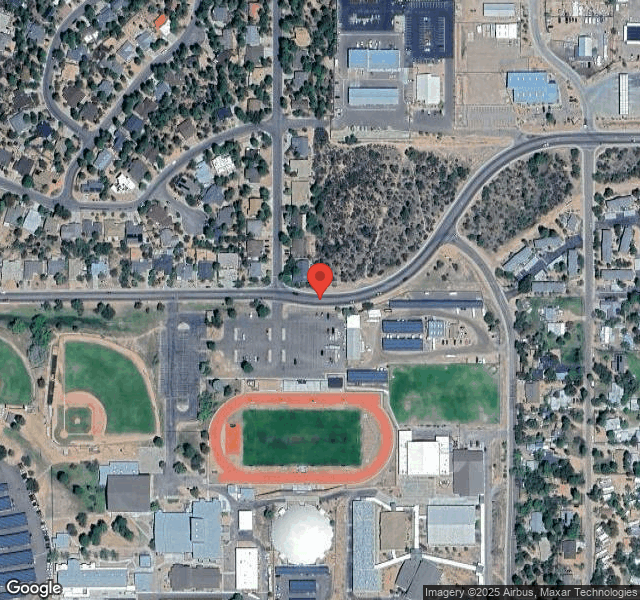
Understanding Severity Codes (click to expand)
Life-Threatening (Immediate Jeopardy)
J - Isolated K - Pattern L - Widespread
Actual Harm
G - Isolated H - Pattern I - Widespread
Potential for Harm
D - Isolated E - Pattern F - Widespread
No Harm (Minor)
A - Isolated B - Pattern C - Widespread

Questions to Ask on Your Visit

  • "What safeguards are in place to prevent abuse and neglect?"
  • "Can I speak with families of current residents?"
  • "What's your RN coverage like on weekends and overnight?"

Our Honest Assessment

Strengths
  • • Licensed and certified facility. Meets minimum state requirements.
Concerns
  • • Multiple safety concerns identified: Federal abuse finding, 3 harm violation(s). Review inspection reports carefully.
  • • 59 deficiencies on record, including 3 serious (caused harm) violations. Ask about corrective actions taken.
  • • $10,358 in fines. Above average for Arizona. Some compliance problems on record.
  • • Grade F (8/100). Below average facility with significant concerns.
Bottom line: This facility has a substantiated abuse finding. Extreme caution advised. Explore alternatives.

About This Facility

What is Rim Country Health & Retirement Community's CMS Rating?

CMS assigns RIM COUNTRY HEALTH & RETIREMENT COMMUNITY an overall rating of 1 out of 5 stars, which is considered much below average nationally. Within Arizona, this rating places the facility higher than 0% of the state's 100 nursing homes. A rating at this level reflects concerns identified through health inspections, staffing assessments, or quality measures that families should carefully consider.

How is Rim Country Health & Retirement Community Staffed?

CMS rates RIM COUNTRY HEALTH & RETIREMENT COMMUNITY's staffing level at 1 out of 5 stars, which is much below average compared to other nursing homes.

What Have Inspectors Found at Rim Country Health & Retirement Community?

State health inspectors documented 59 deficiencies at RIM COUNTRY HEALTH & RETIREMENT COMMUNITY during 2022 to 2025. These included: 3 that caused actual resident harm and 56 with potential for harm. Deficiencies causing actual harm indicate documented cases where residents experienced negative health consequences.

Who Owns and Operates Rim Country Health & Retirement Community?

RIM COUNTRY HEALTH & RETIREMENT COMMUNITY is owned by a for-profit company. For-profit facilities operate as businesses with obligations to shareholders or private owners. The facility operates independently rather than as part of a larger chain. With 109 certified beds and approximately 66 residents (about 61% occupancy), it is a mid-sized facility located in PAYSON, Arizona.

How Does Rim Country Health & Retirement Community Compare to Other Arizona Nursing Homes?

Compared to the 100 nursing homes in Arizona, RIM COUNTRY HEALTH & RETIREMENT COMMUNITY's overall rating (1 stars) is below the state average of 3.3 and health inspection rating (1 stars) is much below the national benchmark.

What Should Families Ask When Visiting Rim Country Health & Retirement Community?

Based on this facility's data, families visiting should ask: "What safeguards and monitoring systems are in place to protect residents from abuse or neglect?" "Can you walk me through typical staffing levels on day, evening, and night shifts?" "Can I visit during a mealtime to observe dining assistance and food quality?" "How do you handle medical emergencies, and what is your hospital transfer rate?" These questions are particularly relevant given the substantiated abuse finding on record and the below-average staffing rating.

Is Rim Country Health & Retirement Community Safe?

Based on CMS inspection data, RIM COUNTRY HEALTH & RETIREMENT COMMUNITY has documented safety concerns. The facility has 1 substantiated abuse finding (meaning confirmed case of resident harm by staff or other residents). The facility has a 1-star overall rating and ranks #100 of 100 nursing homes in Arizona. Families considering this facility should ask detailed questions about what corrective actions have been taken since these incidents.

Do Nurses at Rim Country Health & Retirement Community Stick Around?

RIM COUNTRY HEALTH & RETIREMENT COMMUNITY has not reported staff turnover data to CMS. Staff turnover matters because consistent caregivers learn residents' individual needs, medications, and preferences. When staff frequently change, this institutional knowledge is lost. Families should ask the facility directly about their staff retention rates and average employee tenure.

Was Rim Country Health & Retirement Community Ever Fined?

RIM COUNTRY HEALTH & RETIREMENT COMMUNITY has been fined $10,358 across 1 penalty action. This is below the Arizona average of $33,182. While any fine indicates a compliance issue, fines under $50,000 are relatively common and typically reflect isolated problems that were subsequently corrected. Families should ask what specific issues led to these fines and confirm they've been resolved.

Is Rim Country Health & Retirement Community on Any Federal Watch List?

RIM COUNTRY HEALTH & RETIREMENT COMMUNITY is not on any federal watch list. The most significant is the Special Focus Facility (SFF) program, which identifies the bottom 1% of nursing homes nationally based on persistent, serious quality problems. Not being on this list means the facility has avoided the pattern of deficiencies that triggers enhanced federal oversight. This is a positive indicator, though families should still review the facility's inspection history directly.