DESERT HIGHLANDS CARE CENTER
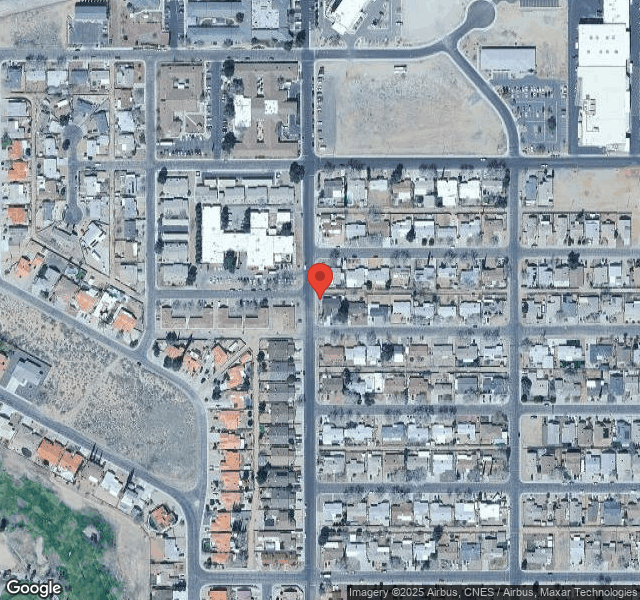
1081 KATHLEEN AVE, KINGMAN, AZ 86401 (928) 753-5580
For profit - Limited Liability company 120 Beds CIRCLE B ENTERPRISES Data: November 2025
Trust Grade
50/100
#100 of 139 in AZ
Last Inspection: March 2025

Within standard 12-15 month inspection cycle. Federal law requires annual inspections.

Overview

Desert Highlands Care Center has a Trust Grade of C, which means it is average, placing it in the middle of the pack among nursing homes. It ranks #100 out of 139 facilities in Arizona, indicating it is in the bottom half, and #4 out of 6 in Mohave County, meaning only one local option is better. The facility's performance is worsening, with issues increasing from 4 in 2024 to 9 in 2025. Staffing is a strength with a rating of 4 out of 5 stars, although the turnover rate is average at 50%. There have been no fines reported, which is a positive sign, and the facility has average RN coverage, suggesting residents receive adequate nursing care. However, there are some concerning incidents. For example, medications were not administered as ordered for two residents, which could have adverse effects. Additionally, one resident did not receive the necessary support for daily living activities due to inadequate assistance, and another resident's care plan did not effectively promote healing for pressure ulcers, potentially leading to further health complications. While there are strengths in staffing and no fines, these specific incidents highlight areas that need improvement.

Trust Score
C
50/100
In Arizona
#100/139
Bottom 29%
Safety Record
Low Risk
No red flags
Inspections
Getting Worse
4 → 9 violations
Staff Stability
⚠ Watch
50% turnover. Above average. Higher turnover means staff may not know residents' routines.
Penalties
✓ Good
No fines on record. Clean compliance history, better than most Arizona facilities.
Skilled Nurses
○ Average
Each resident gets 37 minutes of Registered Nurse (RN) attention daily — about average for Arizona. RNs are the most trained staff who monitor for health changes.
Violations
⚠ Watch
30 deficiencies on record. Higher than average. Multiple issues found across inspections.
★★☆☆☆
2.0
Overall Rating
★★★★☆
4.0
Staff Levels
★★★☆☆
3.0
Care Quality
★★☆☆☆
2.0
Inspection Score
Stable
2024: 4 issues
2025: 9 issues

The Good

  • 4-Star Staffing Rating · Above-average nurse staffing levels
  • Full Sprinkler Coverage · Fire safety systems throughout facility
  • No fines on record

Facility shows strength in staffing levels, fire safety.

The Bad

2-Star Overall Rating

Below Arizona average (3.3)

Below average - review inspection findings carefully

Staff Turnover: 50%

Near Arizona avg (46%)

Higher turnover may affect care consistency

Chain: CIRCLE B ENTERPRISES

Part of a multi-facility chain

Ask about local staffing decisions and management

The Ugly 30 deficiencies on record

Jul 2025 1 deficiency
CONCERN (D) 📢 Someone Reported This

A family member, employee, or ombudsman was alarmed enough to file a formal complaint

Potential for Harm - no one hurt, but risky conditions existed

Accident Prevention (Tag F0689)

Could have caused harm · This affected 1 resident

**NOTE- TERMS IN BRACKETS HAVE BEEN EDITED TO PROTECT CONFIDENTIALITY** Based on clinical record review, staff interviews and facility policy, the facility failed to ensure procedures were activated t...

Read full inspector narrative →
**NOTE- TERMS IN BRACKETS HAVE BEEN EDITED TO PROTECT CONFIDENTIALITY** Based on clinical record review, staff interviews and facility policy, the facility failed to ensure procedures were activated timely when the the Resident (#11) failed to return to the facility. The deficient practice may result in unidentified residents who eloped. Findings include: Resident #11 was admitted on [DATE] with diagnoses of acute respiratory failure, paroxysmal atrial fibrillation, and alcohol abuse. An admission Minimum Data Set (MDS) dated [DATE] included that this resident was moderately cognitively impaired. A Social Services note dated July 16, 2025 included that this resident stopped by Social Services inquiring if he could get a ride to his home and get his belongings, and that he stated he wants some clean clothes and would like to check on his house. This note included that social services discussed with him that he would need to return back to the facility in a decent time so he could continue his medication regimen and therapy and that this resident stated he understand and would be back in time. A Transportation Log and Acknowledgement Form included that on July 17, this resident was transported home with a pickup time of 1 PM. The return time box was filled in with resident refused. However, review of the clinical record did not find a sign out sheet for this resident on July 17, 2025. Review of the Medication Administration Record (MAR) for July, 2025 included that on July 17, this resident received the AM medication but the 1900 observation was not performed and the resident did not receive the 2100 doses of medication. This record included that some of the MAR records for PM were noted this resident was absent from home without medications. However, review of the clinical record was unable to find attempts to contact the resident or otherwise ensure his safety from until July 18, 205 at 10:37 AM. A Social Services note dated July 18, 2025 at 10:37 AM included that Social Services called this resident to do a welfare check and that this resident did not answer, and that they left a message requesting a return call. A Social Services note dated July 18, 2025 at 11:59 AM included that Social Services called [NAME] Police Department requesting a welfare check be completed and that [NAME] Police Department was able to locate this resident at [NAME] Regional Medical Center in the Cath Lab. A Social Services note dated July 18, 2025 at 12:00 PM included that Social Services submitted an APS report regarding this resident leaving against medical advice. An interview was conducted on July 31, 2025 at 9 AM with a Certified Nursing Assistant (CNA/staff #7) who said that she thought that the facility was supposed to pick this resident back up but that she spoke to the driver who said that he was not scheduled to pick this resident up. This CNA said that the resident left his glasses in his room and that the resident left with 1 tank of oxygen, therefore she was surprised that there was not a return trip planned. This CNA said that this resident wanted to leave at 10 but that she thought he left at 1 PM because the unit coordinator said that the driver would be available at 1 PM. This CNA said that normally people coordinate their own transportation, however this resident seemed alert if you didn't know him but could be confused. An interview was conducted on July 31, 2025 at 10:07 AM with a Unit Coordinator (staff #81) who said that she schedules resident's appointments, setting up to and from trips as well as other duties. This staff said that she remembered this resident and that she scheduled a driver for dropping him off. This staff said that social services would come up and ask when the driver could take him for his trips and that for the last trip she scheduled him for, she was told not to worry about a ride back. This staff said that the social services persons came to her desk together and told her not to schedule the return trip and that she asked if they were sure that they did not want the facility driver (staff #14) to pick him up and that the social services persons said no. This staff said that she did what she was told and scheduled the trip. An interview was conducted on July 31, 2025 at 10:22 AM with the Director of Social Services (staff #39) who said that typically it's staff #81 who coordinates the travel. This staff said that this resident was not in the facility very long and needed to go home to get clothes, and had went once before and came back. This staff said that the resident had on a psychedelic mushroom shirt and hospital pants, and considered that it was undignified, and that the facility could not force the resident to stay. This staff said that they had spoken to staff #81 about transport and that this resident was going to leave at 1:00 PM and be back at 3:00 PM. This staff then said that she did not remember if it was asked to arrange there and back because she did not know it was her or her assistant. This staff said that the resident signed out with the nurses and that as far as she was aware, the resident went home. This staff said that she did not notice that the resident had not returned until the next morning because she was doing her duties. This staff said that she called Adult Protective Services and that she was told that this resident was in the cath lab at the local hospital. An interview was conducted on July 31, 2025 at 3:22 PM with the facility Driver (staff #14) who said that residents are supposed to contact the business office and then he will pick them up where-ever they are at. This staff said that rides are usually coordinated through the business office and he will drop them off and then the residents will contact the business office and he will go pick them up. This staff said that he did drive the resident to his home, that he did have an oxygen tank and a wheelchair with him, that this resident did not have his key with him, and that he had to get the manager to get his key. This staff said that he did not leave until this resident got into his trailer. This staff said that the resident needed to contact the business office to be picked up and that he gave the resident a business card to make sure this resident had the number. This staff said that he never heard anything back from this resident and that it sounded to him that this resident had every intention of calling and he had no idea why it did not happen. This staff reviewed the driving log and said that that he wrote the resident refused on it earlier on today (July 31, 2025) because the DON told him that day that the resident refused to come back and to note it on the form. This staff said that he had never had a resident refuse to come back, but if that did happen, he would let the business office know. An interview was conducted on July 31, 2025 at 12:03 AM with a Licensed Practical Nurse (staff #90) who said that for residents leave of absences, that the nurse needs to make sure the resident was alert and oriented. This nurse said that it was their policy here is that the residents sign out. This nurse said that there is now a book with the sign out sheets but before Monday the sign out sheets were placed in the residents' charts. This nurse said that only the nurse should sign out a resident. This nurse said that the sheet has the date, the time, who the responsible person is for signing out the resident, and that she thinks that it also has where the resident is going. This nurse said that she does not recall if it had a place where the resident is expected back at the facility, but that she asks when to expect them back for medication, and for their safety in general. This nurse said that she would put in a chart note about it. This nurse said that she was not this resident's nurse on July 17, 2025 but that she was in the facility and that she heard that social services set up a ride for this resident, that the facility driver took him and was not picking him up. This nurse said that she would try calling a resident that did not return to the facility and see where the resident is at and let the management know, especially social services, and that she would pass it on in report. This nurse said that she would put in a note detailing her actions into the progress notes. This nurse reviewed the resident's clinical record and said that she did not see a note. An interview was conducted on July 31, 2025 at 12:37 AM with an LPN (staff #47) who said that a resident will come to her for a leave of absence and they have to sign out, and then of course when they return, they have to sign in. This nurse said that she always asks were they are going and when they are supposed to come back because of her concern with medication and so she can keep an eye out for their return. This nurse said that If they do not return in a timely manner, then she would call the resident or representative and if that does not work that they have to get the police involved, let the administrator and management know. This nurse said that she charts all of it and makes sure to let the Director of Nursing (DON) know. This nurse reviewed this resident's chart and said that she did not see a note from the resident's leave of absence on July 17, 2025 until the social services note on July 18, 2025. An interview was conducted on July 31, 2025 at 12:49 AM with an LPN (staff #19) who said that when a resident leaves the facility, they use a sign in and sign out sheet for the resident or the resident's representative. This nurse said that this sheet has the time out and the time in and it is in a folder under the resident's name and includes whoever is taking the resident out. This nurse said that they do ask the residents the time of their return so that they know when to expect them for medication pass and meals. This nurse said that she would get a phone number so that she can reach them just in case. This nurse said that if a resident did not return to the facility that she would attempt to call the resident or representative and then she would contact her Director of Nursing (DON), and her manager and then call the police because if a resident is not answering, that's concerning. This nurse said that she would chart that she attempted to speak to the resident or family member, the entire scenario and who she contacted and go from there. This nurse reviewed the clinical record and said that she did not see that this resident's failure to return to the facility was documented until the note from social services and that she had checked where she had been taught to chart it. An interview was conducted on July 31, 2025 at 2:45 PM with the DON (staff #37) who said that if a resident is leaving for the day, they have to do therapies first, they have to sign themselves out, they have to give an approximate time of return and they have to return the same day unless there was some extenuating circumstances which the resident gets approval for. This DON said that she believed that they did not have the sign out sheet for this resident because he was signed out by the facility transport driver and not in our sign out book because he went with transport. This DON said that the facility does not have a policy about residents going with transport. This DON said that residents should be signed out by the nurses because they have access to the sign out book. This DON said that residents have to come up to the desk, then the nurse hands them the sign out book, they sign themselves out or family if necessary. This DON said that if residents are not returning when they say they are going to, staff will give a leeway of approximately an hour and then they are called to see if they are returning so we can get a better idea of what's occurring. This DON said that she did not know if the resident was called an hour later. This DON said that an Oxygen tank lasts about a shift. This DON said that the resident should have returned and that this resident should have been called and that she thought that the driver would have called since he wrote the resident returned on the sheet. This DON said that it does not meet her expectations that the resident was not called or that management, APS, and police were not notified of a resident's unexpected failure to return to the facility. This DON said that the facility does not have a policy that defines the amount of time that staff should wait before instituting safety measures. A policy titled Wandering and Elopements revised March 2019 included If a resident is missing, initiate the elopement/missing resident emergency procedure: if the resident is not located, notify the administrator and the director of nursing services, the resident's legal representative, the attending physician, law enforcement officials, and (as necessary) volunteer agencies (i.e., emergency management, rescue squads, etc.).
Apr 2025 1 deficiency
CONCERN (D) 📢 Someone Reported This

A family member, employee, or ombudsman was alarmed enough to file a formal complaint

Potential for Harm - no one hurt, but risky conditions existed

Pressure Ulcer Prevention (Tag F0686)

Could have caused harm · This affected 1 resident

**NOTE- TERMS IN BRACKETS HAVE BEEN EDITED TO PROTECT CONFIDENTIALITY** Based on closed clinical record review, staff and residents' interviews and policy review, the facility failed to ensure one res...

Read full inspector narrative →
**NOTE- TERMS IN BRACKETS HAVE BEEN EDITED TO PROTECT CONFIDENTIALITY** Based on closed clinical record review, staff and residents' interviews and policy review, the facility failed to ensure one resident (#2) was provided care and services to prevent pressure ulcers/injury from developing and/or worsening. The deficient practice could place resident at risk for developing and/or worsening of pressure ulcers/imjury. Findings include: Resident #2 was admitted to the facility with an initial admission date of February 17, 2025 with diagnoses of Pneumonia, Type 2 Diabetes Mellitus, acquired absence of left upper limb and amputation of two fingers of right hand. Review of nursing progress note titled, Skin Only, dated February 17, 2025 at 15:56 PM revealed that the resident had current skin issues. The progress note revealed resident had a healed skin post amputation of left forearm, and a scrotal excoriation which a barrier cream was ordered and initiated. Review of nursing progress note titled, Braden Scale for Predicting Pressure Ulcer Risk, dated February 17, 2025 at 19:26 PM revealed a Braden Evaluation result of 'At Risk' with a score of 18.0. Review of the wound nurse progress note dated February 17, 2025 revealed that the resident had a current skin issues which included healed wound from the amputation of left forearm, and an excoriation to scrotum which an order of barrier cream to be applied to the area was initiated, and the provider and resident/responsible party were notified. A review of order dated February 17, 2025 revealed an order for Calazinc to scrotum and buttocks with each brief change and as needed for skin integrity. However, review of resident's care plan did not reveal a care plan that resident had an excoriated scrotum area with an intervention. Review of February 2025 treatment administration record (TAR) revealed that Calazinc to scrotum and buttocks with each brief change and as needed for skin integrity every shift was transcribed in the TAR and was scheduled at 0700 AM and 1900 PM. The TAR revealed that the treatment was administered from February 17 through February 22, 2025. However, the February 2025 TAR revealed that the medication Calazinc was not accurately transcribed to show the as needed for skin integrity every shift medication administration. Review of care plan dated February 17, 2025 revealed a risk for disturbed sensory perception. The goal is resident skin will remain intact. The interventions include to educate Resident/Representative on the importance of frequent position changes, evaluate Resident's ability to feel sensations, and evaluate skin for areas of blanching or redness. Review of facility's document titled, Monthly Shower Assistance Log, for the month of February 2025 revealed that the resident received a bed bath on February 17. Review of the nurse practitioner (NP) progress notes dated February 18, 2025 revealed an admission note. The progress note revealed that the resident received the initial therapy evaluation; nursing voiced no concerns; and skin is warm, dry, multiple pressure injuries present on admission; and continue current plan of care with specific adjustments/additions. The progress notes also revealed that due to the residents age and comorbidities resident is at increased risk for rapid decompensation with little to no warning. However, the NP progress note did not reveal location of pressure injuries and plan of care. Review of dietary/nutrition progress notes dated February 18, 2025 revealed food preferences, likes and dislikes, and current diet were discussed during the visit. Review of care plan dated February 19, 2025 revealed resident's current functional performance is related to impaired mobility. The interventions include resident requires extensive assist/two-person physical assist for bed mobility, toilet use, and transfers; and resident requires limited assist/one-person assist with dressing and personal hygiene. Review of the NP progress notes dated February 20, 2025 revealed a follow up visit. The progress note revealed active medication list, allergy list, past medical history, vital signs, code status, and general physical exam. The progress note revealed to continue current plan and current medications, and due to the residents age and comorbidities resident is at increased risk for rapid decompensation with little to no warning. However, the NP progress notes did not reveal notes relating to resident's pressure injuries and plan of care. Review of admission Minimum Data Set (MDS) assessment dated [DATE] revealed a Brief Interview for Mental Status (BIMS) score of 15.0 indicate intact cognition; behavior symptoms for rejection of care was not exhibited; resident requires partial/moderate assistance with rolling left and right and sit to lying; resident requires substantial/maximal assistance with chair/bed transfer, toilet transfer and shower transfer; always incontinent of bowels; resident admitted without pressure ulcers/injuries and was assessed at risk of developing pressure ulcers/injuries; and skin treatment includes turning/repositioning program and nutrition or hydration intervention to manage skin problems. Review of nursing progress note titled, Transfer to Hospital Summary, dated February 22, 2025 revealed Resident #2 appeared lethargic and was transported to the hospital via a non-emergent transport. Resident family and the NP were notified. Review of nursing progress note titled, admission summary, dated [DATE] at 17:59 PM revealed Resident #2 readmitted to the facility. Review of nursing progress note titled, Braden Scale for Predicting Pressure Ulcer Risk, dated February 27, 2025 at 19:32 PM revealed a readmission Braden evaluation result of at risk with a score of 18.0. Review of nursing progress note titled, Skin only, dated February 27, 2025 at 22:11 PM revealed a skin evaluation that revealed the resident has current skin issues which includes a non-pitting edema to the top of feet, and has a multi podus boot (MPB) in place to both feet. Review of the NP progress notes dated February 28, 2025 revealed a readmission note. The progress notes revealed skin is warm and dry, and decreased sensation to light touch to both feet. Resident blood albumin level result is 2.6 on February 28, 2025 and a SNP mashed potatoes ordered. The progress notes also revealed that due to the residents age and comorbidities resident is at increased risk for rapid decompensation with little to no warning. Review of progress notes revealed dietary visited resident on February 28, 2025. The progress notes revealed a discussion of resident's likes and dislikes, no change to preferences, and current diet. Resident prefers to eat in bedroom with small portions. Resident's current weight was 148.0 pounds by Hoyer lift. And, dietary will continue toencourage healthy intake. Furthermore, resident requested to have two- whole milk and a small order of mash potatoes and gravy for all meals. Review of facility's document titled, CNA Documentation, for the month of February 2025 revealed a task for repositioning for AM and PM from February 17 through February 21 and from February 27 through February 28. Review of the NP progress note dated March 3, 2025 revealed a progress note that resident is currently being seen for readmission, resident with no new complaints or concerns, and nurses report no new issues or concerns. The progress note revealed skin is warm, and without rashes. Review of nursing progress note titled, Braden Scale for Predicting Pressure Ulcer Risk, dated March 6, 2025 at 21:15 PM revealed a Braden evaluation result of At Risk with a score of 18.0. Review of the NP progress notes dated March 3, 2025 revealed no new complaints, concerns or issues from nurses. Review of NP progress notes dated March 4, 2025 revealed resident has requested physical therapy to work on standing, and it was ordered and communicated to the therapy department, including speech therapy for swallowing. The progress notes revealed that the resident denies any issues with choking though resident stated that sometimes has a difficult time with food that is not sof tand/or moist with a gravy or sauce. Review of diet order revealed an order for controlled carb diet, soft and bite size texture, regular/thin consistency. Review of nursing progress notes dated March 6, 2025 at 21:15 PM revealed a nursing progress note titled, Braden Scale for Predicting Pressure Ulcer Risk, revealed a Braden evaluation result of At Risk with a score of 18.0. Review of nursing progress note titled, Skin Only, dated March 6, 2025 at 21:52 PM revealed Resident #2 has current skin issues. Resident has both of top of feet noted non-pitting edema and MPB in place for both feet, and has a sacral pressure ulcer/injury stage 2, which is described as open, red area pressure ulcer, and covered with a gel dressing. The progress note did not reveal that the provider or resident/family were notified of the pressure ulcer. The resident's care plan for skin integrity was not updated for having stage 2 sacral pressure ulcer/injury. Review of the wound nurse progress note dated March 11, 2025 at 07:02 AM revealed resident has current skin issues: - Unstageable sacrum Pressure Ulcer/Injury with the following description: Length: 7.1 Width: 7.0 Depth: 0.1 Wound bed: Slough. Wound exudate: Serous. Peri wound condition: within normal limits (WNL). Dressing saturation: Moderate (26-75%). Wound odor: No. Tunneling: No. Undermining: No. Tissue: Warm. Skin note: sacral wound 60% slough/40% granulation tissue. - Unstageable left gluteal fold Pressure Ulcer/Injury with the following description: Length: 1.0 Width: 1.3 Depth: 0.1 Wound bed: Slough. Wound exudate: Serous. Peri wound condition: WNL. Dressing saturation: Minimal (<25%). Wound odor: No. Tunneling: No. Undermining: No. Tissue: Warm. Skin note: left gluteal fold 100% slough. The progress notes also revealed that the provider was contacted. The resident/responsible party was made aware of the diagnosis and plan of care. Review of NP progress notes dated March 11, 2025 revealed a wound care consult visit type for new pressure injuries. The progress note revealed treatment orders provided, offloading with repositioning was discussed with resident, and a mattress overlay is on order. The progress notes also revealed that the resident informed the NP that his appetite has been improving and is eating more varied diet. In addition, the progress notes revealed that physical therapy and speech therapy are still pending. Furthermore, the nurse practitioner progress notes identified and described the following wounds/pressure injuries: -Wound 1: unstageable pressure wound located in the sacrum measuring 7.1 centimeter (cm) by 7.0 cm by 0.1 cm with 60% slough, 40% granulation tissue, scant serous sanguineous exudate without odor, peri wound is intact. The treatment is to use normal saline or wound cleanser to be done daily and as needed with a primary dressing using Medihoney and a secondary dressing using an adhesive foam dressing. Additional order to offload per facility protocol, and a mattress overlay on order; -Wound 2: stage 3 pressure wound located in the left upper ischium measuring 0.4 cm by 0.4 cm by 0.2 cm without exudate or odor, peri wound intact. The treatment is to use normal saline or wound cleanser to be done daily and as needed with a primary dressing using Medihoney and a secondary dressing using an adhesive foam dressing. Additional order to offload per facility protocol, and a mattress overlay on order; and -Wound 3: unstageable pressure wound located in the left ischial tuberosity measuring 1.0 cm by 1.3 cm by 0.1 cm with 100% slough without exudate or odor and peri wound is intact. The treatment is to use normal saline or wound cleanser to be done daily and as needed with a primary dressing using Medihoney and a secondary dressing using an adhesive foam dressing. Additional order to offload per facility protocol, and a mattress overlay on order. Review of the physician progress notes dated March 11, 2025 revealed a follow-up of medical illness. The progress notes revealed that the resident is bedridden, currently is not receiving physical therapy, resident has not walked for some time. Nurses report no new issues or concerns. Resident's appetite and activity level are stable. Review of care plan initiated on March 12, 2025 revealed resident has an actual impairment to skin integrity of the sacrum related to unstageable pressure wound to sacrum. The interventions initiated on March 12, 2025 includes encourage good nutrition and hydration in order to promote healthier skin, follow facility protocols for treatment of injury, monitor/document location, size and treatment of skin injury, report abnormalities, failure to heal, signs and symptoms of infection, maceration etc. to medical doctor, and weekly treatment documentation to include measurement of each area of skin breakdown's width, length, depth, type of tissue and exudate and any other notable changes or observations. Review of nursing progress notes titled, Skin Only, dated March 13, 2025 at 22:15 PM revealed a skin evaluation revealing resident has current skin issues. The progress notes revealed resident's buttocks has excoriation, and a skin protectant applied. However, there was no provider notification revealed in the progress notes. Review of the wound nurse progress note dated March 20, 2025 at 09:26 AM revealed resident has current skin issues: - Unstageable sacrum Pressure Ulcer/Injury with the following description: Length: 5.1 Width: 5.0 Depth:0.1 Wound bed: Slough. Wound exudate: Serous. Peri wound condition: Maceration. Dressing saturation: Moderate (26-75%). Wound odor: No. Tunneling: No. Undermining: No. Tissue: Warm. Skin note: sacrum 80% slough/20% granulation tissue with the peri wound maceration; and - Stage II - Partial thickness skin loss left gluteal fold Pressure Ulcer/Injury with the following description: Length:0.4 Width: 0.4 Depth: 0.2 Wound bed: Granulation. Wound exudate: Serous. Peri wound condition: WNL. Dressing saturation: Minimal (<25%). Wound odor: No. Tunneling: No. Undermining: No. Tissue: Warm. Skin note: left gluteal fold 100% granulation. The progress notes also revealed that the provider was contacted. The resident/responsible party was made aware of the diagnosis and plan of care. Review of NP progress notes dated March 20, 2025 revealed a wound care follow-up visit. The progress notes revealed that the resident was evaluated by therapy last week and therapy is pending per insurance approval. The progress notes revealed that the resident's pressure injuries have improved overall but have a new moisture associated skin damage (MASD) to his right buttock. Resident has reportedly been having frequent loose stools so Metamucil was ordered to help bulk up his stool as resident does not get much fiber in the diet. In addition, the NP progress notes included resident's wounds assessment: - Wound 1: Unstageable Pressure Ulcer in the Sacrum measuring 5.1 cm x 5 cm x 0.1 cm; has 80% slough, 20% granulation tissue; has scant serosanguinous exudate without odor; the peri wound is intact. The treatment is to use Wound Cleansing: normal saline (NS) or wound cleanser daily and as needed with a primary dressing using Medihoney and a secondary dressing using Adhesive foam dressing. Offload per facility policy and the mattress overlay is on order; -Wound 2: Unstageable Pressure Ulcer in the Left upper ischium measuring 0.4 cm x 0.4 cm x 0.2 cm, base has 100% slough, no exudate, no odor, and the peri wound is intact. The treatment is to use Wound Cleansing: normal saline (NS) or wound cleanser daily and as needed with a primary dressing using Medihoney and a secondary dressing using Adhesive foam dressing. Offload per facility policy and the mattress overlay is on order; -Wound 3: Unstageable Pressure Ulcer in the Left ischial tuberosity measuring 0.8 cm x 0.9 cm x 0.1 cm, the base has 100% slough, the exudate is 20% granulation tissue, 80% slough without odor, peri wound is intact. The treatment is to use Wound Cleansing: normal saline (NS) or wound cleanser daily and as needed with a primary dressing using Medihoney and a secondary dressing using Adhesive foam dressing. Offload per facility policy and the mattress overlay is on order; and -Wound 4: MASD in the Right buttock measuring 5.0 cm x 5.0 cm x 0.1 cm, the base is pink, there is no exudate or odor, peri wound is intact. The treatment is to use Wound Cleansing: NS or wound cleanser with brief changes and a secondary dressing using barrier cream. Keep skin clean and dry. Offload per facility policy and the mattress overlay is on order. Review of March 2025 medication administration record (MAR) revealed Metamucil Smooth Texture Oral Powder give one tablespoon by mouth one time a day for bowel management, mix in eight ounces of water or juice was ordered on March 21, 2025, and the resident was administered the medication starting March 21, 2025 in the morning. Review of resident's care plan revealed no revision of care plan to include offloading per facility policy and mattress overlay. Review of care plan initiated on March 27, 2025 revealed resident refuses to turn in bed. The goal included resident will not develop new pressure wounds. The intervention dated March 27, 2025 includes resident will turn often in bed and to educate resident on importance of turning in bed for pressure relief. Review of NP progress notes dated March 27, 2025 revealed a wound care and nutrition follow-up visit. The progress notes revealed that the slough to the sacral pressure injury was softening and much of it was able to be debrided today with the resident's consent. The progress notes also revealed that the resident continues to refuse repositioning and offloading, and an alternating pressure mattress was ordered for pressure reduction and will be applied by tomorrow morning. In addition, the NP progress notes included resident's wounds assessment: -Wound 1: Unstageable Pressure Ulcer in the Sacrum measuring 5.5 cm x 5.6 cm x 0.5 cm, has an Undermining at 0300 to 0900 at 1.0 cm depth, the base has 80% slough, 20% granulation tissue, moderate Serosanguineous exudate without odor, peri wound is intact. The treatment is to use Wound Cleansing: normal saline (NS) or wound cleanser daily and as needed with a primary dressing using Medihoney and a secondary dressing using Adhesive foam dressing. Offload per facility policy and the mattress overlay is on order; -Wound 2: Unstageable Pressure Ulcer in the Left upper ischium measuring 1.0 cm x 0.8 cm x 0.1 cm, base has 100% slough, no exudate, no odor, and the peri wound is intact. The treatment is to use Wound Cleansing: normal saline (NS) or wound cleanser daily and as needed with a primary dressing using Medihoney and a secondary dressing using Adhesive foam dressing. Offload per facility policy and the mattress overlay is on order; -Wound 3: Unstageable Pressure Ulcer in the Left ischial tuberosity measuring 1.0 cm x 0.8 cm x 0.1 cm, the base has 100% slough, no exudate, no odor, and the peri wound is intact. The treatment is to use Wound Cleansing: normal saline (NS) or wound cleanser daily and as needed with a primary dressing using Medihoney and a secondary dressing using Adhesive foam dressing. Offload per facility policy and the mattress overlay is on order; and -Wound 4: MASD in the Right buttock measuring 2.0 cm x 2.0 cm x 0.1 cm, the base is pink, no exudate, no odor, and the peri wound is intact. The treatment is to use Wound Cleansing: NS or wound cleanser with brief changes and a secondary dressing using barrier cream. Review of the wound nurse progress note dated March 27, 2025 at 11:41 AM revealed resident has current skin issues: - Unstageable sacrum Pressure Ulcer/Injury with the following description: Length: 5.5 Width: 5.6 Depth: 0.9 Wound bed: Slough. Wound exudate: Serous. Peri wound condition: Fragile. Dressing saturation: Heavy (>75%). Wound odor: No. Tunneling: No. Undermining: Yes. Tissue: Warm. Skin note: sacrum 100% slough. The wound nurse progress notes revealed that the wound was debrided by the NP at bedside. The wound undermining is at the 0300-0900 with a 1.0 cm deepest aspect. Peri wound with maceration and excoriation noted. Review of care plan for actual impairment of skin integrity of the sacrum related to unstageable pressure wound to sacrum revealed a revised intervention dated March 28, 2025 that includes resident needs alternating pressure mattress (APM) to protect the skin while in bed. Review of physician orders dated March 11, 2025 revealed the following wound orders: - Sacral wound: Cleanse with wound cleanser, apply Medihoney, cover with Mepilex. Change dressing every day until resolved for skin integrity every day shift every Monday, Tuesday, Wednesday, Thursday, and Friday; and - Left gluteal fold: Cleanse with wound cleanser, apply iodosorb, cover with Mepilex. Change dressing every day for skin integrity every day shift every Monday, Tuesday, Wednesday, Thursday, and Friday. The application of iodosorb was not part of the treatment order revealed in the NP progress notes. Review of physician orders revealed an order for air mattress to bed for skin integrity check functioning every shift was ordered on March 14, 2025. Review of March 2025 TAR (Treatment Administration Record) revealed these orders were transcribed as: - Sacral wound: Cleanse with wound cleanser, apply Medihoney, cover with Mepilex. Change dressing everyday until resolved for skin integrity every day shift every Monday, Tuesday, Wednesday, Thursday, and Friday; - Sacral wound: Cleanse with wound cleanser, apply Medihoney, cover with Mepilex. Change dressing every day until resolved for skin integrity every night shift every Saturday and Sunday; - Left gluteal fold: Cleanse with wound cleanser, apply iodosorb, cover with Mepilex. Change dressing every day for skin integrity every day shift every Monday, Tuesday, Wednesday, Thursday, and Friday; - Left gluteal fold: Cleanse with wound cleanser, apply iodosorb, cover with Mepilex. Change dressing every day for skin integrity every night shifts every Saturday and Sunday; and -APM mattress to bed for skin integrity check function every shift was transcribed on March 28, 2025. Review of facility document titled, Monthly Shower Assistance Log, for the month of March 2025 revealed resident was provided bed baths on March 4, March 7, March 13, March 22, March 25, and March 30. The record revealed that the resident refused bed baths on March 17 and March 27. In addition, the document did not reveal any skin issues under comments. Review of facility's document titled, CNA Documentation, for the month of March 2025 revealed a task for repositioning for AM and PM for the whole month of March. Review of NP progress notes dated April 3, 2025 revealed a wound care follow-up visit. The progress notes revealed that the resident's MASD has resolved. However, according to the progress notes the resident's sacral pressure injury has increased in depth as the necrotic tissue continues to be debrided; slough was debrided again during today's NP's exam with the resident's consent. APM mattress is in bed, resident refuses additional repositioning to offload so the wound. The progress notes revealed that the wound healing remains difficult as the resident is always laying on his back in bed. Resident's blood sugars remained controlled. In addition, the NP progress notes included resident's wounds assessment: -Wound 1: Unstageable Pressure Ulcer in the Sacrum measuring 6.0 cm x 5.6 cm x 1.2 cm, has an Undermining at 0300 to 1200 at 3.0 cm depth, the base has 90% slough, 10% granulation tissue, small to moderate Serosanguineous exudate without odor, peri wound is intact. The treatment is to use Wound Cleansing: 1/4-strength Dakins soak for 15 minutes, then rinse with NS or wound cleanser daily and as needed with a primary dressing using AG rope and a secondary dressing using Adhesive foam dressing. Offload per facility policy and alternating pressure mattress in use; -Wound 2: Unstageable Pressure Ulcer in the Left upper ischium measuring 1.0 cm x 1.0 cm x 0.1 cm, base has 100% slough, no exudate, no odor, and the peri wound is intact. The treatment is to use Wound Cleansing: normal saline (NS) or wound cleanser daily and as needed with a primary dressing using Medihoney and a secondary dressing using Adhesive foam dressing; -Wound 3: Left ischial tuberosity status resolved, the base has 100% epithelialized, no exudate, and no odor; and -Wound 4: MASD right buttocks resolved the base has 100% epithelialized, no exudate, and no odor. Review of facility's document titled, Weekly Skin Assessment, dated April 3, 2025 revealed a pressure ulcer on the coccyx area. Review of the wound nurse progress note dated April 3, 2025 at 16:07 PM revealed resident has current skin issues. The progress note revealed an unstageable sacrum Pressure Ulcer/Injury Stage with the following description: Length: 6.0 Width: 5.6 Depth: 1.5 Wound bed: Slough. Wound exudate: Purulent. Peri wound condition: within normal limits (WNL). Dressing saturation: Heavy (>75%). Wound odor: No. Tunneling: No. Undermining: Yes. Tissue: Warm. Skin note: sacrum 100% slough, undermining is at the 0300-1200 with 3.0 cm at deepest aspect. The wound nurse progress notes also revealed the wound was debrided by the NP at bedside, the resident tolerated the procedure well, Resident continues to refuse side to side repositioning, and the alternating pressure mattress (APM) is in the bed and functioning properly. Review of NP progress notes dated April 3, 2025 revealed a wound care follow-up visit. The progress notes revealed that the resident's nutrition remains poor; resident mainly been eating Spaghetti-os, resident continues to refuse repositioning or offloading of his sacral wound, and an alternating pressure mattress has been in use. The progress notes revealed that the distal portion of the wound opened yesterday and has been draining. Also, Dakin's has not been available for wound cleansing as it is on order so Vashe has been used. The progress notes also revealed that there is now a tunnel at the distal portion of the wound that is visible and appears to be going into the resident's rectum, and stool was present on exam of this area. Resident was sent to emergency department for further evaluation and treatment. In addition, the NP progress notes included resident's wounds assessment: -Wound 1: Unstageable Pressure Ulcer in the Sacrum measuring 7.0 cm x 5.7 cm x 1.5 cm with an undermining at 0300 to 1200 at 4.0 cm depth with a base consisting of 90% slough, 10% granulation tissue, has moderate Serosanguineous exudate without odor. The treatment is to use Wound Cleansing: 1/4-strength Dakins soak for 15 minutes, then rinse with NS or wound cleanser daily and as needed with a primary dressing using AG rope and a secondary dressing using Adhesive foam dressing. Offload per facility policy and alternating pressure mattress in use. Review of facility's document titled, Monthly Shower Assistance Log, for the month of April 2025 revealed resident received bed bath on April 3 and April 6. The document revealed no documentation of skin issues under comments. Review of facility's document titled, CNA Documentation, for the month of April 2025 revealed a task for repositioning for AM and PM from April 1 through April 10. Review of nursing progress titled, Incident Note, dated April 10, 2025 revealed the nurse practitioner requested the patient to be sent out to the emergency department due to the severity of the coccyx wound. Review of record revealed on April 10, 2025 resident was sent out to hospital for wound on coccyx. An interview was conducted on April 16, 2025 at 12:50 PM with a certified nursing assistant (CNA)/Staff #115 in the conference room. Staff stated that she works day shift, does the CNA schedule, help assist with daily activities on the floor such as showers, and feeding. Regarding scheduling, she stated that for enough staff, she schedules at least eight CNAs through the day, the CNA takes care of ten to fifteen residents, and could be less depending on their census. Regarding showers, the resident gets two showers a week. They have a shower book or binder, and for instance for Monday and Thursday shower is for odd numbered rooms and Tuesday and Friday showers are for the even numbered rooms. She stated that Wednesday, Saturday, and Sundays are the make-up shower days. She stated that they use a paper charting to document the resident showers, bed baths, or if the shower or bath is refused. She stated that during showers, if she notices anything on the skin she will notify the nurse. An interview was conducted on April 16, 2025 at 1:05 PM with CNA/Staff #32 in the conference room. She stated that showers are twice a week per resident and it gets charted in the shower book. She does computer charting for activities of daily living (ADLs) such as transfers, behaviors, bowel movements, and bladder continence. She stated that she does not have bed mobility charting in the computer and maybe the nurses do it but she does not. She is not familiar with resident #2 care. She stated that regarding skin issues such as a cut, bruise, not walking right detected during a shower, she will notify the nurse. An interview was conducted on April 16, 2025 at 1:31 PM with LPN/wound nurse/Staff #106. She stated that for wound care, when resident arrives in the facility, the facility NP/Staff #400 rounds on Thursdays for weekly updates. She performs wound treatments as ordered daily from Monday through Friday, and takes care of pressure ulcers wounds and surgical wounds. Staff stated that regarding resident #2, resident's wound was brought to her attention. Resident has on admission an excoriation to scrotum, and on March 6, a skin assessment was completed by Staff #89, who is a night shift nurse. In addition, she stated that one of the aid brought to her attention about resident's sacral wound, and so she assessed the wound and started treatment such as APM (alternating pressure mattress), daily dressing changes, the NP debrided the wound on April 3, and then resident was sent out on April 10 because there might be a fistula in the wound due to increased drainage, she had an impression that it was going in the bowel. She stated that resident was non-compliant with turning, resident needs assistance with turning/repositioning but resident refused. She stated that resident has a care plan for refusal to turn. However, review of care plan revealed resident's refusal to turn in bed was initiated on March 27, 2025. An interview was conducted on April 17, 2025 at 11:23 AM with NP/Staff #400 via phone interview. Staff stated that she works for the facility. She stated that regarding resident #2, she is in the facility weekly on Thursdays. She started seeing resident on March 11, 2025 for his wound. She was notified by wound nurse. She stated that resident had an unstageable pressure wound to sacrum and the left ischial have two to three stage III wound and unstageable. She saw resident the first time on March 11, 2025 related to the wound. She was originally seeing the resident for primary care for pulmonary embolism (PE), deep vein thrombosis (DVT) and diabetes management when first admitted on [DATE]. She stated that resident did not have any wounds. She stated that resident was sent out to the hospital for altered mental status and shortness of breath and was readmitted back in the facility at the end of February. She stated that she was not aware of any skin issues after resident was readmitted to the facility on [DATE]. She stated that the resident's sacrum wound was unstageable, was covered with necrotic slough, could not tell how deep it was. The treatment was Medihoney to get rid of slough and as a microbial, encourage to reposition resident but resident con[TRUNCATED]
Mar 2025 7 deficiencies
CONCERN (D)

Potential for Harm - no one hurt, but risky conditions existed

Deficiency F0655 (Tag F0655)

Could have caused harm · This affected 1 resident

**NOTE- TERMS IN BRACKETS HAVE BEEN EDITED TO PROTECT CONFIDENTIALITY** Based on clinical record review, staff interviews, and facility documentation and policy review, the facility failed to ensure a...

Read full inspector narrative →
**NOTE- TERMS IN BRACKETS HAVE BEEN EDITED TO PROTECT CONFIDENTIALITY** Based on clinical record review, staff interviews, and facility documentation and policy review, the facility failed to ensure a baseline care plan was developed and implemented timely for two residents (#42 and #56). The deficient practice could lead to decreased communication and coordination between interdisciplinary team members, leading to a decreased quality of care for a resident. Findings include: -Resident #42 was admitted on [DATE] (with an original admission date of September 28, 2022), with diagnoses that included major depressive disorder, anxiety disorder, end stage renal disease, essential primary hypertension, cerebral infarction, hemiplegia and hemiparesis following cerebral infarction affecting right dominant side. A minimum data set (MDS) assessment for Resident #42 was completed March 03, 2025 with a brief interview for mental status (BIMS) score of 01 which indicated that the resident was severely cognitively intact. Resident #42 was dependent on staff with personal hygiene, however a review of the care plan for Resident #42 showed that there was no instruction regarding activities of daily living (ADL) due to a history of having a cerebral infarction affecting the right dominant side and positioning, mobility for Resident #42. -Resident #56 was admitted on [DATE], (with an original admission date of September 25, 2024), and medical history of embolism and thrombosis of arteries of the lower extremities, alcohol abuse, essential primary hypertension, nicotine dependence, cigarettes, cannabis use, psychosis not due to substance or known physiological condition, dementia An MDS assessment for Resident #56 was completed on February 19, 2025 revealed a BIMS score of 06 which indicated that the resident was severely cognitively impaired. A review of the care plan for Resident #56 revealed that the focus for dementia care, and for the use of psychotropic medications was initiated until December 17, 2024 although the resident had an initial admission of September 28, 2022. An interview was conducted on March 14, 2025 at 08:51 a.m. with licensed practical nurse (LPN) Staff #11 who revealed that a registered nurse and the minimum data set (MDS) will initiate the development of the care plans. She was not sure about signing off on the care plans. An interview was conducted on March 14, 2025 at 08:55 a.m. with minimum data set coordinator (MDS) (Staff #22) who confirmed that she does most of the care plans. Staff #22 stated that the formulation starts on admission to the facility then the comprehensive is completed between days five to eleven. Staff #22 stated that the planned activities of daily living (ADL) would be done on admission because the certified nursing assistants (CNA) can see the toileting and ambulation on the [NAME]. The care plans have been in transition from paper form to utilizing the online care plan. A review of the paper care plan binder was reviewed with Staff #22 and there were no paper care plans in the L section or the M section. The care plan was missing from the electronic medical records as well. An interview was conducted on March 14, 2025 at 09:05 a.m. with director of nursing (DON) Staff #13 who confirmed that the care plans are typically started by MDS coordinator. Staff #13 revealed that at times may initiate the 48-hour care plans, and the more comprehensive are started by MDS coordinator. Staff #13 stated that any of the nursing staff can revise a care plan; and that, care plans are reviewed with in the initial 48 hours in the morning meeting with the team. Staff #13 stated that care plans are also reviewed quarterly and after any change of condition. An interview was conducted on March 14, 2025 at 12:32 p.m. with certified nursing assistant (CNA) Staff #77 who revealed that ADL refusal would be documented in the care plan regarding nail care, especially if they refuse the care. A review of the facility policy for Care Plans - Baseline, revised March 2022, revealed that the facility will develop for each resident, a baseline plan of care to meet the resident's immediate and safety needs within forty-eight hours of admission.
CONCERN (D)

Potential for Harm - no one hurt, but risky conditions existed

ADL Care (Tag F0677)

Could have caused harm · This affected 1 resident

**NOTE- TERMS IN BRACKETS HAVE BEEN EDITED TO PROTECT CONFIDENTIALITY** Based on review of clinical record review, staff interviews, facility policy and procedures, the facility failed to ensure nail ...

Read full inspector narrative →
**NOTE- TERMS IN BRACKETS HAVE BEEN EDITED TO PROTECT CONFIDENTIALITY** Based on review of clinical record review, staff interviews, facility policy and procedures, the facility failed to ensure nail care was provided for one resident (#42). The deficient practice could result in resident grooming and hygiene needs not being met. Findings include: -Resident #42 was admitted on [DATE] (with an original admission date of September 28, 2022), with diagnoses that included major depressive disorder, anxiety disorder, end stage renal disease, essential primary hypertension, cerebral infarction, hemiplegia and hemiparesis following cerebral infarction affecting right dominant side. A minimum data set (MDS) assessment for Resident #42 was completed March 03, 2025 with a brief interview for mental status (BIMS) score of 01 which indicated that the resident was severely cognitively intact. Resident #42 was dependent on staff with personal hygiene, however a review of the care plan for Resident #42 showed that there was no instruction regarding activities of daily living (ADL) due to a history of having a cerebral infarction affecting the right dominant side and positioning, mobility for Resident #42. Resident #42 was observed on March 11, 2025 at 2:31 p.m. with long fingernails and brown debris underneath them. On March 12, 2025 at 3:34 p.m., a second observation was conducted with Resident #42 in his room. Resident #42 was observed with long fingernails with brown debris underneath. An interview was conducted on March 13, 2025 at 12:32 p.m. with Certified Nursing Assistant (CNA)/Staff #77 who stated that residents have showers twice a week and their whole body is washed including their hands. They can have their hands washed as often as they want. When asked if dirty fingernails are seen, what do they do. The staff will put gloves on and get a rag and do the best that they can. A CNA can not cut diabetic nails, the nurse has to cut the diabetic nails. The CNA has to inform the nurse to cut the diabetic resident nails. An interview was conducted on March 13, 2025 at 12:36 p.m. with Licensed Practical Nurse (LPN)/Staff #14 who revealed that residents receive showers twice a week including that the nail care is done on those days. Staff #14 stated that resident's hands are washed normally before breakfast, if they are soiled, some if able, after they go to the bathroom if continent. If dirty hands or nails are seen, the CNA will be asked to take care of them; and that, activities will have a manicure day and do nails. An interview was conducted on March13, 2025 at 12:47 with Director of Nursing (DON)/Staff #13 who revealed that residents have at least two showers a week. Their body and hair are washed. Hands are washed multiple times a day if they are visibly soiled and if they use the restroom. If dirty fingernails are seen, their hands would be washed including under their nails. If they refuse to have their nails cut, it would be documented and care planned. A third observation took place on March 13, 2025 at 1:56 p.m. in Resident #42's room. Resident had returned back from dialysis and was observed eating donuts. Fingernails were long and brown debris noted underneath the nails. Resident #42 was asked if he wanted his nails cut and Resident #42 nodded his head yes. On March 13, 2025 at 1:58 p.m., Staff #14 was notified that Resident #42 wanted his fingernails cut. An observation took place on March 14, 2025 at 8:53 a.m. with Resident #42 sitting at the tables in the area near his room. Resident #42's nails were clean and short. Review of the facilities policy titled, Activities of Daily Living (ADL), Supporting' revision date March 2018, revealed, residents will be provided with care treatment and services as appropriated to maintain or improve their ability to carry out activities of daily living. Residents who are unable to carry out activities of daily living independently will receive the services necessary to maintain good nutrition, grooming and personal and oral hygiene.
CONCERN (D)

Potential for Harm - no one hurt, but risky conditions existed

Staffing Information (Tag F0732)

Could have caused harm · This affected 1 resident

Based on observations and staff interviews, the facility failed to ensure that the nurse staff data was visibly posted daily. The deficient practice could result in the accurate daily staffing informa...

Read full inspector narrative →
Based on observations and staff interviews, the facility failed to ensure that the nurse staff data was visibly posted daily. The deficient practice could result in the accurate daily staffing information not being available. Findings include: An observation was conducted on March 11, 2025 at 11:10 a.m. The daily staff posting was located on the wall above the facility copier in the business office hall. The staff posting was from the previous date March 10, 2025. On March 12, 2025, at 2:24 p.m., an observation in the main foyer was conducted, the daily staff posting was updated but was in the same place which was still unavailable for review and out of sight to residents and visitors. An observation was conducted on March 13, 2025 at 7:05 a.m. The daily staff posting had not been updated to the current day and was in the same location. An observation was conducted on March 13, 2025 at 10:01 a.m. The daily staff posting was updated to the current day, but still in a non-visible area. An interview was conducted on March 14, 2025 at 10:47 a.m., with the Director of Nursing (DON/staff #13) who stated that the daily staff postings were completed by the unit coordinator. The DON stated that she knows the daily staff posting forms are not the most detailed and should be accounting for actual staffing hours. The DON stated that the postings were located in the main foyer or entry way about a month or two ago, but were moved to the current location above the copier due to the preference of the administrator, and were not visible to visitors and residents. The DON stated that the expectation would be that the postings were in a visible location and accessible to the residents and visitors in addition to being accurately filled out. The DON further stated that the risks included residents and visitors would not know the actual staffing ratios and hours, and potential staffing concerns could fall through the cracks due to lack of staffing information. The facility policy received on March 14, 2025 and Revised August of 2022; stated that staff postings should be posted within two (2) hours of the beginning of each shift the number of licensed nurses (RNs, LPNs, and LVNs) and the number of unlicensed nursing personnel (CNAs and NAs) directly responsible for resident care is posted in a prominent location (accessible to residents and visitors) and in a clear and readable format.
CONCERN (D)

Potential for Harm - no one hurt, but risky conditions existed

Deficiency F0761 (Tag F0761)

Could have caused harm · This affected 1 resident

**NOTE- TERMS IN BRACKETS HAVE BEEN EDITED TO PROTECT CONFIDENTIALITY** Based on an observation, staff interviews, and the facility policy and procedures, the facility failed to ensure one medication ...

Read full inspector narrative →
**NOTE- TERMS IN BRACKETS HAVE BEEN EDITED TO PROTECT CONFIDENTIALITY** Based on an observation, staff interviews, and the facility policy and procedures, the facility failed to ensure one medication cart was secured when left unattended. The deficient practice could result in residents, visitors and/or staff members having unrestricted access to medications. Findings include: During an observation of the medication pass conducted on March 13, 2025 at 07:49 a.m. with registered nurse (RN) Staff #19, revealed that the medication cart was left unattended and unlocked outside of room [ROOM NUMBER]-A. The cart was against the wall and facing the hallway. The cart was not left in the doorway, facing the resident's room or near staff. An interview was conducted on March 13, 2025 at 07:51 with Staff #19 who confirmed that the cart was unlocked outside of room [ROOM NUMBER]-A. The RN Staff #19 stated that if the cart is left unlocked and unattended, people could steal medications. An interview was conducted on March 13, 09:00 a.m. with licensed practical nurse (LPN) Staff #17 who revealed that the carts should be kept locked including the cart for medications that are kept in the locked storage room. An interview was conducted on March 13, 2025 at 12:47 p.m. with director of nursing (DON) Staff #13 who stated that if a medication cart is left unlocked and unattended, someone could steal the medications and take them. The facility policy titled, Administering Medications, revealed that during the administration of medications, the medication cart is kept closed and locked when out of sight of the medication nurse or aide.
CONCERN (D) 📢 Someone Reported This

A family member, employee, or ombudsman was alarmed enough to file a formal complaint

Potential for Harm - no one hurt, but risky conditions existed

Deficiency F0804 (Tag F0804)

Could have caused harm · This affected 1 resident

**NOTE- TERMS IN BRACKETS HAVE BEEN EDITED TO PROTECT CONFIDENTIALITY** -Resident #45 was admitted [DATE] with diagnoses that included encounter for other orthopedic aftercare and type two diabetes me...

Read full inspector narrative →
**NOTE- TERMS IN BRACKETS HAVE BEEN EDITED TO PROTECT CONFIDENTIALITY** -Resident #45 was admitted [DATE] with diagnoses that included encounter for other orthopedic aftercare and type two diabetes mellitus without complications. Review of the resident ' s admission minimum data set (MDS) dated [DATE], revealed a Brief Interview for Mental Status (BIMS) summary score of 15 indicating the resident was cognitively intact. Review of the resident ' s orders revealed that the resident had an active order, as of December 13, 2025 at 16:30p.m., for a NAS (No added salt) diet, regular texture, regular/thin consistency. An interview was conducted with Resident #45 on March 13, 2025 at 12:44 p.m., who stated that breakfast is the most important meal and her favorite meal of the day. Resident #45 stated that when the kitchen delivers her meal in her room in the morning, the food is already cold so she can't enjoy it. The resident added that she sometimes skips lunch, but not breakfast and dinner and the kitchen deliver the dinner sometimes cold. Based on observations, staff interviews and policy review, the facility failed to ensure that food were distributed to residents at a safe and appetizing temperature. The deficient practice could result in the potential of bacterial growth in susceptible conditions. Findings include: -Resident #70 was admitted [DATE] with diagnoses that included encounter for other orthopedic aftercare and fracture of left femur. Review of the resident ' s admission minimum data set (MDS) dated [DATE], revealed a Brief Interview for Mental Status (BIMS) summary score of 15 indicating the resident was cognitively intact. Review of the resident ' s orders revealed the resident had an active order, as of February 20, 2025 at 19:52 p.m., for a regular diet, regular texture, regular/thin consistency. An interview was conducted with resident #70 on March 11, 2025 at 12:44 p.m., who stated that all the food is cold and that he would prefer if his food was hot when it is brought to him. An observation was conducted on March 13, 2025 at 05:49 P.M. during tray line food preparation. A test tray for the food temperature was conducted with the Dietary Manager staff #68. Temperature of the test tray revealed the following temperature for hamburger patty 110 degrees Fahrenheit, Fries 103 degrees Fahrenheit, and banana pudding 57.3 degrees Fahrenheit. An interview was conducted on March 12, 2025 at 05:49 P.M. with the Dietary Manager (staff #68), who stated that pudding is warm, she would eat cold putting rather than hot pudding. She also stated that the hamburger patty should be hotter and the fries. She further stated that the temperatures do not meet her expectations. An interview was conducted on March 14, 2025 at 10:23 P.M. with the Administrator (staff #2), who stated that she expected the food tray temperatures for residents to be at regulation that is required. She stated that if the food not at the right temperature, the resident could have potential for food borne illness and or it won ' t appropriate to the resident liking. Review of the policy titled Food Preparation and Service revealed that Danger zone means temperatures above 41 degrees (F) and below 135 degrees F allow for the rapid growth of pathogenic microorganisms that can cause foodborne illness. Review of the policy titled Dietary Department revealed that meals should be attractive, palatable, served at appropriate temperatures and delivered to residents in a timely fashion.
CONCERN (D)

Potential for Harm - no one hurt, but risky conditions existed

Food Safety (Tag F0812)

Could have caused harm · This affected 1 resident

Based on observation, staff interviews, and facility policy, the facility failed to ensure that refrigerated food was not expired. The deficient practice could result in potential foodborne illness to...

Read full inspector narrative →
Based on observation, staff interviews, and facility policy, the facility failed to ensure that refrigerated food was not expired. The deficient practice could result in potential foodborne illness to residents in the facility. Findings include: During the initial tour of the kitchen on March 11, 2025 at 12:15 P.M., conducted with the Dietary Manager (staff #68), an observation of the refrigerator revealed one box of Tomato Juice which was labeled with a best by date of October 11, 2024. Further observation revealed that it was half full with tomato juice. The Dietary Manager immediately threw the Tomato Juice into a trash can. An interview was conducted on March 11, 2025 at 12:17 P.M. with the Dietary Manager (Staff #68), who confirmed that the juice was expired. He stated that the facility process for expired food is to be thrown away. The dietary manager stated that the risk for serving expired tomato juice to residents could include the resident getting sick. An interview was conducted on March 14, 2025 at 10:23 A.M. with the Administrator (Staff #2), who stated that the facility process regarding expired food is that they are to be disposed of. She also stated that if there is expired food she expects the dietary manager to notify her and then dispose of it. The administrator stated that if expired food were consumed by the residents they could be impaired and there would be a potential for harm. Review of the facility policy titled, Food Receiving and Storage, revealed that rRefrigerated foods are labeled, dated and monitored so they are used by their use-by date, frozen or discarded. Review of the facility policy titled, refrigerators and freezers, revealed that supervisors are responsible for ensuring food items in pantries, refrigerators, and freezers are not past use by or expiration dates. Requested expired food policy on 03/13/25 at 7:16AM, but the Director of Nursing did not have an expired policy.
CONCERN (D)

Potential for Harm - no one hurt, but risky conditions existed

Infection Control (Tag F0880)

Could have caused harm · This affected 1 resident

**NOTE- TERMS IN BRACKETS HAVE BEEN EDITED TO PROTECT CONFIDENTIALITY** Based on observations, record reviews, staff interviews, and review of facility policy and procedures, the facility failed to en...

Read full inspector narrative →
**NOTE- TERMS IN BRACKETS HAVE BEEN EDITED TO PROTECT CONFIDENTIALITY** Based on observations, record reviews, staff interviews, and review of facility policy and procedures, the facility failed to ensure that proper hand hygiene was conducted during pressure ulcer care for one resident #27. The deficient practice could result in contamination. Findings Include: Resident #27 was admitted on [DATE], with diagnoses that included a pressure ulcer of the sacral region, stage 3, ankylosing spondylitis, Crohn's disease, pressure ulcer of the left buttock, stage 2, and major depressive disorder. Review of the care plan-initiated December 12, 2024 revealed that resident #27 had stage 3 pressure coccygeal pressure ulcer, history of pressure ulcers and the potential for pressure ulcer development. The goal for resident #27 revealed that the pressure ulcer will show signs of healing and remain free from infection by/through review date. Further review of the care plan-initiated December 12, 2024, revealed that resident #27 refuses wound care.The noted goal revealed that resident #27 will allow nursing to administer treatments as ordered through the next review Date.The interventions included providing daily education on the daily on the importance of wound care and the risks of continued skin breakdown, encourage residents to participate in wound care, offer wound treatments daily, and that the resident will be able to demonstrate dressing changes once educated. A review of the annual Minimum Data Set assessment dated [DATE], revealed that resident #27 had BIMS Score of 15 indcating he is cognitively intact and had stage 2 and 3 pleasure ulcers. An observation was conducted on March 13, 2025 at 8:50 A.M. of wound care with resident #27 which revealed treatment nurse (staff #27) at bedside with all wounds open to air at the start of the observation. Wound 1 was cleaned and the nurse then changed her gloves and no cleansing of hands was observed prior to donning clean gloves. Wound 1 was treated and dressed. Wound 2 was cleansed and gloves were changed. No cleansing of hands was noted between glove change. Wound 2 was treated and dressed. Wound 3 was cleansed and gloves were changed. No cleansing of hands was noted between glove change. Wound 3 was treated and dressed. Wound 4 was cleansed and gloves were changed. No cleansing of hands was noted between glove change. Wound 4 was treated and dressed. An interview was conducted on March 13, 2025 at 09:40 A.M. with the Licensed Practical Nurse (LPN/Staff #27), who stated that the facility process for hand washing when it comes to pressure ulcers is to either wash or sanitize the hands before entering the room. She stated that she changes her gloves in between touching one wound to the next. The LPN stated that she does not use the same gloves on different wounds and sanitizes her hands in between wounds so she does not cross contaminate. She stated that if her hands are visibly soiled she will wash her hands. She stated the risk of improper hygiene during wound care would could cause infection in the resident. An interview was conducted on March 14, 2025 at 09:43 A.M. with the certified nursing assistant (CNA/Staff #39), who stated that her expectation regarding hand hygiene included washing hands in the bathroom and using hand sanitizer. The CNA stated that the facility process for hand hygiene, when providing care to residents, is to wear gloves when entering the room and when done take off gloves and use hand sanitizer. She also stated that if proper hand hygiene is not done there can be a risk of cross contamination. An interview was conducted on March 14, 2025 at 09:53 A.M. with the Registered Nurse (RN/Staff #17), who stated that her expectation for hand hygiene is that if there is any bodily fluid on the hands they must be washed because the gloves alone won ' t do the job. When exiting the room, the staff should hand sanitize after providing care. She also stated that staff members who provide wound care must wash their hands. RN stated the facility process is to use hand sanitizer before and after exiting the resident room and if they make contact with bodily fluids hand washing is required. The risk of not doing proper hand hygiene could cause infections. An interview was conducted on March 14, 2025 at 09:53 A.M. with the Director of Nursing (DON/staff #13), who stated that she expects that whenever a staff member is providing treatment for a wound, the staff should wash or sanitize hands, put on gloves, set up the treatment, switch out gloves in between treatments, the hands should always be gloved, if hands are soiled in between-then hands should be washed. Staff #13 stated if there are multiple wounds, staff should change gloves and wash hands each time, hand sanitize then put on gloves and work on other wounds. Staff #13 stated proper gloving and hand hygiene needs to transpire to avoid cross-contamination. Staff #13 stated upon completion of wound care, take off the gloves, wash and sanitize hands before leaving. She stated that if hand hygiene is not performed when providing pressure ulcer care there can be multiple risks. such as cross contamination, infection, illness, and staff illness Review of the policy titled Handwashing/Hand Hygiene, revealed that all personnel are trained and regularly in-service on the importance of hand hygiene in preventing the transmission of healthcare-associated infection. It has also revealed that all personal are expected to adhere to hand hygiene polices and practices to help prevent the spread of infection to other personnel, residents, and visitors.
Nov 2024 3 deficiencies
CONCERN (D) 📢 Someone Reported This

A family member, employee, or ombudsman was alarmed enough to file a formal complaint

Potential for Harm - no one hurt, but risky conditions existed

Free from Abuse/Neglect (Tag F0600)

Could have caused harm · This affected 1 resident

**NOTE- TERMS IN BRACKETS HAVE BEEN EDITED TO PROTECT CONFIDENTIALITY** Based on documentation, staff interviews, and the facility policy and procedures, the facility failed to ensure that resident (#...

Read full inspector narrative →
**NOTE- TERMS IN BRACKETS HAVE BEEN EDITED TO PROTECT CONFIDENTIALITY** Based on documentation, staff interviews, and the facility policy and procedures, the facility failed to ensure that resident (#7) was not exposed to inappropriate sexual behaviors by resident (#10). The deficient practice could result in residents being sexually abused. Findings include: Resident #7 was admitted to the facility on [DATE] with diagnoses that included multiple sclerosis, dementia, and generalized muscle weakness. The minimum data set (MDS) dated [DATE] included a brief interview for mental status score of 9 indicating the resident had a mild cognitive impairment. An incident note dated November 17, 2024 revealed that a certified nursing assistant (CNA) reported at 2:15 p.m. that resident #10 was in resident #7's room and exposed himself to resident #7. Review of a progress note dated November 17, 2024 revealed that the central nurse reported on November 17, 2024 at 2:15 p.m. that the nurse's aid observed resident #10 in resident #7's room displaying inappropriate behavior. Resident #10 redirected immediately to stay on the East Hall until further notice . The incident was reported to the Administrator. A social services progress note dated November 20, 2024 revealed that the facility made a police report. -Resident #10 was admitted to the facility on [DATE] with diagnoses that included type II diabetes, acute kidney failure, and alcohol abuse. The minimum data set (MDS) dated [DATE] included a brief interview for mental status score of 14 indicating the resident was cognitively intact. A progress note dated November 19, 2024 revealed that resident #10 was discharged home with a family member. Review of the 5-day investigation dated November 20, 2024 revealed that on November 17, 2024, between 2:30 p.m. and 3:30 p.m. a licensed nursing aid (LNA/staff #12) informed the Director of Nursing (DON/staff #60) that resident #10 had exposed his private parts to resident #7 in the hallway. A licensed nurse practitioner (LPN/staff #8) stated that they didn't witness the incident and reiterated to with resident #10 that he was not permitted into the hallway. Staff #12 immediately redirected resident #10 back to his room and reported the incident to the Administrator (staff #1). On Monday, November 18, 2024, the Administrator (staff #1) initiated a formal investigation. The Administrator interviewed resident #7, who stated that she did not recall the incident. During the interview with resident #10, he denied intentionally exposing himself, but acknowledged scratching his genital area. On Tuesday, November 19, 2024 resident #10 was discharged from the facility. Given that resident #10 had a similar history of behavior in other facilities, he was discharged promptly. An interview was conducted with (LNA/staff #12) on November 20, 2024 at 12:22 p.m., who stated that she has received training on abuse, which includes sexual abuse and emotional abuse. She stated that resident #10 visits resident #7 in her room. Staff #12 stated that the door was open and resident #10 was in his wheelchair facing away from the door towards the resident, who was in bed, when she entered the room looking for wipes. She stated that resident #7 looked a little red as if she was blushing and the two residents were talking, but she couldn't hear what they were saying. Staff #12 glanced over and saw resident's #10's penis was out and in his hand. Staff #12 reached up on the dresser to get the wipes and when she turned around, resident #10 had put his penis back in his pants. Staff #12 told resident #10 to leave the room. She asked resident #7 if she knew what resident #10 was doing and the resident was babbling and then said, well, I told him to put it away. Staff #12 stated that she believes that (LPN/staff #8) told resident #10 not to leave his hallway, not to go past the nurse's station and imagined that he was in his room. She stated that resident #10 has visited another female resident (#4), but doesn't think that she would remember anything because she has severe dementia. An interview was conducted on November 20, 2024 at 2:37 p.m. with a registered nurse (RN/staff #2), who stated that (LPN/staff #8) told her that (LNA/staff #12) told her that resident #10 exposed himself and resident #7 told the CNA that she was uncomfortable with what had happened. An interview was conducted on November 20, 2024 at 2:57 p.m. with a licensed practical nurse (LPN/staff #8), who stated that (LNA/staff #12) told her that resident #7 stated that she was uncomfortable or didn't like it when resident #10 was in her room. Staff #8 stated that resident #10 visits resident #7's room frequently. She stated that (RN/staff #2) told resident #10 that he had to stay in his room and staff #2 said that he kind of looked guilty. She stated that she only had about an hour left on her shift and charting at the nurse's station when resident #10 tried to go down another hall and she told him no. An interview was conducted with resident #7 on November 22, 2024 at 11:05 a.m. She stated that resident #10 started by coming by her door and then made his way to her room. At first, she told resident #10 that he can't come into her room, but he kept coming by and smiling. She stated that she knew that he was doing something with his private parts and every time, he would have his pants undone and his hand was there. She stated that she is not stupid, she knew what resident #10 was doing and something was wrong. She stated that resident #10 asked her if it bothered her and she told him that it did and he would stop and say that he wouldn't do it again. She stated that when he came to her room, he would do it again. She stated that she couldn't see his penis, but she could see his hand/fingers moving over his crotch. She stated that resident #10's pants were often open and unzipped, but she couldn't see everything because her bed is higher than his wheelchair. An interview was conducted with the Director of Nursing (DON/staff #60) on November 21, 2024 at 11:52 a.m. She stated that she has received training on abuse and sexual abuse includes masturbating in front of another person and the other person doesn't want it. She stated that staff were told that resident #10 could not be in other residents' rooms, but could be in common areas with supervision. She stated that if staff were sitting at the nurse's station while supervising the resident, it would not be sufficient because staff cannot see down the East Hall where the resident room was located. She stated that there were three to four women in rooms on the East Hall at the time of the incident and if the hall wasn't watched, it is possible that resident #10 could have entered one of the females rooms on the East Hall. An interview was conducted on November 21, 2024 at 12:14 p.m. with the Administrator (staff #1). She stated that sexual abuse includes masturbation, someone touching themselves in front of someone else. She stated that the allegation was inconclusive because resident #10 stated that he was scratching himself. The facility policy, Abuse Prevention Program states that the facility will not tolerate verbal, sexual, physical and mental abuse, corporal punishment, involuntary seclusion, neglect, or misappropriation of resident property, by employees, family members, visitors, or other residents.
CONCERN (D) 📢 Someone Reported This

A family member, employee, or ombudsman was alarmed enough to file a formal complaint

Potential for Harm - no one hurt, but risky conditions existed

Report Alleged Abuse (Tag F0609)

Could have caused harm · This affected 1 resident

Based on documentation, staff interviews, and policy and procedures, the facility failed to report an allegation of sexual abuse to the state agency within the regulated timeframe. Findings include: ...

Read full inspector narrative →
Based on documentation, staff interviews, and policy and procedures, the facility failed to report an allegation of sexual abuse to the state agency within the regulated timeframe. Findings include: Review of the online report to the state agency revealed that the facility reported an allegation of sexual abuse that occurred on November 17, 2024 at 3:10 p.m., on November 18, 2024. Review of the 5-day investigation dated November 20, 2024 revealed that on November 17, 2024, between 2:30 p.m. and 3:30 p.m. a licensed nursing aid (LNA/staff #12) informed the Director of Nursing (DON/staff #60) that resident #10 had exposed his private parts to resident #7 in the hallway. A licensed nurse practitioner (LPN/staff #8) stated that they didn't witness the incident and reiterated to with resident #10 that he was not permitted into the hallway. Staff #12 immediately redirected resident #10 back to his room and reported the incident to the Administrator (staff #1). On Monday, November 18, 2024, the Administrator (staff #1) initiated a formal investigation. An interview was conducted on November 21, 2024 at 11:52 a.m. with the Director of Nursing (DON/staff #60), who stated that an allegation for sexual abuse should be reported within two hours of the facility becoming aware of the allegation. An interview was conducted on November 21, 2024 at 12:14 p.m. with the Administrator (staff #1), who stated that sexual abuse included a person masturbating in front of another person and has to be reported to the state agency if it is confirmed as sexual abuse. She stated that she received a call from the facility on November 17, 2024 and reported to the state agency on November 18, 2024. The facility policy, Abuse Prevention Program states that If the events that cause the allegation involve abuse or result in serious bodily injury to a resident, a report must be made immediately and not later than 2 hours after receiving the allegation, If the events that cause the allegation do not involve abuse and do not result in serious bodily injury, the report must be made within 24 hours of receiving the allegation. The facility must report the allegation and not wait until confirmed with an investigative process.
CONCERN (D) 📢 Someone Reported This

A family member, employee, or ombudsman was alarmed enough to file a formal complaint

Potential for Harm - no one hurt, but risky conditions existed

Investigate Abuse (Tag F0610)

Could have caused harm · This affected 1 resident

**NOTE- TERMS IN BRACKETS HAVE BEEN EDITED TO PROTECT CONFIDENTIALITY** Based on documentation, staff interviews, and policy and procedures, the facility failed to protect residents from further abuse...

Read full inspector narrative →
**NOTE- TERMS IN BRACKETS HAVE BEEN EDITED TO PROTECT CONFIDENTIALITY** Based on documentation, staff interviews, and policy and procedures, the facility failed to protect residents from further abuse by one resident (#10). The deficient practice could result in residents being abused. Findings include: Review of the 5-day investigation dated November 20, 2024 revealed that on November 17, 2024, between 2:30 p.m. and 3:30 p.m. a licensed nursing aid (LNA/staff #12) informed the Director of Nursing (DON/staff #60) that resident #10 had exposed his private parts to resident #7 in the hallway. A licensed nurse practitioner (LPN/staff #8) stated that they didn't witness the incident and reiterated to with resident #10 that he was not permitted into the hallway. Staff #12 immediately redirected resident #10 back to his room and reported the incident to the Administrator (staff #1). On Monday, November 18, 2024, the Administrator (staff #1) initiated a formal investigation. The Administrator interviewed resident #7, who stated that she did not recall the incident. During the interview with resident #10, he denied intentionally exposing himself, but acknowledged scratching his genital area. On Tuesday, November 19, 2024 resident #10 was discharged from the facility. Given that resident #10 had a similar history of behavior in other facilities, he was discharged promptly. Review of facility documention and the floor map, revealed that resident #10's room [ROOM NUMBER] was located on the East Hall along with three female residents (#37, #45, and #58) in rooms #28 and #30. The nurse's station was located in the middle of the building and the resident would need to cross by the nurse's station to access the Central Hall where resident's #7 and #4 reside. An observation conducted on November 22, 2024 at 10:58 a.m. revealed that the staff had a limited view of the East Hall from the nurse's station. It was observed that residents' #10, #37, #45, and #58 were not visible from the nurse's station. An interview was conducted with (LNA/staff #12) on November 20, 2024 at 12:22 p.m., who stated that she has received training on abuse, which includes sexual abuse and emotional abuse. She stated that resident #10 visits resident #7 in her room. Staff #12 stated that the door was open and resident #10 was in his wheelchair facing away from the door towards the resident, who was in bed, when she entered the room looking for wipes. She stated that resident #7 looked a little red as if she was blushing and the two residents were talking, but she couldn't hear what they were saying. Staff #12 glanced over and saw resident's #10's penis was out and in his hand. Staff #12 reached up on the dresser to get the wipes and when she turned around, resident #10 had put his penis back in his pants. Staff #12 told resident #10 to leave the room. She asked resident #7 if she knew what resident #10 was doing and the resident was babbling and then said, well, I told him to put it away. Staff #12 stated that she believes that (LPN/staff #8) told resident #10 not to leave his hallway, not to go past the nurse's station and imagined that he was in his room. She stated that resident #10 has visited another female resident (#4), but doesn't think that she would remember anything because she has severe dementia. She stated that resident #10 wanders up and down the East Hall to the Central Hall. An interview was conducted on November 20, 2024 at 2:37 p.m. with a registered nurse (RN/staff #2), who stated that (LPN/staff #8) told her that (CNA/staff #12) told her that resident #10 exposed himself. Staff #2 told resident #10 that he had to stay on the East Hall and was not to pass the nurse's station. Staff #2 stated that she informed resident #10 that there was an allegation about him and he didn't ask any questions and seemed nervous. She stated that there were three female residents on the East Hall at the time of the incident where resident #10's room was located. She stated that she has received training about abuse and the staff are supposed to keep the residents safe. The staff were told to keep an eye on resident #10, but no one sat at the nurse's station the entire time and it is possible that resident #10 went somewhere if staff were not present at all times. An interview was conducted on November 20, 2024 at 2:57 p.m. with a licensed practical nurse (LPN/staff #8), who stated that (LNA/staff #12) told her that resident #7 stated that she was uncomfortable or didn't like it when resident #10 was in her room. Staff #8 stated that resident #10 visits resident #7's room frequently. She stated that (RN/staff #2) told resident #10 that he had to stay in his room and staff #2 said that he kind of looked guilty. She stated that she only had about an hour left on her shift and charting at the nurse's station when resident #10 tried to go down another hall and she told him no. An interview was conducted with the Director of Nursing (DON/staff #60) on November 21, 2024 at 11:52 a.m. She stated that she has recieved training on abuse and sexual abuse includes masterbating in front of another person and the other person doesn't want it. She stated that staff were told that resident #10 could not be in other residents' rooms, but could be in common areas with supervision. She stated that if staff were sitting at the nurse's station while supervising the resident, it would not be sufficient because staff cannot see down the East Hall where the resident room was located. She stated that there were three to four women in rooms on the East Hall at the time of the incident and if the hall wasn't watched, it is possible that resident #10 could have entered one of the females rooms on the East Hall. An interview was conducted on November 21, 2024 at 12:14 p.m. with the Administrator (staff #1), who stated that sexual abuse included a person masterbating in front of another person. She stated that she strongly recommended that staff not allow resident #10 back into the hallway, he was to remain in his room. She wanted to protect resident #7 from resident #10 and stated that when the allegation was reported to her, she didn't know about protecting the female residents on the East Hall. She also stated that if the staff were monitoring resident #10 from the nurse's station, staff would not have been able to see down the East Hall. The facility policy, Abuse Prevention Program states that the facility must have evidence that all alleged violations are thoroughly investigated, and must prevent further potential abuse while the investigation is in progress.
Feb 2024 1 deficiency
CONCERN (D) 📢 Someone Reported This

A family member, employee, or ombudsman was alarmed enough to file a formal complaint

Potential for Harm - no one hurt, but risky conditions existed

Report Alleged Abuse (Tag F0609)

Could have caused harm · This affected 1 resident

**NOTE- TERMS IN BRACKETS HAVE BEEN EDITED TO PROTECT CONFIDENTIALITY** Based on documentation, staff and resident interviews, the facility policy and procedures, the facility failed to report an alle...

Read full inspector narrative →
**NOTE- TERMS IN BRACKETS HAVE BEEN EDITED TO PROTECT CONFIDENTIALITY** Based on documentation, staff and resident interviews, the facility policy and procedures, the facility failed to report an allegation of sexual abuse for one resident (#15). The deficient practice could result in residents being abused. Findings include: Resident #15 was admitted to the facility on [DATE] with diagnoses that included congestive heart failure, hypertension, and anemia. The minimum data set (MDS) dated [DATE] included a brief interview for mental status score of 13 indicating the resident was cognitively intact Review of the activity daily living (ADL) care plan dated September 1, 2023 revealed that the resident needs help with ADLs due to decreased ADL participation and is receiving therapy. Interventions included to assist with ADLs as needed and to reinforce therapy by following occupational and physical therapy instructions. Watch the resident for fatigue. The order summary included an order dated September 1, 2023 for excoriation to the buttocks, cleanse, with normal saline (NS). Apply Calazinc twice daily until resolved for skin integrity. Review of the facility work schedules revealed that Certified Nursing Assistant (CNA/staff #22) and (CNA/staff #10) worked on February 12, 2024. An interview was conducted on February 21, 2024 at 2:36 PM with a (CNA/staff #22), who stated that he provided continence care with (CNA/staff #10) for resident #15, the day before the resident was discharged , and the resident was discharged on February 13, 2024. He stated that the resident had a rash and he applied ointment, while staff #10 helped stabilize the resident on his side. He stated that during this time, the resident said, I don't do that. You put your finger in my butt hole. Staff #22 said that he immediately apologized for whatever the resident thought had happened. An interview was conducted on February 21, 2023 at 3:00 PM with (CNA/staff #56), who stated that she has received abuse training. She stated that if a resident reports that staff has done anything to him/her, she is to report it within 2 hours to the supervisor. An interview was conducted on February 21, 2024 at 3:14 PM with (CNA/staff #10), who stated that she has received abuse training and has 2 hours to report it to the supervisor. She stated that she and staff #22 were providing continence care. Staff #22 was applying cream and the resident said, Ow and tugged away and staff #22 explained what he was doing. She stated that the resident said, That's my butt hole. She stated that the nurse was also in the room assisting the roommate on the other side of the curtain and the resident seemed to calm down. An interview was conducted on February 21, 2024 at 3:31 PM with a Licensed Practical Nurse (LPN/staff #38), who stated that she went into the room when CNA/staff #22) and (CNA/staff #10) were providing continence care for resident #15 because she needed to hang an IV for the roommate. She stated that she didn't hear the resident make any statements that would indicate that something was wrong, but she left the room while the two CNAs were still providing continence care. She stated that she has received abuse training and if the resident stated, That's my butt hole, I don't do that, the CNAs should have reported it to her. She stated that she would have removed the staff and interviewed the resident to understand his perception of what happened. An interview was conducted on February 22, 2024 at 9:50 AM with the Administrator, who stated that she was going to provide staff with additional training on abuse. The facility policy, Abuse Prevention Program revised September 2021 states that any person(s) observing, or having reason to suspect, resident abuse, neglect, mistreatment or misappropriation of resident property, is to report the findings either their supervisor or the charge nurse. If the events that cause the allegation involve abuse result in serious bodily injury to a resident, a report must be made immediately and no later than 2 hours after receiving the allegation.
Sept 2023 6 deficiencies
CONCERN (D)

Potential for Harm - no one hurt, but risky conditions existed

Deficiency F0657 (Tag F0657)

Could have caused harm · This affected 1 resident

**NOTE- TERMS IN BRACKETS HAVE BEEN EDITED TO PROTECT CONFIDENTIALITY** Based on clinical record review, resident and staff interviews and policy review, the facility failed to ensure a care plan was ...

Read full inspector narrative →
**NOTE- TERMS IN BRACKETS HAVE BEEN EDITED TO PROTECT CONFIDENTIALITY** Based on clinical record review, resident and staff interviews and policy review, the facility failed to ensure a care plan was revised regarding refusals for turning/repositioning and air mattress for one resident (#22). The deficient practice could result in resident not receiving appropriate treatment to meet their needs. Findings include: Resident #22 was admitted on [DATE] with diagnoses of pyonephrosis, sepsis, protein calorie malnutrition, and lack of coordination. Review of a care plan dated March 21, 2022 included the resident had the potential for skin breakdown. The wound assessment reports dated June 22, 29, and July 6, 2023 revealed the resident continued to refuse repositioning and air mattress; and that, the resident remained non-compliant. The care plan dated July 7, 2023 included that a skin breakdown was present. The quarterly Minimum Data Set assessment dated [DATE], revealed a Brief Interview of Mental Status (BIMS) score of 11, which indicated moderate cognitive impairment. The assessment also revealed the presence of one stage 2 pressure ulcer. Review of wound assessment reports dated July 13 and 20, 2023 included that the resident continued to refuse repositioning and air mattress. Continued review of the clinical record revealed documentation in multiple progress notes that the resident refused to be turned/repositioned, and refused to use an air mattress. Review of the care plan reviewed on July 19, 2023 included the resident had a potential for skin breakdown; and that, a skin breakdown was present. Interventions included pressure relieving mattress, frequent repositioning, develop/monitor turning scheduled. However, there was no evidence that the care plan had been revised/updated regarding the resident's refusal for use of pressure relieving mattress and turning/repositioning. An interview was conducted on August 30, 2023 at 11:06 a.m. with a certified nursing assistant (CNA/staff #87) who stated that the facility policy was to turn/reposition resident's with pressure ulcers every 2 hours and as needed. She further stated that CNAs do not document this in the clinical record, but that, they would tell the nurses that they completed the task. An interview with resident #22 was conducted on August 30, 2023 at 11:33 a.m. Resident #22 stated she refuses to be turned/repositioned and to have a low air loss mattress on her bed. In an interview with a licensed practical nurse (LPN/staff #53) conducted on August 30, 2023 at 12:23 p.m., the LPN stated that resident #22 has a pressure on the coccyx and refuses to be turned/repositioned and also refuses to use an air mattress. She stated that the resident's care plan should be updated with interventions if a resident refused to be turned/repositioned, and refuse to use the air mattress. The LPN said that the risk of not updating interventions on a care plan could result in staff not knowing how to take care of a resident. During an interview conducted with an Assistant Director of Nursing (ADON/staff #72) on August 30, 2023 at 12:53 p.m., the ADON stated that care plans should be updated every 3 months; and that, if interventions include turning/repositioning and use of an air mattress, the care plan should be updated if the resident refuses these interventions. A review of the resident's clinical record was conducted with the ADON who stated that the resident's care plan was last updated on July 19, 2023 to include interventions to turn/reposition and use an air mattress. However, the ADON stated that the care plan was not revised to include the resident's refusals of the care planned interventions. Review of the facility policy titled, Comprehensive Person-Centered Care Plans, revealed that the care plan interventions are derived from a thorough analysis of the information gathered as part of the comprehensive assessment. Assessments of residents are ongoing and care plans are revised as information about the residents and the residents' conditions change.
CONCERN (E)

Potential for Harm - no one hurt, but risky conditions existed

Deficiency F0658 (Tag F0658)

Could have caused harm · This affected multiple residents

**NOTE- TERMS IN BRACKETS HAVE BEEN EDITED TO PROTECT CONFIDENTIALITY** Based on closed clinical record review, staff interviews, and facility policy review, the facility failed to ensure medications ...

Read full inspector narrative →
**NOTE- TERMS IN BRACKETS HAVE BEEN EDITED TO PROTECT CONFIDENTIALITY** Based on closed clinical record review, staff interviews, and facility policy review, the facility failed to ensure medications were administered as ordered by the physician for two residents (#20 and #51). The deficient practice could result in adverse effects to the residents. Findings include: Resident #20 was admitted on [DATE] with a diagnosis of COPD (Chronic Obstructive Pulmonary Disease), dementia, essential hypertension and status post fall with left hip fracture. A review of the current active physician orders revealed the following orders for: -4-ounce health shake with all meals (order date of July 19, 2023); and, -Colace (laxative) 100 milligrams -daily (order date of September 29, 2022). These orders were transcribed onto the MAR (Medication Administration Record) and the TAR (Treatment Administration Record) for August 2023. Review of the MAR and TAR for August 2023 revealed that Colace and the health shake was not documented as administered from August 16 through 20, 2023. There was no documentation found in the clinical record that the resident refused these medications on dates marked as not administered in the MAR and TAR. Further review of the clinical record revealed no documentation of reason why these medications were not administered as ordered; and that, the physician was notified. An interview with the assistant director of nursing (ADON/staff #72) was conducted on August 30, 2023 at 2:22 p.m. The ADON stated that when an order for medication/treatment is written by the provider, the nurse who received the order will administer the medication as ordered. The ADON stated that at the time of the survey, the facility was utilizing a paper MAR; and that, the expectation was that the nurse will transcribe the order onto the paper MAR/TAR as necessary. The ADON stated that orders for supplements should be followed as ordered for the resident; and that, a negative outcome of not following orders could depend on the medication. The ADON said that not administering Colace as ordered could lead to constipation of the resident. -Resident #51 was admitted on [DATE] with diagnoses of anemia, diabetes, atrial fibrillation, and depression. The standard care plan dated June 2, 2023 included the resident had a potential for skin breakdown related to incontinence and/or immobility. Interventions included treatment per protocol and physician order and to chart effectiveness. The minimum data set (MDS) assessment dated [DATE] included a brief interview for mental status (BIMS) score of 15 indicating the resident was cognitively intact. A dermatology visit note dated August 16, 2023 included that an impression of allergic contact dermatitis with unknown/unspecified cause. Per the documentation, the resident had blisters located on the trunk; and the status was documented as inadequately controlled. Plan included a prescription for triamcinolone acetonide (topical steroid) 0.1% topical cream twice daily for 4 weeks. Regarding prednisone: A physician order dated August 15, 2023 included for prednisone (steroid) 10 milligrams (mg) tablet give one tablet by mouth daily for seven days. The order for prednisone was transcribed onto the medication administration record (MAR) for August 2023; and, it had a stop date of August 22, 2023. However, review of the MAR for August 2023 revealed that prednisone was not marked as administered from August 16 through 20, 2023. Regarding triamcinolone: A physician order dated August 18, 2023 included for triamcinolone cream 0.1%, apply topically to affected area twice daily for 4 weeks for skin integrity. The orders for triamcinolone was transcribed onto the medication administration record (MAR) for August 2023 and had a stop date of September 15, 2023. However, review of the MAR for August 2023 revealed that triamcinolone was not marked administered until August 21, 2023 (approximately 3 days after it was ordered). The order for triamcinolone continued to be transcribed onto the MAR for September 2023. It included for triamcinolone acetonide 0.1% apply topically to affected area twice daily for 4 weeks. However, continued review of the MAR revealed that this medication was not marked as administered from September 1 through 7, 2023 Further review of the clinical record revealed no documentation why prednisone and triamcinolone were not administered as ordered; and that, the physician was notified. An interview and a review of the clinical record was conducted with a licensed practical nurse (LPN/staff #53) on September 7, 2023 at 8:53 a.m. The LPN said that MAR for August 2023 revealed no evidence that prednisone was administered to the resident's rash was given as prescribed. The LPN also stated that the MAR for September 2023 also showed no documentation that triamcinolone was administered to the resident as ordered. Further, the LPN said that if there was no documentation that it was given, then technically it was not done. An interview with the Director of Nursing (DON/staff #32) was conducted on September 7, 2023 at 9:54 a.m. During the interview a review of the clinical record was conducted with the DON who stated that the MAR for August 2023 and September 2023 revealed that prednisone and triamcinolone were not administered to the resident as ordered. She stated that there was a risk of the condition worsening when the medications and treatments were not administered. A review of the facilities Medication Administration policy, revised April 2019 revealed that the facility did not follow the policy to ensure medications are administered in accordance with prescriber orders, including any required time frame and that if a drug is withheld, refused or given at a time other than the scheduled time, the individual administering the medication shall initial and circle the MAR space provided for that drug or dose.
CONCERN (E)

Potential for Harm - no one hurt, but risky conditions existed

ADL Care (Tag F0677)

Could have caused harm · This affected multiple residents

**NOTE- TERMS IN BRACKETS HAVE BEEN EDITED TO PROTECT CONFIDENTIALITY** -Resident #230 was admitted on [DATE] with diagnoses of generalized muscle weakness, unsteadiness on feet, major depressive diso...

Read full inspector narrative →
**NOTE- TERMS IN BRACKETS HAVE BEEN EDITED TO PROTECT CONFIDENTIALITY** -Resident #230 was admitted on [DATE] with diagnoses of generalized muscle weakness, unsteadiness on feet, major depressive disorder and severe protein-calorie malnutrition. The care plan dated August 1, 2023 revealed the resident needed help with daily living activities related to declining condition manifested by decreased ADL participation and receiving therapy. Interventions included to assist with ADLs (activities of daily living) as needed, reinforce therapy following instructions given by PT/OT (physical-watch for fatigue The annual MDS (minimum data set) assessment dated [DATE] included a BIMS (brief interview for mental status) score of 15 indicating the resident had intact cognition. The assessment included the resident had no behaviors exhibited and required extensive assistance with one-person assistance with transfer and required limited assistance with one-person physical assistance with personal hygiene. The assessment coded bathing as support provided, ADL activity itself did not occur or family and/or non-facility staff provided care 100% of the time for that activity over the entire 7-day period. The facility documentation of the shower schedule revealed that resident #230 had scheduled showers on Tuesdays and Fridays. However, the ADL assistance and support documentation for August 2023 revealed the resident was not provided with showers multiple times on scheduled days. Further review of the documentation revealed that the resident was provided with bathing twice and had refused showers three times. An interview was conducted on August 30, 2023 at 3:04 p.m. with a certified nursing assistant (CNA staff #47) who stated that bed bath or shower days are divided by A and B beds. She stated that A-beds receive their showers on Mondays and Thursdays; B-beds receive showers Tuesdays and Fridays; and, Wednesdays and Saturdays were make-up days for residents who refused on their scheduled shower day. She stated if a resident refuses a shower it is written in the shower book and it is confirmed by the charge nurse. The CNA said that staff were to make different attempts throughout the day or on the make-up days. Regarding documentation of showers provided, she stated that code 8 on the bath sheet indicated the activity or bath did not happen; and, the letter R indicated the resident refused. An interview was conducted with Director of Nursing (DON/staff #32) on August 31, 2023 at 11:28 a.m. The DON stated resident showers were documented in two different ADL shower log books for each unit. She stated that the expectation was that residents are offered their showers at minimum 2 days per week; and, if resident requested for an additional shower, then it should be provided by staff. The DON stated if the resident refuses care the CNA was to notify the nurse and the physician; and that, if refusing care including showers was a continuing issue, then it should be care planned. During the interview, a review of the ADL shower sheet documentation was conducted with the DON who stated that based on the shower sheet, resident #230 did not receive showers as scheduled. She stated the risks of not receiving baths or showers would include infection, skin break down, resident odor and not feeling humanized. The facility policy on Supporting Activities of Daily Living, revealed that residents who are unable to carry out activities of daily living independently will receive the services necessary to maintain good nutrition, grooming and personal and oral hygiene. Appropriate care and services will be provided for residents who are unable to carry out ADLs independently, and in accordance with the plan of care, including appropriate support and assistance with hygiene (bathing, dressing, grooming and oral care. Based on observations, clinical record reviews, resident and staff interviews, facility documentation and policy and procedures, the facility failed to ensure showers were provided for two residents (#14 and #230). Findings include: -Regarding Resident #14 Resident was admitted on [DATE] with diagnoses of COPD (chronic obstructive pulmonary disease) and major depressive disorder. The standard care plan dated July 7, 2023 included the resident needed help with daily activities, required assistance with mobility and transfers and further decline was expected. Interventions included assistance with ADLs (activities of daily living) as needed and to monitor that all needs are being met in a timely manner. The admission Minimum Data Set (MDS) assessment dated [DATE] revealed a BIMS (Brief Interview of Mental Status) score of 13 which indicated the resident had intact cognition. The assessment also included the resident required extensive assist with dressing and personal hygiene, and was dependent for showers. Review of the shower schedule for the unit where resident #14 reside revealed that resident #14 had scheduled showers on Tuesdays and Fridays. The ADL sheet for August 2023 revealed that resident was provided with showers on August 3, 4 and 14; and that, the resident refused showers on August 20 and 21, 2023 Further review of the ADL sheet revealed that showers/bathing were refused on the following dates: -Sunday, August 20, 2023 - Refused -Monday, August 21, 2023 - Refused The clinical record revealed no evidence that a shower/bath was provided/offered and/or the resident refused on the following scheduled showers on August 8, 11, 18, 25, and 29, 2023. The progress notes from July 7 through August 30, 2023, revealed no documentation that resident refused showers on scheduled dates that were not marked or documented as provided. An interview with resident #14 was conducted on August 28, 2023 at 1:57 p.m. Resident #14 had greasy hair and she stated that she had one shower in two weeks. In an interview with a certified nursing assistant (CNA/staff #13) conducted on August 31, 2023 at 10:08 a.m., the CNA stated that showers were documented in the Activity of Daily Living (ADL) notebook; and that, showers were to be provided twice a week. She further stated that if a resident refused, she would notify the nurse, ask the resident again, and the nurse would document the refusal. The CNA further stated that CNAs would also document the refusal in the ADL notebook. During an interview with the Director of Nursing (DON/staff #32) conducted on August 31, 2023 at 11:11 a.m., the DON stated that showers were documented in an ADL book that was developed so that staff did not overlook showers. She said that showers were offered a minimum of two showers a week and as requested; and that, when a resident refuses the nurse and the physician were notified. A review of the ADL shower sheet for resident #14 was conducted during the interview. The DON stated the records showed that resident #14 did not receive showers twice a week on multiple occasions in August 2023. The DON stated that the risk of a resident not receiving showers twice a week could result in skin breakdown, resident not feeling well, infection, and odor.
CONCERN (E)

Potential for Harm - no one hurt, but risky conditions existed

Pressure Ulcer Prevention (Tag F0686)

Could have caused harm · This affected multiple residents

**NOTE- TERMS IN BRACKETS HAVE BEEN EDITED TO PROTECT CONFIDENTIALITY** Based on clinical record review, staff interviews, and review of policy and procedures, the facility failed to ensure care and s...

Read full inspector narrative →
**NOTE- TERMS IN BRACKETS HAVE BEEN EDITED TO PROTECT CONFIDENTIALITY** Based on clinical record review, staff interviews, and review of policy and procedures, the facility failed to ensure care and services was to promote healing of pressure ulcers was provided for one resident (#22). The deficient practice could result in the development and worsening of pressure ulcers. Findings include: Resident #22 was admitted on [DATE] with diagnoses of pyonephrosis, sepsis, protein calorie malnutrition, and lack of coordination. Review of a care plan dated March 21, 2022 included the resident had the potential for skin breakdown. The weekly skin assessments dated June 5 and 20, 2022 included the resident had a pressure ulcer. The coccyx area was circled in the body image of the note. The wound assessment report dated June 22, 2023 included stage 2 pressure ulcer to the sacrum that measured 1.8 cm (centimeters) x 1.3 cm x 0.2 cm, with 100% granulation tissue, well-defined border and normal surrounding skin. Treatment included to cleanse with normal saline, apply alginate over wound bed, cover with 4x4 and change dressing every day until resolved. The physician order dated June 22, 2023 included to cleanse coccyx wound with normal saline, apply alginate over wound bed, cover with 4x4 and change dressing every day until resolved. This order was transcribed onto the Treatment Administration Record (TAR) for June 2023. Review of the TAR for June 2023 included that alginate was not marked as administered as ordered on June 25 and 27, 2023. The care plan dated July 7, 2023 included that a skin breakdown was present. The wound assessment report dated July 13, 2023 included stage 2 pressure ulcer to the sacrum that measured 2.3 cm x 1.5 cm x 0.2 cm, with 90% granulation tissue, 10% slough, well-defined border, slight edema and pink surrounding skin. Treatment included to cleanse with normal saline, place promagram prisma to wound bed, cover with foam dressing and change dressing every day until resolved. The quarterly Minimum Data Set assessment dated [DATE], revealed a Brief Interview of Mental Status (BIMS) score of 11, which indicated moderate cognitive impairment. The assessment also revealed the presence of one stage 2 pressure ulcer. Review of physician's orders revealed an order dated July 25, 2023 for coccyx wound, cleanse with normal saline, Prisma to wound bed, foam dressing, change every other day until resolved. The wound assessment report dated July 27, 2023 included stage 2 pressure ulcer to the sacrum that measured 1.6 cm x 1 cm x 0.1 cm, with 100% granulation tissue, well-defined border and normal surrounding skin. Treatment included to cleanse with normal saline, place promagram prisma to wound bed, cover with foam dressing and change dressing every other day until resolved. The order for daily promagram prisma and foam dressing was transcribed onto the TAR for July 2023. However, the TAR revealed that this treatment was not documented as administered on July 18 and 19. The wound assessment report dated August 10, 2023 included stage 2 pressure ulcer to the sacrum that measured 1.6 cm x 1 cm x 0.1 cm, with 100% granulation tissue, well-defined border and normal surrounding skin. Treatment included to cleanse with normal saline, place promagram prisma to wound bed, cover with foam dressing and change dressing every other day until resolved. The order for every other day promagram prisma and foam dressing continued to be transcribed onto the TAR for August 2023. However, review of the TAR revealed that the treatment was not marked as administered on August 21, 23, 25, 27 and 29. Review of the clinical record revealed no evidence that resident refused these treatments on dates not marked as administered in the TAR for June, July and August 2023. Further review of the clinical record revealed no documentation why the treatment was not administered as ordered; and that, the physician was notified. An interview and a review of the clinical record was conducted on August 30, 2023 at 12:23p.m. with a Licensed Practical Nurse (LPN/staff #53) who stated that there was no evidence found that the wound treatment to the coccyx was provided as ordered in dates not marked in the TAR for June, July and August 2023. The LPN also stated that there was also no evidence that the resident refused the treatment; and that, the provider was notified. Further, the LPN said that the facility policy was for staff to complete wound treatments as ordered; and that, if the treatment was not completed as ordered or the resident refused, the provider should be notified and there should be documentation in the progress note. The LPN also stated that the risk of not completing wound treatments as ordered could result in infection or deterioration of the wound. In an interview with a Registered Nurse (RN/staff #72) conducted on August 30, 2023 at 12:53 p.m., the RN said that the clinical record did not have any evidence that the coccyx wound care treatment had been provided as ordered in multiple dates in June, July and August 2023. The RN said that there was no evidence the resident had refused the wound treatments; and that, the provider was notified that the treatments had not been provided as ordered. The RN said that her expectation was that wound treatments are completed as ordered; and, if not, the provider was notified and document in the progress note the reason. Further, the RN stated that the facility policy was to complete wound treatments as written; and, the risk of not completing the wound treatments as written could result in the wound no progressing or worsening. Review of the facility policy on Administering Topical Medications included to follow the medication administration guidelines in the policy entitled Administering Medications. Notify the supervisor if the resident refuses the procedure. The facility policy on Administering Medications revealed that medications are administered in accordance with prescriber orders, including required time frame. Topical medications used in treatments are recorded on the resident's treatment record (TAR). Review of the facility policy titled, Documentation of Medication Administration, revealed the facility shall maintain a medication administration record to document all medications administered. Administration of medication must be documented immediately after it is given. The facility policy on Protocols for At Risk Residents included to complete ongoing documentation by charge/treatment nurses in the medical record to describe the effectiveness of interventions and resident's response to therapy.
CONCERN (E)

Potential for Harm - no one hurt, but risky conditions existed

Deficiency F0697 (Tag F0697)

Could have caused harm · This affected multiple residents

**NOTE- TERMS IN BRACKETS HAVE BEEN EDITED TO PROTECT CONFIDENTIALITY** Based on clinical record review, staff interviews, and facility policy and procedures, the facility failed to ensure pain manage...

Read full inspector narrative →
**NOTE- TERMS IN BRACKETS HAVE BEEN EDITED TO PROTECT CONFIDENTIALITY** Based on clinical record review, staff interviews, and facility policy and procedures, the facility failed to ensure pain management was provided to two residents (#229 and #223). The deficient practice could result in pain not being addressed. Findings include: -Resident #229 was admitted on [DATE] with diagnoses the included encephalopathy, sepsis, and acute kidney injury. The minimum data set (MDS) assessment included a brief interview for mental status (BIMS) score of 15 indicating the resident was cognitively intact. Review of the pain care plan dated August 24, 2023 revealed the resident was able to verbalize pain. Interventions included pain medication as ordered, monitor/document medication effectiveness; medication side effect, notify the provider if medication is not effective, assess complaints of pain immediately and document pain level. A physician order dated August 25, 2023 included for oxycodone hydrochloride (narcotic analgesic) tab 5 mg (milligram) one tablet by mouth every 6 hours as needed for pain with a stop date of October 24, 2023. However, the order did not include pain parameter for the medication. The order for oxycodone and for pain level every shift was transcribed onto the medication administration record (MAR) for August 2023. Review of the MAR for August 2023 revealed that oxycodone was administered to the resident on August 29, 30 and 31 for pain level of 0. Continued review of the clinical record revealed no documentation that medication effectiveness and the side effects associated with the medication were monitored. -Resident #223 was admitted on [DATE] with diagnoses of obesity, sepsis, pneumonia, and tachycardia. The admission orders dated August 22, 2023 included for the following: -Tylenol (analgesic) 650 mg by mouth every 6 hours as needed for a pain scale of 1-3; and, -Oxycodone 10 mg by mouth every four hours as needed for a pain scale of 4-10. The consent for opioid therapy dated August 24, 2023 included the resident was prescribed with a narcotic analgesic, oxycodone 10 mg every 4 hours as needed. The 48-hour care plan dated August 24, 2023 included the resident had pain medication, oxycodone. The standard care plan dated August 25, 2023 revealed the resident was able to verbalize pain. Interventions included pain medication as ordered, monitor/document medication effectiveness; medication side effect, notify the provider if medication is not effective, assess complaints of pain immediately and document pain level. The order for oxycodone and Tylenol were transcribed onto the MAR for August 2023. Review of the August 2023 MAR revealed that oxycodone was administered without a documented pain scale on August 24, 25, 27, 28, and 30, 2023. It also revealed that Tylenol was administered without a documented pain scale on August 25, 2023. An interview was conducted on September 7, 2023 at 8:53 a.m. with a licensed practical nurse (LPN/staff #53) who stated that if she was administering a pain medication as needed, a pain scale was required. The LPN said that generally, Tylenol was for a lower pain level and oxycodone was for a higher pain level. She stated that the pain level should be assessed and documented in the MAR whether it is effective or ineffective. During the interview, a review of the clinical record for resident #223 and #229. The LPN stated that the order for oxycodone for resident #229 did not include a pain scale; and that, for both residents (#223 and #229), there was no documentation that pain level and the effectiveness of the medication were documented. The LPN also said that clinical records of resident #223 showed that the medications (oxycodone and Tylenol) were not administered as ordered. She stated that the monitoring for side effects associated with medications was documented in the MAR/TAR; and, if there was no documentation, then it was not monitored. During an interview with the Director of Nursing (DON/staff #32) conducted on September 7, 2023 at 9:54 a.m., the DON stated that pain level and the effectiveness of the pain medication should be documented in the MAR when a pain medication is administered as needed; and, the side effects of pain medications are also supposed to be monitored and documented. The facility policy, Administering Pain Medications, revised in October 2022 included that when opioids are used for pain management, the resident is monitored for medication effectiveness, adverse effect and potential overdose. Any resident who uses opioids for long-term management of chronic pain is at risk for opioid overdose. The policy also included to document the following in the resident's medical record: -Results of the pain assessment; -Medication; -Dose; -Route-of-administration; and, -Results of the medication (adverse or desired). The facility policy on Administering Medication included that medications are administered in a safe and timely manner, and as prescribed.
CONCERN (E)

Potential for Harm - no one hurt, but risky conditions existed

Infection Control (Tag F0880)

Could have caused harm · This affected multiple residents

Based on observations, staff interviews, and facility policy review, the facility failed to ensure infection prevention and control standards were maintained during medication administration. The defi...

Read full inspector narrative →
Based on observations, staff interviews, and facility policy review, the facility failed to ensure infection prevention and control standards were maintained during medication administration. The deficient practice could result in transmission of infection. Findings include: During medication administration observation with a Registered Nurse (RN/staff #8), conducted on August 31 2023 at 8:05 a.m., the RN dropped a medication on the floor. The RN picked up the medication from the floor and discarded the medication in the sharps' container. The RN then replaced the medication, placed it into the medication cup, then entered the resident's room to administer the prepared medications. The RN did sanitize her hands after removing the medication from the floor and prior to administration of the medications to the resident (#39). The RN entered the room of another resident (#26) with a wrist type blood pressure monitor, took the resident's blood pressure. She removed the blood pressure cuff from the resident's arm, administered the medication, exited the room and placed the cuff on top of the medication cart. However, the RN did not sanitize the wrist blood pressure cuff after using it and also did not sanitize her hands after exiting the resident's room. The RN then proceeded to preparing the medications for administration for another resident (#25). However, the RN did not sanitize her hands after exiting the previous room or prior to medication preparation for resident #25. She then entered room of the resident (#25) and administered the medications to the resident. The RN did not sanitize her hands prior to entering the resident's room, or after exiting the resident's room. Continued observation of medication administration with the RN revealed that the RN carried a medication bubble pack into a resident's (#23) room and laid it on the resident's bed. The RN proceeded to take the resident's pulse, removed the tablet from the bubble pack, placed the medication in the medication cup and administered the medication. She then carried the bubble pack back to the medication cart and placed the bubble pack into the medication cart drawer. The RN then removed an inhaler from the medication cart. For the duration of this observation, the RN did not sanitize her hands after taking the resident's pulse or upon exiting the resident's room or prior to removing the inhaler from the medication cart. An interview with the RN (staff #8) was conducted at 8:37 a.m. immediately following the observation. The RN stated that the facility policy was to sanitize her hands between each resident care/interaction; and that, the wrist blood pressure cuff should also be sanitize after each resident use. However, the RN stated that she did not have any sanitizing wipes on her cart, so she could not sanitize the blood pressure cuff after she used it with the resident. She further stated that she did not have any sanitizing wipes on her cart since January 2023, and did not sanitize the blood pressure cuff. She also stated that she did not ask anyone for more wipes, or tell anyone that she did not have any. The RN stated that the risk of not sanitizing her hands or the blood pressure cuff between residents could result in transmission of infection. An interview with a licensed practical nurse (LPN/staff #53) was conducted on August 31, 2023 at 8:38 a.m. The LPN stated that blood pressure cuffs were to be sanitized between each resident use. In an interview with a certified nursing assistant (CNA/staff #45) conducted on August 31, 2023 at 8:43 a.m., the CNA said the wrist blood pressure cuffs should be sanitized between each resident use with an alcohol wipe or sanitizer wipe. An interview was conducted on August 31, 2023 at 8:47 a.m. with a restorative nurse aide (RNA/staff #77) who stated that the wrist blood pressure cuffs should be sanitized between each resident use; and that, she uses a sanitizing wipe or hand gel and a paper towel. During an interview with the Director of Nursing (DON/staff #32) conducted on August 31, 2023 at 8:50 a.m., the DON stated that her expectation was for staff to sanitize their hands upon entering and exiting resident rooms; and that, wrist blood pressure cuffs to be sanitized after each resident use. She stated that a nurse carrying a medication card into a resident's room and placing it on the bed did not meet her expectation as the bed would be considered dirty. She further stated that the medication would then be dirty and all the medications/card would need to be discarded. The DON also stated that sanitizing wipes should be available on each medication cart. Further, the DON stated that the risk of not sanitizing hands upon entering/exiting rooms, sanitizing blood pressure cuff after each patient use, and taking medication cards into resident rooms could result in transmission of infection. Review of a facility policy on Cleaning and Disinfection of Resident-Care Items and Equipment, revealed that non-critical items, including blood pressure cuffs, should be sanitized with an EPA registered disinfectant. Reusable resident care equipment is cleaned and disinfected or sterilized between residents. The facility policy on Handwashing/Hand Hygiene, revealed that the facility considers hand hygiene the primary means to prevent the spread of infections. Use an alcohol-based hand rub before and after direct contact with residents, before preparing or handling medications, after contact with objects in the immediate vicinity of the resident. Review of the facility policy titled, Administering Medications, revealed that staff follows established facility infection control procedures (e.g. hand washing, antiseptic technique) for the administration of medications.
Apr 2023 1 deficiency
CONCERN (D) 📢 Someone Reported This

A family member, employee, or ombudsman was alarmed enough to file a formal complaint

Potential for Harm - no one hurt, but risky conditions existed

Accident Prevention (Tag F0689)

Could have caused harm · This affected 1 resident

**NOTE- TERMS IN BRACKETS HAVE BEEN EDITED TO PROTECT CONFIDENTIALITY** Based on clinical record review, staff interviews, facility documentation, policy and procedures, the facility failed to ensure ...

Read full inspector narrative →
**NOTE- TERMS IN BRACKETS HAVE BEEN EDITED TO PROTECT CONFIDENTIALITY** Based on clinical record review, staff interviews, facility documentation, policy and procedures, the facility failed to ensure adequate supervision was provided to prevent one resident (#13) from elopement. The deficient practice could result in residents being injured and/or harmed by others. Findings include: Resident #13 was admitted on [DATE] with diagnoses of unspecified psychosis, anxiety disorder, and hypertension. The care plan dated December 22, 2022 revealed the resident was confused and unsure of his new home. The goal was that the resident would not have any episodes of elopement. Interventions included a WanderGuard. This care plan was reviewed and updated on March 25, 2023, to included that resident eloped from the facility and a one-to-one staffing ratio was implemented for 7 days. The 15-minute checks dated March 25, 2023 included the following information: -From 9:30 a.m. to 10:15 a.m., the resident was walking and not following instructions; -At 10:15 a.m., the resident was in his room; and, -At 10:30 a.m., the resident could not be located; and that, the window in the room had been removed. A progress note dated March 25, 2023 at 12:33 p.m. revealed that a restorative nursing assistant (RNA) saw the resident in the dining room opening a window and getting up on a table to get out of the window; and that, the resident was brought back inside the facility by staff without difficulty. Per the documentation, the resident thought that his mother was in the hospital, was going to die and was attempting to go and see her. It also included that staff attempted to give the resident coffee and a snack and attempted to contact his mother; however, the resident remained restless and angry. The documentation that the staff attempted to administer Ativan (antianxiety) but the resident refused. The resident was placed on 15-minute checks. Further, the documentation included that at 10:45 a.m., the window frame had been removed in the resident's room and staff could not locate the resident. At 11:00 a.m., 911 was called while staff continued to look for the resident. According to the documentation, a certified nursing assistant (CNA) found the resident who was then transported to the emergency room. A progress note dated March 25, 2023 at 6:00 p.m. included the resident returned from the hospital, was still agitated and had an abrasion on the right side of his face. The Minimum Data Set, dated [DATE] included a brief interview for mental status (BIMS) score of 5 indicating a severe cognitive impairment. It also included an active diagnosis for Non-Alzheimer's dementia. The facility report dated March 28, 2023 included that the resident was able to remove the 18-inch wide window insert and exit outside as a result the wanderguard system did not alarm and the resident exited the facility through his bedroom window. The report further revealed that the allegation was verified by evidence collected during their investigation. Review of a care conference meeting note dated March 30, 2023 revealed the resident was able to ambulate on his own and continued to require a WanderGuard due to exit seeking behaviors. An interview was conducted on April 11, 2023 at 12:09 p.m. with a complainant who stated that the licensed practical nurse (LPN/staff #1) reported checking on the resident and nothing appeared wrong. The complainant said that the LPN checked on the resident a couple of hours later and he was gone; and that, staff noticed the resident was missing at 10:45 a.m. Further, the complainant stated the emergency room contacted the facility at 12:15 p.m. and reported that the resident had wounds on his face. During an interview with the resident's family conducted on April 11, 2023 at 1:19 p.m., the family member stated the resident was placed at the facility because the resident was wandering and was always agitated. She stated the facility told her the resident went out the window and made it to the parking lot where he fell. On April 11, 2023 at 2:48 p.m. an interview was conducted with a certified nursing assistant (CNA/staff #80) who stated the restorative aide saw the resident going out the window in the dining room. Staff #80 stated she found the resident in the parking lot and talked him into coming back into the facility. She stated that the nurse instructed her and another CNA (staff #68) to check on the resident every 15 minutes; however, she was sent to another hall to help. Staff #80 said that when she realized that it was going to take her longer than 15 minutes, she went back to tell the nurse and the other CNA (staff #68) that she was going to be gone for more than 15 minutes. Staff #80 stated that during this time, she passed by the resident's room and saw him standing by his bed; and, when she passed by the resident's room again and noticed the resident's door was shut. She said she opened the door and saw that the window frame had been removed and the resident was gone. Staff #80 said she reported the resident missing and went in her car to look for the resident and found the resident 0.9 miles away by the golf course. Staff #80 said the resident had gravel stuck to his face and hands and it looked like a rash on his hands. Staff #80 called 911 and had the resident transported to the hospital. In an interview conducted with the LPN (staff #1) on April 11, 2023 at 3:48 p.m the LPN said that the restorative aide (staff #27) found the resident in the dining room by himself and had opened and climbed out of the window. Staff #1 stated the resident made it to the parking lot. Staff #1 stated that the resident remained loud and agitated and kept saying that he needed to go to the hospital because his mother was dying. The LPN said that staff gave the resident coffee and snacks and was placed on every 15-minute checks. She stated that she thought the resident had calmed down; but then the resident crawled out his bedroom window. She stated that the resident was found at approximately 12:10 p.m.; and that, the resident had fallen down. An interview was conducted on April12, 2023 at 8:00 a.m. with a restorative aide (staff #27) who stated she was bringing dirty dishes from the second dining room to the kitchen when she saw the resident by himself standing in the window. She stated she told the resident to get down but the resident jumped out the window and headed towards the front parking lot. Staff #27 stated she called for help and two CNAs (#80 and #68) went outside to get the resident who was not injured and was brought back in. She stated the resident was agitated because his mother had been in the hospital and he wanted to go and see her. Staff #27 stated that later that morning, the resident crawled out of his bedroom window. During an interview with the acting Director of Nursing (staff #7) conducted on April 12, 2023 at 10:05 a.m., the DON stated the resident had behaviors that included exit seeking. She stated that the resident refused his antianxiety medications prior to his eloping the facility; and that, there was no documentation in the clinical record that the physician was notified. She stated tha resident jumped out of the dining room window and was placed on every 15-minute checks after he jumped out of the dining room window. However the acting DON said that the resident eloped the second time and was found approximately 0.5 miles away from the facility near a golf course on the ground with scrape to his face. Further, the acting DON stated that the 15-minute checks were not sufficient because the resident did get out. The facility policy on Elopement Precautions/Missing Resident included an objective of preventions of residents leaving facility without supervision when assessed to be an elopement risk and measures to take when a resident is found missing. The policy included that any resident that demonstrates or verbalizes elopement will immediately considered an elopement risk and immediate care interventions will be adopted to prevent unplanned elopement. Residents who are considered an elopement risk are to have their whereabouts confirmed at least every 30 minutes. Resident who are demonstrating agitation and elopement attempts are to are to remain under constant surveillance until the period of agitation resolves. Increased where about checks shall be maintained until staff is assured the resident is thoroughly redirected and it is safet to return to 30 minutes checks.
Dec 2022 2 deficiencies
CONCERN (D)

Potential for Harm - no one hurt, but risky conditions existed

Deficiency F0885 (Tag F0885)

Could have caused harm · This affected 1 resident

Based on clinical record review, staff interviews, and review of policy and procedures, the facility failed to ensure that residents, their representatives and families were notified of the COVID stat...

Read full inspector narrative →
Based on clinical record review, staff interviews, and review of policy and procedures, the facility failed to ensure that residents, their representatives and families were notified of the COVID status of the building during a November 2022 outbreak. The deficient practice can result in resident and families not informed of potential exposure to COVID-19 infection. Findings include: Review of the facility COVID-19 website revealed the last update was on November 22, 2022. Review of the facility staff and resident infection surveillance from November 23 - 28, 2022 revealed the facility had new COVID-19 cases on: -November 23, 2022 - 1 staff -November 24, 2022 - 1 staff -November 27, 2022 - two staff -November 28, 2022 - 1 staff An interview with the Director of Nursing (DON/staff #75) was conducted on December 28, 2022 at 1:24 PM, stated the facility was in outbreak status November 2022 related to COVID-19. She stated that they had a COVID-19 website that kept the staff, residents and representatives updated on the presence of COVID-19 in the facility. She further stated that the Administrator was responsible for updating the website. An interview was conducted on November 29, 2022 at 1:04 p.m. with the DON/staff #75 who stated that communication to resident's representatives/families on suspected/confirmed COVID-19 in the facility is completed on the facility website, and is updated anytime an outbreak occurs, or when a new case of COVID-19 occurs. She stated that the activity department updated the residents with the information. The DON reviewed the facility website and stated that it had not been updated since November 22, 2022, but should have been updated for staff that tested positive after that date. She stated the Administrator had been back at the facility since December 1, 2022, and did not update the website. She also stated that the website should be updated by the Corporate MDS Nurse, in the Administrator's absense, but that this did not occur. She stated that the risk could result in family and residents not receiving updated information on the potential risk of entering the building and the precautions needed. Review of the facility policy titled, COVID-19 Policy and Procedure, revealed that the facility will inform residents or their representatives of changes using clear, concise, jargon-free message; and to ensure proactive communication with resident's or their representatives to make them aware of restrictions. Review of the facility policy titled, Response to Newly Identified SARS-CoV-2-infected HCP (healthcare professional) or Residents, revealed that the facility should notify residents, and families promptly about identification of COVID-19 in the facility. Maintain ongoing, frequent communication with residents, families with updates on the situation and facility actions.
CONCERN (E) 📢 Someone Reported This

A family member, employee, or ombudsman was alarmed enough to file a formal complaint

Potential for Harm - no one hurt, but risky conditions existed

Deficiency F0886 (Tag F0886)

Could have caused harm · This affected multiple residents

Based on facility documentation, staff interviews, policy and procedures, the facility failed to ensure staff were tested for COVID-19 testing based on the frequency set forth by state and federal gui...

Read full inspector narrative →
Based on facility documentation, staff interviews, policy and procedures, the facility failed to ensure staff were tested for COVID-19 testing based on the frequency set forth by state and federal guidelines, and that one staff member (#99) was tested for COVID-19 at the required frequency following the county positivity rate. The deficient practice could result in the spread of infection. Findings include: -Regarding COVID-19 Testing during outbreak November 2022 Review of the November 2022 line list revealed that a COVID-19 outbreak had occurred in the facility. Further review of the facility COVID-19 staff test results and November 2022 line list revealed that staff were not tested for COVID-19 during the November 2022 outbreak, and there was no evidence of screening forms for staff or visitors during November 2022. On observation on December 28, 2022 revealed a self-screening poster on the front door of the facility. Review of facility records revealed that five staff tested positive for COVID-19 on November 23, 24, 27 and 28, 2022. Further review of facility infection control records revealed no evidence of contact tracing or testing of any residents that the staff members had contact with prior to the positive COVID-19 test results. An interview was conducted on December 28, 2022 at 10:56 AM with a Unit Coordinator (staff #31), who stated that the facility quit COVID-19 testing over a month ago. An interview was conducted on December 28, 2022 at 1:24 Pm with the Director of Nursing (DON/staff #75), who stated that no staff COVID testing was completed in October or November 2022, but a resident had tested positive in November 2022. She stated that the did contact tracing, but, did not test any staff that worked with the resident. She stated that they only tested staff that were symptomatic. She also stated that they should have been testing all staff in November 2022 during the outbreak. An interview was conducted on December 29, 2022 at 9:00 AM with the DON/staff #75, who stated that during the COVID-19 outbreak of November 2022, they did not do contact tracing because the resident that tested positive had been all over the facility, and they could not trace what other staff or residents had come in contact with the resident. She also stated that all residents were tested. The DON stated that her expectation was that all staff would also have been tested, but she was not to by the Corporate Clinical Nurse (staff #200). She further stated that the Corporate Nurse stated that it was a holiday weekend, and asked her if she wanted be short staffed and go into work on a holiday. She stated that the Clinical Nurse said not to test any more of the residents, but, the DON tdid test all residents. The DON stated that she was told to lock up the COVID-19 testing supplies, and not let anyone test. An interview was conducted on December 29, 2022 at 9:25 AM with a Minimum Data Set Registered Nurse (MDS, RN/staff #24), who stated that the facility was not doing COVID-19 testing, even if symptomatic, but staff can go elsewhere to receive testing. She further stated that that the Director of Nursing (DON/staff #75) told her that the Corporate Clinical Nurse said to stop testing staff and residents in November 2022. She stated that she had no reason to doubt what the DON told her was the truth. She further stated the administrator was aware that when corporate heard they were in outbreak they said to quit testing. She stated that the risk of not testing staff for COVID-19 could result in spread of the infection. An interview was conducted on December 29, 2022 at 9:44 AM with a Certified Nursing Assistant (CNA/staff #23), who stated that screening has not been conducted currently for staff or visitors. She stated the facility was testing staff for COVID-19 due to an outbreak the first part of November 2022, but stopped mid-November 2022. An interview was conducted on December 29, 2022 at 11:42 PM with the Director of Nursing (DON/staff #75), who stated that the facility quit screening staff and visitors starting September 2022. She further stated that there were no screening forms available for staff/visitors during November 2022. An interview was conducted on December 29, 2022 at 11:45 with the Corporate Clinical Nurse (staff #200), who stated that the facility process for testing during a COVID-19 outbreak would be to complete contact tracing. She also stated that in November 2022 all residents had been tested, but they stopped testing staff around November 22, 2022. She stated that if a positive resident had been out in the facility that all staff that came in contact with the resident should have been tested. She stated that she had been in the facility in November 2022, and had been screened. She further stated that the DON should have keep a record of the screening forms. -Regarding COVID-19 Testing following County Positivity Rate September 16, 2021 Review of staff personnel records for staff #99 revealed that she was employed at the facility from July 1, 2020 through September 24, 2021. Review of facility COVID-19 Testing Line List revealed no evidence that staff #99 had been tested for COVID-19 according to the county positivity rate during September 2021. Review of the County Positivity Rates for Mohave County revealed that during September 2021 the positivity rate was in the red zone, which indicated staff testing to be completed twice a week. A request for staff #99's COVID-19 test results September 2021 were requested, the facility was unable to provide the records, stating they did not know what happened to them. An interview was conducted with staff #99, who stated that she is no longer employed at the facility, and that the facility was not testing staff per COVID-19 guidelines during September 2021. An interview was conducted on December 29, 2022 at 8:48 AM with the Director of Nursing (DON/staff #75), who stated that the facility was administering COVID-19 tests to all staff twice a week during September 2021 due to the county positivity rate being in the red zone. She stated that she reviewed the COVID-19 test results and line listing for September 2021 and that there was no evidence of COVID-19 tests for staff #99. She also stated that after an employee terminates employment she placed the COVID-19 test results in the personnel filed and returns the file to the department head. She stated that she reviewed the employee personnel file and that there was no evidence of any test results in the file. She further stated that this staff member worked in housekeeping, and had contact with residents. Review of the facility policy titled, Components of Infection Control, revealed that the facility identifies infections that are causing an outbreak, and data analysis to help detect unusual or unexpected outcomes and to determine the effectiveness of infection prevention and control practices. Implementing measures to prevent the transmission of infectious agents and to reduce risks for device and procedure-related infections. Reporting communicable diseases as required by local health departments and regulatory agencies. Review of the facility policy titled, Coronavirus Disease (COVID 19) Infection Prevention and Control Measures, revealed that the policy is based on current recommendations for standard and transmission-based precautions to prevent the transmission of COVID 19 within the facility. Anyone arriving at the facility (including staff) is screened for fever and symptoms of COVID-19 before entering. If there are COVID-19 cases in the facility residents are restricted to their rooms except for medically necessary purposes. Rreview of the facility policy titled, Coronavirus Disease (COVID-19 Testing Staff, revealed that staff in this facility are tested for SARS-CoV-2 Virus, and to help prevent the transmission of COVID-19 in the facility. Staff testing during an outbreak includes to conduct testing as soon as a new confirmed case occurs. Testing approaches may consist of contact tracing or broad-based testing. Perform testing for all health care providers (HCP) identified as close contacts or on the affected unit(s) regardless of vaccination status. Testing is recommended immediately and, if negative, again 48 hours after the first negative test. Typically, the tests would be conducted at day 1, day 3, and day 5. If additional cases are identified, testing will continue every 307 days until there are no new cases for 14 days. The infection preventionist, or designee, reports test results to the local or state health department for contact tracing. Review of the policy testing graph revealed that newly identified COVID-19 positive staff or resident in a facility that can identify close contacts: test all staff, regardless of vaccination status that had contact with the resident, and all residents that had contact with the resident. For newly identified COVID-19 positive staff or resident in a facility that is unable to identify close contacts, test all staff, and test all residents.
Jul 2022 8 deficiencies
CONCERN (D)

Potential for Harm - no one hurt, but risky conditions existed

Abuse Prevention Policies (Tag F0607)

Could have caused harm · This affected 1 resident

**NOTE- TERMS IN BRACKETS HAVE BEEN EDITED TO PROTECT CONFIDENTIALITY** Based on clinical record review, resident and staff interviews, and policies and procedures, the facility failed to implement th...

Read full inspector narrative →
**NOTE- TERMS IN BRACKETS HAVE BEEN EDITED TO PROTECT CONFIDENTIALITY** Based on clinical record review, resident and staff interviews, and policies and procedures, the facility failed to implement their policy to ensure an allegation of abuse for one resident (#6) was reported to the State agency and investigated. The deficient practice could result in allegations of abuse not being reported and investigated. Findings include: Resident #6 was admitted to the facility on [DATE] with diagnoses of chronic kidney disease stage 3, pressure ulcer of the sacrum, and functional quadriplegia. Review of the quarterly Minimum Data Set assessment dated [DATE] revealed a Brief Interview for Mental Status score of 11 which indicated the resident had moderately impaired cognition. Review of a Licensed Practical Nurse (LPN/staff #66) note dated October 7, 2021 at 7:33 AM stated Resident called her daughter last night and stated that she was abused yesterday during the day shift, and when I went into the room, her daughter told her to tell me about it. She stated that someone had ran at her across the room and grabbed her by her face leaving scratches. I did an assessment and found no injuries to her face or otherwise. I told her that I would make sure to report it the following morning. Resident went to sleep and woke up early this morning at about 4:00 AM calling anyone who would listen to her story. Resident proceeded to call the police stating that she was being abused yesterday during the day shift. She stated a CNA ran across the room and grabbed her by the face hard, scratching her face. A full assessment was done again this morning. Resident did not have any unusual marks on her body at all, including no scratch marks on her face. Resident gave a statement to the police officer when he arrived, as this nurse did as well. The police officer stated that he would file a report, be in touch if he needed anything else, and no criminal charges are being filed at this time. However, review of the State database did not reveal the allegation of abuse had been reported. During an interview conducted on July 12, 2022 at 9:28 AM with the resident, she stated that a staff member raised her hand like she was going to hit her. She stated that the staff member did not hit her because she stopped her, and then told her she was going to report her. The resident stated that she did not know the name of the individual, but that she still worked in the facility and did provide care to her and seems to be ok with no further issues. The resident added that she did not feel unsafe in the facility. During an interview conducted on July 13, 2022 at 11:46 AM with the Administrator (staff #82), he stated that this event occurred prior to his coming on staff in April of 2022. He stated that when he reviewed all of the incident/grievance documentation for that time period, he was unable to locate any reported abuse for that resident in September, October or November of 2021. He further stated that it is his expectation that staff are to report all allegations of abuse to him immediately. During an interview conducted on July 14, 2022 at 8:37 AM with the Director of Nursing (staff #47) she stated that she is aware of the resident as the family has a history of calling Adult Protective Services with a variety of complaints, but they have never reported any abuse complaints to her, nor had the resident. She further stated that when the administrator told her of the report, it was the first time she was aware of the complaint. She added that her expectation of the staff is that if they receive a report of or witness any abuse then they are to immediately report it to her or the administrator. Review of the facility Abuse Prevention Program policy revealed that reports of abuse, neglect, mistreatment, misappropriation of property made by a resident or resident representative are required to be reported by an employee to either their supervisor or the charge nurse immediately. The charge nurse is to notify the Director of Nursing or the Administrator immediately, and the alleged or suspected abuse is to be reported to the State agency, Adult Protective Services, Ombudsman, and the police by the Administrator or designee. The Administrator or Director of Nursing shall report said allegation to the State agency immediately but not later than 2 hours after the allegation was made. The policy stated that if there is any allegation of abuse, the Administrator or designee will investigate. The Administrator will maintain all completed Resident Abuse/Neglect Investigation Reports and investigation materials, and the findings and actions shall be reported to the State agency within 5 days of the initial report.
CONCERN (D)

Potential for Harm - no one hurt, but risky conditions existed

Report Alleged Abuse (Tag F0609)

Could have caused harm · This affected 1 resident

**NOTE- TERMS IN BRACKETS HAVE BEEN EDITED TO PROTECT CONFIDENTIALITY** Based on clinical record review, staff interviews, and policy review, the facility failed to ensure that an allegation of abuse ...

Read full inspector narrative →
**NOTE- TERMS IN BRACKETS HAVE BEEN EDITED TO PROTECT CONFIDENTIALITY** Based on clinical record review, staff interviews, and policy review, the facility failed to ensure that an allegation of abuse was reported no later than 2 hours after the allegation to the State Agency for one resident (#6). The deficient practice could result in allegations of abuse not being reported to the State Agency. Findings include: Resident #6 was admitted to the facility on [DATE] with diagnoses of chronic kidney disease stage 3, pressure ulcer of the sacrum, and functional quadriplegia. Review of a Licensed Practical Nurse (LPN/staff #66) note dated October 7, 2021 at 7:33 AM stated Resident called her daughter last night and stated that she was abused yesterday during the day shift, and when I went into the room, her daughter told her to tell me about it. She stated that someone had ran at her across the room and grabbed her by her face leaving scratches. I did an assessment and found no injuries to her face or otherwise. I told her that I would make sure to report it the following morning. Resident went to sleep and woke up early this morning at about 4:00 AM calling anyone who would listen to her story. Resident proceeded to call the police stating that she was being abused yesterday during the day shift. She stated a CNA ran across the room and grabbed her by the face hard, scratching her face. A full assessment was done again this morning. Resident did not have any unusual marks on her body at all, including no scratch marks on her face. Resident gave a statement to the police officer when he arrived, as this nurse did as well. The police officer stated that he would file a report, be in touch if he needed anything else, and no criminal charges are being filed at this time. A review of the State database did not reveal this allegation of abuse had been reported to the State Agency. During an interview conducted on July 13, 2022 at 11:14 PM with the facility Administrator (staff #82) he stated that all staff members receive abuse training in their computer training system annually. He added that the expectation of the staff is to be reporting any allegations of abuse immediately to the Administrator or the Director of Nursing as they have a 2-hour reporting window to the State Agencies. He reviewed all of the incident reports from September, October and November of 2021 and was unable to locate any reports for the resident. He stated that he took over the facility in April of 2022 and that this was the first he heard of the situation and he would be initiating an investigation at this time. During an interview conducted on July 14, 2022 at 8:37 AM with the Director of Nursing (staff #47), she stated that the expectation is that the staff immediately report any allegations of abuse to their supervisors or charge nurse who is to immediately report to the Director of Nursing or the administrator. She further stated that there is a time limit of 2 hours to report to the State Agencies. She stated the resident had not reported any allegations to her. She added that she became aware of the issue when the Administrator told her. On July 14, 2022 at 10:25 AM, an attempt was made to contact the LPN (staff #66) via telephone. A message was left on the answering machine, but there was no return call from the staff member. Review of the facility policy Abuse Prevention Program, revealed reports of abuse, neglect, mistreatment, misappropriation of property made by a resident, resident representative, visitor or employee is to be immediately reported to their supervisor or charge nurse, who is to immediately contact the Director of Nursing or Administrator. The Administrator or Director of Nursing shall report said allegation to the Arizona Department of Health Services immediately but not later than 2 hours after the allegation is made.
CONCERN (D)

Potential for Harm - no one hurt, but risky conditions existed

Transfer Notice (Tag F0623)

Could have caused harm · This affected 1 resident

**NOTE- TERMS IN BRACKETS HAVE BEEN EDITED TO PROTECT CONFIDENTIALITY** Based on clinical record review, staff interviews, facility document, and review of policy, the facility failed to ensure one sa...

Read full inspector narrative →
**NOTE- TERMS IN BRACKETS HAVE BEEN EDITED TO PROTECT CONFIDENTIALITY** Based on clinical record review, staff interviews, facility document, and review of policy, the facility failed to ensure one sampled resident (#172) and their representative was provided written information regarding a transfer to the hospital. The deficient practice could result in resident's not being informed of rights related to transfer/discharge. Findings include: Resident #172 admitted to the facility on [DATE] with diagnoses of cerebral infarction, rectal bleeding, and altered mental status. The resident was discharged from the facility on December 7, 2021. Review of the admission Minimum Data Set (MDS) assessment dated [DATE] revealed the resident had a Brief Interview for Mental Status (BIMS) score of an 8, which indicated moderately impaired cognition. Review of a nurse progress note dated December 7, 2021 included the resident was found on the floor, had blood coming from the top of the head, and that the ambulance was called and a report was given to the hospital emergency department. The note included the physician and family were notified. Review of the discharge MDS assessment dated [DATE] revealed the resident had an unplanned discharge to the hospital and was not anticipated to return to the facility. Review of a Transfer Summary dated December 7, 2021 revealed the resident had a fall with an open area to the top of the head. The summary did not include where the resident transferred to, appeal rights, bed hold information, or ombudsman information. The summary included a contact name, however, did not indicate that documentation of the transfer was provided to the resident or the contact. An interview was conducted on July 13, 2022 at 1:57 p.m. with a Registered Nurse (RN/staff #28). She stated that when a resident is sent to the hospital, facility staff would give the emergency personnel a copy of the face sheet, advance directives, history and physical, and an in/out document which indicated where the resident was going and included the resident's orders, contacts, and insurance information. She stated that the facility would fax the information to the emergency department. The RN stated the facility would give a report to the hospital and would call the family to update them. She stated that the nurse would call the family and write a progress note, but that the resident/family would not be provided any paperwork related to the transfer/discharge. An interview was conducted on July 14, 2022 at 9:15 a.m. with a RN/Social Services staff member (staff #32). She stated that if a resident was discharged to the hospital and did not return, she did not believe there was a discharge form provided or mailed to the resident/family. An interview was conducted on July 14, 2022 at 9:29 a.m. with the Director of Nursing (DON/staff #47). She stated that when a resident is sent to the hospital the facility fills out a transfer form and gives copies to the emergency department and the emergency personnel. She stated that the resident/representative was not provided a transfer form, nor was one mailed to them. A blank copy of a Notice of Resident Transfer/Discharge form was provided and included: As per Federal Long-Term Care Regulation When a resident is temporarily transferred on an emergency basis to an acute care facility, this type of transfer is considered to be a facility-initiated transfer and a notice of transfer must be provided to the resident and resident representative as soon as practicable. However, a completed form was not found or provided regarding this resident. Review of the Admissions, Transfers, and Discharges policy revealed: Regulations about transfers and discharges are very specific. The policies on bed holds, transfers, and discharges must be followed completely as per the federal guidelines. Before a facility transfers or discharges a resident, the facility must: Notify the resident and their representative of the transfer or discharge and the reasons for the move in writing and in a language and manner they understand. Notice must be made as soon as practicable before transfer of discharge when immediate transfer or discharge is required by the resident's urgent medical needs. The written notice must include the reason for transfer or discharge, the effective date of transfer or discharge, the location to which the resident is transferred or discharged , statement of the resident's appeal rights, and name, address and telephone number of the Office of the Long-Term Care Ombudsman. Before a nursing facility transfers a resident to a hospital the nursing facility must provide written information to the resident/resident representative that specifies the duration of the state bed hold policy.
CONCERN (D)

Potential for Harm - no one hurt, but risky conditions existed

ADL Care (Tag F0677)

Could have caused harm · This affected 1 resident

**NOTE- TERMS IN BRACKETS HAVE BEEN EDITED TO PROTECT CONFIDENTIALITY** Based on clinical record review, staff interviews, and review of policies, the facility failed to ensure two residents (#10 and ...

Read full inspector narrative →
**NOTE- TERMS IN BRACKETS HAVE BEEN EDITED TO PROTECT CONFIDENTIALITY** Based on clinical record review, staff interviews, and review of policies, the facility failed to ensure two residents (#10 and #172) received the necessary services to maintain good personal hygiene. The sample size was 6. The deficient practice could result in altered skin condition and psychosocial impacts for residents. Findings include: Review of the Shower Schedule revealed that each resident room was scheduled for a shower two times a week. -Resident #172 admitted to the facility on [DATE] with diagnoses of cerebral infarction, rectal bleeding, and altered mental status. The resident was discharged from the facility on December 7, 2021. Review of the care plan revealed a problem dated November 18, 2021 that the resident needed help with daily living activities and that the resident had decreased Activities of Daily Living (ADL) participation and was receiving therapy. The interventions included assisting the resident with ADLs as needed. Review of the admission Minimum Data Set (MDS) assessment dated [DATE]. 2021 revealed the resident had a Brief Interview for Mental Status (BIMS) score of an 8, which indicated moderately impaired cognition. Bathing was coded as not occurring during the lookback period. Review of the CNA task documentation for bathing did not reveal that the resident was bathed at any time between November 30 and December 6, 2021. -Resident #10 admitted to the facility on [DATE] with diagnoses that included dissection of the thoracic aorta, dysphagia following cerebral infarction, hemiplegia, and pneumonitis. Review of a care plan problem dated May 19, 2022 revealed the resident needed help with daily living activities and for staff to assist. Review of the task documentation for bathing in June 2022 and July 2022 revealed no showers were documented for June 1-4, one shower was documented from June 5-11, one shower was documented from June 19-25, and one shower from June 26 to July 2, 2022. An interview was conducted on July 13, 2022 at 12:52 p.m. with a Certified Nursing Assistant (CNA/staff #45). She stated that she remembered that one time resident #172 family member asked about the resident receiving a shower. She stated that she told the family member she could give the resident one but that the resident refused that morning, but with the family member there the resident allowed the shower. She stated that if a shower was offered and the resident refused it, the staff should document an R for refusal. She stated an 8 means a shower did not occur. The CNA stated that there was a shower schedule and residents are offered a shower two times a week. An interview was conducted on July 13, 2022 at 1:31 p.m. with a CNA (staff #20). She stated that the residents are offered a shower twice a week on their shower day if the staff has enough help to get the shower done. She stated that if there was not enough staff, the shower would not get done that day but would be offered again the next day/shift. She stated if the shower was provided the staff would document in the daily Activities of Daily Living paperwork and would reflect the amount of assistance the resident was provided. She stated there would be a code of R if the resident refused the shower. She stated that a code of 8 would mean that the shower/bath was not offered or given. She stated that they offer resident #10 a shower twice a week and make sure the resident gets at least one shower a week. The CNA stated that staff will wash the resident up the best they could if they were unable to give the shower. An interview was conducted on July 13, 2022 at 1:57 p.m. with a Registered Nurse (RN/staff #28). She stated sometimes, when running short of staff, they cannot complete the scheduled showers and will report any missed showers to the night shift staff. She stated that if the shower was not done by the night shift staff they will try again the next day if they are able. She stated that it was complicated because they have the regularly scheduled showers for the day as well. The RN stated that residents are offered showers twice a week and that the CNA should document if the shower was given. An interview was conducted on July 14, 2022 at 9:29 a.m. with the Director of Nursing (DON/staff #47). She stated that the CNAs document showers in the ADL charting book and that she expected staff to offer showers to the residents twice a week. She stated that staff should follow the shower schedule which lists which residents get a shower on which day by room number. The DON stated if a resident refused the shower the staff should document the refusal and that the staff should code an 8 on the days the resident was not scheduled to have a shower. She stated that the documentation should show that showers were offered two times a week. On July 14, 2022 at 10:10 a.m., the DON stated that the facility does not use shower sheets. Review of the facility policy on Bath, Shower/Tub revealed the purpose of the procedure is to promote cleanliness, provide comfort to the resident, and to observe the condition of the resident's skin. Review of the facility policy for ADLs included residents would be provided with care, treatment, and services as appropriate to maintain or improve their ability to carry out ADLs. Residents who are unable to carry out ADLs would receive the services necessary to maintain good nutrition, grooming, and personal and oral hygiene including support with hygiene (bathing, dressing, grooming, and oral care).
CONCERN (D)

Potential for Harm - no one hurt, but risky conditions existed

Pressure Ulcer Prevention (Tag F0686)

Could have caused harm · This affected 1 resident

**NOTE- TERMS IN BRACKETS HAVE BEEN EDITED TO PROTECT CONFIDENTIALITY** Based on observations, clinical record review, staff interviews, and policy and procedure, the facility failed to ensure an orde...

Read full inspector narrative →
**NOTE- TERMS IN BRACKETS HAVE BEEN EDITED TO PROTECT CONFIDENTIALITY** Based on observations, clinical record review, staff interviews, and policy and procedure, the facility failed to ensure an ordered intervention was consistently implemented for one resident (#18) with a pressure ulcer. The sample size was 3 residents. The deficient practice could result in pressure ulcers worsening. Findings include: Resident #18 was admitted [DATE], with diagnoses that included a Left femur Fracture, Chronic obstructive Pulmonary Disease, and Major Depressive Disorder A physician's order dated 03/10/22 included for the resident to wear multipodus boots while in bed. Review of the Care Plan with a start date of 3/14/22 revealed the resident had impaired skin integrity to the right heel. The goal was for the wound to heal without infections. Interventions included multipodus boots while in bed. Review of the March 2022 TAR (Treatment Administration Record) revealed that multipodus boots were being worn. However, during observations conducted on 07/12/22 at 3:07 PM and 07/13/22 at 1:22 PM, the resident was observed lying in bed with no multipodus boots being worn. Review of the resident's progress notes reveal no documentation regarding the residents refusing to wear the multipodus boots. An interview was conducted with the Licensed Practical Nurse (LPN/staff #71) caring for the resident on 07/12/22 at 3:15 PM. The LPN stated that the resident does have a pressure ulcer on the right heel, however, she does not know the status because the treatment nurse is taking care of it. She stated that the reason the resident is not wearing the boots is because the resident refuses to wear them. When asked if she documented this, she said yes, then logged into the computer and documented it. Another interview was conducted with the resident's nurse (LPN/staff#19) on 07/13/22 at 1:36 PM. The nurse stated that she does not know if the resident has an order for multipodus boots or if the resident should be wearing them. An interview was conducted with the Nurse Manager, Registered Nurse (RN/staff#12) on 07/13/22 at 3:03 PM. The Nurse Manager stated pressure ulcer orders should be followed as written. She stated that the nurses should know the resident's orders and needs. The RN stated if the resident has orders to wear multipodus boots, then the nurses should ensure that they are on. The RN stated if the resident refuses, then the nurse should document this in the progress notes. She also stated if it is not documented, it did not happen. An interview was conducted with the Certified Nursing Assistant (CNA/staff #55) caring for the resident on 07/13/22 at 3:42 PM. The CNA stated that the resident does not wear multipodus boots, nor does the resident have a pressure ulcer. She added that the resident is compliant with care and that she does turn the resident every 2 hours. The facility policy titled, Prevention of Pressure Ulcers stated that staff will evaluate and report changes in skin condition. The policy also stated to review and follow interventions for pressure ulcer prevention.
CONCERN (D)

Potential for Harm - no one hurt, but risky conditions existed

Medical Records (Tag F0842)

Could have caused harm · This affected 1 resident

**NOTE- TERMS IN BRACKETS HAVE BEEN EDITED TO PROTECT CONFIDENTIALITY** Based on clinical record review, staff interviews, and review of policy, the facility failed to ensure advance directive informa...

Read full inspector narrative →
**NOTE- TERMS IN BRACKETS HAVE BEEN EDITED TO PROTECT CONFIDENTIALITY** Based on clinical record review, staff interviews, and review of policy, the facility failed to ensure advance directive information in the clinical record was accurate for one sampled resident (#14). The deficient practice could result in resident choices not being honored. Findings include: Resident #14 admitted to the facility on [DATE] and re-admitted on [DATE] with diagnoses that included chronic obstructive pulmonary disease, pulmonary embolism, chronic respiratory failure, and adult failure to thrive. Review of the resident's code status in the electronic record on [DATE] at 1:41 p.m. and [DATE] at 11:32 a.m. revealed that the resident was a Full Code/was to receive Cardiopulmonary Resuscitation. Review of the resident's physical medical record on [DATE] revealed an orange form dated [DATE] that stated that the resident was DNR (Do Not Resuscitate). The medical record also included an Advance Directive form completed [DATE] that indicated the resident was DNR. Review of the resident's care plan revealed a problem/need dated [DATE] that the resident's code status was DNR with a goal that the resident's wishes and directions would be carried out in accordance with their advanced directives on an ongoing basis. The interventions stated for DNR status to verify the presence of Orange DNR in the resident's chart, to verify presence of a physician's order for DNR, and to place a red indicator sticker on the resident's chart. Review of the physician's orders on [DATE] did not reveal any orders related to the resident's code/resuscitation status. An interview was conducted on [DATE] at 1:57 p.m. with a Registered Nurse (RN/staff #28). She stated that code status is determined when a resident is admitted at the time the advance directive paperwork is completed, and then the information should be put in the electronic medical record. She stated she would know the resident's code status by checking the chart or having someone check for her, by using her pocket care plan, or by checking the resident's electronic medical record for the code listing on the top bar. The RN stated the information in the computer should match the resident choice for code status. She stated there should also be a physician's order for the resident's code status. The nurse reviewed resident #14's electronic medical record and stated that the resident was listed as a full code which would tell the staff to do cardiopulmonary resuscitation and that the hard copy was marked as a DNR. She stated the computer system should match the hard copy and that it did not for this resident. The nurse reviewed the physician's orders and stated that there was no order for the resident's code status. She stated, if the record did not match the code status that the resident chose, there was a risk that staff might do CPR when the resident did not want it. She stated that this resident's medical records did not follow facility protocol for advance directive documentation. An interview was conducted on [DATE] at 9:21 a.m. with the Director of Nursing (DON/staff #47). She stated that advance directives, including code status, are done on admission. She stated if the resident/representative signed a DNR and the physician signed it, the orange copy would be placed in the chart. She stated that staff would obtain an order for the resident's chosen code status and enter the order into the resident's medical record. She stated the admitting nurse would put the resident's code status into the computer and that the computer information and order should match what the resident/representative chose. She stated that if the code status information did not match there is a risk that staff would not follow the resident choice and would cause harm to the resident. She stated that the expectation was not followed regarding the advanced directive process for this resident. Review of a facility policy for Advance Directives included that Advance directives will be respected in accordance with state law and facility policy. Upon admission, the resident will be provided with written information concerning the right to refuse or accept medical or surgical treatment and to formulate an advance directive if he or she chooses to. Information about whether or not the resident has executed an advance directive shall be displayed prominently in the medical record. The plan of care for each resident will be consistent with his or her documented treatment preferences and/or advance directive.
CONCERN (E)

Potential for Harm - no one hurt, but risky conditions existed

Food Safety (Tag F0812)

Could have caused harm · This affected multiple residents

Based on observations, staff interviews, facility documentation and policies and procedures, the facility failed to ensure that quaternary sanitizing solution was maintained at the required level. The...

Read full inspector narrative →
Based on observations, staff interviews, facility documentation and policies and procedures, the facility failed to ensure that quaternary sanitizing solution was maintained at the required level. The deficient practices could result in the spread of foodborne illnesses. Findings include: An observation was conducted in the kitchen with the kitchen manger (staff #30) on 07/13/22 at 11:03 AM. Staff #30 used Litmus paper test strips to verify that the strength of the sanitizing solution being used to wipe down countertops and other food equipment was within the required strength level of 150 ppm (parts per million) to 200 ppm. The strip used in the solution in all 3 of the buckets did not register over 100 ppm, revealing the sanitization solution was below the required strength. A review of the bucket change log revealed that buckets were changed at 7:30 AM that morning and had been changed and checked every 2 hours previously. An interview was conducted with the Dietary Manager (staff #36) on 07/13/22 at 12:00 PM. Staff #36 stated that the sanitizer buckets are to be changed and checked every 2 hours. The Dietary Manager stated it is the cook's responsibility to make sure the buckets are changed and the proper sanitizer is used and checked. She stated that she assumed the solution change was being done, but it appears it may have been missed. An interview was conducted with the Dietary [NAME] (staff #11) on 07/14/22 at 9:02 AM. Staff #11 stated that it is her job to change and check the sanitizer buckets every 2 hours. She stated that she did change them about an hour ago. She stated that she believes that they were washing down everything well and that the buckets' solution was disputed by this. An interview was conducted with the Nurse Manager (staff #12) on 07/13/22 at 3:03 PM. Staff #12 stated that the kitchen buckets should be changed and checked every two hours. Staff #12 stated it is important to keep the proper level for infection control purposes and it is her expectation that they always be at the right level. The facility's policy titled Sanitization stated that food service areas will be kept in a clean and sanitary manner. Sanitization solutions used to clean environmental surfaces are to be performed with a quaternary ammonium compound between 150 and 200 parts per million.
CONCERN (E)

Potential for Harm - no one hurt, but risky conditions existed

Deficiency F0943 (Tag F0943)

Could have caused harm · This affected multiple residents

Based on personnel file reviews, staff interviews, the Facility Assessment, facility documents, and policy review, the facility failed to ensure 3 of 10 sampled staff (#129, #130, and #139) were provi...

Read full inspector narrative →
Based on personnel file reviews, staff interviews, the Facility Assessment, facility documents, and policy review, the facility failed to ensure 3 of 10 sampled staff (#129, #130, and #139) were provided training on abuse, neglect, exploitation, misappropriation of resident property and dementia management. The deficient practice could result in staff not being educated regarding abuse, neglect, exploitation, misappropriation of resident property, and dementia management. Findings include: -Review of the facility's staff list revealed a Certified Occupational Therapy Assistant (COTA/staff #129) had a hire date of April 8, 2018. Review of the therapy assistant's personnel file revealed no evidence that the staff received training on abuse, neglect, exploitation, misappropriation of resident property, and dementia management. -Review of the facility's staff list revealed a Physical Therapy Assistant (PTA/staff#130) had a hire date of March 15, 2021. Review of the PTA's personnel file revealed no evidence the PTA received training on abuse, neglect, exploitation, misappropriation of resident property, and dementia management. -Review of the facility's staff list revealed a Speech Therapist (ST/staff#139) had a hire date of September 8, 2020. Review of the ST's personnel file revealed no evidence the ST received training on abuse, neglect, exploitation, misappropriation of resident property, and dementia management. An interview was conducted on July 13, 2022 at 10:42 a.m. with a business assistant (staff #33), who stated that she is responsible for following up on staff training to ensure that it is completed. She said she does not ensure that contractors/therapists complete the required training because the therapy department trains their own staff. Staff #33 stated the rehabilitation office coordinator (staff #135) is responsible for ensuring therapists complete the required training. During an interview conducted on July 13, 2022 at 10:56 a.m. with the rehabilitation office coordinator (staff #135) and the Director of Therapy (staff #111), staff #135 stated that the corporate office will let them know when training is needed. Staff #111 reviewed the training list and stated abuse, neglect, exploitation, misappropriation of resident property training is not required. Staff #111 also stated dementia training is provided, but was not able to provide dates or times that the staff attended. During an interview conducted on July 13, 2022 at 11:45 a.m. with a Registered Nurse (RN/staff #12), she provided a copy of the employee training summary and stated that the list of courses is required during orientation and on an annual basis. Review of the facility's employee training summary included Understanding Abuse and Neglect and Dementia Care: Understanding Alzheimer's Disease. Review of the facility's New Employee Orientation Checklist revealed the abuse policy was included, but did not reveal dementia training. The Facility Assessment revised May 1, 2022, stated that a facility must develop, implement, and maintain an effective training program for all new and existing staff; individuals providing services under a contractual arrangement; and volunteers, consistent with their expected roles. A facility must determine the amount and types of training necessary based on a facility assessment. Staff training/education and competencies included abuse, neglect, and exploitation training. The assessment also revealed that common diagnoses or conditions the facility cared for included Alzheimer's Disease, Non-Alzheimer's Dementia, and Parkinson's Disease. Types of care that the facility's resident population required and that the facility provided included mental health and behavioral health needs, and assistance with activities of daily living. Staff training/education and competencies included caring for persons with Alzheimer's or other dementia. The facility's policy Orientation Program for Newly Hired Employees, Transfers, Volunteers, revised May 2019 stated the orientation program is separate from the required state-approved Nurse Aide Training Program, and the role-specific training and/or in-service training of new and existing staff. The orientation program did not include training on abuse and dementia training.
Understanding Severity Codes (click to expand)
Life-Threatening (Immediate Jeopardy)
J - Isolated K - Pattern L - Widespread
Actual Harm
G - Isolated H - Pattern I - Widespread
Potential for Harm
D - Isolated E - Pattern F - Widespread
No Harm (Minor)
A - Isolated B - Pattern C - Widespread

Questions to Ask on Your Visit

  • "Can I speak with families of current residents?"
  • "What's your RN coverage like on weekends and overnight?"

Our Honest Assessment

Strengths
  • • No major safety red flags. No abuse findings, life-threatening violations, or SFF status.
  • • No fines on record. Clean compliance history, better than most Arizona facilities.
Concerns
  • • 30 deficiencies on record. Higher than average. Multiple issues found across inspections.
  • • Grade C (50/100). Below average facility with significant concerns.
Bottom line: Mixed indicators with Trust Score of 50/100. Visit in person and ask pointed questions.

About This Facility

What is Desert Highlands's CMS Rating?

CMS assigns DESERT HIGHLANDS CARE CENTER an overall rating of 2 out of 5 stars, which is considered below average nationally. Within Arizona, this rating places the facility higher than 0% of the state's 100 nursing homes. A rating at this level reflects concerns identified through health inspections, staffing assessments, or quality measures that families should carefully consider.

How is Desert Highlands Staffed?

CMS rates DESERT HIGHLANDS CARE CENTER's staffing level at 4 out of 5 stars, which is above average compared to other nursing homes. Staff turnover is 50%, compared to the Arizona average of 46%.

What Have Inspectors Found at Desert Highlands?

State health inspectors documented 30 deficiencies at DESERT HIGHLANDS CARE CENTER during 2022 to 2025. These included: 30 with potential for harm.

Who Owns and Operates Desert Highlands?

DESERT HIGHLANDS CARE CENTER is owned by a for-profit company. For-profit facilities operate as businesses with obligations to shareholders or private owners. The facility is operated by CIRCLE B ENTERPRISES, a chain that manages multiple nursing homes. With 120 certified beds and approximately 71 residents (about 59% occupancy), it is a mid-sized facility located in KINGMAN, Arizona.

How Does Desert Highlands Compare to Other Arizona Nursing Homes?

Compared to the 100 nursing homes in Arizona, DESERT HIGHLANDS CARE CENTER's overall rating (2 stars) is below the state average of 3.3, staff turnover (50%) is near the state average of 46%, and health inspection rating (2 stars) is below the national benchmark.

What Should Families Ask When Visiting Desert Highlands?

Based on this facility's data, families visiting should ask: "Can I visit during a mealtime to observe dining assistance and food quality?" "How do you handle medical emergencies, and what is your hospital transfer rate?" "Can I speak with family members of current residents about their experience?"

Is Desert Highlands Safe?

Based on CMS inspection data, DESERT HIGHLANDS CARE CENTER has a clean safety record: no substantiated abuse findings (meaning no confirmed cases of resident harm), no Immediate Jeopardy citations (the most serious violation level indicating risk of serious injury or death), and is not on the Special Focus Facility watch list (a federal program monitoring the lowest-performing 1% of nursing homes). The facility has a 2-star overall rating and ranks #100 of 100 nursing homes in Arizona. While no facility is perfect, families should still ask about staff-to-resident ratios and recent inspection results during their visit.

Do Nurses at Desert Highlands Stick Around?

DESERT HIGHLANDS CARE CENTER has a staff turnover rate of 50%, which is about average for Arizona nursing homes (state average: 46%). Moderate turnover is common in nursing homes, but families should still ask about staff tenure and how the facility maintains care continuity when employees leave.

Was Desert Highlands Ever Fined?

DESERT HIGHLANDS CARE CENTER has no federal fines on record. CMS issues fines when nursing homes fail to meet care standards or don't correct problems found during inspections. The absence of fines suggests the facility has either maintained compliance or corrected any issues before penalties were assessed. This is a positive indicator, though families should still review recent inspection reports for the full picture.

Is Desert Highlands on Any Federal Watch List?

DESERT HIGHLANDS CARE CENTER is not on any federal watch list. The most significant is the Special Focus Facility (SFF) program, which identifies the bottom 1% of nursing homes nationally based on persistent, serious quality problems. Not being on this list means the facility has avoided the pattern of deficiencies that triggers enhanced federal oversight. This is a positive indicator, though families should still review the facility's inspection history directly.