HAVEN OF LAKE HAVASU
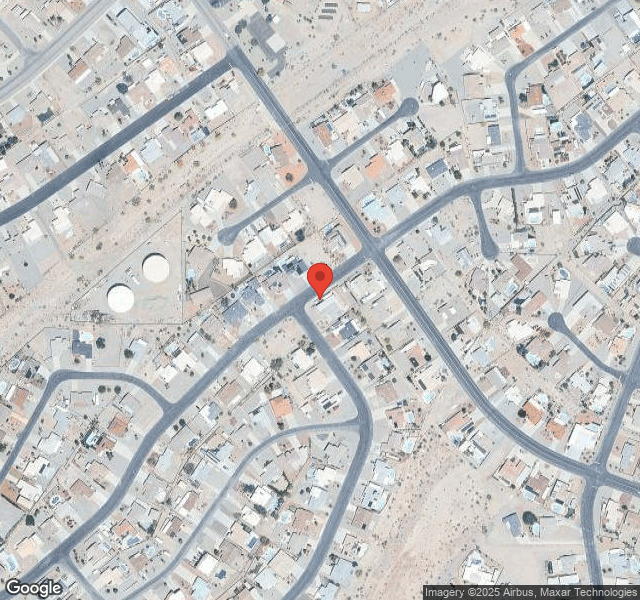

2781 OSBORNE DRIVE, LAKE HAVASU CITY, AZ 86406 (928) 505-5552
For profit - Corporation 104 Beds HAVEN HEALTH Data: November 2025
Trust Grade
28/100
#77 of 139 in AZ
Last Inspection: February 2025

Within standard 12-15 month inspection cycle. Federal law requires annual inspections.

Overview

Haven of Lake Havasu has a Trust Grade of F, which indicates significant concerns about the facility's overall quality. Ranking #77 out of 139 nursing homes in Arizona places it in the bottom half, while its county rank of #3 out of 6 shows that only two local options are worse. The facility's trend is worsening, with issues doubling from 4 in 2024 to 8 in 2025. Staffing is a concern, with a rating of 2 out of 5 stars and a high turnover rate of 61%, meaning many staff members do not stay long. Although RN coverage is better than 82% of Arizona facilities, the nursing home has faced serious issues, including not providing adequate supervision for residents at risk of falls and failing to ensure a resident was free from self-harm, which raises significant safety concerns.

Trust Score
F
28/100
In Arizona
#77/139
Bottom 45%
Safety Record
High Risk
Review needed
Inspections
Getting Worse
4 → 8 violations
Staff Stability
⚠ Watch
61% turnover. Above average. Higher turnover means staff may not know residents' routines.
Penalties
○ Average
$8,018 in fines. Higher than 66% of Arizona facilities. Some compliance issues.
Skilled Nurses
✓ Good
Each resident gets 43 minutes of Registered Nurse (RN) attention daily — more than average for Arizona. RNs are trained to catch health problems early.
Violations
⚠ Watch
26 deficiencies on record. Higher than average. Multiple issues found across inspections.
★★★☆☆
3.0
Overall Rating
★★☆☆☆
2.0
Staff Levels
★★★★★
5.0
Care Quality
★★☆☆☆
2.0
Inspection Score
Stable
2024: 4 issues
2025: 8 issues

The Good

  • 5-Star Quality Measures · Strong clinical quality outcomes
  • Full Sprinkler Coverage · Fire safety systems throughout facility
  • No fines on record

Facility shows strength in quality measures, fire safety.

The Bad

3-Star Overall Rating

Near Arizona average (3.3)

Meets federal standards, typical of most facilities

Staff Turnover: 61%

15pts above Arizona avg (46%)

Frequent staff changes - ask about care continuity

Federal Fines: $8,018

Below median ($33,413)

Minor penalties assessed

Chain: HAVEN HEALTH

Part of a multi-facility chain

Ask about local staffing decisions and management

Staff turnover is elevated (61%)

13 points above Arizona average of 48%

The Ugly 26 deficiencies on record

2 actual harm
Apr 2025 1 deficiency
CONCERN (D) 📢 Someone Reported This

A family member, employee, or ombudsman was alarmed enough to file a formal complaint

Potential for Harm - no one hurt, but risky conditions existed

Free from Abuse/Neglect (Tag F0600)

Could have caused harm · This affected 1 resident

**NOTE- TERMS IN BRACKETS HAVE BEEN EDITED TO PROTECT CONFIDENTIALITY** Based on clinical record review, facility documentation, and staff interviews, the facility failed to ensure two residents (#36 ...

Read full inspector narrative →
**NOTE- TERMS IN BRACKETS HAVE BEEN EDITED TO PROTECT CONFIDENTIALITY** Based on clinical record review, facility documentation, and staff interviews, the facility failed to ensure two residents (#36 and #40) were provided adequate supervision to prevent resident abuse. The deficient practice could result in residents being at risk for abuse. Findings include: -Regarding Resident #36: Resident #36 was initially admitted to the facility on [DATE] and has a reentry date of May 15, 2023 with a diagnosis that includes Coronary Artery Disease (CAD), Hemiplegia or Hemiparesis, Seizure Disorder or Epilepsy, and Schizophrenia. Review of care plan dated May 15, 2023 revealed resident have an impaired visual function related to blindness of right eye and refuses to wear glasses. The interventions initiated on May 15, 2023 included staff to place any items directly in front of resident. Review of another care plan dated May 15, 2023 revealed resident have impaired cognitive function/dementia or impaired thought processes related to impaired decision making. The interventions included resident need supervision/assistance with all decision making; require approaches that maximize involvement in daily decision making and activity limit choices, use cueing, task segmentation, written lists, and instructions; monitor/document /report to medical doctor any changes in cognitive function, specifically changes in decision making ability, memory, recall and general awareness, difficulty expressing self, difficulty understanding others, level of consciousness, mental status and review medications and record possible causes of cognitive deficit. Review of another care plan initiated in May 15, 2023 revealed resident have mood problem related to adjustment disorder, paranoid schizophrenia. The interventions initiated on May 15, 2023 included to administer medications as ordered, monitor/document for side effects and effectiveness; behavioral health consults as needed; monitor/record/report to medical doctor as needed risk for harming others such as increased anger, labile mood or agitation, feels threatened by others or thoughts of harming someone, possession of weapons or objects that could be used as weapons. Review of another care plan dated May 15, 2023 revealed resident have behaviors related to difficulty interacting with others related to schizophrenia. The goal is that resident will not harm self or others through the review date. The interventions initiated on May 15, 2023 included to administer medications as ordered, monitor/document for side effects and effectiveness, and allow resident to make decisions about own plan of care. Review of Minimum Data Set (MDS) dated [DATE] revealed a quarterly Brief Interview for Mental Status (BIMS) score of 14.0 indicating cognitively intact and behavioral symptoms were not exhibited. Review of facility document titled, Incidents By Incident Type, revealed Resident #36 had a Physical Aggression Initiated Incident on September 16, 2023 at 6:58 am. Review of the State Agency complaint tracking system dated September 16, 2023 revealed that the facility submitted through online complaint form involving resident #36 and resident #40 incident. -Regarding Resident #40: Resident #40 was admitted to the facility on [DATE] and has a reentry date of May 4, 2022 with a diagnosis of Hypertension, Diabetes Mellitus (DM), Hemiplegia or Hemiparesis, Anxiety Disorder, and Depression. Review of care plan initiated on February 12, 2021 revealed resident have impaired cognitive function/dementia or impaired thought processes related to neurological symptoms cerebrovascular accident. The interventions initiated on February 12, 2021 included administer medications as ordered, monitor/document /report to medical doctor any changes in cognitive function, specifically changes in decision making ability, memory, recall and general awareness, difficulty expressing self, difficulty understanding others, level of consciousness, or mental status. Review of care plan initiated on September 24, 2021 revealed resident have a behavior problem related to physical behaviors, struck another resident in the back of the head, slapped nurse's hand when trying to give medications, upset about pain medication, called staff idiots, kicked carts and Hoyer lift, threw trash on the floor. The goal initiated on September 23, 2021 included resident will have no evidence of behavior problems by review date. The interventions initiated on September 24, 2021 included to anticipate and meet resident's needs. Review of MDS dated [DATE] revealed a BIMS score 0f 99.0 indicating resident was unable to complete the interview, and behavioral symptoms such as verbal directed towards others and physical symptoms not directed toward others occurred. Review of facility document titled, Incidents By Incident Type, revealed Resident #40 had a Verbal Aggression Initiated Incident on September 16, 2023 at 6:58 am. Review of the State Agency complaint tracking system dated September 16, 2023 revealed that the facility submitted through online complaint form involving resident #36 and resident #40 incident. Review of records revealed the care plan interventions for resident #40 were revised on October 23, 2024 that included assist resident to develop more appropriate methods of coping and interacting by not touching others inappropriately, and encourage resident to express feelings appropriately. Review of records revealed Resident #40 was discharged on February 4, 2025. An interview was conducted on March 31, 2025 at 3:39 pm with a licensed practical nurse (LPN)/Staff #104. Staff #104 stated that she works day shift, her responsibilities included getting report from the night shift which includes residents' updates, new orders, and anything that might had happened during the night. Staff #104 stated that she put eyes in every room so everyone is accounted for. Then, she starts medication pass, or starts her assessment. Regarding resident to resident altercations, Staff #104 stated that she had a resident to resident altercation that she remembered. It involved somebody running into somebody, both residents were confused, and the residents run into each other's wheelchair, then the resident slapped each other's arm or pushed their wheelchair away. Staff #104 stated that she remembered a woman and a male resident, the male resident run into the woman resident with his wheelchair. Staff stated that she remembered resident #40. Staff #104 stated that there was music playing and she remember resident #40 was trying to get through and resident #36 was in the way. Staff #104 stated that resident #40 uses his foot to kick resident #36. Staff #104 stated that the male resident is no longer in the facility, passed away. Staff #104 stated that she does not remember exactly but somebody got hit, then they separated them, and then she did an interview to find out each resident's side of the story. Staff stated that she was working when the incident happened, she completed an incident report, she notified the family and the doctor, and she assessed both of the residents. Staff stated that there was a slap or a kick but she did not remember who did what but there was a physical contact. Resident #40 would kick because that was his thing and Resident #36 would slap, and there has been incident before where resident #36 doing the slap. Staff #104 stated that when an altercation between residents happens, she will notify the administrator, doctor, family, and the director of nursing (DON). Their abuse coordinator is the administrator. In addition, staff #104 stated that when she completes an incident report, it will automatically send to the progress notes because she completes an incident report in their Point Click Care (PCC) for risk management. Regarding her abuse training, she gets in-services, she had some done in the computer, and also done in -house where they go over the training. Her abuse training is done every year. Attempted to conduct an interview on April 1, 2025 at 1:20 pm with Resident #36. Resident #36 was in her room, lying in bed, watching television, the lunch tray at the bedside, and resident just looked at the surveyor. Review of facility's policy titled, Abuse Policy, version 0622 revealed Haven Health facilities strive to prevent the abuse of all their residents. Review of facility's policy titled, Resident Rights/Dignity: Resident Rights, in effect on January 1, 2024 revealed (1) federal and state laws guarantee certain basic rights to all residents of this facility. These rights include the resident's right to: c. be free from abuse
Feb 2025 7 deficiencies 1 Harm
SERIOUS (G) 📢 Someone Reported This

A family member, employee, or ombudsman was alarmed enough to file a formal complaint

Actual Harm - a resident was hurt due to facility failures

Accident Prevention (Tag F0689)

A resident was harmed · This affected 1 resident

**NOTE- TERMS IN BRACKETS HAVE BEEN EDITED TO PROTECT CONFIDENTIALITY** Based on documentation, staff interviews, and the facility policy and procedures, the facility failed to ensure that two residen...

Read full inspector narrative →
**NOTE- TERMS IN BRACKETS HAVE BEEN EDITED TO PROTECT CONFIDENTIALITY** Based on documentation, staff interviews, and the facility policy and procedures, the facility failed to ensure that two residents (#9, #228) were adequately supervised in order to prevent accidental falls; and, failed to ensure items in the environment that could be utilized unsafely were stored away from one resident (#31). The deficient practice resulted in two residents being physically harmed. Findings include: -Resident #9 was admitted on [DATE]. Resident was discharged to hospital March 8, 2023 and was re-admitted on [DATE] with diagnoses that included age-related osteoporosis with current pathological fracture, left femur, subsequent encounter for fracture with routine healing, Alzheimer's disease, unspecified dementia, unspecified severity, with other behavioral disturbance, and need for assistance with personal care. A review of the MDS (minimum data set) dated January 19, 2023 revealed a BIMS (brief interview of mental status) score of 01, indicating that the resident had severe cognitive impairment. Further review of the MDS revealed that the resident required extensive assistance with bed mobility, transfers total dependence with two staff assist and eating, supervision with one person assist. Review of the admission Fall Risk Evaluation dated January 18, 2023 revealed resident #9 assessed as a high risk with a score of 20.0. Further review of the assessment revealed resident had a history of falls. A review of the resident's care plan revealed a focused note that the resident was at risk for falls related to confusion and unawareness of safety needs. Further review of the care plan revealed staff was to follow facility fall protocol. The focus and interventions were initiated on January 18, 2023 and cancelled March 10, 2023. A review of the physician's orders revealed an order for fall mats every shift for falls, rolling out of bed, patient safety with an order date of April 23, 2022 and a start date of April 24, 2022. The order was discontinued without any new orders for fall mats. A review of the progress notes revealed that on March 8, 2023 at 6:45 P.M. resident #9 sustained a fall on March 8, 2023 at 6:45 PM with major injury femur fracture. Documentation revealed the events surrounding this fall: Resident was last noted to be sitting in an upright position in bed. She had her tray with food (dinner) in front of her when the NA left the room. Approximately 15 minutes after the NA left the room it was reported that the resident had an unwitnessed fall out of bed. Resident denied head strike, however complained of hip pain and knee pain on the left side. The immediate interventions placed post-fall were Physical assessment completed including range of motion, neuro check, and vital signs. Resident complained of left hip and knee pain. EMS called to send resident out to ER for further evaluation. Family member, MD, DON, and ED notified. This fall was discussed as an Interdisciplinary Team (IDT) and the following new interventions were placed as a result of this discussion: Call light within reach, floor mats down on the floor, Vital signs obtained, physical assessment completed, EMS contacted and transferred resident to the hospital for further evaluation. Medical records revealed an investigation of the fall was completed by the IDT with the following results: Resident is a known fall risk who has fallen on several occasions in the past. She is also known to be impulsive at times, which has led to previous falls. The resident was sitting up in bed, eating. The NA was last noted to be in the room approximately 15 min prior to the fall assisting her with her meal. The resident complained of left knee and hip pain, EMS was called to send the resident out for further evaluation. At 1145am the facility received documentation from the hospital. A review of the emergency department physician note dated March 8, 2023 at 8:07 P.M. revealed resident #9, presenting to the emergency department today after a ground level fall complaining of bilateral knee pain, left arm pain and right-hand pain. She states that she was trying to transfer from her bed to a recliner when she stood up and put weight on her knee she felt them buccal she could not catch herself and fell forward hitting both of her knees straight down onto the floor. A review of the hospital progress notes date of service March 11, 2023 revealed resident #9 presented after a ground level fall. The progress note states resident was trying to transfer from her bed to her recliner and had a mechanical fall. No reports of head trauma. Workup in the ER was significant for a posterior lateral left femoral spiral fracture. Following consultation resident was determined too high risk for procedure and non-operative management was recommended. The report states resident has a history of dementia, alert and oriented only to self and not decisional. A review of the facility 5-day investigation revealed that resident # 9 had been sent to the hospital post fall and returned to the facility. It was noted that the resident did not have surgery for the incurred posterior lateral left femoral spiral fracture. The report further revealed that the facility conducted an IDT Fall Review March 9, 2023 implementing new interventions that included; call light within reach, floor mats down on the floor. Furthermore, the report indicated that resident #9 is a known fall risk who has fallen on several occasions in the past and is known to be impulsive at times, which led to previous falls. The report also states the care plan was updated and fall risk assessment completed. A review of the facility internal fall incident report dated March 8, 2023 revealed a nursing description of resident #9 observed on floor on top of mats, on her back, Resident complained of knee pain, the resident description reveals resident stated she fell out of her bed; and that, both knees hurt. An interview was conducted on February 14, 2025 at 11:04 A.M. with Licensed Practical Nurse (LPN/Staff #48) who stated that resident #9 is a fall risk and current preventative measures are: the Falling Leaf program and is provided with a Geri-Chair for positioning, floor mat and bed against the wall. Staff #48 stated that the resident is prescribed a psychotropic which placed her at an increased risk for falls. Staff #48 stated that a leaf is placed on the resident's door indicating the resident is a fall risk for staff. Staff #48 stated the nurses access the resident's care plan for the residents fall risk measures and these measures are shared with facility's staff. An interview was conducted on February 14, 2025 at 11:28 A.M. with Certified Nursing Assistant (CNA/staff # 460) who stated she was familiar with resident #9 and recalled the resident falling and sustaining a femur fracture. Staff #460 stated that resident #9 had fallen a couple of times prior to the fall with the fracture. Staff #460 recalled going into the resident's room and finding the resident on the floor, dinner tray pushed away and complaints of pain on both knees. Staff #460 stated that the resident was a set-up assist with meals and preferred to eat in bed. Staff #460 stated resident was found on her back at the end of the resident's bed, with the resident's head away from the bed and the resident's feet at the end of the bed. Staff #460 stated the resident's Geri-Chair was against the wall by the door approximately three feet away. Staff #460 stated resident #9 was a fall risk at the time with a lowered bed. Staff #460 stated there was no fall mat beneath the resident's bed. Staff #460 stated the resident was not consistent with the use of her call light due to her confusion and would forget that the call light was there. An interview was conducted on February 14, 2025 at 12:43 P.M with Director of Nursing (DON/Staff #388) who stated residents are assessed for falls upon admission, quarterly, and after any fall. Staff #388 stated the facility's fall risk protocol had different levels including from the resident assessment, to determining what interventions are needed for the resident. Staff #388 stated that the current fall risk protocol for the resident is ensuring the call light is within reach, non-skid socks, educate and encourage the resident, and fall risk protocols to be in place. Staff should familiarize with the care plan for the interventions for each resident. An interview was conducted on February 14, 2025 at 01:05 P.M. with [NAME] President of Clinical Operations (VP/Staff #438) who reviewed the residents care plan on the electronic medical records. Following the review, stated that the facility did have a previous extensive fall care plan prior to the residents discharge for two days. The discharge resolved the previous care plan and when the resident was re-admitted the facility failed to put the care plan back in place for resident #9. Staff #438 further stated, maybe if the care plan was in place for falls, she may not have had an injury. -Resident #31 was admitted to the facility on [DATE] with diagnoses that included encounter for palliative care, unspecified sequelae of cerebral infarction, and nontraumatic intracerebral hemorrhage in hemisphere, unspecified. A Minimum Data Set (MDS) assessment dated [DATE], revealed a Brief Interview for Mental Status (BIMS) score was 15, which indicated resident was cognitively intact. MDS revealed impairment on one side for the resident's upper and lower extremities, dependent with showers and bathing and requires substantial/maximal assistance with personal hygiene. A review of the care plan date initiated April 18, 2024 revealed a focus for impaired thought processes related to short term memory loss. Interventions included consistent routines. An observation was made on February 11, 2025 at 2:11p.m of resident #31's room which revealed on the counter was 100ml of normal saline and container of 75 large bleach PDI-Sani Cloths. An interview was conducted on February 11, 2025 at 2:14p.m with Certified Medication Assistant (CMA/Staff #120). Staff #120 stated the identified items should not be at the residents bedside, that the bleach wipes are used to wipe down counters for residents diagnosed with Clostridium Difficile Colitis (C-Diff). Staff #120 stated resident #31 did not and has not been diagnosed with C-Diff and does not know why the items would be in his room. Staff #120 stated the risks of having them in the room is the resident could mistake them for wipes and the skin would become affected and tingly from the bleach content and if the saline is ingested could cause an allergic reaction or possible death. An interview was conducted on February 13, 2025 at 12:53 P.M with Director of Nursing (DON/Staff #388) Staff #388 who stated the bleach cloths and the normal saline should not be at a residents bedside. Staff #388 stated the bleach cloth are used for resident with C-Diff and the risks are the residents could get sick; and that, the saline solution could make soeones stomach hurt. -Resident #228 was admitted on [DATE] with diagnosis including hemiplegia, hemiparesis, displaced intertrochanteric fracture of left femur, and history of falling. A care plan initiated on November 04, 2022, revealed a fall risk focus with a goal to be free from falls through the review date. Interventions included to ensure the call light was within reach and encourage the resident to use the call light for assistance as needed. Further review of the care plan revealed that four interventions were initiated on November 08, 2022 which included: anticipate and meet needs, educate resident/family/caregivers about safety reminders and what do if a fall occurs, follow facility fall protocol, PT (physical therapy)/OT (occupational therapy/ST (speech therapy) evaluate and treat as ordered or PRN (as needed). The care plan revealed a fall risk intervention that was initiated on November 14, 2022 included to follow the falling leaf program. A fall risk evaluation completed on November 07, 2022, revealed that Resident #288 had 1-2 falls within six months and is a moderate fall risk. A Minimum Data Set (MDS) assessment dated [DATE], revealed a Brief Interview for Mental Status (BIMS) score of 14 which indicated the resident was cognitively intact. Additionally, MDS revealed resident had the need for substantial/maximal assistance. A physician order dated November 14, 2022, was initiated to transfer the resident to the emergency room for evaluation of fall with left hip pain. An occupational therapy (OT) treatment encounter note dated November 14, 2022, revealed that socks and shoes were removed and that the resident required maximum assistance. The note also included that the resident was left unsupervised when calling maintenance to fix a bed, and that the resident was later found lying on the floor. A nursing progress note dated November 14, 2022 at 2:50pm, revealed that a Registered Nurse (RN) called the hospital for report and the hospital confirmed that an x-ray indicated that the resident sustained a left intertrochanteric displaced fracture; and that, the Director of Nursing (DON), Executive Director (ED), Physician, and Spouse were notified. A fall incident report dated November 14, 2022 revealed that the resident was calling for help and was found on the floor in supine position in front of a chair in her room. The immediate action taken was to notify administration, the provider, and the resident's spouse. The incident report included that a gait belt was in place but the resident was not wearing shoes or non-skid socks at the time of the fall. The report indicated the resident complained of left hip pain, sustained a skin tear to the left elbow during a fall out of a chair. The report also revealed that the resident stated, some blonde put me in that chair and I fell out. The incident report revealed predisposing factors that included improper footwear. A fall risk evaluation dated November 14, 2022, revealed that the resident had 1-2 falls within the last 6 months and was a moderate risk for falls. The evaluation included a gait analysis the indicated the resident is unable to independently come to a standing position. An x-ray report results dated November 14, 2022 2:13 PM, revealed a minimally displaced left trochanteric Femur fracture. A late entry Interdisciplinary Team (IDT) Fall review progress note dated November 15, 2022, revealed that the resident fell on November 14, 2022 at 10:10 AM with major injury of a left intertrochanter fracture. The progress note indicated that a Nurse was alerted to the room because the resident was calling out for help, and that the resident was noted to be lying on the floor in a supine position in front of a chair. The progress note revealed that the resident was noted with a gait belt in place, without non-skid socks or shoes, and the call light was in reach. The IDT note revealed that the resident complained of pain and had shearing to the left elbow. The progress notes further revealed that the resident was transferred to the hospital for further evaluation. Review of the hospital report dated November 22, 2022, revealed that that the resident had a minimal displaced pelvis with intertrochanteric fracture of the left proximal femur, per x-ray results. A facility investigation report dated November 21, 2022, revealed that the resident fell out of a chair in her room and sustained a left intertrochanter displaced fracture. The facility investigation report also revealed that non-skid socks, and shoes were taken off of the resident before the fall occurred. The report included interviews of 5 staff members, and (#434, #432, #436, #435, #75), who confirmed that the resident was not wearing the non-skid socks at the time of the fall. The report relayed that an OT was interviewed and during the resident's time in the chair the OT had checked on the resident and the bed's safety. The report further revealed that it was unknown if the resident tried to ambulate or slipped out of the chair. However, the resident was found on the floor without shoes or socks. The report included that the Director of Rehabilitation transferred the resident using a gait belt to a side chair because she was anticipating the resident's bed to be fixed by maintenance, and that the resident had refused to use a wheelchair, with the call light in reach. The report concluded that there was no evidence of neglect or abuse with regards to the incident. However, the report included that the resident was found on the floor without shoes or socks. An interview was conducted on February 12, 2025 at 02:47 PM with Certified Nursing Assistant (CNA/Staff #440), who stated that when a fall occurs the nurse is radioed to assess the resident, and the CNA will stay with the resident until a nurse arrives to the room. She also stated that the nurse will inform the CNA if the resident is ok to transfer after the assessment has been conducted. The CNA further stated that residents are transferred using either a gait belt or a hoyer lift depending on the resident. Staff #440 stated that preventative measures for residents that are moderate risk for falls included floor safety mats at the bedside, safety wedges in bed, and a chair cushion that prevents from the resident from sliding out of the chair, call light in place, and no clutter in room. She stated that the resident cannot be transferred barefoot and should be wearing non-skid socks. An interview was conducted on February 13, 2025 at 08:07 AM with a RN (staff #400), who stated when a fall occurs the resident is assessed, they make sure the resident is safe, notify the DON, charge Nurse and then document the incident. She also stated that fall prevention measures include having the bed on the floor, using a sitter, or having a family member with the resident, falling leaf program, leaving the call light in reach, using socks with grippers, and not leaving the resident alone. The RN further stated that residents who sustain a fall will be placed on the falling leaf program, and that the resident should not be barefooted or transferred without non-skid socks. An interview was conducted on February 13, 2025 at 08:20 AM with DON (staff #388), who stated the resident should not be barefoot, that they cannot force residents to wear shoes, but the encourage/educate them as to why they should not be barefooted. She also stated that the risk of residents that are a fall risk not be wearing non-skid socks could result in slipping and falling. The RN relayed that she would want the resident to wear non-skid socks. An interview was conducted on February 14, 2025 at 11:14 AM with Housekeeping (Staff #75), who stated that when she witnesses a resident laying on the floor she would call the CNA or a Nurse, and stay with the resident until the nurse or CNA arrives. She also stated that housekeeping staff are not allowed to touch or move the resident. The housekeeper stated that she did not remember the resident or the fall incident. An interview was conducted on February 14, 2025 at 12:28 PM with the Director of Rehabilitation (staff #435), who stated that she has not worked at the facility for the past 2 years. She further stated that she did not remember the resident or the incident, and has no access to the facility records at this time. On February 14, 2025, three attempts were made to contact two previous staff members (#434 and #432) who were at the facility on the day the resident fell, however neither staff member answered their phone and no call back was received. Review of the facility orientation training, Clinical Orientation Day 1: Resident Safety, revealed that regarding fall prevention included the use of the falling leaf program that identified high fall risk resident with a green arm band and green leaf of tree magnet on the door frame, and is also identified in both the Kardex and care plan. The training also included the use of proper fitting clothes and shoes correct use of positioning, devices, wheel chairs. Review of a facility policy titled, Resident Safety: Safety and Supervision of Residents, revealed that employees shall be trained on potential accident hazards and demonstrate competency on how to identify and report accident hazards, and try to prevent avoidable accidents. The resident-centered approach to safety addresses safety and accident hazards for individual residents. The care team shall target interventions to reduce individual risks that shall include communicating specific interventions to all relevant staff, carrying out interventions, ensuring interventions are implemented and documenting interventions. Monitoring the effectiveness of interventions shall include the following: ensuring that interventions are implemented correctly and consistently. Resident supervision is a core component of their approach to safety. Resident safety and supervision and assistance to prevent accidents are facility-wide priorities. Our facility-oriented approach to safety addresses risks for groups of residents. Safety risks and environmental hazards are identified on an ongoing basis through a combination of employee training, employee monitoring, and reporting processes; QAPI reviews of safety and incident/ accident data; and a facility-wide commitment to safety at all levels of the organization.
CONCERN (D)

Potential for Harm - no one hurt, but risky conditions existed

Deficiency F0578 (Tag F0578)

Could have caused harm · This affected 1 resident

**NOTE- TERMS IN BRACKETS HAVE BEEN EDITED TO PROTECT CONFIDENTIALITY** Based on clinical record review, resident and staff interviews, and policy review, the facility failed to ensure advance directi...

Read full inspector narrative →
**NOTE- TERMS IN BRACKETS HAVE BEEN EDITED TO PROTECT CONFIDENTIALITY** Based on clinical record review, resident and staff interviews, and policy review, the facility failed to ensure advance directives were completed and maintained for one resident (#31). The deficient practice could result in residents not receiving proper care according to their preferences or potential harm to the resident's life. Findings include: Resident #31 was admitted to the facility on [DATE] with diagnoses that included encounter for palliative care, unspecified sequelae of cerebral infarction, nontraumatic intracerebral hemorrhage in hemisphere, unspecified. A physician's order dated December 23, 2024 was written for DO NOT RESUSITATE -DNR without hold or end date; A Minimum Data Set (MDS) assessment dated [DATE], revealed a Brief Interview for Mental Status (BIMS) score was 15, which indicated resident was cognitively intact. Review of the Care Plan revaled a focus for advanced directives date initiated November 17, 2022 with a goal that the residents wishes and directions will be carried out in accordance with his advanced directives on an ongoing basis through the next review date. Interventions included: Carry out my wishes according to my advanced directives, Ensure my wishes are recorded correctly in my chart, and follow physicians order. This care plan intervention was intitated on November 17, 2022. An observation was made on February 11, 2025 at 5:01 pm of the resident medical chart, revealing an undated Pre-Hospital Do Not Resuscitate (DNR) form, no physician or patient signature. An interview was conducted on February 13, 2025 at 11:24 a.m. with Resident Relations Manager (Staff #145) who stated that her responsibilities included discharge planning, resident grievances, and attending family conferences. Staff #145 stated that the orange colored Pre-hospital DNR form and the advance directive are designated forms for residents who have made their choices for DNR. Staff #145 stated that the documents need to be signed and dated by the physician, resident or designated power of attorney. Staff #145 reviewed the orange Pre-Hospital DNR form uploaded in resident #31's medical chart. Following review of the DNR document, staff #145 stated on the date line, there is only the month; no date or year, further missing resident signature and the physician information is not filled out, signed, or dated. Staff #145 stated the risks of having an incomplete DNR form places the resident at risk of being provided with treatment that the resident did not want and may result in legal issues. Staff #145 stated a new DNR form should be uploaded into the resident's medical chart. An interview was conducted on February 13, 2025 at 12:43 p.m. with the Director of Nursing (DON/Staff# 388), who confirmed that residents advance directives documentation are uploaded. The DON reviewed the residents DNR advance directives in the medical chart stating there are new forms in the a binder that should have been uploaded into the residents records, however after further review of the DNR documents the forms were incomplete. DON stated that the risks for the resident are that they may be provided with the wrong care. Review of the facility policy titled, Residents 'Rights- Advance Directives' revealed, Advance Directives will be respected in accordance with state law and facility policy; The plan of care for each resident will be consistent with his or her documented treatment preferences and/or advance directive; The resident's attending provider will clarify and present any relevant medical issues and decisions to the resident or legal representative as the resident's condition changes in an effort to clarify and adhere to the resident's wishes.
CONCERN (D) 📢 Someone Reported This

A family member, employee, or ombudsman was alarmed enough to file a formal complaint

Potential for Harm - no one hurt, but risky conditions existed

Comprehensive Care Plan (Tag F0656)

Could have caused harm · This affected 1 resident

**NOTE- TERMS IN BRACKETS HAVE BEEN EDITED TO PROTECT CONFIDENTIALITY** -Resident #25 was admitted to the facility on [DATE], with diagnoses that include acute and chronic respiratory failure with hyp...

Read full inspector narrative →
**NOTE- TERMS IN BRACKETS HAVE BEEN EDITED TO PROTECT CONFIDENTIALITY** -Resident #25 was admitted to the facility on [DATE], with diagnoses that include acute and chronic respiratory failure with hypoxia, chronic respiratory failure with hypercapnia, chronic obstructive pulmonary disease, hypertensive heart disease with heart failure. The Minimum Data Set (MDS) assessment dated [DATE] showed a Brief Interview Mental Status (BIMS) 15 which indicated the resident was cognitively intact. A review of the documented Self Medication Evaluation revealed, that a self-administration evaluation was conducted on January 7, 2025 at 4:00 pm. The resident #25 wanted to self-administer medications. A review of physician orders included the self-administering of medications: Trelegy Ellipta Inhalation Aerosol Powder Breath Activated 100-62.5-25 Micrograms/ACT (Fluticasone-Umeclidinium-Vilanterol) 1 inhalation, inhale orally one time a day unsupervised self-administration Rinse mouth after use Fluticasone Propionate Suspension 50 MCG/ACT 1 spray in each nostril one time a day for allergies unsupervised self-administration. Artificial Tears Ophthalmic Solution 1-0.3 % (Propylene Glycol-Glycerin) Instill 1 drop in both eyes four times a day for dry eyes unsupervised self-administration. Albuterol Sulfate HFA Inhalation Aerosol Solution 108 (90 Base) MCG/ACT (Albuterol Sulfate) 2 puff inhale orally every 6 hours as needed for Shortness of Breath unsupervised self-administration Rinse mouth after use. A review of the resident's care plan revealed that a focus area regarding self-administration of medications, goals and interventions was not included. Moreover, a review of the progress notes did reveal any notes from the IDT regarding self-administration of medications related to resident #25. An interview was conducted on February 13, 2025 at 1:41 pm with Director of Nursing staff #388, who stated that there is a process, and a policy in place regarding self administering medications. Staff #388 stated that an assessment is done by the nurse quarterly, and then discussed with the interdisciplinary team (IDT). The IDT will make notes, but then care plans are initiated. When the nurse makes the assessment, the doctor signs off on the order. The order will say Self administer on the Medication Administration Record (MAR). In the policy Medications: Self-Administration of Medications: Policy Interpretation and Implementation section 3. If it is deemed safe and appropriate for a resident to self-administer medications, this is documented in the medical record and the care plan. Review of the facility policy titled, Falls/Fall Risk: Fall Risk Assessment revealed the nursing staff, in conjunction with the attending physician, consultant pharmacist, therapy staff, and others, will seek to identify and document resident risk factors for fall and establish a resident centered falls prevention plan based on relevant assessment information. Based on observation, clinical record review, staff interviews, and facility policy and procedures, failed to ensure a care plan was developed with interventions implemented related to fall risks for one resident (# 9); and, failed to ensure a care plan was developed with interventions implemented related to self-administration of medications for one resident (#25). The deficient practice could result in residents needs not being met according to their assessed needs. Findings include: -Resident #9 was admitted on [DATE]. Resident was discharged to hospital March 8, 2023 and was re-admitted on [DATE] with diagnoses that included age-related osteoporosis with current pathological fracture, left femur, subsequent encounter for fracture with routine healing, Alzheimer's disease, unspecified dementia, unspecified severity, with other behavioral disturbance, and need for assistance with personal care. A review of the MDS (minimum data set) dated January 19, 2023 revealed a BIMS (brief interview of mental status) score of 01, indicating that the resident had severe cognitive impairment. Further review of the MDS revealed that the resident required extensive assistance with bed mobility, transfers total dependence with two staff assist and eating, supervision with one person assist. Review of the admission Fall Risk Evaluation dated January 18, 2023 revealed resident #9 assessed as a high risk with a score of 20.0. Further review of the assessment revealed resident had a history of falls. A review of the resident's care plan revealed a focused note that the resident was at risk for falls related to confusion and unawareness of safety needs. Further review of the care plan revealed staff was to follow facility fall protocol. The focus and interventions were initiated on January 18, 2023 and cancelled March 10, 2023. A review of the physician's orders revealed an order for fall mats every shift for falls, rolling out of bed, patient safety with an order date of April 23, 2022 and a start date of April 24, 2022. The order was discontinued without any new orders for fall mats. A review of the progress notes revealed that on March 8, 2023 at 6:45 P.M. resident #9 sustained a fall on March 8, 2023 at 6:45 PM with major injury femur fracture. Documentation revealed the events surrounding this fall: Resident was last noted to be sitting in an upright position in bed. She had her tray with food (dinner) in front of her when the NA left the room. Approximately 15 minutes after the NA left the room it was reported that the resident had an unwitnessed fall out of bed. Resident denied head strike, however complained of hip pain and knee pain on the left side. The immediate interventions placed post-fall were Physical assessment completed including range of motion, neuro check, and vital signs. Resident complained of left hip and knee pain. EMS called to send resident out to ER for further evaluation. Family member, MD, DON, and ED notified. This fall was discussed as an Interdisciplinary Team (IDT) and the following new interventions were placed as a result of this discussion: Call light within reach, floor mats down on the floor, Vital signs obtained, physical assessment completed, EMS contacted and transferred resident to the hospital for further evaluation. Medical records revealed an investigation of the fall was completed by the IDT with the following results: Resident is a known fall risk who has fallen on several occasions in the past. She is also known to be impulsive at times, which has led to previous falls. The resident was sitting up in bed, eating. The NA was last noted to be in the room approximately 15 min prior to the fall assisting her with her meal. The resident complained of left knee and hip pain, EMS was called to send the resident out for further evaluation. At 1145am the facility received documentation from the hospital. A review of the emergency department physician note dated March 8, 2023 at 8:07 P.M. revealed resident #9, presenting to the emergency department today after a ground level fall complaining of bilateral knee pain, left arm pain and right-hand pain. She states that she was trying to transfer from her bed to a recliner when she stood up and put weight on her knee she felt them buccal she could not catch herself and fell forward hitting both of her knees straight down onto the floor. A review of the hospital progress notes date of service March 11, 2023 revealed resident #9 presented after a ground level fall. The progress note states resident was trying to transfer from her bed to her recliner and had a mechanical fall. No reports of head trauma. Workup in the ER was significant for a posterior lateral left femoral spiral fracture. Following consultation resident was determined too high risk for procedure and non-operative management was recommended. The report states resident has a history of dementia, alert and oriented only to self and not decisional. A review of the facility 5-day investigation revealed that resident # 9 had been sent to the hospital post fall and returned to the facility. It was noted that the resident did not have surgery for the incurred posterior lateral left femoral spiral fracture. The report further revealed that the facility conducted an IDT Fall Review March 9, 2023 implementing new interventions that included; call light within reach, floor mats down on the floor. Furthermore, the report indicated that resident #9 is a known fall risk who has fallen on several occasions in the past and is known to be impulsive at times, which led to previous falls. The report also states the care plan was updated and fall risk assessment completed. A review of the facility internal fall incident report dated March 8, 2023 revealed a nursing description of resident #9 observed on floor on top of mats, on her back, Resident complained of knee pain, the resident description reveals resident stated she fell out of her bed; and that, both knees hurt. An interview was conducted on February 14, 2025 at 11:04 A.M. with Licensed Practical Nurse (LPN/Staff #48) who stated that resident #9 is a fall risk and current preventative measures are: the Falling Leaf program and is provided with a Geri-Chair for positioning, floor mat and bed against the wall. Staff #48 stated that the resident is prescribed a psychotropic which placed her at an increased risk for falls. Staff #48 stated that a leaf is placed on the resident's door indicating the resident is a fall risk for staff. Staff #48 stated the nurses access the resident's care plan for the residents fall risk measures and these measures are shared with facility's staff. An interview was conducted on February 14, 2025 at 11:28 A.M. with Certified Nursing Assistant (CNA/staff # 460) who stated she was familiar with resident #9 and recalled the resident falling and sustaining a femur fracture. Staff #460 stated that resident #9 had fallen a couple of times prior to the fall with the fracture. Staff #460 recalled going into the resident's room and finding the resident on the floor, dinner tray pushed away and complaints of pain on both knees. Staff #460 stated that the resident was a set-up assist with meals and preferred to eat in bed. Staff #460 stated resident was found on her back at the end of the resident's bed, with the resident's head away from the bed and the resident's feet at the end of the bed. Staff #460 stated the resident's Geri-Chair was against the wall by the door approximately three feet away. Staff #460 stated resident #9 was a fall risk at the time with a lowered bed. Staff #460 stated there was no fall mat beneath the resident's bed. Staff #460 stated the resident was not consistent with the use of her call light due to her confusion and would forget that the call light was there. An interview was conducted on February 14, 2025 at 12:43 P.M with Director of Nursing (DON/Staff #388) who stated residents are assessed for falls upon admission, quarterly, and after any fall. Staff #388 stated the facility's fall risk protocol had different levels including from the resident assessment, to determining what interventions are needed for the resident. Staff #388 stated that the current fall risk protocol for the resident is ensuring the call light is within reach, non-skid socks, educate and encourage the resident, and fall risk protocols to be in place. Staff should familiarize with the care plan for the interventions for each resident. An interview was conducted on February 14, 2025 at 01:05 P.M. with [NAME] President of Clinical Operations (VP/Staff #438) who reviewed the residents care plan on the electronic medical records. Following the review, stated that the facility did have a previous extensive fall care plan prior to the residents discharge for two days. The discharge resolved the previous care plan and when the resident was re-admitted the facility failed to put the care plan back in place for resident #9. Staff #438 further stated, maybe if the care plan was in place for falls, she may not have had an injury.
CONCERN (D)

Potential for Harm - no one hurt, but risky conditions existed

ADL Care (Tag F0677)

Could have caused harm · This affected 1 resident

**NOTE- TERMS IN BRACKETS HAVE BEEN EDITED TO PROTECT CONFIDENTIALITY** Based on record review, resident and staff interviews and observations, the facility failed to ensure proper nail care for one r...

Read full inspector narrative →
**NOTE- TERMS IN BRACKETS HAVE BEEN EDITED TO PROTECT CONFIDENTIALITY** Based on record review, resident and staff interviews and observations, the facility failed to ensure proper nail care for one resident (#31) was performed. This deficient practice could result in resident grooming and hygiene needs not being met. Findings include: Resident #31 was admitted to the facility on [DATE] with diagnoses that included encounter for palliative care, unspecified sequelae of cerebral infarction, nontraumatic intracerebral hemorrhage in hemisphere, unspecified A Minimum Data Set (MDS) assessment dated [DATE], revealed a Brief Interview for Mental Status (BIMS) score was 15, which indicated cognition intact. Further review of the MDS revealed impairment on one side for the resident's upper and lower extremities, dependent with showers and bathing and required substantial/maximal assistance with personal hygiene. A review of the care plan revealed a focus for ADL self care perfomance indicating resident #31 had a deficit related to decreased mobility date initiated May 6, 2022. Interventions included resident require total assist to wash, rinse and dry with showers and bathing; requires substantial/maximum assist with combing hair, washing/drying face and hands. Resident #31 was observed on February 11, 2025 at 1:57 p.m. with long fingernails, and brown debris underneath them. Resident #31 stated he had been told staff were unable to have his showers or be shaved due to short staffing. Resident #31 was also observed to have a strong body odor. Resident #31 stated, I need a shave resident was observed with ungroomed beard growth and further stated, my hands are dirty from scratching. Resident was observed in bed with a soiled hospital gown. On February 13, 2025 at 10:51 a.m., a second observation and attempted interview were conducted with resident #31. The resident's fingernails remained long, with brown debris beneath them. Resident was unable to be interviewed as he was sleeping. On February 13, 2025 at 10:52 a.m., an interview was conducted with Certified Nursing Assistant (CNA)/staff (#490) who stated resident #31 was supposed to have his showers every evening on Tuesdays and Fridays. Staff #490 stated that when providing showers, the residents are provided with clean hygiene, trim facial hair and sometimes their hair if requested, oral care, nail care if not a diabetic and skin checks, which are documented on the resident's shower sheets. Staff #490 conducted an observation of resident #31 fingernails and stated the residents nails are dirty with a brown substance beneath them and are too long. Staff #490 stated the residents nail care should have been completed during his showers, if not diagnosed as a diabetic. An interview with DON/staff (#388) on February 13, 2025 at approximately 12:00 p.m. DON stated that her expectations were that residents are provided their baths or showers; and that, they are thoroughly cleaned which would include oral care, shaving for males, hair washed and nail care. The DON stated if a resident refuses their shower or bath it is expected that that the resident is encouraged or offered an alternate time to bathe. The DON stated that the risks of not providing nail care increases the residents risk for infections Review of the facility's policy titled, 'Personal Care: Activities of Daily Living (ADL) Supporting' revealed, residents will be provided with care, treatment and services as appropriate to maintain or improve their ability to carry out activities of daily living (ADLs); residents who are unable to carry out activities of daily living independently will receive the services necessary to maintain good nutrition, grooming and personal and oral hygiene; appropriate care and services will be provided for residents who are unable to carry out ADLs independently, with the consent of the resident and in accordance with the plan of care, including appropriate support and assistance with: hygiene (bathing, dressing, grooming, and oral care.
CONCERN (D)

Potential for Harm - no one hurt, but risky conditions existed

Deficiency F0761 (Tag F0761)

Could have caused harm · This affected 1 resident

**NOTE- TERMS IN BRACKETS HAVE BEEN EDITED TO PROTECT CONFIDENTIALITY** Based on observations, staff interviews and policy review, the facility failed to ensure that medications were not left at the b...

Read full inspector narrative →
**NOTE- TERMS IN BRACKETS HAVE BEEN EDITED TO PROTECT CONFIDENTIALITY** Based on observations, staff interviews and policy review, the facility failed to ensure that medications were not left at the bedside for two resident. (#25, #283). The facility census was 85 and the sample was 3 residents. The deficient practice could result in harm to the residents, staff and/or visitors who have access to medications. Findings include: -Resident #25 was admitted to the facility on [DATE], with diagnoses that include acute and chronic respiratory failure with hypoxia, chronic respiratory failure with hypercapnia, chronic obstructive pulmonary disease, hypertensive heart disease with heart failure. The Minimum Data Set (MDS) assessment dated [DATE] showed a Brief Interview Mental Status (BIMS) 15 which indicated the resident was cognitively intact. Resident #25's care plan did not address resident as able to self-administer medications. A medication pass observation was conducted on February 13, 2025 at 0738 am with staff member Licensed Practical Nurse (LPN) #225. Two boxes were given to look at for medication distribution. The boxes had labels with the resident #25's name and medication but no medication was in the box. Staff # stated that the medications were in the resident room and had an order for them to be in the room. Orders for the following medications include: Trelegy Ellipta Inhalation Aerosol Powder Breath Activated 100-62.5-25 micrograms/ACT (Fluticasone-Umeclidinium-Vilanterol) 1 inhalation inhale orally one time a day related to unsupervised self-administration Rinse mouth after use. Fluticasone Propionate Suspension 50 MCG/ACT 1 spray in each nostril one time a day for allergies unsupervised self-administration. Artificial Tears Ophthalmic Solution 1-0.3 % (Propylene Glycol-Glycerin) Instill 1 drop in both eyes four times a day for dry eyes unsupervised self-administration. Albuterol Sulfate HFA Inhalation Aerosol Solution 108 (90 Base) micrograms/ACT (Albuterol Sulfate) 2 puff inhale orally every 6 hours as needed for Shortness of Breath unsupervised self-administration Rinse mouth after use. Upon entering Resident #25's room on February 13, 2025 at 0750 am, a tan colored metal box was seen on the bed. The resident unlocked the box and pulled out the Trelegy Ellipta Inhalation Aerosol Powder Breath Activated and used the inhaler. Staff #225 then instructed resident #25 to use the Flonase. Resident #25 stated it was in the dresser and pulled open the drawer and retrieved the Flonase and used as directed. Resident #25 then used the Artificial Tears Ophthalmic Solution that was sitting on the bedside table. A red colored inhaler was seen on the bedside. An interview was conducted on February 13, 2025 at 0756 am with staff LPN #225 and revealed that if medications are left at the bedside and not locked up it could lead to harm. An interview was conducted on February 13, 2025 at 0141 pm with Director of Nursing staff #388 revealed that residents can have medications at the bedside if they have orders for self-administering; but that, residents have a lock box they keep the medications. Staff #388 stated that the expectations are that they are to be locked with the key and staff are notified when administered so it can be put on the medication administration record. If medications are left at bedside anybody could get them. An interview was conducted on February 14, 2025 at 11:22 AM with Certified Nursing Assistant/Restorative Nursing Assistant staff member #300 revealed that if medications are found at the beside of a resident, the nurse would be notified right away and does not know of any residents that have medications at the bedside. -Resident #283 was admitted on [DATE] with diagnoses that included acute osteomyelitis left ankle and foot, left fibula fracture, and nicotine dependence. An admission Minimum Data Set (MDS) assessment dated [DATE], revealed a Brief Interview for Mental Status (BIMS) score of 15 which indicated the resident was cognitively intact. A care plan initiated on February 04 2025, revealed no evidence of a focus regarding self-administration of medications. A physician order dated February 04, 2025 revealed the following: Latanoprost Solution 0.005% instill 1 drop in both eyes' bedtime for Glaucoma Further review of physician orders revealed no evidence of an order regarding medications self-administration, or for administration of systane dry relief eye drops. Progress notes dated February 4, 2025 through February 13, 2025 revealed no evidence of a medication self-administration assessment During an observation conducted on February 11, 2025 at 1:26PM, a small eye drop bottles half full of a clear liquid was sitting on the resident's bedside table. The resident stated that the bottle contained eye drops and was his personal medication. An interview was conducted on February 11, 2025 at 01:31PM with a Licensed Practical Nurse (LPN/Staff #9), who observed that the eyedrops were on the resident's bedside table, and that she was not aware of the resident having the personal eye drops placed at the bedside, but was aware of prescribed eyedrops. Staff #9 stated that the eye drops were Systane Sterile 10mL (1/3 FL oz) dry relief eye drops, and they should not have been unattended on the bedside table. Staff #9 stated that the risk of medication being left at the bedside could result another person ingesting the medication. An interview was conducted on February 13, 2025 at 01:43PM with Director of Nursing (DON/Staff #388), who stated that a resident can self-administrator the medication if there are orders put in place by the doctor. She also stated that medication can be left at the bedside if approved by the physician after the assessment. She also stated the residents are made aware of the expectation of how to safely administer the medication and are given a lock box with a key. The DON stated that the resident lets us know when they self-administer so that it can be documented in the MAR. She stated that medication should not be left on bedside or outside of the lockbox. Review of the policy, 'Medications: Self-Administration of Medications' revealed that self-administered medications are stored in a safe and secure place, which is not accessible by other residents. Review of facility policy titled, 'Medications: Administering Medications' revealed that only persons licensed or permitted by this state to prepare, administer and document the administration of the medication may do so. Medications are administered in accordance with prescriber order, including time frame.
CONCERN (D)

Potential for Harm - no one hurt, but risky conditions existed

Food Safety (Tag F0812)

Could have caused harm · This affected 1 resident

Based on observations, interviews, and review of policy, the facility failed to ensure food was stored in accordance with appropriate guidelines. The facility census was 85. The deficient practice cou...

Read full inspector narrative →
Based on observations, interviews, and review of policy, the facility failed to ensure food was stored in accordance with appropriate guidelines. The facility census was 85. The deficient practice could increase the risk for foodborne illness. Findings include: On February 11, 2025 at 12:20 PM an observation of the kitchen was conducted with the Dietary Manager (DM/Staff#280). During a review of the freezer, one box of breadsticks observed in the box with box lid and plastic packaging open, exposed to air in freezer with observable frost. Further inspection of the freezer revealed one box of bread dinner rolls in an opened plastic packaging open and exposed to freezer air. Dietary manager (DM/Staff #280) stated that dietary staff were supposed to tie the bag after opening it to ensure the packages remain closed. Staff #280 threw away the items. The walk-through of the food storage pantry revealed one 10 pound opened box of graham cracker crumbs exposed to air; one 10 pound box of bacon bits open and exposed to air; 90 oz dry storage container with no lid with bread crumbs on bottom of dry storage container; at the bottom of the storage container were two packages of crushed rice krispies treats and a small plastic knife. Staff #280 stated the breadcrumbs had fallen from the top shelf into the container. There was also one box of 1000 plastic spoons left opened in box uncovered, exposed to dust and air. The observation of the refrigerator revealed eight small fruit plates covered with plastic wrap with no dates, three 5 ounce cottage cheese with no dates; one chef salad with no date; half cut cucumber wrapped in plastic with no date; and one 16 ounce opened package of carrots with no open or use by date. A follow-up visit was conducted on 02/13/25 at 08:29 a.m., with the Dietary Manager (DM/Staff#280). An observation was made of running water over a 2.5 pound package of ham slices. Staff #280 stated this was the process used for defrosting frozen meat and that the water is run over the food product between 2-4 hours with a water temperature at 40 degrees or less. The water temperature was tested by Staff #280 with the facility thermometer at 73.4 degrees. Staff #280 stated the risk of defrosting ham slices at the temperature recorded is the building of bacteria and illness to the residents. An interview was conducted on 02/13/25 at 08:42 a.m. with the Dietary Manager (DM/Staff#280). Staff #280 stated she has eleven employees and the expectation is that the facility keeps no leftover food and that it is tossed. Any food that is cooked can be saved and stored for three days and any foods that are opened, the expectation is that staff place an open date and a use by date. Staff #280 stated that the risks are staff not knowing the age of the foods opened, cross-contamination of open foods and food-borne illness to the residents. Review of the undated facility policy titled, 'Food Storage and Date Marking' revealed sufficient storage are provided to keep food safe , wholesome, and appetizing. Food is stored in an area that is clean, dry and free from contaminants. Food is stored, prepared and transported at appropriate temperatures and by methods designated to prevent contamination or cross contamination. Refrigerated Food Storage: foods should be covered, labeled and dated if stored. Frozen Foods: Safe Thawing: Frozen meat, poultry, and fish should be defrosted in a refrigerator and should be used within seven (7) days of thawing.
CONCERN (D)

Potential for Harm - no one hurt, but risky conditions existed

Garbage Disposal (Tag F0814)

Could have caused harm · This affected 1 resident

Based on observation, staff interviews, and policy and procedures, the facility failed to ensure that refuse was disposed of appropriately. The deficient practice could result in an unsanitary conditi...

Read full inspector narrative →
Based on observation, staff interviews, and policy and procedures, the facility failed to ensure that refuse was disposed of appropriately. The deficient practice could result in an unsanitary condition and the harborage of pests and insects. Findings include: During a kitchen inspection conducted on February 13, 2025, at 8:50 a.m. with Dietary Manager (staff # 280) and Maintenance Manager (staff # 470), observation revealed the designated kitchen garbage receptacle had one of the two lids missing, leaving trash and food items exposed to the elements, animals and insects. Staff # 280 stated half of the lid had been missing for three weeks; and that, she failed to inform the maintenance department of the issue. Staff #280 stated that the garbage receptacle should have two lids and remain closed at all times. Maintenance Manager (staff # 470) stated he was unaware of the issue with the dumpster lids, but would notify the city to have it replaced. Staff # 280 and #470 stated the risks associated with not having a closed lid on the trash dumpster is, it draws pests and animals. Review of the facility policy titled, 'Policy and Procedure Manual: Waste Disposal' revealed, containers will be emptied as often as necessary throughout the day and at the end of each day. Trash bags will be sealed prior to removing them from the facility. Trash will be sealed prior to removing them from the facility. Trash will be deposited into a sealed container outside the premises.
Dec 2024 1 deficiency
CONCERN (D) 📢 Someone Reported This

A family member, employee, or ombudsman was alarmed enough to file a formal complaint

Potential for Harm - no one hurt, but risky conditions existed

Accident Prevention (Tag F0689)

Could have caused harm · This affected 1 resident

**NOTE- TERMS IN BRACKETS HAVE BEEN EDITED TO PROTECT CONFIDENTIALITY** Based on clinical record review, interviews, review of policies, the facility failed to ensure resident # 1 did not sustain repe...

Read full inspector narrative →
**NOTE- TERMS IN BRACKETS HAVE BEEN EDITED TO PROTECT CONFIDENTIALITY** Based on clinical record review, interviews, review of policies, the facility failed to ensure resident # 1 did not sustain repeated fall accident and injury. This may result in residents sustaining injuries due to repeated falls. Findings include: Resident #1 was admitted on [DATE], with diagnoses of anemia, chronic pain due to trauma, depression, essential hypertension, nondisplaced fracture of base of neck of left femur, and repeated falls. The Minimum Data Set (MDS) assessment dated [DATE] revealed a Brief Interview for Mental Status (BIMS) score of 11 indicating resident #1 had moderate cognitive impairment. The baseline care plan included that the resident was at risk for falls or have had an actual fall. The goal was to be free of falls through the review date. Interventions included: anticipate and meet my needs, be sure my call light is within reach and encourage me to use it for assistance as needed, follow facility fall protocol. One intervention was added on February 10, 2023, which included: educate me/family/caregivers about safety reminders and what to do if a fall occurs. Added interventions were started on February 22, 2023 which included: Follow Falling Leaf Program, frequently round on me for safety, I have a Call don't fall as a reminder, and tilt in space wheelchair. The care plan had fall minor injury with dates of February 09, 2023, February 22, 2023, and March 18, 2023. Review of the progress note dated March 18, 2023 at 12:00 Late entry: Late documentation on fall. Resident had fall. Report that resident was attempting to get out of bed and did not lock WC. Resident is confused and does not follow direction. Resident has been reminded on multiple occasions daily about asking for assistance and using call light. Resident was already back in bed, less than dime size scrape to right elbow. Denies pain and hitting head. Lights were on, floor dry and free of debris. Review of progress notes in the electronic health record (EHR) dated on March 20, 2023 at 12:06 Late entry: Resident returned from hospital, radial fracture right. Review of the xray report dated March 19, 2023 11:43, fractures through the distal radius and ulnar styloid. Review of progress notes in the EHR dated on February 23, 2023 Late entry: IDT Review of Fall. The resident fell on February 22, 2023 at 6:30 p.m. The resident had minor injuries of abrasions to bilateral elbows. There is no documentation of the fall on February 22, 2023 in the nursing notes. An interview was conducted on December 03, 2024 at 9:38 a.m. with staff member #1 Certified Nursing Assistant, (CNA) who was employed with the facility at the time of the fall but does not remember the resident or the fall. Staff #1 stated that interventions to prevent falls include mats, bolsters, some wheelchairs have the metal so they can not tip back, low beds and make sure they are not up high. An interview was conducted on December 03, 2024 at 9:42 a.m. with staff member #2 Licensed Practical Nurse (LPN). Staff #2 stated that residents are assessed for falls on admission and they review the past three months to see if they have fallen. Something is placed on the outside of the door to indicate that the person is a fall risk. Some have bracelets. Staff #2 was not working when resident #1 fell. An interview was conducted on December 03, 2024 at 9:50 a.m. with Director of Nursing (DON) Staff member #3 and sitting in with was Clinical Resource Staff member #4. When asked what would be the plan if a resident was being admitted with a fall prior to arrival. The response by staff #3, typically standard interventions, might put them on the falling leaf program that they are a fall risk. When asked regarding what could happen if repeated falls, Staff #4 answered that depending on the fall, look at the root cause and analysis, what contributed to the fall and put those that are geared to that and update the care plan. A fall screen was conducted on March 23, 2023. The screening indicated that the resident's last fall was on March 18. Noting that the resident #1 has decreased safety awareness and cognitive deficits. Review of the Falls/Falls Risk policy was reviewed. Monitoring Subsequent falls and fall risk has 4 key points. Including having the staff and or physician will document the basis for conclusions that specific irreversible risk factors exist that continue to present a risk for falling or injury due to falls.
Oct 2024 1 deficiency 1 Harm
SERIOUS (G) 📢 Someone Reported This

A family member, employee, or ombudsman was alarmed enough to file a formal complaint

Actual Harm - a resident was hurt due to facility failures

Free from Abuse/Neglect (Tag F0600)

A resident was harmed · This affected 1 resident

**NOTE- TERMS IN BRACKETS HAVE BEEN EDITED TO PROTECT CONFIDENTIALITY** Based on clinical record reviews, staff interviews, and policy review, the facility failed to ensure one resident (#135) was fre...

Read full inspector narrative →
**NOTE- TERMS IN BRACKETS HAVE BEEN EDITED TO PROTECT CONFIDENTIALITY** Based on clinical record reviews, staff interviews, and policy review, the facility failed to ensure one resident (#135) was free from self-harm following an encounter of self-reported suicidal ideation. The deficient practice could result in further neglect, harm or possible death of residents. Findings include: Resident #135 was admitted to the facility on [DATE], with diagnoses that included major depressive disorder, recurrent, unspecified, anxiety disorder, unspecified. Review of the Minimum Data Set (MDS) dated [DATE] revealed a Brief Interview for Mental Status was conducted which revealed a BIMS score of 14, indicating resident's cognition was intact. Further review of the MDS section D for mood assessment revealed a severity score of 23. The score indicated resident was feeling down, depressed or hopeless. Additionally, trouble falling or staying asleep or sleeping too much, feeling tired or having little energy; Poor appetite, feeling bad about herself or that she is a failure or have let the family down; having trouble concentrating on things. These thoughts and feelings occurred nearly every day. Resident had thoughts that she would be better off dead or of hurting herself in some way. These thoughts occurred one day. Review of the psychiatric provider follow-up assessment progress note dated September 24, 2024 with time of 12:45 PM revealed that the resident reported that she, is not doing well and also reported, tired of living and weaker than ever. Further review of the psychiatric note revealed, suicidal ideations including resident reporting she, is ready to go and was having suicidal ideations with a plan to overdose on pills, if I could. Resident also reported a poor appetite with a lot of sleeping. This encounter was signed and dated by the psychiatric provider following the consultation. Review of the care plan and progress notes revealed no evidence that the facility acted upon the psychiatric follow-up assessment progress note dated September 24, 2024. The care-plan initiated on August 26, 2024 revealed that the resident had a mood problem related to depression. The goal was resident will have improved mood state, and no sign or symptoms of depression through the review date. Interventions included -- observe/monitor/record/report to medical doctor as needed risk for harm to self or others: suicidal plan, past attempt at suicide, risky actions (stockpiling pills, saying goodbye to family, giving away possessions or writing a note), intentionally harmed or tried to harm self, sense of hopelessness or helplessness; possession of weapons or objects that could be used as weapons. Physician orders dated September 27, 2024, revealed an order for Sertraline tablet 25 milligrams Give 1 tablet by mouth one time a day for depression related to major depressive disorder, recurrent, unspecified. Review of the behavioral tracking for anxiety and depression in the medication administration record for October 1-8, 2024 revealed no identified changes in mood had been documented for resident #135. Medical record review revealed progress note dated October 8, 2024 at 05:15 AM resident was transferred via ambulance; responsible party notified; physician notified; DON notified; executive director notified; details of occurence leading to hospital transfer include: suicide ideation meausres taken to stabilize resident prior to determination to transfer: 1:1 sitter head to toe assessment; wound on left wrist cleaned resident is alert and oriented. Review of the Hospital records dated October 8, 2024 revealed, patient has lacerations on her left wrist in an attempt to stop being a burden to her family. Pt was trying to kill herself. The hospital record revealed a note from Emergency Medical Services (EMS) stating, when triaging this patient, the patient mentioned that she did have a plan for suicide and that if she went home, her plan was to take pills. Further review of the hospital record revealed a Columbia Suicide Severity Rating Assessment was conducted revealing a high-risk score recommending a psychiatric consult and patient safety precautions. Questions regarding this assessment include: have you wished you were dead or wish you could go to sleep and not wake up? Past month YES. In the pas month have you had actual thoughts of killing yourself? YES. In the past month have you been thinking about how you might do this? YES. In the past month have you had these thoughts and had some intention of acting on them? YES. In the past month have you started to work out or worked out the details of how to kill yourself? Do you intend to carry out this plan? YES. In the past 3 months have you ever done anything, started to do anything, or prepared to do anything to end your life? Yes. An interview with a Licensed Practical Nurse (LPN/staff #65) was conducted on October 17, 2024 at 4:31 p.m. The LPN indicated that for residents with suicidal ideations that it is important information for staff to have as it gives them a better picture of the residents needs and what to look out for. Staff #65 noted that the risk of a care plan not addressing specific issues such as suicidal ideations can affect the residents care if the care plan is not updated; and that, would not give nurses a clear picture of the current needs for the resident. An interview was conducted with Certified Nursing Assistant (CNA/Staff #30) on October 17, 2024 at 5:04 p.m. Staff #30 stated she worked the night shift 3-4 days per week and was assigned resident #135 when she attempted to self-harm. Staff #30 stated she provided care or observed the resident every two hours. Staff #30 stated she went into the resident's room at approximately 5am to check for incontinence. She stated she woke the resident, using her flashlight and did not notice her arms at the time, but noticed dried blood on the resident's gown and fingers and thought she may have had a bloody nose. She stated she asked the resident where the blood had come from and the resident stated she had tried cutting herself with a knife from dinner because she felt she was a bother to her family and they were better off without her. Staff #30 stated the resident had not made any comments of self-harm or had been informed in report that this was of a concern. She stated that the resident was very calm regarding the matter of the incident. Staff #30 stated if this was a concern it would have been in the resident's care plan or given in report to monitor her for any ideas of hurting herself and immediately tell the nurse if a resident should voice any thoughts of self-harm. An interview was conducted with both the Director of Nursing (DON/staff #12) on October 17, 2024 at 5:46 p.m. The DON indicated that the residents care plan was not updated because the facility was unaware of the psych progress notes until the resident discharged to the hospital while gathering documents for the hospital. The DON stated if the facility were made aware of the resident's suicidal ideations, interventions would have been provided for the resident such as increased rounding, monitoring and changes to the care plan for staff. The DON stated, we don't read every single note and the psych provider did not share the information or concerns with the facility and should have. The DON stated they are in the process of revising their process regarding their communication with providers and reviewing any follow-up progress notes. Review of the facility policy titled, Abuse Policy dated 2022 (version 0622) revealed, faility strives to prevent the abuse of all their residents. By definition, abuse is the infliction of injury, unreasonable confinement, intimidation, or punishment with resulting physical harm, pain or mental anguish. Abuse also includes the deprivation by an individual, including a caretaker, of goods or services that are necessary to attain or maintain physical, mental, and psychosocial well-being. Instances of abuse of all residents, irrespective of any mental or physical condition, cause physical harm, pain or mental anguish. It includes verbal abuse, sexual abuse, physical abuse, neglect, mental abuse. Review of the facility policy titled, Behavior/mood/cognition: behavioral assessment, intervention and monitoring dated January 01, 2024 revealed, the facility will provide and residents will receive behavioral health services as needed to attain or maintain the highest practicable physical, mental and psychosocial well-being in accordance with the comprehensive assessment and plan of care. The interdisciplinary team (IDT) will thoroughly evaluate new or changing behavioral symptoms in order to identify underlying causes and address any mondifiable factors that may have contributed to the resident's change in condition, including: emotion, psychiatric and/or psychological stressors (for example): depression; loneliness. The IDT will evaluate behavioral symptoms in residents to determine the degree of severity, distress and potential safety risk to the resident. Safety strategies will be implemented immediately if necessary to protect the resident and others from harm. If the resident is being treated for altered behavior or mood, the IDT will seek and document any improvements or worsening in the individual's behavior, mood, and function.
Aug 2024 1 deficiency
CONCERN (D) 📢 Someone Reported This

A family member, employee, or ombudsman was alarmed enough to file a formal complaint

Potential for Harm - no one hurt, but risky conditions existed

Deficiency F0660 (Tag F0660)

Could have caused harm · This affected 1 resident

**NOTE- TERMS IN BRACKETS HAVE BEEN EDITED TO PROTECT CONFIDENTIALITY** Based on clinical record review, staff interviews, and review of policy and procedures, the facility failed to ensure discharge ...

Read full inspector narrative →
**NOTE- TERMS IN BRACKETS HAVE BEEN EDITED TO PROTECT CONFIDENTIALITY** Based on clinical record review, staff interviews, and review of policy and procedures, the facility failed to ensure discharge planning included developing a discharge care plan for one sampled resident (#80). The deficient practice resulted in an ineffective transition to post-discharge care, and increases the risk factors leading to preventable readmission. Findings include: Resident #8 was admitted on [DATE] with diagnoses that included rhabdomyolysis, pressure-induced deep tissue damage of the sacral region, unstageable pressure ulcer of left buttock, and unstageable pressure ulcer of right buttock. An admission Evaluation -Nursing assessment dated [DATE] revealed the resident's expectation at admission was to be discharged to the community. Review of the comprehensive care plan dated June 28, 2024, revealed an appropriate pre-discharge plan will be established by coordinating discharge plans with the Interdisciplinary Team (IDT), and helping to provide services according to care plan in an effort to enhance optimum well-being. This care plan included that a pressure ulcer was noted on admission. A physician's order dated July 5, 2024 included cleanse dissipated blister to mid lower back with NS pat dry apply Medi honey, apply calcium alginate and cover with dry dressing daily until healed every day shift A physician's order dated July 19, 2024 included cleanse unstageable to left buttock with wound cleanser pat dry apply collagen apply calcium alginate cover with dry dressing daily until healed every day shift related to PRESSURE ULCER OF LEFT BUTTOCK, UNSTAGEABLE. A physician's order dated June 29, 2024 included Apply [NAME] all-body powder to abdominal folds for moisture control. The admission Assessment Minimum Data Set (MDS) assessment dated [DATE] included that this resident was not cognitively impaired and that this resident required substantial/maximal assist for lower body dressing, rolling right to left, sitting to lying and chair to bed transfers, and was dependent for toilet hygiene. A health status progress note dated August 1, 2024 revealed that Resident and son voiced concern regarding insurance and discharge, both were very noticeably unset, writer left a message for social worker and writer went to find speak with DON and she was not available, writer went to administrator and she went to resident room and spoke with family and gave them options and information that they were thankful for, both were both noticeably feeling better and writer witnessed son making phone calls. A daily skilled evaluation progress note dated August 2, 2024 revealed that wound care was provided and that the resident visibly upset and tearful during assessment due to possible discharge home tomorrow, she states she is not ready to go home and worries about her condition as she cannot dress her wounds by herself. Comfort and encouragement provided by RN Wound treatments being done daily and PRN due to area of dressings. Wounds are improving but still open in multiple areas. A Discharge summary dated [DATE] included 8/2/2024 that the resident was discharged to a private home/apartment with home health services to be provided. A Discharge and Transfer assessment dated [DATE] included that the resident was being discharged to the community and that the facility IDT and/or managed care initiated the discharge. This document included that [NAME] would be providing the home health and that Preferred Home Care was providing a wheelchair. This document included to: cleanse unstageable to left buttock with wound cleanser pat dry apply collagen apply calcium alginate cover with dry dressing daily until healed, cleanse dissipated blister to mid lower back with NS pat dry apply Media honey, apply calcium alginate and cover with dry dressing daily until healed and Apply [NAME] all-body powder to abdominal folds for moisture control. This document also included that this resident requires substantial/maximal assistance with toileting hygiene. The Discharge return not anticipated Minimum Data Set (MDS) assessment dated [DATE] included that this was a planned discharge. However, an interview was conducted on August 19, 2024 at 2:53 with a staff member at [NAME] Home Health Agency, who stated that they did get the referral for this resident but that they did not provide services because they are not serviced by this resident's insurance. A complaint received on August 12, 2024 included that a patient was sent home with unstageable pressure ulcer, no medications, and no one to do wound change at home. This allegation included that the resident had severe yeast infection under both breast as she had not been being washed properly, that this resident was never taken to wound care center for proper treatment of wound and that the resident's family was refusing to do wound care and patient was taping napkins to the buttock. This complaint alleged that this was an inappropriate discharge. An interview was conducted on August 19, 2024 at 3:02 P.M. with resident #8 who said that the facility was to set up home health, had one person come out and they found out did not work with insurance without a primary doctor, then she had to get to primary doctor, and that tomorrow she was going to a wound care center. She said that the day after discharge that she went to the hospital because the wounds opened up, they referred us to wound care to see if I still require attendance. I had to go to the emergency to get my wounds cared for. She said that the facility did not train her family member on her care as her family members would never change her dressings. An interview was conducted on August 19, 2024 at 3:02 P.M. with resident #8's family member who said that they were not trained in wound care. This family member said that the facility filed for home health care but that it took over a week because they kept filing with people who did not accept her insurance. He said that the home health took a week to get there and do a wound dressing then told resident #8 she need a referral from a primary or an action plan form wound care or maybe both before they could continue with services. This family member said that this home health worker said that the wound was a lot worse than she was told and that it looked like haven hadn't taken care of it at all. This family member stated that he had called the facility multiple times trying to figure out the home health and that the resident never got the wheelchair from Preferred, because Preferred never got any paperwork for her. An interview was conducted on August 20, 2024 at 10:45 A.M. with the Resident relations manager (staff #27) who said that she talked about discharges with residents as soon as they arrive, and that weekly they have an Interdisciplinary team meeting and discuss who will be discharged in the next 7 days and when they discharge what services they will need, then get them a NOMNC (Notice of Medicare Non Coverage) and explain right to appeal, then set up home health. This staff said most people who discharge is through [NAME] but that it takes time to get and that there is 1 company for durable medical equipment available in the area and they put a hinder on discharge. This staff said that they let residents go home with our wheelchairs. This staff said that if they cannot get them services because insurance is not covering the required services, we give them orders for outpatient care or sometimes have to let them know that insurance does not cover service in the area. This staff said that for this resident, she got a NOMNC, and appealed and then lost the appeal and that the resident was discharged on a Saturday. She said that the staff ordered her a wheelchair but that she did not know if she got the the wheelchair. She said that wound care was set up through [NAME] and that the staff had received a notification that home health not covered insurance. She said that the staff only had 2 days to set up services. She said that she next sent the referral to Family Home Care. She said that this resident discharged on Saturday, that she was told that on Sunday the family called and they said that home health was not going to come on Sunday and help was needed with wound care and that the charge nurse told the family member to go to emergency room. This staff confirmed that they do not routinely check to see if residents have durable medical equipment once they have discharged . An interview was conducted on August 20, 2024 at 12:08 P.M. with the Director of Nursing (DON/staff #65) who said that if a resident has an order, the resident should receive the order the same day, and going forward they should receive the treatment as ordered. This staff said that a resident can be discharged if they are able to go home safely, if they are at their baseline, family, if they have support and equipment they need when they get home. A policy titled Admissions/Transfers/Discharges: Transfer or Discharge- Preparing a Resident for discharge date d January 1, 2024 revealed Nursing services is responsible for obtaining orders for discharge or transfer, as well as the recommended discharge services and equipment.
Jun 2024 1 deficiency
CONCERN (D) 📢 Someone Reported This

A family member, employee, or ombudsman was alarmed enough to file a formal complaint

Potential for Harm - no one hurt, but risky conditions existed

Free from Abuse/Neglect (Tag F0600)

Could have caused harm · This affected 1 resident

**NOTE- TERMS IN BRACKETS HAVE BEEN EDITED TO PROTECT CONFIDENTIALITY** Based on record review, interviews and facility documentation and policy, the facility failed to ensure one resident (#1) was fr...

Read full inspector narrative →
**NOTE- TERMS IN BRACKETS HAVE BEEN EDITED TO PROTECT CONFIDENTIALITY** Based on record review, interviews and facility documentation and policy, the facility failed to ensure one resident (#1) was free from abuse from a staff member. The deficient practice could lead to further abuse of residents. Findings include: Resident #1 was admitted to the facility on [DATE] with a diagnosis of acute and chronic respiratory failure with hypoxia and hypercapnia, wedge compression fracture of first lumbar vertebra, history of falls, and low back pain. Review of the most recent MDS (Minimum Data Set) dated April 16, 2024 revealed a BIMS (Brief Interview for Mental Status) score of 06, which indicated severe cognitive impairment. The facility reportable event record/ report stated that on January 6, 2024 it was reported to the administrator that registry aide (staff #5) was being unkind. The report stated after resident #1 refused shower and in attempt to give bed bath, staff #8 witnessed staff #5, with a wet cloth on her hand spun around, causing water to splash all over resident's #1 face. The report further stated the resident #1 told staff #5 that she got water all over her, to which staff #5 replied she meant to do that as the resident was getting bed bath. The report stated staff #8 cleaned resident #1 and remained by bedside throughout the remainder of bed bath without further incident. Staff #8 then reported it to the charge nurse and charge nurse reported it to the administrator. The report stated staff #5 was sent home immediately. An interview was conducted on June 11, 2024 at 09:55 AM with Staff #8, CNA (Certified Nursing Assistant) to recall the events that took place on January 6, 2024. Staff #8 stated that Staff #5, CNA, went into Resident #1's room to give her a shower. Staff #5 wanted to put Resident #1 in the hoyer lift to get her into the shower, but Resident #1 stated that she hurt too much and did not want to get into the shower. Staff #8 stated that Staff #5 said That's gross, you need to take a shower to the resident #1. She stated resident#1 then requested bed bath. Staff #8 stated she told Staff #5 that it was resident's right to refuse a shower so a bed bath can be provided. Staff #8 stated when a bed bath is given, a basin with warm water, a washcloth and soap is used. Staff #8 stated that Staff #5 put the washcloth in the basin of water and put soap on it, then staff #5 did not wring the washcloth out, held and moved the washcloth over Resident #1 face, dripping water all over the resident's face. Resident #1 stated hey, you soaked me to which Staff #5 stated I meant to do that. Staff #8 stated she tried to smooth the situation by saying that staff #5 did not mean to do that and she was sorry. She stated she cleaned the water off the resident's face and that both staff members finished the bed bath. Staff #5 left the room with the dirty linens and Staff #8 stated that Resident #1 said to her I am so happy you were a witness to that, I don't trust her and I want it reported, to which Staff #8 replied she will be reporting it immediately. Staff #8 stated that she notified the charge nurse and she remembers Staff #5 being escorted out of the building around suppertime. An interview was conducted on June 11, 2024 at 10:30 AM with the DON (Director of Nursing/ Staff #10). When asked if she remembered the events of of January 6, 2024 between Resident #1 and Staff #5, she stated she did not remember but she remembered Staff #5 was escorted out of the building and the facility notifed staff #5's recruiter. She stated the facility canceled staff#5's contract. When asked if the facility reported to the Licensing Board and Staff #10 replied no. An interview was conducted on June 11, 2024 at 10:37 AM with LPN (Licensed Practical Nurse/ Staff #7). She stated that on the morning of January 6, 2024, she discovered Staff #5 did not put a resident's nasal cannula back on, causing the resident oxygen saturations to drop to 89%. Staff #7 stated she told the charge nurse (Staff #2) of what had happened and Staff #2 spoke with Staff #5 and educated her on what to do when a resident is on oxygen. An interview was conducted on June 11, 2024 at 10:56 AM with the Administrator (Staff # 4). Staff #4 stated she did not substantiate this incident because when she interviewed Staff #5, she stated that it was an accident and apologized for it. She also stated she knew she had eye witness statements that the incident did occur but she said she could not be sure. Review of the facilities policy on Abuse, dated 2022, statesif the abuser is an employee, they will undergo immediate termination and licensure reporting as applicable.
Jul 2023 9 deficiencies
CONCERN (D)

Potential for Harm - no one hurt, but risky conditions existed

Deficiency F0657 (Tag F0657)

Could have caused harm · This affected 1 resident

**NOTE- TERMS IN BRACKETS HAVE BEEN EDITED TO PROTECT CONFIDENTIALITY** Based on clinical record review, staff interviews, and policy review, the facility failed to revise the comprehensive care plan ...

Read full inspector narrative →
**NOTE- TERMS IN BRACKETS HAVE BEEN EDITED TO PROTECT CONFIDENTIALITY** Based on clinical record review, staff interviews, and policy review, the facility failed to revise the comprehensive care plan to include assessed goals and needs for one resident (#8). The deficient practice has the potential to cause resident's specific nutritional care needs not being met. Findings include: Resident #8 was admitted to the facility on [DATE] with diagnoses that included moderate protein-calorie malnutrition, paraplegia, complete, and need for assistance with personal care. The care plan initiated on August 27, 2020 and revised on November 10, 2021 revealed the resident had a nutritional problem related to paraplegia, required assistance/was total dependent for eating. Further review of the care plan revealed the resident required build-up utensils to eat and total assistance to eat. The quarterly Minimum Data Set, dated [DATE] included a brief interview for mental status score of 15, indicating the resident was cognitively intact. Further review revealed the resident required supervision/1-person physical assistance with eating. Review of the Nutritional Data Collection and Assessment initiated on June 6, 2023 revealed resident required set-up and supervision for eating and was at risk of malnutrition per Mini Nutritional Assessment related to protein-calorie malnutrition, paraplegia, hypomagnesemia, hypertension and history of Covid. During an interview conducted on July 24, 2023 at 12:50 p.m. resident #8 stated that even with the assistive devices he has been provided he needs additional assistance with eating. The resident stated he was not receiving the help he needed to eat, and that the staff will complain that they do not have the time to help him eat or promise to return later. Resident #8 stated the staff would either not return to assist him, or would return too late and the food was cold or no longer edible. An interview was conducted on July 26, 2023 at 11:42 a.m. with Certified Nursing Assistant (staff #15). She stated that she had received training in assisting residents who require assistance with eating. Staff #15 stated she was unaware that resident #8 required any assistance with eating stating, He just likes his meals set up for him. Other than that, he does not require any help. She further stated that she had never received report that resident #8 required assistance with his eating needs. She also stated the resident was not served or offered breakfast because he would not eat it. An interview was conducted on July 26, 2023 at approximately 12:30 p.m. with a Licensed Practical Nurse (LPN/staff #47). She stated she was familiar with resident #8's care and that his eating assistance needs are dependent upon the food he was served and was able to manage with his assistive devices. She stated he does well with finger foods. She stated resident #8's weight and intake were monitored. She stated that weight is monitored monthly and meal intake was documented on a daily basis. Staff #47 stated that resident #8 often refuses breakfast and sometimes lunch depending what has been served. She stated his family brings him a lot of food. She stated when the resident refuses his meals he was offered an alternative, supplement milkshake or food from home. Staff #47 stated that she was aware that resident #8 has complained to staff that he has had to wait for someone to assist him with eating. She stated that resident #8's concern may be due to the trays being brought to the floor during the middle of shift change, which caused the time to help residents with their meals to take a little longer. Staff #47 stated the dinner trays come between 5:30 p.m. and 6:30 p.m. and shift ends at 6:00 p.m. She stated she was unaware if resident #8 had ever refused his meal, due to having to wait for assistance with his eating needs. During an interview conducted on July 26, 2023 at 2:51 p.m. with the Director of Nursing (DON/staff #30) and Clinical Resource (staff # 105), Staff stated her expectations are that staff are reviewing the residents care plans or providing report with any changes to the care plan for all residents. Staff (#30) stated the staff have access to the care plan and should be reviewing them. Both Staff (#30) and Staff (#105) reviewed resident (#8) current comprehensive care plan stating the care plan revealed resident (#8) is total dependence with eating and further stating the care plan is correct, but had not been updated to reflect his current needs with assistance with his eating needs. The facility policy titled Care Plans - Comprehensive included that an individualized comprehensive care plan that includes measurable objectives and timetables to meet the resident's medical, nursing, mental, and psychological needs is developed for each resident. Assessments of residents are ongoing and care plans are revised as information about the resident and the resident's condition change. The facility policy titled Resident Nutrition Services, revised November 2015 states each resident shall receive meals, with preferences accommodated, prompt meal service and appropriate feeding assistance.
CONCERN (D)

Potential for Harm - no one hurt, but risky conditions existed

Quality of Care (Tag F0684)

Could have caused harm · This affected 1 resident

**NOTE- TERMS IN BRACKETS HAVE BEEN EDITED TO PROTECT CONFIDENTIALITY** Based on clinical record review, staff interviews, facility documentation and policy review, the facility failed to ensure the n...

Read full inspector narrative →
**NOTE- TERMS IN BRACKETS HAVE BEEN EDITED TO PROTECT CONFIDENTIALITY** Based on clinical record review, staff interviews, facility documentation and policy review, the facility failed to ensure the necessary treatment and services were provided for one resident (#65) as ordered by the physician regarding daily weights, and notficiation of changes in condition. The facility census was 58, and the sample was 16 residents. The deficient practice could result in the physician not being aware of changes in condition. Findings include: Resident #65 was admitted on [DATE] with diagnoses that included urinary tract infection, pseudomonas, hypertensive heart and chronic kidney disease with heart failure, and type 2 diabetes mellitus. Revuew if the clinical record revealed no evidence that the physician was notified of a residents change in condition that included weight change, edema and shortness of breath prior to the resident's death in the facility. Review of a Nursing admission Evaluation dated May 18, 2023, revealed that the resident expected to be discharged to the community, 3+ edema of right lower extremity present. Review of physician orders revealed the following order: -Daily weights: if greater than 2 lb gain in 24 hours notify Medical Doctor (MD) every day shift for congestive heart failure (CHF) weight monitoring, dated May 18, 2023. Review of a care plan initiated on May 19, 2023 revealed the following areas of focus: -Coronary artery disease related to atherosclerosis, with interventions that included to report to Medical Doctor (MD) shortness of breath, and weight as ordered. -Hypertension, with interventions that included monitor for increased heart rate (tachycardia), monitor and document any edema, and to notify MD -Altered cardiovascular status related to arrhythmia, hypertension with interventions that included monitor/document/report to MD changes in edema and changes in weight. Review of the May 2023 Medication Administration Record (MAR) revealed the following weights: -May 19, 2023 - 213 -May 20, 2023 - 207 -May 21, 2023 - 207 -May 23, 2023 - 212 Review of the May 2023 blood pressure results included: -May 19, 2023, 10:46 PM: 116/70 (millimeter of mercury) -May 20, 2023, 07:18 AM: 108/53 mmHg -May 21, 2023, 1:08 AM: 116/65 mmHg -May 21, 2023, 10:18 AM: 95/28 mmHg May 21, 2023, 10:42 PM: 105/59 mmHg -May 22, 2023, 08:00 AM 100/62 mmHg -May 22, 2023, 09:58 PM: 98/64 mmHg -May 23, 2023, 09:35 AM: 94/52 mmHg -May 24, 2023, 01:40 AM: 104/62 mmHg Further review of the clinical record revealed no evidence that the physician was notified regarding the weight gain of 5 pounds (lbs) between May 21, 2023 and May 23, 2023. Review of a Daily Skilled Evaluations revealed the following: - Dated May 20,2023 revealed 1+ edema to right lower extremity present and light red tint to urine in tubing and dark yellow output to gravity. -Dated May 21, 2023 revealed edema 1+ to right lower extremity, foley catheter with abnormal catheter findings, dark urine noted that is expected due to kidney failure and fluid restriction of 32 ounces (oz) daily. -Dated May 22, 2023 revealed edema present +2 of right lower extremity, foley catheter with dark urine noted, and denies shortness of breath. -Dated May 23, 2023 revealed and increase in right lower edema to 3+, and shortness of breath with exertion, and dark urine. Review of a Health Status Note dated May 23, 2023, revealed the resident stated that he has had shortness of breath while lying flat in the past seven days. Review of a Discharge summary dated [DATE], revealed circumstances surrounding death: A CNA (certified nursing assistant) called a nurse to the resident's room, noted resident unresponsive, with no audible pulse, blood pressure, or respirations. Family notified, physician notified. Review of the clinical record revealed no evidence that the provider was notified regarding the change in right lower extremity edema, shortness of breath or color of urine prior to the residents unexpected death in the facility. Review of the Medicare 5-day Minimum Data Set (MDS) assessment dated [DATE], that revealed a Brief Interview for Mental Status (BIMS) score of 14, which indicated intact cognition. The assessment also revealed no indicating that the resident did not have a condition or chronic disease that may result in a life expectancy of less than 6 months. An interview was conducted with the Director of Nursing (DON/staff #30) on July 26, 2023 at 8:19 AM, revealed that the facility policy regarding unexpected death included notifying family, provider, emergency department and funeral home of choice. Stated that there is an investigation would be conducted and that they would notify the state. Further interview was conducted on July 26, 2023 at 11:31 AM with the DON (staff #30), who stated that staff should notify the provider for any changes of condition including tachycardia, shortness of breath, She stated that these would be things that the MD should have been notified, if not present upon admission. She further stated that they did not have a coroner report regarding resident #65's death as it was not an unusual occurrence. She also stated that they did not do event reporting, a significant change assessment. An interview was conducted on July 26, 2023 at 11:41 with a unit Manager (staff #32). Staff #32 was also the previous DON at the time resident #35 was admitted to the facility. She stated that when a resident has change of condition the nurse should notify the provider, and document in the progress notes. The Unit Manager (staff #32) stated that the facility expectation is to follow physician orders as written, including orders regarding weight changes of 2 pounds (lbs.). She stated that she remembers the resident that he was admitted to the facility related to falls and chronic kidney disease. She further stated that the resident was on dialysis and may have weight changes. She reviewed the clinical record and stated that the resident had gained more than 2 lbs and that the provider should have been notified, and documented in the clinical record. She stated also stated that the resident was admitted with dark colored urine, but the physician should have been notified regarding the edema and tachycardia given the resident's diagnoses of congestive heart failure. An interview was conducted on July 26, 2023 at 1:34 PM with a Licensed Vocational Nurse (LVN/staff #106), who stated that the physician should be notified regarding any type of status change, and the notification should be documented in a progress note. He further stated that this would include weight changes in a resident with a resident receiving dialysis. He stated the risk in not notifying the provider regarding weight changes for resident's receiving dialysis could result in fluid overload, that included shortness of death and pulmonary edema. Review of the facility policy titled, Change in a Resident's Condition or Status, revealed that the facility shall promptly notify the resident, the attending physician, and representative of changes in the resident's medical condition and/or status. The nurse will notify the resident's physician when there is specific instruction to notify the physician of changes in the resident's condition. The nurse will record in the resident's medical record information relative to changes in the resident's medical condition or status. Review of the facility policy titled, Administering Medications, revealed that medications must be administered in accordance with the orders.
CONCERN (D)

Potential for Harm - no one hurt, but risky conditions existed

Deficiency F0727 (Tag F0727)

Could have caused harm · This affected 1 resident

Based on documentation, staff interviews, and the facility policy and procedures, the facility failed to ensure a registered nurse was scheduled for 8 consecutive hours on September 18, 2022. The defi...

Read full inspector narrative →
Based on documentation, staff interviews, and the facility policy and procedures, the facility failed to ensure a registered nurse was scheduled for 8 consecutive hours on September 18, 2022. The deficient practice could impact the quality of care provided to residents. Findings include: Review of the daily staff posting dated September 18, 2022 revealed that a registered nurse (RN) was not scheduled to work on the day shift, 6 a.m. to 6 p.m. or on the night shift, 6 p.m. to 6 a.m. Review of the daily assignment sheet dated September 18, 2022 revealed that there were three licensed practical nurses (LPNs) scheduled for the day shift, 6 a.m. to 6 p.m. and three LPNs scheduled to work the night shift, 6 p.m. to 6 a.m. Review of the time cards dated September 18, 2022 revealed that three LPNs worked the day shift, 6 a.m. to 6 p.m. and three LPNs worked the night shift, 6 p.m. to 6 a.m. During an interview conducted on July 26, 2023 at 9:01 a.m. with Director of Nursing (DON/staff #30), Human Resources (HR/staff #12), and the resource registered nurse (RN/staff #105), the daily staff posting, staff schedule, and time cards were reviewed for September 18, 2022. The team agreed that there was not a RN scheduled to work for 8 consecutive hours on September 18, 2022. Review of the time cards revealed that three LPNs were worked the day shift and 3 LPNs worked the night shift. During an interview conducted on July 27, 2023 at 10:25 a.m. with the Director of Nursing (DON/staff #30), she stated that they are supposed have an RN working for 8 consecutive hours daily. The facility's policy Staffing dated April 2007 states that the facility maintains adequate staffing on each shift to ensure that our resident's needs and services are met. Licensed registered nursing and licensed nursing staff are available to provide and monitor the delivery of resident care services. It does not state that a registered nurse should be scheduled eight consecutive hours daily.
CONCERN (E)

Potential for Harm - no one hurt, but risky conditions existed

Employment Screening (Tag F0606)

Could have caused harm · This affected multiple residents

Based on documention, staff interviews, and the facility policy and procedures, the facility failed to provide supervision as directed by the nursing board for one staff (#33). The deficient practice ...

Read full inspector narrative →
Based on documention, staff interviews, and the facility policy and procedures, the facility failed to provide supervision as directed by the nursing board for one staff (#33). The deficient practice could result in residents being physically and/or emotionally harmed. Findings include: Review of staff #33's RN license revealed that it was issued on May 1, 2018 probationary status with the state of Arizona. The date action was taken was on July 23, 2021. Review of the, Arizona State of Board of Nursing Consent Agreement and Order Number 1805081, dated July 23, 2021 revealed that staff #33's license is hereby revoked; however; the revocation is stayed for as long as respondent remains in compliance with this order. During the stay of the revocation, respondent's nursing license is placed on probation for a minimum 36 months with terms and conditions. If respondent is non-compliant with any of the terms of the order the stay of the revocation shall be lifted and respondent's license shall be automatically revoked for a minimum period of five years. The respondent shall practice as a registered nurse, only under the direct supervision of a registered nurse in good standing with the Board, for the first 18 months. Direct supervision is defined as having a registered nurse present on the same unit with the respondent whenever respondent is practicing as a registered nurse. Thereafter and until completion of probation, respondent shall practice only under the on-site supervision of a registered nurse in good standing with the Board. On-site supervision is defined as having a registered nurse in present in the building while the respondent is on duty. Staff #33 was hired on October 11, 2022 as a registered nurse (RN). Review of the time card revealed that (RN/staff #33) worked on July 22, 2023 from 5:42 a.m. until 6:57 p.m. -Staff #44 was hired on January 21, 2022 as a registered nurse. Review of staff #44's RN license revealed that it was issued on December 6, 2022 unencumbered with the state of Arizona. Review of the time card revealed that (RN/staff #44) worked on July 22, 2023 from 5:43 a.m. to 3:54 p.m. Review of the daily staff posting dated July 22, 2023, revealed that 1 registered nurse (RN) was scheduled to work the day shift, 6:00 a.m. to 6:00 p.m. and 1 treatment nurse was scheduled to work the day shift, 6:00 am to 6:00 p.m., but only worked for 10 hours. Review of the staff schedule dated July 22, 2023 revealed that 1 (RN/staff #33) was scheduled to work the day shift, 6:00 a.m to 6:00 p.m. and 1 (RN/staff #44) was scheduled to work for 10 hours during the day shift. An interview was conducted on July 26, 2023 at 9:01 a.m. with the Director of Nursing (DON/staff #30), Human Resources (HR/staff #12), and resource staff (staff #76). During the interview, the daily staff posting dated July 22, 2023 was reviewed, which revealed that 2 registered nurses were scheduled to work the day shift, 6:00 a.m. to 6:00 p.m. and 1 treatment nurse/RN only worked for 10 hours. Review of the staff schedule dated July 22, 2023 revealed that 1 (RN/staff #33) was scheduled to work the day shift, and 1 (RN/staff #44) was scheduled to work for 10 hours during the day shift. Review of the time card for (RN/staff #33) revealed that she worked on July 22, 2023 from 5:42 a.m. until 6:57 p.m., and (RN/staff #44) worked on July 22, 2023 from 5:43 a.m. to 3:54 p.m. Staff #12 stated that (RN/staff #44) was supposed to supervise (RN/staff #33) and (RN/staff #44) left just under 10 hours. (DON/staff #30) stated that a licensed practical nurse cannot supervise (RN/staff #33). An interview was conducted on July 27, 2023 at 8:55 a.m. with the resource staff (staff #76). She stated that (RN/staff #33) is still on probation and agreed that staff was supposed to be supervised for the entire shift on July 22, 2023. The facility's policy, Abuse, Abuse Prevention and New Employees, dated 2017 states that all employees of facility will be screened in accordance with Human Resources Policies. Employees receive education on the Elder Justice Act as well as contact and reporting information as addressed in the Haven Health New Employee Orientation Packet.
CONCERN (E)

Potential for Harm - no one hurt, but risky conditions existed

Deficiency F0658 (Tag F0658)

Could have caused harm · This affected multiple residents

**NOTE- TERMS IN BRACKETS HAVE BEEN EDITED TO PROTECT CONFIDENTIALITY** -Resident #8 was admitted on admitted on [DATE] with diagnosis include Muscle weakness unspecified abnormalities of Gait and Mob...

Read full inspector narrative →
**NOTE- TERMS IN BRACKETS HAVE BEEN EDITED TO PROTECT CONFIDENTIALITY** -Resident #8 was admitted on admitted on [DATE] with diagnosis include Muscle weakness unspecified abnormalities of Gait and Mobility, need assistance with personal care and paraplegia Review of resident's care plan, initiated on August 27,2020, revealed no document under interventions regarding RNA for continued UE/LE stretching to prevent further contractures Review of the Order details dated August, 28, 2020, stated that Resident was placed on RNA for continued UE/LE stretching to prevent further contractures. However, order detail failed to ensure script for frequency and time duration for Restorative Nursing Program (RNA) for the Resident Review of the admission Minimum Data Set (MDS) dated [DATE], that included a Brief Interview for Mental Status (BIMS) score of 15 which indicated cognitively intact. It further revealed that the resident is receiving RNA for range of motion both passive and active for at least 15min for 4 days in 7 calendar day. During an initial interview conducted with resident #8 on July 24th, 2023, who stated that he supposed to have RNA every week, Mon-Fri for 30 minutes, but does not always get it due to short staffing. It happens 1-2 times per week only and can led to contracted arms and legs. An Interview was conducted on July 26, 2023 at 11:55 am with a Director of Rehab/Physical Therapist, who stated that the resident is on order for RNA skilled Physical therapist (PT) and Occupational therapist (OT) evaluation only and placed on RNA for upper and lower extremity for stretching to prevent contractures. She doesn't know if the script is supposed to have the amount of time/frequency for RNA. She further stated that she was unable to provide the discharge summaries of PT and OT because it's under Reliant Rehab company before and new therapy company TMC started from June 1st of 2023. She also stated that she is unaware that if the script is supposed to have the amount of time/frequency for RNA. She further stated that RNA is monitor by staff #26 who is the lead for RNA and a nurse. An Interview was conducted on July 27, 2023 at 11:41pm with a CAN/RNA, (staff# 26), who stated that she gets an order for RNA from Physical Therapist. She also showed an order script dated 8/28/2020 which stated that Resident was placed on RNA for continued UE/LE stretching to prevent further contractures. However, order detail failed to ensure script for frequency and time duration for Restorative Nursing Program (RNA) for the Resident. She further stated that PT or MDS determines the length of each session and she doesn't remember who told her to do RNA for 15 minutes per session, and for 5 days a week. She also stated then whenever resident doesn't have RNA then his fingers go into his palms and legs start to spasm. An Interview was conducted on July 27, 2023 at 12:45pm with an MDS Coordinator, staff# 52 who stated that she would meet with the RNA and Interdisciplinary team (IDT) to discuss and then determine whether to change, continue, or stop the program and there is no set time for RNA session that she was aware of, so she sets the time based on the Resident's ability. She is not aware of needing a script to provide RNA. She also stated that Exercises were determined by the prior therapy contractor, Reliant. The only thing in writing from prior therapy was the order, Therapy makes the recommendation and request an order from the physician. Another MDS Coordinator, staff # 71 presented with staff #52 in stated that when we do the period reviews, we are reviewing how the resident is doing and if they are still appropriate for the program. She further stated that they also discuss during the care conference and would discuss concerns. Care conferences are done quarterly and lookback for information, refusals, and stated that the previous reliant was also doing quarterly reviews on the residents. Working on making more standardized the process RNA as it was run by therapy before. An Interview was conducted on July 27, 2023 at 1:00pm with a Director of Nursing, staff# 30, who stated that facility require a script for RNA with time and frequency. She also reviewed the order for RNA and noted that the time and frequency was missing and stated that a nurse can determine the time and frequency. She further requested the therapy discharge summary from previous therapy company and she believes that the facility has to have access to the records for 5 years. Review of the facility's policy titled, Restorative Nursing Program (RNA), included that the resident has the right to be treated with consideration, respect, and with dignity and individuality. -Resident #65 was admitted on [DATE] with diagnoses that included urinary tract infection, pseudomonas, hypertensive heart and chronic kidney disease with heart failure, and type 2 diabetes mellitus. Review if the clinical record revealed no evidence that the physician was notified of a residents change in condition that included weight change, edema and shortness of breath prior to the resident's death in the facility. Review of a Nursing admission Evaluation dated May 18, 2023, revealed that the resident expected to be discharged to the community, 3+ edema of right lower extremity present. Review of physician orders revealed the following order: -Daily weights: if greater than 2 lb gain in 24 hours notify Medical Doctor (MD) every day shift for congestive heart failure (CHF) weight monitoring, dated May 18, 2023. Review of a care plan initiated on May 19, 2023 revealed the following areas of focus: -Coronary artery disease related to atherosclerosis, with interventions that included to report to Medical Doctor (MD) shortness of breath, and weight as ordered. -Hypertension, with interventions that included monitor for increased heart rate (tachycardia), monitor and document any edema, and to notify MD -Altered cardiovascular status related to arrhythmia, hypertension with interventions that included monitor/document/report to MD changes in edema and changes in weight. Review of the May 2023 Medication Administration Record (MAR) revealed the following weights: -May 19, 2023 - 213 -May 20, 2023 - 207 -May 21, 2023 - 207 -May 23, 2023 - 212 Review of the May 2023 blood pressure results included: -May 19, 2023, 10:46 PM: 116/70 (millimeter of mercury) -May 20, 2023, 07:18 AM: 108/53 mmHg -May 21, 2023, 1:08 AM: 116/65 mmHg -May 21, 2023, 10:18 AM: 95/28 mmHg May 21, 2023, 10:42 PM: 105/59 mmHg -May 22, 2023, 08:00 AM 100/62 mmHg -May 22, 2023, 09:58 PM: 98/64 mmHg -May 23, 2023, 09:35 AM: 94/52 mmHg -May 24, 2023, 01:40 AM: 104/62 mmHg Further review of the clinical record revealed no evidence that the physician was notified regarding the weight gain of 5 pounds (lbs) between May 21, 2023 and May 23, 2023. Review of a Daily Skilled Evaluations revealed the following: - Dated May 20,2023 revealed 1+ edema to right lower extremity present and light red tint to urine in tubing and dark yellow output to gravity. -Dated May 21, 2023 revealed edema 1+ to right lower extremity, foley catheter with abnormal catheter findings, dark urine noted that is expected due to kidney failure and fluid restriction of 32 ounces (oz) daily. -Dated May 22, 2023 revealed edema present +2 of right lower extremity, foley catheter with dark urine noted, and denies shortness of breath. -Dated May 23, 2023 revealed and increase in right lower edema to 3+, and shortness of breath with exertion, and dark urine. Review of a Health Status Note dated May 23, 2023, revealed the resident stated that he has had shortness of breath while lying flat in the past seven days. Review of a Discharge summary dated [DATE], revealed circumstances surrounding death: A CNA (certified nursing assistant) called a nurse to the resident's room, noted resident unresponsive, with no audible pulse, blood pressure, or respirations. Family notified, physician notified. Review of the clinical record revealed no evidence that the provider was notified regarding the change in right lower extremity edema, shortness of breath or color of urine prior to the residents unexpected death in the facility. Review of the Medicare 5-day Minimum Data Set (MDS) assessment dated [DATE], that revealed a Brief Interview for Mental Status (BIMS) score of 14, which indicated intact cognition. The assessment also revealed no indicating that the resident did not have a condition or chronic disease that may result in a life expectancy of less than 6 months. An interview was conducted with the Director of Nursing (DON/staff #30) on July 26, 2023 at 8:19 AM, revealed that the facility policy regarding unexpected death included notifying family, provider, emergency department and funeral home of choice. Stated that there is an investigation would be conducted and that they would notify the state. Further interview was conducted on July 26, 2023 at 11:31 AM with the DON (staff #30), who stated that staff should notify the provider for any changes of condition including tachycardia, shortness of breath, She stated that these would be things that the MD should have been notified, if not present upon admission. She further stated that they did not have a coroner report regarding resident #65's death as it was not an unusual occurrence. She also stated that they did not do event reporting, a significant change assessment. An interview was conducted on July 26, 2023 at 11:41 with a unit Manager (staff #32). Staff #32 was also the previous DON at the time resident #35 was admitted to the facility. She stated that when a resident has change of condition the nurse should notify the provider, and document in the progress notes. The Unit Manager (staff #32) stated that the facility expectation is to follow physician orders as written, including orders regarding weight changes of 2 pounds (lbs.). She stated that she remembers the resident that he was admitted to the facility related to falls and chronic kidney disease. She further stated that the resident was on dialysis and may have weight changes. She reviewed the clinical record and stated that the resident had gained more than 2 lbs and that the provider should have been notified, and documented in the clinical record. She stated also stated that the resident was admitted with dark colored urine, but the physician should have been notified regarding the edema and tachycardia given the resident's diagnoses of congestive heart failure. An interview was conducted on July 26, 2023 at 1:34 PM with a Licensed Vocational Nurse (LVN/staff #106), who stated that the physician should be notified regarding any type of status change, and the notification should be documented in a progress note. He further stated that this would include weight changes in a resident with a resident receiving dialysis. He stated the risk in not notifying the provider regarding weight changes for resident's receiving dialysis could result in fluid overload, that included shortness of death and pulmonary edema. Review of the facility policy titled, Change in a Resident's Condition or Status, revealed that the facility shall promptly notify the resident, the attending physician, and representative of changes in the resident's medical condition and/or status. The nurse will notify the resident's physician when there is specific instruction to notify the physician of changes in the resident's condition. The nurse will record in the resident's medical record information relative to changes in the resident's medical condition or status. Based on clinical review, staff interviews, and facility policy and procedures, the facility failed to ensure that medication administration for one resident (#18) met professional standards of practice, failed to ensure physicians orders for one resident (#8) were complete and failed to notify the physician of a change in condition (#65). The deficient practice could result in residents not receiving care that meets professional standards. Findings include: -Resident #18 was admitted to the facility on [DATE] with diagnoses that included Type II Diabetes Mellitus with diabetic neuropathy, chronic systolic heart failure, and morbid obesity. The care plan for Diabetes Mellitus dated August 29, 2022 included the intervention to give diabetes medication as ordered by the doctor. The minimum data set (MDS) dated [DATE] included a brief interview for mental status score of 15 indicating the resident was cognitively intact. Review of the order summary revealed an order dated July 13, 2023, Humalog KwikPen Solution Peninjector 100 unit/ml (Insulin Lispro (1 Unit Dial)) Inject as per sliding scale: if 70 - 130 = 0; 131 - 180 = 2 units; 181 - 240 = 4 units; 241 - 300 = 6 units; 301 - 350 = 8 units; 351 - 401 = 10 units. Notify hospice if blood sugar (BS) 400> and if <65 subcutaneously before meals and at bedtime related to Type 2 Diabetes Mellitus with diabetic neuropathy. Review of the medication administration record (MAR) dated July 2023 revealed: -July 15, 2023 at 6:00 a.m. BS was 62. -July 20, 2023 at 6:00 a.m. BS was 53. -July 23, 2023 at 6:00 a.m. BS was 63. A progress note revealed: -July 15, 2023 at 12:58 p.m. resident appeared confused at the start of shift. BS , low reading of 62. BS increased with orange juice and meal. After meal BS noted at 110. Resident appeared more alert. Resident refused morning medications, including insulin. Resident educated on the need for medications. -July 20, 2023 at 5:09 a.m., Humalog KwikPen Solution Peninjector 100 unit/ml (Insulin Lispro (1 Unit Dial)) Inject as per sliding scale: if 70 - 130 = 0; 131 - 180 = 2 units; 181 - 240 = 4 units; 241 - 300 = 6 units; 301 - 350 = 8 units; 351 - 401 = 10 units. Notify hospice if BS 400> and if <65 subcutaneously before meals and at bedtime related to Type 2 Diabetes Mellitus with diabetic neuropathy. Orange juice was given with a snack. -July 23, 2023 at 4:55 a.m., resident had blood sugar of 63. She is still alert and verbally responsive. 6 ounces of juice given and will re-check in 15 minutes. Note: there was no documentation that the physician was notified when the resident refused her insulin, or when the BS was <65. An interview was conducted on July 26, 2023 at 2:52 p.m. with the Director of Nursing (DON/staff #30), who stated that a physician's script is needed to administer a medication and is an if order says to notify hospice when BS is less than 65 that would mean to notify the hospice physician to get further instructions. Staff #30 reviewed the MAR and the progress notes and stated: -on July 15, 2023, BS was 62, and juice was given and BS was retaken at 110, but the physician was not notified. -on July 20, 2023, BS was 53, and juice was given. There was no documentation that the BS was taken again or that the physician was notified. -on July 23, 2023, BS was 63, and juice was given. BS was retaken, but there was no documentation that the physician was notified. Staff #30 stated that there is a standing order for juice and if there is no change to notify the physician. She stated that there is no risk if the BS is not taken a second time after juice, shake or nutritional snack. The facility's policy Administering Medications dated December 2012 states that medications must be administered in accordance with the orders, including any required time frame.
CONCERN (E)

Potential for Harm - no one hurt, but risky conditions existed

ADL Care (Tag F0677)

Could have caused harm · This affected multiple residents

**NOTE- TERMS IN BRACKETS HAVE BEEN EDITED TO PROTECT CONFIDENTIALITY** Based on clinical record, staff interviews, and the facility policy and procedures, the facility failed to assist one resident (...

Read full inspector narrative →
**NOTE- TERMS IN BRACKETS HAVE BEEN EDITED TO PROTECT CONFIDENTIALITY** Based on clinical record, staff interviews, and the facility policy and procedures, the facility failed to assist one resident (#60) with repositioning. The deficient practice could result in a skin breakdown. Findings include: Resident #60 was admitted to the facility on [DATE] with diagnoses that included generalized muscle, pathological fracture with routine healing, low back pain, and anxiety disorder. The minimum data set (MDS) dated [DATE] included a brief interview for mental status score of 14 indicating the resident was cognitively intact. It also included that the resident required a one-person extensive assist with bed mobility and used a wheelchair for ambulation. The care plan dated June 8, 2023 revealed that the resident has or is at risk for an activity daily living (ADL) self-care performance deficit. Interventions included that the resident requires one-person assistance with bed mobility. Review of the task sheet documentation for bed mobility/repositioning dated June 2023 revealed: -June 9, 2023, the resident did not reposition during the night shift. -June 14, 2023, the resident did not reposition during the night shift. -June 16, 2023, the resident did not reposition during the night shift. -June 19, 2023, the resident did not reposition during the night shift. -June 21, 203, the resident did not reposition during the night shift. -June 23, 2023, the resident did not reposition during the day shift. Review of the task sheet documentation for bed mobility/repositioning dated July 2023 revealed: -July 2, 2023, the resident repositioned himself independently with no physical help from staff during the day shift. -July 3, 2023, the resident repositioned independently during the day shift and did not reposition during the night shift. -July 4, 2023, the resident repositioned independently during the day shift and independently during the night shift. -July 7, 2023, the resident did not reposition during the night shift. -July 12, 2023, the resident did not reposition during the night shift. -July 18, 2023, the resident did not reposition during the day shift. During an interview conducted on July 24, 2023 at 11:57 a.m. with the resident, he stated that he had some sores on his back. An interview was conducted on July 25, 2023 at 3:05 p.m. with the MDS Coordinator (staff #52), who stated that she assessed the resident by reviewing the certified nursing assistants' (CNAs) documentation, nursing documentation, and therapy notes to complete the MDS. She also used the information taken and observed when she has contact with the resident. Staff #52 reviewed the MDS dated [DATE] and stated that the resident required an extensive one-person assist with bed mobility. Then, she reviewed the MDS dated [DATE] and stated that the resident had a change and required a two-person extensive assist with bed mobility and the resident went on hospice on July 27, 2023. She stated that the resident would not be able or willing to reposition himself in bed, the CNAs were responsible for assisting the resident with repositioning, and if repositioning did not occur there was a risk to skin breakdown and pulmonary issues. An interview was conducted on July 25, 2023 at 3:18 p.m. with a licensed vocational nurse (LVN/staff #106), who stated that the CNAs are supposed to reposition residents every two hours if the residents need assistance. He stated that resident #60 requires assistance and there is a risk to the resident if he is not being repositioned, such as skin breakdown and shearing. He stated that he may provide assistance with repositioning, but would not document that the assistance was provided. An interview was conducted on July 26, 2023 at 12:23 p.m. with the resource registered nurse (RN/staff #105). Staff #105 stated that the (ADLs) section in the MDS describes the level of performance and level of assistance needed by the resident to complete the ADL and then the ADL assistane that is required goes into a care plan. Staff #105 stated that ADL care is provided by CNAs and nurses and the CNAs would document the ADL care was provided for the resident under the tasks section of the clinical record. She stated that if the resident required extensive assistance with bed mobility/repositioning, staff would assist the resident every 2 to 3 hours. She stated that there should be documenation each shift to show if and how assistance was provided and if the CNA did not document that repositioning occurred on the task sheet then it did not occur. She also stated that there is a risk of skin breakdown occurring for a resident who requires extensive assistance. The facility's policy, Repositioning, dated May 2013 states that the purpose of this procedure is to provide guidelines for the evaluation of resident repositioning needs, to aid in the development of an individualized care plan for repositioning, to promote comfort for all bed- or chair-bound residents and to prevent skin breakdown, promote circulation and provide pressure relief for residents. Review the resident's care plan to evaluate for any special needs of the resident.
CONCERN (E)

Potential for Harm - no one hurt, but risky conditions existed

Deficiency F0679 (Tag F0679)

Could have caused harm · This affected multiple residents

**NOTE- TERMS IN BRACKETS HAVE BEEN EDITED TO PROTECT CONFIDENTIALITY** Based on documentation, staff interviews, and the facility policy and procedures, the facility failed to provide an ongoing prog...

Read full inspector narrative →
**NOTE- TERMS IN BRACKETS HAVE BEEN EDITED TO PROTECT CONFIDENTIALITY** Based on documentation, staff interviews, and the facility policy and procedures, the facility failed to provide an ongoing program of activities designated to meet the needs of one resident (#18). The deficient practice could impact the psychosocial needs of the residents. Findings include: Resident #18 was admitted to the facility on [DATE] with diagnoses that included chronic systolic heart failure, morbid obesity, anxiety, and a major depressive disorder. Note: task sheets for Bingo, family/friend visits, ice-cream socials, manicures/health and beauty, movies/TV, music, and room visits from April to June, 2023 were requested and the facility had no documentation. Review of the quarterly activities data collection dated May 4, 2023 revealed that the resident likes to watch TV/movies, and manicures. It also revealed that the resident doesn't like group activities. The minimum data set (MDS) dated [DATE] included a brief interview for mental status score of 15 indicating the resident was cognitively intact. It also included that the resident is a totally dependent and requires a two-person assist with transfers and is requires a one-person extensive assist to dress and complete hygiene tasks. Review of the task sheets dated July 2023 regarding activities revealed no documentation for: -happy hour -family visits -ice cream socials -movies -room visits -one to one visits Review of the activity report dated July 2023 revealed that the resident participated in Bingo on July 6 and 18, 2023. There were no other activities documented for July 2023. During the initial interview conducted on July 24, 2023 at 2:39 a.m., resident #18 stated that she is not able to walk and move, she is a vegetable, and has not been outside and the staff don't give her activities. On July 24, 2023 at 12:00 p.m. and at 2:39 p.m., resident #18 was observed in her room sleeping. An interview was conducted on July 27, 2023 at 12:09 p.m. with the activity manager (staff #57), who stated that she usually documents the activities attended on the task sheet. Staff #57 reviewed the task sheets dated July 2023 and stated that the resident did not participate in Bingo or have a manicure in the last 30 days. She stated that when staff document not applicable on the task sheet, it means that the resident didn't want to attend the activity or was asleep and she doesn't report to the nurse staff if a resident is refusing to participate in activities. An interview was conducted on July 27, 2023 at 1:13 p.m. with the Executive Director (ED/staff #107), who stated that she supervises the activity manager. She stated that one to two activities are planned a day and some residents like one-to-one activities, such as getting their nails done. and a lot of the residents like to play Bingo. She stated that if a resident is not doing activities, staff should document the refusal. She also stated that it is okay for a resident to stay in his/her room and participate in activities if this is the resident's baseline. The facility policy, Documentation Activities, dated January 2011 states that the Activity Director/Coordinator is responsible for maintaining appropriate departmental documentation. Recordkeeping is a vital part of the activity programs including attendance records. The facility policy, Resident Rights, 2018 states that the facility promotes and protects the rights of residents including the right of access to individuals, services, community members, and activities inside and outside the facility.
CONCERN (E)

Potential for Harm - no one hurt, but risky conditions existed

Deficiency F0680 (Tag F0680)

Could have caused harm · This affected multiple residents

Review of the employee file, staff interviews, and the policy and procedures revealed that the facility failed to ensure staff #57 had the educational requirements and experience for the position of A...

Read full inspector narrative →
Review of the employee file, staff interviews, and the policy and procedures revealed that the facility failed to ensure staff #57 had the educational requirements and experience for the position of Activity Manager. The deficient practice could result in activity assessments and the implementation of an appropriate activity program not being met for residents. Findings include: Staff #57 was hired on May 23, 2023 as the Activity Manager. Review of staff #57's resume revealed that staff #57's level of education was a high school diploma. There was no documentation of work experience or certification in recreational activities. Review of the job description revealed that the Activity Manager reports to the Executive Director, and directs the development, implementation, supervision, and ongoing evaluation of the activities program. Tasks and responsibilities include to actively monitor the residents' responses and evaluate these responses to the programs in order to determine if the activities meet the assessed needs of the resident. It also included the scheduling and supervision of the activity assistants and volunteers. The job description did not include educational/certification requirements or job-related experience. Review of the NAPT, Activity Director Training Course syllabus revealed an eight-week training program/75 hours. On July 27, 2023, staff #57 provided documentation of training. Review of staff #57's Activities Director's Network Certificate of Completions revealed that staff #57 had completed 10.5 hours of training out of the total 75 hours. The documentation was not dated. During an interview conducted on July 27, 2023 at 8:30 a.m. with Human Resource (HR/staff #12), she stated that staff worked in dietary prior to becoming the Activity Manager. She reviewed the job description for Activity Manager and stated that certification and/or prior experience is not required. During an interview conducted on July 27, 2023 at 1:13 p.m. with the Executive Director (ED/staff #107), she stated that she supervises the Activity Manager, and per regulation the Activity Manager needs certification or a therapy degree. The facility's policy Staff Development Program dated 2013 states that licensed and certified staff are required to maintain licensure and certifications according to their respective positions, in accordance with any state and federal requirements, rules, and regulations.
CONCERN (E)

Potential for Harm - no one hurt, but risky conditions existed

Deficiency F0697 (Tag F0697)

Could have caused harm · This affected multiple residents

**NOTE- TERMS IN BRACKETS HAVE BEEN EDITED TO PROTECT CONFIDENTIALITY** Based on clinical record review, staff interviews, and facility policy, the facility failed to ensure one resident (#46) was pro...

Read full inspector narrative →
**NOTE- TERMS IN BRACKETS HAVE BEEN EDITED TO PROTECT CONFIDENTIALITY** Based on clinical record review, staff interviews, and facility policy, the facility failed to ensure one resident (#46) was provided pain management services consistent with professional standards of practice. The deficient practice could result in unmanaged pain for residents. The census was 58, the sample was 16 residents. Findings include: Resident #46 was admitted on [DATE] with diagnoses that included hemiparesis and hemiplegia, fracture of left femur, protein calorie malnutrition, COPD, major depressive disorder, chronic pain ddue to trauma, and need for assistance with personal care. A quarterly Minimum Data Set (MDS) assessment dated [DATE] included a Brief Interview for Mental Status (BIMS) score of 15, which indicated the resident was cognitively intact. The assessment included that the resident had constant pain in the last 5 days and received scheduled pain medication and as needed (PRN). An active care plan revealed the following areas of focus: - Risk for pain related to acute and chronic pain and is on an opioid analgesic to treat pan per physician order -Alteration in musculoskeletal status related to left ankle pain and muscle spasms with interventions that included to give analgesics as ordered, initiated February 1, 2023. -On Opiate medication related to pain with interventions that included to administer medication as ordered, non-medication intervention for pain prior to administration of PRN medication (reposition, relaxation, heat/cold application, muscle stimulation), initiated July 10, 2023. A review of the physician's orders revealed an order for: -Ibuprofen Oral Tablet 200 mg (milligram), Give 2 by mouth every 8 hours as needed for pain level 4-10 2 tablets = total dose 400 mg. -Tramadol HCL Tablet 50 mg, give 1 tablet by mouth every 6 hours as needed for pain 7-10. -Tylenol Extra Strength Tablet 500 mg, give 2 tablets by mouth every 6 hours as needed for pain 1-3 not to exceed 3 gr (grams)/24 hours. Review of a Medication Administration Record (MAR) dated July 2023 revealed that Ibuprofen oral tablet 200mg tablet, give 2 by mouth every 8 hours as needed for pain 4-10 was not administered as ordered on the following dates: -July 15, 2023 was administered for a pain level of 3 -July 16, 2023 was administered for a pain level of 4 -July 17, 2023 was administered for a pain level of 3 -July 18, 2023 was administered for a pain level of 3 -July 21, 2023 was administered for a pain level of 2 -July 22, 2023 was administered for a pain level of 1 -July 24, 2023 was administered for a pain level of 3 -July 25, 2023 was administered for a pain level of 1 Further review of the July MAR revealed that Tramadol 50 mg, give 1 tablet by mouth every 12 hours as needed for pain 7-10 was not administered as ordered on July 9, 2023. The record revealed evidence that tramadol had been administered for a pan level of 1 and there was no evidence in the clinical record that the provider had been notified. Further review of the clinical record revealed no evidence that the provider had been notified, or why the medication was administered outside of ordered parameters. An interview was conducted on July 26, 2023 at 1:34 Pm with a Licensed Vocational Nurse (LVN/staff #106), who stated that the facility expectation is to follow physician order as written, including parameters for pain medications. He further stated that he would have expected that the physician would have been notified, and documented in the clinical record. He reviewed the clinical record and stated that the ibuprofen had been administered outside of parameters multiple times in July, and that there was no evidence in the progress notes that the provider had been notified. He further stated that Tramadol had been administered outside of parameters on one occasion. He stated that the risk of not following physician orders as written could result in the medication not being effective. He also stated that the risk of not notifying the provider when a pain medication is administered outside of parameters could result in the provider not being aware of the pain medications effectiveness. An interview was conducted on July 6, 2023 at 3:31 with the Director of Nursing (DON/staff #30) who stated that it was the facility policy to follow physician orders as written, including parameters for pain medications. She also stated that if a medication is administered outside of parameters the provider should be notified for a new order including parameters, and be documented in the clinical record. She reviewed the clinical record and stated that the ibuprofen and tramadol had clearly not been administered within the ordered parameters, and that there was no evidence that the physician had been notified. The DON further stated that the risk of not administering pain medications as ordered could result in the resident's pan not being controlled. She also stated that the risk of not notifying the provider when a pain medication is administered outside of parameters could result in the risk of the pain continuing or getting worse. Review of the facility policy titled, Administering Medications, revealed that medications must be administered in accordance with the orders, including any required time frame. Review of the facility policy titled, Administering Pain Medications, revealed that it is the facility policy to administer pain medications as ordered, and report other information in accordance with facility policy and professional standards of practice.
Jun 2022 5 deficiencies
CONCERN (D)

Potential for Harm - no one hurt, but risky conditions existed

Assessment Accuracy (Tag F0641)

Could have caused harm · This affected 1 resident

**NOTE- TERMS IN BRACKETS HAVE BEEN EDITED TO PROTECT CONFIDENTIALITY** Based on clinical record reviews, staff interviews, policy review, and the Resident Assessment Instrument (RAI) manual, the faci...

Read full inspector narrative →
**NOTE- TERMS IN BRACKETS HAVE BEEN EDITED TO PROTECT CONFIDENTIALITY** Based on clinical record reviews, staff interviews, policy review, and the Resident Assessment Instrument (RAI) manual, the facility failed to ensure Minimum Data Set (MDS) assessments accurately reflected the status of two residents (#8 and #20). The sample size was 18 residents. The deficient practice could result in assessments not being accurate and in data that is not accurate for quality monitoring. Findings include: -Resident #20 admitted to the facility on [DATE] and re-admitted on [DATE] with diagnoses that included a stage three pressure ulcer of the sacral region, COVID-19, and pneumonia. Review of the Pressure Ulcer Documentation and Assessment form dated February 7, 2022 revealed the resident had a left buttock stage 2 pressure ulcer that was present on admission. Review of the Pressure Ulcer Documentation and Assessment form dated February 17, 2022 revealed the resident had a left heel stage three pressure ulcer. Review of the admission MDS assessment dated [DATE] revealed the resident had an unhealed stage 2 pressure ulcer that was present on admission. The associated Pressure Ulcer/Injury Care Area Assessment (CAA) included that the resident was admitted with a stage II pressure ulcer. However, according to the clinical documentation the resident also had a stage three pressure ulcer at the time of assessment. An interview was conducted on June 9, 2022 at 10:12 a.m. with the Registered Nurse RN/MDS coordinator (staff #68). She stated that MDS assessments are expected to be accurate for the resident. On review of the resident's pressure ulcer documentation, she stated that the resident had a stage 3 pressure ulcer to the left heel. She stated that the MDS assessment dated [DATE] was not coded accurately. She stated the facility uses the RAI manual for direction on coding the MDS. An interview was conducted on June 9, 2022 at 10:28 a.m. with the Director of Nursing (DON/staff #79). She stated she expected the MDS assessment to be accurate for the resident. She stated the facility used the RAI manual for directions to fill out the MDS assessment, and that the facility had some corporate support that they could reach out to for questions. She stated it was important for the MDS assessment to be accurate because the facility wanted to make sure they were providing appropriate care, and to make sure the record was complete and accurate for the resident's current condition. She acknowledged inaccuracies on the MDS assessment for resident #20. The RAI manual instructs to review the medical record, speak with staff, and examine the resident and determine whether any pressure ulcers are present. For each pressure ulcer, determine the deepest anatomical stage. Do not reverse or back stage. Enter the number of pressure ulcers that are currently present for each stage. -Resident #8 admitted to the facility on [DATE] with diagnoses that included congestive heart failure, type 2 diabetes mellitus, and asthma. Review of a nurse progress note dated March 11, 2022 revealed therapy staff had assisted the resident during a fall and the resident was assessed to have a skin tear to the left forearm and a right upper buttock abrasion that was bleeding. Review of a discharge MDS assessment dated [DATE] revealed that the resident had one fall, since Admission/Entry or Reentry or Prior Assessment, with no injury. However, it was documented that the resident sustained a skin tear and an abrasion. An interview was conducted on June 9, 2022 at 1:05 p.m. with the RN/MDS Coordinator (staff #68). On review of the April 26, 2022 MDS assessment and the resident's clinical record she stated that the resident's MDS assessment should have been coded as a fall with injury/not major on the MDS assessment. She stated that the MDS assessment was not accurately coded. Review of the RAI manual revealed skin tears and abrasions sustained from falls, code injury (except major) for the number of falls since admission or prior assessment. Review of the facility policy for RAI and MDS Coordination dated 2021 revealed staff will complete the MDS sections assigned to them by resident assessment, resident interview, and observation of the resident while performing routine activities. Staff may utilize information in the medical record to assist with completion of the MDS. This includes but is not limited to nurses' notes, physician progress notes, therapy notes, Certified Nursing Assistant documentation, Medication Administration Records/Treatment Administration Records, laboratory data, and information provided by a hospital or other facility. The policy also included information used for this purpose must fall within the lookback period for each section as outlined in the RAI.
CONCERN (D)

Potential for Harm - no one hurt, but risky conditions existed

Deficiency F0658 (Tag F0658)

Could have caused harm · This affected 1 resident

**NOTE- TERMS IN BRACKETS HAVE BEEN EDITED TO PROTECT CONFIDENTIALITY** Based on clinical record review, staff interviews, and policy and procedure, the facility failed to ensure that professional sta...

Read full inspector narrative →
**NOTE- TERMS IN BRACKETS HAVE BEEN EDITED TO PROTECT CONFIDENTIALITY** Based on clinical record review, staff interviews, and policy and procedure, the facility failed to ensure that professional standards were followed for one resident (#20) by not following the physician order regarding blood sugars. The sample size was 5. The deficient practice could result in an adverse outcome to residents. Findings include: Resident #20 was admitted to the facility on [DATE] with diagnoses that included pressure ulcer of the sacral region stage III, COVID 19, and Type 2 Diabetes Mellitus without complications. Review of the quarterly Minimum Data Set (MDS) assessment dated [DATE], revealed a score of 12 on the Brief Interview for Mental Status (BIMS) indicating the resident was cognitively intact. A care plan initiated on April 10, 2022 revealed the resident has diabetes mellitus. The goal was that the resident would have no complications related to diabetes. The intervention stated the resident will receive diabetes medication as ordered by the physician. Review of the physician's orders dated February 9, 2022, revealed the resident was prescribed Humalog solution 100 unit/ML (insulin Lispro) per a sliding scale: 0 - 150 = 0 units; 151 - 200 = 2 units; 201 - 250 = 4 units; 251 - 300 = 6 units; 301 - 350 = 8 units; 351 - 400 = 10 units; 401 - 999 = 10. The order also revealed the physician was to be notified if the resident's blood sugar was greater than 401. Review of the Medication Administration Record (MAR) for May 2022 revealed the resident's blood sugar was greater than 401 on three separate occasions for that month. On May 1 a blood sugar was 529, on May 15 a blood sugar was 469, and on May 31 a blood sugar was 407. Further review of the MAR revealed that the Humalog medication was administered at 10 units per the physician order. However, no evidence was revealed the physician was notified of the blood sugars greater than 401. An interview was conducted with a Licensed Practical Nurse (LPN/staff #) on June 9, 2022 at 1:43 PM. After reviewing the clinical record, the LPN stated that she did not see documentation to support that the physician was notified of the blood sugars over 401. She stated the reason for not notifying the physician for blood sugars over 401 is because the physician is familiar with the resident's diabetes management and would not prescribe insulin over 10 units. The LPN also stated the physician is made aware of the blood sugars when he comes to the facility to see the residents or by telephone. An interview was conducted with the Director of Nursing (DON/staff #79) on June 9, 2022 at 1:57 PM. The DON stated that physician orders should be followed. The DON reviewed the documentation in point click care and admitted she could not find any information that would indicate the physician was notified when the resident's blood sugar was greater than 401. Review of the facility's policy Insulin Administration revealed the purpose is to provide guidelines for the safe administration of insulin to residents with diabetes. Only appropriately licensed or certified personnel shall draw and administer insulin. The policy stated the type of insulin, dosage requirements, strength, and method of administration must be verified before administration, to assure it corresponds with the order on the medication sheet and the physician's order. The policy also stated the nurse shall notify the Director of Nursing Services and the Attending Physician of any discrepancies, before giving the insulin.
CONCERN (D)

Potential for Harm - no one hurt, but risky conditions existed

Deficiency F0685 (Tag F0685)

Could have caused harm · This affected 1 resident

**NOTE- TERMS IN BRACKETS HAVE BEEN EDITED TO PROTECT CONFIDENTIALITY** Based on resident and staff interviews, clinical record review, and policy review, the facility failed to ensure that one sample...

Read full inspector narrative →
**NOTE- TERMS IN BRACKETS HAVE BEEN EDITED TO PROTECT CONFIDENTIALITY** Based on resident and staff interviews, clinical record review, and policy review, the facility failed to ensure that one sampled resident (#18) was assisted with making a vision appointment. The deficient practice could result in decreased vision abilities. Findings include: Resident #18 was admitted on [DATE] with diagnoses that included fracture of unspecified carpal bone, neutropenia and glaucoma. During the initial part of the survey, an interview was conducted with resident #18 on June 6, 2022 at 11:58 AM. Resident #18 stated that her vision is poor and she has asked to see the eye doctor for months and the facility has not made an appointment with an eye doctor. The resident stated that she had glasses but she does not see as well with the glasses anymore. The resident stated that she is also concerned about glaucoma and lost vision in her left eye since February. The resident stated that she is still waiting to see the eye doctor about the vision loss. The resident stated she is anxious about losing vision in the right eye as well. Review of the care plan dated July 26, 2021 revealed the resident had impaired visual function. The interventions included ensuring appropriate visual aids (glasses) are available to support participation in activities. A physician order dated July 26, 2021 revealed the resident may be seen by an eye doctor of choice. A physician progress note dated March 22, 2022 revealed the resident requested to see an eye doctor. Review of the quarterly Minimum Data Set (MDS) assessment dated [DATE] revealed a score of 12 on the Brief Interview for Mental Status (BIMS) indicating the resident had moderate cognitive impairment. The assessment also included the resident had adequate vision without corrective lenses. A physician progress note dated May 27, 2022 revealed the resident complained of eye pain and stated I am having major problems with my eyes. The note also revealed the resident discussed the eye issues at length and stated I have not seen a doctor since coming here. Review of the physician note dated June 8, 2022 revealed that the date of onset of glaucoma was July 26, 2021. The note further revealed that the resident answered yes to the question are you blind or do you have difficulty seeing?. The note further revealed that the resident stated that she is still waiting for an ophthalmology appointment and is still feeling anxious due to her eye issues. A review of the Face Sheet revealed the resident and a resident's family member were the responsible parties. On June 9, 2022 at 9:15 AM, an interview was conducted with staff #80 (medical records) and staff #70 (transportation), both of whom are involved with making appointments and providing transportation for the residents. Staff #80 stated that if a resident needed to see an outside provider, the resident would tell the nurse and the nurse would ask staff #70 to make the appointment. Staff #70 stated that when a need arises she puts it in her personal notebook to ensure it is taken care of as required. Staff #70 stated that when she makes an appointment, she puts it in the resident's electronic health record as an order. The order would include what type of an appointment, and the leave time is scheduled so the nursing staff can ensure the resident is prepared for the appointment. Staff #70 said she would also write a progress note and bring all follow up documentation back to give to the nurse after every appointment. An interview was conducted on June 9, 2022 at 9:49 AM with a Licensed Practical Nurse (LPN/staff #19). She stated that if a resident asked to see an outside provider, she would ask the onsite provider and receive a referral if necessary. She stated that she would then let the resident know an appointment would be made. She said she would include the information in a health status note and ask staff #70 or staff # 80 to make the appointment. The LPN stated that once the appointment was made the nurse would be advised of the details. Staff #19 stated that she did recall that resident #18 requested an eye doctor appointment however, the resident Power of Attorney (POA) stated the resident cannot have additional surgery so the resident does not need to see the doctor. Staff #19 said that the POA would not agree to the resident having eye surgery. Staff #19 stated that this conversation should have been documented in the resident chart but she was unable to find the note. Staff #19 said that the resident saw some type of eye doctor some time ago but she was not able to find the documentation for that appointment. She stated that there should be an order and health status for an outside provider appointment as well. On June 9, 2022 at 11:17 AM, an interview was conducted with the Director of Nursing (DON/staff #79). She said that if a resident requests an appointment with a specialist, her expectation is that the facility would check to see if a referral is required and check the resident's insurance which can be done by staff #80 or a nurse. The DON stated that if an appointment cannot be made or there was any problem with the resident getting the appointment, a staff member needs to communicate it with the resident or responsible party and document it in the progress note section of the electronic health record (EHR). She said if an appointment was made, it would be documented as an order in the resident's record. The DON stated if a resident is their own responsible party, they make their own decisions and family members do not override that decision. She stated that it was a concern if the resident's appointment needs were not addressed because the resident had a concern that should be addressed with the appropriate provider and the facility failed to address the concern for that resident. On June 9, 2022 at 12:22 PM, the DON stated that she spoke with resident #18 and there was confusion regarding an appointment with the eye doctor. The DON advised the resident that the appointment she wanted had not been made but it would be addressed that day. Review of the facility policy Care of the Visually Impaired Resident revised February 2018 revealed that while it is not required that the facility provide devices to assist with the resident's vision, it is the facility's responsibility to assist with identifying resources, scheduling appointments and arranging transportation to obtain the needed services.
CONCERN (E)

Potential for Harm - no one hurt, but risky conditions existed

Pressure Ulcer Prevention (Tag F0686)

Could have caused harm · This affected multiple residents

**NOTE- TERMS IN BRACKETS HAVE BEEN EDITED TO PROTECT CONFIDENTIALITY** Based on clinical record review, staff interviews, review of policies and procedures, the facility failed to ensure one resident...

Read full inspector narrative →
**NOTE- TERMS IN BRACKETS HAVE BEEN EDITED TO PROTECT CONFIDENTIALITY** Based on clinical record review, staff interviews, review of policies and procedures, the facility failed to ensure one resident (#20) consistently received care and services to assess, treat, and identify pressure ulcers. The sample size was 2. The deficient practice could result in delayed identification of pressure ulcers and worsening of pressure ulcers. Findings include: Resident #20 admitted to the facility on [DATE] and re-admitted on [DATE] with diagnoses that included stage 3 pressure ulcer of the sacral region, type 2 diabetes mellitus, muscle weakness, and need for assistance with personal care. Review of a Braden Scale for predicting pressure sore risk dated February 7, 2022/signed February 8, 2022 had a score of 15 which was low risk. Review of the physician's orders revealed an order dated February 7, 2022 to complete a skin check weekly. However, no weekly skin check and wound assessments were documented until April 12, 2022. Review of the physician's orders revealed an order dated February 10, 2022 for a cushion to the wheelchair every shift. The care plan was revised on February 10, 2022 to include a pressure relieving/reducing mattress. Review of the task documentation for February 2022 revealed no evidence for 4 days on the night shift that the resident was assisted and encouraged to turn and reposition as tolerated, assisted and encouraged to float heels when in bed, bed mobility, and skin observation. A physician's order dated March 31, 2022 included for a specialty select III-IV mattress to promote wound care. Review of the April 2022 and May 2022 Treatment Administration Records (TAR) revealed multiple occasions the specialty mattress was coded as other/see nurses notes. Review of the nurse progress notes revealed the specialty mattress was not available on April 3-5, 10- 12, or 17, 2022 or May 1-3, 2022. Review of the task documentation for March 2022 revealed no evidence for 7 days on the night shift that the resident was assisted and encouraged to turn and reposition as tolerated, assisted and encouraged to float heels when in bed, bed mobility, and skin observation. Review of a physician's order dated April 26, 2022 revealed an order to complete skin check weekly. Review of the task documentation for April 2022 revealed no evidence for 5 days on the day shift and 6 days on the night shift that the resident was assisted and encouraged to turn and reposition as tolerated, assisted and encouraged to float heels when in bed, bed mobility, and skin observation. Review of the task documentation for May 2022 revealed no evidence for 9 days on the night shift that the resident was assisted and encouraged to turn and reposition as tolerated, assisted and encouraged to float heels when in bed, bed mobility, and skin observation. Regarding the sacrum/buttock wounds: Review of the admission nursing assessment completed by a Licensed Practical Nurse (LPN) and dated February 7, 2022 revealed a skin assessment that included excoriation to the right and left buttock and a stage two pressure ulcer to the sacrum that measured 4 centimeters (cm) long by 3 cm wide. The assessment included a care plan for wound/skin with a focus that the resident had an impairment to skin integrity related to a pressure ulcer on the sacral region with a goal that the resident would have no complications related to skin injury. The interventions included to educate the resident/family/caregiver of causative factors and measures to prevent skin injury; encourage good nutrition and hydration in order to promote healthier skin; keep skin clean and dry, use lotion on dry skin; pressure relieving/reducing mattress, pillows, sheepskin padding etc. to protect the skin while in bed; and use caution during transfers and bed mobility to prevent striking arms, legs, and hands against any sharp or hard surface. Further review of the care plan revealed active interventions initiated on January 17, 2022 to administer treatments as ordered and monitor for effectiveness; follow facility policies/protocols for the prevention/treatment of skin breakdown; and that the resident would have a weekly skin assessment completed by licensed staff. Review of the clinical record did not reveal a full assessment of this wound or any further documentation/assessment or treatment of this wound. Review of a Pressure Ulcer Documentation and Assessment form dated February 7, 2022, signed February 10, 2022, and completed by an LPN included a left buttock stage 2 pressure ulcer documented as present on admission. The wound documentation included a length of 3 cm, a width of 4 cm and a depth of 0.1 cm. The assessment did not include the tissue type noted. Review of the clinical record did not reveal any further documentation/assessment or documentation of healing of this wound. The wound present on the admission assessment was coded as a sacral wound. The record did not reveal a wound treatment order until February 9, 2022. Review of the physician's orders revealed an order dated February 9, 2022 to cleanse the stage 2 pressure ulcer to the left buttock with wound wash, pat dry, apply medihoney, cover with dry dressing daily until healed. Review of the February 2022 TAR did not reveal the treatment was completed to the left buttock on February 15, 2022. Review of the physician's orders revealed an order dated February 16, 2022 to cleanse the stage 2 wound on the left buttock with normal saline, pat dry, apply Santyl ointment 250 unit/gram (gm) (Collagenase) cover with dry dressing daily until healed. Review of the admission Minimum Data Set (MDS) assessment dated [DATE] revealed the resident had a Brief Interview for Mental Status (BIMS) score of 13 which indicated the resident's cognition was intact. The resident received extensive assistance with bed mobility and transfers, did not ambulate, used a wheelchair, and was frequently incontinent of bowel. The resident had diagnoses that included diabetes mellitus and a stage 3 pressure ulcer to the sacral region. The resident was at risk for pressure ulcers and had an unhealed stage two pressure ulcer/injury that was present on admission. The resident had pressure reduction for the bed, nutrition/hydration intervention, pressure ulcer/injury care, and application of ointment/medication. The associated Care Area Assessment (CAA) included the resident was admitted with a stage II pressure ulcer and was at risk for pressure ulcers related to decreased mobility. Complications: Pressure ulcers, pressure ulcers not resolving; Risks: decreased mobility, moisture from incontinence, stage II pressure ulcer. Resident is able to turn and reposition himself once in bed. The resident is continent, takes in approximately 47% of most meals, and scored a 15 on the most recent Braden. Staff monitors the skin daily during care and a weekly skin assessment is done by licensed staff. Will proceed with a care plan to prevent pressure ulcers. However, the assessment did not include the second identified pressure ulcer and weekly skin assessments were not being completed by licensed staff. Review of the clinical record revealed a skin condition acknowledgement upon admission form dated February 20, 2022 that stated the resident was admitted from the hospital and was admitted with skin concerns that included a stage 2 pressure ulcer to the left buttock that measured 3 cm by 2.5 cm. Review of the March 2022 TAR did not reveal initials that the left buttock treatment was completed on March 3, there was a code other/see nurse notes. Review of the nurse notes did not reveal a note regarding the treatment. The care plan was revised on March 4, 2022 and included the sacral area pressure ulcer was closed. The left buttock treatment order ordered February 16, 2022 was discontinued on March 4, 2022 and there were no further treatments to the left buttock until March 24, 2022. Review of the clinical record did not reveal any head to toe skin assessments from the February 7, 2022 admission nursing assessment until April 12, 2022. Review of the physician's orders revealed an order dated March 24, 2022 to cleanse the wound with normal saline, pat dry with gauze, apply medihoney to the wound bed and cover with 4 x 4 island dressing every day shift. This order did not include a location for treatment. Review of a staff completed Shower Body Check Program form dated March 28, 2022 indicated the resident had an open area on the left buttock. Review of a physician surgical and wound care progress note dated March 30, 2022 revealed it was an initial encounter and an assessment of a stage two pressure ulcer to the right buttock that measured 1.6 cm by 1.6 cm. Review of the pressure ulcer documentation and assessment dated [DATE] completed by a facility LPN revealed a wound was on the left buttock that had the same measurements as the MD progress note, no wound was documented on the right buttock. The care plan was revised to include the left buttock stage 2 pressure ulcer and an intervention to treat the left buttock per physician orders on March 30, 2022. Review of the physician's orders revealed an order dated March 30, 2022 to cleanse the stage 2 wound to the left buttock with normal saline, pat dry with gauze, apply medihoney to the wound bed and cover with 4 x 4 island dressing every day shift. Review of a provider progress note dated April 4, 2022 included a stage 2 left buttock (not right). Review of a Pressure Ulcer documentation and assessment form dated April 13, 2022 included that the left buttock wound had healed. Review of the physician's orders revealed an order dated April 18, 2022 to cleanse buttocks with normal saline, pat dry and apply barrier cream each shift for preventative measures. Review of the April 2022 TAR did not reveal that the buttocks treatment was completed on April 22. Review of the June 2022 TAR did not reveal that the buttocks treatment was completed on June 3. An observation of the resident's skin was conducted on June 8, 2022 at 11:30 a.m. with the LPN/Assistant Director of Nursing (ADON) (staff #48) and an LPN (staff #19). There were no sacral or buttock wounds observed. Regarding Left Heel wound: Review of a physician wound care progress note dated February 9, 2022 revealed the resident had a left heel pressure ulcer with an initial consult date of January 26, 2022. The wound was documented as an acute stage 3 pressure ulcer that measured 4.1 cm length by 3.5 cm width by 0.2 cm depth, with a light amount of drainage, and the wound bed was 10% slough and 90% granulation. The note included the resident was at increased risk of wound incidence due to impaired mobility and decreased functional ability, comorbid conditions, inevitable effect of aging, and diabetic complicating factors. The wound was re-debrided due to necrotic of slough tissue, viable tissue promotion and formation of granulation. Post debridement measurements were 4.1 cm length by 3.5 cm width by 0.3 cm depth. The note included that the wound may subsequently increase in size secondary to sharp debridement. Review of a Pressure Ulcer Documentation and Assessment form dated February 10, 2022 and completed by an LPN included a left heel stage 3 pressure ulcer documented as present on admission. The wound documentation included a length of 4.1 cm, a width of 3.5 cm, and a depth of 0.2 cm. The assessment included light drainage,10% slough, and 90% granulation. However, this wound was not documented on the resident's admission skin assessment and no treatment was ordered until February 16, 2022. Review of the physician's orders revealed an order dated February 16, 2022 to cleanse the unstageable left heel wound with normal saline, pat dry, apply Santyl ointment 250 unit/gm (Collagenase) and cover with dry dressing daily until healed. Review of the clinical record revealed a skin condition acknowledgement upon admission form dated February 20, 2022 that stated the resident was admitted from the hospital and was admitted with skin concerns that included a stage 3 pressure ulcer to the left heel measuring 4 cm by 3.5 cm. Review of the March 2022 TAR did not reveal initials that the left heel treatment was completed on March 3, 2022, there was a code other/see nurse notes. Review of the nurse notes did not reveal a note regarding the treatment. The care plan was revised to include the stage 3 pressure ulcer to the left heel with an intervention to treat the left heel per physician orders on March 4, 2022 Review of the clinical record revealed Physician Documentation of Unavoidable Skin Impairment dated March 12, 2022 that there were stage 3 pressure ulcers to both heels with a contributing diagnosis of diabetes. The form included that skin impairment had developed despite the implementation of mighty shakes, Prostat, heel boots, and repositioning. Continued skin impairment problems were anticipated and unavoidable due to forgetfulness and at times un-cooperative. Review of the physician's orders revealed an order dated March 16, 2022 stated to cleanse the stage 3 left heel wound with normal saline, pat dry, apply Anasept and collagen, dressing, and wrap with Kerlix one time a day every Monday, Wednesday, and Friday. The care plan was revised to include heel boots to bilateral lower extremities while in bed to promote wound healing on March 30, 2022. Review of the April 2022 TAR did not reveal that the left heel treatment was completed on April 15 or 22. Review of the physician's orders revealed an order dated April 22, 2022 to cleanse the left stage 3 heel wound with normal saline, pat dry, soak in 1/4 Dakins solution for 20 minutes and then apply Anacept and collagen, dressing, and wrap with Kerlix one time a day every Monday, Wednesday, and Friday. The pressure ulcer care plan was revised on April 24, 2022 to include a goal that the resident would consume 95% of meals and 90% of supplement. Review of a quarterly MDS assessment dated [DATE] revealed the resident had a BIMS score of 12 which indicated moderately impaired cognition. The resident received limited assistance with bed mobility and transfers, did not ambulate, and was continent of bowel and bladder. The resident had two stage 3 pressure ulcers, one indicated as present on admission. The assessment included the resident having a pressure reducing device for chair and bed, nutrition/hydration interventions to manage skin problems, pressure ulcer/injury care, application of nonsurgical dressings and application of ointment/medications other than to feet. The pressure ulcer care plan goal was revised May 22, 2022 to state the pressure ulcer will show signs of healing and remain free from infection. Review of the June 2022 TAR did not reveal that the left heel treatment was completed on June 3. Review of the physician's orders revealed an order dated June 7, 2022 to cleanse the stage 3 left heel wound with normal saline, pat dry, apply Anacept and collagen, dressing, and wrap with Kerlix one time a day every Monday, Wednesday, and Friday. A wound observation was conducted on June 8, 2022 at 11:30 a.m. with the ADON/LPN (staff #48) and an LPN (staff #19). No concerns were identified with wound care/supply preparation, hand hygiene or infection control during observation. On observation of the left heel site a bandage was noted to be in place, on removal the dressing was described to contain a moderate amount of serosanguinous drainage with a small odor. The wound was visualized to the back of the heel, the wound had an irregular edge, the wound base was described as deep red granulation tissue with whitened peri wound which was surrounded by pink/red blanchable skin. The wound was identified as a stage 3 pressure ulcer and measured 3.5 cm length by 2.4 cm width by 0.4 cm depth. The treatment was done per the physician's orders and a heel boot was placed. Regarding the right heel wound: Review of the clinical record revealed a head to toe skin assessment on the February 7, 2022 admission nursing assessment and no more were completed until April 12, 2022. Review of the physician wound care progress note dated March 16, 2022 revealed an initial wound assessment to the right heel. The right heel had a stage 3 Pressure injury/Pressure ulcer that measured 7.2 cm long by 4.1 cm wide with no measurable depth. There was a light amount of drainage noted. The assessment notes included 100% blister. Review of the Pressure Ulcer Documentation and assessment dated [DATE] and completed by an LPN included an onset date of March 16, 2022 and that the wound was facility acquired. The location was the right heel and the wound was a stage 3 pressure ulcer measuring 7.2 cm length by 4.1 cm width with a depth of less than 0.3 cm. The wound had scant serous drainage and the tissue type was described as a purple blister. The note included white macerated tissue on the right heel with tissue breakage, wound physician in to assess, new orders written, and bandage applied. Review of the physician's orders revealed an order dated March 16, 2022 to cleanse the stage 3 wound on the right heel with normal saline, pat dry, apply Anasept and collagen, dressing, and wrap with Kerlix one time a day every Monday, Wednesday, and Friday. The care plan was revised to include the right heel stage 3 with an intervention to treat the right heel per physician orders on March 30, 2022. Review of the April 2022 TAR did not reveal that the right heel treatment was completed on April 15 or 22. Review of the June 2022 TAR did not reveal that the right heel treatment was completed on June 3. A wound observation was conducted on June 8, 2022 at 11:30 a.m. with the ADON/LPN (staff #48) and an LPN (staff #19). The right heel area was observed to have a dressing in place. The dressing was removed and was described to contain a moderate amount of serosanguinous drainage. The wound was to the back of the heel with an irregular border and intact edges and was identified as a stage 3 pressure ulcer. The peri wound was blanchable. The wound was cleaned and measured 3.2 cm length by 2.0 cm width by 0.2 depth. The wound bed was deep red with 10% slough and 90% granulation tissue. The treatment was completed as ordered and a heel boot was placed. An interview was conducted on June 8, 2022 at 11:30 a.m. with the ADON/LPN (staff #48) during a wound observation with her and LPN (staff #19). She stated that neither she or staff #19 were wound care certified. She stated that the wound doctor comes in weekly to assess and measure wounds. She stated that the doctor gives her the form with the assessment information and she inputs the information into the electronic Pressure Ulcer Documentation and Assessment form in the resident's record. She stated that contributing factors to the resident's development of pressure ulcers were COVID related illness, a diagnosis of diabetes, and non-compliance with heel boots. She stated that he had one facility acquired pressure ulcer and one that was present on admission. An interview was conducted on June 9, 2022 at 9:08 a.m. with a Certified Medication Assistant (CMA)/Certified Nursing Assistant (CNA) (staff #17). She stated she would chart the care she gives on a number of things including assistance needed to get out of bed, to toilet, for hygiene and how the resident moves in bed. She stated she was not sure how someone would know the care was done if it was not documented. She stated that she cares for residents that are at risk for and with actual skin breakdown. She stated that the interventions depend on the resident but that she would make sure the resident was clean and dry, encourage the resident to get out of bed, make sure the resident always had water and would encourage the residents who do not remember to drink. She stated that she may see changes in skin when doing incontinence care and when dressing, toileting or showering the resident. She stated if she noted any change in the resident's skin she would let the nurse know right away and the nurse would guide her on what to do next. She stated that she would document skin and changes under skin assessment/observation every day for every resident and on the shower sheet when she gave a resident a shower. She stated she would look at the resident's skin from head to toe when giving a shower and would write down everything wrong with their skin. She stated that she would elevate resident #20's heels in bed and don his heel boots. She stated that sometimes he does not want the boots on, in which case she would offer extra pillows to keep the resident's heels off of the bed. An interview was conducted on June 9, 2022 at 10:48 a.m. with an LPN (staff #13). She stated to determine a resident's risk for skin breakdown on admission, the facility completed a Braden scale and skin assessment. She stated they would also consider the resident's diagnoses, functional and incontinence status. She stated some preventative approaches would include support with pillows, turning and repositioning, floating the heels, and incontinence care. She stated that identified concerns would be communicated to the ADON, who did wound care; the wound would be added to the wound log; the physician would be notified and orders confirmed. She stated the CNAs observed the skin during showers and notifies the nurse of any concerns for the nurse to look at and document. She stated the nurse was supposed to do a weekly head to toe skin assessment on each resident which is documented in the electronic record. She stated it was important to fully assess the resident's skin each week to prevent breakdown, to prevent complications, and to promptly identify and intervene with any skin concerns. She stated if a skin assessment was not being done weekly there was a risk for delayed identification and treatment of wounds. She stated if resident #20 did not have skin assessment forms done weekly, facility protocol was not followed. She stated that when a treatment was done the nurse was expected to initial the TAR to show that the care was completed. She stated if the area on the TAR was blank, and there was no further documentation in the record related to the treatment, there would be no way to show that the care was given. She stated if wound care was not done there was a risk for worsening of wounds. She stated that resident #20 had diabetes and open wounds and had a risk for infection if treatments were not done. An interview was conducted on June 9, 2022 at 11:12 a.m. with the ADON/LPN (staff #48). She stated each resident should have a weekly head to toe skin assessment done by a nurse, which is important to identify skin breakdown and skin changes, to prompt assessment, and to initiate a treatment if needed. She stated if the weekly skin assessment was not completed there was a risk for wound deterioration, non-healing wounds, and delayed identification and treatment of wounds. She stated that she was aware that resident #20 did not have head to toe weekly skin assessments, and stated that skin assessment completion had been an issue in the facility. She stated a head to toe skin assessment was done on admission by two nurses and documented on the skin assessment form, and that a Braden scale was completed. She stated that she believed the process started after resident #20's admission. She stated if the nurses identified any wounds that needed to be staged, the facility would have an RN fully assess and document the wound. She stated the facility would then notify the wound doctor and he would address the wound when he next came in. She stated that the sacrum pressure ulcer for resident #20 that was identified on admission should have been fully assessed and documented within 24 hours. She stated if a pressure ulcer was identified, there should be assessments and documentation to show when the wound was resolved. She stated the left heel pressure ulcer for resident #20 should have been identified and assessed on admission. She stated when a resident has an identified wound/pressure ulcer, it has to be fully assessed weekly with all of the regulatory documentation. She stated there was no way to show a scheduled treatment was given if it was blank on TAR. She stated if a wound dressing change was not done there was a risk that the wound may not be healing, being cleaned, or getting the attention it needed and could result in delayed healing, delayed identification of wound deterioration, or infection. She stated that the May 18, 2022 wound assessment was completed by an LPN that was not wound care certified. An interview was conducted on June 9, 2022 at 11:39 a.m. with the Director of Nursing (DON/staff #79). She stated that every resident should have a weekly skin assessment done by a licensed nurse. She stated anything identified in the assessment should be documented and the ADON should be notified. She stated the ADON should communicate with the wound doctor and obtain treatment orders at the time of wound identification. She stated she expected a RN/wound physician/or wound care certified nurse to complete a full assessment of identified wounds within 24 hours of identification and weekly thereafter and that there should be documentation if a wound is resolved. She stated if weekly head to toe skin assessments were not done, the facility could potentially miss a skin impairment and have a delay in treatment with potential for wound worsening. She stated if the wound was not fully assessed at identification and weekly thereafter, the wound could potentially worsen. She stated staff were expected to follow the physician's orders as written and to document the care given on the administration records. She stated that she would be unable to determine if the care was provided if there was not documentation on the administration record. She stated if wound care treatments were not provided, there was a potential for worsening of wounds and delay of changes to treatment. Review of a Wound Management Program policy dated 2014 included: The facility provides a comprehensive wound management program with a goal to promote the highest level of functioning and well-being of our residents and to minimize the number of residents that develop in house acquired pressure ulcers. All residents with wounds receive treatment and services consistent with the resident's goals of treatment. The Wound Management Program is structured and implemented using processes founded on accepted standards of practice, research driven clinical guidelines and interdisciplinary involvement. A thorough head to toe assessment of each resident's skin will be completed on admission and at least weekly thereafter. Residents with wounds are to be assessed weekly. Each wound will be monitored and progress documented weekly. Included in the documentation should be the type, location, measurements, exudate, odor, description of the wound bed, periwound assessment and treatment.
CONCERN (E)

Potential for Harm - no one hurt, but risky conditions existed

Accident Prevention (Tag F0689)

Could have caused harm · This affected multiple residents

**NOTE- TERMS IN BRACKETS HAVE BEEN EDITED TO PROTECT CONFIDENTIALITY** Based on observations, staff interviews, and policy review, the facility failed to ensure the resident environment remained free...

Read full inspector narrative →
**NOTE- TERMS IN BRACKETS HAVE BEEN EDITED TO PROTECT CONFIDENTIALITY** Based on observations, staff interviews, and policy review, the facility failed to ensure the resident environment remained free of accident hazards for three residents (#15, #24, and #17), by failing to ensure safe water temperatures were maintained. The deficient practice could result in residents sustaining burns related to hot water temperatures. Findings include: -Resident #15 was readmitted to the facility on [DATE] with diagnoses that included diabetes mellitus and coronary artery disease. Review of the admission Minimum Data Set (MDS) assessment dated [DATE] revealed a score of 12 on Brief Interview for Mental Status (BIMS) which indicated the resident had moderate cognitive impairment. The assessment also revealed the resident required extensive assistance of two+ persons for transfers and bed mobility. The water temperature was checked in resident #15 room on 6/6/22 at 3:24 PM. The hot water temperature was observed to be 123 degrees Fahrenheit (F). -Resident #24 was admitted to the facility on [DATE] with diagnoses that included coronary artery disease and arthritis. Review of the annual MDS assessment dated [DATE] revealed a score of 7 on the BIMS which indicated the resident had severe cognitive impairment. The assessment also revealed the resident required extensive assistance of one person for bed mobility and transfers. The water temperature was checked in resident #24 room on 6/6/22 at 2:50 PM. The hot water temperature was observed to be 124 degrees F. -Resident #17 was readmitted to the facility on [DATE] with diagnoses that included coronary artery disease and diabetes mellitus. Review of the admission assessment dated [DATE] revealed a score of 15 on the BIMS which indicated the resident had no cognition impairment. The assessment also revealed the resident required limited assistance of one person for bed mobility and transfers. The water temperature was checked in resident #17 room on 6/6/22 at 2:53 PM. The hot water temperature was observed to be 124 degrees F. The hot water temperatures were rechecked on 6/9/2022 at 2:25 PM and revealed the following: Resident #15 room [ROOM NUMBER] degrees F Resident #24 room [ROOM NUMBER] degrees F Resident #17 room [ROOM NUMBER] degrees F An interview was conducted on 6/8/22 at 10:21 AM with a Registered nurse (RN/staff #13) working in the hall where the residents reside. The RN stated very hot water can scald a resident's skin and that the residents are vulnerable to hot water because of thinning skin. She also stated that she does not know what the water temperature should be but that she believes maintenance checks the water temperatures. The RN added that there have been no complaints that the water has been too hot from residents or staff. She stated that if it had been reported, she would have notified the residents and maintenance right away. An interview was conducted with the maintenance supervisor (staff #26) on 6/8/22 at 10:37 AM. Staff #26 stated that all resident room water temperatures should be at or below 120 degrees F. He stated that the water temperatures are checked weekly and documented, and that there have been no water temperatures over 120 degrees F in the past. Staff #13 stated that he believes that the water temperature was excessive on 6/6/21 because the water pipes run across the roof and absorb the heat from the sun. He added that the water temperatures have been lowered to compensate for this effect. An interview was conducted with the acting Director of Nursing (DON/staff #79) on 6/8/22 at 10:59 AM. The DON stated that it is her expectation that water temperatures always be maintained below 120 degrees F to maintain resident safety. She stated that she does not know why the water temperatures were excessive this week, but believes maintenance have adjusted the water temperatures. The facility's policy on water temperatures stated to ensure resident room water temperatures are between 95 degrees and 120 degrees Fahrenheit. Water temperatures are to be taken in the residents' rooms and common areas bathrooms. Check water temperatures on a rotating basis and record the results in the water temperature log.
Understanding Severity Codes (click to expand)
Life-Threatening (Immediate Jeopardy)
J - Isolated K - Pattern L - Widespread
Actual Harm
G - Isolated H - Pattern I - Widespread
Potential for Harm
D - Isolated E - Pattern F - Widespread
No Harm (Minor)
A - Isolated B - Pattern C - Widespread

Questions to Ask on Your Visit

  • "What safeguards are in place to prevent abuse and neglect?"
  • "Why is there high staff turnover? How do you retain staff?"
  • "Can I speak with families of current residents?"
  • "What's your RN coverage like on weekends and overnight?"

Our Honest Assessment

Strengths
  • • Licensed and certified facility. Meets minimum state requirements.
Concerns
  • • Multiple safety concerns identified: Federal abuse finding, 2 harm violation(s). Review inspection reports carefully.
  • • 26 deficiencies on record, including 2 serious (caused harm) violations. Ask about corrective actions taken.
  • • Grade F (28/100). Below average facility with significant concerns.
  • • 61% turnover. Above average. Higher turnover means staff may not know residents' routines.
Bottom line: This facility has a substantiated abuse finding. Extreme caution advised. Explore alternatives.

About This Facility

What is Haven Of Lake Havasu's CMS Rating?

CMS assigns HAVEN OF LAKE HAVASU an overall rating of 3 out of 5 stars, which is considered average nationally. Within Arizona, this rating places the facility higher than 0% of the state's 100 nursing homes. This mid-range rating indicates the facility meets federal standards but may have areas for improvement.
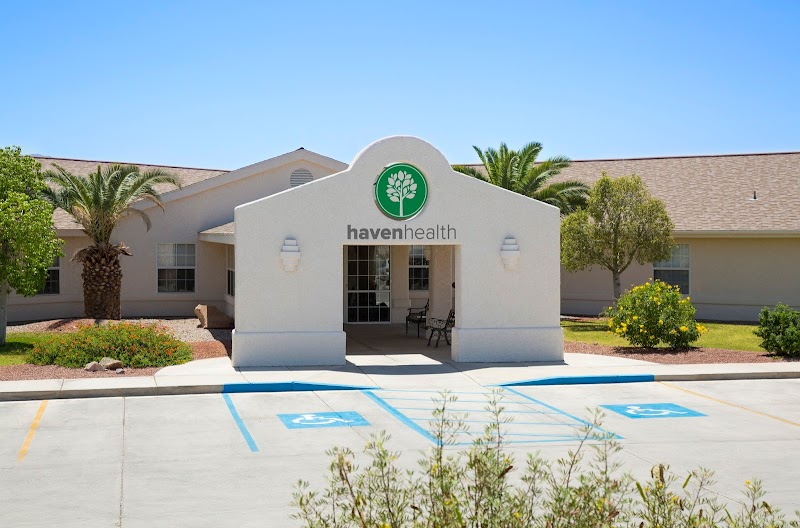
How is Haven Of Lake Havasu Staffed?

CMS rates HAVEN OF LAKE HAVASU's staffing level at 2 out of 5 stars, which is below average compared to other nursing homes. Staff turnover is 61%, which is 15 percentage points above the Arizona average of 46%. High turnover can affect care consistency as new staff learn residents' individual needs.

What Have Inspectors Found at Haven Of Lake Havasu?

State health inspectors documented 26 deficiencies at HAVEN OF LAKE HAVASU during 2022 to 2025. These included: 2 that caused actual resident harm and 24 with potential for harm. Deficiencies causing actual harm indicate documented cases where residents experienced negative health consequences.
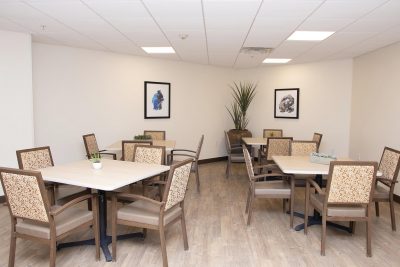
Who Owns and Operates Haven Of Lake Havasu?

HAVEN OF LAKE HAVASU is owned by a for-profit company. For-profit facilities operate as businesses with obligations to shareholders or private owners. The facility is operated by HAVEN HEALTH, a chain that manages multiple nursing homes. With 104 certified beds and approximately 84 residents (about 81% occupancy), it is a mid-sized facility located in LAKE HAVASU CITY, Arizona.

How Does Haven Of Lake Havasu Compare to Other Arizona Nursing Homes?

Compared to the 100 nursing homes in Arizona, HAVEN OF LAKE HAVASU's overall rating (3 stars) is below the state average of 3.3, staff turnover (61%) is significantly higher than the state average of 46%, and health inspection rating (2 stars) is below the national benchmark.

What Should Families Ask When Visiting Haven Of Lake Havasu?

Based on this facility's data, families visiting should ask: "What safeguards and monitoring systems are in place to protect residents from abuse or neglect?" "How do you ensure continuity of care given staff turnover, and what is your staff retention strategy?" "Can you walk me through typical staffing levels on day, evening, and night shifts?" "Can I visit during a mealtime to observe dining assistance and food quality?" These questions are particularly relevant given the substantiated abuse finding on record, the facility's high staff turnover rate, and the below-average staffing rating.

Is Haven Of Lake Havasu Safe?

Based on CMS inspection data, HAVEN OF LAKE HAVASU has documented safety concerns. The facility has 1 substantiated abuse finding (meaning confirmed case of resident harm by staff or other residents). The facility has a 3-star overall rating and ranks #100 of 100 nursing homes in Arizona. Families considering this facility should ask detailed questions about what corrective actions have been taken since these incidents.

Do Nurses at Haven Of Lake Havasu Stick Around?

Staff turnover at HAVEN OF LAKE HAVASU is high. At 61%, the facility is 15 percentage points above the Arizona average of 46%. High turnover means new staff may not know residents' individual needs, medications, or preferences. It can also be disorienting for residents, especially those with dementia who rely on familiar faces. Families should ask: What is causing the turnover? What retention programs are in place? How do you ensure care continuity during staff transitions?

Was Haven Of Lake Havasu Ever Fined?

HAVEN OF LAKE HAVASU has been fined $8,018 across 1 penalty action. This is below the Arizona average of $33,159. While any fine indicates a compliance issue, fines under $50,000 are relatively common and typically reflect isolated problems that were subsequently corrected. Families should ask what specific issues led to these fines and confirm they've been resolved.

Is Haven Of Lake Havasu on Any Federal Watch List?

HAVEN OF LAKE HAVASU is not on any federal watch list. The most significant is the Special Focus Facility (SFF) program, which identifies the bottom 1% of nursing homes nationally based on persistent, serious quality problems. Not being on this list means the facility has avoided the pattern of deficiencies that triggers enhanced federal oversight. This is a positive indicator, though families should still review the facility's inspection history directly.