THE LINGENFELTER CENTER
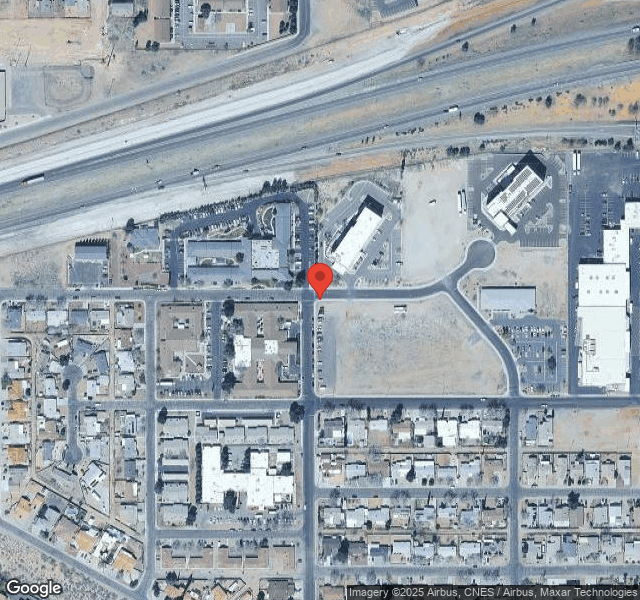
1099 SUNRISE AVENUE, KINGMAN, AZ 86401 (928) 718-4852
For profit - Corporation 88 Beds Independent Data: November 2025
Trust Grade
40/100
#123 of 139 in AZ
Last Inspection: June 2024

Within standard 12-15 month inspection cycle. Federal law requires annual inspections.

Overview

The Lingenfelter Center has received a Trust Grade of D, indicating that it is below average with some concerns about the quality of care provided. It ranks #123 out of 139 nursing homes in Arizona, placing it in the bottom half of facilities in the state, and #5 out of 6 in Mohave County, meaning there is only one local option that is better. The facility is showing improvement, with the number of issues dropping significantly from 16 in 2024 to just 1 in 2025. Staffing is a strong point, rated 4 out of 5 stars, with a turnover rate of 40% that is lower than the state average, suggesting a stable staff that knows the residents well. However, there have been concerning incidents reported, including a failure to protect residents from potential abuse, as one resident exhibited aggressive behavior towards another without adequate supervision, highlighting a significant area for improvement. Overall, while there are strengths in staffing and a trend towards improvement, families should be aware of the facility's challenges regarding resident safety and care management.

Trust Score
D
40/100
In Arizona
#123/139
Bottom 12%
Safety Record
High Risk
Review needed
Inspections
Getting Better
16 → 1 violations
Staff Stability
○ Average
40% turnover. Near Arizona's 48% average. Typical for the industry.
Penalties
✓ Good
No fines on record. Clean compliance history, better than most Arizona facilities.
Skilled Nurses
○ Average
Each resident gets 34 minutes of Registered Nurse (RN) attention daily — about average for Arizona. RNs are the most trained staff who monitor for health changes.
Violations
⚠ Watch
19 deficiencies on record. Higher than average. Multiple issues found across inspections.
★★☆☆☆
2.0
Overall Rating
★★★★☆
4.0
Staff Levels
★★★☆☆
3.0
Care Quality
★★☆☆☆
2.0
Inspection Score
Stable
2024: 16 issues
2025: 1 issues

The Good

  • 4-Star Staffing Rating · Above-average nurse staffing levels
  • Full Sprinkler Coverage · Fire safety systems throughout facility
  • No fines on record
  • Staff turnover below average (40%)

    8 points below Arizona average of 48%

Facility shows strength in staffing levels, fire safety.

The Bad

2-Star Overall Rating

Below Arizona average (3.3)

Below average - review inspection findings carefully

Staff Turnover: 40%

Near Arizona avg (46%)

Typical for the industry

The Ugly 19 deficiencies on record

May 2025 1 deficiency
CONCERN (D) 📢 Someone Reported This

A family member, employee, or ombudsman was alarmed enough to file a formal complaint

Potential for Harm - no one hurt, but risky conditions existed

Free from Abuse/Neglect (Tag F0600)

Could have caused harm · This affected 1 resident

**NOTE- TERMS IN BRACKETS HAVE BEEN EDITED TO PROTECT CONFIDENTIALITY** Based on clinical record reviews, staff interviews, facility documentation and policies and procedures, the facility failed to e...

Read full inspector narrative →
**NOTE- TERMS IN BRACKETS HAVE BEEN EDITED TO PROTECT CONFIDENTIALITY** Based on clinical record reviews, staff interviews, facility documentation and policies and procedures, the facility failed to ensure that one resident (#4) was free from physical abuse by another resident (#2). The deficient practice could result in residents suffering from injuries. Findings include: Regarding resident #4 -Resident #4 was admitted on [DATE] with diagnoses that included unspecified dementia, rash and other nonspecific skin eruption, insomnia, hypothyroidism, unspecified complications of genitourinary prosthetic device and bradycardia. An annual Minimum Data Set (MDS) assessment dated [DATE] revealed that the resident had a Brief Interview for Mental Status (BIMS) score of 12 indicating the resident had moderate cognitive impairment. The resident ' s MDS also revealed physical behavioral symptoms directed towards others that included, but was not limited to, hitting, kicking and pushing. Review of the resident ' s behavioral care plan dated September 12, 2024 revealed a problem of the resident being protective of his personal space. Review of resident #4 ' s standard care plan dated December 23, 2024 revealed a problem of the resident exhibiting negative physical behaviors as evidenced by hitting, kicking, spitting, pinching or biting towards others. A progress note dated May 5, 2025 at 16:24 by a Registered Nurse (RN/Staff #112) revealed that the resident had poor awareness of proximity to staff and other residents. The note further stated that the resident would get ' very close ' to staff and other residents and needs frequent redirection. A progress note dated May 11, 2025 at 11:50 by RN/Staff #112 revealed that resident #4 was in the dining room and entered another resident ' s (resident #2) personal space. Resident #2 balled up his right fist and swung towards resident #4 and grazed his left cheek. The residents were separated and redirected from one another. Regarding resident #2 Resident #2 was admitted on [DATE] with diagnoses that included unspecified dementia, seborrheic dermatitis, vascular dementia moderate with psychotic disturbance, anxiety disorder, unspecified mood disorder and unspecified psychosis. A quarterly MDS assessment dated [DATE] revealed that the resident had a BIMS score of 00 indicating the resident had severe cognitive impairment. Further review revealed the resident had inattention and disorganized thinking that was continuously present. The resident ' s MDS also revealed physical behavioral symptoms directed towards others that included, but was not limited to, hitting, kicking and pushing. Review of resident #4 ' s standard care plan dated November 23, 2022 revealed a problem of the resident exhibiting negative physical behaviors as evidenced by hitting, kicking, spitting, pinching or biting towards others. As well as verbal outbursts during meals and activities that disturbs others. Review of the resident ' s behavioral care plan dated December 5, 2024 revealed a problem of the resident needing supervision and redirection due to his wandering/pacing and territorial to space. A progress note dated May 11, 2025 at 11:50 by RN/Staff #112 revealed that resident #2 entered another resident ' s (resident #4) personal space. Resident #2 balled up his right fist and swung towards resident #4 and grazed his left cheek. The residents were separated and redirected from one another. An interview with a Certified Nursing Assistant (CNA/staff #64) was conducted on May 15, 2025 at 10:02 a.m. Staff #64 stated she was the one who intervened after the physical altercation. The CNA detailed that she did not see what transpired prior to the altercation but saw resident #2 attempting to take away a bedside table from resident #4. She further stated that she saw resident #2 punch resident #4 in the face and intervened with the nurse to avoid resident #4 from striking resident #2 in retaliation. The CNA recounted that the resident did make contact with the other resident and as a result resident #4 had a red mark on his face. Staff #64 stated that there were no prior altercations between the two residents. The CNA also stated that the facility has training and education for staff on abuse. Finally, the CNA stated that the facility process is to report any alleged abuse immediately which she did and reported to the nurse who then reported it to the Administrator and Director of Nursing (DON). An interview with a RN (staff #112) was conducted on May 15, 2025 at 10:10 a.m. Staff #112 stated that the two residents were very territorial, specifically resident #2 who is path driven and does things in a certain manner. The RN further detailed that Sunday morning the two gentleman ' s paths crossed and the two residents were on either side of a bedside table arguing over its placement. The RN stated that resident #2 balled up his right fist and hit resident #4 ' s left cheek. In return resident #4 balled up his fist as well but staff intervened before another punch was thrown. Staff #112 stated that she noticed slight pinkness to resident #4 ' s cheek where contact was made and there were no further injuries noted. The RN stated that she assessed resident #2 ' s right hand and his mental status and notified the altercation to the DON. She further stated that she documented the altercation in the facility ' s electronic health record. The RN stated that after the altercation the residents returned to their normal demeanors and there were no prior aggressive behaviors between the two. The RN stated that facility policy is to immediately separate the residents, assess those involved and report it as soon as possible. Staff #64 concluded by stating that the facility provides training on abuse via an annual inservice, at monthly all staff meetings and an online educational platform. An interview was conducted on May 15, 2025 at 11:04 a.m., with the Administrator (staff #73) who serves as the facilities investigator. The administrator stated that she was notified of the alleged abuse by the DON who was notified by the nurse on duty. Staff #73 detailed what was reported to her , she stated that resident #2 had been wandering in the dining area and resident #4 had come out of his room to the dining room. She further stated that resident #4 sat in a recliner that was in resident #2 ' s path that he had been pacing. The administrator stated that resident #4 grabbed a beside table and when he turned he was in resident #2 ' s path. Resident #2 then grabbed onto the table and the two were moving it back and forth between one another. Staff #73 then stated that it was reported to her that resident #2 then grazed resident #4 ' s face with a closed fist. The administrator stated that staff reported there was a connection. The administrator stated that resident #4 was immediately separated and transferred to another unit and there was an order for 1:1 monitoring with resident #2 in addition to updating both resident ' s care plans. The administrator stated that she notified all appropriate parties including the local police department during the course of her investigation. Review of facility policy signed into effect on June 1, 2020 by the administrator titled, Abuse Prevention Program, states that the facility is committed to protecting its residents from abuse by anyone including, but not necessarily limited to: facility staff, other residents, consultants, volunteers, staff from other agencies providing services to its residents, family members, legal guardians, surrogates, sponsors, friends, visitors, or any other individual.
Nov 2024 2 deficiencies
CONCERN (D) 📢 Someone Reported This

A family member, employee, or ombudsman was alarmed enough to file a formal complaint

Potential for Harm - no one hurt, but risky conditions existed

Free from Abuse/Neglect (Tag F0600)

Could have caused harm · This affected 1 resident

**NOTE- TERMS IN BRACKETS HAVE BEEN EDITED TO PROTECT CONFIDENTIALITY** Based on clinical record review, facility documentation, and staff interviews, the facility failed to ensure two residents (#3 a...

Read full inspector narrative →
**NOTE- TERMS IN BRACKETS HAVE BEEN EDITED TO PROTECT CONFIDENTIALITY** Based on clinical record review, facility documentation, and staff interviews, the facility failed to ensure two residents (#3 and #4) were provided adequate supervision to prevent resident abuse. The deficient practice could result in residents being at risk for abuse. Findings include: -Resident # 3 (alleged perpetrator) was admitted to the facility on [DATE] which include diagnoses of Hypertension, Diabetes Mellitus, Non-Alzheimer's Dementia, and Post Traumatic Stress Disorder (PTSD). Review of plan of care document titled, Standard Care Plans, dated October 29, 2024 revealed resident has confusion-poor decision making related to cognitive impairment, limited mental function and disease process. The interventions include reorient to situations as needed, anticipate needs, observe for signs and symptoms of disease, administer medications as ordered, observe for side effects and effectiveness, and note changes and notify medical doctor as needed. Review of plan of care document titled, Standard Care Plans, dated October 29, 2024 revealed resident has unsafe wandering. The interventions include monitor for any needed interventions such as alarms; monitor closely, 30 minutes safety checks as needed; notify for increased restlessness; anticipate needs such as thirst, hunger, and need to toilet; monitor for patterns and redirect to safe areas. Review of plan of care document titled, Standard Care Plans, dated October 29, 2024 revealed resident exhibits negative physical behavior manifested by hitting, kicking, spitting, pinching or biting towards others-strikes/hits/pinches/attempts to bite/scratch staff when they assist with activities of daily living or administer medications. The interventions include remove person from situation if begins to show signs of agitation in public place, remind calmly about the necessity to refrain from physical acting out. Review of plan of care document titled, Standard Care Plans, dated October 29, 2024 revealed resident require supervision and redirection from staff related to behaviors such as delusional thoughts, paranoia, verbal and physical aggression, accusatory statements, wandering, rejection of cares, agitation, and anxiousness. Review of plan of care document titled, Standard Care Plans, dated October 30, 2024 at 23:30, resident #3 was in a resident to resident altercation, resident #3 was the aggressor. The interventions included one on one conversation, reapproach, watching television, assess for injuries, and psych consult. Review of record, Medication Administration Record (MAR) dated October 31, 2024 at 01:35 revealed resident was administered Haldol and Ativan for signs and symptoms of clinical distress related to anxiety-pacing, unprovoked physical aggression-punching, short tempered and irritable, paranoia and delusions of believing resident is at home and others are intruders. Review of records from progress note titled physician's order note dated October 31, 2024 at 02:57 revealed resident-resident altercation, psych eval. Review of records from progress note titled Incident Note dated October 31, 2024 at 04:12 revealed 2 staff members heard curtains opening and several loud thuds, staff went down hall and entered room to find resident #3 pacing in circles in the middle of the room saying he did not approve of anybody else to stay in his house. Resident stated hit roommate and threw roommate out of bed. Residents separated. No injury noted to resident #3. Review of records from progress note titled Incident Follow Up dated October 31, 2024 at 10:24 revealed the provider was notified about a resident to resident incident on 10/30/2024 at 2330. Review of records from progress note titled Incident Follow Up dated October 31, 2024 at 10:32 revealed case manager informed about October 30, 2024 at 23:30 incident. Review of resident's Minimum Data Set (MDS) assessment dated [DATE] revealed a Brief Interview of Mental Status (BIMS) score of 5.0 indicating severely impaired, has difficulty focusing attention, has disorganized or incoherent thinking behavior, has physical behavioral symptoms directed towards others, and exhibited rejection of care and wandering behavior. Resident uses a walker for mobility. Resident is mostly independent with functional abilities which include walking 10 feet on uneven surfaces and bending/stoop from standing position to pick up a small object, such as a spoon, from the floor. Resident is taking Antipsychotic, Antianxiety, and Antidepressant medications. -Resident #4 (alleged victim) was admitted to the facility on [DATE] which include diagnoses of Heart Failure, Hypertension, and Non-Alzheimer's Dementia. A review of MDS admission assessment dated [DATE] revealed a BIMS score of 1.0 indicating severe impairment. Resident has difficulty focusing attention continuously. Resident exhibits physical and verbal behavioral symptoms directed towards others. Resident exhibits behaviors such as rejection of care and wandering. Resident mostly requires supervision or touching assistance with activities of daily living. Resident is taking Antipsychotic, Antidepressant, Anticoagulant, and Diuretic medications. A review of MDS quarterly assessment dated [DATE] revealed an entry date of November 3, 2023 and a BIMS score of 3.0 indicating severe impairment. Resident exhibits physical behavioral symptoms directed towards others, rejection of care and wandering. Review of records titled Standard Care Plan dated November 3, 2023 revealed resident has confusion-poor decision making related to cognitive impairment, and disease process. Review of records titled Standard Care Plan dated November 15, 2023 revealed resident has impaired verbal communication manifested by difficult expressing thoughts. Review of records titled Standard Care Plan dated November 15, 2023 revealed resident has hearing loss, and vision impairment. Review of records titled Standard Care Plan dated November 15, 2023 revealed resident has verbal behaviors making loud verbal outburst, will yell out/curse at others when uncomfortable in current situation. Review of records from progress note Communication with Family dated October 31, 2024 at 01:48 revealed resident's family member was notified about an incident earlier and skin tear to right elbow and resident to move to another location within the facility. Review of records from progress note Physician's Order Note dated October 31, 2024 at 02:58 revealed regarding resident to resident altercation: 1.17 by 5 cm (centimeter) bruise to mid-back, LOTA (leave open to air). Review of records Incident Note in progress note dated October 31, 2024 at 04:19 revealed 2 staff members heard curtains opening and several loud thuds, staff went down hall and entered room to find resident #4 (alleged victim) on ground next to bed on his right side. Residents separated and resident #4 assessed for any injury with skin tear to right elbow and bruising to mid back. Resident #4 stated the roommate just started hitting and dragged him onto the floor. Resident #4 was assisted up onto bed for treatment to right elbow and to get dressed. Review of records titled Standard Care Plan dated October 31, 2024 revealed resident was in a resident to resident altercation. Resident #4 was not the aggressor. The intervention includes psych eval. Review of records, Clinical Census, dated October 31, 2024 revealed resident #4 was moved to another location within the facility. Review of records titled, N Adv-Skin Check-V 13, effective date 10/31/2024 04:22 revealed skin issues note skin tear to right elbow. Bruising to mid back. Review of records dated November 14, 2024 revealed resident #3 and resident #4 were roommates since October 29, 2024. An interview was conducted on November 13, 2024 at 2:40 pm with a certified nursing assistant (CNA)/resident care coordinator (RCC)/Staff #45. Staff #45 stated that her role consist of helping train CNAs to ensure they do everything for the resident. They are a CNA training facility, and after attending their training class, their students can work on their unit as helping hand while in training. Staff #45 stated that one of their halls is dedicated for male residents only. Regarding new resident admission, Staff #45 stated that they go with a nurse and start a new resident body survey to assess if they have any marks or wounds, and then the nurse documents their skin assessment and also takes the resident's vital signs. In addition, for new residents, their director of nursing (DON) will give them an admit packet to review any intervention relating to their new resident. For instance, do they need a wheelchair, turning or changing position schedule, are they fall risk, or are they coming with a wound. Staff #45 stated that when some of their residents have verbal outburst, they talk to them, they take them to their courtyard, to the bathroom, or they give them snack, provide activity to help deescalate the behavior or they help redirect them to calm them down. Staff #45 stated that they have monthly in-services to go over abuse, and different behaviors. Staff #45 stated that regarding resident #3, resident is [NAME] new to them and resident forgets due to sundown. And, in their all male resident hall, they have two CNAs and one nurse scheduled for day and night shifts. An interview was conducted on November 13, 2024 at 3:03 pm with a licensed practical nurse (LPN)/Quality Assurance Nurse (QA)/Staff #90. Staff #90 stated that for their new admitted resident, the floor nurse will do skin assessment, they go over the new orders, vaccines, and tuberculosis. The skin assessment is done to check for bruises, rashes, or open areas. Their newly admitted residents are on a 72-hours every 30 -minute safety check. The flowsheet for their safety check is in the resident's' room. Furthermore, regarding altercation between residents, they do investigation, their floor nurse immediately separate the residents, they assess for injuries and do evaluation. If they are roommates, one will stay in another room and will eventually be moved to another room or hall after family notification. On November 13, 2024 at 3:15 pm, resident #3 sleeping in bed and was unable to interview. An interview was conducted on November 13, 2024 at 4:26 pm with a CNA/Staff #123. Staff #123 stated that they are provided a care plan to review what their residents' needs are. They grab a care plan sheet every morning which has the following information: names of their residents, type of fluids, floor pad, 2-hour turning, and toileting, etc. The care plan sheet is printed out by their RCC. Staff #123 stated that regarding resident #4, the resident care plan is every 2-hour toileting and turning, resident has a bed pad alarm for fall risk precaution, resident can talk and walk, cooperative, and had an altercation with another resident in the other hall. Staff #123 stated that the other resident hit resident #4 and resident #4 was moved to their hall to be away from the resident who hit resident #4. Regarding resident to resident altercation their intervention is to separate them right away, and report to the nurse. An interview was conducted on November 13, 2024 at 4:39 pm with resident #4. Resident was sitting in the dining area, and observed a scab on their right outer elbow. Resident #4 stated that he scratched it and that no one had hurt her. An interview was conducted on November 13, 2024 at 4:42 pm with a registered nurse (RN)/Staff #125. Staff #125 works in the mixed female and male hall. Staff #125 stated that when there is a resident to resident altercation, they separate them. Regarding resident care, their CNAs carry a pocket care plan, which is updated daily and they get it at the beginning of their shift. The RCC calls for any updates or changes regarding their residents so the RCC can make changes and update the pocket care plan. Regarding resident #4, Staff #125 stated that the resident was moved because there was concern about their roommate at the other hall, and the concern happened during night shift, and staff #125 is not familiar with the event. In addition, staff #125 stated that if they notice any tension from the residents, they separate them, they redirect them, and they provide reassurance. Some of their residents have an every 15-minute check typically due to a fall. They also check them on a regular basis when their passing medications, when walking in the hall, and they do a every 30-minute check start with their new admission for the first 48 hours. On November 14, 2024 at 09:06 am, resident #3 was unable to be interviewed. Resident sleeping. An interview was conducted on November 14, 2024 at 09:15 am with a CNA/Staff #60. Staff #60 stated that she heard about resident #3 incident, which the resident hit the other resident, and that happened in the middle of the night couple weeks ago. Regarding staffing, staff #60 stated that for 22 residents, there is an average of two CNAs and one nurse and sometimes they also have the helping hand staff scheduled. An interview was conducted on November 14, 2024 at 10:25 am with the administrator/Staff #31 and present during the interview was the DON/Staff #32. The administrator stated that regarding their abuse policy, their staff reports it directly to the administrator or the DON. Their staff separates the residents, they get their statement from staff and their residents, report the abuse incident, and finish their investigation. The administrator stated that they were informed about the potential resident to resident altercation, their investigation started, their staff were in a one on one with the resident, they performed skin assessment, one resident was moved to another unit, they informed their psych provider, ombudsman, the department, their physician, and their case manager. The administrator stated that regarding resident #3, they did not find any apparent injury and resident #3 made a statement that someone was in their house. And, regarding resident #4, the administrator stated that their nurse indicated that the resident was found on the floor, had a skin tear on the elbow, and an abrasion on their back. The administrator added that resident #4 regularly sit in a recliner, and a week or 2 prior to the incident, resident #4 had slid off the bed in regards to potential abrasion on his back. On November 15, 2024 at 09:49 am, LPN/Staff #129 returned a call for an interview. Staff #129 stated that they work 12-hours night shift and they remembered the incident with resident #3. Staff #129 stated that around 11:30 pm at night, they were up in the desk with one CNA and the other CNA was out on lunch, they were making their vital signs paper for the next day, and staff #129 was not sure what the other CNA was doing, and staff #129 heard a loud noise, curtains divider had been closed previous and heard the sound of the curtain opening so they went down the hallway. They found resident #3 pacing in the room, and the other resident/roommate was on the ground. Resident #3 was talking to themselves and the other resident just on the ground. Resident #3 was assessed with no injury and the other resident 's elbow had a big new skin tear on their right forearm/elbow that was bleeding like it was fresh. They separated the residents, they called the on-call supervisor, they took resident #3 to the dining room and they treated the roommate's skin tear by cleansing their skin tear and assessing for any other injuries. Regarding their training, Staff #129 stated that they have monthly in services, they have the crisis to care training bi yearly or yearly, and a training hand and hand for de-escalation and redirection. Review of facility's policy titled, Abuse Prevention Program, has no issued date and no review or revised date revealed it is the policy of this facility for our residents to have the right to be free from abuse. Review of facility's policy titled, Resident Rights, has no issued date and no review or revised date revealed the facility policy is will make every effort to assist each resident in exercising his/her rights to assure that the resident is always treated with respect, kindness, and dignity.
CONCERN (D) 📢 Someone Reported This

A family member, employee, or ombudsman was alarmed enough to file a formal complaint

Potential for Harm - no one hurt, but risky conditions existed

Accident Prevention (Tag F0689)

Could have caused harm · This affected 1 resident

**NOTE- TERMS IN BRACKETS HAVE BEEN EDITED TO PROTECT CONFIDENTIALITY** Based on clinical record review, facility documentation, and staff interviews, the facility failed to ensure two residents (#3 a...

Read full inspector narrative →
**NOTE- TERMS IN BRACKETS HAVE BEEN EDITED TO PROTECT CONFIDENTIALITY** Based on clinical record review, facility documentation, and staff interviews, the facility failed to ensure two residents (#3 and #4) were provided adequate supervision to prevent resident abuse. The deficient practice could result in residents being at risk for abuse. Findings include: -Resident # 3 (alleged perpetrator) was admitted to the facility on [DATE] which include diagnoses of Hypertension, Diabetes Mellitus, Non-Alzheimer's Dementia, and Post Traumatic Stress Disorder (PTSD). Review of plan of care document titled, Standard Care Plans, dated October 29, 2024 revealed resident has confusion-poor decision making related to cognitive impairment, limited mental function and disease process. The interventions include reorient to situations as needed, anticipate needs, observe for signs and symptoms of disease, administer medications as ordered, observe for side effects and effectiveness, and note changes and notify medical doctor as needed. Review of plan of care document titled, Standard Care Plans, dated October 29, 2024 revealed resident has unsafe wandering. The interventions include monitor for any needed interventions such as alarms; monitor closely, 30 minutes safety checks as needed; notify for increased restlessness; anticipate needs such as thirst, hunger, and need to toilet; monitor for patterns and redirect to safe areas. Review of plan of care document titled, Standard Care Plans, dated October 29, 2024 revealed resident exhibits negative physical behavior manifested by hitting, kicking, spitting, pinching or biting towards others-strikes/hits/pinches/attempts to bite/scratch staff when they assist with activities of daily living or administer medications. The interventions include remove person from situation if begins to show signs of agitation in public place, remind calmly about the necessity to refrain from physical acting out. Review of plan of care document titled, Standard Care Plans, dated October 29, 2024 revealed resident require supervision and redirection from staff related to behaviors such as delusional thoughts, paranoia, verbal and physical aggression, accusatory statements, wandering, rejection of cares, agitation, and anxiousness. Review of plan of care document titled, Standard Care Plans, dated October 30, 2024 at 23:30, resident #3 was in a resident to resident altercation, resident #3 was the aggressor. The interventions included one on one conversation, reapproach, watching television, assess for injuries, and psych consult. Review of record, Medication Administration Record (MAR) dated October 31, 2024 at 01:35 revealed resident was administered Haldol and Ativan for signs and symptoms of clinical distress related to anxiety-pacing, unprovoked physical aggression-punching, short tempered and irritable, paranoia and delusions of believing resident is at home and others are intruders. Review of records from progress note titled physician's order note dated October 31, 2024 at 02:57 revealed resident-resident altercation, psych eval. Review of records from progress note titled Incident Note dated October 31, 2024 at 04:12 revealed 2 staff members heard curtains opening and several loud thuds, staff went down hall and entered room to find resident #3 pacing in circles in the middle of the room saying he did not approve of anybody else to stay in his house. Resident stated hit roommate and threw roommate out of bed. Residents separated. No injury noted to resident #3. Review of records from progress note titled Incident Follow Up dated October 31, 2024 at 10:24 revealed the provider was notified about a resident to resident incident on 10/30/2024 at 2330. Review of records from progress note titled Incident Follow Up dated October 31, 2024 at 10:32 revealed case manager informed about October 30, 2024 at 23:30 incident. Review of resident's Minimum Data Set (MDS) assessment dated [DATE] revealed a Brief Interview of Mental Status (BIMS) score of 5.0 indicating severely impaired, has difficulty focusing attention, has disorganized or incoherent thinking behavior, has physical behavioral symptoms directed towards others, and exhibited rejection of care and wandering behavior. Resident uses a walker for mobility. Resident is mostly independent with functional abilities which include walking 10 feet on uneven surfaces and bending/stoop from standing position to pick up a small object, such as a spoon, from the floor. Resident is taking Antipsychotic, Antianxiety, and Antidepressant medications. -Resident #4 (alleged victim) was admitted to the facility on [DATE] which include diagnoses of Heart Failure, Hypertension, and Non-Alzheimer's Dementia. A review of MDS admission assessment dated [DATE] revealed a BIMS score of 1.0 indicating severe impairment. Resident has difficulty focusing attention continuously. Resident exhibits physical and verbal behavioral symptoms directed towards others. Resident exhibits behaviors such as rejection of care and wandering. Resident mostly requires supervision or touching assistance with activities of daily living. Resident is taking Antipsychotic, Antidepressant, Anticoagulant, and Diuretic medications. A review of MDS quarterly assessment dated [DATE] revealed an entry date of November 3, 2023 and a BIMS score of 3.0 indicating severe impairment. Resident exhibits physical behavioral symptoms directed towards others, rejection of care and wandering. Review of records titled Standard Care Plan dated November 3, 2023 revealed resident has confusion-poor decision making related to cognitive impairment, and disease process. Review of records titled Standard Care Plan dated November 15, 2023 revealed resident has impaired verbal communication manifested by difficult expressing thoughts. Review of records titled Standard Care Plan dated November 15, 2023 revealed resident has hearing loss, and vision impairment. Review of records titled Standard Care Plan dated November 15, 2023 revealed resident has verbal behaviors making loud verbal outburst, will yell out/curse at others when uncomfortable in current situation. Review of records from progress note Communication with Family dated October 31, 2024 at 01:48 revealed resident's family member was notified about an incident earlier and skin tear to right elbow and resident to move to another location within the facility. Review of records from progress note Physician's Order Note dated October 31, 2024 at 02:58 revealed regarding resident to resident altercation: 1.17 by 5 cm (centimeter) bruise to mid-back, LOTA (leave open to air). Review of records Incident Note in progress note dated October 31, 2024 at 04:19 revealed 2 staff members heard curtains opening and several loud thuds, staff went down hall and entered room to find resident #4 (alleged victim) on ground next to bed on his right side. Residents separated and resident #4 assessed for any injury with skin tear to right elbow and bruising to mid back. Resident #4 stated the roommate just started hitting and dragged him onto the floor. Resident #4 was assisted up onto bed for treatment to right elbow and to get dressed. Review of records titled Standard Care Plan dated October 31, 2024 revealed resident was in a resident to resident altercation. Resident #4 was not the aggressor. The intervention includes psych eval. Review of records, Clinical Census, dated October 31, 2024 revealed resident #4 was moved to another location within the facility. Review of records titled, N Adv-Skin Check-V 13, effective date 10/31/2024 04:22 revealed skin issues note skin tear to right elbow. Bruising to mid back. Review of records dated November 14, 2024 revealed resident #3 and resident #4 were roommates since October 29, 2024. An interview was conducted on November 13, 2024 at 2:40 pm with a certified nursing assistant (CNA)/resident care coordinator (RCC)/Staff #45. Staff #45 stated that her role consist of helping train CNAs to ensure they do everything for the resident. They are a CNA training facility, and after attending their training class, their students can work on their unit as helping hand while in training. Staff #45 stated that one of their halls is dedicated for male residents only. Regarding new resident admission, Staff #45 stated that they go with a nurse and start a new resident body survey to assess if they have any marks or wounds, and then the nurse documents their skin assessment and also takes the resident's vital signs. In addition, for new residents, their director of nursing (DON) will give them an admit packet to review any intervention relating to their new resident. For instance, do they need a wheelchair, turning or changing position schedule, are they fall risk, or are they coming with a wound. Staff #45 stated that when some of their residents have verbal outburst, they talk to them, they take them to their courtyard, to the bathroom, or they give them snack, provide activity to help deescalate the behavior or they help redirect them to calm them down. Staff #45 stated that they have monthly in-services to go over abuse, and different behaviors. Staff #45 stated that regarding resident #3, resident is [NAME] new to them and resident forgets due to sundown. And, in their all male resident hall, they have two CNAs and one nurse scheduled for day and night shifts. An interview was conducted on November 13, 2024 at 3:03 pm with a licensed practical nurse (LPN)/Quality Assurance Nurse (QA)/Staff #90. Staff #90 stated that for their new admitted resident, the floor nurse will do skin assessment, they go over the new orders, vaccines, and tuberculosis. The skin assessment is done to check for bruises, rashes, or open areas. Their newly admitted residents are on a 72-hours every 30 -minute safety check. The flowsheet for their safety check is in the resident's' room. Furthermore, regarding altercation between residents, they do investigation, their floor nurse immediately separate the residents, they assess for injuries and do evaluation. If they are roommates, one will stay in another room and will eventually be moved to another room or hall after family notification. On November 13, 2024 at 3:15 pm, resident #3 sleeping in bed and was unable to interview. An interview was conducted on November 13, 2024 at 4:26 pm with a CNA/Staff #123. Staff #123 stated that they are provided a care plan to review what their residents' needs are. They grab a care plan sheet every morning which has the following information: names of their residents, type of fluids, floor pad, 2-hour turning, and toileting, etc. The care plan sheet is printed out by their RCC. Staff #123 stated that regarding resident #4, the resident care plan is every 2-hour toileting and turning, resident has a bed pad alarm for fall risk precaution, resident can talk and walk, cooperative, and had an altercation with another resident in the other hall. Staff #123 stated that the other resident hit resident #4 and resident #4 was moved to their hall to be away from the resident who hit resident #4. Regarding resident to resident altercation their intervention is to separate them right away, and report to the nurse. An interview was conducted on November 13, 2024 at 4:39 pm with resident #4. Resident was sitting in the dining area, and observed a scab on their right outer elbow. Resident #4 stated that he scratched it and that no one had hurt her. An interview was conducted on November 13, 2024 at 4:42 pm with a registered nurse (RN)/Staff #125. Staff #125 works in the mixed female and male hall. Staff #125 stated that when there is a resident to resident altercation, they separate them. Regarding resident care, their CNAs carry a pocket care plan, which is updated daily and they get it at the beginning of their shift. The RCC calls for any updates or changes regarding their residents so the RCC can make changes and update the pocket care plan. Regarding resident #4, Staff #125 stated that the resident was moved because there was concern about their roommate at the other hall, and the concern happened during night shift, and staff #125 is not familiar with the event. In addition, staff #125 stated that if they notice any tension from the residents, they separate them, they redirect them, and they provide reassurance. Some of their residents have an every 15-minute check typically due to a fall. They also check them on a regular basis when their passing medications, when walking in the hall, and they do a every 30-minute check start with their new admission for the first 48 hours. On November 14, 2024 at 09:06 am, resident #3 was unable to be interviewed. Resident sleeping. An interview was conducted on November 14, 2024 at 09:15 am with a CNA/Staff #60. Staff #60 stated that she heard about resident #3 incident, which the resident hit the other resident, and that happened in the middle of the night couple weeks ago. Regarding staffing, staff #60 stated that for 22 residents, there is an average of two CNAs and one nurse and sometimes they also have the helping hand staff scheduled. An interview was conducted on November 14, 2024 at 10:25 am with the administrator/Staff #31 and present during the interview was the DON/Staff #32. The administrator stated that regarding their abuse policy, their staff reports it directly to the administrator or the DON. Their staff separates the residents, they get their statement from staff and their residents, report the abuse incident, and finish their investigation. The administrator stated that they were informed about the potential resident to resident altercation, their investigation started, their staff were in a one on one with the resident, they performed skin assessment, one resident was moved to another unit, they informed their psych provider, ombudsman, the department, their physician, and their case manager. The administrator stated that regarding resident #3, they did not find any apparent injury and resident #3 made a statement that someone was in their house. And, regarding resident #4, the administrator stated that their nurse indicated that the resident was found on the floor, had a skin tear on the elbow, and an abrasion on their back. The administrator added that resident #4 regularly sit in a recliner, and a week or 2 prior to the incident, resident #4 had slid off the bed in regards to potential abrasion on his back. On November 15, 2024 at 09:49 am, LPN/Staff #129 returned a call for an interview. Staff #129 stated that they work 12-hours night shift and they remembered the incident with resident #3. Staff #129 stated that around 11:30 pm at night, they were up in the desk with one CNA and the other CNA was out on lunch, they were making their vital signs paper for the next day, and staff #129 was not sure what the other CNA was doing, and staff #129 heard a loud noise, curtains divider had been closed previous and heard the sound of the curtain opening so they went down the hallway. They found resident #3 pacing in the room, and the other resident/roommate was on the ground. Resident #3 was talking to themselves and the other resident just on the ground. Resident #3 was assessed with no injury and the other resident 's elbow had a big new skin tear on their right forearm/elbow that was bleeding like it was fresh. They separated the residents, they called the on-call supervisor, they took resident #3 to the dining room and they treated the roommate's skin tear by cleansing their skin tear and assessing for any other injuries. Regarding their training, Staff #129 stated that they have monthly in services, they have the crisis to care training bi yearly or yearly, and a training hand and hand for de-escalation and redirection. Review of facility's policy titled, Abuse Prevention Program, has no issued date and no review or revised date revealed it is the policy of this facility for our residents to have the right to be free from abuse. Review of facility's policy titled, Resident Rights, has no issued date and no review or revised date revealed the facility policy is will make every effort to assist each resident in exercising his/her rights to assure that the resident is always treated with respect, kindness, and dignity.
Jun 2024 12 deficiencies
CONCERN (D) 📢 Someone Reported This

A family member, employee, or ombudsman was alarmed enough to file a formal complaint

Potential for Harm - no one hurt, but risky conditions existed

Free from Abuse/Neglect (Tag F0600)

Could have caused harm · This affected 1 resident

**NOTE- TERMS IN BRACKETS HAVE BEEN EDITED TO PROTECT CONFIDENTIALITY** Based on documentation, staff interviews, and the facility policy and procedures, the facility failed to ensure that resident (#...

Read full inspector narrative →
**NOTE- TERMS IN BRACKETS HAVE BEEN EDITED TO PROTECT CONFIDENTIALITY** Based on documentation, staff interviews, and the facility policy and procedures, the facility failed to ensure that resident (#69) to resident (#25) abuse did not occur with two residents. The deficient practice could result in residents being physically and emotionally injured. Findings include: Resident #69 was admitted to the facility on [DATE] with diagnoses that included dementia in other diseases classified elsewhere, severe, with behavioral, mood, and psychotic disturbance. The minimum data set (MDS) dated [DATE] included a brief interview for mental status score of 7 indicating the resident had a severe cognitive impairment. A progress note dated December 2, 2023 revealed that the resident wandered about the unit approaching others' personal space and attempted to push residents who were in their wheelchairs and Geri chairs around. A progress note dated December 4, 2023 revealed that the resident was observed rapidly pacing around the unit. She was moving furniture and other residents. She appeared to be talking to people who weren't there. The care plan dated December 20, 2023 revealed that the resident engages in unsafe wandering related to a decline in cognitive status, poor decisions, puts her at risk of falling during elopement attempts or upsetting other residents. Interventions included to monitor for any needed interventions such as alarms, etc. Monitor closely, and 30-minute safety checks as needed. Monitor the resident's patterns and redirect her to safe areas. Progress notes dated December 21, 2023 revealed that the resident wanders aimlessly or non-goal directed. Wandering behavior is likely to affect the safety or well-being of self and others. Wandering behavior is likely to affect the privacy of others. Progress note dated December 29, 2023 revealed that the resident entered another resident's room and the other resident started to yell at her to leave her room. Progress note dated January 8, 2024 revealed that the resident was wandering in the dining room and talking out loud. Another resident pulled resident #69 down and the two residents began yelling loudly and grabbing each others arms. The two residents were separated. Resident #69 did not have any injuries. A behavior care plan note dated January 8, 2024 revealed that the resident was a victim in a resident to resident altercation. Provide the resident with a psych consultation for increased behaviors. -Resident #25 was admitted to the facility on [DATE] with diagnoses that included unspecified dementia with anxiety, major depressive disorder, and a delusional disorder. The care plan dated November 8, 2022 revealed that the resident exhibits negative physical behavior manifested by: hitting, kicking, spitting, pinching or biting towards others. She strikes out, hits, pinches, and attempts to bite/scratch staff when they assist with activities of daily living (ADLs) or administer medications. Interventions included to provide a calm, non-rushed environment and to provide individualized attention and time with a goal to be free of physical altercations with injury involving other residents. The minimum data set (MDS) dated [DATE] included a brief interview for mental status score of 1 indicating the resident had a severe cognitive impairment. The behavioral care plan dated January 11, 2024 states that the resident requires frequent supervision and redirection from staff as she frequently enters other residents' space, makes loud inappropriate comments, and becomes physically aggressive with staff including hitting, punching, grabbing, kicking, and scratching during redirection and cares. I have frequent outbursts of unprovoked crying. I have also been involved in a resident altercation where I was the aggressor. She becomes physically aggressive when others enter her personal space. Interventions included to monitor the resident via 15-minute safety checks and will be redirected if noted to be entering others personal space or becoming verbally/physically aggressive. Progress note dated December 25, 2023 reveals that the resident is observed to have increased behaviors during meal times. The resident yells loudly and constantly at staff and other residents, swearing and name calling. Progress note dated December 29, 2023 revealed that the resident became combative with a certified nursing assistant (CNA) during care. She cussed and slapped at the CNA. Progress note dated January 1, 2024 revealed that the resident was redirected from yelling at other residents three times. Progress note dated January 6, 2024 revealed that the resident was grabbing and pinching staff while being provided care. Review of the progress note dated January 8, 2024 revealed that while resident #25 was sitting in the dining room, she was showing signs of increased anxiety. Another resident was walking close to her and both residents began yelling loudly, while grabbing onto each other. The two residents were separated. Resident #25 had a 2.5 cm long superficial scratch to her upper left arm. Review of the 5-day written investigation dated January 12, 2024 per review of the camera system, resident #25 was sitting in her wheelchair when she was approached from behind by resident #69, who appeared to lean around the wheelchair. Resident #25 grabbed resident #69's arm and pulled her down towards herself. The staff intervened and skin checks were completed on both residents. Resident #25 had a small scratch to her upper left arm. There were three staff statements included in the investigation and all three staff stated that the two residents were grabbing and holding onto each other and yelling. An interview was conducted on June 6, 2024 at 1:45 p.m. with the Administrator (staff #103), who stated that resident #69 was trying to push resident #25's wheelchair. Resident #69 bent down and resident #26 pulled resident #69 down. She stated that she watched the video of the incident and the staff intervened immediately and separated the residents. She agreed that this was resident to resident abuse, but thought that her staff interceded quickly. The facility policy, Abuse Prohibition stated that it is the policy of this facility to screen and train employees to provide for the protection of residents and for the prevention, identification, investigation, and reporting of abuse, exploitation, neglect, mistreatment, and misappropriation of property.
CONCERN (D)

Potential for Harm - no one hurt, but risky conditions existed

Transfer Requirements (Tag F0622)

Could have caused harm · This affected 1 resident

**NOTE- TERMS IN BRACKETS HAVE BEEN EDITED TO PROTECT CONFIDENTIALITY** Based on clinical record review, staff interviews, and review of facility policies and procedures, the facility failed to ensure...

Read full inspector narrative →
**NOTE- TERMS IN BRACKETS HAVE BEEN EDITED TO PROTECT CONFIDENTIALITY** Based on clinical record review, staff interviews, and review of facility policies and procedures, the facility failed to ensure one resident's (#70) clinical record included the required information for discharge. The deficient practice could result in residents not having a safe and effective transition of care. Findings include: Resident #70 was admitted on [DATE] with diagnosis including recurrent major depressive disorder, pneumonia, dementia with mood disturbance, agitation and psychotic disturbance, anemia, wandering, insomnia and hypertension. A review of the electronic health record for resident #70 revealed two short-term unplanned hospital discharges, one on November 7, 2023 and the other on February 12, 2024. A review of the quarterly MDS (minimum data set) dated March 15, 2024 revealed a BIMS (brief interview of mental status) score of 3, suggesting severe cognitive impairment. A review of the progress notes revealed that notifications for both of the aforenoted hospital discharges transpired timely. A progress noted dated November 7, 2023 revealed a communication entry noting that the nurse had call the resident's doctor and notify him of what had happened, vital signs, and signs/ symptoms the resident was experiencing. A review of the physician orders revealed an order on February 12, 2024 noting that the resident is to be sent to 'KRMC' ([NAME] Regional Medical Center). However, there was no evidence of a physician order evident for the hospitalization on November 7, 2023. An interview was conducted on May 5, 2024 at 12:15 P.M. with staff #1 , CNA (certified nursing assistants). Staff #1 stated that generally CNA's ready the resident for discharge and the nurses conduct the notifications, to include notifying the doctor and obtaining the necessary orders. Staff #1 stated that there is a guide available that breaks down the steps to make sure nothing is missed. An interview was conducted on June 6, 2024 at 12:23 PM with staff #101, LPN (licensed practical nurse). Staff #101 stated that an order is required any time that a resident is transferred out of the facility and that this would include hospitalizations. Staff #101 further stated that notification of family, case manager and doctor also needed to transpire and that the notifications are generally done by the charge nurse. Staff #101 stated that the facility has a resource binder on each hall that contains a step by step process on what need to happen for a hospitalization to include who is responsible for what step of the process. She stated that if it's an emergent situation, that the order might not immediately be noted in the record but should within a few days of the transfer to the hospital. An interview was conducted on June 6, 2024 at 12:42 P.M. with staff #19, DON (director of nursing). Staff #19 stated that the facility was unable to find the physician order for the hospital transfer on November 7, 2023. She stated that the expectation would be that an order is in place for each hospital transfer. She stated that the nursing staff have a guide in place that tells the staff the steps that they have to take for a discharge to the emergency department or hospital. Staff #19 stated that the risk could include potential liability for the nurse and the facility. A review for the facility policy entitled Transfer and discharge date d December 2, 2021 revealed that if a transfer is necessary for the resident's welfare or that their needs can't be met in the facility, or due to an improvement in the resident's health where they no longer need the services of the facility or the resident has failed to pay after reasonable and appropriate notice, then the physician will provide documentation in the clinical record.
CONCERN (D)

Potential for Harm - no one hurt, but risky conditions existed

Deficiency F0657 (Tag F0657)

Could have caused harm · This affected 1 resident

**NOTE- TERMS IN BRACKETS HAVE BEEN EDITED TO PROTECT CONFIDENTIALITY** Based on clinical record review, staff interviews and policy review, the facility failed to ensure that one resident's (#76) car...

Read full inspector narrative →
**NOTE- TERMS IN BRACKETS HAVE BEEN EDITED TO PROTECT CONFIDENTIALITY** Based on clinical record review, staff interviews and policy review, the facility failed to ensure that one resident's (#76) care planned interventions were reassessed for effectiveness and revised as needed. The deficient practice could result in a care plan that does not meet the resident's needs. Findings include: Resident #76 was admitted on [DATE] with diagnoses that included chronic obstructive pulmonary disease, malignant neoplasm of left bronchus, metabolic encephalopathy, dementia, major depressive disorder, and insomnia. A care plan dated December 26, 2023 indicated that resident has an order for psychotropic medications and exhibits behavior of psychosis and difficulty sleeping related to depression. Interventions include to administer medication per physician orders, medication use to be evaluated every 4 months and tapered to the lowest effective dose, notify nurse if increase in lethargy or change in behaviors or cognitive function. Review of the quarterly Minimum Data Set (MDS) assessment dated [DATE] revealed a Brief Interview for Mental Status score of 00 indicating that resident had severe cognitive impairment. The MDS also indicated that resident exhibited physical behavioral symptoms directed towards others 4-6 days during the assessment period. Additionally, he exhibited verbal behavioral symptoms directed towards other 1-3 days during the assessment period. The resident also exhibited other behavioral symptoms not directed towards others 1-3 days during the assessment period. The assessment also indicated that resident exhibited rejection of care 4-6 days during the assessment period. The resident also exhibited behavior of wandering which occurred 4-6 days during the assessment period. A behavior note dated May 15, 2024, timestamped 4:37 (a.m.) documented that resident was up wandering all throughout shift in and out of others rooms. The note indicated that resident was turning on lights and talking loudly, and waking others. Resident was redirected several times throughout shift. Review of a communication note dated May 15, 2024 documented that provider was consulted regarding resident not sleeping, going in others' rooms, turning on lights, and talking loudly. The note stated that provider will come in to see resident. A physician visit note dated May 16, 2024 documented that provider came in to see resident and that new orders were received. A physician's order note dated May 16, 2024 documented that resident prescription was increased to Seroquel 50 mg at hour of sleep. The note indicated to keep the resident awake during day shift at much as possible. Review of a skilled evaluation note dated May 16, 2024 and May 18, 2024 through May 21, 2024 stated that resident sleeps intermittently and wanders at night. A behavior note dated May 22, 2024, timestamped 4:47 (a.m.) documented that resident was up wandering and rummaging about room. The note stated that when resident was approached he became physically and verbally aggressive. Review of a neurologic focused evaluation note dated May 23, 2024 and skilled evaluation note from May 26, 2024 through May 29, 2024 documented that resident sleeps intermittently and wanders at night. A skilled evaluation note dated May 31, 2024, a long-term care evaluation note dated June 2, 2024 and a neurologic focused evaluation note dated June 4, 2024 indicated that resident sleeps intermittently and resident wanders at night. During dining observation of residents conducted on June 3, 2024 at 12:42 p.m., resident #76 was not observed in the dining room. Staff indicated to the administrator (staff #103) that resident did not want to leave the room since he was tired and did not want to eat. Further review of the resident's clinical record did not indicate that the resident's intermittent sleep pattern was addressed despite numerous instances/documentation's that resident was sleeping intermittently. Additionally, there was no evidence that provider was notified of this continued behavior since resident's medication was adjusted and provider was last notified of behavior on May 15, 2024. An interview with a Licensed Practical Nurse (LPN/staff #101) was conducted on June 6, 2024 at 9:30 a.m. Staff #101 stated that typically if they see residents are having sleep issues, they talk with the doctor. Normally, they refer to psych doctor and prescribed Melatonin or Ativan if they have increased anxiety. Staff #101 noted that it is a nursing job to recognize if a resident is experiencing insomnia and relay that information to the provider. The LPN stated that if a resident is uncomfortable due to lack of sleep, they can become agitated. This would be documented in PCC (Point Click Care) and that it was communicated to the doctor. Staff #101 noted that each specific behavior as it pertains to the resident is in the care plan. The LPN said that nursing staff can add or discontinue items on care plan. Staff #101 said that for insomnia, care plan would state if doctor had prescribed a medication. Staff #101 stated non-pharmacological approaches would be noted in behavior note in PCC, might include taking a walk, putting on music. Staff #101 stated that if there is an increased pattern a psych eval is initiated to determine if medications need to be changed or increased. During an interview with the Director of Nursing (DON/staff #19) conducted on June 6, 2024 at 1:41 p.m., staff #19 noted that care planning for issues ensures that behaviors are monitored and that interventions are in place to help residents. The DON stated that care plans are important so that the different caregivers know how to care and meet the needs of the resident. Staff #19 said that the impact of not addressing issues is that it could cause discomfort to resident and caregivers will not know how to re-direct behavior or if there is an increase in behavior. Staff #19 stated that with regards to resident #76, she acknowledged that the care plan should have been more updated. The facility policy titled Comprehensive Care Plan signed June 1, 2020 indicated that assessments of residents are ongoing and care plans are revised as information about the resident and resident's condition change. The policy noted that an individualized comprehensive care plan that includes measurable objectives and time tables to meet the resident's medical, nursing, mental, and psychological needs is developed for each resident. Review of the facility policy titled Behavior Monitoring Policy and Procedure signed June 1, 2020 indicated that nurses will document behavior information, interventions, and resident responses as needed. Should behavior have a significant change the nurse will notify the attending physician for orders for psych consult as determined needed for assistance in assessing the resident, identifying causes, and developing a care plan for intervention and management. The policy further noted that the care plan will be updated to include known triggers to behavior and interventions.
CONCERN (D)

Potential for Harm - no one hurt, but risky conditions existed

Deficiency F0658 (Tag F0658)

Could have caused harm · This affected 1 resident

**NOTE- TERMS IN BRACKETS HAVE BEEN EDITED TO PROTECT CONFIDENTIALITY** Based on clinical record review, interviews, and facility policy, the facility failed to ensure that ordered fluid restrictions ...

Read full inspector narrative →
**NOTE- TERMS IN BRACKETS HAVE BEEN EDITED TO PROTECT CONFIDENTIALITY** Based on clinical record review, interviews, and facility policy, the facility failed to ensure that ordered fluid restrictions were followed for one resident (#21) on dialysis. The deficient practice could result in the potential for complications and fluid overload for residents. Findings include: Resident # 21 was admitted on [DATE] with diagnosis that included congestive heart failure and dependence on renal dialysis. A review of the MDS (minimum data set) dated revealed a BIMS (brief interview of mental status) score of 5, suggesting severe cognitive impairment. The MDS further noted that the resident was noted to be on dialysis. A review of the physician orders revealed that the resident was on 950 cc (cubic centimeter) fluid restriction every day and night for end stage renal disease. A review of the progress notes, revealed no documentation that CNA's (certified nursing assistants) had notified nursing staff of fluid intake beyond the ordered amount. A review of the facility POC (plan of care) revealed that the following daily fluid intake levels: May 8, 2024 revealed 1080 cc of fluids, May 10, 2024 revealed 1440 cc of fluids, May 12, 2024 revealed 1680 cc of fluids and May27, 2024 revealed 1560 cc of fluids. However, per physician orders, fluid intake should have been limited to 950 cc. There was no evidence of physician notification in the electronic health record that the resident's fluid intake was outside of ordered parameters on the previous dates identified. An interview was conducted on June 6, 2024 at 12:18 P.M. with staff #98 , CNA (certified nursing assistant). Staff #98 stated that if there is an order in place for fluid restrictions then it has to be followed, but further stated that she thought there was some flexibility if the resident is on comfort care. She stated that if the resident had reached the maximum fluid allowed, per physician order, and he wanted more, she would give him more but would notify the nurse. An interview was conducted on June 6, 2024 at 12:23 P.M. with staff #101, LPN (licensed practical nurse-[NAME]). Staff #101 stated that if a resident is on fluid restrictions, even if they are on comfort care, fluid restrictions must be adhered to. Staff #101 reviewed the residents POC and stated that the fluid intake noted on several days on the POC did not meet expectations. She stated that the risk to the resident could include fluid overload or potentially heart failure. An interview was conducted on June 6, 2024 at 12:42 P.M. with staff #19 , DON (director of nursing). Staff #19 stated that with a dialysis resident who is on ordered fluid restrictions that input and output are monitored and that fluid restrictions are adhered to as much as possible. Staff #19 reviewed the resident's electronic health record and stated that on several days the resident had gone over the prescribed fluid restrictions. Staff #19 further reviewed the record for physician notification, but stated she saw no evidence that the physician had been notified. Staff #19 stated that the risk to the resident could include fluid volume overload and heart. A review of the physician policy entitled Following Physician Orders dated June 1, 2020 revealed that it is the policy of the facility that physician orders be carried out as ordered and if an order is not completely carried out as ordered then the facility will notify the prescribing physician.
CONCERN (D)

Potential for Harm - no one hurt, but risky conditions existed

Deficiency F0680 (Tag F0680)

Could have caused harm · This affected 1 resident

Based on documentation, staff interviews, and facility policy and procedures, the facility failed to designate a qualified individual to provide recreational activities. The deficient practice could r...

Read full inspector narrative →
Based on documentation, staff interviews, and facility policy and procedures, the facility failed to designate a qualified individual to provide recreational activities. The deficient practice could result in appropriate activities not being identified and assessed for the residents. Findings include: Review of the employee record revealed that staff #95 was: -employed by the facility on October 27, 2020 as an Activities Assistant. -employed by the facility on May 5, 2021, as the Director of Activities. -employed by the facility on May 15, 2023 as the Director of Life Enrichment. The employee record did not reveal a certification as an activities professional , or two years of prior experience in recreational activities prior to staff #95 being employed as the Director of Activities on May 5, 2021. Review of staff #95's resume revealed that staff #95: -received a high school diploma. -did not have prior experience in recreational activities. -did not have certification as an activities professional. An interview was conducted on June 5, 2024 at 8:30 a.m. with the Human Resource Director (HR/staff #130), who stated that the Director of Life Enrichment had not completed the certification for activities specialist. During an interview conducted on June 6, 2024 at 1:45 p.m. with the Administrator (staff #103), she stated that the Director of Life Enrichment (staff #95) requires certification and she is very close to finishing the training. Staff #103 was aware that staff #95 should have been certified as an activities specialist. The job description for the Director of Life Enrichment included the following education, experience, and training: -a high school diploma or its equivalent. -satisfactory completion of a training course for Life Enrichment Director approved by the Department of Health and Human Services or a qualified therapeutic recreation specialist or an activities professional certified by a recognized accrediting body or a qualified occupational therapist or occupational therapy assistant. -two years of experience in a social or recreational program approved by the Department of Health and Human Services within the last five years, one of which was full time in a resident activities program in a health care setting.
CONCERN (D)

Potential for Harm - no one hurt, but risky conditions existed

Respiratory Care (Tag F0695)

Could have caused harm · This affected 1 resident

**NOTE- TERMS IN BRACKETS HAVE BEEN EDITED TO PROTECT CONFIDENTIALITY** Based on observations, staff interviews, and the facility policy and procedures, the facility failed to ensure provide respirato...

Read full inspector narrative →
**NOTE- TERMS IN BRACKETS HAVE BEEN EDITED TO PROTECT CONFIDENTIALITY** Based on observations, staff interviews, and the facility policy and procedures, the facility failed to ensure provide respiratory care for one resident (#6) is in accordance with physician's order. The deficient practice could result in hypoxia. Findings include: Resident #6 was admitted to the facility on [DATE] with diagnoses that included Epilepsy, dementia in other diseases classified elsewhere, severe with psychotic disturbance, mood disturbance, and anxiety. Review of the orders revealed an order dated March 24, 2022 to administer 2 liters of oxygen via (cannula/mask) continuously per original order every day and night shift The minimum data set (MDS) dated [DATE] included a brief interview for mental status score of 3 indicating the resident had a severe cognitive impairment. During the initial interview with resident #6 conducted on June 3, 2024 in the afternoon the resident was observed lying in bed with the cannula placed under the nostrils. The concentrator was set at 1.5 liters (L). On June 6, 11:04 a.m., the resident was observed sitting in the dining room to the left of the nurse's station. The resident was wearing the cannula and the concentrator was set at 1.5L. A licensed practical nurse (LPN/staff #47) looked at the concentrator and stated that it was set just past 1.5L. and was supposed to be at 2L. She checked the order and changed it to the correct amount, which was 2L. During an interview with the Director of Nursing (DON/staff #19), she stated that a physician's order is needed to administer oxygen and the order should specify the amount/liters needed. She also stated that the facility has a standing order for 2L of oxygen if a resident is having trouble breathing. She stated that there is a risk of under oxygenation if staff don't follow the order and resident #6 is incapable of changing her O2 level. The facility policy, Oxygen Administration dated June 1, 2020 states that It is the policy of this facility that oxygen therapy is administered, as ordered by the physician or as an emergency measure until the order can be obtained. Reassess oxygen flowmeter for correct liter flow.
CONCERN (D)

Potential for Harm - no one hurt, but risky conditions existed

Deficiency F0740 (Tag F0740)

Could have caused harm · This affected 1 resident

**NOTE- TERMS IN BRACKETS HAVE BEEN EDITED TO PROTECT CONFIDENTIALITY** Based on clinical record review, staff interviews, the facility assessment, and review of policy and procedure, the facility fai...

Read full inspector narrative →
**NOTE- TERMS IN BRACKETS HAVE BEEN EDITED TO PROTECT CONFIDENTIALITY** Based on clinical record review, staff interviews, the facility assessment, and review of policy and procedure, the facility failed to ensure that the necessary behavioral health care and services were provided to one resident (#76). The deficient practice could result in residents not receiving the necessary behavioral health care and services. Findings include: Resident #76 was admitted on [DATE] with diagnoses that included chronic obstructive pulmonary disease, malignant neoplasm of left bronchus, metabolic encephalopathy, dementia, major depressive disorder, and insomnia. A care plan dated December 26, 2023 indicated that resident has an order for psychotropic medications and exhibits behavior of psychosis and difficulty sleeping related to depression. Interventions include to administer medication per physician orders, medication use to be evaluated every 4 months and tapered to the lowest effective dose, notify nurse if increase in lethargy or change in behaviors or cognitive function. Review of the quarterly Minimum Data Set (MDS) assessment dated [DATE] revealed a Brief Interview for Mental Status score of 00 indicating that resident had severe cognitive impairment. The MDS also indicated that resident exhibited physical behavioral symptoms directed towards others 4-6 days during the assessment period. Additionally, he exhibited verbal behavioral symptoms directed towards other 1-3 days during the assessment period. The resident also exhibited other behavioral symptoms not directed towards others 1-3 days during the assessment period. The assessment also indicated that resident exhibited rejection of care 4-6 days during the assessment period. The resident also exhibited behavior of wandering which occurred 4-6 days during the assessment period. A behavior note dated May 15, 2024, timestamped 4:37 (a.m.) documented that resident was up wandering all throughout shift in and out of others rooms. The note indicated that resident was turning on lights and talking loudly, and waking others. Resident was redirected several times throughout shift. Review of a communication note dated May 15, 2024 documented that provider was consulted regarding resident not sleeping, going in others' rooms, turning on lights, and talking loudly. The note stated that provider will come in to see resident. A physician visit note dated May 16, 2024 documented that provider came in to see resident and that new orders were received. Another physician's order note dated May 16, 2024 documented that resident prescription was increased to Seroquel 50 mg at hour of sleep. The note indicated to keep the resident awake during day shift at much as possible. Review of a skilled evaluation note dated May 16, 2024 and May 18, 2024 through May 21, 2024 stated that resident sleeps intermittently and wanders at night. A behavior note dated May 22, 2024, timestamped 4:47 (a.m.) documented that resident was up wandering and rummaging about room. The note stated that when resident was approached he became physically and verbally aggressive. Review of a neurologic focused evaluation note dated May 23, 2024 and skilled evaluation note from May 26, 2024 through May 29, 2024 documented that resident sleeps intermittently and wanders at night. A skilled evaluation note dated May 31, 2024, a long-term care evaluation note dated June 2, 2024 and a neurologic focused evaluation note dated June 4, 2024 indicated that resident sleeps intermittently and resident wanders at night. During dining observation of residents conducted on June 3, 2024 at 12:42 p.m., it was observed that resident #76 was not in the dining room. Staff indicated to the administrator (staff #103) that resident did not want to leave the room since he was tired. Resident did not want to eat. A neurologic focused evaluation note dated June 4, 2024 indicated that resident sleeps intermittently. Additionally, the note stated that resident wanders at night. Further review of the resident's clinical record did not indicate that the resident's intermittent sleep pattern was addressed despite numerous instances/documentations that resident was sleeping intermittently. Additionally, there was no evidence that provider was notified of this continued behavior since resident's medication was adjusted and provider was last notified of behavior on May 15, 2024. An interview with a Licensed Practical Nurse (LPN/staff #101) was conducted on June 6, 2024 at 9:30 a.m. Staff #101 stated that typically if they see residents are having sleep issues, they talk with the doctor. Normally, they refer to psych doctor and prescribed melatonin or Ativan if they have increased anxiety. Staff #101 noted that it is a nursing job to recognize if a resident is experiencing insomnia and relay that information to the provider. The LPN stated that if a resident is uncomfortable due to lack of sleep, they can become agitated. This would be documented in PCC (Point Click Care) and that it was communicated to the doctor. Staff #101 stated that non-pharmacological approaches would be noted in behavior note in PCC, that might include taking a walk, putting on music. During an interview with the Director of Nursing (DON/staff #19) conducted on June 6, 2024 at 1:41 p.m., staff #19 noted that her expectation is that if staff identifies a resident has a known history of insomnia who is sleeping intermittently and wandering at night is that the staff would offer activities at night and redirect. Additionally, staff #19 stated that she expects staff to notify the provider and get a psych eval. The DON noted that is it important to address this issue since it can disrupt the resident's daily living, disrupt other residents, and impact the comfort of the resident and fellow residents. Review of the facility policy titled Behavior Monitoring Policy and Procedure signed June 1, 2020 indicated that nurses will document behavior information, interventions, and resident responses as needed. Should behavior have a significant change the nurse will notify the attending physician for orders for psych consult as determined needed for assistance in assessing the resident, identifying causes, and developing a care plan for intervention and management. The policy further noted that the care plan will be updated to include known triggers to behavior and interventions.
CONCERN (D)

Potential for Harm - no one hurt, but risky conditions existed

Pharmacy Services (Tag F0755)

Could have caused harm · This affected 1 resident

**NOTE- TERMS IN BRACKETS HAVE BEEN EDITED TO PROTECT CONFIDENTIALITY** Based on observation, staff interview, facility policy and procedure review, the facility failed to ensure that four medications...

Read full inspector narrative →
**NOTE- TERMS IN BRACKETS HAVE BEEN EDITED TO PROTECT CONFIDENTIALITY** Based on observation, staff interview, facility policy and procedure review, the facility failed to ensure that four medications were disposed of in accordance with professional standards of practice. The deficient practice could result in medications not being disposed properly. The sample was 25 medication administrations observed. Findings include: During the medication pass observation with a licensed practical nurse (LPN/staff #47) conducted on [DATE] at 7:10 a.m., the LPN attempted to administer 5 medications to a resident. The resident ended up spitting out the Aspirin and Docusate Sodium back into the medicine cup. The LPN then went back to the nurse's station and threw the medicine cup containing the two medicine in the trash can. In another medication administration observation with staff #47 conducted on [DATE] at 7:17 a.m., the LPN dropped one of the two Depakote (anticonvulsant) 125 mg (milligram) capsule on to the top of the medication cart. She then picked up the dropped capsule off the top of the medication cart and disposed of it with the other capsule in the trash can in the nurse's station. An interview was conducted with a LPN (staff #47) on [DATE] at 7:17 a.m., staff #47 stated that she had to waste the first set (blister pack) of Depakote since one of the capsule fell on the medication cart. During an interview with a Licensed Practical Nurse (LPN/staff #93) conducted on [DATE] at 8:42 a.m., staff #93 stated that non-narcotic drugs are wasted by throwing in the trash or sharps container. If not, MedSafe is used at the end of the Med Pass (Medication Pass) to get rid of medications that was refused by resident or fell to the floor or medication cart counter. An interview was conducted with a LPN (staff #101) on [DATE] at 9:30 a.m. Staff #101 stated that they have a gray box in the conference room and that is where they dispose of medication. The LPN said that typically mediation disposal is done by two nurses. Usually the DON and the QA (Quality Assurance) nurse will take the unused/expired meds and dispose of them. Staff #101 said that if during Med Pass, medication is observed that needs to be disposed of, they call supervisor and will call pharmacy to get updated meds. The LPN said that if a resident refused meds, try a second approach. If the resident does not take the meds on the re-approach, then dispose of it in the sharp container or sand stuff if the meds are crushed and then throw it in the garbage. If meds are intact, throw in sharps container only. Staff #101 said never throw full pills in the garbage since you never know who could take it. During an interview with the Director of Nursing (DON/staff #19) conducted on [DATE] at 1:41 p.m., staff #19 stated that her expectation is that staff use MedSafe bin if they have expired meds or have to dispose medication. The DON said that if the medication needing to be disposed/destructed is a narcotic, then two nurses have to be present to put it in the MedSafe. Staff #19 stated that MedSafe is where medication have to be disposed/destructed. The DON indicated that the importance of following the process for medication disposal/destruction is to ensure medication is not diverted and residents do not inadvertently get medication not meant for them. MedSafe is the used since nobody can get disposed drugs inside. Staff #19 stated that the potential impact of not following the process for medication disposal/destruction is that residents can get the medication, expose residents/staff to allergen, and get medication into the water system. Review of the facility policy titled Discarding and Destroying Medications signed [DATE], indicated that the facility utilizes Tridecon Healthcare Solutions which is a registered biohazardous medical waste transporter approved by the Arizona Department of Environmental Quality to operate Pharmaceutical Waste Management. Medication that cannot be returned to the dispensing pharmacy, excluding controlled substances, will be placed in the Tridecon bin.
CONCERN (D)

Potential for Harm - no one hurt, but risky conditions existed

Food Safety (Tag F0812)

Could have caused harm · This affected 1 resident

Based on observations, staff interviews, and the facility policy and procedures, the facility failed to maintain a safe and sanitary kitchen. The deficient practice could result in residents becoming ...

Read full inspector narrative →
Based on observations, staff interviews, and the facility policy and procedures, the facility failed to maintain a safe and sanitary kitchen. The deficient practice could result in residents becoming ill. Findings include: On June 3, 2024 at 11:25 a.m. the initial tour of the kitchen was conducted with the Director of Nutritional Services (staff #72). During the tour of the large walk-in refrigerator, a one-pound box of strawberries was observed to have one strawberry with a fuzzy white patch approximately 1 inch by .5 inch. Staff #72 stated that the patch was mold and removed the box of strawberries from the refrigerator. She stated that it is everyone's responsibility to monitor the food and remove old food as needed. There was also a one-pound bag of green grapes that contained one brown grape, and a box of twenty-six green peppers that appeared shriveled and wilted. She stated that the peppers were not good. During a demonstration of the high temperature dishwasher, two cockroaches were observed running on floor from the dishwasher under the sink. Staff #72 told a male staff to get the cockroaches and the male staff used a paper towel to pick the cockroaches up. An interview was conducted on June 6, 2024 at 1:45 p.m. with the Administrator (staff #103), who stated that she supervises staff #72 and it is expectation that staff #72 ensures that quality checks are done daily to ensure that the food is fresh and maintains nutritive value. She also stated that staff #72 should be ensuring that her staff are a part of the process and removing rotten, spoiled, and food that is not fresh. She stated that there is a potential risk of food borne illness if spoiled and/or food that it not fresh is served to the residents. The facility policy, Food Storage and Date Marking states that perishable food such as meat, poultry, fish, dairy products, fruits, vegetables, and frozen products must be frozen or stored in the refrigerator or freezer immediately after receipt to assure nutritive value and quality. Refrigerated foods should be stored upon delivery and careful rotation procedures should be followed.
CONCERN (D)

Potential for Harm - no one hurt, but risky conditions existed

Garbage Disposal (Tag F0814)

Could have caused harm · This affected 1 resident

Based on observation, staff interviews, and the facility policy and procedures, the facility failed to ensure that garbage/refuse was disposed of properly. The deficient practice could attracted roden...

Read full inspector narrative →
Based on observation, staff interviews, and the facility policy and procedures, the facility failed to ensure that garbage/refuse was disposed of properly. The deficient practice could attracted rodents and pests. Findings include: On June 3, 2024 at 11:25 a.m. the initial tour of the kitchen was conducted with the Director of Nutritional Services (staff #72). During a demonstration of the high temperature dishwasher, two cockroaches were observed running on floor from the dishwasher to under the sink. Staff #72 told a male staff to get the cockroaches and the male staff used a paper towel to pick the cockroaches up. Then a tour of the garbage/refuse area was conducted and a large grease trap was observed to the right of the garbage dumpster. Grease was dripping on the ground and a large area of the ground was covered with grease. Small particles of food and grease could also be seen on the grease trap. Staff #72 stated that the the grease was dripping onto the ground and the small particles were food, which created a risk of attracting bugs. An interview was conducted on June 6, 2024 at 1:45 p.m. with the - Interview with Administrator (staff #103), who stated that staff #72 showed her the grease trap and she got staff to clean the ground, grates and the round cylinder. She stated that it is her expectation that staff #72 keeps it clean by by having dietary clean the grease trap and the groundskeeper clean the ground. Staff #103 agreed that a dirty grease trap could attract bugs. The facility policy, Garbage Disposal dated June 1, 2020 states that garbage containing food wastes will be stored in a manner that is inaccessible to pests. Storage areas will be kept clean at all times, and shall not constitute a nuisance.
CONCERN (D)

Potential for Harm - no one hurt, but risky conditions existed

Room Equipment (Tag F0908)

Could have caused harm · This affected 1 resident

Based on observation, staff interviews, and the facility policy and procedures, the facility failed to ensure that essential kitchen equipment was maintained and in safe operating condition. The defic...

Read full inspector narrative →
Based on observation, staff interviews, and the facility policy and procedures, the facility failed to ensure that essential kitchen equipment was maintained and in safe operating condition. The deficient practice could result in residents becoming ill. Findings include: On June 3, 2024 at 11:25 a.m. the initial tour of the kitchen was conducted with the Director of Nutritional Services (staff #72). She stated that the high temperature dishwasher needed to rise to 150 degress during the wash cycle and 180 degrees during the rinse cycle in order for the dishware to be properly sanitized. Multiple demonstrations were conducted with the following results: -wash cycle 150 degrees -wash cycle 150 degrees -wash cycle 150 degrees -rinse cycle 145 degrees -rinse cycle 145 degrees -rinse cycle 145 degrees -rinse cycle 150 degrees and dropped instantly back to 145 degrees -rinse cycle 180 degrees Staff #72 stated that there was no risk of the dishes not being sanitized if the rinse cycle runs below 180 degrees, but if the wash cycle doesn't rise to 150 degrees there is a risk of the bacteria not being killed. She stated that they have ordered a new dishwasher and when the dishwasher doesn't rise to the required temperatures, she has the dishwasher wash the dishes in the sink using the three sink method. After the first five demonstrations, the Maintenance Manager (staff #14) came and ran the dishwasher a sixth time and the rinse cycle rose to 150 degrees. He stated that he would need to make some adjustments to the dishwasher. The dishwasher/Nutrition Service Worker I (staff #57) was present during this time and he stated that he has never washed the dishes in the sink and he just keeps running the dishwasher until it rises to correct temperatures. An interview was conducted on June 6, 2024 at 1:45 p.m. with the Administrator (staff #103), who stated that a new dishwasher was just delivered and they did have the current dishwasher working. She stated there is a potential risk of infection if the dishwasher is not rising to the appropriate temperatures because the dishes wouldn't be sanitized. Review of the CMA Dishmachines Owner's Manual states that the high temperature dishwasher temperature for the wash cycle is 155 to 160 degrees and temperature for the rinse cycle is 180 to 195 degrees.
CONCERN (E)

Potential for Harm - no one hurt, but risky conditions existed

Staffing Information (Tag F0732)

Could have caused harm · This affected multiple residents

Based on documentation, staff interviews, and the facility policy and procedures, the facility failed to ensure all of the correct information was on the daily staff posting. Findings include: Review...

Read full inspector narrative →
Based on documentation, staff interviews, and the facility policy and procedures, the facility failed to ensure all of the correct information was on the daily staff posting. Findings include: Review of the daily staff posting dated April 14, 2024 revealed the date, census, total number of licensed staff, the total number of non-licensed staff, total hours for licensed staff and total hours for non-licensed staff, but did not reveal the actual hours worked for each category of licensed and non-licensed staff. The daily staff posting dated January 1, 2024 was not provided by the facility. An interview was conducted on June 6, 2024 at 8:28 a.m. with the Resident Care Coordinator (staff #4), who stated that she is responsible for updating the daily staff posting and posting it daily and requires the date, first and last name of staff scheduled to work. She stated that the purpose of the daily staff posting is to make staff aware of their schedule. She reviewed the daily staff posting dated April 14, 2024 and acknowledged that the postings did not include the actual hours worked for the licensed and unlicensed staff. She stated that she was not aware that actual hours needed to be on the daily staff posting and payroll is responsible for keeping track of actual hours worked. She also stated that she did not have the daily staff posting dated January 1, 2024. During an interview conducted on June 6, 2024 at 1:45 p.m. with the Administrator (staff #103), she stated that the pathway for the daily staff posting has been reviewed with Resident Care Coordinator (staff #4), and the daily staff posting regulation will be reviewed with her as well. She stated that the purpose of the daily staff posting is so the residents and visitors are aware of the ratios of staff in the building. The facility policy, Posting Nurse Staffing Information stated that the information recorded on the form shall include the actual time worked during that shift for each category and type of nursing staff.
May 2024 1 deficiency
CONCERN (D) 📢 Someone Reported This

A family member, employee, or ombudsman was alarmed enough to file a formal complaint

Potential for Harm - no one hurt, but risky conditions existed

Report Alleged Abuse (Tag F0609)

Could have caused harm · This affected 1 resident

**NOTE- TERMS IN BRACKETS HAVE BEEN EDITED TO PROTECT CONFIDENTIALITY** Based on resident, resident representative, and staff interviews and facility documentation, the facility failed to ensure that ...

Read full inspector narrative →
**NOTE- TERMS IN BRACKETS HAVE BEEN EDITED TO PROTECT CONFIDENTIALITY** Based on resident, resident representative, and staff interviews and facility documentation, the facility failed to ensure that all alleged violations involving abuse are reported timely for one resident #2. The deficient practice can result in abuse allegations not being reported timely. Findings include: Resident #2 was admitted to the facility on [DATE] with diagnoses that include Alzheimer's disease with early onset, dementia, and epilepsy. The resident had an order for a psychiatric consultation dated 5/14/24. Medication orders include 4 capsules of Depakote Sprinkles 125 milligrams (mg) dated 2/16/24, one Abilify 5mg tablet dated 1/31/2024, one Nuedexta 20-10 MG capsule dated 3/14/23, and one Effexor 150 mg tablet daily dated 2/11/24. Quarterly Minimum Data Set (MDS) dated [DATE] shows Brief Interview of Mental Status (BIMS) of 02 which indicated severe cognitive impairment. Documented behaviors included delusions and rejection of care. On the care plan initiated on 3/11/2023, there are interventions for 05/13/2024 to begin cares in pairs and a new intervention for 05/14/2024 to have female caregivers. A progress note by Registered Nurse (RN), Staff #33, timestamp 5/11/2024 at 9:17 am stated that Resident #2 said she was molested to other residents this morning while in the dining area and she also told this to the doctor, Staff #44. Writer planned to update care plan for 2-person cares. A behavior note time stamped on 5/11/2024 3:26 pm further documented resident was heard saying that she had been molested by a guy that walked in the room with [Staff #44]. A female accompanies Dr. [NAME] and 2-person cares is regularly done on [Resident #2]. In an interview with the Administrator, Staff #77 on 5/15/2024 at 3:36 pm, she stated that her DON reported the abuse to her after seeing the word molested in the chart for Resident #2. She stated that the word Molestation means that they stop and immediately start investigating as it can be equated with sexual abuse potentially. In her interview with Resident #2, the resident stated she knew what molest meant and that someone had touched her inappropriately. She stated that after the abuse was reported to her and DON, they updated the care plan to female only caregivers, suspended the staff, and moved the resident immediately to a different secure hall that is all female. On 5/15/2024 at 3:58 pm, during an interview with the Director of Nursing (DON), Staff #66, she stated she found out about Resident #2 reporting abuse on Monday, 05/13/2024. The process for reporting abuse is for whomever finds out about it or witnesses it, reports to supervisor immediately on discovery. If that is a nurse or aid on the floor it would be reported to their supervisor, and then to the DON or Quality Assurance nurse. The staff must report to their supervisor immediately and then the facility has 2 hours to report to state agencies and law enforcement. Staff do receive training on reporting immediately to their supervisor. She reviewed the timeframe of the staff documenting the abuse on 5/11/2024 at 9:17 am and the facility not reporting to the state agency until 5/13/2024 at 5:26 pm. She stated this does not meet her expectation of reporting within the proper timeframe. She stated despite it occurring on a weekend, there is an on-call supervisor for weekends for staff to report abuse to. She did advise that once she saw the abuse noted while she was reviewing the facility's 24-hour summary report, she did report within 2 hours. During an interview with Staff #44, he stated Resident #2 had been a patient of his for while a while. He stated that he did see her on 5/11/2024 with his scribe, Staff #55. She said she had been molested but did not provide specifics and he did not ask for them. She reported it was some man a few nights ago. He stated he reported to the RN who was there for the day, who advised him she was already aware of these allegations. In an interview with RN, Staff #33, on 5/15/2024 at 4:15 pm she stated that she was made aware of allegation of molestation after the fact. The doctor was doing rounds and the assistant, Staff #55 reported to [NAME] that she had been molested. Staff #33 stated the facility did provide abuse training and they are trained reportable abuse can be sexual molestation, hitting a resident, verbally abusive, rough handling, etc. They are trained to notify the supervisor within 2 hours. She stated she did not report the abuse because Resident #2 had very few lucid moments, had a history of making delusional statements, and she had been saying things about a guy earlier at breakfast. She stated that she did not report because she thought charting it would be good enough and updating the care plan to reflect cares in pairs so no staff had to worry about potential false accusations. She stated that also the doctor had heard it all and he did not seem concerned. It did not seem urgent. She went on to say it happened on a weekend and there is not a supervisor on site on weekends, though she does have access to phone one. An interview was conducted on 5/15/2024 at 4:25 pm with the medical records director who stated she did rounds with the doctor on 5/11/2024 and she did recall the resident reporting molestation. She stated her and Staff #44 were rounding and when they went into the room, Resident #2 stated some man in charge of all the patients, who pushed them around had molested her. The resident did not go into any more detail, and she did not ask any further questions. She then reported it to the nurse, Staff #33. Staff #55 stated that the facility does so abuse training at new hire orientation, and she is trained to report abuse to a supervisor immediately. In facility policy titled Abuse Reporting last revised 6/1/2020, it states that all alleged violations involving abuse will be reported to the state licensing/certification agency. Suspected abuse, neglect, exploitation, or mistreatment will be reported within two hours.
Mar 2024 1 deficiency
CONCERN (D) 📢 Someone Reported This

A family member, employee, or ombudsman was alarmed enough to file a formal complaint

Potential for Harm - no one hurt, but risky conditions existed

Free from Abuse/Neglect (Tag F0600)

Could have caused harm · This affected 1 resident

**NOTE- TERMS IN BRACKETS HAVE BEEN EDITED TO PROTECT CONFIDENTIALITY** Based on clinical record review, staff interviews, facility documentation, policies and procedures, the facility failed to prote...

Read full inspector narrative →
**NOTE- TERMS IN BRACKETS HAVE BEEN EDITED TO PROTECT CONFIDENTIALITY** Based on clinical record review, staff interviews, facility documentation, policies and procedures, the facility failed to protect the rights of two residents (#520 and #525) to be free from abuse from each other. The deficient practice could result in further abuse of residents and appropriate action not taken. Findings include: -Resident #520 was admitted on [DATE] with diagnoses of vascular dementia with agitation/behavioral disturbance/psychotic disturbance/mood disturbance/anxiety, hemiplegia and hemiparesis following cerebrovascular disease. A care plan initiated on November 13, 2017 included the resident had confusion and poor decision making related to cognitive impairment, and limited mental function. Interventions included to determine limitations, explain procedures, and observe for signs of symptoms of disease. A verbal behavioral care plan initiated on November 13, 2017 revealed the resident makes loud verbal outbursts manifested by swearing and insults; and that, the resident will yell out/curse at others when uncomfortable in current situation. Interventions included to provide calm, non-rushed environment, check and assure physical comfort, and attempt to redirect. The physical behavior care plan initiated on November 13, 2017 included the resident exhibited negative physical behavior manifested by hitting, kicking, spitting, pinching or biting towards others. Interventions included to provide calm, non-rushed environment, provide individualized attention, and time, remove from situation if he begins to show signs of agitation in public, and remind calmly to refrain from physically acting out. Review of the quarterly Minimum Data Set (MDS) assessment dated [DATE] revealed a Brief Interview for Mental Status (BIMS) score of 0 indicating that the resident had severe cognitive impairment. The MDS also included that the resident was negative for indicators of psychosis, physical behavioral symptoms directed towards others occurred daily during the assessment period; and, had verbal behavioral symptoms directed toward others that occurred 4-6 days during the assessment period. A health status note dated February 24, 2024 revealed that there was a resident to resident incident involving the resident #520 that was witnessed. Per the documentation, both residents were separated, an investigation was done and reported to appropriate channels. The documentation also included interventions for resident such as notification of health care provider, power of attorney, case manager, and a psych evaluation. Review of the facility's incident report dated February 24, 2024 included that a certified nursing assistant (CNA) reported hearing the roommate (#525) of the resident yelling; and that, when the CNA entered the room, the CNA witnessed both residents in a scuffle. Per the documentation, resident #520 had a 2 cm (centimeter) x 1 cm abrasion on his left cheek; and that, the predisposing situation factor was that the resident dislikes roommate. -Resident #525 was readmitted on [DATE] with diagnoses of Alzheimer's disease, major depressive disorder, and dementia with agitation/behavioral disturbance/mood disturbance/anxiety. A significant change in status MDS assessment dated [DATE] revealed that the resident was severely impaired and never/rarely made decisions regarding tasks of daily life. The MDS also included that the resident continuously presented behaviors of inattention and disorganized thinking; exhibited physical behavior symptoms directed towards others which occurred daily during the assessment period; and, exhibited verbal behavioral symptoms directed towards others which occurred 4-6 days during the assessment period. A health status note dated February 24, 2024 documented that a CNA reported witnessing the end of the incident between resident #520 and #525. A physician order note dated February 24, 2024 revealed that resident #525 had a 2 cm x 1 cm abrasion on inner elbow and a 0.5 cm x 0.25 cm right 3rd knuckle abrasion. A social service note dated February 24, 2024 included that the resident representative was informed of room change for resident #525. Review of the Incident Report dated February 24, 2024 revealed that the resident was involved in an altercation with his roommate (#520); and that the incident was witnessed by the CNA. Per the documentation, resident #525 was unable to recall the event; and, resident #525 was assessed and was found to have a 2 cm x 1 cm abrasion on his left inner elbow. The documentation also included that #525 was the identified aggressor in the event. Interventions included psych consult and room change. The report also documented that predisposing situation factors as dislikes roommate. The facility report dated February 24, 2024 indicated that a CNA witnessed both residents (#520 and #525) struggling with each other in their shared room. Per the documentation, resident #525 was backward in his wheelchair against the bed of resident #520 on the side of the room for resident #520. According to the report, both residents were assessed for injuries; and, resident #520 had a small abrasion on his left cheekbone while resident #525 had a small abrasion with slight redness to his left inner elbow. The final facility report dated February 28, 2024 revealed that resident #520 reported that resident #525 wheeled over to his side of the room; and that, resident #525 his wheelchair into the bed of resident #520. Further, resident #520 reported that he started yelling at resident #525 to get away from him; and that, resident #525 started hitting resident #520, who then began to hit back at the resident #525. The facility report included an interview with a certified nursing assistant (CNA/staff # 70) who reported witnessing the end of the resident to resident incident. The facility report also included a witness statement from a licensed practical nurse (LPN/staff #90) who reported that she saw resident #520 grasped the arm of resident #525 from behind while resident #525 pulled the arm of resident #520. According to the LPN's statement, resident #525 had an abrasion on his left arm with a nick to the inner elbow and a nick to his right third knuckle. Further review of the facility report revealed an interview conducted with a registered nurse (RN/staff #85) on February 24, 2024 at 11:05 a.m. who reported that resident #520 informed her that resident #525 was crazy and backed into his bed; and that. resident #520 yelled at him to get the f**k out of his room. Per the documentation, resident #520 reported that resident #525 went nuts and started hitting him and he hit resident #525 back. An undated behavioral care plan with a projected review date of May 24, 2024 revealed that the resident required frequent supervision and redirection from staff since he frequently enters other resident's personal space, make loud inappropriate comments, and had also been involved in a resident to resident altercation where he was the aggressor. Interventions included psychological evaluation with medication review as needed, staff that will care for resident are trained to care for cognitively impaired residents with behavioral issues who will practice resident specific techniques on how to approach the resident and provide cares, staff that will care for resident are trained in crisis intervention to diffuse situation in a manner that is safe for the resident and others. An interview with a restorative nursing assistant (RNA/staff #50) was conducted on March 27, 2024 at 10:01 a.m. The RNA stated that she was vaguely familiar with resident #525, only cared for him once, and, she had taken him to an eye doctor recently. The RNA said that she heard about an altercation but did not witness it or did not know who was involved. Regarding resident #525, the RNA stated that resident #525 was easy going, but gets really angry and screams; and that, when he was having a moment, resident #525 was difficult to redirect. However, the RNA said that staff could talk to resident #525 nicely and he would listen. Regarding resident #520, the RNA stated that she was familiar with resident #520 as she used to care for him; and that, resident #520 was a yeller and hits staff unprovoked. The RNA said that she was not sure why resident #520 does it; and that, resident #520 had dementia. A telephone interview the CNA (staff #70) who witnessed the altercation between resident #520 and #525 was conducted on March 27, 2024 at 10:27 a.m. The CNA declined the interview. In an interview with a licensed practical nurse (LPN/staff # 90) conducted on March 27, 2027 at 10:31 a.m., the LPN stated that staff learn cues and end up learning the routine of residents they care for; and that, when a resident's behavior was out of the norm then it can become concerning or was an indicator that they are not having a good day or something was wrong. The LPN said that there was a resident to resident altercation that involved residents #520 and #525; and, the incident was not witnessed by anybody. The LPN said that resident #525 was with resident #520. Regarding resident #525, the LPN said that the resident #525 was triggered with loud voices and, does not normally make loud noises but does get loud and had to be told to be quiet but is easily redirectable. Regarding resident #520, the LPN said that the resident was verbally aggressive, can be physically aggressive, had one good arm that he likes to swing and staff had to move away and gracefully tell him not to do it. Regarding the incident, the LPN stated that one of the CNAs heard both residents yelling at each other and the CNA saw both residents entangled at each other. The LPN said that resident #520 had superficial scratches on his arm and chest; and, resident #525 had some scratches on his knuckles. Further, the LPN stated that resident #252 was the instigator of the incident since he can move around and therefore he was moved to another room after the incident. During an interview with the director of nursing (DON/staff # 85) conducted on March 27, 2024 at 1:12 p.m. the DON stated that following a resident to resident altercation, the expectation was that the incident is reported immediately, residents are separated immediately, investigated, interventions placed, and to move the resident to a unit where the residents will not have access to each other. The DON also said that if the residents cannot be prevented from accessing each other or further incidents involving that resident, then a referral is sent out so that the resident can be placed somewhere which was more appropriate for the resident in order to ensure the safety of that resident and other residents in the facility. The DON further stated that staff were provided training regarding abuse/neglect identification and reporting and she expects them to follow the protocol; and that, it was important for the resident's overall experience, quality of care, quality of life, and functionality. Review of the facility policy on Abuse Prevention Program dated June 1, 2020, revealed that it was their policy that their residents have the right to be free from abuse, neglect, exploitation, misappropriation of resident properly, corporal punishment and involuntary seclusion. Furthermore, the policy noted that the facility is committed to protecting residents from abuse by anyone to include other residents.
Feb 2023 1 deficiency
CONCERN (D)

Potential for Harm - no one hurt, but risky conditions existed

Deficiency F0658 (Tag F0658)

Could have caused harm · This affected 1 resident

Based on observations, staff interviews, record review, and policy reviews, the facility failed to ensure standard of practice were followed during medication administration. The deficient practice co...

Read full inspector narrative →
Based on observations, staff interviews, record review, and policy reviews, the facility failed to ensure standard of practice were followed during medication administration. The deficient practice could result in the contamination of medications. Findings include: During observation, a Licensed Practical Nurse (LPN/staff #42) removed a medication from the cup containing several medications and proceeded to administer the medications to a resident. Staff #42 did not donn a glove and the medications were touched with bare hand while removing one of the medications for disposal. During an interview conducted on February 22, 2022 at approximately 8:05 am with an LPN (staff #42), staff #42 stated that hand hygiene is performed before and after each medications administration. Staff #42 stated that she did reach in with her bare hand to remove a single medication and that there were other medications in the cup. Staff #42 stated those remaining medications were given to the resident after she had touched them. Staff #42 stated she should have worn a glove or used a spoon to remove the medication to avoid touching them. An interview was conducted on February 22, 2023 at 1:32 pm with the Director of Nursing (DON/staff #79). The DON stated that the expectation is for staff to maintain infection control practices during medication administration. The DON stated that the staff should hand sanitize between each resident and to make sure they do not touch the medications when placing them into the medication cup. The DON stated that if the staff need to remove a pill from the medication cup they should use a spoon or technique that allows them to remove the medication without touching the other medications. The DON stated that touching medications in the cup with a bare hand would contaminate the medications and the nurse would need to start over. A facility policy titled Medication Administration (signed date 6/1/2020) included that it is the policy of the facility that medications shall be administered in a safe and timely manner, and as prescribed. The policy included that the staff must follow established facility infection control procedures i.e. handwashing, antiseptic technique, gloves etc.
Dec 2021 1 deficiency
CONCERN (D)

Potential for Harm - no one hurt, but risky conditions existed

Deficiency F0761 (Tag F0761)

Could have caused harm · This affected 1 resident

Based on observation, staff interviews, and policy review, the facility failed to ensure that expired biological lab tubes were discarded and not available for use. The deficient practice could result...

Read full inspector narrative →
Based on observation, staff interviews, and policy review, the facility failed to ensure that expired biological lab tubes were discarded and not available for use. The deficient practice could result in residents receiving inaccurate blood laboratory test results. The facility census was 75 residents. Findings include: An observation of the medication storage room on the Ocotillo Villa nurses' station was conducted on December 15, 2021 at 2:30 PM with a Registered Nurse (RN/staff #11). In a laboratory caddy, a white Styrofoam cup was observed with nine laboratory blood draw tubes. Two tubes were not expired however, seven tubes were observed with the following expired dates: -Two blood draw tubes with red tops with the expiration date of March 31, 2021; - One blood draw tubes with gray/red tops with the expiration date of April 30, 2021; - Two blood draw tubes with blue tops with the expiration date of April 30, 2021; -Two blood draw tubes with gray tops with the expiration date of November 30, 2021. An interview was conducted with the RN (staff #11) on December 15, 2021 at 2:52 PM. The RN stated that the medication storage room is cleaned out by the nurses and expired medication and supplies are removed every month. Further, she stated that there is usually only one lab draw caddy in the room however, there are two in the room today. The nurse stated that she thought one of the cups stored in the caddy could have been a location to put expired laboratory tubes however, there were both expired and non-expired lab draw tubes available for use. She stated that the expired tubes should not be available in the room because there is a risk that the tubes could be used for a blood draw and the expired tubes could affect the accuracy of the laboratory results. During an interview conducted on December 16, 2021 at 9:16 AM with the Director of Nursing (DON/staff#34), the DON stated that the nurses are assigned monthly to order over the counter medications and supplies for stocking the storage room. She stated nursing is responsible for removing expired medications in the storage room. The DON further stated that the assigned nurse should remove expired medications and biologicals anytime within the month. The DON explained that herself and another nurse audit every month that the nurses are signing off and completing the discarding and ordering of medications and biologicals for the storage rooms. She also stated that if laboratory tubes are dated back as expired in March and April of 2021 that the nurses have not removed expired tubes from that time to the current date. The DON further stated that if there are expired laboratory blood tubes available in the medication storage room then that does not meet her expectation of discarding biological supplies. Review of the facility's Medication Storage policy and procedure stated it is the policy of this facility to store all drugs and biologicals in a safe, secure, and orderly manner. Drugs and biologicals shall be stored in packaging, containers or other dispensing systems in which they are received. The nursing staff shall be responsible for maintaining medication storage and preparation areas in a clean, safe, and sanitary manner. The facility shall not use discontinued, outdated, or deteriorated drugs or biologicals. All such drugs shall be returned to the dispensing pharmacy or destroyed.
Understanding Severity Codes (click to expand)
Life-Threatening (Immediate Jeopardy)
J - Isolated K - Pattern L - Widespread
Actual Harm
G - Isolated H - Pattern I - Widespread
Potential for Harm
D - Isolated E - Pattern F - Widespread
No Harm (Minor)
A - Isolated B - Pattern C - Widespread

Questions to Ask on Your Visit

  • "What safeguards are in place to prevent abuse and neglect?"
  • "Can I speak with families of current residents?"
  • "What's your RN coverage like on weekends and overnight?"

Our Honest Assessment

Strengths
  • • No fines on record. Clean compliance history, better than most Arizona facilities.
  • • 40% turnover. Below Arizona's 48% average. Good staff retention means consistent care.
Concerns
  • • Multiple safety concerns identified: Federal abuse finding. Review inspection reports carefully.
  • • 19 deficiencies on record. Higher than average. Multiple issues found across inspections.
  • • Grade D (40/100). Below average facility with significant concerns.
Bottom line: This facility has a substantiated abuse finding. Extreme caution advised. Explore alternatives.

About This Facility

What is The Lingenfelter Center's CMS Rating?

CMS assigns THE LINGENFELTER CENTER an overall rating of 2 out of 5 stars, which is considered below average nationally. Within Arizona, this rating places the facility higher than 0% of the state's 100 nursing homes. A rating at this level reflects concerns identified through health inspections, staffing assessments, or quality measures that families should carefully consider.
How is The Lingenfelter Center Staffed?

CMS rates THE LINGENFELTER CENTER's staffing level at 4 out of 5 stars, which is above average compared to other nursing homes. Staff turnover is 40%, compared to the Arizona average of 46%. This relatively stable workforce can support continuity of care.

What Have Inspectors Found at The Lingenfelter Center?

State health inspectors documented 19 deficiencies at THE LINGENFELTER CENTER during 2021 to 2025. These included: 19 with potential for harm.

Who Owns and Operates The Lingenfelter Center?

THE LINGENFELTER CENTER is owned by a for-profit company. For-profit facilities operate as businesses with obligations to shareholders or private owners. The facility operates independently rather than as part of a larger chain. With 88 certified beds and approximately 85 residents (about 97% occupancy), it is a smaller facility located in KINGMAN, Arizona.

How Does The Lingenfelter Center Compare to Other Arizona Nursing Homes?

Compared to the 100 nursing homes in Arizona, THE LINGENFELTER CENTER's overall rating (2 stars) is below the state average of 3.3, staff turnover (40%) is near the state average of 46%, and health inspection rating (2 stars) is below the national benchmark.

What Should Families Ask When Visiting The Lingenfelter Center?

Based on this facility's data, families visiting should ask: "What safeguards and monitoring systems are in place to protect residents from abuse or neglect?" "Can I visit during a mealtime to observe dining assistance and food quality?" "How do you handle medical emergencies, and what is your hospital transfer rate?" "Can I speak with family members of current residents about their experience?" These questions are particularly relevant given the substantiated abuse finding on record.

Is The Lingenfelter Center Safe?

Based on CMS inspection data, THE LINGENFELTER CENTER has documented safety concerns. The facility has 1 substantiated abuse finding (meaning confirmed case of resident harm by staff or other residents). The facility has a 2-star overall rating and ranks #100 of 100 nursing homes in Arizona. Families considering this facility should ask detailed questions about what corrective actions have been taken since these incidents.

Do Nurses at The Lingenfelter Center Stick Around?

THE LINGENFELTER CENTER has a staff turnover rate of 40%, which is about average for Arizona nursing homes (state average: 46%). Moderate turnover is common in nursing homes, but families should still ask about staff tenure and how the facility maintains care continuity when employees leave.

Was The Lingenfelter Center Ever Fined?

THE LINGENFELTER CENTER has no federal fines on record. CMS issues fines when nursing homes fail to meet care standards or don't correct problems found during inspections. The absence of fines suggests the facility has either maintained compliance or corrected any issues before penalties were assessed. This is a positive indicator, though families should still review recent inspection reports for the full picture.

Is The Lingenfelter Center on Any Federal Watch List?

THE LINGENFELTER CENTER is not on any federal watch list. The most significant is the Special Focus Facility (SFF) program, which identifies the bottom 1% of nursing homes nationally based on persistent, serious quality problems. Not being on this list means the facility has avoided the pattern of deficiencies that triggers enhanced federal oversight. This is a positive indicator, though families should still review the facility's inspection history directly.