BEEBE RETIREMENT CENTER, INC.
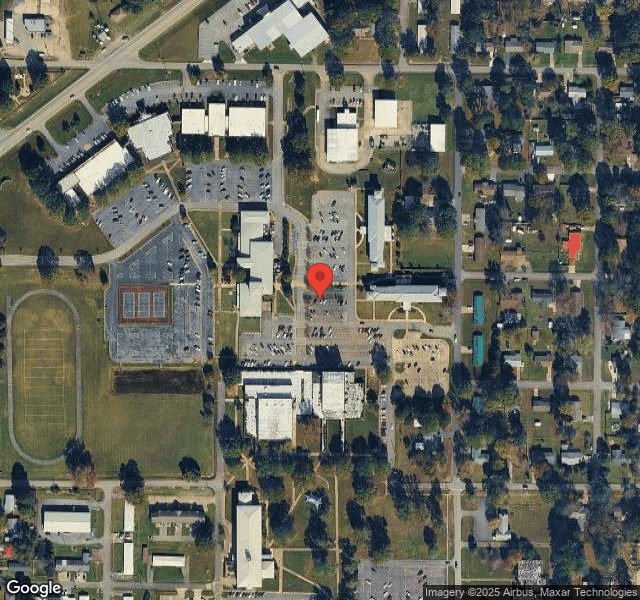
709 MCAFEE LANE, BEEBE, AR 72012 (501) 882-3313
For profit - Corporation 105 Beds ANTHONY & BRYAN ADAMS Data: November 2025
Trust Grade
70/100
#55 of 218 in AR
Last Inspection: July 2024

Within standard 12-15 month inspection cycle. Federal law requires annual inspections.

Overview

Beebe Retirement Center, Inc. has a Trust Grade of B, indicating it is a good choice for families considering nursing home options. It ranks #55 out of 218 facilities in Arkansas, placing it in the top half, and is the best option in White County out of four facilities. The center is improving its conditions, reducing issues from 8 in 2023 to 4 in 2024, although it still has some concerns. Staffing is a strong point, with a 4-star rating and better RN coverage than 77% of Arkansas facilities, though its 56% turnover rate is average. There have been no fines, which is a positive sign, but there have been incidents such as improper food storage practices and failures in hand hygiene during medication administration, highlighting areas that need attention.

Trust Score
B
70/100
In Arkansas
#55/218
Top 25%
Safety Record
Low Risk
No red flags
Inspections
Getting Better
8 → 4 violations
Staff Stability
⚠ Watch
56% turnover. Above average. Higher turnover means staff may not know residents' routines.
Penalties
✓ Good
No fines on record. Clean compliance history, better than most Arkansas facilities.
Skilled Nurses
⚠ Watch
Each resident gets only 29 minutes of Registered Nurse (RN) attention daily — below average for Arkansas. Fewer RN minutes means fewer trained eyes watching for problems.
Violations
⚠ Watch
20 deficiencies on record. Higher than average. Multiple issues found across inspections.
★★★★☆
4.0
Overall Rating
★★★★☆
4.0
Staff Levels
★★★★☆
4.0
Care Quality
★★★★☆
4.0
Inspection Score
Stable
2023: 8 issues
2024: 4 issues

The Good

  • 4-Star Staffing Rating · Above-average nurse staffing levels
  • 4-Star Quality Measures · Strong clinical quality outcomes
  • Full Sprinkler Coverage · Fire safety systems throughout facility
  • No fines on record

Facility shows strength in staffing levels, quality measures, fire safety.

The Bad

Staff Turnover: 56%

Near Arkansas avg (46%)

Frequent staff changes - ask about care continuity

Chain: ANTHONY & BRYAN ADAMS

Part of a multi-facility chain

Ask about local staffing decisions and management

Staff turnover is elevated (56%)

8 points above Arkansas average of 48%

The Ugly 20 deficiencies on record

Jul 2024 4 deficiencies
CONCERN (D)

Potential for Harm - no one hurt, but risky conditions existed

Deficiency F0554 (Tag F0554)

Could have caused harm · This affected 1 resident

Based on observations, interviews, record review, facility document review, and facility policy review, it was determined the facility failed to ensure residents who want to self-administrate medicati...

Read full inspector narrative →
Based on observations, interviews, record review, facility document review, and facility policy review, it was determined the facility failed to ensure residents who want to self-administrate medications were properly assessed and deemed appropriate to do so for 1 (Resident #6) resident reviewed for self-administration of medications. Findings include: A review of a facility policy titled, Self-Administration of Medications, revised December 2016, indicated, Residents have the right to self-administer medications if the interdisciplinary team has determined that it is clinically appropriate and safe for the resident to do so .2. In addition to general evaluation of decision-making capacity, the staff and practitioner will perform a more specific skill assessment . A review of the admission Record, indicated the facility admitted Resident #6 with a diagnosis of cognitive communication deficit. The annual Minimum Data Set (MDS) with an Assessment Reference Date (ARD) of 03/04/2024 revealed Resident #6 had a Brief Interview for Mental Status (BIMS) score of 14, which indicated the resident was cognitively intact. A review of Resident 6's Care Plan with an initiated date of 03/03/2023 revealed Resident #6 has capacity to understand and make decisions regarding healthcare and does not have an Advance Directive/Advance Care Plan (living will)/Healthcare Agent/Healthcare Surrogate/Durable Power of Attorney or other identified healthcare decision-maker. Interventions included follow up with the physician for any needed orders related to resident care decisions. A review of the Order Summary Report, revealed Resident #6 did not have an order to self-administer medications; 1.) Fluticasone Propionate Nasal Suspension, one spray in both nostrils two times a day related to allergic rhinitis, and 2.) Symbicort Inhalation Aerosol, two puffs, inhale orally two times a day for wheezing. Wait one minute between puffs/rinse, spit after administration. A review of the Medication Administration Record, revealed Resident #6 had 1) Fluticasone Propionate nasal solution and 2) Symbicort Inhalation Aerosol signed off by the nurses as being administered by a nurse. A review of Nursing Assessments revealed there was no self-administration of medication assessments completed for Resident #6. During an observation on 07/17/2024 at 8:24 AM, Registered Nurse (RN) #2 was in the process of administering morning medications. RN #2 handed Resident #6 the resident's Symbicort handheld inhaler without instructions given. Resident #6 took the inhaler, brought the inhaler to the resident's mouth, completed one puff then without waiting, (waited approximately five seconds), took a second puff. Resident #6 failed to rinse their mouth and spit after the inhaler was administered. RN #2 administered eye drops, then handed Resident #6 the Fluticasone Propionate spray, without instructions given. Resident #6 took the spray, inserted the tip of the spray bottle into her right nostril, sprayed two squirts, then moved to the left nostril and sprayed two squirts, then handed the spray back to RN #2. During an interview on 07/18/2024 at 12:19 PM, RN #2 was asked if residents were allowed to self-administer medications, RN #2 stated, if the resident has been assessed. During an interview on 07/18/2024 at 11:30 AM, the Director of Nursing (DON) stated for a resident to be able to self-administer medications, an assessment would need to be completed, but stated, We do not let the residents self-administer unless there are extenuating circumstances. The DON confirmed that if an inhaler is self-administered, the resident would need to know the side effects, know and understand the orders for the medications and the nurse to observe the resident who can self-administer, and that the resident waits one minute between puffs if more than one puff is ordered. She also confirmed that the same would be true for nasal sprays. She also confirmed there would need to be an order from the physician and self-administration would need to be care-planned. The DON confirmed that nurses store the medications for any resident who has been assessed and is able to self-administer medications. When asked if there was a policy regarding self-administering medications, the DON replied, It would be in nursing policy book and that the nurses had access to those policies.
CONCERN (E)

Potential for Harm - no one hurt, but risky conditions existed

Assessment Accuracy (Tag F0641)

Could have caused harm · This affected multiple residents

Based on observations, interviews, record review, facility document review, and facility policy review, it was determined the facility failed to accurately complete assessments for 2 (Residents #42 an...

Read full inspector narrative →
Based on observations, interviews, record review, facility document review, and facility policy review, it was determined the facility failed to accurately complete assessments for 2 (Residents #42 and #59) residents reviewed for accurate completion of the Minimum Data Set (MDS). Findings include: A review of a facility policy titled, Resident Assessment Instrument, revised September 2010, indicated, .1. The Interdisciplinary Assessment Team must use the MDS form currently mandated by Federal and State regulations to conduct the resident assessment. Other assessment forms may be used in addition to the MDS form. 2. The purpose of the assessment is to describe the resident's capability to perform life functions and to identify significant impairments in functional capacity. 3. Information derived from the comprehensive assessment helps the staff to plan care that allows the resident to reach his/her highest practicable level of functioning . 1. A review of the admission Record indicated the facility admitted Resident #42 with a diagnosis of presence of cerebrospinal fluid drainage device. The quarterly MDS with an Assessment Reference Date (ARD) of 06/20/2024 revealed Resident #42 had Section N: O415 - High Risk Drug Classes: Use and Indication were marked indicating Resident #42 was not taking an anticoagulant but was taking an antiplatelet - The admission MDS with an ARD of 09/18/2023 indicated the resident was not taking an anticoagulant. A review of Resident #42's Care Plan, revealed a problem as evidenced by no teeth related to poor oral hygiene initiated 09/25/2023. Intervention was initiated 01/01/2024 to administer medication as ordered and to monitor for side effects. No care plan was noted that addressed cerebrospinal fluid drainage device or the anticoagulant, apixaban. A review of Medication Administration Record for June 2024, revealed Resident #42 had been administered Apixaban, 1 tablet by mouth two times a day related to presence of cerebrospinal fluid drainage device (order date 09/11/2023) from June 1, 2024, to June 30, 2024. A review of the Medication Administration Record for September 2023, revealed Resident #42 had been administered Apixaban 1 tablet by mouth two times a day related to presence of cerebrospinal fluid drainage device (order date 09/11/2023) from September 11, 2023, to September 30, 2023. 2. A review of the admission Record, indicated the facility admitted Resident #59 with diagnoses that included encephalopathy (inflammation of the brain), acute embolism and thrombosis (blood clot) of deep veins of left upper extremity, dysphagia (difficulty swallowing), and gastrostomy status (feeding tube). The quarterly MDS with an ARD of 06/29/2024 revealed Resident #59 was marked in Section GG0115: functional limitation in range of motion was marked as 0 (no impairment) of upper extremity (shoulder, elbow, wrist, hand). Section N:0415 high-risk drug classes: use and indication were marked anticoagulant (is taking) with indication. The annual MDS with an ARD of 03/29/2024 revealed Resident #59 was marked in Section GG0115: Functional Limitation in Range of Motion as 0 (no impairment). Section N:0415 High-Risk Drug Classes: Use and Indication: antiplatelet was marked (is taking) with indication. A review of Resident #59's Care Plan, revealed the resident was on anticoagulant therapy using apixaban related to deep vein thrombosis to arms initiated 07/01/2022. Interventions: Administer anticoagulant medications as ordered by physician. Monitor side effects and effectiveness every shift. Apixaban tablet black box warning: discontinuation, premature discontinuation of any oral anticoagulant, including apixaban, increases the risk of thrombotic events; daily skin inspection; Labs as ordered, report abnormal lab results to medical doctor; monitor/document/report PRN (as needed) adverse reactions of anticoagulant therapy. A review of Resident #59's Care Plan revealed the resident had an Activities of Daily Living self-care performance deficit related to generalized weakness, decreased mobility secondary to recent hospitalization for encephalopathy. (initiated 08/05/2022). Interventions included: Contractures: the resident has contracture left hand/arm with a deficit to his range of motion. Provide skin care to keep clean and prevent skin breakdown. Hand roll to left hand as tolerated. Resident removes at times. A review of Order Summary Report for Resident #59 revealed there was an order for Apixaban tablet one tablet by mouth two times a day related to acute embolism and thrombosis of deep veins of left upper extremity. Order date of 03/16/2023. A review of the Medication Administration Record, for March 2024 revealed Resident #59 was administered Apixaban 1 tablet by mouth two times a day related to acute embolism and thrombosis of deep veins of left upper extremity (order date 03/16/2023) from 03/01/2024 to 03/31/2024, with the exception of 3/26/2024 (4:00 PM, dose held), 03/27/2024 to 03/28/2024 (was held) and 03/29/2024 8:00 AM dose was held and restarted 03/29/2024 at 4:00 PM. A review of the Restorative Log for the week of 07/15/2024 to 07/21/2024, revealed Resident #59 was provided restorative services of active assistive range of motion to left upper extremity (including elbow, wrist, and all digits) three times a week. Hand roll/wash cloth was to be replaced at that time. Restorative services were to continue indefinitely. During an observation on 07/16/2024 at 8:32 AM, Resident #59 was lying supine in bed with the foot of bed slightly raised. Left hand lying along the side of the resident's body on top of the covers, hand roll noted in Resident #59's left hand. During an observation on 07/16/2024 at 1:17 PM, Resident #59 was being assisted with lunch by a certified nursing assistant and the hand roll was noted to be in the resident's left hand. During an interview on 07/17/2024 at 8:34 AM, Registered Nurse (RN) #2 confirmed that care plans and assessments were in the process of being updated and corrected. During an interview on 07/18/2024 at 11:30 AM, the Director of Nursing (DON) confirmed that the MDS Coordinator and the Medicare Manager are responsible for care planning and the MDS completion. The DON stated that both are new to their positions. When asked by the surveyor what process the nurses use to complete the MDS, the DON responded with, They follow the MDS questions. The DON was asked to review Resident #42's admission MDS with an ARD 09/18/2023, and the quarterly MDS with ARD of 06/20/2024. The DON confirmed Section N on each MDS was marked as an antiplatelet and not an anticoagulant. The DON agreed Apixaban is classified as an anticoagulant not antiplatelet. The DON confirmed Resident #59 had a left-hand contracture. After reviewing Resident #59's quarterly MDS with an ARD of 06/29/2024, the DON agreed that the MDS was marked wrong in Section GG0115 Functional limitation in Range of Motion (ROM) and Section N0415. The DON confirmed it was marked antiplatelet and not anticoagulant.
CONCERN (E) 📢 Someone Reported This

A family member, employee, or ombudsman was alarmed enough to file a formal complaint

Potential for Harm - no one hurt, but risky conditions existed

Infection Control (Tag F0880)

Could have caused harm · This affected multiple residents

Based on observations, interviews, record review, facility policy review, it was determined that the facility failed to ensure proper hand hygiene before, during, and after medication pass for 2 (Resi...

Read full inspector narrative →
Based on observations, interviews, record review, facility policy review, it was determined that the facility failed to ensure proper hand hygiene before, during, and after medication pass for 2 (Resident #6 and #132) residents and failed to ensure enhanced barrier precautions were being followed for a resident with a feeding tube for 1 (Resident #59) of 1 resident reviewed for enhanced barrier precautions. The findings are: 1. A review of the admission Record, indicated the facility admitted Resident #59 with gastrostomy status (placement of a feeding tube). a. The quarterly Minimum Data Set with an Assessment Reference Date of 06/29/2024 revealed Resident #59 had a feeding tube and received a mechanically altered diet and a therapeutic diet. b. A review of the Care Plan revealed Resident #59 requires enhanced barrier precautions related to peg tube status. (Initiated 04/11/2024). Interventions include: 1) Alcohol based hand-rub or wash with soap and water if visibly soiled before and after leaving the room. 2) Follow facility policies and procedures for cleaning and disinfection of medical equipment and devices. All shared equipment must be cleaned between patients. 3) Wear gloves and a gown for high-contact resident care activities. c. A review of Resident #59's Order Summary Report, indicated Resident #59 was on Enhanced Barrier Precautions related to peg tube status. d. During an observation on 07/16/2024 at 8:47 AM, Licensed Practical Nurse (LPN) #1 was gathering supplies to start medication administration for Resident #59. LPN #1 started removing medications from the over-the-counter pill bottles without sanitizing his hands and placing them in a small plastic medicine cup. LPN #1 placed the pill cup containing the medications in the top of the medication cart, locked the cart and left to get syringes and a blood pressure cuff. At 8:51 AM, LPN #1 returned to the medication cart, and without sanitizing his hands he went into Resident #59's room without putting on a gown or gloves. LPN #1 informed the resident that the resident's blood pressure needed to be obtained. LPN #1 removed the covers off the resident to place the blood pressure cuff on the resident. LPN #1 went back to the cart, sanitized his hands and unlocked the medication cart and took out the medication cup. LPN #1 removed medications from Resident 59's pill cards and into the medication cup. LPN #1 placed the medicine cup back into the top drawer of the medication cart, locked the cart, and left to go look for the pill needed for the blood pressure. LPN #1 returned to the medication cart, sanitized his hands, applied gloves and prepared a medication in a syringe. LPN #1 returned the medication bottle to the bottom drawer of the medication cart. LPN #1 crushed the medications, gathered the medications and diabetic formula and a nine ounce drinking cup. LPN #1 walked into Resident #59's room, placed the items on the nightstand, and shut the door to the room. LPN #1 pulled the privacy curtain and went to the bathroom to get tap water, grabbed a towel, and sat down in a chair beside the bed. LPN #1 did not remove his gloves or sanitize his hands. LPN #1 did not wear an isolation gown while providing care to Resident #59. LPN #1 moved Resident #59's gown, exposed the feeding tube, placed the stethoscope on the upper abdomen to check for placement. LPN #1 placed a towel under the feeding tube, flushed the feeding tube with water, and then administered the medications and diabetic formula via the feeding tube. LPN #1 then flushed the feeding tube with water. The syringe was removed from the feeding tube, the towel was removed from under the feeding tube, the resident's gown was pulled back down and then LPN #1 covered the resident. LPN #1 gathered the used supplies and disposed of them in the bathroom trash. With the same gloves on, LPN #1 washed the syringe used for the feeding tube and placed it in the syringe bag, he then removed his gloves and washed his hands. 2. During an observation on 07/17/2024 at 8:12 AM, Registered Nurse (RN) #2 did not sanitize hands prior to preparing to administer medications for Resident #132. After pouring a high calorie supplement into a plastic cup, RN #2 punched medications from medication cards and placed them in a small plastic medicine cup. RN #2 knocked on resident's door and entered the room. Without sanitizing her hands, she administered the medications to Resident #132. 3. During an observation on 07/17/2024 at 8:24 AM, RN #2 did not sanitize her hands prior to preparing medications for Resident #6. Resident #6's medications were placed in a small medication cup. RN #2, placed the medication cup in the top drawer of the medication cart, locked the cart, and stated that there were no lidocaine patches on the medication cart, and she would need to go get them. RN #1 returned to the medication cart, unlocked the cart. Without sanitizing her hands, she opened the cart, put the medications back on top of the cart, grabbed tissues, started looking for gloves, and stated I thought I was prepared. RN #2 poured water into a nine ounce plastic drinking cup, gathered supplies and went into Resident #6's room, and handed the resident an inhaler. Resident #6 self-administered the inhaler then handed RN #2 the inhaler. Without sanitizing her hands, RN #2 put on gloves, and administered eye drops to both of Resident #6 's eyes. RN #2 removed her gloves and handed the resident the plastic medication cup. Resident #6 took the medications without difficulty. RN #2 then put on gloves, without sanitizing hands and administered more eye drops. 4. A review of a facility policy titled, Policies and Practices-Infection Control, revised October 2018, indicated The facility's infection control policies and practices are intended to facilitate maintaining a safe, sanitary and comfortable environment and to help prevent and manage transmission of diseases and infections . 5. A review of a facility policy titled, Handwashing/Hand Hygiene, revised October 2023, indicated, This facility considers hand hygiene the primary means to prevent the spread of healthcare-associated infections . 6. During an interview on 07/18/2024 at 12:19 PM, RN #2 confirmed that hands should be washed prior to starting medication preparation, when anything dirty or soiled is touched, upon entering the resident's room, when changing gloves, after removing gloves and before leaving the resident's room. 7. During an interview on 07/18/2024 at 11:30 AM, the Director of Nursing (DON) confirmed that enhanced barrier precautions (EBP) would be treated like other isolation precautions regarding what personal protective equipment is used. The DON confirmed a tube feeder would be on EBP, and that staff would wear gloves when taking care of the resident and the feeding tube. The DON confirmed that hand hygiene should be performed before entering or exiting a resident's room, anytime hands are soiled, before gloves are applied and after removing gloves and anytime something dirty is touched. 8. During an interview on 07/18/2024 at 1:18 PM, Licensed Practical Nurse (LPN) #1 was asked what Enhanced Barrier Precautions meant and LPN #1 replied, I would have to put on a gown and gloves. LPN #1 also confirmed that with a tube feeder, enhanced barriers precautions should be followed. He stated I would have to put on gown and gloves, and I forgot to do that. I am still not used to doing that. LPN #1 confirmed that hands should be sanitized during medication pass or tube feeding and said anytime I have touched something dirty with my hands or my gloved hands, and before and after leaving the resident's room and after removing my gown and gloves.
MINOR (B)

Minor Issue - procedural, no safety impact

Deficiency F0657 (Tag F0657)

Minor procedural issue · This affected multiple residents

Based on observations, interviews, record reviews, facility document reviews, and facility policy review, it was determined the facility failed to revise and update the care plan to reflect current tu...

Read full inspector narrative →
Based on observations, interviews, record reviews, facility document reviews, and facility policy review, it was determined the facility failed to revise and update the care plan to reflect current tube feeding status for 1 resident (Resident #59) reviewed for care planning for tube feeding. Findings include: A review of a facility policy titled, Care Plan, Comprehensive Person-Centered revised December 2016, indicated, .13. Assessments of residents are ongoing and care plans are revised as information about the residents and the residents' conditions change . A review of the admission Record indicated the facility admitted Resident #59 with diagnoses of dysphagia (difficulty swallowing) and gastrostomy status (feeding tube). The quarterly Minimum Data Set (MDS) with an Assessment Reference Date of 06/29/2024 revealed Resident #59's nutritional approaches while a resident, included a feeding tube, a mechanically altered diet, and a therapeutic diet. A review of Resident #59's Care Plan revealed Resident #59 had an activities of daily living (ADL) self-care performance deficit related to generalized weakness, decreased mobility secondary to recent hospitalization for encephalopathy (inflammation of the brain). Initiated 08/05/2022. Interventions included, eating receives nutrition and medications via peg tube. The diabetic formula at 60 milliliters (ml) per hour via tube feeding pump and the resident is totally dependent on one staff for eating. Resident #59 has a nutritional problem or potential for nutritional problem related to diabetes, gastroesophageal reflux disease, and need for enteral feeding (initiated 01/17/2024), interventions include: explain and reinforce to the resident the importance of maintaining the diet ordered. Encourage the resident to comply. Explain consequences of refusal, obesity and malnutrition risk factors; per resident's preference, meals will be served in room; provide and serve diet as ordered: regular enhanced, mechanical soft, regular consistency; encourage and assist with all meals. A review of the Order Summary Report, revealed Resident #59 had a diet order dated 01/19/2024 for a regular diet, mechanical soft texture, regular consistency, and an enteral feeding order three times a day related to gastrostomy status, give 237 ml of diabetic formula three time a day, dated 06/03/2024. A review of Medication Administration Record, for July 2024, revealed Resident #59 was receiving diabetic formula three times a day by feeding tube. During an observation on 07/15/2024 at 8:31 AM, Resident #59 was being assisted with eating, by a Certified Nursing Assistant (C.N.A.) sitting at the resident's bedside. During an observation on 07/16/2024 at 9:15 AM, Licensed Practical Nurse (LPN) # 1 administered diabetic formula 1.5, 237 ml via the feeding tube to Resident #59. During an observation on 07/16/2024 at 1:17 PM, Resident # 59 was being fed by a C.N.A. sitting in a chair at bedside. During an interview on 07/16/2024 at 9:20 AM, LPN #1 confirmed that Resident #59 received diabetic formula 1.5, one can (237 ml) three times a day and that Resident #59 also gets a regular mechanical soft tray for meals three times a day. During an interview on 07/18/2024 at 11:30 AM, the Director of Nursing (DON) confirmed that changes to the care plan should be made immediately or the next day during start up when orders are discussed. The DON confirmed that the long-term care MDS Coordinator and the Medicare Manager were new to their positions but that both had done MDS' for a while and were working on updating care plans.
Sept 2023 2 deficiencies
CONCERN (E) 📢 Someone Reported This

A family member, employee, or ombudsman was alarmed enough to file a formal complaint

Potential for Harm - no one hurt, but risky conditions existed

Deficiency F0637 (Tag F0637)

Could have caused harm · This affected multiple residents

Based on record review and interview, the facility failed to complete a comprehensive assessment within 14 days of the facility determining there had been a significant change for 2 Rresidents (Reside...

Read full inspector narrative →
Based on record review and interview, the facility failed to complete a comprehensive assessment within 14 days of the facility determining there had been a significant change for 2 Rresidents (Resident #1 and #2) of sampled Residents who received Hospice Care. The findings are: Review of Resident #1's admission Minimum Data Set (MDS) with an assessment reference date of 6/12/23 showed the Resident received hospice. Review of Resident #1's Order Summary Report showed a physician's order dated 5/31/23 to consult hospice for an evaluation and admit if appropriate. Review of Resident #1's care plan with an initiated date of 5/31/23 showed receiving hospice care related to a terminal diagnosis. Review of the Census list in the Electronic Record showed Resident #1's payor source changed on 6/26/23 from Hospice Private to Private Pay. Review of Resident #2's quarterly MDS with an ARD of 5/19/23 showed no documentation of hospice care while a resident. Review of Resident #2's Significant Change in Status MDS with an ARD of 8/19/23 showed in process. Review of Resident #2's MDS Section of the electronic record showed a ARD: 8/19/2023 25 days overdue. Review of Resident #2's Order Summary Report showed a physician's order dated 7/10/23 to consult hospice for evaluation to admit. Review of Resident #2's care plan with an initiated date of 8/14/23 showed Resident receiving hospice related to terminal diagnosis. The Census section in the Electronic Record showed Resident #2's payor source changed on 7/11/23 from Private Pay to Hospice Private. During interview on 9/27/23 at 1:22 PM, Licensed Practical Nurse (LPN) #2 confirmed Resident #1's last hospice day was 06/20/23, and when she returned from the hospital on 6/26/23 she was private pay. LPN #2 confirmed, Resident #1 should have had a significant change MDS completed at that time. LPN #2 confirmed Resident #2 had been receiving hospice care since 07/11/23, and a significant change was not performed within 14 days.
CONCERN (E) 📢 Someone Reported This

A family member, employee, or ombudsman was alarmed enough to file a formal complaint

Potential for Harm - no one hurt, but risky conditions existed

Deficiency F0725 (Tag F0725)

Could have caused harm · This affected multiple residents

**NOTE- TERMS IN BRACKETS HAVE BEEN EDITED TO PROTECT CONFIDENTIALITY** Based on record review and interview, the facility failed to have sufficient nursing staff available to provide nursing and rela...

Read full inspector narrative →
**NOTE- TERMS IN BRACKETS HAVE BEEN EDITED TO PROTECT CONFIDENTIALITY** Based on record review and interview, the facility failed to have sufficient nursing staff available to provide nursing and related services to meet the residents' needs safely and in a manner that promotes each residents' rights, physical, mental, and psychosocial well-being. This failed practice had the potential to affect all 82 residents in the facility. The findings are: Review of the facility's The PBJ (Payroll Based Journal) QuickBase staffing report showed the following: a. July 2023 Did not meet the standard for staffing. Reportable hours were 7679.26 in thirty one calendar days in the month, and the July minimum direct care hours needed based on daily average census was 8282.80. The difference between actual and required minimum for month was -0.24. b. August 2023 Did not meet the standard for staffing. Reportable hours were 7855.77 in thirty-one calendar days in the month, and the August minimum direct care hours needed based on daily average census was 8296.34. The difference between actual and required minimum for the month was -0.18. On 09/26/23 at 2:00PM review of the August 2023 Resident Council Meeting Minutes showed, New Business . call lights not being answered in a timely manner. Review of the facility's Tek CARE Report for the 3/11 shift on 9/26/23 showed the following: a. Resident #1's room activated the call light at 3:21 PM with a response time of 2 hours and 52 minutes. b. Resident #1's room activated the call light at 9:21 PM with a response time of 35 minutes 48 seconds. c. Resident #3's room activated the call light at 5:32 PM with a response time of 39 minutes 14 seconds. d. Resident #4's room activated the call light at 4:50 PM with a response time of 2 hours thirty-nine minutes and 20 seconds. e. room [ROOM NUMBER] activated the call light at 3:33 PM with a response time of 2 hours and 42 minutes. f. room [ROOM NUMBER] activated the call light at 3:40 PM with a response time of 2 hours and 33 minutes. g. room [ROOM NUMBER] activated the call light at 4:18 PM with a response time of 2 hours and 1 minute. h room [ROOM NUMBER] activated the call light at 4:32 PM with a response time of 2 hours and 56 minutes. i. room [ROOM NUMBER] activated the call light at 5:27 PM with a response time of 1 hour and 52 minutes. j. room [ROOM NUMBER] activated the call light at 7:24 PM with a response time of 1 hour and 6 minutes. k. An emergency bathroom light in room [ROOM NUMBER] activated at 3:33 PM with a response time of 54 minutes and 46 seconds. During interview on 9/27/23 at 8:20 AM the Surveyor asked Resident #1 do the staff promptly assist you with toileting? The Resident stated Some nights when the 3/11 shift leaves I don't get changed until the day shift comes in. I have to take strong laxatives because I had a bowel obstruction, so I go a lot. Resident #1 said she has been angry in the past when the call light was not answered for 3 hours, and during mealtime the staff tell her they cannot care for her because meals take priority. During interview on 9/27/23 at 8:40 AM Resident #4 said sometimes it takes 3 hours for the call light to be answered, and it happens all the time. During interview on 9/27/23 at 9:30 AM, the Administrator said she recently took over staffing, and it is census based. For the current census the goal is to have 10 - 8 - 6 and that does not include the van driver and restorative. The minimum staffing ratios is used as a guideline. The Surveyor asked what is your facility's process for answering call lights during mealtimes? She said someone is assigned to answer call lights during dinner service and recently the department heads had to stay over and answer call lights. The Surveyor asked why did the facility not meet the PBJ standard the last two months? The Administrator stated, We have had a rough couple of months. During interview on 9/27/23 at 1:15 PM, LPN #1 stated In a perfect world it ' s 2 minutes for a resident's call light to be answered. During interview on 9/27/23 at 1:20 PM, CNA #1 stated the acceptable time a resident should wait before a call light to be answered is not be very long. During interview on 9/27/23 at 1:22 PM, LPN #2 said the acceptable time a resident should wait before a call light is answered is immediately if the staff member is right there. During interview on 9/27/23 at 1:30 PM, LPN #3 said the acceptable time a resident should wait before a call light is answered is maybe 5 minutes. During interview on 9/27/23 at 1:33 PM, CNA #2 stated the acceptable time a resident should wait before a call light is less than 3 minutes. A Policy titled Staffing with a revision date of 10/2017 showed the facility provides sufficient numbers of staff with the skills and competency necessary to provide care and services for all residents in accordance with resident care plans and the facility assessment.
Jun 2023 6 deficiencies
CONCERN (D)

Potential for Harm - no one hurt, but risky conditions existed

Deficiency F0554 (Tag F0554)

Could have caused harm · This affected 1 resident

Based on observation, record review, and interview, the facility failed to ensure residents were assessed and deemed safe for self-administration of nebulizer (updraft) treatments for 2 (Residents #25...

Read full inspector narrative →
Based on observation, record review, and interview, the facility failed to ensure residents were assessed and deemed safe for self-administration of nebulizer (updraft) treatments for 2 (Residents #25 and #66) of 5 (Residents #20, #25, #31, #64 and #66) sampled residents who had Physician Orders for updraft treatments. This failed practice had the potential to affect 12 residents who had orders for updraft treatments as documented on a list provided by the Administrator on 06/15/23 at 9:00 AM. The findings are: 1. Resident #25 had diagnoses of Chronic Obstructive Pulmonary Disease (COPD), Unspecified and Emphysema, Unspecified. a. A Care Plan with an initiated date of 8/19/22 revealed Resident #25 has chronic Emphysema/COPD with an intervention to give aerosol or bronchodilators as ordered. The care plan does not mention the resident has been evaluated to self-administer aerosol or bronchodilator treatments. b. Physician Orders dated 09/26/22 documented, Ipratropium-Albuterol Solution 0.5-2.5 (3) MG [milligrams]/3ML [milliliter] 3 ml inhale orally every 4 hours as needed for SOB [Shortness of Breath] or Wheezing via nebulizer; and Ipratropium-Albuterol Solution 0.5-2.5 (3) MG /3ML 3 ml inhale orally two times a day related to Chronic Obstructive Pulmonary Disease, Unspecified . c. Review of the June 2023 Medication Administration Record, (MAR) revealed the inhaled medication was signed as administered twice per day by facility staff. d. On 06/13/23 at 1:58 PM, Resident #25 was reclining in bed wearing an updraft mask. At 2:00 PM, Licensed Practical Nurse (LPN) #2 came into Resident #25 ' s room. LPN #2 said, I was coming to give you this updraft, but it looks like you are already giving yourself one. The Surveyor asked LPN #2 to walk this Surveyor through the process of administering an updraft. LPN #2 said, We start the updraft and stay in the room until it is complete. Then we put the mask in the storage bag. Resident #25 said, They would not get any work done if they did it your way. The Surveyor asked LPN #2 what the possible complications could be of Resident #25 or other residents giving themselves unsupervised updrafts. LPN #2 said, Someone could wear a mask strapped to their face for a long time. 2. Resident #66 had diagnoses of COPD Unspecified, Other Pulmonary Embolism without Acute Cor Pulmonale, Acute Respiratory Failure with Hypoxia and Pneumonia, Unspecified Organism. a. A Physicians Order dated 05/17/23 documented, Ipratropium-Albuterol Solution 0.5-2.5 (3) MG/3ML 3 ml inhale orally two times a day related to Chronic Obstructive Pulmonary Disease, Unspecified . b. A Care Plan with an initiated date of 5/23/23 revealed the resident has difficulty breathing related to COPD with an intervention to administer medication/puffers as ordered. The care plan does not mention the resident has been evaluated to self-administer bronchodilator treatments. c. Review of the June 2023 MAR revealed the inhaled medication was signed as administered twice per day by facility staff. d. On 06/14/23 at 11:15 AM, the Surveyor asked LPN #1 who was at the bedside, to walk this Surveyor through the process of giving Resident #66 an updraft. LPN #1 said, He gives himself his own updraft and then shuts it off. If I am close by, I am the one that shuts it off. The Surveyor asked if Resident #66 had self-administration rights and what respiratory care training she had received. LPN #1 said, I'm not aware of any self-administration rights. I have not had any training here, but I know what to do from working at other facilities. The Surveyor asked if there were possible complications from Resident #66's updraft machine lying at the foot of his bed near his feet, with the mouthpiece and tubing not in a storage bag. LPN #1 said, The mouthpiece can get dirty, and it will need to be rinsed out. I always rinse it out, but I do not know what anyone else does. 3. On 06/15/23 at 12:40 PM, the Surveyor asked the Nurse Consultant if the facility had a self-administered record. The Nurse Consultant said, No, we do not have anyone that self-administers medications. 4. On 06/15/23 at 3:20 PM, the Surveyor asked the Assistant Director of Nursing (ADON) if it is appropriate for residents to be allowed to administer their own updrafts, or to have the opportunity to start and stop their updraft when they feel it is needed, and why. The ADON said, No that is not appropriate at all. It is against our policy. The Surveyor asked what a possible outcome was of a resident self-administering their updrafts. The ADON said, They may not get the full benefit of their updraft. 5. A facility policy titled, Self-Administration of Medications, provided by the Administrator on 06/13/23 at 3:30 PM documented, 1. As part of their overall evaluation, the staff and practitioner will assess each resident's mental and physical abilities to determine whether self-administering medications is clinically appropriate for the resident. 2. In addition to general evaluation of decision making capacity, the staff and practitioner will perform a more specific skill assessment, including (but not limited to) the resident's: a. Ability to read and understand medication labels; b. Comprehension of the purpose and proper dosage and administration time for his or her medications; c. Ability to remove medications from a container and to ingest and swallow (or otherwise administer) the medication; and d. Ability to recognize risks and major adverse consequences of his or her medications . 6. For self-administering residents, the nursing staff will determine who will be responsible (the resident or the nursing staff) for documenting that medications were taken . 12. Nursing staff will review the self-administered medications record on each nursing shift, and they will transfer pertinent information to the medication administration record (MAR) kept at the nursing station, appropriately noting that the doses were self-administered .
CONCERN (D)

Potential for Harm - no one hurt, but risky conditions existed

Respiratory Care (Tag F0695)

Could have caused harm · This affected 1 resident

Based on observation, record review, and interview, the facility failed to ensure oxygen tubing was properly stored to prevent potential infection for 1 (Resident#66) of 10 (Residents #9, #10, #16, #2...

Read full inspector narrative →
Based on observation, record review, and interview, the facility failed to ensure oxygen tubing was properly stored to prevent potential infection for 1 (Resident#66) of 10 (Residents #9, #10, #16, #20, #25, #31, #41, #55, #64 and #66) sampled residents who had Physician Orders for oxygen therapy, and failed to ensure the nebulizer (updraft) machine, mouthpiece and tubing, were properly dated and stored in a bag or other closed container when not in use for 2 (Residents #25 and #66) of 5 (Residents #20, #25, #31, #64 and #66) sampled residents who had Physician Orders for updraft treatments as documented on lists provided by the Administrator on 06/15/23 at 9:30 AM. The findings are: 1. Resident #25 had diagnoses Chronic Obstructive Pulmonary Disease (COPD), Unspecified, and Emphysema, Unspecified. a. A Physicians Order dated 02/22/23 documented, change/date updraft tubing every Sunday every night shift every Sun [Sunday] . b. Review of the June 2023 Medication Administration Record (MAR), revealed the staff documented the updraft tubing was changed on 6/4/23 and 6/11/23. c. On 06/12/23 at 11:10 AM, Resident #25 was sitting up in bed, an updraft machine was sitting on a table at the foot of the bed with a mask in a bag dated 05/21. d. On 06/12/23 at 1:53 PM, Resident #25's updraft machine was sitting on a table at the foot of the bed with a mask stored in a clear plastic bag dated 05/21. 2. Resident #66 had diagnoses of Other Pulmonary Embolism without Acute Cor Pulmonale, Acute Respiratory Failure with Hypoxia, Pneumonia and Unspecified Organism. a. Physicians Order dated 05/25/23 documented, OXYGEN as needed for SHORTNESS OF BREATH 3 LITERS/MIN [minute] PER NASAL CANNULA PRN [as needed] . and OXYGEN every shift for Shortness of Breath ., Change and date o2 [oxygen] tubing and water bottle q [every] week every night shift every Sun . b. On 06/12/23 at 10:30 AM, Resident #66's updraft mouthpiece and machine were lying at the foot of his bed. The Surveyor asked Resident #66 who was responsible for his equipment. Resident #66 said, The nurses are responsible. I had a bag, but I do not know where it is. I had my updraft and when I was done, I laid it at the foot of the bed. The Surveyor observed a nasal cannula in the floor between the concentrator and bed. Resident #66 said, I used oxygen a few days ago and when I was done, I laid the tubing by my pillow. I guess it fell in the floor. The Surveyor asked who is providing care for his respiratory equipment. Resident #66 said, I guess I am. c. On 06/12/23 at 2:09 PM, Resident #66's oxygen tubing with nasal canula was laying in the floor between the bed and the concentrator. The nebulizer machine was lying at the foot of the bed. The mouthpiece and tubing were not in a storage bag. d. On 06/13/23 at 8:10 AM, Resident #66's updraft machine was resting at the foot of the bed with the mouthpiece resting on the linens. Resident #66 said, They put away my oxygen tubing, and I am just sleeping with my updraft machine down there. Resident #66 pointed to the foot of the bed. The Surveyor asked if his feet ever got on the mouthpiece. Resident #66 said, Yes, sure it does. e. On 06/14/23 at 10:53 AM, Resident #66's updraft machine and mask were lying at the foot of the bed. f. On 06/14/23 at 11:15 AM, the Surveyor asked Licensed Practical Nurse (LPN) #1, who was at Resident #66 ' s bedside the process of giving Resident #66 an updraft. LPN #1 walked to the foot of the bed and pulled aside the blanket. LPN #1 said, Well first of all the nurse stays during the updraft and puts the mouthpiece in the storage bag when he is done. That didn't happen. Well, I cannot find the storage bag. The Surveyor asked if there was a possibility of any adverse complications from Resident #66's updraft machine laying at the foot of his bed near his feet, without the mouthpiece and tubing in a storage bag. LPN #1 said, The mouthpiece can get dirty, and it will need to be rinsed out. I always rinse it out, but I do not know what anyone else does. 3. On 06/15/23 at 3:00 PM, the Administrator said, We do not have an oxygen storage policy. 4. On 06/15/23 at 3:20 PM, the Surveyor asked the Assistant Director of Nursing (ADON) if it was appropriate for oxygen tubing to be lying on the floor, storage bags not being changed as ordered, Resident #66 to sleep with his nebulizer machine at the foot of the bed, and the updraft mouthpiece not being placed in a storage bag when not in use. The ADON said, No, that is not appropriate. I thought it was standard precautions. Oxygen tubing in the floor should be thrown away. Mouthpieces and oxygen tubing should be placed in a storage bag when not in use and changed weekly. The Surveyor asked what a possible outcome of oxygen tubing lying in the floor, and not storing tubing and updraft mouthpiece properly was. The ADON said, Infection, and not getting the full benefit of updraft therapy. 5. A facility policy titled, Departmental (Respiratory Therapy) - Prevention of Infection, provided by the Administrator on 06/15/23 at 9:30 AM documented, .Infection Control Considerations Related to Medication Nebulizers/Continuous Aerosol: .3. After completion of therapy: .7. Store the circuit in plastic bag, marked with date and resident's name, between uses .
CONCERN (D)

Potential for Harm - no one hurt, but risky conditions existed

Deficiency F0805 (Tag F0805)

Could have caused harm · This affected 1 resident

Based on observation and interview, the facility failed to ensure pureed food items were blended to a smooth, lump free consistency to minimize the risk of choking or other complications for residents...

Read full inspector narrative →
Based on observation and interview, the facility failed to ensure pureed food items were blended to a smooth, lump free consistency to minimize the risk of choking or other complications for residents who required pureed diets for 1 of 1 meal observed. The failed practice had the potential to affect 6 residents who received pureed diets as documented on a list provided by the Food Service Supervisor on 06/13/23. The findings are: 1. On 06/12/23 at 11:28 AM, Dietary Employee (DE) #2 placed 6 servings of oven breaded baked chicken into a blender, added chicken broth and pureed. She poured the pureed chicken into a pan. The consistency of the pureed chicken was gritty and was not smooth. 2. On 06/12/23 at 12:02 PM, DE #2 used a #8 scoop to place 7 servings of enhanced scalloped potatoes into a blender and pureed. She poured the enhanced scalloped potatoes into a pan and placed the pan on the steam table. The consistency of the pureed enhanced potatoes was thick and not smooth. There were pieces of potato visible in the mixture. 3. On 06/12/23 at 12:17 PM, DE #2 placed 8 slices of bread into a blender, added warm whole milk and pureed. At 12:19 PM, she poured the pureed bread into a pan and placed it on the steam table. The consistency of the pureed bread was thick and sticky. 4. On 06/13/23 at 1:40 PM, the Surveyor asked Certified Nursing Assistant (CNA) #1 to describe the consistency of the pureed food items served to the residents who received pureed foods at the lunch meal. CNA #1 stated, Pureed bread, pureed scalloped potatoes and pureed chicken were thick and sticky. 5. On 06/12/23 at 1:46 PM, the Surveyor asked DE #2, to describe the consistency of the pureed food items served to the residents for lunch. She stated, Pureed scalloped potatoes were thick and needed to be blended some more, pureed chicken was gritty. Pureed bread was too thick, needed more fluid.
CONCERN (D)

Potential for Harm - no one hurt, but risky conditions existed

Food Safety (Tag F0812)

Could have caused harm · This affected 1 resident

Based on observation and interview, the facility failed to ensure dietary staff washed their hands before handling clean equipment or food items to prevent potential food borne illness for residents w...

Read full inspector narrative →
Based on observation and interview, the facility failed to ensure dietary staff washed their hands before handling clean equipment or food items to prevent potential food borne illness for residents who received meals from 1 of 1 kitchen; and dairy products on a shelf in the refrigerator were sealed to prevent the potential for cross contamination. These failed practices had the potential to affect 73 residents who received meals from the kitchen (total census: 79), as documented on a list provided by the Dietary Supervisor on 06/13/23. The findings are: 1. On 06/12/23 at 9:52 AM, the following observations were made in the walk-in refrigerator: a. An opened zip lock bag that contained slices of cheese was not sealed. b. An opened zip lock bag that contained shredded cheese was not sealed. 2. On 06/12/23 at 10:02 AM, Dietary Employee (DE) #1 turned on the hand washing sink faucet and washed her hands. She then turned off the faucet with her bare hands, and pulled out tissue papers and dried her hands, contaminating her hands. She opened a cabinet, removed clean dishes, and placed them on the counter to be used in portioning dessert to be served to the residents for lunch with her fingers inside the dishes. 3. On 06/12/23 at 10:05 AM, DE #1 removed a container of chocolate pie from the refrigerator and placed it on the counter. She removed the plastic wrap around the container of chocolate pie, opened the Janitor's Closet and threw the wrap into the trash can. Without washing her hands, she removed gloves from the glove box and placed them on her hands, contaminating the gloves. She picked up a knife and sliced the pie, then used her contaminated gloved hands to slide slices of cake into individual plates to be served to the residents for lunch. 4. On 06/12/23 at 10:18 AM, DE #1 turned on the hand washing sink faucet and washed her hands. She then turned off the faucet with her bare hands, and pulled out tissue papers and dried her hands, contaminating her hands. She opened the Janitor's Closet and threw away the tissue. She then, opened a cabinet, removed clean dishes, and placed them on the counter to be used in portioning dessert to be served to the residents for lunch with her fingers inside the dishes. 5. On 06/12/23 at 10:19 AM, DE #2 was wearing gloves on her hands. She picked up a pan coating spray bottle and sprayed the inside the pans, contaminating the glove. Without changing gloves and washing her hands, she picked up breaded chicken breasts with her contaminated gloved hand and placed them in the pans to be baked and served to the residents for lunch. 6. On 06/12/23 at 10:20 AM, DE #1 opened the freezer and took out a plastic container of chocolate pie, placed it on the counter and unwrapped the pie. She turned on the hand washing sink faucet and washed her hands. She then turned off the faucet with her bare hands, and pulled out tissue papers and dried her hands, contaminating her hands. She opened the Janitor's Closet and threw away the tissue. She then opened a cabinet, removed pans, and placed them on the counter. Without washing her hands, she picked up clean dishes, and placed them on the trays to be used in portioning dessert to be served to the residents for lunch with her fingers inside the dishes. She removed gloves from the glove box and placed them on her hands, contaminating the gloves. Without changing gloves and washing her hands, she placed her contaminated gloved hands on the chocolate pie while transferring them into individual plates and or bowl. 7. On 06/12/23 at 10:38 AM, DE #1 turned on the hand washing sink faucet and washed her hands. She then turned off the faucet with her bare hands and pulled out tissue papers and dried her hands, contaminating her hands. Without washing her hands, she picked up bowls to be used in portioning pureed dessert and placed them on the counter with her fingers inside the bowls. 8. On 06/12/23 at 10:46 AM, DE #1 turned on the hand washing sink faucet and washed her hands. She then turned off the faucet with her bare hands, and pulled out tissue papers and dried her hands, contaminating her hands. She opened the Janitor's Closet and threw away the tissue. She removed gloves from the glove box and placed them on her hands, contaminating the gloves. Without changing gloves and washing her hands, she placed her contaminated gloved hands on 8 slices of chocolate pie while transferring them into the blender to be pureed and served to the residents who required pureed diets for lunch. 9. On 6/12/23/ at 11:11 AM, DE #1 used a rag to wipe off spilled food on the counter. Without washing her hands, she picked up a clean blade and attached it to the base of the blender to be used in pureeing food items to be served to the residents on pureed diets for the lunch meal. The Surveyor asked, What should you have done after touching dirty objects and before handling clean equipment? She stated, I should have washed my hands. 10. On 06/12/23 at 11:32 AM, DE #3 opened the refrigerator and took out cartons of nectar beverages, pitchers of apple juice and cranberry juice and placed them on the counter by the cold side of the steam table. Without washing her hands, she picked up glasses by the rims and placed them on the counter and poured beverages in them. She placed the glasses on ice on the cold side of the steam table to be served to the residents for the lunch meal. The Surveyor asked, What should you have done after touching dirty objects and before handling clean equipment? She stated, I should have washed my hands. 11. The facility policy titled, Employee Cleanliness and Handwashing Technique, provided by the Administrator on 06/13/23 at 3:03 PM documented, .Dietary Department employees are required to wash their hands on the occasions listed below: a. before beginning shift . g. after handling dirty dishes . j. any other time deemed necessary .
CONCERN (E)

Potential for Harm - no one hurt, but risky conditions existed

Assessment Accuracy (Tag F0641)

Could have caused harm · This affected multiple residents

Based on record review, and interview, the facility failed to ensure the Minimum Data Set (MDS) assessment accurately reflected anticoagulant use for 5 (Residents #7, #8, #43, #51 and #55) of 5 sample...

Read full inspector narrative →
Based on record review, and interview, the facility failed to ensure the Minimum Data Set (MDS) assessment accurately reflected anticoagulant use for 5 (Residents #7, #8, #43, #51 and #55) of 5 sampled residents whose MDS assessments were reviewed. The findings are: 1. Resident #7 had a diagnosis of Atherosclerotic Heart Disease of Native Coronary Artery with Angina Pectoris with documented Spasm and Essential (Primary) Hypertension. The Quarterly MDS with an Assessment Reference Date (ARD) of 05/16/23 documented the resident received an anticoagulant medication all 7 days of the 7 day lookback period. a. A Physicians Order dated 02/06/23 documented, Aspirin Oral Tablet (Aspirin,) Give 81 mg [milligrams] by mouth one time a day . 2. Resident #8 had diagnoses of Heart Failure, Unspecified and Acute Myocardial Infarction, Unspecified. The Quarterly MDS with an ARD of 05/12/23 documented the resident received an anticoagulant medication all 7 days of the 7 day lookback period. a. A Physicians Order dated 05/05/23 documented, Clopidogrel Bisulfate Oral Tablet 75 MG (Clopidogrel Bisulfate), Give 1 tablet by mouth one time a day related to Heart Failure, Unspecified . 3. Resident #43 had a diagnosis of Unspecified Atrial Fibrillation. The Quarterly MDS with an ARD of 03/15/23 documented the resident received an anticoagulant medication all 7 days of the 7 day lookback period. a. A Physicians Order dated 11/07/22 documented, Aspirin Capsule 81 MG, Give 81 mg by mouth at bedtime related to Unspecified Atrial Fibrillation . 4. Resident #51 had a diagnosis of Heart Disease, Unspecified. The Quarterly MDS with an ARD of 04/06/23 documented the resident received an anticoagulant medication all 7 days of the 7 day lookback period. a. A Physicians Order dated 10/13/21 documented, Clopidogrel Bisulfate Tablet 75 MG, Give 1 tablet by mouth one time a day related to Heart Disease, Unspecified . 5. Resident #55 had a diagnosis of Heart Disease, Unspecified. The Annual MDS with an ARD of 05/11/23 documented the resident received an anticoagulant medication all 7 days of the 7 day lookback period. a. A Physicians Order dated 09/14/21 documented, Aspirin Tablet Chewable 81 MG, Give 1 tablet by mouth one time a day related to Essential (Primary) Hypertension . 6. On 06/15/23 at 3:14 PM, the Surveyor asked the MDS Coordinator, What drug classification is Clopidogrel/Plavix? The MDS Coordinator stated, It is an anticoagulant. The Surveyor asked, What classification is Aspirin? He stated, It is used as a blood thinner, or an anticoagulant. 7. On 06/15/23 at 3:15 pm, the Surveyor asked the Medicare Manager/MDS Coordinator, What classification is Clopidogrel/Plavix? The Medicare Manager/MDS Coordinator stated, I believe it is an antiplatelet. The Surveyor asked, Would you look at [Resident #7's] Quarterly MDS with an ARD of 05/16/23, and tell me what is charted for medications in the 7-day lookback period? She stated, It shows 7 days of anticoagulant. The Surveyor asked, What do you use as guidance for coding medications on the MDS? She stated, The Resident Assessment Instrument [RAI]. She pulled up the RAI on her computer and stated, Under N0410E it states, 'Do not code antiplatelet medications such as Aspirin/extended release, Dipyridamole or Clopidogrel here.' I knew that, I guess I overlooked that. 8. On 06/15/23 at 10:30 AM, the Nurse Consultant provided a hard copy of the Long-Term Care Facility Resident Assessment Instrument 3.0 User's Manual, October 2019, that documented for MDS Item N0410E, Anticoagulant use, .Record the number of days an anticoagulant medication was received by the resident at any time during the 7-day look-back period . Do not code antiplatelet medications such as aspirin/extended release . or Clopidogrel [Plavix] here .
CONCERN (E)

Potential for Harm - no one hurt, but risky conditions existed

Infection Control (Tag F0880)

Could have caused harm · This affected multiple residents

Based on observation, interview, and record review, the facility failed to ensure proper Personal Protective Equipment (PPE) was worn for a resident on contact isolation precautions for 1 (Resident #2...

Read full inspector narrative →
Based on observation, interview, and record review, the facility failed to ensure proper Personal Protective Equipment (PPE) was worn for a resident on contact isolation precautions for 1 (Resident #231) of 1 sampled resident who was on Contact Isolation. The findings are: 1. Resident #231 had a diagnosis of Urinary Tract Infection, Site not Specified. a. The Nursing Admit/Readmit Assessment and Care Plan with a date of 06/06/23 revealed Resident #231 was admitted with an infection that required isolation. b. The admission Minimum Data Set (MDS) with an Assessment Reference Date (ARD) of June 8, 2023, revealed Resident #231 is frequently incontinent. c. The Care Plan with a revision date of 06/13/23 documented, Continue isolation of resident following completion of antibiotic therapy and results of UA [urinary analysis] for post VRE [Vancomycin-resistant Enterococci] dx [diagnosis] . Continue in private room at this time . d. On 06/12/23 at 10:20 AM, Certified Nursing Assistant (CNA) #2 pushed Resident #231 in a wheelchair from Physical Therapy back to her room. The Surveyor observed isolation personal protective equipment [PPE] outside the door, and a contact precaution sign on the door. The Contact Precaution sign stated that hands were to be cleaned before entering and exiting room, gown before entering and exiting room, do not wear the same gown and gloves for care of more than one person. The Surveyor asked CNA #2 to help the Surveyor understand what Resident #231 was on isolation precautions for and the isolation process. CNA #2 said, I think she has ESBL [Extended Spectrum Beta-Lactamase] in her urine. I do not know when I have to wear a gown. I think only when I am doing personal care. The Surveyor asked what a possible consequence of a resident on isolation precautions being outside their isolation room with staff and neither staff nor the resident wearing PPE. CNA #2 said, She may have touched her private parts, and I could get something. e. On 06/13/23 at 2:00 PM, the Surveyor asked the Rehabilitation Director to walk this Surveyor through therapy with Resident #231 and what precautions were taken when Resident #231 was using the therapy room on 06/12/23 without any PPE in use. The Rehabilitation Director said, Well, I made sure she was the only person in therapy at that time, and the equipment was cleaned with [antibacterial disinfectant] when she left. I thought it was important to her recovery to come stand and use the equipment in therapy. f. On 06/14/23 at 9:50 AM, the Surveyor knocked on Resident #231's door and while opening the door Licensed Practical Nurse (LPN) #1 appeared around the privacy curtain wearing pink scrubs. LPN #1 said, Patient care. When LPN #1 exited Resident #231's room, the Surveyor asked LPN #1 what Resident #231 was on precaution for and to walk this Surveyor through the contact precaution process. LPN #1 said, Vancomycin-resistant enterococci in the urine, well it has not been confirmed yet. This is just precautionary. The Surveyor asked what type of infection control/isolation training she has had. LPN #1 said, I've only been here a few months, and I have not had any training in this. I failed to put on a gown, and it was my own negligence. The Surveyor asked about any possible consequences of not wearing PPE or following contact precautions. LPN #1 said, I am not messing with her urine, so I fail to see any. I was not wearing a gown, so I guess to keep from getting anything on my clothing. g. On 06/15/23 at 8:04 AM, Nursing Assistant (NA) #1 was assisting Resident #231 with meal set up wearing blue scrubs and no PPE. The Surveyor asked NA #1 why she was not wearing PPE, and what the procedure was for contact precautions. NA #1 said, I did not read the sign on the door. I do not know what contact precautions mean. I have been meaning to ask the Assistant Director of Nursing [ADON] about it. The Surveyor asked what the possible negative outcomes could be from not following isolation precautions. NA #1 said, I really do not know. h. On 06/15/23 at 11:38 AM, the Surveyor asked the Assistant Director of Nursing (ADON) to explain the basis of isolation precautions. The ADON said, To prevent the spread of bacteria to other residents. The Surveyor asked if it is appropriate for staff to not follow the isolation precaution policy and what negative outcomes were possible. The ADON said, It is absolutely not appropriate. If they are not following protocol, we are putting the residents at risk by spreading bacteria. The Surveyor asked how the facility cleans when isolation protocol is not followed. The ADON referred the Surveyor to infection control. i. On 06/15/23 at 11:42 AM, the Surveyor asked the Infection Control Preventionist (ICP) if she was familiar with a resident with suspected VRE that was taken to Physical Therapy on Monday 06/12/23, and if test results were finalized. The ICP said, Yes, I am aware. I anticipate sensitivities in the next 24 hours. We have discussed the situation, discussed contact times regarding when [Resident #231] should and should not go to therapy. We have had this conversation before. The Surveyor asked if they had discussed taking Resident #231 prior to her going to Therapy on Monday. The ICP said, We have had this conversation before, but not this time. It has come up in the past. The Surveyor asked the ICP if Physical Therapy had any affected equipment that was sanitized, and what cleaning agent was used. The ICP said, The Therapy Room was cleaned, and they cleaned [Resident #231's] wheelchair and bed. They used [antibacterial disinfectant] to clean with. It is a 10-minute cleaner. They decided to treat her independently in Therapy because she is a lift and is trying to get stronger to go home. 2. A facility policy titled, Policies and Practices - Infection Control, provided by the Administrator on 06/15/23 at 9:30 AM documented, .Policy Interpretation and Implementation .2. Transmission-based precautions are additional measures that protect staff, visitors, and other residents from becoming infected . 5. When a resident is placed on transmission precautions, appropriate notification is placed on the room entrance door and on the front of the chart so that personnel and visitors are aware . a. The signage informs the staff of the type of CDC [Centers for Disease Control] precautions(s), instructions for use of PPE [Personal Protective Equipment], and/or instructions to see a nurse before entering the room . Contact Precautions 1. Contact Precautions may be implemented for residents known or suspected to be infected with microorganisms that can be transmitted by direct contact with the resident or indirect contact with environmental surfaces or resident-care items in the resident ' s environment . 4. Staff and visitors will wear gloves (clean, non-sterile) when entering room . 5. Staff and visitors will wear a disposable gown upon entering the room and remove before leaving the room . 6. When transporting individuals with skin lesions, excretions, secretions, or drainage that is difficult to contain, contact precautions will be taken during resident transport to minimize the risk of transmission . 3. A Contact Isolation Inservice and Signature sheet dated 06/12/23 provided by the Administrator on 06/15/23 at 9:30 AM documented, .1. Gloves and gowns are required. Shoe coverings, Hair covering or goggles/shield if splashing is concern. You must be completely dressed out before entering the door . 5. All isolation residents must remain in room, unless specific consideration is made .
Apr 2022 8 deficiencies
CONCERN (D)

Potential for Harm - no one hurt, but risky conditions existed

Deficiency F0558 (Tag F0558)

Could have caused harm · This affected 1 resident

Based on observation, record review and interview, the facility failed to ensure the call light was placed within the resident's reach to enable the resident to call for assistance when needed for 2 (...

Read full inspector narrative →
Based on observation, record review and interview, the facility failed to ensure the call light was placed within the resident's reach to enable the resident to call for assistance when needed for 2 (Residents #71 and #50) of 14 (Residents #71, #50, #27, #26, #42, #52, #62, #16, #67, #10, #29, #23, #4 and #54) sampled residents who used their call light to call for assistance. This failed practice had the potential to affect 35 residents who could use their call lights according to a list provided by the Administrator on 3/31/22 at 8:56 a.m. The findings are: 1. Resident #71 had a diagnoses of Displaced Trimalleolar Fracture of Left Lower Leg, Fracture of Upper and Lower End of Right Fibula and Peripheral Vascular Disease. The Quarterly Minimum Data Set (MDS) with an Assessment Reference Date (ARD) of 2/21/21 documented the resident scored 15 (13-15 indicates cognitively intact) on a Brief Interview of Mental Status (BIMS) and required limited physical assistance of one person with bed mobility, transfer, toilet use and personal hygiene. a. The Plan of Care with a revision date of 1/17/22 documented, . is (High) risk for falls . Be sure the resident's call light is within reach and encourage the resident to use it for assistance as needed . c. On 03/28/22 at 11:53 AM, Resident #71 was in her recliner in her room trying to get out of her chair to go to the bathroom. Her call light was lying on her bed out of reach. d. On 03/28/22 at 11:57 AM, the Activities Director was called to the room by the surveyor with another person to assist Resident #71 to the bathroom. Resident #71 stated that she could use her call light if they had put it within reach. The Activities Director was asked, Should her call light be within reach? She stated, Yes. She was asked, Why was it laying on her bed when she was sitting up in the wheelchair? She stated, I don't know but she can go to the bathroom all by herself without help. She was asked, Should she have something on her bare feet? She stated, Yes, we will put some nonskid socks on her. She was asked, What could have happened if I hadn't come and got you to help her to the bathroom? She stated, She could have fallen.2. Resident #50 had diagnoses of Muscle Weakness and Dysphagia. The admission MDS with an ARD of 2/12/22 documented the resident scored 4 (0-7 indicates severely cognitively impaired) on a BIMS and required extensive physical assistance of two plus persons for bed mobility and transfers, totally dependent of two plus persons physical assistance for toilet use and had functional limitation of range of motion of the upper and lower extremity on one side. a. The Care Plan with a revision date of 2/11/22 documented, .Encourage the resident to use bell to call for assistance. Call light to left side . b. On 03/28/22 at 11:34 AM, Resident #50 was lying in bed. She was asked, Were is your call light? She fumbled around in her bed and pulled the bed remote from under the blanket. Her call light was on her wheelchair out of reach. She was not able to use her hand in order to reach over to get her call light. She was asked, Can you reach your call from your bed? She shook her head right to left. c. On 3/31/22 at 8:17 AM, Licensed Practical Nurse (LPN) #1 was asked, Should [Resident #50's] call be in reach at all times? She stated, Yes, along with the bed control. 3. The facility policy titled, Answering the Call Light, provided by the Director of Nursing on 3/31/22 at 8:56 a.m. documented, .The purpose of this procedure is to respond to the resident's requests and needs. When the resident is in bed or confined to a chair, be sure the call light is within easy reach of the resident .
CONCERN (D)

Potential for Harm - no one hurt, but risky conditions existed

ADL Care (Tag F0677)

Could have caused harm · This affected 1 resident

Based on observation, record review, and interview, the facility failed to ensure fingernails were clean, trimmed and free from jagged edges to promote good personal hygiene and grooming for 2 (Reside...

Read full inspector narrative →
Based on observation, record review, and interview, the facility failed to ensure fingernails were clean, trimmed and free from jagged edges to promote good personal hygiene and grooming for 2 (Residents #38 and #24) of 23 (Resident #27, #71, #3, #52, #62, #67, #223, #50, #15, #38, #36, #24, #48, #6, #23, #4, #70, #54, #14, #56, #45, #69 and #40) sampled residents who were dependent on staff for nail care. The findings are: 1. Resident #38 had a diagnosis of Metabolic Encephalopathy. The Quarterly Minimum Data Set (MDS) with an Assessment Reference Date (ARD) of 01/22/22 documented the resident scored 7 (0-7 indicates severely cognitively impaired) on a Brief Interview for Mental Status (BIMS) and required extensive physical assistance of one person with bathing and personal hygiene. a. The Care Plan with a revision sate of 2/17/22 documented, .has an ADL [activities of daily living] self-care performance deficit . BATHING/SHOWERING: Check nail length and trim and clean on bath day and as necessary . b. On 3/28/22 at 3:11 PM, Resident #38 was lying in bed. The tips of her fingernails were approximately 1/4 inch long and the nail polish was chipped. The right thumb nail was jagged. c. On 3/29/22 at 8:42 AM, Certified Nursing Assistant (CNA) #4 was asked, Who performs nail care on the residents? She replied, The CNAs, if diabetic the nurses have to trim them. She was asked, When is nail care completed? She replied, Daily as needed, on their shower days and on Sunday. d. The ADL bathing task log documented Resident #38 received a bed bath on 3/29/22 at 12:37 PM. e. On 3/29/22 at 1:58 PM, Licensed Practical Nurse (LPN) #3 was asked, Who does nail care on the residents? She replied, The CNAs, if diabetic the nurses trim them. LPN #3 was asked, When is the nail care completed? She replied, On their shower days and prn [as needed]. LPN #3 accompanied the surveyor to Resident #38's room. Resident #38 was sitting in her wheelchair. LPN #3 was asked, What is that brown substance under her nail tips? She replied, Food. LPN #3 was asked, Does her fingernails need to be, cleaned, trimmed and filed? She replied, Yes, she needs nail care. She was asked to describe Resident #38's nails. She replied, The nail tips are about an ¼ long, her right thumb nail is jaggy, and her nails need to be polished. LPN #3 asked Resident #38, Do you want your nails cut short? Resident #38 stated, Yes. 2. Resident #24 had a diagnosis of Dementia. The Quarterly MDS with an ARD of 01/28/22 documented the resident scored 3 (0-7 indicates severely cognitively impaired) on a BIMS and required extensive physical assistance of two plus persons with personal hygiene and was totally dependent of two plus persons with bathing. a. The Care Plan with a revision date of 1/28/22 documented, .is at risk for impairment to skin integrity r/t [related to] fragile skin . Avoid scratching . Keep fingernails short . has an ADL self-care performance deficit . BATHING/SHOWERING: Resident requires extensive assist [assistance] of 1 person. Resident is offered bath/shower 3 times per week and PRN . b. On 3/28/22 at 12:15 PM, Resident #24 was lying in bed. The fingernails on her left hand were approximately 1/8 inch long with a brown substance under the nail tips. c. The ADL bathing task log documented Resident #24 received a bed bath on 3/29/22 at 12:40 PM. d. On 3/29/22 at 2:04 PM, LPN #3 accompanied the surveyor to Resident #24's room. Resident #24 was lying in bed. Her fingernails on both hands were approximately 1/8 long with a brown substance under the nail tips. LPN #3 was asked, What is that brown substance under her nail tips? She replied, Looks like food. LPN #3 was asked, Does her fingernails need to be cleaned? She replied, Yes, I will get that done right now. 3. On 3/31/22 at 12:31 PM, the Director of Nursing (DON) was asked, Who performs nail care on the residents? She replied, The CNAs, diabetic the nurses, they have to trim and file the nails. The DON was asked, When is nail care provided on the residents? She replied, On shower days and as needed. She was asked, Who is responsible to ensure the CNAs are performing nail care on the residents as needed? She replied, The floor nurses, me and the ADON [Assistant Director of Nursing]. 4. The facility policy titled, Fingernails/Toenails, Care of , provided by the DON on 3/31/22 at 8:19 AM documented, .The purposes of this procedure are to clean the nail bed, to keep nails trimmed, and to prevent infections.Nail care includes daily cleaning and regular trimming. Proper nail care can aid in the prevention of skin problems around the nail bed .
CONCERN (D)

Potential for Harm - no one hurt, but risky conditions existed

Accident Prevention (Tag F0689)

Could have caused harm · This affected 1 resident

Based on observation, record review, and interview, the facility failed to ensure a toolbox containing shaving cream, razors, mouth wash and peri wash was locked on 1 (500 Hall) of 6 (100 Hall, 200 Ha...

Read full inspector narrative →
Based on observation, record review, and interview, the facility failed to ensure a toolbox containing shaving cream, razors, mouth wash and peri wash was locked on 1 (500 Hall) of 6 (100 Hall, 200 Hall, 300 Hall, 400 Hall, 500 Hall and 600 Hall) Halls to provide a safe environment. The findings are: 1. On 3/28/22 at 12:23 p.m., a black toolbox attached to the linen cart on the 500 Hall had 2 flip locks, one on each side of the front. On the left side the flip lock was in the open position. On the right side the flip lock was in the closed position with a pad lock that was not secured in the lock position. Certified Nursing Assistant (CNA) #3 was stopped and asked, Can you tell me if that lock on the box is securely locked? CNA #3 stated, Yes ma'am, it is locked. CNA #3 was asked, Will you look at it again, closely? CNA #3 stated, Oh, I am sorry, the lock wasn't securely in the lock position, and it should have been. CNA #3 was asked, Can you open the box so I can look in it to see what is being locked up in a box on the hallway? CNA #3 stated, Yes ma'am. Inside the black box were razors, shaving cream, mouth wash, and other personal items used for grooming the residents. CNA #3 was asked, Should the box be locked at all times? CNA #3 stated, Yes ma'am. CNA #3 was asked, What could happen if a resident got into this box? CNA #3 stated, The residents could hurt themselves or ingest some of the chemicals and that is why the box is supposed to be locked up at all times. 2. On 3/29/22 at 3:40 p.m. the Director of Nursing (DON) was asked, Who has keys to the black toolboxes on the halls? She stated, All of the CNA's have access to the supplies in the toolboxes' on each hallway and those toolboxes are supposed to be locked at all times on every hall. The DON was asked, Who was responsible to make sure they were locked at all times? She stated, All of the CNA's were being held accountable for keeping them locked, and now since they haven't been, I have completely taken everything out and they have to walk to the supply room every time they need something now. I have told them and told them and even did education on the importance of keeping the toolboxes locked and no matter how hard you try, there is always that one that is unlocked. I can't tell you how many times I have walked in this building and found at least one of them unlocked. 3. The facility policy titled, Safety and Supervision of Residents, provided by the DON on 3/30/22 at 4:25 p.m. documented, .Our facility strives to make the environment as free from accident hazards as possible. Resident safety and supervision and assistance to prevent accidents are facility-wide priorities. The QAPI [Quality Assurance Performance Improvement] Committee and staff shall monitor interventions to mitigate accident hazards in the facility and modify as necessary .
CONCERN (D)

Potential for Harm - no one hurt, but risky conditions existed

Incontinence Care (Tag F0690)

Could have caused harm · This affected 1 resident

Based on observation, record review and interview, the facility failed to ensure the urinary drainage tubing was kept off the floor to prevent potential urethral trauma and cross contamination which c...

Read full inspector narrative →
Based on observation, record review and interview, the facility failed to ensure the urinary drainage tubing was kept off the floor to prevent potential urethral trauma and cross contamination which could result in a Urinary Tract Infection (UTI) for 1 (Resident #15) of 1 sampled resident who had an indwelling urinary catheter. The findings are: Resident #15 had diagnoses of Urinary Tract Infection and Urinary Retention. The 5-Day Minimum Data Set with an Assessment Reference Date of 1/10/22 documented the resident was severely impaired in cognitive skills for daily decision making per a Staff Assessment for Mental Status and required extensive assistance of two plus persons physical assistance for toileting and had an indwelling catheter. a. The Admit Assessment and Care Plan dated 3/25/22 documented, . Admit . Hospital . Catheter . b. On 3/28/22 at 11:36 AM, Resident #15 was in his geri-chair on the 400 Hall outside the entrance to the dining room. Resident #15's catheter bag was hanging on the left side of his chair in a privacy bag. The resident was trying to propel himself but was unable to, the urinary tubing was laying on the floor under the left front wheel of the Geri chair. c. On 3/29/22 at 2:31 PM, Licensed Practical Nurse (LPN) #2 was asked, When the catheter bag is hanging on the side of a geri-chair, should the catheter tubing be able to get under the chair's wheel and drag on the floor? She stated, No. She was asked, Why? She replied, Well it's an infection control issue, cause cross contamination and the foley catheter could get dislodged from accidental pulling, causing trauma. d. On 3/31/22 at 12:31 PM, the Director of Nursing (DON) was asked, When hanging a catheter bag from a geri-chair what must the staff make sure of? She replied, The tubing is not laying on the floor, it's in a privacy bag and hangs below the bladder. The DON was asked, Who is responsible to ensure the catheter tubing is not dragging on the floor? She replied, The floor nurses. e. The facility policy titled, Catheter Care, Urinary, provided by the DON on 3/31/22 at 12:31 PM documented, The purpose of this procedure is to prevent catheter-associated urinary tract infections . Maintain clean technique when . manipulating the catheter, tubing or drainage bag . Be sure the catheter tubing and drainage bag are kept off the floor.
CONCERN (D)

Potential for Harm - no one hurt, but risky conditions existed

Menu Adequacy (Tag F0803)

Could have caused harm · This affected 1 resident

Based on observation, record review and interview the facility failed to ensure meals were prepared and served in accordance with the planned written menu to meet the nutritional needs of the resident...

Read full inspector narrative →
Based on observation, record review and interview the facility failed to ensure meals were prepared and served in accordance with the planned written menu to meet the nutritional needs of the residents for 1 of 2 meals observed. This failed practice had the potential to affect 28 residents who received mechanical soft diets from the kitchen according to a list provided by the Dietary Supervisor on 3/29/2022 at 11:43 AM. The findings are: The facility menu for Monday 3/28/22 specified for the residents on mechanical soft diets to receive a #10 scoop (3 ounces) of ground country ham. a. On 3/28/22 at 12:05 PM, Dietary Employee (DE) #1 placed 10 servings of ham into a blender, ground and poured into a pan. She then placed 10 more servings of ham into the blender, ground and poured into the same pan for a total of 66 ounces of ham. She placed the pan on the steam table to be served to the residents on mechanical soft diets for lunch. b. On 3/29/22 at 11:34 AM, Dietary Employee #1 was asked, How many residents do you have on mechanical soft diets? She stated, 28. She was asked, How many servings did you prepare? She stated, I did 20 because we have 2 residents that doesn't like ham. I did not do enough because when you ground it the volume increases, and we still have a lot left even when you use the right spoon to serve.
CONCERN (D)

Potential for Harm - no one hurt, but risky conditions existed

Deficiency F0804 (Tag F0804)

Could have caused harm · This affected 1 resident

Based on observation, record review and interview, the facility failed to ensure hot foods were served hot and cold foods were served cold to maintain palatability and encourage adequate nutritional i...

Read full inspector narrative →
Based on observation, record review and interview, the facility failed to ensure hot foods were served hot and cold foods were served cold to maintain palatability and encourage adequate nutritional intake for 1 of 2 meals observed on the 300 Hall (Unit) of 6 (100, 200, 300, 400, 500 and 600) Halls. This failed practice had the potential to affect 18 residents who received meal trays on the 300 Hall (Unit) as documented on a list provided by Assistant Dietary Supervisor on 3/29/2022 at 2:27 PM. The findings are: 1. On 03/29/22 at 7:50 AM, an unheated cart with 18 breakfast trays was delivered to the 300 Hall (Unit) by Certified Nursing Assistant (CNA) #1. The food cart was left open while CNA #2 and the admission Personnel were taking out food trays from the food cart and serving to the residents. At 8:22 AM, CNA #2 was ready to serve a food tray that contained a carton of Mighty Shake to a resident. The Dietary Supervisor was asked to check the temperature of the Mighty Shake. She checked the temperature and stated, It is 57.2 degrees Fahrenheit. The Manufacturer specifications on the carton documented, Storage and handling, Store frozen. Thaw under refrigeration, after thawing, keep refrigerated. 2. On 3/29/22 at 8:25 AM, immediately after the last tray was served on the 300 Hall (Unit), the temperatures of the food items on a a test tray from the cart were checked and read by the Dietary Supervisor with the following results: a. Ground sausage with gravy - 87.8 Degrees Fahrenheit. b. Scrambled eggs - 85.8 Degrees Fahrenheit. c. Gravy - 93.2 Degrees Fahrenheit. d. Regular oatmeal - 110 Degrees Fahrenheit. 3. On 3/29/22 at 11:00 AM, CNA #2 was asked the reason the food cart was left open when passing meal trays to the residents. She stated, Because I usually see whose is next. When I see a resident up, I try to get their tray as quickly as I can because I don't want them to get agitated.
CONCERN (E)

Potential for Harm - no one hurt, but risky conditions existed

Transfer Notice (Tag F0623)

Could have caused harm · This affected multiple residents

**NOTE- TERMS IN BRACKETS HAVE BEEN EDITED TO PROTECT CONFIDENTIALITY** Based on record review and interview, the facility failed to ensure a residents' representative was notified in writing of the r...

Read full inspector narrative →
**NOTE- TERMS IN BRACKETS HAVE BEEN EDITED TO PROTECT CONFIDENTIALITY** Based on record review and interview, the facility failed to ensure a residents' representative was notified in writing of the resident's transfer to the hospital and/or discharge for 1 (Resident #15) of 5 (Residents #27, #56, #67, #62 and #36) sampled residents who were transferred to the hospital in the last three months. The findings are: Resident #15 had diagnoses of Altered Mental Status and Tachycardia. The 5-Day Minimum Data Set (MDS) with an Assessment Reference Date 1/10/22 documented the resident was severely impaired in cognitive skills for daily decision making per a Staff Assessment for Mental Status. a. Resident #15's MDSs documented a Discharge with Return Anticipated on 12/15/21 with an Entry on 12/29/21; a Discharge with Return Anticipated on1/3/22 with an Entry of 1/7/22; and a Discharge with Return Anticipated on 3/4/22 with an Entry of 3/10/22. b. The SBAR (Situation, Background, Assessment, Recommendation) Summary for Providers dated 12/15/2021 4:32 PM documented, .Resident with labored, rapid breathing unable to get his oxygen saturation above 80% [percent] on 4L [Liters] of oxygen . Send resident to [Name] ER [Emergency Room] for evaluation . c. The SBAR Summary for Providers dated 1/3/2022 5:55 PM documented, .Tachycardia. PEG [ percutaneous endoscopic gastrostomy] tube clogged. Can't give necessary meds to regulate heart rate . Recommendations: Send to ER for eval [evaluation]. d. The SBAR Summary for Providers dated 3/4/2022 8:10 PM documented, .Altered mental status . Recommendations: send to ER . e. On 3/31/22 at 8:28 AM, the Business Office Manager (BOM) was asked, Who is responsible for completing transfer letter? She replied, I am. She was asked, Is there a reason why the resident's and transfer letter were not completed for 12/15/21, 1/3/22 and 3/4/22? She replied, I missed them. She was asked, When should the transfer letter be processed? She replied, At the time of transfer, unless it's an emergency, but if the resident is transferred and I'm not here it gets done on Monday, or the next morning. f. The Facility Initiated Transfer form provided by the BOM on 4/1/22 at 8:31 AM documented, Complete this form when a resident is temporarily transferred to an acute hospital, emergency room or other location. A copy of this notice must be provided to the resident and resident representative at the time of transfer unless it is an emergency. If an emergency the facility will issue as soon as practicable . g. The facility policy titled, Transfer or Discharge, Preparing a Resident for, provided by the DON on 3/31/22 at 12:31 PM documented, .Nursing services is responsible for: Obtaining orders for . transfer, .The Business office is responsible for: Informing appropriate departments of the resident's transfer .
CONCERN (F)

Potential for Harm - no one hurt, but risky conditions existed

Food Safety (Tag F0812)

Could have caused harm · This affected most or all residents

Based on observation and interview, the facility failed to ensure leftover food items were used properly to maintain food quality and to prevent potential food borne illness for residents who received...

Read full inspector narrative →
Based on observation and interview, the facility failed to ensure leftover food items were used properly to maintain food quality and to prevent potential food borne illness for residents who received meal trays from 1 of 1 kitchen; dietary staff washed their hands between dirty and clean tasks and before handling clean equipment or food items to prevent potential for cross contamination for residents who received meals from 1 of 1 kitchen. These failed practices had the potential to affect 74 residents who received meals from the kitchen (total census: 75), as documented on a list provided by Dietary Supervisor on 3/29/2022 at 11:43 AM. The findings are: 1. On 3/28/22 at 11:35 AM, a zip lock bag that contained pieces of bacon was stored on a shelf in the freezer. A zip lock bag that contained sausage links was stored on a shelf in the refrigerator. The Dietary Supervisor was asked, What do you use these for? She stated, We use bacon for ground meat the next the morning and sausage for pureed meat the next morning. 2. On 3/28/22 at 11:43 AM, Dietary Employee #1 placed tissue papers that she had used to dry her hands in the trash can that was full. She then pushed tissue papers down inside the trash can with her hand and pulled her pants up. Without washing her hands, she picked up glasses by their rims and placed them on the counter and poured beverages in them to serve to the residents for the lunch meal. At 10:03 AM, Dietary Employee #1 was asked, What should you have done after touching dirty objects and before handling clean equipment or food items? She stated, I should have washed my hands. 3. On 3/28/22 at 11:53 AM, Dietary Employee #2 turned on the food preparation and washed inside of the blender bowl. After she had finished washing her hands, she turned off the faucet with her bare hand. She then, used the same contaminated hand to pick up a blade and attached it to the base of the blender. 4. On 3/28/22 at 12:02 PM, Dietary Employee #1 took out blue frozen boards from the freezer that keeps foods cold and placed them on the counter. Without washing her hands, she removed glasses from the cabinet above the food preparation counter and placed them on the blue board. She picked up lids with her fingers touching the interior surfaces as she covered the glasses. 5. On 3/29/22 at 7:48 AM, Dietary Employee #3 had a cup of chicken broth in front of the coffee maker. As she was rinsing a spoon from the hot water dispenser, water started to splash inside the cup that contained the chicken broth. Dietary Employee #5 immediately was informed about what was going on. She stopped Dietary Employee #3 and instructed her to prepare another chicken broth for the resident. 6. On 3/29/22 at 7:53 AM, Dietary Employee #3 picked up cartons of milk, cartons of Mighty Shake and condiments and placed them on the trays. Without washing her hands, she picked up glasses that contained beverages by their rims and placed them on the trays to be served to the residents for breakfast. 7. On 3/29/22 at 11:30 AM, Dietary Employee #3 who was wearing gloves on her hands touched her face mask. Without changing gloves and washing her hands, she picked up a peanut butter sandwich to bag. Dietary Employee #6 immediately was asked, What should you have done after touching dirty objects and before handling clean equipment or food items? She stated, I should have change gloves and washed my hands. 8. The facility policy titled, Hand Washing, provided by the Dietary Supervisor on 3/29/2022 documented, . wash hands after engaging in other activities that contaminate the hands .
Understanding Severity Codes (click to expand)
Life-Threatening (Immediate Jeopardy)
J - Isolated K - Pattern L - Widespread
Actual Harm
G - Isolated H - Pattern I - Widespread
Potential for Harm
D - Isolated E - Pattern F - Widespread
No Harm (Minor)
A - Isolated B - Pattern C - Widespread

Questions to Ask on Your Visit

  • "Why is there high staff turnover? How do you retain staff?"
  • "Can I speak with families of current residents?"
  • "What's your RN coverage like on weekends and overnight?"

Our Honest Assessment

Strengths
  • • No major safety red flags. No abuse findings, life-threatening violations, or SFF status.
  • • No fines on record. Clean compliance history, better than most Arkansas facilities.
Concerns
  • • 20 deficiencies on record. Higher than average. Multiple issues found across inspections.
  • • 56% turnover. Above average. Higher turnover means staff may not know residents' routines.
Bottom line: Mixed indicators with Trust Score of 70/100. Visit in person and ask pointed questions.

About This Facility

What is Beebe Retirement Center, Inc.'s CMS Rating?

CMS assigns BEEBE RETIREMENT CENTER, INC. an overall rating of 4 out of 5 stars, which is considered above average nationally. Within Arkansas, this rating places the facility higher than 99% of the state's 100 nursing homes. This rating reflects solid performance across the metrics CMS uses to evaluate nursing home quality.

How is Beebe Retirement Center, Inc. Staffed?

CMS rates BEEBE RETIREMENT CENTER, INC.'s staffing level at 4 out of 5 stars, which is above average compared to other nursing homes. Staff turnover is 56%, which is 10 percentage points above the Arkansas average of 46%. High turnover can affect care consistency as new staff learn residents' individual needs.

What Have Inspectors Found at Beebe Retirement Center, Inc.?

State health inspectors documented 20 deficiencies at BEEBE RETIREMENT CENTER, INC. during 2022 to 2024. These included: 19 with potential for harm and 1 minor or isolated issues.

Who Owns and Operates Beebe Retirement Center, Inc.?

BEEBE RETIREMENT CENTER, INC. is owned by a for-profit company. For-profit facilities operate as businesses with obligations to shareholders or private owners. The facility is operated by ANTHONY & BRYAN ADAMS, a chain that manages multiple nursing homes. With 105 certified beds and approximately 75 residents (about 71% occupancy), it is a mid-sized facility located in BEEBE, Arkansas.

How Does Beebe Retirement Center, Inc. Compare to Other Arkansas Nursing Homes?

Compared to the 100 nursing homes in Arkansas, BEEBE RETIREMENT CENTER, INC.'s overall rating (4 stars) is above the state average of 3.1, staff turnover (56%) is near the state average of 46%, and health inspection rating (4 stars) is above the national benchmark.

What Should Families Ask When Visiting Beebe Retirement Center, Inc.?

Based on this facility's data, families visiting should ask: "How do you ensure continuity of care given staff turnover, and what is your staff retention strategy?" "Can I visit during a mealtime to observe dining assistance and food quality?" "How do you handle medical emergencies, and what is your hospital transfer rate?" "Can I speak with family members of current residents about their experience?" These questions are particularly relevant given the facility's high staff turnover rate.

Is Beebe Retirement Center, Inc. Safe?

Based on CMS inspection data, BEEBE RETIREMENT CENTER, INC. has a clean safety record: no substantiated abuse findings (meaning no confirmed cases of resident harm), no Immediate Jeopardy citations (the most serious violation level indicating risk of serious injury or death), and is not on the Special Focus Facility watch list (a federal program monitoring the lowest-performing 1% of nursing homes). The facility has a 4-star overall rating and ranks #1 of 100 nursing homes in Arkansas. While no facility is perfect, families should still ask about staff-to-resident ratios and recent inspection results during their visit.

Do Nurses at Beebe Retirement Center, Inc. Stick Around?

Staff turnover at BEEBE RETIREMENT CENTER, INC. is high. At 56%, the facility is 10 percentage points above the Arkansas average of 46%. High turnover means new staff may not know residents' individual needs, medications, or preferences. It can also be disorienting for residents, especially those with dementia who rely on familiar faces. Families should ask: What is causing the turnover? What retention programs are in place? How do you ensure care continuity during staff transitions?

Was Beebe Retirement Center, Inc. Ever Fined?

BEEBE RETIREMENT CENTER, INC. has no federal fines on record. CMS issues fines when nursing homes fail to meet care standards or don't correct problems found during inspections. The absence of fines suggests the facility has either maintained compliance or corrected any issues before penalties were assessed. This is a positive indicator, though families should still review recent inspection reports for the full picture.

Is Beebe Retirement Center, Inc. on Any Federal Watch List?

BEEBE RETIREMENT CENTER, INC. is not on any federal watch list. The most significant is the Special Focus Facility (SFF) program, which identifies the bottom 1% of nursing homes nationally based on persistent, serious quality problems. Not being on this list means the facility has avoided the pattern of deficiencies that triggers enhanced federal oversight. This is a positive indicator, though families should still review the facility's inspection history directly.