DIERKS HEALTH AND REHAB OF DIERKS
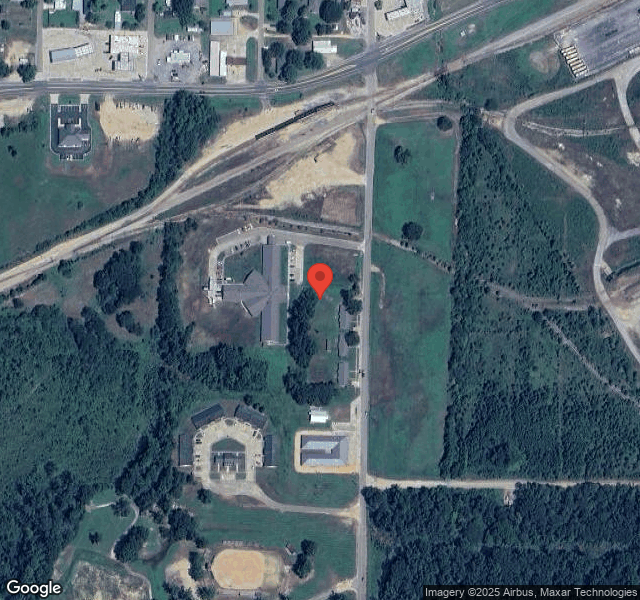
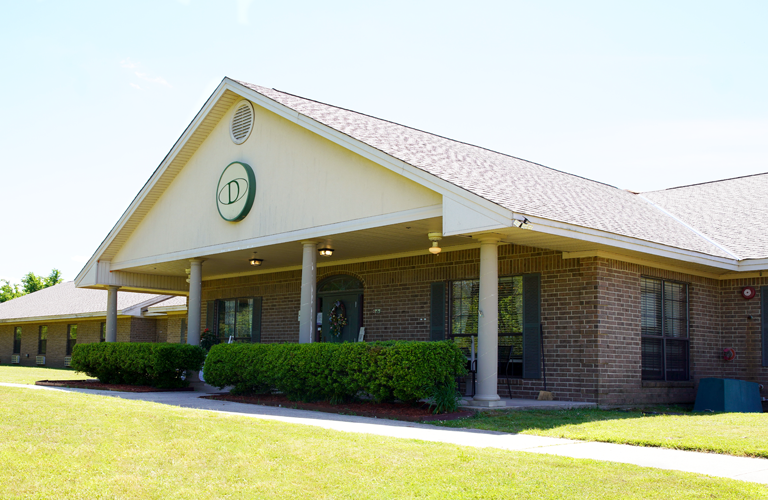
402 S ARKANSAS AVENUE, DIERKS, AR 71833 (870) 286-3100
For profit - Limited Liability company 70 Beds Independent Data: November 2025
Trust Grade
90/100
#9 of 218 in AR
Last Inspection: June 2025

Inspected within the last 6 months. Data reflects current conditions.

Overview

Dierks Health and Rehab of Dierks has an excellent Trust Grade of A, which indicates a high level of quality and care. Ranking #9 out of 218 facilities in Arkansas places it in the top tier, while being #1 out of 3 in Howard County suggests it is the best local option available. The facility's performance trend is stable, with two issues reported in both 2024 and 2025, indicating consistent oversight. Staffing is a strong point, with a rating of 4 out of 5 stars and a turnover rate of 43%, which is better than the state average of 50%. However, there have been some concerns, including a failure to maintain proper food storage temperatures and leaving potentially hazardous cleaning supplies unattended in the hallway, which could pose risks to residents. Overall, while there are some areas needing improvement, the facility is generally well-regarded for its quality of care.

Trust Score
A
90/100
In Arkansas
#9/218
Top 4%
Safety Record
Low Risk
No red flags
Inspections
Holding Steady
2 → 2 violations
Staff Stability
○ Average
43% turnover. Near Arkansas's 48% average. Typical for the industry.
Penalties
✓ Good
No fines on record. Clean compliance history, better than most Arkansas facilities.
Skilled Nurses
⚠ Watch
Each resident gets only 25 minutes of Registered Nurse (RN) attention daily — below average for Arkansas. Fewer RN minutes means fewer trained eyes watching for problems.
Violations
○ Average
7 deficiencies on record. Average for a facility this size. Mostly minor or procedural issues.
★★★★★
5.0
Overall Rating
★★★★☆
4.0
Staff Levels
★★★☆☆
3.0
Care Quality
★★★★★
5.0
Inspection Score
Stable
2024: 2 issues
2025: 2 issues

The Good

  • 4-Star Staffing Rating · Above-average nurse staffing levels
  • Full Sprinkler Coverage · Fire safety systems throughout facility
  • No fines on record
  • Staff turnover below average (43%)

    5 points below Arkansas average of 48%

Facility shows strength in staffing levels, fire safety.

The Bad

Staff Turnover: 43%

Near Arkansas avg (46%)

Typical for the industry

The Ugly 7 deficiencies on record

Jun 2025 2 deficiencies
CONCERN (D) 📢 Someone Reported This

A family member, employee, or ombudsman was alarmed enough to file a formal complaint

Potential for Harm - no one hurt, but risky conditions existed

Accident Prevention (Tag F0689)

Could have caused harm · This affected 1 resident

Based on observations, interviews, and facility policy review, the facility failed to ensure hazardous chemicals were secured and residents were prevented from having access to substances that could r...

Read full inspector narrative →
Based on observations, interviews, and facility policy review, the facility failed to ensure hazardous chemicals were secured and residents were prevented from having access to substances that could result in accidents or injuries, specifically failing to keep corrosive cleaning supplies out of the reach of ambulatory residents with dementia for 1 (Resident #50) of 2 sampled residents who were reviewed for accidents, resulting in one resident ingesting hydrogen peroxide cleaning solution. The findings include: The quarterly Minimum Data Set (MDS) with an Assessment Reference Date (ARD) of 3/11/2025 indicated Resident #50 had diagnoses of Alzheimer's disease, malnutrition, and depression, and had a Brief Interview for Mental Status (BIMS) score of 8 (8-12 indicates moderate cognitive impairment). A Nsg-I&A Progress Note, dated 11/13/2024 at 06:55 AM, indicated Resident #50 was sitting at the nurse's station and was observed with a spray bottle of disinfectant (Peroxide Multi Surface Cleanser and Disinfectant) the lid was off, the resident ingested an unknown amount of the disinfectant. The spray bottle was removed from the resident and locked in cart/housekeeping closet. Resident #50 was assessed with no signs or symptoms of injury, (name of disinfectant producer) was notified regarding the disinfectant and medical advice obtained. A review of Resident # 50's Care Plan dated 12/18/2024 indicated Resident #50 exhibited behavioral indicators of drinking cleaning chemicals, related to Alzheimer's disease, with a goal of care being the resident will cause no harm to self or others secondary to their behaviors. The intervention dated 11-13-24 indicated the spray bottle was removed from resident and locked in cart/housekeeping closet. A review of Resident #50 ' s Triage clinical report from a local hospital, dated 11/13/2024, indicated patient was an Alzheimer's patient that was thirsty and got in the cleaning cart and took one drink of peroxide multi-surface cleanser, ingesting this at 6:00 AM and vomiting once after breakfast. Resident #50 denied any complaint. During an interview on 06/10/2025 at 02:09 PM, the Medical Director stated they were notified of Resident #50 ingesting hydrogen peroxide cleaner, and the resident did not have any negative effects from possible ingestion of hydrogen peroxide cleaner. During an interview by telephone on 06/10/2025 at 02:30 PM, Certified Nursing Assistant (CNA) #2 reported not being present at the time of the incident, but from what they understood, the resident did not actually swallow the cleaner, just took in mouth and spit it out. CNA #2 reported being written up for leaving the housekeeping cart out. A form titled Employee Memorandum was completed on 11/13/2024, indicated CNA was given a write up (reprimand) for not putting housekeeping cart back in closet after completing her shift. During an interview on 06/10/2025 at 02:42 PM, the Treatment Nurse reported seeing Resident #50 with a bottle of cleaning solution up to mouth. The resident took some in their mouth and then spit it out. The resident got ahold of it because the housekeeping cart was left outside the housekeeper closet door unattended. The Treatment Nurse was asked how the facility had ensured this did not happen again and stated staff made sure the cart was locked and, in the closet, carts were not left out anymore. Training was completed requiring no carts were left out. During an interview on 06/10/2025 at 03:04 PM, the Director of Nursing (DON) stated she was notified Resident #50 was observed with a bottle of chemicals from the housekeeper cart, unsure how much ingested, but the resident vomited. The housekeeping cart had been left out for staff to clean rooms. The DON was asked how she ensured this did not happen again and the DON stated by monitoring during rounds and observing to make carts were not left out. Carts were always to be locked and put away. The DON was asked how staff could get the cleaning supplies if they needed them and stated, the staff must get the key from the nurse. The DON stated the resident had suffered no ill effects. The resident vomited once, then was fine. During an interview on 6/11/20 25 at 2:35 PM, Housekeeper #11 was asked what cleaning supplies were usually kept on the housekeeping cart. Housekeeper #11 stated bio-spray (alcohol-based cleaner) was on the cart, deodorant spray, and there was no bleach on cart. Housekeeper #11 verified that the compartment on the cart containing chemicals was to be kept locked, and when the cart was not in use it was locked in the janitor's closet. A review of a SDS (Safety Data Sheet) indicated the cleaner Resident #50 had allegedly consumed contained a dilution of Hydrogen Peroxide of 0.78% to 3.12%. The SDS indicated if swallowed to rinse mouth, get medical attention if symptoms occur. A review of a policy titled Incident and Accident Policy and Procedure that indicated residents will be assessed for interventions to prevent further incidents. A review of an In-service Form titled, Proper Storing Chemical indicated a training was conducted by the Administrator on 11/15/2024, and indicated staff are to ensure chemicals are store in secure areas at all times when not in use.
CONCERN (D)

Potential for Harm - no one hurt, but risky conditions existed

Infection Control (Tag F0880)

Could have caused harm · This affected 1 resident

Based on observations, interviews, record review and policy review, the facility failed to ensure staff implemented Enhanced Barrier Precautions (EBP) and applied appropriate Personal Protective Equip...

Read full inspector narrative →
Based on observations, interviews, record review and policy review, the facility failed to ensure staff implemented Enhanced Barrier Precautions (EBP) and applied appropriate Personal Protective Equipment (PPE) to prevent the potential for cross contamination when administrating medications through a feeding tube for 1 (Resident # 49) of 1 sampled resident. The findings include: During an observation on 06/11/2025 at 11:13 AM, Licensed Practical Nurse (LPN) #9 performed hand hygiene and prepared medications for Resident #49. LPN #9 put on gloves but did not put on a gown. An EBP sign was on the door leading to Resident #49 ' s room. LPN #9 administered the medications through the feeding tube, removed gloves, preformed hand hygiene, and exited the room. During an interview immediately following the observation, LPN #9 confirmed that Resident #49 was on EBP and that a gown, in addition to gloves, should have been worn when administering the resident's medications through the feeding tube. During an interview on 06/11/2025 at 11:25 AM, the Director of Nursing (DON) indicated Resident #49 was on EBP and required PPE. Specifically, a gown and gloves were required when giving medications or care for a feeding tube. The DON confirmed staff were alerted to EBP by a sign on the door. The DON stated, I am doing an in-service now. During an interview on 06/11/2025 at 2:23 PM, the Infection Preventionist (IP) stated Resident #49 was on EBP because the resident had a feeding tube and a gown and gloves should be worn when administering medications through the feeding tube. The IP stated that staff were made aware that residents were on EBP by a sign either on the resident's door, or by the resident's door. Residents were placed on EBP to prevent the spread of infection. The IP confirmed the nurse should have put on a gown, in addition to gloves, when administering the resident's medication through the feeding tube. A review of an annual Minimum Data Set with Assessment Reference Date of 03/27/2025, indicated Resident #49 had diagnoses which included end stage kidney disease, diabetes mellitus, and difficulty swallowing. The Brief Interview for Mental Status score of 10 revealed moderate cognitive impairment. A review of the Care Plan, with a revision date of 11/01/2024, indicated Resident #49 was on EBP related to a feeding tube. A review of an Order Summary Report dated 03/12/2025, indicated Resident #49 had a Physician's Order for EBP related to a feeding tube. A review of a policy titled Isolation Policy and Procedure EBP indicated EBP would be utilized for residents that have medical devices. PPE including a gown and gloves would be utilized for residents during high-contact resident care.
Apr 2024 2 deficiencies
CONCERN (E)

Potential for Harm - no one hurt, but risky conditions existed

Accident Prevention (Tag F0689)

Could have caused harm · This affected multiple residents

Based on observation, interview, and record review, the facility failed to ensure residents were free from accidents and hazards by leaving a spray bottle labeled floor cleaner and spray buff in the h...

Read full inspector narrative →
Based on observation, interview, and record review, the facility failed to ensure residents were free from accidents and hazards by leaving a spray bottle labeled floor cleaner and spray buff in the hallway unattended. The findings are: 1. On 04/16/2024 at 09:10 AM, Maintenance Staff #1 left a chemical spray bottle labeled floor cleaner and spray buff with a clear liquid in it hanging on the wall rail. At 09:20 AM, Maintenance Staff #1 returned to the spray bottle. Maintenance Staff #1 confirmed the bottle was left unsupervised by staff, that he meant to come right back, but a staff member caught him outside. He also said it was not good if residents grabbed it or anything, typically if the item has a warning label for children it is not good to leave out. 2. The label stated, .WARNING Keep out of reach of children. Read label before use . contains: Alkyl Polyglycolide, Linear Alcohol Ethoxylate . 3. The Material Safety Data Sheet for the floor cleaner documented: .Section 2: Hazard(s) Identification . May be harmful if swallowed Causes skin and eye irritation . Ingestion: Harmful if swallowed. Causes gastrointestinal irritation with nausea, vomiting and Diarrhea . Precautions to be taken in Handling: .Keep out of reach of children .
CONCERN (F)

Potential for Harm - no one hurt, but risky conditions existed

Food Safety (Tag F0812)

Could have caused harm · This affected most or all residents

**NOTE- TERMS IN BRACKETS HAVE BEEN EDITED TO PROTECT CONFIDENTIALITY** Based on observation, record review and interview, the facility failed to ensure 1 of 2 refrigerators and 1 of 2 freezers used f...

Read full inspector narrative →
**NOTE- TERMS IN BRACKETS HAVE BEEN EDITED TO PROTECT CONFIDENTIALITY** Based on observation, record review and interview, the facility failed to ensure 1 of 2 refrigerators and 1 of 2 freezers used for the storage of food items was within proper temperature range; food items stored in the refrigerator and freezers were dated with open and expiration dates to prevent potential cross-contamination and minimize the potential for food borne illness; dry goods on the shelves had expiration dates; open food packages were properly closed; failed to ensure a homelike environment by not removing meal items from serving trays; failed to ensure a sanitary environment with staff reaching through the serving window from the dining side, appliances were clean, and food items to be served were covered; and walls and floors were in sanitary condition. The findings are: 1. On 04/15/2024 at 12:41 PM, Housekeeper #1 stood on the dining room side of the serving window and reached through the window to receive something from the Kitchen staff. The Director of Nursing (DON) confirmed that was a concern for infection control. 2. On 04/17/2024 at 7:09 AM, 2 bowls of corn flakes and 3 bowls O shaped cereal were on the counter uncovered ready to be served. At 7:20 AM, the Surveyor observed a fly land in the last bowl of O shaped cereal. At 7:25 AM, the Administrator went to place the last bowl of O shaped cereal from the counter onto a residents' tray. The Surveyor informed the Administrator that a fly landed inside that bowl of O shaped cereal. The Administrator was unaware a fly landed inside of the bowl. Dietary Aide (DA) #1 confirmed the bowls were uncovered when they began serving the residents and that she would not have known about the fly. The fly would cause cross contamination. At 9:05 AM, the Administrator confirmed the fly could be an infection control concern. 3. On 04/17/2024 at 7:10 AM, on a shelf above the serving line, a fly was flying around divided plates and serving covers with serving side up. 4. On 04/17/2024 at 7:12 AM, a plastic bag of light brown cane sugar was left open on the counter by the stove after being used. At 7:50 AM, DA #1 confirmed the brown cane sugar should not have been left open. This could contaminate the food item if something got into the bag. 5. On 04/17/2024 at 7:18 AM, a can opener had a blackish broken substance around the blade. At 9:01 AM, the Administrator confirmed there were particles around the blade and the item looked corroded. 6. On 04/17/2024 at 7:20 AM, during observation empty boxes were observed on the floor in front of the Janitors Closet along with boxes stored directly on the floor of the paper good storage area. 7. On 04/17/2024 at 9:03 AM, the Administrator confirmed the full boxes on the paper goods floor could cause cross contamination. 8. On 04/17/2024 at 7:43 AM, observed a black substance built up between the tile grout behind the ice machine and on the flooring and floorboard under the puree preparatory counter/sink combination. The walls by the puree preparatory counter/sink and stove had a black built up smudge look. At 9:03 AM, the Administrator confirmed that the substance build up could be an infection control concern. 9. On 04/17/2024 at 7:54 AM, observed breadcrumbs in a clear storage container over the puree food preparation area. The container did not have an expiration date and a scoop was left inside the container. DA #1 confirmed the scoop should not have been left in the container because it was not sanitary, because hands touched the scoop and could cross contaminate. 10. On 04/17/2024 at 7:56 AM, the left side of Freezer #1 contained 10 pounds of oven ready par-fried whole grain breaded [NAME] sticks that was open and did not have an open date. 11. On 04/17/2024 at 8:01 AM, the left side of Freezer #2 contained the following frozen items without an expiration date: i) 3 - 1 gallon freezer bags with mozzarella cheese. ii) 2 - 1 gallon freezer bags with sliced celery. iii) 3 - 1 gallon freezer bags with chopped broccoli. 12. On 04/17/2024 at 8:07 AM, the right side of Freezer #2 contained the following items without an open date: i) 144 buttermilk pancakes. ii) 22.5 pounds of cheesy garlic bread sticks. 13. On 04/17/2024 at 8:08 AM, the right side of Freezer #1 had a container used for keeping ice cream cold during meal serving time. The container had ice built up in the corners and unknown particles on the inside of the bottom. DA #1 confirmed the above findings in Freezer #1. 14. On 04/17/2024 at 8:10 AM, in Freezer #1, the bottom right side vent cover was not properly attached. 15. On 04/17/2024 at 8:12 AM, on the right inside of the refrigerator, the second shelf was held up with six (6) zip-ties on the left side shelf of the refrigerator. 16. On 04/17/2024 at 8:13 AM, in the refrigerator, the following food items were stored in food containers and did not have expiration dates: i) Breaded Pudding. ii) Tomato Juice. iii) Tomato Soup. iv) 10 - one gallon containers of iced tea. v) 1 - one gallon container of lemonade. 17. On 04/17/2024 at 8:15 AM, in the refrigerator was a storage container with apple sauce that expired on 04/16/2024. 18. On 04/17/2024 at 8:35 AM, the following observations were made in the Dry Food Storage Room: i) 3 snack bags of corn chips without a received date or an expiration date. ii) 4 snack bags of vanilla wafers without an expiration date. iii) 5 snack bags of chocolate chip cookies without an expiration date. 19. On 04/17/2024 at 8:44 AM, the Freezer in the Dry Storage Room showed a temperature of 16 degrees. There were 48 ciabatta rolls in the freezer that were not frozen solid to the touch. The rolls did not have a received date, an open date, or an expiration date. Human Resource confirmed the observation. 20. On 04/17/2024 at 2:00 PM, the Consultant provided a policy titled, Cleaning Instructions: Food Preparation Appliances Policy and Procedure, which shows, Policy: Small appliances (such as mixers and food processors) will be cleaned and sanitized after each use . 21. On 04/17/2024 at 1:45 PM, the Consultant provided policy titled, General Food Preparation and Handling, which shows Policy: Food items will be prepared to conserve maximum nutrition value, develop and enhance flavor and keep free of injurious organisms and substances. Procedure: .1. a. The kitchen and equipment are clean and sanitized as appropriate. 2. Food Storage .b.Food is covered for storage .4. Food Service .d .Use leftovers within 3 days or discard . 22. On 04/17/2024 at 1:45 PM, the Consultant provided policy titled, Dry Storage Areas, which shows, Policy: Dry storage areas will be kept in a condition which protects stored foods from infestation. Procedure: 1. All items must be stored at least 6 inches off the floor .2. The floors, walls, shelves, and other storage areas are kept clean . Care of the Storeroom [ROOM NUMBER]. The staff will maintain care of the storeroom according to the following directions.c. Refrigerated and frozen foods are dated upon delivery. Foods with expiration dates are used prior to the date on the package. Canned and dry foods without expiration dates are used within six months of delivery or according to the manufacturer's guidelines. Canned goods should be dated, and staff should use the FIFO (first in/first out) method to rotate foods. d. The storeroom is cleaned on a regular basis. Floors are swept and mopped at least weekly and more often as needed. Refer to the cleaning schedule for details .
Jun 2023 1 deficiency
CONCERN (D) 📢 Someone Reported This

A family member, employee, or ombudsman was alarmed enough to file a formal complaint

Potential for Harm - no one hurt, but risky conditions existed

Deficiency F0726 (Tag F0726)

Could have caused harm · This affected 1 resident

**NOTE- TERMS IN BRACKETS HAVE BEEN EDITED TO PROTECT CONFIDENTIALITY** Based on record review, and interview, the facility failed to ensure medications were administered to the correct resident for 1...

Read full inspector narrative →
**NOTE- TERMS IN BRACKETS HAVE BEEN EDITED TO PROTECT CONFIDENTIALITY** Based on record review, and interview, the facility failed to ensure medications were administered to the correct resident for 1 (Resident #3) of 3 (Residents #1, #2 and #3) sampled residents. This failed practice of past noncompliance had the potential to affect 29 residents on the 100 and 200 Halls who received medications as documented on a list provided by the Director of Nursing (DON) on 06/08/23 at 9:40 a.m. The findings are: 1. On 06/07/23 at 8:18 a.m., the Surveyor asked the Director of Nursing to provide a list of Medication Error Incidents in the past 60 days. 2. On 06/07/23 at 8:40 a.m., the Director of Nursing provided a report titled, Incidents by Incident Type. The document read, Medication Error Incidents . Resident #3 - 05/13/23 10:38 a.m.Total 'Medication Error' Incidents: 1 . 3. Resident #3's Quarterly Minimum Data Set (MDS) with an Assessment Reference Date (ARD) of 03/06/23 documented the resident scored 13 (13-15 indicates cognitively intact) on a Brief Interview for Mental Status (BIMS) and had minimal difficulty hearing. 4. A Progress Note dated 05/13/23 by Licensed Practical Nurse (LPN) #1 documented, Incident Description: this LPN prepared medications for a.m. med [medication] pass, verbalized resident name aloud, resident did not correct this LPN when she stated the incorrect name to resident, therefore this LPN believed she was administering the correct medication to the correct person. This LPN then went to resident room to administer medication and resident stated she had already taken her medication while in the Dining Room. This LPN then believed that an error had occurred. Immediate intervention: Assessed resident vitals wnl [within normal limits], resident verbalized no complaints of feeling unwell at this time, reported med error to [Name] APRN [Advance Practice Registered Nurse]; [Name] DON; [Name] ADON [Assistant Director of Nursing]; [Name] Administrator . 5. A Progress Note dated 05/15/23 by the APRN documented, .Chief Complaint/Reason for this Visit - Staff and resident requesting visit after medication error . Resident unfortunately received another resident's medication on 05/13/23. The incorrect medication received was Plavix 75 mg [milligrams] and Singulair 10mg . 6. A One on One Counseling Report dated 05/13/23 provided by the DON on 06/08/23 at 10:00 a.m. documented, .Always ensure administering medication to appropriate resident. Verification of identity. 6 Rights of Medication Rights . 1. Right Resident . Signed by LPN #1 and the DON. 7. A facility policy titled, Medication Administration General Guidelines Policy and Procedure, provided by the DON on 06/08/23 at 9:40 a.m. documented, .Medications are administered as prescribed in accordance with good nursing principles and practices . Eight Rights - right resident . Residents are identified before medication is administered . 8. An In-Service Form dated 05/30/23 provided by the DON on 06/08/23 at 9:40 a.m. and signed by LPN #1 documented, 6 rights of med admin [administration] 9. A Form Titled, In-Service 05/30/23 provided by the DON on 06/08/23 at 9:40 a.m. documented, .Medication Administration - Please See Handout . 10. A Form Titled, Medication Pass Inservice which was provided by the Director of Nursing on 06/08/23 at 9:40 a.m. did not contain any instructions regarding verifying the resident's identity. 11. On 06/08/23 at 8:00 a.m., Resident #3 was in her room. Resident #3 stated, You will have to talk loud because I can't hear very well. The Surveyor asked, Have the nurses ever given you someone else's medicine? Resident #3 answered, Yes. The Surveyor asked, Can you tell me more about that? Resident #3 stated, I got upset. My blood pressure went up a little but not too bad. I decided that if it is my time to go, I will go. 12. On 06/08/23 at 9:30 a.m., the Surveyor asked LPN #1, Do you remember on May 13th when [Resident #3] got someone else's medication? LPN #1 answered, Yes. The Surveyor asked, Can you tell me more about that? LPN #1 answered, I was passing my meds [medications] and I approached [Resident #3]. I called her by another resident's name more than once and she never corrected me. So, I gave her that other resident's medicine by mistake. The Surveyor asked, How do you identify the residents? LPN #1 stated, I ask them their name. The Surveyor asked, How do you identify the residents who are not able to tell you their name? LPN #1 stated, I find someone who has worked here longer and ask them. 13. On 6/8/23 at 9:35 a.m., the Surveyor asked LPN #2, How do you identify the residents? LPN #2 stated, We have a photo of each resident on the MAR [Medication Administration Record] and I also ask the resident their name. The Surveyor asked, What do you do if the resident is not able to tell you their name? LPN #2 answered, The photos are pretty much up to date. 14. On 06/08/23 at 10:30 a.m., the Surveyor asked the DON, How do the nurses identify the residents during medication administration? She answered, They ask them their name. And there is a photo on the MAR. Or they can ask other staff. They should know. The Surveyor asked, What could happen if a resident took another resident's medication? She answered, It depends on the medication. There could be no adverse effect or it could be serious.
Mar 2023 2 deficiencies
CONCERN (D)

Potential for Harm - no one hurt, but risky conditions existed

Assessment Accuracy (Tag F0641)

Could have caused harm · This affected 1 resident

**NOTE- TERMS IN BRACKETS HAVE BEEN EDITED TO PROTECT CONFIDENTIALITY** Based on record review, and interview, the facility failed to ensure an accurate assessment was completed for 1 (Resident #24) o...

Read full inspector narrative →
**NOTE- TERMS IN BRACKETS HAVE BEEN EDITED TO PROTECT CONFIDENTIALITY** Based on record review, and interview, the facility failed to ensure an accurate assessment was completed for 1 (Resident #24) of 1 sampled residentwho received the antiplatelet medication Prasugrel (Effient) as an anticoagulant. This failed practice had the potential to affect 1 resident who received the Antiplatelet medication Prasugrel (Effient) according to a list provided by the Administrator on 03/16/23 at 10:36 AM. The findings are: 1. Resident #24 had diagnoses of Hypertension, Chronic Systolic (Congestive) Heart Failure, Anemia in Chronic Kidney Disease. The Quarterly Minimum Data Set (MDS) with an Assessment Reference Date (ARD) of 01/19/23 documented the resident scored 13 (13-15 indicates cognitively intact) on a Brief Interview for Mental Status (BIMS) and received an anticoagulant medication for 7 days of the 7 day look back period. a. The Physician's Order dated 01/30/20 documented, .Effient Tablet 10 MG [milligrams] (Prasugrel HCl) [Hydrochloride] Give 1 tablet by mouth one time a day related to ACUTE KIDNEY FAILURE, UNSPECIFIED .) b. On 03/16/23 at 9:23 am., the Surveyor asked the Director of Nursing (DON) Who is the MDS Nurse? The DON stated, Well her last day was yesterday so we are now looking for a new MDS Nurse. The Surveyor asked, Does Resident #24 take an anticoagulant at this time? The DON looked in Resident #24's Electric Health Record and stated, Let me look, I don't see one. The Surveyor asked, Does Resident #24 take Prasugrel medication? The DON stated, Yes, she takes that. The Surveyor asked, Can you tell me what the Quarterly MDS information dated 01/19/23 documents for Anticoagulant? The DON looked in the Quarterly MDS and stated, It shows Anticoagulant for last 7 days. The Surveyor asked, What classification is the medication Prasugrel? The DON stated, In our system it comes up as a Hematological medication when we click on it in [Facility Computer Software]. The Surveyor asked, Should the Quarterly MDS dated [DATE] show documentation as the resident taking an anticoagulant for the last 7 days? The DON stated, No, it should not. c. On 03/16/23 at 10:20 am., the Surveyor requested a policy for Accuracy of Assessments/MDS from the DON. d. On 03/16/23 at 10:36 am., the Administrator stated, We do not have a policy on accuracy of MDS Assessments. I did print this off and that we use showing .Complete resident's assessments per Resident Assessment Instrument (RAI) guidelines . e. The facility policy and procedure titled, Resident Assessment Policy and Procedure, provided by the Administrator om 3/16/23 at 10:35 AM documented, Purpose: To identify the resident's care needs. To develop a comprehensive plan of care for the resident . To assist the resident to attain the highest practical level of mental and physical function and well-being. Policy: The facility shall complete resident's assessments via MDS 3.0 according to the RAI guidelines . 4. Complete resident's assessments per RAI Manual guidelines .
CONCERN (E)

Potential for Harm - no one hurt, but risky conditions existed

ADL Care (Tag F0677)

Could have caused harm · This affected multiple residents

Based on observation, interview, and record review, the facility failed to ensure nail care was provided to maintain appropriate grooming for 1 (Resident #43) of 19 (Residents #1, #7, #12, #13, #18, #...

Read full inspector narrative →
Based on observation, interview, and record review, the facility failed to ensure nail care was provided to maintain appropriate grooming for 1 (Resident #43) of 19 (Residents #1, #7, #12, #13, #18, #22, #24, #26, #32, #35, #37, #40, #43, #44, #49, #52, #58, #61 and #116) sampled residents who were dependent on staff for nail care according to a list provided by the Administrator on 03/16/23 at 10:36 AM. The findings are: 1. Resident #43 had a diagnoses of Non-Alzheimer's Dementia, Medically Complex Conditions, and Malnutrition. The Quarterly Minimum Data Set (MDS) with an Assessment Reference Date (ARD) of 01/06/23 documented the resident scored 5 (0-7 indicates severely cognitively impaired) on a Brief Interview for Mental Status (BIMS) and required supervision of one person for personal hygiene, and physical help of one person with bathing activity. a. The Care Plan with a revision date of 01/11/23 documented, .Focus: [Resident #43] has an ADL [Activity of Daily Living] self-care performance deficit r/t [related to] Dementia and history of falling BATHING/SHOWERING: Check nail length and trim and clean on bath day and as necessary. Report any changes to the nurse . b. On 03/12/23 at 11:27 AM, Resident #43 was sitting in her recliner in her room. Her fingernails were varied in length with jagged edges and extended 1/8 to 1/4 inch past the end of the nail bed. The burgundy nail polish was chipped and there was a brown substance under some of the nails. c. On 03/13/23 at 8:40 AM., Resident #43 was sitting in her recliner Her fingernails varied in length with jagged edges and extended 1/8 to 1/4 inch past the end of the nail bed. The burgundy nail polish was chipped and there was a brown substance under some of the nails. d. On 03/14/23 at 9:00 AM, Resident #43 was sitting in her recliner in her room. Her fingernails varied in length with jagged edges and extended 1/8 to 1/4 inch past the end of the nail bed. The burgundy nail polish was chipped and there was a brown substance under some of the nails. e. On 03/15/23 at 11:35 PM, Resident #43 was ambulating to the Dining Room with her walker. Her fingernails varied in length with jagged edges and extended 1/8 to 1/4 inch past the end of the nail bed. The burgundy nail polish was chipped and there was a brown substance under some of the nails. f. On 03/16/23 at 9:30 AM, the Surveyor asked Licensed Practical Nurse (LPN) #1, Can you please describe [Resident #43's] fingernails for me? LPN #1 stated, They are long and dirty underneath the nails. They need to be cleaned and clipped. The Surveyor asked, Who is responsible for providing nail care for the residents? LPN #1 stated, The CNAs [Certified Nursing Assistants] are unless the resident is a diabetic. The Surveyor asked, How often should nail care be provided for residents that depend on staff to provide nail care? LPN #1 stated, Nails should be checked daily and should be cleaned on their shower days. The Surveyor asked, Why is nail care important? LPN #1 stated, Because bacteria can get under the nails and nails that are too long can cause skin tears. g. On 03/16/23 at 09:40 AM, the Surveyor asked CNA #1, Can you please describe [Resident #43's] fingernails for me? CNA #1 stated, They are long and dirty. The Surveyor asked, Who is responsible for providing nail care for the residents? CNA #1 stated, The CNAs. The Surveyor asked, How often should nail care be provided for residents that depend on staff to provide nail care? CNA #1 stated, Nails should be cleaned daily and should be clipped weekly. The Surveyor asked, Why is nail care important? CNA #1 stated, Because germs can get under the nails. h. On 03/16/23 at 09:50 AM, the Surveyor asked CNA #2, Can you please describe [Resident #43's] fingernails for me? CNA #2 stated, They are long, dirty and the polish is chipped. The Surveyor asked, Who is responsible for providing nail care for the residents? CNA #2 stated, The CNAs are. The Surveyor asked, How often should nail care be provided for residents that depend on staff to provide nail care? CNA #2 stated, Nails should be cleaned daily and should be checked weekly to see if they need to be trimmed. The Surveyor asked, Why is nail care important? CNA #2 stated, Because of dignity, and germs can get under the nails. i. On 03/16/23 at 10:00 AM, the Surveyor asked the Director of Nursing (DON), Who is responsible for providing nail care for the residents? The DON stated, The CNAs are unless the resident is a diabetic then the nurse is. The Surveyor asked, How often should nail care be provided for residents that depend on staff to provide nail care? The DON stated, Nails should be cleaned daily and as needed and should be looked at every week to see if they need to be trimmed. The Surveyor asked, Why is nail care important? The DON stated, Because of health concerns and sanitization. The Surveyor asked, Can you please provide me with a policy on nail care for residents? The DON stated, Yes. j. The facility policy and procedure titled Nail Care Policy and Procedures, provided by the DON on 03/16/23 at 10:00 AM documented, .All residents will have nails cleaned and trimmed once weekly or as needed per resident request .
Understanding Severity Codes (click to expand)
Life-Threatening (Immediate Jeopardy)
J - Isolated K - Pattern L - Widespread
Actual Harm
G - Isolated H - Pattern I - Widespread
Potential for Harm
D - Isolated E - Pattern F - Widespread
No Harm (Minor)
A - Isolated B - Pattern C - Widespread

Questions to Ask on Your Visit

  • "Can I speak with families of current residents?"
  • "What's your RN coverage like on weekends and overnight?"

Our Honest Assessment

Strengths
  • • Grade A (90/100). Above average facility, better than most options in Arkansas.
  • • No major safety red flags. No abuse findings, life-threatening violations, or SFF status.
  • • No fines on record. Clean compliance history, better than most Arkansas facilities.
  • • 43% turnover. Below Arkansas's 48% average. Good staff retention means consistent care.
Concerns
  • • No significant concerns identified. This facility shows no red flags across CMS ratings, staff turnover, or federal penalties.
Bottom line: Generally positive indicators. Standard due diligence and a personal visit recommended.

About This Facility

What is Dierks Health And Rehab Of Dierks's CMS Rating?

CMS assigns DIERKS HEALTH AND REHAB OF DIERKS an overall rating of 5 out of 5 stars, which is considered much above average nationally. Within Arkansas, this rating places the facility higher than 99% of the state's 100 nursing homes. This rating reflects solid performance across the metrics CMS uses to evaluate nursing home quality.
How is Dierks Health And Rehab Of Dierks Staffed?

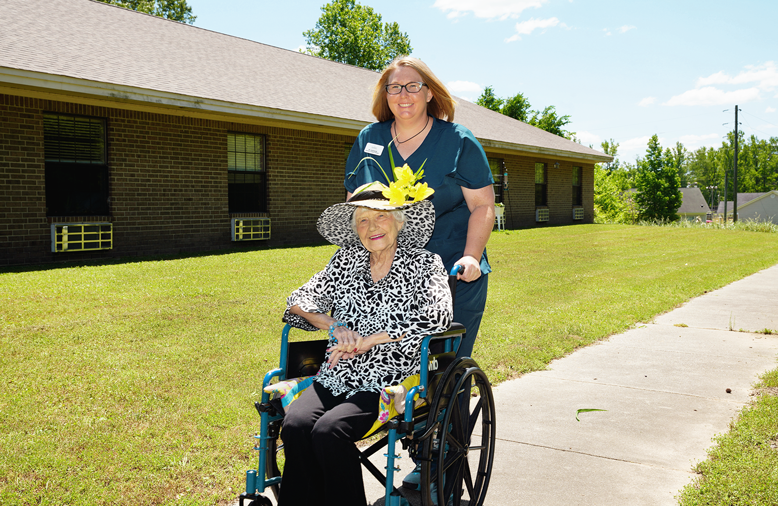
CMS rates DIERKS HEALTH AND REHAB OF DIERKS's staffing level at 4 out of 5 stars, which is above average compared to other nursing homes. Staff turnover is 43%, compared to the Arkansas average of 46%. This relatively stable workforce can support continuity of care.

What Have Inspectors Found at Dierks Health And Rehab Of Dierks?

State health inspectors documented 7 deficiencies at DIERKS HEALTH AND REHAB OF DIERKS during 2023 to 2025. These included: 7 with potential for harm.
Who Owns and Operates Dierks Health And Rehab Of Dierks?

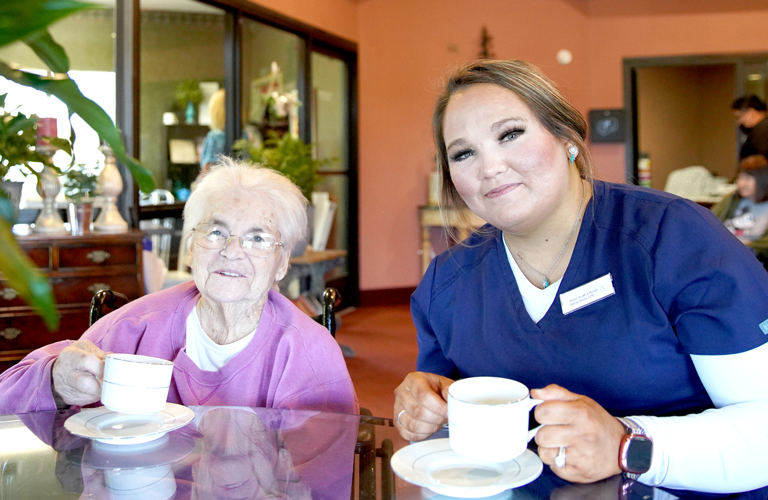
DIERKS HEALTH AND REHAB OF DIERKS is owned by a for-profit company. For-profit facilities operate as businesses with obligations to shareholders or private owners. The facility operates independently rather than as part of a larger chain. With 70 certified beds and approximately 57 residents (about 81% occupancy), it is a smaller facility located in DIERKS, Arkansas.
How Does Dierks Health And Rehab Of Dierks Compare to Other Arkansas Nursing Homes?

Compared to the 100 nursing homes in Arkansas, DIERKS HEALTH AND REHAB OF DIERKS's overall rating (5 stars) is above the state average of 3.2, staff turnover (43%) is near the state average of 46%, and health inspection rating (5 stars) is much above the national benchmark.

What Should Families Ask When Visiting Dierks Health And Rehab Of Dierks?

Based on this facility's data, families visiting should ask: "Can I visit during a mealtime to observe dining assistance and food quality?" "How do you handle medical emergencies, and what is your hospital transfer rate?" "Can I speak with family members of current residents about their experience?"

Is Dierks Health And Rehab Of Dierks Safe?

Based on CMS inspection data, DIERKS HEALTH AND REHAB OF DIERKS has a clean safety record: no substantiated abuse findings (meaning no confirmed cases of resident harm), no Immediate Jeopardy citations (the most serious violation level indicating risk of serious injury or death), and is not on the Special Focus Facility watch list (a federal program monitoring the lowest-performing 1% of nursing homes). The facility has a 5-star overall rating and ranks #1 of 100 nursing homes in Arkansas. While no facility is perfect, families should still ask about staff-to-resident ratios and recent inspection results during their visit.

Do Nurses at Dierks Health And Rehab Of Dierks Stick Around?

DIERKS HEALTH AND REHAB OF DIERKS has a staff turnover rate of 43%, which is about average for Arkansas nursing homes (state average: 46%). Moderate turnover is common in nursing homes, but families should still ask about staff tenure and how the facility maintains care continuity when employees leave.

Was Dierks Health And Rehab Of Dierks Ever Fined?

DIERKS HEALTH AND REHAB OF DIERKS has no federal fines on record. CMS issues fines when nursing homes fail to meet care standards or don't correct problems found during inspections. The absence of fines suggests the facility has either maintained compliance or corrected any issues before penalties were assessed. This is a positive indicator, though families should still review recent inspection reports for the full picture.

Is Dierks Health And Rehab Of Dierks on Any Federal Watch List?

DIERKS HEALTH AND REHAB OF DIERKS is not on any federal watch list. The most significant is the Special Focus Facility (SFF) program, which identifies the bottom 1% of nursing homes nationally based on persistent, serious quality problems. Not being on this list means the facility has avoided the pattern of deficiencies that triggers enhanced federal oversight. This is a positive indicator, though families should still review the facility's inspection history directly.