NASHVILLE NURSING AND REHAB SERVICES OF ARKANSAS
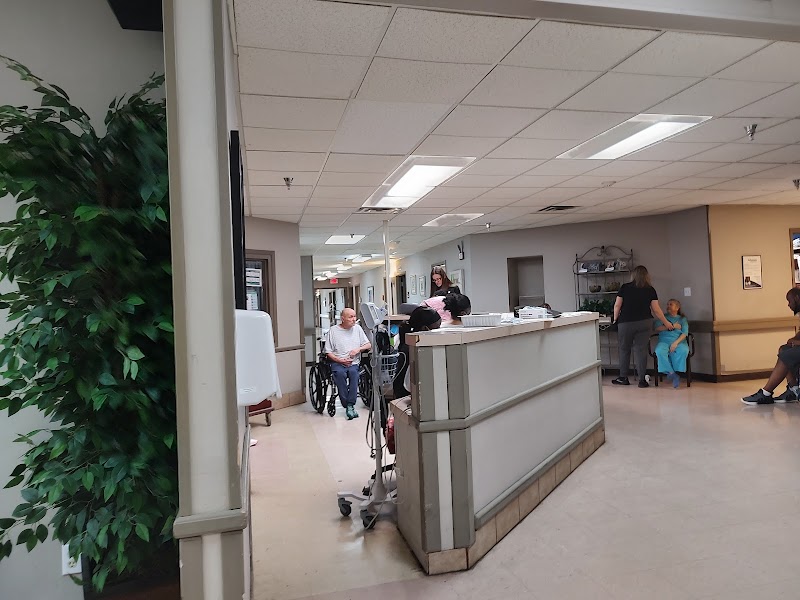
810 NORTH 8TH ST, NASHVILLE, AR 71852 (870) 845-4600
For profit - Limited Liability company 70 Beds Independent Data: November 2025
Trust Grade
45/100
#157 of 218 in AR
Last Inspection: November 2024

Within standard 12-15 month inspection cycle. Federal law requires annual inspections.

Overview

Nashville Nursing and Rehab Services of Arkansas has a Trust Grade of D, indicating below-average quality and some concerns about care. They rank #157 out of 218 facilities in Arkansas, placing them in the bottom half, and #3 out of 3 in Howard County, meaning only one local option is better. However, the facility is showing improvement, having reduced issues from 7 in 2024 to just 1 in 2025. Staffing is a concern with a 60% turnover rate, which is higher than the state's average, while their RN coverage is average, meaning they have adequate nursing staff but not exceptional. Although there are no fines on record, recent inspector findings indicate serious concerns, such as staff not ensuring safe food handling practices and failing to create comprehensive care plans for residents, which could lead to potential harm. Overall, while there are some strengths like the absence of fines and an improving trend, families should be aware of the significant weaknesses in staffing and specific care practices.

Trust Score
D
45/100
In Arkansas
#157/218
Bottom 28%
Safety Record
Low Risk
No red flags
Inspections
Getting Better
7 → 1 violations
Staff Stability
⚠ Watch
60% turnover. Above average. Higher turnover means staff may not know residents' routines.
Penalties
✓ Good
No fines on record. Clean compliance history, better than most Arkansas facilities.
Skilled Nurses
⚠ Watch
Each resident gets only 18 minutes of Registered Nurse (RN) attention daily — below average for Arkansas. Fewer RN minutes means fewer trained eyes watching for problems.
Violations
⚠ Watch
22 deficiencies on record. Higher than average. Multiple issues found across inspections.
★★☆☆☆
2.0
Overall Rating
★★☆☆☆
2.0
Staff Levels
★★☆☆☆
2.0
Care Quality
★★☆☆☆
2.0
Inspection Score
Stable
2024: 7 issues
2025: 1 issues

The Good

  • Full Sprinkler Coverage · Fire safety systems throughout facility
  • No fines on record

Facility shows strength in fire safety.

The Bad

2-Star Overall Rating

Below Arkansas average (3.1)

Below average - review inspection findings carefully

Staff Turnover: 60%

14pts above Arkansas avg (46%)

Frequent staff changes - ask about care continuity

Staff turnover is elevated (60%)

12 points above Arkansas average of 48%

The Ugly 22 deficiencies on record

Jun 2025 1 deficiency
CONCERN (E) 📢 Someone Reported This

A family member, employee, or ombudsman was alarmed enough to file a formal complaint

Potential for Harm - no one hurt, but risky conditions existed

Comprehensive Care Plan (Tag F0656)

Could have caused harm · This affected multiple residents

Based on record review, interviews, and facility policy review, it was determined that the facility failed to develop, implement, and update a comprehensive person-centered care plan for three (Reside...

Read full inspector narrative →
Based on record review, interviews, and facility policy review, it was determined that the facility failed to develop, implement, and update a comprehensive person-centered care plan for three (Resident #1, #2, and #4) of four residents whose care plans were reviewed. The findings include: Resident #1 A review of Resident #1 ' s admission Record, indicated the facility admitted the resident on 10/15/2024, with diagnoses which included alcohol use, liver disease linked to alcohol abuse, psychoactive substance abuse, and post-traumatic stress disorder (PTSD). A review of Resident #1 ' s quarterly Minimum Data Set (MDS), with an Assessment Reference Date (ARD) of 04/05/2025, revealed the resident had a Brief Interview for Mental Status (BIMS) score of 15, which indicated Resident #1 had intact cognition. A review of Resident #1 ' s Care Plan Report, revised on 01/15/2025, revealed the facility failed to address concerns for the resident ' s diagnoses of alcohol use with intoxication, psychoactive substance abuse, liver disease linked to alcohol abuse, and PTSD. A review of Resident #1 ' s Order Summary Report revealed the resident had lab orders for a complete blood count, a comprehensive metabolic panel, and an ammonia level every three months in January, April, July, and October. The Order Summary report also revealed medication orders for a laxative, folic acid, and thiamine tablets to be given for cirrhosis of the liver and alcohol use with intoxication. A Progress Note, dated 05/12/2025 at 12:00 AM, revealed Resident #1 had returned to the facility intoxicated, unable to stand, at one point falling to her knees while being assisted into the building. Resident #2 A review of Resident #2 ' s admission Record indicated the facility admitted the resident on 11/19/2024, with diagnoses which included major depressive disorder, anxiety, kidney failure, and inflammation of the bile duct. A review of Resident #2 ' s quarterly MDS with an ARD of 06/11/2025, revealed the resident had a BIMS score of 05, which indicated Resident #2 had severely impaired cognition. A review of Resident #2's Care Plan Report, initiated on 11/21/2024, revealed the facility failed to address concerns for the resident ' s diagnoses of major depressive disorder, anxiety, kidney failure, and cholangitis. A review of Resident #2 ' s Order Summary report revealed the resident had an order for an anti-anxiety tablet, an anti-depressant tablet, an iron supplement for kidney failure, and a bile acid for cholangitis. Resident #4 A review of Resident #4 ' s admission Record indicated the facility admitted the resident on 11/26/2025, with diagnoses which included an onset diagnosis of urinary tract infection (UTI), and active diagnoses for fracture of left femur, and the presence of a left artificial hip joint on 05/08/2025. A review of Resident #4 ' s quarterly MDS with an ARD of 05/04/2025, revealed the resident had a Staff Assessment for Mental Status score of 02, which indicated the resident was moderately impaired; made poor decisions and required cues and supervision. A review of Resident #4's Care Plan Report, initiated 01/08/2025, revealed the facility failed to address concerns for the resident ' s diagnoses of UTI, fracture of left femur, and the presence of a left artificial hip joint. The Care Plan also revealed Resident #4 required minimal to moderate assistance with most Activities of Daily Living. A review of Resident #4 ' s Order Summary report indicated the resident had an order on 05/08/2025, for therapy to evaluate. The Order Summary Report also indicated an order, with an order date of 05/19/2025, for physical and occupational therapy clarification. The Order Summary Report revealed a start date of 05/19/2025 and an end date of 07/17/2025, for the occupational therapy clarification. The Order Summary Report also revealed Resident #4 had an order for a compound opioid pain medication tablet to be given every 12 hours as needed for pain, a pain medication used to treat moderate to severe pain to be given every eight hours as needed, and an extra strength over the counter pain medication tablet to be given every eight hours. During an interview on 06/26/2025 at 9:36 AM, the Assistant Director of Nursing (ADON) revealed items that should have been on the Care Plan included eating, if the residents were alert and oriented, toileting, behaviors, and fall risks. The ADON indicated that the Care Plan needed to be updated with any changes. The ADON stated, I go to the Care Plan for everything. If I were to Care Plan the event of [Resident #1] being intoxicated, the goal would be for the resident to return to the facility and be monitored for any mental status changes, vital signs to be conducted, and educate the resident of the risk of behaviors. The Care Plan should have been updated to include the explanation to the resident of the dangers of their behaviors. I would have expected it to be updated within 24 hours. We have new staff coming in and they may not have been aware of the needed care for the residents. During an interview on 06/26/2025 at 9:46 AM, Certified Nursing Assistant (CNA) #1 revealed, to care for a resident properly I would look at their Care Plan or get the information in report. CNA #1 indicated to know if a resident was their own person, they would ask the nurse, the ADON, or the Director of Nursing (DON). During an interview on 06/26/2025 at 10:14 AM, the Director of Nursing (DON) revealed, The MDS Coordinator does the Care Plans and has been out on medical leave. The DON stated, I'm trying to audit all the Care Plans. The Care Plans have diet, transfers, anything specific, whether the resident prefers a bath or shower and anything they don't prefer. The DON indicated, you should be able to review a Care Plan and provide care for the resident. Any and all interventions to protect the residents should have been on the Care Plan. Resident #1 ' s Care Plan should have been updated that night or the next day with monitoring for any behaviors and drinking. I did see a history of alcoholism on the resident ' s paperwork. If I had been here at the time, I would have made sure it was on the Care Plan. During an interview on 06/26/2025 at 10:08 AM, CNA #2 revealed they used the Kardex or charts to know how to take care of the residents. During an interview on 06/26/2025 at 10:20 AM, CNA #3 revealed they looked at the care plans to determine how to take care of each resident, if she did not know them. I look at the care plans to determine who is their own responsible party. Employees can find everything they need to know on the care plan. During an interview on 06/26/2025 at 10:45 AM, the Administrator indicated anything that was important about the residents should be updated on the Care Plan. The Care Plan should have been updated after [Resident #1 ' s] incident of getting drunk. The Care Plan should be updated any time there is anything new that happens and should have been updated the next morning [after Resident #1 ' s event]. I think all kinds of stuff should have been added to the Care Plan like being outside, having the fall, being intoxicated, and alcoholism. It's important to have the information on there because that's how we plan care and monitor to make sure we don't have any recurrences. A review of an undated facility policy titled Care Plan Policy and Procedure, indicated Our Policies and Procedures must be flexible to the extent that the care provided to our residents meets the individualized needs of each resident. Regardless of the Policies and Procedures, care provided by staff must be specific to the individual needs of each resident so as to achieve the most desirable results for the resident.
Nov 2024 6 deficiencies
CONCERN (D)

Potential for Harm - no one hurt, but risky conditions existed

Deficiency F0561 (Tag F0561)

Could have caused harm · This affected 1 resident

Based on observation, record review, and interview the facility failed to ensure a resident was not served carrots from a resident ' s dislike list to prevent weight loss and ensure proper nutrition f...

Read full inspector narrative →
Based on observation, record review, and interview the facility failed to ensure a resident was not served carrots from a resident ' s dislike list to prevent weight loss and ensure proper nutrition for 1 (Resident #16) resident of 1 sampled resident reviewed for choices. Findings include: 1. A review of Medical Diagnoses, revealed Resident #16 with diagnoses of left sided weakness, type II diabetes, and depressive disorders. a. Review of Resident #16 ' sAannual Minimum Data Set (MDS) with an Assessment Reference Date (ARD) of 09/04/2024 revealed a Brief Interview for Mental Status (BIMS) score of 15 (13-15 indicate cognitively intact). Review of MDS section K0520 indicated no special diet. b. Review of Resident #16's Care Plan, dated 09/18/2024, revealed Resident #16 required set up assistance from staff during meal service. c. On 11/12/24 at 2:53 PM, Resident #16 told the Surveyor dietary has repeatedly been told that Resident #16 does not like carrots, but they keep serving them. Surveyor observed soft carrots and mashed potatoes resting on Resident #16's plate. Resident #16 ' s meal slip shows dislikes: carrots, rice. d. On 11/13/24 at 9:00 AM, Dietary Manager stated they check plates before trays leave the kitchen, but Certified Nursing Assistants (CNAs) on the floor were expected to compare the food served, to the meal slip and return the plate to the kitchen if the resident was served a dislike. Dietary Manager confirmed Resident #16 should not have been served carrots because it was a dislike. d. Review of a policy titled Meal Identification and Preference Cards/Tickets, revealed preference cards or meal tickets were used to identify resident ' s needs and desires for food during mealtime. Meal tickets were used to make sure that residents received the correct diet and resident food preferences were honored.
CONCERN (D)

Potential for Harm - no one hurt, but risky conditions existed

Deficiency F0583 (Tag F0583)

Could have caused harm · This affected 1 resident

Based on observation, record review, interview, and facility policy review, it was determined the facility failed to ensure that resident ' s personal information was protected according to policy to ...

Read full inspector narrative →
Based on observation, record review, interview, and facility policy review, it was determined the facility failed to ensure that resident ' s personal information was protected according to policy to prevent others from having access and provide a dignified existence for 1 (Resident #4) resident of 1 sampled (Resident #4) resident reviewed for privacy. Findings include: 1. Review of Resident #4 ' s Order Summary Report revealed diagnoses of lung disease, type II diabetes, and osteoarthritis. a. Review of a significant change Minimum Data Set (MDS) with an Assessment Reference Date (ARD) of 08/14/2024 suggested a Brief Interview for Mental Status (BIMS) score of 04 (0-7 indicate severe cognitive impairment). b. On 11/12/2024 at 11:00 AM, the Director of Nursing (DON) provided the Privacy section of the admission packet which revealed all residents will be treated with respect and dignity, and private information will not be shared with people not involved in a residents care. c. On 11/14/24 at 7:59 AM, an open computer screen resting on a medication cart was observed on 300 hall facing anyone that was walking up the hallway, with Resident #4's room number, date of birth with age, code status, vitals, weight, and medications in clear view. Licensed Practical Nurse (LPN) #3 approached and stated she had made a mistake and knew that she left the screen unlocked. LPN #3 confirmed that when she walked away from the medication cart she was supposed to lock and close the computer screen, so no personal information was showing. d. During an interview with Director of Nursing (DON) on 11/14/24 at 9:37 AM, the DON stated she expects nursing to lock and close the computer screen when they walk away from their computer to prevent others from seeing a resident ' s private information. e. On 11/14/24 at 10:14 AM, DON provided a policy titled Resident Privacy and Confidentiality, which revealed residents have the right to have their personal and clinical information kept confidential to maintain dignity.
CONCERN (D)

Potential for Harm - no one hurt, but risky conditions existed

Deficiency F0761 (Tag F0761)

Could have caused harm · This affected 1 resident

Based on observation, interview, and facility policy review, the facility failed to ensure controlled narcotics were properly stored in the medication room refrigerator, in the locked narcotic box sep...

Read full inspector narrative →
Based on observation, interview, and facility policy review, the facility failed to ensure controlled narcotics were properly stored in the medication room refrigerator, in the locked narcotic box separate from other medications to prevent misappropriation of resident owned medications. Findings include: 1.a. On 11/13/24 at 2:25 PM, the Surveyor asked to see what was in the narcotic box in the medication refrigerator and LPN #4 handed the surveyor two 30ml vials of anti-anxiety medication that were sitting outside the narcotic box. The Surveyor asked the process for storing narcotics in the refrigerator. LPN #4 stated narcotics should be in a cool place and locked in the black narcotic box located in the medication room refrigerator. LPN #4 confirmed that she counted refrigerated narcotics this morning, and told the Director of Nursing (DON) another nurse placed the anti-anxiety medication back in the refrigerator. b. On 11/13/24 at 2:27 PM, the DON was asked what process nursing were expected to use for storing refrigerated narcotics. The DON stated narcotics were to be stored in the locked refrigerator, in the locked narcotic box to prevent discrepancies and diversion. c. On 11/13/24 at 2:28 PM, the DON provided a policy titled Medication, Controlled Substances, which revealed controlled substances are subject to special storage in the facility. CII-V controlled substances are stored in a locked compartment and provided a Quality Assurance Action Plan for the Narcotic Process that was started on 10/31/2024. The DON stated the nurse that placed the medication in the refrigerator had been educated on the plan of correction. d. On 11/13/24 at 2:30 PM, DON provided an in-service titled Narcotic Count, Incoming/outgoing, dated 11/4/2024 which revealed the count must be done each shift, but did not address storing narcotics in the locked, refrigerated, narcotic box.
CONCERN (E)

Potential for Harm - no one hurt, but risky conditions existed

Accident Prevention (Tag F0689)

Could have caused harm · This affected multiple residents

**NOTE- TERMS IN BRACKETS HAVE BEEN EDITED TO PROTECT CONFIDENTIALITY** Based on observation, interview, and facility policy review, the facility failed to ensure room deodorizer spray, disinfectant w...

Read full inspector narrative →
**NOTE- TERMS IN BRACKETS HAVE BEEN EDITED TO PROTECT CONFIDENTIALITY** Based on observation, interview, and facility policy review, the facility failed to ensure room deodorizer spray, disinfectant wipes, and medications were not stored at the bedside of an empty room to prevent diversion, accidents and injuries. The facility failed to ensure medications were not stored in reach of residents, on the counter of the nursing station, to prevent accidents or injuries of 2 sampled (Residents 4, and Resident #15) residents sitting near the nurse ' s station. Findings include: 1. a. On 11/12/24 at 10:27 AM, the Surveyor observed room deodorizer spray, antifungal powder and 4 Vitamin A&D ointment packets on top of a shelf, to the left of the bed in room [ROOM NUMBER], one 2 oz. zinc oxide ointment and disinfectant wipes were on the second shelf, and on the bottom shelf was a bottle of rapid release pain reliever, and two 3.75oz tubes of 2% antifungal cream. b. During an interview with Director of Nursing (DON) on 11/13/24 at 12:52 PM, the DON was asked if any residents have administrative rights, and what the process would be if someone had rights, and they were discharged . The DON stated she does not think anyone has rights, and medications would have to be stored and locked away in a resident's room and nursing would have to make sure the resident took the medications appropriately. If a resident discharged the medications should be counted and locked away. The DON confirmed it was not appropriate for disinfectants or medications to be left at the bedside, or in a former resident ' s room because another resident could get their hands on them. c. On 11/13/24 at 1:30 PM, review of a policy titled Medication, Self-Administration, revealed residents have the right to self-administer medications after the interdisciplinary team has determined that it is safe, and the resident has received instructions on the use. A policy titled Medication Storage Policy and Procedure, revealed medications must be maintained in a secure manner. DON confirmed they do not have any residents with self-administration rights at this time. 2.a. On 11/14/24 at 7:58 AM, a medication cart was observed resting sideways on 300 Hall with the cart unlocked, and Surveyor was able to open the doors on the cart. Licensed Practical Nurse (LPN) #3 approached the cart and stated she was supposed to lock the cart when it was unattended so that nobody can get anything out of the cart. b. During an interview with Director of Nursing (DON) on 11/14/24 at 9:37 AM, DON stated she expects nursing to lock the medication cart when left unattended, so nobody has access to the medications that are not in the locked narcotic box on the cart. 3. On 11/14/24 at 5:58 AM, a bottle of wound cleanser was observed sitting on the countertop of the nurse's station. There were two residents, and no staff, sitting in front of the Nurse's station. The medication was wound cleanser with warnings on the bottle instructing the user to avoid eye contact and seek medical attention or call a Poison Control Center if swallowed. Two residents sitting in front of the nurse's station were Resident #15 who had a Brief Interview for Mental Status (BIMS) score of 6 and Resident # 4 who had a BIMS score of 4. A BIMS score indicates how well someone is functioning in their ability to think, learn, remember, use judgement or make decisions:0 - 7 suggests severe functioning ability to think, learn, remember, use judgement, or make decisions. During an interview LPN #1 said the wound cleanser should be in the treatment cart, but it was locked. It should not be left out and accessible to the resident's because it was not safe. LPN #1 looked at the label and said you should avoid eye contact, and with some of our resident's mental status they could drink it, put it in their eyes or spray someone with it. On 11/14/24 at 7:25 AM, the Surveyor reviewed a policy titled The Medication Storage Policy and Procedures which revealed in item 1. Medications and biologicals will be maintained in a secured location only accessible to designated staff. The policy does not contain a date. On 11/14/24 at 7:40 AM, the DON said the wound cleanser should be stored in the treatment cart. It should not be left out in the facility or in a resident's room. The DON said the nurse that used the wound cleanser was responsible for putting it back in the cart where it goes. The cart should be secured, locked.
CONCERN (E)

Potential for Harm - no one hurt, but risky conditions existed

Food Safety (Tag F0812)

Could have caused harm · This affected multiple residents

Based on observation and interview, the facility failed 1) to ensure food items were labeled with an accurate use by date to ensure food was not used beyond its safety period, 2) to ensure food was st...

Read full inspector narrative →
Based on observation and interview, the facility failed 1) to ensure food items were labeled with an accurate use by date to ensure food was not used beyond its safety period, 2) to ensure food was stored in accordance with professional standards of food service safety. The findings are: 1. On 11/12/24 at 10:10 AM, three bags of coleslaw mix, dated 10/24/24, did not have a use by date on the packages, one bag of lettuce, dated 11/8/24, did not have a use by date on the package, and one bag of lettuce, dated 10/28/24, did not have a use by date on the package, all were in the refrigerator of the kitchen. 2. On 11/12/24 at 10:15 AM, a box of biscuits dated 11/1/24, was sitting in the freezer with the bag opened, exposing the biscuits to the elements of the freezer. 3. The Dietary Manager (DM) said it was important to ensure a use by date was on food items so the staff will know when to discard the item and not prepare it for the residents. The DM said a food item used after the use by date could make a resident sick. The DM said it was important to ensure food items were sealed appropriately so the item does not get freezer burned, because it could make a resident sick.
CONCERN (E)

Potential for Harm - no one hurt, but risky conditions existed

Infection Control (Tag F0880)

Could have caused harm · This affected multiple residents

Based on observation, record review, interview, and facility policy review, the facility failed to ensure appropriate hand hygiene was performed during peri-care to reduce the risk of cross contaminat...

Read full inspector narrative →
Based on observation, record review, interview, and facility policy review, the facility failed to ensure appropriate hand hygiene was performed during peri-care to reduce the risk of cross contamination and infection for 1 sampled (Resident #15) resident of 2 residents reviewed for bowel and bladder. The facility failed to ensure an effective infection control program was implemented to prevent the potential spread of infections. Specifically, the facility failed to ensure proper signage was posted on residents' doors to indicate which personal protective equipment (PPE) should be in utilized in the rooms of 1 (Residents #26) of 2 residents reviewed for precautions. Findings include: 1. On 11/14/24 at 5:17 AM, Certified Nursing Assistant (CNA) #2 performed hand hygiene then was observed wiping Residents #15's peri area, and buttocks with one wipe in multiple directions. Resident #15 rolled onto a clean brief and CNA #2 assisted in changing clothes without performing hand hygiene. Surveyor asked what process was used to maintain hand hygiene during peri care. CNA #2 revealed they are to wash their hands and put on gloves before peri care. Surveyor asked, should hand hygiene be done between clean and dirty? CNA #2 confirmed she should have changed her gloves after removing Resident #15's brief, and before assisting resident in putting on clean clothes because urine from her gloves could be spread all over. a. During an interview with the Director of Nursing (DON) on 11/14/24 at 7:45 AM, DON was asked what process staff were expected to use for hand hygiene during peri care. DON stated staff should wash their hands and glove prior to peri care and before going from dirty to clean. DON stated staff should perform hand hygiene after peri care before putting a clean brief, and clothing on residents to prevent the spread of germs, and the risk of UTI. b. On 11/14/24 at 8:04 AM, DON provided a policy titled Perineal Care, which revealed gloves should be changed after cleaning the perineal, and perineum area, and a policy was provided titled Hand Hygiene, which revealed hand hygiene is used to reduce the spread of infection and cross contamination, because failing to perform hand hygiene can spread pathogens to others. Hand hygiene is expected after direct personal care, and toileting. 2. Review of Resident #26 ' s Order Summary Report revealed, Resident #26 had diagnoses of Hypertension, Diabetes Mellitus (DM), Non -Alzheimer's Dementia, Malnutrition, Anxiety, and Depression. a. Review of Resident #26 ' s Significant Change Minimum Data Set (MDS) with an Assessment Reference Date (ARD) of 10/17/24 indicated the resident scored a Brief Interview for Mental Status (BIMS) 00 (0-7 indicates severe impairment) and takes antianxiety, anti-depressant, hypoglycemic medications and had a pressure ulcer/injury. b. On 11/13/24 at 1:08 PM, Surveyor observed pressure ulcer/wound care on resident. No Enhanced Barrier sign on door or order noted in chart. Infection control precautions observed except for Enhanced barrier precautions. Wound care orders followed. Hand hygiene observed correctly. c. On 11/13/24 at 2:35 PM, Surveyor spoke with Director of Nursing (DON) regarding Enhanced Barrier Precaution. Surveyor took DON to resident room, asked DON if resident had any wounds and asked about signage and order. No orders for Enhanced Barrier Precautions or signage on door. d. On 11/14 24 at 10:07 AM, Director of Nursing (DON) provided a policy titled Isolation Policy and Procedure . Isolation and Precaution Categories include . Enhanced Barrier Precautions. Enhanced Barrier Precautions (EBP) are utilized for residents that have wounds. Personal Protective Equipment (PPE) (Gloves and Gowns) are to be utilized for these residents during high-contact resident care activities such as wounds. A wound is any skin opening requiring a dressing.
Aug 2024 1 deficiency
CONCERN (D) 📢 Someone Reported This

A family member, employee, or ombudsman was alarmed enough to file a formal complaint

Potential for Harm - no one hurt, but risky conditions existed

ADL Care (Tag F0677)

Could have caused harm · This affected 1 resident

Based on observations, interviews, record review, and facility policy review, the facility failed to ensure a resident who required extensive assistance with personal hygiene was regularly offered tri...

Read full inspector narrative →
Based on observations, interviews, record review, and facility policy review, the facility failed to ensure a resident who required extensive assistance with personal hygiene was regularly offered trimming of their nails to maintain good grooming and hygiene for 2 (Residents #1 and #2) of 3 sampled residents reviewed for activities of daily living (ADLs). Findings include: A review of a facility policy titled, Nail Care Policy and Procedure, reviewed 08/06/2024, indicated, Purpose: 1. To provide cleanliness. Policy: All residents will have nails cleaned and trimmed once weekly or as needed per resident request. The discharge Minimum Data Set (MDS), with an Assessment Reference Date (ARD) of 07/19/2024, revealed Resident #1 had a Brief Interview Mental Status (BIMS) with a score of 10 which indicated the resident had moderate cognitive impairment. Review of Diagnosis form indicated Resident #1 had a diagnosis of hemiplegia and hemiparesis following cerebral infarction affecting left non-dominant side. A review of Resident #1's Care Plan, revised on 04/30/2024, indicated the resident had an activities of daily living deficit related to seizures and required assistance of one staff for personal hygiene. During a concurrent observation and interview on 8/05/2024 at 1:18 PM, Resident #1's left thumb nail was 1 inch long with a black substance under the nail. The remaining fingernails on both hands were 0.5 to 0.75 inch long with dark black substance under each nail. Resident#1 reported attempting to have staff cut and clean their nails, but no one would. The quarterly Minimum Data Set (MDS) with an Assessment Reference Date (ARD) of 06/18/2024 revealed Resident #2 had a Brief Interview Mental Status (BIMS) score of 5, which indicated the resident had severe cognitive impairment. A review of a Diagnosis form indicated Resident #2 had diagnoses of unspecified dementia and Alzheimer disease. A review of Resident #2's Care Plan, revised on 04/18/2023, indicated the resident had an activities of daily living self-care performance deficit related to dementia and required assistance from one staff for personal hygiene. During an observation and interview on 8/05/2024 at 1:22 PM, Resident #2 was sitting in bed with long 0.25 and 0.5 inch jagged nails, with a brown substance under nails on all nails on both hands. Resident #2 stated, I used to get my nails done but I cannot get anyone to do anything to my nails here. During an interview on 8/06/2024 at 08:54 AM, Certified Nursing Assistant (CNA) #1 stated that bath aides provide nail care to the residents, as well as other staff, if they were to notice nail care was needed. CNA #1 stated nails should be observed daily and if a resident refuses nail care, the CNA would notify the Administrator and the Director of Nursing (DON). During an interview on 8/06/2024 at 08:59 AM, the DON stated the nurses were responsible to ensure nail care was provided to the residents and nail care should be provided on the resident's bath day and at least weekly. The DON stated if a resident refused nail care, staff should notify the nurse, who would ensure the refusal was care planned.
Dec 2023 11 deficiencies
CONCERN (D)

Potential for Harm - no one hurt, but risky conditions existed

Assessment Accuracy (Tag F0641)

Could have caused harm · This affected 1 resident

Based on record review and interview, the facility failed to implement a procedure in place to monitor activities of daily living [ADL] decline in Residents to accurately record resident assessment. T...

Read full inspector narrative →
Based on record review and interview, the facility failed to implement a procedure in place to monitor activities of daily living [ADL] decline in Residents to accurately record resident assessment. This failed practice had the potential to affect all 54 Residents residing in the facility. The findings are: a. On 12/13/2023 at 8:16 AM, the Surveyor asked the minimum data set [MDS] nurse what procedure is being used to track activities of daily living [ADL] declines on residents. The MDS nurse said staff meets and reviews documentation from 3 previous days, interviews aids, and look to see if anything is different. b. On 12/13/2023 at 8:21 AM, while interviewing the MDS nurse the Surveyor asked what tools the MDS nurse uses for guidance. The MDS nurse showed the Surveyor a form titled MDS Tool and said she has used the tool for years as a guide. The MDS nurse said every tab in the chart is looked at, and social service staff, dietary staff and nursing staff let me know about the residents. c. On 12/14/23 at 10:30 AM, the Surveyor asked the Director of Nursing [DON] why it is important to implement procedures for accurate assessment of Residents for the MDS? The DON said the Plan of Care comes from the MDS. The Surveyor asked if there is a MDS policy and the Nurse Consultant stated, They go by the resident assessment instrument [RAI] manual. d. On 12/14/23 at 11:45 AM, the nurse consultant provided the MDS Tool used by the MDS nurse for MDS guidance, and nothing has been provided from the RAI manual at this time.
CONCERN (D)

Potential for Harm - no one hurt, but risky conditions existed

Incontinence Care (Tag F0690)

Could have caused harm · This affected 1 resident

Based on observations, interviews and record reviews the facility failed to provide Resident #9 with adequate incontinence/catheter care this failed practice had the potential to cause infection/irrit...

Read full inspector narrative →
Based on observations, interviews and record reviews the facility failed to provide Resident #9 with adequate incontinence/catheter care this failed practice had the potential to cause infection/irritation for 4 sampled Residents (#9, #11, #12, and #45). The Findings are: Resident #9 had a diagnosis of neuromuscular dysfunction of bladder and had an order Foley catheter change as needed. On 12/13/23 at 9:30 AM, the Surveyor observed Certified Nursing Assistant (CNA) #1 and #8 providing peri-care to Resident #9 who had an indwelling foley catheter. CNA #1 cleaned pelvis, vaginal area then catheter tubing in an up and down motion. Resident #9 was then turned-on left side. CNA #1 cleaned buttock reaching several times to grab clean wipes without changing gloves. CNA #1 after wiping the Resident grabbed a clean brief without changing gloves. CNA #1 changed gloves to complete the application of a clean brief. Neither CNA cleaned Resident's left side of the buttock. On 12/13/23 at 9:30 AM, the Surveyor asked CNA #1 how do you provided catheter care? CNA #1 stated, I did it right you go up and down right? Surveyor said to CNA #1 you wiped the resident with the same gloved hand then reached to grab a clean wipe. CNA #1 stated, I sure did. On 12/14/23 at 12:33 PM, admission Minimum Data Set with Assessment Reference Date 11/20/23 Resident had an indwelling catheter and was frequently incontinent of bowel. According to care plan resident is incontinent of bowel and has an indwelling catheter. On 12/14/23 at 3:32 PM, a policy provided by nurse consultant titled Catheter Care, Indwelling Catheter Policy and Procedure under procedure 5 states All debris must be removed from catheter at insertion site.
CONCERN (D)

Potential for Harm - no one hurt, but risky conditions existed

Respiratory Care (Tag F0695)

Could have caused harm · This affected 1 resident

Based on observation, interview and record review, the facility failed to ensure resident was receiving oxygen at the flow rate ordered by the physician, nebulizer and oxygen tubing was changed as ord...

Read full inspector narrative →
Based on observation, interview and record review, the facility failed to ensure resident was receiving oxygen at the flow rate ordered by the physician, nebulizer and oxygen tubing was changed as ordered for 1 (Resident #27) of 5 sampled (Residents #1, #9, #11, #27, and #45) on 200 hall, and failed to ensure humidifier bottle was changed as ordered for 1 (Resident #148) of 3 sampled (Residents #28, #31, and #148) residing on 300 hall. The findings are: 1. Resident #27 with a diagnosis of Chronic Obstructive Pulmonary Disease (COPD), Chronic Ischemic Heart Disease, Type 2 Diabetes Mellitus. The minimum data set [MDS] with an assessment reference date [ARD] of 11/02/2023 indicated a brief Interview for Mental Status of 14. a. A Care Plan dated 02/10/2023 documented, .The resident has oxygen therapy related to COPD . Oxygen Settings: Oxygen via nasal prongs at 2 liters per minute. b. A Physicians Order dated 02/10/2023 document, Oxygen at 2 liters per minute via nasal cannula every shift. c. A Physicians Order dated 11/15/2023 documented, Change oxygen and updraft tubing every Tuesday every night shift every Tuesday. d. On 12/11/23 at 11:05 AM, the Surveyor observed Resident #27's oxygen concentrator set on 4.5-5 liters, nebulizer and oxygen tubing dated 11/29/2023. e. On 12/11/23 at 3:16 PM, the Surveyor observed Resident #27's oxygen concentrator set on 4.5-5 liters. Resident #27 told Surveyor he does not know how many liters he is supposed to be on. The nebulizer and oxygen tubing are dated 11/29/2023. f. On 12/12/23 at 08:30 AM, the Surveyor saw oxygen tubing and nebulizer tubing dated 11/29/2023. Oxygen concentrator blocked by Resident #27 sleeping in resident ' s recliner. g. On 12/13/23 at 08:10 AM, while interviewing Licensed Practical Nurse [LPN] #2 the Surveyor asked LPN #2 for oxygen concentrator settings, and to check the oxygen and nebulizer tubing. LPN #2 told the Surveyor that tubing is changed every Thursday on 3rd shift, and tubing should have been changed several days ago. LPN #2 agreed Resident #27 is receiving 4.5-5 liters of oxygen and would like to check oxygen orders. h. On 12/13/23 at 08:13 AM, LPN #2 checked Resident #27's orders and said , He should have been on 2 liters of oxygen. On 12/14/2023 at 10:33 AM, the Director of Nursing [DON] provided an in-service titled MOCK Survey dated 06/05/2023 documenting, .Oxygen and updraft masks and tubing must be stored in bags and dated within 7 days. 2. A Physician Order for Resident #148 dated 12/08/2023 for change and date oxygen [O2] tubing and water bottle every [q] week. a. 12/11/23 10:34 AM observed Resident #148 was wearing oxygen via nasal cannula, oxygen set at 2 liters with no water in bottle, and bottle was not dated. b. 12/11/23 at 11:45 AM Surveyor observed Resident #148 wearing oxygen], via nasal cannula. oxygen set at 2 liters, no water was in the bottle and the bottle was not dated. c. 12/11/23 at 12:20 PM Surveyor spoke with Licensed Practical Nurse [LPN] #1 in Resident #148's room with oxygen and an empty water bottle. LPN #1 stated That is not supposed to be empty. d. 12/15/23 at 9:58 AM Surveyor interviewed the Director of Nursing regarding how they ensure an oxygen bottle is filled? The DON stated, We sign off on the Medication Administration Record that we check it. (referring to the oxygen bottle).
CONCERN (D)

Potential for Harm - no one hurt, but risky conditions existed

Garbage Disposal (Tag F0814)

Could have caused harm · This affected 1 resident

Based on observation and interview, the facility failed to ensure trash was properly contained within the trash can in the kitchen to minimize the presence of foul odors and decrease the potential for...

Read full inspector narrative →
Based on observation and interview, the facility failed to ensure trash was properly contained within the trash can in the kitchen to minimize the presence of foul odors and decrease the potential for pest infestation. The findings are: a. On 12/14/23 at 12:01 PM, the Administrator provided a policy titled Waste Disposal Policy and Procedure documenting, .Prior to disposal, all waste shall be kept in leak-proof, non-absorbent, fireproof containers that are kept covered . b. On 12/13/2023 at 10:00 AM, the Surveyor entered the kitchen and observed a large black trash bag with trash in it that was closed, sitting under the hand washing sink that was not in a trash can. c. On 12/13/23 at 10:37 AM, the Surveyor asked the Dietary Manger (DM) if that was trash in the bag that was sitting under the hand washing station. DM stated Yes, she likes for it to not be too heavy, so she takes it out when she has two bags. DM was referring to a Dietary Worker [DW], who immediately came with another bag of trash and picked the bag up that was under the hand washing station and took them out to the dumpster outside. As DW was taking the trash out that had been sitting under the hand washing station, it leaked all the way to the back door. DW came back in and promptly cleaned up the floor where the trash had leaked through the kitchen. d. On 12/15/23 at 9:56 AM, Surveyor interviewed the Director of Nursing [DON], and asked if a sack of trash should be left sitting on the floor. The DON stated, No. e. On 12/15/23 at 10:15 AM, Surveyor observed the distance from where the hand washing station is to prep area. The hand washing station where the trash had been on 12/13/2023 was sitting next to a stainless steel two vessel sink. The Surveyor asked the Dietary Manager [DM] what is the stainless steel two vessel sink used for? The DM stated, We use that sink to thaw meat.
CONCERN (E)

Potential for Harm - no one hurt, but risky conditions existed

Resident Rights (Tag F0550)

Could have caused harm · This affected multiple residents

Based on observations, interviews and record reviews, the facility failed to treat each resident with respect and dignity and care for each resident in a manner and in an environment that promotes mai...

Read full inspector narrative →
Based on observations, interviews and record reviews, the facility failed to treat each resident with respect and dignity and care for each resident in a manner and in an environment that promotes maintenance or enhancement of his or her quality of life, recognizing each resident's individuality for the following sampled Residents (#1, #9, and #30). The Findings are: On 12/11/23 10:05 AM, observed Certified Nursing Assistant (CNA) #1 and #2 entering rooms without knocking to pass ice. CNA #1 and #2 entered the followings rooms 202, 203, 204, and 205 without knocking. On 12/11/23 at 10:06 AM, the Surveyor asked CNA #1 do you have hand sanitizer in your pocket? CNA #1 said yes ma'am and showed Surveyor. The Surveyor asked is it standard practice to enter a resident 's room without knocking? CNA #1 stated, No ma'am but the doors are open, so I just go in. On 12/11/23 at 10:06 AM, the Surveyor asked CNA #2 do you have hand sanitizer in your pocket? CNA #2 said no ma'am I should. The Surveyor asked is it standard practice to enter a resident 's room without knocking? CNA #2 said no ma'am. The Surveyor asked should you have knocked before entering? CNA #2 said yes ma'am. On 12/14/23 at 3:30 PM, the Surveyor asked Director of Nursing (DON) should staff knock on the door before entering? The DON stated, yes. 2. On 12/11/23 at 10:10 AM, the Surveyor observed Resident #1 is sitting in wheelchair resting. with dried cereal on her clothes and wheelchair. A. On 12/11/23 at 10:32 AM, the Surveyor asked CNA #6 to describe what is on the Resident #1 ' s clothing and wheelchair? CNA #6 stated, looks like [Named Cereal]. The Surveyor asked are they dried? CNA #6 stated, Yes, I didn't see that if I would have I would have cleaned it. The Surveyor asked who is responsible for cleaning the chairs? CNA #6 stated, I think third shift but I don't think they really do it. B. On 12/14/23 at 10:30 AM, the Surveyor asked the DON if a Resident has dried corn flakes on her clothes and wheelchair what issue could this result in? The DON stated dignity. C. On 12/14/23 at 1:26 PM, the Quarterly or the Annual Minimum Data Set have any documentation concerning Resident #1 ' s feeding status. According to the care plan Resident #1 is visually impaired and feeds herself. On 12/11/23 at 12:26 PM, the Surveyor observed 3 CNAs (#3, #4, #9) standing to feed 3 Resident #30. 2 of 3 CNAs sat on stools after being informed by Licensed Practical Nurse (LPN) #1. CNA #9 remained standing. There were 6 total residents at the feeder table. On 12/11/23 at 12:31 PM, during interview,CNA #4 stated, I know you are supposed to sit but we don't have all of our trays out yet. On 12/14/23 at 10:30 AM, the Surveyor asked the DON Director of Nursing when a staff member is feeding a Resident how should they be positioned? The DON stated, eye level. The Surveyor asked what If the resident is sitting? The DON stated, Then they should be sitting. The Surveyor asked what issue could this cause? The DON stated dignity. C. On 12/14/23 at 11:45 AM, Nurse Consultant provided Surveyor with a policy titled Dining and Meal Service Policy and Procedure the policy did not yield any pertinent information for negative findings. D. On 12/11/23 at 11:09 AM, Administrator provided Surveyor with an admission packet that included Patient Rights-State laws that 21 stated The right to be treated courteously, fairly, and with dignity, and to receive a written statement and an oral explanation of the services provided by the licensee, including those required to be offered on an as needed basis.
CONCERN (E)

Potential for Harm - no one hurt, but risky conditions existed

Accident Prevention (Tag F0689)

Could have caused harm · This affected multiple residents

Based on observations, interviews and record reviews, that facility failed to ensure that keys to the medication room and treatment cart were secure this had the potential to all resident who wonder, ...

Read full inspector narrative →
Based on observations, interviews and record reviews, that facility failed to ensure that keys to the medication room and treatment cart were secure this had the potential to all resident who wonder, ambulate, or self-propel the following are sampled (Resident #1, #14, #27, #28, #30, #45, #150, and #200). The facility also failed to ensure that Resident #99 received the adequate assistance devices to aide with transfers this failed practice had to potential to cause accidents/injury to 6 sampled Residents (#1, #14, #31, #45, #99, and #150). The findings are: Resident #99 had a diagnosis of generalized muscle weakness and disorientation. According to the care plan, Resident #99 requires assistance by 2 staff to move between surfaces. The care plan on 12/12/23 changed to mechanical lift. On 12/11/23 at 01:25 PM, the Surveyor observed CNA #6 and #5 transfer and Resident #99 from Geri-chair to bed. Each CNA grabbed Resident #99 under the arm and placed their other hand to the back of her pants to transfer the Resident onto the bed. c. 12/12/23 1:25 PM, the Surveyor asked CNA #5 and #6 is that how you normally transfer? CNA #6 said yes. The Surveyor asked do you have gait belts? CNA #5 said mine is in the car, and CNA #6 stated, I forgot. 12/12/23 03:40 PM, the Surveyor asked CNA #7 I see you have a gait belt around your waist what do you use it for? CAN #7 said to transfer Resident if they are not on a lift. The Surveyor asked is it standard practice to use gait belts to transfer residents that are not transferred by lift? CAN #7 stated, yes. 12/14/23 10:30 AM, the Surveyor asked the Director of Nursing (DON) do your staff use gait belts? The DON said yes. The Surveyor asked why are gait belts used? The DON said to prevent injury. If 2 Certified Nursing Assistants grabbed a Resident under the arm and the back of the pants to transfer, would that be the correct way? The DON stated, no. The Surveyor asked why this is not the correct way to transfer a resident? The DON said it could cause injury. On 12/14/23 4:15 PM, review of records the admission Minimum Data Set with Assessment Reference Date 11/7/23 showed Resident #99 had Brief Interview of Mental Status 00 and that mechanical lift was a prior device used. According to the care plan, Resident #99 requires assistance by 2 staff to move between surfaces. The care plan on 12/12/23 changed to mechanical lift. On 12/14/23 at 12:10 PM, the Nurse Consultant provided a policy titled Transfer of the Resident Policy and Procedure which showed under transfer from bed to wheelchair number 5 states apply transfer belt. On 12/12/23 at 2:26 PM, the Surveyor observed keys lying on the treatment cart prior to entering the medication room. Upon entrance into the medication room, the Surveyor observed 2 medication carts in the medication room with 1 cart unlocked. On 12/13/23 at 08:48 AM, the Surveyor observed Resident #28 behind the nurse's station. On 12/12/23 at 02:26 PM, the Surveyor asked Licensed Practical Nurse (LPN) #3 who has access to the medication room? LPN #3 stated Just us nurses and the Director of Nursing. The Surveyor asked LPN #3 whose keys are those on the treatment cart? LPN #3 said LPN #1 (treatment nurse). The Surveyor asked what do the keys open? LPN #3 said the treatment cart and the medication room. On 12/12/23 the Surveyor asked the Director of Nursing should keys ever be left unattended? The DON stated, no. The Surveyor asked is it common for Resident #28 to wonder behind the nurse's station? The DON stated yes.
CONCERN (E)

Potential for Harm - no one hurt, but risky conditions existed

Deficiency F0692 (Tag F0692)

Could have caused harm · This affected multiple residents

Based on observation, interview and record review, the facility failed to ensure Residents had sufficient water at the bedside to maintain hydration and health. This failed practice affected 2 Residen...

Read full inspector narrative →
Based on observation, interview and record review, the facility failed to ensure Residents had sufficient water at the bedside to maintain hydration and health. This failed practice affected 2 Resident (Resident #14 & #31) of 6 sampled residents (#14, #28, #31, #148, #149 & #150). The findings are: 12/11/23 2:06 PM, observed Resident #14 in bed, no water or drinks within reach or in the room. On 12/11/23 at 3:15 PM, observed Resident #14 in bed, no water or drinks within reach or seen in the room. Order Summary: Basic Metabolic Panel [BMP] in one week one time only for dehydration until 12/20/202311:59 PM. Resident #31's Physician Order showed the following: Regular diet pureed texture, honey consistency. Phone Active 11/29/2023 11/29/2023. Resident #31 with a diagnosis of dementia, psychotic disturbance, and anxiety. The Quarterly Minimum Data Set [MDS] with an Assessment Review Date [ARD] of 10/19/2023 documented a Brief Interview of Mental Status [BIMS] score of 04, (a score of 0-7 indicates severe cognitive impairment). Resident #31 requires supervision or touching assistance with meals. 12/11/23 2:09 PM, observed Resident #31 in his bed no water or drinks within reach or visible in Resident's room. On 12/11/23 at 3:15 PM, the Surveyor observed Resident #31 in bed no water or drinks within reach or visible in Resident's room. No ice chest or refrigerator was observed in resident's room where thickened liquids would be stored. d. On 12/13/23 at 10:00 AM, the Surveyor observed Resident #31 in bed with no water or fluids were within reach on the bedside table. No ice chest or refrigerator was observed in Resident ' s room where thickened liquids would be stored. On 12/12/23 at 2:42 PM, Surveyor observed Resident #31 in bed No water or fluids within reach or on the bedside table. No Ice chest or refrigerator was observed in Resident's room where thickened liquids would be stored. Progress Note dated 12/13/2023 at 8:23 PM Resident #31 with abnormal labs notified Resident ' s family and the Advance Practice Registered Nurse [APRN]. Resident sent via ambulance to (Named Facility) for fluids. Progress Note dated 12/14/2023 at 9:01 AM, Resident #31 ' s wife called for Resident to have an evaluation for peg tube while at hospital due to swallowing and intake. On 12/15/23 at 9:50 AM, Surveyor asked the Director of Nursing [DON] the procedure for making sure all residents have fluid at bedside that aren't on fluid restriction. The DON stated, We pass water and fluids three times a day. On 12/15/23 at 9:51 AM, Surveyor interviewed the Director of Nursing [DON] and asked when you have a resident who is to receive nectar thickened liquids what is your process? The DON stated, We offer a drink of thickened liquids at least every two hours. Surveyor asked the DON if they leave the drink in the room? DON stated, no. Surveyor asked DON if you keep a log for your Certified Nursing Assistant (CAN)'s and Nurses to keep for when they offer a thickened drink to a Resident? DON stated, no. On 12/15/23 at 10:11 AM, Surveyor interviewed CNA #11 regarding how they ensure Resident is given thickened liquids throughout the day? CNA #11 stated We give him some all the time. Referring to Resident #31. Surveyor asked CNA #11 how they ensure a Resident has water, if a Resident doesn't have a cup in the room and is not on fluid restriction and can have regular liquids? CNA #11 stated, We go get a cup with ice and put water in it and give the Resident ice water.
CONCERN (E)

Potential for Harm - no one hurt, but risky conditions existed

Tube Feeding (Tag F0693)

Could have caused harm · This affected multiple residents

Based on observation interview and record review the facility failed to ensure tube feedings were turned off when Residents were laid flat for personal care to prevent the risk for aspiration for 2 (R...

Read full inspector narrative →
Based on observation interview and record review the facility failed to ensure tube feedings were turned off when Residents were laid flat for personal care to prevent the risk for aspiration for 2 (Residents #11, and #12) with the potential to affect 2 (Residents #11, and #12) that receive enteral feeding. The findings are: 1. Resident #11 had the following diagnosis dysphagia following cerebral infarction, aphasia, tracheostomy, and gastrostomy. Resident had an order to receive internal feeding at 40 ml(milliliter)/hour via percutaneous endoscopic tube and keep head of bed elevated at 30-45 degrees. a. On 12/13/23 at 9:45 AM, Surveyor observed Certified Nursing Assistants (CNA) #1 and #8 lie Resident #11 flat prior to providing peri-care with internal feeding pump still running. b. On 12/13/23 at 9:45 AM, Surveyor asked CNA #1 did you just lie her flat? CNA stated Yes ma'am. The Surveyor asked Is her pump still running? CNA stated, yes ma'am. c. On 12/14/23 at 10:30 AM, the Surveyor asked the Director of Nursing (DON) is it standard practice to lie a Resident flat that is receiving internal feeding? The DON stated no. The Surveyor asked what should have happened? The DON stated, The pump should have been turned off. The Surveyor asked, who turns the pump off? The DON stated, the Nurse. 2. Resident #12 with a diagnosis of Cerebral Palsy, Epilepsy, and bladder dysfunction. The quarterly minimum data set [MDS] with an assessment reference date [ARD] of 10/26/2023 with a staff assessment for mental status [SAMS] indicating severe impairment. Resident #12 is totally dependent. a. A Physicians Order dated 02/22/21 documented, . Head of bed up 30 degrees every shift for tube feeding. b. A Care Plan with a revision date of 05/19/21 documented, .The resident has GERD (Gastroesophageal Reflux Disease) . Keep head of bed elevated related to peg feeding. c. A Care Plan with a Revision date of 01/19/22 documented, . The Resident requires tube feeding related to Dysphagia (difficulty swallowing) . The resident needs the HOB (Head of Bed) elevated 30 degrees at all times . d. On 12/11/2023 at 10:55 AM, while interviewing residents the Surveyor observed a note above the bed that documented, Keep HOB above 30 degrees. e. On 12/12/23 at PM, the Surveyor observed certified nursing assistance (CAN) #10 and CNA #9 providing patient care. Resident #12 was holding her head up, and the Surveyor noted the bed was almost completely flat. The tube feeding was running at 30 ml/hour. f. On 12/12/2023 at PM, the Surveyor asked the process for providing peri care for a resident with a tube feeding. CNA #10 said normally they have a nurse stop the tube feeding while they provide care. The Surveyor asked if the tube feeding had been stopped and CNA #10 stated, No, it has not. The Surveyor asked, how did the head of the bed became flat? CNA #10 said the CNA's lowered the head of the bed to provide personal care. The Surveyor asked why stopping the tube feeding when lowering the head of the bed was part of the process. CNA #9 said, I think because of choking. g. On 12/14/2023 at 10:30 AM, the Surveyor asked the DON if it is standard practice to lay a resident flat that is getting enteral feedings. The DON stated, No, it is not. The Surveyor asked what should be done? The DON said nursing should turn the feeding off. h. On 12/14/2023 at 11:45 AM, the Nurse Consultant provided a policy titled Enteral Feeding Tube, Care of Policy and Procedure documenting, . 3. Position resident in semi-Fowler's position .
CONCERN (E)

Potential for Harm - no one hurt, but risky conditions existed

Deficiency F0761 (Tag F0761)

Could have caused harm · This affected multiple residents

Based on observations, interviews and record review, the facility failed ensure that medication cart and medication room was free from expired medication, and that refrigerator used to store narcotic ...

Read full inspector narrative →
Based on observations, interviews and record review, the facility failed ensure that medication cart and medication room was free from expired medication, and that refrigerator used to store narcotic had separately permanently affixed locked compartment. The Facility failed to ensure that Resident #9 received a full dose of ordered medication and that medication was not left at the bedside. The findings are: Resident #9 had an order for Meropenem intravenous solution reconstituted 500 MG (milligrams) four times a day related to infection and inflammatory reaction of cardiac and vascular devices, implants, and grafts for 20 days start date 12/7/23 and stop date 12/27/23. 1. On 12/11/23 at 10:10 AM, the Surveyor observed intravenous medication (Meropenem 500 mg) at Resident #9 ' s bedside. Medication was not fully administered. The end of tubing was not dated and uncapped. Pictures taken of medication for evidence. A. On 12/11/23 at 10:42 PM, the Surveyor asked Licensed Practical Nurse [LPN] #1 the medication that was at the bedside of Resident #9 who removed it? LPN #1 stated That empty one not me. The Surveyor asked LPN #1 Are you, her nurse? LPN #1 stated no LPN #2 is. B. On 12/11/23 at 10:45 PM, the Surveyor asked LPN #2 the intravenous (IV) medication that was at Resident #9 ' s bedside who moved it? LPN #2 said she is not on an (IV). LPN #2 looks at computer and said oh yes, she is. The Surveyor pulls up pictures that shows LPN #2 and asked LPN #2 to describe what is in picture. LPN #2 stated, It looks like it was hung but not given fully. I should have removed it, but I didn't. C. On 12/11/23 at 10:55 PM, the Surveyor pulled up pictures to show LPN #1 and asked can you tell me what you see? LPN #1 stated, I did not take it down but there was still something in it sometimes we reuse the tubing. D. On 12/12/23 at 09:20 AM, Surveyor stated to LPN #1 yesterday you stated that you all re-use tubing for Resident # 9. LPN stated, Yes we use it for 24 hours. The Surveyor asked do you all date the tubing? LPN #1 stated, Yes you are supposed to. The Surveyor asked do you cap the end of the tubing? LPN #1 stated, Yes it has a little blue cap that goes on the end. The Surveyor asked what do you see in Resident #9 ' s room concerning the tubing? LPN #1 stated, There is no date and no cap. The Surveyor asked, should there be both? LPN #1 stated, Yes, I in serviced that nurse about making sure that the Resident #9 gets all of the medication. I just assumed she knew to date and cap the tubing. E. On 12/14/23 at 10:30 AM, the Surveyor asked Director of Nursing should medications be left at the bedside? The DON stated no. The Surveyor asked, If the intravenous medication bag still has fluid in it what does that mean? The DON stated, It wasn't administered fully. On 12/12/23 at 2:26 PM, the Surveyor observed a clear box attached to a clear shelf was not permanently affixed to the refrigerator. The Surveyor was able to pull entire box out and observed 1 expired medication on cart and 2 expired medications on shelf in medication room (2 bottles of vitamin E 180 mg, 1 bottle of aspirin enteric coated 325 mg). On 12/12/23 at 2:26 PM, the Surveyor asked LPN #3 Do you all keep narcotics in the clear locked box in the refrigerator? LPN #3 stated yes. Is the clear box permanently affixed to the refrigerator? LPN #3 stated no. LPN #1 confirmed that the expired meds were vitamin E and aspirin. On 12/14/23 at 10:30 AM, the Surveyor asked Director of Nursing (DON) should expired medications be on the cart or in the med room? DON stated no. The Surveyor asked the clear locked box in the refrigerator what is it used for? The DON stated, refrigerated narcotic. The Surveyor asked was the box permanently affixed to the refrigerator. The DON stated, No but that has been fixed. On 12/15/23 at 11:36 AM, the Surveyor asked LPN #3 should there be expired medication found in the med room? LPN #3 said no should they have been on the med cart? On 12/14/23 at 11:45 AM, a policy titled medication storage policy and procedure under procedures stated under policy 3. scheduled II controlled medications will be maintained within a separately locked permanently affixed compartment. Procedure 2. Stated medication carts will be checked weekly for expired medications, loose pills, cleanliness, and compliance with storage guidelines.
CONCERN (E)

Potential for Harm - no one hurt, but risky conditions existed

Infection Control (Tag F0880)

Could have caused harm · This affected multiple residents

**NOTE- TERMS IN BRACKETS HAVE BEEN EDITED TO PROTECT CONFIDENTIALITY** Based on observation, record review, and interview the facility failed to ensure peri care supplies were transported to resident...

Read full inspector narrative →
**NOTE- TERMS IN BRACKETS HAVE BEEN EDITED TO PROTECT CONFIDENTIALITY** Based on observation, record review, and interview the facility failed to ensure peri care supplies were transported to resident rooms in a manner to prevent cross contamination for 8 sampled (Residents #1, #9, #11, #12, #30, #45, #98, and #99) receiving peri care on 200 hall, and with the potential to affect 25 residents on 200 hall requiring peri care. The facility failed to implement and plan a text and flow diagram of the facilities water, and the facility failed to use hand sanitizer between resident ' s care to prevent the spread of infection. This failed practice had the potential to affect all 54 residents. The findings are: 1. On 12/11/23 at 10:05 AM Surveyor observed 2 Certified Nursing Assistants (CNA) (#1 and #2) passing ice. CNA #1 and #2 entered Resident's rooms, retrieved disposable cups, filled cups with ice, and returned the cup to room. Surveyor did not observe CNA #1 nor CNA #2 use hand sanitizer after exit from the room and before entrance into another room. The Resident's room did not have a hand sanitizer dispenser in the room. CNA #1 and #2 entered the following rooms 202, 203, 204, 205 before they started using new disposable cups. A. On 12/11/23 at 10:06 AM, the Surveyor asked CNA #1 do you have hand sanitizer in your pocket? CNA #1 stated, Yes ma'am and showed surveyor. B. On 12/11/23 at 10:06 AM, the Surveyor asked CNA #2 do you have hand sanitizer in your pocket? CNA # 2no ma'am I should.? What can happen if you do not sanitize your hand between entering room? you can spread germs. C. On 12/15/23 at 8:40 AM, Surveyor asked Director of Nursing If a CNA is going into Resident's room retrieving cup to put ice in them and returning should they sanitize hand before entering another Resident's room. Yes that's an easy one. 2. On 12/13/23 at 09:00 AM, Surveyor observed Certified Nursing Assistants on 200 hall carry a clear bag with wipes, gloves, and incontinence briefs from room to room. A. On 12/13/23 at 09:30 AM, Surveyor Observed CNA #1 and #8 provide peri-care to Resident #9. After peri-care was completed, CNA #1 and CNA #8 went over to Resident #11 in different room and initiated peri care with the same pack of wipes out of the incontinence bag they were carrying from room to room. B. On 12/13/23 at 9:30 AM, Surveyor asked CNA #1 do you all carry that incontinent bag from room to room? CNA #1 stated, Yes, unless they have COVID. C. On 12/14/23 at 10:30 AM, the Surveyor asked the Director of Nursing (DON) is it standard practice to carry an incontinence bag from room to room? The DON stated, No, you should change the bag. The What kind of issue could that cause? It could result in the spread of infection. 3. On 12/12/23 at 3:25 PM, while observing peri care on 200 hall the Surveyor observed CNA #10 carrying a plastic bag of clean briefs, and peri care supplies out of room [ROOM NUMBER], and set the plastic bag of peri care supplies on residents over the bedside table in another room. CNA #10 assisted CNA #9 in cleaning resident #12 and changing the resident ' s brief. CNA #10's gloved hands were observed touching the resident, to the wipes and then into the clear plastic bag pulling out a brief. The Surveyor asked CNA #10 what procedure staff used for transferring peri care supplies to resident rooms. CNA #10 said they were taught to put all the supplies in a plastic bag and take them from room to room. CNA #10 was asked to go assist in pulling another resident up in bed. The Surveyor observed CNA #10 hesitate and attempt to hand off the bag of peri care supplies to another staff member. The bag was handed back and CNA #10 took it in while assisting another resident. The Surveyor observed CNA #10 carry the bag of supplies into several rooms as she worked her way down 200 hall. 4.A. On 12/13/2023 at 2:15 PM, the Administrator provided a policy titled Water Management Program to Reduce Legionella Growth & Spread documenting, .How to Use This Toolkit If you've never developed a Legionella water management program (a plan to reduce the risk of Legionella growth and spread), you might not be sure where or how to start. This toolkit will provide guidance to help you develop, implement, and evaluate a Legionella water management program for your building . B. On 12/13/2023 at 2:25 PM, the Maintenance Supervisor told the Surveyor the facility does not have a text and flow diagram of the facilities water when the Surveyor asked to see the facility diagram. The Maintenance supervisor stated, I do not know much about Legionella, but we are getting training in January. The Surveyor asked the Maintenance Supervisor if maintenance is familiar with the toolkit plan in the titled document Water Management Program to Reduce Legionella Growth & Spread to implement a plan. The Maintenance Supervisor said maintenance plans to start reading over the material right away. C. On 12/13/2023 at 2:30 PM, the Maintenance Supervisor said he believes that they have someone that tests their water once or twice a year, and they do flush the lines, but maintenance is unsure if it is flushed often enough. D. On 12/14/2023 at 10:30 AM, the Surveyor asked the Director of Nursing [DON] why it is important for the facility to have a text and flow diagram of the facilities water system. The DON said to prevent the spread of infection. The Surveyor asked why it is important to use hand sanitizer between residents the DON said to prevent cross contamination and the spread of infection. The Surveyor asked what is the process CNAs follow when taking clean peri care supplies down the hall. The DON said staff are to take supplies down the hall in a clean plastic bag. The Surveyor asked when the plastic bag is taken into a room and peri care given, what is the process used before taking the plastic bag into another resident's room. The DON said if the plastic bag is set down in a resident ' s room then they need to change the bag before going into another residents room. E. On 12/14/2023 at 11:45 AM, the Nurse Consultant provided a policy titled Infection Control Policy and Procedure documenting, .Purpose: To establish and maintain an infection and control program designed to provide a safe, sanitary and comfortable environment and to help prevent the development and transmission of communicable disease and infections. Policy: To prevent, monitor and investigate causes of infection (Nosocomial and Community Acquired) and manner of spread. 5. On 12/13/2023 at 1:00 PM, the Surveyor observed the Laundry Worker standing at the doorway of room [ROOM NUMBER] with a hanging cart of clean clothes that were not covered. A. On 12/14/2023 at 10:00 AM, the Surveyor asked the Laundry Worker how clean laundry is supposed to be transported back to a resident ' s room? Laundry Worker stated, The clothes are supposed to be on a cart, covered up. B. On 12/15/23 at 9:49 AM, the Surveyor interviewed the Director of Nurses [DON] and asked how clean laundry is supposed to be transported back to a resident ' s room. The DON stated, They put the laundry in a cart and cover it.
CONCERN (F)

Potential for Harm - no one hurt, but risky conditions existed

Food Safety (Tag F0812)

Could have caused harm · This affected most or all residents

Based on observation and interview the facility failed to ensure personal drinks were not stored with resident food, and the facility failed to ensure staff distributed and served food in a safe and s...

Read full inspector narrative →
Based on observation and interview the facility failed to ensure personal drinks were not stored with resident food, and the facility failed to ensure staff distributed and served food in a safe and sanitary manner. This failed practice had the potential to affect 10 sampled (Residents #14, #27, #28, #30, #31, #98, #99, #148, #149, and #150) that eat food from the kitchen. The findings are: On 12/11/23 at 10:01 AM, the Dietary Manager (DM) opened the right freezer door and a 1/2 filled, 20 oz. bottle of soda was resting inside the freezer, beside 2 cases of frozen sausage patties. The Dietary manager was asked what their procedure for refrigerating personal drinks was. The DM said, It is not our normal procedure to have drinks in the resident refrigerators. That's a no, no. On 12/11/23 at 12:18 PM, The Surveyor observed certified nursing assistant [CNA] #5 serve Resident #37 a small bowl of fruit with fingers resting on the rim of the bowl, and palm over the bowel. The Surveyor asked CNA #5 the procedure for serving cups and bowls to residents and CNA #5 said, I usually grab the bowls from the bottom. She picked up the bowl to demonstrate how to hold a bowl from the bottom with CNA #5's thumb and pointer finger wrapped around the top rim of the bowl. On 12/11/23 at 12:27 PM Surveyor observed a fly land on resident salad and CNA #3 fanned it away. CNA #3 did not return food to the kitchen she left it on the tray and initiated feeding resident. On 12/11/23 at 12:39 PM, the Surveyor observed a spoon fall from resident tray on to her lap and CNA #3 picked it up and placed back on the tray. On 12/11/23 at 12:45 PM, the Surveyor asked CNA #3 when the fly landed on the Resident's salad why did you not take it back to the kitchen? CNA #3 stated, I don't know. The Surveyor asked, when her spoon fell from her tray why didn't you get the Resident another one? CNA #3 said because we are not using it. The Surveyor asked, how are you going to feed the Resident the beans. CNA #3 stated With the fork she not gonna eat them. On 12/11/23 at 12:25 PM, the Surveyor observed Licensed Practical Nurse (LPN) #1 remove Resident #198's plate and cups from the tray with her hand on the rim of the cup, and place them on the table in front of the Resident. On 12/11/23 at 12:50 PM, the Surveyor asked LPN #1 how do handle a resident's cup when you are placing it on the table? LPN #1 stated You're not supposed to touch the top of them. The Surveyor asked, why are you not supposed to touch the rim of the cups? LPN #1 stated, I try not to.' Administrator provided In-Service, titled Handwashing Technique conducted by Nursing . dated 11/03/22. On 12/13/2023 at 10:41 AM, the Dietary Manager [DM], was asked to wipe the inside of the ice machine with a paper towel. The DM walked from the dishwashing area of the kitchen without washing her hands and then wiped the inside of the ice machine with a paper towel. The DM showed this Surveyor no residue or particles were on the paper towel. The Surveyor asked the DM when was the last time the maintenance man had cleaned the ice machine? The DM stated, The last time he cleaned it was October or maybe September. DM indicated that she received a reminder that pops up that reminds her that it is time to clean the ice machine. The DM indicated that they clean the ice machine weekly. The surveyor asked what they do to clean it weekly. The DM stated, We wipe it down and wash the plastic piece in the dish washer, we also clean the filter. On 12/13/23 at 12:05 PM, the Surveyor observed the DM on the serving line. The DM left the serving line, and walked over to a drawer opened it and pulled out a menu and checked the menu, put the menu back in the drawer and then when back to the serving line and continued serving without washing her hands. On 12/14/23 at 10:30 AM, the Surveyor asked the Director of Nursing (DON), when staff are serving in the dining room where should their hands be placed on the cup? The DON said place their hands around the cup without touching the rim. On 12/14/ 23 the Surveyor asked the DON if a fly lands on a resident's meal what should be done? The DON said get another plate. If a resident's spoon falls onto staffs lap what should happen? The DON said get another spoon. On 12/14/23 at 11:45, the Nurse Consultant provided Survey with a policy titled Dining and Meal Service Policy and Procedures. The policy stated The dining experience will be person centered with the purpose of enhancing each individual's quality of life and being supportive of everyone's needs during dining. On 12/15/23 10:14 AM, the Surveyor interviewed the DM regarding hand washing procedures for the kitchen staff. The DM stated, If we go from the food line to anything else, before we go back to serving, we wash our hands. We wash hands for 20 seconds. I sing the Happy Birthday song twice. The paper towel dispenser is automatic, we dry our hands and turn the faucet off with a paper towel and have a foot petal for the trash to throw the paper towel away.
Sept 2022 3 deficiencies
CONCERN (D)

Potential for Harm - no one hurt, but risky conditions existed

Deficiency F0661 (Tag F0661)

Could have caused harm · This affected 1 resident

**NOTE- TERMS IN BRACKETS HAVE BEEN EDITED TO PROTECT CONFIDENTIALITY** Based on record review and interview, the facility failed to ensure a written discharge summary was completed that included a re...

Read full inspector narrative →
**NOTE- TERMS IN BRACKETS HAVE BEEN EDITED TO PROTECT CONFIDENTIALITY** Based on record review and interview, the facility failed to ensure a written discharge summary was completed that included a recapitulation of the resident's stay that consisted of a concise summary of the stay, course of treatment for 1 resident (Resident #43) of 1 sampled resident who were discharged in the past 90 days, as documented on a list provided by Medical Records on 09/21/22 at 11:40 a.m. The findings are: 1. Resident #43 had diagnoses of Hemiplegia, Unspecified Affecting Left Nondominant Side, Disorder involving the Immune Mechanism, End Stage Renal Disease, Acute Kidney Failure, Anemia in Chronic Kidney Disease, Type 2 Diabetes Mellitus with Ketoacidosis without Coma, Dependence on Renal Dialysis. The admission Minimum Data Set (MDS) with an Assessment Reference Date of 07/05/22 documented a Brief Interview for Mental Status of 15 (13-15 cognitively intact.) 2. The Discharge Return Not Anticipated MDS with an ARD of 07/09/22 documented discharge to the community. 3. The Nursing Discharge summary dated [DATE] at 3:18 p.m. had no recapitulation of the resident #43's stay. 4. On 09/21/22 at 2:15 p.m. The Surveyor asked the Director of Nursing (DON), Whose responsibility is it to complete the Discharge Summary? The DON stated, The Minimum Data Set (MDS) Coordinator, then each department. The Surveyor asked, Should a recapitulation of stay be included in a discharge summary? The DON stated, I think so. The Surveyor asked, Why is it important to include a recapitulation of stay in a discharge summary? The DON stated, It shows the treatment and medications while the resident was here. 5. On 09/21/22 at 2:30 p.m., The Surveyor asked the MDS Coordinator, When you complete a discharge summary do you also do a recapitulation of the residents stay? The MDS Coordinator stated, Dietary, Nursing, and Social does that. The Surveyor asked the MDS Coordinator, Should a recapitulation of a residents stay be included in a discharge summary. The MDS Coordinator stated, I don't know. The Surveyor asked, What information should be in the recapitulation of a residents stay? The MDS Coordinator stated, Basically why the resident was here.
CONCERN (E)

Potential for Harm - no one hurt, but risky conditions existed

ADL Care (Tag F0677)

Could have caused harm · This affected multiple residents

Based on observation, record review, and interview the facility failed to ensure that nail care was given to maintain good personal hygiene, and to prevent infections for 2 (Resident #31 and #144) of ...

Read full inspector narrative →
Based on observation, record review, and interview the facility failed to ensure that nail care was given to maintain good personal hygiene, and to prevent infections for 2 (Resident #31 and #144) of 13 sampled residents (#1, #4, #6, #7, #13, #17-#19, #21, #22, #31, #36, #42, #144) who were dependent for nail according to the list given by Medical Records personnel on 09/21/22 at 9:40 AM. The findings are: 1. Resident #31 had diagnoses of Muscle Wasting and Atrophy, Anemia, and Abnormalities of Gait Mobility. The Significant Change Minimum Data Set [MDS] with an Assessment Reference Date [ARD] of 08/09/22 documented a Brief Interview Mental Status [BIMS] of 00 (indicated cognition severely impaired), required extensive to total assistance with activities of daily living self-performance skills with one-to-two-person physical assist. a. The Plan of Care dated 08/17/2022 documented, PERSONAL HYGIENE: The resident requires assistance by 1 staff with personal hygiene and oral care. b. On 09/21/22 at 9:48 AM, The resident was with her eyes closed, lying on her right side. The resident's fingernails were dirty. c. On 09/21/22 at 2:22 PM, The Director of Nursing (DON) accompanied the Surveyor to the resident's room and observed her fingernails and stated that she agreed they were dirty and needed to be clipped. d. On 09/22/22 The Surveyor interviewed the following staff and asked, When should a resident's fingernails be cleaned or trimmed? i. At 1:35 PM, Certified Nursing Assistant (CNA)#5 stated, Check them every time that you go in to do care, and if they are not diabetic trim them. Cut when needed. ii. At 1:36 PM, CNA #2 stated, Every other day on bath days. iii. At 1:38 PM, CNA #4 stated, Once a week. e. The Facility's Nail Care Policy and Procedure given by the Medical Records Personnel on 09/21/22 at 11:45 AM, documented, Purpose-To provide cleanliness. All Residents will have nails cleaned and trimmed once weekly or as needed per resident request. 2. Resident #144 had diagnoses of Acute Kidney Failure, Hepatomegaly, and Respiratory Failure with Hypoxia. The admission Minimum Data Set MDS with an Assessment Reference Date ARD of 09/19/22 documented a Brief Interview Mental Status (BIMS) of 06 (indicated cognition severely impaired), required extensive assistance with activities living self-performance skills with two-person physical assist. a. On 09/20/22 3:54 PM, the resident was transferred from w/c (wheel chair) to bed per staff. The resident's fingernails on both hands were dirty with a dark substance under them. b. On 09/21/22 at 2:22 PM, The DON was informed the resident's nails were dirty and accompanied the Surveyor to observe them. The resident was resting with eyes closed in bed and was not disturbed.
CONCERN (E)

Potential for Harm - no one hurt, but risky conditions existed

Pharmacy Services (Tag F0755)

Could have caused harm · This affected multiple residents

Based on observation and interview, the facility failed to ensure a system of medication records that enabled accurate reconciliation and accounting for controlled medications in accordance with state...

Read full inspector narrative →
Based on observation and interview, the facility failed to ensure a system of medication records that enabled accurate reconciliation and accounting for controlled medications in accordance with state law and accepted pharmacy laws and regulations for 2 of 2 residents (R#14 and Resident #35) on the list of sampled residents as evidenced by the failure to document narcotic administration in the Drug Control Book on 09/21/22 by 2 Licensed Practical Nurses #1 and #2. (LPN)'s. This failed practice had the potential to affect 29 residents that had physician orders for controlled medications, as documented by the list provided by the Director of Nursing (DON) 09/21/22 at 12:51 PM. The findings are: a. On 9/21/22 at 9:28 AM, during review of the (Left) medication cart and Drug Control Book with Licensed Practical Nurse (LPN) #1, the Surveyor asked LPN#1 to pull the medication bubble pack card for Resident # 35 Xanax 0.5mg and report the number of pills left on the card. LPN#1 pulled the card from the locked narcotics area in the medication cart and stated, 37. The Surveyor asked LPN#1 to verify the number of pills on the card, she recounted the pills and stated, yes its 37. The Surveyor explained the Drug Control Book reconciliation documented on 9/21/22 at 8:00 AM, 38 pills should be on the bubble pack card for the resident. LPN#1 said oh I know what happened, I worked a double shift yesterday and when I went to sign the medication out when I gave it this morning, I thought I had miss dated it because it showed 9/20/22 8:00 AM, I am so used to putting AM that when I gave it last night, I put 8 AM instead of 8PM. I thought I had put the wrong date, so I changed it, see here, I marked out the 0 and made it a 1 to show 9/21/22. I did it on one other resident medication also. But I will fix it. The Surveyor asked, what was the other medication you did not sign out on the reconciliation Drug Control Book? She replied, it was a Tylenol #3. b. On 9/21/22 at 9:40 AM, The Surveyor requested to review the Drug Control Book on (right) medication cart with LPN#2. LPN#2 came into medication room to allow surveyor to review the Narcotic Drug Control Book and stated, I will just tell you right now I did not sign my narcotics out that I gave this morning yet. The Surveyor asked, why have you not signed them out of the drug control book? She replied, I just didn't do it, I am sorry, I should have done it, I was just in a hurry and did not do it yet. The Surveyor asked, how do you keep up with who you have given? She replied, We give the same ones everyday it is not hard to keep up. The Surveyor asked, when were you going to do it? she replied, I was on my way to do it just now. c. On 9/21/22 at 12:23 PM, The Surveyor asked the Director of Nursing (DON) What is the process for Narcotics to be given to residents? She replied, first you pull the medication then administer the medication, chart it on the residents record and sign it out on the Drug Control Book. The Surveyor asked, What could happen if the nurse does not sign out the controlled medications given on the drug control book? She replied, count won't reconcile when they count. The Surveyor asked, When are Narcotics to be signed out in the drug control book? She replied, when they give them. The Surveyor asked, How often are the controlled medications reconciliation logs checked? She replied, with the shift change unless the nurse is working a double shift then we would not do it because there would be no need to do it until change in nurse for that cart. d. On 9/21/22 at 12:30 PM, The Surveyor asked the Administrator, What is the process for Narcotics to be given to residents? She replied, I am not a nurse, so I am not going to even try to answer that. The Surveyor asked, What could happen if the nurse does not sign out the controlled medications given on the drug control book? She replied, well we would do an investigation, notify the pharmacy consultant, do a drug test on staff and in-service the staff. The Surveyor asked, When are Narcotics to be signed out in the controlled reconciliation log? She replied, when given, immediately. The Surveyor asked, How often are the controlled medications reconciliation logs checked? She stated, at shift change. e. On 9/21/22 at 12:51 PM, policy titled .Medication, controlled substances policy and procedure . no date on policy noted. Policy documented .#4 Accurate accountability of the inventory of all controlled drugs is always maintained . and .#5. When a controlled substance is administered, the licensed nurse administering the medication immediately enters the following information on the accountability record .
Understanding Severity Codes (click to expand)
Life-Threatening (Immediate Jeopardy)
J - Isolated K - Pattern L - Widespread
Actual Harm
G - Isolated H - Pattern I - Widespread
Potential for Harm
D - Isolated E - Pattern F - Widespread
No Harm (Minor)
A - Isolated B - Pattern C - Widespread

Questions to Ask on Your Visit

  • "Why is there high staff turnover? How do you retain staff?"
  • "Can I speak with families of current residents?"
  • "What's your RN coverage like on weekends and overnight?"

Our Honest Assessment

Strengths
  • • No major safety red flags. No abuse findings, life-threatening violations, or SFF status.
  • • No fines on record. Clean compliance history, better than most Arkansas facilities.
Concerns
  • • 22 deficiencies on record. Higher than average. Multiple issues found across inspections.
  • • Grade D (45/100). Below average facility with significant concerns.
  • • 60% turnover. Above average. Higher turnover means staff may not know residents' routines.
Bottom line: Trust Score of 45/100 indicates significant concerns. Thoroughly evaluate alternatives.

About This Facility

What is Nashville Nursing And Rehab Services Of Arkansas's CMS Rating?

CMS assigns NASHVILLE NURSING AND REHAB SERVICES OF ARKANSAS an overall rating of 2 out of 5 stars, which is considered below average nationally. Within Arkansas, this rating places the facility higher than 0% of the state's 100 nursing homes. A rating at this level reflects concerns identified through health inspections, staffing assessments, or quality measures that families should carefully consider.
How is Nashville Nursing And Rehab Services Of Arkansas Staffed?

CMS rates NASHVILLE NURSING AND REHAB SERVICES OF ARKANSAS's staffing level at 2 out of 5 stars, which is below average compared to other nursing homes. Staff turnover is 60%, which is 14 percentage points above the Arkansas average of 46%. High turnover can affect care consistency as new staff learn residents' individual needs.

What Have Inspectors Found at Nashville Nursing And Rehab Services Of Arkansas?

State health inspectors documented 22 deficiencies at NASHVILLE NURSING AND REHAB SERVICES OF ARKANSAS during 2022 to 2025. These included: 22 with potential for harm.
Who Owns and Operates Nashville Nursing And Rehab Services Of Arkansas?

NASHVILLE NURSING AND REHAB SERVICES OF ARKANSAS is owned by a for-profit company. For-profit facilities operate as businesses with obligations to shareholders or private owners. The facility operates independently rather than as part of a larger chain. With 70 certified beds and approximately 41 residents (about 59% occupancy), it is a smaller facility located in NASHVILLE, Arkansas.
How Does Nashville Nursing And Rehab Services Of Arkansas Compare to Other Arkansas Nursing Homes?

Compared to the 100 nursing homes in Arkansas, NASHVILLE NURSING AND REHAB SERVICES OF ARKANSAS's overall rating (2 stars) is below the state average of 3.1, staff turnover (60%) is significantly higher than the state average of 46%, and health inspection rating (2 stars) is below the national benchmark.

What Should Families Ask When Visiting Nashville Nursing And Rehab Services Of Arkansas?

Based on this facility's data, families visiting should ask: "How do you ensure continuity of care given staff turnover, and what is your staff retention strategy?" "Can you walk me through typical staffing levels on day, evening, and night shifts?" "Can I visit during a mealtime to observe dining assistance and food quality?" "How do you handle medical emergencies, and what is your hospital transfer rate?" These questions are particularly relevant given the facility's high staff turnover rate and the below-average staffing rating.

Is Nashville Nursing And Rehab Services Of Arkansas Safe?

Based on CMS inspection data, NASHVILLE NURSING AND REHAB SERVICES OF ARKANSAS has a clean safety record: no substantiated abuse findings (meaning no confirmed cases of resident harm), no Immediate Jeopardy citations (the most serious violation level indicating risk of serious injury or death), and is not on the Special Focus Facility watch list (a federal program monitoring the lowest-performing 1% of nursing homes). The facility has a 2-star overall rating and ranks #100 of 100 nursing homes in Arkansas. While no facility is perfect, families should still ask about staff-to-resident ratios and recent inspection results during their visit.

Do Nurses at Nashville Nursing And Rehab Services Of Arkansas Stick Around?

Staff turnover at NASHVILLE NURSING AND REHAB SERVICES OF ARKANSAS is high. At 60%, the facility is 14 percentage points above the Arkansas average of 46%. High turnover means new staff may not know residents' individual needs, medications, or preferences. It can also be disorienting for residents, especially those with dementia who rely on familiar faces. Families should ask: What is causing the turnover? What retention programs are in place? How do you ensure care continuity during staff transitions?

Was Nashville Nursing And Rehab Services Of Arkansas Ever Fined?

NASHVILLE NURSING AND REHAB SERVICES OF ARKANSAS has no federal fines on record. CMS issues fines when nursing homes fail to meet care standards or don't correct problems found during inspections. The absence of fines suggests the facility has either maintained compliance or corrected any issues before penalties were assessed. This is a positive indicator, though families should still review recent inspection reports for the full picture.

Is Nashville Nursing And Rehab Services Of Arkansas on Any Federal Watch List?

NASHVILLE NURSING AND REHAB SERVICES OF ARKANSAS is not on any federal watch list. The most significant is the Special Focus Facility (SFF) program, which identifies the bottom 1% of nursing homes nationally based on persistent, serious quality problems. Not being on this list means the facility has avoided the pattern of deficiencies that triggers enhanced federal oversight. This is a positive indicator, though families should still review the facility's inspection history directly.