THE SPRINGS OF MINE CREEK
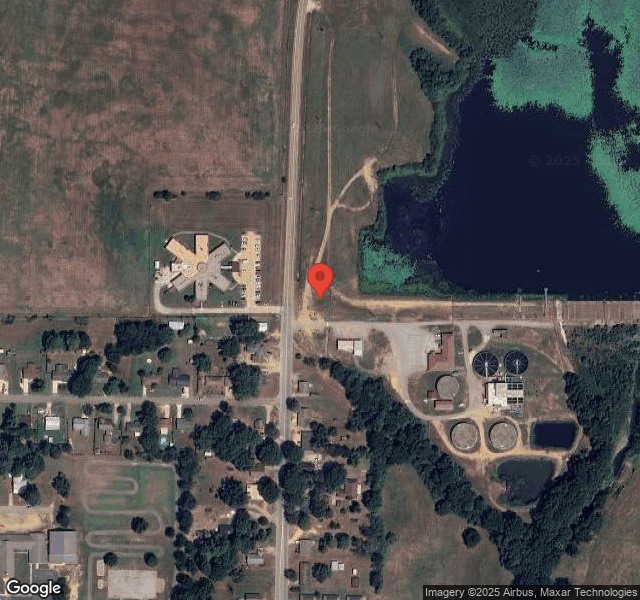
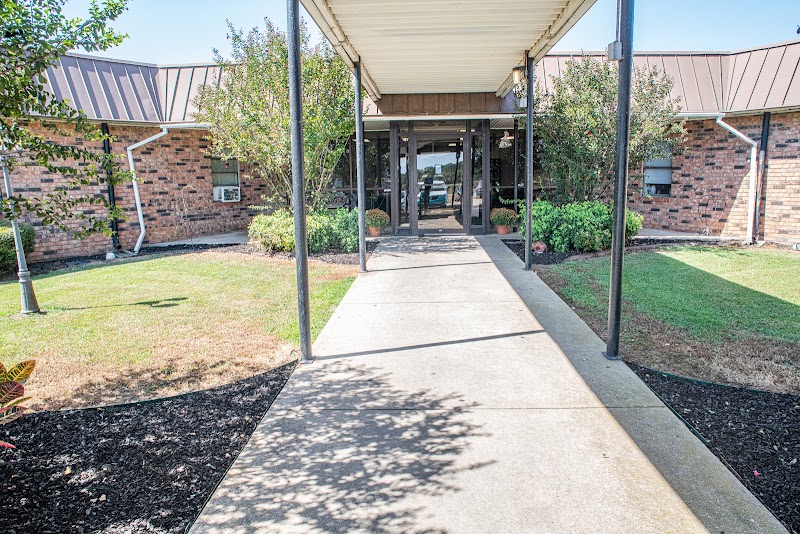
1407 NORTH MAIN STREET, NASHVILLE, AR 71852 (870) 845-2021
For profit - Limited Liability company 74 Beds THE SPRINGS ARKANSAS Data: November 2025
Trust Grade
90/100
#47 of 218 in AR
Last Inspection: August 2024

Within standard 12-15 month inspection cycle. Federal law requires annual inspections.

Overview

The Springs of Mine Creek in Nashville, Arkansas, has received a trust grade of A, indicating it is considered excellent and highly recommended among nursing homes. It ranks #47 out of 218 facilities in Arkansas, placing it in the top half, and #2 out of 3 in Howard County, meaning only one local option is better. The facility is improving, with issues decreasing from four in 2023 to three in 2024, but staffing is a concern, rated at 2 out of 5 stars, with a turnover rate of 47%, slightly below the state average. There have been no fines reported, which is a positive sign, but the facility has less RN coverage than 86% of state facilities, which could impact resident care. Specific incidents of concern include a dirty ice machine that could lead to food contamination and failures in ensuring that dietary staff practiced proper hand hygiene before handling food, both of which could pose risks to resident health. Overall, while there are strengths in the facility's reputation and quality measures, families should be aware of the staffing and hygiene issues that need attention.

Trust Score
A
90/100
In Arkansas
#47/218
Top 21%
Safety Record
Low Risk
No red flags
Inspections
Getting Better
4 → 3 violations
Staff Stability
⚠ Watch
47% turnover. Above average. Higher turnover means staff may not know residents' routines.
Penalties
✓ Good
No fines on record. Clean compliance history, better than most Arkansas facilities.
Skilled Nurses
⚠ Watch
Each resident gets only 14 minutes of Registered Nurse (RN) attention daily — below average for Arkansas. Fewer RN minutes means fewer trained eyes watching for problems.
Violations
⚠ Watch
11 deficiencies on record. Higher than average. Multiple issues found across inspections.
★★★★★
5.0
Overall Rating
★★☆☆☆
2.0
Staff Levels
★★★★★
5.0
Care Quality
★★★★☆
4.0
Inspection Score
Stable
2023: 4 issues
2024: 3 issues

The Good

  • 5-Star Quality Measures · Strong clinical quality outcomes
  • Full Sprinkler Coverage · Fire safety systems throughout facility
  • No fines on record

Facility shows strength in quality measures, fire safety.

The Bad

Staff Turnover: 47%

Near Arkansas avg (46%)

Higher turnover may affect care consistency

Chain: THE SPRINGS ARKANSAS

Part of a multi-facility chain

Ask about local staffing decisions and management

The Ugly 11 deficiencies on record

Aug 2024 3 deficiencies
CONCERN (D)

Potential for Harm - no one hurt, but risky conditions existed

Transfer Notice (Tag F0623)

Could have caused harm · This affected 1 resident

**NOTE- TERMS IN BRACKETS HAVE BEEN EDITED TO PROTECT CONFIDENTIALITY** Based on record review and interview, the facility failed to ensure the Ombudsman was notified of a resident's transfer to the h...

Read full inspector narrative →
**NOTE- TERMS IN BRACKETS HAVE BEEN EDITED TO PROTECT CONFIDENTIALITY** Based on record review and interview, the facility failed to ensure the Ombudsman was notified of a resident's transfer to the hospital for 1 (Resident #58) of 1 sampled resident who was reviewed for hospitalization. The findings are: On 08/07/2024 at 12:25 PM, Resident #58's Notice of Transfer / Bed hold form, dated 01/17/2024, was reviewed and it indicated the resident was transferred to the hospital on [DATE] and the Adult Protective Services (APS) case worker was notified, but it did not indicate that the Ombudsman was notified. On 08/08/2024 at 10:34 AM, the Administrator provided a copy of The Springs of Mine Creek Admission/Discharge To/From Report that included a list of residents transferred out of the facility from January 2024 through July 2024 and emails of the dates that information was provided to the Ombudsman. This information was reviewed, and Resident #58 was listed for a discharge on [DATE] to home with home health, but it did not list the resident's transfer to the hospital on [DATE]. On 08/08/2024 at 11:48 AM, the Administrator was interviewed, and she confirmed the information provided earlier was the only information =sent to the Ombudsman for the January 2024 transfers from the facility. She was informed that Resident#58 was transferred out to the hospital in January 2024 and that name was not listed. She was asked how the Ombudsman was notified of those residents who were transferred out of the facility that may have gone to the hospital but did not stay. She confirmed the Business Office Manager (BOM) would have to be asked. At 11:49 AM, the Administrator asked the BOM if the resident was not on the discharge list, but was on a bed hold, how does the Ombudsman know that? The BOM confirmed she would have to enter that information on the email was sent to the Ombudsman. The BOM confirmed that information was not on the email sent for the January 2024 transfer notifications to the Ombudsman. On 08/08/2024 at 3:20 PM, the Administrator provided a Transfer or Discharge Notice policy, revised March 2021, that was reviewed and indicated a copy of the notice is sent to the Ombudsman at the same time the notice of transfer or discharge is provided to the resident and representative.
CONCERN (E)

Potential for Harm - no one hurt, but risky conditions existed

Infection Control (Tag F0880)

Could have caused harm · This affected multiple residents

**NOTE- TERMS IN BRACKETS HAVE BEEN EDITED TO PROTECT CONFIDENTIALITY** Based on record review and interview, the facility failed to ensure the water management program contained the necessary compone...

Read full inspector narrative →
**NOTE- TERMS IN BRACKETS HAVE BEEN EDITED TO PROTECT CONFIDENTIALITY** Based on record review and interview, the facility failed to ensure the water management program contained the necessary components to monitor for legionella and other water-borne pathogens in 1 of 1 facility. The findings are: On 08/07/2024 at 1:02 PM, the water management binder, provided by the Administrator on 08/07/2024, was reviewed and it included the following: [City Name] Waterworks 2022 Annual Drinking Water Quality Report, Legionella Environmental Assessment Form, and information, Developing a Water Management Program to Reduce Legionella Growth & Spreading in Buildings dated June 24, 2021. The Legionella Water Management Program policy, revised July 2017, was reviewed and it listed elements that would be included such as, a detailed description and diagram of the water system in the facility, identification of areas in the water system that could encourage the growth and spread of Legionella or other waterborne bacteria and documentation of the program. Upon review of the provided information, there was no water flow diagram, no documentation if any resident rooms were tested for water temperatures, no documentation of a monitoring system or documentation of the program. On 08/07/2024 at 1:05 PM, the Administrator was interviewed and she confirmed the binder she provided was the facility's water management program. On 08/07/2024 at 1:06 PM, the Maintenance Director was interviewed and asked to provide the facility's documentation of what had been monitored regarding the water management program. He confirmed the facility did not actually have anything and they didn't test unless they suspected something. The Maintenance Director was asked to provide documentation regarding other components that were monitored regarding their water system. He confirmed that he needed to get documentation from his office. On 08/07/2024 at 1:14 PM, the Maintenance Director provided a document titled, Appendix D. Other Water Devices. The form was reviewed, and it indicated a date of Aug (August) 2 (second) with no year and it indicated a location of Hall 1 washroom that was indoors with no heat source and water temperature of 78.8. The form did not indicate if the temperature was Fahrenheit or Celsius. He was asked if that was all the information he had for the year and confirmed that it was not, and he needed to go back to his office. As he turned to go to his office, he confirmed that his information was kept in his computer, and he was not able to access his program from his office. The Administrator instructed him to use her computer. On 08/07/2024 at 1:18 PM, the Maintenance Director confirmed the he could not access his program at this time and would make a phone call. On 08/07/2024 at 1:26 PM, the Administrator came to the conference room and confirmed the facility did not have the information requested. She confirmed the Maintenance Director checked the water temperatures every two weeks but had not documented anything. She was asked if that was the only monitoring the Maintenance Director did for their water management program, and she confirmed there was a report from the city and they had a toilet that was not working that maintenance checked. She was asked if that was the only monitoring that was done for their water management program, and she verbalized they had hot water temperatures in their life safety book, and she would provide that information. On 08/07/2024 at 2:05 PM, the Administrator came to the conference room on Hall 2, and provided a form titled, Ice machine cleaning and stated with two other surveyors present, Here's the information on the ice machine, but he doesn't have the life safety information here. He looked for it in his office and he couldn't find it . On 08/07/2024 at 2:58 PM, the Administrator provided a copy of documents titled, Weekly Water Temperatures and it indicated, . Room . Whirlpools, Laundry, Kitchen, Resident Rooms . A Weekly Water Temperatures form dated 07/31/2024 was reviewed and it indicated the following areas had the indicated water temperatures: whirlpools on Hall #2 -104; the laundry room-173, the kitchen-154, Hall 3 room [ROOM NUMBER] -106 and hall 3 room [ROOM NUMBER]- 105. None of the temperatures were listed as Fahrenheit or Celsius. The section labeled hot water heaters for Hall #5, kitchen, and Hall #4 did not indicate a water temperature on the form dated 7/31/24 or any of the forms provided.
CONCERN (F)

Potential for Harm - no one hurt, but risky conditions existed

Food Safety (Tag F0812)

Could have caused harm · This affected most or all residents

Based on observation, record review and interview, the facility failed to ensure the ice machine was maintained in clean and sanitary condition to prevent potential growth of harmful bacteria that cou...

Read full inspector narrative →
Based on observation, record review and interview, the facility failed to ensure the ice machine was maintained in clean and sanitary condition to prevent potential growth of harmful bacteria that could be transferred to the resident's food. This failed practice had the potential to affect 72 residents who received drinks from the kitchen. The findings are: 1. On 08/05/24 at 10:50 AM, the area in the ice machine where ice forms before dropping into the ice collector had water dripping. The surveyor asked Dietary Manager (DM) to wipe the area. The DM took a white paper towel and wiped the area, and a residue was on the towel. The DM was asked to describe what was on the towel, the DM stated, Grungy, dirty, it needs to be cleaned inside and out. Surveyor asked the DM who was responsible for cleaning the ice machine. The DM indicated the Maintenance Director. The surveyor asked the DM when was the last time the ice machine was cleaned? The DM indicated July 23. 2. On 8/08/24 at 2:45 PM, Surveyor asked the Administrator (AD) who was responsible for cleaning the ice machine? The AD indicated the Maintenance Director. 3. Surveyor asked the AD who all gets ice from the ice machine the AD indicated all the residents, except for the two tube feeders. 4. A facility policy titled Ice Machines and Ice Storage Chest provided by the Administrator on 08/08/2024 at 2:50 PM documented, Our facility has established procedures for cleaning and disinfecting ice machines and ice storage chests which adhere to the manufacturer's instructions. 5. [Name Brand] cleaning and Sanitization was provided by the Administrator on 8/08/2024 at 3:37 PM documented, Cleaning or de-liming an ice machine refers to the process of removing mineral buildup and scale from the evaporator and other components. [Name Brand] recommends cleaning the ice machine every 6 months, but no more than once per month to avoid potential damage to the machine. Frequency of cleaning may depend on water quality and filtration system used. 6. On 8/08/24 at 4:10 PM, Surveyor spoke with the Maintenance Director regarding the cleaning of the ice machine. The Maintenance Director indicated that he does a deep clean once a month where he changes the filters and takes the ice out and sanitizes the machine, then once a week he does a weekly wipe down. He indicated the last deep clean was July 23, 2024, and the last weekly wipe down clean was 7/31/2024. He indicated that he was extremely hard to keep the stuff out of the ice machine. It will build up in just a few days.
Oct 2023 4 deficiencies
CONCERN (D)

Potential for Harm - no one hurt, but risky conditions existed

Deficiency F0554 (Tag F0554)

Could have caused harm · This affected 1 resident

Based on observation, record review and interview, the facility failed to ensure that residents who self-administered medications were assessed to safely self-administer medications for 1 (Resident #5...

Read full inspector narrative →
Based on observation, record review and interview, the facility failed to ensure that residents who self-administered medications were assessed to safely self-administer medications for 1 (Resident #58,) of 1 sampled residents who had a Physician's Order for nebulizer treatments as documented on a list provided by the Administrator on 10/27/23 at 8:19:Am. The findings are: 1. On 10/23/23 at 10:20 AM, Resident #58 was in bed. A nebulizer machine at the bedside had clear liquid in the reservoir. The resident was asked what is that liquid in the reservoir? The resident answered, That is my breathing medicine. 2. On 10/23/23 at 10:40AM, Resident #58 was asked, do you perform your own breathing treatments? Resident #58 answered, Yes. Resident #58 was asked, does the nurse stay in the room with you when you do them? Resident #58 stated, No. Resident #58 was asked if they self-administered all of the medication one time. The resident responded, No; once I can breathe good, I turn it off. 3. On 10/23/23 at 02:40 PM, Resident #58 was in bed. A nebulizer machine at the bedside had clear liquid in the reservoir. The surveyor asked the nurse to bring a syringe to measure the liquid. There was 2 milliliters of clear liquid in the reservoir. 4. On 10/24/23 at 08:15 AM Resident #58 was in bed. A nebulizer machine at the bedside had clear liquid in the reservoir. Licensed Practical Nurse (LPN) #1 was asked what is that liquid? LPN #1 stated, Breathing medication. The LPN was asked should the medication be left in the room without a nurse? LPN #1 stated. It's not from me, the one I give isn't due till 10. The clear liquid measured 2.2 milliliters. 5. A Physician's Order dated 10/24/23 documented, Levalbuterol HCl Nebulization Solution 0.63 MG/3ML3 ml inhale orally via nebulizer two times a day related to Chronic Obstructive Pulmonary Disease . 6. A Care Plan dated 09/28/22 documented, Give aerosol or bronchodilators as ordered . 7. On 10/24/23 at 10:41 PM during a review of Resident #58's electronic medical record, there was no assessment to self-administer medication or a care plan to self-administer medications. 8. On 10/25/23 at 01:04 PM, LPN #2 was asked, do you have any residents on the hall who are assessed to self-administer medications? LPN #1answered, No. 9. On 10/26/23 at 02:27 PM, LPN #3 was asked if there was anyone on the hall who was assessed to self-administer medications. LPN #3 answered, No. 10. On 10/26/23 at 02:27 PM, LPN #3 was asked, what is your process for administering a nebulizer treatment? LPN #3 stated, You fill the reservoir with medication, you explain the procedure and apply the mask turn it on. Stay with them so they get the medication correctly. 11. On 10/26/23 at 02:41 PM, the Director of Nursing (DON) was asked to explain the process for administering a nebulizer treatment. The DON stated, Check the order then put the meds in the nebulizer. The DON was asked if the resident should be left alone. DON stated, No because they may get it wrong, take it the wrong way, or give it to a friend. The DON was asked how many residents were approved to self-administer their own medications? The DON stated, None. 12. A Policy titled, Self-Administration of Medications which was provided by the Administrator on 10/26/23 at 11:12AM documented, . Residents have the right to self- administer medications if the interdisciplinary team has determined that it is clinically appropriate and safe for the resident to do so .3. If it is deemed safe and appropriate for a resident to self-administer medications, this is documented in the medical record and the care plan. The decision that a resident can safely self-administer medications is re-assessed periodically based on changes in the resident's medical record and/or decision-making status . 8. Self-administered medications are stored in a safe and secure place, which is not accessible by other residents . 13. On 10/26/23 at 11:12 AM, A Policy titled, Nebulizer Therapy with an implementation date of 6/2/23 documented, It is the policy of this facility for nebulizer treatments, once ordered, to be administered by nursing staff as directed using proper technique and standard precautions . 13. Observe resident during the procedure for any change in condition .
CONCERN (D)

Potential for Harm - no one hurt, but risky conditions existed

Respiratory Care (Tag F0695)

Could have caused harm · This affected 1 resident

Based on observation, record review and interview, the facility failed to ensure that a nebulizer mask and tubing were changed out weekly and bagged in a closed container to prevent bacteria from accu...

Read full inspector narrative →
Based on observation, record review and interview, the facility failed to ensure that a nebulizer mask and tubing were changed out weekly and bagged in a closed container to prevent bacteria from accumulating for 1 (Resident # 58) sampled resident who had a Physician's Order for Nebulizer treatments as documented on list provided by the Administrator on 10/27/23 at 08:19AM. The findings are: 1. On 10/23/23 at 10:20 AM Resident # 58's nebulizer mask and tubing was dated 10/6/23 and lying on the bedside table not bagged. 2. On 10/23/23 at 02:40 PM Resident #58's nebulizer mask and tubing was dated 10/6/23 and lying on the bedside table not bagged. 3. On 10/24/23 at 08:15 AM, Resident #58's nebulizer mask and tubing was dated 10/6/23 and lying on the bedside table not bagged. Resident #58 was asked if they were receiving breathing treatments with the Nebulizer. Resident #58 stated, Yes, 2(two) times a day. 4. A Physicians order dated 10/24/23 documented Levalbuterol HCl Nebulization Solution 0.63 MG (milligrams)/3ML (milliliters) inhale orally via nebulizer two times a day related to Chronic Obstructive Pulmonary Disease (COPD) with (Acute) Exacerbation. 5. A Physician's order dated 9/25/23 documented, Updraft: Change tubing weekly on Sunday, place in Ziploc bag, date and initial bag and tubing. Every night shift every Sun for Infection Control. 6. A Care Plan dated 09/21/2022 with a revision date of 09/28/2022 documented, . has COPD r/t (related to) smoking. Give aerosol or bronchodilators as ordered. Observe for side effects and effectiveness. 7. On 10/26/23 at 10:48AM Licensed Practical Nurse (LPN) # 2 was asked how often the Nebulizer masks and tubing were change. LPN #2 stated, Weekly on Sundays. If we do not change the equipment, it wouldn't be labeled with the correct date and they cold get pneumonia and die. 8. On 10/26/23 at 2:11PM, the Director of Nursing (DON) was asked when the respiratory supplies were changed out and to explain their expectations. The DON stated, They are changed out every Sunday because if not they can accumulate bacteria and get bacteria pneumonia. 9. On 10/26/23 at 11:12AM the Administrator provided a policy titled Nebulizer Therapy which documented, . Care of the Equipment: 7.store the nebulizer cup and the mouthpiece in a plastic bag. 8. Change nebulizer tubing once a week or as needed.
CONCERN (E)

Potential for Harm - no one hurt, but risky conditions existed

Deficiency F0761 (Tag F0761)

Could have caused harm · This affected multiple residents

Based on Observation and Interview, the facility failed to ensure that the refrigerated narcotic medications were stored in a permanently affixed compartment to prevent the potential of misappropriati...

Read full inspector narrative →
Based on Observation and Interview, the facility failed to ensure that the refrigerated narcotic medications were stored in a permanently affixed compartment to prevent the potential of misappropriation of resident property. This failed practice had the potential to affect all 74 residents in the facility as documented on the Daily Census provided by the Administrator on 10/23/23 at 09:15AM. The findings are: 1. On 10/25/23 at 10:16 AM, the Medication room was inspected with the Assistant Director of Nurses. Inside the refrigerator was a locked narcotic box containing narcotics, but it was not permanently affixed. 2. The narcotics inside were Lorazepam 2mg (milligrams)/ml (milliliter), 30 ml prescription # noted, and 2 vials of Lorazepam 2mg/ml Prescription # noted. 3. On 10/26/23 At 02:11PM, Licensed Practical Nurse (LPN) #3 was asked the process for securing refrigerated narcotics. LPN # 3 stated, It must be locked up behind 2(two) locks. LPN # 3 was asked who had a key to the refrigerator. LPN #3 stated, The nurse who works the other med cart, today {named nurse} #2 but there is only 1 (one) key to the narcotic box. LPN # 3 was asked, if a nurse has a key to the refrigerator can they take the narcotic box without anyone knowing. LPN #3 stated, Yes. 4. On 10/26/23 at 02:20PM LPN #2 was asked if they had a key to the locked refrigerator that contained the narcotics in the medication room. LPN #2 stated Yes, I have insulin in there I have to get sometimes. LPN #2 was asked to enter the medication room and unlock the refrigerator and hand the surveyor narcotic box. The nurse was asked the narcotic box could be taken without anyone knowing. LPN stated, Yes. 5. On 10/26/23 at 02:31PM, the Director of Nursing (DON)was asked the process for securing refrigerated narcotics. The DON stated, Its double locked in the refrigerator. The DON was asked if the narcotic box was permanently in the refrigerator. The DON stated, No the Surveyor asked, What could happen if it is not secured. DON stated, It could get stolen. The Nurse consultant stated, I told you to make sure that the narcotic box was permanently affixed in the refrigerator. The DON stated, I know but the Pharmacist told me just to lock the refrigerator. 6. On 10/26/23 at 11:12 AM, a policy provided by the Administrator titled, Storage of Medications documented, . The facility stores all drugs and biologicals in a safe, secure, and orderly manner . Schedule 2-5 controlled medications are stored in separately locked, permanently affixed compartments .
CONCERN (F)

Potential for Harm - no one hurt, but risky conditions existed

Safe Environment (Tag F0921)

Could have caused harm · This affected most or all residents

F921 Based on observation, interview, and record review the facility failed to provide a safe, functional, sanitary, and comfortable environment for residents, staff and the public for 1 of 1 cook sto...

Read full inspector narrative →
F921 Based on observation, interview, and record review the facility failed to provide a safe, functional, sanitary, and comfortable environment for residents, staff and the public for 1 of 1 cook stoves. This failed practice had the potential to affect 74 residents as documented on the Daily Census provided by the Administrator on 10/23/2023 at 09:15 AM. The findings are: a. On 10/25/23 at 11:36 AM Dietary worker #1 turned on the gas stove top burner and it did not ignite. Dietary worker #1 lit the stove top burner after turning on the gas with an orange in color multi-purpose lighter with flex wand and it blew a flame of fire once lit. b. On 10/25/23 at 11:50 AM Dietary worker #1 turned on the gas stove top burner and it did not ignite. Dietary worker #1 lit stove top burner after turning on the gas with an orange in color multi-purpose lighter with a flex wand. c. On 10/25/23 at 12:01 AM Dietary worker #1 turned on the gas stove top burner and it did not ignite. Dietary worker #1 lit stove top burner after turning on the gas with an orange in color multi-purpose lighter with a flex wand. d. On 10/25/23 at 12:26 AM Dietary worker #2 turned on two gas stove top burners and both did not ignite. Dietary worker #2 lit stove top burners after turning on the gas with an orange in color multi-purpose lighter with a flex wand. e. On 10/25/23 at 02:19 PM Dietary worker #1 was asked, Why did you light the stove top burner with a lighter? Dietary worker #1 responded, It does not light. Dietary worker #1 was asked, How long have you been lighting the stove top burner with a lighter? Dietary worker #1 responded, A month. Dietary worker #1 was asked, Have you told maintenance? Dietary worker #1 responded, No Dietary worker #1 was then asked, Is there another way of lighting the stove top burners? Dietary worker #1 responded, You can turn the burner on and wait and the gas smell will fill the air. Some people then come from the hallway smelling gas. f. On 10/25/23 at 02:21 PM Dietary manager was asked, How long have you been lighting the stove top burner with a lighter? Dietary manager responded, A year as far as I know, It's dangerous. Dietary manager was asked, Have you told maintenance and what was their response? Dietary manager responded, Yes, they were going to get a guy to come blow out the burners Dietary manager was then asked, Is there another way of lighting the stove top burners? Dietary manager responded, No unless you light paper. g. On 10/25/23 at 02:25 PM The administrator was asked for a maintenance work order for the stove top burner. h. On 10/25/23 at 02:51 PM The administrator stated they had talked to the maintenance director and there was no work order. Surveyor asked the administrator for the user manual for operating instructions for the range. i. On 10/25/23 at 03:11 PM A user manual titled Garland Installation, Operating, and Service Manual provided by the administrator states .Regular maintenance and servicing by competent and qualified personnel is recommended for the continued safe and efficient operation of cooking equipment . j. On 10/26/23 at 11:12 AM A policy titled Hazardous Areas, Devices and Equipment provided by the administrator. The policy stated . Hazardous areas and objects in the resident environment will be identified and addressed by the safety committee . a. Equipment and devices that are left unattended or are malfunctioning; .
Jul 2022 4 deficiencies
CONCERN (D)

Potential for Harm - no one hurt, but risky conditions existed

Menu Adequacy (Tag F0803)

Could have caused harm · This affected 1 resident

Based on observation, record review and interview, the facility failed to ensure meals were prepared and served according to the planned written menu to meet the nutritional needs of the residents for...

Read full inspector narrative →
Based on observation, record review and interview, the facility failed to ensure meals were prepared and served according to the planned written menu to meet the nutritional needs of the residents for 1 of 1 meal observed. This failed practice had the potential to affect one resident who received pureed diets from 1 of 1 kitchen according to a list provided by the Dietary Supervisor on 7/22/22. The findings are: On 7/20/22 the menu for the supper meal documented residents who receive pureed diets were to receive a #6 scoop 6 oz [ounces] of pureed ham and cheese sandwich, ½ cup of mashed potatoes, #8 scoop of macaroni salad and #8 scoop of carrots. a. On 7/20/22 at 5:57 PM, Dietary Employee #2 used a #10 scoop which was equivalent to 1/3 cup to serve a single portion of pureed ham to the resident on a puree diet. There was no pureed cheese, pureed bread, and pureed macaroni salad served to the resident on pureed diet. b. On 7/21/22 at 11:59 AM, Dietary Employee #2 was asked, What scoop size did you use to serve pureed ham and how many servings of pureed ham did you serve to the resident on a puree diet? She stated, I used #10 scoop and I gave one serving. I should have used #6 scoop. She was asked the reason why the cheese, bread and macaroni salad were not pureed? She stated, I forgot. I just did pureed ham.
CONCERN (E)

Potential for Harm - no one hurt, but risky conditions existed

Respiratory Care (Tag F0695)

Could have caused harm · This affected multiple residents

Based on observation, record review, and interview the facility failed to ensure oxygen was administered at the flow rate ordered by the physician to reduce the potential for respiratory complications...

Read full inspector narrative →
Based on observation, record review, and interview the facility failed to ensure oxygen was administered at the flow rate ordered by the physician to reduce the potential for respiratory complications for 1 (Resident #15) of 4 (Resident #15, #28, #47, and #63) sampled residents who were receiving oxygen therapy. This failed practice had the potential to affect 9 residents who were receiving oxygen therapy as documented on a list provided by the Director of Nursing on 07/21/22 at 11:55 AM. The findings are: Resident #15 had diagnoses of Heart Failure, Stroke, and Atrial Fibrillation. The Quarterly Minimum Data Set (MDS) with an Assessment Reference Date (ARD) of 4/28/22 documented that the resident scored 2 (0-7 indicates severe impairment) on the Brief Interview for Mental Status (BIMS) and was dependent for eating and required extensive assistance with bed mobility, transfer, toileting, dressing, and personal hygiene. a. A physician's order dated 2/2/22 documented, . Oxygen @ 2-5 Liters/Nasal Canula as needed may remove per self for ADL's [Activities of Daily Living] every 1 hours as needed for Shortness of Breath related to COVID-19 (U07.1); Other Specified Respiratory Disorders . b. The Care Plan with a revision date of 02/15/22 documented, . [Resident #15] has altered respiratory status/difficulty breathing r/t [related to] CHF [Congestive Heart Failure], SOB [Shortness of Breath], WHEEZING .Goal: [Resident #15] will have no complications related to SOB . Intervention: Administer medication/treatment as ordered. Observe for effectiveness and side effects . c. On 07/18/22 at 11:31 AM, 07/19/22 at 09:32 AM, and 07/21/22 at 10:35 AM, Resident #15 was lying in bed on his back with his eyes closed. The resident was receiving oxygen at 1.5 liters per nasal cannula. d. On 7/21/22 at 10:40 AM, Licensed Practical Nurse (LPN) #1 was asked to accompany the surveyor to Resident # 15's room and was asked, What is [Resident #15's] oxygen flow rate set at? LPN #1 stated, It is set between 1.5 to 2 liters. I have put it on 2. LPN #1 was asked, What should the residents oxygen flow rate have been set at? LPN #1 stated, I know it is ordered as needed. Let me look in the record and see what the orders says. LPN #1 looked in the electronic record and stated, The orders states 2 to 5 liters. LPN #1 was asked, Who is responsible for ensuring the oxygen is set at the correct rate? LPN #1 stated, The nurses are responsible. LPN #1 was asked, How often should the oxygen flow rate be checked? LPN #1 stated, It should be checked every shift. LPN #1 was asked, Should doctor's orders for oxygen flow rate be followed? LPN #1 stated, Yes, Ma'am. e. On 07/21/22 at 11:20 AM, the Director of Nursing (DON) was asked, Who is responsible for ensuring the oxygen flow rate is correct? The DON stated, The nurses are responsible. The DON was asked, How often should the oxygen flow rate be checked? The DON stated, It should be checked once a shift. The DON was asked, Should doctor's orders for oxygen flow rate be followed? The DON stated, Yes. f. The policy titled Oxygen Administration, with a revision date of October 2010, provided by the Administrator On 7/21/22 at 11:55 AM documented, . Purpose: The purpose of this procedure is to provide guidelines for safe oxygen administration . Steps of the Procedure: . 8. Turn the oxygen on. Unless otherwise ordered, start the flow of oxygen at the rate of 2 to 3 liters per minute .
CONCERN (E)

Potential for Harm - no one hurt, but risky conditions existed

Deficiency F0761 (Tag F0761)

Could have caused harm · This affected multiple residents

**NOTE- TERMS IN BRACKETS HAVE BEEN EDITED TO PROTECT CONFIDENTIALITY** Based on observation, record review, and interview, the facility failed to ensure that medication/biologicals were stored safely...

Read full inspector narrative →
**NOTE- TERMS IN BRACKETS HAVE BEEN EDITED TO PROTECT CONFIDENTIALITY** Based on observation, record review, and interview, the facility failed to ensure that medication/biologicals were stored safely and according to professional standards of practice on Hallway 1. The findings are: On 7/19/22 at 10:00 AM, the wound care cart on hallway 1 facing center of hall, was unattended and unlocked. There were no staff near the wound care cart. Registered Nurse (RN) #1 came out of Resident room [ROOM NUMBER] and opened the wound care cart and got supplies out of the cart and went back into Resident room [ROOM NUMBER]. The RN did not lock the wound treatment care. a. On 7/19/22 at 10:10 AM, RN#1 came out of Resident room [ROOM NUMBER]. RN#1 was asked to pull the drawers open to the cart to allow the Surveyor to see what was in the wound care cart. The cart contained two 16 ounce of bottles of Hy[DATE] percent, one 16-ounce bottle of Hydrogen Peroxide, one -16 ounce bottle of Dakins solution, and 4 Lidocaine 4% patches. There were wound care dressings in several drawers in cart. The RN was asked, Should this be locked while in the hallway? She stated, Yes, it should be locked. b. On 7/21/22 at 9:00 AM, the Director of Nursing (DON) was asked, Should the wound care cart be locked in the hall if it is not attended by staff? She stated, Yes, it should be locked anytime it is not attended. The DON was asked, What could happen if it is left open unattended in the hallway? She stated, The residents could get in it and take something or use it. c. On 7-21-22 at 9:10 AM the Administrator provided a Policy and Procedure titled Security of Medication Cart with revised date April 2007. The policy documented, . Medication cart must be securely locked at all times when out of the nurse's view .
CONCERN (F)

Potential for Harm - no one hurt, but risky conditions existed

Food Safety (Tag F0812)

Could have caused harm · This affected most or all residents

Based on observation and interview, the facility failed to ensure dietary staff washed their hands before handling clean equipment or food items, 1 of 1 ice machine was maintained in a clean condition...

Read full inspector narrative →
Based on observation and interview, the facility failed to ensure dietary staff washed their hands before handling clean equipment or food items, 1 of 1 ice machine was maintained in a clean condition to prevent potential contamination of residents' food or beverages, cold food items were maintained at 41 degrees or below to prevent potential food borne illness for residents who received meal trays from 1 of 1 kitchen. These failed practices had the potential to affect 70 residents who received food from the kitchen (total census: 72 ), according to the diet list provided by the Dietary Employee dated 7/22/2022 at 9:01 AM The findings are: 1. On 7/20/22 at 3:32 PM, Dietary Employee #1 was wearing gloves on her hands. She opened the door for the Surveyor to come in. At 3:33 PM, she opened the refrigerator door and took out a pitcher of tea and placed it on the counter. Without changing gloves and washing her hands, she picked up a loose tea bag and placed it in a brewing basket. The brewing basket with tea bag was set on top of a container to brew tea to be served to the residents for the supper meal. 2. On 7/20/22 at 3:42 PM, Dietary Employee #1 was wearing gloves on her hands. She lifted the trash can lid and threw away tissue papers. Without changing gloves and washing her hands, she sorted out condiments to be served to the residents for super meal. 3. On 7/20/22 at 3:51 PM, the air vent in the dish washing machine had a grease-like dirt hanging down from it. 4. On 7/20/22 at 3:58 PM, the ice machine in the dining room had an accumulation of wet black sediments on the panel of the ice machine. The Dietary Supervisor was asked to wipe the accumulation of wet black sediments on the interior surfaces of the ice machine. She did, and the wet black slimy colored residue easily transferred to the tissue. She was asked to describe the appearance of what was found on the panel. She stated, It was black slimy residue. She was asked, Who uses the ice from the ice machine? How often do you clean it? She stated, I think the maintenance man cleans it. The CNAs [Certified Nursing Assistants] use it for the water pitchers in the residents' rooms. They use it in the kitchen to fill beverages served to the residents at meals. 5. On 7/20/22 at 4:06 PM, Dietary Employee #2 took out a zip lock bag that contained slices of cheese and a bag that contained slices of ham from the refrigerator and placed them on the counter. Without washing her hands, she removed gloves from the glove box and placed them on her hands, contaminating the gloves. She untied the bread bag, used her contaminated gloved hand to remove slices of bread from the bag and placed them in a pan. She removed slices of cheese and ham from each individual bag and placed them on each slice of bread. Then, topped it with another slice of bread to be served to the residents for supper meal. On 7/21/2022 at 11:59 AM, Dietary Employee #1 was asked, What should you have done after touching dirty objects and before handling clean equipment? She stated, I should have changed gloves and washed my hands. 6. On 7/20/22 at 4:52 PM, Dietary Employee #1 took out a bag that contained lids from the storage room and placed it on the counter. She opened the refrigerator, took out a pitcher of tea and placed it on the counter. Without washing her hands, she picked up cups by the rims and poured tea to the be served to the residents for the supper meal. On 7/21/22 at 11:35 AM, Dietary Employee #1 was asked what should you have done after touching dirty objects and before handling clean equipment and she stated, I should have changed gloves and washed my hands. 7. On 7/20/22 at 5:12 PM, the temperatures of the cold food items located on pans of ice on cold side of the steam table, checked and read by Dietary Employee were: a. Pureed ham 59 degrees Fahrenheit. b. Pureed bread with milk 71 degrees Fahrenheit. c. Regular ham and cheese 53 degrees Fahrenheit. d. Ground ham and cheese 57 degrees Fahrenheit. 8. The facility's preview policy on hand washing documented, Wash hands immediately before engaging in food preparation including working with exposed food, clean equipment or service utensils and or after engaging in any other activity that contaminates the hands.
Understanding Severity Codes (click to expand)
Life-Threatening (Immediate Jeopardy)
J - Isolated K - Pattern L - Widespread
Actual Harm
G - Isolated H - Pattern I - Widespread
Potential for Harm
D - Isolated E - Pattern F - Widespread
No Harm (Minor)
A - Isolated B - Pattern C - Widespread

Questions to Ask on Your Visit

  • "Can I speak with families of current residents?"
  • "What's your RN coverage like on weekends and overnight?"

Our Honest Assessment

Strengths
  • • Grade A (90/100). Above average facility, better than most options in Arkansas.
  • • No major safety red flags. No abuse findings, life-threatening violations, or SFF status.
  • • No fines on record. Clean compliance history, better than most Arkansas facilities.
Concerns
  • • 11 deficiencies on record. Higher than average. Multiple issues found across inspections.
Bottom line: Generally positive indicators. Standard due diligence and a personal visit recommended.

About This Facility

What is The Springs Of Mine Creek's CMS Rating?

CMS assigns THE SPRINGS OF MINE CREEK an overall rating of 5 out of 5 stars, which is considered much above average nationally. Within Arkansas, this rating places the facility higher than 99% of the state's 100 nursing homes. This rating reflects solid performance across the metrics CMS uses to evaluate nursing home quality.

How is The Springs Of Mine Creek Staffed?

CMS rates THE SPRINGS OF MINE CREEK's staffing level at 2 out of 5 stars, which is below average compared to other nursing homes. Staff turnover is 47%, compared to the Arkansas average of 46%. RN turnover specifically is 71%, which is notably high. RNs provide skilled clinical oversight, so turnover in this role can affect medical care quality.

What Have Inspectors Found at The Springs Of Mine Creek?

State health inspectors documented 11 deficiencies at THE SPRINGS OF MINE CREEK during 2022 to 2024. These included: 11 with potential for harm.
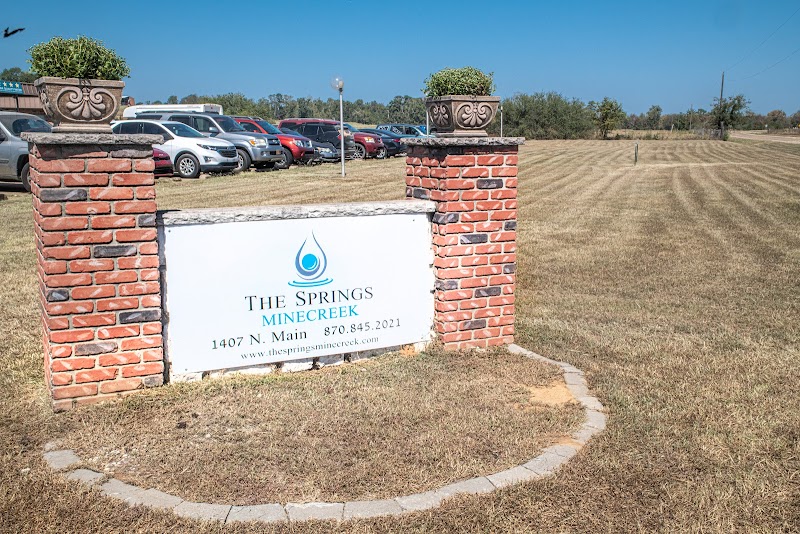
Who Owns and Operates The Springs Of Mine Creek?

THE SPRINGS OF MINE CREEK is owned by a for-profit company. For-profit facilities operate as businesses with obligations to shareholders or private owners. The facility is operated by THE SPRINGS ARKANSAS, a chain that manages multiple nursing homes. With 74 certified beds and approximately 67 residents (about 91% occupancy), it is a smaller facility located in NASHVILLE, Arkansas.
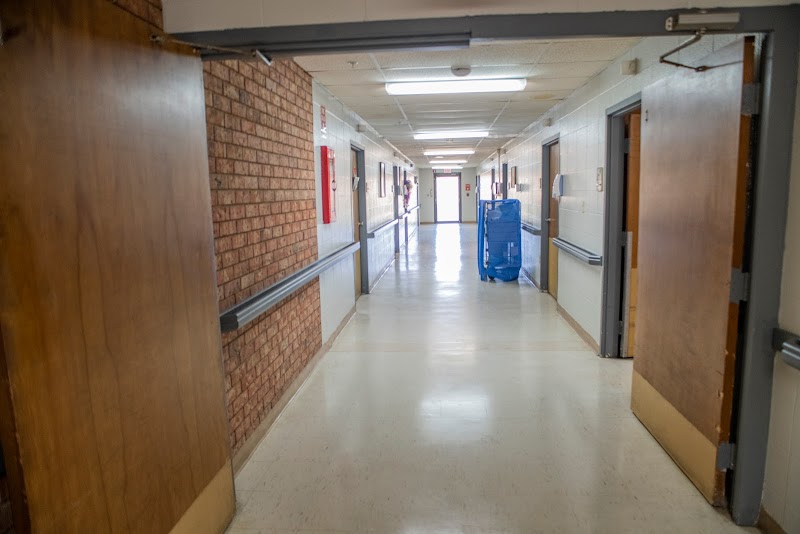
How Does The Springs Of Mine Creek Compare to Other Arkansas Nursing Homes?

Compared to the 100 nursing homes in Arkansas, THE SPRINGS OF MINE CREEK's overall rating (5 stars) is above the state average of 3.2, staff turnover (47%) is near the state average of 46%, and health inspection rating (4 stars) is above the national benchmark.

What Should Families Ask When Visiting The Springs Of Mine Creek?

Based on this facility's data, families visiting should ask: "Can you walk me through typical staffing levels on day, evening, and night shifts?" "Can I visit during a mealtime to observe dining assistance and food quality?" "How do you handle medical emergencies, and what is your hospital transfer rate?" "Can I speak with family members of current residents about their experience?" These questions are particularly relevant given the below-average staffing rating.

Is The Springs Of Mine Creek Safe?

Based on CMS inspection data, THE SPRINGS OF MINE CREEK has a clean safety record: no substantiated abuse findings (meaning no confirmed cases of resident harm), no Immediate Jeopardy citations (the most serious violation level indicating risk of serious injury or death), and is not on the Special Focus Facility watch list (a federal program monitoring the lowest-performing 1% of nursing homes). The facility has a 5-star overall rating and ranks #1 of 100 nursing homes in Arkansas. While no facility is perfect, families should still ask about staff-to-resident ratios and recent inspection results during their visit.

Do Nurses at The Springs Of Mine Creek Stick Around?

THE SPRINGS OF MINE CREEK has a staff turnover rate of 47%, which is about average for Arkansas nursing homes (state average: 46%). Moderate turnover is common in nursing homes, but families should still ask about staff tenure and how the facility maintains care continuity when employees leave.

Was The Springs Of Mine Creek Ever Fined?

THE SPRINGS OF MINE CREEK has no federal fines on record. CMS issues fines when nursing homes fail to meet care standards or don't correct problems found during inspections. The absence of fines suggests the facility has either maintained compliance or corrected any issues before penalties were assessed. This is a positive indicator, though families should still review recent inspection reports for the full picture.

Is The Springs Of Mine Creek on Any Federal Watch List?

THE SPRINGS OF MINE CREEK is not on any federal watch list. The most significant is the Special Focus Facility (SFF) program, which identifies the bottom 1% of nursing homes nationally based on persistent, serious quality problems. Not being on this list means the facility has avoided the pattern of deficiencies that triggers enhanced federal oversight. This is a positive indicator, though families should still review the facility's inspection history directly.