GASSVILLE THERAPY AND LIVING
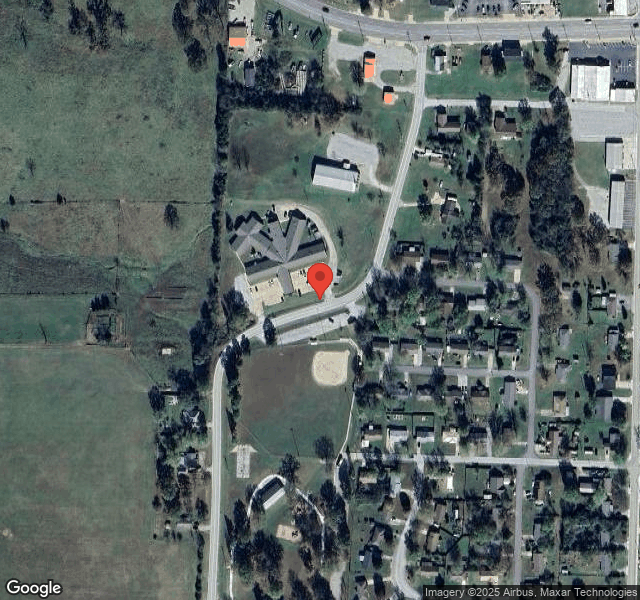
203 COTTER ROAD, GASSVILLE, AR 72635 (870) 435-2588
For profit - Corporation 42 Beds ANTHONY & BRYAN ADAMS Data: November 2025
Trust Grade
60/100
#105 of 218 in AR
Last Inspection: July 2024

Within standard 12-15 month inspection cycle. Federal law requires annual inspections.

Overview

Gassville Therapy and Living has a Trust Grade of C+, which means it is slightly above average but still has room for improvement. It ranks #105 out of 218 facilities in Arkansas, placing it in the top half, but it is #3 out of 4 in Baxter County, indicating only one local option is better. The facility is on an improving trend, with issues decreasing from 16 in 2023 to 10 in 2024. Staffing is a strength with a 4/5 star rating and a turnover rate of just 39%, significantly lower than the state average, which suggests a stable team that knows the residents well. On the downside, there are concerns related to food safety; recent inspections found issues like failure to wash hands between tasks, and food items not being dated or covered properly, posing a potential risk for foodborne illness. However, the facility has not incurred any fines, which is a positive sign. Additionally, it boasts better RN coverage than 94% of Arkansas facilities, ensuring that registered nurses can address health issues that might be overlooked by other staff.

Trust Score
C+
60/100
In Arkansas
#105/218
Top 48%
Safety Record
Low Risk
No red flags
Inspections
Getting Better
16 → 10 violations
Staff Stability
○ Average
39% turnover. Near Arkansas's 48% average. Typical for the industry.
Penalties
✓ Good
No fines on record. Clean compliance history, better than most Arkansas facilities.
Skilled Nurses
○ Average
Each resident gets 39 minutes of Registered Nurse (RN) attention daily — about average for Arkansas. RNs are the most trained staff who monitor for health changes.
Violations
⚠ Watch
31 deficiencies on record. Higher than average. Multiple issues found across inspections.
★★★☆☆
3.0
Overall Rating
★★★★☆
4.0
Staff Levels
★★★★★
5.0
Care Quality
★★☆☆☆
2.0
Inspection Score
Stable
2023: 16 issues
2024: 10 issues

The Good

  • 4-Star Staffing Rating · Above-average nurse staffing levels
  • 5-Star Quality Measures · Strong clinical quality outcomes
  • Full Sprinkler Coverage · Fire safety systems throughout facility
  • No fines on record
  • Staff turnover below average (39%)

    9 points below Arkansas average of 48%

Facility shows strength in staffing levels, quality measures, fire safety.

The Bad

3-Star Overall Rating

Near Arkansas average (3.1)

Meets federal standards, typical of most facilities

Staff Turnover: 39%

Near Arkansas avg (46%)

Typical for the industry

Chain: ANTHONY & BRYAN ADAMS

Part of a multi-facility chain

Ask about local staffing decisions and management

The Ugly 31 deficiencies on record

Nov 2024 2 deficiencies
CONCERN (E) 📢 Someone Reported This

A family member, employee, or ombudsman was alarmed enough to file a formal complaint

Potential for Harm - no one hurt, but risky conditions existed

Deficiency F0557 (Tag F0557)

Could have caused harm · This affected multiple residents

Based on observations, interviews, and record review, it was determined that the facility failed to ensure dignity while resident (#3) removed dental appliances (dentures), leaving them on the bedside...

Read full inspector narrative →
Based on observations, interviews, and record review, it was determined that the facility failed to ensure dignity while resident (#3) removed dental appliances (dentures), leaving them on the bedside table in between dining, with white cake-like reside adhered to dentures without an assessable denture cup or oral care. This failed practice had the potential to affect all residents who are dependent on dental appliances while maintaining dignity, self-esteem, and self-worth and maintaining proper cleaning between meals and at night. Findings include: Review of Resident #3 ' s admission Record revealed diagnoses of coronary obstruction pulmonary disease, congestion heart failure, muscle wasting and atrophy, abnormality of gait and mobility, non-pressure ulcer of left lower leg, and peripheral vascular disease. The Minimum Data Set (MDS)-Version 3.0, dated 09/23/2024, under section titled Cognitive Patterns listed a Brief Interview for Mental Status (BIMS) with a summary score of fourteen (14), a score of 13 to 15 indicating the resident is cognitively intact. In addition, the resident requires setup or clean-up assistance for oral hygiene. On 11/18/2024 at 11:15 AM, Resident #3 left room in a manual wheelchair to attend a facility activity in the dining room. The wheeled flat surface bedside table had upper and lower unsecured dentures lying on top of the table. A white colored residue was caked between the upper part of the front teeth of the top denture and the lower part of the back teeth on the lower denture. On 11/18/2024 at 12:15 PM, Resident #3 returned to room, sat in recliner, and placed dentures in mouth after picking them up from the top of the bedside table to eat lunch. On 11/18/2024 at 2:53 PM, during an interview with Resident #3, when asked if the facility assisted the resident with denture care in between meals or at night and provide a denture cup, Resident #3 responded No, I never ask them for assistance. Look, I have a denture cup on the sink, but I cannot reach it. When asked if the facility provided a soft toothbrush or set-up assistance for oral care, the resident responded, no. During an interview conference, on 11/19/2024 at 1:20 PM, in response to the question are you aware that Resident #3 had dried cake-liked white residue on upper and lower dentures on the bedside table, and unable to access a toothbrush or denture cup? The Administrator indicated that the facility would ensure that the resident was offered denture care. The Director of Nursing (DON) stated that the facility would provide a bedside table with a drawer mount to provide additional space for oral hygiene supplies.
CONCERN (E) 📢 Someone Reported This

A family member, employee, or ombudsman was alarmed enough to file a formal complaint

Potential for Harm - no one hurt, but risky conditions existed

Safe Environment (Tag F0921)

Could have caused harm · This affected multiple residents

**NOTE- TERMS IN BRACKETS HAVE BEEN EDITED TO PROTECT CONFIDENTIALITY** Based on observation and interviews, the facility failed to promote a healthy, comfortable environment by allowing residents to ...

Read full inspector narrative →
**NOTE- TERMS IN BRACKETS HAVE BEEN EDITED TO PROTECT CONFIDENTIALITY** Based on observation and interviews, the facility failed to promote a healthy, comfortable environment by allowing residents to dispose of their waste appropriately, preventing contamination of their environment, in five (Rooms 106, 401, 402, 403, and 411) resident rooms. The findings are: 1. On 11/18/2024 at 11:45 AM, as environmental rounds were made in the facility, the following were observed: a. Upon entering room [ROOM NUMBER], toward the right of the room, past the bathroom, the wall trim and door trim before entering the bathroom, had discolored darkish black gouges, deep scratches, and cuts in the sheetrock and wood. b. Upon entering room [ROOM NUMBER], toward the right side of the room, a red isolation bag was observed stacked up against the bathroom sink against another unemptied trash can was obstructing the wall sink and an additional overflowing carboard box container was present. In addition, on 11/19/24, during environmental rounds at 1:00 PM, the trash receptacles remained unemptied. c. During a tour of the closed unit, on 11/18/2024 at 12:34 PM, standing in front of room [ROOM NUMBER], on the immediate left, the bathroom toilet floor had ground-in brownish/blackish debris and clear stains, in front of the toilet. d. Upon entering room [ROOM NUMBER], to the immediate right, the bathroom toilet floor had ground-in brownish/blackish debris and clear stains, in front of the toilet. e. While standing at the entrance of the room, toward the left on the right side of the wall sink, the wall trim next to the bathroom door, had darkish black discolored gouges, with deep scratches and cuts, in room [ROOM NUMBER]. Upon entering the bathroom door, immediately to the right, the toilet had a dark black colored stain around the edge of the toilet bowl. In front of the toilet bowl, the surveyor observed brownish/blackish debris and clear stains on the floor. In addition, the trash can on the right side of the bathroom sink and the trash can by the recliner on the right side of the room had not been emptied. Further investigation on 11/19/24, during environmental rounds at 1:00 PM, revealed the bathroom had not been cleaned or the trash cans emptied. 2. On 11/18/2024 at 12:30 PM, during an interview with Maintenance, in response to the question who is responsible for repair of trim, and wood gouges, and repairing sheetrock, Maintenance indicated that the repairs are made by request and written on a tablet at the nurse ' s station. There were no requested repairs for cuts, gouges, or scratches on the wall trim. 3. During environmental rounds with the Administrator on 11/19/2024 at 1:15 PM, in response to the question, were you are aware of the gouges, cuts, scratches on the wall, trim, toilet bowl rim stains, brownish/blackish debris and clear stains on the floor in front of the toilets, unemptied trash cans and boxes, the Administrator indicated that he had not been aware of the gouges, cuts, scratches on the wall trim. The Administrator stated that the hard water contributed to the toilet stains, and that Maintenance had been replacing some of the toilets but had not replaced the floors under the toilets. In addition, the facility would work toward trash removal from the rooms, including hazardous waste.
Jul 2024 7 deficiencies
CONCERN (D) 📢 Someone Reported This

A family member, employee, or ombudsman was alarmed enough to file a formal complaint

Potential for Harm - no one hurt, but risky conditions existed

Grievances (Tag F0585)

Could have caused harm · This affected 1 resident

Based on record review and interview, the facility failed to ensure residents with concerns and complaints regarding call light answering times in the facility were able to have their grievances thoro...

Read full inspector narrative →
Based on record review and interview, the facility failed to ensure residents with concerns and complaints regarding call light answering times in the facility were able to have their grievances thoroughly investigated as part of the process of resident rights for 1 (Resident #15) of 01 sampled residents. The findings are: 1. Review of the Order Summary Report indicated Resident #15 had diagnoses of muscular dystrophy and benign prostatic hyperplasia. a. The Quarterly Minimum Data Set (MDS) with an Assessment Reference Date (ARD) of 07/01/2024 indicated a score of 15 (indicates cognitively intact) on the Brief Interview for Mental Status (BIMS). b. On 07/08/2024 at 2:08 PM, the Surveyor interviewed Resident #15 and asked, Do staff answer your call light timely? Resident #15 stated, This girl, her boyfriend is the nurse, an LPN, he lets her get away with things. She wants someone else to come take care of the residents, and she even says no, and he allows her to get away with that. The day of the incident he came in and I told him my bed is wet and I'm wet and need changed. He told me he would let one of the girls know. It was time to pass trays, so I had to wait 45 minutes. I hit my call light again and he came, and I told him this was becoming abuse now. He went and got linens and after they passed trays they showed up. They started to do the bed; the girl that is his girlfriend got a little cranky. They asked me what pillow goes under my legs and I said the one that says My Pillow and they said none of them say My Pillow. I talked to another CNA, and she looked and said look it says My Pillow all over it. The girlfriend bailed and left out and let the other girl do the job. They let me stay in (urine) for over 45 minutes. It happened on June 25th. The nurse consultant took notes and said she would let the guy who is running the place know, but he nor the DON came to talk to me. I talked to the guy today and he told me the problem was resolved. I asked how it is resolved when no one came to talk to me to see what happened. I asked her to help me up the other day and she didn ' t, she went over to where her boyfriend was, and another girl helped me out. c. Review of Resident Council Minutes with a meeting date of 05/28/2024 revealed a new business of call lights not being answered and being ignored with 5 of 6 resident council members in agreement. d. Review of Location Event Report dated 06/25/2024 revealed Resident #15 call light times as: 4:46 PM through 5:05 PM Response Time 18 minutes 6:09 PM through 6:19 PM Response Time 09 minutes 6:22 PM through 6:23 PM Response Time 01 minute 6:23 PM through 6:28 PM Response Time 15 minutes 6:56 PM through 7:07 PM Response Time 11 minutes d. Review of a Grievance Log dated July 2024 revealed Resident #15 filed a grievance on 07/02/2024 regarding the call light with a resolution date noted as 07/03/2024. Nature/description of resolution was noted as performing a call light audit and counseling staff. e. Review of a Grievance Form with a date of 07/02/2024 revealed Resident #15 expressed the grievance and form was completed by a third party. The issue was involving patient care/treatment and documented, Resident #15 stated I put on my call light because I needed to use the urinal. Resident #15 stated the call light was on for 45 minutes. Also stated when [Named CNA] answered the call light she said she can't put up with this and walked off. Also stated that CNA staff placed [Resident #15 ' s] pillow that goes under [Resident ' s] legs was placed under [Resident ' s] arms instead. f. Review of three OLTC (Office of Long Term Care) Witness Statement Forms showed they were filled out by the same CNA and were not dated. OLTC witness form #1 documented, Time: 6:00 PM Job Title CNA. (Named room number) had stated to the nurse [resident] urinated the bed and needed to be changed and I went in to resident room and told him me and the other CNAs working on the hall was in the middle of passing supper trays and assisting other residents with feeding that I will go get a CNA to come back with me to get [resident] cleaned up and bed changed. The resident yelled at me that I had to do it right away and continuously pushed [resident] call light yelling out. I went to get another CNA and we cleaned and changed [resident ' s] bed. i. OLTC witness form #2 documented, Explained to [resident] one CNA was in the middle of assisting another resident and the other CNA was assisting a nurse with a resident, that when one of them was done, we would help get [resident] to bed. [Resident] started yelling and going back to [resident ' s] room that I refused to help [resident] and [resident] was going to call and turn me in and I better watch it. The other two CNAs came back on the hall and assisted the resident to bed. ii. OLTC witness form #3 documented, Time 7:30 PM Job title CNA. After assisting (named room) to bed and gave [resident] urinal the only thing left was to cover resident up and I was feeling sick and felt over-heated and asked the other CNA if she was okay if I stepped out of the room and she said yes, and I said I had gotten too hot and stepped out. The resident said I refused to continue to help and left CNA and that [he/she] was going to talk with someone about me in the morning. g. Review of (Named Facility) Daily Census for 200 hallway dated 07/09/2024 provided by the Nurse Consultant revealed 6 residents with a BIMS of 12 or higher that were interviewable and 15 residents that were non-interviewable. h. On 07/10/2024 at 10:08 AM, the Surveyor interviewed the Social Activity Director and asked, Did you conduct the grievance investigation for Resident #15 about the call light not being answered? She stated, Yes. When asked, Which cognitive residents on the 200 hallway were interviewed over Resident #15's complaint about the call light not being answered? She stated, None. When asked, Should residents who are cognitively intact been interviewed about call light response time? She stated, Yes, ma'am. When asked, Why should other cognitively intact residents on the hall be interviewed? She stated, To see if others had issues. When asked, How many staff members were interviewed about Resident #15's complaint about the call light not being answered? She stated, The witness statement was only through [Certified Nurse Aide (CNA) name] the CNA, and she was counseled verbally. There was a nurse involved but no statement was taken from him. When asked, Did you interview the other CNA involved? She stated, No. When asked, Should the other staff members involved be interviewed? She stated, Yes. When asked, Why should they have been interviewed? She stated, To get all sides of what happened. When asked, How many non-cognitively intact residents family members were interviewed about their call lights being answered timely? She stated, None. When asked, Was this a thorough investigation? She stated No. i. On 07/10/24 at 10:10 AM, the Surveyor interviewed the Director of Nursing (DON) and asked, Which cognitive residents on the 200 hallway were interviewed over Resident #15's complaint about the call light not being answered? She stated, I didn't interview any of them, I don't know if the Social Director did. When asked, Should residents who are cognitively intact been interviewed about call light response time? She stated, Yes. When asked, Why should cognitively intact residents be interviewed? She stated, Because they could have the same problem. When asked, How many staff members were interviewed about Resident #15's complaint about the call light not being answered? She stated, The witness statements are from one staff member. When asked, Was a nurse also involved in the situation that led to the grievance to be filed? She stated, Yes. When asked, Was that nurse interviewed? She stated, No. When asked, Was the other CNA involved in the situation interviewed? She stated, No. When asked, Should the other CNA have been interviewed also? She stated, Yes. When asked, Why should the other two staff members be interviewed? She stated, So you don't get just one version of what went on. When asked, How many non-cognitively intact residents family members were interviewed about their call lights being answered timely? She stated, None that I see. When asked, Was this a thorough investigation? She stated, No. When asked, Did you follow up with resident #15? She stated, I think the Social Director spoke to him, I didn't. j. On 07/10/2024 at 3:57 PM, the Surveyor interviewed the Administrator and asked, Which cognitive residents on the 200 hallway were interviewed over Resident #15's complaint about the call light not being answered? He stated, I'm not sure. None are listed. When asked, Should residents who are cognitively intact been interviewed about call light response time? He stated, Yes. When asked, How many staff members were interviewed about Resident #15's complaint about the call light not being answered? He stated, Looks like just one that the Resident #15 identified. When asked, Was a nurse also involved in the situation that led to the grievance to be filed? He stated, I'm not sure. When asked, Was there a nurse interviewed? He stated, Not that I'm aware. When asked, How many non-cognitively intact residents family members were interviewed about their call lights being answered timely? He stated, None that I'm aware of. When asked, Was this a thorough investigation? He stated, This was investigated. When asked, Did you follow up with Resident #15? He stated, I talked to Resident #15. (Resident) had no complaints when I talked to (Resident) on 6/25. Social Director would've followed up. I just talked to (Resident) in the hallway. k. Facility provided a policy titled, Grievances/ Complaints, Recording and Investigating with a revision date of April 2017 documented, Policy Statement: All grievances and complaints filed with the facility will be investigated and corrective actions will be taken to resolve the grievance(s). Policy Interpretation and Implementation: 2. Upon receiving a grievance and complaint report, the Grievance Officer will begin an investigation into the allegations. 4. The investigation and report will include, as applicable: g. Accounts of any other individuals involved.
CONCERN (D)

Potential for Harm - no one hurt, but risky conditions existed

ADL Care (Tag F0677)

Could have caused harm · This affected 1 resident

Based on observation, record review, and interview the facility failed to ensure residents who required assistance with activities of daily living were regularly provided with the necessary assistance...

Read full inspector narrative →
Based on observation, record review, and interview the facility failed to ensure residents who required assistance with activities of daily living were regularly provided with the necessary assistance to maintain good hygiene and grooming for one (Resident #1) of one sampled Resident. The findings are A review of the Order Summary reveals Resident #1 had diagnoses of dementia, recurrent depressive disorder, and osteoarthritis. A review of the Annual Minimum Data Set (MDS) with an Assessment Reference Date (ARD) of 04/18/2024 revealed that Resident #1 scored an 8 (moderate cognitive impairment) on the Brief Interview for Mental Status (BIMS). According to Section GG Resident #1 is coded as Dependent for Shower/Bathe Self. A review of the Care Plan for Resident #1 revealed Focus: has an ADL self-care performance deficit r/t (related to) functional limitation. Interventions/Tasks: BATHING/SHOWERING: The resident is dependent with showering at least twice weekly and as necessary. On 07/08/2024 at 12:30 PM, Resident #1 stated they have not been shaved for over a week, then stated it is embarrassing and would like to be shaved. The surveyor observed two-inch facial hair spanning across the resident's chin. On 07/09/2024 at 8:15 AM, the surveyor observed Resident #1 had not been shaved. On 07/10/2024 at 9:00 AM, the surveyor observed Resident #1 had not been shaved. On 07/10/2024 at 3:15 PM, during an interview Certified Nursing Assistant (CNA) #6 stated the Resident has stubble on their chin. CNA #6 stated residents are to be shaved on shower days, and their shower day is usually on Monday. CNA #6 stated that facial hair can cause irritation, cause confidence issues, and cause embarrassment. On 07/10/2024 at 3:35 PM, during an interview the MDS Coordinator stated the Resident ' s chin was hairy and the facial hair as long. The MDS Coordinator stated residents should be shaved on shower days. Resident #1 rubbed their chin with their right hand and stated that they would like to be shaved and that it's been bothering [the Resident] to not have this done. The MDS Coordinator stated that not shaving facial hair could be seen as a dignity issue. The MDS Coordinator stated bath days were on Monday and Thursday. On 07/10/2024 at 3:50 PM, during an interview the Director of Nursing (DON) stated residents are to be shaved on shower days and anytime in between when it is needed. The DON then stated that this is a dignity issue. On 07/10/2024 at 2:00 PM, the surveyor received bath sheets for the last three months for Resident #1 stopping at 6/27/2024. On 07/11/2024 at 8:30 AM, during an interview the DON stated the July bath sheets may still be in the box, as she has not checked it in over a week. The DON brought one CNA Inspection Report for 07/03/2024 that stated yes for female facial hair being removed. The DON stated this was the only one they could find in the box. A review of the policy Activities of Daily Living (ADLS), Supporting revealed residents who are unable to carry out activities of daily living independently will receive the services necessary to maintain good nutrition, grooming, and personal and oral hygiene. 2. Appropriate care and services will be provided residents who are unable ADLS independently, with the consent of the resident and in accordance with the plan of care, including appropriate support and assistance with: a. Hygiene (bathing, dressing, grooming and oral care);
CONCERN (D)

Potential for Harm - no one hurt, but risky conditions existed

Deficiency F0805 (Tag F0805)

Could have caused harm · This affected 1 resident

Based on observations, record review and interview the facility failed to ensure that pureed food was processed to the correct consistency to meet the needs one (Resident #9) of one sampled resident. ...

Read full inspector narrative →
Based on observations, record review and interview the facility failed to ensure that pureed food was processed to the correct consistency to meet the needs one (Resident #9) of one sampled resident. The findings are: A review of the Order Summary revealed Resident #9 had a diagnosis hemiplegia and hemiparesis from a stroke. A review of the Order Summary revealed Resident #9 had an active order as of 06/24/2024 for consistent carbohydrate, pureed texture diet, honey consistency, for nutrition. A review of the Care Plan for Resident #9 revealed Focus: Resident# 9 has an Activity of Daily Living (ADL) self-care performance deficit r/t right side hemiplegia and hemiparesis; Intervention: Eating .The resident is dependent x1 staff for meal consumption. On 07/09/2024 at 11:34 AM, Dietary [NAME] #5 added 2 scoops of polish sausage to the food processor. The Dietary [NAME] then added 2 ounces of gravy and ran the food processor. Surveyor observed the texture was gritty with small sausage pieces in the puree. Dietary [NAME] stated that it was of a pudding like consistency. On 07/09/2024 at 11:40 AM, Dietary [NAME] #5 added 2 scoops of zucchini and squash to the food processor, which was then ran. Surveyor observed that the vegetables were smooth in consistency but runny and did not hold form. The Dietary [NAME] stated that it is soupy and a little runny but it will be in a bowl. On 07/09/2024 at 11:45 AM, Dietary [NAME] #5 added 2 scoops of red beans and rice to the food processor with 2 two-ounce ladles of gravy, which was then ran. The surveyor observed that the red beans and rice were gritty with pieces of beans still in the mixture. The Dietary [NAME] stated that it is pudding like in consistency. On 07/09/2024 at 12:30 PM, the surveyor observed Resident #9 being assisted by a Certified Nursing Assistant (CNA). Surveyor observed the zucchini and squash did not hold form and was soupy. The red beans and rice had pieces of beans throughout it, and the sausage had pieces throughout it as well. On 07/10/2024 at 3:00 PM, during an interview the Dietary Manager described the puree for lunch yesterday as the vegetable was soupy, the rest of it looks like gritty paste, then stated pureed foods are supposed to be pudding-like in consistency to prevent aspiration. A review of the facility recipe Slice Smoked Sausage Puree stated that The desired thickness should be mashed potato or pudding. There should be no large lumps or particles. A review of the facility recipe Red Beans and [NAME] Puree states that the The desired thickness should be mashed potato or pudding texture. There should be no lumps or particles. A review of the facility recipe Soft Cooked Vegetable Puree states that the The desired thickness should be mashed potato or pudding.
CONCERN (D)

Potential for Harm - no one hurt, but risky conditions existed

Food Safety (Tag F0812)

Could have caused harm · This affected 1 resident

Based on observation, record review, and interview the facility failed to ensure items were dated and labeled in the walk-in refrigerator, expired items were discarded, and cross contamination of food...

Read full inspector narrative →
Based on observation, record review, and interview the facility failed to ensure items were dated and labeled in the walk-in refrigerator, expired items were discarded, and cross contamination of food occurred during lunch service. The findings are: On 07/08/2024 at 11:28 AM, the following items were observed in the facility kitchen: 1. a pint of lime juice, expired 06/09/2024, confirmed by the Dietary Manager. 2. half a bag of purple cabbage, expired on 06/17/2024, confirmed by the Dietary Manager. 3. full bag of green leaf romaine lettuce full bag with no date, confirmed by the Dietary Manager. On 07/09/2024 at 12:56 PM, the surveyor observed during lunch service the pureed vegetable scoop, and the pureed bean scoop were placed in the puree sausage steam table bin. The Dietary [NAME] took the original scoop for the sausage around the steam table bin rattling the other scoops, before plating it for the puree tray. On 07/09/2024 at 1:06 PM, the surveyor observed during lunch service, Dietary [NAME] #5 plated the red beans and rice and sausage in a scoop plate, scooped zucchini and squash in a separate bowl. Added the bowl into the scoop plate, where Dietary [NAME] #5 fingers touched the food that is on the plate. The Dietary Manager was standing next to Surveyor and stated they saw it occur and it is cross contamination. On 07/11/2024 at 8:30 AM, during an interview the Dietary [NAME] #5 confirmed scoops should not go in other steam table bins, and fingers should not touch food as it is cross contamination. A review of the facility policy Food Service and Storage revealed 7. Dry foods that are stored in bins will be removed from original packaging, labeled and dated ('use by' date). Such foods will be rotated using a first in - first out system, e. Other opened containers must be dated and sealed or covered during storage.
CONCERN (E)

Potential for Harm - no one hurt, but risky conditions existed

Comprehensive Care Plan (Tag F0656)

Could have caused harm · This affected multiple residents

Based on observation, interview, and record review the facility failed to revise the care plan to have a securement device intervention in place for a catheter for 2 (Resident #9, #25) out of 2 sample...

Read full inspector narrative →
Based on observation, interview, and record review the facility failed to revise the care plan to have a securement device intervention in place for a catheter for 2 (Resident #9, #25) out of 2 sampled residents and failed to ensure interventions were in place for a contracture for 1 (Resident #42) out of 1 sampled resident. The findings are: 1. A review of the Order Summary revealed Resident #9 had diagnoses of hemiplegia and hemiparesis from a stroke, acute kidney disease, and benign prostatic hyperplasia with urinary tract infection symptoms. Further review of indwelling catheter orders revealed no order for a securement device. A review of the Order Summary revealed an active order from 06/07/2024 that states Cleanse open tear to base of right side of penis with wound cleanser or [normal saline] and pat dry. Leave open to air. every shift for wound care. A review of the Quarterly Minimum Data Set (MDS) with an Assessment Reference Date (ARD) of 05/03/2024 revealed that Resident #9 scored a 2 (severe cognitive impairment) on the Brief Interview for Mental Status (BIMS). A review of the Care Plan revealed that indwelling catheter interventions are in place but none for a securement device, it stated Goal: will be free/remain from catheter-related trauma through review date. On 07/08/2024 at 1:40 PM, the surveyor observed Resident #9 up in chair with no securement device in place for catheter. On 07/09/2024 at 9:00 AM, the surveyor observed Resident #9 up in chair with no securement device in place for catheter. On 07/09/2024 at 9:36 AM, during an interview Certified Nursing Assistant (CNA) #3 confirmed no securement device was in place after giving Resident #9 a complete bed bath, then stated without it the catheter could pull and rip. On 07/09/2024 at 9:45 AM, during an interview Registered Nurse (RN) #4 stated the resident had a current perineal wound and was not sure what caused it, and that they have not put on a securement device as it could of caused the skin breakdown. RN #4 then stated there were no orders or documentation concerning the securement device for Resident #9 or it could have caused Resident #9's current skin breakdown. 2. A review of the Order Summary revealed Resident #25 had diagnoses of acute kidney failure and congestive heart failure (CHF). Further review of indwelling catheter orders revealed no order for a securement device. A review of the Quarterly MDS with an ARD of 06/24/2024 revealed that Resident #25 scored a 12 (moderate cognitive impairment) on the BIMS. A review of the Care Plan revealed indwelling catheter interventions are in place but none for a securement device, it states Goal: will be free/remain from catheter-related trauma through review date. On 07/08/2024 at 12:45 PM, the surveyor observed Resident #25 sitting on the side of the bed, with no securement device in place for catheter. Resident #25 confirmed no securement device in place. Resident #25 stated that it sometimes does pull and hurt, that if a securement device existed, they would like one as it could help out. On 07/09/2024 at 9:15 AM, the surveyor observed Resident #25 in bed, no securement device was in place for catheter. On 07/09/2024 at 9:45 AM, RN #4 confirmed no securement device was in place for catheter of Resident #25, then stated it could get pulled out without a securement device. RN #4 stated that there were no orders or documentation on the securement device for Resident #25 including refusals of such care. On 07/10/2024 at 3:50 PM, during an interview the Director of Nursing stated that securement devices should be used if the Resident wants them to keep the catheter from pulling out. A review of the facility policy Catheter Care, Urinary states 2. Ensure that the catheter remains secured with a leg band to reduce friction and movement at the insertion site. (Note: Catheter tubing should be strapped to the Resident's inner thigh.) 3. A review of Order Summary reveals that Resident #42 had a diagnosis of hemiplegia and hemiparesis from a stroke affecting the left side. A review of admission MDS with an ARD of 06/09/2024 revealed that Resident #42 scored a13 (cognitively intact) on the BIMS. Review of section GG revealed that Resident #42 had limited mobility on one side for lower and upper extremity. A review of the Care Plan for Resident #42 revealed, Goal: Resident #42 will remain free of complications related to immobility, including contractures, thrombus formation, skin-breakdown, fall related injury. On 07/08/2024 at 1:54 PM, the surveyor observed Resident #42 sitting in wheelchair, left hand dropped down in between legs with no interventions in place for contracture. Resident #42 stated it is painful, and that they do range of motion when possible. Resident #42 showed the surveyor the hand was truly contracted and stated that no interventions have been in place since admission in June. On 07/09/2024 at 12:00 PM, the surveyor observed Resident #42 sitting in wheelchair, left hand dropped down in between legs with no intervention in place for contracture. Resident #42 was repeatedly lifting their left arm and moving it to a more comfortable location, before it fell again in between their legs. On 07/10/2024 at 10:00 AM, the surveyor observed Resident #42 in bed with no interventions in place for the left-hand contracture. On 07/10/2024 at 3:10 PM, during an interview CNA #6 stated no interventions for Resident #42 ' s left hand contracture has been in place since admission. CNA #6 stated that they have requested a sling to the nurse and therapy as they have noticed that Resident #42's left arm is constantly dropped into their lap. CNA #6 stated different interventions could be in place to help with Resident #42's contracture including hand rolls, wash clothes, and a sling to prevent dropping. CNA stated that it is important to have interventions in place to prevent the contracture worsening and that they have been concerned about their left arm with how it drops for as long as the Resident had been here. On 07/10/2024 at 3:20 PM, during an interview the MDS Coordinator confirmed the Resident did not have interventions for a contracture. The MDS Coordinator stated it is important to have interventions for a contracture to keep fingernails from digging into the palms and to prevent worsening. The MDS Coordinator stated it is important to revise the care plans so we can provide the best care possible. On 07/10/2024 at 3:50 PM, during an interview the Director of Nursing (DON) stated there have been no interventions in place since admission to facility. The DON stated several interventions could be implemented to prevent worsening of contractures. The DON stated it is important to have interventions to prevent it from worsening or even have the nails dig into the skin causing wounds or infection. The DON stated it is important to revise the care plan so just in case they refuse it we can chart it. A review of the policy Resident Mobility and Range of Motion revealed, l. Residents will not experience an avoidable reduction in range of motion (ROM). 2- Residents with limited range of motion will receive treatment and services to increase and/or prevent a further decrease in ROM. 3. Residents with limited mobility will receive appropriate services, equipment and assistance to maintain or improve mobility unless reduction in mobility is unavoidable .The care plan will include specific interventions, exercises and therapies to maintain. prevent avoidable decline in and/or improve mobility and range of motion. A review of the policy Care Plans, Comprehensive Person Centered revealed, 13. Assessments of residents are ongoing and care plans are revised as information about the residents and the residents' condition change
CONCERN (E) 📢 Someone Reported This

A family member, employee, or ombudsman was alarmed enough to file a formal complaint

Potential for Harm - no one hurt, but risky conditions existed

Accident Prevention (Tag F0689)

Could have caused harm · This affected multiple residents

**NOTE- TERMS IN BRACKETS HAVE BEEN EDITED TO PROTECT CONFIDENTIALITY** Based on observations, record review, and interview, the facility left an extra treatment cart unlocked and the whirlpool next t...

Read full inspector narrative →
**NOTE- TERMS IN BRACKETS HAVE BEEN EDITED TO PROTECT CONFIDENTIALITY** Based on observations, record review, and interview, the facility left an extra treatment cart unlocked and the whirlpool next to the secure unit was left unlocked with the key inside the doorknob exposing residents to chemical hazards. The finding are: 1. On 07/08/2024 at 9:40 PM, the surveyor observed a key left in the doorknob of a shower room next to the secure unit. Upon entry the top of the tub had a bottle of lotion, a can of shaving cream, a bottle of body wash, a pink bar of soap, and a half full container of gel. Next to the tub is a bag of dirty linen tied off with dirty gloves resting on top of it. To the right is a small three tiered metal rack with two hair dryers plugged in, and one curling iron unplugged. Next to the metal rack is a three-tiered black plastic shelf the top shelf contains spray deodorant, roll-on deodorant, body wash and shampoo 16 ounces, lotion, a pump bottle of body wash, a medicine cup containing white cream, and a container of cleaning clothes with the lid left opened. Across from the shelves is a shower stall, that was wet from the last bath with a white residue splatter on the floor, the shower chair was dripping water, in the back left corner a pink bath loofah lies in a puddle with the pump part of a container, the handrail has containers of shampoo, a white container missing the pump bottle part, shaving cream, and a clear container only filled a ¼ of the way with a purple substance. The handrail along the back wall has a small container of shampoo and a clear bottle nearly empty with a blue substance in it. The containers on both rails were dripping water. On 07/08/2024 a 9:45 AM, on the wooden cabinet above the metal shelf and the plastic shelf states CNAS (Certified Nursing Assistants) It is your responsibility to clean shower and shower room after each use. On 07/08/2024 at 9:47 AM, during an interview Licensed Practical Nurse (LPN)#1 confirmed the shower room should be locked and all the products left out should be put away into locked cabinets. LPN #1 stated the shower should have been cleaned immediately after the shower, to spray it down and clean it. Then stated a resident could get into the room and have access to chemicals they should not have access to, and it, some of which could be poisonous if ingested or allergic to some of the products. LPN #1 stated that that the medicine cup may contain zinc but they were unsure as it was not labeled or dated. On 07/08/2024 at 9:50 AM, during an interview CNA #2 stated they had just recently given a bath in the tub and it should not have been left unlocked because residents have access to things they need to and could ingest chemicals. CNA #2 stated the shower room should be cleaned immediately after by spraying it down and cleaning it. On 07/10/2024 at 3:50 PM, during an interview the Director of Nursing (DON) stated the shower room should not be left unlocked, and it is to prevent residents from getting access to things they should not have access to. A review of the material safety data sheet for [brand] gel revealed, Eye contact: in the case of contact with eyes, rinse immediately with plenty of water for 15 minutes and seek medical attention. Skin Contact: If a person feels unwell or symptoms of skin irritation appear, consult a physician. Ingestion: If ingested, seek medical attention immediately and show the label. A review of the policy of the Hazard Communication Program states that b. Hazards are properly labeled and recognized; b. List of hazardous chemicals in the workplace. 2. On 07/08/2024 at 9:15 PM, the Surveyor observed the treatment cart unlocked at the end of the 200 Hallway outside of room [ROOM NUMBER]. On 07/08/2024 at 9:21 PM, the Surveyor interviewed LPN #1 and asked, What type of cart is this? She stated, It's the extra treatment cart. When asked, Is it unlocked? She stated, Yes. When asked, Should it be kept locked? She stated, Yes, ma'am it should be. When asked, Why should it be kept locked when unattended? She stated, To prevent the residents from getting into it. When asked, How long has it been unlocked? She stated, I don't know. The surveyor requested LPN #01 to open the treatment cart. Inside the treatment cart the Surveyor observed: a. three packages of five count Monoject 29-gauge one half inch insulin needles b. zinc oxide cream in two medicine cups labeled zinc c. gas relief pills mint flavor d. Triamcinolone Acetonide Cream 0.1% e. Arginaid powder packets approximately 08 f. bottle of wound cleanser spray g. Ostomy supplies h. COVID-19 Ag Card box with tests i. Dorzolamide Hydrochloride and Timolol Maleate Ophthalmic Solution 60 single use containers X 2 boxes j. Exuderm Hydrocolloid Wound Dressing k. Calcium Alginate Dressings l. Diclofenac Sodium (tube) m. Ketoconazole 2% Shampoo n. Vitamin D-3 2000 IU o. Vitamin E, vitamin B-12 500 mcg p. Nystatin 100,000 units q. Hydrogen peroxide topical solution 3% H2O2 r. Suppositories for hemorrhoids (box of 12) s. Hemorrhoidal cream t. Voltaren Gel 1% (2 tubes) u. (Named trpopical analgesic v. Clindamycin w. Estradiol Vaginal Cream 0.01% x. Ketoconazole Cream 2% y. Stoma adhesive z. Acetaminophen 325 mg aa. Chloraseptic sore throat spray bb. Niacin 500 mg cc. Alpha Lipoic Acid 200 mg The facility provided a Material Safety Data Sheet for 9 (Named) gas relief tables with a prepared date of April 18, 2002, that revealed, Section 4 First Aid Measures Ingestion: In case of accidental overdose/ over-ingestion, seek medical attention or contact a poison control center immediately. The facility provided a Material Safety Data Sheet for Clindamycin Palmitate Hydrochloride for Oral Solution with a revision date of July 27, 2010, that documented, 4. First Aid Measures: Eye Contact: Flush with water while holding eyelids open for at least 15 minutes. Seek medical attention immediately. Skin Contact: Remove contaminated clothing. Flush area with large amounts of water. Use soap. Seek medical attention. Ingestion: Never give anything by mouth to an unconscious person. Wash out mouth with water. Do not induce vomiting unless directed by medical personnel. Seek medical attention immediately. Inhalation: Remove to fresh air and keep patient at rest. Seek medical attention immediately. The facility provided a Safety Data Set for Diclofenac sodium with a revision date of July 13, 2011, that revealed, 2. Hazard(s) identification: Hazard Statements: Toxic if swallowed. 3. Composition/ Information on Ingredients: Eye Contact: Rinse immediately with plenty of water, also under the eyelids, for at least 15 minutes. Get medical attention. Skin Contact: Wash off immediately with plenty of water for at least 15 minutes. Get medical attention. Ingestion: Do not induce vomiting. Call a physician or poison control center immediately. The facility provided an Actavis Safety Data Sheet for Estradiol Cream with an effective date of December 18, 2013, that revealed, 4. First-Aid Measures: Skin Exposure: Basic hygiene should prevent any problems. If the product contaminates the skin, and adverse effect occurs, begin decontamination with running water. Minimum flushing is for 20 minutes. Do not interrupt flushing. Remove exposed or contaminated clothing taking care not to contaminate eyes. Seek medical attention if adverse effect occurs after flushing. Eye Exposure: If this product enters the eyes, open victim's eyes while under gently running water. Use sufficient force to open eyelids. Have the victim roll eyes. Minimum flushing is for 20 minutes. Do not interrupt flushing. Seek medical attention after flushing if adverse effect occurs. Ingestion Exposure: If this product is swallowed, call physician or poison control center for most current information. 16. Other Information: ANSI Labeling (Based on 129.1, Provided to Summarize Occupational Exposure Hazards): Warning! May be harmful if swallowed. The facility provided a Material Safety Data Sheet for (Named topical analgesic cream) with 4% Lidocaine with a revision date of August 14, 2014, that documented, IV. First Aid Measures: Ingestion: In case of overdose or child ingestion, vomiting. Seek immediate medical attention or contact poison control center. VII. Handling and Storage: Keep out of reach of children. The facility provided a US- OSHA Safety Data Sheet for (Named Acetaminophen) Regular Strength Tablets with a revision date of November 12, 2014, that revealed, 2. Hazards Identification: Other Information: When used as directed, side effects associated to acetaminophen are rare. If ingested in large doses, long term chronic use or with alcohol, acetaminophen may cause liver damage, acute renal failure and jaundice. 4. First Aid Measures: Eye contact: In case of eye contact, immediately flush eyes with fresh water for at least 15 minutes while holding the eyelids open. Remove contact lenses if worn. Get medical attention if irritation persists. Ingestion: If symptomatic, seek medical advice. If ingestion of a large amount does occur, call a poison control center immediately. The facility provided a Safety Data Sheet for Hydrogen Peroxide 3% with a revision date of December 16, 2014, that revealed, Section 2: Hazards identification: Hazards statements: Harmful if swallowed; Causes severe skin burns and eye damage; Harmful if inhaled. Precautionary statements: Keep out of reach of children; Read label before use. Avoid release to the environment; Wear protective gloves/ protective clothing; eye protection/ face protection. Store locked up. Section 4: First aid measures: After skin contact: flush with water for 15 minutes. Get medical assistance if irritation develops. Wash affected area with soap and water. Rinse thoroughly. Seek medical attention if irritation, discomfort or vomiting persists. After eye contact: Immediately flush eyes with water for at least 15 minutes. Immediately get medical assistance. Protect unexposed eye. Rinse/ flush exposed eye(s) gently using water for 15-20 minutes. The facility provided a Safety Data Sheet for Niacinamide with a revision date of June 03, 2015, that revealed, Section 2. Hazards Identification: Hazard and precautionary statements: Hazard Statement(s): H303 May be harmful if swallowed. P280 Wear protective gloves/ eye protection/ face protection. P312 Call a poison center or doctor/ physician if you feel unwell. P405 Store locked up. Potential Health Effects: Ingestion: May be harmful if swallowed. Section 4. First Aid Measures: In case of eye contact: Rinse thoroughly with plenty of water for at least 15 minutes and consult a physician. Section 8. Exposure Controls/ Personal Protection: Hand protection: Handle with gloves. Gloves must be inspected prior to use. Use proper glove removal technique (without touching glove's outer surface) to avoid skin contact with this product. Section 11. Toxicological Information: Potential Health Effects: Inhalation: May be harmful if inhaled. Causes respiratory tract irritation. Ingestion: May be harmful if swallowed. Skin: May be harmful if absorbed through skin. Causes skin irritation. The facility provided a Safety Data Sheet for Alpha Lipoic Acid with a revision date of October 5, 2015, that revealed, Section 2. Hazards Identification: Hazards statements H302: Harmful if swallowed. Precautionary statements: P301+P312+P330: If swallowed, call a poison control center or doctor/ physician if you feel unwell. Rinse mouth. Section 4. First Aid Measures: Skin contact: Wash off with soap and plenty of water. Consult a physician. The facility provided Safety Data Sheet for Dorzolamide Hydrochloride-Timolol Maleate Ophthalmic Solution with a revision date of May 29, 2015, that revealed, 4. First Aid Measures: Ingestion: If swallowed, seek medical advice immediately and show the container or label. Eye contact: Remove source of exposure. Flush with copious amounts of water for at least 15 minutes. If irritation persists or signs of toxicity occur, seek medical attention. Skin Contact: Remove from source of exposure. Remove and isolate contaminated clothing and shoes. Flush with copious amounts of water for at least 20 minutes. Use soap. If irritation persists or signs of toxicity occur, seek medical attention. The facility provided a Safety Data Sheet for Zinc Oxide Ointment 20% with an Effective Date of May 30, 2015, that revealed, Emergency Overview Health Hazards: May be harmful if swallowed. 4 First-Aid Measures: Eye Exposure: If this product contaminates the eyes, rinse eyes under gently running water. Use sufficient force to open eyelids and then roll eyes while flushing. Minimum flushing is for 20 minutes. The contaminated individual must seek medical attention if any adverse effect continues after rinsing. Ingestion: If this product is swallowed, Call physician or poison control center for most current information. 7. Handling and Use: Precautions for safe handling: All employees who handle this product should be thoroughly trained to handle it safely. The facility provided a Safety Data Sheet for (Named Hemorrhoid medication) Suppositories with a revision date of August 29, 2015, that documented, 4. First Aid Measures: Eye contact: Flush with water while holding eyelids open for at least 15 minutes. Seek medical attention immediately. Ingestion: Never give anything by mouth to an unconscious person. Wash out mouth with water. Do not induce vomiting unless directed by medical personnel. Seek medical attention immediately. Inhalation: Remove to fresh air and keep patient at rest. Seek medical attention immediately. 11. Toxicological Information: Short Term: Active ingredients may be harmful if swallowed. The facility provided a Safety Data Sheet for Dermal Wound Cleanser with a revision date of November 11, 2015, that documented, Section 4: First-Aid Measures: Eyes: Immediately flush eyes with plenty of water for at least 15 minutes. The facility provided a Safety Data Sheet for [named brand of diclofenac cream] Gel 2% with an issue date of August 31, 2016, that revealed, Section 4: First aid measures: General information: In the case of accident or if you feel unwell, seek medical advice immediately. Eye contact: Rinse thoroughly with plenty of water for at least 15 minutes and consult a physician. Ingestion: If swallowed, rinse mouth with water (only if the person is conscious). If ingestion of a large amount does occur, call a poison control center immediately. Do not induce vomiting without advice from poison control center. Section 11: Toxicological information: 11.1. Information on toxicological effects: Acute toxicity: Health injuries are not known or expected under normal use. Harmful if swallowed. The facility provided a Safety Data Sheet for Cyanocobalamin, USP Grade (Vitamin B12) with a revision date of June 08, 2019, that revealed, 4. First Aid Measures: Eye Contact: Rinse immediately with plenty of water, also under the eyelids, for at least 15 minutes. Get medical attention. Skin Contact: Wash off immediately with soap and plenty of water while removing all contaminated clothes and shoes. Obtain medical attention. Inhalation: Remove from exposure, lie down. Move to fresh air. If not breathing, give artificial respiration. Obtain medical attention. Ingestion: Clean mouth with water. Get medical attention. 7. Handling and Storage: Handling Storage: Avoid contact with skin and eye. Do not breathe dust. The facility provided a Safety Data Sheet for Ketoconazole with revision date of December 24, 2021, that revealed, 2. Hazard(s) identification: Label Elements: Hazard Statements: Toxic if swallowed. Precautionary Statements Prevention: Do not handle until all safety precautions have been read and understood. Use personal protective equipment as required. Ingestion: If swallowed: Immediately call a poison center or doctor/ physician. 4. First-aid measures: Skin contact: Wash off immediately with plenty of water for at least 15 minutes. Immediate medical attention is required. Inhalation: Remove to fresh air. If not breathing, give artificial respiration. Do not use mouth-to-mouth method if victim ingested or inhaled the substance; give artificial respiration with the aid of a pocket mask equipped with a one-way valve or other proper respiratory medical device. Immediate medical attention is required. Ingestion: Do not induce vomiting. Call a physician or poison control center immediately. 7. Handling and storage: Storage: Keep containers closed in a dry, cool and well-ventilated place. Keep refrigerated. The facility provided a Safety Data Sheet for L+ Arginine with a revision date of December 24, 2021, that revealed, 3. Composition/ Information on Ingredients: Eye Contact: Rinse immediately with plenty of water, also under the eyelids, for at least 15 minutes. Get medical attention. Skin Contact: Wash off immediately with plenty of water for at least 15 minutes. Get medical attention if symptoms occur. Inhalation: Remove to fresh air. Get medical attention if symptoms occur. If not breathing, give artificial respiration. Ingestion: Do not induce vomiting. Get medical attention if symptoms occur. 7. Handling and storage: Handling: Wear personal protective equipment/ face protection. Ensure adequate ventilation. Avoid dust formation. Avoid contact with skin, eyes or clothing. Avoid ingestion and inhalation. The facility provided a Safety Data Sheet for Nystatin with a revision date of December 24, 2021, that revealed, 4. First-aid measures: Eye contact: Rinse immediately with plenty of water, also under the eyelids, for at least 15 minutes. Get medical attention. Skin contact: Wash off immediately with plenty of water for at least 15 minutes. Get medical attention immediately if symptoms occur. Inhalation: Remove to fresh air. Get medical attention immediately if symptoms occur. Ingestion: Clean mouth with water and drink afterwards plenty of water. Get medical attention if symptoms occur. 7. Handling and storage: Handling: Wear personal protective equipment/ face protection. Ensure adequate ventilation. Avoid contact with skin, eyes or clothing. Avoid ingestion and inhalation. Avoid dust formation. The facility provided a Safety Data Sheet for Vitamin E (D-a-Tocopherol) with a revision date of December 26, 2021, that revealed, 2. Hazard(s) identification: Hazards not otherwise classified (HNOC): Other hazards: May cause skin, eye, and respiratory tract irritation. May be harmful by ingestion, or skin absorption. 3. Composition/ Information on Ingredients: Eye contact: Rinse immediately with plenty of water, also under the eyelids, for at least 15 minutes. Get medical attention. Skin Contact: Wash off immediately with plenty of water for at least 15 minutes. Get medical attention. Inhalation: Remove to fresh air. Get medical attention immediately if symptoms occur. If not breathing, give artificial respiration. Ingestion: Do not induce vomiting. Get medical attention. The facility provided a Safety Data Sheet for Vitamin D3 with a revision date of March 29, 2024, that revealed, 2. Hazard(s) identification: Fatal if swallowed, in contact with skin or if inhaled. Precautionary Statements: Inhalation: If inhaled: Removed victim to fresh air and keep at rest in a position comfortable for breathing immediately call a poison center or doctor/ physician. Skin: Immediately call a poison center or doctor/ physician. Ingestion: If swallowed: immediately call a poison center or doctor/ physician. Rinse mouth. Storage: Store locked up. The facility provided a Safety Data Sheet for Triamcinolone acetonide with a revision date of March 30, 2024, that revealed, 2. Hazard(s) Identification: Hazard Statements: Harmful if swallowed. Precautionary Statements: Ingestion: If swallowed call a poison center or doctor/ physician if you feel unwell. Storage: Store locked up. 4. First-aid measures: Eye Contact: Rinse immediately with plenty of water, also under the eyelids, for at least 15 minutes. Get medical attention. Skin Contact: Wash off immediately with plenty of water for at least 15 minutes. If skin irritation persists, call a physician. 7. Handling and storage: Storage: Keep refrigerated. The facility provided a Material Safety Data Sheet for Ketoconazole Cream 2% that revealed, 7. Handling and Storage Handling: Avoid contact with eyes, skin or clothing. Use only with appropriate personal protective equipment, safe work practices, and good hygiene practices. 8. Exposure Control/ Personal Protection: Eye/ Skin Protection: Avoid contact with eyes and skin. Wear eye protection and appropriate gloves while handling. The facility provided an in-service titled Attention: All Nurses dated 03/11/24 that revealed, Inservice overview: All med carts are to remain locked when you walk away from it. On 07/10/24 at 10:12 AM, the Surveyor interviewed the DON and asked, Should the treatment carts be kept lock at all times when unattended? She stated, Yes. When asked, Why should it be kept locked when unattended? She stated, So the residents don't get in it and get something out that shouldn't have. A facility policy titled Storage and Medications with a revision date on April 2007 revealed, Policy Statement The facility shall store all drugs and biologicals in a safe, secure, and orderly manner. Policy Interpretation and Implementation 2. The nursing staff shall be responsible for maintaining storage AND preparation areas in a clean, safe, and sanitary manner. 7. Compartments (including, but not limited to, drawers, cabinets, rooms, refrigerators, carts, and boxes.) containing drugs and biologicals shall be locked when not in use, and trays or carts used to transport such items shall not be left unattended if open or otherwise potentially available to others.
CONCERN (E)

Potential for Harm - no one hurt, but risky conditions existed

Incontinence Care (Tag F0690)

Could have caused harm · This affected multiple residents

Based on observation, interview, and record review the facility failed to have a securement device in place for a catheter for 2 out of 2 sampled residents. A review of the Order Summary reveals that...

Read full inspector narrative →
Based on observation, interview, and record review the facility failed to have a securement device in place for a catheter for 2 out of 2 sampled residents. A review of the Order Summary reveals that Resident #9 has these diagnoses hemiplegia and hemiparesis from a stroke, acute kidney disease, benign prostatic hyperplasia with urinary tract infection symptoms. Further review of foley catheter orders reveals no order for a securement device. A review of the Order Summary revealed an active order from 06/07/2024 that states Cleanse open tear to base of right side of penis with wound cleanser, or ns and pat dry. Leave open to air. every shift for wound care. A review of the Quarterly Minimum Data Set (MDS) with an Assessment Reference Date (ARD) of 05/03/2024 reveals that Resident #9 scored a 2 (severe cognitive impairment) on the Brief Interview for Mental Status (BIMS). A review of the Care Plan reveals that foley catheter interventions are in place but none for a securement device in place, it states Goal: will be free/remain from catheter-related trauma through review date. On 07/08/2024 at 1:40 PM Observed Resident #9 up in geri-chair with no securement device in place for catheter. On 07/09/2024 at 9:00 AM Observed Resident #9 up in ger-chair with no securement device in place for catheter. On 07/09/2024 at 9:36 AM During an interview Certified Nursing Assistant (CNA) #3 confirmed no securement device in place after giving Resident #9 a complete bed bath. Then stated that without it the catheter could pull and rip. On 07/09/2024 at 9:45 Am During an interview Registered Nurse (RN) #4 stated that the resident has a current peri-wound and was not sure what caused, has not put on a securement device as it could of caused the skin breakdown. RN #4 then stated that there were no orders or documentation on the securement device for Resident #9 or that it could have caused Resident #9's current skin breakdown. A review of the Order Summary reveals that Resident #25 had diagnoses of acute kidney failure and congestive heart failure (CHF). Further review of foley catheter orders reveals no order for a securement device. A review of the Quarterly MDS with an ARD of 06/24/2024 reveals that Resident #25 scored a 12 (moderate cognitive impairment) on the Brief Interview for Mental Status (BIMS). A review of the Care Plan reveals that foley catheter interventions are in place but none for a securement device in place, it states Goal: will be free/remain from catheter-related trauma through review date. On 07/08/2024 at 12:45 PM Observed Resident #25 sitting on the side of the bed, with no securement device in place for catheter. Resident #25 confirmed no securement device in place. Resident #25 stated that it sometimes does pull and hurt, that if a securement device existed 0they would like one as it could help out. On 07/09/2024 at 9:15 AM Observed Resident #25 in bed, no securement device in place for catheter. On 07/09/2024 at 9:45 AM RN #4 confirmed no securement device in place for catheter on Resident #25. Then stated it could get pulled out without a device. RN #4 stated that there were no orders or documentation on the securement device for Resident #25 including refusals of such care. On 07/10/2024 at 3:50 PM During an interview with the Director of Nursing stated that securement devices should be used if the resident wants them to keep the catheter from pulling out. A review of the facility policy Catheter Care, Urinary states 2. Ensure that the catheter remains secured with a leg band to reduce friction and movement at the insertion site. (Note: Catheter tubing should be strapped to the resident's inner thigh.)
Jan 2024 1 deficiency
CONCERN (F) 📢 Someone Reported This

A family member, employee, or ombudsman was alarmed enough to file a formal complaint

Potential for Harm - no one hurt, but risky conditions existed

Food Safety (Tag F0812)

Could have caused harm · This affected most or all residents

Based on observation and interview, the facility failed to ensure that hands were washed between clean and dirty tasks to minimize the risk of cross contamination and foods were dated when received or...

Read full inspector narrative →
Based on observation and interview, the facility failed to ensure that hands were washed between clean and dirty tasks to minimize the risk of cross contamination and foods were dated when received or opened to assure first in first out usage to prevent potential for food borne illness. The failed practices had the potential to affect 42 residents who received meals from the kitchen (total census: 43) as documented on a list provided by the Dietary Supervisor on 1/25/24 at 2:16 pm. The findings are: On 1/25/24 at 11:18 am, the following items were observed in the dry storage area without a received on date: 1. 2 bags of 32 ounces toasted oats cereal bags. 2. 1 large box with bags of penne rigate pasta. On 1/25/24 at 11:37 am, the following items were observed in the walk-in refrigerator without a received on date: 1. 1 large box of multiple blocks of margarine 2. 1 5-pound bag of mozzarella shredded cheese. On 1/25/24 at 11:41 am, the following items were found with no open date: 1. 1 plastic tub of individual sugar packets. 2. 1 plastic tub of individual sweet n low packets. On 1/25/24 at 12:29 pm, the cook was observed while serving the lunch meal doing the following actions without washing her hands: 1. Observed the cook picking up multiple plates and placing her thumb on the top of the plate. 2. Observed the cook placing both hands on her hips then return to the utensils and continue serving lunch. 3. Observed the cook place left hand in her pants pocket then return to the utensils and continue serving lunch. On 1/25/24 at 1:47 pm, the cook confirmed during an interview that she placed her thumbs on the plates while serving lunch. The cook confirmed she failed to wash her hands after placing her hands on her hips and in her pockets while serving lunch. The cook confirmed she had been educated on proper handwashing techniques and she failed to do so. The cook confirmed failing to wash her hands can contaminate the food, plates, and residents. The cook confirmed she has been educated on dating food that comes into the kitchen when it is received and when it is opened. On 1/25/24 at 1:53 pm, the Dietary Manager confirmed during an interview there were food products in the dry storage area, kitchen and refrigerator that were not dated when received and when opened. The Dietary Manager confirmed food should be dated when received and when opened. The Dietary Manager confirmed the cook placed her thumbs on the plates during the lunch meal service. The Dietary Manager confirmed the cook placed her hands on her hips and in her pocket during meal service and continued to serve lunch without washing hands. The Dietary Manager confirmed that not washing hands can cause germs to get to the residents, on the plates, and the food. The Dietary Manager confirmed hands should be washed when moving from one task to another and when you touch your clothes and hairnets. On 1/25/24 at 1:45 pm, the facility provided a policy titled, Food Receiving and Storage. The policy documented, Policy Statement: Food shall be received and stored in a manner that complies with safe food handling practices .7. Dry food that are stored in bin will be remove from original packaging, labeled and dated (use by date). Such foods will be rotated using a first in -first out system. 8. All food stored in the refrigerator or freezer will be covered, labeled and dated (use by date) .e. Other opened containers must be dated and sealed or covered during storage . On 1/25/24 at 1:45 pm, the facility provided a policy titled, Preventing Foodborne Illness-Employee Hygiene and Sanitary Practices. The policy documented, Policy Statement: Food and nutrition services employees will follow appropriate hygiene and sanitary procedures to prevent the spread of foodborne illness. Policy Interpretation and Implementation 1. All employees who handle, prepare or serve food will be trained in the practices of safe food handling and preventing foodborne illness. Employees will demonstrate knowledge and competency in these practices prior to working with food or serving food to residents .6. Employees must wash their hands: .d. Before coming in contact with any food surface .f. After handling soiled equipment or utensil; g. During food preparation, as often as necessary to remove soil and contamination and to prevent cross contamination when changing task; and/or h. After engaging in other activities that contaminate hands .9. Food service employees will be trained in the proper use of utensils such as tongs, gloves, deli paper and spatulas as tools to prevent foodborne illness .
Dec 2023 2 deficiencies
CONCERN (E) 📢 Someone Reported This

A family member, employee, or ombudsman was alarmed enough to file a formal complaint

Potential for Harm - no one hurt, but risky conditions existed

Deficiency F0657 (Tag F0657)

Could have caused harm · This affected multiple residents

Based on record review and interview, the facility failed to ensure the plan of care was revised to reflect the current needs of new fall interventions for 2 (Resident #3 and #4) of 4 sample mix resid...

Read full inspector narrative →
Based on record review and interview, the facility failed to ensure the plan of care was revised to reflect the current needs of new fall interventions for 2 (Resident #3 and #4) of 4 sample mix residents. Review of Resident #3's Care plan dated 11/06/2023 documented, .High risk for falls (related to) r/t (Cardiovascular Accident) CVA with L non-dominant side hemiplegia, falls prior to admission for no apparent acute injury, determine and address causative factors of the fall; Make sure non-slip socks are on correctly; PT consult for strength and mobility. On 11/16/2023 it notes anticipate and meet the residents needs, be sure residents call light is within reach and encourage the resident to use for assistance as needed. The resident needs prompt response for all requests; Ensure that the resident is wearing appropriate footwear, either non-skid socks or non-skid soled shoes when ambulating or mobilizing in w/c (wheelchair); PT evaluate and treat as ordered or PRN. Review of Resident #3's Incident and Accident Report on 12/08/2023 at 12:15 PM, noted two falls on 11/06/2023; two falls 11/07/2023; one fall on 11/09/2023; one fall on 11/13/2023; and one fall on 11/14/2023. Review of Resident #4's Care plan dated 12/07/2023 documented, . bed to be in lowest position except during cares and transfers; PT consult for strength and mobility . Review of Resident #4's Incident and Accident Report on 12/08/2023 at 12:36 PM, noted falls on 11/25/2023 and on 12/04/2023. Facility Falls- Clinical Protocol provided by the Nursing Consultant on 12/07/2023 at 03:35 PM, documented, .Treatment/ Management 1. Based on the preceding assessment, the staff and physician will identify pertinent interventions to try to prevent subsequent falls and to address the risks of clinically significant consequences of falling. 2. If underlying causes cannot be readily identified or corrected, staff will try various relevant interventions, based on assessment of the nature or category of falling, until falling reduces or stops or until a reason is identified for its continuation (for example, if the individual continues to try to get up and walk without waiting for assistance) . Monitoring and Follow-Up . 2. The staff and physician will monitor and document the individual's response to interventions intended to reduce falling or the consequences of falling . 3. If interventions have been successful in fall prevention, the staff will continue with current approaches and will discuss periodically with the physician whether these measures are still needed . 4. If the individual continues to fall, the staff and physician will re-evaluate the situation and reconsider possible reasons for the resident falling (instead of, or in addition to those that have already been identified) and also reconsider the current interventions . During an interview on 12/07/2023 at 3:26 PM, Nursing Consultant confirmed that Resident #3 and Resident #4's care plan did not include interventions for each fall. During an interview on 12/07/2023 at 3:58 PM, Director of Nursing confirmed that Resident #3 and Resident #4's care plan did not include interventions for each fall. Facility Falls and Fall Risk, Managing provided by the Nursing Consultant on 12/07/2023 at 03:35 PM, documented, . Resident-Centered Approaches to Managing Falls and Fall Risk 1. The staff, with input of the attending physician, will implement a resident- centered fall prevention plan to reduce the specific risk factor(s) of falls for each resident at risk or with a history of falls . 5. If falling recurs despite initial interventions, staff will implement additional or different interventions, or indicate why the current approach remains relevant. 6. If underlying causes cannot be readily identified or corrected, staff will try various interventions, based on assessment of the nature or category of falling, until falling is reduced or stopped, or until the reason for the continuation of the falling is identified as unavoidable. 7. In conjunction with the attending physician, staff will identify and implement relevant interventions . Monitoring Subsequent Falls and Fall Risk 1. The staff will monitor and document each resident's response to interventions intended to reduce falling or the risks of falling. 2. If interventions have been successful in preventing falling, staff will continue the interventions or reconsider whether these measures are still needed if a problem that required the intervention (e.g., dizziness or weakness) has resolved. 3. If the resident continues to fall, staff will re-evaluate the situation and whether it is appropriate to continue or change current interventions. As needed, the attending physician will help the staff reconsider possible causes that may not previously have been identified .
CONCERN (E) 📢 Someone Reported This

A family member, employee, or ombudsman was alarmed enough to file a formal complaint

Potential for Harm - no one hurt, but risky conditions existed

Quality of Care (Tag F0684)

Could have caused harm · This affected multiple residents

**NOTE- TERMS IN BRACKETS HAVE BEEN EDITED TO PROTECT CONFIDENTIALITY** Based on record review and interview, the facility failed to ensure resident assessments were completed for 3 (Resident #1, #3, ...

Read full inspector narrative →
**NOTE- TERMS IN BRACKETS HAVE BEEN EDITED TO PROTECT CONFIDENTIALITY** Based on record review and interview, the facility failed to ensure resident assessments were completed for 3 (Resident #1, #3, and #4) sample mix residents. The findings are: Review of Resident #1's care plan dated 10/30/2023 showed Resident has been educated on sterile trach care procedure but chooses not to use sterile gloves with her independent trach care. Review of Resident #1's facility assessments on 12/06/2023 at 1:14 PM, do not note the resident was assessed to provide her own tracheostomy care. During interview on 12/06/2023 at 1:17 PM, the Director of Nursing confirmed Resident #1 provided her own tracheostomy care but was not assessed. Review of Resident #3's Incident and Accident Report on 12/08/2023 at 12:15 PM, noted falls on 11/06/2023; 11/07/2023; 11/09/2023; 11/13/2023; and 11/14/2023. Resident #3 has fall assessments dated 11/13/2023 and 11/14/2023. Review of Resident #4's Incident and Accident Report on 12/08/2023 at 12:36 PM, noted falls on 11/25/2023 and on 12/04/2023. Resident #4 has a fall assessment dated [DATE]. During an interview on 12/07/2023 at 12:41 PM, the Director of Nursing confirmed that Resident's #3 and #04 did not have fall assessments completed after each fall. During an interview on 12/07/2023 at 3:26 PM, the Nursing Consultant confirmed that Resident's #03 and #4 did not have fall assessments completed after each fall. Facility Fall Risk Assessment policy provided by the Nursing Consultant on 12/07/2023 at 03:42 PM, documented, . The nursing staff, in conjunction with the attending physician, consultant pharmacist, therapy staff, and others, will seek to identify and document resident risk factors for falls and establish a resident-centered falls prevention plan based on relevant assessment information 6. Assessment data shall be used to identify underlying medical conditions that may increase the risk of injury from falls .
Jun 2023 3 deficiencies
CONCERN (D) 📢 Someone Reported This

A family member, employee, or ombudsman was alarmed enough to file a formal complaint

Potential for Harm - no one hurt, but risky conditions existed

Deficiency F0557 (Tag F0557)

Could have caused harm · This affected 1 resident

Based on observations, interview, and record review, the facility failed to ensure the residents who required assistance to eat, were assisted in a manner to maintain dignity and respect for 1 (Reside...

Read full inspector narrative →
Based on observations, interview, and record review, the facility failed to ensure the residents who required assistance to eat, were assisted in a manner to maintain dignity and respect for 1 (Resident #4) of 4 (#1, #2, #3, #4) sampled residents. This failed practice had the potential to affect 3 (Resident #1, #2, and #4) of 4 (#1, #2, #3, #4) sampled residents who require assistance to eat according to a list provided by the Director of Nursing (DON) on 06/13/23 at 4:08 p.m. The findings are: 1. Resident #4 had a diagnosis of Dementia. The Quarterly Minimum Data Set (MDS) with an Assessment Reference Date (ARD) of 05/26/23 documented the resident scored 2 (0-7 indicate severe impairment) on the Brief Interview for Mental Status (BIMS); required 1 person to physically assist with eating. a. The Physician Order with a start date of 05/13/20 documented, .resident to be up in wheelchair and in dining room at assist table for all meals due to decreased meal consumption three times a day . b. The Care Plan with a revision date of 05/20/21 documented, .resident has an ADL [activity of daily living] self-care performance deficit .resident requires limited assistance by x [times] 1 staff to eat . c. On 06/12/23 at 6:42 p.m., Resident #4 was sitting in a specialized wheelchair in the hallway of 200 Hall with 2 other residents. All three residents had their meal trays. There were no staff assisting her with her meal. d. On 06/12/23 at 6:49 p.m., the Surveyor asked Certified Nursing Assistant (CNA) #1, Why don't the residents go to the Dining Room to eat? CNA #1 replied, Because we don't have enough staff to assist with meals. e. On 06/12/23 at 6:52 p.m., the Surveyor asked CNA #2, Why don't the residents go to the Dining Room to eat? CNA #2 replied, They have more staff on days. f. On 06/12/23 at 6:57 p.m., the Director of Nurses, (DON) was standing next to Resident #4 giving her two bites of food from her plate. The DON continued to stand next to her, administering 1 bite of vegetables, 1 bite of noodles, then another bite of noodles. g. On 06/12/23 at 6:59 p.m., the Surveyor asked the DON, Do you normally stand over the residents when assisting them with eating? The DON replied, No I usually don't, I didn't have a chair. The Surveyor asked, Why should we sit at eye level when assisting residents with eating? The DON replied, So it's not intimidating. The Surveyor asked, Are residents provided with dignity when we stand over them while assisting them with eating? The DON replied, No. h. On 06/13/23 at 2:14 p.m., the Surveyor asked CNA #3, Why are staff encouraged to sit at eye level when assisting residents with meals? CNA #3 replied, So they are not towering over them. The Surveyor asked, What resident right is violated when standing over a resident while assisting them with meals? CNA #3 replied, Dignity. i. On 06/13/23 at 3:43 p.m., the Surveyor asked the Administrator, Why are staff encouraged to sit at eye level when assisting them with eating? The Administrator replied, It's a dignity issue. The Surveyor asked, What are your expectations from your staff regarding following the facilities policies and procedures and the Centers for Medicare and Medicaid Services (CMS) guidelines? The Administrator replied, I want them to follow State and Federal guidelines and facility policies. j. The facility policy titled, Resident Rights, provided by the Administrator on 06/13/23 at 1:34 p.m. documented, .employees shall treat all residents with kindness, respect, and dignity .federal and state laws guarantee certain basic rights to all residents of this facility .these rights include the resident's right to .a dignified existence .be treated with respect, kindness, and dignity .
CONCERN (E) 📢 Someone Reported This

A family member, employee, or ombudsman was alarmed enough to file a formal complaint

Potential for Harm - no one hurt, but risky conditions existed

Quality of Care (Tag F0684)

Could have caused harm · This affected multiple residents

Based on observation, record review, and interview, the facility failed to provide appropriate care to include obtaining a physician treatment order and dating a wound dressing for 1 (Resident #3) of ...

Read full inspector narrative →
Based on observation, record review, and interview, the facility failed to provide appropriate care to include obtaining a physician treatment order and dating a wound dressing for 1 (Resident #3) of 4 (#1, #2, #3, #4) sampled residents. The findings are: 1. Resident #3 had diagnoses of Kidney Disease and a fracture of First Lumbar Vertebra. The admission Minimum Data Set (MDS) with an Assessment Reference Date (ARD) of 05/21/23 documented the resident scored 15 (13-15 indicates cognitively intact) on the Brief Interview for Mental Status (BIMS), required extensive assist of 2 persons for dressing and bed mobility and had no skin conditions. a. The Care Plan with a revision date of 06/02/23 documented, .resident has actual impairment to skin integrity .keep skin clean and dry .treatments as ordered . b. The Nursing Skin Audit dated 06/12/23 at 14:04 [2:04 p.m.] documented, .ruptured blister to upper left thigh .treatment in place .no other skin issues noted . c. On 06/12/23 at 4:13 p.m., Resident #3 was lying in his bed with a visitor [family member] at his bedside. A 2 inch by 2-inch white bordered foam dressing was on Resident #3's left forearm. There was no date on the dressing. The Surveyor asked Resident #3 and the visitor what happened to his arm. Resident #3's visitor [family member] stated, It happened this morning, here in the room, while they were getting Resident #3 dressed. The Surveyor asked, Who put the bandage on Resident #3? Resident #3's visitor [family member] stated, It was the Certified Nursing Assistant (CNA) that rides in the van. d. On 06/13/23 at 10:46 a.m., Resident #3 was lying in his bed with visitor [family member] at his bedside. A 2 inch by 2-inch white bordered foam dressing was on his left forearm, with no date on the dressing. There was no treatment ordered documentation for skin issues to his left forearm. e. On 06/13/23 at 10:50 a.m., the Surveyor asked Licensed Practical Nurse (LPN) #1, What happened to Resident #3 left forearm? LPN #1 replied, I do not know. The Surveyor asked, What type of wound is under the bandage? LPN #1 replied, I don't know. The Surveyor asked, Is there an order for wound treatment? LPN #1 replied, Not that I'm seeing. The Surveyor asked, What do you do if a resident receives a skin tear? LPN #1 replied, Assess, the floor nurse initiates treatment if the treatment nurse is not here and notify the Physician. The Surveyor asked, Who is responsible for ensuring an order is obtained and the Physician is notified? LPN #1 replied, The floor nurse notifies, it's a team effort. f. On 06/13/23 at 11:08 a.m., the Surveyor asked Registered Nurse (RN) #1, What happened to Resident #3's left forearm? RN #1 replied, I haven't seen that, and I didn't do that. The Surveyor asked, What type of wound is under the bandage? RN #1 replied, I don't know. The Surveyor asked, Is there an order for wound treatment? RN #1 replied, No there is not. The Surveyor asked, What do you do if a resident receives a skin tear? RN #1 replied, Do an Incident and Accident (I and A), write a treatment order, and figure out how they got it and notify the family and doctor. g. On 06/13/23 at 2:14 p.m., the Surveyor asked Certified Nursing Assistant (CNA) #3, What happened to Resident #3's left forearm? CNA #3 replied, Me and Maintenance #1 took Resident #3 to an appointment on 06/12/23. He was already dressed, and the bandage was on. I asked Resident #3's visitor [family member] about the skin tear, and the visitor [family member] said it happened on the bed rail. The Surveyor asked, What time did you leave the facility on 06/12/23? CNA #3 replied, At 10:25 a.m. h. On 06/13/23 at 3:04 p.m., the Surveyor asked the Director of Nursing (DON), What happened to Resident #3's left forearm? The DON replied, I overheard something about a skin tear. The Surveyor asked, What do you do if a resident receives a skin tear? The DON replied, The nurse should do an I and A, provide treatment, and notify family and the Physician. The Surveyor asked, Who is responsible for wound care, monitoring and assessing residents' wounds/skin? The DON replied, The treatment nurse, if the treatment nurse is not here, then it's the assigned nurse. i. On 06/13/23 at 3:54 p.m., the Surveyor asked the Administrator, What happened to Resident #3's left forearm? The Administrator replied, I do not know. The Surveyor asked, What is the facilities policy for skin tears? The Administrator replied, I and A, treatment, and notification. The Surveyor asked, Who is responsible for ensuring an order is obtained and the Physician is notified? The Administrator replied, The DON or designee. The Surveyor asked, What are your expectations from your staff regarding following the facilities policies and procedures and the Centers for Medicare and Medicaid Services (CMS) guidelines? The Administrator replied, I want them to follow State and Federal guidelines and facility policies.
CONCERN (E) 📢 Someone Reported This

A family member, employee, or ombudsman was alarmed enough to file a formal complaint

Potential for Harm - no one hurt, but risky conditions existed

Food Safety (Tag F0812)

Could have caused harm · This affected multiple residents

Based on observation, interview, and record review, the facility failed to ensure the food items in the refrigerators were properly sealed, labeled or dated, and were disposed of in a timely manner to...

Read full inspector narrative →
Based on observation, interview, and record review, the facility failed to ensure the food items in the refrigerators were properly sealed, labeled or dated, and were disposed of in a timely manner to prevent food borne illnesses; and failed to ensure staff wore hair nets/beard restraints while serving to prevent the potential contamination of food. These failed practices had the potential to affect 41 residents who received meals from the kitchen as documented on the Diet Order Tally Report provided by the Dietary Manager on 06/13/23 at 3:40 p.m. The findings are: a. On 06/12/23 at 3:48 p.m., the Surveyor made initial rounds in the facility kitchen with the Dietary Manager (DM). The refrigerator contained two metal pans covered with aluminum foil that were not labeled and dated. The Surveyor asked, What is in the pans? The DM replied, It's cake for dessert. The Surveyor asked, Should the pans be labeled with the contents and dated? The DM replied, Yes, they should have stuck a label and date on it. b. On 06/12/23 at 3:52 p.m., an open, half-full, one gallon plastic container of lemon juice was on the top shelf of the refrigerator and was not labeled with an open date. c. On 06/12/23 at 3:55 p.m., a plastic pan containing 3-120 cc (cubic centimeters) glasses of red liquid was on the shelf in the refrigerator. The glasses were not labeled and dated. d. On 06/12/23 at 3:56 p.m., a half of head of purple cabbage wrapped in plastic wrap with a date of 5/23 was on the shelf in the refrigerator. e. On 06/12/23 at 3:57 p.m., the Surveyor asked the DM, Should items be labeled and dated? The DM replied, It should be. f. On 06/12/23 at 5:45 p.m. and 5:56 PM, Dietary Employee (DE) #2 was in the kitchen window preparing meal trays with sideburns and a 6-inch beard that was not contained. g. On 06/12/23 at 5:57 p.m., the Surveyor asked the DM, Are staff supposed to have hair/beards covered when preparing food? The DM replied, Yes. The Surveyor asked, Why are staff hair/beards supposed to be covered when preparing food? The DM replied, So hair doesn't fall into the food, I told DE #2 to get a beard cover on earlier today. h. On 06/12/23 at 6:01 p.m., the Surveyor asked DE #2, Are you supposed to have beard net/cover on while preparing food? DE #2 replied, Tonight I'm cutting my beard off, they are uncomfortable. The Surveyor asked, Why are staff supposed to wear beard/hair nets while preparing food? DE #2 replied, In case beard hair falls into the food. i. On 06/13/23 at 1:46 p.m., the Surveyor asked the Registered Dietician (RD), Why should food be labeled and dated in the kitchen? The RD replied, So we know how long it's good for. The Surveyor asked, How long is fresh cabbage good for? The RD replied, 3 days. The Surveyor asked, Who is responsible for ensuring food is labeled and dated in the kitchen? The RD replied, All kitchen staff. The Surveyor asked, Why should hair/beards be covered while serving/preparing meals or working with food in the kitchen? The RD replied, So we do not get hair in the food. j. On 06/13/23 at 3:43 p.m., the Surveyor asked the Administrator, Why should food be labeled and dated in the kitchen? The Administrator replied, So you know when it's received and when to discard it. The Surveyor asked, Who is responsible for ensuring food is labeled and dated in the kitchen? The Administrator replied, Dietary. The Surveyor asked, Why should hair/beards be covered while serving/preparing meals or working with food in the kitchen? The Administrator replied, Sanitary. The Surveyor asked, What are your expectations from your staff regarding following the facilities policies and procedures and the Centers for Medicare and Medicaid Services (CMS) guidelines? The Administrator replied, I want them to follow State and Federal guidelines and facility policies. k. The facility policy titled, Food Receiving and Storage, provided by the Administrator on 06/13/23 at 11:22 a.m. documented, .foods shall be received and stored in a manner that complied with safe food handling practices .all foods stored in the refrigerator or freezer will be covered, labeled and dated . l. The facility policy titled, Food Preparation and Service, provided by the Administrator on 06/13/23 at 11:22 a.m. documented, .food and nutrition services employees shall prepare and serve food in a manner that complies with safe food handling practices .food preparation staff will adhere to proper hygiene and sanitary practices to prevent the spread of food-borne illness .food and nutrition services staff shall wear hair restraints (hair net, beard restraint) etc [et cetera]. so that hair does not contact food .
Apr 2023 11 deficiencies
CONCERN (D)

Potential for Harm - no one hurt, but risky conditions existed

Deficiency F0552 (Tag F0552)

Could have caused harm · This affected 1 resident

Based on observation, record review, and interview, the facility failed to ensure residents had the right to make treatment decisions and physician and therapy evaluations were provided for 1 (Residen...

Read full inspector narrative →
Based on observation, record review, and interview, the facility failed to ensure residents had the right to make treatment decisions and physician and therapy evaluations were provided for 1 (Resident #44) of 2 (Residents #19 and #44) sampled residents who were cognitively intact and capable of making health care decisions to prevent a decline in their health. This failed practice had the potential to affect 7 residents who had a Brief Interview for Mental Status (BIMS) cognitive score of 13 and higher as documented on a list provided by the Administrator on 04/21/23 at 7:50 am. The findings are: 1. Resident #44 had diagnoses of Quadriplegia, Unspecified, Quadriplegia, C1-C4 (Cervical 1 through C4) Incomplete, and Functional Quadriplegia. The Quarterly Minimum Data Set (MDS) with an Assessment Reference Date (ARD) of 01/24/23 documented the resident scored 15 (13-15 indicates cognitively intact) on a BIMS and required total physical assistance of 2 two plus persons for transfer and bathing, extensive physical assistance of two plus persons for bed mobility, dressing and toilet use, extensive physical assistance of one person for eating and personal hygiene, had suprapubic catheter and was always incontinent of bowel. a. A Care Plan with a revision date of 08/01/22 documented, [Resident #44] has an ADL [activities of daily living] self-care performance deficit r/t [related to] spinal cord injury . Confabulates stories .Is on the internet and orders different braces and hand stimulators to try that are not approved of by therapy or MD [Medical Doctor], but he states that it is his right to try what he wants to . PT/OT [Physical Therapy/Occasional Therapy] evaluation and treatment as per MD orders . b. A Care Plan with revision date of 08/26/22 documented [Resident #44] has an alteration in musculoskeletal status r/t spinal injury . Ordered and received [Tradename] rehabilitation robot glove for both hands from internet. He does not have a doctor's order for them, but stated he wants to use them per his rights . [Resident #44] ordered and received foot brace for his feet r/t stating he didn't want his feet to contracture down while he is in bed. He does not have a doctor's order for it, but stated he still wants to wear it per his rights . c. A Physician Order dated 04/01/23 documented, [Tradename] (Green) Boots on BLE [bilateral lower extremities] at all times when in bed. Every shift for prevention . d. On 04/17/23 at 11:02 AM, Resident #44 was sitting in his bed. The Surveyor asked, Do you have any limitations in your hands, if so, what is staff doing to help with your limited range of motion [ROM]? He stated My hands are getting worse, my fingers are curling up, and I try to stretch them out. I bought those gloves over there on the bed, but they won't put them on me. I've bought boots to wear on my feet to prevent foot drop, they are over there on the bed. Lying on the other bed in the room were a pair of black gloves with wires attached to a battery pack, a pair of black plastic and cloth boots and a pair of green boots (heel protectors). e. On 04/20/23 at 3:28 PM, the Surveyor asked Occupational Therapy Assistant (OTA) #1 if a resident bought Robot gloves to prevent hand contractures or boots to help prevent foot drop, would PT or OT evaluate them to see if the equipment could be used. She stated, Well, I would call my boss and see if they could be evaluated. We would have to get a Physicians Order, then run the resident's insurance to see if they qualify. The Surveyor asked if therapy had been asked to evaluate Resident #44. She stated, Not that I am aware of. f. On 04/21/23 at 11:30 AM, the Surveyor asked the Director of Nursing (DON) if she was familiar with Resident #44. She stated, Yes. The Surveyor asked if she was aware of the gloves, he had purchased himself to prevent further decline in his hands. She stated, No, I didn ' t know that he had ordered any gloves. I guess I ' ll have to go look at them. The Surveyor asked if she was aware of the boots, he purchased to prevent foot drop. She stated, I know that he has heel protectors that he wears but I ' m assuming those aren ' t the ones. The Surveyor asked if the doctor was ever asked for an order for PT/OT to assess the devices the resident's use. She stated, No, because I wasn ' t aware that he had them. The Surveyor asked if the resident had the right to have PT/OT to evaluate for use of the devices. She stated, Of course. g. A facility policy titled, Resident Rights, provided by the Administrator on 04/20/23 at 8:00 AM documented, .Policy Interpretation and Implementation 1. Federal and state laws guarantee certain basic rights to all residents of this facility. These rights include the resident's right to: .g. exercise his or her rights as a resident of the facility . h. be supported by the facility in exercising his or her rights . p. be informed of, and participate in, his or her care planning and treatment .
CONCERN (D)

Potential for Harm - no one hurt, but risky conditions existed

PASARR Coordination (Tag F0644)

Could have caused harm · This affected 1 resident

Based on record review, and interview, the facility failed to ensure 1 (Resident #3) was screened for a mental disorder or intellectual disability prior to admission, and failed to notify the state ag...

Read full inspector narrative →
Based on record review, and interview, the facility failed to ensure 1 (Resident #3) was screened for a mental disorder or intellectual disability prior to admission, and failed to notify the state agency for a Pre-admission Screening and Resident Review [PASRR] for newly diagnosed mental illnesses for 1 (Resident #36) of 8 (Residents #3, #6, #27, #31, #36, #38, #39 and #45) sampled residents with serious mental health disorders to ensure the residents received appropriate mental health services. This failed practice had the potential to effect 13 residents as documented on a list of residents with serious mental health disorders provided by the Administrator on 04/21/23 at 9:15 AM. The findings are: 1. Resident #3 had diagnoses of Parkinson's Disease, Unspecified Dementia, Unspecified Severity with Agitation, Other Hallucinations and Other Schizophrenia. The Quarterly Minimum Data Set (MDS) with an Assessment Reference Date (ARD) of 01/28/23 documented the resident scored 2 (0-7 indicates severely cognitively impaired) on a Brief Interview for Mental Status (BIMS) and had hallucinations, received an antipsychotic medication 7 days of the 7 day lookback period, and received antipsychotic medications since admission/entry or reentry on a routine basis and has not had a gradual dose reduction. a. A (State Designated Professional Associates) document dated 07/28/14, provided by the Nurse Consultant on 04/08/23 at 2:22 PM documented, .Special Instructions: The above named client is currently exempt from a PASRR/Level II screening for severe cognitive impairment. Client has mental illness with severe dementia . b. Resident #3 was initially admitted to facility from another facility on 06/02/17. The Physician Orders dated 06/14/17 and signed by an Advanced Practice Registered Nurse (APRN) in Electronic Medical Records (EMR) documented the resident ' s diagnosis as: .Psychotic Disorder with Hallucinations due to known Physiological Condition . Parkinson's Disease . Other Schizophrenia . Dementia in other Diseases Classified Elsewhere with Behavioral Disturbance . Brief Psychotic Disorder . 2. Resident #36 had diagnoses of Anxiety Disorder, Specified Depressive Episodes, Schizophrenia, Unspecified, Neurocognitive Disorder with Lewy Bodies, and Unspecified Dementia with Agitation. The Quarterly MDS with an ARD of 02/22/23 documented the resident scored 3 (0-7 indicates severely cognitively impaired) on a BIMS and received an antipsychotic medication and medication 7 days of the 7 day lookback period and received an antipsychotic medications since admission/entry or reentry on a routine basis and has not had a gradual dose reduction. a. A (State Designated Professional Associates) letter dated 10/26/2020 documented, .NON-PASRR client. No further action will be taken with this application . b. The EMRs documented an admitting Schizophrenia diagnosis dated 11/17/2020, a new Anxiety Disorder diagnosis dated 12/16/21, a new Specified Depressive Episodes diagnosis dated 12/16/21, a new mental health medication (Lorazepam) dated 11/29/21, and a new Unspecified Dementia with Agitation diagnosis on 10/1/22. c. On 04/20/23 at 3:08 PM, the Surveyor asked the MDS Coordinator if she was responsible for completing new PASRRs. The MDS Coordinator stated, No, the Business Office Manager (BOM)] does. d. On 04/20/23 at 3:49 PM, the Surveyor asked the BOM if she completed PASRRs. The BOM stated, Yes, when they tell me. The Surveyor asked if a PASRR should be completed when a resident received two new mental health diagnoses with a new mental health medication. The BOM stated, If someone tells me to. I am not clinical. I just send the 703, 786, and 780 in once they are completed. The Surveyor asked who tells you when one is needed. The BOM stated, I don't know. I am not aware of one needing to be done after someone admitted . e. On 04/20/23 at 3:51 PM, the Surveyor asked the Administrator who was responsible for completing the new PASRRs when a resident had a new mental health diagnoses. The Administrator reviewed Resident #36 ' s diagnoses and located the new diagnoses of Anxiety Disorder and Specified Depressive Episodes and called the MDS Coordinator. The Administrator asked the MDS Coordinator why the two new diagnoses were in [Resident #36 ' s] records from December 2021. The MDS Coordinator stated, Because he was diagnosed then. The Administrator asked if she told the BOM to do a new PASRR with the new diagnoses. The MDS Coordinator stated, No. The Administrator told the MDS Coordinator and BOM, We need to do that first thing tomorrow. f. On 04/21/23 at 7:55 AM, the Administrator stated the facility did not have to do a new PASRR because there was no change in condition. The Surveyor asked the Administrator if two new mental health diagnoses would be considered a change in mental health. The Administrator stated, Yes, but he did not have a change in ADLs [activities of daily living], so we don't have to do one. g. On 04/21/23 at 9:15 AM, the Administrator stated, We do not have a PASRR policy.
CONCERN (D)

Potential for Harm - no one hurt, but risky conditions existed

Deficiency F0660 (Tag F0660)

Could have caused harm · This affected 1 resident

Based on interview, and record review, the facility failed to ensure residents were provided the option, upon admission, to receive information regarding services for assistance in the community for 1...

Read full inspector narrative →
Based on interview, and record review, the facility failed to ensure residents were provided the option, upon admission, to receive information regarding services for assistance in the community for 1 (Resident #46) of 1 sampled resident who was discharged in the last 30 days. The findings are: 1. Resident # 46 had diagnoses of Abscess of Liver, Type II Diabetes Mellitus, and Disorder of Peritoneum. The admission Minimum Data Set (MDS) with an Assessment Reference Date (ARD) of 03/20/23 documented the resident scored 14 (13-15 indicates cognitively intact) on a Brief Interview for Mental Status (BIMS). 2. A Physicians Order dated 04/06/23 documented, Ok to discharge home with medications, paperwork, and belongings. 3. The Discharge Instructions dated 04/06/23 documented, .PATIENT INFORMATION . 10a. Equipment that the resident will need upon discharge: .7. Wheelchair . B. Nursing B. Health Care Information . 8. The following educational materials have been provided to the resident or family: . 6. Falls, 7. Urinary Tract Infection . 4. On 04/19/23 at 11:18 AM, the Surveyor requested the Notice of admission for Resident #46 from the Admissions Coordinator. The Admissions Coordinator stated, I don't do that form with Admissions. Let me go ask. 5. On 04/19/23 at 11:21 AM, the Business Office Manager (BOM) stated, I got locked out of it [notice of admissions] a few months ago. They have not been completed for anyone since then. 6. On 04/19/23 at 11:25 AM, the BOM stated, Oh, that's the one about Options Counseling. I'm gonna have our Admissions Coordinator start asking them and doing those. 7. On 04/19/23 at 11:27 AM, the Admissions Coordinator stated, I found that form in my binder. I didn't know I needed to ask about those and complete it. The Surveyor requested the documentation from Resident #46 ' s Care Plan meeting or meetings. 8. On 04/19/23 at 11:34 AM, the Social Service Director (SSD) stated, [Resident #46] didn't have a Care Plan meeting because he was going home. We only do Care Plan meetings quarterly. I just started doing this and I learn something new every day. I used to be in Housekeeping. 9. The facility policy titled, admission Policies, received from the Administrator on 04/20/23 at 8:00 AM, did not address asking residents about their interest in community resources at admission.
CONCERN (D)

Potential for Harm - no one hurt, but risky conditions existed

Deficiency F0688 (Tag F0688)

Could have caused harm · This affected 1 resident

Based on observation, record review, and interview, the facility failed to ensure evaluations were conducted for therapy or restorative services for 1 (Resident #44) of 3 (Residents #3, #31 and #44) s...

Read full inspector narrative →
Based on observation, record review, and interview, the facility failed to ensure evaluations were conducted for therapy or restorative services for 1 (Resident #44) of 3 (Residents #3, #31 and #44) sampled residents to prevent continued decline in Range of Motion (ROM). The failed practice had the potential to affect 4 residents who required continued therapy services to prevent decline as documented on a list provide by the Administrator on 04/21/23 at 8:27 AM. The findings are: 1. Resident #44 had diagnoses of Quadriplegia, Unspecified, Quadriplegia, C1-C4 [Cervical 1 through C4] Incomplete, and Functional Quadriplegia. The Quarterly Minimum Data Set (MDS) with an Assessment Reference Date (ARD) of 01/24/23 documented the resident scored 15 (13-15 indicates cognitively intact) on a BIMS and required total physical assistance of 2 two plus persons for transfer and bathing, extensive physical assistance of two plus persons for bed mobility, dressing and toilet use, extensive physical assistance of one person for eating and personal hygiene, had suprapubic catheter and was always incontinent of bowel. a. A Care Plan initiated on 08/01/22 documented .has an ADL [Activities of Daily Living] self-care performance deficit r/t [related to] spinal cord injury . Confabulates stories . Is on the internet and orders different braces and hand stimulators to try that are not approved of by therapy or MD [medical doctor], but he states that it is his rights to try what he wants to . PT/OT [Physical Therapy/Occupational Therapy] evaluation and treatment as per MD orders . b. A Care Plan with a revision date of 08/26/22 documented, .has an alteration in musculoskeletal status r/t spinal injury . ordered and received [Company] rehabilitation robot glove for both hands from internet. He does not have a doctor's order for them, but stated he wants to use them per his rights . ordered and received foot brace for his feet r/t stating he didn't want his feet to contracture down while he is in bed. He does not have a doctor's order for it, but stated he still wants to wear it per his rights . c. A Physician Order dated 04/01/23 documented, [Tradename] (Green) Boots on BLE [bilateral lower extremities] at all times when in bed. every shift for prevention . d. On 04/17/23 at 11:02 AM, Resident #44 was sitting in his bed. The Surveyor asked, Do you have any limitations in your hands and what is staff doing to help with your limited ROM? He stated My hands are getting worse, my fingers are curling up, and I try to stretch them out. I bought those gloves over there on the bed, but they won't put on me. I've bought boots to wear on my feet to prevent foot drop, they are over there on the bed. A pair of black gloves with wires sticking out of them, a pair of black plastic and cloth boots and a pair of green boots [heel protectors] were observed lying on the other bed in room. e. On 04/20/23 at 3:28 PM, the Surveyor asked Occupational Therapy Assistant [OTA] if a resident had bought robot gloves to prevent hand contractures or boots to help prevent foot drop, would PT or OT evaluate them to see if the equipment could be used. She stated, Well, I would call my boss and see if they could be evaluated. We would have to get a Physicians Order then run the resident's insurance to see if they qualify. The Surveyor asked if therapy had been asked to evaluate Resident #44. She stated, Not that I am aware of. f. On 04/21/23 at 11:30 AM, the Surveyor asked the Director of Nursing (DON) if the Physician had been contacted to assess resident or if therapy had evaluated the Robot gloves or boot device resident wants to use. She stated, No. I wasn ' t aware he had either of these. The Surveyor asked if the resident had the right to make treatment decisions for himself. She stated, Of course. g. The facility policy titled, Restorative Nursing Services, provided by the Administrator on 09/21/23 at 9:28 AM documented, Policy Statement .Residents will receive restorative nursing care as needed to help promote optimal safety and independence .
CONCERN (D)

Potential for Harm - no one hurt, but risky conditions existed

Respiratory Care (Tag F0695)

Could have caused harm · This affected 1 resident

Based on observation, interview, and record review, the facility failed to ensure oxygen supplies were properly stored to prevent contamination while not in use for 1 (Resident # 27) of 3 (Residents #...

Read full inspector narrative →
Based on observation, interview, and record review, the facility failed to ensure oxygen supplies were properly stored to prevent contamination while not in use for 1 (Resident # 27) of 3 (Residents #10, #27 and #30) sampled residents who resided on the Special Care Neighborhood Secure Unit with physician orders for oxygen therapy. The findings are: 1. Resident #27 had diagnoses of Nonrheumatic Mitral (Valve) Insufficiency, Heart Failure, Unspecified, and Alzheimer's Disease, Unspecified. The Quarterly Minimum Data Set (MDS) with an Assessment Reference Date (ARD) of 03/02/23 documented the resident was severely impaired in cognitive skills for daily decision making per the Staff Assessment for Mental Status (SAMS) and received oxygen therapy. a. A Physician Order dated 12/28/21 documented O2 [oxygen] @ [at] 2 LPM [liters per minute] via NC [nasal cannula] continuous for Shortness of breath, may remove when toileting, every shift . b. A Care Plan with a revision date of 06/09/22 documented, .has oxygen therapy r/t [related to] Heart Failure, unspecified. She may remove this for toileting . OXYGEN SETTINGS: 2 L/min [liters per minute] via nasal cannula, continuous. May remove per self. c. On 04/17/23 at 11:48 AM, Resident #27 ' s oxygen tubing was lying over the end of the bed with the nasal cannula against the foot board of the bed while the resident worked on a puzzle on her bedside table. d. On 04/18/23 at 10:30 AM, Resident #27 ' s oxygen tubing and cannula lying on the floor next to the bed. While talking to the Surveyor, Resident #27 picked up the cannula and put it back in her nose. e. On 04/18/23 at 1:40 PM, the Surveyor asked Certified Nursing Assistant (CNA) #1 how was Resident #27 ' s nasal cannula kept from being contaminated. CNA #1 stated, She takes it off to go to the bathroom because it does not reach. The Surveyor asked, When is it considered contaminated? CNA #1 stated, When it hits the floor, we tell a nurse. I can't go by what she says though, so it's only when we see it. The Surveyor asked why Resident #27 cannot tell staff when it was on the floor. CNA #1 stated, Because sometimes she is going back in time. f. On 04/18/23 at 2:45 PM, the Surveyor asked Licensed Practical Nurse (LPN) #1 if she is the nurse for the Secure Unit. LPN #1 stated Yes. The Surveyor asked how often oxygen was checked. LPN #1 stated, Generally, I would say every shift. Everything is changed out every week on Sundays. The Surveyor asked when a cannula was considered contaminated. LPN #1 stated, When it touches the floor. I also change it when humidity is in it. The Surveyor asked if Resident #27 was able to inform staff when the cannula was contaminated. LPN #1 stated, Umm, I would say no. The Surveyor asked if the cannula was documented changed on 04/17/23 or this morning. LPN #1 stated, It would be in the Progress Notes. I can check. The Surveyor asked what an outcome could be of a resident using a contaminated cannula. LPN #1 stated, Well you would get germs from the floor and breathe it in. The Surveyor asked if she was aware of Resident #27 ' s cannula being contaminated this morning. LPN #1 stated, I was not aware. She takes it off and on about 20 times a day. The tubing is too short to reach her bathroom. The Surveyor asked if Resident #27 was care planned for that. LPN #1 stated, I'm not sure I would have to check. g. On 04/18/23 at 2:55 PM, the Surveyor asked the Director of Nursing (DON) how often oxygen was checked on the Secure Unit. The DON stated, A minimum of every 2 hours and on their rounds. The Surveyor asked when a cannula was considered contaminated. The DON stated, Almost anything can contaminate it to need to be changed. A drop on the floor, dangling across the back of something, dropped on yucky stuff, being next to a garbage can, against a wheelchair part, and others. The Surveyor asked if the cannula being on the floor or lying against the foot board would be considered contaminated. The DON stated, Yes. When not in use it should be in a bag. The Surveyor asked what could happen if a resident utilized a contaminated cannula. The DON stated, An infection, respiratory or esophageal and, on top of that, it could be a biohazard. The Surveyor asked if it was safe and sanitary for Resident #27 to be care planned to remove her oxygen to use the restroom due to the tubing not reaching. The DON shook her head no and stated, This sounds like a teaching moment for my staff. [Resident #27] should have new tubing ordered if it does not reach. The concentrator cord and the tubing are both long. 2. The facility policy titled Departmental (Respiratory Therapy) - Prevention of Infection, provided by the Administrator on 04/21/23 at 9:01 AM documented, Purpose The purpose of this procedure is to guide prevention of infection associated with respiratory therapy tasks and equipment, including ventilators, among residents and staff . Preparation 1. Review the resident's care plan to assess for any special circumstances or precautions related to the resident . Infection Control Considerations Related to Oxygen Administration . 8. Keep the oxygen cannulae and tubing used PRN in a plastic bag when not in use .
CONCERN (D)

Potential for Harm - no one hurt, but risky conditions existed

Deficiency F0741 (Tag F0741)

Could have caused harm · This affected 1 resident

Based on observation, interview, and record review, the facility failed to ensure the Special Care Neighborhood/Secure Unit had sufficient and competent staffing to ensure resident safety, resident ri...

Read full inspector narrative →
Based on observation, interview, and record review, the facility failed to ensure the Special Care Neighborhood/Secure Unit had sufficient and competent staffing to ensure resident safety, resident rights, and the residents individual behavioral health needs for 1 (Resident #45) of 6 (Residents #10, #27, #36, #38, #39 and #45) sampled residents with serious mental health disorders who wander as documented on the lists provided by the Administrator on 04/21/23. The findings are: 1. Resident #45 had diagnoses of Unspecified Dementia, Unspecified Severity, with other Behavioral Disturbance, Manic Episode without Psychotic Symptoms, Unspecified, Unspecified Psychosis not due to a Substance or Known Physiological Condition, Anxiety Disorder, Unspecified, Bipolar Disorder, Current Episode Depressed. The admission Minimum Data Set (MDS) with an Assessment Reference Date (ARD) of 01/16/23 documented the resident scored 8 (8-12 indicates moderately cognitively impaired) on a Brief Interview for Mental Status (BIMS) and had physical and verbal behavior symptoms directed towards others documented for behaviors interfering with other residents for one to three days. 2. The Physician Orders documented, Admit to Secure neighborhood . Order Date 01/11/2023 . 3. On 04/17/23 at 2:56 PM, Resident #45 was lying in Resident #18 ' s bed. The Surveyor asked Certified Nursing Assistant (CNA) #2 who resided in the room. CNA #2 stated, [ Resident #18 and Resident #22]. The Surveyor asked if a resident should be lying in another resident's bed. CNA #2 stated, Oh it must be [Resident #45]. That is an ongoing issue. She lays in other beds a lot. We can't force her to move though. The Surveyor asked what is done when she is found in another resident's bed. CNA #1 stated, We change the sheets. 4. On 04/18/23 at 10:32 AM, Resident #45 was lying in Resident #18 ' s bed. Resident #18 was sitting in a chair next to bed staring at Resident #45. 5. On 04/18/23 at 1:40 PM, the Surveyor asked CNA #1 what staff has been told or trained to do when Resident #45 lays in another resident's bed. CNA #1 stated, I try to get her to sit up. She can go visit them, [Resident #18 and Resident #22], but we cannot stop her from laying down. The Surveyor asked what she does when Resident #45 lies in another resident's bed. CNA #1 stated, I will change the sheets when she chooses to get off the bed. The Surveyor asked if Resident #45 being in Resident #18 ' s bed prevents her from lying down and how do staff know if she wishes to lie down. CNA #1 stated, I guess she could tell us. She hasn't told me that in a long time. I wish she would tell us, because she needs to rest, and we can tell she is tired sometimes. I guess I don't really know if she would lay down if [Resident #45] was not in the bed. The Surveyor asked what negative outcome could occur for allowing a resident to lay in another resident's bed. CNA #1 stated, Oh, I have no concerns. They are just friends. [Resident #45] and [Resident #18] have clicked. The Surveyor asked if there was a concern due to their cognitive impairment. CNA #1 stated, No, should there? 6. On 04/18/23 at 2:55 PM, the Surveyor asked the Director of Nursing (DON) if residents were allowed to lay in other resident's bed. The DON stated, So normally I would say no because this is the resident's home, but behaviors and confusion sometimes cause issues with resident rights. Each resident has rights, but you don't want families to come visit and see another resident in their mother's bed and say that if their mother was in their right mind, they would never have allowed that to happen. The Surveyor asked what negative outcome could occur if a resident was allowed to remain in another resident's bed. The DON stated, A fight or sexual activity, and if it is not consenting then that is an additional problem. The Surveyor asked what staff had been trained to do if they find a resident in another resident's bed. The DON stated, Redirect, redirect, redirect. Then if you still do not know, then you confer with coworkers. It takes a village. The Surveyor asked if she was aware of Resident #45 lying in another resident's bed for months and according to staff, they were thinking they were not allowed to have her move. The DON stated, This sounds like another teaching moment. I was not aware [Resident #45] was doing that. When she is in a manic state, she needs to be redirected when she does not know which bed is hers. She used to throw tables, not just chairs, so staff may not feel comfortable to redirect her without causing her to escalate. The Surveyor asked if Resident #45 was care planned for interventions to assist with this behavior. The DON stated, No, but she will be. 7. On 04/18/23 at 3:43 PM, the DON provided a staff training titled, Module 1 Hand in Hand, a training on Dementia. In the training were 5 modules titled, Module 1: Understanding the World of Dementia: The Person and the Disease; Module 2: Being with a Person with Dementia: Listening and Speaking; Module 3: Being with a Person with Dementia: Actions and Reactions; Module 4: Being with a Person with Dementia: Making a Difference; Module 5: Preventing and Responding to Abuse. The Training was signed by 19 staff dated 03/30/23, 03/31/23, 04/03/23, 04/04/23, 04/10/23, and 04/13/23. 8. On 04/18/23 at 3:59 PM, the DON provided a staff inservice dated 09/09/22 titled Dementia Annual Training Review. The training consisted of the facility policy titled, Programming for Residents with Cognitive Impairments and Other Special Needs and Dementia - Clinical Protocol . a. The Programming for Residents with Cognitive Impairments and Other Special Needs policy documented, Policy Statement Activity programs are provided for the maintenance and enhancement of each resident's quality of life while promoting physical, cognitive and emotional health. The facility will offer meaningful programs for residents with cognitive impairments. b. The Dementia - Clinical Protocol policy covered the topics of Assessment and Recognition, Cause Identification, Treatment and Management and Monitoring and Follow-Up. 9. On 04/20/23 at 10:43 AM, the Administrator stated there was a current Incident and Accident (I&A) Report still under review where a CNA was unable to prevent Resident #45 from hitting Resident #28. The Administrator did not provide documentation due to the I&A still being under review. 10. The facility policy titled, Safety and Supervision of Residents, provided by the Administrator on 04/20/23 at 8:00 AM documented, .Policy Statement . Resident safety and supervision and assistance to prevent accidents are facility-wide priorities . Individualized, Resident-Centered Approach to Safety . 3. The care team shall target interventions to reduce individual risks related to hazards in the environment, including adequate supervision . Systems Approach to Safety . 2. Resident supervision is a core component of the systems approach to safety. The type and frequency of resident supervision is determined by the individual resident's assessed needs . 11. The facility policy titled, Behavioral Assessment, Intervention and Monitoring, provided by the Administrator on 04/21/23 at 7:50 AM documented, .Policy Statement .5. Residents will have minimal complications associated with the management of behavioral symptoms . Cause Identification 1. The interdisciplinary team will thoroughly evaluate new or changing behavioral symptoms in order to identify underlying causes and address modifiable factors . Management . 7. Interventions will be individualized and part of an overall care environment of physical, psychological, and behavioral symptoms . 11. The Director of Nursing, pr designee, will evaluate whether the staffing needs have changed based on acuity of the residents and their plans of care. Additional staff and/or staff training will be provided if it determined that the needs of the residents cannot be met with the current level of staff or staff training .
CONCERN (D)

Potential for Harm - no one hurt, but risky conditions existed

Deficiency F0805 (Tag F0805)

Could have caused harm · This affected 1 resident

Based on observation, interview, and record review, the facility failed to ensure pureed food items were blended to a smooth, pudding like consistency to minimize the risk of choking or other complica...

Read full inspector narrative →
Based on observation, interview, and record review, the facility failed to ensure pureed food items were blended to a smooth, pudding like consistency to minimize the risk of choking or other complications for residents who required pureed diets for 1 of 1 meal observed. This failed practice had the potential to affect 2 residents who received pureed diets, as documented on a diet list provided by the Administrator on 04/20/23 at 8:00 AM. The findings are: 1. On 04/19/23 at 12:36 PM, Dietary Employee (DE) #1 placed 3½ #8 scoops of green beans into the food processor and poured all of the water from the pan into the food processor. 2. On 04/19/23 at 12:45 PM, DE #1 finished pureeing the green beans and poured them into a pan for service. The Surveyor dipped a plastic spoon into the puree and all of the pureed green beans slid off of the spoon. The Surveyor asked DE #1 to describe the green bean puree. DE #1 stated, It is not pudding like. It's thin. The Surveyor asked what could happen if the puree was too thin. DE #1 stated, They could choke. 3. The facility recipe titled, P [Pureed] Seasoned [NAME] Beans, received from the Dietary Manager on 04/21/23 at 9:01 AM documented, .Desired thickness should be mashed potato or pudding texture. There should be no lumps or particles . 4. The facility policy titled, Therapeutic Diets, provided by the Administrator on 04/21/23 at 9:15 AM documented, .Policy Interpretation and Implementation . 5. If a mechanically altered diet is ordered, the provider will specify the texture modification .
CONCERN (E)

Potential for Harm - no one hurt, but risky conditions existed

Comprehensive Care Plan (Tag F0656)

Could have caused harm · This affected multiple residents

Based on interview, and record review, the facility failed to ensure Care Plans were developed for appropriate respiratory therapy interventions for 1 (Resident #27) sampled resident who resided in th...

Read full inspector narrative →
Based on interview, and record review, the facility failed to ensure Care Plans were developed for appropriate respiratory therapy interventions for 1 (Resident #27) sampled resident who resided in the facility's Special Care Neighborhood with Physician Orders for oxygen therapy; for heel protector usage for the prevention of pressure sores for 1 (Resident #44) sampled resident with Physician Orders for heel protectors; and appropriate wandering interventions for 1 (Resident #45) sampled resident who wandered. The failed practice had the potential to affect 46 residents residing in the facility who required Care Plans as documented on the Census and Conditions of Residents provided by the Administrator on 04/17/23 at 1:29 PM. The findings are: 1. Resident #27 had diagnoses of Alzheimer's Disease, Unspecified, Traumatic Subdural Hemorrhage without Loss of Consciousness, Subsequent Encounter and Unspecified Atrial Fibrillation. The Quarterly Minimum Data Set (MDS) with an Assessment Reference Date (ARD) of 03/02/23 documented the resident was severely impaired in cognitive skills for daily decision making per a Staff Assessment for Mental Status (SAMS) and received oxygen therapy. a. A Physicians Order dated 12/28/21 documented, O2 [oxygen] @ [at] 2 LPM [liters per minute] via NC [nasal cannula] continuous for Shortness of Breath, may remove when toileting, every shift. b. On 04/18/23 at 1:40 PM, the Surveyor asked Certified Nursing Assistant (CNA) #1 how Resident #27 ' s oxygen was kept non-contaminated. CNA #1 stated, She takes it off to go to the bathroom because it does not reach. I can't go by what she says though, so it's only when we see it. The Surveyor asked why Resident #27 cannot tell staff when it was on the floor. CNA #1 stated, Because sometimes she is going back in time. c. On 04/18/23 at 2:45 PM, the Surveyor asked Licensed Practical Nurse (LPN) #1 if Resident #27 was able to inform staff when the cannula was contaminated. LPN #1 stated, Umm, I would say no. She takes it off and on about 20 times a day. The tubing is too short to reach her bathroom. The Surveyor asked if Resident #27 was care planned for that. LPN #1 stated, I'm not sure. I would have to check. d. On 04/18/23 at 2:55 PM, the Surveyor asked the Director of Nursing (DON) if it was safe and sanitary for Resident #27 to be care planned to remove her oxygen and use the restroom due to the tubing not reaching. The DON shook her head No and stated, This sounds like a teaching moment for my staff. [Resident #27] should have new tubing ordered if does not reach. The concentrator cord and the tubing are both long. e. On 04/20/23 at 3:19 PM, the Surveyor asked the MDS Coordinator what was available to the CNAs and nurses for Resident #27 to ensure her oxygen supplies remained as uncontaminated as possible. The MDS Coordinator stated, I just updated that to be individualized and specific for [Resident #27] this morning. f. The facility policy titled, Departmental (Respiratory Therapy) - Prevention of Infection, provided by the Administrator on 04/21/23 at 9:01 AM documented, . Preparation 1. Review the resident's care plan to assess for any special circumstances or precautions related to the resident . 2. Resident #44 had diagnosis Quadriplegia, Unspecified, Quadriplegia, C1-C4 Incomplete and Functional Quadriplegia. The Quarterly MDS with an ARD of 01/24/23 documented the resident scored 15 (13-15 indicates cognitively intact) on a Brief Mental for Status (BIMS) and required total physical assistance of two plus persons for transfer, extensive physical assistance of two plus persons for bed mobility and had range of motion impairments to both the upper and lower extremities. a. A Physician Order dated 04/01/23 documented, [Company Brand] (Green) Boots on BLE [Bilateral Lower Extremities] at all times when in bed. every shift for prevention. b. The Care Plan did not address the use of [Company Brand] (Green) Boots on BLE at all times when in bed, every shift for prevention as identified in the Physician Order dated 04/01/23. c. On 04/17/23 at 11:02 AM, Resident #44 was seated in his bed. The Surveyor asked, Do you have any limitations in your hands and what is staff doing to help with your limited range of motion [ROM]? He stated My hands are getting worse, my fingers are curling up, and I try to stretch them out. I bought those gloves over there on the bed, but they won't put them on me. I've bought boots to wear on my feet to prevent foot drop, they are over there on the bed. A pair of black gloves with wires sticking out of them, a pair of black plastic and cloth boots and a pair of green boots [heel protectors] were lying on the other bed in the room. 3. Resident #45 had diagnoses of Unspecified Dementia, Unspecified Severity with other Behavioral Disturbance, Manic Episode without Psychotic Symptoms, Unspecified, Unspecified Psychosis not due to a Substance or Known Physiological Condition, Anxiety Disorder, Unspecified, Bipolar Disorder, Current Episode Depressed. The admission MDS with an ARD of 01/16/23 documented the resident scored 8 (8-12 indicates moderately cognitively impaired) on a BIMS and wanders and intrudes on the privacy or activities of others. a. The Care Plan with revision date of 01/19/23 documented, is an elopement risk/wanderer related to: exit seeking . Distract [Resident #45] from wandering by offering pleasant diversions, structured activities, food, conversation, television, book . The Care Plan does not address entering rooms and lying on another resident ' s bed. b. On 04/18/23 at 1:40 PM, the Surveyor asked CNA #1 what staff has been told or trained to do when Resident #45 lays in another resident's bed. CNA#1 stated, I try to get her to sit up. She can go visit them [Resident #18] and [Resident #22] but we cannot stop her from laying down. The Surveyor asked what she does when Resident #45 lies in another resident's bed. CNA #1 stated, I will change the sheets when she chooses to get off the bed. The Surveyor asked if Resident #45, being in Resident #18 ' s bed, prevents her from lying down and how do staff know if she wishes to lie down. CNA #1 stated, I guess she could tell us. She hasn't told me that in a long time. I wish she would tell us because she needs to rest, and we can tell she is tired sometimes. I guess I don't really know if she would lay down if [Resident #45] was not in the bed. The Surveyor asked what negative outcome could occur for allowing a resident to lay in another resident's bed. CNA #1 stated, Oh, I have no concerns. They are just friends. [Resident #45] and [Resident #18] have clicked. The Surveyor asked if there was a concern due to their cognitive impairment. CNA #1 stated, No, should there? c. On 04/18/23 at 2:55 PM, the Surveyor asked the DON what staff have been trained to do if they find a resident in another resident's bed. The DON stated, Redirect, redirect, redirect. Then if you still do not know, they confer with coworkers. It takes a village. The Surveyor asked if Resident #45 was care planned for interventions to assist with this behavior. The DON stated, No, but she will be. 4. On 04/20/23 at 3:08 PM, the Surveyor asked the MDS Coordinator if she created and updated Care Plans. The MDS Coordinator stated, Yes, it is a joint effort. The Surveyor asked how often she updated the resident's' Care Plans. The MDS Coordinator stated, I update it every 3 months with the quarterly MDS and also as needed. The Nursing department lets me know the interventions. Each department is responsible for their portion. The Surveyor asked, What could occur if a Care Plan care area or intervention was not in place. The MDS Coordinator stated, If an intervention was not in place anything could happen. If there was not a fall intervention, then the resident could get hurt. We use the orders, Care Plan and [Resident Care Information] and try to keep all three updated. We try to make sure the three match. 5. On 04/20/23 at 3:25 PM, the Surveyor asked the MDS Coordinator how staff know interventions are in place to handle mental health behaviors. The MDS Coordinator stated, The CNAs have access to [Resident Care Information] for that information. The Surveyor asked how specific the interventions for each resident are. The MDS Coordinator stated, They should be pretty specific. The Surveyor asked what was in Resident #45 ' s [Resident Care Information] for the CNAs to access for mental health behaviors such as lying on other residents' beds. The MDS Coordinator stated, I was just told about that this morning. The MDS Coordinator pulled up the [Resident Care Information] and it was blank. The MDS Coordinator stated, There is nothing in there. I will get that updated. 6. On 04/20/23 at 3:08 PM, the Surveyor asked the MDS Coordinator if she created and updated Care Plans. The MDS Coordinator stated, Yes, it is a joint effort. The Surveyor asked how often she updated the resident's' Care Plans. The MDS Coordinator stated, I update it every 3 months with the quarterly MDS and also as needed. The Nursing department lets me know the interventions. Each department is responsible for their portion. The Surveyor asked, What could occur if a Care Plan care area or intervention was not in place. The MDS Coordinator stated, If an intervention was not in place anything could happen. If there was not a fall intervention, then the resident could get hurt. We use the orders, Care Plan and [Resident Care Information] and try to keep all three updated. We try to make sure the three match. 7. The facility policy titled, Using the Care Plan, provided by the Administrator on 04/21/23 at 7:50 AM documented, .The care plan shall be used in developing the resident's daily care routines and will be available to staff personnel who have responsibility for providing care or services to the resident . 2. The Nurse Supervisor uses the care plan to complete the CNAs daily/weekly work assignment sheets and/or flow sheets .
CONCERN (E)

Potential for Harm - no one hurt, but risky conditions existed

Deficiency F0725 (Tag F0725)

Could have caused harm · This affected multiple residents

Based on observation, record review, and interview, the facility failed to provide adequate direct care staff coverage to properly supervise and provide care for residents to prevent accidents, injury...

Read full inspector narrative →
Based on observation, record review, and interview, the facility failed to provide adequate direct care staff coverage to properly supervise and provide care for residents to prevent accidents, injury, decline, and promote general health and quality of life for 3 (Residents #19, #28 and #44) of 23 (Residents #3, #6, #10, #11, #16, #18, #19, #21, #22, #23, #27, #28, #29, #30, #31, #35, #36, #38, #39, #42, #44, #45 and #49) sampled residents. This failed practice had potential to affect 46 residents as documented on the Resident Census and Conditions of Residents provided by the Administrator on 04/17/23 at 1:29 PM. The findings are: 1. Resident #19 had diagnosis of Muscular Dystrophy, Unspecified and Type 2 Diabetes Mellitus without Complications. The Quarterly Minimum Data Set (MDS) with an Assessment Reference Date (ARD) of 04/03/23 documented the resident scored 15 (13-15 indicates cognitively intact) on a Brief Interview for Mental Status (BIMS) and required total physical assistance of two plus persons for transfer and bathing, extensive physical assistance of two plus persons for bed mobility, dressing, toilet use and personal hygiene and was always continent of bladder and bowel. a. On 04/20/23 at 3:28 PM, Resident #19 was lying in bed watching television. He stated I wanted you to come in here so I could voice a concern. We don't have enough staff to take care of all the residents. I know that [Administrator] says we do, but I can recall several times during the night there was only one Certified Nursing Assistant [CNA] and 1 nurse on the floor. They have one CNA in the Unit, but one CNA isn't enough to work the other floors [Floors100 and 200] by themselves. I'm a two person assist with lift, and they always tell me that they have to go get someone to help and then be gone for 30 minutes or longer. I know they are very busy and work hard, but I'm concerned about the residents that can't speak up for themselves. There are always staff calling in and no one is called to replace them. Of course, this week while the Surveyors are here, they have called in extra staff. I promise you; it isn't like that. My roommate over there, they get him up in the morning and take him to the Dining Room, then leave him out in the hall until later in the afternoon. Then they bring him and put him in bed. They come in and feed him supper then are gone. The Surveyor asked, How often are you or your roommate checked on during the night and turned or repositioned? He stated, Are you kidding? To my knowledge, no one checks on us during the night unless I push my call light. I don't see any staff until the next morning. 2. Resident #28 had diagnoses of Alzheimer's Disease, Unspecified, Benign Paroxysmal Vertigo and Repeated Falls. The Annual MDS with an ARD of 02/03/23 documented the resident scored 3 (0-7 indicates moderately cognitively impaired) on a BIMS and required limited physical assistance of one person for dressing, toilet use and personal hygiene, was independent for bed mobility and transfer, required physical help of two plus persons in part of bathing, and was frequently incontinent of bladder and always incontinent of bowel. a. The Progress Notes in the Electronic Medical Records (EMR) documented, .2/4/2023 .Resident was found lying on the floor in another resident's room . Assessed for injuries, noting 3 inch incision on back of head .; 2/26/2023 .CNA [Certified Nursing Assistant] notified nurse and weekend supervisor that resident had fell . noted injury (laceration) to right ear, right forehead, and left forehead .; 3/1/2023 . Resident was discovered on the floor in another Resident's room, across the hall from own room . with back of head covered in blood . and 3/9/2023 .Resident was discovered by staff lying on floor, on his side, in dining room next to a table . No visible injuries noted All incidences were unwitnessed by staff. b. On 04/20/23 at 10:16 AM, the Surveyor asked the Administrator to provide the Incident and Accident [I&A] Reports for Resident #28 for last 60 days. The Administrator stated, No. That's a QA [Quality Assurance] thing, and other facilities ruin that. [Corporation] says no way, I&As are a QA thing. It's a QA thing and you have no right to that. c. On 04/20/23 at 10:39 AM, the Surveyor asked the Administrator to provide the investigations and interventions for Resident #28's unwitnessed falls for the last 60 days. At 10:43 AM, the Administrator stated, If the DON [Director of Nursing] investigation is part of the QA then I am not giving it unless Corporate says. d. On 04/20/23 at 11:12 AM, the Administrator provided I&A reports for two unwitnessed falls on 03/09/23, one unwitnessed fall on 03/01/23, and one unwitnessed fall on 02/26/23. The reports did not contain documentation of any staff interviews of where staff were and what staff were doing when the incidents occurred, of Resident #28 wandering into other residents ' rooms and the Dining Room and of falling and being injured, nor were any staffing interventions documented. e. On 04/20/23 at 11:32 AM, the Surveyor asked the DON how unwitnessed falls on the Unit were investigated. She stated, They are all [facility] wide, looked at the same way. We look at the documentation of whomever wrote about the fall. We try to get together in standup meetings or earlier. We as a team will discuss what we got there and come up with our interventions. If the nurse has put a feasible intervention, we may put in additional ones if we feel it is needed for long term intervention. That is our standard process. The Surveyor asked if staff should be interviewed. She stated, Well of course they should. It may or may not be something they can give any information about. We have a questionnaire standard for everybody on the Unit or not on the Unit. f. On 04/20/23 at 2:30 PM, the Administrator provided the time sheets for staff on shift during the fall incidents for Resident #28. At 6:30 AM, the time of the incident on 02/04/23, the report documented 3 nursing staff were in the building: 1 Registered Nurse (RN) and 2 CNAs. At 7:00 AM, the time of the incident on 02/26/23, the report documented 4 nursing staff were in the building: 1 RN, 1 Licensed Practical Nurse (LPN), and 2 CNAs. At 2:00 AM, the time of the incident on 03/01/23, the report documented 3 nursing staff were in the building: 1 RN and 2 CNAs. At 6:00 AM, the time of the incident on 03/09/23, the report documented 3 nursing staff were in the building: 1 RN and 2 CNAs. 3. Resident #44 had diagnoses of Quadriplegia, Unspecified, Quadriplegia, C1-C4 (Cervical 1 through C4) Incomplete, and Functional Quadriplegia. The Quarterly Minimum Data Set (MDS) with an Assessment Reference Date (ARD) of 01/24/23 documented the resident scored 15 (13-15 indicates cognitively intact) on a BIMS and required total physical assistance of two plus persons for transfer and bathing, extensive physical assistance of two plus persons for bed mobility, dressing and toilet use, extensive physical assistance of one person for eating and personal hygiene, had suprapubic catheter and was always incontinent of bowel. a. On 04/17/23 at 11:02 AM, Resident #44 was sitting in bed. He stated, There is never enough help around here. At meal times, they put a bib on me, then are always too busy to take it off. They set me in my chair then leave me there for hours. They say they have to go get help then they can't find anyone to help them. I feel like staff doesn't take me serious when I have a concern about my health. I know I complain a lot but my God, this is a terrible place to be. 4. On 04/21/23 at 11:29 AM, the Surveyor asked the DON, Do you think the facility has enough staff to competently care for the residents? She stated, We could always use more, but yes, I think we have adequate staff to do what we need to do. 5. The Facility Assessment Tool dated 06/04/22, provided by the Assistant Director of Nursing (ADON) on 04/18/23 at 11:29 AM documented, .The facility supports a culture of person centered care with respect to personal preferences .Then we try to provide each resident with what they need to support their individual . preferences . Staffing . After completion of the facility assessment, the facility is confident that staffing needs are currently adequate . 6. The facility policy titled, Safety and Supervision of Residents, provided by the Administrator on 04/20/23 at 8:00 AM documented, Policy Statement .Resident safety and supervision and assistance to prevent accidents are facility-wide priorities . Individualized, Resident-Centered Approach to Safety . 3. The care team shall target interventions to reduce individual risks related to hazards . including adequate supervision . 7. The facility policy titled, Behavioral Assessment, Intervention and Monitoring, provided by the Administrator on 04/21/23 at 7:50 AM documented, .Management .7. Interventions will be individualized and part of an overall care environment that supports physical, functional, and psychosocial needs and strives to understand, prevent or to relieve the resident's distress or loss of abilities . 11. The Director of Nursing, or designee, will evaluate whether the staffing needs have changed based on acuity of the residents and their plans of care .
CONCERN (E)

Potential for Harm - no one hurt, but risky conditions existed

Infection Control (Tag F0880)

Could have caused harm · This affected multiple residents

Based on observation, interview, and record review, the facility failed to ensure staff washed and/or sanitized their hands during meal service on the Special Care Neighborhood , Secure Unit to preven...

Read full inspector narrative →
Based on observation, interview, and record review, the facility failed to ensure staff washed and/or sanitized their hands during meal service on the Special Care Neighborhood , Secure Unit to prevent cross-contamination and failed to ensure resident's clean personal laundry was covered during transport to prevent contamination. The failed practices had the potential to affect 16 residents who resided on the Secure Unit as documented on a list by hall provided by the Administrator on 04/17/23 and 46 residents whose laundry was done by the facility as documented on the list provided by the Administrator on 04/21/23 at 8:51 AM. The findings are: 1. On 04/17/23 at 1:14 PM, Certified Nursing Assistant (CNA) #1 delivered a meal tray to the Dining Room on the Secure Unit. CNA #1 unlocked Resident #30 ' s wheelchair brakes, repositioned the wheelchair, opened the air conditioner lid and touched the air conditioner controls and closed the air conditioner cover. Without washing or sanitizing her hands, CNA #1 proceeded to grab the edge of Resident #30 ' s plate and unwrap and handle the silverware. CNA #1 cut up Resident #30 ' s food, removed the lids off the bowls, put a lid on the beverage, and unwrapped and touched Resident #30 ' s straw without washing or sanitizing her hands. a. On 04/17/23 at 2:50 PM, the Surveyor asked CNA #1 what should occur after touching a resident's wheelchair and the air conditioner while serving a resident their food. CNA #1 stated, Oh no. I should have washed and sanitized. I know better. The Surveyor asked what could happen when hands are not washed or sanitized before touching a resident's plate, silverware, lids, and straw. CNA #1 stated, Cross contamination. b. On 04/19/23 at 3:36 PM, the Surveyor asked the Infection Control & Preventionist (ICP) when hand washing, or sanitization was performed during meal service. The ICP stated, Before and after, and sanitize between trays, and between feeding residents. The Surveyor asked if hands needed to be washed or sanitized after touching a resident's wheelchair or the air conditioner unit during meal service. The ICP stated, Yes. The Surveyor asked what could happen if handwashing was not performed. The ICP stated, Cross contamination. c. On 04/21/23 at 11:26 AM, the Surveyor asked the Director of Nursing (DON) when staff needed to wash or sanitize their hands during meal service. The DON stated, They need to sanitize any time they touch like this (The DON touched her hair, her pocket, her face, and then her shoulder). Anytime they come into contact with anything other than the clean [food] tray, and also in between residents. d. The facility policy titled, Handwashing/Hand Hygiene, provided by the Administrator on 04/21/23 at 9:01 AM documented, Policy Statement This facility considers hand hygiene the primary means to prevent the spread of infections . 2. All personnel shall follow the handwashing/hand hygiene procedures to help prevent the spread of infections to other personnel, residents, and visitors . o. Before and after eating or handling food . p. Before and after assisting a resident with meals . 2. On 04/19/23 at 9:48 AM, during a laundry tour with the Laundry Supervisor and Laundry Employee #1, the Laundry Supervisor stated, When we return the laundry, if there is no COVID in the building we do not cover the carts. We used to have to keep them covered all the time because of COVID, but we don't anymore. Laundry Employee #1 stated, It is easier not having to cover it. I do cover the linens though. The Surveyor asked the Laundry Supervisor what could happen to clean laundry if it was not covered. The Laundry Supervisor stated, It could get COVID, or if we had a flu outbreak that could get on the clothes. The Surveyor asked the Laundry Supervisor what else could happen to clean clothes if they were transported uncovered. Laundry Employee #1 stated, They could get germs or get dirty. The Laundry Supervisor stated, They would not be clean anymore. We will start covering them. a. On 04/19/23 at 3:36 PM, the Surveyor asked the ICP if clean laundry needed to be covered when being delivered to the resident's rooms. The ICP stated, Uh, Yes. The Surveyor asked if she was aware that laundry was being delivered uncovered due to no COVID or Influenza in the building. The ICP stated, No, I was not aware. We will have to educate them on that. b. On 04/21/23 at 11:26 AM, the Surveyor asked the DON how laundry should be returned to the resident's rooms from the Laundry Room. The DON stated, Covered and then placed in their closets. The Surveyor asked what could happen to the clean clothing if not covered. The DON stated, It could become dirty. The Surveyor asked if clean laundry needed to be covered all the time or only when there was an infection in the building. The DON stated, All the time. I think all the time we have at least one infection in the building. c. The facility policy titled, Laundry and Bedding, Soiled, provided by the Administrator on 04/20/23 at 8:00 AM documented, . Policy Interpretation and Implementation . Transport . 5. Clean linens are protected from dust and soiling during transport and storage to ensure cleanliness .
CONCERN (F)

Potential for Harm - no one hurt, but risky conditions existed

Food Safety (Tag F0812)

Could have caused harm · This affected most or all residents

Based on observation, interview, and record review, the facility failed to ensure food items stored in the refrigerators, freezers, and dry storage area were covered, sealed, and dated when received a...

Read full inspector narrative →
Based on observation, interview, and record review, the facility failed to ensure food items stored in the refrigerators, freezers, and dry storage area were covered, sealed, and dated when received and opened; expired or spoiled food items were discarded promptly, and the facility kitchen was deep cleaned on a regular basis to prevent the potential of food borne illness for residents who received meals from 1 of 1 kitchen. The failed practice had the potential to affect 46 residents who received meals from the kitchen (total census: 46), as documented on the diet list provided by the Administrator on 04/20/23 at 8:00 AM. The findings are: 1. On 04/17/23 at 10:39 AM, a black residue was covering 75% of the top of a greyish white two shelf cart with a clean drying rack sitting on top filled with 6 clean cups. The Surveyor asked the Dietary Manager (DM) to describe the residue. The DM stated, I am not sure, and scraped at the residue with his fingernail. The DM stated, There is definitely something on there and it needs to be cleaned. 2. On 04/17/23 at 10:40 AM, the bread rack in the hallway to the Dry Storage Room contained 6 bags of hotdog buns dated, Best by 3/30/23, and 7 bags of hamburger buns dated, Best by 4/6/23. The DM stated the food delivery company had been delivering bread products that were already past their best by date at delivery and he was sending back 4 boxes (stacked next to bread rack), but the bags on the rack were being used. 3. On 04/17/23 at 10:42 AM, the Dry Storage Room shelves contained a 1/2 full large round plastic container of solidified baking powder dated, best by 10/15/21 , no other date marked, and a box of brown rice wrapped in clear plastic not dated. The Surveyor asked the DM if the baking powder should be used. The DM stated, I don't know how long that is good for. The Surveyor asked if he could find a date on the rice. The DM stated, That should have a date. I will toss it. 4. On 04/17/23 at 11:00 AM, the standing stainless refrigerator contained a plastic bag of leftover Swiss steak dated 4/2/23. The Surveyor asked how long leftovers were good for. The DM stated, Leftovers are only good for 3 days. I will toss that too. On the middle shelf there was a small individual serving bowl of unrecognizable food. The Surveyor asked the DM to describe what was in the bowl and when it was made. The DM stated, I am unsure what it is. Honestly, I don't know. I'll toss it. On a shelf next to the refrigerator there was a large opened white 1/2 full plastic tub of peanut butter with loose plastic wrap sitting on the top. The DM stated, I will toss that. We have plenty of peanut butter. 5. On 04/17/23 at 11:04 AM, the walk-in refrigerator contained an opened plastic container of chicken base half full, not dated. The Surveyor asked the DM if he could find a date. The DM stated, No, I can't see one. The Surveyor asked if all foods stored should have a received and opened date. The DM stated, I believe so. Are you saying they should have them? Two bags of shredded lettuce with a use by date of 3/24/23 contained a brown liquid pooled at bottom of the bags. The DM stated, Those should have been thrown out already. A small individual serving bowl with a lid and no date was on a shelf and the contents in the bowl had a white fuzzy substance on it. The Surveyor asked what it was and when it was made. The DM stated, They look like they were pickles. I don't know how long they have been in here. It needs to be tossed. 6. On 04/17/23 at 11:10 AM, the walk-in freezer contained an opened box with an unsealed bag of riblets with white crystals and discolored spots. The DM stated, I can't tell if it's freezer burn or not. There was also an opened box with an unsealed bag of fish fillets dated 4/13/23 and an opened box with an unsealed bag of vegetable mix dated 4/10/23. 7. On 04/17/23 at 11:14 AM, the Surveyor asked the DM the last time the fryer was cleaned. The DM stated, I am not sure. We are three staff short and have been doing the best we can. The Surveyor asked the DM to describe the substance on the fryer. The DM stated, I don't know. It looks like really old grease build up. The Surveyor asked when the last time the stove top was cleaned. The DM stated, We are trying. I guess we haven't gotten to that either. I see all the food on it. The oven had a thick black residue around 3 sides of the door and on the oven floor. The Surveyor asked when the last time the oven was cleaned. The DM took his finger and scraped the matter along the oven door and stated, This really needs to be deep cleaned. This is more grease and dirt build up. It just needs to be deep cleaned. The Surveyor asked how often the kitchen was cleaned. The DM stated, We are doing the daily cleaning every day. The Surveyor asked the DM to describe the brown substance on the floor tiles of the kitchen. The DM stated, They might not have gotten to mop the floor yesterday. It looks like build up. The Surveyor asked about the 1/2 inch thick build up, with a white plastic spoon stuck in it, on the floor behind a corner shelving unit and the standing stainless refrigerator. The DM stated, Dirt and grease, I guess. We are trying to clean as much as we can. The Surveyor asked how often the kitchen was deep cleaned. The DM stated, It should be done more than it is. Right now, we are so short and working a lot. We are trying. 8. The facility policy titled, Food Receiving and Storage, provided by the Administrator on 04/20/23 at 8:00 AM documented, .Foods shall be received and stored in a manner that complies with safe food handling practices. Policy Interpretation and Implementation 1. Food Services, or other designated staff, will maintain clean food storage areas at all times . 8. All foods stored in the refrigerator or freezer will be covered, labeled, and dated (use by date) . e. opened containers must be dated and sealed or covered during storage . 9. The facility policy titled, Sanitation, provided by the Administrator on 04/21/23 at 9:01 AM documented, .The food service area shall be maintained in a clean and sanitary manner . Policy Interpretation and Implementation 1. All kitchens, kitchen areas, and dining areas shall be kept clean, free from litter and rubbish . 2. All utensils, counters, shelves and equipment shall be kept clean . 16. Kitchen and dining room surfaces not in contact with food shall be cleaned on a regular schedule and frequently enough to prevent accumulation of grime .
Feb 2022 5 deficiencies
CONCERN (E)

Potential for Harm - no one hurt, but risky conditions existed

Safe Environment (Tag F0584)

Could have caused harm · This affected multiple residents

Based on observation, record review and interview, the facility failed to ensure a bedside commode was promptly emptied and cleaned to provide a clean, homelike environment and prevent potential odors...

Read full inspector narrative →
Based on observation, record review and interview, the facility failed to ensure a bedside commode was promptly emptied and cleaned to provide a clean, homelike environment and prevent potential odors for 1 (Resident #48) of 1 sampled resident who depended on staff to empty and clean her bedside commode. The findings are: Resident #12 had diagnosis of Dementia with Behaviors, Osteoarthritis, Diverticulum of the Bladder, and Diverticulosis of the Intestine. The quarterly Minimum Data Set (MDS) with an assessment reference date (ARD) of 11/24/21 documented the resident scored 1 (0-7 indicates severe impairment) on a brief interview for mental status (BIMS) and was independent with transfer and toilet use. a. The Care Plan dated as revised on 5/24/21 documented, .The resident has an ADL [activity of daily living] self-care performance deficit r/t [related to] .history of falls, Gait balance problems . The resident has MIXED bladder incontinence . requiring toileting transfer assist . b. On 2/14/22 at 11:45 a.m., Resident #48's bedside commode lid was raised, and a bowel movement was in the commode. c. On 2/14/22 at 1:04 p.m., Resident #48 was sitting on the side of her bed eating lunch. The bedside commode's lid was raised, and the bowel movement was still visible. d. On 2/16/22 at 9:03 a.m., Resident #48's bedside commode that was next to her bed was full of bowel movement, urine, paper towels, and toilet paper up to one inch from the top of the bucket. Licensed Practical Nurse (LPN) #1 was asked, Is this an acceptable practice? He stated, No. e. On 2/16/22 at 9:07 a.m., Certified Nursing Assistant (CNA) #2 was asked, Who is responsible for emptying the bedside commodes? She stated, The aides. She was asked, Is [Resident #48] the only resident with a bedside commode back here [secured unit]? She stated, Yes. She was asked if she had emptied her bedside commode. She stated, No. LPN #1 asked the CNA, Will you go empty her commode? f. On 2/16/22 at 9:11 a.m., the Director of Nursing (DON) was asked to follow the surveyor to Resident #48's room. She was asked, Who is responsible for ensuring the bedside commodes are emptied? She stated, The CNAs. Housekeeping cleans them. The DON was asked if the bedside commode should be left full. She stated, No. She was asked, Doesn't she eat her meals at her bedside? She stated, She chooses to do that. g. On 02/17/22 at 10:31 AM, LPN #1 was asked, Yesterday when we observed [R #48's] bedside commode, what did you see? He stated, Paper towels and stool. He was asked, How full was the bedside commode? He stated, It was to the top of it.
CONCERN (E)

Potential for Harm - no one hurt, but risky conditions existed

ADL Care (Tag F0677)

Could have caused harm · This affected multiple residents

Based on observation, record review and interview, the facility failed to ensure to a resident was regularly assisted with bathing, hair grooming and clothing changes as per the plan of care to mainta...

Read full inspector narrative →
Based on observation, record review and interview, the facility failed to ensure to a resident was regularly assisted with bathing, hair grooming and clothing changes as per the plan of care to maintain good personal hygiene and grooming for 1 (Resident #12) of 31 (Residents #43, 16, 42, 39, 35, 34, 23, 7, 15, 12, 3, 54, 309, 22, 48, 58, 33, 25, 47, 17, 5, 14, 30, 4, 308, 11, 44, 37, 38, 53 and 107) sampled residents who required assistance with bathing and grooming. This failed practice had the potential to affect 58 residents who required assistance with showers/bathing, according to list provided by the Administrator on 02/17/2022. The findings are: Resident (R) #12 had diagnoses of Dementia with Behaviors, Osteoarthritis, Diverticulum of the Bladder, and Diverticulosis of the Intestine. The Annual Minimum Data Set (MDS) with an Assessment Reference Date (ARD) of 11/24/21 documented the resident scored 1 (0-7 indicates severe impairment) on a brief interview for mental status (BIMS) and required 1-person physical assistance for dressing and personal hygiene and supervision for bathing. a. A Care Plan dated as revised 5/24/21 documented, [Resident #12] has an ADL [activities of daily living] self-care performance deficit r/t [related to] dx [diagnosis] of dementia . Target date: 2/15/2022 . BATHING/SHOWERING: The resident requires limited assist x [times] 1 staff with bathing/showering. [R #12] will occasionally refuse bath/shower . DRESSING: Assist the resident to choose simple comfortable clothing that enhances the resident's ability to dress self . the resident requires supervision and set up to dress . PERSONAL HYGIENE: The resident requires limited assist x 1 staff with personal hygiene . b. The January 2022 ADL Log documented the resident's baths were scheduled Mondays and Thursdays and as needed. Baths were documented as provided on 1/16/22, 1/19/21, 1/26/22 and 1/29/22. Baths were documented as refused by the resident on 1/6/22 and 1/12/22. The ADL Log for February 2022 documented Resident #12 received a bath on 2/8/22 and there was one refusal documented on 2/15/22. No other baths were documented for February, as of 2/14/22. c. On 2/14/22 at 12:24 p.m., Resident #12 was in the hallway. Her hair was greasy and disheveled. d. On 2/15/22 at 8:37 a.m., Resident #12 was sitting in the dining room eating, wearing the same clothes she had on yesterday, tan pants and a white top with embroidery. Her hair was greasy and disheveled. e. On 2/16/22 at 8:18 a.m., Resident #12 was eating her breakfast in the dining room. Her hair remained greasy and disheveled. f. On 2/16/22 at 9:05 a.m., Licensed Practical Nurse (LPN) #1 was asked to accompany the surveyor to R #12's room. The resident was lying in bed. LPN #1 was asked, Would you say her hair is oily? He stated, Yeah. He was asked, How often is she supposed to get her bath? He stated, Two times a week I think. He was asked, Are those the same clothes she had on since Monday? He stated, I don't remember. She sometimes refuses her shower. She gets agitated. g. On 2/16/22 at 9:07 a.m., Certified Nursing Assistant (CNA) #1 was asked, Has [R #12] gotten her bath this week? She stated, Today is her shower. She was asked, Did she get her bath Monday? She stated, I don't know. She was asked, How often are the resident's clothes supposed to be changed? She stated, Every day. She was asked, Should [R #12's] hair be oily? She stated, It's really thin and sometimes she refuses. h. On 2/16/22 at 3:04 p.m., the DON was asked, What is the facility's policy and procedure when a resident refuses their bath? She stated, The CNAs are to make multiple attempts and report it to the nurse, who should also make an attempt, and if the resident refuses, then it should be documented. It should be reported to the physician and the resident's family. She was asked, How is a bath refusal documented? She stated, Refusal. She was asked, Where are the bathing refusals documented? She stated, In the POC [Plan of Care] in the electronic record. i. A policy titled, Bath, Shower/Tub, received from the Administrator on 2/16/22, documented, The purpose of this procedure is to promote cleanliness, provide comfort to the resident and to observe the conditions of the resident's skin .Documentation .The date and time the shower/tub bath was performed .If the resident refused the shower .the reason why and the interventions taken .
CONCERN (E)

Potential for Harm - no one hurt, but risky conditions existed

Respiratory Care (Tag F0695)

Could have caused harm · This affected multiple residents

Based on observation, record review, and interview, the facility failed to ensure oxygen was consistently administered at the flow rate ordered by the physician to minimize the potential for hypoxia o...

Read full inspector narrative →
Based on observation, record review, and interview, the facility failed to ensure oxygen was consistently administered at the flow rate ordered by the physician to minimize the potential for hypoxia or other respiratory complications for 1 (Resident #48) of 7 (Residents #35, 23, 49, 48, 25, 44, and 38) sampled residents who had physician's orders for oxygen therapy. The findings are: Resident (R) #48 had a diagnosis of Chronic Obstructive Pulmonary Disease (COPD). The Quarterly Minimum Data Set (MDS) with an Assessment Reference Date (ARD) of 1/20/22 documented the resident scored 10 (8-12 indicates moderately impaired) on a Brief Interview for Mental Status; required extensive assistance of one person for bed mobility, required extensive assistance of one person for transfers, and received oxygen while a resident. a. A Physician's Order dated 4/12/21 documented, Oxygen at 3.5 liters per NC [nasal cannula] continuously. b. A Care Plan dated as 1/4/22 documented, .Oxygen Settings: 3.5 L/min [liters per minute] per MD [Medical Doctor] order . [Resident #48] has altered respiratory status/difficulty breathing r/t [related to] COPD. Wears oxygen via nasal cannula continuously @ 3.5L/min but she removes at times. The Care Plan did not address any issues with the resident changing her own oxygen flow rate. c. On 2/14/22 at 2:50 pm, the resident was lying in the bed. The oxygen setting for Resident #48 was at 6.0 liters per minute. d. On 2/15/22 at 8:27 am, the resident was lying in the bed. Resident #48's oxygen per nasal cannula was set at 6L per minute. The resident stated, What is it on? The Surveyor replied, Six liters. The resident stated, It's not supposed to be on that. It is supposed to be on 4. e. On 2/15/22 at 8:29 am, Licensed Practical Nurse (LPN) #1 was asked to accompany the surveyor to R #48's room. The nurse was asked, Who is responsible for ensuring the resident's oxygen is on the correct setting? He stated, The nurses. The LPN was asked how often he monitored oxygen settings and stated, Every time I come in their room, I check their concentrators. The nurse was asked what Resident #48's oxygen flow rate was and stated, It's on 6, but she likes to turn it up herself. The nurse asked Resident #48 if she had turned it up and the resident stated, No. The nurse turned the oxygen to 3 liters. f. On 2/16/22 at 8:38 am, the Director of Nursing (DON) was asked, Who is responsible for ensuring the resident's oxygen is on the correct setting? She stated, The nurse. The DON was asked what a potential complication of a resident's oxygen not being on the ordered setting, the DON stated, It could compromise their breathing, air hunger, discomfort, there is a lot. The DON was informed that R #48's oxygen was on 6 liters. The DON stated, She moves it herself. The DON asked if this was care planned and the DON stated, I do not know. I will check. The DON did not provide any further information after the interview. g. A facility policy for oxygen administration provided by the DON on 1/16/22 at 10:32 am documented . 11. Observe the resident upon setup and periodically thereafter to be sure oxygen is being tolerated .
CONCERN (E)

Potential for Harm - no one hurt, but risky conditions existed

Pharmacy Services (Tag F0755)

Could have caused harm · This affected multiple residents

Based on observation, record review and interview the facility failed to ensure prescribed medication was on hand to prevent a delay in administering medication for 1 (Resident #36) of 1 resident who ...

Read full inspector narrative →
Based on observation, record review and interview the facility failed to ensure prescribed medication was on hand to prevent a delay in administering medication for 1 (Resident #36) of 1 resident who used Myrbetriq and failed to ensure a prescription eye drop was dated when opened to promote efficacy in administration for 1 (Resident #48) of 1 resident. The findings are: 1. Resident #36 had diagnoses of Overactive Bladder and Acute Conjunctivitis, Bilateral. a. The February 2022 Physician orders documented Myrbetriq Tablet Extended Release [ER] 50 mg, Give 1 tablet by mouth in the morning . and Tobradex Suspension 0.3-0.1% instill 1 drop in both eyes one time a day every Mon, Wed, Fri [Monday, Wednesday and Friday] . b. On 2/16/22 at 7:53 a.m., LPN #2 was filling Resident #36's medication cup and stated, It [Myrbetriq ER 50 mg] is not present [in the medication cart]; I will have to contact the pharmacy about that. Then she removed Tobradex/Tobramycin 0.3-0.1% eye drops from the medication cart and stated, [This bottle was] not dated when it was opened. I'm going to get some more from the pharmacy. She then called the pharmacy and stated, They are supposed to send it with their next delivery at noon . c. On 2/16/22, a physician communication note documented, [LPN # 2] Sent: 02/16/2022 3:32 PM Resident's Myrbetriq 50mg Q [every] am [morning] & [and] Tobradex eye drops Q day on M-W-F [Monday- Wednesday-Friday] were unavailable at the scheduled time. Both were given after they arrived from pharmacy . d. On 2/16/22 at 3:04 p.m., the Director of Nursing (DON) was asked, What is the facility's policy and procedure for refilling a resident's medications? She stated, Our pharmacy is directly linked also it is refilled on the computer by the nurse. The DON was asked, When would you expect your staff to initiate refilling medications? She stated, When they have three to five doses remaining . She was told that the nurse chose not to give the eye drops because the bottle was not dated when it was opened. She stated, We don't give undated medication .
CONCERN (F)

Potential for Harm - no one hurt, but risky conditions existed

Food Safety (Tag F0812)

Could have caused harm · This affected most or all residents

Based on observation and interview, the facility failed to ensure the ice machine, walls, floors, utensil drawers and cabinets were maintained in clean condition to prevent potential food borne illnes...

Read full inspector narrative →
Based on observation and interview, the facility failed to ensure the ice machine, walls, floors, utensil drawers and cabinets were maintained in clean condition to prevent potential food borne illness for residents who received meals from 1 of 1 kitchen. The findings are: 1. On 2/14/22 at 11:41 AM, the following observations were made in the kitchen: a. There was a yellowish slimy substance on the internal shield of an ice bin located in the main dining room near the service window of the kitchen. When the Dietary Consultant was asked what she saw on the shield, she stated, I see that debris. I'm not sure what it is. We are going to clean it before meal service. b. There was a blue cutlery drawer organizer inside of a drawer near the coffee maker that contained small crusty particles around the cutlery. The Dietary Consultant was asked to describe what she saw, and she stated, I see the food crumbs. We will go ahead and remove it from circulation. c. The cabinets near the coffee maker had brownish streaks on the front and blackish debris under the prep sink. d. There was a drawer below the coffee maker with brownish splotches on the inside of the drawer. Clean cooking utensils were stored in the drawer. e. On the other side of the coffee maker there was another drawer with yellowish crusty debris seen on the inside edge of the drawer. There were clean steam table lids stored in the drawer. f. The wall above the double prep sink and near the coffee maker had translucent fuzzy particles on it. g. Behind the serving line there was a drawer with a crusty residue in the drawer, and on the inside edge of the drawer. This drawer contained clean steam table lids, and cooling racks. h. The floors under the storage racks in the walk-in freezer, walk-in refrigerator, under the drying rack in the clean dish area, and under the storage racks in the storage rooms were caked with a blackish grimy substance, especially in the corners. 2. On 02/18/22 at 08:30 AM, the Dietary Manager was asked how often the ice machine was cleaned and he stated, Once a month; it is cleaned out and checked weekly. He was asked, Was there a scheduled cleaning missed? He stated, I don't know. I didn't see what you saw on Monday. It was probably something that got splashed in there. He was asked, How often are the drawers and cabinets cleaned? He stated, At the end of the night when we clean up. We've been a little shorthanded. He was asked, How often are the walls cleaned? He stated, I haven't been able to get to them in a while, but once a week is my goal.
Understanding Severity Codes (click to expand)
Life-Threatening (Immediate Jeopardy)
J - Isolated K - Pattern L - Widespread
Actual Harm
G - Isolated H - Pattern I - Widespread
Potential for Harm
D - Isolated E - Pattern F - Widespread
No Harm (Minor)
A - Isolated B - Pattern C - Widespread

Questions to Ask on Your Visit

  • "Can I speak with families of current residents?"
  • "What's your RN coverage like on weekends and overnight?"

Our Honest Assessment

Strengths
  • • No major safety red flags. No abuse findings, life-threatening violations, or SFF status.
  • • No fines on record. Clean compliance history, better than most Arkansas facilities.
  • • 39% turnover. Below Arkansas's 48% average. Good staff retention means consistent care.
Concerns
  • • 31 deficiencies on record. Higher than average. Multiple issues found across inspections.
Bottom line: Mixed indicators with Trust Score of 60/100. Visit in person and ask pointed questions.

About This Facility

What is Gassville Therapy And Living's CMS Rating?

CMS assigns GASSVILLE THERAPY AND LIVING an overall rating of 3 out of 5 stars, which is considered average nationally. Within Arkansas, this rating places the facility higher than 0% of the state's 100 nursing homes. This mid-range rating indicates the facility meets federal standards but may have areas for improvement.

How is Gassville Therapy And Living Staffed?

CMS rates GASSVILLE THERAPY AND LIVING's staffing level at 4 out of 5 stars, which is above average compared to other nursing homes. Staff turnover is 39%, compared to the Arkansas average of 46%. This relatively stable workforce can support continuity of care.

What Have Inspectors Found at Gassville Therapy And Living?

State health inspectors documented 31 deficiencies at GASSVILLE THERAPY AND LIVING during 2022 to 2024. These included: 31 with potential for harm.

Who Owns and Operates Gassville Therapy And Living?

GASSVILLE THERAPY AND LIVING is owned by a for-profit company. For-profit facilities operate as businesses with obligations to shareholders or private owners. The facility is operated by ANTHONY & BRYAN ADAMS, a chain that manages multiple nursing homes. With 42 certified beds and approximately 44 residents (about 105% occupancy), it is a smaller facility located in GASSVILLE, Arkansas.

How Does Gassville Therapy And Living Compare to Other Arkansas Nursing Homes?

Compared to the 100 nursing homes in Arkansas, GASSVILLE THERAPY AND LIVING's overall rating (3 stars) is below the state average of 3.1, staff turnover (39%) is near the state average of 46%, and health inspection rating (2 stars) is below the national benchmark.

What Should Families Ask When Visiting Gassville Therapy And Living?

Based on this facility's data, families visiting should ask: "Can I visit during a mealtime to observe dining assistance and food quality?" "How do you handle medical emergencies, and what is your hospital transfer rate?" "Can I speak with family members of current residents about their experience?"

Is Gassville Therapy And Living Safe?

Based on CMS inspection data, GASSVILLE THERAPY AND LIVING has a clean safety record: no substantiated abuse findings (meaning no confirmed cases of resident harm), no Immediate Jeopardy citations (the most serious violation level indicating risk of serious injury or death), and is not on the Special Focus Facility watch list (a federal program monitoring the lowest-performing 1% of nursing homes). The facility has a 3-star overall rating and ranks #100 of 100 nursing homes in Arkansas. While no facility is perfect, families should still ask about staff-to-resident ratios and recent inspection results during their visit.

Do Nurses at Gassville Therapy And Living Stick Around?

GASSVILLE THERAPY AND LIVING has a staff turnover rate of 39%, which is about average for Arkansas nursing homes (state average: 46%). Moderate turnover is common in nursing homes, but families should still ask about staff tenure and how the facility maintains care continuity when employees leave.

Was Gassville Therapy And Living Ever Fined?

GASSVILLE THERAPY AND LIVING has no federal fines on record. CMS issues fines when nursing homes fail to meet care standards or don't correct problems found during inspections. The absence of fines suggests the facility has either maintained compliance or corrected any issues before penalties were assessed. This is a positive indicator, though families should still review recent inspection reports for the full picture.

Is Gassville Therapy And Living on Any Federal Watch List?

GASSVILLE THERAPY AND LIVING is not on any federal watch list. The most significant is the Special Focus Facility (SFF) program, which identifies the bottom 1% of nursing homes nationally based on persistent, serious quality problems. Not being on this list means the facility has avoided the pattern of deficiencies that triggers enhanced federal oversight. This is a positive indicator, though families should still review the facility's inspection history directly.