QUAPAW CARE AND REHABILITATION CENTER LLC
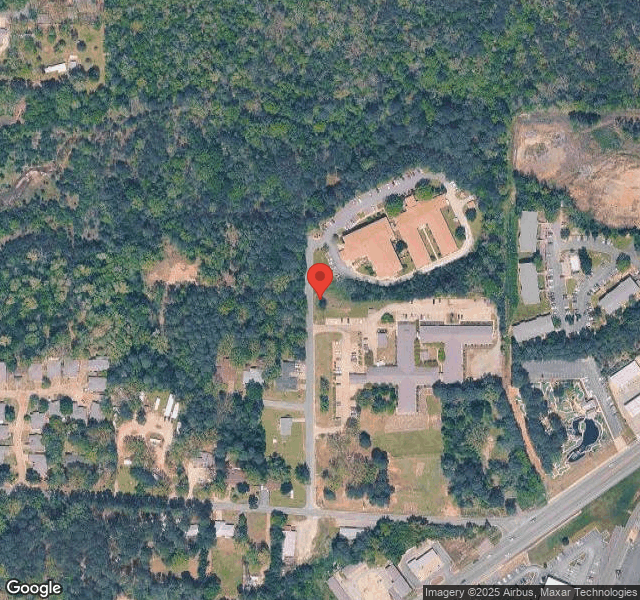
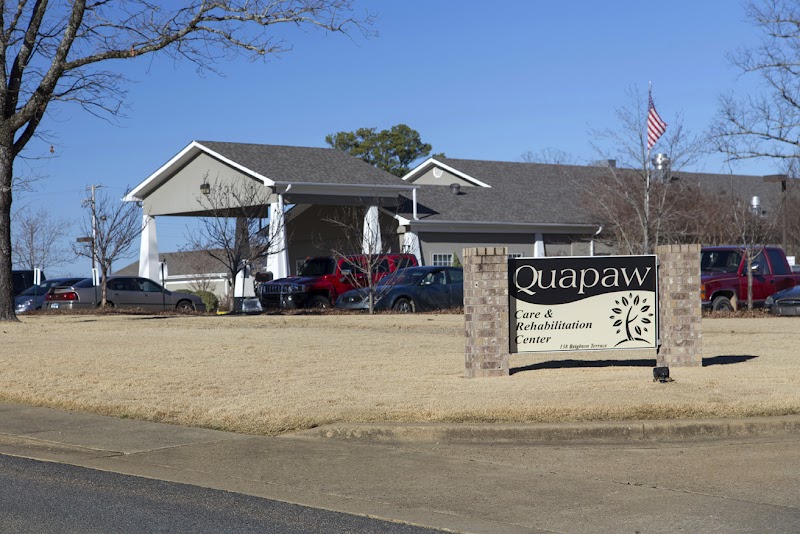
138 BRIGHTON TERRACE, HOT SPRINGS, AR 71913 (501) 525-7140
For profit - Corporation 87 Beds CENTRAL ARKANSAS NURSING CENTERS Data: November 2025
Trust Grade
70/100
#76 of 218 in AR
Last Inspection: July 2025

Inspected within the last 6 months. Data reflects current conditions.

Overview

Quapaw Care and Rehabilitation Center LLC in Hot Springs, Arkansas has a Trust Grade of B, which indicates it is a good facility and a solid choice for care. It ranks #76 out of 218 facilities in Arkansas, placing it in the top half, and #2 out of 9 in Garland County, meaning there is only one local option considered better. The facility is improving, with issues decreasing from 8 in 2024 to 5 in 2025. Staffing is a strength, with a rating of 4 out of 5 stars and a turnover rate of 45%, which is below the state average. However, there have been some concerning incidents, such as food items not being stored at the correct temperatures, which could lead to foodborne illnesses, and the improper storage of narcotics that were not secured in a permanently attached compartment, raising potential safety risks. While the facility has no recorded fines, the lower RN coverage compared to 92% of state facilities is a drawback, as RNs are crucial for catching issues that CNAs might miss. Overall, this nursing home has both strengths and weaknesses that families should consider carefully.

Trust Score
B
70/100
In Arkansas
#76/218
Top 34%
Safety Record
Low Risk
No red flags
Inspections
Getting Better
8 → 5 violations
Staff Stability
⚠ Watch
45% turnover. Above average. Higher turnover means staff may not know residents' routines.
Penalties
✓ Good
No fines on record. Clean compliance history, better than most Arkansas facilities.
Skilled Nurses
⚠ Watch
Each resident gets only 14 minutes of Registered Nurse (RN) attention daily — below average for Arkansas. Fewer RN minutes means fewer trained eyes watching for problems.
Violations
⚠ Watch
25 deficiencies on record. Higher than average. Multiple issues found across inspections.
★★★★☆
4.0
Overall Rating
★★★★☆
4.0
Staff Levels
★★★★★
5.0
Care Quality
★★★☆☆
3.0
Inspection Score
Stable
2024: 8 issues
2025: 5 issues

The Good

  • 4-Star Staffing Rating · Above-average nurse staffing levels
  • 5-Star Quality Measures · Strong clinical quality outcomes
  • Full Sprinkler Coverage · Fire safety systems throughout facility
  • No fines on record

Facility shows strength in staffing levels, quality measures, fire safety.

The Bad

Staff Turnover: 45%

Near Arkansas avg (46%)

Higher turnover may affect care consistency

Chain: CENTRAL ARKANSAS NURSING CENTERS

Part of a multi-facility chain

Ask about local staffing decisions and management

The Ugly 25 deficiencies on record

Jul 2025 5 deficiencies
CONCERN (D)

Potential for Harm - no one hurt, but risky conditions existed

Quality of Care (Tag F0684)

Could have caused harm · This affected 1 resident

Based on observations, record reviews, and interviews, it was found that the facility did not ensure the resident received treatment in accordance with the facility's Comprehensive Resident Centered C...

Read full inspector narrative →
Based on observations, record reviews, and interviews, it was found that the facility did not ensure the resident received treatment in accordance with the facility's Comprehensive Resident Centered Care Plan for one (Resident #60) of one resident investigated for skin concerns.Based on observations, record reviews, and interviews, it was found that the facility did not ensure the resident received treatment in accordance with the facility’s Comprehensive Resident Centered Care Plan for one (Resident #60) of one resident investigated for skin concerns. The findings include: During three separate observations on 07/21/2025 at 2:23 PM, 07/22/2025 at 12:13 PM, and 07/23/2025 at 12:20 PM, this surveyor observed Resident #60 with discoloration to both of the resident’s arms. On each instance, Resident #60 was wearing a short-sleeved shirt without protective sleeve coverings. A review of the quarterly Minimum Data Set (MDS) with an Assessment Reference Date of 06/11/2025, indicated that Resident #60 had a Brief Interview of Mental Status score of 10, which indicated moderately impaired cognition. The MDS also indicated Resident #60 had no skin issues. A review of a weekly skin audit dated 07/17/2025, revealed Resident #60 had senile purpura, a skin condition characterized by dark purple and brown bruising, noted to both arms. A review of the Care Plan Report for Resident #60 indicated the resident had a skin tear or potential for skin tears related to fragile skin. The Care Plan also included an intervention with an effective date of 01/03/2025, that the resident was to wear protective sleeves over both arms. During an interview on 07/23/2025 at 12:29 PM, Licensed Practical Nurse (LPN) #3 confirmed Resident #60 had discoloration to both arms, and did not have any protective coverings on their arms. On 07/23/2025 at 12:30 PM, Resident #60 stated to LPN #3 “I bruise easily if I bump something or someone grabs me.” During an interview on 07/24/2025 at 12:22 PM, the Director of Nursing (DON) stated that the protective sleeves were put on Resident #60 on 07/23/2025. The DON stated the protective sleeves should have been in place prior to that date according to the Care Plan. During an interview on 07/24/2025 at 12:45 PM, the Administrator asked that all nursing questions be referred to the DON. The DON stated the facility should have implemented the application of the protective sleeves as mentioned on the Care Plan to protect Resident #60 from any additional injury to both arms. The DON stated staff had been educated to ensure the resident had protective sleeves or long sleeves in place to protect both arms. The Administrator agreed with the DON’s comments.
CONCERN (D)

Potential for Harm - no one hurt, but risky conditions existed

Deficiency F0688 (Tag F0688)

Could have caused harm · This affected 1 resident

Based on observations, record review, interviews, and facility policy review, it was discovered that the facility did not ensure there was an intervention implemented to increase range of motion (ROM)...

Read full inspector narrative →
Based on observations, record review, interviews, and facility policy review, it was discovered that the facility did not ensure there was an intervention implemented to increase range of motion (ROM) and mobility or to prevent further contracture for one (Resident #56) of one resident. Based on observations, record review, interviews, and facility policy review, it was discovered that the facility did not ensure there was an intervention implemented to increase range of motion (ROM) and mobility or to prevent further contracture for one (Resident #56) of one resident. The findings include: During an observation on 07/22/2025 at 8:20 AM, this surveyor observed Resident #56 self-propelling their wheelchair in the hall. This surveyor observed that Resident #56 had a right-hand contracture without a device in place to maintain ROM. During an observation on 07/22/2025 at 9:25 AM, this surveyor observed Resident #56 self-propelling their wheelchair to the smoking area. This surveyor observed that Resident #56 had a right-hand contracture, without a device in place. During an observation on 07/23/2025 at 8:22 AM, this surveyor observed Resident #56 self-propelling their wheelchair in the hall. This surveyor observed that Resident #56 had a right-hand contracture, without a device in place. During an observation on 07/23/2025 at 10:53 AM, this surveyor observed Resident #56 sitting in a wheelchair in their room. This surveyor observed that Resident #56 had a right-hand contracture, with no device in place. A review of Resident #56’s admission Record revealed a diagnosis of hemiplegia (one-sided paralysis or weakness) affecting the right dominant side. A review of an annual Minimum Data Set with an Assessment Reference Date of 06/08/2025, indicated that Resident #56 had a Brief Interview of Mental Status score of 10 which indicated that the resident’s cognitive status was moderately impaired. The MDS did not indicate Resident #56 had a functional limitation of range of motion (ROM) in either upper extremity. The MDS also indicated Resident #56 did not receive any active or passive ROM and did not wear a splint. A review of a Care Plan Report indicated that Resident #56 had an Activities of Daily Living self-care performance deficit related to right sided weakness and right-hand contracture. The Care Plan instructed staff to see restorative care plan for interventions. A review of an Occupational Therapy Plan of Care, initiated 09/01/2022, revealed Resident #56 had underlying impairments to the right upper extremity. Therapy necessity was indicated as necessary for ROM. It included the statement, “Without therapy patient at risk for further decline and increased burden of care.” Goals included the resident utilizing a resting hand splint with an assistance level of maximum assistance. A review of the Tasks portion of Resident #56’s electronic health record, on 07/23/2025 at 11:09 AM, revealed a resolved task that read, “Resolved .Hand roll to right hand for a minimum of 4 hours daily to maintain current joint mobility. Resolved .using another type of splint/roll.” No new task had been added to indicate another type of splint/roll was in use. On 07/23/2025, an attempt was made to interview Resident #56, but the resident was observed to be nonverbal. During an interview on 07/23/2025 at 11:18 AM, the Restorative Nursing Assistant (RNA) stated she had been employed at the facility two and a half years and had never had Resident #56 on restorative services. During an interview on 07/23/2025 at 10:57 AM, Certified Nursing Assistant (CNA) #2 confirmed Resident #56 had a right-hand contracture without a device in place to prevent further contracture. CNA #2 was uncertain if Resident #56 was receiving restorative services or not. During an interview on 07/23/2025 at 11:30 AM, the Director of Nursing (DON) reviewed Resident #56’s Tasks and stated the tasks marked as “resolved” were no longer being implemented. The DON stated that it had been brought to her attention that Resident #56 had refused care, but there was no documentation to support that. The DON stated, “I know Nursing 101, if it was not documented, it was not done.” The DON stated the facility does not have an intervention in place that was currently being implemented by staff to prevent further contracture to Resident #56’s right hand. On 07/24/2025 at 12:35 PM, the Administrator stated the therapy department got all residents the appropriate splints. However, nothing was ever put in place due to Resident #56’s refusal, but there was no documentation of the refusal. A review of policy titled, “Rehabilitative Nursing Care,” with a revision date of 11/22/16, indicated that the facility would provide general rehabilitation nursing care to its residents, as ordered or required. Such a program could include but was not limited to maintaining good body alignment and proper position, assisting residents with their routine ROM exercise, and assisting residents to adjust to their disabilities.
CONCERN (E)

Potential for Harm - no one hurt, but risky conditions existed

Menu Adequacy (Tag F0803)

Could have caused harm · This affected multiple residents

**NOTE- TERMS IN BRACKETS HAVE BEEN EDITED TO PROTECT CONFIDENTIALITY** Based on observation, record review, interview and facility policy review, the facility failed to ensure meals were prepared and...

Read full inspector narrative →
**NOTE- TERMS IN BRACKETS HAVE BEEN EDITED TO PROTECT CONFIDENTIALITY** Based on observation, record review, interview and facility policy review, the facility failed to ensure meals were prepared and served according to the planned written menus to meet the nutritional needs of the residents for one of one meal observed. Based on observation, record review, interview and facility policy review, the facility failed to ensure meals were prepared and served according to the planned written menus to meet the nutritional needs of the residents for one of one meal observed. The findings include: During an observation on 07/21/25 at 11:15 AM, this surveyor observed Dietary [NAME] (DC) #4 use a three-ounce ladle, equal to 1/3 cup, to place five servings of vegetable blend into a blender, instead of a #8 ladle (1/2 cup) of vegetable blend as specified on the lunch menu. During an observation on 07/21/25 at 11:53 AM, this surveyor observed DC #4 place an amount equal to ten servings of sliced ham into a blender, grind it, pour it into a pan, and place it into a warmer to serve to residents who received mechanical soft diets. Per a Diet Order [NAME] Report dated 07/21/2025, there were 21 residents requiring mechanical soft diets. During an observation and concurrent interview on 07/21/25 at 12:37 PM, this surveyor observed DC #4 use a #10 scoop, equal to 1/3 cup, to scoop and serve a single portion of pureed vegetables and pureed mashed potatoes, instead of a #8 scoop, equal to 1/2 cup, as required per the facility menu. In addition, there were no hashbrowns prepared at the noon meal for the residents on pureed diets. Mashed potatoes were served instead. DC #1 stated he had not looked at the menu and recipe. He thought the residents who received pureed diets were not supposed to have hashbrowns. Review of the noon meal menu for 07/21/25, indicated that residents on mechanical soft diets were to receive three ounces of ground ham each. The residents on pureed diets were to receive a #8 scoop, which was equal to 1/2 cup, of both pureed vegetable blend and pureed hashbrowns. Review of a facility policy titled “Portion Control,” indicated to use a standardized recipe based on facility census and cycle menus, serve portions according to the menu spreadsheet and use scoops, ladles, and scales to serve proper menu portions on the tray line.
CONCERN (E)

Potential for Harm - no one hurt, but risky conditions existed

Deficiency F0804 (Tag F0804)

Could have caused harm · This affected multiple residents

Based on observation, record review, and interview, the facility failed to ensure meals were served in a method that maintained appearance, nutritive value, taste and that pureed foods were acceptable...

Read full inspector narrative →
Based on observation, record review, and interview, the facility failed to ensure meals were served in a method that maintained appearance, nutritive value, taste and that pureed foods were acceptable to the residents to improve palatability and encourage good nutritional intake during one of one meal observed. Based on observation, record review, and interview, the facility failed to ensure meals were served in a method that maintained appearance, nutritive value, taste and that pureed foods were acceptable to the residents to improve palatability and encourage good nutritional intake during one of one meal observed. The findings include: During an observation of the noon meal preparation on 07/21/25 at 11:07 AM, this surveyor observed Dietary [NAME] (DC) #4 place seven thick slices of baked ham into a blender. Instead of adding a half cup, plus two tablespoons of stock or water as specified per the recipe, DC #4 added two cups of broth on top of the baked ham inside the blender, and pureed. During an observation and concurrent interview on 07/21/25 at 11:10 AM, DC #4 was observed pouring pureed ham into a pan and placing it on the steam table. DC #4 stated he used two cups of broth to puree the baked ham. The pureed ham was observed to be runny. DC #4 stated he had used two cups of broth, instead of a half of a cup plus two tablespoons of water or stock as per the facility recipe. Review of a quantified facility recipe for the pureed ham on 07/21/25, indicated to add a half cup, with an additional two tablespoons of water or stock, per five servings of ham. Then prepare the slurry and process until smooth using one ounce of slurry per portion. During an observation and concurrent interview on 07/21/25 at 11:15 AM, DC #4 was observed using a three-ounce ladle, which equaled one-third of a cup, to place five servings of vegetable blend into a blender. Instead of one tablespoon plus two teaspoons of food thickener and no liquid, per the facility recipe, DC# 4 added one and a half cups of water from the tap on top of the vegetable blend inside the blender and pureed the contents. DC #4 stated he used one and a half cups of water to puree the vegetable blend. During an observation on 07/21/25 at 11:18 AM, this surveyor observed DC #4 pour the pureed vegetables into a pan and place it on the steam table. The mixture was observed to be runny. Review of a quantified facility recipe for vegetable blend indicated to add one tablespoon, with an additional two teaspoons of food thickener per five servings of vegetable blend and process by adding one teaspoon of food thickener per serving. For best results, alternate adding thickener with processing while checking the product’s consistency periodically. During an observation of the noon meal preparation on 07/21/25 at 11:25 AM, this surveyor observed DC #2 use a three-ounce ladle, which equaled one-third of a cup, to place five servings of Philly steak into a blender. DC #2 then added two and half cups of broth, pureed the mixture and poured the pureed Philly steak into a pan. The puree was observed to be runny and was not formed. During an observation on 07/21/25 at 11:35 AM, this surveyor observed DC #1 pour hot water from the tap into a blender. DC #1 then added one and a half cups of potato flakes and pureed. DC #1 stated he “used about two and a half cups of water, and it looked water down.” During an observation and concurrent interview on 07/21/25 at 11:39 AM, this surveyor observed DC #4 place six slices of white bread into a blender. Instead of using a half cup plus two tablespoons of water or juice to prepare the slurry and then process until smooth using one-ounce slurry per portion, per facility recipe, DC #4 added water from the tap on top of the bread inside the blender, poured the contents into a pan and placed the pan on the steam table. The mixture was observed to be lumpy and runny. DC #4 stated he used two cups of water to puree the bread. Review of a facility recipe on 07/21/25 indicated for five servings of dinner rolls to use one tablespoon, plus three quarters of a teaspoon of food thickener, and one half of a cup, plus two tablespoons of water or stock. Then process the mixture adding one teaspoon of food thickener per serving. Prepare the slurry and process until smooth using one ounce of slurry per portion. The Dietary manager (DM) stated that the kitchen staff used the dinner roll recipe for pureed bread. During an interview on 07/21/25 at 12:39 PM, the DM described the appearance of the pureed vegetable blend served to the residents for lunch to be runny.
CONCERN (E)

Potential for Harm - no one hurt, but risky conditions existed

Food Safety (Tag F0812)

Could have caused harm · This affected multiple residents

Based on observation, interview, and facility policy review, the facility failed to ensure that food items stored in the refrigerator, freezer, and dry storage areas were covered or sealed, expired fo...

Read full inspector narrative →
Based on observation, interview, and facility policy review, the facility failed to ensure that food items stored in the refrigerator, freezer, and dry storage areas were covered or sealed, expired food items were promptly removed or discarded on or before the expiration or use by date, to prevent the growth of bacteria, that dietary staff washed their hands between dirty and clean equipment, and hot food items were maintained at required temperature for one of one meal observed. Based on observation, interview, and facility policy review, the facility failed to ensure that food items stored in the refrigerator, freezer, and dry storage areas were covered or sealed, expired food items were promptly removed or discarded on or before the expiration or use by date, to prevent the growth of bacteria, that dietary staff washed their hands between dirty and clean equipment, and hot food items were maintained at required temperature for one of one meal observed. The findings include: 1. On 07/21/2025 at 10:18 AM, the following observations were made in the refrigerator and the storage area in the kitchen: An opened package that contained slices of ham was in the refrigerator. The manufacturer specification on the package indicated to use or freeze by 07/11/2025. An opened package of ham was on a shelf, which exposed it to cross contamination. A container of strawberry topping on a shelf had an expiration date of 06/27/2025. An opened bag of powdered milk was on a rack. The bag was open to air. Dietary Aide (DA) #2 stated bugs could crawl in it if not sealed. 2. On 07/21/2025 at 10:33 AM, the following observation was made on top of the freezer: Two bags of flour tortillas were on top of the freezer and had expiration dates of 05/19/2025 3. On 07/21/2025 at 10:36 AM, the following observations were made on a shelf below the food preparation counter: An opened box of dry cereal was under the food preparation counter, which exposed the cereal to air, moisture, and potential pests. A box of honey thickened apple juice, on a shelf, that had an expiration date of 04/29/2025. An opened box of rice cereal, the contents exposed to air. 4. On 07/21/2025 at 10:38 AM, the following observations were made in the food truck: An opened bag of brown sugar was on the counter. The bag was not sealed, which exposed it to air, moisture, heat, and potential pests. An opened box of sausage patties was on a shelf in the freezer. An opened bag of French fries was on a shelf in the freezer. 5. During an observation and concurrent interview on 07/21/2025 at 11:14 AM, this Surveyor observed DC #4 wear gloves on his hands while he turned the water off, contaminating the gloves. DC #4 then used his gloved hands to attach a clean blade to the base of the blender to be used in pureeing food items. When he was ready to use the blender, he indicated that he should have removed the gloves and washed his hands. 6. During an observation on 07/21/2025 at 12:13 PM, the temperatures of the food items on the steam table, in the 500-Hall dining-room, when checked and read by DC #4 resulted as follows: Pureed vegetables, 112 degrees Fahrenheit. Pureed potatoes, 115 degrees Fahrenheit. Pureed ham, 120 degrees Fahrenheit. Pureed Philly Steak, 122 degrees Fahrenheit. Ground ham, 108 degrees Fahrenheit. The above food items were not reheated before being served to the residents. DC #4 stated he should have reheated the food items. 7. During an observation and interview on 07/21/2025 at 12:32 PM, this surveyor observed the ice machine in the 500-Hall therapy room, had wet black residue on the right-side corner of the panel and in the area where ice fell down to the ice collector. The Dietary Manager (DM) stated he did not know who cleaned the ice machine. “Everyone is using ice from it now, since the kitchen is being remodeled.” The DM also verified that the Certified Nursing Assistants used the ice for the water pitchers in the residents' rooms and that it was used to fill beverages that were served to the residents at mealtimes. The DM confirmed that the ice machine was dirty with black residue. 8. On 07/21/2025 at 12:43 PM, the following drink items were improperly stored in the storage room in the main kitchen: A bag of tea and one open box of tea were on a shelf and opened which exposed them to moisture, air, and heat. 9. On 07/21/2025 at 12:56 PM, the following food items were improperly stored in the kitchen walk-in freezer: An opened box of corndogs. The box was not covered or sealed. An opened box of egg rolls. The box was not covered or sealed. 10. On 07/21/2025 at 2:51 PM, the following food items were observed to be improperly stored in the deep freezer: Opened boxes of hamburger patties, chicken fried steak, corn dogs, and shrimp were open and exposed to air. A review of a facility policy titled “Handwashing and Glove Usage in Food service,” indicated hands should be washed before starting work, after leaving and returning to the kitchen prep area and after touching anything else such as dirty equipment, work surfaces or clothes.
May 2024 8 deficiencies
CONCERN (D)

Potential for Harm - no one hurt, but risky conditions existed

Respiratory Care (Tag F0695)

Could have caused harm · This affected 1 resident

Based on observation, record review, and interview the facility failed to ensure portable nasal cannula tubing for 1 (Resident 52) was dated to ensure tubing was changed every 7 days to prevent respir...

Read full inspector narrative →
Based on observation, record review, and interview the facility failed to ensure portable nasal cannula tubing for 1 (Resident 52) was dated to ensure tubing was changed every 7 days to prevent respiratory infections. This failed practice had the potential to affect 2 residents on 300 hall receiving oxygen therapy. The findings are: a. A Physicians Order (Date, 03/11/2024) documented, .OXYGEN AT 1 LITER VIA Nasal Cannula as needed FOR shortness of breath every shift b. A Physicians Order (Date, 03/11/2024) documented, .change oxygen tubing and date, clean filter and oxygen cabinet and humidifier bottle date all tubing every Sunday night on 11-7 shift every night shift every Sunday for maintenance. c. A Care Plan (Revision, 09/26/2023) documented, . The resident has Emphysema/COPD. The resident will display optimal breathing patterns daily through review date. Oxygen at 2 liters per minute via nasal cannula. Give aerosol or bronchodilaters as ordered . d. On 04/30/24 at 09:17 AM, the Surveyor observed Resident #52 resting in bed, eyes open on 1 liters nasal cannula. The Surveyor noted a wheelchair at the bedside with portable oxygen tubing not dated or stored. Resident #52 said that she tucked the portable nasal cannula tubing in the side of the wheelchair. The Surveyor asked Resident #52 if resident had been given anything to store tubing into. Resident #52 said she had been given a bag but did not know where it was. e. On 05/01/24 at 01:45 PM, the Surveyor observed undated nasal cannula tubing rolled up and tucked into the right side of the wheelchair cushion at the bedside. f. On 05/02/24 at 10:15 AM, Licensed Practical Nurse (LPN) #1 said Resident #2's portable nasal cannula tubing should be dated, and changed on Sundays just like they do the concentrator tubing. Tubing should be changed every 7 days. g. On 05/02/2024 at 02:45 PM, the Director of Nursing (DON) said portable oxygen tubing should be changed every 7 days, on Sundays, when nursing changes tubing on the oxygen concentrator. The DON said the facility does not have an oxygen or oxygen storage policy.
CONCERN (D)

Potential for Harm - no one hurt, but risky conditions existed

Deficiency F0761 (Tag F0761)

Could have caused harm · This affected 1 resident

Based on observations and interviews the facility failed to ensure that a medication was stored in a secured manner to prevent potential misappropriation of the Resident's medications from other Resid...

Read full inspector narrative →
Based on observations and interviews the facility failed to ensure that a medication was stored in a secured manner to prevent potential misappropriation of the Resident's medications from other Residents, staff and/or visitors. This failed practice had the potential to affect any Resident residing the facility. The findings are: 1. On 05/01/2024 at 09:14 AM, the Surveyor observed Licensed Practical Nurse (LPN) #1 apply gloves and rubbed arthritis gel on a resident's knee, removed the gloves, placed the arthritis gel on top of the cart, and went into the Resident's bathroom to wash hands leaving the arthritis gel unattended. a. On 05/01/2024 at 09:49 AM, the Surveyor asked LPN #1, While you were washing your hands where was the Diclofenac gel? LPN #1 stated, On my cart. The Surveyor asked LPN #1, Should the gel have been on your cart unattended? LPN #1 stated, No. b. On 05/02/2024 at 02:40 PM, the Surveyor asked the Director of Nursing (DON), Should medications be left unattended? The DON stated, no. The Surveyor asked the DON why medication should not be left unattended. The DON stated, Opens up for a Resident to come take the medication. c. On 05/02/2024 at 04:20 PM, the DON voiced that the facility did not have a policy on medication storage.
CONCERN (D)

Potential for Harm - no one hurt, but risky conditions existed

Deficiency F0883 (Tag F0883)

Could have caused harm · This affected 1 resident

Based on observation, record review, and interview the facility failed to obtain informed consent for 1 (Resident #1) prior to administering immunizations. This failed practice had the potential to af...

Read full inspector narrative →
Based on observation, record review, and interview the facility failed to obtain informed consent for 1 (Resident #1) prior to administering immunizations. This failed practice had the potential to affect all 87 residents in the facility. The findings are: a. On 05/01/2024 at 02:40 PM, the Surveyor asked the Business Office Manager (BOM) to see consents for vaccinations for Resident #1. b. On 05/01/24 at 03:30 PM, the Infection Preventionist (IP) provided a copy of Consent for Vaccination signed by Resident 1 on 11/30/2023, showing consent was not marked for or against vaccination. The Surveyor asked how the facility knew Resident #1 wanted vaccinated. c. On 05/01/24 at 03:31 PM, the IP confirmed that she talked to Resident #1 today and asked him/her about the consent form and Resident #1 did not consent to immunization. d. On 05/02/2024 at 03:19 PM, the Surveyor asked why it was important to get signed consent for immunizations, the IP told the Surveyor, so we know we educated the resident and family, and they understand the pros and cons of immunizations. e. On 05/02/2024 at 04:10 PM, the Director of Nursing (DON) provided a policy titled Immunizations, Influenza and Pneumococcal documenting, Policy .This Facility will offer its residents influenza, pneumococcal immunizations in accordance with the following procedure .The resident or the resident's representative may refuse the offered immunizations .
CONCERN (E)

Potential for Harm - no one hurt, but risky conditions existed

Accident Prevention (Tag F0689)

Could have caused harm · This affected multiple residents

Based on observation, record review, and interview the facility failed to ensure odor eliminators were not at the bedside for 1 (Resident 18) to prevent hazardous chemicals from being ingested by resi...

Read full inspector narrative →
Based on observation, record review, and interview the facility failed to ensure odor eliminators were not at the bedside for 1 (Resident 18) to prevent hazardous chemicals from being ingested by residents. This failed practice had the potential to affect 4 (Residents #1, #18, #52, and #87) of 15 sampled residents that ambulate and/or self-propel on 300 Hall, to ensure the mechanical lift was used to lift with legs in the open position for stability to prevent injury for 1 (Resident #18) of 3 sampled residents, and to ensure that the housekeeping cart was kept closed and locked on the floor to prevent residents having access to harmful chemicals. The findings are: 1. Resident #18 was diagnosed with cerebral palsy, major depressive disorder, and anxiety. The quarterly Minimum Data Set (MDS) with an Assessment Reference Date (ARD) of 04/08/2024 indicated a Brief Interview for Mental Status Score of 15 (13-15 suggest cognitively intact). Resident #18 required maximum assistance for toileting and bathing, set up assistance with meals, and supervision with personal hygiene. Resident #18 required maximum assistance for toilet and shower transfers. a. On 04/30/2024 at 02:41 PM, Resident #18 said, Sometimes my room smells, but I have a big can of odor eliminator. b. On 05/01/2024 at 01:22 PM, the Surveyor observed two 27-ounce bottles of scented odor eliminator that say Keep Out of Reach of Children, and IF SWALLOWED: Drink 1-2 glasses of water and call a doctor or Poison Control Center on the label resting on top of a small refrigerator near the foot of the bed in Resident #18's room. c. On 05/02/24 at 09:12 AM, the Surveyor observed odor eliminator spray bottles have been removed from the room. d. On 05/02/24 at 10:13 AM, the Licensed Practical Nurse (LPN) #1 was asked if LPN #1 could identify the smell in Resident 18's room, and if there was a policy for room deodorizers. LPN #1 said it has been a long time but some residents had wall plugs in the past. LPN #1 said they have room deodorizers in the medication room, and if a room smells they might use it in a resident's room and return it to the medication room, but residents should not have deodorizer in their room. 2. a. On 05/02/24 at 09:12 AM, Certified Nursing Assistant (CNA), #2 and CNA #3 arrived at the bedside to use the mechanical lift to get a weight on Resident #18. CNA #2 rolled the mechanical lift under Resident #18's bed and the CNA's attached the lift pad. Resident #18 had to be pulled away from the bed a few inches because Resident did not clear the mattress. Resident #18 was rolled back over the mattress and lowered to the bed with the legs of the mechanical lift remaining in the closed position. The Surveyor asked CNA #2 why the legs of the mechanical lift were in the closed position when raising and lowering Resident #18 to the bed. CNA #2 said the legs of the mechanical lift could not be opened because there was not enough room to open the legs under the bed. The Surveyor asked CNA #2 why the legs of the mechanical lift should be in the open position. CNA #2 said to assist in placing residents in a wheelchair. b. On 05/02/2024 at 02:46 PM, the Surveyor asked the Director of Nursing (DON) if it was standard practice to have an odor eliminator in resident rooms, and why would the facility not want residents to have odor spray at the bedside. The DON confirmed that it is not appropriate for odor eliminator to be in resident rooms whether spray or pump activated, because there are residents with Dementia that can wander around and ingest the deodorizer by accident. The Surveyor asked the DON when a mechanical lift is being used to raise or lower a resident resting in a lift to the bed or wheelchair was it appropriate to leave the legs in a closed position. The DON said when a resident is being lowered or raised by a lift the legs should be in an open position to stabilize the lift's center of gravity to prevent falls. c. On 05/02/2024 at 04:10 PM, The DON gave the Surveyor a manual guide for the mechanical lift (page 9) documenting, .Lifting the Resident WARNING When using an adjustable base lift, the legs MUST be in the maximum Opened/Locked position before lifting the patent . There was no policy on odor eliminators. 3. On 05/02/2024 at 02:13 PM, the Surveyor observed an unattended housekeeping cart in the hallway with the door open, the keys in the door, and chemicals inside. After standing next to the cart for several minutes, Housekeeping Staff #1 exited the restroom and claimed the cart. a. On 05/02/2024 at 02:20 PM, the Housekeeping Staff #1 said to the Surveyor I had to use the restroom. I thought I locked it. The Surveyor asked the Housekeeping Staff #1 what could have been a negative outcome of chemicals left unattended? Housekeeping Staff #1 stated, They could have gotten hold of the chemicals. The Surveyor asked Housekeeping Staff #1 who are you referring to when you say they? Housekeep Staff #1 stated, The Residents. b. On 05/02/2024 at 02:40 PM, the Surveyor asked the DON should the housekeeping cart be unlocked and unattended? DON stated, no. The Surveyor asked the DON why is it important to ensure the housekeeping carts are locked? The DON stated, Because you have chemicals on the cart yet again, we have dementia residents that can ingest them. c. On 05/02/2024 at 04:20 PM, the DON voiced that the facility did not have a policy on accidents and hazards as it pertains to housekeeping.
CONCERN (E)

Potential for Harm - no one hurt, but risky conditions existed

Incontinence Care (Tag F0690)

Could have caused harm · This affected multiple residents

Based on observation, record review and interview the facility failed to provide peri care in a timely manner for 1 (Resident #18) to prevent skin breakdown, infection, and to promote dignity. This fa...

Read full inspector narrative →
Based on observation, record review and interview the facility failed to provide peri care in a timely manner for 1 (Resident #18) to prevent skin breakdown, infection, and to promote dignity. This failed practice had the potential to affect 4 sampled residents and the potential to affect 13 residents on 300 hall requiring perineal care assistance. The facility failed to ensure that catheter was secured in a way to not drag the floor while 1 (Resident #38) was being transported to the dining area. This failed practice had the potential to cause trauma and induce infection in the resident. The findings are: 1. Resident #18 was diagnosed with cerebral palsy, major depressive disorder, and anxiety. The quarterly Minimum Data Set (MDS) with an Assessment Reference Date (ARD) of 04/08/2024 indicated a Brief Interview for Mental Status Score of 15 (13-15 suggest cognitively intact). Resident #18 required maximum assistance for toileting and bathing, set up assistance with meals, and supervision with personal hygiene. Resident #18 required maximum assistance for toilet and shower transfers. a. A care plan (Revised 05/19/2023) documented, .The resident has an ADL self-care performance deficit related to Disease Process of Cerebral Palsy, Impaired balance, Musculoskeletal impairment. Is having episodes of incontinence requires peri care and clothing adjustment (Revision on: 01/20/2021) .TOILET USE: The resident requires extensive assistance by 2 staff with sit to stand and transport sling for toileting, she has a safety frame to toilet, is having frequent episodes of incontinent, peri care as needed, uses absorbent pads in bed and wears urinary protective wear with pads . b. On 04/30/2024 at 09:09 AM, the Surveyor observed a strong, foul odor coming from outside the door of Resident #18's room. The Resident said he/she is incontinent. c. On 05/02/2024 at 08:03 AM, the Surveyor observed an odor while at Resident #18's bedside. d. On 05/02/2024 at 08:28 AM, the Surveyor checked Resident #18's room and the room has a strong urine odor. Resident #18 said staff changed his/her brief through the night, and he/she is wet right now. They will change me when they get me up. The Surveyor checked the trash cans, and they have been emptied. e. On 05/02/24 at 09:12 AM, Certified Nursing Assistant (CNA) #2, and CNA #3 arrived at the bedside to use the lift to get a weight on Resident in #18. CNA #2 rolled the mechanical lift under Resident #18's bed and CNA's attached a lift pad and raised Resident above the bed. CNA #3 threw away the disposable protectant pad and Resident #18 was placed down in the bed. Resident #18 asked if the protectant pad was dirty. CNA #3 said, yes, and Resident #18 remarked, I am not surprised. CNA #2 and CNA #3 left the room without changing Resident #18's brief. f. On 05/02/24 at 10:13 AM, the Surveyor asked Licensed Practical Nurse (LPN) #1 how often incontinent residents like Resident #18 are changed, and what the procedure is used to keep the residents clean. LPN #1 said that incontinent residents like Resident #18 are changed every two hours into a dry brief. Some residents may refuse to change while resting. Resident has not been changed. g. On 05/02/2024 at 02:45 PM, the Surveyor asked the Director of Nursing (DON) how often staff are expected to check incontinent residents, and who is responsible for resident care. The DON confirmed that the CNA's provide personal care, but if any staff find a resident that needs to be changed, they can do it, or ask for assistance. The DON said residents should be checked every two hours. 2. On 05/01/24 at 12:00 PM, the Surveyor observed CNA #1 pushing Resident #38 in the wheelchair. The Surveyor observed the Resident's catheter hanging in the lower front of the wheelchair, and the catheter bag and tubing dragging the floor in front of the wheel of the wheelchair. a. On 05/01/24 at 12:00 PM, the Surveyor heard the CNA voice, I didn't know that was dragging. b. On 05/02/24 at 02:49 PM, the Surveyor asked the DON, Should the catheter bag and tubing drag the floor when the Resident is up in the wheelchair? The DON stated, no. The Surveyor asked the DON, What could be a negative outcome of the bag and tubing dragging near the wheel of the wheelchair? The DON stated, Break in the line introducing infection, leak urine on the floor. c. On 05/02/24 at 04:10 PM, the Surveyor was provided a policy titled Perineal/Catheter Care that did not pertain any pertinent information.
CONCERN (E)

Potential for Harm - no one hurt, but risky conditions existed

Deficiency F0804 (Tag F0804)

Could have caused harm · This affected multiple residents

Based on observation, record review and interview, the facility failed to ensure meals were served in a method that maintained the appearance of cold product and at temperatures that were acceptable t...

Read full inspector narrative →
Based on observation, record review and interview, the facility failed to ensure meals were served in a method that maintained the appearance of cold product and at temperatures that were acceptable to the residents to improve palatability and encourage good nutritional intake during 1 of 2 meals observed. This failed practice had the potential to affect 16 residents who receive meal trays in their rooms on the 100- Hall, 10 residents who receive meal trays on the 200- hall, 12 residents who receive meal trays in their room on the 300- hall, 9 residents who receive meal trays on the 400- hall, 9 residents who receive meal trays on the 500- hall, and 4 residents who receive meal trays on the 600- hall. The findings are: 1. Resident #34 had diagnoses of diabetes mellitus, chronic obstructive pulmonary disease, and depression. The annual Minimum Data Set (MDS) with an Assessment Reference Date (ARD) of 03/09/2024 documented that the resident scored 10 (8-12 indicates moderate impairment) on the Brief Interview for Mental Status (BIMS). a. The care plan with a revision date of 04/15/2024 documented, .Focus: The resident has an ADL self-care performance deficit r/t (related to) weakness. unsteady .Interventions/Tasks .or EATING: The resident is able to feed self after tray set up per staff. She has Regular texture/consistency diet . b. a. A physician's order dated 09/02/2022 documented, .Regular diet Regular texture, Regular consistency, Enhanced Cereal with breakfast. PRUNE JUICE WITH BREAKFAST . c. On 04/30/2024 at 01:27 PM, the Surveyor asked the Resident #34, How is the food here at the facility? The Resident stated, The food is terrible. I want pizza and Chinese food. Something that is cooked right. It's just not like I want. Most of the time it is not warm enough. My eggs in the morning are always cold and the coffee is not very warm . 2. On 05/02/024 at 07:40 AM, an unheated food cart that contained 9 trays for breakfast was delivered to 400-Hall. At 08:02 AM, immediately after the last resident was served in their room on the 400 Hall, the temperature of the food items on the tray used as test trays were taken and read by the Dietary Supervisor with the following results. a. Milk 46 degrees Fahrenheit. b. Sausage 103 degrees Fahrenheit. c. Ground sausage with gravy 105.9 degrees Fahrenheit. c. Sausage 103 .6 degrees Fahrenheit. d. Pureed sausage 110 degrees Fahrenheit. e. Scramble eggs 105.8 degrees Fahrenheit. f. Gravy 108 degrees Fahrenheit.
CONCERN (E)

Potential for Harm - no one hurt, but risky conditions existed

Infection Control (Tag F0880)

Could have caused harm · This affected multiple residents

Based on observation, record review and interview the facility failed to provide appropriate hand hygiene during perineal care for 1 (Resident #71) sampled resident which had the potential to affect a...

Read full inspector narrative →
Based on observation, record review and interview the facility failed to provide appropriate hand hygiene during perineal care for 1 (Resident #71) sampled resident which had the potential to affect all 16 residents living in the Dementia Unit and failed to use proper hand hygiene during medication pass. This failed practice had the potential to affect all residents in the building. The findings are: 1. Resident #71 had diagnoses of dementia, recurrent depressive disorders, and anemia. The significant change Minimum Data Set (MDS) with an Assessment Reference Date (ARD) of 03/15/2024 documented a Brief Interview for Mental Status score of 00 (0-7 indicates severe cognitive impairment). a. A care plan with a revision date of 07/08/2022 documented, .Resident 71 has an ADL self-care performance deficit related to Dementia, impaired mobility .TOILET USE: The resident is incontinent of bowel and bladder and requires extensive assist in her peri care and clothing adjustment . b. On 04/30/2024 at 10:50 AM, the Surveyor observed Certified Nursing Assistant (CNA) #4 attempting to provide peri care on Resident #71. Resident was turned to the left side and wipes were picked up with the left gloved hand, and Resident wiped with the right gloved hand. Resident #71 was turned to Resident's right side while CNA #4 held both of Resident's hands between both of the CNA 4's gloved hands while wiping a brown substance off of Resident #71's hands and fingers with a wash cloth. CNA #5 presented to the bedside with a clear bag and CNA #4 was observed using CNA 4's gloved hands to remove the dirty lines from the bed and place them in the clear bag. CNA #5 left the room with the dirty bag of linens. CNA #4 then used both gloved hands to put clean sheets on the bed and pulled up Resident #71's pants without performing hand hygiene. c. On 04/30/2024 at 10:55 AM, the Surveyor asked CNA #4 if there was anything that should have been done prior to placing the clean linens on the bed and dressing Resident #71. CNA #4 said, Yes ma'am, I should have removed my gloves and done hand hygiene. d. On 05/02/2024 at 02:45 PM, the Surveyor asked the Director of Nursing (DON) if it is standard practice to change gloves, or perform personal hygiene when staff go from peri care to making a residents bed or assist with putting clean clothing on residents. The DON confirmed that staff should perform hand hygiene after performing peri care, before assisting residents put on clean clothes, or putting clean linens on the bed. e. On 05/02/2024 at 04:10 PM, the DON provided a policy titled Perineal/Catheter Care documenting, .Procedure .Change gloves .Replace bedspread, top sheet and/or clean clothing on resident . The DON provided a policy titled Handwashing/Hand Hygiene documenting, .All personnel shall follow the handwashing/hand hygiene procedures to help prevent the spread of infections to other personnel, residents, and visitors .The use of gloves does not replace hand washing/hand hygiene. Integration of glove use along with routine hand hygiene is recognized as the best practice for preventing healthcare-associated infections . 2. On 05/01/2024 at 09:14 AM, the Surveyor observed Licensed Practical Nurse (LPN) #1 walking from a Resident with plastic cup and medication cup in hand to medication cart that was parked near nurses' station. LPN #1 disposed of plastic cup and medication in trash attached to medication cart. LPN #1 pushed the cart down the hall to a Resident's room and parked medication in front of the doorway to room. The Surveyor observed LPN #1 removed the Resident's medication from drawer, removed from the packet, and poured water into a cup. LPN #1 informed the Surveyor that the Resident administered her own inhaler and nasal spray. Once inside the room LPN #1 placed the cup of pills on the bedside table along with the nasal spray and handed the Resident the inhaler. The Resident self-administered the inhaler and nasal spray when finished placing back on the bedside table. The Resident then picked medication cup containing the pills and took them. LPN #1 applied brace to Resident's left hand without gloves. LPN #1 picked up the nasal spray and inhaler, entered the Resident's bathroom placed the nasal spray and inhaler on the sink, washed hands, picked up the inhaler and nasal spray, exited room, and placed on cart. LPN #1 removed another Resident's medication and placed in medication cup with applesauce. When the Resident was ready LPN #1 spooned the medication to the Resident then gave the Resident water to drink. LPN #1 applied gloves and rubbed arthritis gel on the Resident's knee, removed the gloves, placed the arthritis gel on top of the cart, and went into the Resident's bathroom to wash hands. a. On 05/01/24 at 09:49 AM, the Surveyor asked LPN #1 after the Resident administered her nasal spray and inhaler, Do you remember placing both medications on the sink? LPN #1 said , Yes. The Surveyor asked LPN #1 what did you do after you wash your hands? LPN #1 stated To remove contaminates from being in the room? The Surveyor asked LPN #1 was it from being in the room or from what you touch in the room? LPN stated, From what I touched in the room. The Surveyor asked LPN #1 if the Resident touched the medication, you touched medication, washed your hands, and touched the same medications what did you potentially do? LPN #1 stated, Contamination. The Surveyor asked LPN #1 did you wash or sanitize your hands after that administration but before the next Resident? LPN #1 stated, no. b. On 05/02/24 02:40 PM, the Surveyor asked the DON what should the nurse do between Residents when passing medication? DON stated, hand hygiene. The Surveyor asked the DON what could be a potential issue if this is not done? DON stated, Infection control to prevent the spread of germs. c. On 05/02/24 at 04:10 PM, the Surveyor was provided a policy titled Handwashing/Hand Hygiene that documented All personnel shall follow the handwashing/hand hygiene procedures to help prevent the spread of infections to other personnel, residents and visitors.
CONCERN (F)

Potential for Harm - no one hurt, but risky conditions existed

Food Safety (Tag F0812)

Could have caused harm · This affected most or all residents

Based on observation, record review and interview, the facility failed to ensure cold food items were not maintained at the required temperatures on the pans of ice by the steam table while awaiting s...

Read full inspector narrative →
Based on observation, record review and interview, the facility failed to ensure cold food items were not maintained at the required temperatures on the pans of ice by the steam table while awaiting service to prevent potential food borne illness for the residents who received meals from 1 of 1 kitchen, failed to ensure 1 of 2 ice machines was maintained in a clean and sanitary condition to prevent potential contamination of residents' beverages for residents who received ice from the therapy room on the 500- hall. These failed practices had the potential to affect 87 residents who resided in the facility. The findings are: 1. On 05/01/2024 at 04:47 PM, the temperatures of the cold food items on pans of ice located on the counter by the steam table when checked and read by Dietary Employee (DE) #1 the following are the results: a. Regular potato salad 48 degrees Fahrenheit. b. Mechanical potato salad 46 degrees Fahrenheit. c. Coleslaw 48 degrees Fahrenheit. d. On 05/02/2024 at 11:44 AM, the surveyor asked DE #1 what temperature cold food items should be served at. DE #1 stated, It should be 41 degrees Fahrenheit. I should have set them on ice while they were in the refrigerator. 2. On 05/05/2024 at 08:18 AM, the ice machine panel located in the therapy room on the 500-hall had wet brownish residue on it. The surveyor asked the Dietary Supervisor to wipe the left side corner of the ice machine panel where brownish residue was found. She used tissues to wipe the areas and the wet brownish substance easily transferred to the tissue paper. The Surveyor asked the Dietary Supervisor to describe the residue that was brownish dirt, she was asked who uses the ice machine, and how often it was cleaned. The Dietary Supervisor stated, The maintenance man cleans it once a month. That's the ice machine the CNAs use for the water pitchers in the residents' rooms. We use it in the kitchen to fill beverages served to the residents at mealtimes. We started using ice from this machine when the ice machine by the kitchen broke down.
May 2023 12 deficiencies
CONCERN (D)

Potential for Harm - no one hurt, but risky conditions existed

Grievances (Tag F0585)

Could have caused harm · This affected 1 resident

Based on interview, and record review, the facility failed to act promptly and provide resolution to a grievance for 1 (Resident #23) of 1 sampled resident who was reviewed for grievances. The finding...

Read full inspector narrative →
Based on interview, and record review, the facility failed to act promptly and provide resolution to a grievance for 1 (Resident #23) of 1 sampled resident who was reviewed for grievances. The findings are: 1. Resident #23 had diagnoses of Diabetes, Cerebral Vascular Accident and Congestive Heart Failure. The Quarterly Minimum Data Set (MDS) with an Assessment Reference Date (ARD) of 03/01/23 documented the resident scored 15 (13-15 indicates cognitively intact) on a Brief Interview for Mental Status (BIMS). 2. On 05/01/23 at 11:13 AM, Resident #23 informed the Surveyor a birthday pendant from her husband has been missing since January 14th. Resident #23 confirmed she notified the Administrator and had not had any follow up regarding her lost pendant. 3. On 05/03/23 at 10:30 AM, the Grievance Log for November 2022, December 2022, January 2023, February 2023, March 2023, and April 2023 did not contain a Grievance Report of Resident #23 reporting her missing pendant. 4. On 05/03/23 at 10:15 AM, the Social Worker confirmed Resident #23 had reported a missing pendant. The Social Worker stated, I can't remember when the incident occurred. I contacted the family, and they were going to check their house for the missing pendant. The Social Worker also stated she does not record an item on the Grievance Log until after she tries to resolve the issue and will only document on the Grievance Log if the issue cannot be resolved. 5. The facility policy titled, Resident Grievance/Complaint Procedures, provided by the Administrator on 05/03/23 at 11:07 AM documented, .A resident, his or her representative (sponsor), family member, visitor or advocate may file a verbal or written grievance or complaint concerning . theft of property, etc. [etcetera], without fear of threat or reprisal in any form. You are requested to follow the procedures outlined below when filing a written grievance or complaint: .5. Within ten working days of the date you filed the grievance, you will receive an oral report of the results of the investigation. You may request a written summary of the results of the investigation .
CONCERN (D)

Potential for Harm - no one hurt, but risky conditions existed

Comprehensive Assessments (Tag F0636)

Could have caused harm · This affected 1 resident

Based on observation, record review, and interview, the facility failed to ensure the comprehensive assessment was accurately coded for 2 (Residents #28 and #74) of 19 (Residents #3, #19, #23, #28, #3...

Read full inspector narrative →
Based on observation, record review, and interview, the facility failed to ensure the comprehensive assessment was accurately coded for 2 (Residents #28 and #74) of 19 (Residents #3, #19, #23, #28, #30, #36, #, #40, #44, #50, #59, #64, #73, #74, #76, #78, #84, #86, #346 and #347) sampled residents whose Care Plans were reviewed. The findings are: 1. Resident #28 had a diagnosis of Morbid (Severe) Obesity due to Excess Calories. The Quarterly Minimum Data Set (MDS) with an Assessment Reference Date (ARD) of 03/07/23 documented the resident scored 15 (13-15 indicates cognitively intact) on a Brief Interview for Mental Status (BIMS) and did not receive oxygen therapy. 2. Resident #74 had diagnoses of Huntington's Disease, Unspecified Psychosis, and Chronic Pain. The Quarterly MDS with an ARD of 03/06/23 documented the resident scored 4 (0-7 indicates severely cognitively impaired) of a BIMS and did not require a physical restraint or alarms. 3. On 05/03/23 at 1:17 PM, the Surveyor asked the MDS Coordinator if the Minimum Data Sets were coded for oxygen for Resident #28 and a restraint for Resident #74. She stated, No. The Surveyor asked if the MDSs should they have been. She stated, Yes, I'll correct them now. 4. On 05/03/23 at 1:23 PM, the Surveyor asked the Director of Nursing (DON) what the purpose of accurately completing a MDS. She stated, To collect and input data of the patient as a whole for payment. The Surveyor asked, Do you expect the nurses to accurately capture the resident s needs? She stated, Yes. The Surveyor asked, How do you monitor this process? She stated, By a report that we can run on [Facility Computer Software]. 5. The facility policy titled, Resident Assessment, provided by the DON on 05/04/23 at 1:55 PM documented, Procedure 1. This facility will conduct and document, initially and periodically, comprehensive assessments on all residents. (Comprehensive assessments of residents' functional capacity will be accurate standardized (using the State-approved form), and reproducible. Comprehensive assessments describe the resident's capability to perform daily life functions and significant impairment in functional capacity providing the facility with the information necessary to develop a care plan and to provide appropriate care and services for the resident .
CONCERN (D)

Potential for Harm - no one hurt, but risky conditions existed

Deficiency F0658 (Tag F0658)

Could have caused harm · This affected 1 resident

Based on observation, interview, and record review, the facility failed to ensure a Physicians Order was obtained prior to provision of treatment for 1 (Resident #36) of 7 (Residents #3, #36, #40, #44...

Read full inspector narrative →
Based on observation, interview, and record review, the facility failed to ensure a Physicians Order was obtained prior to provision of treatment for 1 (Resident #36) of 7 (Residents #3, #36, #40, #44, #53, #74 and #80) sampled residents who received treatments as documented on a list of treatments provided by the Administrator on 05/05/23 at 10:10 AM. This failed practice had the potential to affect all 104 residents who resided in the facility, as documented on the Resident Census and Conditions of Residents provided by the Administrator on 05/01/23 at 11:20 AM. The findings are: 1. Resident #36 had diagnosis Morbid (Severe) Obesity due to Excess Calories, Type 2 Diabetes Mellitus without Complications, Concussion and Edema of Cervical Spinal Cord, Sequela. The Quarterly Minimum Data Set (MDS) with an Assessment Reference Data (ARD) of 02/07/23 documented the resident scored 15 (13-15 indicates cognitively intact) on a Brief Interview of Mental Status (BIMS) and required extensive physical assistance of two plus persons for bed mobility, extensive physical assistance of one person for toilet use, had an indwelling catheter and ostomy, and had Moisture Associated Skin Damage (MASD) and received applications of nonsurgical dressings and ointments/medications for skin and ulcer/injury treatments. a. A Physicians Order dated 11/07/22 documented, TX [Treatment]: Apply Triple Mix cream to open IAD [Incontinence-Associated Dermatitis] of Posterior Rt. [right] Thigh and buttock When personal care is provided as needed . The Physician's Order did not address applying a bandage. b. A Care Plan with an initiated date of 12/26/23 documented, The resident has open IAD on gluteal fold . Weekly observation of IAD areas and body . c. A Physicians Order dated 02/08/23 documented, Clean open MASD areas x [times] 2 to posterior R [right] thigh with theraworx, pat dry, apply cavilon advanced to entire peri wound-allow to air dry and apply Triad to wound bed 3x week every day shift every Mon [Monday], Wed [Wednesday], Fri [Friday] . The Physician's Order did not address applying a bandage. d. A Care Plan with an initiated date of 02/09/23 documented, The resident has MASD areas x 2 on posterior right thigh . Monitor/document location, size and treatment of skin tear. Report abnormalities, failure to heal, s/sx [signs and/or symptoms] of infection, maceration etc. [etcetera] to MD [Medical Doctor] . The Care Plan does not address applying a bandage. e. An Alert Note dated 05/01/23 at 1:55 AM by [Licensed Practical Nurse (LPN)] documented, Note Text: Wound on right posterior thigh oozing s moderate amount of green liquid. Wound care performed, covered with bandage. f. On 05/03/23 at 2:55 PM, Registered Nurse (RN) #1, assisted by Certified Nursing Assistant (CNA) #14 performed a body audit and wound treatment on Resident #36. Resident #36 was turned onto her right side. As resident was repositioned to expose the posterior side of her body a profuse malodorous smell permeated the air. RN #1 removed a saturated bandage from the wound on her lower posterior right thigh. The bandage had a dark black substance inside with a green hue surrounding the black area. RN #1 cleaned the resident's buttocks and lower right posterior thigh with Theraworx then applied Cavilon cream to the entire buttocks and the opened wound on the posterior thigh. The opened wound had a steady flow of a bright red substance. The Surveyor asked RN #1 if she was going to cover the bleeding wound. She stated, It ' s not supposed to be covered. The Surveyor asked about the bandage that she removed prior to care. She stated, That was put on Sunday AM. The Surveyor asked how the bandage got there. She stated, I don't know. The Surveyor asked if there were any initials or dates on the bandage. She stated, No. Resident #36's brief which was saturated with an unknown substance was removed and replaced with a clean one. g. On 05/04/23 at 10:50 AM, Resident #36 was lying in the bed and stated, I'm sorry y'all had to smell that yesterday. It smelled like something dead, but the CNA told me, No, it smells like its dying. h. On 05/05/23 at 10:29 AM, the Surveyor asked RN #2 what was needed prior to providing any treatment on a resident. He stated, I would need an order. i. On 05/05/23 at 10:44 AM, the Surveyor asked LPN #5 what was needed prior to providing any treatment on a resident. She stated, A Physicians Order.
CONCERN (D)

Potential for Harm - no one hurt, but risky conditions existed

Accident Prevention (Tag F0689)

Could have caused harm · This affected 1 resident

Based on observation, interview, and record review, the facility failed to ensure the resident alarm box was attached to the sensor pad or could be found in the room to prevent the potential for accid...

Read full inspector narrative →
Based on observation, interview, and record review, the facility failed to ensure the resident alarm box was attached to the sensor pad or could be found in the room to prevent the potential for accidents for 1 (Resident #59) of 6 (Residents #31, #50, #59, #64, #73, and #76) sampled residents. This failed practice had the potential to affect 14 residents who required an alarm as documented on a list provided by the Director of Nursing (DON) on 05/03/23 at 9:06 AM. The findings are: 1. Resident #59 had a diagnosis of Dementia in other Diseases Classified Elsewhere, Other Emphysema and Chronic Obstructive Pulmonary Disease. The Quarterly/Medicare/5 Day Minimum Data Set (MDS) with an Assessment Reference Date (ARD) of 2/6/23 documented a score of 15 (cognitively intact) on a Brief Interview for mental Statis (BIMS). a. A Physicians Order dated 03/07/23 documented, Check placement and functionality of pressure sensitive alarm to bed and W/C [wheelchair] every shift for safety precautions . b. A Care Plan with a revision date of 04/10/23 documented, The resident has had an actual fall with no injury 12/4/22 ACTUAL FALL NO INJURY 4/8/23 actual fall slid out of chair on purpose no injury noted . 12/4/22 low bed, fall mat and pressure alarm on bed and w/c . c. On 05/01/23 at 10:44 AM, Resident #59 was lying on a low bed with the call light in reach. A box was lying on top of the refrigerator with a light flashing pad not connected. The Surveyor asked Certified Nursing Assistant (CNA) #1 what the box was. She stated it was a bed alarm. The Surveyor asked if it should be connected to anything. She stated, Yes, a pad under the resident. The Surveyor asked if there was a pad under the resident. She stated, No. The Surveyor asked if there should be. She stated, Yes. The Surveyor asked what could happen if the bed alarm wasn't in use. She stated, They could end up on the floor and break a bone. d. On 05/02/23 at 1:00 PM, the Surveyor accompanied Registered Nurse (RN) #1 into Resident #59's room. The Surveyor asked RN #1 to locate the bed alarm. RN #1 put her hand under the resident and stated, Its way up here. The Surveyor asked where the alarm box was located. RN #1 could not find one and stated, I'll go get a new one. The Surveyor asked, Is she supposed to have a bed alarm? She stated Yes. The Surveyor asked what could happen by her not having one. She stated, She will probably get up and fall on the mat. She can't walk. e. On 05/03/23 at 11:07 AM, the Surveyor asked the DON what she expected her staff to ensure about the chair and bed alarms. She stated, To make sure they are on the resident and working properly. The Surveyor asked how she monitored staff to ensure they were implementing care-planned interventions. She stated, By looking at the tasks forms. f. On 05/03/23 at 1:17 PM, the Surveyor asked the Director of Nursing (DON) for a policy on Alarms. g. On 05/03/23 at 2:14 PM, the DON stated, We don't have a policy on alarms.
CONCERN (D)

Potential for Harm - no one hurt, but risky conditions existed

Respiratory Care (Tag F0695)

Could have caused harm · This affected 1 resident

Based on observation, record review, and interview, the facility failed to ensure Physician Orders were followed for changing nasal cannulas and humidified water to prevent the potential for infection...

Read full inspector narrative →
Based on observation, record review, and interview, the facility failed to ensure Physician Orders were followed for changing nasal cannulas and humidified water to prevent the potential for infection for 2 (Residents #28 and #44) of 7 (Residents #10, #23, #28, #40, #44, #76 and #146) sampled residents who received oxygen therapy as documented on a list provided by the Director of Nursing (DON) on 05/04/23 at 1:55 PM. The findings are: 1. Resident #28 had diagnoses of Heart Failure, Unspecified Morbid (Severe) Obesity due to Excess Calories. The Quarterly Minimum Data Set (MDS) with an Assessment Reference Date (ARD) of 03/07/23 documented the resident scored 15 (13-15 indicates cognitively intact) on a Brief Interview for Mental Status (BIMS) and did not receive oxygen (O2) therapy. a. A Care Plan with a revision date of 09/28/22 documented, The resident has oxygen therapy prn [as needed] r/t [related to] CHF [Congestive Heart failure] OXYGEN SETTINGS: O2 nasal canula @ [at] 2L [liters] prn for SOB [Shortness of Breath]. Change tubing and filter weekly and prn. Provide bag for storage when not in use. Change tubing and clean filter weekly on Sunday per 11-7 [11:00 PM to 7:00 AM shift], check humidifier bottle on 11-7 on Sunday . b. Physicians Orders dated 01/13/23 documented, Change O2 tubing, clean filter and O2 cabinet, date all tubing every Sunday night on 11-7 shift every night shift every Sun [Sunday] for maintenance . O2 at 2 L/M [liters per minute] via NC [nasal cannula] PRN as needed for Shortness of Breath / Low Pulse OX [oximeter] . c. On 05/01/23 at 10:55 AM, Resident #28 was in bed with O2 infusing at 2 liters per minute (LPM) via nasal cannula. The oxygen tubing was dated 2/20/23 and the humidifier water was dated 3/14/23. d. On 05/02/23 at 9:11 AM, Resident #28 sitting up in bed with oxygen infusing at 2 LPM per nasal canula. The O2 tubing was dated 2/20/23 and the humidifier water was dated 3/14/23. e. On 05/02/23 at 1:50 PM, the Surveyor asked Licensed Practical Nurse (LPN) #1 to look at the date on the oxygen tubing for Resident #28. She stated, It says 2/20/23 and it's supposed to be changed out weekly. The Surveyor asked what could happen by the tubing not being changed. She stated, It could cause an infection and the MD [Medical Doctor] should be called. f. On 05/02/23 at 1:58 PM, the Surveyor asked the DON to look at the date on the oxygen tubing for Resident #28. The DON stated, It should have been changed weekly. The Surveyor asked her to look at the Medication Administration Record where it was documented that it was changed every Sunday in February, March, and April. The DON stated, Someone documented something they didn't do. The Surveyor asked what could happen by the tubing not being changed weekly, as ordered by the doctor. The DON stated, It could be dirty, fall on the floor and get germs in it. 2. Resident #44 had diagnoses of Metabolic Encephalopathy, Chronic Obstructive Pulmonary Disease with Exacerbation and Morbid and Severe Obesity due to Excess Calories. The Quarterly MDS with an ARD of 03/03/23 documented the resident scored 15 (13-15 indicates cognitively intact) on a BIMS and received oxygen therapy. a. Physician Orders dated 12/26/22 documented, Change O2 tubing, clean filter and O2 cabinet, date all tubing every Sunday night on 11-7 shift every night shift every Sun for maintenance . and O2 at 2 L/M via NC PRN every shift . b. The Care Plan with a revision date of 05/02/23 did not address oxygen therapy. c. On 05/01/23 at 11:55 AM, Resident #44 was sitting in a wheelchair with O2 at 2 LPM, the O2 tubing was dated 4/18/23. d. On 05/02/23 at 9:51 AM, Resident #44 was in bed with O2 via NC at 2 LPM, the O2 tubing was dated 4/18/23. 3. A facility policy titled, Oxygen Safety, provided by the DON on 05/04/23 at 1:55 PM, did not address the care and maintenance of oxygen tubing and humidifier water bottles.
CONCERN (D)

Potential for Harm - no one hurt, but risky conditions existed

Infection Control (Tag F0880)

Could have caused harm · This affected 1 resident

Based on observation, and interview, the facility failed to ensure Enhanced Barrier Precaution (EBP) signage was posted on a resident ' s door to notify staff of increased precautions and Personal Pro...

Read full inspector narrative →
Based on observation, and interview, the facility failed to ensure Enhanced Barrier Precaution (EBP) signage was posted on a resident ' s door to notify staff of increased precautions and Personal Protective Equipment (PPE) were required during resident care for 1 (Resident #346) of 1 sampled resident who was on transmission-based precautions. The findings are: 1. Resident #346 had diagnoses of Dementia and Retention of Urine. The Annual Minimum Data Set (MDS) with an Assessment Reference Date (ARD) of 12/31/22 documented the resident scored 10 (8 to 12 indicates moderately cognitively impaired) on a Brief Interview for Mental Status (BIMS) and was not on Isolation or quarantine for an active infectious disease. a. A Physician's Order dated 03/27/23 documented, Enhanced Barrier Precautions related to indwelling foley catheter every shift . b. The Care Plan with a revision date of 04/13/23 did not address Enhanced Barrier Precautions. c. On 05/02/23 at 8:42 AM, Resident #346 was in his room, no Enhanced Barrier Precaution signage was on the door. d. On 05/02/23 at 12:08 PM, Resident #346 was lying in his bed. No Enhanced Barrier Precaution signage was on the door. e. On 05/03/23 at 8:05 AM, Resident #346 was lying in his bed. No Enhanced Barrier Precaution signage was on the door. f. On 05/04/23 at 7:52 AM, Resident #346 was lying in his bed. No Enhanced Barrier Precaution signage was on the door. g. On 05/03/23 at 9:11 AM, Resident #346 did not have a sign on his door or any other indication he was on Enhanced Barrier Precautions. Certified Nursing Assistant (CNA) #10 and CNA #6 were preparing to perform catheter care to Resident #346. Both CNA's performed hand hygiene and placed gloves on their hands. They did not don any other personal protective equipment (PPE). h. On 05/03/23 at 9:39 AM, the Infection Preventionist stated the facility uses Enhanced Barrier Precautions based on Centers for Disease Control and Prevention recommendations, dated July 12, 2022. The Infection Preventionist confirmed Resident #346 should be on Enhanced Barrier Precautions, and there should be a box on the door with PPE. 2. The Centers for Disease Control and Prevention recommendations dated July 12, 2022, documented, .Key Points [1]: 2. Enhanced Barrier Precautions (EBP) are an infection control intervention designed to reduce transmission of resistant organisms that employs targeted gown and glove use during high contact resident care activities. 3. EBP may be indicated .) for residents with any of the following: Wounds or indwelling medical devices . Examples of high-contact resident care activities requiring gown and glove use for Enhanced Barrier Precautions include: .Device care or use: central line, urinary catheter, feeding tube, tracheostomy/ventilator . When implementing . Enhanced Barrier Precautions, it is critical to ensure that staff have awareness of the facility ' s expectations about hand hygiene and gown/glove use, initial and refresher training, and access to appropriate supplies. To accomplish this: Post clear signage on the door or wall outside of the resident room indicating the type of Precautions and required PPE (e.g., gown and gloves) .signage should also clearly indicate the high-contact resident care activities that require the use of gown and gloves. Make PPE, including gowns and gloves, available immediately outside of the resident room .
CONCERN (E)

Potential for Harm - no one hurt, but risky conditions existed

Resident Rights (Tag F0550)

Could have caused harm · This affected multiple residents

17. Resident #36 had diagnosis Other Disorders of Lung, Morbid (Severe) Obesity due to Excess Calories, Other Neuromuscular Dysfunction of Bladder. The Quarterly MDS with an ARD of 02/07/23 documented...

Read full inspector narrative →
17. Resident #36 had diagnosis Other Disorders of Lung, Morbid (Severe) Obesity due to Excess Calories, Other Neuromuscular Dysfunction of Bladder. The Quarterly MDS with an ARD of 02/07/23 documented the resident scored 15 (13 to 15 indicates cognitively intact) on a BIMS and had an indwelling catheter. a. A Care Plan with a revision date of 12/16/22 documented, .has indwelling Foley cath . Check tubing for kinks at least q shift and on rounds, ensure bag is below bladder . b. A Physician's Order dated 03/21/23 documented, FOLEY CATHETER CHANGE 28 FRENCH 30 CC [cubic centimeters] BALLOON Q [every] MONTH ON THE 14TH AND PRN [as needed] every night . c. On 05/01/23 at 12:36 PM, Resident #36's catheter bag was on the left side of the bed draining yellow urine, and the bag was not in a privacy bag. An empty privacy bag was hanging to the left of the catheter bag. d. On 05/01/23 at 2:30 PM, Resident #36's uncovered catheter bag was on the bottom left side of the bed draining yellow urine. An empty privacy bag was hanging to the left of the catheter bag. e. On 05/02/23 at 8:04 AM, Resident #36's catheter bag was on the left side of the bed in a black privacy bag. Resident #36 stated, My roommate told them my catheter bag was uncovered last night and asked them to fix it. f. On 05/02/23 at 2:19 PM, the Surveyor asked Certified Nursing Assistant (CNA) #5 and Registered Nurse (RN) #1 about the proper care of the catheter bag and were they supposed to be covered. CNA #5 replied, Yes ma'am, we are supposed to keep catheter bags in a privacy bag. In response to why it is best to keep the bag covered CNA #5 stated, To protect their privacy. RN #1 nodded her head and replied, Yes, that is right. g. On 05/04/23 at 11:00 AM, the DON provided a Catheter (Indwelling), Insertion, and Removal of (Female and Male) policy. The Surveyor asked if the policy addressed privacy bags. The DON stated, No, it does not. Based on observation, record review, and interview, the facility failed to treat 7 (Residents #3, #64, #73, #78, #84, #86 and #347) of 17 (Residents #3, #17, #32, #34, #64, #66, #69, #70, #73, #78, #81, #83, #84, #86, #346, #347 and #348) sampled residents on the Memory Care Unit with dignity by not providing meals to all residents seated at a table at the same time; failed to treat 2 (Residents #30 and #50) of 3 (Residents #30, #50 and #76) sampled residents who received Hospice care with dignity by not providing privacy during a nursing assessment and failed to treat 1 (Resident #36) of 3 (Residents #28, #36 and #346) sampled residents with indwelling catheters with dignity by not providing a privacy bag. The findings are: 1. Resident #3 had a diagnosis of Alzheimer's Disease. The admission Minimum Data Set (MDS) with an Assessment Reference Date (ARD) of 04/03/23 documented the resident scored 4 (0 to 7 indicates severely cognitively impaired) on a Brief Interview for Mental Status (BIMS) and was independent with setup help only with eating. 2. Resident #64 had a diagnosis of Dementia. The Annual MDS with an ARD of 04/13/23 documented the resident was moderately impaired in cognitive skills for daily decision-making per a Staff Assessment for Mental Status (SAMS) and required supervision and one person's physical assistance with eating. 3. Resident #78 had a diagnosis of Dementia. The Quarterly MDS with an ARD of 03/10/23 documented the resident scored 3 (0 to 7 indicates severely cognitively impaired) on a BIMS and required limited physical assistance of one person with eating. 4. Resident #84 had diagnoses of Type 2 Diabetes and Anxiety Disorder. The Quarterly MDS with an ARD of 02/08/23 documented the resident scored 14 (13-15 indicates cognitively intact) on a BIMS and was independent with setup help only with eating. 5. Resident #86 had a diagnosis of Alzheimer's Disease. The Quarterly MDS with an ARD of 04/13/23 documented the resident scored 4 (0 to 7 indicates severely cognitively impaired) on a BIMS and was independent with setup help only with eating. 6. Resident # 73 had a diagnosis of Unspecified Dementia. The Quarterly MDS with an ARD of 02/09/23 documented the resident scored 5 (0 to 7 indicates severely cognitively impaired) on a BIMS and was independent with setup help only with eating. 7. Resident #347 had a diagnosis of Type 2 Diabetes, Dementia. The 5-day MDS with an ARD of 4/22/23 documented the resident scored 11 (8 to 12 indicates moderately cognitively impaired) on a BIMS and required supervision and one person's physical assistance with eating. 8. On 05/01/23 at 12:15 PM, Resident #3, Resident #73, Resident #64, Resident #78 and Resident #347 were sitting at a dining table in the Memory Care Unit Dining Room. At 12:16 PM, CNA #6 served Resident #3's lunch tray. At 12:18 PM, Resident #73 was served, at 12:20 PM, Resident #347 was served, at 12:35 PM, Resident #64 was served and at 12:40 PM, Resident #78 was served. Resident #78 was observed grabbing food from Resident #3's plate prior to receiving her tray. 9. On 05/01/23 at 12:20 PM, Resident #86 and Resident #84 were sitting at a dining table in the Dining Room on the Memory Lane Unit. Certified Nursing Assistant (CNA) #6 served Resident #86 her lunch tray. Resident #84 yelled out, Where's my tray. CNA #11, who was across the Dining Room yelled out, We haven't got to it yet. At 12:40 PM, Resident #84 yelled out, Where's my tray? CNA #11 yelled back, Be patient. At 12:45 PM, Resident #84 yelled, Where's my tray? CNA #11 yelled back, We are making it. CNA #11 served Resident #84 her lunch tray at 12:46 PM. 10. On 05/01/23 at 2:25 PM, CNA #6 stated the residents are assigned tables and the food trays come on the cart in a different order every day. CNA #6 stated, We just pull the tray off the cart and serve whichever resident the tray belongs to. 11. On 05/04/23 at 8:50 AM, the Director of Nursing (DON) stated all residents should be served at one table before moving to the next table. The facility does not have a policy related to dining room service. 12. Resident #30 had a diagnosis of Atrial Fibrillation and Dementia. The admission MDS with an ARD of 02/07/23 documented the resident scored 10 (8 to 12 indicates moderately cognitively impaired) on a BIMS and received Hospice care. 13. Resident #50 had a diagnosis of senile degeneration of brain and aneurysm of heart. The Quarterly MDS with an ARD of 02/23/23 documented the resident scored 4 (0 to 7 indicates severely cognitively impaired) on a BIMS and did not receive Hospice care. 14. On 05/03/23 at 10:44 AM, a nurse in the Common Area in front of the Nurse's Station by the 200 Hall was listening to Resident #30's chest and stomach with a stethoscope. Another nurse in the same area was listening to Resident #50's chest with a stethoscope. Multiple residents were seated in the Common Area and multiple staff were walking through the area. 15. On 05/03/23 at 10:44 AM, Licensed Practical Nurse (LPN) #3 stated the nurses are Hospice Nurses, and they are visiting their patients. 16. On 05/04/23 at 8:47 AM, the DON stated her expectation was for the Hospice Nurses to take the residents to their room to complete their assessment.
CONCERN (E)

Potential for Harm - no one hurt, but risky conditions existed

Comprehensive Care Plan (Tag F0656)

Could have caused harm · This affected multiple residents

Based on observation, record review and interview, the facility failed to develop and implement a comprehensive person-centered Care Plan for 1 (Resident #44 28) of 13 (Residents #1, #2, #10, #12, #19...

Read full inspector narrative →
Based on observation, record review and interview, the facility failed to develop and implement a comprehensive person-centered Care Plan for 1 (Resident #44 28) of 13 (Residents #1, #2, #10, #12, #19, #23, #28, #30, #40, #44, #74, #76 and #146) sampled residents who required oxygen therapy; 1 (Resident #74) of 1 sampled resident who had a Physician's Order for a Lap Buddy (restraint) and 1 (Resident #76) of 3 (Residents #76, #30 and #50) sampled residents who received Hospice Services. This failed practice had the potential to affect all 104 residents who resided in the facility as documented on the Resident Census and Conditions of Residents provided by the Administrator on 05/01/23 at 11:20 AM. The findings are: 1. The Resident #44 had diagnoses of Metabolic Encephalopathy, Chronic Obstructive Pulmonary Disease with Exacerbation and Morbid and Severe Obesity due to Excess Calories. The Quarterly Minimum Data Set (MDS) with an Assessment Reference Date of 03/03/23 documented the resident scored 15 (13-15 indicates cognitively intact) on a Brief Interview for Mental Status (BIMS) and received oxygen therapy. a. A Physicians Order dated 12/26/22 documented, O2 [oxygen] at 2 L/M [liters per minute] via NC [nasal cannula] PRN [as needed] every shift . b. The Care Plan with a revision date of 05/02/23 did not address oxygen therapy. c. On 05/02/23 at 9:51 AM, Resident #44 was lying in bed with O2 via nasal canula at 2 L/M. The O2 tubing was dated 04/18/23. 2. Resident #74 had diagnoses of Huntington's Disease, Unspecified Psychosis and Chronic Pain. The Quarterly MDS with an ARD of 03/06/23 documented the resident scored 4 (0-7 indicates severely cognitively impaired) of a BIMS and did not require physical restraints or alarms. a. The Care Plan with an initiated date of 01/03/23 documented, .is at risk for falls r/t [related to] Gait/balance problems, impaired mobility . uses pressure sensitive alarm to bed . As of 05/02/23 at 9:00 AM, the Care Plan did not address the need for a Lap Buddy (Restraint). b. A Physicians Order dated 05/01/23 documented, Broda Chair with Lap Buddy while up, Check Q [every] 30 Minutes and release Q 2 hours every shift . c. On 05/01/23 at 11:11 AM, Resident #74 was up in a wheelchair at the Nurse's Station with a Lap Buddy attached to the wheelchair. The resident could not remove the Lap Buddy upon request. d. On 05/02/23 at 9:18 AM, Resident #74 was sitting in the Dayroom with a Lap Buddy on. The Surveyor asked her if she could undo it. She stated, No. e. On 05/03/23 at 1:17 PM, the Surveyor asked the MDS Coordinator if the Care Plans reflected the need for Oxygen for Resident #44 and the need for a restraint for Resident #74. She stated, No it's not on there. The Surveyor asked if it should be on the Care Plan. She stated, Yes. The Surveyor asked what a would be the negative outcome of the resident's information not being on the Care Plan. She stated, It could possibly prevent the resident from getting the care they need. f. On 05/03/23 at 1:23 PM, the Surveyor asked the Director of Nursing (DON) if she expected the nurses to implement the resident's information onto the Plan of Care. She stated Yes. The Surveyor asked what the negative outcome could be by lack of resident information on the Plan of Care. She stated, Someone may not know if something is supposed to be there for the residents. 3. Resident #76 had diagnoses of Dementia and Atrial Fibrillation. The Quarterly MDS with an ARD of 04/19/23 documented the resident scored 4 (0-7 indicates severely cognitively impaired) on a BIMS and did not receive Hospice Care. a. A Physicians Order dated 02/04/23 documented, Admit to [Company] Hospice . b. The Care Plan with a revision date of 04/24/23 did not address Hospice Care. c. On 05/04/23 at 8:33 AM, MDS Coordinator #1 confirmed Resident #76 did not have a Hospice Care Plan and confirmed Resident #76 should have a Hospice Care Plan. 4. On 05/04/23 at 1:55 PM, the DON stated, We don't have a policy for Care Plans.
CONCERN (E)

Potential for Harm - no one hurt, but risky conditions existed

Deficiency F0805 (Tag F0805)

Could have caused harm · This affected multiple residents

Based on observation, and interview, the facility failed to ensure pureed food items were blended to a smooth, lump free consistency to minimize the risk of choking or other complications for resident...

Read full inspector narrative →
Based on observation, and interview, the facility failed to ensure pureed food items were blended to a smooth, lump free consistency to minimize the risk of choking or other complications for residents who required pureed diets for 2 of 2 meals observed. The failed practice had the potential to affect 6 residents who received pureed diets as documented on a list provided by the Dietary Supervisor on 05/04/23 at 1:54 PM. The findings are: 1. On 05/03/23 at 11:07 AM, Dietary Employee (DE) #1 used an 8-ounce spoon to place 5 servings of ham and beans into a blender and pureed. At 11:09 AM, he poured the pureed ham and beans into a pan. He covered the pan with foil and placed it in the convection oven to be served to the residents on pureed diets. The consistency of the pureed ham and beans was gritty and not smooth. 2. On 05/03/23 at 12:00 PM, DE #1 placed 10 servings of cornbread into a blender, added 3 cartons of whole milk and pureed. At 12:04 PM, he poured the pureed cornbread into a pan and placed it on the steam table. The consistency of the pureed cornbread was lumpy. There were pieces of corn bread visible in the mixture. 3. On 05/03/23 at 1:06 PM, the Surveyor asked Certified Nursing Assistant (CNA) #8 to describe the consistency of the pureed cornbread and the ham and beans. She stated, They both have rough textures. At 1:07 PM, the Surveyor asked CNA #9 to describe the consistency of the pureed cornbread and the ham and beans. She stated, They needed to be pureed more. 4. On 05/04/23 at 8:00 AM, the pureed biscuit served to the residents on pureed diets for breakfast was thick and sticky. At 8:03 AM, the Surveyor asked CNA #12 to describe the consistency of the pureed biscuit served to the residents who were on a pureed diet. She stated, It was thick and sticky. At 8:05 AM, the Surveyor asked CNA #13 to describe the consistency of the pureed biscuit served to the residents who were on a pureed diet. She stated, It was too thick.
CONCERN (E)

Potential for Harm - no one hurt, but risky conditions existed

Medical Records (Tag F0842)

Could have caused harm · This affected multiple residents

2. Resident #28 had diagnoses of Heart Failure, Unspecified and Morbid (Severe) Obesity due to Excess Calories. The Quarterly Minimum Data Set (MDS) with an Assessment Reference Date (ARD) of 03/07/23...

Read full inspector narrative →
2. Resident #28 had diagnoses of Heart Failure, Unspecified and Morbid (Severe) Obesity due to Excess Calories. The Quarterly Minimum Data Set (MDS) with an Assessment Reference Date (ARD) of 03/07/23 documented the resident scored 15 (13-15 indicates cognitively intact) on a Brief Interview for Mental Status (BIMS) and did not receive O2 therapy. a. A Care Plan with a revision date of 09/28/22 documented, The resident has oxygen therapy prn [as needed] r/t [related to] CHF [Congestive Heart failure] OXYGEN SETTINGS: O2 nasal canula @ [at] 2L [liters] prn for SOB [Shortness of Breath]. Change tubing and filter weekly and prn. Provide bag for storage when not in use. Change tubing and clean filter weekly on Sunday per 11-7 [11:00 PM to 7:00 AM shift], check humidifier bottle on 11-7 on Sunday . b. Physicians Orders dated 01/13/23 documented, Change O2 tubing, clean filter and O2 cabinet, date all tubing every Sunday night on 11-7 shift every night shift every Sun [Sunday] for maintenance . O2 at 2 L/M [liters per minute] via NC [nasal cannula] PRN as needed for Shortness of Breath / Low Pulse OX [oximeter] . c. On 05/01/23 at 10:55 AM, Resident #28 was in bed with O2 infusing at 2 liters per minute (LPM) via nasal cannula. The O2 tubing was dated 2/20/23 and the humidifier water was dated 3/14/23. d. On 05/02/23 at 9:11 AM, Resident #28 sitting up in bed with O2 infusing at 2 LPM per nasal canula. The O2 tubing was dated 2/20/23 and the humidifier water was dated 3/14/23. e. On 05/02/23 at 1:50 PM, the Surveyor asked Licensed Practical Nurse (LPN) #1 to look at the date on the O2 tubing for Resident #28. She stated, It says 2/20/23 and it's supposed to be changed out weekly. The Surveyor asked what could happen by the tubing not being changed. She stated, It could cause an infection and the MD [Medical Doctor] should be called. f. On 05/02/23 at 1:58 PM, the Surveyor asked the DON to look at the date on the O2 tubing for Resident #28. The DON stated, It should have been changed weekly. The Surveyor asked her to look at the Medication Administration Record where it was documented that it was changed every Sunday in February, March, and April. The DON stated, Someone documented something they didn't do. The Surveyor asked what could happen by the tubing not being changed weekly, as ordered by the doctor. The DON stated, It could be dirty, fall on the floor and get germs in it. 3. Resident #44 had diagnoses of Metabolic Encephalopathy, Chronic Obstructive Pulmonary Disease with Exacerbation and Morbid and Severe Obesity due to Excess Calories. The Quarterly MDS with an ARD of 03/03/23 documented the resident scored 15 (13-15 indicates cognitively intact) on a BIMS and received O2 therapy. a. Physician Orders dated 12/26/22 documented, Change O2 tubing, clean filter and O2 cabinet, date all tubing every Sunday night on 11-7 shift every night shift every Sun for maintenance . and O2 at 2 L/M via NC PRN every shift . b. The Care Plan with a revision date of 05/02/23 did not address O2 therapy. c. On 05/01/23 at 11:55 AM, Resident #44 was sitting in a wheelchair with O2 at 2 LPM, the O2 tubing was dated 4/18/23. d. On 05/02/23 at 9:51 AM, Resident #44 was in bed with O2 via NC at 2 LPM, the O2 tubing was dated 4/18/23. 4. A facility policy titled, Oxygen Safety, provided by the DON on 05/04/23 at 1:55 PM, did not address the care and maintenance of oxygen tubing and humidifier water bottles. Based on observation, interview and record review, the facility failed to maintain an accurate medical record by inaccurately documenting dates oxygen (O2) tubing was changed for 3 (Residents #19, #28 and #44) of 7 (Residents #10, #23, #28, #40, #44, #76 and #146) sampled residents who received O2 therapy. The findings are: 1. Resident #19 had diagnoses of Acute Respiratory Failure with Hypoxia and Chronic Respiratory Failure Unspecified whether with Hypoxia or Hypercapnia. The Quarterly Minimum Data Set (MDS) with an Assessment Reference Date (ARD) of 03/20/23 documented the resident scored 10 (8-12 indicates moderately cognitively impaired) on a Brief Interview for Mental Status (BIMS) and did not receive O2 therapy. a. Physician Orders dated 02/22/23 documented, change O2 tubing, clean filter and oxygen cabinet, date all tubing every Sunday night on 11-7 shift every night shift every Sun [Sunday] for maintenance . O2 at 2 liters via N/C [nasal cannula] for O2 SAT [saturation] less than 90% or SOB [shortness of Breath] as needed . b. The April 2023 Medication Administration Record (MAR) documented the O2 tubing was changed on 04/16/23, 04/23/23 and 04/30/23. c. On 05/01/23 at 10:23 AM, Resident #19 was sitting in a wheelchair in her room. An oxygen concentrator with O2 tubing dated 4/18/23 and humidified water dated 3/21/23 was in the room. The O2 was not in use. d. On 05/02/23 at 8:08 AM, the O2 concentrator with O2 tubing dated 4/18/21 and humidified water dated 3/21/23 was still in Resident #19's room. An O2 cannula was rolled up and not in a plastic storage bag. e. On 05/02/23 at 11:24 AM, Resident #19 was sitting in a wheelchair in her room. She stated, I don't use the oxygen anymore. The O2 concentrator with O2 tubing dated 4/18/21 and humidified water dated 3/21/23 was still in her room. An O2 cannula was rolled up and not in a plastic storage bag. f. On 05/02/23 at 1:52 PM, the Director of Nursing (DON) accompanied the Surveyor to Resident #19 ' s room. The DON confirmed the date on the oxygen tubing was 4/18/23 and the humidified water was dated 3/21/23. The DON reviewed the April 2023 MAR and confirmed the oxygen tubing was documented as changed on 4/16/23, 4/23/23 and 4/30/23. The DON stated, It looks like something was documented that wasn't done. The DON stated audits have not been done because the facility does not have a Treatment Nurse now, the Infection Control Nurse just returned from being out and the Head Certified Nursing Assistant (CNA) is in school and the extra Registered Nurse, (RN) is working as the Treatment Nurse. The DON stated the facility does not have a policy for changing oxygen tubing.
CONCERN (F)

Potential for Harm - no one hurt, but risky conditions existed

Deficiency F0761 (Tag F0761)

Could have caused harm · This affected most or all residents

Based on observation, and interview, the facility failed to ensure refrigerated narcotic medications were stored in a permanently affixed compartment permitting only authorized personnel to have acces...

Read full inspector narrative →
Based on observation, and interview, the facility failed to ensure refrigerated narcotic medications were stored in a permanently affixed compartment permitting only authorized personnel to have access. This failed practice had the ability to affect 44 residents who resided on the 400, 500 and 600 Halls who received medications from the Medication Room as documented on a list provided by the Administrator on 05/05/23 at 8:42 AM. The findings are: 1. On 05/04/23 at 2:20 PM, the following was observed in the Medication Room for the 400 Hall, 500 Hall and 600 Hall. Upon opening the medication refrigerator, a small locked black box was on the middle shelf. The box was identified as the Emergency Narcotic Box. The box was not permanently affixed to the refrigerator shelf allowing for easy removal. 2. On 05/04/23 at 2:22 PM, the Surveyor asked Licensed Practical Nurse (LPN) #2 to identify contents in the box. LPN #2 stated, The white box inside is PRN [as needed] medicine for [Physician]. In the box were two vials of Zofran, inside a small see-through container. The label on the container had a resident's name on it. 3. On 05/04/23 at 2:30 PM, the Surveyor asked LPN #2 how the black lock box was stored. LPN #2 stated, In the medication refrigerator. The Surveyor asked what a consequence of an unaffixed narcotic box could be. LPN #2 stated, Someone could walk off with the meds [medications]. 4. On 05/04/23 at 10:39 AM, the Surveyor asked the Director of Nursing (DON) for a Medication Storage Policy. The DON stated, We do not have a policy. We go by the manufacture's guideline.
CONCERN (F)

Potential for Harm - no one hurt, but risky conditions existed

Food Safety (Tag F0812)

Could have caused harm · This affected most or all residents

Based on observation, and interview, the facility failed to ensure food items stored in the refrigerator were covered and sealed; kitchen appliances (deep fryer, ovens, ceiling tiles and the shelf bel...

Read full inspector narrative →
Based on observation, and interview, the facility failed to ensure food items stored in the refrigerator were covered and sealed; kitchen appliances (deep fryer, ovens, ceiling tiles and the shelf below the deep fryer) were cleaned and free of stains and spills; kitchen dietary staff washed their hands before handling clean equipment or food items to prevent potential for cross contamination for residents who received meals from 1 of 1 kitchen; expired food items were promptly removed /discarded by the expiration or use by dates; walls and door frames were clean, free of debris and stains, to provide a sanitary area for food preparation and prevent potential food borne illness for residents who received meals from 1 of 1 kitchen; and 1 of 2 ice machines were maintained in a clean and sanitary condition to prevent potential contamination of residents' beverages. These failed practices had the potential to affect 102 residents who received meals from the kitchen (total census: 102) as documented on a list provided by Dietary Supervisor on 05/04/23. The findings are: 1. On 05/01/23 at 10:30 AM, and 05/03/23 at 10:23 AM, the following observations were made in the kitchen: a. The bottom of the deep fryer had an accumulation of caked on grease build up on it. The Surveyor asked the Dietary Supervisor how often the bottom of the deep fryer was cleaned. She stated, Once a week. b. The left side of the deep fryer had an accumulation of yellow/brown greasy food particles stuck on it. c. The metal borders inside of the deep fryer had an accumulation of loose food crumbs on them. d. There was an accumulation of loose food crumbs settled on top of the oil inside of the deep fryer. e. The body of the convection oven had accumulation of yellow/brown build-up of greasy food particles on it. The metal border on the sides of the convection oven had an accumulation of dark residue on them. f. The edges of the convection oven had a thick brown greasy build up on it. g. The front of the metal border attached to the oven had an accumulation of brown greasy build up smeared on it. h. The shelf below the food preparation counter, where pans and a box of pan liner were stored, had loose food particles on it. i. The sides of the oven were smeared in a thick dark greasy residue. j. The floor behind the oven, deep fryer and the convention oven had an accumulation of caked on black greasy residue, dirt, and debris, especially in the corners and under the shelves. The pipes attached behind the oven and the convection oven had greasy lint, caked on food patricides, yellow, brown and dark residue on them. At 12:04 PM, the Surveyor asked Dietary Employee (DE) #1 how often the deep fryer was cleaned and when was the last time it was used. He stated, I think it was every week and it was used on Saturday. k. The ceiling tile above a cart, where clean plates and divided plates were stored, had dusty lint on it. l. There was a gap on the floor behind the food preparation counter leading to the Storage Room. The area that was exposed was covered with a caked on greasy dark residue. 2. On 05/03/23 at 10:15 AM, an opened box of sausage was on a shelf in the refrigerator. The box was not covered or sealed. 3. On 05/03/23 at 10:31 AM, the ice machine between the Dining Room and the Kitchen had a wet black/brown residue on the left and right-side corners of the ice machine panels. The Surveyor asked the Dietary Supervisor to wipe the black/brown residue at the corners of the ice machine panel. She did so, and the black/brown substance easily transferred to the paper towel. The Surveyor asked her to describe what was at the corners of the ice machine panel. She stated, It was black/brown dirt. The Surveyor asked how often the ice machine was cleaned. She stated, We clean it once a week. At 12:28 PM, the Surveyor asked Certified Nursing Assistant (CNA) #6, Who uses the ice from the ice machine in the room between the Dining Room and the Kitchen? She stated, That's the ice the CNAs use for the water pitchers in the resident rooms. At 12:29 PM, the Surveyor asked CNA #7, Who uses the ice from the ice machine in the room between the Dining Room and the Kitchen? She stated, That's the ice the CNAs use for the water pitchers in the resident rooms. 4. On 05/03/23 at 10:47 AM, the following observations were made on a shelf in the Unit: a. A bag of sliced bread was on the counter. The bag had an expiration date of 4/12/2022. b. A box of cornbread mix was on a shelf in the Unit Dining Room. The box documented, Best used by 10/12/2021. 5. On 5/03/23 at 11:00 AM, the following observations were made on a cabinet shelf in the Therapy Room on the 500 Hall: a. A can of milk chocolate with an expiration date of 3/21/2022. b. A box of honey graham bear shaped snacks with an expiration date of 12/27/2022. c. A box of honey graham crackers with an expiration date of 1/20/2023. d. An opened bag of powder sugar. The Surveyor asked the Speech Therapist what the food items were used for. She stated, We use them for the resident's activity. 6. On 05/03/23 at 11:06 AM, DE #1 touched the recipe book. Without washing his hands, he pulled gloves from the glove box and placed them on his hands, contaminating the gloves. He pushed a clean blade down to the base of the blender with his gloved fingers. At 11:07 AM, DE #1 used an 8-ounce spoon to place 5 servings of ham and beans into the blender and pureed. At 11:09 AM, he poured the pureed ham and beans into a pan. He covered the pan with foil and placed it in the convection oven to be served to the residents on pureed diets. 7. On 05/03/23 at 11:11 AM, DE #2 turned on the hand washing sink faucet and washed his hands, he removed tissue and dried his hand then used them to turn off the faucet. He then used the same tissue papers to dry around the sink. At 11:12 AM, DE #2 opened the refrigerator and removed a container that contained slices of cheese and placed it on the counter, he picked up a bag of bread from the bread rack and placed it on the counter. He removed gloves from the glove box and placed them on his hands, contaminating the gloves. With the gloves on hands, he untied the bag of bread, removed slices of bread and placed them on the tray. He removed slices of cheese from the cheese container and placed them on top of each slice of bread. At 11:15 AM, he picked up a saucepan and placed it on the stove. He turned on the stove. Without changing gloves and washing his hands, he used the same gloved hand to pick up the slices of bread with cheese and placed them on the saucepan to prepare grilled cheese sandwiches to be served to the residents who requested a grilled cheese sandwich with their lunch meal. The Surveyor asked him what he should have done after touching dirty objects and before handling clean equipment or food items. He stated, I should have removed my gloves and washed my hands. 8. On 05/03/23 at 11:31 AM, DE #3 was wearing gloves on his hands. He picked up two bags of brownies from the Storage Room and placed them on the counter. He removed a bag of lettuce, fresh tomatoes and a ziplock bag of cheese from the walk-in refrigerator and placed them on the counter. He picked up a container of ham from the refrigerator and placed it on the counter. He picked up a cutting board and placed it on the counter, contaminating the gloves. He removed lettuce from the bag and placed it on the cutting board. He cut the lettuce and placed on the plate. Without rinsing the tomatoes, he placed them on the cutting board and cut them with a knife. He placed the cutup tomatoes on the lettuce. With the same gloved hands, he removed slices of ham from the container and placed them on the cutting board. He cut the ham and placed it on the lettuce and tomatoes. He unzipped the bag that contained cheese and used his contaminated gloved hand to remove slices of cheese from the bag and placed them on the cutting board. He cut the cheese and placed the cheese on the salad to be served to the resident who requested a salad with their noon meal. He covered the salad plate with plastic wrap and placed it on a shelf in the refrigerator. The Surveyor asked what he should you have done after touching dirty objects and before handling clean equipment or food items. He stated, I should have removed my gloves and washed my hands. 9. The facility policy titled, Hand Washing, provided by the Dietary Supervisor on 05/04/23 at 1:54 PM documented, Staff will wash hands and exposed portions of their arms. Purpose: To remove contamination after entering the kitchen . handling soiled utensils or equipment, during food preparation, when switching between raw food and working with ready-to-eat food, before donning gloves for working with food, and after engaging in other activities that contaminate the hands.
Understanding Severity Codes (click to expand)
Life-Threatening (Immediate Jeopardy)
J - Isolated K - Pattern L - Widespread
Actual Harm
G - Isolated H - Pattern I - Widespread
Potential for Harm
D - Isolated E - Pattern F - Widespread
No Harm (Minor)
A - Isolated B - Pattern C - Widespread

Questions to Ask on Your Visit

  • "Can I speak with families of current residents?"
  • "What's your RN coverage like on weekends and overnight?"

Our Honest Assessment

Strengths
  • • No major safety red flags. No abuse findings, life-threatening violations, or SFF status.
  • • No fines on record. Clean compliance history, better than most Arkansas facilities.
Concerns
  • • 25 deficiencies on record. Higher than average. Multiple issues found across inspections.
Bottom line: Mixed indicators with Trust Score of 70/100. Visit in person and ask pointed questions.

About This Facility

What is Quapaw Care And Rehabilitation Center Llc's CMS Rating?

CMS assigns QUAPAW CARE AND REHABILITATION CENTER LLC an overall rating of 4 out of 5 stars, which is considered above average nationally. Within Arkansas, this rating places the facility higher than 99% of the state's 100 nursing homes. This rating reflects solid performance across the metrics CMS uses to evaluate nursing home quality.

How is Quapaw Care And Rehabilitation Center Llc Staffed?

CMS rates QUAPAW CARE AND REHABILITATION CENTER LLC's staffing level at 4 out of 5 stars, which is above average compared to other nursing homes. Staff turnover is 45%, compared to the Arkansas average of 46%. This relatively stable workforce can support continuity of care.

What Have Inspectors Found at Quapaw Care And Rehabilitation Center Llc?

State health inspectors documented 25 deficiencies at QUAPAW CARE AND REHABILITATION CENTER LLC during 2023 to 2025. These included: 25 with potential for harm.
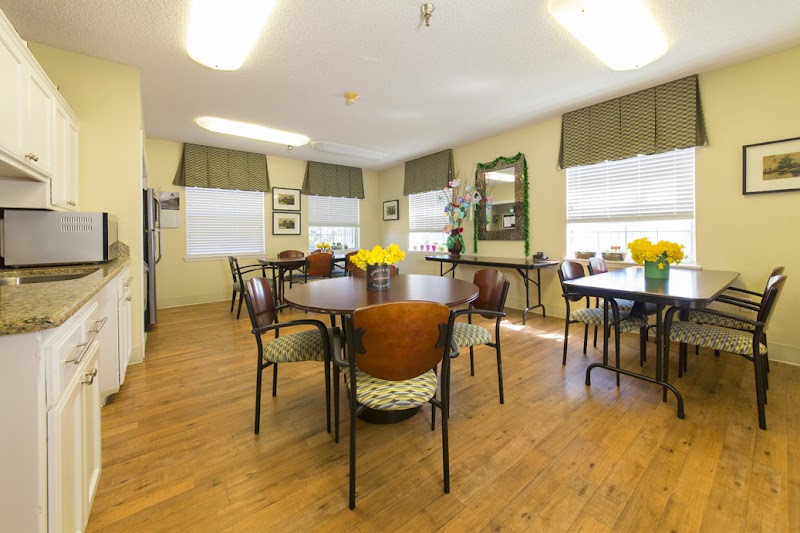
Who Owns and Operates Quapaw Care And Rehabilitation Center Llc?

QUAPAW CARE AND REHABILITATION CENTER LLC is owned by a for-profit company. For-profit facilities operate as businesses with obligations to shareholders or private owners. The facility is operated by CENTRAL ARKANSAS NURSING CENTERS, a chain that manages multiple nursing homes. With 87 certified beds and approximately 97 residents (about 111% occupancy), it is a smaller facility located in HOT SPRINGS, Arkansas.

How Does Quapaw Care And Rehabilitation Center Llc Compare to Other Arkansas Nursing Homes?

Compared to the 100 nursing homes in Arkansas, QUAPAW CARE AND REHABILITATION CENTER LLC's overall rating (4 stars) is above the state average of 3.1, staff turnover (45%) is near the state average of 46%, and health inspection rating (3 stars) is at the national benchmark.

What Should Families Ask When Visiting Quapaw Care And Rehabilitation Center Llc?

Based on this facility's data, families visiting should ask: "Can I visit during a mealtime to observe dining assistance and food quality?" "How do you handle medical emergencies, and what is your hospital transfer rate?" "Can I speak with family members of current residents about their experience?"

Is Quapaw Care And Rehabilitation Center Llc Safe?

Based on CMS inspection data, QUAPAW CARE AND REHABILITATION CENTER LLC has a clean safety record: no substantiated abuse findings (meaning no confirmed cases of resident harm), no Immediate Jeopardy citations (the most serious violation level indicating risk of serious injury or death), and is not on the Special Focus Facility watch list (a federal program monitoring the lowest-performing 1% of nursing homes). The facility has a 4-star overall rating and ranks #1 of 100 nursing homes in Arkansas. While no facility is perfect, families should still ask about staff-to-resident ratios and recent inspection results during their visit.

Do Nurses at Quapaw Care And Rehabilitation Center Llc Stick Around?

QUAPAW CARE AND REHABILITATION CENTER LLC has a staff turnover rate of 45%, which is about average for Arkansas nursing homes (state average: 46%). Moderate turnover is common in nursing homes, but families should still ask about staff tenure and how the facility maintains care continuity when employees leave.

Was Quapaw Care And Rehabilitation Center Llc Ever Fined?

QUAPAW CARE AND REHABILITATION CENTER LLC has no federal fines on record. CMS issues fines when nursing homes fail to meet care standards or don't correct problems found during inspections. The absence of fines suggests the facility has either maintained compliance or corrected any issues before penalties were assessed. This is a positive indicator, though families should still review recent inspection reports for the full picture.

Is Quapaw Care And Rehabilitation Center Llc on Any Federal Watch List?

QUAPAW CARE AND REHABILITATION CENTER LLC is not on any federal watch list. The most significant is the Special Focus Facility (SFF) program, which identifies the bottom 1% of nursing homes nationally based on persistent, serious quality problems. Not being on this list means the facility has avoided the pattern of deficiencies that triggers enhanced federal oversight. This is a positive indicator, though families should still review the facility's inspection history directly.