THE SPRINGS OF PARK AVE
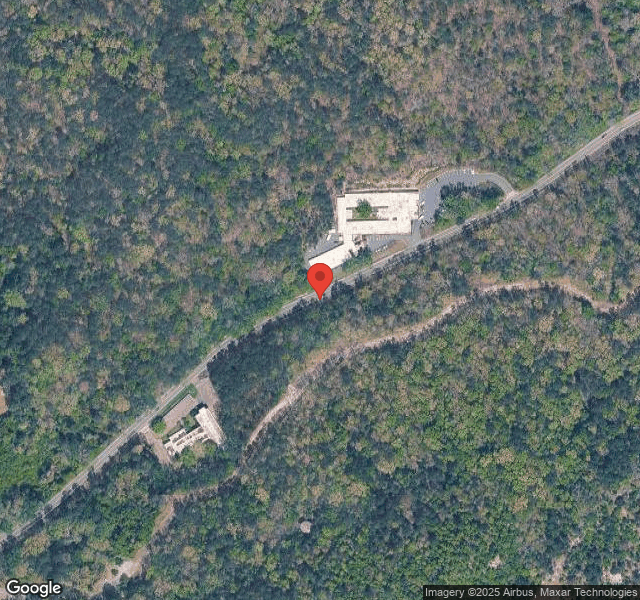
1401 PARK AVENUE, HOT SPRINGS, AR 71901 (501) 623-3781
For profit - Limited Liability company 95 Beds THE SPRINGS ARKANSAS Data: November 2025
Trust Grade
75/100
#90 of 218 in AR
Last Inspection: August 2025

Inspected within the last 6 months. Data reflects current conditions.

Overview

The Springs of Park Ave in Hot Springs, Arkansas has a Trust Grade of B, indicating it is a good choice for families seeking care, though it is not the highest-rated option. It ranks #90 out of 218 facilities in the state, placing it in the top half, and #4 out of 9 in Garland County, meaning only three local options are better. The facility is improving, having reduced its issues from 10 in 2024 to 5 in 2025. Staffing is rated average with a turnover rate of 55%, which is close to the state average, and it has solid RN coverage, exceeding 83% of Arkansas facilities. Notably, there have been no fines recorded, which is a positive sign. However, there were concerning findings, such as the failure to properly close food packages and maintain sanitary conditions, which could pose health risks, and a high medication error rate of 12%, indicating some care concerns in medication management. Overall, while there are strengths, families should be aware of these weaknesses when considering this facility.

Trust Score
B
75/100
In Arkansas
#90/218
Top 41%
Safety Record
Low Risk
No red flags
Inspections
Getting Better
10 → 5 violations
Staff Stability
⚠ Watch
55% turnover. Above average. Higher turnover means staff may not know residents' routines.
Penalties
✓ Good
No fines on record. Clean compliance history, better than most Arkansas facilities.
Skilled Nurses
⚠ Watch
Each resident gets only 29 minutes of Registered Nurse (RN) attention daily — below average for Arkansas. Fewer RN minutes means fewer trained eyes watching for problems.
Violations
⚠ Watch
20 deficiencies on record. Higher than average. Multiple issues found across inspections.
★★★★☆
4.0
Overall Rating
★★★☆☆
3.0
Staff Levels
★★★★★
5.0
Care Quality
★★★☆☆
3.0
Inspection Score
Stable
2024: 10 issues
2025: 5 issues

The Good

  • 5-Star Quality Measures · Strong clinical quality outcomes
  • Full Sprinkler Coverage · Fire safety systems throughout facility
  • No fines on record

Facility shows strength in quality measures, fire safety.

The Bad

Staff Turnover: 55%

Near Arkansas avg (46%)

Higher turnover may affect care consistency

Chain: THE SPRINGS ARKANSAS

Part of a multi-facility chain

Ask about local staffing decisions and management

The Ugly 20 deficiencies on record

Dec 2024 2 deficiencies
CONCERN (D) 📢 Someone Reported This

A family member, employee, or ombudsman was alarmed enough to file a formal complaint

Potential for Harm - no one hurt, but risky conditions existed

Report Alleged Abuse (Tag F0609)

Could have caused harm · This affected 1 resident

Based on observation, interview, and record review the facility failed to report to the state survey agency when a resident, that was care planned not to leave the facility without supervision, left t...

Read full inspector narrative →
Based on observation, interview, and record review the facility failed to report to the state survey agency when a resident, that was care planned not to leave the facility without supervision, left the facility without staff knowledge for 1 (Resident #8) of 1 sampled resident identified as an elopement risk. 1. The quarterly Minimum Data Set (MDS) with an Assessment Reference Date (ARD) of 11/05/2024 indicated Resident #8 had a diagnosis of non-Alzheimer's dementia, coronary artery disease, malnutrition and scored 12 (8-12 indicates moderate impairment) on the Brief Interview for Mental Status (BIMS). a. Resident #8 ' s Care Plan with an initiation date of 05/30/2024, indicated, Focus; Risk for elopement/wandering identified, Goal: The resident will not leave the facility unattended b. An Elopement Assessment dated 10/20/24, for Resident #8 indicated, 6. Resistant to nursing home placement a) Yes 7. Expresses desire to go home a) Yes 8. Exit Seeking a) Yes 9. Evidence Sundowning behavior [increase in behaviors at the close of day] a) Yes; scored 9 [7-14 indicates moderate risk]; Conclusion: was at risk for exit seeking and wander guard was applied c. A form titled OLTC (Office of Long-Term Care) Witness Statement Form dated 10/20/2024 and signed by the Director of Nursing (DON), indicated, a wander guard was put on Resident #8 as a precaution due to Resident #8 thinking it was funny and stating next time would not tell staff when leaving. d. A form titled In-service Attendance Sheet with staff signatures attached, dated 10/20/24, with the DON listed as the signature of the presenter, indicated Topic: Wandering and Elopement; Reporting any equipment that is not functioning properly; Procedure on any alarming door. e. Resident #8 ' sCare Plan with an initiation date of 10/21/24, indicated, Focus: The resident is an elopement risk r/t [related to] history of attempts to leave the facility unattended; Goal: The resident will not leave the facility unattended through the review period; Target date 02/13/2025 f. On 10/24/24 at 11:46, a Behavior Note indicated when the nurse was passing medications Resident #8 laughed and said that they knew how to get the code to the door, and that when they left, they would leave a note by the door. The nurse documented that she notified the DON (Director of Nursing) and was instructed to place the resident on 15-minute checks. g. On 10/30/2024 at 12:20 PM, the policy titled, Abuse, Exploitation or Misappropriation - Reporting and Investigating (revision date April 2021) indicated all reports of resident abuse (including juries of unknown origin) neglect, exploitation or theft/misappropriation of resident property are reported to local, state and federal agencies (as required by current regulations) .2. Neglect is defined as failure to provide goods or services necessary to avoid physical harm, mental anguish or mental illness . h. On 12/30/24 at 3:30 PM, Resident #8 was asked if they had ever left the facility without staff knowing. Resident #8 stated about a month ago they did leave to go and see their girlfriend and forgot to sign out. The resident stated it happened on a Sunday, they left about 2:30 PM and were gone for about four hours. i. On 12/30/2024 at 4:10PM, during an interview, Certified Nursing Assistant (CNA) #3 stated Resident #8 left the faciity on her weekend off without staff knowledge and a wander guard was immediately put on the resident. j. On 12/30/24 at 4:15 PM, during an interview, the Activity Director (AD) stated she was aware Resident #8 left the facility without supervision because the facility did Senior Alert Drills after it happened. Resident #8 had a wander guard put on and was placed on 15-minute checks. The AD stated she believed the resident was able to leave because they watched someone enter the code or heard visitors saying the code out loud to other visitors. The AD stated the door codes had to be changed all the time. The AD also stated they talked with the resident and the resident now knows to sign in and out and tell the nurse when leaving the facility. k. On 12/30/24 at 4:50 PM, the Director of Nursing (DON) was asked if Resident #8 was considered an elopement risk. She stated that Resident #8 was their own person and could come and go whenever the resident wanted to, but needed to sign out and let staff know. When asked if Resident #8 ever left without letting staff know, the DON said she was notified (possibly in October) by facility staff Resident #8 left and forgot to sign out. The DON stated when she discovered the resident was missing, she went looking for them. When she got to the facility, the resident was already back and when she asked Resident #8 where they had gone, the resident stated they had gone to see their girlfriend. The DON stated she reviewed with the resident the process for notifying staff and signing out when leaving the facility several times when the resident returned to the facility. The DON stated she thought Resident #8 got the code to the door that allowed the resident to leave by watching family members or staff enter the code. When asked why a wander guard was put on Resident #8 after the elopement assessment was done following the incident, the DON stated, it could have been done as a precaution. The DON was asked if the facility had a policy on elopement and she stated there was a binder at each nurse ' s desk and at the front of the building with a list of residents that were at risk for elopement. The DON was asked for a copy of the list of residents at risk for elopement and a copy of the policy and she stated she would get them for the surveyor. l. On 12/31/24 at 8:50 AM, the Administrator was asked if Resident #8 was considered an elopement risk and she stated, no. The Administrator was asked if Resident #8 had ever left the facility without staff knowledge. The Administrator stated, yes, she received a call from the facility the evening it happened telling her the resident had left without signing out. The Administrator stated she called the facility to get the address of the resident ' s girlfriend, who had just recently moved out of the facilities, since she thought that was most likely where Resident #8 had gone. By the time she got to the facility Resident #8 was already back. The Administrator stated she went over signing the sign in book and location of the book with Resident #8 after the resident returned to the facility. When asked if anything else was done after Resident #8 left the facility without notifying staff, the Administrator stated they did an elopement action plan. She stated Resident #8 knew the code to the door and that was how the resident was able to get out. She stated we checked to be sure doors were functioning correctly and changed the door codes. Resident #8 acted like it was all a joke and made the comment I will leave and just leave a note at the door, so the DON put a wander guard on as a precaution. The Administrator was asked if she completed a Facility Reportable Incident to submit to the state. she stated, no, because Resident #8 did not sign out but was not lost and was capable of taking care of their self. They had never been exit seeking and were just worried about their girlfriend. The Administrator stated, Resident #8 was smart, walked around a lot and probably saw someone enter the door code, or maybe heard someone, like visitors say it. We have to change the code frequently. The Administrator was asked if she had a copy of the elopement policy, and the list of residents that are at risk for elopement that the surveyor requested yesterday from the DON, and the surveyor was given a copy of both. The Administrator was asked for a copy of the Action Plan that was developed at the time Resident #8 left the building unsupervised, and the surveyor was given a copy. m. On 10/31/24 at 9:00 AM, the list provided by the Administrator titled Residents at Risk for Elopement included Resident #8's name. n. On 10/31/24 at 9:05 AM, the policy titled Wandering and Elopement (revised March 2019) provided by the Administrator indicated, Policy heading; the facility will identify residents who are at risk of unsafe wandering and strive to prevent harm while maintaining the least restrictive environment for residents; Policy Interpretation and Implementation:1. If identified as at risk for wandering, elopement, or other safety issues, the resident's care plan will include strategies and interventions to maintain the resident's safety;4. When the resident returns to the facility, the director of nursing or change nurse will e. Complete and file an incident report, and f. document relevant information in the resident's medical record. o. On 12/31/2024 at 3:35 PM, during an interview the DON stated an incident report was not done when Resident #8 left the facility without staff knowledge because they just did not consider it an elopement and they told the nurse she did not need to do an incident report and that was most likely why a note was not written. When asked if they treated Resident #8 leaving the facility without notifying staff as an elopement, the DON stated in the beginning we did, but once we determined the resident was their own responsible party, we determined it was not an elopement. The DON was asked, why if it was determined it was not an elopement was an Elopement Action Plan put in place after the incident happened and she stated the plan was a preventative measure. When asked how long the resident was missing from the facility, the DON stated she believed the resident was missing from the facility for an hour, possibly less than an hour p. On 12/31/24 at 3:45 PM, the Administrator was informed the Surveyor had reviewed the policy she had provided on elopement and asked why an incident report was not done when Resident #8 left the facility without staff knowing. The Administrator stated Resident #8 knew what they were doing when they left, they just did not sign out. The Administrator was asked if the nurse should have written a note in the record documenting that the resident had left without staff knowing and she stated, the DON did get with the nurse and told the nurse she should have documented something. The Administrator was asked what time she become aware that the resident was not at the facility, and she stated she thought it was about 8 or 9 PM. The Administrator was asked if she thought she should have reported the incident to the state since staff were not aware of where the resident was for an unknown period of time, and she stated she did not think that was something that needed to be reported to the state.
CONCERN (E) 📢 Someone Reported This

A family member, employee, or ombudsman was alarmed enough to file a formal complaint

Potential for Harm - no one hurt, but risky conditions existed

Infection Control (Tag F0880)

Could have caused harm · This affected multiple residents

Based on observation, record review, interview, and facility policy review, the facility failed to ensure that staff followed Enhanced Barrier Precautions (EBP) by wearing required Personal Protection...

Read full inspector narrative →
Based on observation, record review, interview, and facility policy review, the facility failed to ensure that staff followed Enhanced Barrier Precautions (EBP) by wearing required Personal Protection Equipment (PPE), and staff failed to change their gloves during perineal care for a resident on EBP before touching resident ' s lift pad, clean brief, clothing, and linens to prevent cross contamination and the risk for infection for 1 of 1 sampled (Resident #6) resident. Findings include: 1. A review of Medical Diagnoses, revealed Resident #6 had diagnoses of chronic obstructive pulmonary disease, kidney disease, bipolar, and heart failure. 2. The quarterly Minimum Data Set (MDS) with an Assessment Reference Date (ARD) of 10/30/2024, indicated a Brief Interview for Mental Status score of 11 (8-12 suggest moderate cognitive impairment). Section H0300 and H0400 indicated Resident #6 was incontinent of bowel and bladder. 3. On 12/30/2024 at 11:20 AM, the surveyor observed an Enhanced Barrier Precaution (EBP) sign outside Resident #6's door, and Certified Nursing Assistant (CNA) #1 and CNA #2 were observed providing perineal care for Resident #6 without wearing protective gowns. CNA #2 used both gloved hands to roll up and remove a soiled brief with the assistance of CNA #1, place a lift pad under Resident #6, and straighten Resident #6's clothing, and surrounding linens without removing the soiled gloves or performing hand hygiene. 4. On 12/30/2024 at 11:32 AM, during an interview CNA #1 and CNA #2 were asked why Resident #6 was on EBP. CNA #1 revealed Resident #6 had a wound on the coccyx that was found a few weeks ago. When asked how staff were made aware of residents who had been placed on EBP, CNA #1 stated that nursing would communicate that to them. EBP signage was pointed out and the surveyor asked if that was a form of communication used by the facility. CNA #2 confirmed that signage could communicate precautions. The CNAs spoke to each other and agreed that PPE was in a closet across from the nurse's station. When asked the rationale for wearing PPE while providing care to residents on EBP, CNA #2 revealed if staff caught something from the resident it could be passed on to other residents. 5. On 12/31/2024 at 5:30 AM, a record review of Skin and Wound Evaluation, dated 12/30/2024, revealed Resident #6 had a stage II pressure wound that was new on the coccyx. (Stage 2 pressure injuries are open wounds. The skin breaks open, wears away, or forms an ulcer, which is usually tender and painful. The wound expands into deeper layers of the skin. It can look like a scrape (abrasion), blister, or a shallow crater in the skin.) Resident #6 was to be repositioned every two hours, and time in a specialty chair limited to 2 hours. 6. During an interview on 12/31/2024 at 10:55 AM, the Director of Nursing (DON) confirmed EBP signs should be on the outside of the resident's door, and staff should wear gowns and gloves when providing personal care. The DON confirmed staff would be expected to perform hand hygiene or change gloves when going from dirty to clean sites because it is an infection control risk. 7. A policy titled perineal care, revised, February 2018, which revealed its purpose was to prevent infections and skin conditions, but did not address hand hygiene when going from a dirty to clean body site. 8. A policy titled Hand Hygiene, revised August 2019, revealed staff should be regularly in-serviced on the importance of hand hygiene, and hand hygiene should be performed when moving from a contaminated body site to a clean body site. 9. A policy provided, titled Enhanced Barrier Precautions, copyright 2024, revealing EBP are designed to reduce transmission of multi-drug-resistant organisms that target staff ' s gloves during resident contact. All staff is to be trained on EBP annually, an order should be placed by the physician, gowns and gloves should be immediately available or outside a resident's room and should be worn by staff during times of high contact including during toileting and changing briefs. 10. On 12/31/2024 at 12:51 PM, the Administrator provided in-services titled: a. Peri Care, dated 01/12/2024, which revealed staff are to make sure they are wearing clean gloves. b. Enhanced Barrier Precautions, dated 03/28/2024, and beginning on 04/01/2024, signature sheet was provided showing signage and policy, and education on multi- resistant organisms were addressed. c. Hand Hygiene, dated 08/12/2024, revealed washing hands prevents the spread of infection, and an in-service was received titled Infection Control, dated 09/06/2024, signature sheet was received, which revealed Center for Disease Control (CDC) Guidelines, OSHA, PPE Donning and Doffing, and Handwashing was addressed. d. Peri Care, dated 10/28/2024, revealed staff are to wash hands before perineal care and donning gloves and change towel between wipes.
May 2024 8 deficiencies
CONCERN (D)

Potential for Harm - no one hurt, but risky conditions existed

Deficiency F0578 (Tag F0578)

Could have caused harm · This affected 1 resident

**NOTE- TERMS IN BRACKETS HAVE BEEN EDITED TO PROTECT CONFIDENTIALITY** Based on record review and interview, the facility failed to ensure an advanced directive was readily accessible in the electron...

Read full inspector narrative →
**NOTE- TERMS IN BRACKETS HAVE BEEN EDITED TO PROTECT CONFIDENTIALITY** Based on record review and interview, the facility failed to ensure an advanced directive was readily accessible in the electronic health record for 1 (Resident #24) of 1 sampled resident whose electronic health record (EHR) was reviewed for an advanced directive. The findings are: 1. Resident #24 had diagnoses of dementia and type 2 diabetes mellitus as documented on an order summary. a. A quarterly Minimum Data Set (MDS) with an Assessment Reference Date (ARD) of [DATE] documented a Brief Interview of Mental Status (BIMS) score of 03 (00-07 indicates severely impaired) b. A Care Plan dated [DATE] documented the residents did not want cardiopulmonary resuscitation (CPR) and to follow the do not resuscitate (DNR) instructions as detailed inside the Advance Directive and/or Living Will. c. On [DATE] at 11:03 AM, Resident #24's electronic health record (EHR) was reviewed and a resuscitation designation order dated [DATE] documented the resident had an advance directive but this surveyor did not locate it in the EHR. d. On [DATE] at 12:33 PM, the Administrator brought a copy of an advanced directive acknowledgement form dated [DATE] and stated, Some of the older ones were in the Social Services Office and I didn't know that they weren't scanning them in. The form documented, .I have been informed of my rights to formulate Advanced Directives .I Have not executed an Advance Directive . She also provided a copy of a General Durable Power of Attorney of [Resident #24] that she stated was also in the Social Services Office in a binder and was dated [DATE]. It documented on page 15 and 16, .Section 4.01 Power to Provide for My Support .My agent may do anything reasonably necessary to maintain my customary standard of living, including .Make all necessary arrangements, contractual or otherwise, for my care at any hospital, hospice, nursing home .should I desire it . e. On [DATE] at 04:43 PM, Licensed Practical Nurse (LPN) #4 was asked how she knew if a resident had or did not have an Advanced Directive in place and she confirmed that she looked at their chart.
CONCERN (D)

Potential for Harm - no one hurt, but risky conditions existed

Deficiency F0655 (Tag F0655)

Could have caused harm · This affected 1 resident

**NOTE- TERMS IN BRACKETS HAVE BEEN EDITED TO PROTECT CONFIDENTIALITY** Based on observation, record review, and interview, the facility failed to ensure a baseline care was completed within 48 hours ...

Read full inspector narrative →
**NOTE- TERMS IN BRACKETS HAVE BEEN EDITED TO PROTECT CONFIDENTIALITY** Based on observation, record review, and interview, the facility failed to ensure a baseline care was completed within 48 hours of a residents admission to address activities of daily living, to promote continuity of care and communication among nursing home staff for 1 (Resident #123) of 1 sampled resident whose electronic health record (EHR) was reviewed for a 48 hour baseline care plan. The findings are: 1. Resident #123 had diagnoses of full incontinence of feces (unable to control bowel movements) and adult failure to thrive, as documented on an Order Summary. a. An entry Minimum Data Set (MDS) with an Assessment Reference Date (ARD) of 05/03/2024 documented Resident #123's most recent admission/entry or reentry to the facility was 05/03/2024. b. A care plan dated 05/05/2024 did not address Resident #123's activities of daily living (ADLs) for bathing, personal hygiene, oral hygiene, mobility, dressing, grooming or toileting for bowel incontinence. c. An admission assessment dated [DATE] on pages 20 through 38 contained questions for the Care Plan and all the sections were left blank. d. On 05/05/2024 at 11:47 AM, Resident #123 was lying in bed in a gown with the head of bed up about 30 degrees. Resident #123 asked this surveyor for something for Resident #123's lips which were visibly dry and cracked. e. On 05/07/2024 at 08:36 AM, Resident #123 was lying in bed in a gown, awake, with the head of bed up about 30 degrees. Resident #123's lips were visibly dry and cracked. f. On 05/08/2024 at 04:43 PM, Licensed Practical Nurse (LPN) #4 was interviewed and confirmed that the nurses do admit residents but did not do the 48 hour baseline care plan. She added they only answer questions such as how the residents transfer, their diet, can they ambulate independently, do they have any broken teeth, things like that. She confirmed there is a template in the residents' EHR and an admission assessment is filled out. She was asked if answering those questions triggered a care plan for the residents and she stated, As far as I know it doesn't. g. On 05/09/2024 at 05:20 PM, the Director of Nursing was interviewed and confirmed the nurses were able to do a baseline care plan on the admission assessment.
CONCERN (D)

Potential for Harm - no one hurt, but risky conditions existed

Deficiency F0657 (Tag F0657)

Could have caused harm · This affected 1 resident

**NOTE- TERMS IN BRACKETS HAVE BEEN EDITED TO PROTECT CONFIDENTIALITY** Based on record review and interview, the facility failed to ensure care plans were reviewed and revised at least annually, or w...

Read full inspector narrative →
**NOTE- TERMS IN BRACKETS HAVE BEEN EDITED TO PROTECT CONFIDENTIALITY** Based on record review and interview, the facility failed to ensure care plans were reviewed and revised at least annually, or when the residents care needs changed, as evidenced by failure to revise the plan of care to address the use of insulin, a high risk medication, to ensure staff were made aware of the necessary care, assessments and services required for insulin for 1 (Resident #39) of 1 sampled residents who were reviewed for care plan revisions for insulin. The findings are: 1. Resident #39 had a diagnosis of type 2 diabetes mellitus with hyperglycemia as documented on the medical diagnosis section of the electronic health record (EHR). a. An order summary documented a physician's order for insulin glargine .Inject 30 unit subcutaneously two times a day for diabetes which was ordered 03/26/2024. b. An annual Minimum Data Set (MDS) with an Assessment Reference Date (ARD) of 04/18/2024 documented Resident #39 had a Brief Interview for Mental Status (BIMS) score of received 7 (0-7 indicates severe cognitive impairment) and received insulin injections during the last 7 days or since admission/entry or reentry if less than 7 days. c. A care plan dated 02/08/2024 documented Resident #39 had diabetes mellitus and to observe the resident for side effects and effectiveness. The care plan did not list any signs/symptoms or side effects to monitor Resident #39 for regarding insulin use, which is a high risk medication. d. On 05/08/2024 at 04:18 PM, the MDS Coordinator was interviewed and she confirmed that she was familiar with the Resident Assessment Instrument (RAI) manual. She was asked to look at Resident #39's annual MDS regarding insulin injections and she confirmed it documented insulin injections were administered for 7 days in the look back period. She confirmed that insulin should be added to the resident's care plan. When she was asked why this was not added to Resident #39's care plan after the annual MDS dated [DATE] reflected the use of insulin injections, she looked at the resident's care plan in the EHR and stated, I'm not seeing it on there. It was an oversight. She confirmed that insulin should be added to the care plan so the nursing staff could see what [Resident #39] took for diabetes. When she was asked if there were any other reasons, she added, For complications.
CONCERN (D)

Potential for Harm - no one hurt, but risky conditions existed

Tube Feeding (Tag F0693)

Could have caused harm · This affected 1 resident

Based on observation, interview, and record review, the facility failed to ensure enteral feeding and flush bags were properly labeled with the necessary information to promote continuity of care and ...

Read full inspector narrative →
Based on observation, interview, and record review, the facility failed to ensure enteral feeding and flush bags were properly labeled with the necessary information to promote continuity of care and decrease the potential for complications for 1 (Resident #123) of 1 sampled resident who had a percutaneous endoscopic gastrostomy (PEG) tube (tube that goes through the skin into the stomach). The findings are: 1. Resident #123 had a diagnosis of gastrostomy status as documented on an order summary. a. An order summary documented a physician's order of, .[named a 2.0 Cal/ml formula] continuous feed- 80 cc/hr (cubic centimeters per hour). b. An electronic Medication Administration Record (eMAR) documented, .[named a 2.0 Cal/ml formula] continuous feed- 80 cc/hr with flush 100 cc/2 hr (2 hours) every shift -Start Date 05/03/2024 2300 (11:00 PM) . There were initials in the boxes on 05/03/24 for night, 05/04/24-05/06/24 had initials in boxes for day, evening, and night and 05/07/24 initials in the box for day. That order was stopped on 05/05/24 at 9:47 AM and a new order to decrease the feeding rate to 50 cc/hr start 05/07/24 at 3:00 PM and there were initials in the evening box for this date. c. A care plan dated 05/05/24 documented the resident required tube feeding related to dysphagia (difficulty swallowing) and was dependent with tube feeding and water flushes and to see the MD (Medical Doctor) orders for the current feeding orders. d. On 05/05/24 at 11:47 AM, Resident #123 was lying in bed and an empty enteral feeding bag with a small amount of tan colored liquid in the tubing was hanging and was not connected to the resident and was not labeled. A flush bag with clear liquid had the following written on it in black H20 [water]100 cc/24 hrs). The feeding pump was off. e. On 05/06/24 at 08:21 AM, Resident #123 was lying in bed with the head of bed (HOB) elevated 30 degrees. The enteral feeding bag was labeled but the flush bag had about 950 ml of clear liquid in it and it was not labeled. f. On 05/07/24 at 08:36 AM , Resident #123 was lying in bed with the HOB elevated 30 degrees. The feeding bag was labeled and there was a flush bag with clear liquid inside hanging but not labeled. g. On 05/08/24 at 04:43 PM, Licensed Practical Nurse (LPN) was interviewed and confirmed that she was familiar with performing enteral feedings to residents. She confirmed that the date, milliliters per hour, name, room number should be on the enteral feeding bag and the water bag should have the flush amount, date, name, room number and time started. She stated they should be labeled in case someone comes in and doesn't know what to set it at and to make sure it's being ran correctly. h. An Enteral Nutrition policy provided by the Administrator on 05/07/24 documented, .The recommendation to initiate the use of enteral nutrition is based on the results of the comprehensive nutritional assessment, and is consistent with current standards of practice, the resident's advance directives, treatment goals and facility policies .
CONCERN (D)

Potential for Harm - no one hurt, but risky conditions existed

Infection Control (Tag F0880)

Could have caused harm · This affected 1 resident

Based on observation, interview, and record review, the facility failed to ensure a linen cart was covered while on a resident hall, failed to ensure hand hygiene was performed and proper protective e...

Read full inspector narrative →
Based on observation, interview, and record review, the facility failed to ensure a linen cart was covered while on a resident hall, failed to ensure hand hygiene was performed and proper protective equipment (PPE) was used when caring for 1 (Resident #44) of 1 sampled resident with Clostridium Difficile (C-Diff) and failed to ensure Enhanced Barrier Precautions were consistently implemented for 1 (Resident #39) of 1 sampled resident who was reviewed for EBP. The findings are: 1. On 05/05/24 at 10:35 AM, the clean linen cart was uncovered and unsupervised by staff. a) 05/07/24 at 11:19 AM, Laundry Personnel #1 confirmed clean laundry is to be distributed through the facility by placing the clean linen on the linen cart. Linen that hangs is placed on the metal rack in front of the wall with a sign that says Hall B. A brown cover is then placed on the linen cart then it goes out. The cover is only removed to take items from the cart that need to be taken to residents' room. 2. Resident #44 was n transmission based precaution for C-diff. a. On 05/05/24 at 12:59 PM, a 3 drawer cart was outside Resident #44's room. A sign titled, Contact Isolation Precautions, was affixed to the door of the room and documented, Please see nurse before entering room. Remove all PPE Before leaving the room. There were no masks in the cart and none on the hall. b. On 05/05/24 at 11:10 AM, Certified Nursing Assistant (CNA) #1 entered Resident #44's room with a gown and mask. Inside the door on a wall was a dispenser for gloves. CNA #1 did not wash her hands before she went to the room and got the breakfast tray and moved the items on the over bed table. CNA #1 then removed her gloves and gown and exited the room. CNA #1 did not remove her mask or wash her hands. c. On 05/05/24 at 11:16, CNA #1 was asked what she should do prior to entering a room with under contact isolation precautions. CNA #1 stated, Sanitize my hands. CNA #1 was asked if she washed her hands and stated, No I sanitized. CNA #1 was asked if hand sanitizer was enough to clean C-diff from her hands. CNA #1 stated, Yes. CNA #1 wore the same mask in and out of all rooms on the hall. d. On 05/06/22 at 1:33 PM, CNA #3 entered Resident #4's room with a gown on then put on her gloves. Her hands were not washed. Upon coming out of the room CNA #3 removed her gloves and gown. The Surveyor asked CNA #3 to explain what staff should do prior to entering an isolation room with the diagnosis of C-Diff. CNA#2 stated, Put on gloves, gown, and shoe covers. Maybe a mask; I'm not sure. CNA#3 was asked what should be done after giving care to a resident on C-Diff. CNA #3 stated, Remove my PPE. e. On 05/06/24 at 1:40 PM, Licensed Practical Nurse (LPN) # 1 was asked, What should you do prior to entering a residents room who is diagnosed with C-Diff? LPN #1 stated, Gloves, gown and shoe covers. LPN #1 was asked what should be done after caring for a resident and exiting the room. LPN #1 stated, Remove all PPE. f. On 05/07/24 at 2:11 PM, CNA #2 was asked to explain what is done prior to entering a residents room with C-Diff, while providing care, then when exiting the room. CNA #2 stated, I put on gloves, gown and shoe covers and I keep my mask on at all times; I never take it off. I sanitize while in the room and when I leave the room I remove my gown, and gloves. I leave my mask on. CNA #3 was asked to explain when hands are to be washed. CNA stated, I sanitize while in the room then wash my hands after I leave the room. 3. Resident #39 had diagnoses of type 2 diabetes mellitus with hyperglycemia and protein-calorie malnutrition as documented on an order summary. a. A physician's order dated 04/01/24 documented Resident #39 was on enhanced barrier precautions for chronic wounds. b. An annual Minimum Data Set (MDS) with as Assessment Reference Date (ARD) of 04/18/24 documented Resident #39 had a Brief Interview for Mental Status (BIMS) score of 13 (13-15 indicates cognitively intact) and had an unhealed pressure ulcer / injury. c. A Care Plan dated 02/08/24 documented Resident #39 was on enhanced barrier precautions related to a wound and staff were to put on a gown and gloves during high-contact resident care activities. d. An in-service on Enhanced Barrier Precautions dated 04/01/24 and provided by the Director of Nursing (DON) on 05/07/24 documented, .Wear gloves and a gown for the following High-Contact Resident Care Activities .Changing briefs or assisting with toileting . e. On 05/05/24 at 12:27 PM, this surveyor approached Resident #39's door and there was an enhanced barrier precaution sign on the door. CNA #4 was in Resident #39's room and took a pair of gloves to the bathroom where the resident was sitting on the toilet. This surveyor asked CNA #4 what she was about to do and she stated, I'm about to get [Resident #39] cleaned up and she walked in the resident's bathroom not wearing an isolation gown. This surveyor remained in the room and waited until CNA #4 was done in the bathroom. At 12:36 PM, CNA #4 opened the door and propelled Resident #39 out of the bathroom by wheelchair (w/c) to the side of the bed. CNA #4 had gloves on but no gown. CNA #4 attempted to close the blinds with the gloves on but was unsuccessful. CNA #4 then assisted Resident #39 to bed. This surveyor stepped in the bathroom and there was a brown substance on the outer part of the toilet bowl. Resident #39 stated, I got a sick stomach. CNA #4 removed her gloves and without sanitizing hands, pushed a bedside table near the resident. She touched the w/c handles and pushed the w/c away from Resident #39's bed. At 12:40 PM, CNA #4 put on a pair of clean gloves and did not sanitize her hands. She went in the bathroom and removed paper towels from the dispenser and began cleaning a brown substance from the outer toilet bowl with no gown on. At 2:38 PM CNA #4 confirmed that she was familiar with Resident #39's care. She was asked if knew if Resident #39 was on Enhanced Barrier Precautions and she replied, I don't at this moment. CNA #4 was asked if she knew what Enhanced Barrier Precautions were for and she stated, Well, I'm assuming it's something to help them not fall or it could be something for acid reflux. After surveyor asked if she again knew what EBP was for, CNA #4 said that she thought it could have been something to do with safety. CNA #4 was asked if she had any in-services on Enhanced Barrier Precautions and she stated she was not recalling it at that time. This surveyor asked the CNA to walked to Resident #39's door and asked her if she was familiar with the enhanced barrier precautions signage on the door and she did not answer. She was asked, Were you aware that there was a sign there? and she stated, Yes, I was aware that's there. She was asked what she was supposed to put on before caring for the resident and she stated, Gloves. When she was asked if there was anything else, she looked at the enhanced barrier precautions signage on Resident #39's door and stated, I see the gown, yeah. She confirmed that she was not wearing a gown when she went into Resident #39's bathroom. She confirmed that she was supposed to wash her hands when she changed gloves. She admitted the reason for washing her hands was to keep the germs away. f. On 05/05/24 at 2:47 PM, this surveyor and CNA #4 entered Resident #39's room and CNA #4 was asked to show the surveyor any gowns in the room or bathroom. She checked Resident #39's closets, drawers and bathroom and she stated, There are no gowns anywhere in here. g. On 05/07/24 at 12:24 PM, the Infection Preventionist was asked to state what her understanding of enhanced barrier precautions was and she stated, The way I understand it, for anybody that comes in with an open wound that has drainage and that's not healing, feeding tubes, catheters and any type of device that would not normally be there . anything that has an open area that they could transmit to us or us to them we are putting up an enhanced barrier precautions [sign] . She was asked where the PPE was located and she stated it was in the supply closets or on the carts on the halls. She was asked, On whose carts? She stated, Their linen carts. She was asked, Is the new staff being trained on enhanced barrier precautions? She stated, They get orientation. We're still working on it. She was asked, Is enhanced barrier precautions a part of their [new employees] training? She stated, Honestly, I couldn't tell you right now if it is. This surveyor then stated, To be clear, you are saying that the new employees are being trained in orientation on EBP? She stated, Well I'll have to say not at this time but we're working on getting something together because it's so new.
CONCERN (E)

Potential for Harm - no one hurt, but risky conditions existed

Unnecessary Medications (Tag F0759)

Could have caused harm · This affected multiple residents

Based on observation, record review and interview, the facility failed to ensure the medication error rate was less than 5%. An observation of a medication pass performed on 08/16/23 at 7:53 AM result...

Read full inspector narrative →
Based on observation, record review and interview, the facility failed to ensure the medication error rate was less than 5%. An observation of a medication pass performed on 08/16/23 at 7:53 AM resulted in the identification of 3 errors in 25 opportunities, resulting in a medication error rate of 12.00 %. The findings are: 1. Resident #176 had a physician's order for Aspirin Oral Capsule 81 MG (milligram) Give 1 tablet by mouth one time a day for blood thinner. a. On 05/06/24 at 08:10 AM, Licensed Practical Nurse (LPN) #3 gave Aspirin enteric coated 81 MG (Enteric-coated aspirin is designed to resist dissolving and being absorbed in the stomach. the purpose of taking low-dose aspirin is to help prevent the development of harmful artery-blocking blood clots. However, with enteric-coated aspirin, research indicates that bloodstream absorption may be delayed and reduced, compared to regular aspirin absorption). 2. Resident #176 had a physician's order for B Complex-C Oral Tablet (B Complex w/ C) Give 1 tablet by mouth one-time a day for supplement (Vitamin B with vitamin C added). a. On 05/06/24 at 8:10 AM, Licensed Practical Nurse (LPN) #3 gave B complex with vitamin B. 3. Resident #176 had a Physicians order for Multivitamin Oral Tablet (Multiple Vitamin) Give 1 tablet by mouth one time a day for supplement. a. On 05/06/24 at 8:10 AM, LPN #3 gave Multi-Vitamin with Minerals 1 tablet. 4. On 05/07/24 at 9:10 AM, LPN #3 was asked to look at all medications she gave Resident #176 on 05/06/24 at 8:10 AM. LPN #3 got all the medications out of the cart and placed them on the top. The Surveyor asked LPN #3 if she was certain that these medications were the same medications that she gave. LPN #3 checked again and stated yes. The Surveyor asked LPN #3 to read the order for the aspirin on the medication administration record (MAR) and compare it to what she gave. LPN #3 stated, I shouldn't have given enteric coated because it says plain aspirin. The Surveyor asked LPN #3 to repeat this process with the bottles of B Complex and Multi vitamin with Minerals. LPN #3 read the Medication record for the B complex and stated, Oh it says with vitamin C; I gave with vitamin B. LPN #3 stated, The order for multivitamin was plain and I gave the multivitamin with minerals. On 05/08/24 at 10:30 AM, the Director of Nurses (DON) was asked if nurses were expected to follow the physicians orders while administering medications. The DON stated, Yes. The DON was asked what could happen when a nurse does not follow physician orders. The DON stated, Medication Errors. The DON was asked to explain how she expected the nurses to do the medication pass accurately. The DON stated, Have everything ready and in date then use the 5 (Five) rights and compare the MAR and meds. On 05/07/24 at 3:32 PM, the Administrator provided a form titled Administering Medications which documented, Medications administered .as prescribed . Medications are administered in accordance with prescribed orders .The Individual administering the medication checks the label THREE (3) times to verify the .right medication, right dosage .As required or indicated for a medication, the individual administering the medication records in the residents medical record: b the dosage .
CONCERN (E)

Potential for Harm - no one hurt, but risky conditions existed

Deficiency F0761 (Tag F0761)

Could have caused harm · This affected multiple residents

**NOTE- TERMS IN BRACKETS HAVE BEEN EDITED TO PROTECT CONFIDENTIALITY** Based on observation, record review, interview, it was determined that the facility failed to store controlled medications in a ...

Read full inspector narrative →
**NOTE- TERMS IN BRACKETS HAVE BEEN EDITED TO PROTECT CONFIDENTIALITY** Based on observation, record review, interview, it was determined that the facility failed to store controlled medications in a permanently affixed container, and to ensure medications were not left at the bedside. Findings include: 1. On [DATE] at 01:30 PM, the surveyor asked Licensed Practical Nurse (LPN) #1 what the procedure was to dispose of medications if a resident discharges or passes away in the facility. She stated the take the narcotics and the narcotic book to the Director of Nursing's (DON) office, count the medications, and then sign them over for her to send them out of facility. a. On [DATE] at 01:50 PM, LPN #2 was asked what the procedure was to dispose of medications if a resident discharges or passes away in the facility. She stated they take the narcotics and the narcotic book to the DON's office, count, and sign them over for her to send them out of facility. A b. On [DATE] at 01:50 PM, the surveyor observed the container used to store controlled medications in the medication room on Hall C was not permanently affixed inside the refrigerator. LPN #2 was asked to open the container, but reported she did not have a key to open box. c. On [DATE] at 02:25 PM, the DON reported the Maintenance Director was coming to unlock the container used to store controlled medications because no one has a key. The surveyor asked if the Maintenance Director had a key to this container. The DON stated, No, he will have to break the lock as I didn't think we were using this anymore. There is nothing in there no there shouldn't be maybe it's just an expired wrapper I already sent back we are not supposed to use this at this time because it's not fixed to the refrigerator. d. On [DATE] at 03:05 PM, the Maintenance Director and DON remove the lock from the container. Inside was Ativan 2 MG/ML, expiration [DATE], belonging to a non-sample resident. 2. Per a quarterly Minimum Data Set (MDS) with an Assessment Reference Date (ARD) of [DATE], Resident #16 scored 10 (8-12 indicates moderately impaired) on the Brief Interview for Mental Status (BIMS). a. On [DATE] at 11:59 AM, in the room of Resident #16 an inhaler was lying on the bed side table, and a nebulizer was present with clear liquid in the chamber. The door was open and the medication was visible from the doorway. b. On [DATE] at 12:59 AM, LPN #4 was asked to accompany the Surveyor to Resident #16's room. The Surveyor asked if any resident on the hall was assessed for self-administration of medications. LPN#4 stated, No. LPN #4 was asked if there should be any medications left at bedside. LPN #4 stated, No, it can cause respiratory failure. LPN #4 picked up the Inhaler from the bedside table and stated, Yes that's her inhaler, I must have left it here, but I gave her medication this morning in the dining room. LPN #4 picked up the chamber of the Updraft. LPN #4 stated, That's her updraft medication; they gave that at 6 this morning. c. On [DATE] at 10:20 AM, the Director of Nurses (DON) was asked if the facility had anyone who is assessed for self-administration of medications. The DON stated, No. The DON was asked to explain what she expected the nurses to do with medications received. The [NAME] stated, Stay with them till all meds are taken. The DON was asked if the medication should ever be left at bedside. The DON stated, No; someone one else could go in and take them and have a bad reaction, hurt themselves or others. d. On [DATE] at 3:32 PM, the Administrator provided a Policy titled, Storage of Medications which documented, The facility stores all drugs and biologicals in a safe, secure, and orderly manner .Drugs and biologicals used in the facility are stored in locked compartments .
CONCERN (F)

Potential for Harm - no one hurt, but risky conditions existed

Food Safety (Tag F0812)

Could have caused harm · This affected most or all residents

Through observation, record review, and interviews, the facility failed to ensure open food packages were properly closed, ensure walls and floors were in sanitary condition, canned goods were dent fr...

Read full inspector narrative →
Through observation, record review, and interviews, the facility failed to ensure open food packages were properly closed, ensure walls and floors were in sanitary condition, canned goods were dent free, dietary staff washed their hands between dirty and clean tasks, chemicals were kept away from serving items, food on the steam table was properly covered, and proper serving sizes were provided. The findings are as follows: 1) On 05/05/24 at 10:45 AM, two trash cans were not covered by the hand washing sink and the reach in refrigerator in the main kitchen prep area. The Registered Dietician stated trash cans should not be opened if not being used to prevent cross-contamination. 2) On 05/05/24 at 10:46 AM, a coffee filter containing coffee and one pitcher container were uncovered and sat next to the hand washing sink. The Dietary Supervisor confirmed the coffee in the coffee filter and pitcher not being covered could cause cross-contamination because something could land on them. 3) On 05/05/24 at 10:47 AM a plate warmer contained plates with serving side face up and uncovered. The Dietary Supervisor confirmed something could land on the plates that were not covered. 4) On 05/05/24 at 10:48 AM, a cart stored food warmer covers where the inside was not covered. The Dietary Supervisor confirmed something could land on the food domes that are not covered. 5) On 05/05/24 at 10:49 AM, in the dry goods storage room one 111 ounces can (name) pinto beans that had a dent on the top seal. The Registered Dietician confirmed the dent could cause a broken seal or the contents to be bad. 6) On 05/05/24 at 10:50 AM, in the dishwasher room a metal shelving unit contained clean dishes, cups, bowls, and dishes serving side up and 2 - 1 quart spray bottles of Mold & Mildew Stain remover on the third shelf were hanging by the trigger. The label on the spray bottles contained the warning, Keep out of reach of children and pets and Harmful if Swallowed. For emergency medical assistance, call your local poison control center. Each bottle was half full. The Registered Dietician confirmed that chemicals are to be stored in a separate area because the chemicals could make someone sick. 7) On 05/05/24 at 10:51 AM, a water bottle belonging to staff was stored on clean silverware shelving unit in the dishwasher room. The Registered Dietitian confirmed that personal bottles and foods are not to be near anything and to be kept in a specific area. 8) On 05/05/24 at 10:52 AM, greyish brown stagnant water was pooled under the dishwasher and the 3 compartment sinks. The Registered Dietitian confirmed this could cause cross-contamination, make people sick because clean dishes are stored and dried there, and could cause someone to fall. 9) On 05/05/24 at 10:56 AM, a chest freezer held 4 pitchers that did not have the open top covered and 4 pitcher lids inside facing up not covered. The Registered Dietitian confirmed the pitchers uncovered could cause cross-contamination. 10) On 05/05/24 at 10:57 AM, 1 spray bottle of glass and hard surface cleaner had the spray nozzle touching napkins on a shelf next to the chest freezer that held the 4 pitchers. The label of the spray bottle documented, DO NOT DRINK; WARNING! Causes skin and eye irritation. Harmful if swallowed or in contact with skin. The Registered Dietitian confirmed that chemicals are to be stored in a separate area, and the chemical touching the napkin or food could cause someone to get sick. 11) On 05/05/24 at 11:00 AM, 2 plastic storage containers in the main kitchen area holding various serving scoops were not covered. 12) On 05/07/24 at 6:39 AM, 1 pitcher of orange juice and 2 pitchers of iced tea were on the counter by the handwashing sink not covered. 13) On 05/07/24 at 6:40 AM, the light switch and plug outlet on the located on the right-side wall above the ice machine had a brown fuzzy substance on the top, the light switch cover left an opening on the upper right corner. The Dietary Supervisor confirmed that the fuzzy substance felt like wall insulation and could be a concern because there is a possibility the stuff could get into the ice that is used for residents' consumption. On 05/07/24 at 9:09 AM the Registered Dietitian confirmed the light switch near the ice machine had a hole in the facing and the stuff on top could cause cross contamination. 14) On 05/07/24 at 6:41 AM, the hall door that led to an outside alcove had black and brown smudges. The alcove contained 7 milk crates, 1- 30-gallon trash can, 1 ice chest, 1 water cooler, 1 chair, 3 bun racks 3 metal serving pans and 1 cart with wheels, 2 mops, 1 mop bucket and various unknown items in a pile. At 8:47 AM, the Maintenance Director confirmed the outside alcove was a safety issue that could possibly draw bugs and pest that like to live in trash. At 9:11 AM, the Registered Dietitian confirmed the stuff probably needed to be picked up, the concern would be bugs could come through the door. 15) On 05/07/24 at 6:43 AM, the wall on the right in the walkway from the main kitchen to the dishwasher room contained 2 dustpans with various particles and substances adhered to the dustpan, 4 different brooms that contained various brown and black fuzzy items on the bristles, and 1 squeegee. At 8:48 AM, the Registered Dietitian confirmed the brooms, dustpans, and squeegee on the wall are a cross-contamination concern with the clean dishes being transported from the dishwasher room to the kitchen area. 16) On 05/07/24 at 6:50 AM, the shelving unit against the back wall in the dishwasher room on the bottom shelf a container with pitcher lids was uncovered and the second shelf held 2 dessert bowls with serving side up and uncovered. At 8:48 AM, the Dietary Supervisor confirmed the serving items not covered is a concern due to stuff getting on them. 17) On 05/07/24 at 6:51 AM, the corner shelving unit bottom shelf held 9 desert bowls and 5 regular bowls serving side up uncovered. 18) On 05/07/24 at 6:59 AM, the freezer by the 3 compartments sink in the food prep area contained the following open food items that were not properly closed: 1- 10-pound box of breakfast turkey skinless link sausages the following open items that were not and 1 - 10-pound box of 4-ounce 80/20 individual pure ground beef patties 19) On 05/07/24 at 8:04 AM, a serving cart used to store clean serving trays had black smudges with unknown substance particles with yellowish and brown sludge built up on bottom tier and around the bolts. On 05/07/24, the Registered Dietitian confirmed the cart was dirty and needed to be cleaned. 20) On 05/07/24 at 8:16 AM, a kitchen puree prep table had a container of thickener lying on top. The lid has black smudges and white granules substance with scoop with brown substance adhered laying on top of the container lid. The Dietary Supervisor confirmed the lid had powder on top of it. 21) On 05/07/24 at 8:20 AM, the spice shelf above the microwave contained 1 - 7-ounce container of thyme leaves not properly sealed. The Dietary Supervisor confirmed the lid was not properly closed. 22) On 05/07/24 at 8:27 AM, a plug outlet over the clean dish dry counter contained a brownish grimy substance. The Dietary Supervisor confirmed the clean serving items drying under the outlet did have some debris that could get onto the clean serving items. 23) On 05/07/24 at 8:30 AM, ceiling tiling in various areas or the kitchen had yellow - brownish stains; the Chef confirmed the ceiling tiles were old. On 05/07/24 at 9:12 AM, the Registered Dietitian confirmed the tiles need replaced. 24) On 05/07/24 at 12:27 AM, food placed on the steam table at 11:45 AM remained uncovered for 32 minutes. The Registered Dietitian confirmed the food should have been covered. 25) On 05/07/24 at 12:46 PM, Dietary Aide #2 failed to provide a full serving scoop of turkey pot pie for a resident that received a room tray. The Registered Dietitian confirmed the serving scoop should be full. 26) On 05/07/24 at 12:53 PM, Dietary Aide #2 accepted scissors from staff that were in the dining room, then proceeded to serve food without washing hands. The Registered Dietitian confirmed Dietary Aide #2 should have washed her hands between touching the scissors and serving food. 27) On 05/07/24 at 1:10 PM, Dietary Aide #3 had prepared a mechanical soft cheeseburger. After the hamburger was at the mechanical soft stage, Dietary Aide #3 threw away a hamburger bun in paper then returned to the food prep area and ripped a piece of wrapping paper from the roll, placed the paper on the counter. The Registered Dietitian confirmed that Dietary Aide #3 should have washed hands before returning to the food prep area. 28) On 05/07/24 at 3:10 PM, the Administrator provided the Hand Washing Policy which documented, Standard: Do not block the area around hand washing sinks or stack items, such as soiled utensils, in them. Do not use hand washing sinks for any other purpose .Guidelines: Wash your hands as often as possible. It is important to wash your hands: Before starting to work with food utensils, or equipment Before putting on gloves; After handling soiled utensils and equipment AS often as needed during food preparation and when changing tasks . 29) On 05/07/24 at 3:10 PM, the Administrator provided a document titled, Cleaning and Sanitizing and Proper Hair Restraints which documented, Standard: Non-food contact surfaces are cleaned per individual facility cleaning schedule to maintain optimal cleanliness of kitchen equipment .Guidelines: Non-food contact surfaces are washed with soapy water per frequency identified on the facility cleaning schedule - or as visually necessary. These are then wiped down with sanitizer solution . 30) On 05/07/24 at 3:10 PM, the Administrator provided the Material Safety Data Sheet for Glass and Hard Surface Cleaner that documented, Hazards Identification .Harmful if swallowed; Harmful in contact with skin; Causes skin irritation; Causes eye irritation . First Aid Measures Ingestion: If swallowed, call a poison center if you feel unwell. Rinse mouth. Skin contact: If on skin, wash with plenty of water. If skin irritation occurs, get medical advice. Take off contaminated clothing and wash it before reuse. Eye Contact: If in eyes, rinse cautiously with water for several minutes .If eye irritation persists, get medical advice.
May 2023 10 deficiencies
CONCERN (D)

Potential for Harm - no one hurt, but risky conditions existed

Deficiency F0645 (Tag F0645)

Could have caused harm · This affected 1 resident

**NOTE- TERMS IN BRACKETS HAVE BEEN EDITED TO PROTECT CONFIDENTIALITY** Based on record review, and interview, the facility failed to ensure a Preadmission Screening and Resident Review (PASARR) was c...

Read full inspector narrative →
**NOTE- TERMS IN BRACKETS HAVE BEEN EDITED TO PROTECT CONFIDENTIALITY** Based on record review, and interview, the facility failed to ensure a Preadmission Screening and Resident Review (PASARR) was completed prior to admission to ensure the resident received the needed care and services in the most integrated setting appropriate to their needs for 1 (Resident #13) of 1 sampled resident who required a PASARR. This failed practice had the potential to affect 6 residents as documented on a list provided by the Administrator on 05/09/23 at 3:50 PM. The findings are: 1. Resident #13 was admitted to the facility on [DATE] with diagnoses of Other Specified Depressive Episodes, Posttraumatic Stress Disorder Unspecified and Multiple Sclerosis. The Medicare 5-Day Minimum Data Set (MDS) with an Assessment Reference Date (ARD) of 04/06/23 documented the resident scored 14 (13-15 indicates cognitively intact) on a Brief Interview for Mental Status (BIMS) and received antipsychotic and antidepressant medications 7 of the last 7 days. a. On 05/09/23 at 10:49 AM, the Surveyor reviewed Resident #13's Electronic Health Record (EHR) for a Level I PASARR Screening. The Surveyor was unable to locate the information in the EHR. The Surveyor requested a copy of the PASARR Screening from the Administrator. b. A PASARR /Level II Screening from (State Designated Professional Associates) dated 05/09/23 provided by the Administrator on 05/10/23 at 7:40 AM documented, .Special Instructions: The above-named client will require a PASRR/Level II screening to be completed at your nursing facility per the Office of Long Term Care [OLTC]. An assessor from [State Designated Professional Associates] will contact your facility to make arrangements for this appointment . c. On 05/10/2023 at 8:00 AM, the Administrator stated, Resident was to just come in on the waiver part, stay less than 30 days and has now stayed over that number of days and we had requested it, and we even followed up on it. [State Designated Professional Associates] had stated they were short staffed and was trying to get it to us. We had a Mock Survey and found that this resident did not have a PASARR, and I did a facility action plan on it on 05/05/23 and we were following up on it Monday, that was on 05/08/23, and we called them yesterday again when you asked for it and got it faxed to us. d. On 05/10/23 at 11:00 AM, a phone interview was conducted with a [State Designated Professional Associates] Employee regarding Resident #13, who stated, The facility contacted us yesterday 05/09/23 and we sent the Level I PASARR to the nursing facility and the resident has been scheduled for the PASARR II evaluation. The Surveyor asked, Did the nursing facility contact [State Designated Professional Associates] during the month of April, after the resident was in the nursing facility over the 30 days she had originally planned on being at the facility? [State Designated Professional Associates] Employee stated, No we don't have anything showing they had contacted us till yesterday, 05/09/23. e. On 05/10/23 at 2:13 PM, the Surveyor asked the MDS Coordinator, Do you know when [Resident #13's] information was sent to [State Designated Professional Associates] for the Level I screening after she had stayed over the 30 days? She replied, Resident came in as skilled and was going to be short term, but due to her burns and other complications, ended up staying longer and is still here and I guess it just got missed. I do the 703's [Arkansas Department of Health and Human Services Evaluation of Medical Need Criteria] and I give a copy of it to the Business Office Manager [BOM] for her records and needs and then I give a copy to the Social Service Director (SSD) for it to be faxed to [State Designated Professional Associates] to get the PASARR back. The Surveyor asked, Can you tell me if the 703 you did got faxed in to [State Designated Professional Associates]? She stated, No, I don't know. That would be the SSD, they do that. f. On 05/10/23 at 2:26 PM, the Surveyor asked the BOM to show the Surveyor the 703's that had been completed on Resident #13 since she was admitted on [DATE]. The Surveyor reviewed three 703's, one dated 03/13/23, 04/25/23 and the last one dated 05/08/23. g. On 05/10/23 at 2:39 PM, the Surveyor asked the SSD, Can you tell me if either of the first two 703's completed on this resident, the first dated 03/13/23, and the second dated 04/25/23, was sent to [State Designated Professional Associates] for prescreening on [Resident #13] for the initial PASARR? The SSD replied, I don't know. I can look and see if there is anything showing that, they bring them to me, and I usually just fax them in to get the information returned. h. On 05/10/23 at 2:50 PM, the Administrator stated, We did not send either of the first two 703's to [State Designated Professional Associates]. We missed it. It just did not get done after her staying over the 30 days. i. A facility policy titled, admission Criteria, provided by the Administrator on 05/09/23 at 3:50 PM documented, .Policy Interpretation and Implementation . 9. All new admissions and readmissions are screened for mental disorders (MD), intellectual disabilities (ID) or related disorders (RD) per the Medicaid Pre-admission Screening and Resident Review (PASARR) process . If the level I screen indicates that the individual may meet the criteria for a MD, ID, or RD, he or she is referred to the state PASARR representative for the Level II (evaluation and determination) screening Process. (l) The admitting nurse notifies the social services department when a resident is identified as having a possible (or evident) MD, ID, or RD. (2) The social worker is responsible for making referrals to the appropriate state-designated authority .
CONCERN (D)

Potential for Harm - no one hurt, but risky conditions existed

Comprehensive Care Plan (Tag F0656)

Could have caused harm · This affected 1 resident

Based on observation, record review, and interview, the facility failed to develop and implement a Comprehensive Care Plan that included a measurable focus, goals/outcomes, and interventions for 1 (Re...

Read full inspector narrative →
Based on observation, record review, and interview, the facility failed to develop and implement a Comprehensive Care Plan that included a measurable focus, goals/outcomes, and interventions for 1 (Resident #47) of 8 (Residents #1, #3, #9, #47, #59, #62 and #168) sampled residents who had physician orders to receive an anticoagulant. The findings are: 1. Resident #47 had diagnoses of Pathological Fracture, Hip, Gastro-Esophageal Reflux Disease Without Esophagitis and Essential Hypertension. The Medicare 5-Day Minimum Data Set (MDS) with an Assessment Reference Date (ARD) of 04/21/23 documented the resident scored 7 (0-7 indicates severely cognitively impaired) on a Brief Interview for Mental Status (BIMS) and received an anticoagulant medication 4 of the last 7 days. a. A Physicians Order dated 04/18/23 documented, .Enoxaparin Sodium Injection Prefilled Syringe Kit 40 MG/0.4ML [40 milligrams per 0.4 milliliters] (Enoxaparin Sodium) Inject 1 application subcutaneously one time a day for blood thinner for 29 Days . b. The Care Plan with a revision date of 05/08/23 did not contain Focus, Goals, or Interventions for anticoagulant therapy. c. The April 2023 and May 2023 Medication Administration Records (MAR) documented Resident #47 started receiving daily Enoxaparin injections 04/19/23 at 8:00 AM on April 19th through April 30th, and May 1st through May 9th. d. On 05/10/23 at 10:00 AM, the Surveyor asked the Director of Nursing (DON), If a resident was admitted with orders to receive an anticoagulant medication, should the Care Plan reflect that with Focus, Goals and Interventions? She replied, Yes, they should. The Surveyor asked, If the Care Plan does not reflect that a resident is on anticoagulant therapy, what could happen? She replied, It does not show the residents care they need. e. A facility policy titled, Care Plans, Comprehensive Person-Centered, with a revised date of December 2016, provided by the DON on 05/10/23 at 12:30 PM stated, .8. The comprehensive, person-centered care plan will: .h. incorporate risk factors associated with identified problems . k. reflect treatment goals, timetables and objectives in measurable outcomes .
CONCERN (D)

Potential for Harm - no one hurt, but risky conditions existed

Deficiency F0658 (Tag F0658)

Could have caused harm · This affected 1 resident

**NOTE- TERMS IN BRACKETS HAVE BEEN EDITED TO PROTECT CONFIDENTIALITY** Based on observation, record review and interview, the facility failed to implement interventions in a timely manner to prevent ...

Read full inspector narrative →
**NOTE- TERMS IN BRACKETS HAVE BEEN EDITED TO PROTECT CONFIDENTIALITY** Based on observation, record review and interview, the facility failed to implement interventions in a timely manner to prevent injury from falls for 1 (Resident #10) of 10 (Residents #1, #3, #10, #34, #35, #42, #43, #47, #51, and #54) sampled residents who had a fall in the last 30 days as documented on a list provided by the Administrator on 05/10/23 at 3:48 PM. The findings are: 1. Resident #10 had diagnosis of Morbid (Severe) Obesity due to Excess Calories, and Difficulty in Walking, not elsewhere classified. The Quarterly Minimum Data Set (MDS) with an Assessment Reference Date (ARD) of 02/14/23 documented the resident scored 12 (8-12 indicates moderately cognitively impaired) on a Brief Interview for Mental Status (BIMS) and required extensive physical assistance of one person for locomotion on and off the unit, had not had any falls since prior assessment and had not had a Urinary Tract Infection (UTI) in the last 30 days. a. A Care Plan with an initiated date of 04/12/23 documented, The resident is at risk for falls r/t [related to] Incontinence, needs assistance with ADLs [activities of daily living] I am able to control my own bed. I have been educated on leaving in low position when sleeping . Encourage the resident to use call light or ask for assistance as needed . b. A Progress Note dated 05/06/23 at 4:00 AM documented, . observed lying on floor per CNA (Certified Nursing Assistant), res [Resident] stated he was going somewhere, don't remember . Long-term/Care Planned Intervention: Assess resident immediately with no injury found . APN [Advance Practice Nurse] notified for med [medication] review, floor mat in place . c. A Progress Note dated 05/07/23 at 11:56 AM documented, Note Text : UAcs [Urinalysis with Culture and Sensitivity] one time only for recent fall from bed related to URINARY TRACT INFECTION, SITE NOT SPECIFIED . for 2 Days MD [Medical Doctor] in facility with new orders for UA [Urinalysis] due to recent fall form bed . d. A Progress Note dated 05/07/23 at 11:57 AM documented, Note Text: MD in facility with new orders for UAcs [Urinalysis with Culture and Sensitivity] related to fall . e. On 05/09/23 at 11:19 AM, the Surveyor asked the Director of Nursing (DON) to provide the results from the resident's UA ordered on 05/07/23. f. On 05/09/23 at 4:08 PM, the Surveyor followed up with the Administrator about providing the UA result. She stated, They are getting the UA today. The lab dropped off some specimen cups today. g. On 05/09/23 at 4:11 PM, the DON stated, The lab comes on Tuesday and Thursday. They brought specimen cups today. The Surveyor asked, Has [Resident #10's] UA not been done? She answered, No. The Surveyor asked, Does the lab leave supplies here for you? She answered, They do. We ran out. h. On 05/10/23 at 6:50 AM, the Surveyor asked Licensed Practical Nurse (LPN) #1, What is the process when the provider gives an order for a UA? She answered, We put the order in the computer. We determine if they are able to give a clean catch or if they have to have a Cath [catheter] UA. We find out if it is to be done Stat [immediately]. If it is not a stat order, we get it on the day the lab comes. The Surveyor asked, If a UA was ordered on a Friday, do you wait until Tuesday to obtain it? She answered, We ask the provider when they want it done. If it is for diagnostic to see if they have a UTI, we wait until the lab day. The Surveyor asked, If a resident falls, and the UA is an intervention for the fall, when would you obtain the specimen? She answered, We would get it right away and we would call the lab to pick it up that same day. The Surveyor asked, Will the lab come on days other than the regularly scheduled day? She answered, Yes. The Surveyor asked, Does the lab company provide you with supplies? She answered, Yes. The Surveyor asked, Do you have enough supplies? She answered, For the most part. i. On 05/10/23 at 10:15 AM, LPN #2 provided a Lab Binder and the Surveyor asked her what the process was for lab work. She stated, They came yesterday around 7:30 AM. We complete a lab requisition and face sheet and place in the accordion folder on the date it is due. She pointed to a stack of lab requisitions in a brown accordion folder and stated, All those are due on the 11th, tomorrow. The Surveyor reviewed the Lab Binder. The Lab did not pick up a UA for Resident #10 on 05/09/23. Resident #10 had a requisition in the accordion folder for 05/11/23 for lab work that did not include a UA. The Surveyor asked LPN #2, Do you have a lab fridge? She answered, Yes, it's up front by the copier. j. On 05/10/23 at 10:30 AM, the Surveyor observed a urine specimen and lab requisition with Resident #10's name with a collection date of 05/09/23 in the lab refrigerator. k. On 05/10/23 at 1:00 PM, the Surveyor asked the DON, [Resident #10] fell on [DATE] and a UA was ordered on 05/07/23 post fall. You told me that you didn't have any cups until 05/09/23. The specimen is in the lab fridge to be picked up tomorrow 05/11/23. What other new interventions do you have in place for him to prevent injury from falls until the UA is complete? She answered, We talked to him about his bed controller. The Surveyor asked, How soon should Care Plan interventions be implemented? She answered, When we discuss them. Then and there. The Surveyor asked, Should the facility have lab collection supplies at all times? She answered, Yes. l. A facility policy titled, Falls and Fall Risk, Managing, provided by the Administrator on 05/10/23 at 12:40 PM documented, .Resident-Centered Approaches to Managing Falls and Fall Risk 1. The staff, with the input of the attending physician, will implement a resident-centered fall prevention plan to reduce the specific risk factor(s) of falls for each resident at risk or with a history of falls .
CONCERN (D)

Potential for Harm - no one hurt, but risky conditions existed

Deficiency F0698 (Tag F0698)

Could have caused harm · This affected 1 resident

Based on observation, record review, and interview, the facility failed to ensure ongoing communication and collaboration with the dialysis facility for 1 (Resident #62) of 1 sampled resident reviewed...

Read full inspector narrative →
Based on observation, record review, and interview, the facility failed to ensure ongoing communication and collaboration with the dialysis facility for 1 (Resident #62) of 1 sampled resident reviewed for End Stage Renal Disease/Dialysis services. The findings are: 1. Resident #62 had diagnoses of End Stage Renal Disease and Muscle Wasting and Atrophy. The admission Minimum Data Set (MDS) with an Assessment Reference Date (ARD) of 04/21/23 documented the resident scored 13 (13-15 indicates cognitively intact) on a Brief Interview for Mental Status (BIMS) and received dialysis. a. A Physicians Order dated 04/19/23 documented, .Dialysis at [Dialysis Center] on MWF [Monday, Wednesday, Friday] at [Address] . b. On 05/08/23 at 3:00 PM, a review of the Electronic Health Record (EHR) failed to reveal dialysis communication forms, or dialysis treatment run sheets to provide communication between the nursing facility and the dialysis facility. c. On 05/09/23 at 11:00 AM, the Surveyor reviewed the Nurses Progress Notes, and miscellaneous information in the EHR for coordination and/or collaboration notes completed between the Nursing Facility and the Dialysis Center and was unable to locate the information. d. On 05/09/23 at 2:00 PM, the Surveyor asked Licensed Practical Nurse (LPN) #4, Can you show me the coordination notes on [Resident #62] and the Dialysis Center when going on Monday, Wednesday and Friday? She replied, No, we don't have anything, unless they want lab done or new orders, we don't get anything from them. e. On 05/09/23 at 2:30 PM, the Surveyor asked the Director of Nursing (DON), Are there any coordination notes between the Nursing Facility and the Dialysis Center on [Resident #62]? She replied, We send a form when he goes with information on it, like vital signs and weights, etc. [etcetera], but we don't get anything back from the dialysis unit. We have a book back there on the C Hall, but we don't have any information in it. The Surveyor asked, Do you have any forms at all on [Resident #62] from his dialysis unit for his MWF dialysis sessions? She replied, No ma ' am, none. f. A facility policy titled, Hemodialysis Access Care, provided by the Administrator on 05/11/23 at 8:10 AM documented, .Nurse should document in the residents record every shift any part of report from dialysis nurse post-dialysis being given .
CONCERN (D)

Potential for Harm - no one hurt, but risky conditions existed

Deficiency F0772 (Tag F0772)

Could have caused harm · This affected 1 resident

**NOTE- TERMS IN BRACKETS HAVE BEEN EDITED TO PROTECT CONFIDENTIALITY** Based on observation, record review, and interview, the facility failed to ensure laboratory specimen collection supplies were r...

Read full inspector narrative →
**NOTE- TERMS IN BRACKETS HAVE BEEN EDITED TO PROTECT CONFIDENTIALITY** Based on observation, record review, and interview, the facility failed to ensure laboratory specimen collection supplies were readily available to collect a lab specimen for 1 (Resident #10) of 3 (Residents #9, #10 and #47) sampled residents who had a Physicians Order for a Urinalysis in the last 30 days as documented on a list provided by the Administrator on 05/10/23 at 3:48 PM. The findings are: 1. A Laboratory Services Agreement dated 07/14/22 provided by the Administrator on 05/10/23 at 3:47 PM documented, This agreement is made . between [Facility] . and [Dialysis Center] (Contractor) . 1. CONTRACTOR SERVICES AND OBLIGATIONS a.Contractor shall provide all materials and supplies necessary for such collection . b.Specimens for testing will be collected by appropriate facility staff and either (1) transported by Contractor's courier from facility within 24 hours of verbal notification from Facility that a specimen pickup is required or (2) shipped overnight with shipping materials . furnished by Contractor . 2. Resident #10 had diagnoses of Morbid (Severe) Obesity due to Excess Calories, and Difficulty in Walking, not elsewhere classified. The Quarterly Minimum Data Set (MDS) with an Assessment Reference Date (ARD) of 02/14/23 documented the resident scored 12 (8-12 indicates moderately cognitively impaired) on a Brief Interview for Mental Status (BIMS) and required extensive physical assistance of one person for locomotion on and off the unit, had not had any falls since prior assessment and had not had a Urinary Tract Infection (UTI) in the last 30 days. a. A Care Plan with an initiated date of 04/12/23 documented, The resident is at risk for falls r/t [related to] Incontinence, need assistance with ADLs [activities of daily living] I am able to control my own bed. I have been educated on leaving in low position when sleeping . Encourage the resident to use call light or ask for assistance as needed . b. A Progress Note dated 05/06/23 at 4:00 AM documented, .observed lying on floor per CNA (Certified Nursing Assistant), res [Resident] stated he was going somewhere, don't remember . Long-term/Care Planned Intervention: Assess resident immediately with no injury found . APN [Advance Practice Nurse] notified for med [medication] review, floor matt in place . c. A Progress Note dated 05/07/23 at 11:56 AM documented, Note Text: UAcs [Urinalysis with Culture and Sensitivity] one time only for recent fall from bed related to URINARY TRACT INFECTION, SITE NOT SPECIFIED . for 2 Days MD [Medical Doctor] in facility with new orders for UA [Urinalysis] due to recent fall form bed . d. A Progress Note dated 05/07/23 at 11:57 AM documented, Note Text: MD in facility with new orders for UAcs [Urinalysis with Culture and Sensitivity] related to fall . e. On 05/09/23 at 11:19 AM, the Surveyor asked the DON to provide the results from the resident's UA ordered on 05/07/23. f. On 05/09/23 at 4:08 PM, the Surveyor followed up with the Administrator about providing the UA lab results. She stated, They are getting the UA today. The lab dropped off some specimen cups today. g. On 05/09/23 at 4:11 PM, the DON stated, The lab comes on Tuesday and Thursday. They brought specimen cups today. The Surveyor asked, Has [Resident #10's] UA not been done? She answered, No. The Surveyor asked, Does the lab provide you with supplies? She answered, They do. We ran out. h. On 05/10/23 at 6:50 AM, the Surveyor asked Licensed Practical Nurse (LPN) #1, What is the process when the provider gives an order for a UA? She answered, We put the order in the computer. We determine if they are able to give a clean catch or if they have to have a Cath [catheter] UA. We find out if it is to be done Stat [immediately]. If it is not a stat order, we get it on the day the lab comes. The Surveyor asked, If a UA was ordered on a Friday, do you wait until Tuesday to obtain it? She answered, We ask the provider when they want it done. If it is for diagnostic to see if they have a UTI, we wait until the lab day. The Surveyor asked, If a resident falls, and the UA is an intervention for the fall, when would you obtain the specimen? She answered, We would get it right away and we would call the lab to pick it up that same day. The Surveyor asked, Will the lab come on days other than the regularly scheduled days? She answered, Yes. The Surveyor asked, Does the lab company provide you with supplies? She answered, Yes. The Surveyor asked, Do you have enough supplies? She answered, For the most part. i. On 05/10/23 at 10:15 AM, LPN #2 provided a Lab Binder. The Surveyor asked, What is the process for lab work? She stated, They came yesterday around 7:30 AM. We complete a lab requisition and face sheet and place in the accordion folder on the date it is due. She pointed to a stack of lab requisitions in a brown accordion folder and stated, All those are due on the 11th, tomorrow. The Surveyor reviewed the Lab Binder. The Lab did not pick up a UA for Resident #10 on 05/09/23. Resident #10 had a requisition in the accordion folder for 5/11/23 for lab work that did not include a UA. The Surveyor asked, Do you have a lab refrigerator? She answered, Yes it's up front by the copier. j. On 05/10/23 at 10:30 AM, the Surveyor observed a urine specimen and lab requisition with Resident #10's name with a collection date of 05/09/23 in the lab refrigerator. k. On 05/10/23 at 1:00 PM, the Surveyor asked the DON, [Resident #10] fell on [DATE] and a UA was ordered on 05/07/23. You said yesterday that you didn't have any cups until 05/09/23, should the facility have lab collection supplies at all times? She answered, Yes. l. A facility policy titled, Lab and Diagnostic Test Results - Clinical Protocol, provided by the Administrator on 05/10/23 at 12:00 PM documented, The physician will identify and order diagnostic and lab testing . The staff will process test requisitions and arrange for the tests .
CONCERN (E)

Potential for Harm - no one hurt, but risky conditions existed

Deficiency F0583 (Tag F0583)

Could have caused harm · This affected multiple residents

Based on observation, record review, and interview, the facility failed to ensure the laptop with the Medication Administration Record (MAR) was closed or covered when out of the Nurse's line of visio...

Read full inspector narrative →
Based on observation, record review, and interview, the facility failed to ensure the laptop with the Medication Administration Record (MAR) was closed or covered when out of the Nurse's line of vision to maintain resident privacy of personal health information. This failed practice had the potential to affect 27 residents who resided on the A Hall as documented on a list provided by the Administrator on 05/10/23 at 11:30 AM. The findings are: 1. On 05/10/23 at 7:15 AM, during observation of the 8:00 am medication pass, Registered Nurse (RN) #1 prepared medications for Resident #168. After preparing the medications RN #1 sanitized her hands and donned gloves. Without locking the Medication Cart or closing the laptop with the MAR on the screen, RN #1 left the medication cart at the Nurses' Station and walked with Resident #168 ' s medications down the hall, around a corner and disappearing down a short hallway leaving the Medication Cart unattended and out of her field of vision. 2. On 05/10/23 at 7:33 AM, RN #1 returned to the Medication Cart to retrieve another cup of water. She locked the Medication Cart and closed the laptop and stated, I forgot to lock my cart. 3. On 05/10/23 at 8:10 AM, the Surveyor asked RN #1, What should you do when you leave your cart unattended? She answered, I close the laptop and lock the cart. I knew that. The Surveyor asked, What could happen if you don't close the laptop or lock the cart? She answered, Someone could get in it. 4. On 05/10/23 at 1:00 PM, the Surveyor asked the Director of Nursing (DON), What should the Nurse do to the Medication Cart when it is out of their line of sight? She answered, Lock it. The Surveyor asked, What should the Nurse do with the MAR when it is out of their line of sight? She answered, Cover it. The Surveyor asked, What could happen if the Medication Cart was left unlocked and unattended? She answered, Someone could get in an accident. The Surveyor asked, What could happen if the MAR was left unattended and open? She answered, It could be a violation of privacy with the resident information. 5. A facility policy titled, Confidentiality of Information and Personal Privacy, provided by the Administrator on 05/10/23 at 12:00 PM documented, .Our facility will protect and safeguard resident confidentiality and personal privacy . 1. The facility will safeguard the personal privacy and confidentiality of all resident personal and medical records .
CONCERN (E)

Potential for Harm - no one hurt, but risky conditions existed

Accident Prevention (Tag F0689)

Could have caused harm · This affected multiple residents

Based on observation, record review, and interview, the facility failed to ensure the Medication Cart was locked when out of the Nurse's line of vision to prevent potential accident hazards. This fail...

Read full inspector narrative →
Based on observation, record review, and interview, the facility failed to ensure the Medication Cart was locked when out of the Nurse's line of vision to prevent potential accident hazards. This failed practice had the potential to affect 21 residents on the A Hall who were independent or supervised with locomotion, as documented on a list provided by the Administrator on 10/11/23 at 8:29 AM. The findings are: 1. On 05/10/23 at 7:15 AM, during observation of the 8:00 am medication pass, Registered Nurse (RN) #1 prepared medications for Resident #168. After preparing the medications RN #1 sanitized her hands and donned gloves. Without locking the medication cart or closing the laptop with the Medication Administration Record (MAR) on the screen, RN #1 left the Medication Cart at the Nurses' Station and walked with Resident #168's medications down the hall, around a corner and disappearing down a short hallway leaving the Medication Cart out of her field of vision. 2. On 05/10/23 at 7:33 AM, RN #1 returned to the Medication Cart to retrieve another cup of water. She locked the Medication Cart and closed the laptop and stated, I forgot to lock my cart. 3. On 05/10/23 at 8:10 AM, the Surveyor asked RN #1, What should you do when you leave your cart unattended? She answered, I close the laptop and lock the cart. I knew that. The Surveyor asked, What could happen if you don't close the laptop or lock the cart? She answered, Someone could get in it. 4. On 05/10/23 at 1:00 PM, the Surveyor asked the Director of Nursing (DON), What should the Nurse do to the medication cart when it is out of their line of sight? She answered, Lock it. The Surveyor asked, What should the Nurse do with the MAR when it is out of their line of sight? She answered, Cover it. The Surveyor asked, What could happen if the medication cart was left unlocked and unattended? She answered, Someone could get in an accident. The Surveyor asked, What could happen if the MAR was left unattended and open? She answered, It could be a violation of privacy with the resident information. 5. A facility policy titled, Administering Medications, provided by the Administrator on 05/10/23 at 11:30 AM documented, . Policy Interpretation and Implementation . 19. During administration of medications, the medication cart is kept closed and locked when out of sight of the medication nurse or aide . The cart must be clearly visible to the personnel administering medications .
CONCERN (E)

Potential for Harm - no one hurt, but risky conditions existed

Incontinence Care (Tag F0690)

Could have caused harm · This affected multiple residents

**NOTE- TERMS IN BRACKETS HAVE BEEN EDITED TO PROTECT CONFIDENTIALITY** Based on observation, record review, and interview, the facility failed to ensure an indwelling catheter tubing was secured with...

Read full inspector narrative →
**NOTE- TERMS IN BRACKETS HAVE BEEN EDITED TO PROTECT CONFIDENTIALITY** Based on observation, record review, and interview, the facility failed to ensure an indwelling catheter tubing was secured with a stabilization device to prevent potential pulling of the catheter, pain, and injury for 1 (Resident #168) of 3 (Residents #9, #42 and #168) sampled residents who had an indwelling catheter as documented on a list provided by the Administrator on 05/10/23 at 12:43 PM. The findings are: 1. Resident #168 was admitted on [DATE] with a diagnosis of Chronic Kidney Disease, Other Disorders of the Male Genital Organs and Hematuria. The admission Minimum Data Set (MDS) with an Assessment Reference Date (ARD) of 05/10/23 was In Progress. a. A Physician's Order dated 05/07/23 documented, Foley Catheter 16 FR [French] with 30 CC [cubic centimeters] balloon record output every shift for follow up with urologist on 05/09/2023 . b. A Care Plan with initiation date of 5/8/23 documented, I have an indwelling Foley catheter . Catheter: The resident has 16 French 30cc bulb Foley catheter. Position catheter bag and tubing below the level of the bladder, secure catheter tubing to leg with applicable device . c. On 05/08/23 at 12:07 PM, Resident #168 was lying in bed, uncovered. The resident had an indwelling catheter with a privacy flap covering the drainage bag. There was no stabilization device in use to secure the catheter tubing. d. On 05/10/23 at 7:15 AM, during observation of the 8:00 AM Medication Pass with Registered Nurse (RN) #1, the Nurse applied Nystatin powder to Resident #168's groin area. The indwelling catheter tubing was observed with no stabilization device in use. The Surveyor asked Resident #168, Has anyone tried to give you a leg band or a Stat Lock to hold your catheter tubing in place? Resident #168 answered, No. e. On 05/10/23 at 7:15 AM, the Surveyor asked RN #1, Should this resident have a stabilization device in use? RN #1 answered, Yes. The Surveyor asked, What could happen if a resident with a catheter does not have a stabilization device? RN #1 answered, The catheter could get pulled out with the balloon inflated and cause trauma. f. On 05/10/23 at 1:00 PM, the Surveyor asked the Director of Nursing (DON), Should all residents with an indwelling catheter have a stabilization device? She answered, Yes. The Surveyor asked, Why do they need them? She answered, To keep them in place and not get pulled. g. A facility policy titled, Foley Catheter Insertion, Male Resident, provided by the Administrator on 05/10/23 at 8:00 AM documented, . Steps in the Procedure .25.Tape the catheter to top of thigh or lower abdomen . h. A facility policy titled Catheter Care, Urinary, provided by the Administrator on 05/11/23 at 9:27 AM documented, .Changing Catheters .2. Ensure the catheter remains secured with a leg strap to reduce friction and movement at the insertion site. (Note: Catheter tubing should be strapped to the resident's inner thigh.) .Steps in the Procedure .18. Secure catheter utilizing a leg band .
CONCERN (E)

Potential for Harm - no one hurt, but risky conditions existed

Respiratory Care (Tag F0695)

Could have caused harm · This affected multiple residents

**NOTE- TERMS IN BRACKETS HAVE BEEN EDITED TO PROTECT CONFIDENTIALITY** 2. Resident #35 had a diagnosis of COPD. The Quarterly MDS with an ARD of 02/02/23 documented the resident scored 11 (8-12 indic...

Read full inspector narrative →
**NOTE- TERMS IN BRACKETS HAVE BEEN EDITED TO PROTECT CONFIDENTIALITY** 2. Resident #35 had a diagnosis of COPD. The Quarterly MDS with an ARD of 02/02/23 documented the resident scored 11 (8-12 indicates moderately cognitively impaired) on a BIMS and received oxygen therapy. a. Physicians Order dated 01/30/23 documented, Change oxygen tubing q [every] week on Sunday night every night shift . Oxygen 2 LPM VIA NC every 8 hours as needed for Shortness of Breath QD [every day] . b. A Physicians Order dated 04/26/23 documented, Clean CPAP machine and hose with warm soapy water and hang to dry daily. every shift for Sleep Apnea . c. A Care Plan with a revision date of 08/30/22 and an Intervention revision date of 05/08/23 documented, .I have been known to refuse my cpap use at night even though I have been educated the risk vs [verses] benefits. I will remove my Oxygen prior to me going outside to smoke . Oxygen @ [at] 2 LPM VIA NC PRN change tubing weekly date tubing and keep in plastic bag when not in use . d. On 05/08/23 at 12:00 PM, Resident #35 was sitting up in a wheelchair in his room with a nasal cannula connected to an oxygen concentrator with the oxygen set at 3.5 liters per minute. The oxygen tubing was not dated. An oxygen tank secured to the wheelchair at the bedside registered empty with oxygen tubing connected and not dated or bagged. e. On 05/08/23 at 3:36 PM, Resident #35 ambulated to the doorway of his room and requested the oxygen tank on the back of his wheelchair be changed for when he wants to go out. f. On 05/09/23 at 8:02 AM, Resident #35 was lying in bed. The top drawer of his bedside table was open and a CPAP mask was connected to tubing connected to the CPAP machine. The CPAP mask was lying unbagged in the bedside table drawer. The oxygen tubing connected to the oxygen cylinder on the back of the wheelchair and to the oxygen concentrator was not dated. g. On 05/09/23 at 11:35 AM, Resident #35 had the concentrator in use and oxygen was running at 4 liters per millimeter. The tubing connected to the oxygen cylinder and to the oxygen concentrator were not dated. The tubing connected to the oxygen cylinder was not bagged. The CPAP mask was in the top drawer of the bedside table, unbagged. 3. Resident #50 had a diagnosis of Respiratory Failure with Hypoxia. The Quarterly MDS with an ARD of 02/23/23 documented the resident scored 15 (13-15 indicates cognitively intact) on a BIMS and required oxygen therapy and had shortness of breath (SOB) upon exertion and while lying flat. a. A Physicians Order dated 10/16/22 documented, Change oxygen tubing q week every night shift every Sun [Sunday] . b. A Physicians Orders dated 10/17/22 documented. Oxygen 3 LPM VIA NC PRN SOB every shift . c. A Care Plan with a revision date of 12/01/22 documented, .I have oxygen therapy r/t Respiratory failure with hypoxia. I will sometimes take off my nasal cannula . OXYGEN SETTINGS: O2 via nasal cannula @ (3) LPM prn. Change tubing weekly, date tubing and bag when not in use . d. On 05/08/23 at 11:54 AM, Resident #50's nasal cannula and tubing were draped across the oxygen concentrator, out of reach of Resident #50. A storage bag dated 2/27 was attached to the concentrator, the tubing was not dated and was not bagged. The Surveyor asked Resident #50 if she needed her oxygen. Resident #50 stated, I must of left it off after I got my shower this morning. e. On 05/09/23 at 8:56 AM, Resident #50 was asleep in bed with oxygen on at 2 liters per nasal cannula. The oxygen tubing was not dated. f. On 05/10/23 at 8:31 AM, the oxygen on at 2 liters per minute via NC, the tubing was not dated. g. On 05/10/23 at 3:17 PM, the Surveyor asked the Assistant Director of Nursing (ADON), How should oxygen masks/cannulas and CPAP masks be stored? The ADON responded, The CPAP masks should be stored in a dated bag. Sometimes residents take them out of the bag. Oxygen masks and NC should be stored in a dated bag. The tubing should be dated. Again, sometimes the residents will wrap the tubing up and put it across the machine. The Surveyor asked, How does a nurse know what setting the oxygen should be on? The ADON responded, The Physician ' s Orders. The Surveyor asked, How often is oxygen equipment changed and who is responsible? The ADON responded, The tubing, masks/nasal cannulas and humidifier bottles are changed out on night shift [11:00 PM to 7:00 AM] ever Sunday. h. On 05/10/23 at 3:30 PM, the Surveyor asked Licensed Practical Nurse (LPN) #2, How do you know how many liters oxygen is supposed to be on for residents who receive oxygen? LPN #2 stated, By the Physician's Orders. LPN #2 accompanied the Surveyor to Resident #35's room. The Surveyor asked, Can you tell me what the flow rate is for his oxygen? LPN #2 looked at the oxygen concentrator and the oxygen cylinder on the back of the wheelchair and stated, They are supposed to be set at 2 liters, but both are set at 4 liters. LPN #2 accompanied the Surveyor to Resident #50's room. The Surveyor asked what setting Resident #50's oxygen was set at. LPN #2 looked at the oxygen concentrator and stated, It should be set at 3 liters, but it is on 3.5 liters, and she can't get to it to change the settings. i. The facility's policy titled, Oxygen Administration, provided by the Administrator on 05/10/23 at 12:02 PM documented, .Purpose The purpose of this procedure is to provide guidelines for safe oxygen administration . The policy did not address storage of oxygen and CPAP equipment. j. On 5/11/23 at 10:15 AM, the Surveyor asked the Administrator if they had another policy on storage. The Administrator stated, No, that's all we have. 4. Resident #167 had diagnoses of Chronic Respiratory Failure and Tracheostomy Status. The admission MDS with an ARD of 04/25/23 documented the resident scored 15 (13-15 indicates cognitively intact) on a BIMS and required oxygen therapy and tracheostomy care while not a resident and while a resident. a. A Physician's Order dated 04/21/23 documented, Trach [Tracheostomy] care every shift - Resident Self Administration care every shift . b. A Care Plan with a revision date of 04/24/23 documented, I have a tracheostomy . Ensure that trach ties/fasenting [fastening] device are secure . OXYGEN SETTINGS: O2 via trach at 6LPM PRN . c. On 05/09/23 at 11:56 AM, Resident #167 was lying in bed. The resident had a tracheostomy. There was no AMBU (Artificial Manual Breathing Unit) bag or emergency tracheostomy care equipment in the room. d. On 05/09/23 at 4:04 PM, Resident #167 was lying in bed. There was no AMBU bag or emergency tracheostomy equipment in the room. e. On 05/09/23 at 11:56 AM, the Surveyor asked Resident #167, Do you have an AMBU bag, emergency equipment or any extra cannulas in the room? She answered, No. f. On 05/10/23 at 8:00 AM, Resident #167 was lying in bed awake. There was no AMBU bag or emergency tracheostomy equipment in the room. g. On 05/10/23 at 1:00 PM, the Surveyor asked the Director of Nursing (DON), Should residents with a tracheostomy have emergency tracheostomy equipment in their rooms, such as extra cannulas and an AMBU bag? She answered, Yes. The Surveyor asked, What could happen if they do not have emergency equipment in their room? She answered, In case of respiratory distress. h. A facility policy titled, Tracheostomy Care, provided by the Administrator on 05/10/23 at 8:00 AM documented, .Purpose The purpose of this procedure is to guide tracheostomy care and the cleaning of reusable tracheostomy cannulas . General Guidelines . 6. A replacement tracheostomy tube must be available at the bedside at all times. 7. A suction machine, supply of suction catheters, exam and sterile gloves, and flush solutions, must be available at the bedside at all times . 1. Resident #16 had diagnoses of Chronic Obstructive Pulmonary Disease (COPD) with (Acute) Exacerbation and Acute and Chronic Respiratory Failure with Hypercapnia. The Medicare 5-Day Minimum Data Set (MDS) with an Assessment Reference Date (ARD) of 04/13/23 documented the resident scored 7 (0-7 indicates severely cognitively impaired) on a Brief Interview for Mental Status (BIMS) and received oxygen therapy. a. A Physicians order dated 04/14/23 documented, .Trilogy while asleep: maintain sat [saturation] at 88-92% every shift for sleep . b. The Care Plan with an initiated date of 04/17/23 documented, I have altered respiratory status/difficulty breathing r/t [related to] COPD and respiratory failure . OXYGEN SETTINGS: O2 [oxygen] via NC [nasal cannula] @ [at] 1 LPM [liters per minute] PRN [as needed] . Trilogy to be worn while asleep. May self remove for ADL's [activities of daily living] . c. A Physicians Order dated 04/18/23 documented, .O2 [oxygen] AT 3 LITER VIA nc every 8 hours as needed . d. On 05/08/23 at 12:45 PM, in Resident #16's room the Surveyor observed an oxygen nasal cannula tubing on the floor by the head of the bed. A CPAP/Trilogy machine was sitting on the bedside table with the mask and tubing attached to the CPAP machine. The mask and tubing were draped over the machine, not contained in a storage bag. e. On 05/08/23 at 1:53 PM, Resident #16 was sitting up in a manual wheelchair and had just pushed the call light. Oxygen tubing was attached to an oxygen concentrator. The concentrator was set at 3 liters per minute and the nasal canula tubing was lying on the floor. A CPAP-Trilogy tubing and mask was lying draped over the machine on the bedside table, not contained in a bag. f. On 05/09/23 at 2:02 PM, the Surveyor asked Licensed Practical Nurse (LPN) #4, Who is responsible for setting up and providing the oxygen to the residents when you get the order? LPN #4 replied, Whoever gets the order, the nurses. The Surveyor asked, Does that include the Oxygen in use sign for the doorway being applied? LPN #4 stated, Yes that is part of it. The Surveyor asked, Who is responsible for the storage of the CPAP/Trilogy mask, the Nasal Cannula, or the face mask for the residents that have Oxygen when the Oxygen is not is use? She stated, The nurses are, they are to be bagged in a bag when they are not in use by the resident. g. On 05/09/23 at 2:32 PM, the Surveyor asked the Director of Nursing (DON), Who is responsible for setting up and providing the oxygen to the residents when you get the order? She stated, That would be the nurses. The Surveyor asked, Who is responsible for the storage of the CPAP/Trilogy mask, the Nasal Cannula, or the face mask for the residents that have orders for Oxygen, when the Oxygen is not in use by the resident? She stated, It should be in a bag. Anytime it is not in use it should be in a bag. Surveyor: Rather, [NAME] Based on observation, record review, and interview, the facility failed to provide the necessary respiratory care and services in accordance with professional standards of practice for 2 (Residents #16 and #35) of 3 (Residents #12, #16 and #35) sampled residents who had a Physician's Order for a CPAP (Continuous Positive Airway Pressure) Machine, and for 3 (Residents #16, #35 and #50) of 6 (Residents #16, #30, #35, #50, #167 and #168) sampled residents who had a Physician's Order for Oxygen as documented on lists provided by the Administrator on 05/11/23 at 10:50 AM, and the facility failed to ensure emergency tracheostomy supplies were readily available in the resident's room for 1 (Resident #167) of 2 (Residents #39 and #167) sampled residents who had a tracheostomy as documented on a list provided by the Administrator on 05/10/23 at 12:00 PM. The findings are:
CONCERN (E)

Potential for Harm - no one hurt, but risky conditions existed

Infection Control (Tag F0880)

Could have caused harm · This affected multiple residents

Based on observation, record review, and interview, the facility failed to ensure an indwelling catheter drainage bag was not on the floor to prevent the risk of infection for 1 (Resident #42) of 3 (R...

Read full inspector narrative →
Based on observation, record review, and interview, the facility failed to ensure an indwelling catheter drainage bag was not on the floor to prevent the risk of infection for 1 (Resident #42) of 3 (Residents #9, #42 and #168) sampled residents who had a Physicians Order for an indwelling catheter as documented on a list provided by the Administrator on 05/10/23 at 12:43 PM. The findings are: 1. Resident #42 had diagnoses of Benign Prostatic Hyperplasia with Lower Urinary Tract Symptoms and Other Obstructive and Reflux Uropathy. The resident required extensive assistance from two people for toilet use. The resident had an indwelling catheter during the lookback period. a. A Physicians Order dated 06/29/22 documented, Suprapubic Catheter 16 FR [French] with 30 CC [cubic centimeters] balloon record output every shift . b. A Care Plan with a revision date of 02/20/23 documented, I have a Suprapubic Catheter r/t [related to] Neurogenic bladder . CATHETER: .Position catheter bag and tubing below the level of the bladder, secure catheter tubing to leg with applicable device. c. A Physicians Order dated 05/08/23 documented, Keflex Oral Capsule 500 MG [milligrams] (Cephalexin) Give 1 capsule by mouth three times a day for UTI [urinary tract infection] . d. A Care Plan with an initiated date of 05/08/23 documented, I have a Urinary Tract Infection and am receiving antibiotic therapy . e. On 05/09/23 at 8:24 AM, Resident #42 was lying on a low bed A catheter drainage bag with a privacy covering was lying on the floor under the bed. f. On 05/09/23 at 4:00 PM, Resident #42 was lying on a low bed. A catheter drainage bag with a privacy covering was lying on the floor under the bed. The Surveyor asked Certified Nursing Assistant (CNA) #1, Is [Resident #42's] catheter drainage bag on the floor? She answered, Yes but it's hanging from the bed. It's got to be hooked to the bed. g. On 05/09/23 at 4:02 PM, the Surveyor asked Licensed Practical Nurse (LPN) #3, Is [Resident #42's] catheter drainage bag on the floor? She answered, Yes. It's hooked to the bed. He has to be in a low bed, but the bag is touching the floor. The Surveyor asked, What could happen if a catheter drainage bag touches the floor? She answered, Anything. It could get squished, torn, contaminated, infection. The Surveyor asked, Is the resident currently on an antibiotic for a UTI? She answered, Yes. h. On 05/10/23 at 8:27 AM, Resident #42 was lying on a low bed A catheter drainage bag with a privacy covering was lying on the floor under the bed. i. On 05/10/23 at 10:26 AM, Resident #42 was lying on a low bed. A catheter drainage bag with a privacy covering was lying on the floor under the bed. j. On 05/10/23 at 1:00 PM, the Surveyor asked the Director of Nursing (DON), Where should the catheter drainage bag be kept? She answered, Below the level of the privates but not on the floor. The Surveyor asked, What could happen if the catheter drainage bag is on the floor? She answered, Possible risk for infection. k. A facility policy titled, Suprapubic Catheter Care, provided by the Administrator on 05/10/23 at 8:00 AM documented, The purpose of this procedure is to prevent . infection of the resident's urinary tract . l. A facility policy titled, Catheter Care, Urinary, provided by the Administrator on 05/11/23 at 9:27 AM documented, The purpose of this procedure is to prevent catheter-associated urinary tract infection . Infection Control . Maintain clean technique when handling or manipulating the catheter, tubing, or drainage bag . b. Be sure the catheter tubing and drainage bag are kept off the floor .
Understanding Severity Codes (click to expand)
Life-Threatening (Immediate Jeopardy)
J - Isolated K - Pattern L - Widespread
Actual Harm
G - Isolated H - Pattern I - Widespread
Potential for Harm
D - Isolated E - Pattern F - Widespread
No Harm (Minor)
A - Isolated B - Pattern C - Widespread

Questions to Ask on Your Visit

  • "Can I speak with families of current residents?"
  • "What's your RN coverage like on weekends and overnight?"

Our Honest Assessment

Strengths
  • • No major safety red flags. No abuse findings, life-threatening violations, or SFF status.
  • • No fines on record. Clean compliance history, better than most Arkansas facilities.
Concerns
  • • 20 deficiencies on record. Higher than average. Multiple issues found across inspections.
Bottom line: Generally positive indicators. Standard due diligence and a personal visit recommended.

About This Facility

What is The Springs Of Park Ave's CMS Rating?

CMS assigns THE SPRINGS OF PARK AVE an overall rating of 4 out of 5 stars, which is considered above average nationally. Within Arkansas, this rating places the facility higher than 99% of the state's 100 nursing homes. This rating reflects solid performance across the metrics CMS uses to evaluate nursing home quality.

How is The Springs Of Park Ave Staffed?

CMS rates THE SPRINGS OF PARK AVE's staffing level at 3 out of 5 stars, which is average compared to other nursing homes. Staff turnover is 55%, compared to the Arkansas average of 46%.

What Have Inspectors Found at The Springs Of Park Ave?

State health inspectors documented 20 deficiencies at THE SPRINGS OF PARK AVE during 2023 to 2024. These included: 20 with potential for harm.

Who Owns and Operates The Springs Of Park Ave?

THE SPRINGS OF PARK AVE is owned by a for-profit company. For-profit facilities operate as businesses with obligations to shareholders or private owners. The facility is operated by THE SPRINGS ARKANSAS, a chain that manages multiple nursing homes. With 95 certified beds and approximately 72 residents (about 76% occupancy), it is a smaller facility located in HOT SPRINGS, Arkansas.

How Does The Springs Of Park Ave Compare to Other Arkansas Nursing Homes?

Compared to the 100 nursing homes in Arkansas, THE SPRINGS OF PARK AVE's overall rating (4 stars) is above the state average of 3.1, staff turnover (55%) is near the state average of 46%, and health inspection rating (3 stars) is at the national benchmark.

What Should Families Ask When Visiting The Springs Of Park Ave?

Based on this facility's data, families visiting should ask: "Can I visit during a mealtime to observe dining assistance and food quality?" "How do you handle medical emergencies, and what is your hospital transfer rate?" "Can I speak with family members of current residents about their experience?"

Is The Springs Of Park Ave Safe?

Based on CMS inspection data, THE SPRINGS OF PARK AVE has a clean safety record: no substantiated abuse findings (meaning no confirmed cases of resident harm), no Immediate Jeopardy citations (the most serious violation level indicating risk of serious injury or death), and is not on the Special Focus Facility watch list (a federal program monitoring the lowest-performing 1% of nursing homes). The facility has a 4-star overall rating and ranks #1 of 100 nursing homes in Arkansas. While no facility is perfect, families should still ask about staff-to-resident ratios and recent inspection results during their visit.

Do Nurses at The Springs Of Park Ave Stick Around?

THE SPRINGS OF PARK AVE has a staff turnover rate of 55%, which is 9 percentage points above the Arkansas average of 46%. Moderate turnover is common in nursing homes, but families should still ask about staff tenure and how the facility maintains care continuity when employees leave.

Was The Springs Of Park Ave Ever Fined?

THE SPRINGS OF PARK AVE has no federal fines on record. CMS issues fines when nursing homes fail to meet care standards or don't correct problems found during inspections. The absence of fines suggests the facility has either maintained compliance or corrected any issues before penalties were assessed. This is a positive indicator, though families should still review recent inspection reports for the full picture.

Is The Springs Of Park Ave on Any Federal Watch List?

THE SPRINGS OF PARK AVE is not on any federal watch list. The most significant is the Special Focus Facility (SFF) program, which identifies the bottom 1% of nursing homes nationally based on persistent, serious quality problems. Not being on this list means the facility has avoided the pattern of deficiencies that triggers enhanced federal oversight. This is a positive indicator, though families should still review the facility's inspection history directly.