THE BLOSSOMS AT HOT SPRINGS REHAB AND NURSING CENT
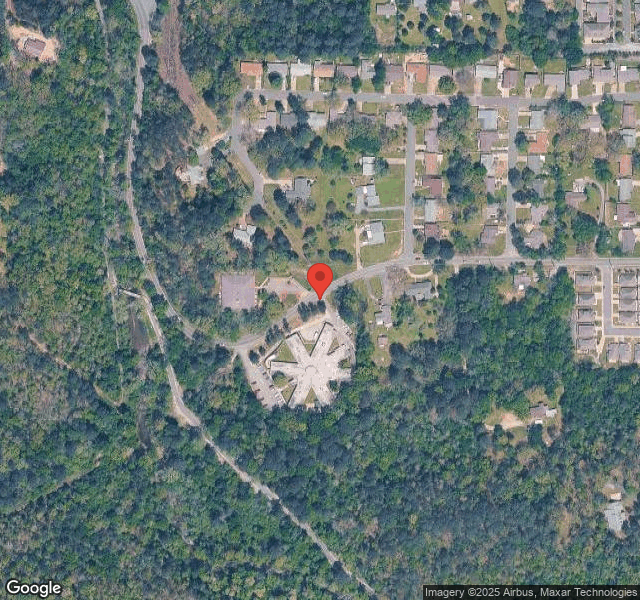
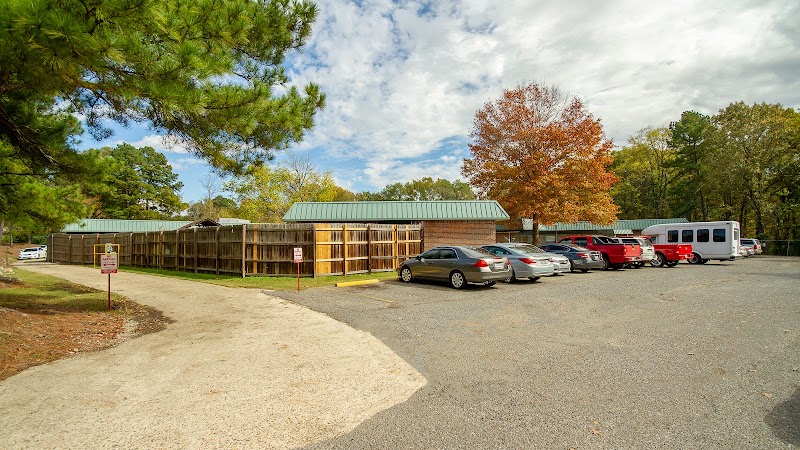
552 GOLF LINKS ROAD, HOT SPRINGS, AR 71901 (501) 624-7149
For profit - Corporation 152 Beds THE BLOSSOMS NURSING AND REHAB CENTER Data: November 2025
Trust Grade
75/100
#83 of 218 in AR
Last Inspection: December 2024

Within standard 12-15 month inspection cycle. Federal law requires annual inspections.

Overview

The Blossoms at Hot Springs Rehab and Nursing Center has a Trust Grade of B, which means it is a good choice, indicating generally positive conditions for residents. It ranks #83 out of 218 facilities in Arkansas, placing it in the top half, and #3 out of 9 in Garland County, suggesting it is one of the better options locally. However, the facility is facing a worsening trend, with the number of reported issues increasing from 3 in 2022 to 8 in 2024. Staffing is rated 2 out of 5 stars, which is below average, with a turnover rate of 57%, indicating that while some staff remain, there may be challenges in maintaining a consistent workforce. On a positive note, there have been no fines recorded, and RN coverage is average, which is important for ensuring quality care. Specific incidents raised during inspections included issues with food safety, where an ice scoop holder was found dirty, risking contamination of meals for residents. Additionally, there were concerns about temperature comfort for some residents, which could affect their overall well-being. Lastly, the facility failed to accurately document care needs for several residents, potentially impacting their treatment plans. Overall, while there are strengths in safety and oversight, these weaknesses highlight areas that need improvement.

Trust Score
B
75/100
In Arkansas
#83/218
Top 38%
Safety Record
Low Risk
No red flags
Inspections
Getting Worse
3 → 8 violations
Staff Stability
⚠ Watch
57% turnover. Above average. Higher turnover means staff may not know residents' routines.
Penalties
✓ Good
No fines on record. Clean compliance history, better than most Arkansas facilities.
Skilled Nurses
⚠ Watch
Each resident gets only 17 minutes of Registered Nurse (RN) attention daily — below average for Arkansas. Fewer RN minutes means fewer trained eyes watching for problems.
Violations
⚠ Watch
11 deficiencies on record. Higher than average. Multiple issues found across inspections.
★★★★☆
4.0
Overall Rating
★★☆☆☆
2.0
Staff Levels
★★★☆☆
3.0
Care Quality
★★★★☆
4.0
Inspection Score
Stable
2022: 3 issues
2024: 8 issues

The Good

  • Full Sprinkler Coverage · Fire safety systems throughout facility
  • No fines on record

Facility shows strength in fire safety.

The Bad

Staff Turnover: 57%

11pts above Arkansas avg (46%)

Frequent staff changes - ask about care continuity

Chain: THE BLOSSOMS NURSING AND REHAB CENT

Part of a multi-facility chain

Ask about local staffing decisions and management

Staff turnover is elevated (57%)

9 points above Arkansas average of 48%

The Ugly 11 deficiencies on record

Dec 2024 1 deficiency
CONCERN (E)

Potential for Harm - no one hurt, but risky conditions existed

Safe Environment (Tag F0584)

Could have caused harm · This affected multiple residents

**NOTE- TERMS IN BRACKETS HAVE BEEN EDITED TO PROTECT CONFIDENTIALITY** Based on observations, interviews, and record review, it was determined that the facility failed to provide comfortable water te...

Read full inspector narrative →
**NOTE- TERMS IN BRACKETS HAVE BEEN EDITED TO PROTECT CONFIDENTIALITY** Based on observations, interviews, and record review, it was determined that the facility failed to provide comfortable water temperatures for 2 (Resident #11 and Resident #40) of 10 sampled residents who reside on A and B Halls. Residents were reviewed for a comfortable and homelike environment. The findings include: 1) Review of Resident #40 ' s quarterly Minimum Data Set (MDS), with an Assessment Reference Date (ARD) of 10/15/24, indicated Resident #40 had diagnoses of dementia, high blood pressure, heart failure, and scored 7 (0-7 indicates severe cognitive impairment) on the Brief Interview for Mental Status (BIMS). 2) Review of an annual Minimum Data Set (MDS), with an Assessment Reference Date (ARD) of 10/25/2024, indicated Resident #11 had diagnoses of chronic obstructive pulmonary disease, diabetes mellitus, non-Alzheimer's dementia and scored 12 (8-12 indicates moderate impairment) on the Brief Interview for Mental Status (BIMS). a) During an interview on 12/09/2024 at 11:45 AM, Resident #40's representative complained regarding the lack of hot water to the resident's room. b) During an interview on 12/09/2024 at 2:22 PM, Resident #11 voiced concerns about the lack of hot water to their room. c) During an interview on 12/11/2024 at 3:15 PM, Certified Nursing Assistant (CNA) #1 stated that the water gets warm some for the A hall residents. d) On 12/11/2024 at 3:27 PM, during an observation and interview with the Maintenance Supervisor, the hot water tap was turned on to the sink in room [ROOM NUMBER] on B hall, and the Maintenance Supervisor stated A and B halls are farthest from the water heater, and it takes longer to get the water warm. e) On 12/11/2024 at 3:34 PM, the Maintenance Supervisor stated halls C, D, E, and F were close to the water heaters. In addition, the Maintenance Supervisor stated the water heater temperature tops out at 102-103 degrees Fahrenheit. f) On 12/11/2024 at 3:36 PM, the Maintenance Supervisor utilized a temperature gun to determine the temperature of the hot water in room [ROOM NUMBER] on B hall. The Maintenance Supervisor stated the temperature was 96.7 degrees Fahrenheit. g) On 12/11/2024 at 3:44 PM, the Maintenance Supervisor turned on the hot water tap for the sink in room [ROOM NUMBER] on A hall (Resident #40's room). h) On 12/11/2024 at 3:49 PM, the Maintenance Supervisor utilized a temperature gun to determine the temperature of the hot water in room [ROOM NUMBER] on A Hall. The Maintenance Supervisor stated the temperature was 78.6 degrees Fahrenheit. i) On 12/12/2024 at 9:16 AM, the Maintenance Supervisor was interviewed regarding the process of ensuring water temperatures are acceptable. The process was described and the Maintenance Supervisor explained how the Circulation pump was going out for A, B, and C halls and the facility was getting a new one. Copies were requested from the past four (4) weeks of temperature logs, policy for testing/maintaining water temperature, and a copy of the purchase order for a new Circulation pump. j) On 12/12/2024 at 9:19 AM, the Maintenance Supervisor turned on the hot water tap in room [ROOM NUMBER] on hall B. At 9:23 AM, the water temperature reached 100.0 degrees Fahrenheit according to the Maintenance Supervisor's temperature gun. k) On 12/12/2024 at 9:50 AM, the Maintenance Supervisor turned on the hot water tap in room [ROOM NUMBER] on A Hall (Resident #2's room). At 9:59 AM, the water temperature reached 88.2 degrees Fahrenheit according to the Maintenance Supervisor's temperature gun. l) On 12/12/2024 at 10:05 AM, the Maintenance Supervisor provided the last 4 weeks of temperature logs. On the logs, the process was documented as Inspect and log temp 1 room per hall per week. For the month of November 2024, there were no temperature recordings for B hall and one (1) temperature recording out of four (4) weeks for A Hall. For the first two (2) weeks of December 2024, there were no temperature recordings for A hall. m) On 12/12/2024 at 10:10 AM, the Maintenance Supervisor provided the purchase order for the circulator pump and verified there was no policy for checking water temperatures. The date on the purchase order was December 11, 2024. n) On 12/12/2024 at 10:25 AM, the Administrator was interviewed regarding the concerns with the water temperature coming from the hot water taps on A and B hall. The Administrator reiterated the plan for replacing the circulation pump and had no additional comments. o) On 12/12/2024 at 12:03 PM, it was requested from the Maintenance Supervisor to provide temperature logs for the month of October 2024. p) On 12/12/2024 at 12:11 PM, the Maintenance Supervisor provided the temperature logs for the month of October 2024. The process documented on the October log was Inspect and log temp 1 room per hall per week. For October 2024, there was one (1) temperature recorded for week three (3) for A hall and one (1) temperature recorded for week four (4) for A hall. All other weeks during October 2024 had no temperatures recorded for the A and B hall.
Jan 2024 7 deficiencies
CONCERN (D)

Potential for Harm - no one hurt, but risky conditions existed

Respiratory Care (Tag F0695)

Could have caused harm · This affected 1 resident

Based on observation, record review and interview, the facility failed to ensure oxygen was administered according to Physician ' s orders and oxygen ordered for whenever necessary was monitored or do...

Read full inspector narrative →
Based on observation, record review and interview, the facility failed to ensure oxygen was administered according to Physician ' s orders and oxygen ordered for whenever necessary was monitored or documented as being provided to reduce the potential for respiratory complications for 2 (Resident #55 and #29) sampled residents that had orders for oxygen therapy. This failed practice had the potential to affect 6 residents that had physician orders for oxygen therapy. The findings are: 1. On 01/22/24 at 10:27 AM, Resident #55 was lying in the bed with oxygen being administered via nasal cannula (NC) at 1 liter per minute (LPM). On 01/22/24 at 3:16 PM, Resident #55 was lying in the bed with oxygen (O2) being received at 1 LPM via NC. On 01/23/24 at 8:14 AM, Resident #55 was lying in the bed with oxygen being received at 1 LPM. a. A physician's order dated 10/14/23 O2 documented oxygen at 3L/min via nasal cannula prn to keep O2 sat (saturation) > (greater than) 92% every 8 hours as needed related to Acute Respiratory Failure. b. A Care plan initiated on 07/19/2023, documented oxygen settings: O2 at 3L (liter) via nasal cannula as needed for shortness of breath humidified. c. On 1/24/24 at 2:15 PM, Licensed Practical Nurse (LPN) #1 was asked to accompany Surveyor to resident # 55's room. LPN # 1 was asked to check the liter flow rate. LPN stated, It's on a 1. LPN #1 was asked what should the flow rate be set on. LPN #1 stated, 2 (two) and reached down and corrected the meter flow rate to a 2. LPN # 1 was asked to explain the reasoning of following Physicians orders. LPN #1 stated, If it is not on the correct amount ordered then they won't get as much oxygen as they need and they will become short of breath and things start to happen. LPN # 1 confirmed that the oxygen flow rate was not correct and stated, It probably got bumped today. 2. Resident #29 with diagnoses of Chronic Obstructive Pulmonary Disease (COPD), Respiratory Failure with Hypoxia (below normal oxygen lever), and Acute Respiratory Failure with Hypercapnia (high levels than normal carbon dioxide). a. Physicians Orders dated 11/08/2023 . Oxygen (O2) at 2.0 Liters/minute via nasal cannula as needed for to keep oxygen saturation >92%. every 8 hours as needed related to CHRONIC OBSTRUCTIVE PULMONARY DISEASE (COPD), Medication Administration Records (MARs) does not have documentation of dates showing O2 has been administered or O2 checked daily. The Vital Flow Sheet shows Resident #29 has been on oxygen every day since November 2, 2023. b. Care plan dated 11/23/2023 for Resident #29 showed documentation . OXYGEN SETTINGS: O2 at 2L via nasal cannula. Humidified. Date Initiated: 08/03/2023 . The surveyor reviewed physician's notes from 11-2023 to 12-2024 with no documentation of doctor being notified of resident changing oxygen level. c. On 01/22/24 at 11:43 AM, the Surveyor observed. Resident #29 with a nasal cannula with the Oxygen Concentrator set on 3.0 Liters/minute. The Physician Order was for 2.0 Liters/minute. The tubing was dated 01/22/2024. d. On 1/24/2024 at 8:50 AM, the Surveyor observed Resident #29 with nasal cannula set at 3.0 Liters/minute. Resident #29 was coherent, able to respond to questions verbally and appropriately. e. On 1/24/2024 at 9:08 AM, the Surveyor asked Licensed Practical Nurse [LPN] LPN #2 what was Resident #29 ' s oxygen level on the concentrator set at? LPN #2 confirmed O2 is set at 3.0 Liters/minute. It is to be set at 2.0 Liters/minute. LPN #2 asked Resident #29 if she changed the oxygen level. Resident #29 commented yes. f. On 01/24/24 at 9:42 AM, Resident #29 has been observed to be on O2 every day. Medication Administration Record [MAR]'S (page 23) does not show documentation that Resident #29 had been using oxygen. g. On 1/24/2024 at 3:19 PM, the surveyor asked LPN #2 where on MARs do you document Resident is wearing her O2? LPN #2 commented Resident#2 is continuous O2; Some have continuous and as needed O2 orders. Resident #29 O2 is 2.0 Liters/minute as needed. She wears it all the time. She wears it every day, it makes her feel more comfortable. The surveyor asked LPN #2 where is the does documentation on the MARs that a resident received O2? The Surveyor asked LPN #2 to pull up MARs to show documentation LPN#2 confirmed there was no documentation. LPN #2 confirmed MARs do not have O2 given. h. On 1/24/2024 at 3:31 PM, the Surveyor asked the Director of Nursing (DON) is it important for staff to watch the O2 level of a resident? The DON confirmed yes to monitor respiratory status. The Surveyor asked the DON if you have a resident changing their O2 level what procedure do you expect staff to follow? The DON confirmed if adjusting against doctors order I expect them to adjust oxygen back to order level, assess the resident, and then call the doctor to inform that the resident was refusing to leave the O2 at prescription level. The Surveyor asked the DON do you expect staff to document as needed O2 on the MAR? DON confirmed yes, to reflect condition and how often they are using it. This allows the doctor to know that treatment is effective. The Surveyor asked the DON who is responsible for documenting the as needed O2? The DON confirmed the charge nurse. i. On 1/25/2024 at 9:46 AM, the Administrator provided a policy titled Oxygen Administration - Resident documented, Purpose .The purpose of this procedure is to provide guidelines for safe oxygen administration ., Preparation . Review the physician's orders or facility protocol for oxygen administration. Review the resident's care plan to assess any special needs of the resident ., Evaluation .While the resident is receiving oxygen therapy, the following may be evaluated: Signs or symptoms of cyanosis (i.e. blue tone to the skin and mucous membranes), signs or symptoms of hypoxia (i.e., rapid breathing, rapid pulse rate, restlessness, confusion), vital signs prn, lung sounds prn ., Documentation After completing the oxygen setup or adjustment, record the use of the oxygen therapy in the resident's medical record and/or MAR or TAR . and, Reporting .Report other pertinent information in residents medical record as needed .
CONCERN (E)

Potential for Harm - no one hurt, but risky conditions existed

Assessment Accuracy (Tag F0641)

Could have caused harm · This affected multiple residents

**NOTE- TERMS IN BRACKETS HAVE BEEN EDITED TO PROTECT CONFIDENTIALITY** Based on observation, record review and interview, the facility failed to ensure the Minimum Data Set [MDS] assessment accuratel...

Read full inspector narrative →
**NOTE- TERMS IN BRACKETS HAVE BEEN EDITED TO PROTECT CONFIDENTIALITY** Based on observation, record review and interview, the facility failed to ensure the Minimum Data Set [MDS] assessment accurately reflected a level II Preadmission Screening and Resident Review [PASARR] evaluation with recommendations to facilitate the ability to plan, coordinate and provide necessary care for 3 (Resident #4, #44, and #53) of 11 sampled (Resident #2, #4, #9, #16, #21, #41, #44, #45, #48, #53,#67) and had the potential to affect 39 residents who had a level II PASRR. The findings are: 1. Resident #4 with a diagnosis of SCHIZOPHRENIA, PSYCHOSIS, and CHRONIC OBSTRUCTIVE PULMONARY DISEASE. Significant Minimum Data Set [MDS] with an Assessment Reference Date [ARD] of 04/13/2023 indicates a Brief Interview of Mental Status [BIMS] score of 10 (A score of 8-12 suggest a moderate cognitive impairment). a. A care plan (dated, 06/14/2023) required a level 1 PASARR prescreening due to schizophrenia and depression and did require further level 2 evaluation. No recommended services.Refer to psych as needed . b. On 01/25/24 at 8:20 AM, the Social Worker [SW] was asked if Resident #4 had a level II PASARR, and the SW said Resident #4 does have a level II PASRR. c. On 01/25/24 at 8:21 AM, the SW was asked to check Section A 1500 on the Significant MDS dated [DATE]. The SW said it says no, but SW knows Resident #4 does have a mental health disorder. 2. Resident #44 has diagnoses of HEMIPLEGIA AND HEMIPARESIS FOLLOWING CEREBRAL INFARCTION, TYPE 2 DIABETES MELLITUS, and SCHIZOAFFECTIVE DISORDER. The admission Minimum Data Set [MDS] with an Assessment Reference Date [ARD] of 06/23/2023 indicates a Brief Interview for Mental Status [BIMS] of 10 (A BIMS score of 8-12 suggest moderate cognitive impairment). a. A care plan (Dated, 06/26/2023) documented . I required a level 1 PASARR prescreening due to schizoaffective bipolar type and major depression and did require further level 2 evaluation. No specialized services recommended .Refer to psych as needed . b. On 01/25/24 at 8:15 AM, the SW was asked if Resident #44 had a level II PASRR, and SW told the Surveyor that Resident #44 has a level II PASARR. c. On 01/25/24 at 8:21 AM, the SW was asked to check Section A1500 on the admission MDS dated , 06/23/2023. The SW said it says no, but SW knows Resident #44 does have a mental health disorder. 3. Resident #53 has a diagnosis of SCHIZOAFFECTIVE DISORDER, MAJOR DEPRESSIVE DISORDER, and senile degeneration of the brain. The Significant Minimum Data Set [MDS] with an Assessment Reference Date [ARD] of 08/05/2023 indicated a Brief Interview for Mental Status [BIMS] score of 2 (0-7 suggest severe cognitive impairment). a. A care plan (dated, 08/10/2022) documented .I required a level 1 PASARR prescreening due to schizoaffective, major neurocognitive disorder, history suicidal ideations and did require further level 2 evaluation. No specialized services .Refer to psych as needed . b. On 01/25/24 at 8:21 AM, the SW was asked to check Section A 1500 on the Significant Change MDS dated [DATE]. The SW told the Surveyor that it says no, but Resident #53 does have a level II PASARR. c. On 01/25/2024 at 8:40 AM, the Surveyor asked the SW what is the purpose for documenting mental health on the Minimum Data Set [MDS]. The SW said because that is what we send to CMS, and we need it to be accurately reflected. The Surveyor asked if section A 1500 for (Resident #4, #44, and #53) should have reflected 0 for no mental illness, and the SW said no, because the Social Worker knows they have a mental health diagnosis. d. On 01/25/24 at 9:10 AM, the Surveyor asked the Director of Nursing [DON] who documents to the MDS, and the DON said the Social Worker, and MDS Nurse does section GG. The Surveyor asked why it is important for staff to document appropriately to the MDS. The DON told the Surveyor said that the MDS reflects clinical reimbursement and assessment needs of the resident. The DON expects the MDS to be documented appropriately. e. On 01/25/24 at 9:47 AM, the Surveyor asked the Administrator for an MDS Policy. f. On 01/25/24 at 10:13 AM, The Administrator said they do not have an MDS policy.
CONCERN (E)

Potential for Harm - no one hurt, but risky conditions existed

Deficiency F0679 (Tag F0679)

Could have caused harm · This affected multiple residents

Based on observation, record review and interview, the facility failed to ensure activities were regularly provided to residents on the weekends. The failed practice had the potential to affect 73 res...

Read full inspector narrative →
Based on observation, record review and interview, the facility failed to ensure activities were regularly provided to residents on the weekends. The failed practice had the potential to affect 73 residents that reside in the facility. The findings are: On 01/22/24 at 11:26 AM, Resident #2 stated, No activities happen on the weekend. On 01/22/24 at 12:54 PM, Resident# 48 was asked about activities and if she attends? Resident #48 stated; I love to go to activities, but they have no activities on the weekend. 01/23/24 at 2:00 PM, Resident #48 indicated that she enjoyed playing bingo and having her nails done. Resident indicated she just wished they did stuff on the weekends. On 01/25/24 at 2:15 PM, the Surveyor Interviewed the Activity Director [AD], regarding activities on the weekend. This surveyor asked the AD, how are activities done on the weekend? The AD stated, The weekend Nurse Supervisor does them. The Surveyor asked the AD, if she communicates with the weekend Nurse Supervisor regarding the weekend activities. The AD stated, No, but maybe I should. The Surveyor asked the AD if she had documentation that the weekend Nurse Supervisor does activities on the weekend? The AD stated: no. On 01/25/24 at 3:00 PM, the Surveyor spoke with the Administrator regarding activities on the weekend. The Administrator said the weekend Nurse Supervisor is to do the activities on the weekend. The Administrator also stated the weekend Nurse Supervisor should have a sign in sheet of who all attend each activity. On 01/25/24 at 2:55 PM, the Surveyor spoke with the AD and asked for her records of how she keeps up with who attends activities. The AD provided a binder that had pages in it for each activity and the AD had written the activity, date and a list of the Residents that participated. On 01/25/24 at 3:30 PM, Record review of the activity log for the dates from 12-22-2023 to 01-22-2024. The following dates did not have any activities recorded in the activity logbook: 12-23-23, 12-24-23, 12-25-23, 12-30-23, 12-31-23, 01-06-24, 01-07-24, 01-13-24, 01-14-24, 01-16-24, 01-20-24, and 01-21-24. On 01/25/24 at 3:00 PM, this Surveyor requested an Activities Policy from the Administrator. On 01/26/24 at 9:00 AM, the Administrator came to the Surveyors and stated, They do not have a policy for activities.
CONCERN (E)

Potential for Harm - no one hurt, but risky conditions existed

Menu Adequacy (Tag F0803)

Could have caused harm · This affected multiple residents

Based on observation, record review, and interview, the facility failed to ensure meals were prepared and served in accordance with the planned, written menu to meet the nutritional needs of the resid...

Read full inspector narrative →
Based on observation, record review, and interview, the facility failed to ensure meals were prepared and served in accordance with the planned, written menu to meet the nutritional needs of the residents for 2 of 2 meals observed. The failed practices had the potential to affect 14 residents who received regular diets and 2 residents who required pureed diets from the kitchen. The findings are: 1. On 01/22/2024, the menu for lunch documented the residents on mechanical soft diets were to receive 3 ounces (oz) of pork roast. a. On 01/22/24 at 12:22 PM, during the noon meal service, Dietary Employee (DE) #2 used a #12 scoop to serve half less portion of ground meat to the residents on pureed diets, instead of full serving of # 12 scoop (3 ounce) per the written menu. b. On 01/23/24 at 8:12 AM, the surveyor asked Dietary Employee (DE) #3 how many servings of pork loin you prepared for the residents on mechanical soft diets. DE #3 stated, I did 6 servings, and I should have done 14 servings. We gave them small portions. 2. On 01/22/2024, the menu for breakfast meal documented the residents on regular diets, and mechanical soft diets were to receive 6 ounces (oz) of oatmeal and residents who required pureed diets were to receive 6 ounces (oz) of pureed oatmeal and 2 to 3 pureed homestyle pancakes. a. On 01/22/24 at 7:40 AM, during the breakfast meal service, Dietary Employee (DE) #2 used a #8 scoop (4 ounce) to serve regular oatmeal to the residents on pureed diets, instead of 6 ounces (2/3 cup) of pureed oatmeal per the written menu. b. On 01/23/24 at 8:03 AM, the kitchen ran out of oatmeal. Six residents were served dry cereal, instead of oatmeal as per the written menu. c. On 01/23/24 08:12 AM, the surveyor asked Dietary Employee (DE) #3 the reason some residents did not receive oatmeal. DE #3 stated, I taught that I had made enough. I had about 6 residents that did not get it. I gave them dry cereal The surveyor asked Dietary Employee (DE) #3 the reason residents on pureed diets were served regular oatmeal. What scoop size she used to serve oatmeal to the residents on pureed diets, and how many servings she gave to each resident. DE #3 stated, I forget to puree it. I used the gray scoop (#8) and I gave a serving each. The surveyor asked Dietary Employee (DE) #3 the reason the reason residents who required pureed diets did not receive pureed pancake. DE #3 stated, I forgot.
CONCERN (E)

Potential for Harm - no one hurt, but risky conditions existed

Deficiency F0804 (Tag F0804)

Could have caused harm · This affected multiple residents

Based on observation, record review and interview, the facility failed to ensure meals were served in a method that maintained the appearance of cold product and at temperatures that were acceptable t...

Read full inspector narrative →
Based on observation, record review and interview, the facility failed to ensure meals were served in a method that maintained the appearance of cold product and at temperatures that were acceptable to the residents to improve palatability and encourage good nutritional intake during 1 of 1 meal observed. This failed practice had the potential to affect 8 residents who receive meal trays in their rooms on the C- Hall, 11 residents who receive meal trays on the D- hall, 13 residents who receive meal trays in their room on the E- hall, 8 residents who receive meal trays in their room on A- Hall, 5 residents who receive meal trays in their room on the B- hall, and 5 residents who receive meal trays in their room on the F- hall. as documented on a list provided by the Dietary Supervisor #1 on 01/23/2024 at 09:03 AM. The findings are: 1. Resident #56 had a diagnosis of orthopedic aftercare surgical amputation of the right Leg. Minimum Data Set with an assessment reference date of 12/27/23 documented the resident scored 15 indicates cognitively intact on a Brief Interview of Mental Status. a. The physician order dated 12/23/23 documented, General diet, Regular texture, Thin Liquids consistency. b. On 01/22/24 at 10:37 AM, resident #56 stated, that hot food is not hot. I can't eat food that is supposed to be hot when it's cold. c. On 1/23/24 at 08:10AM resident stated, I didn't eat my eggs, they were cold. I did eat my cereal. 2. Resident #48 has a Diagnosis of TYPE 2 DIABETES MELLITUS WITH HYPERGLYCEMIA, CHRONIC VIRAL HEPATITIS, MOOD DISORDER DUE TO KNOWN PHYSIOLOGICAL CONDITION, ANXIETY DISORDER, UNSPECIFIED, ESSENTIAL (PRIMARY) HYPERTENSION, INSOMNIA, HYPERLIPIDEMIA, PAIN, DIFFICULTY IN WALKING, MAJOR DEPRESSIVE DISORDER, CEREBRAL INFARCTION, HISTORY OF FALLING, TOBACCO USE, MUSCLE WASTING AND ATROPHY, ABNORMALITIES OF GAIT AND MOBILITY, MUSCLE WEAKNESS (GENERALIZED), and CONSTIPATION. The Medicare 5 Day Minimum Data Set [MDS] with an Assessment Reference Date [ARD] of 12/24/23 documented the resident scored 14 (13 to 15 cognitively intact) on a brief Interview of Mental Status. a. The Resident #48's 12/2/2023 physician orders documented, General Diet: Regular texture, thin liquids consistency. b. On 01/22/24 at 12:15 PM, Resident #48 stated, that when the food arrives in her room it is cold. They do not offer to go heat it up or offer to get her another tray. Resident stated, She has to find a staff person that will go heat the cold tray up for her. 3. On 01/22/24 12:35 PM, an unheated food cart that contained 8 trays for breakfast was delivered to C- hall by the Certified Nursing Assistant #1. 01/22/24 12:53 PM, immediately after the last resident was served in their room on C- hall, temperature of the food items on the tray used as test trays were taken and read by the Dietary Supervisor with the following results: a. Mashed potatoes with gravy 108 degrees Fahrenheit. b. Pork loin 98 degrees Fahrenheit. c. Cauliflower 115 degrees Fahrenheit. 2. On 01/22/24 at 07:42 AM, an unheated food cart that contained 13 trays for breakfast was delivered to E-hall by Certified Nursing Assistant #2. 01/23/24 08:01 AM immediately after the last resident was served in their room on E- hall, temperature of the food items on the tray used as test trays were taken and read by the Dietary Supervisor were with the following results: a. Milk 55 degrees Fahrenheit. b. Sausage 84 degrees Fahrenheit. c. Scrambled eggs 95 degrees Fahrenheit. 3. On 01/22/24 07:43 AM, an unheated food cart that contained 11 trays for breakfast was delivered to D-hall by Certified Nursing Assistant #3. 01/23/24 07:54 AM, immediately after the last resident was served in their room on E- hall, temperature of the food items on the tray used as test trays were taken and read by the Dietary Supervisor were with the following results: a. Milk 50 degrees Fahrenheit. b. Oatmeal 108 degrees Fahrenheit. c. Ground sausage 96 degrees Fahrenheit. d. Scrambled eggs 115 degrees Fahrenheit. e. Sausage 86 degrees Fahrenheit.
CONCERN (E)

Potential for Harm - no one hurt, but risky conditions existed

Infection Control (Tag F0880)

Could have caused harm · This affected multiple residents

Based on observation, interview and record review, the facility failed to ensure residents clean laundry was transported in a safe and sanitary manner to protect clean clothing from soil and dust to p...

Read full inspector narrative →
Based on observation, interview and record review, the facility failed to ensure residents clean laundry was transported in a safe and sanitary manner to protect clean clothing from soil and dust to prevent cross contamination. This failed practice had the potential to affect 18 sampled (Residents R#2, R#9, R#11, R#16, R#18, R#21, R#24, R#29, R#41, R#44, R#45, R#48, R#53, R#55, R#56, R#58, R#67,and R#224) that have their laundry washed by the facility. The findings are: a. On 01/22/24 at 01:42 PM, the Surveyor observed an uncovered rack of laundry resting against the right side of the wall on A hall. b. On 01/22/24 at 01:43 PM, Laundry Worker #1 was observed walking down the hall to the laundry rack. The Surveyor asked what was on the rack, and what procedure is used to return clean laundry to the residents. Laundry Worker #1 said it is a rack of clean clothes, and they have a sheet to cover clean linens on the clothing rack, but it was removed when they got to the hall to distribute clothing. Laundry Worker #1 said they should have covered all the clean clothes back up before walking away for sanitary reasons, and to prevent cross contamination. c. On 01/22/24 at 01:50 PM, The Surveyor walked down B hall and observed the clean laundry rack was unattended and resting against the left side of the hallway with the sheet pulled aside. d. On 01/24/24 at 03:36 PM, during an interview with the Director of Nursing [DON] the Surveyor asked what procedure staff was expected to use when returning clean laundry to residents. The DON said clean clothes should be kept covered while being transported down the hallways. The Surveyor asked the DON why laundry is expected to be covered and the DON said it is for infection control, and to prevent cross contamination. e. On 01/25/24 at 09:30 AM, the Surveyor asked the Administrator for a laundry and infection control policy. 6. On 01/25/24 at 10:26 AM, the Administrator said they do not have a laundry policy. An infection control policy was not provided. f. On 01/25/24 at 10:30 AM, the Administrator provided a document titled Linen Operations and Management documenting, .Transporting linen - clean .Clean linen carts, when delivered, should be covered at all times to help prevent spread of infection . g. On 01/26/2024 at 09:30 AM, the Surveyor asked the Director of Nursing [DON] for the infection control policy. h. On 01/26/2024 at 09:40 AM, the DON provided a policy titled Infection Prevention & Control Program documenting, .Policy Statement 1. The infection prevention and control programs are a facility-wide effort involving all disciplines and individuals and are an integral part of the quality assurance and performance improvement program. 2. The elements of the infection prevention and control program consist of coordination/oversight, policies/procedures, surveillance, data analysis, antibiotic stewardship, outbreak management, prevention of infection, and employee health and safety .
CONCERN (F)

Potential for Harm - no one hurt, but risky conditions existed

Food Safety (Tag F0812)

Could have caused harm · This affected most or all residents

Based on observation, record review and interview, the facility failed to ensure 1 of 2 ice scoop holders was maintained in a clean condition to prevent the potential contamination of residents' food ...

Read full inspector narrative →
Based on observation, record review and interview, the facility failed to ensure 1 of 2 ice scoop holders was maintained in a clean condition to prevent the potential contamination of residents' food or beverages; food items stored in the refrigerator and freezer were covered or sealed to prevent potential cross contamination or food borne illness, and dietary staff washed their hands before handling clean equipment or food items to prevent potential food borne illness for residents who received meals from 1 of 1 kitchen. The failed practices had the potential to affect 73 residents who received meals from the kitchen. The findings are: 1. On 01/22/24 at 09:55 AM, the ice scoop holder on the right side of the wall close to the ice machine in the dining room had wet black residue on it. The ice scoop was resting directly in contact with the black residue. The surveyor asked the Dietary Supervisor to wipe the wet black and the wet black residues easily transferred to the paper towel. The surveyor asked the Dietary Supervisor to describe what was observed in the scoop holder. She stated, It was black dirt and was nasty. The surveyor asked Dietary Supervisor how often the ice scoop holder was cleaned and who uses the ice from the machine. She stated, I don't know. 01/22/24 at 09:57 AM, the surveyor asked Certified Nursing Assistant #1 what the ice was for? She stated, For the residents. We used it to fill the water pitchers in the resident's rooms. At 10:00 AM, the Dietary Surveyor asked Dietary supervisor to describe the contents within the ice scoop holder. She stated, It's black dirt, nasty. She was asked, How often do you clean the scoop holder? She stated, It supposed to be cleaned daily. 2. On 01/22/24 at 10:04 AM, an opened box of biscuits was on a shelf in the freezer. The box was not covered, and the bag was not sealed. 3. On 01/22/24 at 10:20 AM, the following observations were made in the freezer: a. An opened box of pizza was on a shelf in the freezer. The box was not covered, and the bag was not sealed. b. An opened box of chocolate chips cookies. The box was not covered, and the bag was not sealed. c. An opened box of peanut cookies. The box was not covered, and the bag was not sealed. 4. On 01/22/24 at 10:30 AM, Dietary Employee #1 turned on the hand washing sink faucet and washed her hands. She then pulled out tissue papers from the tissue dispenser and dried her hands. She removed gloves from the glove box and placed them on her hands, contaminated the gloves. She picked up tray cards and placed them on the trays. Without washing her hands, she picked up glasses that contained beverages to be served to the residents for lunch meal by their rims and placed them on the tray, then covered the glasses with saran wrap. 5. On 01/22/24 at 10:32 AM, Dietary Employee #2 turned on the hand washing sink faucet and washed his hands. He then pulled out tissue papers from the dispenser and dried her hands. He removed gloves from the glove box and placed them on his hands, contaminated the gloves. Without changing gloves and washing his hands, he picked up clean eating utensils by the end of the utensils that would go into the mouth and wrapped them in individual napkins for the residents to use at their lunch meal. At 12:03 PM, the Surveyor asked Dietary Employee (DE) #2 What should you have done after touching dirty objects and before handling clean equipment or food items? She stated, I should have washed my hands. 6. On 01/22/24 at 11:30 AM Dietary Employee (DE) 1# picked up a bag of bread from the bread in the storage room and placed it on the counter, picked up a container of peanut butter from the cabinet and placed it on the counter. At 11:34 AM, (DE) #3 turned on the hand washing sink faucet and washed her hands. She then pulled out tissue papers from the dispenser and dried her hands. He removed gloves from the glove box and placed them on her hands, which contaminated the gloves. She unwrapped the bread bags and removed the slices of bread from the bag and placed them on a piece of pan liner on the counter. When she was about to spread peanut butter on the bread, the Surveyor immediately asked, What should you have done after touching dirty objects and before handling clean equipment or food items? She stated, Washed my hands. 7. A facility policy titled, Hand washing . provided by the Dietary supervisor on 01/23/2024 at 09:19 AM documented when to wash hands. a. When entering the kitchen at the start of a shift. b. During food preparation, as often as necessary to remove soil or contamination and to prevent cross contamination when changing tasks. c. After engaging in other activities that contaminate the hands.
Dec 2022 1 deficiency
CONCERN (E) 📢 Someone Reported This

A family member, employee, or ombudsman was alarmed enough to file a formal complaint

Potential for Harm - no one hurt, but risky conditions existed

Report Alleged Abuse (Tag F0609)

Could have caused harm · This affected multiple residents

Based on interview and record review, the facility failed to ensure staff notified the Administrator immediately after a suspected allegation of abuse and/or neglect to rule out possible abuse/neglect...

Read full inspector narrative →
Based on interview and record review, the facility failed to ensure staff notified the Administrator immediately after a suspected allegation of abuse and/or neglect to rule out possible abuse/neglect, and possible injury for 1 (Resident #1) of 3 (Residents #1, #2 and #3) sampled residents; and failed to ensure an injury of unknown origin for (Resident #1) of 3 (Residents #1, #2 and #3) sampled residents was reported to the State Agency according to regulatory timeframe's to prevent potential delays in reporting abuse/neglect/injury of unknown origin. This failed practice had the potential to affect 62 residents according to the Roster Matrix provided by the Administrator on 12/1/2022 at 1:49 p.m. The findings are: Resident #1 had a diagnosis of Schizophrenia and Dementia. The Significant Change Minimum Data Set (MDS) with an Assessment Reference Date (ARD) of 10/8/2022 documented was severely impaired in cognitive skills for daily decision-making per a Staff Assessment for Mental Status (SAMS) and required limited physical assistance for bed mobility, and extensive physical assistance for transfer, dressing, toilet use and personal hygiene, and had a gastronomy tube (G-tube) and received a mechanical soft diet. 1. The Division of Medical Services (DMS) Office of Long Term Care Facility Investigation Report for Resident Abuse, Neglect, Misappropriation of Property, & Exploitation of Residents in Long Term Care Facilities (DMS-762) for the October 8, 2022 incident documented, .Date and Time of Discovery: 10/8/2022 at 7:30 p.m.Date Incident Reported to OLTC: 10/09/2022 Time: 2:00 PM .Date and Time of Discovery: 10/8/2022 Time: 7:30 PM . Complete Description of Incident . Complete Description of Incident . On 10/8/2022, the facility obtained a xray of [Resident #1's] right wrist due to swelling. There was no brusing [bruising] or redness to the area. The xray report the facility received indicated [Resident #1] has a oblique minimally displaced fracture of the distal radius. [Resident #1] was sent to the ER [Emergency Room] to be treated . The facility did not report Resident #1's injury of unknown source to the State Agency within the two hour period. 2. The DMS-762 Report for the November 14, 2022 incident documented, .Summary of Incident . CNA [Certified Nursing Assistant] reported that a nurse did not administer enteral feeding as ordered throughout the right shift . 3. The DMS-762 OLTC (Office of Long Term Care) Witness Statement Form dated 11/14/2022 at 8:00 a.m. by the Director of Nursing (DON) documented, .[CNA #1] verbalized via telephone that she did not feel as if resident [Resident #1] received enteral feedings as ordered on the 11-7 [11:00 Am to 7:00 AM] shift on the night of 11/11/22 . 4. The DMS-762 OLTC Witness Statement Form by CNA #1 dated 11/15/2022 for the 11/11/2022 incident documented, .The nurse didn't give the resident [Resident #1] her feedings all night. I know, cause I was on D Hall the entire night. She made no attempt to do it. The only time she came down there was to push hydration cart . CNA #1 did not immediately report allegations of neglect upon suspicion to the Administrator. 5. The Employee Disciplinary Action Report for CNA #1 provided by the Administrator on 12/1/2022 at 3:15 p.m. documented, .on 11/14/2022 staff member failed to report an abuse/neglect allegation per facility policy . 6. The Abuse Prevention Program Acknowledgment Form and Abuse/Neglect Policy provided by the DON on 12/2/2022 at 11:18 a.m. documented CNA #1 signed the form upon hire on 3/2/2022. 7. On 12/1/2022 at 2:15 p.m., the Surveyor asked the Director of Nursing (DON), Who notified the facility of [Resident #1] not being fed internal feedings on the 11-7 [11:00 PM - 7:00 AM] shift on 11/11/2022? The DON stated, [CNA #1]. The Surveyor asked, Who did [CNA #1] notify? The DON stated, She notified myself. The Surveyor asked, When did [CNA #1] notify the facility of this incident? The DON stated, On the Monday morning of the day the reportable was submitted. The Surveyor asked, When was this incident reported to OLTC? The DON stated, That morning. The Surveyor asked, Why did it take three days for the staff to report the incident that happened on 11/11/2022? The DON stated, Because she had wrote it on a statement and slid it under my door and I didn't get it until Monday morning and that's when I called her to get her details. The Surveyor asked, When is allegations of abuse supposed to be reported? The DON stated, Immediately. The Surveyor asked, Who is supposed to report allegations of abuse? The DON stated, Any staff member. The Surveyor asked, Who is allegations of abuse supposed to be reported to? The DON stated, The Administrator. The Surveyor asked, When/what is the timeframe OLTC is notified of allegations of abuse? The DON stated, Within two hours. The Surveyor asked, Is [CNA #1] working and available for interview? The DON stated, We reprimanded her, and she has been in-serviced and trained on reporting abuse. CNA #1 was unavailable for interview due to being hospitalized . 8. On 12/1/2022 at 2:22 p.m., the Surveyor asked the DON, [Resident #1's] reportable for the fracture to the right wrist, time and discovery was 10/8/2022 at 7:30 p.m., but OLTC was not notified until 10/9/2022 at 2:00 p.m., why? The Administrator stated, We didn't know it was actually fractured until we got the report back. 9. On 12/1/2022 at 2:27 p.m., the Surveyor asked CNA #2, When are allegations of abuse supposed to be reported? CNA #2 stated, As soon as it happens. The Surveyor asked, Who is allegations of abuse supposed to be reported to? CNA #2 stated, The Administrator. The Surveyor asked, Have you been in-serviced on abuse/neglect training? CNA #2 stated, Yes. The Surveyor asked, How often do you receive abuse/neglect training? CNA #2 stated, Every time it happens and yearly. 10. On 12/1/2022 at 2:31 p.m., the Surveyor asked House Keeper (HK) #1, When are allegations of abuse supposed to be reported? HK #1 stated, Whenever it happens, immediately. The Surveyor, Who is allegations of abuse supposed to be reported to? HK #1 stated, The CEO [Chief Executive Officer], the Administrator. The Surveyor, Have you been in-serviced on abuse/neglect training? HK #1 stated, Yes. The Surveyor, How often do you receive abuse/neglect training? HK #1 stated, Our supervisor updates, the Administrator has in-services, a lot. 11. On 12/1/2022 at 2:35 p.m., the Surveyor asked Licensed Practical Nurse (LPN) #1, When are allegations of abuse supposed to be reported? LPN #1 stated, Immediately. The Surveyor asked, Who is allegations of abuse supposed to be reported to? LPN #1 stated, The CNA tells the Charge Nurse, the Charge Nurse tells the DON, and the DON tells the Administrator. The Surveyor asked, Have you been in-serviced on abuse/neglect training? LPN #1 stated, Yes, The Surveyor asked, How often do you receive abuse/neglect training? LPN #1 stated, Upon hire, then again, twice since October. 12. On 12/2/2022 at 11:00 a.m., the Surveyor asked the Administrator, What day and time was the facility notified of [Resident #1's] x-ray results, fracture to the right wrist? The Administrator stated, The x-ray came in on 10/8/2022 at 6:30 p.m., but I found out around 7:30 p.m. The Surveyor asked, On the DMS-762, it documented date and time of discovery was 10/8/2022 at 7:30 p.m. correct? The Administrator stated, Yes. The Surveyor asked, On the DMS-762, documented the date the incident was reported to OLTC was 10/9/2022 at 2:00 p.m. correct? The Administrator stated, Yes. The Surveyor asked, Why was this incident not reported to OLTC within the two hour time frame? The Administrator stated, It should have been reported. The Surveyor asked, Do you know exactly how [Resident #1] obtained the fracture to the right wrist? The Administrator stated, No we don't know, it had started swelling and we got an x-ray. The Surveyor asked, What kind of injury was this? The Administrator stated, Well it was unknown origin. The Surveyor asked, What are your expectations from your staff regarding following the facilities policy and procedures and following the CMS [Centers for Medicare and Medicaid Services] guidelines for reporting allegations of abuse? The Administrator stated, That they would report it to me immediately. 13. The facility policy titled, Abuse, Neglect, and Exploitation, provided by the Administrator on 12/1/2022 at 2:29 p.m. documented, .We are committed to the safety and well-being of all our residents. We believe that the resident has the right to be free from verbal, sexual, physical, or mental and psychosocial abuse, neglect, misappropriation of property, and involuntary seclusion. The facility considers all the above to be abuse and uses the general term abuse to specify all . All complaints, concerns or suspicions of abuse should be immediately reported to the Administrator . All personnel are required to immediately report all suspected cases of abuse to the Administrator. (ln the absence of the Administrator, suspected abuse should be reported to the Director of Nursing (DON) and immediate supervisor) . The facility will report all alleged violations involving mistreatment, neglect or abuse to the Office of Long-Term Care, Family, Police, and Physician (MD) .
Nov 2022 2 deficiencies
CONCERN (D)

Potential for Harm - no one hurt, but risky conditions existed

Infection Control (Tag F0880)

Could have caused harm · This affected 1 resident

Based on observation, interviews, record review, facility policy review, and review of Centers for Disease Control and Prevention (CDC) guidance, the facility failed to ensure staff wore gloves during...

Read full inspector narrative →
Based on observation, interviews, record review, facility policy review, and review of Centers for Disease Control and Prevention (CDC) guidance, the facility failed to ensure staff wore gloves during the administration of an insulin injection to 1 (Resident #38) of 4 residents observed during medication administration to prevent potential infection or transmission of blood borne pathogens. Findings included: 1. Review of a Centers for Disease Control and Prevention (CDC) article titled, Infection Prevention during Blood Glucose Monitoring and Insulin Administration, last reviewed 03/02/2011, revealed, Best Practices for Assisted Blood Glucose Monitoring and Insulin Administration. The following are infection control recommendations that anyone who performs or assists with blood glucose monitoring and/or insulin administration should review to assure they are not placing themselves or persons in their care at risk. The policy also indicated, Wear gloves during blood glucose monitoring and during any other procedure that involves potential exposure to blood or body fluids. 2. A review of an undated facility policy titled, Subcutaneous Medication Administration Procedures, provided by the Administrator on 11/09/2022 at 8:00 AM, revealed the policy did not address the use of gloves during administration of injections. 3. Review of an admission Record revealed Resident #38 had a diagnosis of type 2 diabetes mellitus. 4. Review of Resident #38's electronic medical record revealed a physician's order dated 09/28/2022 for the resident to receive Humulin R (regular human insulin) solution to be administered subcutaneously before meals, per a sliding scale based on the resident's blood glucose (blood sugar) results. 5. During an observation of the medication administration pass on 11/07/2022 at 3:38 PM, Licensed Practical Nurse (LPN) #1 entered the room of Resident #38 and administered a Humulin R injection into the resident's left arm. The LPN was not wearing gloves during administration of the injection. 6. During an interview on 11/07/2022 at 3:49 PM, LPN #1 stated she had never worn gloves while injecting insulin, only while cleaning the glucometer. 7. During an interview on 11/07/2022 at 4:17 PM, the Director of Nursing (DON) stated it was her expectation that the nurses wear gloves when administering insulin. 8. During an interview on 11/09/2022 at 11:21 PM, LPN #3, the Infection Control Preventionist, revealed it was expected that gloves be worn during insulin administration due to the possibility of contact with bodily fluids. 9. During an interview on 11/10/2022 at 8:04 AM, the Administrator revealed it was her expectation that the nursing staff wear gloves while using the glucometer to check a resident's blood sugar, but she would not expect the nurse to wear gloves while injecting insulin because wiping the site of the injection with an alcohol wipe would be the barrier. 10. During an interview on 11/10/2022 at 9:10 AM, LPN #4 stated she wore gloves to check blood sugar levels, to administer insulin, and to clean the glucometers, because there was always a risk of contact with bodily fluids. 11. During an interview on 11/10/2022 at 9:13 AM, LPN #5 stated she would wear gloves when checking blood sugar, pricking the resident's skin when giving insulin, and cleaning the glucometer. 12. During a follow-up interview on 11/10/2022 at 10:24 AM, the DON revealed the facility did not have a universal precautions policy; however, the facility followed CDC guidelines.
CONCERN (E)

Potential for Harm - no one hurt, but risky conditions existed

ADL Care (Tag F0677)

Could have caused harm · This affected multiple residents

Based on observation, interview, and record review the facility failed to ensure fingernails were clean and groomed to promote good personal hygiene and grooming for 1 (Resident #5) of 21 (Resident #3...

Read full inspector narrative →
Based on observation, interview, and record review the facility failed to ensure fingernails were clean and groomed to promote good personal hygiene and grooming for 1 (Resident #5) of 21 (Resident #3, #5, #8, #16, #17, #23, #25, #26, ,#27, #34, #37, #40, #42, #43, #47, #50, #56, #61,#62, #63 and #65) sampled residents who required assistance with nail care. This failed practice had the potential to affect 62 residents that lived in the facility and required assistance with nail care according to a list provided by Administrator on 11/10/22 at 10:30 AM. The findings are: 1. Resident #5 had diagnoses of Parkinson Disease, Coronary Artery Disease and Non Alzheimer's Dementia. The Quarterly Minimum Data Set (MDS) with an Assessment Reference Date (ARD) of 09/03/22 documented the resident scored 9 (8-12 indicates moderately cognitively impaired) on a Brief Interview for Mental Status (BIMS) and required extensive physical assistance of two plus persons with personal hygiene and one person's physical help in the part of bathing activity. a. The Care Plan with an initiated date of 6/26/20 documented, .Focus: I have an ADL [activities of daily living] self-care performance deficit r/t [related to] weakness and confusion . Intervention: .BATHING/SHOWERING: Check nail length and trim and clean on bath day and as necessary. Report any changes to the nurse . b. On 11/07/22 at 1:21 PM, Residents #5 was lying in bed watching television. His fingernails extended approximately 1/8th of an inch past the end of the nail bed and had a black substance under some of the nails on each hand. c. On 11/08/22 at 9:46 AM, Resident #5 was lying in bed watching television. His fingernails were approximately 1/8th of an inch past the nail bed with some jagged edges. There was a black substance under some of the nails. The Surveyor asked Resident #5, Do the staff help you clean and trim your nails? Resident #5 stated, They cleaned and clipped them about 2 weeks ago. d. On 11/09/22 at 8:15 AM, Resident #5 was sitting up in bed eating cereal for breakfast. His fingernails were approximately 1/8th of an inch past the end of the nail bed with some jagged edges. There was a black substance under some of the nails. Resident #5 scratched his left arm with his right hand and stated, I wish I would stop itching. The Surveyor asked, Have you told the staff you are itching? Resident #5 stated, Yes I have told them, and they have been putting some lotion on, that has helped a little. e. On 11/09/22 at 1:30 PM, the Surveyor asked Licensed Practical Nurse (LPN) #2 to accompany her to Resident #5's room and asked LPN #2, Can you describe [Resident #5's] fingernails? LPN #2 looked at Resident #5's fingernails and stated, They are short but a couple of them need to be cleaned. The Surveyor asked, How much assistance does [Resident #5] need with Activities of Daily Living? LPN #2 stated, I am an agency nurse, but what I have observed in the days that I have worked here is that he needs full assistance. As far as feeding goes, you set up his food and he can feed himself. The Surveyor asked, Who is responsible for fingernail care? LPN #2 stated, The CNA [Certified Nursing Assistant] staff are. The Surveyor asked, How often should nail care be done? LPN #2 stated, Each place has its own protocol, but I think it should be done as needed. The Surveyor asked, Does [Resident #5] refuse nail care? LPN #2 stated, I am not sure about that. Sometimes he refuses his medications, but I was able to coax him to take his medication by explaining why he needed to take them. The Surveyor asked, Why is it important that residents nails are kept clean and groomed? LPN #2 stated, It could lead to infection if he scratches himself and it does not look good if nails are dirty and not groomed. f. On 11/09/22 at 1:39 PM, the Surveyor asked CNA #1, How long have you worked for the facility? CNA #1 stated, I came back about a month ago, but I had worked here for 3 years prior to that. The Surveyor asked, How much assistance does [Resident #5] need with Activities of Daily Living? CNA #1 stated, He requires extensive assistance. Sometimes he does okay, but he has a lot of shaking which makes it more difficult for him and causes him to be frustrated when he tries to do things for himself. The Surveyor asked, Who is responsible for fingernail care? CNA #1 stated, The CNA staff are responsible. The Surveyor asked, How often should nail care be done? CNA #1 stated, We normally do it on shower days. The Surveyor asked, Does [Resident #5] refuse nail care? CNA #1 stated, He has been in a really good mood today, but sometimes he does refuse care. He did not want help with eating this morning, but at lunch he was shaking so much he let us help him. The Surveyor asked, Why is it important that residents nails are kept clean and groomed? CNA #1 stated, If they are not clean and groomed it can cause scratches and infection. A lot of residents like to scratch and skin tears can be horrible. I am going to try and see if he will let me clean his nails. I don't think he would let the other aide clean them this morning. It depends on his mood and who is trying to care for him, but sometimes I can convince to let me do the care. If his Parkinson's is really playing up, he wants to be left alone. He does like to do things for himself. He has been scratching and I have been putting lotion on to try and help with that. g. On 11/09/22 at 1:55 PM, CNA #1 came to the Surveyor and stated, I just wanted to let you know [Resident #5] let me clean his nails. h. On 11/10/22 at 8:38 AM, the Surveyor asked the Director of Nursing (DON), Who is responsible for fingernail care? The DON stated, The CNA if they are not diabetic and if they are diabetic the nurses do nail care. The Surveyor asked, How often should nail care be done? The DON stated, As needed. Usually during bath days, the aides do the nails and the nurses do the diabetic patients nails weekly. The Surveyor asked, Why is it important that residents nails are kept clean and groomed? The DON stated, To promote good personal hygiene and for infection control purposes. i. The facility policy titled, Care of Fingernails/Toenails, provided by the Administrator on 11/10/22 at 10:30AM documented, .Purpose: The purposes of this procedure are to clean the nail bed, to keep nails trimmed, and to prevent infections . General Guidelines: .2. Proper nail care can aid in the prevention of skin problems around the nail bed . 4. Trimmed and smooth nails prevent the resident from accidentally scratching and injuring his or her skin .
Understanding Severity Codes (click to expand)
Life-Threatening (Immediate Jeopardy)
J - Isolated K - Pattern L - Widespread
Actual Harm
G - Isolated H - Pattern I - Widespread
Potential for Harm
D - Isolated E - Pattern F - Widespread
No Harm (Minor)
A - Isolated B - Pattern C - Widespread

Questions to Ask on Your Visit

  • "Why is there high staff turnover? How do you retain staff?"
  • "Can I speak with families of current residents?"
  • "What's your RN coverage like on weekends and overnight?"

Our Honest Assessment

Strengths
  • • No major safety red flags. No abuse findings, life-threatening violations, or SFF status.
  • • No fines on record. Clean compliance history, better than most Arkansas facilities.
Concerns
  • • 11 deficiencies on record. Higher than average. Multiple issues found across inspections.
  • • 57% turnover. Above average. Higher turnover means staff may not know residents' routines.
Bottom line: Generally positive indicators. Standard due diligence and a personal visit recommended.

About This Facility

What is The Blossoms At Hot Springs Rehab And Nursing Cent's CMS Rating?

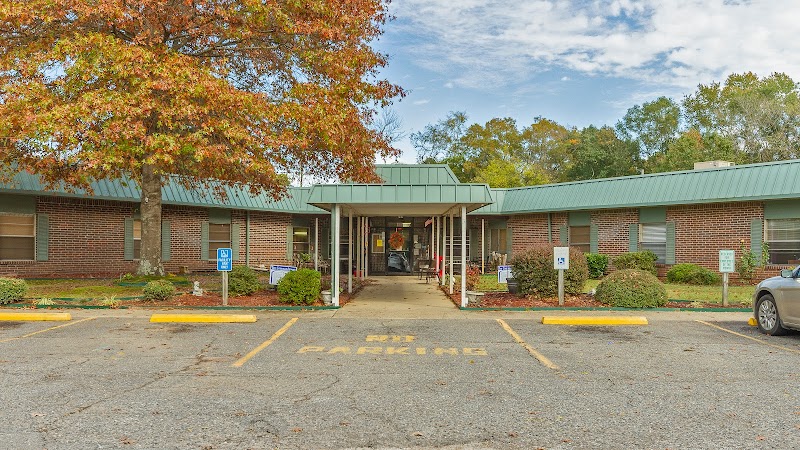
CMS assigns THE BLOSSOMS AT HOT SPRINGS REHAB AND NURSING CENT an overall rating of 4 out of 5 stars, which is considered above average nationally. Within Arkansas, this rating places the facility higher than 99% of the state's 100 nursing homes. This rating reflects solid performance across the metrics CMS uses to evaluate nursing home quality.
How is The Blossoms At Hot Springs Rehab And Nursing Cent Staffed?

CMS rates THE BLOSSOMS AT HOT SPRINGS REHAB AND NURSING CENT's staffing level at 2 out of 5 stars, which is below average compared to other nursing homes. Staff turnover is 57%, which is 11 percentage points above the Arkansas average of 46%. High turnover can affect care consistency as new staff learn residents' individual needs.

What Have Inspectors Found at The Blossoms At Hot Springs Rehab And Nursing Cent?

State health inspectors documented 11 deficiencies at THE BLOSSOMS AT HOT SPRINGS REHAB AND NURSING CENT during 2022 to 2024. These included: 11 with potential for harm.
Who Owns and Operates The Blossoms At Hot Springs Rehab And Nursing Cent?

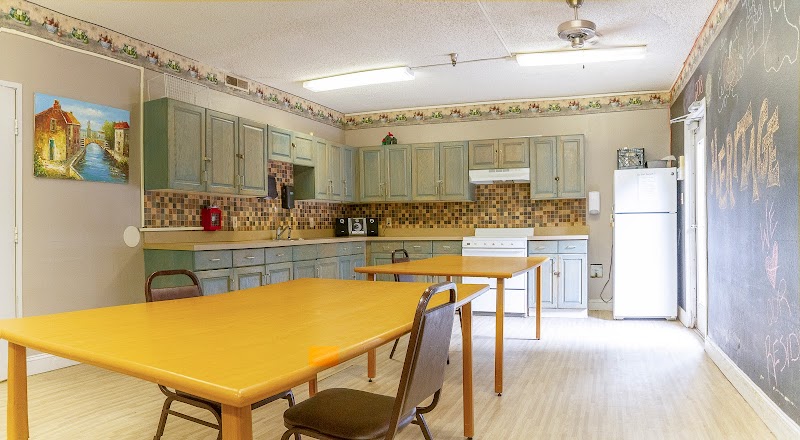
THE BLOSSOMS AT HOT SPRINGS REHAB AND NURSING CENT is owned by a for-profit company. For-profit facilities operate as businesses with obligations to shareholders or private owners. The facility is operated by THE BLOSSOMS NURSING AND REHAB CENTER, a chain that manages multiple nursing homes. With 152 certified beds and approximately 81 residents (about 53% occupancy), it is a mid-sized facility located in HOT SPRINGS, Arkansas.
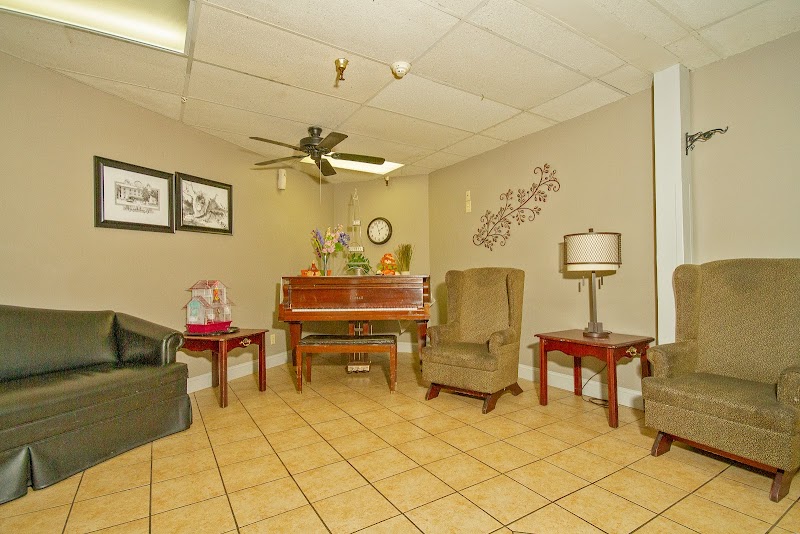
How Does The Blossoms At Hot Springs Rehab And Nursing Cent Compare to Other Arkansas Nursing Homes?

Compared to the 100 nursing homes in Arkansas, THE BLOSSOMS AT HOT SPRINGS REHAB AND NURSING CENT's overall rating (4 stars) is above the state average of 3.1, staff turnover (57%) is significantly higher than the state average of 46%, and health inspection rating (4 stars) is above the national benchmark.

What Should Families Ask When Visiting The Blossoms At Hot Springs Rehab And Nursing Cent?

Based on this facility's data, families visiting should ask: "How do you ensure continuity of care given staff turnover, and what is your staff retention strategy?" "Can you walk me through typical staffing levels on day, evening, and night shifts?" "Can I visit during a mealtime to observe dining assistance and food quality?" "How do you handle medical emergencies, and what is your hospital transfer rate?" These questions are particularly relevant given the facility's high staff turnover rate and the below-average staffing rating.

Is The Blossoms At Hot Springs Rehab And Nursing Cent Safe?

Based on CMS inspection data, THE BLOSSOMS AT HOT SPRINGS REHAB AND NURSING CENT has a clean safety record: no substantiated abuse findings (meaning no confirmed cases of resident harm), no Immediate Jeopardy citations (the most serious violation level indicating risk of serious injury or death), and is not on the Special Focus Facility watch list (a federal program monitoring the lowest-performing 1% of nursing homes). The facility has a 4-star overall rating and ranks #1 of 100 nursing homes in Arkansas. While no facility is perfect, families should still ask about staff-to-resident ratios and recent inspection results during their visit.

Do Nurses at The Blossoms At Hot Springs Rehab And Nursing Cent Stick Around?

Staff turnover at THE BLOSSOMS AT HOT SPRINGS REHAB AND NURSING CENT is high. At 57%, the facility is 11 percentage points above the Arkansas average of 46%. High turnover means new staff may not know residents' individual needs, medications, or preferences. It can also be disorienting for residents, especially those with dementia who rely on familiar faces. Families should ask: What is causing the turnover? What retention programs are in place? How do you ensure care continuity during staff transitions?

Was The Blossoms At Hot Springs Rehab And Nursing Cent Ever Fined?

THE BLOSSOMS AT HOT SPRINGS REHAB AND NURSING CENT has no federal fines on record. CMS issues fines when nursing homes fail to meet care standards or don't correct problems found during inspections. The absence of fines suggests the facility has either maintained compliance or corrected any issues before penalties were assessed. This is a positive indicator, though families should still review recent inspection reports for the full picture.

Is The Blossoms At Hot Springs Rehab And Nursing Cent on Any Federal Watch List?

THE BLOSSOMS AT HOT SPRINGS REHAB AND NURSING CENT is not on any federal watch list. The most significant is the Special Focus Facility (SFF) program, which identifies the bottom 1% of nursing homes nationally based on persistent, serious quality problems. Not being on this list means the facility has avoided the pattern of deficiencies that triggers enhanced federal oversight. This is a positive indicator, though families should still review the facility's inspection history directly.