RIDGECREST HEALTH AND REHABILITATION
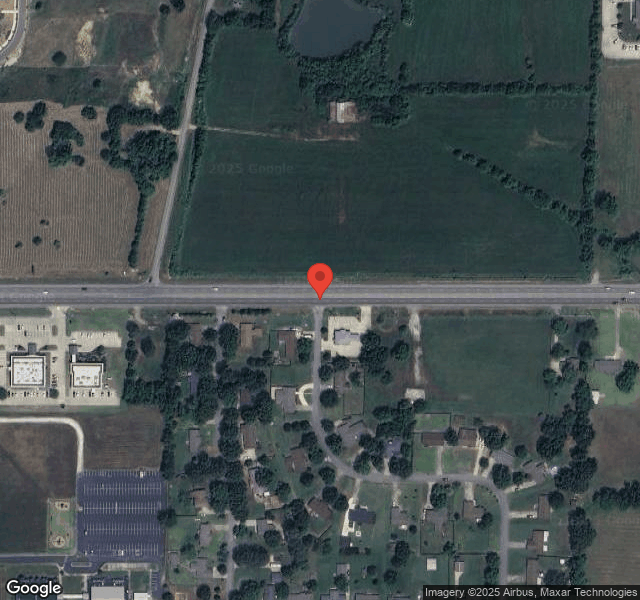

5504 E JOHNSON AVE, JONESBORO, AR 72401 (870) 932-3271
For profit - Corporation 105 Beds ANTHONY & BRYAN ADAMS Data: November 2025
Trust Grade
45/100
#162 of 218 in AR
Last Inspection: August 2024

Within standard 12-15 month inspection cycle. Federal law requires annual inspections.

Overview

Ridgecrest Health and Rehabilitation has a Trust Grade of D, indicating below average performance with several concerns. It ranks #162 out of 218 facilities in Arkansas, placing it in the bottom half statewide and #5 out of 6 in Craighead County, meaning only one local option is better. The facility's situation is worsening, with reported issues increasing from 17 in 2023 to 26 in 2024. Staffing is a significant concern, with a rating of 2/5 stars and a high turnover rate of 69%, much higher than the state average of 50%. On the positive side, there are no fines on record, which is a good sign, and the quality measures score is excellent at 5/5 stars. However, specific incidents raise alarms, such as dietary staff failing to wash their hands before handling food, which risks cross-contamination for residents. Additionally, there are reports of insufficient nursing staff to assist residents with daily activities, leading to missed showers and inadequate care. Overall, while there are strengths in quality measures and a lack of fines, the facility struggles with staffing and hygiene practices that potential residents' families should carefully consider.

Trust Score
D
45/100
In Arkansas
#162/218
Bottom 26%
Safety Record
Low Risk
No red flags
Inspections
Getting Worse
17 → 26 violations
Staff Stability
⚠ Watch
69% turnover. Above average. Higher turnover means staff may not know residents' routines.
Penalties
✓ Good
No fines on record. Clean compliance history, better than most Arkansas facilities.
Skilled Nurses
⚠ Watch
Each resident gets only 27 minutes of Registered Nurse (RN) attention daily — below average for Arkansas. Fewer RN minutes means fewer trained eyes watching for problems.
Violations
⚠ Watch
50 deficiencies on record. Higher than average. Multiple issues found across inspections.
★★☆☆☆
2.0
Overall Rating
★★☆☆☆
2.0
Staff Levels
★★★★★
5.0
Care Quality
★☆☆☆☆
1.0
Inspection Score
Stable
2023: 17 issues
2024: 26 issues

The Good

  • 5-Star Quality Measures · Strong clinical quality outcomes
  • Full Sprinkler Coverage · Fire safety systems throughout facility
  • No fines on record

Facility shows strength in quality measures, fire safety.

The Bad

2-Star Overall Rating

Below Arkansas average (3.1)

Below average - review inspection findings carefully

Staff Turnover: 69%

23pts above Arkansas avg (46%)

Frequent staff changes - ask about care continuity

Chain: ANTHONY & BRYAN ADAMS

Part of a multi-facility chain

Ask about local staffing decisions and management

Staff turnover is elevated (69%)

21 points above Arkansas average of 48%

The Ugly 50 deficiencies on record

Oct 2024 2 deficiencies
CONCERN (D) 📢 Someone Reported This

A family member, employee, or ombudsman was alarmed enough to file a formal complaint

Potential for Harm - no one hurt, but risky conditions existed

Quality of Care (Tag F0684)

Could have caused harm · This affected 1 resident

**NOTE- TERMS IN BRACKETS HAVE BEEN EDITED TO PROTECT CONFIDENTIALITY** Based on observations, interviews, and record reviews, it was determined the facility failed to administer medications within th...

Read full inspector narrative →
**NOTE- TERMS IN BRACKETS HAVE BEEN EDITED TO PROTECT CONFIDENTIALITY** Based on observations, interviews, and record reviews, it was determined the facility failed to administer medications within the recommended time frame for 1 (Resident #3) of 3 (Resident # 1, Resident #3, and Resident #4) sampled residents. The findings are: The quarterly Minimum data Set (MDS), dated [DATE], revealed Resident #3 had a Brief Interview for Mental Status (BIMS) score of 09, which indicated the resident had moderate cognitive impairment. Review of Resident #3's Care Plan revised on 05/09/2023, revealed the resident received pain medication. Interventions included administering analgesic medications as ordered by physicians. On 10/29/24 at 9:27 AM Licensed Practical Nurse (LPN) #1 indicated she was passing morning medications late because she's had 17,000 things happen. She indicated the medications should have been passed by 9:00 AM. On 10/29/24 at 11:10 AM, LPN #1 was observed pulling medications for Resident #3. On 10/29/24 at 11:19 AM, LPN #1 had medications in a medication cup on top of the medication cart. The Medicare Manager walked up to the medication cart and asked LPN #1 who the medications in the cup belonged to. LPN #1 informed the Medicare Manager the medications were for Resident #3. The Medicare Nurse picked up the cup of medications and a cup of water and walked over to Resident #3 and administered Resident #3 the medications. On 10/29/24 at 1:26 PM, LPN #1 indicated that other staff occasionally help with passing medications. She indicated that it's important for the residents to receive the right medication. She indicated that the nurse that's pulling the medication should be the one giving the medication to ensure the resident receives the correct medications. A review of Resident #3's Medication Audit Report dated 10/29/2024 indicated Resident #3 received his 8:00 AM medications at 11:14 AM and 11:19 AM. On 10/29/24 at 2:13 PM, the Director of Nurse (DON) indicated that the 8:00 AM medications should be given between 7:00 AM and 9:00 AM. She indicated the nurse that pulls the medications should be the nurse that administers the medication to the resident. A policy titled Administering Oral Medication indicated that the purpose of the procedure for medication guidelines is for the safe administration of oral medications.
CONCERN (D) 📢 Someone Reported This

A family member, employee, or ombudsman was alarmed enough to file a formal complaint

Potential for Harm - no one hurt, but risky conditions existed

Accident Prevention (Tag F0689)

Could have caused harm · This affected 1 resident

**NOTE- TERMS IN BRACKETS HAVE BEEN EDITED TO PROTECT CONFIDENTIALITY** Based on observations, interviews, and record reviews it was determined that the facility failed to not administer medications t...

Read full inspector narrative →
**NOTE- TERMS IN BRACKETS HAVE BEEN EDITED TO PROTECT CONFIDENTIALITY** Based on observations, interviews, and record reviews it was determined that the facility failed to not administer medications that were pulled by another nurse for 1 (Resident #3) of 3 (Resident # 1, Resident #3, and Resident #4) sampled resident. The findings are: The quarterly Minimum data Set (MDS), dated [DATE], revealed Resident #3 had a Brief Interview for Mental Status (BIMS) score of 09, which indicated the resident had moderate cognitive impairment. Review of Resident #3's Care Plan revised on 05/09/2023, revealed the resident received pain medication. Interventions included administering analgesic medications as ordered by physician. On 10/29/24 at 11:10 AM Licensed Practical Nurse (LPN) 1 was observed pulling medications for Resident #3. On 10/29/24 at 11:19 AM, LPN #1 had medications in a medication cup on top of the medication cart. The Medicare Manager walked up to the medication cart and asked LPN #1 who the medications in the cup belonged to. LPN #1 informed the Medicare Manager that the medications were for Resident #3. The Medicare Nurse picked up the cup of medications and a cup of water and walked over to Resident #3 and administered Resident #3 the medications. On 10/29/24 at 11:20 AM, the Medicare Manager indicated that she knew the correct medications were in the cup for Resident #3 because LPN #1 informed her that they were correct. On 10/29/24 at 11:54 AM, Resident #3 indicated that he thinks he just got his evening meds, but he didn't know. A review of a narcotic log for pain medication indicated a Norco 5/325mg (milligram) was signed out for Resident #3 at 11:20 AM by LPN #1. A review of Resident #3's Medication audit report dated 10/29/2024 indicated that Resident #3 received his 8:00 AM medications at 11:14 AM, and 11:19 AM. On 10/29/24 at 1:26 PM, LPN #1 indicated that other staff occasionally help with passing medications. She indicated that it's important for the residents to receive the right medication. She indicated that the nurse that's pulling the medications should be the one giving the medication to ensure the resident receives the correct medications. On 10/29/24 at 2:13 PM, the Director of Nurse (DON) indicated the 8:00 AM medications should be given between 7:00 AM and 9:00 AM. She indicated that the nurse that pulls the medications should be the nurse that administers the medication to the resident. A policy titled Administering Oral Medication indicated that the purpose of the procedure for medication guidelines is for the safe administration of oral medications.
Aug 2024 20 deficiencies
CONCERN (D)

Potential for Harm - no one hurt, but risky conditions existed

Deficiency F0558 (Tag F0558)

Could have caused harm · This affected 1 resident

Based on observation and interview the facility failed to ensure accommodation needs were met by not ensuring the call light was within reach for one (Resident #366) of one sampled resident. The find...

Read full inspector narrative →
Based on observation and interview the facility failed to ensure accommodation needs were met by not ensuring the call light was within reach for one (Resident #366) of one sampled resident. The findings include: A review of the Order Summary revealed Resident #366 had diagnoses of paralytic syndrome affecting right side with a stroke, anxiety disorder and major depressive disorder, and that Resident #366 had an order for Treatment to skin tear to L forearm: Cleanse with wound cleanser or sterile water apply xeroform to wound bed. Cover with 4 x 4 bordered foam on MWF (Monday, Wednesday, and Friday) and PRN (as needed) until resolved. Active order as of 07/29/2024. A review of the Care Plan revealed Resident #366 Interventions/Task: Be sure the resident's call light is within reach and encourage the resident to use it for assistance as needed. The resident needs a prompt response to all requests for assistance. On 07/29/2024 at 6:35 AM, the surveyor observed Certified Nursing Assistant (CNA) #21 and #22 entered Resident #366's room. The surveyor observed CNA #22 state that they will get them (Resident #366) up and ready for breakfast. On 07/29/2024 at 7:24 AM, Surveyor observed Resident #366 in a wheelchair. The surveyor noted the call light is attached to the bed rail, on Resident #366's right side out of reach. Resident #366 stated the call light was not within reach and when asked if they could self-propel over to the call light, the resident shook head no. Resident #366 stated being up for close to forty minutes. Resident #366 then stated needing help after being transferred to wheelchair, due to a skin tear on the left arm. Resident stated the staff left in a hurry before they noticed the skin tear was there. On 07/29/2024 at 7:30 AM, CNA #15 entered the room and confirmed the call light was not within reach of the resident. CNA #15 stated call lights should be within reach of the resident to be able to call for help, and night shift got Resident #366 up today. On 07/29/2024 at 7:50 AM, Surveyor observed Resident #366 sitting in Resident's room with the skin tear still exposed. Resident #366 voiced waiting for the nurse to treat the skin tear. The surveyor observed Resident #366 was tearful and upset. On 07/29/2024 at 8:00 AM, Surveyor observed nursing staff enter the Resident's room to treat the skin tear. Surveyor observed the resident was still tearful and upset during the treatment.
CONCERN (D)

Potential for Harm - no one hurt, but risky conditions existed

Comprehensive Assessments (Tag F0636)

Could have caused harm · This affected 1 resident

**NOTE- TERMS IN BRACKETS HAVE BEEN EDITED TO PROTECT CONFIDENTIALITY** Based on record review and interview, the facility failed to ensure an admission Minimum Data Set (MDS) was completed in a timel...

Read full inspector narrative →
**NOTE- TERMS IN BRACKETS HAVE BEEN EDITED TO PROTECT CONFIDENTIALITY** Based on record review and interview, the facility failed to ensure an admission Minimum Data Set (MDS) was completed in a timely manner for one (Resident #371) of one sampled resident. On 07/29/2024, an admission Minimum Data Set (MDS) with an Assessment Reference Date (ARD) of 7/11/2024 was reviewed. The admission MDS was started on 07/08/2024 and was currently 18 days overdue for completion. A review of the policy Resident Assessment Instrument revealed l. The Assessment Coordinator is responsible for ensuring that the Interdisciplinary Assessment Team conduct(s) timely resident assessments and reviews according to the following schedule: a. Within fourteen (14) days of the resident's admission to the facility; On 08/01/2024 at 11:15 AM, during an interview MDS Coordinator #19 stated that usually total life respite is done by MDS Coordinator #20, but she is not really aware of that and has been training on and off. We both have been working six days a week, on the floor for up to 120 hours. We have not been able to finish this MDS, and it is my fault as MDS Coordinator #20 is still training .The admission MDS is 21 days overdue, and I will finish it this afternoon. MDS Coordinator #19 stated that Resident #371 was admitted on [DATE].
CONCERN (D)

Potential for Harm - no one hurt, but risky conditions existed

Comprehensive Care Plan (Tag F0656)

Could have caused harm · This affected 1 resident

Based on observation, record review, interview, and facility policy review, the facility failed to ensure the comprehensive care plan addressed and individualized appropriate care and services for 1 (...

Read full inspector narrative →
Based on observation, record review, interview, and facility policy review, the facility failed to ensure the comprehensive care plan addressed and individualized appropriate care and services for 1 (Resident #103) of 1 sample mix residents. The findings are: 1. Review of Resident #103's admission Record dated 05/23/2024 revealed a diagnosis of sleep apnea. a. On 07/29/24 at 10:29 AM, the Surveyor observed a Continuous Positive Airway Pressure (CPAP) mask at Resident #103's bedside with CPAP mask sitting on bedside table not in a bag. Resident #103 stated, I have sleep apnea. b. Review of Resident #103's Order Summary Report, active as of 07/29/2024, did not document CPAP usage. c. On 08/01/24 at 8:26 AM, the Surveyor observed Resident #103's CPAP mask at the bedside not in a storage bag. No storage bag was present. d. Review of Resident #103's Care Plan did not reveal CPAP usage. e. Review of the admission Minimum Data Set (MDS) with an Assessment Reference Date (ARD) of 05/30/2024 revealed Section O0110. Special Treatments, Procedures, and Programs documented the resident does not use a CPAP. f. On 08/01/24 at 3:45 PM, the Assistant Director of Nursing#16 confirmed Resident #103's CPAP mask was sitting on the bedside table and not in a bag, that there should be a physician's order for the CPAP, and that it should be on the care plan because, It's a treatment. Any respiratory therapy should be and it's an intervention. g. On 08/01/24 at 3:51 PM, the Director of Nursing (DON) confirmed Resident #103 should have a physician's order that included settings for CPAP usage, and that CPAP usage should be on the care plan, because it's part of their plan of care. h. On 08/02/24 at 2:31 PM, MDS Nurse #20 confirmed CPAP machine usage should be on the care plan, to make sure it's being put on the resident, for staff awareness, and care of the resident. i. The facility provided a policy titled, 'Care Plans, Comprehensive Person-Centered' with a revision date of December 2016 that documented, Policy Statement A comprehensive person- centered care plan that includes measurable objectives and timetables to meet the resident's physical, psychosocial and functional needs is developed and implemented for each resident. Policy Interpretation and Implementation 1. The Interdisciplinary Team (IDT), in conjunction with the resident and his/her family or legal representative, develops and implements a comprehensive, person-centered care plan for each resident. 2. The care plan interventions are derived from a thorough analysis of the information gathered as part of the comprehensive assessment.
CONCERN (D)

Potential for Harm - no one hurt, but risky conditions existed

Deficiency F0657 (Tag F0657)

Could have caused harm · This affected 1 resident

Based on interviews, record review, and facility policy review, the facility failed to update person-centered care plans to reflect the residents needs for three Residents (Residents #45, #23, and #46...

Read full inspector narrative →
Based on interviews, record review, and facility policy review, the facility failed to update person-centered care plans to reflect the residents needs for three Residents (Residents #45, #23, and #462) of four residents reviewed for care plans. The facility failed to accurately document code status on the care plan which could result in a negative outcome as staff could provide lifesaving measures contradictory to the residents' choice. The facility failed to develop and implement any interventions for the moderate hearing loss for Resident #45. The facility failed to update the care plan to include elopement interventions for one (Residents #462) who had attempted to elope from the facility as documented in the progress notes. The findings are: On 07/29/24 at 8:45 AM, attempted to interview resident and found the resident to be non-interview able due to her cognitive state and hearing deficit. During an interview with Advanced Practice Nurse (APRN) #30, she confirmed resident #45 had a moderate hearing deficit. When asked if there was a hearing deficit, MDS nurse #19 stated, I know she has a little hearing issue, but I've never had an issue talking to her. On 07/29/24 at 10:29 AM, R #45 upon record review, quarterly MDS in section B dated 6/10/24 the option moderately impaired is checked. There were no interventions listed in the care plan dated 6/24/24 addressing her moderately impaired hearing issue. On 07/30/24 at 9:20 AM, during a resident interview, Resident #23 stated, I want to be a Do Not Resuscitate [DNR]. On 07/30/24 at 9:40 AM, upon record review, care plan dated 06/12/24 states both full code and DNR. Residents face sheet shows a full code status. On 08/01/24 at 9:20 AM, during an interview, MDS Nurse #19 was asked to pull up the resident and look at the face sheet for code status. On Resident #23's face sheet, the MDS nurse read her code status, and stated, She's a full code. Upon review of the MDS and care plan, MDS stated, It says here she is a full code, wait, it also states she is a DNR. I'm not sure if she has a new code status signed. Review of records show she has a document scanned which is her code status (DNR) signed 3/20/2020. 1. Review of Resident #462's admission Record dated 04/29/2024 revealed a diagnosis of Alzheimer's disease, and Dementia, Severity, with Agitation. a. Review of Nursing (NSG) Progress Notes dated 05/09/2024 at 9:08 AM documented, 08/01/24 Incident Description: Called to 700 Hall per staff of facility regarding resident exiting out of building. Resident exited out of building by pushing handle for 15 seconds and then access was given to leave out of door. No injuries or bruising noted on resident. No distress noted. Immediate Intervention: Resident assisted back into facility per staff. Redirected and oriented to facility and room. b. Review of resident #462's care plan did not document attempted elopement on 05/09/2024. c. Review of Nursing Progress note dated 5/10/2024 at 11:08 AM revealed, Nursing-I&A (Incident and Accident) Follow Up Late Entry: Date and I&A Description: Called to 700 Hall per staff of facility regarding resident exiting out of building. Resident exited out of building by pushing handle for 15 seconds and then access was given to leave out of door. No injuries or bruising noted on resident. No distress noted. Long Term Intervention: extra CNA placed in 700 pod Added to the Care Plan: yes. d. Review of facility Nursing Elopement Risk with Care plan V-1 dated 05/14/2024 revealed the resident is high risk to wander, has a history of wandering, and has a wandered in the past month. e. On 08/01/24 at 2:58 PM, the Surveyor interviewed the Licensed Practical Nurse #26 Admissions and asked, Can you tell me what happened when resident #462 eloped from the facility? She stated, I came into the pod by my office by 701 and I see someone standing outside on the other end on the sidewalk area. She was past the poles. I dropped my stuff and ran. I tried to coax her in, and she started to swing on me she missed. I moved her away from the edge because she would've fallen. The eMed tech was nowhere to be found. I finally got med tech to come after I already had resident #462 halfway in. f. On 08/01/24 at 3:21 PM, the Surveyor interviewed Assistant Administrator and asked, Can you tell me what happened on 5/9/2024 when Resident #462 eloped from the facility? She stated, On the 9th I know when I got here, I was notified we had some elopements that we would keep eyes on them, so it didn't happen again. We made sure people were watching them, temporary stop signs, adhered with hook and loop fasteners, were on the exit doors to help redirect we in serviced and re-did elopement assessments and did elopement binders on residents at risk and how to handle it. g. On 08/02/24 at 2:31 PM, the Surveyor interviewed the Minimum Data Set (MDS) Nurse #19 and asked, When a resident elopes from the facility should their care plan be revised to reflect the elopement and interventions? She stated, Yes. When asked, Why should the care plan be revised to reflect the elopement? She stated, To protect the resident from potentially exiting form the facility and make everyone aware of the risks
CONCERN (D)

Potential for Harm - no one hurt, but risky conditions existed

Deficiency F0687 (Tag F0687)

Could have caused harm · This affected 1 resident

**NOTE- TERMS IN BRACKETS HAVE BEEN EDITED TO PROTECT CONFIDENTIALITY** Based on observations, record review and interview, the facility failed to ensure necessary foot/toenail treatment and care was ...

Read full inspector narrative →
**NOTE- TERMS IN BRACKETS HAVE BEEN EDITED TO PROTECT CONFIDENTIALITY** Based on observations, record review and interview, the facility failed to ensure necessary foot/toenail treatment and care was provided to keep toenails trimmed and dry and to prevent flaky skin to decrease the potential for foot complications for 1 (Resident #22) of 1 sampled resident who were dependent on staff for foot/toenail care. The findings are: 1. Review of a facility policy titled Foot Care, dated 2001, indicated that Residents will receive appropriate care and treatment in order to maintain mobility and foot health. A review of an admission Record indicated Resident # 22 was admitted on [DATE] with a diagnosis of Acute and Chronic Respiratory Failure and Chronic Obstructive Pulmonary Disease with exacerbation and Type 2 Diabetes Mellitus with foot ulcer. The annual Minimum Data Set (MDS) with an assessment Reference Date (ARD) of 11/10/2023 revealed Resident # 22 had a Brief Interview for Mental Status (BIMS) score of 11 which indicated Resident #22 was moderately impaired. Review of Resident #22's care plan initiated 12/22/2021, revealed that resident had an Activity of Daily Living (ADL) self-care performance deficit related to impaired mobility, morbid obesity, dementia. The care plan indicated that resident was dependent on staff for ADL care. On 7/30/24 at 10:30 AM, Resident #22 was observed during personal care being provided by Certified Nursing Assistant (CNA) #3 providing ADL care. CNA#3 was asked if she provided foot/toenail care for Resident #22, and she stated she did not because Resident #22 was a diabetic. CNA #3 was asked to describe Resident #22's toenails. CNA #3 described the toenails as long and dirty. On 7/30/2024 at 10:40 AM, Assistant Director of Nursing (ADON)#16 was interviewed and asked to observe and describe Resident #22's toenails. RN #16 described the toenails as dirty, thick, long and yellow. RN #16 was asked who should provide nail care for Resident #22 and she said that a nurse would because resident was a diabetic. On 7/30/2024 at 2:30 PM Director of Nursing (DON) was asked who should provide nail care for a diabetic resident. She said that a nurse should. She observed Resident #22's toenails and was asked to describe them. She stated the Resident's foot appeared puffy and stiff, and the toenails are thick, yellow, long and dirty. DON was asked if a podiatrist had seen Resident #22, and she said a podiatrist had not visited Resident #22.
CONCERN (D)

Potential for Harm - no one hurt, but risky conditions existed

Deficiency F0692 (Tag F0692)

Could have caused harm · This affected 1 resident

Based on observation, record review, and interview the facility failed to ensure that Registered Dietitian recommendations were following in a timely manner for an enteral bolus feeding for one (Resid...

Read full inspector narrative →
Based on observation, record review, and interview the facility failed to ensure that Registered Dietitian recommendations were following in a timely manner for an enteral bolus feeding for one (Resident #28) of one sampled resident. The findings are: On 7/30/2024 the Director of Nursing (DON) was asked if the facility had a policy for following Registered Dietitian recommendations. The DON provided a document titled UDA-RD Recommendations. Review of an admission Record indicated the facility admitted Resident #28 with diagnosis of post traumatic seizures and traumatic brain injury on 2/11/2020. The annual Minimum Data Set (MDS) with an Assessment Reference Date (ARD) of 2/11/2020 revealed Resident #28 had a Brief Interview for Mental Status (BIMS) of 7, which indicated the resident had severe cognitive impairment. Review of #28 Care Plan initiated 2/25/2020 revealed the resident was at risk for nutritional problems or potential for nutritional problems related to diagnosis. The interventions included Registered Dietitian (RD) to evaluate quarterly and as needed (PRN). Monitor caloric intake, estimate needs. Make recommendations for changes to tube feeding as needed. Record review of Registered Dietitian (RD) note dated 7/25/2024RD Onsite Visit and Recommendation: The RD noted that Resident #28 had a weight loss of 8.9 pounds since 7/5/2024 and the RD recommended increasing the amount of bolus tube feedings from 5 boluses a day to 6 boluses a day to increase calorie intake. Review of the Medication Administration Report (MAR) on 7/29/2024, the bolus was not increased to 6 boluses a day until 7/30/2024. Review of Resident #28's Weight Summary Report dated 7/31/2024, Resident #28 had a weight loss of 5.2% for the month of July. On 7/29/2024 at 9:30 AM, Assistant Director of Nursing (ADON) #16 was asked how many boluses Resident #28 was to receive per feeding. RN#16 stated that Resident # 28 was to receive 5 boluses a day. On 7/30/2024 at 2:07 PM, ADON #16 provided a copy of Progress Notes NEW that showed where the feedings were being increased to 6 times a day starting on 7/30/2024. On 7/30/2024 at 2:30 PM RN # 16 was asked when the bolus feedings should have been increased and RN #16 said that it was her understanding that it should have been increased on 7/25/2024 when the RD recommended it. On 7/30/2024 at 3:30 PM the Director of Nursing (DON) was interviewed and asked when the RD recommendations should be completed. DON stated that RD recommendations should be completed within 72 hours. DON was asked if the bolus feedings were increased within 72 hours of the RD recommendations, and she said that had not been but should have been. On 7/30/2024 at 02:06 PM, the Nurse Consultant confirmed a resident that has a tube feeding scheduled for 08:00 AM should they receive their feeding during the 8:00 AM medication pass, because it's a scheduled feeding and should be given per physician orders.
CONCERN (D)

Potential for Harm - no one hurt, but risky conditions existed

Tube Feeding (Tag F0693)

Could have caused harm · This affected 1 resident

Based on observation, interview, record review, and facility policy review, it was determined the facility failed to ensure enteral water flush was administered per physicians' orders for a resident w...

Read full inspector narrative →
Based on observation, interview, record review, and facility policy review, it was determined the facility failed to ensure enteral water flush was administered per physicians' orders for a resident with a Percutaneous Endoscopic Gastrostomy (PEG) tube during medication administration based on professional standards of care for 1 (Resident #28) of 1 sample mix resident. The findings are: 1. Review of Resident #28's admission Record dated 02/11/2020 revealed diagnoses of dysphagia and gastrostomy status. a. Review of Resident #28's Physician orders dated 01/23/2023 documented, Enteral feed order every shift Enteral Water Flush; with 60 (cubic centimeter) cc water before and after meds and feedings. Enteral feed order four times a day 300 milliliters (mL) enteral water flush four times per day (QID). b. On 07/31/24 at 8:53 AM, the Surveyor observed Resident #28 and Assistant Director of Nursing (ADON) #16 during medication pass. Resident #28 received a total of 330 milliliters (mL) water flush. Resident 28 received 40 mL water flush prior to medication administration through PEG tube, then 30 mL after elder tonic administered, then 60 mL after medication administration, the nutritional supplement 250 mL administered followed by 60 mL flush, then 140 mL flush. Total flush given was 330 mL. The physician's order documented 60 mL prior to medication administration, 60 mL after medication administration and 300 mL of enteral water flush. Resident received a total of 210 mL water flush. c. On 08/01/24 at 1:34 PM, the Director of Nursing (DON) confirmed Resident #28 should have been provided 120 mL water flush with medications and 300 water flush with medication pass on 07/31/2024 at 08:53 AM because, it's a physician order and its scheduled. d. A policy titled, Enteral Tube Feeding via Syringe (Bolus) with a revision date of November 2018 documented, Preparation: 1. Verify that there is a physician's order for this procedure. 2. Review the resident's care plan and provide any special needs of the resident. 3. Assemble equipment and supplies needed.
CONCERN (D)

Potential for Harm - no one hurt, but risky conditions existed

Deficiency F0865 (Tag F0865)

Could have caused harm · This affected 1 resident

Based on interview, record review, and facility policy review, it was determined the facility's Quality Assurance Performance Improvement Program (QAPI) failed to maintain records of their program tha...

Read full inspector narrative →
Based on interview, record review, and facility policy review, it was determined the facility's Quality Assurance Performance Improvement Program (QAPI) failed to maintain records of their program that developed and implemented effective improvement plans to correct identified areas of concern. The facility failed to ensure the facility was able to provide its QAPI plan to the State surveyors during recertification survey or upon request. On 8/2/24 10:30 AM, Administrator states he is unable to provide records of the QA (Quality Assurance) committee meetings when requested. The administrator states, We can't find them, I've been here a week, and I don't have them.
CONCERN (E)

Potential for Harm - no one hurt, but risky conditions existed

Resident Rights (Tag F0550)

Could have caused harm · This affected multiple residents

**NOTE- TERMS IN BRACKETS HAVE BEEN EDITED TO PROTECT CONFIDENTIALITY** Based on observation, interviews, and record review, it was determined that the facility failed to ensure dignity was maintained...

Read full inspector narrative →
**NOTE- TERMS IN BRACKETS HAVE BEEN EDITED TO PROTECT CONFIDENTIALITY** Based on observation, interviews, and record review, it was determined that the facility failed to ensure dignity was maintained while performing Activities of Daily Living (ADL) care for 2 (Resident # 22 and # 66) of two residents receiving personal care. Specifically, the facility failed to ensure curtains were pulled to provide privacy, and that soiled items were not passed over a resident's face during incontinence care. Finding included: 1. Review of a facility policy titled Dignity, dated February 2021, indicated, Residents are to be treated with dignity and respect at all times .Staff promote, maintain and protect resident privacy, including bodily privacy during assistance with personal care and during treatment procedures .Demeaning practices and standards of care that compromise dignity are [is] prohibited. Review of an admission Record indicated Resident # 22 was admitted on [DATE] with a diagnosis of acute and chronic respiratory failure and chronic obstructive pulmonary disease with exacerbation. The annual Minimum Data Set (MDS) with an Assessment Reference Date (ARD) of 11/10/2023 revealed Resident # 22 had a Brief Interview for Mental Status (BIMS) score of 11, which indicated Resident #22 was moderately cognitively impaired. On 07/29/2024 at 9:00 AM observed Certified Nursing Assistants #3 and #4 performing incontinent care on Resident #22 without pulling the privacy curtain. During the care, CNA #3 placed soiled linen into a bag and passed it across the resident's face and handed it to bag to CNA#4. On 07/29/24 at 9:50 AM, Certified Nursing Assistant (CNA) #3 was asked if the bag of soiled items should have been passed across Resident #22's face and if the privacy curtain should have been pulled completely. He stated the curtain should have been pulled and the bag of soiled items should not have been passed across the resident's face. On 7/29/24 at 9:50 AM, CNA #4 was asked if the bag of soiled items should have been passed across the Resident #22's face and if the privacy curtain should have been pulled completely. She stated the curtain should have been pulled and the bag of soiled items should not have been passed across the resident's face. On 7/29/2024 Resident #22 was interviewed and asked if it bothered him when the soiled bag was passed across his face and when the curtain was not pulled. Resident #22 replied that he was not a baby, and they should not embarrass him. Review of Resident #22's Care Plan showed, The resident has an ADL self-care performance deficit related to impaired mobility, morbid obesity, dementia. Date Initiated: 12/22/2021 The care plan included interventions TOILET USE: The resident requires assistance by 2 staff for toileting with Revision date of 7/25/2024. 2. A review of an admission Record for Resident #66 indicated he was admitted on [DATE] with diagnosis of cerebral infarction and dysphagia following nonromantic subarachnoid hemorrhage. The annual MDS with an ARD of 8/17/23 revealed Resident #66 had a BIMS score of 6 which indicated Resident #66 was severely cognitively impaired. On 7/29/2024 at 7:10 AM, CNA #1 and CNA #2 entered the room of Resident #66 and provided incontinent care and did not pull the curtain to provide privacy between residents. On 7/29/2024 at 7:30 AM, CNA #1 was interviewed and asked should the privacy curtain have been pulled to provide privacy. CNA #1 stated it should be pulled, but they didn't pull it. On 7/29/2024 at 7:30 AM, CNA #2 was interviewed and asked should the privacy curtain have been pulled to provide privacy. CNA #12 stated it should be pulled, but that they didn't pull it. During an interview on 7/30/2024 at 11:00 AM, the Director of Nursing (DON) was asked if the bag of soiled items containing feces should have been passed across Resident #22's face and if the privacy curtain should have been pulled completely. She stated the curtain should have been pulled and that the bag of soiled items should not have been passed across the resident's face. The DON was asked if the privacy curtain should have been pulled while the CNAs were providing incontinent care for Resident #66. She stated that it should have been.
CONCERN (E)

Potential for Harm - no one hurt, but risky conditions existed

Assessment Accuracy (Tag F0641)

Could have caused harm · This affected multiple residents

Based on observation, record review and interview, it was determined that the facility failed to complete an accurate Minimum Data Set (MDS) for two (Resident #36 and #103) sample mix residents. The ...

Read full inspector narrative →
Based on observation, record review and interview, it was determined that the facility failed to complete an accurate Minimum Data Set (MDS) for two (Resident #36 and #103) sample mix residents. The findings are: 1. On 08/01/24 at 3:35 PM, MDS Nurse #20 was asked to confirm if Resident #36 was receiving an antipsychotic. MDS Nurse #20 reviewed the record and identified an order for Olanzapine, and confirmed this medication was an antipsychotic. When asked to review the latest MDS, MDS Coordinator #20 reported that they probably overlooked the medication or simply miscoded the document. When asked if an antipsychotic should be coded on the MDS, MDS Nurse #20 affirmed that the medication should have been identified. 2. Review of Resident #103's admission Record, dated 05/23/2024, revealed a diagnosis of sleep apnea. a. On 07/29/24 at 10:29 AM, the Surveyor observed a Continuous Positive Airway Pressure (CPAP) mask at Resident #103's bedside with CPAP mask sitting on bedside table not in a bag. Resident #103 stated, I have sleep apnea. b. Review of Resident #103's Order Summary Report active as of 07/29/24 did not document CPAP usage. c. On 08/01/24 at 8:26 AM, the Surveyor observed Resident 103's CPAP mask at the bedside not in a storage bag. No storage bag was present. d. Review of Resident #103's Care Plan did not reveal a CPAP was in use. e. Review of resident #103's the admission Minimum Data Set (MDS) with an Assessment Reference Date (ARD) of 05/30/2024 revealed Section O0110. Special Treatments, Procedures, and Programs documented the resident does not use a CPAP. f. On 08/01/24 at 3:45 PM, the Assistant Director of Nursing (ADON) #16 confirmed Resident #103's CPAP mask was not bagged, and confirmed CPAP usage should be on the MDS because, It's a treatment. Any respiratory therapy should be and it's an intervention. g. On 08/01/24 at 3:51 PM, the Director of Nursing (DON) confirmed Resident #103's CPAP usage should be on their MDS because it's part of their plan of care. h. On 08/02/24 at 2:31 PM, MDS Nurse #20 confirmed a resident using a CPAP machine should be on the MDS to make sure it's being put on the resident, staff awareness, and care of the resident.
CONCERN (E)

Potential for Harm - no one hurt, but risky conditions existed

Deficiency F0655 (Tag F0655)

Could have caused harm · This affected multiple residents

**NOTE- TERMS IN BRACKETS HAVE BEEN EDITED TO PROTECT CONFIDENTIALITY** Based on observation, record review, and interview the facility failed to ensure that base line care planning completed with int...

Read full inspector narrative →
**NOTE- TERMS IN BRACKETS HAVE BEEN EDITED TO PROTECT CONFIDENTIALITY** Based on observation, record review, and interview the facility failed to ensure that base line care planning completed with interventions upon admission for pressure ulcers, enhanced barrier precautions, and Peripherally Inserted Central Catheter (PICC) lines for 4 residents out of the sample residents (Resident #363, #366, #367, and #371). A review of the Order Summary reveals that Resident #363 had diagnosis of malnutrition, and pressure ulcer at an unspecified site and an unspecified stage. A review of the Order Summary reveals that Resident #363 had an order for Treatment to unstageable pressure injury to coccyx: cleanse with wound cleanser or sterile water. Apply thin layer of [named brand of burn gel] cover with calcium alginate. Cover with 6 X 6 border foam daily and PRN until resolved. Every day shift for wound treatment may substitute as necessary. Reassess in 14 days. Start Date 7/23/2024 A review of the Order Summary reveals that Resident #363 had an order entered for Enhanced Barrier Precautions related to wound care on 07/29/2024 at 01:26 PM. A review of the admission Minimum Data Set (MDS) with an Assessment Reference Date (ARD) 07/20/2024 reveals that Resident #363 scored a 13 (cognitively intact) on the Brief Interview for Mental Status. A review of the Care Plan reveals that Resident #363 Focus: Resident requires Enhanced Barrier Precautions related to Wounds added on 07/29/2024 by MDS Nurse #19. On 07/29/2024 at 6:32 AM, Surveyor observed staff leaving Resident #363's room with bags. Surveyor observed no enhanced barrier precautions signage posted on the door, and that no personal protective equipment was set up nearby. On 07/30/2024 at 10:00 AM, Surveyor observed enhanced barrier precautions were set up with enhanced barrier precautions signage on the door frame and a small plastic bin for supplies next to the door. On 08/01/2024 at 11:15 AM, during an interview the MDS Nurse #19 stated that they input the orders while working on the care plans to add enhanced barrier precautions, for Resident #363 it was put in on 07/29/2024 at 1:27 PM. The resident was admitted on [DATE]. A review of the Order Summary revealed Resident #366 had diagnoses of paralytic syndrome affecting right side with a stroke, anxiety disorder and major depressive disorder. A review of the Order Summary revealed Resident #366 had an order for Treatment to moisture associated skin damage (MASD) to coccyx: cleanse with wound cleanser or sterile water. Apply coloplast. Cover with 4 X 4 on Monday, Wednesday, Friday, and PRN (as needed) until resolved. Start Date 07/24/2024. A review of the Order Summary revealed Resident#366 had an order entered for Enhanced Barrier Precautions related to wound care on 07/29/2024 at 1:06 PM. A review of the Care Plan revealed Resident #366 does not have pressure ulcers implemented in the baseline care plan. A review of the Care Plan revealed Resident #366 Focus: Resident requires enhanced barrier precautions related to wounds put in on 07/29/2024 MDS Nurse #19. On 07/29/2024 at 6:35 AM, Surveyor observed staff entering Resident #366's room to get Resident #366 ready for breakfast. There was no enhanced barrier precaution signage posted on the door, and no personal protective equipment was set up nearby. On 07/30/2024 at 10:00 AM, Surveyor observed that enhanced barrier precautions had been set up with enhanced barrier precaution signage on the door and a small bin for supplies set up next to the door. On 08/01/2024 at 11:15 AM, during an interview MDS Nurse #19 stated they updated the care plan while inputting the orders for enhanced barrier precautions, for Resident #366 this occurred on 07/29/2024 at 1:06 PM. MDS Nurse #19 confirmed that Resident #366 was admitted to the facility with pressure ulcers. MDS Nurse #19 stated that resident was admitted to the facility on [DATE]. A review of the Order Summary reveals Resident #367 had diagnoses of type 2 diabetes mellitus, and traumatic partial amputation of right foot. A review of the Order Summary reveals Resident #367 had an order for Enhanced Barrier Precautions related to wounds on 07/29/2024 at 1:36 PM. A review of the Order Summary reveals Resident #367 had an order for Wound care orders: present on admission right mid foot amputation site: wound vac change Monday, Wednesday, Friday and PRN (as needed). Continuous high suction at 125 MMHG with foam. Clean wound bed with wound cleanser prior to wound vac placement. If wound vac leaks or malfunctions, attempt to fix with (named dressing) or tape. If unsuccessful, remove all pieces of foam and pack with saline, damp to dry dressing. Contact APRN. A review of the Care Plan reveals Resident #367 Focus: Resident requires enhanced barrier precautions related to wounds put in on 07/29/2024 by MDS Nurse #19. On 07/29/2024 at 7:35 AM, Surveyor observed a wound vac sitting on a table on the left side of the bed. Surveyor observed no enhanced barrier signage was posted on the door and no personal protective equipment was set up nearby. On 07/30/2024 at 10:00 AM, Surveyor observed enhanced barrier precautions had been set up with enhanced barrier precaution signage on the door and a small bin for supplies set up next to the door. On 08/01/2024 at 11:15 AM, during an interview the MDS Nurse #19 stated they updated the care plan while inputting the orders for enhanced barrier precautions, for Resident #367 this happened on 07/29/2024 at 1:36 PM. The resident was admitted on [DATE]. A review of the Order Summary reveals that Resident #371 had diagnoses of endocarditis, and type 2 diabetes mellitus. A review of the Order Summary reveals that Resident #371 had an order for Cefazolin Sodium Intravenous Solution Reconstituted 2 GM Use 2 gram intravenously every 8 hours for endocarditis until 07/31/2024 at 11:59 PM. Start date 06/28/2024 A review of the Order Summary reveals Resident #371 had an order for Treatment to stage 2 to coccyx: cleanse with wound cleanser or sterile water, pat dry with 4 X 4 gauze. Apply thin layer of hydrocolloid to wound bed. Cover with 4 X 4 border foam on Monday, Wednesday, Friday, and PRN (as needed) until resolved. Start Date 06/28/2024 A review of the Order Summary shows an order for Enhanced Barrier Precautions related to PICC line entered on 07/31/2024 at 8:32 AM. No Enhanced Barrier Precaution Orders for Wound Care. A review of the Care Plan reveals Resident #371 did not have their pressure ulcers or PICC line in care plan. A review of the Care Plan reveals Resident #371 Focus: Resident requires enhanced barrier precautions related to PICC line. On 07/31/2024 at 1:40 PM, Surveyor observed enhanced barrier precautions had been set up with enhanced barrier precaution signage on the door and a small bin for supplies set up next to the door. On 08/01/2024 at 11:15 AM, during an interview the MDS Nurse #19 they updated the care plan while inputting the orders for enhanced barrier precautions for Resident #371 this occurred on 07/31/2024 at 8:32 AM, MDS Nurse #19 stated Resident #371 was admitted on [DATE]. MDS Nurse #19 confirmed that they were not aware that Resident #371 had wounds and did not set up enhanced barrier precautions for it. MDS Nurse #19 stated It is very important to care plan accurately, and it is hard to care plan when you don't know. I have been on the floor a lot the last several weeks and we are trying to keep up. What do you do when you want the residents taken care of on the floor and at the same time you are behind on care plans and MDS. Both of us MDS Nurses are working six days a week up to 120 hours in a two-week period. A lot of systems are broken, our previous treatment nurses stepped down without notice. The two new treatment nurses started yesterday, and they are working on a baseline for the wounds in the building. We have hired 16 people to try and start filling the gaps. On 08/01/2024 at 11:50 AM, during an interview the Director of Nursing stated it is important to accurately code MDS and care plans to give the best care for the residents. Enhanced barrier precautions are important to protect the resident and the staff from any outside infections. On 8/02/24 at 2:31 PM, during an interview the MDS Nurse #20 confirmed pressure ulcers should be on the care plan. To let the staff know what's going on, so we can do proper assessments, preventative care to prevent worsening and so treatment orders can be put in and noted on the care plan are ongoing. MDS Nurse #20 confirmed a PICC line should be on the care plan. MDS Nurse #20 stated it should be For infection control so we can have proper barrier in place such as EBP. If getting antibiotics through the PICC line, we put on the care plan what we're treating so we know were working with. A review of the facility policy Care Plans, Comprehensive Person-Centered states A comprehensive person-centered care plan that include measurable objectives and timetables to meet the resident's physical, psychosocial, and functional needs is developed and implemented for each resident.
CONCERN (E) 📢 Someone Reported This

A family member, employee, or ombudsman was alarmed enough to file a formal complaint

Potential for Harm - no one hurt, but risky conditions existed

ADL Care (Tag F0677)

Could have caused harm · This affected multiple residents

**NOTE- TERMS IN BRACKETS HAVE BEEN EDITED TO PROTECT CONFIDENTIALITY** Based on observation, record review, and interview, the facility failed to ensure residents who required assistance with activit...

Read full inspector narrative →
**NOTE- TERMS IN BRACKETS HAVE BEEN EDITED TO PROTECT CONFIDENTIALITY** Based on observation, record review, and interview, the facility failed to ensure residents who required assistance with activities of daily living were regularly provided with the necessary assistance to maintain good hygiene and grooming, as evidenced by failure to ensure fingernails were kept clean and trimmed for one out of one sampled resident. (Resident #71); to ensure proper Activities of Daily Living (ADLs) was provided for 1 (Resident #22) of 1 sampled resident who were dependent on staff for ADLs. The findings are: 1. A review of the Order Summary revealed that Resident #71 had diagnoses of Type II diabetes mellitus, kidney failure, and a need for assistance with personal care. A review of the admission Minimum Data Set (MDS) with an Assessment Reference Date (ARD) of 05/13/2024 reveals that Resident #71 had a Brief Interview for Mental Status (BIMS) score of 03 (severe cognitive impairment). A review of section GG reveals that Resident #71 is coded as independent for eating, substantial/maximal assistance toileting hygiene, shower/bathe self, lower body dressing, and partial/moderate assistance upper body dressing, and personal hygiene. A review of the Care Plan for Resident #71 revealed, Focus: The resident has an ADL self-care performance deficit r/t decreased mobility, generalized weakness, cognitive communication deficit; Interventions/Tasks: Bathing/Showering: Check nail length and trim and clean on bath day and as necessary. Report any changes to the nurse. On 07/29/2024 at 8:12 AM Resident #71 lifted their hands and stated they would like their nails trimmed and cleaned. The surveyor observed that the nails were long, jagged, and had a dark gritty substance underneath them. On 07/29/2024 at 1:00 PM, Surveyor observed nails have not been trimmed or cleaned. On 07/30/2024 at 1:00 PM, Surveyor observed nails have not been trimmed or cleaned. On 07/31/2024 at 1:10 PM, Licensed Practical Nurse #14 (LPN) stated Resident #71's nails were about 2 centimeter long, and it is easier for stuff to collect underneath, such as food. LPN #14 confirmed they do need trimmed and cleaned, stated that they are diabetic. LPN #14 stated the resident could ingest bacteria and pathogens. On 07/31/2024 at 1:27 PM, Certified Nursing Assistant #13 (CNA) stated the residents' nails are usually long, and they try to keep them clean. CNA #13 stated they should be cleaned on bath days and as needed, and confirmed nails need trimming and cleaning. CNA #13 stated they must report it to the nurse to trim nails as they are diabetic. CNA #13 stated there is gunk stuck underneath the nails and if they scratch themselves, it could cause infections or sores. On 08/01/2024 at 11:55 AM, the Director of Nursing (DON) stated nail care should be performed when it is needed, and that nail care is important, so they do not harm themselves with long fingernails. A review of the facility policy Activities of Daily Living (ADLS), Supporting states Residents who are unable to carry out activities of daily living independently will receive the services necessary to maintain good nutrition, grooming, and personal hygiene, and oral hygiene; 2. Appropriate care and services will be provided for residents who are unable to carry out ADLs independently with the consent of the resident and in accordance with the plan of care, including appropriate support and assistance with: a. Hygiene (bathing, dressing, grooming and oral care). 2. A review of an admission Record indicated Resident # 22 was admitted on [DATE] with a diagnosis of Acute and Chronic Respiratory Failure and Chronic Obstructive Pulmonary Disease with exacerbation and Type 2 Diabetes Mellitus with foot ulcer. The annual Minimum Data Set (MDS) with an assessment Reference Date (ARD) of 11/10/2023 revealed Resident # 22 had a Brief Interview for Mental Status (BIMS) score of 11 which indicated Resident #22 was moderately impaired. Review of Resident #22's Care Plan, initiated 12/22/2021, revealed that resident had an ADL self-care performance deficit related to impaired mobility, morbid obesity, dementia, and was dependent on staff for ADL care. On 7/30/24 at 10:30 AM, Resident #22 was observed during personal care being provided by Certified Nursing Assistant (CNA)#3. CNA#3 was asked if she provided foot/toenail care for Resident #22, and she stated she did not because Resident #22 was a diabetic. CNA #3 was asked to describe Resident #22's toenails. CNA #3 described the toenails as long and dirty. On 7/30/2024 at 10:40 AM, Assistant Director of Nursing (ADON) #16 was interviewed and asked to observe and describe Resident #22's toenails. ADON #16 described the toenails as dirty, thick, long and yellow. ADON #16 was asked who should provide nail care for Resident #22 and she said a nurse would because resident was a diabetic. On 7/30/2024 at 2:30 PM, the Director of Nursing (DON) was asked who should provide nail care for a diabetic resident. She said a nurse should.
CONCERN (E)

Potential for Harm - no one hurt, but risky conditions existed

Quality of Care (Tag F0684)

Could have caused harm · This affected multiple residents

Based on record review, and interview, the facility failed to set up wound assessment upon admission to ensure healing and improvement of wounds for 4 out of the sample residents (Resident #363, #366,...

Read full inspector narrative →
Based on record review, and interview, the facility failed to set up wound assessment upon admission to ensure healing and improvement of wounds for 4 out of the sample residents (Resident #363, #366, #367, and #371); failed to follow physician orders for a scheduled wound care treatment for 1 (Resident #367) of 1 resident reviewed for wound care treatment. The findings are: 1. A review of a facility policy titled, Negative Pressure Wound Therapy, dated February, indicated, Clean wound according to facility protocol, or as ordered. A review of the admission Record, indicated the facility admitted Resident #367 with diagnoses that included partial traumatic amputation of right foot. A review of Order Summary Report, revealed Resident #367 had an order for wound vac change every Monday, Wednesday, and Friday and as needed. Continuous high suction at 125 millimeters of mercury with foam. During an observation on 07/31/2024 at 1:41 PM, Surveyor observed Licensed Practical Nurse (LPN) #14 prepare a cup of 4 x 4 gauze and wet it with Dankins Solution half strength. LPN # 14 placed with other wound care supplies in the resident's room. During an observation on 07/31/2024 at 1:48 PM, the previous dressing was removed by LPN #14. LPN #14 used moistened gauze to pat the wound bed. Then, placed a clean moistened gauze sponge over the wound before redressing the wound with the pre-packaged wound care supplies. During an interview on 08/01/2024 at 5:50 PM, LPN #14 stated she used Dankins Half Strength Solution to clean the wound. Also, confirmed she did not have an order for any solution to clean it with. During an interview on 08/01/2024 at 6:27 PM, Assistant Director of Nursing (ADON) #16 stated there was no order for a cleaning agent with the dressing change. ADON #16 confirmed that Dankins Half Strength Solution should not have been used during the wound care. During an interview on 08/02/2024 at 11:47 AM, the Director of Nursing (DON) stated there was not an order for a cleaning agent with the wound care order, then reached out to the facility Advance Practice Registered Nurse (APRN) who clarified the order should be for wound cleanser to be used on the wound bed. The DON confirmed that Dankins Half Strength Solution should not have been used on the wound bed. 2. A review of the Order Summary revealed Resident #363 had diagnosis of malnutrition, and pressure ulcer at an unspecified site and an unspecified stage. A review of the Order Summary revealed Resident #363 had an order for Treatment to unstageable pressure injury to coccyx: cleanse with wound cleanser or sterile water. Apply thin layer of [named brand cover with calcium alginate. Cover with 6 X 6 border foam daily and PRN (when required) until resolved. Every day shift for wound treatment may substitute as necessary. Reassess in 14 days. Start Date 7/23/2024 A review of the admission Minimum Data Set (MDS) with an Assessment Reference Date (ARD) 07/20/2024 revealed that Resident #363 scored a 13 (cognitively intact) on the Brief Interview for Mental Status. A review of the Care Plan revealed Resident #363 Focus: The resident has Stage unstageable PU to coccyx, on admission. A review of the Assessments revealed no wound and skin evaluations completed. 4. A review of the Order Summary revealed Resident #366 had diagnoses of paralytic syndrome affecting right side with a stroke, anxiety disorder and major depressive disorder. A review of the Order Summary revealed Resident #366 had an order' for Treatment to moisture associated skin damage (MASD) to coccyx: cleanse with wound cleanser or sterile water. Apply coloplast. Cover with 4 X 4 mepilex on Monday, Wednesday, Friday, and PRN (as needed) until resolved. Start Date 07/24/2024. A review of the Assessments revealed no wound and skin evaluations completed. 5. A review of the Order Summary reveals that Resident #367 had diagnoses of type 2 diabetes mellitus, and traumatic partial amputation of right foot. A review of the Order Summary reveals that Resident #367 had an order for Wound care orders: present on admission right mid foot amputation site: wound vac change Monday, Wednesday, Friday and PRN (as needed). Continuous high suction at 125 MMHG with foam. Clean wound bed with wound cleanser prior to wound vac placement. If wound vac leaks or malfunctions, attempt to fix with Tegaderm or tape. If unsuccessful, remove all pieces of foam and pack with saline, damp to dry dressing. Contact APRN. A review of the Care Plan reveals that Resident #367 Focus: The resident has (specify) pressure ulcer (specify location) or potential for pressure ulcer development. A review of the Assessments revealed no wound and skin evaluations completed. 6. A review of the Order Summary reveals that Resident #371 had diagnoses of endocarditis, and type 2 diabetes mellitus. A review of the Order Summary reveals that Resident #371 had an order for Treatment to stage 2 to coccyx: cleanse with wound cleanser or sterile water, pat dry with 4 X 4 gauze. Apply thin layer of hydrocolloid to wound bed. Cover with 4 X 4 border foam on Monday, Wednesday, Friday, and PRN (as needed) until resolved. Start Date 06/28/2024 A review of the Assessments revealed two incomplete Skin and Wound Evaluations on 07/10/2024. No other skin and wound evaluations have been conducted. On 08/01/2024 at 11:15 AM, during an interview MDS Coordinator #19 stated the importance of the wound assessment is To make sure the wound is not getting worse, and it is healing. MDS Coordinator #19 stated when discussing Resident #367's wound assessments that it is To assess what is need and this resident has a new amputation, measurements, prevent worsening, and ensure healing. Confirmed that wound assessments have not been completed for Resident #363, Resident #366, and Resident #367. Confirmed that a wound assessment has been started on 07/10/2024 for Resident #371 and no others have been done since admission. MDS Coordinator #19 stated Usually the treatment nurses would set up wound and evaluation assessments, set up wound care orders, and set up interventions for pressure ulcers in the baseline care plan .two new treatment nurses were training, as the previous treatment nurses quit without notification MDS Coordinator stated the admission assessments for Resident #367 are five days overdue, they were locked on 07/29/2024 and most of them are social assessments. On 08/01/2024 at 11:44 AM, during an interview the Quality-of-Life Specialist stated they are currently training a new social services employee, they had been working on getting caught up on discharges this week. We were planning on starting training for the admission assessments today, and we have three social service employees usually at a time. At this moment we only have one social service employee in training, with no other staff. Confirmed the admission assessment for Resident #367 were overdue and not done in a timely manner. On 08/01/2024 at 11:50 AM During an interview the Director of Nursing (DON) on wound assessments stated, Assess wounds to determine stage, plan of action, how we need to treat and how to do wound care. A review of the facility policy Wound Care states that Documentation: The following information should be put into the resident's medical record; 6. All assessment data (i.e., wound bed color, size, drainage, etc.) obtained when inspecting the wound.
CONCERN (E)

Potential for Harm - no one hurt, but risky conditions existed

Deficiency F0726 (Tag F0726)

Could have caused harm · This affected multiple residents

**NOTE- TERMS IN BRACKETS HAVE BEEN EDITED TO PROTECT CONFIDENTIALITY** Based on observation, record review, interview and facility document review, it is determined that the facility failed to ensure...

Read full inspector narrative →
**NOTE- TERMS IN BRACKETS HAVE BEEN EDITED TO PROTECT CONFIDENTIALITY** Based on observation, record review, interview and facility document review, it is determined that the facility failed to ensure that nursing staff had the competencies and skills to provide care and respond to individualized needs as identified in baseline care plan, comprehensive care plan and care plan revision, setting up enhance barrier precautions for wound care, Percutaneous Endoscopic Gastrostomy (PEG) tubes, Peripherally Inserted Central Catheter (PICC) lines, contact isolation, wound care assessments, Continuous Positive Airway Pressure (CPAP) and medication administration specifically the facility: 1. Failed to ensure that base line care plan, comprehensive care plan, and revision of care plan was completed with interventions upon admission for pressure ulcers, enhanced barrier precautions, CPAP, Elopement, and PICC line for 7 residents out the sampled residents (Resident #363, #366, #367, #371, #103, #462) 2. Failed to ensure enhanced barrier precautions were utilized upon admission for 4 residents out of the sampled residents (Resident #363, #366, #367, #371) and failed to ensure enhanced barrier precautions were utilized during care for two sampled resident (R#28 and 371) 3. Failed to ensure wound assessment were set up to ensure healing and improvement of wounds, and ensure admission assessments were completed in a timely manner for 4 residents out of the sampled residents (Resident #363, #366, #367, #371) 4. Failed to ensure that medications were ordered timely to ensure residents had physician ordered medications at scheduled times for 2 (Resident #31, #28) of 2 sample mix residents. 5. Failed to ensure that residents on contact isolation did not have a roommate and that staff wore appropriate PPE when entering the room for 1 (Resident #31) of 1 sampled residents. The Findings are: 1. Resident #31's admission Record dated 4/3/2024 noted a diagnosis of Asthma, Chronic Obstructive Pulmonary Disease (COPD), Emphysema, Wheezing, and Chronic Cough. a. Resident #31's physician orders dated 4/23/2024 documented, Advair HFA Inhalation Aerosol 115-21 mcg/ ACT (Fluticasone-Salmeterol) 2 puff inhale orally two times a day related to Chronic Obstructive Pulmonary Disease. Wait 1 minute between puffs. Rinse and spit after administration. Montelukast Sodium oral tablet 10 mg (Montelukast Sodium) give 10 mg by mouth one time a day for COPD/ Asthma. b. On 7/30/2024 at 08:39 AM, during observation of medication administration for 600 hallway with Registered Nurse (RN) #25, resident #31 did not receive Advair HFA Inhalation Aerosol, and Montelukast Sodium. c. On 7/31/24 8:55 AM, the Surveyor interviewed Registered Nurse (RN) #25 and asked, Should all medications for Resident #31 be available when due? She stated, Yes, yes they should. I did reorder them just now. d. Review of the Medication Administration Record (MAR) documented the resident did not receive Advair HFA Inhalation Aerosol 115-21 mcg/ ACT (Fluticasone-Salmeterol) 2 puff inhale orally two times a day related to Chronic Obstructive Pulmonary Disease. Montelukast Sodium oral tablet 10 mg (Montelukast Sodium) give 10 mg by mouth one time a day for COPD/ Asthma. 2. Resident #28's admission Record dated 2/11/2020 noted a diagnosis of Dry Eye Syndrome of Bilateral Lacrimal Glands, Blepharitis Eye and Eyelid, and Disorder of Eye and Adnexa, dysphagia, and gastrostomy status. a. Resident #28's physician orders dated 3/2/2022 documented, Refresh Lacri-Lube Ointment (White Petrolatum-Mineral Oil) Instill 1 ribbon in right eye two times a day for lagophthalmos; Enteral feed order every shift Enteral Water Flush; with 60 (cubic centimeter) cc water before and after meds and feedings. Enteral feed order four times a day 300 milliliters (mL) enteral water flush four times a day (QID). a. Review of the MAR documented the resident did not receive Refresh Lacri-Lube Ointment (White Petrolatum-Mineral Oil) Instill 1 ribbon in right eye two times a day for lagophthalmos. b. On 7/31/2024 at 8:53 AM, the Assistant Director of Nursing (ADON) #16 stated, It was last ordered in March. Resident #28 uses a different pharmacy so I can't reorder it on the computer I have to call. b. On 07/31/24 at 8:53 AM, during observation of medication administration for 500 hallway with ADON #16, Resident #28 did not receive Refresh Lacri-Lube Ointment (White Petrolatum-Mineral Oil) Instill 1 ribbon in right eye two times a day for lagophthalmos. Resident #28 received a total of 330 milliliters (mL) water flush. Resident 28 received 40 mL water flush prior to medication administration through PEG tube, then 30 mL after elder tonic administered, then 60 mL after medication administration, then nutritional supplement 250 mL administered followed by 60 mL flush, then 140 mL flush. Total flush given was 330 milk Physician order documented 60 mL prior to medication administration, 60 mL after medication administration and 300 mL of enteral water flush. Resident received a total of 210 free water flush. c. On 7/31/24 at 9:19 AM, the Surveyor interviewed ADON #16 and asked, Should all medications for the resident be available when due? She stated, Yes, of course they should be. I'll have to look later it's obstructing my time limit. d. On 08/01/24 at 1:34 PM, the DON was asked, Should Resident #28 have been provided 120 mL water flush with medications and 300 free water flush with medication pass on 07/31/2024 at 08:53 AM? She stated, Yes, ma'am. When asked, Why should resident #28 have been given 120 mL water flush with medications and 300 free water flush with medication on pass on 07/31/2024 at 08:53 AM? She stated, Because it's a physician order and its scheduled. e. Facility provided a policy titled, Enteral Tube Feeding via Syringe (Bolus) with a revision date of November 2018 documented, Preparation: 1. Verify that there is a physician's order for this procedure. 2. Review the resident's care plan and provide any special needs of the resident. 3. Assemble equipment and supplies needed. 3. Review of Resident #103's admission Record dated 05/23/2024 revealed a diagnosis of sleep apnea. a. On 07/29/24 at 10:29 AM, the Surveyor observed a Continuous Positive Airway Pressure (CPAP) mask at Resident #103's bedside with CPSP mask sitting on bedside table not in a bag. Resident stated, I have sleep apnea. b. Review of Resident #103's Order Summary Report, active as of 07/29/2024, did not document CPAP usage. c. On 08/01/24 at 8:26 AM, the Surveyor observed residents CPAP mask at the bedside not in a storage bag. No storage bag is present. d. Review of Resident #103's Care plan does not document CPAP usage. e. Review of the admission Minimum Data Set (MDS) with an Assessment Reference Date (ARD) of 05/30/2024 revealed Section O0110.Special Treatments, Procedures, and Programs documented the resident does not use a CPAP. f. On 08/01/24 at 3:45 PM, the Surveyor interviewed the Assistant Director of Nursing at Resident #103's bedside and asked, Does Resident #103 have a CPAP sitting on her bedside table? She stated, Yes, and it's not in a bag. When asked, Should there be a physician's order for the CPAP? She stated, Yes absolutely. When asked, Should it be on the care plan? She stated, Yes. When asked, Why should it be on the care plan? She stated, It's a treatment. Any respiratory therapy should be and it's an intervention. g. On 08/01/24 at 3:51 PM, the Surveyor interview the Director of Nursing (DON) and asked, Should Resident #103 have a physician's order for CPAP usage? She stated, Yes, yes you have to have settings for those you have to have a physicians order for those. When asked, Should it be on the care plan? She stated, Yes. When asked, Why should it be on the care plan? She stated, Because it's part of their plan of care. h. On 08/02/24 at 2:31 PM, the Surveyor interviewed Minimum Data Set (MDS) Coordinator and asked, If a resident uses a CPAP machine should it be on the care plan? She stated, Yes. When asked, Why should it be on the care plan? She stated, To make sure it's being put on the resident, staff awareness, and care of the resident. i. The facility provided a policy titled, 'Care Plans, Comprehensive Person-Centered' with a revision date of December 2016 that documented, Policy Statement A comprehensive person- centered care plan that includes measurable objectives and timetables to meet the resident's physical, psychosocial and functional needs is developed and implemented for each resident. Policy Interpretation and Implementation 1. The Interdisciplinary Team (IDT), in conjunction with the resident and his/her family or legal representative, develops and implements a comprehensive, person-centered care plan for each resident. 2. The care plan interventions are derived from a thorough analysis of the information gathered as part of the comprehensive assessment. 4. Review of Resident #462's admission Record dated 04/29/2024 revealed a diagnosis of Alzheimer's disease, and Dementia, Severity, with Agitation. a. Review of Nursing (NSG) Progress Notes dated 05/09/2024 at 9:08 AM documented, 08/01/24 Incident Description: Called to 700 Hall per staff of facility regarding resident exiting out of building. Resident exited out of building by pushing handle for 15 secs and then access was given to leave out of door. No injuries or bruising noted on resident. No distress noted. Immediate Intervention: Resident assisted back into facility per staff. Redirected and oriented to facility and room. b. Review of resident #462's care plan did not document attempted elopement on 05/09/2024. c. Review of Nursing Progress note dated 5/10/2024 at 11:08 AM revealed, Nsg-I&A (Incident and Accident) Follow Up Late Entry: Date and I&A Description: Called to 700 Hall per staff of facility regarding resident exiting out of building. Resident exited out of building by pushing handle for 15 seconds and then access was given to leave out of door. No injuries or bruising noted on resident. No distress noted. Long Term Intervention: extra CNA placed in 700 pod Added to the Care Plan: yes. d. Review of facility NSG (Nursing) Elopement Risk with Care plan V-1 dated 05/14/2024 revealed the resident is high risk to wander, has a history of wandering, and has a wandered in the past month. e. On 08/01/24 at 2:58 PM, the Surveyor interviewed LPN #26 and asked, Can you tell me what happened when Resident #462 eloped from the facility? She stated, I came into the pod by my office by 701 and I seen someone standing outside on the other end on the sidewalk area. She was past the poles. I dropped my stuff and ran. I tried to coax her in, and she started swing on me she missed. I moved her away from the edge because she would've fallen. The Med tech was nowhere to be found. I finally got med tech to come after I already had Resident #462 half way in. f. On 08/01/24 at 3:21 PM, the Surveyor interviewed Licensed Nursing Home Assistant Administrator and asked, Can you tell me what happened on 5/9/2024 when Resident #462 eloped from the facility? She stated, On the 9th I know when I got here I was notified we had some elopements that we would keep eyes on them, so it didn't happen again. We made sure people were watching them, placed stop signs on the exit doors to help redirect we in-serviced and re-did elopement assessments and did elopement binders on residents at risk and how to handle it. g. On 08/02/24 at 2:31 PM, the Surveyor interviewed the Minimum Data Set (MDS) Coordinator and asked, When a resident elopes from the facility should their care plan be revised to reflect the elopement and interventions? She stated, Yes. When asked, Why should the care plan be revised to reflect the elopement? She stated, To protect the resident from potentially exiting form the facility and make everyone aware of the risks. 5. Review of Resident #31's admission Record dated 4/3/2024 noted diagnoses of asthma, chronic obstructive pulmonary disease (COPD), emphysema, wheezing, and chronic cough. a. Review of Resident #31's Care Plan dated 12/09/2023 that documented, The resident has a HX (history) of recurring Urinary Tract Infections. Contact Isolation Precautions. b. Review of Resident #31's Order Summary Report dated 07/29/2024 does not document an order for contact precautions. c. On 07/29/24 at 8:54 AM, the Surveyor observed resident #31 have contact precaution signs on door along with sign that states see nurse before entering. Resident #88 is the roommate in the room. d. On 07/29/24 at 8:57 AM, the Surveyor interviewed Registered Nurse (RN) #24 outside of resident #31 and #88's room and asked, Can you tell me which resident is on contact isolation and what they are on contact isolation for? He stated, I believe it has something due to residents urine, I'm new here and didn't know the system. e. On 07/29/24 at 9:00 AM, the Surveyor observed staff entering Resident #31 & #88's room with contact precautions signs on door with no gown, gloves or mask. f. On 07/29/24 at 9:01 AM, the Surveyor interviewed Certified Nurse Aide (CNA) and asked, What should you have on when entering a contact precautions room? She stated, Gown, mask, and gloves. When asked, Did you have those on? She stated, No. When asked, Can you tell me why? She stated, I see the stuff on the door, and it has been there for weeks, and I wasn't notified it was a possible threat or anything. When asked, If signs are on the door for contact precautions should they be followed? She stated, Yes. When asked, Why should they be follow? She stated, For infection. g. On 07/29/24 at 9:07 AM, RN #24 came to Surveyor and stated, I'm not sure what it is, but I messaged my boss to find out. h. On 07/29/24 at 9:16 AM, the Surveyor interviewed RN #24 and asked, If a resident is on contact precautions should they have a roommate? He stated, Not usually, no. When asked, Why should they not have a roommate? He stated, Spread of infection. i. On 07/30/24 at 9:06 AM Surveyor observed staff entering resident #31's room with no PPE on. Surveyor interviewed Certified Nurse Aide (CNA #12) and asked, Should you were appropriate PPE when entering a contact isolation room? She stated, Yes, ma'am when providing direct patient care. When asked, Why should you have on PPE when entering a contact isolation room? She stated, To protect yourself and the resident. j. On 07/30/24 at 9:08 AM, the Surveyor observed LPN #26 in Resident #31's room doing a zoom call with no PPE on. The Surveyor interviewed Admissions Director and asked, Should you were appropriate PPE when entering a contact isolation room? She stated Ya, that why I just told you I was coming to get my stuff I didn't realize she was one it. When asked, Why should you have on PPE? She stated, Cause [Resident #31] is on isolation [Resident #31] has ESBL I believe. k. On 08/02/24 at 2:28 PM, the Surveyor was informed by the Director of Nursing (DON) that resident #88 has been removed from the room with resident #31. l. On 07/30/2024 at 2:23 PM, the Surveyor observed Licensed Practical Nurse (LPN) #27 during medication pass with resident #371 and LPN #27 did not sanitize her hands or put on a gown in an enhanced barrier room. LPN #27 put on gloves, opened IV tubing, and spiked antibiotic bag. LPN #27 placed tubing in IV pump and primed the line. LPN #27 removed green cap from the PICC port, scrubbed port with alcohol pad, then connected 0.9% normal saline flush to port and flushed line with 10 mL of normal saline. LPN #27 removed normal saline flush from port and connected IV to port. LPN #27 removed gloves and set pump at 96 milliliters (mL)/ hour (hr.) and 48 mL/ hr. m. Surveyor interviewed LPN #27 outside of resident #371's room and asked, Should you wear a gown in an Enhanced Barrier Precaution room when you administer medication through the PICC line? She stated, Yes. When asked, Can you tell me why you should wear a gown? She stated, In case of contact. When asked, Should you sanitize your hands prior to donning gloves to administer medication through a PICC line? She stated, Yes. When asked, Why should you sanitize your hands prior to donning gloves and administering medication through a PICC line? She stated, Because its infection control. n. On 07/31/24 at 8:53 AM, the Surveyor observed the Assistant Director of Nursing (ADON) #16 during medication pass with Resident #28 who has a (Percutaneous )PEG tube, and the ADON #16 did not sanitize her hands or put on a gown while administering medications and tube feeding to Resident #28. o. On 07/31/24 at 9:42 AM, the Surveyor interviewed the ADON #16 outside of Resident #28's room and asked, Should you sanitize your hands prior to initially donning gloves for the PEG tube medication administration? She stated, Yes. When asked, Why should you sanitize your hands prior to donning gloves? She stated, Infection control. When asked, Should you have worn a gown to do the PEG tube feeding? She stated, I don't believe that is correct, but I guess so. I honestly did not know that. When asked, Why should you wear a gown in an enhanced barrier precautions room while administering medications and water flush to Resident #28? She stated, Because to protect him and I both due to the site. p. On 07/31/24 at 10:19 AM, the Surveyor observed the Transport Aid with her hand over her nose and mouth with no mask on during facility Coronavirus-19 (COVID-19) outbreak by the central shower room near the 200 hallway nurses' station. Surveyor interviewed the Transport Aid and asked, Should you have a mask on over your nose and mouth? She stated, Yes. When asked, Why should you have a mask on? She stated, Because were in outbreak. q. Facility provided door signs that were present on Resident #31's door that documented, Please see nurse before entering; Contact Precautions (in addition to standard precautions) with a copy right date of 2007 that documented, Stop: Visitors: Report to nurse before entering. Gloves: [NAME] gloves upon entry into the room or cubical. Wear gloves whenever touching the patient's skin or surfaces and articles in close proximity to the patient. Remove gloves before leaving patient room; Hand Hygiene according to standard precautions; Gowns don gown upon entry into the room or cubicle. Remove gown and observe hand hygiene before leaving the patient-care environment. Facility also provided door signs for Sequence for putting on Personal Protective Equipment (PPE) and How to safely remove personal protective equipment (PPE) Example 1. 6. A review of the Order Summary revealed that Resident #363 had diagnosis of malnutrition, and pressure ulcer at an unspecified site and an unspecified stage. A review of the Order Summary revealed that Resident #363 had an order for Treatment to unstageable pressure injury to coccyx: cleanse with wound cleanser or sterile water. Apply thin layer of [named brand of burn gel] cover with calcium alginate. Cover with 6 X 6 border foam daily and PRN until resolved. Every day shift for wound treatment may substitute as necessary. Reassess in 14 days. Start Date 7/23/2024 A review of the Order Summary reveals that Resident #363 had an order entered for Enhanced Barrier Precautions related to wound care on 07/29/2024 at 01:26 PM. A review of the admission Minimum Data Set (MDS) with an Assessment Reference Date (ARD) 07/20/2024 reveals that Resident #363 scored a 13 (cognitively intact) on the Brief Interview for Mental Status. A review of the Care Plan revealed that Resident #363 Focus: Resident requires Enhanced Barrier Precautions related to Wounds added on 07/29/2024 by MDS Coordinator #19. A review of the Assessments revealed no wound and skin evaluations completed. On 07/29/2024 at 6:32 AM Surveyor observed staff leaving Resident #363's room with bags. Surveyor observed that no enhanced barrier precautions signage posted on the door, and that no personal protective equipment was set up nearby. On 07/30/2024 at 10:00 AM, the Surveyor observed that enhanced barrier precautions were set up with enhanced barrier precautions signage on the door frame and a small plastic bin for supplies next to the door. On 08/01/2024 at 11:15 AM, the MDS Coordinator #19 stated that they input the orders while working on the care plans to add enhanced barrier precautions, for Resident #363 it was inputted on 07/29/2024 at 1:27 PM. The resident was admitted on [DATE]. 7. A review of the Order Summary reveals that Resident #366 had diagnoses of paralytic syndrome affecting right side with a stroke, anxiety disorder and major depressive disorder. A review of the Order Summary reveals that Resident #366 had an order for Treatment to moisture associated skin damage (MASD) to coccyx: cleanse with wound cleanser or sterile water. Apply coloplast. Cover with 4 X 4 on Monday, Wednesday, Friday, and PRN (as needed) until resolved. Start Date 07/24/2024. A review of the Order Summary reveals that Resident #366 had an order entered for Enhanced Barrier Precautions related to wound care on 07/29/2024 at 1:06 PM. A review of the Care Plan reveals that Resident #366 does not have pressure ulcers implemented in the baseline care plan. A review of the Care Plan reveals that Resident #366 Focus: Resident requires enhanced barrier precautions related to wounds inputted on 07/29/2024 MDS Coordinator #19. A review of the Assessments revealed no wound and skin evaluations completed. On 07/29/2024 at 6:35 AM Surveyor observed staff entering Resident #366's room to get them up and ready for breakfast. There was no enhanced barrier precaution signage posted on the door, and no personal protective equipment was set up nearby. On 07/30/2024 at 10:00 AM Surveyor observed that enhanced barrier precautions had been set up with enhanced barrier precaution signage on the door and a small bin for supplies set up next to the door. On 08/01/2024 at 11:15 AM During an interview the MDS Coordinator #19 stated that they updated the care plan while inputting the orders for enhanced barrier precautions, for Resident #366 this occurred on 07/29/2024 at 1:06 PM. MDS Coordinator #19 confirmed that Resident #366 was admitted to the facility with pressure ulcers. MDS Coordinator #19 stated that resident was admitted to the facility on [DATE]. A review of the Order Summary reveals that Resident #367 had diagnoses of type 2 diabetes mellitus, and traumatic partial amputation of right foot. A review of the Order Summary reveals that Resident #367 had an order for Enhanced Barrier Precautions related to wounds on 07/29/2024 at 1:36 PM. A review of the Order Summary reveals that Resident #367 had an order for Wound care orders: present on admission right mid foot amputation site: wound vac change Monday, Wednesday, Friday and PRN (as needed). Continuous high suction at 125 MMHG with foam. Clean wound bed with wound cleanser prior to wound vac placement. If wound vac leaks or malfunctions, attempt to fix with Tegaderm or tape. If unsuccessful, remove all pieces of foam and pack with saline, damp to dry dressing. Contact APRN. A review of the Care Plan reveals that Resident #367 Focus: Resident requires enhanced barrier precautions related to wounds inputted on 07/29/2024 by MDS Coordinator #19. A review of the Assessments revealed no wound and skin evaluations completed. On 07/29/2024 at 7:35 AM Surveyor observed a wound vac sitting on a table on the left side of the bed. Surveyor observed that no enhanced barrier signage was posted on the door and no personal protective equipment was set up nearby. On 07/30/2024 at 10:00 AM Surveyor observed that enhanced barrier precautions had been set up with enhanced barrier precaution signage on the door and a small bin for supplies set up next to the door. On 08/01/2024 at 11:15 AM During an interview the MDS Coordinator #19 stated that that they updated the care plan while inputting the orders for enhanced barrier precautions, for Resident #367 this happened on 07/29/2024 at 1:36 PM. The resident was admitted on [DATE]. A review of the Order Summary reveals that Resident #371 had diagnoses of endocarditis, and type 2 diabetes mellitus. A review of the Order Summary reveals that Resident #371 had an order for Cefazolin Sodium Intravenous Solution Reconstituted 2 GM Use 2 gram intravenously every 8 hours for endocarditis until 07/31/2024 at 11:59 PM. Start date 06/28/2024 A review of the Order Summary reveals that Resident #371 had an order for Treatment to stage 2 to coccyx: cleanse with wound cleanser or sterile water, pat dry with 4 X 4 gauze. Apply thin layer of hydrocolloid to wound bed. Cover with 4 X 4 mepilex border foam on Monday, Wednesday, Friday, and PRN (as needed) until resolved. Start Date 06/28/2024 A review of the Order Summary shows an order for Enhanced Barrier Precautions related to PICC line entered on 07/31/2024 at 8:32 AM. No Enhanced Barrier Precaution Orders for Wound Care. A review of the Care Plan reveals that Resident #371 did not have their pressure uclers or PICC line in care plan. A review of the Care Plan reveals that Resident #371 Focus: Resident requires enhanced barrier precautions related to PICC line. A review of the Assessments revealed two incomplete Skin and Wound Evaluations on 07/10/2024. No other skin and wound evaluations have been conducted. On 07/31/2024 at 01:40 PM Surveyor observed that enhanced barrier precautions had been set up with enhanced barrier precaution signage on the door and a small bin for supplies set up next to the door. On 07/31/2024 at 2:15 PM Surveyor observed LPN #14 return to the room, to disconnect the intravenous antibiotic from the PICC line. LPN #14 did not don personal protective equipment, performed hand hygiene and donned gloves. LPN #14 then disconnected the line and hung it up on the intravenous pole and flushed the PICC line. During an interview LPN #14 stated they were not aware that enhanced barrier precautions were used for central lines, we just recently had an in-service about this. I feel like we need more education as I still do not understand enhanced barrier precautions. LPN #14 confirmed that they did not use personal protective equipment when hanging or disconnecting the intravenous medication. LPN #14 stated that a PICC line is invasive, and it goes into the artery, the enhanced barrier precautions would help prevent infection, especially since they have a diagnosis of endocarditis. On 08/01/2024 at 11:15 AM During an interview the MDS Coordinator #19 that that they updated the care plan while inputting the orders for enhanced barrier precautions for Resident #371 this occurred on 07/31/2024 at 08:32 AM. MDS Coordinator #19 stated that Resident #371 was admitted on [DATE]. MDS Coordinator # 19 confirmed that they were not aware that Resident #371 had wounds and did not set up enhanced barrier precautions for it. MDS Coordinator #19 stated It is very important to care plan accurately, and it is hard to care plan when you don't know. I have been on the floor a lot the last several weeks and we are trying to keep up. What do you do when you want the residents taken care of on the floor and at the same time you are behind on care plans and MDS. Both of us MDS Coordinators are working six days a week up to 120 hours in a two week period. A lot of systems are broken, our previous treatment nurses stepped down without notice. The MDS Coordinator #19 stated that the importance of the wound assessment is to make sure the wound is not getting worse and it is healing. MDS Coordinator #19 stated when discussing Resident #367's wound assessments that it is To assess what is need and this resident has a new amputation, measurements, prevent worsening, and ensure healing. Confirmed that wound assessments have not been completed for Resident #363, Resident #366, and Resident #367. Confirmed that a wound assessment has been started on 07/10/2024 for Resident #371 and no others have been done since admission. The two new treatment nurses started yesterday, and they are working on a baseline for the wounds in the building. We have hired 16 people to try and start filling the gaps. The MDS Coordinator #19 stated that usually the treatment nurses would set up wound and evaluation assessments, set up wound care orders, and set up interventions for pressure ulcers in the baseline care plan. Then stated that they were two new treatment nurses in training, as the previous treatment nurses quit without notification. MDS Coordinator stated that the admission assessments for Resident #367 are five days overdue, they were locked on 07/29/2024 and most of them are social assessments. On 08/01/2024 at 11:44 AM During an interview with the Quality of Life Specialist stated they are currently training a new social services employee, they had been working on getting caught up on discharges this week. We were planning on starting training for the admission assessments today, and we have three social service employees usually at a time. At this moment we only have one social service employee in training, with no other staff. Confirmed that the admission assessment for Resident #367 was overdue and not done in a timely manner. On 08/01/2024 at 11:50 AM During an interview the Director of Nursing stated it is important to accurately code MDS and care plans to give the best care for the residents. The DON stated that they have just start this new job, and they have not been in long term care before. On 08/01/2024 at 9:25 AM Human Resources stated that they do not have a training checklist or any new hire training. Stated You may find some competencies in the older files, but currently I am newer to this job and have not seen any newer competencies. Stated that they do not do performance reviews for nurses, but they do in-services to ensure staff is competent. On 8/02/24 at 2:31 PM During an interview the MDS Coordinator #20 confirmed pressure ulcers should be on the care plan. To let the staff know what's going on, so we can do proper assessments, preventative care to prevent worsening and so treatment orders can be put in and noted on the care plan are ongoing. MDS Coordinator #20 confirmed a PICC line should be on the care plan. MDS Coordinator #20 stated it should be For infection control so we can have proper barrier in place such as
CONCERN (E) 📢 Someone Reported This

A family member, employee, or ombudsman was alarmed enough to file a formal complaint

Potential for Harm - no one hurt, but risky conditions existed

Pharmacy Services (Tag F0755)

Could have caused harm · This affected multiple residents

Based on observation, record review and interview, the facility failed to ensure all pharmaceuticals were available for the residents during medication administration. The finding are: 1. Resident #3...

Read full inspector narrative →
Based on observation, record review and interview, the facility failed to ensure all pharmaceuticals were available for the residents during medication administration. The finding are: 1. Resident #31's admission Record dated 4/3/2024 noted a diagnoses of asthma, chronic obstructive pulmonary disease (COPD), emphysema, wheezing, and chronic cough. a. Resident #31's physician orders dated 4/23/2024 documented, Advair HFA Inhalation Aerosol 115-21 mcg/ ACT (Fluticason-Salmeterol) 2 puff inhale orally two times a day related to Chronic Obstructive Pulmonary Disease. Wait 1 minute between puffs. Rinse and spit after administration. Montelukast Sodium oral tablet 10 mg (Montelukast Sodium) give 10 mg by mouth one time a day for COPD/ Asthma. b. On 7/30/2024 at 8:39 AM, during observation of medication administration for 600 hallway with Registered Nurse (RN) #25, Resident #31 did not receive Advair HFA Inhalation Aerosol, and Montelukast Sodium. c. On 7/31/24 8:55 AM, the Surveyor interviewed RN #25 and asked, Should all medications for resident #31 be available when due? She stated, Yes, yes they should. I did reorder them just now. d. Review of the Medication Administration Record (MAR) documented the resident did not receive Advair HFA Inhalation Aerosol 115-21 mcg/ ACT (Fluticasone-Salmeterol) 2 puff inhale orally two times a day related to Chronic Obstructive Pulmonary Disease. Montelukast Sodium oral tablet 10 mg (Montelukast Sodium) give 10 mg by mouth one time a day for COPD/ Asthma. 2. Resident #28's admission Record dated 2/11/2020 noted a diagnosis of Dry Eye Syndrome of Bilateral Lacrimal Glands, Blepharitis Eye and Eyelid, and Disorder of Eye and Adnexa. a. Resident #28's physician orders dated 3/2/2022 documented, Refresh Lacri-Lube Ointment (White Petrolatum-Mineral Oil) Instill 1 ribbon in right eye two times a day for lagophthalmos. b. Review of the MAR documented the resident did not receive Refresh Lacri-Lube Ointment (White Petrolatum-Mineral Oil) Instill 1 ribbon in right eye two times a day for lagophthalmos. c. On 7/31/2024 at 8:53 AM, Assistant Director of Nursing (ADON) #16 stated, It was last ordered in March. Resident #28 uses a different pharmacy so I can't reorder it on the computer I have to call. e. On 07/31/24 at 8:53 AM, during observation of medication administration for 500 hallway with ADON #16,, resident #28 did not receive Refresh Lacri-Lube Ointment (White Petrolatum-Mineral Oil) Instill 1 ribbon in right eye two times a day for lagophthalmos. d. On 7/31/24 at 9:19 AM, the Surveyor interviewed ADON #16, and asked, Should all medications for the resident be available when due? She stated, Yes, of course they should be. I'll have to look later it's obstructing my time limit. e. The facility provided a policy titled, Medication Orders and Receipt Record with revision date of April 2007 that documented, Policy Interpretation and Implementation 3. The Director of Nursing Services will designate individuals to be responsible for completing medication order/receipt forms. 4. Medications shall be ordered in advance, based on the dispensing pharmacy's required lead time.
CONCERN (E) 📢 Someone Reported This

A family member, employee, or ombudsman was alarmed enough to file a formal complaint

Potential for Harm - no one hurt, but risky conditions existed

Unnecessary Medications (Tag F0759)

Could have caused harm · This affected multiple residents

bBased on observation, record review and facility policy, review of medication pass on 7/30/2024, and 7/31/2024 it was determined the facility failed to ensure physician orders were followed to mainta...

Read full inspector narrative →
bBased on observation, record review and facility policy, review of medication pass on 7/30/2024, and 7/31/2024 it was determined the facility failed to ensure physician orders were followed to maintain a medication rate of less than 5% to prevent complications for 2 (Residents # 31, and #28) of 3 residents observed during medication pass resulting in medication errors. The findings are: 1. Resident #31's admission Record dated 4/3/2024 noted a diagnoses of Asthma, Chronic Obstructive Pulmonary Disease (COPD), Emphysema, Wheezing, and Chronic Cough. a. Resident #31's physician orders dated 4/23/2024 documented, Advair HFA Inhalation Aerosol 115-21 mcg/ ACT (Fluticason-Salmeterol) 2 puff inhale orally two times a day related to Chronic Obstructive Pulmonary Disease(COPD). Wait 1 minute between puffs. Rinse and spit after administration. Montelukast Sodium oral tablet 10 mg (Montelukast Sodium) give 10 mg by mouth one time a day for COPD/ Asthma. b. On 7/30/2024 at 8:39 AM, during observation of medication administration for 600 hallway with Registered Nurse (RN) #25, resident #31 did not receive Advair HFA Inhalation Aerosol, and Montelukast Sodium. c. On 7/31/24 8:55 AM, the Surveyor interviewed RN #25 and asked, Should all medications for resident #31 be available when due? She stated, Yes, yes they should. I did reorder them just now. d. Review of the Medication Administration Record (MAR) documented the resident did not receive Advair HFA Inhalation Aerosol 115-21 mcg/ ACT (Fluticasone-Salmeterol) 2 puff inhale orally two times a day related to Chronic Obstructive Pulmonary Disease. Montelukast Sodium oral tablet 10 mg (Montelukast Sodium) give 10 mg by mouth one time a day for COPD/ Asthma. 2. Resident #28's admission Record dated 2/11/2020 noted a diagnosis of Dry Eye Syndrome of Bilateral Lacrimal Glands, Blepharitis Eye and Eyelid, and Disorder of Eye and Adnexa. a. Resident #28's physician orders dated 3/2/2022 documented, Refresh Lacri-Lube Ointment (White Petrolatum-Mineral Oil) Instill 1 ribbon in right eye two times a day for lagophthalmos. b. Review of the MAR documented the resident did not receive Refresh Lacri-Lube Ointment (White Petrolatum-Mineral Oil) Instill 1 ribbon in right eye two times a day for lagophthalmos. c. On 7/31/2024 at 8:53 AM, Assistant Director of Nursing (ADON) #16 stated, It was last ordered in March. Resident #28 uses a different pharmacy so I can't reorder it on the computer I have to call. e. On 07/31/24 at 8:53 AM, during observation of medication administration for 500 hallway with ADON) #16, resident #28 did not receive Refresh Lacri-Lube Ointment (White Petrolatum-Mineral Oil) Instill 1 ribbon in right eye two times a day for lagophthalmos. d. On 7/31/24 at 9:19 AM, the Surveyor interviewed ADON #16, and asked, Should all medications for the resident be available when due? She stated, Yes, of course they should be. I'll have to look later it's obstructing my time limit.
CONCERN (E) 📢 Someone Reported This

A family member, employee, or ombudsman was alarmed enough to file a formal complaint

Potential for Harm - no one hurt, but risky conditions existed

Menu Adequacy (Tag F0803)

Could have caused harm · This affected multiple residents

Based on observation, record review and interview, the facility failed to ensure meals were prepared and served according to the planned written quantified recipe and menu to meet the nutritional need...

Read full inspector narrative →
Based on observation, record review and interview, the facility failed to ensure meals were prepared and served according to the planned written quantified recipe and menu to meet the nutritional needs of the residents for 1 of 1 meal observed. This failed practice had the potential to affect 2 residents who received pureed diets and 10 residents who received enhanced food diets from 1 of 1 kitchen. The findings are: 1. The menu for breakfast documented the residents who received pureed diets were to receive 1 #8 scoop (1/2 cup) of hot cereal. a. On 07/31/24 at 7:50 AM, Dietary [NAME] (DC) #7 used a #16 scoop (1/4 cup) to a serve a single serving of pureed oatmeal to the residents on pureed diets, instead of a #8 scoop (1/2 cup) as specified on the facility menu. b. 07/31/24 at 8:16 AM, the surveyor asked DC #7 what scoop size she used to serve pureed oatmeal and how many servings she gave to each resident. She stated, I used the blue scoop #16 and gave a serving each. 2. On 7/31/24 a facility breakfast recipe for super cereal documented for 10 residents use 8 ounces margarine solid pure vegetable, 2.5 cups of dry milk, 1 7/8 quart of hot cereal, and 2 cups of brown sugar. Mix all ingredients together until smooth and creamy. On 07/31/24 at 8:17 AM, during the breakfast meal service, the surveyor asked DC #7 who was on the tray line serving enhanced oatmeal to the residents how it was prepared. She stated, I used a bag of brown sugar, and one cup of dry milk, The surveyor asked DC #7 what else was used. She stated, That's all. The surveyor asked (DC) #7 if she looked at the recipe for enhanced oatmeal before preparing it. She stated, No. The surveyor asked DC #7 if she looked at the recipe before she prepared enhanced cereal served to the residents who required enhanced food diets. She stated, No. Instead of 2 cups of dry milk and 8 ounces of margarine as specified in the recipe.
CONCERN (E)

Potential for Harm - no one hurt, but risky conditions existed

Deficiency F0804 (Tag F0804)

Could have caused harm · This affected multiple residents

**NOTE- TERMS IN BRACKETS HAVE BEEN EDITED TO PROTECT CONFIDENTIALITY** Based on observation, record review, and interview, the facility failed to ensure food was prepared by methods that maintained f...

Read full inspector narrative →
**NOTE- TERMS IN BRACKETS HAVE BEEN EDITED TO PROTECT CONFIDENTIALITY** Based on observation, record review, and interview, the facility failed to ensure food was prepared by methods that maintained flavor, appearance; hot foods were served hot and cold foods were served cold to maintain palatability and encourage adequate nutritional intake for 1 of 1 meal observed on the 400 Hall, 600 Hall, and 700 Hall. The failed practice had the potential to affect 9 residents who received meal trays in their room on 100 Hall 9 residents who received meal trays in their rooms on 200 Hall, 8 residents who received meal trays in their rooms on 300 Hall, 26 residents who received meal trays in their rooms on 400 Hall, 13 residents who received meal trays in their rooms on 500 [NAME]. 29 residents who received meal trays in their rooms on 600 Hall and 9 residents who received meal trays in their rooms on 700 Hall. as documented on a list provided by Dietary manager on 07/31/2024 at 9:30 AM. The findings are: 1. Resident #90 Minimum Data Set with an assessment reference date of 7/3/24 indicated resident received a score of 15 on the Brief Interview for Mental Status. On 7/29/24 at 9:14 AM, the resident reported that she was less than satisfied with the food. Residents described the food as frequently cold and often it is too spicy. 2. Resident #24's Minimum Data Set with an assessment reference date of 4/19/2024 indicated resident received a score of 10 on the Brief Interview for Mental Status. On 07/29/24 at 10:28 AM, the resident stated, the food we are served is not good. It's cold sometimes and doesn't taste good. How do you screw up mac and cheese? 3. On 07/29/24 at 12:44 PM, Resident #48 stated, The food .doesn't taste good, sometimes cold. 4. Resident #23's Resident Minimum Data Set with an assessment reference date of 5/14/2024 indicated resident received a score of 15 on the Brief Interview for Mental Status. On 7/30/24 at 9:50 AM resident stated, The food we get is cold if delivered to us in the room. It's not the best flavor most of the time. On 7/31/24 at 1:50 PM, a test tray consisted of ground chicken, turnip greens, mixed vegetables, mashed potatoes, macaroni and cheese, pureed macaroni and cheese, and a whipped strawberry dessert. Dietary Manager #18 tasted the mixed vegetables, and stated, It was over seasoned. Macaroni and cheese need more salt. The surveyor described the cheese as forming a film and feeling as if it had adhered to her teeth and tongue. Upon tasting the pureed cheese and macaroni Dietary Manager #18 confirmed the negative assessment of the cheese product. Dietary Manager #18 described the cheese as a canned product vs actual fresh cheese. When the mashed potatoes were tasted, Dietary manager #17 and Dietary manager #18 described it as needing more salt. and strawberries with whipped mix as being tart vs. sweet. 5. On 07/31/24 01:11 PM, an unheated cart that contained 26 trays for lunch was delivered to the 400 Hall by Dietary Aide #8. At 1:19 PM, immediately after the last resident received their tray in their room, the temperatures of the food items on a test tray from the food cart was checked and read by the Certified Nursing Assistant (CNA)#12 and milk was 43.7 degrees Fahrenheit. 6. On 07/31/24 01:18 PM, first an unheated cart that contained 13 trays for lunch for 500 and 600 Hall was delivered to the 600 Hall by Dietary Aide #8. At 1:28 PM, immediately after the last resident received their tray in their room, the temperatures of the food items on a test tray from the food cart were checked and read by CNA #11 fried chicken was 114.8 degrees Fahrenheit. 7. On 07/31/24 at 1:26 PM, an unheated cart that contained 29 trays for lunch for 500 and 600 [NAME] was delivered to the 600 Hall by Dietary Aide #8. At 1:34 PM, immediately after the last resident received their tray in their room, the temperatures of the food items on a test tray from the food cart were checked and read by the CNA #12 milk 45.5 was degrees Fahrenheit.
CONCERN (E)

Potential for Harm - no one hurt, but risky conditions existed

Infection Control (Tag F0880)

Could have caused harm · This affected multiple residents

Based on observation, record review, interview, and facility policy, the facility failed to ensure a resident who is on contact isolation does not have a roommate and that staff wear appropriate perso...

Read full inspector narrative →
Based on observation, record review, interview, and facility policy, the facility failed to ensure a resident who is on contact isolation does not have a roommate and that staff wear appropriate personal protective equipment (PPE) while entering the room for 1 (Resident #31) of 1 sample mix resident reviewed for contact isolation; ensure staff while providing care to a resident in an enhanced barrier precautions room wore appropriate personal protective equipment (PPE) for 4 (Resident #363, #366, #367, #371) of 4 residents reviewed for enhanced barrier precautions; ensure staff while providing percutaneous endoscopic gastrostomy (PEG) medication administration and tube feeding wore appropriate personal protective equipment (PPE) and sanitized hands for 1 (Resident #28) of 1 sample mix residents reviewed for medication pass; to ensure staff maintained aseptic technique during an ordered wound care treatment for 1 (Resident #367) of 1 resident reviewed for wound care treatment; to ensure continuous positive airway pressure (CPAP) face masks were contained in a storage bag when not in use for 1 sample mix resident reviewed for CPAP. The findings are: a. Review of resident #31's admission Record dated 4/3/2024 noted a diagnoses of asthma, Chronic Obstructive Pulmonary Disease (COPD), Emphysema, wheezing, and chronic cough. Review of Resident #31's Care Plan dated 12/09/2023 revealed, The resident has a HX (history) of recurring urinary tract infections. Contact Isolation Precautions. Review of Resident #31's Order Summary Report dated 07/29/2024 does not document an order for contact precautions. On 07/29/24 at 8:54 AM, the Surveyor observed resident #31 have contact precaution signs on door along with a sign that states see nurse before entering. Resident #88 is the roommate in the room. On 07/29/24 at 8:57 AM, the Surveyor interviewed Registered Nurse (RN) #24 outside of Resident #31 and #88's room and asked, Can you tell me which resident is on contact isolation and what they are on contact isolation for? He stated, I believe it has something due to resident's urine, I'm new here and didn't know the system. On 07/29/24 at 9:00 AM, the Surveyor observed staff entering Resident #31 & #88's room with contact precautions signs on door with no gown, gloves or mask. On 07/29/24 at 9:01 AM, the Surveyor interviewed Certified Nurse Aide (CNA) #23 and asked, What should you have on when entering a contact precautions room? She stated, Gown, mask, and gloves. When asked, Did you have those on? She stated, No. When asked, Can you tell me why? She stated, I see the stuff on the door, and it has been there for weeks, and I wasn't notified it was a possible threat or anything. When asked, If signs are on the door for contact precautions should they be followed? She stated, Yes. When asked, Why should they be followed? She stated, For infection. On 07/29/24 at 9:07 AM, RN #24 came to Surveyor and stated, I'm not sure what it is, but I messaged my boss to find out. On 07/29/24 at 9:16 AM, the Surveyor interviewed RN #24 and asked, If a resident is on contact precautions should they have a roommate? He stated, Not usually, no. When asked, Why should they not have a roommate? He stated, Spread of infection. 07/30/24 9:06 AM, Surveyor observed staff entering Resident #31's room with no PPE on. The surveyor interviewed CNA #12 and asked, Should you were appropriate PPE when entering a contact isolation room? She stated, Yes, ma'am when providing direct patient care. When asked, Why should you have on PPE when entering a contact isolation room? She stated, To protect yourself and the resident. On 07/30/24 at 9:08 AM, the Surveyor observed LPN #26 in Resident #31's room doing a zoom call with no PPE on. Surveyor interviewed Admissions Director and asked, Should you were appropriate PPE when entering a contact isolation room? She stated Ya, that why I just told you I was coming to get my stuff I didn't realize she was one it. When asked, Why should you have on PPE? She stated, Cause [Resident #31] is in isolation she has ESBL (extended spectrum beta-lactamase) I believe. On 08/02/24 at 2:28 PM, the Surveyor was informed by the Director of Nursing (DON) that Resident #88 has been removed from the room with Resident #31. b. On 07/30/2024 at 2:23 PM, the Surveyor observed Licensed Practical Nurse (LPN) #27 during medication pass with Resident #371 and LPN #27 did not sanitize her hands or put on a gown in an enhanced barrier room. LPN #27 donned gloves opened IV tubing and spiked antibiotic bag. LPN #27 placed tubing in IV pump and primed the line. LPN removed green cap off from the (Peripherally Inserted Central Catheter) PICC port, scrubbed port with alcohol pad, then connected 0.9% normal saline flush to port and flushed line with 10 mL of normal saline. LPN removed normal saline flush from port and connected IV to port. LPN removed gloves and set pump at 96 milliliters (mL)/ hour (hr.) and 48 mL/ hr. Surveyor interviewed LPN #27 outside of Resident #371's room and asked, Should you wear a gown in an Enhanced Barrier Precaution room when you administer medication through the PICC line? She stated, Yes. When asked, Can you tell me why you should wear a gown? She stated, In case of contact. When asked, Should you sanitize your hands prior to donning gloves to administer medication through a PICC line? She stated, Yes. When asked, Why should you sanitize your hands prior to donning gloves and administering medication through a PICC line? She stated, Because its infection control. c. On 07/31/24 at 8:53 AM, the Surveyor observed Assistant Director of Nursing (ADON) #16 during medication pass with Resident #28 who has a PEG (Percutaneous Endoscope Gastronomy) tube, and the ADON did not sanitize her hands or put on a gown while administering medications and tube feeding to Resident #28. On 07/31/24 at 9:42 AM, the Surveyor interviewed the ADON outside of Resident #28's room and asked, Should you sanitize your hands prior to initially donning gloves for the PEG tube medication administration? She stated, Yes. When asked, Why should you sanitize your hands prior to donning gloves? She stated, Infection control. When asked, Should you have worn gown to do the PEG tube feeding? She stated, I don't believe that is correct, but I guess so. I honestly did not know that. When asked, Why should you wear a gown in an enhanced barrier precautions room while administering medications and water flush to Resident #28? She stated, Because to protect him and I both due to the site. A review of a facility policy titled, Handwashing/Hand Hygiene, October 2023, indicated, Hand hygiene is indicated: a. immediately before touching a resident; b. before performing an aseptic task; c. after contact with blood, body fluids, or contaminated surfaces; d. after touching a resident; e. after touching a resident's environment; f. before moving from work on a soiled body site to a clean body site on the same resident; and g. immediately after glove removal. A review of the admission Record, indicated the facility admitted Resident #367 with diagnoses that included partial traumatic amputation of right foot. A review of Order Summary Report, revealed Resident #367 had an order for wound vac change every Monday, Wednesday, and Friday and as needed. Continuous high suction at 125 millimeters of mercury with foam. During an observation on 07/31/2024 at 1:42 PM, Licensed Practical Nurse (LPN) #14 applied a clean pair of gloves. Then, with gloves in place touched the bed remote to raise the bed and removed resident covers from lower extremity, removed wound vac carry bag and placed on bedside shelf. Changed gloves without performing hand hygiene and placed a new pair of gloves. Clamped wound vac tubing and removed dressing in place. With the same gloves in place cleaned wound with moistened gauze and laid a new piece over the wound bed. During an observation on 07/31/2024 at 1:48 PM, LPN #14 removed gloves and with bare hands removed cartridge of drainage from wound bed and placed in red biohazard bag. Placed a new cartridge in the wound vac and opened packaging for the dressing change. Reached in scrubs pocked for scissors and placed on dressing package. LPN #14 then applied a new pair of gloves and connected new tubing for the wound vac, then cleansed scissors and cut foam to size. Measured wound and applied new foam and transparent dressing. When finished applying dressing removed gloves. During an observation on 07/31/2024 at 2:04 PM, Applied a new pair of gloves and cut a hole in the top of the dressing for the suction tubing to be applied. Turned on wound vac to check for leaks, wrote on dressing and removed personal protective equipment (PPE) at this time. During an observation on 07/31/2024 at 2:09 PM, LPN #14 performed hand hygiene at this time using alcohol-based hand gel. This was done following the removal of the last pair of gloves. During an interview on 08/01/2024 at 5:50 PM, the LPN #14 stated she should have changed gloves with each new task and performed hand hygiene with each glove change to prevent cross contamination. During an interview on 08/02/2024 at 12:11 PM, the Nurse Consultant stated that gloves should be changed anytime they become contaminated, when changing from clean to dirty, and before or after a task. Glove change and hand hygiene is performed to prevent cross contamination and decrease the risk of infection. 1. A review of the Order Summary revealed Resident #363 had diagnosis of malnutrition, and pressure ulcer at an unspecified site and an unspecified stage. A review of the Order Summary revealed Resident #363 had an order for Treatment to unstageable pressure injury to coccyx: cleanse with wound cleanser or sterile water. Apply thin layer of [named brand of burn gel] cover with calcium alginate. Cover with 6 X 6 border foam daily and PRN until resolved. Every day shift for wound treatment may substitute as necessary. Reassess in 14 days. Start Date 7/23/2024 A review of the Order Summary revealed Resident #363 had an order entered for Enhanced Barrier Precautions related to wound care on 07/29/2024 at 01:26 PM. A review of the admission Minimum Data Set (MDS) with an Assessment Reference Date (ARD) 07/20/2024 reveals that Resident #363 scored a 13 (cognitively intact) on the Brief Interview for Mental Status. A review of the Care Plan reveals that Resident #363 Focus: The resident has Stage unstageable PU to coccyx, on admission. 2. A review of the Order Summary reveals that Resident #366 had diagnoses of paralytic syndrome affecting right side with a stroke, anxiety disorder and major depressive disorder. A review of the Order Summary reveals that Resident #366 had an order for Treatment to moisture associated skin damage (MASD) to coccyx: cleanse with wound cleanser or sterile water. Apply coloplast. Cover with 4 X 4 on Monday, Wednesday, Friday, and PRN (as needed) until resolved. Start Date 07/24/2024. A review of the Order Summary reveals that Resident#366 had an order entered for Enhanced Barrier Precautions related to wound care on 07/29/2024 at 1:06 PM. A review of the Care Plan reveals that Resident #366's pressure ulcers were not care planned. 3. A review of the Order Summary reveals that Resident #367 had diagnoses of type 2 diabetes mellitus, and traumatic partial amputation of right foot. A review of the Order Summary reveals that Resident #367 had an order for Wound care orders: present on admission right mid foot amputation site: wound vac change Monday, Wednesday, Friday and PRN (as needed). Continuous high suction at 125 MMHG with foam. Clean wound bed with wound cleanser prior to wound vac placement. If wound vac leaks or malfunctions, attempt to fix with Tegaderm or tape. If unsuccessful, remove all pieces of foam and pack with saline, damp to dry dressing. Contact APRN (Advanced Practice Registered Nurse). A review of the Care Plan reveals that Resident #367 Focus: The resident has (specify) pressure ulcer (specify location) or potential for pressure ulcer development. 4. A review of the Order Summary reveals that Resident #371 had diagnoses of endocarditis, and type 2 diabetes mellitus. A review of the Order Summary reveals that Resident #371 had an order for Cefazolin Sodium Intravenous Solution Reconstituted 2 GM Use 2 gram intravenously every 8 hours for endocarditis until 07/31/2024 at 11:59 PM. Start date 06/28/2024 A review of the Order Summary reveals that Resident #371 had an order for Treatment to stage 2 to coccyx: cleanse with wound cleanser or sterile water, pat dry with 4 X 4 gauze. Apply thin layer of hydrocolloid to wound bed. Cover with 4 X 4 mepilex border foam on Monday, Wednesday, Friday, and PRN (as needed) until resolved. Start Date 06/28/2024 A review of the Order Summary shows an order for Enhanced Barrier Precautions related to PICC line entered on 07/31/2024 at 8:32 AM. No Enhanced Barrier Precaution Orders for Wound Care. A review of the Care Plan reveals that Resident #371 did not have their pressure ulcers or PICC line in care plan. On 07/29/2024 at 6:32 AM, Surveyor observed staff leaving Resident #363's room with bags. Surveyor observed that no enhanced barrier precautions signage was posted on the door, and that no personal protective equipment was set up nearby. On 07/29/2024 at 6:35 AM, Surveyor observed staff entering Resident #366's room to get the resident ready for breakfast. There was no enhanced barrier precaution signage posted on the door, and no personal protective equipment was set up nearby. Staff did not put on personal protective equipment before performing care. On 07/29/2024 at 7:35 AM, Surveyor observed a wound vac sitting on a table on the left side of the bed. Surveyor observed that no enhanced barrier signage was posted on the door and no personal protective equipment was set up nearby. On 07/29/2024 at 7:40 AM, Surveyor observed staff leaving Resident #371's room with bags no enhanced barrier precaution signage posted on the door and no personal protective equipment nearby. On 07/30/2024 at 10:00 AM, Surveyor observed for Resident #363, Resident #366, and Resident #367 that enhanced barrier precautions had been set up, signs are posted on the door frame and small bins are observed outside the rooms. On 07/31/2024 at 1:40 PM, Surveyor observed for Resident #371 enhanced barrier precautions had been set up, signs are posted on the door frame and small bins are observed outside the room. On 07/31/2024 at 2:00 PM Surveyor observed Licensed Practical Nurse #14 (LPN) leaving Resident #371's room after hanging an intravenous antibiotic for a peripherally inserted central catheter (PICC) line. The LPN #14 did not have personal protective equipment on, performed hand hygiene and left. Enhanced barrier precautions are posted on the door frame and personal protective equipment was nearby to the left of the door. On 07/31/2024 at 2:15 PM Surveyor observed LPN #14 return to the room, to disconnect the intravenous antibiotic from the PICC line. LPN #14 did not put on personal protective equipment, perform hand hygiene or put on gloves. LPN #14 then disconnected the line and hung it up on the intravenous pole and flushed the PICC line. During an interview, LPN #14 stated they were not aware that enhanced barrier precautions were used for central lines, we just recently had an in-service about this. I feel like we need more education as I still do not understand enhanced barrier precautions. LPN #14 confirmed they did not use personal protective equipment when hanging or disconnecting the intravenous medication. LPN #14 stated that a PICC line is invasive, and it goes into the artery, The enhanced barrier precautions would help prevent infection, especially since they have a diagnosis of endocarditis. An Enhanced Barrier Precautions Inservice was performed in March 2024. An Infection Control Inservice was performed on February 15th, 2024. A review of the Enhanced Barrier Precautions states 2. Enhanced barrier Precautions (EBPs) employ targeted gown and gloves use during high contact resident care activities when contact precautions do not otherwise apply. 3. Examples of high-contact resident care activities requiring the use of gown and gloves for EBPs include: a. dressing; b. bathing/showering; c. transferring; d. providing hygiene; e. changing linens; f. changing briefs or assisting with toileting; g. device care or use (central line, urinary catheter, feeding tube, tracheostomy/ventilator, etc.) A review of the Policies and Practices-Infection Control states This facility's infection control policies and practices are intended to facilitate maintaining a safe, sanitary, and comfortable environment and to help prevent and manage transmission of diseases and infections. A review of the Equipment and Supplies Used During Isolation states Appropriate equipment and supplies will be used to maintain sanitary conditions while isolation precautions are in effect.
CONCERN (F)

Potential for Harm - no one hurt, but risky conditions existed

Food Safety (Tag F0812)

Could have caused harm · This affected most or all residents

Based on observation, interview, and facility policy review, the facility failed to ensure dietary staff practiced good hand washing to prevent potential cross contamination for the residents who rece...

Read full inspector narrative →
Based on observation, interview, and facility policy review, the facility failed to ensure dietary staff practiced good hand washing to prevent potential cross contamination for the residents who received meal trays from 1 of 1 kitchen. These failed practices had the potential to affect 103 residents who received meals from the kitchen (Total Census: 105), as documented on a list provided by the Dietary Manager on 7/31/2024. The findings are: 1. On 07/30/24 at 3:15 PM, Dietary aide (DA) #5 picked up tray cards and packets of condiments and placed them in the trays, contaminating her hands. Without washing her hands, she picked up clean glasses by their rims and placed them on the trays to be used in serving lunch beverages to the residents. At 4:28 PM, the surveyor asked DA #5 what he should you have done after touching dirty. objects and before handling clean equipment. He stated, Washed my hands. 2. On 07/30/24 at 3:44 PM, DA #5 turned on the hand washing sink faucet and washed her hands. After washing her hands, she pulled out tissue papers and dried her hands. After drying her hands, she turned off the sink faucet with the same tissue, contaminating her hands. She then picked up clean glasses by their rims and placed them on the trays to be used in serving lunch beverages to the residents. 3. On 07/30/24 at 3:46 PM, DA #6 turned on the hand washing sink faucet and washed her hands. After washing she dried her hands with tissue paper, then used the same tissue to turn off the faucet, which contaminated her hands. Afterward, she lifted the trash can lid and threw the tissue away. Without washing her hands, she picked up clean plates, and placed them in the plate warmer to be used in portioning food items to be served to the residents for lunch with her fingers inside the plates. The Surveyor asked DA #6 what she should have done after touching dirty objects and before handling clean equipment. She stated, I should have washed my hands. 4. On 07/30/24 at 4:12 PM, DA#6 walked into the kitchen from the dining room. Without washing her hands, she walked straight to the clean side of the dish washing machine and picked up a bowl with her fingers inside the bowl and placed it on the tray, then picked up a plate with her fingers inside the plate and placed it on the plate warmer to be used in portioning food items to be served to the residents for lunch. The Surveyor immediately asked DA #2 what she should have done after touching dirty objects and before handling clean equipment. She stated, I should have washed my hands. 6. On 07/30/24 at 5:24 PM DC #5, opened the freezer and took out a tub that contained cartons of ice cream and placed it on the counter. She pushed the food preparation counter that had trays with glasses of beverages towards the steam table. placed it on the counter pushed a cart that contained two trays with glasses of ice towards the counter attached to the steam table, contaminating her hands. She picked up cartons of milk, cartons of supplements, and cartons of ice cream and placed them on the trays. Without washing her hands, she picked up glasses from the trays by the rims and placed them on the trays to be served to the residents for lunch. 7. On 07/31/24 at 7:34 AM Dietary [NAME] (DC) #7 pushed a plate warmer towards the steam table. Without washing her hands, she picked up clean plates from the plate warmer and placed them on the steam table bar to be used in portioning food items to be served to the residents for lunch with his fingers inside the plates. At 8:19 AM, the Surveyor asked DC #7 What should you have done after touching dirty objects and before handling clean equipment? She stated, I should have washed my hands. 8. A facility policy titled preventing foodborne illness- employee hygiene and sanitary practices under employees must wash their hands, whenever entering or re-entering the kitchen. Before coming in contact with any food surfaces. During food preparation, as often as necessary to remove soil and contamination and to prevent cross contamination when changing tasks and or after engaging in other activities that contaminate the hands.
Jul 2024 4 deficiencies
CONCERN (D) 📢 Someone Reported This

A family member, employee, or ombudsman was alarmed enough to file a formal complaint

Potential for Harm - no one hurt, but risky conditions existed

Safe Environment (Tag F0584)

Could have caused harm · This affected 1 resident

**NOTE- TERMS IN BRACKETS HAVE BEEN EDITED TO PROTECT CONFIDENTIALITY** Based on observation, record review, and interview the facility failed to ensure a comfortable, sanitary, clean, and homelike en...

Read full inspector narrative →
**NOTE- TERMS IN BRACKETS HAVE BEEN EDITED TO PROTECT CONFIDENTIALITY** Based on observation, record review, and interview the facility failed to ensure a comfortable, sanitary, clean, and homelike environment was provided in facility hallways and in room [ROOM NUMBER]. The findings are: On 07/01/2024 at 10:01 AM, surveyor observed in room [ROOM NUMBER], the right wall near the bathroom has missing paint and drywall in a horizontal line along the length of the wall. The floor near the baseboard is covered in a black substance. Surveyor observed on the right side of the room, the back wall is missing dry wall in three vertical lines and several white dots are scattered on the wall. Near the light above the entrance, the ceiling is cracked and bubbled. On 07/01/2024 at 10:43 AM, the surveyor observed an open bag sitting in a chair against the wall by room [ROOM NUMBER]. On 07/01/2024 at 10:44 AM, the surveyor observed a large pink cup with a lid and a straw setting on the handrail by room [ROOM NUMBER], and a small clear cup, empty with a fork inside, setting on the handrail by room [ROOM NUMBER]. On 07/01/2024 at 10:46 AM, Certified Nursing Assistant [CNA] #6 confirmed the open bag in the chair needed to be placed in the breakroom and it was not a resident's property. On 07/02/2024 at 8:50 AM, surveyor observed in room [ROOM NUMBER] the wall next to the side A is missing paint, and there is a discolored gray area along the length of it. The floor next to the baseboard is covered in a black substance. The surveyor observed throughout the room the floor along the edges of the room was covered in a black substance. There is a black line on the flooring at the threshold of the closet in use. The surveyor observed the bed was unmade with trash laying on an under pad. On 07/02/2024 at 9:03 AM, during an interview CNA #4 confirmed that room [ROOM NUMBER] was currently messy, and the floors look like they need mopped. CNA #4 stated the bed was unmade, with a yellow substance on under the pad, may be soda. On 07/02/2024 at 9:30 AM, during an interview the Housekeeper confirmed the resident does not refuse housekeeping services and housekeeping mops the resident's room daily. On 07/02/2024 at 2:15 AM, during an interview the Maintenance Assistant [MA] confirmed room [ROOM NUMBER], has not been reported to maintenance. The MA verbalized the right wall upon entry is roughly three feet, the wall needs to be re-mudded, sanded, and painted. The MA verbalized the damage to the wall looks to be from a wheelchair. The MA verbalized the wall on Bed B needed to be repainted and sanded and looked like it had been damaged by a bed. The MA stated the wall next to the closet had an area measuring roughly three feet that needed to be repainted and sanded. The MA stated the floors around the edge look nasty, and that the damage around the light is from the previous winter when a leak up there happened from a pipe freezing and bursting. The MA verbalized maintenance let it dry and meant to finish it but have been busy. A review of the facility policy titled Homelike Environment documented, Residents are provided with a safe, clean, comfortable and homelike environment and encouraged to use their personal belongings to the extent possible.
CONCERN (E) 📢 Someone Reported This

A family member, employee, or ombudsman was alarmed enough to file a formal complaint

Potential for Harm - no one hurt, but risky conditions existed

Resident Rights (Tag F0550)

Could have caused harm · This affected multiple residents

**NOTE- TERMS IN BRACKETS HAVE BEEN EDITED TO PROTECT CONFIDENTIALITY** Based on observations, interviews and facility policy review, it was determined the facility failed to knock on doors prior to e...

Read full inspector narrative →
**NOTE- TERMS IN BRACKETS HAVE BEEN EDITED TO PROTECT CONFIDENTIALITY** Based on observations, interviews and facility policy review, it was determined the facility failed to knock on doors prior to entering resident rooms for 4 resident rooms (Rooms 609, 610, 612, and 613) viewed for protecting and valuing the resident's private space. Findings include: A review of a facility policy titled, Resident Rights, revised December 2016 indicated per policy statement, Employees shall treat all residents with kindness, respect, and dignity. A. a dignified existence; b. be treated with respect, kindness, and dignity; and t. privacy and confidentiality. During an observation on 07/02/2024 at 6:43 AM, Certified Nursing Assistant (CNA) #4 entered room [ROOM NUMBER] without knocking on the resident's door and walked into the room, donned gloves and turned on the overhead light. CNA #4 turned back the covers on the resident without explaining what she was about to do, after checking the resident, covered the resident, took off gloves and walked out of the room without sanitizing her hands. During an observation on 07/02/2024 at 6:47 AM, CNA #4 and CNA #5 entered room [ROOM NUMBER] without knocking on the resident's door. During an observation on 07/02/2024 at 6:50 AM, CNA #4 and CNA #5 entered room [ROOM NUMBER] without knocking on the resident's door During an observation on 07/02/2024 at 6:57 AM, CNA #4 and CNA #5 entered room [ROOM NUMBER] without knocking on the resident's door. Attempted to interview CNA #4 prior to shift end, however CNA #4 left the facility without the interview being able to be held. Attempted to call CNA #4 on 07/03/2024 at 10:06 am and 10:20 am. The message was left for a return call; however CNA #4 did not return the call. Interview with Director of Nursing (DON) on 07/03/2024 at 11:00 AM on what should happen prior to entering a resident's room. DON stated, staff should knock on the door before entering in and out of the room.
CONCERN (E) 📢 Someone Reported This

A family member, employee, or ombudsman was alarmed enough to file a formal complaint

Potential for Harm - no one hurt, but risky conditions existed

Deficiency F0726 (Tag F0726)

Could have caused harm · This affected multiple residents

Based on observations, interviews, record review, and facility document review, the facility failed to ensure licensed nurses have the knowledge, competencies, and skill sets to provide care and respo...

Read full inspector narrative →
Based on observations, interviews, record review, and facility document review, the facility failed to ensure licensed nurses have the knowledge, competencies, and skill sets to provide care and respond to each resident's individualized needs as identified in resident assessment, care plans, and physician orders for 2 (Resident #6 and Resident #7) of 2 residents reviewed for assessments, care plans, and competent staff. Specifically, the facility: 1. Failed to ensure Minimum Data Set (MDS)was completed in accordance with guidelines set forth in the Resident Assessment Instrument for Resident #6. 2. Failed to ensure that care plans were revised and updated according to the resident's current physician orders, assessments, and resident's current individualized needs for Resident #6 and Resident #7. 3. Failed to ensure that Medicare Manager, Long Term Care MDS Nurse and Treatment nurse were skilled and knowledgeable in their job responsibilities with care planning for Resident #6 and Resident #7. 4. Failure to update physician orders when changes were needed and failure to follow physician orders for Resident #7. 5. Failure to document indwelling catheter care for Resident #7. 6. Failure to complete skin and wound evaluations on 05/01/2024 and 06/19/2024 for both the right and left gluteus wounds on Resident #7. Findings include: A review of the admission record on 07/01/2024 at 8:30 AM, indicated the facility admitted Resident #6 with diagnoses that included non-ST elevation (NSTEMI) Myocardial Infarction, Chronic Obstructive Pulmonary Disease, Acute and Chronic Respiratory failure with hypoxia, Acute and Chronic respiratory failure with hypercapnia, pulmonary embolism, diastolic (congestive) heart failure and abnormalities of breathing. A review on 07/01/2024 at 8:35 AM of Resident #6 MDS-5-day with an assessment reference date (ARD) of 06/15/2024 had not been completed. It was noted to be in progress. A review on 07/01/2024 at 8:36 of Resident #6 ' s, Discharge Return Anticipated/End of Partial Payment System (PPS) with an ARD of 06/09/2024 was still in progress and not completed. A review of the Care Plan, for Resident #6 on 07/01/2024 at 8:40 AM, with a review date of 06/15/2024 and with a target completion date of 06/30/2024, was incomplete. Prior care plan for Resident #6 dated 05/17/2024 showed 1) the resident's code status is full code. Intervention dated 06/03/2021: Check to make sure full code is listed as resident's code status on the resident's profile/face sheet. 2) The resident has altered respiratory status/difficulty breathing related to pulmonary embolism, congestive heart failure, obesity. Intervention dated 06/14/2021: Encourage sustained deep breaths by: Using demonstration; using incentive spirometer (place close for convenient); asking resident to yawn. A review on 07/01/2024 at 1:30 PM, of Physician Orders, revealed Resident #6 had an order for: 1) Elevate head of bed (HOB) related to (r/t) shortness of breath when lying flat dated 05/16/2024; 2) Do not hospitalize dated 06/19/2024; and 3) to Do not resuscitate dated 05/27/2024. During an interview on 07/03/2024 at 9:15 AM with the Long-Term Care (LTC) MDS Coordinator regarding Resident #6, she stated the Medicare (MCR) Manager was on vacation and she did not fill in for the MCR Manager due to not being trained on Medicare and managed MDS. When asked who was responsible for completing the care plans and making revisions as needed, she stated that orders are looked at daily for any changes that might be needed and that it was important so that the team would know what is going on with the resident, so that it would be taken care of directly. The LTC MDS Coordinator explained Resident #6 had been a resident at the facility previously and the floor nurse that admitted the resident did not unclick the boxes on the care plan section of the Nursing Admit/Re-Admit Assessment and Care plan. MDS Coordinator stated that when the boxes were not unclicked, it brought all the previous care plan information over into the resident's new admission. When asked who was responsible for reviewing and revising the care plan, LTC MDS coordinator responded, myself and the Medicare Manager. On 07/03/2024 at 9:30 AM, the LTC MDS Coordinator placed a phone call to the MCR Manager to discuss Resident #6. MCR Manager was placed on speaker phone. When asked when a 5-Day Medicare MDS is considered past due, she stated on the seventh day. The MCR Manager stated she, along with the other department head nurses, had been working the floor quite a bit and she knew she was behind. Also stated there was a discharge assessment that needed to be completed as well. On 07/02/2024 at 2:30 PM, during an interview Certified Nursing Assistant (CNA) #6 stated she had provided care for Resident #6, and she knew the resident well. She stated the resident was incontinent of bowel and bladder and she had no wounds. When asked if she had ever seen an incentive spirometer in Resident #6's room, she stated she had never seen one in the resident's room and she knew what one looked like. On 07/02/2024 at 2:30 PM, during an interview Certified Nursing Assistant (CNA) #6 stated she had provided care for Resident #6, and she knew the resident well. She stated the resident was incontinent of bowel and bladder and she had no wounds. When asked if she had ever seen an incentive spirometer in Resident #6's room, she stated she had never seen one in the resident's room and she knew what one looked like. A review on 07/01/2024 at 4:00 PM of the Medical Diagnoses for Resident #7 indicated the facility admitted Resident #7 with the diagnoses of: Fracture of upper end of left humerus, encounter for fracture with routine healing; chronic kidney disease, stage 3; functional quadriplegia; and overactive bladder. A review on 07/02/2024 at 7:30 AM of the MDS for Resident #7 with an ARD of 04/17/2024 revealed Resident #7 had a Brief Interview of Mental Status score of 15, which indicated the resident was cognitively intact. Review of Section H: Bowel and Bladder, H0100 Appliances, Indwelling catheter was marked as no. Review of Section M: Skin Conditions, M0100 Determination of Pressure Ulcer Risk, resident has a pressure ulcer/injury, a scar over bony prominence, or a non-removable dressing/device was marked yes. A review on 07/02/2024 at 7:40 AM of Resident #7's care plan, updated 01/11/2024 revealed: 1) the resident has a urinary tract infection. One intervention was listed: give antibiotic therapy as ordered. Monitor/document for side effects and effectiveness 2) The resident has potential for pressure ulcer development r/t decreased mobility and history of recent pressure ulcers: resident has actual stage two pressure ulcer to left buttock, updated 03/14/2024. Interventions: treatment to stage two pressure ulcer to left buttock as ordered. Orders that are ineffective are to be changed every 14 days. Initiate vitamin protocol with wounds and wound care. Encourage every two-hour turning repositioning while in bed to prevent further break down. No care plan was noted for Resident #7 on indwelling catheter, catheter care or Enhanced Barrier Precautions and the right gluteus wound had not been addressed. Review on 07/02/2024 at 8:22 AM of Medication Administration Record, (MAR) for June 2024 revealed Resident #7 had a section at the top of the MAR titled unscheduled other orders: Noted in small print May crush medications and administer simultaneously in applesauce or pudding, ensure resident consumes all. Indwelling catheter, French and bulb; change indwelling catheter every 30 days and as needed for leakage, obstruction, or patient removal; Indwelling catheter care every shift and as needed with soap and water or wipes. No documentation of any catheter care was noted on the MAR. Review of Medication Administration Record for July 2024 revealed that Resident #7 had a section at the top of the MAR titled unscheduled other orders: Noted in small print it stated, May crush medications and administer simultaneously in applesauce or pudding, ensure resident consumes all. Indwelling catheter care every shift and as needed with soap and water. A new order was added on the MAR on 07/03/2024 for indwelling catheter care every shift and as needed with soap and water or wipes so that the care provided could be recorded. Review of Resident #7's skin and wound evaluations on 07/02/2024 at 8:00 PM revealed that skin and wound evaluations were present in the electronic medical record for: 04/15/2024; 04/24/2024; 05/09/2024; 05/13/2024, 05/22/2024 and 05/29/2024. However, the skin and wound evaluation for 05/01/2024 and 06/19/2024 were not in the electronic medical record. During interview on 07/03/2024 at 8:30 AM, the treatment nurse stated this was all new to her and she did not put the sign on the outside of door frame of Resident #7's room. The surveyor informed the treatment nurse the signage had not been present on 07/01/2024 when the treatment was performed, and Resident #7 had an indwelling catheter since June 6, 2024. The treatment nurse was asked to look at the electronic medical record to see if Resident #7 had an order for EBP and after looking, said No order was found. The treatment nurse stated the aides should be cleaning the residents with catheter care with each peri care that is provided. When asked if catheter care was documented anywhere, she stated, I'm unsure. The treatment nurse was then asked if she could look in Resident #7's electronic medical record for skin and wound evaluations for 05/01/2024 and 06/19/2024. She stated she could not find them and that she was not sure why the evaluations were not done, We thought we had done them all. We were working night shifts during that time. The treatment nurse was then asked to read the treatment orders for Resident #7 for both the right and left gluteus wounds. After reading the treatment orders, she stated the order said 7 x 7 border gauze. She also stated she was responsible for updating orders and she tries to work on them immediately. When asked about the right gluteus wound that was healed and order was still currently on the physician's orders, she stated, I stayed until almost midnight last night. The treatment nurse was asked who was responsible for updating the care plan. She stated, I do section M. The surveyor re-asked the question regarding updating the care plan. The treatment nurse responded, Oh you mean the interventions? She then stated that she would tell the MDS Coordinator so it could be added to the care plan. During an interview with the Administrator on 07/03/2024 at 9:00 AM, when asked if catheter care should be documented somewhere, the response was it should be on the Medication Record or the Treatment Record. During an interview on 07/03/2024 at 9:15 AM, with the Long-Term Care (LTC) MDS Coordinator regarding Resident #7, the surveyor asked who was responsible for completing the care plans and making revisions as needed to skin and wound care plans. The MDS Coordinator stated orders are looked at daily for any changes that might be needed and that it was important so the team would know what is going on with the resident, but with skin and wounds the treatment nurse should be doing the updates and revisions to the care plan and that to her knowledge she had never been asked by the treatment nurse to update any care plans. On 07/03/2024 at 9:30 AM, the LTC MDS Coordinator placed a phone call to the MCR Manager to discuss Resident #7. MCR Manager was placed on speaker phone. When asked who was responsible for updating the skin and wound care plans, she stated it should be the treatment nurse and she had never been asked by the treatment nurse to add to or revise any skin care plan. During an interview on 07/03/2024 at 11:00 AM, the Director of Nursing (DON) was interviewed concerning care plans, Enhanced Barrier Precautions (EBP), MDS completion, skin and wound evaluations and catheter care. The DON stated the treatment nurse is over the skin program and is responsible for care planning, updating and revising the care plans and the treatment nurse is also responsible for updating the physician orders. The DON also stated it was important for the care plans to be updated and accurate, so the resident gets the best care and that everyone is on the same page. If it is not updated, the staff won't know what to do for the residents. The surveyor asked about EBP and how would the staff know if someone had been placed on those precautions. She stated the housekeeping supervisor is alerted by licensed nurses when an order has been obtained, then signage and trash cans are placed with the resident and that supplies are kept on the linen carts for easy access by the direct care staff. DON was asked who was responsible for indwelling catheter care and responded, the licensed nurses and documentation would be on the medication administration record. The DON was also asked who is responsible for completing and submitting the MDS. The DON stated it was the responsibility of the LTC MDS Coordinator and the Medicare Coordinator. She stated they should be following the guidelines and timeframes set forth by the Resident Assessment Instrument (RAI) and Centers for Medicare and Medicaid Services (CMS). A review of a facility policy titled, Care Planning-Interdisciplinary Team revised March 2022, indicated, The interdisciplinary team is responsible for the development of resident care plans. #2 Comprehensive, person-centered care plans are based on resident assessments and developed by an interdisciplinary team. A review of a facility policy titled, Wound Care revised October 2010, indicated the purpose of this procedure is to provide guidelines for the care of wounds to promote healing. Preparation: 1. Verify that there is a physician's order for this procedure. 2. Review the resident's care plan to assess any special needs of the resident. A review of a facility policy titled, Catheter Care, Urinary revised August 2022, indicated the purpose of this procedure is to prevent urinary catheter-associated complications, including urinary tract infection. Documentation: The following information should be recorded in the resident's medical record: 1. The date and time that catheter care was given. 2. The name and title of the individual (s) giving the catheter care.
CONCERN (E) 📢 Someone Reported This

A family member, employee, or ombudsman was alarmed enough to file a formal complaint

Potential for Harm - no one hurt, but risky conditions existed

Infection Control (Tag F0880)

Could have caused harm · This affected multiple residents

**NOTE- TERMS IN BRACKETS HAVE BEEN EDITED TO PROTECT CONFIDENTIALITY** Based on observation interview and record review, the facility failed to ensure infection prevention and control practices were ...

Read full inspector narrative →
**NOTE- TERMS IN BRACKETS HAVE BEEN EDITED TO PROTECT CONFIDENTIALITY** Based on observation interview and record review, the facility failed to ensure infection prevention and control practices were implemented to prevent the development of communicable diseases and infections as evidenced by failure to perform hand hygiene between residents, during perineal care and wound care to prevent cross contamination. The findings are: During an observation on 07/02/2024 at 6:43 AM, Certified Nursing Assistant (CNA) #4 entered room [ROOM NUMBER], donned gloves, and turned on the overhead light. CNA #4 turned back the covers on the resident without explaining what was about to occur. After checking the resident, CNA #4 covered the resident, took off gloves and walked out of the room without sanitizing hands. During an observation on 07/02/2024 at 6:47 AM, CNA #4 and CNA #5 entered room [ROOM NUMBER]. CNA #4 did not sanitize hands before applying new gloves. An explanation was given to the resident prior to uncovering resident to check their brief. During an observation on 07/02/2024 at 6:50 AM, CNA #4 and CNA #5 entered room [ROOM NUMBER]. CNA #4 did not sanitize hands before applying new gloves. CNA went over to the resident's bedside and asked the resident if resident needed to be changed and the resident said, No. During an observation on 07/02/2024 at 6:57 AM, CNA #4 and CNA #5 entered room [ROOM NUMBER]. CNA #4 did not sanitize hands before applying new gloves and assisting the resident. Prior to leaving the room, CNA #4 removed gloves but did not sanitize hands. A review of the Order Summary revealed Resident #5 had a diagnosis of functional quadriplegia and needed assistance with personal care. A review of the Quarterly Minimum Data Set (MDS) with an Assessment Reference Date (ARD) of 05/13/2024 revealed the resident had a score of 15 (cognitively intact) on the Brief Interview for Mental Status (BIMS). A review of the Care Plan for Resident #5 included, Focus: the resident has an ADL self-care performance deficit r/t rheumatoid arthritis, functional quadriplegia and impaired mobility. On 07/01/2024 at 10:05 AM, Resident #5 reported not being changed since midnight. The surveyor observed the yellow brief was wet and discolored, the under pads were stained brown in color, and the sheet underneath the resident was brown in color. Resident #5 continued stating the staff were lazy on wiping and do not get in between. On 07/01/2024 at 10:15 AM, CNA #1 and CNA #2 entered the room, both performed hand hygiene and donned gloves. Surveyor observed CNA #1 perform perineal care with their right hand only, the left gloved hand touched the resident, took off right glove and applied a new one without hand hygiene. CNA #1 continued peri-care with right gloved hand, the left hand touched the resident and the side rails. CNA #1 again changed right glove and did not perform hand hygiene. CNA #2 rolled over Resident #5, CNA #1 opened a drawer with gloved hands, and pulled out a packet of cream. CNA #1 continued peri-care, applied the packet of cream with both gloved hands, removed both gloves and applied new gloves with no hand hygiene. CNA #1 rolled the dirty under pads and bed linen under the resident, then rolled the clean brief under them. CNA #2 rolled resident to their back, then helped CNA #1 rolled them over to their side. CNA #1 held resident over without changing gloves, and then helped apply the clean brief when resident returned to back. CNA #1 helped CNA #2 get the resident dressed without changing gloves or performing hand hygiene. CNA #1 and CNA #2 used the mechanical lift to transfer the resident, CNA #2 guided the lift while CNA #1 ensured the electric wheelchair was in position and held the resident back with the same gloves. CNA #1 then applied neck brace to the resident with the same gloved hands, while CNA #2 put on the resident's boots. CNA #1 lowered the footrest and CNA #2 put on the resident's glasses. On 07/03/2024 at 8:40 AM, Surveyor reviewed competencies and noted no training checklist or return demonstration of skills in packet. During an interview the Administrator stated that previous human resources personnel did not do a training checklist or return demonstration of skills with new staff when orientating them. This is why they are no longer with us. On 07/03/2024 at 8:45 AM, during an interview with the Director of Nursing (DON) stated when performing wound care, you should perform hand hygiene before you start, when taking off gloves, when you change gloves after taking off the dirty dressing, and upon completion. When performing perineal care, you should perform hand hygiene before you start, after all the dirtiness is over, and upon completion. The DON confirmed it should be performed when entering and exiting the resident's room. Stated it is important to perform handwashing properly cause of multi-drug resistant organisms (MDROS). On 07/03/2024 at 9:00 AM, during an interview CNA #1 said that they were trained in school on handwashing and peri-care, and there was a reorientation when hired at the facility but no training. CNA #1 stated you should wash your hands before and after a task, and anytime you change gloves. Then, stated that you should change gloves when you switch between a clean and dirty task. Stated that it is important as it is a safety concern and can create problems. On 07/03/2024 at 10:20 AM, during an interview the Infection Preventionist explained the procedure for when to perform hand hygiene during wound care to include changing gloves when done with a dirty task, anytime you go from a clean to dirty task, when you leave or enter the room, and anytime you change gloves. The Infection Preventionist explained the procedure to perform hand hygiene during perineal care including when you first enter or leave a room, when you switch area, when you change gloves, and when your gloves become soiled. The Infection Preventionist stated that the importance of handwashing is that it controls the spread of disease and infections. On 07/03/2024 at 8:32 AM, the surveyor observed while reviewing nursing competencies there was no training checklist or return demonstration of skills in the files. During an interview, the Administrator stated That the previous human resources personnel did not do a training checklist or return demonstration of skills with new staff when orientating them. This is why they are no longer with us. The quarterly Minimum Data Set (MDS) with an Assessment Reference Date (ARD) of 04/17/2024 revealed Resident #7 had a Brief Interview for Mental Status (BIMS) score of 15 which indicated the resident was cognitively intact. Section M indicated the resident had two stage II pressure ulcers. A review on 07/02/2024 at 08:15 AM of Physician Orders dated 04/15/2024 for Resident #7: 1) Treatment to stage two to right buttocks: Cleanse with wound cleanser or sterile water. Pat dry with 4 x 4 gauze. Apply a thin layer of hydrocolloid to the wound bed. Cover with 7 x 7 foam border dressing on Monday, Wednesday, Friday and as needed until resolved. 2) Treatment to stage two to left buttocks: Cleanse with wound cleanser or sterile water. Pat dry with 44 gauze. Apply a thin layer of hydrocolloid to the wound bed. Cover with 7 x 7 foam border dressing on Monday, Wednesday, Friday and as needed until resolved. During an observation of wound care on Resident #7 on 07/01/2024 at 12:38 PM, the treatment cart was placed outside of the resident's room. The treatment nurse immediately sanitized hands and did not apply gloves. A clean barrier of wax paper was placed on top of the treatment cart. The treatment nurse began placing supplies to be used on top of the wax paper barrier. Two 4 x 4 border gauze dressings were opened and dated, two small plastic medicine cups were placed on the wax paper and hydrocolloid paste was squeezed into one of the medicine cups. The treatment nurse retrieved a pair of bandage scissors and, without sanitizing the scissors prior to using, cut a small piece of petroleum-based gauze and placed on the barrier. A 4 x 4 gauze was placed inside a nine-ounce plastic drinking cup and placed on the barrier, a package of sterile cotton tip applicators, a bottle of wound cleanser and a red biohazard bag was then placed on the barrier. A CNA brought the treatment nurse an over-the-bed table to use in the resident's room. The nurse did not sanitize hands before applying gloves and proceeding to clean the over-the-bed table with a bleach wipe. The treatment nurse allowed the table to dry, removed the gloves, then without sanitizing their hands and placed the clean barrier from the top of the treatment cart over onto the over-the-bed table. The treatment nurse then placed new gloves on top of the over-the-bed table. The treatment nurse did not sanitize hands. The treatment nurse knocked on the resident's door, applied hand sanitizer, closed the doors and the miniblinds, moved the personal over-the bed table back to the bedside and lowered the resident's bed. The treatment nurse then applied new gloves without sanitizing hands, moved the indwelling catheter tubing, opened the red biohazard bag, and placed the biohazard bag on the foot end of the bed. The treatment nurse began cleaning the left buttock with 4 x 4 gauze and wound cleanser. The left buttock was patted dry with 4 x 4 gauze. The treatment nurse stated that the right buttock was now healed. The treatment nurse removed her gloves, did not sanitize their hands, applied the hydrocolloid paste to the cotton tipped applicator and applied to the left buttock. The applicator was thrown into the red biohazard bag, then another sterile cotton tipped applicator was used to apply more hydrocolloid paste to the left buttock. The treatment nurse then placed the applicator in the biohazard bag, then without sanitizing hands or removing gloves, applied the 4 x 4 foam border dressing to the left and onto the right buttock to cover the previous area to the right buttock. Without sanitizing hands or removing gloves, the treatment nurse looked at resident #7's finger and stated that it was healed. Resident #7 asked the nurse about the redness and rash under her breasts. Without sanitizing or removing the gloves, the treatment nurse then raised the resident's breasts and stated, I will have to get something ordered for that. The treatment nurse then removed gloves and without sanitizing hands, moved the over-the-bed table, gathered the red biohazard bag, opened the miniblinds and moved the resident's table back to the bedside. The treatment nurse carried the red biohazard bag out to the treatment cart and placed it in the trash can on the side of the treatment cart. An interview with the treatment nurse was conducted on 07/03/2024 at 8:30 am. The treatment nurse stated she became the treatment nurse in January 2024 and was trained by the former treatment nurse and coworker who now only works as needed. The treatment nurse stated the training completed with infection control were done by in-services that were put out for the staff to read and sign. The treatment nurse explained the Infection Preventionist had just started at the facility. When asked to explain how the treatment on Resident #7 should be done, start to finish and including when to sanitize hands and change gloves, the treatment nurse responded: I use wax paper as a barrier, set out cups, get the supplies needed and place on the paper. I knock on the resident's door, wash my hands, explain what I am going to do with the resident, and I raise the bed up. I start with cleaning the wound with wound cleanser, wiping from inside out. I then use a sterile cotton tipped applicator to apply the paste, then cover with a foam dressing. Then, I take my gloves off and sanitize my hands. She also stated she only used one hand to do the treatment and one hand that remained dirty when asked about when gloves should be removed, and hands sanitized. When asked about Enhanced Barrier Precautions (EBP) for Resident #7, the treatment nurse stated this was all new and did not put the sign on the outside of door frame of Resident #7 room. The surveyor informed the treatment nurse that the signage had not been present on 07/01/2024 when the treatment was performed, and that Resident #7 had an indwelling catheter since June 6, 2024. The treatment nurse was asked to look at the electronic medical record to see if Resident #7 had an order for EBP and after looking, said No order was found. The treatment nurse stated the aides should be cleaning the residents with catheter care with each perineal care that is provided. When asked if catheter care was documented anywhere, the treatment nurse stated, I'm unsure. The treatment nurse was then asked if she could look in Resident #7's electronic medical record for skin and wound evaluations for 05/01/2024 and 06/19/2024. She stated she could not find them and she was not sure why the evaluations were not done, We thought we had done them all. We were working night shifts during that time. The treatment nurse was then asked to read the treatment orders for Resident #7 for both the right and left gluteus wounds. After reading the treatment orders, she stated that the order said 7 x 7 border gauze. She also stated she was responsible for updating orders and that she tries to work on them immediately when asked about the right gluteus that was healed and that the order was still currently on the physician's orders. She stated, I stayed until almost midnight last night. The treatment nurse was asked who was responsible for updating the care plan. She stated, I do section M. The surveyor re-asked the question regarding updating the care plan. The treatment nurse responded, Oh you mean the interventions? She stated she would tell the MDS coordinator so it could be added to the care plan. During an interview on 07/03/2024 at 11:00 AM, the Director of Nursing (DON) was interviewed concerning care plans, Enhanced Barrier Precautions (EBP), MDS completion, skin and wound evaluations, catheter care, and hand hygiene. The DON stated the treatment nurse is over the skin program and is responsible for care planning, updating and revising the care plans and the treatment nurse is also responsible for updating the physician orders. The DON also stated it was important for the care plans to be updated and accurate so the resident gets the best care and that everyone is on the same page. If it is not updated, the staff won't know what to do for the residents. The surveyor asked about EBP and how would the staff know if someone had been placed on those precautions. She stated the housekeeping supervisor is alerted by licensed nurses when an order has been obtained, then signage and trash cans are placed with the resident and that supplies are kept on the linen carts for easy access by the direct care staff. The DON was asked who was responsible for indwelling catheter care and responded, the licensed nurses and documentation would be on the medication administration record. timeframes set forth by the Resident Assessment Instrument (RAI) and Centers for Medicare and Medicaid Services (CMS). DON stated hand hygiene was important to prevent infections and that staff were to use the hand sanitizer each time they enter a resident's room, after providing care or touching unclean items and before leaving the resident's room. She stated the facility does start up meetings with the department head nurses after the morning meetings and new orders are reviewed as well as anything the team needs to follow up on from the previous day. She states the team follows up on any new isolation or Enhanced Barrier precautions to make sure that everything has been addressed with the measures that should have been taken. When asked when an antibiotic should be added to the care plan, she stated it should be added to the care plan when the antibiotic is started and it should be resolved off the care plan once the resident is free from the infection. A review of the facility policy Policies and Procedures Infection Control revealed that All personnel will be trained on our infection control policies and practices upon hire and periodically thereafter, including where and how to find and use pertinent procedures and equipment related to infection control. The depth of employee training shall be appropriate to the degree of direct resident contact and job responsibilities. A review of the facility policy Handwashing/Hand Hygiene indicated for Hand hygiene: 1. a. immediately before touching a resident; b. before performing an aseptic task (for example, placing an indwelling device or handling an invasive medical device); c. after contact with blood, body fluid, or contaminated surfaces; d. after touching a resident; e. after touching the resident's environment; f. before moving from work on a soiled body site to a clean body site on the same resident; and g. immediately after glove removal. 2. Use an alcohol-based hand rub containing at least 60% alcohol for most clinical situations 3. Wash hands with soap and water: a. when hands are visibly soiled; and b- after contact with a resident with infectious diarrhea including, but not limited to infections caused by norovirus, salmonella, shigella and C. difficile. 4. Single-use disposable gloves should be used: a. before aseptic procedures; b. when anticipating contact with blood or body fluids; and c. when in contact with a resident, or the equipment or environment of a resident, who is on contact precautions. 5. The use of gloves does not replace hand washing/hand hygiene. A review of the facility policy Perineal Care revealed Purpose: The purposes of this procedure are to provide cleanliness and comfort to the resident, to prevent infections and skin irritation' and to observe the resident's skin condition.
Dec 2023 1 deficiency
CONCERN (D) 📢 Someone Reported This

A family member, employee, or ombudsman was alarmed enough to file a formal complaint

Potential for Harm - no one hurt, but risky conditions existed

Quality of Care (Tag F0684)

Could have caused harm · This affected 1 resident

Based on observation, interview and record review, the facility failed to ensure incontinent care was provided is a safe manner to prevent a resident from sliding out of the bed resulting in the resid...

Read full inspector narrative →
Based on observation, interview and record review, the facility failed to ensure incontinent care was provided is a safe manner to prevent a resident from sliding out of the bed resulting in the resident receiving a fracture of the femur for 1 (Resident #2) of 1 sampled resident. The findings are: Resident #2 was admitted to facility on 4/18/22 with diagnosis of hemiplegia and hemiparesis following cerebral infarction affecting the left non-dominant side. A Care Plan initiated on 4/18/22 documented, .The resident has an ADL (Activities of Daily Living) self-care performance deficit r/t [related to] left sided paralysis, hx [history] of polio .The resident is at risk for falls. Resident had fall with major injury on 11/14/2023 . On 11/14/23 at 5:10 am, the Incident and Accident report documented, cnas (Certified Nursing Assistants) were turning resident and she rolled out of bed. she did not hit her head and complained of left knee and hip pain. x-rays ordered. Immediate Intervention: educated cnas on resident safety when changing residents and rolling them side to side while in the bed. Vitals: bp [blood pressure] .116/60 pulse 88 resp [respirations] 20 . On 11/14/23 at 5:22 am, APRN (Advanced Practice Registered Nurse) ordered an x-ray of the left hip with two views and left knee two views. On 11/14/23 at 7:40 am, the X-ray results for left hip showed, 1. No acute fracture or dislocation by plain radiography. 2. Moderate osteoarthritis involving the hips. The X-ray results for the left knee showed age-indeterminate femur fracture. On 11/14/23 at 9:26 am, results were reviewed by the APRN. The APRN did not provide any further orders following the review of the results. Review of the Physician Orders documented Resident #2 had Tylenol 325mg (milligrams) give two tablets by mouth every 6 hours as needed for fever over 100.4, pain general discomfort. Resident #2 was given Tylenol on 3 occasions on 11/14/23 according to the MAR (Medication Administration Record). On 11/20/23, the APRN ordered Tramadol 50mg by mouth every 6 hours as needed for moderate to severe pain. The resident received one dose of Tramadol according to the review of the MAR. On 11/20/23, Resident #2 was sent to the ER (Emergency room) for evaluation due to pain in the left leg. Hospital Xray of the left femur completed on 11/20/23 at 5:26 pm documented comminuted and displaced intra-articular distal metaphyseal fracture and suspected medial tibial plateau fracture. On 11/21/23, a Hospital CT (Cat Scan) of left knee without contrast documented acute comminuted intra-articular fracture of the distal femur and fatty infiltration of the musculature of the distal thigh and proximal leg. On 11/22/23, Resident #2 returned to the facility with a knee immobilizer and non-weight bearing per the hospital documentation sent back with the resident and orders for Hydrocodone-Acetaminophen 5/325mg give 1 tablet by mouth every 6 hours as needed for pain. On 12/28/23 at 1:45 pm, during an interview Resident #2 confirmed she was receiving peri-care and then she fell into the floor; she had pain in her left leg immediately and was only receiving Tylenol for pain control; she was never informed of the results of her x-rays completed the day of the fall and the facility did not notify her family; and she went to the hospital several days later after her (family member) had spoken with Administration. On 12/28/23 at 2:11 pm, during an interview the Director of Nursing (DON) confirmed Resident #2 did fall out of bed while receiving peri-care; there were no in-services completed only verbally instructed the two CNAs providing care to be more careful while turning Resident #2 for peri-care; and that Resident #2 only received Tylenol for pain control. On 12/28/23 at 2:22 pm, during an interview with the Administrator stated Resident #2 did fall out of the bed while peri-care was being provided by two CNAs Resident #2 complained of leg pain and the APRN ordered an x-ray, and the x-rays did not show any fractures; and that the APRN ordered Tramadol for pain control when the final report came in the resident did have a femur fractur and then it was decided to send the resident to the ER. The Administrator confirmed Resident #2's (family member) came and spoke to her and the APRN. On 12/29/23 at 9:40 am, during an interview the APRN confirmed Resident #2 did fall; x-rays were ordered; and the resident was receiving Tylenol for pain. The APRN also confirmed she did not read the full results of the x-ray completely until several days later; she did not see the resident until 11/20/23, after reviewing the full x-rays; and when reviewing the x-rays, Resident #2 did have a fracture and it was determined to send the resident to the hospital after an orthopedic visit could not be made. The APRN also confirmed Resident #2 had a fracture and was not a candidate for surgery determined by the hospital and returned to the facility in a leg brace and non-bearing, and Hydrocodone for pain control; Resident #2 did obtain a DVT (Deep Vein Thrombosis) on 12/1/23 and was sent to the hospital due to increased swelling of her leg.
Oct 2023 1 deficiency
CONCERN (D) 📢 Someone Reported This

A family member, employee, or ombudsman was alarmed enough to file a formal complaint

Potential for Harm - no one hurt, but risky conditions existed

Pressure Ulcer Prevention (Tag F0686)

Could have caused harm · This affected 1 resident

**NOTE- TERMS IN BRACKETS HAVE BEEN EDITED TO PROTECT CONFIDENTIALITY** Based on observation, interview and record review the facility failed to provide appropriate care to include, completing admissi...

Read full inspector narrative →
**NOTE- TERMS IN BRACKETS HAVE BEEN EDITED TO PROTECT CONFIDENTIALITY** Based on observation, interview and record review the facility failed to provide appropriate care to include, completing admission assessment, completing initial body audit and failed to ensure treatment and services were in place to prevent pressure ulcers for 1 resident. R#1. The findings are: The facility did not complete an admission assessment on the resident admitted to the facility on [DATE]. Per the resident's record, there was no admission assessment or skin audit completed on the day of admission. The first skin audit completed for Resident #1 was on 10/2/23 per the resident's record review. The 9/21/23 admission Minimum Data Set (MDS) did not document any skin conditions upon admission. The current plan of care was revised on 10/26/23 to reflect DTI (Deep Tissue Injury) to right heel. Wound care orders were implemented on 10/5/23 according to record review of the physician orders for the DTI on the right heel for Resident #1. An interview was conducted with Resident #1 on 10/26/23 at approximately 10:06am. Resident #1 confirmed she did not have a pressure ulcer on her left heel at admission. Resident #1 did confirm a DTI to the right heel. Resident #1 confirmed the facility has been treating the DTI to right heel since it was found during a body audit. An interview was conducted with the treatment nurse, Licensed Practical Nurse (LPN) #1 on 10/26/23 at approximately 1:08pm. LPN #1 confirmed Resident #1 did not have an admission assessment completed and a body audit was not completed until 10/2/23. LPN #1 confirmed Resident #1 DTI was found on 10/5/23 and treatment started same day. LPN #1 confirmed that admission assessments and body audits are to be completed on the day of admission. LPN #1 confirmed the treatment nurses will complete the initial body audit on admission if it is during normal business hours. LPN #1 confirmed if it is not during normal business hours, the floor nurse doing the admission is responsible for completing the body audit and documenting it in the resident's chart. LPN #1 confirmed body audits are to be completed on a weekly basis by the floor nurse. An interview was conducted with Director of Nursing (DON) on 10/26/23 at approximately 1:21pm. DON confirmed the treatment nurse will complete the initial body audit on new residents if the resident is admitted during normal business hours. DON confirmed if resident is admitted after business hours the floor nurse completing the admission will perform the initial body audit and document it in the residents chart. DON confirmed the facility hired an admission nurse to complete all new admissions that are admitted during normal business hours. DON confirmed if the resident admits after hours, the floor nurse will be responsible for completing the admission assessment and the admission nurse will follow up the next morning. DON confirmed she did not start working at the facility until the middle of October and could no answer any questions regarding Resident #1 admission. On 10/26/23 at 2:51pm the facility provided a policy labeled admission Assessment and Follow Up. The policy documented, Purpose- The purpose of this procedure is to gather information about the resident's physical, emotional, cognitive and psychosocial condition upon admission for the purpose of managing the resident, initiating the care plan, and completing required assessment instruments, including the MDS .Steps in the Procedure .7. Conduct an admission assessment (history and physical), including a. A summary of the individual's recent medical history, including hospitalizations, acute illnesses, and overall status prior to admission .d. Current medications and treatments. 8. Conduct a physical assessment, including the following systems .j. Skin .Conduct supplemental assessment (following facility forms and protocol) including . e. Skin assessment .The following information should be recorded in the resident's medical record: 1. The date and time the assessment was performed . On 10/26/23 at 2:51pm the facility provided a policy labeled Wound Care. The policy documented, Purpose: The purpose of this procedure is to provide guidelines for the care of wounds to promote healing. Preparation: 1. Verify that there is a physician's order for this procedure. 2. Reviewed the resident's care plan to assess for any special needs of the resident .
Oct 2023 1 deficiency
CONCERN (E) 📢 Someone Reported This

A family member, employee, or ombudsman was alarmed enough to file a formal complaint

Potential for Harm - no one hurt, but risky conditions existed

ADL Care (Tag F0677)

Could have caused harm · This affected multiple residents

Based on observations, interview, and record review, the facility failed to ensure the call light was answered in a timely manner for 1 (Resident #5) and fingers were clean and trimmed for 4 (Resident...

Read full inspector narrative →
Based on observations, interview, and record review, the facility failed to ensure the call light was answered in a timely manner for 1 (Resident #5) and fingers were clean and trimmed for 4 (Residents #6, #7, #8 and #9) of 16 (Residents #1, #2, #3, #4, #5, #6, #7, #8, #9, #10, #11, #12, #13, #14, #15 and #16) sampled residents who required assistance with activities of daily living. The findings are: 1. Resident #5: a. On 10/02/23 at 12:28 PM, Resident #5 was lying in bed. The Surveyor the care she was receiving. Resident #5 replied, They are a little slow. Sometimes it takes a while to get my medications to me and give me a bath, but they are shorthanded, so I try to work with them. The Surveyor asked if she had to wait a long time when she uses the call light. Resident #5 responded, A lot of the time. The Surveyor asked if she had ever urinated or soiled herself while waiting on assistance. Resident #5 responded, I've wet myself a couple of times while waiting for help. b. A Care Plan with an initiated date of 05/15/23 noted Resident #5 required assistance of 1 staff for toileting and may require the assistance of 2 staff at times. The Care Plan further noted staff was to be sure the call light is within reach at all times and that resident #5 needed prompt response to all requests for assistance. 2. Resident #6: a. On 10/02/23 at 12:40 PM, Resident #6 was sitting in a wheelchair at a table in the main dining room. The fingernails on each hand were 1/3 inch past the end of the fingertips and had a dark substance under them. The Surveyor asked CNA #3 to describe Resident #6's fingernails. CNA #3 looked at the resident's hands and stated, They need trimmed, I'll get that done. b. A Care Plan with an initiated date of 12/13/21 noted Resident #6's fingernails were to be trimmed and cleaned on bath day and as needed. 3. Resident #7: a. On 10/02/2023 at 12:41 PM Resident #7 was sitting at a table in the main dining room in a wheelchair. The fingernails on both hands were 1/3 inch past the end of the fingertips, jagged and had a dark brown substance underneath them. The Surveyor asked CNA #3 to describe Resident #7's fingernails. CNA #3 picked up the resident's hand and looked at the nails and stated, I'll get her nails trimmed too. b. The Care Plan with a revision date 03/02/23 did not address nail care. 4. Resident #8: a. On 10/02/23 at 12:54 PM, Resident #8 was lying in bed, the fingernails on both hands were ½ inch long and jagged. b. The Care Plan with the last revision date 09/10/23, does not address activities of daily living (bathing, nail care, personal care, toileting and or eating. 5. Resident #9: a. On 10/02/23 at 12:57 PM, Resident #9 was lying in bed. The fingernails on both hands were jagged and extended ½ inch past the fingertips. The Surveyor asked if she liked to keep her nails long. She replied, No, they are way too long. I'm a diabetic and the nurse hasn't had time to cut them. b. On 10/03/23 at 11:30 AM, Resident #9's fingernails continued to be jagged and extended ½ inch past the fingertips. b. A Care Plan with an initiated date of 04/25/22 noted Resident #9's fingernails were to be trimmed and cleaned on bath day and as needed. c. On 10/03/23 at 11:45 AM, the Surveyor asked Registered Nurse (RN) #1 when nail care should be done. RN #1 responded whenever it is needed. The Surveyor asked who does Resident #9's nail care. RN #1 responded, I noticed her nails this morning. I'm going to go do them now. 6. A facility policy titled, Fingernails and Toenails, Care of, with a revision date of February 2018, provided by the Administrator on 10/04/23 at 9:30 AM documented, .The purposes of this procedure are to clean the nail bed, to keep nails trimmed, and to prevent infections . General Guidelines 1. Nail care includes daily cleaning and regular trimming .
Sept 2023 13 deficiencies
CONCERN (D)

Potential for Harm - no one hurt, but risky conditions existed

Deficiency F0567 (Tag F0567)

Could have caused harm · This affected 1 resident

Based on interview and record review, the facility failed to ensure residents with a trust account had access to their personal funds after business hours and on weekends for 2 (Residents #32 and #73)...

Read full inspector narrative →
Based on interview and record review, the facility failed to ensure residents with a trust account had access to their personal funds after business hours and on weekends for 2 (Residents #32 and #73) of 2 (Residents #32, #73,) sampled residents. The findings are: On 09/12/23 at 8:58 AM, the Surveyor asked Resident #32 who handled his money. Resident #32 indicated that his money is handled by the facility. The Surveyor asked if he was able to get his money on the weekends. Resident #32 said he was unable to retrieve personal funds on the weekends. On 09/14/23 at 1:00 PM, during the Residential Council Meeting, the Surveyor asked Resident #73 who handled his money. Resident #73 indicated that his money is handled by the facility. The Surveyor asked if he was able to get his money on the weekends. Resident #73 said, There is usually a nurse that has some that she will let me have till Monday. On 09/14/23 at 3:05 PM, the Surveyor asked the Business Office Manager if the residents have access to their money on weekends. The Business Office Manager stated, We just got approved, where we are going to have a lock box on the 100 Hall, where they can sign in and out.
CONCERN (D) 📢 Someone Reported This

A family member, employee, or ombudsman was alarmed enough to file a formal complaint

Potential for Harm - no one hurt, but risky conditions existed

ADL Care (Tag F0677)

Could have caused harm · This affected 1 resident

Based on observation, interview, and record review, the facility failed to ensure Activities of daily living (ADL) care was provided for 4 (Residents #26, #59, #75 and #81) of 13 (Residents #4, #14, #...

Read full inspector narrative →
Based on observation, interview, and record review, the facility failed to ensure Activities of daily living (ADL) care was provided for 4 (Residents #26, #59, #75 and #81) of 13 (Residents #4, #14, #26, #37, #48, #49, #59, #73, #75, #81, #83, #94 and #307) sampled residents who were dependent or required assistance with ADL care. The findings are: 1. Resident #81: a. On 09/11/23 at 12:03 PM, Resident #81's fingernails were jagged and extended ¼ inch past the tips of the fingers. b. On 09/12/23 at 2:38 PM, Resident #81's fingernails had uneven, jagged edges and extended ¼ inch past the tips of the fingers. c. On 09/12/23 at 9:20 AM, Resident #81's fingernails had uneven, jagged edges and extended ¼ inch past the tips of the fingers. d. On 09/14/2023 at 09:30 AM, Resident #81's fingernails had uneven, jagged edges and extended ¼ inch past the tips of the fingers. e. On 09/14/23 at 9:45 AM, the Surveyor asked Certified Nursing Assistant (CNA) #1, How often is nailcare performed? CNA #1 replied, There is a list on specific days and nailcare is completed on shower days. f. On 09/14/23 at 09:50 AM, the Surveyor asked Registered Nurse (RN) #2 How often is nailcare performed? RN #2 replied, Nails are checked daily and completed on shower days. g. On 09/14/23 at 10:03 AM, the Surveyor asked the Director of Nursing (DON) how often nail care was performed. The DON replied, At least on Sundays and as needed. h. Review of a Care Plan with a revision date of 06/18/21 noted resident #81 was to have her nail length checked, trimmed and cleaned on bath day and as necessary. 2. Resident #26 a. On 09/11/23 at 12:43 PM, Resident #26's fingernails were ¼ to ½ inch long and uneven with jagged edges. The Surveyor asked Resident #26 if she liked her nails that long. Resident #26 responded, I need them trimmed. Resident #26's left thumbnail was over 1/4 inch long with a brown substance underneath. The fingernails on her right hand were all over 1/4 inch long including the thumbnail and had a light to dark brown substance underneath. b. On 09/12/23 at 8:57 AM Resident #26's fingernails were over 1/4 inch in length from the fingertips with a brown substance underneath them and the back of her hair looked matted. c. During an interview on 09/12/23 at 2:54 PM, LPN #1 confirmed Resident #26 nails were long and had food under them. LPN #1 confirmed the nurse is responsible for nail care because the resident was diabetic and said nails should be checked weekly. LPN #1 said the resident will only let the staff groom her hair when she gets a shower. d. Review of a Care Plan with a revision date of 07/10/23 noted Resident #26 was to have nail length checked, trimmed, and cleaned on bath day and as necessary. 4. Resident #59 a. On 09/11/23 at 1:54 PM, Resident #59's fingernails were ¼ to ½ inch in length past his fingertips and had a light brown substance under them. b. On 09/12/23 at 9:16 AM, Resident #59's fingernails were ¼ to ½ inch past his fingertips on both hands and had a brown substance underneath them. c. On 09/12/23 at 2:36 PM, Resident #59's fingernails were ¼ to ½ inch past his fingertips on both hands and had a brown substance underneath them. The Surveyor asked Resident #59 if he would like his nails trimmed. Resident #59 answered, Yeah. d. During an interview on 09/12/23 at 2:41 PM, LPN #1 said Resident #59's fingernails could be cut and stated the nails should be checked once a week. e. Review of a Care Plan with a revision date of 07/24/23 noted Resident #59 was to have nail length checked, trimmed, and cleaned on bath day and as necessary. 5. Resident #75: a. On 09/11/23 at 11:47 AM, Resident #75 was lying in bed. His hair was greasy and uncombed. His nails were ¼ inch long with a brown substance under his right index fingernail and thumb nail. The Surveyor asked if he would like to have his nails trimmed. He said, Yes. The Surveyor asked if he had asked anyone to trim them. Resident #75 answered, Yes, they have to get a nurse, because I'm diabetic. My toenails need to be trimmed too. b. On 09/12/23 at 8:36 AM, Resident #75 was lying in bed. His hair remained uncombed and greasy, and his fingernails remained ¼ inch long. c. During an interview on 09/12/23 at 2:43 PM, LPN #1 confirmed Resident #75's nails were long and dirty and should have been cut. d. Review of a Care Plan with a revision date of 10/02/20 noted Resident #75 was to have his nails checked, trimmed and cleaned on bath days and required one staff persons assistance with personal hygiene. 6. A facility policy titled, Fingernails/Toenails, Care of, provided by the Administrator on 09/14/23 at 8:23 AM showed, .The purposes of this procedure are to clean the nail bed, to keep the nails trimmed, and to prevent infection . General Guidelines 1. Nail care includes daily cleaning and regular cleaning. 2. Proper nail care can aid in the prevention of skin problems around the nail bed . 4. Trimmed and smoothed nails prevent the resident from accidentally scratching and injuring his or her skin .
CONCERN (D)

Potential for Harm - no one hurt, but risky conditions existed

Quality of Care (Tag F0684)

Could have caused harm · This affected 1 resident

Based on observation, interview and record review, the facility failed to ensure a medication administered by a family member was ordered by the attending physician for 1 (Resident #357) of 1 sampled ...

Read full inspector narrative →
Based on observation, interview and record review, the facility failed to ensure a medication administered by a family member was ordered by the attending physician for 1 (Resident #357) of 1 sampled resident. The findings are: On 09/13/23 at 11:42 AM, Resident #357's family member was at the Nurses Station requesting to give resident a medication brought from home. Licensed Practical Nurse (LPN) #6 authorized the family member to give the ophthalmic solution to the resident stated, Just don't leave it in the room. During an interview on 09/13/23 at 12:00 PM, LPN #6, said the resident had an order for artificial tears, which had not been given, and said it is not a regular practice to allow families to bring medications in from home. A review of Resident #357 physician orders failed to reveal an order for artificial tears. During an interview on 09/13/23 at 12:06 PM, the Director of The DON confirmed Resident #357 did not have an order for artificial tears.
CONCERN (D)

Potential for Harm - no one hurt, but risky conditions existed

Accident Prevention (Tag F0689)

Could have caused harm · This affected 1 resident

Based on observations, record review, and interview, the facility failed to ensure medications were not left unattended in resident rooms for 2 (Resident #14, #48) of 2 sampled residents. The finding...

Read full inspector narrative →
Based on observations, record review, and interview, the facility failed to ensure medications were not left unattended in resident rooms for 2 (Resident #14, #48) of 2 sampled residents. The findings are: 1. On 09/11/23 at 11:06 AM, observed a bottle of prescription nasal spray for allergies on Resident #14's bedside table. No staff were noted in the area. b. On 09/12/23 at 9:00 AM, Resident #14 revealed the nurses leave her medications on her bedside table when she is in the bathroom. The Surveyor asked if her allergy nasal spray was left for her on 09/11/23. Resident #14 replied, They left it for me when I was in the restroom because they knew they can trust me to do it. c. During an interview on 09/13/23 at 9:30 AM, Registered Nurse (RN) #1, said Resident #14 can administer allergy nasal spray with the nurse present and confirmed the medication should not be left at the bedside. RN #1 further said she might have accidentally left the allergy nasal spray in Resident #14's room. 2. On 09/11/23 at 11:04 AM, Resident #48 had an opened bottle of Artificial Tears and an opened bottle of Extra Strength Acetaminophen on her bedside table. a. During an interview on 9/11/23 at 11:04 AM Resident #48 said the medication is always at the bedside and takes these medicines by myself. b. During an interview on 09/13/23 at 10:50 AM, the Director of Nursing (DON), confirmed there were no residents who self-administer medication, and confirmed medication should not be left at bedside. The Surveyor asked, Are you aware of any residents that have acetaminophen, eyedrops, or nasal sprays in the rooms? The DON replied, Yes, family members bring it in, usually on the private pods,100 or 700 halls. 3. Review of the facility policy titled; Administering Oral Medications received from the Administrator on 09/14/23 at 8:23 AM showed The purpose of this procedure is to provide guidelines for the safe administration of oral medications. Steps in the Procedure .21.Remain with the resident until all medications have been taken . 4. Review of the facility policy titled, Storage of Medications, provided by the Nurse Consultant on 09/13/23 at 11:00 AM showed the facility shall store all drugs and biologicals in a safe, secure, and orderly manner . 2. The nursing staff shall be responsible for maintaining medication storage AND preparation areas in a clean, safe, and sanitary manner . 8. Drugs shall be stored in an orderly manner in cabinets, drawers, carts, or automatic dispensing systems. Each resident's medications shall be assigned to an individual cubicle, drawer, or other holding area to prevent the possibility of mixing medications of several residents .
CONCERN (D)

Potential for Harm - no one hurt, but risky conditions existed

Respiratory Care (Tag F0695)

Could have caused harm · This affected 1 resident

2. On 09/11/23 at 11:04 AM, Resident #48's nebulizer machine was on the bedside table. The nebulizer mouthpiece was connected to the tubing and machine. The mouthpiece was not in a closed bag or conta...

Read full inspector narrative →
2. On 09/11/23 at 11:04 AM, Resident #48's nebulizer machine was on the bedside table. The nebulizer mouthpiece was connected to the tubing and machine. The mouthpiece was not in a closed bag or container. a. On 09/12/23 at 9:38 AM, Resident #48's nebulizer machine was on the bedside table. The nebulizer mouthpiece was connected to the tubing and machine. The mouthpiece was not in a closed bag or container. b. On 09/14/23 at 9:32 AM, Resident #48's nebulizer machine was on the bedside table. The nebulizer mouthpiece was connected to the tubing and machine. The mouthpiece was not in a closed bag or container. c. During an interview on 09/14/23 at 9:50 AM, RN #2, confirmed the nebulizer mask should be stored in a bag. e. During an interview on 09/14/23 at 10:03 AM, the Director of Nursing (DON), confirmed the nebulizer mask should be stored in a bag and dated. 3. Review of the facility policy titled, Departmental (Respiratory Therapy) - Prevention of Infection, received from the Administrator on 09/14/23 at 8:23 AM stated, .The purpose of this procedure is to guide prevention of infection associated with respiratory therapy tasks and equipment, including ventilators, among residents and staff . Infection Control Considerations Related to Oxygen Administration . 2. Use distilled water for humidification per facility protocol. 3. [NAME] bottle with date and initials upon opening and discard after twenty-four (24) hours . 7. Change the oxygen cannula and tubing every seven (7) days, or as needed. 8. Keep the oxygen cannula and tubing used I'RN in a plastic bag when not in use . Infection Control Considerations Related to Medication Nebulizers/Continuous Aerosol: .7. Store the circuit in plastic bag, marked with date and resident's name. between uses . Based on observation, interview, and record review, the facility failed to administer Oxygen at the Physician ordered flow rate for 1 (Residents #57) and failed to ensure the nebulizer mouthpiece was stored in a bag for 1 (Resident #48) of 14 (Residents #4, #32, #33, #41, #42, #48, #49, #52, #57, #59, #75, #81, #90 and #357) sampled residents who received respiratory therapy. The findings are: 1. On 09/11/23 at 2:58 PM, Resident #57 was lying in bed with oxygen at 2.5 liters per minute via nasal canula. a. On 09/12/23 at 9:25 AM, Resident #57 was lying in bed with oxygen at 2.5 liters per minute via nasal canula. b. On 09/12/23 at 2:30 PM, Resident #57 was sitting on the side of bed visiting with family with oxygen at 2.5 liters per minute via nasal cannula. c. On 09/13/23 at 8:10 AM, Resident #57 was lying in bed with oxygen at 2.5 liters per minute via nasal cannula. d. Review of the Order List Report for oxygen therapy showed Resident #57 had a Physicians Order, with a revision date of 10/25/22 to receive oxygen at 3 liters per minute by nasal cannula. f. Review of Resident #57's Care Plan for altered respiratory status, last revised on 4/10/23 did not address oxygen therapy. g. During an interview on 09/13/23 at 9:30 AM, Registered Nurse (RN) #2 confirmed the oxygen flow rate was 2.5 liters per minute and after review of the orders, confirmed the order was for 3 liters per minute.
CONCERN (D)

Potential for Harm - no one hurt, but risky conditions existed

Deficiency F0761 (Tag F0761)

Could have caused harm · This affected 1 resident

Based on observation and interview, the facility failed to ensure opened vials of insulin were dated, medication carts were locked, and medications were not left on top of the medication carts when ou...

Read full inspector narrative →
Based on observation and interview, the facility failed to ensure opened vials of insulin were dated, medication carts were locked, and medications were not left on top of the medication carts when out of the line of the nurse's sight. The findings included: 1. On 09/13/23 at 11:00 AM, observed on the 600 Hall Medication Cart an opened vial of Insulin with a resident's name. There was no open or use by date written on the vial. a. During an interview on 09/15/23 at 8:50 AM, LPN #5 confirmed the insulin should be dated when opened and is typically good for 28 to 30 days. b. During an interview on 09/15/23 at 8:55 AM, the Director of Nursing (DON), confirmed the insulin vials should be dated when opened and are good for 28-30 days. c. An Insert for the opened insulin provided by the Administrator on 09/15/23 at 11:50 AM indicated the Insulin was to be used within 42 days after opened. 2. On 09/13/23 at 11:07 AM, observed Registered Nurse (RN) #1 leave a bottle of allergy nasal spray on the medication cart, then enter Resident #408's room and shut the door. At 11:08 AM, RN #1 opened the resident's door and took the nasal spray off the cart and took it back into the resident's room. a. On 09/13/23 at 11:11 AM, RN #1 took medications into resident's #408's room, leaving the medication cart unlocked in the hallway. At 11:14 AM, RN#1 returned to the medication cart. b. During an interview on 09/13/23 at 3:03 PM, RN #1 confirmed medications should not be left on top of the medication cart unattended and confirmed the medication cart should be locked when unattended. c. During an interview on 09/13/23 at 3:15 PM, the DON confirmed the medication should not be left unattended on the medication cart, and the medication cart should be locked when unattended. 3. Review of the facility policy titled, Storage of Medications, provided by the Nurse Consultant on 09/13/23 at 11:00 AM specified, The facility shall store all drugs and biologicals in a safe, secure, and orderly manner . 2. The nursing staff shall be responsible for maintaining medication storage AND preparation areas in a clean, safe, and sanitary manner . 5. Drugs for external use, as well as poisons, shall be clearly marked as such, and shall be stored separately from other medications . 7. Compartments (including, but not limited to, drawers, cabinets, rooms, refrigerators, carts, and boxes.) containing drugs and biologicals shall be locked when not in use, and trays or carts used to transport such items shall not be left unattended if open or otherwise potentially available to others .
CONCERN (D)

Potential for Harm - no one hurt, but risky conditions existed

QAPI Program (Tag F0867)

Could have caused harm · This affected 1 resident

Based on record review and interview, the facility failed to ensure the Quality Assurance and Performance Improvement (QAPI) Committee developed and implemented appropriate plans of action to prevent ...

Read full inspector narrative →
Based on record review and interview, the facility failed to ensure the Quality Assurance and Performance Improvement (QAPI) Committee developed and implemented appropriate plans of action to prevent repeated deficiencies with maintaining a clean, comfortable homelike environment, with distributing and serving food in a sanitary manner, preventing accidents and hazards, and providing respiratory care. These failed practices had the potential to affect all 111 residents who resided in the facility. The findings are: 1. A Recertification survey was conducted on 07/01/22. During the survey, the team identified concerns with housekeeping, providing fingernail care to dependent residents, preventing accidents and hazards, providing respiratory care, and preparing and serving food in a sanitary manner. a. A review of the facility's Plan of Correction for maintaining a homelike environment, with a completion date of 08/01/22 included: a. Housekeeping/Laundry Supervisor ensured all other bed linens in the facility were free and clean from stains and in acceptable condition for use on the resident's beds. b. The Maintenance Director ensured that all privacy curtains were attached to the track and hanging properly in the residents' rooms. c. The Administrator provided training for all staff on monitoring bed linens, and on reporting any concerns noted in resident rooms to maintenance staff. d. The Housekeeping/Laundry Supervisor monitored all linen closets and 5 rooms per week for 4 weeks until compliance was achieved. e. The Maintenance monitored 5 rooms per week for 4 weeks until compliance is achieved. f. The results of the monitoring were reported to the monthly QAPI meeting. 2. A review of the Plan of Correction for food storage, repairing and serving in a sanitary manner, with a completion date of 08/01/22 noted: a. The Dietary Manager provided education on proper cleaning of all areas in the kitchen. b. The Dietary Manager monitored dishes to ensure they were clean, and stored to allow for air drying, proper handwashing techniques, and opened thickened water containers to ensure discarded by proper date of usage. c. The Dietary manager monitored to ensure proper cleaning was completed, employees followed proper handwashing techniques during prep time. d. All results were reported to the monthly QAPI meeting. 3. A review of the plan of correction for the provision of oxygen therapy and the proper storage with a completion date of 08/01/22 noted: a. The DON (Director of Nursing) provided education to staff on keeping all suction tubing properly stored in bags when not in use. b. The DON/Designee monitored 2 residents with orders for suctioning to ensure suction supplies are properly stored when not in use. The Administrator / Designee presented findings to the monthly QAPI committee. 4. During an interview on 09/15/23 at 2:09 PM, the Administrator said items are kept on the QAPI plan so they do not get repeat citations and stated if they see an issue, they will initiate new interventions.
CONCERN (D)

Potential for Harm - no one hurt, but risky conditions existed

Infection Control (Tag F0880)

Could have caused harm · This affected 1 resident

Based on observations, interview and record review, the facility failed to ensure staff changed gloves and washed hands during wound care for 1 (Resident #307), failed to maintain a bath table free of...

Read full inspector narrative →
Based on observations, interview and record review, the facility failed to ensure staff changed gloves and washed hands during wound care for 1 (Resident #307), failed to maintain a bath table free of cracks, staff failed to perfume hand hygiene during medication administration, and laundry staff used Personal Protective Equipment (PPE) and clean technique when providing laundry services. These failed practices have the potential to affect 31 residents who received wound care, 24 residents who used the bath table, and all 111 residents who resided in the facility. The findings are: The following observations were made on 09/13/2023. a. At 9:55 AM, the Surveyor observed wound care performed for Resident #307. LPN #2 removed the old dressing and placed it in a red bag. She then handled the cotton tipped applicator with ungloved hands, laid the applicator back on the table, and left the room without washing or sanitizing her hands to get more gloves from the wound cart in the hallway. LPN #2 returned to Resident #307's room and did not sanitize or wash her hands. She placed extra gloves on top of wound care supplies on the bedside table, donned a pair of gloves, and completed the wound care. LPN #2 removed her dirty gloves and bagged the dirty wound care supplies with ungloved hands and placed them in the red plastic bag. LPN #2 asked the resident if she needed water to drink and picked up the water jug with the ungloved hands that carried the red bag. b. On 09/13/2023 at 10:11 AM during wound care, LPN #2 did not perform hand hygiene or wash her hands when changing gloves after cleaning the wound, or when she repositioned the Resident three times to perform wound care. Review of facility's policy titled, Wound Care, provided by the Nurse Consultant on 09/13/2023 at 11:00 AM showed the following: a. prior to beginning wound care wash and dry hands. b. Put on exam gloves, loosen tape, and remove the dressing. c. Pull glove over dressing and discard into appropriate receptacle. Wash and dry your hands thoroughly. d. After wound care is completed, remove disposable gloves, and discard them into designated container, and wash and dry hands thoroughly. On 09/11/23 at 3:08 PM, observed a shower gurney in a resident's room with cracks in the blue vinyl covering the head rest, shoulder, midback and lower leg areas. White, brown, and tan areas were visible in the foam underneath the vinyl covering. On 09/13/2023 at 8:26 AM, the Surveyor observed no hand hygiene performed by Registered Nurse (RN) #1 during the medication pass to Residents on Hall 100 and 200. During interview on 09/15/2023 at 8:55 AM, the DON said a nurse administering medications to residents, should perform hand hygiene before and after administration. Review of facility's policy titled Administering Oral Medications, provided by the Administrator on 09/14/2023 at 8:23 AM showed guidelines for the safe administration of oral medications is to . wash your hands and perform hand antisepsis. During interview on 09/13/2023 at 2:25 PM, during the laundry tour, the Surveyor asked do you wear any other personal protective equipment such as a gown, goggles, face shield when handling dirty laundry? Laundry Aide #1 stated No. During observation on 09/13/2023 at 2:30 PM, while folding a sheet, Laundry Aide #2 held the sheet against her person, with the sheet contacting her clothing from the level of her chest to her knees. The Surveyor asked Laundry Aide #1 and Laundry Aide #2 what was important to remember when folding laundry. Laundry Aide #1 replied, To keep it off of the floor.
CONCERN (E) 📢 Someone Reported This

A family member, employee, or ombudsman was alarmed enough to file a formal complaint

Potential for Harm - no one hurt, but risky conditions existed

Safe Environment (Tag F0584)

Could have caused harm · This affected multiple residents

**NOTE- TERMS IN BRACKETS HAVE BEEN EDITED TO PROTECT CONFIDENTIALITY** Review of the facility policy titled, Floors, provided by the Administrator on 09/14/23 at 8:23 AM showed, Policy Statement Floo...

Read full inspector narrative →
**NOTE- TERMS IN BRACKETS HAVE BEEN EDITED TO PROTECT CONFIDENTIALITY** Review of the facility policy titled, Floors, provided by the Administrator on 09/14/23 at 8:23 AM showed, Policy Statement Floors shall be maintained in a clean, safe, and sanitary manner. Policy Interpretation and Implementation 1. All floors shall be mopped/cleaned/vacuumed daily in accordance with our established procedures . On 09/11/23 at 11:00 AM, the bedside table in Resident room [ROOM NUMBER]A had a dried substance spilled on it, covering approximately 1/3 of the surface of the tabletop. On 09/12/23 at 3:00 PM, The bedside table next to bed remained unclean with a dried substance on the surface of the tabletop. On 09/13/23 at 8:33 AM, the resident who was in room [ROOM NUMBER]A was moved to room [ROOM NUMBER]. The resident's bedside table was moved with her and continued to have the dried substance on the surface of the tabletop. The resident's breakfast tray was sitting on the dirty tabletop. The Surveyor asked CNA #1 to describe what she saw on the tabletop CNA #1 answered, it looks like something wet was on there, and it kind of set up and dried. Like whatever was on there made the top of the table come off. It looks like something was wasted, and it wasn't wiped up. On 09/13/23 at 10:15 AM, the Surveyor asked Housekeeper #1 how often resident rooms were cleaned. Housekeeper #1 answered, Every day. The Surveyor asked how rooms were assigned and who made the assignments. Housekeeper #1 answered, We rotate through to different halls, but the rooms are assigned to us by our supervisor. The Surveyor asked what the specific process was from start to finish on cleaning a resident room. Housekeeper #1 answered, When I walk in I start with emptying trashcans, sweep the floor, check the bathroom, spray the toilet and sink with [cleanser], clean the surfaces with a cleaning cloth, and then mop. On 09/11/23 at 2:12 PM, the floor in room [ROOM NUMBER] had various types of debris, dirt, paper, a glucometer strip, and smears of dried liquids on the floor. On 09/12/23 at 9:40 AM, the floor in resident room [ROOM NUMBER] continued to have various types of debris, dirt, paper, a glucometer strip, and smears of red, brown, black, and yellowish orange dried liquids on the floor next to bed B. On 09/12/23 at 3:04 PM, the floor next to the bed in Resident room [ROOM NUMBER] B continued to have various types of debris, dirt, paper, a glucometer strip, and red, brown, black, and yellowish orange smears of dried liquids on the floor. On 09/13/23 at 8:50 AM, the floor next to the bed in room [ROOM NUMBER]B had various types and colors of debris and red, brown, black, and yellowish orange smears of dried liquids on the floor. The Surveyor asked the resident if anyone had been in to clean or mop the floor. The resident stated, No. The Surveyor asked when her room and floor were cleaned last. The resident answered, I think it was last week on Thursday. That's the last time I remember seeing anyone in here cleaning. During an interview on 09/13/23 at 10:26 AM Housekeeper #2, said bedside tables were checked on certain days and the bathrooms are cleaned on Wednesdays. Housekeeper #2 said most of the rooms on the 400 hall were cleaned on 9/10/23 and 9/12/23 but ran out of time and did not get rooms [ROOM NUMBER] cleaned. On 09/13/23 at 3:30 PM, the Assistant Director of Nursing (ADON) #1 confirmed resident room [ROOM NUMBER] was not clean, and the glucometer strip, if used, could be a bloodborne pathogen issue. Based on observation, interview and record review, the facility failed to ensure resident rooms were maintained in a clean and homelike manner for 6 (Rooms 401, 408, 413, 508, 601 and 610) of 41 (Rooms 401, 402, 403, 404, 405, 406, 407, 408, 409, 410, 411, 412, 413, 414, 415, 416, 501, 502, 503, 504, 505, 506, 507, 508, 509, 601, 602, 603, 604, 605, 606, 607, 608, 609, 610, 611, 612, 613, 614, 615 and 616) resident rooms on the 400 Hall, 500 Hall and 600 Hall. The findings are: On 09/11/23 at 2:40 PM, the floor in Resident room [ROOM NUMBER] contained dirt and debris. The area around the oxygen concentrator contained food particles of a variety of colors, shapes, and sizes. The floor under the trash can and the bedside table was littered with dirt and food particles. Across the floor and under an accent table were large pieces of dirt, lint, and dead insects, extending up to the corner of the wall. On 09/13/23 at 9:30 AM, the floor in Resident room [ROOM NUMBER] contained the same areas of dirt and debris that were observed on 9/11/23. The resident was asked if housekeeping had been in to clean her room and she was unable to say when they had been in. On 09/11/23 at 10:56 AM, in Resident room [ROOM NUMBER]A there was a dried reddish-brown substance on the sheets and pillowcase. On 09/12/23 at 8:39 AM, in Resident room [ROOM NUMBER]A there was a dried reddish-brown substance on the sheets and pillowcase. On 09/14/23 at 9:40 AM, in Resident room [ROOM NUMBER]A there was a dried reddish-brown substance on the sheets and pillowcase. On 09/14/23 at 9:45 AM, the Surveyor asked CNA #1 how often the resident sheets were changed. CNA #1 responded, Sheets are changed every day. On 09/14/23 at 9:50 AM, the Surveyor asked Registered Nurse (RN) #2 how often the resident's sheets were changed. RN #2 responded, Sheets are changed with every bath. On 09/11/23 at 11:39 AM, the floor in room [ROOM NUMBER] had a black sticky substance from the entrance of the room to the resident's beds. On 09/12/23 at 8:53 AM, the floor in room [ROOM NUMBER] had a black substance from the entrance of the room to the resident's beds. On 09/12/23 at 12:03 PM, the floor in room [ROOM NUMBER] had a black substance from the entrance of the room to the residents' beds.
CONCERN (E)

Potential for Harm - no one hurt, but risky conditions existed

Deficiency F0638 (Tag F0638)

Could have caused harm · This affected multiple residents

Based on record review and interview, the facility failed to ensure quarterly resident assessments were completed no later than the Assessment Reference Date (ARD) plus 14 calendar days and were submi...

Read full inspector narrative →
Based on record review and interview, the facility failed to ensure quarterly resident assessments were completed no later than the Assessment Reference Date (ARD) plus 14 calendar days and were submitted within 14 days after completion to meet the requirements for the Centers for Medicare & Medicaid Services for 4 (Residents #66, #84, #67 and #90) of 4 sampled residents whose Quarterly Assessments were reviewed. The findings are: 1. Resident #66's Quarterly Minimum Data Set (MDS) with an ARD of 08/09/23 had a completion date of 09/12/23. 2. Resident #84's Quarterly MDS with an ARD of 08/02/23 had a completion date of 09/13/23. 3. Resident #67's Quarterly MDS with an ARD of 08/05/23 had a completion date of 09/13/23. 4. Resident #90's Quarterly MDS with an ARD of 08/02/23 had a completion date 09/13/23. 5. On 09/15/23 at 2:25 PM, the Surveyor asked the MDS Coordinator how long from the assessment reference date do you have to submit an update. The MDS Coordinator stated, Two weeks. The Surveyor asked what guidelines were followed in relation to submitting. The MDS Coordinator stated, We follow the RAI [Resident Assessment Instrument] manual.
CONCERN (E)

Potential for Harm - no one hurt, but risky conditions existed

Deficiency F0804 (Tag F0804)

Could have caused harm · This affected multiple residents

Based on observation, record review and interview, the facility failed to ensure meals were served in a method that maintained the appearance and at temperatures that were acceptable to the residents ...

Read full inspector narrative →
Based on observation, record review and interview, the facility failed to ensure meals were served in a method that maintained the appearance and at temperatures that were acceptable to the residents during 1 of 1 meal observed. This failed practice had the potential to affect 10 residents who received meal trays in their rooms on the 100 Hall, 10 residents who received meal trays on the 200 Hall, 14 residents who received meal trays in their room on the 300 Hall, 24 residents who received meal trays in their room on 400 Hall, 13 residents who received meal trays in their room on the 500 hall, 24 residents who received meal trays in their room on the 600 Hall, and 11 residents who received meal trays in their room on the 700 hall as documented on a list provided by Dietary Supervisor #1 on 09/13/23 at 9:36 AM. The findings are: 1. On 09/11/23 at 1:30 PM, the Surveyor asked Resident #94 if the hot food stays hot and the cold food is cold. Resident #94 stated, The Food here is always cold. Lunch arrived while the Surveyor was in the room. Resident #94 did not eat the mixed vegetables. She stated they were too cold and overcooked. She further stated, breakfast is always cold. Most of the time the food is cold too. 2. On 09/12/23 at 2:00 PM, the Surveyor asked Resident #32 if the hot food stays hot and the cold food is cold. Resident #32 reported his food is cold when it comes to his room and should be hot. 3. On 09/13/23 at 7:49 AM, an unheated food cart containing 10 breakfast trays was delivered to the 100 Hall by Dietary Supervisor #1. At 8:05 AM, immediately after the last resident was served in their room, the temperature of the food items on the tray used as test trays were taken and read by the Registered Dietitian with the following results: a. Milk - 51.6 degrees Fahrenheit. b. Sausage links - 88.1 degrees Fahrenheit. c. Scrambled eggs - 92.3 degrees Fahrenheit. d. Ground sausage with gravy - 87.2 degrees Fahrenheit. 4. On 09/13/23 at 7:52 AM, an unheated food cart containing 13 breakfast trays was delivered to the 500 Hall by Dietary Supervisor #1. At 8:10 AM, immediately after the last resident was served in their room, the temperature of the food items on the tray used as test trays were taken and read by the Registered Dietitian with the following results: a. Milk - 50.1 degrees Fahrenheit. b. Fried eggs - 113 degrees Fahrenheit. 5. On 09/13/23 at 8:01 AM, an unheated food cart containing 24 breakfast trays was delivered to the 600 Hall by Dietary Supervisor #1. At 8:21 AM, immediately after the last resident was served in their room, the temperature of the food items on the tray used as test trays were taken and read by the Registered Dietitian with the following results: a. Milk - 51.2 degrees Fahrenheit. b. Ground sausage with gravy - 93.3 degrees Fahrenheit. c. Scrambled eggs - 92.1 degrees Fahrenheit. d. Sausage links - 86.1 degrees Fahrenheit. 6. On 09/13/23 at 8:22 AM, an unheated food cart containing 24 breakfast trays was delivered to the 400 Hall by Dietary Supervisor #1. At 8:42 AM, immediately after the last resident was served in their room, the temperature of the food items on the tray used as test trays were taken and read by the Registered Dietitian with the following results: a. Milk - 47.6 degrees Fahrenheit. b. Ground sausage with gravy - 96.9 degrees Fahrenheit. c. Scrambled eggs - 93.9 degrees Fahrenheit. 7. On 09/13/23 at 8:31 AM, an unheated food cart containing 14 breakfast trays was delivered to the 300 Hall by Dietary Supervisor #1. At 8:46 AM, immediately after the last resident was served in their room, the temperature of the food items on the tray used as test trays were taken and read by the Registered Dietitian with the following result: a. Milk - 51.1 degrees Fahrenheit. 8. On 09/13/23 at 8:36 AM, an unheated food cart containing 10 breakfast trays was delivered to the 200 Hall by Dietary Supervisor #1. At 8:50 AM, immediately after the last resident was served in their room, the temperature of the food items on the tray used as test trays were taken and read by the Registered Dietitian with the following results: a. Milk - 50 degrees Fahrenheit. b. Sausage links - 81.5 degrees Fahrenheit. c. Scrambled eggs - 97.5 degrees Fahrenheit. 9. On 09/14/23 at 7:52 AM, an unheated food cart containing 11 breakfast trays was delivered to the 700 Hall by Certified Nursing Assistant (CNA) #3. At 8:09 AM, immediately after the last resident was served in their room, the temperature of the food items on the tray used as test trays were taken and read by Dietary Supervisor #1 with the following results: a. Puree sausage with gravy - 107 degrees Fahrenheit. b. Pureed eggs - 100 degrees Fahrenheit. c. Ground sausage with gravy - 96 degrees Fahrenheit. d. Scrambled eggs - 93 degrees Fahrenheit. 10. On 09/14/23 at 9:21 AM, the Surveyor asked Resident #57 if the hot foods come to her room hot and the cold foods come to her room cold. Resident #57 answered, Oh, no. We never have anything warm. The biscuits, gravy and eggs were cold this morning and that's how it usually comes, either too cold or too salty.
CONCERN (F) 📢 Someone Reported This

A family member, employee, or ombudsman was alarmed enough to file a formal complaint

Potential for Harm - no one hurt, but risky conditions existed

Deficiency F0725 (Tag F0725)

Could have caused harm · This affected most or all residents

Based on interview and record review, the facility failed to ensure sufficient nursing staff were available to meet the needs of residents who required assistance with activities of daily living. This...

Read full inspector narrative →
Based on interview and record review, the facility failed to ensure sufficient nursing staff were available to meet the needs of residents who required assistance with activities of daily living. This failed practice had the potential to affect all 111 residents who resided in the facility. The findings included: 1. During an interview on 09/12/23 at 11:38 AM, Certified Nursing Assistant (CNA) #2 confirmed Resident #57 is scheduled for showers on Mondays and Thursdays, and confirmed they were not charted for yesterday or today and could not identify when the last bath or shower was documented. CNA #2 said the CNAs are overwhelmed and it's hard to chart on so many people, and further stated it is usually just one CNA on the hall. CNA #2 said the staff struggles to get everyone showered and changed. CNA #2 said Resident #57 probably got a bath on 9/7/23. 2. During an interview on 09/12/23 at 3:10 PM, Licensed Practical Nurse (LPN) #1 said the nurses and CNAs work 12-hour shifts. LPN #1 said there is usually only one CNA per hall on the day shift and the night shift has 2 CNAs per hall. LPN #1 said there is one nurse per hall on the day shift Monday through Friday, (5 nurses), and on the weekend there are 4 nurses. LPN #1 said there are a lot of staff who call in, and don't work when scheduled and said the DON [Director of Nursing] works shifts, and the Treatment Nurses pick up some extra shifts. LPN #1 said the day shift has 3 residents on the 400 Hall, and 3 on the 600 Hall who require staff to feed them. LPN #1 said the staffing has been bad for the past two weeks. 3. During an interview on 09/13/23 at 8:32 AM, Registered Nurse (RN) #1 confirmed there is usually one CNA on the 100 Hall and one on the 200 Hall. 4. On 09/14/23 at 1:00 PM, Resident #73 reported that his bathroom was in disarray because the housekeeper typically assigned to his hall had been out for the past two days. The resident stated, When someone is out, there is no one to replace them because they just don't have no one else. 5. On 09/14/23 at 1:10 PM, during the Resident Council meeting the Surveyor asked the residents if their bath/shower schedules were maintained on a regular basis. Residents #90 and #73 reported that their ability to obtain a bath depended on how many staff members were working on the hall and on the days that there was only one CNA assigned to a hall, then it was unlikely that they would be assisted with a bath or shower. Resident #90 reported that she has gone over a week without being provided a bath or shower. Resident #73 agreed and stated, They sometimes just don't have enough people to get it done. 6. Review of the Grievance Log from June 1, 2023, to September 14, 2023, provided by the Administrator revealed the following: a. On 06/01/23, a resident complained she asked for a nebulizer treatment and an hour went by and she still didn't have it. b. On 06/12/23, a resident's family member came in and found pills on resident's bedside table. c. On 6/29/23, a resident complained staff isn't checking her at night and her bed is soaked in urine so resident got up to sleep in her wheelchair. d. On 6/29/2023, the DON was shown a picture of medications on a residents' shoulders while she was in bed. The medications were partially dissolved on her shoulder, ice present on her shoulder as well, appearing that she had spit the meds and ice out of her mouth. e. On 7/06/23, a family member felt that room had not been cleaned upon resident admission because there were some items from the previous resident left in the room. Also, felt the nurse was reluctant to answer call light when it had been activated. f. On 7/12/23, a resident complained that she was not changed in a timely manner. g. On 8/02/23, a family member complained her mother has been getting cold food. h. On 8/02/23, a family member complained her mother has not been getting her showers. i. On 8/15/23, a resident stated she didn't get her shower. j. On 9/08/23, a resident complained that he wasn't getting the care he felt like he needed because the girls were always too busy. k. On 9/11/23, a resident complained that his roommate wonders around at night and getting into his things. l. On 9/14/23, a resident stated that CNA had told her she couldn't get her up out of bed. 6. During an interview on 09/15/23 at 10:25 AM, the Director of Nursing (DON), , confirmed for 8/26/23 and 8/27/23 the facility had one nurse for RN coverage for Saturday and Sunday. The DON said she and two ADONs [Assistant Director of Nursing] and 1 RN [Minimum Data Set Nurse] rotate on both shifts during the weekend. The DON confirmed she had to work both shifts during the weekends to provide coverage. The DON said when resident complain of not receiving a bath, they try to get the bath done, and encourage the resident to file a grievance. The DON said there was some staff turnover and are attempting to hire staff.
CONCERN (F)

Potential for Harm - no one hurt, but risky conditions existed

Food Safety (Tag F0812)

Could have caused harm · This affected most or all residents

Based on observation and interview, the facility failed to ensure dietary staff washed their hands before handling clean equipment or food items to prevent potential food borne illness for residents w...

Read full inspector narrative →
Based on observation and interview, the facility failed to ensure dietary staff washed their hands before handling clean equipment or food items to prevent potential food borne illness for residents who received meals from 1 of 1 kitchen. The failed practice had the potential to affect 109 residents who received meals from the kitchen, (total census: 111), as documented on a list provided by Dietary Supervisor #1 on 09/13/23 at 11:55 PM. The findings are: 1. On 09/12/23 at 12:08 PM, Dietary Employee (DE) #1 opened the door to the Storage Room and went in. DE #1 unzipped a bag that contained slices of cheese, without washing her hands, she removed slices of cheese from the bag and bagged them individually to be served to the residents for snack. 2. On 09/12/23 at 12:10 PM, DE #2 removed serving spoons from the drawer and placed them on the steam table. Without washing her hands, she picked up a clean blade and attached it to the base of the blender to be used in pureeing food items to be served to the residents for the lunch meal. 3. On 09/12/23 at 12:14 PM DE #2 picked up a pot that contained broth from the stove and poured it into a pitcher. Without washing her hands, she attached a clean blade to the base of the blender to be used in pureeing food items to be served to the residents for the lunch meal. 4. On 09/12/23 at 1:00 PM DE #3 was on the tray line assisting with the lunch meal. She picked up cartons of supplement and placed them on the trays. Without washing her hands, she picked up glasses that contained beverages by their rims and placed them on the trays to be served to the residents for lunch. At 5:11 PM, the Surveyor asked DE #3 what she should have done after touching dirty objects and before handling clean equipment. She stated, I should have washed my hands. 5. On 09/12/23 at 4:10 PM, DE #4 touched his mask and without washing his hands he picked up clean plates and placed them on the plate warmer with his fingers touching inside the plates. 6. On 09/12/23 at 4:18 PM, DE #2 removed a pan of dough sheets from the walk-in refrigerator and placed it on the counter. Without washing her hands, she touched the dough sheet as she scooped it up with a spatula and placed them on top of pot pie sauce in a pan on the counter to be baked and served to the residents for supper. 7. On 09/12/23 at 4:20 PM, DE #4 picked up a tray cover from the floor. Without washing his hands, he picked up clean bowls with his fingers inside the bowls and placed them on the tray on the rack to be used in portioning food items to be served to the residents for the supper meal. At 5:07 PM, the Surveyor asked DE #4 what he should have done after touching dirty objects and before handling clean equipment. He stated, I should have washed my hands. 8. On 09/12/23 at 5:00 PM, DE #2 touched her mask. Without washing her hands, she picked up a clean blade and attached it to the base of the blender to be used in pureeing food items to be pureed and served to the residents for lunch. When DE #2 was ready to transfer crackers into a blender, the Surveyor asked DE #2 what she should have done after touching dirty objects and before handling clean equipment. She stated, I should have washed my hands. 9. The facility policy titled, Preventing Foodborne Illness - Employee Hygiene and Sanitary Practices, provided by the Dietary Supervisor #1 on 09/11/23 at 9:36 AM showed, Policy Statement Food and nutrition services employees will follow appropriate hygiene and sanitary procedures to prevent the spread of foodborne illness . 6. Employees must wash their hands: c. Whenever entering or re-entering the kitchen. d. Before coming in contact with any food surfaces . f. After handling soiled equipment or utensils. g. During food preparation, as often as necessary to remove soil and contamination and to prevent cross contamination when changing tasks; and./or h. After engaging in other activities that contaminate the hands.
Jul 2023 1 deficiency
CONCERN (D) 📢 Someone Reported This

A family member, employee, or ombudsman was alarmed enough to file a formal complaint

Potential for Harm - no one hurt, but risky conditions existed

Tube Feeding (Tag F0693)

Could have caused harm · This affected 1 resident

Based on observation, interview, and record review the facility failed to ensure that physician's order for an enteral feeding was followed for 1 (Resident #1) of 3 sampled residents. The findings are...

Read full inspector narrative →
Based on observation, interview, and record review the facility failed to ensure that physician's order for an enteral feeding was followed for 1 (Resident #1) of 3 sampled residents. The findings are: Review of the physician order dated 7/25/22 noted the tube feeding could be held for activities of daily living, nausea and vomiting and medication administration as needed. Review of the physician order dated 11/11/22 noted the enteral feed was ordered to run at 70 milliliters per hour for 23 hours which would provide 2,415 kilo calories per day, with a continuous flush of 70 milliliters per hour. The order notes the facility may use an alternate named enteral feed to run continuously at 70 milliliters per hour for 24 hours for a total of 1,260 kilo calories per day. On 7/6/23 the Weekly Weight note documented, .Previous wt (weight) 126.4 on 6/30. Resident is regular mech (mechanical) soft diet. Has gained 14% (percent) since January 7th but is down 2.6 lbs (pounds) since 6/30. He also receives (named feeding product) 1.5 @ (at) 70 ml/hr (milliliter/hour) x(times) 23 hours. He goes on home visits on the weekends. His intake when he is here averages 50 %. On 7/12/23 at 9:36 am Resident #1 was observed lying in bed with eyes closed. The percutaneous endoscopic gastrostomy (PEG) tube was disconnected, the pump was off, and the tubing was hung over the pole. On 7/12/23 at 11:10 am Resident #1 was lying in bed with eyes closed. The PEG tube was disconnected, the pump was off, and the tubing was hung over the pole. On 7/12/23 at 12:25 pm Resident #1 lying in bed with eyes closed. The PEG tube was disconnected, the pump was off, and the tubing was hung over the pole. On 7/12/23 at 12:27 pm The Surveyor asked Licensed Practical Nurse (LPN) #1 Can you tell me when you disconnected the resident from his feeding? LPN #1 stated, He was disconnected when I came in this morning. I couldn't get a connector to connect him. I work for another facility, and I had one (connector) in my car. I just went out to my car and got this one. The surveyor asked LPN #1, What time did you come in this morning? LPN #1 stated, I think I clocked in around 7:30am. The Surveyor asked, Has the resident been disconnected from his feeding this whole time since you have been here? LPN #1 stated, Yes, because I couldn't start it because I didn't have a connector. I can't find a connector and the bags here have the connector already attached and I didn't need a new bag just a connector The surveyor asked LPN #1, Do you know what his order is for the feeding? LPN #1 stated, It is 70ml/hr (milliliter/hour) with 60ml (milliliter) flush. The surveyor asked LPN #1, How often is the flush? LPN #1 stated, I don't know I will have to go look at the order. On 7/12/23 at 12:29 pm LPN #1 applied the connector to the resident's tubing and connected his feeding pump. LPN #1 did not check placement for the tube prior to administering the feeding. On 7/12/23 at 12:35 pm the surveyor asked Resident #1, Was your feeding pump off all night? Resident #1 stated, I don't really know, but that explains why I am so hungry now. I guess it's been off for a long time for me to be hungry. The surveyor asked Resident #1, Do you know when the feeding pump was disconnected? Resident #1 stated, No, I don't know. The surveyor asked Resident #1, How are you feeling now? Resident #1 stated, I am hungry, but I feel good. On 7/12/23 at 1:14 pm the Surveyor asked the Nurse Consultant, Should a resident with a continuous peg tube feeding be turned off more than an hour? The Nurse Consultant stated, No. The surveyor asked the Nurse Consultant, Why should it not be off more than an hour? Nurse Consultant stated, To provide the proper nutrients and caloric intake to maintain weight. The surveyor asked the Nurse Consultant, Do you know if Resident #1 had weight loss? The Nurse Consultant stated, I do not know without looking. On 7/13/23 at 8:58am the Surveyor asked LPN #1, Did you check placement yesterday prior to administering the feeding for Resident #1? LPN #1 stated, No, I did not, but I should have. I got nervous and wasn't thinking clearly. The surveyor asked LPN #1, What is the rate for the feeding for Resident #1? LPN #1 stated, It is 70ml/hr with a 60ml/hr flush. The Surveyor asked LPN #1, Will you verify the order? LPN #1 reviewed the order and stated, So that is not correct. It should be 70ml/hr with a 70ml/hour continuous flush. I will need to get someone to help me change the pump. I will call the Director of Nurses (DON) and have her come help me. On 7/12/23 at 1:10 pm the Nurse Consultant provided a policy labeled, Enteral Tube Feeding via Continuous Pump, last updated November 2018. The policy documented, Purpose: The purpose of this procedure is to provide a guideline for the use of a pump for enteral feeding. Preparation: 1. Verify that there is a physician's order for this procedure. 2. Review the resident's care plan and provide for any special needs of the resident .Steps in the Procedure .8. Verify placement of tube .10. When correct tube placement had been verified, flush tubing with at least 30 ml (milliliters) warm water (or prescribed amount) .Initiate feeding .3. Connect the infusion pump, set rate, and press start .
Jul 2022 7 deficiencies
CONCERN (D)

Potential for Harm - no one hurt, but risky conditions existed

Report Alleged Abuse (Tag F0609)

Could have caused harm · This affected 1 resident

Based on observation, interview, and record review, the facility failed to ensure an injury of unknown origin was identified and investigated in a timely manner to rule out the possibility of abuse or...

Read full inspector narrative →
Based on observation, interview, and record review, the facility failed to ensure an injury of unknown origin was identified and investigated in a timely manner to rule out the possibility of abuse or neglect for 1 (Resident #46) of 1 sampled resident who had bruises to the left hand and arm. The findings are: Resident #46 had a diagnosis of Congestive Heart Failure, Dementia, and Dysphagia. The Quarterly Minimum Data Set (MDS) with and Assessment Reference Date (ARD) of 5/9/22 documented the resident scored 6 (0-7 indicates severe impairment) on the Brief Interview for Mental Status (BIMS), required extensive assist for most all activities of daily living (ADL's), was always incontinent of bladder and frequently incontinent of bowel, and received no anticoagulants. a. The care plan with a revision date of 2/16/22 documented, .The resident has an ADL [activity of daily living] self-care performance deficit r/t related [r/t] Dementia and impairment in mobility . The resident requires skin inspection weekly . observe for redness, open areas, scratched, cuts, bruises, and report changes to the nurse . b. A skin audit dated 6/21/22 documented no skin issues noted at this time. c. On 06/27/22 at 11:39 AM, Resident # 46 was in recliner in her room. There was a dark purple and red colored area to the top of Resident#46's left hand and a dark purple and red colored area approximately 5 centimeters in diameter to the top of left forearms. Resident #46 was asked, How did you get those bruises? Resident #46 stated, I probably bumped it on something, I take blood thinners. d. On 06/28/22 at 02:55 PM, Resident #46 was in a recliner in her room. There was A dark purple and red colored area to the top of the left hand and a dark purple and red colored area approximately 5 centimeters in diameter observed to the top of left forearm. e. On 06/28/22 at 03:01 PM, Certified Nursing Assistant (CNA) #1 was asked, Can you describe the areas to [Resident #46's] left hand and left forearm? CNA #1 stated, looks more like bruises. CNA #1 was asked, What happened to Resident #46 arm and hand? CNA #1 stated, I'm not sure where those come from. CNA #1 was asked, Who is responsible for reporting new bruising or discolored areas? CNA #1 stated, Whoever sees it. CNA #1 was asked, Where are resident skin assessments kept, and who is responsible for skin audits? CNA #1 stated, The treatment usually does skin audits, or the nurse in charge, and nurse. f. On 06/29/22 at 09:08 AM, Licensed Practical Nurse (LPN) #1 was asked, How did [R#46] get the bruise to her left hand and forearm? LPN #1 stated, I haven't been here. LPN #1 was asked, Who is responsible for reporting injury of unknown origin? LPN #1 stated, Anybody. The LPN was asked, Where should bruises be documented? LPN #1 stated, It should be documented in a skin assessment or somewhere. g. On 06/29/22 at 11:33 AM, the Assistant Director of Nursing (ADON) #2 was asked, Who is responsible for reporting an injury of unknown origin or bruises on a resident? The ADON #2 stated, Whoever finds it, and immediately. The ADON #2 was asked, Do you know what happened to [R#46] left hand and left forearm? The ADON #2 stated, No, I even got her dressed yesterday. The ADON #2 was asked, Should it be documented somewhere? The ADON #2 stated, Yes, now I know about it, I'll go down and find out what happened. h. On 06/29/22 at 02:34 PM, the Director of Nursing (DON) provided a copy of the progress note dated 6/29/22 for R#46. The DON stated, When I called the daughter, the daughter said it happened over the weekend. The DON was asked, So no one noticed the bruising on [R#46] left hand/forearm until today. The DON stated, Yes ma'am, that's my understanding. i. A policy received from the Administrator on 6/27/22 at 3:27 PM documented, .Abuse Prevention . Our facility will not condone any form of resident abuse, neglect, or misappropriation of property and will monitor out policy on the identification of potential abuse, neglect and misappropriation of property . Potential abuse, neglect and misappropriation of property is identified through, but not limited to . incident report review and investigation of injuries of unknown origin . when an alleged or suspected case of abuse, neglect, injuries of an unknown source . the facility administrator, or his/her designee, will notify the following persons or agencies of such incident . the facility will ensure that all allegations of abuse neglect, exploitation, mistreatment, including injuries of unknown origin . are reported immediately .
CONCERN (D)

Potential for Harm - no one hurt, but risky conditions existed

ADL Care (Tag F0677)

Could have caused harm · This affected 1 resident

Based on observation, record review, and interview, the facility failed to ensure oral care was provided to promote good oral hygiene for 1 (Resident #66) of 3 (Residents #49, #66 and #69) sampled res...

Read full inspector narrative →
Based on observation, record review, and interview, the facility failed to ensure oral care was provided to promote good oral hygiene for 1 (Resident #66) of 3 (Residents #49, #66 and #69) sampled residents who have an order to have nothing by mouth. The findings are: Resident #66 has diagnosis of Chronic Obstructive Pulmonary Disease, Unspecified, Acute Respiratory Failure with Hypoxia, Hemiplegia and Hemiparesis following Cerebral Infarction affecting left non dominant side, Mild Protein Calorie Malnutrition, and Dysphagia. The Minimum Data Set (MDS) with an Assessment Reference Date of 6/10/2022 documented a Staff Assessment of Mental Status (SAMS) of severely impaired cognitive status. The MDS documented, .Eating .Total Dependence .One Person Assistance .Feeding Tube .Yes . a. The June 2022 Physician Orders documented, .NPO [nothing by mouth] diet, NPO texture . b. The Care plan last reviewed on 2/24/22 documented, .Focus: The resident exhibits dental/mouth problem as evidenced by cavities . Goals: The resident will be free of infection, pain, bleeding or other complication in the oral cavity by review date .Interventions/Tasks: Monitor/document/report PRN [as needed] any s/sx [signs or symptoms] of of oral/dental problems needing attention: Pain [gums, toothache, palate], Abscess, Debris in mouth, Lips cracked or bleeding, Teeth missing, loose, broken, eroded, decayed, tongue [black, coated, inflamed, white, smooth], Ulcers in mouth, Lesions. Provide assistance as needed for mouth/oral care . c. On 06/27/22 at 03:01 PM, the resident was in his room lying in bed asleep on his back The resident ' s lips were dry with 2 x 4 cm (centimeter) piece of skin to right lower corner of mouth d. On 6/27/22 at 03:10 PM, Licensed Practical Nurse (LPN) #3 was asked, How often should oral care be performed on someone that receives tube feeding? She answered, At least once a shift, and as needed. She was asked, What do you see on resident's lips? She stated, I see a buildup of dry skin in the right corner. e. On 6/30/22 at 7:58 am a policy provided by Nurse Consultant documented, .Appropriate care and services will be provided for residents who are unable to carry out ADLs [Activities of Daily Living] independently, with the consent of the resident and in accordance with the plan of care, including appropriate support and assistance with: a. Hygiene [bathing, dressing, grooming, and oral care] .
CONCERN (D)

Potential for Harm - no one hurt, but risky conditions existed

Respiratory Care (Tag F0695)

Could have caused harm · This affected 1 resident

Based on observation, record review, and interview, the facility failed to ensure the suction supplies were properly stored when not in use for 1 (Resident #66) of 3 (Residents #49, #66 and #69) sampl...

Read full inspector narrative →
Based on observation, record review, and interview, the facility failed to ensure the suction supplies were properly stored when not in use for 1 (Resident #66) of 3 (Residents #49, #66 and #69) sampled residents who have an order to have nothing by mouth. The findings are: Resident #66 has diagnosis of Chronic Obstructive Pulmonary Disease, Unspecified, Acute Respiratory Failure with Hypoxia, Hemiplegia and Hemiparesis following Cerebral Infarction affecting left non dominant side, Mild Protein Calorie Malnutrition, and Dysphagia. The Minimum Data Set (MDS) with an Assessment Reference Date of 6/10/2022 documented a Staff Assessment of Mental Status (SAMS) of severely impaired cognitive status. The MDS documented, .Eating .Total Dependence .One Person Assistance .Feeding Tube .Yes . a. The June 2022 Physician Orders documented, .NPO [nothing by mouth] diet, NPO texture . May suction prn [as needed] . b. The Care plan last reviewed on 2/24/22 documented, .Focus . The resident has the potential for altered respiratory status/difficulty breathing r/t [related to] COPD [Chronic Obstructive Pulmonary Disease], CHF [Congestive Heart Failure] . Interventions/Tasks . Maintain a clear airway by encouraging resident to clear own secretions with effective coughing. If secretions cannot be cleared, suction as ordered/required to clear secretions . c. On 06/27/22 at 03:01 PM, the resident was in his room lying in bed asleep on his back with the head of bead elevated. The suction container had approximately 50 ml (milliliters) of clear cloudy liquid; the Yankauer tube was laying on the overbed table with no storage container. d. On 6/27/22 at 03:10 PM, LPN #3 was asked before entering room, Where is the yankauer for the suction machine supposed to be stored? LPN stated, It should be bagged and dated. LPN #3 was shown the yankauer tube laying on overbed table and asked, Is that where the yankauer should be stored? She said, No, ma'am. e. On 6/30/22 at 8:05 am a policy provided by Nurse Consultant documented, .Steps in the Procedure .27 .Place catheter in clean, dry area .
CONCERN (E)

Potential for Harm - no one hurt, but risky conditions existed

Safe Environment (Tag F0584)

Could have caused harm · This affected multiple residents

Based on observation, interview, and record review, the facility failed to ensure linens that were worn and stained were not used on resident beds to promote dignity and a clean environment and privac...

Read full inspector narrative →
Based on observation, interview, and record review, the facility failed to ensure linens that were worn and stained were not used on resident beds to promote dignity and a clean environment and privacy curtains were attached to the tract and not partially lying on the floor to promote dignity and a clean environment for 1 (Resident #98) of 1 sampled residents. The findings are: Resident #98 had a diagnosis of Heart Failure, Dysphagia, Hemiplegia, And Hemiparesis. The Quarterly Minimum Data Set (MDS) with an Assessment Reference Date (ARD) of 6/20/22 documented the resident was moderately impaired on the Staff Assessment for Mental Status (SAMS); required extensive assistance of 2 plus persons for bed mobility, transfers, and personal hygiene; was always incontinent of bladder; and frequently incontinent of bowel. a. On 06/27/22 at 11:57 AM, Resident # 98 was in bed with head of the bed elevated. The flat sheet on the bed had dark areas that look wet. The privacy curtain was unhooked from the track and was partially lying on the floor. b. On 06/27/22 01:18 PM, Resident # 98 observed in bed eating, the flat sheet on the bed had dark areas that looked wet, the privacy curtain was pulled between residents, and unhooked from the track and was partially lying the floor. c. On 06/28/22 at 08:14 AM, Resident # 98 was in bed. The flat sheet on the bed had dark areas that looked wet. The privacy curtain was pulled between residents and unhooked from the track and was partially lying on the floor. d. On 06/28/22 at 02:57 PM Resident #98 was in bed. The flat sheet on the bed had dark areas that looked wet. The privacy curtain was pulled between residents and unhooked from the track and was partially lying on the floor. e. On 06/28/22 at 02:58 PM, Certified Nurses Aid (CNA) #1 was asked, Where are the bolsters on [Resident # 98's] bed? CNA #1 stated, I don't know what that is. CNA #1 was asked, Where are the skid strips on the floor near [Resident # 98's] bed? CNA stated, She doesn't have any skid strips. CNA #1 was asked to describe the flat sheet on Resident #98's bed. CNA #1 stated, I would say wear and tear of being in the washing machine. CNA #1 was asked, Can you tell me about the privacy curtain? CNA #1 stated, It's been like that for 2 days. CNA #1 was asked, Should the privacy curtain be unhooked from the track and in the floor? CNA #1 stated, No. f. On 06/29/22 at 08:58 AM, Resident #98 was laying on a flat sheet that had dark areas that look wet. There was a brown dried substance and 3 dried purple areas on the white blanket covering Resident #98. g. On 06/30/22 at 10:34 AM, the Director of Nursing (DON) was asked, Who is responsible for ensuring linens that are worn and stained are removed from the residents beds.? The DON stated, Well laundry should sort them before sending them out, then the aides should not place them on the beds. The DON was asked, Why should linens that are worn and stained not be used on the residents' beds? The DON stated, It's a dignity issue. The DON was asked, Why should privacy curtains be attached to the track and not hanging in the floor? The DON stated, They should be on the track and not in the floor, it can't serve its purpose in the floor. h. On 06/30/22 at 11:12 AM, the Housekeeping/Laundry Supervisor (HK) was asked, who was responsible for ensuring linens that are worn and stained are removed from the residents' beds and the HK Supervisor stated, The aides. The HK Supervisor was asked, What do you do with linens that are worn and stained? The HK Supervisor stated, We wash it, and if it comes back stained, we dispose of them, throw it away. The HK Supervisor was shown a picture of R#98 flat sheet. The HK Supervisor was asked, Can you describe the flat sheet in this picture? The HK Supervisor stated, It's worn out. The HK Supervisor was asked, Should the sheet be left on a resident's bed for 3 days. The HK Supervisor stated, No.
CONCERN (E)

Potential for Harm - no one hurt, but risky conditions existed

Deficiency F0688 (Tag F0688)

Could have caused harm · This affected multiple residents

Based on observation, record review and interview, the facility failed to ensure restorative services were provided to decrease the potential range of motion for 1 of 1 (Resident #10) case mix residen...

Read full inspector narrative →
Based on observation, record review and interview, the facility failed to ensure restorative services were provided to decrease the potential range of motion for 1 of 1 (Resident #10) case mix resident who had recommendations for restorative services and the facility failed to ensure a splint, hand roll, and other positioning device was consistently utilized to prevent further decline in range of motion for 1 (Residents #69) of 3 (Resident #69, #7 and #66) sample mix residents who had contractures. The findings are: The findings are: 1. Resident #10 had diagnoses of Muscle Wasting and Atrophy, Chronic Respiratory Failure and Obesity. A Quarterly Minimum Data Set (MDS) with an Assessment Reference Date (ARD) of 4/4/22 documented the resident scored 15 (13-15 indicates cognitively intact) on a Brief Interview of Mental Status, did not have function limitation in upper or lower extremities and received physical therapy. a. The revised Care Plan dated 6/8/22 documented, The resident has an ADL [Activities of Daily Living] self-care performance deficit r/t [related to] muscle wasting and atrophy, chronic respiratory failure, obesity . OT [OCCUPATIONAL Therapy] RESTORATIVE NURSING PLAN-maintain BUE [Bilateral Upper Extremities] strength and conditioning to be able to complete ADL Selfcare dressing tasks and self-feed . PT [Physical Therapy] Nursing Restorative Plan-to increase ADL performance . PT RESTORATIVE NURSING PLAN TO INCREASE ADL SELF CARE b. On 6/27/22 at 2:14 PM, the resident was in bed. The resident stated, I'm not receiving restorative therapy and I'm supposed to. c. On 6/29/22 at 12:29 PM, the Director of Nursing (DON) was asked, Is the resident supposed to receive restorative therapy? She replied, Yes. The DON was asked, Is the resident receiving restorative therapy? She replied, No. the task on the kiosk was not set-up to trigger the CNAs [Certified Nursing Assistants] to perform the task. d. The Policy on Restorative Nursing Services was received on 6/29/22 from the nurse consultant documented, Residents will receive restorative nursing care as needed to help promote optimal safety and independence. Restorative goals and objectives are individualized and resident-centered and are outline in the resident's plan of care. Restorative goals may include but are not limited to supporting and assisting the resident in: . Maintaining his/her dignity, independence and self-esteem . 2. Resident #69 has a diagnosis of Cerebrovascular Accident (CVA). The Significant Change Minimum Data Set (MDS) with an Assessment Reference Date (ARD) of 6/9/22 documented the resident was severely impaired in cognitive skills for daily decision per a Staff Assessment for Mental Status, required total assistance of two person assist for bed mobility, transfer, toilet use, and one-person assist for personal hygiene, bathing and eating and had impairment to the upper and lower extremities on both sides. a. The revised Care Plan documented, The resident has limited physical mobility r/t [related to] contractures, hx [history] of CVA and impaired cognition . Hand rolls to bilateral hands as tolerated, resident will remove . Date Initiated 6/20/2017 b. On 6/28/22 at 10:13 AM, Licensed Practical Nurse (LPN) #1 accompanied surveyor to the resident's room and requested to see resident's hands. The resident's hands were both contracted, (hands in closed position, fingers resting on palm) no devices in place. The LPN was asked, Is the resident able to open her hands? She replied, No. She was asked, Is the resident supposed to have a device in her hand for her contractures? She replied, No. c. On 6/28/22 at 10:14 AM, Certified Nursing Assistant (CNA)] #1 entered the resident's room and was asked, Is the resident supposed to have a device in each of her hands, for her contractures? She replied, No, she does not have an order for them. d. On 6/28/22 at 3:17 PM, the Assistant Director of Nursing (ADON) was asked, Does the resident have any contractures? She replied, I do not recall. The ADON accompanied the surveyor to resident's room, the resident was resting in bed. The ADON removed the resident's hands from under the sheet, the resident had hands rolls in both hands. She stated, She does have contractures to both hands. The ADON was asked, is the resident able to remove the handrolls? She replied, No. She was asked, If a resident has a contracture should a device be in place to prevent further decline in range of motion? She replied, Yes.
CONCERN (E)

Potential for Harm - no one hurt, but risky conditions existed

Accident Prevention (Tag F0689)

Could have caused harm · This affected multiple residents

Based on observations, interviews, and record reviews, the facility failed to ensure planned fall prevention interventions were promptly and consistently implemented to minimize the potential for fall...

Read full inspector narrative →
Based on observations, interviews, and record reviews, the facility failed to ensure planned fall prevention interventions were promptly and consistently implemented to minimize the potential for fall-related injuries for 1 (Resident #98) of 1 sampled resident. The findings are: Resident # 98 had a diagnosis of heart failure, dysphagia, Hemiplegia, and Hemiparesis. The modified quarterly minimum data set (MDS) with an assessment reference date (ARD) of 6/20/22, documented the resident scored 2, moderately impaired on the staff assessment for mental status (SAMS), required extensive assist for most all activities of daily living (ADL's), was always incontinent of bladder and frequently incontinent of bowel. a. An Incident and Accident Follow Up dated 6/26/22 documented, .Follow up (F/U) from unwitnessed fall 4/28/22 . resident noted on floor by bedside . resident assessed and helped back into bed . long term intervention . bolsters were added to mattress . b. A care plan with a revision date of 4/28/22 documented, .The resident has had an actual fall with . minor injury on 4/28/22 . bed in low position . continue interventions on the as-risk plan . Non-skid strips to right side of bed . c. On 06/27/22 at 11:57 AM and 1:18 p.m., 06/28/22 at 8:14 AM and 2:57 p.m., and 06/29/22 08:58 AM, Resident #98 was in bed. There were no bolsters on the bed and no skid strips on the floor near the bed. d. On 06/28/22 at 02:58 PM, Certified Nursing Assistant (CNA) #1 was asked, Where are the bolsters on [Resident # 98's] bed. CNA #1 stated, I don't know what that is. CNA #1 was asked, Where are the skid strips on the floor near [Resident #98's] bed. CNA #1 stated, She doesn't have any skid strips. e. On 06/29/22 at 09:02 AM, CNA #2 was asked, Are there bolsters on the bed? CNA #2 stated, No. CNA #2 was asked, Do you know why not? CNA #2 stated, No. f. On 06/29/22 at 09:09 AM, Licensed Practical Nurse (LPN) #1 was asked, Should [Resident #98] have bolsters on the bed? LPN #1 stated, She should have everything because she is hospice. LPN #1 was asked, Was [R#98] supposed to have skid strips by the bed? LPN #1 stated, I thought it was supposed to be at the end of the bed. LPN #1 was asked, Should care plans be followed? LPN #1 stated, Yes. LPN #1 was asked, Should interventions be in place and followed? LPN #1 stated, Yes. g. The Maintenance Communication Log dated 6/2/22 - 6/24/22 did not document skid strips were applied on the floor or bolsters on R#98's bed.
CONCERN (F)

Potential for Harm - no one hurt, but risky conditions existed

Food Safety (Tag F0812)

Could have caused harm · This affected most or all residents

**NOTE- TERMS IN BRACKETS HAVE BEEN EDITED TO PROTECT CONFIDENTIALITY** Surveyor: [NAME], [NAME] Based on observation and interview, the facility failed to ensure food items stored in the refrigerator...

Read full inspector narrative →
**NOTE- TERMS IN BRACKETS HAVE BEEN EDITED TO PROTECT CONFIDENTIALITY** Surveyor: [NAME], [NAME] Based on observation and interview, the facility failed to ensure food items stored in the refrigerator had a use by date and was promptly discarded, kitchen equipment was maintained in clean condition, and dishes were clean before storing to prevent potential food borne illness for residents who received meals from 1 of 1 kitchen. These failed practices had the potential to affect 111 residents who received meals from the kitchen (total census: 114), as documented on the Diet List provided by nurse Consultant on 6/30/22. The findings are: 1. On 6/30/22 at 10:33 AM, the knife rack attached to the wall near bulk flour bin had a crusty whitish residue on the top of it. 2. On 6/30/22 at 10:50 AM, there was 8 beverage glasses with small particles in them stored inverted on a tray on rack on the clean side of the dish room. Dietary Employee #1 was asked if the glasses were clean and he said, Yes. He was asked if he saw something in the glasses and he said, Yes, it looks like egg particles. He was asked how often the dish water in the machine was changed and dietary employee said, I change it after each meal. a. At 10:55 AM there were three squares five-quart containers stored inverted and on top on one another. The Dietary Consultant was asked how clean dishes should be stored and she said, Inverted and air-dried. At 11:00 AM, Dietary employee #2 was touching her face to push her glasses up while pureeing cake without washing her hands. 3. On 06/30/22 at 02:04 PM, there was two 46-ounce cartons of nectar thickened water with an open date of 6/2/22. The Dietary Consultant was asked how long the water was considered safe for consuming and she said, It's should be used after seven days of opening. I'm just going to throw them out.
Understanding Severity Codes (click to expand)
Life-Threatening (Immediate Jeopardy)
J - Isolated K - Pattern L - Widespread
Actual Harm
G - Isolated H - Pattern I - Widespread
Potential for Harm
D - Isolated E - Pattern F - Widespread
No Harm (Minor)
A - Isolated B - Pattern C - Widespread

Questions to Ask on Your Visit

  • "Why is there high staff turnover? How do you retain staff?"
  • "Can I speak with families of current residents?"
  • "What's your RN coverage like on weekends and overnight?"

Our Honest Assessment

Strengths
  • • No major safety red flags. No abuse findings, life-threatening violations, or SFF status.
  • • No fines on record. Clean compliance history, better than most Arkansas facilities.
Concerns
  • • 50 deficiencies on record. Higher than average. Multiple issues found across inspections.
  • • Grade D (45/100). Below average facility with significant concerns.
  • • 69% turnover. Above average. Higher turnover means staff may not know residents' routines.
Bottom line: Trust Score of 45/100 indicates significant concerns. Thoroughly evaluate alternatives.

About This Facility

What is Ridgecrest's CMS Rating?

CMS assigns RIDGECREST HEALTH AND REHABILITATION an overall rating of 2 out of 5 stars, which is considered below average nationally. Within Arkansas, this rating places the facility higher than 0% of the state's 100 nursing homes. A rating at this level reflects concerns identified through health inspections, staffing assessments, or quality measures that families should carefully consider.
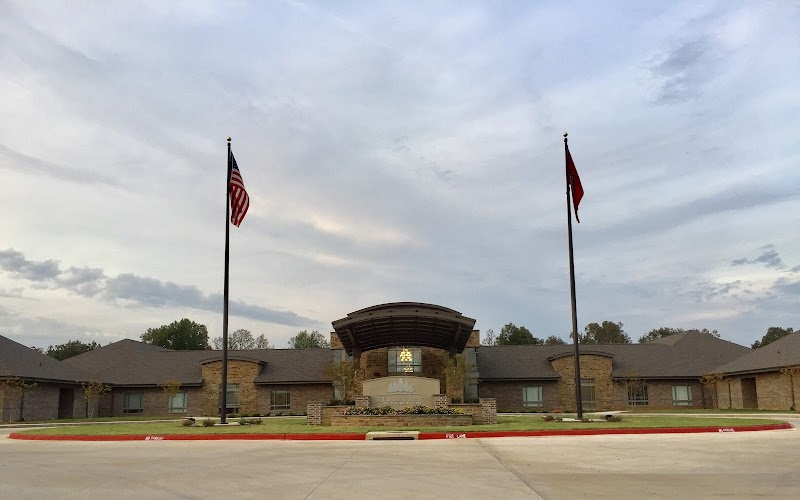
How is Ridgecrest Staffed?

CMS rates RIDGECREST HEALTH AND REHABILITATION's staffing level at 2 out of 5 stars, which is below average compared to other nursing homes. Staff turnover is 69%, which is 23 percentage points above the Arkansas average of 46%. High turnover can affect care consistency as new staff learn residents' individual needs. RN turnover specifically is 69%, which is notably high. RNs provide skilled clinical oversight, so turnover in this role can affect medical care quality.

What Have Inspectors Found at Ridgecrest?

State health inspectors documented 50 deficiencies at RIDGECREST HEALTH AND REHABILITATION during 2022 to 2024. These included: 50 with potential for harm.

Who Owns and Operates Ridgecrest?

RIDGECREST HEALTH AND REHABILITATION is owned by a for-profit company. For-profit facilities operate as businesses with obligations to shareholders or private owners. The facility is operated by ANTHONY & BRYAN ADAMS, a chain that manages multiple nursing homes. With 105 certified beds and approximately 110 residents (about 105% occupancy), it is a mid-sized facility located in JONESBORO, Arkansas.
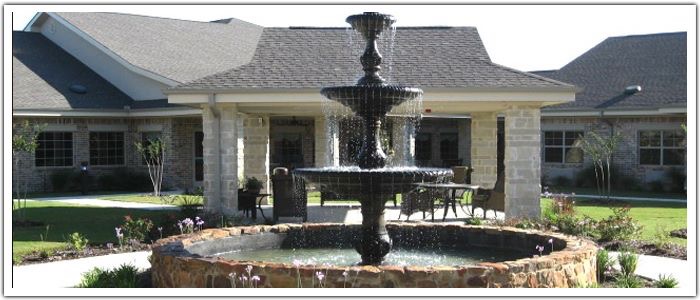
How Does Ridgecrest Compare to Other Arkansas Nursing Homes?

Compared to the 100 nursing homes in Arkansas, RIDGECREST HEALTH AND REHABILITATION's overall rating (2 stars) is below the state average of 3.1, staff turnover (69%) is significantly higher than the state average of 46%, and health inspection rating (1 stars) is much below the national benchmark.

What Should Families Ask When Visiting Ridgecrest?

Based on this facility's data, families visiting should ask: "How do you ensure continuity of care given staff turnover, and what is your staff retention strategy?" "Can you walk me through typical staffing levels on day, evening, and night shifts?" "Can I visit during a mealtime to observe dining assistance and food quality?" "How do you handle medical emergencies, and what is your hospital transfer rate?" These questions are particularly relevant given the facility's high staff turnover rate and the below-average staffing rating.

Is Ridgecrest Safe?

Based on CMS inspection data, RIDGECREST HEALTH AND REHABILITATION has a clean safety record: no substantiated abuse findings (meaning no confirmed cases of resident harm), no Immediate Jeopardy citations (the most serious violation level indicating risk of serious injury or death), and is not on the Special Focus Facility watch list (a federal program monitoring the lowest-performing 1% of nursing homes). The facility has a 2-star overall rating and ranks #100 of 100 nursing homes in Arkansas. While no facility is perfect, families should still ask about staff-to-resident ratios and recent inspection results during their visit.

Do Nurses at Ridgecrest Stick Around?

Staff turnover at RIDGECREST HEALTH AND REHABILITATION is high. At 69%, the facility is 23 percentage points above the Arkansas average of 46%. Registered Nurse turnover is particularly concerning at 69%. RNs handle complex medical decisions and coordinate care — frequent RN changes can directly impact care quality. High turnover means new staff may not know residents' individual needs, medications, or preferences. It can also be disorienting for residents, especially those with dementia who rely on familiar faces. Families should ask: What is causing the turnover? What retention programs are in place? How do you ensure care continuity during staff transitions?

Was Ridgecrest Ever Fined?

RIDGECREST HEALTH AND REHABILITATION has no federal fines on record. CMS issues fines when nursing homes fail to meet care standards or don't correct problems found during inspections. The absence of fines suggests the facility has either maintained compliance or corrected any issues before penalties were assessed. This is a positive indicator, though families should still review recent inspection reports for the full picture.

Is Ridgecrest on Any Federal Watch List?

RIDGECREST HEALTH AND REHABILITATION is not on any federal watch list. The most significant is the Special Focus Facility (SFF) program, which identifies the bottom 1% of nursing homes nationally based on persistent, serious quality problems. Not being on this list means the facility has avoided the pattern of deficiencies that triggers enhanced federal oversight. This is a positive indicator, though families should still review the facility's inspection history directly.