ST ELIZABETH'S PLACE
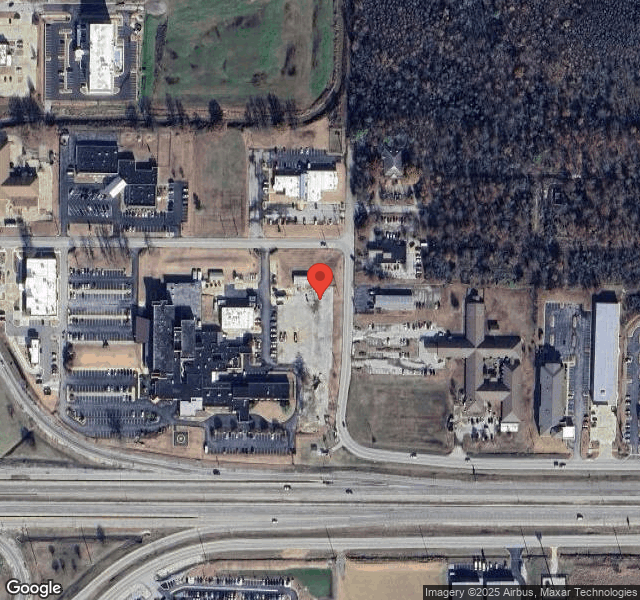
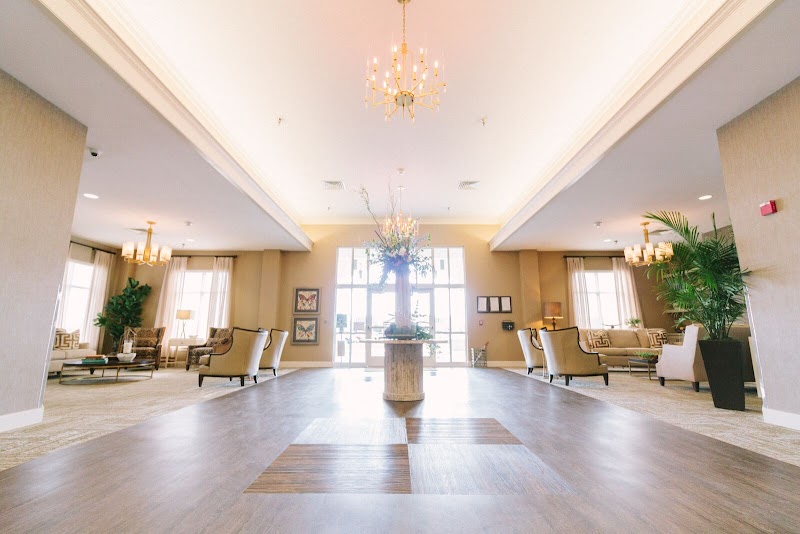
3010 MIDDLEFIELD DRIVE, JONESBORO, AR 72401 (870) 802-0090
For profit - Limited Liability company 110 Beds ANTHONY & BRYAN ADAMS Data: November 2025
Trust Grade
48/100
#122 of 218 in AR
Last Inspection: May 2025

Inspected within the last 6 months. Data reflects current conditions.

Overview

St. Elizabeth's Place in Jonesboro, Arkansas has a Trust Grade of D, indicating below-average care with some concerns. They rank #122 out of 218 facilities in the state, placing them in the bottom half, and #3 of 6 in Craighead County, meaning only two local options are better. While the facility is improving overall, having reduced issues from 12 in 2024 to just 1 in 2025, staffing is a weakness with a rating of 2 out of 5 stars and a high turnover rate of 68%, significantly above the state average of 50%. The facility has faced some serious incidents, including a failure to provide adequate assistance for a resident who needed help transferring, which could increase fall risk, and issues with food safety practices that could affect the health of nearly 90 residents. Despite these concerns, the health inspection score is 4 out of 5, suggesting some areas of strength in care.

Trust Score
D
48/100
In Arkansas
#122/218
Bottom 45%
Safety Record
Moderate
Needs review
Inspections
Getting Better
12 → 1 violations
Staff Stability
⚠ Watch
68% turnover. Above average. Higher turnover means staff may not know residents' routines.
Penalties
○ Average
$7,443 in fines. Higher than 65% of Arkansas facilities. Some compliance issues.
Skilled Nurses
⚠ Watch
Each resident gets only 17 minutes of Registered Nurse (RN) attention daily — below average for Arkansas. Fewer RN minutes means fewer trained eyes watching for problems.
Violations
⚠ Watch
25 deficiencies on record. Higher than average. Multiple issues found across inspections.
★★★☆☆
3.0
Overall Rating
★★☆☆☆
2.0
Staff Levels
★☆☆☆☆
1.0
Care Quality
★★★★☆
4.0
Inspection Score
Stable
2024: 12 issues
2025: 1 issues

The Good

  • Full Sprinkler Coverage · Fire safety systems throughout facility
  • No fines on record

Facility shows strength in fire safety.

The Bad

3-Star Overall Rating

Near Arkansas average (3.1)

Meets federal standards, typical of most facilities

Staff Turnover: 68%

21pts above Arkansas avg (46%)

Frequent staff changes - ask about care continuity

Federal Fines: $7,443

Below median ($33,413)

Minor penalties assessed

Chain: ANTHONY & BRYAN ADAMS

Part of a multi-facility chain

Ask about local staffing decisions and management

Staff turnover is elevated (68%)

20 points above Arkansas average of 48%

The Ugly 25 deficiencies on record

1 actual harm
May 2025 1 deficiency
CONCERN (D)

Potential for Harm - no one hurt, but risky conditions existed

Infection Control (Tag F0880)

Could have caused harm · This affected 1 resident

**NOTE- TERMS IN BRACKETS HAVE BEEN EDITED TO PROTECT CONFIDENTIALITY** Based on observation, record review, interviews, and facility policy review, it was determined that the facility failed to ensur...

Read full inspector narrative →
**NOTE- TERMS IN BRACKETS HAVE BEEN EDITED TO PROTECT CONFIDENTIALITY** Based on observation, record review, interviews, and facility policy review, it was determined that the facility failed to ensure staff performed hand hygiene and utilized necessary personal protective equipment (PPE) for 1 (Resident #27) of 1 resident reviewed for isolation precautions. The findings are: 1. A review of the admission Record noted Resident #27 was initially admitted to the facility on [DATE], with diagnoses which included severe intellectual disability and autistic disorder. 2. A review of the quarterly Minimum Data Set (MDS) with an Assessment Reference Date (ARD) of 04/25/2025, revealed Resident #27 was unable to complete a Brief Interview for Mental Status (BIMS), with a score of 00. 3. A review of the Physician Order Summary revealed Resident #27 was on enhanced barrier precautions (EBP), due to the wound to their left knee. 4. During an observation on 05/20/2025 at 5:30 AM, CNA #2 and CNA #3 were observed transferring Resident #27 using a mechanical lift and changing Resident #27's clothing. Both CNAs failed to utilize a gown while providing care. The CNAs also failed to perform hand hygiene after removing their gloves following the care and before exiting the room. 5. During an interview on 05/20/2025 at 5:30 AM, CNA #3 confirmed Resident #27 was on EBP and that she and CNA #2 should have worn gowns while providing high-contact care to Resident #27. CNA #3 confirmed neither she nor CNA #2 performed hand hygiene after removing their gloves. 6. During an interview on 05/20/2025 at 5:35 AM, CNA #2 confirmed Resident #27 was on EBP, which required a gown and gloves to be worn during close contact care. When asked why it was important to adhere to EBP while providing care, she stated to protect the residents. CNA #2 confirmed she did not perform hand hygiene after removing her gloves and before leaving the room. 7. A review of the Enhanced Barrier Precaution policy, last revised 08/2022, indicated: EBPs employ targeted gown and glove used during high contact resident care activities when contact precautions do not otherwise apply. Gloves and gown are applied prior to performing the high contact resident care activity (as opposed to before entering the room). Personal protective equipment (PPE) is changed before caring for another resident. Examples of high-contact resident care activities requiring the use of gown and gloves for EBPs include dressing, bathing/showering, transferring, and providing hygiene. 8. A review of the Hand Hygiene policy, with a revision date of October 2023, revealed Hand hygiene is indicated immediately before touching a resident, after touching a resident, after contact with blood, body fluids, or contaminated surfaces, before moving from work on a soiled body site to a clean body site on the same resident, and immediately after a glove removal. 9. During an interview on 05/22/2025 at 10:53 AM, Lead CNA #4 confirmed that hand hygiene before and after care was provided was an important part of infection control practices and this was how the facility trained staff to perform tasks. Lead CNA #4 also confirmed EBP and utilizing proper PPE was an important step in maintaining proper infection control. 10. During an interview on 05/19/2025 at 11:48 PM, the Director of Nursing (DON) confirmed all staff, including CNAs and nurses, received training on hand hygiene and EBP and a check-off list, in which staff were to demonstrate/teach back to the trainer, was completed once they were trained, to confirm knowledge.
Mar 2024 12 deficiencies
CONCERN (D)

Potential for Harm - no one hurt, but risky conditions existed

Deficiency F0561 (Tag F0561)

Could have caused harm · This affected 1 resident

Based on observation, interview, and record review, the facility failed to assure that 1 (Resident #56) of 1 sampled got to go to their smoke breaks. The findings are: On 3/04/24 at 1:47 pm, Resident ...

Read full inspector narrative →
Based on observation, interview, and record review, the facility failed to assure that 1 (Resident #56) of 1 sampled got to go to their smoke breaks. The findings are: On 3/04/24 at 1:47 pm, Resident (R) #56 reported not having gotten to go out to smoke for 3 days, and that when a certified nursing assistant (CNA) was asked they say they don't have time or enough staff to take resident to smoke. On 3/05/24 at 10:45 am, the Director of Nurses (DON) was asked, Does [R #56] smoke? The DON confirmed, Yes, this resident does go out sometimes to smoke. The DON was asked, If a resident asks to be gotten up to smoke what should the staff do, and stated, The staff should get the resident up and take them. The DON was asked, If a resident refuses to get up to go smoke after asking staff to come and get them, up what should the staff do? The DON confirmed, Document that they didn't want to get up. On 3/05/24 at 10:45 am, the Nurse Consultant (NC) was asked, Should [R #56] be on the smoking list if a resident smokes, and is care planned for smoking? The NC confirmed, Yes, we will get them added to the list. On 3/05/24 at 3:21pm, CNA #3 was asked, If a resident asks to get up to go smoke what should the staff do? CNA #3) stated, Get them up to go smoke. CNA #3 was asked, If a resident is getting low on cigarettes what should the staff do? CNA #3 stated, Notify the social worker so they can purchase them or contact the family to bring some. CNA #3 was asked, Is it a resident right to go smoke if they desire to? CNA #3 confirmed, Yes, it is. CNA #3 was asked, If a resident asks staff to get them up to smoke and then changes their mind and doesn't want to get up, what should the staff do? CNA #3 confirmed, Document that they refused to get up. On 3/6/24 at 10:45 am, the NC provided a policy titled, Smoking Policy-Residents which documented, .Policy Statement . The facility has established and maintains safe resident smoking practices . Policy Interpretation and Implementation 1. Prior to, and upon admission, residents are informed of the facility smoking policy, including designated smoking areas, and the extent to which the facility can accommodate their smoking or non-smoking preferences .
CONCERN (D)

Potential for Harm - no one hurt, but risky conditions existed

ADL Care (Tag F0677)

Could have caused harm · This affected 1 resident

Based on observation, interview, and record review, the facility failed to ensure fingernails were regularly trimmed and cleaned to promote good personal hygiene and grooming. This failed practice had...

Read full inspector narrative →
Based on observation, interview, and record review, the facility failed to ensure fingernails were regularly trimmed and cleaned to promote good personal hygiene and grooming. This failed practice had the potential to affect 2 (Resident #31 and R#44) residents of 21 sampled residents; and the facility failed to ensure 1 (Resident #72) of 11 sampled residents received a shave. The findings are: 1. Resident (R) #44 diagnoses included Alzheimer's disease, Dementia with agitation, and Bell's palsy. The Minimum Data Set (MDS) with an Assessment Reference Date (ARD) of 1/29/24 showed a Brief Interview for Mental Status (BIMS) of 01 (0 to 7 points indicates severe cognitive impairment). R #44 required maximum/substantial assistance with personal hygiene. 1a. The care plan for R #44 showed the resident required assistance with activities of daily living (ADL) related to weakness and cognitive loss. Staff are to provide assistance to the extent necessary with ADL (hygiene, etc.) and the resident requires minimal assistance x1 with ADL tasks. 1b. On 03/04/24 at 01:46 PM, R #44 ' s fingernails were 1/4 inch long with jagged edges and brown matter underneath. 1c. On 03/04/24 03:08 PM, R #44's fingernails were ¼ inch long past the nailbed with jagged edges and brown matter underneath. 1d. On 03/04/24 at 03:15 PM, the Surveyor asked Certified Nursing Assistant (CNA) #6, How often are nails trimmed and cleaned? CNA #6 stated, Shower days. The Surveyor asked, Who is responsible for trimming and cleaning nails? CNA #6 stated, The CNA that does the shower. The Surveyor asked, Can you describe Resident # 44 nails? CNA #6 stated, They look fine. The Surveyor asked, Are they long, jagged, or dirty? CNA #6 stated, Yes Ma'am, they are. 1e. On 03/04/24 at 03:19 PM, the Surveyor asked Licensed Practical Nurse (LPN) #2, Who is responsible for trimming and cleaning nails? LPN # 2 stated, [R # 44] is diabetic, so the nurses are responsible for trimming. On shower days the CNA typically cleans them and notifies the nurse if they need a trim. The Surveyor asked, Will you describe the resident's fingernails for me? LPN #2 stated, They are dirty and could use a trim. 1f. On 03/05/24 at 02:19 PM, the Director of Nursing (DON) confirmed the resident's fingernails need to be cleaned and trimmed. 2. Resident #31 had diagnoses of Need for assistance with personal care and Squamous cell carcinoma of anal skin. The Discharge MDS with an ARD of 2/27/24 documented the resident required modified independence for cognitive skills for daily decision making and required substantial/maximal assistance with personal hygiene. A care initiated 8/30/23 documented, .Attempt to keep hands/nails clean . On 3/04/24 at 3:25 PM, R #31's nails were 1/2 inch long, jagged with a brown substance underneath them. On 3/04/24 at 3:27 PM, CNA #7 was asked, How often are [R #31's] nails trimmed and cleaned? CNA #7 stated, Whenever they get long enough to cut. On 3/04/24 at 3:37 PM, R #31 asked this Surveyor, Can you cut my nails? R #31 was asked, Did [CNA #7] cut your nails when [CNA #3] was in your room? R #31 stated, No [CNA #3] didn't. R #31 was asked, Is there a reason [CNA #3] didn't cut your nails? R #31 stated, I don't know. R #31's nails were 1/2 inch long, jagged with a brown substance underneath them. On 3/04/24 at 3:28 PM, CNA #7 was asked, Can you tell me why you didn't cut [R #31's] nails when you were in the room a few minutes ago? CNA #7 stated, I cut the corner off one of [R #31's] nails. That's all [R #31's] asked me to do. On 3/05/24 at 2:45 PM, Nurse Consultant #1 provided a policy titled, Fingernails/Toenails, Care of. It documented, .The purpose of this procedure are to clean the nail bed, to keep nails trimmed, and to prevent infections .Nail care includes daily cleaning and regular trimming . Proper nail care aid in the prevention of skin problems around the nail bed . 3. Resident #72 had diagnoses of Need for assistance with personal care and Wedge compression fracture of fourth lumbar vertebra, subsequent encounter for fracture with routine healing The Modification of admission /Medicare - 5 Day MDS with an ARD of 2/04/24 documented the resident scored 10 (8-12 indicates moderately impaired) on a BIMS and required substantial/maximal assistance with personal hygiene. A care initiated 2/06/24 documented, .Shaved by staff . On 3/04/24 at 11:17 AM, R #72 ' s beard was 1/2 inch long. On 3/04/24 at 2:12 PM, R #72 ' s beard was 1/2 inch long. On 3/04/24 at 2:13 PM, R #72 was asked, How often do you get a shave? and stated, It's been a long time. I would love to have a shave now. On 3/04/24 at 2:45 PM, CNA #4 was asked, How often does [R #72] get a shave? CNA #4stated, [R #72] should get one every shower day. CNA #4 was asked, What's [R #72's] shower day? CNA #4 stated, Every Monday, Wednesday, and Friday on the second shift. CNA #4 was asked, Can you tell me why [R #72] hasn't been shaved? CNA #4 stated, I don't know. On 3/05/24 at 2:45 PM, Nurse Consultant #1 provided a policy titled, An Activities of Daily Living (ADL) . which documented, .Residents who are unable to carry out activities of daily living independently will receive the services necessary to maintain good nutrition, grooming and personal and oral hygiene .
CONCERN (D)

Potential for Harm - no one hurt, but risky conditions existed

Quality of Care (Tag F0684)

Could have caused harm · This affected 1 resident

Based on observation, interview, and record review, the facility failed to ensure that 1 (Resident #32) of 1 sampled resident received a thorough head to toe skin assessment. This had the ability to a...

Read full inspector narrative →
Based on observation, interview, and record review, the facility failed to ensure that 1 (Resident #32) of 1 sampled resident received a thorough head to toe skin assessment. This had the ability to affect 89 residents. The findings are: On 3/4/24 at 11:29 am, Resident (R) #32 reported they had a sore on the top of the head that was draining. The Surveyor observed a sore with a scab and open area with drainage on the top of the resident's head. The Surveyor asked if the Resident had informed anyone. R #32 stated, I have been telling my nurse on every shift for 2 or 3 weeks that I need to see my doctor, and no one has done anything. I really need to see my doctor. On 3/5/24 at 11:30 am, Skin assessments documenting no sore to R #32 had been completed for the past two weeks. On 3/7/24 at 8:20 am, Licensed Practical Nurse (LPN) #3 was asked, When a skin audit is performed how should this be done? LPN #3 stated, Start with the head and move down over the entire body. LPN #3 was asked, If a Resident complains to the nurse that they have a draining sore what should the nurse do? LPN #3 stated, I would first assess it to make sure it was there, then I would contact the APRN [Advanced Practice Registered Nurse] to see the resident when he was here next, then I would contact the wound care nurse to start treatment on it. LPN #3 was asked, What negative outcome can occur from an oozing sore that is not treated? LPN#3 stated, They could become septic. On 3/5/24 at 3:30 pm, the Director of Nursing (DON) was asked, When a skin audit is performed can, you explain how this is done. The DON stated, The nurse does a complete head to toe assessment. The DON was asked, If a resident complains of having a draining wound to the nurse what should happen. The DON stated, The nurse should go assess to see if there is a wound, then if there is one they need to call APRN to see what they want done and so the APRN can see them as soon as they are in the building next. The DON was asked, If a wound is not addressed by anyone, what negative outcome could occur? The DON stated, The resident could develop an infection. 5. On 3/6/24 at 3:52pm, the Administrator informed the Surveyor the facility did not have a policy regarding skin audits.
CONCERN (D)

Potential for Harm - no one hurt, but risky conditions existed

Incontinence Care (Tag F0690)

Could have caused harm · This affected 1 resident

Based on observation, interview, and record review, the facility failed to ensure catheter securement devices were utilized for 1 (Resident #69) of 3 sampled residents (#27, #69, #82) who had an indwe...

Read full inspector narrative →
Based on observation, interview, and record review, the facility failed to ensure catheter securement devices were utilized for 1 (Resident #69) of 3 sampled residents (#27, #69, #82) who had an indwelling catheter in place. The findings are: On 03/04/24 at 1:32 pm, Resident #69 did not have any securement device in place to hold catheter tubing in place to avoid trauma to the urethra by preventing pulling and tension. On 3/5/24 at 10:05 am, Resident #69 did not have a securement device to hold catheter tubing in place. On 3/5/24 at 3:25 pm, Certified Nursing Assistant (CNA) #5 was asked, How should a foley catheter be secured? CNA #5 stated, By a leg strap or [named brand of catheter securement device]. CNA #5 was asked, Who is responsible for making sure an indwelling foley security device is on the resident? CNA #5 stated, The nurse usually puts them on. On 3/5/24 at 3:33 pm, the Director of Nurses (DON) was asked, How should a foley catheter be secured? The DON stated, By using a [named brand of catheter securement device]. The DON was asked, Who is responsible for making sure a resident with an indwelling foley has this in place? The DON stated, The nursing staff or the CNA. On 3/6/24 at 2:13 pm, a policy titled, Foley Catheter Insertion Female Resident, was provided by the Nurse Consultant which documented, .Steps in the Procedure . 25. Attach catheter to drainage tubing. Tape catheter to inner thigh or secure with leg band .
CONCERN (D)

Potential for Harm - no one hurt, but risky conditions existed

Staffing Information (Tag F0732)

Could have caused harm · This affected 1 resident

Deficiency Text Not Available

Read full inspector narrative →
Deficiency Text Not Available
CONCERN (E)

Potential for Harm - no one hurt, but risky conditions existed

Deficiency F0558 (Tag F0558)

Could have caused harm · This affected multiple residents

**NOTE- TERMS IN BRACKETS HAVE BEEN EDITED TO PROTECT CONFIDENTIALITY** 2. Resident #387 had diagnoses of Type 2 diabetes mellitus without complications, Other atherosclerosis of native arteries of ex...

Read full inspector narrative →
**NOTE- TERMS IN BRACKETS HAVE BEEN EDITED TO PROTECT CONFIDENTIALITY** 2. Resident #387 had diagnoses of Type 2 diabetes mellitus without complications, Other atherosclerosis of native arteries of extremities, other extremity, and Mixed hyperlipidemia. Resident #387 admitted on [DATE]. The findings are: 2a. On 03/06/24 at 01:29 PM, the Care Plan for Resident #387 did not show any addressed areas for call lights or Activities of Daily Living (ADL) at this time. 2b. On 03/04/24 at 02:13 PM, the surveyor observed Resident #387 ' s call light in floor next to the bed, underneath the bedside table, and not in the resident's reach. 2c. On 03/05/24 at 09:37 AM, the surveyor observed the call light sitting on the dresser not in the resident's reach. 2d. On 03/05/24 at 09:43 AM, the surveyor asked Nurse Assistant (NA) #1, Where is a call light supposed to be? He/she stated, In reach of the patient. The Surveyor asked NA #1, Can you tell me where this call light is located? NA #1 stated On the dresser, not in reach. NA #1 then moved the call light into reach of resident at that time. 2e. On 03/05/24 at 10:16 AM, the Surveyor asked LPN #1, Can you tell me where this call light is located? LPN #1 stated, On the bed next to [the resident]. The Surveyor asked, Where is a call light supposed to be? LPN #1 stated, Within reach, and I will get a clip put on there for the resident, so it can be clipped to bed. A document provided by DON on 3/7/24 at 9:34 AM titled CNA Job Description showed, .Keep the nurses' call system within easy reach of the patient . Based on observation, interview, and record review, the facility to ensure a call light was within reach for 2 (Resident #6 and R#387) of 17 sample mix residents who could use a call light. The findings are: 1. Resident #6 had diagnoses of Dementia, Muscle wasting and atrophy, Epilepsy, Difficulty in walking, and Abnormalities of gait and mobility. The Minimum Data Set (MDS) with an Assessment Reference Date (ARD) of 1/25/24 showed a Brief Interview for Mental Status (BIMS) of 13 (13 to 15 indicates cognitive intactness). 1a. The care plan showed .staff are to encourage the resident to .utilize the call light for assistance, if needed . 1b. On 03/04/24 at 01:25 PM, the Surveyor observed Resident # 6 call light lying on the floor. 1c. On 03/04/24 at 03:09 PM, the Surveyor observed the resident's call light lying on the floor. 1d. On 03/04/24 at 03:13 PM, the Surveyor asked Certified Nursing Assistant (CNA) #6, Where should a call light be placed while a resident is in bed? CNA #6 stated, Within reach. The Surveyor asked, Where is Resident #6 call light? CNA #6 stated, Attached to the wall. The Surveyor reiterated, Where is the residents call light? CNA #6 stated, Attached to the wall. The Surveyor asked, Is the end with the call button on the wall? CNA #6 stated, No. The Surveyor asked, Where is the end with the call button? CNA #6 stated, On the wall. 1e. On 03/04/24 at 03:18 PM, the Surveyor asked Licensed Practical Nurse (LPN) #2, Where should a call light be placed while a resident is in bed? LPN #2 stated, Within reach. The Surveyor asked, Can you tell me where Resident #6 call light is located? LPN #2 stated, In the floor. 1f. On 03/05/24 at 02:23 PM, the Surveyor asked the Director of Nursing (DON), Can you tell me where the call light is? The DON confirmed the call light was on the floor.
CONCERN (E)

Potential for Harm - no one hurt, but risky conditions existed

Safe Environment (Tag F0584)

Could have caused harm · This affected multiple residents

Based on observation and interview the facility failed to ensure residents meals were removed from the serving trays in the dining room to de-emphasize the institutional character of the setting to pr...

Read full inspector narrative →
Based on observation and interview the facility failed to ensure residents meals were removed from the serving trays in the dining room to de-emphasize the institutional character of the setting to promote dignity and respect. This failed practice had the potential to affect 3 (Residents #20, #30, and #73) sampled residents who eat in the dining room. The findings are: On 03/04/24 at 12:54 PM, the Surveyor observed the Director of Nursing (DON) delivering meals to 3 separate residents, leaving the plate of food and drinks on the serving tray. On 03/04/24 at 01:02 PM, the DON confirmed leaving the meals on a serving tray was not homelike. A document titled Resident Rights provided by the Nurse Consultant on 3/5/24 at 2:45 pm showed, .Federal and state laws guarantee certain basic rights to all residents .The rights include .be treated with respect, kindness, and dignity .
CONCERN (E)

Potential for Harm - no one hurt, but risky conditions existed

Deficiency F0725 (Tag F0725)

Could have caused harm · This affected multiple residents

2. On 3/4/24 at 2:14 pm, Resident #82 stated a medication was needed, and the call light had been pushed. The Surveyor stayed in the room with resident for some time before leaving and approaching the...

Read full inspector narrative →
2. On 3/4/24 at 2:14 pm, Resident #82 stated a medication was needed, and the call light had been pushed. The Surveyor stayed in the room with resident for some time before leaving and approaching the nurse station. The screen that alerted staff when a call light is on displayed Resident #82's call light had been on for 32 minutes. 2a. On 3/4/24 at 2:43pm, Licensed Practical Nurse (LPN) #2 confirmed they were assigned to the hall on which Resident #82 resided and were responsible for answering call lights. LPN #2 confirmed Resident #82's call light had been on for 32 minutes and the resident could be hurt and require immediate attention. 2b. On 3/6/24 at 1:15 pm, the Assistant Director of Nursing (ADON) was asked, How is your staff alerted to a call light when it is pushed by a resident? The ADON stated, There are blinking boards at the end of each hall to let the staff know, as well as a board at each nursing station. The ADON was asked, Can a nurse answer a call light? The ADON confirmed they could. The ADON was asked, If a nurse is sitting at desk at the nursing station and the call light is going off and showing on the screen what should the nurse do? The ADON stated, Get up and answer the call light and take care of the resident, then go find out where your certified nursing assistant is and where they have been. The ADON was asked, What negative outcome could occur if a call light isn't answered in a timely manner? The ADON stated, Anything could happen I mean, a fall, death or any number of accidents could occur. 2.c. On 3/7/24 at 9:34 am, the Director of Nursing (DON) provided a document titled Job Description Certified Nursing Assistant that documented, .Answer patient calls and call lights or other notifications promptly . Based on observation and interview, the facility failed to ensure call lights were answered in a timely manner. This failed practice had the potential to affect 2 (Resident #43 and #82) of 17 sample mix residents who can use a call light. The findings are: 1. On 03/04/24 at 02:24 PM, the Surveyor observed Resident #43 push the call light after indicating to the Surveyor they were wet. The call light sounded and then stopped. No light came on outside of the door. 1a. On 03/04/24 at 02:36 PM, a Certified Nursing Assistant (CNA) answered the call light then left the room. 1b. On 03/04/24 at 02:39 PM, the CNA returned to the room with Nursing Assistant (NA) #2. 1c. On 03/04/24 at 02:44 PM, the Surveyor asked NA #2, Do the lights come on outside the door when a resident presses their call light? CNA #7 stated, The lights do not turn on outside the door or make an alarm. The room number and time shows up on the hall clock and on the screen at the nurse's desk. The Surveyor asked, Why did it take so long to answer Resident #43's call light? NA #2 stated, There are 2 NA's and 1 CNA. We each have a section and help each other.
CONCERN (E)

Potential for Harm - no one hurt, but risky conditions existed

Deficiency F0805 (Tag F0805)

Could have caused harm · This affected multiple residents

Based on observation and interview, the facility failed to ensure pureed food items were blended to a smooth lump-free consistency to minimize the risk of choking or other complications for residents ...

Read full inspector narrative →
Based on observation and interview, the facility failed to ensure pureed food items were blended to a smooth lump-free consistency to minimize the risk of choking or other complications for residents who required pureed diets for 2 of 2 meals observed. This failed practice had the potential to affect 6 residents who received pureed diets. The findings are: 1. On 03/04/24 at 11:35 AM, Dietary Employee (DE) #1 placed 6 servings of sliced ham into a blender, added juice from the cooked ham, used #10 scoop to add a serving of thickener and pureed. At 11:37 AM, DE #1 poured the pureed ham into a pan to be served to the residents on pureed diets for lunch. The mixture did not have a smooth consistency and had particles of thickener that were not completely pureed, and there were pieces of intact ham visible in the mixture. 2. On 03/04/24 11:44 AM, DE #1 placed 6 servings of cornbread into a blender, added 2 cartons of warm whole milk and pureed. At 11:47 AM, DE #1 poured the pureed cornbread into a pan and placed it in the oven. The consistency of the pureed cornbread was lumpy and was not smooth. 3. On 03/04/24 at 12:02 PM, DE #2 placed 8 servings of brownies into a blender, added a carton of whole milk and poured. DE #2 used a #8 scoop to portion pureed brownies into 6 bowls. The consistency of the pureed brownies was runny and was not formed. 4. On 3/04/2024 at 12:06 PM, a pan of pureed spinach was on the steam table. The consistency of the pureed spinach was running and was not formed. 5. On 03/04/24 at 12:27 PM, the Surveyor asked DE #4 to describe the consistency of the pureed food items served to the residents on pureed diets. DE #4 stated, Pureed ham was not smooth, it was thick and gritty. It should be pureed a little longer. Pureed macaroni and cheese were thick, not smooth and was lumpy. Needed to be pureed a little longer. Pureed cornbread was lumpy and not smooth. Pureed spinach was runny, it needed to be thickened. At 12:58 PM, the Surveyor asked DE #1 to describe the consistency of the pureed. DE #1 stated, I consider flavor, color, texture of nectar. The Surveyor asked DE #1 to look at the pureed ham that was still on the tray line. DE #1 stated, It was thick and there were lumps of ham in the pureed meat. The Surveyor asked DE #1 to look at the pureed cornbread, macaroni and cheese and the turnip greens and describe their consistency. DE #1 stated, Spinach was too runny, the cornbread and macaroni and cheese were not a smooth texture. The cornbread, macaroni and cheese and ham all appeared thick, grainy, and lumpy. They were not pureed enough, and they should have been smoothie, thick and free of lumps. 6. On 03/05/24 at 08:10 AM, the following observations were made in the dining room. a. The pureed biscuit served to the residents who required pureed food items at the breakfast meal was not thick enough and lumpy. b. The puree meat served to the residents on pureed diets was gritty and thick. c. On 03/05/24 at 08:12 AM, the surveyor asked the DE #4 to describe the consistency of the pureed food items served to the residents on pureed diets for breakfast meal. DE #4 stated, Pureed biscuit was thick and lumpy. Pureed meat was lumpy and not smooth.
CONCERN (E) 📢 Someone Reported This

A family member, employee, or ombudsman was alarmed enough to file a formal complaint

Potential for Harm - no one hurt, but risky conditions existed

Infection Control (Tag F0880)

Could have caused harm · This affected multiple residents

Based on observation and interview, the facility failed to ensure that staff were wearing PPE (Personal Protection Equipment) correctly in the facility when residents had been diagnosed with Covid-19....

Read full inspector narrative →
Based on observation and interview, the facility failed to ensure that staff were wearing PPE (Personal Protection Equipment) correctly in the facility when residents had been diagnosed with Covid-19. The failed practice had the ability to affect 89 residents in the facility. The findings are: 1. On 3/4/2024 at 12:08 PM, Certified Nursing Assistant (CNA) #1 was passing trays in the main dining area with mask pulled down under their nose. 2. On 3/5/24 at 08:36 AM, CNA #2 was in the weight room where residents were present with their mask pulled down under their chin. 3. On 3/4/24 at 12:11 PM, CNA #1 was asked how a mask is intended be worn. CNA#1 stated, Over my nose and mouth. CNA #1 was asked, Why should you wear it over your nose and mouth? CNA #1 stated, To protect ourselves and the residents. 4. On 3/5/24 at 08:37 AM, CNA #2 was asked, Should staff be wearing a mask when they are around residents? CNA #2 confirmed, Yes, we should be. CNA #2 was asked, How is the proper way to wear your mask? CNA #2 stated, Over my nose and mouth. 5. On 3/6/24 at 10:47 AM, the Director of Nursing (DON) was asked, How should the proper way of PPE to be worn? The DON stated, Wear your mask over your nose and mouth and your gloves and gown when indicated. 6. On 3/6/24 at 2:45 PM, a policy titled Personal Protective Equipment, was received from the Nurse Consultant which documented, Policy Interpretation and Implementation . 5. Training on the proper donning, use and disposal of PPE is provided upon orientation and at regular intervals .
CONCERN (E)

Potential for Harm - no one hurt, but risky conditions existed

Deficiency F0947 (Tag F0947)

Could have caused harm · This affected multiple residents

Based on interview and record review, the facility failed to ensure Dementia in-service training was provided in the past year. The findings are: On 03/07/24 at 11:20 AM, The Surveyor reviewed in-serv...

Read full inspector narrative →
Based on interview and record review, the facility failed to ensure Dementia in-service training was provided in the past year. The findings are: On 03/07/24 at 11:20 AM, The Surveyor reviewed in-services and competency training for the past year and did not locate a Dementia in-service. The Surveyor requested the Dementia In-Service. On 03/07/24 at 11:29 AM, the Administrator stated, We looked through all the in-services and could not find one for Dementia. The Surveyor asked, Do you have a Dementia in-service for the past year? The Administrator confirmed there has been no Dementia in-service training for the last year.
CONCERN (F)

Potential for Harm - no one hurt, but risky conditions existed

Food Safety (Tag F0812)

Could have caused harm · This affected most or all residents

Based on observation, interview, and record review, the facility to ensure food preparation equipment was free of debris to prevent potential for cross contamination; spices stored in the cabinet or o...

Read full inspector narrative →
Based on observation, interview, and record review, the facility to ensure food preparation equipment was free of debris to prevent potential for cross contamination; spices stored in the cabinet or on a shelf in the storage room were dated for first-in-first out spice rotation; 1 of 2 ice machines and 1 of 2 ice scoop holders were maintained in clean and sanitary condition; and dietary staff washed their hands before handling clean equipment to prevent potential food borne illness for the residents who received meals from 1 of 1 kitchen. The failed practice had the potential to affect 89 residents who received meals from the kitchen (total census 89). The findings are. 1. On 03/04/24 at 10:51 AM, the deep fryer had an accumulation of crumbs floating on the top of the oil. The Surveyor asked the Dietary Supervisor (DS) when they last used the deep fryer and how often they cleaned it. The DS stated, They used it on Friday, and we clean it once a week. The surveyor asked the DS if the crumbs should still be on the oil. The DS stated, They should have been strained on Friday. 2. On 03/04/24 at 10:54 AM, the following observations were made around the area where ice scoop holder and ice machine were located: a. The ice scoop holder on the wall by the ice machine had a black spot at the bottom of it. The ice scoop was sitting directly on the residue. The surveyor asked the DS to wipe the area. The DS did and the wet black residue easily transferred to the tissue. When asked to describe the residue, the DS stated, It was dirt, and black residue. b. The ice machine located in the kitchen had black/pink residue on the panel where ice empties into the reservoir. The surveyor asked the DS to wipe the area. The DS did and the wet black/pink residue easily transferred to the tissue. When asked to describe the residue, the DS stated, It was dirt, black and pink residue. The Surveyor asked the DS, Who uses the ice from the ice machine and how often do you clean it? The DS stated, We use it to fill beverages served to the residents at mealtimes. 3. On 03/04/24 at 10:55 AM, the following observations were made in the spice cabinet above the food preparation counter: a. An opened container of pumpkin spice and a container of cinnamon were in the cabinet, and there were no dates on the containers to indicate when they had been received. b. A container of chicken seasoning was in the cabinet and there was no date on the container to indicate when it had been opened. c. An opened container of beef base was in the cabinet and had no opened date to allow for first in, first out storage rotation. 4. On 03/04/24 at 10:59 AM, Dietary Employee (DE) #1 was wearing gloves when opening a box that contained ham logs. DE #1 removed 2 logs of ham from the box and placed them in a pan. DE #1 unwrapped the seals from the ham logs. Without changing gloves and washing her hands, DE #1 sliced the ham and placed them in a pan. DE#1 covered the pan with foil and placed it in the oven to be heated up and served to the residents for lunch. 5. On 03/04/24 at 11:26 AM, DE #2 was wearing gloves when DE #2 pushed a utility cart out of the way. Without changing gloves and washing hands, DE #2 picked up glasses from the clean dish rack by their rims and placed them on the trays to be used serving drinks to the residents for lunch meal. At 12:20 PM, the surveyor asked DE #2, What should you have done after touching dirty objects and before handling clean equipment? DE #2 stated, I should have taken the gloves off and washed my hands. 6. On 03/04 /24 at 11:27 AM, DE #1 removed a pan that contained cooked ham from the oven and placed it on the counter. DE #1 then contaminated their hands by picking up pans from underneath the preparation counter and placed them on the counter with the fingers touching the inside of the pans. DE #1 picked up a spray bottle from the counter and sprayed inside the pans. Without washing hands, a bare hand was used to attach a clean blade at the base of the blender to be used in grounding and pureeing meat to be served to the residents on mechanical soft and pureed diets for lunch. 7. On 03/04/24 at 11:34 AM, DE #1 opened the oven door and placed a pan that contained ground ham into the oven. Without washing hands, DE#1 picked up a blade and attached it to the base of the blender to be used in pureeing meat to be served to the residents who required pureed diets for lunch meal. 8. On 03/04/24 at 11:42 AM, the following observations were made in the storage room. a. There was a container of garlic powder on a shelf in the storage room but had no opening date. b. There was an opened bag of hash brown in an opened plastic resealable bag on a shelf in the storage room. Neither bag was sealed. 9. On 03/04/24 at 12:03 PM, DE #3 who was filling glasses with beverages to be served to the residents for lunch meal was observed touching beverage dispenser with a bare hand. Without washing hands, DE #3 picked up glasses that contained ice by the rims and placed them on the tray. At 12:18 PM, the surveyor asked DE #3, What should you have done after touching dirty objects and before handling clean equipment? DE #3 stated, I should have washed my hands. 10. On 03/05/24 at 11:36, DE #5 turned on the food preparation sink faucet with a bare hand. With the contaminated hand, DE #5 picked up glasses by their rims and obtained water in them to be served to the residents for lunch. The Surveyor asked DE #5, What should you have done after touching the dirty objects and before handling clean equipment? DE #5 stated, Washed my hands. 11. A facility policy titled Preventing Foodborne Illness - Employee Hygiene and Sanitary Practices documented, .Employees must wash their hands .During food preparation, as often as necessary to remove soil and contamination and to prevent cross contamination when changing tasks, and or after engaging in other activities that contaminate the hands .
Aug 2023 1 deficiency
CONCERN (D) 📢 Someone Reported This

A family member, employee, or ombudsman was alarmed enough to file a formal complaint

Potential for Harm - no one hurt, but risky conditions existed

ADL Care (Tag F0677)

Could have caused harm · This affected 1 resident

**NOTE- TERMS IN BRACKETS HAVE BEEN EDITED TO PROTECT CONFIDENTIALITY** Based on interview, observation, and record review, the facility failed to preform nail care on two (Resident #2 and #3) of six ...

Read full inspector narrative →
**NOTE- TERMS IN BRACKETS HAVE BEEN EDITED TO PROTECT CONFIDENTIALITY** Based on interview, observation, and record review, the facility failed to preform nail care on two (Resident #2 and #3) of six (Resident #2, #3, #4, #5, #6 and #7) sampled residents who were dependent on the staff for nailcare according to a list supplied by the Nursing Consultant on 08/22/2023 at 3:59 PM. The findings included: On 08/21/2023 at 11:39 AM Resident #2 was observed sitting in a Geri Chair with contractures to both hands. The nails on both hands were long and jagged. On 08/22/2023 at 9:40 AM Resident #2 observed in room sitting in a Geri Chair. Fingernails on both hands and toenails on both feet were ¼ inch past the tips of the fingers and toes. Review of Resident #2's Care Plan with a revision date of 04/26/2021 showed, Provide assistance to extent necessary with ADLs (bathing, dressing, grooming, toileting, hygiene, etc.) Requires extensive assistance with ADL tasks. Review of Resident #2's Quarterly Minimum Data Set (MDS) dated [DATE] showed the resident required extensive assistance of 2 people for personal hygiene and bathing. On 08/21/2023 at 11:25 AM Resident #3 was observed in in bed with toenails ¼ inch past the end of the toes and jagged. On 08/22/2023 at 2:50 PM Resident #3 was asked Would you like your nails trimmed and filed? Resident #3 stated, I do my own fingernails, but yes, it would be nice to have my toenails trimmed, they are long. Resident #3's care plan with a revision date of 01/25/2022 showed, on bath day, check nail length trim as necessary and report any changes to the nurse. Resident #3's Quarterly MDS dated [DATE] showed Resident #3 required extensive assistance of one staff member with personal hygiene and bathing. On 08/22/2023 at 1:35 PM Assistant Director of Nursing (ADON) #2 confirmed Resident #3's toenails on both feet were thick, jagged and ¼ to a ½ inch past the tips of the toes. The Surveyor asked ADON #2 when are resident's nails trimmed? she stated, On bath days. On 08/22/2023 at 2:52 PM the Surveyor asked ADON #2 who is responsible for nail care? ADON #2 said the nurse perfoms nail care if the resident is a diabetic. If the resident is not a diabetic, the Certified Nursing Assistant (CNA) performs the nail care. On 08/22/2023 at 2:45 PM review of the task sheets for Resident #2 and #3, received from the Administrator showed no specific tasks listed for nail care. Review of the facility's policy titled Care of Fingernail/Toenails with a revision date of 02/2018 showed, nail care includes daily cleaning regular trimming.
Jul 2023 2 deficiencies 1 Harm
SERIOUS (G) 📢 Someone Reported This

A family member, employee, or ombudsman was alarmed enough to file a formal complaint

Actual Harm - a resident was hurt due to facility failures

Accident Prevention (Tag F0689)

A resident was harmed · This affected 1 resident

**NOTE- TERMS IN BRACKETS HAVE BEEN EDITED TO PROTECT CONFIDENTIALITY** Based on record review, witness statements, and interviews the facility failed to provide adequate assistance with transfers for...

Read full inspector narrative →
**NOTE- TERMS IN BRACKETS HAVE BEEN EDITED TO PROTECT CONFIDENTIALITY** Based on record review, witness statements, and interviews the facility failed to provide adequate assistance with transfers for 1 (Resident #3) resident who required a two person assist for transfers and had a documented history of falls. The failed practice resulted in past non-compliance. The findings are: 1. Resident #3 was admitted to the facility on [DATE] and readmitted on [DATE] with diagnosis of Unspecified Dementia, Unspecified Severity without Behavioral Disturbance, Psychotic Disturbance, Mood Disturbance and Anxiety. The Quarterly Minimum Data Set (MDS) with Assessment Reference Date (ARD) of 06/27/23 documented resident required 2-person assistance with transfer. a. The Care Plan initiated on 12/13/22 documented, .Falls: Increased risk for falls related to cognitive loss, history of falls, very poor safety awareness, and potential med side effects. Resident is unable to use call light to call for assistance due to cognitive impairments. 3/21/2021 Fall, 5/22/2021 Fall, 5/25/2021 Fall, 8/19/2021 Fall, Unavoidable falls 11/2/2021, Fall 4/8/2022, Fall 6/29/2023, Fall .Transfers x2 [times two] assist Wheelchair for general mobility-Mobile via staff push .ADL [Activities of Daily Living] status/Pain: Requires extensive to total assistance with ADL's related to cognitive loss. Dx. [Diagnosis] Dementia and Alzheimer's. Resident is edentulous 9/14/2021 Decline in ADL function noted related to weakness associated with pneumonia .Provide assistance to extent necessary with ADLs (Bathing, dressing, grooming, toileting needs/pericare, hygiene, etc.) Requires extensive to total assistance x2 with ADL tasks .Resident has a current diagnosis of Dementia and Alzheimer's Disease . b. Closet Care Plan in Resident #3's room with a print date of 06/26/23 documented, .Transfer, Extensive assistance, two persons physical assist . c. A Nursing I & A (Incident and Accident) Note dated 06/29/23 at 1804 (6:04 PM) showed, called to room by CNA [Certified Nursing Assistant), resident lying on floor on left side, no s/s [signs/symptoms] of pain noted, no injuries noted. ROM [Range of Motion] WNL [Within Normal Limits] for resident no injuries noted, resident assisted back to bed by staff x2. d. A timeline of documentation provided by the facility for 07/18/23 showed: 12:00 PM - CNA transferred resident from bed to wheelchair X 1 assist 1:30 PM - CNA transferred resident from wheelchair to bed x 1 assist 3:00 to 3:30 PM - CNA changed resident and provided peri care X 1 assist 3:40 PM - the ADON (Assistant Director of Nursing) assessed resident and ROM WNL 6:25 PM - LPN (Licensed Practical Nurse) assessed leg and did not document and findings and reported her findings to oncoming nurse 6:45 PM - CNA x 2 assist provided care and notified LPN of swelling of leg and bruising, and looked broken 7:20 PM - LPN observed right leg turned out while patella and upper thigh turned inward. Notified APRN (Advanced Practice Registered Nurse) via Telemed. Orders received to send to ER (Emergency Room). e. On 7/18/23 Physician ordered, Send to ER [Emergency Room] for eval [evaluation] and tx [treatment] pain in R [Right] leg. f. 07/18/23 ER documentation, .Comminuted, Angulated, and impacted distal femoral metaphyseal .She is non ambulatory and her bone quality is not good. Because of these 2 factors I think it is unwise to consider internal fixation. I am not sure the screws would hold for 1 and the other is that she is non ambulatory and has a flexion contracture . g. The following Witness statements were obtained regarding the events that occurred with Resident #3: -Witness statement dated 07/19/23 completed by Certified Nursing Assistant (CNA) #9 documented, During Monday 7/17/23, I [employee name] gave [Resident name] a shower and all that was noticed was an old yellow bruise on her right lower thigh. I then informed the charge nurse on the hall. -Witness statement dated 07/19/23 completed by CNA #5 documented, As of Monday, when we transferred [Resident #3] back to bed, we asked charge nurse please take a look at her knee and inner knee cause of bruising. The color of bruising was yellowish for I know this past weekend we worked which was Sat [Saturday], Sun [Sunday], and Mon [Monday] she would guard her knee and would favor it not putting any weight on it. When transferring [Resident #3], we use 2 [two] people transfer and a gait belt. She doesn't pivot or turn or stand by herself or with help. -Witness statement dated 07/19/23 completed by CNA #6 documented, I, [employee name] worked the 400 hall on 7/17/23. At that point [Resident #3] had a light-colored bruise on the inside of her leg and slight swelling of her knee. I noticed when she was rolled to be changed, she would grab her right knee and seemed to be in pain. My sister, [CNA #5] and I informed the nurse. When we transfer [Resident #3] we use a gait belt and two people. -Witness statement dated 07/19/23 completed by Licensed Practical Nurse (LPN) #1 documented, 7/17/23 CNA's brought to my attention resident had bruising to her R [right] thigh and they thought her knee was hurting her. I told CNA's I would assess it after her shower and if it needed to by x-rayed I would get one. After shower complete and resident was put to bed this nurse went down an assessed residents leg. Bruising noted to inner R [right] thigh. Bruise appeared to be a few days old. I did ROM [Range of Motion] on leg. Full ROM R knee and foot. Resident showed no signs of discomfort with ROM. R knee was slightly longer than the left. I did not order x-ray because resident ROM was WNL [Within Normal Limits]. I also was aware resident had a recent fall which possibly caused the bruising. -Witness statement dated 07/19/23 completed by LPN #3 documented, I came on shift on 7/18/23 at 7am and Resident was up in chair in the common area in Med A station. Resident had no distress noted during that time. Resident showed no signs of pain or discomfort. I gave report and ended my shift at 1400 [2:00pm] to ADON (Assistant Director of Nursing). Nothing reported to me from staff during my shift. -Witness statement dated 07/19/23 completed by Certified Nursing Assistant (CNA) #1 documented, I went and got [Resident name] up at around noon yesterday for lunch. I did transfer by myself from her bed to her wheelchair. I have worked with her before, but I didn't look at her care plan before providing care. -Witness statement dated 07/19/23 completed by CNA #2 documented, Tuesday the 19th approximately 1:30pm I put [Resident name] to bed. I pulled her wheelchair as close to the bed as possible and I proceeded to place my arms around her in a bear hug position and set her on the bed and I performed peri care on her and put a clean brief on her and position her bed and put floor mat down. -Witness statement dated July completed by CNA #7 documented, I came in around 3:00pm and started around 3:30pm to change 400 hall. I started in [Resident #3] room. When I removed the covers off her I saw that she had a purple/blackish and yellow bruise on her thigh (right thigh). That her right leg was bent as well. I reported to the charge nurse which was the DON [Director of Nursing] and ADON [Assistant Director of nursing] [name]. I let them know about the bruise and her leg looking bent in bed. I continued to change her. She didn't try to push my hands away or showed any movement like she didn't want to be changed. I went in there again around 5:45pm to feed [Resident #3] dinner. I later did another round about 7:00pm [Resident #3] needed to be changed again so I had another CNA go in the room with me to get her changed. When I went to change her the last time I saw her leg still looking deformed and the bruise, so I let [nurse name] know. She was the next nurse who came in. -Witness statement dated 07/19/23 completed by ADON (Assistant Director of Nursing) Documented, This nurse was approached by a CNA stating resident has a bruise and asked nurse to assess. Upon entering the room, resident was lying in bed with eyes closed, respirations even and unlabored. Nurse assessed area reported. Brusing noted to inner thigh, yellow in color. Area cool to touch, no edema noted, ROM completed an WNL. No signs of pain or discomfort noted with ambulation. Results reported to DON. This nurse was notified by CNA at approximately 1530 [3:30pm] and resident was assessed at approximately 1540 [3:40pm]. -Witness statement dated 07/18/23 completed by DON (Director of Nursing) documented, CNA notified this nurse and ADON that resident had a bruise to her R [right] upper thigh, indicating area by rubbing her own R thigh. ADON immediately called the tx [treatment] nurse asking if she had noticed any bruising. She informed him that she was not aware of any bruising, but resident did have a fall on 6/29/23. ADON assessed the resident at this time and reported back to me that she had a yellowing old bruise to R upper thigh. He stated he performed ROM and resident did not express/indicate pain or discomfort. He also reported no noted edema, redness, or warmth. -Witness statement dated 07/18/23 completed by CNA #8 documented, On July 18th, 2023, at 6:45pm I went and help with care on [resident name] with [CNA #7]. When I went in, she was in a fetal position. After care, I went to my nurse [LPN#2 name] and ask did she get report about [Resident #3] and that her leg looks broke. When we were doing cares, I saw swelling and a bruise on inner thigh. After reporting it to the nurse she came to look, and she was not informed about [Resident #3] leg. Looking at the bruise one part was yellow and the other part was dark purple. -Witness statement dated 07/19/23 completed by LPN #2 documented, As I was passing medicine to my residents the CNA asked me if I could come look at another resident because her leg looked weird. I finished my med pass and went to the resident's room at 1525 [6:25pm]. When I arrived to the resident's room, I noticed a bruise on the resident's leg. The bruise on the resident's leg was red and fingerprint marks were implanted in her leg. The aide told me that she couldn't straighten her leg and tried to show me. I told her to not try to straighten her leg I did not report the incident because the CNA's told me that it was already reported to the ADON and DON before they left for the day. When I took the keys for 400/600 hall nothing was reported to me about the resident's leg. I reported the incident to the oncoming nurse when she arrived. I did not document what I seen in the resident log. -Witness statement dated 07/19/23 completed by LPN #4 documented, This nurse clocked into work on 7/18/23 at 1839 [6:39pm]. This nurse reported to assigned halls to take report and count cart with day shift nurse. Day shift nurse was called by this nurse at 1843 [6:43pm]. She stated she was in a room with a resident. While waiting for day shift nurse, CNA reported [Resident#3]: her right leg looked really weird and I think it could be hurting her. CNA also reported a bruise to the right inner thigh. Upon inquiring CNA about falls or injuries, CNA denied knowledge and stated she reported findings to DON and ADON prior to night shift. In the middle of CNA report day shift nurse arrived and reported abnormality and bruise to leg and asked that I follow up on it. This nurse proceeds to count and get report from day shift nurse. I tended to a different resident to administer comfort care meds then proceeded to 400 hall with med cart. CNA reminded me to check on [Resident #3], Upon inspection, a blue/black/purplish bruise was noted to inside of right thigh. Right leg was noted to be visibly abnormally placed and positioned. Right foot was noted to be turned outward while patella and upper thigh noted to be turned inward. Upon assessment, I was unable to abduct or adduct RLE [Right Lower Extremity] nor was I able to assess ROM in any direction of the leg, hip, knee, or ankle. Upon attempt, the resident cried out in pain. Assessment stopped and APN [Advanced Practice Nurse] notified as I saw no new orders or interventions for this resident and was told the incident had been reported. APN denied knowledge. Telemed visit conducted, new orders received to send to ER [Emergency Room] for eval and treat r/t [related to] pain and decreased mobility of right leg. APN notification at 1920 [7:20pm]. DON notified of findings and orders at 1927 [7:27pm]. DON stated it had been reported to her and ADON. DON stated ADON assessed resident and there were no abnormal findings. Medic One called for transport at 1928 [7:28pm]. Once Medic One arrived, I was questioned about the origin of possible injury and bruise. I denied knowledge of origin. Medic stated, I have to call this in. She has a broken leg and finger tip bruising to her thigh, without unknown cause. I voiced understanding and attempted to notify DON at 1959 [7:59pm] with no answer. I then notified Admin per chain of command at 2000 [8:00pm]. DON returned my call at 2002 [8:02pm] and was notified of transport and Medic One's Observations/statement. Resident left the facility with Medic One at 1958 [7:58pm]. Son [name] notified at 1942 [7:42pm]. h. On 07/21/23 at 1:32 pm, the Surveyor asked CNA #3, Where is the residents transfer assistance level documented so that you know how the resident is transferred? CNA #3 stated, In the closet care plan. The surveyor asked CNA #3, If a resident is a two person assist for transfers is it ok for one CNA to transfer that resident? CNA #3 stated, No. They surveyor asked CNA #3, Why? CNA #3 stated, Because there is a risk for falls and there is a reason the resident is a two person assist. Mostly for safety reasons. i. On 07/21/23 at 1:35 pm, the Surveyor asked CNA #4, Where is the residents transfer assistance level documented so that you know how the resident is transferred? CNA #4 stated, In their closet care plan. The surveyor asked CNA #4, If a resident is a two person assist for transfers is it ok for one CNA to transfer that resident? CNA #4 stated, No. Not at all The surveyor asked CNA #4, Why? CNA #4 stated, Because you can drop them, hurt them and it's not practical at all. j. On 07/21/23 at 1:42 pm, the Surveyor asked Director of Nursing (DON), Where is the residents transfer assistance level documented so that you know how the resident is transferred? DON stated, In their closet care plan and care plan. The surveyor asked DON, If a resident is a two person assist for transfers is it ok for one CNA to transfer that resident? DON stated, No. They surveyor asked DON, Why? DON stated, It is unsafe, and it is against their plan of care. k. On 07/21/23 at 1:38 pm, the Nurse Consultant provided a copy of the DMS-762. The DMS 762 documented, .Facility has determined per investigation and witness statements that yellow/green bruising to right thigh is R/T [related to] fall on 6/29/23. Based on hospital findings of resident's bone density we can prove that the leg was not broken from the inappropriate transfer vs [versus] the previous injury of the fall that worsened over time. We do not know that the transfer broke her leg. We do know we had an inappropriate transfer x2 [times two] but cannot confirm the fracture was due to the inappropriate transfer . l. On 07/21/23 at 12:23 pm, the Nurse Consultant provided a policy labeled, Safe Lifting and Movement of Residents. The policy documented, Policy Statement: In order to protect the safety and well-being of staff and residents, and to promote quality of care, this facility uses appropriate techniques and devices to lift and move residents. Policy Interpretation and Implementation: 1. Resident safety, dignity, comfort, and medical condition will be incorporated into goals and decisions regarding the safe lifting and moving of residents .3. Nursing staff, in conjunction with the rehabilitation staff, shall assess individual residents' needs for transfer assistance on an ongoing basis. Staff will document resident transferring and lifting needs in the care plan. Such assessments shall include: a. Resident's preferences for assistance; b. Resident's mobility (degree of dependency) . The facility submitted an action plan that was completed prior to the survey entrance to include, staff providing return demonstration of resident transfers, closet care plans reviewed, updated and transfer status highlighted for quick view, and transfers will be monitored.
CONCERN (D) 📢 Someone Reported This

A family member, employee, or ombudsman was alarmed enough to file a formal complaint

Potential for Harm - no one hurt, but risky conditions existed

Comprehensive Care Plan (Tag F0656)

Could have caused harm · This affected 1 resident

**NOTE- TERMS IN BRACKETS HAVE BEEN EDITED TO PROTECT CONFIDENTIALITY** Based on record review and interview, the facility failed to ensure staff followed the care plan for resident transfer for 1 (Re...

Read full inspector narrative →
**NOTE- TERMS IN BRACKETS HAVE BEEN EDITED TO PROTECT CONFIDENTIALITY** Based on record review and interview, the facility failed to ensure staff followed the care plan for resident transfer for 1 (Resident #3) of 5 (Residents #1, #2, #3, #4 and #5) sampled residents. The failed practice resulted in findings of past non-compliance. The findings are: 1. Resident #3's Quarterly Minimum Data Set (MDS) with Assessment Reference Date (ARD) of 06/27/23 documented the resident required extensive physical assistance requiring 2 plus persons with transfers. a. A Care Plan initiated on 02/05/22 with a revision date of 07/05/23 documented, Falls: Increased risk for falls related to cognitive loss, history of falls, very poor safety awareness, and potential med [medication] side effects. Resident is unable to use call light to call for assistance due to cognitive impairments. 03/21/2021 Fall, 05/22/2021-Fall, 05/25/2021 Fall, 08/19/2021 Fall, Unavoidable falls, 11/02/2021 Fall, 04/08/2022 Fall, 06/29/2023 Fall . Transfers x2 [times two] assist . Resident is impulsive and transfers self independently. Staff to monitor and attempt to assist prn [as needed] . b. A Closet Care Plan (MDS [NAME] Report) in Resident #3's room with a print date of 06/26/23 documented, Transfer, Extensive assistance, Two plus persons physical assist . c. An Office of Long-Term Care (OLTC) Witness Statement dated 07/19/23 completed by Certified Nursing Assistant (CNA) #1 documented, I went and got [Resident #3] up at around noon yesterday for lunch. I did transfer by myself from her bed to her wheelchair. I have worked with her before, but I didn't look at her care plan before providing care. d. An (OLTC) Witness Statement dated 07/19/23 completed by CNA #2 documented, Tuesday the 19th approximately 1:30 p.m. I put [Resident #3] to bed. I pulled her wheelchair as close to the bed as possible and I proceeded to place my arms around her in a bear hug position and set her on the bed and I performed prairie [peri] care on her and put a clean brief on her and position her bed and put floor mat down. e. On 07/21/23 at 1:32 p.m., the Surveyor asked CNA #3, Where is the residents transfer assistance level documented so that you know how the resident is transferred? CNA #3 stated, In the closet care plan. The Surveyor asked, If a resident is a two person assist for transfers is it ok for one CNA to transfer that resident? CNA #3 stated, No. The Surveyor asked, Why? CNA #3 stated, Because there is a risk for falls and there is a reason the resident is a two person assist. Mostly for safety reasons. f. On 07/21/23 at 1:35 p.m., the Surveyor asked CNA #4, Where is the residents transfer assistance level documented so that you know how the resident is transferred? CNA #4 stated, In their closet care plan. The Surveyor asked, If a resident is a two person assist for transfers is it ok for one CNA to transfer that resident? CNA #4 stated, No. Not at all The Surveyor asked, Why? CNA #4 stated, Because you can drop them, hurt them and it's not practical at all. g. On 07/21/23 at 1:42 p.m., the Surveyor asked the Director of Nursing (DON), Where is the residents transfer assistance level documented so that you know how the resident is transferred? The DON stated, In their closet care plan and care plan. The Surveyor asked, If a resident is a two person assist for transfers is it ok for one CNA to transfer that resident? The DON stated, No. The Surveyor asked, Why? The DON stated, It is unsafe, and it is against their plan of care. h. On 07/21/23 at 1:38 p.m., the Nurse Consultant provided a copy of the DMS (Division of Medical Services) -762 Investigation Report dated 07/18/23 documented, .Facility has determined per investigation and witness statements that yellow/green bruising to right thigh is R/T [related to] fall on 6/29/23. Based on hospital findings of [Resident #3's] bone density we can prove that the leg was not broken from the inappropriate transfer vs [versus] the previous injury of the fall that worsened with time. We do not know that the transfer broke her leg. We do know we had an inappropriate transfer x2 [times two] but cannot confirm the fracture was due to the inappropriate transfer . i. A policy titled Safe Lifting and Movement of Residents, provided by the Nurse Consultant on 07/21/23 at 12:23 p.m. documented, Policy Statement: In order to protect the safety and well-being of staff and residents, and to promote quality of care, this facility uses appropriate techniques and devices to lift and move residents. Policy Interpretation and Implementation: 1. Resident safety, dignity, comfort, and medical condition will be incorporated into goals and decisions regarding the safe lifting and moving of residents .3. Nursing staff, in conjunction with the rehabilitation staff, shall assess individual residents' needs for transfer assistance on an ongoing basis. Staff will document resident transferring and lifting needs in the care plan. Such assessments shall include: a. Resident's preferences for assistance; b. Resident's mobility (degree of dependency) . The facility submitted an action plan that was completed prior to the survey entrance to include, staff providing return demonstration of resident transfers, closet care plans reviewed, updated and transfer status highlighted for quick view, and transfers will be monitored.
Dec 2022 9 deficiencies
CONCERN (D)

Potential for Harm - no one hurt, but risky conditions existed

Deficiency F0558 (Tag F0558)

Could have caused harm · This affected 1 resident

Based on observation, record review, and interview, the facility failed to ensure the call light was accessible to allow residents to summon for assistance to accommodate their individual needs for 1 ...

Read full inspector narrative →
Based on observation, record review, and interview, the facility failed to ensure the call light was accessible to allow residents to summon for assistance to accommodate their individual needs for 1 (Resident #57) of 15 (Residents #9, #10, #21, #22, #43, #45, #57, #60, #63, #72, #74, #78, #79, #134, and #136) sampled residents who used call light system to summon for assistance. The failed practice had the potential to affect 70 residents who required and used a call light according to the list provided by the Director of Nursing (DON) on 12/15/22. The findings are: Resident #57 had diagnoses of Dementia and History of Falling. The Quarterly Minimum Data Set (MDS) with an Assessment Reference Date (ARD) of 10/12/22 documented the resident scored 3 (0-7 indicates severely cognitively impaired) on a Brief Interview for Mental Status (BIMS) and required extensive physical assistance of one person for bed mobility and transfers, was not steady with moving from seated to standing position, walking and surface to surface transfer, and utilized a wheeled walker and a wheelchair. a. The Care Plan dated 04/26/22 documented, The resident is High risk for falls r/t [related to] Dementia, decreased mobility, generalized weakness . Be sure the resident's call light is within reach and encourage the resident to use it for assistance as needed. The resident needs prompt response to all requests for assistance . b. On 12/12/22 at 9:14 AM, Resident #57 was resting in a low bed, the head of bed was up, a fall mat was in place, the resident's walker was close to bed on the fall mat. The resident's call light was looped through the top of the bed frame and dangled close to the floor, not in reach. c. On 12/13/22 at 9:57 AM, Licensed Practical Nurse (LPN) #4 accompanied the Surveyor to Resident #57's room. The resident was lying in bed and the call light remained looped through top of bed and dangled close to the floor, out of reach. The Surveyor asked LPN #4, Is [Resident #57] a fall risk? LPN #57 stated, Yes. The Surveyor asked, Is her call light where she can reach it? LPN #4 stated, No. The Surveyor asked, Should her call light be in reach? LPN #4 stated, Yes. d. The facility policy titled, Answering the Call Light, provided by the DON on 12/15/22 at 12:28 documented, The purpose of this procedure is to respond to the resident's requests and needs . When the resident is in bed or confined to a chair be sure the call light is within easy reach of the resident .
CONCERN (D)

Potential for Harm - no one hurt, but risky conditions existed

Deficiency F0578 (Tag F0578)

Could have caused harm · This affected 1 resident

**NOTE- TERMS IN BRACKETS HAVE BEEN EDITED TO PROTECT CONFIDENTIALITY** Based on observation, record review, and interview, the facility failed to ensure information regarding a residents' code status...

Read full inspector narrative →
**NOTE- TERMS IN BRACKETS HAVE BEEN EDITED TO PROTECT CONFIDENTIALITY** Based on observation, record review, and interview, the facility failed to ensure information regarding a residents' code status was accurately documented to enable staff to quickly ascertain the residents' wishes in the event of a decline in condition for 1 (Resident #134) of 23 (Residents #9, #10, #21, #22, #29, #34, #43, #45, #46, #55, #60, #61, #63, #70, #72, #74, #78, #79, #80, #81, #82, #134 and#136) sampled residents whose code status were reviewed. The findings are: Resident #134 had a diagnosis of Dementia. The Modified admission Minimum Data Set (MDS) with an Assessment Reference Date (ARD) [DATE] documented the resident scored 3 (0 -7 indicates severely cognitively impaired) on a Brief Interview for Mental Status (BIMS). a. The Face Sheet documented, .CPR [Cardiopulmonary Resuscitation] FULL CODE - Please see misc.[miscellaneous] documentation . b. The Code Status dated and signed by the resident representative on [DATE] documented, .I want a DNR Code Status (DO NOT RESUSCITATE) . c. The Physician Order dated [DATE] documented, .CPR FULL CODE - Please see misc. documentation . d. The Care Plan dated [DATE] documented, .Full code status in place . Review code status with the resident/responsible party quarterly or as needed . Check to make sure that code status is listed on the resident profile/face sheet . e. On [DATE] at 1:26 PM, the Surveyor asked Licensed Practical Nurse (LPN) #4, How do you know what a resident's code status is? LPN #4 stated, In an emergency situation it's on their closet care plan and it on the resident's face sheet in the computer. LPN #4 accompanied the Surveyor to Resident #134's room and opened the resident's closet door. The Surveyor asked, What is his code status? LPN #4 stated, He's a full code. The Surveyor asked LPN #4 to log into the laptop and look up Resident #134. The Surveyor asked, What is his code status on his face sheet? LPN #4 stated, He's a Full Code. f. On [DATE] at 1:28 PM, the Surveyor asked the Director of Nursing (DON), How do the staff know what the resident's code status is? The DON stated, It's in the resident's closet on the care plan for immediate access. In their EHR [Electronic Health Record] on the resident's face sheet. The Surveyor asked, What is [Resident #134's] code status? The DON stated, According to his face sheet, he's a Full Code. The Surveyor asked, What is his code status under misc. documentation? The DON asked, Advance Directive, where the Resident representative signed his code status? The Surveyor stated, Yes. The DON stated, His Code Status states he's a DNR. g. The facility policy titled, Advance Directives, provided by the Administrator on [DATE] at 9:50 AM documented, .Advance directives will be respected in accordance with state law and facility policy . The plan of care for each resident will be consistent with his or her documented treatment preferences and/or advance directive . In accordance with current OBRA (Omnibus Budget Reconciliation Act) definitions and guidelines governing advance directives, our facility has defined advanced directives as preferences regarding treatment options and include, but are not limited to: .Do Not Resuscitate - indicates that, in case of respiratory or cardiac failure, the resident . representative . has directed that no cardiopulmonary resuscitation (CPR) or other life-sustaining treatments or methods are to be used .
CONCERN (D)

Potential for Harm - no one hurt, but risky conditions existed

Report Alleged Abuse (Tag F0609)

Could have caused harm · This affected 1 resident

**NOTE- TERMS IN BRACKETS HAVE BEEN EDITED TO PROTECT CONFIDENTIALITY** Based on interviews, record review, and facility policy review, the facility failed to ensure an injury of unknown source was re...

Read full inspector narrative →
**NOTE- TERMS IN BRACKETS HAVE BEEN EDITED TO PROTECT CONFIDENTIALITY** Based on interviews, record review, and facility policy review, the facility failed to ensure an injury of unknown source was reported to the Administration of the facility, the attending physician, and the state survey agency (SSA) within the required timeframe for 1 (Resident #29) of 2 sampled resident reviewed for abuse. Findings included: A review of a facility policy titled, Abuse Prevention, revised 11/28/2017, revealed, It is the responsibility of our employees, facility consultants, attending physicians, family members, visitors, volunteers, etc. to promptly report any incident or suspected incident of neglect or resident abuse, including injuries of an unknown source and theft or misappropriation of resident property to the administrator or his/her designee. Further review of the policy revealed 3. When an alleged or suspected case of abuse, neglect, injuries of an unknown source, or misappropriation of resident property is reported, the facility administrator, or his/her designee, will notify the following persons or agencies of such incident: a. The State licensing/certification agency responsible for surveying/licensing the facility; b. The resident's representative (sponsor) of record; c. Law enforcement officials; d. The resident's attending physician. A review of an admission Record revealed Resident #29 had diagnoses which included Alzheimer's disease, unspecified psychosis, cognitive communication deficit, unspecified dementia, violent behavior, and a history of falling. A review of a quarterly Minimum Data Set (MDS), dated [DATE], revealed Resident #29 scored 4 on a Brief Interview for Mental Status (BIMS), which indicated severe cognitive impairment. A review of a care plan, initiated 03/02/2017, revealed Resident #29 lived on the secured/special care neighborhood due to behaviors/dementia, Alzheimer's disease, and psychosis. Resident #29 was at risk for skin impairment and increased risk for bleeding. The facility included interventions to identify and document any causative factors, to monitor/document the location and size of the skin injury, and to report any abnormalities to the medical doctor. A review of Progress Notes indicated that on 09/23/2022 at 3:50 PM, Licensed Practical Nurse (LPN) #16 revealed Resident #29 has bruise on right side of face from ear to eye. Staff on shift are unable to determine reason for bruise. Resident has not fallen today. Nurse will continue to monitor. No other progress notes were found in the resident's electronic health record (EHR) to indicate any follow-up documentation related to the bruise. A review on 12/14/2022 at 3:08 PM of the last 12 months of incident or accident reports revealed there was no incident or accident report related to the bruise of unknown origin that occurred on 09/23/2022. On 12/14/2022 at 3:48 PM, a telephone interview was attempted with LPN #16. However, the phone number was no longer working. During an interview on 12/13/2022 at 12:01 PM, Certified Nursing Assistant (CNA) #1 stated she recalled Resident #29 had bruising to their face and the bruise was reported to a charge nurse but the CNA was unable to recall when the bruising occurred. CNA #1 stated if a new bruise was noted on a resident, staff were to report it to the charge nurse. During an interview on 12/15/2022 at 9:30 AM, CNA #17 stated she could not remember if Resident #29 had any bruising to the resident's face, but the resident had fallen and/or bumped into things, which caused bruising. CNA #17 stated if a new bruise were noted on a resident, she would notify the nurse or the treatment nurse immediately. During an interview on 12/15/2022 at 9:33 AM, CNA #12 stated if a new bruise were noted on a resident, she would notify the nurse. During an interview on 12/13/2022 at 12:30 PM, LPN #2 stated if a new bruise were noted on a resident, the nurse should document it, complete a skin assessment, complete an incident/accident (I&A) form, and notify the treatment nurse. During an interview on 12/15/2022 at 9:35 AM, LPN #1 stated if she were to notice a new bruise on a resident, she would fill out a skin audit and let the treatment nurse know of any issues. During an interview on 12/13/2022 at 2:30 PM, LPN #7, who was also the treatment nurse, stated if staff were to notice a bruise on a resident, they would notify her, and the floor nurse should complete an I&A form. LPN #7 stated Resident #29 runs into stuff a lot and most of the time, staff knew where the bruising originated. LPN #7 was unaware of any bruising to the resident's face. During an interview on 12/15/2022 at 9:58 AM, the Director of Nursing (DON) and Advanced Practice Registered Nurse (APRN) #10 both stated they would have to review documentation regarding notification of a bruise to Resident #29's face. APRN #10 stated if a bruise of unknown origin were to occur, staff were to notify him and based on the assessment, he would make orders accordingly. The DON reviewed the progress note dated 09/23/2022 for Resident #29. She stated she should have been notified of the bruise. APRN #10 stated he reviewed his notes for Resident #29, and he stated he did not have an encounter related to the bruise, and staff should have notified him. During a follow-up interview on 12/15/2022 at 10:33 AM, the DON stated the facility was trying to find a staff member who could recall the bruising. However, none of the staff knew about the bruise, including the Administrator, Assistant Director of Nursing (ADON), and the Treatment Nurse (LPN #7). During an interview on 12/15/2022 at 10:53 AM, Consultant #13 stated LPN #16 was a new nurse and figured LPN #16 would go to another nurse and ask for direction if LPN #16 was unaware of what to do. Consultant #13 stated that after identifying the bruise on the resident's face, LPN #16 should have notified the DON, the department head that was working on the date of the incident, and the Administrator. During an interview on 12/15/2022 at 2:30 PM, the Administrator stated staff should immediately report a bruise of unknown origin to the supervisor, the ADON, DON, and the Administrator and take steps to protect the resident. The Administrator stated the facility would then start an investigation, and if it were an allegation of abuse or neglect, it would be reported to the Office of Long-Term Care (OLTC).
CONCERN (D)

Potential for Harm - no one hurt, but risky conditions existed

ADL Care (Tag F0677)

Could have caused harm · This affected 1 resident

**NOTE- TERMS IN BRACKETS HAVE BEEN EDITED TO PROTECT CONFIDENTIALITY** Based on observations, interviews, record review, and facility policy review, the facility failed to ensure a resident who requi...

Read full inspector narrative →
**NOTE- TERMS IN BRACKETS HAVE BEEN EDITED TO PROTECT CONFIDENTIALITY** Based on observations, interviews, record review, and facility policy review, the facility failed to ensure a resident who required assistance with personal hygiene received assistance to maintain good grooming related to nail care for 1 (Resident #60) of 1 sampled resident reviewed for activities of daily living (ADLs). Findings included: A review of a facility policy titled, Fingernails/Toenails, Care of, revised 02/2018, revealed, The purposes of this procedure are to clean the nail bed, to keep nails trimmed, and to prevent infection. The General Guidelines included daily cleaning and trimming of resident's nails, which could aid in the prevention of skin problems, and could also prevent injury to the resident's skin. A review of an admission Record revealed Resident #60 had diagnoses which included muscle wasting and atrophy and hemiplegia (paralysis of one side of the body) and hemiparesis. A review of a significant change Minimum Data Set (MDS), dated [DATE], revealed Resident #60 scored 11 on a Brief Interview for Mental Status (BIMS), which indicated moderate cognitive impairment. The resident required limited assistance of one staff for personal hygiene and had limited range of motion impairment in both upper and lower extremities on one side of the body. A review of a care plan, initiated 11/09/2021, revealed Resident #60 required extensive assistance with ADLs. The facility included an intervention to provide assistance of one staff member for ADL tasks. During a concurrent observation and interview on 12/12/2022 at 10:43 AM, Resident #60 was sitting in their recliner, in the resident's room, with a family member present. The resident's right hand was contracted into a claw form and their fingernails were approximately 1/4 inch long, with brown debris underneath the nails and two nails that were slightly jagged in appearance. The family member stated the facility staff never trimmed the resident's nails. The family member had been completing the task, but due to their work schedule, was not able to complete the task all of the time. During a concurrent observation and interview on 12/13/2022 at 11:51 AM, Resident #60's fingernail appearance was the same as the previous day. The resident asked the surveyor to trim the resident's nails because the resident wanted them trimmed. During an interview on 12/13/2022 at 12:30 PM, Licensed Practical Nurse (LPN) #2 stated both the nurses and the Certified Nursing Assistants (CNAs) were responsible for providing nail care to Resident #60. She stated she was unsure if the resident was diabetic or not, but the CNAs could clean the resident's nails. She stated if a resident had long nails that had debris underneath and/or jagged edges, staff should clean and file them. During a concurrent observation and interview on 12/13/2022 at 1:20 PM, CNA #3 stated CNAs were responsible for providing nail care to residents if they were not diabetic, and she was unsure if Resident #60 was diabetic. She stated nail care should be completed as often as needed, and staff should clean them immediately if staff were to see a resident with elongated nails that had debris underneath and/or jagged edges. CNA #3 entered Resident #60's room, acknowledged the resident's nails were approximately ¼ inch long with debris underneath, and stated the nails were, long enough to trim. Resident #60 asked CNA #3 if they were going to trim the resident's nails because they needed trimmed. During an interview on 12/13/2022 at 1:34 PM, LPN #4 stated CNAs were responsible for providing nail care to Resident #60, and she had never trimmed the resident's nails before. She stated she thought the resident received nail care on their shower day, and the resident received a shower every day. She stated if she were to see a resident with elongated nails that had debris underneath and/or jagged edges, she should clean them. LPN #4 entered Resident #60's room to observe the resident's fingernails. The resident's fingernails on the left hand had been trimmed. However, the resident's fingernails on the contracted right hand had not been trimmed. LPN #4 acknowledged the resident's nails were approximately ¼ inch long with debris underneath. During an interview on 12/14/2022 at 11:09 AM, the Director of Nursing (DON) stated CNAs and nurses were responsible for providing Resident #60 with nail care. The DON stated Resident #60 should receive nail care weekly and as needed or requested by the resident. She stated if staff were to see a resident with elongated nails that had debris underneath and/or jagged edges, they should clean, file, and cut them. During an interview on 12/14/2022 at 1:20 PM, the Administrator stated CNAs were responsible for providing Resident #60 with nail care. She stated Resident #60 should receive nail care as needed and was not aware if there was a nail care schedule staff should follow. She stated if staff were to see a resident with elongated nails that had debris underneath and/or jagged edges, they should ask the resident if they could clean and/or trim their nails.
CONCERN (D)

Potential for Harm - no one hurt, but risky conditions existed

Quality of Care (Tag F0684)

Could have caused harm · This affected 1 resident

Based on observation, record review and interview, the facility failed to ensure, skin audits were completed weekly for 1 (Resident #55) of 1 sampled residents whose records were reviewed for skin aud...

Read full inspector narrative →
Based on observation, record review and interview, the facility failed to ensure, skin audits were completed weekly for 1 (Resident #55) of 1 sampled residents whose records were reviewed for skin audits. The findings are: 1. Resident #55 had diagnoses of Dementia and Anemia. The Annual (MDS)with an (ARD) of 10/26/22 documented the resident was severely impaired in cognitive skills for daily decision making per a Staff Assessment for Mental Status (SAMS), was totally dependent with one-person assist for transfer, required extensive two-person physical assist for bed mobility, toileting and bathing, extensive one-person assist with personal hygiene, was always incontinent of bladder and bowel, at risk for pressure ulcers and had no open lesion/s, rashes, cuts . a. The Care Plan with a revision date of 04/26/22 documented, The resident has an ADL [Activities of Daily Living] self-care performance deficit r/t [related to] limited mobility, generalized weakness . SKIN INSPECTION: The resident requires SKIN inspection weekly and as needed. Observe for redness, open areas, scratches, cuts, bruises, and report changes to the Nurse . b. The NSG [Nursing] Skin Audit dated 12/12/22 at 1:48 PM documented, .No new skin issues noted . The Entry was crossed out and documented as Incomplete: Corrected Entry. c. On 12/12/22 at 1:01 PM, Resident #55 was resting in bed. The resident had on a short sleeve shirt with her upper arm visible. The resident had a reddish rash to the right upper arm. The rash had small bumps and a few bumps were open from what appeared to be scratch marks. A scant amount of serous drainage was present. d. The NSG Skin Audit dated 12/12/22 at 3:00 PM documented, .Rash .left upper arm .Rash .right upper arm . e. The Nurse's Note dated 12/12/22 at 3:17 PM documented, .Body Audit performed resident noted to have rash to bilateral upper arms that she has been scratching, notified APN [Advanced Practice Nurse] resident started on triamcinolone cream and steroid dose pack, referral for dermatology at this time . f. The Physician's Orders dated 12/12/22 documented, Pt. [Patient] Has Derm [Dermatology] appointment on 12/22/22 . Medrol Dose Pack -Tablet 4 MG [milligram] . Give 1 tablet by mouth at bedtime related to RASH . Triamcinolone Acetonide Cream 0.1% Apply to affected area topically every day and night shift for rash for 7 Days . g. The Weekly Skin Audit Log from 8/17/22 to 12/12/22 documented the resident was receiving weekly audits from 8/17/22 to 11/2/22. There was no skin audit for the week of 11/9/22, 11/16/22, 11/23/22, 11/30/22 and 12/7/22. h. On 12/14/22 at 2:08 PM, the Surveyor asked Assistant Director of Nursing (ADON) #6, When are the resident's skin audits completed? The ADON stated, Weekly. The Surveyor asked, Who performs the skin audits? The ADON stated, The day shift floor nurse, the computer prompts the nurses to complete the audit weekly. The Surveyor asked, Who is responsible to ensure the nurses are completing the skin audits? The ADON stated, I am. I check the UDA [User Defined Assessment] daily to see that they are completed. The Surveyor asked, According to [Resident #55's] skin audits, there was a skin audit completed on 11/2 and one was completed on 12/12. Should there have been skin audits completed for the 5 weeks in between those dates? The ADON stated, Yes, I do not know why it did not prompt that the skin audit was not completed or to be completed? i. The facility policy titled, Pressure Ulcers/Skin Breakdown, provided by the Administrator on 12/14/22 at 10:40 AM documented, .The staff and practitioner will exam the skin . for evidence of exiting pressure ulcers or other skin conditions .
CONCERN (D)

Potential for Harm - no one hurt, but risky conditions existed

Deficiency F0757 (Tag F0757)

Could have caused harm · This affected 1 resident

**NOTE- TERMS IN BRACKETS HAVE BEEN EDITED TO PROTECT CONFIDENTIALITY** Based on record review, interviews, and facility policy review, it was determined the facility failed to ensure residents were n...

Read full inspector narrative →
**NOTE- TERMS IN BRACKETS HAVE BEEN EDITED TO PROTECT CONFIDENTIALITY** Based on record review, interviews, and facility policy review, it was determined the facility failed to ensure residents were not prescribed antibiotics unnecessarily for 1 (Resident #9) of 6 sampled residents reviewed for unnecessary medications. Specifically, the facility failed to ensure there was an appropriate indication for antibiotic use for Resident #9. Findings included: A review of the facility policy titled, Antibiotic Stewardship, revised [DATE], revealed, Antibiotics will be prescribed and administered to residents under the guidance of the facility's Antibiotic Stewardship Program 1. The purpose of our Antibiotic Stewardship Program is to monitor the use of antibiotics in our residents. The policy further indicated Antibiotics will be prescribed and administered under the guidance of the facility's Antibiotic Stewardship Program and in conjunction with the facility's general policy for Medication Utilization and Prescribing. The policy revealed, Appropriate indications for use of antibiotics include: a. Criteria met for clinical definition of active infection or suspected sepsis; and b. Pathogen susceptibility, based on culture and sensitivity, to antimicrobial (or therapy begun while culture is pending). A review of Resident #9's significant change Minimum Data Set, dated [DATE], indicated the resident had a Brief Interview for Mental Status (BIMS) score of 15, which indicated the resident was cognitively intact. The resident had active diagnoses of cancer, anemia, hypertension, diabetes, stroke, and dementia. The MDS indicated Resident #9 required extensive assistance with toileting and personal hygiene and was occasionally incontinent of bowel and bladder. A review of Resident #9's active physician orders revealed an order, dated [DATE], to admit the resident to hospice services with a diagnosis of lung cancer. A review of a nurse's progress notes for Resident #9, dated [DATE] at 4:11 PM, revealed the facility contacted the nurse practitioner for hospice due to a family member's concern that the resident had a urinary tract infection (UTI). Resident #9 was having delusions about family who had passed away and had previously exhibited the same sign when the resident had a UTI. The note indicated an order was received for doxycycline (an antibiotic used to treat a wide variety of bacterial infections) 100 milligrams (mg) by mouth two times a day for seven days related to a UTI. The note revealed the medication was obtained from the emergency drug kit and administered to the resident. A review of Resident #9's clinical record revealed the facility had no documented evidence a urinalysis (UA; a test to check urine for bacteria, yeast, or other microorganisms) nor a culture (can help identify the type of microorganism that is causing the infection and helps determine the best treatment) had been obtained. A review of Resident #9's [DATE] Medication Administration Record revealed the facility administered doxycycline 100 milligrams (mg) by mouth two times a day for seven days, from [DATE] through [DATE]. A review of a Pharmacy MRR [Medication Regimen Review]-Antibiotic Stewardship form for Resident #9, dated [DATE], revealed the form indicated the Infection Control/Preventionist determined the resident had an appropriate diagnosis for antibiotic use and had a true infection. The section on the form for a culture and sensitivity test was left blank. A review of a Pharmacy MRR-Antibiotic Stewardship form for Resident #9, dated [DATE], revealed the Director of Nursing (DON) made no changes to the resident's antibiotic order. The attending physician also completed a pharmacy review for antibiotic stewardship on [DATE] and continued the antibiotic as ordered for Resident #9. During an interview on [DATE] at 2:45 PM, Licensed Practical Nurse (LPN) #7, who was also the facility's Infection Control Nurse, stated hospice wrote the antibiotic order for Resident #9 because a family member, who was an Advanced Practice Registered Nurse (APRN), phoned the hospice nurse and recommended the resident be placed on antibiotics for a UTI. LPN #7 stated hospice tried to please the family, so they wrote the order. According to LPN #7, the facility did not follow their antibiotic stewardship program because there was no documented indication of signs/symptoms of an infection. LPN #7 stated laboratory testing was not obtained because typically hospice did not order laboratory testing. Further, LPN #7 stated the facility did not do an investigation to determine if the resident had a UTI prior to administering an antibiotic. During an interview on [DATE] at 1:31 PM, the Assistant Director of Nursing (ADON) stated the resident's family member was a nurse practitioner. The family member (nurse practitioner) asked the hospice nurse to administer an antibiotic to the resident because the resident had exhibited delusions about deceased family members during their last visit, which indicated the resident had a UTI. The hospice nurse placed the resident on antibiotics; however, she stated it appeared a UA nor a culture was obtained. The ADON stated there was no indication the resident had exhibited additional signs/symptoms of a UTI. The ADON stated the facility normally would have obtained a UA and a culture, waited for the results, then placed the resident on antibiotics if an antibiotic was required. She stated when a resident was placed on antibiotics, the facility's antibiotic stewardship program reviewed the physician's order. She stated it did not seem the facility's antibiotic stewardship program protocol had been followed for appropriateness of administering an antibiotic for a UTI, but she would have to investigate further. She stated the pharmacists, Director of Nursing (DON), and the facility's APRN had all reviewed Resident #9's antibiotic order and did not discontinue the medication. The ADON stated maybe the medication was not discontinued because hospice and the family member had ordered the antibiotic; however, the ADON stated it was the facility's responsibility to determine whether a medication was appropriate. During an interview on [DATE] at 2:07 PM, APRN #10, who worked at the facility, stated Resident #9 was placed on antibiotics because the resident's family member (who was an APRN) phoned the hospice nurse about the resident having some confusion about deceased residents and probably had a UTI. He stated there was no additional documentation about the resident having sign/symptoms of a UTI. APRN #10 stated hospice initiated the antibiotic order, and the facility administered the antibiotic. Typically, hospice did not obtain laboratory testing. The APRN stated the facility did not follow their usual antibiotic stewardship program protocol because the antibiotic order came from hospice. He stated the facility had the final responsibility to determine appropriateness of a treatment but did not do an investigation to determine if the resident had a UTI prior to administering an antibiotic. During an interview on [DATE] at 3:39 PM, the DON stated that the facility did not obtain any laboratory testing for Resident #9 and did not know whether the resident had an infection. The DON stated the facility did not follow their antibiotic stewardship program because the family member went through hospice to obtain the antibiotic order. The DON also stated that the facility had the final responsibility to determine the medications and treatments a resident received but did not do an investigation to determine if Resident #9 had a UTI prior to administering an antibiotic. During an interview on [DATE] at 3:49 PM, the Administrator stated she was not included in the loop about Resident #9's antibiotics and was unaware the policy had not been followed.
CONCERN (D)

Potential for Harm - no one hurt, but risky conditions existed

Unnecessary Medications (Tag F0759)

Could have caused harm · This affected 1 resident

Based on observations, record reviews, interviews, and facility policy review, the facility failed to ensure its medication error rate was not 5% or greater. There were 2 errors out of 31 opportunitie...

Read full inspector narrative →
Based on observations, record reviews, interviews, and facility policy review, the facility failed to ensure its medication error rate was not 5% or greater. There were 2 errors out of 31 opportunities observed for two (Resident #84 and Resident #9) of three residents, which resulted in a medication error rate of 6.45%. Findings included: A review of the facility's policy titled, Administering Medications, revised 04/2019, revealed, 4. Medications are administered in accordance with prescriber orders, including any required time frame. 10. The individual administering the medication checks the label THREE (3) times to verify the right resident, right medication, right dosage, right time and right method (route) of administration before giving the medication. 1. During a medication administration observation on 12/14/2022 at 8:01 AM, Licensed Practical Nurse (LPN) #4 prepared medication for Resident #84 to administer orally. The following medications were prepared and given to the resident: - Vitamin B12 1000 micrograms (mcg), one tablet - Folic acid 400 mcg, one tablet - Aspirin enteric coated (EC) 81 milligram (mg), one tablet - Vitamin D 25 mcg/1000 international units (IU), one tablet - Ferrous gluconate 324 mg, one tablet - Furosemide 20 mg, one tablet - Potassium chloride extended release (ER) 10 milliequivalents (meq), one tablet - Miralax 17 grams (gms) - Calcium carbonate chewable 750 mg, one tablet A record review of Resident #84's Medication Administration Record and physician's orders revealed that during the 8:00 AM medication administration, the resident was to receive the following medications: - Cyanocobalamin (Vitamin B12) 1000 mcg. Give one tablet by mouth one time a day for anemia. - Folic acid 400 mcg. Give one tablet by mouth one time a day for anemia. - Aspirin tablet delayed release (DR) 81mg. Give one tablet by mouth one time a day prophylactically. - Cholecalciferol (Vitamin D) 1000 IU. Give one tablet by mouth one time a day for right femur fracture. - Ferrous gluconate 324 mg. Give one tablet by mouth one time a day for anemia. - Furosemide 20 mg. Give one tablet by mouth one time a day for edema. - Potassium chloride ER 10 MEQ. Give one tablet by mouth one time a day for edema. - Miralax powder 17 gm/scoop. Give one scoop by mouth one time a day for constipation. - Calcium carbonate chewable 500 mg. Give one tablet by mouth one time a day for right femur fracture. The record review revealed that calcium carbonate chewable 500 mg was not administered to Resident #84 as ordered. During an interview on 12/14/2022 at 10:26 AM, LPN #4 pulled the over-the-counter calcium carbonate chewable medication bottle out of the medication cart and stated the medication she gave the resident was 750 mg and the resident's order was for 500 mg. She stated the 750 mg tablet was the only dosage of the medication the facility had in stock. She stated she spoke with LPN #9 after the surveyor watched the medication pass and stated LPN #9 would speak with the nurse practitioner to change the order to 750 mg. LPN #4 stated she should have verified the medication provided to the resident matched the physician's order before administering it to the resident. 2. During a medication administration observation on 12/14/2022 at 8:36 AM, Assistant Director of Nursing (ADON) #5 prepared medication for Resident #9 to administer orally, nasally, and via inhalation. The following medications were prepared and/or crushed and given to the resident: - Gabapentin 400 milligrams (mg), one tablet - Norvasc 10 mg, one tablet - Duloxetine delayed release (DR) 60 mg, one capsule - Lasix 20 mg, one tablet - Lisinopril 10 mg, one tablet - Misoprostol 200 micrograms (mcg), one tablet - Potassium chloride extended release (ER) 10 milliequivalents (meq), one tablet - Propranolol 20 mg, one tablet - Tamsulosin 0.4 mg, one capsule - Guaifenesin 400mg/Dextromethorphan 20 mg, two tablets - Symbicort 160/4.5, two puffs (inhalation) - Flonase 50 mcg, two sprays in each nostril - Loratadine 10 mg, one tablet - Morphine ER 15 mg, one tablet A record review of Resident #9's Medication Administration Record and physician's orders revealed that during the 8:00 AM medication administration, the resident was to receive the following medications: - Gabapentin 400mg. Give one capsule by mouth three times a day for diabetic neuropathy. - Norvasc 10 mg. Give one tablet by mouth one time a day for high blood pressure. - Duloxetine DR 60 mg. Give one capsule by mouth one time a day for recurrent depressive disorders. - Lasix 20 mg. Give one tablet by mouth in the morning for edema. - Lisinopril 10 mg. Give one tablet by mouth one time a day for high blood pressure. - Misoprostol 200 mcg. Give one tablet by mouth two times a day for chronic peptic ulcer. - Potassium chloride ER 10 MEQ. Give one tablet one time a day for low potassium. - Propranolol 20 mg. Give one tablet by mouth three times a day for high blood pressure. - Tamsulosin 0.4 mg. Give one capsule by mouth in the morning for benign prostatic hyperplasia. - Guaifenesin 400 mg/Dextromethorphan 20 mg. Give two tablets by mouth two times a day for congestion. - Symbicort aerosol 160/4.5. Give two puffs to inhale orally two times a day for wheezing. - Flonase suspension 50 mcg. Give one spray in each nostril for chronic rhinitis. - Loratadine 10 mg. Give one tablet by mouth one time a day for chronic rhinitis. - Morphine sulphate ER 15 mg. Give one tablet by mouth every 12 hours for pain. The record review revealed that Flonase suspension was not administered to Resident #9 as ordered. During an interview on 12/14/2022 at 10:32 AM, ADON #5 stated the physician order for the Flonase nasal spray was for two sprays in each nostril. After reviewing the physician order, ADON #5 then stated the order was for one spray in each nostril and she gave two. She stated she read the label wrong and saw the order was for twice a day, not two sprays. ADON #4 stated she should have verified the order before giving the medication. During an interview on 12/14/2022 at 11:01 AM, the Director of Nursing (DON) stated she expected staff to clarify an order with the doctor if the medication on the medication cart did not match with the physician's order, and staff should verify the physician's orders were correct before giving the medication. During an interview on 12/14/2022 at 11:23 AM, the Administrator stated she expected staff to contact the physician for clarification if the medication on the medication cart did not match with the physician's order. The Administrator stated staff should verify the physician's order with the MAR and administer the medication as it was written.
CONCERN (E)

Potential for Harm - no one hurt, but risky conditions existed

Respiratory Care (Tag F0695)

Could have caused harm · This affected multiple residents

**NOTE- TERMS IN BRACKETS HAVE BEEN EDITED TO PROTECT CONFIDENTIALITY** A review of a facility policy titled, Oxygen Administration, revised 10/2010, revealed in preparation for the administration of ...

Read full inspector narrative →
**NOTE- TERMS IN BRACKETS HAVE BEEN EDITED TO PROTECT CONFIDENTIALITY** A review of a facility policy titled, Oxygen Administration, revised 10/2010, revealed in preparation for the administration of oxygen, staff must, 1. Verify that there is a physician's order for this procedure. Review the physician's orders or facility protocol for oxygen administration. A review of an admission Record revealed Resident #34 had diagnoses including chronic obstructive pulmonary disease (COPD), chronic respiratory failure with hypoxia (low level of oxygen in body tissue), sleep apnea (interrupted breathing during sleep), anoxic brain damage (deprivation of oxygen to the brain), and a history of pneumonia. A review of an admission Minimum Data Set (MDS), dated [DATE], revealed Resident #34 scored 3 on a Brief Interview for Mental Status (BIMS), which indicated severe cognitive impairment. The MDS indicated the resident received oxygen therapy while a resident. A review of a care plan, initiated 11/09/2022, revealed Resident #34 was at risk for respiratory complications and had oxygen in use. The facility included an intervention to provide Oxygen per orders. A review of an Order Summary Report of active physician orders for Resident #34, as of 12/12/2022, revealed no evidence of an order for oxygen therapy. A review of the Medication Administration Record for December 2022 revealed there were no physician's orders for oxygen for Resident #34. A review of Progress Notes for Resident #34 revealed that on 11/01/2022 at 10:55 AM, the resident was on 2 liters per minute (LPM) of oxygen per nasal canula (PNC), and the oxygen saturation percentage dropped to 84%. The resident's oxygen rate was increased to 3 LPM PNC, which increased the oxygen saturation level to 89%. The resident's oxygen rate was increased again to 4 LPM via oxygen mask, and the resident's oxygen saturation level increased to 95%. A review of Progress Notes for Resident #34 revealed that on 11/05/2022 at 11:15 PM, Resident #34 was administered oxygen at 4 LPM PNC. A review of Progress Notes for Resident #34 revealed that on 11/09/2022 at 12:43 AM, Resident #34 was administered oxygen As ordered. A review of Progress Notes for Resident #34 revealed that on 11/16/2022 at 6:52 PM, Resident #34 was administered oxygen at 2 LPM PNC. A review of Progress Notes for Resident #34 revealed that on 11/21/2022 at 6:52 PM, Resident #34 was administered oxygen at 4 LPM PNC. A review of Progress Notes for Resident #34 revealed that on 11/24/2022 at 6:43 PM, Resident #34 was administered oxygen at 4 LPM PNC. During an observation on 12/12/2022 at 10:14 AM, Resident #34 was lying in bed with the head of the bed elevated approximately 30 degrees. Oxygen was being administered at 3.5 LPM PNC. During an observation on 12/13/2022 at 12:09 PM, Resident #34 was lying in bed with the head of the bed elevated approximately 30 degrees. Oxygen was being administered at 2 LPM PNC. During an interview on 12/13/2022 at 12:01 PM, Certified Nursing Assistant (CNA) #1 stated Resident #34 was on oxygen but was not sure of what the rate was. During an interview on 12/13/2022 at 12:30 PM, Licensed Practical Nurse (LPN) #2 stated the resident received oxygen at 2 LPM PNC. She stated she was aware of the flow rate because it was on the resident's physician's orders. LPN #2 pulled up the resident's electronic health record (EHR) and showed the surveyor a physician's order for oxygen at 2 LPM PNC, with a start date of 12/02/2022. LPN #2 audited the physician's order, which showed the order was created on 12/13/2022 and back dated to start on 12/02/2022. When asked how the LPN knew what the oxygen order was prior to it being ordered on 12/13/2022, the LPN did not respond. LPN #2 stated if the resident was receiving oxygen, there should be a physician's order for it. A review of an Order Audit Report revealed a physician order was created on 12/13/2022 at 10:16 AM for Oxygen as needed for shortness of breath 2 liters/min [minute] per nasal cannula PRN [as needed], by the Director of Nursing (DON). The Order Date was listed as 12/02/2022. During an interview on 12/13/2022 at 12:48 PM, the DON stated Resident #34 received oxygen at 2 LPM PNC. She stated staff should know the flow rate of the oxygen based on the physician's orders, and if a resident was receiving oxygen, there should be a physician's order. The DON stated staff approached her on 12/13/2022 and stated Resident #34 was receiving oxygen and the DON realized the resident did not have a physician's order for it, so she put one in. She stated she probably clicked the wrong date, when asked about back dating the order to indicate a start date of 12/02/2022. During an interview on 12/13/2022 at 1:34 PM, LPN #4 stated if a resident received oxygen, there should be a physician's order for it. During an interview on 12/14/2022 at 9:35 AM, LPN #11 stated the resident received oxygen at 2 to 4 LPM. She stated the staff monitored the resident's oxygen saturation level and adjusted the flow of the oxygen as needed. She stated she knew what the flow rate was from the order that the doctor gave me. She reviewed the order in the resident's EHR and was shown the order date for the oxygen was created on 12/13/2022, and she stated the order should have been written before then. She stated she thought she had seen a physician's order for 2 to 4 LPM but she may have Resident #34 confused with the resident's roommate. She stated Resident #34 was always on 2 LPM because the resident would come out to the day room and use the portable oxygen, which was set at 2 LPM. During an interview on 12/15/2022 at 2:28 PM, the Administrator stated if a resident was receiving oxygen, staff should verify the flow rate on the physician's orders. Based on observation, record review, and interview, the facility failed to ensure humidity bottles and storage bags were changed weekly as ordered by the physician to prevent the potential for cross contamination that could result in a respiratory infection for 2 (Residents #74 and #134); failed to ensure there was a physician order for oxygen therapy for 1 (Resident #34) and failed to ensure oxygen was administered at the flow rate ordered by the physician to reduce the potential for respiratory complicationsfor 1 (Resident #74) of 3 (Residents #34, #74, and #134) sampled residents who had physician orders for oxygen therapy. The findings are: 1. Resident #74 had diagnoses of Acute and Chronic Respiratory Failure, Shortness of Breath (SOB) and Heart Failure. The Quarterly Minimum Data Set (MDS) with an Assessment Reference Date (ARD) of 10/6/22 documented the resident scored 15 (13-15 indicates cognitively intact) on a Brief Interview for Mental Status (BIMS) and received oxygen therapy. a. The Physicians Order dated 6/13/22 documented, .O2 [Oxygen] 2L [Liter] via NC [Nasal Cannula] every shift for SOB . b. The Care Plan with a revision date of 12/06/22 does not address oxygen therapy. c. On 12/12/22 at 9:17 AM, Resident #74, was lying in bed with oxygen in place at 3.5 liters via nasal cannula. The humidity bottle was dated 12/2/22 and the storage bag was dated 11/28/22. d. On 12/13/22 at 9:55 AM, the Surveyor asked Licensed Practical Nurse (LPN) #4, When are the resident's humidity bottle and storage bag ordered to be changed? LPN #4 stated, Every Sunday. The Surveyor asked, What is the date on the humidity bottle and storage bag? LPN #4 stated, The humidity bottle is dated 12/2, and the storage bag is dated 11/28. The Surveyor asked, Are the humidity bottle and storage bag being changed every Sunday as ordered? LPN #4 stated, No. 2. Resident #134 had diagnoses of Dementia, Ischemic Cardiomyopathy, Cerebrovascular Accident, Pneumonia and Septicemia. The Modified admission MDS with an ARD 11/2/22 documented the resident scored 3 (0 -7 indicates severely cognitively impaired) on a BIMS and received oxygen therapy. a. The December 2022 Physicians Order documented, .O2 @ 4 L via NC . Order Date 10/31/22 . Change and date O2 tubing and water bottle q [every] week . Order Date 11/7/22 . b. The Care Plan with a revision date of 11/25/22 documented, .Cardiac/Respiratory: Risk for altered cardiac output and respiratory complications. Oxygen in use . Oxygen per orders . Observe for any S/S [signs/symptoms] of respiratory distress or signs of infection . Monitor for signs of decreased cardiac output or signs of respiratory complications . c. On 12/12/22 at 10:20 AM, Resident #134 was resting in bed with oxygen in place at 4 liters via nasal cannula, a storage bag was lying on the bed side dresser and was dated 11/28. d. On 12/13/22 at 9:55 AM, LPN #4 accompanied the Surveyor to Resident #134's room. Resident #134 was resting in bed with oxygen in place at 4 liters. The Surveyor asked LPN #4, What is the date on his oxygen storage bag? LPN #4 stated, 11/28. The Surveyor asked, Is the storage bag being changed as ordered? LPN #4 stated, No. e. The facility policy titled, Oxygen Administration, provided by the Administrator on 12/14/22 at 9:50 AM documented, .The purpose of this procedure is to provide guidelines for safe oxygen administration . Verify that there is a physician's order . Review the physician's order . Review the resident's care plan . Assemble the equipment and supplies as needed .
CONCERN (E)

Potential for Harm - no one hurt, but risky conditions existed

Deficiency F0885 (Tag F0885)

Could have caused harm · This affected multiple residents

Based on record review and interview, the facility failed to ensure the Resident, Resident Representatives and Families were notified by 5:00 PM the next calendar day following the occurrence/s of a c...

Read full inspector narrative →
Based on record review and interview, the facility failed to ensure the Resident, Resident Representatives and Families were notified by 5:00 PM the next calendar day following the occurrence/s of a confirmed positive COVID 19. The failed practice had the potential to affect 86 residents according to the Resident Census and Conditions of Residents provided by the Administrator on 12/13/22. The findings are: 1. The Staff and Resident COVID-19 Positive Log for the last four weeks provided by the Administrator documented: Four residents tested positive for COVID-19 on 11/14/22, one resident tested positive on 11/16/22 and 11/19/22, one staff member and four residents tested positive on 11/21/22, five staff members tested positive on 11/23/22, one staff member on 11/25/22 and a resident tested positive for on 12/1/22. 2. The facility's [Communication Software] messages for Residents #42, #57 and #76 was completed on 12/14/22, there were no messages sent out of confirmed cases of COVID-19 on 11/14/22, 11/16/22, 11/19/22, 11/23/22, 11/25/22 and 12/1/22. 3. Resident #134 tested positive for COVID-19 on 11/21/22. A review of Resident #134's Progress Notes from 11/21/22 to 11/23/22 did not contain documentation the resident's representative or family were notified of Resident's #134's positive COVID -19 test. 4. Resident #64 tested positive for COVID-19 on 12/1/22. A review of Resident #64's Progress Notes from 12/1/22 to 12/3/22 did not contain documentation the resident's representative or family were notified of Resident's #64 positive COVID-9 test. 5. On 12/15/22 at 8:29 AM, the Surveyor asked Licensed Practical Nurse (LPN) #7, When a resident's representative and/or family member are notified that the resident tested positive for COVID, where is it documented that they were notified? LPN #7 stated, In the progress notes. The Surveyor asked, On 11/21/22, [Resident #134] tested positive for COVID, is there a progress note that the resident's representative or family was notified? LPN #7 stated, No. The Surveyor asked, On 12/1/22, [Resident #64] tested positive for COVID, is there a progress note that the resident's representative or family was notified? LPN #7 stated, No. 6. On 12/15/22 at 8:41 AM, the Surveyor asked the Administrator, Who receives the COVID-19 results? The Administrator stated, The Infection Preventionist (IP) performs the rapid test on the residents and staff, and she informs me of the results. The Surveyor asked, What is the facility's mechanism that is used to inform the residents, their representative, and families of confirmed or suspected COVID-19? The Administrator stated, [Communication Software]. The Surveyor asked, Who is responsible for informing the residents, resident representatives, and family of a confirmed COVID-19 infection? The Administrator stated, Me, the IP notifies the COVID positive resident's family or representative. The Surveyor asked, When do you notify the residents, resident representatives, and families, of a confirmed or suspected COVID-19 infection? The Administrator stated, That day. The Surveyor asked, According to your [Communication Software] log, in the last 4 weeks, on what dates were messages sent out to the resident's representative and or family to notify them of a positive resident and or staff? The Administrator stated, I sent out a message on 11/7/22, 11/11/22 and 11/21/22. The Surveyor asked, On 11/14/22, 11/16/22, 11/19/22, 11/23/22, 11/25/22 and 12/1/22, either a staff and or a resident tested positive for COVID -19, were [Communication Software] messages sent out to the resident representatives and families? The Administrator stated, No.
Understanding Severity Codes (click to expand)
Life-Threatening (Immediate Jeopardy)
J - Isolated K - Pattern L - Widespread
Actual Harm
G - Isolated H - Pattern I - Widespread
Potential for Harm
D - Isolated E - Pattern F - Widespread
No Harm (Minor)
A - Isolated B - Pattern C - Widespread

Questions to Ask on Your Visit

  • "Why is there high staff turnover? How do you retain staff?"
  • "Can I speak with families of current residents?"
  • "What's your RN coverage like on weekends and overnight?"

Our Honest Assessment

Strengths
  • • Licensed and certified facility. Meets minimum state requirements.
Concerns
  • • 25 deficiencies on record, including 1 serious (caused harm) violation. Ask about corrective actions taken.
  • • Grade D (48/100). Below average facility with significant concerns.
  • • 68% turnover. Above average. Higher turnover means staff may not know residents' routines.
Bottom line: Trust Score of 48/100 indicates significant concerns. Thoroughly evaluate alternatives.

About This Facility

What is St Elizabeth'S Place's CMS Rating?

CMS assigns ST ELIZABETH'S PLACE an overall rating of 3 out of 5 stars, which is considered average nationally. Within Arkansas, this rating places the facility higher than 0% of the state's 100 nursing homes. This mid-range rating indicates the facility meets federal standards but may have areas for improvement.
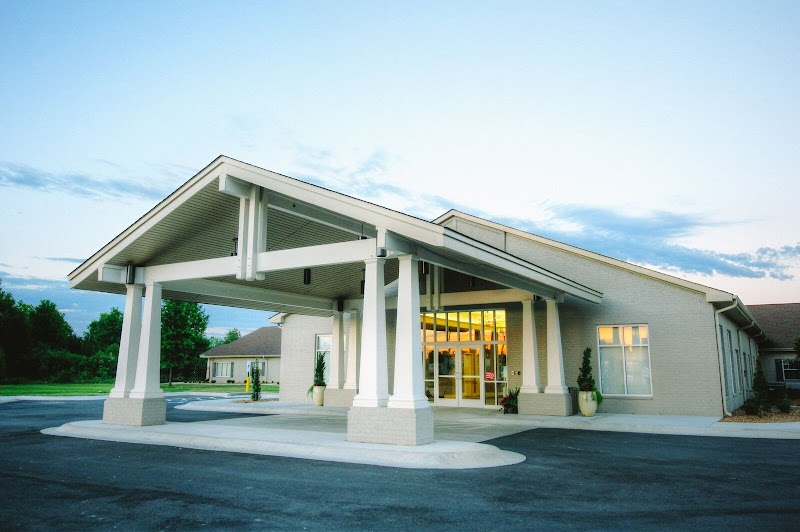
How is St Elizabeth'S Place Staffed?

CMS rates ST ELIZABETH'S PLACE's staffing level at 2 out of 5 stars, which is below average compared to other nursing homes. Staff turnover is 68%, which is 21 percentage points above the Arkansas average of 46%. High turnover can affect care consistency as new staff learn residents' individual needs. RN turnover specifically is 73%, which is notably high. RNs provide skilled clinical oversight, so turnover in this role can affect medical care quality.

What Have Inspectors Found at St Elizabeth'S Place?

State health inspectors documented 25 deficiencies at ST ELIZABETH'S PLACE during 2022 to 2025. These included: 1 that caused actual resident harm and 24 with potential for harm. Deficiencies causing actual harm indicate documented cases where residents experienced negative health consequences.
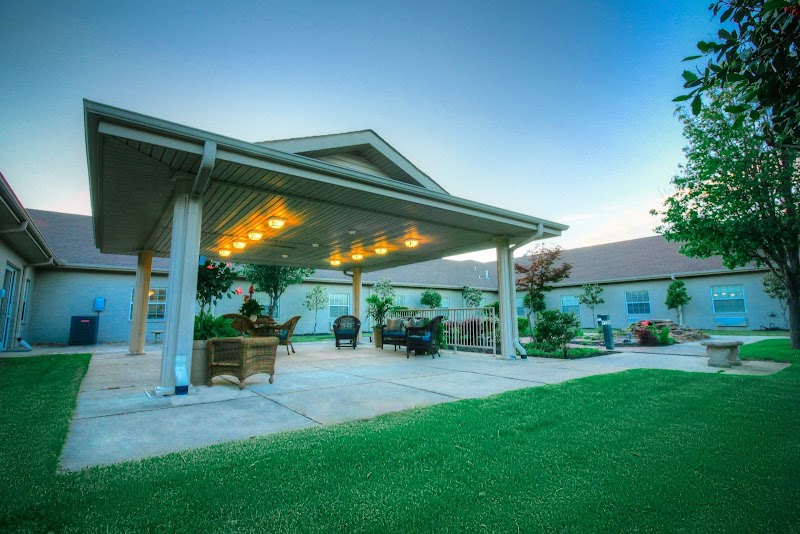
Who Owns and Operates St Elizabeth'S Place?

ST ELIZABETH'S PLACE is owned by a for-profit company. For-profit facilities operate as businesses with obligations to shareholders or private owners. The facility is operated by ANTHONY & BRYAN ADAMS, a chain that manages multiple nursing homes. With 110 certified beds and approximately 77 residents (about 70% occupancy), it is a mid-sized facility located in JONESBORO, Arkansas.
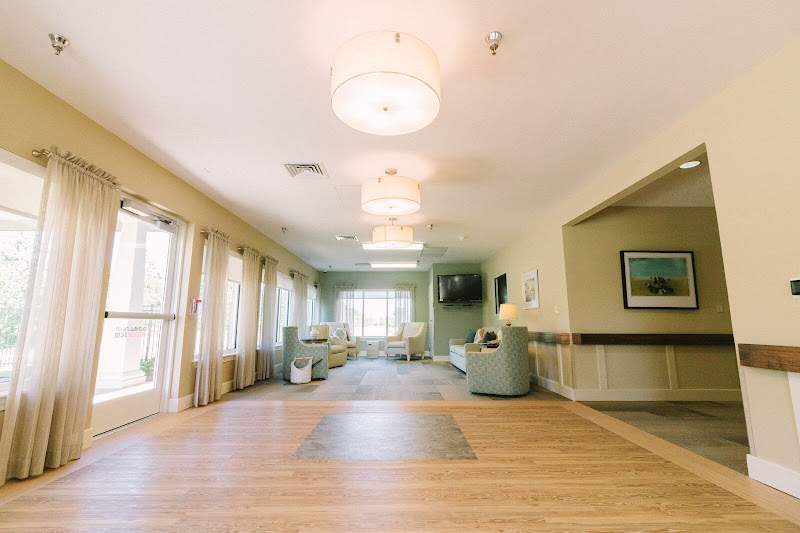
How Does St Elizabeth'S Place Compare to Other Arkansas Nursing Homes?

Compared to the 100 nursing homes in Arkansas, ST ELIZABETH'S PLACE's overall rating (3 stars) is below the state average of 3.1, staff turnover (68%) is significantly higher than the state average of 46%, and health inspection rating (4 stars) is above the national benchmark.

What Should Families Ask When Visiting St Elizabeth'S Place?

Based on this facility's data, families visiting should ask: "How do you ensure continuity of care given staff turnover, and what is your staff retention strategy?" "Can you walk me through typical staffing levels on day, evening, and night shifts?" "Can I visit during a mealtime to observe dining assistance and food quality?" "How do you handle medical emergencies, and what is your hospital transfer rate?" These questions are particularly relevant given the facility's high staff turnover rate and the below-average staffing rating.

Is St Elizabeth'S Place Safe?

Based on CMS inspection data, ST ELIZABETH'S PLACE has a clean safety record: no substantiated abuse findings (meaning no confirmed cases of resident harm), no Immediate Jeopardy citations (the most serious violation level indicating risk of serious injury or death), and is not on the Special Focus Facility watch list (a federal program monitoring the lowest-performing 1% of nursing homes). The facility has a 3-star overall rating and ranks #100 of 100 nursing homes in Arkansas. While no facility is perfect, families should still ask about staff-to-resident ratios and recent inspection results during their visit.

Do Nurses at St Elizabeth'S Place Stick Around?

Staff turnover at ST ELIZABETH'S PLACE is high. At 68%, the facility is 21 percentage points above the Arkansas average of 46%. Registered Nurse turnover is particularly concerning at 73%. RNs handle complex medical decisions and coordinate care — frequent RN changes can directly impact care quality. High turnover means new staff may not know residents' individual needs, medications, or preferences. It can also be disorienting for residents, especially those with dementia who rely on familiar faces. Families should ask: What is causing the turnover? What retention programs are in place? How do you ensure care continuity during staff transitions?

Was St Elizabeth'S Place Ever Fined?

ST ELIZABETH'S PLACE has been fined $7,443 across 1 penalty action. This is below the Arkansas average of $33,153. While any fine indicates a compliance issue, fines under $50,000 are relatively common and typically reflect isolated problems that were subsequently corrected. Families should ask what specific issues led to these fines and confirm they've been resolved.

Is St Elizabeth'S Place on Any Federal Watch List?

ST ELIZABETH'S PLACE is not on any federal watch list. The most significant is the Special Focus Facility (SFF) program, which identifies the bottom 1% of nursing homes nationally based on persistent, serious quality problems. Not being on this list means the facility has avoided the pattern of deficiencies that triggers enhanced federal oversight. This is a positive indicator, though families should still review the facility's inspection history directly.