THE SPRINGS JONESBORO
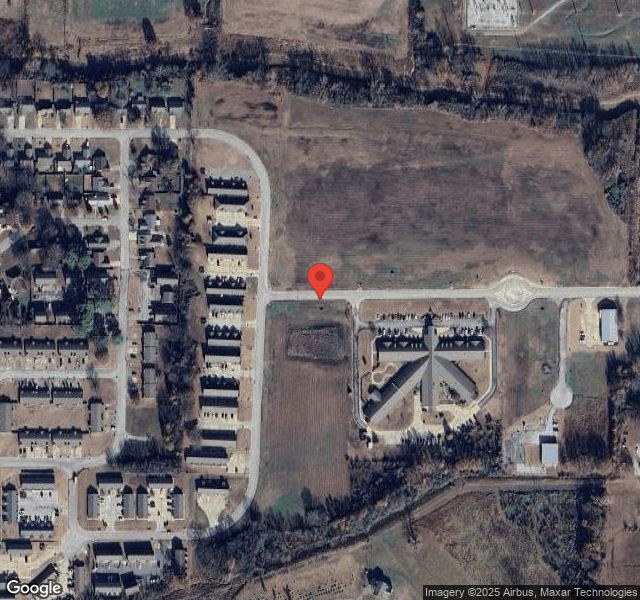
1705 LATOURETTE DRIVE, JONESBORO, AR 72404 (870) 935-7550
For profit - Limited Liability company 136 Beds THE SPRINGS ARKANSAS Data: November 2025
Trust Grade
85/100
#43 of 218 in AR
Last Inspection: June 2025

Inspected within the last 6 months. Data reflects current conditions.

Overview

The Springs Jonesboro has a Trust Grade of B+, indicating it is above average and recommended for families considering care options. It ranks #43 out of 218 facilities in Arkansas, placing it in the top half, and is the best option among the six nursing homes in Craighead County. The facility is improving, with reported issues decreasing from four in 2024 to two in 2025. Staffing is rated well, with a 4 out of 5 stars and a turnover rate of 41%, which is better than the state average, suggesting staff members are experienced and familiar with the residents' needs. On the downside, there have been some concerns, including failures to maintain proper hygiene practices, such as not washing hands between tasks and not using facial hair coverings in the kitchen, which poses risks for foodborne illnesses. Additionally, meals were not consistently prepared according to the planned menu, which could impact residents' nutritional needs. However, the absence of fines and strong RN coverage, which exceeds that of 79% of facilities in the state, suggests a commitment to quality care overall.

Trust Score
B+
85/100
In Arkansas
#43/218
Top 19%
Safety Record
Low Risk
No red flags
Inspections
Getting Better
4 → 2 violations
Staff Stability
○ Average
41% turnover. Near Arkansas's 48% average. Typical for the industry.
Penalties
✓ Good
No fines on record. Clean compliance history, better than most Arkansas facilities.
Skilled Nurses
⚠ Watch
Each resident gets only 29 minutes of Registered Nurse (RN) attention daily — below average for Arkansas. Fewer RN minutes means fewer trained eyes watching for problems.
Violations
⚠ Watch
13 deficiencies on record. Higher than average. Multiple issues found across inspections.
★★★★★
5.0
Overall Rating
★★★★☆
4.0
Staff Levels
★★★★★
5.0
Care Quality
★★★★☆
4.0
Inspection Score
Stable
2024: 4 issues
2025: 2 issues

The Good

  • 4-Star Staffing Rating · Above-average nurse staffing levels
  • 5-Star Quality Measures · Strong clinical quality outcomes
  • Full Sprinkler Coverage · Fire safety systems throughout facility
  • No fines on record
  • Staff turnover below average (41%)

    7 points below Arkansas average of 48%

Facility shows strength in staffing levels, quality measures, fire safety.

The Bad

Staff Turnover: 41%

Near Arkansas avg (46%)

Typical for the industry

Chain: THE SPRINGS ARKANSAS

Part of a multi-facility chain

Ask about local staffing decisions and management

The Ugly 13 deficiencies on record

Jun 2025 2 deficiencies
CONCERN (E)

Potential for Harm - no one hurt, but risky conditions existed

Menu Adequacy (Tag F0803)

Could have caused harm · This affected multiple residents

Based on observation, interview, and menu review, the facility failed to ensure meals were prepared and served according to the planned written menu to meet the nutritional needs of the residents for ...

Read full inspector narrative →
Based on observation, interview, and menu review, the facility failed to ensure meals were prepared and served according to the planned written menu to meet the nutritional needs of the residents for two of two meals observed. The findings include: 1. A review of the 06/09/2025 noon meal menu, indicated the residents on pureed diets were to receive 1/2 cup of pureed scalloped potatoes, 3/8 cup of vegetables, and 3/8 cup of pureed cornbread. During an observation in the kitchen on 06/09/25 at 12:46 PM, Dietary Aide (DA) #2 used a #12 scoop, which was equal to 1/3 cup, to serve a single portion of pureed vegetable blend, instead of a #10 which was equal to 3/8 cup. DA #2 also used the #12 scoop for a single portion of pureed scalloped potatoes, instead of a #8 scoop which was equal to 1/2 cup. Pureed breadcrumbs were served instead of pureed cornbread as specified on the menu. During an interview on 06/10/25 at 12:04 PM, Dietary diet, (DC) #1 was asked the reason cornbread was not served to the residents on a puree diet. DC #1 stated the staff always used breadcrumbs instead of cornbread and she forgot to do cornbread. During an interview on 06/10/25 at 12:05 PM, DA #2 was asked what scoop sizes she had used when serving pureed scalloped potatoes, pureed vegetables and how many servings she gave to each resident on pureed diets. DA #2 stated she used the green scoop #12, equal to 1/3 cup, and gave a serving each. 2. A review of the 06/10/2025 breakfast meal menu indicated the residents on pureed diets were to receive 1/2 cup of pureed hash browns. During an observation on 08/10/25 at 7:48 AM, DC #1 used a #12 scoop which was equal to 1/3 cup, to serve a single portion of pureed hash browns to the residents who received pureed diets for breakfast, instead of 1/2 cup, a #8 scoop or 4-ounce ladle spoon of pureed hash browns as specified on the menu. During an interview on 06/10/25 at 9:28 AM, DC #1 was asked what size of scoop she had used to serve pureed hash browns and how many servings she gave to each resident on pureed diets. DC #1 stated she used the green scoop #12, equal to 1/3 cup, and gave a serving each.
CONCERN (E)

Potential for Harm - no one hurt, but risky conditions existed

Food Safety (Tag F0812)

Could have caused harm · This affected multiple residents

Based on observation, record review, interview, and facility policy review, the facility failed to ensure food stored in the refrigerator, freezer, and dry storage area were covered; refrigerated food...

Read full inspector narrative →
Based on observation, record review, interview, and facility policy review, the facility failed to ensure food stored in the refrigerator, freezer, and dry storage area were covered; refrigerated food was kept refrigerated; expired food items were promptly removed and discarded on or before the expiration or use by date; dietary staff washed their hands between dirty and clean tasks and before handling clean equipment; food items were free of discoloration; ice machine and ice scoop were maintained in a sanitary condition, and manufactures instructions were followed for 2 of 2 meals observed. The findings include: 1. During an observation and interview in the facility kitchen on 06/09/25 at 10:34 AM, the Dietary Manager (DM) the following observations were made in the refrigerator: a. An opened packet of butter was stored on a shelf. The packet was not sealed, exposing it to cross contamination. During an interview, the DM stated it should have been sealed. b. An opened plastic storage bag contained slices of cheese and other cheese that were stuck together. During an interview, the DM stated that the bag of cheese should have been sealed, and the other slices of cheese should not have been put in the bag after they were melted. c. A container of chicken salad was on a shelf in the kitchen. The container had an expiration date of 06/03/2025. d. Two containers of tuna salad were stored on a shelf. The containers had expiration dates of 05/25/2025. 2. On 06/09/25 at 10:40AM, the following observations were made on a shelf above the food preparation counter: a. An opened box of salt was stored on a shelf above the food preparation counter. The box was not covered, exposing it to air and contaminants. b. An opened plastic storage bag of peppered biscuit gravy was stored on a shelf. The bag was not sealed, exposing it to air and contaminants. c. An opened bag of brown gravy was on the shelf. The bag was not sealed, exposing it to air and contaminants. d. There was an opened bag of hamburger buns on the shelf. The bag was not sealed, exposing it to air and contaminants. e. An opened box of baking soda was on the shelf. The box was not covered, exposing it to air and contaminants. f. An opened bag of breadcrumbs was on the shelf. The bag was not sealed, exposing it to air and contaminants. On 06/09/25 at 10:46 AM, during an interview, the DM stated once bags and boxes of food were opened, they were supposed to be sealed to prevent something from crawling in. 3. On 06/09/25 at 11:00 AM, the following observations were made in the storage room: a. An opened container of oatmeal. The container was not covered, exposing it to moisture from the air. b. An unopened box on a shelf that contained six bags of hot dog buns with 12 buns in each bag. All 72 buns had a sage color on them. On 06/09/25 at 11:03 AM, the DM described the appearance of what was observed on the hot dog buns. The DM stated, We just received it on 06/02/2025 and they have mold on them. c. An unopened box of cereal on a shelf had an expiration date of 05/11/25. d. Five 46-fluid ounce unopened boxes of nectar fruit punch were on a shelf with expiration dates of 06/04/2025. e. A wheeled container of powdered sugar was stored under the rack in the storage room. The container was not covered. f. An open bag of corn meal was stored on a shelf. The bag was not sealed. g. An opened gallon of spaghetti sauce was on a shelf. The manufacturer specification on the bottle indicated to refrigerate after opening. h. An opened gallon of burrito sauce was on a shelf. The manufacturer specification on the bottle indicated to refrigerate after opening. i. An opened bag of corn starch was on a shelf. The bag was not sealed. 4. On 06/09/25 at 11:22 AM, during the concurrent interview and observation, the following observations were made in the walk-in freezer. The freezer temperature was -2 degrees Fahrenheit. a. An opened box of garlic was on a shelf. The box was not covered or sealed. b. An opened box of biscuits was on a shelf. The box was not covered or sealed. c. An opened box of okra was on a shelf. The box was not covered or sealed. d. An opened box of pizza was on a shelf. The box was not covered or sealed. e. An opened box of chicken burritos with cheese was on a shelf. The box was not covered or sealed. On 06/09/25 at 11:23 AM, during an interview, the DM stated leaving food not covered or sealed would cause freezer frost bite. 5. On 06/09/25 at 11:37 AM, the ice scoop holder on the wall opposite the ice machine had water standing with black residue floating on it and the ice scoop was resting on it. The DM was asked if she could describe what was observed inside the scoop holder and she stated it had about 1/4 cup of water with black dirt floating on it and it was dirty. When asked how often she cleaned the scoop holder, she stated every week. 6. On 06/09/25 at 11:38 AM, the ice machine panel in a room leading to the kitchen had wet, black residue on it. This surveyor asked the DM to wipe the panel inside of the ice machine. She used tissue to wipe the panel inside of the ice machine which had a black, brown, and gray residue on it that easily transferred from the ice machine onto the tissue. The DM was asked to describe the residue found inside the ice machine that was shown on the tissue, who used the ice machine, and how often she cleaned it. The DM stated, It's mold and has black, brown, and gray dirt. It is supposed to be cleaned every three days, but it doesn't look like it has been cleaned. The Certified Nursing Assistants used the ice to fill beverages served to the residents for mealtimes. That was also the ice Certified Nursing Assistants used to fill the water pitchers for the residents' rooms. 7. On 06/09/25 at 11:49 AM, Dietary [NAME] (DC) #1 turned on the food preparation sink faucet and rinsed a spatula. After rinsing the spatula, she turned off the faucet with her bare hand, contaminating her hand. Without washing her hands, she picked up a clean blade and attached it to the base of the blender to be used in pureeing food items for the residents on pureed diets for lunch. When DC #1 was ready to place vegetable blend into the blender to puree, she immediately was asked what she should have done after touching dirty objects and before handling clean equipment. DC #1 stated she should have washed her hands. 8. On 06/09/25 at 12:48 PM, Dietary Aide (DA) #3, who was assisting with lunch meal, opened the refrigerator door, took out cartons of milk, and placed them in a container of ice on top of the utility food cart. During the meal service and preparation of trays, DA #3 picked up the cartons of milk. Without washing her hands, she picked up glasses with beverages in them by the rims and placed them on the trays to be served to the residents during the lunch meal. DA #3 was asked what she should have done after touching dirty objects before handling clean equipment. DA #3 stated she should have washed her hands. 9. A review of the facility policy titled, Hand Washing, indicated employees should wash their hands before the beginning of shift, and any other time deemed necessary. 10. A review of the facility policy titled, Personal Hygiene, indicated hands should always be washed before beginning work. 11. A review of the facility policy titled, Sanitation of Ice Machine, indicated ice machine should be sanitized twice a month, and ice scoop should be sanitized daily.
Nov 2024 3 deficiencies
CONCERN (D) 📢 Someone Reported This

A family member, employee, or ombudsman was alarmed enough to file a formal complaint

Potential for Harm - no one hurt, but risky conditions existed

ADL Care (Tag F0677)

Could have caused harm · This affected 1 resident

Based on observations, interviews, record review, facility document review, facility policy review, it was determined that the facility failed to ensure fingernail care was provided for 1 (Resident #7...

Read full inspector narrative →
Based on observations, interviews, record review, facility document review, facility policy review, it was determined that the facility failed to ensure fingernail care was provided for 1 (Resident #7) of 1 resident reviewed for Activities of Daily Living (ADLs). The findings include: A review of facility policy titled, Fingernails/Toenails, Care of, revised in February 2023, indicated The purposes of this procedure are to clean the nail bed, to keep nails trimmed, and to prevent infections. Nail care includes daily cleaning and regular trimming. A review of the Medical Diagnosis, indicated Resident #7 had a diagnosis of dementia. The quarterly Minimum Data Set (MDS), with an Assessment Reference Date (ARD) of 10/31/2024, revealed Resident #7 had a Staff Interview for Mental Status (SAMS) score of 3 which indicated the resident had severe cognitive impairment. A review of Resident #7's Care Plan, updated on 07/22/2024, revealed the resident had an ADL self-care performance deficit related to confusion and impaired balance. Interventions included: the resident has a contracture of the left hand, provide skin care as needed to keep clean and prevent skin breakdown and nail care, check nail length and trim and clean as necessary. A review of Resident #7's Closet Care Plan, dated 07/19/2024, indicated that Resident #7 had contracture of the left hand and skin care was to be provided as needed to keep clean and prevent skin breakdown. A review of an activity of daily living task Nail Care, revealed Resident #7 had nail care provided on 11/03/2024, 11/10/2024, 11/17/2024, and 11/24/2024. No refusals were documented. During an observation on 11/26/2024 at 8:44 AM, Resident #7's left hand appeared to be contracted as the resident could not open the hand. The ring finger fingernail on the left hand was 1/4 inches long or longer. Resident #7, then held up the right hand and stated, Just look at this black stuff. Around each fingernail cuticle and underneath each fingernail was a dark brownish substance, and the hand had a pungent odor. During an interview on 11/26/2024 at 8:50 AM, Certified Nursing Assistant (CNA) #5 confirmed the fingernail on the left hand of Resident #7 was too long and needed to be trimmed. CNA #5 stated Resident #7's right hand should have been cleaned prior serving the breakfast tray. During an interview on 11/26/2024 at 8:59 AM, the Director of Nursing (DON) confirmed the fingernail on Resident #7's left hand needed to be trimmed. The DON confirmed that Resident #7's right hand was dirty and that it would be taken care of.
CONCERN (D) 📢 Someone Reported This

A family member, employee, or ombudsman was alarmed enough to file a formal complaint

Potential for Harm - no one hurt, but risky conditions existed

Deficiency F0688 (Tag F0688)

Could have caused harm · This affected 1 resident

Based on observations, interviews, record review, facility document review, and facility policy review, it was determined the facility failed to identify, and ensure preventative measures were put int...

Read full inspector narrative →
Based on observations, interviews, record review, facility document review, and facility policy review, it was determined the facility failed to identify, and ensure preventative measures were put into place to prevent worsening of contractures for 1 (Resident #7) of 1 resident reviewed for contracture management/prevention. Findings include: A review of a facility policy titled, Resident Mobility and Range of Motion, revised in July 2024, indicated residents with limited mobility will receive appropriate services, equipment and assistance to maintain or improve mobility unless reduction in mobility is unavoidable. A review of the Medical Diagnosis, indicated the Resident #7 has a diagnosis of unspecified dementia. No diagnosis was noted for contracture to the left hand. The quarterly Minimum Data Set (MDS), with an Assessment Reference Date (ARD) of 10/31/2024, revealed Resident #7 had functional limitation in range of motion to the upper extremity on one side. A review of Resident #7's Care Plan, updated on 07/22/2024, revealed self the resident had an ADL self-care performance deficit related to confusion and impaired balance. Interventions included: the resident has a contracture of the left hand, provide skin care as needed to keep clean and prevent skin breakdown and nail care, check nail length and trim and clean as necessary. A review of Resident #7's Closet Care Plan dated 07/19/2024 indicated that Resident #7 had contracture of the left hand and skin care was to be provided as needed to keep clean and prevent skin breakdown. A review of the Clinical Admission for Resident #7 had no documentation of contracture upon admission to the facility. During an observation on 11/26/2024 at 8:44 AM, Resident #7's left hand appeared to be contracted as the resident could not open the hand. No device, hand roll or splint was observed in the room or with Resident #7. During an interview on 11/26/2024 at 8:50 AM, the Certified Nursing Assistant (CNA) #5, confirmed that Resident #7's left hand appeared to be contracted and was uncertain if there were any devices that were to be used. During an interview on 11/26/2024 at 8:59 AM, the Director of Nursing (DON) was asked if Resident #7 had a hand roll, splint or other device for the left-hand contracture. The DON responded, I will have to look, I am not sure about the contracture.
CONCERN (D) 📢 Someone Reported This

A family member, employee, or ombudsman was alarmed enough to file a formal complaint

Potential for Harm - no one hurt, but risky conditions existed

Accident Prevention (Tag F0689)

Could have caused harm · This affected 1 resident

Based on observation, interview, and record review the facility failed to properly transfer 1 (Resident #6) of 1 (Resident #6) sampled residents to prevent the potential for injury. The findings are: ...

Read full inspector narrative →
Based on observation, interview, and record review the facility failed to properly transfer 1 (Resident #6) of 1 (Resident #6) sampled residents to prevent the potential for injury. The findings are: The quarterly Minimum Data Set (MDS) with an Assessment Reference Date (ARD) of 10/12/2024, revealed Resident #6 had a Brief Interview for Mental Status (BIMS) score of 01, which indicated the resident cognitive status was severely impaired. The MDS indicated that Resident #6 was dependent on staff for transfers. A review of Resident #6's care plan revised on 03/04/2024 revealed the resident required substantial assistance by one staff with transfers. A care plan revision on 02/26/2024 indicated that resident #6 does not ambulate. On 11/25/2024 at 3:33 PM Resident #6 was in a shower chair in her room. Certified Nurse Aide (CNA) #1, and CNA #2 transferred Resident #6 from a shower chair to her bed. CNA #1 had her arm under Resident#6's right arm, and CNA #2 had her arm under Resident#6's left arm. During an interview on 11/25/2024 at 3:42 PM CNA #1 indicated that Resident #6 required 2 people for transfers using a gait belt. She indicated that she transferred Resident #6 without a gait belt because there was not a gait belt in the room. During an interview on 11/25/2024 at 3:52 PM CNA #2 indicated that Resident #6 required 2 people for transfers using a gait belt. She indicated that she transferred Resident #6 without a gait belt because there was not a gait belt in the room. She indicated that she should have gone to therapy to get a gait belt before transferring Resident #6. During an interview on 11/26/2024 at 9:50 AM, the Director of Rehab indicated that Resident #6 is a one person assist with a gait belt. During an interview on 11/26/24 at 3:23 PM the Director of Nurse (DON) indicated that Resident #6 is a two-person assist with transfers. During an interview on 11/26/24 at 3:29 PM the Director of Nurse (DON) indicated that Resident #6 is a 1 person assist with transfers. She indicated that the staff could transfer Resident #6 with a gait belt, or using the bear hug technique. Review of a facility policy titled, Safe Lifting and Movement of Residents, revised July 2024, indicated, In order to protect the safety and well-being of staff and residents, and to promote care, this facility uses appropriate techniques and devices to lift and move residents. Manual lifting of residents shall be eliminated when feasible(done). Safe lifting and movement of residents is part of an overall facility employee health and safety program which provides training on safety, and proper use of equipment.
Jul 2024 1 deficiency
CONCERN (F)

Potential for Harm - no one hurt, but risky conditions existed

Food Safety (Tag F0812)

Could have caused harm · This affected most or all residents

Based on observation, interview, record review and policy review, the facility failed to ensure hands were washed between clean and dirty tasks; hair covering was worn at all times; and meals were ser...

Read full inspector narrative →
Based on observation, interview, record review and policy review, the facility failed to ensure hands were washed between clean and dirty tasks; hair covering was worn at all times; and meals were served, and food was stored in a manner as to prevent cross contamination for the 113 residents who received their meals from one of one kitchen. The findings are: On 07/22/2024 at 10:18 AM, upon attempting to determine the internal temperature of the two-door refrigerator the Dietary Manager (DM) reported there was no thermometer located inside the machine. The shelves inside the two door refrigerator were observed to have areas of rust. On 07/22/2024 at 10:20 AM, upon entering the walk-in refrigerator the plastic sheeting covering of the door was observed to have a red substance which was spilled and had congealed and stuck to the plastic. The walk-in freezer was observed to have a red liquid substance which had spilled on the floor and left to freeze. Two steam table pans (2 inches deep) of gelatin were observed to be located on the middle shelf of the walk-in freezer. The plastic wrap had been removed from the corner of the pan exposing the mixture to air and contaminants. On 07/22/2024 at 10:21 AM, three large garbage cans were observed in front of the door to the walk-in freezer. One of the cans had no lid. The lids on top of the other two cans were ajar. On 07/22/2024 at 10:23 AM, a large plastic tub (18 gallon) labeled flour was observed to contain a foam cup which was laying on top of the flour. The large plastic tub labeled cornmeal had a foam cup laying on top of the cornmeal. The lid of the container of cornmeal had not been properly sealed leaving the contents open to air and contaminants. The large plastic container labeled thickener was observed to have a piece of blue plastic protruding from the dry ingredient. The Dietary Manager observed that the container was missing a closure which was the blue plastic piece which was half submerged into the thickener. The absence of the closure prevented the container from maintaining a proper seal, leaving the contents open to air and contaminants. On 07/22/2024 at 11:36 AM, a 21 ounce container of garlic powder was observed on a shelf above the counter in the kitchen. The lid of the container was open exposing the contents to air and contaminants. On 07/22/2024 at 11:40 AM, three large trays of dinner rolls were removed from the oven. The trays were placed on a rack to cool and were left uncovered. On 07/22/2024 at 11:45 AM, the Dietary Manager was observed with the bottom half of her hair uncovered. The hairnet was observed to cover the large top knot of hair, however leaving the bottom half of the head exposed. On 07/22/2024 at 11:47 AM, Dietary Aide #4 was observed carrying clean pitchers to the shelf for storage. Dietary Aide #4 placed her fingers inside the containers. Dietary Aide #4 was then observed to raise her shirt exposing her midriff to pull up her pants. She then lowered her shirt and wiped her hands down the front of her shirt to smooth. Dietary Aide #4 continued to the clean dish area of the dish-room and retrieved more clean dishes. Hands were not washed after touching her person or clothing and prior to touching the clean dishes. Dietary Aide #4 was observed multiple times bringing her shirt up to wipe her face. On 07/22/2024 at 11:49 AM, Dietary Aide #3 was observed to carry multiple large plastic containers to the sink to make powdered drinks. Fingers were placed inside the containers. On 07/22/2024 at 12:15 PM, Dietary Aide #2 was observed to enter the kitchen and proceed to the office prior to putting on a hair covering. A sign located at the entrance to the kitchen instructs employees to apply hair covering prior to entering the kitchen. On 07/22/2024 at 12:17 PM, Dietary Aide #3 was observed to dry his hands on his pants, adjust his face covering, and obtain a cart. Hands were not washed prior to continuing with meal service or providing coffee to a resident through the window. On 07/22/2024 at 12:20 PM, Dietary Aide #1 was observed to place her thumb on each plate prior to filling the plate for the noon meal. Dietary Aide #1 was observed to have fingernails which extend approximately one inch over the end of the finger and into the plate. On 07/22/2024 at 12:24 PM, Dietary Aide #4 was observed to place contaminated hands into each insulated dome prior when placing the dome over the plate of food. On 07/22/2024 at12:35 PM, a meal cart was observed to leave the kitchen to be delivered to the unit. The Dietary Consultant was asked if it was customary for the temperature to be taken of the food prior to serving the meal. The Dietary Consultant described that she did not take the temperature and that the new Dietary Manager forgot to do it. On 07/24/2024 at 7:35 AM, Dietary Aide #1 was observed to place her hand on her hip contaminating her hand just prior to picking up a plate. Dietary Aide #1's thumb went into each plate as it was picked up and placed on the tray. The hand to hip motion was observed between the placement of every plate served on the 300 Hall. On 07/24/2024 at 7:38 AM, Dietary Aide #1 was observed to drop an insulated base into the steam table pan containing French toast. The base encountered three slices of toast. The base was removed, and the French toast was served to the residents. On 07/24/2024 at 7:40 AM, the Dietary Manager was observed to place her fingers inside the insulated dome each time just prior to placing the dome over the hot food. On 07/24/2024 at 1:43 PM, review of a policy provided by the Administrator titled, Preventing Foodborne Illness - Food Handling revealed, the policy statement reflected food will be stored, prepared, handled and served so that the risk of foodborne illness is minimized. Review of a second policy titled, Preventing Foodborne Illness - Employee Hygiene and Sanitary Practices, addressed the prevention of food borne illness through employee hygiene and sanitary procedures. Employees must wash hands before coming into contact with any food surfaces; when changing tasks or after engaging in other activities that contaminate the hands; fingernails shall be kept clean and trimmed; hair nets or caps and/or beard restraints must be worn to keep hair from contacting exposed food. On 07/25/2024 at 8:25 AM, the Dietary Consultant reported that dietary employees should be washing their hands, every two seconds. He continued to identify after you touch your person, move from one task to the next, move from one area to the next. Concerning hair coverings, he reported that a hair covering should be applied before entering the kitchen. The nails of a dietary employee should not extend over the end of the finger. Fingers should not extend into the inside of containers, or the surface of plates or inside the domes which cover the plates. Dry ingredients should be stored in air-tight containers and should not have scoops or other items left inside.
Jun 2023 7 deficiencies
CONCERN (D)

Potential for Harm - no one hurt, but risky conditions existed

Deficiency F0658 (Tag F0658)

Could have caused harm · This affected 1 resident

**NOTE- TERMS IN BRACKETS HAVE BEEN EDITED TO PROTECT CONFIDENTIALITY** Based on observation, interview and record review, the facility failed to ensure respiratory care was provided in accordance wit...

Read full inspector narrative →
**NOTE- TERMS IN BRACKETS HAVE BEEN EDITED TO PROTECT CONFIDENTIALITY** Based on observation, interview and record review, the facility failed to ensure respiratory care was provided in accordance with Physician Orders to prevent respiratory distress or infection for 1 (Resident #102) of 5 (Residents #9, #13, #100, #102 and #310) sampled residents who received oxygen therapy according to a list provided by the Administrator on 06/22/23 at 9:22 AM. The findings are: Resident #102 had diagnoses of Tracheostomy Status, Acute Respiratory Failure with Hypoxia and Quadriplegia Unspecified. a. A Physicians Order dated 06/18/23 documented, Oxygen 10L [liters] via trach [tracheostomy] . b. A Progress Note dated 06/18/23 at 3:40 PM documented the resident returned to the facility from [Hospital] with new diagnoses including UTI [Urinary Tract Infection], Sepsis, and Pneumonia, and on oxygen at 10L. c. The readmission assessment dated [DATE] noted Resident #102 uses 10 L of oxygen. d. On 06/19/23 at 11:06 AM, 06/20/23 at 1:58 PM, 06/21/23 at 8:12 AM, 06/21/23 at 1:22 PM and 06/22/23 at 7:50 AM, observed Resident #102's oxygen flow meter rate was set at 9 liters. e. On 06/22/23 at 7:50 AM, the Surveyor asked Licensed Practical Nurse (LPN) #3 if you read a Physicians Order that documented, Oxygen at 10 liters, what should the oxygen be set at and why. LPN #3 stated it should be set at 10 so the resident gets the proper care and the right amount of medication. The Surveyor asked LPN #3 to read Resident #102's oxygen flow rate meter. She stated, It is set at 9. The Surveyor asked if there is a specific person responsible for oxygen administration. LPN #3 stated they (the nurses) are responsible for all care. f. On 06/22/23 at 8:35 AM, the Surveyor asked the Administrator why it is important to follow Physician Orders. The Administrator stated, Because we have to practice by Physician Orders, so if you are not following Physician Orders, you're not being compliant. g. A facility policy titled, Oxygen Management, last updated 06/23 documented, .Procedure/Protocol: .4. Connect the nasal cannula to the bubble humidifier and turn flow meter to the appropriate flow as ordered by the physician .
CONCERN (D)

Potential for Harm - no one hurt, but risky conditions existed

Safe Environment (Tag F0921)

Could have caused harm · This affected 1 resident

**NOTE- TERMS IN BRACKETS HAVE BEEN EDITED TO PROTECT CONFIDENTIALITY** Based on observation and interview, the facility failed to ensure the air conditioning (AC) unit was in proper working order to ...

Read full inspector narrative →
**NOTE- TERMS IN BRACKETS HAVE BEEN EDITED TO PROTECT CONFIDENTIALITY** Based on observation and interview, the facility failed to ensure the air conditioning (AC) unit was in proper working order to prevent water from leaking and leaving a puddle of water which has a potential to cause serious injury in Resident room [ROOM NUMBER]. The findings are: 1. On 06/19/23 at 7:47 AM, 10:59 AM and at 1:24 PM, in Resident room [ROOM NUMBER], there was water on floor on the left side of the bed by the AC unit. 2. On 06/20/23 at 9:16 AM, in Resident room [ROOM NUMBER], there was a water puddle on the floor by the left side of the bed by the AC unit. The water puddle was larger than it was on 06/19/23 at 1:24 PM. 3. On 06/20/23 at 1:13 PM, in Resident room [ROOM NUMBER], there was a water puddle on the left side of the bed by the AC unit. The water puddle was smaller than it was on 06/19/23 at 9:16 AM. 4. On 06/20/23 at 1:15 PM, the Surveyor asked Certified Nursing Assistant (CNA) #1, Have you seen the puddle of fluid on the floor, in front of the AC unit? CNA #1 stated, No, I will go get a towel to clean it up. The Surveyor asked, Have you ever noticed fluid in front of the AC unit? CNA #1 stated, No. 5. On 06/20/23 at 1:24 PM, the Surveyor asked Housekeeper #1 if she had seen the puddle in front of the AC unit in room [ROOM NUMBER] this AM while she was cleaning. Housekeeper #1 stated, Yes, I cleaned it up. The Surveyor asked if this was the first time she had noticed a puddle of fluid in front of the AC unit. Housekeeper #1 stated, The AC unit sweats, making the puddle of water. 6. On 06/20/23 at 2:25 PM, the Surveyor asked the Maintenance Supervisor if he was aware of a leak from the AC unit in room [ROOM NUMBER] that had caused water to puddle for two days. The Maintenance Supervisor said, No. What is happening, is the water is puddling in the bottom pan and it does not drain. So, it spills over onto the floor. I can drill a couple holes in the back, and it will drain outside.
CONCERN (E)

Potential for Harm - no one hurt, but risky conditions existed

Accident Prevention (Tag F0689)

Could have caused harm · This affected multiple residents

Based on observation and interview, the facility failed to ensure the clothes dryers remained free of excess lint to decrease the potential for fire and loss of personal property. The failed practice ...

Read full inspector narrative →
Based on observation and interview, the facility failed to ensure the clothes dryers remained free of excess lint to decrease the potential for fire and loss of personal property. The failed practice had the ability to affect all 101 residents who resided in the facility according to the Census and Conditions of Residents provided by the Administrator on 06/19/23 at 12:40 PM. The findings are: 1. On 06/21/23 at 8:15 AM, the Surveyor asked the Laundry Manager to open the bottom panel of the dryer which houses the lint trap. The lint screen was covered in a layer of lint thick enough to separate from the screen and hang down toward the bottom of the dryer. Above the screen was a bundle of lint 2 to 3 inches thick. The bottom of the dryer was covered in lint particles including a sheet of lint and debris. 2. On 06/21/23 at 8:20 AM, the Surveyor asked the Laundry Manager how often the lint was removed from the dryer. She stated, This is just from 2 hours of running this morning. We empty it after a certain number of loads depending on what we are drying, and we follow the manufacturer's guidelines. The Laundry Manager provided a schedule where the laundry employees are to initial and document the time when the lint filter is cleaned. The schedule started on 06/19/23 and contained only 2 entries on 06/20/23. The Laundry Manager stated, Oh those were just written on the wrong day, those were for today. According to the schedule the lint was removed at 6:30 AM. 3. A policy titled, [Brand]/Tumble Dryer Maintenance, provided by the Administrator on 06/22/23 at 8:35 documented, .Maintenance .Daily .3. Clean lint from lint compartment and screen to maintain proper airflow and avoid overheating . 4. On 6/22/23 at 9:50 AM, the Surveyor asked the Administrator how often the lint screen should be cleaned. He stated, Let me check my policy.
CONCERN (E)

Potential for Harm - no one hurt, but risky conditions existed

Deficiency F0761 (Tag F0761)

Could have caused harm · This affected multiple residents

Based on observation, interview and record review, the facility failed to ensure the medication carts were locked when out of the nurse's sight, medication was not left on top of the medication carts ...

Read full inspector narrative →
Based on observation, interview and record review, the facility failed to ensure the medication carts were locked when out of the nurse's sight, medication was not left on top of the medication carts when out of the line of the nurse's sight for 1 of 1 medication cart and failed to ensure over the counter (OTC) medications were dated when opened. The findings are: 1. On 06/20/23 at 8:18 AM, Registered Nurse (RN) #1 left the medication cart unlocked when she went into a residents' room to administer medication. 2. On 06/20/23 at 8:23 AM, RN #1 administered insulin to a resident and left the bottle of insulin on top of the medication cart unattended and out of the line of sight of RN #1. 3. On 06/20/23 at 8:57 AM, RN #1 opened a new bottle of Zinc, an OTC medication, and did not document the date opened on the medication bottle before she put it back into the drawer on the medication cart. 4. On 06/21/23 at 2:06 PM, the Surveyor asked Licensed Practical Nurse (LPN #1) when you leave your cart to take medicine into the resident's room, what should you do. LPN #1 stated, Make sure you lock your cart and that your screen is blank. The Surveyor asked if you are preparing meds (medications) on top of your med cart, what would you do with the meds you have used. LPN #1 stated, Make sure the meds are back in their drawers and locked. The Surveyor asked if you open a new bottle of medication, what should you do with the new bottle. LPN #1 stated, It should be dated the day the new bottle is opened. 5. On 06/21/23 at 2:10 PM, the Surveyor asked LPN #2 when you leave your cart to take medicine into the resident's room, what should you do. LPN #2 stated, The cart is locked, and the screen should be blank. The Surveyor asked if you have prepared your meds on top of your med cart, what should happen before you take the meds to the resident. LPN #2 Unused meds need to be returned to the cart. The Surveyor asked if you open a new bottle of meds what are you supposed to do. LPN #2 said, The bottle is dated the date you opened it. 6. On 06/21/23 at 2:18 PM, the Surveyor asked the Director of Nursing (DON) if you are preparing meds for a resident what should you do before you take the meds to the residents. The DON stated, Clear the meds off the top of the carts and lock them. The Surveyor asked if you are taking the meds to the resident what should be done. The DON stated, Lock the cart and make sure the computer screen is blank. The Surveyor asked if you get a new bottle of meds what do you do when the new bottle is opened. The DON said, Make sure the expiration date is current. 7. The facility policy titled, Storage of Medications, documented, .The facility stores all drugs and biologicals in a safe, secure, and orderly manner . 6. Compartments (including, but not limited to, drawers, cabinets, rooms, refrigerators, carts, and boxes) containing drugs and biologicals are locked when not in use. Unlocked medication carts are not left unattended .
CONCERN (E)

Potential for Harm - no one hurt, but risky conditions existed

Deficiency F0805 (Tag F0805)

Could have caused harm · This affected multiple residents

**NOTE- TERMS IN BRACKETS HAVE BEEN EDITED TO PROTECT CONFIDENTIALITY** Based on observation, interview and record review, the facility failed to ensure pureed food items were blended to a smooth, lum...

Read full inspector narrative →
**NOTE- TERMS IN BRACKETS HAVE BEEN EDITED TO PROTECT CONFIDENTIALITY** Based on observation, interview and record review, the facility failed to ensure pureed food items were blended to a smooth, lump free consistency to minimize the risk of choking or other complications for residents who required pureed diets for 1 of 1 meal observed. The failed practice had the potential to affect 5 residents who received a pureed diet as documented on a list provided by the Administrator on 06/22/23 at 9:22 AM. The findings are: 1. On 06/19/23 at 12:35 PM, a resident who received a pureed tray was being fed their lunch meal. The pureed ham was observed to have a [NAME] appearance. When the spoon was placed into the ham mixture the particles remained and did not appear smooth. The pureed cabbage was observed to have liquid pooling around the bottom of the mixture. The bread mixture maintained its shape and when the utensil was inserted a piece came away whole, having reformed into a solid mixture. 2. On 06/19/23 at 12:40 PM, the Administrator instructed the Certified Nursing Assistant (CNA) to stop feeding the ham mixture to the residents. The Administrator then instructed the Dietary Manager to prepare more ham and to process the ham until smooth. 3. On 06/22/23 at 8:20 AM, the Surveyor asked the Dietary Manager to describe the desired consistency of pureed food. She stated, Pudding. The Surveyor asked why it is important that food is served at the correct consistency. She stated, So it won't be running all over the plate, so they can swallow it correctly. 4. A facility policy titled, Therapeutic Diets, provided by the Administrator on 06/22/23 at 8:35 AM documented, .4. A 'therapeutic diet' is considered a diet ordered by a physician, practitioner or dietitian as part of treatment for a disease or clinical condition, to modify specific nutrients in the diet, or to alter the texture of a diet, for example: .d. altered consistency diet .
CONCERN (E)

Potential for Harm - no one hurt, but risky conditions existed

Infection Control (Tag F0880)

Could have caused harm · This affected multiple residents

Based on observation and interview, the facility failed to ensure linen was processed in a manner to limit the possibility of cross contamination. The failed practice had the ability to affect all res...

Read full inspector narrative →
Based on observation and interview, the facility failed to ensure linen was processed in a manner to limit the possibility of cross contamination. The failed practice had the ability to affect all residents who resided in the facility and utilize linen processed by 1 of 1 laundry according to a list provided by the Administrator on 06/22/23 at 9:22 AM. The findings are: 1. On 06/21/23 at 8:20 AM, Laundry Employee (LE) #1 was standing next to a folding table in the clean side of the laundry facility folding clean blankets and towels. LE #1 was holding the blanket against her person allowing the blanket to come in contact with her clothing. LE #1 placed the blanket under her chin and used her chin to hold the blanket against her chest as the blanket was folded. The Surveyor asked LE #1 if she should allow the clean laundry to touch her clothing as she was folding it. She stated, I don't know. 2. On 06/21/23 at 8:18 AM, the Housekeeping Manager and LE #1 were asked to identify what, if anything, clean laundry was ok to touch when folding. They both identified the floor as the only thing that should be avoided when processing clean laundry. 3. On 06/22/23 at 9:14 AM, the Surveyor asked the Administrator what clean laundry should not come into contact with to prevent cross contamination. The Administrator stated, The floor and your clothing.
CONCERN (F)

Potential for Harm - no one hurt, but risky conditions existed

Food Safety (Tag F0812)

Could have caused harm · This affected most or all residents

Based on observation, interview and record review, the facility failed to ensure dietary employees maintained proper facial hair covering, dishes were processed in a manner that prevents cross contami...

Read full inspector narrative →
Based on observation, interview and record review, the facility failed to ensure dietary employees maintained proper facial hair covering, dishes were processed in a manner that prevents cross contamination, and employees washed their hands before handling clean equipment or food items to prevent potential food borne illness for residents who received meals from 1 of 1 kitchen. The failed practices had the ability to affect 99 residents who received meals from 1 of 1 kitchen according to a list obtained from the Administrator on 06/22/23 at 9:22 AM. The findings are: 1. On 06/19/23 at 11:00 AM, Dietary Employee (DE) #1 was observed in the kitchen with his facial hair uncovered. 2. On 06/19/23 at 11:02 AM, in the kitchen there was a large trash can with trash protruding from the top with no lid. 3. On 06/19/23 at 11:05 AM, 2 large pans of cornbread were sitting on top of the oven uncovered. 4. On 06/19/23 at 11:11 AM, a personal drink belonging to a dietary employee was sitting in front of the microwave in the kitchen work area. 5. On 06/19/23 at 11:34 AM, DE #2 was observed moving a tray of cornbread from the oven to the worktable for slicing, holding the tray against her clothing/person. She then removed a second tray from the oven and brought it to the work area holding the tray against her person allowing her clothing to brush the top of the bread. 6. On 06/19/23 at 11:52 AM, DE #3 carried a large clean tray from the dish room pressed against her person allowing her clothing to brush the inside of the tray contaminating the tray during transport. DE #3 then returned a clean cutting board to the work area. During transport, the cutting board was pressed against the DE #3's t-shirt which was wet from the cast off while washing dishes. 7. On 06/19/23 at 12:12 PM, DE #3 removed her cell phone from the pocket of her pants with her gloved hands, contaminating her gloves. With contaminated gloves DE #3 continued to prepare food for lunch. 8. On 06/19/23 at 12:19 PM, DE #1 was preparing to serve the lunch meal. Upon reaching for a base for the plate he dislodged 11 insulated plate bases which fell onto the large steam table pan filled with sliced ham for lunch. Multiple slices of ham were contaminated and were served to the residents. 9. On 06/20/23 at 11:15 AM, DE #1 was in the kitchen with his facial hair uncovered. 10. On 06/20/23 at 11:43 AM, DE #4 donned a pair of clear gloves. With gloved hands she obtained a double bag of rolls and used her gloved hands to tear the plastic bag revealing the rolls. With contaminated gloves DE #4 proceeded to remove the rolls from the packaging, break them apart and place in a steam table pan. 11. On 06/22/23 at 8:10 AM, the Surveyor asked the Dietary Manager when a covering for facial hair was to be worn when in the kitchen. She stated, All the time. The Surveyor asked if it was important to prevent cross contamination of dishes and utensils. She stated, Yes. The Surveyor asked to discuss ways in which cross contamination could be minimized. She stated, They should remember to wash their hands, not stop between the dish room and where the item is stored and remember to store the item correctly. Wearing an apron helps, I have ordered aprons I think two times, but I was turned down because of the funds. The Surveyor asked when it is important to wash hands. She stated, Between clean and dirty tasks, when coming into the kitchen, after the restroom. 12. A facility policy titled, Preventing Foodborne Illness - Employee Hygiene and Sanitary Practices, provided by the Administrator on 06/22/23 at 8:35 AM documented, Policy Statement Food and nutrition services employees will follow appropriate hygiene and sanitary procedures to prevent the spread of food borne illness . 6. Employees must wash their hands: .f. after handling soiled equipment or utensils; g. during food preparation, as often as necessary to remove soil and contamination and to prevent cross contamination when changing tasks; and/or . h. after engaging in other activities that contaminate the hands .
Understanding Severity Codes (click to expand)
Life-Threatening (Immediate Jeopardy)
J - Isolated K - Pattern L - Widespread
Actual Harm
G - Isolated H - Pattern I - Widespread
Potential for Harm
D - Isolated E - Pattern F - Widespread
No Harm (Minor)
A - Isolated B - Pattern C - Widespread

Questions to Ask on Your Visit

  • "Can I speak with families of current residents?"
  • "What's your RN coverage like on weekends and overnight?"

Our Honest Assessment

Strengths
  • • Grade B+ (85/100). Above average facility, better than most options in Arkansas.
  • • No major safety red flags. No abuse findings, life-threatening violations, or SFF status.
  • • No fines on record. Clean compliance history, better than most Arkansas facilities.
  • • 41% turnover. Below Arkansas's 48% average. Good staff retention means consistent care.
Concerns
  • • 13 deficiencies on record. Higher than average. Multiple issues found across inspections.
Bottom line: Generally positive indicators. Standard due diligence and a personal visit recommended.

About This Facility

What is The Springs Jonesboro's CMS Rating?

CMS assigns THE SPRINGS JONESBORO an overall rating of 5 out of 5 stars, which is considered much above average nationally. Within Arkansas, this rating places the facility higher than 99% of the state's 100 nursing homes. This rating reflects solid performance across the metrics CMS uses to evaluate nursing home quality.

How is The Springs Jonesboro Staffed?

CMS rates THE SPRINGS JONESBORO's staffing level at 4 out of 5 stars, which is above average compared to other nursing homes. Staff turnover is 41%, compared to the Arkansas average of 46%. This relatively stable workforce can support continuity of care.

What Have Inspectors Found at The Springs Jonesboro?

State health inspectors documented 13 deficiencies at THE SPRINGS JONESBORO during 2023 to 2025. These included: 13 with potential for harm.

Who Owns and Operates The Springs Jonesboro?

THE SPRINGS JONESBORO is owned by a for-profit company. For-profit facilities operate as businesses with obligations to shareholders or private owners. The facility is operated by THE SPRINGS ARKANSAS, a chain that manages multiple nursing homes. With 136 certified beds and approximately 115 residents (about 85% occupancy), it is a mid-sized facility located in JONESBORO, Arkansas.

How Does The Springs Jonesboro Compare to Other Arkansas Nursing Homes?

Compared to the 100 nursing homes in Arkansas, THE SPRINGS JONESBORO's overall rating (5 stars) is above the state average of 3.2, staff turnover (41%) is near the state average of 46%, and health inspection rating (4 stars) is above the national benchmark.

What Should Families Ask When Visiting The Springs Jonesboro?

Based on this facility's data, families visiting should ask: "Can I visit during a mealtime to observe dining assistance and food quality?" "How do you handle medical emergencies, and what is your hospital transfer rate?" "Can I speak with family members of current residents about their experience?"

Is The Springs Jonesboro Safe?

Based on CMS inspection data, THE SPRINGS JONESBORO has a clean safety record: no substantiated abuse findings (meaning no confirmed cases of resident harm), no Immediate Jeopardy citations (the most serious violation level indicating risk of serious injury or death), and is not on the Special Focus Facility watch list (a federal program monitoring the lowest-performing 1% of nursing homes). The facility has a 5-star overall rating and ranks #1 of 100 nursing homes in Arkansas. While no facility is perfect, families should still ask about staff-to-resident ratios and recent inspection results during their visit.

Do Nurses at The Springs Jonesboro Stick Around?

THE SPRINGS JONESBORO has a staff turnover rate of 41%, which is about average for Arkansas nursing homes (state average: 46%). Moderate turnover is common in nursing homes, but families should still ask about staff tenure and how the facility maintains care continuity when employees leave.

Was The Springs Jonesboro Ever Fined?

THE SPRINGS JONESBORO has no federal fines on record. CMS issues fines when nursing homes fail to meet care standards or don't correct problems found during inspections. The absence of fines suggests the facility has either maintained compliance or corrected any issues before penalties were assessed. This is a positive indicator, though families should still review recent inspection reports for the full picture.

Is The Springs Jonesboro on Any Federal Watch List?

THE SPRINGS JONESBORO is not on any federal watch list. The most significant is the Special Focus Facility (SFF) program, which identifies the bottom 1% of nursing homes nationally based on persistent, serious quality problems. Not being on this list means the facility has avoided the pattern of deficiencies that triggers enhanced federal oversight. This is a positive indicator, though families should still review the facility's inspection history directly.