THE BLOSSOMS AT OAKDALE REHAB & NURSING CENTER
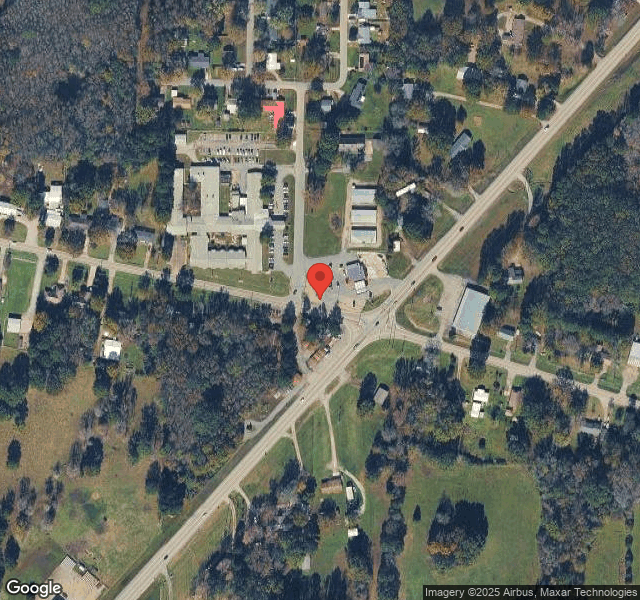

101 CYNTHIA STREET, JUDSONIA, AR 72081 (501) 729-3823
For profit - Limited Liability company 154 Beds THE BLOSSOMS NURSING AND REHAB CENTER Data: November 2025
Trust Grade
50/100
#169 of 218 in AR
Last Inspection: January 2025

Within standard 12-15 month inspection cycle. Federal law requires annual inspections.

Overview

The Blossoms at Oakdale Rehab & Nursing Center has a Trust Grade of C, which means it is average and falls in the middle of the pack among nursing homes. It ranks #169 of 218 facilities in Arkansas, placing it in the bottom half, and is #4 out of 4 in White County, indicating only one local option is better. Unfortunately, the facility is worsening, with reported issues increasing from 5 in 2024 to 11 in 2025. Staffing is a concern, rated at 2 out of 5 stars, and while there are no fines recorded, the RN coverage is lower than 90% of facilities in the state, which could impact resident care. Recent inspections revealed several food safety issues, including improperly stored food that could lead to contamination, and a failure to ensure residents had their advance directives properly addressed, suggesting that while there are some efforts to provide care, significant weaknesses remain.

Trust Score
C
50/100
In Arkansas
#169/218
Bottom 23%
Safety Record
Low Risk
No red flags
Inspections
Getting Worse
5 → 11 violations
Staff Stability
⚠ Watch
55% turnover. Above average. Higher turnover means staff may not know residents' routines.
Penalties
✓ Good
No fines on record. Clean compliance history, better than most Arkansas facilities.
Skilled Nurses
⚠ Watch
Each resident gets only 10 minutes of Registered Nurse (RN) attention daily — below average for Arkansas. Fewer RN minutes means fewer trained eyes watching for problems.
Violations
⚠ Watch
27 deficiencies on record. Higher than average. Multiple issues found across inspections.
★★☆☆☆
2.0
Overall Rating
★★☆☆☆
2.0
Staff Levels
★★★☆☆
3.0
Care Quality
★★☆☆☆
2.0
Inspection Score
Stable
2024: 5 issues
2025: 11 issues

The Good

  • Full Sprinkler Coverage · Fire safety systems throughout facility
  • No fines on record

Facility shows strength in fire safety.

The Bad

2-Star Overall Rating

Below Arkansas average (3.1)

Below average - review inspection findings carefully

Staff Turnover: 55%

Near Arkansas avg (46%)

Higher turnover may affect care consistency

Chain: THE BLOSSOMS NURSING AND REHAB CENT

Part of a multi-facility chain

Ask about local staffing decisions and management

The Ugly 27 deficiencies on record

Jan 2025 11 deficiencies
CONCERN (D)

Potential for Harm - no one hurt, but risky conditions existed

Transfer Notice (Tag F0623)

Could have caused harm · This affected 1 resident

Based on record review and interview, the facility failed to ensure a resident's discharge/transfer information was sent in a timely manner to the Office of the Ombudsman, affecting 1 (Resident 28) of...

Read full inspector narrative →
Based on record review and interview, the facility failed to ensure a resident's discharge/transfer information was sent in a timely manner to the Office of the Ombudsman, affecting 1 (Resident 28) of 1 resident sampled for transfers and discharge, and any resident discharged or transferred since the system change. Findings include: A review of the Medical Diagnosis portion of the electronic health record revealed Resident 28 had diagnoses of respiratory failure, heart attack, and chronic obstructive pulmonary disease. The quarterly Minimum Data Set (MDS) with an Assessment Reference date (ARD) of 10/15/2024 suggested a Brief Interview for Mental Status (BIMS) score of 15 (13-15 indicates the resident was cognitively intact). On 01/16/2025 at 09:45 AM, the Administrator was asked for a list of discharge/transfers that were sent to the Ombudsman since October 2024 showing Resident 28's hospitalization on October 6, 2024, and he stated that he will be honest it got behind, and [MDS] is doing them and had to catch them up. On 01/16/2025 at 10:35 AM, the Administrator confirmed he does not have a list of resident discharge/transfers for the last 4 months. Administrator provided a copy of the SNF/NF to Hospital Transfer Form, dated 10/06/2024, and stated this is all he can find from Resident 28 ' s hospitalization. When asked to confirm whether the required information was sent to the Ombudsman regarding Resident 28 ' s hospitalization, he said it got behind, then the MDS nurse said they just found out about it yesterday and was told to get it caught up and done. On 01/16/2025 at 10:42 AM, MDS 2 stated she had been in her role for several years, and that she has never faxed a discharge transfer list to the Ombudsman and does not have a policy or procedure, and stated, I just found out about this yesterday. MDS 2 confirmed she does not know why this information is tracked for the Ombudsman.
CONCERN (D)

Potential for Harm - no one hurt, but risky conditions existed

Deficiency F0625 (Tag F0625)

Could have caused harm · This affected 1 resident

**NOTE- TERMS IN BRACKETS HAVE BEEN EDITED TO PROTECT CONFIDENTIALITY** Based on record review, interview, and facility policy review, the facility failed to ensure a resident or their representative ...

Read full inspector narrative →
**NOTE- TERMS IN BRACKETS HAVE BEEN EDITED TO PROTECT CONFIDENTIALITY** Based on record review, interview, and facility policy review, the facility failed to ensure a resident or their representative received a written notice of the bed hold policy in a language they can understand for 1 of 1 sampled (Resident 28) resident. Findings include: A review of Medical Diagnosis revealed Resident 28 had diagnoses of respiratory failure, heart attack, and chronic obstructive pulmonary disease. The quarterly Minimum Data Set (MDS) with an Assessment Reference date (ARD) of 10/15/2024 revealed Resident 28 received a Brief Interview for Mental Status (BIMS) score of 15 (13-15 indicates cognitively intact). On 01/16/2025 08:33 AM, the Administrator was asked for bed holds for Resident 28 for April and October of 2024. The Administrator revealed that they did not have a business office manager during that time, and he would be reaching out to the person that was doing bed holds to see if Resident 28 had one. On 01/16/2025 at 09:00 AM, Resident 28 was asked if she received a bed hold policy, or something explaining how Resident 28 could reserve residents room while hospitalized on [DATE]. Resident 28 did not recall being provided a bed hold policy. On 01/16/2025 at 09:40 AM, the Business Office Manager (BOM) stated that she does not know who was doing bed holds last year prior to the system change, and Resident 28 does not have any bed holds for last year. When asked why it is important to give residents bed holds, the BOM stated it is important so that residents and families know their financial responsibility if they return to the facility, and we hold their bed. She confirmed that residents sent to the hospital should have a bed hold. The BOM was asked to provide a bed hold policy or procedure. On 01/16/2025 at 09:50 AM, the Administrator provided a policy titled Bed Holds and Returns, effective 05/2021, revealing prior to transfers or therapeutic leave, residents or their representative will be informed in writing of the facility bed hold policy. On 01/16/2025 at 10:34 AM, the Administrator provided a copy of the SNF/NF to Hospital Transfer Form, dated 10/06/2024, revealing Resident 28 was sent to the hospital. The Administrator stated that he knows this is not a bed hold but it is the only paperwork he can find showing Resident 28 was sent to the hospital.
CONCERN (D)

Potential for Harm - no one hurt, but risky conditions existed

PASARR Coordination (Tag F0644)

Could have caused harm · This affected 1 resident

**NOTE- TERMS IN BRACKETS HAVE BEEN EDITED TO PROTECT CONFIDENTIALITY** Based on interview and record review, the facility failed to ensure the state designated authority was informed when 1 (Resident...

Read full inspector narrative →
**NOTE- TERMS IN BRACKETS HAVE BEEN EDITED TO PROTECT CONFIDENTIALITY** Based on interview and record review, the facility failed to ensure the state designated authority was informed when 1 (Resident #39) of 2 (Resident #39 and #41) sampled residents reviewed for Preadmission Screening and Resident Review (PASARR) received a new diagnosis that required evaluation. The findings included: A review of Resident #39's Medical Diagnoses indicated that Resident #39 was diagnosed with bipolar disorder, unspecified on 9/01/2023. The quarterly Minimum Data Set (MDS), with an Assessment Reference Date (ARD) of 11/19/2024, revealed Resident #39 had a Brief Interview for Mental Status score of 15, which indicated the resident was cognitively intact. On 1/16/2025 at 10:22 AM, the state designated authority indicated the last Level 1 application for PASARR for Resident #39 was on 12/20/2021. When contacted by phone, the state designated authority indicated that they were not informed that Resident #39 was a resident at this facility, and they were not aware of his bipolar diagnosis. On 1/16/2025 at 11:09 AM, the Director of Nursing (DON) indicated that the MDS staff are responsible for notifying the state designated authority if a resident had a new diagnosis that requires a PASARR. On 1/16/2025 at 11:18 AM, MDS #2 indicated that Resident #39 was admitted before she took over the position as MDS Coordinator. MDS #2 indicated that Resident #39 transferred from another facility, and he had a PASARR from the other facility. MDS #2 indicated that Resident #39 was admitted [DATE], and the state designated authority was notified. MDS #2 indicated that she is now responsible for contacting the state designated authority if a resident had a new diagnosis that required a PASARR screening. MDS #2 indicated that Resident #39 was admitted with a PASARR, and a new PASARR was not obtained.
CONCERN (D)

Potential for Harm - no one hurt, but risky conditions existed

Drug Regimen Review (Tag F0756)

Could have caused harm · This affected 1 resident

Based on interview and record review, the facility failed to ensure a physician order was followed for a dose reduction for 1 (Resident #43) of 5 residents reviewed for unnecessary medications. The f...

Read full inspector narrative →
Based on interview and record review, the facility failed to ensure a physician order was followed for a dose reduction for 1 (Resident #43) of 5 residents reviewed for unnecessary medications. The findings are: The quarterly Minimum Data Set (MDS), with an Assessment Reference Date (ARD) of 10/25/2024, revealed Resident #43 had a Brief Interview for Mental Status score of 14, which indicated the resident was cognitively intact. A review of Resident #43's Care Plan, initiated on 6/07/2024, indicated staff were to administer antidepressant medications as ordered by the physician. A review of an Order Summary Report, revealed Aripiprazole, a medication that is used for depression, was ordered on 4/29/2024 at a dose of 15 milligrams. A review of a form titled Pharmacy MRR (Medication Regimen Review), indicated that the pharmacist made a recommendation to reduce the resident ' s dose of Aripiprazole to 10 milligrams daily on 9/03/2024. The physician agreed with the pharmacist's recommendation on 9/04/2024. The Director of Nursing (DON) or designated nurse did not reduce the Aripiprazole. The DON or designated nurse did not sign or date the form acknowledging the dose reduction. On 1/16/25 at 11:11 AM, the DON indicated that she doesn't know why the dose reduction for Resident #43's Aripiprazole wasn't completed in September of 2024.
CONCERN (D)

Potential for Harm - no one hurt, but risky conditions existed

Deficiency F0919 (Tag F0919)

Could have caused harm · This affected 1 resident

Based on observation, record review, and interview, the facility failed to ensure a resident had a functional call light, and that call light was kept in reach to prevent accidents and injuries for 1 ...

Read full inspector narrative →
Based on observation, record review, and interview, the facility failed to ensure a resident had a functional call light, and that call light was kept in reach to prevent accidents and injuries for 1 (Resident 25) of 1 resident sampled for resident communication availability and functionality. A review of Medical Diagnosis revealed Resident 25 with a diagnoses of dementia, stroke, and heart failure. The Annual Minimum Data Set (MDS) with an Assessment Reference Date (ARD) of 02/07/2024 suggest a Brief Interview for Mental Status (BIMS) score of 00 (00-7 indicates severe cognitive impairment). Section GG0120 reveals resident uses a walker, and section GG0170 indicates Resident 25 can walk 50 feet with supervision. Findings include: On 01/13/2025 at 11:21 AM, Resident 25 was observed resting in A bed without a call light in reach. There is only one call light, and it is on the unoccupied B bed. The surveyor pulled the bathroom emergency cord and the light did not come on above the outside door. Resident 25 asked what would you do if you needed to call for help, and Resident 25 responded, I do not know. On 01/13/2025 at 11:33 AM, Certified Nursing Assistant (CNA) 3 pressed the call light button on the unoccupied B bed and said it did not work. CNA 3 stated the resident could fall and get stuck and need us and not be able to call. CNA 3 tested the call lights and revealed the only working call light is the bathroom call light and explained that the light does not come on above the door. The call light on the unoccupied B bed was observed not to be attached to the wall. On 01/14/2025 at 08:45 AM, CNA 4 was observed in Resident 25's room and was asked if the call lights were working. CNA 4 pressed the call light button now resting on A bed and confirmed It is not lighting up on the wall and stated it does not work. On 01/15/2025 at 08:10 AM, Resident 25 was observed sitting on the toilet, and she stood up and is hanging on to the wall trying to get to the bed. Resident 25 appeared shaky and unsteady. On 01/15/2025 at 08:14 AM, Licensed Practical Nurse (LPN) 7 presented to Resident 25's room, and handed Resident 25 a rolling walker and Resident 25 rolled to the sink to wash her hands. LPN 7 was asked if the resident is capable of using her call light, and LPN 7 confirmed that she does know how to use the call light and should call for assistance. CNA 8 was asked if the call light had been fixed. Yes, I believe so. They said they did. The surveyor pressed the call light button, and it did not light up at the control on the wall by Resident 25 ' s bed. On 01/15/2025 at 09:02 AM, LPN 7 confirmed they have a 500-hall maintenance log (the unit on which Resident 25 resided), and did not find a report that Resident 25 did not have a call light in her room. On 01/15/2025 at 09:10 AM, the surveyor observed Resident 25 sitting up in a wheelchair watching TV, and the call light was out of reach wrapped around the rail of A bed and resting in the floor behind Resident 25's wheelchair. On 01/15/25 at 09:40 AM, the Administrator confirmed that all residents should have a working call light for safety reasons. He stated that the battery might be dead and need changed. Administrator revealed that he is aware they have some call light issues. During an interview on 01/15/25 at 01:00 PM, the Director of Nursing (DON) was asked for the process staff were expected to follow when leaving a resident room and ensuring they can call for assistance. The DON reported that the call light should be placed in residents reach. The DON stated that a resident not having a call light would not be appropriate, and residents would not be able to call staff if they had a concern, it is a safety issue. On 01/15/2025 at 01:17 PM, the DON provided documentation of an in-service titled November-CNA In-Service, dated 11/07/2024, revealing topic included rounds, falls, call-ins, documentation, meal service, showers, nails, and call lights/pagers. No other information applies to Resident 25 not having a call light.
CONCERN (E)

Potential for Harm - no one hurt, but risky conditions existed

Deficiency F0578 (Tag F0578)

Could have caused harm · This affected multiple residents

**NOTE- TERMS IN BRACKETS HAVE BEEN EDITED TO PROTECT CONFIDENTIALITY** Based on interview and record review the facility failed to ensure a resident's Advance Directive was signed by resident or resi...

Read full inspector narrative →
**NOTE- TERMS IN BRACKETS HAVE BEEN EDITED TO PROTECT CONFIDENTIALITY** Based on interview and record review the facility failed to ensure a resident's Advance Directive was signed by resident or resident's power of attorney regarding the resident's right to request, refuse, and/or discontinue treatment, and to formulate an advance directive for 1 (Resident #49) of 1 resident reviewed for advanced directives/ The findings are: Resident #49 ' s Minimum Data Set with an Assessment Reference Date of [DATE], identified the resident as having a Brief Interview for Mental Status (BIMS) of 12 , a score of 8-12 indicating the resident has moderate cognitive impairment. Resident #49 ' s Care Plan identified the resident's Brief Interview for Mental Status (BIMS) score was 9 indicting moderate cognitive impairment on [DATE]. Resident #49 medical diagnoses, as identified on the resident's Order Summary Report , included type 2 diabetes mellitus; hypertension; depression; chronic kidney disease; abdominal pain. On [DATE], at 02:16 PM, a review of Resident #49 ' s Physician Order dated [DATE] revealed an order of Do not resuscitate (DNR). On [DATE] at 02:23 PM, a review of Resident #49 ' s Care Plan reflected the resident ' s code status to be Do not resuscitate (DNR), with a date initiated [DATE], with an intervention for DNR status: Check the resident's/responsible party signature on consent form. Verify physician's orders. Check for DNR status indicated on the resident's profile/face sheet. Date Initiated: [DATE]. On [DATE] at 2:00 PM a review of Resident #49 ' s DNR form signed and dated by a friend, indicating Resident #49 does not want Cardiopulmonary Resuscitation (CPR). This form is signed by Friend. Per the record review, this Friend does not have Power of Attorney (POA) for Resident #49. On [DATE] at 2:00 PM, the Administrator said the friend does not have POA for R 49 per record review and Administrator interview. The Physician signed the order on [DATE]. On [DATE] at 2:00 PM, the record review of a document titled, Do Not Resuscitate/Cardiopulmonary Resuscitations DNR/CPR Instruction and Physician Order signed on [DATE] by the same friend, was marked I do not choose to formulate or issue any Advance Directives at this time. A review of the admission Packet, dated [DATE], reflected the resident signed the forms pertaining to Resident #49 ' s influenza and pneumococcal vaccines, but he did not sign the DNR forms. On [DATE] at 2:57 PM, the Administrator reviewed the DNR for Resident #49 in the electronic record on his computer and said, I do not know if this document is legal or not.
CONCERN (E) 📢 Someone Reported This

A family member, employee, or ombudsman was alarmed enough to file a formal complaint

Potential for Harm - no one hurt, but risky conditions existed

Safe Environment (Tag F0584)

Could have caused harm · This affected multiple residents

**NOTE- TERMS IN BRACKETS HAVE BEEN EDITED TO PROTECT CONFIDENTIALITY** Based on observation, record review, and interview, the facility failed to ensure that the environment was clean and hazard free...

Read full inspector narrative →
**NOTE- TERMS IN BRACKETS HAVE BEEN EDITED TO PROTECT CONFIDENTIALITY** Based on observation, record review, and interview, the facility failed to ensure that the environment was clean and hazard free on the secure unit (200 Hall) affecting 14 residents. A review of the facility policy titled Accidents and Hazards Policy, with a review date of 01/2024, indicated the facility strives to ensure that the resident environment remains as free of accidents and hazards as possible. A review of the facility document titled Housekeeping 200 Hall Cleaning Schedule, undated, indicated that handrails are included in the cleaning check list. On 01/14/2025 at 9:19 AM, the surveyor observed in room [ROOM NUMBER] that the vents were missing on the air conditioning and heating unit for the room, exposing metal edges and electrical components to Resident #60 who resides in the room. On 01/14/2025 at 9:27 AM, the surveyor observed in room [ROOM NUMBER] that the air conditioning and heating unit cover was off on top, exposing metal edges to Resident #73 who resides in the room. On 01/14/2025 at 9:30 AM, the surveyor observed the handrails on 200 halls, the inner part had dust, debris, and food wrappers inside it, throughout the length of the hallway. On 01/14/2025 at 10:05 AM, the surveyor interviewed the Housekeeper, who stated that the inside of the handrails looks like they have not been cleaned in a while. The Housekeeper stated that the handrails were dusty and have debris inside them. The Housekeeper confirmed cleaning the handrails is part of their check list to do. On 01/14/2025 at 10:09 AM, the surveyor interviewed Certified Nursing Assistant (CNA) #9, who stated that the air conditioning and heating units in rooms [ROOM NUMBERS] have sharp edges, and the one in room [ROOM NUMBER] could be a shock hazard due to exposed electrical components. CNA #9 stated that the air conditioning and heating units could be hazardous to the residents as they wander up and down the hallway on the (secure) unit. On 01/15/2024 at 1:30 PM, the surveyor interviewed Maintenance, who stated that the air conditioning and heating units bought by the previous company were too small or the plastic pieces have broken off causing the covers to slip. Maintenance accompanied the surveyor to rooms [ROOM NUMBERS], stated that the sharp edges are hazardous to the residents, and voiced intent to place foam on the edges until they receive new air conditioning and heating units to replace them. Maintenance stated that the sharp edges had not been reported to him. The maintenance logs were reviewed with no related information found.
CONCERN (E)

Potential for Harm - no one hurt, but risky conditions existed

ADL Care (Tag F0677)

Could have caused harm · This affected multiple residents

Based on observation, record review, and interview, the facility failed to ensure residents who required assistance with activities of daily living were regularly provided with the necessary assistanc...

Read full inspector narrative →
Based on observation, record review, and interview, the facility failed to ensure residents who required assistance with activities of daily living were regularly provided with the necessary assistance to maintain good hygiene and grooming, as evidenced by failure to ensure fingernails were kept clean and trimmed for one out of one resident (Resident #69) and ensuring residents face and nails were cleaned before or after meals for one out of one resident (Resident #76). The significant change Minimum Data Set (MDS), with an Assessment Reference Date (ARD) of 11/22/2024, revealed Resident #69 had a Brief Interview for Mental Status score of 5, which indicated severe cognitive impairment. A review of Resident #69's Care Plan, revised on 11/12/2024, revealed the resident had an ADL self-care performance deficit related to hemiplegia left side, strokes, and contractures of his left hand. Intervention initiated 12/06/2023 included assistance by one staff member with personal hygiene. On 1/14/2025 at 1:12 PM, Resident #69's nails were long with a black substance underneath. On 1/14/2025 at 1:24 PM Certified Nurse Aide (CNA) 11 indicated that nail care is supposed to be completed every day. On 1/14/2025 at 1:27 PM CNA #11 observed Resident #69 nails and indicated they were long with black stuff underneath them. On 1/15/2025 at 1:47 PM Resident #69's nails remained long, with a black substance underneath. On 1/16/2025 at 11:13 AM the Director of Nurse (DON) indicated that nail care is completed on Sundays and is dependent on staffing. The DON indicated that there are no particular days for nail care. She indicated that nail care is completed on shower days also. 2. A facility review of the Dignity Inservice with a date of 10/16/2024 indicates that staff were responsible for, Grooming residents as they wished to be groomed (e.g. hair combed and styled, beards shaved/trimmed, nails clean and clipped.) A review of the Order Summary indicated Resident #76 had diagnoses that included schizoaffective disorder, traumatic brain injury, bipolar II disorder, and unspecified intellectual disabilities. The quarterly Minimum Data Set (MDS) with an Assessment Reference Date (ARD) of 12/12/2024 revealed Resident #76 had scored a 9 (moderate cognitive impairment) on the Brief Interview for Mental Status (BIMS). Section GG is coded for a 04 on personal hygiene, which indicated resident is a supervision/touching assistance with tasks. Review of Resident #76's Care Plan initiated on 06/07/2024 indicates had an activity of daily living self-care performance deficit, interventions included personal hygiene supervision. On 01/13/2025 at 10:50 AM, Resident #76 was walking with walker, the surveyor observed that Resident #76's hair is greasy and uncombed, there is dry skin around their nose, brown matter sits in the corners of their mouth and lines the bottom of their lip, and there is matter observed around nail beds on hands. On 01/13/2025 at 11:50 AM, Surveyor observed that Resident #76 had white cream on upper lip, brown and yellow matter is observed in the corner of their mouth, brown matter is observed in a line down their chin, dry skin deposits are noted around Resident #76 ' s nose, matter is observed around nail beds and underneath nails. An unidentified Certified Nursing Assistant (CNA) is washing residents' hands with sanitary towels, handed one to Resident #76 who sat it down on the table. The CNA did not encourage or help the resident with washing hands or face. On 01/13/2025 at 12:00 PM Surveyor observed that Resident #76 is eating meal with unwashed hands and face. Resident #76 is eating cookies for dessert with unwashed fingers, the surveyor observed Resident #76 eat meal and walk away with unwashed hands and face. On 01/14/2025 at 08:30 AM, the surveyor observed Resident #76 finishing coffee from breakfast, brown matter sits in the corner of their lips, three brown lines run down Resident #76's chin, matter is observed around nail beds and underneath nails. On 01/14/2025 at 09:00 AM, the surveyor observed Resident #76 was offered a snack, the resident ' s face and hands were still dirty from breakfast, no attempts made at assisting or encouraging the resident with washing their hands or face before serving. On 01/15/2025 at 08:30 AM, the surveyor observed Resident #76 walking down hallway with walker, brown matter in corners of mouth, a brown line is observed down their chin, matter is observed around nail beds and underneath nails. On 01/15/2025 at 10:09 AM, during an interview CNA #9 stated that when they catch the resident, they attempt to wash hands and face daily or more depending on Resident #76's mood. CNA #9 then stated that it is gross to leave a resident ' s face and hands unwashed, and it could be seen as a dignity issue. CNA #9 stated that more of an effort could be made to clean Resident #76 before and after meals, or in between meals. On 01/15/2025 at 2:30 PM, during an interview the Assistant Director of Nursing (ADON) #5 stated washing hands and faces for the residents should be done in the morning, bedtime, and before and after meals. ADON #5 continued by stating that hands should be washed before and after the bathroom. ADON #5 stated washing hands and faces help reduce infections and bacteria. ADON #5 stated it could be seen as dignity issue for the resident, nobody wants their face or hands dirty.
CONCERN (E)

Potential for Harm - no one hurt, but risky conditions existed

Accident Prevention (Tag F0689)

Could have caused harm · This affected multiple residents

Based on observation, record review, interview, and facility policy review, the facility failed to ensure 1 of 1 sampled (Resident 47) resident was transferred from the chair to bed appropriately with...

Read full inspector narrative →
Based on observation, record review, interview, and facility policy review, the facility failed to ensure 1 of 1 sampled (Resident 47) resident was transferred from the chair to bed appropriately with a lift belt to prevent injury. The facility failed to ensure 1 of 1 sampled (Resident 62) the resident' environment remains as free of accident hazards as is possible. The facility failed to ensure 1 of 1 sampled (Resident 2) received adequate supervision to prevent accidents. Findings include: 1. Review of Resident 47's Care Plan revealed diagnoses of dementia, depressive disorders, and anxiety. The annual Minimum Data Set (MDS) with an Assessment Reference Date (ARD) of 09/17/2024 and Staff Assessment for Mental Status (SAMS) suggest long and short-term memory problems. Section GG 0170 shows resident requires moderate assistance transferring from the chair/bed-to-chair. Review of Resident 47's Care Plan revealed Resident 47 has a self-care deficit related to dementia and requires 1 person assistance. On 01/14/2025 at 02:18 PM, the surveyor observed Certified Nursing Assistant (CNA) 3 tell the resident that she was going to lift him up and get him back in the bed. From the privacy curtain CNA 3 was observed picking Resident 47 up at the hips and placing him in the bed, then picking up his legs and lift them up in the bed. A transfer belt was not used. CNA 3 was asked the protocol for assisting residents from the chair to the bed and should a transfer belt be used to transfer a resident back into the bed from their wheelchair. CNA 3 said, No, well . I think so, but I am not sure. We use gait belts but if a resident does not balance well then it does not work well. It probably works better with a gait belt. CNA 4 walked in and CNA 3 asked her if she is supposed to use a gait belt when transferring Resident 47 and CNA 4 confirmed Resident 47 required a gait belt for transfers. CNA 4 revealed that any resident that is capable of standing and pivoting to the bed should be assisted with a gait belt. On 01/14/2025 at 04:29 PM, Administrator provided a blank competency titled Transfers: Bed to Chair and Chair to Bed Skills Competency revealing transfers from chair to bed: wheelchair should be placed against the bed, on the side they are transferring to and encourage resident hands on the arm of the wheelchair and slide the buttocks forward until knees are over the feet. Apply gait belt or transfer belt if being used and stand on the count of 3. Assist resident to pivot by gradually turning with back side to the bed. Have resident reach back to the mattress if they are able and gently assist the resident to sit on the bed and assist in swinging both legs onto the bed, then reposition for comfort and make sure call light is in reach. On 01/15/25 at 09:40 AM, the Director of Nursing (DON) was asked when staff were expected to use a gait belt and revealed that staff are expected to use a gait belt anytime they assist in transferring any resident from the chair to the bed, or bed to chair. When asked if it is appropriate to pick a resident up and place them in bed, the DON stated, No, because someone could get hurt if they are not transferring the resident properly. The DON confirmed that all residents needing transfer assistance should be transferred using a gait belt. 2. Resident #2 ' s Care Plan dated 2/19/2020, identified the resident as having impaired cognitive function related to depressive episodes, anxiety disorder, delusional disorder, hallucinations, psychosis, schizophrenia, bipolar disorder, and dementia, and instructs the staff to monitor/document/report PRN any changes in cognitive function - specifically noting changes in decision making ability, memory, recall and general awareness, difficulty expressing self, difficulty understanding others, level of consciousness, mental status. Resident #2 ' s Minimum Data Set with an Assessment Reference Date of 11/26/24 revealed the resident to have a Brief Interview for Mental Status score of 4, indicating severe cognitive impairment. Resident #2 Physician Order, dated 1/15/25, revealed Resident #2 has diagnoses of other schizophrenia, cardiac arrhythmia, dementia. On 01/14/25 at 11:31 PM, Resident #2 is observed ambulating in her wheelchair to the beauty shop. The surveyor overheard the Beautician ask Resident #2 what she wanted done today. Resident #2 told the Beautician they wanted a perm and color. The beautician said, I will need to go see if you have money for a perm and color. The Beautician left beauty shop, leaving the resident in the chair in front of the counter with the shampoo bowl. CNA #10 went to beauty shop to ask Resident #2 if she could get her weight. CNA #10 took the resident to the scales to get her weight and then returned Resident #2 back to the beauty shop. CNA #10 then returned to her job duties, leaving Resident #2 unattended in the beauty shop. The storage closet in the beauty shop was left opened, which contained several bottles of shampoo and conditioner. On the beautician's countertop, directly in front of the chair where Resident #2 was sitting, was a pair of scissors, a hair/beard trimmer, three aerosol cans of hair spray, a box of hair color, soap, a jar of blue liquid with combs inside and the word [brand] disinfectant written on the outside of the jar. Hanging on the wall beside the counter was rack containing a curling iron that was in the on position and hot to the touch. In the unlocked cabinet door of the counter there were several color care products: Items in unsecured cabinet: a. Permanent Crème Color - with a caution of product contains ammonia, 1-naphthol, and ingredients of cetyl alcohol, steareth-21, propylene glycol, steric acid. The MSDS sheet says potential acute health effects - Irritating to eyes, mucosa and skin and may cause burns. b. Demi-permanent cream color - Product contains isopropyl alcohol. c. Pre-bonded permanent color - Note on front of box states may cause allergic reaction. Caution to wear gloves, avoid contact with eyes. This product is intended for professional use only. d. Alkaline Toner - can cause an allergic reaction; contains cetearyl alcohol. e. Semi-Permanent color - lilac - caution may cause allergic reaction. Wear suitable disposable gloves. The Safety data Sheet states Hazards Identification - This product is classified as a hazardous substance . cause serious eye irritation causes mild skin irritation. Keep out of reach of children. f. Permanent color 10-1: Important notice: may cause allergic reaction. Hazards identification - product classified as a hazardous substance. Warning causes serious eye irritation. g. Men ' s Shampoo-n Color warning this product contain ingredients that may cause skin irritation. Avoid contact with eyes. Can cause allergic reaction. Items on countertop: h. Red Aerosol can of hair spray - flammable i. Pump Thermal Spray Curler - hazardous components potassium metabisulfite sodium metabisulfite, hazard information, warning contains chemicals that cause irritation to eyes and skin. May be harmful if swallowed. j. Yellow Aerosol can of hair lift - can states can may explode if heated, k. Black can of Dry wax spray - Flammable aerosol; if in eyes rinse cautiously with water for several minutes; if eye irritation persists, get medical advice/attention. On 1/14/25 at 11:44 AM, the Beautician said this is her first day here and she had not received any training on working with the residents. She said she knew she shouldn't have left the curling iron turned on, but she turned it on when she arrived to work and left it on. The Beautician said she was a contract worker and is not an employee of the nursing home. The beautician said she had worked with the elderly before at a nursing home in Texas as a dietician. On 1/14/25 at 1:00 AM the Administrator said he had not provided any training to the beautician before she began working with the residents. The administrator said the beautician was a contract person and not an employee of the facility. 3. Resident #62 Care Plan identified the resident to be at moderate risk for falls related to cognitive issues, weakness, and balance deficits. He is moderately confused and has poor safety awareness which increases his risks for continued falls. An intervention to remove fall mat from bedside was on initiated 11/14/24. Resident #62 ' s Physician Orders revealed diagnoses of hypertensive, encephalopathy, abnormalities of gait and mobility, muscle weakness, muscle wasting and muscle atrophy, and cognitive communication deficit. Resident #62 ' s Fall Risk Assessment dated 10/31/24 and 11/13/24 identified Resident #62 ' s ability to see in adequate light to be impaired. On 1/13/24 at 10:45 AM, a fall mat was observed at Resident #62's bedside. On 01/14/25 at 9:00 AM, Resident #62 was observed resting in bed with a fall mat at bedside.
CONCERN (E)

Potential for Harm - no one hurt, but risky conditions existed

Infection Control (Tag F0880)

Could have caused harm · This affected multiple residents

**NOTE- TERMS IN BRACKETS HAVE BEEN EDITED TO PROTECT CONFIDENTIALITY** Based on observation, record review, interviews, and facility policy review, it was determined that the facility failed to ensur...

Read full inspector narrative →
**NOTE- TERMS IN BRACKETS HAVE BEEN EDITED TO PROTECT CONFIDENTIALITY** Based on observation, record review, interviews, and facility policy review, it was determined that the facility failed to ensure an effective infection control program was implemented to prevent the potential spread of Clostridium Difficile (C. diff). for 1 resident (Resident #66) of 1 resident reviewed for isolation precautions, and the facility failed to ensure a gown was worn for 1 (Resident #39) of 1 resident that was on Enhanced Barrier Precautions. The findings are: Upon review of the admission Record, Resident #66 was initially admitted to the facility on [DATE], then readmitted on [DATE] with an admitting diagnosis of cellulitis of left lower limb. The quarterly Minimum Data Set (MDS) with an Assessment Reference Date of 12/16/2024 revealed Resident #66 had a Brief Interview for Mental Status (BIMS) score of 15 (13-15 suggest cognitively intact). On 01/13/25 at 11:53 AM, the surveyor observed Resident #66 in bed with multiple wounds to their lower extremities. Per review of Resident #66 ' s physician order set, the resident had been taking multiple antibiotics for skin infections and skin grafts to bilateral lower extremities. On the physician ' s order set on 1/9/25, an order was created to place Resident #66 on contact precautions due to a positive stool culture for C. diff. On 1/14/25 at 11:15 AM, the surveyor observed CNA #12 apply personal protective equipment (PPE) to go into Resident #66's room to provide assistance of repositioning. When exiting, CNA #12 removed her PPE, but did not wash her hands with soap and water. When asked about it, she stated, There's not a bathroom I can use in this room so I'm going to this bathroom here to wash them. The survey observed the bathroom CNA #12 used was approximately 30 feet away from Resident #66 ' s room, and this appeared to be the closest bathroom available. On 1/14/25 at 12:20 PM, the surveyor interviewed the Assistant Director of Nursing (ADON) #5 regarding Resident #66 and their isolation. He stated, I see where it isn't best practice to have someone with C. diff in a room without access to soap and water. On 1/14/25 at approximately 2:15 PM, Resident #66 was moved to a room with a bathroom and sink available. On 1/15/25 at 9:40 AM, the surveyor interviewed the Director of Nursing (DON) regarding Resident #66 and their isolation procedure for a resident on contact precaution for C. diff. She confirmed those offering care for a resident should wash their hands with soap and water prior to leaving the room since hand sanitizer is not effective in killing the spores of C. diff bacteria. Upon review of the facility's policy titled Isolation-Categories for Transmission Based Precautions, dated 04/2021, it is noted under Contact Precautions, section 4, subsection m: Remove gloves before leaving the room and perform hand hygiene. 2. A review of Resident #39's Order Summary Report, indicated that Resident #39 had a diagnoses of encounter for attention to cystostomy and colostomy status. A review of Resident #39's Order Summary Report, ordered 8/17/2024 revealed Resident #39 was on Enhanced Barrier Precautions (EBP) related to having a suprapubic catheter, and a colostomy. The quarterly Minimum Data Set (MDS), with an Assessment Reference Date (ARD) of 11/19/2024, revealed Resident #39 had a Brief Interview for Mental Status score of 15, which indicated the resident was cognitively intact. The MDS indicated that Resident #39 had an indwelling catheter, and an ostomy. Review of Resident #39's Care Plan, revised on 9/04/2024 revealed Resident #39 was on Enhanced Barrier Precautions related to having a colostomy. Review of a door sign on Resident #39's door indicated that he was on Enhanced Barrier Precautions. The sign indicated that staff must wear a gown for dressing, bathing, transferring, changing linen, providing hygiene, and wound care. On 1/15/25 at 9:30 AM, the CNA Supervisor and Certified Nurse Aide (CNA) 4 went in Resident #39's room. The CNA Supervisor held Resident #39 over to his right side while care was provided. The CNA supervisor and CNA #4 did not have on a gown. On 1/15/25 at 9:32 AM, the Treatment Nurse entered Resident #39's room. The treatment nurse leaned over Residents # 39 ' s bed to perform a skin assessment, and her shirt touched the bed linen. On 1/15/2025 at 9:40 AM, the Treatment Nurse indicated that she should have worn a gown when doing a skin assessment on Resident #39 because he was on Enhanced barrier precautions. On 1/15/2025 at 9:49 AM the CNA supervisor indicated that she should have worn a gown when holding Resident #39 over because he is on Enhanced Barrier Precautions. Review of a facility policy titled, Enhanced Barrier Precautions dated 09/21/2022, indicated, The Enhanced Barrier Precaution requires gowns and gloves during high-contact resident care activities that provide for transfer of MDRO's (Multidrug-resistant Organisms) to staff hands and clothing. Consider using Enhanced Barrier Precautions when caring for residents indwelling medical devices.
CONCERN (F)

Potential for Harm - no one hurt, but risky conditions existed

Food Safety (Tag F0812)

Could have caused harm · This affected most or all residents

Based on observation, record review, and interview, the facility failed to ensure that food was dated properly, food was sealed properly, drip pans under the stove top were cleaned, and that cross con...

Read full inspector narrative →
Based on observation, record review, and interview, the facility failed to ensure that food was dated properly, food was sealed properly, drip pans under the stove top were cleaned, and that cross contamination did not occur during 2 of 2 observations in the kitchen. The findings are: On 01/13/2025 at 10:22 am, in the dry storage area a large, opened bag of elbow pasta was not sealed, Dietary Manager confirmed this finding and stated that it is approximately eight pounds of pasta. On 01/13/2025 at 10:26 am, a fifteen-pound box of dinner rolls was not sealed, left opened in the walk-in freezer. The Dietary Manager confirmed the findings. On 01/13/2025 at 10:30 am, a gallon pitcher of reconstituted milk was in the double door fridge with no date. The Dietary Manger verified it was not dated. On 01/13/2025 at 10:32 am, in a two-door cooler, a five-pound bag of shredded mozzarella cheese was observed with no receive date or open date. The Dietary Manager confirmed that the dates are missing and roughly a pound left in the bag. On 01/13/2025 at 10:36 am Dietary Manager pulled out drip pan covered in foil from under the stove, the surveyor observed large splotches of brown and black matter. Surveyor observed large chunks of food on the drip pan. On 01/14/2025 at 11:50 AM, the Surveyor observed the dietary cook while getting temperatures on the steam line, the unsanitized body of the thermometer touched the mechanical-soft textured chicken and riblet. On 01/14/2025 at 12:56 PM, the Surveyor observed the Dietary [NAME] had mashed potato on the fingernail of their ungloved right hand. The mashed potatoes fell into the regular mixed vegetables intended to be served to the residents at 1:00 PM. On 01/15/2025 at 2:30 PM, the Dietary Manager stated that food needs to be sealed proper to keep bugs and contaminants out. They then stated that food should be labeled with receive and open dates, so the staff does not use expired food and that staff knows when it was opened. The Dietary Manager then stated that the drip pans under the stove top are to be cleaned nightly and on Monday it was covered in a lot of dried food matter. The Dietary Manager stated that food should not be touched by anything to prevent cross contamination to prevent people from getting sick. On 01/16/2025 at 08:05 AM, the Dietary [NAME] stated that food should not be touched by hands or items to prevent cross contamination and that it ' s an infection control risk. Review of a facility policy titled, Used By Guidelines dated on 11/25/2019 indicates All opened containers of food in the dry storage area should be place in an enclosed container and labeled with content, date opened and use by date. Review of a facility document titled, LC Cleaning List with no date indicated, Clean stove top and drip pan/burners after every meal.
Jan 2024 5 deficiencies
CONCERN (D)

Potential for Harm - no one hurt, but risky conditions existed

ADL Care (Tag F0677)

Could have caused harm · This affected 1 resident

Based on observation, record review, and interview, the facility failed to ensure residents who required assistance with activities of daily living were regularly provided with the necessary assistanc...

Read full inspector narrative →
Based on observation, record review, and interview, the facility failed to ensure residents who required assistance with activities of daily living were regularly provided with the necessary assistance to maintain good hygiene and grooming, as evidenced by failure to ensure fingernails were kept clean and trimmed for 1 (Resident #31) of 31 (Residents #4, #8, #9, #17, #19, #20, #23, #25, #27, #30, #31, #32, #35, #40, #41, #45, #46, #49, #57, #58, #59, #73, #75, #83, #84, #85, #87, #243, #246, and #247) sampled residents who required assistance with personal hygiene and grooming. The findings are: a. Resident #31 had diagnoses of down syndrome, intellectual disability, and a cognitive communication deficit. The Quarterly Minimum Data Set (MDS) with an Assessment Reference Date (ARD) of 11/29/23 documented the resident received a score of 8 (8-12 indicates moderately cognitively impaired) on a Brief Interview for Mental Status (BIMS). b. On 01/22/24 at 01:00 PM, Resident # 31 was eating lunch with his right hand. Observed the resident sucking food off his first and second fingers while eating lunch. The fingernails on the right hand were 3 inches long past the tips of the fingers with a dark substance under all five and both eyes were covered in a thick yellow gummy substance on the top and bottom part of the eye lid. c. On 01/23/24 at 09:25 AM, Resident #31 was up in a wheelchair for the dentist. Certified Nursing Assistant (CNA) #4 wheeled the resident past the surveyor. Both of Resident #31's eyes were matted up with a thick yellow gummy substance on the top eyelids. The left hand was in Resident #31's lap and the fingernails were 3 inches long past the tips of the fingers. Resident #31's right hand had a dark substance under all five nails and the length had not been trimmed. d. On 01/25/24 at 2:30 PM, the Surveyor accompanied the Certified Nursing Assistant (CNA) Supervisor to Resident #31's room. The Surveyor asked the CNA Supervisor to describe the nails on Resident #31's right hand. The CNA Supervisor said that they were long, and that the resident refuses nail care. The Surveyor asked if the resident eats with his hands. The CNA Supervisor said yes, the resident does. The Surveyor explained that on Monday while the resident was eating lunch, Resident #31 was observed eating with his right hand and sucking food off of his fingers, and asked what are your thoughts about that? The CNA Supervisor said that the nails are long and dirty with a dark substance under them. The CNA Supervisor asked the resident if they could perform nail care. The resident smiled and nodded. The Surveyor asked to observe, and the resident smiled again. The Surveyor observed nail care performed by the CNA Supervisor and CNA #4 with no issues from the resident. Resident #31 was looking at his hands when the Surveyor left the room. e. On 1/25/24 at 10:50 AM, the Surveyor asked the Director of Nursing (DON) when should nail care be performed. The DON said that it should be performed on bath days and at least weekly. f. Resident #31's Care Plan with a revision date of 06/22/23 stated, .has an ADL [activities of daily living] self-care performance deficit r/t [related to] weakness. He needs assist with all his daily functions . often eats with his fingers . prefers to wear his nails longer . BATHING/SHOWERING: Check nail length and trim and clean on bath day and as necessary. Report any changes to the nurse . g. On 01/26/24 at 10:30 AM, the Nurse Consultant provided a policy titled, ADL Care of a Resident Policy and Procedure that stated, .Procedure: .3. Provide the following services if applicable and refer to the individual policies for reference . C. Hand Care .
CONCERN (E)

Potential for Harm - no one hurt, but risky conditions existed

Pharmacy Services (Tag F0755)

Could have caused harm · This affected multiple residents

Based on observations, interview and record review, the facility failed to provide pharmaceuticals to meet the needs for 1 (Resident #27) of 1 sampled resident. The findings are: Resident #27 had diag...

Read full inspector narrative →
Based on observations, interview and record review, the facility failed to provide pharmaceuticals to meet the needs for 1 (Resident #27) of 1 sampled resident. The findings are: Resident #27 had diagnoses of chronic pain, hypomagnesemia, and nausea. The admission Minimum Data Set (MDS) with an Assessment Reference Date (ARD) of 12/08/2023 documented a Brief Interview for Mental Status (BIMS) of 15 (13-15 indicates cognitively intact) and had received scheduled pain medication with frequent pain rated 5 on a scale of 10 over the past 5 days. On 01/24/24 at 11:17 AM, while conducting a review of the 600 Hall medication cart it was noted that Resident #27's supply of Oxycodone 10 milligrams (an opioid pain medication) had been depleted to zero. Upon further investigation the Emergency Box's supply had been depleted to zero. Resident #27's Physicians Orders dated 01/20/2024 documented Oxycodone 10 milligrams 1 tablet by mouth every 12 hours for Pain; Magnesium Gluconate Oral Tablet 500 milligrams 1 tablet by mouth two times a day related to Hypomagnesemia; and Ondansetron HCl (Hydrochloride) (Zofran) Injection 4 milligrams intramuscularly every 6 hours as needed for nausea/vomiting. Resident #27's Progress Notes dated 01/22/2024, 01/23/2024, 01/24/2024 and 01/25/2024 documented Oxycodone 10 milligrams and Magnesium Gluconate not given due to awaiting delivery from pharmacy. Resident #27's Medication Administration Record (MAR) documented Oxycodone 10 milligrams and Magnesium Gluconate 500 milligrams not given due to unavailability. Resident #27's Care Plan with a revision date of 12/11/2023 documented, [Resident #27] is being treated for chronic pain. He has potential for breakthrough pain . Notify physician if interventions are unsuccessful . On 01/24/2024 at 11:20 AM, Licensed Practical Nurse (LPN) #1 was asked, What is the procedure when a resident is out of a controlled medication? LPN #1 replied that the medication is given and signed out from the emergency [ER] box. LPN #1 was then asked, What is done if the emergency box is out of the medication? LPN #1 stated, [Resident #27's] medication has been ordered from the pharmacy several times it just has not been delivered from the pharmacy yet. LPN #1 was asked if she had faxed confirmation that the medication had been requested and she said no she did not. On 01/24/24 at 11:46 AM, Registered Nurse (RN) #2, the Assistant Director of Nursing (ADON), was asked, What do you do if a narcotic pain medication is out? RN #2/ADON responded, We call the pharmacy and reorder and use from the Emergency Box until the medication is received. RN #2/ADON was then asked, What do you do if the ER Box is out of the medication? RN #2/ADON responded, Then we have a problem, the nurse should notify the Director of Nursing (DON) or myself. We would then call the physician and the pharmacy to resolve the situation. On 01/24/24 at 03:00 PM, Resident #27 said the worst the pain had been in the past 2 days was a 5 out of 10 (with 10 being the worst pain) and that his pain usually was around a 4. He has been asking for a nausea shot but was told they are waiting for it to come from the pharmacy. The last time it was documented that Resident #31 received a Zofran (for nausea) injection was 01/23/2024 at 5:00 AM. On 01/25/2024 at 10:20 AM, LPN #2 (Physician's Nurse) clarified that she had faxed an order to the pharmacy for Resident #27's controlled medication. When asked if she had faxed confirmation of the prescription being sent, she confirmed she did not. When asked if she or the physician had been contacted by the facility concerning the medication not being available and a request for an alternative, she confirmed that they had not until 01/24/2024. The facility ' s Medication Controlled Substances Policy and Procedure received from the Nursing Consultant on 01/24/2024 at 3:13 PM documented, .7. All controlled medications are reordered when needed to allow time for acquisition and transmittal of required original written prescription to the provider pharmacy, if necessary .
CONCERN (E)

Potential for Harm - no one hurt, but risky conditions existed

Deficiency F0805 (Tag F0805)

Could have caused harm · This affected multiple residents

Based on observation and interview, the facility failed to ensure pureed foods were processed to the correct consistency to meet the needs of 4 residents who had physician's order for a pureed diet ac...

Read full inspector narrative →
Based on observation and interview, the facility failed to ensure pureed foods were processed to the correct consistency to meet the needs of 4 residents who had physician's order for a pureed diet according to a list provided by the Dietary Manager on 01/22/24 at 12:05 PM. The findings are: a. On 01/24/24 at 11:00 AM, Dietary Aide #1 began prepping chili mac for the four puree diets in the facility. Dietary Aide #1 used an 8 ounce scoop to put four servings of chili mac in the food processor bowl and turned it on. Dietary Aide #1 added two 5.5 ounce cans of tomato juice to the pureed chili mac and continued to run it. At 11:15 AM, Dietary Aide #1 washed her hands and then checked on the puree and poured thickener in it without measuring. The Surveyor asked how much thickener did you use? Dietary Aide #1 said approximately 2 teaspoons of thickener. Dietary Aide #1 turned on the food processor and blended it without measuring. At 11:18 AM, the the puree chili mac had a runny texture. Dietary Aide #1 continued to prep for lunch, and then came back to check on the puree for a second time. At 11:20 AM, Dietary Aide #1 poured thickener in the chili mac without measuring and then began to blend the puree again. When Dietary Aide #1 was asked the amount thickener added, she said approximately 1 tablespoon. Dietary Aide #1 checked the chili mac puree, and it had a runny texture as it dripped rapidly off the tablespoon. Dietary Aide #1 checked the puree again with the tablespoon and it was still runny. Dietary Aide poured thickener in it again without measuring. When Dietary Aide #1 was asked the amount of the thickener she added, she said approximately another tablespoon of thickener and started to blend it again. Dietary Aide #1 checked the chili mac puree again and as it was still runny and dripping off the tablespoon and proceeded to pour thickener in it again without measuring. Dietary Aide #1 was asked how much thickener was added, and Dietary Aide #1 said approximately 1 tablespoon. Dietary Aide #1 checked the chili mac for the last time, and it still had a runny texture. Dietary Aide #1 picked up the food processing bowl and proceeded to pour it into a stainless steel bin and placed the stainless-steel bin on the serving line at 11:25 AM. b. On 1/24/24 at 11:28 AM, observed Dietary Aide #1 prepping to puree garlic bread. Dietary Aide #1 added half a cup of melted butter to the food processor. Dietary Aide #1 left to get a loaf of white bread and proceeded to get five bread slices. She took the crust off one slice and added it to the food processing bowl. Dietary Aide #1 use a bread knife to cut the crust off of the other four slices. Dietary Aide #1 then added the rest of the white bread slices in the food processor bowl tearing them into chunks, and then turned it on. Dietary Aide #1 washed her hands and got milk out of the cooler. Dietary Aide #1 then poured half of a pint of the milk into the garlic bread puree without checking the puree texture. At 11:35 AM, Dietary Aide #1 checked the pureed garlic bread using a tablespoon. The puree was grainy with a gritty sand like texture and runny. Dietary Aide #1 then added 3 tablespoons of thickener to the puree and continued to run the food processor. At 11:38 AM, Dietary Aide #1 checked the pureed garlic bread with a tablespoon and proceeded to put it in a stainless steel bin to add to the serving line. The pureed garlic bread was runny with a grainy appearance and gritty sand like texture. c. On 1/24/24 11:45 AM, the Surveyor test tasted the chili mac puree, the consistency was runny, and the flavor was bland. The Surveyor taste tested the garlic bread, which was grainy in consistency, the garlic butter was overwhelming in flavor, and it was runny. d. On 1/24/24 at 12:00 PM, the Surveyor observed lunch service. Dietary Aide #1 served two 8 ounce scoops of chili mac and 1 dip scoop of pureed garlic bread onto a plate. The chili mac puree spread out on the plate and did not stay formed. The pureed garlic bread spread out onto the plate and did not stay formed. At 12:05 PM, Dietary Aide #1 served the next pureed diet, the chili mac puree spread out onto the plate and did not stay formed. When Dietary Aide #1 used the dip scoop for the pureed garlic bread, a small chunk 3 centimeter (cm) wide and 2 cm long fell out of the scoop back into the stainless steel bin. The scoop of pureed garlic bread spread out on the plate and did not stay formed. e. On 1/26/24 at 10:45 AM, the Surveyor asked the Dietary Manager what could happen if the puree is a thin consistency. The Dietary Manager said that they could choke. f. On 1/24/24 at 12:00 PM, the Dietary Manager provided recipes for the lunch puree items, which stated for the chili mac that for 5 servings 3 3/4 cups of chili mac with 1 1/2 cups of water, and 1 tsp [teaspoon] of hot beef base. The pureed garlic bread recipe stated, Four servings to use 4 slices of garlic bread, 1 tbs [tablespoon] and 2 tsp of margarine, solids, melted, and 2/3 cup of whole milk.
CONCERN (E)

Potential for Harm - no one hurt, but risky conditions existed

Deficiency F0865 (Tag F0865)

Could have caused harm · This affected multiple residents

Based on record review and interview, the facility failed to ensure the Quality Assurance and Performance Improvement Program (QAPI) Committee developed and implemented appropriate plans of action to ...

Read full inspector narrative →
Based on record review and interview, the facility failed to ensure the Quality Assurance and Performance Improvement Program (QAPI) Committee developed and implemented appropriate plans of action to prevent repeated deficiencies for, (677) providing nail care for resident dependent on staff. The failed practice had the potential to affect 89 residents as identified on the Census by Hall provided by the Administrator on 01/22/24 at 12:00 pm. The findings are: 1. A Recertification survey was conducted on 01/26/24 at the facility. During this survey, F677 was cited for the facility's failure to ensure residents who required assistance with activities of daily living (ADL) were regularly provided with the necessary assistance to maintain good hygiene and grooming, as evidenced by failure to ensure fingernails were kept clean and trimmed for 1 (Resident # 31) of 31 sampled residents who required assistance with personal hygiene and grooming. A review of the facility' s Plan of Correction, with a correction date of 12/04/22 indicated: a. 11/03/2022, upon identification, the DON/designee assessed Residents #24, #45, #84 and #347 and provided nail care. DON/designee also assessed Resident #24 and provided facial hair removal at the resident's request. 11/03/2022 the facility identified 96 residents who required assistance with nail care. Those residents were assessed by the DON (Director of Nursing)/designee without negative findings. On 11/03/2022 the facility identified 52 residents who required assistance with shaving. The DON/designee assessed those residents with no negative findings.11/03/2022 the DON/designee educated/re-educated nursing staff on providing ADL care, including nail care, and shaving for residents who require assistance. The DON/designee will monitor residents who require assistance with ADL care to include nail care and shaving to ensure assistance has been provided according to the resident's preferences 3x/week for 2 weeks then weekly for 6 weeks or until compliance is achieved. DON/designee will immediately correct any negative finding. The DON/designee will report negative findings to the QA [Quality Assurance] committee monthly for review and recommendation for change as indicated. 2. A policy titled, QAPI PLAN, provided by the Administrator on 01/22/24 at 11:00 AM documented, .1. Measurement of performance using objective quality indicators. 2. Implementation of system interventions to achieve improvement in quality. 3. Evaluation of the effectiveness of the interventions. 4. Plan and initiation of activities for increasing or sustaining improvement . 3. On 01/25/23 at 11:37 AM, the Surveyor asked the Administrator how the Quality Assessment and Assurance (QAA) Committee knows when an issue arises in any department. The Administrator said we talk about it in our stand-up meetings and inform staff by in-servicing them. And meet monthly to ensure there are no issues or concerns. The Surveyor asked how the QAA Committee knows when a deviation from performance or a negative trend is occurring. The Administrator said we would identify and review the process and see that we still have the same issue, basically monitor the issue. The Surveyor asked how the QAA Committee decides which issues to work on. The Administrator said the number one is the one that affects the residents. The Surveyor asked how long the QAA Committee will monitor an issue that has been corrected. The Administrator said when we meet for our monthly, we will discuss if issues are getting better and if not then we will change it. The Surveyor asked is the QAA Committee aware of repeated survey deficiencies. The Administrator said no.
CONCERN (E)

Potential for Harm - no one hurt, but risky conditions existed

Infection Control (Tag F0880)

Could have caused harm · This affected multiple residents

Based on observation, record review, and interview, the facility failed to ensure staff followed contact precautions including the appropriate use of Personal Protective Equipment (PPE) and Hand Hygie...

Read full inspector narrative →
Based on observation, record review, and interview, the facility failed to ensure staff followed contact precautions including the appropriate use of Personal Protective Equipment (PPE) and Hand Hygiene during resident care and after exiting Contact Isolation rooms, to prevent the potential spread of infection to other residents for 1 (Resident #27) of 1 sampled resident who was in contact isolation due to positive Clostridium Difficile Colitis (C-Diff). This failed practice had the potential to affect 15 residents who required the use of the mechanical lift, as documented by a list of residents provided by the Nurse Consultant on 01/26/24 at 10:30 am. The findings are: 1. On 01/23/24 at 10:22 am, Certified Nursing Assistant (CNA) #2 donning (put on) PPE before entering Resident #27's room. Resident #27 was on contact isolation due to C-Diff. CNA #2 took a mechanical lift to the room after donning PPE. CNA #1 and Licensed Practical Nurse (LPN) #1 donned PPE and went into Resident #27's room. The Surveyor donned PPE and followed the staff into the room. Resident #27's door was shut, and the privacy curtain pulled while staff changed the resident's brief. The Surveyor overheard LPN #1 tell Resident #27 that she was putting cream on his bottom. Resident #27 was asked permission for the Surveyor to observe staff using the lift, permission granted. The privacy curtain was pulled open, Resident #27 was rolled, and the lift pad placed under him by LPN #1 and CNA #1, then the resident's clothes were put on. The Surveyor observed both CNAs and LPN #1 wearing gloves. There were no other gloves in the room for staff to change into. CNA #1 proceeded to make the resident's bed, while CNA #2 and LPN #1 applied the lift pad sling to hooks on the lift and lifted the resident to a bedside recliner. LPN #1 was holding Resident #27's catheter bag in gloved hands and placed it on the side of the recliner. LPN #1 then touched Resident #27's bedside table moving it up closer to the resident then handed the resident the phone off the bedside table. Resident #27 asked LPN #1 to take his water pitcher and put more water in it. LPN #1 stated, I will but I need to change my gloves before I touch your drink. Both CNAs and LPN #1 walked past Resident #27's bathroom and doffed (took off) their PPE, then went outside in the hall. They used wall mounted alcohol based hand rub (ABHR) then walked down the hall to a bathroom where they washed their hands with soap and water. 2. On 01/23/24 at 10:45 am, CNA #1 doffed the PPE and left Resident #27's room. CNA #1 used wall mounted ABHR then walked to a bathroom where hand hygiene was performed. CNA #1 was asked did you change your gloves in the resident's room after personal care and before making the resident's bed. CNA #1 stated, No. The Surveyor asked should you have performed hand hygiene and donned clean gloves before making Resident #27's bed? CNA #1 stated, Yes. The Surveyor asked should hand hygiene be performed after doffing PPE? CNA #1 stated, Yes, I came outside and used ABHR, then went to the bathroom down the hall to wash my hands. The Surveyor asked could you have used the bathroom in the resident's room to wash your hands? CNA #1 stated, I guess I could have. 3. On 01/23/24 at 10:47 am, CNA #2 left the room. The Surveyor asked CNA #2 did you change gloves in the room after personal care? CNA #2 stated, No. The Surveyor asked should you have performed hand hygiene and donned clean gloves before touching Resident #27's bedside table and after touching the lift? CNA #2 stated, Yes. The Surveyor asked should you have performed hand hygiene after doffing PPE and before leaving Resident #27's room? CNA #2 stated, I was going down the hall to the bathroom. The Surveyor asked could you have used the bathroom in the resident's room to wash your hands? CNA #2 stated, Yes. 5. On 01/23/24 at 10:55 am, LPN #1 was asked did you change your gloves in the room after applying cream to Resident #27's bottom? LPN #1 stated, No. The Surveyor asked should you have performed hand hygiene and donned clean gloves before you touched the catheter, the bedside table and Resident #27's phone? LPN #1 stated, Yes. The Surveyor asked after doffing PPE did you perform hand hygiene before exiting the resident's room? LPN #1 stated No, I was going to use the bathroom down the hall. The Surveyor asked could you have used the bathroom in the resident's room to wash your hands? She stated, I didn't think about that. 6. On 01/26/24 at 09:44 am, observed CNA #5 exit Resident #27's room. CNA #5 had already doffed PPE before exiting the room and taking ABHR from her pocket and applying. The Surveyor asked if hand hygiene was performed before leaving Resident #27's room. CNA #5 stated, Yes, I used ABHR right after I left the room. The Surveyor asked did you wash your hands with soap and water? CNA #5 stated, No. The Surveyor asked do you know why Resident #27 is on contact precautions. CNA #5 stated, No. I just know that they are on isolation. I don't know why. 7. On 01/26/24 at 09:50 am, the Director of Nursing (DON) was asked when a resident has C-Diff, what type of hand hygiene should be performed. The DON stated, Wash your hands with soap and water. The Surveyor asked when a resident that requires a lift, is in isolation, what is the protocol? The DON stated, We usually leave the lift in the room with the resident or clean it with anti-bacterial disinfectant if we need to use it on other residents. 8. A facility policy titled, Isolation Policy and Procedure, provided by the DON on 01/25/24 at 11:04 am documented, .4. Remove protective equipment apparel according to instructions and dispose of it in the room. 5. Wash hands thoroughly . 9. A facility policy titled, Hand Hygiene Policy and Procedure, provided by the DON on 01/25/24 at 11:04 am documented, .Hand hygiene will be performed by all staff consistent with accepted standards of practice, to reduce the spread of infections and prevent cross contamination .
Aug 2023 2 deficiencies
CONCERN (D) 📢 Someone Reported This

A family member, employee, or ombudsman was alarmed enough to file a formal complaint

Potential for Harm - no one hurt, but risky conditions existed

Accident Prevention (Tag F0689)

Could have caused harm · This affected 1 resident

Based on observation, interview and record review, the facility failed to ensure oxygen cylinders were secured to prevent possible injury or explosion as evidenced by two oxygen cylinders observed in ...

Read full inspector narrative →
Based on observation, interview and record review, the facility failed to ensure oxygen cylinders were secured to prevent possible injury or explosion as evidenced by two oxygen cylinders observed in 1 (Resident #3) of 1 Resident ' s room. The findings included: On 08/17/2023 at 2:43 PM, observed Resident #3 was transferring self from the wheelchair to the side of the bed. A portable oxygen cylinder tank was standing next to the end of the bed unsecured. There was a second oxygen cylinder tank in a plastic bag sitting next to the two-drawer nightstand. The Surveyor asked Resident #3, Do you use this oxygen cylinder tank next to your nightstand? Resident #3 stated, That one is mine from home. My family brought it up here in case I go out with them for a while, I would have a smaller one here. On 08/17/2023 at 2:46 PM, the Surveyor asked the Advanced Practice Registered Nurse (APRN) should the two oxygen cylinder tanks be sitting on the floor unsecure? The APRN said no, they shouldn't it could create an explosion. On 08/17/2023 at 2:49 PM, the Surveyor asked Licensed Practical Nurse (LPN) #1, Should these two oxygen cylinder tanks be sitting in the floor unsecured? LPN #1 stated, No, they should not. The Surveyor asked LPN #1, what can happen with the tanks being unsecured? LPN #1 stated, They can fall over and explode. On 08/18/2023 at 3:30 PM during interview the Director of Nursing (DON), confirmed oxygen cylinder tanks should not be left unsecured standing next to a resident ' s bed. Review of the facility ' s policy titled Oxygen Tank Storage and Handling undated provided by the Administrator on 08/18/2023 showed, oxygen tanks must be secured to provide safe storage and handling.
CONCERN (D) 📢 Someone Reported This

A family member, employee, or ombudsman was alarmed enough to file a formal complaint

Potential for Harm - no one hurt, but risky conditions existed

Respiratory Care (Tag F0695)

Could have caused harm · This affected 1 resident

Based on observation, interview and record review, the facility failed to ensure oxygen orders were obtained prior to administering oxygen therapy to 1 (Resident #3) of 3 case mix residents. The findi...

Read full inspector narrative →
Based on observation, interview and record review, the facility failed to ensure oxygen orders were obtained prior to administering oxygen therapy to 1 (Resident #3) of 3 case mix residents. The findings included: During observation on 08/17/2023 at 2:43 PM, Resident #3 was wearing oxygen via nasal cannula at 2 Liters connected to an oxygen concentrator in the room. During record review, it was found Resident #3 did not have orders for oxygen therapy. On 08/18/2023 at 3:25 PM the Surveyor asked ADON (Assistant Director of Nursing) #1, Should Resident #3 have an order for oxygen? ADON #1 stated, Yes, it was documented on her admission assessment that she uses oxygen. I don't know why an order was not put in. On 08/18/2023 at 3:27 PM ADON #2 confirmed there were no physician's order for oxygen. Review of facility's policy titled Oxygen Administration undated provided by the Administrator on 08/18/2023 at 3:43 PM showed, Check the physician's order for liter flow and method of administration.
Nov 2022 9 deficiencies
CONCERN (D)

Potential for Harm - no one hurt, but risky conditions existed

Transfer Requirements (Tag F0622)

Could have caused harm · This affected 1 resident

**NOTE- TERMS IN BRACKETS HAVE BEEN EDITED TO PROTECT CONFIDENTIALITY** Based on record review and interview, the facility failed to document an acute decline in the resident's condition prior to tran...

Read full inspector narrative →
**NOTE- TERMS IN BRACKETS HAVE BEEN EDITED TO PROTECT CONFIDENTIALITY** Based on record review and interview, the facility failed to document an acute decline in the resident's condition prior to transferring to the hospital for 1 (Resident #94) of 5 (Residents #79, #84, #87, #94 and #146) sampled residents who had been discharged to the hospital. The findings are: Resident #94 had diagnoses of Malignant Neoplasm of Prostate, Type 2 Diabetes Mellitus, and Chronic Obstructive Pulmonary Disease (COPD). The admission Minimum Data Set (MDS) with an Assessment Reference Date of [DATE] documented the resident scored 15 (13-15indicates cognitively intact) on a Brief Interview for Mental Status (BIMS). a. Resident #94 was admitted [DATE], after an acute decline he was discharged to the hospital on [DATE], where he expired. b. The Care Plan with a revision date of [DATE] documented, .has altered respiratory status/difficulty breathing r/t [related to] COPD, Chronic bronchitis, cough, and shortness of breath . Monitor/document changes in orientation, increased restlessness, anxiety, and air Hunger . Monitor for s/sx [signs and symptoms] of respiratory distress and report to MD [Medical Doctor] PRN [as needed]: Increased Respirations; Decreased Pulse oximetry; Increased heart rate (Tachycardia); Restlessness; Diaphoresis; Headaches; Lethargy; Confusion; Hemoptysis; Cough; Pleuritic pain; Accessory muscle usage; Skin color changes to blue/grey . Monitor/document/report abnormal breathing patterns to MD: increased rate, decreased rate, periods of apnea, prolonged inhalation, prolonged exhalation, prolonged shallow breathing, prolonged deep breathing, use of accessory muscles, pursed-lip breathing, nasal flaring . code status is do not resuscitate . c. The Physician's Orders documented, .O2 [oxygen] at 2-3L [liters] via nasal cannula every day and night shift . Order Date [DATE] . Scopolamine Patch 72 Hour 1 mg [milligram]/3days. Apply 1 patch transdermally one time a day every 3 day(s) for secretions and remove per schedule . Order date [DATE] . d. On [DATE] at 3:01 PM, the Surveyor asked the ADON [Assistant Director of Nursing] if the only charting in the resident's record was on the interact form for his acute discharge to the hospital. She stated, .That's all I could find . The Surveyor asked, Does this explain what caused the resident to need acute hospitalization? She stated, .No it doesn't . The Surveyor asked, Should the nurse document the findings that lead up the resident needing to be sent to the hospital? She stated, .Yes, they should have documented what was going on with him, before he had to be transferred . c. On [DATE] at 8:52 AM, the Surveyor asked the Director of Nursing (DON) where nursing staff documented an acute decline in condition in residents record and where they documented notification of the physician or Nurse Practitioner (NP). She stated, .They should document in the general notes and/or the [Facility Computer Software] form . The Surveyor asked, Should the nurse document that the family was notified? She stated, .Of course, .they wanted him to be sent to the hospital . After the DON reviewed Resident #94's record, she stated, .I see where the confusion is. I don't see any documentation either . The Surveyor asked, Is there any other place in the record where the nurse would document? She stated, .No, it would be in one of those two places, the progress notes or the [Facility Computer Software] form . The Surveyor stated, Notification of the physician or their designee should be in the progress notes. She stated, .Yes . The Surveyor asked, Is there documentation that the physician was notified? She stated, I'm going to look under miscellaneous . After she reviewed the resident's electronic medical record, she stated, .There's nothing there .but, I have a text message where [Advance Practice Registered Nurse (APRN)] notified me that they were sending him out . The Text Message from the APRN to the DON documented Resident #94 had .became unresponsive and was gurgling . The Surveyor asked, Is there any documentation in the residents record of his acute decline and the reason he was sent to the hospital? She stated, .No there isn't . The Surveyor asked, Should the nurse have documented the acute decline in the residents condition? She stated, .Yes, his change of condition, should have been documented in the progress notes at least . e. The facility policy and procedure titled, Notification Requirement Policy and Procedure, provided by the Administrator on [DATE] at 11:03 AM documented, .Purpose: To assure the physician and family are kept aware of any changes in the resident's condition . Procedure: 1. Nursing services/designee shall be responsible for notifying the resident's physician and family when the following occurs: .b. There is a significant change in the resident's physical, mental or emotional status . d. There is a need to alter the resident's treatment.f. A decision has been made to transfer or discharge the resident from the facility. g. Transfer of resident to the emergency room for evaluation or to the hospital for admission .
CONCERN (D)

Potential for Harm - no one hurt, but risky conditions existed

Assessment Accuracy (Tag F0641)

Could have caused harm · This affected 1 resident

Based on record review and interview, the facility failed to ensure the Minimum Data Set (MDS) were completed accurately as related to a contracture and functional status for 1 (Resident #4) of 6 (Res...

Read full inspector narrative →
Based on record review and interview, the facility failed to ensure the Minimum Data Set (MDS) were completed accurately as related to a contracture and functional status for 1 (Resident #4) of 6 (Residents #58, #43, #76, #29, #4 and #16) sampled residents who had contractures. The findings are: Resident #4 had a diagnosis of Cerebral Vascular Accident (CVA). The Quarterly Minimum Data Set (MDS) with an Assessment Reference Date (ARD) of 08/26/22 documented the resident scored 7 (0-7 indicates severely cognitively impaired) on a Brief Interview for Mental Status (BIMS) and did not have an upper extremity impairment. a. The MDS section G0400 Functional Limitation in Range of Motion (A) documented, Upper extremity ( .hand) . No impairment . b. The Care Plan with a revision date of 08/27/21 documented, .[Resident #4] has an ADL [Activities of Daily Living] self-care performance deficit r/t [related to] weakness . CONTRACTURES: The resident has a contracture to left hand . c. On 11/01/22 at 8:26 AM, Resident #4 was resting in bed, her left hand was contracted in a fist position. d. On 11/3/22 at 8:47 AM, the Surveyor asked the MDS Coordinator, Who completes section G [Functional Status] of the MDS? The MDS Coordinator replied, I do. The Surveyor asked, The Quarterly MDS for [Resident #4], under Functional Limitation in Range of Motion, section (A), is it coded correctly? She replied, No, she has a contracture to her left hand. I will modify that MDS.
CONCERN (D)

Potential for Harm - no one hurt, but risky conditions existed

Deficiency F0657 (Tag F0657)

Could have caused harm · This affected 1 resident

Based on observation, record review and interview the facility failed to ensure the care plan was revised to identify the discontinuation of oxygen therapy for 1 (Resident #68) of 38 (Residents #2, #3...

Read full inspector narrative →
Based on observation, record review and interview the facility failed to ensure the care plan was revised to identify the discontinuation of oxygen therapy for 1 (Resident #68) of 38 (Residents #2, #3, #4, #6, #8, #16, #21, #23, #24, #25, #26, #29, #30, #38, #43, #45, #56, #57, #64, #68, #69, #71, #74, #76, #77, #79, #81, #84, #85, #89, #91, #94, #95, #146, #296, #297, #346, and #347) whose care plans were reviewed. The findings are: Resident #68 had diagnoses of Chronic Obstructive Pulmonary Disease (COPD) and Shortness of Breath. The Significant Change of Condition Minimum Data Set (MDS) with an Assessment Reference Date (ARD) of 10/13/22 documented the resident scored 15 (13-15 indicates cognitively intact) and did not require oxygen. a. The Care Plan with an initiated date of 12/21/21 documented, .Oxygen Settings: O2 [Oxygen] @ [at] 2-3L [Liters]/NC [Nasal cannula] PRN [as needed] Dyspnea . [Resident #68] has altered respiratory status/difficulty breathing r/t [related to] COPD, and Shortness of breath . b. The November 2022 Physician Orders did not address oxygen therapy. c. On 10/31/22 at 11:33 AM, Resident #68 was lying in bed not wearing her oxygen. The oxygen concentrator was set at 2 liters per nasal cannula and the oxygen tubing was laying on the bed by the upper bed rail. Resident #68 stated that she takes it on and off herself as she needs it. The oxygen tubing and the humidified water were not labeled. d. On 11/03/22 at 9:25 AM, the Surveyor asked Licensed Practical Nurse (LPN) #2 if Resident #68 had an order for oxygen. She went to the computer to look it up and stated, No, it looks like it was discontinued in January due to non-use. LPN #2 accompanied the Surveyor to Resident #68's room. LPN #2 looked at the oxygen concentrator and asked the resident if she uses the oxygen while pointing at the tubing lying by the pillow at the head of the resident's bed. Resident #68 stated, Yes, I put it on every night. LPN #2 stated that she would get an order as the doctor was in the facility at the moment. e. On 11/4/22 at 8:16 AM, the Surveyor asked the MDS Coordinator if she updated the care plans. She stated, Yes. The Surveyor asked, How often are the care plans updated? She stated, With each MDS quarter and annual, and daily if needed. The Surveyor asked, How are you apprised of changes? She stated, Twenty-four hour reports or if I'm told. If I have time, I check orders. She was asked, So if an order for oxygen was discontinued, it would be removed from the care plan? She stated, Yes.
CONCERN (E) 📢 Someone Reported This

A family member, employee, or ombudsman was alarmed enough to file a formal complaint

Potential for Harm - no one hurt, but risky conditions existed

ADL Care (Tag F0677)

Could have caused harm · This affected multiple residents

4. Resident #347 had diagnoses of Hemiplegia and Hemiparesis following Cerebral Infarction Affecting Left Non-dominant Side and Non-Alzheimer Dementia. The admission Minimum Data Set (MDS) with an Ass...

Read full inspector narrative →
4. Resident #347 had diagnoses of Hemiplegia and Hemiparesis following Cerebral Infarction Affecting Left Non-dominant Side and Non-Alzheimer Dementia. The admission Minimum Data Set (MDS) with an Assessment Reference Date (ARD) of 09/01/22 documented the resident was moderately impaired in cognitive skills for daily decision-making per a Staff Assessment for Mental Status (SAMS) and was totally dependent on one person for bathing and required extensive physical assistance of one person with personal hygiene. a. The Physician's orders dated 09/08/2022 documented, .Check nails q [every] week and file and trim as needed one time a day every Wed [Wednesday] . b. The Care Plan with a revision date of 10/18/22 documented, .[Resident #347] has an ADL self-care performance deficit r/t IMPAIRED MOBILITY . BATHING/SHOWERING: Check nail length and trim and clean on bath day and as necessary. Report any changes to the nurse . c. On 11/01/22 at 10:00 AM, Resident #347 was sitting in a recliner in the Dayroom. Her fingernails were approximately ¼ inch past the tips of her fingers and were jagged. d. On 11/02/22 at 2:20 PM, Resident #347 was lying in bed with a family member at the bedside. Her fingernails were approximately 1/4-inch past the end of her fingertips and were jagged with a dark substance under the nails of the right hand. e. On 11/02/22 at 2:23 PM, The Surveyor asked LPN #4, Who does nail care? LPN #4 responded, The CNA's do nail care on bath days, except on the diabetic resident, then I do. The Surveyor asked LPN #4 to look at resident's nails and to describe them. She went into the room and looked at the Resident #347's fingernails then came back out of room and said, It looks like skin or feces. But she picks and scratches at herself too. The aides did nail care a couple of days ago. The Surveyor asked her if the nails were jagged. LPN #4 stated, Yeah, they are a little jagged. 5. The facility policy and procedure titled, Nail Care Policy and Procedure, received from the DON on 11/3/22 at 8:04 AM documented, .Policy: All residents will have nails cleaned and trimmed once weekly or as needed per resident request . 6. The facility policy and procedure titled, Shaving the Resident Policy and Procedure, received from the DON on 11/4/22 at 8:00 AM documented, .Purpose: To remove facial hair and improve the resident's appearance and morale. Policy: To remove resident's facial hair while promoting psychosocial well-being . Based on observation, record review, and interview, the facility failed to ensure residents who required assistance with activities of daily living were regularly provided with the necessary assistance to maintain good hygiene and grooming, as evidenced by failure to ensure fingernails were kept clean and trimmed for 4 (Residents #24, #45, #84 and #347) of 31 (Residents #3, #4, #6, #16, #21, #22, #23, #24, #25, #26, #29, #30, #43, #45, #57, #64, #68, #71, #74, #76, #77, #79, #81, #84, #85, #86, #89, #91, #296, #297 and #347) sampled residents and failed to ensure facial hair was removed regularly for 1 (Resident #24) of 17 (Residents #4, #16, #22, #23, #24, #25, #26, #30, #43, #68, #71, #74, #86, #89, #296, #346 and #347) sampled residents who required assistance with personal hygiene and grooming. The findings are: 1. Resident #84 had diagnoses of Metabolic Encephalopathy and Dementia. The admission Minimum Data Set (MDS) with an Assessment Reference Date (ARD) of 09/09/22 documented the resident scored 15 (13-15 indicates cognitively intact) on a Brief Interview for Mental Status (BIMS) and was totally dependent on one person for bathing and required extensive physical assistance of one person with personal hygiene. a. The Physicians Orders dated 09/06/22 documented, . CHECK NAILS Q [every] WEEK AND TRIM AND FILE AS NEEDED one time a day every Wed [Wednesday] PER NURSE R/T [related to] PATIENT DIABETIC . b. The Care Plan with a revision date of 10/20/22 documented . has potential impairment to skin integrity r/t impaired mobility .Avoid scratching and keep hands and body parts from excessive moisture. Keep fingernails short . c. On 10/31/22 at 11:46 AM, Resident #84 was sitting up in chair, his fingernails on all fingers on both hands were approximately 1/2 cm (centimeter) long with a brown substance underneath them. The Surveyor asked if he wanted his nails that long. He shook his head and stated, No, but the manicurist had to work at the other clinic this week. d. On 11/1/22 at 8:30 AM, Resident #84's fingernails were approximately 1/2 cm long with a brown substance underneath them. e. On 11/02/22 at 9:14 AM, the Resident #84's fingernails were approximately 1/2 cm long with a brown substance underneath them. The Surveyor asked again if he wanted them trimmed and he stated, Yes. Certified Nursing Assistant (CNA) #1 was shown Resident #84's fingernails. She stated, I'll take care of them today as it is his shower day. She was asked, Who takes care of the resident's fingernails? She stated, The CNA's do it on their shower days if they are not diabetic. If they are diabetic, the nurses do it. She was asked, So you agree these need to be cut? She stated, Oh yeah. f. On 11/02/22 at 9:18 AM, the Surveyor asked Licensed Practical Nurse (LPN) #1, Who does the resident's nail care? She stated, The CNA's do nail care, unless they are diabetic, then the nurses do, but the treatment nurse also has a daily list of resident's that she checks to see if they need to be done. g. On 11/3/22 at 9:32 AM, the Director of Nursing (DON) was asked, How often is nail care to be done? She stated, Once a week body audit and PRN [as needed]. 2. Resident #24 had a diagnosis of Type II Diabetes Mellitus. The Annual MDS with an ARD of 09/15/22 documented the resident scored 14 (13 -15 indicates cognitively intact) on a BIMS and was totally dependent on one person for bathing and required extensive physical assistance of one person with personal hygiene. a. The Care Plan with a revision date of 02/08/22 documented, .has an ADL [Activities of Daily Living] self-care performance deficit r/t impaired mobility and muscle weakness. BATHING/SHOWERING: Check nail length and trim and clean on bath day and as necessary . PERSONAL HYGIENE: The resident requires extensive assistance x [times]1 staff with personal hygiene . b. The Physicians Orders dated 11/3/22 documented, .DIABETIC NAIL CARE Q WEEK AND PRN [as needed] PER NURSE . c. On 11/01/22 at 10:31 AM, Resident #24 was resting in bed, her fingernails on both hands were approximately 1/8 inch in length and had a brown substance under her nail tips. She had facial hair approximately 1/4 long on her upper lip and chin. The Surveyor asked, Do you like your facial hair shaven? Resident #24 stated, Yes, I shave my own face. The Surveyor asked, Do you have a razor? She stated, Yes. The Surveyor asked, Where, is your razor? Resident #24 stated, I do not know where it is. d. On 11/02/22 at 7:49 AM, the Surveyor asked CNA #6, Who does nail care on the residents? CNA #6 stated, The CNAs, the nurses trim and file the diabetic's nails. The Surveyor asked, When is nail care performed on the residents? CNA #6 stated, On Sundays and prn. The Surveyor asked, Who shaves the residents? CNA #6 stated, The CNAs, the nurses shave the diabetics. The Surveyor asked, When are the resident's shaved? She stated, On shower or bath days. e. On 11/02/22 at 7:51 AM, the Surveyor asked LPN #5, Who does nail care on the residents? LPN #5 stated, The CNAs, if diabetic, the nurses have to trim and file. The Surveyor asked, When is nail care performed on the residents? LPN #5 stated, Before and After meals, on shower days and prn. The Surveyor asked, Who shaves the residents? LPN #5 stated, The CNAs. The Surveyor asked, When are the resident's shaved? She stated, On shower days and as needed. The Surveyor asked, Who is responsible to ensure the residents are shaved and nails are completed as needed? LPN #5 stated, The nurses. f. On 11/02/22 at 8:02 AM, LPN #5 accompanied the Surveyor to Resident #24's room. Resident #24 was lying in bed, her fingernails were filed and trimmed. The Surveyor asked LPN #5, What is that brown substance under the resident's nail tips? LPN #5 stated, I'm not sure. The Surveyor asked, Does her nails need to be cleaned? LPN #5 stated, Yes. Resident #24's lip hair had been shaven, her chin hair was approximately ¼ inch long. The Surveyor asked, Should her chin hair be shaved? LPN #5 asked the resident if she would like her chin shaved. Resident #24 said Yes. The Surveyor asked, Does the resident shave herself? LPN #5 stated, No. 3. Resident #45 had diagnoses of Macular Degeneration, Myopia with Intraocular Lens, Strabismus, and Cataracts. The Quarterly MDS with an ARD of 10/13/2022 documented the resident scored 9 (8 -12 indicates moderately cognitively impaired) on a BIMS and was totally dependent on one person for bathing and required extensive physical assistance of one person with personal hygiene. a. The Physicians Orders dated 11/29/18 documented, .CHECK NAILS Q WEEK AND TRIM AS NEEDED . b. The Care Plan with a revision date of 06/22/20 documented, .has an ADL self-care performance deficit r/t weakness. He needs assist with all his daily functions . prefers to wear his nails longer . BATHING/SHOWERING: Check nail length and trim and clean on bath day and as necessary. Report any changes to the nurse . c. On 11/01/22 at 8:10 AM, Resident #45 was resting in bed, his fingernails on his right hand were approximately 1/4 inch long, jagged and had a dark brown substance under his nail tips. d. On 11/02/22 at 8:04 AM, the Surveyor asked LPN #5 to accompany the Surveyor to Resident #45's room. Resident #45 was lying in bed. The Surveyor asked LPN #5 to describe Resident's #45's nails. LPN #5 looked at both hands and stated, They are dirty, long, uneven and jagged. The Surveyor asked, What is that dark brown substance under the resident's nail tips? LPN #5 stated, Food, his nails need to be trimmed, filed and cleaned.
CONCERN (E) 📢 Someone Reported This

A family member, employee, or ombudsman was alarmed enough to file a formal complaint

Potential for Harm - no one hurt, but risky conditions existed

Incontinence Care (Tag F0690)

Could have caused harm · This affected multiple residents

**NOTE- TERMS IN BRACKETS HAVE BEEN EDITED TO PROTECT CONFIDENTIALITY** Based on observation, record review, and interview, the facility failed to ensure necessary care and services were provided for ...

Read full inspector narrative →
**NOTE- TERMS IN BRACKETS HAVE BEEN EDITED TO PROTECT CONFIDENTIALITY** Based on observation, record review, and interview, the facility failed to ensure necessary care and services were provided for management of urinary catheters as evidenced by, failure to ensure urinary catheter drainage tubing was kept off the floor to prevent potential cross contamination and Urinary Tract Infections for 1 (Resident #30) and failed to ensure a urinary catheter was secured by a leg strap for 1 (Resident 4) of 5 (Residents #4, #6, #30, #38 and #84) sampled residents who had an indwelling urinary catheter. The findings are: 1. Resident #30 had diagnoses of Obstructive and Reflux Uropathy and Retention of Urine. The Quarterly Minimum Data Set (MDS) with an Assessment Reference Date (ARD) of 10/19/2022 documented the resident scored 14 (13-15 indicates cognitively intact) on a Brief Interview for Mental Status (BIMS) and had an indwelling catheter. a. The Care Plan with a revision date of 11/18/2021 documented, .has Indwelling Catheter related to urinary retention of 325 ml with in/out cath [Catheter] .: The resident has 16 FR. Foley catheter with 30 cc bulb fill with 30 cc Normal Saline on the 18th of the month and PRN. Position catheter bag and tubing below the level of the bladder and away from entrance room door . Check tubing for kinks each shift . Monitor and document intake and output as per facility policy . b. The November 2022 Physician's Orders documented, .Foley Catheter Output q [every] shift every shift . Foley catheter care q shift and prn [as needed] with soap and water or wipes every day and night shift . Change Foley Catheter 16 FR. [French] With 30 CC [cubic centimeter] bulb fill with 30 CC normal saline on the 18th OF month and prn every day shift related to Obstructive and Reflux Uropathy .Verify q shift placement of Foley catheter leg band or statlock every day and night shift . Verify q shift placement of Foley catheter privacy bag every day and night shift . Order Date 11/18/2021 . Cranberry Tablet 450 MG Give 450 mg by mouth two times a day for PREVENTION . Order Date 06/08/2022 . Derma Rite UTI [urinary tract infection] Heal: Give 30 ml [milliliters] PO [ by mouth] QD [everyday] one time a day for prophylactic r/t [related to] Hx [history] of UTI . Order Date 08/06/2022 . Catheter 6a-6p [6:00 AM-6:00 PM] Change drainage bag on 18th and 1st and prn every day . Order Date 09/20/2022 . c. On 10/31/22 at 11:09 AM, Resident #30 was sitting in the Dayroom in a wheelchair with a lap quilt covering her lower legs and lap. Her Foley catheter was hooked under her wheelchair and was in privacy bag, the tubing was hanging down with approximately 7 inches of the tubing lying on the floor. The Surveyor asked Certified Nursing Assistant (CNA) #2 to check Resident #30's Foley catheter. CNA #2 bent down and looked and said Oh. The Surveyor asked CNA #2, Why would the catheter not need to be on the floor? CNA #2 replied, It is dirty and may contaminate. d. On 11/02/22 at 7:49 AM, Resident #30 was sitting up in her wheelchair in the Secure Unit Dayroom. Her Foley catheter tubing was wrapped around the left front wheel of her wheelchair and approximately 4 inches of the tubing was lying on the floor. e. On 11/02/22 at 7:50 AM, the Surveyor asked Licensed Practical Nurse (LPN) #4, Would you check [Resident #30's] Foley catheter? LPN #4 walked over to the resident, pulled her blanket back, then stated, Oh no! The Surveyor then asked, What's wrong with how the catheter is positioned? LPN #4 replied It's not supposed to be touching the floor, its unsanitary. It could be pulled when her chair is moved. f. On 11/03/2022 at 10:10 AM, the Surveyor asked CNA #4, What type of training did you receive related to Foley catheter care and maintenance? CNA #4 replied, I recently completed my CNA class through here and I passed my certification in July ., I was taught skills during my training. 2. Resident #4 had a diagnosis of Neurogenic Bladder. The Quarterly MDS with an ARD of 8/26/2022 documented the resident scored 7 (8 -12 indicates severely cognitively impaired) on a BIMS and had an indwelling catheter. a. The Care Plan with a revision date of 10/23/20 documented, has a foley Catheter: 18fr. She has a diagnosis of Neurogenic Bladder . Monitor/document for pain/discomfort due to catheter . b. The Physicians Orders dated 5/10/22 documented, FOLEY Catheter: 18 FR [french] WITH 30 ML [NAME] CHANGE-LATEX FREE ONLY R/T ALLERGIES every day shift starting on the 2nd and ending on the 2nd every month . c. On 11/01/22 at 8:26 AM, Resident #4 was resting in bed. Her foley catheter was in a privacy bag hanging from the left side of the bed. d. On 11/02/22 at 9:15 AM, CNA #4 and CNA #5 performed foley and perineal care. The catheter tubing was laying over Resident #4's left leg with the catheter bag hanging on the left side of the bed. There was no leg strap or stat lock on the left thigh to secure the catheter tubing. At 9:42 AM, the CNAs completed the care. The Surveyor asked CNA #5, Should [Resident #4] have a stat-lock or leg strap attached to her leg to secure the catheter tubing? CNA #5 stated, Yes, I will let the nurse know. e. On 11/02/22 at 9:45 AM, the Surveyor asked LPN #5, Should [Resident #4] have a stat-lock or leg strap on to secure the catheter tubing? LPN #5 stated, Yes. The Surveyor asked, Who is responsible to ensure the stat-lock or leg strap is in place? LPN #5 stated, The CNAs. 3. The facility policy and procedure titled, Catheter (Indwelling) Insertion and REMOVAL, female and Male Policy and Procedure, provided by the Director of Nursing (DON) on 11/02/22 at 11:27 AM documented, .Procedure: 12.Secure to leg with catheter strap . 14. Secure urinary drainage bag below the level of the bladder and keep off the floor. Coil extra tubing and secure .
CONCERN (E)

Potential for Harm - no one hurt, but risky conditions existed

Respiratory Care (Tag F0695)

Could have caused harm · This affected multiple residents

Based on observation, interview, and record review, the facility failed to ensure oxygen tubing was properly labeled and stored to prevent the potential of cross contamination and infection for 2 (Res...

Read full inspector narrative →
Based on observation, interview, and record review, the facility failed to ensure oxygen tubing was properly labeled and stored to prevent the potential of cross contamination and infection for 2 (Residents #68 and #296) sampled residents; failed to ensure oxygen tubing and humidified water was changed weekly to prevent the potential of respiratory complications for 1 (Resident #296) sampled resident; failed to ensure a physician's order was obtained prior to the administration of oxygen to prevent the potential of complications for 1 (Resident #68) sampled resident and failed to ensure the correct flow rate was administered per physician orders to prevent potential complications for 1 (Resident #45) of 7 (Residents #4, #45, #68, #85, #89, #297 and #347) sampled residents who received oxygen therapy and failed to ensure an updraft mask was properly stored to prevent the potential of cross contamination and infection for 1 (Resident #77) of 1 sampled residents who received nebulizer treatments. The findings are: 1. Resident #68 had diagnoses of Chronic Obstructive Pulmonary Disease (COPD) and Shortness of Breath. The Significant Change of Condition Minimum Data Set (MDS) with an Assessment Reference Date (ARD) of 10/13/22 documented the resident scored 15 (13-15 indicates cognitively intact) and did not require oxygen. a. The Care Plan with an initiated date of 12/21/21 documented, .Oxygen Settings: O2 [Oxygen] @ [at] 2-3L [Liters]/NC [Nasal cannula] PRN [as needed] Dyspnea . [Resident #68] has altered respiratory status/difficulty breathing r/t [related to] COPD, and Shortness of breath . b. The November 2022 Physician Orders did not address oxygen therapy. c. On 10/31/22 at 11:33 AM, Resident #68 was lying in bed not wearing her oxygen. The oxygen concentrator was set at 2 liters per nasal cannula and the oxygen tubing was laying on the bed by the upper bed rail. Resident #68 stated that she takes it on and off herself as she needs it. The oxygen tubing and the humidified water were not labeled. d. On 11/03/22 at 9:25 AM, the Surveyor asked Licensed Practical Nurse (LPN) #2 if Resident #68 had an order for oxygen. She went to the computer to look it up and stated, No, it looks like it was discontinued in January due to non-use. LPN #2 accompanied the Surveyor to Resident #68's room. LPN #2 looked at the oxygen concentrator and asked the resident if she uses the oxygen while pointing at the tubing lying by the pillow at the head of the resident's bed. Resident #68 stated, Yes, I put it on every night. LPN #2 stated that she would get an order as the doctor was in the facility at the moment. e. On 11/03/22 at 9:27 AM, the Surveyor asked LPN #3, When are oxygen tubing and humidified water changed? She stated, One time a week unless it falls on the floor. The Surveyor asked, Where should it be stored when not in use? She stated, In a ziplock bag. f. On 11/03/22 at 9:34 AM, the Surveyor asked the Director of Nursing (DON), Should there be an order for a resident who is using oxygen? She stated, Yes. The Surveyor asked, How should oxygen tubing be stored when not in use? She stated, It should be in a ziplock bag and dated. The Surveyor asked, How often should it be changed? She stated, Weekly. 2. Resident #296 had diagnoses of Dyspnea, Cerebral Ischemia, Presence of Cardiac Pacemaker, and Covid-19. The Medicare 5 Day MDS with an ARD of 10/22/22 documented the resident scored 14 (13-15 indicates cognitively intact) on a BIMS and required oxygen therapy. a. The Physician's Order dated 10/20/22 documented, .Oxygen at 2-3 Liters via nasal cannula every 1 hours as needed for shortness of breath, Low O2 saturation . b. The Care Plan with an initiated date of 10/23/22 documented, .Oxygen Settings: O2 at 2L/NC PRN for dyspnea . The resident has oxygen therapy r/t COVID-19 . c. On 11/01/22 at 8:57 AM, Resident #296 had an oxygen concentrator in her room, and the Oxygen tubing was on the floor. The humidified water was dated 10/18. 3. Resident #45 had a diagnosis of Chronic Obstructive Pulmonary Disease. The Quarterly MDS with an ARD of 10/13/2022 documented the resident scored 9 (8 -12 indicates moderately cognitively impaired) on a BIMS and required oxygen therapy. a. The Physician's Order dated 7/29/22 documented, .OXYGEN: HUMIDIFIED OXYGEN AT 2 LPM [Liters Per Minute] VIA [By] NASAL CANNULA every 1 hours as needed for Shortness of Breath . b. The Care Plan with a revision date of 7/29/22 documented, .uses supplemental oxygen as needed r/t diagnosis of COPD .OXYGEN SETTINGS: O2 via nasal cannula at 2 liters per minute as needed . c. On 10/31/22 at 1:40 PM, Resident #45 was resting in bed. Oxygen was in place at 2.5 liters via nasal cannula. d. On 11/01/22 at 8:10 AM, Resident #45 was resting in bed. Oxygen was in place between 2.5-3 liters via nasal cannula. e. On 11/02/22 at 8:04 AM, LPN #5 accompanied the Surveyor to Resident #45's room. The resident was lying in bed with oxygen in place at 2.5 liters. The Surveyor asked, How many liters of oxygen is ordered for [Resident #45]? LPN #5 stated, 2 liters. The Surveyor asked, How many liters is the resident on according to the flow meter? LPN #5 stated, 2.5 liters. 4. Resident #77 had diagnoses of Wheezing and Pneumonia. The Quarterly MDS with an ARD of 10/14/22 documented the resident scored 9 (8 -12 indicates moderately cognitively impaired) on a BIMS and did not receive oxygen therapy. a. The Care Plan with a revision date of 04/05/22 documented, .is at risk for complications/adverse effects because he takes multiple medications for the following diagnoses: Pneumonia . Heart failure . Resident refuses updrafts at night at times .has oxygen therapy r/t dyspnea as needed . Give medications as ordered by physician . b. The Physician's Order dated 9/20/22 documented, .Ipratropium-Albuterol Solution 0.5-2.5 (3) MG/3ML [Milligram/Milliliter] 3 ml inhale orally every 6 hours as needed for WHEEZING . The Physician's Orders did not address oxygen therapy. c. On 11/01/22 at 7:58 AM, Resident #77 was resting in bed. His updraft mask was laying on the bedside table. d. On 11/01/22 at 9:56 AM, the Surveyor asked LPN #5, What is the proper way to store an updraft mask when it's not in use? LPN #5 stated, The mask needs to be placed in a storage bag. LPN #5 accompanied the Surveyor to the Resident's #77's room. The Surveyor asked, Should [Resident #77's] updraft mask be laying on the bed side table when not in use? LPN #5 stated, No. It should be in a plastic bag. 5. The facility policy and procedure titled, Oxygen Administration Policy and Procedure, received from the DON on 11/3/22 documented, .1. Check the physician's order for liter flow and method of administration .5. Prefilled, sealed, disposable humidifiers may be changed per facility procedure .e. Set the flow meter to the rate ordered by the physician .g. Label humidifier with date and time opened. Change humidifier and tubing per facility procedure .6. Nasal Cannula: Connect tubing to humidifier outlet and adjust to liter flow as ordered .9. At regular intervals, check liter flow . 6. The facility policy and procedure titled, Administering Nebulizer Therapy Policy and Procedure, received from the DON on 11/3/22 documented, Policy: To provide nebulizer therapy as ordered by the physician .8. Replace tubing and mouthpiece in plastic bag .
CONCERN (E) 📢 Someone Reported This

A family member, employee, or ombudsman was alarmed enough to file a formal complaint

Potential for Harm - no one hurt, but risky conditions existed

Deficiency F0726 (Tag F0726)

Could have caused harm · This affected multiple residents

Based on record review and interview, the facility failed to ensure the physician was immediately consulted regarding a change of condition that required a physician's intervention to prevent a potent...

Read full inspector narrative →
Based on record review and interview, the facility failed to ensure the physician was immediately consulted regarding a change of condition that required a physician's intervention to prevent a potential delay in treatment for 1 (Resident #45) of 2 (Residents #45 and #89) sampled residents who had conjunctivitis in the last 30 days. The findings are: 1. Resident #45 has a diagnosis of Macular Degeneration, Myopia with Intraocular Lens, Strabismus, and Cataracts. The Quarterly Minimum Data Set (MDS) with an Assessment Reference Date (ARD) of 10/31/2022 documented the resident scored 9 (8 -12 indicates moderately cognitively impaired) on a Brief Interview for Mental Status (BIMS) and had adequate vision and corrective lenses. a. The Care Plan with a revision date of 06/22/20 documented, .has impaired visual function r/t [related to] Macular Degeneration, Myopia with intraocular lens, Strabismus, and cataracts . Monitor/document/report PRN [as needed] any s/sx [sign and/or symptoms] of acute eye problems . b. On 10/31/22 at 1:40 PM, Resident #45 was resting in bed. Both eyes had a yellowish matter on the eyelashes. c. On 11/01/22 at 8:10 AM, Resident #45 was resting in bed. The eye lashes on the right eye were matted and crusted with a light yellow drainage. d. On 11/02/22 at 8:04 AM, Licensed Practical Nurse (LPN) #5 accompanied the Surveyor to Resident #45's room. Resident #45 was resting in bed. The Surveyor asked LPN #5, Why is his right eye matted? LPN #5 stated, I'm not sure, I'm usually not on this hall. e. On 11/02/22 at 10:02 AM, LPN #1 accompanied the Surveyor to Resident #45's room and the Surveyor asked, Why is the resident right eye matted? She stated, Sometimes his eyes are matted in the morning, his eye was not like that last week? The Surveyor asked, Does he have a treatment ordered for his eye? She stated, I will have to look. f. On 11/02/22 at 10:22 AM, LPN #1 stated, The APN [Advanced Practice Nurse] just looked at him and said he has conjunctivitis and is ordering him drops for his eyes. g. The Advanced Practice Registered Nurse (APRN) note dated 11/2/22 received from the DON (Director of Nursing) on 11/02/22 at 2:21 PM documented, .Reason for visit .Resident is being seen at request of staff for drainage bilaterally from eyes. They state it occurred this morning. Slight yellow tinged drainage noted from both eyes and crusted in eye lashes . Orders for warm compresses and Neomycin/polymyxin/dexamethasone drops. Allergic conjunctivitis . h. The Physician Order dated 11/2/22 documented, .Neomycin-Polymyxin-Dexameth [Dexamethasone] Suspension 0.1% [percent]. Instill 1 drop in both eyes three times a day for CONJUNCTIVITIS for 7 Days . i. The facility policy and procedure titled, Notification Requirement Policy and Procedure, received from the DON on 11/3/22 at 2:31 PM documented, To assure the physician and family are kept aware of any changes in the resident's condition.Nursing services/designee shall be responsible for notifying the resident's physician and family when the following occurs: .There is a significant change in the resident's physical . status .
CONCERN (E) 📢 Someone Reported This

A family member, employee, or ombudsman was alarmed enough to file a formal complaint

Potential for Harm - no one hurt, but risky conditions existed

Deficiency F0804 (Tag F0804)

Could have caused harm · This affected multiple residents

Based on observation, record review, and interview, the facility failed to ensure meals were served at temperatures that were acceptable to the residents, to improve palatability and encourage good nu...

Read full inspector narrative →
Based on observation, record review, and interview, the facility failed to ensure meals were served at temperatures that were acceptable to the residents, to improve palatability and encourage good nutritional intake during 2 of 2 meals observed. The failed practice had potential to affect 8 residents on the 100 Hall, 21 residents on the 200 Hall, 10 residents on the 300 Hall, 12 residents on 400 the Hall, 11 residents on the 500 Hall and 11 residents on the 600 Hall who received their meal trays in their rooms as documented on a list provided by the Dietary Supervisor on 11/1/2022. The findings are. 1. Resident #29 had diagnoses of Hemiplegia and Hemiparesis Following Cerebral Infarction Affecting Left Non-Dominant Side Acute Pulmonary Edema Cognitive Communication Deficit. Quarterly Minimum Data Set [MDS] with an Assessment Reference Date [ARD] of 9/14/22 documented a BIMS of 15 (13-15 indicated intact) on a Brief Interview for Mental Status. On 10/31/22 at 11:33 AM, Resident #29 stated, Sometimes the food is cold. 2. On 10/31/22 at 11:50 AM, an unheated food cart that contained 12 lunch trays was delivered to the 400 Hall by Certified Nursing Assistant (CNA) #1. At 12:01 PM, immediately after the last resident received a tray on the 400 Hall, the temperatures of the food items on a test tray from the cart was checked and read by Dietary Employee (DE) #1 with the following results: a. Milk - 46.8 degrees Fahrenheit. b. Yams - 95 degrees Fahrenheit. c. Seasoned cabbage - 109 degrees Fahrenheit. 3. On 10/31/22 at 12:00 PM, an unheated food cart that contained 20 lunch trays was delivered to the 200 Hall (Unit) by CNA #1. At 12:56 PM, immediately after the last resident received a tray on the 200 Hall, the temperatures of the food items on a test tray from the cart was checked and read by the DE #1 with the following results: a. Milk - 51.6 degrees Fahrenheit. b. Breaded country fried pork steak - 103 degrees Fahrenheit. c. Ground country fried pork steak - 92.9 degrees Fahrenheit. d. Seasoned cabbage - 109 degrees Fahrenheit. e. Yams - 101 degrees Fahrenheit. f. Tamale - 102 degrees. 3. On 10/31/22 at 12:19 PM, an unheated food cart that contained 10 lunch trays was delivered to the 300 Hall by CNA #1. At 12:39 PM, immediately after the last resident received a tray on the 300 Hall, the temperatures of the food items on a test tray from the cart was checked and read by the DE #1 with the following results: a. Milk - 51 degrees Fahrenheit. b. Cabbage - 110 degrees Fahrenheit. c. Breaded country fried pork steak - 103 degrees Fahrenheit. 4. On 10/31/22 at 12:30 PM, an unheated food cart that contained 16 lunch trays was delivered to the 100 Hall by CNA #1. At 12:48 PM, immediately after the last resident received a tray on the 100 Hall, the temperatures of the food items on a test tray from the cart was checked and read by the DE #1 with the following results: a. Chocolate shake - 55 degrees Fahrenheit. b. Cabbage - 109 degrees Fahrenheit. c. Breaded country fried pork steak - 112 degrees Fahrenheit. On 11/01/22 at 7:06 AM, an unheated food cart that contained 11 breakfast trays was delivered to the 600 Hall by CNA #2. At 7:30 AM, immediately after the last resident received a tray on 600 Hall, the temperatures of the food items on a test tray from the cart was checked and read by the Dietary Supervisor with the following results: a. Milk - 51 degrees Fahrenheit. b. Poached eggs - 91degrees Fahrenheit. c. Sausage link - 83 degrees Fahrenheit. 5. On 11/01/22 at 7:10 AM, an unheated food cart that contained 11 breakfast trays was delivered to the 500 Hall by CNA #2. At 7:23 AM, immediately after the last resident received a tray on 500 Hall, the temperatures of the food items on a test tray from the cart was checked and read by the Dietary Supervisor with the following results: a. Milk - 46 degrees Fahrenheit. b. Scrambled eggs - 114 degrees Fahrenheit. c. Pureed sausage - 111 degrees Fahrenheit. d. Biscuit Slurry - 107 degrees Fahrenheit. 6. On 11/1/22 at 7:25 AM, an unheated food cart that contained 21 breakfast trays was delivered to the 200 Hall (Unit) by CNA #2. At 7: 39 AM, immediately after the last resident received a tray on 200 Hall (Unit), the temperatures of the food items on a test tray from the cart was checked and read by the Dietary Supervisor with the following results: a. Milk - 55 degrees Fahrenheit. b. Sausage link - 75 degrees Fahrenheit. c. Poached eggs - 75 degrees Fahrenheit.
CONCERN (F)

Potential for Harm - no one hurt, but risky conditions existed

Food Safety (Tag F0812)

Could have caused harm · This affected most or all residents

**NOTE- TERMS IN BRACKETS HAVE BEEN EDITED TO PROTECT CONFIDENTIALITY** Based on observation, record review, and interview, the facility failed to ensure foods stored in the freezer, the refrigerator ...

Read full inspector narrative →
**NOTE- TERMS IN BRACKETS HAVE BEEN EDITED TO PROTECT CONFIDENTIALITY** Based on observation, record review, and interview, the facility failed to ensure foods stored in the freezer, the refrigerator and the dry storage area were covered, sealed and dated to minimize the potential for food borne illness for residents who received meals from 1 of 1 kitchen; expired food items were promptly removed and/or discarded on or before the expiration or use by date to prevent the growth of bacteria; failed to ensure 1 of 2 ice machines were maintained in a clean and sanitary condition to prevent potential contamination of residents' beverages for residents who received meals from 1 of 1 kitchen; leftover food items were used properly to maintain food quality for residents who received meal trays from 1 of 1 kitchen; and dietary staff washed their hands before handling clean equipment. These failed practices had the potential to affect 98 residents who receive meals from the kitchen (total census:98) as documented on a list provided by the Dietary Supervisor on 11/01/22 at 2:00 PM. The findings are: 1. On 10/31/2022 at 10:40 AM, there was a pan of left-over scrambled eggs on a shelf in the refrigerator. Dietary Employee (DE) #1 was asked, What was in the zip lock bag? She stated, That was leftover scrambled eggs from breakfast. They will use it for the pureed egg in the morning. 2. On 10/31/2022 at 10:42 AM, the corners of the ice machine panel had a wet black and grayish residue on them. DE #1 was asked to wipe the black/gray residue at the corners of the panel. She did so, and the black/gray substance easily transferred to the paper towel. The Surveyor asked DE #1 to describe what was at the corners of the panels. She stated, They were black [NAME] [thick black matter]. The Surveyor asked, Who uses the ice from the ice machine? She stated, We use it to fill beverages served to the residents at the mealtimes. 3. On 10/31/22 at 10:45 AM, one opened box of bacon was on a shelf in the walk-in refrigerator. The box was not covered or sealed. 4. On 10/31/22 at 10:48 AM, the following observations were made in the Dry Storage Room: a. A container with 30 boxes of cocktail sauce with no dates when the packages were delivered. b. A container with 107 packages of tartar sauce with no dates when the packages were received. c. A container with 70 individual packages of lemon juice was with no dates when the products were received. 5. One 3 pound (lb.) box of lemon bar crust mix was on a shelf with an expiration date of 8/7/2022. 6. One 3 lb. box of lemon bar crust mix with an expiration date of 7/2/2022. 7. A container with 79 packages of mayo with no dates when the packages of mayo were received. 8. On 10/31/22 at 11:14 AM, the following observations were made in the walk-in freezer: a. An opened box of dinner rolls was stored on a shelf in the walk-in freezer. The box was not completely covered or seal. b. An opened box of cinnamon dough was stored on a shelf in the walk-in freezer. The box was not covered or sealed. 9. On 10/31/22 at 11:16 AM, one opened box of plain salt was in a metal cabinet, not covered. 10. On 10/31/22 at 11:30 AM, DE #2 turned on the hand washing sink and washed her hands. After washing her hands, she turned off the faucet with her bare hand. At 11:36 AM, she walked out of the kitchen and came back with tray cards. She placed the cards on the counter. She picked up condiments and placed them on the trays. Without washing her hands, she picked up glasses that contained beverages by their rims and placed them on the trays. 11. On 10/31/22 at 11:45 AM, the following observations were made in the freezer in the Nourishment Room on the 400 Hall: a. A box of ice cream was stored in the freezer. The ice cream had pinpoint crates on it and there was no opened or received date on the container. The Surveyor asked DE #1 to describe the appearance of the ice cream. She stated, It looks like it has been melted. b. A box of Neapolitan ice cream was in the freezer, there was no opened or received date on the container. The ice cream was discolored. The Surveyor asked DE #2 to describe the appearance of the ice cream. She stated, It looked a little melted around the edges. c. A box of strawberry ice cream was in the freezer, there was no opened or received date on the container. The ice had ice cycles on it. DE #2 stated, It has ice cycles on it. d. A box of cookie dough ice cream was stored in the freezer, there was no opened or received date on it. The ice cream was discolored, had ice cycles on it. DE #2 was asked to describe the appearance of the ice cream. She stated, It looks nasty. It has freezer burn on it. 12. On 10/31/22 at 3:25 DE #3 was wearing oven mittens over his gloves. He removed a pan of macaroni and cheese from the oven and placed it on the counter. He removed the oven mittens and placed them on the counter. Without changing gloves and washing his hands he used his contaminated gloved hand to attach the blade at the base of the blender to be used in pureeing food items to be served to the residents on pureed diets. 13. On 10/31/22 at 3:33 PM DE #4 opened the refrigerator, took out a gallon of whole milk and a carton of nectar juice. Without washing her hands, she picked up glasses that contained beverages by their rims to be served to the residents for supper and placed them in the refrigerator. The Surveyor asked, What should you have done after touching dirty objects and before handling clean equipment? She stated, Washed my hands. 14. On 10/31/22 at 3:56 PM, The Surveyor asked DE #3, What should you have done after touching dirty objects and before handling clean equipment? He stated, I should have removed gloves and washed my hands. 15. The facility's policy titled, Hand Washing, provided by the Dietary Supervisor on 11/01/2022 at 2:00 PM documented, .Food service personnel shall wash hands. Before preparing or handling food . 16. The facility policy titled, Pureed Egg of Choice, provided by the Dietary Supervisor on 11/01/2022 at 2:00 PM documented, .Place prepared egg and milk as needed in a washed and sanitized food processor, blend until smooth . Reheat to > [greater than] 165 degrees F. [Fahrenheit] for at least 15 seconds . Discard leftovers .
Understanding Severity Codes (click to expand)
Life-Threatening (Immediate Jeopardy)
J - Isolated K - Pattern L - Widespread
Actual Harm
G - Isolated H - Pattern I - Widespread
Potential for Harm
D - Isolated E - Pattern F - Widespread
No Harm (Minor)
A - Isolated B - Pattern C - Widespread

Questions to Ask on Your Visit

  • "Can I speak with families of current residents?"
  • "What's your RN coverage like on weekends and overnight?"

Our Honest Assessment

Strengths
  • • No major safety red flags. No abuse findings, life-threatening violations, or SFF status.
  • • No fines on record. Clean compliance history, better than most Arkansas facilities.
Concerns
  • • 27 deficiencies on record. Higher than average. Multiple issues found across inspections.
  • • Grade C (50/100). Below average facility with significant concerns.
Bottom line: Mixed indicators with Trust Score of 50/100. Visit in person and ask pointed questions.

About This Facility

What is The Blossoms At Oakdale Rehab & Nursing Center's CMS Rating?

CMS assigns THE BLOSSOMS AT OAKDALE REHAB & NURSING CENTER an overall rating of 2 out of 5 stars, which is considered below average nationally. Within Arkansas, this rating places the facility higher than 0% of the state's 100 nursing homes. A rating at this level reflects concerns identified through health inspections, staffing assessments, or quality measures that families should carefully consider.

How is The Blossoms At Oakdale Rehab & Nursing Center Staffed?

CMS rates THE BLOSSOMS AT OAKDALE REHAB & NURSING CENTER's staffing level at 2 out of 5 stars, which is below average compared to other nursing homes. Staff turnover is 55%, compared to the Arkansas average of 46%.

What Have Inspectors Found at The Blossoms At Oakdale Rehab & Nursing Center?

State health inspectors documented 27 deficiencies at THE BLOSSOMS AT OAKDALE REHAB & NURSING CENTER during 2022 to 2025. These included: 27 with potential for harm.
Who Owns and Operates The Blossoms At Oakdale Rehab & Nursing Center?

THE BLOSSOMS AT OAKDALE REHAB & NURSING CENTER is owned by a for-profit company. For-profit facilities operate as businesses with obligations to shareholders or private owners. The facility is operated by THE BLOSSOMS NURSING AND REHAB CENTER, a chain that manages multiple nursing homes. With 154 certified beds and approximately 98 residents (about 64% occupancy), it is a mid-sized facility located in JUDSONIA, Arkansas.
How Does The Blossoms At Oakdale Rehab & Nursing Center Compare to Other Arkansas Nursing Homes?

Compared to the 100 nursing homes in Arkansas, THE BLOSSOMS AT OAKDALE REHAB & NURSING CENTER's overall rating (2 stars) is below the state average of 3.1, staff turnover (55%) is near the state average of 46%, and health inspection rating (2 stars) is below the national benchmark.

What Should Families Ask When Visiting The Blossoms At Oakdale Rehab & Nursing Center?

Based on this facility's data, families visiting should ask: "Can you walk me through typical staffing levels on day, evening, and night shifts?" "Can I visit during a mealtime to observe dining assistance and food quality?" "How do you handle medical emergencies, and what is your hospital transfer rate?" "Can I speak with family members of current residents about their experience?" These questions are particularly relevant given the below-average staffing rating.

Is The Blossoms At Oakdale Rehab & Nursing Center Safe?

Based on CMS inspection data, THE BLOSSOMS AT OAKDALE REHAB & NURSING CENTER has a clean safety record: no substantiated abuse findings (meaning no confirmed cases of resident harm), no Immediate Jeopardy citations (the most serious violation level indicating risk of serious injury or death), and is not on the Special Focus Facility watch list (a federal program monitoring the lowest-performing 1% of nursing homes). The facility has a 2-star overall rating and ranks #100 of 100 nursing homes in Arkansas. While no facility is perfect, families should still ask about staff-to-resident ratios and recent inspection results during their visit.

Do Nurses at The Blossoms At Oakdale Rehab & Nursing Center Stick Around?

THE BLOSSOMS AT OAKDALE REHAB & NURSING CENTER has a staff turnover rate of 55%, which is 9 percentage points above the Arkansas average of 46%. Moderate turnover is common in nursing homes, but families should still ask about staff tenure and how the facility maintains care continuity when employees leave.

Was The Blossoms At Oakdale Rehab & Nursing Center Ever Fined?

THE BLOSSOMS AT OAKDALE REHAB & NURSING CENTER has no federal fines on record. CMS issues fines when nursing homes fail to meet care standards or don't correct problems found during inspections. The absence of fines suggests the facility has either maintained compliance or corrected any issues before penalties were assessed. This is a positive indicator, though families should still review recent inspection reports for the full picture.

Is The Blossoms At Oakdale Rehab & Nursing Center on Any Federal Watch List?

THE BLOSSOMS AT OAKDALE REHAB & NURSING CENTER is not on any federal watch list. The most significant is the Special Focus Facility (SFF) program, which identifies the bottom 1% of nursing homes nationally based on persistent, serious quality problems. Not being on this list means the facility has avoided the pattern of deficiencies that triggers enhanced federal oversight. This is a positive indicator, though families should still review the facility's inspection history directly.