LAKESIDE HEALTH AND REHAB
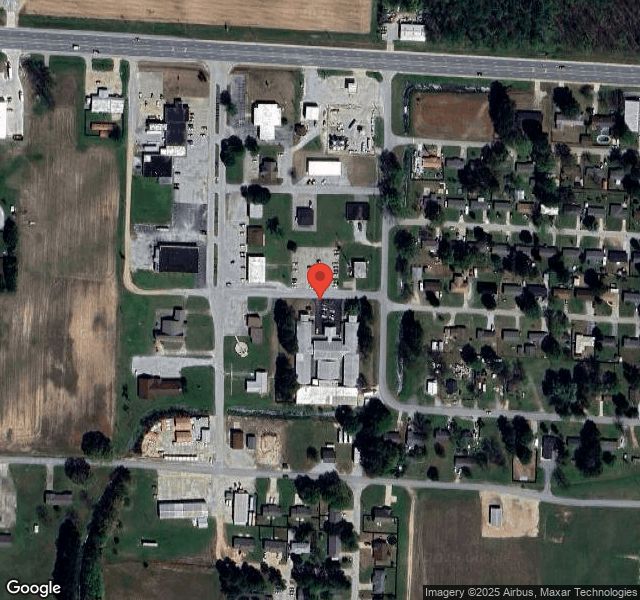
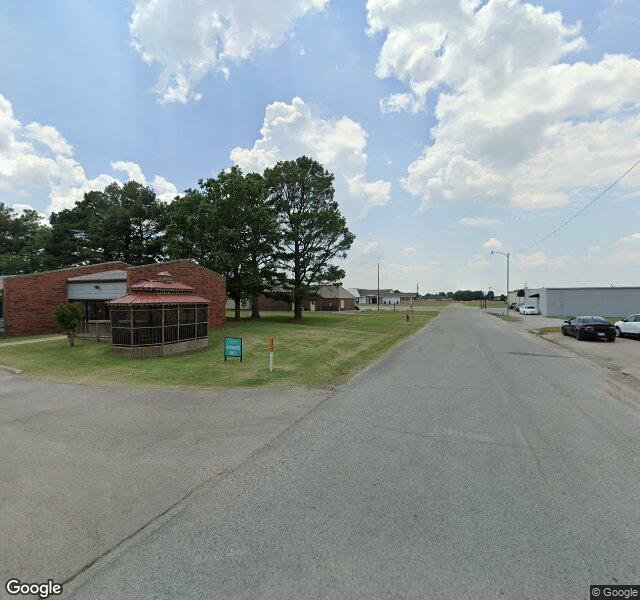
1207 WILLOW RUN ROAD, LAKE CITY, AR 72437 (870) 237-8151
For profit - Corporation 85 Beds DAVID VANN & BOYD WRIGHT Data: November 2025 2 Immediate Jeopardy citations
Trust Grade
21/100
#199 of 218 in AR
Last Inspection: October 2024

Within standard 12-15 month inspection cycle. Federal law requires annual inspections.

Overview

Lakeside Health and Rehab has received a Trust Grade of F, indicating significant concerns about the facility's operations and care quality. It ranks #199 out of 218 nursing homes in Arkansas, placing it in the bottom half of state facilities, and #6 out of 6 in Craighead County, meaning only one local option is better. The facility's current trend is stable, with one issue reported in both 2024 and 2025. Staffing is rated average with a 3/5 star rating and a turnover rate of 44%, which is below the Arkansas average of 50%, suggesting some staff stability. However, the facility has concerning fines totaling $30,946, surpassing 95% of other Arkansas facilities, and RN coverage is less than 88% of state facilities, which may affect the quality of care. Specific incidents include two critical failures related to elopement, where residents were able to leave the facility unsupervised, posing serious safety risks. In one case, a resident exited through a window and was found outside by a passerby, indicating a lack of adequate monitoring. Additionally, dietary staff were found failing to wash their hands before handling food, creating a potential risk for foodborne illnesses among residents. Overall, while there are some strengths in staffing consistency, the facility has significant weaknesses in safety and compliance that families should seriously consider.

Trust Score
F
21/100
In Arkansas
#199/218
Bottom 9%
Safety Record
High Risk
Review needed
Inspections
Holding Steady
1 → 1 violations
Staff Stability
○ Average
44% turnover. Near Arkansas's 48% average. Typical for the industry.
Penalties
✓ Good
$30,946 in fines. Lower than most Arkansas facilities. Relatively clean record.
Skilled Nurses
⚠ Watch
Each resident gets only 14 minutes of Registered Nurse (RN) attention daily — below average for Arkansas. Fewer RN minutes means fewer trained eyes watching for problems.
Violations
○ Average
10 deficiencies on record. Average for a facility this size. Mostly minor or procedural issues.
★☆☆☆☆
1.0
Overall Rating
★★★☆☆
3.0
Staff Levels
★☆☆☆☆
1.0
Care Quality
★★☆☆☆
2.0
Inspection Score
Stable
2024: 1 issues
2025: 1 issues

The Good

  • Full Sprinkler Coverage · Fire safety systems throughout facility
  • No fines on record
  • Staff turnover below average (44%)

    4 points below Arkansas average of 48%

Facility shows strength in fire safety.

The Bad

1-Star Overall Rating

Below Arkansas average (3.1)

Significant quality concerns identified by CMS

Staff Turnover: 44%

Near Arkansas avg (46%)

Typical for the industry

Federal Fines: $30,946

Below median ($33,413)

Moderate penalties - review what triggered them

Chain: DAVID VANN & BOYD WRIGHT

Part of a multi-facility chain

Ask about local staffing decisions and management

The Ugly 10 deficiencies on record

2 life-threatening
Jul 2025 1 deficiency 1 IJ
CRITICAL (J) 📢 Someone Reported This

A family member, employee, or ombudsman was alarmed enough to file a formal complaint

Immediate Jeopardy (IJ) - the most serious Medicare violation

Accident Prevention (Tag F0689)

Someone could have died · This affected 1 resident

**NOTE- TERMS IN BRACKETS HAVE BEEN EDITED TO PROTECT CONFIDENTIALITY** Based on observations, interviews, record review, document review, and facility policy review, the facility failed to ensure ade...

Read full inspector narrative →
**NOTE- TERMS IN BRACKETS HAVE BEEN EDITED TO PROTECT CONFIDENTIALITY** Based on observations, interviews, record review, document review, and facility policy review, the facility failed to ensure adequate supervision was provided to prevent elopement for 1 (Resident #1) of 3 sampled residents reviewed for accidents/supervision. The lack of an effective monitoring plan resulted in Resident #1 eloping from the facility and being found outside of the facility by a passerby on 7/14/2025. It was determined the facility's non-compliance with one or more requirements of participation had caused, or was likely to cause, serious injury, harm, impairment, or death to residents. The Immediate Jeopardy (IJ) was related to the State Operations Manual, Appendix PP, 483.25 (Quality of Care) at a scope and severity of J. The IJ began on 7/14/2025 at 11:45 AM, when Resident #1 exited the facility without staff knowledge via a bedroom window. The Administrator and the Director of Nursing Services were notified of the IJ [immediate jeopardy] on 7/23/2025 at 3:59 PM. A Removal Plan was requested. The Removal Plan was accepted by the State Survey Agency on 7/23/2025 at 4:51 PM. The IJ was removed on 7/25/2025 at 12:45 PM after the survey team performed onsite verification that the Removal Plan had been implemented. Based on observations, interviews, record review, document review, and facility policy review, the facility failed to ensure adequate supervision was provided to prevent elopement for 1 (Resident #1) of 3 sampled residents reviewed for accidents/supervision. The lack of an effective monitoring plan resulted in Resident #1 eloping from the facility and being found outside of the facility by a passerby on 7/14/2025. It was determined the facility's non-compliance with one or more requirements of participation had caused, or was likely to cause, serious injury, harm, impairment, or death to residents. The Immediate Jeopardy (IJ) was related to the State Operations Manual, Appendix PP, 483.25 (Quality of Care) at a scope and severity of J. The IJ began on 7/14/2025 at 11:45 AM, when Resident #1 exited the facility without staff knowledge via a bedroom window. The Administrator and the Director of Nursing Services were notified of the IJ [immediate jeopardy] on 7/23/2025 at 3:59 PM. A Removal Plan was requested. The Removal Plan was accepted by the State Survey Agency on 7/23/2025 at 4:51 PM. The IJ was removed on 7/25/2025 at 12:45 PM after the survey team performed onsite verification that the Removal Plan had been implemented. The findings include: The “Wandering and Elopements” policy was reviewed and revealed the facility will identify resident who are at risk of unsafe wandering and strive to prevent harm while maintaining the least restrictive environment for residents. A review of an Office of Long-Term Care incident document, submission date of 7/15/2025 at 11:42 AM, revealed that on 7/14/2025 at 11:40 PM Resident #1 was observed walking into the resident’s room. At 12:00 PM the investigation review indicated the Director of Nursing (DON) received a phone call from the City Mayor, asking if the facility had a resident by the name of [Resident #1]. The DON confirmed that they had a resident by that name. The DON was informed the resident had been picked up by a third party near the facility and brought to city hall. The DON, Licensed Practical Nurse (LPN) #2, and Assistant Director of Nursing (ADON) then drove to the city hall, located 0.7 miles east of the facility. At approximately 12:07 PM, the ADON drove Resident #1 back to the facility. At 12:30 PM, the DON conducted an incident and accident report and performed a body audit on Resident #1. A small skin tear to the left wrist measuring 0.25 x 0.25 x 0.1 centimeters was found. The facility investigation revealed the resident was able to manipulate a window in a different room on the secure unit out of its frame and exit through the window. Review of an admission Record revealed Resident #1 had a diagnosis that included Alzheimer's disease, unspecified dementia, unspecified severity, without behavioral disturbances, psychotic disturbance, mood disturbance and anxiety. Review of a discharge Minimum Data Set with an Assessment Reference Date of 7/14/2025 revealed Resident #1 had a Brief Interview for Mental Status (BIMS) score of 06, which indicated the resident was severely cognitively impaired. Review of an undated Care Plan Report indicated Resident #1 exhibited behavioral indicators of cursing, yelling, verbally threatening staff, yelling, and screaming rude offensive behavior, wandering, and exit seeking behavior. Resident #1 was an elopement risk/wanderer related to history of attempts to leave the facility unattended, had impaired safety awareness, and resident wandered aimlessly. The Resident was a high risk for falls related to Alzheimer’s confusion, impulsivity, and poor safety awareness. Resident #1 needed a secured/special care neighborhood due to Alzheimer’s disease and exit seeking. Review of Nursing Progress Notes dated 6/26/2025 at 1:39 PM revealed Resident #1 attempted to exit seek by pulling on every exit door in the unit getting verbally aggressive with staff and stated, “I want to see a doctor right now.” Review of Nursing Progress Notes dated 6/27/2025 at 12:57 PM revealed Resident #1 stated, “I am so tired of this place. I’m about to grab something and break this window.” Resident was talking on the phone with a family member when the resident stated, “I want to kill myself.” Psychiatric Advanced Placement Registered Nurse (APRN) was notified, suicide precautions in place. Resident continued to wander, and exit seek, and stated, “Get the doctor up here now” and “I want to talk to my attorney.” Review of Nursing Progress Notes dated 6/29/202025 at 1:24 PM revealed Resident #1 had not had a good day. The resident was mad, upset and crying. The resident cursed a family member out and “fired” their Power of Attorney. Resident #1 was exit seeking and going to all of the doors trying to get out. Resident #1 did not remember that their spouse was also at the facility. Will continue to monitor behaviors. Review of Nursing Progress Notes dated 7/6/2025 at 11:43 AM revealed Resident #1 was found pulling and pushing on an exit door. When asked by the nurse what the resident was doing Resident #1 stated, “I can’t get this open.” The nurse attempted to redirect the resident away from the exit door, but the resident refused and remained standing looking out of the door at that time. Review of Nursing Progress Notes dated 7/7/2025 at 1:00 PM revealed Resident #1 was pulling and pushing on exit doors. Review of Nursing Progress Notes dated 7/13/2025 at 10:36 AM revealed Resident #1 was becoming anxious and was talking about going home. The resident would not accept an available [as needed] sedative medication. Review of Nursing Progress Notes dated 7/13/2025 at 3:40 PM revealed Resident #1 had been very confused, anxious, and tearful that shift. Available [as needed] medication appeared to have helped the anxiety. Review of Nursing Progress Notes dated 7/13/2025 at 10:37 PM revealed Resident #1 was resting in bed. The resident required another [as needed] dose of medication during both day and night shifts. Resident #1 had rested well. Resident #1 had increased crying throughout the day. The resident continued to decline in physical and mental ability, along with increased episodes of incontinence. Review of Nursing Progress Notes dated 7/14/2025 at 12:25 PM revealed Resident #1 was pacing, anxious, verbally disgruntled, and exit seeking. The resident expressed they wants out of this “hell hole.” The resident went outside of the facility. Upon return, a body audit was completed with noted skin tear to left wrist that measured 0.25x 0.25 centimeters. Review of Nursing Progress Notes dated 7/14/2025 at 1:41 PM revealed the APRN was contacted 7/14/2025 at 1:00 PM. The family was contacted at 1:01 PM. Incident Description: Resident manipulated bedroom window in unit, tore screen, and crawled out of window causing skin tear to left wrist. Resident stated, “I am needing to go home.” Review of Nursing Progress Notes dated 7/14/2025 at 4:51 PM revealed Resident #1 had a history of elopement and wandering aimlessly while at home. The resident’s Elopement Score was 5.0 (Score of 1 or higher indicates risk of elopement). Review of Nursing Progress Notes dated 7/14/2025 at 5:20 PM revealed a call was received from behavioral health. The resident had been accepted. All information was faxed to the facility and bed placement call was being awaited. Review of Nursing Progress Notes dated 7/1420/25 at 7:05 PM revealed the resident left the facility via medical transport company stretcher enroute to behavioral health. Review of Nursing Progress Notes dated 7/17/2025 at 9:31 PM revealed, Long-Term Intervention of Incident and Accident Description on 7/14/2025 included the resident was put on one-on-one line of sight until admit to behavioral health. All windows were secured. Added to the Care Plan: Yes. Ensure MD & Family notification: Yes. Review of Elopement Evaluation dated 04/25/2025, revealed the resident had a history of elopement or an attempted elopement while at home. It also revealed the resident verbally expressed the desire to go home, packed belongings to go home, or stayed near an exit door and revealed that the resident did wander and the wandering behavior was goal-directed (i.e. specific destination in mind, going home, etc.). Review of Elopement Evaluation dated 07/14/2025, revealed the resident had a history of elopement or an attempted elopement while at home. It also revealed the resident verbally expressed the desire to go home, packed belongings to go home or stayed near an exit door and revealed that the resident, did wander aimlessly or non-goal-directed (i.e. confused, moves with purpose, may enter others rooms and explore others belongings) and was likely to affect the privacy of others. During an interview on 7/21/2025 at 5:08 PM, the ADON indicated the facility received a call from the police department, informed the facility Resident #1 was there (at city hall). The ADON reported facility staff brought the resident back to the facility and tried to determine how the elopement happened. The ADON stated that she and the Maintenance Director went to Resident #1’s room and checked the window, and it would not open. The ADON stated they then went into the next room located next to Resident #1’s room on the North side and observed the window had screws out, the window track had been manipulated, and the screen was ripped. The ADON stated the Maintenance Director immediately began working on interventions to secure all windows. The ADON stated that she called in Nursing Assistant (NA) #3, to sit one-on -one with Resident #1. The ADON verified a resident head count was conducted for all residents and everyone was accounted for. The ADON stated elopement assessments and BIMS assessments were conducted on all residents and the elopement book was updated. Staff were also in-serviced on elopement, abuse, and neglect. During an interview on 7/22/20 25 at 8:20 AM, the Maintenance Director stated that 12 years ago, when the secure unit was remodeled, the windows on the unit had two screws inserted on the bottom of the windowpane to keep the window from opening more than 2 to 3 inches. On 7/14/2025, after Resident #1 eloped, he installed a 21-inch, 1x2 inch wooden board that was screwed in all windows in the facility. The 1x2 inch wooden board kept the sliding window in place and did not allow it to be pulled off the track. The opening of each window measured approximately 2 to 3 inches. During an interview on 7/23/2025 at 3:05 PM, NA #3 stated the facility called her into work on 7/14/2025 to sit one-on-one with Resident #1 around 3:30 or 4:00 PM. NA #3 stated she sat with the resident until the ambulance arrived. NA #3 did not recall the time the ambulance arrived. During an interview on 7/23/2025 at 1:00 PM the Administrator revealed Resident #1 was admitted from a behavioral hospital. The Administrator stated she did not have any information of any exit seeking behaviors prior to admission and did not have any information about the resident eloping at home. The Administrator stated that she was not aware of any exit seeking behaviors from Resident #1 the day the resident eloped. The Administrator reported the resident was a little distraught and anxious that day. During an interview on 7/23/2025 at 1:00 PM the Social Director revealed that upon admission Resident #1 was assessed for elopement risk, with elopement interventions that included individual activities and redirection for safety reasons. The Administrator confirmed that on 7/14/2025 the facility had all windows modified with a wooden board and screws to prevent opening more than 2 to 3 inches, staff were educated on elopement policies, and care planned interventions were reviewed for residents who were high elopement risks. The Administrator confirmed facility staff were in-serviced upon hire and annually on elopement. During an interview on 7/21/2025 at 4:56 PM Resident #1’s family member confirmed that on 7/14/2025 around 12:45 PM, they received a phone call from the facility informing them the resident had eloped and was back at the facility. The family member stated they did not recall a history of elopement for the resident and then stated, “But I know [Resident #1] has been hell bent on getting home.” On 7/21/2025 the Administrator provided a copy of Facility Action Plan, date of Occurrence 7/14/2025, dated 7/14/2025. 1. Specific Components: Resident left the facility unaccompanied. Specific Action Steps to Prevent any Further Elopements: Resident returned to facility memory care unit for safety and to be monitored by staff and Nurse Manager/Designee. Any negative finding will be address at that time-Person Responsible-Administrator, D.O.N., Social/L.P.N., MDS/Care Plan Coordinator. Head count of all resident in building-Person responsible ADON and Social. Target Date of Completion: #1 and #6, 7/14/2025. 2. All staff [NAME]-serviced on Abuse Prevention Program, Elopement Book and Facility Elopement Policy. Target Date of Completion: #2, Inservice Initiated on 7/14/2025. All resident assessed for elopement via elopement wandering assessment, care plans reviewed and resident who are at risk for elopement had care plan reviewed and updated. 3. All resident [BIMS] eval assessment updated. 4. Elopement book reviewed and ensured all resident at risk are in place with resident picture, demographics and care plan. 5. Body audit, Incident and Accident, and Elopement form along with [BIMS] assessment completed when resident was found and returned to building. Noted small skin tear on wrist and resident was noted on distress at time of assessment. 6. Documentation supporting approx. time of last seen, when found, notification of family and doctor. 7. Police, family and doctor notified. 8. All windows throughout facility were secured by Maintenance Personnel with modifying windows from being manipulated and moved off track which then opens completely up. Maintenance Personnel to check 5x’s weekly for the next month and monthly for next quarter to ensure all preventive measures are in place and working. Any negative findings will be corrected immediately and reported to QAA committee. Person responsible-Maintenance Personnel. Memory Care Unit completed 7/14/2025. Entire building completed 7/15/2025. 9. Facility Maintenance to obtain estimate for new window replacement for unit if necessary. 7/16/2025 vendor at building for estimate. Target Date of Completion: #3, 4, 5 and 7, 8, 7/15/2025. The Removal Plan: 1. Head count of all resident was performed and all other residents were accounted for on 7/14/2025. 2. On 7/14/2025 Upon return to the facility, resident was returned to the memory care unit and Incident and Accident was completed. Small skin tear on wrist was noted. No active bleeding noted. [NAME] crusted edges on wound. Skin tear cleansed with wound cleanser and applied band aid by D.O.N. on 7/14/2025. 3. On 7/15/2025 Facility initiated and completed skin audits, elopement risk assessments, and [BIMS] score on the resident. 4. On 7/15/2025 resident transferred to St. [NAME] Behavioral Health for evaluation and treatment. 5. On 7/14/2025 initiated staff in-service on abuse, neglect and misappropriation, elopement policy and the facility elopement book completion 7/23/2025. 6. All residents assessed for elopement risk via elopement/wandering assessment. All residents who are at risk for elopement were noted to be residing in Memory Care Unit of facility. Care plans were updated accordingly. Completed 7/23/2025. 7. All residents [evaluation assessments were up BIMS] dated. 7/17/2025. 8. Elopement book reviewed to ensure all resident at risk for elopement were in the facility’s elopement book with resident picture and demographics completed 7/14/20225. 9. Completed on 7/15/2025 all window seals on sliding windows throughout the facility were modified so the windows could not be manipulated to move over the stopper and or come off track. 10. On 7/23/2025 facility trained all staff on recognizing key factors, such as cognitive impairments (ie. Dementia) history of wandering or history of elopement through the individualized closet care plan. Also educated staff on established protocols for preventing elopement, including recognizing early warning signs, managing exit seeking behaviors, and responding to potential incidents. All corrections were completed on 7/23/2025 Administrator Signature Date 7/24/2025. Onsite Verification: The IJ was removed on 07/25/2025 at 12:45 PM after the survey team performed onsite verification that the Removal Plan had been implemented. Onsite verification of the Removal Plan began on 07/25/2025 at 9:00 AM. A total of 25 staff interviews were conducted with staff from 2 of 3 shifts to verify training had been completed. The staff interviewed included 5 Certified Nursing Assistants, 4 Licensed Practical Nurses, the Administrator, DON, ADON, Social Services Director, Activity Director, 3 Housekeeping, 1 Dietary, maintenance director, nurse practitioner, 3 house keeper, 1 dietary aid, the medical director, 1 maintenance staff, case coordinator. The staff interviewed verified they had been trained in elopement, responding to the overhead announcement and text messages, verification of a resident out of the facility, how they were contacted and when to respond, elopement and care plan interventions. A review of the in-service sheets provided indicated 89 of 89 facility employees had been provided training. The Governing Body/Board of Directors were contacted, and they verified they were notified with emergency information such as elopement and were aware of the elopement of Resident #1. The Medical Director was interviewed and confirmed he was made aware of the elopement of Resident #1 and that the facility keeps him updated with concerns that occur in the facility. The facility assessment dated [DATE] was reviewed and was appropriate for the facility.
Oct 2024 1 deficiency 1 IJ
CRITICAL (J) 📢 Someone Reported This

A family member, employee, or ombudsman was alarmed enough to file a formal complaint

Immediate Jeopardy (IJ) - the most serious Medicare violation

Accident Prevention (Tag F0689)

Someone could have died · This affected 1 resident

Based on observations, interviews, facility document review, and record review, the facility failed to ensure staff provided supervision for 1 (Resident #66) of 1 sampled resident reviewed for elopeme...

Read full inspector narrative →
Based on observations, interviews, facility document review, and record review, the facility failed to ensure staff provided supervision for 1 (Resident #66) of 1 sampled resident reviewed for elopement. The lack of supervision resulted in Resident #66 eloping from the facility and facility staff being unaware of the whereabouts of the resident for approximately three hours and twenty minutes. Resident #66 was found inside an event center approximately 900 feet from the facility. It was determined the facility's non-compliance with one or more requirements of participation had caused, or was likely to cause, serious injury, harm, impairment, or death to residents. The Immediate Jeopardy (IJ) was related to State Operations Manual, Appendix PP, 483.25 (Quality of Care) at a scope and severity of J. The findings are: Upon review of the admission Record, the facility admitted Resident #66 on 07/22/2024 with a diagnosis of previous cerebral infarction (disrupted blood flow to the brain). Upon review of the Minimum Data Set (MDS) with an Assessment Reference Date (ARD) of 07/29/2024, Resident #66 was assessed with a Brief Interview for Mental Status (BIMS) score of 9, (BIMS score 8-12 indicates moderate cognitive impairment for decision making). Per section GG of this MDS, and Resident #66's Care Plan dated 7/22/2024, the resident required the assistance of a rolling walker for ambulation. The care plan indicated Resident #66 had limited physical mobility related to dementia and impaired balance. Resident #66 did not have the rolling walker or any other assistive devices at the time of the elopement. The IJ began on 08/23/2024 at approximately 8:20 PM. Resident #66 was in the lobby and approached Laundry Aide #2, who was standing at the front door. Resident #66 asked Laundry Aide #2, Can I go outside? Laundry Aide #2 was opening the door to allow another resident back into the facility, and Resident #66 went out the front door. Laundry Aide #2 asked CNA #1 if this resident could go outside by herself, and CNA #1 confirmed the resident could go outside. Resident #66 was outside, unattended by staff, on the front grounds of the facility. (An internet search showed the sunset on 08/23/2024 was 7:41 PM and the temperature was approximately 80 degrees Fahrenheit.) Resident #66 then went to the gazebo, to the right near the willow tree. The facility had a smoke break at approximately 8:25 PM, where staff were in front of the facility under the canopy with other residents. The staff were unaware Resident #66 was outside at the time. Staff went back into the facility at the end of the smoke break, at approximately 8:40 PM. It is unknown what time Resident #66 left the facility grounds and began walking down the street. Staff noticed Resident #66 was not in their room at approximately 8:45 PM. At this time, staff began to search the building. The Director of Nursing (DON) was notified at approximately 9:00 PM of the missing resident. The Administrator was notified shortly after 9:00 PM, and the facility implemented an expanded search outside the facility. Family members were notified. The local police and fire department were notified, and they joined the search. The resident was located, by the Social Services employee, at the event center (301 Cobean Boulevard, Lake City, Arkansas, approximately 900 feet from the facility) at approximately 11:50 PM. Family was notified. Resident #66 was taken back to the facility where First Responder #3 evaluated the resident with no injuries noted. A skin assessment was performed by the DON with no injuries noted. After discussing the incident with the resident's family, Resident #66 was moved to a secured unit upon return to the facility as part of the plan of correction. During an interview on 10/22/2024 at 11:40 PM, First Responder #3 confirmed no injuries were noted on Resident #66's head-to-to-toe assessment he completed. During an interview with Resident #66 on 10/22/2024 at 1:10 PM, Resident #66 stated, I saw a light in the white building (event center where resident was later found) down the street and I was curious what was inside. I don't know what possessed me to start walking there, but I did. On my way, a guy in a car stopped and asked if I was okay. I told him I was okay, and he left. When I got to the building, the front door was locked, but the side doors were open. I went inside, and got a little turned around, but then I found some candy. I ate that and laid down and went to sleep. The next thing I knew, the people came in and woke me up. They told me I was lost, and no one knew where I was at. The girl that let me out worked there, and the guy she asked if I could go outside did too, so I thought they knew where I was. I feel bad I caused so much trouble. During an interview with CNA #1 on 10/22/2024 at 3:13 PM, CNA #1 confirmed Laundry Aide #2 did ask him if Resident #66 could go outside without staff supervision. And he confirmed he advised Laundry Aide #2 yes; the resident can go outside. When asked if he was familiar with Resident #66 and their care plan, he stated I didn't know exactly which resident it was but had seen that resident outside before and had seen [Resident #66] in the facility walking around, so I thought it was okay. When asked if any staff members were outside at the time Resident #66 went out the front door, CNA #1 stated, Not at that time, but they went out on a smoke break with other residents about 5-10 minutes later. When asked what an appropriate action would be to take before advising the other staff member, he stated, Know the resident and check the care plan. Ask the nurse if I don't know. Also, make sure staff is supervising residents that need it. CNA #1 confirmed, he was present for the in-service completed on 8/24/2024 on Wandering and Elopement. During an interview with Laundry Aide #2 on 10/22/2024 at 4:00 PM, she confirmed the resident was in the lobby and approached her at about 8:15 PM. She stated, I was standing there about to open the front door for another resident coming back into the facility. [Resident #66] wanted to know if it was okay for them to go outside. I wasn't sure so I asked [CNA #1] which was walking by at that time. As I was asking, [Resident #66] went through the door as the other resident was coming in. [CNA #1] said it was okay, so I left. When asked if there were staff members outside at the time Resident #66 went through the doors, she stated, Not that I know of. I didn't see any. During an interview with the DON on 10/23/2024 at 10:45 AM, she confirmed she performed a skin assessment upon return of Resident #66, and no injuries were noted. The DON also confirmed the decision to place Resident #66 on the secured unit was part of their plan of correction but, was previously discussed with the POA for Resident #66 to ensure he agreed with the plan. She also confirmed staff members were in-serviced with an in-depth discussion and re-training related to wandering and elopements, and ways to help prevent future elopements. During an interview with the Administrator regarding Resident #66, she confirmed the facility changed the area designated for smoking from the front entry area under the canopy to a covered area that has a locked gate. In addition, she confirmed that staff are to supervise the residents while outside. During an interview on 10/23/2024 at 1:30 PM, Resident #66's family member, which was the resident's Power of Attorney (POA), confirmed the resident was not able to make appropriate decisions for themselves due to cognition impairment. He confirmed there was a history of Resident #66 not making safe, or sound decisions for themselves. He stated he was in the process of obtaining guardianship over Resident #66, to ensure he can make all decisions for the resident in the future. He confirmed the facility notified him of the elopement. A review of a Wandering and Elopement Discussion In-Service, dated 8/24/2024, revealed a facility policy titled Wandering and Elopements with a revision date of March 2019, that revealed: The facility will identify residents who are at risk of unsafe wandering and strive to prevent harm while maintaining the least restrictive environment for residents. If identified as at risk for wandering, elopement, or other safety issues, the resident's care plan will include strategies and interventions to maintain resident's safety. This in-service was signed by forty-nine staff members. The Administrator was notified of the past noncompliance immediate jeopardy (IJ) on 10/23/2024 at 5:50 PM. The facility implemented corrective actions which were completed prior to the State Agency ' s survey completion; thus, it was determined to be a past noncompliance citation. The facility initiated a plan of correction was completed on 08/24/2024. Removal Plan: 1.On 8/24/24, Resident #66 was placed on the secured unit at approximately 12:15 AM. 2. On 8/24/24 Elopement assessments were completed for all residents including Resident #66. The care plan for each resident identified at high risk of elopement was reviewed and updated as necessary. 3. On 8/24/24 the administrator/designee initiated an in-service for staff on elopement and/or wandering. All staff have/will be in-serviced prior to working their next shift. The in-service was completed on 8/24/24. All corrections were completed on 8/24/24. Onsite Verification: Surveyors performed an onsite verification that the Removal Plan had been implemented. Onsite verification of the Removal Plan began on 10/21/2024 at 10:45 AM. Resident #66 was placed on the secured unit per observations and review of the census record within the electronic medical record. Elopement assessments were completed for all residents including Resident #66. The care plan for each resident identified at high risk of elopement was reviewed and updated as necessary. On 8/24/24, the Director of Nursing initiated an in-service for staff on Wandering and Elopement. All staff have/will be in-serviced prior to working their next shift. The in-service was completed on 8/24/24.
Nov 2023 3 deficiencies
CONCERN (E)

Potential for Harm - no one hurt, but risky conditions existed

Safe Environment (Tag F0584)

Could have caused harm · This affected multiple residents

Based on observation and interview, the facility failed to ensure a wall, stained ceiling tile, door, floor tile and bed frame were maintained. This failed practice affected 4 sampled Residents (Resid...

Read full inspector narrative →
Based on observation and interview, the facility failed to ensure a wall, stained ceiling tile, door, floor tile and bed frame were maintained. This failed practice affected 4 sampled Residents (Resident #5, #7, #13, and #42) and the potential to affect 17 residents who resided in the secured unit, according to a list provided by the Administrator on 11/17/23 at 11:35 am. The findings are: 1. On 11/14/23 at 2:59 PM Resident #5 was lying in be with eyes closed. The bed mattress was tilting to resident's right. Roommate was awake and stated, Are you the lady from the state? Nobody has come in to change that bed out yet. Changing the mattress hasn't helped her. They've done that 2-3 times already. It's painful for old people to not have a comfortable bed. a. On 11/15/23 at 1:30 PM the Surveyor accompanied the Maintenance Supervisor (MS) to Resident #5 room. Both residents were out of the room. The Surveyor asked the MS to look at Resident #5's bed and see if it looked level and asked if any staff had informed him of the tilt. The MS answered, No, this is the first I've heard about this bed as he began adjusting the wheels and height of the bed. The Surveyor asked if the metal frame of the bed was supposed to be sitting on the wheels or the legs as the wheels were not touching the floor on one side. The MS answered, I've got it on the pegs now and not the wheels. What I really need to do is get a leveler. I think one leg has a rubber stopper on it and the other three do not, or it might be because of the new mattress. They come all bunched up in a package when they are new and have to get level with use. The Surveyor informed the MS that Resident #5 expressed concern about feeling like she was going to fall out of bed and hurt herself because the tilt caused her to end up on the edge. b. On 11/15/23 at 2:00 PM the MS said that he had put a leveler on the bed, and on the floor in Resident #5 room and the floor was crooked. The MS further sated, I've been doing this for fifteen years and sometimes these residents have to be convinced they are comfortable. c. On 11/16/23 at 3:02 PM, Resident #5 was lying in bed asleep. The bed remained in the same position in the room and the mattress was tilted to the resident's right. The wheel on the metal frame was not touching the floor. d. On 11/15/23 at 10:33 AM, the Administrator provided documentation entitled, Resident Rights which documented under Policy Statement .Employees shall treat all residents with kindness, respect, and dignity . 2. On 11/13/23 at 10:43 AM Resident #7 was lying in bed awake. There were [NAME] spots on ceiling tiles above Resident #7's bed. The Surveyor asked Resident #7 do you like the way that looks, No, I don't like the way it looks. I think it makes the bugs get in during the summertime The Surveyor asked Resident #7 if she would like to have them fixed? The Resident stated Oh yes. The Surveyor asked Resident #7 if she had asked anyone or told anyone. Resident #7 answered, No, I haven't. The Surveyor asked how long have the ceiling tiles been this way? Resident #7 answered, Just since the wintertime. It was ok when I got here. a. On 11/14/23 at 02:54 PM, Resident #7 was lying in bed awake watching television. The ceiling tiles remained the same over the bed, with one tile bulging outward. The brown spots ran the length of the edge of 2.5 of the ceiling tiles above the bed, measuring approximately 3 feet 8 inches long 6 inches wide. b. On 11/15/23 at 1:30 PM, the Surveyor asked the MS if he had been made aware of the water spots and bulging ceiling tile above Resident #7's bed. The MS answered, I expected water spots. I have leaks every time it rains. The Surveyor asked if there was a system or process in place to keep track of maintenance needs, or any type of maintenance log that documented maintenance priorities and completions. The MS answered, Well there's a book outside my office that people are supposed to write things in, but most of the time they just stop me in the hall and tell me when I'm on the way to do something else and I forget about it. The Surveyor asked the MS how long it normally takes to repair ceiling tiles. The MS answered, I've got some ceiling tiles that came in last week. I'll try to get to it today. 3. On 11/14/23 at 2:40 PM, Resident #13 was lying in bed asleep. There was a white square patch with uneven edges visible on the medium beige colored wall to resident's right side of bed that measured 24 feet and 1/2 inch by 19 inches that could be seen from the hallway when the door was open. There was also a large white area visible on the dark green wall behind the resident's bed and bedside table. There was a gouge in the medium beige wall behind the doorknob where the doorknob had hit the sheetrock causing a hole and a crack in the shape of a square where white sheetrock was showing on 3 sides of the square. a. On 11/15/23 at 1:46 PM, the Surveyor asked the MA If he knew about the patches, paint peeling in Resident #13 room, and the hole in the wall behind the door when you enter the room. The MS answered, Yes, I know about this. This whole room is going to get painted. That's in the plan. This is the oldest part of the building that was built in the 80's. My big concern is with having the resident in the room because that patch needs to be sanded before it's painted, and I don't want to do it with him in here. The Surveyor asked the MS how often he checks the rooms. The MS answered, I try to walk through at least 2-3 times a week. b. On 11/16/23 at 9:03 AM, the Administrator provided documentation entitled, Building Maintenance which documented, under policy statement, .This facility staff's maintenance personnel to handle the general p-keep, and all physical environment maintenance needs of the buildings and grounds making the facility safe . and .12. Maintenance will handle maintenance needs for patients as well. (hanging pictures, moving furniture, hanging window treatments, repairs to room and equipment, etc. 4. On 11/14/23 at 2:50 PM, Resident #42 was in the activity area sitting up in wheelchair at a table putting a puzzle together. The Surveyor asked Resident #42 if bathroom repairs had been done on the door or the wall in the room. Resident #42 said, No nobody has been in there today to fix anything. Surveyor measured areas in Resident #42's bathroom. The board being used as a patch across from the sink on wall by the baseboard measured 3 feet and 11 inches by 12 inches. The wooden door inside the bathroom was missing the kick plate and had rough raised areas of dried glue where the kick plate used to be. There was also a hole in the wooden door measuring 2 inches in circumference with sharp splintered areas of wood showing around the edges of the hole. a. On 11/15/23 at1:41 PM, The Surveyor accompanied MS into Resident #42 ' s bathroom and asked if he was aware of the hole on the wooden door with the sharp splintered edges. The MS answered, Yes, that happened when a lift or a wheelchair tore the door piece off The Surveyor asked how long the door had been that way. The MS answered, maybe a couple 2-3 weeks. The Surveyor asked the MS if staff had written that in the maintenance log. The MA answered, No I discovered this myself. The Surveyor asked the MS what the board on the wall was for. The MS answered, It was too low to mud, so I just put that piece over it to cover the holes. I know it doesn't look very homey. b. On 11/15/23 at 03:38 PM, the Surveyor observed a piece of thin plastic that had been glued with construction glue over the wooden door on the inside of Resident #42's bathroom covering the hole and the raised rough areas of dried glue previously observed. The construction glue was visible from above the plastic patch that was bowing out from the surface of the door. The unpainted board patching the wall across from the sink in the bathroom remained the same. c. 11/16/23 9:03 AM, the Administrator provided documentation entitled, Building Maintenance that documented under policy statement, .This facility staff's maintenance personnel to handle the general up-keep, and all physical environment maintenance needs of the buildings and grounds making the facility safe . and .12. Maintenance will handle maintenance needs for patients as well. (hanging pictures, moving furniture, hanging window treatments, repairs to room and equipment, etc. 5. On 11/13/23 at 12:12 PM, during lunch observation of the residents on the secure unit, by a sliding glass patio window there were 3 floor tiles approximately 6 [inches] wide x 3' [feet] long that were warped and had come loose. These 3 tiles in a staggered placement, were approximately 48 out from the sliding glass door. Walking approximately 4-5 feet to stand in front of the second sliding glass window, there were 5 tiles that were loose. The loose tiles were approximately 4 feet away from the dining table where the residents were eating lunch. 6. On 11/15/23 at 9:00 AM, the Surveyor asked the Maintenance Supervisor (MS) if it had been communicated that the tiles were loose. The MS stated, I knew they were loose. I don't know how many times I have glued them back and because of the condensation off the windows, they continue to work their way loose. The surveyor was shown an area covered with square tile approximately 12 x 12 that covered an area approximately 48 by 96 in front of an exit door close to the patio windows. The MS stated, I covered this area with peel and stick tile and so far, it has worked. I was planning on replacing that tile. The MS was asked if that area had the potential to be a tripping hazard. Maintenance stated, Well no one has tripped yet.
CONCERN (E)

Potential for Harm - no one hurt, but risky conditions existed

ADL Care (Tag F0677)

Could have caused harm · This affected multiple residents

**NOTE- TERMS IN BRACKETS HAVE BEEN EDITED TO PROTECT CONFIDENTIALITY** Based on observation, record review and interview, the facility failed to ensure nail care was regularly provided to maintain go...

Read full inspector narrative →
**NOTE- TERMS IN BRACKETS HAVE BEEN EDITED TO PROTECT CONFIDENTIALITY** Based on observation, record review and interview, the facility failed to ensure nail care was regularly provided to maintain good hygiene and prevent potential injuries or infections for 3 (Resident #19, #38, & #75) sampled residents requiring assistance with nail care. The findings are: 1. Resident #19 had diagnoses of: Type 2 Diabetes Mellitus with unspecified complications, Age-Related Nuclear Cataract, Right Eye, and Non-ST-Elevation (NSTEMI) Myocardial Infarction. A 5-day Minimum Data Set (MDS) with an Assessment Review Date (ARD) of 10/6/23 documented a Brief Interview for Mental Status (BIMS) score of 10 (8-12 moderately impaired). 2. Needed some help - Resident needs partial assistance from another person to complete any activities . required for bathing, dressing, using the toilet, or eating prior to the current illness, exacerbation, or injury . a. A care plan with an initiation date of 3/7/23 and 3/8/23 documented, . [name] has an Activities of Daily Living (ADL) self-care performance deficit related to (r/t) impaired coordination, strength, gait/balance, activity tolerance r/t covid-19, hypertensive Encephalopathy, Urinary Tract Infection (UTI), Coronary Artery Disease (CAD) . and .bathing/showering Check nail length and trim and clean on bath day and as necessary. Report any changes to the nurse . and .Personal Hygiene: The resident requires assistance by 1 staff with personal hygiene and oral care . b. On 11/13/23 at 12:51 PM, Resident #19 was sitting in a chair watching television. Fingernails were approximately 1/2 - 3/4 inches long on several nails, and uneven with some broken, jagged edges. There were red acrylic remnants on the fingernails that had grown out starting at the fingertips, extending 1/2 - 3/4 inches past the fingertips. The acrylic nail was missing on the left middle finger. There was brown and tan colored debris visible under the fingernails. The Surveyor asked Resident #19 if she liked her finger nails the way they were, and how long they had been like that. Resident #19 answered, No, they've been like this since I got here. The Surveyor asked Resident #19 if she had asked anyone to trim them. Resident #19 answered, Yes, when I was on the other end. They don't have anybody here that can do them. The Surveyor asked Resident # 19 if she would like to have them trimmed if there was someone that could trim them. Resident #19 answered, Yes, I don't see well enough to do them. c. On 11/14/23 at 10:34 AM, Resident #19 was sitting up in bed watching television. Nails remained the same. The Surveyor asked if anyone had trimmed fingernails. Resident #19 answered, No, but I wish they would. d. On 11/15/23 at 1:19 PM, Resident #19's nails remained the same. The Surveyor asked Resident #19 if anyone had checked her fingernails or offered nail care. Resident #19 answered, No, not yet. e. On 11/15/23 at 1:30 PM, the Surveyor asked the Assistant Director of Nursing (ADON) if Resident #19 was dependent upon staff for nail care. The ADON answered yes. f. On 11/15/23 at 1:34 PM, the ADON informed the Surveyor, [name] has acrylic nails. I think it would hurt her to try to trim them. The Surveyor asked the ADON if she thought Resident # 19's nails needed to be trimmed. The ADON answered, Her family does her nail care. g. On 11/15/23 at 1:58 PM, Resident #19's fingernails had been trimmed. The Surveyor asked Resident #19 if she liked her nails. Resident #19 answered, Yes, they are much better now, thank you. h. On 11/15/23 at 10:53 AM, Director of Nursing (DON) provided In-service documentation on nail care dated 7/12/23 with 21 staff signatures with a policy attached entitled, Fingernails/Toenails, Care of . 2. Resident #38 had Diagnoses of: metabolic Encephalopathy, unspecified dementia, unspecified severity, with other behavioral disturbance. A MDS with an ARD of 9/19/23 documented a BIMS (Brief Interview for Mental Score) score of 11 (8-12 moderately impaired), requiring extensive assistance with 2-person support for bed mobility, transfers, and toileting, and extensive assistance with 1-person physical assistance for personal hygiene. a. A Care Plan with an initiation date of 9/15/23 documented, .[name] has an ADL self-care performance deficit r/t pneumonia, Heart Failure, A-fib, HTN (hypertension), fall, gout, and weakness . b. On 11/14/23 at 11:05 AM, Resident #38 was lying in bed awake watching television. Fingernails were 1/3-inch past fingertips, and uneven with sharp jagged edges. There was a medium to dark brown substance visible underneath fingernails. The Surveyor asked Resident #38 if he liked his nails. Resident #38 answered, No, they need to be cut. c. On 11/14/23 at 2:08 PM, the Surveyor asked Resident #38 if anyone had been in to give nail care. Resident # 38 answered, no. Resident # 38 gave permission for Surveyor to look at toenails. Great toenails were more than 1/4-inch past tips of toes. There were several nails on both feet that were jagged and uneven in length. The Surveyor asked Resident #38 if his toenails had been trimmed in a while. Resident # 38 answered, No but they keep getting caught on my socks when they take them off. d. On 11/14/23 at 02:21 PM, the Surveyor asked CNA #1 to describe Resident # 38 ' s fingernails and toenails. CNA #1 answered, They look pretty long like they need to be trimmed. The Surveyor asked CNA #1 how often they are checked and trimmed and who was responsible for nail care for residents. CNA #1 answered, The CNA's usually do it on bath days, I'm not sure what his bath days are, but I can go check. If he's diabetic the nurse will have to do them. The Surveyor asked the CNA #1 if fingernails needed anything besides trimming. The CNA #1 answered, They look like they need to be cleaned also. e. On 11/16/23 at 1:15 PM, Resident #38 was lying in bed awake watching television. The Surveyor asked if nail care had been done and if Resident #38 had a bath. Resident # 38 answered No they haven't, I'm not sure when I had my last bath. Might have been last week some time. f. On 11/16/23 at 1:27 PM, the Surveyor asked CNA #2 to describe Resident #38's toenails. The CNA answered, They could be trimmed. A couple of them could definitely be cut. They are not as bad as some that I've seen though. The Surveyor asked, CNA #2 to look at fingernails and describe specifically what she saw to the best of here ability. CNA #2 answered, They need to be clipped. They are sharp. They need to be cleaned. Some of them are split. They are dirty. The Surveyor asked CNA #2 who was responsible for Resident #38 nail care. CNA #2 answered, I have no idea. Usually, it's whoever does your shower. I'm not sure when [name] Resident #38 showers are scheduled. g. On 11/16/23 at 03:11 PM, the Surveyor observed Resident #38's nails remained approximately 1/3-inch past fingertips, and uneven with sharp jagged edges. There was still medium to dark brown substance visible underneath fingernails. The ring finger on the left hand was split with a sharp pointed edge on the center of the nail with the other half of the nail short. h. On 11/16/23 at 01:30 PM, the Surveyor asked the DON who was responsible for ADL care, specifically nails and hair. The DON answered, The CNA's and Nurses if needed. The Surveyor asked how often nail care and ADL care should be done. The DON answered, Ongoing, but some of them like their nails long and will fight you if they don't want them cut. 3. Resident #75 had Diagnoses of: Other Specified Diabetes Mellitus with Ketoacidosis with Coma, Chronic Kidney Disease, and Chronic Obstructive Pulmonary Disease. An MDS with an ARD of 10/31/23 documented a BIMS score of 5 (0-7 Severe Cognitive Impairment), and .Resident needed partial assistance from another person to complete any activities with bathing, dressing, using the toilet, or eating prior to the current illness, exacerbation, or injury . a. A Physicians order dated 10/28/23 documented, .Diabetic nail care by licensed nurse every day shift every Sunday and as needed . b. A Care Plan with an initiation date of 10/27/23 documented, .[name] has an ADL self-care performance deficit r/t impaired Activity Intolerance, strength, balance, coordination due to Chronic Kidney Disease CKD), weakness, Obesity, Chronic Obstructive Pulmonary Disease (COPD) . and .Check nail length and trim and clean on bath day and as necessary. Report any changes to the nurse . c. On 11/13/23 at 12:32 PM, Resident #75 fingernails were more than 1/2-inch past nail tips with uneven, jagged edges. The middle fingernail on right hand was curving under. Both thumbnails were long with a dark brown substance visible underneath. Fingernails on right hand had brown substance visible underneath. Hair looked uncombed and disheveled. d. On 11/14/23 at 2:43 PM, The Surveyor asked Resident #75 if toenails needed care. Resident #75 answered, Yes, but one of my toes on the right foot really hurts. The Surveyor observed heel protectors in place, and the resident was wearing socks. The Surveyor asked Resident #75 if anyone had looked at her fingernails or toenails. Resident #75 answered, no . The Surveyor asked when the last time fingernail or toenail care was done. Resident #75 answered, I don't know. It's been a while. They both need trimming, but it's hard for them to do my hands because they shake so bad. e. On 11/15/23 at 11:22 AM, the Surveyor asked LPN #2 and CNA #3 to describe Resident #75's toenails and fingernails. CNA #2 asked Resident #75 if she needed her fingernails clipped. Resident #75 answered, I do. Someone came in earlier and asked me that, but they have not come back. CNA #3 asked Resident #75 if she was diabetic. Resident #75 answered no. The Surveyor asked LPN #2 if she thought the nails needed to be trimmed. LPN #2 answered, The toenails look ok. The skin on her feet looks a little dry. We have a Podiatrist that comes a couple of days a week to look at feet and toenails. Her fingernails look like they could use a trim, but some of the residents like them longer. Resident #75 stated, I don't. I prefer to have them shorter. It lasts longer. LPN #2 answered, I will be back with some clippers and trim them for you today. f. On 11/15/23 at 10:54 AM, the DON provided documentation entitled, Fingernails/Toenails, Care of which documented, .The purposes of this procedure are to clean the nail bed, to keep nails trimmed, and to prevent infections. and .1. Nail care includes daily cleaning and regular trimming .
CONCERN (E)

Potential for Harm - no one hurt, but risky conditions existed

Deficiency F0761 (Tag F0761)

Could have caused harm · This affected multiple residents

Based on observation, record review, and interview, the facility failed to ensure residents gastrostomy tube feeding formula and water were labeled properly for 1 Resident #45 sampled resident who req...

Read full inspector narrative →
Based on observation, record review, and interview, the facility failed to ensure residents gastrostomy tube feeding formula and water were labeled properly for 1 Resident #45 sampled resident who required enteral feeding and failed to ensure items in the Medication Storage room and medication cart were within expiration dates. This had the potential to affect 3 residents who receive enteral tube feeding on a list provided by Nurse Consultant on 11/16/23 at 09:15 a.m. and residents that resided on East, [NAME] and the Secured Unit on the Resident Matrix list provided the administrator on 11/13/23 at 10:15 am. The findings are: 1. Resident #45 had the diagnosis of Dysphasia, Abnormal Weight Loss, and Adult Failure to Thrive. a. On 11/14/23 at 2:14 p.m., Resident #45 was sitting up in bed, watching television. The tube feeding was in a bag with black marking of [initials] 11/14 at 0943, 1000 mL [milliliters] written on it. There wasn't a label or identification [ID] on the bag, as to what was being infused. b. On 11/15/23 at 8:20 a.m., upon second observation, the tube feed bag was dated 11/14 and timed the same time as yesterday, at 0943, 1000 mL, with the same [initials]. There was a new marking that read (named feeding) 1.5. c. Resident #45's physician order dated 10/05/23 documented Enteral feeding two times a day related to Adult Failure to Thrive Flush 30 ml (milliliters) /hr (hour) of H20 (water) for a total of 690 ml daily and two times a day related to Adult Failure to Thrive. Flush 30ml/hr of H20 for a total of 690 ml daily. d. Resident #45's care plan with a revision date of 09/01/23 documented provide, serve diet as ordered. Monitor intake and record q [every] meal. [Named nutrition] 1.5 as nutritional supplement. e. On 11/14/23 at 3:18 p.m., the Surveyor asked the Nurse Consultant [NC] what is in the tube feed bag hanging and infusing into the resident? The NC stated, I do not know. The Surveyor asked the NC if what was written in black marker was the date, time, and initials of the nurse who set the tube feeding up. The NC said, yes. f. On 11/14/23 at 3:23 p.m., Licensed Practical Nurse [LPN] #1 was asked do you know what is in the tube feed bag? LPN #1 said, Yes, it's [named nutrition] 1.5. The Surveyor asked LPN #1, should there be a label on the bag of formula that is being infused? LPN #1 said, We were doing medication pass this a.m. and the bag emptied, so I went to get a new bag, hung it, dated it, wrote the time, and my initials. I really should have written what was in the bag. g. On 11/16/23 at 1:15 p.m. the Surveyor asked the Director of Nursing [DON], How often do the nurses have in services on tube feedings? The DON said, Yearly, we have a check off list that they have to do their skills and prove they still know how to do them. The Surveyor asked, do new nurses upon hire, demonstrate their skills before they are put on the floor? The DON said, Yes, once again, they use the check list to do their skills and prove they can do them. h. A facility policy titled Enteral Feeding-Safety Precautions provided by the NC on 11/15/23 at 9:01 a.m. documented Preventing errors in administration. 1. Check the Enteral nutrition label .Check the following information: a. Resident name, ID and room number; b. Type of formula; c. Date and time formula was prepared; d. Route of delivery; e. access site; f. Method (pump, gravity, syringe); and g. Rate of administration (mL/hour. 2. On 11/15/23 11:00 a.m., the Medication Room on East Hall was inspected with the assistance of LPN #1. There was a used box of Preparation H with 4 suppositories that had expired on 11/11/21. c. On 11/16/21 at 1:15 p.m., the Surveyor asked the DON is there a protocol for opening a new vial of insulin. The DON stated, they pop the top and date the vial. The Surveyor asked, how often are the medications checked for expiration dates. The DON said, every two months, plus the Assistant Director Nursing (ADON) and I check the carts. The Surveyor asked, how are expired medications disposed of? The DON said, The expired meds are pulled off the carts, wrote down in a blue book, then the medications are taken to the medication destroy room. The Surveyor asked, how are the narcotics disposed of? The DON said, the narcotics are turned into me, I lock them in a cabinet, and they are sent back to state every 2-3 months.
Jul 2023 1 deficiency
CONCERN (D) 📢 Someone Reported This

A family member, employee, or ombudsman was alarmed enough to file a formal complaint

Potential for Harm - no one hurt, but risky conditions existed

Respiratory Care (Tag F0695)

Could have caused harm · This affected 1 resident

Based on observation, interview and record review, the facility failed to ensure inhalation medication administration was monitored by a licensed nurse to ensure medication was fully administered and ...

Read full inspector narrative →
Based on observation, interview and record review, the facility failed to ensure inhalation medication administration was monitored by a licensed nurse to ensure medication was fully administered and failed to ensure oxygen administration was administered with a clean nasal cannula and tubing for 1 (Resident #2) of 3 (Residents #1, #2 and #3) case mix residents to minimize the potential for respiratory complications. The findings are: 1. Resident #2 had diagnoses of Unspecified Atrial Fibrillation, Acute Systolic Congestive Heart Failure and Chronic Obstructive Pulmonary Disease. a. A Care Plan with a revision date of 02/17/23 indicated the resident had altered respiratory status and difficulty breathing related to COPD and received Oxygen (O2) at 2 LPM (liters per minute) via nasal cannula. b. A Physicians Order dated 07/04/23 indicated the resident was to receive O2 at 2 liters via nasal cannula every shift for shortness of breath. c. A Physicians Order dated 07/12/23 indicated the resident was to receive a nebulizer (updraft) of Ipratropium-Albuterol four times a day. d. On 07/13/23 at 12:33 PM, Resident #2 was lying in bed receiving an updraft treatment. The nebulizer strap was in his mouth and the face mask was on his left cheek. The updraft was running with no fluids in the chamber. The head of the bed was elevated, and the resident was slumped over on his left side with his knees bent toward his chest. The oxygen tubing and nasal cannula were connected to the oxygen concentrator and the tubing and cannula were lying on the floor at the head of the bed. e. On 07/13/23 at 12:36 PM, the Activities Director was walking by Resident #2's room and looked in the room. The Activities Director stated, Let me go get a nurse. f. On 07/13/23 at 12:38 PM, Certified Medication Assistant (CMA) #1 entered Resident #2's room and stated, Oh Jesus. The Surveyor asked CMA #1, Is [Resident #2] getting a breathing treatment? CMA #1 stated, I believe so. His nurse took a lunch break. The Surveyor asked, Does the resident wear oxygen all the time? CMA #1 stated, Yes ma'am. g. On 07/13/23 at 12:42 PM, CMA #1 picked up the oxygen tubing and nasal cannula out of the floor and placed the oxygen on the resident. h. On 07/13/23 at 12:47 PM, Licensed Practical Nurse (LPN) #1 entered Resident #2's room. The Surveyor asked, Did you start his breathing treatment before you left for lunch? LPN #1 stated, Yes, just before I left. The Surveyor asked, Did you notify [CMA #1] that you started the breathing treatment before you left for lunch? LPN #1 stated, No. I got pulled to two or three different things and I didn't tell him. That is not on him, it is on me. The Surveyor asked, Is it ok to leave a resident with a breathing treatment going via nebulizer? LPN #1 stated, No it is not. The Surveyor asked, Does the resident wear oxygen all the time? LPN #1 stated, Yes and he will. Sat [Saturation] is around 94-96 with it on. The Surveyor asked, Is it ok to pick oxygen tubing and cannula up out of the floor and place it on the resident? LPN #1 stated, No. The Surveyor asked, Why can't you use the oxygen tubing from the floor? LPN #1 stated, It is dirty. i. On 07/13/23 at 12:51 PM, the Surveyor asked CMA #1, Will you explain to me and [LPN #1] how the nebulizer was placed when you removed it from the resident? CMA #1 stated, The rope part was in his mouth and the mask was on the side of his face. j. On 07/13/23 at 12:52 PM, the Surveyor asked LPN #1, Would you say that the rope [CMA #1] is referring to could be a choking hazard? LPN #1 stated, Yes, it would be if he found a way to disconnect it from the mask. k. On 07/13/23 at 1:05 PM, the Surveyor asked the Activities Director, What did you observe when you looked into [Resident #2's] room earlier? The Activities Director stated, His mask was out of place, and I went to get the first person I could find because I am not clinical. The Surveyor asked, How was his mask positioned? The Activities Director stated, Not correctly. It was to the side of his face. The Surveyor asked, Where were the straps to the mask? The Activities Director stated, There was one in his mouth. l. On 07/13/23 at 1:57 PM, the Surveyor asked the Director of Nursing (DON), Should a nurse that is administering a breathing treatment leave the floor when the medication is being administered? The DON stated, Not unless the resident is care planned to do it themselves. The Surveyor asked, What can happen to the resident if the nebulizer is not monitored by a nurse during administration? The DON stated, They can take it off and not get the medication. The Surveyor asked, What can happen if a nebulizer mask is twisted on a resident and the straps are in the resident's mouth? The DON stated, They are not getting their medication and it is a choking hazard. The Surveyor asked, Should the oxygen tubing and nasal cannula be picked up from the floor and placed on a resident? The DON stated, No. m. A facility policy titled, Administering Medications through a Small Volume (Handheld) Nebulizer, provided by the Assistant Director of Nursing (ADON) on 07/13/23 at 2:05 PM documented, Purpose The purpose of this procedure is to safely and aseptically administer aerosolized particles of medications into the resident's airway .Steps in Procedure . 17. Remain with the resident for the treatment. 18. Approximately five minutes after treatment begins (or sooner if clinical judgment indicates) obtain the resident's pulse. 19. Monitor for medication side effects, including rapid pulse, restlessness and nervousness throughout the treatment. 20. Stop the treatment and notify the physician if the pulse increases 20 percent above baseline or if the resident complains of nausea or vomits. 21. Tap the nebulizer cup occasionally to ensure release of droplets from the sides of the cup . 23. Administer therapy until medication is gone. 24. When treatment is complete, turn off nebulizer and disconnect T-piece, mouthpiece and medication cup . n. A facility policy titled, Oxygen Administration, provided by the Assistant Director of Nursing (ADON) on 07/13/23 at 2:08 PM documented, Purpose The purpose of this procedure is to provide guidelines for safe oxygen administration . Steps in the Procedure . 11. Securely anchor the tubing so that it does not rub or irritate the resident's nose, behind the resident's ears, etc. [etcetera] .
Aug 2022 4 deficiencies
CONCERN (D)

Potential for Harm - no one hurt, but risky conditions existed

Comprehensive Assessments (Tag F0636)

Could have caused harm · This affected 1 resident

Based on observation, record review, and interview, the facility failed to ensure that sexually inappropriate behavioral interventions were implemented on the Resident's Care Plan for 1 (Resident #48)...

Read full inspector narrative →
Based on observation, record review, and interview, the facility failed to ensure that sexually inappropriate behavioral interventions were implemented on the Resident's Care Plan for 1 (Resident #48). This failed practice had the potential to affect 1 sample residents (R #1) who had sexual behaviors according to the list provided by the RN Consultant on 8/18/22. The findings are: 1. Resident #48 had diagnoses of Unspecified Dementia with Behavioral Disturbance, Major Depressive Disorder .Psychosis . The Quarterly Minimum Data Set [MDS] with an Assessment Reference Date [ARD] of 6/11/22 documented a Staff Assessment for Mental Status score of 3 (Severely impaired), required limited to extensive assistance for activities of daily living self-performance skills with one-to-two-person physical assist. a. On 8/17/22 at 8:29 AM during medication pass, Licensed Practical Nurse (LPN) #4 stated, They are trying to find somewhere to place him [R#48]. He thinks one of the female residents here is his girlfriend. b. On 8/17/22 a review of R#48's progress notes that documented, . On 6/22/22 at 9:08 AM Note Text: I heard a female resident yelling, as I looked up, saw this resident groping a female resident, He had his hand between her legs I have had to remove him from her several times already this shift away from her, he began cursing saying that is his girlfriend. I explained to him each time that is not his girlfriend, and she does not like the way he is touching her because she is yelling . c. A progress note dated .8/11/22 at 14:33 the Director of Nursing (DON) documented, . R#48 was rubbing a female resident's breast while she was napping, and Certified Nurse's Assistant (CNA) removed the resident from situation, and he became verbally aggressive; res (R#48) and female resident believed they were a couple. We will redirect as we can. Writer talked with res (R#48) and told him that was inappropriate, but female told writer to mind her own business that was her boyfriend. 8/12/22 at 16:20 Received order to increase Provera to 5 mg [milligrams] BID [twice a day] from Assistant Practical Registered Nurse (APRN)#1 . R#48's son aware. d. On 8/17/22 R#48's current Care Plan was reviewed, and no sexual behavioral interventions were found. e. On 8/17/22 at 2:46 PM, the DON was asked, Tell me about R#48's sexual behaviors. The DON stated, He and a lady in the neighborhood in our secured unit, think there are a couple. They hold hands. Recently he rubbed her breast while she was asleep. The Unit Coordinator/CNA saw it. She separated them and he started yelling .I told him he could not be doing that. He told me she was his girlfriend, then she (the female resident) stuck her finger in my face and said, 'He can do whatever he wants.' We're (We are) in the middle of getting him taken somewhere else. He doesn't have those behaviors towards anyone else, just her. The DON was asked, what is Resident # 48's orientation and the female resident's mental status? The DON stated, He is alert and oriented to self (x1) same as her. I told the staff CNAs to monitor and if they start touching to pull them apart. f. On 8/17/22 at 2:46 PM the DON was asked, Did you add any sexual behavior interventions to his care plan? The DON stated, No, not that I remember. The Psychiatric APRN increased his Provera. It happened on 8/11 and she increased the Provera on 8/12/22 I think. The DON was asked, What is a potential negative outcome of not putting care plan interventions in place for a resident who has sexual behavior? She stated, He could do it to somebody else .we were trying to get him some place to go . g. On 8/18/22 at 1:30 PM, a policy titled Behavioral Assessment, Intervention and Monitoring, provided by Registered Nurse (RN) #1 documented, .1. The facility will provide and residents will receive behavioral health services as needed to attain or maintain the highest practicable physical, mental and psychosocial wellbeing in accordance with the comprehensive assessment and plan of care .The care plan will incorporate findings from the comprehensive assessment .Interventions will be individualized and part of an overall care environment that supports physical, functional and psychosocial needs, and strives to understand, prevent or relieve the resident's distress or .p.14 .The care plan will include, as a minimum: a. A description of behavioral symptoms, including: (1.) Frequency; (2) Intensity;(3) Duration; (4) Outcomes;(5) Location; (6) Environment; and (7) Precipitating factors or situations .
CONCERN (E)

Potential for Harm - no one hurt, but risky conditions existed

Respiratory Care (Tag F0695)

Could have caused harm · This affected multiple residents

Based observation, interview, and record review the facility failed to ensure oxygen was administered at the physician-ordered flow rate, oxygen tubing was changed and dated, and tubing and respirator...

Read full inspector narrative →
Based observation, interview, and record review the facility failed to ensure oxygen was administered at the physician-ordered flow rate, oxygen tubing was changed and dated, and tubing and respiratory masks were stored in a bag or covered container when not in use, to prevent the potential for respiratory complications and cross-contamination that could result in respiratory infection for 3 Residents (Resident #61, #27, and #41) of 6 (Residents #61, #70, #27, #19, #30, and #41) case mix residents who had physician orders for respiratory therapy. The findings are: 1. Resident #27 had diagnoses of Chronic Obstructive Pulmonary Disease, Chronic Respiratory Failure with Hypercapnia, Sleep Apnea, and Heart Failure. The Quarterly Minimum Data Set (MDS) with an Assessment Reference Date (ARD) of 6/17/22 documented the resident scored 15 (13-15 indicates cognitively intact) on a Brief Interview for Mental Status (BIMS), required extensive assistance bed mobility, dressing, toileting, and personal hygiene. He required oxygen therapy. a. On 03/18/22 the Physicians Orders documented, .OXYGEN at 2L per NC [nasal canula]; may titrate to 4L [liters]keep SP02 [oxygen saturation]>90% every shift for Shortness of Breath . and .Change and date o2 [oxygen]tubing and water bottle q [every]week every night shift every Mon . and .BIPAP [bilevel positive airway pressure]at HS [bedtime] and PRN [as needed]. IPAP [inspiratory positive airway pressure] at 16 and EPAP [expiratory positive airway pressure]at 8 and oxygen flow rate at 2L at bedtime AND as needed . b. On 03/18/22 The Comprehensive Care Plan documented, .The resident has altered respiratory status/difficulty breathing r/t [related to] COPD [Chronic Obstructive Pulmonary Disease], Chronic hypercapnic respiratory failure .BIPAP SETTINGS: IPAP 16, EPAP 8 with oxygen at 2L per full face mask (size M) at HS and prn .OXYGEN SETTINGS: O2 via 2L per nasal cannula, may titrate to keep SP02 above 90% (percent) . c. On 08/15/22 at 12:23 PM, Resident # 27 was wearing oxygen at 2 liters per minute via nasal canula. The nasal canula was not dated. His nebulizer and tubing were on the bedside table and was not dated. The mouthpiece was not present. d. On 08/16/22 at 09:20 AM, Resident # 27's BIPAP mask was lying on the bedside table, and it was not bagged or covered. He was asked, Do you wear that BIPAP? He stated, yes, every night. He was asked, Did you wear it last night? He replied, Yes, I wear it every night. e. On 08/17/22 at 02:37 PM, Resident # 27 was lying in his bed. His BIPAP mask was lying on the bedside table open to air. He was asked, When you take your BIPAP off in the mornings, do you do it yourself? He replied, Yes, I take it off in the mornings when they come in to give me my medications. He was asked, Do you put it on the table beside you? He replied, No, I can't reach the table, so I just hand it to the nurse when they hand me my medicine. He was asked, Do they usually bag the mask? He replied, No they don't bag it. I'll tell you something else too, I've been here four months and they've never cleaned it. f. On 08/17/22 at 03:32 PM, Licensed Practical Nurse (LPN)#1 accompanied the surveyor to Resident # 27's room and was shown the BIPAP lying on the bedside table. She was asked, How should this be stored when not in use? She replied, It should be in a bag. She was asked, How often are these cleaned? She replied, I'm going to be honest; I have no idea, but I can find out. She was asked, If you needed to clean one, how would you clean it? She replied, I'm not sure but you could probably use a Sani-wipe. g. On 08/17/22 The DON (Director of Nursing) was asked, How should a CPAP/BIPAP mask be stored? She replied, They should be bagged. She was asked, How often should they be cleaned? She replied, They should probably be cleaned daily. She was asked, How should they be cleaned? She replied, With soap and water. She was asked, Do you have anything in place to prompt your nursing staff to clean and store them? She replied, No, we don't have it in the order. I haven't thought about that before now, but we probably should. She was asked, Should your oxygen tubing be dated? She replied, Yes. She was asked, If you don't date the tubing, what issues could arise? She replied, Well you don't know if it has been changed or not. h. On 08/19/22 at 09:00 AM, The DON was asked, Why should your BIPAP masks be stored in a bag or closed container? She replied, So it doesn't get contaminated or dropped on the floor. She was asked, If it is contaminated, what could happen? She replied, They could get an infection. 2. Resident #41 had diagnoses of Chronic Obstructive Pulmonary Disease and Acute and Chronic Respiratory Failure with Hypoxia. The Quarterly Minimum Data Set with an Assessment Reference Date of 7/7/22 documented the resident scored 14 (13-15 indicates cognitively intact) on a Brief Interview for Mental Status, required extensive assistance bed mobility, dressing, toileting, and personal hygiene. She required oxygen therapy. a. On 10/12/21 The Comprehensive Care Plan documented, .The resident has altered respiratory status/difficulty breathing r/t Respiratory failure with hypoxia due to COPD exacerbation .BIPAP/CPAP/VPAP [Variable Positive Airway Pressure] SETTINGS: IPAP: 14, EPAP: 7, Rate (BPM) [breaths per minute] .C-PAP care per manufactures guidelines . b. On 03/16/22 The Physicians order documented, .Order Summary: BIPAP settings: 14 inspiratory; 7 expiratory every shift .Change and date o2 concentrator, wheelchair, B-pap connector tubing, and nebulizer weekly and PRN . c. On 08/15/22 at 01:11 PM, the BIPAP mask on bedside table was not bagged or covered. d. On 08/15/22 at 03:46 PM, the BIPAP mask on bedside table was not bagged or covered. e. On 08/17/22 at 03:10 PM, Licensed Practical Nurse (LPN) #2 accompanied the surveyor to the room and was shown the mask lying on the bedside table. He was asked, Does [Resident # 41] were this BIPAP? He replied, Yes, she wears it at night. She takes it off in the morning when I give her meds. He was asked, Should it be bagged or covered when it is not in use? He replied, Yes, it's supposed to be bagged. I'll get a bag for it right now. He was asked, How often should it be cleaned? He replied, Weekly. I think night shift cleans them when they do change out on Monday nights. f. On 08/18/22 at 09:59 AM, The Nurse Consultant provided a documented titled, 3. Resident #61 had diagnoses of Chronic Obstructive Pulmonary Disease, Acute and Chronic Respiratory Failure, and Acute Post Hemorrhagic Anemia. The Annual Minimum Data Set (MDS) with an Assessment Reference Date (ARD) of 7/26/22 documented the resident scored 14 (13-15 indicates cognitively intact) on a Brief Interview for Mental Status (BIMS), required extensive assistance of 1 person for dressing and personal hygiene, and required oxygen therapy. a. On 06/1/22 The Physicians order documented, .OXYGEN @ [at] 3 liters per nasal cannula every shift for Shortness of Breath . b. On 06/1/22 The Comprehensive Care Plan documented, .The resident has altered respiratory status/difficulty breathing r/t [related to] COPD [Congestive Obstructive Pulmonary Disease], shortness of breath with exertion and head of bed lying flat .OXYGEN SETTINGS: O2 [oxygen] via nasal cannula at 3L [liters] per nasal cannula . c. On 06/5/22 The 5-Day Minimum Data Set (MDS) documented in Section: 00100. Special Treatments, Procedures, and Programs, .C. Oxygen. Yes . d. On 06/6/22 The Physicians Order documented, .Change and date o2 tubing weekly and PRN [as needed] every night shift every Mon . e. On 08/15/22 at 12:16 PM, Resident # 61 was wearing oxygen via nasal cannula, the tubing was not dated. He had a portable oxygen tank on the back of his wheelchair and the tubing was lying in the wheelchair seat, it was not dated or bagged. The resident complained that he was short of breath. He showed the surveyor a cup with a tissue in it. He stated, I've been coughing up blood. There was a brown and red substance in the cup. His oxygen concentrator was set on 2 liters per minute and did not have humidity. f. On 08/15/22 at 12:25 PM, LPN #1 was asked, What should his oxygen be set on? She replied, 2 liters, I believe. We looked at the concentrator and it was on 2 liters per minute. She was asked, What is that in the cup he has? She replied, It looks like food. She was asked, Has he been complaining of not feeling well? She replied, He stated he has been dizzy and nauseated. She was asked to look at the tubing and see if it was dated. She was asked, Should that be dated? She stated, Change out is tonight. She was asked, Is there any way to tell when this tubing was last changed? She replied, No, not without a date. I don't usually work this hall. I watched another nurse prepare for change out tonight and she dated all her tubing. g. On 08/18/22 at 09:26 AM, The Nurse Consultant provided a document titled, Departmental (Respiratory Therapy)-Prevention of Infection which documented, .Infection Control Considerations Related to Oxygen Administration .Change the oxygen cannula and tubing every seven days, or as needed. Keep the oxygen cannula and tubing used PRN in a plastic bag when not in use .Infection Control Considerations Related to Medication Nebulizers/Continuous Aerosol: Store the circuit in plastic bag, marked with date and residents name between uses . a document titled, CPAP/BIPAP Support which documented, a document titled, Oxygen Administration documented, .Preparation 1. Verify that there is a physician's order for this procedure. Review the physician's orders or facility protocol . and a User Manual for BIPAP Pro Auto BIPAP which documented on page 24, .Hand wash the tubing and the mask adaptor (if included) before first use and daily .Caution: Do not clean the tubing and mask adaptor with bleach, alcohol, solutions containing bleach or alcohol, or solutions containing conditioners or moisturizers .
CONCERN (E)

Potential for Harm - no one hurt, but risky conditions existed

Deficiency F0805 (Tag F0805)

Could have caused harm · This affected multiple residents

Based on observation and interview, the facility failed to ensure pureed food items were blended to a smooth, lump-free consistency to minimize the risk of choking or other complications for residents...

Read full inspector narrative →
Based on observation and interview, the facility failed to ensure pureed food items were blended to a smooth, lump-free consistency to minimize the risk of choking or other complications for residents who required pureed diets for 2 of 2 meal observed. This failed practice had the potential to affect 6 residents who received pureed diets as documented on the Diet List provided by the Dietary Supervisor on 8/16/2022 The findings are: a. On 8/15/22 at 10:53 AM, Dietary Employee #1 used a tong to place 6 servings of broiled chicken into a blender, added chicken broth and pureed. At 10:55 AM, She poured the pureed chicken in a pan and covered the pan with foil. At 10:56 AM, She placed the pan of pureed chicken in the oven. The consistency of the pureed chicken was gritty and was not smooth. b. On 8/15/22 at 11:18 AM, Dietary Employee #1 used 4 oz [ounce] serving spoon and placed 6 servings of scalloped potatoes into a blender, added 2 cartons of warm whole milk and pureed. On 08/15/22 at 11:21 AM, she poured the pureed scalloped potatoes in a pan and placed in the oven. The consistency of the pureed potatoes was thick, sticky and was not smooth. c. On 8/15/22 at 11:33 AM, Dietary Employee #1 used a tong and placed 7 servings of dinner rolls into a blender, added 2 cartons of warm milk and pureed. At 11:37 AM, She poured the pureed dinner rolls in a pan and placed in the oven. The consistency of the pureed dinner roll was dried, gummy and was not smooth. d. On 8/15/22 at 1:49 PM, Dietary Employee #1 who prepared lunch meal was asked to describe consistency of the pureed food items served to the residents for lunch meal. She stated, Pureed chicken was chunky, it needed to be pureed some more. Pureed scalloped potatoes was lumpy and not smooth and pureed bread was thick and was not smooth. e. On 8/16/22 at 08:14 AM, Residents on pureed diets were served pureed sausage and pureed bread. The consistency of the pureed sausage was more of mechanical soft and was not smooth. There were pieces of meat visible in the mixture. The consistency of pureed bread was thick and sticky. Restorative Certified Nursing Assistant #1 who was assisting residents with their breakfast meal was asked to describe the consistency of the pureed food served to the residents on pureed diets. She stated, Pureed sausage is mechanical soft, not pureed. Pureed supposed to be smooth like pudding. Pureed bread is thick and gummy. f. On 8/16/22 at 8:15 AM, Dietary Employee #1 who prepared breakfast meal was asked to describe the consistency of the pureed sausage and pureed bread served to the residents on pureed diets for breakfast. She stated, Pureed sausage could be a bit smoother. Pureed bread is kind of sticky.
CONCERN (F)

Potential for Harm - no one hurt, but risky conditions existed

Food Safety (Tag F0812)

Could have caused harm · This affected most or all residents

Based on observation and interview, the facility failed to ensure dietary staff wash ed their hands their hands before handling clean equipment or food items to prevent the potential for cross contami...

Read full inspector narrative →
Based on observation and interview, the facility failed to ensure dietary staff wash ed their hands their hands before handling clean equipment or food items to prevent the potential for cross contamination; failed to ensure dried goods stored in the dry storage area were sealed to prevent the potential food borne illness for residents who received meals from 1 of 1 kitchen. These failed practices had the potential to affect 69 residents who received meals from 1 of 1 kitchen (Total Census: 70), according to the lists provided by the Dietary Supervisor dated 8/16/2022 at 2:14 PM The findings are: 1. On 8/15/22 at 10:51 AM, the following observations were made during the noon meal preparation in the kitchen: 2. Dietary Employee #1 touched her mask and without washing her hands, she attached a clean blade at the base of the blender to be used in pureeing food items to be served to the residents for lunch meal. 3. Dietary Employee #2 washed her hands, then turned off the sink faucet with her bare hands. After contaminating her hands, she then removed gloves from the glove box and placed them on her hands, contaminating the gloves in the process. Without washing her hands, she picked up dishes and placed them in the pan with her gloved fingers inside the plates. a. On 8/15/22 at 11:01AM, Dietary Employee #2 turned on the sink faucet and washed her hands. She then, turned off the faucet with her bare hands. At 11:07 AM, she picked up a pan from under the table and placed it on the counter. She then, picked up clean plates and placed them on the trays with her fingers inside the plates. At 11:10 AM, She removed wraps over the pan of pie and placed them on the counter. Without washing her hands, she removed gloves from the glove box and placed them on her hands, which contaminated the gloves. She used her gloved hand to push slices of pie in individual plates to be served to the residents for lunch meal. b. On 8/15/22 at 11:16 AM, Dietary Employee #2 used a marker to write date on the labels and placed in two separate trays that contained dessert to be served to the residents for lunch meal. Without washing her hands and changing gloves, she used her gloved hand to support slices of pie on the spatula before pushing them on the plates. She covered each plate of pie with foil. c. On 8/15/22 at 11:40 AM, Dietary Employee #2 pushed a cart with trays of empty glasses towards the ice machine. Without washing her hands, she used her hand to push the ice into the glasses. She also picked up the glasses by the rims. d. On 8/15/22 at 11:53 AM, Dietary Employee #2 Pulled her pants up, threw away pie pans in the trash, and without washing her hands, she picked up a clean blade and attached it to the base of the blender to be used in pureeing food items to be served to the residents on pureed diets for lunch meal. e. On 8/15/22 at 12:14 PM, An opened bag of gravy and an opened bag of brown sugar was found in the cabinet above the 3-compartment sink. The bags were not sealed.
Understanding Severity Codes (click to expand)
Life-Threatening (Immediate Jeopardy)
J - Isolated K - Pattern L - Widespread
Actual Harm
G - Isolated H - Pattern I - Widespread
Potential for Harm
D - Isolated E - Pattern F - Widespread
No Harm (Minor)
A - Isolated B - Pattern C - Widespread

Questions to Ask on Your Visit

  • "What changes have you made since the serious inspection findings?"
  • "Can I speak with families of current residents?"
  • "What's your RN coverage like on weekends and overnight?"

Our Honest Assessment

Strengths
  • • 44% turnover. Below Arkansas's 48% average. Good staff retention means consistent care.
Concerns
  • • Multiple safety concerns identified: 2 life-threatening violation(s), $30,946 in fines. Review inspection reports carefully.
  • • 10 deficiencies on record, including 2 critical (life-threatening) violations. These warrant careful review before choosing this facility.
  • • $30,946 in fines. Higher than 94% of Arkansas facilities, suggesting repeated compliance issues.
  • • Grade F (21/100). Below average facility with significant concerns.
Bottom line: Trust Score of 21/100 indicates significant concerns. Thoroughly evaluate alternatives.

About This Facility

What is Lakeside Health And Rehab's CMS Rating?

CMS assigns LAKESIDE HEALTH AND REHAB an overall rating of 1 out of 5 stars, which is considered much below average nationally. Within Arkansas, this rating places the facility higher than 0% of the state's 100 nursing homes. A rating at this level reflects concerns identified through health inspections, staffing assessments, or quality measures that families should carefully consider.

How is Lakeside Health And Rehab Staffed?

CMS rates LAKESIDE HEALTH AND REHAB's staffing level at 3 out of 5 stars, which is average compared to other nursing homes. Staff turnover is 44%, compared to the Arkansas average of 46%. This relatively stable workforce can support continuity of care. RN turnover specifically is 67%, which is notably high. RNs provide skilled clinical oversight, so turnover in this role can affect medical care quality.

What Have Inspectors Found at Lakeside Health And Rehab?

State health inspectors documented 10 deficiencies at LAKESIDE HEALTH AND REHAB during 2022 to 2025. These included: 2 Immediate Jeopardy (the most serious level, indicating potential for serious harm or death) and 8 with potential for harm. Immediate Jeopardy findings are rare and represent the most serious regulatory concerns. They require immediate corrective action.

Who Owns and Operates Lakeside Health And Rehab?

LAKESIDE HEALTH AND REHAB is owned by a for-profit company. For-profit facilities operate as businesses with obligations to shareholders or private owners. The facility is operated by DAVID VANN & BOYD WRIGHT, a chain that manages multiple nursing homes. With 85 certified beds and approximately 75 residents (about 88% occupancy), it is a smaller facility located in LAKE CITY, Arkansas.

How Does Lakeside Health And Rehab Compare to Other Arkansas Nursing Homes?

Compared to the 100 nursing homes in Arkansas, LAKESIDE HEALTH AND REHAB's overall rating (1 stars) is below the state average of 3.1, staff turnover (44%) is near the state average of 46%, and health inspection rating (2 stars) is below the national benchmark.

What Should Families Ask When Visiting Lakeside Health And Rehab?

Based on this facility's data, families visiting should ask: "What changes have been made since the serious inspection findings, and how are you preventing similar issues?" "Can I visit during a mealtime to observe dining assistance and food quality?" "How do you handle medical emergencies, and what is your hospital transfer rate?" "Can I speak with family members of current residents about their experience?" These questions are particularly relevant given the facility's Immediate Jeopardy citations.

Is Lakeside Health And Rehab Safe?

Based on CMS inspection data, LAKESIDE HEALTH AND REHAB has documented safety concerns. Inspectors have issued 2 Immediate Jeopardy citations (the most serious violation level indicating risk of serious injury or death). The facility has a 1-star overall rating and ranks #100 of 100 nursing homes in Arkansas. Families considering this facility should ask detailed questions about what corrective actions have been taken since these incidents.

Do Nurses at Lakeside Health And Rehab Stick Around?

LAKESIDE HEALTH AND REHAB has a staff turnover rate of 44%, which is about average for Arkansas nursing homes (state average: 46%). Moderate turnover is common in nursing homes, but families should still ask about staff tenure and how the facility maintains care continuity when employees leave.

Was Lakeside Health And Rehab Ever Fined?

LAKESIDE HEALTH AND REHAB has been fined $30,946 across 2 penalty actions. This is below the Arkansas average of $33,388. While any fine indicates a compliance issue, fines under $50,000 are relatively common and typically reflect isolated problems that were subsequently corrected. Families should ask what specific issues led to these fines and confirm they've been resolved.

Is Lakeside Health And Rehab on Any Federal Watch List?

LAKESIDE HEALTH AND REHAB is not on any federal watch list. The most significant is the Special Focus Facility (SFF) program, which identifies the bottom 1% of nursing homes nationally based on persistent, serious quality problems. Not being on this list means the facility has avoided the pattern of deficiencies that triggers enhanced federal oversight. This is a positive indicator, though families should still review the facility's inspection history directly.