PLEASANT VALLEY REHABILITATION AND NURSING
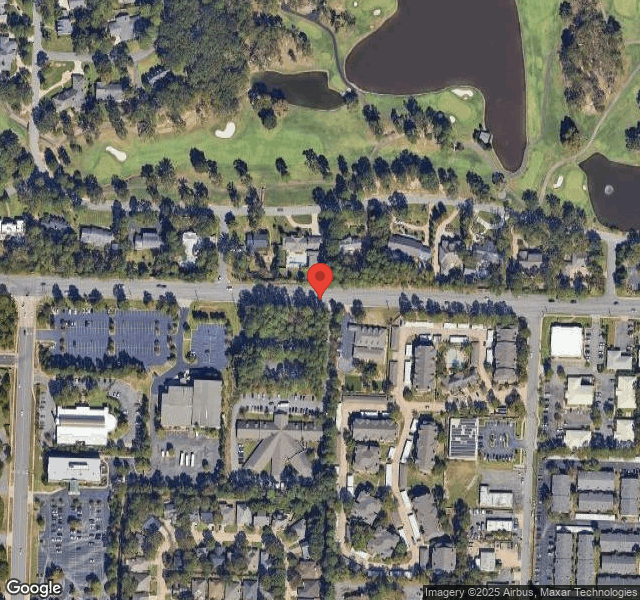

12111 HINSON ROAD, LITTLE ROCK, AR 72212 (501) 225-8888
For profit - Limited Liability company 97 Beds SOUTHERN ADMINISTRATIVE SERVICES Data: November 2025
Trust Grade
75/100
#29 of 218 in AR
Last Inspection: April 2025

Within standard 12-15 month inspection cycle. Federal law requires annual inspections.

Overview

Pleasant Valley Rehabilitation and Nursing has received a Trust Grade of B, indicating it is a good choice for families considering care options. It ranks #29 out of 218 facilities in Arkansas, placing it in the top half, and #2 out of 23 in Pulaski County, meaning only one local facility is rated higher. The facility is improving, with issues decreasing from 8 in 2024 to just 1 in 2025. Staffing is rated 4 out of 5 stars, which is solid, although the turnover rate of 58% is around the state average, suggesting some staff consistency but room for improvement. Families should note that while there have been no fines recorded, there were recent concerns regarding food safety practices, such as expired food not being promptly discarded and cleanliness issues in the kitchen that could affect residents.

Trust Score
B
75/100
In Arkansas
#29/218
Top 13%
Safety Record
Low Risk
No red flags
Inspections
Getting Better
8 → 1 violations
Staff Stability
⚠ Watch
58% turnover. Above average. Higher turnover means staff may not know residents' routines.
Penalties
✓ Good
No fines on record. Clean compliance history, better than most Arkansas facilities.
Skilled Nurses
○ Average
Each resident gets 31 minutes of Registered Nurse (RN) attention daily — about average for Arkansas. RNs are the most trained staff who monitor for health changes.
Violations
⚠ Watch
22 deficiencies on record. Higher than average. Multiple issues found across inspections.
★★★★★
5.0
Overall Rating
★★★★☆
4.0
Staff Levels
★★★★★
5.0
Care Quality
★★★★☆
4.0
Inspection Score
Stable
2024: 8 issues
2025: 1 issues

The Good

  • 4-Star Staffing Rating · Above-average nurse staffing levels
  • 5-Star Quality Measures · Strong clinical quality outcomes
  • Full Sprinkler Coverage · Fire safety systems throughout facility
  • No fines on record

Facility shows strength in staffing levels, quality measures, fire safety.

The Bad

Staff Turnover: 58%

12pts above Arkansas avg (46%)

Frequent staff changes - ask about care continuity

Chain: SOUTHERN ADMINISTRATIVE SERVICES

Part of a multi-facility chain

Ask about local staffing decisions and management

Staff turnover is elevated (58%)

10 points above Arkansas average of 48%

The Ugly 22 deficiencies on record

Apr 2025 1 deficiency
CONCERN (D)

Potential for Harm - no one hurt, but risky conditions existed

Deficiency F0760 (Tag F0760)

Could have caused harm · This affected 1 resident

Based on observation of medication administration, interview, record review and facility document review, the facility failed to ensure an insulin pen was primed and the plunger was held down for a co...

Read full inspector narrative →
Based on observation of medication administration, interview, record review and facility document review, the facility failed to ensure an insulin pen was primed and the plunger was held down for a count of five (5) seconds after an administration of insulin, according to manufacturer's instructions for 1 (Resident #11) sampled resident reviewed for medication administration. The findings are: A review of a Living Well with Diabetes instruction document, provided by the Director of Nursing (DON), was reviewed and read in part Prime your pen; Step one (1): turn the dose knob clockwise, until the number two (2) is in the dose window. Step two (2): hold the pen, with the needle pointing up, and tap the cartridge to gently move air bubbles to the top. Step three (3): with the needle still pointing straight up, push the dose knob in while counting to five (5). When the dose knob stops, the number zero (0) will appear in the dose window. Take your shot; Step two (2): when the needle is under your skin, use your thumb to press the dose knob all the way in. Push the knob firmly and slowly, until it stops moving. Step three (3): hold the button while the needle is under your skin and count to five (5). Step four (4): you've gotten your full dose when you see a zero (0) in the dose window A patient package insert retrieved from the manufacturer ' s website provided by the DON, was reviewed and revealed Priming your pen Prime before each injection, priming your pen means removing the air from the needle and the cartridge that may collect during normal use, it is important to prime your Pen before each injection so that it will work correctly. If you do not prime before each injection, you may get too much or too little insulin. To prime your pen, dial up to the number two (2) on the dial window, and with the pen pointed up, slowly depress the plunger. While continuing to hold the pen pointed up, count to five (5) slowly until a zero (0 is seen on the dial window. An Inservice Education Report dated 04/23/2025, provided by the DON, was reviewed, and revealed an in-service education related to How to use [brand name] Kwik pen with the signatures of seven (7) staff members. A review of Resident #11's Order Summary Report revealed Resident #11 had diagnoses that included: type II diabetes; with unspecified complications, immunodeficiencies, abnormal weight loss, vascular dementia, and Alzheimer ' s disease. A review of Resident #11 ' s annual Minimum Data Set (MDS) with an Assessment Reference Date (ARD) of 02/25/2025 was reviewed and indicated that the resident had a Staff Assessment for Mental Status (SAMS) that indicated the resident had short and long-term memory problems and had Modified independence with daily decision making. A review of Resident #11's Order Summary Report, Active orders as of 04/21/2025 was reviewed and indicated the resident had physician's orders with a start date of 01/18/2024 of [brand name] Kwik Pen subcutaneous solution Pen-injector 100 unit/ml [milliliters] Inject 22 units subcutaneously one (1) time a day, related to diabetes mellitus, due to underlying condition with unspecified complications. During an observation, on 04/23/2025 at 9:29 AM, of medication administration of the insulin, via an insulin pen, with Registered Nurse (RN) #1 and the DON, RN #1 applied the needle cap to the insulin pen. RN #1 then dialed the dose in the window to 22 [units]. RN #1, without priming the pen prior to administering, entered Resident #11 ' s room, sanitized the skin of the resident ' s abdomen, applied the pen to the skin, depressed the plunger, then removed the needle without a count down, after the injection. During an interview on 04/23/2025 at 9:31 AM, RN #1 was asked how the insulin pen had been primed prior to dialing up the injection. RN #1 responded that the pen had been checked for air bubbles. When asked again if the insulin pen was primed prior to the injection, RN #1 responded with No . When RN #1 was asked how long the plunger had been held down after injecting the insulin, RN #1 did not respond. RN #1 was asked, when the insulin injection was administered, how long was the pen held to the resident ' s skin, prior to removing the needle. Again RN #1 had no response. During an interview with the DON on 04/23/2025 at 9:31 AM, (after an observation of medication administration at 9:29 AM, of insulin via an insulin pen) the DON, who observed the set up and delivery of the insulin pen dose, was asked how the insulin pen should have been primed. The DON responded that the pen should have been primed with 2 - 3 units. The DON was asked the purpose of priming the insulin pen. The DON ' s response was, we only have a couple of these pens in the building . The DON was asked if the nursing staff should know how to administer the insulin, via pens. The DON ' s response was, yes, they should know. The DON indicated the resident could have received an incorrect dose. During an interview, on 04/23/2025 at 1:30 PM, the Medical Director (MD) confirmed he was the Primary Care Provider for Resident #11. The MD confirmed Resident #11 had current orders for an insulin pen. In relation to the resident's insulin pen, the pen should be primed, prior to the actual dosage being dialed up. The MD confirmed he was aware that the insulin pen required priming, prior to each dose. The MD was asked, if the pen was not primed correctly, would there be a potential for the resident to not receive the ordered dose. The MD confirmed that there would be a potential to receive an inaccurate dose on insulin. The MD confirmed his expectation for the facility to follow the manufacturer recommendations related to administering insulin with an insulin pen.
Feb 2024 8 deficiencies
CONCERN (D)

Potential for Harm - no one hurt, but risky conditions existed

Deficiency F0761 (Tag F0761)

Could have caused harm · This affected 1 resident

**NOTE- TERMS IN BRACKETS HAVE BEEN EDITED TO PROTECT CONFIDENTIALITY** Based on observation and interview the facility failed to ensure a vial of long-acting insulin was properly labeled with an open...

Read full inspector narrative →
**NOTE- TERMS IN BRACKETS HAVE BEEN EDITED TO PROTECT CONFIDENTIALITY** Based on observation and interview the facility failed to ensure a vial of long-acting insulin was properly labeled with an open date. This failed practice had the potential to affect 1 (Resident #12) sample mix residents according to a list provided by the Nurse Consultant on [DATE] at 1:01pm. The findings are: On [DATE] at 02:41 PM, the Surveyor observed Hall 300 cart with one 10 milliliter (mL) multi-dose vial of Insulin Glargine (Lantus) 100 Units/mL with an expiration date of 8/2025 with no open date listed on the vial. On [DATE] at 03:02 PM, the Surveyor asked Licensed Practical Nurse (LPN) #1 When opening a new vial of insulin what should be done? LPN #1 stated It should be dated. The Surveyor asked What could happen if it is not dated? LPN #1 stated You could give expired medication. On [DATE] at 03:05 PM, the Surveyor asked the Director of Nursing (DON) Should insulin be dated when opened? The DON stated Yes. The Surveyor asked What could happen if it is not dated? The DON stated It may not work correctly. The Surveyor asked Is this vial of insulin dated? The DON confirmed the insulin vial did not have an open date. On [DATE] at 02:36 PM, the Surveyor requested a Medication Administration Policy for Insulin. On [DATE] at 03:49 PM, the Nurse Consultant stated We do not have a policy.
CONCERN (E)

Potential for Harm - no one hurt, but risky conditions existed

Deficiency F0577 (Tag F0577)

Could have caused harm · This affected multiple residents

Based on observation, interview and record review the facility failed to ensure the state survey results were posted in a place readily accessible to residents. The findings are: On 2/06/24 at 3:02 PM...

Read full inspector narrative →
Based on observation, interview and record review the facility failed to ensure the state survey results were posted in a place readily accessible to residents. The findings are: On 2/06/24 at 3:02 PM a resident council meeting was conducted. The residents were asked if they knew were the state inspection results were located, and if they could get them without having to ask staff for them. There were 10 (Resident #3, Resident #5, Resident #7,Resident #14, Resident #34, Resident #43, Resident #45, Resident #47, Resident #55, and Resident#66) residents in the resident council meeting that did not know where the survey results information was located. On 2/06/24 at 3:30 PM there were a binder located on the wall at the beginning of the 100 that had Survey Results written on it. The Annual survey results for 2023 was not in the binder. On 2/06/24 at 3:35 PM the surveyor asked the Director of Nurse (DON), Can you show me where the 2023 Annual Survey results are located? She looked in the survey results binder that was located on the wall at the beginning of the 100 hall. She stated, They aren't in here. She was asked, Should the survey results information be located in a place where the residents can reach it without having to ask for it? She stated, Yes it should. On 2/06/24 at 3:50 PM the DON came in the conference room holding the 2023 survey results. She stated, I have them now, and I'm getting ready to put them in the binder. A form titled, Resident Rights and Responsibilities .documented, .Examination of survey results. Resident/Elders may examine the results of the of the most recent survey of the nursing facility conducted by Federal or State surveyors. This will include any plan of correction in effect. The nursing facility will make the results of the most recent survey available for examination in a place readily accessible to Resident/Elders. A notice of the availability of survey results will be posted . On 2/08/24 at 10:11 AM the administrator was asked, Should the survey results be available for the family and residents at all times? He stated Yes.
CONCERN (E)

Potential for Harm - no one hurt, but risky conditions existed

Safe Environment (Tag F0584)

Could have caused harm · This affected multiple residents

**NOTE- TERMS IN BRACKETS HAVE BEEN EDITED TO PROTECT CONFIDENTIALITY** Based on observation and interview the facility failed to ensure a homelike environment for 1 (room [ROOM NUMBER]) room on the 2...

Read full inspector narrative →
**NOTE- TERMS IN BRACKETS HAVE BEEN EDITED TO PROTECT CONFIDENTIALITY** Based on observation and interview the facility failed to ensure a homelike environment for 1 (room [ROOM NUMBER]) room on the 200 Hall. The facility also failed to ensure residents meals were removed from serving trays in the dining room to de-emphasize the institutional character of the setting to promote dignity and respect. This failed practice had the potential to affect 2 (Resident's #21 & #42) sample mix residents who received a tray on the 200 Hall during lunchtime Sunday 2/4/24 according to a list provided by the Nurse Consultant on 2/7/24 at 1:01pm. The findings are: 1. On 02/04/24 at 11:01 AM, the Surveyor observed 2 holes approximately 1 inch each side by side in room [ROOM NUMBER]'s bathroom wall by the commode. 1A. On 02/05/24 at 08:34 AM, the Surveyor observed 2 holes approximately 1 inch each in the wall by the commode where a toilet paper holder would be placed. 1B. On 02/06/24 at 10:47 AM, the Surveyor observed 2 holes approximately 1 inch each in the wall by the commode of room [ROOM NUMBER]'s bathroom. 1C. On 02/07/24 at 10:55 AM, the Surveyor asked Maintenance Please describe the bathroom wall to me. Maintenance stated There is no toilet paper holder and there are 2 holes in the wall. Maintenance measurements were as follows, left hole 7/8 high x 1 1/8 wide and the right hole was 1 high x 1 3/8 wide. The Surveyor asked Do you consider this homelike? Maintenance stated, No. 1D. On 02/07/24 at 11:02 AM, the Surveyor asked the DON Will you please describe the bathroom wall to me. The DON stated There are a couple of holes in it. The Surveyor asked Do you consider this homelike? The DON confirmed it was not homelike. 2. On 02/04/24 at 12:33 PM, the Surveyor observed 12 Residents served lunch in the secure unit dining room. The residents' meals and drinking glasses were not removed from the serving trays. 2A. On 02/04/24 at 12:53 PM, the Surveyor asked Certified Nursing Assistant (CNA) #1 Are the meals always served on the trays in the dining room? CNA #1 stated I have always left the meals on the trays. The Surveyor asked Would it be considered homelike to eat a meal still on the serving tray? CNA #1 stated No, I didn't think about it like that. 2B. On 02/04/24 at 12:56 PM, the Surveyor asked CNA #2 Do you leave the meals on the trays when they are served in the dining room? CNA #2 stated I usually remove them from the trays and stack the trays on top of the cart. The Surveyor asked Are the meals left on the tray today? CNA #2 confirmed the lunch meal was left on the serving trays in the dining room. 2C. On 02/08/24 at 09:04 AM, the Surveyor asked the DON How should a meal be served in the dining room? The DON stated the staff should offer hand sanitizer and then remove the items from the tray. They should assist the residents with opening items and cutting up food. The Surveyor asked Should a meal ever be served on a serving tray in the dining room? The DON confirmed a meal should not be served on a serving tray in the dining room unless preferred by a resident.
CONCERN (E)

Potential for Harm - no one hurt, but risky conditions existed

Deficiency F0757 (Tag F0757)

Could have caused harm · This affected multiple residents

Based on interview and record review the facility failed to ensure 1 (Resident #35) of 5 (Residents #13, #21, #35, #42, #66) sample mix residents that were reviewed for unnecessary medications receive...

Read full inspector narrative →
Based on interview and record review the facility failed to ensure 1 (Resident #35) of 5 (Residents #13, #21, #35, #42, #66) sample mix residents that were reviewed for unnecessary medications received a diagnosis prior to receiving an anti-depressant medication. The findings are: Resident #35 Minimum Data Set (MDS) with an Assessment Reference Date (ARD) of 11/9/23 showed a Brief Interview for Mental Status (BIMS) of 99. A Staff Assessment for Mental Status (SAMS) was completed that showed short term and long-term memory problems. The resident is taking an antidepressant. The diagnoses showed type 2 diabetes mellitus; anxiety disorder; cerebral infarction; heart failure; stiffness of right hand; contracture of right hand, right knee, and left knee. No diagnosis observed in the resident's chart for depression. The Physician's Order Summary showed Remeron Oral Tablet 30 milligrams (mg) (Mirtazapine) Give 30 mg by mouth in the evening for Depression with an order date of 5/1/23 and a start date of 5/2/23. The Care Plan showed the resident uses antidepressant medication. Nursing staff are to administer antidepressant medications as ordered by the physician. On 02/07/24 at 01:01 PM, the Nurse Consultant (NC) provided a Pharmacy Medication Regimen Review (MRR) for antidepressants dated 11/8/2023. The MRR showed Escitalopram Oxalate (Celexa) Oral Tablet 10 mg 1 tablet by mouth 1 time a day. Additional antidepressant of Remeron 30 mg every night with an original start date of 5/2/23. Pharmacy recommendation was to decrease Celexa to 5mg. The consultant pharmacist notes showed an indication for depression. The physician's recommendation was to decrease Celexa to 5mg (discontinued 11/12/23). Depending on how the resident does, I will consider discontinuing. I am seeing the resident this month. On 02/07/24 at 01:07 PM, the Surveyor asked the Director of Nursing (DON) Can you show me in Resident # 35 chart the diagnosis for depression? The DON stated There is no diagnosis for depression. The Surveyor asked Can you show me what antidepressant medication the resident is on? The DON stated they are on Remeron for weight loss. Not depression. The Surveyor asked Should there be a diagnosis for depression? The DON stated If they had a diagnosis for depression. The Surveyor asked Does the resident have a diagnosis for depression? The DON confirmed Resident # 35 does not have a diagnosis for depression. On 02/08/24 at 09:15 AM, the DON stated I spoke with Resident # 35's Dr. yesterday and they said that they did not want to diagnose the resident with depression until they spoke with and evaluated them.
CONCERN (E)

Potential for Harm - no one hurt, but risky conditions existed

Deficiency F0805 (Tag F0805)

Could have caused harm · This affected multiple residents

Based on observation and interview, the facility failed to ensure that pureed food items were blended to a smooth, lump free consistency to minimize the risk of choking or other complications for thos...

Read full inspector narrative →
Based on observation and interview, the facility failed to ensure that pureed food items were blended to a smooth, lump free consistency to minimize the risk of choking or other complications for those residents who required pureed diets for 1 of 1 meal observed. The failed practice had the potential to affect 5 residents who received pureed diets, as documented on the list Dietary Supervisor provided by the Food Service Supervisor on 02/08/2024 The findings are: 1. On 02/04/24 at11:34 AM DE #1poured the pureed vegetable into a pan. He covered the pan with foil and placed it in a pan of hot water on the stove. The consistency of the pureed vegetable blend was not smooth. There were pieces of carrots in the mixture. 2. On 02/04/24 at 11:38 AM Dietary Employee (DE) #1 used a #8 scoop to place 6 servings of rice pilaf into a blender, added broth and pureed. At11:40 AM DE# 1 poured the pureed rice into a pan. The consistency was gritty, sticky and not smooth. 3. On 02/04/24 at 12:08 PM A pan of pureed bread to be served to the residents who required pureed diets was on the steam table. The consistency of the breadcrumbs was lumpy and not smooth. 4. On 02/04/24 at 12:37 PM Dietary Employee (DE) #3 placed 10 servings of carrot cake into a blender, added whole milk and pureed. At 12:39 PM DE #3 used a # 8-scoop to place pureed carrot cake into 5 bowls. The consistency of the pureed carrot cake was not smooth and was a little thick. There were pieces of carrots visible in the mixture. 5. On 02/04/24 at 12:46 PM The surveyor asked the Dietary Supervisor to describe the consistency of the pureed foods served to the residents who required pureed diets. She stated, Pureed pork roast and pureed rice, pureed carrot cake and pureed bread have little lumps in them, and not pudding consistency.
CONCERN (E)

Potential for Harm - no one hurt, but risky conditions existed

Infection Control (Tag F0880)

Could have caused harm · This affected multiple residents

Based on interview the facility failed to ensure isolation laundry was handled correctly to prevent the spread of infection. This failed practice had the potential to affect 15 (Resident's #1, #6, #7,...

Read full inspector narrative →
Based on interview the facility failed to ensure isolation laundry was handled correctly to prevent the spread of infection. This failed practice had the potential to affect 15 (Resident's #1, #6, #7, #11, #20, #21, #25, #27, #36, #37, #42, #50, #53, #54, #64) sample mix residents who depend on the facility to provide laundry services according to a list provided by the Social Services Director on 2/7/24 at 3:48pm. The findings are: On 02/05/24 at 01:37 PM, the Surveyor asked Housekeeper (HKP) #1 What jobs do you perform? HKP #1 stated I'm a housekeeper, but I do laundry too. The Surveyor asked How do you wash isolation laundry? HKP #1 stated The aides on the floor bring the laundry to us. I pick up the outside of the bag that they bring it to us in and shake it out into the washer. The Surveyor asked Do you wear Personal Protection Equipment (PPE) when you do isolation laundry? HKP #1 stated No, I've never been told to wear PPE while doing isolation laundry. I don't know why a person would need to. On 02/05/24 at 01:43 PM, the Surveyor asked the District Manager of Housekeeping (DMH) Is PPE required when washing isolation laundry? The DMH stated Yes, instructions are posted in the dirty room beside the PPE. It should be being used properly. The Surveyor asked When was the last In-Service held for isolation laundry? The DMH stated I don't remember off the top of my head, but there will be one done today. On 02/05/24 at 03:00 PM, the DHM provided the Surveyor with an in-service for HKP #1 on Laundry PPE that showed, .laundry workers must wear the proper personal protective equipment when handling soiled linen .wear the following: gloves, gown, eye protection, and face shield .never handle isolation laundry without PPE . On 02/08/24 09:07 AM, the Surveyor asked the Director of Nursing (DON) How should isolation laundry be handled by the laundry staff? The DON stated My staff should be putting it in the water soluble and yellow laundry bags and it should be taken straight back to laundry. I assume housekeeping would do it the same way. The Surveyor asked Should laundry staff be using PPE when handling isolation laundry? The DON stated Yes.
CONCERN (E)

Potential for Harm - no one hurt, but risky conditions existed

Safe Environment (Tag F0921)

Could have caused harm · This affected multiple residents

**NOTE- TERMS IN BRACKETS HAVE BEEN EDITED TO PROTECT CONFIDENTIALITY** Based on observation and interview the facility failed to ensure a safe environment for 1 (room [ROOM NUMBER]) room on the 200 H...

Read full inspector narrative →
**NOTE- TERMS IN BRACKETS HAVE BEEN EDITED TO PROTECT CONFIDENTIALITY** Based on observation and interview the facility failed to ensure a safe environment for 1 (room [ROOM NUMBER]) room on the 200 Hall. This failed practice had the potential to affect 3 (Resident #13, #42, & #53) residents who were ambulatory on the 200 Hall, and the facility failed to ensure the residents were provided a homelike environment for 5 (room [ROOM NUMBER], room [ROOM NUMBER], Room112, room [ROOM NUMBER], and room [ROOM NUMBER]) rooms on the 100 Hall . The findings are: 1. On 02/04/2024 at 09:24 AM the shower in room [ROOM NUMBER]'s bathroom lacked on/off knobs (exposed metal posts 2 ½ inches long) on the hot and cold water handles. 1A. On 02/04/2024 at 01:03 PM the shower lacked on and off knobs in room [ROOM NUMBER], leaving metal posts exposed 2 ½ inches long. 1B. On 02/05/2024 at 08:27 AM the Surveyor observed exposed metal posts 2 ½ inches long in room [ROOM NUMBER]'s shower. 1C. On 02/04/2024 at 12:48 PM, the Surveyor asked Certified Nursing Assistant (CNA) #1, Does the resident use this bathroom? CNA #1 stated Yes, but they don't shower in here. The Surveyor asked, Do other residents wander and go into other resident's rooms? CNA #1 stated, Yes, they do. The Surveyor asked, Does this look safe to you? CNA #1 stated, No, it doesn't. 1D. On 02/06/2024 at 02:04 PM the Surveyor asked CNA #3, Does the resident use this bathroom? CNA #3 stated, Yes, but [resident] doesn't go into the shower. The Surveyor asked, Does this look safe to you? CNA #3 stated, I really don't know. 1E. On 02/07/2024 at 10:51 AM the Surveyor observed foam covers placed over the cold and hot shower posts in room [ROOM NUMBER]'s shower. The Surveyor asked Maintenance, When were these applied? Maintenance stated, I put those on yesterday after I heard about it. The Surveyor asked, Was this safe prior to the foam being applied? Maintenance stated, No, I don't think so. 1F. On 02/07/2024 at 11:01 AM the Surveyor asked the Director of Nursing (DON), Please describe the shower knobs for me. The DON stated, There are foam covers over them, but I know they were just put on yesterday. The Surveyor asked, Was this safe prior to the foam covers being applied? The DON confirmed it was not safe. 2. On 02/04/2024 at 9:25 AM the bathroom in room [ROOM NUMBER] had a loud urine odor. The trash can was filled with water. Resident #50 was asked, Can you tell me why the water is in your trash can? Resident #50 stated, I use it to flush the toilet. My toilet is messed up. Resident #50 was asked, How long has your toilet been messed up? He stated, A few days, but I'm going to fix it. I just need the supplies to fix it. 2a. On 2/04/2024 at 9:34 AM a raised toilet seat in room [ROOM NUMBER] had a brown substance on the raised toilet seat. There were brown substances on the fixed toilet and stains coming down the sides of the toilet, and trash on the floor. 2b. On 02/04/2024 at 9:35 AM room [ROOM NUMBER]'s bathroom floor was dirty. 2c. On 02/04/2024 at 9:50 AM the wall was peeling behind the bed in room [ROOM NUMBER]B. 2d. On 02/06/2024 at 10:20 AM room [ROOM NUMBER]'s bathroom had a strong odor. The toilet was full of tissue and the water was brown. The surveyor asked Resident #50, Did you get your toilet repaired? Resident #50 stated, No, it hasn't been fixed yet. 2e. On 02/04/2024 at 10:15 AM the floors were dirty in room [ROOM NUMBER]A. Resident #5 was asked, How often is your room cleaned? Resident #5 stated, They clean the rooms maybe once a week. 2f. On 02/07/2024 at 11:00 AM the Maintenance Director was asked, How long had the toilet been out of order in room [ROOM NUMBER]? The Maintenance Director stated, It was out for a couple of hours on Monday. I believe it's completely fixed now. It was the handle and a valve that had to be connected. The Surveyor asked, Can you tell me what's wrong with the wall in room [ROOM NUMBER]? The Maintenance Director stated, It needs to be painted. 2g. On 02/08/2024 at 10:06 AM the Administrator was asked, How often are the rooms cleaned? The Administrator stated, Daily and deep cleaned once a month. The Surveyor asked, How many housekeepers are assigned for the weekends? The Administrator stated, It should be 3 housekeepers and a laundry personnel. The Surveyor asked, Can you tell me why there was only one housekeeper this past Sunday? The Administrator stated, We were short on Sunday. I think we had 2 call ins. We were trying to get additional staff, but they couldn't come in. The Surveyor asked, Do you know how long the toilet was out of order for room [ROOM NUMBER]? The Administrator stated, No I don't. 2h. A document provided by the Administrator on 02/08/2024 at 10:04 am titled, Accident Hazards Prevention 42 C.F.R. § 483.25 documented, .the environment will be free from accident hazards as is possible .
CONCERN (F)

Potential for Harm - no one hurt, but risky conditions existed

Food Safety (Tag F0812)

Could have caused harm · This affected most or all residents

**NOTE- TERMS IN BRACKETS HAVE BEEN EDITED TO PROTECT CONFIDENTIALITY** F0812 F Based on observations and interview, the facility failed to ensure deep fryer was free of debris to prevent potential cr...

Read full inspector narrative →
**NOTE- TERMS IN BRACKETS HAVE BEEN EDITED TO PROTECT CONFIDENTIALITY** F0812 F Based on observations and interview, the facility failed to ensure deep fryer was free of debris to prevent potential cross contamination, floor throughout the kitchen and wall air vent were free of grease, and stains, food items stored in the freezer or refrigerator were sealed, covered and dated, expired food items were promptly removed /discarded by the expiration or use by dates, and foods were dated as when received to ensure first in and first out usage to prevent the potential for food borne illness, 1 of 2 ice machines and 1 of 2 ice scoop holders were maintained in clean and sanitary condition to prevent food and beverage contamination, staff washed their hands between dirty and clean tasks and before handling clean equipment to minimize the potential for contaminating food items for residents who received meals from 1 of 1 kitchen. This failed practice had the potential to affect 67 residents who received meals from the kitchen (total census 69), The findings are: 1. On 02/05/23 09:03 AM The following observations were made in the kitchen: a. At the entrance door to the kitchen, the floor had a buildup of black stains on it. b. The floor by the ice machine was chipped exposing the cement. The area chipped had dirt on them. c. The floor below the counter where coffee, tea, and beverage machine were kept had wax buildup and brown stain. d. The floor in front of the steam table, by the 3-door freezer, in front of the food preparation counter by the vegetable freezer had brown and wax buildup around the corners of it. e. The floor the behind the deep fryer. f. Floor behind the oven. Floor between the oven and the deep fryer had grease buildup on them. g. The air vent between the 3-door and freezer was covered with debris. h. The floor in the storage room, floor by the milk refrigerator and by the food preparation where food processor was kept had stains on them. i. he floor under the food preparation sink, and the floor under the food preparation counter by the food preparation sink had stains on them. 2. On 02/05/24 at 09:10 AM The closed cabinet below the deep fryer had four pallets that were attached to the deep fryer. All 4 pallets had grease build up on them. The inside door of the closed cabinet had a buildup of grease on it. Th surveyor asked the Dietary Employee (DE) #1 How often they cleaned the bottom of the deep fryer and the pallets. DE #1 stated, We clean it once a week. 3. On 02/05/24 09:20 AM An opened box of vegetable blend was on a shelf in the freezer. The box was not dated as of when opened. 4. On 02/05/24 at 09:23 am The following observations were made in the freezer: a. Two of 2 open bags of sausage in an opened box on a shelf freezer. The bags had no date on them. b. An opened box of biscuits on a shelf in the freezer. The bag has no date when opened. 5. On 02/05/24 at 9:29 AM There was an open bag of bread on the bread rack. The bag was not sealed. 6. On 02/05/24 at 09:34 AM The following observations were made on a shelf in the walk-in refrigerator: a. An opened bottle of nectar thickened liquid on a shelf in the walk-in refrigerator with no opened date on the bottle. b. An opened bottle of honey thickened liquid. The bottle has no open date on it. c. An opened box of bacon. The box was not covered or sealed. Either the bag or box has opened date. d. An opened bottle of grape jelly. The bottle has no open dated on it. e. An opened bottle of mayonnaise. The bottle has no opened date on it. f. Two of 2 opened containers of honey mustard. The containers have no open date on them. g. An opened gallon of enchilada sauce. There was no opened date on it. h. An opened gallon of medium picante sauce. There was no opened date on it. i. An opened container of salad with a by date of 2/1/2024. J. An opened bottle of dill pickle. There was no date on it. k. A carton of Hiland Vitamin-D with an expiration of 2/3/2024. 7. On 02/04/24 at 09:48 AM The following observations were made on a shelf in the storage room: a. An opened imitation vanilla. b. There was no date on the bottle. b. An opened box of graham crumbs. The box was not covered or sealed. There was no opened date on the box. c. An opened box of plain breadcrumbs. The box was not covered or sealed. There was no date opened date on the box. d. Ten of 10 boxes of malt-o-meal on a shelf had an expiration date of 12/20/2023. Dietary Employee (DE) #1 stated, We don't even use it. e. An opened container of Greek all-purpose seasoning. There was no opened date on the container. 8. On 02/04/24 at 09:55 AM The following observations were made on a spicy shelf in the storage room: a. An opened container of rubbed sage has no open date on it. b. An opened container of ground mustard has no open date on it. c. An opened contain of dill seed has no date on it. d. An opened container of Montreal chicken has no date on it. e. An opened container of Mediterranean style, ground oregano. f. An opened container of ground nutmeg has no date on it. g. An opened container of lemon and pepper seasoning has no date on it. h. Ground cinnamon has no date on it. i. An opened containers of onion powder and garlic powder had no date on them. 9. On 02/04/24 at 10:09 AM The ice machine panel had wet brown residue on it. Surveyor asked the Dietary Employee (DE) #1 to wipe the panel of the inside of the ice machine. He used a tissue to wipe the panel inside of the ice machine which had a brown substance on it that had easily transferred from the ice machine onto the tissue. Surveyor asked Dietary Supervisor to describe the residue found inside the ice machine that showed on the tissue. Who uses the ice machine from the machine and how often do you clean it? He stated, Brown dirt, We use to fill beverages served to the residents at mealtimes. 10. On 02/04/24 at 10:12 A The following observations were made on a shelf in the 3-door freezer: a. An opened box of turkey sausage. The box has no date when it was opened. b. An opened box of hamburger patties. The box was not covered or sealed. The box has no open date on it. c. An opened box of steak fingers. The box was not covered or sealed completely. 11. On 02/04/24 at 10:15 AM The ice scoop holder on the wall close to the ice machine on the 400 Hall had wet grayish residue on it. The ice scoop was resting directly in contact with the grayish residue. The surveyor asked the Dietary Employee (DE) #1 [NAME] to wipe the wet grayish residues observed. He did, and the wet grayish residues easily transferred to the paper towel. The surveyor asked the Dietary Employee (DE) #1 [NAME] to describe what was observed in the scoop holder. He stated, It was nasty. The surveyor asked the Dietary Employee (DE) #1 [NAME] who uses the ice from the machine. He stated, That's the ice the CNAs) Certified Nursing Assistants) use to fill the water pitchers in the resident's rooms. On 02/08/24 at 11:10 AM The surveyor asked the maintenance man [NAME] how often the ice scoop holder was cleaned. He stated, Every week. 12. On 02/04/24 11:27 AM Dietary Employee (DE) #2 turned on the hand washing faucet on and washed his hands, dried his hands with paper towel, turned the water off with paper towel, and then used the same paper towel to dry his hands, contaminating his hands, without washing her hands, she picked cups by their rims and placed them on the trays. When he was about to pour beverages into the cups. The surveyor immediately asked DE #2 what should you have done after touching dirty objects and before handling clean equipment? DE #2 stated, I should have washed my hands. 13. On 02/04/24 11:47 AM Dietary Employee (DE) #3 opened the refrigerator and removed fresh tomatoes from a box and placed it on the cutting board. Without rinsing the tomatoes. He sliced the tomatoes and placed them on the plates that container shredded lettuce to be served to the residents who requested for salad with their lunch meal. The surveyor immediately asked him what you should have done before processing fresh tomatoes. He stated, I should have rinse them. 14. On 02/07/24 at 10:51 AM Dietary Employee (DE) #4 lifted ice machine lid with her gloved hand. Contaminated the gloves. Without Changing gloves and washing her hands, she used her contaminated gloved hand to push ice cubes into the glasses for the residents to use in eating their lunch meal. 15. A facility titled Handwashing and gloves usage in food service provided by the Dietary Supervisor on o2/07/24 at 01:20 PM documented, A. Before starting work. b. After cleaning table or busing dirty dishes. C. After touching anything else such as dirty equipment, work surfaces or cloths.
Sept 2023 1 deficiency
CONCERN (D) 📢 Someone Reported This

A family member, employee, or ombudsman was alarmed enough to file a formal complaint

Potential for Harm - no one hurt, but risky conditions existed

Report Alleged Abuse (Tag F0609)

Could have caused harm · This affected 1 resident

Based on record review and interview, the facility failed to ensure an injury of unknown source/origin was reported to the Office of Long-Term Care (OLTC) and other agencies in accordance with state a...

Read full inspector narrative →
Based on record review and interview, the facility failed to ensure an injury of unknown source/origin was reported to the Office of Long-Term Care (OLTC) and other agencies in accordance with state and federal laws for 1of 1 (Resident #2) of 3 sampled residents. This failed practice had the potential to affect 73 residents that reside in the facility. The findings included: Review of Resident #2's progress notes dated 09/11/2023 showed the following: a. A diagnosis of severe dementia with agitation. b. A nursing progress note dated 08/21/2023 at 4:19 PM showed the nurse was informed Resident #2 was experiencing pain when the left leg is moved. The nurse assessed Resident's left leg and noted an open area to the LLE (left lower extremity). The Advanced Practice Nurse was notified, and a X-ray of Resident #2's LLE was performed. The X-ray finding was an acute femoral intertrochanteric (hip) fracture. Record review of an Office of Long-Term Care (OLTC) DMS (Division of Medical Services) /7734 Form showed the date & time of discovery as 08/21/2023 at 3:50 PM and the date incident reported to OLTC as 08/22/2023 at 4:50 PM. During interview on 09/11/2023 the Surveyor asked the Administrator when was the fracture incident of Resident #2 reported to OLTC? The Administrator stated, This was reported as an unusual occurrence and I did not suspect abuse, that's the reason it was not submitted in the 2-hour period. The following interviews occurred on 09/12/2023: a. At 10:09 AM, the Surveyor asked Certified Nursing Assistant (CNA) #1 how did Resident #2 obtain a fracture of the hip? CNA #1 stated, I don't know. b. At 10:35 AM, the Surveyor asked the Social Worker (SW) how did Resident #2 obtain a fracture of the left hip? SW stated, I do not know. c. At 11:00 AM, the Surveyor asked the Director of Nursing (DON) how did Resident #2 obtain a fracture of the left hip? The DON stated, I do not know. The Surveyor asked was Resident #2's reportable incident reported to the state office within the 2 hours? The DON stated, I don't know. The Surveyor asked, who is responsible for reporting to the state office? The DON stated, The Administrator. d. At 11:26 AM, the Surveyor asked the Administrator how did Resident #2 obtain a fracture to the left hip? The Administrator stated, The doctor thought it was non-traumatic. The Surveyor asked, did anyone observe how the fracture happened to Resident #2's left hip? The Administrator stated, It was unwitnessed. The Surveyor asked, was Resident #2 able to tell you what happened? The Administrator replied, No. The Surveyor asked, was Resident #2's reportable incident reported to the state office within the 2 hours? The Administrator replied, We reported that as an unusual occurrence. Review of facility's policy titled Abuse, Neglect, and Maltreatment Investigation and Reporting provided by Administrator #2 on 09/11/2023 at 10:25 AM showed the following: a. The facility will protect residents from maltreatment, which means adult abuse, exploitation, neglect, physical abuse, sexual abuse, and misappropriation of resident property. The resident has the right to be free from physical or mental abuse. b. Facility staff shall comply with Section 1150 B of the Social Security Act, and report reasonable suspicion of abuse or serious injury to a resident immediately, but not later than two hours.
Jun 2023 3 deficiencies
CONCERN (D) 📢 Someone Reported This

A family member, employee, or ombudsman was alarmed enough to file a formal complaint

Potential for Harm - no one hurt, but risky conditions existed

Incontinence Care (Tag F0690)

Could have caused harm · This affected 1 resident

**NOTE- TERMS IN BRACKETS HAVE BEEN EDITED TO PROTECT CONFIDENTIALITY** Based on observation, interview, and record review, the facility failed to ensure the drainage bag of an indwelling catheter was...

Read full inspector narrative →
**NOTE- TERMS IN BRACKETS HAVE BEEN EDITED TO PROTECT CONFIDENTIALITY** Based on observation, interview, and record review, the facility failed to ensure the drainage bag of an indwelling catheter was below bladder level to prevent cross contamination and possible infection for 1 (Resident #7) of 3 (Resident #7, #8, #12) sampled residents. The findings are: 1. Resident #7 was admitted to the facility on [DATE] with diagnoses of Other Cerebrovascular Disease, Personal history of Urinary Tract Infections and Peripheral Vascular Disease. a. The Care Plan, last revised on 09/20/23 documented, Resident #7 has an indwelling urinary catheter related to urinary retention, with interventions to include, position catheter bag and tubing below the level of the bladder. b. On 06/19/23 at 11:07am, Resident #7 was sitting in his Geri-chair in the Day Room. He had an indwelling catheter and the bag was next to him in the chair. The bag was not below the bladder. c. On 06/22/23 at 8:17am, the Surveyor asked the Director of Nursing (DON), When a resident is in a Geri chair where should the catheter bag be placed? The DON stated, On the side of the Geri chair, there is a spot for them. The Surveyor asked, Is ok for the bag to sit in the chair beside the resident? The DON stated, No. d. On 06/22/23 at 9:37am, The Assistant Administrator stated, We do not have a policy on foley catheters.
CONCERN (E) 📢 Someone Reported This

A family member, employee, or ombudsman was alarmed enough to file a formal complaint

Potential for Harm - no one hurt, but risky conditions existed

Deficiency F0760 (Tag F0760)

Could have caused harm · This affected multiple residents

**NOTE- TERMS IN BRACKETS HAVE BEEN EDITED TO PROTECT CONFIDENTIALITY** Based on observation, interview, and record review, the facility failed to ensure it was free of any significant medication erro...

Read full inspector narrative →
**NOTE- TERMS IN BRACKETS HAVE BEEN EDITED TO PROTECT CONFIDENTIALITY** Based on observation, interview, and record review, the facility failed to ensure it was free of any significant medication errors as evident by failing to administer scheduled insulin according to the Physicians Orders for Resident #5 and administering scheduled Alprazolam at a higher dose than the Physician Orders for Resident #6. The findings are: 1. Resident #5 was admitted to the facility on [DATE] with diagnosis of Encounter for Attention to Ileostomy and Diabetes Mellitus with other skin ulcer. a. Review of the Physician's order with a start date of 6/2/23 and an end date of 6/8/23 revealed an order for Levemir 100 units at bedtime related to Type 2 Diabetes Mellitus. Levemir is a type of insulin. b. Review of the Physician's order with a start date of 6/8/23 revealed an order for Levemir 10 units at bedtime related to Type 2 Diabetes Mellitus. c. The Care Plan with an initiation date of 06/19/23 documented, . [Resident #5] has Diabetes Mellitus . Interventions include diabetes medication as ordered by the doctor. d. The June Medication Administration Record (MAR) documented resident did not receive the ordered Levemir 100 units on 06/03/23, 06/04/23, and 06/07/23 and documented Resident #5 received the ordered Levemir 100 units on 06/05/23 and 06/06/23. Licensed Practical Nurse (LPN) #2 stated in her interview she did not administer the Levemir on 06/05/23 and 06/06/23 it was documented incorrectly. e. On 06/21/23 at 11:01am, the Surveyor asked the Director of Nursing (DON), On Resident #5 it is documented she had an order for Levemir 100 units at bedtime. Did she receive that medication? The DON stated, No. LPN #3 documented on two days that she did not give the medication because the resident refused. LPN #2 documented on two days that she administered the medication. The Surveyor asked, Did she administer it? The DON stated, No It was signed off incorrectly. When she (LPN #2) put in the blood sugar, she (LPN #2) put it down, but she did not give the medication. The order was put in late Friday evening, and it was wrong. I corrected 10 units on 06/08/23. We pulled the medication list from the hospital and when the order was pulled it was put into our system incorrectly. The Surveyor asked, Was the Nurse Practitioner notified? The DON stated, Yes. The Surveyor asked, Did the resident ever receive 100U (Units) of Levemir? The DON stated, No. The Surveyor asked, Did you tell LPN #2 to go ahead and administer the 100 units as it was ordered? The DON stated, No, I told her to verify the order based on the records from the hospital. The Surveyor asked, Do you have any documentation regarding what occurred? The DON stated, Yes, I put it in a medication error for the transcription error. I have it in my office. I need to go get it. f. On 06/21/23 at 11:19 am, the Surveyor asked the DON, Did Resident #5 get any Levemir on those 5 days where the order was incorrect? The DON stated, No, she did not. The Surveyor asked, Why did it take five days to verify the order? The DON stated, LPN #3 called the on-call number and on call did not return her call. We normally verify orders of new admissions on the following day and we were going to meet on that Monday since she admitted on Friday, but we had a Surveyor come in on Monday and we put that on the back burner. The Surveyor asked, So the resident went without her Levemir for five days? The DON stated, Yes, but her blood sugar during that time remained within her baseline. g. On 06/21/23 at 11:44am, the DON provided a form labeled, Medication/Transcription Error Report. The form was completed on 06/09/23 stating, Levemir 100U/ml [units/milliliter] order entered in as give 100 ml . h. On 06/21/23 at 3:35pm, The Surveyor asked, LPN #2, How long have you worked here? LPN #2 stated, Since April. The Surveyor asked, Are you familiar with Resident #5? LPN #2 stated, Yes. I must give her a lot of attention. Her [family member] is in the room with her, and they both need a lot of attention. The Surveyor asked, Did you know she had an order for Levemir 100 units? LPN #2 stated, Yes, I am very aware of that because I am the one that reported to the APRN [Advanced Practice Registered Nurse] and the DON on Wednesday. They were together at the same time when I informed them. She [Resident #5] came in on a Friday and I left early, and another nurse came in. I finished my med [medication] pass, and the nurse took over for me. I am the type of nurse that I will tell you everything I am going to do. I asked the resident when I checked her blood sugar and it never went above 200, how many units do you normally take? Because the reason I am asking is because the order was for 100 units. The resident did not know what she took. If her blood sugar was higher around 500, I would have given it to her but not under 200. This was on Monday. I called Monday and they did not respond to my call and her blood sugar was still within limits. On Wednesday I went to APRN and the DON on 200 Hall and asked them to look at the resident's order for Levemir. The APRN wanted me to get labs on her and she stated she will further investigate why it was 100. The DON told me to give it and I refused to give it because it did not sit well with me. I went over to 300 Hall and APRN came and told me it was supposed to be 10 units not 100 units. I promise I did not give her 100 units of insulin. I was not properly trained on how to use the system. I did not know that I was marking that I gave it. I was just trained on the system to get by basis and not how to deep dive training. I am just being honest with y'all. I always let my patients know what I am going to do or not do. I told her on both those days that I was not comfortable giving that amount of insulin. I did not follow the orders. If something doesn't look right, I am not going to do it. If something is wrong, I am going to report it. I am a new nurse, and I am not going to lose my license. I wasn't properly trained on [Facility Electronic Medical Record]. I told her it was a mistake in the system. I felt a lot better with 10 units. Her blood sugar has never been over 200 with me. The Surveyor asked the LPN #2, So on those three days, did the resident get any Levemir? LPN #2 stated, On Wednesday I gave her 10 units because as soon as APRN told me about it. I didn't confirm the order on Friday. When I came back on Monday the orders were already in. I don't know how to put in orders. I went ahead and did it on Wednesday. I knew the order had been changed from 100 to 10. 2. Resident #6 was admitted to the facility on [DATE] with diagnosis of Multiple Sclerosis, Fibromyalgia, Hereditary, and Idiopathic Neuropathy. a. The Care Plan with an initiation date of 11/07/22 documented, uses anti-anxiety medications anxiety disorder . [Resident #6] has Multiple Sclerosis . Interventions include, administer anti-anxiety medications as ordered by the physician. b. A review of the Order Recap Report for the period of 6/18/23 to 6/30/23 revealed the Alprazolam 1 milligram (mg), three times per day for generalized anxiety order was discontinued on 6/19/23. The Alprazolam 0.5 mg three times per day had an order start date of 6/19/23. c. On 06/21/23 at 1:42 pm, the Surveyor asked the Nurse Consultant, Did Resident #6 have a Methadone overdose and go to the hospital? The Nurse Consultant stated, Yes. [Medical Director] came in on Monday and decreased her Xanax because of the emergency room visit. She was taking Xanax 1mg [milligram] three times a day and he decreased it to 0.5mg three times per day and he thinks it may be Xanax. d. On 06/21/23 at 1:47pm, the Nurse Consultant provided a copy of the order change on the Alprazolam from 1mg three times per day to 0.5mg three times per day. The new order was to start on 06/19/23. (pg. 1) e. On 06/21/23 at 3:27 pm, the Nurse Consultant and LPN #1 did a medication card audit on Resident #6 Xanax with the Surveyor present. LPN #1 removed the Xanax card, and it was labeled 1mg three times a day. The Surveyor asked, LPN #1, Do you have any other cards of Xanax in your narcotic box? LPN #1 stated, No. The Surveyor asked, What dose is the Xanax? LPN #1 stated, 1 milligram. The Surveyor asked, Did you give any of the 1 mg Xanax today? LPN #1 stated, Yes. The Surveyor asked, How many have you given today? LPN #1 stated, Two doses. The Surveyor asked, Did you know the order changed on the 19th? LPN #1 stated, No. The Surveyor asked, What is your process for changing medications out when there is an order change? LPN #1 stated, We should have got a new card and I would have given this one to the DON. f. On 06/21/23 at 3:32 pm, the Nurse Consultant provided a copy of the Narcotic Book for Alprazolam 1mg, and it documented where the resident received 5 doses of the 1mg instead of the 0.5mg from 6/19/23 to 6/21/23. g. On 06/21/23 at 4:13pm, the Surveyor asked the Nurse Consultant, Did you tell me the resident's order for Xanax changed on Monday? The Nurse Consultant stated, Yes it was Monday at approximately 1:35pm. The Surveyor asked, What is your process for changing medications out when there is an order change? The Nurse Consultant stated, The nurse that took the order should have obtained a hard script and immediately pulled the 1 milligram card off the med cart. The Surveyor asked, How does the pharmacy know there was an order change? The Nurse Consultant stated, When the order is put into [Electronic Medical Record] it goes to the pharmacy and the nurse that took the order would have faxed the script over to the pharmacy. The Surveyor asked, Who did the Medical Director give the new order to? The Nurse Consultant stated, [Name] the DON. h. On 06/21/23 at 4:13pm, the Nurse Consultant provided a copy of resident #6's MAR (Medication Administration Record). The MAR documented that Resident #6 had received the new dose 0.5mg of Xanax starting on 06/19/23 at 4:00 PM. The facility did not have 0.5 mg dose of Xanax in the building. i. On 06/21/23 at 4:13pm, The Nurse Consultant provided a copy of the Medication/Transcription Error Report. The report documented, Describe concern using Factual Terms: On 06/19/23 new order for Alprazolam oral Tablet 0.5 mg (milligram) TID (Three times per day) was ordered. Order for Alprazolam oral tablet 1mg was D/C'D (Discontinued). Medications given 1 mg was given on 06/19/23 1600 [4:00pm] 06/20/23 0800 [8:00], 06/20/23 1200 [12:00], 06/21/23 0800 [8:00], 06/21/23 1200 [12:00] .LPN #1 Medication pass check off to be completed . The nurse consultant provided a copy of the same medication/transcription Error Report for another nurse that gave 1mg instead of 0.5mg as the Doctor ordered. j. The facility policy titled, Preparation and General Guidelines HA2: Medication Administration-General Guidelines provided by the Nurse consultant on 06/22/23 at 8:58am documented, .5) The medication administration record (MAR) is always employed during medication administration. Prior to administration of any medication, the medications and dosage schedule on the resident's medication administration record (MAR) are compared with the medication label. If the label and MAR are different and the container had not already been flagged indicating a change in direction, or if there is any other reason to question the dosage or directions, the physician's orders are checked for the correct dosage schedule. When medication order is changed and the current supply can continue to be used, the container should be flagged right away and the order change communicated to the provider pharmacy so that the next supply of medication is labeled with the current directions .D. Administration: .2) Medications are administered in accordance with written orders for the prescriber. 3) If a dose seems excessive considering the resident's age and condition, or a medication order seems to be unrelated to the resident's current diagnoses or conditions, the nurse calls the provider pharmacy for clarification prior to administration of the medication or if necessary, contacts the prescriber for clarification. This interaction with the pharmacy and/or prescriber and the resulting order clarification are documented in the nursing notes and elsewhere in the medical record as appropriate .HA7: Controlled Substances: Policy, Medications included in the Drug Enforcement Administration (DEA) classification as controlled substances are subject to special handling, storage, disposal, and recordkeeping in the facility, in accordance with federal and state laws and regulation .E. Accurate accountability of the inventory of all controlled drugs is maintained at all time. When a controlled substance is administered, the licensed nurse administering the medication immediately enters the following information on the accountability record and the medication administration record (MAR): 1) Date and time of administration (MAR, Accountability Record). 2) Amount administered (Accountability Record) 3) Remaining quantity (Accountability Record) 4) Initials of the nurse administering the dose, completed after the medication is actually administered (MAR, Accountability Record).
CONCERN (E) 📢 Someone Reported This

A family member, employee, or ombudsman was alarmed enough to file a formal complaint

Potential for Harm - no one hurt, but risky conditions existed

Infection Control (Tag F0880)

Could have caused harm · This affected multiple residents

Based on observation, interview, and record review, the facility failed to ensure infection prevention and control practices were implemented to prevent the development of communicable diseases and in...

Read full inspector narrative →
Based on observation, interview, and record review, the facility failed to ensure infection prevention and control practices were implemented to prevent the development of communicable diseases and infections as evidenced by failure to sanitize hands between residents during medication administration. The findings are: a. On 06/22/23 at 7:12am, the Surveyor observed LPN #4 provide a resident medication then exited the resident's room. She did not sanitize her hands when she exited the room. LPN #4 started preparing medications for Resident #14. She entered the room and administered medications to Resident #14, then. exited the room and went to her medication cart and documented the medication administration. She did not wash or sanitize her hands. LPN #4 prepared the medications for Resident #13. She crushed the medications and mixed them with pudding. She locked her medication cart and dropped her keys on the floor. She picked up keys from the floor and placed the keys in her shirt under her bra strap. LPN #4 did not wash or sanitize hands. LPN #4 entered Resident #13's room and administered the medication in pudding orally. She walked over to the door, placed a glove on her right hand, and then administered eye drops in each eye of Resident #13. LPN #4 removed her glove and placed glove and medication cup in the trash can. She went to her medication cart and did not wash or sanitize her hands. LPN #4 started preparing medications for Resident #5. She entered Resident #5's room and administered the medications orally. She exited Resident #5's room and went to her medication cart and did not wash or sanitize her hands. b. On 06/22/23 at 7:51am, the Surveyor asked LPN #4, When should you wash or sanitize your hands? LPN #4 stated, If the resident is in isolation, I should wash after I leave their room. I guess I should sanitize hands after every resident. The Surveyor asked, Why do you wash or sanitize between each resident? LPN #4 stated, To prevent cross contamination. The Surveyor asked, Did you sanitize your hands between those three residents that you gave mediations to? LPN #4 stated, I did not but I will. LPN #4 walked over to the hand sanitizer on the wall and sanitized hands. c. On 06/22/23 at 7:57am, the Surveyor asked Assistant Director of Nursing (ADON), When should you sanitize your hands during medication administration? The ADON stated, Before doing your medications, before going into the room, and when you come out and if you touch something before doing your next meds then obviously you should sanitize your hands again. The Surveyor asked, Why do you sanitize your hands? The ADON stated, Infection control so that I am not passing germs onto other residents and cross contaminate them. d. On 06/22/23 at 8:17am, the Surveyor asked the Director of Nursing (DON), When should you sanitize your hands during medication administration? The DON stated, Between Residents, before and after residents. The Surveyor asked, Why do you sanitize your hands? The DON stated, It is protocol, standard of practice, Infection control. e. The facility policy titled, Preparation and General Guidelines HA2: Medication Administration-General Guidelines, provided by the Nursing Consultant on 06/22/23 at 8:58am documented, Policy Medications are administered as prescribed in accordance with good nursing principles and practices and only by persons legally authorized to do so .2) Hand washing and Hand Sanitization: The person administering medications adheres to good hand hygiene, which includes washing hands thoroughly: before beginning a medication pass; prior to handling any medication; before and after administration of ophthalmic .9) Hands are washed before putting on examination gloves and upon removal from administration of topical, ophthalmic .medications . f. The facility policy titled, Hand Hygiene, provided by the Assistant Administrator on 06/22/23 at 9:19am documented, Guidance: All staff will perform proper hand hygiene to prevent the spread of infection to other personnel, residents, and visitors .Guidelines: 1. Staff will perform hand hygiene when indicated, using proper technique consistent with accepted standards of practice. @ [at] Hand Hygiene is indicated and will be performed under the conditions listed in, but not limited to, the attached hand hygiene table. 3. Alcohol-based hand rub with 60 to 95% [percent] alcohol is the preferred method for cleaning hands in most clinical situations. Wash hands with soap and water whenever they are visibly dirty, before eating, and after using the resident .Between Residents .Before preparing or handling medication .After handling items potentially contaminated with blood, body fluid, secretions or excretions . g. The facility policy titled, Infection Prevention and Control Program, provided by the Assistant Administrator on 06/22/23 at 9:19am documented, Guidance: This facility has established and maintains an infection prevention and control program designed to provide a safe, sanitary, and comfortable environment and to help prevent the development and transmission of communicable diseases and infections as per accepted national standards and guidelines .4. Standard Precautions: a. All staff shall assume that all residents are potentially infected or colonized with and organism that could be transmitted during providing resident care services. B. Hand Hygiene shall be performed in accordance with our facility's established hand hygiene guidance. C. All staff shall use personal protective equipment (PPE) according to established facility guidance governing the use of PPE. D. Licensed staff shall adhere to safe injection and medications administration practices, as described in relevant facility policies .
Jun 2023 1 deficiency
CONCERN (E) 📢 Someone Reported This

A family member, employee, or ombudsman was alarmed enough to file a formal complaint

Potential for Harm - no one hurt, but risky conditions existed

Deficiency F0725 (Tag F0725)

Could have caused harm · This affected multiple residents

**NOTE- TERMS IN BRACKETS HAVE BEEN EDITED TO PROTECT CONFIDENTIALITY** Based on observation, record review, and interview, the facility failed to maintain sufficient staffing to ensure provision of t...

Read full inspector narrative →
**NOTE- TERMS IN BRACKETS HAVE BEEN EDITED TO PROTECT CONFIDENTIALITY** Based on observation, record review, and interview, the facility failed to maintain sufficient staffing to ensure provision of timely care for 4 (Residents #2, #3, #4, and #6) of 7 (#1, #2, #3, #4, #5, #6, #7) sampled residents who indicated call lights are not answered in a timely manner, and resident bathing is not completed on a regular basis. The findings are: 1. Resident #2 had diagnoses of Multiple Sclerosis and Neuromuscular Disorder of the bladder. The Annual Minimum Data Set (MDS) with an Assessment Reference Date (ARD) of 03/19/23 documented the resident received a score of 15 (13-15 indicates cognitively intact), on a Brief Interview of Mental Status (BIMS), and required two-person total physical assistance with bed mobility, transfer and toileting. a. Resident #2's Bathing Task sheet for 5/17/23 through 6/13/23 documented the resident received a shower on 5/17/23, 5/22/23, 5/29/23, 6/1/23 and 6/5/23 and a whirlpool bath on 5/31/23. b. The care plan for Activities of Daily Living (ADL) self-care deficit, last updated on 11/1/22 revealed Resident #2 requires total assist with two staff for bathing. c. On 06/13/23 at 3:30 PM, Resident #2 told the Surveyor, They work short all the time. We are supposed to get a bath three times a week, but it rarely happens. See my bed? It hasn't even been made yet. Resident #2's bed was unmade with no linens on it. While talking to Resident #2, a CNA came into the room with linens and stated, I will be back to make your bed. 2. On 06/13/23 at 12:00 PM, observed the call light from room [ROOM NUMBER] lit and an audible sound noted at the Nurse's Station. The light was on continuously until 12:45 PM, when a staff member took a lunch tray into the room and the call light was turned off. The Surveyor asked the Director of Nursing (DON) Are you short staffed today? The DON stated, No. The Surveyor asked, During meal service, who is responsible for answering call lights. The DON stated, Some Certified Nursing Assistants (CNAs) serve lunch in the Dining Room and there is a CNA that remains on each hall to answer call lights. 3. On 06/13/23 at 1:00 PM, the Surveyor met with the Ombudsman who was in the facility on a visit. She related that she had received concerns pertaining to staffing and a linen shortage. 4. Resident #3 had a diagnosis of Multiple Sclerosis. The Quarterly MDS with an ARD of 04/13/23 documented a score of 15 (13-15 indicates cognitively intact) on a BIMS, no refusal of care behavior and was dependent on two people physical assistance with bed mobility, transfers and bathing and toileting. a. Resident #3's Bathing Task sheet for 5/17/23 through 6/13/23 documented the Resident received a bath on 5/22/23, 5/29/23 and 6/2/23. No refusals were documented. b. The care plan for ADL self-care performance deficit, last updated on 10/31/22 revealed Resident #3 is totally dependent on staff for bathing and requires two staff for assistance. 3. Resident #4 had a diagnosis of Dementia, The Quarterly MDS with an ARD of 03/26/23 documented a score of 13 (13-15 indicates cognitively intact) on a BIMS, with no rejection of care exhibited and required physical help of one person with bathing. a. Resident #4's Bathing Task sheet for 5/17/23 to 6/13/23 documented the Resident received a tub/whirlpool bath on 5/23/23 and 6/8/23. b. The care plan for ADL self-care performance deficit, last updated on 10/3/22 revealed Resident #4 requires extensive assistance by one staff for bathing, and a bed bath should be provided if a full bath or shower cannot be tolerated. 4. Resident #6 had diagnoses of muscle wasting and atrophy and dysuria. The Quarterly MDS with an ARD of 05/17/23 documented the resident was moderately impaired in cognitive skills for daily decision-making per a Staff Assessment for Mental Status (SAMS), and no behavior problems were exhibited. Two-person extensive assistance required for bed mobility, transfer, and toileting. a. On 06/13/23 at 3:21 PM, observed Resident #6 lying in her bed in mid position, with a fall mat bedside the left side of her bed. She held out her hand motioning the Surveyor to come to her bedside. When the Surveyor approached, she moved the sheet and showed the Surveyor that the adult brief that she had worn was soaked with urine, the bed under pad was thoroughly soaked with urine, and was dripping onto the fall mat and the floor. The Surveyor immediately asked the DON to accompany to Resident #6's room. The Surveyor asked the DON to look under the sheet and describe what she saw. The DON stated, Oh we need to get them cleaned up. I know they take Resident #6 to the bathroom after lunch before they lay her down. I think that's her bowels. Five call lights were going off on the 100 Hall during this time. The DON stated, There are two CNA's who work this hall, one has gone to the laundry to get some linen, let me get someone down here to help. b. The care plan for ADL self-care performance deficit, last updated on 9/20/22 revealed Resident #6 requires substantial/maximal assistance of 2 staff with bathing and showering and bed mobility. 5. On 06/13/23 At 3:52 PM, the Surveyor asked LPN #2 if the nursing home worked short staffed very often? LPN #2 stated, Quite a bit, at times The Surveyor asked if residents had gone without baths or call lights answered during those times. LPN #2 stated, They may not get a bath, but call lights are always answered, I've answered call lights myself a lot when we are short. 6. On 06/13/23 at 9:36 AM, the Surveyor asked CNA #1, How often do you have to work short? CNA #1 responded, Not very often. We were short with only one CNA on the hall Wednesday, Thursday and Friday of last week. The Surveyor asked, What happens when this occurs? CNA #1 stated, I take care of my residents and will get help from one of the other halls if 2 people are required, such as transfers. She went on to say two staff members had to leave today. 7. On 06/13/23 at 9:49 AM, the Surveyor asked CNA # if they had to work short very often. She stated that no they did not, especially on the secure unit. The Surveyor asked if CNA#2 knew if the floor had to work short. CNA #2 stated that if they did, they were the bath assistant in the secure unit and they would go out and help with baths if needed. CNA #2 stated we all help each other out. 8. On 06/13/23 at 9:51 AM, CNA #3 stated they work short on the floor at times, but everyone helps each other to get patient care done. The Surveyor asked how many staff are normally on the secure unit. CNA #3 stated that they normally have two CNAs and one bath assistant. 9. On 06/13/23 at 1:03 PM, the Surveyor asked, LPN #1 if they had to work short very often. LPN #1 stated, Sometimes, yes. The Surveyor asked, Do residents go without receiving a bath or must wait for care? The response was, No. 10. The Resident Council Minutes provided by the Administrator on 06/12/23 at 10:00 AM, documented, A concern from residents about the length of time it takes to get their call lights answered during the March, April and May 2023 meetings. The Minutes from the March, 2023 meeting noted showers are not given when there are only two CNA's on the hall.
May 2023 1 deficiency
CONCERN (D) 📢 Someone Reported This

A family member, employee, or ombudsman was alarmed enough to file a formal complaint

Potential for Harm - no one hurt, but risky conditions existed

Deficiency F0583 (Tag F0583)

Could have caused harm · This affected 1 resident

Based on interview, and record review, the facility failed to ensure the confidentiality of resident's records when they sent another resident medication card containing personal identifiable informat...

Read full inspector narrative →
Based on interview, and record review, the facility failed to ensure the confidentiality of resident's records when they sent another resident medication card containing personal identifiable information home with one (Resident #3) of 2 (#2 and #3) sampled residents that went home on a leave of absence in the last 3 months. The findings are: a. On 05/24/23 at 1:40 PM, the Surveyor asked the Administrator, Are you aware of any resident going on a leave with family and another resident's medication card being sent home with that resident? The Administrator stated, Yes. I had a family member speak with me and they said they had some concerns. I asked them if they would like to have a care plan meeting and they said that they would, but they wanted to wait until the next day because more family members wanted to come. The next day when we were having the care plan meeting, they told me that another residents medication card had been sent home with their family member. I asked them to please bring the medication card back. The next day when they brought their family member back to the facility, they brought me the medication card. The Surveyor asked, Who was the resident who went home on leave with family? The Administrator stated, The resident was (Resident #3). The Surveyor asked, Did the family bring the medication card back? The Administrator stated, Yes. The next day when they brought the resident back, they brought the card back and gave it to me. The Surveyor asked, What resident did the medication card belong to? The Administrator stated, When the family member gave it to me, I took it immediately to the nurse on the floor and gave it to her to make sure it got back to the correct resident. I did not look at the name on the card. The Surveyor asked, Do you know which nurse you gave the medication card to? The Administrator stated, No. I do not remember who I gave it to. The Surveyor asked, Should a medication card belonging to another resident have been sent home with (Resident #3)? The Administrator stated, No. The nurse should have caught that and have been more in tuned with what she was sending home. The Surveyor asked, Would sending another residents medication card that included the residents name and information regarding the medication the resident was taking be considered a breach of confidentiality? The Administrator stated, Yes. It could be. I was concerned with whether the resident whose card got sent with (Resident #3) had been receiving their medication and checked with the nurse's. I was told that they had gotten the residents medication from the Emergency drug box so that she did not miss any medication. The Surveyor asked, Was there anyone else at the care plan meeting that might know who the medication card that was sent home with (Resident #3) belonged to? The Administrator stated, The Director of Nursing (DON) was at the meeting, but she no-longer works here. The Surveyor asked, Was anything done to ensure the this does not happen again? The Administrator stated, The DON said that she would have two nurses to sign out for the medications when a resident goes home on leave to make sure this does not happen again. The Surveyor asked, Do you have an in-service to show that the DON implemented this change in process? The Administrator stated, I am not sure I will have to check. b. On 05/24/23 at 3:30 PM, the Surveyor asked the Administrator, Were you able to find an in-service regarding having two nurses check medications when a resident goes home on leave to be sure the correct medications are sent with the resident? The Administrator stated, No, but we have started an in-service now to ensure two nurses reconcile the resident's medications before they are sent home with the Do you have a policy on confidentiality? The Administrator stated, I will check and see. c. The facility policy titled Confidentiality, (Revised 2022) provided by the Administrator on 05/24/23 at 3:40 PM, documented, .It is the policy of this facility to carefully protect the confidentiality of . our Elders . and business information associated with our facility. Employees are prohibited from disclosing confidential and/or sensitive information to unauthorized persons without proper authorization. Information pertaining to the health status or medical conditions of any Elder at the nursing home is confidential and cannot be discussed with any individuals outside the nursing home except for purpose of providing for the Elders' care of operation of the facility . d. The Inservice Education Report provided by the DON on 05/24/23 at 3:55 PM documented, .When a resident is being discharged or LOA (Leave of Absence) .Make sure you are looking at the name on the card and the medication .Make sure the name on the card matches the Name of the resident, medication, dose and directions .
Mar 2023 1 deficiency
CONCERN (E) 📢 Someone Reported This

A family member, employee, or ombudsman was alarmed enough to file a formal complaint

Potential for Harm - no one hurt, but risky conditions existed

Quality of Care (Tag F0684)

Could have caused harm · This affected multiple residents

**NOTE- TERMS IN BRACKETS HAVE BEEN EDITED TO PROTECT CONFIDENTIALITY** Based on observation, interview, and record review the facility failed to ensure weekly skin audits were reported to ensure the ...

Read full inspector narrative →
**NOTE- TERMS IN BRACKETS HAVE BEEN EDITED TO PROTECT CONFIDENTIALITY** Based on observation, interview, and record review the facility failed to ensure weekly skin audits were reported to ensure the residents received treatment and care in accordance with professional standards of practice for one resident (R #1) of 6 sample mix (#1, #2, #3, #4, #5, #6) residents. This failed practice had the potential to affect all 77 residents as documented on the facility Census and Condition provided by the Administrator on 03/22/23. The findings are: Resident (R) #1 had diagnoses of Alzheimer's, Dysphagia, and Autistic Disorder. The Annual Minimum Data Set (MDS) with the Assessment Reference Date (ARD) of 02/18/23 documented a Staff Assessment for Mental Status (SAMS) of 3 [3 indicated severe cognitively impaired]. R #1 required extensive assistance of 2 people for transfer and toileting. Section M0150 of the MDS documented the resident was at risk for developing a pressure ulcer/injury. a. R #1 was admitted on [DATE]. Record Review of the R #1's weekly body audits did not have documentation for 02/15/23, 02/22/23, 03/01/23, and 03/08/23. b. The Care Plan documented, .The resident is at risk for Impaired Skin Integrity r/t [related to] incontinence with brief usage Date Initiated: 03/09/23 .Resident's risk for impaired skin integrity will be minimized through plan of care .Conduct body audit weekly .has a Stage 3 pressure ulcer to the left greater Trochanter Date Initiated: 03/10/23 .Assist with turning and repositioning as needed. Minimize amount of time resident is placed on area of current pressure ulcer location . c. The Skin and Wound Evaluation form documented, . 03/10/23 . A 1. Describe . 15. Pressure . 15 a. Stage 3: Full-thinness skin loss . 22. Location Left Trochanter . 23 . In-house Acquired . 24 . 2. Exact date . 24 a. 03/10/23 .) d. On 03/27/23 at 10:40 am., the Surveyor asked the Director of Nursing (DON), How often are skin audits done? She said, Weekly. The Surveyor asked, Are they being done weekly? She said, They were not being done. The Surveyor asked, Do you have a policy? She said, No.
Dec 2022 1 deficiency
CONCERN (E) 📢 Someone Reported This

A family member, employee, or ombudsman was alarmed enough to file a formal complaint

Potential for Harm - no one hurt, but risky conditions existed

Quality of Care (Tag F0684)

Could have caused harm · This affected multiple residents

Based on observation, interview, and record review the facility failed to ensure 1(Resident #2) of 3 (Residents #1, R #2, R #3) sampled residents always had water available. The facility failed to ens...

Read full inspector narrative →
Based on observation, interview, and record review the facility failed to ensure 1(Resident #2) of 3 (Residents #1, R #2, R #3) sampled residents always had water available. The facility failed to ensure 1(Resident #2) of 3 (Residents #1, R #2, R #3) sampled residents always had their call light within reach. Resident #2 had a diagnosis of CHRONIC OBSTRUCTIVE PULMONARY DISEASE, UNSPECIFIED, CONSTIPATION, UNSPECIFIED, PERSONAL HISTORY OF URINARY (TRACT) INFECTIONS, and REPEATED FALLS. The admission Minimum Date Set (MDS) with an Assessment Reference Date (ARD) of October 11, 2022, documented the resident scored 15 (13-15 Indicates Cognitively Intact) on a Brief Interview for Mental Status (BIMS). She required limited one person assistance for bed mobility; Set up assistance with eating, and total dependence with one person for toilet use. a. On 12/16/22 at 10:45 AM, Resident #2 was in bed and was leaning toward the edge of the bed. Her pillow and call light were on the floor. Resident #2 stated, can you get me up? I was supposed to have been up a long time ago. I want to get in my wheelchair, and I have on a shitty diaper, which I don't like. All they do is play games and watch TV. The Surveyor asked Resident #2, can you push your call light? Resident #2 stated, I can't because I can't reach my call light. I tried getting it with my grabber, but I can't get it. The Surveyor asked resident #2, when was the last time staff checked on you? She stated, Three hours ago. There was no pitcher, or water in Resident #2 room. The Surveyor asked Resident #2, how often do the staff give you water? She stated, 'they don't give me any. The Surveyor asked Resident #2, do you like water? She stated, I love water. b. On 12/16/22 at 10:55 AM, the Surveyor asked Certified Nursing Assistant (CNA) #1, can you tell me why Resident #2 doesn't have any water available? She stated, I'm not her assistant. I'm just helping. I'm not sure about water. The Surveyor asked CNA #1, Should a resident's call light be within reach at all times? She stated, Yes. c. On 12/16/22 at 11:07 AM, the Surveyor asked the Director of Nurse (DON), who's responsible for passing out water and ice for the residents? She stated, the CNAs on the hall. The surveyor asked the DON, Should a resident's call light be within reach at all times? The DON stated, Yes. The Surveyor asked the DON, can you tell me why Resident #2 didn't have ice or water in her room? She stated, I cannot I'll have to find out. d. On 12/16/22 at 11:35 AM, the Surveyor asked CNA #2, Is there a reason why Resident #2 don't have water, or a pitcher in her room. She stated, I did the ice this morning and I thought she had water in her room. The Surveyor asked CNA #2, Should the call light be within reach at all times? CNA #2 stated, Yes, it should be. e. On 12/16/22 at 11:48 AM, the Surveyor asked Licensed Practical Nurse LPN #1, who's responsible for passing out water and ice for the residents? She stated, the assistants, but anybody can do it if the aides can't get to it. The Surveyor asked LPN #1, Should a resident's call light be within reach at all times? She stated, Yes. The Surveyor asked LPN #1, can you tell me why Resident #2 didn't have ice or water in her room? She stated, The assistant was on the hall passing ice. I thought she had some.
Nov 2022 5 deficiencies
CONCERN (D)

Potential for Harm - no one hurt, but risky conditions existed

Deficiency F0883 (Tag F0883)

Could have caused harm · This affected 1 resident

Based on interview and record review, the facility failed to ensure pneumococcal immunizations were administered to eligible residents and immunization records were tracked and documented completely f...

Read full inspector narrative →
Based on interview and record review, the facility failed to ensure pneumococcal immunizations were administered to eligible residents and immunization records were tracked and documented completely for 6 (Resident #6, R #22, R #25, R #52, R #56, R #61) of 6 sample selected residents who had signed consents for the Pneumococcal vaccine to help protect against Pneumococcal bacteria which could cause serious infections and be potentially fatal. This failed practice had the potential to affect 133 admissions since the facility's last survey on 11/4/21 per the admission Lists provided by the Interim Administrator on 11/3/22. The findings are: 1.On 10/31/22 at 02:45 PM, the Assistant Administrator provided the Resident Immunization Lists. 2.On 10/31/22 at 08:40 PM, review of the Resident Immunization Records showed the following: a. Resident #25 had a diagnosis of Alzheimer's and had a signed Pneumococcal consent dated 8/1/22. b. Resident #61 had diagnoses of chronic kidney disease and Dementia and had a signed Pneumococcal consent dated 9/16/22. c. Resident #22 had diagnoses of Chronic Obstructive Pulmonary Disease (COPD) and Asthma and had a signed Pneumococcal consent dated 9/28/22. d. Resident #6 had diagnoses of Type 2 Diabetes Mellitus, Chronic Kidney Disease and COPD and had a signed Pneumococcal consent dated 9/5/22. e. Resident #52 had a diagnosis of Dementia and had a signed Pneumococcal consent dated 8/1/22. f. Resident #56 had diagnoses of Cerebrovascular disease, COPD, Obstructive Sleep Apnea (OSA) and had a signed Pneumococcal consent dated 6/14/22. 3. On 11/02/22 at 11:55 AM, the Surveyor asked the Director of Nursing (DON) to review the resident immunizations, consents, and declinations which had been provided. a. The Surveyor asked the DON to pull up R #25's immunizations in the computer. The DON could not find a Pneumococcal vaccine. The Surveyor asked, Since a consent was signed, how long should it have taken for a resident to receive a Pneumo (Pneumonia) vaccine? The DON stated, Well, typically no more than 3 weeks, but we are still trying to catch up on all the documentation. b. The Surveyor asked the DON to pull up R #61's immunizations. The DON could not find a Pneumococcal vaccine. The DON stated, We will need to get her one. c. The Surveyor asked the DON to pull up R #22's immunizations. The DON could not find a Pneumococcal vaccine. The DON stated, She is one we will have to get also. d. The Surveyor asked the DON to pull up R #6's immunizations. The DON could not find a Pneumococcal vaccine. The DON stated, She will need it too. We probably just haven't gotten to her records yet. e. The Surveyor asked the DON to pull up R #52's immunizations. The DON could not find a Pneumococcal vaccine. The DON stated, No I don't see one for her either. f. The Surveyor asked the DON to pull up R #56's immunizations. The DON could not find a Pneumococcal vaccine. The DON stated, Oh goodness, no she doesn't have one yet. I will add her to the list. I will get the vaccines ordered. 4. On 10/31/22 at 01:16 PM, the facility provided a policy titled, Pneumococcal Immunization which documented, .3. Each resident is offered a Pneumococcal and COVID-19 immunization year-round, unless the immunization is medically contraindicated .
CONCERN (E)

Potential for Harm - no one hurt, but risky conditions existed

Accident Prevention (Tag F0689)

Could have caused harm · This affected multiple residents

Based on observation and interview, the facility failed to ensure the resident's environment was free from accident hazards for 2 (Resident #19 and Resident #80) of the 7 sample residents (R #6, R #10...

Read full inspector narrative →
Based on observation and interview, the facility failed to ensure the resident's environment was free from accident hazards for 2 (Resident #19 and Resident #80) of the 7 sample residents (R #6, R #10, R #19, R #61, R #64, R #74, and #80) at the facility, who were ambulatory or propel themselves in a wheelchair, as evidenced by Resident #19 had two bottles of peri wash on his over bed table, and R #80 had 1 (1.5 Liter) bottle of mouthwash, 1 can of aerosol hairspray, four bottles of shampoo and two bottles of hair conditioner on the floor next to his nightstand. This failed practice had the potential to affect 39 residents who ambulated by any means, or self-propelled according to a list provided by the Interim Administrator on 11/3/22 The findings are: 1. Resident #19 had diagnoses of Unspecified Sequelae of Cerebral Infarction and Functioning Quadriplegic. The Quarterly Minimum Data Set (MDS) with an Assessment Reference Date (ARD) of 8/18/22 documented a score of 14 (13-15 Indicates Cognitively Intact) on the Brief Interview for Mental Status (BIMS) and required extensive assist of two staff members for transfers, toileting, dressing and was mobile in a wheelchair. a. On 10/31/22 at 11:56 AM, two bottles of peri cleanser were on R #19's over bed table. b. On 10/31/22 at 1:31 PM, The Surveyor asked the DON (Director of Nursing) to follow her to R #19's room. There were two 7.5 ml (milliliter) bottles of Peri wash sitting on his overbed table. The Surveyor asked the DON, Should this be sitting on his bedside table? The DON stated, It's his peri wash. She turned the bottle over and stated, It has, 'to keep out of reach of children' on it so, no it should not be in here. R #19 stated, The Certified Nursing Assistants (CNAs) put this on me when I have a BM (Bowel Movement). The DON removed bottles. 2. Resident #80 had diagnoses of Dementia and Parkinson's Disease. The Quarterly MDS with date 8/26/22 documented a score of 14 (13-15 Indicates Cognitively Intact) on the BIMS and was independent with ambulation and Activities of Daily Living. a. On 10/31/22 at 11:27 AM, R #80 was sitting up in a wheelchair (w/c) in his room, one (1.5 Liter) bottle of Listerine mouthwash, four bottles of shampoo, a bottle of aerosol hair spray and two bottles of hair conditioner were on the floor by the nightstand. These items were seen from the open doorway. b. On 10/31/22 at 1:43 PM, the Surveyor asked the DON to follow her to R #80's room. The door was open to R #80's room. She stated, He is not in here. There was four 15 ounce (oz). bottles of shampoo, one 15 oz. bottle of hair spray, two 15 oz. bottles of hair conditioner and a 1.5 Liter bottle of mouthwash sitting on the floor beside his bedside table, visible from the open doorway. The surveyor asked the DON, Should that bottle of mouthwash be sitting out in here? She stated, Let me look. If it had 'keep out of reach of children on it, then it's not supposed to be in here . She looked at the mouthwash bottle and stated, This isn't. It has,' keep out of reach of children on it. The Surveyor asked the DON, Should the hair spray, shampoo and conditioner be in his room? She read the back of the bottles and stated, Aerosols, .he buys his own supplies, and it should be put up. She looked at the back of the shampoo and conditioner bottles and stated, They have keep out of reach of children too. c. On 10/31/22 at 1:43 PM, the Surveyor asked the DON, What is a negative outcome for the peri wash, mouthwash, shampoo, and conditioner being in the resident's room and not secured? She stated, Another resident could come in and drink it and it could hurt them. The surveyor asked the DON, Who is responsible for monitoring for those items in the resident's rooms? She statute, We all are. The Surveyor asked, Who is ultimately responsible for ensuring the monitoring is being done? She stated, It would be me. The DON picked the bottles up. d. On 11/3/22 at 7:59 AM, the Interim Administrator provided a policy titled, Accident Hazards Prevention that documented, Resident Environment .The environment will be free from accidents hazards as is possible .An effective way for the facility to avoid accidents is to develop a culture of safety and commit to implementing systems that address resident risk and environment al hazards to minimalize the likelihood of accidents.
CONCERN (F)

Potential for Harm - no one hurt, but risky conditions existed

Food Safety (Tag F0812)

Could have caused harm · This affected most or all residents

Based on observation, record review, and interview, the facility failed to ensure foods stored in the freezer, refrigerator and dry storage area were covered and dated to minimize the potential for fo...

Read full inspector narrative →
Based on observation, record review, and interview, the facility failed to ensure foods stored in the freezer, refrigerator and dry storage area were covered and dated to minimize the potential for food borne illness for residents who received meals from 1 of 1 kitchen; expired dairy products and food items were promptly removed /discarded on or before the expiration or use by date to prevent the growth of bacteria; dietary staff washed their hands between dirty and clean tasks and before they handled clean equipment or food items to prevent potential for cross contamination for residents who received meals from 1 of 1 kitchen. These failed practices had the potential to affect 82 residents who received meals from the kitchen (total census: 83) as documented on a list provided by Dietary Supervisor on 10/31/22. The findings are: 1. On 10/31/22 at 11:14 AM, during the initial tour of the kitchen with the Dietary Manager the dry storage room contained the following: a. A flat of 12 cans of chicken noodle soup with no received date. 2. On 10/31/22 at 11:39 AM, the following on a metal bread shelf on wheels: a. A bag of Hawaiian rolls not dated b. 2 loaves of sliced white bread not dated 3. On 10/21/22 at 11:44 AM, the following were in the Refrigerator & and Freezer on the 200 Hall (Unit). The Surveyor asked, What items are from the kitchen? The Dietary Manager stated, None of this is from the kitchen. a. A can of Sports Drink had no name or date. b. 4 bottles of water had no name or date. c. A plastic bottle of cranberry juice had no name or date. d. A plastic bottle of Fruit Punch had no name or date. e. 3 small plastic cups of reddish-orange thick liquid had no name or date. f. A tv dinner had no name or date. g. A frozen cup of applesauce had no name or date. h. The Surveyor asked, How do staff know which food items are for the residents? The Dietary Manger asked Certified Nursing Assistant (CNA) #1 who stated, Some are Activities, some are for the residents, and some are staff. The Surveyor asked, When a new Certified Nursing Assistant comes to cover the hall, how do they know whose items they are? The Dietary Manager stated, They would not. They would have to ask someone that is usually here. i. On 10/31/22 at 1:16 PM, The facility policy for Storage of Food and Beverages Brought by Visitors documented, .Food or beverage brought in from the outside will be monitored by nursing staff for spoilage, contamination, and safety .Foods or beverages brought into the facility by guests or visitors will be labeled with the specific resident's name, room number, and dated with the current date the item is brought into the Facility for storage outside the resident's room . 4. On 11/02/22 at 8:58 AM, The following were in the refrigerator on the 200 Hall (Unit). a. An opened box of honey ham, the box was not covered. b. One carton of yogurt had an expiration date of 10/28/22. 5. On 11/02/22 the following hand hygiene observations were made in the kitchen: a. At 10:07 AM, Dietary Employee #1 turned on the hand washing sink and washed his hands, then turned off the faucet. He pushed on the lever of the paper towel dispenser with his bare hands, dispensed a paper towel, dried his hands. He picked up a tray of leftover juice glasses and placed it on the dirty side of the machine. He did not wash his hands, he picked up glasses by the rims and stacked them up, then picked up plates and placed them on the plate warmer, his fingers touched the interior surfaces of the plates. b. At 10:18 AM, Dietary Employee #1 turned the hand washing sink on and washed his hands. He turned off the faucet. He used his bare hand to press down on the paper towel dispenser handle. He used the paper towel to dry his hands and contaminated his hands. He pulled his hair net down, did not wash his hands, picked up more glasses by the rims, placed them on the trays, and poured water in them. c. On 11/02/22 at 11:37 AM, Dietary Employee #1 picked up an object from the floor and placed it in his pocket. He did not wash his hands, he picked up utensils by the tips and wrapped them up in individual napkins for the residents use. d. On 11/02/22 at 11:39 AM, Dietary Employee #1 washed his hands, turned off the faucet, used his bare hand to press down on the paper towel dispenser handle. He used the paper towel to dry his hands which contaminated his hands. He picked up glasses by the rims and placed them on the trays. He pushed a cart that the contained glasses towards the ice machine. As he filled the glasses with a scoop, he used his hand to wedge and push ice into the glasses to be served to the residents. e. At 1:17 PM on 11/02/22, The Surveyor asked Dietary Employee #1, what should you have done after touching dirty objects and before handling clean equipment? He stated, I should have washed my hands. 6. The Hand Washing Policy provided by the Dietary Supervisor on 11/3/22 at 4:10 PM documented, Food handlers must wash their hands after touching anything else such as dirty equipment, work surfaces or cloth.
MINOR (B)

Minor Issue - procedural, no safety impact

Assessment Accuracy (Tag F0641)

Minor procedural issue · This affected multiple residents

Based on record review and interview, the facility failed to ensure 1 (Resident #55) of 1 sampled resident had a ventilator as documented on the resident Minimum Data Set (MDS) Assessments. The findin...

Read full inspector narrative →
Based on record review and interview, the facility failed to ensure 1 (Resident #55) of 1 sampled resident had a ventilator as documented on the resident Minimum Data Set (MDS) Assessments. The findings are: 1. Resident (R) #55 had Diagnoses of Chronic Obstructive Pulmonary Disease (COPD), Dementia and Bipolar. The Brief Interview for Mental Status (BIMS) showed the resident scored 10 (8-12 Indicates Moderately Impaired) on a Quarterly Minimum Data Set (MDS) with an Assessment Reference Date (ARD) of 8/11/22 documented Section O100 Respiratory treatment F. Invasive Mechanical Ventilator (ventilator or respirator) 1. while not a resident, 2. while a resident. Check all that apply and both the 1. And 2. Was marked with an X. a. R #55's Physician's Order documented, Order Date 8/16/22 start date 8/16/22: BIPAP (Bilevel Positive Airway Pressure) WHILE IN BED at bedtime. b. On 11/01/22 at 01:45 PM, R #55 was standing by a resident's door in the hall on the secured unit, neatly dressed in sweater and slacks. Resident #55 followed the Surveyor to her room. She saw the Surveyor looking at her machine on the bedside table with a mask/tubing in a bag dated 11/01/22. She stated, That's my breathing machine. I use it at night. The Resident's respirations were even and unlabored after walking down the hall to her room. c. On 11/01/22 at 04:38 PM, The Surveyor asked the MDS Coordinator, When was Resident #55's last MDS completed? She stated, August 11th., Quarterly. The Surveyor asked the MDS Coordinator, Was she coded as having a ventilator? She stated, Yes, this new company told us to code all Trilogy and BIPAP machines as a ventilator. d. On 11/02/22 at 01:26 PM, The MDS Coordinator stated, yesterday after I told you this new company told me to code the BIPAPS as a ventilator I looked it up for myself to make sure that was right. The Surveyor asked the MDS Coordinator, Will you show me where you found those instructions to code it as a ventilator. The MDS Coordinator began to type in her computer and stated, Yes when you click on this tool button inside the MDS it goes straight to the Resident Assessment Instrument (RAI) manual instructions. It is on 100G this item may be coded as being on a ventilator if the resident places or removes his/her own BIPAP/CPAP mask/device. e. On 11/02/22 at 2:06 PM, The MDS Coordinator stated, After you left, I looked at that and I see it now. I am going to do a revision now. 100F question in the MDS is for invasive and 100G is for Non-Invasive ventilator .
MINOR (B)

Minor Issue - procedural, no safety impact

PASARR Coordination (Tag F0644)

Minor procedural issue · This affected multiple residents

Based on record review and interview, the facility failed to include the recommendations from the Preadmission Screening and Resident Review (PASARR) determination and evaluation report into the Care ...

Read full inspector narrative →
Based on record review and interview, the facility failed to include the recommendations from the Preadmission Screening and Resident Review (PASARR) determination and evaluation report into the Care Plan for 2 (Resident #10 and Resident #28) of 2 sampled residents who had Level 2 screening recommendations. The findings are: 1. Resident #10 had diagnoses of Paranoid Schizophrenia, Major depressive disorder recurrent, and suicidal ideations. The Significant Change Minimum Data Set (MDS) with an Assessment Reference Date (ARD) of 7/21/22 documented on Section A1500, Preadmission Screening and Resident Review (PASARR) . Is the resident currently considered by the state Level 2 PASARR process to have serious mental illness and/or intellectual disability or a related condition? NO. a. At 11/2/22 the Resident's Plan of Care did not include the recommendations from the PASARR Level 2 determination and the PASARR evaluation report. b. On 11/2/22 at 11:00 AM, the Interim Administrator provided a document dated 12/16/16 from the contracted state agency for PASARR screenings that documented, .You do not require specialized services for your mental illness (MI), Intellectual Disability, and/or Developmental Disability (ID/DD) beyond the capabilities of a nursing facility . 2. Resident #28 had diagnoses of Unspecified Psychosis not due to a substance or known physiological condition, bipolar disorder and Epilepsy. The Annual MDS with an ARD of 3/31/22 documented on Section A1500, PASARR: Is the resident currently considered by the state Level 2 PASARR process to have serious mental illness and/or intellectual disability or a related condition? NO. a. At 11/2/22 the Resident's Plan of Care did not include the recommendations from the PASARR Level 2 determination and the PASARR evaluation report. b. On 11/2/22 at 3:05 PM, the Interim Administrator provided a document dated June 26, 2014, from the contracted state agency for PASARR screenings that documented, .You do not require specialized services for your Mental Illness (MI), Intellectual Disability, and/or Developmental Disability (ID/DD) beyond the capabilities of a nursing facility . 3. On 11/4/22 The Surveyor asked the MDS Coordinator, When you complete a Comprehensive Assessment, how do you know if a resident has had a Level 2 PASARR? She stated, We get the stuff from State Designated Professional Associates The Surveyor asked her to look at R #10's and R #28's last Comprehensive Assessments, section A1500, and how the question was answered. She stated, answered no on both The Surveyor asked if they had a Level 2 screening. She stated, I answered no, because they did not require specialized services .I have been coding that wrong all these years. The Surveyor asked if she had included the recommendations from the PASARR Level 2 determination and evaluation report into the residents' Care Plan. She stated, no.
Understanding Severity Codes (click to expand)
Life-Threatening (Immediate Jeopardy)
J - Isolated K - Pattern L - Widespread
Actual Harm
G - Isolated H - Pattern I - Widespread
Potential for Harm
D - Isolated E - Pattern F - Widespread
No Harm (Minor)
A - Isolated B - Pattern C - Widespread

Questions to Ask on Your Visit

  • "Why is there high staff turnover? How do you retain staff?"
  • "Can I speak with families of current residents?"
  • "What's your RN coverage like on weekends and overnight?"

Our Honest Assessment

Strengths
  • • No major safety red flags. No abuse findings, life-threatening violations, or SFF status.
  • • No fines on record. Clean compliance history, better than most Arkansas facilities.
Concerns
  • • 22 deficiencies on record. Higher than average. Multiple issues found across inspections.
  • • 58% turnover. Above average. Higher turnover means staff may not know residents' routines.
Bottom line: Generally positive indicators. Standard due diligence and a personal visit recommended.

About This Facility

What is Pleasant Valley Rehabilitation And Nursing's CMS Rating?

CMS assigns PLEASANT VALLEY REHABILITATION AND NURSING an overall rating of 5 out of 5 stars, which is considered much above average nationally. Within Arkansas, this rating places the facility higher than 99% of the state's 100 nursing homes. This rating reflects solid performance across the metrics CMS uses to evaluate nursing home quality.
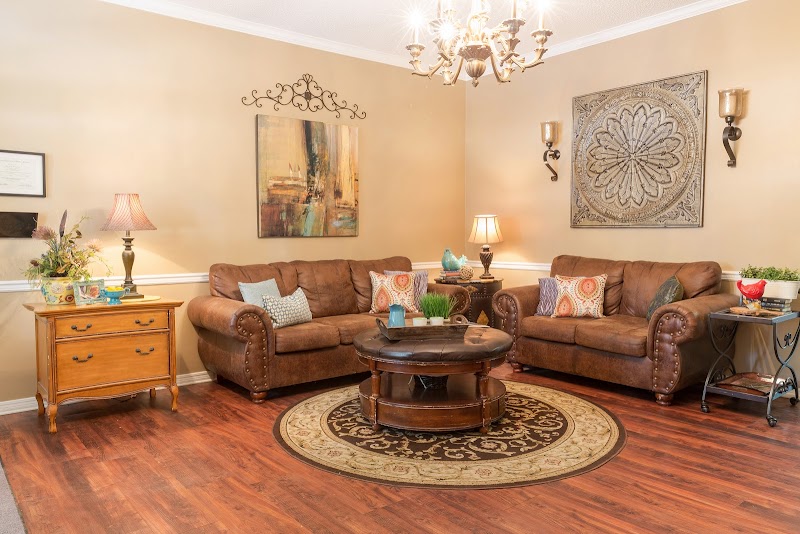
How is Pleasant Valley Rehabilitation And Nursing Staffed?

CMS rates PLEASANT VALLEY REHABILITATION AND NURSING's staffing level at 4 out of 5 stars, which is above average compared to other nursing homes. Staff turnover is 58%, which is 12 percentage points above the Arkansas average of 46%. High turnover can affect care consistency as new staff learn residents' individual needs.

What Have Inspectors Found at Pleasant Valley Rehabilitation And Nursing?

State health inspectors documented 22 deficiencies at PLEASANT VALLEY REHABILITATION AND NURSING during 2022 to 2025. These included: 20 with potential for harm and 2 minor or isolated issues.
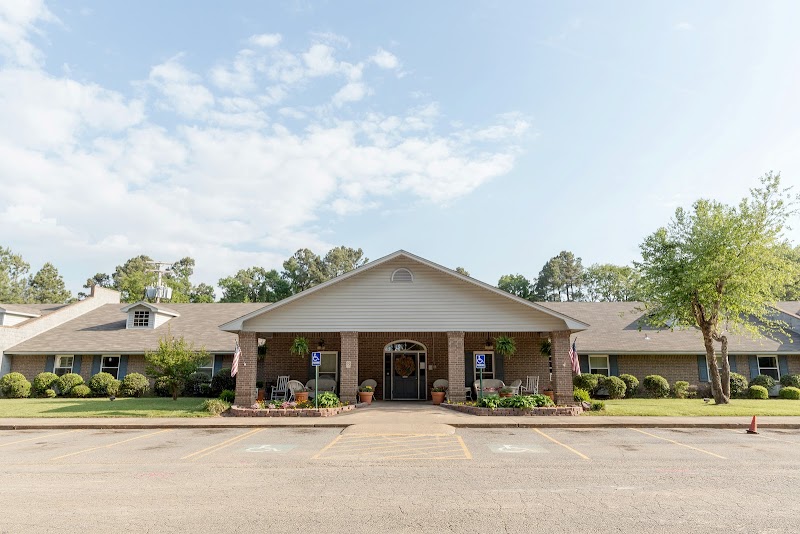
Who Owns and Operates Pleasant Valley Rehabilitation And Nursing?

PLEASANT VALLEY REHABILITATION AND NURSING is owned by a for-profit company. For-profit facilities operate as businesses with obligations to shareholders or private owners. The facility is operated by SOUTHERN ADMINISTRATIVE SERVICES, a chain that manages multiple nursing homes. With 97 certified beds and approximately 73 residents (about 75% occupancy), it is a smaller facility located in LITTLE ROCK, Arkansas.
How Does Pleasant Valley Rehabilitation And Nursing Compare to Other Arkansas Nursing Homes?

Compared to the 100 nursing homes in Arkansas, PLEASANT VALLEY REHABILITATION AND NURSING's overall rating (5 stars) is above the state average of 3.2, staff turnover (58%) is significantly higher than the state average of 46%, and health inspection rating (4 stars) is above the national benchmark.

What Should Families Ask When Visiting Pleasant Valley Rehabilitation And Nursing?

Based on this facility's data, families visiting should ask: "How do you ensure continuity of care given staff turnover, and what is your staff retention strategy?" "Can I visit during a mealtime to observe dining assistance and food quality?" "How do you handle medical emergencies, and what is your hospital transfer rate?" "Can I speak with family members of current residents about their experience?" These questions are particularly relevant given the facility's high staff turnover rate.

Is Pleasant Valley Rehabilitation And Nursing Safe?

Based on CMS inspection data, PLEASANT VALLEY REHABILITATION AND NURSING has a clean safety record: no substantiated abuse findings (meaning no confirmed cases of resident harm), no Immediate Jeopardy citations (the most serious violation level indicating risk of serious injury or death), and is not on the Special Focus Facility watch list (a federal program monitoring the lowest-performing 1% of nursing homes). The facility has a 5-star overall rating and ranks #1 of 100 nursing homes in Arkansas. While no facility is perfect, families should still ask about staff-to-resident ratios and recent inspection results during their visit.

Do Nurses at Pleasant Valley Rehabilitation And Nursing Stick Around?

Staff turnover at PLEASANT VALLEY REHABILITATION AND NURSING is high. At 58%, the facility is 12 percentage points above the Arkansas average of 46%. High turnover means new staff may not know residents' individual needs, medications, or preferences. It can also be disorienting for residents, especially those with dementia who rely on familiar faces. Families should ask: What is causing the turnover? What retention programs are in place? How do you ensure care continuity during staff transitions?

Was Pleasant Valley Rehabilitation And Nursing Ever Fined?

PLEASANT VALLEY REHABILITATION AND NURSING has no federal fines on record. CMS issues fines when nursing homes fail to meet care standards or don't correct problems found during inspections. The absence of fines suggests the facility has either maintained compliance or corrected any issues before penalties were assessed. This is a positive indicator, though families should still review recent inspection reports for the full picture.

Is Pleasant Valley Rehabilitation And Nursing on Any Federal Watch List?

PLEASANT VALLEY REHABILITATION AND NURSING is not on any federal watch list. The most significant is the Special Focus Facility (SFF) program, which identifies the bottom 1% of nursing homes nationally based on persistent, serious quality problems. Not being on this list means the facility has avoided the pattern of deficiencies that triggers enhanced federal oversight. This is a positive indicator, though families should still review the facility's inspection history directly.