PRESBYTERIAN VILLAGE, INC
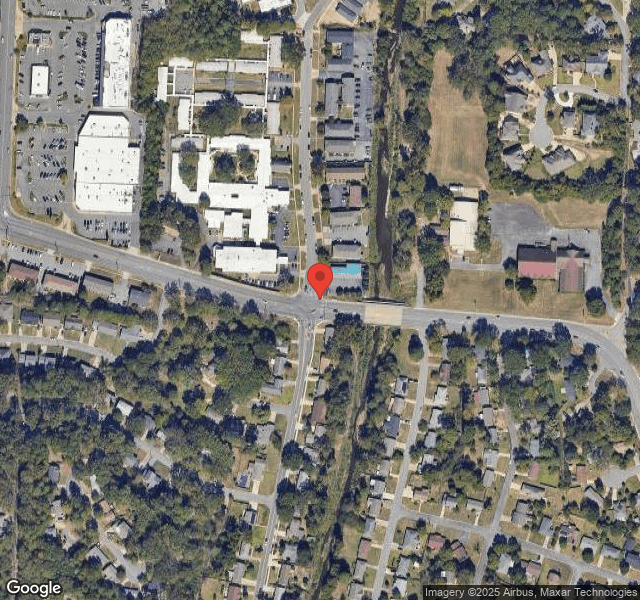

500 BROOKSIDE DRIVE, LITTLE ROCK, AR 72205 (501) 225-1615
Non profit - Corporation 70 Beds Independent Data: November 2025
Trust Grade
90/100
#30 of 218 in AR
Last Inspection: April 2025

Within standard 12-15 month inspection cycle. Federal law requires annual inspections.

Overview

Presbyterian Village, Inc. in Little Rock, Arkansas, has received an excellent Trust Grade of A, indicating a high level of quality care and strong recommendations from families. It ranks #30 out of 218 facilities in Arkansas, placing it in the top half, and #3 out of 23 in Pulaski County, suggesting only two local options are better. The facility is improving, with a decrease in reported issues from 5 in 2024 to 2 in 2025. While staffing is generally good with a turnover rate of 35%, which is lower than the state average, the facility has concerning RN coverage, being below 95% of state facilities. Recent inspections revealed issues including unclean kitchen conditions and staff failing to practice proper hand hygiene while feeding residents, which could risk infection. Overall, while there are positive aspects such as no fines and strong health inspection ratings, families should consider the noted deficiencies and the need for improvement in certain areas.

Trust Score
A
90/100
In Arkansas
#30/218
Top 13%
Safety Record
Low Risk
No red flags
Inspections
Getting Better
5 → 2 violations
Staff Stability
○ Average
35% turnover. Near Arkansas's 48% average. Typical for the industry.
Penalties
✓ Good
No fines on record. Clean compliance history, better than most Arkansas facilities.
Skilled Nurses
⚠ Watch
Each resident gets only 14 minutes of Registered Nurse (RN) attention daily — below average for Arkansas. Fewer RN minutes means fewer trained eyes watching for problems.
Violations
⚠ Watch
12 deficiencies on record. Higher than average. Multiple issues found across inspections.
★★★★★
5.0
Overall Rating
★★★★☆
4.0
Staff Levels
★★☆☆☆
2.0
Care Quality
★★★★★
5.0
Inspection Score
Stable
2024: 5 issues
2025: 2 issues

The Good

  • 4-Star Staffing Rating · Above-average nurse staffing levels
  • Full Sprinkler Coverage · Fire safety systems throughout facility
  • No fines on record
  • Staff turnover below average (35%)

    13 points below Arkansas average of 48%

Facility shows strength in staffing levels, fire safety.

The Bad

Staff Turnover: 35%

11pts below Arkansas avg (46%)

Typical for the industry

The Ugly 12 deficiencies on record

Apr 2025 2 deficiencies
CONCERN (D)

Potential for Harm - no one hurt, but risky conditions existed

Quality of Care (Tag F0684)

Could have caused harm · This affected 1 resident

Based on observation, interviews, and record review, the facility failed to ensure a physician's order for applying compression stockings/leg wraps was being followed for 1 (Resident #40) of 1 residen...

Read full inspector narrative →
Based on observation, interviews, and record review, the facility failed to ensure a physician's order for applying compression stockings/leg wraps was being followed for 1 (Resident #40) of 1 resident reviewed requiring compression stocking or legs wraps. The findings include: A review of a Resident Summary indicated the facility admitted Resident #40 with a diagnosis of hypertension (high blood pressure) that included edema (swelling). The quarterly Minimum Data Set (MDS), with an Assessment Reference Date (ARD) of 01/31/2025, revealed Resident #40 had a Brief Interview for Mental Status (BIMS) of 8, which indicated the resident was moderately impaired for their daily decision making. A review Resident #40's Physician Orders for the month of 04/2025, revealed an order dated 01/31/2024, to apply compression stockings daily prior to resident getting out of bed for edema. Another order dated 10/16/2024, indicated to wrap both legs from toes to knees daily for edema. A review of Resident #40's medications listed on Physician Orders revealed an order dated 03/13/2025, for a water pill [generic diuretic] to decrease edema. Review of Resident #40's Physician Orders updated on 04/16/2025, revealed that the physician prescribed another diuretic [name brand diuretic] to help decrease the edema. A review of Resident #40's Care Plan dated 02/07/2025, revealed interventions to apply compression stockings and to notify the doctor if edema increases. On 04/14/25 11:30 AM, Resident #40 was observed sitting in their recliner with legs elevated. Edema was noted to both legs and no compression stockings or wraps were on the resident. On 04/15/25 12:33 PM, Resident #40 was observed sitting in their recliner with legs elevated. Edema was noted to both legs and no compression stockings or wraps were on the resident. On 04/16/25 8:35 AM, Resident #40 was observed sitting in their recliner with legs elevated. Edema was noted to both legs and no compression stockings or wraps were on the resident. On 4/16/2025 at 7:37 AM, during an interview, Resident #40 stated their legs were hurting due to the swelling. Resident #40 was asked if anyone had wrapped their legs or applied compression stockings. The resident stated it had been a few weeks. Resident #40 stated they would like for their legs to either be wrapped or have the compression stockings applied. During an interview on 04/16/25 at 7:49 AM, Certified Nursing Assistant (CNA) #2 stated she had applied Resident #40's compression stockings on 04/03/2025. CNA# 2 stated Resident #40 requested later during the day to have the compression stockings removed. CNA# 2 stated she removed them, and she reported it to the charge nurse but that it was not documented anywhere. CNA #2 was asked if she had asked Resident #40 if they wanted the compression stockings on and CNA#2 stated she had not. During an interview on 04/15/2025 at 8:00 AM, with Restorative Certified Nursing Assistant (RCNA) # 6, she was asked if she had ever applied or asked Resident #40 about applying the compression stockings. RCNA#6 said she had not. During an interview on 04/16/25 at 8:28 AM, Licensed Practical Nurse, (LPN) #3 reviewed the Medication Administration Record (MAR) for Resident #40 to see if there was an order for the compression stockings or the wrap. She stated there was no order, therefore she would not be the one to wrap them. LPN#3 stated an order for compression stockings or leg wraps would be on the Treatment Administration Record (TAR) and the treatment nurse would be responsible for ensuring the stockings or wraps were applied. On 04/16/25 at 8:35 AM, during an interview with LPN #1, she reviewed the TAR and said there were no orders for compression stocking or leg wraps. LPN#1 stated the orders would not be on the TAR. LPN #1 reviewed the Physician Orders for Resident #40 and stated the compression stockings or wraps should be applied. At 8:45 AM, LPN #1 entered Resident #40's room and asked the resident if anyone had offered to apply the compression stocking or wraps. Resident #40 said no one had attempted but the resident would allow the wraps to be applied. LPN#1 stated she would notify the doctor about the legs swelling. On 04/16/25 at 9:45 AM, during an interview with the Director of Nursing (DON) she stated that the orders for the compression stockings and the wrap were overlooked and were entered as an ancillary order rather than a doctor's order. The DON stated the order should be on the MAR, and the nurses should apply them daily. On 04/16/25 at 9:53 AM, during an interview with the Medical Director (MD), she stated the compression stockings or wraps should be applied or offered daily to Resident #40 but if the resident refused, staff should educate the resident and offer again later. The MD stated she believed nurses should have a tracking record and interventions for treatments ordered. The MD stated she was not aware that the wraps or compression stockings had not been applied or offered. The Medical Director ordered for the resident to receive a fluid pill [Name brand diuretic] to help decrease the edema. On 04/16/25 at 10:36 AM, during an interview with the DON, this surveyor requested copy of the facility ' s policy on following physician orders and for applying compression stockings/wraps. The DON presented a copy of a policy titled Antiembolytic Stockings Policy and Procedure. The policy indicated the purpose of the policy was to provide support for lower extremities, to aid return circulation from lower extremities, to prevent embolus (blood clots) formation, to reduce pain, and to reduce edema.
CONCERN (E)

Potential for Harm - no one hurt, but risky conditions existed

Infection Control (Tag F0880)

Could have caused harm · This affected multiple residents

Based on observation, interview, facility policy review, and document review, it was determined that the facility failed to ensure staff performed hand hygiene while feeding dependent residents to p...

Read full inspector narrative →
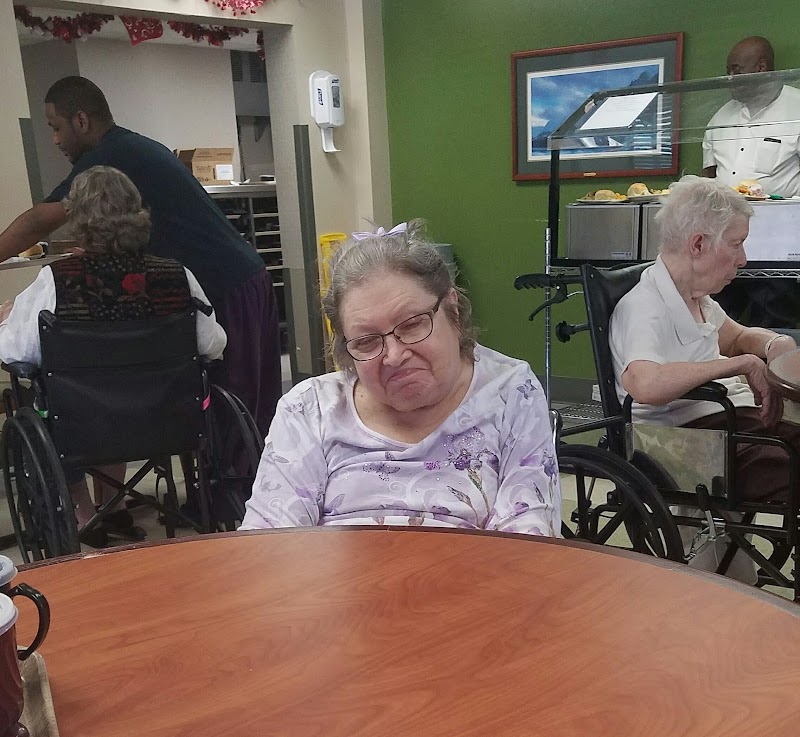
Based on observation, interview, facility policy review, and document review, it was determined that the facility failed to ensure staff performed hand hygiene while feeding dependent residents to prevent the spread of infection and cross contamination. This failed practice had the potential to spread infection to 4 residents (Resident #18, #21, #32, and #37) of 4 sampled residents observed for dependent dining. The findings include: A review of a facility policy titled, Hand Hygiene Policy and Procedure undocumented date, revealed staff should always perform hand hygiene after contact with a resident's mucous membranes, body fluids or excretions and to cleanse the hands between residents direct contact. A review of a facility policy titled, Infection Prevention and Control Program copyright date 2024, revealed hand hygiene shall be performed in accordance with our facility's established hand hygiene procedures. A review of the in-service titled, Disinfection of Hands, dated 01/04/25, revealed all personnel should stop and disinfect hands before passing out the next person's food and drink and may use hand sanitizer x3 (3 times), then use soap and water. During a 40-minute observation on 04/14/25 at 12:34 PM, Activity Director/Certified Nursing Assistant (CNA #4) was assisting with meals for (4) four dependent resident diners; Residents #18, #21, #32, and #37, touched dirty napkins after CNA #4 wiped the faces of Resident #37 and Resident #18, and touched the legs of Resident #32 to wake the resident up to take a bite, without performing hand hygiene between each resident, then continued to feed each resident. During an interview with CNA #4 on 04/14/25 at 1:17 PM, CNA #4 stated she was only supposed to use hand hygiene when she started and finished feeding the residents. CNA #4 stated, I cross contaminated by not using hand sanitizer and could spread infection to other residents. CNA #4 revealed she had not been in-serviced on hand hygiene for feeding residents. During an interview with CNA #5 on 04/14/25 at 1:21 PM, CNA #5 stated, Staff should use hand sanitizer upon entering the room, in between each resident, after touching things or resident, and when finished to prevent spreading infection. CNA#5 revealed she had not been in-serviced at this facility, but she had experience from a previous position. During an interview with the Infection Preventionist Licensed Practical Nurse (LPN #1) on 4/15/25 at 10:19 AM, LPN #1 stated staff should sanitize their hands before they go in and when they leave from residents rooms, after wiping a resident's face and touching anything that could spread infection to other residents. A review of the in-service titled, Hand Hygiene, dated 04/16/25, revealed staff should use hand sanitizer before and after passing out resident meal trays and in between each tray. During an interview with the Medical Director (MD) 04/16/25 at 9:53 AM, the MD stated, Staff should perform hand hygiene at least 3 times with resident contact-before, during and after and if they touch anything else they need to hand hygiene again. She confirmed it was difficult during assist feeding of resident, but hand hygiene must be followed to prevent spread of infection while feeding multiple residents, especially if you were touching anything other than the spoon handle. She stated, By performing hand hygiene it prevents transmission of many diseases. During an interview with the Director of Nursing (DON) on 04/17/25 10:56 AM, the DON stated it was important for staff to use hand hygiene between residents to prevent spread of infection and it should be done between each resident while feeding residents especially if they touched the actual body. The DON stated competencies were done annually, on hire, and when the need arose. During an interview with the Administrator on 4/17/25 at 11:47 AM, the Administrator stated hand hygiene was important to do to prevent cross contamination, and must be done during assistive feeding, especially if touching anything other than spoon handles.
Feb 2024 5 deficiencies
CONCERN (E)

Potential for Harm - no one hurt, but risky conditions existed

Deficiency F0575 (Tag F0575)

Could have caused harm · This affected multiple residents

Based on observations, interviews and record reviews, the facility failed to ensure a posting of a list of names, addresses (mailing and email), and telephone numbers of all pertinent State agencies a...

Read full inspector narrative →
Based on observations, interviews and record reviews, the facility failed to ensure a posting of a list of names, addresses (mailing and email), and telephone numbers of all pertinent State agencies and advocacy groups in a form and manner accessible and understandable to residents and resident representatives. This failed practice had the potential to affect all 13 Residents in the secured unit. The findings are: 1. On 02/07/24 at 03:11 PM, during rounds on the secure unit, the Surveyor observed there were no signs posted for the Office of Long-Term Care (OLTC) or Ombudsmen with the contact information of the state authority for the residents that resided on the unit. a. On 02/07/24 at 03:15 PM, the Surveyor asked Licensed Practical Nurse (LPN) #1, can you tell me where the phone number for the OLTC is posted? LPN #1 stated Oh, I have it in my binder. The Surveyor asked, what about the Ombudsman, where is that information posted? LPN #1 said the information was up front outside of the secured unit. The Surveyor asked, if a resident wanted to call the OLTC (Office of Long Term Care) or Ombudsman how would they get the information? LPN #1 stated They can ask me, and I will give them the number. The Surveyor asked, what if they wanted to contact OLTC or Ombudsmen confidentially? LPN #1 stated, Oh, that I don't know baby, they wouldn't. b. On 02/08/24 at 01:30 PM, Surveyor asked Director of Nursing (DON), If a Resident in the secured unit wanted the contact information for OLTC and/or Ombudsman without the knowledge of staff, how would they get that information? DON stated, The family have that information. Most of the Residents are not cognitively intact or talk on a phone. We have that information back there now. c. On 02/09/24 at 8:30 AM, the Administrator provided the Surveyor with a policy titled Resident Rights and Quality of Life Policy and Procedures documented, .Residents have the right to a dignified existence, self-determination, and communication with and access to people and services inside and outside the facility. Resident's rights will be explained to the responsible party or legal representative. A resident has the right: .26. To seek immediate access to any of the following: a. Any representative of the Secretary of the U.S. Department of Health and Human Services. b. Any representative of the State. c. The Resident's individual physician. d. The State's long-term care ombudsman. e. The agency responsible for the protection of and advocacy system for mentally ill or developmentally disabled individuals .
CONCERN (E)

Potential for Harm - no one hurt, but risky conditions existed

Accident Prevention (Tag F0689)

Could have caused harm · This affected multiple residents

2. Resident #40 had a diagnosis of Parkinsonism, and a History of Falling. According to the Quarterly MDS with an ARD of 1/15/24 Resident #40 scored 10 (8-12 indicates moderate impairment) on a BIMS. ...

Read full inspector narrative →
2. Resident #40 had a diagnosis of Parkinsonism, and a History of Falling. According to the Quarterly MDS with an ARD of 1/15/24 Resident #40 scored 10 (8-12 indicates moderate impairment) on a BIMS. a. The care plan with a start date of 1/26/24 documented, .Category:11 Fall - History/Risk .P (Problem) [Resident #40] has the risk for injuries R/T [related to] use of antianxiety, antidepressant medications. He does have a DX [Diagnosis] Parkinson which may increase his risk for falls . b. On 02/05/24 at 11:58 AM, the Surveyor was standing outside an open door and observed Certified Nursing Assistant (CNA) #5 transferring Resident #40 from recliner to wheelchair without a gait belt. Resident #40 was wearing stretchy sweatpants at the time of transfer. CNA #5 grabbed the seat of Resident #40 sweatpants and pulled the resident down into wheelchair from a standing position. Resident #40 appeared unsteady on his/her feet and was grabbing and holding on to the foot of the bed while CNA #5 pulled on the seat of pants. There was a triangle shaped area created by the recliner, wheelchair, and foot of bed. CNA #5 was positioned behind wheelchair and was reaching over the wheelchair to transfer Resident #40. c. On 02/05/24 at 12:00 PM, the Surveyor asked CNA #5, do you normally use the back of a resident's pants to transfer them? CNA #5 stated, No, [Resident #40] usually sits for me. The Surveyor stated to CNA #5 I noticed that the resident was leaning forward. The Surveyor asked CNA #5, what could you have done to help Resident #40 if he/she had started to fall? CNA #5 stated, I would have lowered [Resident #40] to the floor. The Surveyor asked CNA #5 do you all use gait belts to assist with transfers? CNA #5 stated Yes, but I don't have it. d. On 02/08/24 01:30 PM, the Surveyor asked the Director of Nursing (DON), what is the best way to transfer a resident who does not require a lift? DON stated, With a gait belt. The Surveyor asked the DON, why is that the best way? DON stated, For safety. e. On 02/08/24 10:57 AM, Administrator provided Surveyor with a policy titled Ambulation, Gait Belt Policy and Procedure Purpose that documented, Purpose: 1. To assist resident to achieve maximum function. 2. To provide assistance to residents as necessary.6. To reduce risk of falls and injury . Based on observation, interview, and record review the facility failed to ensure the environment was free of accident hazards by making sure lift pads/slings were free of fraying, rips, or tears to prevent accidents, or falls. This failed practice had the potential to affect 1(Residents #43) requiring mechanical lift transfer, with the potential to affect 4 sampled (Residents #3, #16, #31, and #43) requiring lift assistance on the 3rd floor. The facility failed to ensure that staff used appropriate transfer devices to aid in the transfer of Resident #40 in the transfer from the recliner to the wheelchair. This failed practice had the potential to affect 7 sampled (Resident #7, #8, #220, #53, #28, #59, #21) of 12 on the 2nd floor who required assistance for transfers without a lift. The findings are: 1. Resident #43 with a diagnosis of retention of urine, major depressive disorder, and lower back pain. The Significant Change Minimum Data Set (MDS) with an Assessment Reference Date (ARD) of 08/15/2023 documented a Brief Interview for Mental Status (BIMS) of 15 (13-15 indicates cognition is intact). Resident #43 was independent with eating, had independent bed mobility, supervised transfers, extensive dressing assistance, and total dependent on assistance for toileting. a. A care plan (dated 02/05/2024) documented, .Resident #43 has the risk for injuries from falls as resident has history of falls, use of antidepressant medication . Insure that adaptive devices are within reach and in good repair .Assists with transferring as needed . b. On 02/05/24 at 10:17 AM, the Surveyor observed a blue lift pad resting in a chair across from the foot of the bed that appears to be coming loose and was hanging on by threads. c. On 02/06/24 at 08:15 AM, the Surveyor observed a blue lift pad resting in a chair across from the foot of the bed. A nylon strap appears to be hanging by threads. d. On 02/06/24 at 09:35 AM, the Surveyor asked the Certified Nursing Assistant (CNA) Lead #1 to look at Resident ' s blue lift pad and pointed out a nylon strap hanging by the threads. The Surveyor asked if the lift pad is still safe to use on Resident #43. CNA #1 said this lift pad should be removed from commission because the strap is coming off. The Surveyor asked if Resident #43 is the only resident using this lift pad and was told No, we use this one on all lift residents and remove it if it is soiled, or not safe to use. The Surveyor asked if the lift pads go through the laundry, and he said, Yes, we do launder the lift pads. CNA #1 said this lift pad is not safe to use and could cause someone to fall. e. On 02/07/2024 at 10:00 AM, the Surveyor asked the Director of Nursing (DON) what system is in place that staff follow to ensure lift pads are safe to use on the floor. The DON said staff are educated to remove lift pads if there are tears or rips. The Lead (CNA #1) spot checks them. The Surveyor asked if the facility launders lift pads. The DON said they launder lift pads, but they do not go through the dryer. The Surveyor asked why the facility would expect staff to remove lift pads with tears or rips, and the DON stated, Because of the danger of someone being dropped. f. On 02/09/2024 at 10:40 AM, the Administrator provided a policy titled Safe Resident Handling/Transfers documenting, .Policy: It is the policy of this facility to ensure that residents are handled and transferred safely to prevent risks for injury and provide and promote a safe, secure and comfortable experience for the resident while keeping the employees safe in accordance with current standards and guidelines. Policy Explanation: All residents require safe handling when transferred to prevent or minimize the risk for injury to themselves and the employees that assist them. While manual lifting techniques may be utilized dependent upon the resident ' s condition and mobility, the use of mechanical lifts are a safer alternative and should be used .Compliance Guidelines: .5. Handling aids may include gait belts, transfer boards, and other devices . 7. Damaged, broken, or improperly functioning lift equipment will not be used and tagged out according to facility policy . 11. Staff will be educated on the use of safe handling / transfer practices to include use of mechanical lift devices upon hire, annually and as the need arises or changes in equipment occur .16. Slings will be laundered according to manufacturer's instructions and any damaged, broken or unsafe slings will be removed from service and replaced.
CONCERN (E)

Potential for Harm - no one hurt, but risky conditions existed

Incontinence Care (Tag F0690)

Could have caused harm · This affected multiple residents

2. Resident #7 had a diagnosis of Dysuria, Retention of Urine, and Acute Kidney Failure. The admission MDS with an ARD of 01/22/24 documented Resident #7 scored 05 (0-7 indicates severely impaired cog...

Read full inspector narrative →
2. Resident #7 had a diagnosis of Dysuria, Retention of Urine, and Acute Kidney Failure. The admission MDS with an ARD of 01/22/24 documented Resident #7 scored 05 (0-7 indicates severely impaired cognition) on a BIMS and had an indwelling catheter (suprapubic). a. The care plan with a start date of 1/19/24 documented, .Category:6 Urinary/Indwelling Catheter .(P)[Problem] [Resident #7] has presence of suprapubic catheter. He does need staff assistance with toileting needs . (G)[Goal] To minimize risk of complications r/t [related to] foley catheter and to have toileting needs met with staff assistance daily over the next review . (A) [Action] check for needs during rounds and prn [as needed], assist with toileting prn, offer and encouragee [encourage] fluids as ordered . b. On 02/05/24 at 02:37 PM, the Surveyor observed Resident #7 self-propelling in a wheelchair in the hall. Resident #7 was propelling the wheelchair back and forth, in a rocking motion with the indwelling catheter tubing dragging on the floor just behind the wheel of the wheelchair. c. On 02/06/24 at 10:15 AM, the Surveyor observed Resident #7 self-propelling in a wheelchair in the hallway and the indwelling catheter tubing was dragging the floor. d. On 02/08/24 at 01:30 PM, the Surveyor asked the Director of Nursing (DON), what is the proper way to store an indwelling catheter when a resident is up in the wheelchair? The DON stated, Off the floor, in a privacy bag, draining below the bladder. The Surveyor asked, why should the catheter not touch the floor? The DON stated, Infection control purposes. e. On 02/08/24 at 02:30 PM, the Surveyor asked Certified Nursing Assistant (CNA) #1, can you explain to me the proper way to store an indwelling catheter when a resident is up in the wheelchair? CNA #1 stated Through the pants leg, under the wheelchair, and in the privacy bag. The Surveyor asked, should any part of the indwelling catheter touch the floor? CNA #1 stated, No. The Surveyor asked why not? CNA #1 stated, Cross contamination. f. On 02/07/24 at 10:15 AM, the Director of Nursing voiced that the facility did not have a policy for catheter care. Based on observation, interview and record review, the facility failed to ensure a leg strap was in place to prevent injury or trauma from pulling on the catheter tubing. This failed practice affected 1 (Resident #43) and had the potential to affect 1 (Resident #43) on 3rd floor requiring a foley or indwelling catheter. The facility failed to ensure that 1 (Resident #7) of 2 sampled (Residents #7, #55) received the appropriate care for an indwelling catheter. This failed practice had the potential to cause UTI (urinary tract infection), trauma and or damage to the bladder. The findings are: 1. Resident #43 with a diagnosis of retention of urine, hematuria, and obstructive and reflux uropathy. The Significant Change Minimum Data Set (MDS) with an Assessment Reference Date (ARD) of 08/15/2023 documented on a Brief Interview for Mental Status (BIMS) score of 15 (13-15 indicates cognition is intact). Resident #43 is independent with eating, has independent bed mobility, supervised transfers, extensive dressing assistance, and total dependent on assistance for toileting. a. A Physician Orders dated 01/19/2024 documented, Catheter 16fr [French] every shift for Retention of Urine . b. A Care Plan dated, 02/05/2024 documented, Resident #43 has the presence of a foley catheter, he does have a diagnosis of urinary retention . A. Keep tubing free of kinks .A. Secure catheter to leg to avoid tension on the urinary meatus . c. On 02/05/24 at 10:17 AM, the Surveyor observed Resident #43's foley draining to gravity without a leg strap, and no privacy bag was in place. d. On 02/06/24 at 08:15 AM, the Surveyor observed Resident #43's foley draining to gravity in a blue bag, and no leg strap. e. On 02/06/24 at 02:42 PM, the Surveyor asked Certified Nursing Assistant [CNA] #2 to accompany the Surveyor to Resident #43's bedside. Resident #43 gave permission for CNA #2 to look at the catheter tubing, CNA #2 said the Resident is missing a leg strap. The Surveyor observed catheter tubing extending out of the bottom of Resident #43's brief, resting on the left leg. The Surveyor asked if there is any time that a resident would not be expected to wear a leg strap. CNA #2 said he/she did not know a lot about catheters and does not usually do catheter care but understood a leg strap comes with the catheter kit. The Surveyor asked what the purpose of a leg strap was, and CNA #2 said maybe to keep it from pulling. f. On 02/07/2024 at 10:15 AM, the Surveyor spoke with the Director of Nursing (DON) and asked what procedures are used to maintain or protect a catheter after placement. The DON said there is no policy, but they would want staff to stabilize the catheter to keep it from being pulled. The Surveyor asked how they would stabilize the catheter, and the DON said by attaching the catheter bag to the bed or using a leg band or strap. The Surveyor asked if there was any time a resident with a catheter would not require a leg strap and the DON said if they refuse to wear one. The Surveyor asked if catheters are allowed to touch the floor, and if catheters are to be covered and why they would put a catheter in a bag. The DON said it is for privacy, and the catheter should not touch the floor due to germs. The Surveyor asked who is responsible for making sure catheters are properly maintained. The DON told the Surveyor that the charge nurse is ultimately responsible, and managers round daily to check on residents. The DON said I guess it is really everyone's responsibility. If a Certified Nursing Assistance [CNA] moves a bed or something they should make sure the catheter is not touching the floor.
CONCERN (E)

Potential for Harm - no one hurt, but risky conditions existed

Infection Control (Tag F0880)

Could have caused harm · This affected multiple residents

Based on observation, interview and record review, the facility failed to ensure that staff used proper hand hygiene to prevent the potential for cross contamination for 3 (Residents #5, #21, and #46)...

Read full inspector narrative →
Based on observation, interview and record review, the facility failed to ensure that staff used proper hand hygiene to prevent the potential for cross contamination for 3 (Residents #5, #21, and #46) sampled residents. The facility also failed to implement a Legionella plan to prevent the potential for waterborne pathogens, and the facility failed to flush capped off water valves to reduce the potential for waterborne pathogens. This failed practice had the potential to affect all 63 residents. The findings are: 1. Resident 21 had a diagnosis of unspecified dementia, unspecified severity, without behavior/psychosis/mood. According to the Annual Minimum Data Set (MDS) with Assessment Reference Date (ARD) of 12/04/23 Resident #21 scored 04 (0-7 indicates severely impaired cognition) on Brief Interview of Mental Status (BIMS) and is always incontinent of bowel and bladder. a. On 02/05/24 at 10:38 AM, the Surveyor observed Certified Nursing Assistant (CNA) #5 take a package of open wipes off of Resident A's bed to provide incontinent care to Resident #21 (Bed B). CNA #5 wiped Resident #21 with his/her right hand then with the right hand pulled a wipe from the pack. CNA #5 continued this process several times. CNA #5 applied clean a brief after Resident #21 refused a shower. b. On 02/08/24 at 01:23 PM, Surveyor asked CNA #1, the wipes left in the resident's room, are they strictly for that resident? CNA #1 voiced he/she would rather not answer. c. On 02/08/24 at 01:25 PM, CNA #1 approached the Surveyor and stated, Yes. The Surveyor asked, after opening wipes for a resident are they only used for that resident? CNA #1 stated, Yes. The Surveyor, can you tell me why that is? CNA #1 stated, Because of cross contamination. d. On 02/08/24 at 01:30 PM, the Surveyor asked the Director of Nursing (DON), the open wipes that remain in a resident's room, are they specific to that resident? The DON stated, Yes. The Surveyor asked, why is that? The DON stated, For infection control purposes. The Surveyor asked, is it standard practice to remove a pack of unopened wipes from the resident in Bed A and use them to provide care to the resident in Bed B? The DON stated No, it is not standard practice. 2. Resident #46 had a diagnosis of Vascular Dementia, Unspecified Severity. According to the Significant Change MDS with an ARD of 11/24/23 documented Resident #46 scored 04 (0-7 indicates severely impaired cognition) on a BIMS and required substantial/maximal assistance with sit to stand. a. On 02/05/24 at 11:30 AM, the Surveyor observed CNA #3 and #4 lock Resident #46's wheelchair prior to placing a lift pad under Resident #46 ' s arms. CNA #3 and #4 removed the soiled incontinence pad and CNA #3 placed it in trash. CNA #3 and #4 both removed gloves and CNA #3 donned clean gloves without washing or sanitizing hands. CNA #3 performed incontinent care for Resident #49 then disposed of the dirty wipes in the trash. Resident #46 was then placed on the shower chair. CNA #3 with the same gloves used to perform incontinent care of Resident #46 removed the lift pad, placed it on top of the lift, and parked the lift in the hallway. b. On 02/05/24 at 11:50 AM, the Surveyor asked CNA #3, how many residents on this hall use the stand-up lift? CNA #3 stated Two [Residents #46 and #5]. The Surveyor asked, how often do you change the lift pad? CNA #3 stated, Two to three times a week. The Surveyor asked, how many times did you change your gloves during incontinence care? CNA #3 stated, Two times. When I went in the room and when I noticed something on them. The Surveyor asked, are you saying you changed your gloves when you initially went in the room? CNA #3 stated, Oh, you said change glove. I changed them one time. The Surveyor asked, when did that glove change take place? CNA #3 stated, Toward the beginning. The Surveyor asked, is there something that should occur between glove changes? CNA #3 stated, Hand washing. The Surveyor asked, did you wash your hands after removing dirty gloves but before applying clean gloves? CNA #3 stated, No. The Surveyor asked, after you applied clean gloves did Resident 46 have any incontinent care to be performed? CNA #3 stated, A little bit. The Surveyor asked after you applied clean gloves, you resumed incontinent care for Resident 46, with dirty gloves you removed the lift pad, placed the lift pad over the lift, and parked the lift in the hallway to be reused. How do you know if you contaminated the lift pad with your gloves? CNA #3 stated, I guess you wouldn't know unless you looked. The Surveyor asked, did you look? CNA #3 stated, No ma'am. The Surveyor asked, what could potentially be a negative outcome? CNA #3 stated, Someone else could touch and get their hands dirty and it's unsanitary. c. On 02/09/24 at 01:30 PM, the Surveyor asked the Director of Nursing (DON), if a staff member used a stand-up lift to stand a resident that was incontinent of bowel and the staff member provided care to that resident and after care was provided the staff member used the gloves she provided care with and removed the lift pad and place it in the hallway to be reused, is that standard practice? The DON stated, No. The Surveyor asked, what issue could that cause? The DON stated, Infection control. d. On 02/08/24 at 02:41 PM, the Infection Preventionist provided the Surveyor with a binder which included a policy titled Infection Control Policy and Procedures: To establish and maintain an infection prevention and control program designed to provide a safe, sanitary and comfortable environment and to help prevent the development and transmission of communicable diseases and infections. A policy titled hand washing documented Purpose: Hand hygiene is a simple and effective method for preventing the spread of pathogens, such as bacteria and viruses, which cause infections. pathogens can contaminate the hands of a staff person during direct contact with residents or contact with contaminated equipment and environmental surfaces within close proximity of the resident. Failure to clean contaminated hands can result in the spread of these pathogens to residents, staff (including the person whose hands were contaminated), and environmental surfaces. To protect our residents, visitors, and staff, our facility promotes hand hygiene practices during adl care activities and when working in rotations within the facility. 3. On 02/06/2024 11:37 AM, the Infection Preventionist (IP]) provided the Infection Prevention Policies and Procedures manual containing a policy titled Infection Control Policy and Procedure documented, .Purpose: To establish and maintain an infection prevention and control program designed to provide a safe, sanitary, and comfortable environment and to help prevent the development and transmission of communicable diseases and infections. a. On 02/07/2024 at 01:30 PM, the Surveyor asked Maintenance #1, for a water flow diagram of the facility showing hot and cold-water distribution. Maintenance #1 said he did not have a flow diagram and asked what it was. The Surveyor asked if Maintenance #1 was familiar with legionella and how did maintenance check for waterborne illnesses. Maintenance #1 stated I am not familiar with legionella. I think it is from stagnant water He said he did not know what Legionella caused. When asked what testing maintenance does, Maintenance #1 said ph, water temperatures are checked, and he also does visual inspections. The Surveyor asked if disinfection levels are checked? The Maintenance Supervisor said he did not know. Maintenance said they are on city water and if the city contacted him and said they tested positive for legionella he would work with the city to shut down the water, use their emergency water source, and would ask for assistance in testing and treating for legionella. To his knowledge they have not had any cases of legionella. b. On 02/07/2024 at 01:45 PM, the Surveyor pointed out an area on the south side of 3rd floor and Maintenance #1 identified it as valved off water. The Surveyor asked how often they flush the valved off water and Maintenance #1 said, We, haven't. The Surveyor accompanied maintenance to the South end of 2nd floor, and he pointed out another area of valved off water. Maintenance #1 said there had been [named] water dispensers removed from these areas and that is why the water was valved off there. The Surveyor asked if the facility flushes the water in unoccupied rooms and Maintenance #1 told the surveyor maintenance flushes the empty rooms about once a week. The Surveyor asked Maintenance #1 if they had a Water Management Team and the Maintenance #1 said, No . well, I guess me and the Plant Manager. The Surveyor asked how often the water management program was reviewed, and Maintenance #1 said annually. c. 02/07/2024 at 02:10 PM, the Surveyor asked for a copy of the Legionella Water Management Program. The Surveyor asked Maintenance #1 if he had any logs showing when water was flushed. Maintenance #1 told the Surveyor he did not have any documentation. d. On 02/07/2024 at 02:30 PM, Maintenance #1 provided a policy titled, Legionella Water Management Program, which documented, .Policy Statement Our facility is committed to the prevention, detection, and control of water-born contaminants, including Legionella. Policy Interpretation and Implementation. As part of the infection prevention and control program, our facility has a water management program, which is overseen by the water management team. 2. The water management team will consist of at least the following personnel: a. The infection preventionist; b. The administrator; c. The medical director (or designee); d. The director of maintenance; and e. The director of environmental services .5. The water management program includes the following elements: b. A detailed description and diagram of the water system in the facility, including the following: (l) Receiving; (2) Cold water distribution; (3) Heating; (4) Hot water distribution; and (5) Waste. 2. Map the water system- the facility shall develop and keep on file a diagram to demonstrate the flow of water within the facility. The flow diagram shall include basic information on the following. Area where municipal water is received into the building, Areas of cold-water distribution, Areas where water is heated and stored, Areas of Hot Water distribution, Area where wastewater is discarded . Maintenance #1 provided a policy titled Water Infection Control Risk Assessment by the CDC documenting, .Introduction A water infection control risk assessment (WICBA) is a critical component of water management programs (WMP) in healthcare settings. WMP team members can use a WCRA to evaluate water sources, modes of transmission, patient susceptibility, patient exposure, and program preparedness .Instructions .Step 2: identify potential water sources, considering the examples on the next page. Each row of the WICRA table may be used for a unique exposure, or set of like exposures, in a location (e.9., sink, hopper, shower, fountain, ice machine) . Water Management program Flow Description: Water enters the property of [Facility] --, via municipal six-inch (6 [inch]) line. Water continues via six-inch line for fire-suppression and reduces to a three-ich @ 1 line for cold water supply. There is back flow prevention throughout the system including between the cold-water distribution and the city water main, and between the fire suppression system. Cold water is distributed to the kitchen, laundry, ice machine, water fountains, and all sinks, toilets, and showers throughout the building. Cold water is heated via [named] kitchen dishwasher and laundry washers are heated to 140F [Fahrenheit] Patient rooms, showers and whirlpool are heated to 110F. The Hot water is distributed via localized water heaters via a direct(nor-recirculating) line. Due to localized water heater, we have two mixing valves mixing valves throughout the building. All wastewater, whether hot or cold, is discarded through the sanitary sewer line. e. On 02/08/2024 at 02:00 PM, the Director of Nursing (DON) was asked who was on the Water Management Team. The DON said the Infection Preventionist (IP), Maintenance #1, Plant Manager, and the Administrator. The Surveyor asked why it was important to have a water management team to prevent Legionella and the DON said to prevent respiratory infections. The Surveyor asked the DON how often dead end or valved off water should be flushed. The DON said she is not familiar and that would be a question for Maintenance #1, or the Plant Manager. f. On 02/09/24 at 08:00 AM, the DON was asked to provide minutes or log in for the Water Management Team meetings. g. On 02/09/24 at 08:06 AM, the Administrator provided the Water Management Team meeting minutes, and the Surveyor observed three documented meetings. i) On 10/16/2023, the Administrator, IP, Plant Manager, Maintenance #1, and CNA #1 met and gave the management policy and procedure to the team for review and consideration. ii) On 11/15/2023, the meeting was postponed until January due to the holiday activities. iii) On 01/24/2024, the Administrator, IP, Maintenance #1, and CNA #1 discussed removing the portable water fountains on 2nd and 3rd floor due to nonuse on January 12, 2024.
CONCERN (F)

Potential for Harm - no one hurt, but risky conditions existed

Food Safety (Tag F0812)

Could have caused harm · This affected most or all residents

Based on observation, interview and record review, the facility failed to ensure that the facility kitchen and food storage areas were maintained in a clean, sanitary manner. This had the potential to...

Read full inspector narrative →
Based on observation, interview and record review, the facility failed to ensure that the facility kitchen and food storage areas were maintained in a clean, sanitary manner. This had the potential to affect 65 residents receiving their meals from the facility kitchen. The findings are: On 02/05/2024 at 10:01 AM, the can opener in the kitchen had a build-up of a sticky green and brown residue that could be removed with a towel. On 02/08/2024 at 10:17 AM, a can of celery soup located in the kitchen's dry storage area was observed to have a dent on the seam of the can. On 02/08/2024 at 10:25 AM, the freezer used to store boxes of meat in the kitchen's cold storage area was observed to have sticky brown and black debris on the racks used to store boxes of frozen meat, as well as the floor of the freezer. On 02/08/2024 at 10:26 AM, the freezer labeled Vegetable Freezer in the kitchen's cold storage area was observed to have a sticky, green substance on the shelves in the door of the freezer. On 02/08/2024 at 10:27 AM, the freezer used to store desserts in the kitchen's cold storage area was to have a sticky red fluid covering portions of the floor of the freezer. On 02/08/2024 at 10:29 AM, the can opener in the kitchen had a sticky, green and brown substance on the base. A piece of a can label was attached to the blade of the can opener. On 02/08/2024 at 10:31 AM, an alcove attached to the kitchen that was used to store sheet pans and coffee cups had an accumulation of debris built up in the corners of the room. On 02/08/2024 at 10:32 AM, the alcove attached to the kitchen housing the dishwasher had debris on floor and built up in the corners of the room. On 02/08/2024 at 10:32 AM, the main kitchen was observed to have debris built up in each corner of the room and under the appliances used to prepare meals. On 02/08/2024 at 10:34 AM, a support pole was observed mounted to the preparation table. The base of the pole had a buildup of grease and debris coating it. On 02/08/2024 at 10:36 AM, the ventilation hood located over the oven and deep fryer had a buildup of grease and debris that appeared 3/8 of an inch thick over the appliances. On 02/08/2024 at 10:39 AM, the two Heating, Ventilation, and Air Conditioning (HVAC) vents in the ceiling of the kitchen that were located above the food preparation area were observed to have a buildup of dust and debris. On 02/08/2024 at 12:11 PM, Dietary #1 confirmed the equipment used to prepare and store food intended to be served to residents in the facility should be kept clean and free of debris to avoid the possibility of contamination and foodborne illness. Dietary #1 confirmed the canned goods should be inspected upon delivery to ensure no damage was present to prevent the possibility of contamination. Dietary #1 confirmed the accumulation of debris observed on the floors, preparation table, and ventilation hood was not the result of a single day's use of the kitchen and had accumulated over time. Dietary #1 confirmed the importance of maintaining the kitchen and equipment in a clean and orderly manner. On 02/08/2024 at 2:43 PM, the Administrator confirmed the kitchen and the equipment used to prepare food for the residents should be maintained in a clean and orderly manner to prevent contamination and foodborne illness. The Administrator was informed of the issues observed and stated, That's not acceptable. A policy titled; Food Safety Requirements was provided by the Administrator on 02/08/2024 at 12:50 PM. It documented, Food will also be stored, prepared, distributed, and served in accordance with professional standards for food service safety .All equipment used in the handling of food shall be cleaned and sanitized, and handled in a manner to prevent contamination .Staff shall follow facility procedures for dishwashing and cleaning fixed cooking equipment . A policy titled, Food Receiving and Storage was provided by Dietary #1 on 02/08/2024 at 12:55PM. It documented, Foods shall be received and stored in a manner that complies with safe food handling practices .When food is delivered to the facility it will be inspected for safe transport and quality before being accepted . A policy titled, Food Preparation and Storage was provided by Dietary #1 on 02/08/2024 at 12:55PM. It documented, Dietary Employees shall prepare and serve food in a manner that complies with safe food handling practices .Food preparation staff will adhere to proper hygiene and sanitary practices to prevent the spread of foodborne illness .
Nov 2022 5 deficiencies
CONCERN (D)

Potential for Harm - no one hurt, but risky conditions existed

Deficiency F0657 (Tag F0657)

Could have caused harm · This affected 1 resident

**NOTE- TERMS IN BRACKETS HAVE BEEN EDITED TO PROTECT CONFIDENTIALITY** Based on observations, interviews, and review of a facility policy, it was determined that the facility failed to ensure that ea...

Read full inspector narrative →
**NOTE- TERMS IN BRACKETS HAVE BEEN EDITED TO PROTECT CONFIDENTIALITY** Based on observations, interviews, and review of a facility policy, it was determined that the facility failed to ensure that each resident was involved in developing the care plan for 1 (Resident #33) of 6 sampled residents reviewed for care plan meeting attendance. Findings included: A review of a facility policy titled, Care Planning, revised March 2022, revealed, The resident, the resident ' s family and/or the resident's legal representative/guardian or surrogate are encouraged to participate in the development of and revisions to the resident ' s care plan. A review of a Profile Face Sheet indicated the facility admitted Resident #33 with diagnoses that included pneumonia, type 2 diabetes, and mild cognitive impairment. A significant change Minimum Data Set (MDS), dated [DATE], revealed Resident #33 had a Brief Interview for Mental Status (BIMS) score of 15, which indicated the resident was cognitively intact. A review of Resident #33's Care Plan, dated 09/09/2022, revealed the resident had behaviors such as resisting care at times and a history of throwing coffee at staff. There was nowhere on the care plan which addressed the resident not being practicable for the development of the care plan. A review of Resident #33's Care Plan Conference Summary, dated 01/11/2022, revealed that was the last care plan conference that was held with the resident in attendance. On 11/07/2022 at 1:56 PM, during an interview with Resident #33, the resident stated they had not participated in a care plan meeting. On 11/09/2022 at 2:40 PM, during a follow-up interview, the resident stated they wanted to be invited to their care plan meetings. On 11/09/2022 at 11:39 AM, during an interview with the MDS Coordinator, she stated she sent out a letter every quarter to the resident's family. The letter instructed the family to contact the Resident Services Supervisor to set up a meeting. She stated she sent the letter to the resident's family member and not to the resident. On 11/09/2022 at 11:39 AM, during an interview with the Resident Services Supervisor, she stated if the resident's family did not respond to the invitation letter and set up a meeting, nothing happened at that point. The last care plan meeting that the resident attended was held on 01/11/2022. On 11/09/2022 at 2:13 PM, during a follow-up interview, the Resident Services Supervisor stated if the resident's family had not set up a care plan meeting the resident would not have been invited to the care plan meeting. On 11/09/2022 at 12:10 PM, during an interview with the Director of Nursing (DON), she stated there should be a care plan meeting quarterly and verified that the resident ' s last documented care plan meeting that the resident attended was held on 01/11/2022. On 11/09/2022 at 2:23 PM, during an interview with the Administrator, he stated they invited all parties to the care plan meetings and the resident should be invited to their care plan meeting. He stated Resident #33 had behaviors at times, and the care plan meeting discussions caused agitation. The Administrator acknowledged the last care plan meeting held with the resident was on 01/11/2022.
CONCERN (E)

Potential for Harm - no one hurt, but risky conditions existed

Accident Prevention (Tag F0689)

Could have caused harm · This affected multiple residents

Based on observation, record review, and interview, the facility failed to ensure 2 of 2 clothes dryers remained free from the lint buildup to decrease the potential for fire and loss of laundry servi...

Read full inspector narrative →
Based on observation, record review, and interview, the facility failed to ensure 2 of 2 clothes dryers remained free from the lint buildup to decrease the potential for fire and loss of laundry services for 1 of 1 laundry room. This failed practice had the potential to affect all 60 residents as documented by the Resident Census and Conditions of Residents provided by the Administrator on 11/7/22 at 10:09 a.m. The findings are: 1. On 11/08/22 at 12:54 PM, a tour of the laundry was conducted by this Surveyor and Laundry Staff #1. The Surveyor asked, How often do you clean your lint screens in the dryer? She answered, I clean them twice a day with the vacuum cleaner or I sweep them off. Someone from Maintenance comes once a month to clean the back of the dryers. She opened the bottom of the left dryer to expose the lint screen. The Surveyor asked her to remove the lint screen. She stated, I didn't even know those come off. Laundry Staff #2 removed the lint screen to expose a moderate amount of lint build up approximately 1/4 inches thick on the inside of the screen and around the edges of the screen, and approximately 2 inches thick buildup of lint around the edges of the receptacle that held the screen. Laundry Staff #1 obtained a broom and began to sweep the lint from the screen, where a pile of lint buildup approximately 6 by 6 inches long and approximately 4 inches tall accumulated on the floor of the laundry room. Laundry Staff #2 opened the bottom of the right dryer and removed the lint screen from the right dryer to expose approximately 1/4 inches of lint build up on the inside of the screen and around the edges of the screen, and approximately 2 inches thick buildup of lint around the edges of the receptacle that held the screen. 3. On 11/8/22 at 1:10 PM, the Surveyor asked Laundry Staff #1, What could happen if there is lint build up in your dryer? She answered, Fire. 4. On 11/8/22 at 02:13 PM, the Surveyor asked the Administrator, Who is responsible for cleaning the lint screens in the dryers? He answered, The laundry staff. They clean it every hour or so. The Surveyor asked, What could happen if there was a buildup of lint in the dryers? He answered, They could overheat or catch fire if there was enough of it. 2. The facility policy titled, Fire Safety and Prevention, provided by the Administrator on 11/8/22 at 2:13 p.m. documented, .Keep filters on heating systems, dryers, etc. [etcetera] free of lint .
CONCERN (E)

Potential for Harm - no one hurt, but risky conditions existed

Food Safety (Tag F0812)

Could have caused harm · This affected multiple residents

Based on observations, interviews, and review of a facility policy, it was determined that the facility failed to cover residents' food during delivery from Dining Area #1 to Dining Area #2. This had ...

Read full inspector narrative →
Based on observations, interviews, and review of a facility policy, it was determined that the facility failed to cover residents' food during delivery from Dining Area #1 to Dining Area #2. This had the potential to cause food born illness for 15 of 16 residents who ate in Dining Area #2. Findings included: A review of a facility policy titled, Assistance with Meals, revised March 2022, revealed, The food services department will deliver food carts to appropriate areas. Nursing staff will remove food trays from the food cart and deliver the trays to each resident's room. Further review of the policy revealed, All employees who provide resident assistance with meals will be trained and shall demonstrate competency in the prevention of foodborne illness, including personal hygiene practices and safe food handling. The policy had no guidance regarding covering food on meal trays. On 11/08/2022 at 2:42 PM, during an interview with the Administrator, he stated this was the only policy the facility had and confirmed it did not address food being covered during transport. On 11/07/2022 at 12:47 PM, during a dining observation, residents who were independent were eating in Dining Area #1. Residents who needed assistance with eating were seated in Dining Area #2. Observation revealed food was plated from a steam table in Dining Area #1 and staff were observed carrying the uncovered plated food down a resident hallway to Dining Area #2. The staff delivered 16 total trays to residents and only one tray was covered while being transported to Dining Area #2. On 11/07/2022 at 1:28 PM, during an interview with Certified Nursing Assistant (CNA) #1, she stated if staff were transporting meal trays down a hallway to deliver to residents, the trays should be covered, and the cups should have lids. She stated she had delivered trays from Dining Area #1 to Dining Area #2 without the food being covered. However, CNA #1 stated the food should have been covered. On 11/07/2022 at 1:37 PM, during an interview with CNA #2, she stated any time food trays were delivered to residents in their rooms, the food was covered. However, CNA #2 stated the food did not need to be covered during transport from Dining Area #1 to Dining Area #2. She stated she had delivered food from Dining Area #1 to Dining Area #2 and the food was not covered. On 11/07/2022 at 1:44 PM, during an interview with CNA #3, she stated food was supposed to be covered with lids if staff transported the meal down a resident hallway. CNA #3 confirmed the hallway from Dining Area #1 to Dining Area #2 was a resident hallway. She stated she had delivered uncovered food trays from Dining Area #1 to Dining Area #2 but stated the food should have been covered. On 11/08/2022 at 8:06 AM, during an interview with the Director of Nursing (DON) and Administrator, the DON stated meal trays should be covered. The Administrator stated the two dining areas had always been considered one area.
CONCERN (E)

Potential for Harm - no one hurt, but risky conditions existed

Deficiency F0848 (Tag F0848)

Could have caused harm · This affected multiple residents

Based on record review and interview, the facility failed to ensure the Binding Arbitration Agreement provided for the selection of a neutral arbitrator or a venue is convenient to all parties for 3 (...

Read full inspector narrative →
Based on record review and interview, the facility failed to ensure the Binding Arbitration Agreement provided for the selection of a neutral arbitrator or a venue is convenient to all parties for 3 (Residents #45, #5 and #48) of 3 sampled residents who signed Binding Arbitration Agreements upon admission since September 16, 2019. The findings are: 1. The Binding Arbitration Agreements for Residents #45, #5 and #48 provided by the Administrator on 11/07/22 at 11:46 AM, contained no mention in the Agreements that discussed the selection of a venue which is convenient for both parties. The Agreements documented, .the party may initiate arbitration through [Mediator/Arbitrator Business and Address], if for any reason the matter has not been resolved in mediation . 2. On 11/07/22 at 2:56 PM, the Surveyor asked the Administrator for the facility policy on Binding Arbitration Agreements. 3. On 11/07/22 at 3:39 PM, the Administrator stated, We don't have a policy for Arbitration. They are working on a new agreement as we speak . 4. On 11/08/22 at 12:02 PM, the Surveyor asked the Administrator, How do you ensure that the resident or his/her representative has an equal role in selecting a neutral arbitrator? He answered, It will be one that we both agree upon. We will get their input and they can bring us their selection. The Surveyor asked, What is your process for selecting a neutral arbitrator? He answered, We will give a list of the ones we have heard of and ones they have heard of and decide between the 2 parties. The Surveyor asked, How do you ensure that the resident or his/her representative has an equal role in selecting a convenient venue? He answered, We will look at what is convenient to where they live and do what is most convenient for them and the resident. The Surveyor asked, What is your process for selecting a convenient venue? He answered, The neural arbitrator will also help select a venue. The Surveyor asked, When a resident or his/her representative do not agree with the arbitrator and/or venue, what are the next steps? He answered, We will continue to discuss until we find a common agreement. The Surveyor asked, How do you ensure the resident or his/her representative is provided an opportunity to select the arbitrator and venue agreed upon by both parties? He answered, They know upon admission they have the right to choose if the need arises. The Surveyor asked, When, and under what circumstances, do you approach residents or their representatives about selecting an arbitrator or venue? He answered, If there is a disagreement we can't agree upon and we feel the need for arbitration. The Surveyor asked, What information do you provide residents or their representatives regarding specific arbitrators or arbitration services companies? He answered, We will provide a list of arbitrators and their locations, and we will also let them know they can choose their own. 5. On 11/08/22 at 3:30 PM, the Administrator provided a document titled Arbitration Agreement which did not document that the facility would ensure that the resident or his/her representative had an equal role in selecting a convenient venue. The Surveyor asked, Is this new? He answered, Yes.
CONCERN (E)

Potential for Harm - no one hurt, but risky conditions existed

QAPI Program (Tag F0867)

Could have caused harm · This affected multiple residents

Based on record review and interview, the facility failed to ensure the QAA (Quality Assessment and Assurance) Committee developed and implemented appropriate plans of actions to correct identified de...

Read full inspector narrative →
Based on record review and interview, the facility failed to ensure the QAA (Quality Assessment and Assurance) Committee developed and implemented appropriate plans of actions to correct identified deficiencies with Accident Hazards, and with distributing and serving food in a sanitary manner. This failed practice had the potential to affect all 60 residents who resided in the facility as identified on the Resident Census and Conditions of Residents provided by the Administrator on 11/7/22 at 10:09 a.m. The findings are: 1. The Centers for Medicaid and Medicare Services (CMS) 2567 dated 02/21/2020 documented, Based on observation and interview, the facility failed to ensure food items stored in the refrigerator and freezer were covered and sealed; expired food items were promptly removed from stock and discarded; kitchen equipment was maintained in clean and sanitary condition; ice machines were maintained in clean and sanitary condition; and dietary staff washed their hands and changed gloves before handling clean equipment or food items, to prevent potential food borne illness for residents who received meals from 1 of 1 kitchen . The facility must ensure that . The resident environment remains as free of accident hazards as is possible . 2. The 2020 Quality Assurance and Performance Improvement (QAPI) Plan, provided by the Administrator on 11/7/22 at 11:38 a.m. documented, The QAPI Team will decide what data to monitor . Areas to consider may include . state survey results and deficiencies . 3. The Centers for Medicaid and Medicare Services (CMS) 2567 dated 8/14/21 documented, .Based on observation and interview, the facility failed to ensure 2 of 2 clothes dryers remained free of excessive lint build-up to decrease the potential for fire for the residents who resided in 1 of 1 facility . Providers Plan of Correction . 4- The plant manager /designee will make observation rounds 1 weekly x [times] 8 weeks to ensure the floor behind the 2 dryers located in the laundry was free of any lint build up and there was no lint build up on the back of the 2 dryers' motors. 5- Any negative findings will be corrected immediately and reported to the administrator/designee 1 x weekly. The administrator will forward all negative findings to the QA&A committee 1 x monthly for further recommendations . 4. The Centers for Medicaid and Medicare Services (CMS) 2567 dated 8/14/21 documented, Based on observation and interview, the facility failed to ensure kitchen employees washed their hands before handling clean trays or food items and maintained sanitary practices while serving lunch and failed to ensure food items stored in the freezer and /or refrigerator were dated, labeled or not expired to prevent potential foodborne illness for residents who received meals from 1 of 1 kitchen . Providers Plan of Correction . HAND WASHING . Step #4 The dietary manager/designee will observe dietary staff serving food to the residents 2 x weekly x 8 . Any negative findings will be corrected immediately. Step #5 The Dietary manager/designee will report all negative findings to the administrator for his weekly QAPI (Quality Assurance and Performance Improvement)/QA&A review. The administrator will forward all negative findings to the QA&A Committee 1 x monthly for further recommendations . 5. On the current survey the facility failed to ensure excessive lint buildup was removed in the dryers and food was distributed and stored and served in a sanitary manner resulting in repeat deficient practices. 6. On 11/9/22 at 10:06 a.m., the Surveyor asked the Administrator, How does the QAA committee know when a deviation from performance or a negative trend is occurring? He answered, By interviewing with staff, staff bringing information, and looking at quality measures, grievances, rounds. We all bring issues to the meeting if not sooner. The Surveyor asked, How does the QAA committee decide which issues to work on? He answered, We prioritize by safety concerns, then resident care, and so forth. The Surveyor asked, How long will the QAA committee monitor the issues that it has corrected? He answered, Long enough to know the issue is in compliance. Usually two cycles of committee meetings. We meet every two months at least. The Surveyor asked, Is the QAA Committee aware of repeated survey deficiencies? He answered, Not that I am aware of. Well, we are aware of repeated dietary deficiencies. And the last time it wasn't the dryer, it was the lint behind the dryer, so I've been monitoring the lint behind the dryer. The Surveyor asked, Is the committee monitoring to ensure corrective action has been implemented? He answered I walk through often. I have stopped bringing it up to the committee in the past couple of months. The Surveyor asked, Does the committee revise interventions if results have not yielded the expected improvement? He answered, Yes and we will be doing that this time too.
Understanding Severity Codes (click to expand)
Life-Threatening (Immediate Jeopardy)
J - Isolated K - Pattern L - Widespread
Actual Harm
G - Isolated H - Pattern I - Widespread
Potential for Harm
D - Isolated E - Pattern F - Widespread
No Harm (Minor)
A - Isolated B - Pattern C - Widespread

Questions to Ask on Your Visit

  • "Can I speak with families of current residents?"
  • "What's your RN coverage like on weekends and overnight?"

Our Honest Assessment

Strengths
  • • Grade A (90/100). Above average facility, better than most options in Arkansas.
  • • No major safety red flags. No abuse findings, life-threatening violations, or SFF status.
  • • No fines on record. Clean compliance history, better than most Arkansas facilities.
  • • 35% turnover. Below Arkansas's 48% average. Good staff retention means consistent care.
Concerns
  • • 12 deficiencies on record. Higher than average. Multiple issues found across inspections.
Bottom line: Generally positive indicators. Standard due diligence and a personal visit recommended.

About This Facility

What is Presbyterian Village, Inc's CMS Rating?

CMS assigns PRESBYTERIAN VILLAGE, INC an overall rating of 5 out of 5 stars, which is considered much above average nationally. Within Arkansas, this rating places the facility higher than 99% of the state's 100 nursing homes. This rating reflects solid performance across the metrics CMS uses to evaluate nursing home quality.

How is Presbyterian Village, Inc Staffed?

CMS rates PRESBYTERIAN VILLAGE, INC's staffing level at 4 out of 5 stars, which is above average compared to other nursing homes. Staff turnover is 35%, compared to the Arkansas average of 46%. This relatively stable workforce can support continuity of care.

What Have Inspectors Found at Presbyterian Village, Inc?

State health inspectors documented 12 deficiencies at PRESBYTERIAN VILLAGE, INC during 2022 to 2025. These included: 12 with potential for harm.
Who Owns and Operates Presbyterian Village, Inc?

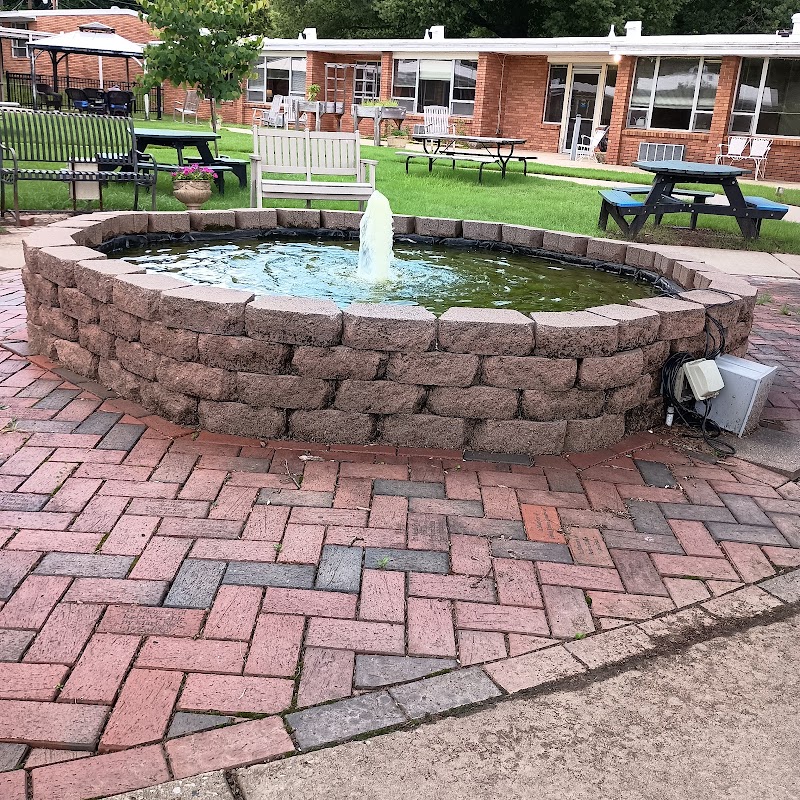
PRESBYTERIAN VILLAGE, INC is owned by a non-profit organization. Non-profit facilities reinvest revenue into operations rather than distributing to shareholders. The facility operates independently rather than as part of a larger chain. With 70 certified beds and approximately 63 residents (about 90% occupancy), it is a smaller facility located in LITTLE ROCK, Arkansas.
How Does Presbyterian Village, Inc Compare to Other Arkansas Nursing Homes?

Compared to the 100 nursing homes in Arkansas, PRESBYTERIAN VILLAGE, INC's overall rating (5 stars) is above the state average of 3.2, staff turnover (35%) is significantly lower than the state average of 46%, and health inspection rating (5 stars) is much above the national benchmark.

What Should Families Ask When Visiting Presbyterian Village, Inc?

Based on this facility's data, families visiting should ask: "Can I visit during a mealtime to observe dining assistance and food quality?" "How do you handle medical emergencies, and what is your hospital transfer rate?" "Can I speak with family members of current residents about their experience?"

Is Presbyterian Village, Inc Safe?

Based on CMS inspection data, PRESBYTERIAN VILLAGE, INC has a clean safety record: no substantiated abuse findings (meaning no confirmed cases of resident harm), no Immediate Jeopardy citations (the most serious violation level indicating risk of serious injury or death), and is not on the Special Focus Facility watch list (a federal program monitoring the lowest-performing 1% of nursing homes). The facility has a 5-star overall rating and ranks #1 of 100 nursing homes in Arkansas. While no facility is perfect, families should still ask about staff-to-resident ratios and recent inspection results during their visit.

Do Nurses at Presbyterian Village, Inc Stick Around?

PRESBYTERIAN VILLAGE, INC has a staff turnover rate of 35%, which is about average for Arkansas nursing homes (state average: 46%). Moderate turnover is common in nursing homes, but families should still ask about staff tenure and how the facility maintains care continuity when employees leave.

Was Presbyterian Village, Inc Ever Fined?

PRESBYTERIAN VILLAGE, INC has no federal fines on record. CMS issues fines when nursing homes fail to meet care standards or don't correct problems found during inspections. The absence of fines suggests the facility has either maintained compliance or corrected any issues before penalties were assessed. This is a positive indicator, though families should still review recent inspection reports for the full picture.

Is Presbyterian Village, Inc on Any Federal Watch List?

PRESBYTERIAN VILLAGE, INC is not on any federal watch list. The most significant is the Special Focus Facility (SFF) program, which identifies the bottom 1% of nursing homes nationally based on persistent, serious quality problems. Not being on this list means the facility has avoided the pattern of deficiencies that triggers enhanced federal oversight. This is a positive indicator, though families should still review the facility's inspection history directly.