WILLOWBEND HEALTH AND REHABILITATION, LLC
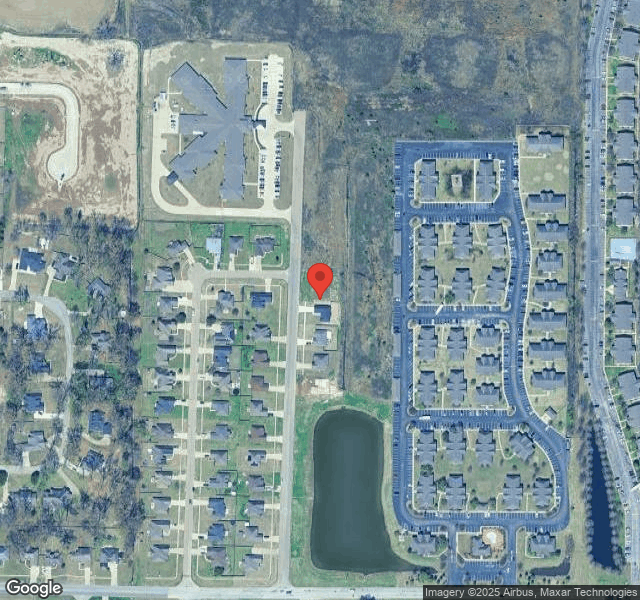

830 CANAL STREET, MARION, AR 72364 (870) 739-3268
For profit - Limited Liability company 140 Beds SOUTHERN ADMINISTRATIVE SERVICES Data: November 2025 2 Immediate Jeopardy citations
Trust Grade
21/100
#183 of 218 in AR
Last Inspection: February 2025

Within standard 12-15 month inspection cycle. Federal law requires annual inspections.

Overview

Willowbend Health and Rehabilitation, LLC has a Trust Grade of F, indicating significant concerns about the quality of care provided. It ranks #183 out of 218 facilities in Arkansas, placing it in the bottom half, and #3 out of 3 in Crittenden County, meaning there are only two other local options, both of which are better. While the facility is improving, with issues decreasing from 10 in 2024 to 7 in 2025, it still has serious issues to address. Staffing is a relative strength with a 4 out of 5 stars rating and a turnover rate of 38%, which is below the state average. However, the facility has concerning fines totaling $30,771, indicating compliance problems, and specific incidents include a resident being exposed to accessible medications and another resident waiting too long for necessary medical care. Overall, families should weigh the strengths of staffing against the serious issues and poor overall ratings.

Trust Score
F
21/100
In Arkansas
#183/218
Bottom 17%
Safety Record
High Risk
Review needed
Inspections
Getting Better
10 → 7 violations
Staff Stability
○ Average
38% turnover. Near Arkansas's 48% average. Typical for the industry.
Penalties
⚠ Watch
$30,771 in fines. Higher than 75% of Arkansas facilities, suggesting repeated compliance issues.
Skilled Nurses
⚠ Watch
Each resident gets only 24 minutes of Registered Nurse (RN) attention daily — below average for Arkansas. Fewer RN minutes means fewer trained eyes watching for problems.
Violations
⚠ Watch
22 deficiencies on record. Higher than average. Multiple issues found across inspections.
★★☆☆☆
2.0
Overall Rating
★★★★☆
4.0
Staff Levels
★★★★☆
4.0
Care Quality
★★☆☆☆
2.0
Inspection Score
Stable
2024: 10 issues
2025: 7 issues

The Good

  • 4-Star Staffing Rating · Above-average nurse staffing levels
  • 4-Star Quality Measures · Strong clinical quality outcomes
  • Full Sprinkler Coverage · Fire safety systems throughout facility
  • No fines on record
  • Staff turnover below average (38%)

    10 points below Arkansas average of 48%

Facility shows strength in staffing levels, quality measures, fire safety.

The Bad

2-Star Overall Rating

Below Arkansas average (3.1)

Below average - review inspection findings carefully

Staff Turnover: 38%

Near Arkansas avg (46%)

Typical for the industry

Federal Fines: $30,771

Below median ($33,413)

Moderate penalties - review what triggered them

Chain: SOUTHERN ADMINISTRATIVE SERVICES

Part of a multi-facility chain

Ask about local staffing decisions and management

The Ugly 22 deficiencies on record

2 life-threatening
Feb 2025 7 deficiencies 1 IJ
CRITICAL (J) 📢 Someone Reported This

A family member, employee, or ombudsman was alarmed enough to file a formal complaint

Immediate Jeopardy (IJ) - the most serious Medicare violation

Accident Prevention (Tag F0689)

Someone could have died · This affected 1 resident

-The following was also cited under F689 at a lower severity. The facility also failed to ensure aerosols, medications, perfumes, and creams were not easily accessible to a resident to prevent acciden...

Read full inspector narrative →
-The following was also cited under F689 at a lower severity. The facility also failed to ensure aerosols, medications, perfumes, and creams were not easily accessible to a resident to prevent accidental exposure for the 15 residents on the 100 Hall and 1 (Resident #93) of 8 sampled residents. 2. A review of the facility policy titled, Accident Hazards Prevention, stated, Resident Environment. The environment will be free from accident hazards as is possible; 3. Engages all staff, residents and families in training on safety, and promotes ongoing discussions about safety with input from staff at all levels of the organization. a. On 02/04/2025 at 2:20 PM, during a concurrent observation and interview, Certified Nursing Assistant (CNA #12) was observed by Surveyor picking up a clear plastic bag and putting it back on the counter, wheelchair height, at the 100 Hall nurses station leaving it easily accessible to residents. CNA #12 stated, [Resident #19] could come up here, grab this bag and take off down the hall with it. CNA #12 then took the trash and linen in barrels down the hall leaving the bag unattended. Resident #19 is observed wandering up and down the hallway. Surveyor observed that the clear plastic bag with a lighter and keys on the outside of it hanging off of one of the black handles, inside the bag was a medication bottle, a lighter, creams, alcohol sprays, and perfumes were observed. b. On 02/04/2025 at 2:27 PM, CNA #12 stated that the inside of the bag contained, [Name Brand] antibiotic ointment, alcohol spray, perfume, a lighter, Ibuprofen, and aerosol deodorant spray. CNA #12 stated that the bag was easily accessible to residents who wander up and down the hall, should have been stored out of reach and behind a door to keep residents out of it. CNA #12 continued stating that the items were hazardous to the residents, and they could drink something, or injure themselves with the contents in the bag. LPN #14 stated that hazardous materials should be kept out of reach of the residents. c. On 02/06/2025 at 8:09 AM, during an interview the Director of Nursing (DON) stated that hazardous items such as perfumes, medications, and aerosol sprays should not be left out unattended and easily accessible by residents. The DON stated that a resident could get injured if items are left out unattended. Based on interview, record review, facility document review, and facility policy review, the facility failed to ensure 1 (Resident #25) of 4 sampled residents reviewed for neglect received adequate supervision and assistance to prevent accidents. Specifically, the facility failed to ensure 2 staff members transferred Resident #25 using the appropriate lift based on Resident #25's needs and care plan which resulted in Resident #25 sustaining a dislocated right shoulder. It was determined the facility's non-compliance with one or more requirements of participation had caused, or was likely to cause, serious injury, harm, impairment, or death to residents. The Immediate Jeopardy (IJ) was related to State Operations Manual, Appendix PP, 483.25 (Quality of Care) at a scope and severity of J. The IJ began on 12/18/2024 at approximately 8:45 AM. While CNA #1 was transferring Resident #25, the resident began to complain of pain in their right arm. CNA #1 called for help and CNA #10 came into the room and assisted CNA #1 with transferring Resident #25 into the wheelchair. CNA #1 notified Registered Nurse (RN) #11 that Resident #25 was complaining of pain. RN #11 assessed the resident and noted the resident was still complaining of pain in the right shoulder. RN#11 notified the Nurse Practitioner and received an order for pain medication and an order to get a mobile x-ray due to the continued compliant of pain. The mobile x-ray company arrived at the facility around 10:16 AM and completed the x-ray. The Medical Director was at the facility when the results of the x-ray were received. The Medical Director gave an order to RN#11 for the resident to be sent to the emergency room (ER) for evaluation due to the results of the x-ray and continued complaints of pain. The ambulance arrived at the facility around 10:53AM and transported Resident #25 to the ER. At approximately 11:15 AM RN#11 received notification from the ER that Resident #25's right shoulder was dislocated. The Administrator was notified of the Past Noncompliance Immediate Jeopardy (IJ) on 2/6/2025 at 12:40PM. The facility implemented corrective actions which were completed prior to the State Agency's entry into the facility; thus, it was determined to be a Past Noncompliance citation. The facility had implemented the following corrective actions to correct the deficient practice effective 12/30/2024: 1. 12/19/2024, all residents re-assessed for transfer status by DON (Director of Nursing). Start date:12/19/2024. Completion date:12/30/2024. Comments: facility staff reviewed ADL/Transfer report to ensure all residents have appropriate transfer status documented. a. 02/06/2025- Facility provided evidence of all residents being re-assessed for transfer status prior to survey. 2. 12/19/2024, All care plans reviewed by DON and updated as needed to ensure accuracy. Start date: 12/29/2024 Completion date: 12/27/2024. Comments: Care Plans reviewed by MDS coordinator are ongoing. a. 02/06/2025- Care plans were updated and the facility provided evidence of in services on following the individual care plans. 3. 12/19/2024, an in service for all clinical staff started by the DON on following the individual care plan for transfer status and how to use the kiosk. Start date: 12/19/2024 Completion date: 12/26/2024. Comments: in services in progress. a. 02/06/2025- Facility provided evidence of in services on following the individual care plans. 4. 12/19/2024, the DON/designee began staff transfer/lift competency check off. Start date: 12/19/2024. Completion date: 12/26/2024. a. 02/06/2025- Facility provided evidence of staff transfer/lift competency check offs. 5. 12/19/2024, the DON/designee started monitoring transfers of 5 residents twice a week for 4 weeks to ensure transfers are being completed correctly and safely. Start date: 12/19/2024. Completion date: ongoing. a. 02/06/2025-Facility provided evidence of monitoring transfers of 5 residents twice a week. The findings are: 1. Review of a facility's undated policy titled Accident Hazards Prevention indicated, Residents will receive adequate supervision and assistance devices to prevent accidents. The resident will be assessed upon admission and through the Minimum Data Set (MDS) process to individualize care plan interventions. a. A review of Resident #25's admission Record revealed the resident was admitted to the facility with a diagnosis of a stroke. b. A review of Resident #25's quarterly MDS with an Assessment Reference Date (ARD) of 12/04/2024, revealed the resident was assessed with a Brief Interview for Mental Status (BIMS) score of 3, (0-7 indicates severe cognitive impairment). c. Review of Resident #25's Care Plan, updated 10/2/2024, revealed the resident was to be transferred with a mechanical lift with two staff assisting. d. Review of a facility incident report dated 12/19/2024 indicated Certified Nursing Assistant (CNA) #1 was transferring Resident #25 and failed to use the correct lift and proper amount of assistance (number of staff), causing the resident ' s right shoulder to be dislocated. e. A review of the hospital Summary Episode Note, dated 12/29/205, revealed in the section Imaging Narrative Note identified the significant finding was that Resident #25's right shoulder was dislocated f. During an interview on 2/5/2025 at 12:20 PM, CNA #10 stated she remembered the incident. She was asked to describe what happened. She stated when she heard CNA #1 calling for help, so she went to help. CNA #10 stated CNA #1 had the sit-to-stand lift instead of the mechanical lift that was supposed to be used for Resident #25 and that CNA#1 did not have another employee assisting. CNA #10 said the resident was sliding to the floor, so CNA #1 and CNA #10 lowered Resident #25 to the floor to prevent the resident from falling. CNA #10 stated they (CNA #1 and CNA #10) lifted the resident by sliding their arms under the resident's arms and holding on to the back of the resident's pants. CNA #10 stated they (CNA #1 and CNA #11) sat the resident into the wheelchair. CNA #10 was asked how she knew which lift and how many people Resident #25 required for transfers. CNA #10 said the care plan identifies which lift and how many people are required to assist. g. During an interview with RN #11 on 2/5/2025 at 1:00 PM, she said she remembered the incident of Resident #25's shoulder being injured. She was asked to describe what happened. RN #11 said that on 12/19/2025 she heard Resident #25 hollering out due to pain. She stated after she assessed Resident #25, notified the Nurse Practitioner, received an order to get a mobile x-ray, and that the x-ray results revealed that Resident #25's right shoulder was dislocated. She said the Medical Director was at the facility and gave an order for Resident to be sent to the ER for evaluation of right shoulder pain. RN #11 was asked how CNAs would know which lift to use and how many people Resident #25 required the assistance of for transfers. RN #11 stated the care plan for Resident #25 identifies what kind of lift and how many people are required for a safe transfer. h. During an interview with the DON on 2/6/2025 at 10:45 AM, she confirmed the residents' care plans identified which type of lift is required and how many people are required for a safe transfer. The DON also confirmed that CNA #1 did not read the care plan and did not utilize the correct lift and the correct amount of people. The DON stated this failed practice resulted in an injury to Resident #25's right shoulder. i. During an interview with the Administrator on 2/6/2025 at 11:10 AM regarding Resident #25, she confirmed that CNA #1 did not read the care plan and did not utilize the correct lift and the correct amount of people. The Administrator stated this failed practice resulted in an injury to Resident #25's right shoulder.
CONCERN (D)

Potential for Harm - no one hurt, but risky conditions existed

Deficiency F0645 (Tag F0645)

Could have caused harm · This affected 1 resident

**NOTE- TERMS IN BRACKETS HAVE BEEN EDITED TO PROTECT CONFIDENTIALITY** Based on record review and interview, the facility failed to ensure a Preadmission Screening and Resident Review (PASARR) was co...

Read full inspector narrative →
**NOTE- TERMS IN BRACKETS HAVE BEEN EDITED TO PROTECT CONFIDENTIALITY** Based on record review and interview, the facility failed to ensure a Preadmission Screening and Resident Review (PASARR) was completed prior to admission to ensure the resident received the needed care and services in the most appropriate setting for 1 (Resident #6) of 1 sampled resident whose records were reviewed for the PASARR screening information. The findings are: Review of Resident #6's quarterly Minimum Data Set (MDS) with an Assessment Reference Date of 01/09/2025 noted a Brief Interview for Mental Status (BIMS) score of 10 (08-13 indicates moderately cognitively impaired). Under the Active Diagnosis (Section I), sub section Psychiatric/Mood Disorder, Psychotic Disorder 15950 (other than schizophrenia) is selected. Under the Neurological sub section, non-Alzheimer's Dementia 14800 is also selected. Review of Resident #6's admission Record, noted the resident was initially admitted on [DATE]. Review of Resident #6's electronic medical record- did not contain PASARR documentation is noted. During an interview with the Social Director on 02/05/2025 at 11:30 AM, this surveyor requested a PASARR for Resident #6. The Social Director stated she could not locate it. During an interview with the Director of Nursing (DON) on 02/05/2025 at 3:52 PM, this surveyor requested a PASARR for Resident #6. She confirmed staff could not locate it in the chart or in the facility. On 02/06/2025 at 12:05 PM, this surveyor reviewed Resident #6's electronic medical records and discovered Division of Medical Services (DMS) Form 703 Med Needs Application was submitted on 2/6/2025. On 020/6/2205 at 3:45 PM, the DON provided a PASARR dated 2/6/2025.
CONCERN (E)

Potential for Harm - no one hurt, but risky conditions existed

Assessment Accuracy (Tag F0641)

Could have caused harm · This affected multiple residents

Based on record review and interview, the facility failed to accurately indicate hospice care and dialysis on Section O of the Minimum Data Set (MDS) for 1 (Resident #75) of 2 sampled residents for ho...

Read full inspector narrative →
Based on record review and interview, the facility failed to accurately indicate hospice care and dialysis on Section O of the Minimum Data Set (MDS) for 1 (Resident #75) of 2 sampled residents for hospice and 1 (Resident #34) of 1 sampled resident for dialysis. The findings are: 1. A review of an Order Summary Report, indicated the facility admitted Resident #75 with diagnoses of dementia, cognitive communication deficit, need for assistance with personal care, and reduced mobility. A review of an Order Summary Report, indicated an order to admit to hospice with a diagnosis of senile degeneration of brain active as of 10/02/2024. The quarterly Minimum Data Set (MDS) with an Assessment Reference Date (ARD) of 01/17/2025, revealed Resident #75 had a Staff Assessment for Mental Status (SAMS) which indicated the resident was moderately cognitively impaired for daily decision making. A review of Section J 1400 revealed that Resident #75 had a prognosis with a life expectancy of six months or less. A review of Section O revealed that Hospice was not marked for Resident #75. Review of Resident #75's Care Plan, initiated on 10/03/2024, revealed that Resident #75 had requested palliative care and had chosen hospice; the goal is to keep the resident comfortable this review period. On 02/06/2025 at 7:55 AM, during an interview the MDS Coordinator reviewed Resident #75's quarterly MDS and confirmed that Section O was not marked for Hospice. The MDS Coordinator continued stating, I know the resident is on Hospice, should be marked yes for Hospice Care. The MDS Coordinator stated that the MDS is important, as the information goes on the care plan to let the staff know how to care for the resident. 2. Review of Resident #34's admission Record, noted the resident had an initial admission date of 09/18/2018. Review of Resident #34's Order Summary Report, noted dialysis was provided on Monday, Wednesday, and Friday. Review of Resident #34's quarterly MDS with an ARD of 01/18/2025 with a Brief Interview for Mental Status (BIMS) score of 10 (08-13 indicates moderately cognitively impaired). Under Section O, Special Treatments, Procedures, and Programs, noted Dialysis, No. On 02/06/2025 at 09:28 AM, during an interview- with the MDS Coordinator regarding Resident #34's quarterly MDS, the MDS Coordinator confirmed Resident #34 was currently receiving dialysis. She also confirmed dialysis should be marked yes, and it was currently marked no under section O. On 02/06/2025 at 8:09 AM, during an interview the Director of Nursing (DON) stated that a correct MDS was important to let the staff know how to care for the residents.
CONCERN (E)

Potential for Harm - no one hurt, but risky conditions existed

Comprehensive Care Plan (Tag F0656)

Could have caused harm · This affected multiple residents

Based on observation, interviews, and record review it was determined that the facility failed to document and complete a person-centered care plan to facilitate the ability to plan and provide necess...

Read full inspector narrative →
Based on observation, interviews, and record review it was determined that the facility failed to document and complete a person-centered care plan to facilitate the ability to plan and provide necessary care and services for 3 (Residents #92, #104, and #107) of 30 sample mixed residents whose care plans were reviewed. The findings included: 1. A review of Resident #104's admission Record, with a date of 08/07/2024, indicated the facility admitted Resident 104 with diagnoses that included hyperlipidemia (high levels of fat particles in the blood) and Covid-19 (Corona Virus 19). The quarterly Minimum Data Set (MDS) with an Assessment Reference Date (ARD) of 11/15/2024, revealed Resident #104 had a Brief Interview for Mental Status (BIMS) score of 12 (8-12 indicates moderately cognitively impaired.) Review of Resident #104's care plan, initiated 08/07/2024, revealed the resident did not have person-centered activities, Covid-19 or isolation precautions care planned as well as interventions for each one. A review of Resident #104's, Order Summery Report, revealed an order for: Isolation Precautions: Airborne Isolation related to COVID-19 every shift for 5 Days, order date 01/30/2025, start date 02/03/2025, end date 02/08/2025. A review of Resident #104's Medical Diagnoses indicated a diagnosis of Covid-19 on 01/30/2025. On 02/03/2025 at 3:56 PM, this surveyor observed Resident #104 in the resident's room with a COVID door sign and a Personal Protective Equipment (PPE) container outside of the door. Isolation bins were observed for both linen and trash inside the resident's room. During an interview with the MDS Coordinator on 02/06/2025 at 1:24 PM, she confirmed activities and COVID-19 should be on the care plan. 2. A review of Resident #107's admission Record with a date of 09/13/2024 indicated the facility admitted Resident #107 with a diagnosis of dementia (a group of thinking and social symptoms that interferes with daily functioning.) The quarterly MDS with an ARD of 01/13/2025 revealed Resident #107 had a BIMS score of 4, (0-7 indicates severely cognitively impaired.) A review of Resident #107's Urine Culture Lab dated 01/25/2025 revealed the resident was positive for ESBL in the urine. Review of Resident #107's, Care Plan, initiated 09/13/2024, revealed the resident did not have person-centered Extended-spectrum beta-lactamase (ESBL) an antibiotic-resistant bacterium, or contact precautions care planned as well as interventions for each one. During an interview with the MDS Coordinator on 02/06/2025 at 1:24 PM, she confirmed ESBL and contact precautions should be on the care plan. 3. A review of the Order Summary Report, indicated the facility admitted Resident #92 with diagnoses that included chronic obstructive pulmonary disorder, acute and chronic respiratory failure with low oxygen, and bronchitis. A review of the Order Summary Report indicated these orders for Resident #92: [antibiotic mediation name] Table 250 MG given by mouth one time for cough and congestion for four days, with a start day of 02/01/2025 and end date of 02/05/2025 and Mucus Relief Tablet 400 MG give one tablet by mouth two times a day for cough and congestion for five days with a start date of 01/31/2025 and end date of 02/05/2025. The quarterly MDS with an ARD of 01/18/2025 reveals that Resident #92 had a BIMS of 12 (indicates moderate cognitive impairment). A review of the Care Plan initiated on 09/25/2024, revealed that no interventions were added to the care plan for antibiotics with resident having increased cough and congestion. A review of the Progress Notes revealed on 01/30/2025 stated, All test were negative. chest x-ray showed no significant findings. Advanced Practical Nurse with new orders for z-pack for cough and congestion. A review of the progress notes revealed on 02/01/2025, No side effects or adverse reactions from antibiotic from upper respiratory infection. Occasional cough and congestion noted. On 02/06/2025 at 7:55 AM, the MDS Coordinator reviewed Resident #92's care plan and confirmed that interventions were not added for upper respiratory infections. The MDS Coordinator stated that it should have been added to the care plan, so staff were made aware of any additional things they need to do for that resident. On 02/06/2025 at 8:09 AM, during an interview the Director of Nursing (DON) stated that when a resident was on antibiotics for an upper respiratory infection it was a change in condition and should be added to the care plan so the staff knows how to care for them.
CONCERN (E)

Potential for Harm - no one hurt, but risky conditions existed

Deficiency F0761 (Tag F0761)

Could have caused harm · This affected multiple residents

**NOTE- TERMS IN BRACKETS HAVE BEEN EDITED TO PROTECT CONFIDENTIALITY** Based on observation, interviews, record review, facility document review, and facility policy review, it was determined that th...

Read full inspector narrative →
**NOTE- TERMS IN BRACKETS HAVE BEEN EDITED TO PROTECT CONFIDENTIALITY** Based on observation, interviews, record review, facility document review, and facility policy review, it was determined that the facility failed to ensure over-the-counter medications, and a narcotic medication prescribed to Resident #71, stored in the medication carts were not expired for 2 of 2 medication carts sampled. The findings include: Review of a facility policy titled, Medication Storage in the Facility, dated 1/1/2015, indicated All expired medications will be removed from the active supply and destroyed in the facility, regardless of amount remaining. The medication will be destroyed in the usual manner. Controlled substances remaining in the facility after the order has been discontinued or the resident has been discharged are retained in the facility in a securely locked area with restricted access until destroyed. A review of Resident #71's admission Record, initiated on 10/02/2020, indicated the facility admitted Resident #71 with Parkinson's disease without dyskinesia, without mentions of fluctuations (disorder of central nervous system that affects movement). The annual Minimum Data Set (MDS) with an Assessment Reference Date (ARD) of 01/07/2025, revealed Resident #71 had a Brief Interview for Mental Status (BIMS) score of 13, (13-15 indicates cognitively intact.) Review of Resident #71's care plan, initiated 04/03/2023, revealed the resident was at risk for pain. Interventions included administer pain medications as ordered/needed. Notify MD [Medical Director]/Practitioner if not effective. On 02/04/2025 at 3:10 PM, this surveyor observed Registered Nurse (RN) #21 during inspection of medication cart #1. This inspection revealed 6 medications that were expired. Medications found that were out of date were (Name Brand) Regular Strength Antacid/anti-gas medication; (Name Brand) Multipurpose Nail Repair, Docusate Calcium (stool softener) 240 milligrams, two calorie and protein dense nutritional drinks 2.0 Cal 237 milliliters, Extended Release Acetaminophen 650 milligrams, and Active Liquid Protein 887 milliliters. On 02/04/2025 at 3:30 PM, this surveyor observed RN #17 during inspection of medication cart #2. This inspections revealed 7 medications that were expired. Medications found that were expired were Acetaminophen 500 milligrams, Extended Release Acetaminophen 650 milligrams, Aspirin 81 milligrams, Ibuprofen 200 milligrams, Milk of Magnesium 1200 milligrams, Aspirin 325 milligrams, and Morphine 20 milligrams/milliliter solution (this medication was prescribed to Resident #71). During an interview with RN #11 on 02/05/2025 at 11:30 AM, she confirmed that when there was an order to discontinue or change an order for medications, those medications were taken to the medication room and stored in a container. She confirmed that narcotics were given to the Assistant Director of Nursing (ADON) and the ADON recorded the medication in a logbook. She revealed that she notified the ADON and DON if there was a change in medication. During an interview with the ADON on 02/05/2025 at 11:37 AM, she confirmed that she handles the discontinued narcotics. She confirmed that any expired medications, discontinued medications, over the counter (OTC) medications from the medication carts were pulled from the carts, taken to the medication room, and the pharmacist destroyed them. The ADON confirmed the pharmacist did a match back from the medication destruction book and the medication card and then destroyed them. She confirmed if a narcotic had expired, or the resident had been discharged , the medication was removed, double signed in the narcotic book, and removed from the medication cart. She completed a form and put the resident's name on the form along with the dosage, strength, prescriber, and how much medication was left for surrendering. She revealed two people placed the medications along with the form in a box and send them back to the state for destruction. During an interview with the DON on 02/05/2025 at 11:43 AM, she confirmed that over the counter medications, and prescribed medications were taken to the medication room and listed in the destruction book, placed in a locked trash can, then the pharmacist destroyed them. The DON confirmed she had a drawer that was double locked in her office for expired narcotic medications. She revealed the medication stayed locked in her office until the pharmacist came to the facility, or they have two people to verify the information and send it back to the pharmacy to be destroyed. A review of the Acetaminophen capsules or tablets Safety Data Sheet, revised 8/14/2023 revealed, To get rid of medications that are no longer wanted or have expired: Take the medication to a medication take-back program. Ask your pharmacy or law enforcement to find a location. If you cannot return the medication, check the label or package insert to see if the medication should be thrown out in the garbage or flushed down the toilet. If you are not sure, ask your care team. If it is safe to put it ill the trash, empty the medication out of the container. Mix the medication with cat litter, dirt, coffee grounds, or other unwanted substances. Put it in the trash. A review of the Acetaminophen Extended Release tablets Safety Data Sheet , revision on 8/14/2023, reveals To get rid of medications that are no longer needed or have expired: Take the medication to a medication take back program. Check with your pharmacy or law enforcement to find a location. If you cannot return the medication, check the label or package insert to see if the medication should be thrown out in the garbage or flushed down the toilet. If you are not sure, ask your care team If it is safe to put it in the trash, empty the medication out of the container. Mix the medication with cat litter, dirt, coffee ground or other unwanted substance. Seal the mixture in a bag or container. Put it in the trash. A review of the Aluminum Hydroxide Magnesium Hydroxide Simethicone Safety Data Sheet, revision on 12/11/2024, reveals contain aspirin, ibuprofen, naproxen. Always read labels carefully. To get rid of medications that are no longer needed or have expired: Take the medication to a medication take-back program. Check with your pharmacy or law enforcement to find a location. If you cannot return the mediation, check the label or package insert to see if the medication should be thrown out in the garbage or flushed down the toilet. If you are not sure, ask your care team. If it is safe to put it in the trash, empty the medication out of the container. Mix the medication with cat litter, dirt, coffee grounds, or other unwanted substance. Seal the mixture in a bag or container. Put it in the trash. A review of the Aspirin Tab lets Safety Data Sheet, revision date of 12/11/2024, revealed, To get rid of medications no longer needed or have expired: Take the medication to a medication take-back program. Check with your pharmacy or law enforcement to find a location. If you cannot return the medication, check the label or package insert to see if the medication should be thrown out in the garbage or flushed down the toilet, If you [NAME] not sure, ask your care team If it is safe to put it in the trash, empty the medication out of the container and mix the medication with cat litter, dirt coffee grounds, or other unwanted substance. Seal the mixture in a bag or container. Put it in the trash. A review of the Ibuprofen Capsules or Tablets Safety Data Sheet, revision on 12/12/2024, revealing, To get rid of medications that are no longer needed or have expired: take medication to a take back program. A review of the Magnesium Hydroxide Solution Safety Data Sheet, revision on 5/9/2024, revealed Throw away any unused medication after the expiration date. A review of the Morphine Solution Safety Data Sheet, revision on 12/4/2024, revealed, Misuse of this medicine can cause addiction or overdose. Take it exactly as prescribed. Store it in a safe place to prevent stealing or abuse. It is illegal to sell it or give it away. It is important to get rid of the medication as soon as you no longer need it or it is expired. To get rid of this medication: Take the medication to a take-back program. Check with your pharmacy or law enforcement to find location. Follow the steps given to you by your pharmacy. You may be given a pre-paid mail-back envelope or disposal product to safely get rid of your medication. If other options are not available, flush the medication down the toilet.
CONCERN (E) 📢 Someone Reported This

A family member, employee, or ombudsman was alarmed enough to file a formal complaint

Potential for Harm - no one hurt, but risky conditions existed

Menu Adequacy (Tag F0803)

Could have caused harm · This affected multiple residents

Based on observation, record review and interview, the facility failed to ensure meals were prepared and served in accordance with the planned written menu to meet the nutritional needs of the residen...

Read full inspector narrative →
Based on observation, record review and interview, the facility failed to ensure meals were prepared and served in accordance with the planned written menu to meet the nutritional needs of the residents for 2 of 2 meals observed. The findings are: 1. The week 1, Day-2 supper menu for Fall/Winter 2024 to 2025 specified for the residents on mechanical soft diets to receive 4 ounces of dressing and 4 ounces of turkey and all residents were to receive 1/2 cup of broccoli. 2. On 02/04/2025 at 3:49 PM, the following observations were made during supper meal preparation and service: a. Dietary [NAME] (DC) #2 weighed turkey meat to be served to the residents for supper as follows. The first one weighed 4.5 ounces, second 5.9 ounces, third 3.7 ounces, fourth 3.6 ounces, fifth 3.2 ounces, and sixth 2.1 ounces. Total of 23 ounces. DC #2 placed a total of 23 ounces of turkey into the blender, ground and poured into a pan, then placed the pan in the oven to be served to 21 residents who received mechanical soft diets. b. On 02/04/2025 at 5:58 PM, as DC #2 was ready to put more turkey meat into a blender to ground and serve to the 2 residents, DC #2 was asked to weigh turkey meat. After weighing it, DC #5 stated it was 5.1 ounces, which brought the total amount prepared to 28 ounces, instead of the intended 84 ounces. c. On 02/05/2025 at 11:06 PM, DC #2 was interviewed, and asked how much mechanical soft turkey she had prepared for the supper meal on 02/04/2025. After I showed her the calculation, she confirmed that the amount she had prepared was correct but would not be enough for 21 residents. 2. On 02/04/2025 at 5:35 PM, during observation of the supper meal service, DC #3 used a #12 scoop (3 ounces) to serve a single portion of ground turkey to the residents on mechanical soft diets, instead of 4 ounces. 3. On 02/04/2025 at 5:56 PM, the kitchen ran out of stuffing and broccoli. After running out of stuffing and broccoli, DC #3 switched to a #12 scoop, (3 ounces or 1/3 cup) to serve a single serving of stuffing. This portion was 1 ounce less than what the menu specified. DC #3 served cut green beans to 4 residents, instead of broccoli. Resident #51 asked the Dietary Manager for broccoli. The Dietary Manager informed the resident that they had run out of it. 4. The week 1, Day-3 menu for Fall/Winter 2024 to 2025 breakfast specified for the residents on pureed diets were to receive a #8 scoop of pureed hash browns and a #16 scoop of pureed biscuits. On 02/05/2025 at 8:30 AM, during the breakfast meal service, there were no pureed hash browns or pureed biscuits served to the residents who required pureed diets for breakfast. At 9:10 AM, DC #2 was interviewed and was asked if there was a reason why residents on pureed diets were not served hash browns or biscuits and she stated she forgot.
CONCERN (E) 📢 Someone Reported This

A family member, employee, or ombudsman was alarmed enough to file a formal complaint

Potential for Harm - no one hurt, but risky conditions existed

Food Safety (Tag F0812)

Could have caused harm · This affected multiple residents

Based on observation, interview, and facility policy review, the facility failed to ensure food items in the refrigerator, freezer and storage room were covered, sealed and dated; 2 of 2 ice machines ...

Read full inspector narrative →
Based on observation, interview, and facility policy review, the facility failed to ensure food items in the refrigerator, freezer and storage room were covered, sealed and dated; 2 of 2 ice machines was maintained in clean and sanitary condition; dietary staff washed their hands before handling food or clean equipment; kitchen storage area was maintained clean; and hot food items were maintained at temperature of 135 degrees or above for 2 of 2 meals observed. The findings are: 1. On 02/03/2025 at 10:46, during the initial rounds with the Dietary Manager, the following observations were made: a. A one-pound bag of marshmallows with no received date. The Dietary Manager confirmed the findings. b. A cardboard box of pasta with two full ten-pound bags with no received date. The Dietary Manager confirmed the findings. 2. On 02/03/2025 at 11:03 AM, the following findings were observed in the walk-in freezer: a. A cardboard box with 16.8 pounds of hash brown patties with no received date. The Dietary Manager confirmed the findings. b. A cardboard box with five pounds of beef franks with no received date. The Dietary Manager confirmed the findings. c. Two cardboard boxes of chocolate ice cream, two cardboard boxes of strawberry ice cream, and one cardboard box of vanilla ice cream, all 1.5 gallons, with no received date. 3. On 02/03/2025 at 11:14 AM, the following findings were observed in the walk-in fridge: a. A cardboard box with twenty-eight tomatoes with no received date or opened date. The Dietary Manager confirmed the findings. b. A cardboard box with thirty pounds of scrambled eggs with no received date. The Dietary Manager confirmed the findings. c. A cardboard box with nine half gallons of buttermilk with no received date or opened date. The Dietary Manager confirmed the findings. d. A plastic bag of raw chicken wings was found on the third shelf next to other boxes of food with no date. The Dietary Manager stated it is roughly two to three pounds. e. A cardboard box of bologna with no opened or received date, only one left out of two. The Dietary Manager stated that each one is five pounds and confirmed the findings. f. A plastic container of cucumber and onion mix, about half full, had no opened or received date. The Dietary Manger confirmed the findings. g. A plastic container wrapped in a supermarket bag, that was a staff member's lunch. The Dietary Manager confirmed the findings. h. A plastic bag of shredded lettuce, that was browning with liquid at the bottom was left unsealed with no date. The Dietary Manager confirmed the findings. i. A plastic container of ten pounds of coleslaw with no received date. The Dietary Manager confirmed the findings. j. A plastic bag of raw chicken drumsticks found on the third shelf in the back corner, dripping liquid out of the right bottom corner. The Dietary Manager stated that raw chicken, such as those in the two bags found, were to be stored on the bottom to prevent cross contamination. k. On 02/03/2025 at 11:25 AM, in the two-door cooler, a full pitcher of pink flavored drink mix was found with no date and no lid. l. On 02/03/2025 at 11:27 AM, the Dietary Manager pulled out the grease drip pan. The first half was filled over halfway with grease and food drippings. The last half was filled with crumb coatings, that when pulled out the crumbs fell onto the floor of the kitchen. The Dietary Manager then pulled out the drip pan below the stove top. Lima beans covered the back half with burnt food debris and grease covering the rest. The back splash of the stove was covered in a thick layer of yellow grease. The Dietary Manager stated that all three of these are to be done daily and that they have not been cleaned as they should be. 4. On 02/03/2025 at 11:30 AM, this surveyor observed on the spice shelf a bag of grits, a fourth of the way full, had no opened or received date. The Dietary Manager confirmed the findings. 5. 02/04/2025 03:16 PM, the following observations were made in the kitchen area: a. The edges of the steam table had food stains on it. b. The shelf below the steam table where clean pans were kept had loose food crumbs on it. c. The shelf below the food preparation counter, where pots and pans were kept, had loose food crumbs on it. d. There were loose greasy food particles on top of the oven. 6. On 02/04/2025 at 3:20 PM, Dietary [NAME] (DC) #2 was wearing gloves on her hands when she used a knife to cut open the wrap covering the turkey meat. After unwrapping the meat, DC #2 placed it on the cutting board and using her gloved hands, sliced the meat and placed it into a pan. DC #2 did not change her gloves or wash her hands before continuing to slice the meat. DC #2 was interviewed and was asked what she should have done after touching dirty objects and before handling food items. She confirmed she should have changed gloves and washed her hands before proceeding. 7. On 02/04/2025 at 3:25 PM, DC #3 picked up a spoon from a measuring cup inside the dirty sink and used it to scoop a serving of broccoli from a pan on the steam table. As DC #3 was about to transfer it into a blender, DC #3 was stopped and was asked if the spoon had been washed and sanitized. DC #3 confirmed that she should have washed and sanitized it before using it. 8. On 02/04/2025 at 3:28 PM, DC #3 placed gloves on her hands. DC #3 then moved the blender motor towards the edge of the counter, contaminating her gloves. Without changing her gloves and washing her hands, DC #3 picked up a clean blade and attached it to the base of the blender to be used in pureeing food items to be served to the residents on pureed diets. 9. On 02/04/2025 at 3:43 PM, the panel below the ice machine in the kitchen where the ice forms before dropping into the ice collector had wet black residue hanging down from it. The corners inside the ice machine had black residue settled on them. The area was pointed out to the Dietary Manager, and he was asked if the residue buildup could be wiped off. He used tissue paper and wiped it off. The black, and slimy residue easily transferred to the tissue. The Dietary Manager was asked how often the kitchen staff cleaned the ice machine and who used the ice from the machine. He stated the ice machine had been cleaned by the maintenance man once a month, and the kitchen staff used it to fill beverages served to the residents at the mealtimes. The Dietary Manager was interviewed and was asked to describe what he observed on the panel below the area where the ice forms before dropping into the ice collector. He stated there was black residue on the panel and he will start cleaning it 2 times a week. 10. On 02/04/2025 at 4:45 PM, the temperatures of the food items on the steam table when checked and read by DC #3 were as follows: a. Ground turkey - 125 degrees Fahrenheit. b. Pureed bread - 91 degrees Fahrenheit. 11. On 02/04/2025 at 4:59 PM, the walk-in refrigerator was 39 degrees Fahrenheit. An opened box of turkey sausage was on a shelf in the walk-in refrigerator. The box was not covered or sealed. 12. On. 02/04/2025 4:05 PM, the following observations were made on a shelf in the freezer: a. An opened box of burritos. The box was not covered or sealed. b. An opened box of cookie dough. The box was not covered or sealed. 13. On 02/04/2025 at 5:48 PM, Dietary Aide (DA) #4 who was on the tray line assisting with the supper meal, picked up condiments and supplements with his bare hands and placed them on the trays, contaminating his hands. Without washing his hands, he picked glasses that contained beverages by their rims and placed them on the meal trays to be served to the residents for the supper meal. 14. On 02/05/2025 at 7:38 AM, the left inside corner of the ice machine in the nourishment room on the 300 Hall had wet black residue on it. The area was pointed out to the Dietary Manager, and he was asked if the residue buildup could be wiped off. The Dietary Manager used tissue paper and wiped it off. The black residue easily transferred to the tissue. The Dietary Manager was interviewed and was asked to describe what he observed on the panel close to the area where the ice forms before dropping into the ice collector and who uses the ice from the ice machine. He stated there was black residue on it, that's the ice that the CNAs use for the pitchers in the residents' rooms. Maintenance was asked how often he cleaned the ice machine, and he stated CNA #12 cleans it. CNA #12 was asked how often she cleaned the ice machine. He stated once a month we treat the inside and wipe the panel every two weeks. 15. A review of facility policy titled, Handwashing and Glove Usage in Food service, initiated 2016, provided by the Dietary Manager on 02/05/2025 indicated that food handlers should wash their hands before starting work, after touching dirty dishes or clothing and after touching anything else such as dirty equipment.
Mar 2024 10 deficiencies 1 IJ
CRITICAL (J) 📢 Someone Reported This

A family member, employee, or ombudsman was alarmed enough to file a formal complaint

Immediate Jeopardy (IJ) - the most serious Medicare violation

Quality of Care (Tag F0684)

Someone could have died · This affected 1 resident

**NOTE- TERMS IN BRACKETS HAVE BEEN EDITED TO PROTECT CONFIDENTIALITY** 2. Resident #105: Resident #105 had diagnoses of Chronic inflammatory demyelinating polyneuropathy (a neurological disorder that...

Read full inspector narrative →
**NOTE- TERMS IN BRACKETS HAVE BEEN EDITED TO PROTECT CONFIDENTIALITY** 2. Resident #105: Resident #105 had diagnoses of Chronic inflammatory demyelinating polyneuropathy (a neurological disorder that involves progressive weakness and reduced senses in the arms and legs) and Chronic pain. The 5-Day MDS with an ARD of [DATE] documented Resident #105 scored 15 (13-15 indicates cognitively intact) on a BIMS and that Resident #105 received antidepressants, pain medications, and blood thinner medications during the 7 day lookback period and had no potential clinically significant medication issues identified during the drug regimen review. On [DATE] at 09:48 AM, Resident #105 reported that the resident had been waiting for a transfusion that the resident receives every month but has not received it at this time. Resident #105 had been told since December the facility was trying to figure out who would be responsible for it. Resident #105 stated the medication cost like $1,000.00 so the resident was wondering if that was the reason. On [DATE] at 10:15 AM, Resident #105 reported last year when he/she was here it was an issue then as well, and the resident paid for it themself. There is a transfusion nurse waiting for the medication to arrive so she can transfuse it. The medication was identified as intravenous immunoglobulin (IVIg), which is a biological agent used to manage various immunodeficiency, autoimmune, infectious, and inflammatory states. On [DATE] at 08:45 AM, the DON was asked if she was aware of the medication IVIG for Resident #105. The DON answered, yes and the Advance Nurse Practitioner was checking on it yesterday. On [DATE] at 10:34 AM, during a phone interview the Infusion Nurse confirmed the delay and was waiting on a return call from the regional manager to confirm orders from the pharmacy and confirm the medication is effective in Resident #105's treatment. On [DATE] at 02:05 PM, Resident #105 stated to the Surveyor, This is why I need the medication. The Surveyor asked resident on a scale from 1-10 how would you rate your pain, and Resident #105 stated, A nine out of ten. On [DATE] at 03:48 PM, in a phone conversation the APRN confirmed awareness of the needed medication. The APRN reported they have been trying to figure out the process to get this medication and is working with the facility to coordinate with the pharmacy on the correct protocol. Based on record review and interview, the facility failed to fully assess a resident experiencing respiratory distress in a timely manner, failed to follow physician's order during an acute incident which resulted in a change of condition, and failed to notify the physician of the change in condition in a timely manner for 1 (Resident #368) of 3 sampled residents reviewed for a change in condition. It was determined the facility's non-compliance with one or more requirements of participation had caused, or was likely to cause, serious injury, harm, impairment, or death to residents. The Immediate Jeopardy (IJ) was related to State Operations Manual, Appendix PP, 483.25 (Quality of Care) at a scope and severity of J. The IJ began on [DATE] at 07:33 pm, when Resident #368 was in respiratory distress and was not fully assessed which resulted in the resident being sent to a local hospital and expired before arriving at the hospital. The Administrator was notified of the IJ on [DATE] at 01:26 PM. A Removal Plan was requested. The Removal Plan was accepted by the State Survey Agency on [DATE] at 11:36 AM. The IJ was removed on [DATE] at 11:00 AM after the survey team performed onsite verification that the Removal Plan had been implemented. Noncompliance for F684 remained at the lower scope and severity of no actual harm with an isolated potential for more than minimal harm that was not immediate jeopardy. The facility also failed to ensure medications received at home were continued after admission to the facility for 1 (Resident #105) sampled resident. The findings are: 1. Resident #368: A review of the Order Summary Report, indicated the facility admitted Resident #368 with diagnoses that included a history of stroke, atrial fibrillation (an irregular heart rhythm), pulmonary hypertension (high blood pressure that affects the lungs and heart), high blood pressure, seizures, cognitive communication deficit, adult failure to thrive, anxiety, and pulmonary edema (when fluid accumulates in lung and can cause shortness of breath, wheezing and coughing up blood). The 5-day Minimum Data Set (MDS), with an Assessment Reference Date (ARD) of [DATE], revealed Resident #368 had a Brief Interview for Mental Status (BIMS) score of 12 which indicated the resident had moderate cognitive impairment. a. Review of Progress Notes by Licensed Practical Nurse (LPN) #1 dated [DATE] at 07:33 PM revealed Resident #368 was having difficulty breathing and LPN #1 started a breathing treatment per standing order of facility. Resident #368's pulse oximetry (a noninvasive method of measuring the saturation of oxygen in a person's blood) was 33% during the breathing treatment. Resident #368's family member informed LPN #1 that the family member was going to call Emergency Medical Services (EMS). LPN #1 indicated the supervisor and LPN #1 attempted sternal rubs but Resident #368 became increasingly unresponsive. LPN #1 indicated Resident #368's hands and feet had mottled (occurs when blood flow has been disrupted, resulting in a blue-red discoloration of the skin) and the resident's lips were increasingly blue. LPN #1 indicated EMS arrived at the facility at 7:47 PM and EMS and the resident's family member were notified that Resident #368 had a Do Not Resuscitate (DNR) order. LPN #1 indicated that cardiopulmonary resuscitation (CPR) had been initiated but did not indicate by whom, while the resident was in respiratory distress. LPN #1 indicated Resident #368's eyes were unresponsive to light and the resident did not respond to their name being called. LPN #1 indicated EMS transferred Resident #368 to the local hospital at 07:57 PM. b. Review of a narrative received from Emergency Medical Service (EMS) dated [DATE] documented, .responded emergent to [facility] gave conflicting down times, approximately 15 minutes, non-witnessed, EMS initiated CPR . EMS obtained DNR order from [facility] Nursing Staff. EMS initiated ventilation with bag valve mask .EMS discontinued CPR at this time. EMS placed definition pads onto patient, showing Asystole .EMS is transporting the patient to local emergency department . c. Review of Emergency Department [ED] Provider Notes created on [DATE] at 07:45 PM by an emergency room physician indicated the physician received a call from the nursing home facility that a resident was in route to the hospital but had a DNR order. The physician met the resident in the ambulance bay at the hospital and evaluated the resident to be cold and stiff to touch and the resident's pupils were fixed and dilated. The physician also indicated there were no signs of trauma, no spontaneous respirations, no spontaneous cardiac movement, no radial or carotid pulses on either side. An EKG, which measures the hearts electrical activity, had been completed and indicated the resident's heart had stopped and the time of death was 07:38 PM. The final diagnosis within the ED Provider Notes indicated cardiac arrest (heart attack). d. Review of Grievance Form dated [DATE] documented Resident #368's family member reported Resident #368 called the family member and reported the resident was short of breath (SOB). Resident #368 told the family member (the resident) had gone to therapy and was in the resident's room and was experiencing SOB. The family member advised the resident that therapy may have made the resident tired and to lay down and rest. The family member told the resident that they would call back in approximately 10 minutes. When the family member called back, the resident stated they felt worse. The family member drove to the facility to check on the resident. The family member did not see a nurse and asked a CNA (Certified Nursing Assistant) to go get a nurse. The family member asked LPN #1 what the resident's oxygen saturation was, and LPN #1 stated she didn't know. LPN #1 went and got a breathing treatment to give to the resident and the resident became worse as it was being administered. The family member was upset with the resident's condition and stated they were going to call 911. The family member complained to the ADON (Assistant Director of Nurse) that LPN #1 had been rude with the family member and the family was upset with the rudeness and Resident #368's condition. Emergency Medical Service arrived and transported the resident to a local hospital. The form indicated the ADON resolved the grievance by talking to LPN #1. There was no indication of what was discussed between the ADON and LPN #1. A comment at the end of the form indicated that Resident #368 expired, and the family member came back to the facility to remove the resident's belongings. e. A review of Resident #368's electronic health record, including physician's orders did not indicate the resident had a physician's order for oxygen or a breathing treatment as indicated in LPN #1's progress note on [DATE] at 07:33 PM. A review of Standing Orders revised on [DATE], revealed a physician's order to administer oxygen 2-3 L/NC [liters/nasal cannula] as needed SOB [shortness of breath], notify MD [medical doctor] IMMEDIATELY if patient suddenly requires supplemental oxygen. This is a change in condition and abnormal vital sign that requires immediate attention. Further review of the standing orders indicated if a resident was short of breath or had a pulse oximetry of less than 90%, to provide 2 to 4 liters of oxygen per nasal canula as needed. A review of Physical Therapy Treatment Encounter Note(s) with a date of service as [DATE] indicated therapy services were provided to Resident #368. f. During a telephone interview on [DATE] at 08:45 AM, Registered Nurse (RN) #1 stated they were familiar with Resident #368. RN #1 stated they were on duty the evening that Resident #368 went into respiratory distress. RN #1 stated that around 05:00 PM on the night of the incident, a CNA notified her that a family member wanted a resident sent to the hospital due to severe respiratory distress. RN #1 stated, she was told the resident was in severe respiratory distress and the resident was walking down the hall with the family member. RN #1 stated, when she got to the resident's room, the resident was in severe respiratory distress and barely breathing and the family member had already called 911. RN #1 stated, a CNA got a crash cart, and RN #1 got an Ambu bag, (which is used to provide respiratory support to patients), and then the ambulance arrived. RN #1 stated the resident was a DNR and they did not start CPR, however, EMS started CPR but not in facility. RN #1 stated she did not see CPR performed. RN# 1 stated, she was in the room about 5 minutes before the ambulance arrived. RN #1 stated she did not document the event anywhere at all, let the floor nurse (LPN #1) do the documenting, and stated she probably should have. RN #1 stated, as a supervisor she did not review the nurse's notes until a week later. RN #1 stated nurses are trained to do a complete assessment of a resident depending on whether the resident is receiving skilled services. RN #1 stated if a resident had an oxygen saturation of 33%, she would call an ambulance. RN #1 stated Resident #368 was a fairly new resident, and never had any issues before. g. On [DATE] at 10:15 AM, the DON and Administrator were interviewed about completing an investigation for Resident #368. The DON stated she was not aware of an investigation. At this time the DON reviewed LPN #1's documentation on Resident #368, and she did not see anything different that should have been done and she did not have any concerns. The DON stated she did not see any procedures not followed. The DON was asked what nursing staff should do if a resident had an oxygen saturation of 33%, and the DON did not answer. The Administrator responded and stated she would call an ambulance. The Administrator stated since LPN #1 was no longer employed at the facility, she could not give the Surveyor LPN #1's phone number but stated that she would call LPN #1 and ask LPN #1 to contact Surveyor. The Administrator returned and stated she called the numbers listed in LPN #1's personnel chart with no answer and a message was left to call the Surveyor. The Surveyor was not contacted by LPN #1. h. On [DATE] at 11:59 AM, the Surveyor received a text message from Resident #368's family member stating the family member wanted to know why the facility thought giving a heart patient a breathing treatment was a good idea and wanted to know who ordered the breathing treatment to be given to the resident and why facility staff did not check Resident #368's oxygen level when the family member was at the facility when Resident #368 was having difficulty breathing. The family member also asked why no facility staff had a stethoscope with them to listen to the resident's heart or check the resident's blood pressure. The family member stated there was nothing done by facility staff to help Resident #368 other than telling the family member to elevate Resident #368's bed and facility staff providing the breathing treatment which took Resident #368's life. The family member stated the facility had no sense of urgency and the family member felt dismissed. i. On [DATE] at 03:05 PM, CNA #1 stated she was familiar with Resident #368. CNA #1 stated around 05:30 PM on the night of the incident, Resident #368's call light came on. The resident's family member stated the resident was having trouble breathing and asked if she could get a nurse. CNA #1 stated she notified LPN #1 who then went to the resident's room. CNA #1 stated she went back to the dining room and did not know what happened afterwards. j. On [DATE] at 08:54 PM, the family member called the Surveyor to explain more of the scenario of the night in question. The Surveyor asked the family member if CPR was ever started while the family was in the facility. The family member stated no, the CNA came out in the hall and asked the family member about the DNR status because the nurse asked the family member to leave the resident's room. The family member stated they called 911 around 06:30 PM. The family member stated they filed a grievance about what happened with the facility after the resident's death. The family member stated before the resident received the breathing treatment the resident was able to talk but the facility never applied oxygen on the resident or took vital signs. The family member stated the resident was short of breath but was talking and wanted to go for a walk; the resident thought that might help. The family member stated they walked by the nurse's station, and the family member asked LPN #1 who was at the nurse's station what Resident #368's oxygen levels were. The family member stated LPN #1 said the oxygen was at 98% 20 minutes ago. The family member stated the resident was given 2 breathing treatments. The family member stated the first breathing treatment wasn't given correctly because the breathing treatment machine wouldn't work, and LPN #1 left to get another machine. There was no urgency from facility staff. k. On [DATE] at 08:02 AM, the Social Director (SD) stated the grievance process starts when a facility staff member completes a grievance and turns it into the SD, who then was responsible for inputting the grievance into the computer system. The SD stated a grievance date indicates the date the grievance was reported. The SD reviewed the grievance associated with Resident #368 that occurred on [DATE] and stated the weekend RN (RN #1) who was the Supervisor was the staff member who took the grievance. l. On [DATE] at 10:45 AM, The Occupational Therapist (OT) stated therapy sessions are not usually provided on the weekends but if a resident missed a session during the week, it would be made up either in the evening or on weekends. The OT stated therapy is provided Monday through Friday, with skilled residents receiving therapy 5 times a week. The OT stated if a resident started having shortness of breath or fatigue during therapy OT check the resident's vitals and would document it especially if the resident had a diagnosis of something like COPD (Chronic Obstructive Pulmonary Disease). The OT stated she was familiar with Resident #368 and did not recall Resident #368 complaining of experiencing shortness of breath or fatigue during the therapy session on [DATE], but it would have been documented in resident's chart. m. On [DATE] at 11:30 AM, during a phone interview, the Medical Director stated he was not made aware of Resident #368's change in condition on [DATE]. The Medical Director stated the weekend tele-med services are on call with the APRN (Advanced Practiced Registered Nurse) or PA (Physician's Assistant) to do assessments over the phone and provide facilities with orders if needed. The Medical Director stated there are standing orders for something minor like [named brand of acetaminophen] or oxygen as needed for shortness of breath. The Medical Director stated if a resident needed to be assessed quickly, or if oxygen was needed, facility staff should notify the APRN or himself. The Medical Director stated a breathing treatment was not a standing order unless the resident already had an as needed order due to their condition and diagnosis. The Medical Director stated during the week, the APRN was at the facility Monday through Friday, 08:00 AM to 04:30 PM. If a resident had a change in condition, staff would contact the APRN first, then the APRN will contact me if needed. n. During the survey, 11 other facility staff members that had worked around the time of the incident were contacted to interview, however, the staff were either no longer employed, were on a leave of absence, or did not work with the resident. o. Removal Plan: 1. Notified on [DATE] at 01:53 PM by Surveyor that facility was receiving an IJ level deficiency for failure to properly assess a resident in respiratory distress, failure to follow physician's order during an acute incident, and failure to immediately notify a physician of a change in condition on [DATE]. 2. On [DATE] at 07:33 PM, documentation in medical record states Resident #368 experienced a change in condition involving respiratory distress. Documentation does not include proper assessment, following physician orders, or immediate notification to physician. 3. On [DATE] at 02:00 PM, the Minimum Data Set Nurse, Assistant Director of Nursing, Quality Assurance Nurse, and Social Worker Nurse immediately initiated assessments of all current residents for change in condition. Completed [DATE] at 04:50 PM with no negative findings. 4. On [DATE] at 02:00 PM, the Nurse Consultant immediately in-serviced the Director of Nursing on assessment with change of condition, following physician orders, notification of Medical Doctor/Provider for change in condition, and abuse and neglect. The Director of Nursing then immediately initiated in-service to all licensed nurses on duty on assessment with change in condition, following physician orders, notification of Medical Doctor/Provider for change in condition, and abuse and neglect. The Director of Nursing/Designee will in-service all oncoming licensed nurses at the beginning of their shift on assessment with change in condition, following physician orders, notification of Medical Doctor/Provider for change in condition and abuse and neglect. The Director of Nursing/Designee will in-service all oncoming Certified Nurses Aids at the beginning of their shift on change in condition and notifying nurse immediately. 5. On [DATE] at 02:00 PM, the facility immediately initiated a review of medical record documentation to identify changes of condition dating back to [DATE] to ensure residents with change in condition received proper assessment, physician orders were followed, and immediate notification of provider was made. 6. On [DATE] at 02:00 PM, once the facility was notified of the allegation of neglect, the Administrator immediately initiated a reportable to the Office of Long-Term Care for allegations of neglect. 7. On [DATE] at 03:15 PM, the Administrator initiated a report to the Arkansas State Board of Nursing for the nurse against whom the allegation of neglect was made. 8. On [DATE], the Administrator implemented procedures for the Minimum Data Set (MDS) Nurse, Director of Nursing, Assistant Director of Nursing, Quality Assurance Nurse, Social Worker Nurse, and Weekend Registered Nurse Supervisor to review medical record documentation daily for change in condition, and if change in condition is noted will ensure proper assessment, immediate notification to provider and physician orders were followed. 9. On [DATE], the facility implemented procedures for Director of Nursing/Designee to complete clinical observation rounds daily on each resident to assess for change in condition and if change in condition is noted will ensure proper assessment, immediate notification to provider, and physician orders were followed . p. Onsite Verification: The IJ was removed on [DATE] at 11:00 AM, after the survey team performed onsite verification that the Removal Plan had been implemented. Onsite verification of the Removal Plan began on [DATE] at 05:00 PM, when a review of assessments initiated on all current residents for 100, 200, 300 and 400 Halls by the MDS nurse, the ADON, the QA nurse and Social LPN were reviewed with no negative findings. A review of medical records dated [DATE] through [DATE] for each resident for change of condition was reviewed by the DON, QA nurse and Social Worker LPN, with no negative findings. A facility procedure was implemented for the DON/Designee to complete clinical observation rounds daily on each resident to assess for change in condition and if change in condition is noted will ensure proper assessment, immediate notification to provider, and physician orders were followed. A total of 14 staff interviews were conducted with staff from the day shift to verify training had been completed. The staff interviewed included 5 CNAs, 2 floor LPNs, 2 floor RNs, the MDS LPN, the Quality Assurance LPN, the Social LPN, the ADON and the DON. The staff interviewed verified in-services were provided on 1) Resident Rights, Dignity, 2) Nail Care, 3) Providing Perineal Care, 4) Hand Hygiene, 5) PPE use, 6) Assessing Residents for change in condition, 7) Reporting to Provider, 8) Following Physician Orders, 9) Routine PRN Standing Orders and 10) Abuse and Neglect. A review of the in-service sheets provided indicated 24 nurses of 25 listed had been provided with training and 50 CNAs of 56 listed had been provided training, (3 staff who were not physically present due to being on leave of absence (LOA).
CONCERN (D) 📢 Someone Reported This

A family member, employee, or ombudsman was alarmed enough to file a formal complaint

Potential for Harm - no one hurt, but risky conditions existed

Comprehensive Assessments (Tag F0636)

Could have caused harm · This affected 1 resident

Based on interview and record review, that facility failed to accurately assess Resident #12 on the Annual Minimum Data Set, who was considered by the state designated authority as Pre-admission Scree...

Read full inspector narrative →
Based on interview and record review, that facility failed to accurately assess Resident #12 on the Annual Minimum Data Set, who was considered by the state designated authority as Pre-admission Screening and Resident Review level II. The findings are: Resident #12 had diagnoses of Bipolar disorder and Anxiety disorder. According to the Annual Minimum Data Set with an Assessment Reference Date of 02/15/2024, Resident #12 was not considered by the state to have mental illness or related condition. On 03/26/2024 at 02:40 PM, the Surveyor asked the Director of Nursing (DON) were you able to find the Level II packet? The DON stated No. The Surveyor asked is the resident a Level II? The DON stated, Yes. On 03/26/2024 at 02:45 PM, the Surveyor requested the DON to look at Resident #12's Annual Minimum Data Set, question A150. The Surveyor asked the DON what answer was documented on that question. The DON stated No. The Surveyor asked the DON what should be documented on that question and DON stated, Yes. On 03/27/2024 at 03:53 PM, the Surveyor was provided a section of the CMS's RAI Version 3.0 Manual that documented, A1500 Preadmission Screening and Resident Review (PASRR) (cont.) code 1 yes, if PASRR Level II screening determined that the Resident has a serious mental illness and/or ID/DD or related condition.
CONCERN (D) 📢 Someone Reported This

A family member, employee, or ombudsman was alarmed enough to file a formal complaint

Potential for Harm - no one hurt, but risky conditions existed

ADL Care (Tag F0677)

Could have caused harm · This affected 1 resident

Based on the observation, interview and record review, the facility failed to ensure fingernail and toenail care was provided for 1 (Resident #20) of 2 sampled residents who required assistance with n...

Read full inspector narrative →
Based on the observation, interview and record review, the facility failed to ensure fingernail and toenail care was provided for 1 (Resident #20) of 2 sampled residents who required assistance with nail care. The findings are: 1. Resident #20 had a diagnosis of Hemiplegia and hemiparesis following cerebral infarction affecting right dominant side. a. On 03/25/2024 at 11:21 AM, Resident #20 was sitting up in the bed. Resident #20's nails protruded over the end of the fingers 1/8 to 1/4 inch. When Resident #20 was asked if the resident enjoyed the nails being long, Resident #20 stated, These are the ones that bother me. Resident #20 pointed to the right hand. Due to the hand being contracted the resident's nails were at risk of cutting the palm. The nails protruded 1/8 to 1/4 of an inch over the end of the fingers. The corners of each nail had not been filed and as a result the corners were sharp. Resident #20 was asked if anyone had offered to clip the nails. Resident #20 stated, It's been a while, and my toes are just as bad. Resident #20's toenails extended past the end of the toes. Resident #20 was asked if anyone had offered to trim the toenails. Resident #20 stated, It's been a while. b. On 03/27/2024 at 11:00 AM, Resident #20 was sitting up in bed. Resident #20 was asked if anyone had provided assistance with nail care since we visited on 3/25/24. Resident #20 held up a hand to display the nails, which continued to be long. Resident #20 stated, There was a girl who said she would cut them but then said she couldn't because she wasn't a nurse. Should I have let her? c. On 03/27/2024 at 12:30 PM, the Director of Nursing (DON) accompanied this Surveyor to Resident #20's room. The DON was asked to look at Resident #20's fingernails and to offer an opinion as to whether nail care was needed. The DON stated, Yes they need to be cut. The DON was asked to look at the resident's toenails. The DON stated, Yes they need to be cut. d. On 03/28/2024 at 09:12 AM, the Administrator reported that the facility does not have an ADL (Activities of Daily Living) policy.
CONCERN (D) 📢 Someone Reported This

A family member, employee, or ombudsman was alarmed enough to file a formal complaint

Potential for Harm - no one hurt, but risky conditions existed

Incontinence Care (Tag F0690)

Could have caused harm · This affected 1 resident

Based on observation, interview, and record review, the facility failed to ensure that residents received incontinence care in a timely manner for 1 (Resident #10) of 3 sample Residents. The failed pr...

Read full inspector narrative →
Based on observation, interview, and record review, the facility failed to ensure that residents received incontinence care in a timely manner for 1 (Resident #10) of 3 sample Residents. The failed practice had the potential for skin breakdown, infection, and/or irritation. The findings are: 1. Resident #10 had diagnoses of Alzheimer's disease and Severe dementia with mood disturbance. The Annual Minimum Data Set with an Assessment Reference date of 12/22/2023 documented Resident #10 scored 2 (0-7 indicates severe cognitive impairment) on a Brief Interview of Mental Status and was always incontinent of bowel and bladder. According to the care plan, Resident #10 was physically aggressive toward staff and resisted care related to Dementia. a. On 03/26/2024 at 08:10 AM, the Surveyor noted a strong odor from the doorway of Resident #10's room. b. On 03/26/2024 at 08:15 AM, Resident #10 was lying in bed covered with a flat sheet with visible stains. The odor was stronger near the resident. c. On 03/26/2024 at 08:20 AM, the Surveyor was exiting the room as Certified Nursing Assistant (CNA) #4 was entering with a breakfast tray in hand. The Surveyor re-entered with CNA #4 and asked CNA #4 to pull the flat sheet back for an observation of the resident's condition. The Surveyor noted that Resident #10 had a brown substance coming out of the incontinence brief, and on the resident's hands and thighs. The Surveyor noted the brown substance was on the resident's incontinence pad underneath their body with a large brown stain surrounding it. d. On 03/26/2024 at 08:30 AM, the Surveyor asked Certified Nursing Assistant (CNA) #4, can you describe what you see on the incontinence pad? CNA #4 stated, I don't know what you mean. The Surveyor asked is there anything around the brown substance? CNA #4 stated, A brown ring. The Surveyor asked what does the brown ring tell you? CNA #4 stated, By the ring it looks like it's been sitting for a while. e. On 03/28/2024 at 09:56 AM, the Surveyor asked the Director of Nursing (DON), if you observed an incontinence pad under a resident with a brown substance and a brown ring around it, what would be your conclusion? The DON stated, That it had been there for a while. f. By 03/28/2024 at 02:12 PM, the Surveyor had not been provided with a policy on perineal/incontinence care.
CONCERN (E) 📢 Someone Reported This

A family member, employee, or ombudsman was alarmed enough to file a formal complaint

Potential for Harm - no one hurt, but risky conditions existed

Resident Rights (Tag F0550)

Could have caused harm · This affected multiple residents

Based on observation, interview, and record review, the facility failed to care for each resident in a manner and in an environment that promotes maintenance or enhancement of his or her quality of li...

Read full inspector narrative →
Based on observation, interview, and record review, the facility failed to care for each resident in a manner and in an environment that promotes maintenance or enhancement of his or her quality of life for 2 (Residents #21, #81) of 2 sampled Residents. The findings are: 1. Resident #81 had diagnoses of Schizophrenia, Mild cognitive impairment, and Major depression. According to a Quarterly Minimum Data Set (MDS) with an Assessment Reference Date (ARD) of 02/15/2024, Resident #81 scored 0 (0-7 indicates severe cognitive impairment) on the Brief Interview of Mental Status (BIMS) and had a feeding tube while a resident. a. On 03/26/2024 at 01:00 PM, Licensed Practical Nurse (LPN) #2 pulled a blanket back exposing Resident #81's abdomen, incontinence brief, and partial thigh. The resident's window faced the parking lot to the front of the building, the blinds were open while LPN #2 administered medication via the feeding tube. b. On 03/26/2024 at 01:39 PM, the Surveyor asked LPN #2 what should you have done prior to providing care in reference to the blinds? LPN #2 stated, I forgot to close them. The Surveyor asked why should the blinds be closed when providing care. LPN #2 stated, For privacy. c. On 03/27/2024 at 11:41 AM, the Surveyor asked the Director of Nursing (DON) when providing care to a resident, should the blinds be closed on a window facing the parking lot? The DON stated, Yes. The Surveyor asked why the blinds should be closed when providing care. The DON stated, Dignity. 2. Resident #21 had diagnoses of Depression and Senile degeneration of brain. According to the Annual MDS with an ARD of 01/18/2024 documented that Resident #21 had short-term and long-term memory loss. Resident #21 had an indwelling catheter and was always incontinent of bowel. a. On 03/27/2024 at 11:06 AM, the Surveyor observed Certified Nursing Assistant (CNA) #2 and #4 providing perineal care to Resident #21 who had been incontinent of bowel. b. On 03/27/2024 at 11:14 AM, CNA #2 while at the bedside of Resident #21 stated to CNA #4, [The resident] is going to go and go. CNA #2 then stated, One time it took us an hour to clean [the resident] up. c. On 03/27/2024 at 11:32 AM, the Surveyor asked CNA #2 if it was standard practice to have a discussion at the bedside about a resident's incontinence? CNA #2 stated, I shouldn't have done that; that was wrong on my behalf. d. On 03/28/2024 at 09:56 AM, the Surveyor asked the DON if staff is having a conversation about the resident's incontinence while providing incontinence care, is that standard practice? The DON stated, I wouldn't say talking about it in front of the Resident I wouldn't. The Surveyor asked what issue could that cause? The DON stated, It could cause the resident to feel bad and embarrassed. e. On 03/25/2024 at 11:30 AM, a policy titled, Summary of Residents' [NAME] of Rights documented, .AS A RESIDENT YOU HAVE T.E RIGHT TO BE: Free from mental and physical abuse (mental abuse includes humiliations, harassment, and threats of punishment or deprivation .) .Every Resident has the right to: considerate and respectful care. Every resident will be treated with consideration, respect, and full recognition of his/her dignity and individuality. Privacy during treatment and care of personal needs .
CONCERN (E) 📢 Someone Reported This

A family member, employee, or ombudsman was alarmed enough to file a formal complaint

Potential for Harm - no one hurt, but risky conditions existed

Transfer Requirements (Tag F0622)

Could have caused harm · This affected multiple residents

Based on interview and record review, the facility failed to accurately document a Discharge Minimum Data Set assessment for 1 (Resident #117) sampled resident. The findings are: Resident #117 had di...

Read full inspector narrative →
Based on interview and record review, the facility failed to accurately document a Discharge Minimum Data Set assessment for 1 (Resident #117) sampled resident. The findings are: Resident #117 had diagnoses of Unilateral primary osteoarthritis, Right knee arthroplasty, Generalized anxiety, Spondylosis, Lumbar prosthetic device, and Aftercare following joint replacement surgery. On 03/26/2024 at 02:45 PM, through record review it was determined the Discharge Minimum Data Set (MDS) information for Resident #117 was documented incorrectly as 04 Short-Term General Hospital (acute hospital, IPPS) in Section A1805. On 03/27/2024 at 10:11 AM, the MDS Coordinator in which they confirmed Resident #117 was discharged home, but the previous MDS Coordinator had incorrectly documented the Resident was discharged to the hospital which could affect billing issues and required correcting immediately.
CONCERN (E) 📢 Someone Reported This

A family member, employee, or ombudsman was alarmed enough to file a formal complaint

Potential for Harm - no one hurt, but risky conditions existed

Comprehensive Care Plan (Tag F0656)

Could have caused harm · This affected multiple residents

Based on observation, interview and record review, the facility failed to ensure services were provided to minimize the potential for further decline in Range of Motion (ROM) for 1 (Resident #20) of 1...

Read full inspector narrative →
Based on observation, interview and record review, the facility failed to ensure services were provided to minimize the potential for further decline in Range of Motion (ROM) for 1 (Resident #20) of 1 sampled resident who had limited range of motion. The findings are: 1. Resident #20 had diagnoses of Hemiplegia and Hemiparesis following cerebral infarction affecting right dominant side. 2. On 03/25/2024 at 11:21 AM, Resident #20's right hand was observed with the fingers curved into the palm of the hand, making a fist. The Surveyor asked Resident #20 if the resident had been provided with anything to put in the hand to prevent further contraction. Resident #20 stated, Sometimes they put a washcloth in there, but it's been a while. 3. On 03/27/2024 at 11:10 AM, the resident was sitting up in bed. Resident #20's right hand was empty. The Surveyor asked Resident #20 if the resident had been provided with some type of device to prevent further contracture. Resident #20 stated, Not today. You know, it ' s been a long time. 4. On 03/27/2024 at 12:30 PM, the Director of Nursing (DON) accompanied this Surveyor to Resident #20's room. The Surveyor asked if the residents who are experiencing contractures are provided measures to prevent the condition from worsening. The DON stated, They should be. The DON asked the resident if they had been given anything for their hand today. The Resident stated, They used to put a rolled-up towel in my hand, but it's been a long time. The DON asked Resident #20 how long it had been, and the Resident stated, At least two or three months. 5. On 03/28/2024 at 9:12 AM, the Administrator reported that there was not a policy specific to ADL's. 6. On 03/28/2024 at 11:00 AM, CNA #9 was asked to identify some of the interventions used for residents with hand contractions. CNA #9 reported that recommendations usually come from therapy and that a hand roll is one thing that almost everyone receives. CNA #9 was asked to identify the benefits of a hand roll for a resident with a hand contracture. CNA #9 stated, It helps to increase their ability to use their hand or to keep it from getting worse. I have also had a resident who said [the resident's] hand hurt less when [the resident] used a hand roll.
CONCERN (E) 📢 Someone Reported This

A family member, employee, or ombudsman was alarmed enough to file a formal complaint

Potential for Harm - no one hurt, but risky conditions existed

Deficiency F0657 (Tag F0657)

Could have caused harm · This affected multiple residents

**NOTE- TERMS IN BRACKETS HAVE BEEN EDITED TO PROTECT CONFIDENTIALITY** Based on observation, interview and record review, the facility failed to review and revise a resident's care plan with the part...

Read full inspector narrative →
**NOTE- TERMS IN BRACKETS HAVE BEEN EDITED TO PROTECT CONFIDENTIALITY** Based on observation, interview and record review, the facility failed to review and revise a resident's care plan with the participation of the resident's representative for 1 (Resident #39) of 111 residents who received a care plan. The findings are: 1. Resident #39 had diagnoses of Senile degeneration of the brain, Malignant neoplasm of ethmoidal sinus; Neoplasm of uncertain behavior of trachea, bronchus, and lung; Alzheimer's disease with early onset essential (primary) hypertension; Hypotension, stricture of artery; Syncope and collapse, Neoplasm of uncertain behavior of carotid body, and Bradycardia. The Minimum Data Set (MDS) with an Assessment Reference Date (ARD) of 3/21/24 showed a Brief Interview for Mental Status (BIMS) of 00 (0-7 indicates severe cognitive impairment). a. On 03/27/2024 at 08:57 AM, Resident 39's family member asked to speak with a Surveyor. Resident 39's family member told the Surveyor that the family member was involved in the first care plan meeting but none since then. b. On 03/27/2024 at 09:45 AM, documentation showed that the resident's family member was involved in the initial care plan meeting. Resident #39 was admitted to the facility on [DATE]. It was documented in the resident's chart that there have been quarterly care plan meetings since the initial care plan meeting: 08/15/2023, 10/04/2023, and 01/05/2024. c. On 03/28/24 at 09:23 AM, the Surveyor asked the MDS Coordinator, Who schedules the care plan meetings? The MDS Coordinator said that she does sometimes and sometimes the Social Services Director does. The Surveyor asked the MDS Coordinator, Do you contact the resident representative to invite them to participate in the care plan meeting? The MDS Coordinator said she does if the representative wants to be included. The Surveyor asked the MDS Coordinator, Where would the documentation be found where the representative was contacted? The MDS Coordinator said it would be found in their chart. d. On 03/28/2024 at 09:35 AM, the Surveyor asked the Social Services Director (SSD), Who schedules the care plan meetings? The SSD said that her and the MDS Coordinator share the responsibility. The Surveyor asked the SSD, Do you contact the resident representative to invite them to participate in the care plan meeting? The SSD said she does if the representative requests to be included. The Surveyor asked, Where would the documentation be found where the representative was contacted? The SSD said she charts it on a progress note in their medical chart. e. On 03/28/2024 at 05:01 PM, the MDS Coordinator stated that there was not a specific policy for care planning.
CONCERN (E) 📢 Someone Reported This

A family member, employee, or ombudsman was alarmed enough to file a formal complaint

Potential for Harm - no one hurt, but risky conditions existed

Deficiency F0688 (Tag F0688)

Could have caused harm · This affected multiple residents

Based on observation, interview, and record review, the facility failed to ensure services were provided to minimize the potential for further decline in range of motion (ROM) for 1 (Resident #20) of ...

Read full inspector narrative →
Based on observation, interview, and record review, the facility failed to ensure services were provided to minimize the potential for further decline in range of motion (ROM) for 1 (Resident #20) of 1 sampled resident who had limited range of motion. The findings are: 1. Resident #20 had diagnoses of Hemiplegia and Hemiparesis following cerebral infarction affecting right dominant side. 2. On 03/25/2024 at 11:21 AM, Resident #20 was sitting up in bed. Resident #20's right hand was observed with the fingers curved into the palm of the hand, forming a fist. Resident #20 was asked if the resident had been provided anything to put in the hand to prevent further contraction. Resident #20 stated, Sometimes they put a washcloth in there, but it's been a while. 3. On 03/27/2024 at 11:10 AM, Resident #20's right hand was observed to be empty. Resident #20 was asked if the resident had been provided with some type of device to prevent further contracture. Resident #20 stated, Not today. You know, it's been a long time. 4. On 03/27/2024 at 12:30 PM, the Director of Nursing (DON) accompanied this Surveyor to the Resident #20's room. The DON was asked if residents' who are experiencing contractures are provided measures to prevent worsening. The DON stated, They should be. The DON asked Resident #20 if they had been given anything for the resident's hand today. Resident #20 stated, They used to put a rolled-up towel in my hand, but it's been a long time. The DON asked Resident #20 how long it had been, and Resident #20 stated, At least two or three months. 5. On 03/28/2024 at 09:12 AM, the Administrator reported that there was not a policy specific to ADL's (Activities of Daily Living). 6. On 03/28/2024 at 11:00 AM, CNA #9 was asked to identify some of the interventions used for residents with hand contractions. CNA #9 reported that recommendations usually come from therapy and that a hand roll is one thing that almost everyone receives. CNA #9 was asked to identify the benefits of a hand roll for a resident with a hand contracture. CNA #9 stated, It helps to increase their ability to use their hand or to keep it from getting worse. I have also had a resident who said [their] hand hurt less when [the resident] used a hand roll.
CONCERN (E) 📢 Someone Reported This

A family member, employee, or ombudsman was alarmed enough to file a formal complaint

Potential for Harm - no one hurt, but risky conditions existed

Infection Control (Tag F0880)

Could have caused harm · This affected multiple residents

**NOTE- TERMS IN BRACKETS HAVE BEEN EDITED TO PROTECT CONFIDENTIALITY** Based on observation, interview, and record review, the facility failed to ensure staff followed contact isolation precautions, ...

Read full inspector narrative →
**NOTE- TERMS IN BRACKETS HAVE BEEN EDITED TO PROTECT CONFIDENTIALITY** Based on observation, interview, and record review, the facility failed to ensure staff followed contact isolation precautions, including the consistent, appropriate use of personal protective equipment (PPE) and supplies while providing care to Covid positive residents, and to ensure adherence to handwashing/sanitizing between glove changes and administering medications to prevent the potential spread of infection to other residents who resided in the facility. The findings are: On 03/25/2024 at 11:57 AM, the Resident in room [ROOM NUMBER] was in Contact Isolation due to a positive Covid test. There was a 3-drawer cabinet outside the door containing PPE. There were signs on the door documenting, Quarantine Respiratory Droplet/Contact Precautions in addition to Standard Precautions STOP: Before entering this room to provide care, you must Sanitize hands - wear Mask, goggles/face shield, gown, and gloves. STOP: After delivering care and before leaving this room, you must Dispose of non-reusable PPE in designated waste area Sanitize hands. On 03/25/2024 at 11:57 AM, there were no goggles or face shields in the 3-drawer container outside the Covid positive rooms. Certified Nursing Assistant (CNA) #7 was in room [ROOM NUMBER] without eye coverings. CNA # 8 came out of room [ROOM NUMBER] without eye coverings. CNA #7 was asked why she didn't have on goggles/face shield. CNA #7 stated, We were told we didn't have to wear them. CNA #8 agreed. The CNAs were asked where the goggles/face shields were, and CNA #7 stated, Sometimes they are in those cabinets, sometimes they aren't. On 03/26/2024 at 08:48 AM, CNA #7 was assisting the resident in room [ROOM NUMBER] with the breakfast meal. CNA #7 was sitting in a chair at the bedside spoon feeding the resident. CNA #7 did not have on a gown, gloves or eye covering (goggles/face shield). CNA #7 exited room [ROOM NUMBER] with the tray and put the tray on the cart. CNA #7 then re-entered the same room and picked up the chair and moved it away from the bed and picked up a napkin and threw it in the trash. CNA #7 exited room [ROOM NUMBER] sanitized hands, then entered 3 non-COVID rooms with the same mask on that she wore into the COVID positive room. CNA #8 exited room [ROOM NUMBER] with a breakfast tray without PPE on other than a surgical mask. CNA #8 then entered room [ROOM NUMBER] with the same mask on. CNA #8 was asked why she did not apply the proper PPE prior to entering the Covid positive rooms. CNA #8 stated, I know I'm supposed to wear gloves, gown, goggles or shield, and a mask. When asked why it is important to utilize PPE appropriately, CNA #8 stated, It can spread Covid to another person. On 03/26/2024 at 01:54 PM, the Infection Preventionist (ICP) was asked to explain what she expected the staff to wear when providing resident care to Covid positive residents. The ICP stated, We require them to wear gowns, gloves, goggles/face shields and masks (N-95). When exiting the room, dispose of the PPE. Do not reuse PPE. The ICP was asked to explain why contaminated PPE should not be worn from room to room. The ICP stated, Because that's how cross contamination occurs. The ICP was asked who should dress in PPE prior to entering a covid positive room. The ICP stated, Anyone who enters. On 03/28/2024 at 12:57 PM, a form was provided by the ICP that listed all residents isolated because of COVID-19 infection. The occupants of rooms [ROOM NUMBERS] were included on the list. On 3/28/2024 at 12:57 PM, Antigen Covid-19 test results were provided by the ICP for the residents who were positive. 2. Resident #10 had a diagnosis of Alzheimer's disease. The Annual Minimum Data Set (MDS) with an Assessment Reference Date (ARD) of 12/22/2023 documented Resident #10 scored a 2 (0-7 indicates severe cognitive impairment) on a Brief Interview of Mental Status (BIMS) and was always incontinent of bowel and bladder. Resident #10's Care Plan revealed the resident was physically aggressive toward staff and resisted care related to a diagnosis of Dementia. a. On 03/26/2024 at 08:45 AM, CNA #3 and CNA #4 was attempting to assist Resident #10 with care, who was in an isolation room with a roommate identified as being COVID positive. Resident #10 was being combative and spitting at the CNAs. Neither of the CNAs had a face shield or goggles in place. b. On 03/26/2024 at 08:50 AM, the Surveyor asked CNA #3 and CNA #4 prior to exiting the room, if there was a reason neither of them have face shields in place. CNA #3 stated, I don't know I just don't. c. On 03/27/2024 at 11:25 AM, the Surveyor asked CNA #4, can you tell me why you didn't have a face shield in place while providing care in a COVID isolation room to a resident who spits? CNA #4 stated, I'm gonna be honest even though I know [Resident #10] was a spitter, I was rushing and forgot. I should have put it on. d. On 03/27/2024 at 11:41 PM, the Surveyor asked the Director of Nursing (DON), what PPE was required by staff when providing care in a COVID isolation room? The DON stated, Face shield/goggles, N95 mask, gloves, and Gown. e. On 03/28/2024 at 12:41 PM, the Surveyor asked the Infection Control Nurse, how do you inform staff to dress out when one resident is COVID positive, and the other is not? The Infection Control Nurse stated, We just tell them to dress out because you have to go by [COVID positive resident] to get to [non COVID positive resident]. 3. Resident #268 had diagnoses of Down syndrome and Pain in right ankle and right foot joint. The Quarterly MDS with an ARD of 12/27/2023 documented Resident #268 scored a 3 (0-7 indicates severe cognitive impairment) on BIMS. Resident #50 had diagnoses of Bell's Palsy and Anxiety. The Quarterly MDS with an ARD of 01/03/2024 documented Resident #50 scored 12 (8-12 indicates moderate cognitive impairment) on a BIMS and had limited physical mobility. a. On 03/26/2024 at 01:33 PM, Licensed Practical Nurse (LPN) #2 administered medication to Resident #268, then to Resident #50. LPN #2 did not wash/sanitize hands between administering medication to Resident #268 and #50. b. On 03/26/2024 at 01:39 PM, the Surveyor asked LPN #2, between medication administration to (Resident #268) and (Resident #50), what should you have done? LPN #2 stated, Hand sanitize, wash hands. The Surveyor asked, did you do that? LPN #2 stated, No. The Surveyor asked, what issue could not washing or sanitizing your hands between residents cause? LPN #2 stated, Infection. 4. Resident #21 had diagnoses of Depression and Senile degeneration of brain. The Annual MDS with an ARD of 01/18/2024 documented Resident #21 had short-term and long-term memory loss and required an indwelling urinary catheter and was always incontinent of bowel. a. On 03/27/2024 at 11:06 AM, CNA #2 and CNA #4 provided perineal care to Resident #21 who had been incontinent of bowel and bladder. While providing care to Resident #21, CNA #2 and CNA #4 did not perform hand sanitation between glove changes. b. On 03/27/2024 at 11:09 AM, CNA #2 stated to CNA #4, We can just wipe our hands with the wipes since we don't have any hand sanitizer. c. On 03/27/2024 at 11:20 AM, the Surveyor asked CNA #2 and CNA #4, what should you do between glove changes? CNA #4 stated, Wash hands or sanitize. The Surveyor asked, do you use the wipes in the place of hand sanitizer? CNA #2 stated, When we are doing peri care we just use the wipes. e. On 03/27/2024 at 11:41 AM, the Surveyor asked the DON what should be done between glove changes when providing care to residents? The DON stated, Wash hands, hand sanitizer. The Surveyor asked, are wipes considered sanitizer? The DON stated, No. The Surveyor asked, has your staff been told to use wipes in the place of hand sanitizer? The DON stated, No, not by me. The Surveyor asked, why it is important to use proper hand hygiene. The DON stated, Clean, germs. f. On 03/27/2024 at 03:53 PM, a Policy titled, Standard Precautions Infection Control Protocol, documented, .Hand Hygiene After touching blood, body fluids, secretions, excretions, contaminated items: before and after removing PPE; between resident contacts; before meals and after using the restroom .
Jan 2023 5 deficiencies
CONCERN (E)

Potential for Harm - no one hurt, but risky conditions existed

Assessment Accuracy (Tag F0641)

Could have caused harm · This affected multiple residents

Based on observation, record review, and interview, the facility failed to ensure the Minimum Data Set (MDS) assessments were accurate and complete to facilitate the ability to plan and provide necess...

Read full inspector narrative →
Based on observation, record review, and interview, the facility failed to ensure the Minimum Data Set (MDS) assessments were accurate and complete to facilitate the ability to plan and provide necessary care and services for 1 (Resident #18) of 3 (Residents #18, #35 and #100) sampled residents who had a siderail for an enabler and 1 (Resident #53) of 3 (Residents #5, #33, and #53) sampled residents who had a Pressure Ulcer. The findings are: 1. Resident #18 had diagnoses of Alzheimer's Disease and Dementia. The Significant Change Minimum Data Set (MDS) with an Assessment Reference Date (ARD) of 11/30/22 documented the resident scored 00 (0-7 indicates severely cognitively impaired) on a Brief Interview for Mental Status (BIMS) and required limited physical assistance of one person for bed mobility and transfer and used bedrails daily. a. Section P0100 - Physical Restraints, of the MDS documented, .Used in bed . Bed rail . Used daily . b. The Care Plan dated 09/13/19 documented, .I am at risk for falls related to unsteadiness and weakness . use of assist rail to aid in bed mobility . c. The Safety Device Reduction/Elimination Evaluation dated 07/05/22 received from the Assistant Director of Nursing (ADON) on 01/05/22 documented, .SAFETY DEVICE . Assist/Enabler Bar . d. On 01/03/23 at 11:20 AM, Resident #18 was sitting in his wheelchair at his doorway. One fourth siderail was in place to the left side of his bed. 2. Resident #53 had diagnoses of Diabetes Mellitus and End Stage Renal Disease. The Quarterly MDS with an ARD of 12/08/22 documented the resident scored 9 (8-12 indicates moderately cognitively impaired) on a BIMS and required total physical assistant of two plus persons for transfer, extensive physical assistance of two plus persons for bed mobility and did not have pressure ulcers. a. Section M Skin Conditions, of the MDS documented, .M0210. Unhealed Pressure Ulcer . No . M0300 Stage 3 Pressure Ulcers . Number of Stage 3 pressure ulcers was blank . b. The Care Plan dated 10/09/22 documented, .Resident has a Stage 3 Pressure Ulcer to the Coccyx . Administer treatment of pressure ulcer as ordered . Measure/Evaluate pressure ulcer and document findings weekly and PRN . c. The January 2023 Physician Orders documented, .Coccyx with Wound Cleanser. Pat dry. Apply Collagen to Wound Bed. Cover with Thin Hydrocolloid Dressing. Change Daily and PRN [as needed] Soiling/Saturation every day shift for Wound Healing .Order Date 09/15/22 . Cleanse Coccyx with Wound Cleanser. Pat dry. Apply Collagen to Wound Bed. Cover with Thin Hydrocolloid Dressing. Change Daily and PRN Soiling/Saturation every day shift for Wound Healing . Order Date 01/04/23 . d. On 01/03/23 at 2:50 PM, the resident was resting in bed propped on her left side with a pillow. The Surveyor asked if she had any pressure ulcers. She stated she had a pressure ulcer to her bottom. e. On 01/05/23 at 11:09 AM, the Surveyor asked MDS Coordinator #1, Who is responsible for completing Section P [of the MDS]? She replied, [MDS Coordinator #2] and me are responsible to ensure the MDS is accurate. The Surveyor asked, Does [Resident #18] have a Physical Restraint? MDS Coordinator #1 stated, No. The Surveyor asked, Is Section P0100 section A coded correctly? She replied, No, it is not. I will correct that. The Surveyor asked, Does [Resident #53] have a Pressure Ulcer? MDS Coordinator #1 stated, Yes, on her coccyx since September. The Surveyor asked, Is Section M0210, M0300 (C1) coded correctly? She replied, No, it is not. I will correct that.
CONCERN (E)

Potential for Harm - no one hurt, but risky conditions existed

Deficiency F0688 (Tag F0688)

Could have caused harm · This affected multiple residents

Based on observation, record review, and interview, the facility failed to ensure a splint, hand roll, and/or other positioning device was consistently utilized to prevent further decline in range of ...

Read full inspector narrative →
Based on observation, record review, and interview, the facility failed to ensure a splint, hand roll, and/or other positioning device was consistently utilized to prevent further decline in range of motion for 2 (Residents #12 and #17) of 6 (Residents #5, #12, #16, #17, #31 and #53) sampled residents who had contractures. The findings are: 1. Resident #12 had diagnoses of Contracture of Muscle, Dementia, Hemiplegia and Hemiparesis following Cerebral Infarction. The Quarterly Minimum Data Set (MDS) with an Assessment Reference Date (ARD) of 10/13/22 documented the resident scored 0 (0-7 indicates severely cognitively impaired) on a Brief Interview for Mental Status (BIMS) and had impairment to the upper extremity on one side. a. The Care Plan with a revision date of 03/30/21 documented, .I display behaviors by removing my hand roll from my right hand after being redirected by nursing staff . I require assistance with my hand roll due to contracture to my right hand . I have a contracture to my right hand . I need a hand roll . I require assistance with my hand roll due to contracture to my right hand . Assist me with the application according to the schedule wearing time . b. On 01/03/23 at 11:42 AM and on 01/04/23 at 9:29 AM, Resident #12 was resting in bed, her right hand was laying on her stomach in a fist position with her fingers resting on her palm. No position device was in place. c. On 01/05/22 at 8:55 AM, Licensed Practical Nurse (LPN) #2 accompanied the Surveyor to Resident #12's room. Resident #12 was lying in bed, her right hand was resting on her chest in a closed position, her fingers were laying on her palm. The Surveyor asked LPN #2, Does the resident have a contracture? LPN #2 stated, Yes, her right hand. The Surveyor asked, Are you able to open her hand? LPN #2 stated, Yes. LPN #2 was able to open Resident #12's hand enough to observe her palm. The Surveyor asked, Should the resident have a positioning device in her hand? LPN #2 stated, Yes. The Surveyor asked, Does the resident have a positioning device? LPN #2 stated, Yes. LPN #2 opened the top drawer of the resident's dresser and pulled out a hand roll/brace and placed it on the resident. 2. Resident #17 had diagnoses of Cerebral Vascular Accident and Parkinson's Disease. The Quarterly MDS with an ARD of 12/01/22 documented the resident scored 3 (0-7 indicates severely cognitively impaired) on a BIMS and had functional limitation of upper and lower extremities on one side. a. The Care Plan dated 05/21/21 documented, .I have a contracture to my right hand . I will maintain my current range of motion . assist me with ADL's [Activities of Daily Living] . Have therapy evaluate me as appropriate . I need to be monitored for decreased ROM [Range of Motion] . b. On 01/03/23 at 11:30 AM, Resident #17 was in his bed with a contracture to his right wrist and hand. His right wrist was bent forward toward his forearm approximately 60 degrees with his hand contracted in a fist. He had no splint or hand roll in place. c. On 01/04/23 at 8:45 AM, Resident #17 was sitting up in a geriatric chair at the bedside without a hand roll or splint on his contracted right hand/wrist. d. On 01/04/23 at 1:01 PM, Resident #17 was sitting up in a geriatric chair without a hand roll or splint on his contracted right hand/wrist. e. On 01/05/22 at 3:10 PM, the Surveyor asked the Assistant Director of Nursing (ADON), Does [Resident #17] have a splint or any type of device for his right sided contracture or has he received any type of therapy? She responded, No splint, he receives restorative services, and he just has the hand roll in his hand. f. On 01/05/23 at 3:12 PM, the Restorative Certified Nursing Assistant (CNA) #2 accompanied the Surveyor to Resident #17's room. The Surveyor asked CNA #2, Do you provide restorative services to [Resident #17]? She stated, Yes, I do. The Surveyor asked, Do you know why he has not had a hand roll the past two days? She answered, I have been working the floor the past three days, so I wasn't able to do restorative services. The Surveyor asked, Should [Resident #17] have a hand roll even when you are not working restorative? She stated, Yes, whoever got him up should have placed it when they got him dressed. 3. On 01/05/23 at 2:50 PM, the Director of Nursing (DON) was asked for the facility policy and procedure on positioning and mobility. The DON stated the facility did not have policy and procedure for positioning and mobility.
CONCERN (E)

Potential for Harm - no one hurt, but risky conditions existed

Incontinence Care (Tag F0690)

Could have caused harm · This affected multiple residents

Based on observation, record review, and interview, the facility failed to ensure necessary care and services were provided for management of urinary catheters, as evidenced by failure to ensure a uri...

Read full inspector narrative →
Based on observation, record review, and interview, the facility failed to ensure necessary care and services were provided for management of urinary catheters, as evidenced by failure to ensure a urinary catheter was secured by a leg strap; an urinary catheter bag was kept below the resident's bladder to prevent the potential for trauma and/or Urinary Tract Infection (UTI) for 1 (Resident #35) of 2 (Resident #35 and #33) sampled residents who required indwelling catheters; and failed to ensure incontinent care was performed in a timely manner for one resident (Resident #97) of 24 (Residents #5, #11, #12, #16, #17, #18, #31, #33, #40, #53, #54, #73, #80, #83, #92, #93, #95, #97, #100, #102, #104, #106, #108 and #115) sampled residents who were dependent on staff for incontinent care. The findings are: 1. Resident #35 had a diagnosis of Neurogenic Bladder. The Quarterly Minimum Data Set (MDS) with an Assessment Reference Date (ARD) of 10/13/22 documented the resident scored 3 (0-7 indicates severely cognitively impaired) on a Brief Interview for Mental Status (BIMS) and was totally dependent of two plus persons physical assistance with bathing, required extensive physical assistance of one person for bed mobility, transfer, and toilet use; and was frequently incontinent of bowel, and had an indwelling catheter. a. The Physician's Order dated 08/12/22 documented, .Change 16 fr [french] catheter on the 12th and prn [as needed] every day shift starting on the 12th and ending on the 12th every month related to Neuromuscular Dysfunction of Bladder, Unspecified . b. The Care Plan dated 11/03/22 documented, .Resident has a foley catheter: Neurogenic bladder . will be/remain free from catheter-related trauma through review date . Foley catheter care as ordered and PRN . Observe/report to Nurse/MD [Medical Doctor] for s/sx [signs/symptoms] UTI . c. On 01/04/23 at 1:04 PM to 2:04 PM, Certified Nursing Assistant (CNA) #1 and CNA #2 transferred and performed peri/catheter care on Resident #35. CNA #2 unhooked the catheter bag from under the resident's wheelchair and held the bag above the resident's bladder while CNA #1 retrieved a plastic bag to place the catheter bag in. CNA #2 then placed the bag at the foot of the bed on the mattress. The resident's pants were removed, and the brief was unstrapped. There was no leg strap/stat lock on either thigh to secure the foley catheter/tubing, in place. d. On 1/4/22 at 2:11 PM, the Surveyor asked CNA #1, Should the resident have a leg strap or stat lock in place to secure the foley catheter/tubing? CNA #1 stated, Yes, I'm going to go get her one now. e. On 01/04/23 at 2:15 PM, the Surveyor asked CNA #2, Where should the catheter bag be hung? CNA #2 stated, In a privacy bag, under the resident's wheelchair, or on the bed frame. The Surveyor asked, Should the catheter bag be placed on the mattress at the foot of the bed? CNA #2 stated, No. The Surveyor asked, Why? CNA #2 stated, To keep the urine from running up, it should be below the resident's bladder. f. On 01/04/22 at 2:24 PM, the Surveyor asked Licensed Practical Nurse (LPN) #1, Should residents with catheters have a leg strap or stat lock in place to secure the foley catheter / tubing? LPN #1 stated, Yes, to keep the catheter from being pulled and causing trauma to the resident. 2. Resident #97 had diagnoses of Diabetes Mellites and Muscle Wasting and Atrophy. The Quarterly MDS with an ARD of 10/13/22 documented the resident scored 5 (0-7 indicates severely cognitively impaired) on a BIMS and was totally dependent on one person's physical assistance for toileting and was always incontinent of bowel and bladder. a. The Care Plan dated 01/10/22 documented, .The resident has an ADL [Activities of Daily Living] self-care performance deficit .The resident requires extensive assistance with bed mobility . The resident requires extensive assistance with toileting . assist me with perineal care as needed . b. On 01/03/23 at 11:34 AM, Resident #97 was lying in bed with a family member at the bedside. Resident #97 stated, I have not been cleaned the first time today. I have been wet since about 9 o'clock. I told the girl (meaning the CNA) about it about 20 minutes ago. The resident then stated the CNA told her I told you they would get to you in a little bit. Resident #97's family member confirmed he had been in the room since before 9:00 AM and had heard the exchange. c. On 01/03/22 at 11:35 AM, the Surveyor notified the CNA Supervisor (CNA #3) that Resident #97 was in need of incontinent care. d. On 01/03/22 at 12:19 PM, the CNA Supervisor, and another CNA went into Resident #97's room and closed the door. The Surveyor knocked on the door and entered the room. The two CNAs were in the process of preforming incontinent care on Resident #97. There was a heavily wet adult brief with a moderate amount of soft feces and disposable wipes lying at the foot of the bed in a clear open trash bag. e. On 01/03/22 at 12:40 PM, the Surveyor accompanied the Assistant Director of Nursing (ADON) to Resident #97's room and the Surveyor asked the ADON, When should peri-care [perineal care] be performed on incontinent residents? She replied, As soon as possible after the incontinent episode. The Surveyor asked, Why should peri-care be done as soon as possible? She replied, To prevent irritation or skin breakdown. f. On 01/05/23 at 1:30 PM, the ADON was asked for the policy and procedure for incontinent care. The ADON stated, The facility does not have a policy and procedure on incontinent care.
CONCERN (E)

Potential for Harm - no one hurt, but risky conditions existed

Respiratory Care (Tag F0695)

Could have caused harm · This affected multiple residents

Based on observation, record review, and interview, the facility failed to ensure updraft masks were stored in a proper container when not in use to prevent the potential for cross contamination and/o...

Read full inspector narrative →
Based on observation, record review, and interview, the facility failed to ensure updraft masks were stored in a proper container when not in use to prevent the potential for cross contamination and/or infection for 2 (Residents #80 and #73) of 4 (Residents #33, #73, #80 and #92) sampled residents who had updraft treatments; failed to ensure oxygen was administered at the correct flow rate as order by the physician to prevent potential complications for 2 (Residents #80 and #73) of 8 (Residents #5, #16, #17, #33, #73, #80, #92 and #95) sampled residents; and failed to ensure oxygen was administered with a physicians order to prevent potential complications for 1 (Resident #95) of 8 (Residents #5, #16, #17, #33, #73, #80, #92 and #95) sampled residents who were receiving oxygen therapy. The findings are: 1. Resident #80 had a diagnosis of Shortness of Breath (SOB). The Significant Change Minimum Data Set (MDS) with an Assessment Reference Date (ARD) of 10/14/22 documented the resident scored 8 (8-12 indicates moderately cognitively impaired) on a Brief Interview for Mental Status (BIMS) and had shortness of breath with exertion and lying flat and received oxygen therapy. a. The Care Plan with a revision date 12/29/22 documented, .has a risk for Respiratory Infection . administer medications as ordered . Administer oxygen as needed/ordered . requires oxygen therapy . Give medications as ordered by physician . b. The January 2023 Physician Orders documented, .Ipratropium-Albuterol Solution 0.5-2.5 (3) MG [Milligrams]/3ML [Milliliters] 1 vial inhale orally every 8 hours as needed for Shortness of Breath . Order Date 08/15/22 . May have Oxygen 2 LPM [Liters Per Minute] Via N/C [Nasal Cannula] as needed every shift for Oxygen Therapy . Order Date 12/12/22 . c. On 01/03/23 at 11:02 AM, Resident #80 was resting in bed with oxygen in place at 3 liters via nasal cannula. The updraft mask was lying on the bedside table next to the updraft machine. d. On 01/04/23 at 8:58 AM, Resident #80 was reclined in her recliner with oxygen in place at 3 liters via nasal cannula. The updraft mask was lying on the bedside table next to the updraft machine. e. On 01/04/23 at 10:31 AM, the Surveyor asked Licensed Practical Nurse (LPN) #1, How do you know how many liters of oxygen is ordered for a resident? LPN #1 stated, It is on their Medication Administration Record and the Physicians Orders. The Surveyor asked, When a resident's updraft mask is not in use, what is the proper way to store it? LPN #1 stated, It should be stored in a bag. f. On 01/04/23 at 10:32 AM, LPN #1 accompanied the Surveyor to Resident #80's room. The resident was reclined in her recliner, oxygen was in place at 3 Liters via nasal cannula. The updraft mask was lying on the bedside table next to the updraft machine. The Surveyor asked LPN #1, How many liters of oxygen are ordered for the resident? LPN #1 stated, 2 liters. The Surveyor asked, How many liters is the resident on according to the flow meter? LPN #1 stated, 3 liters. The Surveyor asked, Is that the proper way to store an updraft mask when it's not in use? LPN #1 stated, No, it should be in a bag. 2. Resident #73 had diagnoses of Emphysema, Chronic Obstructive Pulmonary Disease and Chronic Respiratory Failure. The Modified Quarterly MDS with and ARD of 10/06/22 documented the resident scored 2 (0-7 indicates severely cognitively impaired) on a BIMS and had shortness of breath with exertion, when sitting at rest and when lying flat and received oxygen therapy. a. The Care Plan dated 12/29/22 documented, .has Emphysema/COPD and chronic respiratory failure . Give aerosol or bronchodilators as ordered . Oxygen as ordered . b. The January 2023 Physician Orders documented, .Brovana Nebulization Solution 15 MCG/2ML [Microgram/Milligram] . 2 ml inhale orally via nebulizer two times a day related to Chronic Obstructive Pulmonary Disease with (Acute) Exacerbation . Ipratropium-Albuterol Solution 0.5-2.5 (3) MG/3ML 3 ml inhale orally every 6 hours as needed for SOB or Wheezing via nebulizer . Order Date 08/01/22 . Oxygen 4 Liters/MIN [MINUTE] PRN [as needed] per nasal cannula every shift related to Chronic Obstructive Pulmonary Disease [COPD] with (Acute) Exacerbation . Order Date 12/09/22 . c. On 01/03/23 at 11:00 AM and on 01/04/23 at 8:53 AM, Resident #73 was resting in bed, oxygen in place at 5 liters via nasal cannula. The updraft mask was lying on the bedside table next to the updraft machine. d. On 1/04/23 at 10:34 AM, LPN #1 accompanied the Surveyor to Resident #73's room. Resident #73 was lying in bed with oxygen in place at 5 liters via nasal cannula. The updraft mask was lying on the bedside table next to the updraft machine. The Surveyor asked, How many liters of oxygen are ordered for the resident? LPN #1 stated, 4 Liters. The Surveyor asked, How many liters is [Resident #73] on according to the flow meter? LPN #1 stated, 5 Liters. The Surveyor asked, Is that the proper way to store an updraft mask when it's not in use? LPN #1 stated, No, it should be in a bag. 3. Resident #95 had a diagnosis of Transient Cerebral Ischemic Attack (TIA). The Annual MDS with an ARD of 11/03/22 documented the resident scored 13 (13-15 indicates cognitively intact) on a BIMS and did not require oxygen therapy. a. The Care Plan with a start date of 02/02/22 did not address oxygen usage. b. The O2 [Oxygen] Status Summary (in Vital Signs) documented the resident had been receiving oxygen since 09/22/22. c. The January 2023 Physician's Orders did not address oxygen therapy. d. On 01/03/23 at 1:33 PM, Resident #95 was sitting in a recliner at bedside in her room receiving oxygen at 1.5 liters by nasal canula via an oxygen concentrator. e. On 01/04/23 at 8:15 AM, Resident #95 was sitting up in her recliner at bedside receiving oxygen at 2 liters via nasal cannula via an oxygen concentrator. f. On 01/04/23 at 10:45 AM, Resident #95 was sitting in recliner at the bedside receiving oxygen at 1.5 liters via nasal canula via an oxygen concentrator. g. On 01/04/23 at 11:31 AM, the Surveyor asked LPN #3, What setting is [Resident #95's] oxygen ordered to be administered at? She replied, I think two liters, but let me check. LPN #3 looked on Resident #95's chart and was unable to locate a physician's order for oxygen in January 2023, December 2022, or November 2022. h. On 01/04/23 at 12:56 PM, the facility obtained an order for oxygen at 2 liters via nasal canula. Resident #95 was in her room up in a recliner at the bedside receiving oxygen at 1.5 liters via nasal canula. 4. On 01/05/22 at 1:55 PM, the Assistant Director of Nursing (ADON) provided the Surveyor a medical book turned to Page 565, Oxygen Administration, Page 565 documented, .Oxygen Administration . Implementation . Verify the practitioner's order for oxygen therapy, because oxygen is considered a medication or therapy and should be prescribed .
CONCERN (E)

Potential for Harm - no one hurt, but risky conditions existed

Menu Adequacy (Tag F0803)

Could have caused harm · This affected multiple residents

Based on observation, record review, and interview, the facility failed to ensure meals were prepared and served according to the planned written menu for 1 of 2 meals observed. This failed practice h...

Read full inspector narrative →
Based on observation, record review, and interview, the facility failed to ensure meals were prepared and served according to the planned written menu for 1 of 2 meals observed. This failed practice had the ability to affect 4 (Residents #11, #44, #104 and #108) sampled residents who had physician's order for a regular diet and who resided on Station 100. This failed practice had the potential to affect 12 residents according to a list provided by the Administrator on 01/06/23 at 8:20 AM. The findings are: 1. On 01/05/23 at 11:00 AM, the lunch menu documented residents who were prescribed a regular diet were to receive 4 ounces of Fried Chicken, 2 ounces of Cream Gravy, 1/2 cup Mashed Potatoes, 1/2 cup [NAME] Beans, 1 Biscuit, 1 Margarine Spread, 1 slice Apple Pie and Coffee and/or Tea. 2. On 01/05/22 at 11:45 AM, the steam table contain California Vegetables instead of [NAME] Beans. The same vegetables were served on Tuesday (01/03/23). The Surveyor asked the Dietary Manager (DM) to account for the change in the menu. The Dietary Manager stated, We didn't have any green beans, they were out of them last week. The Surveyor asked if the supplier was in fact out of green beans. She stated, [Supplier] has been out of a lot of stuff lately. The Surveyor asked what the potential problem was with the same item being served. She stated, Its repetitive. The Surveyor asked if she consults her Dietitian before making a substitution. She stated, Am I supposed to? 3. On 01/05/23 at 11:50 AM, during observation on the tray line, as they served the trays and loaded them into insulated carts for delivery, the residents who had physician's order for a regular diet were either served a chicken breast, chicken thigh, 2 chicken legs or 1 chicken leg and one chicken wing. The chicken thighs were observed to be small. The Surveyor asked the DM to obtain a scale to weigh the chicken thighs. She obtained a chicken thigh from the steam table, placed a saucer on top of the scale and zeroed out the scale. The chicken thigh was placed on top of the saucer and the weight displayed was 2.6 ounces. The Surveyor asked the DM how much weight is allowed for the bone and what the serving size was called for according to the menu. She stated, Three ounces. The Surveyor referred the DM to the written menu which stated the required serving size was 4 ounces. The Surveyor and the DM returned to the tray line and asked what tray carts had been delivered to the floor. The Dietary Employee stated, Station One. 4. On 01/06/23 at 8:23 AM, the Administrator reported that the facility did not have a policy specifically related to following the written menu. The Surveyor asked the DM why it was important to follow the written menu. The DM stated, So the residents will get their nutrients.
Understanding Severity Codes (click to expand)
Life-Threatening (Immediate Jeopardy)
J - Isolated K - Pattern L - Widespread
Actual Harm
G - Isolated H - Pattern I - Widespread
Potential for Harm
D - Isolated E - Pattern F - Widespread
No Harm (Minor)
A - Isolated B - Pattern C - Widespread

Questions to Ask on Your Visit

  • "What changes have you made since the serious inspection findings?"
  • "Can I speak with families of current residents?"
  • "What's your RN coverage like on weekends and overnight?"

Our Honest Assessment

Strengths
  • • 38% turnover. Below Arkansas's 48% average. Good staff retention means consistent care.
Concerns
  • • Multiple safety concerns identified: 2 life-threatening violation(s), $30,771 in fines, Payment denial on record. Review inspection reports carefully.
  • • 22 deficiencies on record, including 2 critical (life-threatening) violations. These warrant careful review before choosing this facility.
  • • $30,771 in fines. Higher than 94% of Arkansas facilities, suggesting repeated compliance issues.
  • • Grade F (21/100). Below average facility with significant concerns.
Bottom line: Trust Score of 21/100 indicates significant concerns. Thoroughly evaluate alternatives.

About This Facility

What is Willowbend, Llc's CMS Rating?

CMS assigns WILLOWBEND HEALTH AND REHABILITATION, LLC an overall rating of 2 out of 5 stars, which is considered below average nationally. Within Arkansas, this rating places the facility higher than 0% of the state's 100 nursing homes. A rating at this level reflects concerns identified through health inspections, staffing assessments, or quality measures that families should carefully consider.
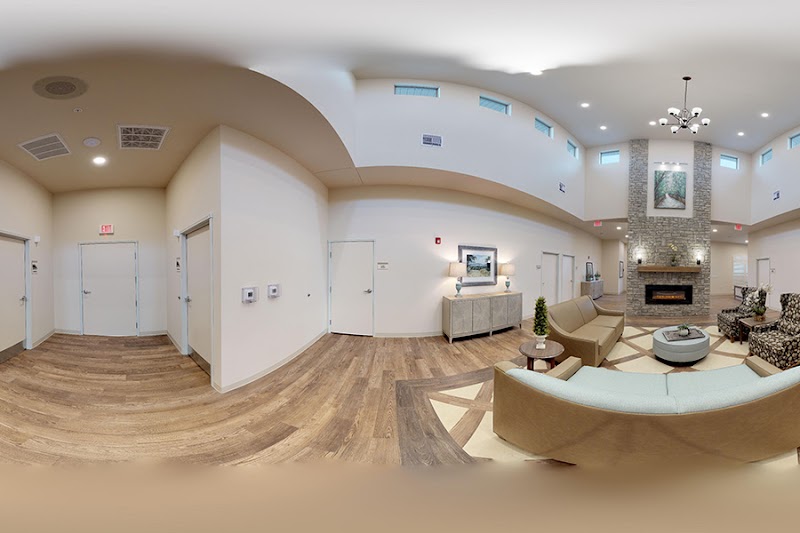
How is Willowbend, Llc Staffed?

CMS rates WILLOWBEND HEALTH AND REHABILITATION, LLC's staffing level at 4 out of 5 stars, which is above average compared to other nursing homes. Staff turnover is 38%, compared to the Arkansas average of 46%. This relatively stable workforce can support continuity of care.

What Have Inspectors Found at Willowbend, Llc?

State health inspectors documented 22 deficiencies at WILLOWBEND HEALTH AND REHABILITATION, LLC during 2023 to 2025. These included: 2 Immediate Jeopardy (the most serious level, indicating potential for serious harm or death) and 20 with potential for harm. Immediate Jeopardy findings are rare and represent the most serious regulatory concerns. They require immediate corrective action.
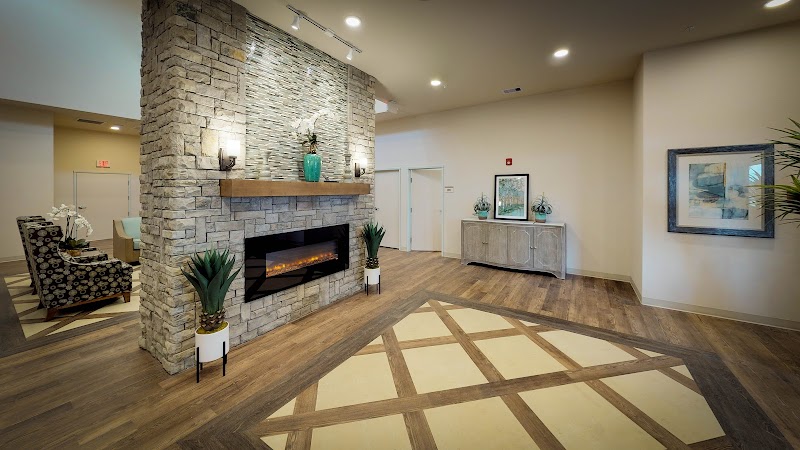
Who Owns and Operates Willowbend, Llc?

WILLOWBEND HEALTH AND REHABILITATION, LLC is owned by a for-profit company. For-profit facilities operate as businesses with obligations to shareholders or private owners. The facility is operated by SOUTHERN ADMINISTRATIVE SERVICES, a chain that manages multiple nursing homes. With 140 certified beds and approximately 111 residents (about 79% occupancy), it is a mid-sized facility located in MARION, Arkansas.
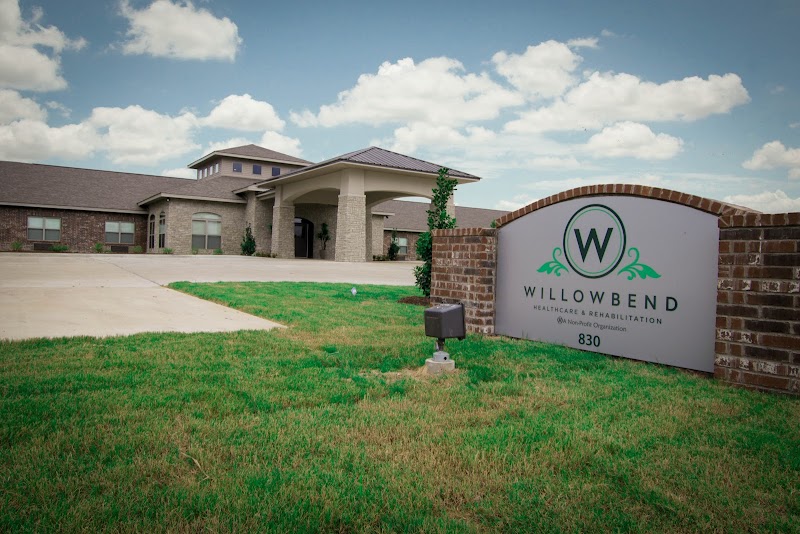
How Does Willowbend, Llc Compare to Other Arkansas Nursing Homes?

Compared to the 100 nursing homes in Arkansas, WILLOWBEND HEALTH AND REHABILITATION, LLC's overall rating (2 stars) is below the state average of 3.1, staff turnover (38%) is near the state average of 46%, and health inspection rating (2 stars) is below the national benchmark.

What Should Families Ask When Visiting Willowbend, Llc?

Based on this facility's data, families visiting should ask: "What changes have been made since the serious inspection findings, and how are you preventing similar issues?" "Can I visit during a mealtime to observe dining assistance and food quality?" "How do you handle medical emergencies, and what is your hospital transfer rate?" "Can I speak with family members of current residents about their experience?" These questions are particularly relevant given the facility's Immediate Jeopardy citations.

Is Willowbend, Llc Safe?

Based on CMS inspection data, WILLOWBEND HEALTH AND REHABILITATION, LLC has documented safety concerns. Inspectors have issued 2 Immediate Jeopardy citations (the most serious violation level indicating risk of serious injury or death). The facility has a 2-star overall rating and ranks #100 of 100 nursing homes in Arkansas. Families considering this facility should ask detailed questions about what corrective actions have been taken since these incidents.

Do Nurses at Willowbend, Llc Stick Around?

WILLOWBEND HEALTH AND REHABILITATION, LLC has a staff turnover rate of 38%, which is about average for Arkansas nursing homes (state average: 46%). Moderate turnover is common in nursing homes, but families should still ask about staff tenure and how the facility maintains care continuity when employees leave.

Was Willowbend, Llc Ever Fined?

WILLOWBEND HEALTH AND REHABILITATION, LLC has been fined $30,771 across 2 penalty actions. This is below the Arkansas average of $33,387. While any fine indicates a compliance issue, fines under $50,000 are relatively common and typically reflect isolated problems that were subsequently corrected. Families should ask what specific issues led to these fines and confirm they've been resolved.

Is Willowbend, Llc on Any Federal Watch List?

WILLOWBEND HEALTH AND REHABILITATION, LLC is not on any federal watch list. The most significant is the Special Focus Facility (SFF) program, which identifies the bottom 1% of nursing homes nationally based on persistent, serious quality problems. Not being on this list means the facility has avoided the pattern of deficiencies that triggers enhanced federal oversight. This is a positive indicator, though families should still review the facility's inspection history directly.