THE SPRINGS OF AVALON
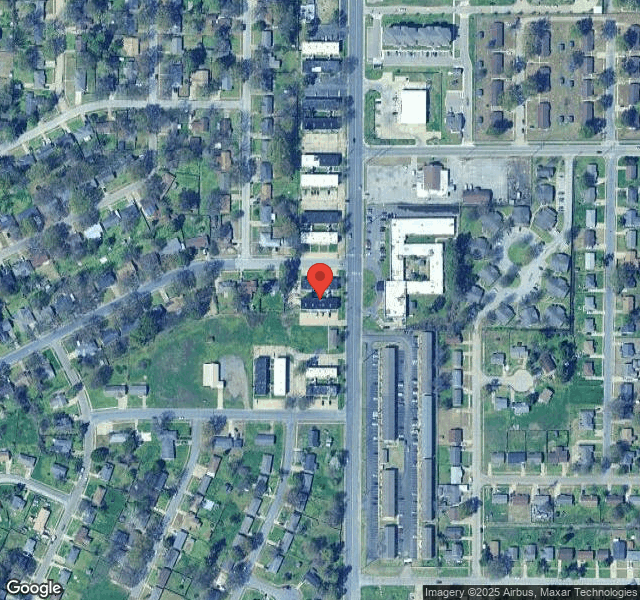
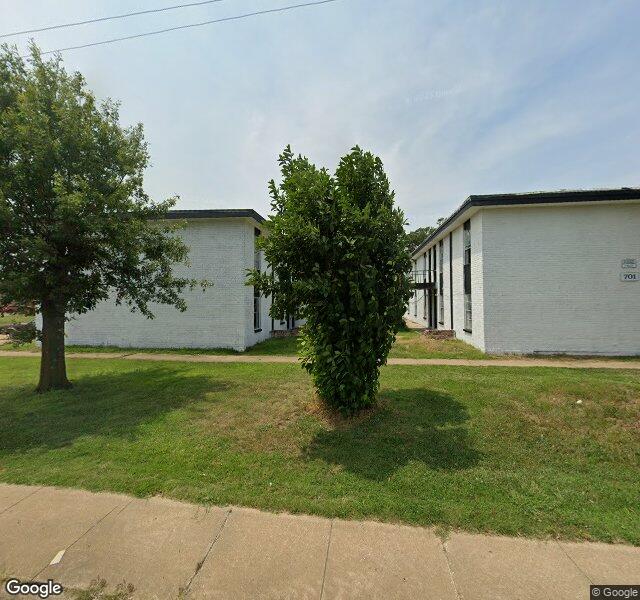
610 SOUTH AVALON ST, WEST MEMPHIS, AR 72301 (870) 735-4543
For profit - Limited Liability company 85 Beds THE SPRINGS ARKANSAS Data: November 2025
Trust Grade
43/100
#176 of 218 in AR
Last Inspection: February 2025

Within standard 12-15 month inspection cycle. Federal law requires annual inspections.

Overview

The Springs of Avalon holds a Trust Grade of D, indicating below-average quality with some concerning issues. In Arkansas, it ranks #176 out of 218 facilities, placing it in the bottom half, while it is #2 of 3 in Crittenden County, meaning only one local option is better. Although the trend is improving, with reported issues decreasing from 12 in 2024 to 6 in 2025, the staffing rating is average with a turnover rate of 58%, which is around the state average. The facility has incurred $12,740 in fines, which is higher than 81% of Arkansas facilities, suggesting ongoing compliance issues. RN coverage is average, but there have been specific incidents, such as food safety violations where food was not properly stored or dated, posing a risk for foodborne illnesses. Additionally, the facility failed to provide smoking aprons for residents who smoke, which could jeopardize their safety. Overall, while there are some strengths, such as a good quality measure rating, the weaknesses present significant concerns for potential residents and their families.

Trust Score
D
43/100
In Arkansas
#176/218
Bottom 20%
Safety Record
Low Risk
No red flags
Inspections
Getting Better
12 → 6 violations
Staff Stability
⚠ Watch
58% turnover. Above average. Higher turnover means staff may not know residents' routines.
Penalties
✓ Good
$12,740 in fines. Lower than most Arkansas facilities. Relatively clean record.
Skilled Nurses
⚠ Watch
Each resident gets only 17 minutes of Registered Nurse (RN) attention daily — below average for Arkansas. Fewer RN minutes means fewer trained eyes watching for problems.
Violations
⚠ Watch
25 deficiencies on record. Higher than average. Multiple issues found across inspections.
★★☆☆☆
2.0
Overall Rating
★★☆☆☆
2.0
Staff Levels
★★★★☆
4.0
Care Quality
★★☆☆☆
2.0
Inspection Score
Stable
2024: 12 issues
2025: 6 issues

The Good

  • 4-Star Quality Measures · Strong clinical quality outcomes
  • Full Sprinkler Coverage · Fire safety systems throughout facility
  • No fines on record

Facility shows strength in quality measures, fire safety.

The Bad

2-Star Overall Rating

Below Arkansas average (3.1)

Below average - review inspection findings carefully

Staff Turnover: 58%

12pts above Arkansas avg (46%)

Frequent staff changes - ask about care continuity

Federal Fines: $12,740

Below median ($33,413)

Minor penalties assessed

Chain: THE SPRINGS ARKANSAS

Part of a multi-facility chain

Ask about local staffing decisions and management

Staff turnover is elevated (58%)

10 points above Arkansas average of 48%

The Ugly 25 deficiencies on record

Feb 2025 6 deficiencies
CONCERN (D)

Potential for Harm - no one hurt, but risky conditions existed

Infection Control (Tag F0880)

Could have caused harm · This affected 1 resident

Based on observation, record review, and interview, it is determined that the facility failed to ensure a resident who was on Transmission Based Precaution had a contact isolation sign in a conspicuou...

Read full inspector narrative →
Based on observation, record review, and interview, it is determined that the facility failed to ensure a resident who was on Transmission Based Precaution had a contact isolation sign in a conspicuous location outside the resident ' s room to alert and instruct staff and visitors to wear personal protective equipment (PPE) while entering the room for 1(Resident #4) of 1 sample mix resident reviewed for Transmission Based Precautions. The findings are: Review of facility policy titled Isolation - Categories of Transmission-Based Precautions dated 08/01/2024, indicated Transmission-based precautions are initiated when a resident develops signs and symptoms of a transmissible infection; arrives for admission with symptoms of an infection; or has a laboratory confirmed infection; and is at risk of transmitting the infection to other residents and Transmission-based precautions are additional measures that protect staff, visitors and other residents from becoming infected. These measures are determined by the specific pathogen and how it is spread from person to person. The three types of transmission-based precautions are contact, droplet and airborne. The policy also indicated When a resident is placed on transmission-based precautions, appropriate notification is placed on the room entrance door and on the front of the chart so that personnel and visitors are aware of the need for and the type of precaution. a. The signage informs the staff of the type of CDC precaution(s), instructions for use of PPE, and/or instructions to see a nurse before entering the room. b. Signs and notifications comply with the resident's right to confidentiality or privacy. c. Staff and visitors will wear a disposable gown upon entering the room and remove before leaving the room and avoid touching potentially contaminated surfaces with clothing after gown is removed. A review of an admission Record indicated the facility admitted Resident #4 with diagnoses that included pressure ulcers and resistance to vancomycin (VRE). The admission Minimum Data Set (MDS) with an Assessment Reference Date (ARD) of 02/13/2024, revealed Resident #4 had a Brief Interview for Mental Status (BIMS) of 00, which indicated the resident was severely cognitively impaired. Review of Resident #4's Care Plan initiated on 02/19/2025, revealed the resident required isolation precautions to include Contact isolation for VRE in their wounds. Review of Resident #4's Order Summary Report dated 02/17/2025, specified contact isolation for VRE wound infection for 10 days. On 02/24/2025 at 10:45AM there was a sign on Resident #4's door that read see nurse before entering. On 02/24/2025 at 11:00 AM, the surveyor observed CNA #12 enter Resident #4's room without wearing a gown. On 02/24/2025 at 2:30PM there was a sign on Resident #4's door that read see nurse before entering. An observation on 02/25/2025 at 8:30 AM, revealed a sign on Resident #4's door that read see nurse before entering. On 02/25/2025 at 11:10AM, during interview with Registered Nurse (RN) #13 she stated Resident #4 was in isolation, but she was not sure why. During an interview, on 02/25/2025 at 11:30AM, Licensed Practical Nurse (LPN) #7 stated Resident #4 should have a sign on the door that read Contact Isolation. See nurse before entering. She stated the reason was to alert staff and visitors to wear a gown and gloves before entering the room to prevent the spread of infections. During an interview with CNA #12, on 02/25/2025 at 12:00PM, she stated that she was not aware that Resident #4 was on Contact Isolation. The Director of Nursing (DON) was interviewed on 02/26/2025 and stated that Resident #4 should have a sign on the door informing staff and visitors that the resident was on contact isolation due to contact isolation requiring a gown and gloves to be worn prior to entering the room.
CONCERN (E)

Potential for Harm - no one hurt, but risky conditions existed

Accident Prevention (Tag F0689)

Could have caused harm · This affected multiple residents

Based on observations, interviews, and record review the facility failed to provide a smoking apron for 3 (Resident #44, Resident #6, Resident #45) of 4 residents on the secured unit who smoked. The f...

Read full inspector narrative →
Based on observations, interviews, and record review the facility failed to provide a smoking apron for 3 (Resident #44, Resident #6, Resident #45) of 4 residents on the secured unit who smoked. The findings are: A review of the facility policy Smoking Policy-Resident with a revision date of July 2024, indicated 7. The staff shall consult with the attending physician and the director of nursing services to determine if safety restrictions need to be placed on a resident's smoking privileges based on the Safe Smoking Evaluation. 8. A resident's ability to smoke safely will be re-evaluated quarterly, upon a significant change (physical or cognitive) and as determined by the staff. 9. Any smoking-related privileges, restrictions, and concerns (for example, need for close monitoring g) shall be noted on the care plan, and all personnel caring for the resident shall be alerted to these issues. 1. A review of an Order Summary indicated the facility admitted Resident #6 with diagnoses that included dementia, type 2 diabetes, and chronic obstructive pulmonary disorder. The quarterly Minimum Data Set (MDS) with an Assessment Reference Date (ARD) on 01/11/2025 revealed Resident #6 had a Brief Interview for Mental Status (BIMS) of 12, indicating moderate cognitive impairment. A review of Resident #6's Care Plan initiated on 11/28/2023, stated that Resident requires smoking apron while smoking. A review of the Quarterly Smoking Safety Screen revealed that Resident #6 was marked under section 7 for adaptive equipment, 7a was marked for smoking apron. 2. A review of an Order Summary indicated the facility admitted Resident #44 with diagnoses that included chronic obstructive pulmonary disorder, anxiety disorder, and depression. The admission MDS, with an ARD of 1/20/2025, revealed Resident #44 had a BIMS of 00 which indicated severe cognitive impairment. A review of Resident #44's Care Plan initiated on 01/23/2025, indicates that Resident requires supervision with smoking. A review of the admission Smoking Safety Screen indicated that Resident #44 under section 7 need for adaptive equipment, 7a was marked for smoking apron. 3. A review of an Order Summary indicated the facility admitted Resident #45 with diagnoses that included anxiety disorder, dementia, and depression. The annual MDS with an ARD of 12/12/2024, revealed that Resident #45 had a BIMS of 15, which indicated cognitively intact. A review of Resident #45's Care Plan initiated on 7/10/2023 indicated that The resident needs a smoking apron while smoking. A review of the Quarterly Smoking Safety Screen indicated that Resident #45 under section 7: need for adaptive equipment; 7a was marked for smoking apron. 4. On 02/26/2025 at 10:00 AM, this surveyor observed Licensed Practical Nurse (LPN) #19 unlock the courtyard door on the secure unit for smoke break. Certified Nursing Assistant (CNA) #18 assisted four residents outside. This surveyor observed CNA #18 light cigarettes for each resident and supervise the residents while smoking. This surveyor also observed that Resident #6, Resident #44, and Resident #45 were not wearing smoking aprons while smoking. 5. During an interview on 02/26/2025 at 12:46 PM, CNA #18 stated they were familiar with the residents on 500 Hall (The secure unit in the facility where Residents #6, #44, and #45 resided). CNA #18 stated that the procedure for smoke breaks was that they go get the cigarettes, then wait for the nurse to let them out. Then they light cigarettes for the residents and ensure that everyone is in view for safety. CNA #18 stated that they use a red trash can, and a fire extinguisher was close by. CNA #18 stated they were not aware of any residents on the secure unit that need a smoking apron. CNA #18 then stated that on the halls, the smoking lockbox had a running list of residents who wear smoking aprons and that each one was labelled for the resident that needs it during break. CNA #18 stated that they were not aware that three of the four residents were supposed to wear smoking aprons on the secure unit, and without it they could get burned or hurt while smoking. 6. During an interview on 02/26/2025 at 1:15 PM, LPN #19 stated the procedure on the hallway was to have a list of residents that wore smoking aprons posted on the smoking lockbox, and to have individual smoking apron labeled with the resident ' s name. LPN #19 stated they were not aware of any residents on the secure unit that needed a smoking apron because there was not a list posted, or a smoking apron labeled for residents' use. 7. During an interview on 02/26/2025 at 1:30 PM, the Director of Nursing (DON) stated the facility ' s procedure was to label smoking aprons and to keep an updated list to make staff aware of who needed one. The DON then stated it was important to use smoking aprons to prevent burns because it was really necessary for resident safety.
CONCERN (E)

Potential for Harm - no one hurt, but risky conditions existed

Deficiency F0761 (Tag F0761)

Could have caused harm · This affected multiple residents

Based on observation, interviews, record review, facility document review, and facility policy review, it was determined that the facility failed to ensure over the counter medications in medication c...

Read full inspector narrative →
Based on observation, interviews, record review, facility document review, and facility policy review, it was determined that the facility failed to ensure over the counter medications in medication cart #1 were not expired. The findings include: Review of a facility policy titled, Storage of Medications, revised November 2024, indicated Drug containers that have missing, incomplete, improper, or incorrect labels are returned to the pharmacy for proper labeling before storing. Discontinued, outdated, or deteriorated drugs or biologicals are returned to the dispensing pharmacy or destroyed. Schedule II-V controlled medications are stored in separately locked, permanently affixed compartments. Access to controlled medication is separate from access to non-controlled medications. During an interview on 02/25/2025 at 2:26 PM, the DON revealed that the facility had a book and garbage can that medications were placed in, within the medication room, for destruction of over-the-counter medication. On 02/25/25 at 3:05 PM, this surveyor observed Licensed Practical Nurse (LPN) #16 during inspection of medication cart #1, which revealed 16 medications that were expired or did not have an expiration date. Medications found that were out of date were Fish oil (no expiration date), Vitamin E 180mg (no expiration date), Bisacodyl laxative 5mg (expired 9/2024), Aspercreme (Pain reliever cream) (expired 4/2024), Preparation-H (hemorrhoidal) cream (expired 1/2025), Spiriva Respimat inhalers (nine expired 11/2024 and two expired 05/2024). During an interview with LPN #16 on 02/25/25 at 3:05 PM, she confirmed it was not appropriate to have expired medication on the medication cart. Normally we discard them. Expired medications can make residents sick. During an interview with the Assistant Director of Nursing (ADON) on 02/05/2025 at 11:37 AM, she confirmed that she handled the process of discarding expired medication. She confirmed that any expired medications, discontinued medications, or over the counter (OTC) medications from the medication carts were pulled from the carts, taken to the medication room and the pharmacist destroyed them. She confirmed the pharmacist did a match back from the medication destruction book and the medication card and then destroyed them. She confirmed if a narcotic had expired or the resident had discharged , the medication was removed, double signed in the narcotic book and removed from the medication cart. She completed a form and put the resident's name on the form along with the dosage, strength, prescriber, and how much medication was left for surrendering. She revealed two people placed the medications along with the form in a box and sent them back to the state for destruction. During an interview with the DON on 02/27/25 at 2:32 PM, she confirmed medication carts were to be checked weekly for expired medication and expired medication should be removed. The process was to have reconciliation and book in place, place the number of the medication in the book, and place medications in a bag in the locked container. The DON stated the expired medications could cause side effects and harm to residents. During an interview with the Administrator on 02/27/25 at 2:34 PM, she confirmed that expired medication should be thrown away. The Administrator stated a possible outcome from expired medication could be less potent and they [residents] would not get the dose they needed. A review of the, Material Data-Aspercreme, revised 08/14/2014 revealed, Dispose in accordance with all local, state, and federal regulations. A review of the Material Data-Bisacodyl, revised 02/22/2025 revealed, The material can be disposed of by removal to a licensed chemical destruction plant or by controlled incineration with flue gas scrubbing. Do not contaminate water, foodstuffs, feed or seed by storage or disposal. Do not discharge to sewer systems. Dispose of content/container to an appropriate treatment and disposal facility in accordance with applicable law and regulations, and product characteristics at time of disposal. A review of the Material Data-Fish Oil, revised 07/15/2019 revealed, The material can be disposed of by removal to a licensed chemical destruction plant or by controlled incineration with flue gas scrubbing. Do not contaminate water, foodstuffs, feed or seed by storage or disposal. Do not discharge to sewer systems. A review of the Material Data-Preparation H, revised 12/15/2008 revealed, Dispose of in accordance with local and national regulations. A review of the Material Data-Spiriva Respimat, revised 01/2025 revealed, After assembly, the Spiriva Respimat inhaler should be discarded at the latest 3 months after first use or when the locking mechanism is engaged, whichever comes first. A review of the Material Data-Vitamin E, revised 10/28/2024 revealed, The material can be disposed of by removal to a licensed chemical destruction plant or by controlled incineration with flue gas scrubbing. Do not contaminate water, foodstuffs, feed or seed by storage or disposal. Do not discharge to sewer systems. Dispose of content/container to an appropriate treatment and disposal facility in accordance with applicable law and regulations, and product characteristics at time of disposal.
CONCERN (E) 📢 Someone Reported This

A family member, employee, or ombudsman was alarmed enough to file a formal complaint

Potential for Harm - no one hurt, but risky conditions existed

Menu Adequacy (Tag F0803)

Could have caused harm · This affected multiple residents

Based on observation, record review, and interview, and facility policy review, the facility failed to ensure meals were prepared and served according to the planned written menu to meet the nutrition...

Read full inspector narrative →
Based on observation, record review, and interview, and facility policy review, the facility failed to ensure meals were prepared and served according to the planned written menu to meet the nutritional needs of the residents for 1 of 1 meal observed. The findings are: 1. On 02/25/25, the supper meal menu revealed the residents who received pureed diets were to receive 1/2 cup of hashbrowns and 2 ounces of country gravy and residents who received regular diets were to receive 2 sausage patties. 2. On 2/25/25 at 5:03 PM, Dietary [NAME] (DC) #5 served 2 sausage patties to 10 residents who received large portion diets and gave one sausage patty to 41 residents who received regular diets, instead of giving 2 sausage patties to all residents. On 2/26/25 at 2:00 PM, DC #5 was interviewed and was asked which residents received 2 sausage patties. DC #5 stated it was the residents on large portion diets. When asked if she had reviewed the menu, DC #5 stated she had not. 3. On 2/25/25 at 5:10 PM, DC #5 used a # 10 scoop (3/8) cup to serve a single portion of pureed hashbrown to the residents on pureed diets, instead of 1/2 cup. There was no gravy served to the residents on pureed diets. On 2/26/25 at 2:00 PM, DC #5 was interviewed and was asked the reason gravy was not served to the residents on pureed diets. DC #5 stated she forgot. 4. On 2/26/25, the noon meal menu documented the residents who received pureed diets were to receive pureed chocolate cake. 5. On 02/26/25 at 12:35 PM, yellow cake was pureed and served to the residents on pureed diets, instead of chocolate cake. At 2:35 PM, during an interview, Dietary Aide (DA) #6 was asked the reason the residents on pureed diets were served yellow cake, instead of chocolate. DA #6 stated there was not enough chocolate cake to go around. We usually make 1 chocolate bag. When we used 2 bags yesterday it overflowed the pan. 6. A review of facility policy titled, Food and Nutrition Services, initiated 2017, provided by the Administrator on 2/27/25 indicated Food and Nutrition Services staff should inspect food trays and make sure the correct meal was provided to each resident. 7. A review of facility policy titled, Food and Nutrition Services Quick Recourse Tool, initiated 9/1/2021, provided by the Administrator on 2/27/25 indicated, Menus should be served as written, unless a substitution was provided in response to preference.
CONCERN (E)

Potential for Harm - no one hurt, but risky conditions existed

Deficiency F0805 (Tag F0805)

Could have caused harm · This affected multiple residents

**NOTE- TERMS IN BRACKETS HAVE BEEN EDITED TO PROTECT CONFIDENTIALITY** Based on observation, facility document review, and interview, the facility failed to ensure pureed food items were blended to a...

Read full inspector narrative →
**NOTE- TERMS IN BRACKETS HAVE BEEN EDITED TO PROTECT CONFIDENTIALITY** Based on observation, facility document review, and interview, the facility failed to ensure pureed food items were blended to a smooth, lump free consistency to minimize the risk of choking or other complications for those residents who required pureed diets for 1 of 1 meal observed. The findings are: 1. On 2/25/25 5:46 PM, the following observations were made during the supper meal service: a. Residents on pureed diets were served pureed hashbrown. The consistency was lumpy, thick, and not smooth. There were still pieces of potatoes in the mixture. b. Pureed sausage. The consistency was lumpy, thick, and not smooth. There were pieces of sausage visible in the mixture. c. Pureed beets. The consistency was lumpy and not smooth. The were chunks of beets still in the mixture. 2. On 2/25/25 at 5:49 PM, Licensed Practical Nurse /[NAME] Data Set Coordinator (LPN) #7, during an interview, was asked if she could describe the consistency of the pureed food items served to the residents on pureed diets in the dining room. Pureed beets had chunks of beets in it. Pureed hashbrowns were lumpy and not smooth. Pureed sausage was thick and had pieces of meat in it. She further stated that pureed foods should be smooth like pudding and not contain lumps. 3. On 2/25/25 at 5:51 PM, during an interview with Certified Nursing Assistant (CNA) #8, she was asked if she could describe the consistency of the pureed food items served to the residents on pureed diets. She stated they were all thick and were not ground enough, that they should be a smooth consistency like pudding. 4. On 2/25/2025 at 5:52 PM, during an interview, CNA #9 was asked what the consistency of pureed food should be. She stated it should be pudding-like. 5. On 2/25/25 at 5:53 PM, during an interview with LPN #10 she was asked if she could describe the consistency of the pureed food items served to the residents for supper meal and she stated they were too thick, and the beets and sausage looked like they were not ground all the way. 6. On 2/25/25 at 6:45 PM, Dietary [NAME] (DC) #5 was interviewed and asked if she could describe the consistency of the pureed food items served to the residents for supper meal. DC #5 stated the consistencies were too thick and had solid pieces of food. They should be smooth like mashed potatoes and stated she should have used more water. 7. On 2/25/25 at 6:47 PM, Dietary Manager (DM) #1, during an interview, was asked if she could describe the consistency of the pureed food given to the residents at the supper meal. She stated the beets and sausage were hard to puree, and pieces of beets and sausage were present intact. Ideally pureed should be smooth like mashed potatoes. 8. On 2/26/25 at 8:10 AM, the oatmeal served to the residents for breakfast was too thick. At 8:42 AM, during an interview with DC #5, when asked about the consistency of the oatmeal she stated that it was too thick, and she should have used more water. DM #1 confirmed the oatmeal was too thick. 9. On 2/26/25 at 8:15 AM, CNA #14 was interviewed and asked if she could describe the consistency of the oatmeal served to the residents for breakfast meal. She stated it was too thick. 10. On 2/26/25 at 8:16 AM, CNA #15 was interviewed and was asked if she could describe the consistency of the oatmeal served to the residents for breakfast meal. She stated it was dry. 11. On 2/26/25 at 8:18 AM, LPN #10 was interviewed and was asked if she could describe the consistency of the oatmeal served to the residents for breakfast meal. She stated it was too thick. 12. A review of facility Menu titled, The Springs -Week 3, initiated 9/26/2024 provided by the Dietary Manager #1 on 2/26/2025 indicated, Pureed diets should be pudding consistency and serving size listed on the menu.
CONCERN (E)

Potential for Harm - no one hurt, but risky conditions existed

Food Safety (Tag F0812)

Could have caused harm · This affected multiple residents

**NOTE- TERMS IN BRACKETS HAVE BEEN EDITED TO PROTECT CONFIDENTIALITY** Surveyor: [NAME], [NAME] Based on observation, interview, and facility policy review, the facility failed to ensure ceiling tile...

Read full inspector narrative →
**NOTE- TERMS IN BRACKETS HAVE BEEN EDITED TO PROTECT CONFIDENTIALITY** Surveyor: [NAME], [NAME] Based on observation, interview, and facility policy review, the facility failed to ensure ceiling tiles, dish washing machine, and door frames were free of stains, rotten and chipped wood; cold food items were maintained at 41 degrees Fahrenheit or below; dietary staff washed their hands before handling food items; foods stored in the dry storage area, refrigerator, and freezer were covered, sealed and dated; and expired food items were promptly removed from stock for 2 of 2 meals observed. The findings are: 1. On 2/24/2025 at 10:40 AM, the following observations were made in the dry storage area: a. An opened 25-pound bag of fish breading spilled over onto the shelf, and onto the top of a 50-pound bag of sweetened cornbread mix. Dietary Manager #1confirmed that the bag was not sealed well. Dietary Manager #1 stated that items should be sealed well to prevent cross-contamination. b. Half of a 10 pound bag of penne noodles at the bottom shelf was partially sealed, exposing it to air. Dietary Manager #1 confirmed findings. c. A gallon of vinegar was on the shelf which expired on 06/3/2024. Dietary Manager #1 confirmed findings. d. The ceiling in the dry storage area had ceiling tiles with brown rings; all tiles looked affected. The light was dim in the storage area. The small room that held the emergency food supply before the dry storage area had ceiling tiles with brown rings and some of the tiles appeared to be bowing. 2. On 2/24/2025 at 10:50 AM, the following were found in the three-door refrigerator: a. Two cardboard boxes of bacon were located on the second shelf, instead of the bottom. Dietary Manager #1 stated that uncooked items like bacon should be stored on the bottom to prevent dripping and any cross contamination with other food items. b. A clear bag containing 2 1/2 blocks of cheese had no date. 3. On 2/25/25 at 4:38 PM, the temperatures of the cold food items in a pan of ice on the steam table when checked and read by Dietary [NAME] (DC) #5 were: a. Pureed beets were 78 degrees Fahrenheit. The consistency was lumpy and not smooth. There were chunks of beets still in the mixture. b. Regular beets were 67 degrees Fahrenheit. 4. On 2/25/25 at 4:42 PM, DC #5 dropped the temperature gauge on the floor and picked it up. Then, DC #5 turned on the faucet and rinsed off the temperature probe. After rinsing it, she turned off the faucet with her bare hand, contaminating it. Afterwards, DC #5 removed an alcohol pad from its packet, and used it to sanitize the temperature probe before checking the food temperatures. 5. 2/25/25 at 5:14 PM, Dietary Aide (DA) #4 who was on the tray line assisting with the supper meal service picked up condiments and spices and placed them on the trays. Without washing her hands, DA #4 picked up glasses that contained beverages by their rims and placed them on the trays. DA #4 was interviewed and was asked what she should have done after touching dirty objects and before handling clean equipment. She stated she should have washed her hands. 6. On 2/25/25 at 5:15 PM, DA #4 was interviewed and was asked what was in the bowl that she was about to place on the tray. She stated it was yogurt. Dietary Manager #2 was asked if she could check the temperature of the yogurt. She did and stated it was 78 degrees Fahrenheit. 7. On 2/26/25 at 9:07 AM, upon observation of the dry food storage room with Dietary Manager#1 the following items were found: a. A 25-pound bag of flour was observed to be expired with best by date 10/01/2024, unopened and was received 12/30/2024. b. A bag of sweet cornbread mix on a shelf in the storage room was torn exposing the cornbread mix to air. Dietary Manager #1stated that the cornbread mix was exposed, and she would toss it. 8. A review of facility policy titled, Hand washing /hand hygiene, initiated 2024, provided by the Dietary Manager #1 on 2/27, indicated, employees should wash their hands before and after coming on duty.
May 2024 2 deficiencies
CONCERN (D) 📢 Someone Reported This

A family member, employee, or ombudsman was alarmed enough to file a formal complaint

Potential for Harm - no one hurt, but risky conditions existed

Comprehensive Care Plan (Tag F0656)

Could have caused harm · This affected 1 resident

Based on observations, interviews, record review, facility document review, and facility policy review, it was determined that the facility failed to initiate a care plan for elopement risk for 1 (Res...

Read full inspector narrative →
Based on observations, interviews, record review, facility document review, and facility policy review, it was determined that the facility failed to initiate a care plan for elopement risk for 1 (Resident #3) of 1 resident reviewed for high risk elopement. Findings include: A review of a facility policy titled, Wandering and Elopements, dated 03/01/2019, indicated, The facility will identify residents who are at risk of unsafe wandering and strive to prevent harm while maintaining the least restrictive environment for residents. 1. If identified as at risk for wandering, elopement, or other safety issues, the resident's care plan will include strategies and interventions to maintain the resident's safety. A review of the admission Record, indicated the facility admitted Resident #3 on 07/08/2022, with a principal diagnosis of unspecified dementia, unspecified severity without behavioral disturbance, psychotic disturbance, mood disturbance, and anxiety. The Quarterly Minimum Data Set (MDS) with an Assessment Reference Date (ARD) of 03/07/2024, revealed Resident #3 had a Brief Interview for Mental Status score of 15 which indicated the resident was cognitively intact. A review of Resident #3's Care Plan, initiated 07/08/2022, did not address the high risk for elopement. A review of Resident #3's admission Assessment dated 07/08/2022, indicated in Section 13 - Safety, that Resident #3 was at a high risk for elopement with a score of 8. During an interview on 05/21/2024 at 9:31 AM, the Director of Nursing (DON) confirmed the criteria for placement on the secure unit is when a resident scores greater than 1 on the elopement risk assessment, then resident is placed on the secure unit.
CONCERN (D) 📢 Someone Reported This

A family member, employee, or ombudsman was alarmed enough to file a formal complaint

Potential for Harm - no one hurt, but risky conditions existed

Accident Prevention (Tag F0689)

Could have caused harm · This affected 1 resident

Based on observations, interviews, record review, facility document review, and facility policy review, it was determined the facility failed to ensure adequate supervision was provided to prevent elo...

Read full inspector narrative →
Based on observations, interviews, record review, facility document review, and facility policy review, it was determined the facility failed to ensure adequate supervision was provided to prevent elopement for 1 (Resident #1) of 3 residents reviewed for elopement. Findings include: A review of a facility policy titled, Wandering and Elopements, dated 03/01/2019, indicated, The facility will identify residents who are at risk of unsafe wandering and strive to prevent harm while maintaining the least restrictive environment for residents .3. If a resident is missing, initiate the elopement/missing resident emergency procedure .b. If the resident was not authorized to leave, initiate a search of the building and premises; and if the resident is not located, notify the administrator and the director of nursing services, the resident's legal representative, the attending physician, law enforcement officials, and volunteer agencies . A review of the admission Record, indicated the facility admitted Resident #1 with diagnoses that included auditory hallucinations, alcohol abuse, cocaine abuse, age-related cognitive decline. The admission Minimum Data Set (MDS) with an Assessment Reference Date (ARD) of 04/09/2024 revealed Resident #1 had a Brief Interview for Mental Status (BIMS) score of 8 which indicated the resident had moderate cognitive impairment and did not exhibit any wandering behaviors. A review of Resident #1's Care Plan, revised on 05/15/2024, revealed Resident #1 was an elopement risk/wanderer related to cognitive decline, history of attempts to leave facility unattended and impaired safety awareness and drug seeking. Interventions included distracting Resident #1 from wandering by offering pleasant diversions, structured activities, food, conversations, television, book and be evaluated for placement on a secure unit, if indicated. A review of a Progress Note dated 04/12/2024, revealed Resident #1 was cursing at staff when the resident was asked to step away from the double doors trying to get off the unit. A review of a Progress Note dated 04/12/2024, revealed Resident #1 was observed by staff going in and out of all the rooms trying to raise the windows to get out. Redirected resident but he continues with this behavior. A review of a Progress Note dated 05/16/2024, revealed Resident #1 had been found in a resident's room trying to crawl out of the window. A review of a Progress Note dated 05/16/2024 revealed Resident #1 was continuing to get out of the doors and windows and an order was obtained for Ativan and medication was administered. During an interview on 05/20/2024 at 10:42 AM, Certified Nursing Assistant (CNA) #1 confirmed picking up Resident #1 on 05/14/2024 around 6:20 PM on the side of the street near the old library, approximately 1 mile away from the facility. CNA #1 confirmed Resident #1 was confused but not injured. CNA #1 confirmed contacting the Administrator regarding Resident #1 being on the side of the street and not at the facility. During an interview on 05/20/2024 at 11:39 AM, the Director of Nursing (DON) confirmed Resident #1 was able to get out of the secure unit and out of the building and go approximately 1 mile from the facility. The DON confirmed CNA #1 brought Resident #1 back to the facility. During an interview on 05/20/2024 at 11:53 AM, the Administrator confirmed Resident #1 was found approximately 1 mile from the facility by an employee that was off work. The Administrator confirmed when Resident #1 returned to the facility the resident was assessed and a root cause analysis was conducted. During an interview on 05/20/2024 at 1:27 PM, the Administrator confirmed Resident #1 was unaccounted for approximately 30 to 45 minutes. During an interview on 05/20/2024 at 2:25 PM, Resident #1 confirmed he walked out of the door because they don't pay attention. Resident #1 pointed to the wooden double doors which exit the secure unit. Resident #1 then stated he used a black chair to climb out the window by the television. During an interview on 05/21/2024 at 10:48 AM, the Administrator confirmed the facility completed head count of everyone, assessed all doors, assessed resident, verbally asked all staff members about residents, started interview process, and made sure everyone was safe and in the building.
Feb 2024 10 deficiencies
CONCERN (E)

Potential for Harm - no one hurt, but risky conditions existed

Deficiency F0575 (Tag F0575)

Could have caused harm · This affected multiple residents

Based on observation, interview and policy review, he facility failed to post, in a form and manner accessible and understandable to residents, contact information for pertinent State agencies and adv...

Read full inspector narrative →
Based on observation, interview and policy review, he facility failed to post, in a form and manner accessible and understandable to residents, contact information for pertinent State agencies and advocacy groups for 20 residents residing in the facility's secure unit (500 Hall). The findings are: On 01/29/24 at 11:33 AM it was observed that contact information for State agencies and the Ombudsman was not posted in the secure unit in the facility. Doorways into the secure unit were closed and secured to prevent residents from exiting and observing contact information posted in other parts of the facility. On 01/29/2024 at 03:30 PM it was observed that contact information for State agencies and the Ombudsman was not posted in the secure unit in the facility. On 01/30/2024 at 08:00 AM it was observed that contact information for State agencies and the Ombudsman was not posted in the secure unit in the facility. On 01/30/2024 at 3:35 PM it was observed that contact information for State agencies and the Ombudsman was not posted in the secure unit in the facility On 01/31/2024 at 03:25 PM Registered Nurse #1 confirmed that contact information for State agencies and the Ombudsman was not posted on the secure unit but was required to be posted in the manner that it was accessible to all residents. On 01/31/2024 at 03:30 PM the Director of Nursing confirmed that contact information for State agencies and the Ombudsman was required to be posted in the manner that it was accessible to all residents to include those residing on the secure unit. On 01/31/2024 at 03:40 PM the Administrator confirmed that contact information for State agencies and the Ombudsman was required to be posted in the manner that it was accessible to all residents to include those residing on the secure unit. On 02/01/2024 at 01:00 PM the Administrator reported the facility did not have a policy on required postings in the facility.
CONCERN (E)

Potential for Harm - no one hurt, but risky conditions existed

Deficiency F0578 (Tag F0578)

Could have caused harm · This affected multiple residents

Based on interview, and record review the facility failed to ensure an advance directive were in the electronic record, and readily available for 2 (Resident #31, and Resident #47) of 15 (Resident #9,...

Read full inspector narrative →
Based on interview, and record review the facility failed to ensure an advance directive were in the electronic record, and readily available for 2 (Resident #31, and Resident #47) of 15 (Resident #9, #17, #19, #23, #24, #28, #30, #31, #32, #46, #47, #49, #52, #57, #265) sampled residents. The findings are: 1. Resident #31 had a diagnosis of TYPE 2 DIABETES MELLITUS WITH HYPERGLYCEMIA. A Quarterly Minimum Data (MDS) with an Assessment Reference Date (ARD) of 12/12/23 documented the resident scored 15 (13-15 indicates cognitively intact) on the Brief Interview for Mental Status. On 1/30/24 at 11:45 AM, no advance directive was observed in the electronic record. On 1/30/24 at 2:15 PM, the Director of Social Service was asked, Can you tell me why Resident #31 doesn't have an advance directive in the clinical record? She looked in the computer, then she stated, It's not in the admission packet. She was asked, When should an advance directive be formulated? She stated, Right before a patient comes in. 2. Resident #47 had a diagnosis of LEGAL BLINDNESS, VASCULAR DEMENTIA, UNSPECIFIED SEVERITY, WITH OTHER BEHAVIORAL DISTURBANCE. A Quarterly Minimum Data (MDS) with an Assessment Reference Date (ARD) of 12/14/23 documented the resident scored 03 (00-03 indicates severe impairment) on the Brief Interview for Mental Status. On 1/30/24 at 11:49 AM, no advance directive in clinical record On 1/30/24 at 12:18 PM the Director of Nurse (DON) provided a form titled, . Resuscitation Designation Order that showed a checked box indicating that a Power of Attorney/Health Care Proxy will be on file. The form was not dated. On 1/30/24 at 2:42 PM the Director of Social Service was asked, , Can you tell me why Resident #47 doesn't have an advance directive in the clinical record? She looked in the computer, then she stated, It's not in the admission packet. I'll go up front and see if it's in the business office. On 1/30/24 at 2:55 PM the Director of Social Service stated, We can't find an advance directive. I'll have to call the family.
CONCERN (E)

Potential for Harm - no one hurt, but risky conditions existed

Safe Environment (Tag F0584)

Could have caused harm · This affected multiple residents

**NOTE- TERMS IN BRACKETS HAVE BEEN EDITED TO PROTECT CONFIDENTIALITY** Based on observation, interview and policy review, the facility failed to maintain the building in good repair by (1) ensuring t...

Read full inspector narrative →
**NOTE- TERMS IN BRACKETS HAVE BEEN EDITED TO PROTECT CONFIDENTIALITY** Based on observation, interview and policy review, the facility failed to maintain the building in good repair by (1) ensuring that bathroom sinks were properly affixed for the restrooms for resident rooms 513, 514, 515, 516, 517, 519 on the secure unit, (2) ensuring that window coverings were not damaged for room [ROOM NUMBER], and (3) ensured that molding remained attached to the wall for room [ROOM NUMBER]. The findings are: 1. On 01/29/2024 at 11:52 AM, the Surveyor observe the sink in the shared bathroom for rooms [ROOM NUMBERS] was not securely attached to the wall and that a gap was present between the sink and the wall. The Surveyor was able to move the sink vertically and horizontally. a. On 01/30/2024 at 08:45 AM, the Surveyor observed the sink in the restroom for rooms [ROOM NUMBERS] remained loose and insecurely mounted. b. On 01/31/2024 at 09:15 AM, the Surveyor observed the sink in the restroom for rooms [ROOM NUMBERS] remained loose and insecurely mounted. 2. On 01/29/2024 at 11:53 AM, the Surveyor observed the sink in the shared bathroom for rooms [ROOM NUMBERS] was not securely attached to the wall and that a gap was present between the sink and the wall. The Surveyor was able to move the sink vertically and horizontally. a. On 01/30/2024 at 08:55 AM, the Surveyor observed that the sink in the restroom for rooms [ROOM NUMBERS] remained loose and insecurely mounted. b. On 01/31/2024 at 09:17 AM, the Surveyor observed that the sink in the restroom for rooms [ROOM NUMBERS] remained loose and insecurely mounted. 3. On 01/29/2024 at 11:59 AM, the Surveyor observed the sink in the shared bathroom for rooms [ROOM NUMBERS] was not securely attached to the wall and that a gap was present between the sink and the wall. The Surveyor was able to move the sink vertically and horizontally. a. On 01/30/2024 at 08:58 AM, the Surveyor observed that the sink in the restroom for rooms [ROOM NUMBERS] remained loose and insecurely mounted. b. On 01/31/2024 at 09:22 AM, the Surveyor observed that the sink in the restroom for rooms [ROOM NUMBERS] remained loose and insecurely mounted. 4. On 01/31/2024 at 11:20 AM, the Administrator confirmed that the sinks should be firmly mounted to the wall because the sinks could fall. 5. On 01/30/2024 at 10:05 AM, the Surveyor observed the window dressings (blinds) in room [ROOM NUMBER] were heavily damaged with a 24-inch section of the device missing or broken. The window dressings were no longer functional. a. On 01/30/2024 at 02:44 PM, the Surveyor observed the window dressings in room [ROOM NUMBER] to remain damaged. b. On 01/31/2024 at 09:00 AM, the Surveyor observed the window dressings in room [ROOM NUMBER] to remain damaged. 6. On 01/30/2024 at 10:05 AM, the Surveyor observed a 5-foot piece of molding intended to be attached below the window in room [ROOM NUMBER] detached from the wall and lying in the floor of the resident room. a. On 01/30/2024 at 02:44 PM, the molding remained detached from the wall, resting on the floor of room [ROOM NUMBER]. b. On 01/31/2024 at 09:00 AM, the molding remained detached from the wall, resting on the floor of room [ROOM NUMBER]. 7. On 02/01/2024 at 02:00 PM, the Administrator confirmed the window dressings and molding should be maintained in good repair in resident rooms. 8. On 02/01/2024 at 02:20 PM, the Maintenance Supervisor confirmed that the window dressings and molding should be maintained in good repair in resident rooms. 9. On 01/29/2024 at 12:12 PM, room [ROOM NUMBER] the Surveyor observed a 2 by 2-foot section of ceiling tile missing from the ceiling of room [ROOM NUMBER] on the secure unit. The opening was located above the window in the resident room. Pink fiberglass insulation was protruding from the hole and extending into the resident room. a. On 01/29/2024 at 3:35 PM, the ceiling tile remained missing, and the fiberglass insulation continued to protrude from the opening. 10. On 02/01/2024 at 01:00 PM, the Administrator provided a document titled Policy .Preventative Maintenance Program. It documented, A Preventative Maintenance Program shall be developed and implemented to ensure the provision of a safe, functional, sanitary, and comfortable environment for residents, staff, and the public . 11. On 02/01/2024 at 02:00 PM, the Administrator confirmed that the ceiling tiles should be maintained in good repair in resident rooms to prevent resident exposure to fiberglass insulation.
CONCERN (E)

Potential for Harm - no one hurt, but risky conditions existed

ADL Care (Tag F0677)

Could have caused harm · This affected multiple residents

Based on observation, interview, and record review the facility failed to ensure 1 (Resident 31) of 9 (Resident #9, #19, #23, #28, #31, #32, #46, #47, #265) sampled residents who depended on staff for...

Read full inspector narrative →
Based on observation, interview, and record review the facility failed to ensure 1 (Resident 31) of 9 (Resident #9, #19, #23, #28, #31, #32, #46, #47, #265) sampled residents who depended on staff for shaving were shaved, and the facility failed to ensure nails were cleaned and trimmed for 2 (Resident #31, and Resident #47) of 15 (Resident #9, #17, #19, #23, #24, #28, #30, #31, #32, #46, #47, #49, #52, #57, #265) sampled residents whom depended on staff for nail care. The findings are: 1. Resident #31 had a diagnosis of TYPE 2 DIABETES MELLITUS WITH HYPERGLYCEMIA. A Quarterly Minimum Data (MDS) with an Assessment Reference Date (ARD) of 12/12/23 documented the resident scored 15 (13-15 indicates cognitively intact) on the Brief Interview for Mental Status. A care plan with an initiation date of 9/30/21 documented, . Diabetic toenail [is] to be provided by Licensed Staff . The review of an Activities of Daily Living (ADL) sheet on 2/01/24 indicated that the last time Resident #31 received nail care was 1/07/24. On 1/29/24 at 12:07 PM, Resident #3 ' s beard was approximately 3/4 inches long. He was asked, When was the last time you had a shave? He stated, It's been a while. Every time I ask for a shave, they say they can't find the clippers, or that they don't have anyone to do it. On 1/30/23 at 9:10 AM, Resident #31 beard was approximately 3/4 inches long. He was asked, When was the last time you had a shave? He stated, It's been a while. They said they were going to give me one yesterday, but they never came back. They always say they're coming back, but they never do. Resident #31 ' s nails were approximately 3/4 inches long with a black substance underneath. He was asked, How often do the staff trim and clean your nails? He stated, They don't. On 1/31/23 at 9:10 AM, Resident #31 ' s beard was approximately 3/4 inches long. His nails were approximately 3/4 inches long with a black substance underneath. He was asked, Did the staff give you a shave or trim your nails? He stated, No not yet. On 1/31/23 at 1:55 PM, Resident #31was observed in his wheelchair on the 100 hall. His beard was approximately 3/4 inches long. His nails were approximately 3/4 inches long with a black substance underneath. On 1/31/24 at 2:19 PM, Certified Nurse Aid (CNA) #3 was asked, how often does Resident #31 receive nail care. She said Certified Nurse Aid (CNA) #2 and CNA #6 from restorative goes around and do nail care, and whoever does showers also do nail care. On 1/31/24 at 2:30 PM, CNA #4 was asked, How often does Resident #41 get nail care? She stated, I am in restorative, so I usually do it twice a week if I'm not on the floor. Can you tell me why Resident #47 nails are long and dirty? She stated, I don't why. On 1/31/24 at 2:38 PM CNA #5 was asked, Can you tell me why Resident #31 hasn't had a shave, or his nails trimmed and cleaned? She stated, They were supposed to been doing him. She was asked, Who's responsible for shaving Resident #31? She stated, He gets a shower on whirlpool days, and if not, the CNA assigned to him. On 2/01/24 at 3:37 PM, a policy titled, . Shaving a Resident, documented, .The purpose of this procedure is to promote cleanliness and to provide skin care .The following information should be recorded in the resident's medical record . The date and time the procedure was performed .If the resident refused the treatment, the reason(s) why and intervention taken. The signature and title of the person recording the data .Notify the supervisor if the resident refuses the procedure . On 2/01/24 at 3:37 PM a policy titled, . Fingernails/Toenails, Care of, documented, .The purpose of this procedure is to clean the nailbed, to keep nails trimmed, and to prevent infections .Nail care includes daily cleaning and regular trimming. Proper nail care can aid in the prevention of skin problems around the nail bed . The following information should be recorded in the resident's medical record . The date and time that nail care was given .The name and title of the individual(s) who administered the nail care . If the resident refused the treatment, the reason(s) why and intervention taken. The signature and title of the person recording the data .Notify the supervisor if the resident refuses the care . 2. Resident #47 had a diagnosis of LEGAL BLINDNESS, VASCULAR DEMENTIA, BEHAVIORAL DISTURBANCE. A Quarterly Minimum Data (MDS) with an Assessment Reference Date (ARD) of 12/14/23 documented the resident scored 03 (00-03 indicates severe impairment) on the Brief Interview for Mental Status. On 1/29/24 at 1:40 PM, Resident #47 ' s fingernails are approximately 1/2 inches long with a black substance underneath. On 1/29/24 at 3:42 PM Resident #47 ' s fingernails are approximately 1/2 inches long with a black substance underneath. On 1/31/24 at 2:19 PM, Certified Nurse Aid (CNA) #3 was asked, Can you tell me why Resident #47 ' s nails haven't been trimmed and cleaned. She stated, I'm not sure. On 1/31/24 at 2:30 PM CNA #4 was asked, How often does the resident get nail care? She stated, I am in restorative, so I usually do it twice a week if I'm not on the floor. Can you tell me why Resident #47 nails are long and dirty? She stated, I don't why.
CONCERN (E) 📢 Someone Reported This

A family member, employee, or ombudsman was alarmed enough to file a formal complaint

Potential for Harm - no one hurt, but risky conditions existed

Quality of Care (Tag F0684)

Could have caused harm · This affected multiple residents

Based on interview and record review the facility failed to perform a Neurological Assessment after an unwitnessed fall for 1 (Resident #264) of 6 (Resident's #3, #24, #47, #49, #264, #265) sample mix...

Read full inspector narrative →
Based on interview and record review the facility failed to perform a Neurological Assessment after an unwitnessed fall for 1 (Resident #264) of 6 (Resident's #3, #24, #47, #49, #264, #265) sample mix residents were reviewed for falls. The Administrator provided a list at 1:24 PM on 2/2/2024 titled, Resident's with an unwitnessed fall since 9/1/2023. The findings are: Resident # 264's diagnoses showed vascular dementia with other behavioral disturbance; restlessness and agitation; Parkinson's disease without dyskinesia (condition that causes involuntary, erratic movements of different body parts); neurocognitive disorder, muscle wasting, and abnormalities of gait and mobility with unsteadiness on feet. The Minimum Data Set (MDS) with an Assessment Reference Date (ARD) of 12/28/2023 showed a Brief Interview of Mental Status (BIMS) of 11 (a score of 8-12 points suggests moderate cognitive impairment). The Care Plan showed the resident had an actual fall with minor injury on 9/9/23 with an abrasion to the left side of the face and 1/6/24 with a laceration to the left cheek. Check vital signs post fall and as needed (PRN), report abnormalities to Medical Doctor (MD) and perform neurological checks as required. On 02/02/2024 at 11:32 AM, the Surveyor reviewed Resident #264's Incident report dated 9/13/2023, .the resident rolled out of the bed onto the floor . swelling noted to right side of face . neuro checks initiated . The Surveyor was unable to locate a neurological assessment for this date. On 02/02/2024 at 11:38 AM, the Surveyor reviewed Resident #264's progress note dated 12/3/2023, .General Note .Certified Nursing Assistant (CNA) reported hearing fall in room .they found the resident getting up off the floor .resident reports hitting the back of their head . The Surveyor was unable to locate a neurological assessment for this date. On 02/02/2024 at 11:48 AM, the Director of Nursing (DON) confirmed there were unable to locate neurological assessments performed on 9/9/2023 and 12/3/2023.
CONCERN (E)

Potential for Harm - no one hurt, but risky conditions existed

Accident Prevention (Tag F0689)

Could have caused harm · This affected multiple residents

**NOTE- TERMS IN BRACKETS HAVE BEEN EDITED TO PROTECT CONFIDENTIALITY** Based on observation, interview, and record review, the facility failed to ensure that the resident environment was free from ac...

Read full inspector narrative →
**NOTE- TERMS IN BRACKETS HAVE BEEN EDITED TO PROTECT CONFIDENTIALITY** Based on observation, interview, and record review, the facility failed to ensure that the resident environment was free from accident hazards for two (Rooms 305-A, 306-B, 506, 514, 516, 517, 518, and 519) resident rooms, one whirlpool room, and one secure unit in the facility. The findings are: On 01/29/24 at 01:59 AM, the Surveyor observed no call light string attached to the call light in the bathroom of room [ROOM NUMBER]-A. On 01/30/24 at 09:35 AM, the Surveyor observed no call light string attached to the call light in the bathroom of room [ROOM NUMBER]-A. On 01/31/24 at 11:03 AM, the Surveyor observed no call light string attached to the call light in the bathroom in room [ROOM NUMBER]-A. On 02/01/24 at 02:01 PM, the Surveyor asked the Director of Nursing (DO), tell me how a resident would call for help when they were in the bathroom? The DON said they should have a call light in the bathroom. The Surveyor accompanied the DON to the bathroom in room [ROOM NUMBER]-A. The DON confirmed there was not a pullcord attached to the call light. On 02/01/24 at 02:08 PM, the Surveyor asked Maintenance how would a resident call for help if they are in the bathroom? Maintenance stated they need a cord if they need help. The Surveyor accompanied Maintenance to the bathroom in room [ROOM NUMBER]-A and asked is there a pull cord attached to the call light? Maintenance said no there is not. On 02/01/24 at 02:15 PM, the Surveyor asked the Administrator How would a resident request help if they were in the bathroom? The Administrator said they would use the call light. The Surveyor asked is there a pull cord? The Administrator stated No. On 01/29/24 at 01:55 PM, the Surveyor observed exposed wires in a wall socket that did not have a plate cover in room [ROOM NUMBER] B. On 01/30/24 at 09:33 AM, the Surveyor observed exposed wires in a wall socket without a plate cover in room [ROOM NUMBER] B. On 01/31/24 at 11:07 AM, the Surveyor observed exposed wires in the wall socket without a plate cover in room [ROOM NUMBER] B. On 02/01/24 at 02:06 PM, the Surveyor asked the DON were you aware of the exposed wires in this room? The DON said no. The DON confirmed the wires were exposed. On 02/01/24 at 02:12 PM, the Surveyor accompanied Maintenance to room [ROOM NUMBER] B and asked Is it appropriate for wires to be exposed? Maintenance said no, they finished up this room Friday and I wasn't aware there wasn't a plug cover on it. The Surveyor asked Should there be exposed wires? Maintenance stated no they should be covered; wires shouldn't be exposed. On 02/01/24 at 02:19 PM, the Surveyor accompanied the Administrator to room [ROOM NUMBER] B and asked were you aware of the exposed wires. The Administrator said no. The Administrator confirmed the wires were exposed, and there should be a cover. On 01/31/2024 at 2:50 PM, the Surveyor observed the door to a room at the end of 400 hall unlocked and accessible by residents. Registered Nurse #1 identified the room as the whirlpool room. Inside the unlocked room was an open, unsecured cabinet full of hygiene supplies that included: a. Three bottles of body fragrance Mist. The label read, .Ingredients: Alcohol .Caution: Flammable . b. Four bottles of aftershave. The label read, .Keep away from children, for external use only .Ingredients .Alcohol . c. Six bottles of hair styling gel. The label read, .Caution .Keep out of eyes and mouth and out of the reach of small children .Use caution .flammable . d. Four bottles of baby oil. The label read, For external use only .Keep out of reach of children. On 02/01/2024 at 08:30 AM, the hygiene products remained unsecured and accessible to residents. On 02/01/2024 at 09:15 AM, Certified Nursing Assistant (CNA) #2 was informed of the unsecured hygiene products and confirmed that the hygiene supplies should be secured where they would not be accessible to residents. On 02/01/2024 at 2:00 PM, the Administrator confirmed that the hygiene products found unsecured in the whirlpool room should not have been left accessible to residents. On 01/29/2024 at 11:34 AM, the Surveyor observed that the toilet in bathroom of occupied room [ROOM NUMBER] was not securely mounted to the floor. The Surveyor was able to easily rock and spin the toilet. On 01/30/2024 at 10:07 AM, the toilet in the bathroom of room [ROOM NUMBER] remained unsecured to the floor. On 01/31/2024 at 09:15 AM, the toilet in the bathroom of room [ROOM NUMBER] remained unsecured to the floor. On 02/01/2024 at 02:00 PM, the Administrator confirmed that the toilets in resident rooms should be securely affixed to prevent falls. On 02/01/2024 at 02:20 PM, the Maintenance Supervisor confirmed that the toilets in resident rooms should be securely affixed to prevent falls. On 01/29/2024 at 11:52 AM, the Surveyor observed that the exterior window of room [ROOM NUMBER], located on the facility's secure unit, was broken. Two pieces of glass were lying on the windowsill. The edges of the broken glass were sharp. The door to the room was open and any ambulatory resident on the secure unit could enter and reach the broken glass. The Administrator was informed of the accident hazard. On 01/30/2024 at 08:30 AM, the Surveyor observed that the broken window of room [ROOM NUMBER] had been covered with a large piece of plywood. The plywood blocked the window from being opened and prevented the window from being utilized as an exit. On 01/31/2024 at 08:00 AM, plywood remained on the window of room [ROOM NUMBER], preventing it from being opened or utilized as an exit. On 01/31/2024 at 11:20 AM, the Administrator confirmed that the plywood in the window of room [ROOM NUMBER] would prevent the window from being used as an exit in the event of a fire. On 01/29/2024 at 11:52 AM the Surveyor observed that the call device mounted on the wall of the bathroom that served occupied rooms [ROOM NUMBERS] did not have a pull cord attached to allow residents to call for help in the case of a fall. The call device was mounted 3 feet 10 inches from the floor. On 01/30/2024 at 09:22 AM, the call device for the bathroom of rooms [ROOM NUMBERS] did not have a pull cord attached. On 01/31/2024 at 11:00 AM, the call device for the bathroom of rooms [ROOM NUMBERS] did not have a pull cord attached. On 01/31/2024 at 11:20 AM, the Administrator confirmed that the call device for the bathroom of rooms [ROOM NUMBERS] required a pull cord and should have one attached. On 01/29/2024 at 11:59 AM, the Surveyor observed that the toilet in the bathroom for occupied room [ROOM NUMBER] was broken. On the right side of the bowl, where the right buttock of a seated resident would rest, a six-inch piece of porcelain was missing. The edges of the break were sharp and jagged. On 01/29/2024 at 03:51 PM, the Surveyor informed the Maintenance Supervisor of the accident hazard. The Maintenance Supervisor confirmed the sharp edges of the broken toilet had the potential to cause harm to residents using the toilet. On 01/31/2024 at 11:20 AM, the Administrator confirmed that the sharp edges of the broken toilet had the potential to cause harm to residents using the toilet. On 01/29/2024 at 12:08 PM, the Surveyor observed an electrical outlet was pulled away from the wall opposite the bathroom in room [ROOM NUMBER]. It was located beside and within reach of, the resident's chair. The outlet was situated at the horizontal midpoint of the wall and one foot above the floor. Exposed behind the outlet was wiring, wire nuts (electrical connections), and the electrical box. The door to room [ROOM NUMBER] was open and any ambulatory resident on the secure unit could enter and reach the electrical components. On 01/29/2024 at 01:29 PM, the Surveyor asked the Maintenance Supervisor to observe the exposed electrical components. He stated, Oh yeah that's not good, I'll get that took care of. On 01/29/2024 at 01:45 PM, the DON stated she was previously unaware of exposed electrical components, but confirmed it was an accident hazard. On 01/31/2024 at 11:20 AM, the Administrator confirmed that the exposed electrical components were an accident hazard. On 01/29/2024 at 12:13 PM, the Surveyor observed the window of room [ROOM NUMBER] covered with plywood. The plywood blocked the window from being opened and prevented the window from being utilized as an exit. On 01/30/2024 at 09:55 AM, plywood remained on the window of room [ROOM NUMBER], preventing it from being opened or utilized as an exit. On 01/31/2024 at 11:25 AM, the Administrator observed the plywood on the window of room [ROOM NUMBER] and confirmed that the plywood in the window of room [ROOM NUMBER] would prevent the window from being used as an exit in the event of a fire. On 01/30/2024 at 9:35 AM the Surveyor observed a door standing ajar on the secure unit. The door was labeled Janitor's Closet. The Surveyor was able to easily open the door and step inside. Inside the room electrical components were mounted to the walls. Immediately opposite the door there was exposed wiring for the telephone system. On the adjacent wall were two electrical breaker boxes, which did not have locks to prevent them being accessed by residents. The self-closing mechanism located at the top of the door was broken, with the connecting arms unattached. a. On 01/30/2024 at 09:53 AM the door labeled Janitor's Closet remained open. Residents that were residing on the secure unit were observed walking past the open door. b. On 01/30/2024 at 10:02 AM CNA #2 was informed of the door being unsecured. CNA #2 confirmed that the door being unsecured was an accident hazard and that the wiring inside the room marked Janitor's Closet could cause harm to the residents on the secure unit. On 01/31/2024 at 11:20 AM the Administrator confirmed that the room marked Janitor's Closet should be closed and locked to eliminate the accident hazard of the electrical components. On 02/01/2024 at 01:00 PM, the Administrator provided a document titled Policy .Accidents and Supervision. It documented, Policy: The resident environment will remain as free of accident hazards as is possible .This includes identifying hazard(s) and risk(s) .Implementing interventions to reduce hazard(s) and risk(s)
CONCERN (E)

Potential for Harm - no one hurt, but risky conditions existed

Deficiency F0692 (Tag F0692)

Could have caused harm · This affected multiple residents

Based on observation, interview, and record review the facility failed to ensure 4 (Resident #17, 46, #47, and #57) of 14 (Resident #9, #17, #19, #23, #24, #28, #30, #32, #46, #47, #49, #52, #57, #265...

Read full inspector narrative →
Based on observation, interview, and record review the facility failed to ensure 4 (Resident #17, 46, #47, and #57) of 14 (Resident #9, #17, #19, #23, #24, #28, #30, #32, #46, #47, #49, #52, #57, #265) sampled residents received fresh water. The findings are: Resident #17 had a diagnosis of urinary tract infection, and an Annual Minimum Data Set (MDS) with an Assessment Review Date (ARD) of 11/22/23 documented short- and long-term memory problems on a Staff Assessment of Mental Status (SAMS). A care plan initiated 12/12/23 documented, .Encourage fluids throughout the day to prevent dehydration . On 1/30/24 at 1:04 PM, Resident #17 had a pitcher of water on her bedside table. The pitcher was half full of water, no ice. The pitcher had brown particles floating at the bottom. On 1/30/24 at 9:27 AM, Resident #17 had a pitcher of water on her bedside table. The pitcher was half full of water, no ice. The pitcher had brown particles floating at the bottom. On 1/31/24 at 2:19 PM, Certified Nurse Aide (CNA) #3 was asked, Who's responsible for passing water and ice. She stated, We have a person, but I passed my own on yesterday. She was asked, How often do you pass ice? She stated, I pass it in the morning, and whoever is assigned supposed to do the whole hall later. On 1/31/24 at 2:30 PM, CNA #4 was asked, Who's responsible for passing water and ice. She stated, The CNA's. She was asked, How often do you pass ice? She stated, Twice a day and as needed. She was asked, How often are the pitchers cleaned? She stated, I'm not sure, I know they put some new ones out this week. On 1/31/24 at 2:38 PM, CNA #5 was asked, Who's responsible for passing water and ice? She stated, The CNA's. She was asked, How often are the water pitchers cleaned? She stated, They should take them out to dietary every night to be cleaned. On 1/31/24 at 3:25 PM the Regional Dietary manager was asked, How often do the staff bring the water pitchers to the kitchen to be cleaned? She stated, I've been here since Monday, and I haven't seen them. On 1/31/24 at 3:26 PM, dietary staff #1 was asked, How often do the staff bring the water pitchers to the kitchen to be cleaned? She stated, I'm here helping, and I've been here since Monday. I'm just here helping out. On 1/31/24 at 3:28 PM, dietary #2 was asked, How often do the staff bring the water pitchers to the kitchen to be cleaned? He stated, I've been here helping out since Monday, and I haven't seen any water pitchers. 1. Resident #46 had a diagnosis of Chronic Obstructed Pulmonary Disease and A Quarterly Minimum Data (MDS) with an Assessment Reference Date (ARD) of 12/18/23 documented the resident scored 07 (0-7 indicates severe impairment) on a Brief Interview for Mental Status (BIMS). A care plan with an initiation date of 9/15/23 documented, . Encourage hydration to minimize risk of constipation . On 1/29/24 at 11:56 AM, Resident #46 pulled the lid off her water pitcher. The pitcher was approximately 3/4 full with brown particles floating at the bottom. There was no ice in her pitcher. She was asked, When was the last time the staff provided you with ice and fresh water? She stated, It's been a while. On 1/29/24 at 3:30 PM, Resident #46 had a pitcher sitting on her bedside table that was approximately 3/4 full with brown particles floating at the bottom. There was no ice in her pitcher. On 1/30/24 at 9:02 AM, Resident #46 pulled the lid off her water pitcher. The pitcher was approximately 3/4 full of brown particles floating at the bottom. There was no ice in her pitcher. She took a drink of the water, then she frowned and poured it out. She was asked, When was the last time the staff provided you with ice and fresh water? I don't really know. 2. Resident #47 had a diagnosis of legal blindness, dementia, and behavioral disturbances and a Quarterly Minimum Data (MDS) with an Assessment Reference Date (ARD) of 12/14/23 documented the resident scored 03 (00-03 indicates severe impairment) on the Brief Interview for Mental Status. A care plan with an initiation date of 11/03/22 documented, . Encourage hydration to minimize risk of constipation . On 1/29/24 at 11:39 AM, Resident #47 ' s water pitcher was empty, and not within reach. On 1/29/24 at 3:42 PM, Resident #47 water pitcher was empty. On 01/29/2024 at 11:48 AM, the Surveyor observed Resident (R) #57 lying in bed resting. There were no fluids, or containers for fluids, in the resident's room. On 01/29/2024 at 03:44 PM the Surveyor observed Resident #57 in their room. There were no fluids, or containers for fluids, in the resident's room. On 01/30/2024 at 09:35 AM, the Surveyor observed Resident #57 in the common room on 500 Hall. There were no fluids, or containers for fluids, in the resident's vicinity. On 01/31/2024 at 09:20 AM, the Surveyor observed Resident #57 in their room. There were no fluids, or containers for fluids, in the resident's room. On 02/01/2024 at 03:00 PM, the Surveyor asked Registered Nurse #1 how residents residing on the unit she was assigned received water if there were no cups or pitchers in any of the rooms. She stated, They ask for it. We give them a cup after activities and with med pass. On 02/01/2024 at 03:00 PM, the Surveyor asked if they were receiving plenty to drink. Resident #57 stated, No, not at all. I don't know if anyone else is but I'm not. I'm thirsty. On 02/02/2024 at 8:18 AM, the Administrator confirmed that Resident #57 should have fluids available to them. A Medicare - 5 Day Minimum Data Set (MDS) with an Assessment Reference Date (ARD) of 01/03/2024 documented on a Brief Interview for Mental (BIMS) a score of 7 (0-7 indicates severe cognitive impairment) for Resident #57. Section GG0170. Mobility documented under the heading, I. Walk 10 feet: Once standing, the ability to walk at least 10 feet in a room, corridor, or similar space an assessment of, 04. Supervision or touching assistance. Resident #57 had a diagnosis of Urinary Tract Infection documented on 12/29/2023. A Care Plan for Resident #57 initiated 12/30/2023 documented, .Encourage and assist with fluid intake to promote hydration . On 2/01/24 at 3:37 PM, the Director of Nurse (DON) provided a form titled, Resident Hydration and Prevention of Dehydration. It documented, . Nurses aids will provide and encourage intake of bedside, snack and meal fluids, on a daily and routine basis as part of daily care .
CONCERN (E)

Potential for Harm - no one hurt, but risky conditions existed

Infection Control (Tag F0880)

Could have caused harm · This affected multiple residents

Based on observations and interviews, the facility failed to ensure an ice scoop on the 300 hall was contained to ensure a sanitary environment was maintained. This failed practice had the possibility...

Read full inspector narrative →
Based on observations and interviews, the facility failed to ensure an ice scoop on the 300 hall was contained to ensure a sanitary environment was maintained. This failed practice had the possibility of affecting 3 (Resident's #19, #23, #265) sample mix residents who receive ice on the 300-Hall according to a list provided by the Administrator on 2/2/2024 at 8:24 am. The findings are: On 01/29/24 at 01:39 PM, the Surveyor observed the 300-hall ice chest scoop was not contained. The scoop tray had thick dark matter along the edge of the tray. On 01/29/24 at 02:21 PM, the Surveyor observed the ice scoop was not contained. There was thick dark matter along the edge of the scoop tray. On 01/30/24 at 09:16 AM, the Surveyor observed the ice scoop was not contained. There was thick dark matter in and along the edge of the scoop tray. On 01/31/24 at 10:56 AM, the Surveyor asked Certified Nursing Assistant (CNA) #1 Where do you fill the ice chest? CNA #1 said we take it to the kitchen to the ice machine. The Surveyor asked if this ice chest is used? CNA #1 said yes, we use it on the 300 Hall. The Surveyor asked how the scoop should be stored. CNA #1 said it should be in a bag. The Surveyor asked is the scoop contained? CNA #1 said no. The Surveyor asked how would you describe the area the scoop is laying on? CNA #1 said it looks like dirt or something. The Surveyor asked CNA #1 to open the ice chest and describe the inside of the ice chest. CNA #1 stated the inside is light brown and looks dirty. On 01/31/24 at 03:13 PM, the Director of Nursing confirmed the ice scoop was not contained and the scoop tray had thick dark matter on it.
CONCERN (E)

Potential for Harm - no one hurt, but risky conditions existed

Deficiency F0924 (Tag F0924)

Could have caused harm · This affected multiple residents

Based on observation, interview and policy review, the facility failed to ensure that handrails were firmly secured and affixed to the walls in the hallway of the secure unit (500 Hall), which had the...

Read full inspector narrative →
Based on observation, interview and policy review, the facility failed to ensure that handrails were firmly secured and affixed to the walls in the hallway of the secure unit (500 Hall), which had the potential to affect 13 residents assessed as ambulatory residing on the unit. The findings are: On 01/29/2024 at 11:43 AM, the Surveyor observed that 7 of the 19 handrails affixed to the walls in the hallway of the secure unit were not securely mounted. The Surveyor was able to easily move the handrails vertically and gaps were observed between the handrail mounts and the wall. On 01/29/2024 at 03:40 PM, the 7 handrails in the hallway of the secure unit that were observed to not be securely mounted had not been repaired and the Surveyor was able to easily move them. On 01/30/2024 at 08:10 AM, the 7 handrails in the hallway of the secure unit that were observed to not be securely mounted had not been repaired and the Surveyor was able to easily move them. On 01/30/2024 at 03:43 PM, the 7 handrails in the hallway of the secure unit that were observed to not be securely mounted had not been repaired and the Surveyor was able to easily move them. On 01/31/2024 at 10:45 PM, the 7 handrails in the hallway of the secure unit that were observed to not be securely mounted had not been repaired and the Surveyor was able to easily move them. On 01/31/2024 at 11:10 AM, the Maintenance Supervisor confirmed that the insecurely mounted handrails could lead to a fall and should be repaired. On 01/31/2024 at 11:20 AM, the Administrator confirmed that the insecurely mounted handrails could lead to a fall and should be repaired. On 02/01/2024 at 01:00 PM, the Administrator provided a document titled Policy .Preventative Maintenance Program. It documented, A Preventative Maintenance Program shall be developed and implemented to ensure the provision of a safe, functional, sanitary, and comfortable environment for residents, staff, and the public .
CONCERN (F)

Potential for Harm - no one hurt, but risky conditions existed

Food Safety (Tag F0812)

Could have caused harm · This affected most or all residents

Based on observation and interview, the facility failed to ensure foods stored in the dry storage area refrigerator, and freezer were covered, sealed and dated to decrease the potential for food borne...

Read full inspector narrative →
Based on observation and interview, the facility failed to ensure foods stored in the dry storage area refrigerator, and freezer were covered, sealed and dated to decrease the potential for food borne illness for residents who received meals from 1 of 1 kitchen, failed to ensure foods were dated the day received to assure first in, first out usage to prevent potential for food bone illness, kitchen wall and door frames, ceiling tiles; expired food items were promptly removed from stock to prevent potential food borne illness for residents who received meal trays from I of I kitchen, kitchen vents were cleaned to provide a sanitary environment for food preparation, floors, dish washer and kitchen walls, door frames and baseboards were free of rotten wood, chipped floor tiles, chipped base board, debris, dirt, grease, grime, rust, stains, and spills; wall tiles were replaced, metal counter supports in the dish washing machine were secured to the wall, and dietary staff washed their hands before they handled clean equipment or food items to prevent potential food borne illness for residents who received meals from 1 of 1 kitchen. The failed practices had the potential to affect - residents who received meals from the kitchen (total census:), as documented on a list provided by the Dietary Supervisor on 01/31/24 PM. The facility also failed to ensure an ice scoop on the 300 hall was contained to ensure a sanitary environment was maintained. This failed practice had the possibility of affecting 3 (Resident's #19, #23, #265) sample mix residents who receive ice on the 300-Hall according to a list provided by the Administrator on 2/2/2024 at 8:24 am. The findings are: 1. On 01/31/24 08:44 AM The following observations were made in the kitchen: a. At the entrance door to the kitchen, the floor was chipped exposing the cement. The area had dirt and debris. b. The floor outside the dirty dish window had yellow stains on it. c. The metal facing the dirty dish window has stains on it. d. The floor leading to the kitchen was chipped. The area was corroded with brown residue. d. The door frame was chipped and a buildup of dirt on it. e. The paint on the door frames leading to the kitchen peeled off, exposing the metal. f. The bottom of the door frames was rotten. The areas had a buildup of dirt on them. g. The dirty dish window washing machine frames were chipped, exposing the metal. The areas were covered with rust. h. There were 4 tiles missing from the wall above the dish washing machine, exposing the cement. The area that was exposed had accumulations of sage color. i. There were 3 loose tiles on the wall by the dish washing machine room. j. There was an accumulation of sage color across the trim of the wall tile in the dish washing machine room. k. The legs of the counter on the dirty dish window and on the clean side of the dish machine were covered with black, brown, and gray residue on them. l. The top of the baseboard tile was chipped off, exposing the concert. n. The ceiling tile above the deep fryer was cracked, exposing the concert. m. The facing of the vent hood peeled off, exposing the metal. n. Two of 2 air vents by the food preparation counter had buildup of gray/black lint stuck to the slats. o. The floor tile between the air unit and food preparation counter was missing. The area where the tiles were missing had a mixture of grease buildup and food crumbs on it. p. There were brown liquid b stains on the floor in front of the food preparation counter. q. The floor in front of the ice machine in the room leading to the dining room had black stains. r. The right side of the wall leading to the ice room was chipped, exposing the cement. 2. On 01/31/24 at 08:59 AM The following observations were made in the freezer. a. An opened box of carrots, there was no opened date on the box. b. An opened box of biscuits, there was no opening date on the box. c. An opened box of corn was on a shelf, there was no opened date on the box. d. An opened box of sugar cookies was on a shelf, no date was on the box. e. An opened box of chocolate cookies was on a shelf, no date was on the box. 3. On 01/31/24 at 09:07 AM Dietary Employee (DE) #1 picked up the water hose with her bare hand, used it to spray leftover food from inside of the dishes, contaminating his hands. She placed the dirty dishes in the dirty racks and pushed the racks into the dish washing machine to wash. After the dishes stopped washing, she moved to the clean side of the dishwasher area and picked up clean dishes and placed them on the clean rack to be used in serving noon meal to the residents with her fingers touching the interior surfaces of the plates. At 09:20 AM, when (DE) #1 was about to transfer plates to the warmer. The Surveyor immediately asked DE #1 what you should have done after touching dirty objects or before handling clean Equipment? She stated, I should have removed gloves and washed my hands. I will rewash them. 4. On 01/31/24 at 09:23, two of 2 bags of cornflakes on a shelf in the dry storage room had an expiration date of 01/23/2023. 5. On 01/31/24 at 09:27 AM The following observation was made in the refrigerator in the nourishment room on the 500 Hall: a. A bottle of mayonnaise on a shelf documented, Best used by 01/30/2024. There was no received or opened date on the bottle and no name was on the bottle to identify whom it belongs. b. A bottle of unopened miracle whip was on a shelf with an expiration date of 10/31/2023. c. A carton of orange juice drink was on a shelf had an expiration date of 12/23/2023. d. An opened bottle of mustard on a shelf with no date on it. e. A zip lock bag that contained corndog was on a shelf. There was no date on the bag. 6. On 01/31/24 at 09:29 AM, a box of chicken fettuccine alfredo was on a shelf. There was no received or opened date on the box, and there was no name on the box to indicate whom it belongs to. 7. On 01/31/24 at 09:56 AM. A box of grilled chicken marinara with parmesan cheese was on a shelf in the freezer in the nourishment room on the 100 Hall, there was no name on the box to indicate whom it longs for. No received or opened date on the box. 8. On 01/31/24 at 11:30 AM, DE #2 pushed a cart that contained racks with glasses towards the counter. Opened the refrigerator and removed a pitcher of tea and placed it on the counter. She poured tea in the glasses and without washing her hands, she picked up the glasses by their rims and placed them on the trays to be served to the residents for lunch meal. 9. A facility policy titled . Quick Resource Tool Hand Washing provided by the Dietary Supervisor on 01/30/2024 at 01:13 PM documented, When to wash hands, Wash your hands as often as possible. It is important to wash your hands. a. Before starting to work with food, utensils, or equipment. b. Before putting on gloves. c. As often as needed during food preparation when changing gloves. 10. On 1/29/23 at 11:00 AM during the initial tour of the kitchen the floors were dirty with food crumbs. There was a bag of bacon in the refrigerator that wasn't sealed of dated. There was a package of pancake mix in the pantry that was not sealed. 11. On 01/29/24 at 01:39 PM, the Surveyor observed the 300-hall ice chest scoop was not contained. The scoop tray had thick dark matter along the edge of the tray. On 01/29/24 at 02:21 PM, the Surveyor observed the ice scoop was not contained. There was thick dark matter along the edge of the scoop tray. On 01/30/24 at 09:16 AM, the Surveyor observed the ice scoop was not contained. There was thick dark matter in and along the edge of the scoop tray. On 01/31/24 at 10:56 AM, the Surveyor asked Certified Nursing Assistant (CNA) #1 Where do you fill the ice chest? CNA #1 said we take it to the kitchen to the ice machine. The Surveyor asked if this ice chest is used? CNA #1 said yes, we use it on the 300 Hall. The Surveyor asked how the scoop should be stored. CNA #1 said it should be in a bag. The Surveyor asked is the scoop contained? CNA #1 said no. The Surveyor asked how would you describe the area the scoop is laying on? CNA #1 said it looks like dirt or something. The Surveyor asked CNA #1 to open the ice chest and describe the inside of the ice chest. CNA #1 stated the inside is light brown and looks dirty. On 01/31/24 at 03:13 PM, the Director of Nursing confirmed the ice scoop was not contained and the scoop tray had thick dark matter on it.
Oct 2022 7 deficiencies
CONCERN (D)

Potential for Harm - no one hurt, but risky conditions existed

Quality of Care (Tag F0684)

Could have caused harm · This affected 1 resident

**NOTE- TERMS IN BRACKETS HAVE BEEN EDITED TO PROTECT CONFIDENTIALITY** Based on observation, record review and interview, the facility failed to ensure a dressing for a non-pressure-related skin cond...

Read full inspector narrative →
**NOTE- TERMS IN BRACKETS HAVE BEEN EDITED TO PROTECT CONFIDENTIALITY** Based on observation, record review and interview, the facility failed to ensure a dressing for a non-pressure-related skin condition was properly labeled for 1 (Resident #227) of 5 (Residents #17, #70, #43, #14 and #227) sampled residents who had physician orders for dressing changes. The findings are: Resident #227 was admitted on [DATE]. The admission Minimum Data Set (MDS) dated [DATE] was in progress. The Brief Interview for Mental Status dated 10/24/22 documented, Severe Impairment. a. The Physician Order dated 10/24/22 documented, .Clean abrasion to left knee with wound cleanser. Pat dry. Apply TAO [Triple Antibiotic Ointment]. Cover with foam dressing or band-aid until healed every day shift for abrasion . Clean abrasion to right knee with wound cleanser. Pat dry. Apply TAO. Cover with foam dressing or band-aid until healed every day shift for abrasion . b. The Care Plan dated 10/24/22 documented, .I am at risk for Impaired Skin Integrity r/t [related to] incontinence of B/B [bowel and bladder], malnutrition, decreased mobility, crawling on my hands and knees in the floor, and scooting around in the floor on my buttocks . Report any skin concerns to nurse . I have abrasions to my right buttock and bilateral knees I remove my bandages at times . Provide treatment to skin concern as ordered . c. On 10/24/22 at 3:22 PM, Resident #227 was lying supine in bed, his left leg was exposed. There was a 4x4 foam dressing to his left knee that had no date or initials on it. d. On 10/25/22 at 10:58 AM, the Surveyor asked the Treatment Nurse, Does [Resident #227] have wound care orders? The Treatment Nurse stated, Yes, he has an abrasion on each knee. The Surveyor asked, How often is wound care completed on his knees? The Treatment Nurse stated, Daily, I did his wound care yesterday and have not done it yet for today. The Surveyor asked, When you do a dressing change, should you date and initial the dressing? The Treatment Nurse stated, Yes. The Treatment Nurse accompanied the Surveyor to the resident's room; the resident was lying supine in his bed. The Treatment Nurse exposed the resident's knees. The resident's right knee had an abrasion approximately 5 cm (cubic centimeters) in length x (times) 3 cm in width, there was no dressing in place. The left knee had a dressing in place with no date or initials. The Surveyor asked, Should he have a dressing on the right knee? The Treatment Nurse stated, Yes, it must have come off. The Surveyor asked, Should the dressing on his left knee, be dated and initialed? She stated, Yes, it must have come off and the nurse replaced the dressing. The Surveyor asked, If the nurses perform the wound care or replace the dressing, should they date and initial when the wound care/dressing was completed? The Treatment Nurse stated, Yes. e. On 10/26/22 at 2:18 PM, the Surveyor asked the Director of Nursing (DON), When the treatment nurse or nurses perform wound care, what should be noted on a dressing? The DON stated, The date, time, and initials. The Surveyor asked, If that dressing falls off and the nurse replaces it, should the dressing be dated and initialed? The DON stated, Yes. f. The facility policy titled, Dressings, Dry/Clean, provided by the DON on 10/26/22 at 3:00 PM documented, .The purpose of this procedure is to provide guidelines for the application of dry, clean dressings.Label tape or dressing with date, time and initials .
CONCERN (E)

Potential for Harm - no one hurt, but risky conditions existed

ADL Care (Tag F0677)

Could have caused harm · This affected multiple residents

Based on observation, record review, and interview, the facility failed to ensure residents' fingernails were cleaned to promote good personal hygiene and grooming for 2 (Residents #61 and #44) of 5 (...

Read full inspector narrative →
Based on observation, record review, and interview, the facility failed to ensure residents' fingernails were cleaned to promote good personal hygiene and grooming for 2 (Residents #61 and #44) of 5 (Residents #17, #39, #44, #227 and #61) sampled residents who resided on the 500 hall and were dependent on staff for nail care and failed to ensure residents received showers and/or baths and were shaved regularly and consistently to maintain good personal hygiene and prevent odors for 1 (Resident #69) of 4 (Residents #69, #34, #14 and #50) sampled residents who resided on the 100 hall and were dependent on staff for personal hygiene/showers. The findings are: 1. Resident #61 had a diagnosis of Dementia. The admission Minimum Data Set (MDS) with an Assessment Reference Date (ARD) of 10/10/22 documented the resident scored 12 (8-12 indicates moderately cognitively impaired) on a Brief Interview for Mental Status (BIMS) and required extensive physical assistance of one person with bathing and personal hygiene. a. The Care Plan with an initiated date of 10/12/22 documented, .I have an ADL [Activities of Daily Living] self-care performance deficit r/t [related to] weakness and Dementia . I will be clean and well-groomed daily throughout review date . Bathing: Requires extensive assistance . Nail Care: Check nail length and trim and clean as necessary . Personal Hygiene: The resident requires extensive assistance with personal hygiene . b. On 10/24/22 at 1:29 PM, Resident #61 was sitting on the side of his bed eating lunch, his fingernails on his left hand were approximately 1/8 inch long with a brown substance under his nail tips. c. On 10/25/22 at 9:16 AM, Resident #61 was resting in bed with his eyes closed, his left hand was laying on his chest, he continued to have a brown substance under nail tips. d. On 10/25/2022 at 12:26 PM, the Surveyor asked Registered Nurse (RN) #2, Who does nail care on the residents? RN #2 stated, The CNAs [Certified Nursing Assistants], if the resident is a diabetic the nurses. The Surveyor asked, When is the nail care completed? She replied, Daily and as needed. The Surveyor asked, Who is responsible to ensure the residents nails are completed as needed? RN #2 stated, The nurses. RN #2 accompanied the Surveyor to Resident #61's room. The Surveyor asked RN #2, What is that brown substance under his nail tips on his left hand. She replied, I have no idea. The Surveyor asked, Does his fingernails need to be cleaned? She replied, Yes. 2. Resident #44 had a diagnosis of Dementia. The Modified Quarterly MDS with an ARD of 8/1/22 documented the resident was severely impaired in cognitive skills for daily decision making per a Staff Assessment for Mental Status (SAMS) and required extensive physical assistance of two plus persons for personal hygiene and bathing. a. The Care Plan with a revision date of 04/19/22 documented, .The resident has an ADL self-care performance deficit r/t Dementia . Resident will be clean and well-groomed daily throughout review date . Bathing: Resident requires extensive assist . Personal Hygiene: The resident requires extensive . b. On 10/25/22 at 10:07 AM, the resident was sitting in dining room at the table, her fingernails on both hands were approximately 1/8 inch long and had a brown substance, under her nail tips. c. On 10/25/2022 at 12:19 PM, the Surveyor asked CNA #4, Who does the nail care on the residents? CNA #4 replied, The CNAs, and if they're a diabetic the nurses have to file and trim them. The Surveyor asked, When is the nail care performed? She stated, On Sunday and as needed. d. On 10/25/2022 at 12:26 PM, the Surveyor asked RN #2, Who does nail care on the residents? RN #2 stated, The CNAs, if the resident is a diabetic the nurses. The Surveyor asked RN #2, When is the nail care completed? She replied, Daily and as needed. The Surveyor asked, Who is responsible to ensure the residents nails are completed as needed? The RN stated, The nurses. e. On 10/25/2022 at 12:33 PM, RN #2 accompanied the Surveyor to the Dining Room. The Surveyor asked, What is that brown substance under [Resident #44's] nail tips? She replied, I have no idea. The Surveyor asked, Does her fingernails need to be cleaned? She replied, Yes. 3. Resident #69 had a diagnosis of Dementia. The Significant Change MDS with an ARD of 10/15/22 documented the resident scored 12 (8-12 indicates moderately cognitively impaired) on a BIMS and had no behaviors of rejecting care, was totally dependent with one person physical assistance for bathing, required extensive physical assistance of one person for personal hygiene and was frequently incontinent of bowel and bladder. a. The Care Plan with a revision date of 10/19/22 documented, .I have an ADL self-care performance deficit r/t Dementia . Bathing: Requires total assistance with bathing . Personal Hygiene: The resident is independent with personal hygiene . Personal Hygiene: The resident requires extensive assistance with personal hygiene . I have occasional bowel and bladder incontinence r/t [related to] Dementia . b. The facility's Activities of Daily Living Task Sheet from 9/27/22 to 10/25/22 documented the resident received a sponge bath on 9/27/22, 9/28/22, 9/30/22, 10/4/22, 10/5/22, 10/8/22, 10/9/22, 10/11/22, 10/16/22, 10/19/22, 10/21/22, 10/23/22 and 10/25/22 and received a shower on 10/7/22. c. On 10/25/22 at 8:15 AM, Resident #69 was sitting on his bed, his beard was unkept and approximately ½ inch long. The Surveyor asked Resident #69 about his beard, and he stated, No, I didn't get shaved. They do things when they want to. The last time I had a shave was about a month ago. I want to keep the moustache but not the beard. Our daughter made arrangements to come up and do a shower and shave. They said they would do it and they never did. I haven't been getting a shower on a weekly basis. They have a weekly schedule, but I haven't been getting one. I have had one shower in 3 months. d. On 10/26/22 on 1:36 PM, Resident #69 was sitting on the side of his bed, his wife was lying down in the next bed. His facial hair remained unkept. The Surveyor asked Resident #69, When was the last time you received a shower? Resident #69 stated, Three months ago. The Surveyor asked if he had received a bed bath. He stated his wife assists him. The Surveyor asked, When are you scheduled to receive a shower? Resident #69 stated, Twice a week. The Surveyor asked, Have you told anyone that you are not receiving a shower? Resident #69 stated, No, because they would laugh at me. I want a shower and to be shaven. The Surveyor asked, When was the last time you were shaven? Resident #69 stated, Weeks ago. Resident #69 stated, I would like to have a shower and to be shaven at least once a week, if possible. e. On 10/26/22 at 1:32 PM, the Surveyor asked CNA #3, When do the residents receive their showers? CNA #3 stated, On 100 Hall Monday, Wednesday and Friday. The Surveyor asked, Who showers and baths the residents? CNA #3 stated, The shower team. If there is no shower team, the CNAs give them showers. The Surveyor asked, Do you have a shower team now? CNA #3 stated, Not today, it depends if they are needed on the floor. The Surveyor asked, When are the residents shaven? CNA stated, As needed. f. On 10/26/22 at 1:37 PM, the Surveyor asked RN #1, Who showers and bathes the residents? RN #1 stated, The shower team. The Surveyor asked, If there's not a shower team, who bathes and showers the residents? RN #1 stated, The CNAs. The Surveyor asked, Do you have a shower team now? RN #1 stated, It depends on staffing. The Surveyor asked, When are the residents shaven? RN #1 stated, On shower days. The Surveyor asked, Who is responsible for ensuring the residents are shaven and their baths/shower are completed as scheduled? RN #1 stated, The nurses. g. On 10/26/22 at 2:18 PM, the Surveyor asked the Director of Nursing (DON), Who is responsible for nail care? The DON stated, The CNAs, if the resident is a diabetic or on blood thinner the nurses. The CNAs can clean all resident's nail. The Surveyor asked, Who is responsible to ensure the resident's nail care is being completed as needed? The DON stated, The Nurses. The Surveyor asked, Who showers baths the residents? The DON stated, The CNAs, if we have extra staff, we have a shower team. The Surveyor asked, How often are the residents showered? The DON stated, Twice a week, or resident preference. The Surveyor asked, When are the residents shaven? The DON stated, On shower days or as needed. The Surveyor asked, What if a resident prefers a shower over a bed/sponge bath? The DON stated, If the residents want a shower, we will give them one. The Surveyor asked, Is it the responsibility of a family member to give the resident a bed/sponge bath? The DON stated, No, not unless they want family to give it to them. The Surveyor asked, Who is responsible for ensuring the residents are receiving their showers as scheduled and are being shaven as needed? The DON stated, The nurses and the treatment nurse. The Surveyor stated, According to [Resident #69's] bathing/shower log for the last 30 days, he had 13 sponge baths and 1 shower, why? The DON stated, Sometimes he doesn't want to go because it's colder down there. The Surveyor asked, Is it the responsibility of his wife to give him a bed bath because he did not receive a shower? The DON stated, No. The Surveyor asked, What shift is responsible for giving the resident a bath? The DON stated, The day shift. The Surveyor asked, What if the day shift is unable to give a resident a shower? The DON stated, The next shift will do it. h. The facility policy titled, Fingernails/Toenails, Care of, provided by the DON on 10/26/22 at 2:54 PM documented, .The purpose of this procedure are to clean the nail bed . and to prevent infections . Nail care includes daily cleaning . Proper nail care can aid in the preventions of skin problems around the nail bed . i. The facility policy titled, Bath, Shower/Tub, provided by the DON on 10/26/22 at 2:54 PM documented, .The purpose of this procedure are to promote cleanliness, provide comfort to the resident and to observe the condition of the resident's skin . j. The facility policy titled, Shaving the Resident, provided by the DON on 10/28/22 at 8:28 AM documented, .The purpose of this procedure is to promote cleanliness and to provide skin care .
CONCERN (E)

Potential for Harm - no one hurt, but risky conditions existed

Deficiency F0692 (Tag F0692)

Could have caused harm · This affected multiple residents

2. Resident #43 had diagnoses of Protein-Calorie Malnutrition, Chronic Kidney Disease and Type 2 Diabetes Mellitus (DM). The Significant Change MDS with an ARD of 08/27/22 documented the resident scor...

Read full inspector narrative →
2. Resident #43 had diagnoses of Protein-Calorie Malnutrition, Chronic Kidney Disease and Type 2 Diabetes Mellitus (DM). The Significant Change MDS with an ARD of 08/27/22 documented the resident scored 12 (8-12 indicates moderately cognitively impaired) on a Brief Interview for Mental Status (BIMS) and was independent with one person physical assistance for eating and had a weight loss of 5% or more in the last month or a loss of 10% or more in the last 6 months. a. The Care Plan with a revision date of 09/01/22 documented, .Resident has potential for nutritional deficits related to hyperlipidemia, DM 2, recent weight loss and has stage 3 pressure ulcer: I am on the red napkin program . Give the resident supplements as ordered. Obtain food preferences, likes / dislikes. Offer substitutes for foods not eaten. Provide assistance with meals as needed Provide diet as ordered Regular diet, regular texture, regular liquids RD [Registered Dietician] to evaluate and make diet change recommendations PRN. Red napkin, red paper, or red card to be placed on meal tray to signify weight loss or weight loss potential. Staff to encourage resident to complete meal or to offer alternatives for items not eaten . b. The October 2022 Physician's Orders documented, .REGULAR texture, REGULAR consistency, DOUBLE PORTIONS . Order Date 04/07/2022 . Glucerna three times a day . Order Date 06/04/22 .Nutritional Treat/Snack one time a day for weight loss, Super Donut with breakfast . Order Date 06/10/22 .ProStat AWC [advanced wound care] SF [sugar free] two times a day for Low albumin . Order Date 07/12/22 . c. The Weights and Vital Summary in the electronic medical record documented the resident weighed 182 lbs. on 07/20/22 and On 10/21/2022, the resident weighed 166.5 pounds, an 8.52% weight loss in 3 months. On 04/01/2022, the resident weighed 200 lbs. and on 10/21/2022, the resident weighed 166.5 pounds, a 16.75% weight loss in 6 months. d. On 10/25/22 at 10:53M, surveyor Resident #43 stated I signed up for double portions, but they aren't giving them to me. e. On 10/26/22 at 08:35 AM, Resident #43 was sitting on the side of his bed, a CNA took breakfast into the room and placed it on his bedside table. The Surveyor went into the room and observed that there was no super donut and no double portions on his tray, and there was not a red card that would identify him as a weight loss. The tray card read; regular diet, 2000 ML (milliliters) fluids, super donut with breakfast, (no mention of double portions). His meal consisted of one scoop of scrambled eggs, a bowl of oatmeal, a piece of bread, 4 oz (ounces) of juice and one 8 oz carton of milk. f. On 10/27/2022 at 10:08 AM, the Surveyor asked the Dietary Manager (DM), How does the kitchen know who gets nutritional supplements, such as super donuts? She replied, It's on their diet card and we highlight it The Surveyor asked, Who highlights the cards? She stated, The Dietary Manager. The ones that have a weight loss, we use a red card. The Surveyor asked, Is the diet card red? She replied, No, we put a red card with the tray card. The Surveyor asked, Did [Resident #43] receive a super donut and double portions this morning? She replied Yes, he got a super donut, it's on his card and he asked for double portions this morning and got them. The Surveyor asked, Does he have an order for double portions? The DM replied, I don't think so, but let me check, I'll get the card. g. On 10/27/2022 at 10:14 AM, the DM brought Resident #43's meal cards to the Surveyor. The printout showed: Regular diet, 2000 ml, super donut with breakfast. The card did not display resident was to receive double portions. The Surveyor asked the DM, How does dietary know if a physician has ordered a diet change, or a supplement has been added? She replied, Nursing notifies dietary department of order, and it is placed on their meal tray card. h. On 10/27/2022 at 10:38 AM, the Surveyor asked the Director of Nursing (DON), What is the process when there is a diet change, or a supplement added? The DON responded, When a new order is received, the nurse puts it in the computer, then prints it out and takes it to the dietary department. The Dietary Manager then changes it on the tray cards. i. The facility policy titled, Assisting the Resident with . Meals, provided by the DON on 10/26/22 at 2:54 PM documented, .Review the resident's care plan and provide for any special needs of the resident . Check the tray before serving it to the resident to be sure that it is the correct diet ordered and that the food consistency is appropriate to the resident's ability to chew and swallow . Based on observation, record review, and interview, the facility failed to ensure care and services to maintain acceptable parameters of nutritional status were maintained and nutritional interventions ordered by the physician were offered, to minimize further weight loss and maintain nutritional status for 2 (Residents #39 and #43) of 5 (Residents #17, #43, #22, #24 and #39) sampled residents who had a weight loss in the last six months. The findings are: 1. Resident #39 had a diagnosis of Cerebral Infarction, Protein-Calorie Malnutrition and Dementia. The Significant Change Minimum Data Set (MDS) with an Assessment Reference Date (ARD) of 9/16/2022 documented was severely impaired in cognitive skills for daily decision-making per a Staff Assessment for Mental Status (SAMS) and was independent with set-up only for eating and had not had a loss or gain of 5% or more in the last month or a loss or gain of 10% or more in last 6 months. a. The Care Plan dated 4/13/21 documented, .I have an ADL [Activities of Daily Living] self-care performance deficit r/t [related to] history of cerebral infarction and Dementia . Eating: The resident is able to feed self, tray set up provided, resident requires verbal reminders and cues PRN [as needed] . I have potential for nutritional deficits related to protein calorie malnutrition, hyperkalemia, nutritional anemia, DIET: regular TEXTURE: Regular LIQUIDS: Regular . Give the resident supplements as ordered . Offer substitutes for foods not eaten . Weigh resident monthly and PRN. Report concerns with changes in weight to MD [Medical Doctor] . b. Resident #39's weekly weights documented on 9/1/22 that the resident weighed 98.5 lbs. (pounds) and on 10/5/22, she weighed 92 lbs. For a weight loss of 6.5 lbs., a 6.60% weight loss for one month. c. The October 2022 Physician Orders documented, REGULAR diet, REGULAR texture, Thin consistency .Order Date 9/13/22 . Nutritional Treat/Snack one time a day SUPER DONUT WITH BREAKFAST . Order Date 10/10/22 . Med Pass 2.0 two times a day GIVE 90 ML [milliliters] .Order Date 10/25/22 . d. On 10/24/22 at 12:47 PM, Resident #39 was in the Dining Room. Her meal tray was served by a Certified Nursing Assistant (CNA). The CNA removed the plate lid and then walked away. No meal set-up was provided, her meat was uncut, and no condiments were on her tray or offered. Resident #39 received; a six-ounce glass of tea, a scoop of greens, a brownie, a piece of corn bread, a slice of ham and scallop potatoes. e. On 10/24/22 at 1:13 PM, Resident #39 consumed 100 % of her brownie and cornbread which she consumed with her fingers and a fork. Registered Nurse (RN) #1 was the only staff member in the Dining Room. The Surveyor asked RN #1, What does a meal set up consists of? RN #1 stated, I don't know, I'm new here. The Surveyor asked, Is this resident able to cut up her ham? RN #1 stated, I don't know. RN #1 sat down next to Resident #39 and asked her if she wanted her ham cut up, and if she wanted a bite of her ham. Resident #39 stated twice that she was full. f. On 10/24/22 at 1:52 PM, the Surveyor asked Licensed Practical Nurse (LPN) #1, What does a meal set up consists of? LPN #1 stated, Opening containers, offering condiments, cutting up their meat and assisting as needed. g. On 10/26/22 at 8:02 AM, Resident #39 was sitting in the Dining Room eating breakfast. Her breakfast consisted of two pieces of toast, a slice of cheese, a sausage patty not cut- up, 120cc [cubic centimeters] of orange juice, a cup of coffee, a bowl of oatmeal, jam, and a carton of 2% milk. Resident #39's meal card documented, Super doughnut w[with]/breakfast. h. On 10/26/22 at 8:04 AM, the Surveyor asked LPN #1, Should the resident have a super doughnut with her breakfast? LPN #1 stated, Yes. The Surveyor asked, Is there a reason why she did not receive one? LPN #1 stated, Because it was not on the tray. i. On 10/26/22 at 8:29 AM, the Surveyor asked Dietary Employee (DE) #5, was interviewed and asked, Is [Resident #39] ordered to have a super dough nut for breakfast. DE #5 stated, Yes, she is. The Surveyor asked, Is there a reason why she did not receive one? DE #5 stated, The dietary employees must have overlooked it and did not put it on her tray. j. On 10/26/22 at 2:18 PM, the Surveyor asked the Director of Nursing (DON), When residents have an order to have a Super Donut for breakfast, should they receive one? The DON stated, Yes, if they are ordered a super doughnut, they are probably a weight loss. The Surveyor asked, What does meal set up consist of? The DON stated, Open any containers, cut up any food that needs to be cut, offering and applying condiments. The Surveyor asked, Who is responsible to ensure the residents are receiving their nutritional supplements as ordered? The DON stated, Dietary and the CNAs and the nurses serving the residents. They should check their meal ticket to make sure they receive it. The Surveyor asked, Who is responsible to ensure the resident meal tray is set up as needed? The DON stated, Whoever is serving the tray.
CONCERN (E)

Potential for Harm - no one hurt, but risky conditions existed

Menu Adequacy (Tag F0803)

Could have caused harm · This affected multiple residents

Based on observation, record review, and interview, the facility failed to ensure meals were prepared and served in accordance with the planned, written menu to meet the nutritional needs of the resid...

Read full inspector narrative →
Based on observation, record review, and interview, the facility failed to ensure meals were prepared and served in accordance with the planned, written menu to meet the nutritional needs of the residents for 1 of 2 meals observed. This failed practice had the potential to affect 53 residents who received regular diets and 14 residents on mechanical soft diets from 1 of 1 kitchen, according to a list provided by the Dietary Supervisor on 10/25/2021. The findings are: 1. On 10/25/2022, the menu for the lunch meal documented the residents on regular diets were to receive 3 ounces of ham, residents on mechanical soft diets were to receive a #10 scoop of ground ham (3 ounces) and residents on pureed diets were to receive a #12 scoop of pureed chocolate cake. a. On 10/24/22 at 11:56 AM, Dietary Employee #2 placed 20 slices of ham into a blender, ground and poured into a pan, for a total of 30 ounces, instead 56 ounces. She placed the pan on the steam table. The menu specified for each person to receive 3 ounces of meat b. On 10/24/22 at 1:23 PM, the Surveyor asked the Dietary Supervisor to weigh the same amount of meat served to the residents on regular diets for lunch. Which she did, a slice of ham weighed 0.75 ounce, instead of 3 ounces (oz) as specified on the menu. c. On 10/24/22 at 1:37 PM, residents who were on pureed diets did not receive pureed desserts. Dietary Employee (DE) #2 was asked the reason residents on pureed diets did not receive dessert. She stated, I forgot to puree it. 2. On 10/25/2022, the menu for the breakfast meal documented for all diets to receive one waffle each and a carton of 2% milk (1 each) 8 oz. 3. On 10/25/22 at 8:25 AM, the Kitchen ran out of waffles. The Surveyor asked DE #2 the reason she served toast to the residents, instead of a waffle. She stated, We ran out of waffles. I used all we have. Our truck is coming in today. The Dietary Supervisor stated, We should have changed the menu. Our truck is coming in today. At 9:20 AM, 25 residents were served toast, instead of a waffle and there was no milk served to 63 residents at the breakfast meal as specified on the menu. 4. On 10/25/22 at 8:44 AM, the Kitchen ran out of oatmeal. Dietary Employee #2 served cheerios to 6 residents, instead of oatmeal. At 9:30 AM, Dietary Employee #2 was asked the reason other residents were served cheerios, instead of oatmeal. She stated, I didn't make enough. I gave cheerios to 6 residents.
CONCERN (E)

Potential for Harm - no one hurt, but risky conditions existed

Deficiency F0804 (Tag F0804)

Could have caused harm · This affected multiple residents

Based on observation, record review, and interview, the facility failed to ensure meals were served at temperatures that were acceptable to the residents, to improve palatability and encourage good nu...

Read full inspector narrative →
Based on observation, record review, and interview, the facility failed to ensure meals were served at temperatures that were acceptable to the residents, to improve palatability and encourage good nutritional intake during 2 of 2 meals observed. The failed practice had potential to affect 19 residents who received meal trays in their rooms on the 100 Hall and 9 residents who received meal trays in their rooms on 300 Hall and 18 residents who received their meal trays in their rooms on 400 Hall, as documented on a list provided by Dietary Supervisor. The findings are: 1. On 10/24/22 at 12:56 PM, an unheated food cart that contained 20 lunch trays was delivered to the Dining Room by the Certified Nursing Assistant (CNA) #1. At 1:05 PM immediately after the last resident received a tray in the Dining Room, the temperatures of the food items on a test tray from the cart was checked and read by the Dietary Supervisor with the following results: a. Spinach - 106 degrees Fahrenheit. b. Ham - 103 degrees Fahrenheit. c. There were 5 lunch trays left in the food cart that was delivered to the Dining Room. 2. On 10/24/22 at 1:06 PM, the food cart was delivered to the 400 Hall. At 1:10 PM, immediately after the last resident received a tray in their room on the 400 Hall, the temperatures of the food items on a tray used as a test tray from the cart was checked and read by the Dietary Supervisor with the following results: a. Ham - 106 degrees Fahrenheit. b. Scalloped potatoes - 110 degrees Fahrenheit. c Spinach - 110 degrees Fahrenheit. 3. On 10/24/22 at 1:25 PM, an unheated food cart that contained 12 lunch trays was delivered to the 400 Hall. At 1:42 PM, immediately after the last resident received a tray in their room on the 400 Hall, the temperatures of the food items on a tray used as a test tray from the cart was checked and read by the Dietary Supervisor with the following results: a. Spinach - 112.4 degrees Fahrenheit. b. Ham - 109 degrees Fahrenheit. c. Scalloped potatoes - 111.5 degrees Fahrenheit. 4. On 10/25/22 at 8:49 AM, an unheated food cart that contained 19 breakfast trays for the 100 Hall, 9 breakfast trays for the 300 Hall and 18 breakfast trays for the 400 Hall was delivered to the 300 Hall by CNA #2. At 8:59 AM, immediately after the last resident received a tray in their room on the 300 Hall, the temperatures of the food items on a tray used as a test tray from the cart was checked and read by the Dietary Supervisor with the following results: a. Scrambled eggs - 97 degrees Fahrenheit. b. Ground sausage - 95.4 degrees Fahrenheit. 5. On 10/25/22 at 9:04 AM, an unheated food cart that contained 12 breakfast trays was delivered to the 400 Hall by CNA #1. At 9:16 AM, immediately after the last resident received a tray in their room on the 400 Hall, the temperatures of the food items on a tray used as a test tray from the cart was checked and read by the Dietary Supervisor with the following results: a. Ground sausage - 100.4 degrees Fahrenheit. b. Scrambled eggs - 101.4 degrees Fahrenheit. c. Sausage - 97.8 degrees Fahrenheit. 6. On 10/25/2022 at 10:53 AM, Resident #43 had a diagnosis of Unspecified Protein-Calorie Malnutrition, Type 2 Diabetes Mellitus with Hyperglycemia and Dehydration. The Significant Change Minimum Data Set (MDS) with an Assessment Reference Date (ARD) of 08/27/22 documented the resident scored 12 (8-12 indicates moderately cognitively impaired) on a Brief Interview for Mental Status (BIMS) and was independent with one person physical assistance for eating and had a weight loss of 5% or more in the last month or a loss of 10% or more in the last 6 months. a. The Physicians Orders dated 04/07/22 documented, .REGULAR diet REGULAR texture, REGULAR consistency, DOUBLE PORTIONS supplements as follows: Glucerna three times a day . b. On 10/25/2022 at 10:53 AM, Resident stated, The food is so cold sometimes you can stand up a fork in it
CONCERN (E)

Potential for Harm - no one hurt, but risky conditions existed

Deficiency F0805 (Tag F0805)

Could have caused harm · This affected multiple residents

Based on observation, record review, and interview, the facility failed to ensure pureed food items were blended to a smooth, lump-free consistency to minimize the risk of choking or other complicatio...

Read full inspector narrative →
Based on observation, record review, and interview, the facility failed to ensure pureed food items were blended to a smooth, lump-free consistency to minimize the risk of choking or other complications for residents who required pureed diets for 2 of 2 meals observed. This failed practice had the potential to affect 2 residents who received pureed diets, as documented on a list provided by the Dietary Supervisor on 10/25/2022. The findings are: 1. On 10/25/2022 at 12:20 PM, the following observations were made on the steam table: a. A pan of pureed cornbread was on the steam table. The consistency of the pureed cornbread was lumpy and was not smooth. b. A pan of pureed ham was on the steam table. The consistency was not smooth. There were pieces of ham visible in the mixture. c. A pan of pureed scalloped potatoes was on the steam table. The consistency was not smooth. The pureed scalloped potatoes were thick and sticky. 2. On 10/24/22 at 1:30 PM, the Surveyor asked Dietary Employee (DE) #3 to describe the consistency of the pureed food items served to the residents on pureed diets. She stated, Pureed cornbread was lumpy. Pureed ham had lumps and pureed scalloped potatoes was sticky and thick. 3. On 10/25/2022 at 7:55 AM, a pan of pureed waffles was on the steam table. The consistency was lumpy and not smooth. a. On 10/25/22 at 8:55 AM, DE #3 was asked to describe the consistency of the pureed waffles. She stated, It had lumps in it.
CONCERN (F)

Potential for Harm - no one hurt, but risky conditions existed

Food Safety (Tag F0812)

Could have caused harm · This affected most or all residents

Based on observation and interview, the facility failed to ensure food items stored in the refrigerator and/or freezer were covered and sealed; dietary staff washed their hands before handling clean e...

Read full inspector narrative →
Based on observation and interview, the facility failed to ensure food items stored in the refrigerator and/or freezer were covered and sealed; dietary staff washed their hands before handling clean equipment or food items; and hot foods were maintained at or above 135 degrees Fahrenheit on the steam table while awaiting service to prevent potential food borne illness for residents who received meals from 1 of 1 kitchen and the ice machine was maintained in a clean and sanitary condition to prevent potential contamination of residents' beverages for residents who received meals from 1 of 1 kitchen. These failed practices had the potential to affect 69 residents who received meals from the kitchen (total census: 72), as documented on a list provided by the Dietary Supervisor on 10/25/2022. The findings are: 1. On 10/24/22 at 11:33 AM, Dietary Employee (DE) #1 walked into the kitchen with a pan that contained ham sandwiches and placed it on a shelf in the refrigerator. DE #1 stated, That was from breakfast. The Surveyor asked for the temperature of the sandwiches to be checked. The Dietary Supervisor did so and stated, It was 73 degrees Fahrenheit. They were not supposed to leftovers. She then, asked Dietary Employee #1 to throw away every sandwiches. 2. On 10/24/22 at 1146 AM, the temperature in the three door refrigerator that contained drinks and milk was 40 degrees Fahrenheit. 3. On 10/24/22 at 11:52 AM, the following observations were made in the freezer: a. An opened ziplock bag of vegetable burgers was stored on a shelf. The bag was not sealed. b. An opened bag of lasagna pasta was stored on a shelf. The bag was not sealed. c. One opened box of cookies was on a shelf. The box was not covered or sealed. d. One opened box of broccoli was on a shelf. The box was not covered or sealed. 4. On 10/24/22 at 12:20 PM, DE #2 checked the temperatures of the hot food items that had been placed on the serving line on the steam table in preparation for the lunch meal service. The temperatures were: a. Pureed cornbread - 104 degrees Fahrenheit. b. Pureed scalloped potatoes - 113.6 degrees Fahrenheit. c. Pureed spinach - 117 degrees Fahrenheit. The above food items were not reheated before being served to the residents. 5. On 10/24/22 at 12:32 PM, there was a wet black/brown residue on the ice machine panel in a room close to the door leading to the kitchen and or to the dining room. There was a wet brown residue at the corner by the open face flap where ice forms before dropping down into the ice collector. The Surveyor asked the Dietary Supervisor to wipe off what was observed on the ice machine panel. She did so, and the brown and black residue easily transferred to the tissue. The Surveyor asked the Dietary Supervisor to describe what was wiped off. She stated, It was brown residue. It was just water build up. The Surveyor asked how often the ice machine was cleaned and who uses the ice from the machine. She stated, We clean it once every week. We all use it. We use it in the kitchen to fill beverages served to the residents at mealtimes and CNAs [Certified Nursing Assistants] use it for the water pitchers in the residents' rooms.
Understanding Severity Codes (click to expand)
Life-Threatening (Immediate Jeopardy)
J - Isolated K - Pattern L - Widespread
Actual Harm
G - Isolated H - Pattern I - Widespread
Potential for Harm
D - Isolated E - Pattern F - Widespread
No Harm (Minor)
A - Isolated B - Pattern C - Widespread

Questions to Ask on Your Visit

  • "Why is there high staff turnover? How do you retain staff?"
  • "Can I speak with families of current residents?"
  • "What's your RN coverage like on weekends and overnight?"

Our Honest Assessment

Strengths
  • • No major safety red flags. No abuse findings, life-threatening violations, or SFF status.
Concerns
  • • 25 deficiencies on record. Higher than average. Multiple issues found across inspections.
  • • $12,740 in fines. Above average for Arkansas. Some compliance problems on record.
  • • Grade D (43/100). Below average facility with significant concerns.
  • • 58% turnover. Above average. Higher turnover means staff may not know residents' routines.
Bottom line: Trust Score of 43/100 indicates significant concerns. Thoroughly evaluate alternatives.

About This Facility

What is The Springs Of Avalon's CMS Rating?

CMS assigns THE SPRINGS OF AVALON an overall rating of 2 out of 5 stars, which is considered below average nationally. Within Arkansas, this rating places the facility higher than 0% of the state's 100 nursing homes. A rating at this level reflects concerns identified through health inspections, staffing assessments, or quality measures that families should carefully consider.

How is The Springs Of Avalon Staffed?

CMS rates THE SPRINGS OF AVALON's staffing level at 2 out of 5 stars, which is below average compared to other nursing homes. Staff turnover is 58%, which is 12 percentage points above the Arkansas average of 46%. High turnover can affect care consistency as new staff learn residents' individual needs. RN turnover specifically is 58%, which is notably high. RNs provide skilled clinical oversight, so turnover in this role can affect medical care quality.

What Have Inspectors Found at The Springs Of Avalon?

State health inspectors documented 25 deficiencies at THE SPRINGS OF AVALON during 2022 to 2025. These included: 25 with potential for harm.

Who Owns and Operates The Springs Of Avalon?

THE SPRINGS OF AVALON is owned by a for-profit company. For-profit facilities operate as businesses with obligations to shareholders or private owners. The facility is operated by THE SPRINGS ARKANSAS, a chain that manages multiple nursing homes. With 85 certified beds and approximately 73 residents (about 86% occupancy), it is a smaller facility located in WEST MEMPHIS, Arkansas.

How Does The Springs Of Avalon Compare to Other Arkansas Nursing Homes?

Compared to the 100 nursing homes in Arkansas, THE SPRINGS OF AVALON's overall rating (2 stars) is below the state average of 3.1, staff turnover (58%) is significantly higher than the state average of 46%, and health inspection rating (2 stars) is below the national benchmark.

What Should Families Ask When Visiting The Springs Of Avalon?

Based on this facility's data, families visiting should ask: "How do you ensure continuity of care given staff turnover, and what is your staff retention strategy?" "Can you walk me through typical staffing levels on day, evening, and night shifts?" "Can I visit during a mealtime to observe dining assistance and food quality?" "How do you handle medical emergencies, and what is your hospital transfer rate?" These questions are particularly relevant given the facility's high staff turnover rate and the below-average staffing rating.

Is The Springs Of Avalon Safe?

Based on CMS inspection data, THE SPRINGS OF AVALON has a clean safety record: no substantiated abuse findings (meaning no confirmed cases of resident harm), no Immediate Jeopardy citations (the most serious violation level indicating risk of serious injury or death), and is not on the Special Focus Facility watch list (a federal program monitoring the lowest-performing 1% of nursing homes). The facility has a 2-star overall rating and ranks #100 of 100 nursing homes in Arkansas. While no facility is perfect, families should still ask about staff-to-resident ratios and recent inspection results during their visit.

Do Nurses at The Springs Of Avalon Stick Around?

Staff turnover at THE SPRINGS OF AVALON is high. At 58%, the facility is 12 percentage points above the Arkansas average of 46%. Registered Nurse turnover is particularly concerning at 58%. RNs handle complex medical decisions and coordinate care — frequent RN changes can directly impact care quality. High turnover means new staff may not know residents' individual needs, medications, or preferences. It can also be disorienting for residents, especially those with dementia who rely on familiar faces. Families should ask: What is causing the turnover? What retention programs are in place? How do you ensure care continuity during staff transitions?

Was The Springs Of Avalon Ever Fined?

THE SPRINGS OF AVALON has been fined $12,740 across 1 penalty action. This is below the Arkansas average of $33,206. While any fine indicates a compliance issue, fines under $50,000 are relatively common and typically reflect isolated problems that were subsequently corrected. Families should ask what specific issues led to these fines and confirm they've been resolved.

Is The Springs Of Avalon on Any Federal Watch List?

THE SPRINGS OF AVALON is not on any federal watch list. The most significant is the Special Focus Facility (SFF) program, which identifies the bottom 1% of nursing homes nationally based on persistent, serious quality problems. Not being on this list means the facility has avoided the pattern of deficiencies that triggers enhanced federal oversight. This is a positive indicator, though families should still review the facility's inspection history directly.