THE SPRINGS BROADWAY
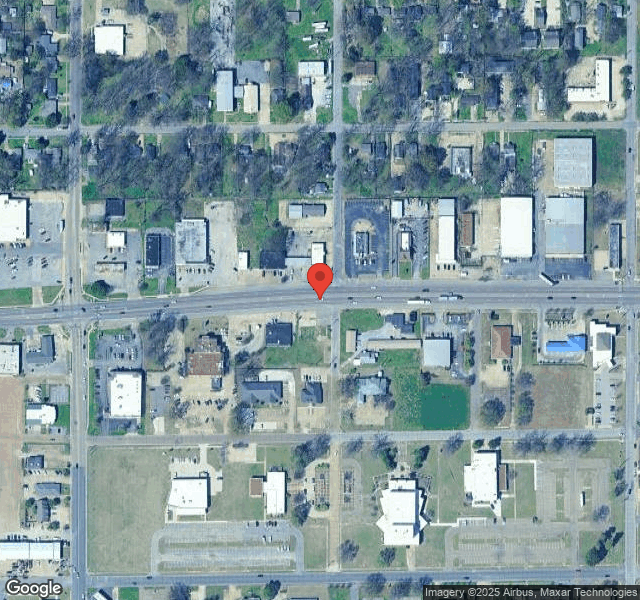
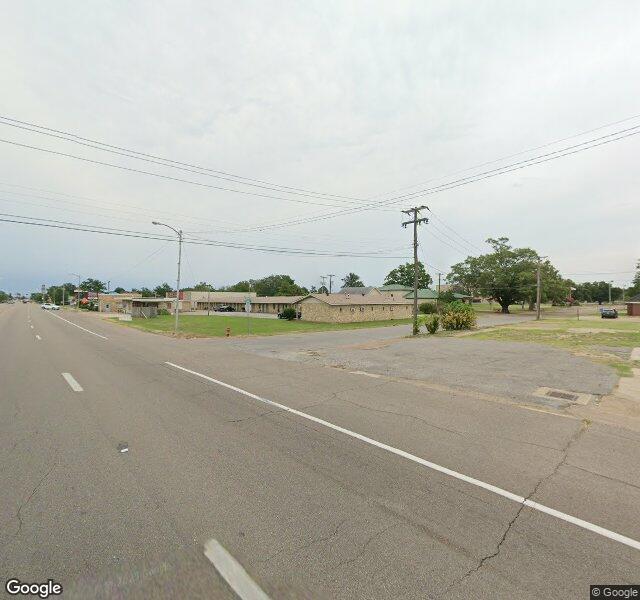
800 WEST BROADWAY, WEST MEMPHIS, AR 72301 (870) 735-5174
For profit - Limited Liability company 119 Beds THE SPRINGS ARKANSAS Data: November 2025
Trust Grade
60/100
#128 of 218 in AR
Last Inspection: March 2025

Within standard 12-15 month inspection cycle. Federal law requires annual inspections.

Overview

The Springs Broadway in West Memphis, Arkansas has a Trust Grade of C+, indicating it is slightly above average but not exceptional. It ranks #128 out of 218 facilities in the state, placing it in the bottom half, yet it is the top option in Crittenden County. The facility is improving, with issues decreasing from 10 in 2024 to just 4 in 2025. Staffing is a relative strength, with a turnover rate of 40%, below the state average of 50%, and more RN coverage than 88% of facilities in Arkansas, which is beneficial for residents' care. However, there have been concerns, such as failure to ensure proper food storage and inadequate attention to residents' daily care needs, including grooming and range of motion exercises, which could affect their well-being. On a positive note, there have been no fines recorded, indicating compliance with regulations.

Trust Score
C+
60/100
In Arkansas
#128/218
Bottom 42%
Safety Record
Low Risk
No red flags
Inspections
Getting Better
10 → 4 violations
Staff Stability
○ Average
40% turnover. Near Arkansas's 48% average. Typical for the industry.
Penalties
✓ Good
No fines on record. Clean compliance history, better than most Arkansas facilities.
Skilled Nurses
○ Average
Each resident gets 33 minutes of Registered Nurse (RN) attention daily — about average for Arkansas. RNs are the most trained staff who monitor for health changes.
Violations
⚠ Watch
21 deficiencies on record. Higher than average. Multiple issues found across inspections.
★★★☆☆
3.0
Overall Rating
★★★☆☆
3.0
Staff Levels
★★☆☆☆
2.0
Care Quality
★★★☆☆
3.0
Inspection Score
Stable
2024: 10 issues
2025: 4 issues

The Good

  • Full Sprinkler Coverage · Fire safety systems throughout facility
  • No fines on record
  • Staff turnover below average (40%)

    8 points below Arkansas average of 48%

Facility shows strength in fire safety.

The Bad

3-Star Overall Rating

Near Arkansas average (3.1)

Meets federal standards, typical of most facilities

Staff Turnover: 40%

Near Arkansas avg (46%)

Typical for the industry

Chain: THE SPRINGS ARKANSAS

Part of a multi-facility chain

Ask about local staffing decisions and management

The Ugly 21 deficiencies on record

Mar 2025 4 deficiencies
CONCERN (E) 📢 Someone Reported This

A family member, employee, or ombudsman was alarmed enough to file a formal complaint

Potential for Harm - no one hurt, but risky conditions existed

ADL Care (Tag F0677)

Could have caused harm · This affected multiple residents

Based on observation, record review, and interview, the facility failed to ensure that activities of daily living (ADL) were performed, and nail care was completed for 2 (Resident #9 and Resident #49)...

Read full inspector narrative →
Based on observation, record review, and interview, the facility failed to ensure that activities of daily living (ADL) were performed, and nail care was completed for 2 (Resident #9 and Resident #49) residents of 8 sampled residents reviewed for ADLs. The findings are: A review of the facility policy Activities of Daily Living, Supporting revised in March 2025, indicated that Policy Statement: Residents who are unable to carry out activities of daily living independently will receive the services necessary to maintain good nutrition, grooming and personal and oral hygiene. 4. If residents with cognitive impairment or dementia resist care, staff will attempt to identify the underlying cause of the problem and not just assume the resident is refusing or declining care. Approaching the resident in a different way or at a different time or having another staff member speak with the resident may be appropriate. A review of an admission Record indicated the facility admitted Resident #9 with diagnoses that included: stroke, type 2 diabetes, unsteadiness on feet, anxiety disorder, and protein-calorie malnutrition. A review of a significant change Minimum Data Set (MDS) with an Assessment Reference Date (ARD) 03/02/2025, indicated that Resident #9 had a Brief Interview for Mental Status (BIMS) of 3 (severe cognitive impact). Section GG marked for upper extremity limited range of motion on one side and was marked as a substantial/maximal assist for personal hygiene. A review of Resident #9 ' s Care Plan initiated on 10/06/2024 indicated the resident was at risk for impaired skin integrity with a goal of skin to remain intact; an activity of daily living performance self-care deficit with a goal of will remain clean and well-groomed daily. An intervention included: resident is totally dependent on one staff member for personal hygiene and for staff to check nail length and trim as necessary; and limited physical mobility with a goal to remain free of complications from immobility including contractures. Interventions that included: resident is non-weight bearing and the resident is completely dependent on staff for locomotion with Geri chair. On 03/25/2025 at 3:05 PM, this surveyor observed Resident #9 sitting next to the nurses' station. Resident #9 stated [pronoun] was hurting and pointed to [pronoun] left hand. This surveyor observed the resident ' s left hand was contracted with the second and third digit embedded into Resident #9's palm. The surveyor asked Resident #9 if they had any interventions for their left hand. Resident #9 shook their head to indicate no. On 03/25/2025 at 3:08 PM, during an interview, Licensed Practical Nurse (LPN) #7 stated they were familiar with Resident #9. LPN #7 described the resident ' s left hand as, contracted with skin and food matter present. LPN #7 stated, Resident #9 often eats with their hands. LPN #7 ran a cotton applicator between the fingers and the palm of Resident #9 ' s left hand and stated that there was an odor and it needs to be cleaned. LPN #7 stated, contractures should be cleaned and dried daily to prevent skin breakdowns. LPN #7 described nails as: long, dirty, and digging into the resident's palm. LPN #7 stated that nails should be trimmed and cleaned weekly by the nurse, for a diabetic. On 03/25/2025 at 3:30 PM, during an interview, Certified Nursing Assistant (CNA) # 8 stated they were familiar with Resident #9. CNA #8 described Resident #9' s left hand as contracted while lifting fingers. This surveyor observed white and yellow matter underneath the fingertips of the second and third fingers. CNA #8 grimaced and coughed and stated there was food matter, white matter, and the nails were digging into the palm. CNA #8 turned away from the resident, grimaced, and stated the odor can take your breath away. This surveyor noted the odor as strong and unpleasant. Resident #9 exhibited a painful expression while fingers were lifted and stated, it hurts. CNA #8 stated they did not believe interventions were in place as resident refuses. CNA #8 stated cleaning a contracture should be done daily and was unsure of when Resident #9 ' s was last cleaned. CNA #8 stated the negative outcome of not cleaning a contracture could be potential skin breakdown. CNA #8 described the resident ' s nails as long, dirty, and digging into the palm. CNA #8 stated nails should be cleaned and trimmed during bath days or as needed. CNA #8 stated Resident #9 was a diabetic, and their nails should have been reported to the nurse. On 03/25/2025 at 3:40 PM, during an interview, the Administrator stated nail care should be done as needed or on shower days. The Administrator stated it was for hygiene and to prevent skin breakdown, especially with a contracture. On 03/26/2025 at 9:30 AM, during an interview, LPN #7 notified this surveyor that after yesterday's findings, the staff cleaned Resident #9 ' s contracture and an order for wound care was created. On 03/27/2025 at 8:00 AM, during an interview, the Assistant Director of Nursing (ADON) stated Resident #9 was hospice and it was on the hospice care plan to use a rolled cloth or gauze to left hand; not a splint, related to pain/discomfort. The ADON stated if something was not bothering the resident, it was not addressed since Hospice was for comfort measures. The ADON then stated, it is hard to tell, placing something in their hand might have been painful to them, but they should have tried to prevent the nail from causing skin breakdown in their hand. A review of the admission Record revealed Resident #49 was admitted with diagnoses that included: obesity, type 2 diabetes, hypertension, and chronic kidney disease. A review of the annual MDS with an ARD of 3/11/2025, indicated Resident #49 had a Brief Interview for Mental Status (BIMS) of 5 which indicated severe cognitive impairment. A review of Section GG was not marked for limited range of motion upper extremity and marked one for dependent on staff for personal hygiene. Section O was not marked for restorative therapy. A review of the Behavior Symptoms Task for Resident #49 was not marked for refusals of care for the last 14 days. A review of the Nail Care Task for Resident #49 indicated on 2/2/23/25, was marked as not applicable, on 3/2/25 marked no, 3/9/25 and 3/23/25 were marked yes. A review of the Care Plan initiated on 4/15/23, indicated Resident #49 had an activity of daily living (ADL) self-care deficit with a goal to remain clean and well-groomed daily, with an intervention stated resident was a max assist with personal hygiene and skin inspections weekly, report changes to nurse. On 03/24/2025 at 11:53 AM, this surveyor observed Resident #49 had a contracted left hand with no interventions in place. Resident #49 attempted to open left hand and could not open it fully. This surveyor observed food matter and skin flakes present in the contracted part of the resident ' s left hand. This surveyor observed the resident ' s finger nails were long, thick, and had dark matter under them. On 03/24/2025 at 3:00 PM, Surveyor observed Resident #49 had a contracted left hand, with no interventions in place and nail care had not been performed. Surveyor attempted an interview with Resident #49 and observed that they could answer simple questions. When asked about contracture they stated, it hurts. Resident #49 attempted to open left hand and could not open it fully. On 03/25/2025 at 8:30 AM, this surveyor observed Resident #49 had a contracted left hand, with no interventions in place and nail care had not been performed. On 03/25/2025 at 3:40 PM, this surveyor observed Resident #49 had a contracted left hand, with no interventions in place and nail care had not been performed. On 03/26/2025 at 10:30 AM, during an interview, the Rehab Director (RD) stated they were familiar with Resident #49. The RD stated they last had Resident #49 on the caseload in 2023 and did not remember them having a contracture. The RD described the resident ' s left hand as contracted. The resident ' s fingers were sticking together with skin flakes and food matter in their left hand. This surveyor observed the RD jump back when describing hand. The RD then stated they noted an odor in the contracted hand. This surveyor observed the odor was strong and unpleasant. The RD stated since the resident was able to lift their fingers, it could be splinted still. The RD stated that Resident #49' s nails were long and thick with matter under them, and they needed to be clipped. The RD stated nail care should be performed on bath days or on an as needed basis, to prevent skin breakdown and for hygiene. The RD stated Resident #9 ' s contracture had not been reported to the RD as worsening, and the RD did not know Resident #49 had a contracture. The RD stated Resident #49's left hand had worsened and there were no interventions in place. The RD stated, there is a system breakdown. Contractures are not being reported to me and not being cared for as they should be. The RD stated contractures should be cleaned daily and dried, with interventions in place to prevent worsening. The RD then stated, the negative outcome has occurred with both residents. Resident #9 has a worsened contracture with skin breakdown and Resident #49 has a worsened contracture that was not known about. On 03/26/2025 at 10:40 AM, during a concurrent interview and observation, this surveyor observed Restorative Nurses Assistant (RNA) #9 attempt to clean Resident #49's left hand and put in a hand roll. RNA #9 used wipes, and Resident #49 complained of pain. RNA #9 decided to attempt again later. RNA #9 stated the contracture was closed up and food was on the fingers. It was dry and flaky. RNA #9 reported concern it could contract further and lead to skin breakdown. RNA #9 stated the process was to clean and dry the left hand daily, then add a handroll or splint to prevent irritation or skin breakdown. RNA #9 described Resident #49' s nails as long, thick, and needing trimmed. On 03/26/2025 at 11:15 AM, this surveyor observed RNA #9 and RNA #10 attempt to clean Resident #49 ' s contracted hand by washing it in a basin. RNA #9 and RNA #10 were carefully washing and drying the resident ' s left hand. The RNAs appeared to be working slowly to help Resident #49 with contracted left hand. Resident #49 was complaining of pain and drawing back from staff members. This surveyor observed RNA #10 grimace a bit and state there was a bit of an odor. RNA #10 stated there was food matter and dry skin flakes in the contracture. RNA #10 eased a washcloth into the resident ' s contracted left hand as an intervention.
CONCERN (E) 📢 Someone Reported This

A family member, employee, or ombudsman was alarmed enough to file a formal complaint

Potential for Harm - no one hurt, but risky conditions existed

Deficiency F0688 (Tag F0688)

Could have caused harm · This affected multiple residents

Based on observation, record review, and interview, the facility failed to ensure that limited range of motion did not worsen for 2 residents (Resident #9 and Resident #49) of 3 sampled residents revi...

Read full inspector narrative →
Based on observation, record review, and interview, the facility failed to ensure that limited range of motion did not worsen for 2 residents (Resident #9 and Resident #49) of 3 sampled residents reviewed for range of motion. The findings include: A review of the facility policy Resident Mobility and Range of Motion revised in July 2024, 1. Residents will not experience an avoidable reduction in the range of motion (ROM). 2. Residents with limited range of motion will receive treatment and services to increase and/or prevent a further decrease in ROM. 3. Residents with limited mobility will receive appropriate services, equipment and assistance to maintain or improve mobility unless reduction in mobility is unavoidable. A review of the facility policy Activities of Daily Living, supporting revised in March 2025 indicated, If residents with cognitive impairment or dementia resist care, staff will attempt to identify the underlying cause of the problem and not just assume the resident is refusing or declining care. Approaching the resident in a different way or at a different time or having another staff member speak with the resident may be appropriate. A review of an admission Record indicated the facility admitted Resident #9 with diagnoses that included: stroke, type 2 diabetes, unsteadiness on feet, anxiety disorder, and protein-calorie malnutrition. A review of a significant change Minimum Data Set (MDS) with an Assessment Reference Date (ARD) 3/2/2025, indicated that Resident #9 had a Brief Interview for Mental Status (BIMS) of 3 (severe cognitive impact). On Section GG marked for upper extremity limited range of motion on one side. A review of Resident #9 ' s Care Plan initiated on 10/06/2024 indicated the resident was at risk for impaired skin integrity with a goal of skin to remain intact; an activity of daily living performance self-care deficit with a goal of will remain clean and well-groomed daily. An intervention included: resident is totally dependent on one staff member for personal hygiene and for staff to check nail length and trim as necessary; and limited physical mobility with a goal to remain free of complications from immobility including contractures. Interventions that included: resident is non-weight bearing and the resident is completely dependent on staff for locomotion with Geri chair. On 03/25/2025 at 3:05 PM, this surveyor observed Resident #9 sitting next to the nurses' station. Resident #9 stated [pronoun] was hurting and pointed to [pronoun] left hand. This surveyor observed the resident ' s left hand was contracted with the second and third digit embedded into Resident #9's palm. The surveyor asked Resident #9 if they had any interventions for their left hand. Resident #9 shook their head to indicate no. On 03/25/2025 at 3:08 PM, during an interview, Licensed Practical Nurse (LPN) #7 stated they were familiar with Resident #9. LPN #7 described the left hand as contracted with skin and food matter present. LPN #7 stated Resident #9 often eats with their hands. LPN #7 ran a cotton applicator between the fingers and the palm of Resident #9 ' s left hand and stated that there was an odor and it needs to be cleaned. LPN #7 stated the nails were digging into the resident ' s palm. LPN #7 stated the negative outcome could be the resident having skin break down, infection, or the contracture freezing. On 03/25/2025 at 3:30 PM, during an interview, Certified Nursing Assistant (CNA) # 8 stated they were familiar with Resident #9. CNA #8 described Resident #9 ' s left hand as contracted. This surveyor observed white and yellow matter underneath the fingertips of the second and third finger. CNA #8 grimaced and coughed. CNA #8 stated there was food matter, white matter, and the nails had dug into the palm. CNA #8 turned away from the resident grimaced and stated, the odor can take your breath away. This surveyor noted the odor was strong and unpleasant. Resident #9 exhibited a painful expression while fingers were lifted up and stated, it hurts. CNA #8 stated they did not believe interventions were in place since resident refuses. CNA #8 stated that cleaning a contracture should be done daily. CNA #8 was unsure when the resident ' s hand was last cleaned. CNA #8 stated the negative outcome could be the contracture worsening or causing skin breakdown. On 03/25/2025 at 3:40 PM, during an interview, the Administrator stated a contracture should have interventions in place. The Administrator stated that without interventions in place a contracture could worsen and could cause skin breakdown On 03/26/2025 at 9:30 AM, during an interview, LPN #7 stated, after yesterday ' s findings for Resident #9, the staff cleaned the contracture and an order for wound care was created. On 03/26/2025 at 10:15 AM, during an interview, the Rehab Director (RD) stated they were familiar with Resident #9. The RD stated that Resident #9 was last on the caseload at the end of January. The RD stated Resident #9 was getting their core strength back and was practicing with a rolling walker. The RD stated Resident #9 could hold a rolling walker with the contracted left hand at that time. The RD described the contracture as, yes it has worsened compared to where it was when I last had [Resident #9] on caseload. The RD stated the resident never refused care with therapy or interventions for contracture. The RD stated the negative outcome could be worsening or freezing contracture and/or skin breakdown. The RD stated that Resident #9 did not have interventions in place for contracture after therapy ended. On 03/27/2025 at 8:00 AM, during an interview, the Assistant Director of Nursing (ADON) stated Resident #9 was on hospice and using a rolled cloth or gauze to left hand; not to use a splint related to pain/discomfort was on the hospice care plan. If something isn't bothering the resident, it isn't addressed since hospice is for comfort measures. The ADON then stated, it is hard to tell. Placing something in their hand might have been painful to them, but they should have tried to prevent the nail from causing skin breakdown in their hand. A review of the admission Record indicated that Resident #49 was admitted with diagnoses that included: obesity, type 2 diabetes, hypertension, and chronic kidney disease. A review of the annual MDS with an ARD of 3/11/2025, indicated that Resident #49 had a Brief Interview for Mental Status (BIMS) of 5 which indicated severe cognitive impairment. A review of Section GG was not marked for limited range of motion upper extremity and marked one for dependent on staff for personal hygiene. Section O was not marked for restorative therapy. A review of the Behavior Symptoms Task for Resident #49 was not marked for refusals of care for the last 14 days. A review of the Nail Care Task for Resident #49 indicated on 2/2/23/25, was marked as not applicable, on 3/2/25 marked no (not provided), 3/9/25 and 3/23/25 were marked yes. A review of the Care Plan initiated on 4/15/23, indicated that Resident #49 had an activity of daily living self-care deficit with a goal to remain clean and well-groomed daily, with an intervention stated resident was a max assist with personal hygiene and skin inspections weekly, report changes to nurse. On 03/24/2025 at 11:53 AM, this surveyor observed Resident #49 had a contracted left hand, with no interventions in place. This surveyor attempted an interview with Resident #49 and observed they could answer simple questions. When asked about contracture they stated it hurts. Resident #49 attempted to open their left hand and could not open it fully. This surveyor observed, while the resident ' s left hand was opened, food matter and skin flakes were in the contracture. On 03/24/2025 at 3:00 PM, this surveyor observed Resident #49 had a contracted left hand, with no interventions in place. On 03/25/2025 at 8:30 AM, this surveyor observed Resident #49 had a contracted left hand, with no interventions in place. On 03/25/2025 at 3:40 PM, this surveyor observed Resident #49 had a contracted left hand, with no interventions in place. On 03/26/2025 at 10:30 AM, during an interview, the Rehab Director (RD) stated they were familiar with Resident #49. The RD stated they last had Resident #49 on the caseload in 2023 and did not remember the resident having a contracture. The RD described the left hand as contracted. The fingers were sticking together with skin flakes and food matter in the hand. This surveyor observed the RD jump back. When describing the hand, the RD stated they noted an odor in the contracted left hand. This surveyor observed the odor as strong and unpleasant. The RD stated that with how the resident lifted the fingers, it could be splinted still. The RD stated that Resident #9 ' s contracture had not been reported as worsening to them, and they did not know Resident #49 had a contracture. The RD stated that Resident #49's left hand had worsened and there were no interventions in place. The RD stated that there is a system breakdown. Contractures are not being reported to me and not being cared for as they should be. The RD stated contractures should be cleaned daily and dried with interventions in place to prevent worsening. The RD then stated, the negative outcome had occurred with both residents. Resident #9 had a worsened contracture with skin break down and Resident #49 had a worsened contracture that was not known about. On 03/26/2025 at 10:40 AM, during a concurrent interview and observation, this surveyor observed Restorative Nurses Assistant (RNA) #9 attempt to cleaned Resident #49's hand and put in a hand roll. RNA #9 used wipes. Resident #49 complained of pain and staff decided to attempt at a later time. RNA #9 stated the contracture was closed up, food was on the resident ' s fingers, and it was dry and flaky. RNA #9 stated a negative outcome could be that Resident #49' s left hand could contract further and could lead to skin breakdown. RNA #9 stated the process was to clean and dry the contracture daily, then add a handroll or splint to prevent irritation or skin breakdown. On 03/26/2025 at 11:15 AM, this surveyor observed RNA #9 and RNA #10 attempt to clean Resident #49 ' s contracted left hand by washing it in a basin. RNA #9 and RNA #10 appeared to be carefully washing and drying the resident ' s left hand. RNA #9 and RNA #10 worked slowly to help Resident #49 with the contracted left hand. Resident #49 was complaining of pain and drawing back from staff members. This surveyor observed RNA #10 grimaced a bit, then stated there was a bit of an odor. RNA #10 stated there was food matter and dry skin flakes in the contracture. RNA #10 eased a washcloth into the resident ' s contracted left hand, as an intervention.
CONCERN (E) 📢 Someone Reported This

A family member, employee, or ombudsman was alarmed enough to file a formal complaint

Potential for Harm - no one hurt, but risky conditions existed

Deficiency F0805 (Tag F0805)

Could have caused harm · This affected multiple residents

Based on observation, facility record review and interview, the facility failed to ensure food was in the proper form for the residents, affecting six residents with orders for pureed diets in the fac...

Read full inspector narrative →
Based on observation, facility record review and interview, the facility failed to ensure food was in the proper form for the residents, affecting six residents with orders for pureed diets in the facility. The findings include: A review of the facility policy QRT Food Palatability issued on 9/1/2021 indicated that Food and liquids are prepared and served in a manner, form, and texture to meet resident's needs. A review of the Recipe Pureed Chicken Pot Pie indicated Blend until smooth adding liquid/thickener needed to obtain a pudding like consistency. On 03/25/2025 at 10:35 AM, this surveyor observed Dietary [NAME] (DC) #2 add 8 four-ounce scoops of chicken pot pie to the food processor. When the chicken pot pie was placed in the stainless-steel bin after being pureed, this surveyor observed chunks of carrots, chicken, and peas in the puree. DC #2 stated that consistency should be pudding like for pureed diets. On 03/25/2025 at 10:45 AM, this surveyor observed DC #2 add 9 four-ounce scoops of broccoli and cauliflower in the food processor. DC #2 added approximately 1 and 1/2 cups of vegetable broth to the food processor while blending the vegetables. When the vegetable blend was added to the stainless-steel bin, this surveyor observed there were chunks of vegetables and the blend was watery in consistency. On 03/25/2025 at 12:04 PM, during a concurrent interview and observation, Certified Nursing Assistant (CNA) #4 and CNA #5 passed trays in the assisted dining room. This surveyor observed CNA #4 setting up a tray to assist a resident with eating. CNA #4 described the chicken pot pie puree to have chunks of chicken and vegetables. CNA #4 stated it seemed thin in consistency and could be a choking hazard. CNA #4 described the broccoli and cauliflower puree blend as watery with chunks in it. CNA #5 was setting up another resident. While mixing the chicken pot pie puree, CNA #5 stated it was a thin consistency with chunks of chicken and vegetables in it. CNA #5 stated that purees needed to be a certain consistency to prevent choking. CNA #5 stated that the broccoli and cauliflower puree blend was watery with chunks in it. This surveyor observed a large piece of broccoli in the puree. On 03/24/2025 at 12:30 PM, during an interview, DC #2 was cleaning up the line and described the puree for the vegetable blend as watery and thin. DC #2 stated that the chicken pot pie had some vegetable chunks in it. DC #2 then stated that the pureed consistency needed to be pudding-like to prevent choking for the residents. On 03/24/2024 at 12:40 PM, during an interview, the Dietary Manager stated that people could choke if the food was not the right consistency, they would not get the right nutrition, and they could aspirate the food too.
CONCERN (E) 📢 Someone Reported This

A family member, employee, or ombudsman was alarmed enough to file a formal complaint

Potential for Harm - no one hurt, but risky conditions existed

Food Safety (Tag F0812)

Could have caused harm · This affected multiple residents

Based on observations, facility record review and interview, the facility failed to ensure that cross contamination did not occur during lunch service for one out of one kitchen. The findings include...

Read full inspector narrative →
Based on observations, facility record review and interview, the facility failed to ensure that cross contamination did not occur during lunch service for one out of one kitchen. The findings include: A review of the facility policy Quick Resource Tool: Safe Food Handling issued on 9/1/2021, indicated 1. Dining Services staff will be responsible for food preparation procedures that avoid contamination by potentially harmful physical, biological, and chemical contamination. On 3/24/2025 at 11:06 AM, the 4-ounce scoop for the cream of corn fell into the pan. DC #1 pulled it out, using ungloved hands and touching the food in the process. DC #1 then took the scoop to the dishwasher. This surveyor observed pieces of cream of corn on tips of fingers on both hands. On 3/24/2025 at 11:15 AM, while observing lunch service, DC #2 touched the inside of the bowl before adding baked beans. On 3/24/2025 at 11:20 AM, while observing lunch service, DC #3 touched the middle of the plate before adding food. On 3/24/2025 at 11:22 AM, while observing lunch service, DC #2 touched the inside of the bowl before adding cream of corn. A bowl of cream corn spilled on top of the serving line. When DC #1 cleaned it up, a bowl of cream corn fell into the baked beans. DC #1 took tongs and removed the black bowl from the baked beans. DC #1 then took a different bowl and scoop and scooped the cream corn out of the baked beans. This surveyor observed the full lunch service. The dietary staff used this same stainless-steel pan of baked beans for the residents in the building. On 3/24/2025 at 11:25 AM, this surveyor observed DC #3 touch the middle of the plate before adding food. On 03/24/2025 at 11:28 AM, this surveyor observed DC #2 prepare guest trays utilizing foam take out containers. When adding baked beans and cream of corn to the guest tray, the top of the foam container touched the cream of corn. This surveyor observed cream of corn on top of the guest tray when it was added to the hall cart. On 3/24/2025 at 11:30 AM, this surveyor observed DC #1, by the fryer, toasting bread, using ungloved hands to add three or four pieces of bread to the toaster at a time. After toasting the bread, DC #1 used one ungloved hand to hold the bread still while cutting it in half. DC #1 then added the bread to the stainless-steel bin, with their ungloved hands. DC #1 continued to make bread using the same process, while serving trays for lunch service. No hand hygiene was performed before this occurred. On 3/24/2025 at 11:32 AM, this surveyor observed DC #3 touch the middle of the plate before adding food. On 3/24/2025 at 11:59 AM, this surveyor observed DC #2 pouring juice into a container of pork ribs from a pan. During the pour, the bottom of the stainless-steel pan touched the pork ribs inside the container. DC #3 served the ribs afterwards for the last two hall carts. On 3/24/2025 at 12:30 PM, during an interview, DC #2 stated that touching the inside of dishes, and touching the food in general was cross contamination, and that could cause sickness from germs in the food. On 03/24/2025 at 12:40 PM, during an interview, the Dietary Manager stated that any cross contamination could cause people to get sick, anything on your hands could get transferred to the food. On 03/27/2025 at 8:35 AM, during an interview, DC #2 stated you should not touch dishes because hands might be dirty. DC #2 stated that they could spread infection if sick, or hands are dirty.
Apr 2024 1 deficiency
CONCERN (D) 📢 Someone Reported This

A family member, employee, or ombudsman was alarmed enough to file a formal complaint

Potential for Harm - no one hurt, but risky conditions existed

Deficiency F0804 (Tag F0804)

Could have caused harm · This affected 1 resident

Based on observation, interview, record review, and facility policy review, it was determined that the facility failed to serve a palatable meal for 1 (Resident #1) of 3 residents reviewed for meal se...

Read full inspector narrative →
Based on observation, interview, record review, and facility policy review, it was determined that the facility failed to serve a palatable meal for 1 (Resident #1) of 3 residents reviewed for meal service. The findings include: The Annual Minimum Data Set (MDS) with an Assessment Reference Date (ARD) of 03/25/2024 revealed Resident #1 had a Brief Interview for Mental Status (BIMS) score of 13 which indicated the resident was cognitively intact. A review of the Care Plan, indicated Resident #1 had diagnoses that included Functional quadriplegia, Hemiplegia, unspecified, affecting the left nondominant side, Adult failure to thrive, and Legal blindness. A review of Resident #1's Care Plan, with an initiated date of 11/20/2020, and a revised date of 01/19/2024, revealed the resident had ADL (Activities of Daily Living) self-care performance deficit r/t (related to) left hemiplegia, generalized weakness, blindness, poor activity tolerance, pain due to compression fracture. Interventions included eating: dependent on staff. A review of Resident #1's Physician's Orders revealed Resident #1 had an order for a regular diet, pureed texture, regular consistency with an order date of 04/04/2024. During an observation on 04/22/2024 at 12:26 pm, Resident #1's lunch tray was delivered to the resident's room. During an observation on 04/22/2024 at 12:43 pm, Resident #1's tray was observed on the cabinet away from the resident with the lid half off. Resident #1 was asked if she was going to eat lunch. Resident #1 verbalized yes if someone will feed me. During an observation on 04/22/2024 at 12:59 pm, Certified Nursing Assistant (CNA) #1 entered Resident #1's room and began to feed the resident. CNA #1 asked Resident #1 if the food was good. Resident #1 verbalized it would be better if it was hot. During an interview on 04/22/2024 at 1:32 pm, CNA #1 confirmed the food should have been taken to be warmed for Resident #1. During a concurrent observation and interview on 04/23/2024 at 12:22 pm, the Dietary Manager obtained temperatures for the last tray served on the 400 Hall. The temperatures of the food on the tray were as follows: Baked ham - 123 degrees Fahrenheit. Black eyed peas - 123 degrees Fahrenheit. Potatoes - 103.2 degrees Fahrenheit. Cinnamon apples - 83.1 degrees Fahrenheit. Corn bread - 103.5 degrees Fahrenheit. The Dietary Manager verbalized the facility would make another plate as the temperatures were not in range. A review of a facility policy titled, Meal Frequency and Preferences, dated 09/01/2021, indicated, .Residents needing assistance will be served last. When the tray is delivered the server will prepare the tray, sit by the bedside, and assist the resident as needed . A review of a facility policy titled, Meal Distribution dated 09/01/2021, indicated, Meals are transported to the dining location in a manner that ensures proper temperature maintenance. Protects against contamination and are delivered in a timely and accurate manner . All food items will be transported promptly for appropriate temperature maintenance .
Feb 2024 9 deficiencies
CONCERN (D)

Potential for Harm - no one hurt, but risky conditions existed

Comprehensive Care Plan (Tag F0656)

Could have caused harm · This affected 1 resident

Based on observation, record review, and interview, the facility failed to ensure the comprehensive care plan addressed the resident's medical and nursing needs related to oxygen use to promote contin...

Read full inspector narrative →
Based on observation, record review, and interview, the facility failed to ensure the comprehensive care plan addressed the resident's medical and nursing needs related to oxygen use to promote continuity of care and meet the resident's needs for 1 (Resident #32) of 1 sampled resident who had physician orders for oxygen. This failed practice had the potential to affect 12 residents who had physician orders for oxygen therapy, according to a list provided by the Administrator on 02/02/24. The findings are: Resident #32 had diagnoses of Hemiplegia and Hemiparesis following Cerebral Infarction affecting Right Dominant Side and Type 2 Diabetes Mellitus with Diabetic Chronic Kidney Disease. A Quarterly Minimum Data Set (MDS) with an Assessment Reference Date (ARD) of 01/24 documented a Brief Interview for Mental Status (BIMS) of 15 (13-15 indicates cognitively intact) and received oxygen therapy. a. On 01/29/24 at 11:00 am, Resident #32 was wearing Oxygen via nasal cannula. The Surveyor asked, Do you wear oxygen all the time? Resident #32 stated, Most of the time. b. On 02/01/24 at 07:58 am, Resident #32 was wearing oxygen via nasal cannula. c. A Physician Order dated 12/09/23 documented, O2 [oxygen] @ [at] 2 l [liters] cont [continuous] every 1 hours as needed for Shortness of Breath. d. The Care Plan did not address oxygen use. e. On 02/02/24 at 09:09 am, the MDS Coordinator was asked, Should oxygen use be addressed on the care plan? The MDS Coordinator stated, Yes. The Surveyor asked, What possible complications may go unidentified if a special treatment such as oxygen isn't on the care plan? The MDS Coordinator stated, A care plan is a guide that helps us take care of the residents. f. On 02/02/24 at 09:12 am, the Director of Nursing (DON) was asked, Should oxygen use be addressed on a care plan? The DON stated, Yes. The Surveyor asked, What possible complications may go unidentified if a special treatment such as oxygen use is ordered but not addressed on the care plan? The DON stated, The care plan guides and helps you understand the resident and helps you take care of them.
CONCERN (D)

Potential for Harm - no one hurt, but risky conditions existed

ADL Care (Tag F0677)

Could have caused harm · This affected 1 resident

Based on observation, record review, and interview, the facility failed to ensure residents hair was neat and clean, and facial hair shaven for 1 (Resident #160) of 31 (Residents #2, #4, #5, #7, #9, #...

Read full inspector narrative →
Based on observation, record review, and interview, the facility failed to ensure residents hair was neat and clean, and facial hair shaven for 1 (Resident #160) of 31 (Residents #2, #4, #5, #7, #9, #12, #15, #16, #22, #30, #31, #32, #34, #39, #41, #43, #44, #46, #48, #50, #52, #55, #56, #159, #160, #208, #258, #259, and #359 sampled residents to maintain good hygiene and grooming. The findings are: 1. Resident #160 had diagnoses of ataxia following cerebral infarction, depression, and anxiety. a. Resident #160's Care Plan with an initiated date of 01/29/24 documented, .has an ADL [activities of daily living] self-care performance deficit . Bathing: Requires extensive assistance with bathing . b. On 01/29/24 at 1:15 PM, Resident#160 was sitting on the side of the bed, with approximately 15 white three inch long gray chin hairs that were curling from the length. Resident #160's hair was greasy and disheveled. The Surveyor asked Resident #160 about bathing. Resident #160 stated, I have not had a bath since being admitted here. Having greasy hair bothers me. The Surveyor asked if the facial hair bothered her Resident#160 said yes, they do, I would like a bath. c. On 01/30/24 at 2:40 PM, Resident #160 was lying in bed, and continued to have disheveled greasy hair and 15 three inch chin hairs that are curling from the length. The Surveyor asked Resident#160 If she had had a bath yet. Resident #160 said no, I have not. d. A review of her bathing task sheet did not contain any documentation that she had received a bath since her admission date of 01/25/24, with baths scheduled Monday, Wednesday, and Friday. e. On 01/31/24 at 10:16 AM, the Surveyor asked the Lead Certified Nursing Assistant (CNA) how would you describe Resident #160's hair. The Lead CNA said the resident's hair was greasy and needed washed. The Surveyor asked about Resident #160's facial hair. The Lead CNA said the resident needs shaved, and that she thought that she had a bath Monday. The Surveyor said according to the bath task there is no documentation. The Lead CNA said that if it is not documented then it did not happen, and she will go get the bath aide to get the resident immediately. The Surveyor observed Resident #160 being walked to the bath house. f. On 01/31/24 at 3:05 PM, Resident #160 was in bed reading, her hair looked clean and combed. The Surveyor asked if she had a bath today. Resident #160 smiled and said yes, they gave me a shower. I feel so much better. I feel like a brand new woman. The Surveyor asked if she had been shaven. Resident #160 rubbed their chin and said yes, they did, see. g. On 02/02/24 at 9:30 AM, the Surveyor asked the Director of Nursing (DON) how often baths were given to the residents. The DON answered three days a week. The Surveyor asked when shaving should be done. The DON said that it should be done as requested and on bath days. h. A policy titled, Activities of Daily Living (ADLS), Supporting, with a revised date of March 2018, provided by the Administrator on 01/31/24 at 01:00 PM stated, .Policy Interpretation and Implementation .2. Appropriate care and services will be provided for residents who are unable to carry out ADLS independently, with the consent of the resident and in accordance with the plan of care .a. hygiene (bathing, dressing, grooming, and oral care) .
CONCERN (E)

Potential for Harm - no one hurt, but risky conditions existed

Safe Environment (Tag F0584)

Could have caused harm · This affected multiple residents

**NOTE- TERMS IN BRACKETS HAVE BEEN EDITED TO PROTECT CONFIDENTIALITY** Based on observation, record review, and interview, the facility failed to maintain a safe, functional, sanitary, and homelike e...

Read full inspector narrative →
**NOTE- TERMS IN BRACKETS HAVE BEEN EDITED TO PROTECT CONFIDENTIALITY** Based on observation, record review, and interview, the facility failed to maintain a safe, functional, sanitary, and homelike environment for the residents to promote dignity and prevent the potential injury for 15 (Rooms 210, 216, 222, 303, 304, 306, 309, 310, 313, 319, 320, 321, 322, 405, and 401) in the facility. The findings are: On 01/30/24 at 09:20 AM, the following observations were made during environmental rounds: a. room [ROOM NUMBER]: In the left-corner the wooden chair rail was coming off the wall about three inches in length with paint chipped, and the left closet was missing a door. b. room [ROOM NUMBER]: The right wall had a large indentation in the exposed sheet rock, eight inches long and four inches wide, by the resident's bed. In addition, above and around the indentation the paint was chipped, exposing more sheet rock. c. room [ROOM NUMBER]: The wall between the closets had a 2 foot long by 4 inch wide discolored brown area with chipped paint. The wall on the right side next to the air conditioner/heating unit, halfway up a mounted wooden wall guard was grayish black residue with chipped paint. In addition, the air conditioner/heating unit had broken missing plastic slats vents, and the area around the unit wall had bubbled grayish black residue. d. room [ROOM NUMBER]: There was an eight-inch-long indentation with paint scraped off along the wall next to the bathroom, exposing sheet rock halfway up the wall and a smaller 4 inch long indentation with paint scraped off. In addition, the rubberized baseboard had a 6 inch long indentation exposing the sheet rock. e. room [ROOM NUMBER]: Standing at the front door, toward the immediate left edge of the wall, the vinyl trim was missing. f. room [ROOM NUMBER]: A brown threshold was missing a 2-inch space on the left and right on the hall side. The brown threshold was raised up and bulged. g. room [ROOM NUMBER]: Standing at the front entrance on the right, the clothes closet, the metal casing on the edge of the door was exposed. h. room [ROOM NUMBER]: Standing in the front of the room, on the right side of the edge of the wall, next to the closet, the metal was exposed just under the sheet rock and the trim and vinyl trim was loose. In addition, on the left side of the bedroom, up against the resident's bed was a large wall scrape exposing the sheet rock. Up against the headboard on the right side of bed, the lower vinyl trim on the floor was loose. i. room [ROOM NUMBER]: The wall between the closets had paint that was peeled off along the entire length with discolored grayish black residue. The right closet door was missing and was peeling back on the right-hand bottom corner exposing metal. In the bathroom, there was a brownish gray residue along the floor edge and on the tiles. The resident was in the room during initial rounds and said that she would love to have a fixed new closet door. In addition, there were brown-blackish streaks on the floor. j. room [ROOM NUMBER]: The bathroom had gray blackish residue bulging on the tile on the edge of the flooring. The bed on the right side, to the immediate left, the trim was off the wall by two inches exposing metal. The wall behind the bed on the right-hand side had a plastic panel that was six inches wide and ran the length of the wall and was separated from the wall eight inches exposing sheet rock. The wall next to the closet had a ten inch indentation with paint chipped exposing sheet rock. k. room [ROOM NUMBER]: The headboard on the left side of the room, had five vertical scrapes six inches by 2 inches, exposing deteriorating sheet rock with a copious amount of paint and sheet rock protruding from the top and the bottom about four inches with each layer. To the immediate right was a foot long hole with deteriorating and crumbling sheet rock, and around the hole was chipped paint. On the top of the hole was a large scrape of paint that was protruding off the wall two inches. A blue face mask was hanging off the protruding paint around the bottom of the hole. On the left post of the metal frame headboard, had greyish debris on top. To the immediate right of the hole were five vertical scrapes, six inches long and 2 inches wide, with copious amounts of paint hanging off the bottom with every layer three inches protruding from the wall. Above the vertical scrapes was a large area eight inches long and three inches wide that had paint peeling and protruding off the wall. l. room [ROOM NUMBER]: The bathroom lighting was dim, and the flooring along the edge of the bathroom was covered in a thick blackish residue slime like substance. m. room [ROOM NUMBER]: The air conditioning/heating unit below the window had shifted to the left, exposing the metal frame cover. The wooden wall guard underneath the unit was lying in the floor with four nails sticking out 2 inches in length. The windowsill had a blackish grayish residue, with fine, dry powder consisting of tiny particles like debris. Napkins have been placed and have sealed onto the deteriorating windowsill. n. room [ROOM NUMBER]: Standing in the front of the room, the bathroom on the right had loose vinyl floor trim on the back wall with exposed gaps behind the sink and the toilet. o. room [ROOM NUMBER]: Standing at the front door, there were two nightstands. One night stand table had six inches of trim sticking out from the top of the table and the second nightstand table was missing trim. p. On 01/31/24 at 10:47 AM, a tour was conducted of the rooms, with the Maintenance Supervisor and the Administrator. The Surveyor asked, Are you aware of the vinyl wall trim missing, loose, or absent, exposed metal from the wall with sheetrock, holes and large scrapes on the walls and bedside nightstands with loose or missing trim? The Maintenance Supervisor responded I was not aware of these issues, including all this synthetic vinyl trim. I will take care of these immediately. In room [ROOM NUMBER], the surveyor observed the Maintenance Supervisor attempting to unlock and close the window, and it would not open or close. The Surveyor asked, What are your procedures for repairs and how is it documented? The Maintenance Supervisor stated, The staff will notify me if there are issues, and I do not have a maintenance log. The Administrator stated, I was not aware of all these repairers, but I will follow up with the Maintenance Supervisor.
CONCERN (E)

Potential for Harm - no one hurt, but risky conditions existed

Accident Prevention (Tag F0689)

Could have caused harm · This affected multiple residents

Based on observation, record review, and interview, the facility failed to ensure the janitor closet, the treatment nurse office, and the door to the dirty side of the laundry which contained chemical...

Read full inspector narrative →
Based on observation, record review, and interview, the facility failed to ensure the janitor closet, the treatment nurse office, and the door to the dirty side of the laundry which contained chemicals were locked to prevent accidental ingestion by the residents. This failed practice had the potential to affect 18 mobile residents per a list provided by Administrator on 2/1/24. The findings are: 1. On 01/30/24 at 9:43 AM, the Janitors Closet on the right side of East Hall 2 was unlocked. In the left-hand corner of the closet was a wall mounted manual chemical dispenser containing four 80 ounce chemical containers, that were connected to the sink faucet by hoses and flowed into a basin on the floor to be used by housekeeping. From left to the right the chemicals were a no rinse cleaner, containing 40 ounces, an organic acid restroom cleaner, containing 80 ounces, a one-step disinfectant cleaner, containing 80 ounces and a glass cleaner, containing 40 ounces. On the top shelf were two boxes of glass cleaner, three individual plastic containers two were half full and one was full of glass cleaner, and three individual gallon containers of vinyl floor cleaner. The basin in the left-hand corner had paint peeling off the sheet rock under the faucet mounted on the left wall, a 1 foot by 2 foot wide area of the wall was mustard yellow with specks of black throughout it. On the right wall, along the top of the basin, the paint was bubbled and peeling with a 6 inch by 8 inch area of brownish black matter. Various items of personal protective equipment were hung up on the wall. a. On 01/30/24 at 9:46 AM, the Surveyor asked Housekeeping #1 why the janitor's closet should remain locked and closed at all times. Housekeeping #1 said the residents could get in. The Surveyor asked what could happen to the residents. Housekeeping #1 said the residents could get hurt, and that it needs to be locked. The Housekeeping Supervisor was attempting to lock the door. The Surveyor asked if the door should be locked at all times. The Housekeeping Supervisor said it should be locked at all times, because of the chemicals in the closet. Housekeeping #1 kept repeating that the closets need to be locked for resident safety. The Surveyor asked Housekeeping #1 why the janitor's closet should remain locked and closed at all times. Housekeeping #1 said the residents could get in. The Surveyor asked what could happen to the residents. Housekeeping #1 said the residents could get hurt, and that it needs to be locked. The Housekeeping Supervisor was attempting to lock the door. The Surveyor asked if the door should be locked at all times. The Housekeeping Supervisor said it should be locked at all times, because of the chemicals in the closet. Housekeeping #1 kept repeating that the closets need to be locked for resident safety. b. On 01/31/24 at 9:11 AM, the Janitors Closet on East Hall 2 was unlocked. the organic acid restroom cleaner was moved to the to the top shelf next to the containers of the vinyl floor cleaner. To the immediate left was an 80 ounce container of one-step disinfectant cleaner. On the top shelf there was a gallon container of antimicrobial floor finish next to the two boxes of glass cleaner. Inside the manual wall mounted chemical dispenser, the organic acid restroom cleaner was replaced with a container of 60 ounces of an odor eliminator. c. On 01/31/24 at 10:55 AM, the Janitors Closet on East Hall 2 was unlocked. The Surveyor opened the door and showed the Administrator that it does not pull close. The Administrator attempted to close the door, and immediately said that they would get this fixed within the next few minutes. d. On 02/01/24 at 7:45 AM, the Janitors Closet on East Hall 2 was locked. 2. On 01/30/24 at 9:58 AM, the Treatment Nurse Office was unlocked. On the top of the two filing cabinets were 3 sixteen-ounce plastic bottles of Dakins Solution (an antiseptic to cleanse wounds). In a lower wooden alcove, there were various wound care materials with two bottles of body bath oil and a half-filled bottle of isopropyl alcohol. The Surveyor asked the Treatment Nurse if the office door is supposed to be locked at all times. The Treatment Nurse said yes. The Surveyor asked what could happen if it was unlocked and left empty. The Treatment Nurse said anything could happen. The Surveyor asked what could happen if a resident gets in the office. The Treatment Nurse said anything could happen. The Surveyor asked the Treatment Nurse if the office door is supposed to be locked at all times. The Treatment Nurse said yes. The Surveyor asked what could happen if it was unlocked and left empty. The Treatment Nurse said anything could happen. The Surveyor asked what could happen if a resident gets in the office. The Treatment Nurse said anything could happen. 3. On 01/30/24 at 10:01 AM, the door to the dirty side of the Laundry Room was left unlocked. In front of the large stainless-steel sink there was 1 five-gallon container of oil releasing liquid laundry detergent, and 2 five-gallon containers of liquid laundry bleach. A handwashing station next to the stainless-steel sink had a sign above the sink which stated, Caution the hot water is Very Hot. The Surveyor asked Housekeeping #2 what could happen if the door doesn't lock to the laundry area. Housekeeping #2 said that they could get into stuff. The Surveyor asked what could happen to the residents. Housekeeping #2 said they could get hurt. The Surveyor asked could they get by the sink on the dirty side of the laundry area. Housekeeping #2 said that they could get burned. The water from the sink is very hot. a. On 01/30/24 at 10:05 AM, the Surveyor asked Certified Nursing Assistant (CNA) #1 why the door should be locked in laundry area. CNA #1 said that the residents could get into the laundry area. The Surveyor asked what could happen to the residents. CNA #1 said that the residents could get hurt. 4. On 01/31/24 at 2:50 PM, the Bathhouse next to the 300 Hall Nurses' Station was unlocked. The bottom middle double door cabinet contained a ¼ full gallon bottle of lemon disinfectant neutral cleaner that states on the label, Keep out of Reach of Children DANGER was left unlocked and easily accessible. The right drawer on the bottom cabinet contained three pairs of scissors. a. On 01/31/24 at 02:55 PM, the Surveyor asked Registered Nurse (RN) #1 if the bathhouse should always be locked. RN #1 said yes. The Surveyor asked RN #1 what could happen if a resident got in an unlocked bathhouse. RN #1 said that they could get hurt. The surveyor asked what time the last bath of the day was. RN #1 said about 2:00 pm usually. 5. Data Safety Sheets: a. The Safety Data Sheet for the one-step disinfectant cleaner provided by the Administrator on 01/31/24 at 12:40 PM stated, .SIGNAL WORD: DANGER HAZABD STATEMENTS .Causes serious eye damage.Causes severe skin burns and eye damage.Harmful if swallowed.Flammable liquid and vapour . b. The Safety Data Sheet for the organic acid restroom cleaner provided by the Administrator on 01/31/24 at 12:40 PM stated, .SIGNAL WORD: DANGER HAZARD STATEMENTS .Causes serious eye damage.Causes skin irritation.Combustible liquid . c. The Safety Data Sheet for the no rinse cleaner provided by the Administrator on 01/31/24 at 12:40 PM stated, .SIGNAL WORD: DANGER HAZARD STATEMENTS .Causes serious eye damage.Causes skin irritation.Harmful if swallowed . d. The Safety Data Sheet for the odor eliminator provided by the Administrator on 01/31/24 at 12:40 PM stated, SIGNAL WORD: WARNING HAZAFD STATEMENTS .Causes serious eye irritation.Causes mild skin irritation.May be harmful if swallowed . e. The Safety Data Sheet for the glass cleaner provided by the Administrator on 01/31/24 at 12:40 PM stated, SIGNAL WORD: WARNING HAZABD STATEMENTS .Causes eye irritation.Do not get in eyes, on skin, or on clothing.Keep out of reach of children . f. The Safety Data Sheet the antimicrobial floor finish solution provided by the Administrator on 01/31/24 at 12:40 PM stated, .Avoid Contact with skin, eyes or clothing. Wash face, hands, and any exposed skin thoroughly after handling . g. The Safety Data Sheet for the vinyl tile cleaner provided by the Administrator on 01/31/24 at 12:40 PM stated, Warning Causes serious eye irritation. May be harmful if swallowed . h. The Safety Data Sheet for the oil releasing liquid laundry detergent provided by the Administrator on 01/31/24 at 12:40 PM stated, Warning Hazard statements Causes mild skin irritation May be harmful if swallowed . Precautionary Statements - Prevention Avoid release to the environment. Keep locked up and out of the reach of children . i. The Safety Data Sheet for the liquid bleach provided by the Administrator on 01/31/24 at 12:40 PM stated, .Precautionary Statements - Prevention Do not breathe dust/fume/gas/mist/vapors/spray. Wash face, hands and any exposed skin thoroughly after handling. Wear protective gloves/protective clothing/eye protection/face protection. Avoid release to the environment.Keep locked up and out of the reach of children . j. The Pharmacy Insert for the Dakin's Solution provided by the Nurse Consultant on 01/31/24 at 12:40 PM stated, .Drug Facts .Warnings for external use only .Keep out of reach of children, if swallowed get medical help or contact a Poison Control Center right away . 6. On 02/01/24 at 1:00 PM, the Administrator said they do not have a policy.
CONCERN (E)

Potential for Harm - no one hurt, but risky conditions existed

Respiratory Care (Tag F0695)

Could have caused harm · This affected multiple residents

4. Resident #258, had diagnoses of Malignant Neoplasm of Upper Lobe, Right Bronchus of Lung, Chronic Obstructive Pulmonary Disease, with an admission date of 1/18/2024. a. A Physicians Order with a s...

Read full inspector narrative →
4. Resident #258, had diagnoses of Malignant Neoplasm of Upper Lobe, Right Bronchus of Lung, Chronic Obstructive Pulmonary Disease, with an admission date of 1/18/2024. a. A Physicians Order with a start date of 01/18/2024 documented, .Change, date and initial tubing and bottle and place in [resealable bag] bag every week on Sunday. every night shift every Sun [Sunday] for Change and date Change, date and initial tubing and bottle and place in [resealable bag] bag every week on Sunday . b. On 1/29/24 at 11:52 AM, the Oxygen concentrator tubing had not been dated to ensure that it had been changed. c. On 01/30/24 at 09:33 AM, the Oxygen concentrator tubing had not been dated to ensure that it had been changed. d. On 1/31/24, at 10:50 AM, LPN #1 was asked, Are you aware that the oxygen tubing has not been changed or dated? LPN #1 stated, The oxygen tubing is not labeled. I will have the tubing changed. Based on observations, record review, and interview, the facility failed to ensure a Bilevel Positive Airway Pressure (BiPAP) mask, a Continuous Positive Airway Pressure (CPAP) mask and oxygen tubing were properly stored in a closed bag or container when not in use to prevent potential cross contamination for 3 (Residents #27, #30, and #32) of 7 (Residents #7, #27, #30, #32, #46, #48 and #258) sampled residents who had a physician's order for BiPAP, CPAP and/or Oxygen use. The findings are: 1. Resident #27 had a diagnosis of Chronic Obstructive Pulmonary Disease (COPD), Unspecified. A Quarterly Minimum Data Set (MDS) with an Assessment Reference Date (ARD) of 11/02/2023 documented a Brief Interview for Mental Status (BIMS) of 11 (8-12 indicates moderately cognitively impaired). a. On 01/29/24 at 12:39 pm, during initial rounds, a nightstand to the right of Resident #27's bed had a black BiPAP machine with a hose attached to a facial mask. The mask was not properly stored in a bag. A plastic storage bag or container for the mask was not on the top or around the table. b. On 01/30/24 at 10:00 am, Resident #27's BiPAP mask was lying on the resident's nightstand, not stored in a bag or container. c. On 02/01/24 at 02:34 pm, Resident #27's BiPAP mask was lying on the resident's nightstand, not stored in a bag or container. The Surveyor asked, Do you put your BiPAP mask on and take it off? Resident #27 stated, No, I can't reach over there to get it, the nurses do that for me. d. A Physicians Order dated 09/03/22 documented, Cleanse BiPAP mask daily with alcohol and leave open to air dry. every night shift for CPAP MASK. e. A Physicians Order dated 10/17/22 documented, Cleanse BiPAP tubing once weekly on Sunday, rinse and hang to air dry. every day shift every Thu [Thursday] for Cpap Tubing Cleanse CPAP tubing once weekly on Sunday, rinse and hang to air dry. f. A Care Plan with a revision date of 10/24/23 documented I am at risk for altered respiratory status/difficulty breathing r/t Sleep Apnea, COPD, and Asthma. I wear a BIpap at night and prn [as needed] .Cleanse BiPAP tubing once weekly on Sunday, rinse and hang to air dry. every night shift every Sun [Sunday] Assist resident with BiPAP at HS [bedtime] and prn per settings. Resident may remove per self for ADL's [Activities of Daily Living] . 2. Resident #30 had a diagnosis of COPD with (Acute) Exacerbation. A Quarterly MDS with an ARD of 12/12/23 documented the resident scored 09 (8-12 indicates moderate cognitive impairment) on a BIMS. a. On 01/29/24 at 11:17 am, an oxygen tubing was not bagged. There was not a bag on or around the oxygen concentrator. b. A Physician's Order dated 07/24/23 documented, A Physician Order dated 07/24/23 documented, Change, date and initial tubing, bottle and tubing bag weekly, one time a day every Sun for Change and date Change, date and initial tubing and bottle and place in [resealable bag] bag every week on Sunday . c. A Care Plan with an initiated date of 05/02/23 noted Resident #30 was to receive oxygen via nasal cannula at 2 t0 4 liters per minute oxygen saturation less than 90% as needed. May self remove and remove during ADL (activities of daily living) care. 3. Resident #32 had diagnoses of Hemiplegia and Hemiparesis following Cerebral Infarction affecting Right Dominant Side and Type 2 Diabetes Mellitus with Diabetic Chronic Kidney Disease. A Quarterly MDS with an ARD of 01/10/24 documented the resident scored 15 (13-15 indicates cognitively intact) on a BIMS. a. On 01/30/24 at 09:25 pm, a blue CPAP machine was on the Resident #32's bedside table. The mask was not stored in a bag. A plastic storage bag or container for the mask was not observed to be on the top or around the table. b. On 02/01/24 at 07:58 am, the CPAP mask was lying on the resident's bedside table, not stored in a bag or container. c. On 02/01/24 at 08:00 pm, the Surveyor asked Resident #32, do you have any difficulty putting on or taking off your CPAP mask? Resident #32 stated, I don't put it on. The night nurses help me with it. The Surveyor asked do you use your CPAP every night? Resident #32 stated, Yes. d. A Physicians Order dated 12/21/23 documented, Cleanse CPAP mask daily with alcohol and leave open to air dry. every night shift for CPAP MASK Cleanse CPAP mask daily with alcohol and leave open to air dry . e. A Physicians Order dated 12/21/23 documented, CPAP at HS [hour of sleep] and prn per home settings. Resident may remove per self for ADL's [activities of daily living]. every night shift for Cpap CPAP at HS and prn per home settings. Resident may remove per self for ADL's . f. A Physicians Order dated 01/04/24 documented, Cleanse CPAP tubing once weekly using warm soapy water, rinse and air dry. After removal in am every night shift every Sun for Cpap Tubing Cleanse CPAP tubing once weekly using warm soapy water, rinse and air dry. g. A Care Plan with a revision date of 03/11/21 documented, Sleep Preferences/Routine. I am able to say when I want to go to bed/sleep . likes to take naps . Resident lets staff know when she wishes to go to bed . Resident prefers to wake up or be assisted out of bed at her requests . h. On 02/01/24 at 02:35 pm, the Lead Certified Nursing Assistant (CNA) was asked, Should a CPAP mask be stored in a bag or container after use? The Lead CNA stated, Yes. i. On 02/01/24 at 02:38 pm, Licensed Practical Nurse (LPN) #1 was asked, After taking a CPAP mask off, what should be done with the mask? LPN #1 stated, It should be put in a plastic bag. The Surveyor asked, What is the importance of putting a CPAP/BiPAP mask in a bag? LPN #1 stated, It keeps the outside germs from getting inside.
CONCERN (E)

Potential for Harm - no one hurt, but risky conditions existed

Deficiency F0761 (Tag F0761)

Could have caused harm · This affected multiple residents

Based on observation, interview and record review, the facility failed to ensure drugs and biologicals were stored in accordance with currently accepted profession principles, as evidenced by the Trea...

Read full inspector narrative →
Based on observation, interview and record review, the facility failed to ensure drugs and biologicals were stored in accordance with currently accepted profession principles, as evidenced by the Treatments Nurses office being unlocked and accessible to residents. The findings are: a. On 01/30/24 at 9:58 AM, the Treatment Nurses office was left unlocked. On the top of the two filing cabinets were 3 sixteen ounce plastic bottles of Dakins Solution. In a lower wooden alcove there were various wound care materials with two bottles of Body Bath Oil and a half filled bottle of isopropyl alcohol. b. The Pharmacy Insert for the Dakin's Solution provided by the Nurse Consultant on 01/31/24 at 12:40 PM stated, .Drug Facts . Warnings for external use only .Keep out of reach of children, if swallowed get medical help or contact a Poison Control Center right away . c. On 01/30/24 at 09:58 AM, the Surveyor asked the Treatment Nurse if her office door was supposed to be locked at all times. The Treatment Nurse said yes. The Surveyor asked what could happen if it was unlocked and left unattended. The Treatment Nurse said anything could happen. The Surveyor asked what could happen if a resident gets in the office. The Treatment Nurse said anything could happen. d. On 02/02.24 at 9:25 AM, the Surveyor asked the Director of Nursing (DON) should be doors be locked in all rooms with chemicals in them. The DON said yes. The Surveyor asked the DON what the consequences are if a resident should get hold of the chemical. The DON said they could ingest it or get it on their skin which would hurt them. e. A policy titled, Storage of Medications provided by the Administrator on 02/01/24 at 3:04 PM stated, .Policy Interpretation and Implementation .1. Drugs and biologicals used in the facility are stored in locked compartments .6. Compartments (including but not limited to, drawers, cabinets, rooms, refrigerators, carts, and boxes) .
CONCERN (E) 📢 Someone Reported This

A family member, employee, or ombudsman was alarmed enough to file a formal complaint

Potential for Harm - no one hurt, but risky conditions existed

Deficiency F0804 (Tag F0804)

Could have caused harm · This affected multiple residents

Based on observation, record review and interview, the facility failed to ensure meals were served at temperatures that were acceptable to the residents to improve palatability and encourage good nutr...

Read full inspector narrative →
Based on observation, record review and interview, the facility failed to ensure meals were served at temperatures that were acceptable to the residents to improve palatability and encourage good nutritional intake during 2 of 2 meals observed. The failed practice had the potential to affect 11 residents who received their meal trays in their room on the 200 (Front) Hall, 13 residents who received their meal trays on the 200 (Back) Hall, 13 residents who received their meal trays on the 300 (front) Hall, 13 residents who received their meal trays in their room on the 400 Hall, as documented on a list provided by the Dietary Supervisor on 01/30/2024 at 11:09 AM. The findings are: 1. Resident #34 had Diagnosis of Cerebral Edema, Chronic Kidney Disease, Benign Neoplasm of Cerebral Meninges, and Epilepsy. The Annual Minimum Data Set (MDS) with an Assessment Reference Date (ARD) of 01/10/2024 documented the resident scored 15 (13-15 indicates cognitively intact) on a Brief Interview for Mental Status. a. A Physicians Order dated 2/15/2023 documented, REGULAR diet REGULAR texture, REGULAR consistency . b. The Care Plan with a revision date of 01/25/2024, documented, I have potential for nutritional deficits related to refusal of meals, new environment and disease process. Dx Dysphagia risk for aspiration. Refused to be weighed Date Initiated: 02/16/2023 . c. On 01/29/24 at 08:47 AM, Resident #34 stated she does not like the food and it's cold when she gets it. 2. On 01/29/24 at 12:25 PM, an unheated food cart that contained 11 trays for the noon meal was delivered to the 200 Hall by Certified Nursing Assistant (CNA) #1. At 12:39 PM, immediately after the last resident received their tray in their room on 200 Hall, the temperatures of food items on a test tray from the food were checked and read by the Dietary Supervisor with the following results: a. Cut green beans - 110 degrees Fahrenheit. b. Pasta - 115 degrees Fahrenheit. 3. On 01/29/24 at 12:36 PM, a second unheated food cart for the 200 Hall was delivered by CNA #2. At 12:44 PM, immediately after the last resident received their tray in their room, the temperatures of the food items on a test tray were checked and read by the Dietary Supervisor with the following results: a. Pasta - 111 degrees Fahrenheit. b. Cut green beans - 112 degrees Fahrenheit. 4. The instruction posted in front of the freezer in the Nourishment Room at the Nurse's Station on the 300 Hall dated 11/7/2022 provided by the Dietary Supervisor documented, Resident nutritional fridge- for resident items only. All items must be labeled with resident name/date if opened. Nursing checks fridge temperature nightly and ensures food is thrown out after 72 hrs. a. On 01/29/24 at 12:50 PM, the following observations were made in the Nourishment Room at the Nurse's Station o on the 300 Hall: b. A carton of (Nutritional Supplement) was on a shelf in the refrigerator with an expiration date of 1/15/2024. c. A carton of unopened nectar thickened water was on a shelf in the refrigerator with an expiration date of 12/27/2023. d. A carton of unopened whole milk was on a shelf in the freezer with an expiration date of 12/17/23. 5. On 01/29/24 at 12:51 PM, the following observations were made in the freezer of the Nourishment Room at the Nurse's Station on the 300 Hall. a. There was no temperature gauge in the freezer. b. A box of butter pecan ice cream on a shelf in the freezer was discolored and had ice chips on it. There was no date when received or when opened on the carton. There was no name on the carton to indicate to whom it belonged to. The Dietary Supervisor stated, It's kind of yellow with frost on it. It looks like it has been thawed and refrozen. c. There was a box of pot pies in the freezer. The box had no received date and no name of whom it belonged to. 6. On 01/29/24 at 12:55 PM, an unheated food cart that contained 13 trays for the noon meal was delivered to the 400 Hall by Certified Nursing Assistant (CNA) #3. At 01:19 PM, immediately after the last resident received their tray in their room, the temperatures of food items on a test tray from the food cart were checked and read by the Dietary Supervisor with the following results: a. Ground Pasta - 100 degrees Fahrenheit. 7. On 01/29/24 at 12:57 AM, an unheated food cart that contained 13 trays for the noon meal was delivered to the 300 Hall by CNA #3. At 01:16 PM, immediately after the last resident received their tray in their room, the temperatures of food items on a test tray from the food cart were checked and read by the Dietary Supervisor with the following results: a. Pasta - 101 degrees Fahrenheit. b. Cut green beans - 113 degrees Fahrenheit. 8. On 01/29/24 at 01:27 PM, an 8 ounce bottle of nutritional shake was on a shelf in the refrigerator in the nourishment room at the nurse's station on the 200 Hall with an expiration date of 01/27/2024. 9. On 01/30/24 at 07:00 AM, an unheated food cart that contained 13 trays for the breakfast meal was delivered to the 200 Hall by CNA #2. At 07:22 AM, immediately after the last resident received their tray in their room, the temperatures of the food items on a test tray from the food cart were checked and read by the Dietary Supervisor with the following results: a. Scrambled eggs - 98.6 degrees. 10. On 01/30/24 at 07:15 AM, an unheated food cart that contained 13 trays for the breakfast meal was delivered to the 400 Hall by CNA #3. At 07:34 AM, immediately after the last resident received their tray in their room, the temperatures of the food items on a test tray from the food cart were checked and read by the Dietary Supervisor with the following results: a. Pancake - 90.8 degrees Fahrenheit. b. Scrambled eggs - 109 degrees Fahrenheit. 11. On 01/30/24 at 07:25 AM, an unheated food cart that contained 14 trays for breakfast was delivered to the front of the 300 Hall by CNA #4. At 07:39 AM, immediately after the last resident received their tray in the dining room on the 300 Hall, the temperatures of food items on a test tray from the food cart were checked and read by the Dietary Supervisor with the following results: a. Pancake - 91.5 degrees Fahrenheit. b. Ground sausage - 99 degrees Fahrenheit. c. Scrambled eggs - 112 degrees Fahrenheit. 12. On 01/30/24 at 07:38 AM, an unheated food cart that contained 13 trays for the breakfast meal was delivered to the back of the 300 Hall by CNA #4. At 07:46 PM, immediately after the last resident received their tray in the dining room on the 300 Hall, the temperatures of the food items on a test tray from the food cart were checked and read by the Dietary Supervisor with the following results: a. Pancake - 91.5 degrees Fahrenheit. b. Sausage links - 93.1 degrees Fahrenheit. c. Scrambled eggs - 114 degrees Fahrenheit.
CONCERN (E) 📢 Someone Reported This

A family member, employee, or ombudsman was alarmed enough to file a formal complaint

Potential for Harm - no one hurt, but risky conditions existed

Food Safety (Tag F0812)

Could have caused harm · This affected multiple residents

**NOTE- TERMS IN BRACKETS HAVE BEEN EDITED TO PROTECT CONFIDENTIALITY** Surveyor: [NAME], [NAME] Based on observation and interview, the facility failed to ensure foods stored in the dry storage area ...

Read full inspector narrative →
**NOTE- TERMS IN BRACKETS HAVE BEEN EDITED TO PROTECT CONFIDENTIALITY** Surveyor: [NAME], [NAME] Based on observation and interview, the facility failed to ensure foods stored in the dry storage area refrigerator, and freezer were covered, sealed and dated to decrease the potential for food borne illness for residents who received meals from 1 of 1 kitchen; foods were dated the day received to assure first in, first out usage to prevent potential for food bone illness; kitchen wall and door frames, ceiling tiles ,and light fixtures were maintained in working and clean sanitary conditions for food preparation and were free of chipped paint to prevent the potential food borne illnesses for residents who received meals from 1 of 1 kitchen; expired food items were promptly removed from stock to prevent potential food borne illness for residents who received meal trays from 1 of 1 kitchen; and dietary staff washed their hands before handling clean equipment or food items to prevent potential food borne illness for residents who received meals from 1 of 1 kitchen. These failed practices had the potential to affect 62 residents who received meals from the kitchen, as documented on a list provided by the Assistant Dietary Supervisor on 01/30 /2024 at 11:50 AM. The findings are: 1. On 01/29/24 at 10:39AM, the following observations were made on a shelf in the walk-in freezer: a. An opened box of dough sheets was not covered and there was no opening date on the box. b. Two opened boxes of peanut butter cookies had no date on either box to indicate when opened. c. An opened box of chocolate chips cookies had no date on the box on. d. An opened box of corn was not covered or sealed. There was no opened or received date on the box. e. An opened box that contained an opened resealable bag of turkey sausage links was not covered or sealed. The sausage links had ice frost on them. f. An opened box of oriental vegetables had no opening date on it. g. An opened box of green beans had no date when it was opened. h. An opened box of lima bean had no date when opened. 2. On 01/29/2024 at 10:40 AM, the following observations were made in the walk-in refrigerator: a. There were 5 open 3 quart containers of pink lemonade on the food cart in the walk-in refrigerator. There was no date on the containers. The Dietary Supervisor stated, They are for the noon meal. b. An opened box that contained a sealed bag of bacon had no opening date on the box or the bag. c. Two opened boxes of bacon had no date to indicate when they were opened. d. An opened box of pork sausage had no date on the box to indicate when it was opened. e. An opened box that contained a bag of sealed sausage links, had no date on the box or the bag to indicate when it was opened. f. An opened resealable bag in a deep pan that contained ground beef was on the third shelf. The bag was not sealed. There no food item below the shelf. g. There were eight 4 ounce cartons of nectar thickened cranberry juice on a shelf in the walk-in refrigerator with an expiration date of 01/23/2024. h. There was an open resealable bag that contained slices of tomatoes on a shelf in the walk-in refrigerator. The bag was not sealed. i. There was an open ½ gallon box of butter milk on a shelf in the walk-in refrigerator, the box had no open date on it. j. The baseboard tile was missing on the left side of the door leading to the walk-in refrigerator. The area that was missing was covered with brownish/sage color. 3. On 01/29/24 at 10:51 AM, one 20-ounce bag that was less than ½ full of bread was on the counter. The bag was opened, with the top of the plastic tucked under, exposing the bread to air and potential pests. 4. On 01/29/24 at 10:55 AM, the following observations were made in the kitchen and in the dish washing machine room: a. Twelve of 12 ceiling air vents and a wall border above the food preparation counter by the stove in the main kitchen were covered in a thick brown grime-residue. b. The ceiling tiles throughout the kitchen had brown stains on them. c. Two air vents close to the walk-in refrigerator had cracks and bubbling around them. d. Four of the 12 light fixtures in the kitchen were not operational. e. One of 3 light fixtures on a hall leading to the storage room was not functioning. f. The slats of the ceiling air vents in the kitchen area, 3- compartment sink, hand washing sink area, dish washing machine area, storage room area and, an area where dish racks that contained clean glasses were kept had dirt and black lint particles stuck to their slats. g. There was a black encrusted ceiling vent by the door leading to the dining room, one close to the ice machine, one close to the ice wash and the hand washing sink, 2 above the 3-compartment sink. 5 in the dish washing machine. h. The ceiling tile above the clean side of the dish washing machine was chipped, exposing the concrete. The area exposed had brown/sage color on it. i. The ceiling tile above the door leading to the dining room from the dish washing machine room were missing in 2 areas, exposing the concrete. The area that was exposed had rust build up on it. j. The metal door facing leading to the dining room was loose from the frame. There were 4 nails protruding from the facing. The metal door frame had a black matter on it. The seal at the top of the door leading to the dining room from the dish washing machine was loose. The area had rust stains. There were 2 tiles missing below the wall by the door leading to the dining room, exposing the concrete. The exposed area had dirt on it. k. The door frames in the dish washing machine room leading to the dining room were rotten. l. The wall tiles in the dish washing room had deep holes and stains on them. m. The wall tile by the clean side of the dish machine was chipped off, exposing the concrete. The area black and sage residue on it n. The paint on the door frames leading to the dining from the dish washing machine room was peeling, exposing the metal. The exposed area was covered with rust. o. The baseboard in the dirty dish machine close to the door leading to the dining room was broken, exposing the metal frames. p. Four and a half wall tiles were missing on the wall behind the dish washing machine, exposing the concrete. q. The metal trim on the wall by the clean and dirty areas of the dish washing machine were rusty. r. Four and a half wall tiles were missing above the electrical conduit behind the dirty dish washing machine. s. The metal support of the wall leading to the dirty dish washing machine had rust stains on it. 5. On 01/29/24 at 11:04 AM, the closed cabinet below the deep fryer had four pallets that were attached to the deep fryer. All 4 pallets had grease build up on them. The bottom of the deep fryer had a mixture of grease and food crumbs on it. The Surveyor asked the Dietary Supervisor how often they cleaned the bottom of the deep fryer and the pallets. She stated, We clean it once a week. She was asked if it looked like it had been cleaned. She stated, No. There was an accumulation of food crumbs on the panels above the deep fryer and around the oil. The Surveyor asked the Dietary Supervisor how often the oil was changed. She stated, We change it every Thursday. 6. On 01/29/24 11:08 AM, the following observations were made in the storage room: a. An open gallon of imitation vanilla had no received or opened date on it. b. An open box of brown sugar had no open date on the box. c. An opened bag of cornmeal had no open date on the bag. d. The air vent above the rack were boxes of drink mix and packages of jello mix were stored had cracks and bubbling around it. e. The slats of the ceiling air vent above a rack where canned goods were stored had stains on them. 7. On 01/29/24 at 11:35 AM, Dietary Employee (DE) #1 removed 2 bags of cut lettuce leaves from the refrigerator and placed them on the counter. DE #1 took out fresh tomatoes and placed them on the cutting board that was on the counter. DE #1 opened the bags of lettuce and emptied them into a pan, contaminating her hands. Without washing her hands, DE #1 used her contaminated hands to remove 2 pieces of lettuce from the pan and throw them away. Without rinsing the tomatoes, she sliced them and placed them on top of the lettuce to be served to the residents for the noon meal. 8. On 01/29/24 at 11:36 AM, DE #1 turned on the hand washing faucet and washed her hands, dried her hands with a paper towel, turned the water off with a paper towel, and then used the same paper towel to dry her hands, contaminating her hands. Without washing her hands, she picked a clean blade and attached it to the base of the blender to use to ground food items to be served to the residents who required mechanical soft diets. At 11:37 AM, when DE #1 was about to place food items into a blender to ground. The Surveyor immediately asked DE #1 what should you have done after touching dirty objects and before handling clean equipment? DE #1 stated, I should have washed my hands. 9. On 01/29/24 at 12:04 PM, the temperatures of the food on the steam table in the kitchen were checked and read by DE #1 with the following results: Fettucine Noodles - 141 degrees Fahrenheit. Ground spaghetti - 138 degrees Fahrenheit. Chicken Florentine with spinach - 136 degrees Fahrenheit. Cut green beans - 170 degrees Fahrenheit. 10. On 01/29/24 at 12:22 PM, DE #1 was on the tray line serving the noon meal. DE #1 picked up tray cards and placed them on the trays. Without washing her hands, she began picking up plates for the residents' lunch, with her fingers touching the interior surfaces of the plates. 11. A facility policy titled Quick Resource Tool Hand Washing provided by the Dietary Supervisor on 01/30/2024 at 01:13 PM documented, .When to wash hands, Wash your hands as often as possible. It is important to wash your hands. a. Before starting to work with food, utensils, or equipment. b. Before putting on gloves. c. As often as needed during food preparation when changing gloves .
MINOR (B)

Minor Issue - procedural, no safety impact

Deficiency F0582 (Tag F0582)

Minor procedural issue · This affected multiple residents

Based on interview and record review, the facility failed to ensure notification of Medicare non-coverage were provided to inform the residents and/or their responsible parties of financial liability ...

Read full inspector narrative →
Based on interview and record review, the facility failed to ensure notification of Medicare non-coverage were provided to inform the residents and/or their responsible parties of financial liability for continued care and services after their Medicare coverage was discontinued for 3 (Residents #12, #31 and #208) sampled residents who were discharged from Medicare Skilled services in the last 6 months and remained in the facility and/or discharged home. The findings are: 1. Resident #12 was provided with a Skilled Nursing Facility Beneficiary Notification Review. Medicare Part A Service Start Date was 6/29/23. The last covered date of Part A Service was 8/11/23. A Notification of Medicare Non Coverage was not provided, a verbal signature was given for the resident on 8/10/23. 2. Resident #31 was provided with a Skilled Nursing Facility Beneficiary Notification Review. Medicare Part A Service Start Date was 9/28/23. The last covered date of Part A Service was 11/9/23. A Notification of Medicare Non Coverage was not provided, a verbal signature was given for the resident on 11/8/23. 3. Resident #208 was provided with a Skilled Nursing Facility Beneficiary Notification Review. Medicare Part A Service Start Date was 8/10/23. The last covered date of Part A Service was 8/25/23. A Notification of Medicare Non Coverage was not provided, a verbal signature was given for the resident on 8/23/23. 4. On 1/30/2024 at 11:32 AM, the policy of Medicare Advanced Beneficiary Notice was provided by the Administrator documented, .2. a. The Notice of Medicare Non-Coverage informs the resident of the pending termination of coverage and of his/her right to an expeditated review of service determination .
Nov 2022 7 deficiencies
CONCERN (D)

Potential for Harm - no one hurt, but risky conditions existed

Incontinence Care (Tag F0690)

Could have caused harm · This affected 1 resident

Based on observation, record review, and interview, the facility failed ensure an indwelling catheter was maintained in a way to ensure urinary flow was not obstructed, which had the potential to caus...

Read full inspector narrative →
Based on observation, record review, and interview, the facility failed ensure an indwelling catheter was maintained in a way to ensure urinary flow was not obstructed, which had the potential to cause a UTI [Urinary Tract Infection], for 1 (Resident #29) of 3 (Resident #9, #24 and #29) sampled residents who had an indwelling catheter. The findings are: 1.Resident #29 had a diagnosis of Bladder-Neck Obstruction, Urethral Stricture, Urinary Tract Infection and MRSA [Methicillin-resistant Staphylococcus Aureus] in urine. The admission MDS [Minimum Data Set] with an ARD [Assessment Reference Date] of 09/23/22 documented that resident has a BIMS [Brief Interview for Mental Status] of 14 (13 - 15 Indicates Cognitively Intact); required extensive assistance of two-person assist with bed mobility, transfers, and bathing, requires extensive assistance of one person for dressing, toilet use and personal hygiene, independent with set-up only for eating, had an indwelling catheter. a. The Physician Orders dated 09/19/2022 documented, .Foley catheter 16 FRENCH WITH 10 CC [CUBIC CENTIMETERS] BULB DUE TO Urinary Retention. CHANGE MONTHLY ON THE 15TH AND PRN [as needed] REMOVAL/OCCULSION . b. The Care Plan with a revision date of 09/26/2022 documented, .The resident has Indwelling Catheter r/t [related to] ureteral stricture, .Observe and document output Q [Every] shift or per physician order, .Observe for s/sx [signs and symptoms] of discomfort on urination and frequency, .Observe/report pain/discomfort due to catheter ., Observe/report to Nurse/MD [Medical Doctor] for s/sx UTI . c. On 11/08/22 at 07:55 AM, and at 3:58 PM, Resident #29 was lying supine in bed, his foley catheter was attached to his left thigh with a leg strap. The catheter was under his left thigh connected to the catheter tubing with the bag on the left side of the bed. d. On 11/09/22 at 08:24 AM, Resident #29 was lying supine in bed, his foley catheter remained under his left thigh. The catheter tubing had approximately 3 inches of urine where the catheter and tubing connected and was not draining. The tubing above the catheter bag had some white cloudy sediment in the urine. e. On 11/09/22 at 08:25 AM, The Surveyor asked Resident #29, Does it bother you that the catheter is under your leg? Resident #29 stated, It doesn't matter to me. Licensed Practical Nurse (LPN) #2 accompanied the surveyor to Resident #29's room. The surveyor asked LPN #2, Should the catheter be under his leg? LPN #2 No. The Surveyor asked, Is the catheter draining properly? LPN #2 stated, No. The Surveyor asked, Where should the catheter tubing be? LPN #2 stated, Over his leg. f. On 11/09/22 at 02:15 PM, the policy on Catheter Care, Urinary provided by the Chief Nursing Officer documented, .The purpose of this procedure is to prevent Catheter-Associated Urinary Tract Infections. Check the resident frequently to be sure he or she is not lying on the catheter and to keep the catheter and tubing free of kinks .
CONCERN (D)

Potential for Harm - no one hurt, but risky conditions existed

Tube Feeding (Tag F0693)

Could have caused harm · This affected 1 resident

Based on observation, record review, and interview the facility failed to ensure a Percutaneous Endoscopic Gastrostomy (PEG) tube feeding bag was properly labeled to prevent possible contamination and...

Read full inspector narrative →
Based on observation, record review, and interview the facility failed to ensure a Percutaneous Endoscopic Gastrostomy (PEG) tube feeding bag was properly labeled to prevent possible contamination and infection for 1 (Resident #70) of 2 (Resident #9 and R #70) sample mix residents. The findings are: 1.Resident #70 had a diagnosis of Dysphagia and had a Gastrostomy. The Quarterly Minimum Data Set (MDS) with an Assessment Reference Date (ARD) of 8/31/2022 documented a score of 03 (indicates severely impaired) on the Staff Assessment for Mental Status (SAMS); was totally dependent on staff for eating. a. The Physician Order dated, 10/17/22 documented, NPO [Nothing by Mouth] diet . b. The Physician's Order dated 11/1/22 documented, Glucerna 1.5 @ [at] 60cc/hr. [cubic centimeter/hour] H2O [water] flushes @ 150cc/hr. Via pump every 4 hours every shift for Dysphagia . c. On 11/07/22 at 11:42 AM and 2:21 PM, Resident #70 was resting in bed, head of bed was up, an enteral feeding was infusing at 60cc/hr [cubic centimeter/hour]. water flush at 150cc q [every] 4 hours. The label on the feeding bag had the Resident #70 name and the date of 11/6. The type of formula, time and rate was not documented on the label. d. On 11/07/22 at 2:06 PM, The Surveyor asked Licensed Practical Nurse (LPN) #1, What type of formula is she on? LPN #1 stated, 'Glucerna 1.5. The Surveyor asked, What should be documented on the label that's on the feeding bag? LPN #1 stated, The resident's name, time, date, type of feeding. LPN #1 accompanied the Surveyor to Resident #70's room. The Surveyor asked, Is the label on the feeding bag, correctly labeled? LPN #1 stated, No, it only has her name and date on it. e. The revised Care Plan dated 11/??/22 documented, I have an ADL [Activities of Daily Living] self-care performance deficit r/t [related to] impaired mobility and disease process .Eating: The resident is totally dependent on staff for eating. The resident has a peg tube with feedings and flushes as ordered .I require tube feeding r/t Dysphagia and remain at risk for nutritional deficits . f. On 11/09/22 at 2:15 PM, The Policy on Enteral Tube Feeding via Continuous Pump provided by the Chief Nursing Officer, documented, The purpose of this procedure is to provide guideline for the use of a pump for eternal feedings .On the formula label document initials, date, and time the formula was hung/administrated, and initial that the label was checked against the order .
CONCERN (D)

Potential for Harm - no one hurt, but risky conditions existed

Respiratory Care (Tag F0695)

Could have caused harm · This affected 1 resident

Based on observation, record review, and interview, the facility failed to ensure oxygen was administered as ordered by the physician for 1 (Resident #70) of 4 (Resident #7, #9, #29, #70) sample mix r...

Read full inspector narrative →
Based on observation, record review, and interview, the facility failed to ensure oxygen was administered as ordered by the physician for 1 (Resident #70) of 4 (Resident #7, #9, #29, #70) sample mix residents who had a Physician's Order for oxygen. The findings are: 1.Resident #70 had a diagnosis of Chronic Obstructive Pulmonary Disease. The Quarterly Minimum Data Set (MDS) with an Assessment Reference Date (ARD) of 8/31/2022 documented a score of 03 (Indicates Severely Impaired) on the Staff Assessment for Mental Status (SAMS); had shortness of breath with exertion, sitting at rest, when lying flat and was on oxygen therapy. a. The Physician's Order dated 10/31/22 documented, Oxygen @[at] 2L [Liters] via nasal cannula every 1 hours as needed for Shortness of Breath Oxygen . b. On 11/07/22 at 11:42 AM and at 2:21 PM, Resident #70 was resting in bed, had oxygen in place via nasal cannula at one liter according to the flow meter on the concentrator. c. On 11/07/22 at 2:06 PM, the Surveyor asked Licensed Practical Nurse (LPN) #1, how many liters are ordered for Resident #70? LPN #1 stated, Two liters. LPN #1 accompanied the Surveyor to Resident #70's room. The Surveyor asked, According to the flowmeter on the concentrator, how many liters is the resident on? LPN #1 stated, One liter. d. The revised Care Plan dated 11/8/22 documented, The resident has oxygen therapy r/t [related to] SOB [Shortness of Breath] and disease process . OXYGEN SETTINGS: O2 [oxygen] via nasal cannula as ordered e. On 11/09/22 at 2:15 PM, the Policy on Oxygen Administration provided by the Chief Nursing Officer documented, The purpose of this procedure is to provide guidelines for safe oxygen administration. Verify that there is a physician's order . Review the physicians' orders .
CONCERN (D) 📢 Someone Reported This

A family member, employee, or ombudsman was alarmed enough to file a formal complaint

Potential for Harm - no one hurt, but risky conditions existed

Menu Adequacy (Tag F0803)

Could have caused harm · This affected 1 resident

Based on observation, record review, and interview, the facility failed to ensure a dairy product was served in accordance with the planned, written menu to meet the nutritional needs of the residents...

Read full inspector narrative →
Based on observation, record review, and interview, the facility failed to ensure a dairy product was served in accordance with the planned, written menu to meet the nutritional needs of the residents for 1 of 2 meals observed. These failed practices had the potential to affect 58 residents who received meal trays from 1 of 1 kitchen, according to a list provided by the Dietary Supervisor on 11/8/2022. The findings are: a. On 11/8/2022 at 8:16 AM, there was no milk served to the residents with their breakfast. The Surveyor immediately asked the Dietary Supervisor why the residents were not served milk. She stated, We have only 12 residents that don't want milk. The rest supposed to have milk . I think they forgot to serve milk. b. On 11/8/2022 at 2:07 PM, the menu for breakfast documented the residents on regular diets, residents on mechanical soft diets and residents on pureed diets were each to receive a carton of 2 % [percent] milk.
CONCERN (E)

Potential for Harm - no one hurt, but risky conditions existed

Deficiency F0688 (Tag F0688)

Could have caused harm · This affected multiple residents

Based on observation, record review, and interview, the facility failed to ensure a splint, hand roll, or other positioning device was consistently utilized to prevent further decline in Range of Moti...

Read full inspector narrative →
Based on observation, record review, and interview, the facility failed to ensure a splint, hand roll, or other positioning device was consistently utilized to prevent further decline in Range of Motion for 2 (Resident #7 and #42) of 5 (Resident #6, R #7, R #9, R #42, and R #47) sampled residents who had a contracture. The findings are: 1. Resident #7 had diagnoses of Muscle Wasting and Atrophy, Cellulitis and Cerebral Infarction. The Quarterly MDS [Minimum Data Set] with an ARD [Assessment Reference Date] of 10/07/22 documented the resident had a BIMS [Brief Interview for Mental Status] of 9 (8 to12 indicates Moderately Impaired); had no behaviors of rejecting care, required total assistance of two people for bathing, extensive assistance of two person assist for bed mobility, dressing, toilet use and hygiene, had no functional limitation in range of motion to the upper extremity. 1. The Physician's Order dated 11/8/22 documented, .NURSING REHAB [Rehabilitation] /RESTORATIVE: Hand roll to L [Left] hand daily as tolerated. Clean and dry hand and inspect skin prior to placement. Report any concerns . 2. The Care Plan with an initial date of 11/8/22 documented, . I have ADL [Activities of Daily Living] self-care performance deficit r/t [related to] recent hosp. [hospitalization] and is admitted to facility basically extensive to total assist with ADLs . NURSING REHAB/RESTORATIVE: Hand roll to L [left] hand daily as tolerated. Clean and dry hand and inspect skin prior to placement. Report any concerns. a. On 11/07/22 at 11:37 and on 11/8/22 at 10:45 AM, Resident #7 was lying in bed, her left hand was contracted in a fist position, no handroll or positioning device in her hand. b. On 11/09/22 at 8:26 AM, Licensed Practical Nurse (LPN) #3 accompanied The Surveyor to Resident #7's room and the Surveyor asked, Does Resident #7 have a contracture? LPN #3 stated, You are talking about her hands? She just has stiff fingers. LPN #3 asked the resident to open her hands, she was only able to open the left hand a little, was not able to straighten out the middle two fingers. The Surveyor asked, Should she have a hand roll or splint in that hand? LPN #3 stated, Not that I know of, when she had Cellulitis in her hand, it hurts her when she tries to open her hand. It has not always been like this. 2. Resident #42 had diagnoses of Muscle Wasting and Atrophy, Cerebral Infarction, Contracture of left hand and Contracture of right hand. The Quarterly MDS with an ARD of 08/02/22 documented, the resident had a BIMS of 15 (13-15 Cognitive Intact); was totally dependent on two or more persons assist for bed mobility, transfers, bathing, and toilet use, totally dependent on one-person assist for dressing and personal hygiene, had limited range of motion impairment on both sides for upper and lower extremities. The Care Plan with a revision date of 05/27/2022 documented, .Splint does not fit proper d/t [due to] resident refusing to have fingernails clipped. Staff uses hand rolls . Caregivers to assist with placement of hand rolls as needed . a. On 11/08/22 at 9:53 AM, Resident #42 was lying supine in bed, her 3rd [third], 4th [fourth], and 5th [fifth] fingers of the right hand were contracted, in a fist position. Her left hand all five fingers were contracted in a fist position. There was not a hand roll or positioning device in either hand. b. On 11/09/22 at 8:25 AM, Resident #42 was lying in bed without hand rolls in either hand. A hand roll was laying on the top of the resident's dresser. c. On 11/09/22 at 8:30 AM, LPN #3 accompanied the Surveyor to Resident #42's room. The surveyor asked LPN #3 Should Resident #42 have a positioning device in her hands? The LPN responded Yes. The Surveyor asked, Who is responsible for ensuring the residents' hand rolls are in place? The LPN stated, The Certified Nursing Assistants (CNA)s are, when they perform her care . but she uses the two fingers on her right hand, so you can't put a hand roll in that one. d. On 11/09/22 at 8:45 AM, The Surveyor asked the Director of Nursing (DON), Should Resident #42 have hand rolls for her contractures? The DON responded Yes, we talked about this the other day. 3. On 11/09/22 at 2:15 PM, the Policy on Resident Mobility and Ranger of Motion provided by the Chief Nursing Officer documented, . Residents will not experience an avoidable reduction in Range Of Motion (ROM) . Residents with limited range of motion will receive treatment and services to increase and/or prevent a further decrease in ROM . Residents with limited mobility will receive appropriate services, equipment and assistance to maintain or improve mobility unless reduction in mobility is unavoidable.
CONCERN (E) 📢 Someone Reported This

A family member, employee, or ombudsman was alarmed enough to file a formal complaint

Potential for Harm - no one hurt, but risky conditions existed

Deficiency F0804 (Tag F0804)

Could have caused harm · This affected multiple residents

Based on observation, record review and interview, the facility failed to ensure meals were served at temperatures that were acceptable to the residents, to improve palatability and encourage good nut...

Read full inspector narrative →
Based on observation, record review and interview, the facility failed to ensure meals were served at temperatures that were acceptable to the residents, to improve palatability and encourage good nutritional intake during 2 of 2 meals observed. The failed practice had the potential to affect 12 residents who received meal trays in their rooms on the 200 East Hall,18 residents who received meal trays in their rooms on the 200 Hall, 16 residents who received their meal trays in their rooms on the 400 Hall and 21 residents who received their meal trays in their rooms on the 300 Hall, as documented on a list provided by the Dietary Supervisor. The findings are: 1. On 11/07/22 at 12:10 PM, the unheated food cart that contained 12 lunch trays was delivered to the 200 Hall by Certified Nursing Assistant (CNA) #1. On 11/07/22 at 12:29 PM, immediately after the last resident received their tray, the temperatures of the food items on a test tray from the cart was checked and read by the Dietary Supervisor with the following results: a. The regular fried chicken was 80 degrees Fahrenheit. b. The carrots were 82 degrees Fahrenheit. c. The oven roasted diced potatoes were 70 degrees Fahrenheit. d. The Surveyor asked the Dietary Supervisor to feel the food items and the plate on the test tray. She did and stated, They were a little warm and the plate was not warm. 2. On 11/7/2022 at 12:24 PM, the unheated second food cart that contained 16 lunch trays was delivered to the 200 by CNA #2. On 11/07/22 at 12:36 PM, immediately after the last resident received their tray, the temperatures of the food items on a test tray from the cart was checked and read by the Dietary Supervisor with the following results: a. The ground chicken was 83 degrees Fahrenheit. b. The regular vegetables consisted of cut green beans and carrots were 90 degrees Fahrenheit. c. The oven roasted diced potatoes were 87 degrees Fahrenheit. d. The pureed chicken was 86 degrees Fahrenheit. e. The Pureed bread was 82 degrees Fahrenheit. f. The Pureed carrots were 88 degrees Fahrenheit. g. The Pureed oven roasted potatoes were 86 degrees Fahrenheit 3. On 11/07/22 at 12:43 PM, the unheated food cart that contained 16 lunch trays was delivered to the 400 Hall by CNA #3. At 12:54 PM Immediately after the last resident received their tray, the temperatures of the food items on a test tray from the cart was checked and read by the Dietary Supervisor with the following results: a. The regular fried chicken was 105 degrees Fahrenheit. b. The ground chicken was 96 degrees Fahrenheit c. The regular vegetables consisted of cut green beans and carrots were 110 degrees Fahrenheit. d. The oven roasted diced potatoes were 95 degrees Fahrenheit. e. The pureed chicken was 100 degrees Fahrenheit. f. The pureed carrots were 99 degrees Fahrenheit. g. The pureed bread with milk was 84 degrees Fahrenheit. h. The pureed oven roasted potatoes were 86 degrees Fahrenheit. 4. On 11/08/22 at 7:44 AM, the unheated food cart that contained 21 breakfast trays was delivered to the 300 Hall by CNA #4. At 11/08/22 at 07:53 PM, immediately after the last resident received their tray, the temperatures of the food items on a test tray from the cart was checked and read by the Dietary Supervisor with the following results: a. The scrambled eggs were 74 degrees Fahrenheit. b. The ground sausage was 79 degrees Fahrenheit. c. The oatmeal was 110 degrees Fahrenheit. 4. On 11/08/22 at 8:02 AM, The Surveyor asked the Assistant Director of Nursing (ADON) to feel the food items on the tray used as a test tray and to feel the plate. She did and stated, The eggs and ground sausage were a little warm but almost cold. The plate was cold.
CONCERN (F)

Potential for Harm - no one hurt, but risky conditions existed

Food Safety (Tag F0812)

Could have caused harm · This affected most or all residents

Based on observation, record review, and interview, the facility failed to ensure foods stored in the freezer, refrigerator and dry storage area were covered, sealed, and dated to minimize the potenti...

Read full inspector narrative →
Based on observation, record review, and interview, the facility failed to ensure foods stored in the freezer, refrigerator and dry storage area were covered, sealed, and dated to minimize the potential for food borne illness for residents who received meals from 1 of 1 kitchen; expired dairy products and food items were promptly removed/discarded on or before the expiration or use by date to prevent the growth of bacteria; dietary staff washed their hands between dirty and clean tasks and before they handled clean equipment or food items to prevent the potential for cross contamination. These failed practices had the potential to affect all residents who received meals from the kitchen (total census: 70) as documented on a list provided by Dietary Supervisor. The findings are: 1. On 11/7/22 at 10:21 AM, the following were observed in the kitchen refrigerator and freezer: a. An opened box of bacon was in the refrigerator, the box was not covered or sealed. b. An opened bag of shredded cheese was in the refrigerator, the bag was not sealed. c. A carton of ice cream that belonged to a resident was in the freezer, the part of the paper which contained the date was closed inside the ice cream box. The piece of paper was directly on top of the ice cream. Icicles formed on top of the ice cream. d. One open box of corndogs was in the freezer, the box was not covered or sealed. 2. On 11/07/22 at 10:39 AM, the bottom shelf of the deep fryer had an accumulation of grease and caked-on food crumbs across the entire surface. The 4 pallets to the shelf of the deep fryer were covered in grease. The Surveyor asked the Dietary Supervisor, how often the shelf was cleaned and to describe the appearance of what was found on the bottom shelf of the deep fryer? She stated, We clean it every Thursday. The Surveyor asked, Does it look like it has been cleaned every Thursday? She stated, No. It does not. 3. On 11/07/22 at 10:50 AM, The following were in the Upright refrigerator/freezer in the nourishment room at the Nurse's Station on the [NAME] Hall: a. One opened bag of ham and cheese sandwiches was in the refrigerator, the bag was not sealed. The ham and cheese sandwiches were hard to touch. The Dietary Supervisor stated, It was hard. b. A bottle of an unidentified milky liquid substance was in the refrigerator. The Surveyor asked the Dietary Employee what was in the bottle. She stated, I don't know. c. There was a plate of food in the refrigerator with no name or date and the food was not identified. d. A bottle of chocolate dietary shake was in the refrigerator, there was no received date. e. A bottle of [soda] was in the refrigerator, there was no date when it was opened or name of whom it belonged to. f. There was a plate of food in the refrigerator with no date or name on it. g. A plate of unidentified food items was in the refrigerator. The plate was dated 8/14/2022. The Surveyor asked to see what was in the plate. The Dietary Supervisor lifted the lid from the food and stated, It's covered in mildew. The food items could not be identified. h. A carton of dietary shake in the refrigerator had expiration date of 10/2022. 4. On 11/07/22 at 11:05 AM, The following were in the Upright refrigerator/freezer in the Nourishment Room at the Nurse's Station on 200 Hall. a. A carton of chocolate frozen nutritional treat in the freezer had expiration date of 9/20/2022. b. One microwave meal in the freezer had no name or date on it. Two cartons of orange sherbet were stored in the freezer, there was no opened date on either container. c. A bottle of coffee drink was in the refrigerator with no name or date. d. A bottle of vegetable juice was stored in the refrigerator, there was no opened date or name on it. e. Two cartons of chocolate milk had an expiration date of 10/11/2022. f. A barbeque (BBQ) sandwich in a bag in the refrigerator was dried and hard. The Surveyor asked the Dietary Employee to describe the appearance of the BBQ sandwich. She stated, It was hard and look like a rock. g. An opened bottle of Dietary Shake was in the refrigerator. There was no opened date and/or name of whom it belonged to. h. A probiotic drink in the refrigerator had an expiration date of 9/30/2022. i. A can of soda was in the refrigerator with no date or name. 5. On 11/07/22 at 11:32 AM, Dietary Employee #1 turned on the 3 compartment sinks and washed the blender bowl, lid, blade, rinsed and sanitized. She turned off the faucet. She did not wash her hands, she picked up a clean blade and attached it to the base of the blender. The Surveyor asked, What should you have done after turning dirty objects and before handling clean equipment? She stated, I should have washed my hands. 6. On 11/07/22 at 11:40 AM, the temperature of the food items on the steam table was: a.Pureed bread with milk; 98 degrees Fahrenheit. 7. On 11/07/22 at 12:00 PM, Dietary Employee #2 was on the tray line serving lunch. She picked up the tray cards and placed them on the trays. She did not wash her hands, she picked up plates from the plate warmer to use in serving food items to the residents with her thumb inside of the plates. a. On 11/07/22 at 1:30 PM, The Surveyor asked Dietary Employee #2, What should you have done after turning dirty objects and before handling clean equipment? She stated, I should have washed my hands. 8.The facility policy on Hand Washing documented, Before and after coming on duty and after eating and or handling food.
Understanding Severity Codes (click to expand)
Life-Threatening (Immediate Jeopardy)
J - Isolated K - Pattern L - Widespread
Actual Harm
G - Isolated H - Pattern I - Widespread
Potential for Harm
D - Isolated E - Pattern F - Widespread
No Harm (Minor)
A - Isolated B - Pattern C - Widespread

Questions to Ask on Your Visit

  • "Can I speak with families of current residents?"
  • "What's your RN coverage like on weekends and overnight?"

Our Honest Assessment

Strengths
  • • No major safety red flags. No abuse findings, life-threatening violations, or SFF status.
  • • No fines on record. Clean compliance history, better than most Arkansas facilities.
  • • 40% turnover. Below Arkansas's 48% average. Good staff retention means consistent care.
Concerns
  • • 21 deficiencies on record. Higher than average. Multiple issues found across inspections.
Bottom line: Mixed indicators with Trust Score of 60/100. Visit in person and ask pointed questions.

About This Facility

What is The Springs Broadway's CMS Rating?

CMS assigns THE SPRINGS BROADWAY an overall rating of 3 out of 5 stars, which is considered average nationally. Within Arkansas, this rating places the facility higher than 0% of the state's 100 nursing homes. This mid-range rating indicates the facility meets federal standards but may have areas for improvement.

How is The Springs Broadway Staffed?

CMS rates THE SPRINGS BROADWAY's staffing level at 3 out of 5 stars, which is average compared to other nursing homes. Staff turnover is 40%, compared to the Arkansas average of 46%. This relatively stable workforce can support continuity of care.

What Have Inspectors Found at The Springs Broadway?

State health inspectors documented 21 deficiencies at THE SPRINGS BROADWAY during 2022 to 2025. These included: 20 with potential for harm and 1 minor or isolated issues.

Who Owns and Operates The Springs Broadway?

THE SPRINGS BROADWAY is owned by a for-profit company. For-profit facilities operate as businesses with obligations to shareholders or private owners. The facility is operated by THE SPRINGS ARKANSAS, a chain that manages multiple nursing homes. With 119 certified beds and approximately 73 residents (about 61% occupancy), it is a mid-sized facility located in WEST MEMPHIS, Arkansas.

How Does The Springs Broadway Compare to Other Arkansas Nursing Homes?

Compared to the 100 nursing homes in Arkansas, THE SPRINGS BROADWAY's overall rating (3 stars) is below the state average of 3.1, staff turnover (40%) is near the state average of 46%, and health inspection rating (3 stars) is at the national benchmark.

What Should Families Ask When Visiting The Springs Broadway?

Based on this facility's data, families visiting should ask: "Can I visit during a mealtime to observe dining assistance and food quality?" "How do you handle medical emergencies, and what is your hospital transfer rate?" "Can I speak with family members of current residents about their experience?"

Is The Springs Broadway Safe?

Based on CMS inspection data, THE SPRINGS BROADWAY has a clean safety record: no substantiated abuse findings (meaning no confirmed cases of resident harm), no Immediate Jeopardy citations (the most serious violation level indicating risk of serious injury or death), and is not on the Special Focus Facility watch list (a federal program monitoring the lowest-performing 1% of nursing homes). The facility has a 3-star overall rating and ranks #100 of 100 nursing homes in Arkansas. While no facility is perfect, families should still ask about staff-to-resident ratios and recent inspection results during their visit.

Do Nurses at The Springs Broadway Stick Around?

THE SPRINGS BROADWAY has a staff turnover rate of 40%, which is about average for Arkansas nursing homes (state average: 46%). Moderate turnover is common in nursing homes, but families should still ask about staff tenure and how the facility maintains care continuity when employees leave.

Was The Springs Broadway Ever Fined?

THE SPRINGS BROADWAY has no federal fines on record. CMS issues fines when nursing homes fail to meet care standards or don't correct problems found during inspections. The absence of fines suggests the facility has either maintained compliance or corrected any issues before penalties were assessed. This is a positive indicator, though families should still review recent inspection reports for the full picture.

Is The Springs Broadway on Any Federal Watch List?

THE SPRINGS BROADWAY is not on any federal watch list. The most significant is the Special Focus Facility (SFF) program, which identifies the bottom 1% of nursing homes nationally based on persistent, serious quality problems. Not being on this list means the facility has avoided the pattern of deficiencies that triggers enhanced federal oversight. This is a positive indicator, though families should still review the facility's inspection history directly.