THE SPRINGS OF PINE BLUFF
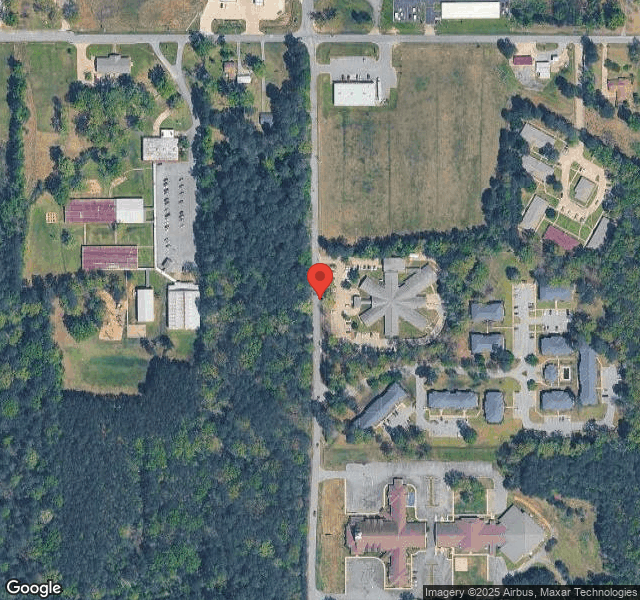

6301 SOUTH HAZEL STREET, PINE BLUFF, AR 71603 (870) 534-8153
For profit - Limited Liability company 103 Beds THE SPRINGS ARKANSAS Data: November 2025
Trust Grade
65/100
#133 of 218 in AR
Last Inspection: June 2025

Inspected within the last 6 months. Data reflects current conditions.

Overview

The Springs of Pine Bluff has a Trust Grade of C+, indicating it is decent and slightly above average compared to other facilities. It ranks #133 out of 218 in Arkansas, placing it in the bottom half of the state, but it is #1 out of 4 in Jefferson County, meaning it is the best option locally. The facility is improving, having reduced issues from 9 in 2024 to 7 in 2025, which is a positive sign. Staffing is average with a 3/5 rating and a turnover rate of 47%, which is slightly better than the state average, but they have concerning RN coverage, being lower than 85% of Arkansas facilities. While there have been no fines, which is a good sign, the inspector found several areas of concern, such as failure to maintain cleanliness in the kitchen and neglecting basic resident care, like nail trimming and bathing for some residents, indicating room for improvement in hygiene and personal care practices.

Trust Score
C+
65/100
In Arkansas
#133/218
Bottom 39%
Safety Record
Low Risk
No red flags
Inspections
Getting Better
9 → 7 violations
Staff Stability
⚠ Watch
47% turnover. Above average. Higher turnover means staff may not know residents' routines.
Penalties
✓ Good
No fines on record. Clean compliance history, better than most Arkansas facilities.
Skilled Nurses
⚠ Watch
Each resident gets only 13 minutes of Registered Nurse (RN) attention daily — below average for Arkansas. Fewer RN minutes means fewer trained eyes watching for problems.
Violations
⚠ Watch
20 deficiencies on record. Higher than average. Multiple issues found across inspections.
★★★☆☆
3.0
Overall Rating
★★★☆☆
3.0
Staff Levels
★★★☆☆
3.0
Care Quality
★★★☆☆
3.0
Inspection Score
Stable
2024: 9 issues
2025: 7 issues

The Good

  • Full Sprinkler Coverage · Fire safety systems throughout facility
  • No fines on record

Facility shows strength in fire safety.

The Bad

3-Star Overall Rating

Near Arkansas average (3.1)

Meets federal standards, typical of most facilities

Staff Turnover: 47%

Near Arkansas avg (46%)

Higher turnover may affect care consistency

Chain: THE SPRINGS ARKANSAS

Part of a multi-facility chain

Ask about local staffing decisions and management

The Ugly 20 deficiencies on record

Jun 2025 6 deficiencies
CONCERN (D)

Potential for Harm - no one hurt, but risky conditions existed

Deficiency F0657 (Tag F0657)

Could have caused harm · This affected 1 resident

**NOTE- TERMS IN BRACKETS HAVE BEEN EDITED TO PROTECT CONFIDENTIALITY** Based on interview and record review, the facility failed to ensure the resident and resident representative were included in ca...

Read full inspector narrative →
**NOTE- TERMS IN BRACKETS HAVE BEEN EDITED TO PROTECT CONFIDENTIALITY** Based on interview and record review, the facility failed to ensure the resident and resident representative were included in care planning meetings for one (Resident #63) of one resident, reviewed for care plan meetings and failed to ensure a care plan was revised to reflect the code status of Do Not Resuscitate (DNR) for a resident under hospice care for one (Resident #63) of one resident reviewed for hospice care. The findings include: A review of Resident #63 ' s modified quarterly Minimum Data Set (MDS), with an Assessment Reference Date of [DATE], revealed the facility re-admitted the resident on [DATE] with a Staff Assessment for Mental Status score of 03, which indicated the resident was severely impaired and never/rarely made decisions. The MDS also revealed the resident was to receive special services from hospice care. A review of Resident #63 ' s Order Summary Report revealed the resident was admitted to local hospice services as of [DATE], and had a code status of DNR, with a start date of [DATE]. The Order Summary Report also indicated Resident #63 had diagnoses which included type 2 diabetes mellitus, paranoid schizophrenia, and Alzheimer's disease. A review of Resident #63 ' s Care Plan Report, last reviewed [DATE], revealed the resident had requested that cardiopulmonary resuscitation (CPR) measures be performed, and that the resident was a full code. The Care Plan revealed an intervention, with an initiation date of [DATE], that directed staff to initiate CPR if found pulseless and breathless and to continue CPR until emergency personnel arrived to take over. The Care Plan also revealed Resident #63 had elected for hospice services. During a phone interview on [DATE] at 2:13 PM, Resident #63 ' s family member stated the facility had not performed a care plan meeting with them since March of 2024, and the last care plan meeting was over the telephone. During a concurrent observation and interview on [DATE] at 3:50 PM, the Director of Nursing (DON) stated the MDS Coordinator was responsible for conducting care plan meetings and updating the residents' care plans. She stated Resident #63's care plan should have been updated to reflect the resident was no longer a full code. The DON reviewed the resident's Electronic Health Record (EHR) and stated there was a DNR order for [DATE]. She reviewed the resident's care plan and stated it reflected, I am a full code. During a concurrent observation and interview on [DATE] at 9:52 AM, the MDS Coordinator stated she was responsible for updating residents' care plans. She stated the care plans were updated per a review schedule, or if she received new orders. She stated the nurse consultant prepared the review schedule for her. The MDS Coordinator revealed she gathered information for updating care plans from the DON, and the aides, or the DON would give her a list of new orders daily. She stated if a resident's full code status was changed to DNR, this should have been reflected on the care plan. The MDS Coordinator stated she completed care plan meetings with the resident, or the resident ' s representative, and the schedule was triggered , alerting her when the meetings were due. The MDS Coordinator provided a copy of the schedule and Resident #63's name was not listed. She stated she sent letters to the resident and resident ' s representative with information regarding when the meeting was scheduled, but sometimes she performed the care plan meetings by phone, due to family not showing up. The MDS Coordinator reviewed the information in the resident's EHR and stated she did not see any documentation to indicate the last care plan meeting had been done. The MDS Coordinator reviewed her current care plan meeting schedule and stated she did not see the resident's name on the list. She stated in the past three months she had not called the family member to provide updates on the resident's care. There were no progress notes in the resident ' s EHR detailing why the care plan meetings were not held. A review of a Care Plans, Comprehensive Person-Centered policy, revised 03/2022, revealed the following: - the interdisciplinary team (IDT), in conjunction with the resident and his/her family or legal representative, develops and implements a comprehensive, person-centered care plan for each resident. -the resident is informed of his or her right to participate in his or her treatment and provided advance notice of care planning conferences. -if the participation of the resident and his/her representative in developing the resident's care plan is determined to not be practicable, an explanation is documented in the resident's medical record and should include the steps taken to include the resident or representative in the process. -assessments of residents are ongoing and care plans are revised as information about the residents and the residents' condition change.
CONCERN (D) 📢 Someone Reported This

A family member, employee, or ombudsman was alarmed enough to file a formal complaint

Potential for Harm - no one hurt, but risky conditions existed

Quality of Care (Tag F0684)

Could have caused harm · This affected 1 resident

Based on observation, record review, interview, and facility policy review, the facility failed to ensure the necessary care and services were provided to a resident with a non-pressure related skin i...

Read full inspector narrative →
Based on observation, record review, interview, and facility policy review, the facility failed to ensure the necessary care and services were provided to a resident with a non-pressure related skin issue for one (Resident #1) of two residents reviewed for non-pressure related skin issues. The findings include: During a concurrent observation and interview, on 06/17/2025 at 12:34 PM, this surveyor observed Resident #1 lying in bed on their right side, with a wedge behind their back. There were scabs and bruises, reddish in color, observed on the resident's left arm. When asked what happened, Resident #1 stated the resident and somebody's sister were play scratching and she scratched the resident's arm. The resident was unable to state who the sister was or when this incident happened. The resident's hands were not visible at this time. During an observation on 06/18/2025 at 9:50 AM, this surveyor observed Resident #1 sitting at the dining room table dressed, with both arms covered. During an observation on 06/19/2025 at 11:59 AM, this surveyor observed Resident #1 lying in bed on their right side with eyes closed and their left arm exposed. The left arm was observed with purplish bruising and scabbed over areas. A review of Resident #1 ' s admission record revealed the facility admitted the resident on 06/07/2024, with diagnoses which included dementia, and moderate protein calorie malnutrition. A review of Resident #1 ' s Order Summary Report revealed an order for a left lower leg wound cleanse, with a start date of 06/03/2025. Staff were to apply a dressing to the wound bed, cover with gauze, and secure with tape every shift and as needed (PRN). The Order Summary report also revealed Resident #1 was to receive a low dose delayed release Aspirin tablet one time a day for high blood pressure. A review of Resident #1 Progress Notes from 05/16/2025 to 06/17/2025, did not reveal any documentation of bruising, scabs, or redness to the resident ' s left arm. A review of Resident #1 ' s significant change Minimum Data Set (MDS), with an Assessment Reference Date of 04/23/2025, revealed the resident had a Brief Interview for Mental Status score of 03, which indicated the resident had severely impaired cognition. The MDS also revealed Resident #1 was dependent on staff for oral, personal and toileting hygiene, and transfers. The MDS indicated that the resident had no unhealed pressure ulcers/injuries. A review of Resident #1 ' s Care Plan Report, with a review date of 05/05/2025, indicated the resident had an Activities of Daily Living (ADL) self-care performance deficit with interventions, that directed staff to check nail length, trim, and clean as necessary. Another intervention on Resident #1 ' s Care Plan Report directed staff to inspect skin weekly and PRN, and to observe for redness, open areas, scratches, cuts, bruises and report changes to the nurse. A review of a Skin Check dated 06/11/2025, revealed Resident #1's skin condition was not clear, and no comments were documented on the form to indicate what the skin condition was. A review of Resident #1 ' s ADL Task Skin Condition revealed from 05/29/2025 to 06/17/2025, no new skin issues were documented. For question two, skin observation, the sections for scratched, red area, discoloration, skin tear, and open area, for 05/29/2025 to 06/17/2025, indicated response not required. For question 3, location of skin concerns, the form indicated response not required. A review of Resident #1 ' s ADL Task - Bathing indicated the residents bath days were Tuesdays, Thursdays, and Saturdays on day shift. The ADL Task Bath Type revealed the resident received a shower on the following days: 06/03/2025 and 06/14/2025, and a sponge bath on 05/31/2025, 06/04/2025, 06/05/2025, 06/07/2025, 06/12/2025, and 06/17/2025. A review of Resident #1 ' s 05/2025 Treatment Record did not indicate any treatment orders for skin issues to the resident ' s left arm. A review of Resident #1 ' s 06/2025 Treatment Record did not indicate any treatment orders for skin issues to the resident ' s left arm. During an interview on 06/18/2025 at 3:58 PM, Licensed Practical Nurse (LPN) #2 stated if she saw a skin issue on a resident such as a laceration, cut, scrape, or bruise that was not there on a previous round, she would have put the observation on an Incident and Accident (I&A) form and would have gotten a treatment order from the provider. LPN #2 stated the family, the Director of Nursing (DON), and Administrator were notified of any I&As completed. During an interview on 06/19/2025 at 10:22 AM, Certified Nursing Assistant (CNA) #17 stated if she saw a skin issue on a resident such as a laceration, cut, scrape, or bruise that was not there on a previous round, she would have gotten the nurse and documented on the chart [the electronic health record]. During an interview on 06/19/2025 at 12:21 PM, CNA #12 stated if she saw a skin issue on a resident such as a laceration, cut, scrape, or bruise that was not there on a previous round, she would have gotten her charge nurse and stated the resident had a cut or bruise. During a concurrent interview and observation on 06/19/2025 at 3:04 PM, LPN #13 stated if she noticed a bruise, scratch, skin tear, sore, open area or scab on a resident's skin that was not previously observed, she would notify the DON, the Assistant Director of Nursing (ADON), and the treatment nurse. She stated she would complete a progress note, if needed. LPN #13 was asked to look at Resident #1's left arm. She described what she observed as old and new bruising on intact skin, some old wounds that were scabbed, healed, and not dressed. She stated there could be old blood on the skin tears. LPN #13 stated she did not know when the resident's left arm became bruised or scabbed. If the CNAs saw bruising or scabs on the resident's skin, they were supposed to let the nurse know. During an interview on 06/19/2025 at 3:41 PM, the DON stated if the CNAs saw any skin issues, they were to notify the charge nurse immediately. She stated it was everyone's responsibility to notify the charge nurse, and the charge nurse would notify the treatment nurse. She stated skin tears were addressed, and CNAs checked the resident's skin every time a resident was checked. A review of a Prevention of Pressure Injuries policy, dated as revised 04/2020, indicated to inspect the skin on a daily basis when performing or assisting with personal care or ADLs and to evaluate, report and document potential changes in the skin. The DON was asked to provide a policy on skin issues and did not provide the policy indicated above instead.
CONCERN (D)

Potential for Harm - no one hurt, but risky conditions existed

Deficiency F0757 (Tag F0757)

Could have caused harm · This affected 1 resident

Based on interviews and record review the facility failed to ensure one (Resident #62) of five residents reviewed for medications did not receive an unnecessary medication. The findings include: A re...

Read full inspector narrative →
Based on interviews and record review the facility failed to ensure one (Resident #62) of five residents reviewed for medications did not receive an unnecessary medication. The findings include: A review of Resident #62 ' s admission Record indicated the facility admitted the resident on 09/18/2023 with diagnoses that included type 2 diabetes mellitus, without complications. A review of Resident #62 ' s quarterly Minimum Data Set, with an Assessment Reference Date of 05/26/2025, revealed the resident had a Brief Interview for Mental Status score of 07, which indicated severe cognitive impairment. A review of Resident #62 ' s Care Plan, initiated 12/05/2024, revealed the resident had desired to lose weight with a goal weight of 145 pounds (lbs). A review of Resident #62 ' s Order Summary Report revealed Resident #62 had an order for an antidepressant to be given one time a day related to abnormal weight loss ordered on 02/06/2025. The Order Summary Report also revealed the resident had a desire to lose weight with a goal weight of 145 lbs. A review of Resident #62 ' s Weight Summary revealed a weight of 155lbs on 09/02/2024, 148lbs on 12/05/2024, 148lbs on 02/05/2025, 148lbs on 03/04/2025, and 153lbs on 06/02/2025. A review of Resident #62 ' s Weekly Weight Note, dated 09/20/2024 indicated the resident ate what they wanted and was losing weight for their spouse. A review of Resident #62 ' sWeekly Weight Note, dated 09/27/2024, indicated the resident wanted to lose weight. A review of Resident #62 ' s Weekly Weight Note, dated 12/03/2024, indicated orders were received from the Medical Doctor (MD) to start Resident #62 on an anti-depressant medication at bedtime, related to weight loss. During an interview on 06/19/2025 at 9:43 AM, Resident #62 indicated they lost a little weight, and desired to lose a little more. The resident stated they did not eat much at all, because of their desired weight loss. Resident #62 indicated they had not been informed of taking an anti-depressant to gain weight. During an interview on 06/19/2025 at 10:45 AM, the Director of Nursing (DON) confirmed Resident #62 was trying to lose weight. The DON stated Resident #62 informed the Psych Nurse this morning [06/19/2025] that they were too big. The DON indicated that Resident #62 came to her about a year ago and told her they wanted to lose weight. The DON then went to the Care Plan Coordinator and informed her that Resident #62 desired to lose weight and had a goal weight of 145lbs. The DON indicated that she informed Resident # 62 that today the resident had met their weight loss goal. The DON stated Resident #62 received the anti-depressant because they had started losing weight. The DON indicated she would have to check if the anti-depressant was something that the Registered Dietician recommended, and the MD During an interview on 06/19/2025 at 11:02 AM, the MD indicated Resident #62 was receiving an anti-depressant for depression. The MD stated he could not remember if Resident #62 had a diagnosis of depression. The MD indicated he monitored for symptoms and changes, to determine if the anti-depressant was effective. He indicated that side effects and symptoms were monitored to evaluate whether medications should be initiated, continued, reduced, discontinued, or otherwise modified. The MD revealed he was not sure if there was a reason why a gradual dose reduction had not been attempted and could not remember Resident #62 telling him anything concerning their weight. During an interview on 06/19/2025 at 2:34 PM, the Administrator indicated she was not aware Resident #62 wanted to lose weight. A review of a policy titled, Medication Therapy indicated medication use shall be consistent with an individual's condition, prognosis, values, wishes, and responses to treatment.
CONCERN (E)

Potential for Harm - no one hurt, but risky conditions existed

ADL Care (Tag F0677)

Could have caused harm · This affected multiple residents

Based on observation, interview, record review, and facility policy review, the facility failed to ensure nail care was provided for one (Resident #5) of one resident reviewed for nail care and failed...

Read full inspector narrative →
Based on observation, interview, record review, and facility policy review, the facility failed to ensure nail care was provided for one (Resident #5) of one resident reviewed for nail care and failed to ensure a bath or shower was provided for one (Resident #386) of one resident reviewed for baths/showers. The findings include: Resident #5 During an observation on 06/17/2025 at 9:01 AM, this surveyor observed Resident #5 lying in bed awake. The resident ' s fingernails, on both hands, were past the tips of the fingers and a dark substance was underneath the nail beds. Resident #5 stated not remembering the last time their fingernails were trimmed. During an observation on 06/18/2025 at 2:41 PM, this surveyor observed Resident #5 sitting up in a Geri-chair in their room, awake. The resident ' s fingernails, on both hands, were past the tips of the fingers and a dark substance was underneath the nail beds During a concurrent observation and interview on 06/19/2025 at 12:12 PM, Certified Nursing Assistant (CNA) #12 stated she had worked at the facility for 19 years. She looked at Resident #5's fingernails and stated the nails were medium length and had stuff underneath their nail beds, which was brown in color. She stated the nurses performed nail care for residents who were diabetic. During a concurrent observation and interview on 06/19/2025 at 2:57 PM, Licensed Practical Nurse (LPN) #13 described Resident #5's fingernails on both hands as too long, brown in color with what appeared to be feces and dirt. LPN #13 stated nail care was randomly provided by the aides, and the Director of Nursing (DON) also provided nail care to residents sometimes. She stated she did not know if residents received nail care on bath days and that Resident #5 had not refused baths. LPN #13 stated CNAs did not provide nail care for residents who had diabetes. A review of Resident #5 ' s admission Record revealed the facility admitted the resident on 12/12/2024, with diagnoses which included diabetes mellitus. A review of Resident #5 ' s Order Summary Report revealed the resident may see a podiatrist, a doctor who treats the foot, ankles and lower legs, every 90 days, and as needed. The Order Summary Report revealed Resident #5 had no orders for weekly nail care. A review of the quarterly Minimum Data Set (MDS), with an Assessment Reference Date (ARD) of 05/09/2025, revealed Resident #5 had a Brief Interview for Mental Status of 07, which indicated severe cognitive impairment. The MDS also revealed Resident #5 had no behaviors, no rejection of care, required moderate assistance with oral and toileting hygiene, and was dependent upon staff for bathing themself and personal hygiene. A review of Resident #5 ' s Care Plan Report, revised 05/19/2025, revealed the resident had an activities of daily living (ADL) self-care performance deficit. The Care Plan included an intervention that directed staff to check nail length, trim, and clean, as necessary. The resident did not express any preference regarding bathing schedule. The Care Plan report also revealed the resident had diabetes mellitus, which included an intervention of diabetic toenail care to be provided by licensed staff. There was not an intervention listed on Resident #5 ' s Care Plan Report for weekly nail care by a licensed staff member. A review of Resident #5 ' s ADL Nail Care Task revealed nail care was last completed on 06/15/2025. A review of Resident #5 ' s ADL Task Bath type revealed the resident ' s bath days were Tuesdays, Thursdays, and Saturdays. According to the ADL Task Bath type, the resident received a shower on 06/14/2025 and a sponge bath on 06/17/2025 and 06/19/2025. A review of the 06/2025 electronic Medication Administration Record (eMAR) for Resident #5 did not indicate an order for nail care. A review of Resident #5 ' s Treatment Record for 06/2025 did not reveal a treatment order for nail care. A review of Resident #5 ' s Progress Notes from 06/01/2025 to 06/19/2025 did not indicate the resident had refused nail care and included documentation of the resident feeding self on 06/14/2025, 06/08/2025, 06/07/2025 and 06/01/2025. During an interview on 06/19/2025 at 3:31 PM, the DON stated any licensed nursing staff could provide nail care to residents who were diabetic, but the facility preferred that CNAs not clean diabetic resident ' s fingernails. She stated Resident #5 was on a schedule to have nails trimmed weekly, and this should have been on the resident's eMAR. The DON stated a licensed nurse needed to clean the residents' fingernails through the week. The DON continued that residents' fingernails should be trimmed and cleaned, because residents eat their food with their hands and so residents did not scratch themselves. A review of a Fingernails/Toenails, Care of policy, revised 02/2018 revealed nail care includes daily cleaning and regular trimming and unless otherwise permitted, do not trim the nails of diabetic residents or residents with circulatory impairments, and trimmed and smooth nails prevent the resident from accidentally scratching and injuring his or her skin. The policy indicated the supervisor should be notified if the resident refuses the care. Resident #386 During an interview on 06/16/2025 at 1:23 PM, Resident #386 indicated they had not had a bath since being admitted . A review of Resident #386 ' s ADL/bath record indicated that their showers were scheduled for Monday ' s, Wednesday ' s, and Friday ' s. The ADL/bath record did not indicate that Resident #386 had been given a shower since being admitted . A review of Resident #386 ' s admission Record revealed the facility admitted the resident on 06/10/2025 with a history of falls and a brain bleed. During an observation on 06/16/2025 at 1:25 PM, Lead CNA #8 was heard telling Resident #386 that she would give the resident a shower. A review of Resident #386 Care Plan, initiated 06/10/2025, revealed the resident did not express any bathing preferences, but did require limited assistance with bathing. During an interview on 06/18/2025 at 10:50 AM, CNA #9 indicated that Resident #386 received a shower every week, and the resident had not been informed about their shower days yet. CNA #9 indicated new admissions received their showers as soon as they were admitted . CNA #9 confirmed Resident #386 was admitted on e to two weeks ago. CNA #9 revealed the CNAs were responsible for giving the residents a shower, if there was not a shower aide scheduled. CNA #9 stated he did not know why Resident #386 had not received a shower before yesterday. During an interview on 06/18/2025 at 2:11 PM, Resident #386 indicated only having had three showers since being admitted . The resident indicated they had a shower on 06/16/2025, 06/17/2025, and 06/18/2025, but missed their shower on 06/11/2025, and 06/13/2025. During an interview on 06/18/2025 at 2:17 PM, Lead CNA #8 indicated showers should be documented by the staff after completion, but before the shift was over. Lead CNA #8 stated Resident #386 was cognitive and informed her on Monday that they had not received a shower. Lead CNA #8 indicated that she gave Resident #386 a shower on Monday 06/16/2025. During an interview on 06/19/2025 at 10:40 AM, the DON indicated if a new admit came in after hours, the CNA may not put their task in the computer. The DON stated most of the time, the next morning the department heads made sure the tasks were completed. The DON stated she was not here the week Resident #386 was admitted , and she did not get a chance to look at the task. The DON revealed Resident #386 should have received a bath before 06/16/2025. The DON confirmed Resident #386 received baths on Mondays, Wednesdays, and Fridays. During an interview on 06/19/25 at 2:32 PM, the Administrator stated a new admission should receive a shower whenever they want one, but at least by the next day. She revealed she did not know Resident #386 had not received a shower. A review of a policy titled, Bath, Shower/Tub indicated the purpose of a bath/shower is to promote cleanliness, provide comfort to the resident and to observe the condition of the resident's skin.
CONCERN (F)

Potential for Harm - no one hurt, but risky conditions existed

Food Safety (Tag F0812)

Could have caused harm · This affected most or all residents

Based on observation, interview, and facility policy review, the facility failed to ensure that the kitchen air vent was cleaned; the kitchen floor was free of chips, debris, dirt, rust, and stains, a...

Read full inspector narrative →
Based on observation, interview, and facility policy review, the facility failed to ensure that the kitchen air vent was cleaned; the kitchen floor was free of chips, debris, dirt, rust, and stains, and floor tiles were replaced; food items stored in the freezer were covered or sealed; the ice machine was maintained in a clean and sanitary condition in one of one kitchen, and dietary staff washed their hands before handling clean equipment or food items for two of two meals observed. The findings include: During a tour of the kitchen on 06/16/2025 at 8:52 AM, this surveyor observed the following: a. A cabinet below the deep fryer had four gas pilot valves, with grease on them. The bottom of the cabinet had a mixture of grease and greasy food crumbs. The Dietary Manager (DM) was asked how often she cleaned the deep fryer and the gas pilot valves, she stated she cleaned them every week, but they had not been cleaned for about a month. b. The ceiling air vent by the steam table, and one by the food preparation counter, had water condensation, rust, and gray stains. The DM stated the vent was sweating and had gray and black residue on them. During an interview on 06/19/2025 at 2:05 PM, the Maintenance Director was asked how often he cleaned the ceiling air vent in the kitchen, and he stated he tried to clean it once a week. During an observation on 06/16/2025 at 9:26 AM, this surveyor observed Dietary [NAME] (DC) #1, without gloves, remove a box of dinner rolls from the freezer and place it on the counter, which contaminated her hands. She then placed gloves on her hands, which contaminated the gloves in the process. Without changing her gloves or washing her hands, DC #1 used her contaminated gloved hands to remove dinner rolls from the bag and place them on the pan to be baked and served for lunch. DC #1 was asked what she should have done after touching dirty objects and before handling food items. She stated she should have washed her hands. During an observation on 06/16/2025 at 10:02 AM, this surveyor observed an opened bag of fish breading on a rack in the storage room. The bag was not sealed, which exposed it to air. The DM confirmed leaving the bag open would allow something to crawl into it. During a concurrent observation and interview on 06/16/2025 at 10:04 AM, the ice machine located in a room facing the dining room, which lead to the 300 Hall, had an accumulation of wet brown residue on the panel and on the area where ice traveled down to the ice collector. There was a wet accumulation of black residue on the inside body of the ice machine that could have fallen onto the ice. The DM stated she cleaned the ice machine once a week. She also verified that the Certified Nursing Assistants used the ice for the water pitchers in the residents' rooms and that it was used to fill beverages served to the residents at mealtimes. The DM confirmed the ice machine was dirty with brown color. During an interview on 06/17/2025 at 10:30 AM, the Maintenance Director stated he cleaned the ice machine weekly, but residue built up fast. During an observation on 06/16/2025 at 11:58 PM, this surveyor observed Dietary Aide (DA) #4 turn on the three-compartment sink faucet to wash the blender bowl, blade, and lid. After sanitizing the equipment, he turned off the faucet with his bare hand, which contaminated his hand. Without washing his hands, he picked up a clean blade and attached it to the blender to puree food items to be served to the residents, who required pureed diets, for lunch. DA #4 was asked what he should have done after touching dirty objects and before handling clean equipment. He stated he should have washed his hands. During an observation on 06/16/2025 at 12:17 PM, this surveyor observed DC #1 turn on the hand washing sink faucet and wash her hands. After washing her hands, she turned off the faucet with tissue paper, contaminating the tissue. Then, she used the same contaminated tissue to dry her hands. Without rewashing her hands, DC #1 removed slices of cheese from a plastic bag and placed them on a cutting board. DC #1 was asked what she should have done after touching dirty objects and before handling clean equipment. She stated she should have washed her hands. During a concurrent observation and interview on 06/17/2025 at 11:40 AM, this surveyor observed DC #5 use an empty bread bag to push slices of bread into a blender to be pureed and served to the residents, on pureed diets, for lunch. DC #5 was asked the reason he used a bread bag to push slices of bread into the blender. He stated he should have used a tong. A review of a facility policy titled, Safe Storage of Food indicated all foods would be stored, wrapped, or in covered containers. A review of a facility policy titled, Quick Resource Tool: QRT Handwashing indicated hands should be washed as often as possible, and that it was important to wash hands before starting to work with food, as often as needed during food preparation, and when changing tasks. A review of a facility policy titled Sanitation of Ice Machine indicated the ice machine should be sanitized twice monthly by dietary.
MINOR (B)

Minor Issue - procedural, no safety impact

Deficiency F0883 (Tag F0883)

Minor procedural issue · This affected multiple residents

**NOTE- TERMS IN BRACKETS HAVE BEEN EDITED TO PROTECT CONFIDENTIALITY** Based on record review, interview, and facility policy review, the facility failed to ensure required vaccinations were administ...

Read full inspector narrative →
**NOTE- TERMS IN BRACKETS HAVE BEEN EDITED TO PROTECT CONFIDENTIALITY** Based on record review, interview, and facility policy review, the facility failed to ensure required vaccinations were administered to three (Resident #6, #52, and #63) of five sampled residents reviewed for immunizations. The findings include: A review of Resident #6's Immunization Screen, within the resident ' s Electronic Health Record (EHR), revealed the pneumococcal vaccine was refused, but did not indicate a refusal date. A review of Resident #6's Allergies Screen within the resident ' s EHR indicated the resident had an allergy to penicillin. A review of Resident #6 ' s Order Summary Report revealed the pneumococcal vaccine would be offered, as needed unless contraindicated per the Centers for Disease Control (CDC) guidelines, with an order date of 05/23/2025. A review of Resident #6 ' s significant change Minimum Data Set (MDS), with an Assessment Reference Date (ARD) of 05/27/2025, revealed the facility admitted the resident on 12/11/2024 and re-entered to the facility on [DATE], and had a Brief Interview for Mental Status (BIMS) score of 03, which indicated severe cognitive impairment. During an interview on 06/19/2025, the Assistant Director of Nursing (ADON), who was also the Infection Preventionist, provided a Release-Pneumococcal Vaccines form, dated 12/11/2024. The Release-Pneumococcal Vaccines form was reviewed and indicated the responsible party signed consenting to Resident #6 ' s receipt of the pneumococcal vaccine. The ADON stated when the nurse attempted to give Resident #6 the vaccine, the resident refused. The ADON stated she could not find documentation of staff informing the Adult Protective Service (APS) worker, who was Resident #6 ' s responsible party, about the resident's refusal of the vaccine or if any education on risks/benefits was provided to Resident #6, or the APS worker. A review of Resident #52's Immunization Screen, within the resident ' s EHR, revealed the pneumococcal vaccine was refused, but did not indicate a refusal date. A review of Resident #52 ' s Order Summary Report revealed the pneumococcal vaccine would be offered per CDC guidelines, with an order date of 11/17/2022. A review of Resident #52 ' s quarterly MDS, with an ARD of 05/07/2025, revealed the facility admitted the resident on 11/17/2022. The MDS also revealed Resident #52 had a BIMS score of 06, which indicated severe cognitive impairment. During an interview on 06/19/2025, the ADON provided a Resident Vaccination Record for Resident #52 which revealed the pneumococcal vaccine was declined on 11/17/2022, but did not specify if any education on the risks/benefits was provided to the resident/responsible party. As of 06/20/2025, the ADON had not provided any further documentation for Resident #52. A review of Resident #63's Immunization Screen, in the resident ' s EHR, revealed the pneumococcal vaccine was refused, but did not indicate a refusal date. A review of Resident #63 ' s Order Summary Report in the resident ' s EHR, revealed the resident had diagnoses which included type 2 diabetes mellitus, paranoid schizophrenia, and Alzheimer's disease. A review of Resident #63 ' s modified quarterly MDS, with an ARD of 03/14/2025, revealed a Staff Assessment for Mental Status score of 03, which indicated the resident was severely impaired and never/rarely made decisions. On 06/19/2025, the ADON provided a copy of an untitled document, dated 12/12/2024 at 9:58 AM, which listed Resident #63's medications. There was an order for pneumococcal vaccine to be given intramuscularly once, with an order date of 12/09/2024, and a discontinue date of 12/09/2025. There was no documentation on this form verifying if Resident #63 received the vaccine. As of 06/20/2025, the ADON had not provided the vaccine information for Resident #63. During an interview on 06/20/2025 at 11:59 AM, the ADON stated she followed up after a resident was admitted to the facility to verify if the resident accepted or declined vaccines. She stated if the resident or resident representative declined vaccines, she would normally put refused but had learned this week to put a note in the EHR. The ADON stated going forward, she would notify the responsible party that the resident declined the vaccine and provide education regarding the risks versus benefits. A review of a Pneumococcal Vaccine policy, dated as revised March 2020, indicated all residents are offered the pneumococcal vaccines to aid in preventing pneumonia/pneumococcal infections. The policy specified before or on admission, residents were assessed for eligibility to receive the pneumococcal vaccine series and when indicated, offered the vaccine series within 30 days of admission to the facility unless medically contraindicated or had already been vaccinated. The policy indicated residents/representatives had the right to refuse vaccination and appropriate information was documented in the resident's medical record indicating the date of the refusal of the vaccine.
Apr 2025 1 deficiency
CONCERN (E) 📢 Someone Reported This

A family member, employee, or ombudsman was alarmed enough to file a formal complaint

Potential for Harm - no one hurt, but risky conditions existed

Infection Control (Tag F0880)

Could have caused harm · This affected multiple residents

**NOTE- TERMS IN BRACKETS HAVE BEEN EDITED TO PROTECT CONFIDENTIALITY** [NAME] Deputy Based on observation, record review, review of the glucometer manual, review of facility policies, and staff inte...

Read full inspector narrative →
**NOTE- TERMS IN BRACKETS HAVE BEEN EDITED TO PROTECT CONFIDENTIALITY** [NAME] Deputy Based on observation, record review, review of the glucometer manual, review of facility policies, and staff interviews, the facility failed to ensure staff performed proper handwashing, adhered to Enhanced Barrier Precautions (EBP), and correctly disinfected the facility glucometer for two (Resident #2 and #7) of seven residents sampled for infection control. The findings include: On 04/08/2025 at 8:55 AM, during 200 hall observation, Certified Nursing Assistant (CNA) #1 knocked on Resident #2 ' s door, verbalized the resident's name, cleansed her hands with hand sanitizer, donned gloves and a gown, then entered the resident's room, closing the door behind her. Signage on Resident #2's door indicated the resident was on EBP. A caddy with the necessary EBP supplies was located hanging on the outside of Resident #2's door. Upon entering Resident #2's room, this surveyor observed CNA #1, without gloves, applying lotion to Resident #2's legs. CNA #1 did not perform hand hygiene, nor don gloves, for the remainder of care which included placing a clean pad under the resident, repositioning the resident, and removing dirty sheets from the bed. CNA #1 stated that she was old school and usually would don four or five pairs of gloves and take off the dirty gloves as she provided care. No hand sanitizer was within access to CNA #1, while she provided care, but was located in the resident's bathroom. After exiting the room, CNA #1 was observed performing hand hygiene with hand sanitizer, prior to entering another resident's room. A review of Resident #2 Care Plan indicated a diagnosis that included gastrostomy status (indicating a feeding tube). Review of Resident #2's Physician's Orders indicated an order for EBP dated 08/31/2024. On 04/08/2025 at 2:40 PM, a review of facility policy titled Enhanced Barrier Precautions indicated an order for EBP will be obtained for residents with a feeding tube. The policy specified gowns and gloves will be available and alcohol-based hand rub will be present in each resident room. The policy listed high-contact resident care activity included changing linens and providing hygiene. Review of a facility in-service training dated 06/07/2024, revealed Centers for Disease Control (CDC) Enhanced Barrier Precautions, which specified Providers and staff must wear gloves and a gown for high-contact resident care activities, including changing linens and providing hygiene. On 04/08/2025 at 9:30 AM, CNA #1 reported she was not sure if she had received training on Enhanced Barrier Precautions (EBP). She stated she knew if a resident was on EBP, because there were signs on the door and the personal protective equipment (PPE) would be outside of the resident's door. CNA #1 confirmed she should have washed her hands and changed gloves between handling clean and dirty linens. CNA #1 also stated she should have obtained a personal bottle of hand sanitizer, prior to beginning care on Resident #2. She reported she did not wear gloves when applying the lotion and when placing new linen, because she was not touching the feeding tube site nor the area around it. She acknowledged being in-serviced on handwashing. Review of Care Plan dated 06/27/2019, indicated Resident #7 had a diagnosis that included type 2 diabetes mellitus without complications. Resident #7's Physician Orders dated 06/19/2023, indicated Accu checks one time a day every Fri [Friday] related to type 2 diabetes mellitus without complications. Resident #7 was on EBP with an order date of 06/04/2024. On 04/08/2025 at 11:24 AM, Licensed Practical Nurse (LPN) #2 stated she needed to check Resident #7's blood sugar. A review of Resident #7 orders dated 06/04/2024, indicated the resident was on EBP and signage on the door indicated EBP. On 04/08/2025 at 11:24 AM, LPN #2 was observed performing a fingerstick blood sugar on Resident #7. LPN #2 did not perform hand hygiene prior to donning gown and gloves and entering Resident #7's room. After performing the fingerstick blood sugar, LPN #2 washed her hands with soap and water, then picked up the used glucometer and took it back to the medication cart and placed it on top of the cart. On 04/08/2025 at 11:35 AM, LPN #2 stated she thought she washed her hands before and after donning and removing gloves. LPN #2 then stated she needed to clean the glucometer. She utilized an alcohol prep pad to cleanse the glucometer then placed the glucometer back on the medication cart, where it was placed prior to cleaning. LPN #2 reported she would leave it there until it was dry. LPN #2 went on to state that the glucometer should be cleaned with alcohol, before and after it is used for a resident. She indicated some staff used Sani-Cloth wipes and that either one could be used, but that she used alcohol. LPN #2 stated she used an alcohol pad and wiped the glucometer well, then allowed it to air dry. She indicated before providing care to a resident on EBP, she would put on a gown, wash her hands, put on gloves then before leaving the room, she would remove the gloves and gown and wash her hands. On 04/08/2025 at 4:16 PM, LPN #3 denied knowing what EBP meant. She stated she had not had an in-service on that yet. She reported she knew from the computer; it had to do with wearing gloves, gowns, and masks. She indicated to prevent the transmission of infections to residents, she would glove up after washing her hands, wear a mask or whatever was required. LPN #3 stated she had received training on how to don and remove PPE and the facility did have plenty of PPE supplies. She verbalized there was plenty of hand sanitizer in the facility, but she was not sure all staff used it. She reported she was aware if a resident was on precautions, because there would be signage on the door of the resident's room. LPN #3 reported that the facility did have in-service classes on occasion. LPN #3 indicated a nurse/CNA should not apply lotion to a resident, remove dirty linens, or provide personal care with ungloved hands, and stated we have plenty of gloves. She stated, to clean a glucometer in the facility, she cleaned it with alcohol and let it dry. She reported there were two (2) glucometers on the medication carts, so one can be used while the other was allowed to dry. The nurse realized a glucometer was sitting beside her with alcohol prep pads. She picked up the alcohol prep pad, opened it and wiped the glucometer while stating, This is how I clean the glucometer. She reported she cleaned the glucometer each time, before she used it. On 04/08/2025 at 3:50 PM, the Director of Nurses (DON) was interviewed and indicated nurses and CNAs had been trained on EBP. She stated since 04/01/2024, we have in-serviced, we have put up signs and provided verbal explanations of the different kinds of precautions. She could not remember when the last in-service was but stated it had been recent. She indicated a CNA should look for the signs posted regarding EBP or any precautions, remember the education they were taught, and go to their charge nurse and ask if they are unsure or have questions. The DON stated the facility had plenty of PPE supplies and pocket sized hand sanitizers were available on a cart outside of her office for staff to utilize. She stated a CNA should not apply lotion, provide personal care, nor remove dirty linens, without gloves, especially in an EBP room. She reported the facility used multi-use glucometers and that each medication cart had two (2) glucometers so one could be used while the other one dried completely, after disinfection. The DON reported the glucometers should be cleaned after each use. She stated the facility used the manufacture's guidelines to clean the glucometers, using the blue top (canister) alcohol wipes with a ten (10)-minute dry time or an orange top (canister) with bleach. She also indicated a purple top Sani-cloth wipe could be used with a two (2)-minute contact time. After she removed the manual from her desk drawer and reviewed (the name brand) glucometers manual titled, Cleaning and Disinfecting the glucometer, she verified the instructions did not list alcohol as a validated cleaner for the glucometer. She also verified Sani-cloths were listed as a validated cleaner for the glucometer, but only one cleaner may be utilized at a time for the life of the glucometer. On 04/08/2025 at 1:25 PM, a review of the glucometer manufacturers use manual indicated cleaning the glucometer with a bleach based germicidal cleaning cloth or other type of germicidal cleaning wipe. On 04/08/2025 at 1:30 PM, a review of a facility document titled Obtaining a Fingerstick Glucose Level dated as revised October 2011, indicated a disinfected blood glucose meter will be necessary when performing the fingerstick glucose level. The document specified Clean and disinfect reusable equipment between uses according to the manufacturer's instructions and current infection control standards of practice. On 04/08/2025 at 3:00 PM, a review of a facility policy Handwashing Hand Hygiene indicated an alcohol-based hand rub or soap and water should be used for hand hygiene before and after direct contact with resident, after contact with a resident's skin, before applying non-sterile gloves, and after removing gloves.
Mar 2024 9 deficiencies
CONCERN (D)

Potential for Harm - no one hurt, but risky conditions existed

Deficiency F0554 (Tag F0554)

Could have caused harm · This affected 1 resident

Based on observation, interview, and record review, the facility failed to ensure medications were not self-administered without a physician order and an interdisciplinary team (IDT) assessment that d...

Read full inspector narrative →
Based on observation, interview, and record review, the facility failed to ensure medications were not self-administered without a physician order and an interdisciplinary team (IDT) assessment that determined it was safe for 1 (Resident #275) of 1 sampled resident. The findings are: Resident #275 had a diagnosis of Chronic obstructive pulmonary disease with acute exacerbation, and a physician's order documented as intended to treat it for Budesonide-Formoterol Fumarate Inhalation Aerosol. This medication was administered via a nebulizer, a device that turns the liquid medicine into a mist which is then inhaled through a mouthpiece or a mask. On 03/26/2024 at 10:55 AM, Resident #275 stated to the Surveyor, I am getting ready for my treatment. I can do it on my own. I call for them to bring my stuff and then I do it. On 03/26/24, at 11:00 AM, Resident #275 was observed self-administering the medication utilizing a nebulizer mask. On 03/27/2024 at 11:10 AM, Licensed Practical Nurse (LPN) #1 stated that Resident #275 self-administered their nebulized medication. LPN #1 stated, I'll put the albuterol solution in, or let [Resident #275] do it, the Resident can put the medication in [him/herself]. Then I will leave and let [Resident #275] do it. [Resident #275] will take it off when it is finished. On 03/27/2024 at 11:18 AM, LPN #1 was observed entering Resident #275's room and starting the nebulizer. LPN #1 was then seen leaving Resident #275's room at 11:19 AM, leaving the resident to administer the nebulizer. Resident #275 sat on the bed, holding the nebulizer mask over their nose, and administering the treatment to themselves. On 03/27/2024 at 11:21 AM, the Surveyor asked Resident #275 who put the solution in the nebulizer. Resident #275 stated, I did it. On 03/27/2024 at 11:29 AM, the Surveyor entered Resident #275's room and noted the nebulizer mask in the Resident's right hand. The machine was activated, and the solution was venting into the air. Resident #275 was talking on the telephone while the medication was discharged into the room. This continued until 11:32 AM, when Resident #275 ended the phone call and placed the nebulizer mask back on their face. On 03/28/2024 at 09:30 AM, LPN #1 was asked, How do you document the administration of the albuterol you set up for Resident #275 over the past two days? LPN #1 stated, In progress notes. The Surveyor asked, So, if I went to the progress notes, that is where I can find the documentation? LPN #1 stated, No, I haven't done it for either day. The Surveyor asked, Should it be documented on the MAR [Medication Administration Record]? LPN #1 stated, Yes, but I didn't. The Surveyor asked, How can you ensure the resident is getting the physician ordered amount of the medication if a resident is self-administering the medication alone in their room? LPN #1 stated, [Resident #275] should not. I put it in the cup and all the medicine will come out of the little bowl. The Surveyor asked, Has [Resident #275] been assessed for self-administration of the albuterol or nebulizer? LPN #1 stated, No. The Surveyor asked, What is the importance of a resident being assessed for self-administration? LPN #1 stated, Have a BIMS of 15 and to make sure the resident is capable of doing it. On 03/27/2024 at 02:00 PM, the Director of Nursing (DON) was asked, Do you have anyone who can self-administer their medication? The DON said, No, but we do have some residents that are cognitively able to be, per-say, able to do theirs after you get the medication going. But we do not have anyone here that can self-administer. There are some here who have a BIMS score of 15 high enough they can sit there with their updraft going but the nurse has to set it up. We do not have anyone here that does that or that has been assessed to do that. The Surveyor asked, Have your nurses assessed any residents for self-administration? The DON stated, No. The IDT would have to meet on the assessment for self-administration. The Surveyor asked, Why is it important to have a self-administration assessment? The DON stated, They would be deemed competent and safe to have an updraft until it is finished. They take up to 15-20 minutes to complete. The Surveyor asked, How does the nurse know how much medication the resident receives? The DON stated, They would have to go back and check the residual of the medication that would be in the apparatus of the updraft. On 03/27/2024 at 11:18 AM, the DON provided the facility Self-Administration of Medication policy which documented, residents have the right to self-administer medications if the interdisciplinary team has determined that it is clinically appropriate and safe for the resident to do so . As part of the evaluation comprehensive assessment, the interdisciplinary team (IDT) assesses each resident's cognitive and physical abilities to determine whether self-administering medications are safe and clinically appropriate for the resident . Nursing staff reviews the self-administered medication record for each nursing shift and transfers pertinent information to the medication administration record (MAR) kept at the nursing station, appropriately noting that the doses were self-administered . On 03/27/2024 at 11:18 AM, the DON was unable to provide a self-administration safety screen for Resident #275.
CONCERN (D)

Potential for Harm - no one hurt, but risky conditions existed

ADL Care (Tag F0677)

Could have caused harm · This affected 1 resident

Based on observation, interview, and record review, the facility failed to ensure fingernails were cleaned to promote good personal hygiene and grooming for 1 (Resident #28) of 1 sampled resident who ...

Read full inspector narrative →
Based on observation, interview, and record review, the facility failed to ensure fingernails were cleaned to promote good personal hygiene and grooming for 1 (Resident #28) of 1 sampled resident who required assistance with nail care. The findings are: Resident #28 had a diagnosis of Type 2 diabetes mellitus without complications. A Quarterly Minimum Data Set (MDS) with an Assessment Reference Date (ARD) of 01/20/2024 documented the resident had a Brief Interview for Mental Status (BIMS) score of 15 (13-15 indicates cognitively intact) and needed partial assistance from another person to complete self-care activities and substantial to maximal assistance with personal hygiene. a. A care plan, last revised 01/10/2024 documented, .[Resident #28] has an ADL [activities of daily living] self-care performance deficit r/t [related to] Amputation (bilateral amputation of lower extremities) . Nail Care: Check nail length and trim and clean as necessary . b. An ADL Task: Nail Care 21 day look back form had a checkmark in the box for 'No' to the question, Task Completed? on 03/17/2024 and 03/24/2024. c. On 03/25/2024 at 09:11 AM, Resident #28's left hand had a dark brown substance underneath them. The resident's right hand was positioned away so this surveyor was unable to see the fingernails. d. On 03/26/2024 at 02:58 PM, Resident #28's left hand was resting on the bed and the fingernails had a dark brown substance underneath. The right hand was positioned away and unable to be seen. e. On 03/27/2024 at 09:58 AM, Resident #28's left hand had a dark brown substance underneath the fingernails. This Surveyor asked Licensed Practical Nurse (LPN) #2 to look at Resident #28's fingernails and describe what was seen. LPN #2 stated, Yes, they need to be cleaned out as she was holding [Resident #28]'s left hand. Resident #28 held out their right hand and the Surveyor observed both hands. There was a dark brown substance underneath the fingernails on both hands. f. On 03/28/2024 at 11:59 AM, Certified Nursing Assistant (CNA) #8 was asked, Who is responsible for nail care to the residents? She stated, All staff members. Only a nurse can do diabetic resident nails. She was asked, When should it [nail care] be performed? CNA #8 stated As often as needed. She was asked, What do you do if a resident refuses nail care? She stated, Report to the charge nurse. g. A policy titled Fingernails/Toenails, Care of provided by the Director of Nursing (DON) on 03/28/2024, documented, .The purposes of this procedure are to clean the nail bed, to keep nails trimmed, and to prevent infections .General Guideline 1. Nail care included daily cleaning and regular trimming 2. Proper nail care can aid in the prevention of skin problems around the nail bed .
CONCERN (D)

Potential for Harm - no one hurt, but risky conditions existed

Incontinence Care (Tag F0690)

Could have caused harm · This affected 1 resident

Based on observation, interview, and record review, the facility failed to ensure a urinary catheter tube was not directly touching the floor to decrease the potential for contamination or trauma for ...

Read full inspector narrative →
Based on observation, interview, and record review, the facility failed to ensure a urinary catheter tube was not directly touching the floor to decrease the potential for contamination or trauma for 1 (Resident #172) of 1 sampled resident who had a urinary catheter in place. The findings are: Resident #172 had diagnoses of poor brain development that affected muscle control (Cerebral Palsy) and inability to urinate (Neuromuscular Dysfunctional of Bladder). a. A Quarterly Minimum Data Set (MDS) with an Assessment Reference Date (ARD) of 03/03/2024 documented a Brief Interview of Mental Status (BIMS) score of 15 (13-15 indicates cognitively intact) and that the Resident had an indwelling catheter for bladder and bowel appliances. b. A Care plan dated 03/12/2024 documented, .[Resident #172] has a Suprapubic cath [catheter] .monitor/document for s/sx [signs/symptoms] of UTI [Urinary Tract Infection] . c. On 03/25/2024 at 11:34 AM, Resident #172 was sitting up in a wheelchair in the dining area with other residents, with the catheter's urine collection bag underneath it and visible from the doorway, not in a privacy bag, and the tubing was resting directly on the floor (Picture taken at 11:36 AM). d. On 03/28/2024 at 11:59 AM, Certified Nursing Assistant (CNA) #8 when asked where a catheter bag should be placed. CNA #8 stated if [the resident] was in bed, the tubing should be looped and clamped to something, and if in a wheelchair, underneath it. She verbalized the tubing should not be on the floor due to cross contamination and infection control concerns. When asked what could happen to the resident if the tubing is on the floor, she stated it could be pulled out, dragged, or stepped on. e. A Catheter Care, Urinary policy provided by the DON documented, .The purpose of this procedure is to prevent catheter-associated urinary tract infections .Infection Control .Be sure the catheter tubing and drainage bag are kept off the floor .
CONCERN (D)

Potential for Harm - no one hurt, but risky conditions existed

Medication Errors (Tag F0758)

Could have caused harm · This affected 1 resident

Based on interview and record review, the facility failed to ensure a physician documented a clinical rationale for the declination of a pharmacist recommended dose reduction or discontinuation of an ...

Read full inspector narrative →
Based on interview and record review, the facility failed to ensure a physician documented a clinical rationale for the declination of a pharmacist recommended dose reduction or discontinuation of an antipsychotic medication for 1 (Resident #67) of 4 sampled residents who were investigated for antipsychotic medications. The findings are: Resident #67 had a diagnosis of Dementia with behavioral disturbance as listed on the Order Summary. a. An Order Summary documented, Quetiapine Fumarate Oral Tablet 50 MG (milligrams) Give 1 tablet by mouth at bedtime related to .Dementia .ordered 1/25/24; Quetiapine Fumarate Oral Tablet 25 MG .Give 1 tablet by mouth two times a day related to .Dementia .ordered 01/25/2024; Risperidone Oral Tablet 0.25 MG .Give 1 tablet by mouth one time a day related to .Dementia . ordered 1/25/24; Risperdal Oral Tablet 0.5 MG (Risperidone) Give 1 tablet by mouth one time a day related to .Dementia .ordered 1/25/24 . b. A Consultation Report dated 02/22/2024 documented, .[Resident #67] receives two or more antipsychotics: 1. Risperidone 0.25 mg @ [at] 8 am 0.5mg @ 1pm 2. Quetiapine Fumarate 25mg Twice a Day and Quetiapine Fumarate 50mg QHS [every bedtime] Recommendation: Please decrease Risperidone to Risperidone 0.5mg @ 1pm only (D/C [discontinue] AM dose), with the end goal of discontinuation . Evidence for the use of multiple antipsychotics is limited and increases the risk for drug interactions, medication errors, and cumulative side effects . Physician's Response: . I have re-evaluated this therapy and DO NOT wish to implement any changes due to the reasons below. Rationale: Continue POC (plan of care) . c. On 03/28/2024 at 12:19 PM, the Director of Nursing (DON) acknowledged that they educate the providers regarding a rationale should be documented when no gradual dose reduction is performed. When she was asked how this was done, she stated they call them, and she talks to them about looking at the antipsychotics to see about making a reduction. d. An Antipsychotic Medication Use policy provided by the DON documented, .Antipsychotic medications will be prescribed at the lowest possible dosage for the shortest period of time and are subject to gradual dose reduction and re-review .The physician shall respond appropriately by changing or stopping problematic doses or medications, or clearly documenting (based on assessing the situation) why the benefits of the medication outweigh the risks or suspected or confirmed adverse consequences .
CONCERN (E)

Potential for Harm - no one hurt, but risky conditions existed

Deficiency F0761 (Tag F0761)

Could have caused harm · This affected multiple residents

Based on observation, interview, and record review, the facility failed to ensure that medications were stored in the med cart with identifiers on the medication cup to identify the resident or to ide...

Read full inspector narrative →
Based on observation, interview, and record review, the facility failed to ensure that medications were stored in the med cart with identifiers on the medication cup to identify the resident or to identify the medication. Findings include: During an observation on 03/28/2024 at 12:27 PM, of the medication carts for Halls 400, 500, and 600 revealed two plastic medication cups in the bottom right drawer of the medication cart with multiple different pills with no identifiers on the cups. Plastic medication cup #1 had 10 pills and plastic medication cup #2 had 3 pills in it. During an interview on 03/28/2024 at 12:27 PM, the Licensed Practical Nurse (LPN) #1confirmed that there were 10 pills in cup #1 and 3 pills in cup #2. Also, confirmed there were no identifiers on the cups and that the facility procedure is to waste the pills if the resident is unavailable to take the prescribed pills. The Surveyor asked how the nurse is able to identify the pills in the cup or know who they belong to. LPN #1 responded, I know because I have done this for forever. During an interview on 03/28/2024 at 12:59 PM, the Director of Nurses (DON) confirmed there are multiple pills in the cups without any identifiers. The DON also confirmed that the pills should be wasted if unavailable to identify the pills and that pills should be administered immediately after being prepared in a medication cup. A review of the facility's undated policy titled Storage of Medications, indicated, .Drugs and biologicals are stored in the packaging, containers, or other dispensing systems in which they are received .Drug containers that have missing, incomplete, improper, or incorrect labels . are returned to the dispensing pharmacy or destroyed .
CONCERN (E)

Potential for Harm - no one hurt, but risky conditions existed

Deficiency F0804 (Tag F0804)

Could have caused harm · This affected multiple residents

Based on observation, interview, and record review, the facility failed to ensure meals were served in a method that maintained the appearance of cold products and at temperatures that were acceptable...

Read full inspector narrative →
Based on observation, interview, and record review, the facility failed to ensure meals were served in a method that maintained the appearance of cold products and at temperatures that were acceptable to the residents to improve palatability and encourage good nutritional intake during 2 of 2 meal observed. This failed practice had the potential to affect 16 residents who receive meal trays in their rooms on the 100 Hall, 8 residents who receive meal trays on the 200 hall, 16 residents who receive meal trays in their room on the 300 hall, 11 residents who receive meal trays in their room on 400 Hall, 8 residents who receive meal trays in their room on 500 Hall. The findings are: 1. Resident #35 had a diagnosis of Type 2 diabetes mellitus with hyperglycemia. An Annual Minimum Data Set (MDS) with an Assessment Reference Date (ARD) of 02/26/2024 documented a Brief Interview for Mental Status (BIMS) score of 14 (13-15 indicates cognitively intact). a. A Physician's order dated 02/14/2022 documented Resident #35 had a diet order of NCS (No Concentrated Sweets), regular texture, thin consistency, add large portions. b. On 03/25/2024 at 09:32 AM, the Surveyor asked resident #35 about the temperature of the food and he/she stated, It always be cold. 2. On 03/25/2024 at 01:02 PM, an unheated food cart that contained 11 trays for lunch was delivered to 400 Hall by the Certified Nursing Assistant (CNA) #1. At 01:14 PM, immediately after the last resident was served in their room on 400 hall, temperature of the food items on the tray used as a test tray were taken and read by the Dietary Supervisor with the following results: a. Baked chicken - 106 degrees Fahrenheit. b. Noodles - 109 degrees Fahrenheit. 3. On 03/25/2024 at 01:09 PM, an unheated food cart that contained 8 trays for lunch was delivered to the 200 Hall by CNA #2. At 01:20 PM, immediately after the last resident was served in their room on 200 Hall, the temperature of the food items on the tray used as a test tray were taken and read by the Dietary Supervisor with the following results: a. Noodles - 110 degrees Fahrenheit. 4. On 03/25/2024 at 01:24 PM, an unheated food cart that contained trays for lunch was delivered to the 500 Hall (Unit) by CNA #3. At 01:30 PM, immediately after the last resident was served in the dining room on the 500 Hall, the temperature of the food items on the tray used as a test tray were taken and read by the Dietary Supervisor with the following results: a. Noodles - 109 degrees Fahrenheit. b. Pureed carrots - 111 degrees Fahrenheit. 5. On 03/25/2024 at 01:26 PM, an unheated food cart that contained trays for lunch was delivered to the 300 Hall by the CNA #4. At 01:37 PM, immediately after the last resident was served in their room on the 300 Hall, the temperature of the food items on the tray used as a test tray were taken and read by the Dietary Supervisor with the following results: a. Ground baked chicken 92 degrees Fahrenheit. b. Noodles 105 degrees Fahrenheit. 6. On 03/26/2024 at 01:26 PM, an unheated food cart that contained trays for lunch was delivered to the 300 Hall (Unit) by CNA #4. At 01:37 PM, immediately after the last resident was served in their room on the 300 Hall, temperature of the food items on the tray used as a test tray were taken and read by the Dietary Supervisor with the following results: a. Ground baked chicken - 92 degrees Fahrenheit. b. Noodles - 105 degrees Fahrenheit. 7. On 03/26/2024 at 07:43 PM, an unheated food cart that contained trays for breakfast was delivered to 300 Hall (Unit) by CNA #6. At 07:53 PM, immediately after the last resident was served in their room on the 300 Hall, the temperature of the food items on the tray used as a test tray were taken and read by the Dietary Supervisor with the following results: a. Sausage - 91degrees Fahrenheit. b. Scrambled eggs - 88 degrees Fahrenheit. 8. On 03/26/2024 at 07:49 AM, an unheated food cart that contained trays for breakfast was delivered to the 100 Hall by CNA #7. At 08:11 AM, immediately after the last resident was served in their room on the 100 Hall, the temperature of the food items on the tray used as a test tray were taken and read by the Dietary Supervisor with the following results: a. Pureed sausage - 98 degrees Fahrenheit. b. Pureed scrambled eggs - 106 degrees Fahrenheit. c. Oatmeal - 107 degrees Fahrenheit. d. Regular sausage - 103 degrees Fahrenheit.
CONCERN (E)

Potential for Harm - no one hurt, but risky conditions existed

Deficiency F0805 (Tag F0805)

Could have caused harm · This affected multiple residents

Based on observation and interview, the facility failed to ensure pureed food items were blended to a smooth, lump-free consistency to minimize the risk of choking or other complications for residents...

Read full inspector narrative →
Based on observation and interview, the facility failed to ensure pureed food items were blended to a smooth, lump-free consistency to minimize the risk of choking or other complications for residents who required pureed diets for 2 of 2 meals observed. This failed practice had the potential to affect 6 residents who received pureed diets. The findings are: 1. On 03/25/2024 at 12:16 PM, Dietary Employee (DE) #3 placed 8 servings of baked chicken into a blender, added chicken broth and pureed. At 12:25 PM, DE #3 poured the pureed chicken into a pan and placed it on the steam. The consistency of the pureed chicken was gritty and not smooth. 2. On 03/25/2024 at 12:32 PM, DE #4 used a 4 ounce spoon to place 8 servings of noodle into a blender, added chicken broth and pureed. At 12:36 PM, DE #4 poured the pureed noodles into a pan and placed it on the steam table. The consistency of the pureed noodles was runny. At 01:30 PM, the surveyor asked the Dietary Supervisor to describe the consistency of the pureed food items served to the residents on pureed diets. She stated, Pureed chicken was gritty. Pureed noodles were soupy and ground chicken was dried and needed gravy over it. 3. On 03/26/2024 at 07:30 AM, a pan of pureed sausage to be served to the residents on pureed diets was on the steam table. The consistency of the pureed sausage was gritty and not smooth. At 07:54 AM, the Surveyor asked the Dietary Supervisor to describe the consistency of the pureed sausage served to the residents for breakfast. She stated, It was gritty. They will buy us a new blade.
CONCERN (E)

Potential for Harm - no one hurt, but risky conditions existed

Infection Control (Tag F0880)

Could have caused harm · This affected multiple residents

Based on observation, interview, and record review, the facility failed to ensure Personal Protective Equipment (PPE) was used before entering a room labeled as contact precautions to decrease the pot...

Read full inspector narrative →
Based on observation, interview, and record review, the facility failed to ensure Personal Protective Equipment (PPE) was used before entering a room labeled as contact precautions to decrease the potential for cross contamination for 1 (Resident #172) of 1 sampled resident who had contact isolation precautions in place. The findings are: Resident #172 had a diagnosis of not being able to urinate (Neuromuscular dysfunction of bladder) per the order summary. a. A Quarterly Minimum Data Set (MDS) with an Assessment Reference Date (ARD) of 03/03/2024 documented a Brief Interview of Mental Status (BIMS) score of 15 (13-15 indicates cognitively intact) and had an indwelling catheter for bladder and bowel appliances. b. An Order Summary documented, .Contact isolation every shift for MRSA . with an order date of 03/19/2024. c. Resident #172's Hospital Summary, with an admission date of 3/13/24, on page 3 and 4 documented on 03/12/2024 at 10:34 AM, a urine culture was abnormal and contained Methicillin Resistant Staphylococcus Aureus. d. On 03/25/2024 at 08:23 AM, this Surveyor was making rounds on the 600 Hall and observed a white cabinet with three drawers outside Resident #172's room. N95 masks, face shields and yellow disposable stethoscopes were in the top drawer. There was one disposable blue gown in the middle drawer and red biohazard bags and clear melt away bags in bottom drawer. There were no gloves in either drawer, on the wall outside the room or on top of the cabinet. The sign on the door documented, Contact Precautions Everyone Must . Put on gloves before room entry . Put on gown before room entry . The door was partially open, and Resident #172 was in bed with the head of bed up and an oxygen concentrator was in the room. e. On 03/25/2024 at 08:47 AM, Licensed Practical Nurse (LPN) #1 was observed in the room replacing a clear plastic humidifier bottle and tubing with another one and the items were on the resident's bedside table. LPN #2 was not wearing any PPE at this time. This Surveyor stood by the door and at 8:51 AM LPN #1 exited the Resident's room. She was asked, What precautions is [Resident #172] on? She stated, MRSA [Methicillin Resistant Staphylococcus Aureus] (an bacteria that the medication Methicillin will not kill) in urine. When asked if she had put on any isolation equipment before entering the Resident's room, she stated she had already been in [Resident #172]'s room before. She was asked, But the sign says you are to put on those things before going in the room, so did you put on any isolation equipment before entering the room? and she stated she didn't. f. An Infection Control Policy provided by the Director of Nursing on 03/28/2024 documented, .The facility appropriately notifies the physician of possible incidents of communicable disease or infections and administers the most appropriate treatment . implements standard and transmission-based precautions to prevent spread of infection . g. An Isolation-Categories of Transmission-Based Precautions policy documented, .Transmission-based precautions are initiated when a resident develops signs and symptoms of a transmissible infection . or has a laboratory confirmed infection; and is at risk of transmitting the infection to other residents . When a resident is placed on transmission-based precautions, appropriate notification is placed on the room entrance door .so that personnel and visitors are aware of the need for and the type of precaution . Contact Precautions . Staff and visitors will wear gloves (clean, non-sterile) when entering the room .Staff and visitors will wear a disposable gown upon entering the room and remove before leaving the room and avoid touching potentially contaminated surfaces with clothing after gown is removed .
CONCERN (F)

Potential for Harm - no one hurt, but risky conditions existed

Food Safety (Tag F0812)

Could have caused harm · This affected most or all residents

Based on observation and interview, the facility failed to ensure dietary staff washed their hands before handling clean equipment or food items to prevent potential food borne illness for residents w...

Read full inspector narrative →
Based on observation and interview, the facility failed to ensure dietary staff washed their hands before handling clean equipment or food items to prevent potential food borne illness for residents who received meals from 1 of 1 kitchen; ceiling tiles door frames and floor tiles were free of chips, stains and rust and were maintained in clean sanitary conditions, foods stored in the dry storage area refrigerator and freezer were covered and sealed to minimize the potential for food borne illness for residents who received meals from 1 of 1 kitchen; expired food items were promptly removed from stock to prevent potential food borne illness for residents who received meal trays from 1 of 1 kitchen; foods were dated when opened to assure first in, first out usage to prevent potential for food bone illness; 1of 1 ice machine was maintained in clean and sanitary condition to prevent contamination of airborne particles and. These failed practices had the potential to affect 72 residents who received meals from the kitchen, (total census: 74). The findings are: 1. On 03/25/2024 at 08:01 AM, the following observations were made in the kitchen. a. An opened zip lock bag that contained loose coffee filters was on a shelf below the food preparation counter by the steam table. The bag was not sealed. The cover of the light fixture above the 2-door refrigerator in the kitchen was broken. b. The wall below the hand washing sink and the wall above the 3-compartment sink had paint peeling, spillage stains and cement exposed. c. Two poles and regular box attached to the oven had dried brown grease substances on them. d. The cabinet below the deep fryer has 4 pallets which have grease on them. The bottom of the cabinet had a mixture of grease and greasy food crumbs. The Surveyor asked the Dietary Supervisor, How often do you clean the deep fryer and pallets? She stated, It is cleaned every week. e. The wall behind the deep fryer and the floor had grease stains on them. f. The paint on the door frame in the dish washing machine was chipped, exposing the metal frame. g. The floor in the dish washing machine room had a mixture of brown, black and gray stains on it. h. The edges of the vent hood in the dish washing machine had rust stains on it. i. The flat panels on the wall under the counter in the dirty machine area were loose from the wall. j. The ceiling air vent by the steam table and one by the food preparation counter had rust and gray stains. k. There were loose dried food particles on the bottom shelf of the food preparation counter where the cutting board holder and clean pans were located. 2. On 03/26/2024 at 08:20 AM, Dietary Employee (DE) #1 pushed a cart into the kitchen that contained an ice chest from the dining room, contaminated his hands. Without washing his hands, he picked up glasses to be used in serving beverages to the residents for the lunch meal by their rims and set them on the trays. The Surveyor asked DE #1, What you should have done after touching dirty objects or before handling clean Equipment? He stated, I should have washed my hands. 3. On 03/25/2024 at 08:56 AM, the following observations were made: a. A bag of an opened granulated plain salt, on the shelf in the storage room was not sealed. b. An opened box of powdered sugar was on the shelf, in the storage room. The box was not covered or sealed. There was no date on the box as of when it was opened to assure first in first out. c. An opened bag of potato pearl was on a shelf in the storage room. The bag was not sealed. d. An opened box of thickener was on a shelf in the storage room. The box was not covered or sealed. e. There was no date on the box as of when it was opened to ensure first in first out. f. An opened box of graham crumbs with no opening date was on a shelf in the storage room. An opened box cornstarch was on a shelf in the storage room. The box was not covered or sealed. g. The wall behind the door in the storage had paint peeling, exposing the cement. The floor tiles were missing across the dry food storage rack in the storage room. 3. On 03/25/2024 at 09:09 AM, the following observations were made on a shelf in the 1st two door refrigerator: a. There was a gallon of sweet baby barbeque sauce that was closed but had on open date. b. There was a gallon of Caesar dressing that was closed but had no opening date. c. There was a container of honey mustard that was closed but had no opening date. d. An opened box of sausage. The box was not covered or sealed. 4. On 03/25/2024 at 09:18 AM, the following observations were made on a shelf in the 2nd two door refrigerator. There were (5) 32 ounce boxes of vanilla high calorie-high protein nutritional drinks with an expiration date of 03/17/2024. The Dietary Supervisor removed them and threw them away. 5.On 03/25/2024 at 09:24 AM, the food items in the freezer located in the storage did not have an open date on them: a. An opened box of carrots. The box was not covered or sealed. No open date on it. b. An opened box of green peas. The box was not covered. No open date on the box. c. An opened box of corn. No open date was on the box. d. An opened of lima beans. No open date was on the box. 6. On 03/25/2024 at 09:28 AM, the food items in the second freezer located in the storage room did not have an open date on them: a. An opened box of cinnamon rolls. b. An opened box of broccoli. c. An opened box of French bread. The box was not covered or sealed. 7. On 03/25/2024 at 09:42 AM, the ice machine in a room facing the dining room and or leading to the 300 Hall had wet black residue on the area where ice the ice shot down to the ice collector. There was a wet accumulation of black residue on the inside body of the ice machine that could fall on the ice. The Dietary Supervisor was asked by the Surveyor, How often they cleaned the ice machine and who used the ice from the machine? She stated, We clean it every Monday. That's the ice the CNAs [Certified Nursing Assistants] use for the water pitchers in the residents' rooms, and we use it to fill beverages served to the residents at mealtimes. The Dietary Supervisor to describe what was observed in the ice machine. She stated, It's dirty. 8. On 03/25/2024 at 11:22 AM, DE #2 picked up the water hose with bare hand, used it to spray leftover food from inside of the blender bowl, contaminating her hands. She placed it in the dirty rack and pushed the rack into the dish washing machine to wash. After the dishes stopped washing, she moved to the clean side of the dishwasher area and picked up a clean blade from the rack and attached it to the base of the blender to be used for pureeing food items to be served to the residents on pureed diets. The Surveyor asked DE #2, What should you have done after touching dirty objects or before handling clean equipment? She stated, I should have washed my hands. 9. A facility policy titled, Quick Resource Tool: QRT Hand Washing, documented, .When to wash hands, wash your hands as often as possible. It is important to wash your hands: Before starting to work with food, utensils, or equipment. Before putting on gloves and as often as needed during food preparation and when changing tasks .
Mar 2023 4 deficiencies
CONCERN (D)

Potential for Harm - no one hurt, but risky conditions existed

Safe Environment (Tag F0584)

Could have caused harm · This affected 1 resident

Based on observation, and interview, the facility failed to ensure a clean, homelike environment was maintained for 1 (Resident #28) of 25 (Resident #1, #2, #5, #8, #11, #15, #16, #24, #25, #26, #27, ...

Read full inspector narrative →
Based on observation, and interview, the facility failed to ensure a clean, homelike environment was maintained for 1 (Resident #28) of 25 (Resident #1, #2, #5, #8, #11, #15, #16, #24, #25, #26, #27, #28, #31, #33, #37, #38, #42, #43, #48, #58, #61, #62, #63, #64 and #120) sampled residents whose rooms were observed. The findings are: 1. Resident #28 had diagnoses of Essential (primary) Hypertension, Unspecified Convulsions, Gastrostomy Status, and Type II Diabetes Mellitus. a. On 03/20/23 a 11:01 AM, Resident #28 was lying in bed. A 2 x 2.5 foot splatter of a dried, thick brown substance was under the resident's bed. An enteral tube feeding pole was at the bedside holding a container of formula and a feeding pump. b. On 03/21/23 at 8:55 AM, Resident #28 was lying in bed. A 2 x 2.5 foot splatter of a dried, thick brown substance was under the resident's bed. A trash can had been moved in front of the spill. c. On 03/22/23 at 7:35 AM, Resident #28 was lying in bed. The large splatter of a dried, thick brown substance remained under the bed. d. On 03/22/23 at 11:12 AM, Housekeeper #1 entered Resident #28's room. Housekeeper #1 returned to the hall for a broom and re-entered the room. She returned to exchange the broom for a mop. e. On 03/22/23 at 11:19 AM, Housekeeper #1 placed a wet floor sign in the doorway of Resident #28's room and proceeded to enter and clean another room. The Surveyor entered the room and the large splatter of brown substance remained on the floor. f. On 03/22/23 at 11:42 AM, the Surveyor asked Housekeeper #1 to accompany the Surveyor to Resident #28's room. The Surveyor asked Housekeeper #1 to describe the substance. She stated, I don't know what that is, it's really stuck on there. I don't want to bother the resident by reaching under the bed. The Surveyor instructed Housekeeper #1 to attempt to remove a portion of the substance. Housekeeper #1 retrieved a small scraper from the cleaning cart in the hallway and returned to the room. She used the scraper to remove a portion of the substance. It came away easily. She stated, I'll have to get maintenance to move the bed so I can get the rest. g. The facility policy titled, Housekeeping, provided by the Business Office Manager (BOM) on 03/24/23 at 11:55 AM documented, Policy Statement .It is the policy of the facility to provide housekeeping services and maintain a clean healthy environment . Policy Interpretation and Implementation l. Cleaning schedules are developed and implemented to assure that each area of our facility is maintained in a safe, clean, and comfortable manner. 2. All floors shall be mopped/cleaned./swept daily in accordance with our established procedures.
CONCERN (E)

Potential for Harm - no one hurt, but risky conditions existed

Assessment Accuracy (Tag F0641)

Could have caused harm · This affected multiple residents

**NOTE- TERMS IN BRACKETS HAVE BEEN EDITED TO PROTECT CONFIDENTIALITY** Surveyor: [NAME], [NAME] Based on interview and record review, the facility failed to ensure the Minimum Data Set (MDS) assessme...

Read full inspector narrative →
**NOTE- TERMS IN BRACKETS HAVE BEEN EDITED TO PROTECT CONFIDENTIALITY** Surveyor: [NAME], [NAME] Based on interview and record review, the facility failed to ensure the Minimum Data Set (MDS) assessments accurately reflected the resident's status at the time of assessment for 2 (Resident #1 and #48) of 25 (Residents #1, #2, #5, #8, #11, #15, #16, #24, #25, #26, #27, #28, #31, #33, #37, #38, #42, #43, #48, #58, #61, #62, #63, #64 and #120) sampled residents whose MDSs were reviewed The findings are: 1. Resident #1 had diagnoses of Generalized Anxiety Disorder, Mood Disorder due to known Physiological Condition, Unspecified, and Unspecified Systolic (Congestive) Heart Failure. The Quarterly Minimum Data Set (MDS) with an Assessment Reference Date (ARD) of 03/23/23 documented the resident scored 9 (8-12 indicates moderately cognitively impaired) on a Brief Interview for Mental Status (BIMS) and did not exhibit wandering behaviors. a. The Annual MDS with an ARD of 12/21/22 documented the resident scored 9 (8-12 indicates moderately cognitively impaired) on a BIMS and did not exhibit wandering behaviors. b. In the Electronic Records a Nurses Note dated 01/05/23 at 11:11 AM documented, Client sitting on side of bed with C/L [call light] in reach, bed in lowest position, client alert and oriented to x3, with episodes of confusion noted. Client went out of 100 back exit door and staff brought her back inside she became very agitated and stated to nurse, I've got to get out of here, ankle alarm bracelet placed on client right ankle, remain on droplet precaution/quarantine r/t positive COVID-19 test results.2. Resident #48 had diagnoses of Contracture of Muscle, Lower Leg and Adult Failure to Thrive. The Annual MDS with an ARD of 02/15/23 documented the resident scored 8 (8-12 indicates moderately cognitively impaired) on a BIMS and required total physical assistance of one person with bed mobility, transfers, dressing, toilet use, personal hygiene and bathing, and had one Pressure Ulcer/Injury Stage 3 Pressure Ulcer - full thickness tissue loss. Subcutaneous fat may be visible, but bone, tendon or muscle is not exposed. Slough may be present but does not obscure the depth of tissue loss. May include undermining and tunneling; one unstageable pressure ulcers/injuries due to non-removable dressing/device; and one unstageable pressure ulcer due to coverage of wound bed by slough and/or eschar. a. A Visit Report dated 02/10/23 documented, .Weeks in Treatment: 20 . presents for f/u [follow up] for Chronic PU [pressure ulcer] to R [right] ischial; L [left] trochanter -chronic wounds present for more than 6 weeks; Stage 3 Pu to Sacral present since 02/03/2023. (Recidivism) Staff reports Pt [patient] does not exhibit pain or voice pain from ulcers . Active Problems . Pressure ulcer of sacral region, stage 3; Pressure ulcer of left hip, stage 4; Pressure ulcer of right buttock, stage 3; .Pressure-Induced deep tissue damage of unspecified site . 3. On 03/24/23 at 9:13 AM, the Surveyor asked the MDS Coordinator to review the Nurses Note for Resident #1 dated 01/05/23 and the Quarterly MDS dated [DATE] Section E0900 Wandering. The Surveyor asked if the MDS was accurate in the response of No. The MDS Coordinator stated, No. Social completes Section E and I sign off on it. The Surveyor asked her to review Resident #48 ' s Visit Report Note dated 02/10/23 and the Annual MDS dated [DATE], Section M. The Surveyor asked if Resident #48 ' s Pressure Ulcers were correctly reflected in the MDS. She stated, No, the Treatment Nurse completes Section M and I sign off on it. 4. The facility policy titled, MDS Accuracy, provided by the Business Office Manager (BOM) on 03/24/23 at 9:57 AM documented, .1. This Interdisciplinary team must conduct all assessments with accurate data . 3. Accuracy means the appropriate health professional has correctly documented the resident's medical, functional, and psychosocial problems and identified strengths to maintain or improve status in these problem areas .
CONCERN (E)

Potential for Harm - no one hurt, but risky conditions existed

Deficiency F0657 (Tag F0657)

Could have caused harm · This affected multiple residents

Based on observation, interview, and record review the facility failed ensure care plans were reviewed and revised to include risks, goals, and interventions for 1 (Resident #1) of 2 (Residents #1 and...

Read full inspector narrative →
Based on observation, interview, and record review the facility failed ensure care plans were reviewed and revised to include risks, goals, and interventions for 1 (Resident #1) of 2 (Residents #1 and #62) sampled residents who were at risk for elopement and 1 (Resident #48) of 6 (Residents #2, #15, #38, #48, #63 and #120) case mix residents who had pressure ulcers according to the lists provided by the Director of Nursing (DON) on 03/24/23 at 8:51 AM. The findings are: 1. Resident #1 (R#1) had diagnoses of Generalized Anxiety Disorder, Mood Disorder due to known Physiological Condition, Unspecified, and Unspecified Systolic (Congestive) Heart Failure. The Quarterly Minimum Data Set (MDS) with an Assessment Reference Date (ARD) of 03/23/23 documented the resident scored 9 (8-12 indicates moderately cognitively impaired) on a Brief Interview for Mental Status (BIMS) and did not exhibit wandering behaviors. a. The Comprehensive Care Plan with an initiated date of 12/31/21 provided by the DON on 03/21/23 at 4:35 PM contained written revisions completed on 01/04/23 and was described by the DON as the updated Comprehensive Care Plan had not been updated to reflect the findings of the Risk of Elopement/Wandering Review performed 01/06/23. No information was found in the Care Plan regarding the identified risk of elopement. The Care Plan was described by the DON to be the complete current Care Plan for Resident #1 available for staff and found in the Assistant Director of Nursing's (ADON) office. b. In the Electronic Records a Nurses Note dated 01/05/23 at 11:11 AM documented, .Client went out of 100 back exit door and staff brought her back inside she became very agitated and stated to nurse, I've got to get out of here, ankle alarm bracelet placed on client right ankle . c. A Risk of Elopement/Wandering Review, with an assessment completed by the Assistant Director of Nursing (ADON) dated 01/06/23 was provided by Registered Nurse (RN) #1 on 03/21/23 at 3:40 PM. The Review documented, Instructions . Complete upon admission, thirty days after admission, quarterly, and at significant change, or per facility policy. Review Potential Risk Factors and Resident Status and check YES or NO under the appropriate review date. On Side Two, complete the corresponding Summary of Review . Review Dates 1/6/23 . The information for 1/6/23 was entered by the ADON. The Review asked, Does the resident ambulate independently, with or without the use of an assistive device .? The ADON checked No. Is this a new behavior, has there been any changes in the resident's status or routine, i.e. [that is], medications, illness, pain, infection, frustration, personal tragedy? The ADON checked No. In the section titled, Summary of Review 1 .Resident is at risk for elopement/wandering, as evidenced by:, the ADON documented, Attempting to exit facility x 2. Additional Comments, the ADON documented, Res [Resident] wanting to go home. Open 100 Hall door x 2, alarm sounds, et [and] continues to attempt to go out. Becomes combative c [with] staff when redirect.2. Resident #48 had diagnoses: of Contracture of Muscle, Lower Leg and Adult Failure to Thrive. The Annual MDS with an ARD of 02/15/23 documented the resident scored 8 (8-12 indicates moderately cognitively impaired) on a BIMS and required total physical assistance of one person with bed mobility, transfers, dressing, toilet use, personal hygiene and bathing, and had one unhealed Stage 3 pressure ulcer and 2 unhealed unstageable Pressure Ulcers/Injuries. a. The Comprehensive Care Plan with Annual 2/3/2023 handwritten at the top, had an initiated date of 03/02/22. The Care Plan did not address pressure ulcers. This Care Plan was kept in a binder in the ADON's office and was described by the DON to be the Care Plan available to all staff for the care of the residents. b. A Visit Report dated 03/10/23 provided by the DON on 03/24/23 at 3:05 PM documented, .Weeks in Treatment: 24 . presents for f/u [follow up] for Chronic PU [pressure ulcer] to R [right] ischial; L [left] trochanter-chronic wounds present for more than 6 weeks; Stage 3 Pu to Sacral present since 02/03/2023 . (Recidivism) Pt [patient] has a new stage 2 to R trochanter today-resolved; Pt has a new unstageable PU to R foot (lat) [lateral]- present since 03/09/2023. Staff reports Pt does not exhibit pain or voice pain from ulcers . Active Problems Pressure ulcer of other site, unstageable; Pressure ulcer of sacral region, stage 3; Pressure ulcer of left hip, stage 4; Pressure ulcer of right buttock, stage 3 . Plan of Care: .Turn q [every] 2 hours, check feet/toes, redistribution mattress, pad feet/heels/soft boots at all times Factors affecting wound healing, hx [history] anorexia, impaired mobility, anemia, incontinence, LE [lower extremity] contractures- hard to offload New POC [plan of care]/tx[treatment] order as reviewed with tx nurse . c. On 03/22/23 at 2:15 PM, the Surveyor asked the DON who was responsible for updating the Care Plan to reflect a risk for or actual pressure ulcers. The DON stated, Well, anyone can do them, but the Treatment Nurse is primarily responsible because it falls under skin on the Care Plan. The Surveyor asked the DON if a resident with pressure ulcers should be care planned for the pressure ulcers. She stated, Yes they should. The Surveyor asked the DON what should be present on the Care Plan regarding pressure ulcers. She stated, Well, nutrition, supplements, stuff like that. The Surveyor asked the DON what type of interventions should be listed on the Care Plan when you have a resident at risk. The DON stated, Stuff like pressure relieving devices. The Surveyor asked the DON if [Resident #1's] Care Plan should have been updated when the elopement attempt occurred, and she was found to be at risk. The DON stated, Yes, it should have, and should have included the bracelet. The Surveyor asked what the purpose of the Care Plan is. The DON stated, For everyone to be able to know how to care for that patient. 3. The facility policy titled, Care Plans, Comprehensive Person-Centered, provided by the DON on 03/24/23 at 8:15 AM documented, .A comprehensive, person-centered care plan that includes measurable objectives and timetables to meet the resident's physical , psychosocial and functional needs is developed and implemented for each resident . The Comprehensive, person-centered care plan will: .Incorporate identified problem areas; Incorporate risk factors associated with identified problems . and .The Interdisciplinary Team must review and update the care plan: a. When there has been a significant change in the resident's condition; b. When the desired outcome is not met .d. At least quarterly, in conjunction with the required quarterly MDS assessment .
CONCERN (E)

Potential for Harm - no one hurt, but risky conditions existed

Deficiency F0658 (Tag F0658)

Could have caused harm · This affected multiple residents

**NOTE- TERMS IN BRACKETS HAVE BEEN EDITED TO PROTECT CONFIDENTIALITY** Based on interview, and record review, the facility failed to ensure assessments and monitoring were conducted and documented in...

Read full inspector narrative →
**NOTE- TERMS IN BRACKETS HAVE BEEN EDITED TO PROTECT CONFIDENTIALITY** Based on interview, and record review, the facility failed to ensure assessments and monitoring were conducted and documented in accordance with accepted standards of nursing practice for 2 (Residents #1 and #48) of 17 (Residents #1, #2, #8, #25, #31, #37, #42, #43, #45, #47, #48, #58, #62, #63, #64, #68 and #120) sampled residents who required quarterly assessments. The findings are: 1. Resident #1 (R#1) had diagnoses of Generalized Anxiety Disorder, Mood Disorder due to known Physiological Condition, Unspecified, and Unspecified Systolic (Congestive) Heart Failure. The Quarterly Minimum Data Set (MDS) with an Assessment Reference Date (ARD) of 03/23/23 documented the resident scored 9 (8-12 indicates moderately cognitively impaired) on a Brief Interview for Mental Status (BIMS) and did not exhibit wandering behaviors. a. The Annual MDS with an ARD of 12/21/22 documented the resident scored 9 (8-12 indicates moderately cognitively impaired) on a BIMS and did not exhibit wandering behaviors. b. The December 2022 Assessment Calendar provided by the Director of Nursing (DON) documented Resident #1 was scheduled for an annual assessment on 12/12/2022. c. In the Electronic Records a Nurses Note dated 01/05/23 at 11:11 AM documented, .Client sitting on side of bed with C/L [call light] in reach, bed in lowest position, client alert and oriented to x [times] 3, with episodes of confusion noted. Client went out of 100 back exit door and staff brought her back inside she became very agitated and stated to nurse, I've got to get out of here, ankle alarm bracelet placed on client right ankle, remain on droplet precaution/quarantine r/t positive COVID-19 test results. d. A Risk of Elopement/Wandering Review, with an assessment completed by the Assistant Director of Nursing (ADON) dated 01/06/23 was provided by Registered Nurse (RN) #1 on 03/21/23 at 3:40 PM. The Review documented, Instructions . Complete upon admission, thirty days after admission, quarterly, and at significant change, or per facility policy. Review Potential Risk Factors and Resident Status and check YES or NO under the appropriate review date. On Side Two, complete the corresponding Summary of Review . Review Dates 1/6/23 . The information for 1/6/23 was entered by the ADON. The Review asked, Does the resident ambulate independently, with or without the use of an assistive device .? The ADON checked No. Is this a new behavior, has there been any changes in the resident's status or routine, i.e. [that is], medications, illness, pain, infection, frustration, personal tragedy? The ADON checked No. In the section titled, Summary of Review 1 .Resident is at risk for elopement/wandering, as evidenced by: the ADON documented, Attempting to exit facility x 2. Additional Comments, the ADON documented, Res [Resident] wanting to go home. Open 100 Hall door x 2, alarm sounds, et [and] continues to attempt to go out. Becomes combative c [with] staff when redirect. e. On 03/21/23 at 3:55 PM, the Surveyor asked the DON how frequently a Risk of Elopement Assessment/Wandering Review should be performed for Resident #1. She stated, Quarterly. The Surveyor asked when a review should have been performed to follow the one dated 09/15/22. She stated, December is when it should have been done. The DON produced a book she stated referenced, when assessments are due. She stated, An annual, which includes all the assessments was due 12/12/22. The Surveyor asked which assessments would have been included. She stated, Hot liquids, pain, hydration, bed rail, elopement risk. Then DON asked if she could pull up [Facility Computer Software] to identify when the review was performed. She stated, It was done on 1/5/23 at 11:11 AM. The Surveyor asked who was responsible for performing the quarterly assessments. She stated, My ADON, [Name]. The DON called the ADON on her cell phone and activated the speakerphone. The Surveyor asked the ADON to identify herself. She stated, [Name]. The Surveyor asked for her title. She stated, ADON . LPN [Licensed Practical Nurse]. The Surveyor asked the ADON who was responsible for quarterly assessments. She stated, Any nurse can do them. I just do the majority. The Surveyor asked when a review should have been performed to follow the one dated 9/15/2022. She stated, September, October, November, December . In January. The Surveyor asked how frequently a quarterly assessment should be performed. She stated, Every four months. The Surveyor asked the ADON if the twelve months of the year were divided by four, how many months would result. She stated, Four months. The Surveyor asked how she knew when to perform an assessment. She stated, [MDS Coordinator] gives us a calendar. The Surveyor asked when the Wanderguard was placed on Resident #1. She stated, It was placed on her second elopement attempt. She was stopped at the door on her first attempt but made it outside onto the sidewalk the second time. The Surveyor asked the ADON what the answer should have been on the Risk of Elopement/Wandering Review she performed on 01/06/23 when it asked, Does the resident ambulate independently, with or without the use of an assistive device? She stated, It should have been marked Yes. The Surveyor informed the ADON that the question had been marked no. The Surveyor asked the ADON what the answer should have been when it asked, Is this a new behavior, has there been any changes in the resident's status or routine such as medication, illness, pain, infection, frustration, or personal tragedy? She stated, No. The Surveyor asked if she would consider the positive COVID-19 diagnosis the resident received on 01/02/23 to be a change in the resident's status or routine. She stated, No, I don't think so. The Surveyor reiterated, .has there been any changes in the resident's status or routine such as medication, illness, pain, infection, frustration, or personal tragedy . The ADON paused before stating, Yes. The Surveyor informed the ADON that the question had been marked no. The Surveyor asked what could happen if she didn't assess the resident accurately. She stated, I could probably lose my job. The Surveyor asked if the inaccurate assessment could change the way a resident was monitored. She stated, No.2. Resident #48 had diagnoses of Contracture of Muscle, Lower Leg and Adult Failure to Thrive. The Annual MDS with an ARD of 02/15/23 documented the resident scored 8 (8-12 indicates moderately cognitively impaired) on a BIMS and required total assistance of one person with bed mobility, transfers, dressing, toilet use, personal hygiene and bathing, one unhealed Stage 3 pressure ulcer and 2 unhealed unstageable Pressure Ulcers/Injuries. a. A Visit Report dated 03/10/23 provided by the DON on 03/24/23 at 3:05 PM documented, .Weeks in Treatment: 24 . presents for f/u [follow up] for Chronic PU [pressure ulcer] to R [right] ischial; L [left] trochanter-chronic wounds present for more than 6 weeks; Stage 3 Pu to Sacral present since 02/03/2023 . (Recidivism) Pt [patient] has a new stage 2 to R trochanter today-resolved; Pt has a new unstageable PU to R foot (lat) [lateral]- present since 03/09/2023. Staff reports Pt does not exhibit pain or voice pain from ulcers . Active Problems Pressure ulcer of other site, unstageable; Pressure ulcer of sacral region, stage 3; Pressure ulcer of left hip, stage 4; Pressure ulcer of right buttock, stage 3 . Plan of Care: .Turn q [every] 2 hours, check feet/toes, redistribution mattress, pad feet/heels/soft boots at all times Factors affecting wound healing, hx [history] anorexia, impaired mobility, anemia, incontinence, LE [lower extremity] contractures- hard to offload New POC [plan of care]/tx [treatment] order as reviewed with tx nurse . b. On 3/22/23 at 3:05pm The Surveyor asked the DON where the Braden Scale Assessments are kept because they were not in the binder in the ADON's office with all the other assessments. The DON stated, In the Treatment Nurses' office probably. She isn't here, she is on vacation this week. The Surveyor accompanied the DON to the Treatment Nurse's office and the DON presented the Surveyor with a binder of the Braden Scale Assessments. She was asked to provide a copy of Resident #48's Braden Scale Assessments. The DON provided a document titled, Braden Scale for Predicting Pressure Sore Risk. The form documented, .To be completed upon admission, weekly x 3, then quarterly and PRN [as needed] . The form had assessments documented and dated 2/25/22, 3/4/22, 6/1/22, 8/31/22, 10/12/22 and 10/22/22. The scores on the assessments ranged from 14 to 18 with the most recent on 10/22/22 with a score of 14, placing Resident #48 at Moderate Risk for pressure sore risk. The form had two blank columns remaining on the document. The Surveyor asked the DON if this was the most recent assessment. The DON stated, Yes, that's the last one that has been done. It looks like there should have been another one done in January. The Surveyor asked how often Braden Scale Assessments should be completed. The DON stated, At least quarterly and as needed if there is a change. The Surveyor asked the DON to look at the Braden Scale Assessment Scores and asked the DON if the Braden Scale Assessments and Scores appeared accurate for this resident who currently has 4 pressure ulcers. The DON looked at the Braden Scale Assessments and stated, Well, let me see. Sensory Perception, yeah, she can do that. Moisture, let me see (while reading), yeah, I'd probably give her a four on that. Activity, yeah that's right a two. Mobility, yeah that's a one. Nutrition, I'd probably give her a two. Friction and Shear, yeah that looks right to me, at least at the time it was done. 3. The facility policy titled, Risk Assessments, provided by the DON on 03/24/23 at 8:15 AM documented, .The nursing staff, in conjunction with the attending physician, consultant pharmacist, consulting dietitian, therapy staff, and others, will seek to identify and document resident risk factors for falls, nutrition deficits, skin breakdown, elopement, smoking safety, and other risks as may be identified . The assessments will be updated at least quarterly and as needed in conjunction with each Resident's MDS schedule or as indicated.
Understanding Severity Codes (click to expand)
Life-Threatening (Immediate Jeopardy)
J - Isolated K - Pattern L - Widespread
Actual Harm
G - Isolated H - Pattern I - Widespread
Potential for Harm
D - Isolated E - Pattern F - Widespread
No Harm (Minor)
A - Isolated B - Pattern C - Widespread

Questions to Ask on Your Visit

  • "Can I speak with families of current residents?"
  • "What's your RN coverage like on weekends and overnight?"

Our Honest Assessment

Strengths
  • • No major safety red flags. No abuse findings, life-threatening violations, or SFF status.
  • • No fines on record. Clean compliance history, better than most Arkansas facilities.
Concerns
  • • 20 deficiencies on record. Higher than average. Multiple issues found across inspections.
Bottom line: Mixed indicators with Trust Score of 65/100. Visit in person and ask pointed questions.

About This Facility

What is The Springs Of Pine Bluff's CMS Rating?

CMS assigns THE SPRINGS OF PINE BLUFF an overall rating of 3 out of 5 stars, which is considered average nationally. Within Arkansas, this rating places the facility higher than 0% of the state's 100 nursing homes. This mid-range rating indicates the facility meets federal standards but may have areas for improvement.

How is The Springs Of Pine Bluff Staffed?

CMS rates THE SPRINGS OF PINE BLUFF's staffing level at 3 out of 5 stars, which is average compared to other nursing homes. Staff turnover is 47%, compared to the Arkansas average of 46%.

What Have Inspectors Found at The Springs Of Pine Bluff?

State health inspectors documented 20 deficiencies at THE SPRINGS OF PINE BLUFF during 2023 to 2025. These included: 19 with potential for harm and 1 minor or isolated issues.

Who Owns and Operates The Springs Of Pine Bluff?

THE SPRINGS OF PINE BLUFF is owned by a for-profit company. For-profit facilities operate as businesses with obligations to shareholders or private owners. The facility is operated by THE SPRINGS ARKANSAS, a chain that manages multiple nursing homes. With 103 certified beds and approximately 83 residents (about 81% occupancy), it is a mid-sized facility located in PINE BLUFF, Arkansas.

How Does The Springs Of Pine Bluff Compare to Other Arkansas Nursing Homes?

Compared to the 100 nursing homes in Arkansas, THE SPRINGS OF PINE BLUFF's overall rating (3 stars) is below the state average of 3.1, staff turnover (47%) is near the state average of 46%, and health inspection rating (3 stars) is at the national benchmark.

What Should Families Ask When Visiting The Springs Of Pine Bluff?

Based on this facility's data, families visiting should ask: "Can I visit during a mealtime to observe dining assistance and food quality?" "How do you handle medical emergencies, and what is your hospital transfer rate?" "Can I speak with family members of current residents about their experience?"

Is The Springs Of Pine Bluff Safe?

Based on CMS inspection data, THE SPRINGS OF PINE BLUFF has a clean safety record: no substantiated abuse findings (meaning no confirmed cases of resident harm), no Immediate Jeopardy citations (the most serious violation level indicating risk of serious injury or death), and is not on the Special Focus Facility watch list (a federal program monitoring the lowest-performing 1% of nursing homes). The facility has a 3-star overall rating and ranks #100 of 100 nursing homes in Arkansas. While no facility is perfect, families should still ask about staff-to-resident ratios and recent inspection results during their visit.

Do Nurses at The Springs Of Pine Bluff Stick Around?

THE SPRINGS OF PINE BLUFF has a staff turnover rate of 47%, which is about average for Arkansas nursing homes (state average: 46%). Moderate turnover is common in nursing homes, but families should still ask about staff tenure and how the facility maintains care continuity when employees leave.

Was The Springs Of Pine Bluff Ever Fined?

THE SPRINGS OF PINE BLUFF has no federal fines on record. CMS issues fines when nursing homes fail to meet care standards or don't correct problems found during inspections. The absence of fines suggests the facility has either maintained compliance or corrected any issues before penalties were assessed. This is a positive indicator, though families should still review recent inspection reports for the full picture.

Is The Springs Of Pine Bluff on Any Federal Watch List?

THE SPRINGS OF PINE BLUFF is not on any federal watch list. The most significant is the Special Focus Facility (SFF) program, which identifies the bottom 1% of nursing homes nationally based on persistent, serious quality problems. Not being on this list means the facility has avoided the pattern of deficiencies that triggers enhanced federal oversight. This is a positive indicator, though families should still review the facility's inspection history directly.