ALAMEDA HOSPITAL D/P SNF
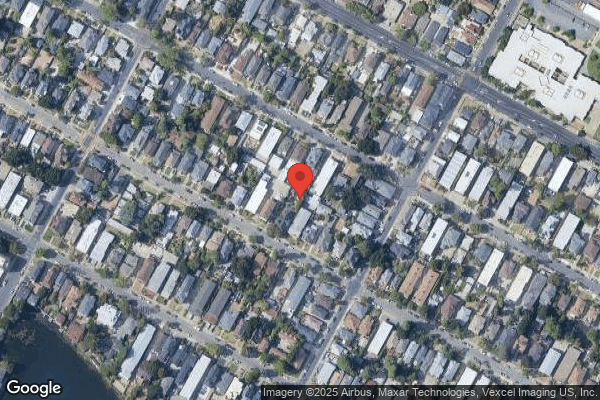
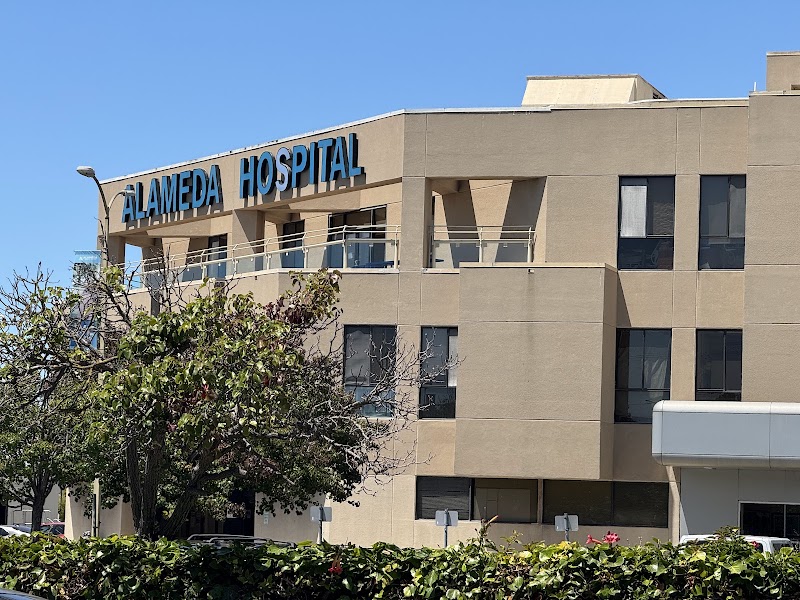
2070 CLINTON AVE, ALAMEDA, CA 94501 (510) 814-4049
Government - County 181 Beds Independent Data: November 2025
Trust Grade
88/100
#3 of 1155 in CA
Last Inspection: September 2024

Within standard 12-15 month inspection cycle. Federal law requires annual inspections.

Overview

Alameda Hospital D/P SNF holds a Trust Grade of B+, which means it is recommended and above average in care quality. It ranks #3 out of 1,155 facilities in California and #2 out of 69 in Alameda County, placing it in the top tier of local options. The facility is showing an improving trend, with issues decreasing from three in 2024 to one in 2025. Staffing is a strong point, earning a 5/5 star rating with a low turnover of 26%, which is well below the state average. However, there are concerns, including a recent finding where discontinued medications were improperly stored alongside active ones, potentially leading to medication errors, and issues with inadequate space in resident rooms for proper care. Despite these weaknesses, the facility has no fines on record and boasts excellent RN coverage, which can help catch potential problems early.

Trust Score
B+
88/100
In California
#3/1155
Top 1%
Safety Record
Low Risk
No red flags
Inspections
Getting Better
3 → 1 violations
Staff Stability
✓ Good
26% annual turnover. Excellent stability, 22 points below California's 48% average. Staff who stay learn residents' needs.
Penalties
✓ Good
No fines on record. Clean compliance history, better than most California facilities.
Skilled Nurses
✓ Good
Each resident gets 88 minutes of Registered Nurse (RN) attention daily — more than 97% of California nursing homes. RNs are the most trained staff who catch health problems before they become serious.
Violations
⚠ Watch
16 deficiencies on record. Higher than average. Multiple issues found across inspections.
★★★★★
5.0
Overall Rating
★★★★★
5.0
Staff Levels
★★★★★
5.0
Care Quality
★★★★★
5.0
Inspection Score
Stable
2024: 3 issues
2025: 1 issues

The Good

  • 5-Star Staffing Rating · Excellent nurse staffing levels
  • 5-Star Quality Measures · Strong clinical quality outcomes
  • Low Staff Turnover (26%) · Staff stability means consistent care
  • Full Sprinkler Coverage · Fire safety systems throughout facility
  • No fines on record
  • Staff turnover is low (26%)

    22 points below California average of 48%

Facility shows strength in staffing levels, quality measures, staff retention, fire safety.

The Bad

No Significant Concerns Identified

This facility shows no red flags. Among California's 100 nursing homes, only 1% achieve this.

The Ugly 16 deficiencies on record

Jan 2025 1 deficiency
CONCERN (D) 📢 Someone Reported This

A family member, employee, or ombudsman was alarmed enough to file a formal complaint

Potential for Harm - no one hurt, but risky conditions existed

Free from Abuse/Neglect (Tag F0600)

Could have caused harm · This affected 1 resident

**NOTE- TERMS IN BRACKETS HAVE BEEN EDITED TO PROTECT CONFIDENTIALITY** Based on observation, interview and record review, the facility failed to ensure one of three residents (Resident 1) were free f...

Read full inspector narrative →
**NOTE- TERMS IN BRACKETS HAVE BEEN EDITED TO PROTECT CONFIDENTIALITY** Based on observation, interview and record review, the facility failed to ensure one of three residents (Resident 1) were free from sexual abuse when Resident 2 sexually abused Resident 1 who had severe intellectual disability and was unable to provide consent. This failure resulted in Resident 1 ' s elbow pain from being held down during the sexual abuse and had the potential for serious physical and psychosocial injury. Findings: A record review of Resident 1 ' s admission record indicated Resident 1 was admitted with severe intellectual disability, weakness, schizophrenia (psychiatric disease which causes distrust of information and other people) and developmental delay. The record further indicated Resident 1 ' s family had conservatorship over them. During a record review of Resident 1 ' s minimum data set (MDS, an assessment tool to guide resident care), dated 11/12/24, the MDS indicated Resident 1 used a wheelchair for mobility and required supervision for bed mobility and had a Brief Interview for Mental Status score of 5 (The Brief Interview for Mental Status is an assessment tool for a resident's orientation to time, and capacity to remember. The BIMS has a scoring system used to determine the resident ' s cognitive status regarding attention, orientation, and ability to register and recall information. A BIMS score of zero to three was an indication of severely impaired cognitive status and 13 to 15 indicating intact cognitive status). During a record review of Resident 1 ' s physician order, titled Nursing Communication, dated 12/23/24, the order, dated 2/21/23, indicated Resident 1 did not have capacity to make healthcare decisions. A record review of Resident 2 ' s admission record indicated Resident 2 was admitted for weakness, heart failure and noncompliance with treatment. During a record review of Resident 2 ' s MDS, dated [DATE], the MDS indicated Resident 2 required supervision for bed to chair transfer, was able to ambulate with assistive devices and had a BIMS score of 14. During a phone interview on 12/23/24, at 8:45 a.m., with Resident 1 family (RF), RF stated Resident 1 had severe cognitive disability, was unable to provide consent for sexual activity and the conservator did not give consent for Resident 1 to participate in any sexual activity. During a concurrent observation and interview on 12/23/24, at 10:00 a.m., with Resident 1, Resident 1 was in their wheelchair and was not interviewable. During an interview on 12/23/24, at 10:15 a.m., with Certified Nursing Assistant 2 (CNA 2), CNA 2 stated they had worked with Resident 1 for a long time. CNA 2 stated Resident 1 had an intellectual disability and staff typically tried to anticipate her needs due to communication difficulties. During a phone interview on 12/23/24, at 9:00 p.m., with CNA 1, CNA 1 stated on 11/30/24, at around 2:20 a.m., CNA 1 heard Resident 1 crying. CNA 1 immediately went into Resident 1 ' s room and found Resident 2 at Resident 1 ' s bed with his pants down thrusting his hip against Resident 1 ' s hip. Resident 1 was laying on their bed with their pants on but pulled down exposing the diaper. CNA 1 immediately called for RN 2 who came and pulled Resident 2 away from Resident 1. CNA 1 stated Resident 1 complained of arm pain to RN 1. CNA 1 stated while CNA 1 and RN 1 were assessing Resident 1 for injury, Resident 1 stated she was making babies. During a phone interview on 12/23/24, at 3:05 p.m., with RN 2, RN 2 stated on 11/30/24, at around 2:20 a.m., CNA 1 called RN 2 for help because Resident 2 was in Resident 1 ' s room. RN 2 stated she entered the room and saw Resident 2 at the side of Resident 1 ' s bed with his pants down. RN 2 stated Resident 2 was performing a rocking motion against Resident 1 ' s pelvis. RN 2 then pulled Resident 2 away, placed him on a wheelchair and removed him from the room. During a phone interview on 12/23/24, at 2:30 p.m., with Registered Nurse 1 (RN 1), RN 1 stated on 11/30/24, at approximately 2:20 a.m., she was called over to Resident 1 ' s room to check on Resident 1 for an incident. RN 1 stated she did not witness the incident and was called to assess Resident 1 after it. RN 1 stated Resident 1 told her he held my elbow and was complaining of elbow pain. RN 1 stated they gave Resident 1 pain medication. RN 1 stated Resident 1 began to claim she was pregnant and hadn ' t made those claims before. During a record review of Resident 1 ' s nursing progress note titled, Significant Event, dated 11/30/24, at 3:23 a.m., by RN 1, the progress note indicated CNA noted Resident 2 was standing beside bed with pants down by the hip with back and forth motion towards resident, she was lying on her back on bed with pants on .separated them right away. CNA reported that resident states, ' He wanna make a baby ' .complaint of pain on left elbow .acetaminophen (a pain relieving medication) . given as ordered for left elbow pain. During a record review of Resident 2 ' s nursing progress note titled, Significant Event, dated 11/30/24, at 3:36 a.m., by RN 2, the progress note indicated at 2:20 a.m. RN 2 was informed by CNA 1 that Resident 2 was in Resident 1 ' s room. When I entered the room, 2 CNAs .were already in the room. I found Resident 2 standing in front of [Resident 1] with pants down buttocks out, both hands leaning forward in bed. He was in the act of pumping the resident. During an interview on 12/23/24, at 1:00 p.m., with Social Services Director (SSD), the SSD stated Resident 1 was not able to make their own decisions for care and was conserved. During a record review of Resident 1 ' s hospital history and physical (H&P) titled ED Provider Notes Physician H&P Sexual Assault Response Team, dated 12/4/24, the H&P indicated a primary chief complaint of sexual assault of adult. H&P indicated hospital staff were unable to get history from pt - developmentally delayed with functioning of 3rd grade level, uses wheelchair .and doesn ' t stand up .Pt has 24hour care - sister is guardian - conservator. During a record review of police report titled, [City] Police Department Criminal Report, dated 1/13/25, the report indicated on 11/30/24, at 2:38 a.m., facility staff called the police to report Resident 2 in Resident 1 ' s room attempting to make a baby. The report indicated at 11/30/24, at around 2:20 a.m., Resident 1 was laying down perpendicular on [their] bed in the supine position. Resident 1 ' s feet were touching the ground and [their] head was against the wall. Resident 2 was between Resident 1 ' s legs with a wide stance. He was laying on top of Resident 1 (chest to chest) and was thrusting his hips towards Resident 1 .the entirety of his buttocks were exposed .his pelvis was in line with Resident 1 ' s pelvis while he was thrusting. The report further indicated Resident 1 ' s cognitive state caused her incapable of giving legal consent for sexual activity .did not believe she voluntarily turned her body 90 degrees on her own power .Resident 2 ' s medical documentation did not list any factors which would have reasonably indicated his cognitive function was so impaired that was not capable of committing a crime .based on the above evidence, I placed Resident 2 under arrest for: 261(a)(1) PC/664 PC - Attempted Rape of a Victim who is incapable of Giving Consent 220(a)(1) PC - Assault with Intent to Rape.
Sept 2024 3 deficiencies
CONCERN (D)

Potential for Harm - no one hurt, but risky conditions existed

Infection Control (Tag F0880)

Could have caused harm · This affected 1 resident

**NOTE- TERMS IN BRACKETS HAVE BEEN EDITED TO PROTECT CONFIDENTIALITY** Based on observation, interview and record review the facility failed to ensure infection control practices were implemented whe...

Read full inspector narrative →
**NOTE- TERMS IN BRACKETS HAVE BEEN EDITED TO PROTECT CONFIDENTIALITY** Based on observation, interview and record review the facility failed to ensure infection control practices were implemented when one of four residents, Resident 21's bedside commode (a portable toilet) was visibly soiled. This failure placed the facility's residents at risk for healthcare-associated infections. Findings: During a review of Resident 21's admission Record, dated 9/18/24, the admission Record indicated Resident 21 was admitted to the facility on [DATE]. During a record review of Resident 21's Minimum Data Set (MDS- An assessment tool to guide care), dated 7/24/24, MDS indicated Resident 21 required supervision when walking from room to room and when performing toilet hygiene. The MDS indicated Resident 21 had an active diagnosis of Non-Alzheimer's Dementia (memory loss). During an observation on 9/16/24, at 12:41 p.m., in Resident 21's room, Resident 21 was sitting on the side of her bed eating lunch with her lunch tray on top of her bedside table. Resident 21's bedside table was positioned directly adjacent (next to) a bedside commode. The lid and seat of the bedside commode were made of plastic and were both gray in color. The armrests and legs of the bedside commode were made of metal. The lid of the bedside commode was closed. On the front of the lid were four smears of a brown, crusty material. Each smear measured approximately ½ inch in length. Scattered in between the left armrest and the left side of the lid were white, brown, gray and black dried crumbs of food. During an observation on 9/17/24, at 12:42 p.m., in Resident 21's room, Resident 21 was sitting on the side of her bed eating lunch on her bedside table. Resident 21's bedside table was positioned directly adjacent to a bedside commode. The lid of the bedside commode was closed. On the front of the lid were six smears of a brown, crusty material. Each smear measured approximately ½ inch in length. Scattered in between the left armrest and the left side of the lid were white, brown, gray and black dried crumbs of food. During an observation on 9/18/24, at 11:30 a.m., in Resident 21's room, Resident 21 was sitting on the side of her bed watching television. Resident 21's bedside commode was positioned directly adjacent to her. The lid of the bedside commode was closed. On the front of the lid were seven smears of a brown, crusty material. Each smear measured ½ inch in length. Scattered in between the left armrest and the left side of the lid were white, brown, gray and black dried crumbs of food. During an interview with Certified Nursing Assistant 1 (CNA 1) on 9/18/24, at 11:42 a.m., in the hallway outside of Resident 21's room, CNA 1 stated she had been assigned to Resident 21 previously and that she was familiar with her. CNA 1 stated any surfaces, including the bedside table and the bedside commode in Resident 21's room had to be sanitized and wiped down regularly because Resident 21 often walked around in her room and in the hallways and touched everything. CNA 1 then stated that all CNAs were responsible for cleaning and sanitizing surfaces such as bedside tables and bedside commodes in Residents' rooms. During an interview with the Nurse Manager (NM) on 9/18/24, at 11:48 a.m., at the Nursing Station directly across the hallway from Resident 21's room, NM stated Resident 21 used her bedside commode regularly. NM stated the CNAs were responsible for removing the waste from inside of the bedside commodes. NM stated if the bedside commode was visibly dirty, the CNA should clean it and sanitize it. NM stated she rounded to resident rooms daily to check for cleanliness. NM stated during the rounds, bedside commodes were checked for cleanliness. NM stated if a bedside commode was dirty, there was a risk of infections spreading. During an interview with CNA 2 on 9/18/24, at 11:53 a.m., in the hallway outside of Resident 21's room, CNA 2 stated she was assigned to care for Resident 21 today. CNA 2 stated she had checked Resident 21's bedside commode earlier in the morning and it appeared clean. During a concurrent observation and interview with NM and CNA 2 on 9/18/24, at 11:56 a.m., in Resident 21's room, Resident 21 was asleep in her bed. Resident 21's bedside commode was positioned adjacent to her bed which was positioned directly adjacent to where her head was laying on her pillow. The lid of the bedside commode was closed. On the front of the lid were seven smears of a brown, crusty material. Each smear measured ½ inch in length. Scattered in between the left armrest and the left side of the lid were white, brown, gray and black dried crumbs of food. CNA 2 stated the smears of brown, crusty material appeared to be fecal material (solid human waste consisting of undigested food, bacteria, mucus and cells which are passed out of the body). NM stated there were crumbs of food and what appeared to be fecal material on the bedside commode. CNA 2 and NM both stated the bedside commode did not look clean. CNA 2 then stated there was a risk of spreading infection from the fecal material on the bedside commode. During a review of the facility's policy and procedure (P&P) titled, Cleaning and Disinfecting Residents' Rooms, dated August 2024, the P&P indicated, Purpose: The purpose of this procedure is to provide guidelines for cleaning and disinfecting residents' rooms and belongings. General Guidelines: 9. Clean medical waste containers intended for reuse (e.g., bins, pails, cans, bedside commodes, etc.) daily or when such receptacles become visibly contaminated with blood, body fluids or other potentially infectious materials .
CONCERN (E)

Potential for Harm - no one hurt, but risky conditions existed

Pharmacy Services (Tag F0755)

Could have caused harm · This affected multiple residents

Based on observation, interview and record review, the facility failed to ensure discontinued medications were discarded when they were kept with ready to use medications in medication refrigerator. T...

Read full inspector narrative →
Based on observation, interview and record review, the facility failed to ensure discontinued medications were discarded when they were kept with ready to use medications in medication refrigerator. This failure had the potential to result in residents receiving the medication erroneously, which could lead to new health problems or adverse reactions. Findings: During an observation and interview on 09/18/24, at 11:47 a.m., with Registered Nurse (RN) 1, in the Nursing Station, the medication refrigerator was observed to have the following discontinued medications: -Admelog 100 unit (u)/milliliter (ml) (medication used for high blood sugar) for Resident 29. -Lantus 100 u/ml (medication used for high blood sugar) for Resident 100. -Lantus 100 u/ml (medication used for high blood sugar) for Resident 147. -Basaglar 100 u/ml Kwikpen (3 pens) (medication used for high blood sugar) for Resident 18. RN 1 stated she remembered Residents 100, 29 and 18 had not received insulin for some time and had either transitioned to oral medications to control their blood sugar or the medication was discontinued. During a record review on 09/18/24, at 12:52 p.m., with RN 1, Resident 29's Orders section of the electronic health record (EHR) indicated Resident 29's Admelog was discontinued on 09/04/24. During a record review on 09/18/24, at 12:54 p.m., with RN 1, Resident 100's Orders section of the EHR indicated Resident 100's Lantus was discontinued on 03/24. During a record review on 09/18/24, at 12:57 p.m., with RN 1, Resident 18's Orders section of the EHR indicated Resident 18's Basaglar was discontinued on 07/15/24. During a record review on 09/18/24, at 1:02 p.m., with RN 1, Resident 147's Orders section of the EHR indicated Resident 147's Lantus was discontinued on 07/17/24. During an interview on 09/18/24, at 1:05 p.m., with RN 1, RN 1 stated the facility kept the insulin just in case, and she believed the policy indicated the discontinued medications should be discarded after three months. During an interview on 09/19/24, at 11:57 p.m., with NM, NM stated the expectation was when the medication was discontinued, it needed to be removed and placed in the discarded medications area because there was a high chance that it could be used by mistake if left in the refrigerator. During an interview on 09/19/24, at 12:24 p.m., with Pharmacist (Pharm), Pharm stated discontinued medications needed to be separated from regular medications as soon as possible so they did not get used by mistake by other residents. During a review of the facility's policy and procedure (P&P) titled, Storage of Medications, dated 2007, the P&P indicated, 4). The facility shall not use discontinued, outdated, or deteriorated drugs or biologicals. All such drugs should be returned to the dispensing pharmacy or destroyed. During a review of the facility's P&P titled, Discontinued Medications, dated 2001, .3). Discontinued medications are destroyed or returned to the issuing pharmacy .
CONCERN (E)

Potential for Harm - no one hurt, but risky conditions existed

Deficiency F0912 (Tag F0912)

Could have caused harm · This affected multiple residents

**NOTE- TERMS IN BRACKETS HAVE BEEN EDITED TO PROTECT CONFIDENTIALITY** Based on observation, interview and record review, the facility had 11 resident rooms (Rooms 1, 2, 3, 4, 5, 6, 7, 8, 9, 10, and ...

Read full inspector narrative →
**NOTE- TERMS IN BRACKETS HAVE BEEN EDITED TO PROTECT CONFIDENTIALITY** Based on observation, interview and record review, the facility had 11 resident rooms (Rooms 1, 2, 3, 4, 5, 6, 7, 8, 9, 10, and 11) with multiple beds that provide less than 80 square feet (sq. ft.) per resident who occupy these rooms. This failure had the potential to result in inadequate space for the delivery of care to each of the residents in each room or for storage of the residents' belongings. Findings: During observations of care and services from 9/16/24 through 9/19/24, the following rooms and corresponding square footage per bed were identified: 1. room [ROOM NUMBER] had two beds, total sq. ft. is 154 and 77 sq. ft. per bed. 2. room [ROOM NUMBER] had two beds, total sq. ft. is 154 and 77 sq. ft. per bed. 3. room [ROOM NUMBER] had two beds, total sq. ft. is 154 and 77 sq. ft. per bed. 4. room [ROOM NUMBER] had two beds, total sq. ft. is 154 and 77 sq. ft. per bed. 5. room [ROOM NUMBER] had four beds, total sq. ft. is 287 and 71.75 sq. ft. per bed. 6. room [ROOM NUMBER] had four beds, total sq. ft. is 283.52 and 70.88 sq. ft. per bed. 7. room [ROOM NUMBER] had two beds, total sq. ft. is 154.9 and 77.45 sq. ft. per bed. 8. room [ROOM NUMBER] had two beds, total sq. ft. is 154.9 and 77.45 sq. ft. per bed. 9. room [ROOM NUMBER] had two beds, total sq. ft. is 156.68 and 78.34 sq. ft. per bed. 10. room [ROOM NUMBER] had two beds, total sq. ft. is 149.30 and 74.65 sq. ft. per bed. 11. room [ROOM NUMBER] had two beds, total sq. ft. is 149.76 and 74.88 sq. ft. per bed. During random observations of care and services from 9/16/24 through 9/19/24, there was sufficient space for the provision of care for the residents in all rooms. There was no heavy equipment kept in the rooms that might interfere with resident care and each resident had adequate personal space and privacy. There were no complaints from the residents regarding insufficient space for their belongings. There were no negative consequences attributed to the decreased space and/ or safety concerns in the 11 rooms. Granting of room size waiver recommended.
Jul 2023 1 deficiency
CONCERN (D) 📢 Someone Reported This

A family member, employee, or ombudsman was alarmed enough to file a formal complaint

Potential for Harm - no one hurt, but risky conditions existed

Pharmacy Services (Tag F0755)

Could have caused harm · This affected 1 resident

Based on observation, interview, and record review, the facility failed to have the ordered antibiotic (medication used to treat infection) for one (Resident 1) of two residents. This failure to have ...

Read full inspector narrative →
Based on observation, interview, and record review, the facility failed to have the ordered antibiotic (medication used to treat infection) for one (Resident 1) of two residents. This failure to have the antibiotic in the facility on 6/29/23 and 6/30/23 resulted in Resident 1 ' s delayed treatment of infection and rehospitalization. Findings: During a review of Resident 1 ' s face sheet, undated, the face sheet indicated Resident 1 was admitted to the facility June 2023, with diagnosis of Alzheimer ' s (progressive disease that destroys memory and other mental functions) disease and pneumonitis (inflammation of lung tissues) due to inhalation of food and vomit. A review of Resident 1 ' s Order Information Report as of 6/29/23, indicated an order, start date at 6/29/23 at 9:00 p.m., for amoxicillin-pot clavulanate (Augmentin) 600-42.9 mg/5 mL suspension 7.5 mL. The order indicated the Augmentin was to be given twice a day. During an interview on 7/19/23, at 9:30 a.m., with Director of Nursing (DON), DON stated the facility did not have the Augmentin. During an interview on 7/19/23, at 12:15 p.m., with Assistant Director of Nursing (ADON), ADON stated Resident 1 returned to the facility on 6/29/23 from the hospital with a discharge order for an antibiotic. The first dose was scheduled on 6/29/23 at 9:00 p.m. ADON stated PM shift Registered Nurse (RN) 1 ordered the antibiotic stat (urgent). Night shift Registered Nurse (RN) 2 faxed the antibiotic order to the pharmacy twice. At AM shift, there was still no antibiotic. ADON stated she would have aggressively contacted pharmacy and elevated the issue. During an interview on 7/19/23, at 12:50 p.m., with DON, DON stated Resident 1 missed two doses of antibiotics, the 9:00 p.m. dose for 6/28/23 and 9:00 a.m. dose for 6/29/23. During an interview on 7/19/23, at 2:00 p.m., with DON, DON stated not having the antibiotic affected patient care, accommodation of patient needs, disruption in treatment, and possible antibiotic resistance; it was imperative to complete antibiotic treatment. During an interview on 7/19/23, at 3:00 p.m., with AM shift Licensed Vocational Nurse (LVN) 1, LVN 1 stated she received report from RN 2 that the antibiotic had not arrived. LVN 1 stated during her 9:00 a.m. medication pass, she documented the antibiotic in the medication administration record (MAR) as not given. LVN 1 contacted the pharmacy and was informed the antibiotic was not filled as it was not covered by Resident 1 ' s insurance. LVN 1 stated pharmacy asked her if she would like to order the antibiotic and LVN 1 stated no. LVN 1 stated Resident 1 was left without the antibiotic. LVN 1 stated without receiving the prescribed antibiotic, the infection would not be treated and the infection would spread. During a review of Resident 1 ' s facility document, Progress Notes, dated 6/30/23, the Progress Notes indicated oxygen saturation (oxygen level carried by blood) was 89 (normal range 92-100). Supplemental oxygen was administered via nasal cannula (lightweight tube placed in the nostrils with the other end connected to an oxygen supply source). Resident 1 had difficulty swallowing and secretions were suctioned. Physician was notified and gave orders to send Resident out via 911. Resident 1 was re-hospitalized . During a review of the facility ' s policy and procedure (P&P) titled, Medication Orders Non-Controlled Medication Orders, dated 2007, the P&P indicated, The prescriber shall be contacted by nursing for direction when delivery of a medication will be delayed, or the medication is not available.
Jun 2023 1 deficiency
CONCERN (D) 📢 Someone Reported This

A family member, employee, or ombudsman was alarmed enough to file a formal complaint

Potential for Harm - no one hurt, but risky conditions existed

Grievances (Tag F0585)

Could have caused harm · This affected 1 resident

**NOTE- TERMS IN BRACKETS HAVE BEEN EDITED TO PROTECT CONFIDENTIALITY** Based on interview and record review, for one of five sampled residents (Resident 1), the facility failed to make prompt efforts...

Read full inspector narrative →
**NOTE- TERMS IN BRACKETS HAVE BEEN EDITED TO PROTECT CONFIDENTIALITY** Based on interview and record review, for one of five sampled residents (Resident 1), the facility failed to make prompt efforts to resolve a grievance when Resident 1's request to not receive care from Licensed Vocational Nurse (LVN) 1 was not honored. This failure had resulted in Resident 1's emotional distress. Findings: Review of Resident 1's Significant Event indicated Resident 1 was re-admitted to the facility on [DATE] with diagnoses that included exacerbated congestive heart failure (heart can't pump enough oxygen-rich blood to meet your body's needs), obstructive lung disease (condition that makes it hard to breathe) and diabetes (abnormally high levels of blood sugar). The record indicated Resident 1 was alert, responsive and oriented x 4 (understands who they are, where they are, approximate date or part of the day, and what is happening). [Reference:https://medical-dictionary.com]. Review of Resident 1's Minimum Data Set (MDS, an assessment tool used to direct resident care), dated 5/2/23, indicated Resident 1 had a Brief Interview for Mental Status (BIMS, an assessment tool for resident's orientation to time and capacity to remember) score of 15. The BIMS score range is from 0-15, with zero as the most impaired. [Reference:https://downloads.cms.gov/files/mds-3.0-rai-manual-v1.17.1_October_2019.pdf] During a telephone interview on 5/30/23, at 12:56 p.m., with Resident 1, Resident 1 stated, before Resident 1 was transferred to the hospital on 3/21/23, the facility knew of Resident 1's complaint about LVN 1 turning off the CPAP (Continuous Positive Air Pressure, a machine that uses mild air pressure to keep airways open while you sleep) machine while Resident 1 was asleep. Resident 1 stated she returned to the facility on 3/31/23 from the hospital. Resident 1 stated, on 4/1/23, a day after returning from the hospital, Resident 1 communicated, via text message, with Associate Administrator (AA) about LVN 1's improper care. Resident 1 stated she told AA she did not want to be under LVN 1's care. Resident 1 stated, on 4/4/23, Resident 1 had to send a text message again to AA, after being under LVN 1's care again for two consecutive days (4/3/23 and 4/4/23). Resident 1 stated she felt like no one cared and felt terrified that LVN 1 continued to provide care against Resident 1's will. During an interview on 4/24/23, at 12:57 p.m., with AA, AA stated Resident 1 had complained on 4/1/23 about LVN 1 turning off CPAP machine while asleep on three separate occasions. AA stated Resident 1's complaint was received as a grievance and an investigation was started. During a review of Resident 1's Associate Administrator's Note, dated 4/3/23, the note indicated AA was aware of Resident 1's complaint against LVN 1 and of Resident 1's refusal of care from LVN 1. The note also indicated, This was addressed to the said nurse .Resident does not want the said nurse to work on her .Explained to the resident that [facility] already talk to the Nurse and it is hard to make changes to accommodate all residents need. The note also indicated, Director of Nursing (DON), Assistant Director of Nursing (ADON) and Social Services Director (SSD) would talk to Resident 1 to discuss the concern further. During a joint telephone interview with SSD and DON, on 5/26/23, at 4:03 p.m., both stated talking to Resident 1 on 4/4/23 and that both reached a decision to remove Resident 1 from LVN 1's assignment (a list of residents under LVN 1's care). DON stated making a few telephone calls to LVN 1 that were missed. DON stated not being able to contact LVN 1 about the switch in the assignment. During a telephone interview with LVN 1, on 5/26/23, at 10:59 a.m., LVN 1 stated Resident 1 was on LVN 1's assignment during the night shift on 4/3/23 and 4/4/23. LVN 1 stated she had been working at the facility for many years and did not look at the schedule to check which residents belonged to her assignment. LVN 1 stated she showed up on 4/4/23 for work not knowing Resident 1 was already taken off LVN 1's regular assignment. LVN 1 also stated being told of the change in the assignment at the end of the shift on 4/5/23. During an interview on 6/1/23, at 10:15 a.m., with Staffing Coordinator (SC), SC stated she received an instruction from management to remove Resident 1 from LVN 1's assignment on 4/3/23 but did not tell LVN 1 of the change. Review of the facility's policy and procedure titled, Grievances/Complaints, Filing, last revised April 2017, indicated the facility's policy was for the Administrator and staff to make prompt efforts to resolve grievances to the satisfaction of the resident and/or representative. The policy further indicated, The Social Worker and/or designee, Administrator and Staff will take immediate action to prevent further potential violations of resident rights while the alleged violation is being investigated.
Aug 2022 6 deficiencies
CONCERN (D)

Potential for Harm - no one hurt, but risky conditions existed

MDS Data Transmission (Tag F0640)

Could have caused harm · This affected 1 resident

**NOTE- TERMS IN BRACKETS HAVE BEEN EDITED TO PROTECT CONFIDENTIALITY** Based on interview and record review, for one (Resident 3) of three sampled discharged residents, the facility failed to complet...

Read full inspector narrative →
**NOTE- TERMS IN BRACKETS HAVE BEEN EDITED TO PROTECT CONFIDENTIALITY** Based on interview and record review, for one (Resident 3) of three sampled discharged residents, the facility failed to complete and transmit Minimum Data Set (MDS, an assessment tool used to direct resident care) within 14 days of discharge from the facility. The failure to complete and transmit the Discharge Assessment for five months and 25 days after Resident 3 transferred to the acute care hospital and did not return, resulted in lack of tracking of residents leaving the facility. Findings: A review of Resident 3's annual MDS dated [DATE], indicated Resident 3 had been in the facility for more than three years with a current diagnosis of respiratory failure (impaired breathing function). A review of Resident 3's progress notes dated 4/21/22, indicated Resident 3 was unresponsive, pulseless, and was transferred to the hospital. During an interview and concurrent record review on 8/25/22 at 10:51 a.m., with the Director of Nursing (DON), Resident 3's MDS records were reviewed. The DON stated the annual assessment dated [DATE], was the last MDS transmitted for Resident 3. The DON stated Resident 3 had become unresponsive and was transferred to the hospital on 4/21/22 and had not returned to the facility. The DON stated Resident 3 had not had a discharge MDS completed or transmitted yet. The DON stated a discharge MDS should be completed and transmitted within 14 days of a resident's discharge. A review of the Long Term Care Facility Resident Assessment Instrument 3.0 User's Manual, dated 2019, indicated, The following situations warrant a Discharge assessment, regardless of facility policies - when resident is transferred and admitted to a hospital or other care setting regardless of whether the nursing home discharges or formerly closes the record. The User's Manual indicated discharge assessments consist of discharge return anticipated and discharge return not anticipated. The User's Manual indicated a Discharge Assessment-Return Not Anticipated: must be completed within 14 days after the discharge date when the resident is discharged from the facility and the resident is not expected to return to the facility within 30 days and must be submitted within 14 days after the MDS completion date. The User's Manual indicated for Discharge Assessment-Return Anticipated: must be completed within 14 days after the discharge date and submitted within 14 days after the MDS completion date.
CONCERN (D)

Potential for Harm - no one hurt, but risky conditions existed

Deficiency F0726 (Tag F0726)

Could have caused harm · This affected 1 resident

Based on observation, interview, and record review, the facility failed to ensure two Certified Nursing Assistants (CNA 2 and CNA 3) demonstrated competency in skills and techniques for provision of r...

Read full inspector narrative →
Based on observation, interview, and record review, the facility failed to ensure two Certified Nursing Assistants (CNA 2 and CNA 3) demonstrated competency in skills and techniques for provision of resident care according to resident care plans. The failure to ensure CNA 2 and CNA 3 completed annual performance and competency appraisals had the potential to result in inadequate or improper care for the CNAs assigned residents. Findings: During a record review and concurrent interview on 8/24/22 at 11:47 a.m., with the Supervisor for HR Service and Compliance (SHRSC) the personnel files of CNA 2 and CNA 3 were reviewed. SHRSC stated CNA 3 had a hire date in January of 2019 and should have had an annual performance review in January of 2022, but CNA had not had a performance review this year. SHRSC stated CNA 2 had a hire date in August of 2008 but had not a performance evaluation completed since 2020. A review of the policy titled, Performance Appraisal, revised date 5/2020, the policy indicated the purpose of the performance appraisal was: To establish communication, focused on constructive performance feedback. To identify areas that need improvement and establish goals to facilitate positive change. To provide career counseling, coaching, mentoring and morale building. To challenge employees to higher levels of performance and competency. To recognize employee accomplishments and unique contributions. To evaluate staff performance in accordance with the Joint Commission HRM.01.07.01 . The policy further indicated an annual performance appraisal, based on the employee's month of hire or focal date, would be conducted between the employee and the employee's supervisor, to provide both oral and written feedback on performance.
CONCERN (D)

Potential for Harm - no one hurt, but risky conditions existed

Unnecessary Medications (Tag F0759)

Could have caused harm · This affected 1 resident

Based on observations, interviews, and document reviews the facility failed to be free of medication error rates of five percent or greater when three medication errors were observed out of 28 opportu...

Read full inspector narrative →
Based on observations, interviews, and document reviews the facility failed to be free of medication error rates of five percent or greater when three medication errors were observed out of 28 opportunities. The medication error rate was calculated as follows: three divided by 28 then multiplied by 100, which was equal to 10 percent. This failure had the potential to result in ineffective medication regimen for the effected residents (Residents 104, 117, and 125). Findings: 1. A review on 8/23/22 of the manufacturers insert for Advair HFA (fluticasone/salmeterol-medication used for Asthma) indicated, INSTRUCTIONS FOR USE ADVAIR HFA .How to use your ADVAIR HFA inhaler Follow these steps every time you use ADVAIR HFA .Step 3. Breathe out through your mouth and push as much air from your lungs as you can .Step 7. Rinse your mouth with water after breathing in the medicine. Spit out the water. Do not swallow it . During an observation on 8/23/22 at 8:15 a.m., Licensed Vocational Nurse 1 (LVN 1) did not instruct Resident 104 to breathe out as much air as possible prior to the administration of the Advair HFA. LVN 1 did not provide Resident 104 with a water mouth rinse after breathing in the Advair HFA. During an interview on 8/23/22 at 8:45 a.m., LVN 1 stated she had not followed step 3 and step 7 as indicated by the Advair HFA manufacturers insert. LVN 1 stated she had forgotten to instruct Resident 104 to breath out as much air as possible prior to administration. LVN 1 stated the exhalation before administration was important so the medication could be fully distributed throughout the lungs. LVN 1 stated she had provided Resident 104 with a non-prescription mouthwash for a post-administration mouth rinse as a substitute for the manufacturer's water rinse direction. 2. A review on 8/24/22 of the manufacturers insert for Lantus Insulin Pen (Insulin Glargine-medication used for diabetes) indicated, Use your thumb to press the injection button all the way down. When the number in the dose window returns to 0 as you inject, slowly count to 10 before removing. (Counting to 10 will make sure you get your full insulin dose.) During an observation on 8/24/22 at 8:05 a.m., Registered Nurse 2 (RN 2) administered an injection of insulin via the Lantus Insulin Pen to Resident 117. RN 2 injected the insulin and without waiting for ten seconds, removed the needle immediately. During an interview on 8/24/22 at 9:30 a.m., RN 2 stated she had not injected the Lantus Insulin Pen for 10 seconds before removing the needle during administration of Resident 117's insulin. RN 2 stated she had not been aware it was necessary to hold the Lantus Insulin Pen for 10 seconds while injecting. 3. A review of Resident 125's clinical record on 8/24/22 indicated a physician's order for Artificial Tears: two drops into the left eye, and two drops into the right eye. During an observation on 8/24/22 at 8:30 a.m., Licensed Vocational Nurse 3 (LVN 3) administered Artificial Tears to Resident 125: one drop into the left eye, and one drop into the right eye. During an interview on 8/24/22 at 8:40 a.m., LVN 3 stated she had squeezed the Artificial Tears bottle twice for each eye when instilling the eye drops but had not given the bottle sufficient time to refill between squeezes, so had only instilled one eye drop into each eye.
CONCERN (D)

Potential for Harm - no one hurt, but risky conditions existed

Infection Control (Tag F0880)

Could have caused harm · This affected 1 resident

Based on observation, interview, and record review, the facility failed to ensure one employee (Certified Nursing Assistant 1, CNA 1) wore required personal protective equipment (PPE, protective items...

Read full inspector narrative →
Based on observation, interview, and record review, the facility failed to ensure one employee (Certified Nursing Assistant 1, CNA 1) wore required personal protective equipment (PPE, protective items or garments worn to protect the body or clothing from hazards that can cause injury) and performed required hand hygiene after providing direct care to a resident in a room on contact, droplet, and airborne precautions. (Contact and droplet precautions are actions implemented to prevent the spread of infection based upon the transmission mode of direct or indirect contact with respiratory secretions from the resident or environmental surfaces contaminated with respiratory secretions. Airborne precautions are actions taken to prevent or minimize the transmission of infectious agents/organisms that remain infectious over long distances when suspended in the air.) The failure to wear a gown and gloves and to perform hand hygiene after direct care and before exiting from a room with a resident in isolation for exposure to COVID-19 (a contagious respiratory disease that can result in difficulty breathing and death), had the potential to result in spread of COVID-19 infection. Findings: A review of Resident 50's Minimum Data Set (MDS, a resident assessment tool used to guide care) dated 3/10/22, indicated Resident 50 was admitted in March 2022 with a need for rehabilitation after having a stroke (impaired circulation to the brain). During an observation, on 8/22/22, at 10:05 a.m., the door to Resident 50's room was open, with a posted sign on the hallway side of the door which indicated: Contact and Droplet and Airborne Precautions. COVID-19 PUI (Persons Under Investigation, a person without symptoms or a positive lab test, but potentially infectious with COVID) Yellow Zone (the color code for the area used for PUI residents). The sign indicated, Everyone must: perform hand hygiene before entering and leaving room, wear gown before entering room, wear gloves before entering room . Visible through the open doorway, Resident 50 sat in a wheelchair adjacent to her bed, while CNA 1 adjusted Resident 50's bed linen and a face towel on top of the bed. CNA 1 wore no cover gown or gloves. CNA 1 then exited Resident 50's room without performing hand hygiene. During an interview on 8/22/22, at 10:06 a.m., with CNA 1, in the hallway outside Resident 50's room, CNA 1 stated she had not worn a cover gown or gloves because it was hot. During an interview on 8/25/22 at 8:45 a.m., with the Infection Preventionist (IP), IP stated CNA 1 should have worn a cover gown and gloves when in direct contact with a Yellow Zone resident/resident's environment. During a review of the facility's policy and procedure (P & P) titled, Covid-19 Mitigation Plan, dated 8/2/22, the P & P, indicated, Personal Protective Equipment (PPE) - For patient care activities in the yellow zone, HCP generally need to wear eyewear (face shield or goggles), N95, gloves and gown . A review of the Centers for Disease Control, Interim Infection Prevention and Control Recommendations to Prevent SARS-CoV-2 Spread in Nursing Homes, dated 2/22/22, indicated, HCP caring for residents with suspected or confirmed SARS-CoV-2 infection should use full PPE (gowns, gloves, eye protection, and a NIOSH-approved N95 or equivalent or higher-level respirator). During a review of the facility's policy and procedure (P & P) titled, Handwashing/Hand Hygiene, dated August 2019, the P & P indicated the facility considered hand hygiene the primary means to prevent the spread of infections. The P & P indicated, Use an alcohol-based hand rub containing at least 62% alcohol; or alternatively, soap (antimicrobial of non-antimicrobial) and water for the following situations: .Before and after direct contact with residents After contact with a resident's intact skin; . After contact with objects .in the immediate vicinity of the resident; .Before and after entering isolation precaution settings; .when in contact with a resident, or the equipment or environment of a resident, who is on contact precautions .
CONCERN (E)

Potential for Harm - no one hurt, but risky conditions existed

Food Safety (Tag F0812)

Could have caused harm · This affected multiple residents

Based on observation, interview and record review, the facility failed to ensure food was stored and prepared in accordance with professional standards of food and safety when: 1. The food preparation...

Read full inspector narrative →
Based on observation, interview and record review, the facility failed to ensure food was stored and prepared in accordance with professional standards of food and safety when: 1. The food preparation area was adjacent to the hand wash station/sink with inadequate protection from potential splashes of contaminated water and soap from handwashing. 2. The ready-to-use pans stored above the food preparation area were wet. 3. Dietary Clerk (DC) did not cover hair completely while in the kitchen and during tray-line. These failures had the potential to result in food-borne illnesses. Findings: 1. During an observation and concurrent interview on 8/22/22 at 10 a.m., with Assistant Director of Food and Nutrition (ADFN), in the kitchen, the food preparation area had a tray of chopped raw vegetables being prepared for lunch service. The chopped vegetable tray was approximately five inches away from a splash guard which separated the food preparation area from a handwashing sink. The length of the chopped vegetable tray extended beyond the edge of the splash guard for over six inches. There were visible droplets of soapy water on the kitchen floor on both the splash guard side and the front edge of the chopped vegetable tray/food preparation area. ADFN stated the handwash station was used by employees for handwashing during food preparation. 2. During an observation and concurrent interview on 8/24/22 at 9:50 a.m., with Systems Director of Food and Nutrition (SDFN) in the kitchen, there were food pans stacked in the storage area above the food preparation sink. The pan on top of the stack was still wet. SDFN stated all pots and pans should be allowed to air dry before being stored. Review of the facility's undated policy and procedure titled Cleaning Procedures for Pots and Pans indicated after pots and pans were washed and sanitized, Remove the ware from sanitizing sink and invert on drain board. Do not wipe and let air dry. 3. During a tray-line observation on 8/24/22 at 12:10 p.m., DC wore a cover coat with sleeves rolled up to the mid-forearm, exposing black-stained shirtsleeve cuffs. DC also wore a head cover, with hair protruding outside the confines of the head while placing the resident food trays inside the food carts for delivery. A review of the facility's policy and procedure titled, Dress Code for Food and Nutrition Services, last approved August 2016, indicated staff must, Maintain personal hygiene such as, daily bathe, brush teeth and wear a clean uniform/clothing. A review of the United States Food and Drug Administration Food Code 2017, under the section titled, Hygienic Practices, Hair Restraints, section 2-402.11 indicated, FOOD EMPLOYEES shall wear hair restraints such as hats, hair coverings or nets, beard restraints, and clothing that covers body hair, that are designed and worn to effectively keep their hair from contacting exposed FOOD; clean EQUIPMENT, UTENSILS, and LINENS; and unwrapped SINGLESERVICE and SINGLE-USE ARTICLES.
MINOR (B)

Minor Issue - procedural, no safety impact

Deficiency F0912 (Tag F0912)

Minor procedural issue · This affected multiple residents

**NOTE- TERMS IN BRACKETS HAVE BEEN EDITED TO PROTECT CONFIDENTIALITY** Based on observation and interview, the South Shore facility had 11 rooms (Rooms 1, 2, 3, 4, 5, 6, 7, 8, 9, 10, and 11) with mul...

Read full inspector narrative →
**NOTE- TERMS IN BRACKETS HAVE BEEN EDITED TO PROTECT CONFIDENTIALITY** Based on observation and interview, the South Shore facility had 11 rooms (Rooms 1, 2, 3, 4, 5, 6, 7, 8, 9, 10, and 11) with multiple beds that provided less than 80 square feet (sq.ft.) per resident who occupied these rooms. This failure had the potential to result in a lack of sufficient space for the provision of care by facility staff and for the lack of sufficient space for storage of resident belongings. Findings: During an observation on 8/24/22 at 10:00 a.m., with the Operations Manager (OP),the following resident rooms and corresponding square footage (sq.ft.) were identified: Room- Activity- Room- Size- Floor Area 1 Res Room- 2 bedroom [ROOM NUMBER] sq.ft. 77 sq.ft. 2 Res Room- 2 bedroom [ROOM NUMBER] sq.ft. 77 sq.ft. 3 Res Room- 2 bedroom [ROOM NUMBER] sq.ft. 77 sq.ft. 4 Res Room- 2 bedroom [ROOM NUMBER] sq.ft. 77 sq.ft. 5 Res Room- 4 bedroom [ROOM NUMBER] sq.ft. 71.75 sq.ft. 6 Res Room- 4 bedroom [ROOM NUMBER].5 sq.ft. 70.88 sq.ft. 7 Res Room- 2 bedroom [ROOM NUMBER].88 sq.ft. 77.45 sq.ft. 8 Res Room- 2 bedroom [ROOM NUMBER].88 sq.ft. 77.45 sq.ft. 9 Res Room- 2 bedroom [ROOM NUMBER].69 sq.ft. 78.34 sq.ft. 10 Res Room- 2 bedroom [ROOM NUMBER].22 sq.ft. 74.65 sq.ft. 11 Res Room- 2 bedroom [ROOM NUMBER].77 sq.ft. 74.88 sq.ft. During random observations of care and services from 8/22/22 to 8/25/22, there was sufficient space for the provision of care for the resident in all rooms. There was no heavy equipment kept in the rooms that might interfere with resident care, and each resident had adequate personal space and privacy. There were no complaints from residents regarding insufficient space for their belongings. There were no negative consequences attributed to the decreased space and/or safety concern in the 11 rooms. Recommend granting room size waiver.
Jun 2019 4 deficiencies
CONCERN (D)

Potential for Harm - no one hurt, but risky conditions existed

Deficiency F0802 (Tag F0802)

Could have caused harm · This affected 1 resident

Based on observation, interview, and record review, the facility failed to ensure staff competency when Dietary Aide 1: a. used a sanitizing agent test strip not intended for use with the Quat saniti...

Read full inspector narrative →
Based on observation, interview, and record review, the facility failed to ensure staff competency when Dietary Aide 1: a. used a sanitizing agent test strip not intended for use with the Quat sanitizer (anti-microbial agent) solution to test the Quat sanitizer solution concentration, and; b. immersed a newly washed blender in the sanitizing sink for a few seconds. This failure had the potential to result in food-borne illness. Findings: During an observation on 6/17/19, at 9:35 a.m., Dietary Aide 1 used a test strip not intended for use with the Quat Sanitizer to check the Quat sanitizer solution concentration in the three compartment sink. During an interview on 6/17/19, at 9:35 a.m., Food Service Director stated it was not the right strip and told Dietary Aide 1 to use another test strip while pointing to the Quat Sanitizer Test Strips. In an observation on 6/17/19, at 9:35 a.m., Dietary Aide 1 washed the blender on the 3 compartment sink (for washing, rinsing, and sanitizing dishes) and immersed it on the 3rd sink for few seconds to be sanitized. During an interview on 6/17/19, at 9:43 a.m. Food Service Director stated the immersion time should be at least 1 minute and was posted on the wall on top of the three compartment sink. During an interview with Food Service Director and Director of Food and Nutrition on 6/18/19 at 10:54 a.m. they both stated kitchen staff had online trainings and they did shadowing to make sure they know what they were supposed to do. Review of records did not indicate any documentation for skills check or competency and shadowing of kitchen staff. Review of the facility policy and procedure titled, 038: Cleaning Procedures for Pots & Pans, undated, indicated instructions to .Immerse ware into sanitizing sink for at least one minute
CONCERN (D)

Potential for Harm - no one hurt, but risky conditions existed

Infection Control (Tag F0880)

Could have caused harm · This affected 1 resident

Based on observation, interview and record review the facility failed to follow infection control practices for one (Resident 421) of 34 sampled residents when Registered Nurse (RN) 2 did not perform ...

Read full inspector narrative →
Based on observation, interview and record review the facility failed to follow infection control practices for one (Resident 421) of 34 sampled residents when Registered Nurse (RN) 2 did not perform hand hygiene (wash hands with soap and water or use an alcohol based hand rub) during wound care. This deficient practice did not ensure effective control and prevention of the spread of infection in the facility. Findings: Review of Resident 421's admission Face Sheet, dated 6/13/19, indicated Resident 421 was admitted to the facility with multiple diagnoses that included pressure ulcer (tissue damage caused by staying in the same position for too long) and anemia (condition in which the blood does not have enough properly functioning red blood cells potentially resulting in slower wound healing and wound infections). Review of Resident 421's Weekly Pressure Ulcer BWAT Report, dated 6/12/19, indicated Resident 421 had a 0.7 cm by 1.2 cm stage 2 pressure (shallow open sore) to the sacral/coccygeal (lower back) region. During an observation on 6/19/19, at 10:14 a.m., RN 2 provided wound care treatment to Resident 421's pressure ulcer. RN 2 put on gloves and removed Resident 421's wound dressing, then RN 2 removed her gloves and put on a new pair of gloves without performing hand hygiene between glove changes. RN 2 proceeded to clean Resident 421's pressure ulcer wound and put on a new wound dressing on Resident 421 without performing hand hygiene or changing gloves. During an interview on 6/19/19, at 11:55 a.m. Director of Staff Development (DSD 2) stated cleansing hands after glove removal during a dressing change ensures that the wound gets cleaned better to promote healing. Review of the facility's policy and procedure titled Dressings, Dry/Clean Policy, revised September 2013, indicated instructions to wash and dry the hands thoroughly after gloves were removed during a dressing change.
CONCERN (E)

Potential for Harm - no one hurt, but risky conditions existed

Food Safety (Tag F0812)

Could have caused harm · This affected multiple residents

2. During observation on 6/18/19, at 10:54 a.m. Dietary Aide 2 peeled boiled eggs and rinsed them in the rinse sink of the three compartment sink (used for washing, rinsing and sanitizing dishes) that...

Read full inspector narrative →
2. During observation on 6/18/19, at 10:54 a.m. Dietary Aide 2 peeled boiled eggs and rinsed them in the rinse sink of the three compartment sink (used for washing, rinsing and sanitizing dishes) that had dishes in it. During an interview on 6/18/19, at 10:57 a.m., the Director of Food and Nutrition told Dietary Aide 2 to discard all the eggs and make a new batch. Director of Food and Nutrition also stated the facility had a separate sink for food. Based on observation and interview, and record review, the facility failed to ensure food was prepared under sanitary conditions when: a. a manual can opener had metal shavings on the blade, and; b. Dietary Aide 2 rinsed the peeled boiled eggs in the 3 compartment sink. These failures had the potential to result in food contamination and food-borne illness. Findings: a. During an observation and concurrent interview on 6/17/19, at 9 a.m., in the presence of the Regional Director of Dietary and the Dietary Manager, the facility's manual can opener had metal shavings on the blade and on the inner portion of the device. The Regional Director of Dietary stated the canopener should have been cleaned before use. Review of the facility's Cleaning Procedures for Can Opener Policy & Procedure (not dated), indicated instructions for the dietary staff to clean the can opener before and after using the equipment.
MINOR (B)

Minor Issue - procedural, no safety impact

Deficiency F0912 (Tag F0912)

Minor procedural issue · This affected multiple residents

**NOTE- TERMS IN BRACKETS HAVE BEEN EDITED TO PROTECT CONFIDENTIALITY** Based on observation and interview, the facility had 11 resident rooms (Rooms 1, 2, 3, 4, 5, 6, 7, 8, 9, 10, and 11) with multip...

Read full inspector narrative →
**NOTE- TERMS IN BRACKETS HAVE BEEN EDITED TO PROTECT CONFIDENTIALITY** Based on observation and interview, the facility had 11 resident rooms (Rooms 1, 2, 3, 4, 5, 6, 7, 8, 9, 10, and 11) with multiple beds that provided less than 80 square feet (sq.ft.) per resident (Rt) who occupied these rooms. This failure had the potential to result in a lack of adequate space for the provision of resident care by the facility staff and for the lack of sufficient space for resident's belongings. Findings: During an observation on 6/19/19 at 10:38 a.m., with Engineer, the following resident rooms and corresponding square footage (sq.ft.) were identified: Room Activity Room Size Floor Area 1 Rt Room 154 sq.ft. 77 sq.ft. 2 Rt Room 154 sq.ft. 77 sq.ft. 3 Rt Room 154 sq.ft. 77 sq.ft. 4 Rt Room 154 sq.ft. 77 sq.ft. 5 Rt Room 287 sq.ft. 71.75 sq.ft. 6 Rt Room 283.5 sq.ft. 70.88 sq.ft. 7 Rt Room 154.88 sq.ft. 77.45 sq.ft. 8 Rt Room 154.88 sq.ft. 77.45 sq.ft. 9 Rt Room 156.69 sq.ft. 78.34 sq.ft. 10 Rt room [ROOM NUMBER].22 sq.ft. 74.65 sq.ft. 11 Rt Room 149.77 sq.ft. 74.88 sq.ft. During random observations of care and services from 6/17/19 to 6/19/19, the useful living space in each of the resident rooms provided sufficient space to move about without obstruction or interference from furniture or closets. Residents in these rooms had privacy as well as storage space for personal belongings. There were no resident complaints regarding insufficient space for their belongings. Staff had adequate space to provide care and no negative consequences attributed to the decreased space and/or safety concerns in these six rooms. Recommend granting room size waiver.
Understanding Severity Codes (click to expand)
Life-Threatening (Immediate Jeopardy)
J - Isolated K - Pattern L - Widespread
Actual Harm
G - Isolated H - Pattern I - Widespread
Potential for Harm
D - Isolated E - Pattern F - Widespread
No Harm (Minor)
A - Isolated B - Pattern C - Widespread

Questions to Ask on Your Visit

  • "Can I speak with families of current residents?"
  • "What's your RN coverage like on weekends and overnight?"

Our Honest Assessment

Strengths
  • • Grade B+ (88/100). Above average facility, better than most options in California.
  • • No major safety red flags. No abuse findings, life-threatening violations, or SFF status.
  • • No fines on record. Clean compliance history, better than most California facilities.
  • • 26% annual turnover. Excellent stability, 22 points below California's 48% average. Staff who stay learn residents' needs.
Concerns
  • • 16 deficiencies on record. Higher than average. Multiple issues found across inspections.
Bottom line: Generally positive indicators. Standard due diligence and a personal visit recommended.

About This Facility

What is Alameda Hospital D/P Snf's CMS Rating?

CMS assigns ALAMEDA HOSPITAL D/P SNF an overall rating of 5 out of 5 stars, which is considered much above average nationally. Within California, this rating places the facility higher than 99% of the state's 100 nursing homes. This rating reflects solid performance across the metrics CMS uses to evaluate nursing home quality.
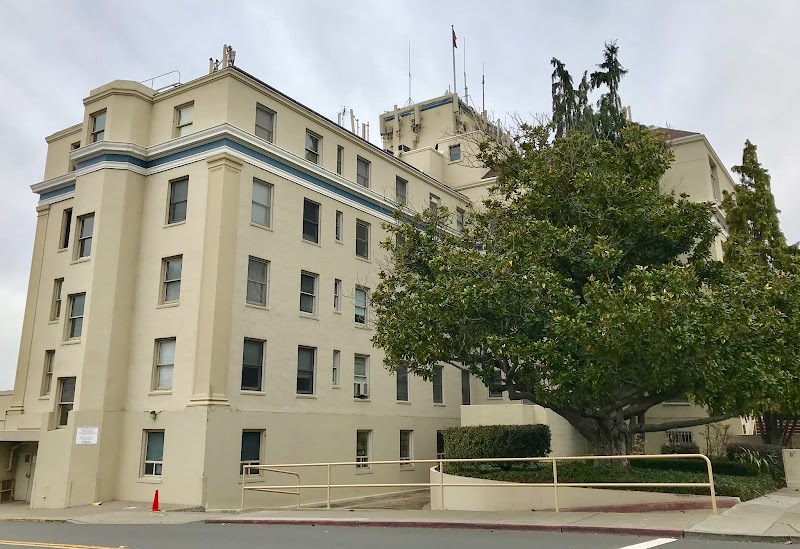
How is Alameda Hospital D/P Snf Staffed?

CMS rates ALAMEDA HOSPITAL D/P SNF's staffing level at 5 out of 5 stars, which is much above average compared to other nursing homes. Staff turnover is 26%, compared to the California average of 46%. This relatively stable workforce can support continuity of care.

What Have Inspectors Found at Alameda Hospital D/P Snf?

State health inspectors documented 16 deficiencies at ALAMEDA HOSPITAL D/P SNF during 2019 to 2025. These included: 14 with potential for harm and 2 minor or isolated issues.
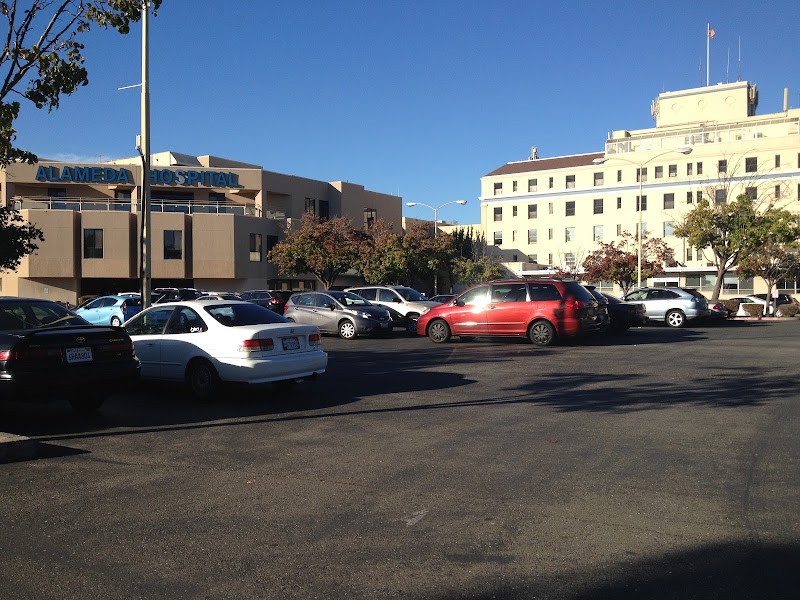
Who Owns and Operates Alameda Hospital D/P Snf?

ALAMEDA HOSPITAL D/P SNF is owned by a government entity. Government-operated facilities are typically run by state, county, or municipal agencies. The facility operates independently rather than as part of a larger chain. With 181 certified beds and approximately 169 residents (about 93% occupancy), it is a mid-sized facility located in ALAMEDA, California.

How Does Alameda Hospital D/P Snf Compare to Other California Nursing Homes?

Compared to the 100 nursing homes in California, ALAMEDA HOSPITAL D/P SNF's overall rating (5 stars) is above the state average of 3.2, staff turnover (26%) is significantly lower than the state average of 46%, and health inspection rating (5 stars) is much above the national benchmark.

What Should Families Ask When Visiting Alameda Hospital D/P Snf?

Based on this facility's data, families visiting should ask: "Can I visit during a mealtime to observe dining assistance and food quality?" "How do you handle medical emergencies, and what is your hospital transfer rate?" "Can I speak with family members of current residents about their experience?"

Is Alameda Hospital D/P Snf Safe?

Based on CMS inspection data, ALAMEDA HOSPITAL D/P SNF has a clean safety record: no substantiated abuse findings (meaning no confirmed cases of resident harm), no Immediate Jeopardy citations (the most serious violation level indicating risk of serious injury or death), and is not on the Special Focus Facility watch list (a federal program monitoring the lowest-performing 1% of nursing homes). The facility has a 5-star overall rating and ranks #1 of 100 nursing homes in California. While no facility is perfect, families should still ask about staff-to-resident ratios and recent inspection results during their visit.

Do Nurses at Alameda Hospital D/P Snf Stick Around?

Staff at ALAMEDA HOSPITAL D/P SNF tend to stick around. With a turnover rate of 26%, the facility is 20 percentage points below the California average of 46%. Low turnover is a positive sign. It means caregivers have time to learn each resident's needs, medications, and personal preferences. Consistent staff also notice subtle changes in a resident's condition more quickly.

Was Alameda Hospital D/P Snf Ever Fined?

ALAMEDA HOSPITAL D/P SNF has no federal fines on record. CMS issues fines when nursing homes fail to meet care standards or don't correct problems found during inspections. The absence of fines suggests the facility has either maintained compliance or corrected any issues before penalties were assessed. This is a positive indicator, though families should still review recent inspection reports for the full picture.

Is Alameda Hospital D/P Snf on Any Federal Watch List?

ALAMEDA HOSPITAL D/P SNF is not on any federal watch list. The most significant is the Special Focus Facility (SFF) program, which identifies the bottom 1% of nursing homes nationally based on persistent, serious quality problems. Not being on this list means the facility has avoided the pattern of deficiencies that triggers enhanced federal oversight. This is a positive indicator, though families should still review the facility's inspection history directly.