BAY VIEW REHABILITATION HOSPITAL, LLC
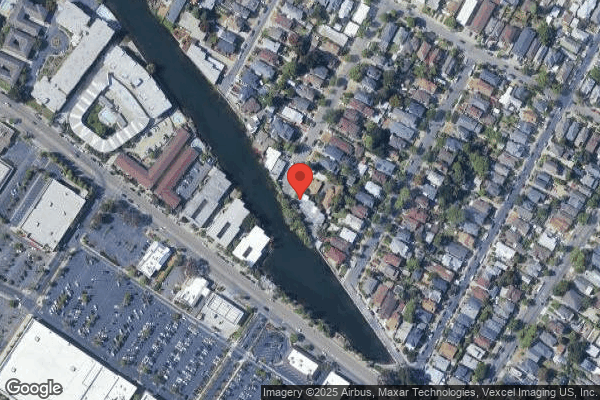
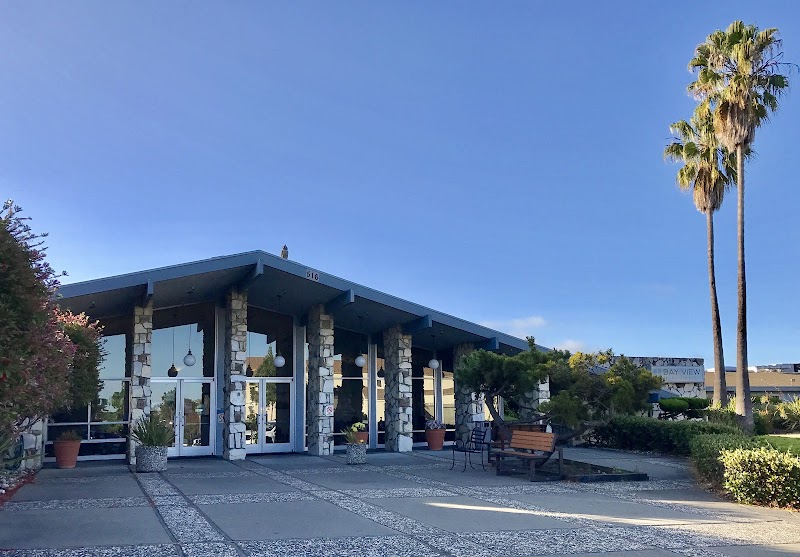
516 WILLOW STREET, ALAMEDA, CA 94501 (510) 521-5600
For profit - Limited Liability company 180 Beds DAVID & FRANK JOHNSON Data: November 2025 1 Immediate Jeopardy citation
Trust Grade
43/100
#529 of 1155 in CA
Last Inspection: October 2024

Within standard 12-15 month inspection cycle. Federal law requires annual inspections.

Overview

Bay View Rehabilitation Hospital, LLC has a Trust Grade of D, indicating below-average performance with some significant concerns. They rank #529 out of 1155 facilities in California, placing them in the top half, but at #48 of 69 in Alameda County, they have limited competition. The facility is improving, as the number of issues reported dropped from 11 in 2024 to just 1 in 2025, which is a positive sign. Staffing is a weakness, with a 2/5 star rating and an average turnover of 0%, suggesting stability but also possible staffing challenges. However, there are serious concerns, such as a critical incident where a staff member physically abused a resident and the facility's failure to promptly investigate. Other issues include improper food handling, which could lead to contamination and health risks for residents. Overall, while there are some strengths in terms of rankings and trends, the facility's serious deficiencies cannot be overlooked.

Trust Score
D
43/100
In California
#529/1155
Top 45%
Safety Record
High Risk
Review needed
Inspections
Getting Better
11 → 1 violations
Staff Stability
○ Average
Turnover data not reported for this facility.
Penalties
✓ Good
$46,726 in fines. Lower than most California facilities. Relatively clean record.
Skilled Nurses
⚠ Watch
Each resident gets only 20 minutes of Registered Nurse (RN) attention daily — below average for California. Fewer RN minutes means fewer trained eyes watching for problems.
Violations
⚠ Watch
33 deficiencies on record. Higher than average. Multiple issues found across inspections.
★★★☆☆
3.0
Overall Rating
★★☆☆☆
2.0
Staff Levels
★★☆☆☆
2.0
Care Quality
★★★☆☆
3.0
Inspection Score
Stable
2024: 11 issues
2025: 1 issues

The Good

  • Full Sprinkler Coverage · Fire safety systems throughout facility
  • No fines on record

Facility shows strength in fire safety.

The Bad

3-Star Overall Rating

Near California average (3.1)

Meets federal standards, typical of most facilities

Federal Fines: $46,726

Above median ($33,413)

Moderate penalties - review what triggered them

Chain: DAVID & FRANK JOHNSON

Part of a multi-facility chain

Ask about local staffing decisions and management

The Ugly 33 deficiencies on record

1 life-threatening
Jan 2025 1 deficiency
CONCERN (D) 📢 Someone Reported This

A family member, employee, or ombudsman was alarmed enough to file a formal complaint

Potential for Harm - no one hurt, but risky conditions existed

Deficiency F0559 (Tag F0559)

Could have caused harm · This affected 1 resident

**NOTE- TERMS IN BRACKETS HAVE BEEN EDITED TO PROTECT CONFIDENTIALITY** Based on observation, interview and record review, the facility failed to ensure the resident and/or responsible party (RP or le...

Read full inspector narrative →
**NOTE- TERMS IN BRACKETS HAVE BEEN EDITED TO PROTECT CONFIDENTIALITY** Based on observation, interview and record review, the facility failed to ensure the resident and/or responsible party (RP or legal guardian) for one of one sampled resident (Resident 1) received a written notification about the room change when Resident 1 was moved to another room. This failure violated Resident 1 and Resident 1's RP ' s rights to receive written notice of the room change, including the reason for the change, before the resident's room in the facility was changed. Findings: During a review of Resident 1 ' s undated admission Record printed on 12/17/24, the admission Record indicated, Resident 1 was admitted in the facility on 7/29/21 with an admission diagnosis of dementia (a loss of brain function that occurs with certain diseases, affecting one or more brain functions such as memory, thinking, language, judgment, or behavior). The admission Record indicated, Resident 1 had a RP. During a record review of Resident 1 ' s Minimum Data Set (MDS- an assessment used to guide plan of care) dated 8/7/24, indicated Resident 1 ' s Brief Interview of Mental Status (BIMS, is a scoring system used to determine the resident ' s cognitive status regarding attention, orientation, and ability to register and recall information) score was 6 out of 15, indicating severe cognitive impairment. During a phone interview on 12/4/24 at 9:48am with the Resident 1 ' s RP, the RP stated, he was not informed of the reason for Resident 1 ' s room change. During a concurrent observation and interview, on 12/17/24 at 2:01 p.m. with Social Services Assistant (SSA), the SSA flipped through a blue binder with Notification of Room Change forms. The SSA stated, they kept the filled-out forms in the binder. The SSA stated, the form was used to document the reason for the room change and who was notified. The SSA stated, Resident 1 ' s 7/17/24 Notification of Room Change form was not in the binder. During a follow up concurrent interview and record review on 12/17/24 at 3:15 p.m. with the SSA, Resident 1 ' s Admin Census dated 7/17/24 was reviewed. The Admin Census indicated, Resident 1 had an action code of RC. The SSA stated, the action code RC means room change. The SSD stated Resident 1 had a room change from room [ROOM NUMBER]-C to room [ROOM NUMBER]-B on 7/17/24. The SSD stated she was not aware that a written notice should be provided to the resident or RP for a room change. The SSA stated, she only called resident ' s RP on the phone to notify of room change. During an interview on 12/17/24 at 3:39 p.m. with Registered Nurse Supervisor (RNS), the RNS stated, they only provide verbal notification of room change to RP either personally when in the facility or via phone call. During a review of the facility ' s policy and procedure (P&P) titled Room Change/Roommate Assignment dated 5/17, indicated, 2. Prior to changing a room or roommate assignment all parties involved in the change/assignment (e.g., resident and their representatives) will be given advance notice of such change.; 3. Advance notice of a roommate change will include why the change is being made and any information that will assist with the roommate in becoming acquainted with his or her new roommate.
Dec 2024 1 deficiency
CONCERN (E) 📢 Someone Reported This

A family member, employee, or ombudsman was alarmed enough to file a formal complaint

Potential for Harm - no one hurt, but risky conditions existed

Safe Environment (Tag F0584)

Could have caused harm · This affected multiple residents

**NOTE- TERMS IN BRACKETS HAVE BEEN EDITED TO PROTECT CONFIDENTIALITY** Based observation, interview, and record review, the facility failed to provide a comfortable and safe room temperature for thre...

Read full inspector narrative →
**NOTE- TERMS IN BRACKETS HAVE BEEN EDITED TO PROTECT CONFIDENTIALITY** Based observation, interview, and record review, the facility failed to provide a comfortable and safe room temperature for three of 158 sampled residents (Residents 1, 2, and 3) when the room temperature for these residents was less than 71 degrees for over six hours. This failure resulted in an unhomelike environment and placed Resident 1, 2, and 3 at risk for loss of body heat and hypothermia (body's temperature drops dangerously low, usually due to prolonged exposure to cold temperatures). Findings: During a review of Resident 1 ' s admission Record dated 12/4/24, the admission Record indicated Resident 1 was admitted to the facility on [DATE]. During a review of Resident 1 ' s Minimum Data Set( MDS, a resident assessment instrument used to identify resident care problems to be addressed in an individualized care plan), dated 12/4/2024, the MDS indicated Resident 1 had a Brief Interview of Mental Status (BIMS, a scoring system used to determine the resident ' s cognitive status in regard to attention, orientation, and ability to register and recall information) score of 15 ( A BIMS score of 15 is an indication of an intact cognitive status). During a concurrent observation and interview on 11/20/24, at 10:53 a.m., with Maintenance Director (MD), the MD conducted temperature check for Resident 1 ' s room. The surveyor observed the MD ' s digital infrared thermometer display indicate Resident 1 ' s room temperature was 67 degrees. Resident 1 stated, It ' s freezing. During a review of Resident 2 ' s admission Record dated 12/4/24, the admission Record indicated Resident 2 was admitted to the facility on [DATE]. During a review of Resident 2 ' s MDS assessment dated [DATE], the MDS assessment indicated Resident 3 had a BIMS score of 15. During a concurrent observation and interview on 11/20/24, at 10:55 a.m., with MD, the MD conducted temperature check for Resident 2 ' s room. The surveyor observed the MD ' s digital infrared thermometer display indicate Resident 2 ' s room temperature was 67 degrees. Resident 2 stated, It is very cold here; they give me blankets. During a review of Resident 3 ' s admission Record dated 12/4/24, the admission Record indicated Resident 3 was admitted to the facility on [DATE]. During a review of Resident 3 ' s MDS assessment dated [DATE], the MDS assessment indicated Resident 3 had a BIMS score of 15. During a concurrent observation and interview on 11/20/24, at 10:59 a.m., with MD, the MD conducted temperature check for Resident 3 ' s room. The surveyor observed the MD ' s digital infrared thermometer display indicate Resident 3 ' s room temperature was 66 degrees. Resident 3 stated she was freezing and had comforters brought in by family. Surveyor observed Resident 3 was covered in three layers of thick blankets. The MD stated resident rooms did not have hot air circulation outlets, and that the hot air circulation outlets were in the hallways. During an interview on 11/20/24, at 2:10 p.m., with the Administrator (ADMIN), Admin confirmed none of the resident rooms had hot air circulation outlets in the room, and that the hot air circulation outlets were located in every hallway. Admin stated he had asked the MD to raise the temperature and it would take more than a few hours to get the Resident room temperature between 71 and 81 degrees. During an interview on 11/20/24 at 2:20 p.m., with the Director of Staff Development (DSD), DSD stated she was aware of Resident ' s reports of being cold, and that the facility had provided Residents with extra blankets. DSD stated room temperature below 71 degrees could cause blood circulation issues and an uncomfortable environment. During an interview on 11/20/24 at 2:30 p.m., with the Director of Nursing (DON), DON stated many residents at the facility were older with multiple medical issues. DON stated cold room temperature could put residents at risk for hypothermia, hypoglycemia (low blood sugar) and hyperglycemia (high blood sugar). During a concurrent record review and interview on 11/20/24 at 2:40 p.m., with MD, the facility ' s temperature log titled Internal Building Temperature, dated 11/03/24 was reviewed, the log indicated eight of the 30 resident room had a recorded temperature of less than 71 degree. MD stated he was aware of the low temperature on the log and had not followed up on it. During a review of the facility ' s undated Policy and Procedure (P&P) titled, Internal Temperature of the facility, the P&P indicated, It is the policy of this facility to maintain the temperature of environment at the level that residents feel comfortable at all times. More Specifically, the facility maintains the temperature from 71 degree to 81 degree .
Oct 2024 4 deficiencies
CONCERN (D)

Potential for Harm - no one hurt, but risky conditions existed

Deficiency F0637 (Tag F0637)

Could have caused harm · This affected 1 resident

Based on interview, record review, and document review, the facility failed to ensure a significant change in status assessment (SCSA) Minimum Data Set (MDS) assessment was completed for one (Resident...

Read full inspector narrative →
Based on interview, record review, and document review, the facility failed to ensure a significant change in status assessment (SCSA) Minimum Data Set (MDS) assessment was completed for one (Resident 78) of one sampled resident reviewed for hospice. Findings included: An admission Record revealed the facility admitted Resident 78 on 06/14/2024. According to the admission Record, the resident had a medical history that included diagnoses of cerebral infarction and Parkinson's disease. Resident 78's Order Summary Report that contained active orders as of 10/30/2024, revealed an order dated 10/15/2024, to admit the resident to hospice care. Resident 78's care plan, included a problem initiated 10/15/2024, that revealed the resident had limited life expectancy due to a terminal illness of cerebrovascular accident. The Centers for Medicare & Medicaid Services Long-Term Care Facility Resident Assessment Instrument 3.0 User's Manual, dated 10//2024, specified, 03. Significant Change in Status Assessment (SCSA) The SCSA is a comprehensive assessment for a resident that must be completed when the IDT [interdisciplinary team] has determined that a resident meets the significant change guidelines for either major improvement or decline. Per the manual, An SCSA is required to be performed when a terminally ill resident enrolls in a hospice program or changes hospice providers and remains a resident at the nursing home. The ARD [assessment reference date] must be within 14 days from the effective date of the hospice election.
CONCERN (D)

Potential for Harm - no one hurt, but risky conditions existed

Assessment Accuracy (Tag F0641)

Could have caused harm · This affected 1 resident

**NOTE- TERMS IN BRACKETS HAVE BEEN EDITED TO PROTECT CONFIDENTIALITY** 2. An admission Record revealed the facility admitted Resident 13 on 06/17/2023. According to the admission Record, the resident...

Read full inspector narrative →
**NOTE- TERMS IN BRACKETS HAVE BEEN EDITED TO PROTECT CONFIDENTIALITY** 2. An admission Record revealed the facility admitted Resident 13 on 06/17/2023. According to the admission Record, the resident had a medical history that included a diagnosis of bipolar disorder. A significant change in status Minimum Data Set (MDS), with an Assessment Reference Date (ARD) of 07/26/2024, revealed Resident 13 was not considered by the state level II preadmission screening and resident review process (PASARR) to have a serious mental illness and/or intellectual disability or a related condition. Per the MDS, the resident had active diagnoses to include anxiety disorder, depression, and bipolar disorder. During an interview on 10/31/2024 at 12:25 PM, the MDS Resource stated the level II PASARR should have triggered on the resident's MDS. During an interview on 10/31/2024 at 1:11 PM, the Administrator stated the level II PASARR should have been triggered on the MDS. The Administrator stated if the MDS was not correct, the facility would not know if they were providing the correct interventions. 3. An admission Record revealed the facility admitted Resident 17 on 12/10/2010. According to the admission Record, the resident had a medical history that included a diagnosis of bipolar disorder. An annual Minimum Data Set (MDS), with an Assessment Reference Date (ARD) of 10/05/2024, revealed Resident 17 was not considered by the state level II preadmission screening and resident review process (PASARR) to have a serious mental illness and/or intellectual disability or a related condition. Per the MDS, the resident had active diagnoses to include depression, bipolar disorder, and psychotic disorder. During an interview on 10/31/2024 at 12:25 PM, the MDS Resource stated the level II PASARR should have triggered on the resident's MDS. During an interview on 10/31/2024 at 1:11 PM, the Administrator stated the level II PASARR should have been triggered on the MDS. The Administrator stated if the MDS was not correct, the facility would not know if they were providing the correct interventions. 4. An admission Record revealed the facility admitted Resident 148 on 06/06/2024. According to the admission Record, the resident had a medical history that included a diagnosis of anxiety disorder. An admission Minimum Data Set (MDS), with an Assessment Reference Date (ARD) of 06/13/2024, revealed Resident 148 had a Brief Interview for Mental Status (BIMS) score of 15, which indicated the resident had intact cognition. The MDS indicated Resident 148 had an active diagnosis to include post-traumatic stress disorder (PTSD). A quarterly MDS, with an ARD of 09/13/2024, revealed Resident 148 had a BIMS score of 15, which indicated the resident had intact cognition. The MDS indicated Resident 148 did not have an active diagnosis of PTSD. During an interview on 10/31/2024 at 12:25 PM, the MDS Resource stated if Resident 148's PTSD was still active, it should be listed on the MDS. 5. An admission Record revealed the facility admitted Resident 157 on 04/02/2024. According to the admission Record, the resident had a medical history that included diagnoses of metabolic encephalopathy and sepsis. Resident 157's physician's order dated 07/25/2024, indicated the resident would discharge home on [DATE]. Resident 157's Nurses Notes, dated 08/02/2024, revealed the resident discharged home. A discharge Minimum Data Set (MDS), with an Assessment Reference Date (ARD) of 08/02/2024, revealed Resident 157 discharged to a short-term general hospital on [DATE]. During an interview on 10/31/2024 at 12:25 PM, the MDS Resource stated the MDS was not coded accurately. During an interview on 10/31/2024 at 1:11 PM, the Administrator stated he expected all MDS assessments to be accurate. 6. An admission Record indicated the facility admitted Resident 60 on 04/08/2020. According to the admission Record, the resident had a medical history that included a diagnosis of paraplegia (the inability to voluntarily move the lower parts of the body). A quarterly Minimum Data Set (MDS), with an Assessment Reference Date (ARD) of 08/21/2024, revealed Resident 60 had no functional limitations in range of motion in their upper or lower extremities. During an interview on 10/31/2024 at 12:25 PM, the MDS Resource stated that according to the definition of paraplegia, the coding on the MDS did not make sense and it was either an inaccurate diagnosis or it was an inaccurate assessment. During a concurrent record review and interview on 10/31/2024 at 1:11 PM, the Administrator stated Resident 60 was paraplegic. The Administrator reviewed Resident 60's MDS and stated the MDS was not accurate because the resident was paraplegic. The Administrator stated he expected the MDS to be coded accurately. A facility policy titled, Certifying Accuracy of the Resident Assessment, revised 11/2019, indicated, Any person completing a portion of the Minimum Data Set/MDS must sign and certify the accuracy of that portion of the assessment. The policy specified, 3. The information captured on the assessment reflects the status of the resident during the observation period for that assessment. Different items on the MDS may have different observation periods. Based on interview, record review, and facility policy review, the facility failed to ensure the accuracy of the Minimum Data Set (MDS) for six (Residents 13, 17, 60, 116, 148, and 157) of 32 sampled residents. Finding included: 1. An admission Record revealed the facility admitted Resident 116 on 09/29/2024. According to the admission Record, the resident had a medical history that included a diagnosis of presence of cardiac pacemaker. An admission Minimum Data Set (MDS), with an Assessment Reference Date (ARD) of 10/06/2024, revealed Resident 116 had a Brief Interview for Mental Status (BIMS) score of 15, which indicated the resident had intact cognition. According to the MDS, Resident 116 took an anticoagulant medication during the last seven days. Resident 116's Order Summary Report for the timeframe 09/29/2024 to 10/31/2024, revealed no evidence to indicate the resident had been prescribed an anticoagulant medication. During an interview on 10/31/2024 at 10:46 AM, the MDS Resource stated that after review of Resident 116's physician orders, he was unable to locate a physician order for an anticoagulant medication. The MDS Resource stated Resident 116's MDS was inaccurate. During an interview on 10/31/2024 at 12:56 PM, the Administrator stated a resident's MDS should be accurate and the MDS Resource was responsible for ensuring the accuracy of the MDS.
CONCERN (D)

Potential for Harm - no one hurt, but risky conditions existed

Comprehensive Care Plan (Tag F0656)

Could have caused harm · This affected 1 resident

Based on interview, record review, and facility policy review, the facility failed to ensure a comprehensive care plan was developed for one (Resident 148) of two sampled residents reviewed for mood/b...

Read full inspector narrative →
Based on interview, record review, and facility policy review, the facility failed to ensure a comprehensive care plan was developed for one (Resident 148) of two sampled residents reviewed for mood/behavior. Findings included: An admission Record revealed the facility admitted Resident 148 on 06/06/2024. According to the admission Record, the resident had a medical history that included a diagnosis of anxiety disorder. An admission Minimum Data Set (MDS), with an Assessment Reference Date (ARD) of 06/13/2024, revealed Resident 148 had a Brief Interview for Mental Status (BIMS) score of 15, which indicated the resident had intact cognition. The MDS indicated Resident 148 had an active diagnosis to include post-traumatic stress disorder (PTSD). Resident 148's comprehensive care plan, revealed no evidence of goals or approaches/interventions to manage the resident's diagnosis of PTSD. During an interview on 10/30/2024 at 2:47 PM, the Social Services (SS) staff person stated care plans were done by nursing and the social services department. She added it was her responsibility to create a care plan for Resident 148's diagnosis of PTSD. According to the SS staff person, the care plan would help staff know what Resident 148 needed to feel safe. During an interview on 10/31/2024 at 9:34 AM, the Administrator stated social services was responsible for care plans related to PTSD. The Administrator stated a care plan should have been created. The Administrator added that care plans were in place to help staff understand what a resident needed. A facility policy titled, Care Plans, Comprehensive, revised 12/2016, specified, A comprehensive, person-centered care plan that includes measurable objectives and timetables to meet the resident's physical, psychosocial and functional needs is developed and implemented for each resident.
CONCERN (E)

Potential for Harm - no one hurt, but risky conditions existed

Deficiency F0645 (Tag F0645)

Could have caused harm · This affected multiple residents

3. An admission Record indicated the facility admitted Resident 96 on 08/11/2021. According to the admission Record, the resident had a medical history that included a diagnosis of schizophrenia. An a...

Read full inspector narrative →
3. An admission Record indicated the facility admitted Resident 96 on 08/11/2021. According to the admission Record, the resident had a medical history that included a diagnosis of schizophrenia. An annual Minimum Data Set (MDS), with an Assessment Reference Date (ARD) of 08/20/2024, revealed Resident 96 had a Brief Interview for Mental Status (BIMS) score of 11, which indicated the resident had moderate cognitive impairment. S Resident 96's care plan, included a problem statement initiated 12/2023, that indicated the resident had a condition of schizophrenia. Resident 96's Preadmission Screening and Resident Review Level I Screening, dated 12/05/2023, revealed the resident did not have a serious diagnoses mental disorder such as depression disorder, anxiety disorder, panic disorder, schizophrenia/schizoaffective disorder, or symptoms of psychosis, delusions, and/or mood disturbance. During an interview on 10/31/2024 at 9:24 AM, the admission Director stated she made sure residents had a PASARR upon admission, but the nursing staff was responsible for reviewing the PASARR for accuracy. During an interview on 10/31/2024 at 9:40 AM, the Administrator confirmed that Resident 96's Level I Screening from 12/05/2023 was inaccurate as the resident had the diagnosis of schizophrenia prior to the Level I Screening. The Administrator stated it was the responsibility of the Director of Nursing to ensure the accuracy of PASARRs. A facility policy titled, Pre-admission Screening and Resident Review (PASARR), revised 12/2006, revealed, Policy Statement All new admission and readmission are screened for mental disorders (MD), intellectual disabilities (ID) or related disorders (RD) per the Medicaid Pre-admission Screening and Resident Review process. Policy Interpretation and Implementation 1. The facility conducts a Level I PASARR screen for all potential admissions, regardless of payer source, to determine if the individual meets the criteria for a MD, ID or RD, unless the individual is admitted directly to the facility from a hospital where he or she received acute care, and Level I had been completed. Based on interview, record review, document review, and facility policy review, the facility failed to complete a Level I preadmission screening and resident review (PASARR) for residents that remained in the facility on the 31st day of admission to the facility for two (Resident 116 and Resident 152) of six sampled residents reviewed for PASARR. The facility further failed to ensure a Level I Screening was accurate for one (Resident 96) of six sampled residents reviewed for PASARR. Findings included: 1. An admission Record revealed the facility admitted Resident 116 on 09/29/2024. According to the admission Record, the resident had a medical history that included diagnoses of anxiety disorder, schizoaffective disorder and post-traumatic stress disorder (PTSD). An admission Minimum Data Set (MDS), with an Assessment Reference Date (ARD) of 10/06/2024, revealed Resident 116 had a Brief Interview for Mental Status (BIMS) score of 15, which indicated the resident had intact cognition. Resident 116's care plan, included a problem statement initiated 09/30/2024, that indicated the resident admitted to the facility for short-term rehabilitation and had diagnoses to include anxiety, PTSD, gastroesophageal reflux disease, schizophrenia, hypothyroidism, and obesity. A letter from the California Department of Health Care Services dated 09/27/2024, revealed If the individual [Resident 116] remains in the NF [nursing facility] longer than 30 days, the facility must resubmit a new Level I Screening as a Resident Review on the 31st day. Resident 116's medical record revealed no evidence to indicate a new Level I Screening was submitted on day 31 of the resident's admission to the facility. 2. An admission Record revealed the facility admitted Resident 152 on 08/15/2024. According to the admission Record, the resident had a medical history that included a diagnosis of schizoaffective disorder. An admission Minimum Data Set (MDS), with an Assessment Reference Date (ARD) of 08/22/2024, revealed Resident 152 had a Brief Interview for Mental Status (BIMS) score of 13, which indicated the resident had intact cognition. Resident 152's care plan, included a problem statement initiated 08/15/2024, that indicated the resident had a condition of schizoaffective disorder. A letter from the California Department of Health Care Services dated 08/15/2024, revealed If the individual [Resident 152] remains in the NF [nursing facility] longer than 30 days, the facility must resubmit a new Level I Screening as a Resident Review on the 31st day. Resident 152's medical record revealed no evidence to indicate a new Level I Screening was submitted on day 31 of the resident's admission to the facility. During a concurrent record review and interview on 10/31/2024 at 9:26 AM, the Administrator stated the Director of Nursing was responsible for ensuring the Level I PASARRs were completed, if required. The Administrator reviewed the medical record of Resident 116 and Resident 152 and stated he was unable to locate any further information of a new Level I Screening being completed after the residents remained in the nursing facility on the 31st day. The Administrator stated he was not aware of the requirement or the letter which indicated the PASARR was required.
Sept 2024 1 deficiency
CONCERN (D) 📢 Someone Reported This

A family member, employee, or ombudsman was alarmed enough to file a formal complaint

Potential for Harm - no one hurt, but risky conditions existed

Pressure Ulcer Prevention (Tag F0686)

Could have caused harm · This affected 1 resident

Based on interview and record review, the facility failed to prevent medical device related pressure injury (injury to the skin and underlying tissues that results from prolonged pressure on the skin)...

Read full inspector narrative →
Based on interview and record review, the facility failed to prevent medical device related pressure injury (injury to the skin and underlying tissues that results from prolonged pressure on the skin) from developing for one of one sampled resident (Resident 1) when Resident 1 ' s nephrostomy tube (a thin catheter that drains urine from the kidney into a bag) pressed onto Resident 1 ' s upper back skin. This failure resulted in Resident 1 developing pressure injury to the left upper back. Findings: During a review of undated admission Record, printed on 8/22/24, the admission Record indicated, Resident 1 was admitted in the facility on 5/21/24 with multiple diagnoses that included quadriplegia (symptom of paralysis that affects all four limbs and body from the neck down.) and hydronephrosis (swelling of one or both kidneys.). During a review of Resident 1's Minimum Data Set (MDS - an assessment tool used to direct resident care), dated 5/28/24, the MDS Section GG indicated Resident 1 was dependent (helper does all the effort. Resident does none of the effort to complete the activity.) with staff assistance to roll left and right on the bed. During a review of Resident 1 ' s Non-Pressure Sore Skin Problem Report, dated 5/21/24, the Non-Pressure Sore Skin Problem Report indicated, Resident 1 had a nephrostomy (an opening between the kidney and the skin.) located at the left lower back. During a review of Resident 1 ' s Situation, Background, Assessment, Recommendation (SBAR) record, dated 7/16/24, the SBAR indicated, Resident 1 was noted with redness on left upper back measuring 3.3 by 1.3 by 0 centimeters (cm) due to trauma lying on nephrostomy tube. The SBAR did not indicate the time the trauma was discovered. During a phone interview on 8/22/24 at 12:39 p.m. with Licensed Vocational Nurse (LVN) 1, LVN 1 stated, Resident 1 had a shear wound on the upper back but was unsure of the exact side. LVN 1 stated Resident 1 had a nephrostomy tube on the left lower back. LVN 1 stated Resident 1 was lying on the nephrostomy tubing which caused the wound. During a follow up interview on 9/24/24 at 2:39 p.m. with LVN 1, LVN 1 stated Resident 1 ' s skin on the left upper back had a mark of the plastic piece from the nephrostomy tubing when the skin injury was discovered. LVN 1 stated Certified Nursing Assistant (CNA) 2 was assisting her when the pressure injury was discovered. LVN 1 stated the injury could have been prevented by making sure Resident 1 was not lying on the nephrostomy tube. During an interview on 9/24/24 at 3:01 p.m. with CNA 1, CNA 1 stated taking care of Resident 1 on 7/15/24 but did not see the pressure injury. CNA 1 stated she wraps Resident 1 ' s nephrostomy tube with a towel or a pillowcase to prevent the tube from hanging on the side of the bed. During an interview on 9/24/24 at 3:12 p.m. with CNA 2, CNA 2 stated, she did not see Resident 1 ' s nephrostomy tube when she came in at 7:00 a.m. on 7/16/24 because she served resident ' s breakfast. CNA 2 stated she could not recall the time the pressure injury was discovered but thinks it was sometime before 12:00 p.m. because LVN 1 usually does her treatments before 12:00 p.m. During a review of Resident 1 ' s Non-Pressure Sore Skin Problem Report, dated 7/16/24, the Non-Pressure Sore Skin Problem Report indicated, preventive measure for Resident 1 ' s trauma on the left upper back was to monitor. During a review of Resident 1 ' s Skin Alteration-Non-Pressure Wound Care Plan, dated 7/16/24, the care plan indicated, preventive approach to make sure Resident 1 was not lying on the nephrostomy tube was not included in the plan of care.
Jul 2024 1 deficiency
CONCERN (D) 📢 Someone Reported This

A family member, employee, or ombudsman was alarmed enough to file a formal complaint

Potential for Harm - no one hurt, but risky conditions existed

Report Alleged Abuse (Tag F0609)

Could have caused harm · This affected 1 resident

Based on interview and record review, the facility failed to follow its policy and procedure to immediately report alleged abuse allegations to the facility Administrator and to California Department ...

Read full inspector narrative →
Based on interview and record review, the facility failed to follow its policy and procedure to immediately report alleged abuse allegations to the facility Administrator and to California Department of Public Health (CDPH) within 2 hours, for one of three sampled residents (Resident 1), when Resident 1 alleged Certified Nursing Assistant 1 (CNA 1) slapped them in the face. This failure had the potential to cause a delay in investigations and affect physical and psychological well-being of Resident 1. A review of Resident 1's admission Record printed 7/27/24, indicated Resident 1 was admitted to the facility in 2020 with multiple diagnosis including: Major Depressive Disorder, Single Episode (a serious mood disorder that can affect how a person feels, thinks, and behaves). During an interview on 7/9/24, at 2:35 p.m., with Licensed Vocational Nurse (LVN) 1, LVN 1 stated, on 4/7/24 at around 10:00 a.m., Resident 1 told them CNA 1 hit them in the face in the morning. LVN 1 stated Resident 1 had redness on their face. LVN 1 stated they did not report the alleged abuse or complete and submit a Report of Suspected Dependent Adult/Elder Abuse (SOC 341), to the Administrator, CDPH, the ombudsman or law enforcement. LVN 1 stated they completed the SOC 341 sometime after 3:00 p.m. and gave it the nurse on the next shift. LVN 1 stated their policy was to report abuse allegations immediately and within 2 hours to the Administrator, CDPH, ombudsman, law enforcement, physician, and family so the allegations could be investigated immediately. During an interview on 7/9/24, at 4:20 p.m. with Director of Nursing (DON), DON stated Resident 1's SOC 341 was done late. DON stated their policy was to report alleged abuse to the Administrator, CDPH, the ombudsman and to law enforcement, immediately or within 2 hours and it was important so the alleged abuse could be investigated right away, residents could be assessed and for resident safety. During a review of Resident 1's Situation, Background, Assessment, Recommendation (SBAR), dated 4/7/24, the SBAR indicated, Per Resident interview at around 10:00 a.m. while administering medications to the resident, she stated that CNA assigned to her ' Slapped me in my face.' During a review of Resident 1's SOC 341, dated 4/7/24, the SOC 341 indicated it was completed and faxed on 4/7/24 at 6:10 p.m. During a review of the facility's policy and procedure (P&P) titled, Abuse Allegation/Incident Reporting, updated 2/10/19, the P&P indicated, Please note that as a mandated reporter, an employee who identifies suspected abuse committed against an individual who is a resident must ensure that all alleged violations involving abuse . are reported immediately, but not later than 2 hours after the allegation is made . to the Administrator/Abuse Coordinator or designee and to other officials (including to the State Survey Agency, local law enforcement entity, local Ombudsman, and adult protective services where state law provides for jurisdiction in long-term care facilities) in accordance with State law through established procedures .
May 2024 2 deficiencies 1 IJ
CRITICAL (J) 📢 Someone Reported This

A family member, employee, or ombudsman was alarmed enough to file a formal complaint

Immediate Jeopardy (IJ) - the most serious Medicare violation

Investigate Abuse (Tag F0610)

Someone could have died · This affected 1 resident

**NOTE- TERMS IN BRACKETS HAVE BEEN EDITED TO PROTECT CONFIDENTIALITY** Based on observation, interview and record review, the facility failed to protect residents in the facility from physical abuse ...

Read full inspector narrative →
**NOTE- TERMS IN BRACKETS HAVE BEEN EDITED TO PROTECT CONFIDENTIALITY** Based on observation, interview and record review, the facility failed to protect residents in the facility from physical abuse when Certified Nursing Assistant 1 (CNA1) deliberately poked one resident (Resident 1) in the right cheek, smacked Resident 1 in the hand and then forced Resident 1 down in her wheelchair causing Resident 1 to cry out. The facility failed to protect 16 residents (Residents 1, 2, 3, 4, 5, 6, 7, 8, 9, 10, 11, 12, 13, 14, 15, 16) assigned to CNA1, from possible physical abuse when the Administrator (ADM) returned CNA1 to direct care duty before completion of a thorough abuse investigation, including interviewing all witnesses. CNA1 was permitted to have access to Resident 1 and continued to work with other vulnerable residents. This failure resulted in Resident 1 crying out in pain, hyperventilating (breathing rapidly) and visibly shaking, and had the potential to result in further physical abuse towards Resident 1 and/or other vulnerable residents under CNA1's care. An Immediate Jeopardy situation (IJ, a situation in which a facility's actions places one or more residents/patients in jeopardy of being significantly harmed up to the point of possible death if not immediately corrected) was identified and called due to the failure of the facility to protect residents from further abuse by returning CNA1 to direct care duty before completion of a thorough abuse investigation. The ADM was verbally notified of the IJ situation on 5/14/24 at 6:09 p.m. During a visit to the facility on 5/16/24, the facility provided an acceptable plan of action and the IJ was removed at 12:59 p.m. Findings: During an interview with the Director of Nursing (DON) on 5/13/24 at 3:33 p.m., DON stated the alleged abuse towards Resident 1 occurred on 5/8/24 at approximately 6:00 p.m. in the hallway outside of room [ROOM NUMBER], which is located at Nursing Unit 1. DON stated CNA1 allegedly sat Resident 1 down forcefully in her wheelchair. DON stated Licensed Vocation Nurse 1 (LVN1) witnessed the incident and felt that CNA1 handled Resident 1 roughly. DON stated LVN1 reported the alleged abuse to ADM on 5/8/24. DON stated CNA1 was suspended by ADM on 5/8/24 and returned to duty on 5/10/24 after the facility completed an abuse investigation. DON stated the abuse allegation towards Resident 1 was unsubstantiated. During a concurrent interview and record review on 5/13/24 at 3:35 p.m. with the DON and Assistant Administrator (AA), the facility's undated Investigative Summary document, pertaining to Resident 1's abuse investigation, was reviewed. The Investigative Summary showed .upon completion of investigation, she [CNA1] was re-educated by D.S.D. [Director of Staff Development] and is returning to her PM shift today following her suspension. DON and AA confirmed the Investigative Summary was completed on 5/10/24 at 2:32 p.m. During an interview with the DSD on 5/13/24 at 3:58 p.m., DSD stated CNA1 reported to work on 5/10/24 and worked both the AM and PM shifts on Nursing Unit 1. DSD also stated CNA1 is scheduled to work on Nursing Unit 1 today. During a concurrent interview and record review on 5/13/24 at 5:33 p.m. with the DON, the facility's undated Investigative Summary document and Resident 1's Interdisciplinary Team [IDT] Conference Record document dated 5/9/24 were reviewed. The Investigative summary showed .Interventions: 7. IDT performed post-incident 72 hour assessment . The Interdisciplinary Team Conference Record did not show that an IDT post-incident 72 hour assessment had been completed. The DON confirmed that the Interdisciplinary Team Conference Record did not show that an IDT post-incident 72 hour assessment had been completed. During a concurrent interview and record review on 5/13/24 at 5:38 p.m. with the DON, CNA1's timecard dated 5/13/24, was reviewed. The DON confirmed the timecard showed CNA1 worked at the facility on 5/10/24 from 6:58 a.m. until 11:28 p.m. During an interview with ADM on 5/13/24 at 5:40 p.m., ADM stated on 5/8/24, around 6:30 p.m., LVN1 called him to report that she had witnessed CNA1 poke Resident 1 in the cheek and then CNA1 forcefully sat Resident 1 down in her wheelchair. ADM stated that he spoke with CNA1 on 5/8/24 around 6:40 p.m. about the alleged abuse toward Resident 1. ADM stated CNA1 told him that she helped Resident 1 sit down in her wheelchair because she was falling. ADM stated CNA1 told him she had applied A&D ointment (Vitamin A&D ointment, a medicated ointment used to protect skin) to Resident 1's face after she was seated in her wheelchair. ADM stated CNA1 was suspended on 5/8/24 and returned to duty on 5/10/24 after the he completed Resident 1's abuse investigation. ADM then stated Resident 1's abuse allegation was unsubstantiated. During an interview with LVN1 in the Medication Room located at Nursing Unit 2 on 5/14/23 at 4:19 p.m., LVN1 stated she was working at Nursing Unit 1 on 5/8/24 during the PM shift. LVN1 stated she was doing her medication pass around 6:00 p.m. at room [ROOM NUMBER]. LVN1 stated CNA1 was sitting in a chair next to Resident 1, who was sitting in her wheelchair in the hallway outside of room [ROOM NUMBER]. LVN1 stated CNA1 got up to help pass out dinner trays to the Nursing Unit 1 residents. LVN1 stated Resident 1 then stood up. LVN1 stated CNA1 helped Resident 1 sit back down in her wheelchair. LVN1 stated Resident 1 stood up again and CNA1 yanked Resident 1 down into her wheelchair. LVN1 stated CNA1 began yelling at Resident 1 in Tagalog (a language spoken by people of Filipino decent) and CNA1 then poked Resident 1 in the right cheek. LVN1 stated Resident 1 then swatted CNA1's hand away from her face. LVN1 stated CNA1 then smacked Resident 1 in the hand. LVN1 stated she also heard the smack to Resident 1's hand. LVN1 stated Resident 1 stood up again and CNA1 then grabbed Resident 1 by her pants and slammed her back down in her wheelchair. LVN1 stated Resident 1 yelped out in pain after being slammed down in her wheelchair by CNA1. LVN1 stated she told CNA1 to stop because her actions were abusive. LVN1 stated she then calmed Resident 1 down and assessed her condition. LVN1 stated she then called the Nurse Consultant (NC) and ADM to report the abuse she had witnessed. During a record review on 5/14/24 at 4:34 p.m. at Nursing Unit 1, the facility's document titled Marina Work Assignment dated 5/14/24 showed CNA1 was assigned to care for 10 residents (Residents 4, 5, 8, 9, 10, 11, 13, 14, 15,16) during the AM shift and 10 residents (Residents 6, 7, 10, 11, 12, 13, 14, 15, 16) including Resident 1 during the PM shift. During an interview with CNA1 at Nursing Unit 1 on 5/14/23 at 4:36 p.m., CNA1 stated on 5/8/24 around 6:00 p.m., she was sitting next to Resident 1 in the hallway outside of room [ROOM NUMBER]. CNA1 stated Resident 1 got up from her wheelchair and attempted to sit in her chair. CNA1 stated she then helped Resident 1 sit back down in her wheelchair. CNA1 stated once Resident 1 was seated in her wheelchair, she applied A&D ointment to Resident 1's face because she had dry skin. CNA1 stated no other physical contact was made with Resident 1 other than to apply the A&D ointment to her face. During an observation on 5/14/24 at 6:24 p.m. at Nursing Unit 1, CNA1 was observed entering Resident 13 and Resident 14's room and performed patient care. During an observation on 5/14/24 at 7:18 p.m. at Nursing Unit 1, the DON was observed interviewing 11 residents (Residents 2, 3, 6, 7, 10, 12, 13, 14, 16, 17, 18) about the abuse incident that occurred on 5/8/24 towards Resident 1. During a concurrent interview and record review on 5/16/24 at 2:50 p.m. with the Medical Records Director (MRD), CNA1's timecard dated 5/15/24, was reviewed. The MRD confirmed the timecard indicated CNA1 worked at the facility on 5/14/24 until 6:49 p.m. During a telephone interview with LVN2 on 5/17/24 at 11:30 a.m., LVN2 stated she was using restroom [ROOM NUMBER] located adjacent to Nursing Unit 1 on 5/8/24 at approximately 6:00 p.m. LVN2 stated she heard two screams that sounded gut-wrenching, fearful and painful coming from Nursing Unit 1. LVN2 stated she exited the restroom and ran to Nursing Unit 1. LVN2 stated Resident 1 was standing in the hallway outside of room [ROOM NUMBER] hyperventilating (breathing rapidly) and visibly shaking. LVN2 stated she then asked LVN1 what had happened. LVN2 stated LVN1 told her that she witnessed CNA1 poke Resident 1 in the right cheek, smack Resident 1 in the hand and slam Resident 1 down into her wheelchair. LVN2 stated she called NC at 6:15 p.m. to report the screams she heard. During review of an additional undated document titled Summary of Investigation received on 5/15/24 at 6:57 p.m., the Summary of Investigation showed .Interventions/Plan of Action: .The facility completed their preliminary summary of investigation and continued their investigation and decided to bring back the certified nursing assistant . During a review of the facility's policy and procedure (P&P) titled, Policy and Procedure on Patient Abuse Allegation Investigation dated October 2019, the P&P showed, .Policy: .The facility shall ensure thorough and extensive investigation of different types of incidents including but not limited to those that may constitute abuse .e: Thorough investigation shall include: .Suspend staff if he/she is the alleged perpetrator pending final and thorough investigation .
CONCERN (D) 📢 Someone Reported This

A family member, employee, or ombudsman was alarmed enough to file a formal complaint

Potential for Harm - no one hurt, but risky conditions existed

Free from Abuse/Neglect (Tag F0600)

Could have caused harm · This affected 1 resident

**NOTE- TERMS IN BRACKETS HAVE BEEN EDITED TO PROTECT CONFIDENTIALITY** Based on observation, interview, and record review, the facility failed to keep one of three residents (Resident 1) free from ph...

Read full inspector narrative →
**NOTE- TERMS IN BRACKETS HAVE BEEN EDITED TO PROTECT CONFIDENTIALITY** Based on observation, interview, and record review, the facility failed to keep one of three residents (Resident 1) free from physical abuse when Certified Nursing Assistant 1 (CNA1) deliberately poked Resident 1 in the right cheek, smacked Resident 1 in the hand and then forced Resident 1 down in her wheelchair causing her to cry out. This abuse resulted in Resident 1 crying out in pain, hyperventilating (breathing rapidly) and visibly shaking, and had the potential to instill fear in Resident 1 which could result in psychosocial harm. This abuse also had the potential to result in further physical abuse towards Resident 1 and/or other vulnerable residents under CNA1 ' s care. (Cross Reference F610) Findings: During a review of Resident 1's admission Record dated 5/13/24, the admission Record showed Resident 1 was admitted to the facility on [DATE] and primarily spoke Tagalog (a language spoken by people of Filipino descent) for communication. During a record review of Resident 1's admission Minimum Data Set (MDS- An assessment tool to guide care) assessment dated [DATE], MDS assessment showed Resident 1 required partial assistance from another person when walking from room to room. The MDS assessment showed Resident 1 had active diagnoses of Alzheimer's Disease (a disease that affects memory, thinking and behavior), Non-Alzheimer ' s Dementia (memory loss) and difficulty walking. During an interview with the Director of Nursing (DON) on 5/13/24 at 3:33 p.m., DON stated the alleged abuse towards Resident 1 occurred on 5/8/24 at approximately 6:00 p.m. in the hallway outside of room [ROOM NUMBER], which is located at Nursing Unit 1. DON stated CNA1 allegedly sat Resident 1 down forcefully in her wheelchair. DON stated Licensed Vocation Nurse 1 (LVN1) witnessed the incident and felt that CNA1 handled Resident 1 roughly. During an interview with the Administrator (ADM) on 5/13/24 at 5:40 p.m., ADM stated on 5/8/24, around 6:30 p.m., LVN1 called him to report that she had witnessed CNA1 poke Resident 1 in the cheek, smack Resident 1 in the hand and then forcefully sit Resident 1 down in her wheelchair. ADM stated that he spoke with CNA1 on 5/8/24 around 6:40 p.m. about the alleged abuse toward Resident 1. ADM stated CNA1 told him that she helped Resident 1 sit down in her wheelchair because she was falling. ADM stated CNA1 told him she had applied A&D ointment (Vitamin A&D ointment, a medicated ointment used to protect skin) to Resident 1 ' s face after she was seated in her wheelchair. During an interview with LVN1 in the Medication Room located at Nursing Unit 2 on 5/14/23 at 4:19 p.m., LVN1 stated she was working at Nursing Unit 1 on 5/8/24 during the PM shift. LVN1 stated she was doing her medication pass around 6:00 p.m. at room [ROOM NUMBER]. LVN1 stated CNA1 was sitting in a chair next to Resident 1, who was sitting in her wheelchair in the hallway outside of room [ROOM NUMBER]. LVN1 stated CNA1 got up to help pass out dinner trays to the Nursing Unit 1 residents. LVN1 stated Resident 1 then stood up. LVN1 stated CNA1 helped Resident 1 sit back down in her wheelchair. LVN1 stated Resident 1 stood up again and CNA1 yanked Resident 1 down into her wheelchair. LVN1 stated CNA1 began yelling at Resident 1 in Tagalog (a language spoken by people of Filipino decent) and CNA1 then poked Resident 1 in the right cheek. LVN1 stated Resident 1 then swatted CNA1 ' s hand away from her face. LVN1 stated CNA1 then smacked Resident 1 in the hand. LVN1 stated she also heard the smack to Resident 1 ' s hand. LVN1 stated Resident 1 stood up again and CNA1 then grabbed Resident 1 by her pants and slammed her back down in her wheelchair. LVN1 stated Resident 1 yelped out in pain after being slammed down in her wheelchair by CNA1. LVN1 stated she told CNA1 to stop because her actions were abusive. LVN1 stated she then calmed Resident 1 down and assessed her condition. LVN1 stated she then called the Nurse Consultant (NC) and ADM to report the abuse she had witnessed. LVN1 stated she submitted a written statement to ADM about the abuse incident toward Resident 1 that she had witnessed. LVN1 stated ADM told her to take out the part where CNA1 poked Resident 1 in the cheek and smacked her in the hand because it made CNA1 look bad. LVN1 stated she then re-wrote her statement because she was afraid of being retaliated against by ADM. During an interview with CNA1 at Nursing Unit 1 on 5/14/23 at 4:36 p.m., CNA1 stated on 5/8/24 around 6:00 p.m., she was sitting next to Resident 1 in the hallway outside of room [ROOM NUMBER]. CNA1 stated Resident 1 got up from her wheelchair and attempted to sit in her chair. CNA1 stated she then helped Resident 1 sit back down in her wheelchair. CNA1 stated once Resident 1 was seated in her wheelchair, she applied A&D ointment to Resident 1 ' s face because she had dry skin. CNA1 stated no other physical contact was made with Resident 1 other than to apply the A&D ointment to her face. During a review of Resident 1's Order Summary Report dated 5/15/24, the Order Summary Report did not show that there was an active doctor ' s order to apply A&D ointment to Resident 1 ' s face. During a telephone interview with the Police Officer (PO) on 5/16/24 at 2:24 p.m., PO stated he received a call for service from police dispatch (a team that works together to take emergent and non-emergent calls) on 5/8/24 around 6:00 p.m. to take a report regarding an alleged abuse incident that had occurred at the nursing facility. PO stated he arrived at the nursing facility on 5/8/24 at around 11:00 p.m. and proceeded to Nursing Unit 1. PO stated he spoke with LVN1 who witnessed the alleged abuse incident. PO stated LVN1 told him that she had called CNA1 over to watch Resident 1 because Resident 1 is a fall risk and she has severe dementia. PO stated LVN1 told him Resident 1 got up from her wheelchair and CNA1 helped Resident 1 sit back down. PO stated LVN1 told him that Resident 1 then stood up again and CNA1 forcefully sat Resident 1 back down in her wheelchair. PO stated LVN1 told him that CNA1 began speaking to Resident 1 in Tagalog. PO stated LVN1 told him that CNA1 then poked Resident 1 in the face. PO stated LVN1 told him Resident 1 then swatted CNA1's hand away from her face. PO stated LVN1 told him CNA1 then smacked Resident 1 ' s hand and Resident 1 yelped. PO stated LVN1 told him Resident 1 then stood up again. PO stated LVN1 told him CNA1 then stood in front of Resident 1 and slammed her back down into her wheelchair causing Resident 1 to yelp out in pain. PO stated LVN1 told him that she sent CNA1 off Nursing Unit 1 after the incident. PO stated after writing down LVN1 ' s statement, he attempted to call ADM three times, but the calls were not answered. PO stated he also interviewed LVN2 on 5/8/24. PO stated LVN2 stated she was using a restroom adjacent to Nursing Unit 1 at the time of the alleged abuse. PO stated LVN2 told him that she heard a gut-wrenching scream coming from Nursing Unit 1. PO stated LVN2 told him that she ran to Nursing Unit 1 after hearing the scream. PO stated he returned to the nursing facility the next morning on 5/9/24 at around 9:00 a.m. to finish interviewing witnesses and to check on Resident 1. PO stated he then spoke with ADM about the alleged abuse incident that occurred the previous night on 5/8/24. PO stated ADM gave him LVN1 ' s written witness statement from 5/8/24 regarding Resident 1 ' s alleged abuse. PO stated that he read LVN1 ' s written statement, but it was vague (not clear) and different than the verbal statement she had given him previously. PO stated he then re-interviewed LVN1. PO stated LVN1 admitted that ADM told her to rewrite her statement because it looks bad. PO stated LVN2 ' s statement corroborated (confirmed) LVN1 ' s original verbal statement. During a telephone interview with LVN2 on 5/17/24 at 11:30 a.m., LVN2 stated she was using restroom [ROOM NUMBER] located adjacent to Nursing Unit 1 on 5/8/24 at approximately 6:00 p.m. LVN2 stated she heard two screams that sounded gut-wrenching, fearful and painful coming from Nursing Unit 1. LVN2 stated she exited the restroom and ran to Nursing Unit 1. LVN2 stated Resident 1 was standing in the hallway outside of room [ROOM NUMBER] hyperventilating (breathing rapidly) and visibly shaking. LVN2 stated she then asked LVN1 what had happened. LVN2 stated LVN1 told her that she witnessed CNA1 poke Resident 1 in the right cheek, smack Resident 1 in the hand and slam Resident 1 down into her wheelchair. During a review of the facility ' s P&P titled, Policy and Procedure on Patient Abuse Allegation Investigation dated October 2019, the P&P showed, .Policy: The facility shall uphold resident ' s right to be free from any form of verbal, sexual, physical, and mental abuse . During a review of the facility ' s policy and procedure (P&P) titled, Resident Rights dated April 2019, the P&P showed, Policy Statement: Employees shall treat all residents with kindness, respect, and dignity .Policy Interpretation and Implementation: .1. Federal and state laws guarantee certain basic rights to all residents of this facility. These rights include the resident ' s right to .c: be free from abuse, neglect, misappropriation of property, and exploitation . During a review of the facility ' s document titled Resignation dated 5/14/24, the Resignation document showed, Effective today May 14, 2024 I am resigning as CNA. The Resignation document was signed by CNA1.
May 2024 1 deficiency
CONCERN (E) 📢 Someone Reported This

A family member, employee, or ombudsman was alarmed enough to file a formal complaint

Potential for Harm - no one hurt, but risky conditions existed

Safe Environment (Tag F0921)

Could have caused harm · This affected multiple residents

**NOTE- TERMS IN BRACKETS HAVE BEEN EDITED TO PROTECT CONFIDENTIALITY** Based on observation, interview, and record review, the facility failed to ensure a safe and functional environment for resident...

Read full inspector narrative →
**NOTE- TERMS IN BRACKETS HAVE BEEN EDITED TO PROTECT CONFIDENTIALITY** Based on observation, interview, and record review, the facility failed to ensure a safe and functional environment for residents and staff when: 1. Sliding doors in multiple residents' rooms did not have a working lock. 2. Screen doors in all resident's rooms did not have locks. This failure had the potential to result in residents and staff being unsafe from neighborhood crimes such as theft and physical assault because of unlocked doors. Findings: During an observation and concurrent interview on 5/1/24 at 10:59 a.m. with Resident 1 in Resident 1's room, Resident 1 stated the screen door did not have a lock. Resident 1's sliding door was left ajar, there were multiple personal items at the bedside that included a motorized scooter and a big manual wheelchair that was placed inside the closet. During an observation and concurrent interview on 5/1/24 at 11:31 a.m. with Maintenance Director (MD), the sliding doors in the residents' rooms were inspected. MD stated all screen doors inside all residents' rooms did not have a locking mechanism. MD stated screen doors need to have locks so that residents could feel safe leaving the sliding door open for fresh air during the summer. There were six (room [ROOM NUMBER], 214, 217, 218, 219, 221) out of 20 resident rooms in the Fernside Station that did not have locks or had malfunctioning locks on the sliding doors. Multiple rooms in Fernside Station had sliding doors that led to a public parking lot and a commercial shopping center. During an interview on 5/1/24 at 11:55 a.m. with Resident 2, who was one of the occupants of the above-mentioned rooms, Resident 2 stated having mentioned this concern to one of the facility management staff who simply brushed off the concern. Resident 2 stated she wanted to make sure the sliding door was locked, especially at night. During an interview on 5/2/24 at 1:35 p.m. with Resident 3, Resident 3 stated asking the staff to make sure the sliding door was always locked especially at night. Resident 3 also stated it would be very scary if the sliding door was not locked. During a review of the three residents' clinical record, the clinical records indicated: 1. Resident 1 was admitted to the facility in January 2024 with diagnoses that included difficulty walking, seizures (episodes of uncontrolled and abnormal firing of brain cells that can cause physical changes in attention or behavior such as uncontrollable shaking with rapid and rhythmic body movements), dyspnea, and depression (persistent feeling of sadness and loss of interest). Resident 1's Minimum Data Set (MDS,a resident assessment instrument used to identify resident care problems to be addressed in an individualized care plan), dated 2/1/24, indicated a Brief Interview for Mental Status (BIMS, is a scoring system used to determine the resident's cognitive status in regard to attention, orientation, and ability to register and recall information.) score of 14 out of 15 indicating an intact cognitive status. 2. Resident 2 was admitted to the facility in September 2023 with diagnoses that included morbid obesity, muscle weakness, and need for assistance with personal care. Resident 2's MDS, dated [DATE], indicated a BIMS score of 15. 3. Resident 3 was admitted to the facility in January 2022 with diagnoses that included anxiety disorder (excessive feelings of worry, anxiety, or fear that are strong enough to interfere with one's daily activities), dementia (impaired ability to remember, think, or make decisions that interferes with doing everyday activities), osteoporosis (condition in which bones become weak and brittle) and history of falling. Resident 3's MDS, dated [DATE], indicated a BIMS score of 9, indicating moderate cognitive impairment. During an interview on 5/1/24 at 1:32 p.m. with Licensed Vocational Nurse (LVN), LVN stated sometimes the sliding doors were very hard to close and open because they would get stuck on the runners. When asked how the staff would ensure residents' safety with sliding doors that were not locked, LVN stated That is a very good question. During an interview and concurrent record review on 5/1/24 at 1:49 p.m. with MD, MD stated he did not have a record that regular inspection of all the resident rooms and doors were done for maintenance. MD stated inspection of resident rooms, making sure door locks were working and in good working condition should have been made the priority when MD started working for the facility in February 2024. MD stated it was not safe for the residents to be in the room that were not locked from the inside especially at night. During a review of the facility's policy and procedure (P&P) titled General Maintenance, last revised 2/1/11, the P&P indicated under Daily Inspections, All resident rooms will be checked on, at least, a monthly basis to assure that equipment is in proper operating condition. A portion of resident rooms shall be checked on a daily basis to assure each room has been checked at least once a month. Checks of resident rooms shall include: .Window Screens. All the screen doors and screens on windows shall be checked to see that they are not torn, bent or off their runners, and that a protective barrier is maintained .Doors and Closets. Checked to assure in proper operating condition and latch securely.
Mar 2024 1 deficiency
CONCERN (E) 📢 Someone Reported This

A family member, employee, or ombudsman was alarmed enough to file a formal complaint

Potential for Harm - no one hurt, but risky conditions existed

Report Alleged Abuse (Tag F0609)

Could have caused harm · This affected multiple residents

Based on interview and record review, the facility failed to follow its policy and procedure to immediately report an alleged abuse allegation to the California Department of Public Health (CDPH) with...

Read full inspector narrative →
Based on interview and record review, the facility failed to follow its policy and procedure to immediately report an alleged abuse allegation to the California Department of Public Health (CDPH) within two hours, for two of three sampled residents (Resident 1 and 2), when Resident 1 and Resident 3 allegedly hit each other, and Resident 2 alleged Certified Nursing Assistant 1 (CNA 1) hit him on the side of his stomach. These failures had the potential to cause a delay in investigations and affect physical and psychological well-being of residents. Findings: A review of Resident 1's admission Record printed 1/16/24, indicated Resident 1 was admitted to the facility in 2021 with a diagnosis of Pneumonia (lung inflammation caused by bacterial or viral infection). A review of Resident 2's admission Record printed 2/23/24, indicated Resident 2 was admitted to the facility in 2023 with a diagnosis of End Stage Renal Disease (ESRD, the final stage of long-term kidney disease when the kidneys are no longer sufficiently able to remove waste products and excess water to support the body's needs). During a review of Resident 1's Situation, Background, Assessment, Recommendation (SBAR), dated 12/12/23, the SBAR indicated, Resident 1 had a physical altercation with Resident 3 at 10:40 a.m., on 12/12/23. During a review of Resident 2's Situation, Background, Assessment, Recommendation (SBAR), dated 2/11/24, 6:20 p.m., the SBAR indicated, CNA 1 allegedly hit Resident 2. During a concurrent interview and record review on 3/28/24, at 1:16 p.m., with Director of Nursing (DON), Resident 1's Report of Suspected Dependent Adult/Elder Abuse (SOC 341), dated 12/12/23 and Resident 2's Report of Suspected Dependent Adult/Elder Abuse (SOC 341), dated 2/12/24 were reviewed. Resident 1's SOC 341 indicated, Resident 1 and Resident 3 were hitting each other this morning. Resident 1's SOC 341 indicated it was faxed to CDPH at 4:25 p.m., on 12/12/23. DON stated Resident 1's SOC 341 was reported hours late. Resident 2's SOC 341 indicated, Resident 2 was hit on the side of their stomach by CNA 1. Resident 2's SOC 341 indicated it was faxed to CDPH at 12:33 p.m., on 2/12/24. DON stated Resident 2's SOC 341 was reported a day late. DON stated all abuse incidents should have been reported immediately and within two hours of the incident. DON stated all staff are mandated reporters and staff should have turned in the SOC 341. DON stated it was important to turn in the SOC 341 on time to prevent future abuse incidents. During a review of the facility's policy and procedure (P&P) titled, Abuse Allegation/Incident Reporting, updated 2/10/19, the P&P indicated, Please note that as a mandated reporter, an employee who identifies suspected abuse committed against an individual who is a resident must ensure that all alleged violations involving abuse . are reported immediately, but not later than 2 hours after the allegation is made . to the Administrator/Abuse Coordinator or designee and to other officials (including to the State Survey Agency, local law enforcement entity, local Ombudsman, and adult protective services where state law provides for jurisdiction in long-term care facilities) in accordance with State law through established procedures .
Apr 2023 1 deficiency
CONCERN (D) 📢 Someone Reported This

A family member, employee, or ombudsman was alarmed enough to file a formal complaint

Potential for Harm - no one hurt, but risky conditions existed

Pharmacy Services (Tag F0755)

Could have caused harm · This affected 1 resident

Based on observation, interview, and record review, the facility failed to ensure a licensed nurse (LVN) monitored one of three residents (Resident 1) to ensure all the resident ' s prescribed medicat...

Read full inspector narrative →
Based on observation, interview, and record review, the facility failed to ensure a licensed nurse (LVN) monitored one of three residents (Resident 1) to ensure all the resident ' s prescribed medications were ingested. This failure had the potential for Resident 1 to not receive the medications as prescribed and had the potential to result in the ingestion of the medications by an unauthorized person. Findings: During a review of the admission Record, dated April 6, 2023, it indicated Resident 1 had a diagnosis to include gout (painful form of arthritis, swollen joint). During an observation and interview on 4/6/23 at 10:15 A.M., Resident 1 was sitting up in her bed under the covers with the head of bed elevated. On Resident 1 ' s bedside table there was a medication cup with multiple tablets. Resident 1 stated the nurse left the pills for her to take after the medication under her tongue dissolved. Resident 1 stated she took her pills without help. Resident 1 stated there were nine pills in the medication cup. During an interview on 4/6/23 at 11:08 A.M., with the Licensed Vocational Nurse (LVN), LVN stated she had given Resident 1 suboxone-a pain medication that needed to dissolve slowly under the tongue. The LVN stated she left the pills because Resident 1 preferred to wait for the suboxone to dissolve before taking the rest of her medications. LVN stated Resident 1 preferred to wait until her pain medication (suboxone- an opioid, film taken under the tongue that dissolves in 4-8 minutes) had dissolved. LVN stated Resident 1 was allowed to self-administer her own medications. LVN stated Resident 1 ' s assessment for self administration was in Resident 1 ' s medical record. During a review of the Medication Administration Record (MAR), Resident 1's oral prescription medications, scheduled on 4/6/23 for 9:00 a.m. were: two capsules of Duloxetine (a medication given for depression), and one tablet of allopurinol (for treatment of gout). During an interview on 4/6/23 at 11:53 A.M., with the Director of Nursing (DON), the DON stated she had reviewed the medical record for Resident 1. The DON stated Resident 1 had not been assessed for self-administration of medications, nor did Resident 1 have a physician order to self-administer medications. The DON stated Resident 1 did not meet the facility criteria for self-administration of medications. Review of the facility policy and procedure (PNP) titled, Preparation and General Guidelines for Medication Administration, undated, the PNP indicated, 4. Medications are administered at the time they are prepared . 5. Administered without interruptions . 6. The person who prepares the dose for administration is the person who administers the dose . 11. Residents allowed to self-administer when specifically authorized by the attending physician and in accordance with procedures for self-administration of medications, and . 15. The resident is always observed after administration to ensure that the dose was completely ingested .
Jun 2021 13 deficiencies
CONCERN (D)

Potential for Harm - no one hurt, but risky conditions existed

Resident Rights (Tag F0550)

Could have caused harm · This affected 1 resident

**NOTE- TERMS IN BRACKETS HAVE BEEN EDITED TO PROTECT CONFIDENTIALITY** Based on observation, interview, and record review, the facility failed to ensure the privacy and dignity for two of five sample...

Read full inspector narrative →
**NOTE- TERMS IN BRACKETS HAVE BEEN EDITED TO PROTECT CONFIDENTIALITY** Based on observation, interview, and record review, the facility failed to ensure the privacy and dignity for two of five sampled residents (Residents 89 and 30) was protected when urinary drainage bags were left uncovered and visible to other residents, as well as visitors. This failure had the potential to negatively affect the emotional well-being of the residents. Findings: 1. During a review of Resident 89's admission Record, dated 6/22/21, indicated, Resident 89 was admitted to the facility in 2021. According to Resident 89's admission Minimum Data Set (MDS, an assessment tool used to guide care), dated 5/4/21, indicated, Resident 89 had a Brief Interview for Mental Status (BIMS, a tool used to assess mental function) score of 15, meaning Resident 89 was cognitively intact. The MDS also indicated Resident 89 had an indwelling urinary catheter (a tube that drains urine from the bladder into a bag outside the body). During a concurrent observation and interview on 6/21/21, at 1:15 p.m., Resident 89 was resting in bed with urinary drainage bag exposed not covered with dignity bag (a cover to prevent the contents from being seen). The urinary drainage bag was seen from the hallway outside Resident 89's room. Resident 89 stated he did not like the urinary drainage bag exposed, but that was how staff have always done it. Resident 89 further stated, I'd like for it to be covered. During an interview on 6/21/21, at 1:19 p.m., with Certified Nurse Assistant (CNA) 1, CNA 1 stated, urinary drainage bag should have been covered to maintain dignity and respect for Resident 89. During an interview on 6/21/21, at 1:20 p.m., with Licensed Vocational Nurse (LVN) 4. LVN 4 stated, it should have been covered with dignity bag to maintain resident 89's dignity. 2. During a review of Resident 30's admission Record, dated 6/22/21, indicated, Resident 30 was admitted to the facility in 2021. According to Resident 30's admission MDS, dated [DATE], indicated, Resident 30 had a BIMS score of 15, meaning Resident 30 was cognitively intact. The MDS also indicated Resident 30 had an indwelling urinary catheter. During a concurrent observation and interview on 6/21/21, at 1:25 p.m., Resident 30's urinary drainage bag can be seen from the hallway outside Resident 30's room. Resident 30's urinary drainage bag was not covered with dignity bag. Resident 30 stated, she did not like the urinary bag and would like it removed. During an interview on 6/21/21, at 12: 55 p.m., with LVN 4, LVN 4 stated Resident 30's urinary bag should not be visible to others, therefore should be covered with dignity bag. During a review of the facility's policy and procedure (P&P) titled, Quality of Life--Dignity, dated February 2020, the P&P indicated, Demeaning practices and standards of care that compromise dignity are prohibited. Staff are expected to promote dignity and assist residents. For example: a. Helping the resident to keep urinary catheter bags covered;
CONCERN (D)

Potential for Harm - no one hurt, but risky conditions existed

ADL Care (Tag F0677)

Could have caused harm · This affected 1 resident

Based on observation, interview, and record review, facility failed to ensure one of 28 sampled residents (Resident 594) received nail care which resulted in Resident 594's nails on both hands being l...

Read full inspector narrative →
Based on observation, interview, and record review, facility failed to ensure one of 28 sampled residents (Resident 594) received nail care which resulted in Resident 594's nails on both hands being long with black matter underneath them. This failure had the potenial for Resident 594 to scratch himself. Findings: During an observation, on 06/21/21, at 1:05 p.m., Resident 594 had long nails on both hands and feet with black substance underneath them. During a concurrent interview and record review, on 6/22/2021, at 12:00 p.m. with the Certified Nursing Assistant (CNA 6), Resident 594's Activities of Daily Living (ADL) flow sheet dated 06/2021 was reviewed. CNA 6 stated Resident 594 was totally dependent on staff for maintaining personal hygiene, including nail care. CNA 6 stated staff provided nail care to the residents during showers when nails were softer. CNA 6 stated Resident 594 were hard, and she needed a special nail clipper. CNA 6 stated she notified Registered Nurse (RN 3) of the need for special nail clippers on 6/21/2021. During an interview, on 6/22/21, at 12:15 p.m., with RN 3, RN 3 stated she did not remember being notified of the need for nail clippers for Resident 594. During a concurrent observation and interview, on 06/22/21, 12:17 p.m. with RN 3, Resident 594 had long fingernails and toenails on both hands and feet. RN 3 stated Resident 594's nails were dirty. During a record review of facility's Policy and Procedure (P&P) titled, Fingernails/Toenails, Care of, dated 02/2018, the P&P indicated, The purpose of this procedure are to clean the nail bed, to keep nails trimmed, and to prevent infections.
CONCERN (D)

Potential for Harm - no one hurt, but risky conditions existed

Deficiency F0688 (Tag F0688)

Could have caused harm · This affected 1 resident

Based an interview and record review, the facility failed to provide restorative nursing services (nursing care used to improve or maintain physical function) to one of nine residents (Resident 1). Th...

Read full inspector narrative →
Based an interview and record review, the facility failed to provide restorative nursing services (nursing care used to improve or maintain physical function) to one of nine residents (Resident 1). This failure had the potential to result in physical decline and development of contractures (shortening and hardening of muscles, tendons, or other tissue, often leading to deformity and rigidity of joints). Findings: During an interview on 6/22/21, at 10:59 a.m., with Resident 1, Resident 1 stated they were not receiving rehabilitation services to help with right sided weakness after a stroke (interruption of blood flow to brain). During a review of Resident 1's Order Summary Report (OSR), dated 6/2021, the OSR indicated, Resident 1 has order to receive restorative nursing assistance every day for 90 days starting 4/26/21. During a review of Resident 1's Restorative Nursing Administration Record (RNAR), dated June 2021, the RNAR indicated services were provided two out of 22 days. The RNAR dated May 2021 indicated services were provided eight of 31 days. The RNAR dated April 2021 indicated services were provided zero of 5 days. During an interview on 6/24/21, at 10:53 a.m., with Physical Therapist (PT), PT indicated if restorative nursing services are ordered, the resident needs to receive those services at the frequency ordered. PT further indicated if resident did not receive services as ordered, it could result in functional decline and development of contractures. During a review of the facility's policy and procedure (P&P) titled, Restorative Nursing Care, dated 2014, the P&P indicated, If restorative nurse care is provided by the restorative nurse assistant, restorative program should be documented in the RNA progress notes.
CONCERN (D)

Potential for Harm - no one hurt, but risky conditions existed

Deficiency F0698 (Tag F0698)

Could have caused harm · This affected 1 resident

**NOTE- TERMS IN BRACKETS HAVE BEEN EDITED TO PROTECT CONFIDENTIALITY** Based on record review and interview, the facility failed to provide care for two (Resident 109 and 695) of two Residents that r...

Read full inspector narrative →
**NOTE- TERMS IN BRACKETS HAVE BEEN EDITED TO PROTECT CONFIDENTIALITY** Based on record review and interview, the facility failed to provide care for two (Resident 109 and 695) of two Residents that require dialysis (treatment for kidney failure that rids your body of unwanted toxins, waste products and excess fluids by filtering your blood) when the staff did not do an assessment after their dialysis treatments. These deficient practice may result in staff being unaware of any abnormal vital signs that can happen after dialysis treatments. Findings: 1. A review of the document titled, admission Record, dated 6/24/21 indicated Resident 109 was admitted to the facility on [DATE] with a diagnosis of End Stage Renal Disease (ESRD, longstanding disease of the kidneys leading to renal failure). A review of Resident 109's Minimum Data Set (MDS- an assessment tool) dated 6/6/21 indicated Resident 109 is on dialysis. A review of Resident 109's Order Summary Report dated 5/25/21 indicated a doctor's order on 1/26/21 to check shunt site every hour for 6 hours for bleeding, pain, redness, and swelling after dialysis and to document on dialysis log. During a concurrent record review and interview on 6/24/21 at 9:41 a.m. of Resident 109's Dialysis Communication Record dated 6/21/21 with Licensed Vocational Nurse (LVN) 1 indicated Resident 109 had dialysis treatment that day. She further stated 6/21/21 was not Resident 109's regular dialysis treatment day and Resident 109 had an extra treatment on 6/21/21. During a concurrent record review and interview on 6/24/21 at 11:50 a.m. of Resident 109's June 2021 Dialysis log, it indicated Resident 109's vital signs (temperature, pulse, respirations, blood pressure), weight, dialysis site care, access site and post-dialysis hourly shunt site observation was not recorded for 6/21/21. LVN 6 acknowledged the vital signs, weight, dialysis access site care, access site and post-dialysis hourly shunt site observation was not done. She further stated it is important to assess for any changes in the resident after their dialysis treatments. 2. A review of the document titled, admission Record, dated 6/24/21 indicated Resident 695 was admitted to the facility on [DATE] with a diagnosis of left lower leg fracture. During a concurrent record review and interview with LVN 6 on 6/24/21 at 11:50 a.m. of Resident 695's Dialysis log. The log indicated Resident 695's vital signs (temperature, pulse, respirations, blood pressure), weight, dialysis site care, access site and post-dialysis hourly shunt site observation was not recorded on 6/17/21 and 6/19/21. LVN 6 acknowledged the vital signs, weight, dialysis access site care, access site and post-dialysis hourly shunt site observation was not done. She further stated it is important to assess for any changes in the resident after their dialysis treatments. A review of the facility policy and procedure titled, Policy and Procedure on Dialysis, dated 9/27/21, indicated, 6. After each dialysis treatment, licensed nurse shall evaluate resident and notify physician immediately of any apparent complications from dialysis procedures . 9. Licensed nurse shall monitor and document on pre and post dialysis observations, as such, vital signs, bruits, shunt area for color, warmth, redness or edema, etc.
CONCERN (E)

Potential for Harm - no one hurt, but risky conditions existed

Tube Feeding (Tag F0693)

Could have caused harm · This affected multiple residents

**NOTE- TERMS IN BRACKETS HAVE BEEN EDITED TO PROTECT CONFIDENTIALITY** Based on record review and interview, the facility failed to follow doctor's orders for two (Resident 88 and Resident 91) of fiv...

Read full inspector narrative →
**NOTE- TERMS IN BRACKETS HAVE BEEN EDITED TO PROTECT CONFIDENTIALITY** Based on record review and interview, the facility failed to follow doctor's orders for two (Resident 88 and Resident 91) of five residents with a feeding tube (medical device used to provide liquid nourishments, fluids and medications by bypassing oral intake) when the staff did not document performing tube site care. This deficient practice may result in an increased risk for skin breakdown at Resident 88 and Resident 91's tube site. Findings: A review of the document titled, admission Record, dated 6/23/21 indicated Resident 88 was admitted to the facility on [DATE] with a diagnosis of cerebral infarction (damage to tissues in the brain due to a loss of oxygen in the area). A review of the document titled, admission Record, dated 6/23/21 indicated Resident 91 was admitted to the facility on [DATE] with a diagnosis of generalized muscle weakness. A review of the comprehensive Minimum Data Set (MDS- an assessment tool), dated 5/2/21 indicated Resident 88 is on a feeding tube. A review of the comprehensive MDS, dated [DATE] indicated Resident 91 is on a feeding tube. A review of Resident 88's, Physician's Orders for Enteral Nutrition, dated 5/31/21, shows a doctors order to Complete tube site care every day. A review of Resident 91's, Physician's Orders for Enteral Nutrition, dated 6/7/21, shows a doctors order to Complete tube site care every day. During a concurrent record review and interview on 6/22/21 at 9:32 a.m. of Resident 88 and Resident 91's Medication Administration with Registered Nurse (RN) 1, there was no documentation the staff were performing tube site care every day for Resident 88. Staff documented tube site care was done only on 6/15/21 for Resident 91. She stated if it was not documented, it was not done. During a review of the facility document, Policy and Procedure on Enteral Feeding Tube Care, indicates It is the facility's policy to provide services to a resident receiving nutrition via enteral feeding tube to prevent irritation and skin breakdown around feeding tube, prevent odor and prevent discomfort.
CONCERN (E)

Potential for Harm - no one hurt, but risky conditions existed

Deficiency F0806 (Tag F0806)

Could have caused harm · This affected multiple residents

Based on observation, interview and record review, the facility failed to provide food that accommodated the preferences of three unsampled residents: Resident 95, Resident 127 and Resident seven who ...

Read full inspector narrative →
Based on observation, interview and record review, the facility failed to provide food that accommodated the preferences of three unsampled residents: Resident 95, Resident 127 and Resident seven who were on a physician prescribed fortified diet. This failure had the potential for inadequate food intake and altered nutritional status for these three of three residents who were interviewed about their prescribed fortified diet out of a census of 141. Findings: On 6/22/21 at 11:58 a.m., an observation and concurrent interview with Dietary [NAME] 1 (DC1) and the Dietary Manager (DM), showed resident tray tickets on resident food trays food trays that read fortified. The trays that indicated fortified received a scoop of mashed potatoes in addition to what was listed on the menu. DC1 and the DM stated all residents who were on a fortified diet received a scoop of mashed potatoes on every lunch and dinner tray. The main entrée for lunch that day was spaghetti with meat sauce, so the residents on a fortified diet received spaghetti, and a scoop of mashed potatoes. Review of the Policy titled Special Nutrition Program dated 2018, showed The special Nutrition Program (SNP) is a fortified food program that should provide for the increased nutritional requirements of residents who are underweight, have pressure injuries, experiencing significant weight loss, have poor intake and/or have a low albumin [protein in the blood].Those resident/communities whose preferences .interfere with [implementation] of the Special Nutrition Program should have an individualized program designed by the CDM [Certified Dietary Manager], DTR [Diet Technician, Registered], or other clinically qualified nutrition professional and RD. If a particular fortified food is disliked or refused, it should be replaced with a comparable fortified food that the resident likes. The goal is to meet each individual resident's nutrient needs by adjusting the program accordingly. A record review for Resident 95, showed she was prescribed a fortified diet on 2/12/19. During an interview on 6/23/21 at 12:40 p.m., Resident 95 sat on her bed eating her lunch. Resident 95 was alert and oriented. One item on her lunch tray was a scoop of mashed potatoes. She stated she did not like mashed potatoes, and she liked Indian food but did not receive Indian food at the facility. She stated sometimes her family brought her Indian food, but they were busy, so did not bring it all the time. A review of Resident 127's medical record showed that she was prescribed a fortified diet on 2/6/20. During an observation and interview on 6/23/21 at 12:45 p.m., Resident 127 was seated upright on her bed, and was about to have lunch. Resident 127 was alert and oriented. Her lunch plate included 2 scoops of mashed potatoes and a scoop of rice. Resident 127 stated that she received mashed potatoes and rice every day. She said she liked rice everyday but not mashed potatoes. She said the mashed potatoes always go to waste and they did not taste like anything. A review of Resident 7's medical record indicated that was prescribed a fortified diet on 2/24/21. During an observation and interview on 6/23/21 at 1:00 p.m., Resident 7 stated that the facility always served mashed potatoes. He stated there was not a day that he did not get mashed potatoes. He said yesterday he received spaghetti with a scoop of mashed potatoes. He said getting mashed potatoes with everything did not make sense, like pasta and mashed potatoes. In an interview on 6/24/21 at 12:19 p.m., the Registered Dietitian (RD) stated she was aware that all the residents on fortified diets received mashed potatoes every lunch and dinner and this system was in place when she started working for the facility 2 months ago. She stated receiving mashed potatoes every day for lunch and dinner was too much and that she would not want to eat spaghetti and mashed potatoes together.
CONCERN (E)

Potential for Harm - no one hurt, but risky conditions existed

Infection Control (Tag F0880)

Could have caused harm · This affected multiple residents

**NOTE- TERMS IN BRACKETS HAVE BEEN EDITED TO PROTECT CONFIDENTIALITY** 3. During an observation on 6/21/21, at 12:56 p.m., all residents in facility were on contact and droplet precautions (measures ...

Read full inspector narrative →
**NOTE- TERMS IN BRACKETS HAVE BEEN EDITED TO PROTECT CONFIDENTIALITY** 3. During an observation on 6/21/21, at 12:56 p.m., all residents in facility were on contact and droplet precautions (measures used to prevent spread of infection) requiring the use of PPE including eye protection, respirator (tight fitting mask worn over nose and mouth to prevent breathing in toxins or infectious particles), gown and gloves. Resident rooms contained 12 quart black waste containers with no lid for disposal of used PPE. During an interview on 6/23/21, at 11:31 p.m., with Infection Preventionist (IP), IP stated used PPE is considered medical waste and must be disposed of in waste containers with lids. During a review of the facility's policy and procedure (P&P) titled, Medical Waste Containers, dated 2012, the P&P indicated, Medical waste containers shall be located throughout the facility and treatment areas and must be kept covered at all times. Based on observation, interview and record review, the facility failed to implement their infection prevention policies and procedures when: 1. Licensed Vocational Nurse (LVN) 4, did not wash hands or use an alcohol-based hand rub after performing blood sugar check using Glucometer (device use to check for blood sugar level using blood sample) for Resident 30. 2. Certified Nursing Assistant (CNA) 5, did not wear proper personal protective equipment (PPE, protective items or garments such as gloves and gown, worn to protect the body or clothing from germs that can cause spread of infection) when feeding Resident 82, who was on droplet and contact precautions (droplet and contact precautions are measures intended to prevent transmission of infectious agents which are spread by direct or indirect contact with the resident or the resident's environment). 3. Resident rooms did not have waste containers with lids for disposing of used PPE (Personal Protective Equipment - clothing and equipment that is worn or used to provide protection against hazards and infections). These failures had the potential to result in spread of infection among facility residents Findings: 1. A review of Resident 30's admission Record, dated 6/22/21, indicated she was admitted to the facility in March 2021 with an included diagnosis of Diabetes Mellitus (DM - a condition in which the body does not produce enough of the hormone insulin, resulting in high levels of sugar in the blood). During a review of the Minimum Data Set (MDS, an assessment tool used to guide care), dated 3/19/21, the MDS indicated Resident 30 received insulin injections [insulin -a hormone that works by lowering levels of glucose (sugar)]. During an observation on 6/21/21, at 11:17 a.m., LVN 4 removed dirty PPE (gloves and gown) at Resident 30's doorway, discarded dirty PPE in trash disposal, then exited Resident 30's room carrying a tray of supplies that included Glucometer used to check Resident 30's blood sugar without performing hand hygiene. LVN 4 walked to nursing station, picked up telephone receiver to answer call. During an interview on 6/21/21, at 11:45 a.m., with LVN 4, LVN 4 stated he did not perform hand hygiene after completing blood sugar check on Resident 30 because he forgot. During an interview on 6/21/21 at 12:23 p.m., with Infection Preventionist (IP), the IP stated the facility practice was to perform hand hygiene before donning and after doffing PPE. A review of facility's policy and procedure (P&P) titled, Handwashing/Hand Hygiene, dated August 2019, the P&P indicated, Use an alcohol-based hand rub containing at least 62% alcohol; or, alternatively, soap (antimicrobial or non-antimicrobial) and water for the following situations: .Before and after direct contact with residents .After contact with a resident's intact skin; After contact with blood or bodily fluids;After contact with used dressings, contaminated equipment, etc; After contact with objects (e.g., medical equipment in the immediate vicinity of the resident; After removing gloves; 2. During a review of resident 82's admission Record, dated 6/24/21, indicated she was admitted to the facility in April 2021. A review of Resident 82's MDS, dated [DATE], indicated Resident 82 had multiple diagnoses including Pneumonia (an infection of one or both of the lungs caused by bacteria or viruses). The MDS also indicated, Resident 82 required one-person physical assist with eating. During a concurrent observation and interview on 6/21/21, at 1:00 p.m., with CNA 5, CNA 5 was seen feeding Resident 82. During an observation on 6/21/21 at 1:02 p.m., Resident 82's door had signage posted which indicated, Droplet & Contact Precautions. The signage also showed a picture of PPE to be worn before entering the room, which included a gown, gloves, and N95 respirator. CNA 5 was in direct contact with and fed Resident 82 without putting on a gown or gloves. CNA 5 then picked up Resident 82's meal tray containing the remains of the lunch meal from overbed table, carried the tray outside Resident 82's room and placed it in the rack located in the hallway. CNA 5 stated, she removed PPE, then realized Resident 82 was not done with meals. CNA 5 further added, she returned to assist Resident 82 in finishing her meal without putting on new PPE. During a review of the facility's policy and procedure (P&P) titled Isolation-Categories of Transmission-Based Precautions, dated 10/2018, the P&P indicated, Contact Precautions .staff and visitors will wear gloves (clean, non-sterile) when entering the room Gloves will be removed and hand hygiene performed before leaving the room. Staff will avoid touching potentially contaminated environmental surfaces or items in the resident's room after gloves are removed. Staff and visitors will wear a disposable gown upon entering the room and remove before leaving the room and avoid touching potentially contaminated surfaces with clothing after gown is removed.Droplet Precautions . Gloves, gown and goggles should be worn if there is risk of spraying respiratory secretions.
CONCERN (E)

Potential for Harm - no one hurt, but risky conditions existed

Room Equipment (Tag F0908)

Could have caused harm · This affected multiple residents

Based on observation, interview and record review, the facility failed to ensure the walk-in refrigerator/freezer was maintained when there was grime, and ice build-up on the unit cooler (equipment wi...

Read full inspector narrative →
Based on observation, interview and record review, the facility failed to ensure the walk-in refrigerator/freezer was maintained when there was grime, and ice build-up on the unit cooler (equipment within the refrigerator to regulate and maintain temperature and air flow), pipes and electrical wires; the unit cooler was missing a part to enclose electrical wires; an electrical box was missing a cover; and a metal floor threshold (for closing a gap between the bottom of the door and the floor so there is a good seal) to the entrance of the freezer was not in good repair. This failure had a potential for the walk-in refrigerator/freezer to malfunction and increase the risk for food contamination for 129 residents who received food from the kitchen out of a census of 141. Findings: On 6/21/21 at 11:30 a.m., during the initial tour of the kitchen, an observation of the inside of a walk-in refrigerator and freezer and concurrent interview with the Dietary Manager (DM), showed dirty areas that the DM stated maintenance was responsible for (Cross-reference F812). These areas included the fan guard and the fan blades of the two fans of a unit cooler which was wall mounted and were coated with thick fuzzy residue which the DM stated was dust. There was also a pipe that led from the unit cooler to the freezer and was wrapped with a black tape. The surface of the tape was not smooth and had fuzzy black residue on the surface as well as grime build up. Two pipes leading to the condenser of the unit cooler was coated with thick ice. DM stated that something may be wrong with the cooling unit, because there is usually no ice on the pipes. On the end of the unit cooler where there was ice build- up, there were also exposed wires with ice build-up. Inside the refrigerator above the door that led into the freezer, there was a metal box that did not have a cover and electrical wires were exposed. A wire wrapped in black tape, ran from the open metal box to an opening that let into the freezer. The tape was covered with gray, fuzzy residue. On the floor to the entrance of the freezer, was a metal threshold strip which was bent at one end and not secured to the floor. The metal threshold had grime imbedded in the surface and in the grooves of the threshold. DM stated it was dirty and it kept getting detached. In an observation of the inside of the walk-in refrigerator/freezer and interview with the Maintenance Director (MD) on 6/22/21 at 8:40 a.m., MD stated there was a condenser behind the fan of the unit cooler, and maybe it needed maintenance and cleaning. He said he addressed problems with the refrigerator/freezer when they happened in order to keep the temperatures low enough, but there was no regular preventive maintenance for the unit cooler, and no regular cleaning of the fans of the unit cooler. He confirmed the end of the unit cooler was missing a cover to encase the wires and said it was without a cover for a long time. He said the metal box above the door to the freezer was an electrical box and was meant to encase wires. He said there was dust on the wire with black tape that led from the electrical box to the freezer. He said the pipe covered in black tape that ran from the unit cooler to the freezer was a copper pipe, and confirmed the tape had a rough surface with built up residue. DM stated he did not come into the kitchen to check equipment without kitchen staff alerting him of something that needed attention by documenting in the log- book for maintenance. Review of the Policy and Procedure titled Refrigerators and Freezer revised December 2014, showed supervisors will inspect refrigerators and freezers monthly for fan condition, presence of excess condensation, and any other damage or maintenance needs. Necessary repairs will be initiated immediately. Maintenance schedules per manufacturer's guidelines will be scheduled and followed. Review of the undated unit cooler's operations manual titled [Name of Unit Cooler] Installation and Operations Manual, showed the general maintenance of the unit cooler included checking evaporator coils, blades and guards periodically as well and cleaning of all dirt and grease accumulation periodically.
CONCERN (F)

Potential for Harm - no one hurt, but risky conditions existed

Deficiency F0801 (Tag F0801)

Could have caused harm · This affected most or all residents

The facility failed to ensure the competency of the Dietary Manager (DM) when: 1. the DM did not ensure the cleanliness and maintenence of equipment in the kitchen (Cross-reference F812 and F908); and...

Read full inspector narrative →
The facility failed to ensure the competency of the Dietary Manager (DM) when: 1. the DM did not ensure the cleanliness and maintenence of equipment in the kitchen (Cross-reference F812 and F908); and 2. the DM did not adequately oversee the safe cooling of meat. This failure to maintain equipment and a clean kitchen environment had the potential to result in cross-contamination of food and lead to foodborne illness for 129 residents who received food from the kitchen out of a facility census of 141. Findings: 1. During the recertification survey from 6/21/21 to 6/24/21, various areas in the kitchen were found dirty and not maintained including the walk-in refrigerator which had exposed electical wires which were meant to be enclosed, ice build-up on pipes and electical wires, black residue on conduit and a wall, fuzzy residue build-up on pipes, conduit, wires, and the unit cooler which the DM and the Maintenence Director (MD) idendified as dust; the freezer which had peelng paint around the entire door frame to the freezer, a significant amount of dried paint bits and black and brown grime on the floor, and a metal door threshold which was bent and not fully attached to the floor with grime embedded on the surface of the threshold; gaskets (used to seal gaps at door perimeters to significantly reduce infiltration of outside air and moisture) on a reach-in freezer had a black residue build up in the crevices; a wall mounted fan in a food production area had a layer of gray, fuzzy residue on the surface; the entire surface of a floor to ceiling pot and pan storage rack was covered in a layer of sticky, fuzzy residue; utensil storage drawers were lined with tape to cover up rust, pans used for cooking, and stored ready to use, had a sticky residue on the surface; and a non-stick frying pan stored on the pot and pan storage rack had a significantly scratched surface covered with orange and black residue. (Cross-reference F812 and F809). Review of the job description titled Director of Food Services, dated 2003 showed DM was responsible for ensuring all food storage rooms and preparation areas, were maintained in a clean, safe, and sanitary manner. Review of the Policy and Procedure titled Sanitization revised October 2008, showed the Food Service Manager will be responsible for scheduling staff for regular cleaning of kitchen . areas . Review of the Policy and Procedure titled Refrigerators and Freezers revised December 2014, showed Supervisors will inspect refrigerators and freezers monthly for gasket condition, fan condition . and any other damage or maintenance needs. Necessary repairs will be initiated immediately . 2. Review of the temperature log titled Cooling Monitoring Form with a copyright date of 2019, showed temperatures documented for cooling meat and the procedures to follow for cooling. The procedures included Using the Cooling Monitoring Form . record temperature of food every hour. The food should be cooled from 140 degrees to 70 degrees within 2 hours . if the temperature does not reach 70 degrees F in two hours . reheat to 165 degrees F and start the cooling process again or discard the product . The log showed an entry documented on 6/6/21 for the cooling of roast beef. It showed that the meat was 140 Fahrenheit (F) but no time was documented. At 9 a.m., the meat was 98 degrees F, at 10 a.m. 88 degrees F, and at 11 a.m. 75 degrees F. The documentation showed the meat was continued to cool for 3 more hours. There was no documentation to show corrective action was taken for the meat not cooling from 140 degrees F to 70 degrees F within 2 hours. The documentation on the cooling monitoring form also showed 6 entries for cooling meat from 5/29/21 to 6/6/21. Two of the entries (5/31/21 and 6/6/21) showed the meat was at 140 degrees F but a time was not documented to be able to assess if the meat cooled to 70 or below within 2 hours. Each of the other 4 entries showed the meat was exactly 140 degrees F, on the hour. Roast pork was 140 degrees F at 9 am on 5/29/21, roast pork was 140 degrees F at 12 p.m., on 6/1/21, roast beef was 140 degrees F on 6/4/21, and roast pork was 140 degrees F on 6/5/21. On 6/23/21 at 9:40 a.m., during an observation of the Cooling Monitoring Form and a concurrent interview with the DM, she stated the roast beef was not cooled properly on 6/6/21 because it was not cooled to 70 degrees within 2 hours. She stated this cooling entry was documented by DC3 and DC3 no longer worked at the facility. She also said the log did not look accurate because the temperature was always 140 degrees on the hour. DM stated she did not know the meat on 6/6/21 was not cooled properly and stated she should have caught it because she reviewed the logs one time per week. Review of the job description titled Director of Food Services, dated 2003 showed DM was responsible for making daily rounds to assure that food services personnel were performing required duties and to assure that appropriate food service procedures were being rendered to meet the needs of the facility.
CONCERN (F)

Potential for Harm - no one hurt, but risky conditions existed

Deficiency F0802 (Tag F0802)

Could have caused harm · This affected most or all residents

Based on observation, interview, and facility document review, the facility failed to ensure the competency of Food and Nutrition Services staff when: 1. Dietary [NAME] 1 (DC1) did not correctly date ...

Read full inspector narrative →
Based on observation, interview, and facility document review, the facility failed to ensure the competency of Food and Nutrition Services staff when: 1. Dietary [NAME] 1 (DC1) did not correctly date thawing chicken stored in a refrigerator; and 2. DC1 and Dietary [NAME] 2 (DC2) did not follow standardized recipes when preparing food. The failure to ensure staff competency for food related tasks had the potential to cause contamination of food resulting in food borne illness; provide food for residents which did not meet the nutrients according to the planned menu resulting in nutritional related medical issues; and provide food to residents with an inappropriate texture for medical needs resulting in choking or death for 129 residents who received food from the kitchen out of a census of 141. Findings: 1. On 6/21/21 at 11:12 a.m., observation in the walk-in refrigerator and concurrent interview with DC1 and the Dietary Manager (DM), showed a container of pieces of raw chicken stored on a shelf. The chicken pieces were sitting in chicken juice as a result of the thawing process. Also, when the chicken was pressed, there were no hard areas, indicating the chicken was completely thawed. The handwritten label on the container of the chicken showed 6/21/21-6/23/21. The DM stated the chicken was delivered frozen and could not explain why the chicken was dated today (6/21/21) and was completely thawed. She stated the chicken should be dated with the date it was placed in the refrigerator to thaw and with the use-by-date which was 3 days from the date it was placed in the refrigerator. DC1 stated she placed the chicken in the refrigerator on Saturday 6/19/21 and dated it incorrectly. Review of the dietary in-service titled Use By Date/Thawing Food dated 10/30/2020, showed DC1 attended the in-service. The lesson plan for in in-service included a document titled Thawing Food dated 2019 and showed Label food that is to be thawed with the pull date and also the date to be cooked. There is usually 3 days from pull date to prep date . 2. Review of the document titled Daily Spreadsheet dated 6/22/21, showed the lunch meal for Regular diets on 6/22/21 included Spaghetti with meat sauce as the entree and fruit cobbler for dessert. On 6/22/21 at 9:44 a.m., DC1 prepared food on the stove. She added dried thyme, oregano, basil, and garlic from large plastic containers into a pot without measuring the ingredients. She also poured Worcestershire sauce into the pot without measuring. Then she added bay leaves by taking a handful out of the plastic bay leaf container and tore the bay leaves into pieces the size of a nickel and added them to the pot. DC1 stated she was preparing 100 servings of spaghetti sauce. Review of the undated recipe titled Spaghetti with Meat Sauce - 3 oz [ounces] for 25 servings the ingredients included1 whole bay leaf, 1/2 teaspoon of ground thyme, 1.5 teaspoons of dried oregano, 1.5 teaspoons of ground basil, and 2 tablespoons of Worcestershire sauce. The directions showed to add all the measured ingredients for cooking and to remove the bay leaves before serving. On 6/22/21 at 1:15 p.m., an observation showed during sampling food on a test-tray that included the fruit cobbler, the cobbler looked like canned peaches with a minimal amount of oats sprinkled on top. It also tasted just like canned peaches. Review of the undated recipe titled Fruit Cobbler (Peach) showed the ingredients for fruit mixture included canned peach slices, sugar, cornstarch, margarine, salt, almond extract, ground cinnamon, and ground nutmeg. The topping included flour, shortening, water, and salt. The directions showed to heat peaches to boiling, mix the other fruit mixture ingredients together in a bowl, add the heated peaches into the other ingredients, and pour into a baking pan. Then make the pastry topping mixing the topping ingredients, roll out into a pastry dough, then place on top of the fruit mixture and bake. In an interview on 6/23/21 at 9:40 a.m., DC2 confirmed she did not follow the fruit cobbler recipe. She stated she followed part of it, but did not make the topping In an interview with the Registered Dietitian (RD) on 6/24/21 at 12:19 p.m., she stated cooks should follow recipes including following the directions, following ingredients, and measuring the ingredients to ensure the correct amounts, when preparing any food. The RD stated following recipes is important to make sure all the vitamins and minerals for residents are being met for the day. She stated the nutrient requirements should be met for each tray served to the resident. Review of the Policy and Procedure titled Standardized Recipes revised April 2007, showed standardized recipes were to be developed and used in the preparation of foods.
CONCERN (F)

Potential for Harm - no one hurt, but risky conditions existed

Food Safety (Tag F0812)

Could have caused harm · This affected most or all residents

**NOTE- TERMS IN BRACKETS HAVE BEEN EDITED TO PROTECT CONFIDENTIALITY** Based on observation, interview and record review, the facility failed to store, prepare, and serve food safely when: 1. A dirty...

Read full inspector narrative →
**NOTE- TERMS IN BRACKETS HAVE BEEN EDITED TO PROTECT CONFIDENTIALITY** Based on observation, interview and record review, the facility failed to store, prepare, and serve food safely when: 1. A dirty food tray was placed on a clean food preparation table, and an open cart containing dirty trays was left in a hallway. 2. 2 racks of clean food covers were stored beside the handwashing sink at a distance where splash from the sink could easily reach the clean covers. 3. Electric fan in the food preparation area was dirty. 4. Baking pans were stored dirty and sticky in an area for clean utensils. 5. A rack beside the stove where pots and pans were stored was sticky and dirty. 6. The big mixer stored ready to use was sticky. 7. Drawers were lined with colored tape, which made the storage surface rough with crevices, and not easily cleanable. 8. Door gaskets around the two doors of refrigerator 2 had black residue in its grooves along the entire surface of the gaskets. 9. The walk-in freezer had a dirty floor, peeling paint from the door frame, and a metal threshold (for closing a gap between the bottom of the door and the floor so there is a good seal) on the floor to the entrance of the freezer that was not in good repair. 10. Ice machine #2 was dirty. 11. One 12 quart container and one 18 quart plastict container with white powdery substances inside were not labeled or dated. 12. The can opener blade had a coating that was peeling off. 13. There was no air gap (space between the drain pipe from the machine/sink/steamer and drain hole in the floor) for the ice machine, food preparation sink, and the steamer. 14. The walk-in refrigerator had dust on the fan, black residue on the wall behind an insulated copper pipe, and residue build-up on covered electrical wires. 15. One non-stick frying pan was not in good repair. 16. Chicken was not cooked to a safe temperature; 17. Proper hand-hygiene and glove use was not followed. These failures had the potential to cause food contamination and food borne illness for 129 who received food from the kitchen of a census of 141. Findings: 1. On 6/22/21 at 10:00 a.m., an observation and interview with Dietary Aide 2 (DA2), showed a food tray with a plate of partially eaten food, two bowls with food remnants, and two coffee cups partially filled with liquid, was observed on a food preparation table inside the kitchen. The food tray was directly next to a tray holding six, clean, ready to use, water pitchers. A sign posted on the counter directly under where the tray was placed read Please Don't Put Dirty Trays On The Counter Thank You. The tray was not removed by kitchen staff. When questioned, DA2 stated that she saw a CNA put the tray on the counter. During an interview with Certified Nursing Assistant 3 (CNA 3) and the Director of Nursing (DON) on 6/22/21 at 10:19 a.m., CNA 3 stated she put the resident's used tray on the counter in the kitchen because the cart that was usually inside the kitchen by the door for dirty trays was not there. When she asked the kitchen staff where to put the tray, they motioned and said over there. CNA 3 thought the kitchen staff meant to leave it on the counter. CNA 3 also stated that she did not remember having training about where to place dirty resident food trays. In an interview on 6/24/21 at 2:12 p.m., the DON provided documentation of training she stated was provided to nurses on passing trays and returning trays to the kitchen specifically during the pandemic to prevent the spread of Covid-19. She stated she did not have a lesson plan to show what the training consisted of. She did not have documentation of training provided to nurses on routine resident tray safety and sanitation. Review of the in-service training roster titled Covid-19 passing trays when residents are on iso [isolation]/returning trays back to kitchen, dated 5/6/21 showed a list of nurses' signatures but there was no lesson plan attached. On 6/23/21 at 1:51 p.m., an observation and concurrent interview with the Dietary Manager (DM), showed a utility cart parked outside of the kitchen wall along the hallway with 2 trays containing plates with partially eaten food, 5 plastic drinking cups, and 2 bowls. 2 of the plastic drinking cups were empty and 3 of the plastic cups were partially filled with liquid. One of the plastic bowls was empty with remnants of food on the inside surface and one bowl had an opaque lid covering its contents. Residents walking along the hallway passed by the cart. The DM stated the cart should not be in the hallway because the trays were dirty and there was the potential of contamination of residents passing by. During an interview with the Registered Dietitian (RD) on 6/24/21 at 12:19 p.m., she stated she did not know if nursing had training regarding dropping off dirty trays in the kitchen. She said it was not okay to leave trays in the hallway because there were residents with severe food seeking behaviors. She stated dirty food trays could not be placed on the food preparation counter in the kitchen because of possible cross contamination. Review of the Policy and Procedure titled Sanitization revised October 2008, showed all counters, utensils and equipment shall be kept clean. According to the 2017 Federal Food Code, a receptacle shall be provided in each area on the premises where refuse is generated or commonly discarded, or where returnables are placed. 2. During the initial tour of the kitchen and concurrent interview on 6/21/21 at 10:35 a.m., with the DM, 2 large racks filled with clean food covers, which were used to cover resident food when it was served, were stored six inches away from the handwashing sink. The DM stated this was the kitchen's only handwashing sink and confirmed when staff washed their hands in the sink, there was a high potential for the covers to be splashed and contaminate the covers. According to the 2017 Federal Food Code, cleaned equipment and utensils are to be stored in a clean, dry location where they are not exposed to splash or other contamination. 3. On 6/21/21 at 10:40 a.m., during a kitchen observation and concurrent interview with the DM, a fan mounted on a wall in a food preparation area, had a thick layer of gray, fuzzy residue on its blades and fan guard. The DM stated that the fan is cleaned weekly but there was no schedule for cleaning it. She said it was the responsibility of the person who did deep cleaning one time per week and the employee designated to clean the fan who has been on vacation. She stated the fan was usually used when the kitchen was hot from running the dish machine and it did not look like the fan was cleaned within one week. Review of the kitchen cleaning log titled AM/PM Dietary Aide Nutrition Services Schedules Cleaning showed initials on the box by Fans/Vents/Ceiling Cleaning for date 6/4/21. Review of the Policy and Procedure titled Sanitization revised October 2008, showed all equipment shall be kept clean and kitchen surfaces not in contact with food shall be cleaned on a regular schedule frequently enough to prevent accumulation of grime. According to the 2017 Federal Food Code, wall mounted fans are to be easily cleaned. 4. On 6/21/21 at 10:45 a.m., during a kitchen observation and concurrent interview with the DM, 10 out of 10 long baking pans which DM stated were used to make pound cake, were on a shelf beside the food preparation sink. The pans had sticky residue on the inside and outside surface. The DM stated that these pans needed to be washed and scrubbed thoroughly and the cooks were responsible for scrubbing the pans after each use. A review of the facility's policy titled: Sanitization dated October 2008, showed All utensils equipment shall be kept clean All equipment and utensils shall be washed to remove or completely loosen soils by using manual or mechanical means necessary and sanitized using hot water and/or chemical sanitizing solutions. 5. On 6/22/21 at 9:44 a.m., during a kitchen observation and concurrent interview with the DM, the entire surface of a large floor to ceiling metal rack beside the stove, where pots and pans are stored was sticky and covered with fuzzy residue. The rack was wiped with a paper towel and residue was easily wiped off onto the paper towel. The DM stated that the rack was not clean and was not on a cleaning schedule. Review of the facility's policy titled: Sanitization dated October 2008 showed, All equipment .shall be kept clean .All equipment, food contact surfaces and utensils shall be washed to remove or completely loosen soils by using manual or mechanical means necessary and sanitized using hot water and/or chemical sanitizing solutions. 6. On 6/21/21 at 11:48 a.m., during a kitchen observation and concurrent interview with the DM, a large mixer was stored, covered with a plastic bag. The plastic bag was removed, and the mixer was found to be sticky with a white residue on the rim, and with hardened brown residue on the safety cover. The DM stated that the mixer was not clean. It is supposed to be cleaned by the cook after each use. Review of the facility policy titled Sanitization dated October 2008 showed: All equipment shall be kept clean . For fixed equipment or utensils that do not fit in the dishwashing machine, washing will consist of the following steps: a. Equipment will be dissembled as necessary to allow access of the detergent/solution to all parts. b. Removable components will be scraped to remove food particle accumulation and washed according to manual or dishwashing procedures. 7. On 6/21/21 at 11:00 a.m., during a kitchen observation and concurrent interview with the DM, 3 drawers located in a food preparation table and 1 drawer located under the steam table, were lined with colored tape. The drawers contained items such as spatulas and scoops. The tape created an uneven surface with cracks and crevices which came into contact with the utensils stored in the drawers. Also, the tape was peeling off in some areas. Rust can be seen at the bottom of the drawers where the colored tape was peeled off. The DM stated the tape was used to cover rust and the poor condition of the drawers, and that the drawers and countertops are overdue for replacement. Review of the facility's policy titled Sanitization dated October 2008 showed: All utensils, counters, shelves and equipment shall be kept clean, maintained in good repair and shall be free from breaks, corrosions, open seams, cracks and chipped areas that may affect their use or proper cleaning 8. On 6/21/21 at 11:05 a.m., during a kitchen observation and concurrent interview with the DM, the rubber door gaskets (used to seal gaps at door perimeters to significantly reduce infiltration of outside air and moisture) around the inside of two doors for refrigerator #2 had black residue imbedded in the grooves throughout the surface. The black residue was easily removed with a white paper towel. DM confirmed the black residue, and stated dirt got wet from the moisture in the refrigerator then got stuck. She stated that the refrigerator was cleaned weekly by a designated dietary aide. It is also the expectation of the DM for the designated dietary aide to clean the door gaskets. On 6/23/21, at 9:30 a.m., a review of the facility's AM/PM Dietary Aide Nutrition Services Schedules Cleaning shows that there is weekly Refrigerator Floor Cleaning. The schedule did not include cleaning other areas of the refrigerator including the gaskets. Review of the Policy and Procedure titled Sanitization revised October 2018. Showed The food service area shall be maintained in a clean and sanitary manner and all equipment shall be kept clean, as well as kitchen surfaces not in contact with food shall be cleaned on a regular schedule and frequently enough to prevent accumulation of grime. A review of the facility's policy titled: Refrigerators and Freezers dated December 2014, showed: 9. Supervisors will inspect refrigerators and freezers monthly for gasket condition . 9. On 6/21/21 at 11:15 a.m., during a kitchen observation and concurrent interview with the DM, the entire door frame of walk-in freezer #1 had its paint peeling off and was accumulated on the floor of the freezer, together with other brown debris that resemble food crumbs. The DM stated the freezer floor was dirty and that the dietary staff should notify the maintenance director (MD) of the peeling paint. The DM further stated that a designated dietary aide is responsible for cleaning the floor of freezer #1. During a review of AM/PM Dietary Aide Nutrition Services Schedules Cleaning, there was no cleaning schedule for the floor of freezer #1. Only refrigerator floors were on the schedule. A review of the facility's policy titled: Refrigerators and Freezers dated December 2014, showed: 9. Supervisors will inspect refrigerators and freezers monthly maintenance needs. Necessary repairs will be initiated immediately. Maintenance schedules per manufacturer guidelines will be scheduled and followed. 10. Refrigerators and freezers will be kept clean, free of debris, and mopped with sanitizing solution on a scheduled basis and more often as necessary. 10. On 6/21/21 at 11:20 a.m., during a kitchen observation and concurrent interview with the DM, the inside surface of the ice chute (where formed ice travels through to reach the bin storage area), was wiped with a paper towel. A significant amount of slimy pink residue was removed from inside the chute onto the paper towel. The DM stated the ice machine was dirty and ice was used to keep beverages cold such as individual cups of milk served to residents. She stated the ice chute was cleaned by maintenance. During an observation and concurrent interview with MD on 6/22/21 at 8:15 a.m., MD opened ice machine #2 to view the internal components where ice was made. On the upper plastic frame of the bin, there was a black residue that wiped off easily with a paper towel. There was also pink, black, and brown residue in the crevices of the plastic frame around the condenser plate (a metal plate where water runs over inside the ice machine and ice is formed). MD stated the ice machine was not clean. And he just cleaned it on 6/9/2021. A review of the facility's policy titled: Ice Machines and Ice Storage Chests dated [DATE], indicated Ice machines .will be used and maintained to assure a safe and sanitary supply of ice .Ice-making machines .can all become contaminated by colonization by microorganisms . According to the 2017 Federal Food Code, food-contact surfaces are to be clean to sight and touch. Also, nonfood contact surfaces are to be kept free from an accumulation of dust, dirt, and other debris, and are to be cleaned at a frequency necessary to prevent the accumulation of soil residues. 11. On 6/21/21 at 11:30 a.m., during a kitchen observation and concurrent interview with the DM, a 12-quart plastic container which is half full with a dry, white substance, and an 18-quart plastic container which is one third full with a dry, white substance. The containers were not labeled nor dated and were located on the food preparation table. The DM identified the contents of the 12-quart container as sugar. She stated the 18-quart container had flour in it. DM stated that these containers should have been labeled and dated by the designated dietary aide, immediately after removing them from their original packaging. Review of the facility's policy titled Food Receiving and Storage dated October 2017, showed 7. Dry foods that are stored in bins will be removed from original packaging, labeled and dated (use by date). 12. On 6/21/21 at 11:45 a.m., during a kitchen observation and concurrent interview with the DM, the tip of the blade of the can opener had a coating that was partially peeled off. DM stated the blade of the can opener was not in good condition and it could be because of the heavy use of the can opener. The can opener was last changed about five months ago in January. Review of the facility's policy titled: Sanitization dated October 2008, it read 2. All utensils .and equipment shall be kept clean, maintained in good repair and shall be free from breaks, corrosions, open seams, cracks and chipped areas that may affect their use or proper cleaning. 13. On 6/21/21 at 10:51 a.m., during a kitchen observation and concurrent interview with the DM, a food preparation sink drain led to a separate bell-shape drain that passed through a wall behind the sink. There was no air-gap between the two drains. The end of the drain from the sink was encrusted with black residue/sludge. DM scraped sludge off with a fork and said that it was probably food residue. She also stated that the bell-shaped drain backs up when the sink is draining too fast. On 6/21/21 at 12:02 p.m., an observation of ice machine #2 showed a PVC (polyvinyl chloride) drain- pipe led from the back of the ice machine directly into a floor sink. There was no air gap between the drain-pipe and the floor sink. On 6/22/21 at 8:30 a.m., during an observation with the Maintenance Director (MD) and concurrent interview, he stated there was no air gap for ice machine #2 drain. MD stated the drain- pipe needs to be higher from the floor drain. In a consecutive observation of the food preparation sink and interview with MD on 6/22/21 at 8:10 a.m., MD stated that there was no air gap for the drain from the food preparation sink. He stated the drain- pipe was not clean and he was responsible for cleaning it. On 6/22/21 at 11:55 a.m., during a kitchen observation and concurrent interview with the DM a red hose from the steamer went directly into the floor drain. DM said the red hose was the drain for the steamer and confirmed there was no air gap for the drain. Review of the facility's policy on Air Gap or Air Break (undated), it states: The facility will monitor and maintain air gaps or air breaks at the requirement set forth by the California Plumbing Code, Chapter 8. According to Chapter 8: Indirect wastes, California Plumbing Code 2016 .Indirect waste piping shall discharge into the building drainage system through an air gap or air- break as set forth in this code. Where a drainage air gap is required by this code, the minimum vertical distance as measured from the lowest point of the indirect waste pipe or the fixture outlet to the flood-level rim of the receptor shall not be less than one inch (24.5 mm.). According to the 2017 Federal Food Code, a direct connection may not exist between the sewage system and a drain originating from equipment in which food, portable equipment, or utensils are placed. Also, an air gap between the water supply inlet and the flood level rim of the plumbing fixture, equipment, or non-food equipment shall be at least twice the diameter of the water supply inlet and may not be less than 1 inch. 14. On 6/21/21 at 11:30 a.m., during the initial tour of the kitchen an observation of the walk-in refrigerator and freezer, and concurrent interview with the DM, showed the fan guard and the fan blades of the two fans of a unit cooler which was wall/ceiling mounted, that were coated with thick fuzzy residue which the DM stated was dust. There was also a pipe that led from the unit cooler to the freezer that was wrapped with black tape. The surface of the tape was not smooth and had black fuzzy residue on its surface. A black spotted residue was on the surface of the wall behind the tape covered pipe, and on a conduit (a tube for protecting electrical wiring) below the tape covered pipe. During an interview with MD on 6/22/21 at 8:30 a.m., he stated that the fans need to be cleaned on the unit cooler and there was no regular cleaning of the fans. MD does not recall when the unit cooler was cleaned. He said the pipe covered in black tape was a copper pipe and confirmed there was residue on the tape. He said did not know what the black residue was on the wall behind the copper pipe and on the conduit below the copper pipe. Review of the Policy and Procedure titled Sanitization revised on 2008, showed refrigerators and freezers will be kept clean, free of debris , on a scheduled basis and more often as necessary. 15. On 6/22/21 at 9:45 a.m., during a kitchen observation, a non-stick frying pan located next to the stove on a storage rack for clean pots and pans. The inner surface of the frying pan was badly scraped and discolored with a black and orange residue. DM stated that the frying pan is not in good repair. A review of the facility's policy titled Sanitization Revised October 2008 shows:2. All utensils, counters, shelves and equipment shall be clean, maintained in good repair and shall be free from . corrosions, that may affect their use or proper cleaning . 16. On 6/22/21 at 11:58 a.m., an observation during the set-up of trayline and interviews with Dietary [NAME] 2(DC2) and the DM, showed DC2 removed a pan of mechanical chicken (mechanically altered chicken made into a ground texture for residents with chewing and/or swallowing difficulties) from the oven and placed the pan on the steam table. The process of taking the temperature of the chicken before it was served to ensure it was cooked to a safe temperature was not observed. When asked, DC2 stated she did take the temperature and documented it on the trayline food temperature log. She looked at the log and stated the temperature was 152 degrees Fahrenheit. When the trayline food temperature log was asked to for to verify the documented temperature, the DM stated she did not see the temperature for mechanical chicken and there was no room to document mechanical alternate food on the documentation log. Then DC2 confirmed she did not write down the temperature of the mechanical chicken. She rechecked the temperature of the chicken and her calibrated digital thermometer read 156 degrees Fahrenheit and left the chicken on the trayline to serve. In an interview on 6/23/21 at 9:40 a.m., the DM stated she expected temperatures to be taken of all items served on trayline. She stated chicken had to be cooked to 165 degrees Fahrenheit. Review of the Policy and Procedure titled Food Preparation and Service revised April 2019, showed poultry had to be cooked to at least 165 degrees F for 15 seconds in order to kill or sufficiently inactivate pathogenic microorganisms. Also, altered hot foods prepared for a modified consistency diet are to be reheated to 165 degrees F for at least 15 seconds. 17. On 6/22/21 at 9 a.m., an observation of the dishwashing area and a concurrent interview with the DM, showed DA1 placed soiled resident dishes from breakfast into the dish machine. DA1 wore gloves while doing this task and walked over to a drawer located under a food preparation table, opened the drawer, and took out a rag and walked back to the dish machine to continue his task. DA1 did not remove his gloves or wash his hands before he touched the drawer that contained the rags. The DM stated DA1 should not handle clean rags while he washed dishes. She stated when he washed dishes, he was supposed to only do that task. According to the 2017 Federal Food Code, hands are to be washed after handling soiled equipment or utensils. Also, single-use gloves shall be used for only one task and for no other purpose, and discarded when soiled, or when interruptions occur in the operation.
CONCERN (F)

Potential for Harm - no one hurt, but risky conditions existed

Deficiency F0813 (Tag F0813)

Could have caused harm · This affected most or all residents

Based on observation, interview, and facility document review, the facility failed to ensure nursing staff were knowledgeable about safely storing food for residents brought in by family and visitors....

Read full inspector narrative →
Based on observation, interview, and facility document review, the facility failed to ensure nursing staff were knowledgeable about safely storing food for residents brought in by family and visitors. This failure had the potential for residents to not receive food from family and visitors leading to a decrease in food intake and weight loss for 129 residents who ate food by mouth out of a facility census of 141. Findings: In an interview and observation on 6/23/21 at 11:03 a.m., two nursing staff, Certified Nursing Assistant 3 (CNA 3) and Licensed Vocational Nurse 5 (LVN 5), were interviewed on the policy and procedure for food brought in by family and visitors. CNA 3 stated the facility did not accept food brought to residents in from outside (visitors and family). She stated before the pandemic, food was allowed to be brought in and it could be stored for the resident for 1 day then discarded. LVN 5 stated any food brought in for residents was stored in the resident food refrigerator located in the medication room on Fernside unit. An observation of the refrigerator showed the refrigerator and freezer were empty. LVN 5 stated before the pandemic there was a lot of food stored in the refrigerator, but not now. In an interview on 6/23/21 at 11:28 p.m., the Director or Nursing stated the facility did allow family member to bring in food. Nursing staff had to label and date the food and it could be stored in the resident refrigerator for up to 72 hours. Review of the Policy and Procedure titled Foods Brought by Family/Visitors revised 2008, showed .Staff must be aware of, and approve, food(s) brought to a resident by family/visitors . Perishable foods must be stored in . the refrigerator. Containers will be labeled with the . 'use by' date. The nursing is responsible for discarding perishable foods on or before the use by date. The nursing and/or food service staff must discard any foods prepared for the resident that show obvious signs of potential foodborne danger (for example, mold growth, foul odor, past due package expiration dates) . Home-prepared and home-preserved foods are permitted if brought by family or visitors for individual residents . Upon review of this Policy and Procedure, it was noted that there was no procedure indicating how many hours or days a food with no use-by date, brought in by family or visitors, could be stored.
CONCERN (F)

Potential for Harm - no one hurt, but risky conditions existed

Garbage Disposal (Tag F0814)

Could have caused harm · This affected most or all residents

Based on observation, interview, and facility document review, the facility failed to store food-related garbage in a dumpster with a tight-fitting lid. This failure had the potential to attract pest ...

Read full inspector narrative →
Based on observation, interview, and facility document review, the facility failed to store food-related garbage in a dumpster with a tight-fitting lid. This failure had the potential to attract pest to the facility and lead to pest related spread of disease to 141 residents out of a census of 141. Findings: On 6/21/21 at 12:03 p.m., an observation and concurrent interview with the Dietary Manager (DM), showed a dumpster outside in the parking lot with the lid more than 12 inches open with the contents preventing the lid from closing tightly. The dumpster was filled with broken down cardboard boxes and transparent garbage bags containing used cardboard beverage containers. DM stated it was okay for the lid of the dumpster to be open because the dumpster was for recycling. She stated the open beverage containers in the transparent garbage bags were from the kitchen and they were in the recycle dumpster because the containers were recyclable. On 6/23/21 at 1:35 p.m., in interviews with the Infection Preventionist (IP) and the Environmental Manager (EM), the IP stated she did not know how often recycling was picked up. EM stated recycling was picked up one time per week. Review of the Policy and Procedure titled Food-Related Garbage and Refuse Disposal revised October 2017, showed garbage and refuse containing food wastes will be stored in a manner that is inaccessible to pests and outside dumpsters provided by garbage pickup services will be kept closed.
Mar 2019 7 deficiencies
CONCERN (D)

Potential for Harm - no one hurt, but risky conditions existed

Deficiency F0554 (Tag F0554)

Could have caused harm · This affected 1 resident

Based on observation, interview and record review the facility failed to obtain a doctors order or determine if one of 38 sampled residents (Resident 160) was able to self-administer medications, when...

Read full inspector narrative →
Based on observation, interview and record review the facility failed to obtain a doctors order or determine if one of 38 sampled residents (Resident 160) was able to self-administer medications, when Resident 160 had eye drops at the bedside. This deficient practice had the potential to result in Resident 160 using the eye drops against safe dosing recommendations. It also had the potential to result in the use of the medications by other residents, who could potentially come into the room and obtain them from the drawer where it was stored. According to the Minimum Data Set (MDS, an assessment tool used to guide care) dated 3/5/19, On the Brief Interview for Mental Status (BIMS), Resident 160 scored 15/15 or cognitively intact. Resident 160 was diagnosed with glaucoma (increased pressure in the eye). During an observation on 3/26/19 at 10:55 a.m., Resident 160 had two bottles of eye drops in an unlocked drawer at his bedside, brinzolamide 1% and latanoprost 0.005%. In an interview on 3/26/19 at 10:55 a.m., Resident 160 stated he kept his eye drops at his bedside because the staff did not administer the medications correctly. Resident 160 stated the staff do not know he had them. During a review of Resident 160's medical record on 3/27/19 at 9:00 a.m., there was no order for bedside medications, no assessment for resident capacity to self-administer, and no care plan for self-administration of medications. a review of the Medication Administration Record (MAR), staff have been administering the brinzolamide three times a day and latanoprost daily. In an interview on 3/27/19 at 10:30 a.m., the Director of Nursing (DON) stated Resident 160 had not been assessed to keep eye drops at his bedside. According to the facility's Administering Medications policy, revised December 2012, Residents may self-administer their own medications only if the attending physician in conjunction with the Interdisciplinary Care Planning Team, has determined that they have the decision-making capacity to do so safely.
CONCERN (D)

Potential for Harm - no one hurt, but risky conditions existed

Deficiency F0558 (Tag F0558)

Could have caused harm · This affected 1 resident

**NOTE- TERMS IN BRACKETS HAVE BEEN EDITED TO PROTECT CONFIDENTIALITY** Based on observation, interview, and record review the facility failed to ensure three of 38 sampled residents (Residents 117, 1...

Read full inspector narrative →
**NOTE- TERMS IN BRACKETS HAVE BEEN EDITED TO PROTECT CONFIDENTIALITY** Based on observation, interview, and record review the facility failed to ensure three of 38 sampled residents (Residents 117, 148, and 91) had a call light within reach. This deficient practice has a potential for residents to have unmet needs. Findings: 1. According to the Minimum Data Set (MDS, an assessment tool used to guide care) dated 9/23/18, Resident 148 required extensive assistance in positioning in bed, toilet use, and personal hygiene. During an interview and observation on 3/26/19 at 9:30 a.m., Resident 148 stated he had a bowel movement and needed to be changed and could not find his call light. Upon observation, Resident 148's call light was seen on the floor, out of his reach. During an interview with Certified Nursing Assistant (CNA) 2 on 3/26/19 at 9:35 a.m., CNA 2 stated the call light was on the floor and he would fix it and assist the resident. 2. According to the MDS dated [DATE], Resident 91's was totally dependent for positioning and toilet use. In an interview and observation on 3/26/19 at 9:54 a.m., Resident 91 stated she did not know where her call light was. Upon observation, Resident 91's call light was seen on the floor. 3. In an observation 03/26/19 at 01:29 p.m., Resident 117 Resident 117 was calling loudly and repeatedly I need my call light. Where is my call light? Resident 117's call light was observed to be on the floor. Resident 117 stated I can't find my call light. I need it. LVN 2 was outside Resident 117's room preparing medications. LVN 2 stated I will be there. Let me just finish this. According to the facility policy Answering the Call Light revised October 2010, When the resident is in bed or confined to a chair, be sure the call light is within easy reach of the resident.
CONCERN (D)

Potential for Harm - no one hurt, but risky conditions existed

Deficiency F0583 (Tag F0583)

Could have caused harm · This affected 1 resident

Based on observation and interview, the facility failed to ensure residents had bedside curtains which assured full visual privacy in multiple occupancy rooms. This deficient practice resulted in no v...

Read full inspector narrative →
Based on observation and interview, the facility failed to ensure residents had bedside curtains which assured full visual privacy in multiple occupancy rooms. This deficient practice resulted in no visual privacy for residents in eight rooms (302, 305, 306, 360, 362, 363, 364, and 366). in an observation on 3/27/19 between 10:30 a.m. and 2:00 p.m., bed curtains did not provide for complete privacy in rooms 302, 306, 360, 362, 363, 364, and 366. In an interview on 3/27/19 at 9:30 a.m., Licensed Vocational Nurse (LVN) 3 stated the curtain was pulled to give privacy to one resident at a time. In an interview on 3/27/19 at 10:30 a.m., the Director of Nursing (DON) stated she did not realize the curtains were like that and they were possibly in the laundry.
CONCERN (D)

Potential for Harm - no one hurt, but risky conditions existed

Safe Environment (Tag F0584)

Could have caused harm · This affected 1 resident

Deficiency Text Not Available

Read full inspector narrative →
Deficiency Text Not Available
CONCERN (D)

Potential for Harm - no one hurt, but risky conditions existed

Respiratory Care (Tag F0695)

Could have caused harm · This affected 1 resident

Based on observation, interview and record review, for one (Resident 265) of one sampled resident, the facility failed to ensure the oxygen humidifier (a device to that helps the nose from drying out ...

Read full inspector narrative →
Based on observation, interview and record review, for one (Resident 265) of one sampled resident, the facility failed to ensure the oxygen humidifier (a device to that helps the nose from drying out by humidifying administered oxygen) had water in it. This failure had the potential to cause sore, dry, bloody nose. Findings: During an observation on 3/26/19 at 9:15 a.m. with the Registered Nurse (RN 1), Resident 265 was in bed and was receiving oxygen via nasal cannula ( nose tube) connected to a concentrator (air concentrator that increased the level of oxygen and delivered it via the nasal cannula) During a concurrent interview on 3/26/19 at 9:16 a.m., Licensed Vocational Nurse (LVN) 1 stated The humidifier should not be empty. Registered Nurse (RN) 2 stated the nurses were supposed to check the humidifier every shift to make sure it was full of water so the oxygen was humidified. The facility policy and procedure titled Oxygen Administration dated October 2010 indicated Check the mask, tank humidifying jar, etc, to be sure they are in good working order . be sure there is water in the humidifying jar and that the water level is high enough that the water bubbles as oxygen flows through.
CONCERN (D)

Potential for Harm - no one hurt, but risky conditions existed

Pharmacy Services (Tag F0755)

Could have caused harm · This affected 1 resident

**NOTE- TERMS IN BRACKETS HAVE BEEN EDITED TO PROTECT CONFIDENTIALITY** Based on observation, interview and record review, expired medication and equipment was found in a medication room and expired a...

Read full inspector narrative →
**NOTE- TERMS IN BRACKETS HAVE BEEN EDITED TO PROTECT CONFIDENTIALITY** Based on observation, interview and record review, expired medication and equipment was found in a medication room and expired and open dressing supplies were found in two treatment carts. This failure could result in unsuccessfully treatment of residents' medical conditions with ineffective medications and unclean supplies. Findings: During an observation on [DATE] at 1:33 p.m. the following medication and equipment were found: One bottle 180 ml magic mouthwash (used to treat and soothe mouth sores) which expired on [DATE]. Two bottles of 150 ml vancomycin (a strong antibiotic) which expired on [DATE]. Ten lancets (used to prick finger tips for blood samples) which expired on [DATE]. During an observation on [DATE] at 2:24 p.m. of Gold coast Treatment Cart #2, one package of Optifoam non-adhesive 6 inch x 6 inch wound dressing was open. During an observation on [DATE] at 2:30 p.m. of the Fern side Treatment Cart #2 the following was found: Four six-inch x eight inch Mepilex Transfer dressing with Safetec Technology which expired 11/2017.One partially used Mepilex Transfer dressing which expired on 11/2017. One four-inch x five inch Aquacel Extra AG dressing which expired 9/2017. Two four-inch x four inch Polymem Non-adhesive pads expired 11/2017. One open six-inch x six inch Provail Adhesive Island dressing. One open four-inch x four inch Simpurity Alginate Wound dressing. One partially used 0.35-inch x 12 inch Calcium Alginate Dressing. During an interview on [DATE] at 2:45 PM, Director of Nursing (DON) stated the wound care nurse is expected to clean out the treatment cart of expired supplies twice a week and to dispose of open supplies. DON was not able to provide a policy regarding discarding expired medication and supplies.
CONCERN (D)

Potential for Harm - no one hurt, but risky conditions existed

Infection Control (Tag F0880)

Could have caused harm · This affected 1 resident

Based on observations, interviews and record reviews, the staff failed to follow infection control practice when contrary to the facility policy, the treatment nurse brought back unused disposable tre...

Read full inspector narrative →
Based on observations, interviews and record reviews, the staff failed to follow infection control practice when contrary to the facility policy, the treatment nurse brought back unused disposable treatment supplies from Resident 71's room and returned the unused supplies back to the treatment cart for others to use. This deficient practice placed other residents at risk for developing infection form contaminated disposable supplies. Findings: On 3/27/19 at 8:45 a. m. the Treatment Nurse (TN) was observed doing a bedsore dressing change to Resident 71's left buttock. When the TN finished the dressing change, she brought the unused disposable supplies back and put them in the treatment cart. During an interview with TN on 3/27/19 at 9:38 a. m. she stated she should have only brought the needed wound care supplies in the resident's room. Review of the facility wound care policy and procedure indicated only disposable supplies necessary for treatment should be taken inside the room and disposable supplies cannot be returned to the cart.
Understanding Severity Codes (click to expand)
Life-Threatening (Immediate Jeopardy)
J - Isolated K - Pattern L - Widespread
Actual Harm
G - Isolated H - Pattern I - Widespread
Potential for Harm
D - Isolated E - Pattern F - Widespread
No Harm (Minor)
A - Isolated B - Pattern C - Widespread

Questions to Ask on Your Visit

  • "What changes have you made since the serious inspection findings?"
  • "Can I speak with families of current residents?"
  • "What's your RN coverage like on weekends and overnight?"

Our Honest Assessment

Strengths
  • • Licensed and certified facility. Meets minimum state requirements.
Concerns
  • • Multiple safety concerns identified: 1 life-threatening violation(s), $46,726 in fines. Review inspection reports carefully.
  • • 33 deficiencies on record, including 1 critical (life-threatening) violation. These warrant careful review before choosing this facility.
  • • $46,726 in fines. Higher than 94% of California facilities, suggesting repeated compliance issues.
  • • Grade D (43/100). Below average facility with significant concerns.
Bottom line: Trust Score of 43/100 indicates significant concerns. Thoroughly evaluate alternatives.

About This Facility

What is Bay View Rehabilitation Hospital, Llc's CMS Rating?

CMS assigns BAY VIEW REHABILITATION HOSPITAL, LLC an overall rating of 3 out of 5 stars, which is considered average nationally. Within California, this rating places the facility higher than 0% of the state's 100 nursing homes. This mid-range rating indicates the facility meets federal standards but may have areas for improvement.
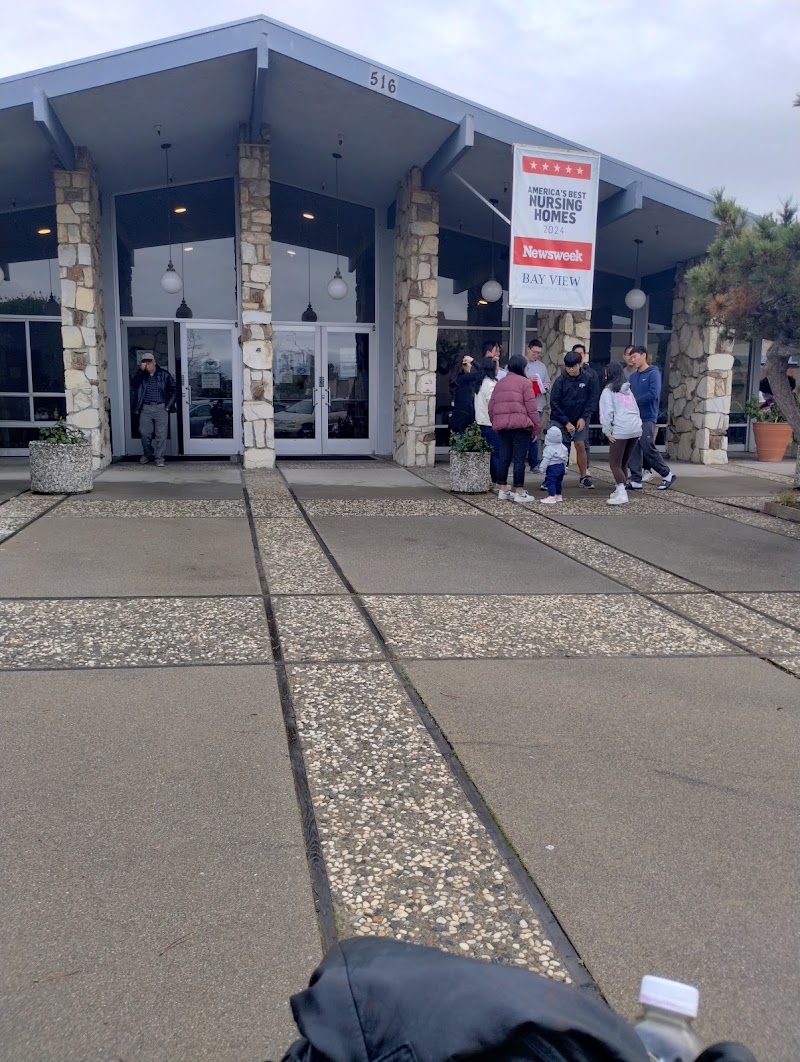
How is Bay View Rehabilitation Hospital, Llc Staffed?

CMS rates BAY VIEW REHABILITATION HOSPITAL, LLC's staffing level at 2 out of 5 stars, which is below average compared to other nursing homes.

What Have Inspectors Found at Bay View Rehabilitation Hospital, Llc?

State health inspectors documented 33 deficiencies at BAY VIEW REHABILITATION HOSPITAL, LLC during 2019 to 2025. These included: 1 Immediate Jeopardy (the most serious level, indicating potential for serious harm or death) and 32 with potential for harm. Immediate Jeopardy findings are rare and represent the most serious regulatory concerns. They require immediate corrective action.
Who Owns and Operates Bay View Rehabilitation Hospital, Llc?

BAY VIEW REHABILITATION HOSPITAL, LLC is owned by a for-profit company. For-profit facilities operate as businesses with obligations to shareholders or private owners. The facility is operated by DAVID & FRANK JOHNSON, a chain that manages multiple nursing homes. With 180 certified beds and approximately 161 residents (about 89% occupancy), it is a mid-sized facility located in ALAMEDA, California.
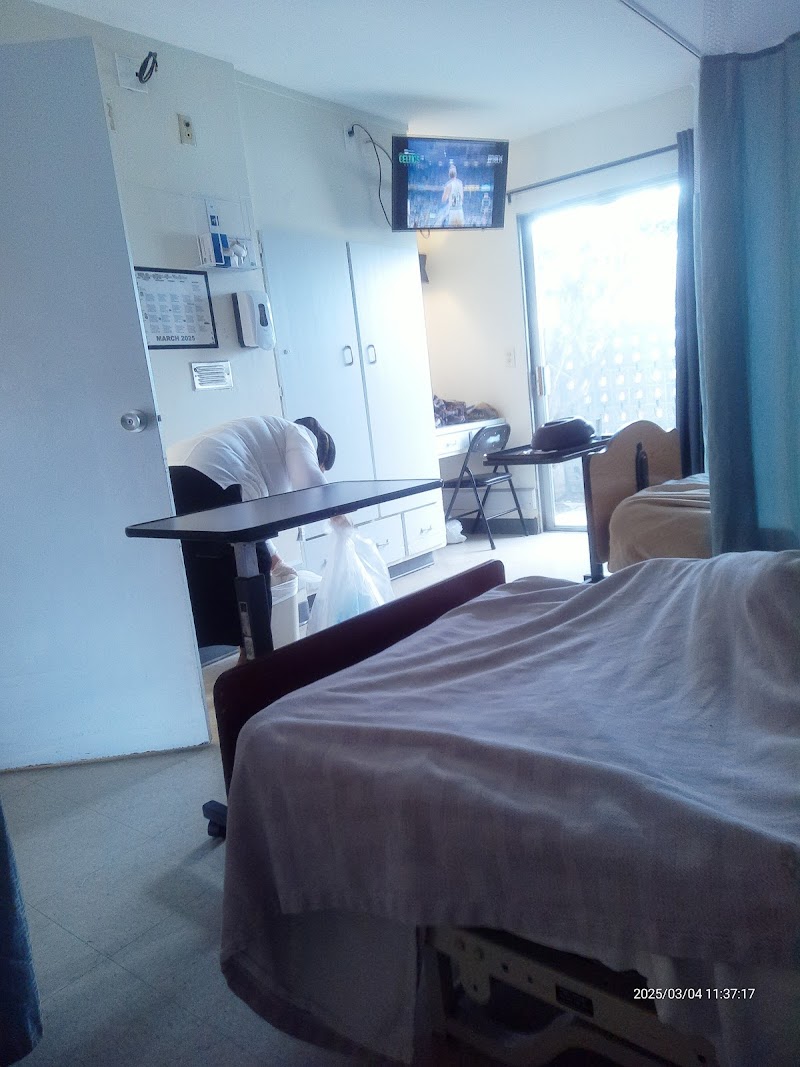
How Does Bay View Rehabilitation Hospital, Llc Compare to Other California Nursing Homes?

Compared to the 100 nursing homes in California, BAY VIEW REHABILITATION HOSPITAL, LLC's overall rating (3 stars) is below the state average of 3.1 and health inspection rating (3 stars) is at the national benchmark.

What Should Families Ask When Visiting Bay View Rehabilitation Hospital, Llc?

Based on this facility's data, families visiting should ask: "What changes have been made since the serious inspection findings, and how are you preventing similar issues?" "Can you walk me through typical staffing levels on day, evening, and night shifts?" "Can I visit during a mealtime to observe dining assistance and food quality?" "How do you handle medical emergencies, and what is your hospital transfer rate?" These questions are particularly relevant given the facility's Immediate Jeopardy citations and the below-average staffing rating.

Is Bay View Rehabilitation Hospital, Llc Safe?

Based on CMS inspection data, BAY VIEW REHABILITATION HOSPITAL, LLC has documented safety concerns. Inspectors have issued 1 Immediate Jeopardy citation (the most serious violation level indicating risk of serious injury or death). The facility has a 3-star overall rating and ranks #100 of 100 nursing homes in California. Families considering this facility should ask detailed questions about what corrective actions have been taken since these incidents.

Do Nurses at Bay View Rehabilitation Hospital, Llc Stick Around?

BAY VIEW REHABILITATION HOSPITAL, LLC has not reported staff turnover data to CMS. Staff turnover matters because consistent caregivers learn residents' individual needs, medications, and preferences. When staff frequently change, this institutional knowledge is lost. Families should ask the facility directly about their staff retention rates and average employee tenure.

Was Bay View Rehabilitation Hospital, Llc Ever Fined?

BAY VIEW REHABILITATION HOSPITAL, LLC has been fined $46,726 across 1 penalty action. The California average is $33,546. While any fine indicates a compliance issue, fines under $50,000 are relatively common and typically reflect isolated problems that were subsequently corrected. Families should ask what specific issues led to these fines and confirm they've been resolved.

Is Bay View Rehabilitation Hospital, Llc on Any Federal Watch List?

BAY VIEW REHABILITATION HOSPITAL, LLC is not on any federal watch list. The most significant is the Special Focus Facility (SFF) program, which identifies the bottom 1% of nursing homes nationally based on persistent, serious quality problems. Not being on this list means the facility has avoided the pattern of deficiencies that triggers enhanced federal oversight. This is a positive indicator, though families should still review the facility's inspection history directly.