CROWN BAY NURSING AND REHABILITATION CENTER
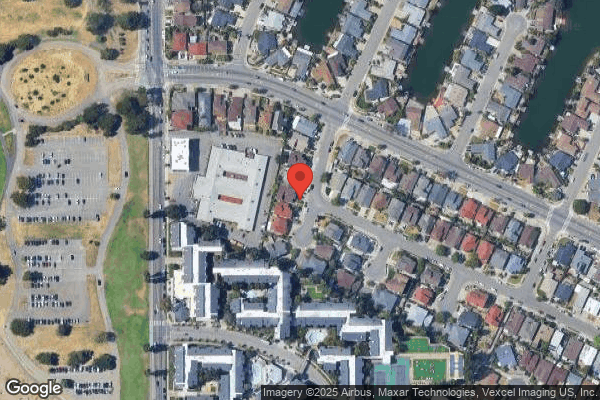
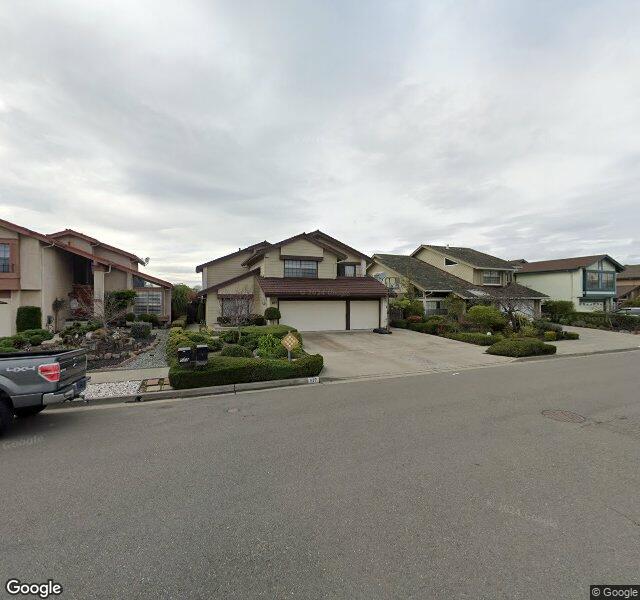
508 WESTLINE DRIVE, ALAMEDA, CA 94501 (510) 521-5765
For profit - Limited Liability company 151 Beds Independent Data: November 2025
Trust Grade
45/100
#779 of 1155 in CA
Last Inspection: August 2023

Over 2 years since last inspection. Current conditions may differ from available data.

Overview

Crown Bay Nursing and Rehabilitation Center has received a Trust Grade of D, indicating below-average performance with some notable concerns. It ranks #779 out of 1,155 facilities in California, placing it in the bottom half overall and #62 out of 69 in Alameda County, which means there are very few local options that perform better. The facility is trending towards improvement, as the number of reported issues decreased from 8 in 2024 to 7 in 2025. Staffing is rated average with a turnover rate of 39%, which is similar to the state average, suggesting stability among staff. Although the facility has not incurred any fines, two serious incidents were reported: one resident fell and fractured their arm and leg due to inadequate assistance during care, and there were multiple concerns about food safety that could put residents at risk for nutritional issues and foodborne illness. Overall, while there are some strengths, the facility does have significant areas needing improvement.

Trust Score
D
45/100
In California
#779/1155
Bottom 33%
Safety Record
Moderate
Needs review
Inspections
Getting Better
8 → 7 violations
Staff Stability
○ Average
39% turnover. Near California's 48% average. Typical for the industry.
Penalties
✓ Good
No fines on record. Clean compliance history, better than most California facilities.
Skilled Nurses
⚠ Watch
Each resident gets only 24 minutes of Registered Nurse (RN) attention daily — below average for California. Fewer RN minutes means fewer trained eyes watching for problems.
Violations
⚠ Watch
54 deficiencies on record. Higher than average. Multiple issues found across inspections.
★★☆☆☆
2.0
Overall Rating
★★★☆☆
3.0
Staff Levels
★★★☆☆
3.0
Care Quality
★★☆☆☆
2.0
Inspection Score
Stable
2024: 8 issues
2025: 7 issues

The Good

  • Full Sprinkler Coverage · Fire safety systems throughout facility
  • No fines on record
  • Staff turnover below average (39%)

    9 points below California average of 48%

Facility shows strength in fire safety.

The Bad

2-Star Overall Rating

Below California average (3.1)

Below average - review inspection findings carefully

Staff Turnover: 39%

Near California avg (46%)

Typical for the industry

The Ugly 54 deficiencies on record

1 actual harm
May 2025 4 deficiencies
CONCERN (D) 📢 Someone Reported This

A family member, employee, or ombudsman was alarmed enough to file a formal complaint

Potential for Harm - no one hurt, but risky conditions existed

Assessment Accuracy (Tag F0641)

Could have caused harm · This affected 1 resident

Based on observation, interview and record review, the facility failed to ensure one sampled resident (Resident 45), Minimum Data Set (MDS-Resident Assessment and Care Screening tool used to guide car...

Read full inspector narrative →
Based on observation, interview and record review, the facility failed to ensure one sampled resident (Resident 45), Minimum Data Set (MDS-Resident Assessment and Care Screening tool used to guide care), was accurate when Resident 45 MDS section E was not coded accurately to reflect Resident 45's wandering behavior. This failure had the potential for residents to not received appropriate care. Findings: During an observation on 4/28/25 at 10:52 a.m. Resident 45 wandered in hallways with a front wheeled walker looking into other residents rooms. During an interview on 4/30/25 at 8:33 a.m. with Certified Nursing Assistant (CNA1), CNA1 stated Resident 45 wandered around the facility goes into other residents rooms . CNA1 stated Resident 45 was very confused, wanders into other residents rooms, switch off the light in the room and get agitated when redirected. During a review of Resident 45's Annual Minimum Data Set (MDS), Resident Assessment and care guide tool, dated 3/17/25, indicated MDS section E wandering presence and frequency was coded zero meaning wandering behavior was not exhibited. During a concurrent interview and record review on 4/30/25 at 12:53 p.m. with Social Services Director (SSD), Residents 45's MDS section E behavior, dated 3/17/25 was reviewed. The MDS indicated, Wandering presence and frequency, has the resident wandered coded zero, behavior not exhibited. SSD stated she was responsible for completion of Resident 45's MDS section E. SSD stated Resident 45's MDS section E for wandering was not coded accurately.
CONCERN (E) 📢 Someone Reported This

A family member, employee, or ombudsman was alarmed enough to file a formal complaint

Potential for Harm - no one hurt, but risky conditions existed

Deficiency F0578 (Tag F0578)

Could have caused harm · This affected multiple residents

**NOTE- TERMS IN BRACKETS HAVE BEEN EDITED TO PROTECT CONFIDENTIALITY** Based on interview and record review, the facility failed to ensure the residents' medical records were updated to show document...

Read full inspector narrative →
**NOTE- TERMS IN BRACKETS HAVE BEEN EDITED TO PROTECT CONFIDENTIALITY** Based on interview and record review, the facility failed to ensure the residents' medical records were updated to show documentation that advanced directives (written statement of a person's wishes regarding the medical treatment made to ensure those wishes are carried out should the person be unable to communicate them to a doctor), were discussed with the residents and/or responsible parties for three out of 25 final sampled residents (Residents 4, 47 and 94). This had potential for the facility to provide treatment and services against the residents' wishes. Findings: 1. Review of Resident 4's Facesheet (information containing contact details, brief medical history at-a-glance) indicated, Resident 4 was admitted to the facility on [DATE] with diagnoses that included muscle wasting and atrophy (Muscle wasting, also known as muscle atrophy, refers to the loss of muscle mass and strength). During a review of Resident 4's Minimum Data Set (MDS, an assessment tool used to direct resident care) dated 2/25/25 under Section C, indicated a score of 15, meaning Resident 4 was cognitively intact . During a review of Resident 4's Physician Orders for Life-Sustaining Treatment (POLST) form, dated 1/3/16, under information and signatures, it showed the resident had no adv directives. (A POLST is a form that gives instructions for the resident's care in life-threatening medical situations). 2. Review of Resident 47's Facesheet indicated, Resident 47 was admitted to the facility on [DATE] with diagnoses that included depression ( a mood disorder that causes persistent feelings of sadness), and adult failure to thrive (a syndrome where an adult experiences a decline in overall health, often marked by weight loss, decreased appetite, reduced energy, and a progressive decline in their ability to perform daily activities). During a review of Resident 47's MDS dated [DATE] under Section C, it indicated a score of 7, meaning Resident 47 had severe cognitive impairment . Review of Resident 47's medical records showed a POLST dated 2/18/22, under information and signatures, it showed the resident had no advanced directive. 3. Review of Resident 94's Facesheet indicated, Resident 94 was admitted to the facility on [DATE] with diagnoses that included Dementia (memory loss and impaired decision-making capacity). During a review of Resident 94's MDS dated [DATE] under Section C, it indicated a score of 6, meaning Resident 94 had severe cognitive impairment . During a review of Resident 94's POLST form, dated 12/20/23, under information and signatures , it showed the resident's advanced directives was not available. During a concurrent interview and record review on 4/29/25, at 11:24 a.m., with the Social Service Director Assistant (SSDA), SSDA reviewed Resident 4,47 and 94's medical records and there were no documentation found that indicated the advance directives were discussed with Residents 4, 47 and 94 and their responsible parties. SSDA also stated that the importance of having an advanced directive was so that the residents' wishes regarding their medical care were respected when the residents could not communicate anymore. During an interview on 4/30/25, at 3:28 p.m., with the Director of Nursing (DON), DON stated that she was not aware of the facility's policy regarding advanced directives. During a review of the facility's policy and procedure ( P&P) titled (Advanced Directives),revised 2008, the P&P indicated, Advanced directives will be respected in accordance with state law and facility policy .3. Prior to or upon admission of a resident, the Social Services Director or designee will inquire of the resident, and/or his/her family members, about the existence of any written advanced directives 4. Information about whether or not the resident has executed an advance directive shall be displayed prominently in the medical record .7. The interdisciplinary team will review annually with the resident his or her advanced directives to ensure that such directives are still the wishes of the resident . The CMS Interpretive Guidance states that facilities are required to obtain a written record of resident advance directives upon admission and maintained in the medical record. Importantly, residents have a right to refuse to create an advance directive so the advance directive or the refusal to create an advance directive must be documented.
CONCERN (E) 📢 Someone Reported This

A family member, employee, or ombudsman was alarmed enough to file a formal complaint

Potential for Harm - no one hurt, but risky conditions existed

Safe Environment (Tag F0584)

Could have caused harm · This affected multiple residents

**NOTE- TERMS IN BRACKETS HAVE BEEN EDITED TO PROTECT CONFIDENTIALITY** Based on observation, interview, record review, the facility failed to maintain a safe, clean, comfortable and homelike environm...

Read full inspector narrative →
**NOTE- TERMS IN BRACKETS HAVE BEEN EDITED TO PROTECT CONFIDENTIALITY** Based on observation, interview, record review, the facility failed to maintain a safe, clean, comfortable and homelike environment when: 1. The linoleum flooring in Resident 112's bathroom was discolored with areas of black stains that looked like dirt. 2. The toilet seat and toilet cover had multiple gray and black linear scratch marks, and the linoleum flooring was discolored with areas of black stains that looked like dirt in Resident 113's bathroom. This failure placed Residents 112 and 113 at risk for safety and may negatively impact the residents' psychological health when they had to use an unmaintained bathroom that was not homelike. Findings: 1.During an initial tour on 4/28/25 at 11:20 a.m. Resident 112 was lying in bed. Resident 112 expressed concerns regarding the dirty floor in her bathroom. Resident 112 also stated she was not using the bathroom, but she could see the bathroom floor when the door opened while she was lying in bed, and the dirty floor made her feel uncomfortable. During an observation on 4/28/25 at 11:27 a.m., the linoleum flooring in Resident 112's bathroom was discolored with areas of black stains that looked like dirt. The linoleum flooring of the bathroom appeared old and worn, discolored with some areas with black stains. Review of Resident 112's Minimum Data Set (MDS, an assessment tool) dated 3/18/25, indicated she had a Brief Interview for Mental Status or BIMS of 15 (BIMS score of 13-15 suggests intact cognition). 2. During an interview on 4/28/25, at 1:25 p.m., with Resident 113, the resident was lying in bed with a bedside commode by her bedside. Resident 113 stated she did not want to use the bathroom because the bathroom was dirty and gross. During an observation on 4/28/25 at 1:30 p.m., in Resident 113's bathroom, the linoleum flooring of the bathroom appeared old and worn, discolored with some areas with black stains. The toilet seat and cover had multiple gray and black linear scratch marks. Review of Resident 113's MDS dated [DATE], indicated she had a BIMS of 15 (intact cognition). During an interview on 4/29/25 at 12:12 p.m. with the Housekeeping Supervisor (HKS) , HKS acknowledged that Resident 112 and 113's bathroom did not appear homelike. HKS agreed that the linoleum flooring in Resident 112 and 113's bathrooms were old and worn and further stated that the housekeepers tried to scrub the scattered black discoloration in the floor with disinfectants but was unsuccessful in removing them. Also stated she knew of the gray and black scratch marks in Resident 113's bathroom toilet seat and cover but was not reported yet to the Maintenance Supervisor (MS). During an interview on 4/30/25 at 10:17 a.m. with the MS, MS stated he was not aware of the multiple gray and black scratch marks in Resident 113's bathroom toilet bowl seat and cover. Acknowledged that Resident 113's bathroom did not provide a homelike environment. Further stated that housekeeping department was assigned to the facility bathrooms' linoleum floorings. During an interview on 4/30/25 at 10:53 a.m. with the Administrator (Adm), Adm stated resident 113's bathroom toilet bowl will be replaced and the linoleum flooring in Resident 112 and 113's bathroom will be replaced. During a review of the facility's undated policy and procedure (P&P) titled, Homelike Environment, the P&P indicated, Residents are provided with a safe, clean, comfortable and home like environment .1. Staff shall provide person-centered care that emphasizes the residents comfort, independence and personal needs and preferences. 2. The facility and management maximizes, to the extent possible , the characteristics of the facility that reflect a personalized homelike setting. These characteristics include a. clean sanitary and orderly environment .c. inviting colors and décor .
CONCERN (E) 📢 Someone Reported This

A family member, employee, or ombudsman was alarmed enough to file a formal complaint

Potential for Harm - no one hurt, but risky conditions existed

Deficiency F0744 (Tag F0744)

Could have caused harm · This affected multiple residents

**NOTE- TERMS IN BRACKETS HAVE BEEN EDITED TO PROTECT CONFIDENTIALITY** Based on observation, interview, and record review, for one of three sampled residents (Resident 45), the facility failed to dev...

Read full inspector narrative →
**NOTE- TERMS IN BRACKETS HAVE BEEN EDITED TO PROTECT CONFIDENTIALITY** Based on observation, interview, and record review, for one of three sampled residents (Resident 45), the facility failed to developed and implement adequate person-centered interventions to prevent Resident 45 with dementia from wandering into the rooms of other residents. Dementia is a general term to describe a group of symptoms related to loss of memory, judgment, language, complex motor skills, and other intellectual function, caused by the permanent damage or death of the brain's nerve cells, or neurons. However, dementia is not a specific disease. There are many types and causes of dementia with varying symptom and rates of progression. (Adapted from: About Dementia. Alzheimer's Foundation of America. 30). This failure cause Resident 45 falls, injuries, and had the potential to cause residents increased confusion and emotional distress. Findings: During a review of Resident 45's Annual Minimum Data Set (MDS), Resident Assessment and care guide tool, dated 3/17/25, indicated Resident 45's Basic Interview of Mental status (BIMS, a scoring system used to determine the resident's cognitive status regarding attention, orientation, and ability to register and recall information. A BIMS score of thirteen to fifteen is an indication of intact cognitive status.). Resident 45's score was 05 meaning poor cognition. MDS indicated Resident 45 is Chinese and preferred language is Mandarin. MDS indicated Resident 45 had no potential indicators of psychosis, no hallucination, no delusions. MDS indicated Resident 45 had fall with injury with admission to facility. Resident 45's diagnoses included Non-Alzheimer's Disease (a group of diseases characterized by progressive deficits in behavior, executive function or language). During a review of Resident 45's care plan, titled, Behavioral Symptoms, initiated 4/14/23, care plan indicated Resident 45 had physical and verbal behavioral symptoms manifested by wandering episodes, Resident 45 tends to wander around facility. Further review of care plan, titled, Going into other residents rooms initiated 5/21/24 indicated problem included Resident 45 going into other resident's room, verbally aggressive when asked to leave. Care plan goal indicated Resident 45 will be free of avoidable complication, interventions included monitor closely, provide redirection as needed. During an observation on 4/28/25 at 10:52 a.m. Resident 45 wandered in hallways with a front wheeled walker looking into other residents rooms. During a review of Resident 45's clinical notes, dated 1/18/25, the clinical notes indicated, at 6:20 a.m. Resident 45 was seen on the floor in the hallway. Last seen ambulating from station 1 to station 2 and going from room to room. Upon assessment Resident 45 sustained a bump on the right side of forehead. Resident 45 was transferred to hospital. Further review of Resident 45's clinical notes, dated 1/2/25, the clinical notes indicated Resident 45 had an unwitnessed fall. During an interview on 4/29/25 at 11:43 a.m. with Director of Nursing (DON), DON stated Resident 45 wander in hallways. DON stated that on 1/18/25, Resident 45 had a fall in the hallway was found sitting on the floor with bump on the right side of her forehead. DON stated Resident 45 was sent to the hospital for evaluation and came back with closed fracture of the temporal bone (skull fracture). During an interview on 4/30/25 at 8:33 a.m. with Certified Nursing Assistant (CNA1), CNA1 stated Resident 45 wandered around the facility goes into other residents rooms . CNA1 stated Resident 45 was very confused, wanders into other residents rooms, switch off the light in the room and get agitated when redirected. During an interview on 4/30/25 at 8:37 a.m. with CNA 2 , CNA 2 stated Resident 45 roams around the facility. CNA 2 stated CNA2 checked on Resident 45 as she was at risk for falls and sometimes found her in another resident's room. CNA 2 stated Resident 45 liked to check light and switch it off. During a concurrent observation and interview on 4/30/25 at 8:55 a.m. with staff Interpreter (IT), Resident 45 sat up in bed in her room, walker by bedside. Resident 45 with hand gesture instructed both surveyor and IT to leave her room. During an interview on 4/30/25 at 12:07 p.m. with Licensed Vocational Nurse (LVN 1), LVN 1 stated Resident 45 wanders around the facility, into other residents rooms and turn off the light. LVN 1 stated Resident 45 continued to wanders into other resident rooms despite redirection. During an interview on 4/30/25 at 12:11 p.m. with Resident 25, Resident 25 stated Resident 45 wanders into his room, switch off light in the room and take ensure supplement that did not belong to her. Resident 25 stated he was not comfortable with Resident 45 coming into his room. During a review of Resident 25's MDS, dated [DATE], indicated Resident 25's BIMS score was 15 meaning intact cognition. During an interview on 5/1/25 at 8:20 a.m. with Resident 66, Resident 66 stated Resident 45 wanders into her room, cuts all our lights off. Resident 66 stated Resident 45 had an habit of taking things, she has taken my roommates clothes, she has taken my clementines before but staff was able to take it from her, feels like invasion of privacy. Resident 66 said she pressed the call light when Resident 45 wandered inside her room. During a review of Resident 66's MDS, dated [DATE], indicated Resident 66's BIMS score was 15 meaning intact cognition. During an interview on 5/1/25 at 8:45 a.m. with CNA 3, CNA 3 stated Resident 45 get agitated when redirected from other residents room. CNA 3 stated Resident 45 was redirected from male residents room to prevent her from getting hurt. During a review of Resident 1's physician order sheet, dated 2/28/24, physician order indicated to monitor Resident 45's behavior of going into other residents room, taking other patient's food/clothes, pulling curtains in other patients room, closing doors , turning off lights, removing other patient's food tray, taking belongings from other residents and monitor Resident 45 every hour episodes of going into other residents rooms for safety. During an interview on 5/1/25 at 12:16 p.m. with Social Services Director (SSD) , SSD stated Resident 45 wandered around the facility. SSD stated facility had discussed Resident 45's transfer to appropriate facility because of Resident 45 dementia status. SSD stated Resident 45's responsible party did not want Resident 45 transferred from facility. During an interview on 5/1/25 at 12:26 p.m. with Director of Nursing (DON), DON stated Resident 45 needed one-on-one monitoring or memory care placement. DON stated facility had discussed with Resident 45' daughter need for placement in a small building. DON stated Resident 45 continued to wander in the hallways and into other residents rooms despite interventions. During a review of Resident 45's Interdisciplinary team noted (IDT), dated 2/26/24, the IDT indicated, Plan of action would be to move Resident 45 to a facility that can better manage her behaviors. SSD will make list of closeby places that accept memory care residents. Discussed how Resident 45 requires a higher level of care due to her constant behaviors towards other residents and staff like hitting, spitting, rummaging in personal items. (An interdisciplinary team is a group of professional from different fields who collaborate to achive a common goal often focusing on patient care).
Apr 2025 1 deficiency
CONCERN (D) 📢 Someone Reported This

A family member, employee, or ombudsman was alarmed enough to file a formal complaint

Potential for Harm - no one hurt, but risky conditions existed

Free from Abuse/Neglect (Tag F0600)

Could have caused harm · This affected 1 resident

Based on observation , interview and record review, the facility failed to protect one of three sampled residents (Resident 2) the right to be free of physical abuse, when Resident 1 slapped Resident ...

Read full inspector narrative →
Based on observation , interview and record review, the facility failed to protect one of three sampled residents (Resident 2) the right to be free of physical abuse, when Resident 1 slapped Resident 2's in the face. This failure caused repeated resident to resident altercations, emotional distress and potential to result in injuries. Findings: During a review of Resident 1's Minimum Data Set (MDS - a federally mandated resident assessment and care guide tool), dated 1/24/25, the MDS indicated Resident 1's Basic Interview of Mental status (BIMS, a scoring system used to determine the resident's cognitive status regarding attention, orientation, and ability to register and recall information. A BIMS score of thirteen to fifteen is an indication of intact cognitive status.) Resident 1's score was 07 meaning impaired cognition. Resident 1 exhibited physical behavioral symptoms directed toward others e.g., hitting, kicking, pushing that put others at significant risk for physical injury. MDS indicated Resident 1 has a serious mental illness. Resident 1's diagnoses included schizophrenia (a disorder that affect a person's ability to think, feel and behave clearly). During a review of Resident 2's Minimum Data Set (MDS - a federally mandated resident assessment and care guide tool), dated 1/1/25, the MDS indicated Resident 2's Basic Interview of Mental status (BIMS, a scoring system used to determine the resident's cognitive status regarding attention, orientation, and ability to register and recall information. A BIMS score of thirteen to fifteen is an indication of intact cognitive status.) Resident 2's score was 11 meaning mild cognition. Resident 2 had clear speech, able to make self-understood and able to understand others. Resident 2's diagnoses included Non-Alzheimer's Dementia (a group of diseases characterized by progressive deficits in behavior, executive function, or language). During a concurrent observation and interview on 4/8/25 at 11:10 a.m. with Resident 2 and an Interpreter/Maintenance Supervisor (IT), Resident 2 sat up in bed awake alert and verbally responsive. Resident 2 was non-English speaker. Resident 2 stated Resident 1 came into her room and pull open the curtain around her bed. Resident 2 screamed, asked Resident 1 to leave her bed space. Resident 2 stated when Resident 2 got up from her bed and asked Resident 1 to leave her room, Resident 1 slapped Resident 2 on the left side of the face. Resident 2 stated she screamed and nurses care and remove Resident 1 from her room. Resident 2 stated she was upset. During an interview on 4/8/25 at 10:15 a.m. with Resident 1, Resident 1 alert , verbally responsive with confusion. Resident 1 stated he did not remember what happened with Resident 2. During an interview on 4/8/25 at 10:52 a.m. with Resident 3, Resident 3 was Resident 2 roommate. Resident 3 stated Resident 1 slapped Resident 2 on the cheek. Resident 3 stated Resident 2 was an elderly woman. Resident 3 stated facility need to relocate Resident 1 for aggressive behavior. Resident 3 stated the incident disturbed their sleep. During a review of Resident 1's impaired behavioral patterns care plan dated 11/12/24, the care plan indicated Resident 1 was unpredictable due to paranoia and schizophrenia. Resident 1 yelled at another resident who got in his face. Resident 1 had resident to resident altercation. During a review of Resident 2's Interdisciplinary notes (IDT), dated 3/25/25, the IDT indicated, Resident 1 slapped Resident 2 on the face with his right hand. IDT indicated it was close to midnight when Resident 1 stopped by Resident 2's room. Resident 2 and roommates yelled for help for Resident 1 to not come into her room. IDT indicated when Resident 2 stood up Resident 1 slapped Resident 2 on left side of face. During an interview on 4/8/25 at 11:32 a.m. with Social Services Director (SSD), SSD stated facility had started to search for facility options that will accomodate Resident 1's need in order to safely discharge Resident 1. During an interview on 4/8/25 at 12:47p.m. with Director of Nursing (DON), DON stated facility plan to transfer resident to a mental health facility. During a review of the facility's policy and procedure (P&P) titled, Abuse Prevention Program, revised 8/2017, the P&P indicated, The resident has the right to be free from verbal, sexual, physical, and mental abuse, corporal punishment, and involuntary seclusion.
Apr 2025 1 deficiency
CONCERN (D) 📢 Someone Reported This

A family member, employee, or ombudsman was alarmed enough to file a formal complaint

Potential for Harm - no one hurt, but risky conditions existed

Free from Abuse/Neglect (Tag F0600)

Could have caused harm · This affected 1 resident

**NOTE- TERMS IN BRACKETS HAVE BEEN EDITED TO PROTECT CONFIDENTIALITY** Based on observation, interview, and record review, the facility failed to ensure Resident 1 was free from physical abuse when: ...

Read full inspector narrative →
**NOTE- TERMS IN BRACKETS HAVE BEEN EDITED TO PROTECT CONFIDENTIALITY** Based on observation, interview, and record review, the facility failed to ensure Resident 1 was free from physical abuse when: 1) Resident 1 was hit by another resident and sustained a bloody right lower lip, 2) Resident 1 was touched on the face by another resident (Resident 2) while in Activity room. This failure resulted to Resident 1 being the recipient of physical abuse which affected Resident 1's physical and psychosocial well-being. Findings: A review of Resident 1's Face Sheet, printed 3/3/25, indicated Resident 1's diagnoses of Alzheimer's (a disease characterized by a progressive decline in mental abilities) disease and dementia (a progressive state of decline in mental abilities). 1. During an interview on 2/27/25, at 11:00 a.m., with Licensed Vocational Nurse (LVN) 1, LVN 1 stated on 2/13/25 at 4:15 a.m., LVN 1 was notified by Licensed Vocational Nurse (LVN) 2 that Resident 1 was found in the hallway in her wheelchair with blood coming down from Resident 1's cheek. During an interview on 3/3/25, at 10:55 a.m., with Nursing Supervisor (NS), NS stated Resident 1 got hit on the lower lip. When NS saw Resident 1 that morning, there was dried blood on Resident 1's mouth area. Per NS, Resident 1's skin on mouth area had swelling and bruising. NS added the facility's surveillance video showed Resident 1 going into room [ROOM NUMBER] and showed someone's hand pushing wheelchair out of the room. Per NS, Resident 1 was confused, hard to keep safe, and was wandering. NS stated Resident 1 should have been closely monitored. During an interview on 3/3/25, at 3:23 p.m., with Certified Nursing Assistant (CNA) 1, CNA 1 stated she first saw Resident 1 in the hallway near rooms [ROOM NUMBERS]. Per CNA 1, Resident 1 said a man hit me. During an interview on 3/3/25, at 3:40 p.m., with Administrator (ADM), ADM stated Resident 1 went inside room [ROOM NUMBER]. ADM added video surveillance then showed a hand pushed Resident 1's wheelchair out of the room. During a record review on 4/3/25, at 11:00 a.m., facility document Change of Condition dated 2/13/25 at 10:10 a.m. written by LVN 1 was reviewed. Per Change of Condition, Resident 1 was observed bleeding in the mouth. Resident 1 said someone hit her mouth, it was a man. 2. During an interview on 3/3/25, at 1:26 p.m., with Activity Assistant (AA) 1, AA 1 stated Resident 1 was seated at a table by herself in Activity room. Resident 2, in his wheelchair, wheeled self towards Resident 1 and touched Resident 1's left cheek. Per AA 1, Resident 1 asked why Resident 2 was touching her face. During an interview on 4/3/25, at 9:50 a.m., with Director of Nursing (DON), the DON stated Resident 2 made contact with the face of Resident 1 in Activity room. During a record review on 4/3/25, at 11:00 a.m. facility document Discharge Summary dated 2/26/25 by Medical Doctor (MD) was reviewed. Per Discharge Summary, MD noted Resident 1's SNF (skilled nursing facility) stay was complicated by . physical assault by another SNF resident with bruising at her lower lip and right lower chin. During a review of the facility's policy and procedure (P&P) titled, Resident Rights, undated, the P&P indicated, Protection from Abuse: Facilities must protect residents from physical, emotional, or sexual abuse, as well as any form of mistreatment or exploitation. During a review of the facility's policy and procedure (P&P) titled, Abuse Prevention Program, dated August 2017, the P&P indicated, The resident has the right to be free from verbal, sexual, physical, and mental abuse . Residents will be cared for in a safe environment. Resident-to-Resident Abuse . Facility staff will monitor and re-direct residents to ensure the safety of residents and persons within the facility.
Feb 2025 1 deficiency 1 Harm
SERIOUS (G) 📢 Someone Reported This

A family member, employee, or ombudsman was alarmed enough to file a formal complaint

Actual Harm - a resident was hurt due to facility failures

Accident Prevention (Tag F0689)

A resident was harmed · This affected 1 resident

**NOTE- TERMS IN BRACKETS HAVE BEEN EDITED TO PROTECT CONFIDENTIALITY** Based on observation, interview and record review the facility failed to ensure one of three sampled residents (Resident 1) had ...

Read full inspector narrative →
**NOTE- TERMS IN BRACKETS HAVE BEEN EDITED TO PROTECT CONFIDENTIALITY** Based on observation, interview and record review the facility failed to ensure one of three sampled residents (Resident 1) had at least two staff members to assist Resident 1 when Certified Nursing Assistant 1 (CNA 1) performed incontinence care by themselves which resulted in Resident 1 falling from their bed. This failure resulted in Resident 1 falling from their bed sustaining a left arm and left leg fracture. Resident 1 was not suitable for surgery to repair the fractures and had to enter hospice care due to the injuries sustained in the fall. Findings: A review of Resident 1 ' s admission record, dated 2/13/25, indicated Resident 1 was admitted to the facility for dementia (a loss of brain function that occurs with certain diseases, affecting one or more brain functions such as memory, thinking, language, judgment, or behavior), morbid obesity, osteoarthritis (inflammation of bone tissue leading to impaired function and pain) of the knees, and osteoporosis (reduction of bone density leading to increased risk of fracture). The admission record indicated Resident 1 was roomed with Resident 2 and 3. During a record review of Resident 1 ' s minimum data set (MDS, an assessment tool to guide resident care), dated 12/17/24, the MDS indicated Resident 1 had functional impairment in both legs, was completely dependent (indicating resident does none of the effort to complete the activity or the assistance of two or more helpers is required to complete the activity) on staff for toileting hygiene and needed maximum assistance (helper lifts or holds trunk or limbs and provides more than half the effort) to roll left and right in bed. The MDS also indicated Resident 1 was not able to stand or walk and needed a wheelchair for locomotion. During a record review of Resident 1 ' s vital signs record titled, Resident Vital Sign Report, dated 2/13/25, the record indicated, on 12/2/24, Resident 1 had a weight of 321 pounds (lbs. unit of weight measurement) A review of Resident 2 ' s admission record, dated 2/13/25, indicated Resident 2 was admitted to the facility for chronic heart failure (condition of reduced heart function), muscle atrophy (loss of muscle tissue) and hypertension (high blood pressure). The admission record indicated Resident 2 was roomed with Resident 1 and 3. During a record review of Resident 2 ' s MDS, dated [DATE], the MDS indicated Resident 2 had Brief Interview for Mental Status score of 15 (BIMS, is a scoring system used to determine the resident ' s cognitive status in regard to attention, orientation, and ability to register and recall information. A BIMS score of thirteen to fifteen is an indication of intact cognitive status.) The MDS indicated Resident 2 had impaired vision (able to see large print, but not regular print in books). A record review of Resident 2 ' s nursing note titled, Nursing Weekly Summary, dated 1/2/25, indicated Resident 2 wear eye glasses .in bed watching television. A review of Resident 3 ' s admission record, dated 2/13/25, indicated Resident 3 was admitted to the facility for rehabilitation after a hip fracture. The admission record indicated Resident 3 was roomed with Resident 1 and 2. During a record review of Resident 3 ' s MDS, dated [DATE], the MDS indicated Resident 3 had a BIMS score of 15, had adequate vision and hearing. A record review of Resident 3 ' s nursing note titled, Nursing Weekly Summary, dated 1/2/25, indicated Resident 3 had no complaint of visual problem .alert and verbally responsive. During a concurrent observation and interview on 1/21/25, at 3:20 p.m., with Resident 2 and Resident 3, Resident 2 was in bed. Resident 3 was in a wheelchair next to their own bed. Resident 2 and 3 stated Resident 1 was in the bed in the middle of the room and both were able to recall Resident 1 ' s fall on 1/3/25. Resident 2 stated it was around 9:00 a.m. and CNA 1 had come in to change Resident 1 ' s brief. Resident 2 saw CNA 1 leave the room to find help but CNA 1 returned alone, unable to get help. CNA 1 then started to clean Resident 1. CNA 1 rolled Resident 1 on their side and then Resident 1 fell off the bed. Both Resident 2 and 3 stated CNA 1 should have waited because they knew Resident 1 was unable to safely hold onto the bed rail. Both Resident 2 and 3 stated they had observed Resident 1 needing two or more people to assist during care. Resident 3 stated they saw Resident 1 on the floor between Resident 1 and Resident 3 ' s bed. Resident 3 stated Resident 1 was assessed by staff before being transported out to the hospital. During a phone interview on 2/14/25, at 12:08 p.m., with CNA 1, CNA 1 stated on 1/3/25 at around 9:00 a.m., he was in Resident 1 ' s room to change Resident 1 ' s brief. CNA 1 had not worked with Resident 1 before but knew Resident 1 needed at least two staff for assistance. CNA 1 did not get report from the previous shift or the charge nurse about the level of assistance Resident 1 required. CNA 1 looked down two nearby hallways to find help but could not find anyone. CNA 1 then started to perform incontinence care for Resident 1. Resident 1 was in bed, and CNA 1 rolled Resident 1 on their left side. CNA 1 instructed Resident 1 to hold themselves up using the bed rail, and it seemed like Resident 1 was able to comply. CNA 1 looked away to grab a cleaning wipe at the end of the bed and saw Resident 1 sliding off the bed. CNA 1 attempted to hold on to Resident 1 but was unable to prevent them from falling to the ground. CNA 1 then went out to get help. LVN 1 came in to assess Resident 1, and Resident 1 was transported to a hospital. During a record review of Resident 1 ' s change in condition note titled, Clinical Note Entry Change in Condition, dated 1/3/25, by Licensed Vocational Nurse 1 (LVN 1), the note indicated writer was notified by CNA that resident had witnessed fall. Writer noticed resident lying on the floor with her front belly side on the floor at 9:15 a.m .CNA stated he was cleaning (sic) up the resident around her back, had resident holding on to railing turned towards left side, resident legs slide down and fell on her legs first and the body. During an interview on 2/14/25, at 12:49 p.m., with LVN 1, LVN 1 stated on 1/3/25, they were the charge nurse for Resident 1 on that day. While LVN 1 was performing a medication pass, CNA 1 came up to report a fall. LVN 1 entered Resident 1 ' s room and found Resident 1 on the floor on their chest. LVN 1 stated for activities of daily living (ADL, life activities such as eating, hygiene, toileting and ambulation) care such as turning and repositioning, Resident 1 needed two staff to assist to prevent falls and injury. LVN 1 stated Resident 1 was over 300 lbs., had poor upper body strength and did not have enough strength or coordination to hold herself on her side. LVN 1 stated CNA 1 did not ask about how much assistance Resident 1 needed before starting care. During a concurrent interview and record review on 2/14/25, at 1:30 p.m., with Director of Staff Development (DSD), CNA 1 ' s in-service record titled, Facility Class Attendance Record, dated 1/3/25, was reviewed. The DSD stated CNA 1 completed a one on one in-service with the DSD after Resident 1 ' s fall. The DSD stated they had reinforced expectations to have two staff or more assist any residents which appeared heavier than 200 lbs. The DSD stated Resident 1 ' s weight indicated they required two staff to assist during care. During a concurrent interview and record review on 2/14/25, at 2:45 p.m., with the Assistant Director of Nursing (ADON), Resident 1 ' s fall assessment titled, Fall Risk Assessment, dated 12/31/24, was reviewed. The ADON stated the assessment indicated Resident 1 had a fall assessment score of 10 which indicated Resident 1 was at high risk for falls. The ADON stated Resident 1 required two staff for all ADL care because of her weight. The ADON stated at the beginning of the shift, nurses were expected to inform CNAs the ADL needs for each resident and CNAs were expected to endorse resident needs to the next shift. During a record review of Resident 1 ' s assessment of bowel and bladder function titled, Bowel and Bladder Assessment, dated 12/31/24, the assessment indicated Resident 1 was always incontinent of bowel and urine .no motivation to participate .2 or more person assist with transfer/ambulation. During a record review of Resident 1 ' s hospital history and physical assessment note titled, [Facility] Hospital Medicine History & Physical, dated 1/3/25, the note indicated on 1/3/25, Resident 1 accidentally rolled out of bed and onto the floor .found to have L humeral fx (left upper arm fracture) and L femoral neck fx (left leg fracture at the top thigh bone). During a record review of Resident 1 ' s hospital record titled, Specialty Palliative Care: Follow up Consult, dated 1/15/25, the record indicated per orthopedic surgery consult, no benefit from surgical management .plan for discharge to board and care with hospice. During a review of facility policy and procedure (P&P) titled, Falls - Clinical Protocol, dated 4/2013, the P&P indicated, nurse shall assess and document/report .musculoskeletal function .neurological status .staff will document risk factors for falling in the resident ' s record and discuss resident ' s fall risk .staff and physician will monitor and document individual ' s response to interventions intended to reduce falling.
Oct 2024 2 deficiencies
CONCERN (D) 📢 Someone Reported This

A family member, employee, or ombudsman was alarmed enough to file a formal complaint

Potential for Harm - no one hurt, but risky conditions existed

Deficiency F0625 (Tag F0625)

Could have caused harm · This affected 1 resident

Based on interview and record review, the facility failed to ensure one of three sampled residents (Resident 1) or Resident Representative (RR), was provided written information that specified the dur...

Read full inspector narrative →
Based on interview and record review, the facility failed to ensure one of three sampled residents (Resident 1) or Resident Representative (RR), was provided written information that specified the duration of the state bed-hold policy (Bed-hold, holding or reserving a resident's bed while the resident is absent from the facility for therapeutic leave or hospitalization), how reserve bed payments would be made (if applicable), and the conditions upon which the resident would return to the facility. This failure had the potential to result in the lack of awareness of Resident 1's right to hold a bed during hospitalization. Findings: During a review of Resident 1's, Face Sheet, the Face Sheet indicated, Resident 1 was admitted to the facility in January 2024 with diagnoses that included fracture of one rib on the right side, unspecified dementia (a progressive state of decline in mental abilities) mild with other behavioral disturbance, Major depressive disorder (a mood disorder that causes a persistent feeling of sadness and loss of interest), Hypertension (HTN-high blood pressure), and Chronic pain syndrome (pain that lasts longer than three months). The Face Sheet indicated, Resident Representative (RR) 1 as Resident 1's Responsible Party. During an interview and concurrent record review on 10/1/24 at 11:04 a.m., with Assistant Director of Nursing (ADON), Resident 1's Bed hold Notification Form dated 1/31/23 and signed by RR 1 was reviewed. The Bed hold Notification Form indicated an acknowledgement I have received the facility's policy regarding seven (7) day bed hold and fully understand that in the event of transfer to an acute facility, I will be notified of my right to hold a vacant space . The section To Be Completed Upon Transfer was not filled out and not signed by Resident 1 or RR 1. During a review of the facility's policy and procedure (P&P) titled, Bed-Holds and Returns, last revised in 2017, the P&P indicated, prior to transfers, residents or the resident's representative will be informed in writing of the bed hold and return policy. A written information will be given to the resident and the resident's representative about the rights and limitations of the resident regarding bed-hold, reserve bed payment policy as indicated by the state plan and details of the transfer.
CONCERN (E) 📢 Someone Reported This

A family member, employee, or ombudsman was alarmed enough to file a formal complaint

Potential for Harm - no one hurt, but risky conditions existed

Deficiency F0572 (Tag F0572)

Could have caused harm · This affected multiple residents

**NOTE- TERMS IN BRACKETS HAVE BEEN EDITED TO PROTECT CONFIDENTIALITY** Based on interview and record review, the facility failed to provide a written notice of rights and services prior to or upon ad...

Read full inspector narrative →
**NOTE- TERMS IN BRACKETS HAVE BEEN EDITED TO PROTECT CONFIDENTIALITY** Based on interview and record review, the facility failed to provide a written notice of rights and services prior to or upon admission for three of three sampled residents (Resident 1, Resident 2 and Resident 3), when: - For Resident 1, the admission agreement was provided more than nine months after Resident 1's admission to the facility. - For Resident 2 and Resident 3, there was no admission agreement provided during the residents' stay. This failure had the potential to result in Residents 1, 2 and 3 ' s lack of information and awareness of their rights and how to use them as residents of the facility. Findings: During a review of Resident 1's, Face Sheet, the Face Sheet indicated, Resident 1 was admitted to the facility in [DATE] with diagnoses that included fracture of one rib on the right side, unspecified dementia (a progressive state of decline in mental abilities) mild with other behavioral disturbance, major depressive disorder (a mood disorder that causes a persistent feeling of sadness and loss of interest), hypertension (HTN-high blood pressure), and chronic pain syndrome (pain that lasts longer than three months). The Face Sheet indicated, Resident Representative (RR) 1 as Resident 1's Responsible Party. During a review of Resident 1's SNF (Skilled Nursing Facility) Visit Notes dated [DATE], the notes indicated Resident 1 had no capacity to understand choices in healthcare decisions. During an interview and concurrent record review on [DATE] at 11:04 a.m., with Assistant Director of Nursing (ADON), Resident 1's admission agreement was reviewed. ADON stated, although Resident 1 was admitted in [DATE], the admission agreement was not provided and signed until [DATE]. During a review of Resident 2's,Face Sheet dated [DATE], the Face Sheet indicated, Resident 2 was admitted to the facility in February 2024 with diagnoses that included Palliative (a specialized medical approach that aims to improve quality of life and reduce suffering for people with serious illnesses) care for cancer of the Pancreas, Alzheimer's disease (a brain disorder that gradually destroys memory and thinking skills, and eventually the ability to perform everyday tasks) and Chronic Obstructive Pulmonary Disease (a common lung disease that makes it difficult to breathe). Resident 2 expired few days later on [DATE]. During a review of Resident 2's, Clinical Notes Report dated [DATE], the Clinical Notes Report indicated, Resident 2 was oriented to room, roommate, call lights, visiting hours, mealtimes, call light, TV/bed remote and Resident 2 verbalized understanding. The Clinical Notes Report did not indicate if the admission agreement was ever brought up. During a telephone interview on [DATE] at 1:06 p.m., with Medical Records Director (MRD), MRD stated there was no signed admission agreement for Resident 2 on file. During a review of Resident 3's,Face Sheet, the Face Sheet indicated, Resident 3, who was self-responsible, was admitted to the facility in [DATE] and discharged to home on [DATE]. During an interview on [DATE] at 11:30 a.m., with MRD, MRD stated there was no signed admission agreement for Resident 3 on file. During an interview on [DATE] at 12:27 p.m., with Admissions Director (AD), AD stated if a resident is not capable of making healthcare decisions, the resident's representative is asked to sign the admission agreement. AD also stated it was important to provide the admission agreement to the resident or resident's representative within 24-48 hours of admission to the facility for the resident or the resident representative to know their rights while a resident is residing at the facility. During a review of the facility's admission agreement, the admission agreement indicated, information that included resident's right to Consent to Treatment, Your Rights as a Resident, information about Financial Arrangements, Charges for Medical, Medicare or Uninsured residents, Transfers and Discharges, Bed hold and Readmission, Confidentiality, and Facility Rules and Grievance Procedure that included information about the ombudsman program. During a review of the facility's policy and procedure (P&P) titled admission Agreement, last revised in 2018, the P&P indicated, at the time of admission, the resident or the resident's representative must sign an admission agreement coordinated by the facility's Admissions Coordinator. A copy of the admission agreement is provided to the resident or the resident's representative and a copy is placed in the resident's permanent file.
Aug 2024 3 deficiencies
CONCERN (D) 📢 Someone Reported This

A family member, employee, or ombudsman was alarmed enough to file a formal complaint

Potential for Harm - no one hurt, but risky conditions existed

Deficiency F0624 (Tag F0624)

Could have caused harm · This affected 1 resident

**NOTE- TERMS IN BRACKETS HAVE BEEN EDITED TO PROTECT CONFIDENTIALITY** Based on interview and record review, the facility failed to ensure one of two sampled residents (Resident 2) received the corre...

Read full inspector narrative →
**NOTE- TERMS IN BRACKETS HAVE BEEN EDITED TO PROTECT CONFIDENTIALITY** Based on interview and record review, the facility failed to ensure one of two sampled residents (Resident 2) received the correct medications and instructions upon discharge. The failure to follow discharge orders for medications had the potential to result in Resident 2 attempting to self-administer an injectable medication for prevention of blood clots without instruction on side effects or administration. This had the potential to result in injury and excessive bleeding. Findings: During a review on 8/28/24 at 3:40 p.m., Resident 2 ' s facility Facesheet was reviewed. The Facesheet indicated Resident 2 was admitted to the facility in July 2024 and discharged [DATE]. Resident 2 had diagnoses of diabetes mellitus (Diabetes is a chronic (long-term) disease in which the body cannot regulate the amount of sugar in the blood.) and chronic kidney disease (when the kidneys are no longer sufficiently able to remove waste products and excess water to support the body ' s needs). A review of Resident 2 ' s facility physician active orders for August 2024 indicated an order for heparin (medication used to prevent blood clot formation) to be given by injection twice a day. During a concurrent interview and record review on 8/28/24 at 3:44 p.m., with the Assistant Director of Nurses (ADON), Resident 2 ' s Discharge Summary and Discharge Instructions were reviewed. The Discharge Summary and Discharge Instructions were sent by fax and dated 8/22/24 at 8:10 a.m. The ADON stated the records showed heparin was not on the ordered discharge medication list. A review of Resident 2 ' s physician Discharge summary dated [DATE], indicated the following medications were to be given after discharge: nicotine (to assist with smoking cessation), insulin (an injectable medication for control of blood sugar), amlodipine (for high blood pressure), acetaminophen (pain medication), docusate (stool softener), bisacodyl (suppository for constipation), trazadone (sleep medication), multivitamins, timolol (eye medication), atorvastatin (cholesterol medication), lantanoprost (eye medication). The Summary did not indicate heparin was to be administered after discharge. During an interview on 8/28/24 at 4:24 p.m., with the Nurse Supervisor (NS), NS stated she had been the discharge nurse for Resident 2. NS stated the night shift before Resident 2 ' s discharge had completed the Discharge Medication List. NS stated she had been unable to find the Discharge Summary to check the Discharge Medication List. NS stated she had checked the facility active orders and verified the active orders were in agreement with the night shift generated Discharge Medication List. NS stated she discharged Resident 2 with the heparin for home use. During a concurrent interview and record review on 8/28/24 at 4:00 p.m., with the ADON, the paper chart for Resident 2 was reviewed. The ADON stated the facility policy was to provide residents with a list detailing their discharge medications, have them sign it, and to put a copy in the chart. The ADON was unable to provide documentation of a Resident 2 signed copy of written discharge medications list. During a phone interview on 8/27/24 at 11:30 a.m., Resident 2 stated when he was discharged from the facility, he received a blood thinner. Resident 2 also stated his doctor called and told him he should not have received the medication and should not take the medication. During a phone interview on 8/27/24 at 12:00 p.m., the Family Member of Resident 2 (FM 2) stated Resident 2 was sent home with a medication called heparin. During a review of facility policy titled, Discharge and Transfer of Residents, dated [DATE], the policy indicated that during discharge, the licensed nurse should discuss with the resident or their representative his/her pre-placement medications and reconcile to post discharge medications. During a review of facility policy titled, Discharge and Transfer of Residents, revised 10/14, indicated, The Discharge Summary/Post Discharge Plan will include documentation from the IDT (Interdisciplinary Team, a team that includes staff members from multiple disciplines such as nursing, therapy, physicians, and other advanced practitioners.) regarding transfers or discharges, and the following information as applicable: .Medications: Including all prescription and over-the-counter medications to be taken by the resident with information on dosage, frequency of administration, and recognition of common significant side-effects.
CONCERN (D) 📢 Someone Reported This

A family member, employee, or ombudsman was alarmed enough to file a formal complaint

Potential for Harm - no one hurt, but risky conditions existed

Deficiency F0685 (Tag F0685)

Could have caused harm · This affected 1 resident

**NOTE- TERMS IN BRACKETS HAVE BEEN EDITED TO PROTECT CONFIDENTIALITY** Based on interview and record review, the facility failed to provide assistance for one (Resident 1) of two sampled residents wh...

Read full inspector narrative →
**NOTE- TERMS IN BRACKETS HAVE BEEN EDITED TO PROTECT CONFIDENTIALITY** Based on interview and record review, the facility failed to provide assistance for one (Resident 1) of two sampled residents who made reports of lost items. The failure to investigate or assist with replacement of the reported loss of Resident 1 ' s hearing aids resulted in Resident 1 not having use of hearing aids, potentially causing difficulties with medical and social interactions. Findings: During a review of Resident 1 ' s Facesheet, printed 8/28/24, the Facesheet indicated Resident 1 was initially admitted to the facility in July 2024, with a diagnosis of hypertension (high blood pressure). The Facesheet indicated Resident 1 was his own responsible party, with three family members as alternate responsible parties. During a review of Resident 1 ' s facility documents titled, Inventory Lists, dated 7/31/24, 8/2/24, 8/10/24, 8/28/24, the Lists dated 7/31/24, 8/2/24, 8/10/24 all indicated Resident 1 had hearing aids. The List dated 8/28/24 had no listing of hearing aids for Resident 1. During a review of Resident 1 ' s facility document titled, Theft and Loss Report, dated 8/12/24, the Report indicated Resident 1 reported a lost article of hearing aids (one pair) with an estimated value of $2000. The Report indicated staff had searched Resident 1 ' s room and had not been able to locate the hearing aids. During a review of Resident 1 ' s nurse progress notes dated 8/14/24 at 4:09 p.m., the progress note indicated Resident 1 ' s family reported Resident 1 was missing hearing aids. The note indicated the Social Services Director (SSD) was told of the missing hearing aids. During a review of Resident 1 ' s nurse progress notes dated 8/14/24 at 10:52 p.m., the note indicated Resident 1 had told the nurse Resident 1 was missing hearing aids. The note indicated the Social Services Director (SSD) was told of the missing hearing aids. During an interview on 8/28/24 at 1:10 p.m., with SSD, SSD stated she had informed the local police department of the missing hearing aids but was unable to provide supporting documentation or a police case number. During a concurrent interview and record review on 8/28/24 at 1:10 p.m., with the SSD, the Concern and Grievance Log, dated August 2024, and the Theft and Loss Report for the hearing aids, dated 8/12/24, were reviewed. The SSD stated the 8/12/24 Theft and Loss Report for the hearing aids was not complete as the form did not include: the name of the person who made the report, the name of the person taking action, and no entries for follow-up action, police notification or Quality Assurance Committee action. The SSD stated the Concern and Grievance Log did not have a listing for Resident 1 ' s missing hearing aids. During a concurrent interview and record review on 8/30/24 at 10:20 a.m. with the Assistant Director of Nursing (ADON), Resident 1 ' s progress notes in the Electronic Medical Record (EMR) and Inventory Lists dated 8/10/24 and 8/28/24 were reviewed. The ADON confirmed Resident 1 had continuously resided in the facility from [DATE] to 8/28/24. The ADON stated the 8/10/24 Inventory List included hearing aids and the 8/28/24 Inventory List did not include hearing aids. The ADON stated the lack of entry for hearing aids on the 8/28/24 belongings list indicated the hearing aids were no longer in Resident 1 ' s possession and the hearing aids loss had occurred while Resident 1 was in the facility. During a concurrent interview and record review on 8/30/24 at 10:45 a.m., with the SSD, the SSD stated she was not responsible for investigating Resident 1 ' s lost hearing aids. During an interview on 8/30/24 at 11:00 a.m. with the ADON, the ADON stated if a resident lost an item, the SSD should be notified, and it was the SSD ' s responsibility to investigate missing items. The resident was not available for interview. During a phone interview on 8/27/24 at 12:30 p.m., with Resident 1 ' s family member (FM 1), FM 1 stated Resident 1 ' s hearing aids had been missing. FM 1 stated the facility had not responded to requests for assistance with the hearing aids. During a review of facility policy titled, Theft and Loss Report, dated November 2017, the policy indicated: 1. Missing property not located by nursing staff or the laundry department within 24 to 48 hours is to be referred to the Social Services department. 2. A THEFT/ LOSS MONITORING REPORT will be completed with every referral given to Social Services. 3. If the value of the item is over $100, the local law enforcement must be notified. 4. Social Services or a designee will investigate report, interview staff and residents and provide the Executive Director with information regarding the missing item(s). 5. SSD will determine if the item was listed on the resident's inventory sheet. If the item is on the resident's inventory list and has a value greater than $25, a Report will be given to the Executive Director. b. The signature from the ED is required to begin reimbursement process. c. The SSD will request family to submit a receipt for a replacement or similar item. i. The SSD will provide the business office manager with a copy of the report and receipt to be processed for reimbursement. 6. Social Services will inform resident and family of their right to file a grievance with: facility administration; local police department; Ombudsman. 7. All facility department heads are responsible for follow-up of missing item complaints received by resident/ family members and to notify the Executive Director.
CONCERN (E) 📢 Someone Reported This

A family member, employee, or ombudsman was alarmed enough to file a formal complaint

Potential for Harm - no one hurt, but risky conditions existed

Safe Environment (Tag F0921)

Could have caused harm · This affected multiple residents

Based on observation, interview, and record review, the facility failed to ensure the resident environment was safe and comfortable when the patio area had refrigerator parts, a circular concrete pad ...

Read full inspector narrative →
Based on observation, interview, and record review, the facility failed to ensure the resident environment was safe and comfortable when the patio area had refrigerator parts, a circular concrete pad approximately two feet across, two pieces of broken concrete, and two leaking water hoses puddling water by two resident patio doors. The failure to maintain the facility patio without clutter and hose-generated puddles had potential to cause ambulatory residents using the patio to trip and fall. Findings: During an observation on 8/28/24 at 11:32 a.m., there was a green hose (hose 1) leaking a small amount of water, eight feet away was a puddle approximately 12 inches by 12 inches on the ground approximately 4 feet away from a resident door which exited onto the patio. There was a black hose (hose 2) leaking water which had puddled directly in front of another resident door which exited onto the patio. Hose 2 continued to drain from the puddle area for 20 feet down the patio to a drain. On the other side of the patio there were several square pieces of plastic, approximately 3 feet across lying on the ground that resembled refrigerator parts. There was a concrete round pad, approximately two feet across with a approximately 18 inches high metal post in the middle of the pad. Two edges of the concrete pad were broken, and one piece lay adjacent to the pad, the other piece lay on top of the pad. During a concurrent observation and interview on 8/28/24 at 11:43 a.m., with Maintenance Worker (MW), MW stated hose 2 had water actively draining because the water faucet had not been completely turned off. During an interview on 8/28/24 at 11:50 a.m., MW stated the plastic pieces on the ground were broken parts from a refrigerator, and they should not have been left on the patio in the patient area. MW stated the refrigerator parts have been on the patio longer than a day but he did not know exactly how long the parts had been on the patio. During an observation on 8/28/24 at 11:50 a.m., with MW, on the patio, MW stumbled while walking over the refrigerator parts. During a concurrent observation and interview on 8/28/24 at 12:00 p.m., with the Director of Nursing (DON), the DON stated the refrigerator parts on the ground and the pooling water were trip hazards. The DON stated the refrigerator parts should be thrown away and there should not be standing water on the patio. During a concurrent observation and interview on 8/28/24 at 12:30 p.m., with the Environmental Supervisor (ES), on the patio, ES stated the broken concrete stand and refrigerator parts should be removed from the patio. ES stated water faucets should always be fully turned off after use.
Jul 2024 2 deficiencies
CONCERN (D) 📢 Someone Reported This

A family member, employee, or ombudsman was alarmed enough to file a formal complaint

Potential for Harm - no one hurt, but risky conditions existed

Pharmacy Services (Tag F0755)

Could have caused harm · This affected 1 resident

Based on interview and record review, the facility failed to ensure the treatment for scabies (a contagious, itchy skin rash caused by a tiny burrowing mite called Sarcoptes scabiei.) for one of two s...

Read full inspector narrative →
Based on interview and record review, the facility failed to ensure the treatment for scabies (a contagious, itchy skin rash caused by a tiny burrowing mite called Sarcoptes scabiei.) for one of two sampled residents (Resident 1) was carried out according to the physician order and instructions when Permethrin topical cream (used to treat scabies) was washed off two hours after application. There was no evidence the medication error was reported to the physician. This failure had the potential for Resident 1's scabies treatment to be ineffective and could lead to spread of Scabies to other residents and staff at the facility. Findings: During a review of Resident 1's admission Record, the admission Record indicated Resident 1 was admitted in April 2024 and readmitted in July 2024, with multiple diagnoses including dementia (a loss of brain function that occurs with certain diseases, affecting one or more brain functions such as memory, thinking, language, judgment, or behavior). During a review of Resident 1's Minimum Data Set (MDS, a resident assessment instrument used to identify resident care problems to be addressed in an individualized care plan), dated 5/23/24, the MDS Section C indicated Resident 1 had severe cognitive impairment. During a review of MDS Section GG, the MDS indicated Resident 1 required substantial/maximal assistance for showers/bath. During a review of Resident 1's, Physician Orders, dated 6/28/24, the Physician Orders indicated, Permethrin 5%. Apply from scalp to toe including soles of the feet. Wash off after 12 hrs. Repeat in 1 week . During a review of Resident 1's, Treatment Administration Record (TAR), dated June 2024, the TAR indicated permethrin 5% topical cream one time daily for one day starting 6/28/24, order date 6/27/24. Discontinued 6/28/24 Notes: apply to entire body from head to toe and under fingernails. Refer to manufacturer ' s instructions. Apply one time .leave on 12 hrs. and wash off after 12 hours. for: skin rash. A review of the TAR indicated Resident 1 had received the one-time permethrin treatment that was scheduled for 5 a.m. on 6/28/24 as it showed initials of the nurse. During a telephone interview on 7/30/24 at 1:24 p.m., the Corporate Clinical Services Resource (CCSR) acknowledged that the permethrin cream was supposed to be left on for 8-12 hours before they wash it off, but the facility staff washed it off two hours after the application. CCSR also stated, the facility staff should have notified the doctor right away after the permethrin cream was accidentally washed off two hours after application. CCSR also stated, facility staff should do endorsement to the next shift, so that doctor could give another order. CCSR stated there was no note about the incident in resident records. CCSR stated, she was unable to know if they had a summary of the incident. During a telephone interview on 7/30/24 at 3:24 p.m., with Licensed Vocational Nurse (LVN) 2, LVN 2 stated she could not recall the incident about the permethrin being washed off before 12 hours because it has been a month. LVN 2 stated, she only remembered what she had in her notes about Resident 1 going to dermatology appointment, and she endorsed to evening shift that Resident 1 had gone to dermatology appointment. During a telephone interview on 8/2/24 at 12:24 p.m. with LVN 3, LVN 3 stated, she applied the permethrin cream for Resident 1 on 6/28/24, signed it, wrote it down, and endorsed to the next shift nurse (LVN 2) that they should leave the cream on for 12 hours before they wash it off. LVN 3 stated, they have it written in the 24 hours report for change of condition of residents, but not sure when they washed it off, as she was not working the next day. During a telephone interview on 8/2/24 at 1:03 p.m., with Certified Nursing Assistant (CNA) 1, CNA 1 stated, she was the assigned CNA for Resident 1 on 6/28/24. CNA 1 acknowledged that she was the one that gave a shower on the day Resident 1 had the cream for scabies. CNA 1 stated, she later found out the cream was applied on Resident 1 the previous shift between 5 a.m. and 6 a.m. and was supposed to be left on for 12 hours. Nobody told her that they put the cream on. CNA 1 stated, she gave Resident 1 a shower at around 9 a.m. because it was his shower day. CNA 1 stated, the charge nurse (LVN 2) only told her after she had given the Resident1 a shower, that Resident 1 was not supposed to have a shower until 12 hours after the cream was applied. During a review of the facility's policy and procedure (P&P) titled, Medication Administration, undated, the P&P indicated, Purpose: to accurately administer medications to residents .medications shall be administered as ordered by the licensed nurse .the nurse shall notify the physician immediately after a medication error has been noted . During a review of the facility ' s P&P titled, Scabies Identification, Treatment and Environmental Cleaning, revised August 2016, the P&P indicated Treatment with Permethrin .5. leave cream on for at least 8 hours but no more than 12 hours, and then shower or bath the resident . A review of the Daily Med article, Permethrin cream, accessed 8/20/24, for the drug label for permethrin 5% cream indicated, The cream should be removed by washing (shower or bath) after 8 to 14 hours .
CONCERN (D) 📢 Someone Reported This

A family member, employee, or ombudsman was alarmed enough to file a formal complaint

Potential for Harm - no one hurt, but risky conditions existed

Infection Control (Tag F0880)

Could have caused harm · This affected 1 resident

The facility failed to ensure a Certified Nursing Assistant (CNA) 1 followed infection control protocols for one of one sampled Resident (Resident 1) when CNA 1 did not perform hand hygiene prior to f...

Read full inspector narrative →
The facility failed to ensure a Certified Nursing Assistant (CNA) 1 followed infection control protocols for one of one sampled Resident (Resident 1) when CNA 1 did not perform hand hygiene prior to feeding lunch to Resident 1. This failure had the potential for contaminating Resident 1's food with pathogens from a variety of dirty sources. Findings: During a review of Resident 1's admission Record, the admission Record indicated Resident 1 was admitted in April 2024 and readmitted in July 2024, with multiple diagnoses including dementia (a loss of brain function that occurs with certain diseases, affecting one or more brain functions such as memory, thinking, language, judgment, or behavior). During a review of Resident 1's Minimum Data Set (MDS, a resident assessment instrument used to identify resident care problems to be addressed in an individualized care plan), dated 5/23/24, the MDS Section C indicated Resident 1 had severe cognitive impairment. During a review of MDS Section GG, the MDS indicated Resident 1 required substantial/maximal assistance for showers/bath. During a concurrent observation and interview on 7/23/24 at 11:50 a.m. CNA 1 wheeled Resident 1 from the hallway into his room and to his bedside. CNA 1 placed the overbed table with meal tray in front of Resident 1. CNA 1 placed her chair close to Resident 1. CNA 1 looked around for a cloth protector (adult bib), then opened the bathroom door. CNA 1 went into the bathroom, got a long paper towel, and came out of the bathroom without performing hand hygiene, and placed the paper towel over Resident 1's front shirt. CNA 1 sat down, removed the cover, placed the spoon in the food and started to feed Resident 1 without performing hand hygiene. CNA 1 stated she did not wash her hands or use the hand sanitizer before or after wheeling Resident to the room, and prior to setting up Resident 1's tray and feeding him. CNA 1 also stated she was supposed to wash her hands or use the hand sanitizer to prevent the spread of germs. CNA 1 also acknowledged she did not clean Resident 1's hands before assisting him with feeding During an interview on 7/23/24 at 1:45 p.m. with Licensed Vocational Nurse (LVN) 1, LVN 1 stated staff are supposed to wash their hands and wash the resident's hands with a towel before feeding the resident. LVN 1 stated it is important to minimize spread of germs and prevent infection. LVN 1 also stated staff are also supposed to sanitize their hands before entering a resident's room. During an interview on 7/23/24 at 4:05 p.m. with Director of Staff Development (DSD), DSD stated staff needed to gel in, gel out of resident ' s room. DSD stated staff are supposed to wash their hands and clean the resident's hands before they feed a resident. DSD also stated they have the wet wipes in the blue packet which they use to clean residents' hands. During a review of the facility's policy and procedure (P&P) titled, Infection Control Handwashing/Hand Hygiene, revised in August 2014, the P&P indicated, Use an alcohol-based hand rub .or alternatively, soap (antimicrobial or non-microbial) and water for the following situations .Before eating or handling food; Before and after assisting a resident with meals .
May 2024 1 deficiency
CONCERN (D) 📢 Someone Reported This

A family member, employee, or ombudsman was alarmed enough to file a formal complaint

Potential for Harm - no one hurt, but risky conditions existed

Infection Control (Tag F0880)

Could have caused harm · This affected 1 resident

Based on observation, interview, and record review, the facility failed to follow infection prevention and control procedures when Certified Nursing Assistant (CNA) 1, did not wear Personal Protective...

Read full inspector narrative →
Based on observation, interview, and record review, the facility failed to follow infection prevention and control procedures when Certified Nursing Assistant (CNA) 1, did not wear Personal Protective Equipment (PPE, protective items or garments worn to protect the body or clothing from hazards that can cause injury and to prevent the transmission of infectious agents from one person to another, also known as cross-contamination) while providing care to Resident 1 who was on contact isolation). This failure had the potential to result in spread of infection. Findings: During a review of Resident 1's Face Sheet, the Face Sheet indicated Resident 1 was admitted to the facility in March 2024 with diagnoses that included scabies (a parasitic infestation caused by tiny mites that burrow into the skin and lay eggs, causing intense itching and a rash). During an interview on 5/15/24 at 11:09 a.m. with Licensed Vocational Nurse-Infection Preventionist (LVN-IP), LVN-IP stated Resident 1 was confirmed to have scabies on 4/16/24 and was isolated in a single room right away. During a review of Resident 1's May 2024 Physician Order Sheet , the May 2024 Physician Order Sheet indicated an order for contact isolation (contact precaution, infection control measures used for patients with diseases caused by microorganisms (bacteria and viruses) that are spread through direct and indirect contact). During a review of Resident 1's Skin Integrity care plan, dated 4/16/24, the care plan indicated for Contact precautions by staff, gloves, gown, thorough handwashing. Linens in separate container. Precautionary signs at resident's doorway. During an observation and concurrent interview on 5/15/24 at 12:30 p.m. with CNA 1, CNA 1 did not wear PPE while inside Resident 1's room assisting with meals. CNA 1 stated being inside Resident 1's room to help Resident 1 eat lunch. A lunch cart was parked just outside Resident 1's room. CNA 1 stated she did not wear gown and gloves while helping Resident 1 and did not state reason for not wearing PPE. There was a visible sign on the left side of Resident 1's door that indicated CONTACT PRECAUTIONS EVERYONE MUST: Clean their hands, including before entering and when leaving the room. PROVIDERS AND STAFF MUST ALSO: Put on gloves before room entry. Discard gloves before room exit. Put on gown before room entry. Discard gown before room exit . During an interview on 5/15/24 at 12:32 p.m. with Registered Nurse (RN) 1, RN 1 stated a sign for contact precaution was posted right by the door big enough for anyone to see before entering the room. During a review of the facility's policy and procedure (P&P)titled Transmission Based Precautions , undated, the P&P indicated for contact precaution, one must put on gloves before entering the room, wear a gown in some patient-care situations, avoid unprotected items touched by or used on the resident and was hands with special antimicrobial cleaner before leaving the room. During an interview on 5/15/24 at 12:50 p.m. with Director of Nursing (DON), DON stated, when caring for a resident who is on Contact Precaution, staff who provide ADLs (Activities of Daily Living- personal hygiene, toileting, transfers and eating) like assisting resident with meals, staff should wear gown and gloves. DON stated patient-care situations include ADL care.
Aug 2023 11 deficiencies
CONCERN (D)

Potential for Harm - no one hurt, but risky conditions existed

Resident Rights (Tag F0550)

Could have caused harm · This affected 1 resident

**NOTE- TERMS IN BRACKETS HAVE BEEN EDITED TO PROTECT CONFIDENTIALITY** Based on observation, interview, and record review, the facility failed to ensure one of three sampled residents (Resident 400) ...

Read full inspector narrative →
**NOTE- TERMS IN BRACKETS HAVE BEEN EDITED TO PROTECT CONFIDENTIALITY** Based on observation, interview, and record review, the facility failed to ensure one of three sampled residents (Resident 400) was provided with facial hair care when Resident 400 had long, uneven (in length), white facial hair. This failure resulted in Resident 400 feeling unclean and not presentable. Findings: Review of Resident 400's Face Sheet, dated August 2023, indicated, Resident 400 was admitted to the facility on [DATE], with a diagnosis of Anxiety Disorder (excessive feelings of fear or worry) and Depression (persistent feelings of sadness or hopelessness). Review of Resident 400's Minimum Data Set (MDS - An assessment tool used to direct resident care) dated 2/21/23, indicated Resident 400's Brief Interview for Mental Status (BIMS - an indication of a persons ability to understand and be understood) was scored at 13, indicating Resident 400's ability to understand and be understood is intact. The MDS assessment also showed Resident 400 required one staff's limited assistance with his personal hygiene. During a concurrent observation and interview on 8/7/23 at 10:53 a.m., Resident 400 had long, uneven, facial hair above his upper lip and a half-an inch to one inch long beard. Resident 400 stated, he needed to shave his facial hair so he could, look clean and presentable. During an interview on 8/10/23 at 10:07 a.m., with Licensed Vocational Nurse (LVN 2), LVN 2 stated, Resident 400 had long facial hair for the past three days; 8/7/23 through 8/10/23. LVN 2 also stated, that long facial hair should be trimmed right away. LVN 2 continue by stating, untrimmed facial hair placed Resident 400 at risk for infection due to the potential for trapped food particles to become buried in his facial hair. During an interview on 8/10/23 at 10:33 a.m., with Director of Nursing (DON), the DON stated the facility expected the Certified Nursing Assistants (CNA) to follow the Activities of Daily Living (ADL) care schedules for all residents. The DON also stated, the License Nurses were expected to check if ADL care was provided to residents during medication administration rounds. The DON continued by stating, Resident 400 should not have long facial hair because it could result in his dignity being compromised. During a review of the facility's Policy and Procedure (P&P) dated 2009, titled, Quality of life-Dignity, indicated, Each resident shall be cared for in a manner that promotes and enhances quality of life, dignity, respect and individuality .Residents shall be groomed as they wish to be groomed (hair styles, nails, facial hair, etc.).
CONCERN (D) 📢 Someone Reported This

A family member, employee, or ombudsman was alarmed enough to file a formal complaint

Potential for Harm - no one hurt, but risky conditions existed

Investigate Abuse (Tag F0610)

Could have caused harm · This affected 1 resident

Based on observation, interview and record review, the facility failed to thoroughly investigate an alleged abuse violation and submit the results of their complete investigation to the State Agency (...

Read full inspector narrative →
Based on observation, interview and record review, the facility failed to thoroughly investigate an alleged abuse violation and submit the results of their complete investigation to the State Agency (SA), for one of two residents (Resident 72). These failures had the potential for further abuse violations and the potential to result in emotional and psychosocial distress to Resident 72. Findings: During a review of Resident 72's Face Sheet, dated 8/10/23, showed, Resident 72 was admitted to the facility in 2021 with multiple diagnoses that included Dementia (loss of memory and other thinking abilities) and Alzheimer's Disease (brain disease). During a review of Resident 72's Minimum Data Set (MDS - A standardized assessment and screening tool used to guide/plan care), dated 5/1/23, indicated, Resident 72 had a Brief Interview for Mental Status (BIMS - An assessment of the ability to understand and be understood) score of 11, meaning Resident 72 had moderate impairment of her ability to understand and be understood. By observation and while in the presence of the Director of Nursing (DON) on 8/8/23 at 2:33 p.m., the DON could not provide evidence that an investigation by the facility was completed. During a concurrent interview and record review on 8/8/23 at 2:39 p.m. with Social Services Director (SSD), clinical notes dated 6/25/23 were reviewed. The clinical notes indicated, Resident 75 was screaming at Resident 72 causing her to cry . SSD stated, he witnessed this incident and reported it to the Administrator (Admin). The SSD also stated, Admin was the abuse coordinator and was responsible for completing the investigation summary. During an interview on 8/8/23 at 2:55 p.m. with the Admin, the Admin stated, as the abuse coordinator, he was responsible for conducting the investigation for the alleged abuse violation. When asked for the results of the investigation, the Admin stated, he did not submit the investigation summary to the SA. During a review of the facility's policy and procedure (P&P), dated 8/2017, titled, Abuse Prevention Program, section 8., showed, An ongoing investigation will be conducted per facility procedure . all reports of allegations of abuse, neglect, involuntary seclusion, misappropriation of residents property and injuries of unknown origin shall be promptly and thoroughly investigated The administrator will provide to the person in charge of the investigation a copy of the incident investigation form and other documents required by law relative to the incident . The investigation will be completed as quickly as possible with initial investigation report due within the twenty-four (24) hours after the alleged incident occurred.
CONCERN (D)

Potential for Harm - no one hurt, but risky conditions existed

Deficiency F0730 (Tag F0730)

Could have caused harm · This affected 1 resident

Based on interview and record review, the facility failed to complete a performance review for two of three CNA's (Certified Nurse Assistant) at least once every 12 months. This failure had the poten...

Read full inspector narrative →
Based on interview and record review, the facility failed to complete a performance review for two of three CNA's (Certified Nurse Assistant) at least once every 12 months. This failure had the potential to result in inadequate care and services provided to residents. Findings: During a concurrent interview and record review on 8/9/23 at 12:12 p.m. with the Director Of Staff Development (DSD), a review of the following CNA records revealed: a. CNA 4 was hired on 11/7/13. b. CNA 5 was hired on 9/7/21. The DSD confirmed CNA 4 did not have performance review for the following years: 2019, 2020, 2021, 2022, and 2023. The DSD also confirmed, there was no performance review for CNA 5 in 2022. The DSD stated, annual performance reviews were important to ensure CNAs providing direct care to the residents, are competent and able to perform tasks correctly. The DSD further added, failure to perform tasks correctly can cause discomfort, pain and/or injury to residents. During a concurrent interview and record review on 8/9/23 at 2:57 p.m. with the Director Of Nursing (DON), the DON stated, the DSD was responsible for conducting annual performance reviews for CNA 4 and CNA 5, but had not completed the reviews by the due dates. The DON further added, annual performance reviews were important to ensure competency of the CNAs performing their duties. The DON also stated, not having performance reviews can affect patient care and increases risks to resident safety. During a review of an undated facility job description for the Director of Staff Development, indicated, .8. Manages the Certified Nursing Assistant and Staff Development Departments supervising and evaluating the work of all department personnel; establishing work schedules, assignments, and monitoring work to ensure conformance to regulatory agency and facility requirements. Conducts periodic skills checks and reviews to confirm staff competence.
CONCERN (E)

Potential for Harm - no one hurt, but risky conditions existed

Deficiency F0638 (Tag F0638)

Could have caused harm · This affected multiple residents

Based on interview, and record review, the facility failed to complete and submit quarterly Minimum Data Set (MDS- an assessment tool used to plan care) assessments for nine of nine (9) sampled reside...

Read full inspector narrative →
Based on interview, and record review, the facility failed to complete and submit quarterly Minimum Data Set (MDS- an assessment tool used to plan care) assessments for nine of nine (9) sampled residents (Residents 25, 57, 65, 14, 18, 73, 60, 21 and 78). This failure placed Residents 25, 57, 65, 18, 73, 60, 21 and 78 at risk for unidentified changes in health conditions and potentially outdated plans of care for over a three (3) month period. Findings: During a concurrent interview and record review with the MDS Coordinator (MDSC 1) and the MDS Assistant Coordinator (MDSC 2) on 8/8/23 at 1:16 p.m., Residents 25, 57, 65, 18, 73, 60, 21 and 78's MDS assessments in Electronic Health Records (EHR) were reviewed. The MDSC 2 stated, Residents 25, 57, and 14 were not assessed since 4/2023, indicating there were no MDS assessments for four (4) consecutive months. The MDSC 2 then stated, Residents 65, 18, 73, 60, 21 and 78 had not received an MDS assessment since 3/2023, indicating there were no assessments completed for five (5) consecutive months. The MDSC 2 continued by stating, all residents should be assessed at least every three months and as needed for significant change in their health status. The MDSC 1 then stated, the Interdisciplinary Team (IDT) including the MDS Coordinator, the Social Worker, and the Activities, and Dietary Managers were responsible for completing certain sections of each MDS assessment for the residents. During an interview with MDSC 1 and MDSC 2 on 8/8/23 at 1:25 p.m., the MDSC 2 stated, the facility had 14 days to complete an MDS assessment from the assessment reference date and 14 days to transmit/ submit the assessment from the completion date. MDSC 1 then stated, an MDS assessment was important to assess residents' status, and create a plan of care based on what was triggered in the assessment. During a follow up interview with the MDSC 1 on 8/10/23 at 12:05 p.m., the MDSC 1 stated, she always prioritized completing MDS assessments that were used for billing and payment purposes. During an interview with the Director of Nursing (DON), on 8/9/23 at 11:17 a.m., the DON stated, she was aware of the facility being late in completing residents' MDS assessments, however, was not aware of the volume of residents whose quarterly assessments were missed. The DON stated, the facility's Medical Records Personnel (MR 1) was responsible for auditing the missing assessments and communicating with the MDSC 1 and MDSC 2. During an interview and record review with the Medical Records Personnel (MR 1) on 8/9/23 at 11:34 a.m., an undated facility's MDS assessment Audit Tool was reviewed. MR 1 stated, she conducted missing MDS assessments audits on a biweekly basis. MR 1 stated, she audited all different types of missing MDS assessments including entry tracking, significant change in condition, quarterly, annual etc. MR 1 stated, she not only audited the missing completion of assessments, but also missing completion of each section of all types MDS assessments. MR 1 sated, she provided the audits to the IDT members, but not all the team members were consistent in following up on the Audit tool that she shared with them. During an interview with the Administrator (ADM) on 8/9/23 at 12:21 p.m., the ADM stated, he was not aware of the facility being out of compliance with the completion of the quarterly MDS assessments for nine identified residents (Residents 25, 57, 65, 14, 18, 73, 60, 21 and 78). The ADM further stated, he expected all team members to complete their assigned sections and submit the MDS assessments for all residents in a timely manner. The ADM continued by stating, in the past, he relied on the MDS Coordinators when they told him Verbally that they were working on missing assessments.
CONCERN (E)

Potential for Harm - no one hurt, but risky conditions existed

ADL Care (Tag F0677)

Could have caused harm · This affected multiple residents

**NOTE- TERMS IN BRACKETS HAVE BEEN EDITED TO PROTECT CONFIDENTIALITY** Based on observation, interview, and record review, the facility failed to provide nail care services to four of ten residents (...

Read full inspector narrative →
**NOTE- TERMS IN BRACKETS HAVE BEEN EDITED TO PROTECT CONFIDENTIALITY** Based on observation, interview, and record review, the facility failed to provide nail care services to four of ten residents (Resident 50, Resident 54, Resident 199 and Resident 400 ). This deficient practice had the potential to result in complications related to a nail infection. Findings: 1. During a review of Resident 199's admission record dated, 6/20/23, indicated, Resident 199 was admitted to the facility in 2023. Resident 199's admitting diagnoses included idiopathic peripheral neuropathy (nerve damage - an individual with idiopathic peripheral neuropathy is at higher risk for developing a toenail infection). During a concurrent observation and interview on 8/7/23 at 11:35 a.m. Resident 199's toenails were observed to be overgrown, thick and dirty. Resident 199 stated, he prefers to keep his toenails short because it was not comfortable. During a concurrent observation and interview, on 8/7/23 at 11:40 a.m. with Registered Nurse (RN) 1, RN1 acknowledged Resident 199's toenails to be overgrown, thick and dirty. RN 1 stated, Resident 199's toenails should have been trimmed and kept clean to avoid infection. During a concurrent observation and interview, on 8/7/23 at 11:45 a.m. with Certified Nurse Assistant (CNA) 6, CNA 6 acknowledged Resident 199 had thick, long and dirty toenails. CNA 6 also stated, he had not attempted to trim and clean Resident 199's toenails. During a concurrent interview and record review on 8/9/23 at 11:52 a.m. with Social Services Director (SSD), Resident 199's physician order sheet, dated 8/2/23 was reviewed. The physician order sheet indicated, podiatry care every 60 days and as needed . The SSD stated, he is responsible for coordinating podiatry services for Resident 199. The SSD also stated, Resident 199's podiatry services was not coordinated because he was not aware of the podiatry order. The SSD further added, the overgrown, thick and dirty nails may have caused Resident 199 to feel uncomfortable and definitely affected Resident 199's quality of life. 2. During a review of Resident 50's admission record titled Face Sheet dated 8/8/23, the record showed Resident 50 was admitted to the facility on [DATE] with a diagnosis of Dementia (memory loss), Muscle Weakness, and Lack of Coordination. During a review of Resident 50's Functional Status Section G of the Minimum Data Set (MDS - An assessment tool used to direct resident care) dated 7/13/23, indicated, Resident 50 was totally dependent on staff for the performance of hygiene activities. During a review of Resident 50's Activities of Daily Living (ADL) Function Care Plan, dated 12/23/20, indicated staff to assist Resident 50 in grooming and trimming of fingernails. During an observation and interview in Resident 50's room, on 8/8/23, at 10:50 a.m., with Certified Nursing Assistant (CNA) 2, Resident 50's fingernails were long, with brown matter underneath nails. CNA 2 stated, staff would perform nail care. During an interview on 8/8/23 at 12:57 p.m., with Registered Nurse (RN) 2, RN 2 stated the CNAs were responsible for performing nail care. During a concurrent interview and record review on 8/10/23 at 10:52 a.m., with Certified Nursing Assistant (CNA) 3 (who provided hygiene care to Resident 50 in 08/2023) , Resident 50's Nursing Assistant Daily Flow Sheet dated 08/2023 was reviewed. The flowsheet indicated the Nail Care section was marked as D from 8/1/23 till 8/7/23. The flowsheet indicated, the legend D meant Resident 50 was dependent on nail care, however CNA 3 stated she marked D on the Nursing Assistant Daily Flow Sheet log to indicate she checked Resident 50's nails, not that the nail care was provided. 3. During a review of Resident 54's Face Sheet, dated August 2023, the Face Sheet indicated, Resident 54 was admitted on [DATE]. During a review of Resident 54's Minimum Data Set (MDS - An assessment tool used to direct resident care) dated 7/8/23, indicated, Resident 54's Brief Interview for Mental Status (BIMS-a mental status exam) was scored at 14 , indicating a cognitively intact mental status. The MDS assessment also indicated Resident 54 required one staff's limited assist with personal hygiene. During a review of Resident 54's care plan titled, Activities of Daily Living (ADL) Function dated 6/13/21, indicated, Resident has a self-care deficit related to muscular weakness .Assist resident or provide grooming and trimming of fingernails .Resident requires assistance with: personal hygiene. During a concurrent observation and interview on 8/7/23 at 11:50 a.m., with Certified Nursing Assistant (CNA) 1, Resident 54's right thumb nail was about ¼ inch long and fore fingernails were about 1/8 inch long, with brown matter underneath and around cuticles. CNA 1 stated, she did not follow a process or a schedule for trimming long fingernails. During a concurrent observation and interview on 8/9/23 at 9:46 a.m., while in the presence of Licensed Vocational Nurse (LVN) 2, Resident 54's fingernails were observed. Resident 54 stated not receiving nail care and hygiene made him feel left out and sad, and that he was not getting enough attention with care. LVN 2 stated, Resident 54's nails still required cleaning. LVN 2 stated, if long fingernails were left untrimmed and dirty, it could cause Resident 54 to suffer from infection. 4. During a review of Resident 400's face sheet, dated August 2023, the face sheet indicated, Resident was admitted on [DATE], with a diagnosis of Anxiety Disorder ( excessive feelings of fear or worry) and Depression (persistent feelings of sadness or hopelessness). During a review of Resident 400's Minimum Data Set (MDS - An assessment tool used to direct resident care) dated 2/21/23, indicated, Resident 400's Brief Interview for Mental Status (BIMS-a mental status exam) score was 13, indicating cognitively intact mental status. The MDS assessment also indicated Resident 400 required one staff's limited assist with personal hygiene. During an observation on 8/7/23 at 10:53 a.m., Resident 400's fingernails were about 1/8 inch long with brown colored matter. Resident 400 stated his fingernails needed trimming. During a concurrent observation and interview on 8/9/23 at 10:00 a.m., with Certified Nursing Assistant (CNA) 1, CNA 1 stated, Resident 400's fingernails were long and CNA 1 would trim them now. When asked, CNA 1 was unable to recall the last time she provided nail care/fingernail trimming to Resident 400. During an interview on 8/9/23 at 11:10 a.m., with LVN 2, LVN 2 stated resident fingernails should be checked daily, because if left untrimmed and dirty, residents can place hands in their mouths and it could lead to infection. During a review of the facility's policy and procedure (P&P) titled, Care of Fingernails/Toenails, dated 10/2010, the P&P indicated, The purpose of this procedure are to clean the nail bed, to keep nails trimmed, and to prevent infections. Furthermore, the P&P also indicated, 1. Nail care includes daily cleaning and regular trimming. 2. Proper nail care can aid in the prevention of skin problems around the nail bed.
CONCERN (E)

Potential for Harm - no one hurt, but risky conditions existed

Deficiency F0761 (Tag F0761)

Could have caused harm · This affected multiple residents

**NOTE- TERMS IN BRACKETS HAVE BEEN EDITED TO PROTECT CONFIDENTIALITY** Based on observation, interview, and record review, the facility failed to: ensure the removal of expired biological supplies t...

Read full inspector narrative →
**NOTE- TERMS IN BRACKETS HAVE BEEN EDITED TO PROTECT CONFIDENTIALITY** Based on observation, interview, and record review, the facility failed to: ensure the removal of expired biological supplies that were stored in a medication room. This failure had the potential to result in resident using the expired testing supplies. Findings: 1) During a concurrent observation and interview on [DATE], at 1:29 PM, with LVN 1, in medication room A on nursing station 1, a cabinet drawer was opened and observed there were 5 Puritan UniTranz-RT transport system kits (test kits for the collection and preservation of Virus, Chlamydia, Mycoplasma and Ureaplasma), and 23 tubes of BD-Vacutainer (tubes used for transporting and processing blood for testing serum, plasma or whole blood in the clinical laboratory) to have been expired since [DATE] and [DATE] respectively. The LVN 1 confirmed, and stated both of these biological supplies had been expired. During a review of the facility's policy and procedure (P&P) titled, Medication Storage in the facility dated [DATE], the P&P indicated, Medications and biologicals are stored safely, securely, and properly, following manufacturer's recommendations or those of the supplier .Outdated, contaminated, or deteriorated medications and those in containers that are cracked, soiled, or without secure closures are immediately removed from stock, disposed of according to procedures .
CONCERN (F)

Potential for Harm - no one hurt, but risky conditions existed

Deficiency F0801 (Tag F0801)

Could have caused harm · This affected most or all residents

Based on observation, interview and record review, the facility failed to ensure the Registered Dietitian (RD) and/or Dietary Manager (DM) were competent to comprehensively evaluate and manage the foo...

Read full inspector narrative →
Based on observation, interview and record review, the facility failed to ensure the Registered Dietitian (RD) and/or Dietary Manager (DM) were competent to comprehensively evaluate and manage the food service operation for 118 of 118 residents, as evidenced by: 1. Lack of guidance and oversight of the DM. 2. Staff competency did not meet professional standards for food safety related to: (a) Time/Temperature Control Foods. (b) Recording refrigerator temperature readings. (c) [NAME] bucket with cleaning solution contained dirty cloth. 3. Nutritional values of food and menu not evaluated and approved by RD. 4. Lack of oversight of dietetic services physical environment. This failure put residents at risk for compromised nutritional status and potential transmission of food borne illness. Findings: 1. During an interview on 8/07/23 at 2:03 p.m. with the DM, the DM stated the RD does not come into the facility, but works remotely. During a phone interview on 8/09/23 at 8:18 a.m., with the RD, the RD stated she worked completely remote and didn't provide any oversight of the DM or facility kitchen. During an interview on 8/09/23 at 11:18 a.m. with the DM, the DM stated nobody had provided him with annual competency reviews since he started at the facility in 2020. During an interview on 8/09/23 at 2:44 p.m. with the Administrator (Admin), the Admin stated the RD was responsible for the DM's competency reviews and they weren't completed because they couldn't be done remotely. During a separate interview on 8/10/23 at 8:53 a.m. with the Admin, the Admin stated the RD's competency reviews hadn't been completed since the DM was hired in 2020, and that overdue competency reviews meant the DM may not be current on regulations and safe food practices, which placed residents at risk. During a subsequent interview with the Admin on 8/10/23 at 10:48 a.m., the Admin stated he expected competency reviews to be completed at onboarding and annually thereafter and stated the DM's competency requirements included food safety and food handling. During an interview on 8/10/23 at 12:07 p.m., the Director of Staff Development (DSD), the DSD stated there was no written policy for competencies/skills checks.; however, the facility did them annually. During a review of the facility's undated position description for a Registered Dietitian, the RD position description indicated, the RD at our skilled nursing facility is responsible for assessing, planning and implementing nutritional care for our residents. The position description further indicated the RD duties included conducting comprehensive nutritional assessments for each resident. During a review of the facility's undated position description for a Dietary Services Manager (DM), indicated, the DM ensured the delivery of meals, hydration and nourishment in accordance with assessed needs and nutritional plans while under the direction of a Registered Dietitian. During a review of the facility's RD Nutrition Consultants, LLC Consulting Agreement, dated July 1, 2022, Addendum A stated the facility is under the supervision of a Registered Dietitian on a consultant basis. The RD completes nutritional assessments and follow-ups, using evidenced-based practice, according to the facility's policy. Addendum A also stated, provides education to the patients and/or family on nutritional needs . 2. (a) During a concurrent observation and interview on 8/07/23 at 2:17 p.m. with the DM in the kitchen, the DM stated the salad was made at lunch time and was in the process of cooling. During a concurrent interview and record review on 8/08/23 at 2:23 p.m. with the DM and Dietary Aide (DA2), DA2 stated she made the cucumber salad and it was served at dinner on 8/07/23. While in the presence of the DM and DA2, the facility's Special Cool Down Log was reviewed. The last entry on the log was dated 8/05/23. DA2 and the DM stated the cucumber salad was not on the log. DA2 stated she did not record the temp for the salad on the cool down log. While reviewing the log, the DM stated I didn't know cucumber salad was supposed to be on the log. The DM stated the facility only put proteins on the cool down log. The DM defined proteins as meats, tuna, and egg. During this same interview on 8/08/23 at 2:23 p.m. , the facility's Trayline Temperature Record log, dated August 2023, was reviewed. DA2 stated, she did not record the trayline temperature for the cucumber salad prior to serving it on 8/07/23. During a review of the facility's undated recipe, titled, Cucumber and Onion Salad,, the recipe indicated cucumber, sour cream and mayonnaise were listed ingredients. The recipe directions included, Keep chilled less than 41 degree until service . serve on tray line at the recommended temperature of 41 degree or less. (b) During an interview on 8/08/23 at 3:10 p.m. with DA2, DA2 stated, she recorded refrigerator/freezer temperatures in the afternoon and the morning cook recorded morning temperatures. DA2 stated, she recorded the external temperature display on the reach-in refrigerator and only looked at internal thermometers if the external temperature displayed was out of range. During a review of the facility's policy and procedure (P&P) titled, Cold Storage Temperature Logging, dated 2018, the P&P indicated, Food & Nutrition services staff will check the inside temperature of refrigerators and freezers. (c) During a concurrent observation and interview on 8/07/23 at 12:54 p.m. with DA2 and DM in the kitchen, the green cleaning solution bucket had a white cloth with yellow-brown staining on it. DA2 stated, it was a soiled cloth that was put back into the bucket. DA2 and DM both stated, cloths were not to be reused and should be thrown away after touching surfaces. DA2 threw the cloth away and refilled the bucket. 3. During an interview on 8/07/23 at 2:03 p.m. with the DM,the DM stated he assessed food preferences for residents. The DM also stated, he sent resident weights weekly to the RD and notifies the RD if a resident triggered for significant weight loss. During a subsequent interview on 8/08/23 at 2:15 p.m. with the DM, the DM stated, the facility menus and recipes were provided by Healthcare Menus Direct. The DM also stated, he provided the RD with a copy of the menus, however he had not evaluated substitutions for equal nutrient values. During a telephone interview on 8/09/23 at 8:18 a.m. with the RD, the RD stated, she worked remotely and did not review menus. The RD also stated she reviewed the resident hospital records and relied on the DM for physical assessments, information, and communication with residents. The RD indicated the DM's physical assessments were within his scope of practice and consisted of evaluating how the resident was eating and whether the resident's weight was adequate and matched their physical appearance. During an interview on 8/9/23 at 11:18 a.m. with the DM, the DM stated, when he documented food preferences, he also included, a recap of the MD diet order, current texture and how they handle it. DM also stated, he made referrals to speech therapy and dentistry. During a concurrent observation and interview on 8/09/23 at 12:28 p.m. with the DM in the kitchen, two eggs were fried during lunch trayline for a resident. DM stated, the resident wanted breakfast food for all three meals with toast and cold cereal. DM stated the resident only eats 60% of his meal if not provided with breakfast food. During a concurrent interview and record review on 8/09/23 at 2:31 p.m. with the DM, the DM stated, the facility had no specific vegetarian diet for vegetarian residents. DM ordered veggie patties from Sysco or doubled the non-meat protein if veggie patties weren't available. The Menu Substitution Record was reviewed. The DM stated he served a resident cinnamon toast instead of a bran muffin on 8/07/23. DM stated, he didn't know how to ensure nutrient and caloric (energy value of food) intake from modified diets or substitutions were equal to the served menu. DM also stated no one, including the RD, reviewed or approved menu substitutions. During an interview on 8/10/23 at 8:53 a.m. with the Admin, the Admin stated he was not sure if menu substitutions are being reviewed by the RD to ensure nutrient/caloric needs were being met. 4. During a telephone interview on 8/09/23 at 8:18 a.m. with the RD, the RD stated, she had no kitchen oversight and provided no oversight of the DM. During an interview on 8/9/23 at 2:31 p.m. with the DM, the DM stated the facility didn't follow a preventative maintenance schedule for kitchen equipment and only called outside vendors when something broke in the kitchen. During a concurrent interview and record review on 08/10/23 at 10:53 a.m. with the Maintenance Supervisor (MS), the facility's policy and procedure (P&P) titled, Maintenance Policy & Procedure, (undated), was reviewed. The P&P indicated Inspect all electric appliances in the kitchen once a month to determine that they are working properly. The MS stated routine maintenance wasn't done in the kitchen.
CONCERN (F)

Potential for Harm - no one hurt, but risky conditions existed

Deficiency F0802 (Tag F0802)

Could have caused harm · This affected most or all residents

Based on observation, interview and record review, the facility failed to ensure staff were competent to meet professional standards for food safety for 118 of 118 residents when Dietary Aide (DA2): 1...

Read full inspector narrative →
Based on observation, interview and record review, the facility failed to ensure staff were competent to meet professional standards for food safety for 118 of 118 residents when Dietary Aide (DA2): 1. Did not cool down a cucumber salad according to established time/temperature control guidelines or record it neither in the cool down log nor the tray line temperature record. 2. Did not record internal temperature readings for the reach-in refrigerator. 3. [NAME] bucket with cleaning solution contained dirty cloth. This failure put the facility at increased risk for food contamination and foodborne illness. Findings: 1. During a concurrent observation and interview on 8/07/23 at 2:17 p.m. with the Dietary Manager (DM) in the kitchen, the temperature of the cucumber salad stored in the reach-in refrigerator was 60.8. The DM stated, the salad was made at lunch time and was in the process of cooling. During a concurrent interview and record review on 8/08/23 at 2:23 p.m. with the DM and Dietary Aide (DA2), DA2 stated, she made the cucumber salad, and it was served at dinner on 8/07/23. The facility's Special Cool Down Log was reviewed. The last entry on the log was dated 8/05/23. DA2 and the DM stated, the cucumber salad was not on the log. DA2 stated, she did not record the temp for the salad on the cool down log. While reviewing the log, the DM stated I didn't know cucumber salad was supposed to be on the log. DM stated the facility only put proteins on the cool down log. The DM defined proteins as meats, tuna, and egg. During this same interview on 8/08/23 at 2:23 p.m., the facility's, Trayline Temperature Record log, dated August 2023, was reviewed. DA2 stated she did not record tray line temperature for the cucumber salad prior to serving it on 8/07/23. During a review of the facility's undated recipe titled, Cucumber and Onion Salad, the recipe indicated, cucumber, sour cream and mayonnaise as listed ingredients. The recipe directions included, Keep chilled less than 41degree until service. Serve on tray line at the recommended temperature of 41degree or less. During a review of the FDA Food Code, dated 2022, the Food Code stated the time/temperature control for safety food included animal food that is raw or heat-treated or plant food that is heat-treated or consists of raw seed sprouts, cut melons, cut leafy greens, or cut tomatoes. 2. During an interview on 8/08/23 at 3:10 p.m. with DA2, DA2 stated she recorded refrigerator/freezer temperatures in the afternoon and the morning cook recorded morning temperatures. DA2 stated, she recorded the external temperature display on the reach-in refrigerator and only looked at internal thermometers if the external temperature displayed was out of range. During a review of the facility's policy and procedure (P&P) titled, Cold Storage Temperature Logging, dated 2018, the P&P indicated, Food & Nutrition services staff will check the inside temperature of refrigerators and freezers. 3. During a concurrent observation and interview on 8/07/23 at 12:54 p.m. with DA2 and the DM in the kitchen, the green cleaning solution bucket had a white cloth with yellow-brown staining on it. DA2 stated, it was a soiled cloth that was put back into the bucket. DA2 and the DM both stated cloths were not to be reused and should be thrown away after touching surfaces. DA2 threw the cloth away and refilled the bucket.
CONCERN (F)

Potential for Harm - no one hurt, but risky conditions existed

Food Safety (Tag F0812)

Could have caused harm · This affected most or all residents

Based on observation, interview, and record review, the facility failed to store and prepare food in accordance with professional standards for safety when: 1. A resident food refrigerator contained i...

Read full inspector narrative →
Based on observation, interview, and record review, the facility failed to store and prepare food in accordance with professional standards for safety when: 1. A resident food refrigerator contained items that were not labeled and/or dated. 2. Stored equipment and utensils that were dirty. 3. Food items in dry storage were left open. These failures put the facility at increased risk for food contamination and foodborne illness for 118 residents who received food from the kitchen. Findings: 1. During a concurrent observation and interview on 8/07/23 at 2:37 p.m. with Licensed Vocation Nurse 2 (LVN2) at the front nursing station medication room counter-top refrigerator. The resident food refrigerator contained an unopened Santa Fe Style Salad that was unlabeled and had a partially erased date of 8/7/23 written in black ink. The refrigerator also contained a partially used, unlabeled, and undated container of Lakewood Organic Pure Black Cherry juice. LVN2 stated, nursing is responsible for checking the refrigerator temps and removing old food. She also stated, contents of the refrigerator should be labeled with the date, room number and resident name/initials. LVN2 stated, the food items in the refrigerator were not properly labeled and would be discarded. During an interview on 8/07/23 at 2:43 p.m. with the Director of Nursing (DON), the DON stated, resident food must have the date and patient name on it. DON also stated, the length of time food is kept is at the nurse's discretion. During a review of the facility's undated policy and procedure titled, Food Brought Into From The Outside, indicated, resident food will be labeled with the resident's name and the date the food was brought into the facility. The policy also indicated, Perishable food, if not consumed, will be discarded after 72 hours. 2. During a concurrent observation and interview on 8/07/23 at 10:23 a.m. with the Dietary Manager (DM) on the initial kitchen tour, the DM identified the puree station, which had a white powdery residue on the counnter. The DM stated the residue was thickener. There was a clear unlabeled and uncovered plastic container of white powdery substance with a styrofoam cup inside. The DM stated, the substance was thickener. Clear plastic bins on the shelves below the counter contained utensils and the DM stated they were clean and ready for use. Light brown food debris was inside the bins. The black plastic handle of a honing rod (a steel rod used to sharpen knife blades) had scratches and pieces missing from deep cuts. The DM stated the honing rod needed to be replaced. During a review of the facility's policy and procedure (P&P) titled, Storage of Food and Supplies, dated 2017, indicated, Dry bulk foods ( . food thickener, spices, etc.) should be stored in seamless metal or plastic containers with tight covers . Another concurrent observation and interview on the initial kitchen tour on 8/7/23 at 10:24 a.m. with the DM at the cook station, identified pans on the shelf below the work counter that the DM stated were clean and ready for use. Three of six randomly selected pans contained light brown residue inside the bottom of the pans that could be scraped off. DM stated the pans were dirty and needed to be rewashed. DM also stated, his expectation was pans were checked after washing and rewashed until clean. During the same observation and interview on the initial kitchen tour on 8/7/23 at 10:24 a.m., there was a drawer containing utensils. The DM stated, the utensils were cleaned and ready for use contained a mixing spatula with a brown plastic handle and white rubber top that had rough edges and a crack across the middle of the blade. A white plastic rice paddle (used to serve cooked rice) had brown food particles adhered to the front and a dried piece of green matter adhered to the handle on the back. A stainless-steel ladle scoop had a blue-gray colored plastic handle that was melted, remolded, and had sections of metal showing through the handle. Continuing the initial kitchen tour on 8/07/23 at 10:26 a.m., a concurrent observation and interview with the DM identified a red cutting board with cuts in plastic and pieces of the board missing on the deepest cuts. The DM stated, the cutting board needed to be replaced. An industrial can opener mounted to a counter had cream-colored debris on the blade surface. The metal where the blade was mounted also had cream-colored residue that could be scraped off. DM stated, the can opener was dirty and needed to be washed. During a review of the facility's policy and procedure titled, Sanitation, dated 2018, the Sanitation policy indicated, All utensils, counters, shelves and equipment shall be kept clean, maintained in good repair and shall be free from breaks, corrosions, open seam, cracks, and chipped areas. 3. During a concurrent observation and interview on 8/7/23 at 9:47 a.m. with the DM in the dry storage room while on the initial kitchen tour, there were opened and dated boxes of Cream of [NAME] & Cream of Wheat cereal on gray plastic cart that were not sealed. An opened, dated and unsealed 57-ounce carton of Sysco Complete Mashed Potatoes was on a shelf. An opened and untied bag of rotini pasta and an opened and tied bag of spaghetti noodles were in plastic bins without lids. A black plastic tray was identified on the top shelf of a storage rack which held 12 light brown cookies in small individual plastic bags folded over and undated. The DM stated the cookies were made at the facility and needed a made/use by date. The DM threw the cookies away. A 25-pound bag of instant nonfat dry milk marked, Emergency in black ink was opened, unsealed and the top of bag folded over. There was no open/use by date on the bag. The DM stated the dry milk should be stored in a sealed container. Boxes of fruit were also observed during the initial kitchen tour. A banana was missing a portion of its peel and the exposed banana was dry and had deep yellow-brown colored patches. A box of apples contained one apple with a quarter-sized depressed brown spot. Another apple had brown discolored bruising over its entire bottom and up half of the side and white fuzzy matter at the bottom of the apple. Another box had a single cantaloupe with a fist-sized sunken brown spot with a quarter-sized area of white, fuzzy matter. The DM stated the fruit was inspected by staff daily and must have been missed and that the fruit was not usable and would be thrown away. During a review of the facility's policy and procedure (P&P) titled, Storage of Food and Supplies, dated 2017, the P&P indicated, Dry bulk foods should be stored in seamless metal or plastic containers with tight covers or in bins which are easily sanitized. The P&P also indicated, Dry food items which have been opened . will be tightly closed, labeled and dated. The P&P further indicated, Loose cookies and crackers should be placed in containers or bins.
CONCERN (F)

Potential for Harm - no one hurt, but risky conditions existed

Garbage Disposal (Tag F0814)

Could have caused harm · This affected most or all residents

Based on observation, interview, and record review, the facility failed to ensure the outside garbage storage area was maintained in a sanitary condition when refuse and dark liquid waste was found on...

Read full inspector narrative →
Based on observation, interview, and record review, the facility failed to ensure the outside garbage storage area was maintained in a sanitary condition when refuse and dark liquid waste was found on the ground surrounding the garbage receptacles. This failure put the facility at increased risk for attracting pests and potentially causing pest related disease in 118 of 118 residents. Findings: During a concurrent observation and interview on 8/07/23 at 2:42 p.m. with the Dietary Manager (DM), the Environmental Supervisor (ES), and Maintenance (M1), the outside garbage area included garbage, green waste, and recycling dumpsters. On the ground, just behind the dumpster on the left, and to the right of the dumpster was debris such as discarded pallets, a shopping cart, a blue rubber garbage can, a patio umbrella, wood, plastic containers and lids, latex gloves, food packaging and paper napkins. There was also a significant amount of dark, gelatinous, liquid waste on the ground in front of the green waste dumpster. The dark liquid was leaking from the bottom corner of the green waste dumpster and had debris sticking to it such as paper and a piece of a red-stained wooden stick. The DM and ES stated, the area was not clean and could cause pest or rodent problems. The ES stated, her staff was responsible for sweeping up the debris and maintenance was responsible for landscaping and cleaning the liquid waste. The ES and M1 stated, the facility did not keep maintenance logs for the cleaning of the external garbage area to show when the area was cleaned last. During a concurrent interview and record review on 8/08/23 at 9:00 a.m. with the DM, the facility's policy and procedure (P&P) titled, Sanitation, dated 2018 was reviewed. The P&P indicated, Kitchen wastes which are not disposed of by garbage disposal units shall be kept in leak-proof, non-absorbent and tightly closed containers and shall be disposed of as necessary to prevent a nuisance or unsightliness.
CONCERN (F)

Potential for Harm - no one hurt, but risky conditions existed

Room Equipment (Tag F0908)

Could have caused harm · This affected most or all residents

Based on observation, interview, and record review, the facility failed to ensure the following kitchen equipment was maintained in good repair when: 1. Reach-in refrigerator: the rubber gasket (a rub...

Read full inspector narrative →
Based on observation, interview, and record review, the facility failed to ensure the following kitchen equipment was maintained in good repair when: 1. Reach-in refrigerator: the rubber gasket (a rubber piece that surrounds the inside perimeter of the door to help keep the cold air in) around the interior perimeter of all three the doors was torn or peeled away from the doors. 2. Reach-in freezer: the bottom right side of the rubber gasket on the left door was torn and peeled away from the door. 3. Chest freezer: the lid was broken off the hinges, the rubber gasket was torn across the top of the lid and there was ice buildup on the inside walls. This failure had the potential for the refrigerator and freezers to not maintain appropriate temperatures and put the facility at risk for decreasing the quality of food stored in the freezer and/or affecting the safe storage of food leading to foodborne illness for 118 residents who received food from the kitchen. Findings: 1. During a concurrent observation and interview on 8/07/23 at 9:47 a.m., during the initial kitchen tour, the rubber gaskets around the interior perimeter of the three reach-in refrigerator doors were torn. The Dietary Manager (DM) stated, the gaskets should not be torn and needed replacement. During a concurrent observation and interview on 8/07/23 at 2:10 p.m., with the DM in the kitchen, the DM stated, the reach-in refrigerator temperature was 46 degree according to one thermometer and 58 degree according to the second thermometer. The DM stated, the refrigerator temperature should be degree or below and had called to have it repaired. During a concurrent observation and interview on 8/08/23 at 2:23 p.m., with the DM in the kitchen, the external temperature of the reach-in refrigerator displayed def. DM stated it happened every afternoon. The DM stated, the temperature inside the refrigerator was 42-43 degree. During a concurrent observation and interview on 8/10/23 at 11:16 a.m., with the DM in the kitchen, the external temperature of the reach-in refrigerator displayed 45.5degree. The DM stated, the refrigerator internal thermometer reading was between 43-44degree. During a concurrent interview and record review on 8/10/23 at 11:40 a.m. with the DM, the DM stated, the service technician was at the facility on 8/8/23 and serviced the freezer and refrigerator. DM stated, the service technician told him there was nothing wrong with the reach-in refrigerator and if he kept the refrigerator doors shut and it would keep temperature. East Bay Refrigeration invoice number 30158, dated 8/08/23, was also reviewed. The DM stated, the invoice showed the technician only serviced the three-door freezer and did not show the reach-in refrigerator was serviced. 2. During an observation on 8/07/23 at 9:47 a.m., during the initial kitchen tour, the rubber gasket on the left reach-in freezer door were torn and peeled away from the bottom right side. 3. During a concurrent observation and interview on 8/07/23 at 9:47 a.m., during the initial kitchen tour, the chest freezer lid was detached from the hinges and the white rubber gasket was stained a tan color, torn, and had missing pieces across the top of the lid. Additionally, there was ice buildup on all inside walls of the freezer. The DM stated, the freezer was very old and needed to be replaced. During an interview on 8/09/23 at 2:31 p.m. with the DM, the DM stated, the facility had not done preventative maintenance on equipment and only called outside vendors for assistance when something broke. The DM also stated there wasn't a regular maintenance schedule he followed. During a concurrent interview and record review on 8/10/23 at 10:53 a.m. with the Maintenance Supervisor (MS), the facility's policy and procedure (P&P) titled, Maintenance Policy & Procedure, (undated), was reviewed. The P&P indicated, Inspect all electric appliances in the kitchen once a month to determine that they are working properly. MS stated, routine maintenance wasn't done in the kitchen.
Aug 2023 1 deficiency
CONCERN (D) 📢 Someone Reported This

A family member, employee, or ombudsman was alarmed enough to file a formal complaint

Potential for Harm - no one hurt, but risky conditions existed

Pharmacy Services (Tag F0755)

Could have caused harm · This affected 1 resident

**NOTE- TERMS IN BRACKETS HAVE BEEN EDITED TO PROTECT CONFIDENTIALITY** Based on interview and record review, the facility failed to ensure the pharmaceutical services were provided to assure accurate...

Read full inspector narrative →
**NOTE- TERMS IN BRACKETS HAVE BEEN EDITED TO PROTECT CONFIDENTIALITY** Based on interview and record review, the facility failed to ensure the pharmaceutical services were provided to assure accurate administering of the pain medications for one of two sampled residents (Resident 1). This deficient practice had the potential for Resident 1's pain to increase and the prescribed treatment to be ineffective. Findings: During an interview on 7/26/23, at 11:10 am., with Resident 1's family member, the family member stated the facility staff administered pain medications to Resident 1 about three hours late on 4/3/23 upon admission. The family member also indicated the facility delayed in giving pain medications to Resident 1 on several occasions while Resident 1 was in the facility. During a review of Resident 1's admission record, the admission record indicated Resident 1 was admitted on [DATE] with diagnoses that included Right hip fracture status post-surgical repair, weakness, and malignant neoplasm of brain (cancerous brain tumors). During a review of Resident 1's Physician order sheet, dated April 2023, the physician order sheet indicated an order for dilaudid (narcotic pain medication that can treat moderate to severe pain) 2 mg tablet Oral for moderate to severe, PS 4-10., Physical monitors: pain level as needed every three hours starting 4/3/23. During a review of April 2023 Resident 1's Physician order sheet, the physician order sheet indicated dilaudid 2 mg tablet oral, take one tablet every 6 hours while awake. For pain management; Physical monitors: Pain level, four times daily starting 4/3/23 schedule 12 am, 6 am, 12 pm, 6 pm. During a review of Residen1 ' s Medication Administration History (MAH) dated April 2023, the MAH indicated on 4/3/23 the dilaudid scheduled for 6:00 pm was documented administered at 8:24 pm, two hours and 24 minutes late for a pain level of eight out of ten indicating severe pain. During a review of the Medication Administration History (MAH) dated April 2023 also indicated the scheduled dilaudid was documented administered late multiple times over multiple days: 4/5/23 6 am schedule, documented administered at 8:26 am (two hours and 26 minutes late). 4/5/23 6 pm schedule, documented administered at 11:01 pm (five hours and one minute late). 4/6/23 6 pm schedule, documented administered at 4/7/23 at 12:54 am (six hours and 54 minutes late). 4/7/23 12 pm schedule, documented administered at 2:35 pm (two hours and 35 minutes late for a pain level of nine indicating severe pain. 4/8/23 12 am schedule, documented administered at 2:53 am (two hours and 53 minutes late). 4/8/23 12 pm schedule, documented administered at 1:44 pm (one hour and 44 minutes late) for a pain level of seven indicating severe pain. 4/9/236 am schedule, documented administered at 6:40 am (one hour and 40 minutes late) for a pain level of four indicating a mild pain. 4/10/23 12 am schedule, documented administered at 3:24 am (three hours and 24 minutes late). 4/10/23 6 am schedule, documented administered at 8:53 am (two hours and 53 minutes late). 4/10/23 6 pm schedule, documented administered at 8:46 pm (two hours and 46 minutes late) for pain level of six indicating moderate pain. 4/11/23 12 am schedule, documented administered at 2:21 am (two hours and 21 minutes late). 4/11/23 6 pm schedule, documented administered at 10:21 pm (four hours and 21 minutes late). 4/12/23 12 am schedule, documented administered at 2:47 am (two hours and 47 minutes late). 4/13/23 12 am schedule, documented administered at 2:07 am (two hours and seven minutes late). 4/13/23 6 am schedule, documented administered at 7:52 am (one hour and 52 minutes late). 4/13/23 12 pm schedule, documented administered at 3:38 pm (three hours and 38 minutes late). 4/14/23 12 am schedule, documented administered at 2:25 am (two hours and 25 minutes late). 4/15/23 12 am schedule, documented administered at 6:52 am (six hours and 52 minutes late). 4/16/23 12 am schedule, documented administered at 2:37 am (two hours and 37 minutes late). 4/17/23 12 am schedule, documented administered at 3:12 am (three hours and 12 minutes late). 4/17/23 6am schedule, documented administered at 9:16 am (three hours and 16 minutes late). 4/18/23 6 am schedule, documented administered at 8:39 am (two hours and 39 minutes late). 4/18/23 6 pm schedule, documented administered at 10:52 pm (four hours and 52 minutes late). 4/19/23 12 am schedule, documented administered at 1:33 am (one hour and 33 minutes late). Review of the MAR, MAH, and the Non-PRN (Not as needed) Medication Notes, dated April 2023 for the scheduled times did not indicate the reasons for the untimely administration of the dilaudid. During a review of Resident 1's physician order sheet dated April 2023, the physician order sheet indicated, acetaminophen (an analgesic that can treat minor aches and pains) 325 mg tablet (two tablets=650 mg) oral. Notes: for pain management. Do not exceed ten tablets in 24 hours. Do not exceed 4,000mg of acetaminophen per day from all sources. Physical Monitors: Pain level, four times daily starting 4/3/23; schedule 4am, 10 am, 4 pm, 10 pm. Review of Resident 1's MAH dated April 2023 indicated the scheduled acetaminophen was documented administered late multiple times over multiple days: 4/4/23 4 am, documented administered at 5:24 am (one hour and 24 minutes late). 4/4/23 10 am, documented administered at 11:39 am (one hour and 39 minutes late). 4/4/23 4 pm, documented administered at 6:25 pm (two hours and 25 minutes late). 4/4/23 10 pm, documented administered at 11:20 am (one hour and 20 minutes late). 4/5/23 4 am, documented administered at 8:26 am (four hours and 26 minutes late). 4/5/23 10 am, documented administered at 12:42 pm (two hours and 42 minutes late). 4/6/23 10 pm, documented administered on 4/7/23 at 12:54 am (two hours and 54 minutes late). 4/6/23 4 pm, documented administered on 4/7/23 at 1:31 am 4/7/23 10 am, documented administered at 11:24 am (one hour and 24 minutes late). 4/7/23 4 pm, documented administered at 7:11 pm (three hours and 11 minutes late) for a pain level of six indicating moderate pain. 4/8/23 4 am, documented administered at 6:04 am (two hours and four minutes late). 4/8/23 10 am, documented administered at 1:44 pm (three hours and 44 minutes late). 4/10/23 10 am, documented administered at 12:04 pm (two hours and four minutes late). 4/10/23 4 pm, documented administered at 8:46 pm (four hours and 46 minutes late). 4/11/23 10 am, documented administered at 11:23 am (one hour and 23 minutes late). 4/13/23 10 am, documented administered at 3:38 pm (five hours and 38 minutes late). 4/13/23 4 pm, documented administered at 6:07 pm (two hours and seven minutes late) for a pain level of nine indicating severe pain. 4/13/23 10 pm, documented administered on 4/14/23 at 1:01 am (three hours and one minute late). 4/14/23 4 am, documented administered at 7:11 am (three hours and 11 minutes late). 4/14/23 10 am, documented administered at 12:07 pm (two hours and seven minutes late) for a pain level of eight indicating severe pain. 4/14/23 4 pm, documented administered at 6:23 pm (two hours and 23 minutes late). 4/15/23 4 am, documented administered at 6:52 am (two hours and 52 minutes late). 4/15/23 10 am, documented administered at 1:10 pm (three hours and ten minutes late). 4/15/23 4 pm, documented administered at 6:45 pm (two hours and 45 minutes late). 4/16/23 10 am, documented administered at 1:53 pm (three hours and 53 minutes late). 4/16/23 4 pm, documented administered at 5:32 pm (one hour and 32 minutes late). 4/17/23 4 pm, documented administered at 5:40 pm (one hour and 40 minutes late). 4/18/23 4 am, documented administered at 8:39 am (four hours and 39 minutes late). 4/19/23 10 am, documented administered at 12:11pm (two hours and 11 minutes late). 4/19/23 4 pm, documented administered at 6:02 pm (two hours and two minutes late). 4/20/23 4 pm, documented administered on 4/21/23 at 8:09 am (11 hours and nine minutes late). 4/20/23 10 pm, documented administered on 4/21/23 at 1:48 am (three hours and 48 minutes late). 4/21/23 4 am, documented administered at 8:09 am (four hours and nine minutes late). 4/21/23 10 am, documented administered at 12:45 pm (two hours and 45 minutes late). 4/21/23 4 pm, documented administered at 6:22 pm (two hours and 22 minutes late). 4/23/23 4 am, documented administered at 6:40 am (two hours and 40 minutes late). 4/23/23 10 am, documented administered at 1:40 pm (three hours and 40 minutes late) 4/23/23 4 pm, documented administered at 7:09 pm (three hours and nine minutes late). 4/24/23 10 am, documented administered at 11:14 (one hour and14 minutes late). 4/24/23 4 am, documented administered on 4/25/23 at 12:18 am (eight hours and 18 minutes late). 4/24/23 4 pm, documented administered at 5:41 pm (one hour and 41 minutes late). 4/25/23 10 am, documented administered at 2:45 pm (four hours and 45 minutes late). 4/25/23 4 pm, documented administered at 9:40 pm (five hours and 40 minutes late). 4/25/23 10 pm, documented administered at 11:15 pm (one hour and 15 minutes late). 4/26/23 4 am, documented administered at 7:42 am (three hours and 42 minutes late). 4/26/23 10 am, documented administered at 11:13 am (one hour and 13 minutes late). 4/26/23 4 pm, documented administered at 7:55 pm (three hours and 55 minutes late). 4/27/23 4 am, documented administered at 6:50 am (two hours and 50 minutes late). 4/27/23 10 am, documented administered at 11:38 am (one hour and 38 minutes late). 4/27/23 4 pm, documented administered at 9:29 pm (five hours and 29 minutes late). 4/28/23 4 pm, documented administered at 6:13 pm (two hours and 13 minutes late). 4/28/23 10 pm, documented administered at 11:46 pm (one hour and 46 minutes late). 4/29/23 10 am, documented administered at 11:28 am (one hour and 28 minutes late). 4/30/23 10 am, documented administered on 11:42 am (one hour and 42 minutes late). 4/30/23 10 pm, documented administered on 5/1/23 at 12:26 am (two hours and 26 minutes late). Review of the April MAR and the MAH and the Non-PRN medication notes did not indicate the reasons for untimely administration for any of the above scheduled acetaminophen. During a concurrent interview and record review, on 8/2/23, at 4:45 pm, with the Assistant Director of Nursing (ADON), Resident 1's MAR and Medication MAH dated April 2023 were reviewed. There were multiple documented administered late scheduled pain medications on multiple days. ADON stated majority of staff signatures were for Registry licensed nurses (LNs). ADON stated those registry staff no longer come to the facility and does not have their contact information. ADON stated there were three regular licensed nurses' signatures on the MAH. ADON stated she would confirm when they would be working. ADON stated routine medications must be given on time especially for pain because the pain will get worse, and very uncomfortable for the patient if not given as scheduled. During a telephone interview on 8/4/23 at 7:53 am, with LVN 1 (a regular LN who had some signatures on the MAH), LVN 1 stated, sometimes when he his busy, he gives the pain medications and charts later in the Electronic MAR . LVN 1 acknowledged the LN must sign immediately on the Electronic (E) MAR when the LN administers medications to the resident. During a telephone interview on 8/5/23, at 3:10 pm, with LVN 2 (who had multiple late signatures on the MAH), LVN 2 stated, sometimes when in an emergency, she gives the medications and go back to sign the E MAR . LVN 2 acknowledged the nurses are supposed to sign immediately after giving medications to the resident. During a telephone interview on 8/7/23, at 8:25 am, with Registered Nurse (RN) 1 (who had one late signature for acetaminophen on 4/5/23 at 12:42 pm), RN 1 stated, sometimes there is no laptop for her to be able to document on time. RN 1 acknowledged she did not indicate the reason for the late documentation in the progress notes. RN 1 acknowledged she was unable to prove that she gave the medication on time because she documented it late. During a review of the facility's policy and procedure (P & P) titled, Administering Medications , dated December 2012, the P & P indicated, Medications shall be administered in a safe and timely manner, and as prescribed .If a drug is ., or given at a time other than the scheduled time, the individual administering the medication shall initial and circle the MAR space provided for that drug and dose . space provided for that drug and dose .
Nov 2019 16 deficiencies
CONCERN (D)

Potential for Harm - no one hurt, but risky conditions existed

Resident Rights (Tag F0550)

Could have caused harm · This affected 1 resident

Based on observation, interview and document review, for one of three residents (Resident 80), the facility failed to provide a dignified dining experience when Certified Nursing Assistant (CNA) 1 rem...

Read full inspector narrative →
Based on observation, interview and document review, for one of three residents (Resident 80), the facility failed to provide a dignified dining experience when Certified Nursing Assistant (CNA) 1 remained standing while assisting Resident 80 with eating. This failure did not promote respect or dignity in dining for Resident 80 who required assistance during a meal. Findings: Review of Resident 80's Minimum Data Set (MDS - a resident assessment tool used to guide care), dated 10/2/19, indicated Resident 80 was totally dependent on the assistance of staff to eat meals. Review of Resident 80's speech therapy summary, dated 4/18/19 indicated Resident 20 required the assistance of staff to eat. During an observation on 11/18/19 at 12:38 p.m., Resident 80 sat in her wheelchair with a food tray on the table in front of her. CNA 1 arrived and stood with one hand on her hip in front of Resident 80 and used her the other hand to feed Resident 80. At one instance, CNA 1 sat high on Resident 80's roommate's bed and continued to feed Resident 80. During an interview on 11/18/19 at 1:02 p.m., CNA 1 stated Resident 80 had vision problems and was not able to see. CNA 1 stated Resident 80 needed assistance with feeding because food fell on Resident 80. Review of the facility's Assistance with Meals policy, dated September 2013, indicated residents who cannot feed themselves will be fed with attention to safety, comfort and dignity, example: not standing over residents while assisting them with meals.
CONCERN (D)

Potential for Harm - no one hurt, but risky conditions existed

Safe Environment (Tag F0584)

Could have caused harm · This affected 1 resident

**NOTE- TERMS IN BRACKETS HAVE BEEN EDITED TO PROTECT CONFIDENTIALITY** Based on observation, interview, and record review, for one of two sampled residents (Resident 275), the facility failed to inve...

Read full inspector narrative →
**NOTE- TERMS IN BRACKETS HAVE BEEN EDITED TO PROTECT CONFIDENTIALITY** Based on observation, interview, and record review, for one of two sampled residents (Resident 275), the facility failed to inventory all of Resident 275's personal belongings upon readmission to the facility. For Resident 275, this failure had the potential to result in the unrecognized loss or theft of personal belongings. Findings: Review of Resident 275's Physical Examination, dated 11/7/19, indicated Resident 275 had the capacity to understand and make decisions. During an interview with Resident 275 on 11/19/19 at 9:40 a.m., Resident 275 stated she did not know what personal items she had when she returned to the facility on [DATE]. Resident 275 stated she did not know if she had personal items that went missing. During an observation, interview, and concurrent review of Resident 275's personal inventory sheet with Registered Nurse 2 (RN 2) on 11/19/19 at 9:41 a.m., there were items that included; one piece of purple blanket, one piece of purplish black floral sweater, one pair of white and blue fuzzy shoes, three pairs of socks (one pair on the bed, one pair Resident 275 wore while up in the wheelchair, and one pair inside the bag). All items inside the bags were not labeled as belonging to Resident 275. RN 2 stated Resident 275 was transferred to the hospital on [DATE] and returned to the facility on [DATE], but only one inventory sheet was completed for Resident 275, dated 11/7/19, the day after Resident 275 was initially admitted to the facility. RN 2 stated only two items were listed in the inventory that included one nightgown/pajama and one undershirt. There were two white plastic bags on top of Resident 275's nightstand. Resident 275 stated she did not know who brought them and wanted to see what items were inside the two bags. During an interview with Certified Nursing Assistant (CNA) 11 on 11/19/19 at 9:51 a.m., CNA 11 stated the clothes inside Resident 275's bags were new. CNA 11 stated she did not know if the two bags belonged to Resident 275 and she was going to ask the nurse about them but she took out one red shirt, a red zip-up jacket, one pair of floral pajamas, a pair of floral socks and gray fuzzy shoes for Resident 275 to wear for the day. CNA 11 stated she did not label the rest of the clothes that were inside the bag as she was expected to. CNA 11 stated every personal items that Resident 275 came with should be labeled and written in the inventory list to prevent loss of personal items. Review of the facility's undated policy and procedure titled Safeguard of Resident's Belongings and Valuables/Personal Inventory indicated the nurse admitting the resident shall complete an inventory of belongings and document description of any valuable. The inventory shall be signed by the resident and the facility representative. Facility staff shall assist residents with safeguarding belongings by marking all personal clothing brought into the facility with the resident's name with a permanent laundry ink.
CONCERN (D)

Potential for Harm - no one hurt, but risky conditions existed

Comprehensive Assessments (Tag F0636)

Could have caused harm · This affected 1 resident

**NOTE- TERMS IN BRACKETS HAVE BEEN EDITED TO PROTECT CONFIDENTIALITY** Based on interview and record review, the facility failed to ensure comprehensive Minimum Data Set (MDS - an assessment tool use...

Read full inspector narrative →
**NOTE- TERMS IN BRACKETS HAVE BEEN EDITED TO PROTECT CONFIDENTIALITY** Based on interview and record review, the facility failed to ensure comprehensive Minimum Data Set (MDS - an assessment tool used to direct resident care) assessments were completed accurately and within the regulated timeframes for one (Resident 179) of 27 sampled residents. Resident 179's annual MDS was not completed within 14 days of the Assessment Reference Date (ARD - the date the signifies the end of the look back period). For Resident 179, this deficient practice had the potential to result in unassessed and unmet care needs. Findings: Review of Resident 179's Face Sheet, printed 11/22/19, indicated Resident 179 was admitted to the facility on [DATE]. During an interview and concurrent record review with the Minimum Data Set Coordinator (MDSC) 1 on 11/19/19, at 8:37 a.m., indicated Resident 179's annual MDS, dated [DATE], had an ARD of 9/19/19. Further review of this document, indicated Section Z was completed on 10/06/19. MDSC 1 stated Resident 179's annual MDS should have been completed within 14 days of the ARD and therefore, it was completed late. Review of the Final Validation Report, dated 10/7/19, indicated Resident 179's Annual MDS was completed late. Review of the facility's policy and procedure titled Health Information/Record Manual, revised 5/23/11, indicated .1. Non-Medicare Resident's Assessments will be assessed with an Assessment Review Date no longer than in 14 days of admission, quarterly, upon significant change in status and annually. Admission, Significant Change, and Annual Assessments will be completed as comprehensive assessments. 5. Complete and Signed As Mandated-Each assessment will be completed and signed within the federally mandated time frame
CONCERN (D)

Potential for Harm - no one hurt, but risky conditions existed

MDS Data Transmission (Tag F0640)

Could have caused harm · This affected 1 resident

**NOTE- TERMS IN BRACKETS HAVE BEEN EDITED TO PROTECT CONFIDENTIALITY** Based on interview and record review, the facility failed to transmit an Annual Minimum Data Set (MDS - an assessment tool used ...

Read full inspector narrative →
**NOTE- TERMS IN BRACKETS HAVE BEEN EDITED TO PROTECT CONFIDENTIALITY** Based on interview and record review, the facility failed to transmit an Annual Minimum Data Set (MDS - an assessment tool used to direct care) Assessment within the regulated timeframes for one (Resident 178) of 27 sampled residents. Resident 178's Annual MDS was not transmitted within 14 days of completion. For Resident 178, this deficient practice had the potential to result in unassessed and unmet care needs. Findings: Review of the Face Sheet, printed 11/22/19, indicated Resident 178 was admitted to the facility on [DATE]. Review of Resident 178's Annual MDS Assessment, indicated an Assessment Reference Date (the date that signifies the end of the look back period) of 9/5/19. During an interview with the Minimum Data Set Coordinator (MDSC) 1 on 11/18/19, at 8:46 a.m., she stated Resident 178's Annual MDS needed to be transmitted with 14 days of completion, but it was not. Review of the Final Validation Report, dated 10/4/19, indicated Resident 178's Annual MDS was transmitted late. Review of the facility's policy and procedure titled Health Information/Record Manual, revised 5/23/11, indicated, .d. MDS transmitted within 14 days after admission of a resident's assessment, whether admission, annual, significant change, quarterly, discharge assessment, death, or re-entry tracking, the information must be computerized, edited, corrected if applicable and be capable of being transmitted to the Centers for Medicare and Medicaid Services
CONCERN (D)

Potential for Harm - no one hurt, but risky conditions existed

Deficiency F0655 (Tag F0655)

Could have caused harm · This affected 1 resident

**NOTE- TERMS IN BRACKETS HAVE BEEN EDITED TO PROTECT CONFIDENTIALITY** Based on observation, interview and record review, for one of one sampled resident (Resident 276) who was on dialysis (process w...

Read full inspector narrative →
**NOTE- TERMS IN BRACKETS HAVE BEEN EDITED TO PROTECT CONFIDENTIALITY** Based on observation, interview and record review, for one of one sampled resident (Resident 276) who was on dialysis (process when a machine filters the blood of wastes when the kidneys are not healthy enough to do it), the facility failed to develop a baseline care plan to address presence of peritoneal catheter (a small flexible, hollow tube that is surgically placed in the lower abdomen to withdraw excess fluid, a small piece of the tubing if left outside of the body that can be covered when not in use). For Resident 2796, this failure had the potential to result in infection around the catheter site without appropriate intervention. Findings: Review of Resident 276's face sheet indicated Resident 276 was admitted to the facility on [DATE] with diagnoses that included end stage kidney disease. Resident 276 underwent hemodialysis. During an observation and concurrent joint interview with Resident 276 and Director of Nursing (DON) on 11/22/19 at 7:46 a.m., there was a tube taped to Resident 276's left lower abdomen. Resident 276 stated the tube was used for his peritoneal dialysis (a cleansing fluid flows through a tube and into the peritoneum to filter and remove waste products from the blood) while he waited for his hemodialysis fistula (the surgically placed connection of an artery to a vein. The vein grows wider and thicker, making it easier to place the needles for dialysis) to be ready. DON stated she was not sure if the peritoneal dialysis catheter was noted in Resident 276's clinical record. During an interview and concurrent review of Resident 276's clinical record with Registered Nurse (RN) 3 on 11/22/19 at 11:28 a.m., RN 3 stated he completed Resident 276's Nursing Evaluation and Clinical Note Entry on 11/4/19. RN 3 stated he noted a peritoneal dialysis catheter on Resident 276's left lower abdomen. RN 3 stated there was no order obtained from the physician for monitoring of the peritoneal dialysis catheter. RN 3 also stated the peritoneal dialysis catheter should be observed for any signs of infection that included fever, purulent discharge from the site, swelling, edema, redness and pain. RN 3 stated the November 2019 Treatments did not indicate any monitoring done on the peritoneal dialysis catheter as there was no care plan developed to address its care and maintenance.
CONCERN (D)

Potential for Harm - no one hurt, but risky conditions existed

Pressure Ulcer Prevention (Tag F0686)

Could have caused harm · This affected 1 resident

Based on observation, interview and record review, for one of six residents (Resident 275) who were at risk of developing pressure ulcers, the facility failed to provide preventive skin treatment for ...

Read full inspector narrative →
Based on observation, interview and record review, for one of six residents (Resident 275) who were at risk of developing pressure ulcers, the facility failed to provide preventive skin treatment for Resident 275 when licensed nurses did not apply Dermaseptine as ordered to Resident 275's skin as ordered by the physician. For Resident 275, this failure had the potential to result in skin breakdown. Findings: Review of Resident 275's clinical record indicated Resident 275 was admitted to the facility with diagnoses that included muscle weakness. Review of Resident 275's Braden Scale (score for predicting one's pressure sore risk), signed and dated 11/7/19, indicated Resident 275's score was 12 (total score of 10-12 is high risk). Review of Resident 275's baseline care plan dated 11/7/19 indicated Resident 275 was at risk for pressure ulcer development. Interventions planned included for staff to monitor skin every shift and provide Preventative skin care per policy. Review of Resident 275's November 2019 Physician Order Sheet indicated an order, dated 11/16/19, to apply Dermaseptine on Resident 275's buttocks three times daily and as needed after every incontinent care as preventive measure. November 2019 Treatments indicated the order was signed off by licensed nurses every shift. During an interview with Resident 275 on 11/19/19 at 9:46 a.m., Resident 275 stated she was told she had a sore that was developing on the intergluteal cleft (groove between the buttocks, also known as butt crack). During an interview and concurrent record review with Registered Nurse (RN) 2 on 11/21/19 at 8:56 a.m., RN 2 stated Resident 275's Nursing Evaluation, completed on 11/16/19, indicated Resident 275 had a rash-like redness on the perianal (surrounding the anus) area that was moist and irregularly shaped. During an interview with Certified Nursing Assistant (CNA) 11 on 11/21/19 at 8:33 a.m., CNA 11 stated when she provided care in the morning, CNA 11 saw a dressing on Resident 275's buttocks area. During an observation and concurrent interview with RN 3 on 11/21/19 at 9:30 a.m., there was a pink dressing on Resident 275's coccyx area dated 11/15/19. RN 3 stated he performed a skin assessment on Resident 275 on 11/16/19 and had seen the dressing. RN 3 stated he did not change the dressing when he should have. RN 3 also stated the dressing was applied by staff at the hospital. RN 3 stated he did not apply any preventive treatment like skin barrier ointment because it was the Certified Nursing Assistant (CNA) or Treatment Nurse (TN) who did. During an interview with CNA 11 on 11/21/19 at 9:38 a.m., CNA 11 stated she only applied a (nonprescription skin protectant) ointment because there was no order for Dermaseptine (medication to treat and prevent minor skin irritation, works by forming a barrier on the skin to protect it from irritants or moisture). CNA 11 also stated she thought the licensed nurses knew about the dressing on Resident 275's buttocks because it had been there since Resident 275 returned from the hospital. CNA 11 also stated CNAs were the ones who applied Dermaseptine, but only if there was order for it. During an interview with TN on 11/22/19 at 12:22 p.m., TN stated she did not do any preventive skin treatment to Resident 275. TN stated, for preventive skin barrier like Dermaseptine, the CNAs apply the ointment and the treatment record was signed off by the licensed nurses. During an interview with Licensed Vocational Nurse (LVN) 1 on 11/22/19 at 12:24 p.m., LVN 1 stated she only signed off Resident 275's TAR, but did not apply Dermaseptine. Review of Resident 275's November 2019 Physician Order Sheet indicated licensed nurses signed off as having applied Dermaseptine to Resident 27's buttocks on every shift (three times per day) between 11/16/19 and 11/22/19. Review of the facility's policy and procedure titled Prevention of Pressure Ulcers, last updated October 2010, indicated general preventive measures that included identifying risk factors for pressure ulcer development, routinely assessing and documenting the condition of the resident's skin per facility wound and skin care program for any signs of skin breakdown, and efforts to reduce or remove underlying risk factors. The policy indicated risk factors that included moisture and to use a moisture barrier to reduce this risk factor.
CONCERN (D)

Potential for Harm - no one hurt, but risky conditions existed

Accident Prevention (Tag F0689)

Could have caused harm · This affected 1 resident

**NOTE- TERMS IN BRACKETS HAVE BEEN EDITED TO PROTECT CONFIDENTIALITY** Based on observation, interview and record review, for two of four sampled residents (Resident 81 and 175) who were investigated...

Read full inspector narrative →
**NOTE- TERMS IN BRACKETS HAVE BEEN EDITED TO PROTECT CONFIDENTIALITY** Based on observation, interview and record review, for two of four sampled residents (Resident 81 and 175) who were investigated for accident hazards, the facility failed to provide safe environment when: 1. Resident 81 was allowed to smoke unsupervised with two oxygen tanks on the back of his wheelchair. 2. Resident 81 was found in the middle of the driveway at the facility's north side parking lot unsupervised. For Resident 81, these failures had the potential to result in injury from fire or motor vehicle accidents. 3. Resident 175 had O2 being administered at 2 liters per minute (lpm) via nasal cannula (nc - a plastic tube with prongs that is inserted into the nose to deliver oxygen), but there was no O2 sign at the resident's door. Findings: 1. Review of Resident 81's face sheet indicated Resident 81 was admitted to the facility with diagnoses that included chronic obstructive pulmonary disease (a group of progressive lung diseases that causes increasing breathlessness), dementia (impaired memory and decision-making abilities) with behavioral disturbance, and unspecified lack of coordination. Review of Resident 81's Minimum Data Set assessment (MDS - an assessment tool used to direct resident care), dated 10/2/19, indicated Resident 81 had a Brief Interview for Mental Status score of 14 (BIMS - an assessment tool for resident's orientation to time and capacity to remember, BIMS score range is from 0-15, with zero as the most impaired). The MDS also indicated Resident 81 was independent from staff for locomotion in and out of the unit. Review of Resident 81's Resident Smoking Assessment Form dated and completed by Social Service Director (SSD) on 5/10/19 indicated Resident is considered a safe smoker and may smoke in a supervised environment, with a physician's order while following facility policies and with a physician's order indicating the resident can smoke supervised per the facility policy. During an interview with Registered Nurse 2 (RN 2) on 11/19/19 at 12:25 p.m., RN 2 stated smoking assessment dated [DATE] indicated resident is a safe smoker but will continue to be supervised as ordered. RN 2 stated Resident 81 had history of refusal that included supervision while smoking. Review of Resident 81's non-compliance care plan dated 10/6/19 indicated Resident 81 wanted to have two oxygen cylinders in his wheelchair at all times. Review of Resident 81's November 2019 Physician Order Sheet indicated physician orders for oxygen at 2 liters per minute via nasal cannula to keep oxygen saturation above 92%, and that Resident 81 can smoke supervised according to the facility policy. Review of Resident 81's smoking care plan, dated 4/15/19, indicated for resident safety, resident may not smoke while utilizing oxygen devices, or an oxygen tank, or an oxygen supply of any kind. During an interview with Resident 81 on 11/19/19 at 9:07 a.m., Resident 81 stated he went out to smoke in the facility's smoking without any staff present. Resident 81 stated he had been doing so for the past five years and the staff knew about it. Resident 81 also stated staff showed him how to turn off the oxygen tanks that were at the back of the wheelchair. During an interview and concurrent review of Resident 81's care plan with Registered Nurse (RN) 2 on 11/19/19 at 11:51 a.m., RN 2 stated there was no care plan for Resident 81's smoking and what resident should do with oxygen tubing and tanks when out in the smoking area. During an interview with Director of Nursing (DON) on 11/19/19 at 1:52 p.m., DON stated she knew about Resident 81's refusal to be supervised. DON stated there was no IDT (Interdisciplinary Team, composed of individuals from different departments of the facility) discussion with Resident 81 about his non-compliance with smoking and being supervised while outside the building. Review of the facility's policy and procedure titled Smoking Policy-Residents, last revised December 2011 indicated .7. The staff shall consult with the Attending Physician and the Director of Nursing to determine any restrictions on a resident's smoking privileges. 8. Any smoking-related privileges, restrictions, and concerns like need for close monitoring, shall be noted on the care plan. 9. The facility may impose smoking restrictions on residents at any time if it is determined that the resident cannot safely with the available level of support and supervision. 10. Any resident with restricted smoking privileges requiring monitoring shall have the direct supervision of a staff member at all times while smoking. 11. The staff will review the status of a resident's smoking privileges periodically, and consult as needed with the Director of Nursing Services and the Attending Physician 2. During an observation on 11/19/19 at 11:05 a.m., Resident 81 was outside the facility building in the middle of the driveway in the north side parking lot. The area was a blind curve as it was a sharp left turn on the corner when one was coming from the east side parking lot. A car had to go around Resident 81 as to avoid Resident 81, who was in a wheelchair that had two oxygen tanks attached at the back. Several minutes later, there was a commotion at the emergency exit where Resident 81 was, several staff that included RN 2, went outside the building and followed Resident 81 to the east side parking lot. During an interview with RN 2 on 11/19/19 at 11:45 a.m., RN 2 stated she went to the back of the building and found Resident 81 in his wheelchair at the east side parking lot. RN 2 stated she Certified Nursing Assistant (CNA) 10 with Resident 81. During an interview with CNA 10 on 11/19/19 at 12:13 p.m., CNA 10 stated nobody (from the facility) noticed that Resident 81 was outside at the parking lot by himself as Resident 81's CNA was on lunch break. CNA 10 stated she was supposed to watch Resident 81, but she was also busy. CNA 10 stated she a visitor told here that a resident in a wheelchair was out in the parking lot unsupervised. CNA 10 stated that was when she ran out of the building to chase Resident 81. 3. Review of the Face Sheet, printed 11/22/19, indicated Resident 175 was admitted to the facility with multiple diagnoses that included chronic obstructive pulmonary disease (chronic obstruction of lung airflow that interferes with normal breathing). Review of Resident 175's physician's orders, dated November 2019, indicated Resident 175 was to receive O2 at 2 lpm via nc as needed if O2 saturation was below 92% on room air. During an observation on 11/18/19 at 10:13 a.m., Resident 175 was observed with oxygen being administered at a rate of 2 lpm via a nc, but there was no sign at her door that indicated O2 was in use. During an interview with the Director of Nursing (DON) on 11/18/19 at 11:10 a.m., she stated an O2 sign needed to be at Resident 175's door for safety. Review of the facility's policy and procedure titled Oxygen Administration , reviewed 11/2016, indicated .6. Place sign to entry of room alerting that oxygen is in use .
CONCERN (D)

Potential for Harm - no one hurt, but risky conditions existed

Respiratory Care (Tag F0695)

Could have caused harm · This affected 1 resident

Based on observation, interview and record review, for one (Resident 175) of two sampled residents who were observed receiving oxygen (O2), the facility failed to ensure Resident 175 received the nece...

Read full inspector narrative →
Based on observation, interview and record review, for one (Resident 175) of two sampled residents who were observed receiving oxygen (O2), the facility failed to ensure Resident 175 received the necessary respiratory care in accordance with professional standards of practice when Resident 175's oxygen saturation (amount of oxygen in the bloodstream) level was measured while Resident 175 was receiving O2. This failure had the potential to result in Resident 175 receiving incorrect amounts of oxygen. Findings: Review of the Face Sheet, printed 11/22/19, indicated Resident 175 was admitted to the facility with multiple diagnoses that included chronic obstructive pulmonary disease (chronic obstruction of lung airflow that interferes with normal breathing). Review of Resident 175's physician's orders, dated November 2019, indicated Resident 175 was to receive O2 at 2 lpm via nc as needed if O2 saturation was below 92% on room air. Review of Resident 175's treatments record, dated November 2019, indicated Resident 175's O2 saturation on 11/21/19 was 97%. During an interview with Licensed Vocational Nurse (LVN) 1 on 11/21/19 at 12:58 p.m., LVN 1 stated she checked Resident 175's O2 saturation level while Resident 175 had oxygen being administered. LVN 1 stated she checked Resident 175's O2 saturation level while she was receiving O2 because that was how it was ordered. LVN 1 stated she checked Resident 175 O2 saturation level this morning, while the O2 was being administered, and the O2 saturation level was 97%. During an interview with the Assistant Director of Nursing (ADON) on 11/21/19 at 1:04 p.m., ADON stated Resident 175 needed O2 administered if her O2 saturation level was below 92%. ADON stated the O2 should be off before Resident 175's O2 saturation level was checked. During an interview with the Nurse Practitioner (NP) on 11/21/19 at 1:14 p.m., NP stated Resident 175 had an as needed order for O2 if the O2 saturation level was below 92%. NP stated the O2 needed to be off before the O2 saturation level was checked. During an interview with LVN 2 on 11/21/19 at 1:18 p.m., LVN 2 stated when she was assigned to Resident 175, she checked Resident 175's O2 saturation level with the O2 off. LVN 2 stated if Resident 175's O2 saturation level dropped below 92%, she would administer the O2. During an interview with LVN 1 on 11/21/19 at 2:32 p.m., LVN 1 stated she was trained to check O2 saturation levels without oxygen on, but she thought Resident 175's order meant to check the O2 saturation level while the O2 was being administered at 2 lpm. During an interview with the Director of Staff Development (DSD) on 11/21/19 at 2:04 p.m., she stated O2 should be off before taking O2 saturation levels. During a concurrent interview and record review with the DSD on 11/21/19 at 2:59 p.m., she stated LVN 1 was trained regarding O2 administration in May 2019. DSD reviewed a document titled Orientation-First Eight Hours, dated 8/30/19, this document indicated LVN 1 had received orientation regarding O2. Review of Resident 175's care plan titled Respiratory System, dated 11/12/19, indicated Resident 175 was to have her O2 saturation levels monitored as ordered and receive supplemental O2 as ordered. Review of the facility's policy and procedure titled Pulse Oximetry (Assessing Oxygen Saturation), revised 10/2010, indicated .1. Review the physician's orders or facility protocol for pulse oximetry
CONCERN (D)

Potential for Harm - no one hurt, but risky conditions existed

Drug Regimen Review (Tag F0756)

Could have caused harm · This affected 1 resident

Based on interview and record review, the facility failed to ensure Residents 74 and 76 had their medication regimen reviewed monthly by the consulting pharmacist. This failure had the potential for ...

Read full inspector narrative →
Based on interview and record review, the facility failed to ensure Residents 74 and 76 had their medication regimen reviewed monthly by the consulting pharmacist. This failure had the potential for missed opportunities to prevent, identify, report, and resolve medication-related problems, medication errors, or other irregularities for Residents 74 and 76. Findings: 1. During a concurrent interview and review of the medial record on 11/20/19 at 1:31 p.m., Registered Nurse (RN) 2 stated Resident 74 was taking Celexa for depression and Ativan for anxiety. RN2 stated Resident 74's Celexa was last reviewed by the consulting pharmacist on 8/13/19 and 9/24/19. RN 2 also stated Resident 74's Ativan was last reviewed by the consulting pharmacist on 7/13/19. During an interview on 11/21/19 at 1:17 p.m., Director of Nursing (DON) stated she could not verify with their consulting pharmacist whether Resident 74's Celexa was reviewed for the months of October and November. DON further stated she could not verify with their consulting pharmacist that Resident 74's Ativan was reviewed for the months of August, September, October and November. 2. During a concurrent interview and review of the medical record on 11/22/19 at 11:21 a.m., Minimum Data Set Coordinator (MDSC) 1 stated Resident 76 was taking Zyprexa to treat a severe mental disorder and Celexa to treat depression. MDSC stated there was no drug regimen review report from the consultant pharmacist for Resident 76's Zyprexa in September 2019. MDSC also stated there was no drug regimen review report from the consultant pharmacist for Resident 76's Celexa in October 2019. During an interview and concurrent document review for Resident 76, on 11/22/19 at 12 p.m., DON stated she could not verify with the consulting pharmacist that Resident 76's Zyprexa was reviewed in September 2019 or Resident 76's Celexa in October 2019. The comprehensive medication regimen review did not include Resident 76 for the months September 2019 and October 2019. Review of the facility's policy and procedure titled, Consultant Pharmacist Reports policy and procedure, dated March 2018, indicated the consultant pharmacist performs a comprehensive medication regimen review at least monthly. It further indicated the consultant pharmacist review the medication regimen of each resident at least monthly.
CONCERN (D)

Potential for Harm - no one hurt, but risky conditions existed

Safe Environment (Tag F0921)

Could have caused harm · This affected 1 resident

**NOTE- TERMS IN BRACKETS HAVE BEEN EDITED TO PROTECT CONFIDENTIALITY** Based on observation, interview and record review, the facility failed to provide a safe and sanitary environment when a bathroo...

Read full inspector narrative →
**NOTE- TERMS IN BRACKETS HAVE BEEN EDITED TO PROTECT CONFIDENTIALITY** Based on observation, interview and record review, the facility failed to provide a safe and sanitary environment when a bathroom floor had a puddle of fluid that had strong unpleasant odor. This failure had resulted in an unsanitary environment and had the potential to result in accidents from a wet floor. Findings: Review of Resident 276's Fall Risk Assessment, dated 11/4/19, indicated a score of 12 (if total score is 10 or higher, the resident should be considered at high risk for falls and a fall prevention care plan is then implemented). Review of Resident 276's Potential for Fall care pla,n dated 11/9/19, indicated interventions to prevent falls that included keeping the environment free from safety hazards (i.e., wet floors, appropriate lighting). During an observation on 11/18/19 at 11:20 a.m., Resident 276's bathroom had fluid on the floor. During an observation and concurrent interview with Maintenance Supervisor (MS) on 11/22/19 at 8:43 a.m., there was a puddle of fluid on the bathroom floor around the toilet bowl. There was a strong unpleasant odor in the bathroom. MS immediately placed a blanket around the toilet bowl to dry it. MS stated there was no routine maintenance for the bathroom because they were considered low maintenance. MS also stated he knew one of the Maintenance staff checked the bathroom two days before for any leaks from the toilet. The bathroom was shared by 6 residents that included Residents 81 and 276. During an interview with Resident 81 on 11/22/19 at 9:01 a.m., Resident 81 stated the bathroom floor was always wet. Review of Resident 81's Minimum Data Set (MDS, an assessment tool used to direct resident care) assessment dated [DATE] indicated Resident 81 had a Brief Interview for Mental Status score of 14 (BIMS - an assessment tool for resident's orientation to time and capacity to remember, BIMS score range is from 0-15, with zero as the most impaired). During an interview with Certified Nursing Assistant (CNA) 6 on 11/18/19 at 12:05 p.m., CNA 6 stated he knew about the leaking toilet the day prior and had told the housekeeper about it. CNA 6 stated he had to place blanket around the toilet bowl to keep the water from spreading on the bathroom floor. During an interview with Housekeeping Aide 1 (HA 1) on 11/22/19 at 9:20 a.m., HA 1 stated the CNAs always called him to mop the bathroom floor. During an interview with Maintenance Assistant (MA) 1 on 11/22/19 at 9:12 a.m., MA 1 stated he checked the bathroom and found the fluid was not coming from the toilet but from Resident 76 who could not catch his urine when he used the bathroom. MA 1 stated it was the same problem when Resident 76 was in his former room. MA 1 stated one could tell it was urine because of the strong smell.
CONCERN (E)

Potential for Harm - no one hurt, but risky conditions existed

Comprehensive Care Plan (Tag F0656)

Could have caused harm · This affected multiple residents

**NOTE- TERMS IN BRACKETS HAVE BEEN EDITED TO PROTECT CONFIDENTIALITY** 5. Review of Resident 115's Annual Minimum Data Set (MDS-tool used to guide care), dated 10/25/19, indicated Resident 115 had mu...

Read full inspector narrative →
**NOTE- TERMS IN BRACKETS HAVE BEEN EDITED TO PROTECT CONFIDENTIALITY** 5. Review of Resident 115's Annual Minimum Data Set (MDS-tool used to guide care), dated 10/25/19, indicated Resident 115 had multiple diagnoses that included depression (persistent feeling of sadness and loss of interest). Review of Resident 115's medical record, indicated Resident 115 did not have a care plan that addressed depression. During an interview with the Assistant Director of Nursing (ADON) on 11/20/19, at 2:01 p.m., ADON stated Resident 115 did not have a care plan for depression because she did not exhibit signs of depression. ADON stated Resident 115 was not monitored for signs and symptoms of depression. During an interview with Registered Nurse (RN) 1 on 11/20/19, at 2:07 p.m., RN 1 stated Resident 115 needed to have a care plan to address depression because depression was one of Resident 115's diagnoses. 6. Review of the Behavioral Symptoms care plan, dated 10/19 directed to monitor resident's behavior for throwing and screaming. Review of the treatment administration record (TAR) of behavior tally indicated 0 yelling/screaming behaviors on 11/18/19. In the month of October, Resident 6 had 8 episodes of yelling/screaming. In the month of November, 12 episodes so far. Review of the Care Plan Conference Summary dated 10/10/19 indicated Resident 6 was seen by behavioral health and was being treated. The prescribed medication was changed for behavior issues manifested by throwing objects and screaming at staff. It further indicated Resident 6 remained non-compliant with medication regimen at times. Review of the Behavioral Symptoms care plan, dated 10/19 directed an approach with attempts to redirect behavior to something positive when possible. There were no specific interventions. During an observation on 11/18/19 12:52 p.m., Resident 6 screamed and yelled hell and b***h that from in her room was heard out in the hallway. A staff member followed the screaming and yelling and was led to Resident 6's room. The staff asked if Resident 6 needed assistance. Resident 6 responded I will slap your face! The staff left Resident 6 alone in the bed. During an observation and concurrent interview on 11/21/19 at 8:35 a.m., in an office across the hall from Resident 6, loud screams of Close the Frigging Door and I will kill you were heard. The Minimum Data Set Coordinator (MDSC) 1 stated Resident 6 regularly used foul language at random. The MDSC 1 stated Resident 6 routinely yelled at someone who was not there. During an interview on 11/21/19 at 8:54 a.m., the Social Service Director (SSD) stated during the times she had assessed Resident 6, she had not encountered yelling/throwing. SSD stated she was told by other staff of Resident 6 behaviors. During an interview on 11/21/19 at 10:23 a.m., Certified Nursing Assistant (CNA) 13 stated when Resident 6 yells during the nocturnal shift, she left Resident 6 alone to calm down. CNA 13 further stated another intervention that helps to calm Resident 6 was singing you are my sunshine. CNA 13 stated she did not share this information with other staff. During an interview on 11/21/19 at 5:22 p.m., Licensed Vocational Nurse (LVN) 4 stated Resident 6 yelled one to two times during her regular evening shift and a lot during the night shift, while LVN 4 was still in the building. LVN 4 stated what worked to calm down Resident 6 was to offer her ice cream sherbet. LVN 4 stated she has not shared this information with staff. During an interview on 11/21/19 at 2:13 p.m., LVN 3 stated she documented behaviors she is aware of by seeing/hearing it herself or when told about Resident 6's behaviors. LVN 3 stated she was not aware of Resident 6 yelling on 11/18/19, the day she worked, because she did not hear and was not informed. During an interview on 11/21/19 at 10:23 a.m., CNA 13 stated when Resident 6 yells during the nocturnal shift, she leaves Resident 6 alone to calm down. CNA 13 further stated another intervention that helps to calm Resident 6 is singing you are my sunshine. Review of the behavioral care plan did not include singing as as an intervention. During an interview on 11/21/19 at 12:12 p.m., the DON stated Resident 6 was refusing medications to help with behaviors and staff were monitoring for yelling/screaming. During a concurrent interview and a document review of the Care Plan Conference Summary, dated 10/10/19, on 11/22/19 at 8:49 a.m., the DON stated the yelling/screaming of behaviors for Resident 6 were looked at. However, the number of episodes were not addressed. The DON stated behaviors could be trended for consistency, informed to doctor for referral to psych/behavioral services and/or initiation of medication intervention. Based on observation, interview and record review, for five of 27 sampled residents, the facility failed to: 1. a. For Resident 276, there was no care plan developed to address purplish skin discoloration on the dialysis site. This failure had the potential to result in delayed management. b. For Resident 276, fall care plan was not implemented when bathroom floor was left wet with a puddle of fluid. This failure had the potential to result in fall accidents. 2. For Resident 114, hearing care plan was not implemented when audiology consult was not provided. This failure had the potential to result in decreased social interaction. 3. For Resident 81, smoking care plan was not implemented when supervision was not provided. This failure had the potential to result in burn and fire hazards. 4. For Resident 12, a care plan was not developed after Resident 12 repeatedly refused podiatry consult. This failure had the potential to result in infection. 5. For Resident 115, there was no care plan developed to address depression. This failure had the potential to result in worsening of depressive symptoms without appropriate intervention. 6. For Resident 6, behavior care plan was not implemented when behaviors like yelling and screaming were not monitored. This failure had the potential to result in worsening of behavior symptoms without appropriate interventions. Findings: 1. a. Review of Resident 276's face sheet indicated Resident 276 was admitted to the facility on [DATE] with diagnoses that included end stage kidney disease and dependence on hemodialysis (process when a machine filters the blood of wastes when the kidneys are not healthy enough to do it). During an observation on 11/18/19 at 9:40 a.m., Resident 276 had purplish skin discoloration around the right arm fistula and on the back of his left hand. Resident 276 stated he did not know where and how he got them but stated there was so much itchiness around the area. During an interview and concurrent record review with Director of Nursing (DON) on 11/22/19 at 7:32 a.m., DON stated she had seen Resident 276's purplish skin discoloration on the right arm and on the back of his left hand. DON stated Resident 276's admission Evaluation dated 11/4/19 indicated irregularly-shaped perianal area redness, the skin evaluation did not indicate purplish discoloration of the skin. During an interview with Registered Nurse 2 (RN 2) on 11/22/19 at 8:01 a.m., RN 2 stated there should have been a change of condition assessment done for any new change. RN 2 also stated there should also be a care plan to detail interventions like assessment of the discoloration and measurement to make sure it is not increasing in size. RN 2 stated there was no care plan to address Resident 276's purplish skin discoloration. b. During an observation on 11/18/19 at 11:20 a.m., Resident 276's bathroom had fluid on the floor. During an interview with Certified Nursing Assistant 6 (CNA 6) on 11/18/19 at 12:05 p.m., CNA 6 stated he knew about the leaking toilet the day prior and had told the housekeeper about it. CNA 6 stated he had to place blanket around the toilet bowl to keep the water from spreading on the bathroom floor. Review of Resident 276's Fall Risk assessment dated [DATE] indicated a score of 12 (if total score is 10 or higher, the resident should be considered at high risk for falls and a fall prevention care plan is then implemented). Review of Resident 276's Potential for Fall care plan dated 11/9/19 indicated interventions to prevent falls that included keeping the environment free from safety hazards (i.e., wet floors, appropriate lighting). 2. Review of Resident 114's face sheet indicated Resident 114 had been known to the facility since 1/7/15. Resident 114 was admitted to the facility with diagnoses that included hearing loss. Review of Resident 114's Minimum Data Set Assessments (MDS, an assessment tool used to direct resident care) dated 1/16/19, 4/2/19, 7/16/19, and 10/22/19 all indicated Resident 114 had moderate difficulty hearing (speaker had to increase volume and speak distinctly). Review of Resident 114's hearing impairment care plan initiated on 1/7/15 (day Resident 114 was admitted ) indicated Resident 114 was hard of hearing and did not have hearing device. Approaches planned included for Resident 114 to have audiology consult and to evaluate Resident 114's communication/hearing patterns as needed. During an interview and concurrent review of Resident 114's Resident Care Plan Conference Summary dated 10/22/19 with Social Service Director (SSD) on 11/22/19 at 1:58 p.m., SSD stated there were no discussions about obtaining audiology consult for Resident 114 until after Resident 114's fall incident in October 2019. SSD stated an audiology consult should have been done sooner. 3. Review of Resident 81's face sheet indicated Resident 81 had been known to the facility since 6/2/14. Resident 81 was admitted to the facility with diagnoses that included chronic obstructive pulmonary disease (a group of progressive lung diseases that causes increasing breathlessness), dementia (impaired memory and decision-making abilities) with behavioral disturbance and unspecified lack of coordination. Review of Resident 81's smoking care plan dated 4/15/19 indicated for resident safety, resident may not smoke while utilizing oxygen devices, or an oxygen tank, or an oxygen supply of any kind. During an interview with Director of Nursing (DON) on 11/19/19 at 1:52 p.m., DON stated she knew about Resident 81's refusal to be supervised. DON stated she would re-visit the idea of having Resident 81 supervised but Resident 81 did not like the word supervision. DON stated she had to say companion just so Resident 81 would agree. DON stated there was no IDT (Interdisciplinary Team, composed of individuals from different departments of the facility) discussion with Resident 81 about his non-compliance with smoking and being supervised while outside the building. 4. Review of Resident 12's face sheet indicated Resident 12 was admitted to the facility on [DATE] with diagnoses that included anemia (blood does not have enough red blood cells or hemoglobin) and aphasia (inability to understand, speak or write). November 2019 Physician Order Sheet indicated an order for Resident 12 to have podiatry care every 60 days and as needed for mycotic/hypertrophic (mycotic, nails that are infected with fungus, yellowish-brown or opaque, thick or brittle; hypertophic, thickened, discolored, hardened nails). During an observation and concurrent interview with Licensed Vocational Nurse 1 (LVN 1) on 11/20/19 at 1:41 p.m., LVN 1 stated Resident 12's right big toe nail was not trimmed, and the left big toe nail was long and had irregular edges. Both toenails were thickened and had yellowish-brown color. LVN 1 stated she had asked Social Service Director (SSD) and found out there were three referrals made for Resident 12 for podiatry consult. LVN 1 stated the referral log indicated on 7/25/19, 8/29/19 and 10/30/19, Resident 12 refused podiatry visit. LVN 1 stated care plan was developed for Resident 12's history of refusals of treatment but there was no care plan specifically for Resident 12's refusal for podiatry consult.
CONCERN (E)

Potential for Harm - no one hurt, but risky conditions existed

Deficiency F0685 (Tag F0685)

Could have caused harm · This affected multiple residents

Based on observation, interview and record review, for one of one sampled resident (Resident 114) who had difficulty hearing, the facility failed to provide treatment to maintain hearing abilities whe...

Read full inspector narrative →
Based on observation, interview and record review, for one of one sampled resident (Resident 114) who had difficulty hearing, the facility failed to provide treatment to maintain hearing abilities when facility did not arrange audiology consult as indicated. For Resident 114, this failure resulted in the inability to hear telephone conversations with family members had also the potential to result in social isolation while in the facility. Findings: Review of Resident 114's face sheet indicated Resident 114 was admitted to the facility with diagnoses that included hearing loss. Review of Resident 114's Minimum Data Set Assessments (MDS - an assessment tool used to direct resident care), dated 1/16/19, 4/2/19, 7/16/19, and 10/22/19 all indicated Resident 114 had moderate difficulty hearing (speaker had to increase volume and speak distinctly). Review of Resident 114's hearing impairment care plan, initiated on 1/7/15, indicated Resident 114 was hard of hearing and did not have hearing device. Planned approaches included for Resident 114 to have an audiology consult and to evaluate Resident 114's communication/hearing patterns as needed. During an interview with Family Member (FM) 1 on 11/21/19 at 2:30 p.m., FM 1, who was visiting from out of state, stated he could not talk to Resident 114 on the telephone because Resident 114 could not hear. During an interview with Certified Nursing Assistant (CNA) 7 on 11/19/19 at 11:39 a.m., CNA 7 stated Resident 114 could not hear even loud conversations. CNA 7 stated Resident 114 could hear a little in his left ear, but not enough to carry conversation. During an interview with Resident 114 and Director of Nursing (DON) on 11/19/19 at 8:43 a.m., Resident 114 was very hard of hearing and could not hear even with increased volume. DON stated there should have been an audiology consult done for Resident 114. During an interview and concurrent review of Resident 114's Resident Care Plan Conference Summary, dated 10/22/19, with Social Service Director (SSD) on 11/22/19 at 1:58 p.m., SSD stated Resident 114 has had hearing problem since SSD started work at the facility in 2018. The conference summary indicated, under vision and hearing, there were No changes/concerns with hearing status. SSD stated there were no discussions about obtaining audiology consult for Resident 114 until after Resident 114's fall incident in October 2019. SSD stated an audiology consult should have been done sooner.
CONCERN (E)

Potential for Harm - no one hurt, but risky conditions existed

Deficiency F0745 (Tag F0745)

Could have caused harm · This affected multiple residents

**NOTE- TERMS IN BRACKETS HAVE BEEN EDITED TO PROTECT CONFIDENTIALITY** 2. Review of Resident 23's Face Sheet, printed 12/5/19, indicated Resident 23 was admitted to the facility on [DATE]. Review of ...

Read full inspector narrative →
**NOTE- TERMS IN BRACKETS HAVE BEEN EDITED TO PROTECT CONFIDENTIALITY** 2. Review of Resident 23's Face Sheet, printed 12/5/19, indicated Resident 23 was admitted to the facility on [DATE]. Review of a document titled Fax Cover Letter, dated 11/14/19 at 9:52 a.m., indicated a fax was sent from the facility to a psychological consulting agency. During an interview with Registered Nurse 1 on 12/5/19 at 11:43 a.m., Registered Nurse (RN) 1 stated Resident 23 needed a psychological consult because he was on Sertaline (a medication used to treat depression). RN1 stated the Assistant Director of Nursing (ADON) was responsible for checking which residents needed to be seen by psychological services. During an interview with the ADON on 12/05/19 at 11:53 a.m., ADON stated when referrals were made to outside psychological services, she and the social services department made sure the residents were seen. During a concurrent interview and record review with the ADON on 12/5/19 at 12:10 p.m., ADON stated Resident 23's consult should have been followed up by the social worker. ADON was not able to show documentation that Resident 23 had the psychological consult or show documentation that the consult referral was followed up. Review of a document titled Referral Log, indicated Resident 23 last had a psychological referral on 4/3/19. Review of Resident 23's care plan titled Depression, dated 6/26/18, indicated to .Arrange for psychological or psychiatric consult/evaluation if indicated . 3. Review of Resident 42's Face Sheet, printed 12/5/19, indicated Resident 42 was admitted to the facility on [DATE]. Review of Resident 42's physician's orders, dated December 2019, indicated Resident 42 had an order for podiatry care every sixty days and when needed (prn) for mycotic (fungus) and hypertropic (enlarged) nails. Review of a document titled Podiatry, dated 7/25/19, indicated Resident 42 was last seen by podiatry on 7/25/19. Review of a document titled Fax Cover Letter, dated 11/27/19 at 3:20 p.m., indicated a fax was sent from the facility to a podiatrist (a doctor who treats the feet). Review of a document titled Clinical Notes Report, dated 11/27/19 at 4:00 p.m., indicated Resident 42 had a podiatry referral made by social services. Review of a document titled Referral Log, indicated Resident 42 last had a podiatry referral on 7/25/19. During a concurrent interview and record review with the ADON on 12/5/19 at 12:30 p.m., ADON stated the social services department followed up on podiatry visits. ADON was not able to show documentation that Resident 42 was seen by podiatry in September and November of this year. During an interview with the Social Services Assistant (SSA) on 12/5/19 at 12:53 p.m., SSA stated it was the social services department's responsibility to make sure residents were seen by podiatry. Review of the facility's policy and procedure titled Social Services Referral System, dated 11/2017, indicated .Process: 1. The staff will make entries pertaining to resident needs in the Social Services Referral binder. 2. The Social Service staff will check this binder daily. 3. The Social Service staff will provide the needed intervention for the resident and document in the Social Service progress notes. (See F850 for additional information) Based on interview and record review, the facility failed to ensure three (Residents 178, 23 and 42) of 27 sampled residents received medically related social services when: 1. Resident 178 did not receive appropriate dental services. 2. Resident 23 did not receive a psychological (a mental or emotional state of mind) consult. 3. Resident 42 did not receive podiatry (treatment of the feet) services. For Residents 6, 178, 23, and 42 these deficient practices resulted residents' needs not being met. Findings: 1. Review of the Dental Progress Notes, on 11/21/19 at 9:30 a.m., indicated Resident 178 was seen by the dentist (DDS) on 8/13/19. The progress note showed submitting for relines. During an interview, on 11/21/19 at 1:15 p.m., the Social Services Director (SSD) explained Resident 178's dentures were not properly aligned. In a telephone interview, on 11/21/19 at 1:20 p.m., the Dentists' office manager (DOM) stated the DDS received approval from Medi-Cal in mid-August to do the reline work for Resident 178's dentures. During an interview, on 11/22/19 at 3 p.m., the SSD stated she would get a copy of the dentist's visit with the residents. She stated sometimes it would take three to six weeks for denture reline work. The SSD stated the follow up process for a dental visit was to ask the dentist when the next visit would be and to alert the resident on how long it would be for the next visit. When asked if the SSD documented follow up information, she replied not all of the time. The SSD was unable to provide any documentation of follow up on the denture work for Resident 178 or that the resident had been updated on the timeline for the dental work.
CONCERN (E)

Potential for Harm - no one hurt, but risky conditions existed

Social Worker (Tag F0850)

Could have caused harm · This affected multiple residents

Based on interview and record review, the facility failed to employ a qualified social worker on a full time basis. This deficient practice resulted in the residents' inability to attain or maintain t...

Read full inspector narrative →
Based on interview and record review, the facility failed to employ a qualified social worker on a full time basis. This deficient practice resulted in the residents' inability to attain or maintain their mental and psychosocial health by failing to identify the required services needed by the residents and ensure that these services were provided. Findings: During an interview with the Social Services Director (SSD) on 11/22/19 at 10:38 a.m., SSD stated she was the facility's social worker. During an interview with SSD on 11/22/19 at 1:16 p.m., SSD stated she had a bachelor's degree in advertising. SSD stated she was a trained Social Service Designee for long term care facilities. SSD stated the facility had a social worker consultant. SSD stated she was hired by the facility in October 2018 for the social worker position. During an interview with the Administrator (ADM) on 11/22/19 at 1:26 p.m., ADM stated the facility had a capacity of 135 beds and needed a (full-time) social worker. ADM stated he thought SSD had a degree in one of the social sciences. ADM stated the facility did not have a social worker consultant. During an interview with the Director of Nursing (DON) on 11/22/19 at 2:34 p.m., DON stated SSD was a social worker and was hired 10/15/18. During an interview with ADM on 11/22/19 at 2:35 p.m., ADM stated when SSD was initially hired, she was hired as a social worker assistant. ADM stated when SSD was initially hired in October of 2018, the facility had a social worker, but that social worker stopped coming. ADM stated that was why he promoted SSD to the social worker/social services director position in December 2018. ADM stated he hired the facility's department heads and was responsible for their annual reviews and evaluations. ADM stated the Director of Staff Development (DSD) was responsible for checking employees' credentials. During an interview with the DON and ADM on 11/22/19 at 2:43 p.m., they each stated they thought SSD had the credentials to be a social worker. During an interview with the DSD on 11/22/19 at 2:45 p.m., DSD stated she was not an employee of the facility when SSD was hired in October 2018. DSD stated when she asked SSD about her credentials, SSD told her that she did not have a master's in social work. DSD stated SSD told her the social services designee credential was all she had. DSD stated in October 2018, she informed ADM that SSD did not have the credentials to be a social worker. DSD stated she informed ADM that SSD had credentials to be a social services designee, not a social worker. DSD stated ADM told her SSD had the experience to work as a social worker. DSD stated she did not remember when SSD was promoted to the be the SSD position. Review of a facility document titled Employee Master Sheet, dated 10/15/18, indicated SSD was hired by the facility on 10/15/18 to work in the facility's social service department as a social service employee. Review of SSD's employee file, indicated SSD had a certificate of completion for a Social Services Designee in Long-Term Care-dated 10/23/16. Further review of this file, did not indicate when SSD was promoted to the social services director position. Review of a facility document titled G & E Healthcare Job Description, not dated, indicated a social services designee was .8. Responsible for timely reporting to the Director of Social Services (Refer to F745 for additional information)
CONCERN (E)

Potential for Harm - no one hurt, but risky conditions existed

Infection Control (Tag F0880)

Could have caused harm · This affected multiple residents

Based on observation, interview, and record review, the facility failed to maintain infection control practices when: 1. Manufacturer's directions were not followed for the disinfection of three of th...

Read full inspector narrative →
Based on observation, interview, and record review, the facility failed to maintain infection control practices when: 1. Manufacturer's directions were not followed for the disinfection of three of three glucometers. 2. Resident 57's personal cup was placed on Resident 80's tray table during lunch. 3. Resident 50 was served meals on Resident 54's over bed table. These failures had the potential for the spread of germs and infections. Findings: 1. During an observation on 11/22/19 at 9:35 a.m., the glucose meter stored in Medication Cart 1B was wrapped in a moist sani-cloth. LVN 1 stated the blood glucose meter was stored this way and that was how she received it from the previous shift. LVN 1 stated that after she uses it, she disinfects it and wraps it with the sani-cloth for storage. During an observation on 11/22/19 at 9:55 a.m., the glucose meter stored in Medication Cart 1A was wrapped in a moist sani-cloth. LVN 2 stated she received the cart with the blood glucose monitor this way from the previous shift. LVN 2 stated this is how the blood glucose monitor is stored. LVN 2 stated the facility practiced this way since 2017. LVN 2 stated this practice was for infection control reasons. During an observation on 11/22/19 at 10:13 a.m., the glucose meter stored in the Medication Cart 2A was wrapped in sani-cloth. LVN 5 stated that's how we leave our monitors. LVN 5 stated this practice was implemented right after she was hired 5 years ago. During an interview on 11/22/19 at 9:40 a.m. and 10:32 a.m., the Director of Staff Development (DSD) stated she was not aware staff stored the blood glucose meter wrapped in sani-cloth. The DSD stated they were supposed to follow the sani-cloth manufacturer's directions for cleaning and disinfection. The DSD stated the blood glucose monitor should be disinfected with the sani-cloth, not wrapped for storage. Review of the manufacturer's direction for use of the undated Sani-Cloth Plus Germicidal Disposable Cloth, included the directions .To disinfect and deodorize: unfold a clean wipe and thoroughly wet surface. Allow surface to remain wet for 3 minutes. Let air dry 2. During an observation on 11/18/19 at 12:38 p.m., Certified Nursing Assistant (CNA) 1 assisted feeding Resident 80 in her room. Resident 80's roommate, Resident 57, was in her bed and poured liquid from one pitcher/cup to another pitcher/cup. CNA 1 left Resident 80 and went to assist Resident 57 with her pitcher/cups. CNA 1 took Resident 57's pitcher/cup and placed in on the tray table where Resident 80 was receiving dining assistance. When Resident 80 was finished eating, CNA 1 put away the lunch tray. CNA 1 left Resident 57's pitcher/cup on Resident 80's tray table and within her reach. During an interview on 11/18/19 at 1:02 p.m., CNA 1 stated she was not supposed to place Resident 57's pitcher/cup on Resident 80's tray table. CNA 1 removed Resident 57's pink pitcher/cup from Resident 80's tray table. CNA 1 took a white pitcher/cup from Resident 80's bedside table and placed it on Resident 80's tray table and within her reach. 3. During an interview, on 11/19/19 at 2:15 p.m., Resident 50 stated the staff let her use Resident 54's overbed table for her meals whenever Resident 54 had her meals in the dining room. In a subsequent interview, on 11/21/19 at 12:10 p.m., Resident 50 stated she would move Resident 54's overbed table herself. During an observation on 11/21/19 at 12:30, the Certified Nursing assistant (CNA) 4 delivered Resident 50's lunch tray to her room and placed it on the overbed table, which was sitting in front of Resident 50. CNA 4 did not clean the table before placement of the lunch tray. During an interview on 11/21/19 at 2:05 p.m., CNA 4 stated she thought the overbed table belonged to Resident 50 because it was sitting in front of her. In an interview, on 11/22/19 12:14 p.m., the Infection Control Preventionist (ICP) stated she was aware Resident 50 would use Resident 54's bedside table for her meals. The ICP stated she spoke to Resident 50 and asked her not do this. The ICP stated she spoke with CNA 4 and CNA 5, who served meal trays in that area, about cleaning the bedside table before serving meals because of Resident 50's actions. Review of the policy and procedure titled, Cleaning Resident Rooms and Equipment, undated, indicated .Small clean up, wiping down overbed tables prior to meals etc. shall be the responsibility of nursing staff
MINOR (B)

Minor Issue - procedural, no safety impact

Medical Records (Tag F0842)

Minor procedural issue · This affected multiple residents

Based on interview and document review, the facility failed to ensure medical records for one of 27 residents (Residents 80) contained accurately documented records when Resident 80 had a medical docu...

Read full inspector narrative →
Based on interview and document review, the facility failed to ensure medical records for one of 27 residents (Residents 80) contained accurately documented records when Resident 80 had a medical document of another resident in her chart. This failure had the potential to result in Resident 80 receiving the incorrect dietary order. Findings: During review of the medical record for Resident 80 on 11/19/19 at 8:42 a.m., a document titled Nursing/Dietary Communication, dated 8/28/19 for Resident 14 was in the chart. During an interview on 11/19/19 at 9 a.m., Director of Nursing (DON) stated Resident 80 should not have anyone else's documents filed in her medical record. The DON stated Resident 80 could have received the dietary order made for Resident 14.
Oct 2018 11 deficiencies
CONCERN (D)

Potential for Harm - no one hurt, but risky conditions existed

Deficiency F0552 (Tag F0552)

Could have caused harm · This affected 1 resident

**NOTE- TERMS IN BRACKETS HAVE BEEN EDITED TO PROTECT CONFIDENTIALITY** Based on interview and record review, for one (Resident 221) of 17 sampled residents, the facility failed to implement their Inf...

Read full inspector narrative →
**NOTE- TERMS IN BRACKETS HAVE BEEN EDITED TO PROTECT CONFIDENTIALITY** Based on interview and record review, for one (Resident 221) of 17 sampled residents, the facility failed to implement their Informed Consent (IC) policy and procedure prior to Resident 221 receiving Wellbutrin Sustained Release (SR) and Zoloft (two psychoactive medications used to alleviate depression). This failure resulted in Resident 221 not being fully informed. Findings: Record review of the Face Sheet, printed 10/10/18, indicated Resident 221 was admitted to the facility on [DATE] with diagnoses that included depression and anxiety. In an interview on 10/08/18, at 8:43 a.m., Resident 221 stated she had not spoken with the physician since she was admitted to the facility and had not received information about the side effects of Wellbutrin SR and Zoloft. Review of the Physician Order Sheet, dated 10/5/18, indicated a physician's order for Resident 221 to receive 150 milligrams (mg) Wellbutrin SR every 12 hours for feeling rejected and 100 mg of Zoloft one daily for verbalization of sadness. Review of the Medication Administration Record (MAR), dated October 2018, indicated Resident 221 received 150 mg of Wellbutrin SR every 12 hours from 10/5/18 to 10/8/18 and 100 mg of Zoloft every day from 10/5/18 to 10/8/18. In an interview on 10/10/18, at 8:02 a.m., Registered Nurse (RN 1) stated that prior to the administration of psychoactive medications, licensed nurses obtained the IC from the resident, if the resident was capable of making decisions. RN 1 stated nurses explained the benefits of the medication to the residents/responsible parties. RN 1 stated she was not sure if that was the facility's policy. During an interview on 10/10/18, at 10:35 a.m., the Director of Nursing (DON), stated that IC was not obtained before Resident 221 received Wellbutrin SR and Zoloft medications. Review of the facility's policy and procedure titled, Informed Consent, last revised November 2016, indicated .Definitions: Verification of IC .Licensed Nurse verification that a physician has obtained IC .medications .requiring IC .1. IC will be verified by the facility with each order. In the event the physician has not obtained informed consent and/or the facility cannot verify such informed consent, the facility may not administer psychoactive medications and/or physical restraints unless there is an emergency where there is danger to self or others documented in the clinical record
CONCERN (D)

Potential for Harm - no one hurt, but risky conditions existed

Safe Environment (Tag F0584)

Could have caused harm · This affected 1 resident

Based on observation, interview and record review, for one of 17 sampled residents (Resident 116) the facility failed to provide an environment with comfortable sound levels when Resident 116 experien...

Read full inspector narrative →
Based on observation, interview and record review, for one of 17 sampled residents (Resident 116) the facility failed to provide an environment with comfortable sound levels when Resident 116 experienced insomnia (difficulty falling and staying asleep) at night and was unable to nap during the day. This failure resulted in Resident 116 feeling frustrated, moody, and tired. Findings: Review of the face sheet, printed 9/28/18, indicated Resident 116 was admitted to the facility with diagnoses that included insomnia and End-Stage Renal Disease (kidneys are unable to filter the body's waste). Review of Resident 116's Minimum Data Set (MDS - a resident assessment tool used to guide care area), dated 9/26/18, indicated Resident 116 was able to think, reason, and remember clearly. Review of Resident 116's Insomnia care plan, initiated 9/29/18, indicated the facility would monitor Resident 116's hours of sleep to evaluate for any patterns, provide a quiet environment and administer Melatonin (a sleep aid), as needed. During an observation on 10/8/18, at 12:21 p.m., Resident 116 had her head at the foot of the bed with her eyes closed while her roommate ate lunch and watched TV in the room. During an interview on 10/08/18, at 1:15 p.m., Resident 116 stated she was tired because she never got enough sleep. Resident 116 stated the noise level was loud at night and she could not get enough sleep. Resident 116 stated she asked (facility staff) to have her door closed, but the staff would not allow it because of safety reasons. Resident 116 stated she felt frustrated. Resident 116 also stated that after returning from dialysis at noon, the halls were noisy and busy and she could not take a true nap. Resident 116 stated she was not sure how many hours of sleep she was able to get a day, but she felt like it was less than six hours a day. Resident 116 stated she felt she was moody due to inadequate amounts of sleep. During an observation on 10/10/18, at 12:17 p.m., Resident 116's room was directly across the hall from the Rehab Gym. Staff members were being paged over the loud speaker. Staff also announced over the loud speaker that lunch cart B was ready for pick-up and a lunch cart was pushed down the hallway. During this time, staff and residents were walking up and down the hallways. During an interview on 10/9/18, at 12:07 p.m., Licensed Vocational Nurse (LVN) 1 stated Resident 116 requested to have room door closed, but LVN 1 was unable to accommodate Resident 116's wishes due to safety concerns for other residents in the room. LVN 1 stated the hallway was loud.
CONCERN (D)

Potential for Harm - no one hurt, but risky conditions existed

Comprehensive Care Plan (Tag F0656)

Could have caused harm · This affected 1 resident

2. Resident 56 was admitted to the facility with diagnoses that included adult failure to thrive and contractures (shortening and hardening of muscles, tendons, or other tissue, often leading to defor...

Read full inspector narrative →
2. Resident 56 was admitted to the facility with diagnoses that included adult failure to thrive and contractures (shortening and hardening of muscles, tendons, or other tissue, often leading to deformity and rigidity of joints), of the upper and lower right arm and right leg. Review of the Minimum Data Set (MDS - an assessment tool used to guide care), dated 10/31/17, indicated Resident 56 was severely impaired for decision making. The MDS also indicated Resident 56 was totally dependent on staff for eating, dressing, toilet use, personal hygiene, and moving back and forth from his room to common areas (dining room, rehab, activities), requiring the assistant of one nursing employee. The MDS further indicated Resident 56 was totally dependent on two staff members for transferring from bed to wheelchair. Review of Resident 56's care plans with Registered Nurse Supervisor (RNS) on 10/9/18, at 12:55 p.m., indicated a care plan for Resident 56's existing contractures was not initiated. During an interview with on 10/9/18, at 12:54 p.m., RNS stated Resident 56 should have a care plan to prevent further decline in functional status (ability to perform normal daily activities required to meet basic needs, fulfill usual roles, and maintain health and well-being). Based on observation, interview and record review, the facility failed to ensure person-centered plans of care were developed for three (Resident 53 and 56) of 17 sampled residents when: 1. Resident 53 did not have a care plan to address contractures (shortening and hardening of muscles, tendons, or other tissue, often leading to deformity and rigidity of joints), and; 2. Resident 56 did not have a care plan to address contractures. This failure had the potential to result in Resident 53 and Resident 56 not receiving appropriate care, treatment, and services. Findings: 2. Review of Resident 53's Minimum Data Set (MDS - a resident assessment tool used to guide care), dated 1/18/18, indicated Resident 53 had total impairment of lower extremities. Further review of the MDS indicated Resident 53's active diagnoses included Muscle weakness, Arthritis (Inflammation and stiffness of the joints) and Osteoarthritis (Inflammation or loss of cartilage in joints caused by wear and tear) of knees. Review of the facility's document titled Anatomical Joint Mobility Assessment, dated 1/13/18, indicated Resident 53 had bilateral (both sides) hip and bilateral knee contractures. During an observation on 10/8/18, at 8:51 a.m., Resident 53 had contractures in both his legs. Review of Resident 53's medical chart, indicated Resident 53 did not have care plans that addressed contractures. During an interview with the Director of Rehabilitation (DOR) on 10/8/18, at 9:58 a.m., DOR stated Resident 53 came to the facility with lower extremity contractures. During an interview and concurrent record review with the Registered Nurse Supervisor (RNS) on 10/8/18 at 8:56 a.m., the RNS stated Resident 53 was not on a Rehabilitation Nursing Assistant (RNA) program. The RNS was not able to show care plans for Resident 53's leg contractures. During an interview and concurrent record review on 10/9/18, at 12:14 p.m., the Minimum Data Set Coordinator (MDSC) 1 stated when she coded lower extremity impairment on an MDS, she developed care plans to address impairment. MDSC 1 was not able to show care plans for Resident 53's contractures and ROM.
CONCERN (D)

Potential for Harm - no one hurt, but risky conditions existed

ADL Care (Tag F0677)

Could have caused harm · This affected 1 resident

Based on observation, interview and record review, for one of 17 sampled residents (Residents 38), the facility failed to provide personal hygiene assistance (combing hair, brushing, teeth, shaving, w...

Read full inspector narrative →
Based on observation, interview and record review, for one of 17 sampled residents (Residents 38), the facility failed to provide personal hygiene assistance (combing hair, brushing, teeth, shaving, washing, and drying the face and hands) when Resident 38 had long fingernails with a blackish substance underneath. This failure had the potential to result in infection and skin injury. Findings: Review of the Minimum Data Set (MDS - an assessment tool used to guide care), dated 4/13/18, indicated Resident 38 was admitted to the facility with diagnoses that included hemiplegia (paralysis on one side of the body) and peripheral vascular disease (a blood circulation disorder that causes the blood vessels outside of your heart and brain to narrow, block, or spasm). The MDS also indicated Resident 38 required the extensive assistance of one person for personal hygiene (combing hair, brushing, teeth, shaving, washing, and drying the face and hands). The MDS also indicated Resident 38 had the ability to express her ideas and wants, and understood what others said to her. In an interview on 10/8/18, at 9:31 a.m., Resident 38 stated she asked her caregivers to clean and trim her long fingernails. In an interview on 10/8/18, at 10:53 a.m., Certified Nursing Assistant (CNA) 2 stated she was aware of Resident 38's long fingernails and she reported it to the charge nurse. In an observation and concurrent interview on 10/8/18, at 10:25 a.m., in the presence of Registered Nurse Supervisor (RNS), Resident 38 had long fingernails with a blackish substance underneath. The RNS stated she was not aware of Resident 38's long fingernails. Review of the facility's policy and procedure titled, Care of fingernails/Toenails, revised October 2010, indicated instructions that included .Nail care include daily cleaning and regular trimming .Proper nail care can aid in the prevention of skin problems around the nail bed .Unless otherwise permitted, do not trim the nails of diabetic residents or residents with circulatory impairments .trimmed and smooth nails prevent the resident from accidentally scratching and injuring his or her skin .stop and report to the nurse supervisor if there is evidence of ingrown nails, infections, pain, or if nails are too hard or too thick to cut with ease
CONCERN (D)

Potential for Harm - no one hurt, but risky conditions existed

Deficiency F0679 (Tag F0679)

Could have caused harm · This affected 1 resident

Based on interview and record review, the facility failed to ensure one of seventeen sampled residents (Resident 31) with impaired hearing and vision received an individualized, ongoing activity progr...

Read full inspector narrative →
Based on interview and record review, the facility failed to ensure one of seventeen sampled residents (Resident 31) with impaired hearing and vision received an individualized, ongoing activity program to meet her mental and physical needs. This deficient practice resulted in Resident 31 feeling isolated, bored, and anxious. Findings: Review of the Face Sheet, printed 7/27/18, indicated Resident 31 was admitted to the facility with diagnoses that included anxiety disorder and glaucoma (condition of increased pressure within the eyeball, causing gradual loss of sight). Review of Resident 31's Minimum Data Set (MDS - a resident assessment tool used to guide care), dated 1/15/18, indicated Resident 31 was able to think, reason, and remember clearly. The MDS also indicated Resident 31 had severely impaired vision (could not track objects with her eyes and could only see light, colors, or shapes). The MDS also indicated Resident 31 had moderate difficulty hearing (speaker had to increase their volume and speak distinctively). The MDS indicated Resident 31 was totally dependent on staff for activities of daily living (ADL - e.g. personal hygiene, toilet use, and dressing). The MDS also indicated Resident 31 required the assistance of one staff member for getting back and forth from her room to other areas, walking in the room or halls, transferring, moving around while in bed and eating. Review of Resident 31's Care Plan, dated 7/11/18, Resident 31 preferred to work on independent activities and not attend group activities .remain in her room and enjoy solitude and quiet environment to declining medical condition and eyesight deterioration. The care plan also indicated the plan was for staff to visit Resident 31 at least once a week for sensory stimulation and staff were to develop a bedside activity program such as listening to music, radio, books on tape, and CD player. During an interview with Resident 31 on 10/10/18, at 9:22 a.m., Resident 31 stated the only activity she did was walk with a Certified Nursing Assistant (CNA) in the hallway, once or twice a week. Resident 31 stated that the rest of the time she was left alone in her room. Resident 31stated staff come by occasionally, but most of the time only to provide ADL care. Resident 31 stated she was bored and felt isolated. During an interview with Family Member (FM) 1 on 10/10/18 at 11:02 p.m., FM 1 stated Resident 31 reported to him that she does not do an activities besides walking with a CNA when the FM 1was not in the facility. FM 1 stated Resident 31 told him this caused her anxiety. FM 1 stated he brought in an electronic device that responds to voice commands in order to promote Resident 31's independence and allow her to listen to music of her choice, but the facility told FM 1 the device had to be removed because it recorded voices and violated privacy laws. FM 1 stated the facility brought Resident 31 to noisy, busy group activities that overstimulated her, thus increasing her anxiety. FM 1 stated he visits the facility almost daily and stays anywhere from fifteen minutes to all day, depending on his schedule. During an interview with the Activities Director on 10/10/18, at 1:40 p.m., Activities Director (AD) stated Resident 31 walks daily for about 30 minutes or, as tolerated, as part of the Happy Feet Program. The AD stated the facility always invited Resident 31 to events though Resident 31 and FM1 often decline. AD stated Resident 31 was supplied with an activity event calendar and receives verbal notification. Review of the Activity Calendar, dated October 2018, provided to Resident 31 indicated activities that were typed in a small font. The AD could not account for or provide documentation about resident-centered activities for Resident 31 for the remaining hours of the day after the Happy Feet Program and FM 1 visits. During an interview and record review with AD on 10/10/18, at 1:46 p.m., the Room Visit lists, dated 8/18 through 10/18, indicated Resident 31 was not on the Room Visit list for the months of August 2018 or October 2018. The AD stated Resident received room visits only because she was on isolation at the time.
CONCERN (D)

Potential for Harm - no one hurt, but risky conditions existed

Quality of Care (Tag F0684)

Could have caused harm · This affected 1 resident

**NOTE- TERMS IN BRACKETS HAVE BEEN EDITED TO PROTECT CONFIDENTIALITY** Based on observation, interview and record review, for one of 17 sampled residents (Resident 220), the facility failed to provid...

Read full inspector narrative →
**NOTE- TERMS IN BRACKETS HAVE BEEN EDITED TO PROTECT CONFIDENTIALITY** Based on observation, interview and record review, for one of 17 sampled residents (Resident 220), the facility failed to provide treatment to maintain Resident 220's highest practicable physical wellbeing when Licensed Nurses did not provide Resident 220 the use of an Incentive Spirometer (a device used to help keep the lungs healthy during a lung illness, such as pneumonia or after surgery. Using the incentive spirometer teaches you how to take slow deep breaths) as ordered by the physician. This failure resulted in Resident 220 experiencing a low oxygen level, becoming lethargic, and was transferred to the hospital. Findings: Review of the Facesheet, printed 10/10/18, indicated Resident 220 was admitted to the facility with diagnoses that included pneumonia (lung inflammation caused by bacterial or viral infection, in which the air sacs fill with pus and may become solid). Review of Resident 220's Physician Orders, dated 10/8/18, indicated Resident 220 was use an incentive spirometer for 10 breaths every hour while awake, if able. During an observation on 10/10/18, at 9:35 a.m., in the presence of the Registered Nurse Supervisor (RNS 2), there was no incentive spirometer for use at Resident 220's bedside. During an interview and record review on 10/10/18, at 10:51 a.m., the Director of Nursing (DON), stated Resident 220 was admitted on [DATE] with diagnosis of bilateral pneumonia. The Treatment Administration Record (TAR) indicated Resident 220 did not receive incentive spirometer treatment every hour as ordered on 10/10/18. DON confirmed there was no mention if Resident 220 received treatment by incentive spirometer every hour as ordered. During an interview on 10/10/18, at 9:39 a.m., Registered Nurse (RN 1) stated she did not remember if Resident 220 received incentive spirometer treatment every hour as ordered. During an interview on 10/11/18, at 12:09 p.m., Registered Nurse (RN 2) stated she did not provide Resident 220 with incentive spirometer treatment every hour as ordered. RN said the incentive spirometer equipment was not at resident bedside. During an interview on 10/15/18, at 9:35 a.m., Registered Nurse (RN 3) stated she did not provide Resident 220 with incentive spirometer treatment every hour as ordered. RN said she did not remember if the incentive spirometer equipment was at Resident 220's bedside. During an interview and concurrent record review on 10/11/18, at 12:12 p.m., the DON could not provide documentation that Resident 220 received incentive spirometer treatment every hour while awake as ordered by the physician. In an interview on 10/11/18, at 10:45 a.m., RNS 2 stated Resident 220 had difficulty in breathing, oxygen level low and was transferred yesterday to emergency room. Record review of the clinical record, dated 10/10/18, indicated Resident 220 became lethargic, had low oxygen level and was transferred to the hospital.
CONCERN (D)

Potential for Harm - no one hurt, but risky conditions existed

Deficiency F0687 (Tag F0687)

Could have caused harm · This affected 1 resident

3. Review of the Minimum Data Set (MDS - an assessment tool used to guide care), dated 4/13/18, indicated Resident 38 was admitted to the facility with diagnoses that included hemiplegia (paralysis on...

Read full inspector narrative →
3. Review of the Minimum Data Set (MDS - an assessment tool used to guide care), dated 4/13/18, indicated Resident 38 was admitted to the facility with diagnoses that included hemiplegia (paralysis on one side of the body). The MDS also indicated Resident 38 required the extensive assistance of one person for personal hygiene (combing hair, brushing, teeth, shaving, washing, and drying the face and hands). The MDS also indicated Resident 38 had the ability to express her ideas and wants, and understood what others said to her. Review of the Physician Order, dated 6/3/18, indicated Resident 38 had a physician's order to receive podiatry care every 60 days and as needed for mycotic (infected with a fungus) or hypertropic (disorder that causes fingernails or toenails to grow abnormally thick). In an interview on 10/8/18, at 9:31 a.m., Resident 38 stated she requested podiatry care. In an interview on 10/8/18, at 10:53 a.m., Certified Nursing Assistant (CNA) 2 stated she was aware of Resident 38's long fingernails and she reported it to the charge nurse. In an observation and concurrent interview on 10/8/18, at 10:25 a.m., in the presence of Registered Nurse Supervisor (RNS), Resident 38 had long curved toenails. The RNS stated she was not aware of Resident 38 having long toenails. Review of the facility's policy and procedure titled, Care of fingernails/Toenails, revised October 2010, indicated instructions that included .Nail care include daily cleaning and regular trimming .Proper nail care can aid in the prevention of skin problems around the nail bed .Unless otherwise permitted, do not trim the nails of diabetic residents or residents with circulatory impairments .trimmed and smooth nails prevent the resident from accidentally scratching and injuring his or her skin .stop and report to the nurse supervisor if there is evidence of ingrown nails, infections, pain, or if nails are too hard or too thick to cut with ease Based on observation, interview and record review, for three of 17 sampled residents (Residents 3, 105, and 38), the facility failed to provide services to maintain good foot health when: 1. Residents 3 had scaly, dry, long, and black discolored toenails, 2. Resident 105 had Resident 105 having long, thick, and almost curled up toenails, and; 3. Resident 38 had long fingernails with a blackish substance underneath. These failures had the had the potential to result in infection. and Findings: 1. Review of the Face Sheet, printed 5/25/18, indicated Resident 3 was admitted to the facility with diagnoses that included dementia (memory impairment) and diabetes mellitus (abnormal blood sugar levels). Review of Resident 3's Physician Order Sheet, dated October 2018, indicated Resident 3 had an order dated 12/8/17 to receive podiatry care every 60 days and as needed for mycotic (infected with a fungus) or hypertropic (disorder that causes fingernails or toenails to grow abnormally thick). During an observation and concurrent interview with Registered Nurse Supervisor (RNS) on 10/8/18, at 12:05 p.m., Resident 3 was up in wheelchair and in the hallway. Resident 3 wore an open toe and open heel sandals which exposed her toenails that were scaly, dry, long, and had black discoloration. RNS stated Resident 3's toenails definitely needed trimming and podiatry consult. During interview and concurrent record review with RNS 2 on 10/19/18, at 10:17 a.m., RNS 2 stated Resident 3 was last seen by the podiatrist 6/28/18. The RNS 2 stated Resident 3 was supposed to be seen by the podiatrist every 60 days. 2. Review of Face Sheet, dated 6/23/18, indicated Resident 105 was admitted to the facility with diagnoses that included degenerative (progressive, irreversible progression) disease of the nervous system and unspecified lack of coordination. Review of Resident 105's Physician Order Sheet, dated October 2018, indicated a physician's order dated 3/23/18, for Resident 105 to receive podiatry care every 60 days and as needed for mycotic (infected with a fungus) or hypertropic (disorder that causes fingernails or toenails to grow abnormally thick). During a concurrent observation, interview, and record review on 10/8/18, at 11:50 a.m., Licensed Vocational Nurse (LVN) 1 stated Resident 105's toenails needed trimming as they were long, thick and almost curled up. LVN 1 stated the CNAs who provide direct care should have referred Resident 105 to Social Services for podiatry consult. LVN 1 stated there was no documented podiatry visit in Resident 105's clinical record.
CONCERN (D)

Potential for Harm - no one hurt, but risky conditions existed

Deficiency F0790 (Tag F0790)

Could have caused harm · This affected 1 resident

2. Review of the face sheet, printed 10/11/18, indicated Resident 15 was admitted to the facility with diagnoses that included dysphagia (difficulty swallowing) and generalized muscle weakness. Revie...

Read full inspector narrative →
2. Review of the face sheet, printed 10/11/18, indicated Resident 15 was admitted to the facility with diagnoses that included dysphagia (difficulty swallowing) and generalized muscle weakness. Review of Resident 1's annual Minimum Data Set (MDS - a resident assessment tool used to guide care), dated 6/8/18, indicated Resident 15 was had consistent memory with some difficulty in new situations. The MDS also indicated Resident 15 required the assistance of staff to set up meals, ate independently, and her teeth were intact. During an interview with Resident 15 on 10/8/18, at 9:33 a.m., Resident 15 stated her gums hurt and she needed to have a lower tooth pulled. Resident 15 stated she knew that was the source of her pain because someone had come in, assessed her mouth and teeth and told her that she needed to have a lower tooth pulled. Resident 15 stated she was not able to remember when the assessment happened, but stated it happened a while ago. Resident 15 stated her sore gums made eating uncomfortable and that nothing was being done about it. During an interview with the SSD on 10/10/18, at 2:11 p.m., the SSD stated Resident 15 did need an extraction (tooth removal). The SSD stated dentist made a mistake regarding which tooth needed to be pulled when Resident 15 was first seen, so a new claim had to be submitted. The SSD stated once approval came in someone should have notified the charge nurse. The SSD was not sure why the procedure was not scheduled. The SSD stated follow up was the responsibility of Social Services while in the building, otherwise the nursing department had to follow-up. During an interview with SSD on 10/11/18, at 9 a.m., the SSD stated she was not working at the building when Resident 15 was approved for extraction. Review of Resident 15's Patient Note Report, dated 7/28/18, the indicated a new claim was submitted to Medi-Cal on 7/27/18 to have root number 27 extracted. The Patient Note Report also indicated that on 8/9/18, the tooth extraction was approved by Medi-Cal, but not initiated. During an interview with Acting Director of Nursing (ADON) on 10/11/18, at 9:06 a.m., ADON stated she did not know if the physician was not notified and the why the nursing staff did not document anything about the situation. Review of the facility's policy and procedure titled Dental, copyright 2017 indicated .2. Routine and emergency dental services are provided through a. A contract agreement with a local dentist. b. Referral to the resident's personal dentist. c. referral to community dentists. D. Referral to other health care organizations that provide dental services .4. The licensed nursing staff is responsible for notifying Social Services of a resident's dental needs or services .5. Social Services will be responsible for assisting the resident/family in making dental appointments and transportation arrangements as necessary Based on interview and record review, for two (Resident 91 and 15) of 17 sampled residents, the facility failed to provide emergency dental services when: 1. For Resident 91, a referral for loose-fitting dentures was not followed up on. For Resident 91, this failure resulted in oral discomfort and reduced oral intake. 2. For Resident 15, there was no follow-up for a tooth extraction referral. For Resident 15, this failure resulted in sore gums. Findings: Review of the Face Sheet, printed 10/10/18, indicated Resident 91 was admitted to the facility with diagnoses that included palliative care (care for people with life-limiting illnesses that focuses on providing relief from the symptoms, pain, physical stress, and mental stress at any stage of illness). During an interview on 10/8/18, at 10:38 a.m., Family Member (FM) 1 stated Resident 91 told her on many occasions that food had gotten under her dentures, which made Resident 91 very uncomfortable. FM 1 stated Resident 91 had lost weight over the past weeks and thought Resident 91's dentures became too big after some shrinkage of gums related to the weight loss. FM 1 stated she had mentioned this concern to the Director of Nursing (DON) during one of the care conferences and was disappointed that nothing had been done about it. FM 1 stated she believed this could be the reason why Resident 91 had not been eating well. Review of Resident 91's meal intake indicated Resident 91 ate 50 percent (%) or less for each of her recorded meal intakes for 10/1/18 through 10/8/18 and 50% or less for recorded meal intakes for 9/1/18 through 9/30/18 (except on 9/2/18 when Resident 91 ate 75% of her breakfast). During an interview on 10/10/18, at 8:52 a.m., Registered Nurse (RN) 4 stated the concern about Resident 91's dentures had been going on since July 2018. RN 4 stated there was a care conference held with the Director of Nursing (DON) and this (Resident 91's dentures) was also mentioned in that conference. RN 4 stated it was very frustrating because one could only remind the facility so many times and Resident 91 had become very uncomfortable with her dentures. During an interview and concurrent record review with the Social Services Director (SSD) on 10/10/18, at 9:42 a.m., the SSD stated she only learned of the concern regarding Resident 91's dentures on 10/4/18 when RN 4 and FM 1 had told her about it. The SSD stated there was no dental progress notes in Resident 91's chart and SSD did not hear anything from the nursing staff about this concern. Review of the facility's policy and procedure titled Dental, copyright 2017 indicated .2. routine and emergency dental services are provided through a. A contract agreement with a local dentist. b. Referral to the resident's personal dentist. c. referral to community dentists. D. Referral to other health care organizations that provide dental services .4. The licensed nursing staff is responsible for notifying Social Services of a resident's dental needs or services
CONCERN (D)

Potential for Harm - no one hurt, but risky conditions existed

Food Safety (Tag F0812)

Could have caused harm · This affected 1 resident

Based on observation, interview and record review, the facility failed to implement their Employee Meals policy and procedure to store food under sanitary conditions when there was a dietary staff mem...

Read full inspector narrative →
Based on observation, interview and record review, the facility failed to implement their Employee Meals policy and procedure to store food under sanitary conditions when there was a dietary staff member's lunch bag in kitchen refrigerator, These failures had the potential to result in food borne illnesses. Findings: During an observation on 10/8/18, at 8:20 a.m., accompanied by the Registered Dietician (RD), there was a dietary staff member's lunch bag stored in the kitchen refrigerator containing food for residents, one dented can of food was on a food rack in the dry food storage, and fourteen soup bowls with dark discoloration on the interior were among the clean dishes. In an interview on 10/8/18, at 11:19 a.m., the Dietary Manager (DM), said the staff had been instructed not to keep their lunch bag in the kitchen refrigerator. Review of the facility's policy and procedures titled, Employee Meals, dated 2018, indicated food brought by employees from outside the facility shall not be kept in the kitchen' refrigerator nor prepared or reheated in the facility's kitchen.
CONCERN (D)

Potential for Harm - no one hurt, but risky conditions existed

Safe Environment (Tag F0921)

Could have caused harm · This affected 1 resident

Based on observation, interview, and record review, for one of one randomly sampled resident (Resident 114), the facility failed to provide a sanitary environment when an air mattress that was heavily...

Read full inspector narrative →
Based on observation, interview, and record review, for one of one randomly sampled resident (Resident 114), the facility failed to provide a sanitary environment when an air mattress that was heavily discolored with brown, blackish matter was not changed. This failure had the potential to result in development of skin irritation and a bedside environment that was unsanitary. Findings: Review of the Facesheet, printed 10/10/18, indicated Resident 114 was admitted to the facility with diagnoses that included quadriplegia (paralysis of all four limbs). Review of Resident 114's Minimum Data Set (MDS - a resident assessment tool used to direct resident care), dated 9/25/18, indicated Resident 114 required the total staff assist to get out of bed and to turn and reposition self while in bed. The MDS also indicated Resident 114 was only transferred to or from the bed once or twice in a given 7-day look back period. During an observation and concurrent interview with Environmental Supervisor (ES) on 10/9/18, at 9:46 a.m., the ES stated Resident 114's mattress looked like it needed to go the trash. There was heavy discoloration of brownish black matter and white powder-like discoloration on a portion of it (see photos attached) on the mattress surface ES stated she smelled a bad odor, but was not sure if it came from the mattress. The ES also stated that kind of mattress was to be covered by a draw sheet which would make Resident 114 lie directly on the discolored portion of it. The ES stated the CNA who gave direct care should have reported to the Maintenance Department for replacement. During an interview on 10/10/18, at 9:20 a.m., the ES stated Housekeeping Services did not have the manual on maintenance of the air mattress. The ES also stated that if a resident's mattress needed to be replaced, staff were to write it down on the log for maintenance to address. The ES stated Resident 114's name or room number was not written in the log.
MINOR (B)

Minor Issue - procedural, no safety impact

Assessment Accuracy (Tag F0641)

Minor procedural issue · This affected multiple residents

**NOTE- TERMS IN BRACKETS HAVE BEEN EDITED TO PROTECT CONFIDENTIALITY** Based on interview and record review, for one (Resident 39) of 17 sampled residents, the facility failed to ensure the Minimum D...

Read full inspector narrative →
**NOTE- TERMS IN BRACKETS HAVE BEEN EDITED TO PROTECT CONFIDENTIALITY** Based on interview and record review, for one (Resident 39) of 17 sampled residents, the facility failed to ensure the Minimum Data Set (MDS - a resident assessment tool used to guide care) accurately reflected Resident 39's status when Resident 39's MDS Fall History incorrectly indicated she had a fall with a major injury. This deficient practice had the potential for Resident 39 to receive inappropriate care and treatment. Findings: Review of the Resident Face Sheet, dated 10/10/18, indicated Resident 39 was admitted to the facility with multiple diagnoses that included Osteoporosis (brittle and fragile bones) and fracture (broken) of the right femur (thigh bone). Review of the facility's document titled Incident Log, dated January 2018, indicated Resident 39 had an unwitnessed fall with no injury. Incident Log, dated February 2018, indicated Resident 39 did not have a fall. Incident Log, dated March 2018, indicated Resident had an injury of unknown origin. Review of Resident 39's significant change in status MDS, dated [DATE], indicated in Section J (Fall History) Resident 39 had one fall with a major injury since admission/entry or reentry or prior assessment. During an interview with the Acting Director of Nursing (ADON) on 10/9/18, at 2:09 p.m., the ADON stated Resident 39's MDS dated [DATE] was miscoded. During an interview the MDS Coordinator (MDSC) 1 on 10/10/18, at 7:55 a.m., the MDSC 1 stated Resident 39 did not have a fall with injury on 3/29/18. The MDSC 1 stated it was an injury of unknown origin. The MDSC 1 also stated she inaccurately coded Resident 39's significant change of status MDS Section J, dated 4/11/18.
Understanding Severity Codes (click to expand)
Life-Threatening (Immediate Jeopardy)
J - Isolated K - Pattern L - Widespread
Actual Harm
G - Isolated H - Pattern I - Widespread
Potential for Harm
D - Isolated E - Pattern F - Widespread
No Harm (Minor)
A - Isolated B - Pattern C - Widespread

Questions to Ask on Your Visit

  • "Can I speak with families of current residents?"
  • "What's your RN coverage like on weekends and overnight?"

Our Honest Assessment

Strengths
  • • No fines on record. Clean compliance history, better than most California facilities.
  • • 39% turnover. Below California's 48% average. Good staff retention means consistent care.
Concerns
  • • 54 deficiencies on record, including 1 serious (caused harm) violation. Ask about corrective actions taken.
  • • Grade D (45/100). Below average facility with significant concerns.
Bottom line: Trust Score of 45/100 indicates significant concerns. Thoroughly evaluate alternatives.

About This Facility

What is Crown Bay's CMS Rating?

CMS assigns CROWN BAY NURSING AND REHABILITATION CENTER an overall rating of 2 out of 5 stars, which is considered below average nationally. Within California, this rating places the facility higher than 0% of the state's 100 nursing homes. A rating at this level reflects concerns identified through health inspections, staffing assessments, or quality measures that families should carefully consider.

How is Crown Bay Staffed?

CMS rates CROWN BAY NURSING AND REHABILITATION CENTER's staffing level at 3 out of 5 stars, which is average compared to other nursing homes. Staff turnover is 39%, compared to the California average of 46%. This relatively stable workforce can support continuity of care. RN turnover specifically is 57%, which is notably high. RNs provide skilled clinical oversight, so turnover in this role can affect medical care quality.

What Have Inspectors Found at Crown Bay?

State health inspectors documented 54 deficiencies at CROWN BAY NURSING AND REHABILITATION CENTER during 2018 to 2025. These included: 1 that caused actual resident harm, 51 with potential for harm, and 2 minor or isolated issues. Deficiencies causing actual harm indicate documented cases where residents experienced negative health consequences.

Who Owns and Operates Crown Bay?

CROWN BAY NURSING AND REHABILITATION CENTER is owned by a for-profit company. For-profit facilities operate as businesses with obligations to shareholders or private owners. The facility operates independently rather than as part of a larger chain. With 151 certified beds and approximately 119 residents (about 79% occupancy), it is a mid-sized facility located in ALAMEDA, California.

How Does Crown Bay Compare to Other California Nursing Homes?

Compared to the 100 nursing homes in California, CROWN BAY NURSING AND REHABILITATION CENTER's overall rating (2 stars) is below the state average of 3.1, staff turnover (39%) is near the state average of 46%, and health inspection rating (2 stars) is below the national benchmark.

What Should Families Ask When Visiting Crown Bay?

Based on this facility's data, families visiting should ask: "Can I visit during a mealtime to observe dining assistance and food quality?" "How do you handle medical emergencies, and what is your hospital transfer rate?" "Can I speak with family members of current residents about their experience?"

Is Crown Bay Safe?

Based on CMS inspection data, CROWN BAY NURSING AND REHABILITATION CENTER has a clean safety record: no substantiated abuse findings (meaning no confirmed cases of resident harm), no Immediate Jeopardy citations (the most serious violation level indicating risk of serious injury or death), and is not on the Special Focus Facility watch list (a federal program monitoring the lowest-performing 1% of nursing homes). The facility has a 2-star overall rating and ranks #100 of 100 nursing homes in California. While no facility is perfect, families should still ask about staff-to-resident ratios and recent inspection results during their visit.

Do Nurses at Crown Bay Stick Around?

CROWN BAY NURSING AND REHABILITATION CENTER has a staff turnover rate of 39%, which is about average for California nursing homes (state average: 46%). Moderate turnover is common in nursing homes, but families should still ask about staff tenure and how the facility maintains care continuity when employees leave.

Was Crown Bay Ever Fined?

CROWN BAY NURSING AND REHABILITATION CENTER has no federal fines on record. CMS issues fines when nursing homes fail to meet care standards or don't correct problems found during inspections. The absence of fines suggests the facility has either maintained compliance or corrected any issues before penalties were assessed. This is a positive indicator, though families should still review recent inspection reports for the full picture.

Is Crown Bay on Any Federal Watch List?

CROWN BAY NURSING AND REHABILITATION CENTER is not on any federal watch list. The most significant is the Special Focus Facility (SFF) program, which identifies the bottom 1% of nursing homes nationally based on persistent, serious quality problems. Not being on this list means the facility has avoided the pattern of deficiencies that triggers enhanced federal oversight. This is a positive indicator, though families should still review the facility's inspection history directly.