MARINA GARDEN NURSING CENTER
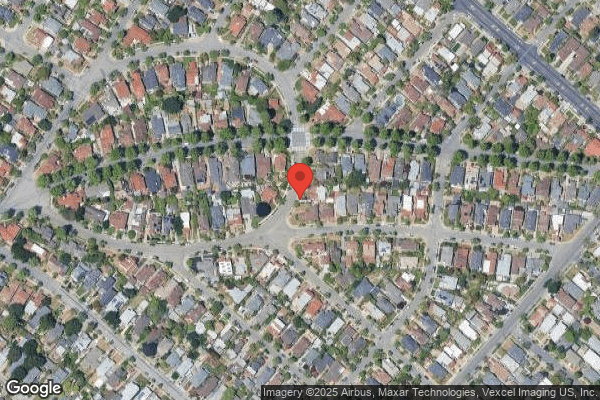
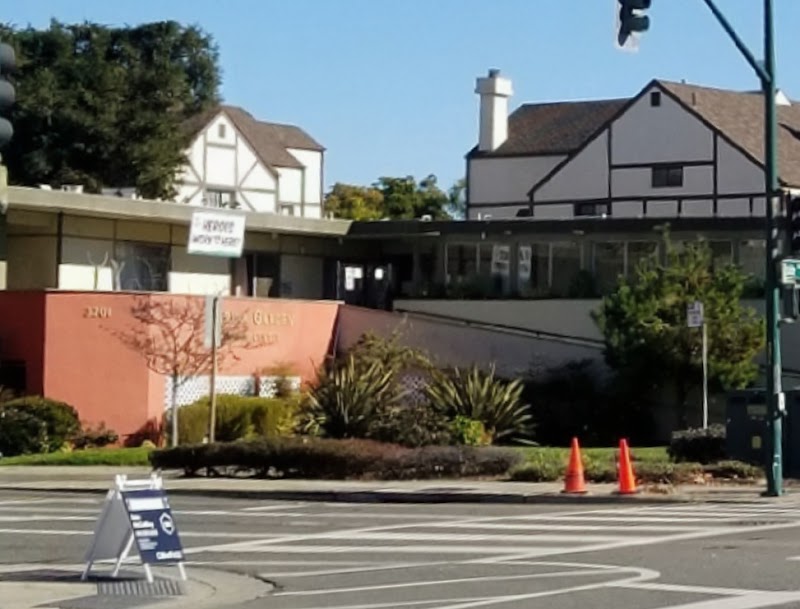
3201 FERNSIDE BLVD., ALAMEDA, CA 94501 (510) 523-2363
For profit - Corporation 32 Beds Independent Data: November 2025
Trust Grade
80/100
#397 of 1155 in CA
Last Inspection: November 2024

Within standard 12-15 month inspection cycle. Federal law requires annual inspections.

Overview

Marina Garden Nursing Center has a Trust Grade of B+, indicating it is above average and recommended for families considering care options. It ranks #397 out of 1155 facilities in California, placing it in the top half, and #36 out of 69 in Alameda County, meaning only a few local options are rated higher. However, the facility's trend is concerning as the number of issues identified has increased from 3 in 2023 to 5 in 2024. Staffing is a notable weakness, receiving a low rating of 1 out of 5 stars, but with a 0% turnover rate, which is significantly better than the state average. Additionally, while the center has no fines on record, it has faced several concerns, including improper food safety practices and inadequate portion control leading to residents not receiving the correct diet. These findings reflect some serious areas for improvement despite the overall positive trust rating.

Trust Score
B+
80/100
In California
#397/1155
Top 34%
Safety Record
Low Risk
No red flags
Inspections
Getting Worse
3 → 5 violations
Staff Stability
○ Average
Turnover data not reported for this facility.
Penalties
✓ Good
No fines on record. Clean compliance history, better than most California facilities.
Skilled Nurses
⚠ Watch
Each resident gets only 21 minutes of Registered Nurse (RN) attention daily — below average for California. Fewer RN minutes means fewer trained eyes watching for problems.
Violations
○ Average
10 deficiencies on record. Average for a facility this size. Mostly minor or procedural issues.
★★★★☆
4.0
Overall Rating
★☆☆☆☆
1.0
Staff Levels
★★★★☆
4.0
Care Quality
★★★★★
5.0
Inspection Score
Stable
2023: 3 issues
2024: 5 issues

The Good

  • 4-Star Quality Measures · Strong clinical quality outcomes
  • Full Sprinkler Coverage · Fire safety systems throughout facility
  • No fines on record

Facility shows strength in quality measures, fire safety.

The Bad

No Significant Concerns Identified

This facility shows no red flags. Among California's 100 nursing homes, only 0% achieve this.

The Ugly 10 deficiencies on record

Nov 2024 5 deficiencies
CONCERN (D)

Potential for Harm - no one hurt, but risky conditions existed

Deficiency F0727 (Tag F0727)

Could have caused harm · This affected 1 resident

Based on interview and record review, the facility failed to ensure there was Registered Nurse (RN) coverage eight hours a day, seven days a week for five days. This failure had the potential to enda...

Read full inspector narrative →
Based on interview and record review, the facility failed to ensure there was Registered Nurse (RN) coverage eight hours a day, seven days a week for five days. This failure had the potential to endanger the health and safety of residents. Findings: During a concurrent interview and record review on 11/20/2024 at 10:36 a.m. with the Administrator (ADM), Licensed Nurse Work Hours Spread Sheet, dated June 2023, was reviewed. ADM confirmed, there was no RN coverage 8 hours a day 7 days a week on 6/23/23, 6/26/23, 6/27/23, 6/28/23 and 6/29/23. During an interview on 11/20/2024, at 10:55 a.m. with the Director Of Nursing (DON), DON stated, it was important to have an RN available in the facility because, RNs are responsible for critical decision making. DON further added, RNs have a broader scope of practice like intravenous (IV- a device inserted into a vein to give fluids, medicine, or nutrients directly into the bloodstream) insertion in an emergency situation. During a review of the facility's policy and procedure (P&P) titled, Staffing, Sufficient and Competent Nursing, undated, the P&P indicated, .3.the facility will use the services of a registered nurse for at least eight (8) consecutive hours a day, seven (7) days a week.
CONCERN (D)

Potential for Harm - no one hurt, but risky conditions existed

Pharmacy Services (Tag F0755)

Could have caused harm · This affected 1 resident

**NOTE- TERMS IN BRACKETS HAVE BEEN EDITED TO PROTECT CONFIDENTIALITY** Based on observation, interview, and record review, the facility failed to ensure medication was available to administer or give...

Read full inspector narrative →
**NOTE- TERMS IN BRACKETS HAVE BEEN EDITED TO PROTECT CONFIDENTIALITY** Based on observation, interview, and record review, the facility failed to ensure medication was available to administer or given according to the physician's order for one of nine sampled residents (Resident 13) when Resident 13's Jardiance (medication used to help lower blood sugar levels) was not available for administration. This deficient practice had the potential for worsening of Resident 13's clinical condition. Findings: During a medication pass observation on 11/19/24 at 7:59 a.m. with Licensed Vocational Nurse (LVN) 1, LVN 1 was observed preparing and administering six medications to Resident 13. These medications included one capsule of duloxetine (medication used to treat depression and anxiety), one tablet of hydrochlorothiazide (medication used to treat high blood pressure and used to reduce edema (fluid retention)), one tablet of valsartan (medication used to treat high blood pressure), one tablet of metformin (medication used to help lower blood sugar levels), one tablet of Eliquis (blood thinner medicine that reduces blood clotting), and levalbuterol (medication used to prevent or relieve the wheezing, shortness of breath, coughing, and chest tightness caused by lung disease such as asthma and chronic obstructive pulmonary disease (COPD a group of diseases that affect the lungs and airways). During a review of Resident 13's undated admission Record, printed on 11/20/24, the admission Record indicated, Resident 13 was admitted to the facility on [DATE] with multiple diagnoses, which included an admission diagnosis of type 2 diabetes mellitus (a disease that occurs when the body doesn't use insulin properly, resulting in high blood sugar levels), high blood pressure and pulmonary embolism (a blockage in a lung artery caused by a blood clot that has traveled from elsewhere in the body). During a review of Resident 13's Order Summary Report, dated 10/10/24, the Order Summary Report indicated Resident 13 had an order for Jardiance 25 milligrams (mg) one tablet in the morning for type 2 diabetes mellitus. During a concurrent observation and interview on 11/19/24 on 10:01 a.m. with LVN 1, LVN 1 opened the medication cart to check Resident 13's Jardiance medication supply. LVN 1 stated she can't find Resident 13's Jardiance medication supply inside the medication cart. LVN 1 stated Resident 13's Jardiance medication scheduled at 7:30 a.m. was not given. During a review of Resident 13's November 2024 Medication Administration Record, printed on 11/20/24, the November 2024 Medication Administration Record indicated Resident 13 did not receive the Jardiance medication at 7:30 a.m. on 11/19/24. LVN 1 documented in the administration note: Medication pending. Will follow up with pharmacy. During a review of Resident 13's Incident Note, dated 11/19/24, the Incident Note indicated Resident 13's Jardiance medication was not in the medication cart and was not given. During a review of the facility's policy and procedure (P&P) titled Medication Administration, dated 2007, indicated Medications are administered in accordance with written orders of the prescriber.
CONCERN (D)

Potential for Harm - no one hurt, but risky conditions existed

Food Safety (Tag F0812)

Could have caused harm · This affected 1 resident

Based on observation, interview, and record review, the facility failed to store, prepare, and distribute food in a safe and sanitary manner when: 1. There was no air gap (a gap of air between the flo...

Read full inspector narrative →
Based on observation, interview, and record review, the facility failed to store, prepare, and distribute food in a safe and sanitary manner when: 1. There was no air gap (a gap of air between the floor and a drainpipe to prevent backflow of sewage into the equipment) for food preparation sink. 2. Pop-up toaster was not cleaned regularly and had buildup of black and brown debris inside the bottom surface. 3. Scoop was stored inside the rice grain container. 4. Open carton of powdered potatoes was not sealed. 5. Two chest freezers had crystallization (freezer burn) inside the compartment. These failures had the potential to cause food borne illnesses for 28 residents who received food from the kitchen for a facility census of 29. Findings: 1. During a concurrent observation and interview on 11/18/24 at 9:20 a.m. with the Dietary Manager (DM), DM indicated the two-compartment sink was used for both food preparation and dishwashing sink. DM stated, there was no air gap for the sink. DM further stated, it was important to have an airgap so that food being prepared in the sink does not get contaminated if there was a clogged pipe. During a concurrent observation and interview on 11/19/2024 at 11:15 a.m. with Maintenance Supervisor (MS), in the presence of Administrator (ADM), MS confirmed the drainpipe from the sink was connected directly into the wall. MS also stated, it is pumped directly into wastewater system/sewer. According to the 2017 Federal Food Code, a direct connection may not exist between the sewage system and a drain originating from equipment in which food, portable equipment, or utensils are placed. 2. During a concurrent observation and interview on 11/18/24 at 9:30 a.m. with Kitchen Staff (KS) 1, in the presence of DM, the pop-up toaster on the kitchen counter was dirty with black and brown debris in the inside bottom. KS 1 stated the toaster does not get cleaned regularly because there was no removable bottom tray for easy cleaning. DM confirmed the toaster was dirty and had debris accumulated inside. DM also stated the toaster should be cleaned after each use to prevent bacterial growth. During a review of the facility's policy and procedures (P&P), titled Operating & Cleaning Dietary Equipment, dated 2014, indicated under Cleaning Pop-Up Toaster: .5. Frequency of cleaning and sanitizing - daily after each use. 3. During a concurrent observation and interview on 11/18/24 at 9:35 a.m. with DM, the rice scooper was stored inside the rice grain storage container. DM stated, the scooper should not be left inside the storage container after each use. DM further stated, the scooper can harbor bacteria and can contaminate the rice if left inside. During a review of the facility's P&P titled, Food Service Management, dated 2014, the P&P indicated, .e.3. Scooping utensils are not kept in contact with the food . 4. During a concurrent observation and interview on 11/18/24 at 9:40 a.m. with DM, one 3.55 pound carton of powdered potatoes was not sealed. DM stated the potatoes should have been sealed in a clear plastic container once opened. DM further added the unsealed carton of food can attract pests. During a review of the facility's P&P titled, Food Service Management, dated 2014, the P&P indicated, .e. Opened dry staples (such as flour and sugar) are stored in labeled containers of corrosion-resistant material with tight fitting lids . 5. During a concurrent observation and interview on 11/18/24 at 9:44 a.m. with DM, chest freezer 1 and chest freezer 2 had crystallization on the inside compartments. Chest freezer 1 had two bags of frozen French fries with freezer burn. DM stated freezer burn on food items meant freezers were not working properly. DM also added, the two bags of frozen French fries with freezer burn may be an indication that the food was thawed and re-frozen. During a telephone interview on 11/21/24 at 11:21 a.m., with the Registered Dietician (RD), RD stated, it was important to have an airgap between the sink and drain system to prevent water from flowing back into the sink. RD further added, without an airgap, there was risk that dirty water, like sewage, could flow back into the sink, contaminating the food being prepared. RD also stated, the toaster should be cleaned after each use. RD added, bacterial growth can occur on food particles inside the toaster if left unclean. RD noted, scoops left inside the rice storage container can pick up moisture, which can cause bacteria to grow. RD stated, dry staples such as powdered potatoes should be sealed properly because unsealed cartons can attract pests. Furthermore, freezer burns on food items affect food quality and texture because freezer burn is a sign that the food item has been defrosted and refrozen.
CONCERN (D)

Potential for Harm - no one hurt, but risky conditions existed

Infection Control (Tag F0880)

Could have caused harm · This affected 1 resident

Based on observation, interview, and record review the facility failed to maintain and observe infection control practices when: 1. Certified Nursing Assistant (CNA) 1 and Laundry Staff (LS) 1 were we...

Read full inspector narrative →
Based on observation, interview, and record review the facility failed to maintain and observe infection control practices when: 1. Certified Nursing Assistant (CNA) 1 and Laundry Staff (LS) 1 were wearing face masks below their nose. 2. Laundry staff 1 did not perform hand hygiene prior to putting on gloves and after removing gloves during linen handling. These failures had the potential for cross contamination and spread of infections among residents and staff at the facility. Findings: 1(a). During an observation on 11/18/24 at 10:53 a.m. in the facility hallway, CNA 1 was wearing a face mask below the nose. During a concurrent observation and interview on 11/20/24 at 10:39 a.m. with CNA 1 in the facility hallway, CNA 1 was wearing a face mask below the nose covering the mouth. CNA 1 stated the face mask should cover the nose and the lips. CNA 1 stated wearing the face mask was protection for patients, staff, and visitors from getting a respiratory infection and contamination. 1(b). During an observation on 11/20/24 at 9:06 a.m. in the facility hallway, LS 1 was wearing a face mask below the nose. During a concurrent observation and interview on 11/20/24 at 9:39 a.m. with LS 1 in the laundry room, LS 1 was wearing a face mask below the nose covering the mouth. LS 1 stated the face mask should cover the nose and the mouth. LS 1 stated wearing a face mask was to protect her, the residents, and other employees from virus. During an interview on 11/21/24 at 11:36 a.m. with the Director of Nursing (DON), the DON stated wearing a face mask was mandated by the county. The DON stated all facility staff should wear a face mask. The DON stated the face mask should cover the nose and mouth to protect self and residents from any respiratory virus. During a review of undated facility's policy and procedure (P&P) titled, Personal Protective Equipment-Face Mask, the policy indicated, The use of face mask prevents transmission of infections agents through the air . Be sure that face mask covers the nose and mouth while performing treatment or services for the patient. 2. During a concurrent observation and interview on 11/20/24 at 9:27 a.m. with LS 1 in the laundry room, LS 1 was observed putting on white hair covering, blue disposable gown then proceeded to wear gloves on left and right hands without performing hand hygiene. LS 1 stated the hair covering, disposable gown and gloves were one time use. During an observation on 11/20/24 at 9:33 a.m. with LS 1 in the laundry room, LS 1 transferred the dry linen with her gloved hands from the dryer machine into the beige cart and pushed the cart into the linen room. LS 1 then transferred the wet linen with the same gloved hands from the washer into the stainless-steel cart and moved the wet linen into the dryer. LS 1 transferred the soiled linen with the same gloved hands from the yellow bin into the washer. During an observation on 11/20/24 at 9:37 a.m. with LS 1 in the laundry room, LS 1 removed her gloves, gown, and hair cover and discarded in the black garbage bin. LS 1 proceeded to enter the linen room and folded the dry linen without performing hand hygiene. During an interview on 11/20/24 at 9:39 a.m. with LS 1 in the laundry room, LS 1 stated hands should be sanitized before touching clean linen and after touching dirty linen to be protected from the virus, but the sanitizer was inside the supply room. LS 1 stated she should have washed her hands with soap and water at the sink. During an interview on 11/21/24 at 11:38 a.m. with the DON, the DON stated, hand hygiene should be performed before wearing gloves and after removing gloves when handling dirty linens. The DON stated hand hygiene served as precaution in contracting body fluids that was in the linen. The DON stated hand hygiene prevents the spread of infection or virus. During a review of undated facility's policy and procedure (P&P) titled, Handwashing/Hand Hygiene, the policy indicated, The facility considers hand hygiene the primary means to prevent the spread of infections . Perform hand hygiene before applying non-sterile gloves . Use an alcohol-based hand rub containing at least 62% alcohol; or, alternatively, soap and water after removing gloves. During a review of undated facility's P&P titled, Laundry and Linen, Soiled, the policy indicated, Soiled laundry/linen shall be handled, transported, and processed according to best practices for infection prevention and control . All used laundry is handled as potentially contaminated using standard precautions (e.g., gloves and gowns when sorting) During a review of undated facility's P&P titled, Personal Protective Equipment-Gloves, the policy indicated, Use gloves when handling soiled linen . Wash hands after removing gloves.
MINOR (B)

Minor Issue - procedural, no safety impact

Deficiency F0912 (Tag F0912)

Minor procedural issue · This affected multiple residents

**NOTE- TERMS IN BRACKETS HAVE BEEN EDITED TO PROTECT CONFIDENTIALITY** Based on observation and interview, the facility had fifteen resident's rooms (1, 2, 3, 4, 5, 6, 7, 8, 10, 11, 12, 14, 15, 16, a...

Read full inspector narrative →
**NOTE- TERMS IN BRACKETS HAVE BEEN EDITED TO PROTECT CONFIDENTIALITY** Based on observation and interview, the facility had fifteen resident's rooms (1, 2, 3, 4, 5, 6, 7, 8, 10, 11, 12, 14, 15, 16, and 17) with multiple beds that provided less than 80 square feet (sq. ft) per resident who occupied these rooms. This deficient practice had the potential to result in inadequate space for the delivery of care to each of the residents in each room, or for storage of the residents' belongings. Findings: During an observation on 11/21/24, at 10:30 a.m., the following rooms and corresponding square footage (SQF) per bed were identified: room [ROOM NUMBER] had 2 beds, total SQF is 139.34 and SQF per bed is 69.67. room [ROOM NUMBER] had 2 beds, total SQF is 140.26 and SQF per bed is 70.13. room [ROOM NUMBER] had 2 beds, total SQF is 138.90 and SQF per bed is 69.45. room [ROOM NUMBER] had 2 beds, total SQF is 139.68 and SQF per bed is 69.84. room [ROOM NUMBER] had 2 beds, total SQF is 140.88 and SQF per bed is 70.44. room [ROOM NUMBER] had 2 beds, total SQF is 142.80 and SQF per bed is 71.40. room [ROOM NUMBER] had 2 beds, total SQF is 140.40 and SQF per bed is 70.20. room [ROOM NUMBER] had 2 beds, total SQF is 140.36 and SQF per bed is 70.18. room [ROOM NUMBER] had 2 beds, total SQF is 140.20 and SQF per bed is 70.10. room [ROOM NUMBER] had 2 beds, total SQF is 139.88 and SQF per bed is 69.94. room [ROOM NUMBER] had 2 beds, total SQF is 138.14 and SQF per bed is 69.07. room [ROOM NUMBER] had 2 beds, total SQF is 139.88 and SQF per bed is 69.94. room [ROOM NUMBER] had 2 beds, total SQF is 140.68 and SQF per bed is 70.34. room [ROOM NUMBER] had 2 beds, total SQF is 140.40 and SQF per bed is 70.20. room [ROOM NUMBER] had 2 beds, total SQF is 155.34 and SQF per bed is 77.67. During random observations of care and services from 11/18/24 to 11/21/24 there was sufficient space for the provision of care for the residents in all rooms. There was no heavy equipment kept in the rooms that might interfere with resident's care and each resident had adequate personal space and privacy. There were no complaints from the residents regarding insufficient space for their belongings. There were no negative consequences attributed to the decreased space and/or safety concerns in the fifteen rooms. Granting of room size waiver recommended. .
Oct 2023 3 deficiencies
CONCERN (E)

Potential for Harm - no one hurt, but risky conditions existed

Deficiency F0805 (Tag F0805)

Could have caused harm · This affected multiple residents

Based on observation, interview and record review, the facility failed to follow the correct serving sizes to seven Residents for a census of 32 residents (Resident 21, 10, 11, 25, 5, 30 and 2). This ...

Read full inspector narrative →
Based on observation, interview and record review, the facility failed to follow the correct serving sizes to seven Residents for a census of 32 residents (Resident 21, 10, 11, 25, 5, 30 and 2). This deficient practice resulted in residents not receiving the appropriate diet portions to meet each individual needs. Findings: During a concurrent interview and tray line observation on 10/2/23, at 11:45 a.m., with [NAME] (CK) 1, in the presence of Dietary Service Supervisor (DSS), CK 1 was observed using a number 8 scoop to trays of puree and regular texture cabbage, country fried steak, and mashed potatoes, to serve seven residents. CK 1 stated, he was aware of portion sizes but used number 8 scoop for all serving regardless of what was on the meal cards. During a concurrent interview and record review on 10/3/23, at 12:20 p.m., with DSS, showed facility's color-coded portion control chart. DSS confirmed CK 1 did not follow scoop size for residents as indicated on the chart which showed, gray scoop number 8 is a large portion scoop equivalent to 4 fl-oz (fluid ounce - unit of measurement), green scoop number 12 is regular portion equivalent to 2.6 fl oz. and blue scoop number 16 is small portion equivalent to 2 fl-oz. During a concurrent interview and medical record review on 10/4/2,3 at 10:23 a.m., with Registered Dietician (RD), RD stated it was important to follow color coded scoops in order to meet dietary needs of each individual residents. RD further stated, Residents with Diabetes Mellitus (DM - a disease in which blood sugar levels are too high) should have received small starch portions (SSP), residents with Renal (Kidney) Disease should have received SPP (Small Protein Portions). RD also added, if dietary recommendations are not adequately met, Residents 21, 10, 11, 25, 5, 30 and 2's conditions can get worse. 1. During a review of Resident 21's face sheet on 10/4/23, indicated, Resident 21 was admitted to the facility in 2016 with multiple diagnoses that included Type 2 DM. During a review of Resident 21's order summary, dated 10/4/23, revealed a CCHO diet (Consistent, Constant or Controlled Carbohydrate Diet) pureed texture, regular consistency, SSP . 2. During a review of Resident 10's face sheet on 10/4/23, indicated, Resident 10 was admitted to the facility in 2020 and was readmitted in 2022. The face sheet showed Resident 10 had multiple diagnoses that included, Type 2 DM and Chronic Kidney Disease (CKD - kidney damage or gradual loss of kidney function). During a review of Resident 10's order summary, dated 10/4/23, revealed a CCHO diet . Lower portion sizes, small starch protein portions . 3. During a review of Resident 11's face sheet, on 10/4/23, indicated, Resident 11 was admitted to the facility in 2022 with multiple diagnoses that included Type 2 DM and Acute Kidney Failure also known as Acute Renal Failure (ARF- when kidneys suddenly become unable to filter waste products from the blood). During a review of Resident 11's order summary, dated 10/4/23, revealed a CCHO diet . SSP . SPP . 4. During a review of Resident 25's face sheet, on 10/4/23, indicated, Resident 25 was admitted to the facility in 2022 with multiple diagnoses that included Type 2 DM and ARF. During a review of Resident 25's order summary, dated 10/4/23, revealed a CCHO diet . SSP, SPP . 5. During a review of Resident 5's face sheet, on 10/4/23, indicated, Resident 5 was admitted to the facility in 2017 and was readmitted in 2021 with multiple diagnoses that included ARF. During a review of Resident 5's order summary, dated 10/4/23, in a regular diet. 6. During a review of Resident 30's face sheet, on 10/4/23, indicated, Resident 30 was admitted to the facility in 2023 with multiple diagnoses that included, DM. During a review of Resident 30's order summary, dated 10/4/23, revealed a CCHO diet. 7. During a review of Resident 2's face sheet, on 10/4/23, indicated Resident 2 was admitted to the facility in 2016 with multiple diagnoses that included, DM with CKD. During a review of Resident 2's order summary, dated 10/4/23, revealed a NAS (low sodium) and CCHO diet . SSP . During a review of facility's policy and procedure (P&P) titled, Food Service Management- Portion Control, undated, the P&P indicated, Standard portion control equipment will be available and utilized for measuring and serving resident meal portions. During a review of facility's P&P titled, Small Portion Diet, dated 2022, the P&P indicated, under general description, The small portion diet provides for the normal nutritional needs of residents who require smaller portions than the regular diet.
CONCERN (F)

Potential for Harm - no one hurt, but risky conditions existed

Food Safety (Tag F0812)

Could have caused harm · This affected most or all residents

Based on observation, interview, and record review, the facility failed to store, prepare, and serve food under sanitary conditions when: 1. a stainless-steel pasta tong had rust on its surface. 2. ...

Read full inspector narrative →
Based on observation, interview, and record review, the facility failed to store, prepare, and serve food under sanitary conditions when: 1. a stainless-steel pasta tong had rust on its surface. 2. the ice machine had six wet black spots inside ice compartment and white build up residue on the right corner rim inside opening. 3. the mounted can opener had rust on the blade and surrounding parts. These failures had the potential to cause food contamination and food borne illness. Findings: 1. During the initial tour of the kitchen and concurrent interview on 10/2/23 at 9:45 a.m. with the Dietary Service Supervisor (DSS), a stainless-steel rusty tong was stored in the clean kitchen utensil storage bin. The DSS stated the tong was actively being used. The DSSacknowledged the tong was rusty then disposed the tong in the trash. During an interview on 10/4/23 at 10:23 a.m. with the Registered Dietitian (RD), RD stated, there should not have been any utensils with rust in the kitchen due to risk for botulism (serious illness caused by toxin that attacks the body's nerves) toxin if rust goes in the food that residents ingest. During a review of facility's policy and procedure (P&P) titled, Infection Control - Cleaning Procedure, dated 2014, the P&P revealed, 1. The DSS routinely checks all sanitation and housekeeping procedures within the Dietary department. 2. The DSS spot checks work performance and counsels employees as needed to ensure that all cleaning meets high standards. 2. During an observation and concurrent interview on 10/2/23 at 10:00 a.m. the facility's ice machine had six wet black spots inside ice compartment and white build up residue on right corner opening. DSS proceeded to wipe the black dots with white paper towel. DSS stated, staff inspects ice machine daily, but missed the black spots inside ice bin. DSS further added, residents could get sick if contaminated ice was consumed. During an interview 10/4/23 at 10:33 a.m. with the RD, RD stated, dirt inside interior compartment of ice machine was a potential for health hazard. RD further added, dirt from inside ice machine can carry bacteria such as e. coli (Escherichia coli- can cause severe stomach cramps, bloody diarrhea and vomiting) and salmonella infections (bacterial disease) which can get the residents very sick. RD further added, there should not have been any spots or dirt inside icecompartment. During a review of facility's P&P titled, Ice Machine Cleaning and Sanitization, dated, 10/2023, the P&P indicated, the ice machine will be used and maintained to assure a safe and sanitary supply of ice. During a review of facility's P&P titled, Infection Control - Cleaning Procedure, dated 2014, the P&P showed, 9. c all stainless-steel equipment, ice machines, the storeroom (including the shelves), carts ovens, and racks are cleaned and sanitized. During a review of the Center for Disease Control (CDC) Guidelines for Environmental Infection Control in Health Care Facilities, Recommendation of CDC and Healthcare Infection Control Practices Advisory committee (HICPAC), revised 7/19, the CDC Guidelines indicated, Microorganisms (an organism seen only by a microscope) may be present in ice, ice-storage chests, and ice-making machines ice from contaminated ice machines has been associated with blood stream infections, pulmonary (having to do with the lungs), and gastrointestinal (having to do with the stomach and intestinal tract) illnesses Some waterborne bacteria found in ice could potentially be a risk to immunocompromised (weakened immune system) patients if the consumed ice or drink beverages with ice. 3. During a follow up kitchen observation and concurrent interview on 10/3/23 at 10:35 a.m. with DSS, the mounted manual can opener had rust on the blade and surrounding parts. DSS acknowledged the can opener was rusty and stated it will be replaced immediately. DSS also added, if rust gets in the food, it could be potential risk to the health being of residents. During an interview on 10/4/23 at 10:23 a.m. with the RD. RD stated, she was aware the mounted manual can opener was replaced yesterday due to rust. RD stated, there was risk for botulism toxin if rust goes in the food that residents ingest. During a review or facility's P&P titled, Food Service Management - Equipment Maintenance dated, 2012, the P&P indicated, 1. The DSS will periodically check all equipment and report items needing repair to the maintenance department following facility procedure. 2. The maintenance department routinely monitors all equipment for proper functioning and safety and performs routine preventative maintenance as per facility procedures. During a review of facility's P&P titled, Infection Control - Cleaning Procedure, dated 2014, the P&P revealed 1. the DSS routinely checks all sanitation and housekeeping procedures within the Dietary department. 2. The DSS spot checks work performance and counsels employees as needed to ensure that all cleaning meets high standards.9. c .all stainless-steel equipment, ice machines, the storeroom (including the shelves), carts ovens, and racks are cleaned and sanitized
MINOR (C)

Minor Issue - procedural, no safety impact

Deficiency F0912 (Tag F0912)

Minor procedural issue · This affected most or all residents

**NOTE- TERMS IN BRACKETS HAVE BEEN EDITED TO PROTECT CONFIDENTIALITY** Based on observation and interview, the facility had fifteen resident's rooms (1, 2, 3, 4, 5, 6, 7, 8, 10, 11, 12, 14, 15, 16, a...

Read full inspector narrative →
**NOTE- TERMS IN BRACKETS HAVE BEEN EDITED TO PROTECT CONFIDENTIALITY** Based on observation and interview, the facility had fifteen resident's rooms (1, 2, 3, 4, 5, 6, 7, 8, 10, 11, 12, 14, 15, 16, and 17) with multiple beds that provided less than 80 square feet (sq. ft) per resident who occupied these rooms. This deficient practice had the potential to result in adequate space for the delivery of care to each of the residents in each room, or for storage of the residents' belongings. Findings: During an observation on 10/2/23, at 10:30 a.m., the following rooms and corresponding square footage (SQF) per bed were identified: room [ROOM NUMBER] had 2 beds, total SQF is 139.34 and SQF per bed is 69.67. room [ROOM NUMBER] had 2 beds, total SQF is 140.26 and SQF per bed is 70.13. room [ROOM NUMBER] had 2 beds, total SQF is 138.90 and SQF per bed is 69.45. room [ROOM NUMBER] had 2 beds, total SQF is 139.68 and SQF per bed is 69.84. room [ROOM NUMBER] had 2 beds, total SQF is 140.88 and SQF per bed is 70.44. room [ROOM NUMBER] had 2 beds, total SQF is 142.80 and SQF per bed is 71.40. room [ROOM NUMBER] had 2 beds, total SQF is 140.40 and SQF per bed is 70.20. room [ROOM NUMBER] had 2 beds, total SQF is 140.36 and SQF per bed is 70.18. room [ROOM NUMBER] had 2 beds, total SQF is 140.20 and SQF per bed is 70.10. room [ROOM NUMBER] had 2 beds, total SQF is 139.88 and SQF per bed is 69.94. room [ROOM NUMBER] had 2 beds, total SQF is 138.14 and SQF per bed is 69.07. room [ROOM NUMBER] had 2 beds, total SQF is 139.88 and SQF per bed is 69.94. room [ROOM NUMBER] had 2 beds, total SQF is 140.68 and SQF per bed is 70.34. room [ROOM NUMBER] had 2 beds, total SQF is 140.40 and SQF per bed is 70.20. room [ROOM NUMBER] had 2 beds, total SQF is 155.34 and SQF per bed is 77.67. During random observation of care and services from 10/2/23 to 10/5/23 there was sufficient space for the provision of care for the residents in all rooms. There was no heavy equipment kept in the rooms that might interfere with resident's care and each resident had adequate personal space and privacy. There were no complaints from the residents regarding insufficient space for their belongings. There were no negative consequences attributed the decreased space and/or safety concerns in the fifteen rooms. Granting of room size waiver recommended.
Apr 2021 2 deficiencies
CONCERN (E)

Potential for Harm - no one hurt, but risky conditions existed

Infection Control (Tag F0880)

Could have caused harm · This affected multiple residents

Based on observation, interview, and record review, the facility failed to implement their infection prevention policy and procedures when: 1. CNA 1 did not perform hand hygiene when donning and doffi...

Read full inspector narrative →
Based on observation, interview, and record review, the facility failed to implement their infection prevention policy and procedures when: 1. CNA 1 did not perform hand hygiene when donning and doffing gloves. 2. CNA 2 improperly transported soiled linens. 3. RNA 1 did not perform hand hygiene when assisting multiple residents and handling food. These failures had the potential to spread infection among facility residents. Findings: 1. During a concurrent observation and interview on 4/21/21, at 9:27 a.m., with Certified Nursing Assistant (CNA) 1, CNA 1 was observed transporting Resident 22 via wheelchair into their room. CNA 1 donned gloves and assisted Resident 22 from wheelchair into bed. CNA 1 removed gloves and pushed wheelchair out of the room, into outside storage area. CNA 1 stated hand hygiene needs to be performed, Every time we touch the resident and after. CNA 1 further states, I just forgot to perform hand hygiene when assisting residents and before donning and doffing gloves. During a review of the facility's policy and procedure (P&P) titled, Handwashing/Hand Hygiene, dated 10/2020, the P&P indicated, Perform hand hygiene before applying non-sterile gloves and after removing gloves. P&P further indicates, The use of gloves does not replace hand washing/hand hygiene. Integration of glove use along with routine hand hygiene is recognized as the best practice for preventing healthcare-associated infections. 2. During a concurrent observation and interview on 4/21/21, at 9:47 a.m., with Certified Nursing Assistant (CNA) 2, CNA 2 was observed coming out of a resident room carrying soiled linens with bare hands and placing them in soiled linen bin at end of hallway. CNA 2 stated she bundled soiled linens so the outside where she touched was clean. During an interview on 4/22/21, at 11:40 a.m., with Director of Nursing (DON), DON stated staff are to place soiled linens in a bag while in residents' room, then bring bag to soiled linen bin in hallway. During a review of the facility's policy and procedure (P&P) titled, Laundry and Bedding, Soiled, dated 10/2020, the P&P indicated, Place contaminated laundry in a bag or container at the location where it is used and do not sort or rinse at the location of use. 3. During a concurrent observation and interview on 4/21/21, at 10:19 a.m., with Restorative Nursing Assistant (RNA) 1, RNA 1 brought a pudding cup from snack cart into Resident 76's room, opened pudding cup and fed Resident 76. RNA 1 left the room, pushed snack cart to another room, poured hot water and juice, opened packet of crackers and gave them to Resident 17. RNA 1 left the room and assisted Resident 19 from hallway into bed. RNA 1 poured juice, opened packet of crackers and gave the the crackers to Resident 19. RNA 1 stated she keeps a bottle of hand sanitizer in her pocket, but stated, she forgot, when asked about performing hand hygiene between care of multiple residents and handling food. During a review of the facility's policy and procedure (P&P) titled, Handwashing/Hand Hygiene, dated 10/2020, the P&P indicated, Use an alcohol-based hand rub containing at least 62% alcohol; or, alternatively, soap (antimicrobial or non-antimicrobial) and water for the following situations: before and after direct contact with residents, before and after eating or handling food, before and after assisting a resident with meals.
CONCERN (E)

Potential for Harm - no one hurt, but risky conditions existed

Deficiency F0912 (Tag F0912)

Could have caused harm · This affected multiple residents

**NOTE- TERMS IN BRACKETS HAVE BEEN EDITED TO PROTECT CONFIDENTIALITY** Based on observation and interview, the facility had 15 resident (Rt) rooms (Rooms 1, 2, 3, 4, 5, 6, 7, 8, 10, 11, 12, 14, 15, 1...

Read full inspector narrative →
**NOTE- TERMS IN BRACKETS HAVE BEEN EDITED TO PROTECT CONFIDENTIALITY** Based on observation and interview, the facility had 15 resident (Rt) rooms (Rooms 1, 2, 3, 4, 5, 6, 7, 8, 10, 11, 12, 14, 15, 16, and 17) with multiple beds that provided less than 80 square feet (sq. ft) per resident who occupied these rooms. This deficient practice had the potential to result in inadequate space for the delivery of care to each of the residents in each room, or for storage of the residents belongings. Findings: During an observation on 4/19/21, at 9:42 a.m., the following rooms and corresponding square footage (sq. ft) per bed were identified. Room Activity Room Size Floor Area (sq. ft. per Resident) 1 Rt room [ROOM NUMBER]'3x 11'4.5 69.67 sq. ft/bed 2 Rt room [ROOM NUMBER]'4x 12'4.5 70.13 sq. ft/bed 3 Rt room [ROOM NUMBER]'2x 11'5 69.45 sq. ft/bed 4 Rt room [ROOM NUMBER]'3x 12'5 69.84 sq. ft/bed 5 Rt room [ROOM NUMBER]'6x 12'3 70.44 sq. ft/bed 6 Rt room [ROOM NUMBER]'5x 11'6 71.40 sq. ft/bed 7 Rt room [ROOM NUMBER]'6x 12'2.5 70.20 sq. ft/bed 8 Rt room [ROOM NUMBER]'3x 11'5.5 70.18 sq. ft/bed 10 Rt room [ROOM NUMBER]'5x 11'3.5 70.10 sq. ft/bed 11 Rt room [ROOM NUMBER]'2.5x 11'5.5 69.94 sq. ft/bed 12 Rt room [ROOM NUMBER]'5 x 11'1.5 69.07 sq. ft/bed 14 Rt room [ROOM NUMBER]'2.5x 11'5.5 69.94 sq. ft/bed 15 Rt room [ROOM NUMBER]'5.5x 11'3.5 70.34 sq. ft/bed 16 Rt room [ROOM NUMBER]'6x 12'2.5 70.20 sq. ft/bed 17 Rt room [ROOM NUMBER]'5 x 11'6 77.67 sq. ft/bed During random observations of care and services from 4/19/21 to 4/22/21, there was sufficient space for the provision of care for the residents in all rooms. There was no heavy equipment kept in the rooms that might interfere with residents care and each resident had adequate personal space and privacy. There were no complaints from the residents regarding insufficient space for their belongings. There were no negative consequences attributed to the decreased space and/or safety concerns in the 15 rooms. Granting of room waiver is recommended.
Understanding Severity Codes (click to expand)
Life-Threatening (Immediate Jeopardy)
J - Isolated K - Pattern L - Widespread
Actual Harm
G - Isolated H - Pattern I - Widespread
Potential for Harm
D - Isolated E - Pattern F - Widespread
No Harm (Minor)
A - Isolated B - Pattern C - Widespread

Questions to Ask on Your Visit

  • "Can I speak with families of current residents?"
  • "What's your RN coverage like on weekends and overnight?"

Our Honest Assessment

Strengths
  • • Grade B+ (80/100). Above average facility, better than most options in California.
  • • No major safety red flags. No abuse findings, life-threatening violations, or SFF status.
  • • No fines on record. Clean compliance history, better than most California facilities.
Concerns
  • • No significant concerns identified. This facility shows no red flags across CMS ratings, staff turnover, or federal penalties.
Bottom line: Generally positive indicators. Standard due diligence and a personal visit recommended.

About This Facility

What is Marina Garden Nursing Center's CMS Rating?

CMS assigns MARINA GARDEN NURSING CENTER an overall rating of 4 out of 5 stars, which is considered above average nationally. Within California, this rating places the facility higher than 99% of the state's 100 nursing homes. This rating reflects solid performance across the metrics CMS uses to evaluate nursing home quality.

How is Marina Garden Nursing Center Staffed?

CMS rates MARINA GARDEN NURSING CENTER's staffing level at 1 out of 5 stars, which is much below average compared to other nursing homes.

What Have Inspectors Found at Marina Garden Nursing Center?

State health inspectors documented 10 deficiencies at MARINA GARDEN NURSING CENTER during 2021 to 2024. These included: 8 with potential for harm and 2 minor or isolated issues.

Who Owns and Operates Marina Garden Nursing Center?

MARINA GARDEN NURSING CENTER is owned by a for-profit company. For-profit facilities operate as businesses with obligations to shareholders or private owners. The facility operates independently rather than as part of a larger chain. With 32 certified beds and approximately 31 residents (about 97% occupancy), it is a smaller facility located in ALAMEDA, California.

How Does Marina Garden Nursing Center Compare to Other California Nursing Homes?

Compared to the 100 nursing homes in California, MARINA GARDEN NURSING CENTER's overall rating (4 stars) is above the state average of 3.2 and health inspection rating (5 stars) is much above the national benchmark.

What Should Families Ask When Visiting Marina Garden Nursing Center?

Based on this facility's data, families visiting should ask: "Can you walk me through typical staffing levels on day, evening, and night shifts?" "Can I visit during a mealtime to observe dining assistance and food quality?" "How do you handle medical emergencies, and what is your hospital transfer rate?" "Can I speak with family members of current residents about their experience?" These questions are particularly relevant given the below-average staffing rating.

Is Marina Garden Nursing Center Safe?

Based on CMS inspection data, MARINA GARDEN NURSING CENTER has a clean safety record: no substantiated abuse findings (meaning no confirmed cases of resident harm), no Immediate Jeopardy citations (the most serious violation level indicating risk of serious injury or death), and is not on the Special Focus Facility watch list (a federal program monitoring the lowest-performing 1% of nursing homes). The facility has a 4-star overall rating and ranks #1 of 100 nursing homes in California. While no facility is perfect, families should still ask about staff-to-resident ratios and recent inspection results during their visit.

Do Nurses at Marina Garden Nursing Center Stick Around?

MARINA GARDEN NURSING CENTER has not reported staff turnover data to CMS. Staff turnover matters because consistent caregivers learn residents' individual needs, medications, and preferences. When staff frequently change, this institutional knowledge is lost. Families should ask the facility directly about their staff retention rates and average employee tenure.

Was Marina Garden Nursing Center Ever Fined?

MARINA GARDEN NURSING CENTER has no federal fines on record. CMS issues fines when nursing homes fail to meet care standards or don't correct problems found during inspections. The absence of fines suggests the facility has either maintained compliance or corrected any issues before penalties were assessed. This is a positive indicator, though families should still review recent inspection reports for the full picture.

Is Marina Garden Nursing Center on Any Federal Watch List?

MARINA GARDEN NURSING CENTER is not on any federal watch list. The most significant is the Special Focus Facility (SFF) program, which identifies the bottom 1% of nursing homes nationally based on persistent, serious quality problems. Not being on this list means the facility has avoided the pattern of deficiencies that triggers enhanced federal oversight. This is a positive indicator, though families should still review the facility's inspection history directly.