ALHAMBRA HEALTHCARE & WELLNESS CENTRE, LP
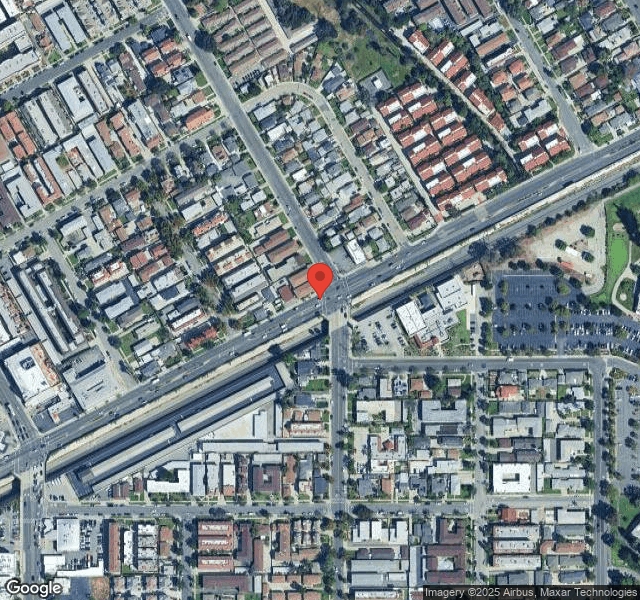

415 SOUTH GARFIELD, ALHAMBRA, CA 91801 (626) 282-3151
For profit - Limited Liability company 97 Beds Independent Data: November 2025 2 Immediate Jeopardy citations
Trust Grade
34/100
#520 of 1155 in CA
Last Inspection: June 2025

Inspected within the last 6 months. Data reflects current conditions.

Overview

Alhambra Healthcare & Wellness Centre has a Trust Grade of F, indicating significant concerns about the quality of care provided. Ranking #520 out of 1,155 facilities in California places it in the top half, but its overall performance may still raise red flags for families. The facility is showing an improving trend, decreasing from 18 issues in 2024 to 15 in 2025, which is a positive sign. Staffing is a weakness here, with a rating of 2 out of 5 stars and a turnover rate of 46%, which is average but concerning for consistency of care. Serious incidents have occurred, including a failure to provide CPR to an unresponsive resident and not adhering to dietary restrictions for another, highlighting areas that need urgent attention despite some strengths in quality measures.

Trust Score
F
34/100
In California
#520/1155
Top 45%
Safety Record
High Risk
Review needed
Inspections
Getting Better
18 → 15 violations
Staff Stability
⚠ Watch
46% turnover. Above average. Higher turnover means staff may not know residents' routines.
Penalties
✓ Good
$17,388 in fines. Lower than most California facilities. Relatively clean record.
Skilled Nurses
⚠ Watch
Each resident gets only 16 minutes of Registered Nurse (RN) attention daily — below average for California. Fewer RN minutes means fewer trained eyes watching for problems.
Violations
⚠ Watch
55 deficiencies on record. Higher than average. Multiple issues found across inspections.
★★★☆☆
3.0
Overall Rating
★★☆☆☆
2.0
Staff Levels
★★★★★
5.0
Care Quality
★★☆☆☆
2.0
Inspection Score
Stable
2024: 18 issues
2025: 15 issues

The Good

  • 5-Star Quality Measures · Strong clinical quality outcomes
  • Full Sprinkler Coverage · Fire safety systems throughout facility
  • No fines on record

Facility shows strength in quality measures, fire safety.

The Bad

3-Star Overall Rating

Near California average (3.1)

Meets federal standards, typical of most facilities

Staff Turnover: 46%

Near California avg (46%)

Higher turnover may affect care consistency

Federal Fines: $17,388

Below median ($33,413)

Minor penalties assessed

The Ugly 55 deficiencies on record

2 life-threatening
Jun 2025 15 deficiencies
CONCERN (D)

Potential for Harm - no one hurt, but risky conditions existed

Deficiency F0558 (Tag F0558)

Could have caused harm · This affected 1 resident

**NOTE- TERMS IN BRACKETS HAVE BEEN EDITED TO PROTECT CONFIDENTIALITY** Based on observation, interview, and record review, the facility failed to accommodate the needs for one (1) of 21 sampled resid...

Read full inspector narrative →
**NOTE- TERMS IN BRACKETS HAVE BEEN EDITED TO PROTECT CONFIDENTIALITY** Based on observation, interview, and record review, the facility failed to accommodate the needs for one (1) of 21 sampled residents by failing to ensure Resident 17's Low Air Loss (LAL, operates using a blower based pump that is designed to circulate a constant flow of air through the mattress, commonly used to heal pressure ulcers[wound that occurs as a result of prolonged pressure on a specific area of the body]) mattress was at comfort level per physician's order. This deficient practice has the potential for skin issues and complications of immobility. Findings: During a review of Resident 17's admission Record, the admission Record indicated the resident was admitted to the facility on [DATE] with the following diagnosis of scoliosis (a condition where the spine curves sideways, resembling an S or C shape, rather than a straight line), deformity of chest and rib, and muscle weakness. During a review of Resident 17's Physicians Order, dated 2/16/2024, the Physicians Order indicated LAL Mattress for skin/wound management may adjust per resident's comfort settings. During a review of Resident 17's Minimum Data Set (MDS - a resident assessment tool), dated 5/16/2025, the MDS indicated the resident was moderately impaired in cognitive (the ability to understand and make decisions) skills for daily decision making. The MDS also indicated that the resident was dependent (helper does all of the effort. Residents do none of the effort to complete the activity. The assistance of two or more helpers is required for the resident to complete the activity) with toileting hygiene, shower/bathe self, lower body dressing, and putting on/taking off footwear but required substantial/maximal assistance (helper does more than half the effort. Helper lifts or holds trunk or limbs and provides more than half the effort) with upper body dressing, roll left and right, sit to lying, and lying to sitting on side of bed. During a review of Resident 17's Physician Order, dated 5/17/2025, the Physician Order indicated LAL Mattress for skin management and settings as per resident's comfortability. During an observation and interview on 6/23/2025 11:49 AM, Resident 17 was observed in bed stating the mattress needs more air. Resident 17's LAL mattress was observed with very little air and the metal part of the bed can be felt with minor pressure. During an interview on 6/25/2025 at 7:55 AM, Certified Nursing Assistant 2 (CNA 2) stated Resident 17 has been complaining about the bed for two (2) to three (3) months and stating it needs more air or there is not enough air. During an interview on 6/25/2025 at 3:30 PM, Licensed Vocational Nurse 2 (LVN 2) stated the mattress should be at comfort level because it is the resident's right, dignity and home like environment. During the same interview on 6/25/2025 at 3:30 PM, Resident 17's Responsible Party (RP) stated she observed the mattress being hard and needed more air on 6/23/2025 and 6/24/2025. RP also stated Resident 59 had complained about the bed being uncomfortable. During an interview on 6/26/2025 at 1:10 PM, the Director of Nursing (DON) stated the LAL mattress needed to be set at the resident's comfort level because the facility needs to ensure Resident 17 was comfortable, and in accordance with the physician's order, and that it is the resident's right. During a review of the facility's Policy and Procedure (P&P) titled, Mattresses, revised 1/1/2012, the P&P indicated to provide a mattress to promote comfort to the bedridden resident and help prevent decubiti (pressure ulcer/injury) and other complications of immobility. During a review of the facility's P&P titled, Accommodation of Needs Resident Rights, revised 1/1/2012, the P&P indicated residents individual needs are accounted for in the facility's provision of a clean comfortable bed with an adequate mattress.
CONCERN (D)

Potential for Harm - no one hurt, but risky conditions existed

Safe Environment (Tag F0584)

Could have caused harm · This affected 1 resident

**NOTE- TERMS IN BRACKETS HAVE BEEN EDITED TO PROTECT CONFIDENTIALITY** Based on observation, interview and record review, the facility failed to provide a safe, sanitary, and homelike environment for...

Read full inspector narrative →
**NOTE- TERMS IN BRACKETS HAVE BEEN EDITED TO PROTECT CONFIDENTIALITY** Based on observation, interview and record review, the facility failed to provide a safe, sanitary, and homelike environment for one of 21 sampled residents (Resident 61), as indicated the facility's policy and procedure (P&P). This failure resulted in an unclean environment and accident hazard for Resident 61, other residents, and facility staff. Findings: During a review of Resident 61's admission Record, the admission Record indicated Resident 61 was admitted to the facility on [DATE] with diagnoses that included gastrostomy (a surgical opening fitted with a device to allow feedings to be administered directly to the stomach common for people with swallowing problems), dementia (a progressive state of decline in mental abilities), and dysphagia (difficulty swallowing). During a review of Resident 61's Minimum Data Set (MDS - a resident assessment tool), dated 5/15/2025, the MDS indicated Resident 61 had moderately impaired cognitive skills (ability to understand and make decisions) for daily decision making. The MDS indicated Resident 61 was dependent (helper does all effort needed to complete activity) with toileting hygiene and lower body dressing and substantial/maximal assistance (helper does more than half the effort needed to complete the activity) with oral and personal hygiene, eating and bathing/showering. The MDS also indicated Resident 61 received 51% or more of his nutrition through a feeding tube. During a review of Resident 61's Order Listing Report, dated 6/11/2025, the Order Listing Report indicated Glucerna (enteral feeding [nutrition taken through the mouth or through a tube that goes directly to the stomach or small intestine ] formula) 1.2 at 75 milliliters (ml, unit of volume) per hour (hr) via pump for 20 hours = 1500 ml/24 hr via percutaneous endoscopic gastrostomy (PEG, feeding tube inserted through the abdominal wall directly into the stomach, allowing for the delivery of nutrition, fluids, and medications when a person cannot eat or drink adequately by mouth) tube. During a concurrent observation at Resident 61's bedside and interview on 6/24/2025 at 8:38 AM with Licensed Vocational Nurse 3 (LVN 3) and Certified Nurse Assistant 3 (CNA 3), Glucerna was observed spilled and puddled into Resident 61's fitted bed sheet, bed sheet, bedrail padding and onto the floor. CNA 3 stated Resident 61's milk has spilled into the bed and on the floor. LVN 3 stated Resident 61's Glucerna had leaked and spilled onto Resident 61's bedding, bedrail pad and the floor. LVN 3 stated housekeeping should have been called to clean up the floor and replace/clean the bedrail padding. LVN 3 also stated staff should have identified and stopped the GT from leaking and cleaned Resident 61's and his bedding. CNA 3 and LVN 3 stated this left Resident 61's environment not clean or sanitary. During an interview on 6/25/2025 at 1:39 PM with the Director of Nursing (DON), the DON stated Glucerna leaking and spilling onto Resident 61's sheets, bedside rails and floor is unacceptable. The DON stated Resident 61 should not be left in a dirty/unclean environment but should have been provided with a sanitary and homelike environment. The DON also stated that any staff can help to have the environment and bedside padding cleaned. During a review of the facility's P&P titled, Resident Rooms and Environment, revised 1/1/2012, the P&P indicated facility is to provide residents with a safe, clean, comfortable and homelike environment and that staff are to pay close attention to cleanliness and order.
CONCERN (D)

Potential for Harm - no one hurt, but risky conditions existed

ADL Care (Tag F0677)

Could have caused harm · This affected 1 resident

**NOTE- TERMS IN BRACKETS HAVE BEEN EDITED TO PROTECT CONFIDENTIALITY** Based on observation, interview, and record review, the facility failed to ensure one of two sampled residents (Resident 61), wa...

Read full inspector narrative →
**NOTE- TERMS IN BRACKETS HAVE BEEN EDITED TO PROTECT CONFIDENTIALITY** Based on observation, interview, and record review, the facility failed to ensure one of two sampled residents (Resident 61), was provided Activities of Daily Living (ADLs- routine tasks/activities such as bathing, dressing and toileting performed daily) care. On 6/24/2025, Resident 61 was observed in bed with brown residue on right inner thigh and brown smear on the outside and top of the incontinent brief (a disposable diaper used for adults). This failure had the potential for Resident 61 to experience skin breakdown and/or discomfort. Findings: During a review of Resident 61's admission Record, the admission Record indicated Resident 61 was admitted to the facility on [DATE] with diagnoses that included hemiplegia (total paralysis of the arm, leg, and trunk on the same side of the body) and hemiparesis (weakness one side of the body), dementia (a progressive state of decline in mental abilities) and Parkinson's disease (a progressive disease of the nervous system marked by tremor, muscular rigidity, and slow, imprecise movements). During a review of Resident 61's Resident Needs Assistance . Care Plan (a document that outlines the facility's plan to provide personalized care to a resident based on the resident's needs), initiated 2/9/2025, the Care Plan indicated Resident 61 is not able to maintain perineal hygiene, adjust clothes before and after voiding or having a bowel movement, wash, rinse or dry self and needs total assistance to complete the task. During a review of Resident 61's Minimum Data Set (MDS - a resident assessment tool), dated 5/15/2025, the MDS indicated Resident 61 had moderately impaired cognitive skills (ability to understand and make decisions) for daily decision making. The MDS indicated Resident 61 was dependent (helper does all effort needed to complete activity) with toileting hygiene and lower body dressing and substantial/maximal assistance (helper does more than half the effort needed to complete the activity) with oral and personal hygiene, eating and bathing/showering. The MDS also indicated Resident 61 was always incontinent (inability to control) with voiding (urinating) and bowel movements. During a concurrent observation and interview on 6/24/2025 at 8:34 AM with Certified Nurse Assistant 3 (CNA 3) and Licensed Vocational Nurse 3 (LVN 3) at Resident 61's bedside, Resident 61 was observed in bed with brown residue on right inner thigh and brown smear on the outside and top of the incontinent brief. CNA 3 stated the brown smear on the outside of the brief is stool/ feces and should not be there. LVN 3 stated that brown residue on Resident 61's inner thigh is dried stool, and it should not be there. CNA 3 stated staff are to clean the residents well, check to make sure resident is left clean. CNA 3 also stated the poop on the front of Resident 61's brief or thigh means that staff did not fully check and/or clean Resident 61. LVN 3 stated it is important to make sure residents are fully clean and kept clean to prevent skin breakdown. During an interview on 6/25/2025 at 1:39 PM with the Director of Nursing (DON), the DON stated it is important for staff to ensure residents are always clean and properly cared for to maintain the resident's dignity and to ensure that their care is being well- provided. The DON also stated per facility protocol, residents are to be left clean, presentable and odor free and in an overall presence that is clean and neat. The DON also stated if dependent residents are not being provided the proper assistance to maintain hygiene, they can develop potential skin problems and skin issues. During a review of the facility's Policy and Procedure (P&P) titled, Perineal Care, revised 1/1/2012, the P&P indicated the purpose of the policy is to maintain cleanliness of the genital area, to reduce odor, and to prevent infection or skin breakdown [of residents]. During a review of the facility's P&P titled, Incontinence Care, effective 2/20/2025, the P&P indicated residents who are incontinent of urine, feces or both will be kept clean, dry and comfortable and that incontinence care will be provided as needed.
CONCERN (D)

Potential for Harm - no one hurt, but risky conditions existed

Deficiency F0698 (Tag F0698)

Could have caused harm · This affected 1 resident

**NOTE- TERMS IN BRACKETS HAVE BEEN EDITED TO PROTECT CONFIDENTIALITY** Based on observation, interview, and record review, the facility failed to follow the fluid restriction (a dietary change that l...

Read full inspector narrative →
**NOTE- TERMS IN BRACKETS HAVE BEEN EDITED TO PROTECT CONFIDENTIALITY** Based on observation, interview, and record review, the facility failed to follow the fluid restriction (a dietary change that limits the amount of liquid a person can consume in a day) as indicated on the physician order for one (1) of two (2) sampled residents (Resident 12), who was receiving dialysis (a treatment to cleanse the blood of wastes and extra fluids artificially through a machine when the kidney/s have failed) treatment. This deficient practice has the potential for fluid overload (a condition where there is too much fluid in the body which could result in swelling, particularly in the ankles and legs, and shortness of breath and health complications) for Resident 12. Findings: During a review of Resident 12's admission Record, the admission Record indicated the resident was originally admitted to the facility on [DATE] and was readmitted on [DATE] with the following diagnoses of end stage renal disease (irreversible kidney failure) and generalized edema (swollen throughout the body due to fluid accumulation in the tissues). During a review of Resident 12's Minimum Data Set (MDS - a resident assessment tool), dated 5/19/2025, the MDS indicated the resident was moderately impaired in cognitive (the ability to understand and make decisions) skills for daily decision making. The MDS also indicated Resident 12 required partial/moderate assistance (helper does less than half the effort. Helper lifts, holds, or supports trunk or limbs, but provides less than half the effort) with eating, oral hygiene, and upper body dressing but requires substantial/maximal assistance (helper does more than half the effort. Helper lifts or holds trunk and provides more than half the effort) with toileting hygiene, shower/bathe self, lower body dressing and putting on/taking off footwear. The MDS indicated Resident 12 required dialysis. During a review of Resident 12's Physician Orders, dated 5/12/2025, the Physician Order indicated: 1. Fluid restriction 1000 cubic centimeters (cc - unit of measure; 1,000cc = 1 liter [l - unit of measure]) per day; 7AM to 3PM shift 580cc 2. Fluid restriction 1000 cc/day; 3PM to 11PM shift 320cc 3. Fluid restriction 1000 cc/day; 11PM to 7AM shift 100cc During a review of Resident 12's Medication Administration Record (MAR - a daily documentation record used by a licensed nurse to document medications and treatments given to a resident), dated 6/2025, the MAR indicated fluid restriction 1000cc per day 7AM to 3PM shift total = 580cc, 3PM to 11PM shift total = 320cc and 11PM to 7AM shift total = 100cc. The MAR also indicated: 1. On 6/11/2025, Resident 12 received 1000cc of fluid on 7AM to 3PM shift, 320cc on 3PM to 11PM shift, and 100cc on 11PM to 7AM shift with total of 1420cc. 2. On 6/12/2025, Resident 12 received 1000cc of fluid on 7AM to 3PM shift, 320cc on 3PM to 11PM shift, and 100cc on 11PM to 7AM shift with a total of 1420cc. 3. On 6/18/2025, Resident 12 received 1000cc of fluid on 7AM to 3PM shift, 320cc on 3PM to 11PM shift and 100cc on 11PM to 7AM shift with total of 1420cc. 4. On 6/23/2025, Resident 2 received 1000cc of fluid on 7AM to 3PM shift, 320cc on 3PM to 11PM shift and 100cc on 11PM to 7AM shift with a total of 1420cc. During a review of Resident 12's Care Plan with focus Malnutrition and Dehydration, revised 6/24/2025, the Care Plan indicated the resident was on fluid restriction 1000cc per 24hrs. The Care Plan also indicated a goal to maintain adequate nutritional status. During an interview on 6/26/2025 at 8:43 AM, Licensed Vocational Nurse 2 (LVN 2) stated Resident 12 is a dialysis resident and the resident is on fluid restriction. LVN 2 also stated Resident 12 would receive 1000cc for 7AM to 3PM shift. During a concurrent record review of Resident 12's MAR, dated 6/2025, and interview with LVN 2 on 6/26/2025 at 8:53 AM, LVN 2 stated Resident 12 is not to receive more than 1000cc of fluid per day because the resident can have a fluid overload and the physician's order is not being followed. During a concurrent record review of Resident 12's MAR, dated 6/2025, and interview with the Director of Nursing (DON) on 6/26/2025 at 10:25 AM, the DON stated Resident 12 is not to receive more than 1000cc of fluid per day because the resident can get fluid overload, and we are not following the physician's order. During a review of the facility's Policy and Procedure (P&P) titled, Fluid Restrictions, 4/21/2022, the P&P indicated the licensed nurse will initiate strict intake measurement per the attending physician order. During a review of the facility's P&P titled, Dialysis Management, dated 3/27/2024, the P&P indicated diet and fluid restrictions will be followed as ordered.
CONCERN (D)

Potential for Harm - no one hurt, but risky conditions existed

Pharmacy Services (Tag F0755)

Could have caused harm · This affected 1 resident

**NOTE- TERMS IN BRACKETS HAVE BEEN EDITED TO PROTECT CONFIDENTIALITY** Based on observation, interview, and record review, the facility failed to administer a scheduled medication on time for one (1)...

Read full inspector narrative →
**NOTE- TERMS IN BRACKETS HAVE BEEN EDITED TO PROTECT CONFIDENTIALITY** Based on observation, interview, and record review, the facility failed to administer a scheduled medication on time for one (1) of 21 sampled residents (Resident 35) per physician's order, in accordance with the facility's Medication Administration policy and procedure (P&P). This deficient practice had the potential to cause Resident 35's medical condition to worsen. Findings: During a review of Resident 35's admission Record, the admission Record indicated the resident was admitted to the facility on [DATE] with diagnoses that included paraplegia (paralysis of the legs and lower body) and dizziness (a sensation of unsteadiness, lightheadedness, or spinning). During a review of Resident 35's Minimum Data Set (MDS, resident assessment tool) dated 4/16/2025, the MDS indicated the resident was assessed to have intact cognitive (mental action or process of acquiring knowledge and understanding) skills for daily decision making and was assessed to require substantial/maximal assistance (helper does more than half the effort) for toileting hygiene, lower body dressing and putting on/taking off footwear. The MDS also indicated Resident 35 required supervision (helper provides verbal cues or touching assistance) for showering. The MDS indicated Resident 35 required set up or clean up assistance (helper sets up or cleans up) for upper body dressing. The MDS indicated Resident 35 was independent (resident completes the activity by self) for eating, oral hygiene and personal hygiene. During a review of Resident 35's Order Summary Report (OSR) dated 5/14/2025, the OSR indicated Resident 35 was ordered Meclizine (medication for dizziness) three (3) times a day for dizziness. During a concurrent observation and interview on 6/23/2025 at 9:38 AM with Licensed Vocational Nurse (LVN) 1, LVN 1 was observed administering the medication Meclizine to Resident 35 in Resident 35's room. LVN 1 stated, The resident (Resident 35) received Meclizine at 9:40 AM but it was due at 8 AM. The policy is to give meds within an hour of due time. It was given late. If the residents are given meds (medications) late they may get an extra dose, and their symptoms might not be relieved on time. During a review of Resident 35's Medication Administration Audit Report (MAAR) dated 6/23/2025, the MAAR indicated Resident 35 was scheduled to receive Meclizine on 6/23/2025 at 8 AM but did not receive it until 9:40 AM as observed. During a concurrent interview and record review on 6/25/2025 at 9:49 AM with the Director of Nursing (DON) the facility's P&P titled, Medication Administration, dated 1/1/2012 was reviewed. The P&P indicated: 1. The purpose of the policy is to ensure the accurate administration of medications for residents in the facility. 2. Medications may be administered 1 hour before or after the scheduled medication administration time. 3. Nursing staff will keep in mind the seven rights of medication when administering medication. One of the medication rights is right time. The DON stated that the P&P indicates that it's important to give residents their medication on time so that their medical condition can be treated properly. DON stated that if residents do not receive their medication on time their medical condition may worsen.
CONCERN (D)

Potential for Harm - no one hurt, but risky conditions existed

Deficiency F0808 (Tag F0808)

Could have caused harm · This affected 1 resident

**NOTE- TERMS IN BRACKETS HAVE BEEN EDITED TO PROTECT CONFIDENTIALITY** Based on observation, interview, and record review of the facility menu, the facility failed to ensure one (1) of two sampled re...

Read full inspector narrative →
**NOTE- TERMS IN BRACKETS HAVE BEEN EDITED TO PROTECT CONFIDENTIALITY** Based on observation, interview, and record review of the facility menu, the facility failed to ensure one (1) of two sampled residents (Resident 17) was provided with a therapeutic (food that does not require much chewing and are soft on the mouth) diet (dysphagia [difficulty swallowing] mechanical soft diet) as ordered by the physician. This deficient practice had the potential for Resident 17 not to receive proper nutrition and experience weight loss. Findings: During a review of Resident 17's admission Record, the admission Record indicated the resident was admitted to the facility on [DATE] with the following diagnoses of protein-calorie malnutrition (serious condition that occurs when a resident's diet does not contain the right amount of nutrients) and hyperlipidemia (high cholesterol). During a review of Resident 17's Minimum Data Set (MDS - a resident assessment tool), dated 5/16/2025, the MDS indicated the resident was moderately impaired in cognitive (the ability to understand and make decisions) skills for daily decision making. The MDS also indicated Resident 17 was dependent (Helper does all of the effort. Resident does none of the effort to complete the activity or the assistance of 2 or more helpers is required for the resident to complete the activity) with toileting hygiene, shower/bathe self, lower body dressing, and putting on and taking off footwear. The MDS also indicated Resident 17 required supervision or touching assistance (helper provides verbal cues and/or touching/steadying and/or contact guard assistance as resident completes activity. Assistance may be provided throughout the activity or intermittently) with oral hygiene and personal hygiene. Resident 17 required setup or clean-up assistance (Helper sets up or cleans up; resident completes activity. Helper assists only prior to or following the activity) with eating. The MDS indicated Resident 17 was on a mechanically altered diet (require change in texture of food or liquids) and a therapeutic diet. During a review of Resident 17's Speech Therapy (ST) Evaluation, dated 1/19/2025, indicated a diet of a standard portion diet of carbohydrate controlled with mechanical soft texture and regular/thin consistency. During a review of Resident 17's Physician's Order, dated 5/2/2025, the Physician's Order indicated a carbohydrate-controlled diet. Large portion diet, dysphagia mechanical soft texture, regular/thin consistency. No fish and No cheese. During a review of Resident 17's Care Plan with focus on Risk for Malnutrition and Dehydration (condition that occurs when the loss of body fluids, mostly water, exceeds the amount that is taken in), revised 5/2/2025, the Care Plan indicated the resident will achieve adequate nutritional intake. The Care Plan also indicated the Registered Dietitian to evaluate and make diet change recommendations. During an interview on 6/23/2025 at 11:49 AM in Resident 17's room, Resident 17 stated, The food is bland, and it is like baby food. During an observation on 6/23/2025 at 12:20 PM, Resident 17's tray was observed a pureed (blended food to the consistency of a soft creamy paste) diet. During an interview on 6/25/2025 at 7:55 AM, Certified Nursing Assistant 2 (CNA 2) stated Resident 17 has been complaining about her food a week ago. CNA 2 also stated the resident would complain about the food being too soft. During an interview on 6/25/2025 at 8:37 AM, CNA 2 stated she started complaining about the food 6 months ago but complained more about it a week ago. During a concurrent observation and interview on 6/25/2025 at 8:45 AM in Resident 17's room with CNA 2, Resident 17's tray was observed with pureed food. CNA 2 stated the plate had pureed food and it did not have any ground or cut up food. During an interview on 6/25/2025 at 9:01 AM, the Director of Dietary Services (DDS) stated Resident 17 complained about her food texture a week and a half ago. DDS also stated they did not do anything because that is the way her food should be. During a concurrent record review of Resident 17's Physician Orders, dated 5/2/2025, observation, and interview on 6/25/2025 at 9:27 AM, the DDS stated Resident 17's tray did not match the resident's physician's order. DDS also stated dysphagia mechanical diet should have cut up pieces of food such as noodles, but Resident 17 was receiving pureed food. During a concurrent observation, interview with the Director of Nursing (DON), record review of Resident 17's ST evaluation, dated 1/19/2025 and physician's order, on 6/25/2025 at 10:05 AM, the DON stated the resident diet should be in accordance with the ST evaluation and the physician's order to ensure proper nutrition and help prevent weight loss for Resident 17. During a review of the facility's Policy and Procedure (P&P) titled, Dietary Profile and Resident Preference Interview, revised 4/21/2022, the P&P indicated the dietary department will provide residents with meals consistent with their preferences and physician order.
CONCERN (D)

Potential for Harm - no one hurt, but risky conditions existed

Deficiency F0813 (Tag F0813)

Could have caused harm · This affected 1 resident

**NOTE- TERMS IN BRACKETS HAVE BEEN EDITED TO PROTECT CONFIDENTIALITY** Based on observation, interview, and record review, the facility failed to implement its policy by not checking the food brought...

Read full inspector narrative →
**NOTE- TERMS IN BRACKETS HAVE BEEN EDITED TO PROTECT CONFIDENTIALITY** Based on observation, interview, and record review, the facility failed to implement its policy by not checking the food brought in by family members for one (1) of two (2) sampled residents (Resident 73). This deficient practice has the potential for Resident 73 to choke (severe difficulty in breathing because of a constricted or obstructed throat or a lack of air) and aspirate (when food, liquid, or other material enters a resident's airway and eventually the lungs by accident) on food which can lead to death. Findings: During a review of Resident 73's admission Record, the admission Record indicated the resident was originally admitted to the facility on [DATE] and was readmitted on [DATE] with the following diagnoses of dysphagia (difficulty swallowing), hyperlipidemia (abnormally high concentration of fats or lipids [fat particles] in the blood), and adult failure to thrive(a decline caused by chronic diseases and functional impairments which can cause weight loss, decreased appetite, poor nutrition, and inactivity). During a review of Resident 73's Physician Order, dated 4/4/2025, the Physician order indicated a fortified (enriched with added nutrients) diet, dysphagia mechanical soft texture, regular/thin consistency. During a review of Resident 73's Minimum Data Set (MDS - a resident assessment tool), dated 4/10/2025, the MDS indicated the resident was severely impaired in cognitive (the ability to understand and make decisions) skills for daily decision making. The MDS also indicated Resident 73 was dependent (Helper does all of the effort. Resident does none of the effort to complete the activity or the assistance of 2 or more helpers is required for the resident to complete the activity) with toileting hygiene, shower/bathe self, lower body dressing, and putting on/taking off footwear. The MDS also indicated Resident 73 required supervision/touching assistance (Helper provides verbal cues and/or touching/ steadying and/or contact guard assistance as resident completes activity. Assistance may be provided throughout the activity or intermittently) with eating, oral hygiene, and personal hygiene. The MDS indicated Resident 73 was on a mechanically altered diet (a modified diet for individuals with swallowing difficulties which involves food that are soft, moist, and easy to chew and swallow). During a review of Resident 73's Care Plan with focus on Risk of Weight loss and Dehydration (condition that occurs when the loss of body fluids, mostly water, exceeds the amount that is taken in), revised 4/15/2025, the Care Plan indicated to provide and serve diet as ordered. During a review of Resident 73's Care Plan with focus on Swallowing Problem Related to Dysphagia Oropharyngeal (the middle portion of the throat, located behind the mouth and above the soft palate) phase, the Care Plan indicated diet to be followed as prescribed. During an observation on 6/23/2025 at 12:40 PM, Resident 73's Family (Family 1) was observed with Licensed Vocational Nurse 2 (LVN 2) outside Resident 73's room. Resident 73's tray was observed as pureed (food that has been blended or processed into a smooth, thick consistency, often resembling a pudding or baby food) diet. During an observation on 6/23/2025 at 12:45 PM in Resident 73's room, Family 1 was observed feeding Resident 73 a regular diet of wonton soup and kiwi. During an interview on 6/24/2025 at 3:10 PM, LVN 2 stated she was supposed to but did not check the food brought in by Family 1. LVN 2 also stated it was important to educate the family on the facility's policy to ensure the diet and texture of the food matched the diet order of the resident to prevent the resident from choking and aspirating on the food. During an interview on 6/25/2025 at 10:09 AM, the Director of Nursing (DON) stated the food brought in by family needs to meet the resident's diet and consistency because it increases the risk for the resident to choke and aspirate on the food. The DON also stated the facility needs to educate the family regarding the diet order and policy. During a review of the facility's Policy and Procedure (P&P) titled Food Brought in by Visitors, dated 5/22/2025, the P&P indicated to review the diet order with the resident representative and assist the family/visitors to understand safe food handling practices.
CONCERN (E)

Potential for Harm - no one hurt, but risky conditions existed

Resident Rights (Tag F0550)

Could have caused harm · This affected multiple residents

**NOTE- TERMS IN BRACKETS HAVE BEEN EDITED TO PROTECT CONFIDENTIALITY** Based on observation, interview, and record review, the facility failed to ensure two (2) of two sampled residents (Resident 23 ...

Read full inspector narrative →
**NOTE- TERMS IN BRACKETS HAVE BEEN EDITED TO PROTECT CONFIDENTIALITY** Based on observation, interview, and record review, the facility failed to ensure two (2) of two sampled residents (Resident 23 and 59) were treated with respect and dignity in accordance with the facility policy by failing to ensure: 1. Resident 23's clothes were clean and free of food particles. 2. Resident 59 was called by preferred name. This deficient practice has the potential to affect the residents' self-worth and self-esteem. Findings: 1. During a review of Resident 23's admission Record, the admission Record indicated the resident was originally admitted to the facility on [DATE] and was readmitted on [DATE] with the following diagnoses of dementia (a progressive state of decline in mental abilities) and anemia (a condition where the body does not have enough healthy red blood cells). During a review of Resident 23's Minimum Data Set (MDS - a resident assessment tool), dated 4/22/2025, the MDS indicated the resident was severely impaired in cognitive (the ability to understand and make decisions) skills for daily decision making. The MDS also indicated the resident required supervision/ touching assistance (helper provides verbal cues and/or touching/steadying and/or contact guard assistance as resident completes activity. Assistance may be provided throughout the activity or intermittently) with oral hygiene, toileting hygiene, shower/bathe self, upper body dressing, lower body dressing, putting on/taking off footwear and personal hygiene but required set up or clean up assistance (helper sets up or cleans up; resident completes activity. Helper assists only prior to or following the activity) with eating. During an observation on 6/23/2025 at 9:09 AM in Resident 23's room, Resident 23 was observed with brown and yellow food particles on her gown and bed linen. During an interview on 6/23/2025 at 1:40 PM, Certified Nursing Assistant 1 (CNA 1) stated Resident 23 was not cleaned up after her meal. CNA 1 also stated that when picking up the resident's tray, staff are also to ensure the residents are clean from food particles because it is the resident's right and dignity. During an interview on 6/25/2025 at 10:16 AM, Director of Nursing (DON) stated Resident 23 should not have food particles left on her gown and bed linen because that is the resident's dignity. During a review of the facility's Policy and Procedure (P&P) titled Accommodation of Needs, revised 1/1/2012, the P&P indicated residents individual needs are accounted for in the facility's provision of a clean comfortable bed. The P&P also indicated the facility environment is designed to assist the resident in achieving independent functioning and maintaining the resident's dignity and well-being. 2. During a review of Resident 59's admission Record, the admission Record indicated the resident was admitted to the facility on [DATE] with the following diagnoses of spinal stenosis (a condition where the spaces within your spine narrow, potentially compressing the spinal cord and nerves) and osteoarthritis (a progressive disorder of the joints, caused by a gradual loss of cartilage). During a review of Resident 59's MDS, dated [DATE], the MDS indicated the resident was moderately impaired in cognitive skills for daily decision making. The MDS also indicated the resident required set up or clean up assistance with toileting hygiene, shower/bathe self, and personal hygiene but is independent (resident completes the activity themselves with no assistance from the helper) in eating, oral hygiene, upper body dressing, lower body dressing, and putting on/taking off footwear. During an observation on 6/23/2025 at 11:01 AM, Receptionist (RC) was observed calling Resident 59 grandma. During an interview on 6/24/2025 at 1:28 PM in Resident 59's room, Resident 59 stated she does not like being called grandma, but the staff calls her anything they want. Resident 59 also stated she likes to be called Miss. During an interview on 6/25/2025 at 10:25 AM, RC stated I did, and I should not have called Resident 59 grandma because it is the resident's dignity. During an interview on 6/26/2025 at 11:45 AM, DON stated RC should not have called Resident 59 grandma because the facility staff would have to refer the resident by her name due to the resident's dignity. During a review of the facility's P&P titled Quality of Life Resident Rights, revised 3/2017, the P&P indicated the facility staff to always speak respectfully to residents, including addressing the resident by his or her name of choice.
CONCERN (E)

Potential for Harm - no one hurt, but risky conditions existed

Tube Feeding (Tag F0693)

Could have caused harm · This affected multiple residents

**NOTE- TERMS IN BRACKETS HAVE BEEN EDITED TO PROTECT CONFIDENTIALITY** Based on observation, interview, and record review, the facility failed to implement proper gastrostomy tube (GT - a tube that i...

Read full inspector narrative →
**NOTE- TERMS IN BRACKETS HAVE BEEN EDITED TO PROTECT CONFIDENTIALITY** Based on observation, interview, and record review, the facility failed to implement proper gastrostomy tube (GT - a tube that is surgically inserted into the resident's stomach to allow access for food, fluids, and medications) practices and procedures for two of three sampled residents (Residents 61 and 69) by failing to ensure: 1. Resident 69's head of bed was elevated at least 30 degrees while receiving enteral feeding (a method of providing nutrition directly to the gastrointestinal tract when a person cannot eat by mouth) in accordance with the facility's policy and physician's order. 2. The GT feeding was connected to Resident 61, allowing all feeding to be given as prescribed by the physician These deficient practices placed Resident 69 at risk for aspiration (accidental inhalation of foreign material [like food, liquid, or stomach contents] into the airways and lungs) and had the potential to place Resident 61 to receive an incorrect total feeding amount received in a day that can lead to malnutrition (lack of proper nutrition in the body). Findings: 1. During a review of Resident 69's admission Record, the admission Record indicated Resident 69 was initially admitted to the facility on [DATE], with the diagnoses including but not limited to hemiplegia (a condition caused by brain damage or spinal cord injury that leads to paralysis [loss of motor function in one or more muscles] on one side of the body) and hemiparesis (weakness on one side of the body) following cerebral infarction (a stroke, damage to tissue in the brain due to loss of oxygen to the area) affecting left non-dominant side, acute respiratory failure (an inability to maintain adequate oxygenation for tissues or adequate removal of carbon dioxide from tissues) with hypoxia (lack of oxygen in the tissues to sustain bodily function), and dementia (progressive brain disorder that slowly destroys memory and thinking skills). During a record review of Resident 69's Physician Order Summary Report, dated 4/25/2025, the order indicated every shift Glucerna 1.2 (a meal replacement or supplement made specifically for individuals with diabetes) at 60 cubic centimeter/hour (cc/hr, measurement of volume flow rate) using Feeding Pump (a medical device designed to deliver enteral nutrition directly into gastrointestinal tract) via GT for 20 hours to provide 1200 cc/1440 kilocalorie (kcal, equal to one calorie) until complete volume infused. Start pump at 2 PM. During a record review of Resident 69 Minimum Data Set (MDS, a resident assessment and tool), dated 5/12/2025, the MDS indicated the resident's cognitive (mental action or process of acquiring knowledge and understanding) skills for daily decision making were severely impaired. The MDS indicated Resident 69 required substantial/maximal assistance (helper does more than half the effort) for sitting to lying, sitting to standing, and chair-bed-to-chair transferring. The MDS indicated Resident 61 had a feeding tube. During a record review of Resident 69's Care Plan, revised on 5/20/2025, the care plan indicated Resident 69 required a GT related to dysphagia (difficulty swallowing). The care plan interventions for staff were to keep the head of the bed elevated to 45 degrees during and thirty minutes after tube feeding and listen to lung sounds every shift and as needed. During a record review of Resident 69's Physician Order Summary Report, dated 7/17/2024, the order indicated every shift elevate head of bed 30 - 45 degrees during feedings. During an observation on 6/23/2025 at 9:38 AM in Resident 69's room, Resident 69 was lying awake on his back in bed. Resident 69's head of bed was elevated around 20 degrees while the Glucerna enteral feeding was infusing at 60 cc/hr. During a concurrent observation and interview on 6/25/2025 of Resident 69's bed position on 6/23/2025 with the Director of Nursing (DON), the DON stated Resident 69's head of bed was less than a 30-degree angle. During review of Resident 69's care plan revised on 5/20/2025 with the DON, the DON stated Resident 69's care plan indicated Resident 69 should be positioned at 45 degrees during enteral feedings. The DON stated the head of bed of residents receiving enteral feedings should be positioned at 35-45 degrees. The DON stated residents could aspirate when the head of the bed was not elevated to at least 35 degrees. The DON stated pneumonia (lung inflammation caused by bacterial or viral infection) and hospitalization could result when residents aspirated the enteral feedings. During a record review of the facility's policy and procedure titled, Enteral Feedings, revised 8/24/2023, the policy indicated the head of bed should be elevated 30 degrees during enteral feedings. 2. During a review of Resident 61's admission Record, the admission Record indicated Resident 61 was admitted to the facility on [DATE] with diagnoses that included gastrostomy (a surgical opening fitted with a device to allow feedings to be administered directly to the stomach common for people with swallowing problems), dementia (a progressive state of decline in mental abilities) and dysphagia. During a review of Resident 61's MDS, dated [DATE], the MDS indicated Resident 61 had moderately impaired cognitive skills for daily decision making. The MDS indicated Resident 61 was dependent (helper does all effort needed to complete activity) with toileting hygiene and lower body dressing and substantial/maximal assistance with oral and personal hygiene, eating and bathing/showering. The MDS also indicated Resident 61 received 51% or more of his nutrition through a feeding tube (GT). During a review of Resident 61's Order Listing Report, dated 6/26/2025, the Order Listing Report indicated Enteral Feed Order: a. Every shift check for placement and patency, revised 6/3/2025. b. Every shift continuous water via GT- administer 30 milliliters (mL - a measurement of volume) /hour x 20 hours to provide 600 cc, revised 6/3/2025. c. Every shift Glucerna 1.2 at 75 ml/ hour (hr) via pump x 20 hours = 1500 ml/24h via GT, revised 6/11/2025. During an interview on 6/24/2025 at 8:38 AM with Licensed Vocational Nurse (LVN) 3 at Resident 61's bedside, Resident 61 was observed with Glucerna that leaked into Resident 61's bed, creating a pool of the Glucerna feeding next to Resident 61 and spilling onto floor. LVN 3 stated the GT feeding had leaked out of the GT tubing and/or GT and should not be leaking. LVN 3 stated staff are to check to make sure all tubing is connected to Resident 61 to ensure the resident is getting the nutrition the resident needed and not spilling on the floor or bed. During an interview on 6/25/2025 at 1:39 PM with the DON, the DON stated nurses are to make sure the GT feeding is properly connected and running as ordered per the facility's policy because if the GT Feeding is leaking, that means the resident is not receiving the full prescribed amount of GT feeding and is at risk of preventable weight loss. During a review of the facility's policy and procedure (P&P) titled Enteral Feeding- Closed, revised 1/1/2012, the P&P indicated enteral feeding will be administered via pump as ordered by the Attending Physician. The P&P also indicated the procedure to review order, check resident for tube placement and to connect container and tubing.
CONCERN (E)

Potential for Harm - no one hurt, but risky conditions existed

Respiratory Care (Tag F0695)

Could have caused harm · This affected multiple residents

**NOTE- TERMS IN BRACKETS HAVE BEEN EDITED TO PROTECT CONFIDENTIALITY** 2. During a review of Resident 61's admission Record, the admission Record indicated Resident 61 was admitted to the facility on...

Read full inspector narrative →
**NOTE- TERMS IN BRACKETS HAVE BEEN EDITED TO PROTECT CONFIDENTIALITY** 2. During a review of Resident 61's admission Record, the admission Record indicated Resident 61 was admitted to the facility on [DATE] with diagnoses that included hemiplegia (total paralysis of the arm, leg, and trunk on the same side of the body) and hemiparesis (weakness one side of the body), dementia (a progressive state of decline in mental abilities), gastrostomy (a surgical opening fitted with a device to allow feedings to be administered directly to the stomach common for people with swallowing problems) and dysphagia (difficulty swallowing). During a review of Resident 61's Order Listing Report, revised 3/26/2025, the Order Listing Report indicated an order to swab/suction every shift as appropriate. During a review of Resident 61's MDS, dated [DATE], the MDS indicated Resident 61 had moderately impaired cognitive skills (ability to understand and make decisions) for daily decision making. The MDS indicated Resident 61 was dependent (helper does all effort needed to complete activity) with toileting hygiene and lower body dressing and substantial/maximal assistance (helper does more than half the effort needed to complete the activity) with oral and personal hygiene, eating and bathing/showering. During a review of review of Resident 61's Medication Administration Record (MAR), dated 5/31/2025, the MAR indicated an order to suction as needed for excessive secretion for seven (7) days. The MAR also indicated suction was only administered to Resident 61 on 6/3/2025. During a concurrent observation at Resident 61's bedside on 6/24/2025 at 8:54 AM and interview with LVN 3, the following suction equipment was observed: a. A suction yaunker in open packaging, dated 5/31/2025 b. Suction tubing dated 5/31/2025 c. A collection canister dated 5/31/2025 with white sections/ fluid seen inside. LVN 3 stated all of Resident 61's suction equipment should have been discarded and changed. LVN stated it was important to discard and change the equipment per policy because bacteria (harmful microorganisms) can build up and cause contamination (the introduction of harmful or undesirable substances or microorganisms) with the equipment, leading to the worsening of Resident 61's respiratory infection and the spread of bacteria. During a concurrent interview and record review on 6/25/2025 at 1:39 PM with the DON, the facility's policy and procedure (P&P) titled, Cleaning & Disinfection of Resident Care Equipment, revised 1/1/2012, the P&P indicated: a. Semi-critical items consist of items that come in contact with mucous membranes or non-intact skin (e.g. respiratory therapy equipment). b. Single resident-use items are cleaned/disinfected between uses by a single resident and disposed of afterwards. c. Single-use items are disposed of after a single use. d. Semi-critical items are sterilized/disinfected in a processing location and stored appropriately until use. The DON stated suction equipment including Resident 61's yaunker, suction tubing and collection canister are considered single use items, according to the facility's protocol and is discarded after each use. The DON stated Resident 61's collection canister should not have been at the bedside for more than 24 hours after use and should have been discarded and replaced, along with the yaunker and tubing. The DON stated it is important to ensure suction equipment is discarded and changed per policy for single use items to prevent infections and/or the spread of infections to other residents. During an interview on 6/26/2025 at 11:53 AM with the infection Preventionist Nurse (IPN), the IPN stated it is important for suction equipment to be changed because bacteria (harmful microorganisms) can grow in the equipment and then transferred back to the residents' mouth during suctioning and negatively affect the residents by becoming sick or sepsis (a life-threatening blood infection). Based on observation, interview, and record review, the facility failed to ensure two (2) of three (3) sampled residents (Residents 76 and 61) received respiratory care in accordance with the facility's policy by failing to ensure: 1. Resident 76 had a physician's order for the use of oxygen therapy. This deficient practice had the potential for Resident 76 to receive the incorrect amount of oxygen which could lead to shortness of breath (SOB), worsening conditions, and hospitalization. 2. The suction equipment including yankauer (a curved tube with a large opening, used for suctioning fluids and debris from a resident's airway [mouth and/or throat], suction tubing and collection canister (a temporary container used to collect secretions or fluids removed from the body such as saliva) was discarded and replaced. This deficient practice had the potential to cause preventable respiratory infections to Resident 61. Findings: 1. During a review of Resident 76's admission Record, the admission Record indicated the resident was admitted to the facility on [DATE] with diagnoses that included type 2 Diabetes (a disease in which your body does not produce enough insulin needed to control sugar levels in the blood), cerebral infarction (loss of blood flow to a part of the brain) and dependence on oxygen. During a review of Resident 76's Minimum Data Set (MDS, a care assessment and screening tool) dated 4/18/2025, the MDS indicated the resident was assessed to have severely impaired cognition (capable of remembering, learning new things, concentrating, or making decisions that affect everyday life) and was dependent (helper does all effort) when showering, lower body dressing, putting on footwear and personal hygiene. The MDS also indicated Resident 76 was assessed to require substantial/maximal assistance (helper does more than half the effort) for eating, oral hygiene, toileting hygiene, and upper body dressing. The MDS also indicated Resident 76 required oxygen therapy. During an observation on 6/23/2025 at 9:43 AM, Resident 76 was observed in his room receiving oxygen at two (2) liters per minute (LPM, dose measurement for delivery of oxygen). During a concurrent record review and interview on 6/23/2025 at 10 AM with Licensed Vocational Nurse 1 (LVN 1), Resident 76's Order Summary Report (OSR) was reviewed. The OSR indicated that Resident 76 did not have an order to receive oxygen therapy. LVN 1 stated that Resident 76 is receiving oxygen but does not have a doctor's order to receive oxygen. LVN 1 stated that the resident may have respiratory distress (difficulty breathing), and SOB if they receive too much oxygen. LVN 1 stated this may cause the resident to be sent to the hospital. During a concurrent interview and record review on 6/25/2025 at 9:53 AM with the Director of Nursing (DON), the facility's policy and procedure (P&P) titled, Oxygen Therapy, dated 11/2017, was reviewed. The P&P indicated: 1. The purpose of the policy is to ensure the safe administration of oxygen in the facility. 2. Administer oxygen per physician orders. The DON stated that the P&P indicated that it is necessary to have a physician's order to administer oxygen. The DON stated that if a resident gets oxygen without an order they may receive too much oxygen and their condition may worsen. The DON stated that this may lead to hospitalization.
CONCERN (E)

Potential for Harm - no one hurt, but risky conditions existed

Food Safety (Tag F0812)

Could have caused harm · This affected multiple residents

Based on observation, interview and record review, the facility failed to dispose of expired vegetables stored in the facility kitchen's refrigerator during a kitchen observation conducted on 6/23/202...

Read full inspector narrative →
Based on observation, interview and record review, the facility failed to dispose of expired vegetables stored in the facility kitchen's refrigerator during a kitchen observation conducted on 6/23/2025. This deficient practice had the potential to cause food-borne illnesses. Findings: During a concurrent observation and interview on 6/23/2025 at 8:10 AM with Dietary Aide (DA) 2, the following foods were found in the kitchen's refrigerator: lettuce with expiration date 6/21/2025, cilantro with expiration date 6/19/2025, parsley with expiration date 6/19/2025 and cucumbers with expiration date 6/22/2025. DA 2 stated that the vegetables are expired and residents can get sick if they eat expired food. During a concurrent interview and record review on 6/25/2025 at 9:16 AM with Registered Dietitian (RD) the facility's policy and procedure (P&P) titled, Food Storage and Handling dated 6/4/2024 was reviewed. The P&P indicated that fresh vegetables should be checked and sorted for ripeness and should be labeled and dated. RD stated that the labels on the vegetables found in the kitchen's refrigerator indicate that they are expired and should have been thrown away. RD stated that the vegetables were not checked before the expiration date. RD stated that it is important to properly label foods to ensure that expired foods are not used. RD stated that residents can get sick if they eat expired foods.
CONCERN (E)

Potential for Harm - no one hurt, but risky conditions existed

Garbage Disposal (Tag F0814)

Could have caused harm · This affected multiple residents

Based on observation, interview and record review, the facility failed to dispose of garbage properly in the facility's garbage disposal area during kitchen observation conducted on 6/23/2025. This de...

Read full inspector narrative →
Based on observation, interview and record review, the facility failed to dispose of garbage properly in the facility's garbage disposal area during kitchen observation conducted on 6/23/2025. This deficient practice had the potential to attract pests and spread disease. Findings: During an observation on 6/23/2025 at 8:26 AM, the facility's trash was observed with trash bins overflowing with trash, trash bins with lids that were not completely closed, trash bags on the floor, a hamper used as a trash can and uncovered trash cans. During a concurrent interview and observation on 6/23/2025 at 8:31 AM with Dietary Aide (DA) 1, the facility's garbage disposal area was observed. DA 1 stated that trash bags should not be on the floor, trash should be covered, and hampers should not be used as a trash can. DA 1 stated that animals can get into the trash if it's not covered and they may spread disease. During a concurrent interview and record review on 6/25/2025 at 9:12 AM with Dietary Supervisor (DS) the facility's policy and procedure (P&P) titled, Waste Management dated 4/21/2022 was reviewed. The P&P indicated: 1. The purpose of the policy is to reduce the risk contamination from regulated waste and maintain appropriate handling and disposable of all waste. 2. Waste containers must closable. 3. Waste must be disposed of in appropriate, non-combustible (burnable) waste containers 4. Waste bags must be disposed of into covered waste bin. DS stated that it is important to dispose of trash in a closable container to keep pests away because trash can attract more pests and they may transmit disease. DS stated that hampers should not be used as trash cans. DS stated that trash should not be on the floor.
CONCERN (E)

Potential for Harm - no one hurt, but risky conditions existed

Infection Control (Tag F0880)

Could have caused harm · This affected multiple residents

**NOTE- TERMS IN BRACKETS HAVE BEEN EDITED TO PROTECT CONFIDENTIALITY** 2. During a review of Resident 38's admission Record, the admission Record indicated the resident was admitted to the facility o...

Read full inspector narrative →
**NOTE- TERMS IN BRACKETS HAVE BEEN EDITED TO PROTECT CONFIDENTIALITY** 2. During a review of Resident 38's admission Record, the admission Record indicated the resident was admitted to the facility on [DATE] with the following diagnoses of exposure to COVID and bullous pemphigoid (a chronic autoimmune skin disorder characterized by itchy, blistering skin lesions, most commonly affecting older adults). During a review of Resident 38's Minimum Data Set (MDS, resident assessment tool), dated 4/8/2025, the MDS indicated the resident was severely impaired in cognitive (the ability to understand and make decisions) skills for daily decision making. The MDS also indicated Resident 38 was dependent (Helper does all of the effort. Resident does none of the effort to complete the activity or the assistance of 2 or more helpers is required for the resident to complete the activity) with putting on/taking off footwear The MDS also indicated Resident 38 required substantial/maximal assistance (Helper does more than half the effort. Helper lifts or holds trunk or limbs and provides more than half the effort) with shower/bathe self and lower body dressing. The MDS indicated Resident 38 required partial/moderate assistance (Helper does less than half the effort. Helper lifts, holds or supports trunk or limbs, but provides less than half the effort) with toileting hygiene. During an observation on 6/23/2025 at 10:26 AM, CNA 1 was observed coming out of Resident 38 's room with a set of gloves on. CNA1 closed the door of Resident 38 before doffing his gloves. During an interview on 6/23/2025 at 10:55 AM, CNA 1 stated he provided peri-care to Resident 38. CNA 1 also stated he should not have used the same gloves to close the resident's room door. CNA 1 stated he should have doffed the gloves and performed hand hygiene prior to exiting the resident's room to prevent the spread of infection. During an interview on 6/25/2025 at 11:21 AM, the IPN stated CNA 1 should have doffed his gloves and performed hand hygiene before exiting Resident 38 's room to prevent the spread of infection. IPN also stated CNA 1 can spread COVID since the facility is currently in an outbreak. During an interview on 6/26/2025 at 1:15 PM, the Director of Nursing (DON) stated it is not acceptable for CNA1 to use dirty gloves to close Resident 38's room door because that can spread infection. The DON also stated CNA1 should have doff gloves and perform hand hygiene before exiting the resident's room. During a review of the facility's P&P titled, Personal Protective Equipment, revised 01/01/2012, the P&P indicated the facility staff are required to wear PPE when performing a task that may involve exposure to body fluids. The P&P also indicated gloves are used only once and are discarded into the appropriate receptacle located in the room in which the procedure is done, and hands are washed before and after removing of gloves. During a review of the facility's P&P titled, Hand Hygiene, revised 9/1/2020, the P&P indicated situations that require hand hygiene are not limited to the following: 1. After contact with body fluids 2. After doffing PPE 3. Immediately exiting a resident's room Based on observation, interview and record review, the facility failed to maintain infection control (methods used to prevent, control, or stop the spread of infections) and prevention as indicated in the facility's policy by failing to ensure: 1. Certified Nurse Assistant 1 (CNA 1) and Family Member 2 (FM 2) wore personal protective equipment (PPE - clothing and equipment that is worn or used to provide protection against hazardous substances and/or environments) as indicated while inside of novel respiratory isolation (separation of residents with a suspected or confirmed Coronavirus [COVID-19, a severe infection mainly respiratory disease that could spread from person to person]) infections rooms, Room A and Room B. 2. CNA 1 doff (remove an item or clothing) and dispose PPE and perform hand hygiene (cleaning hands to prevent germs) after providing peri-care (cleaning the genitals and anal area) to Resident 38. These failures had the potential to result in an increased risk for the spread of bacteria, viruses and pathogens (harmful microorganisms) to residents, visitors and staff throughout the facility, while increasing the risk of [preventable] infections. Findings: 1. During an observation on 6/23/2025 at 8:51 AM on Room A's wall near the doorway, a Novel Respiratory Precautions sign was observed that indicated, on room entry, to clean hands, wear a gown, an N-95 ( disposable face mask that covers the user's nose and mouth which offers protection from small solid or liquid droplets found in the air) and face shield or goggles and gloves and then to clean hands when exiting [the room]. CNA 1 was observed entering the room without a face shield. During an interview on 6/23/2025 at 8:56 AM with CNA 1, CNA 1 stated Room A is an isolation room that requires the PPE of a face shield. CNA 1 stated he should have worn one while inside of the room. CNA 1 also stated according to the policy, he needs to wear all required PPE including the face shield and apply it before entering the residents' rooms to prevent spreading a virus. During an observation on 6/23/2025 at 12:08 PM outside of Room B, FM 2 was observed putting on PPE with Licensed Vocational Nurse 2 (LVN 2) for novel respiratory precautions. FM 2 was observed with an N-95 mask upside down and the metallic strip under the chin instead of the nose. FM 2 then entered Room B. During a concurrent interview and record review on 6/23/2025 at 12:24 PM with LVN 2, the N95 Particulate Respirator Wearing Instructions and Fit Check (undated) was reviewed. The wearing instructions indicated to wear the mask with the metallic strip facing up, adjust metallic strip over the bridge of the nose and to press down until there is a close fit. The Fit check indicated to tighten the metallic strip over the as needed until a tight seal is achieved to ensure a proper fit. LVN 2 stated that FM 2 was wearing the N-95 incorrectly and the metallic strip should have been on the nose instead of the chin area to make sure it was a tight fit. LVN 2 also stated if the fit for the N95 is not proper or tight, COVID-19 could spread to other visitors, residents and/or staff. During an interview on 6/26/2025 at 11:53 AM with the Infection Preventionist Nurse (IPN), the IPN stated per facility protocol, novel respiratory precautions require anyone entering the room to wear an N-95, face shield, gown and gloves and to put them on before entering the room. IPN stated the N-95 is to be worn correctly with the metal strip across the nose to ensure it seals and works correctly. IPN also stated wearing all of the necessary PPE and wearing it correctly is important to prevent exposure and spreading of the virus to others, possibly causing a widespread outbreak Covid-19. During a review of the facility's policy and procedure (P&P) titled, Management of COVID-19, revised 10/11/2022, the P&P indicated the standard and transmission-based precautions (TBP) will be implemented for patients suspected or confirmed to have COVID-19, facility will follow local/county public health and state regulations when applicable, and for confirmed or undiagnosed respiratory infections in residents, staff follows isolation precautions of facemask, gloves, isolation gown and eye protection to prevent the development and transmission of COVID-19. During a review of the facility's P&P titled, Resident Isolation- Categories of Transmission - Based Precautions, revised 1/1/2012, the P&P indicated transmission-based precautions are used when caring for residents who are documented or suspected of having communicable diseases or infections that can be transmitted to others, whenever measures more stringent than standard precautions are needed to prevent or control the spread of infection.
CONCERN (E)

Potential for Harm - no one hurt, but risky conditions existed

Antibiotic Stewardship (Tag F0881)

Could have caused harm · This affected multiple residents

**NOTE- TERMS IN BRACKETS HAVE BEEN EDITED TO PROTECT CONFIDENTIALITY** Based on interview and record review, the facility failed to implement its protocol for Antibiotic (medication used to kill bact...

Read full inspector narrative →
**NOTE- TERMS IN BRACKETS HAVE BEEN EDITED TO PROTECT CONFIDENTIALITY** Based on interview and record review, the facility failed to implement its protocol for Antibiotic (medication used to kill bacteria and to treat infections) Stewardship Program by failing to complete the Surveillance Data Collection form prior to the administration of antibiotic therapy for three (3) of 3 sampled residents (Residents 34, 35, and 88). This deficient practice had the potential for Residents 34, 35, and 88 to be prescribed inappropriate antibiotics and increased the risk for developing antibiotic-resistant organisms (bacteria that are not controlled or killed by antibiotics) and suffer adverse side effects from unnecessary or inappropriate antibiotic use. Findings: 1. During a review of Resident 34's admission Record, the admission Record indicated the resident was originally admitted to the facility on [DATE] and was readmitted on [DATE] with the following diagnoses of sepsis (a life-threatening blood infection) and contact dermatitis (inflammation of the skin by external agent). During a review of Resident 34's Minimum Data Set (MDS - a resident assessment tool), dated 4/10/2025, the MDS indicated the resident was moderately impaired in cognitive (the ability to understand and make decisions) skills for daily decision making. The MDS also indicated Resident 34 was dependent (Helper does all of the effort. Resident does none of the effort to complete the activity or the assistance of 2 or more helpers is required for the resident to complete the activity) with toileting hygiene, shower/bathe self, lower body dressing, and putting on/taking off footwear. The MDS also indicated Resident 34 required substantial/maximal assistance (Helper does more than half the effort. Helper lifts or holds trunk or limbs and provides more than half the effort) with upper body dressing. During a review of Resident 34's Physician Order, dated 6/18/2025, the Physician Order indicated Cephalexin (antibiotic used to treat bacterial infections) Oral Tablet 500 milligrams (mg - unit of measure). Give 500 mg by mouth every six (6) hours for urinary tract infection (UTI- an infection in the bladder/urinary tract) until 6/25/2025. During an interview on 6/25/2025 at 10:43 AM, the Infection Preventionist Nurse (IPN) stated there was no surveillance data collection form completed for Resident 34's use of Cephalexin. IPN stated there should be a surveillance data collection form completed prior to use of antibiotics to know if the resident really needs the antibiotic and meets the criteria for antibiotic use to prevent antibiotic resistance. 2. During a review of Resident 35's admission Record, the admission Record indicated the resident was admitted to the facility on [DATE] with the following diagnoses of disorder of immune mechanism (any condition where the body's immune system does not function as it should, leading to illness or disease) and malnutrition (serious condition that occurs when a resident's diet does not contain the right amount of nutrients). During a review of Resident 35's MDS, dated [DATE], the MDS indicated the resident was independent in cognitive skills for daily decision making. The MDS also indicated Resident 35 required substantial/maximal assistance with toileting hygiene, lower body dressing and putting on/taking off footwear. The MDS also indicated Resident 35 required supervision or touching assistance (Helper provides verbal cues and/or touching/steadying and/or contact guard assistance as resident completes activity. Assistance may be provided throughout the activity or intermittently) with shower/bathe self. During a review of Resident 35's Physician Orders, dated 6/23/2025, the Physician Orders indicated Sulfamethoxazole-Trimethoprim (combination antibiotic used to treat a variety of bacterial infections) Tablet 800-160 mg. Give 1 tablet by mouth every 12 hours for left buttock ulcer secondary to ruptured abscess for 10 days until finished. During an interview on 6/25/2025 at 10:58 AM, the IPN stated there was no surveillance data collection form completed for Resident 35's use of Sulfamethoxazole-Trimethoprim. IPN stated there should be a surveillance data collection form completed prior to use of antibiotics to know if the resident really needs the antibiotic and meets the criteria for antibiotic use to prevent antibiotic resistance. 3. During a review of Resident 88's admission Record, the admission Record indicated the resident was admitted to the facility on [DATE] with the following diagnoses of methicillin-resistant staphylococcus aureus (MRSA - a bacteria that does not respond to antibiotics) and malnutrition. During a review of Resident 88's MDS, dated [DATE], the MDS indicated the resident was moderately impaired in cognitive skills for daily decision making. The MDS also indicated Resident 88 required partial/moderate assistance (Helper does less than half the effort. Helper lifts, holds, or supports trunk or limbs, but provides less than half the effort) with putting on/taking off footwear. The MDS also indicated Resident 88 required supervision or touching assistance with toileting hygiene, shower/bathe self, upper body dressing and lower body dressing. During a review of Resident 88's Physician Orders, dated 6/23/2025, the Physician Orders indicated Cipro (antibiotic to treat a wide variety of bacterial infections) Oral Tablet 500 mg (Ciprofloxacin Hydrochloride). Give 1 tablet by mouth one time a day for UTI for 7 days until finished. During an interview on 6/25/2025 at 11:11 AM, the IPN stated there was no surveillance data collection form completed for Resident 88's use of Cipro. IPN stated there should be a surveillance data collection form completed prior to use of antibiotics to know if the resident really needs the antibiotic and meets the criteria for antibiotic use to prevent antibiotic resistance. During an interview on 6/26/2025 at 10:30 AM, the Director of Nursing (DON) stated the surveillance data collection form needs to be completed to evaluate if the residents meet the criteria for an antibiotic and to prevent multi-drug resistance organisms. The DON also stated it was not acceptable to administer antibiotic/s to the residents without completing the surveillance data collection form. During a review of the facility's Policy and Procedure (P&P) titled, Antibiotic Stewardship, revised 5/20/2021, the P&P indicated the IPN will collect and analyze infection surveillance data, coordinate data collection and monitor adherence to infection control policies and procedures. The P&P also indicated the IPN is responsible for antibiotic stewardship processes such as surveillance. During a review of the facility's P&P titled Infection Control Surveillance, revised 3/1/2024, the P&P indicated the IPN will review the infection control surveillance form and surveillance data collection form initiated by the licensed nurse and determine if the infection is healthcare-associated infection (HAI) or community-associated infection (CAI). The P&P also indicated the IPN conducts ongoing surveillance for HAIs and epidemiologically significant infections that have substantial impact on potential resident outcome.
MINOR (B)

Minor Issue - procedural, no safety impact

Deficiency F0911 (Tag F0911)

Minor procedural issue · This affected multiple residents

**NOTE- TERMS IN BRACKETS HAVE BEEN EDITED TO PROTECT CONFIDENTIALITY** Based on observation, interview, and record review, the facility failed to ensure one (1) of 47 rooms (map diagram labeled rooms...

Read full inspector narrative →
**NOTE- TERMS IN BRACKETS HAVE BEEN EDITED TO PROTECT CONFIDENTIALITY** Based on observation, interview, and record review, the facility failed to ensure one (1) of 47 rooms (map diagram labeled rooms [ROOM NUMBERS], separated by a wall in the middle with two [2] beds on 1 side and three [3] beds on the other side with only 1 door for entry and exit) did not have more than four (4) residents in one shared room. This deficient practice had the potential to cause the residents in these rooms not to have enough privacy and had the potential to affect residents' delivery of care. Findings: During a review of the facility's room waiver (a legal document which allowed to give up certain legal rights or claims), dated 6/23/2025, the waiver indicated there was enough space for each resident in the room, nursing and the health and safety of the residents occupying these rooms. The room waiver indicated the two rooms were separated by a brick wall and the entry way to and from rooms [ROOM NUMBERS] was through a common door into the hallway. During an interview with the Administrator (ADM) on 6/23/2025 at 8:44 AM, the ADM stated resident rooms [ROOM NUMBERS] had more than four residents in the combined rooms. The ADM submitted a room waiver for these residents' rooms. During an observation on 6/26/2025 at 8:09 AM, rooms [ROOM NUMBERS] were observed separated by a wall in the middle, with 2 beds on 1 side and 3 beds on the other side with only 1 door for entry and exit, did not meet the requirement to have no more than four residents to a room. The residents in these rooms were able to ambulate freely and/or maneuver in their wheelchair freely. The nursing staff had enough space to provide care for the residents in the room. The rooms had space for beds, bedside tables, nightstands, and other medical equipment. During interviews with residents residing in rooms [ROOM NUMBERS] both individually and collectively from 6/23/2025 to 6/26/2025, the residents did not express any concerns regarding the size of their rooms and stated they had enough space to move around freely. During interviews with nursing staff assigned to rooms [ROOM NUMBERS] from 6/23/2025 to 6/26/2025, the staff stated they were able to work and provide care to the residents in those rooms without issues/difficulty moving around. The staff stated there was enough space for them to provide care for the residents and provide the residents with privacy and dignity. During multiple observations made to rooms [ROOM NUMBERS] from 6/23/2025 to 6/26/2025, the rooms did not adversely affect the residents' health and or safety. The department is recommending approval of the room waiver for rooms [ROOM NUMBERS] as requested by the facility.
Jun 2024 13 deficiencies
CONCERN (D)

Potential for Harm - no one hurt, but risky conditions existed

Deficiency F0558 (Tag F0558)

Could have caused harm · This affected 1 resident

**NOTE- TERMS IN BRACKETS HAVE BEEN EDITED TO PROTECT CONFIDENTIALITY** Based on observation, interview and record review, the facility failed to have an appropriate call light (an alerting device for...

Read full inspector narrative →
**NOTE- TERMS IN BRACKETS HAVE BEEN EDITED TO PROTECT CONFIDENTIALITY** Based on observation, interview and record review, the facility failed to have an appropriate call light (an alerting device for nurses or other nursing personnel to assist a resident in need) according to the resident's condition and to have the call light within reach for 1 of 20 sampled residents (Resident 5). This deficient practice had the potential to delay in the necessary care and services for Resident 5. Findings: A review of Resident 5's admission Record indicated resident was admitted on [DATE] with the following diagnoses of muscle weakness and osteoarthritis (a degenerative joint disease, in which the tissues in the joint break down over time). A review of Resident 5's History and Physical (H&P), dated 12/11/2022, indicated Resident 40 does not have the capacity to understand and make decisions. A review of Resident 5's Care Plan with focus on potential for injury, revised 12/20/2022, indicated to keep call light within reach. A review of Resident 5's Care Plan with focus on risk for falls, revised 1/2/2024, indicated to make sure the call light is within reach and encourage the resident to use it as needed. A review of Resident 5's Occupational Therapy (OT) Evaluation & Plan of Treatment form, dated 3/10/2024, indicated resident's right upper extremity was impaired (resident's arm and wrist are contracted and unable to use hands) and residents left upper extremity was impaired. A review of Resident 5's Minimum Data Set (MDS, a standardized care screening and assessment tool), dated 6/10/2024, indicated resident is severely impaired in cognitive (the functions your brain uses to think, pay attention, process information, and remember things) skills for daily decision making. The MDS also indicated resident is dependent (helper does all of the effort. Resident does none of the effort to complete the activity. Or the assistance of 2 or more helpers is required for the resident to complete the activity) with eating, oral hygiene, toileting hygiene, shower/bathe self, upper body dressing, lower body dressing, putting on/taking off footwear, and personal hygiene. During a concurrent observation and interview in Resident 5's room at 6/25/2024 at 2:06 PM, Resident 5 was observed with both arms contracted (a permanent tightening of the muscles, tendons, skin and nearby tissues that causes the joints to shorten and become very stiff) and both legs contracted. DON stated the call light should not be on the floor and it should be within the reach of Resident 5. DON also stated the resident's call light should have been a padded alarm and not the call light with a button due to the resident's condition and the resident's ability to use the call light. A review of the facility's Policy and Procedure (P&P) titled Communication - Call System, revised 1/1/2012, indicated call cords will be placed within the resident's reach in the resident's room. A review of the facility's P&P titled Resident Rights - Accommodation of Needs, revised 1/1/2012, indicated the facility staff interacts with the residents in a way that accommodates the physical limitations of the residents.
CONCERN (D)

Potential for Harm - no one hurt, but risky conditions existed

Deficiency F0578 (Tag F0578)

Could have caused harm · This affected 1 resident

**NOTE- TERMS IN BRACKETS HAVE BEEN EDITED TO PROTECT CONFIDENTIALITY** Based on interview and record review, the facility failed to maintain a current copy of the resident's advanced directive (a leg...

Read full inspector narrative →
**NOTE- TERMS IN BRACKETS HAVE BEEN EDITED TO PROTECT CONFIDENTIALITY** Based on interview and record review, the facility failed to maintain a current copy of the resident's advanced directive (a legal document that provide instructions for medical care and only go into effect if the resident cannot communicate his/her wishes) in the resident's medical record for one (1) of 1 sampled resident (Resident 46). This deficient practice had the potential for Resident 46 to not have her wishes met regarding life-sustaining treatment (any treatment that serves to prolong life without reversing the underlying medical condition). Findings: A review of Resident 46's admission Record indicated resident was originally admitted to the facility on [DATE] and readmitted on [DATE] with the following diagnoses of malignant neoplasm (also known as cancer; a disease in which abnormal cells divide uncontrollably and destroy body tissue) of left lower limb and immunodeficiency (immune systems ability to fight infectious diseases and cancer is compromised or entirely absent). A review of Resident 46's History and Physical (H&P), dated 1/8/2024, indicated resident had the capacity to understand and make decisions. A review of Resident 46's Minimum Data Set (MDS; a standardized care screening and assessment tool), dated 5/17/2024, indicated resident was moderately impaired in cognitive (the functions your brain uses to think, pay attention, process information, and remember things) skills for daily decision making. MDS also indicated resident required substantial/maximal assistance (helper does more than half the effort. Helper lifts or holds trunk or limbs and provides more than half the effort) with toileting hygiene and shower/bathe self. Resident was dependent (helper does all of the effort. Resident does none of the effort to complete the activity. Or, the assistance of 2 or more helpers is required for the resident to complete the activity) with lower body dressing and putting on/taking off footwear. During a record review of Resident 46's medical record on 6/25/2024 at 9 AM, there was no advance directive placed in Resident 46's chart. During an interview and record review of Resident 46's chart on 6/26/2024 12:05 PM, DON stated the facility did not have Resident 46's advance directive. During an interview on 6/26/2024 at 4:20 PM, DON stated Resident 46's advance directive should have been followed up a few days after admission in cases of a medical emergency. DON stated the facility would not know what medical treatment to provide regarding healthcare decisions to the resident if a copy of advanced directive was not placed in the Resident 46's current medical record. During an interview on 6/27/2024 at 9:05 AM, Social Services (SS) stated the facility should have the advance directive placed into the resident's chart in case of a medical emergency, so that facility staff were aware on what medical treatments to provide to the resident according to the residents wishes. A review of the facility's Policy and Procedure (P&P) titled, Advance Directive, revised 7/2018, indicated upon admission, the admission staff or designee will obtain a copy of a resident's advance directive. A copy of the resident's advance directive will be included in the resident's medical record.
CONCERN (D)

Potential for Harm - no one hurt, but risky conditions existed

Comprehensive Care Plan (Tag F0656)

Could have caused harm · This affected 1 resident

**NOTE- TERMS IN BRACKETS HAVE BEEN EDITED TO PROTECT CONFIDENTIALITY** (Cross reference F686) Based on interview and record review, the facility failed to ensure a comprehensive person-centered care ...

Read full inspector narrative →
**NOTE- TERMS IN BRACKETS HAVE BEEN EDITED TO PROTECT CONFIDENTIALITY** (Cross reference F686) Based on interview and record review, the facility failed to ensure a comprehensive person-centered care plan was initiated for one (1) of 20 sampled residents (Resident 26). This deficient practice resulted in the delayed care and services for Resident 26's pressure injury (injury to skin and underlying tissue resulting from prolonged pressure on the skin). Findings: A review of Resident 26's admission Record indicated resident was a admitted to the facility on [DATE] with the diagnoses of muscle weakness and osteoporosis (a bone disease that develops when bone mineral density and bone mass decreases, or when the structure and strength of bones changes) A review of Resident 26's History and Physical (H&P), dated 6/13/2023, indicated resident had the capacity to understand and make decisions. A review of Resident 26's Minimum Data Set (MDS, a standardized care screening and assessment tool), dated 6/8/2024, indicated resident was severely impaired in cognitive (the functions your brain uses to think, pay attention, process information, and remember things) skills for daily decision making. MDS also indicated resident required partial/moderate assistance (helper does less than half the effort. Helper lifts, holds, or supports trunk or limbs, but provides less than half the effort) with oral hygiene, toileting hygiene, lower body dressing and personal hygiene. Resident required substantial/maximal assistance (helper does more than half the effort. Helper lifts or holds trunk or limbs and provides more than half the effort) with shower/bath self and putting on/taking off footwear. A review of Resident 26's Braden Scale, dated 3/8/2024, indicated resident was at risk of developing pressure injuries. During an interview on 6/25/2024 at 9:28 AM, Certified Nursing Assistant 3 (CNA 3) stated she observed Resident 26's pressure injury on the sacrum area during the week of 6/17/2024-6/21/2024. During an interview on 6/26/2024 at 10:08 AM, Treatment Nurse 1 (TN 1) stated Resident 46 initially had an identified skin wound that started as a Moisture-Associated Skin Damage (MASD; inflammation or skin erosion caused by prolonged exposure to a source of moisture such as urine stool, sweat, wound drainage, saliva, or mucus) wound. TN1 stated, currently, Resident 46's wound was now classified as a stage 2 (the skin breaks open; it can look like an abrasion, blister, or a shallow crater of the skin) pressure injury. TN 1 also stated the pressure injury started since 6/21/2024, but there were no orders for treatment of Resident 26's pressure injury. During an interview on 6/27/2024 at 11:01 AM, DON stated the facility did not have care plan indicating Resident 26's pressure injury which progressed to a stage 2 pressure injury. During an interview on 6/27/2024 at 12:32 PM, Assistant Director of Nursing (ADON) stated care plans were utilized to ensure facility staff provided continuity of care for the residents and was used to guide facility staff on caring for the residents' specific needs. The ADON stated the care plan was used to monitor the plan of care for the resident for health improvements or decline. A review of the facility's Policy and Procedure (P&P) titled, Comprehensive Person-Centered Care Planning, revised 8/24/2023, indicated within 7 days from the completion of the comprehensive MDS assessment, the comprehensive care plan will be developed. Policy also indicated the Registered Nurse (RN) Supervisor or Charge Nurse will complete the necessary combination of problem specific care plans and the comprehensive care plan will also be reviewed and revised at the following times such as onset of new problems and change of condition. A review of the facility's P&P titled, Skin Integrity Management, revised 10/26/2023, indicated to review the resident's care plan and update as necessary.
CONCERN (D)

Potential for Harm - no one hurt, but risky conditions existed

Deficiency F0657 (Tag F0657)

Could have caused harm · This affected 1 resident

**NOTE- TERMS IN BRACKETS HAVE BEEN EDITED TO PROTECT CONFIDENTIALITY** Based on observation, interview, and record review, the facility failed to ensure resident care plans were revised for one (1) o...

Read full inspector narrative →
**NOTE- TERMS IN BRACKETS HAVE BEEN EDITED TO PROTECT CONFIDENTIALITY** Based on observation, interview, and record review, the facility failed to ensure resident care plans were revised for one (1) of 20 sampled residents (Resident 5) This deficient practice had the potential to inadequately care for resident's needs, resulting in a decline in Resident 5's functionality. Findings: A review of Resident 5's admission Record indicated resident was admitted to the facility on [DATE] with the following diagnoses of muscle weakness and osteoarthritis (a degenerative joint disease, in which the tissues in the joint break down over time). A review of Resident 5's History and Physical (H&P), dated 12/11/2022, indicated Resident 40 did not have the capacity to understand and make decisions. A review of Resident 5's Occupational Therapy (OT, a form of therapy for those recuperating from physical or mental illness that encourages rehabilitation through the performance of activities required in daily life) titled Occupational Therapy - OT Evaluation & Plan of Treatment, dated 8/30/2023, indicated resident's right upper extremity was impaired and residents left upper extremity was within normal limits. A review of Resident 5's Physical Therapy (PT, a treatment of disease, injury, or deformity by physical methods such as massage, heat treatment, and exercise rather than by drugs or surgery) titled Physical Therapy - PT evaluation & Plan of Treatment, dated 10/27/2023, indicated residents right lower extremity was within normal limits and residents left lower extremity was within normal limits. A review of Resident 5' s Care Plan with focus on Activities of Daily Living (ADL) self-care performance deficient, revised 1/2/2024, indicated resident required extensive assistance with bed mobility, transfers, ambulation,dressing, eating and hygiene. Care plan also indicated resident required total care with locomotion, toileting and bathing. A review of Resident 5's OT titled Occupational Therapy - OT Evaluation & Plan of Treatment, dated 3/11/2024, indicated resident's right upper extremity was impaired and residents left upper extremity was impaired. A review of Resident 5's PT titled Physical Therapy - PT evaluation & Plan of Treatment, dated 3/11/2024, indicated resident's right lower extremity was impaired and left lower extremity was impaired. A review of Resident 5's Minimum Data Set (MDS, a standardized care screening and assessment tool), dated 6/10/2024, indicated resident was severely impaired in cognitive (the functions your brain uses to think, pay attention, process information, and remember things) skills for daily decision making. MDS also indicated resident was dependent (helper does all of the effort. Resident does none of the effort to complete the activity. Or the assistance of 2 or more helpers is required for the resident to complete the activity) with eating, oral hygiene, toileting hygiene, shower/bathe self, upper body dressing, lower body dressing, putting on/taking off footwear, and personal hygiene. During an observation on 6/25/2024 at 2:06 PM, Resident 5 was observed lying in bed with contracted arms and legs. During a concurrent interview and record review of Resident 5's Care Plan with focus of limited physical mobility with the Assistant Director of Nursing (ADON) on 6/27/2024 at 12:32 PM, the ADON stated Resident 5's care plan should be revised since the resident was no longer in the Restorative Nursing Assistant (RNA, assists residents with exercise to improve or maintain mobility and independence in the resident) program, and Resident 5's plan of care changed since Resident 5's mobility declined. The ADON also stated care plans need to be revised for the continuity of care of the resident and to monitor if changes were needed if the resident was improving or worsening. During a concurrent interview and record review of Resident 5's OT, dated 8/30/2023 and 3/11/2024, and PT, dated 10/27/2024 and 3/11/2024, on 6/28/2024 at 9:38 AM with the Director of Rehabilitation (DOR), the DOR stated Resident 5's mobility was declining, therefore a recommendation would be done for splinting (an external device used to immobilize an injury or joint) to be placed on the left arm, and bilateral lower extremities, to aid in the prevention of contracture (occurs when muscles, tendons, joints, or other tissues tighten or shorten causing a deformity). A review of the facility's Policy and Procedure (P&P) titled, Comprehensive Person-Centered Care Planning, revised 8/24/2023, indicated care plans need to be revised at the onset of new problems, change of condition and to address changes in behavior and care.
CONCERN (D)

Potential for Harm - no one hurt, but risky conditions existed

Deficiency F0676 (Tag F0676)

Could have caused harm · This affected 1 resident

**NOTE- TERMS IN BRACKETS HAVE BEEN EDITED TO PROTECT CONFIDENTIALITY** Based on observation, interview and record review, the facility failed to ensure two (2) of 20 sampled residents (Residents 643 ...

Read full inspector narrative →
**NOTE- TERMS IN BRACKETS HAVE BEEN EDITED TO PROTECT CONFIDENTIALITY** Based on observation, interview and record review, the facility failed to ensure two (2) of 20 sampled residents (Residents 643 and 10) were provided one to one (1:1, one staff to one resident) feeding assistance as ordered. This failure had the potential to put Residents 643 and 10 at risk for weight loss and aspiration (accidentally inhaling a foreign object, food or liquid through the vocal cords into the airway). Findings: 1. A review of Resident 643's admission Record, indicated the resident was initially admitted to the facility on [DATE] with diagnoses of displaced intertrochanteric (between the trochanters [bony protrusions on the femur - thighbone]) fracture (as partial or complete break in the bone) of the left femur and dysphagia (swallowing difficulties) oropharyngeal phase (starting in the mouth and/or the throat). A review of Resident 643's History and Physical Examination (H&P), dated 4/4/2024, indicated the resident does not have the capacity to understand and make decisions. A review of Resident 643's Minimum Data Set (MDS, a standardized resident assessment care screening tool), dated 4/11/2024, indicated the resident had severe impairment (difficulty with or unable to make decisions, learn, remember things) with cognitive (ability to think, remember and reason) skills of daily decision making and was dependent (helper does all of the effort) with transfers (how resident moves to and from bed, chair, wheelchair), dressing (how a resident puts on, fastens and takes off all items of clothing) and personal hygiene and needed substantial/maximal assistance (helper does more than half the effort) with eating. A review of Resident 643's Order Summary Report dated 6/26/2024, indicated that on 4/5/2024 it was ordered for the resident to have, 1:1 feeding assistance with all meals. During an observation on 6/26/2024 at 8:03 AM in Resident 643's room, Resident 643 was observed sitting up in bed by herself with her breakfast tray on top of her rolling bedside table placed in front of her with the food untouched. During an observation on 6/26/2024 at 12:30 PM in Resident 643's room, Certified Nursing Assistant 6 (CNA 6) was observed assisting the resident with setting up her lunch tray in front of her on her rolling bedside table and then left the room. During a concurrent observation and interview on 6/26/2024 at 12:40 PM with Resident 643 in her room, Resident 643 was observed sitting up in bed with her lunch tray in front of her untouched and no staff member present at her bedside. During an observation on 6/26/2024 at 12:56 PM in Resident 643's room, Resident 643 was observed sitting up in bed with her lunch tray in front of her with the food on her tray untouched. During an observation on 6/26/2024 at 12:59 PM in Resident 643's room, CNA 6 was observed speaking with the resident and then walked out of the room. The food on Resident 643's lunch tray remained of the same amount and untouched. During a concurrent interview and record review on 6/26/2024 at 4:02 PM with Assistant Director of Nursing (ADON), Resident 643's Order Summary Report dated 6/26/2024 was reviewed. The Order Summary Report indicated an order made on 4/5/2024 for Resident 643 to have, 1:1 feeding assistance with all meals. ADON stated that the resident does have an order for 1:1 feeding assistance with all meals and that the Director of Staff Development (DSD) is the one who coordinates the feeding assistance program and has a list of residents who need feeding assistance. During a concurrent interview and record review on 6/26/2024 at 4:15 PM with ADON, the list of residents who need 1:1 feeding assistance dated 6/26/2024 was reviewed. The list did not include Resident 643. ADON stated, she did not know why the resident was missed and did not make it onto the list. During an interview on 6/26/2024 at 4:20 PM with ADON, ADON stated Resident 643 was missed and not included in the list of residents who need feeding assistance. During an interview on 6/27/2024 at 12:27 PM with ADON, ADON stated when a resident with an order for 1:1 feeding assistance was not assisted, it placed the resident at risk for weight loss and aspiration since the resident is not getting the proper nutrition and calories that they would from the tray and are also at risk for dehydration and weakness. During an interview on 6/27/2024 at 4:34 PM with Speech Therapist 1 (ST 1) and Director of Rehab (DOR), ST 1 stated Resident 643 needed 1:1 support for feeding to help with increasing the resident's food intake and for resident's safety such as making sure the resident is wearing her dentures, chewing slowly, and is positioned upright during mealtime. ST 1 also stated that Resident 643's cognition is a little impaired and that there are days where she is okay and days when she needs more support. DOR further stated that Resident 643 does not really eat but does a lot better when the resident is assisted with feeding. A review of the facility's Policy and Procedure (P&P) titled Resident Rights - Accommodation of Needs revised 1/1/2012, indicated The facility's environment is designed to assist the resident in achieving independent functioning and maintaining the resident's dignity and well-being. Facility Staff will assist residents in achieving these goals,. The P&P also indicated, Residents' individual needs and preferences are accommodated to the extent possible, except when the health and safety of the individual or other residents would be endangered. 2. A review of Resident 10's admission record indicated the facility admitted Resident 10 on 1/13/2023 with diagnosis which include anemia(when you have low levels of healthy red blood cells to carry oxygen throughout your body), malnutrition( the state of inadequate intake of food), end stage heart failure(the body can no longer compensate for the lack of blood the heart pumps, and the heart has limited functional recovery) . A review of Resident 10's H&P Examination dated 1/14/2023 indicated Resident 10 does not have the capacity to understand and make decisions. A review of Resident 10's MDS, dated [DATE], indicated Resident 10's cognitive skills was severely impaired for daily decision making. The MDS indicated Resident 10 required partial moderate assistance (helper does less than half of the effort) on eating, oral hygiene, upper body dressing. The MDS also indicated, Resident 10 required substantial maximal assistance (helper does more than half of the effort) on toilet hygiene, lower body dressing, putting on/ taking off footwear. During concurrent observation in Resident 10's room and interview on 6/26/2024 at 7:45 AM with the Licensed Vocational Nurse (LVN 7), LVN 7 stated Resident 10 was feeding herself and food was all over Resident 10's mouth and clothes. During concurrent interview and record review on 6/27/2024 at 10:58 AM with the assistant director of nursing (ADON), ADON stated Resident 10's Order Summary Report indicated date ordered 9/8/2024 assisted feeding. The ADON stated, it meant Certified Nurse Assistant (can) will assist Resident 10 during feeding for safety precaution to prevent aspiration and choking. During concurrent interview and record review on 6/27/2024 at 10:58 AM with ADON, ADON stated Resident 10's care plan date initiated 6/29/2022 indicated Resident 10 was at risk for ADL self-care performance deficit related to confusion, fatigue, impaired balance, limited mobility. The care plan interventions indicated on eating Resident 10 requires supervision from staff with eating and required assistance by staff with personal hygiene. During interview on 6/27/2024 at 12:08 PM with the CNA 7, CNA 7 stated he put the food of Resident 10 at the bed side table, but Resident 10 pull it and starts feeding self. CNA 7 also stated he should stay with the resident while eating and provided bib (a cloth or plastic shield tied under the chin to protect the clothes) for safety and dignity of Resident 10. CNA 7 further stated having food crumbs and/ or stains all over Resident 10's mouth and cloth was not acceptable. A review of the facility's P&P titled, Resident Right- Quality of Life, revised 3/2017, indicated purpose, to ensure that each resident receives the necessary care and services to attain or maintain the highest practicable physical, mental, and psychosocial well-being, consistent with the resident comprehensive assessment and plan of care. Each resident shall be cared for in a manner that promotes and enhanced the quality of life, dignity, respect, individuality and receives services in a person-centered manner, as well as those that support the resident in attaining or maintaining his/her highest practicable wellbeing.
CONCERN (D)

Potential for Harm - no one hurt, but risky conditions existed

Pressure Ulcer Prevention (Tag F0686)

Could have caused harm · This affected 1 resident

**NOTE- TERMS IN BRACKETS HAVE BEEN EDITED TO PROTECT CONFIDENTIALITY** (Cross reference F656) Based on interview and record review the facility failed to ensure one (1) of two (2) sampled residents (...

Read full inspector narrative →
**NOTE- TERMS IN BRACKETS HAVE BEEN EDITED TO PROTECT CONFIDENTIALITY** (Cross reference F656) Based on interview and record review the facility failed to ensure one (1) of two (2) sampled residents (Resident 26) was given appropriate treatment for a Stage 2 (the skin breaks open; it can look like an abrasion, blister, or a shallow crater of the skin) Pressure injury (injury to skin and underlying tissue resulting from prolonged pressure on the skin). This deficient practice resulted in Resident 26's pressure injury progressing from a Moisture-Associated Skin Damage (MASD, inflammation or skin erosion caused by prolonged exposure to a source of moisture such as urine stool, sweat, wound drainage, saliva, or mucus) wound, to a stage 2 pressure injury. Findings: A review of Resident 26's admission Record indicated the resident was a admitted to the facility on [DATE] with the diagnoses of muscle weakness and osteoporosis (a bone disease that develops when bone mineral density and bone mass decreases, or when the structure and strength of bones changes) A review of Resident 26's History and Physical (H&P), dated 6/13/2023, indicated resident had the capacity to understand and make decisions. A review of Resident 26's Minimum Data Set (MDS, a standardized care screening and assessment tool), dated 6/8/2024, indicated resident was severely impaired in cognitive (the functions your brain uses to think, pay attention, process information, and remember things) skills for daily decision making. MDS also indicated resident required partial/moderate assistance (helper does less than half the effort. Helper lifts, holds, or supports trunk or limbs, but provides less than half the effort) with oral hygiene, toileting hygiene, lower body dressing and personal hygiene. Resident required substantial/maximal assistance (helper does more than half the effort. Helper lifts or holds trunk or limbs and provides more than half the effort) with shower/bathe self and putting on/taking off footwear. A review of Resident 26's Braden Scale (tool used to indicate risk for developing pressure injuries), dated 3/8/2024, indicated resident was at risk of developing pressure injuries. A review of Resident 26's Braden Scale, dated 6/8/2024, indicated resident was at risk of developing pressure injuries. During an interview on 6/26/2024 at 10:08 AM, Treatment Nurse 1 (TN 1) stated Resident 26 initially had MASD on the sacrum area which has now developed into a stage 2 pressure injury since 6/21/2024. TN 1 stated the doctor was not notified of Resident 26's pressure injury, therefore there was no wound treatment orders to care for Resident 26's stage 2 pressure injury. TN 1 also stated there was no Change of Condition (COC; a sudden deviation from the resident's baseline in physical, cognitive, behavioral, or functional domains) form completed for Resident 26's progression of wound to a stage 2 pressure injury. During a concurrent interview and record review of Resident 26's Physician Orders with the Assistant Director of Nursing (ADON), on 6/26/24 at 4:09 PM, the ADON stated Resident 26 physician order did not indicate Resident 26 having a pressure injury. The ADON stated there was no order for Resident 26 to have a wound consult, therefore Resident 26 had not seen the wound doctor after Resident 26's wound progressed to a stage 2 pressure injury. The ADON stated since Resident 26 had not seen the wound doctor, resident 26's wound could become worse. During a concurrent interview and record review of Resident 26's Care Plans with DON on 6/27/2024 at 11:01 AM, DON stated Resident 26 did not have a care plan indicating any pressure injuries. A review of the facility's Policy and Procedure (P&P) titled, Comprehensive Person-Centered Care Planning, revised 8/24/2023, indicated the comprehensive care plan will also be reviewed and revised at the following times such as onset of new problems and change of condition. A review of the facility's P&P titled, Pressure Injury Prevention, revised 3/30/2023, indicated staff will observe and report any signs of active pressure injury daily. A review of the facility's P&P titled, Skin Integrity Management, revised 10/26/2024, indicated the physician will be notified when there is a change in the condition of the pressure injury or skin integrity condition.
CONCERN (D)

Potential for Harm - no one hurt, but risky conditions existed

Pharmacy Services (Tag F0755)

Could have caused harm · This affected 1 resident

**NOTE- TERMS IN BRACKETS HAVE BEEN EDITED TO PROTECT CONFIDENTIALITY** Based on observation, interview, and record review, the facility failed to ensure one (1) of 5 (five) sampled residents (Residen...

Read full inspector narrative →
**NOTE- TERMS IN BRACKETS HAVE BEEN EDITED TO PROTECT CONFIDENTIALITY** Based on observation, interview, and record review, the facility failed to ensure one (1) of 5 (five) sampled residents (Resident 54) had sufficient supply of gabapentin (nerve pain medication) to administer in accordance with the physician's order and facility's policy and procedure. These deficient practices resulted to a delay in the administration of the medication and had the potential to create medication - related adverse consequences such as unrelieved nerve pains to Resident 54. Findings: A review of Resident 54's admission Record indicated Resident 54 was admitted on [DATE] with type 2 diabetes mellitus (a chronic condition that affects the way the body processes blood sugar by either the body does not produce enough insulin, or it resists insulin) with diabetic neuropathy (nerve damage caused by diabetes which can affect nerves that supply feeling and movement in the arms and legs). A review of the Physician's Order, dated 11/14/2022, timed at 3:57 PM indicated to administer gabapentin capsule 100 milligram (mg, a unit of measurement) by mouth two (2) times a day for neuropathy. A review of Resident 54's History and Physical (H&P), dated 11/14/2023, indicated Resident 54 had the capacity to understand and make decisions. A review of Resident 54's Minimum Data Set (MDS, standardized assessment and care screening tool), dated 5/15/2024, indicated Resident 54 had intact cognitive (mental action or process of acquiring knowledge and understanding) skills for daily decision making. The MDS also indicated Resident 54 required supervision (helper provides verbal cues) with shower, lower body dressing, putting on/taking off footwear and personal hygiene. The MDS also indicated Resident 54 required set up (helper sets up or cleans up) with toileting hygiene and upper body dressing. During a medication pass observation on 6/27/2024 at 9:21 AM, the Licensed Vocational Nurse 4 (LVN 4) stated Resident 54 did not have any supply of gabapentin 100 mg in the medication cart to administer to the resident. During an interview on 6/27/2024 at 11:56 AM, LVN 4 stated when the medication is between six (6) to seven (7) left in stock, the licensed nurse should have called the pharmacy to order refill. LVN 4 also stated the nurse in charge of passing the medications for Resident 54 needed to be more attentive to how much gabapentin was left on the resident's stock otherwise there is a possibility for the resident to experience nerve pains due to not receiving the medication as scheduled. LVN 4 further stated Resident 54 missed his morning dose today (6/27/2024) of gabapentin because the staff in charge on previous days failed to order the refill. During an interview on 6/27/2024 at 1:37 PM, LVN 1 stated the licensed nurse in charge of Resident 54 was supposed to notify the pharmacy and the resident's physician when there's no available medications to give to the resident. LVN 1 also stated when there's only four (4) to 5 left on Resident 54's gabapentin, the license nurse in charge of the resident should have ordered the refill from the pharmacy so it would be available for the next medication nurse to give, and Resident 54 would not miss a dose. LVN 1 further stated Resident 54 could start having pain if the gabapentin was not administered as ordered. During an interview on 6/28/2024 at 11:37 AM, the Assistant Director of Nursing (ADON) stated the charge nurse had to make sure Resident 54's gabapentin was refilled on time before the resident ran out of stock. The ADON also stated, Resident 54's gabapentin medication would not be effective if not taken consistently as scheduled. A review of the facility's Policy and Procedure titled, Medication Ordering and Receiving from Pharmacy, updated February 2020, indicated to reorder medications (three or four) days in advance of need to assure an adequate supply is on hand. The policy also stated the refill order is called in, faxed, or otherwise transmitted to the pharmacy. when ordering A review of the facility's Policy and Procedure titled, Medication Administration, dated January 1, 2012, indicated its purpose was to ensure the accurate administration of medications for residents in the facility. The policy also indicated that the medication will be administered as prescribed to ensure compliance with dose guidelines.
CONCERN (D)

Potential for Harm - no one hurt, but risky conditions existed

Deficiency F0761 (Tag F0761)

Could have caused harm · This affected 1 resident

Based on observation, interview, and record review the facility failed to follow its Medication Storage policy by failing to: 1. Refrigerate Residents 48's unused Novolin R Flex Pen (form of insulin, ...

Read full inspector narrative →
Based on observation, interview, and record review the facility failed to follow its Medication Storage policy by failing to: 1. Refrigerate Residents 48's unused Novolin R Flex Pen (form of insulin, a naturally occurring hormone, used to control blood sugar in patients with diabetes). 2. Refrigerate Residents 59's unused Basaglar Kwik Pen (is a long-acting insulin that helps lower high blood sugar levels). This deficient practice increased the risk for Residents 48 and 59 to receive insulin that had become ineffective or toxic due to improper storage possibly leading to health complications, which may result to harm and hospitalization. Findings: 1. During a concurrent observation of Medication Cart 3 in Station 2 and interview with Licensed Vocational Nurse (LVN 4) on 6/28/2024 at 2:35 PM, Residents 48's Novolin R Flex Pen was observed in Medication Cart 3. LVN 4 stated a green sticker on Residents 48's Novolin R Flex Pen indicated the medication needs to be refrigerated. LVN 4 also stated Residents 48's unused Novolin R Flex Pen was not and was supposed to be in the refrigerator. 2. During a concurrent observation of Medication Cart 3 in Station 2 and interview with LVN 4 on 6/28/2024 at 2:49 PM, Residents 59's Basaglar Kwik Pen was observed in Medication Cart 3. LVN 4 stated a green sticker on Residents 59's Basaglar Kwik Pen indicated the medication needs to be refrigerated. LVN 4 also stated Residents 59's unused Basaglar Kwik Pen was not and was supposed to be in the refrigerator. LVN 4 stated it was important to follow the proper storage of the medications to maintain its patency or its concentration. During interview and record review on 6/28/2024 at 3 PM with the assistant director of nursing (ADON), ADON stated unused Novolin R Flex Pen and Basaglar Kwik Pen should be stored in the refrigerator. ADON also stated the green sticker indicating Refrigerate was a reminder to nurses. ADON added Basaglar Kwik Pen box indicated, Store at 36 degrees Fahrenheit to 46 degrees Fahrenheit until time of use. Protect from direct heat and sunlight. Discard unused portion of the Basaglar Kwik Pen 28 days after first opening. ADON stated it was important to keep the potency of the medication and if proper storage was not observed the health of the residents will be compromised. A review of the facility's Policy and Procedure (P&P) titled, Storage of Medications, dated 8/2019, indicated Medications and biologicals are stored safely, securely, and properly, following manufacturer's recommendations or those of the supplier.
CONCERN (E)

Potential for Harm - no one hurt, but risky conditions existed

Incontinence Care (Tag F0690)

Could have caused harm · This affected multiple residents

**NOTE- TERMS IN BRACKETS HAVE BEEN EDITED TO PROTECT CONFIDENTIALITY** 3. A review of Resident 82's admission Record indicated the resident was initially admitted to the facility on [DATE] and with d...

Read full inspector narrative →
**NOTE- TERMS IN BRACKETS HAVE BEEN EDITED TO PROTECT CONFIDENTIALITY** 3. A review of Resident 82's admission Record indicated the resident was initially admitted to the facility on [DATE] and with diagnoses of type 2 diabetes (DM2 - condition that results in too much sugar circulating in the blood) and hypertensive heart disease (heart problems that occur because of high blood pressure that is present over a long time) without heart failure (a lifelong condition in which the heart muscle cannot pump enough blood to meet the body's needs). A review of Resident 82's H&P, dated 5/24/2024, indicated the resident does not have the capacity to understand and make decisions. A review of Resident 82's MDS, dated [DATE], indicated the resident was moderately impaired with cognitive skills for daily decision making, and needed substantial/maximal assistance (helper does more than half the effort) with toilet transfers (ability to get on and off a toilet or commode) and was dependent (helper does all of the effort) with toileting hygiene (the ability to maintain perineal [an area between the thighs that marks the approximate lower boundary of the pelvis] adjust clothes before and after voiding or having a bowel movement) and dressing (how a resident puts on, fastens and takes off all items of clothing). MDS also indicated that resident was frequently incontinent (unable to restrain natural discharges or evacuations of urine or feces - two [2] or more episodes of bowel incontinence but at least one continent bowel movement) and was not on the toileting program to manage their bowel incontinence. During an interview on 6/26/2024 at 10 AM with Resident 82, Resident 82 stated that he is incontinent (unable to restrain natural discharges or evacuations of urine or feces) and needs help with changing since he is unable to get up out of bed and walk or get out of bed on his own. A review of Resident 82's B&B Program Screener, dated 5/29/2024 and 6/18/2024, indicated the B&B Program Screener dated 5/29/2024 indicated a score of seven (7) which indicated that the resident was a candidate for scheduled toileting and the B&B Program Screener Dated 6/18/2024 indicated a score of 14 which indicated the resident was a candidate for scheduled toileting. During a concurrent review of Resident 82's electronic medical record (EMR, an electronic version of a patient's medical history), dated 5/29/2024 to 6/27/2024 and interview with the ADON on 6/27/2024 at 11:59 AM, ADON stated there was no care plan for the resident being on a scheduled toileting program. ADON stated that there was no care plan implemented for resident to be on a scheduled toileting program. During an interview on 6/27/2024 at 11:59 AM with ADON, ADON stated that a toileting schedule is when the licensed nurse assesses what times to schedule to either take or assist a resident to the restroom, offer bedside commode (portable toilet) or bed pan (a receptacle used by a bedridden resident as a toilet). ADON also stated that although Resident 82 has a Foley catheter (brand name for urinary indwelling catheter which is a flexible tube inserted into the bladder that remains there to provide continuous urinary drainage), the resident could still be on scheduled toileting program for bowel movement but currently is not on one. ADON further stated that if Resident 82 was assessed to be a candidate, then the resident should be on a scheduled toileting program since it helps residents improve incontinence status, practice independence, and promote dignity. A review of the facility's Policy and Procedure (P&P) titled, Bowel and Bladder Training/Toileting Program, revised 8/21/2020, indicated its purpose was to provide for residents who are incontinent of bowel and/or bladder appropriate treatment and services to minimize urinary tract infections (UTI, an infection in any part of the urinary system) and to restore as much bowel and/or bladder function as possible to prevent skin breakdown and irrigation, improve resident morale and restore resident dignity and self-respect. The P&P also indicated, Interventions identified by the licensed nurses and/or the Interdisciplinary Team (IDT, team members from different disciplines working collaboratively, with a common purpose to set goals, make decisions and share resources and responsibilities) will be care planned and communicated to the corresponding professional and to the facility staff for implementation. It also indicated each resident who is incontinent of bowel and/or bladder is identified, assessed and provided appropriate treatment and services to achieve or maintain as much normal bladder and/ or bowel functions as possible. The policy also indicated scheduled toileting program is appropriate for residents who are caregiver dependent, cognitively impaired and cannot gain control of their bowel and bladder function. A review of the facility's P&P titled Resident Rights - Quality of life, dated 3/2017, indicated facility staff treats cognitively impaired residents with dignity and sensitivity. Based on observation, interview, and record review, the facility failed to implement a toileting schedule (timed voiding) for three (3) of 3 sampled residents (Resident 40, 16, and 82), who were assessed as candidates on the bowel and bladder (B&B) program screener (an assessment of the bowel and bladder to see if residents are candidates to join a scheduled toileting) as indicated on the facility policy and procedure. This deficient practice has the potential for Residents 40, 16, and 82 to become incontinent (loss of bowel and bladder control). Findings: 1. A review of Resident 40's admission Record indicated resident was originally admitted to the facility on [DATE] and readmitted on [DATE] with the diagnoses of muscle weakness and hypertension (high blood pressure). A review of Resident 40's History and Physical (H&P), dated 5/17/2024, indicated resident did not have the capacity to understand and make decisions. A review of Resident 40's Minimum Data Set (MDS, a standardized screening and assessment tool), dated 6/12/2024, indicated resident was severely impaired in cognitive (the functions your brain uses to think, pay attention, process information, and remember things) skills for daily decision making. MDS also indicated Resident 40 required partial/moderate assistance (helper does less than half the effort. Helper lifts, holds, or supports trunk or limbs, but provides less than half the effort) with eating, oral hygiene, upper body dressing, lower body dressing and putting on/taking off footwear. MDS indicated Resident 40 was dependent (helper does all of the effort. Resident does none of the effort to complete the activity. Or the assistance of two (2) or more helpers is required for the resident to complete the activity) with toileting hygiene and shower/bathe self. MDS indicated Resident 40 was occasionally incontinent with urinary continence and always continent with bowel continence. A review of Resident 40's B&B Program Screener, dated 8/7/2023, indicated resident was a good candidate for retraining. A review of Resident 40's B&B Program Screener, dated 11/5/2023, indicated resident was a good candidate for retraining. A review of Resident 40's B&B Program Screener, dated 2/3/2024, indicated resident was a good candidate for retraining. A review of Resident 40's B&B Program Screener, dated 5/5/2024, indicated resident was a good candidate for retraining. During an interview on 6/26/2024 at 9:57 AM, Certified Nursing Assistant 3 (CNA 3) stated the resident will call for assistance when she wants to urinate but not when she has a bowel movement. During a concurrent interview and record review with Licensed Vocational Nurse 6 (LVN 6) on 6/27/2024 at 8:42 AM, LVN 6 stated after the B&B screening was conducted and indicated that the resident was a candidate, an order for scheduled toileting (scheduled restroom breaks per physician order; ex: before meals or after meals) would be obtained. LVN 6 stated Resident 40 did not have an order for toileting schedule. During a concurrent interview and record review with the Assistant Director of Nursing (ADON) on 6/27/2024 at 8:53 AM, the ADON stated Resident 40 was identified as candidate for scheduled toileting based on the B&B screener program. The ADON also stated since Resident 40 did not have an order for scheduled toileting, Resident 40's incontinence may not improve. 2. A review of Resident 16's admission Record, dated 5/29/2024, indicated resident was admitted to the facility on [DATE] with the diagnoses of muscle weakness and hypertension. A review of Resident 16's H&P, dated 5/30/2024, indicated the resident did not have the capacity to understand and make decisions. A review of Resident 16's MDS, dated [DATE], indicated the resident was moderately impaired with cognitive skills for daily decision making. MDS also indicated rResident 16 required partial/moderate assistance with eating, oral hygiene, and personal hygiene. Resident 16 was dependent in toileting hygiene, shower/bathe self, lower body dressing and putting on/taking off footwear. MDS indicated resident was not rated for urinary incontinence and was always incontinent for bowel continence. A review of Resident 16's B&B Program Screener, dated 5/29/2024, indicated resident was a good candidate for scheduled toileting. During a concurrent interview and record review with the Director of Nursing (DON) on 6/27/2024 at 11:08 AM, the DON stated Resident 16 was a good candidate for the toileting program. The DON stated Resident did not have a physician's order indicating Resident 16 was on scheduled toileting. The DON also stated scheduled toileting aids in restoring bowel and bladder continence (the ability to control movements of the bowels and bladder) and would be beneficial for Resident 16.
CONCERN (E)

Potential for Harm - no one hurt, but risky conditions existed

Respiratory Care (Tag F0695)

Could have caused harm · This affected multiple residents

**NOTE- TERMS IN BRACKETS HAVE BEEN EDITED TO PROTECT CONFIDENTIALITY** 3. A review of Resident 641's admission Record, indicated the resident was initially admitted to the facility on [DATE] with dia...

Read full inspector narrative →
**NOTE- TERMS IN BRACKETS HAVE BEEN EDITED TO PROTECT CONFIDENTIALITY** 3. A review of Resident 641's admission Record, indicated the resident was initially admitted to the facility on [DATE] with diagnoses of hypertensive urgency (an acute [sudden] severe elevation in blood pressure without signs or symptoms of end-organ damage [damage occurring in major organs fed by the circulatory system - heart, kidneys, brain, eyes - which can sustain damage due to uncontrolled hypertension]) and pneumonia (an infection of one or both of the lungs caused by bacteria, viruses or fungi). A review of Resident 641's H&P, dated 6/25/2024, indicated the resident does not have the capacity to understand and make decisions. A review of Resident 641's Order Summary Report dated 6/18/2024, indicated for Resident 641 to have oxygen at 2 liters (L; a unit of measurement) via (by) NC continuously every shift for shortness of breath (SOB). During an observation on 6/25/2024 at 9:05 AM in Resident 641's room, Resident 641's oxygen NC tubing and water container for her humidified oxygen was not labeled with date opened or changed. During a concurrent observation and interview on 6/25/2024 at 9:13 AM with Physical Therapist 1 (PT 1) in Resident 641's room, Resident 641's oxygen NC and water for her humidified oxygen was observed with no label of date opened or changed. PT 1 stated that the resident's oxygen NC tubing and water container for her humidified oxygen was not labeled with date it was open or changed. During a concurrent observation and interview on 6/25/2024 at 9:20 AM with Certified Nursing Assistant 2 (CNA 2) in Resident 641's room, Resident 641's oxygen NC and water for her humidified oxygen was observed with no label of date it was opened or changed. CNA 2 stated that the resident's oxygen NC tubing and water container for her humidified oxygen was not dated. 4. A review of Resident 63's admission Record, indicated the resident was initially admitted to the facility on [DATE] with diagnoses of Parkinson's disease (a brain disorder that causes unintended or uncontrollable movements, such as shaking, stiffness and difficulty with balance and coordination) and chronic obstructive pulmonary disease (COPD; a chronic inflammatory lung disease that causes obstructed airflow from the lungs) with acute exacerbation (the worsening of a disease or an increase in its symptoms). A review of Resident 63's H&P, dated 5/17/2023, H&P indicated the resident does not have the capacity to understand and make decisions. A review of Resident 63's MDS, dated [DATE], indicated the resident had severe impairment (difficulty with or unable to make decisions, learn, remember things) with their cognitive (ability to think, remember, and reason) ability for daily decision making, and was dependent (helper does all of the effort) with transfers (how resident moves to and from bed, chair, wheelchair), dressing (how a resident puts on, fastens and takes off all items of clothing), personal hygiene & eating. A review of Resident 63's Order Summary Report dated 6/28/2024, indicated on 5/25/2023 it was ordered that the resident may suction excessive secretions (fluid produced by the glands that line the nose, mouth, throat and windpipe) as needed. It also indicated an order for the resident to have Ipratropium-Albuterol Solution (a medication used to help control the symptoms of lung diseases] 0.2-2.5 (3) milligrams (mg; a unit of measurement) per 3 milliliters (ml; a unit of measurement) via inhalation orally every 4 hours as needed for wheezing. During a concurrent observation and interview on 6/25/2024 at 8:37 AM with Licensed Vocational Nurse 4 (LVN 4) in Resident 63's room, a suction machine was observed on Resident 63's nightstand with no canister or yaunker set up or attached. LVN 4 stated that there is no yaunker or suction canister set up at the resident's bedside and that there should be always one available in case the resident needs their respiratory secretions suctioned. During a concurrent observation and interview on 6/27/2024 at 10:36 AM with CNA 4 inside Resident 63's room, Resident 63's nebulizer NC tubing was observed partly in the bag with the main body of the tubing on the floor. CNA 4 stated that the resident's nebulizer NC tubing is touching the floor. During a concurrent observation and interview on 6/27/2024 at 10:36 AM with LVN 5 in Resident 63's room, Resident 63's nebulizer NC tubing was observed partly bin the bag with the rest of the tubing touching the floor. LVN 5 stated that the resident's nebulizer NC tubing is touching the floor and that it should not be for infection control purposes. During an interview on 6/28/2024 at 2:33 PM with Infection Preventionist (IP), IP stated that all oxygen tubing and water containers for humidified oxygen should be labeled with the date it was changed or first use for infection control and so that staff know when the tubing was last changed. IP also stated that all NC tubing either for use with oxygen or nebulizer treatment should be stored in a bag when not in use and should not be touching the floor due to infection control and further stated that when a resident is ordered for suction as needed, it is important that a full set up with the suction machine, canister and yaunker always be present at the bedside and has been set up because it puts the resident at risk for aspiration if it is not readily available. During an interview on 6/28/2024 at 4:23 PM with the Director of Nursing (DON), the DON stated that there is no policy for suctioning or for the storage of oxygen and nebulizer tubing to be off the floor and not touching the floor. The DON further stated that it is important that there is a policy to address these subjects so that all staff know how to perform those respiratory interventions properly. A review of the facility's policy and procedure (P&P) titled, Oxygen Therapy, revised November 2017, the P&P indicated: *The humidifier and tubing should be changed no more than every 7 days and labeled with the date of the change. *Humidifier equipment will be maintained and/or changed per manufacturer's guidelines or no more than every 7 days. They will be dated each time they are changed. Based on observation, interview, and record review, the facility failed to provide the necessary respiratory care services for four (4) of 4 sampled residents (Resident 2, 49, 63, and 641) in accordance with the facility's policy and procedure. 1. For Resident 2, the facility failed to ensure the oxygen via nasal cannula (a medical device used to provide supplemental oxygen therapy to people who have lower oxygen levels) was administered according to physician's order. This deficient practice had the potential for Resident 2 not being able to receive the benefits of the supplemental oxygen ordered if the oxygen tubing is not in an optimal working condition. 2. For Resident 2 and 49, the facility failed to ensure the nasal cannula was placed in a clean plastic bag when not in use. This deficient practice had the potential for the residents to develop a respiratory infection. 3. Resident 641's oxygen nasal cannula (NC; a device that delivers extra oxygen through a tube and into your nose) and water container for humidified oxygen (warmed and moistened oxygen) was not labeled with date of first use (opened) or changed. 4. Resident 63 who had an order for suctioning (clearing the airway of a patient) as needed had no suction canister (temporary storage container for secretions or fluids removed from the body) and yaunker (an oral suctioning tool used in medical procedures and is typically a firm plastic suction tip with a large opening surrounded by a bulbous [round] head and is designed to allow effective suction without damaging the surrounding tissue) readily available at his bedside and the resident's nebulizer (a machine that turns liquid medication into a mist that can be breathed directly into the lungs) treatment NC was found on the floor. Findings: 1. A review of Resident 2's admission Record indicated Resident 2 was admitted on [DATE] and readmitted on [DATE] with congestive heart failure (CHF, a serious condition in which the heart doesn't pump blood as efficiently as it should). A review of Resident 2's History and Physical (H&P), dated 4/5/2024, indicated Resident 2 was able to make decisions for herself. A review of Resident 2's Minimum Data Set (MDS, standardized assessment and care screening tool), dated 5/6/2024, indicated Resident 2 had moderate cognitive (mental action or process of acquiring knowledge and understanding) skills for daily decision making. The MDS also indicated Resident 2 required substantial assistance (helper does more than half the effort) with toileting, shower, lower body dressing, and putting on/taking off footwear. The MDS further indicated Resident 2 required partial/moderate assistance (helper does less than half the effort) with upper body dressing and required supervision (helper provides verbal cues) with eating and oral hygiene. A review of the Physician's Order, dated 5/14/2024, timed at 1:02 PM indicated to administer oxygen at 2 L/minute (Liter per minute - unit of flow rate) via nasal cannula (a medical device used to provide supplemental oxygen therapy to people who have lower oxygen levels) continuous for shortness of breath (SOB, frightening sensation of being unable to breath normally or feeling suffocated). During a concurrent observation and interview in Resident 2's room on 6/25/2024 at 3:13 PM, Resident 2 was sitting on the wheelchair with her nasal cannula at the back of the wheelchair hanging close to the oxygen tank exposed and not in use. Certified Nursing Assistant 1 (CNA 1) stated and confirmed Resident 2's nasal cannula was at the back of the resident's wheelchair and stated there should be a plastic bag to place Resident 2's nasal cannula to avoid contamination. During an observation on 6/27/2024 at 1:36 PM, the Licensed Vocational Nurse 1 (LVN 1) stated Resident 2's nasal cannula should be placed in a bag to prevent from touching any surface and avoid from getting contaminated. During an interview on 6/27/2024 at 4:41pm, LVN 2 stated Resident 2 should be using her oxygen nasal cannula while on the wheelchair to help with her breathing. LVN 2 stated Resident 2 could get SOB if the oxygen was not in use. During an interview on 6/27/2024 at 4:48 PM, the Assistant Director of Nursing (ADON) stated Resident 2 could develop SOB and hypoxia (low levels of oxygen in the body tissues) if the oxygen via nasal cannula was not provided according to the physician's order. The ADON also stated Resident 2's nasal cannula should be placed in a bag if not being used to prevent contamination. 2. A review of Resident 49's admission Record indicated Resident 49 was admitted on [DATE] and readmitted on [DATE] with atherosclerotic (thickening or hardening of the arteries caused by a buildup of plaque in the inner lining of the artery) heart disease. A review of the Physician's Order, dated 10/31/2022, timed at 6:32 PM indicated to administer oxygen at 2 L/minute via nasal cannula to keep oxygen saturation over 92 % prn for SOB as needed. A review of Resident 49's H&P, dated 8/24/2023, indicated Resident 49 has the capacity to understand and make decisions. A review of Resident 49's MDS, dated [DATE], indicated Resident 49 had moderate cognitive skills for daily decision making. The MDS also indicated Resident 49 required set up (helper sets up or cleans up) with eating, oral, toileting, and personal hygiene shower, upper and lower body dressing, and putting on/taking off footwear. During a concurrent observation and interview in Resident 49's room on 6/25/2024 at 11:15 AM, Resident 49 was in bed with his nasal cannula wrapped on the left bedside rail (made from plastic or metal and have hooks and other attachments to attach them to the bed frame) exposed and not inside the plastic bag and not placed by the oxygen concentrator (a medical device that gives extra oxygen by taking and filtering air from the surroundings). LVN 1 stated and confirmed Resident 49's nasal cannula was wrapped on the left bedside rail and stated Resident 49's nasal cannula should be placed inside a plastic bag and should not be touching anything unclean to avoid contamination. During an interview on 6/27/2024 at 4:13 PM, LVN 3 stated Resident 49's stated the nasal cannula should be placed in the plastic bag and oxygen tubing dated with date of first use. During an interview on 6/28/2024 at 11:42 AM, the ADON stated Resident 49's nasal cannula should not be left hanging by the side rails and was exposed to germs of the side rails and it is not acceptable. ADON also stated, the nasal cannula should be placed in a clean plastic bag when not in use. A review of the facility's policy and procedure titled, Oxygen Therapy, revised November 2017, indicated that the oxygen was to be administered under safe and sanitary conditions to meet resident needs. The policy also indicated that licensed nursing staff will administer oxygen as prescribed. The policy further indicated to administer oxygen per physician's order.
CONCERN (E)

Potential for Harm - no one hurt, but risky conditions existed

Food Safety (Tag F0812)

Could have caused harm · This affected multiple residents

Based on observation, interview, and record review, the facility failed to follow proper food handling practices in accordance with its policy and procedure by failing to ensure: 1. A container of ric...

Read full inspector narrative →
Based on observation, interview, and record review, the facility failed to follow proper food handling practices in accordance with its policy and procedure by failing to ensure: 1. A container of rice was sealed properly. 2. A container of brown sugar was sealed properly. 3. A can opener was clean and free of gunk (unpleasantly sticky or messy substance) and rust (a reddish-brown substance that forms on the surface of iron and steel as a result of reacting with air and water). These deficient practices had the potential to result in pathogen (germ) exposure to residents, which could place the residents at risk for developing foodborne illness (food poisoning) with symptoms including upset stomach, stomach cramps, nausea, vomiting, diarrhea, and fever, which can lead to other serious medical complications and hospitalization. Findings: During an observation in the facility's kitchen on 6/25/2024 at 7:49 PM, the following were observed: 1. A clear plastic container of rice storage was not sealed properly. 2. A clear plastic container of brown sugar was not sealed. 3. A can opener was dirty with dried food residue, gunk, and rust. During concurrent observation in the kitchen and interview on 6/25/2024 at 7:49 AM with the Dietary Supervisor (DS), DS stated the clear plastic container of rice, and the container of brown sugar was not properly closed. DS stated the can opener was dirty with dried food residue, gunk, and rust. During concurrent interview on 6/26/2024 at 3:28 with the DS, DS stated all food containers were supposed to be tightly closed to avoid pest inside the container for infection control. DS stated all lids and containers were supposed to be in good condition and not broken. DS added, the can opener should be washed after every use to keep it clean. A review of facility Policy & Procedure (P&P) titled, Food Storage and Handling, revised 2/29/2024, indicated to place opened products in storage container with tight fitting lids and to label and date all storage products. It also indicated to monitor area routinely for pest activity. A review of facility P&P titled, Can Opener Use and Cleaning, revised 10/1/2024, indicated its purpose is to establish guidelines for the use and cleaning of a can opener. The dietary staff will use the can opener according to the manufacturer's guidelines. The can opener will be sanitized between uses.
CONCERN (E)

Potential for Harm - no one hurt, but risky conditions existed

Infection Control (Tag F0880)

Could have caused harm · This affected multiple residents

**NOTE- TERMS IN BRACKETS HAVE BEEN EDITED TO PROTECT CONFIDENTIALITY** During an interview on 6/28/2024 at 8:29 AM with Infection Preventionist (IP), IP stated, For the facility's water management pr...

Read full inspector narrative →
**NOTE- TERMS IN BRACKETS HAVE BEEN EDITED TO PROTECT CONFIDENTIALITY** During an interview on 6/28/2024 at 8:29 AM with Infection Preventionist (IP), IP stated, For the facility's water management program, we do not test the water for legionella or other waterborne pathogens since there has been no need since we do not have any cases of any residents having legionnaires' disease. During an interview on 6/28/2024 at 9:15 AM with Maintenance Supervisor (MS), MS stated that they do not test the water for legionella or waterborne pathogens since they have had no issues with anyone at the facility getting sick. During an interview on 6/28/2024 at 10:55 AM with IP and MS, MS stated they have not tested their water for legionella or waterborne pathogens and do not have any baseline (starting point) testing of the facility's water. IP stated they would only be prompted to call the Medical Director (MD) to ask about testing the facility's water only if there was an issue with their water temperatures being out of range. IP further stated if they had any issues with waterborne pathogens in their water then there would be an increase in healthcare associated infection (HCAI, infections acquired by residents during their stay in a healthcare setting) pneumonia. During an interview on 6/28/2024 at 2:20 PM with IP, IP stated that she is not aware of any sampling or testing of the facility's water. During an interview on 6/28/2024 at 3:04 PM with Administrator (ADM), ADM stated that they do not test the facility's water and do not have to unless the facility's hot water temperatures are not within their parameters. ADM added, We have no residents who tested positive with pneumonia and legionella. This is what we consider validation of our control measures for our water management program. During an interview on 6/28/2024 at 3:23 PM with ADM, ADM stated that the facility does not have any initial or baseline testing of water samples for the facility that indicate the water is negative for legionella or other waterborne pathogens. ADM stated they also do not currently test their residents for legionella. A review of the facility's policy and procedure (P&P) titled, Water Management, revised 5/25/2023, the P&P indicated: Following national, state and local guidelines, the team will identify needed control measures based on the risk assessment performed, and how to monitor them. Physical and chemical measures recommended by the American Association of Heating, Refrigeration and Air-Conditioning Engineers (ASHRAE) that may be applied for the prevention and control of Legionella include, but are not limited to: o Quarterly measurement of water quality throughout the system to ensure changes that may lead to Legionella growth are not occurring. A review of the Centers for Medicare and Medicaid Services (CMS) Center for Clinical Standards and Quality/Survey and Certification Group letter titled, Requirement to Reduce Legionella Risk in Healthcare Facility Water Systems to Prevent Cases and Outbreaks of Legionnaires' Disease (LD), dated 6/2/2017, indicated facilities Implement a water management program that considers the ASHRAE industry standard and the Centers for Disease Control (CDC) toolkit, and includes control measures such as physical controls, temperature management, disinfectant level control, visual inspections and environmental testing for pathogens. It also indicated facilities Specify testing protocols and acceptable ranges for control measures and document the results of testing and corrective actions taken when control limits are not maintained. A review of the CDC's toolkit titled, Developing a Water Management Program to Reduce Legionella Growth & Spread in Buildings, dated 6/24/2021, indicated, Now that you have a water management program, you need to be sure that it is effective. Your program team should establish procedures to confirm, both initially and on an ongoing basis that the water management program effectively controls the hazardous conditions throughout the building water systems. This step is called validation. Environmental testing for Legionella is useful to validate the effectiveness of control measures. The program team should determine if environmental testing for Legionella should be performed and, if so, how test results will be used to validate the program. Factors that might make testing for Legionella more important include Being a healthcare facility that provides inpatient services to people who are at increased risk for Legionnaires disease. A review of ASHRAE Addendum to ASHRAE Standard [PHONE NUMBER] (defines types of buildings and devices that need a water management program) titled, Legionellosis: Risk Management for Building Water Systems, dated 6/23/2018, indicated the Program Team shall establish procedures to confirm, both initially and on an ongoing basis, that the Program is being implemented as designed. The resulting process is verification. The Program Team shall establish procedures to confirm, both initially and on an ongoing basis, that the Program, when implemented as designed, controls the hazardous conditions throughout the building water systems. The resulting process is validation. The Program Team shall determine whether testing for Legionella shall be performed and if so, how test results will be used to validate the Program. If the Program Team determines that testing is to be performed, the testing approach, including sampling frequency, number of samples, locations, sampling methods, and test methods, shall be specified and documented. The Program Team shall consider include the following as part of the determination of whether to test for Legionella: b. A health care facility provides in-patient services to at-risk or immunocompromised population. Based on observation, interview, and record review, the facility failed to follow infection control practices by failing to: 1. Change gloves while providing incontinence (inability to control bowel and bladder function) care for Resident 40. This deficient practice had the potential to spread infection to staff and residents. 2. Implement water sample (to collect and deliver for analysis a sample of water representative of the bulk of water being examined) testing to validate the facility's water water management program control measures (actions that can be taken to reduce the potential of exposure to a hazard) initially or on an ongoing basis to ensure the facility's water was free of waterborne (carried or transmitted by water and especially by drinking water) pathogens (any organism that can cause disease) such as legionella (a bacterium which cases legionnaires' disease [a severe form of pneumonia - lung inflammation usually caused by infection]). This failure had the potential to place the residents in the facility at risk for developing severe respiratory infection (pneumonia). Findings: 1. A review of Resident 40's admission Record indicated resident was originally admitted to the facility on [DATE] and was readmitted on [DATE] with the following diagnoses of muscle weakness and hypertension (high blood pressure). A review of Resident 40's History and Physical (H&P), dated 5/17/2024, indicated resident did not have the capacity to understand and make decisions. A review of Resident 40's Minimum Data Set (MDS; a standardized screening and assessment tool), dated 6/12/2024, indicated resident was severely impaired in cognitive (the functions your brain uses to think, pay attention, process information, and remember things) skills for daily decision making. MDS also indicated Resident 40 required partial/moderate assistance (helper does less than half the effort. Helper lifts, holds, or supports trunk or limbs, but provides less than half the effort) with eating, oral hygiene, upper body dressing, lower body dressing and putting on/taking off footwear. MDS indicated resident was dependent (helper does all of the effort. Resident does none of the effort to complete the activity. Or, the assistance of 2 or more helpers is required for the resident to complete the activity) with toileting hygiene and shower/bathe self. MDS indicated Resident 40 was occasionally incontinent with urine and always continent with bowel movement. During an observation in Resident 40's room on 6/27/2024 at 9:44 AM, Resident 40's brief (diaper) change was observed. Certified Nursing Assistant 5 (CNA 5) was observed providing perineal care (washing the genital and rectal areas of the body). CNA 5's gloves were observed wet. CNA 5 than proceeded touching Resident 40's call light, blanket, bed rail, and bed remote with gloved hands after performing a brief change for Resident 40. CNA5 did not change gloves prior to touching Resident 40's items and/or devices. During an interview on 6/27/2024 at 9:59 AM, CNA 5 stated he should have changed his gloves after providing a brief change to Resident 40, and prior to touching Resident 40's items/devices. CNA 5 stated since the gloves were contaminated, Resident 40's call light, blanket, bed rail, and bed remote were also contaminated, which could increase the spread of infection. During an interview on 6/28/2024 at 11:30 AM, the Infection Preventionist Nurse (IPN) stated after CNA 5 provided a brief change to Resident 40, CNA5 should have removed his gloves and provided hand hygiene prior to touching Resident 40's call light, blanket, bed rail, and bed remote. The IPN stated since CNA 5 continued to touch Resident 40's items/devices with contaminated gloves, the spread of infection to staff and other residents was increased. A review of the facility's Policy and Procedure (P&P) titled Personal Protective Equipment, revised 1/1/2012, indicated gloves are used only once and are discarded into the appropriate receptable in the room in which the procedure is being performed. Policy also indicated hands are washed before and after the removing of gloves. Policy stated the procedure is to provide appropriate protective clothing and equipment. A review of Centers of Disease Control and Prevention (CDC, national public health agency in the United States) undated Glove Removal Job Aid, indicated remove contaminated gloves, dispose contaminated gloves, and wash hands immediately or as soon as possible after the removal of gloves. https://www.cdc.gov/labtraining/docs/job_aids/ready_set_test/Glove_removal_job_aid.docx
MINOR (B)

Minor Issue - procedural, no safety impact

Deficiency F0911 (Tag F0911)

Minor procedural issue · This affected multiple residents

**NOTE- TERMS IN BRACKETS HAVE BEEN EDITED TO PROTECT CONFIDENTIALITY** Based on observation, interview, and record review, the facility failed to ensure one (1) of 47 rooms (map diagram labeled rooms...

Read full inspector narrative →
**NOTE- TERMS IN BRACKETS HAVE BEEN EDITED TO PROTECT CONFIDENTIALITY** Based on observation, interview, and record review, the facility failed to ensure one (1) of 47 rooms (map diagram labeled rooms [ROOM NUMBERS], separated by a wall in the middle with two [2] beds on 1 side and three [3] beds on the other side with only 1 door for entry and exit) did not have more than four (4) residents in one shared room. This deficient practice had the potential to cause the residents in these rooms not to have enough privacy and also had the potential to affect residents' delivery of care. Findings: During an observation on 6/25/2024 at 9:10 AM, rooms [ROOM NUMBERS] was observed separated by a wall in the middle, with 2 beds on 1 side and 3 beds on the other side with only 1 door for entry and exit, did not meet the requirement to have no more than four residents to a room. The residents in these rooms were able to ambulate freely and/or maneuver in their walker freely. The Nursing staff had enough space to provide care to these residents with dignity and privacy. There was space for beds, side tables, dressers, and other medical equipment. A review of the facility's room waiver request, dated 6/25/2024, indicated there was enough space for each resident in the room, nursing and the health and safety of the residents occupying these rooms. The room waiver indicated the two rooms were separated by a brick wall and the entry way to and from rooms [ROOM NUMBERS] was through a common door into the hallway. During interviews with residents both individually and collectively, the residents did not express any concerns regarding the size of the room. The Department would be recommending the room waiver for rooms [ROOM NUMBERS] as requested by the facility.
May 2024 1 deficiency
CONCERN (D) 📢 Someone Reported This

A family member, employee, or ombudsman was alarmed enough to file a formal complaint

Potential for Harm - no one hurt, but risky conditions existed

Accident Prevention (Tag F0689)

Could have caused harm · This affected 1 resident

Based on observation, interview, and record review, the facility failed to prevent fall () for one (1) of three (3) sampled residents (Resident 1), assessed as high risk for falls when Resident 1 was ...

Read full inspector narrative →
Based on observation, interview, and record review, the facility failed to prevent fall () for one (1) of three (3) sampled residents (Resident 1), assessed as high risk for falls when Resident 1 was not provided assistance when getting up from the bed to go to the bathroom and failing to initiate a fall care plan (a document created for a resident receiving healthcare, personal care, or other forms of support) , as indicated on the facility policy and procedure. This deficient practice resulted to Resident 1 ' s fall on 5/19/2024 and transfer to General Acute Care Hospital (GACH 1). Findings: A review of Resident 1 ' s admission Record indicated the facility admitted Resident 1 on 5/9/2024 with diagnoses which included muscle weakness, history of falling, and abnormality of gait and stability. A review of Resident 1 ' s Fall Risk Evaluation, dated 5/9/2024 indicated Resident 1 ' s score was 11 which indicated high risk of fall. Resident 1 ' s risk factors included were history of falls in the past 3 months, change of condition in the last 14 days, and balance problem while walking. A review of Resident 1 ' s History and Physical (H&P),dated 5/10/2024, indicated Resident 1 had the capacity to understand make decisions. It indicated Resident 1 ' s diagnosis of subdural hematoma (SDH, a clot of blood that develops between the surface of the brain and the dura mater [brain ' s tough outer covering], usually due to stretching and tearing of veins on the brain ' s surface. These veins rupture when a head injury suddenly jolts or shakes the brain) and was status post craniotomy (an operation in which a small hole is made in the skull or a piece of bone from the skull is removed to show part of the brain). A review of Resident 1 ' s Minimum Data Set (MDS, standardized care and screening tool), dated 5/16/2024, indicated Resident 1 ' s cognitive (processes of thinking and reasoning) skills for daily decision making was intact. Resident 1 required substantial maximal assistance (helper does more than half the effort, helper lift or hold trunk or limb) with toileting, shower, and lower body dressing. Resident 1 required partial / moderate assistance (helper does less than half the effort. Helper lift, holds, support trunk or limbs) with sit to stand (ability to come to standing position from sitting in a chair, wheelchair, or on the side of the bed), toilet transfer (ability to get off a toilet commode), and walking 10 feet (once standing ability to walk at least 10 feet in the room, corridor, or similar space). A review of Resident 1 ' s Physical Therapy Treatment Notes, dated 5/17/2024, indicated Resident 1 required partial/moderate assistance with ambulation for 10, 50, and 150 feet. A review of Resident 1 ' s Occupational Therapy Treatment Notes, dated 5/18/2024, indicated Resident 1 required partial/moderate assistance with transfers. A review of Resident 1 ' s Post Fall Evaluation, dated 5/19/2024, timed at 4:15 AM, indicated an unwitnessed fall, which occurred in Resident 1 ' s room. It indicated Resident 1 tripped on the side table while attempting to go to the bathroom, which resulted to bleeding in Resident 1 ' s surgical wound on the left side of the head and left eyebrow. Resident 1 was sent to GACH via 911 (phone number to contact emergency services). During a concurrent record review of Resident 1 ' s medical record and interview with the PT Director on 5/19/2024 at 1:44 PM, PT stated Resident 1 needs assistance to go to the bathroom because of balance problems. PT stated when residents have completed their PT, PT needs to communicate with the nurses on how to assist the resident. During a concurrent record review of Resident 1 ' s medical record and interview with the Director of Nursing (DON) on 5/29/2024 at 2:15 PM, the DON stated Resident 1 was assessed as high risk for fall. The DON stated Resident 1 did not and should have had a fall care plan initiated to prevent fall. The DON also stated Resident 1 should have been assisted with getting out of bed and for toileting as indicated on the MDS assessment. During a concurrent review of Resident 1 ' s GACH record, dated 5/19/2024 and timed at 7:03 AM and interview with the Medical Record Designee(MR) on 5/29/2024 at 11:30 AM, MR stated Resident 1 ' s GACH records indicated Resident 1 had a traumatic hematoma (a collection of blood outside of blood vessels) of the left eyebrow, head injury. During a review of facility ' s policy and procedure (P&P) titled, Comprehensive Person-Centered Care Planning revised date 12/2018, indicated it is the policy of this facility to provide person centered, comprehensive, and interdisciplinary care that reflects best practice standards for meeting health, safety, psychosocial, behavioral and environmental needs of residents in order to obtain or maintain the highest physical, mental and psychosocial wellbeing. During a review of facility ' s P&P titled, Fall Management Program revised date 3/2021, indicated To provide resident safe environment that minimized complications associated with falls. As part of the admission assessment, the license nurse will complete a fall risk evaluation. If a fall risk factor is identified, document interventions on the resident ' s care plan.
Apr 2024 2 deficiencies 2 IJ
CRITICAL (J) 📢 Someone Reported This

A family member, employee, or ombudsman was alarmed enough to file a formal complaint

Immediate Jeopardy (IJ) - the most serious Medicare violation

Deficiency F0678 (Tag F0678)

Someone could have died · This affected 1 resident

**NOTE- TERMS IN BRACKETS HAVE BEEN EDITED TO PROTECT CONFIDENTIALITY** Based on interview and record review, the facility failed to ensure one (1) of 1 sampled resident (Resident 1) was provided with...

Read full inspector narrative →
**NOTE- TERMS IN BRACKETS HAVE BEEN EDITED TO PROTECT CONFIDENTIALITY** Based on interview and record review, the facility failed to ensure one (1) of 1 sampled resident (Resident 1) was provided with cardiopulmonary resuscitation (CPR-a lifesaving emergency procedure for a victim who has signs of cardiac arrest [a situation when a victim becomes unresponsive, no normal breathing, and no pulse]), in accordance with the standard of practice on basic life support and the facility's cardiopulmonary resuscitation policy by failing to: 1. Ensure facility staff immediately start CPR when Resident 1 was found unresponsive (no movement or response to stimuli and no pulse or respirations). Instead, Licensed Vocational Nurse 1 (LVN 1) walked to the nurses' station, which was about 30 feet away from the resident to check on the resident's code status (type of emergent treatment a resident would or would not receive if their heart or breathing were to stop) before starting CPR. 2. Ensure facility staff immediately start CPR when Resident 1 was found unresponsive. Instead, Resident 1 was moved from outside his room to the resident's room, which was about 10 feet away, and placed on the bed prior to starting CPR. As a result of these failures, Resident 1 did not receive immediate CPR and was pronounced dead by the paramedics (healthcare professional that respond to emergency calls and performs CPR to the victims) on 4/17/24 at 9:23 PM, 35 minutes after Resident 1 became unresponsive, due to cardiac and respiratory arrest (heart and lungs stopped functioning) related to asphyxia (the state or process of dying from not having enough air or unable to breathe). Findings: On 4/18/24 at 11:50 PM, while onsite at the facility, the California Department of Public Health (CDPH) identified an Immediate Jeopardy situation (IJ, a situation in which the provider's noncompliance with one or more requirements of participation has caused or is likely to cause serious injury, harm, impairment, or death of a resident) regarding quality-of-care services. The survey team notified the Director of Nursing (DON), the Administrator (ADM), the [NAME] President of Operation (VPO), and Quality Assurance (QA) consultant of the IJ situation due to delay in the initiation of CPR to Resident 1. On 4/19/24 at 9:52 PM, the IJ was removed in the presence of the ADM, VPO, Chief of Business Development (CBD), QA, and the DON after the facility submitted an acceptable IJ Removal Plan (a plan that identifies all actions the facility will take to immediately address the noncompliance that has resulted in the IJ situation) and the surveyor verified/confirmed onsite the facility's implementation of the IJ Removal Plan and the IJ situation was no longer present. The IJ Removal Plan dated 4/19/24, included the following: 1. On 4/17/24, the DON/Designee immediately provided an in - service education to the Nursing Staff regarding Aspiration/Choking Precautions. 2. On 4/17/24, DON initiated an in - service education to the Nursing Staff, and sitters regarding meals/snacks distribution, aspiration/choking precautions, emergency response - code blue, supervision, validation of diet prior to distribution. This in-service will be completed by 4/20/24. Nursing Staff and sitters on leave or unscheduled will receive education upon return to work. 3. On 4/18/24, an American Heart Association accredited outside vendor for CPR Classes (CPR-911), came to the facility and provided an in - service education and competency assessment for Licensed Nurses, CNAs, and other staff on CPR and Heimlich Maneuver. 4. On 4/18/24, an American Heart Association accredited outside vendor for CPR Classes (CPR-911), came to the facility and initiated an in - service education and competency assessment for Licensed Nurses, CNAs and other staff on CPR and Heimlich Maneuver. This in-service will be completed by 4/20/24 to ensure that a CPR certified staff is available at all times to provide CPR immediately when needed. 5. On 4/18/24, the DON provided an in - service education to the Licensed Nurses regarding Emergency Response, Change of Condition, Unusual Occurrence, and Resident Supervision. 6. On 4/18/24, the DON provided an in - service education to the Licensed Nurses, CNAs, and other staff from other departments regarding the policy and procedures for Cardiopulmonary Resuscitation/Emergency Response. 7. On 4/18/24, the DON provided an in - service education to the Licensed Nurses, CNAs, and other staff from other departments regarding the policy and procedures for Cardiopulmonary Resuscitation/Emergency Response. Staff on leave or unscheduled will receive education upon return to work. 8. On 4/18/24, the DON/Designee conducted an audit of residents who had code blue emergencies and became unresponsive after choking within the last 30 days, to ensure that licensed nurses-initiated CPR immediately without delay. There were no other residents identified to have been affected by the same deficient practice. 9. On 4/18/24, the DON/Designees conducted an audit and observation of current residents during meals to ensure that residents received accurate diet texture as ordered. 10. On 4/18/24, the DON/Designees conducted an audit and observation of current residents that received HS snacks to ensure that residents received accurate food texture as ordered. There are 30 residents that received HS snacks and all residents identified received accurate diet texture. 11. On 4/18/24, the DON/Designees conducted an audit of current residents and reviewed the most recent MDS, ST Notes/Discharge Summaries within the last 30 days to identify residents' required level of assistance with eating, residents at risk for aspiration/choking, to ensure that a care plan for risk for aspiration/choking are developed and implemented accordingly. 35 residents out of total current census of 94 were identified to be at risk for aspiration/choking based on their current diagnoses, diet orders, recent changes of condition, and/or speech therapy evaluation and discharge summary. 12. An ADHOC (for this) meeting is scheduled to be conducted on 4/19/24, with Administrator and QAA Members, to review the recent incident of choking, current practices and policies related to aspiration, and emergency response. 13. On 4/19/24, the DON/Designee conducted an audit and observation of current residents with resident/family preference of being assisted with eating by private caregivers to ensure that the private caregiver(s) have received adequate training. There are six other residents identified to have the preference of being assisted with eating by private caregivers and none were affected by the same deficient practice. 14. The Speech Therapist (ST) is scheduled to initiate an in-service education to the nursing staff regarding different diet textures. This in-service will be completed by 4/20/24. Nursing Staff on leave or unscheduled will receive education upon return to work. 15. Upon identification or request by a resident or caregiver/family member to provide assistance with eating, the ST will provide training to the interested caregiver and document the training in residents' records. PROCESS: a. Evening (3 PM-11 PM) Shift Nursing Supervisor will print a copy of diet orders and dietary supplements to be used in validation of meals and snacks served for the day. Any new orders/changes in orders will be communicated by the receiving licensed nurse to the CNA, and a new copy of diet orders will be printed out for reference. b. The Dietary Supervisor/Designee will print and place a copy of Diet Orders in a folder in the meal cart during mealtimes for reference. c. Licensed Nurses will check and validate meal trays and snacks prior to distribution to residents. d. Any snacks or food items picked up by CNAs will be checked by a Licensed Nurse prior to distribution to residents. e. Meal Trays and snacks will be distributed to the residents by nursing staff. f. Diet Orders, Dietary Supplement Orders, and Required Level of Assistance with Eating will be made available in the Diet Binder at each nurse's station and dining room for reference. The DON/Designee will be responsible for updating these lists. g. Snacks provided by the kitchen that are not resident-specific will be sorted and labeled according to texture (i.e., Regular, Mechanical Soft, Puree, etc.) h. On 4/18/24, the DON/Designee conducted competency assessments to nursing staff to ensure that residents receive their prescribed diet orders with appropriate verification of food texture and fluids consistency prior to meal distribution. CPR Procedure: Responding to Cardiopulmonary Emergency 1. Check the victim for responsiveness, respiration, and pulse. a. If the victim responds but is injured, follow the facility protocol for first aid or call 911. b. Verify, or instruct a staff member to verify the code status of the individual. c. If the resident shows signs of irreversible death, cardiopulmonary resuscitation may be withheld. The physician shall be contacted immediately. 2. If the victim is unresponsive (no movement or response to stimuli, and no pulse or respirations, activate the Emergency response team). a. Call for help and send someone to contact the EMS or 911 for emergency medical assistance. b. Send someone for the emergency cart and supplies, and to announce your facility code for medical emergencies. c. Initiate CPR in accordance with AHA guidelines. d. CPR will be initiated at the place of incident if area is safe; if area is not safe, resident will be moved to a safe area immediately and CPR will be initiated. e. Continue CPR until the EMS arrives and assumes care of the resident. 16. The DON/DSD will conduct Code Blue Drills every 3 months to ensure that staff are aware and trained in all emergency procedures, administering CPR, and responding to Residents who are choking and who become unresponsive. 17. The DON/Designee will conduct a review of residents weekly for 4 weeks then bi-monthly for 2 months who had code blue emergencies and became unresponsive after choking to ensure that licensed nurses-initiated CPR immediately without delay. Identified concerns will be immediately addressed and reported to DON for follow-up and resolution as warranted. 18. The DON/Designee will conduct an audit of residents' records and observation of current residents with resident/family preference of being assisted with eating by private caregivers, weekly for 4 weeks then bi-monthly for 2 months, to ensure that the private caregiver(s) have received adequate training. 19. The Administrator will conduct a review and audit of CODE Blue Drill Records monthly for 3 months to ensure that current staff have participated in the drills. Any issues identified will be addressed by the Administrator immediately. 20. The DON will present the results of CODE Blue Emergency Response audits, and Caregiver Training audits to the Quality Assurance and Performance Improvement for review and recommendations monthly for 3 months or until substantial compliance is achieved. 21. The Administrator will present the results CODE Blue Drill records audits to the Quality Assurance and Performance Improvement for review and recommendations monthly for 3 months or until substantial compliance is achieved. 22. The Administrator and DON will be responsible for monitoring and sustaining compliance. A review of Resident 1's admission Record indicated the resident was admitted to the facility on [DATE] with diagnoses that included dysphagia oropharyngeal phase (difficulty transferring food from the mouth into the pharynx [passage leading from the mouth and nose to the esophagus {organ that food travels through to reach the stomach for further digestion] and the larynx [voice box]) and esophagus to initiate an involuntary swallowing process) and generalized muscle weakness. A review of Resident 1's Physician's Order, dated 3/21/24, indicated a diet order for no added salt (NAS, food is seasoned as regular food), consistent (or controlled) carbohydrate (one of several substances such as sugar or starch that provide the body with energy) diet (CCHO, a restrictive diet that involves eating the same numbers of carbohydrate daily) mechanical soft texture (food item that has been blended, mashed, mixed, or processed into a smooth and uniform texture), nectar thick consistency (easily pourable and are comparable to heavy syrup found in canned fruits). A review of Resident 1's Physician's Order, dated 3/21/24, indicated a CPR order. A review of Resident 1's History and Physical (H&P), dated 3/22/24, indicated Resident 1 does not have the capacity to understand and make decisions. A review of Resident 1's ST Notes, dated 3/22/24, included diet precautions for the resident to receive NAS CCHO mechanical soft texture, nectar thick consistency. A review of Resident 1's Minimum Data Set (MDS, a comprehensive standardized assessment and screening tool), dated 3/28/24, indicated the resident had severely impaired cognitive skills (ability to understand and make decision) for daily decision making. The MDS indicated Resident 1 required supervision (helper provides verbal cues) with eating and oral hygiene and required substantial assistance (helper does more than half the effort) with toileting, hygiene, shower, lower body dressing, and putting on/taking off footwear. Resident 1 required partial assistance (helper does less than half the effort) with upper body dressing. A review of Resident 1's Change in Condition (COC) Evaluation, dated 4/18/24 at 1:20 AM, indicated on 4/17/24 at 8:48 PM, CNA 1 called for assistance to check on Resident 1 who had a COC. COC evaluation indicated Resident 1 did not have a pulse. CPR was initiated by facility staff until paramedics arrived. Resident 1 was pronounced dead by the paramedics on 4/17/24 at 9:23 PM. During an interview on 4/18/24 at 2:25 PM, Certified Nurse Assistant 1 (CNA 1) stated on 4/17/24 at around 8:40 pm, she was sitting next to Resident 1, just outside of his room. Resident 1 was on a recliner wheelchair eating a sandwich when the resident started coughing. CNA 1 stated she saw a third of the sandwich inside Resident 1's mouth so CNA 1 removed it. CNA 1 stated she asked Uncertified Assistive Personnel 1 (UAP 1) who was sitting near her to assist in getting Resident 1 up so CNA 1 can perform the Heimlich maneuver (a procedure used to force a foreign object from a choking victim's airway [organ that allow airflow to the lungs] by performing abdominal thrusts) because Resident 1 did not respond when CNA1 asked him if he was okay. CNA 1 stated she then performed the Heimlich maneuver to Resident 1. CNA 1 stated Registered Nurse 1 (RN 1) arrived and saw the resident unresponsive with his lip turning blue. CNA 1 stated Resident 1 was moved back to room onto the bed, which was 10 feet away from the hallway, in accordance with RN 1's instructions. During an interview on 4/18/24 at 2:57 PM, UAP 1 stated, CNA1 instructed her to pick up a sandwich for Resident 1 from the residents' refrigerator around 8:15 PM on 4/17/24. UAP 1 stated she grabbed extra sandwiches to hand out to other residents. UAP 1 stated she gave Resident 1's sandwich of regular texture with unknown content to CNA 1. UAP 1 stated CNA 1 gave Resident 1 the sandwich. UAP 1 further stated she saw Resident 1 eating the sandwich and after a few minutes, saw Resident 1 coughing. UAP 1 stated CNA 1 removed a piece of sandwich from Resident 1's mouth and performed the Heimlich maneuver because the resident was unresponsive. During an interview on 4/18/24 at 3:54 PM, LVN 1 stated she rushed to check on Resident 1 who was just outside his room. LVN 1 stated Resident 1 was unresponsive, so she went back to the nurses' station to check on Resident 1's code status. LVN 1 stated as soon as she found out that Resident 1 was a full code (if a resident's heart stopped beating or stopped breathing, all resuscitation procedures will be provided to keep the resident alive), she went back to the resident who was being wheeled by the staff back to his room. LVN 1 stated she called 911 (number to contact for emergency services) at this time. LVN 1 stated as soon as Resident 1 became unresponsive and without a pulse, CPR should have been initiated by the staff because every second counts. LVN 1 stated staff should have left Resident 1 where he was, which was outside his room, instead of moving him back in his room on to his bed. During an interview on 4/18/24 at 3:56 PM, LVN 1 stated Resident 1 was on dysphagia (difficulty swallowing) mechanical soft diet with nectar thick consistency and should not have been given a sandwich because of the resident's difficulty with swallowing. LVN 1 stated Resident 1 could not swallow a sandwich because it is considered a regular texture. LVN 1 also stated, according to CNA 1, UAP 1 gave the sandwich to Resident 1. During an interview on 4/18/24 at 5 PM, RN 1 stated on 4/17/24 around 8:48 PM, LVN 1 called her to check on Resident 1 due to change of condition. RN 1 stated that when she arrived outside Resident 1's room, RN 1 observed Resident 1 was already cyanotic (bluish skin color due to inadequate oxygen in the blood) and unresponsive. RN 1 further stated she tried to check Resident 1's mouth but did not see any obstruction or foreign body and instructed CNA 1 and the other CNAs helping out to transfer Resident 1 back to his room and placed on to his bed. RN 1 stated she then instructed LVN 1 to get Resident 1's chart at the nurses' station to check on the resident's advanced directives (a legal document that indicates resident's wishes about receiving medical care if the resident is no longer able to) and to verify code status. RN 1 stated she then initiated CPR to Resident 1 after LVN 1 arrived in the resident's room confirming Resident 1 was a full code. During an interview on 4/18/24 at 5:03 PM, RN 1 stated they did not initiate CPR outside Resident 1's room, where he was found unresponsive but instead initiated it when Resident 1 was moved back in his room to his bed, for privacy because there were other residents around watching. During an interview on 4/18/24 at 10:26 PM, CNA 1 stated Resident 1 turned blue and became unresponsive while she was doing the Heimlich maneuver. CNA 1 stated she was instructed by RN 1 to move Resident 1 back in his room and place on his bed when Resident 1 turned cyanotic and unresponsive. CNA 1 stated RN 1 initiated CPR when Resident 1 was placed back on his bed. During a concurrent observation and interview on 4/19/24 at 8:10 PM, the Director of Nursing (DON) stated there was about 30 feet from the nurses' station to Resident 1's room. A review of the facility's Policy and Procedure titled, Cardiopulmonary Resuscitation, dated April 10, 2023, indicated steps in responding to cardiopulmonary emergencies to include checking the victim for responsiveness, respirations, and pulse. The policy also indicated that if the victim was unresponsive to activate the emergency response team by: 1. Calling for help and sending someone to contact the Emergency Medical Services (EMS) or 911 for emergency medical assistance. 2. Sending someone for the emergency cart (used to transport and dispense emergency medications and supplies) and supplies, and to announce your facility code for medical emergencies. 3. Initiate CPR in accordance with the American heart Association (AHA) guidelines. A review of Basic Life Support Provider Manual by American Heart Association, dated 2020, indicated: High-quality CPR with minimal interruptions and early defibrillation (administering a controlled electric shock to allow restoration of the normal rhythm.) are the actions most closely related to good resuscitation outcomes. High quality CPR if started immediately after cardiac arrest combined with early defibrillation can double or triple the chances of survival. These time-sensitive interventions can be provided both by members of the public and by healthcare providers. Bystanders who are not trained in CPR should at least provide chest compressions (act of applying pressure to someone's chest in order to help blood flow through the heart in an emergency situation). Even without training, bystanders can perform chest compressions with guidance from emergency telecommunicators over the phone; the signs of severe airway obstruction included clutching the throat with the thumb and fingers, making the universal choking sign, unable to speak or cry, weak/ineffective cough or no cough at all, and the rescuer actions included: to take step immediately to relieve the obstruction, if severe airway obstruction continues and the victim becomes unresponsive, start CPR. A review of Basic Life Support Provider Manual by American Heart Association, dated 2020, indicated: a choking victim's condition may worsen, and the victim may become unresponsive. If the rescuer is aware that a foreign-body airway obstruction is causing the victim's condition, you will know to look for a foreign body in the throat. To relieve choking in an unresponsive adult, follow these steps: 1. Shout out for help. Send someone to activate the emergency response system. 2. Gently lower the victim to the ground if you see that they are becoming unresponsive 3. Begin CPR, starting with chest compressions. Do not check for a pulse. Each time you open the airway to give breaths, open the victim's mouth wide. Look for the object. 4. If you see an object that looks easy to remove, remove it with your fingers 5. If you do not see an object, continue CPR. 6. After about five (5) cycles or two (2) minutes of CPR, activate the emergency response system if someone has not already done so.
CRITICAL (J) 📢 Someone Reported This

A family member, employee, or ombudsman was alarmed enough to file a formal complaint

Immediate Jeopardy (IJ) - the most serious Medicare violation

Menu Adequacy (Tag F0803)

Someone could have died · This affected 1 resident

**NOTE- TERMS IN BRACKETS HAVE BEEN EDITED TO PROTECT CONFIDENTIALITY** Based on interview and record review, the facility failed to follow the physician's order to give mechanical soft texture (food ...

Read full inspector narrative →
**NOTE- TERMS IN BRACKETS HAVE BEEN EDITED TO PROTECT CONFIDENTIALITY** Based on interview and record review, the facility failed to follow the physician's order to give mechanical soft texture (food item that has been blended, mashed, mixed, or processed into a smooth and uniform texture) diet for one (1) of three (3) sampled residents (Resident 1) in accordance with the facility's policy on nutrition management of dysphagia (difficulty swallowing) by facility staff failing to : 1. Ensure Certified Nursing Assistant (CNA 1) did not instruct Uncertified Assistive Personnel 1 (UAP 1) to obtain a sandwich from the facility's refrigerator for Resident 1 to consume on 4/17/24. 2. Verify Resident 1's diet order for the resident to receive no added salt (NAS, food is seasoned as regular food), consistent or controlled carbohydrate (one of several substances such as sugar or starch that provide the body with energy) diet (CCHO, a restrictive diet that involves eating the same numbers of carbohydrate daily) mechanical soft texture, nectar thick consistency (easily pourable and are comparable to heavy syrup found in canned fruits) prior to handing the resident a sandwich of regular texture and unknown content as a snack on 4/17/24. These deficient practices resulted in causing Resident 1 to choke (difficulty breathing because of constricted or obstructed throat or a lack of air) on 4/17/24 resulting in loss of consciousness. Resident 1 was pronounced dead by the paramedics (trained to give emergency medical care to residents who are injured or ill) on 4/17/24 at 9:23 PM. Findings: On 4/18/24 at 11:50 PM, while onsite at the facility, the California Department of Public Health (CDPH) identified an Immediate Jeopardy situation (IJ, a situation in which the provider's noncompliance with one or more requirements of participation has caused or is likely to cause serious injury, harm, impairment, or death of a resident) regarding food and nutrition services. The survey team notified the Director of Nursing (DON), the Administrator (ADM), the [NAME] President of Operation (VPO), and Quality Assurance (QA) consultant of the IJ situation due to Resident 1 who was on dysphagia (difficulty swallowing) mechanical soft texture, nectar thick consistency diet was served with a sandwich of regular texture and unknown content on 4/17/24, which caused Resident 1 to choke resulting in loss of consciousness. Resident 1 was pronounced dead on 4/17/24 at 9:23 PM. On 4/19/24 at 9:52 PM, the IJ was removed in the presence of the ADM, VPO, Chief of Business Development (CBD), QA, and the DON after the facility submitted an acceptable IJ Removal Plan (a plan that identifies all actions the facility will take to immediately address the noncompliance that has resulted in the IJ situation) and the surveyor verified/confirmed onsite the facility's implementation of the IJ Removal Plan and the IJ situation was no longer present. The IJ Removal Plan dated 4/19/24, included the following: On 4/17/24, the DON/Designee immediately provided an in-service education to the Nursing Staff regarding Aspiration/Choking Precautions. On 4/17/24, the DON immediately provided an in-service education to the sitter regarding scope of practice/job description. On 4/17/24, DON initiated an in-service education to the Nursing Staff and sitters regarding meals/snacks distribution, aspiration/choking precautions, emergency response, supervision, validation of diet prior to distribution. This in-service will be completed by 4/20/24. Nursing Staff and sitters on leave or unscheduled will receive education upon return to work. On 4/18/24, the DON provided an in - service education to the Nursing Staff regarding the facility's policy and procedures for Comprehensive Care Planning, with emphasis on implementation of interventions, such as aspiration and choking precautions in cases where the resident is assessed to need supervision and on choking precautions. On 4/18/24, the DON/Designee developed a list of residents at risk for aspiration/choking, and supervision during meals and placed it in the Special Needs List binder at each Nursing Station and Dining Room. An ADHOC (for this situation) meeting is scheduled to be conducted on 4/19/24, with Administrator and QAA Members, to review the recent incident of choking, current practices and policies related to aspiration, and emergency response. On 4/18/24, the DON/Designees conducted an audit and observation of current residents during meals to ensure that residents received accurate diet texture as ordered. On 4/18/24, the DON/Designees conducted an audit and observation of current residents that received bedtime (HS) snacks to ensure that residents received accurate food texture as ordered. There were 30 residents that received HS snacks and all residents identified received accurate diet texture. On 4/18/24, the DON/Designees conducted an audit of current residents and reviewed the most recent MDS, Speech Therapy (ST, the treatment of communication and swallowing disorders) Notes/Discharge Summaries within the last 30 days to identify residents' required level of assistance with eating, residents at risk for aspiration/choking, to ensure that a care plan for risk for aspiration/choking are developed and implemented accordingly. 35 residents out of total current census of 94 were identified to be at risk for aspiration/choking based on their current diagnoses, diet orders, recent changes of condition, and/or speech therapy evaluation and discharge summary. On 4/19/24, the Speech Therapist (ST) was scheduled to initiate an in-service education to the nursing staff regarding different diet textures. This in-service will be completed by 4/20/24. Nursing Staff on leave or unscheduled will receive education upon return to work. PROCESS: a. Night Shift Nursing Supervisor will print a copy of diet orders and dietary supplements to be used in validation of meals and snacks served for the day. Any new orders/changes in orders will be communicated by the receiving licensed nurse to the CNA, and a new copy of diet orders will be printed out for reference. b. The Dietary Department will also place a copy of Diet Orders in a folder and made in the meal cart during mealtimes for reference. c. Licensed Nurses will check and validate meal trays and snacks prior to distribution to residents. d. Any snacks or food items picked up by CNAs will be checked by a Licensed Nurse prior to distribution to residents. e. Meal Trays and snacks will be distributed to the residents by nursing staff. f. Diet Orders, Dietary Supplement Orders, and Required Level of Assistance with Eating will be made available in the Diet Binder at each nurse's station and dining room for reference. The DON/Designee will be responsible for updating these lists. g. Snacks provided by the kitchen that are not resident-specific will be sorted and labeled according to texture (i.e., Regular, Mechanical Soft, Puree, etc.) by the dietary department. The snacks will be hand delivered by dietary staff to a licensed nurse and will be stored in the med room. The licensed nurse receiving the snacks from dietary staff will validate the accuracy of texture of snacks provided. h. Licensed Nurses with access to the med room will distribute the snacks to the CNAs to ensure that residents receive the appropriate/accurate snacks as ordered. i. On 4/18/24, the DON/Designee initiated competency assessments to nursing staff to ensure that residents receive their prescribed diet orders with appropriate verification of food texture and fluids consistency prior to meal distribution. 1. The DON/Designee will conduct rounds and observations during mealtimes and/or during distribution of snacks, seven (7) times/week for four (4) weeks then weekly for two (2) months, to ensure that residents are receiving accurate diet as ordered. Any issues identified will be addressed by the DON immediately. 2. Quality Assurance and Performance Improvement (QAPI) a. The DON will present the results of the Meal/Snacks Observation to the Quality Assurance and Performance Improvement for review and recommendations monthly for 3 months or until substantial compliance is achieved. b. The DON will be responsible for monitoring and sustaining compliance. A review of Resident 1's admission Record indicated the resident was admitted to the facility on [DATE] with diagnoses that included dysphagia oropharyngeal phase (difficulty transferring food from the mouth into the pharynx [passage leading from the mouth and nose to the esophagus {organ that food travels through to reach the stomach for further digestion] and the larynx [voice box]) and esophagus to initiate an involuntary swallowing process) and generalized muscle weakness. A review of Resident 1's Physician's Order, dated 3/21/24, indicated a diet order for the resident to receive NAS, CCHO, mechanical soft texture, nectar thick consistency. A review of Resident 1's History and Physical (H&P), dated 3/22/24, indicated Resident 1 does not have the capacity to understand and make decisions. A review of Resident 1's ST Notes, dated 3/22/24, included diet precautions and for the resident to receive NAS CCHO, dysphagia mechanical soft texture, nectar thick consistency. A review of Resident 1's Minimum Data Set (MDS, a comprehensive standardized assessment and screening tool), dated 3/28/24, indicated the resident had severely impaired cognitive skills (ability to understand and make decision) for daily decision making. The MDS indicated Resident 1 required supervision (helper provides verbal cues) with eating and oral hygiene and required substantial assistance (helper does more than half the effort) with toileting, hygiene, shower, lower body dressing, and putting on/taking off footwear. Resident 1 required partial assistance (helper does less than half the effort) with upper body dressing. A review of Resident 1's Care Plan titled, Potential for Nutritional Problem related to Aging, Dysphagia, and Dementia (long term and often gradual decrease in the ability to think and remember severe enough to affect a resident's daily functioning), revised 3/30/24, indicated staff interventions were to monitor, document, report signs and symptoms of dysphagia, explain and reinforce to resident the importance of maintaining the diet ordered, and to provide and serve diet as ordered. A review of Resident 1's Change in Condition (COC) Evaluation, dated 4/18/24 at 1:20 AM, indicated on 4/17/24 at 8:48 PM, CNA 1 called for assistance to check on Resident 1 who had a COC. COC evaluation indicated Resident 1 did not have a pulse. CPR was initiated by facility staff until paramedics arrived. Resident 1 was pronounced dead by the paramedics on 4/17/24 at 9:23 PM. During an interview on 4/18/24 at 2:25 PM, CNA 1 stated on 4/17/24 at around 8:40 PM, she was sitting next to Resident 1, just outside of his room. Resident 1 was on a recliner wheelchair eating a sandwich when the resident started coughing. CNA 1 stated she saw a third of the sandwich inside Resident 1's mouth so CNA 1 removed it. CNA 1 stated she asked UAP 1 who was sitting near her to assist in getting Resident 1 up so CNA 1 can perform the Heimlich maneuver (a procedure used to force a foreign object from a choking victim's airway [organ that allow airflow to the lungs] by performing abdominal thrusts) because Resident 1 did not respond when CNA1 asked him if he was okay. CNA 1 stated she then performed the Heimlich maneuver to Resident 1. CNA 1 stated Resident 1 was moved to his bed, which was 10 feet away, when Registered Nurse 1 (RN 1) arrived and saw the resident unresponsive with his lip turning blue. During an interview on 4/18/24 at 2:57 PM, UAP 1 stated, CNA1 instructed her to pick up a sandwich for Resident 1 from the residents' refrigerator. UAP 1 stated she grabbed a few more sandwiches to hand out to other residents. UAP 1 stated she gave Resident 1's sandwich of regular texture with unknown content to CNA 1. UAP 1 stated CNA 1 gave Resident 1 the sandwich. UAP 1 further stated she saw Resident 1 eating the sandwich and after a few minutes, saw Resident 1 coughing. UAP 1 stated CNA 1 removed a piece of sandwich from Resident 1's mouth and performed the Heimlich maneuver. During an interview on 4/18/24 at 3:56 PM, Licensed Vocational Nurse 1 (LVN 1) stated Resident 1 was on dysphagia mechanical soft diet with nectar thick consistency and should not have been given a sandwich because of the resident's difficulty with swallowing. LVN 1 stated Resident 1 could not swallow a sandwich because it is considered a regular texture. LVN 1 also stated, according to CNA 1, UAP 1 gave the sandwich to Resident 1. During an interview on 4/18/24 at 4:43 PM, the Dietary Service Supervisor (DSS) stated Resident 1's diet order for NAS, consistent or controlled carbohydrate mechanical soft texture, nectar thick consistency was between pureed (smooth, crushed or blended food) and mechanical soft. DSS stated Resident 1 should not have been given a sandwich because sandwiches were not to be given for residents on dysphagia mechanical soft diet. During an interview on 4/18/24 at 5:57 PM, the DON stated CNA 1 should have checked the diet of Resident 1 before the resident was given a sandwich for the resident's safety. A review of the facility's Snack Spreadsheet indicated that sandwiches was not recommended for residents on dysphagia with thick liquid diet. A review of the facility's Policy and Procedure titled, Dysphagia Diets and Thickened Liquids, revised 1/1/2012, indicated its purpose was to provide appropriate food and fluid consistencies to residents with dysphagia or swallowing problems, to ensure adequate hydration and diminish the risk of asphyxiation (deprivation of oxygen that can result in unconsciousness and often death). A review of the facility's Policy and Procedure titled, Nutrition Management of Dysphagia, dated 2023, indicated that dysphagia mechanical diet is a diet that consists of food that are moist, mechanically altered, easily mashed, or pureed. The policy also indicated that the dysphagia mechanical diet was necessary to form a cohesive bolus (breakdown of solid material into a size suitable for subsequent propulsion through the coordinated actions of the tongue, teeth, and cheeks while mixing the partially prepared matter with saliva) requiring little chewing and food must not be sticky or bulky increasing the risk of airway obstruction.
Apr 2024 2 deficiencies
CONCERN (D) 📢 Someone Reported This

A family member, employee, or ombudsman was alarmed enough to file a formal complaint

Potential for Harm - no one hurt, but risky conditions existed

Notification of Changes (Tag F0580)

Could have caused harm · This affected 1 resident

**NOTE- TERMS IN BRACKETS HAVE BEEN EDITED TO PROTECT CONFIDENTIALITY** Based on interview and record review, the facility failed to notify the doctor for one of one sampled resident (Resident 1), of ...

Read full inspector narrative →
**NOTE- TERMS IN BRACKETS HAVE BEEN EDITED TO PROTECT CONFIDENTIALITY** Based on interview and record review, the facility failed to notify the doctor for one of one sampled resident (Resident 1), of Resident 1's change in condition of a decreased oxygen saturation (the amount of oxygen carried by red blood cells) of 78% (a normal level is between 95% and 100%) once identified as indicated in facility's policy and procedure. This failure had the potential to result in delayed treatment and provision of services for Resident 1, negatively affecting the resident's health and well-being. Findings: A review of Resident 1's admission Record, indicated Resident 1 was initially admitted at the facility on [DATE] and readmitted to the facility on [DATE] with diagnoses that include pneumonia (PNA- inflammation of the lungs due to a bacterial or viral infection, acute respiratory failure(a sudden condition in which not enough oxygen passes from the lungs into the blood), moderate persistent asthma (a respiratory disorder characterized by inflamed airways and difficulty breathing), and congestive heart failure (CHF - a chronic condition in which a weakness of the heart leads to a buildup of fluid in the lungs). A review of Resident 1's Minimum Data Set (MDS - a standardized resident assessment care screening tool) dated [DATE], indicated Resident 1 with a moderately impaired ability to think, remember, and reason. The MDs also indicated Resident 1 needs supervision or touching assistance (assistance of verbal cues or touching/steadying) with eating, oral hygiene, and moderate assistance (staff does less than half of the effort) with toileting and showering. A review of Resident 1's PNA, Respiratory Failure care plan (a document that outlines the facility's plan to provide personalized care to a resident) dated [DATE], indicated staff are to monitor vital signs every shift and notify doctor of significant abnormalities. A review of Resident 1's Incentive Spirometer (a handheld medical device used to help improve lung function by training patients to take slow and deep breaths) care plan dated [DATE], indicated staff are to notify doctor of significant changes in condition. During an interview on [DATE] at 11:23 AM with Licensed Vocational Nurse (LVN), LVN stated on [DATE] around 9:30 AM, she went to check on Resident 1 and Resident 1's was short of breath with uneven breathing and her oxygen saturation was 78-79%. During an interview on [DATE] at 12:45 PM with the Director of Nursing (DON), the DON stated, on [DATE] around 9:50 AM, LVN informed the DON regarding Resident 1's low oxygen saturation around 9:50 AM. The DON stated they went to check Resident 1 and the resident was awake, on oxygen therapy (helps people with lung diseases or breathing problems get the oxygen their bodies need to function) at the time before suddenly passing out. During a concurrent interview and record review on [DATE] at 2:39 PM with LVN, Resident 1's documented vital sign (clinical measurements, specifically pulse rate, temperature, respiration rate, and blood pressure, that indicate the state of a patient's essential body functions) dated [DATE] were reviewed. The vital signs indicated at 9:53 AM Resident 1's O2 saturation was 78%. LVN stated the vital signs were taken around 9:30 AM, but she was unable to enter them into Resident 1's chart until 9:53 AM and she did not notify the doctor regarding Resident 1's oxygen saturation level at 78%. During a concurrent interview and record review on [DATE] at 5:52 PM with the DON, Resident 1's medical chart dated [DATE] was reviewed. The medical chart did not indicate any communication and notification to the doctor regarding Resident 1's O2 saturation of 78%, with the only doctor notification documented at 10:41 AM by the DON. The DON stated he reported to Resident 1's doctor's after when Resident 1 was found unresponsive and expired in the facility. During an interview with on [DATE] at 10:34 AM with Medical Doctor (MD), MD stated the DON called him and informed him that Resident 1 was coughing, then went into cardiac arrest (when the heart stops beating suddenly), where cardiopulmonary resuscitation (CPR, involves giving strong, rapid pushes to the chest to keep blood moving through the body. Usually, it also involves blowing air into the person's mouth to help with breathing and send oxygen to the lungs) was started and then Resident 1 expired. MD stated no staff informed him that Resident 1 had any respiratory distress or had a decreased O2 saturation of 78% and was only informed of her condition after the resident died. MD also stated, facility staff should have called him when Resident 1 had change of condition and/ or respiratory distress so he can order the appropriate treatment for the resident. During a review of the facility's policy and procedure (P&P) titled, Change of Condition Notification revised [DATE], the P&P indicated facility is to ensure physicians are informed of changes in the resident's condition in a timely manner and facility will promptly inform the resident's Attending Physician when the resident endures a significant change in their condition. The P&P also indicates a change of condition related to attending Physician notification is defined as when the attending physician must be notified when any sudden and marked adverse change in the resident's condition which is manifested by signs and symptoms different than usual denote a new problem, complication or permanent change in status and require a medical assessment, coordination and consultation with the attending physician and a change in the treatment plan. Lastly the P&P indicates facility will notify the attending physician STAT in emergency situations (including shortness of breath).
CONCERN (D) 📢 Someone Reported This

A family member, employee, or ombudsman was alarmed enough to file a formal complaint

Potential for Harm - no one hurt, but risky conditions existed

Respiratory Care (Tag F0695)

Could have caused harm · This affected 1 resident

**NOTE- TERMS IN BRACKETS HAVE BEEN EDITED TO PROTECT CONFIDENTIALITY** Based on interview and record review, the facility failed to ensure one of one sampled resident (Resident 1), had an active doct...

Read full inspector narrative →
**NOTE- TERMS IN BRACKETS HAVE BEEN EDITED TO PROTECT CONFIDENTIALITY** Based on interview and record review, the facility failed to ensure one of one sampled resident (Resident 1), had an active doctor's order for oxygen (O2) therapy (helps people with lung diseases or breathing problems get the oxygen their bodies need to function) administration and an indication (the condition that leads to the requirement of a treatment) for oxygen use, before and during oxygen administration. This failure placed resident at risk for inadequate oxygen with the potential to negatively impact Resident 1's health and well-being. Findings: A review of Resident 1's admission Record, indicated Resident 1 was initially admitted at the facility on 1/14/2024 and readmitted to the facility on [DATE] with diagnoses that include pneumonia (PNA- inflammation of the lungs due to a bacterial or viral infection, acute respiratory failure(a sudden condition in which not enough oxygen passes from the lungs into the blood), moderate persistent asthma (a respiratory disorder characterized by inflamed airways and difficulty breathing), and congestive heart failure (CHF - a chronic condition in which a weakness of the heart leads to a buildup of fluid in the lungs). A review of Resident 1's Minimum Data Set (MDS - a standardized resident assessment care screening tool) dated 4/2/2024, indicated Resident 1 with a moderately impaired ability to think, remember, and reason. The MDs also indicated Resident 1 needs supervision or touching assistance (assistance of verbal cues or touching/steadying) with eating, oral hygiene and moderate assistance (staff does less than half of the effort) with toileting and showering. A review of Resident 1's Medication Administration Records for the month of March 2023 and April 2023, indicated oxygen 2 liters per minute (LPM) was given to Resident 1 on 3/26/2024, 3/27/2024 and 3/29/2024 through 4/3/2024. A review of Resident 1's Order Summary dated 4/4/2024, it did not indicate an active physician's order for oxygen administration of 2 LPM from 3/26/2024 until 4/4/2023. A review of Resident 1's PNA, Respiratory Failure care plan (a document that outlines the facility's plan to provide personalized care to a resident) dated 3/26/2024, indicated licensed staff are to administer oxygen as ordered. During an interview on 4/5/2024 at 12:18 PM with Certified Nurse Assistant (CNA), CNA stated she was regularly assigned to Resident 1 and was familiar with the resident's care. CNA stated Resident 1 was on oxygen all the time through nasal cannula (NC- a device that delivers extra oxygen through a tube and into your nose). During a concurrent interview and record review on 4/5/2024 at 2:39 PM with Licensed Vocational Nurse (LVN), Resident 1's electronic medical chart dated 4/3/2024 to 4/4/2024 was reviewed. The chart indicated under oxygen (O2) saturation trends, LVN charted Resident 1 receiving oxygen via NC on 4/3/2024 and 4/4/2024. LVN stated when she administered and charted oxygen via NC to Resident 1, she assumed there was an active physician's order after observing Resident 1 receiving oxygen. LVN stated it is important to inform the doctor and have a physician order for the oxygen therapy, because that is the facility protocol, and the doctor will know what is best for the resident. LVN also stated if oxygen is given to the resident without an order, it can be given incorrectly and resident can have difficulty breathing, shortness of breath or altered level of consciousness. During a concurrent interview and record review on 4/5/2024 at 5:52 PM with the Director of Nursing (DON), Resident 1's electronic medical chart dated from 3/26/2024 to 4/4/2024 was reviewed. The electronic medical chart indicated under the O2 saturation trends, oxygen therapy was given via NC to Resident 1 on 3/26/2024, 3/27/2024 and 3/29/2024 through 4/4/2024 during various times of the day. The DON stated giving Resident 1 oxygen, without the physician's order is a main problem because there is no doctor's order that nurses can follow to ensure consistent oxygen administration. The DON also stated it can cause harm of respiratory distress (difficulty breathing) and lead up to death for Resident 1. During an interview on 4/8/2024 at 10:34 AM with Medical Doctor (MD), MD stated he was Resident 1's primary doctor and did not order oxygen administration for Resident 1, nor was he aware Resident 1 was receiving any oxygen therapy, including the amount being given at 2 LPM. MD stated staff cannot give oxygen without his knowledge or physician's order. The MD also stated if the staff continuously give oxygen to Resident 1 without a physician's order nor notifying the MD about changed in resident's condition such as respiratory distress, the resident is at risk for getting inappropriate oxygen therapy and may lead to worsening of the resident's condition. A review of the facility's policy and procedure (P&P) titled Oxygen Therapy revised 11/2017, indicated oxygen is administered under safe conditions, licensed nursing staff will administer oxygen as prescribed by the doctor.
Dec 2023 2 deficiencies
CONCERN (D) 📢 Someone Reported This

A family member, employee, or ombudsman was alarmed enough to file a formal complaint

Potential for Harm - no one hurt, but risky conditions existed

Comprehensive Care Plan (Tag F0656)

Could have caused harm · This affected 1 resident

**NOTE- TERMS IN BRACKETS HAVE BEEN EDITED TO PROTECT CONFIDENTIALITY** Based on interview and record review, the facility failed to develop a comprehensive person-centered care plan for one of two sa...

Read full inspector narrative →
**NOTE- TERMS IN BRACKETS HAVE BEEN EDITED TO PROTECT CONFIDENTIALITY** Based on interview and record review, the facility failed to develop a comprehensive person-centered care plan for one of two sampled residents (Resident 1), who was assessed at risk for falls as indicated in the resident's Fall Risk Evaluation. This deficient practice had the potential for Resident 1 to incur avoidable falls while in the facility and sustain injury from falls. Findings: A review of Resident 1's admission Record indicated Resident 1 was admitted on [DATE] with diagnoses of dementia (impaired ability to remember, think or make decisions that interferes with doing everyday activities) and depression (a mental health disorder characterized by persistently depressed mood or loss of interest in activities causing significant impairment of daily life). A review of Resident 1's History and Physical, dated 11/29/23, indicated the resident did not have the capacity to understand and make decisions. A review of Resident 1's Minimum Data Set (MDS; a standardized assessment and care screening tool), dated 6/6/2023, indicated the resident was moderately impaired (decisions poor; cues/supervision required) of daily decision making. The MDS indicated Resident was severely impaired of cognition. The MDS indicated the resident required supervision or touching assistance (helper provides verbal cues and/or touching/steadying and/or contact guard assistance as resident completes activity. Assistance maybe provided throughout the activity or intermittently) while eating, showering/bathing and personal hygiene. Resident also required partial/moderate assistance (helper does more than half the effort. Helper lifts, holds, or supports trunk or limbs, but provides less than half the effort) with toileting hygiene, lower body dressing and putting on/taking off footwear. A review of Resident 1's Fall Risk Evaluation, dated 11/29/2023, indicated Resident 1 is at risk for falls. During a concurrent observation and interview of the facility camera footage on 12/21/2023 at 11:10 AM, Administrator (ADM) and Director of Nursing (DON) stated there was no staff observed supervising the resident when the resident left the facility. During a concurrent interview and record review of Resident 1's Care Plans on 12/21/2023 at 1:50 PM, the DON stated there was no Fall Risk Care Plan developed for Resident 1 after the Fall Risk Evaluation was completed. The DON stated Resident 1 should have a care plan to provide the necessary care and interventions because he is a fall risk. A review of the facility policy and procedure titled Fall Management Program, revised 3/3/2021, indicated as part of the admission assessment, the licensed nurse will complete a fall risk evaluation. If a fall risk factor is identified, document interventions on the Resident's care plan. Document interventions for every resident regardless of fall risk evaluation score. A review of the facility's policy and procedure titled Comprehensive Person-Centered Care Planning, revised 11/2018, indicated if the comprehensive assessment and the comprehensive care plan identified a change in the resident's goals, or physical, mental or psychosocial functioning, which was not previously identified on the problem specific care plans used for the baseline care plan, those changes must be updated on each specific are plan used and incorporated.
CONCERN (D) 📢 Someone Reported This

A family member, employee, or ombudsman was alarmed enough to file a formal complaint

Potential for Harm - no one hurt, but risky conditions existed

Accident Prevention (Tag F0689)

Could have caused harm · This affected 1 resident

**NOTE- TERMS IN BRACKETS HAVE BEEN EDITED TO PROTECT CONFIDENTIALITY** Based on interview and record review, the facility failed to ensure one of two sampled residents (Resident 1), who had a diagnos...

Read full inspector narrative →
**NOTE- TERMS IN BRACKETS HAVE BEEN EDITED TO PROTECT CONFIDENTIALITY** Based on interview and record review, the facility failed to ensure one of two sampled residents (Resident 1), who had a diagnosis of dementia and severely impaired with cognition (thought process) was provided with adequate supervision, in accordance with the facility's policy and procedure on Resident Safety. This deficient practice resulted in Resident 1 eloping from the facility on 12/9/2023 from 12:50 PM to 1:21 PM (approximately 30 minutes), when the resident was left unsupervised while sitting on the wheelchair and was allowed to get out of the facility's backdoor. Resident 1 was found on the same day, 12/9/2023 after a police officer notified the facility to report that Resident 1 was brought by the Fire Department to the acute hospital. Resident 1 was readmitted back to the facility on [DATE] at 5:10 PM. Resident 1 sustained an abrasion to the forehead. Findings: A review of Resident 1's admission Record indicated Resident 1 was admitted on [DATE] with diagnoses of dementia (impaired ability to remember, think or make decisions that interferes with doing everyday activities) and depression (a mental health disorder characterized by persistently depressed mood or loss of interest in activities causing significant impairment of daily life). A review of Resident 1's History and Physical, dated 11/29/23, indicated the resident did not have the capacity to understand and make decisions. A review of Resident 1's Minimum Data Set (MDS; a standardized assessment and care screening tool), dated 6/6/2023, indicated the resident was moderately impaired (decisions poor; cues/supervision required) of daily decision making. The MDS indicated Resident was severely impaired of cognition. The MDS indicated the resident required supervision or touching assistance (helper provides verbal cues and/or touching/steadying and/or contact guard assistance as resident completes activity. Assistance maybe provided throughout the activity or intermittently) while eating, showering/bathing and personal hygiene. Resident also required partial/moderate assistance (helper does more than half the effort. Helper lifts, holds, or supports trunk or limbs, but provides less than half the effort) with toileting hygiene, lower body dressing and putting on/taking off footwear. A review of Resident 1's Fall Risk Evaluation, dated 11/29/23, indicated Resident 1 is at risk for falls. A review of Resident 1's Progress Notes dated 12/9/2023, indicated the resident was not in his room at 1:10 PM. The Progress Notes indicated that a police officer came to that facility at 2 PM and stated that Resident 1 was found at one of the streets in another nearby city. The Progress Notes indicated that Resident 1 was brought by the Fire Department to the acute hospital. A review of Resident 1's Progress Notes dated 12/9/2023, indicated an IDT Note indicating Resident 1 was found a few blocks away from the facility and sustained an abrasion to the forehead. The Progress Notes indicated Resident 1 would be staying in the acute hospital for observation. A review of Resident 1's Progress Notes dated 12/10/2023, indicated Resident 1 was readmitted back to the facility on [DATE] at around 5:10 PM. The Progress Notes indicated Resident 1 had an abrasion to the left lateral side of the face. During an interview on 12/21/2023 at 10:20 AM, Administrator (ADM) stated resident walked to the police department a block away from the facility. During a concurrent interview and review of the facility's surveillance camera footage on 12/21/23 at 11:10 AM, and interview with the Administrator (ADM) and the Director of Nursing (DON), the DON stated there was no staff observed supervising the resident when the resident left the facility. The facility surveillance camera footage showed how the CNA (CNA1) was observed leaving Resident 1 unsupervised at the Nursing Station on 12/9/2023 timestamped at 12:33 PM. The facility surveillance camera footage showed Resident 1 got up from his wheelchair at 12:50 PM and left the facility and went out the backdoor at 12:51 PM. During an interview on 12/21/23 at 1:50 PM, the DON stated it is not appropriate to leave Resident 1 in the wheelchair unsupervised, especially if the resident is a fall risk and the resident should be supervised. A review of the facility policy and procedure titled Fall Management Program, revised 3 /3/2021, indicated the facility will implement a fall management program that supports providing an environment free from fall hazards. A review of the facility's policy and procedure titled Resident Safety, revised 4/15/2021, indicated its purpose is to provide a safe and hazard free environment. Policy also indicated the Interdisciplinary Team (IDT; members of different disciplines working collaboratively, with a common purpose, to set goals and make decisions for a resident) will establish a person centered observation or monitoring systems for the resident to address the identified risk factors identified.
Jun 2023 1 deficiency
CONCERN (E) 📢 Someone Reported This

A family member, employee, or ombudsman was alarmed enough to file a formal complaint

Potential for Harm - no one hurt, but risky conditions existed

Infection Control (Tag F0880)

Could have caused harm · This affected multiple residents

Based on observation, interview and record review, the facility failed to follow their policy and procedure by failing to: 1. Sanitize and disinfect spaces in between visitors, after Coronavirus (COVI...

Read full inspector narrative →
Based on observation, interview and record review, the facility failed to follow their policy and procedure by failing to: 1. Sanitize and disinfect spaces in between visitors, after Coronavirus (COVID-19, a severe infection mainly respiratory disease that could spread from person to person) testing. 2. Properly manage biohazard (a risk to human health or the environment arising from biological work, especially with microorganisms) waste by discarding the used covid testing supply/kits which included a swab, sealed solutions, empty tube and covid 19 test in a regular trash. This deficient practice had the potential for a spread of infection including COVID-19. Findings: During an observation at the facility lobby, in front of the receptionist ' s desk on 6/12/2023 at 10:30 AM, three(3) visitors were observed taking a COVID - 19 test on a table designated by the facility for Covid testing. The 3 visitors were observed disposing the used covid testing suppliesin a regular trash bin, which was in front of the receptionist desk. The facility staff did not disinfect the table used for the Covid 19 testing. There was no biohazard bin and no disinfecting wipes observed on the Covid testing table. During a concurrent observation at the facility lobby, in front of the receptionist ' s desk and interview with Infection Preventionist (IP) Nurse on 6/12/2023 at 11 AM, observed Janitor taking trash from the regular trash bin, which was filled with used COVID testing supplies. The Janitor was observed putting the trash in a housekeeping cart.The IP Nurse stated the used covid testing supplies were considered biohazard and should be in a biohazard bag and not be in a regular trash bin. The IP Nurse stated the Janitors should be treating the waste as a biohazard waste because it can spread COVID. The IP Nurse stated the biohazard waste should be in the locked biohazard room which was only accessible to housekeeping/ janitor and Director of Nursing (DON). During a concurrent observation at the facility lobby, in front of the receptionist ' s desk and interview with IP Nurse on 6/12/2023 at 11:22 AM, two (2) groups of visitors were observed taking the COVID test. The IP Nurse stated that it was not right that the table was not being sanitized before and after every different group of visitors that take the COVID test. IP Nurse stated it is to prevent the spread of infection/COVID. During an interview on 6/12/2023 at 12:10 PM, a visitor for Resident 4 stated they would do the Covid testing on their own and no one would watch them. The visitor stated this was the second time that they came to the faiclity. During an interview on 6/12/2023 at 12:18 PM, a visitor for Resident 5 stated he would do the Covid test on his own and no one was helping him. Visitor also stated no one was wiping the table. During an interview with on 6/12/2023 at 12:28pm, the Janitor stated he was busy so he threw the bag with used covid testing supplies in a housekeeping cart. Janitor stated it should not have been thrown in a housekeeping cart and should be treated as a biohazard. Janitor stated it should have been thrown in the biohazard room. During an interview on 6/12/2023 at 12:35pm, IP Nurse stated that used covid testing supplies should be treated as biohazard. IP Nurse stated it was not but it should have been included in the policy and procedure. A review of the facility ' s policy and procedure titled,Waste Management, revised April 21, 2022, indicated to maintain appropriate regulated waste containers. Container must be labeled with biohazard symbol or color coded in red. Policy also indicated to dispose bag in regulated container in the holding area (soiled utility room). A review of the facility ' s policy and procedure titled,Medical Waste – Containers and Storage, revised 1/1/2012, indicated designated individuals will be responsible for ensuring that containers are placed in locations where needed. Policy also indicated containers of medical waste are stored in the biohazard room. A review of the facility ' s policy and procedure titled, Visitation, revised 4/10/2023, indicated all communal, high touch surfaces are disinfected frequently with an U.S. Environmental Protection Agency (EPA; regulates disinfectants, sanitizers, and related cleaning products) approved hospital grade disinfectant form the EPA List N. A review of the Centers for Disease Control (CDC) and Prevention titled, Performing Broad-Based Testing for SARS-CoV-2 in Congregate Settings, updated 3/29/2021, indicated to clean space between tests, clean and disinfect participant side of table following each interview, and clean and disinfect clipboards and pens between participants. https://www.cdc.gov/coronavirus/2019-ncov/hcp/broad-based-testing.html
Jun 2021 19 deficiencies
CONCERN (D)

Potential for Harm - no one hurt, but risky conditions existed

Deficiency F0552 (Tag F0552)

Could have caused harm · This affected 1 resident

**NOTE- TERMS IN BRACKETS HAVE BEEN EDITED TO PROTECT CONFIDENTIALITY** Based on interview and record review, the facility failed to ensure one of five residents (Resident 64) had an informed consent ...

Read full inspector narrative →
**NOTE- TERMS IN BRACKETS HAVE BEEN EDITED TO PROTECT CONFIDENTIALITY** Based on interview and record review, the facility failed to ensure one of five residents (Resident 64) had an informed consent for Trazodone (psychotropic drug, antidepressant medicine that works to balance chemicals in the brain). This deficient practice violated the resident's right to make an informed decision to take the medication. Findings: A review of Resident 64's Face Sheet (admission record) indicated Resident 64 admitted to the facility on [DATE] with diagnoses that included anxiety disorder (a mental health disorder characterized by feelings of worry, anxiety, or fear that are strong enough to interfere with one's daily activities) and atrophy (wasting away). A review of Resident 64's physician's order, dated 5/20/21, indicated an order for Trazodone 300 milligram (mg) one tablet by mouth (PO) every bedtime (QHS) for depression manifested by (m/b) inability to sleep. On 6/10/21 at 9:23 a.m., during an observation and concurrent interview, Resident 64 was sitting on his wheelchair watching television. Resident 64 stated that he does not take Trazadone for depression. On 6/10/21 at 10:50 a.m., during an interview, the Administrator stated that he was unable to find an informed consent for Trazodone for Resident 64. The Administrator stated that he would conduct an in-service today. On 6/11/21 at 8:14 a.m., during an interview, the Director of Nurses (DON) stated that Trazodone was a psychotropic medication and the facility needed to get an informed consent. The DON stated that the resident's physician was supposed to get consent from the resident or the responsible party to explain the purpose, risks, and benefits of the medication. The DON stated that the facility's nurses would witness the informed consent obtained from the physician. A review of the facility's policy and procedure titled, Informed Consent, revised 7/8/16, indicated it was the policy of the facility to involve residents in their care decisions by facilitating information and obtaining consent for the use of psychotropic drugs. Psychotropic drugs were any medications used to control behavior or treat a disordered thought process. When initiating a new order for psychotropic drugs, the attending physician must obtain an informed consent from the resident or responsible party.
CONCERN (D)

Potential for Harm - no one hurt, but risky conditions existed

Deficiency F0558 (Tag F0558)

Could have caused harm · This affected 1 resident

**NOTE- TERMS IN BRACKETS HAVE BEEN EDITED TO PROTECT CONFIDENTIALITY** Based on observation, interview, and record review, the facility failed to provide printed activities material for one of 28 sam...

Read full inspector narrative →
**NOTE- TERMS IN BRACKETS HAVE BEEN EDITED TO PROTECT CONFIDENTIALITY** Based on observation, interview, and record review, the facility failed to provide printed activities material for one of 28 sampled residents (Resident 43) in the resident's primary language (Chinese). The in-room monthly activities calendar and the large hallway monthly activities calendar were only offered in the English language. The failure had the potential to minimize Resident 43's participation in facility activities because the resident did not understand and was not aware of activities provided each day. Findings: A review of Resident 43's Face Sheet (a record of admission) indicated the resident admitted to the facility on [DATE] with a diagnosis that included hemiplegia (weakness to one side of the body) affecting left non dominant side. A review of Resident 43's Minimum Data Set (MDS, a standardized assessment and care-screening tool), dated 5/15/21, indicated the resident had no impairment in cognition (mental processes involved in gaining knowledge and comprehension, includes thinking, knowing, remembering, judging, problem-solving). A review of Resident 43's care plan indicated the primary language was Mandarin (a dialect of the Chinese language) which put the resident at risk for social isolation and at risk for difficulty in making needs known. Interventions included utilize family members, translators, and language line as necessary. A review of Resident 43's care plan titled, Recreation/Activities Care Plan, dated 5/14/21, indicated Chinese was a language barrier. On 6/8/21 at 12:06 p.m. during an observation, interview, and record review, the Activities Director (ACTD) stated that the activities calendar in Resident 43's room was in English. The ACTD stated Resident 43 and a lot of the other residents in the facility spoke and read Chinese, but the facility did not have an activities calendar in Chinese. The ACTD stated it was important to provide the activities calendar in the resident's language so that the residents knew what was going on every day, including special events. On 6/10/21 at 9:58 a.m. during an observation of the large activities calendar in the hallway across the dining and activities room, the printed material included the monthly activities calendar of events, facility newsletter titled The Monthly Gazette, and other postings. All printed materials were in English and no other languages were present. On 6/10/21 at 10:10 a.m. during an observation and interview, Resident 43 stated she could not read the English activities calendar posted in her room. Resident 43 asked, What is that for? and stated she could not read it and did not know what the calendar was for. Resident 43 stated most of the residents in the facility spoke and read Chinese, but the calendar and other things were all in English so it was no use. During an interview on 6/10/21 at 9:42 a.m., the Administrator (ADM) stated that the facility should accommodate the resident's communication and language needs and confirmed the activities calendar and other facility-printed materials were mostly offered in English. The ADM stated that more than 50% of the facility's resident population were of Asian ethnicity including Chinese and Vietnamese. A review of the facility's policy and procedure titled, Activities Program, dated 11/1/13, indicated the facility provided an Activity Program designed to meet the needs, interests, and preferences of residents. A review of the facility's policy and procedure titled, Accommodation of Resident's Communication Needs, dated 3/2017, indicated the facility provided assistance to residents with communication challenges through a number of adaptive services. The following were examples of adaptive devices the staff could provide the resident included interpreter services for foreign languages.
CONCERN (D)

Potential for Harm - no one hurt, but risky conditions existed

Assessment Accuracy (Tag F0641)

Could have caused harm · This affected 1 resident

**NOTE- TERMS IN BRACKETS HAVE BEEN EDITED TO PROTECT CONFIDENTIALITY** Based on observation, interview, and record review, the facility failed to accurately code the functional limitations (Section G...

Read full inspector narrative →
**NOTE- TERMS IN BRACKETS HAVE BEEN EDITED TO PROTECT CONFIDENTIALITY** Based on observation, interview, and record review, the facility failed to accurately code the functional limitations (Section G) in the joint range of motion (ROM, full movement potential of a joint) on the Minimum Data Set (MDS, a standardized assessment and care-screening tool) for one of 11 sampled residents (Resident 43). This deficient practice had the potential to cause inaccurate care planning and inadequate provision of rehabilitation and restorative nursing aide (RNA) program (nursing aide program that help residents to maintain their function and joint mobility) services for Resident 43. Findings: A review of Resident 43's face sheet indicated the resident was admitted to the facility 9/1/18 with diagnoses that included hemiplegia (weakness to one side of the body) affecting left non dominant side and stiffness of left hand. A review of Resident 43's (MDS) dated [DATE] indicated the resident's cognition (mental processes involved in gaining knowledge and comprehension, includes thinking, knowing, remembering, judging, problem-solving) was intact with the ability to understand others. A review of Resident 43's MDS dated [DATE] indicated the resident required extensive assistance with bed mobility, transferring from bed to chair, getting dressed, and personal hygiene. Section G0400 (Functional Limitation in Range of Motion) was coded on the MDS indicating the resident was assessed having no impairments in range of motion to upper extremities. During an observation and interview on 6/8/21 at 9:09 a.m., Resident 43 was observed sitting up in the wheelchair coloring with the resident's right hand. The resident's left hand was observed in a fist resting on lap. Resident 43 stated she was not able to open her left hand and required assistance. During an interview and record review on 6/10/21 at 11:47 a.m., Registered Nurse 1 (RN 1) stated Resident 43 has always had left hand contractures (inability to move joint). RN 1 further stated the MDS dated [DATE] was incorrectly coded and the resident was not assessed correctly indicating the resident had no impairments in joint mobility. RN 1 stated it was important to code the MDS correctly because the MDS was used to ensure residents received the correct treatment plan. RN 1 stated once a contracture has developed, it would be hard to make the joint better again. A review of the facility's policy dated 10/4/16 titled, RAI [Resident Assessment Instrument] Process, indicated the purpose was to provide resident assessments that accurately depict and identify resident-specific issues and objectives as required, while meeting state and federal guidelines and date submission requirements. It also indicated the facility will utilize the Resident Assessment Instrument (RAI) process as the basis for the accurate assessment of each resident's functional capacity and health status.
CONCERN (D)

Potential for Harm - no one hurt, but risky conditions existed

ADL Care (Tag F0677)

Could have caused harm · This affected 1 resident

**NOTE- TERMS IN BRACKETS HAVE BEEN EDITED TO PROTECT CONFIDENTIALITY** Based on observation, interview, and record review, the facility failed to ensure one of 19 sampled residents (Resident 27) was ...

Read full inspector narrative →
**NOTE- TERMS IN BRACKETS HAVE BEEN EDITED TO PROTECT CONFIDENTIALITY** Based on observation, interview, and record review, the facility failed to ensure one of 19 sampled residents (Resident 27) was assisted with activities of daily living (ADLs, such as transferring, dressing, toileting, personal hygiene, and bathing). This deficient practice had the potential for the resident to decline in ADLs and develop contractures (condition of shortening and hardening of muscles, tendons, or other tissue, often leading to deformity and rigidity of joints). Findings: A review of Resident 27's Face Sheet (admission record) indicated the resident admitted to the facility on [DATE] and readmitted on [DATE] with diagnoses that included abnormality of gait (walking), type 2 diabetes mellitus (uncontrolled blood sugar levels), anxiety disorder, and hypertension (high blood pressure). Resident 27 was admitted for orthopedic aftercare (care to bones after an injury or a healing fracture). A review Resident 27's Minimum Data Set (MDS, standardized assessment and care screening tool), dated 1/12/21, indicated the resident's cognition was intact, had the ability to understand others and be understood. A review Resident 27's physician's order indicated an order for the daily dressing changes to the resident's right lateral knee surgical site. A review Resident 27's ADL Restorative Nursing care plan, dated 1/12/21, indicated the resident needed assistance with bed mobility, walking, dressing, transfers, eating, toilet use, personal hygiene, and bathing. The intervention dated 4/26/21 indicated to assist the resident with ADLs such as toilet use and personal hygiene. On 6/9/21 at 9:24 a.m., during an observation, Resident 27 was observed in the room talking on the phone and was overheard saying, I was wet since last night, they didn't change me all night. I'm feeling bad. On 6/9/21 at 9:45 a.m., during an observation and concurrent interviews in Resident 27's room, CNA 1 stated he was caring for Resident 27 today. CNA 1 stated that Resident 27 was not soiled and that it was water that the resident spilled. Resident 27 overheard what CNA 1 stated and the resident responded, It's not water it's urine. I wasn't changed all night. CNA 1 stated that he changed Resident 27 this morning around 8:45 a.m., and the resident was not wearing underpants. Resident 27 stated she removed her underpants. CNA 1 pulled underpants out of trash bin located next to the resident's bed. The inside of the underpants were soaked, heavy, yellow in color. CNA 1 also pulled out the fitted sheet he had placed in the dirty linen bin when the resident was changed. The sheet was observed wet throughout. On 6/9/21 at 9:50 a.m., during an interview, Resident 27 stated that in the morning, a nurse came in and she told the nurse she needed to be changed because she was wet. The nurse said she would be back to change her but never did. On 6/9/21 at 10:25 a.m., during an interview, CNA 1 stated when residents were left wet for a long period of time the risks to the residents were residents developing bed sores, infections, and rashes. CNA 1 stated that it was facility practice for CNA's to check residents underpants every two hours. On 6/9/21 at 10:13 a.m., during an observation and concurrent interview, Licensed Vocational Nurse 1 (LVN 1) entered Resident 27's room and the resident stated LVN 1 was the nurse that came into her room this morning and was made aware that Resident 27 was wet. LVN 1 stated, I'm sorry, that's unacceptable. On 6/11/21 at 8:14 a.m., during an interview, Director of Nursing (DON) stated that CNA's should be checking residents to see if they were soiled, at minimum of every two hours or as needed. The DON stated when a resident notified a staff member that they were soiled, the resident should be changed right away. A review of the Perineal Care policy and procedure revised 1/1/12 indicated that the purpose of the policy was to maintain cleanliness of the genital area, to reduce odor, and to prevent infection or skin breakdown. Perineal care was provided as part of a resident's hygienic program, a minimum of once daily and per resident's need.
CONCERN (D)

Potential for Harm - no one hurt, but risky conditions existed

Deficiency F0688 (Tag F0688)

Could have caused harm · This affected 1 resident

**NOTE- TERMS IN BRACKETS HAVE BEEN EDITED TO PROTECT CONFIDENTIALITY** Based on observation, interview, and record review, the facility failed to provide appropriate treatments and services to preven...

Read full inspector narrative →
**NOTE- TERMS IN BRACKETS HAVE BEEN EDITED TO PROTECT CONFIDENTIALITY** Based on observation, interview, and record review, the facility failed to provide appropriate treatments and services to prevent development of a joint contracture (condition of shortening and hardening of muscles, tendons, or other tissue, often leading to deformity and rigidity of joints) in the right knee for one of 11 sampled residents (Resident 49). Physical Therapy (PT) staff identified Resident 49 as high risk for developing contractures. Restorative Nursing Aide (RNA, nursing aide program that help residents to maintain their function and joint mobility) treatment was ordered for passive range of motion (PROM, movement at a given joint with full assistance from another person) exercises three times a week instead of five or seven times a week. This failure resulted in development of Resident 49's right knee contracture, requiring further skilled physical therapy services and the resident's need of a right knee splint (rigid material or apparatus used to support and immobilize a broken bone or impaired joint). It also had the potential to cause contractures in other joints which could lead to pain, decreased over mobility, placing the resident at risk for skin breakdown and positioning issues. Findings: A review of Resident 49's Face Sheet (a record of admission) indicated the resident admitted to the facility on [DATE] with diagnoses that included respiratory failure (any condition that affects breathing function and result in lungs not functioning properly), muscle wasting and atrophy (decrease in muscle mass), and Parkinson's disease (progressive disease of the nervous system marked by tremor, muscular rigidity, and slow, imprecise movement). A review of Resident 49's Minimum Data Set (MDS, a standardized assessment and care-screening tool), dated 2/12/21, indicated the resident had severe impairment in cognitive skills (mental processes involved in gaining knowledge and comprehension, includes thinking, knowing, remembering, judging, problem-solving), and required total dependence (full staff performance every time) from staff for bed mobility, dressing, eating, and hygiene. During an observation on 6/10/21 at 10:26 a.m., Resident 49 was observed lying in bed with eyes and mouth open. The resident was not able to answer questions or make eye contact. Both resident's arms were straight and both hands were in a fist. The resident's right knee was observed in a bent position; making an L shape rotated to the right side. The resident's left leg was straight. A review of the Resident 49's care plan titled, Resident at risk for developing contracture or decrease in ROM, included interventions to provide PROM once a day three times a week as tolerated to the resident's right lower extremity (hip, knee, ankle, foot) and PROM once a day three times a week as tolerated left lower extremity. On 6/10/21 at 10:51 a.m. during an interview and record review of Resident 49's PT course of treatment, Physical Therapist 1 (PT 1) and PT 2 stated the PT Evaluation and Plan of Treatment, dated 2/6/21, indicated the resident did not have any ROM impairments in both hips or knees, but had impairments in both ankles. PT 2 stated the resident did not have any contractures in the knees. PT 2 stated upon discharge of PT services on 3/4/21, Resident 49 did not have any contractures or ROM limitations on both hips or knees and was discharged to an RNA program for PROM for both lower extremities three times a week and to put on ankle foot orthoses (an orthotic device designed to correct or address problems with the ankle and foot) for both ankles three times a week for two hours. In the same interview, PT 1 and PT 2 stated on or around the end of May 2021, a treatment nurse informed PT 2 that the resident had increased tightness in the resident's knees. PT 2 performed a PT evaluation on 5/28/21 and the PT Evaluation, dated 5/28/21, indicated the resident developed a right knee contracture. The resident was unable to fully straighten the right knee. No other joints were affected. PT 1 and PT 2 stated during 3/4/21 to 5/28/21, the resident developed a right knee contracture while on RNA services for PROM for three times a week. PT 1 stated the resident developed the right knee contracture in the facility and requiring further PT treatment and use of a right knee splint to help keep the resident's knee straight. PT 1 stated that residents who were at higher risk for development or worsening of contractures, the therapy staff would recommend a higher frequency RNA program such as five times or seven times a week. PT 1 and PT 2 stated Resident 49 was considered a higher risk for development of a contracture because the resident had a lot of rigidity in her muscles and joints and increased muscle tone (muscle's resistance to passive stretch during the resting state). PT 1 stated upon discharge from PT on 3/4/21, the resident should have been put on an RNA program for at least five times a week because of the resident's high risk for developing contractures and because the resident was not able to move her arms and legs on her own and required assistance from staff to move her joints. PT 1 stated that an RNA program for three times a week was not adequate. During an interview with PT 1 on 6/10/21 at 3:39 p.m., PT 1 stated it was important to prevent contractures in residents because it prevented resident's decline in function and quality of life. PT 1 stated maintaining a resident's joint range of motion also made it easier to provide care to the resident because it could cause skin and positioning issues. PT 1 stated it was important to capture the declines earlier to limit any declines in range of motion by having a more effective monitoring and assessment procedure. A review of the facility's policy and procedure titled, Contracture - Prevention, dated 4/1/15, indicated the facility would implement interventions to prevent the onset of contractures. A review of the facility's policy and procedure titled, Restorative Nursing Program Guidelines, dated 9/19/19, indicated frequency of the RNA program would be determined by the medical necessity and physician's order.
CONCERN (D)

Potential for Harm - no one hurt, but risky conditions existed

Accident Prevention (Tag F0689)

Could have caused harm · This affected 1 resident

Based on observation, interview, and record review, the facility failed to post a No Smoking sign for one of seven sampled residents (Resident 366) who was using oxygen. This deficient practice had t...

Read full inspector narrative →
Based on observation, interview, and record review, the facility failed to post a No Smoking sign for one of seven sampled residents (Resident 366) who was using oxygen. This deficient practice had the potential to compromise the safety of the residents. Findings: During an observation on 6/8/21 at 10:30 a.m., Resident 366 was receiving oxygen at 3.5 liters per minute (LPM) via nasal cannula (NC, a tubing used to deliver oxygen via the nose) while she was lying in bed. Resident 366 did not have a No Smoking sign posted inside or outside the room. During a subsequent interview with Licensed Vocational Nurse 5 (LVN 5), she stated that the No Smoking sign should be posted whenever oxygen was in use. She immediately posted the sign after the interview. A review of Resident 366's Face Sheet (admission record) indicated that the facility admitted the resident on 06/05/21 with diagnoses that included pleural effusion (water in the lungs), pneumonia (an infection that inflames the air sacs in one or both lungs), and acute respiratory failure (occurs when fluid builds up in the air sacs of the lungs). A review of Resident 366's monthly physician's orders for June 2021 indicated an order, dated 9/19/19, for the resident to receive oxygen at 2 LPM via NC. A review of the facility's policy and procedure titled, Oxygen Therapy, revised on 11/2017, indicated that No Smoking signs would be prominently displayed wherever oxygen was being stored or administered.
CONCERN (D)

Potential for Harm - no one hurt, but risky conditions existed

Deficiency F0744 (Tag F0744)

Could have caused harm · This affected 1 resident

**NOTE- TERMS IN BRACKETS HAVE BEEN EDITED TO PROTECT CONFIDENTIALITY** Based on observation, interview, and record review, the facility failed to develop a dementia (a general term for loss of memory...

Read full inspector narrative →
**NOTE- TERMS IN BRACKETS HAVE BEEN EDITED TO PROTECT CONFIDENTIALITY** Based on observation, interview, and record review, the facility failed to develop a dementia (a general term for loss of memory, language, problem-solving, and other thinking abilities that could interfere with daily life) plan of care that included non-pharmacological interventions prior to administering medications to control behaviors for one resident (Resident 13). This deficient practice had the potential for the resident to be over medicated/sedated and affect activities of daily living (ADLs, such as transferring, dressing, eating, toileting, and personal hygiene). Findings: During an observation on 6/8/21 at 8:30 a.m., Resident 13 was observed lying in bed awake with confusion. The resident was quiet and calm. During an interview on 6/8/21 at 10 a.m., Resident 13 stated she did not have any behaviors of striking out or throwing items at staff or thinking that her roommate wanted to hurt her. During an interview on 6/8/21 at 11:45 a.m., a Certified Nurse Assistant 1 (CNA 1) stated that he never saw Resident 13 strike anyone. CNA 1 stated that Resident 13 was always calm and always nice. A review of Resident 13's Face Sheet (a record of admission) indicated the resident re-admitted to the facility on [DATE] with diagnoses that included schizophrenia (serious mental illness that affected how a person thought, felt, and behaved) and unspecified dementia with behavioral disturbance. A review of Resident 13's Minimum Data Set (MDS, a standardized assessment and care planning tool), dated 3/22/21, indicated Resident 13 had the ability to make self- understood, and had the ability to understand others. The MDS indicated that the resident had short and long term memory deficits and had severe cognitive (mental) impairment. Resident 13 required extensive assistance (resident involved in activity and staff provided weight-bearing support) from staff in performing ADLs. Under Sections D (Mood) and Section E (Behavior), indicated that Resident 13 did not exhibit any behaviors for the last 2 weeks that the MDS assessment was done. A review of Resident 13's physician's order, dated 5/24/21, indicated an order to administer Zyprexa (an antipsychotic medication used to treat mood disorders) 2.5 milligrams (mg) by mouth (PO) every bedtime (QHS) for unspecified schizophrenia (a serious mental illness that affects how a person thinks, feels, and behaved) spectrum disorder manifested by (m/b) striking out, throwing items at staff and stating that her roommate wanted to harm her. The resident's physician also ordered to monitor the resident for episodes of unspecified schizophrenia m/b throwing items to staff, striking out and stating that her room mate wanted to harm her every shift. A review of Resident 13's Behavior Summary from 5/24/21 to 6/9/21, indicated the resident had a total of five (5) episodes. During an interview on 6/9/21 at 2:32 p.m., the Director of Nurses (DON) stated that Zyprexa was ordered prior to the resident's re-admission. The DON stated that the facility did not have documentation to address the resident's dementia and develop a plan of care for dementia. The DON stated that the facility did not evaluate or assess the resident's behaviors before administering Zyprexa to Resident 13.
CONCERN (D)

Potential for Harm - no one hurt, but risky conditions existed

Medication Errors (Tag F0758)

Could have caused harm · This affected 1 resident

**NOTE- TERMS IN BRACKETS HAVE BEEN EDITED TO PROTECT CONFIDENTIALITY** Based on record review and interview, the facility failed to ensure one resident (Resident 8), who was receiving psychotropic (a...

Read full inspector narrative →
**NOTE- TERMS IN BRACKETS HAVE BEEN EDITED TO PROTECT CONFIDENTIALITY** Based on record review and interview, the facility failed to ensure one resident (Resident 8), who was receiving psychotropic (any drug that affects behavior, mood, thoughts, or perception) medications, was free from unnecessary drugs. Resident 8 was administered Seroquel (an antipsychotic medication used to treat mood disorders) 25 milligrams (mg) without an attempt for a gradual dose reduction (GDR). This deficient practice had the potential to result in significant adverse consequences from possible excessive doses, unnecessary medications, and prolonged use of a psychoactive medication. Findings: A review of Resident 8's Face Sheet (a record of admission) initially admitted to the facility on [DATE] and re-admitted on [DATE], with diagnoses that included a stroke (when the blood supply to part of your brain is interrupted or reduced, preventing brain tissue from getting oxygen and nutrients) with right sided weakness, dysphagia (difficulty in swallowing), and schizophrenia (a serious mental disorder in which people interpret reality abnormally and may result in some combination of hallucinations, delusions, and extremely disordered thinking and behavior that impairs daily functioning, and can be disabling). A review of Resident 8's Minimum Data Set (MDS, a standardized assessment and care planning tool), dated 3/18/21, indicated the resident usually understood others, usually had the ability to understand others, and required limited to extensive assistance from staff with activities of daily living (ADLs, such as transferring, dressing, eating, toileting, and personal hygiene). The MDS indicated that Resident 8 received antipsychotic medications during the past seven days of the MDS assessment. During a general observation on 6/8/21 at 10 a.m., Resident 8 was observed awake and sitting in the wheelchair in front of nursing Station 2. Resident 8 was alert but did not want to be interviewed. Resident 8 stated that he was waiting for someone to take him out to smoke. During an interview with the Director of Staff Development (DSD) on 6/8/21 at 10:20 a.m., the DSD stated that Resident 8 only needed reality orientation, was always calm, and had not displayed any anger outbursts. A review of Resident 8's physician's order, dated 1/26/21, indicated an order for Seroquel 25 mg for schizophrenia manifested by (m/b) grandiose delusions as evidenced by stating that he was the son of the queen of England. A review of Resident 8's Monthly Psychoactive Drug Management from 1/26/21 to 3/31/2, indicated 88 behavioral episodes. A review of Resident 8's pharmacist monthly Medication Regimen Review, dated 3/28/21, indicated a note to the resident's physician that the resident had been on Seroquel 25 mg daily (since 1/26/21) and that behaviors had not been seen. The note indicated for the resident's physician to document the clinical rationale for continued use. Resident 8's physician indicated that a GDR for the medication at this time was likely to impair the resident's function or cause psychiatric instability by exacerbating an underlying psychiatric disorder. A review of Resident 8's psychiatry (a medical doctor who specializes in mental health, including substance use disorders) Progress Notes, dated 4/25/21 and 5/15/21, indicated an assessment, treatment, and recommendation plan for the resident to continue non-pharmacological therapy (any treatment that does not use medications for treatment), no psychotropic medications recommended at this time, and to closely monitor for any relapse of symptoms or unpredictable behavior. A review of Resident 8's physicians orders for April 2021 and May 2021 did not indicate that Seroquel was discontinued. During an observation on 6/10/21 at 9:18 a.m., Resident 8 was observed lying in bed watching a television (TV) show. Resident 8 stated that he was waiting for the facility staff to help get him ready. During an interview with a Certified Nurse Assistant 2 (CNA 2) on 6/10/21 at 9:38 a.m., CNA 2 stated that Resident 8 was always calm, cooperative, and had not heard him say that he was the son of the queen of England. During an interview with the Director of Nurses (DON) on 6/10/21 at 10 a.m., the DON stated that a GDR for Seroquel had not been attempted and he was not aware if a GDR had been done before. The DON also stated that the resident's physician declined to do GDR even after the pharmacist recommended to do a GDR for Seroquel. The DON stated that he would speak with Resident 8's physician regarding a GDR. A review of the facility's policy and procedure titled, Behavior/Psychoactive Drug Management, dated 11/2018, indicated dosage reductions or re-evaluations were provided in accordance to regulations. If the anti-psychotic was initiated within the last year, the facility needed to attempt a GDR in two separate quarters (with at least one month between attempts). If the resident had been receiving the antipsychotic for more than a year, the GDR needed to be done annually. The pharmacy consultant and the interdisciplinary team (IDT) would reassess the resident at least quarterly to determine the effectiveness of the psychoactive drug use.
CONCERN (E)

Potential for Harm - no one hurt, but risky conditions existed

Quality of Care (Tag F0684)

Could have caused harm · This affected multiple residents

**NOTE- TERMS IN BRACKETS HAVE BEEN EDITED TO PROTECT CONFIDENTIALITY** Based on observation, interview, and record review, the facility failed to provide care and services for one of 19 sampled resid...

Read full inspector narrative →
**NOTE- TERMS IN BRACKETS HAVE BEEN EDITED TO PROTECT CONFIDENTIALITY** Based on observation, interview, and record review, the facility failed to provide care and services for one of 19 sampled residents (Residents 9) as ordered by the physician. Resident 9, who was at risk for falls, had an order for floor mats at the bedside and to wear a soft helmet at all times, which were not implemented as ordered. This failure had the potential for the resident to not receive treatment/services as ordered. Findings: A review of Resident 9's Face Sheet (a record of admission) indicated the resident admitted to the facility on [DATE], with diagnoses that included abnormality of gait and mobility (difficulty walking, an abnormal pattern of walking). A review of Resident 9's a Minimum Data Set (MDS, a standardized assessment and care screening tool), dated 3/15/21, indicated the resident usually made self-understood and usually understood others, and had severe cognitive impairment (having trouble remembering, learning new things, concentrating, or making decisions that affect their everyday life). A review Resident 9's Fall Risk assessment dated [DATE], indicated the resident had a history of falls, a weak gait (walking), and mental status that she would forget her limitations (such as not able to walk on her own). A review Resident 9's physician's order dated 3/23/21, indicated to monitor the resident's placement of soft helmet on every shift. A review of Resident 9's physician's order dated 3/23/21, indicated an order for floor mats at the resident's bedside for safety to prevent serious injuries. During observations made on two consecutive days, on 6/8/21 at 9:04 a.m. and on 6/9/21 at 9:17 a.m., Resident 9 was observed in the resident's room in bed not wearing a soft helmet. There were no floor mats observed by the resident's bedside. During an interview on 6/9/21 at 9:21 a.m., Licensed Vocational Nurse 6 (LVN 6) stated Resident 9 did not wear a soft helmet and did not require floor mats at the resident's bedside. In another interview on 6/10/21 at 8:23 a.m., the Director of Staff Development (DSD) stated Resident 9 required a soft helmet as well as floor mats by the bed because the resident had a history of falls. A review of the facility's policy and procedure titled, Physician Orders, dated 8/21/20, indicated the licensed nurse would confirm that physician orders were clear, complete, and accurate as needed. Whenever possible the licensed nurse receiving the order would be responsible for documenting and carrying out the order.
CONCERN (E)

Potential for Harm - no one hurt, but risky conditions existed

Incontinence Care (Tag F0690)

Could have caused harm · This affected multiple residents

**NOTE- TERMS IN BRACKETS HAVE BEEN EDITED TO PROTECT CONFIDENTIALITY** Based on observation, interview, and record review, the facility failed to ensure two of two sampled residents (Residents 17 and...

Read full inspector narrative →
**NOTE- TERMS IN BRACKETS HAVE BEEN EDITED TO PROTECT CONFIDENTIALITY** Based on observation, interview, and record review, the facility failed to ensure two of two sampled residents (Residents 17 and 45) with an indwelling catheter (an indwelling catheter collects urine by attaching to a drainage bag) received the appropriate care and services to prevent infection. Residents 17 and 45 had cloudy color urine with sediments (solid matter left after the urine has been allowed to stand for some time). The nursing staff failed to monitor the resident's urine and report the abnormal findings immediately to the residents' physicians. This deficient practiced placed the residents at risk for developing a urinary tract infection (UTI, a very common type of infection in your urine/bladder) and potential for a delay in receiving care and treatment. Findings: 1. A review of Resident 17's Face Sheet (a record of admission) indicated the resident admitted to the facility on [DATE], with diagnoses that included neuromuscular dysfunction of bladder (loss of control to urinate caused by a problem in the brain, spinal cord, or central nervous system). A review of the Resident 17's Minimum Data Set (MDS, a standardized comprehensive assessment and care screening tool), dated 5/20/21, indicated the resident rarely/never made self-understood and rarely/never understood others. A review of Resident 17's physician's order dated 3/17/21, indicated an order for the resident to have an indwelling catheter inserted size 16/10 via gravity drainage for neurogenic bladder/neuromuscular dysfunction of bladder. A review Resident 17's of a care plan, Indwelling catheter related to neurogenic bladder, dated 6/3/21, indicated an intervention that included for nursing to observe for signs and symptoms of (urinary) infection (such as elevated temperature, pressure, pain, or discomfort in lower back or stomach, bloody urine, cloudy urine, and chills). On 6/9/21 at 8:49 a.m., Resident 17's indwelling catheter was observed with large sediments. During another observation on 6/9/21 at 10:13 a.m., the Resident 17's indwelling catheter was observed with large sediments and dark yellow/orange urine. A review of Resident 17's Medication Administration Record (MAR), for the month of June 2021, indicated to monitor the resident's urine output for signs/symptoms (s/s) of infection, such as hematuria (presence of blood in the urine), cloudiness, crystallization, sedimentation, and foul odor every shift. The MAR dated on 6/9/21 at 3 p.m., indicated that the facility changed Resident 17's indwelling catheter related to sediments present. During an interview on 6/10/21 at 8:35 a.m., the Director of Nurses (DON) stated when sediments were observed in an indwelling catheter, the facility's policy was to flush the catheter and notify the resident's physician. In another interview on 6/10/21 at 8:57 a.m., a Licensed Vocational Nurse 1 (LVN 1) stated she observed sediments in Resident 17's indwelling catheter and flushed the catheter. LVN 1 stated she did not feel she needed to report it (the sediments found in the catheter) to the resident's physician. 2. A review of Resident 45's Face Sheet indicated the resident admitted to the facility on [DATE], with diagnoses that included heart disease, diabetes mellitus (high sugar in the blood), and benign prostatic hyperplasia (BPH- a common condition as men get older an enlarged prostate gland can cause uncomfortable urinary symptoms, such as blocking the flow of urine out of the bladder). A review Resident 45's Minimum Data Set (MDS, a standardized assessment and care planning tool) dated 5/7/21, indicated the resident usually understood others and usually made self understood. Resident 45 required extensive assistant (resident involved in activity, staff provide weight bearing support) from staff in performing activities of daily living. The MDS further indicated the resident had an indwelling catheter. During an observation of Resident 45's indwelling urinary catheter on 6/8/21 at 11:29 a.m., the urine in the resident's urinary catheter tubing was observed to be cloudy in color and had sediments. During another observation on 6/9/21 at 3:19 p.m., Resident 45's urine was observed cloudy with sedimentation in various areas of the indwelling catheter tubing. A review of Resident 45's physician's order dated 8/6/20, indicated to insert an indwelling urinary catheter for a diagnosis of neurogenic bladder (a condition in which problems with the nervous system affect the bladder and urination). On 6/9/21 at 3:19 p.m., during a concurrent interview and record review of Resident 45's Nurse's Notes, dated 6/8/21 and 6/9/21, there was no documentation reflecting the nursing staff monitored the resident's urine or that the resident's physician was made aware that there were sediments observed in the urine as indicated in the resident's care plan and the facility's policy and procedure. During an observation and interview at Resident 45's bedside, on 6/9/21 at 3:20 p.m., a Licensed Vocational Nurse 2 (LVN 2) confirmed that the urine output was cloudy in appearance with sediments in the resident's indwelling catheter tubing. LVN 2 stated the physician was supposed to be notified of the urine output condition and appearance. A review of Resident 45's care plan, Indwelling/ Urinary Catheter, dated 5/4/21, indicated as one of the interventions to change the foley catheter (same as indwelling catheter) as needed (prn) for leaking or occlusion (blockage)/dislodgement or excessive sedimentations. A review of Resident 45's Treatment Administration Record (TAR) for the dates, 6/8/21 and 6/9/21, indicated that the urine output was monitored, however, it did not indicate whether the resident's urine was cloudy or had sedimentation present. A review of the policy and procedure titled, Catheter-Care, revised on 6/10/21, indicated nursing staff would assess urinary drainage for signs and symptoms of infection, noting cloudiness, color, sediment, blood, odor, and amount of urine. A licensed nurse would notify the Attending Physician of any signs and symptoms of infection for clinical interventions.
CONCERN (E)

Potential for Harm - no one hurt, but risky conditions existed

Respiratory Care (Tag F0695)

Could have caused harm · This affected multiple residents

**NOTE- TERMS IN BRACKETS HAVE BEEN EDITED TO PROTECT CONFIDENTIALITY** 2. A review of Resident 34's Face Sheet indicated the resident admitted to the facility on [DATE] with diagnoses that included c...

Read full inspector narrative →
**NOTE- TERMS IN BRACKETS HAVE BEEN EDITED TO PROTECT CONFIDENTIALITY** 2. A review of Resident 34's Face Sheet indicated the resident admitted to the facility on [DATE] with diagnoses that included chronic obstructive pulmonary disease (COPD, a group of lung diseases that make it hard to breathe and get worse over time) and hypertension (high blood pressure). A review of Resident 34's physician's order, dated 2/27/20, indicated an order for oxygen at 2 LPM NC as needed for shortness of breath. During an observation on 6/8/21 at 3:10 p.m., Resident 34 was lying in bed asleep receving oxygen at 2LPM via NC. The oxygen tubing did not have a date labeled. During a second observation and interview with LVN 3, on 6/9/21 at 2:45 p.m., LVN 3 stated Resident 34's oxygen tubing was not labeled. During an interview on 6/11/21 at 8:14 a.m., the Director of Nurses (DON) stated oxygen tubings were supposed to be dated with the date the tubing was changed. Based on observation, interview, and record review, the facility failed to provide proper respiratory care for three of seven sampled residents (Residents 366, 64, and 34). 1. Resident 366 was observed receiving oxygen at a rate of 3 to 3.5 liters per minute (LPM) on separate occasions. The physician's order was 2 LPM. The tube of the oxygen was not labeled with the date of replacement. 2. Resident 34's oxygen tubing did not have a label. 3. Resident 64's oxygen tubing did not have a label. These deficient practices had the potential to harm by receiving too much oxygen and expose the residents to infection by not having the tubing labeled when it was chnaged last. Findings: 1. During an observation on 6/8/21 at 10:30 a.m., Resident 366 was observed receiving oxygen at 3.5 LPM via nasal cannula (NC, a tubing used to deliver oxygen via the nose) while she was lying in bed. The NC tubing did not have a label to indicate when it was last changed. During an observation and interview with a Licensed Vocational Nurse 6 (LVN 6, the infection preventionist), on 6/9/21 at 9 a.m., LVN 6 stated that Resident 366 was receiving oxygen via NC at 3 LPM and the tubing did not have a date labeled. LVN 6 stated that the tube of the oxygen should be labeled with a date when it was replaced. A review of Resident 366's Face Sheet (admission record) indicated the resident admitted to the facility on [DATE] with diagnoses that included pleural effusion (water in the lungs), pneumonia (an infection that inflames the air sacs in one or both lungs), and acute respiratory failure (occurs when fluid builds up in the air sacs of the lungs). A review of Resident 366's monthly physician's order for June 2021 indicated an order, dated 6/5/21, to administer oxygen at 2 LPM via NC. 3. A review of Resident 64's Face Sheet indicated the resident admitted to the facility on [DATE] with diagnoses that included hypertension and unspecified injury of head. On 6/8/21 at 10 a.m., during an observation, Resident 64 was awake and laying in bed with an unlabeled NC tubing. On 6/8/21 at 10:50 a.m., during an observation and interview, LVN 5 stated that Resident 64's oxygen tubing was unlabeled and it was facility practice to label the tubing so that the staff would know when to change it in one week. A review of the facility's policy and procedure titled, Oxygen Therapy, revised on 11/2017, indicated that oxygen should be administered according to the physician orders and supplies should be dated each time they were replaced.
CONCERN (E)

Potential for Harm - no one hurt, but risky conditions existed

Pharmacy Services (Tag F0755)

Could have caused harm · This affected multiple residents

**NOTE- TERMS IN BRACKETS HAVE BEEN EDITED TO PROTECT CONFIDENTIALITY** Based on observation, interview, and record review, the facility failed to document the administration of controlled medications...

Read full inspector narrative →
**NOTE- TERMS IN BRACKETS HAVE BEEN EDITED TO PROTECT CONFIDENTIALITY** Based on observation, interview, and record review, the facility failed to document the administration of controlled medications (medications that could cause physical and mental dependence, and had restrictions on how they could be filled and refilled) for two of eight sampled residents (Residents 50 and 61) on the residents' Medication Administration Record (MAR). During an inspection of the controlled substance in the medication carts for Stations 1 and 2, the following were identified: 1. Resident 50, who was ordered Acetaminophen-hydrocodone (a controlled substance used to treat moderate to severe pain) 5-325 milligrams (mg) one tablet by mouth (PO) every 6 hours (hrs.) as needed (PRN) for severe pain (7 to 9, pain scale out of 10, 10 being the highest level of pain), received Acetaminophen-hydrocodone on 6/2/21 and 6/3/21 and was not documented on the resident's MAR. 2. Resident 61, who was ordered Tramadol HCL (controlled substance used to treat moderate to severe pain) 50 mg one tablet PO every 6 hrs. PRN pain, received Tramadol on 6/5/21, 6/6/21, and 6/7/21 and was not documented on the resident's MAR. These deficient practices had the potential for medication errors (such as receive double doses of the medication too soon) which could lead to drug overdose. Findings: 1. During an inspection and record review of the narcotic controlled substances of Station 2's medication cart with a Licensed Vocational Nurse 3 (LVN 3) on 6/10/21 at 10:55 a.m., Resident 50's Narcotic and Hypnotic Record (NHR, a narcotic flowsheet) indicated that a licensed nurse documented that acetaminophen-hydrocodone 5-325 mg tablet was given to the resident on 6/2/21 and 6/3/21. A review of Resident 50's MAR for June 2021, indicated there was no documentation that the licensed nurse administered acetaminophen-hydrocodone 5-325 mg tablet on 6/2/21 and 6/3/21. During an interview on 6/10/21 at 11 a.m., LVN 3 stated the licensed nurse was supposed to document on the NHR and MAR after giving a controlled substance medication. During an interview on 6/10/21 at 12 p.m., the Director of Nurses (DON) stated the licensed nurse must document on the narcotic flowsheet before giving the narcotic medication and then document on the resident's MAR after the medication was given. A review of Resident 50's Face Sheet (record of admission) indicated the resident admitted to the facility on [DATE] with diagnoses that included personal history of physical injury and trauma, muscle wasting, and atrophy (loss of muscle mass due to muscle weakening and shrinking). A review of Resident 50's physician order, dated 5/5/21, indicated an order for Acetaminophen-hydrocodone 5-325 mg one tablet PO every 6 hrs. PRN severe pain (7 to 9). 2. During an inspection and record review of the narcotic controlled substances of Station 1's medication cart with LVN 2 on 6/10/21 at 10:15 a.m., Resident 61's NHR indicated that a licensed nurse administered Tramadol HCL 50 mg tablet to the resident on 6/5/21, 6/6/21, and 6/7/21. A review of Resident 61's MAR for June 2021, indicated there was no documentation that Tramadol HCL 50 mg was administered on 6/5/21, 6/6/21, and 6/7/21. During an interview with LVN 2 on 6/10/21 at 10:15 a.m., LVN 2 stated that all medications that the licensed nurse administered to the resident should be documented in the resident's MAR accordingly. During an interview on 6/10/21 at 12 p.m., the DON stated that after administering a medication, the licensed nurse should return to the cart and document the administration of the medication on the MAR. A review of Resident 61's Face Sheet indicated the resident admitted to the facility on [DATE] with a diagnosis that included hemiplegia (paralysis of one side of the body) following cerebral infarction (known as a stroke, and refers to damage to tissues in the brain due to a loss of oxygen to the area) affecting the right dominant side. A review of the Resident 61's physician's order for June 2021 indicated an order for Tramadol HCL 50 mg PO every 6 hrs. PRN pain. A review of the facility's policy and procedure titled, Specific Medication Administration Procedures, dated 8/1/10, indicated that after administration, return to the (medication) cart, and document administration in the MAR.
CONCERN (E)

Potential for Harm - no one hurt, but risky conditions existed

Unnecessary Medications (Tag F0759)

Could have caused harm · This affected multiple residents

**NOTE- TERMS IN BRACKETS HAVE BEEN EDITED TO PROTECT CONFIDENTIALITY** Based on observation, interview, and record review, the facility had 25 opportunities of medication administration observed and ...

Read full inspector narrative →
**NOTE- TERMS IN BRACKETS HAVE BEEN EDITED TO PROTECT CONFIDENTIALITY** Based on observation, interview, and record review, the facility had 25 opportunities of medication administration observed and three of the 25 medications were not administered in accordance with physician's orders, resulting in a medication error rate of 12 percent (%). The errors consisted of the following during a medication pass observation on 6/9/21 with Resident 39: 1. Vitamin B6 (a nutritional supplement to help the immune system) was not given. 2. Pepcid (a medicine used to treat increased acid in the stomach) was not given. 3. The gastrostomy tube (G-tube, a tube surgically inserted into the stomach to deliver fluids and medications) was not flushed with 30 milliliters (mL) of water after all medications were administered. This deficient practice had the potential for the resident to have a lower immune system and stomach irritation from missed doses of medication and had the potential for the resident's G-tube to get clogged and have complications from failing to flush the G-tube as ordered after medication administration. Findings: During a medication pass observation on 6/9/21 at 8:27 a.m., a Licensed Vocational Nurse 3 (LVN 3) administered medications to Resident 39 through the G tube. LVN 3 did not administer Vitamin B6 and Pepcid to Resident 39. LVN 3 did not flush the G-tube with 30 mL of water after all medications were administered to Resident 39. During an interview on 6/9/21 at 10:57 a.m., LVN 3 stated she forgot to give Resident 39 her Vitamin B6 and Pepcid. LVN 3 stated that it was important to give medications on time, so the resident could get better. During a telephone interview on 6/11/21 at 9:46 a.m., LVN 3 stated after she administered all of Resident 39's medications, she flushed with 10 ml of water then resumed the resident's G-tube feeding. A review of Resident 39's Face Sheet (a record of admission) indicated the resident admitted to the facility initially on 11/22/17 and re-admitted on [DATE] with diagnoses that included anemia (a condition in which you lack enough healthy red blood cells to carry adequate oxygen to your body's tissues) and attention for G-tube. A review of Resident 39's physician orders for June 2021, indicated to administer the following medications: 1. Folic acid (a nutritional supplement) 1 mg one tablet (tab) via G-tube Daily 2. Potassium Chloride (KCL, a nutritional supplement important to heart function) 8 milliequivalents (mEq) one tab Daily via G-tube 3. Urinary Tract Infection (UTI, a supplement used to prevent infections in the urine/bladder) Stat, 30 milliliters (mL) via G-tube two times a day (BID) 4. Probiotic (a medication used to help prevent digestion problems) 250 mg one capsule via G-tube BID 5. Eliquis (a medication used to prevent blood clots) 2.5 mg one tab via G-tube BID 6. Docusate Sodium (a stool softener) 100 mg tab via G-tube BID, hold if loose stool 7. Combigan 0.2%-0.5% (a medication used to treat high pressures in the eyes) eye drop, one drop to both eyes (OU) every 12 hours (hrs) at 9 a.m. and 9 p.m. 8. Vitamin B6 50 mg one tab via G-tube Daily 9. Vitamin C 500 mg one tab via G-tube Daily 10. Sodium Chloride (a natural salt to treat low levels of sodium in the body) 1 gram (gm) one tab via G-tube Daily 11. Furosemide (a medication used to decrease swelling) 20 mg one tab via G-tube Daily 12. Pepcid 20 mg one tab via G-tube Daily 13. Losartan (a medication used to treat high blood pressure) 50 mg one tab via G-tube Daily, hold for systolic blood pressure (SBP, measures the force your heart exerts on the walls of your arteries each time it beats) greater than 110 or heart rate (HR) less than 60 14. Lotemax (a medication used to high pressure in the eyes) 0.5% eye drop, one drop OU four times a day (QID) 15. Starlix 120 mg one tab via G-tube three times a day (TID) 16. Artificial tears one drop OU TID 17. Diltiazem (a medication used to treat high BP) 120 mg one capsule via G-tube Daily, hold for SBP less than 100 or HR less than 60 18. Oyster Shell Calcium 500 mg plus Vitamin D (a nutritional supplement) one tab via G-tube BID 19. Multivitamin with mineral (a nutritional supplement) liquid 15 mL via G-tube Daily. A review of Resident 39's physician orders for June 2021, indicated to flush the G-tube with 30 mL of water pre and post medication administration. A review of the facility's policy and procedure (P&P) titled, Feeding Tube-Administration of Medication, dated 2018, indicated to flush tube with 30 to 50 mL of water (unless a different amount was specified by the physician) before and after administrating the medication.
CONCERN (E)

Potential for Harm - no one hurt, but risky conditions existed

Deficiency F0761 (Tag F0761)

Could have caused harm · This affected multiple residents

2. During a medication cart inspection with LVN 3 on 6/10/21 at 10:55 am., in station 2, the following six medication bottles did not have the opened date labeled on the container and one suppository ...

Read full inspector narrative →
2. During a medication cart inspection with LVN 3 on 6/10/21 at 10:55 am., in station 2, the following six medication bottles did not have the opened date labeled on the container and one suppository stored with oral medications: a. Artificial Tears (a medication used to prevent dryness of the eyes) b. Optimum Melatonin (a medication used to treat sleeping problems) c. Vitamin B12 (a nutritional supplement) d. 2 bottles of Calcium 600 milligrams (mg, a unit of measurement) with Vitamin D 10 microgram (mcg, a unit of measurement) (a nutritional supplement) e. Loratadine (a medication used to treat allergies) 10 mg f. UTI-Stat (a medication used to prevent urinary tract infections) g. Tylenol (a medication used to treat pain and elevated temperatures) 650 mg suppository stored with oral medications. During an interview on 6/10/21 at 11 a.m., LVN 3 stated opened bottles were supposed to be dated with the date the medication was opened and suppositories were stored in a separate drawer. During an interview on 6/10/21 at 12 p.m., the DON stated that opened bottles should be labeled immediately with the date the bottle was opened. A review of the facility's P&P titled, Specific Medication Administration Procedures, dated 8/1/10, indicated when opening a multi-dose container, the facility staff should place the date opened on the container. A review of the facility's P&P titled, Medication Storage in the Facility, dated 8/1/10, indicated orally administered medications were kept separate from externally used medications, such as suppositories, liquids, and lotions. Based on observation, interview, and record review, the facility failed to label and store drugs according to accepted professional standards, which included the removal of expired medications and separation of oral from external medications in the storage areas. The following were observed: 1. Expired medications/nutritional supplements and expired needles observed on the shelves of the medication storage room and multi-dose medications did not have a label with an open date. 2. The medication cart in nursing station 2 had six medications with no open date and one suppository (medication administered through the buttocks) medication stored with oral medications. These deficient practices had the potential to compromise the safety and well-being of the residents. Findings: 1. During an observation of the facility's medication storage room on 6/10/21 at 8:30 a.m., the following were observed: a. Two (2) bottles of Total B with C vitamin (a nutritional supplement) expired on 4/2021, b. A bottle of saline nasal spray (a simple saltwater solution used to prevent dryness and help with congestion in the nose) expired on 12/2020, c. Three (3) 8 fluid ounce bottles of Jevity 1.5 CAL (a liquid food formula) expired on 5/2021, d. Seven (7) 1.5 liter bottles of Jevity 1.5 Cal expired on 3/2021, e. Eight (8) 1.5 liter bottles of Jevity 1.5 Cal expired on 4/2021, and f. Five (5) pieces of BD precisionglide needles (disposable one time use needles use to administer medications or draw blood) expired on 12/2020. During an interview with the Assistant Administrator (AADM) on 6/10/21 at 8:30 a.m., the AADM stated that the charge nurse and the central supply staff were responsible for checking the expiration dates of items stored in the medication storage room. The AADM stated that medications should be immediately removed from the shelf when they expired. During an observation and interview on 6/10/21 at 10:15 a.m., a bottle of Elder Tonic Liquid Multivitamins was observed opened in Station 1's medication cart without a label when it was opened. A Licensed Vocational Nurse 2 (LVN 2) stated that multi-dose medications should be dated immediately after opening the container (bottle). During an interview on 6/10/21 at 12 p.m., the Director of Nurses (DON) stated that the licensed nurses should immediately place the date on the container when a multi-dose medication was opened. A review of the facility's policy and procedure (P&P) titled, Specific Procedures for All Medications, dated 8/1/10, indicated that medications and biologicals should be stored safely and properly according to manufacturer's recommendations. In addition, multi-dose containers should be labeled with a date when it was opened, and orally administered medications should be stored separately from externally used medications, such as suppositories.
CONCERN (E)

Potential for Harm - no one hurt, but risky conditions existed

Food Safety (Tag F0812)

Could have caused harm · This affected multiple residents

Based on observation, interview, and record review, the facility failed to ensure proper food storage and preparation by failing to ensure the following: 1. Dietary staff did not perform handwashing ...

Read full inspector narrative →
Based on observation, interview, and record review, the facility failed to ensure proper food storage and preparation by failing to ensure the following: 1. Dietary staff did not perform handwashing after touching dirty utensils and picking up a clean pan. 2. Food products were not labeled. 3. Staff did not perform handwashing or change gloves after touching face mask while preparing residents' food. 4. The refrigerator temperature was not kept at 41 degrees Fahrenheit (F) or below. 5. Dietary staff did not know how to calibrate the food thermometer. 6. Food in the walk-in refrigerator was not kept at or below 41 degrees F. 7. Dietary staff did not wear gloves while preparing foods. These deficient practices had the potential to decrease food quality, cause food contamination, and foodborne illnesses due to unsafe food handling practices. Findings: An initial tour of the kitchen with [NAME] 1 was conducted, on 6/8/21 at 8:20 a.m., the following were observed: 1. On 6/8/21 at 8:20 a.m., during an observation and interview, a Dishwasher 1 was observed handling dirty utensils. Dishwasher 1 rinsed hands (without maintaining sanitary handwashing practices, such as using soap and scrubbing for 20 seconds) at the three-compartment sink (a system for washing, rinsing, and sanitizing dishes) and then handled a clean stainless steel pan that was coming out of the mechanical dishwasher. Dishwasher1 stated hands were contaminated from the used utensils. Dishwasher 1 stated that proper handwashing must be done prior handling clean utensils. A review of the facility's undated policy and procedure titled, Handwashing Procedure, indicated that hands needed to be washed after handling soiled dishes and utensils. 2. On 6/8/21 8:25 a.m., during an observation and interview, a pitcher, full of a yellow liquid, had no label observed on the food preparation table. [NAME] 1 stated the drink was fresh lemonade made today (6/8/21), at 7:30 a.m. [NAME] 1 stated that the pitcher should be labeled when the product was prepared. On 6/8/21 8:30 a.m., during an observation and interview, a bulk container with white powder inside had no label in the dry food storage room. [NAME] 1 stated the product inside the bulk container was thickening powder and was placed in the bulk container about two months ago. [NAME] 1 stated that the label was placed at that time but it probably fell off while cleaning the container and the label never was replaced. A review of the facility's policy and procedure titled, Food Storage, dated 7/25/14, indicated that all food items would be correctly labeled and dated. 3. On 6/8/21 8:38 a.m., a Dietary Aid 1 (DA 1) was observed preparing fresh fruits (oranges, watermelons, and strawberries) on a food preparation table. While handling food, DA 1 observed wearing gloves touched her face mask twice and resumed food preparation without performing handwashing and then donning a clean pair of gloves. A review of the facility's undated policy and procedure titled, Handwashing Procedure, indicated staff would wash hands after touching the face or hair. Handwashing was important to prevent the spread of infection. A review of the facility's undated policy and procedure titled, Dietary Department - Infection Control for Dietary employees, indicated the facility would maintain the dietary department in a sanitary condition to prevent food contamination and the growth of disease producing organisms and toxins. Proper handwashing by the facility staff would be done as followed but not limited to: after touching bare human body parts other than clean hands and clean exposed parts of the arms. A review of the undated facility's policy and procedure titled, Glove Use Policy, indicated that the appropriate use of gloves were essential in preventing foodborne illness. Staff must wash hands when changing to a fresh pair and gloves must never be used in place of handwashing. Gloves needed to be changed after touching bare skin or hair. 4. On 6/8/21 8:45 a.m., the walk-in refrigerator and freezer's thermometers were observed above 41 degrees F. The walk-in refrigerator thermometer near the door (T1) observed at 45 degrees F and a thermometer on the shelf located under the equipment condenser (T2) observed at 44 degrees F. [NAME] 1 stated that a designated kitchen staff was supposed to check the walk-in refrigerator and freezer's thermometers twice a day and keep records on the temperature log. On 6/8/21 at 9 a.m., during an observation with the Dietary Supervisory 1 (DS 1), after leaving the walk-in refrigerator doors closed for 15 minutes, the two walk-in refrigerator's thermometers observed at 44 to 45 degrees F. Items found in the walk-in refrigerator included the following but not limited to: fresh produce, dairy, sauces, meat and turkey in thawing process, ham, cooked chicken, garbanzo beans, whole fruits (oranges and apples), green pepper, and pasteurized eggs. A review of the facility's undated policy and procedure titled, Procedure For Refrigerate Storage, indicated that refrigerator temperature were kept at 41 degrees F or lower to keep foods at the specific temperature. The policy indicated that the air temperature in the refrigerator usually must be about 2 degrees F lower. The refrigerator thermometer temperature would be logged twice daily by a designated employee upon opening of the kitchen and upon closing the kitchen. 5. During an observation and interview, on 6/8/21 at 9:15 a.m., the DS 2 attempted to calibrate (to mark units of measurement on an instrument so that it can measure accurately) the kitchen thermometer (dial thermometer) by placing the thermometer in a small drinking cup (5 ounces) with ice and water. DS 2 unable to state what the temperature should be to ensure the thermometer was calibrated. A review of the facility's policy and procedure titled, Calibrating a Thermometer, dated 7/1/14, indicated that during the food thermometer calibration procedure, the staff must wait until the thermometer stabilized and read 32 degrees F to be calibrated. 6. Continuing with an observation with DS 2 in the walk-in refrigerator, on 6/8/21 at 9:15 a.m., thermometer T1 measured at 45 degrees F, thermometer T2 measured at 44 degrees F. The following foods were observed at unapproved cold holding temperatures (above 41 degrees F): a. Opened prepackaged ham (32 ounces/2 pounds), opened date 6/7/21, temperature at 44 degrees F. b. Cooked shredded chicken (1/2 pounds), cooked date on 6/7/21, at 42.7 degrees F. c. Canned garbanzo beans (1 pound), opened date 6/4/21, at 44.8 degrees F. DS 2 stated that if foods were at unapproved holding food temperatures it may result in foodborne illness. During an interview, on 6/8/21 at 10 a.m., the Maintenance Director (MD) stated the walk-in refrigerator temperature from the equipment blower was at 42 degrees F. MD adjusted the equipment temperature to 36 degrees F. MD stated that the refrigerator temperature needs to be 41 degrees F or below because if the equipment was broken then it may result in unsafe food temperatures that caused foodborne illness. During an interview, on 6/10/21 at 2:25 p.m., DS 1 stated food temperatures and the refrigerator temperature needed to be below 41 degrees F to prevent foodborne illnesses. A review of the facility's undated policy and procedure titled, Procedure For Refrigerated Storage, indicated the refrigerator temperature should be 41 degrees F or lower. Foods should be kept at a specific temperature. The policy did not provide guidance on temperatures for potentially hazardous foods (means any food which consists in whole or in part of milk or milk products, eggs, meat, poultry, rice ,fish, shellfish, edible crustacean, raw-seed sprouts, heat-treated vegetables, vegetable products, and other ingredients in a form capable of supporting rapid and progressive growth of bacteria). 7. During an observation and interview, on 6/8/21 at 3 p.m., DA 2 was observed with nail polish on her fingernails and did not have gloves on while preparing residents' drinks. DA 2 stated she should wear gloves if she had nail polish on her fingernails while preparing foods and drinks because particles of the nail polish may chip off into the residents' food or drinks. During an interview, on 6/8/21 at 3:05 p.m., DS 2 stated all dietary staff must wear gloves when they had nail polish or had long fingernails while preparing food and beverages. The DS 2 stated that this requirement was not indicated on the facility's policy. A review of the facility's undated policy and procedure titled, Gloves Use Policy, did not provide guidance when staff had long nails or nail polish when preparing foods.
CONCERN (E)

Potential for Harm - no one hurt, but risky conditions existed

Medical Records (Tag F0842)

Could have caused harm · This affected multiple residents

Based on observation, interview, and record review, the facility failed to ensure medical records were kept safe and secured from unauthorized use. During an observation, the facility stored their res...

Read full inspector narrative →
Based on observation, interview, and record review, the facility failed to ensure medical records were kept safe and secured from unauthorized use. During an observation, the facility stored their residents' medical records in the basement and it did not have a lock to keep it secured. This deficient practice had the potential for violating residents' rights to confidentiality of personal records. Findings: During an initial tour of the facility with the Maintenance Director (MD), on 6/11/21 at 10:15 a.m., residents' medical records (dated from 2018 to 2020) were stored inside the facility's gated basement storage room. The gate was not locked. There were residents' medical records stored inside white cardboard boxes (60 boxes) with lids placed on shelves located by the wall and 40 boxes on pallets by the gate. Each box had a label on the outside with the resident's name and dates (ranging from July 2018 to February 10, 2020). During an interview, on 6/11/21 at 10:20 a.m., the MD stated he had a key to open the basement door. The MD stated he broke the lock that was on the gated area where the facility stored residents' medical records about two months ago, because the facility could not find the key to the lock. The MD stated he forgot to purchase a new lock. During an interview, on 6/11/21 at 10:30 a.m., the Administrator (ADM) stated that the MD was the staff that have access the basement room. The ADM stated that the basement room door was kept locked, at all times. The ADM stated that there was no lock available for the gated area where medical records were kept at this time. The ADM stated the facility needed to buy a new lock. The ADM stated that medical records must be kept locked and secured. A review of the facility's policy and procedure titled, Records Retention & Storage, dated 1/1/2012, indicated that the facility's records that contained confidential and proprietary information were securely maintained to prevent unauthorized access.
CONCERN (E)

Potential for Harm - no one hurt, but risky conditions existed

Infection Control (Tag F0880)

Could have caused harm · This affected multiple residents

**NOTE- TERMS IN BRACKETS HAVE BEEN EDITED TO PROTECT CONFIDENTIALITY** 4. During a medication pass observation in room [ROOM NUMBER], which was occupied by two residents, on 6/9/21 at 9:40 a.m., the ...

Read full inspector narrative →
**NOTE- TERMS IN BRACKETS HAVE BEEN EDITED TO PROTECT CONFIDENTIALITY** 4. During a medication pass observation in room [ROOM NUMBER], which was occupied by two residents, on 6/9/21 at 9:40 a.m., the bathroom door was open and two urinals were hung on the bathroom bar located beside the toilet. One urinal did not have a label to indicate who it belonged to and one had the resident's name but was not dated. During an observation and interview with LVN 1 on 6/9/21 at 9:42 a.m., LVN 1 stated that both urinals in room [ROOM NUMBER]'s bathroom should be labeled with the resident's name and date. LVN 1 threw away both urinals. During an interview on 6/9/21 at 9:45 am., a Certified Nursing Assistant 6 (CNA 6) stated that sometimes both residents in room [ROOM NUMBER] use the urinals. CNA 6 stated that urinals left in the bathroom should be labeled with a resident name, bed A or B. CNA 6 stated, I don't put date on them. CNA 6 stated that urinals were thrown out every Sunday and replaced with new ones. During an interview on 6/11/21 at 8:14 a.m., the Director of Nursing (DON) stated that urinals kept in resident bathrooms must be labeled with a resident name and dated because the facility would not want to mix up the urinals. The DON stated that the urinals were changed weekly and as needed. A review of the facility's policy and procedure titled, Urinal and Bedpan - Offering and Removing, revised on 1/1/12, indicated the purpose of the policy was for the residents who were unable to go to the bathroom were offered a bedpan or urinal. The facility was unable to provide a policy and procedure to provide guidance on labeling of resident's urinals to prevent infection and/or cross contamination. 2. During an observation on 6/8/21 at 9:04 a.m., Resident 9 was observed lying in bed with an oxygen concentrator (a machine that delivers oxygen to help with breathing) at the bedside turned on. Resident 9's NC was attached to the concentrator and observed lying on the floor. During an interview on 6/8/21 at 9:04 a.m., a Registered Nurse 2 (RN) 2 stated Resident 9 required oxygen. RN 2 stated the NC needed to be replaced because it was on the floor and considered dirty. A review of Resident 9's Face Sheet (record of admission) indicated the resident admitted to the facility on [DATE] with a diagnosis that included abnormality of chronic obstructive pulmonary disease (COPD a group of lung diseases that block airflow and make it difficult to breathe). A review of Resident 9's physician's order dated 2/26/21, indicated to administer continuous oxygen at 2 liters per minute (LPM) via NC to maintain oxygen saturation (a measurement of oxygen in the blood) at or above 95% for shortness of breath. A review of Resident 9's Minimum Data Set (MDS, a standardized assessment and care screening tool), dated 3/15/21, indicated the resident usually made self understood, usually understood others, and was cognitively impaired (having trouble remembering, learning new things, concentrating, or making decisions that affect their everyday life). 3. During an observation on 6/9/21 at 8:08 a.m., Resident 17's indwelling catheter tubing and urine bag were observed touching the floor. During an observation and interview on 6/9/21 at 9:06 a.m., LVN 1 stated Resident 17's urinary catheter tubing and catheter bag were touching the floor. LVN 1 stated the catheter bag and tubing should not be on the floor to prevent infection. A review of Resident 17's Face Sheet indicated the resident admitted to the facility on [DATE] with a diagnosis that included neuromuscular dysfunction of bladder (caused by a problem in the brain, spinal cord, or central nervous system resulting in loss of bladder function). A review of Resident 17's MDS, dated [DATE], indicated the resident rarely/never made self understood or rarely/never understood others. A review of Resident 17's physician's order dated 3/17/21, indicated an order for the resident to have a Foley Catheter (same as indwelling catheter) Fr (French, a unit of measurement of indwelling catheter) #16/10 to gravity drainage for Neurogenic Bladder/neuromuscular dysfunction of bladder. A review of Resident 17's care plan dated 6/3/21, indicated Indwelling catheter related to neurogenic bladder. Interventions included to observe for signs and symptoms of infection. Based on observation, interview, and record review, the facility failed to maintain and implement its Infection Control Program to prevent the transmission of disease and infection as followed: 1. Residents 13 and 45 had hand held nebulizers (HHN, an inhalation machine connected to a plastic tubing attached to a mouthpiece or face mask used to administer treatment for breathing illnesses) with the mouthpiece and mask exposed and were not stored in a sealed or closed container. This deficient practice had the potential to result in oral and respiratory infections from the use of a soiled mouthpiece or face mask. 2. Resident 9 had a the nasal cannula (NC, a device made of plastic inserted into the nostril used to deliver supplemental oxygen or airflow to a patient or person in need of respiratory help) that was observed on the floor. This deficient practice put the resident at risk of acquiring potentially hazardous bacteria from the oxygen tubing. 3. Resident 17, who had an indwelling catheter (a tubing inserted into the bladder to help with urinating), was observed with the urinary collection bag touching the floor. This deficient practice put the resident at risk of infection from contamination from the floor. 4. In room [ROOM NUMBER]'s shared bathroom, which was occupied by two residents, had one unlabeled urinal and one only labeled with the resident's name and no date. This deficient practice had the potential for cross contamination and the spread of infection. Findings: 1. Resident 13 and Resident 45 information (face sheet and MD order for HHN) not used in write up. ---needs to be added. During the initial tour on 6/8/21 between 10 and 11 am, Residents 13 and 45's HHN face mask and tubing were observed uncovered on top of the drawers located next to the resident's beds. During an interview with Resident 45 on 6/8/21 at 10: 23 am, Resident 45 stated he did not see any of the licensed nursing staff store the (HHN) face mask and tubing in a closed container after giving him his (breathing) treatment. The resident stated the staff would see these things (HHN) exposed all day but would not do anything about it. During an interview with a Licensed Vocational Nurse 2 (LVN 2) on 6/8/21 at 11:10 a.m., LVN 2 stated that he had just administered the inhalation breathing treatment to Resident 45 using the same HHN tubing and mask. LVN 2 stated that both HHN tubing and face mask should be stored in a closed container to prevent contamination. During an interview with the Director of Staff Development (DSD) on 6/8/21 at 11:43 am, the DSD stated that all respiratory equipment including NCs, face masks, and HHN tubing should be placed in a close or sealed container. The DSD stated that if they have been exposed for an undetermined length of time, they should be thrown away. The DSD also stated that all parts and accessories were to be cleaned and completely dried after being used, then placed in a clean plastic storage bag or container. The facility did not have a policy and procedure to provide guidance on storage of the HHNs.
CONCERN (E)

Potential for Harm - no one hurt, but risky conditions existed

Deficiency F0919 (Tag F0919)

Could have caused harm · This affected multiple residents

**NOTE- TERMS IN BRACKETS HAVE BEEN EDITED TO PROTECT CONFIDENTIALITY** Based on observation and interview, the facility failed to have a functioning call light system for two out of 47 resident bedro...

Read full inspector narrative →
**NOTE- TERMS IN BRACKETS HAVE BEEN EDITED TO PROTECT CONFIDENTIALITY** Based on observation and interview, the facility failed to have a functioning call light system for two out of 47 resident bedrooms (rooms [ROOM NUMBERS]). This deficient practice had the potential to prevent the residents from receiving assistance for all needs in a prompt and timely manner. Findings: During an observation on 6/8/21 at 11:55 a.m., the call light in room [ROOM NUMBER] was pressed and the call light indicator inside the room lit up. No staff entered the room to answer the call light for seven minutes. During an observation on 6/8/21 at 12:02 p.m., the Director of Nurses (DON) observed that the call light indicator inside room [ROOM NUMBER] was on. The DON stated that the call light indicator above the door outside of room [ROOM NUMBER] was not lit and the call light indicator at the nursing station for room [ROOM NUMBER] was also not lit. The DON stated the call light system in room [ROOM NUMBER] was not working because the facility staff were not aware the resident inside room [ROOM NUMBER] needed assistance. The DON informed the maintenance staff and proceeded to check the other residents' bedrooms call lights. During an observation and interview on 6/8/21 at 12:15 p.m., Maintenance Staff 2 (MS 2) stated the call light system was not working in room [ROOM NUMBER]. MS 2 stated the call light button was stuck and would be replaced. MS 2 proceeded to go to room [ROOM NUMBER] and stated the call light in the bathroom of room [ROOM NUMBER] was not fully reset, which was why the call light system in the bedroom was not working. MS 2 reset the bathroom call light and stated that the call light system in room [ROOM NUMBER] was now working. The call light indicators inside the bedroom and above the door of room [ROOM NUMBER] lit up. During an interview on 6/8/21 at 1:42 p.m., Maintenance Supervisor 1 (MS 1) stated that the call light system should be operable and functioning at all times. MS 1 stated it was important for the call lights to work because the residents needed it to let the facility staff know they needed help. A review of the facility's policy and procedure titled, Communication - Call System, dated 1/1/12, indicated the facility would provide a call system to enable residents to alert the nursing staff from their rooms and bathrooms.
MINOR (B)

Minor Issue - procedural, no safety impact

Deficiency F0911 (Tag F0911)

Minor procedural issue · This affected multiple residents

**NOTE- TERMS IN BRACKETS HAVE BEEN EDITED TO PROTECT CONFIDENTIALITY** Based on observation, interview, and record review, the facility failed to ensure one out of 47 rooms (map diagram labeled rooms...

Read full inspector narrative →
**NOTE- TERMS IN BRACKETS HAVE BEEN EDITED TO PROTECT CONFIDENTIALITY** Based on observation, interview, and record review, the facility failed to ensure one out of 47 rooms (map diagram labeled rooms [ROOM NUMBERS]) did not have more than four residents in one shared room. This deficient practice had the potential to cause the residents in these rooms not to have enough privacy. Findings: During the initial observation on 6/8/21 from 8 a.m. to 10 a.m., rooms [ROOM NUMBERS] (a room separated by a wall in the middle, so that two beds were on one side and three beds were on the other side with one door for entry and exit) did not meet the requirement to have no more than four residents to a room. The residents in these rooms were able to ambulate freely and/or maneuver in their wheelchairs freely. Nursing staff had enough space to provide care to these residents with dignity and privacy. There was space for beds, side tables, dressers, and other medical equipment. During an interview on 6/8/21 at 9:10 am, the Administrator (ADM) stated he would submit a room wavier for this shared resident room. A review of the facility's room waiver request, dated 6/8/21, indicated that there was enough space for each resident's nursing and the health and safety of the residents occupying these rooms. The room waiver indicated the two rooms were separated by a brick wall and the entry way to and from rooms [ROOM NUMBERS] was through a common door into the hallway. During interviews with residents both individually and collectively, they did not express any concerns regarding the size of their rooms. The Department would be recommending the room waiver for rooms [ROOM NUMBERS] as requested by the facility.
Understanding Severity Codes (click to expand)
Life-Threatening (Immediate Jeopardy)
J - Isolated K - Pattern L - Widespread
Actual Harm
G - Isolated H - Pattern I - Widespread
Potential for Harm
D - Isolated E - Pattern F - Widespread
No Harm (Minor)
A - Isolated B - Pattern C - Widespread

Questions to Ask on Your Visit

  • "What changes have you made since the serious inspection findings?"
  • "Can I speak with families of current residents?"
  • "What's your RN coverage like on weekends and overnight?"

Our Honest Assessment

Strengths
  • • Licensed and certified facility. Meets minimum state requirements.
Concerns
  • • Multiple safety concerns identified: 2 life-threatening violation(s). Review inspection reports carefully.
  • • 55 deficiencies on record, including 2 critical (life-threatening) violations. These warrant careful review before choosing this facility.
  • • $17,388 in fines. Above average for California. Some compliance problems on record.
  • • Grade F (34/100). Below average facility with significant concerns.
Bottom line: Trust Score of 34/100 indicates significant concerns. Thoroughly evaluate alternatives.

About This Facility

What is Alhambra Healthcare & Wellness Centre, Lp's CMS Rating?

CMS assigns ALHAMBRA HEALTHCARE & WELLNESS CENTRE, LP an overall rating of 3 out of 5 stars, which is considered average nationally. Within California, this rating places the facility higher than 0% of the state's 100 nursing homes. This mid-range rating indicates the facility meets federal standards but may have areas for improvement.
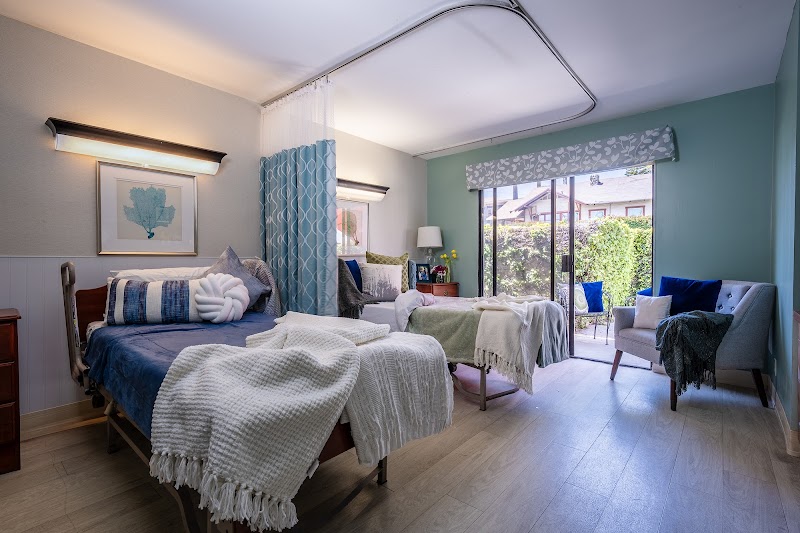
How is Alhambra Healthcare & Wellness Centre, Lp Staffed?

CMS rates ALHAMBRA HEALTHCARE & WELLNESS CENTRE, LP's staffing level at 2 out of 5 stars, which is below average compared to other nursing homes. Staff turnover is 46%, compared to the California average of 46%. This relatively stable workforce can support continuity of care. RN turnover specifically is 69%, which is notably high. RNs provide skilled clinical oversight, so turnover in this role can affect medical care quality.

What Have Inspectors Found at Alhambra Healthcare & Wellness Centre, Lp?

State health inspectors documented 55 deficiencies at ALHAMBRA HEALTHCARE & WELLNESS CENTRE, LP during 2021 to 2025. These included: 2 Immediate Jeopardy (the most serious level, indicating potential for serious harm or death), 50 with potential for harm, and 3 minor or isolated issues. Immediate Jeopardy findings are rare and represent the most serious regulatory concerns. They require immediate corrective action.
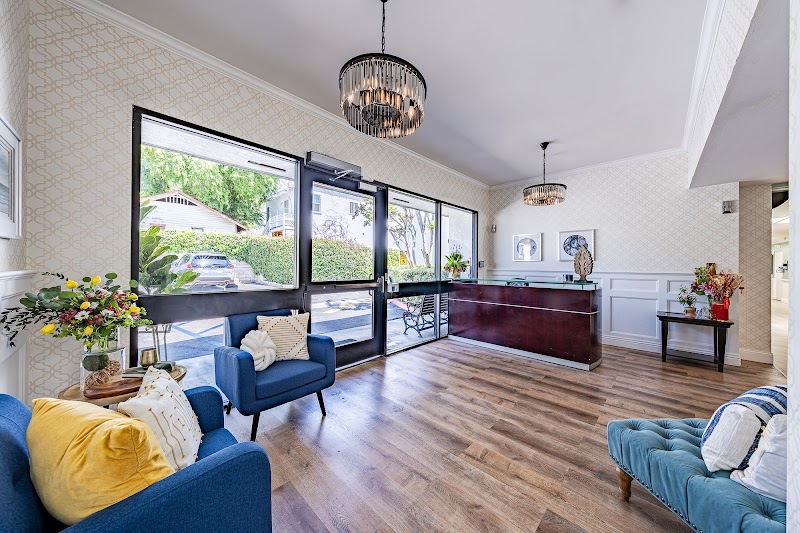
Who Owns and Operates Alhambra Healthcare & Wellness Centre, Lp?

ALHAMBRA HEALTHCARE & WELLNESS CENTRE, LP is owned by a for-profit company. For-profit facilities operate as businesses with obligations to shareholders or private owners. The facility operates independently rather than as part of a larger chain. With 97 certified beds and approximately 93 residents (about 96% occupancy), it is a smaller facility located in ALHAMBRA, California.

How Does Alhambra Healthcare & Wellness Centre, Lp Compare to Other California Nursing Homes?

Compared to the 100 nursing homes in California, ALHAMBRA HEALTHCARE & WELLNESS CENTRE, LP's overall rating (3 stars) is below the state average of 3.1, staff turnover (46%) is near the state average of 46%, and health inspection rating (2 stars) is below the national benchmark.

What Should Families Ask When Visiting Alhambra Healthcare & Wellness Centre, Lp?

Based on this facility's data, families visiting should ask: "What changes have been made since the serious inspection findings, and how are you preventing similar issues?" "Can you walk me through typical staffing levels on day, evening, and night shifts?" "Can I visit during a mealtime to observe dining assistance and food quality?" "How do you handle medical emergencies, and what is your hospital transfer rate?" These questions are particularly relevant given the facility's Immediate Jeopardy citations and the below-average staffing rating.

Is Alhambra Healthcare & Wellness Centre, Lp Safe?

Based on CMS inspection data, ALHAMBRA HEALTHCARE & WELLNESS CENTRE, LP has documented safety concerns. Inspectors have issued 2 Immediate Jeopardy citations (the most serious violation level indicating risk of serious injury or death). The facility has a 3-star overall rating and ranks #100 of 100 nursing homes in California. Families considering this facility should ask detailed questions about what corrective actions have been taken since these incidents.

Do Nurses at Alhambra Healthcare & Wellness Centre, Lp Stick Around?

ALHAMBRA HEALTHCARE & WELLNESS CENTRE, LP has a staff turnover rate of 46%, which is about average for California nursing homes (state average: 46%). Moderate turnover is common in nursing homes, but families should still ask about staff tenure and how the facility maintains care continuity when employees leave.

Was Alhambra Healthcare & Wellness Centre, Lp Ever Fined?

ALHAMBRA HEALTHCARE & WELLNESS CENTRE, LP has been fined $17,388 across 1 penalty action. This is below the California average of $33,253. While any fine indicates a compliance issue, fines under $50,000 are relatively common and typically reflect isolated problems that were subsequently corrected. Families should ask what specific issues led to these fines and confirm they've been resolved.

Is Alhambra Healthcare & Wellness Centre, Lp on Any Federal Watch List?

ALHAMBRA HEALTHCARE & WELLNESS CENTRE, LP is not on any federal watch list. The most significant is the Special Focus Facility (SFF) program, which identifies the bottom 1% of nursing homes nationally based on persistent, serious quality problems. Not being on this list means the facility has avoided the pattern of deficiencies that triggers enhanced federal oversight. This is a positive indicator, though families should still review the facility's inspection history directly.