MONTECITO HEIGHTS HEALTHCARE & WELLNESS CENTRE, LP
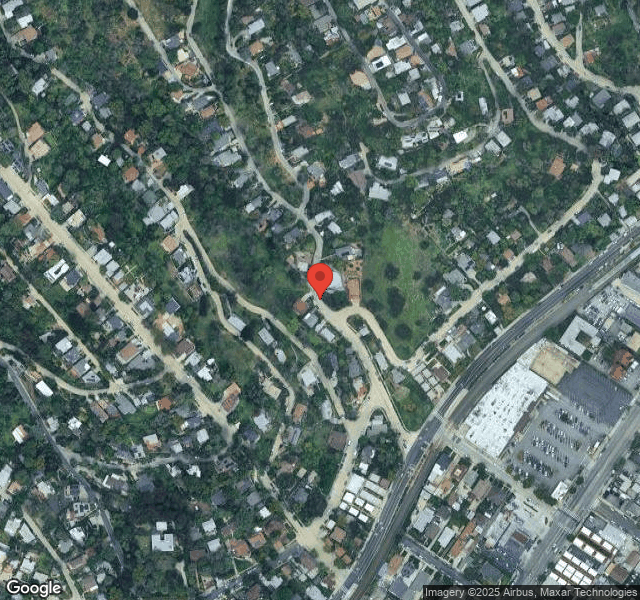
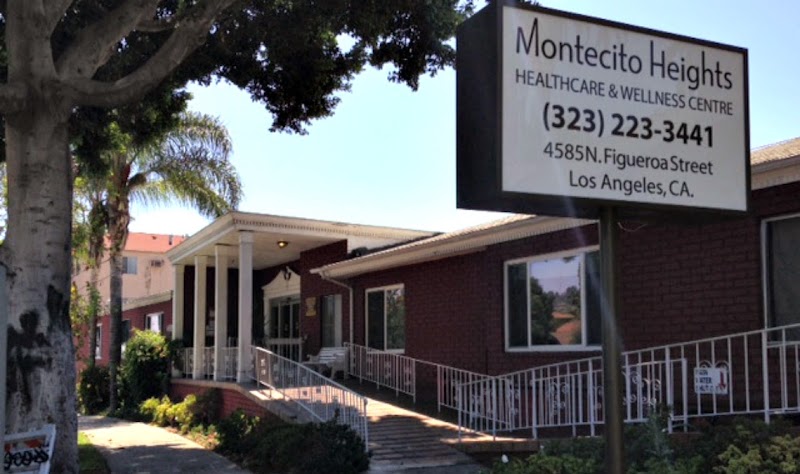
4585 N. FIGUEROA ST., LOS ANGELES, CA 90065 (323) 223-3441
For profit - Individual 90 Beds Independent Data: November 2025
Trust Grade
80/100
#134 of 1155 in CA
Last Inspection: May 2025

Inspected within the last 6 months. Data reflects current conditions.

Overview

Montecito Heights Healthcare & Wellness Centre has a Trust Grade of B+, indicating it is above average and recommended for families considering care options. In California, it ranks #134 out of 1155 facilities, placing it in the top half, and #29 out of 369 in Los Angeles County, meaning there are only a few local facilities that are better. However, the facility's trend is worsening, with the number of reported issues increasing from 12 to 13 over the past year. Staffing is a concern, rated 2 out of 5 stars, though the turnover rate is relatively low at 32%, better than the state average. While there have been no fines, which is a positive sign, there are specific incidents such as improper food storage practices that could expose residents to foodborne illnesses and a failure to display staff hours that might hinder transparency for families.

Trust Score
B+
80/100
In California
#134/1155
Top 11%
Safety Record
Low Risk
No red flags
Inspections
Getting Worse
12 → 13 violations
Staff Stability
○ Average
32% turnover. Near California's 48% average. Typical for the industry.
Penalties
✓ Good
No fines on record. Clean compliance history, better than most California facilities.
Skilled Nurses
⚠ Watch
Each resident gets only 29 minutes of Registered Nurse (RN) attention daily — below average for California. Fewer RN minutes means fewer trained eyes watching for problems.
Violations
⚠ Watch
41 deficiencies on record. Higher than average. Multiple issues found across inspections.
★★★★★
5.0
Overall Rating
★★☆☆☆
2.0
Staff Levels
★★★★★
5.0
Care Quality
★★★★☆
4.0
Inspection Score
Stable
2024: 12 issues
2025: 13 issues

The Good

  • 5-Star Quality Measures · Strong clinical quality outcomes
  • Full Sprinkler Coverage · Fire safety systems throughout facility
  • No fines on record
  • Staff turnover below average (32%)

    16 points below California average of 48%

Facility shows strength in quality measures, fire safety.

The Bad

Staff Turnover: 32%

13pts below California avg (46%)

Typical for the industry

The Ugly 41 deficiencies on record

May 2025 12 deficiencies
CONCERN (D)

Potential for Harm - no one hurt, but risky conditions existed

Deficiency F0582 (Tag F0582)

Could have caused harm · This affected 1 resident

Based on interview and record review, the facility failed to provide a Notice of Medicare Non-Coverage (NOMNC, a notice that is provided to beneficiaries that indicates when their Medicare covered ser...

Read full inspector narrative →
Based on interview and record review, the facility failed to provide a Notice of Medicare Non-Coverage (NOMNC, a notice that is provided to beneficiaries that indicates when their Medicare covered services are ending) to one of three sampled residents (Resident 129). This failure had the potential to result for Resident 129 not to be informed of her coverage end date and not being able to exercise her right to file an appeal of her discharge from the facility. Findings: During a review of Resident 129's admission Record, the admission Record indicated the facility admitted the resident on 8/16/2024 with diagnoses that included type 2 diabetes (DM, a disorder characterized by difficulty in blood sugar control and poor wound healing), schizoaffective disorder (a mental illness that can affect thoughts, mood, and behavior), major depressive disorder (a mood disorder that causes a persistent feeling of sadness and loss of interest), hypertension (high blood pressure), and anxiety disorder (a mental health condition with feeling of worry, anxiety, or fear interfering with one's daily activities). During a review of Resident 129's Minimum Data Set (MDS, a resident assessment tool) dated 11/10/2024, the MDS indicated the resident was cognitively intact (had the ability to think, understand, and reason). The MDS indicated Resident 129 required set up or clean up assistance with eating, oral hygiene, toileting hygiene, showering/bathing self, upper/lower body dressing, putting on/taking off footwear, and personal hygiene. During a review of Resident 129's Skilled Nursing Facility (SNF) Beneficiary Notification Review form, the Beneficiary Notification Review form indicated the resident's last covered day for Medicare Part A skilled services was on 11/9/2024. The Beneficiary Notification Review form indicated the facility initiated the discharge from Medicare part A Services when benefit days were not exhausted. The Beneficiary Notification Review form indicated Resident 129 was not provided with a NOMNC because the resident left the facility to go home. During a concurrent interview and record review on 5/25/2025 at 10:31 AM, with the Business Office Manager (BOM), Resident 129's SNF Beneficiary Notification Review form was reviewed. The BOM stated Resident 129 should have been provided with a NOMNC because the resident's discharge was initiated by the facility. The BOM stated a NOMNC should be provided to the resident, so the resident would be aware the resident had the option to appeal the discharge if the resident felt she was not ready to be discharged . The BOM stated there was a potential for the resident to not know she (the resident) had the option to appeal the discharge if the resident was not given a NOMNC. During an interview on 5/25/2025 at 3:14 PM with the Director of Nursing (DON), the DON stated Resident 129 was discharged on 11/10/2024. The DON stated Resident 129's discharge was planned. The DON stated Resident 129 should have received a NOMNC because the resident's discharge was planned. The DON stated a NOMNC notified the residents of their last covered day and the option to appeal the discharge if they are not ready. The DON stated there was a potential for the residents (in general) not to have the option and ability to appeal the discharge if the residents (in general) were not given a NOMNC. During a review of the facility's Policy and Procedure (P&P) titled Medicare Denial Process dated 3/10/2025, the P&P indicated Purpose: To properly determine and inform Medicare beneficiaries of coverage decisions in accordance with Medicare guidelines for Medicare Part A and Part B coverage. Policy: Medicare beneficiaries will be properly notified when it is determined that they do not meet the requirements for covered skilled services under the Medicare Program . Notice of Medicare Non-Coverage (NOMNC/Generic Notice/CMS-10123): The beneficiary or representative will sign and date the applicable Generic Notic acknowledging that is was received. If the facility is unable to personally deliver the Generic Notice to a person legally acting on behalf of the beneficiary, then the facility must contact the representative via telephone and advise the representative when the beneficiary's services are no longer covered. During a review of the Centers for Medicare and Medicaid Services (CMS) undated document titled Form Instructions for the Notice of Medicare Non-Coverage (NOMNC) CMS -10123, the documented indicated A Medicare provider or health plan (Medicare Advantage plans and cost plans, collectively referred to as plans) must deliver a completed copy of this notice to beneficiaries/enrollees receiving covered skilled nursing, home health, comprehensive outpatient rehabilitation facility, and hospice services. The NOMNC must be delivered at least two calendar days before Medicare covered services end or the second to last day of service if care is not being provided daily.
CONCERN (D)

Potential for Harm - no one hurt, but risky conditions existed

Assessment Accuracy (Tag F0641)

Could have caused harm · This affected 1 resident

**NOTE- TERMS IN BRACKETS HAVE BEEN EDITED TO PROTECT CONFIDENTIALITY** Based on observation, interview, and record review the facility failed ensure the Minimum Data Set (MDS, a resident assessment t...

Read full inspector narrative →
**NOTE- TERMS IN BRACKETS HAVE BEEN EDITED TO PROTECT CONFIDENTIALITY** Based on observation, interview, and record review the facility failed ensure the Minimum Data Set (MDS, a resident assessment tool) was accurately performed for two of six sampled residents (Resident 67 and Resident 48) by failing to: 1.Ensure the MDS assessment for restraints (any physical, chemical, or mechanical device or method used to limit a patient's movement or restrict their freedom of movement, typically to prevent harm to themselves or others) was accurately performed for Resident 67. 2.Ensure the MDS assessment for bowel and bladder was accurately documented for Resident 48. This failure had the potential to result in inadequate care for Resident 67 and Resident 48. Findings: 1.During a review of Resident 67's admission Record, the admission Record indicated the facility admitted the resident on 3/13/2025 with diagnoses that included dementia (a progressive state of decline in mental abilities), difficulty in walking, and muscle weakness. During a review of Resident 67's MDS dated [DATE], the MDS indicated the resident had moderately impaired cognition (some impairment in the ability to think, understand, and reason). The MDS indicated that a trunk (the upper part of the body that includes the back and abdomen) restraint was used less than daily for Resident 67. During an observation on 5/23/2025 at 7:42 PM, in Resident 67's room, the resident was observed sitting on the side of her bed watching TV. Resident 67's was observed without restraints. During an interview on 5/24/2025 at 12:53 PM with Certified Nursing Assistant (CNA) 2, CNA 2 stated that she was taking care of Resident 67. CNA 2 stated Resident 67 did not have restraints. During an interview on 5/25/2025 at 1:06 PM with Licensed Vocational Nurse (LVN) 1, LVN 1 stated she (LVN1) was taking care of Resident 67. LVN 1 stated Resident 67 never had restraints. LVN 1 stated the facility did not use restraints. During a concurrent interview and record review on 5/24/2025 at 2:50 PM, with the MDS Coordinator (MDSC), Resident 67's MDS dated [DATE] was reviewed. The MDSC stated the MDS indicated Resident 67 used trunk restraints daily. The MDSC stated Resident 67's MDS assessment for restraints was not accurate. The MDSC stated Resident 67 did not have restraints. The MDSC stated that the MDS assessments should be accurate because they paint a picture of the resident's needs and the services that are provided to them. The MDSC stated that if the MDS assessment was not accurate there was a potential for the resident not to get the care Resident 67 needed. During a concurrent interview and record review on 5/25/2025 at 3:11 PM, with the Director of Nursing (DON), Resident 67's MDS assessment dated [DATE] was reviewed. The DON stated the MDS for Resident 67 had an inaccurate assessment of trunk restraints. The DON stated Resident 67 did not have restraints. The DON stated the MDS assessments should always be accurate. The DON stated that an inaccurate MDS assessment had the potential to lead to inadequate care for the resident. During a review of the facility's Policy and Procedure (P&P) titled RAI Process dated 3/10/2025, the P&P indicated Purpose: To provide resident-assessments that accurately depict and identify resident-specific issues and objectives as required, while meeting state and federal guidelines and data submission requirements. The facility will utilize the Resident Assessment Instrument (RAI) process as the basis for the accurate assessment of each resident's functional capacity and health status, as outlined in the CMS RAI MDS 3.0 Manual. 2.During a review of Resident 48's admission Record, the admission Record indicated the facility admitted Resident 48 on 3/28/2025 with diagnoses including resistance to multiple antimicrobial drugs (medication that kills microorganisms [can be seen only through a microscope] such as bacteria or mold, or stops them from growing and causing disease), urinary tract infection (UTI- an infection in the bladder/urinary tract), acute kidney failure (a sudden and often reversible loss of kidney (organ that filters blood] function, where the kidneys are no longer able to filter waste products from the blood) and difficulty in walking. During a review of Resident 48's Care Plan Report, dated 3/28/2025, the Care Plan Report indicated Resident 48 was continent (able to verbalize/control bladder and bowel movements) of bowel and bladder and the goal was to keep Resident 48 dry, clean, and comfortable. During a review of Resident 48`s History and Physical (H&P), dated 3/31/2025, the H&P indicated Resident 48 had the capacity to understand and make decisions. During a review of Resident 48`s MDS, dated [DATE], the MDS indicated Resident 48 could understand others and make herself understood. The MDS indicated Resident 48 was frequently, but not always, incontinent (to lack control) of bladder and bowel. The MDS indicated resident 48 was not currently offered the bowel and bladder program (program to assist the resident in retraining continence). During an interview on 5/24/2025 at 11:24 am with Resident 48, Resident 48 stated she (Resident 48) knew when she (Resident 48) needed to urinate and have a bowel movement. Resident 48 stated she (Resident 48) would wear depends (disposable underwear) and almost never soiled herself. Resident 48 stated she (Resident 48) soiled herself the night 5/23/2025 and stated I couldn't make it and it makes me sad. It's so embarrassing. Resident 48 stated it would be helpful to be reminded on a schedule and assisted to the restroom. During a concurrent interview and record review on 5/24/2025 at 1:25 pm, Resident 48's MDS and Care Plan with the Minimum Data Set Coordinator (MDSC) was reviewed. The MDS stated Resident 48's MDS should have reflected Resident 48's care plan that indicated Resident 48 was continent. The MDSC stated the initial care plan was completed by a Registered Nurse and the Registered should have reviewed the care plan to help determine Resident 48's bowel and bladder status to help prevent UTI's and skin breakdown. During a concurrent interview and record review on 5/25/2025 at 3:14 pm Resident 48's MDS and Care Plan Report were reviewed with the Director of Nursing (DON). The DON stated the MDS and care plan information must match, and accuracy of assessments were extremely important because without accuracy, it could lead to a lack of care to a resident. The DON stated Resident 48 had a history of UTI's, was alert and should have been started on a Bowel and Bladder program. During a review of the facility's P&P titled, Bowel and Bladder Training/Toileting Program last reviewed on 3/10/2025, indicated the purpose of the program is to provide for residents who are incontinent of bowel and/or bladder appropriate treatment and services to minimize UTIs and to restore as much bowel and/or bladder function as possible to prevent skin breakdown and irritation, to improve the resident's morale and restore resident dignity and self respect.
CONCERN (D)

Potential for Harm - no one hurt, but risky conditions existed

Deficiency F0655 (Tag F0655)

Could have caused harm · This affected 1 resident

**NOTE- TERMS IN BRACKETS HAVE BEEN EDITED TO PROTECT CONFIDENTIALITY** Based on interview and record review, the facility failed to develop a complete baseline care plan for one of one sampled reside...

Read full inspector narrative →
**NOTE- TERMS IN BRACKETS HAVE BEEN EDITED TO PROTECT CONFIDENTIALITY** Based on interview and record review, the facility failed to develop a complete baseline care plan for one of one sampled resident (Resident 23) by failing to address Resident 23's dialysis (a treatment to cleanse the blood of wastes and extra fluids artificially through a machine when the kidney[s] have failed) access site. This failure had the potential for Resident 23 not to receive the appropriate care and treatment. Findings: During a review of Resident 23's admission Record, the admission Record indicated the facility admitted the resident on 3/17/2025, with diagnoses including end stage renal disease (ESRD, irreversible kidney failure), hypertension (HTN, high blood pressure), and acquired absence of left leg below knee and lack of coordination. During a review of Resident 23`s History and Physical (H&P) dated 3/17/2025, the H&P indicated the resident had the capacity to understand and make decisions. During a review of Resident 23's physician Order Summary Report dated 3/18/2025, the Order Summary Report indicated to monitor Resident 23`s left femoral artery (the main artery in the left thigh, supplying blood to the structures in the leg) permcath site (a special catheter used for short-term dialysis treatment) for redness, tenderness, bleeding, and drainage during every shift. During a review of Resident 23's Minimum Data Set (MDS, a resident assessment tool) dated 3/24/2025, the MDS indicated the resident`s cognitive skills (brain's ability to think, read, learn, remember, reason, express thoughts, and make decisions) for daily decision making was intact (decisions consistent/reasonable). The MDS indicated Resident 23 required staff partial/moderate assistance (helper does less than half the effort) for eating, oral hygiene, toileting hygiene, and personal hygiene. The MDS indicated Resident 23 would undergo dialysis. During a concurrent interview and record review on 5/24/2025 at 1:38 PM with Registered Nurse 1 (RN 1), Resident 23`s baseline care plan and physician orders were reviewed. RN1 stated Resident 23 was admitted to the facility on [DATE] with a left femoral permcath and a left and right upper arm arteriovenous fistula (AVF, a connection that is made between an artery and a vein for dialysis access). RN 1 stated Resident 23`s current access for dialysis was Resident 23's left femoral permcath. RN 1 stated Resident 23`s baseline care plan initiated on 3/17/2025, did not indicate the resident had a left femoral permcath. RN 1 stated residents` (in general) baseline care plans must be completed thoroughly including all the necessary information regarding the residents` care. RN 1 stated the potential outcome of not thoroughly completing a resident`s baseline care plan (in general) was the inability to meet the resident`s immediate care needs and the lack of care. During an interview on 5/25/2025 at 2:12 PM, with the Director of Nursing (DON), the DON stated a resident`s baseline care plan (in general) was required to be completed within 48 hours of the resident`s admission to the facility. The DON stated that upon admission, licensed staff are required to develop a complete and thorough baseline care plan for each resident and to address all necessary information to properly care for the residents. The DON stated Resident 23`s baseline care plan was not completed thoroughly because the baseline care plan did not indicate anything about the resident`s left femoral dialysis access site. The DON stated the potential outcome was the inability to meet the resident`s immediate care needs for the dialysis access site and the inability to deliver necessary services to the resident. During review of the facility`s Policy and Procedure (P&P) titled Person-Centered Care Planning, last reviewed on 3/10/2025, the P&P indicated that the baseline care plan must include the minimum healthcare information necessary to properly care for each resident immediately upon their admission. It should address resident-specific health and safety concerns to prevent decline or injury, and would identify needs for supervision, behavioral interventions, and assistance with activities of daily living, as necessary. The baseline care plan would be developed and implemented, using the necessary combination of problem specific care plans to promote continuity of care and communication among facility staff, increase resident safety and safeguard against adverse events within 48 hours of the resident`s admission.
CONCERN (D)

Potential for Harm - no one hurt, but risky conditions existed

Comprehensive Care Plan (Tag F0656)

Could have caused harm · This affected 1 resident

Based on interview and record review, the facility failed to develop an individualized person-centered care plan (a plan of care that summarizes a resident's health conditions, specific care and servi...

Read full inspector narrative →
Based on interview and record review, the facility failed to develop an individualized person-centered care plan (a plan of care that summarizes a resident's health conditions, specific care and services facility staff need to provide a resident to promote healing and prevent a worsening of a condition, and current treatments) to meet the resident's needs for two of six sampled residents (Resident 64 and Resident 38) by failing to: 1.Ensure to create an appropriate care plan for Resident 64's incontinence (the involuntary leakage of bodily fluids, specifically urine or stool). 2. Ensure to create a care plan to address Resident 38's oxygen use. This failures had the potential to result in Resident 64 and Resident 38 not to have their needs met. Findings: 1.During a review of Resident 64's admission Record, the admission Record indicated the facility admitted the resident on 9/9/2024 with diagnoses that included hemiplegia (total paralysis of the arm, leg, and trunk on the same side of the body) and hemiparesis (mild or partial weakness or loss of strength on one side of the body), difficulty in walking, muscle weakness, transient ischemic attack (TIA, a temporary disruption of blood flow to the brain) and the need for assistance with personal care. During a review of Resident 64's Minimum Data Set (MDS, a resident assessment tool) dated 3/12/2025, the MDS indicated the resident had severe cognitive impairment (impairment in the ability to think, understand, and reason). The MDS indicated the resident was frequently incontinent of bowel and urine. During a review of Resident 64's care plan dated 3/25/2025, the care plan indicated the resident was incontinent of bowel and bladder. The care plan indicated a goal for Resident 64 to be dry, clean, and comfortable. The care plan indicated an intervention to administer medications as ordered and document the medications effectiveness. The care plan indicated there were no other interventions listed. During a concurrent interview and record review on 5/25/2025 at 12:46 PM, with the MDS Coordinator (MDSC), Resident 64's care plan for incontinence dated 3/25/2025 was reviewed. The MDSC stated the only intervention on Resident 64's care plan for incontinence was to administer medications as ordered and document the medications effectiveness. The MDSC stated Resident 64's care plan for incontinence was not sufficient. The MDSC stated other interventions for Resident 64's care plan for incontinence could include assisting the resident when going to the bathroom and changing soiled incontinence briefs as needed. The MDSC stated the care plan should be sufficient and have appropriate interventions to ensure the resident reached his goals. The MDSC stated the care plan should be resident centered and should indicate the care that was provided to the resident. The MDSC stated that there was a potential for Resident 64 to not reach his goals and could develop a UTI because the care plan was not created appropriately. During a concurrent interview and record review on 5/25/2025 at 3:16 PM, with the Director of Nursing (DON), Resident 64's incontinence care plan dated 3/25/2025 was reviewed. The DON stated Resident 64 only had one intervention on his care plan for incontinence. The DON stated Resident's 64's care plan for incontinence was not sufficient. The DON stated there should have been more interventions that addressed the care that was provided to Resident 64 for incontinence. The DON stated that because the care plan was not sufficient there was potential for Resident 64 to not have his needs completely met. During a review of the facility's Policy & Procedure (P&P) titled P-NP04 Person-Centered Care Planning dated 3/10/2025, the P&P indicated The facility must develop and implement a comprehensive person-centered care plan for each resident consistent with the resident rights, that includes measurable objectives, and timeframes to meet a resident's medical, nursing, and mental and psychosocial needs that are identified in the comprehensive assessment. The comprehensive care plan must describe the following: The services that are to be furnished to attain to maintain the resident's highest practical, physical, mental, and psychosocial well-being. 2.During review of Resident 38`s admission Record, the admission Record indicated the facility admitted the resident on 5/6/2025 with diagnoses including cough, dementia (a progressive state of decline in mental abilities), and type two diabetes mellitus (DM, a disorder characterized by difficulty in blood sugar control and poor wound healing). During a review of Resident 38's Order Summary Report (physician order) dated 5/9/2025, the Order Summary Report indicated to administer oxygen at two (2) liters per minute via nasal canula (NC, a small plastic tube, which fits into the person's nostrils for providing supplemental oxygen) as needed for shortness of breath (SOB) to keep the resident`s oxygen saturation (a measurement of how much oxygen your blood is carrying compared to its maximum capacity-for healthy adults, normal oxygen saturation is between 95% and 100%) above 92%. During a review of Resident 38's Minimum Data Set (MDS, a resident assessment tool) dated 5/13/2025, the MDS indicated the resident`s cognitive skills (brain's ability to think, read, learn, remember, reason, express thoughts, and make decisions) for daily decision making was severely impaired (never/rarely made decisions). The MDS indicated Resident 38 required staff substantial/maximal assistance (helper does more than half effort) for eating, oral hygiene, upper body dressing, and personal hygiene. During a review of Resident 38's care plans, the care plans (in general) did not indicate a comprehensive care plan to address Resident 38`s oxygen use. During a concurrent interview and record review on 5/25/2025 at 12:49 PM, with the MDS Coordinator (MDSC), Resident 38`s physician orders and care plans were reviewed. The MDSC stated Resident 38 used oxygen. The MDSC stated licensed nurses (in general) did not develop a comprehensive care plan with person-centered interventions for the resident`s oxygen use. The MDSC stated that it was required to develop a person-centered care plan with goal and interventions to monitor Resident 38`s oxygen use. The MDSC stated the potential outcome of not developing a care plan for a resident who used oxygen (in general) was the lack of care and the inability to implement the specific services and monitoring that a resident required.
CONCERN (D)

Potential for Harm - no one hurt, but risky conditions existed

Pressure Ulcer Prevention (Tag F0686)

Could have caused harm · This affected 1 resident

Based on observation, interview, and record review, the facility failed to follow the physician's order for one of four sampled residents (Resident 36) who was at risk for developing pressure injuries...

Read full inspector narrative →
Based on observation, interview, and record review, the facility failed to follow the physician's order for one of four sampled residents (Resident 36) who was at risk for developing pressure injuries/sores (PI, injuries to the skin and underlying tissue resulting from prolonged pressure on the skin) by failing to: 1. Ensure to provide Resident 36 with bilateral (both) heel protectors (a device used to prevent and treat heel pressure sores) while Resident 36 was in bed. This failure placed Resident 36 at risk for developing PIs. Findings: During a review of Resident 36's admission Record, the admission Record indicated the facility admitted Resident 36 on 1/8/2025 and readmitted Resident 36 on 4/6/2025 with diagnoses including Diabetes Mellitus (DM, a disorder characterized by difficulty in blood sugar control and poor wound healing), failure to thrive (a decline caused by chronic diseases and functional impairments which can cause weight loss, decreased appetite, poor nutrition, and inactivity) and paraplegia (loss of movement and/or sensation, to some degree, of the legs). During a review of Resident 36's risk for skin break/ulcer formation care plan initiated 1/8/2025, the care plan indicated the resident was at risk for pressure ulcer development related to impaired mobility, incontinence, and poor nutrition. The care plan indicated the interventions included to provide pressure redistributing devices and assess for effectiveness and bilateral heel protectors while the resident was in bed. During a review of Resident 36's Order Summary Report (physician orders) dated 2/25/2025, the Order Summary Report indicated an order for bilateral heel for protectors while Resident 36 was in bed. During a review of Resident 36's Minimum Data Set (MDS, a resident assessment tool) dated 4/13/2025, the MDS indicated Resident 36 had moderately impaired cognition (ability to think, understand, and reason). The MDS indicated Resident 36 required total assistance with one-person physical assist for transfer, bed mobility, dressing, toilet use, and personal hygiene. During a review of Resident 36's Braden Scale (pressure ulcer risk predictor tool) dated 5/4/2025, indicated Resident 36 was at moderate risk to develop a pressure ulcer. During a concurrent observation and interview at Resident 36's bedside on 5/24/2025 at 1:09 PM, with Licensed Vocational Nurse 2 (LVN 2), LVN 2 stated Resident 36 was not wearing bilateral heel protectors while in bed. LVN 2 stated Resident 36's heels were placed on a pillow. LVN 2 stated Resident 36's heels were to be floated off a pillow to protect them (heels) from developing a pressure sore. LVN 2 stated Resident 36 had a physician order for bilateral heel protectors while in bed. LVN 2 stated Resident 36 could develop a pressure injury as a possible outcome for not having bilateral heel protectors. During an interview on 5/25/2025 at 3:27 PM, the Director of Nursing (DON), the DON stated Resident 36 had an order for bilateral heel protectors. The DON stated Resident 36 should have bilateral heel protectors on while in bed and the lack of bilateral heel protectors could lead to skin breakdown. During a review of the facility's policy and procedure titled, Pressure Injury Prevention, reviewed 3/10/2025, indicated, [staff are to] implement interventions identified in the plan of care which may include, but are not limited to the following: a. Pressure redistributing devices for bed and chair b. Repetitioned turning c. Heel and elbow protectors . e. Off loading pressure from heels
CONCERN (D)

Potential for Harm - no one hurt, but risky conditions existed

Accident Prevention (Tag F0689)

Could have caused harm · This affected 1 resident

Based on observation, interview, and record review, the facility failed to follow the physician orders for one of four sampled residents (Residents 36) by failing to provide Resident 36 with bilateral...

Read full inspector narrative →
Based on observation, interview, and record review, the facility failed to follow the physician orders for one of four sampled residents (Residents 36) by failing to provide Resident 36 with bilateral (both) padded siderails (are adjustable metal or rigid plastic bars that attach to the bed) for safety. This failure had the potential to place Resident 36 at risk for injury. Findings: During a review of Resident 36's admission Record, the admission Record indicated the facility admitted Resident 36 on 1/8/2025 and readmitted the resident on 4/6/2025 with diagnoses including diabetes mellitus (DM, a disorder characterized by difficulty in blood sugar control and poor wound healing), failure to thrive (a decline caused by chronic diseases and functional impairments which can cause weight loss, decreased appetite, poor nutrition, and inactivity) and paraplegia (loss of movement and/or sensation, to some degree, of the legs). During a review of Resident 36's seizure disorder (a sudden, uncontrolled electrical disturbance in the brain) care plan, initiated 1/8/2025, the care plan indicated the resident had a seizure disorder. The care plan interventions included not to leave the resident alone during a seizure and to protect the resident from injury. During a review of Resident 36's Order Summary Report (physician orders) dated 4/6/2025, the Order Summary Report indicated for Resident 36 to have bilateral padded side rails for seizure precautions. During a review of Resident 36's History and Physical dated 4/8/2025, the History and Physical indicated the assessment and plan for the resident's seizure disorder was to monitor for breakthrough activity and to continue with anticonvulsants as prescribed. During a review of Resident 36's Minimum Data Set (MDS, a resident assessment tool) dated 4/13/2025, the MDS indicated Resident 36 had moderately impaired cognition (ability to think, understand, and reason). The MDS indicated Resident 36 required total assistance with one-person physical assist for transfer, bed mobility, dressing, toilet use, and personal hygiene. During an observation on 5/23/2025, at 7:22 PM, Resident 36 was observed lying in bed, watching television. Resident 36's bedrails did not have any padding as a precaution for seizure. During a concurrent observation and interview at Resident 36's bedside on 5/24/2025 at 1:09 PM, Licensed Vocational Nurse 2 (LVN 2) stated Resident 36 did not have bilateral side rail pads. LVN 2 stated Resident 36 had an order for bilateral side rail padding. LVN 2 stated the use of the side rails padding was to protect Resident 36 from injury if the resident had a seizure. During an interview on 5/25/2025 at 3:27 PM, the Director of Nursing (DON), the DON stated Resident 36 has diagnoses for seizure and it was required to pad and cover the resident's side rails to protect the resident from injury caused by a seizure. During a review of the facility's policy and procedure P&P titled, Seizure, with a review date of 3/10/2025, the P&P indicated the purpose of the policy was to ensure the safety of the residents during a seizure activity. The P&P also indicated seizure precautions may include: A. Medications as ordered by the physician; B. Labs as ordered by the physician; C. Adjusting the resident's bed to the lowest setting; and/or D. Padding the side rails, as applicable.
CONCERN (D)

Potential for Harm - no one hurt, but risky conditions existed

Incontinence Care (Tag F0690)

Could have caused harm · This affected 1 resident

Based on observation, interview, and record review, the facility failed to ensure two of two sampled residents (Resident 48 and Resident 278) received appropriate urinary and bowel care services by fa...

Read full inspector narrative →
Based on observation, interview, and record review, the facility failed to ensure two of two sampled residents (Resident 48 and Resident 278) received appropriate urinary and bowel care services by failing to: 1.Ensure Resident 48 who was continent (able to verbalize/control bladder and bowel movements) on admission, received services and assistance to maintain continence. 2. Ensure Resident 278's urinary catheter (a hollow tube inserted into the bladder to drain or collect urine) did not have a dependent loop (restricts urine flow from the bladder and can lead to improper bladder emptying), and urine did not backflow to the urine drainage port. These failures had the potential to negatively affect Resident 48 and Resident 278 from receiving the proper care necessary to prevent urinary tract infection (UTI, an infection in any part of the urinary system), and skin breakdown. Findings: 1.During a review of Resident 48's admission Record, the admission Record indicated the facility admitted Resident 48 on 3/28/2025 with diagnoses including resistance to multiple antimicrobial drugs (medication that kills microorganisms [can be seen only through a microscope] such as bacteria or mold, or stops them from growing and causing disease), UTI, acute kidney failure (a sudden and often reversible loss of kidney (organ that filters blood] function, where the kidneys are no longer able to filter waste products from the blood) and difficulty in walking. During a review of Resident 48`s History and Physical (H&P) dated 3/21/2025, the H&P indicated Resident 48 had the capacity to understand and make decisions. During a review of Resident 48's Care Plan Report, dated 3/28/2025, the Care Plan Report indicated Resident 48 was continent of bowel and bladder and the goal was to keep Resident 48 dry, clean, and comfortable. During a review of Resident 48`s Minimum Data Set (MDS, a resident assessment tool) dated 4/4/2025, the MDS indicated the Resident 48 could understand others and make herself understood. The MDS indicated Resident 48 was frequently, but not always, incontinent (to lack control) of bladder and bowel. The MDS indicated resident 48 was not currently offered the bowel and bladder program (program to assist the resident in retraining continence). During an interview on 5/24/2025 at 11:24 am with Resident 48, Resident 48 stated she (Resident 48) knew when she (Resident 48) needed to urinate and have a bowel movement. Resident 48 stated she (Resident 48) would wear depends (disposable underwear) and almost never soiled herself. Resident 48 stated she (Resident 48) soiled herself the night 5/23/2025 and stated I couldn't make it and it makes me sad. It's so embarrassing. Resident 48 stated it would be helpful to be reminded on a schedule and assisted to the restroom. During a concurrent interview and record review on 5/24/2025 at 1:25 pm, Resident 48's MDS and Care Plan with the Minimum Data Set Coordinator (MDSC) was reviewed. The MDS stated Resident 48's MDS should have reflected Resident 48's care plan that indicated Resident 48 was continent. The MDSC stated the initial care plan was completed by a Registered Nurse and the Registered should have reviewed the care plan to help determine Resident 48's bowel and bladder status to help prevent UTI's and skin breakdown. During a concurrent interview and record review on 5/25/2025 at 3:14 pm of Resident 48's MDS and care plan with the Director of Nursing (DON), the DON stated the MDS and care plan information must match, and accuracy of assessment's were extremely important because without accuracy, it could lead to a lack of care to a resident. The DON stated Resident 48 had a history of UTI's, was alert and should have been started on a Bowel and Bladder program. During a review of the facility's P&P titled, Bowel and Bladder Training/Toileting Program last reviewed on 3/10/2025, indicated the purpose of the program is to provide for residents who are incontinent of bowel and/or bladder appropriate treatment and services to minimize UTIs and to restore as much bowel and/or bladder function as possible to prevent skin breakdown and irritation, to improve the resident's morale and restore resident dignity and self-respect. 2. During a review of Resident 278's admission Record, the admission Record indicated the facility admitted Resident 278 on 5/17/2025 with diagnoses including displaced avulsion fracture (a type of bone break where a small piece of bone is pulled away from the main bone, and the broken pieces are not aligned) of left ilium (the largest and uppermost part of the hip bone), difficulty in walking, muscle weakness, and obstructive (blockage) and reflux (flow back) uropathy (a blockage in the urinary tract, causing a buildup of urine and difficulty urinating). During a review of Resident 278`s History and Physical (H&P) dated 3/21/2025, the H&P indicated Resident 48 had the capacity to understand and make decisions. During a review of Resident 278's Care Plan Report dated 5/17/2025, the Care Plan Report indicated Resident 278 had an indwelling catheter and the nursing intervention was to position the catheter bag and tubing below the level of the bladder. During a review of Resident 278's Order Summary Report dated 5/19/2025, the Order Summary Report indicated an order for an indwelling catheter (a tubing inserted through the urethra and into the bladder to drain urine) for obstructive uropathy. During an observation on 5/23/2025 at 7:02 pm in Resident 278's room, Resident 278 was lying in bed with a urinary catheter bag hanging on the right side of the resident's bedframe. The urinary catheter tubing hung below the middle-right side of the bed and had a large, dependent loop. The looped portion of the urinary catheter tubing contained yellow liquid with a small amount of sediment (particles that may be indicative of an infection) that back flowed all the way to the urine drainage port. During a concurrent observation and interview 5/33/2025 at 7:05 pm in Resident 278's room with Registered Nurse 2 (RN 2), RN 2 stated Resident 278's urinary catheter tubing was looped and contained yellow liquid with white sediment that back flowed all the way to the urine drainage port. RN 2 stated the urinary catheter tubing should be straight in order drain the urine into the urinary catheter bag. RN 2 stated if the urine was not draining properly Resident 278 could possibly get an infection because the urine might backflow into his body. During an interview 5/25/2025 at 3:22 pm with the DON, the DON stated staff (in general) should always ensure the urinary catheter tubing remained straight and not coiled to prevent UTIs. The DON stated Resident 278 had a history of obstruction and it was necessary to not let the urine back flow. During a review of the facility's P&P titled, Catheter, Care Of, last reviewed on 3/10/2025, indicated the purpose of the P&P was to prevent UTIs and keep the collection bag below the level of the bladder to prevent back-flow.
CONCERN (D)

Potential for Harm - no one hurt, but risky conditions existed

Respiratory Care (Tag F0695)

Could have caused harm · This affected 1 resident

**NOTE- TERMS IN BRACKETS HAVE BEEN EDITED TO PROTECT CONFIDENTIALITY** 2. During a review of Resident 10's admission Record, the admission Record indicated the facility originally admitted Resident 1...

Read full inspector narrative →
**NOTE- TERMS IN BRACKETS HAVE BEEN EDITED TO PROTECT CONFIDENTIALITY** 2. During a review of Resident 10's admission Record, the admission Record indicated the facility originally admitted Resident 10 to the facility on [DATE] and readmitted the resident on 4/7/2024 with diagnoses including chronic obstructive pulmonary disease (COPD, a chronic lung disease causing difficulty in breathing), heart failure (condition in which the heart muscle is unable to pump enough blood to meet the body's needs for blood and oxygen), and shortness of breath. During a review of Resident 10's Order Summary Report (physician orders), dated 3/9/2022, the Order Summary Report indicated the physician ordered for Resident 10 to receive the oxygen at four liters per minute (lpm) as needed for COPD. During a review of Resident 10's Oxygen Therapy care plan, initiated 3/9/2022, the care plan indicated the resident required oxygen due to a diagnosis of COPD. The care plan indicated the goal was for the resident not to have signs or symptoms of poor oxygen absorption. During a review of Resident 10's MDS dated [DATE], the MDS indicated Resident 10's cognitive (mental action or process of acquiring knowledge and understanding) skills for daily decisions was intact. The MDS indicated Resident 10 required set up assistance on staff for all activities of daily living (ADLs, activities such as bathing, dressing and toileting a person performs daily). During a concurrent interview and observation on 5/23/2025 at 7:34 PM at Resident 10's bedside, Resident 10 was observed lying in bed, with oxygen at 4 LPM via a facial mask and the humidifier bottle was about 10% full. Resident 10 stated the oxygen would run continuously. During an observation on 5/24/2025 at 11:23 AM inside Resident 10's room, Resident 10's oxygen administration set up was observed. Resident 10's humidifier bottle was observed empty. During an interview on 5/24/2025 at 12:19 PM, with Resident 10, Resident 10 stated he (Resident 10) used oxygen continuously and he (Resident 10) needed humidification (the process of adding moisture to the air). During a concurrent interview and observation on 5/24/2025 at 12:22 PM inside Resident 10's room, Licensed Vocational Nurse 1 (LVN 1) stated Resident 10's humidifier bottle was empty. LVN 1 stated the humidifier bottle prevented dryness of the nostrils (the outer openings of the nose through which one breathes). LVN 1 stated not humidifying the resident's oxygen could lead to nasal bleeding. During an interview on 5/25/2025 at 3:26 PM, the Director of Nursing (DON) stated a resident's (in general) humidifier bottle needed to be changed prior to the liquid running out. The DON stated nursing staff (in general) should check the humidifier bottle daily to prevent nasal dryness and to make sure the oxygen flow is effective. During a review of the facility's policy and procedure (P&P) titled, Oxygen Therapy, reviewed 3/10/2025, the P&P indicated staff were to administer oxygen per physician's orders. The P&P indicated humidification of oxygen it was not necessary unless more than 4 liters per minute is ordered or the resident requests humidification for the leader flow of 4 liters per minute or below. Based on observation, interview, and record review, the facility failed to provide respiratory care services for two of four sampled residents (Resident 7 and Resident 10) by failing to: 1.Ensure to label Resident 7's nasal cannula (flexible plastic tubing used to deliver oxygen through nostrils [nose] and the tubing is fitted over the patient's ears) as indicated in the facility's Oxygen Therapy policy and procedure. 2. Ensure to change Resident 10's humidifier bottle (a medical device used to humidify oxygen) when empty. These failures had the potential to place Resident 7 at risk for respiratory infections and for Resident 10 not to receive effective respiratory therapy care. Findings: 1. During a review of Resident 7's admission Record, the admission Record indicated the facility admitted Resident 7 on 3/20/2025 with diagnoses including displaced fracture (the broken pieces of bone have moved out of their normal alignment [straight line], creating a gap or misalignment between the fracture ends) of the olecranon process (boney point known as the elbow) with routine healing (healing without surgery), respiratory failure (a condition where your blood doesn't have enough oxygen) with hypoxia (low levels of oxygen in your body tissues), history of falling, muscle weakness, depression (constant feeling of sadness), unspecified fracture of the sacrum (a large, triangular bone located at the base of the spine connected to the pelvis) with routine healing. During a review of Resident 7's Order Summary Report, dated 3/20/2025, the Order Summary Report indicated for Resident 7 to receive oxygen at two liters per minute (refers to a unit of measurement for fluid flow rate), via nasal cannula. During a review of Resident 7`s History and Physical (H&P) dated 3/21/2025, the H&P indicated Resident 7 had the capacity to understand and make decisions. During a review of Resident 7`s Minimum Data Set (MDS, a resident assessment tool), dated 3/27/2025, the MDS indicated Resident 7 could understand others and make herself understood and was dependent on facility staff for activities such as toileting, bathing, and dressing. The MDS indicated Resident 7 was on continuous oxygen therapy. During a concurrent observation and interview on 5/23/2025 at 7:42 pm in Resident 7's room with Licensed Vocational Nurse 4 (LVN 4), Resident 7's nasal cannula was not labeled with the date it was last changed. LVN 4 stated the nasal cannula was changed every Sunday on night shift and the nasal cannula needed to be labeled with the date otherwise it was an infection control issue. During an interview on 5/25/2025 at 3:12 pm with the Director of Nursing (DON), the DON stated licensed nurses (in general) needed to change the nasal cannula tubing on Sunday nights on night shift and they needed to label each nasal cannula with the date it was changed. The DON stated labeling nasal cannula with the last date changed to prevent the growth of bacteria in the tubing that could cause respiratory infections. During a review of the facility's policy and procedure (P&P) titled, Oxygen Therapy, last reviewed on 3/10/2025, the P&P indicated the purpose of the P&P was to ensure the safe storage and administration of oxygen in the facility. The P&P further indicated the tubing should be changed no more that every seven days and labeled with the date of the change.
CONCERN (D)

Potential for Harm - no one hurt, but risky conditions existed

Deficiency F0698 (Tag F0698)

Could have caused harm · This affected 1 resident

Based on observation, interview, and record review, the facility failed to ensure one of one sampled resident (Resident 23) who was on dialysis (a treatment to cleanse the blood of wastes and extra fl...

Read full inspector narrative →
Based on observation, interview, and record review, the facility failed to ensure one of one sampled resident (Resident 23) who was on dialysis (a treatment to cleanse the blood of wastes and extra fluids artificially through a machine when the kidney[s] have failed) received dialysis care and treatment by failing to: 1. Ensure to assess Resident 23's dialysis access sites (a way to reach the blood for dialysis). 2. Ensure to assess Resident 23 before and after (pre and post) dialysis treatment on 4/7/2025, 4/14/2025, 4/23/2025, and 4/30/2025. These failures had the potential to result in undetected complications of a dialysis access site and could lead to the delay of necessary care for Resident 23. Findings: During a review of Resident 23's admission Record, the admission Record indicated the facility admitted the resident on 3/17/2025, with diagnoses including end stage renal disease (ESRD, irreversible kidney failure), hypertension (HTN, high blood pressure), and acquired absence of left leg below knee and lack of coordination. During a review of Resident 23`s History and Physical (H&P) dated 3/17/2025, the H&P indicated Resident 23 had the capacity to understand and make decisions. During a review of Resident 23`s Clinical admission form dated 3/17/2025, the Clinical admission form did not indicate Resident 23 underwent dialysis. During a review of Resident 23`s admission Progress Note dated 3/17/2025, the admission Progress Note indicated the resident had hemodialysis (dialysis) on Mondays, Wednesdays, and Fridays via Resident 23's right upper arm arteriovenous fistula (AVF, a connection that is made between an artery and a vein for dialysis access). During a review of Resident 23's physician Order Summary Report dated 3/18/2025, the Order Summary Report indicated to monitor Resident 23`s left femoral artery (the main artery in the left thigh, supplying blood to the structures in the leg) permcath site (a special catheter used for short-term dialysis treatment) for redness, tenderness, bleeding, and drainage during every shift. During a review of Resident 23`s care plan (a document that outlines how a patient's health care needs will be met) for hemodialysis initiated on 3/17/2025, the care plan indicated the goal for the resident was not to have any sign and symptoms of complications from dialysis. The care plan interventions were to observe Resident 23`s left femoral artery permcath site for redness, tenderness, to check and change the dressing at the access site daily, to monitor for dry skin and apply lotion as needed and to monitor and document any sign and symptoms of infection to the access site and report to the physician as needed. During a review of Resident 23's Minimum Data Set (MDS, a resident assessment tool) dated 3/24/2025, the MDS indicated the resident`s cognitive skills (brain's ability to think, read, learn, remember, reason, express thoughts, and make decisions) for daily decision making was intact (decisions consistent/reasonable). The MDS indicated Resident 23 required staff partial/moderate assistance (helper does less than half the effort) for eating, oral hygiene, toileting hygiene, and personal hygiene. The MDS indicated Resident 23 underwent dialysis. During a concurrent observation and interview on 5/24/2025 at 12:40 PM, inside Resident 23's room, Resident 23 was observed sitting in her wheelchair next to her bed. Resident 23 stated she (Resident 23) underwent hemodialysis on Mondays, Wednesdays, and Fridays, and her dialysis access site was the permcath on her left thigh and not the AV fistulas on both of her arms. During a concurrent interview and record review on 5/24/2025 at 1:45 PM, with Registered Nurse 1 (RN 1), Resident 23`s physician orders, clinical admission notes and pre-post dialysis assessment notes were reviewed. RN 1 stated Resident 23 underwent hemodialysis, and her access site for treatment was the resident's left femoral artery permcath. RN 1 stated Residents 23`s General Acute Care Hospital 1 (GACH 1) discharge records indicated Resident 23 had a right and left AVFs and left femoral artery permcath access sites. RN 1 stated Resident 23`s clinical admission form was completed incorrectly and it did not indicate Resident 23 underwent hemodialysis. RN1 stated Resident 23`s admission Progress Note dated 3/17/2025, indicated Resident 23 had hemodialysis treatments on Mondays, Wednesdays, and Fridays via her right upper arm AVF. RN 1 stated the admission progress note did not indicate Resident 23`s left femoral permcath dialysis access site currently being used for hemodialysis treatments. RN 1 stated licensed staff (in general) were required to assess the residents (in general) thoroughly upon admission and complete the admission assessment forms accurately. RN 1 stated the potential outcome of inaccurate admission assessment forms was the lack of care and the inability to deliver necessary services to the resident. RN 1 stated Resident 23`s pre and post dialysis assessment forms dated 4/30/2025, 4/23/2025, 4/14/2025 and 4/7/2025 were not completed thoroughly and did not indicate any assessments for the dialysis access site post hemodialysis treatment. RN 1 stated licensed nurses (in general) were required to thoroughly complete the resident`s pre and post dialysis assessments forms prior to dialysis and after the treatment. RN 1 stated the potential outcome of not assessing a resident`s dialysis access site post dialysis is bleeding at the site and the inability to timely detect any complications. During an interview on 5/25/2025 at 3:00 PM, with the Director of Nursing (DON), the DON stated Resident 23`s clinical admission form and admission shift progress notes were completed incorrectly. The DON stated the potential outcome of inaccurate admission assessment forms was the lack of care and the inability to deliver necessary services to the resident. The DON stated licensed staff (unidentified) did not complete Resident 23`s pre and post dialysis assessment forms on 4/30/2025, 4/23/2025, 4/14/2025 and 4/7/2025 thoroughly. The DON stated licensed staff were required to assess residents` dialysis access site after their treatment and complete the pre and post dialysis assessments accurately prior to dialysis and after the treatment. The DON stated the potential outcome of not thoroughly completing the pre and post dialysis assessment forms is the lack of care and monitoring for the residents. During a review of the facility`s Policy and Procedures (P&P) titled Dialysis Management, last reviewed on 3/10/2025, the P&P indicated the facility must ensure that residents who required dialysis receive such services, consistent with professional standards of practice, the comprehensive person-centered care plan, and the resident`s goals and references. A pre and post dialysis evaluation will be completed by the licensed nurse. Vascular access site care included: Assessing, observing and documenting care of access site daily. Central venous catheter care included: monitor site for redness, vascular access, tenderness, bleeding and drainage. The nursing staff will send a dialysis communication form to the dialysis center every time a resident is scheduled for off-site dialysis. The dialysis provider`s nurse will be responsible for documentation of dialysis treatment and providing the resident`s post dialysis weight.
CONCERN (E)

Potential for Harm - no one hurt, but risky conditions existed

Deficiency F0697 (Tag F0697)

Could have caused harm · This affected multiple residents

2. During a review of Resident 63's admission Record, the admission Record indicated the facility admitted Resident 63 on 8/19/2024 and re-admitted the resident on 4/23/2025 with diagnoses including l...

Read full inspector narrative →
2. During a review of Resident 63's admission Record, the admission Record indicated the facility admitted Resident 63 on 8/19/2024 and re-admitted the resident on 4/23/2025 with diagnoses including lumbar region (low back) spinal fusion (a surgical procedure that joins two or more bones that make up your spine together, essentially welding them into one solid bone), low back pain and ESRD (End Stage Renal Disease-irreversible kidney failure). During a review of Resident 63's Pain Medication Therapy Care Plan initiated on 11/28/2024, indicated the resident used oxycodone (a narcotic pain medication) for pain relief. The care plan interventions included to administer oxycodone as ordered, to monitor, and document side effects and effectiveness and to ask the physician to review the medication if side effects persisted. During a review of Resident 63's Minimum Data Set (MDS, a resident assessment tool), dated 4/30/2025, indicated Resident 63 had intact cognition. The MDS indicated Resident 63 required maximal assistance from staff for toileting hygiene, bathing and lower body dressing. The MDS indicated the resident received pain relief medication as needed. During a review of Resident 63's Physician's orders, dated 5/3/2025 indicated the facility was to administer Oxycodone 5 milligrams (mg, a unit of measurement) by mouth every six hours as needed for moderate to horrible pain (5-10/ pain rating scale of zero being no pain and 10 being the worst pain possible). During a review of Resident 63's electronic Medication Administration Record (e-MAR) Administration Notes for May 2025 indicated Resident 10 received: -oxycodone 5mg on 5/7/2025 at 9:55 AM and the resident's pain was re-evaluated at 11:11 AM (more than one hour after administration). -oxycodone 5mg on 5/7/2025 9:39 PM and the resident's pain was re-evaluated at 11:58 PM (more than two hours after administration). -oxycodone 5mg on 5/8/2025 at 9:38 PM and the resident's pain was re-evaluated at follow up at 11:33 PM (more than one hour and a half after administration). -oxycodone 5mg on 5/10/2025 at 6:18 AM and the resident's pain was re-evaluated at 11:08 AM (more than three hours and a half after administration). - oxycodone 5mg on 5/11/2025 9:52 AM and the resident's pain was re-evaluated at 5/11/2025 at 12:53 (more than three hours after administration). -oxycodone 5mg on 5/17/2025 AM at 5:46 AM and the resident's pain was re-evaluated at 11:19 AM and the resident's pain was re-evaluated at (more than five hours after administration). Resident 63 was unable to be interviewed. During a concurrent interview and record review of Resident 63's electronic MAR Administration Notes, on 5/24/2025 at 2:02 PM, with Registered Nurse 1 (RN 1), RN1 stated Resident 63 received oxycodone for pain control on 5/7/2025, 5/8/2025, 5/10/2025, 5/11/2025, 5/13/2025, and on 5/17/2025. RN 1 stated the facility's protocol for each of these doses, Resident 63's pain was reassessed more than an hour after administration. RN 1 stated the nurses (in general) re-evaluated a resident's (in general) pain level within one hour of pain medication administration to verify if the medication was effective. RN 1 stated not following up on the resident' pain level, had the potential for the resident's pain to increase. During an interview and concurrent record review on 5/25/2025 at 3:25 PM, the Director of Nursing (DON) stated nursing staff (in general) were required to assess resident's (in general) pain prior to administering pain medications. The DON stated nursing staff (in general) were required to reassess and evaluate the resident's pain within one hour after administering pain medication to monitor the effectiveness of the medication. The DON stated not reevaluating the resident's pain level could lead to not identifying if the resident's pain was controlled. During a review of the facility's policy and procedure titled Pain Management, with a review date of 3/10/2025 indicated After medications/interventions are implemented, the licensed nurse will re-evaluate the resident's level of pain within one hour. Based on interview and record review, the facility failed to ensure to assess two of two sampled residents (Resident 7 and Resident 63) for pain levels by failing to: 1.Ensure licensed nurses (in general) followed Resident 7's physician orders to assess/monitor Resident 7's pain levels and document prior to administering hydromorphone (a strong medication used for moderate to severe pain, especially when other pain relievers haven't worked). 2. Ensure to reevaluate the pain level for Resident 63 within an hour after the administration of a pain relief medication as indicated in the facility's Pain Management policy and procedure. These failures had the potential for Resident 7 and Resident 63's pain not to be treated effectively and had the potential for Resident 7 to receive too much pain relief medication. Findings: 1. During a review of Resident 7's admission Record, the admission Record indicated the facility admitted Resident 7 on 3/20/2025 with diagnoses including displaced fracture (the broken pieces of bone have moved out of their normal alignment [straight line], creating a gap or misalignment between the fracture ends) of the olecranon process (boney point known as the elbow) with routine healing (healing without surgery), respiratory failure (a condition where your blood doesn't have enough oxygen) with hypoxia (low levels of oxygen in your body tissues), history of falling, muscle weakness, depression (constant feeling of sadness), unspecified fracture of the sacrum (a large, triangular bone located at the base of the spine connected to the pelvis) with routine healing. During a review of Resident 7's Order Summary Report (physician orders) dated 3/20/2025, the Order Summary Report indicated to monitor Resident 7 for pain every shift and document. During a review of Resident 7`s History and Physical (H&P) dated 3/21/2025, the H&P indicated Resident 7 had the capacity to understand and make decisions. During a review of Resident7's Care Plan Report dated 3/25/2025, the Care Plan Report indicated Resident 7 was at risk for acute pain due to fractures and the nursing interventions was for the licensed nurses (in general) to evaluate Resident 7's pain level. During a review of Resident 7`s Minimum Data Set (MDS, a resident assessment tool), dated 3/27/2025, the MDS indicated Resident 7 could understand others and make herself understood and was dependent on facility staff for activities such as toileting, bathing, and dressing. The MDS indicated Resident 7 was taking a high-risk opioid (a class of drug used to reduce moderate to severe pain) medication. During a review of Resident 7's Medication Administration Record (MAR) dated May 2025, the MAR indicated a start date of 4/22/2025 for Resident 7 to receive hydromorphone four milligrams (mg, a unit of measurement) one tablet three times a day for pain management. The MAR indicated to hold the hydromorphone if Resident 7's respiratory rate was less than 12). The MAR indicated the licensed nurses (unidentified) did not assess Resident 7's pain level on 5/4/2025 at 9 am, 5/5/2025 at 1 am, 5/6/2025 at 1 am, 5/7/2025 at 1 am, 5/16/2025 at 1 am, 5/17/2025 at 1 am, 5/21/2025 at 1 am, 5/22/2025 at 1 am, and on 5/23/2025 at 1 am, when they (licensed nurses) administered (not held) the hydromorphone. The MAR indicated the licensed nurses did not document Resident 7's respiratory rate on 5/1/2025 at 1 am and 9am, 5/2/2025 at 1 am and 9 am, and on 5/3/2025 1 am and at 9 am. During a concurrent interview and record review on 5/25/2025 at 11:15am of Resident 7's MAR with Licensed Vocational Nurse 4 (LVN 4), LVN 4 reviewed Resident 7's MAR and stated licensed nurses (in general) must assess for pain and respirations prior to giving the hydromorphone every single time. LVN 4 stated she (LVN4) would assess for pain prior to giving hydromorphone. LVN 4 stated she (LVN4) would look for pain symptoms such a grimacing as well as to ask the resident for pain level first, then count the respirations, administer the pain relief medication if the respirations were above 12. LVN 4 stated hydromorphone was a very strong pain medication that could slow down respirations even further. During a concurrent interview and record review on 5/25/2025 at 3:04 pm of Resident 7's MAR with the Director of Nursing (DON), the DON stated the licensed nurses (unidentified) did not indicate Resident 7's pain level on several days and the licensed nurses needed to check and document the pain level prior to giving any pain medication as a baseline to re-evaluate the pain level for effectiveness. The DON stated it was necessary to record the pain level each time to determine if there was a need to notify the physician to increase or decrease the amount of pain medication ordered. During a review of the facility's policy and procedure (P&P) titled, Pain Management, last reviewed on 3/10/2025 indicated the licensed nurse will complete a pain assessment for resident's identified as having pain. The P&P indicated the licensed nurse will administer pain medication a ordered and after medication is implemented, the licensed nurse will re-evaluate the resident's level of pain within one hour and document the results in the medical record. During a review of the facility's P&P titled, Medication - Administration last reviewed on 3/10/2025, indicated tests and taking of vital signs, upon which administration of medication are conditioned, will be performed as required and the results recorded.
CONCERN (E)

Potential for Harm - no one hurt, but risky conditions existed

Food Safety (Tag F0812)

Could have caused harm · This affected multiple residents

Based on observation, interview, and record review, the facility failed to ensure to follow safe and sanitary food storage and food preparation practices in the kitchen by failing to: 1.Ensure boxed ...

Read full inspector narrative →
Based on observation, interview, and record review, the facility failed to ensure to follow safe and sanitary food storage and food preparation practices in the kitchen by failing to: 1.Ensure boxed food items were not stored directly on the floor. 2.Ensure the dispensing scoop was not stored inside the salt container These failures placed the residents of the facility at risk for foodborne illnesses (refers to illness caused by the ingestion of contaminated food or beverages). Findings: During a concurrent interview and observation in the dry storage room on 5/23/2025 at 6:42 PM with [NAME] 1 (CK 1), a scoop was observed stored directly in a clear storage container of salt and the following food items were observed stacked directly on the floor: a. One clear storage container of rice. b. One box of non-dairy creamer packets. c. One clear storage container of parsley. d. One box of mayonnaise. e. One clear storage container of salt. During a concurrent interview and observation in the dry storage room on 5/23/2025 at 6:42 PM with CK1, CK1 stated the new dietary supervisor (DS 1) placed the food items on the floor then left for the day. CK1 stated the boxes should be stored at least six inches off the floor to prevent contamination and not to spread infection to the residents. CK 1 stated the scoop should not be stored inside the salt container as it was unsanitary. During an interview on 5/25/2025 at 10:48 AM with DS 1, DS1 stated they (unidentified staff) left the boxes on the floor because DS 1 had cleaned other portions of the dry storage area. DS 1 stated that food items were to be stored six inches off the floor and the scoop should not have been left inside the salt container for infection control purposes. During a review of the facility policy and procedure titled, Food Storage and Handling, dated 6/4/2024, under the section labeled Dry Storage Area indicated Shelving should be mounted at least 6 inches from the floor, preferably on castors for ease of cleaning and 18 inches from the ceiling and foods should be stored off the floor and to store foods off the floor.
MINOR (B)

Minor Issue - procedural, no safety impact

Deficiency F0911 (Tag F0911)

Minor procedural issue · This affected multiple residents

**NOTE- TERMS IN BRACKETS HAVE BEEN EDITED TO PROTECT CONFIDENTIALITY** Based on observation, interview, and record review the facility failed to ensure two of 35 rooms (room [ROOM NUMBER] and room [R...

Read full inspector narrative →
**NOTE- TERMS IN BRACKETS HAVE BEEN EDITED TO PROTECT CONFIDENTIALITY** Based on observation, interview, and record review the facility failed to ensure two of 35 rooms (room [ROOM NUMBER] and room [ROOM NUMBER]) did not accommodate more than four residents. This failure had the potential to result in inadequate usable living space for the residents and working space for the healthcare staff. Findings: During review of the facility's room waiver request letter dated 5/25/2025, the room waiver request letter indicated room [ROOM NUMBER] and room [ROOM NUMBER] did not meet the four bed per room regulation. The letter indicated the rooms had adequate space for each resident. The letter indicated room [ROOM NUMBER] and room [ROOM NUMBER] were in accordance with the special needs of the residents and would not have an adverse effect on the residents' health and safety. The letter indicated room [ROOM NUMBER] and room [ROOM NUMBER]'s measurements were the following: Room number Room size Number of beds 3 609.17 square feet 7 4 422.11 square feet 5 During multiple room observations conducted in room [ROOM NUMBER] and room [ROOM NUMBER] from 5/23/2025 to 5/25/2025, nursing staff (in general) were observed with adequate space to provide care to the residents in room [ROOM NUMBER] and room [ROOM NUMBER]. Each resident in room [ROOM NUMBER] and room [ROOM NUMBER] were observed to have privacy curtains for privacy, working call-lights (a device used by a patient to signal his or her need for assistance), a dresser, and a bedside table. During a concurrent observation and interview on 5/25/2025 at 11:40 AM, in room [ROOM NUMBER], Resident 128 was observed sitting in her wheelchair at the foot of her bed. A dresser and bedside table were observed next to Resident 128's bed. Resident 128 stated she had no concerns about the space in her room. Resident 128 stated she was happy with the space and felt she could move around in her wheelchair easily. Resident 128 stated the nursing staff (unidentified) did not have any issues with the space in her room when giving her care. During an interview on 5/25/2025 at 1:02 PM with Certified Nursing Assistant (CNA) 1, CNA 1 stated she (CNA1) was taking care of the residents in room [ROOM NUMBER]. CNA 1 stated she (CNA1) did not have any issues with the space in room [ROOM NUMBER]. CNA 1 stated she (CNA1) there was more than enough space to move and transfer the residents to and from bed. CNA 1 stated there was enough room in room [ROOM NUMBER]. The Department is recommending continuation of the room waiver request.
Mar 2025 1 deficiency
CONCERN (D) 📢 Someone Reported This

A family member, employee, or ombudsman was alarmed enough to file a formal complaint

Potential for Harm - no one hurt, but risky conditions existed

Accident Prevention (Tag F0689)

Could have caused harm · This affected 1 resident

**NOTE- TERMS IN BRACKETS HAVE BEEN EDITED TO PROTECT CONFIDENTIALITY** Based on interview and record review the facility failed to ensure the assistive signaling devices used to prevent falls were mo...

Read full inspector narrative →
**NOTE- TERMS IN BRACKETS HAVE BEEN EDITED TO PROTECT CONFIDENTIALITY** Based on interview and record review the facility failed to ensure the assistive signaling devices used to prevent falls were monitored for placement and function for one of two sampled residents (Resident 1). For Resident 1, the facility failed to: 1.Monitor the placement and functioning of the bed alarm when initially applied on12/23/24. 2.Monitor the placement and functioning of the wheelchair alarm when initially applied on 1/3/25. Monitoring for the placement and function for the bed and wheelchair alarms started on 3/18/25. These deficient practices had the potential for the assistive devices to malfunction without the facility's knowledge and had the potential for Resident 1 to leave the bed and/or the wheelchair without the facility's knowledge and may lead to accident. Findings: During a review of Resident 1's admission Record indicated the facility admitted Resident 1 on 1/28/23 and readmitted on [DATE] with diagnoses including dementia (a progressive state of decline in mental abilities), difficulty walking and generalized muscle weakness. During a review of Resident 1's Minimum Data Set (MDS, a resident assessment tool) dated 3/4/25 indicated Resident 1 had severely impaired cognitive skills. Resident 1 needed moderate assistance (helper does more than half the effort) with toileting hygiene, shower/bathe self, lower body dressing, putting on/off footwear, supervision with oral hygiene, upper body dressing, personal hygiene and set up with eating. During a review of Resident 1's physician order dated 12/23/24 at 5:39 p.m., indicated the physician gave order to apply bed alarm for Resident 1's safety. During a review of Resident 1's physician order dated 1/3/25 at 5:31 p.m., indicated the physician gave order to apply wheelchair alarm for Resident 1's safety. During a review of Resident 1's Care Plan initiated on 6/14/23 indicated Resident 1 had an actual fall with no injury related to poor balance, poor communication/comprehension and unsteady gait. The care plan indicated Resident 1 had another fall on 12/22/23 with no injury. The care plan goal indicated Resident 1 will resume usual activities without further incident through the review date. Interventions included bed alarm for safety that was initiated on 12/23/24 and wheelchair alarm for resident safety initiated on 1/3/25. During a review of the Informed Consent indicated Resident 1's responsible party RP) gave consent on 12/23/24 for the bed alarm and the RP gave consent for the wheelchair alarm on 1/3/25. During a review of the Medication Administration Record (MAR, a daily documentation record used by a licensed nurse to document medications and treatments given to a resident) for 3/25 indicated the monitoring for the function and placement of the wheelchair and bed alarms started on 3/18/25 during the evening shift. During a telephone interview on 3/19/25 at 10:54 a.m., licensed vocational nurse (LVN 1) stated it is important to monitor the wheelchair and bed alarms so we know if it's working and should be in proper position . LVN 1 further added when the wheelchair or bed alarms are triggered it would notify the staff that Resident 1 was getting out of the bed or wheelchair, and we have to respond immediately. During an interview on 3/19/25 at 11:38 a.m., LVN 2 stated the wheelchair and bed alarms are checked for placement every shift for functioning because .the batteries could die and for safety of Resident 1. During an interview on 3/19/25 at 11:53 a.m., the director of nursing (DON) confirmed that the monitoring of the functioning and placement of the wheelchair and bed alarms started on 3/18/25. During a review of the facility Policy titled Signaling Device reviewed on 3/24/24 indicated, for checking the placement and functionality of the signaling device. a. The placement will be verified every shift. b. Functionality of the signaling device should be verified daily c. The licensed nurse will document the placement and functionality in the resident's medical record.
Oct 2024 1 deficiency
CONCERN (D) 📢 Someone Reported This

A family member, employee, or ombudsman was alarmed enough to file a formal complaint

Potential for Harm - no one hurt, but risky conditions existed

Quality of Care (Tag F0684)

Could have caused harm · This affected 1 resident

Based on interview and record review the facility failed to administer adequate supplemental oxygen in accordance with professional standards of practice for one of three sampled residents (Resident 1...

Read full inspector narrative →
Based on interview and record review the facility failed to administer adequate supplemental oxygen in accordance with professional standards of practice for one of three sampled residents (Resident 1). For Resident 1 who was found on 9/20/24 at 7:40 p.m. with altered level of consciousness (ALOC, state of reduced alertness or inability to arouse) and with oxygen saturation (O2 sat – measurement of how much oxygen the blood is carrying as a percentage) of 64% (normal range is between 95% to 100%), the facility failed to administer oxygen by non-rebreather mask (oxygen mask that delivers high concentration of oxygen) immediately while waiting for the arrival of the paramedics. This deficient practice had the potential for Resident 1 to continue to deteriorate and not receive enough oxygen to sustain life. Findings: During a review of the admission Record indicated the facility admitted Resident 1 on 5/29/24 with diagnoses including congestive heart failure (CHF, a heart disorder which causes the heart to not pump the blood efficiently, sometimes resulting in leg swelling) and hypertension (HTN, high blood pressure). During a review of the Minimum Data Set (MDS, a federally mandated resident assessment tool) dated 8/27/24, indicated Resident 1 was cognitively intact. Resident 1 needed partial assistance (helper does less than half the effort) with toileting hygiene, shower/bathe self, lower body dressing, putting on/off footwear, supervision with upper body dressing, oral hygiene and set up with eating. During a review of the Progress Notes Transfer to Hospital Summary dated 9/20/24 at 8 p.m., indicated on 9/20/24 at 7:40 p.m., licensed vocational nurse 1 (LVN 1) found Resident 1 with ALOC, 02 sat of 64% and drooling on one side of the mouth. The notes indicated Resident 1 was given oxygen and the paramedics were notified immediately. During a review of the Paramedics Patient Care Report dated 9/20/24 indicated on 9/20/24 at 7:58 p.m., the paramedics found Resident 1 cold to touch, cyanotic with a blank stare in her face. Resident 1 was on four liters of oxygen by nasal cannula (small plastic tube, which fits into the person ' s nostrils for providing supplemental oxygen) gave by nursing facility saturating at 70%. Resident 1 was quickly placed on non-rebreather mask at 15 liters per minute (LPM, unit of measurement). The Report indicated at 8:06 p.m. Resident 1 ' s 02 sat increased to 87% with nonrebreather mask at 15 LPM of oxygen. Resident 1 was taken to the general acute hospital (GACH 1) for further evaluation. During a concurrent interview and record review on 10/7/24 at 10:52 a.m. with registered nurse supervisor 1 (RNS 1), Resident 1 ' s Progress Notes and Transfer to Hospital Summary dated 9/20/24 were reviewed. RNS 1 stated Resident 1 was found on 9/20/24 at 7:40 p.m. with ALOC and with O2 sat of 64%. RNS 1 stated Resident 1 was given oxygen, but RNS 1 stated she was unable to find documentation on how much oxygen was administered and what device was used to deliver oxygen to Resident 1. RNS 1 stated Resident 1 should be given oxygen 15 LPM by nonrebreather mask. During a telephone interview on 10/7/24 at 11:39 a.m., RNS 2 stated on 9/20/24 at around 7:40 p.m., she assessed Resident 1 and found Resident 1 with facial drooping and 02 sat was 64%. RNS 2 stated 4LPM of oxygen by nasal cannula is not enough for 02 sat of 64%. RNS 2 stated she administered oxygen 15LPM to Resident 1 by non-rebreather mask. RNS 2 stated she did not document. During an interview on 10/7/24 at 12:30 p.m., the director of nursing (DON) stated for 02 sat of 64% Resident 1 should receive the highest amount of oxygen and give by nonrebreather mask. The DON agreed that there was no documentation found on how much oxygen Resident 1 received. The DON stated it is important to document crucial information to identify how much oxygen was given and the appropriate interventions given. During a review of the facility's policy and procedures (P&P) titled Progress Notes reviewed on 3/14/24 indicated, progress notes will reflect the resident ' s status, progress or lack of progress, changes in condition, adjustment to the facility and other relevant information. During a review of the facility's P&P titled Oxygen Therapy reviewed on 3/14/24 indicated, oxygen is administered under safe and sanitary condition to meet resident needs.
Sept 2024 2 deficiencies
CONCERN (D) 📢 Someone Reported This

A family member, employee, or ombudsman was alarmed enough to file a formal complaint

Potential for Harm - no one hurt, but risky conditions existed

Deficiency F0552 (Tag F0552)

Could have caused harm · This affected 1 resident

**NOTE- TERMS IN BRACKETS HAVE BEEN EDITED TO PROTECT CONFIDENTIALITY** Based on interview and record review the facility failed to ensure residents and their family member/next of kin were given the ...

Read full inspector narrative →
**NOTE- TERMS IN BRACKETS HAVE BEEN EDITED TO PROTECT CONFIDENTIALITY** Based on interview and record review the facility failed to ensure residents and their family member/next of kin were given the opportunity to discuss and review the documents the residents signed for two of two sampled residents (Resident 1 and Resident 2). For Resident 1 and Resident 2, the facility failed to ensure the Assisted Living Waiver (ALW, program that provides specified benefits to eligible residents to remain in their community as an alternative to residing in a licensed health facility) forms and consents signed by Resident 1 and Resident 2 on 7/26/24 were in the language Resident 1 and Resident 2 could understand. These deficient practices resulted in Resident 1, Resident 2 and their families not being aware of what forms and consents Resident 1 and Resident 2 signed. Findings: 1. During a review of the admission Record indicated the facility originally admitted Resident 1 on 9/1/21 and was readmitted on [DATE] with diagnoses including Parkinson ' s Disease (brain condition that causes problems with movement, mental health, sleep, pain, and other health issues), muscle weakness and difficulty in walking. During a review of the Minimum Data Set (MDS, standardized care and health screening tool) dated 8/6/24, indicated Resident 1 was cognitively intact. Resident 1 needed substantial assistance (helper does more than half the effort) with personal hygiene, putting on/taking off footwear, lower body dressing, partial assistance (helper does less than half the effort) with upper body dressing, shower/bathe, and set-up (helper sets up, resident completes activity) with oral hygiene, eating and toileting hygiene. The same MDS indicated Resident 1 preferred his own language and Resident 1 needed or wanted an interpreter to communicate with a doctor or health care staff. During a review of the ALW Forms and Consents, indicated Resident 1 signed the forms on 7/26/24. The Forms and Consents were written in English. 2. During a review of the admission Record indicated the facility originally admitted Resident 2 on 1/31/2017 and readmitted on [DATE] with diagnoses including diabetes (group of disease that affect how the body uses blood sugar [glucose]), reduced mobility, and difficulty in walking. During a review of the MDS dated [DATE] indicated Resident 2 was cognitively intact. Resident 2 needed supervision (helper provides cues or cleans up) with oral hygiene and set up assistance (helper sets up, resident completes activity) with personal hygiene, putting on/off footwear, lower/upper body dressing, shower/bathe, toileting hygiene and eating. The same MDS indicated Resident 1 preferred her own language and Resident 2 needed or wanted an interpreter to communicate with a doctor or health care staff. During a review of the ALW Forms and Consents, indicated Resident 2 signed the forms on 7/26/24. The Forms and Consents were written in English. During an interview on 9/5/24 at 9:36 a.m. with Resident 1, medical record director (MRD) interpreting, Resident 1 stated he signed documents and does not remember what he signed. Resident 1 stated he does not have a copy of the documents he signed. During an interview on 9/5/24 at 10:09 a.m., Resident 2 and certified nursing assistant (CNA 1) interpreting, Resident 2 stated she signed documents but does not remember what she signed. Resident 2 also stated she does not have a copy of the documents she signed. During an interview on 9/5/24 at 11:30 a.m., with Resident 1 and Resident 1 ' s family member (FM 1), FM 1 stated Resident 1 signed some documents. FM 1 and Resident 1 stated they do not know what Resident 1 signed. FM 1 stated the facility did not provide FM1 and Resident 1 a copy of the document that Resident 1 had signed. During an interview on 9/5/24 at 12:36 p.m., with the administrator (ADM) and the director of nursing (DON), the ADM stated he speaks the language of Resident 1 and Resident 2. ADM stated when the ALW application were filled out, ADM was present and interpreted the ALW Forms and Consents that was written in English for Resident 1 and Resident 2. DON stated, moving forward the documents should be in a language Resident 1 and Resident 2 can understand. During a telephone interview on 9/5/24 at 1:04 p.m., Resident 2 ' s FM 2 (FM 3 interpreting) stated she does not know what Resident 2 signed. FM 2 stated she did not receive a copy of the forms Resident 2 had signed. During a review of the facility's Policy and Procedures (P&P) titled Resident Rights reviewed on 3/19/24, indicated, the facility will promote and protect resident rights. Residents have freedom of choice, as much as possible about how they wish to live their everyday lives and receive care, subject to the facility ' s rules and regulations and applicable state and federal laws governing the protection of resident health and safety. The same Policy indicated the resident have the right that included the right to participate in decisions and care planning. During a review of the facility's P&P titled Translation and Interpretation Services revised on 6/27/24, indicated, upon admission, facility staff will assess the resident ' s language skills. Facility staff will inform the residents, in a language they can understand or their right to obtain competent translation services free of charge. The same policy indicated translation and interpretation are provided in a way that is culturally and appropriate to the limited English proficient individual.
CONCERN (D) 📢 Someone Reported This

A family member, employee, or ombudsman was alarmed enough to file a formal complaint

Potential for Harm - no one hurt, but risky conditions existed

Transfer Notice (Tag F0623)

Could have caused harm · This affected 1 resident

**NOTE- TERMS IN BRACKETS HAVE BEEN EDITED TO PROTECT CONFIDENTIALITY** Based on interview and record review the facility failed to provide a Notice of Proposed Transfer and Discharge to one of two sa...

Read full inspector narrative →
**NOTE- TERMS IN BRACKETS HAVE BEEN EDITED TO PROTECT CONFIDENTIALITY** Based on interview and record review the facility failed to provide a Notice of Proposed Transfer and Discharge to one of two sampled residents (Resident 2). For Resident 2, the facility failed to provide the Notice on 8/29/24 when Resident 2 had a planned discharged to a lower level of care on 9/4/24. This deficient practice had the potential for Resident 2 not be given her right to know in writing the date and reasons for her discharge. Findings: During a review of the admission Record indicated the facility originally admitted Resident 2 on 1/31/2017 and was readmitted on [DATE] with diagnoses including diabetes (group of disease that affect how the body uses blood sugar [glucose]), reduced mobility, and difficulty in walking. During a review of the Minimum Dat Set (MDS,standardized care and health screening tool) dated 6/24/24, indicated Resident 2 was cognitively intact. Resident 2 needed supervision (helper provides cues or cleans up) with oral hygiene and set up assistance (helper sets up, resident completes activity) with personal hygiene, putting on/off footwear, lower/upper body dressing, shower/bathe, toileting hygiene and eating. During a review of the Social Services Progress Notes dated 8/29/24 at 1:38 p.m., indicated the interdisciplinary team (IDT) met with Resident 2 and Resident 2 ' s family member (FM 2). The Notes indicated Resident 2 will be discharged to a lower level of care on 9/4/24. During concurrent interview and record review on 9/5/24 at 12:36 p.m., the social services progress notes dated 8/29/24 was reviewed with the director of nursing (DON). The DON stated Resident 2 was not given the Notice of Proposed Transfer and Discharge and should have been given to Resident 2 as soon as the facility knew that Resident 2 had a date of discharge. DON stated the Notice should have been given to Resident 2 on 8/29/24. During a review of the facility's Policy and Procedures titled Discharge and Transfer of Residents reviewed on 3/14/24, indicated, the resident/resident representative will be provided with a Notice of Proposed Transfer and Discharge 30 days prior to discharge or as soon as practicable. The same Policy indicated prior to discharge the social service staff or nursing will provide the resident/resident representative with the Notice of Proposed transfer and discharge document. Social service/designee will keep a copy of the Notice that was provided to the resident/representative. This will be placed in the medical record.
Jun 2024 9 deficiencies
CONCERN (D)

Potential for Harm - no one hurt, but risky conditions existed

Deficiency F0558 (Tag F0558)

Could have caused harm · This affected 1 resident

**NOTE- TERMS IN BRACKETS HAVE BEEN EDITED TO PROTECT CONFIDENTIALITY** Based on observation, interview, and record review, the facility failed to ensure the call lights (an alerting device for nurses...

Read full inspector narrative →
**NOTE- TERMS IN BRACKETS HAVE BEEN EDITED TO PROTECT CONFIDENTIALITY** Based on observation, interview, and record review, the facility failed to ensure the call lights (an alerting device for nurses to assist a patient when in need) were within the residents' reach for two of 19 sampled residents (Resident 10 and Resident 113). These deficient practices had the potential to result in a delay in care and services and Resident 10 and 113's inability to request assistance. Findings: a. A review of Resident 10's admission Record (Face Sheet) indicated the facility admitted the resident on 7/13/2017, and readmitted on [DATE], with diagnoses including hemiplegia (an inability to move one side of body) and hemiparesis (an inability to move the arm, leg and sometimes face on one side of the body) following a cerebral infarction (lack of blood flow resulting in severe damage to some of the brain tissue) affecting the right-dominant side. A review of Resident 10's care plan dated 8/7/2023, indicated Resident 10 was at risk for falls and the interventions indicated, Be sure the resident's call light is within reach and encourage the resident to use it for assistance as needed. The resident needs prompt response to all requests for assistance. A review of Resident 10's Minimum Data Set (MDS - a comprehensive assessment and care screening tool) dated 4/16/2024, indicated Resident 10 was dependent on staff for activities of daily living (ADLs - toileting hygiene, shower/bathe, upper and lower body dressing, and personal hygiene). During a concurrent observation and interview on 6/3/2024 at 8:50 AM, with Resident 10 and Licensed Vocational Nurse 1 (LVN 1), in Resident 10's room, the resident was lying on his back in his bed with his call light on the floor of the left side of his bed. LVN 1 stated Resident 10's call light was on the floor, on the left side of the Resident 10's bed. LVN 1 also stated the call light should be within the resident's reach so he can call for help. b. A review of Resident 113's admission Record indicated the facility admitted the resident on 5/29/2024, with diagnoses including alcohol abuse, stimulant abuse (when you use class of drugs that speed up messages traveling between the brain and body too much), and muscle weakness. A review of Resident 113's Physician's History and Physical (H&P) dated 5/30/2024, indicated the resident had the capacity to understand and make decisions. During a concurrent observation and interview, on 6/3/2024 at 8:42 AM, inside Resident 113's room, Resident 113 was observed lying on her bed. Resident 113's call light was observed hanging from the wall on the other side of her privacy curtains far from her reach. Resident 113 stated, I do not know where my call light is. Certified Nursing Assistant 5 (CNA 5), who was present at the bedside, stated Resident 113's call light was not within the resident's reach. CNA 5 further stated that resident's call light was required to be within reach and stated I do not know why the call light was hanging from the wall far away from Resident 113's reach. During an interview on 6/6/2024 at 2:04 PM, with the facility's Director of Nursing (DON), the DON stated residents' call lights were required to be accessible to the residents at all times. The DON stated the potential outcome of staff not placing the call lights within residents' reach was the inability of residents to call for help when they need it. A review of the facility's policy and procedure titled, Communication-Call System, revised 3/14/2024, indicated the facility will provide a call system to enable residents to alert the nursing staff from their rooms and toileting/bathing facilities and call cord will be placed within the resident's reach in the resident's room.
CONCERN (D)

Potential for Harm - no one hurt, but risky conditions existed

Deficiency F0657 (Tag F0657)

Could have caused harm · This affected 1 resident

**NOTE- TERMS IN BRACKETS HAVE BEEN EDITED TO PROTECT CONFIDENTIALITY** Based on observation, interview, and record review, the facility failed to revise care plans for two of 19 sampled residents (Re...

Read full inspector narrative →
**NOTE- TERMS IN BRACKETS HAVE BEEN EDITED TO PROTECT CONFIDENTIALITY** Based on observation, interview, and record review, the facility failed to revise care plans for two of 19 sampled residents (Resident 20 and Resident 47 ) investigated for care planning. The facility failed to revise Resident 20's care plan to reflect a discontinuation of antibiotic therapy (medications that are used to treat infection by stopping bacteria from reproducing or destroying them) and failed to revise Resident 47's care plan after discontinuing a urinary indwelling catheter (a tube inserted in the bladder to drain the urine). This deficient practice placed the residents at risk for inconsistent implementation of care plans which may lead to a delay in or lack of delivery of care and services. Findings: a. A review of Resident 20's admission Record indicated the facility admitted the resident on 9/18/2023 and readmitted him on 10/1/2023, with diagnoses including encephalopathy (brain disease, damage, or malfunction of brain), hydronephrosis (a condition that occurs when a kidney swells and urine cannot drain out from kidney), and generalized muscle weakness. A review of Resident 20's Minimum Data Set (MDS-a standardized assessment and care screening tool) dated 4/12/2024, indicated the resident had an intact cognition (mental action or process of acquiring knowledge and understanding) and required moderate assistance from staff with toileting, hygiene, showering, mobility, and setup or clean-up assistance with eating, as well as oral and personal hygiene. A review of Resident 20's of History and Physical, dated 4/5/2024 indicated Resident 20 had the capacity to understand and make decisions. A review of the Physician's Order dated 4/5/2024 indicated Resident 20 was to receive Ceftriaxone Sodium Injection Solution (medication used to treat infection) 1 gram (g - unit of measurement) intravenously, once a day for sepsis (a serious condition in which the body responds improperly to an infection) / urinary tract infection (UTI) for ten days. A review of Resident 20's care plan initiated 4/5/2024 indicated the resident was on antibiotic therapy of Ceftriaxone Sodium Injection and the intervention was to administer antibiotic medication as ordered by a physician and monitor for side effects and effectiveness every shift. A review of the Physician's Order dated 5/26/2024 indicated Resident 20 to receive Keflex (medication used to treat infection) 500 milligram (mg - unit of measurement) given by mouth three times a day for UTI for five days. A review of Resident 20's care plan initiated 5/26/2024 indicated the resident was on antibiotic therapy of Keflex and the intervention was to administer antibiotic medication as ordered by a physician and monitor for side effects and effectiveness every shift. During a concurrent observation and interview on 6/3/2024 at 9:08 AM, Resident 20 was observed in his room and stated that he was no longer receiving antibiotics. During a concurrent interview and record review on 6/6/2023 at 8:08 AM, Resident 20's medical record was reviewed with Minimum Data Set Coordinator 2 (MDSC 2). MDSC 2 verified that Resident 20's care plan indicated Resident 20 was on antibiotic therapy. MDSC 2 verified that Keflex was administered to Resident 20 from 5/26 to 5/31/2024 and administration of Ceftriaxone Sodium injections was finished in April 2024. MDSC 2 stated that Resident 20 was not receiving antibiotics at this time and the licensed nurses were responsible to update the care plans reflecting the change in the antibiotics therapy. MDSC 2 stated the care plan should have been updated to reflect the use of the antibiotics was resolved. During an interview on 6/6/2023 at 9:21 AM, the Director of Nursing (DON) stated antibiotic care plans have to be specific for different antibiotics and have to be resolved after antibiotic therapy was finished to reflect Resident 20's current status. b. A review of the admission record indicated Resident 47 was admitted to the facility on [DATE] with diagnoses including rhabdomyolysis (a serious condition where your muscle fibers break down and leak their harmful contents into your bloodstream that clog up the kidney and lead to kidney failure) and diabetes mellitus (a condition where the body has trouble using sugar for energy, leading to high blood sugar level). A review of the Physician's Order dated 1/23/2024 indicated Resident 47 was to receive indwelling catheter care daily and as needed, report for sudden change of condition. A review of Resident 47's care plan dated 1/24/2024, indicated the resident would be free from catheter related trauma through the review date, 4/23/2024. Resident 47's care plan was not revised on 4/23/2024 and did not indicate that it was discontinued. A review of the Minimum Data Set (MDS - a comprehensive assessment and care screening tool) dated 4/23/2024 indicated Resident 47 had sufficient judgment, planning, organization, self-control, and the persistence needed to manage the normal demands of her environment. The resident usually made herself understood and was usually able to understand others. The MDS indicated Resident 47 required one-person physical assistance with toilet use / personal hygiene and had an indwelling catheter. The Physician's Order dated 5/28/2024 indicted to remove Resident 47's indwelling catheter. During a concurrent observation and interview on 6/3/2024 at 9:11 AM with Resident 47 in her room, the resident was laying on the bed, alert and oriented. There was no tubing or indwelling catheter bag connected to the resident. The resident stated, I had a UTI (an infection in any part of the urinary system) when I got admitted , but it was gone now, and the nurse already removed the catheter couples of days ago. During a concurrent interview and record review on 6/5/2024 at 11:30 AM with Minimum Data Set Coordinator (MDSC) 2, Resident 47's physician's orders and care plans were reviewed. It indicated the MD ordered to remove Resident 47's indwelling catheter on 5/28/2024 and the indwelling catheter care plan was not discontinued. MDSC 2 stated the charge nurse did not revise Resident 47's care plan after removal of the indwelling catheter. During an interview on 6/5/2024 at 11:44 AM with Director of Nursing (DON), she stated the care plan should have been revised after Resident 47's indwelling catheter was removed. The DON stated resident's care plans need to be documented correctly to provide the appropriate care for the resident. A review of the facility's policy and procedure titled, Comprehensive Person -Centered Care Planning, reviewed 3/14/2024, indicated the comprehensive care plan will be periodically reviewed and revised by IDT after each assessment. In addition, the comprehensive care plan will also be reviewed and revised at the following times: Onset of new problems; Change of condition; In preparation for discharge; To address changes in behavior and care; and Other times as appropriate or necessary.
CONCERN (D)

Potential for Harm - no one hurt, but risky conditions existed

Quality of Care (Tag F0684)

Could have caused harm · This affected 1 resident

Based on interview and record review, the facility failed to ensure residents received treatment and care in accordance with professional standards of practice for one of three sampled residents (Resi...

Read full inspector narrative →
Based on interview and record review, the facility failed to ensure residents received treatment and care in accordance with professional standards of practice for one of three sampled residents (Resident 20), by not rotating the site for administration of a subcutaneous injection (an insertion of medication beneath the skin) of Basaglar (a long-acting insulin [hormone that lowers the level of sugar in the blood]). The deficient practice had the potential to result in the resident developing a lipodystrophy (a condition when fat either break down or builds up under the skin, causing interference with insulin abortion). Findings: A review of Resident 20's admission Record indicated the facility admitted the resident on 9/18/2023 and readmitted him on 10/1/2023 with diagnoses including encephalopathy (brain disease, damage, or malfunction of brain), hydronephrosis (a condition that occurs when a kidney swells and urine cannot drain out from kidney), and Type 1 diabetes (a long-term medical condition in which the body does not use insulin [a hormone that lowers the level of sugar in the blood] properly). A review of Resident 20's History and Physical, dated 4/5/2024 indicated Resident 20 had the capacity to understand and make decisions. A review of Resident 20's Minimum Data Set (MDS - a standardized assessment and care screening tool) dated 4/12/2024, indicated the resident had intact cognition (mental action or process of acquiring knowledge and understanding) and required moderate assistance from staff with toileting, hygiene, showering, mobility, and setup or clean-up assistance with eating, as well as oral and personal hygiene. A review of the Physician's Order Summary Report, dated 6/4/2024, indicated for Resident 20 to receive Basaglar 20 units (volume measurements) to be administered subcutaneously at bedtime. The physician's order further indicated to rotate injection sites. During a concurrent interview and record review, on 6/6/2023 at 8:08 AM, Resident 20's medical record was reviewed with Minimum Data Set Coordinator 2 (MDSC 2). MDSC 2 verified that Basaglar was administered to Resident 20's right arm on 5/3, 5/4, 5/5 and 5/6/2024. MDSC 2 stated the licensed nurses needed to rotate sites for repeated injections of insulin to prevent complications. During an interview on 6/6/2023 at 9:21 AM, the Director of Nursing (DON) stated that for subcutaneous injections administered repeatedly, the licensed nurses had to rotate the medication administration site according to the physician's order, to prevent any skin complications for Resident 20. A review of the facility's policy and procedure titled, Subcutaneous Injection, reviewed 3/14/2024, indicated for subcutaneous injection administered repeatedly, such as insulin, rotate sites.
CONCERN (D)

Potential for Harm - no one hurt, but risky conditions existed

Deficiency F0757 (Tag F0757)

Could have caused harm · This affected 1 resident

Based on interview and record review, the facility failed to ensure one of five sampled residents (Resident 21) was free of unnecessary medication by failing to follow the Physician's Order to discont...

Read full inspector narrative →
Based on interview and record review, the facility failed to ensure one of five sampled residents (Resident 21) was free of unnecessary medication by failing to follow the Physician's Order to discontinue Enoxaparin (a blood thinner given via injection) 40 milligrams (mg - unit of measurement) subcutaneously (SQ - injected under the skin) dated 5/30/2024. This deficient practice resulted in Resident 21 receiving Enoxaparin from 5/30/2024 to 6/5/2024 without a Physician's Order, which placed the resident at risk for internal bleeding, hemorrhage (loss of blood from damaged blood vessels), organ failure, and death. Findings: A review of Resident 21's admission Record indicated the facility initially admitted the resident on 1/23/2024 and re-admitted the resident on 3/13/2024 with diagnoses that included fracture of left femur (broken thigh bone), reduced mobility and abnormalities of gait (abnormal walking pattern). A review of Resident 21's History and Physical (H&P) dated 1/29/2024, indicated the resident had capacity to understand and make decisions. A review of the Minimum Data Set (MDS - a standardized assessment and care screening tool) dated 2/2/2024, indicated Resident 21's cognition was intact (sufficient judgement and self-control to manage the normal demands of the environment). The MDS indicated Resident 21 required partial/moderate assistance from facility staff with rolling to the left and right side, lying to sitting on the side of the bed, sit to stand, and required substantial/maximal assistance of facility staff with sit to lying. The MDS indicated the resident was taking an anticoagulant (blood thinner used to prevent and treat blood clots). A review of Resident 21's Physician's Order dated 3/13/2024, indicated for the resident to receive Enoxaparin 40 mg SQ one time a day for deep vein thrombosis prophilaxsis (treatment designed to counteract the formation of blood clots inside blood vessels). A review of Resident 21's Anticoagulant Therapy care plan developed on 3/16/2024 for the resident's Enoxaparin, the goal was for the resident to be free from discomfort or adverse reactions related to anticoagulant use. The care plan interventions indicated administering Enoxaparin as ordered by the physician, daily skin inspection, and to monitor / document / report adverse reactions. A review of Resident 21's Medication Administration Record (MAR) dated from 5/1 to 5/31/2024, indicated the resident received Enoxaparin every day, except on 5/16/2024 and 5/28/2024 when the resident refused. According to a review of the Pharmacists Note to Attending Physician dated 5/30/2024, the recommendations for the physician was to consider clarifying Resident 21's Enoxaparin therapy by adding a potential stop date, or discontinuing therapy if the resident's condition warrants. The Pharmacists Note to Attending Physician was signed by the physician and had a note indicating to discontinue the order per the Medical Doctor. A review of resident 21's MAR dated from 6/1/2024 to 6/5/2024, indicated the resident received Enoxaparin every day. During a concurrent interview and record review, on 6/5/2024 at 9:06 AM with the Director of Nursing (DON), Resident 21's Pharmacists Note to Attending Physician signed 5/30/2024 was reviewed. The DON stated she was responsible for reviewing the Medication Regiment Review recommendations and communicating with the Registered Nurse Supervisor (RNS) and physician the pharmacy recommendations. The DON confirmed by stating she forgot to follow through on the pharmacy MRR recommendation for Resident 21. The DON stated Resident 21 could have experienced side effects such as an increased risk of bleeding if Enoxaparin was not discontinued per the Physician's Order. A review of Resident 21's Progress Note dated 6/6/2024, indicated the nurse notified the physician regarding the resident's excess doses of Enoxaparin after surveyor interviews with facility staff on 6/5/2024. A review of the facility's policy and procedures (P&P) titled, Medication - Administration, dated 3/14/2024, indicated if the Attending Physician increases or changes a medication order, this was an automatic stop or discontinue order for the original order. A review of the facility's P&P titled, Physician Orders, dated 3/14/2024, indicated the telephone order was transcribed onto the Physician's Order form the time the order was taken. A copy of the printed or handwritten telephone order was maintained in the resident's medical record until the signed original order was returned to the facility. The P&P indicated whenever possible, the licensed nurse receiving the order would be responsible for documenting and carrying out the order.
CONCERN (D)

Potential for Harm - no one hurt, but risky conditions existed

Deficiency F0808 (Tag F0808)

Could have caused harm · This affected 1 resident

**NOTE- TERMS IN BRACKETS HAVE BEEN EDITED TO PROTECT CONFIDENTIALITY** Based on observation, interview, and record review, the facility failed to ensure a therapeutic diet (specialized diet designed ...

Read full inspector narrative →
**NOTE- TERMS IN BRACKETS HAVE BEEN EDITED TO PROTECT CONFIDENTIALITY** Based on observation, interview, and record review, the facility failed to ensure a therapeutic diet (specialized diet designed to address specific medical conditions and improve health outcomes) was served per Physician's Order for one of six sampled residents (Resident 114). This deficient practice had the potential to place Resident 114 at risk for choking and aspiration (inhaling small particles of food or drops of liquid into the lungs). Findings: A review of the admission Record (Face Sheet) indicated the facility admitted Resident 114 on 5/22/2024, with diagnoses including dementia (impaired ability to remember, think, or make decisions that interferes with doing everyday activities), muscle weakness, and need for assistance with personal care. A review of the Physician's Order dated 5/23/2024, indicated Resident 114 was to receive a no added salt (NAS) diet, mechanical soft texture (foods that are soft and easy to chew) and nectar thick consistency liquid (slightly more body than thin liquids, but still can pour easily). A review of Resident 114's Speech Language Pathologist (SLP-sometimes called speech therapists, assess, and treat people who have speech, language, voice, and fluency disorders) Evaluation and Plan of Treatment form dated 5/29/2024, indicated that during assessment of bedside swallowing of liquids, there were mild signs and symptoms of dysphagia (difficulty or discomfort in swallowing). The SLP evaluation further indicated a recommendation for nectar thick liquid for Resident 114. A review of the Nutritional Risk assessment dated [DATE], indicated Resident 114 was not tolerating thin liquids (liquid that can be taken through a straw or standard cup) and the Speech Therapist (ST- someone whose job is to treat people who have difficulty speaking) evaluated the resident and recommended nectar thick liquids. During a concurrent observation and interview on 6/3/2024 at 8:53 AM, inside Resident 114's room, Resident 114 was observed sitting on his bed with a bedside table in front of him. There was a written sign on top of the resident's bed indicating nectar thick liquid, there was a cup of thickened water on the table, and a cup of coffee with thin consistency half consumed. Resident 114 stated that he drank half of the coffee a few minutes ago and he enjoyed his coffee. During a concurrent observation and interview on 6/3/2024 at 8:55 AM, inside Resident 114's room, Resident 114's cup of coffee was observed by Certified Nursing Assistant (CNA) 1. CNA 1 stated the staff served coffee with thin consistency instead of nectar thick coffee to Resident 114. CNA 1 stated she did not know which staff member served the coffee to Resident 114 and she removed the cup from Resident 114's bedside table. During an interview on 6/5/2024 at 2 PM, the Registered Dietician (RD -a health professional who has special training in diet and nutrition) stated the facility's Speech Therapist evaluated Resident 114 and recommended nectar thick liquid for him because Resident 114 was not tolerating thin liquids. The RD stated there was a Physician's Order for nectar thick liquids for Resident 114 and staff were required to serve nectar thick liquid to the resident. The RD further stated the potential outcome of serving thin liquid to the resident who required to have thickened liquid was at risk of choking and aspiration. During an interview on 6/6/2024 at 2:05 PM, the Director of Nursing (DON) stated staff were required to follow Physician's Orders for therapeutic diets. The DON stated Resident 114 had an order for nectar thick liquid and was required to receive nectar thick coffee. The DON stated the potential outcome of serving thin liquid to Resident 114 was aspiration and choking. A review of facility policy and procedure titled, Therapeutic Diets, revised 3/14/2024, indicated the purpose of this policy was to ensure the facility provided therapeutic diets to residents that meet nutritional guidelines and physician orders. Therapeutic diets were diets that deviate from the regular diet and require a physician's order. Per physician's order, therapeutic diets were planned, prepared, and served in consultation with the Dietician. Therapeutic diets would not be given without a physician's order. The therapeutic diet would be reflected on the resident's tray card.
CONCERN (D)

Potential for Harm - no one hurt, but risky conditions existed

Deficiency F0810 (Tag F0810)

Could have caused harm · This affected 1 resident

Based on observation, interview, and record review, the facility failed to provide a dycem (non-slip mat that anchors items to the trays or tables and prevents cups and plates from slipping off trays ...

Read full inspector narrative →
Based on observation, interview, and record review, the facility failed to provide a dycem (non-slip mat that anchors items to the trays or tables and prevents cups and plates from slipping off trays or tables) to the resident for one of three sampled residents (Resident 39). This deficient practice had the potential to result in the resident being unable to maintain or improve his ability to eat or drink independently. Findings: A review of the admission Record indicated the facility admitted Resident 39 on 8/8/2023 with diagnoses including hemiplegia (paralysis that affects only one side of the body) and hemiparesis (weakness or the inability to move on one side of the body, making it had to perform everyday activities like eating or dressing), diabetes Type II (a long-term medical condition in which the body does not use insulin [a hormone that lowers the level of sugar in the blood] properly), and muscle weakness. A review of the History and Physical (H&P) dated 8/9/2023, indicated Resident 39 had the capacity to understand and make decisions. A review of Resident 39's Care Plan, revised on 8/9/2023, indicated Resident 39 needed assistance with eating and the intervention indicated to provide a divided plate and dycem at each meal to improve the self-feeding task. A review of the Physician's Order Summary Report dated 12/14/2023, indicated Resident 39 had an order for adaptive equipment: divided plate and dycem to be provided at each meal to improve the self-feeding task. A review of the Minimum Data Set (MDS, a standardized assessment and care screening tool), dated 5/7/2024, indicated Resident 39 had intact cognition (undamaged mental abilities, including remembering things, making decisions, concentrating, or learning). The MDS indicated Resident 39 required setup or clean-up assistance with meals and required two-persons assistance extensive assistance with bed mobility, showering, dressing, toileting, and personal hygiene. According to a review of Resident 39's Medical Administration Record (MAR), dated 5/1 -5/31/2024, there was no charting for adaptive equipment: divided plate and dycem to be provided at each meal to improve the self-feeding task was not being done. During a concurrent observation and interview on 6/5/2024 at 12:45 PM, Resident 39 was observed eating lunch in his room. A divided plate was observed on the tray, but there was no dycem observed on or below the serving tray. Resident 39 stated he had a blue mat before on his table to prevent the food tray from slipping. The resident stated that he did not know where it went, and that it was never replaced. During an interview on 6/6/2024, at 9:56 AM, the Director of Rehabilitation (DOR) stated the dycem was provided by the rehabilitation center to the kitchen and the kitchen staff had to place the dycem for the resident during the meal set-up. During an interview on 6/6/2024, at 10 AM, the Director of Nursing ( DON) stated that it was important to provide adaptive equipment to Resident 39 to improve his ability to eat and drink independently. A review of the facility's policy and procedure titled, Adaptive Equipment -Feeding Devices, reviewed 3/14/2024, indicated adaptive equipment will be provided by the occupational therapist to the dietary department to be included with meal services for the resident daily.
CONCERN (D)

Potential for Harm - no one hurt, but risky conditions existed

Infection Control (Tag F0880)

Could have caused harm · This affected 1 resident

**NOTE- TERMS IN BRACKETS HAVE BEEN EDITED TO PROTECT CONFIDENTIALITY** Based on observation, interview, and record review, the facility failed to ensure the indwelling catheter bag (a transparent bag...

Read full inspector narrative →
**NOTE- TERMS IN BRACKETS HAVE BEEN EDITED TO PROTECT CONFIDENTIALITY** Based on observation, interview, and record review, the facility failed to ensure the indwelling catheter bag (a transparent bag where urine was collected and connected to a tubing that was inserted in the body through the bladder) was not touching the floor for one of 19 sampled residents (Resident 29). This failure had the potential for Resident 29 to acquire a urinary tract infection (UTI - an infection caused by bacteria entering the urinary tract). Findings: A review of the admission records indicated Resident 29 was admitted to the facility on [DATE] with diagnoses including UTI, Type II diabetes mellitus (a condition where the body has trouble using sugar for energy, leading to high blood sugar) and paralysis (a loss of muscle motor function) of right side of the body. The resident had more memory or thinking problems than other people their age and required assistance with daily activities such as personal hygiene, showering, toileting, dressing, eating, and transferring from bed to wheelchair. During an observation on 6/5/2024 at 8:32 AM, in the activity room, Resident 29 was sitting on her wheelchair. Resident 29's indwelling catheter bag was hanging from the wheelchair and touching the floor. During an interview on 6/5/2024 at 8:35 AM with Certified Nursing Assistant (CNA) 3, she stated Resident 29's indwelling catheter bag should not be touching the floor because it was an infection control issue. During an interview on 6/5/2024 at 9:57 AM, the Director of Nursing (DON) stated CNA 3 should have made sure Resident 29's indwelling catheter bag was not touching the floor because it could cause an infection in Resident 29. A review of the facility's policy and procedure titled, Catheter - Care Of, dated 3/14/2024, indicated the catheter tubing, bag or spigot would be anchored to not touch the floor.
CONCERN (E)

Potential for Harm - no one hurt, but risky conditions existed

Staffing Information (Tag F0732)

Could have caused harm · This affected multiple residents

Based an observation, interview, and record review, the facility failed to post the federally required daily actual hours worked by the staff in an area accessible to the public for four of six days f...

Read full inspector narrative →
Based an observation, interview, and record review, the facility failed to post the federally required daily actual hours worked by the staff in an area accessible to the public for four of six days for the month of June 2024. As a result, the total number of staff and the actual hours worked was not readily accessible to residents, family, or visitors. Findings: During an observation in the facility lobby on 6/3/2024 at 8 AM, the Census and Direct Care Service Hours Per Patient Day (DHPPD: Refers to the actual hours of work performed per patient day by a direct caregiver) did not reflect the actual hours worked of staff and reflected the projected working hours of staff for today (6/3/2024). During an observation in the facility lobby on 6/4/2024 at 9:10 AM, the DHPPD did not reflect the actual hours worked of staff and reflected the projected working hours of staff for today (6/4/2024). During an observation in the facility lobby on 6/5/2024 at 8:36 AM, the DHPPD did not reflect the actual hours worked of staff and reflected the projected working hours of staff for today (6/5/2024). During an observation in the facility lobby on 6/6/2024 at 8:50 AM, the DHPPD did not reflect the actual hours worked of staff and reflected the projected working hours of staff for today. During an interview on 6/6/2024 at 12:02 PM, the Director of Staff Development (DSD) stated the DHPPD posted reflected the projected hours and not the actual hours worked by staff. The DSD stated the actual hours for the day were in a separate binder and were not posted. The DSD stated posting the DHPPD was important to ensure the facility had adequate staffing for the current patient census. During a concurrent interview and record review on 6/6/2024 at 12:30 PM with the DSD, the facility's policy, and procedures (P&P) titled, Nursing Department - NHPPD Staffing Audit Guidelines, dated 3/14/2024 was reviewed. The P&P indicated the facility would provide the minimum number of actual nursing hours performed by direct caregivers per patient day. The DSD stated posting the actual nursing hours was important for patient safety to ensure the proper number of staff were in the facility to take care of the residents. The DSD stated if the residents, family, or visitors were not provided the actual number of staff, the residents, family, or visitors could have felt uneasy.
MINOR (B)

Minor Issue - procedural, no safety impact

Deficiency F0911 (Tag F0911)

Minor procedural issue · This affected multiple residents

**NOTE- TERMS IN BRACKETS HAVE BEEN EDITED TO PROTECT CONFIDENTIALITY** Based on observation, interview, and record review, the facility failed to ensure that two of 35 rooms (rooms [ROOM NUMBERS]) di...

Read full inspector narrative →
**NOTE- TERMS IN BRACKETS HAVE BEEN EDITED TO PROTECT CONFIDENTIALITY** Based on observation, interview, and record review, the facility failed to ensure that two of 35 rooms (rooms [ROOM NUMBERS]) did not accommodate more than four residents inside. This deficient practice had the potential to result in inadequate usable living space for the residents and working space for the healthcare staff. Findings: A review of the room waiver request letter, dated 6/6/2024, indicated resident rooms [ROOM NUMBERS] did not meet the 4-bedroom regulation. The letter indicated the rooms were in accordance with the special needs of the residents and would not have an adverse effect on the residents' health and safety or impede the ability of any resident in the room to attain his/her highest practical well-being. The room waiver request and Client Accommodation analysis showed the following: Rooms: # Beds: Sq. ft. Sq. ft./bed: 3 7 648.9 92.7 4 5 422.1 84.42 During multiple room observations conducted in rooms [ROOM NUMBERS], from 6/3 to 6/6/2024, between the hours of 7:30 AM - 4 PM, it was observed that nursing staff had adequate space to provide care to the residents, each resident was provided privacy curtains for privacy; and the rooms had two modes of egress, one with direct access to the corridors and another leading to the outside of the building. During an interview on 6/6/2024 at 2:47 PM, Resident 50 and Resident 114 verbalized the rooms afforded them adequate space to accommodate their needs and staff were able to provide care safely and without restrictions. On 6/6/2024 at 9:51 AM, during an interview, Certified Nursing Assistant (CNA) 1 and CNA 5 did not state concerns regarding the lack of space while providing care for the residents. The Department is recommending continuation of the Room Waiver Request.
Jun 2023 2 deficiencies
CONCERN (D) 📢 Someone Reported This

A family member, employee, or ombudsman was alarmed enough to file a formal complaint

Potential for Harm - no one hurt, but risky conditions existed

Deficiency F0625 (Tag F0625)

Could have caused harm · This affected 1 resident

Based on interview and record review, the facility failed to provide a bed hold (holding or reserving a resident ' s bed while the resident was absent from the facility for therapeutic leave or hospit...

Read full inspector narrative →
Based on interview and record review, the facility failed to provide a bed hold (holding or reserving a resident ' s bed while the resident was absent from the facility for therapeutic leave or hospitalization) notification at the time of transfer to the hospital for one of two sampled Residents (Resident 1). This deficient practice denied Resident 1 or the responsible party information of the facility ' s bed hold policy and did not inform Resident 1 of his rights. Findings: A review of Resident 1's admission record indicated the facility admitted the resident on 4/21/2023 with hemiplegia (paralysis on one side of the body) and hemiparesis (weakness on one side of the body) following cerebral infarction (lack of blood flow resulting in severe damage to some of the brain tissue) affecting right side, muscle weakness, and Type II diabetes mellitus (a chronic condition that affects the way the body processes blood sugar [glucose]). A review of Resident 1's Minimum Data Set (MDS- a standardized assessment and care screening tool) dated 4/28/2023, indicated the resident was cognitively mildly impaired (some difficulty in new situations only) and required extensive assistance with one person assist for bed mobility, eating, and personal hygiene. A review of the Physician ' s Order dated 5/12/2023 indicated to transfer Resident 1 to the hospital for stroke workup. A review of the bed hold agreement dated 4/22/2023 indicated Resident 1 was not provided a bed hold notification on 5/12/2023 upon transfer to the hospital. During an interview on 6/2/2023 at 11:36 AM, Registered Nurse 1 (RN 1) stated the bed hold agreement was usually provided upon admission and that she was provided training on the bed hold agreement. She stated she was not provided training on when to provide the bed hold notification upon transfer or therapeutic leave and that at the time of transfer on 5/12/2023 to the hospital for Resident 1, she did call the resident ' s representative listed on the facesheet but could not recall if she provided the bed hold notification to the representative at the time. RN 1 stated she did not document on the bed hold agreement form at the time Resident 1 was transferred to the hospital on 5/12/2023. She stated she was required to provide the bed hold notification in writing at the time of transfer on 5/12/2023. During an interview on 6/2/2023 at 12:10 PM, Resident Representative 1 (RP 1) stated she did not recall getting a phone call from the facility regarding a transfer for Resident 1 on 5/12/2023. She stated she did not recall getting a bed hold notification. During an interview on 6/2/2023 at 12:48 PM, Resident Representative 2 (RP 2) stated someone from the facility called her and let her know Resident 1 was transferred to the hospital. She stated she was not provided a bed hold notification when they called her. On 6/2/2023 at 1:45 PM, during an interview, the Director of Nursing (DON) stated Resident 1 or the responsible party was not provided a bed hold notification at the time of transfer to the hospital on 5/12/2023. She stated the facility was required to provide bed hold notification at the time of transfer. The DON stated the facility failed to provide the bed hold notification at the time of transfer and that the potential outcome of not providing bed hold notification was the residents would not be informed of their rights to return the facility to the same room and bed. During an interview on 6/2/2023 at 2 PM, the Administrator stated the facility did not provide the bed hold notification to Resident 1 upon transfer to the hospital on 5/12/2023 and that by not providing a bed hold notification to residents upon transfer, the facility failed to inform the residents of their rights to hold their bed. A review of facility's policy and procedure titled, Bed Hold, revised 7/2017, indicated the facility notifies the resident and/or representative, in writing, of the bed hold, option, any time the resident was transferred to an acute care hospital or requests therapeutic leave.
CONCERN (D) 📢 Someone Reported This

A family member, employee, or ombudsman was alarmed enough to file a formal complaint

Potential for Harm - no one hurt, but risky conditions existed

Accident Prevention (Tag F0689)

Could have caused harm · This affected 1 resident

Based on observation, interview, and record review, the facility failed to provide supervision and follow its policy and procedure titled, Smoking by Residents, to ensure one of two sampled residents ...

Read full inspector narrative →
Based on observation, interview, and record review, the facility failed to provide supervision and follow its policy and procedure titled, Smoking by Residents, to ensure one of two sampled residents (Resident 1) who smoked received assistance or monitoring to prevent accidents and injury. This deficient practice placed Resident 1 at increased risk for injuries and harm related to smoking. Findings: A review of Resident 1's admission record indicated the facility admitted the resident on 5/24/2023 with hemiplegia (paralysis on one side of the body) and hemiparesis (weakness on one side of the body) following cerebral infarction (lack of blood flow resulting in severe damage to some of the brain tissue) affecting right side, muscle weakness, and Type II diabetes mellitus (a chronic condition that affects the way the body processes blood sugar [glucose]). A review of Resident 1's Minimum Data Set (MDS- a standardized assessment and care screening tool,) dated 5/31/2023, indicated the resident was cognitively intact (decisions consistent/reasonable) and needed limited assistance with one-person assist for bed mobility, toileting, and personal hygiene. A review of Resident 1 ' s smoking and safety assessment, dated 5/24/2023 indicated Resident 1 required supervision. A review of the facility ' s smoking schedule indicated during the smoke breaks, residents were supervised by the activity staff. A review of the facility ' s list of residents who smoke indicated Resident 1 required supervision. According to a review of Resident 1 ' s Tobacco use care plan dated 5/24/2023, indicated to adhere to the tobacco/smoking policies of the facility. During an observation and concurrent interview on 5/31/2023 at 10:57 AM, with Resident 1, in the facility patio, Resident 1 was observed smoking unsupervised in the designated smoking area outside on the patio. Resident 1 stated she came to the patio to smoke, and she was by herself. Resident 1 stated there was no staff watching her smoke. During an interview on 5/31/2023 at 11 AM, the Activities Director (AD) stated she was responsible for watching the residents while they smoked on the patio, but she had to go to the restroom and left the residents unsupervised while smoking. The AD stated the facility protocol was to ask another staff to supervise the residents smoking when she was unable to supervise them. The AD stated she did not ask another staff to supervise the residents while smoking and the residents were required to be supervised while smoking for resident safety, and to prevent accidents related to smoking. During an interview on 6/1/2023 at 2 PM, the Administrator stated Resident 1 was a smoker and required supervision. He stated all smokers in the facility required supervision while smoking. The Administrator stated the facility staff failed to ensure Resident 1 was supervised while smoking on 5/31/2023 and the potential outcome was Resident 1 could have suffered harm or injury related to smoking. During a concurrent interview and record review on 6/1/2023 at 2:01 PM with Administrator, the facility ' s policy and procedure titled, Smoking by Residents, revised 1/2017, was reviewed. The Administrator stated the policy was last revised in 2017 and the policy was the most updated and revised policy and procedure. A review the facility ' s policy and procedure titled, Smoking by Residents, revised 1/2017, indicated to provide a safe environment for residents, staff, and visitors. It further indicated, as identified by the smoking assessment, resident who required assistance and/or monitoring for smoking safety were not allowed to smoke unaccompanied.
Apr 2023 2 deficiencies
CONCERN (E) 📢 Someone Reported This

A family member, employee, or ombudsman was alarmed enough to file a formal complaint

Potential for Harm - no one hurt, but risky conditions existed

Pharmacy Services (Tag F0755)

Could have caused harm · This affected multiple residents

**NOTE- TERMS IN BRACKETS HAVE BEEN EDITED TO PROTECT CONFIDENTIALITY** Based on interview and record review the facility failed to accurately account for the use of controlled substances (medications...

Read full inspector narrative →
**NOTE- TERMS IN BRACKETS HAVE BEEN EDITED TO PROTECT CONFIDENTIALITY** Based on interview and record review the facility failed to accurately account for the use of controlled substances (medications with a high potential for abuse) for two (Resident 1 and Resident 2) out of five residents reviewed. 1. Resident 1, the facility failed to accurately account for the administration of a combination medication that contained 5 milligrams (mg) of oxycodone (a controlled substances used to relieve moderate to severe pain) and 325 mg of acetaminophen ([APAP] a non-controlled pain reliever) on 3/30/23 and 3/31/23. 2. Resident 2, the facility failed to accurately account for the administration of Morphine (a controlled substances used to treat moderate to severe pain) on 3/34/23, 3/27/23, 4/1/23, 4/2/23, and 4/3/23 3. Resident 2, the facility failed to monitor the resident ' s respiration rate ([RR] inhaling and exhaling of air; breathing [normal range from 12 to 20 breaths per minute]) as order by the physician prior to the administration of Hydromorphone (controlled substance for pain) which was a parameter to indicate if it was safe to administer the hydromorphone or to hold and not to give the medication to the resident. This deficient practice increased the risk that controlled medications to treat pain may not be administered as ordered for Resident 1 and Resident 2 with the potential for the residents to experience uncontrolled pain or discomfort; and the facility's risk for the potential loss, diversion (transfer of a medication from a legal to an illegal use), medication errors, or accidental exposure to controlled substances. Findings: 1. A review of Resident 1 ' s admission Record (a document containing medical and demographic information) indicated Resident 1 was admitted to the facility on [DATE], with diagnoses that included personal history of (healed) traumatic fracture, and other chronic postprocedural pain. During a review of Resident 1 ' s Minimum Data Set (MDS-an assessment tool) dated 3/3/23, indicated the resident had no cognitive (thought process and ability to reason or make decisions) impairment. Resident 1 ' s MDS indicated the resident required extensive assistance from staff with bed mobility, dressing, toilet use, and personal hygiene. During a review of Resident 1's physician orders indicated an order for Oxycodone/APAP 5 mg/ 325 mg with instructions to administer two tablets (10 mg/650 mg) by mouth every six hours as needed for moderate to horrible pain ([5-10], pain scale 5 is moderate pain up to 10, horrible pain), order date 9/9/22. During an interview on 4/4/23 at 3:47 PM with Resident 1, Resident 1 stated, the pain medications keep my pain under control. Resident 1 stated there have been times that the facility has run out of her pain medications. Resident 1 stated, I wait in pain and frustrated when I don ' t get my pain medications. Do not understand why it does not run smoothly between the physician order, medication delivery, and the facility administering the medication. Resident 1 stated when someone drops the ball the patients suffer. During a concurrent interview and record review on 4/5/23 at 1:45 PM with Director of Nursing (DON), Resident 1 ' s Medication Administration Record (MAR, a written record of all medications given to a resident) and Controlled Drug Record (CDR, a complete and accurate record to help maintain inventories to avoid diversions and losses)the following discrepancy was found between the CDR and the MAR for Resident 1: Resident 1's CDR indicated licensed nurse initialed the removal of two tablets of Oxycodone/APAP 5 mg/ 325 mg on 3/30/23 at 2020 (8:20 PM) and again on 3/31/23 at 0550 (5:50 AM). Resident 1 ' s MAR for 3/23 was missing licensed nurse's initials to indicate Resident 1 was administered two doses of Oxycodone/APAP 5 mg/ 325 mg on 3/30/23 at 8:20 PM and 3/31/23 at 5:50 AM. During a concurrent interview on 4/5/23 at 1:45 PM with DON, DON stated, the licensed nurses did not document on the MAR the administration of Oxycodone/APAP 5 mg/ 325 mg to Resident 1 on 3/30/23 at 8:20 PM and 3/31/23 at 5:50 AM. 2. A review of Resident 2 ' s admission Record indicated Resident 2 was admitted to the facility on [DATE], with diagnoses that included chronic pain syndrome (include symptoms beyond pain alone, like depression and anxiety, which interfere with their daily lives), Type 2 Diabetes Mellitus (when blood glucose, also called blood sugar, is too high) with Diabetic Neuropathy (nerve damage due to diabetes), and vertebrogenic(pain coming from the bone) low back pain. During a review of Resident 2 ' s MDS dated [DATE], indicated the resident had no cognitive impairment. Resident 2 ' s MDS indicated the resident required extensive assistance from staff with bed mobility, transfer from bed to chair or wheelchair, dressing, toilet use, and personal hygiene. During a review of Resident 2's physician orders indicated an order for Morphine Sulfate (concentrate) Solution 20 mg per milliliter (ml), instructions to give 0.5 ml by mouth every 4 (four) hours as needed for pain (total dosage 10 mg), order date 11/7/22. A review of Resident 2 ' s Care Plan dated 11/7/22, indicated, This resident is on pain medication therapy Morphine Sulfate (Concentrate). The resident will be free of any discomfort or adverse side effects from pain medication. The Care Plan indicated under interventions, Administer analgesic medications as ordered by physician .Monitor for pain medication efficacy, assess whether pain intensity acceptable to resident . During an interview on 4/4/23 at 3:25 PM with Resident 2, Resident 2 stated, some nurses are always on time, while other nurses are never on time to administer the pain medications. Resident 2 stated to have a lot of problems with pain and while waiting a half an hour up to an hour pass the administration time the pain gets worst. Resident 2 stated the nurses should consider the resident ' s comfort level and care especially for time sensitive medicine. During a concurrent interview and record review on 4/5/23 at 3:37 PM with DON, Resident 2 ' s MAR and CDR for the months of 3/23 and 4/23 were reviewed. The following discrepancies were found between the CDR and the MAR for Resident 2: Resident 2's CDR indicated licensed nurse initialed the removal of 0.5 ml of Morphine Sulfate 20 mg/ ml on 3/24/23 at 1247 (12:47 PM), 3/27/23 at 0300 (3:00 AM), 4/1/23 at 0300 (3:00 AM), 4/2/23 at 2320 (11:20 PM), and 4/3/23 at 2333 (11:33 PM). Resident 2 ' s MAR for 3/23 and 4/23 was missing licensed nurse's initials to indicate Resident 2 was administered five doses of Morphine on 3/24/23 at 1247 (12:47 PM), 3/27/23 at 0300 (3:00 AM), 4/1/23 at 0300 (3:00 AM), 4/2/23 at 2320 (11:20 PM), and 4/3/23 at 2333 (11:33 PM). During a concurrent interview and record review on 4/5/23 at 3:37 PM with DON, Resident 2 ' s 3/23 and 4/23 MARs and CDR was reviewed. DON stated, the was a discrepancy between Resident 2 ' s CDR and MAR on 3/24/23 at 1247, 3/27/23 at 0300, 4/1/23 at 0300, 4/2/23 at 2320, and 4/3/23 at 2333. DON stated the licensed nurses did not document the administration of Morphine in the MAR and that she will be doing mandatory retraining of all licensed staff. During an interview on 4/5/23 at 4:01 PM with DON, DON stated, The failure to document the administration of a controlled medication on the MAR would not be accurate there could be a discrepancy in when the resident could receive another dose. The pain would not be resolved, or the resident can receive more than prescribed if the administration is not correctly documented. With the discrepancies the residents would be at risk for discomfort. There is a potential for misuse of a controlled medications. A review of the facility ' s Policy and Procedure (P&P) titled, Medication-Administration, dated, 1/12, indicated, Medications and treatments will be administered as prescribed to ensure compliance with dose guidelines . The Licensed Nurse will chart the drug, time administered and initial his/her name with each medication administered and sign full name and title on each page of the Medication Administration Record (MAR). A review of the facility ' s P&P titled, Pain Management, dated, 11/16, indicated, Facility Staff will help the resident attain or maintain their highest level of well-being while working to prevent or manage the resident ' s pain to the extent possible . The Licensed Nurse will administer pain medication as ordered and document medication administered on the Medication Administration Record (MAR). After medications/interventions are implemented, the licensed nurse will re-evaluate the resident ' s level of pain within one hour . Nursing staff will implement timely interventions to reduce an increase in severity of pain. 3. A review of Resident 2 ' s admission Record indicated Resident 2 was admitted to the facility on [DATE], with diagnoses that included chronic pain, Type 2 Diabetes with Diabetic Neuropathy, and vertebrogenic low back pain. A review of Resident 2's physician orders indicated an order for Hydromorphone Hydrochloride (HCL) Liquid 1 mg/ml, give 12 ml by mouth every 4 hours for pain management. Hold if RR less than 12 (breaths/minute), order date 10/17/22. A review of Resident 2 ' s MAR for 3/23 and 4/23 indicated Hydromorphone HCL Liquid 1 mg/ml was to be administered around the clock every four hours (six times a day) at 0200, 0600, 1000, 1400, 1800, and 2200 for pain management with instructions to hold if Resident 2 ' s RR was less than 12 beats per minute. During a concurrent interview and record review on 4/5/23 at 3:46 PM with DON, Resident 2 ' s 3/23 and 4/23 MAR were reviewed. DON stated, I do not see that we are monitoring Hydromorphone for Resident 2 as the parameter indicates to monitor the respiration rate and hold the medication if the resident ' s respiration rate is less than 12. DON stated, if Resident 2 ' s respiration rate is not monitored prior to the administration of Hydromorphone the resident could experience respiratory distress and could lead to hospitalization or death. DON stated, We were not monitoring respiration rate. I don ' t know how this was missed. We should have followed the physician ' s order to monitor the resident ' s respiration rate. DON stated the resident ' s respiration rate should have been monitored prior to each administration of Hydromorphone that in the event the respiration rate dropped below 12 the medication should be held, not given to Resident 2. A review of the facility ' s P&P titled, Medication-Administration, dated, 1/12, indicated, When administration of the drug is dependent upon vital signs or testing, the vital signs/testing will be completed prior to administration of the medication and recorded in the medical record i.e., BP, pulse . A review of the facility ' s P&P titled, Pain Management, dated, 11/16, indicated, if opioids (include, oxycodone, morphine, and hydromorphone) are prescribed for pain management the residents ' level of consciousness and vital signs will be monitored prior to administration of each dose of opioid.
CONCERN (E) 📢 Someone Reported This

A family member, employee, or ombudsman was alarmed enough to file a formal complaint

Potential for Harm - no one hurt, but risky conditions existed

Medication Errors (Tag F0758)

Could have caused harm · This affected multiple residents

**NOTE- TERMS IN BRACKETS HAVE BEEN EDITED TO PROTECT CONFIDENTIALITY** Based on interview and record review, the facility failed to ensure psychotropic medications (any drug that affects brain activi...

Read full inspector narrative →
**NOTE- TERMS IN BRACKETS HAVE BEEN EDITED TO PROTECT CONFIDENTIALITY** Based on interview and record review, the facility failed to ensure psychotropic medications (any drug that affects brain activities associated with mental processes and behavior: anti-depressants, anti-anxiety, and hypnotic medications) are only given when necessary for one of three residents (Resident 1). Resident 1 ' s daytime sleepiness was not monitored as possible side effects of the psychotropic medications, or as an adverse reaction when psychotropics (Ambien, a sedative hypnotic and alprazolam, a benzodiazepine to treat anti-anxiety) and opioid medications (oxycodone, controlled substance with acetaminophen a nonprescription combination medication used to treat persistent or severe pain) are administered concomitantly (together) at bedtime. This deficient practice had the potential for Resident 1 to receive unnecessary drugs and increased the risk when combined (Ambien, Alprazolam and Oxycodone) may result in profound sedation, respiratory depression, coma, and death. Findings: During a review of Resident 1 ' s admission Record (a document containing medical and demographic information) indicated Resident 1 was admitted to the facility on [DATE], with diagnoses that included personal history of (healed) traumatic fracture, other chronic postprocedural pain, anxiety (a mental disorder characterized by persistent feelings of worry, nervousness, or unease strong enough to interfere with daily activities), major depressive disorder (a mood disorder that interferes with daily life, symptoms vary from fatigue to persisting sadness), single episode, insomnia (difficulty falling or staying asleep), unspecified, and mild intermittent asthma (a condition in which a the airways become inflamed, narrow and swell, and makes it difficult to breathe). During a review of Resident 1 ' s Minimum Data Set (MDS-an assessment tool) dated 3/3/23, indicated the resident had no cognitive impairment (thought process and ability to reason or make decisions). Resident 1 ' s MDS indicated the resident required extensive assistance from staff with bed mobility, dressing, toilet use, personal hygiene, and bathing. Under transfer from bed to chair or wheelchair, movement on or off the unit the MDS indicated, the activity of transferring resident out of bed did not occur. During a review of Resident 1's physician orders indicated the physician orders for Ambien (medication for sleep) were as follow on: 3/17/22, Ambien 10 milligrams (mg, unit of measure) one tablet by mouth (PO) every evening at bedtime (HS) as needed (PRN) for insomnia, order was changed on; 4/5/22, Ambien 10 mg PO nightly at bedtime for insomnia manifested by inability to sleep, order was decreased on; 7/19/22, Ambien 5 mg PO at bedtime for insomnia manifested by inability to sleep, order was decreased on: 10/21/22, Ambien 2.5 mg PO at bedtime for insomnia manifested by inability to sleep, order was increased on; 12/21/22, Ambien 5 mg PO at bedtime for insomnia manifested by inability to sleep, order was increased on; 2/22/23, Ambien 10 mg, one tablet PO at bedtime for insomnia manifested by inability to sleep A review of Resident 1's current (4/23) Physician Orders included: a. Ambien 10 mg, one tablet PO at bedtime for insomnia manifested by inability to sleep, order date 2/22/23 b. Alprazolam 0.25 mg, one tablet PO at bedtime for anxiety manifested by inability to relax, order date 12/5/22 c. Oxycodone/Acetaminophen 5mg /325 mg, two tablets by mouth every 6 hours PRN for moderate to horrible pain (5-10 [pain scale zero indicates no pain up to 10, horrible pain]), order date 9/9/22 d. Morphine Sulfate ER (Extended Release) 30 mg, one tablet PO three times a day for Pain Management, order date 3/17/22 A review of Resident 1 ' s 3/23 and 4/23 MARs indicated Resident 1 was administered each night at 9:00 PM, Alprazolam 0.25 mg, one tablet and Ambien 10 mg, one tablet. Resident 1 also received two tablets of Oxycodone/Acetaminophen 5/325 at the same time or within an hour of the 9 PM administration time of Alprazolam and Ambien, during the month of 3/23 for 27 days out of 31 days and between 4/1/23 – 4/4/23 for three days out of four days. A review of Resident 1 ' s, Psychiatric Follow up Note, dated 2/15/23 indicated, Ambien 5 mg every day, Patient is presently stable without any new symptoms and no need for any medication adjustments at this time. Increase socialization to prevent isolation. A review of Resident 1 ' s, Psychiatric Follow up Note, dated 1/18/23 indicated, Ambien 5 mg every day, Patient is presently stable without any new symptoms and no need for any medication adjustments at this time. Increase socialization to prevent isolation. A review of Resident 1 ' s, Psychiatric Follow up Note, dated 12/15/22 indicated, Ambien 5 mg every day, Patient is presently stable without any new symptoms and no need for any medication adjustments at this time. Increase socialization to prevent isolation. A review of Resident 1 ' s, Psychiatric Follow up Note, dated 11/11/22 indicated, Ambien 5 mg every day, Patient is presently stable without any new symptoms and no need for any medication adjustments at this time. Increase socialization to prevent isolation. A review of Resident 1 ' s, Psychiatric Follow up Note, dated 10/19/22 indicated, Ambien 5 mg every day, Patient is presently stable without any new symptoms and no need for any medication adjustments at this time. Increase socialization to prevent isolation. A review of Resident 1 ' s Care Plan for sedative/hypnotic therapy Zolpidem (Ambien, brand name) for insomnia, indicated, goal, Resident will be free of any discomfort or adverse side effects. Resident 1 ' s Care Plan indicated, intervention, Do not exceed recommended daily dose thresholds for hypnotic medications in the elderly unless stated by MD .Zolpidem (Ambien) 5 mg, dated 10/19/22. Evaluate other factors potentially causing insomnia, for example: environment, inadequate physical activity, facility routines .Attempt to modify and control these external factors before initiating hypnotic therapy, dated 10/19/22. Resident 1 ' s Care Plan for Ambien, dated 10/19/22 indicated, monitor, document, and report as needed the following adverse effects of sedative/hypnotic therapy: daytime drowsiness, confusion, dizziness . Resident 1 ' s Care Plan for Alprazolam, dated 10/19/22 indicated, monitor resident for increased risk of confusion, amnesia ., monitor/document/report as needed any adverse reactions to anti-anxiety therapy: drowsiness, lack of energy, depression, dizziness . A review of Resident 1 ' s Nursing Progress Notes indicated on: 3/26/23 at 2:26 AM, Resident currently resting in bed 3/19/23 at 15:20 (3:20 PM), Resident observed in bed on day shift. Resident is non-ambulatory. 3/18/23 at 21:37 (9:37 PM), Resident observed resting in bed at start of night shift .reported 9/10 body ache pain in which PRN pain medication was provided at 21:02 (9:02 PM) 3/15/23 at 15:40 (3:40 PM), Resident is received in bed with eye covers on. During an interview on 4/5/23 at 3:47 PM, with Resident 1, Resident 1 stated that she has a lot of pain and discomfort. Resident 1 stated the facility assigned her a physician but did not know if the physician knows who she is or what her medical conditions are, and the assigned physician has not had a discussion with the resident concerning her care. During a record review on 4/5/23 at 4:14 PM to 4:40 PM with Director of Nursing (DON) of Resident 1 ' s nursing progress notes and Medication Administration Record (MAR, a written record of all medications given to a resident) for Monitoring Hours of Sleep Every Shift for the months between 10/22 to 4/23. Resident 1 ' s MARs for ' Monitoring Hours of Sleep Every Shift, documentation indicated: Resident 1 slept between four to five hours during the day shift and five to six hours during the night shift for an average of nine to eleven hours of sleep each day within a 24-hour time period during the months of 4/23, 3/23, 2/23, 1/23, 12/22 Resident 1 slept between one to five hours during the day shift and five to seven hours during the night shift for during the month of 12/22 Resident 1 slept between three to five hours during the day shift and five to seven hours during the night shift during the months of 11/22 and 10/22 During an interview on 4/5/23 at 4:14 PM, DON, DON stated Resident 1 ' s Ambien, Alprazolam, and Oxycodone/Acetaminophen are all given each night about 9 PM. DON calculated and stated Resident 1 sleeps about nine to 11 hours within 24 hours each day which is split about half during the morning hours and half during the night hours. DON stated the physician provided a verbal order on 2/22/23 to increase the dose of Ambien from 5 mg nightly to Ambien 10 mg every night. During a concurrent record review and interview on 4/5/23 at 4:40 PM, with DON, Resident 1 ' s, nursing progress notes, MARs, and Care Plan for Ambien for insomnia was reviewed. DON stated Resident 1 ' s Care Plan for insomnia did not address how many hours of sleep was acceptable for the resident. DON stated there was no documented clinical rationale to indicate why Resident 1 ' s Ambien was changed from PRN or increased from 2.5 mg daily up to 10 mg every night. DON stated that she did not see anything in Resident 1 ' s clinical records to base the increase in dose of the Ambien on or a rationale to support that the lower doses were ineffective. DON stated, Resident 1 does not get out of bed and if the resident sleeps more in the daytime it would mess with the sleep cycle at night. A review of the facility ' s Policy and Procedure (P&P) titled, Behavior/Psychoactive Drug Management, dated 11/18, indicated: - Psychoactive Drug Interventions: Dosage is appropriate for the resident and is not in excess of the suggested daily maximum dosage, unless specially documented by the Attending Physician/Prescriber and/or psychiatrist . - Dosage reduction or re-evaluation are provided according to OBRA regulations .The continued use of the medication and dose of the medication is clinically necessary to treat and manage the symptoms of the disease and the Attending Physician/Prescriber and/or psychiatrist documents this information. - Anti-anxiety medications – every 4 months of continuous use - Hypnotics – after 14 days of continuous use. These medications should be used short-term unless prescribed for endogenous insomnia. - Documentation Requirements: The Care Plan reflects the non-drug interventions prior to drug treatment, use of psychoactive medication (s), adverse reactions to psychoactive medications (s), and any reduction program in place. If the resident experiences any side effects, the Licensed Nurse documents the occurrence in the resident ' s record and notifies Attending Physician/Prescriber According to Lexicomp, an online Evidence-Based Drug Reference, included the following manufacturer ' s Black Box Warnings ([BBW/Box Warning] the strictest and most serious type of warning that medications can have assigned by the Food and Drug Administration), indicated for: Oxycodone with acetaminophen BBW indicated, Concomitant use of opioids with benzodiazepines or other CNS depressants, including alcohol, may result in profound sedation, respiratory depression, coma, and death. Reserve concomitant prescribing of oxycodone/acetaminophen and benzodiazepines or other CNS depressants for use in patients for whom alternative treatment options are inadequate. Limit dosages and durations to the minimum required. Alprazolam BBW indicated, Concomitant use of benzodiazepines and opioids may result in profound sedation, respiratory depression, coma, and death. Ambien BBW indicated, Risk of Serious Injury and Death Resulting From Complex Sleep Behaviors . Concurrent use of other CNS depressants (e.g., alcohol, benzodiazepines, opiates, tricyclic antidepressants) increases risk of CNS (Central Nervous System) depression. Use smallest effective dose to decrease potential risk of next-day impairment. CNS depressant; may impair daytime function in some patients even when used as prescribed.
Feb 2022 12 deficiencies
CONCERN (D)

Potential for Harm - no one hurt, but risky conditions existed

Deficiency F0578 (Tag F0578)

Could have caused harm · This affected 1 resident

Based on interview and record review the facility failed to ensure the resident advance directives Acknowledgement Form (written statement of a person's wishes regarding medical treatment made to ensu...

Read full inspector narrative →
Based on interview and record review the facility failed to ensure the resident advance directives Acknowledgement Form (written statement of a person's wishes regarding medical treatment made to ensure those wishes are carried out should the person be unable to communicate them to a doctor) was updated with information regarding advance directives upon admission and failing to provide Resident with the Advance Health Care Directive Form for one out of 20 sampled residents (Resident 19). This deficient practice had the potential to prevent Resident 19's from exercising his or her right to make decisions concerning medical care, including the right to accept or refuse medical or surgical treatment, and the right to formulate advance directives. Findings: A review of Resident 19's admission Record indicated the facility admitted the resident on 10/26/2020, with diagnoses that included but were not limited to cerebral infarction (damage to brain tissues caused by lack of oxygen to the area), atrial fibrillation (an irregular and very fast heartbeat), Type II Diabetes (a condition in which blood sugar levels are high) and hemiplegia (paralysis of one side of the body). A review of Resident 19's Minimum Data Set (MDS-a standardized assessment and care-screening tool) dated 1/11/2022, indicated Resident 19 had moderately impaired cognition (decisions poor; cues/supervision required), required extensive assistance and one-person physical assist with bed mobility, dressing, toilet use, and personal hygiene. A review of Resident 19's Physician Orders for Life-Sustaining Treatment (POLST - a portable medical order form that records patients' treatment wishes so that emergency personnel know what treatments the patient wants in the event of a medical emergency, taking the patient's current medical condition into consideration) dated on 10/27/2020, did not indicate whether or not Resident 19 had an advance directive or indicated an advance directive was available. A review of Resident 19's clinical record had no documented evidence that the resident was provided with a written information regarding the resident's right to formulate an advance directive. During an interview on 2/3/2022, at 1:00 PM, with Resident 19, the resident stated she did not receive any information regarding the formulation of an advance directive from the facility. During an interview and a review of Resident 19's clinical record in the presence of Social Services Director (SSD) on 2/3/2022, at 2:26 PM., SSD stated the Advance Directive Acknowledgement Form was supposed to be given to the resident upon admission so the resident knows how he could receive more information on how to formulate an advance directive. The SSD reviewed Resident 19's clinical record and stated Resident 19 did not have an Advance Directive Acknowledgement Form. The SSD stated the purpose of an advance directive is to make sure the resident's wishes are being honored, if the resident is not given the opportunity to form an advance directive, he or she would not have the opportunity to make his or her wishes known which could be detrimental to the resident. During an interview on 2/4/2022, at 1:52 PM, with the Director of Nursing (DON), the DON stated if the chart does not have an Advance Directive Acknowledgement Form that indicates the resident did not receive information on advance directives. The DON stated residents should receive information on advance directives on admission if he or she choose to. A review of the facility's policy and procedure titled Advance Directives, revised 7/2018, indicated upon admission, the admissions staff or designee will provide written information to the resident concerning his or her right to make decisions concerning medical care, including the right to accept or refuse medical or surgical treatment, and the right to formulate advance directives. The policy also indicates each resident will also be informed that completing an Advance Directive is not a condition of admission to the facility. During the Social Services Assessment process, the Director of Social Services or designee will also ask the resident whether he or she has a written advance directive. If the resident has an Advance Directive, the facility shall obtain a copy of the document and place it in the resident's medical record. If the resident does not have an Advance Directive, the Admissions Staff or designee will inform the resident that the facility can provide the resident with a copy of the Advance Directive form.
CONCERN (D)

Potential for Harm - no one hurt, but risky conditions existed

Deficiency F0657 (Tag F0657)

Could have caused harm · This affected 1 resident

Based on observation, interview and record review the facility failed to perform a post-fall evaluation and update, initiate or revise the Resident's care plan when the resident had a fall for one of ...

Read full inspector narrative →
Based on observation, interview and record review the facility failed to perform a post-fall evaluation and update, initiate or revise the Resident's care plan when the resident had a fall for one of two sampled residents (Resident 56). This deficient practice had the potential for Resident 56 to have several falls with injuries. Findings: A review of Resident 56's admission Record indicated the facility admitted the resident on 12/23/2019, with diagnoses that included but were not limited to dementia without behavioral disturbance (a mental disorder in which a person loses the ability to think remember, learn or make decisions and solve problems), history of falls and kidney cancer ( abnormal growth of cells). A review of Resident 56's Minimum Data Set (MDS - a standardized assessment and care screening tool) dated 12/19/2021, indicated Resident 56's cognitive skills of daily decision making were severely impaired and required extensive assistance with one-person physical assist with activities of daily living (bed mobility, transferring, dressing, toilet use, and personal hygiene). A review of Resident 56's electronic medical record, nurses progress notes dated 1/16/2022 at 23:35, indicated that Resident 56 was sitting on the floor next to the bed at 19: 45 hours. According to the notes, Resident 56 was assessed with redness on his arms, elbows, back knees and legs. The notes had no documented evident indicated the resident's hospice agency doctor, or responsible party was contacted. A review of Resident 56's fall risk assessment sheets indicated that Resident 56's fall risk assessment form dated 11/29/2021, indicated that Resident 56 had a fall risk score of 12 which indicated at risk for falls. A review of Resident 56's fall care plan initiated on 11/28/2021, indicated that it was last revised on 2/2/2022. However, it was supposed to be revised on 1/16/2022. On 02/02/22, at 10:07 AM, during an interview with family member (FM) 1 stated she was unaware that the resident was found on the floor or had a fall last month. FM1 further stated the facility staff did not notify her. On 02/03/22, at 09:17 AM, during an interview with licensed vocational nurse (LVN) 4 stated after a fall it is the facility's practice to ensure a change in condition form is created and the care plan revised, FM and physician's had to be informed. LVN 4 stated staff were supposed to revise the fall risk assessment form. On 02/03/22. at 12:51 PM, director of nursing (DON) stated a change of condition was not documented for Resident 56 after his fall on 1/16/2022 and it should have been done. On the same date at 2:14 PM, DON further stated when there's a fall care plan had to be updated/revised but Resident 56's fall care plan was not updated or revised. A review of the facility's policy and procedures titled, Fall Management Program,' revised 3/13/2021, indicated, following every resident fall, the licensed nurse will perform a post-fall evaluation and update, initiate or revise the Resident's care plan as necessary.
CONCERN (D)

Potential for Harm - no one hurt, but risky conditions existed

Deficiency F0688 (Tag F0688)

Could have caused harm · This affected 1 resident

**NOTE- TERMS IN BRACKETS HAVE BEEN EDITED TO PROTECT CONFIDENTIALITY** Based on observation, interview, and record review, the facility failed to assess and monitor joint range of motion (ROM, full m...

Read full inspector narrative →
**NOTE- TERMS IN BRACKETS HAVE BEEN EDITED TO PROTECT CONFIDENTIALITY** Based on observation, interview, and record review, the facility failed to assess and monitor joint range of motion (ROM, full movement potential of a joint) for one of five sampled residents (Resident 40) who was at risk for further contractures (condition of shortening and hardening of muscles, tendons, or other tissue, often leading to deformity and rigidity of joints). This deficient practice had the potential to contribute to worsening of Resident 40's hand contractures and development of new contractures in other joints and had the potential to prevent Resident 40 from receiving appropriate services and treatments to address any changes in Resident 40's joint range of motion. Findings: During an observation and interview on 2/1/2022, at 10:00AM, Resident 40 was laying in bed and was able to move both arms slightly up and down and in circles. Resident 40 was able to push a modified bed alarm (device to alert staff when a resident needed assistance) on the left side of the bed. Resident 40's fingers were bent forward and was not able to straighten his fingers on his own. Resident 40 stated he had splints (rigid material or apparatus used to support and immobilize a broken bone or impaired joint) for both hands. Resident 40 stated he had not worn the splints for a long time. A review of Resident 40's admission record indicated the resident originally admitted to the facility on [DATE], and readmitted to the facility on [DATE], with diagnoses including but not limited to, functional quadriplegia (weakness or paralysis to all four extremities) and major depressive disorder (mood disorder that causes persistent feeling of sadness and loss of interest). A review of Resident 40's Minimum Data Set (MDS, a standardized assessment and care-screening tool) dated 11/27/21, indicated the resident had intact cognition and required extensive assistance (requires significant amount of assistance from another person to perform task) with bed mobility, dressing, eating, and toileting and the resident did not walk. It also indicated that the resident had functional impairments of both sides of the upper extremities and lower extremities. A review of Resident 40's February 2022 physician's order indicated an order dated 8/24/21 for restorative nursing assistant (RNA, program that help residents to maintain their function and joint mobility) to don (put on) bilateral resting hand splints four to six hours a day, five times a week as tolerated; an order dated 8/24/21, for restorative nursing assistant for passive range of motion (PROM, movement at a given joint with full assistance from another person) to right upper extremity five times a week as tolerated; an order dated 8/24/21, for restorative nursing assistant for passive range of motion to left upper extremity five times a week as tolerated; an order dated 8/24/21, for restorative nursing assistant for passive range of motion to right lower extremity five times a week as tolerated; dated 8/24/21, for restorative nursing assistant for passive range of motion to left lower extremity five times a week as tolerated. A review of Resident 40's care plan dated 3/29/21, indicated resident was at risk for developing contracture or decrease in range of motion and the goal indicated resident will maintain current joint range of motion for 90 days. Interventions included observe for change in ROM or pain, RNA orders for bilateral resting hand splints 4-6 hours a day, five times a week as tolerated, RNA for passive range of motion to right upper extremity five times a week as tolerated, RNA for passive range of motion to left upper extremity five times a week as tolerated, RNA for passive range of motion to right lower extremity five times a week as tolerated, and RNA for passive range of motion to left lower extremity five times a week as tolerated. During an interview on 2/2/2022, at 11:09AM, Restorative Nursing Assistant 1 (RNA 1) stated Resident 40 refused wearing both hand splints today because Resident 40 does not like to put it on while he was in bed. RNA 1 stated the resident had been refusing to wear both hand splints for about a month now. RNA 1 stated he reported the refusals to the charge nurse. RNA 1 stated he was not sure if Resident 40 had any changes to his hand contractures but did not think Resident 40 had any decline. During an interview on 2/2/2022, at 11:59AM, Physical Therapist 1 (PT 1) reviewed a binder of rehabilitation screens completed and kept in the therapy gym and stated there were no records of any rehabilitation screens completed for Resident 40. PT 1 stated there were no rehabilitation screens in the resident's medical records. During an interview on 2/2/2022, at 1:34PM, PT 1 stated the rehabilitation department did not do annual or quarterly rehabilitation screens for any residents, but only as needed if nursing staff such as restorative nursing assistants or charge nurses noticed any changes with residents. PT 1 stated that a rehabilitation screen was a hands-off process and was not comprehensive and does not consist of a full range of motion assessment. During an interview on 2/2/2022, at 1:42PM, the MDS coordinator nurse (LVN 6) stated during her quarterly MDS assessments, she will use therapy documentation, RNA, and/or CNA documentation to assess functional range of motion and see the resident. MDS nurse stated she thought it was therapy that would catch any ROM declines in residents. During an interview on 2/2/2022, at 1:51PM, the Director of Nursing (DON) stated if a resident was on RNA, then the RNA will report any changes in range of motion to the charge nurse, DON, or the rehabilitation dept and they would do a change of condition which would initiate a therapy evaluation to help manage the contractures. DON stated therapy staff did not complete annual or quarterly joint range of motion assessments unless there was a change of condition. DON stated a change of condition means there was already a change or decline. During an interview and record review on 2/3/2022, at 1:45PM, PT 1 stated the Occupational Therapy (OT) Evaluation dated 8/24/21, indicated Resident 40 had impaired ROM and strength on both sides including at the shoulder and hands. The OT evaluation also indicated Resident 40 had upper extremity contractures limiting function. PT 1 stated that after a review of the resident's medical record, there was no documentation or assessment of Resident 40's range of motion to indicate if the resident's bilateral upper extremities ROM contractures and range of motion were maintained, worsened, or was better before or after the OT evaluation on 8/24/21 because there was no formalized comprehensive assessment of the resident's range of motion at all joints to refer to. PT 1 stated in order to monitor and assess any changes, it required a documented assessment of Resident 40's joint range of motion at multiple points in time. PT 1 stated Resident 40 was at risk for developing more contractures at other joints and worsening of hand contractures because the resident had a lot of muscle tone (muscle's resistance to passive stretch during the resting state) that can cause stiffness in the joints, he was not capable of actively moving his joints, and the resident was currently refusing to wear hand splints, which helped to manage the hand contractures. On the same date at 2:45PM, the same interview, PT 1 stated it was important to monitor and assess residents' joint range of motion and mobility at regular intervals because as a clinician, if there was no assessment at baseline or at regular intervals, one could not evaluate if a resident's joint range of motion and mobility was maintained, worsened, or improved because there were no prior assessments to compare the current range of motion to. PT 1 stated that if residents develop contractures, it puts the residents at further risk for skin breakdown, pressure sores and it also increased the burden of care for staff such as dressing a resident and performing personal hygiene tasks. PT 1 stated once a resident developed contractures, the contractures were usually permanent. On 2/3/2022 at 3:00PM, during an interview and record review, DON confirmed there were no other facility policies and procedures regarding monitoring and assessment of resident joint range of motion and mobility. A review of the facility's undated policy and procedure titled, Rehab Rounding and Screening, indicated screening is a hands-off process to identify changes in residents' condition .therapist must not make recommendations based on the screen.
CONCERN (D)

Potential for Harm - no one hurt, but risky conditions existed

Pharmacy Services (Tag F0755)

Could have caused harm · This affected 1 resident

**NOTE- TERMS IN BRACKETS HAVE BEEN EDITED TO PROTECT CONFIDENTIALITY** Based on observation, interview and record review the facility failed to accurately monitor and document a resident's blood gluc...

Read full inspector narrative →
**NOTE- TERMS IN BRACKETS HAVE BEEN EDITED TO PROTECT CONFIDENTIALITY** Based on observation, interview and record review the facility failed to accurately monitor and document a resident's blood glucose (a type of sugar) levels according to the medication administration parameter (used to determine when to administer or hold a necessary medication) for the administration of Levimir (a medication used to treat diabetes [a group of disease that result in too much sugar in the blood]) Insulin (a hormone to lower glucose in the blood) as ordered by the physician for one of five residents (Resident 30) reviewed. These deficient practices increased the risk for loss of blood glucose/blood sugar level control and harm to Resident 30 and the potential to administer medication to the resident outside the monitoring parameter as ordered. Findings: A review of Resident 30's admission Record indicated the resident was originally admitted to the facility on [DATE], and readmitted on [DATE], with diagnoses that included but were not limited to Type II diabetes mellitus (a disease that result in too much sugar in the blood) with hyperglycemia (high blood sugar), and personal history of COVID-19 (a respiratory disease caused by coronavirus). A review of Resident 30's Minimum Data Set (MDS - a standardized assessment and care screening tool) dated 11/14/2021, indicated Resident 30 had the ability to make self-understood and had the ability to understand others and had intact cognition (mental action or process of acquiring knowledge and understanding). The MDS also indicated the resident needed extensive assistance with a one-person physical assist for moving around the unit and back, dressing, personal hygiene, and two-person physical assist for transferring from wheelchair to bed. A review of Resident 30's physician's order, dated 2/13/21, indicated an order for Novolog Insulin (medication used to treat diabetes) with instructions to inject 10 units (a unit of measurement) Subcutaneously (SQ, injection with a needle under the skin) at lunch and dinner for diabetes mellitus. A review of Resident 30's physician's order, dated 11/16/2021, indicated an order for Levemir Flextouch (an insulin auto-injecting pen device used to treat diabetes) with instructions to inject 40 units SQ every 12 hours for diabetes mellitus with parameter to hold the medication if the blood sugar level is less than 100 milligrams per deciliter (a fasting [on an empty stomach] blood sugar level below 100 milligrams per deciliter (mg/dL)- is considered normal). During a medication administration (med pass) observation on 2/2/2022, at 12:04 p.m., with LVN 4 on the South Station Medication Cart for Resident 30. LVN 4 prepared Resident 30's medications that included but was not limited to Novolog Flexpen (an insulin auto-injecting pen device used to treat diabetes) 10 units (unit of measurement) of insulin for subcutaneous (SQ, an injection in which a needle is inserted just under the skin) injection. During an interview on 2/2/2022, at 12:27 PM., LVN 4 stated, Resident 30's noon day med pass for Novolog Insulin was routine and did not need to check the blood sugar level prior to administration. LVN 4 stated Resident 30's blood sugar level was checked during the morning med pass. During a concurrent interview and record review on 2/2/2022, at 4:23 PM., with LVN 4 Resident 30's medication administration record (MAR) for the month of 2/2022, was reviewed. A review of the Resident 30's MAR revealed the MAR was missing blood sugar level documentation for the administration of Levemir for the twice a day dosing scheduled for 9 AM. and 9 PM. A review of the back of the MAR dated 2/2/2022 indicated Levemir 40 units was offered to the resident and refused. LVN 4 stated that Resident 30's blood sugar level was taken each day at 9 a.m., and 9 p.m., but the blood sugar levels were not documented on the MAR. LVN 4 acknowledged that without documenting the blood sugar levels the facility would not be able to keep track of when Resident 30's blood sugar was too low or too high which could lead to loss of blood sugar control for the resident. During an interview and record review on 2/3/2022, at 9:48 AM., with the Director of Nursing (DON), Resident 30's physician's order for 2/2022, and MAR for the months of 1/2022, and 2/2022, were reviewed. The DON stated Resident 30's physician's order for Levemir had a monitoring parameter that required the nurse to check the resident's blood sugar level before medication administration. DON reviewed Resident 30's MARs for 1/2022 and 2/2022, and stated, there was no result line on the MAR to document the resident's blood sugar level during the 9 a.m. and 9 p.m. scheduled administration times for Resident 30's Levemir Insulin. DON stated the nurses were not documenting Resident 30's blood sugar level on the back of the MAR. DON stated it was very important to monitor and document Resident 30's blood sugar as ordered to make sure the medication was safe to give to the resident and the blood sugar was not too low or too high which could lead to patient harm or hospitalization. DON stated if Resident 30's blood sugar level was below the parameter the medication should be held. DON stated she would make the corrections to Resident 30's MAR right away to add a space for monitoring the resident's blood sugar level. During an interview on 2/3/2022, at 1:41 p.m., with Resident 30, Resident 30 stated, My sugar level goes up and down. If you are a diabetic, you feel hungry when your sugar level drop and you get groggy and sleepy. Low blood sugar effects your cognition. When your sugar level returns to normal you can remember again, your cognition is back, and the headache goes away. Resident 30 stated if her blood sugar level begins to go low, she can ask the kitchen for orange juice and that helps. A review of the facility's P&P titled, Medication Administration, dated 1/2012, the P&P indicated test and taking of vital signs, upon which administration of medications or treatments are conditioned, will be performed as required and the results recorded, testing will be completed prior to administration of the medication and recorded in the medical record i.e., finger stick blood glucose monitoring.
CONCERN (D)

Potential for Harm - no one hurt, but risky conditions existed

Deficiency F0761 (Tag F0761)

Could have caused harm · This affected 1 resident

Based on observation, interview and record review, the facility failed to: a. Ensure three expired or deteriorated medications were removed from the medication carts so they would not be available for...

Read full inspector narrative →
Based on observation, interview and record review, the facility failed to: a. Ensure three expired or deteriorated medications were removed from the medication carts so they would not be available for use in two of two inspected medication carts (South Station Medication Cart 3 and 20's). b. Ensure refrigerator temperature was monitored to maintained appropriate temperature storage for influenza (Brand Name Afluria, [flu] a highly contagious viral infection of the respiratory passages) vaccine (helps protect against certain diseases) for one of two medication refrigerators ([Vaccine Refrigerator] located inside the facility's Infection Control Preventionist [IP] office) inspected. These deficient practices had the potential for harm to residents due to the potential loss of strength of the medication, and the potential for the residents to receive ineffective medication dosages due to expired medication or refrigerated Influenza vaccine medications potentially stored outside of the correct temperature range required to maintain vaccine potency and effectiveness to protect residents and staff throughout the facility against disease. Findings: a. During an observation on 2/2/2022, starting at 9:59 AM., of South Station Medication Cart 3 and 20's, the following issues with medication storage were identified: -During an observation and interview on 2/2/2021, at 10:13 PM., with Licensed Vocational Nurse (LVN) 4 observed inside of South Station Medication Cart 3 in the top drawer was Albuterol/Ipratropium inhalation solution (a medication used to treat breathing problems) found with vials of medication stored in a clear see-through Ziploc bag not stored in the original manufacturer's protective foil pack labeled with a prescription fill date of 8/3/2021. LVN 4 stated the Albuterol/Ipratropium inhalation solution prescription was filled by the facility's hospice (end-of-life) care pharmacy and delivered to the facility in the clear see-through Ziploc bag and not inside a foil container. A review of National Library of Medicine (NLM)'s DailyMed a searchable database provides the most recent labeling submitted to the Food and Drug Administration (FDA), revised date of 2/2022, manufacturer's labeling for Albuterol/Ipratropium inhalation solution indicated, STORAGE CONDITIONS: PROTECT FROM LIGHT. Unit-dose vials should remain stored in the protective foil pouch at all times. Once removed from the foil pouch, the individual vials should be used within one week. -During an observation and interview on 2/2/2021, at 10:13 AM., with LVN 5 observed inside of South Station Medication Cart 20's was Ipratropium Bromide inhalation solution (a medication used to treat breathing problems) found with vials removed from the protective foil pack not labeled with an open date. LVN 5 stated the vials of Ipratropium Bromide inhalation solution are to be stored in the foil pouch to protect them from light. LVN 5 stated, The foil pouch is to maintain the potency of the medication and to make sure that the medication works and is effective for the resident for what the medication is indicated for. LVN 5 stated the vials of Ipratropium Bromide inhalation solution that was outside the foil pouch would have to be discarded. A review of National Library of Medicine (NLM)'s DailyMed a searchable database provides the most recent labeling submitted to the Food and Drug Administration (FDA), revised date 12/2021, manufacturer's labeling for Ipratropium Bromide inhalation solution indicated, Protect from light. Store unused vials in the foil pouch. -During an observation and interview on 2/2/2021, at 10:44 AM., with LVN 5 on South Station Medication Cart 20's, one (1) bottle of UTI-Stat (a medication used for the management of urinary tract infection and urinary tract health) labeled with a sticker that indicated an open date of 10/14/2021. The package labeling indicated, Discard 3 (three) months after opening. Record date opened on bottom of container. LVN 5 confirmed the medication open date was 10/14/2021 and stated the UTI-Stat medication should have been discarded in three months and would have expired on 1/14/2022. During an interview on 2/2/2021, at 11:14 AM., with the Director of Nursing (DON), the DON stated the UTI-Stat medication was expired and should have been replaced three months after opening. DON stated the inhalation solutions (Albuterol/Ipratropium and Ipratropium Bromide) should not have been stored outside the foil packaging as indicated by the manufacturer. DON stated the incorrect storage of medications could result in diminished effectiveness of treatment when administered to residents and could cause resident harm. A review of the facility's policy and procedures (P&P) titled, Storage of Medications, dated 2/2015, indicated medications and biologicals are stored safely, securely, and properly, following manufacturer's recommendations, outdated, contaminated, or deteriorated medications and those in containers that are cracked, soiled, or without secure closures are immediately removed from stock, disposed of, and reordered from the pharmacy, if a current order exists. b. During an observation and interview of medication storage on 2/3/2022, at 10:29 AM., with the DON and the facility's IP, inside the IP's office was a refrigerator. The IP stated the refrigerator was used to store the facility's Influenza Vaccines. IP stated there were two multi-dose (container that holds more than one dose of a medication and can be used for more than one person) vials of the vaccine inside the refrigerator with one vial unopened and one vial opened and partially used. IP stated the open vial of Influenza vaccine had an open date of 12/22/21, and should have been discarded after 28 days after opening. IP stated, I do not have a temperature log for the vaccine. I would not know if the refrigerator temperature went out of appropriate temperature range. Vaccines not stored at the appropriate temperature would not be good. The vaccine if given to the staff or resident would not be effective. A review of the facility's P&P titled, Storage of Medications, dated 2/2015, indicated, Medications and biologicals are stored safely, securely, and properly, following manufacturer's recommendations. Medications requiring refrigeration or temperatures between at 2°C (36°F) and 8°C (46°F) are kept in a refrigerator with a thermometer to allow temperature monitoring, outdated, contaminated, or deteriorated medications are immediately removed from stock, disposed of and reordered from the pharmacy. A review of National Library of Medicine (NLM)'s DailyMed a searchable database provides the most recent labeling submitted to the Food and Drug Administration (FDA), revised date 6/2021, manufacturer's labeling for Afluria (Influenza Vaccine) indicated under: Storage and Handling, Store refrigerated at 2-8°C (36-46°F). Do not freeze. Discard if product has been frozen. Between uses, return the multi-dose vial to the recommended storage conditions. Once the stopper of the multi-dose vial has been pierced (opened) the vial must be discarded within 28 days.
CONCERN (D)

Potential for Harm - no one hurt, but risky conditions existed

Food Safety (Tag F0812)

Could have caused harm · This affected 1 resident

Based on observation, interview, and record review, the facility failed to indicate the opened date on a gallon of milk as per facility's policy and procedures (P&P) titled Food Storage. This deficie...

Read full inspector narrative →
Based on observation, interview, and record review, the facility failed to indicate the opened date on a gallon of milk as per facility's policy and procedures (P&P) titled Food Storage. This deficient practice had the potential to result in foodborne illnesses (food poisoning: any illness resulting from the food spoilage of contaminated food, pathogenic bacteria, viruses, or parasites that contaminate food) among residents who consumed milk and food served by the facility. Findings: During an observation on 2/1/2021, at 8:35 AM., in the walk-in refrigerator, an opened gallon of milk was observed with no opened date. Additionally, four opened gallons of milk were also observed without opened dates indicated on the gallons of milk or on top of the lid. During an observation and interview with Dietary Aide (DA) 1 on 2/1/2022, at 8:35 AM., in the walk-in refrigerator, one opened gallon of milk was observed with no opened date. DA 1 stated, the gallon of milk was opened on (2/1/2022). However, there was no opened date documented. DA 1 further stated, the opened gallon of milk was supposed to be dated with opened date immediately when it was opened. During an interview with the Dietary Supervisor (DS) on 2/1/2021, at 12:20 PM., the DS stated that food should be immediately labeled with the opened date upon opening to use within the required time. The DS further stated staff have markers on hand to immediately open food. A review of the facility's policy and procedures titled, Food Storage, dated 7/25/2019, indicated food items will be stored, thawed, and prepared in accordance with good sanitary practice. The P&P indicated all items will be correctly labeled and dated. The P&P indicated fresh milk will be purchased from a reputable supplier. The P&P indicated fresh milk will be stored and carefully rotated in refrigeration. The P&P further indicated the Dietary Manager will determine amounts and utilization.
CONCERN (D)

Potential for Harm - no one hurt, but risky conditions existed

Deficiency F0882 (Tag F0882)

Could have caused harm · This affected 1 resident

Based on interview and record review, the facility failed to ensure the infection preventionist nurse completed required specialized training on an annual basis. This deficient practice had the potent...

Read full inspector narrative →
Based on interview and record review, the facility failed to ensure the infection preventionist nurse completed required specialized training on an annual basis. This deficient practice had the potential to affect the facility's ability to maintain a safe environment and to prevent and manage transmission of diseases and infections. Findings: During an interview and record review on 2/2/2022, at 9:09 AM., the Infection Preventionist Nurse (IP) stated she was required to complete continuing education courses of at least 10 units every year. IP stated she completed her initial training from the Centers for Disease Control and Prevention titled, Nursing Home Infection Preventionist Training Course on 1/31/21. IP stated she had not taken any other courses related to infection prevention control. IP stated she did not complete any of the 10 continuing education course units. IP also stated she was not currently enrolled in any infection control continuing education courses at this time. A review of the facility's COVID-19 Mitigation Plan revised 12/30/21, indicated the facility has a full-time Infection Preventionist. The Infection Preventionist is required to complete the CDC [Center for Disease Control] course for the Infection Preventionist role or comparable education and receive ongoing training in infection control practices. A review of All Facilities Letter dated 11/4/20, titled, Infection Prevention Recommendations and Incorporation into the Quality and Accountability Supplemental Payment Program, indicated the IP [Infection Preventionist] should complete 10 hours of continuing education in the field of IPC [infection prevention control] on an annual basis. Facilities should provide encouragement and support for IP staff to stay abreast of current news and training sources through a nationally recognized infection prevention and control association.
CONCERN (D)

Potential for Harm - no one hurt, but risky conditions existed

Deficiency F0888 (Tag F0888)

Could have caused harm · This affected 1 resident

Based on interview and record review, the facility failed to verify facility staff vaccination records and did not have a copy or proof of Staff 4's booster dose of Coronavirus Disease 2019 (COVID-19,...

Read full inspector narrative →
Based on interview and record review, the facility failed to verify facility staff vaccination records and did not have a copy or proof of Staff 4's booster dose of Coronavirus Disease 2019 (COVID-19, a new infectious viral disease that can cause respiratory illness) vaccination records for one of five sampled staffs (Staff 4). This deficient practice had the potential to contribute to the transmission and spread of COVID-19 to residents, staff, and visitors in the facility. Findings: During an interview and record review on 2/2/22, at 9:09 PM., the Infection Preventionist Nurse (IP) reviewed staff vaccination records and stated staff 4 verbally reported receiving a booster dose (an additional dose of a COVID-19 vaccine) at a community pharmacy, but IP stated she did not verify staff 4's vaccination records and did not have a copy or proof of Staff 4's booster dose. The IP stated she did not know when Staff 4 received her booster dose or what kind of vaccine Staff 4 received. The IP stated the facility should request and keep copies of all vaccination records for all staff, including COVID-19 vaccination records because there was a requirement for staff to receive COVID-19 vaccines and the facility could not verify that staff received the vaccine if there was no documented proof it was received. The IP stated it was important to verify vaccination status for staff because the staff work with vulnerable residents and vaccines help protect residents and staff safe and minimize development of symptoms and overall mortality from COVID-19. A review of the facility's COVID-19 Mitigation Plan revised 12/30/21, indicated all healthcare workers and those providing services in a facility must be vaccinated and vaccination status of all workers can be verified using only by the following as proof of vaccination: 1) COVID-19 Vaccination Record Card (issued by the Department of Health and Human Services Centers for Disease Control and Prevention) or WHO [World Health Organization] Yellow Card which includes the name of the person vaccinated, type of vaccine and date of the last dose administered, 2) A photo of the Vaccination Record Card as a separate document, 3) A photo of the person's Vaccination Record Card stored on a phone or electronic device, 4) Documentation of COVID-19 Vaccination from a health care provider, 5) Digital record that includes a QR code when scanned by a SMART Health Card reader displays to the reader the name, date of birth , vaccine dates and type. The QR code must also confirm the vaccine record as an official record of the State of California, 6) Documentation of vaccination from other contracted employers who follow these same vaccination record guidelines and standards.
CONCERN (D)

Potential for Harm - no one hurt, but risky conditions existed

Deficiency F0919 (Tag F0919)

Could have caused harm · This affected 1 resident

Based on observation, interview, and record review, the facility failed to provide the resident with a call light (device used by a patient to signal his or her need for assistance from professional s...

Read full inspector narrative →
Based on observation, interview, and record review, the facility failed to provide the resident with a call light (device used by a patient to signal his or her need for assistance from professional staff) access that was within resident 19's reach for one out of 20 sampled residents (Resident 19). This deficient practice had the potential for Resident 19 not being able to obtain staff assistance during times of need or emergencies which could lead to a fall with injury or harm. Findings: A review of Resident 19's admission Record indicated the facility admitted the resident on 10/26/2020, with diagnoses that included but were not limited to cerebral infarction (damage to brain tissues caused by lack of oxygen to the area), atrial fibrillation (an irregular and very fast heartbeat), Type II diabetes (a condition in which blood sugar levels are high) and hemiplegia (paralysis of one side of the body). A review of Resident 19's Minimum Data Set (MDS- a standardized assessment and care screening tool) dated 1/11/2022, indicated Resident 19 had moderately impaired cognition (decisions poor; cues/supervision required), required extensive assistance and one-person physical assist with bed mobility, dressing, toilet use, and personal hygiene. During an observation on 2/1/2022, at 8:58 AM., Resident 19 was observed in her room laying in bed on her back. Resident 19's call light was observed tied around her right upper bedside rail. Resident 19 was observed trying to grab her call light but was unable to reach it. Resident 19 stated she could not reach her call light, she stated she needed help getting changed, but because she could not reach the call light, she had to wait 45 minutes for help. Resident 19 stated she felt frustrated. During an observation and interview on 2/1/2022, at 9:14 AM., with Registered Nurse Supervisor (RN) 1, observed Resident 19's call light tied around the right upper bedside rail and confirmed Resident 19 could not reach the call light. RN 1 stated Resident 19 required moderate assistance, and had been incontinent in bowel and bladder, and required assistance to be cleaned. RN 1 stated Resident 19 could not reach her call light and stated if there was a medical emergency and the resident might not get the help she needed and it could leads to a fall with injury. RN 1 stated the call light should be within reach at all times. During an interview on 2/4/2022, at 1 PM, the Director of Nursing (DON) stated resident call lights should be within reach of the resident, clipped on to the blanket or pillowcase and not tied around the bedside rail. The DON stated if the resident cannot reach the call light, it could put the resident at risk for not obtaining the help she needs and put her self at risk of falling. A review of the facility policy and procedures titled, Communication-Call System, revised 1/1/2012, indicated call cords will be placed within the resident's room. When the resident is out of bed, the call cord will be clipped to the bedspread in such a way as to be available to a wheelchair bound resident.
CONCERN (E)

Potential for Harm - no one hurt, but risky conditions existed

Medication Errors (Tag F0758)

Could have caused harm · This affected multiple residents

**NOTE- TERMS IN BRACKETS HAVE BEEN EDITED TO PROTECT CONFIDENTIALITY** b. A review of Resident 19's admission Record indicated the facility admitted the resident on 10/26/2020, with diagnoses that in...

Read full inspector narrative →
**NOTE- TERMS IN BRACKETS HAVE BEEN EDITED TO PROTECT CONFIDENTIALITY** b. A review of Resident 19's admission Record indicated the facility admitted the resident on 10/26/2020, with diagnoses that included but were not limited to major depressive disorder (a mood disorder that causes a persistent feeling of sadness and loss of interest that can interfere with daily functioning), and hemiplegia (paralysis of one side of the body). A review of Resident 19's MDS dated [DATE], indicated Resident 19 had moderately impaired cognition (decisions poor; cues/supervision required), required extensive assistance and one-person physical assist with bed mobility, dressing, toilet use, and personal hygiene. A review of Resident 19's physician's order dated 12/9/2021, indicated Resident 19 was to receive an increase of Lexapro to 20 milligrams by mouth daily for depression manifested by crying and sadness. A review of Resident 19's Informed Consent Documentation dated 12/9/2021, indicated there was no physician signature for obtained informed consent for the administration of Lexapro 20 milligrams daily from the resident. A review of Resident 19's Medication Administration Record dated 1/2022, indicated the facility had been administering Lexapro 20 milligrams by mouth daily to the resident for the month of January 2022. During an interview and record review with the Director of Nursing (DON), Resident 19's Informed Consent Documentation dated 12/9/2021, for Lexapro 20 milligrams daily was reviewed. The DON confirmed the Informed Consent Documentation did not have a physican signature and stated that was incorrect and should be signed by a physician immediately. The DON stated informed consent should be obtained for any increase in dosage for psychotropic medication and stated informed consents should be signed by physicians. A review of Saunder's Nursing Drug Handbook dated 2021, indicated Lexapro has a black box alert (a Food and Drug Administration warning about serious or life-threatening side effects medication may have) of increased suicidal ideation and behavior in children, adolescent, young adults and those with major depressive disorder and other psychiatric disorders. A review of the facility's policy and procedures titled, Informed Consent, revised 12/7/2020, indicated except in an emergency situation, before administration or increasing the dose of a psychoactive medication, applying physical restraints or prolong use of a medical device, the Resident's physician will provide the resident tor resident's surrogate decision maker with all information required to obtain informed consent, obtain informed consent from the resident or surrogate decision maker, document the informed consent in the resident's medical record. The facility will confirm that the Resident's medical record contains documentation that the physician has obtained informed consent prior to initiated the medical intervention. A review of the facility's policy and procedure titled, Behavior/Psychoactive Drug Management, revised 11/2018, indicated when processing a new order or an increase in psychoactive drugs, the attending physician/prescriber must obtain informed consent from resident or responsible party; and if the attending physician/prescriber is not available to obtained informed consent, facility staff will inform the medical director as soon as possible. Based on observation, interview and record review the facility failed to: a. Document a reason for not attempting a gradual dose reduction (GDR) for the use of an antipsychotic (medications used to treat mental illness) medication, reevaluate resident for continued need when behavior of outburst was no longer present, and document nonpharmacological (without medication) interventions used and the effectiveness of the interventions for one of five sampled residents (Resident 41). b. Ensure an informed consent (agreement or permission for care, treatment, or services between the patient and the physician) was obtained and signature by the physician for the administration of Lexapro (a potentially life-threatening medication that treats depression, a mood disorder that makes you feel constant sadness or lack of interest in life) for one of five sampled residents (Resident 19). These deficient practices had the potential to result in Resident 41 receiving more medication than was necessary and Resident 19 to receive medication against his will and without being informed of the medication's risk and increased the risk for drug (medication) related side effects which could adversely affect the residents. Findings: a. A review of Resident 41's admission Record (a document containing medical and demographic information) indicated the resident was admitted to facility for hospice (end-of-life) care on 8/20/2021, with diagnoses that included but were not limited to vascular dementia (a chronic or persistent disorder of the mental processes caused by brain disease or injury and marked by memory disorders, personality changes, and impaired reasoning) without behavioral disturbance, dehydration (insufficient amount of water in the body. A review of Resident 41's Minimum Data Set (MDS - a standardized assessment and care screening tool), dated 11/27/21, indicated Resident 41 had moderate cognitive (ability to think and reason) impairment and required extensive assistance with one-person physical assist with personal hygiene, toilet use, bathing, eating, and dressing and two-person physical assist with transfer from bed to chair and back. Resident 41's MDS dated [DATE] Section I for Psychiatric (mental disorder)/Mood Disorder was not marked and did not indicate the resident had a diagnosis for psychiatric or mood disorder. A review of Resident 41's Discharge Summary Final Report dated 8/20/2021 from the General Acute Care Hospital (GACH) to the Skilled Nursing Facility (SNF) included orders that indicated, No longer take the following medications .Stop taking reason. Physician request, the medication discontinue list included, but not limited to Zyprexa (Olanzapine, an antipsychotic medication used to treat mental illness) 15 milligrams ([mg] - unit of measure of weight) one tablet twice a day. A review of Resident 41's Physician's Order, dated 8/20/21, indicated the resident was to be administered Zyprexa (Olanzapine, an antipsychotic medication used to treat mental illness) 15 milligrams ([mg] - unit of measure of weight) twice a day for psychosis manifested by recurrent outbursts. A review of Resident 41's Care Plan date initiated on 8/21/2021, and revised on 11/22/2021 and on 1/9/2022, indicated, Focus: The resident uses psychotropic medications (Zyprexa) for mood stabilizer. The resident will be and remain free of psychotropic drug related complications. The resident will reduce the use of psychotropic medication. Discuss with MD ongoing need for use of medication. Review behaviors, interventions and alternate therapies attempted and their effectiveness as per facility policy. Monitor/document/report as needed any adverse reactions of psychotropic medications, frequent falls, refusal to eat, difficulty swallowing, loss of appetite, weight loss. During an interview on 2/3/2022, at 2:52 PM., Licensed Vocational Nurse (LVN) 5 stated while working with Resident 41, the resident has never yelled or became angry. LVN 5 stated she has worked with Resident 41 for about two weeks. During an interview on 2/3/2022, at 2:56 PM., with LVN 4 stated, Resident 41 responds and understands what you say to him, speaks in a low voice and is very calm and cool. LVN 4 stated that she has not experience Resident 41 having an outburst or getting angry. LVN 4 stated during shift change (change off-going nurse to the on-coming nurse) if the resident was to have an outburst it would be reported during shift change endorsement (communication shared by off-going nurse to on-coming nurse regarding residents needs or care during their shift) and to her knowledge there was no report. During an interview on 2/3/2022, at 3:04 p.m., the Director of Nursing (DON) stated when Resident 41 was first admitted he was screaming out for a person. DON stated Resident 41's family member (FM) let the facility know the resident was calling out for another FM he knew that he used to live with and took care of him. DON stated Resident 41 could have been reacting to an unfamiliar environment. During an interview and record review on 2/3/2022, between 3:04 PM to 3:27 PM., with the DON, Resident 41's 2/2022, MAR, general acute care hospital (GACH) Discharge Summary, and SNF physician orders were reviewed. The DON stated Resident 41 has been on Zyprexa at the facility for six months and there was no GDR recommendation in the resident's chart. DON reviewed the GACH medication discharge and transfer orders for Resident 41 and stated the resident's Zyprexa order from the hospital was ordered discontinued and the hospice MD ordered the Zyprexa continued for outburst and mood and behavior management. DON stated she would contact the hospice MD to discuss the medication order. During an interview on 2/3/2022, at 3:34 PM., inside Resident 41's room, LVN 4 interpreted in Spanish for Resident 41 and his family members (FM 2 and FM 3). Resident 41's FM 2 stated through LVN 4 that the resident had no other history of mental illness, just the dementia. Resident 41's FM 3 stated through LVN 4 that some days the resident is awake and alert and some days he sleeps a lot. The FM 2 stated through LVN 4 that Resident 41 was anxious and asking when they (FM 2 and FM 3) are taking him home. During an interview and record review on 2/3/2022, at 3:55 PM., with the DON, Resident 41's Medication Administration Record (MAR) between 9/1/2021, through 2/3/2022, were reviewed. The DON stated Resident 41's MAR for Zyprexa during the months 9/2021, 10/2021, 11/2021, 12,2021, 1/2022, or 2/2022 documentation indicated zero and initialed by licensed nurses each day to indicate the resident exhibited no behavior of outburst from 9/2021 through 2/2022. During an interview and record review of Resident 41's Care Plan for Zyprexa with the DON, the DON stated Resident 41's Care Plan went through two revisions on 11/20/2021 and 1/9/2021 and there was no gradual dose reduction (GDR) attempted for Resident 41's use of Zyprexa. During a telephone interview on 2/4/2022, at 9:54 AM., in the presence of the DON with Resident 41's hospice physician (MD 2), MD 2 stated he thought Resident 41's psychiatrist had prescribed the medications that included Zyprexa. MD 2 stated he agreed that Resident 41's Zyprexa medication should be tapered down (decreased). MD 2 stated there is a black box warning for the medication and there is a concern of stroke with this resident. MD 2 stated he received the medication list for Resident 41 from the facility on 8/20/21. MD 2 stated he did not see the list of medications that indicated to discontinue medications or to discontinue Zyprexa. MD 2 stated, we need to reevaluate the use of psychotropic medications for the residents. A review of the facility's policy and procedures titled, Behavior and psychoactive drug management, dated 11/2018, the P&P indicated non-pharmacological interventions. The Licensed Nurse will notify and collaborate with the Attending Physician/Prescriber, family, resident, Responsible Party, and/or IDT (interdisciplinary team) members regarding the identified contributing factors to the resident's mood/behavior problems and the non-drug interventions taken to address the problems, as well as to evaluate the effectiveness of the non-drug interventions for further recommendations. The Licensed Nurse will document the interventions taken and recommendations in the resident's Care Plan. A review of the facility's P&P titled, Behavior and psychoactive drug management, dated 11/2018, the P&P indicated dosage reduction or re-evaluation are provided. Antipsychotic medications, if the antipsychotic was initiated within the last year, the facility has attempted a gradual dose reduction (GDR) in two separate quarters (with at least one month between attempts). A review of National Library of Medicine (NLM)'s DailyMed a searchable database provides the most recent labeling submitted to the Food and Drug Administration (FDA), revised date 9/2020, manufacturer's labeling include a Black Box Warning (A box warning is the strongest warning that the FDA requires, and signifies that medical studies indicate that the drug carries a significant risk of serious or even life-threatening adverse effects) for Zyprexa that indicated WARNING: INCREASED MORTALITY IN ELDERLY PATIENTS WITH DEMENTIA-RELATED PSYCHOSIS Elderly patients with dementia-related psychosis treated with antipsychotic drugs are at an increased risk of death. ZYPREXA (olanzapine) is not approved for the treatment of patients with dementia-related psychosis. Side effects include drowsiness, dizziness, lightheadedness, stomach upset, dry mouth, constipation, difficulty swallowing, trouble urinating, and confusion.
CONCERN (E)

Potential for Harm - no one hurt, but risky conditions existed

Infection Control (Tag F0880)

Could have caused harm · This affected multiple residents

**NOTE- TERMS IN BRACKETS HAVE BEEN EDITED TO PROTECT CONFIDENTIALITY** Based on observation, interview, and record review, the facility failed to observe infection control practices during the follow...

Read full inspector narrative →
**NOTE- TERMS IN BRACKETS HAVE BEEN EDITED TO PROTECT CONFIDENTIALITY** Based on observation, interview, and record review, the facility failed to observe infection control practices during the following: a. Uncovered disposal bins were observed in yellow zone (area in the facility for residents that are under observation for COVID-19, [a respiratory disease caused by coronavirus] designated four resident rooms. b. Two of 20 sampled residents (Resident 13 and Resident 18) were not isolated and cohorted for a minimum of 10 days in a designated red zone (area in the facility for residents that have test positive for COVID-19) after testing positive for COVID-19. c. Ensure Licensed Vocational Nurse (LVN) 4 performed hand hygiene (handwashing with soap and water or alcohol-based hand rub/sanitizer to kill microorganism, capable of causing disease) before putting on gloves and after glove removal prior to administering eye drops and insulin (a hormone that lowers the level of glucose [a type of sugar] in the blood) injection to one of five residents (Resident 30) observed. d. Two staff observed entering rooms in the yellow zone without donning (putting on) appropriate PPE (personal protective equipment, specialized clothing or equipment worn by health care workers for their protection and to help prevent the spread of germs between patients). These deficient practices had the potential to result in possible spread of COVID-19 to residents and staff. Findings: a. During an observation on 2/1/2022, at 9:30 AM., a resident room had signage posted on the door indicating contact precautions (area where gloves and an isolation gown was required before entering) and droplet precautions (area where a mask and eye protection was required before entering) was required before entering. An uncovered disposal bin was observed adjacent to the doorway with isolation gowns. During an observation on 2/1/2022, at 10:13 AM., a second resident room had signage posted on the door indicating contact and droplet precautions was required before entering. An uncovered disposal bin was observed adjacent to the doorway with isolation gowns. During an observation on 2/1/2022, at 10:28 AM., a third resident room had signage posted on the door indicating contact precautions and droplet precautions was required before entering. An uncovered disposal bin was observed adjacent to the doorway with isolation gowns. During an observation and interview with the Administrator (ADM) on 2/1/2022, at 10:14 AM., in the resident room, an uncovered disposal bin was observed adjacent to the doorway with isolation gowns. The ADM stated and confirmed there was no lidded disposal bin for Personal Protective Equipment (PPE) or soiled linen in the resident room. The ADM further stated there should be a covered disposal bin for PPE and soiled linens. During a concurrent observation and interview with LVN 1 on 2/1/2022, at 10:17 AM., in the resident room, an uncovered disposal bin was observed adjacent to the doorway with isolation gowns. LVN 1 stated there should be a lidded disposal bin for PPE and for soiled linens. LVN 1 further stated without a lidded disposal bin, there was a possibility to cause cross contamination in the hallways and within the room and spread infection. During an observation on 2/1/2022, at 10:24 AM., a resident room had signage posted on the door indicating contact precautions and droplet precautions was required before entering. During an observation and interview with Environmental Specialist (EVS) 1, on 2/1/2022, at 10:25 AM., in the resident room, an uncovered disposal bin was observed adjacent to the doorway with isolation gowns. EVS 1 stated there was no covered disposal bin in the resident room and there should be a covered disposal bins in the room. EVS 1 further stated it was possible to spread infection without a covered disposal bin in the room. A review of the California Department of Public Health (CDPH) document titled, Novel Coronavirus Disease 2019 (COVID-19) Medical Waste Management - Personal Protective Equipment (PPE), dated 11/4/2020, indicated if the facility determined that any PPE should be disposed of into the solid waste, used gloves, facemasks, coveralls, etc. should be placed in a lined container, preferably with a lid/cover. A review of the facility map, undated, indicated resident rooms 10, 21, 25, and 26 were highlighted yellow. b. During an interview and record review on 2/1/2022, at 11:09 AM., the administrator reviewed the facility map and resident census and stated there were no residents in the red zone in the facility. During an interview and record review on 2/1/2022, at 11:22 AM., the Infection Preventionist nurse (IP) reviewed the resident census and facility map and stated there were no residents currently in the red zone and that all residents had completed their isolation periods. - A review of Resident 13's admission record indicated Resident 13 was admitted to the facility on [DATE], with diagnoses including, but not limited to Type II diabetes mellitus (a chronic disease that affects how the body processes sugar) and morbid (severe) obesity (disorder involving excessive body fat that increased risk for health problems). A review of the resident's Minimum Data Sheet (MDS, a standardized assessment and care-screening tool) dated 11/7/2021 indicated the resident required limited assistance with bed mobility, walking, transferring from one surface to another, and supervision assistance with eating. A review of Resident 13's lab results indicated a positive result for SARS-COV-2 (the coronavirus associated with COVID-19), collected on 1/25/2022 and resulted on 1/26/2022. A review of Resident 13's physician's order indicated an order dated 1/25/2022 for contact droplet isolation (procedures to reduce risk of spread of infections transmitted by respiratory droplets generated by coughing, sneezing, talking) for positive COVID-19 for 10 days with stop date of 2/4/2022. A review of Resident 13's care plan titled, actual COVID-19 infection as evidenced by: positive laboratory finding on 1/25/2022, indicated to implement the following transmission based precautions: standard, droplet, contact, and eye protection. On 2/1/2022 at 11:22 AM, during an interview and record review, the Infection Preventionist nurse (IP) stated Resident 13 was tested on [DATE], for COVID-19 and the test result was positive for COVID-19. IP stated at minimum, Resident 13 should be isolated for 10 days in a designated red zone with dedicated staff in order to prevent and minimize the spread of the COVID-19 virus in the facility to other residents and staff. IP stated that today, 2/1/2022, was only the seventh day of isolation and that Resident 13 should be isolated in a designated red zone from 1/25/2022 until 2/4/2022. IP stated Resident should be removed from isolation on 2/5/2022 if the resident did not exhibit any symptoms or have any elevated temperatures for 24 hours. IP stated Resident 13 was removed from the red zone and isolation on 1/31/2022 by mistake and should have remained in a separate designated red zone. On the same date at 11:50 AM., during an interview, IP stated Resident 13 was currently in a room in the yellow zone with three other residents (Residents 4, 52, and 307) who have met their isolation requirements. IP stated Resident 13 should not be cohorted in the same room as Residents 4, 52, and 307 because Residents 4, 52, and 307 had already met their isolation requirements and be moved to the green zone for COVID-recovered residents. IP stated Residents 4 and 307 tested positive for COVID-19 on 1/21/2022 and completed their isolation on 1/31/2022. IP stated Resident 52 tested positive for COVID-19 on 1/18/2022 and completed isolation on 1/28/2022. -A review of Resident 18's admission record indicated the resident originally admitted to the facility on [DATE] and readmitted on [DATE] with diagnoses including but not limited to encephalopathy (any damage or disease that affects the brain), Type II diabetes mellitus and chronic obstructive pulmonary disease (lung disease that causes obstruction of airflow and can limit normal breathing) with exacerbation. A review of the resident's MDS dated [DATE] indicated the resident was dependent on staff for bed mobility, eating, and bathing and required extensive assistance for dressing, toileting, and personal hygiene. A review of Resident 18's lab results indicated a positive result for SARS-COV-2 collected on 1/25/2022 and resulted on 1/26/2022. A review of Resident 18's physician's order indicated an order dated 1/25/2022 for contact droplet isolation for positive COVID-19 for 10 days with stop date of 2/4/2022. A review of Resident 18's care plan titled, actual COVID-19 infection as evidenced by: positive laboratory finding on 1/25/2022, indicated to implement the following transmission based precautions: standard, droplet, contact, and eye protection. On 2/1/2022 at 11:22 AM, during an interview and record review, the Infection Preventionist nurse stated the stated Resident 18's tested on [DATE] for COVID-19 and the test resulted positive for COVID-19. IP stated at minimum, Resident 18 should be isolated for 10 days in a designated red zone with dedicated staff in order to prevent and minimize the spread of the COVID-19 virus in the facility to other residents and staff. IP stated that today, 2/1/2022, was only the seventh day of isolation and that Resident 18 should be isolated in a designated red zone from 1/25/2022 until 2/4/2022. IP stated Resident should be removed from isolation on 2/5/2022 if the resident did not exhibit any symptoms or have any elevated temperatures for 24 hours. IP stated Resident 18 was removed from the red zone and isolation on 1/31/2022 by mistake and should have remained in a separate designated red zone. IP stated Resident 18 was in a private room in the yellow zone with no other roommates at this time. During an interview on 2/2/2022 at 8:36 AM., the Director of Nursing (DON) stated Residents 13 and 18 should have been isolated in a separate red zone until at least 10 days if they remained asymptomatic. Residents 13 and 18 were removed from the red zone before their isolation period was over. DON stated removing residents early from isolation in a separate red zone put residents and staff at risk of transmitting COVID-19 in the facility. A review of the facility's COVID-19 Mitigation Plan revised 12/30/2021 indicated if it was determined the resident has COVID-19 infection they will be isolated in the red area until ALL of the following conditions are met: at least 10 days have passed since symptom onset; at least 24 hours have passed since resolution of fever without the use of fever reducing medications; all other symptoms have improved. It also indicated residents, regardless of their vaccination status, will be cohorted in one of the three distinct areas of the facility based on COVID-19 test results: green, yellow, or red. The red area was only for residents who have laboratory confirmed COVID-19 with or without symptoms-regardless of vaccination status. Transmission - based precautions are maintained in this area and include closing the door to the room. A review of the California Department of Public Health All Facilities Letter 20-74.1 dated 7/22/2021, titled, Coronavirus Disease 2019 (COVID-19) Recommendations for Personal Protective Equipment, Resident Placement/Movement, and Staffing in Skilled Nursing Facilities, indicated facilities should group residents into three separate cohorts accordingly: COVID-19 positive for the duration of the resident's isolation period: 'red area'. The COVID-19 positive cohort should be housed in a separate 'red area' (building, unit or wing) of the facility and have dedicated health care professionals (HCP) who do not provide care for residents in other cohorts and should have separate break rooms and restrooms if possible. c. A review of Resident 30's admission Record indicated the resident was originally admitted to the facility on [DATE] and readmitted on [DATE]. Resident 30's diagnoses included Type II diabetes mellitus with hyperglycemia (high blood sugar), muscular dystrophy (a group of diseases that cause progressive weakness and loss of muscle mass), and personal history of COVID-19 (a respiratory disease caused by coronavirus). A review of Resident 30's MDS dated [DATE], indicated Resident 30 had the ability to make self-understood and had the ability to understand others and was able to make decisions. The MDS indicated the resident needed extensive assistance with a one-person physical assist for moving around the unit, dressing, personal hygiene, and two-person physical assist for transferring from wheelchair to bed. A review of Resident 30's physician's order, dated 11/4/2021, indicated Resident 30's physician prescribed Artificial Tears (eye drops) with instructions to instill one drop in each eye twice a day for dry eyes. A review of Resident 30's physician's order, dated 2/13/2021, indicated Resident 30's physician prescribed Novolog Insulin with instructions to inject 10 units subcutaneously (SQ, an injection in which a needle is inserted just under the skin) at lunch and dinner for diabetes mellitus. During an observation on 2/2/2022 from 12:04 PM to 12:51 PM, at the South Station Medication Cart for Resident 30's medication administration (med pass), LVN 4 prepared Resident 30's medications that included, but were not limited to the following: Artificial Tears (eye drops), Tradjenta (a medication to improve blood sugar control in people with Type II diabetes) 5 milligram ([mg] - unit of measure of weight) tablet, and Novolog Flexpen (an insulin auto-injecting pen device used to treat diabetes) 10 units (unit of measurement) of insulin for SQ injection. LVN 4 entered Resident 30's room with the prepared medications to administer to Resident 30. LVN 4 was observed inside of Resident 30's room putting on a pair of gloves and did not perform hand hygiene before administering to Resident 30 one drop of Artificial Tears into each eye. LVN 4 was observed removing her gloves and putting on a new pair of gloves and did not perform hand hygiene and administered 10 units of Novolog Flexpen Insulin via SQ injection into Resident 30's right arm. During an interview on 2/2/2022, at 12:54 PM., with LVN 4, LVN 4 confirmed that she had not performed hand hygiene (washed or sanitized her hands) before putting on gloves, after removing gloves, or before putting on a new pair of gloves and administered Resident 30's eye drops and insulin injection. LVN 4 stated that she should have performed hand hygiene each time before putting on gloves and after taking gloves off to prevent the spread of infection. During an interview on 2/2/2022, at 4 PM., the DON stated nurses must perform hand hygiene before putting on gloves and after removal of the gloves for infection control and to prevent the spread of disease. DON stated she reeducated her nurses on hand hygiene. A review of the facility's policy and procedure (P&P) titled, Hand Hygiene, dated 9/1/2020, indicated the facility considers hand hygiene as the primary means to prevent the spread of infection. Hand hygiene means cleaning your hands by handwashing (washing hands with soap and water), antiseptic hand wash or antiseptic hand rub (i.e., alcohol-based hand rub [ABHR] including foam or gel). Facility staff are trained and regularly in-serviced on the importance of hand hygiene in preventing the transmission of healthcare associated infection (HAI). Wearing gloves does not replace the need for hand hygiene. The following situations require appropriate hand hygiene, before donning (putting on) and after doffing (taking off) Personal Protective Equipment (PPE). A review of the facility's P&P titled, Personal Protective Equipment, dated 1/1/2012, indicated hands are washed before and after the removing of gloves. A review of the facility's P&P titled, Medication Administration - General Guidelines, dated 2/23/2015, indicated hands are washed before and after administration of ophthalmic (related to eyes), parenteral (medicine or liquid that is injected under the skin) medications. d. During an observation on 2/1/2022, at 10:03 AM., the ADM was observed entering a resident room in the yellow zone wearing a N95 mask (a respirator mask designed to fit tightly on the face and form a seal around the nose and mouth to filter out airborne particles) and goggles. The ADM was observed not wearing a gown or gloves. During an interview on 2/1/2022 at 10:05 AM, the ADM stated the resident room was in the yellow zone and he entered the room without wearing proper PPE and stated he should have put on a gown and gloves before entering the room. During an observation on 2/1/2022, at 12:22 PM., Certified Nursing Assistant (CNA) 2 was observed entering a in the yellow zone wearing a N95 mask. CNA 2 was observed not wearing a face shield, gown, or gloves. During an interview on 2/1/2022 at 12:26 PM, CNA 2 stated the room was in the yellow zone. CNA 2 stated he did not wear a gown or gloves because he was just going into the room to put away towels. CNA 2 stated when entering a yellow zone room, he should put on proper PPE with a gown and gloves. CNA 2 stated he was not wearing a face shield because he forgot it in his car and stated he should be wearing one. During an interview on 2/4/2022, at 1:57 PM., the DON stated in the yellow zone, staff should be wearing a N95 mask, face shield, gown, and gloves when entering the room. DON stated not putting on proper PPE can potentially lead to the spread of COVID-19. During a review of Centers for Disease Control and Prevention (CDC) document titled Using PPE, dated 8/19/2020, indicated, that identifying and gathering the proper PPE to don, performing hand hygiene using hand sanitizer, putting on isolation gown, putting on NIOSH-approved N95 filtering facepiece respirator or higher, putting on face shield or goggles, and putting on gloves are the steps taken prior to healthcare personnel entering a patient's room.
CONCERN (E)

Potential for Harm - no one hurt, but risky conditions existed

Deficiency F0886 (Tag F0886)

Could have caused harm · This affected multiple residents

**NOTE- TERMS IN BRACKETS HAVE BEEN EDITED TO PROTECT CONFIDENTIALITY** Based on interview and record review, the facility did not ensure three of five sampled staff (Staff 1, 2, and 3) who were unvac...

Read full inspector narrative →
**NOTE- TERMS IN BRACKETS HAVE BEEN EDITED TO PROTECT CONFIDENTIALITY** Based on interview and record review, the facility did not ensure three of five sampled staff (Staff 1, 2, and 3) who were unvaccinated or eligible to receive a booster dose (an additional dose of a Coronavirus Disease 2019 {COVID-19, a new infectious viral disease that can cause respiratory illness} vaccine to boost a person's immunity) completed COVID-19 testing at least twice a week. The facility did not ensure staff documented test results for point of care (POC) COVID-19 antigen testing (a type of rapid diagnostic test that can identify SARS-CoV-2 (the coronavirus associated with COVID-19)) administered in the facility. a. Staff 1, who had an exemption for the COVID-19 vaccine, did not have documentation to indicate Staff 1 tested negative with point of care COVID-19 antigen tests administered at the facility prior to the start of each shift. b. Staff 2, who was booster-eligible and did not receive a booster COVID-19 vaccine did not have documentation to indicate Staff 2 tested twice a week in January 2022. c. Staff 3, who was booster-eligible and did not receive a booster vaccine, did not have documentation to indicate Staff 3 tested twice a week in January 2022. d. For Resident 52, the facility did not document a positive point of care antigen COVID-19 test result administered by the facility on 1/18/2022. These deficient practices had the potential to contribute to the transmission and spread of COVID-19 to residents, staff, and visitors in the facility and contribute to poor record keeping of health information. Findings: a. During an interview and record review on 2/2/2022, at 9:09 AM., the Infection Preventionist Nurse (IP) reviewed staff vaccination records and stated Staff 1 had an exemption for the COVID-19 vaccine and was required to test daily prior to the start of each shift with a rapid antigen COVID-19 test per facility policy for unvaccinated staff. When copies of the negative COVID-19 tests were requested, IP stated the facility did not have any documentation or records that Staff 1 tested negative, because the facility did not document or have a method of documenting each rapid antigen test performed including test results. IP stated if there was no documentation, then the facility could not verify that Staff 1 tested every day prior to the start of the shift and could not verify that Staff 1 tested negative and could continue to work. IP stated that Staff 1 did not test using a confirmatory polymerase chain reaction test (PCR, a type of diagnostic test by analyzing a sample for a virus' genetic material) COVID-19 test each week and only used the rapid antigen test. IP stated it was important to test staff for COVID-19 as required and maintain accurate testing records in order to prevent the COVID-19 from spreading in the facility. IP stated that staff were out in the community and can bring the virus into the facility and to the residents. IP stated testing can identify if staff members have COVID-19. A review of the facility's COVID-19 Mitigation Plan revised 12/30/21, indicated unvaccinated or partially vaccinated staff that may have a religious or medical exemption must be tested daily with POC antigen testing with at least one confirmatory PCR test each week. It also indicated the facility must also: 2) store testing records of all exempt workers, 3) provide the records to the local or state Public Health Office (or designee) promptly upon request, and in event no later than the next business day after receiving the request. b. During an interview and record review on 2/2/2022, at 9:10 AM., the Infection Preventionist Nurse reviewed staff vaccination records and stated Staff 2 received the Johnson and Johnson COVID-19 vaccine on 4/10/21 and was eligible for a booster dose. IP stated Staff 2 was required to test for COVID-19 twice a week because Staff 2 was eligible to receive a booster dose but did not receive the booster dose. During a review of Staff 2's COVID-19 testing in January 202022, IP stated Staff 2 tested on [DATE], 1/21/2022, 1/15/2022. IP confirmed Staff 2 did not test twice a week in January at the facility. IP stated the facility did not request any documentation or verification from Staff 2 that he tested negative outside the facility to meet the requirements for testing twice a week. c. During an interview and record review on 2/2/2022, at 9:11 AM., the Infection Preventionist Nurse reviewed staff vaccination records and stated Staff 3 received the second dose of the Moderna COVID-19 vaccine on 1/27/21 and was eligible for a booster dose but did not yet receive one. IP stated Staff 3 was required to test for COVID-19 twice a week. During a review of Staff 3's COVID-19 testing in January 2022, IP stated Staff 3 tested 1/12/2022 and 1/15/2022. IP stated that prior to testing positive on 1/15/2022 for COVID-19, Staff 3 did not test at the facility during the first week of January 2022 from 1/1/2022 to 1/11/2022. IP stated Staff 3 tested with another facility, but Staff 3 did not provide any copies or verification of negative tests. IP stated the facility could not confirm Staff 3 tested twice during the first week of January 2022. On 2/2/202022 at 9:12 AM., during an interview, with IP stated it was important to test staff for COVID-19 as required, verify that staff have met all weekly testing requirements and maintain accurate testing records in order to prevent the COVID-19 from spreading in the facility. IP stated that staff were out in the community and can bring the virus into the facility and to the residents. IP stated testing can identify if staff members have the COVID-19. A review of the facility's COVID-19 Mitigation Plan revised 12/30/21, indicated beginning December 27, 2021, HCP [health care professionals] who are not 'fully vaccinated and boosted' must be tested for COVID-19 twice weekly. The plan indicated if an employee undergoes PCR testing outside the facility, they will be required to provide a copy of their test results within 48 hours of submitting a sample. d. A review of Resident 52's admission record indicated the resident was admitted to the facility on [DATE] with diagnoses that included but were not limited to, Type II diabetes mellitus (a chronic disease that affects how the body processes sugar) with hyperglycemia (elevated blood sugar), obesity (disorder involving excessive body fat that increased risk for health problems) and COVID-19 with onset date of 1/18/2022. A review of the resident's Minimum Data Sheet (MDS, a standardized assessment and care-screening tool) dated 12/11/21, indicated the resident required limited assistance with transferring from one surface to another, walking, and toileting, and required supervision with eating. A review of Resident 52's physician's orders dated 2/2022, did not indicate an order for transmission-based precautions for a positive COVID-19 diagnosis. A review of Resident 52's medical records did not indicate documented evidence of a positive COVID-19 test result based on a point of care antigen test administered by facility staff. During an interview and record review on 2/1/2022, at 11:22 AM., the Infection Preventionist Nurse reviewed a line list of all positive staff and residents and stated Resident 52 tested positive during a point of care antigen test performed by the facility on 1/18/2022. IP stated there was no confirmatory PCR test conducted for Resident 52 to confirm the positive antigen test result. IP stated there was no specific documentation of the positive antigen test other than the line list and there was no documentation in Resident 52's medical record of the positive antigen test performed at the facility. IP stated there was no system of documenting any antigen tests performed in the facility including what manufacturer was used, who performed the test, when the test was administered, and test results, either positive or negative. IP stated there should be a system of documenting antigen tests administered by the facility in order to maintain good medical records and for accurate documentation. A review of the facility's COVID-19 Mitigation Plan revised 12/30/21, indicated guidance for compliance with testing requirements will be found throughout the mitigation plan and includes the following: for symptomatic residents and staff, date(s) and time(s) of the identification of signs or symptoms, when testing was conducted, when results were obtained and the actions the facility took based on the results; upon identification of a new COVID-19 case in the facility, the date the case was identified, the date that all other residents and staff were tested, the dates that staff and residents who tested negative are retested and the results of all tests.
Understanding Severity Codes (click to expand)
Life-Threatening (Immediate Jeopardy)
J - Isolated K - Pattern L - Widespread
Actual Harm
G - Isolated H - Pattern I - Widespread
Potential for Harm
D - Isolated E - Pattern F - Widespread
No Harm (Minor)
A - Isolated B - Pattern C - Widespread

Questions to Ask on Your Visit

  • "Can I speak with families of current residents?"
  • "What's your RN coverage like on weekends and overnight?"

Our Honest Assessment

Strengths
  • • Grade B+ (80/100). Above average facility, better than most options in California.
  • • No major safety red flags. No abuse findings, life-threatening violations, or SFF status.
  • • No fines on record. Clean compliance history, better than most California facilities.
  • • 32% turnover. Below California's 48% average. Good staff retention means consistent care.
Concerns
  • • 41 deficiencies on record. Higher than average. Multiple issues found across inspections.
Bottom line: Generally positive indicators. Standard due diligence and a personal visit recommended.

About This Facility

What is Montecito Heights Healthcare & Wellness Centre, Lp's CMS Rating?

CMS assigns MONTECITO HEIGHTS HEALTHCARE & WELLNESS CENTRE, LP an overall rating of 5 out of 5 stars, which is considered much above average nationally. Within California, this rating places the facility higher than 99% of the state's 100 nursing homes. This rating reflects solid performance across the metrics CMS uses to evaluate nursing home quality.
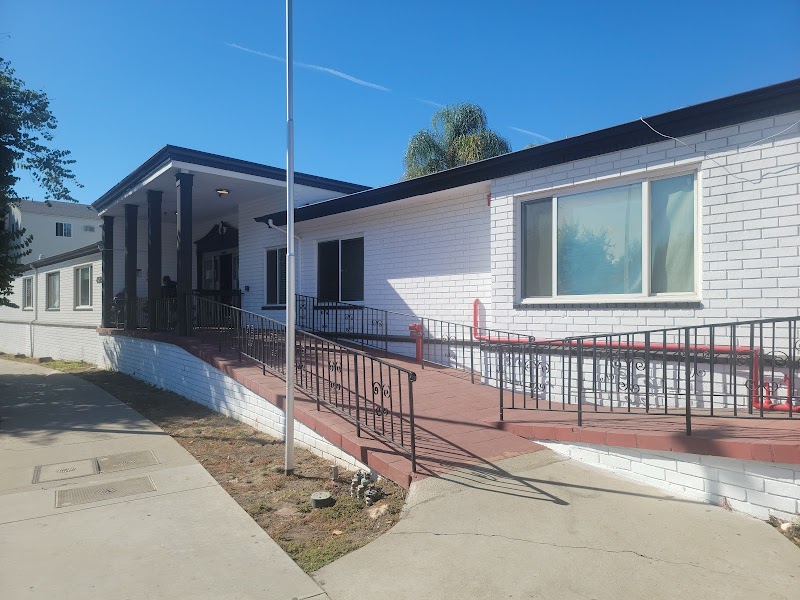
How is Montecito Heights Healthcare & Wellness Centre, Lp Staffed?

CMS rates MONTECITO HEIGHTS HEALTHCARE & WELLNESS CENTRE, LP's staffing level at 2 out of 5 stars, which is below average compared to other nursing homes. Staff turnover is 32%, compared to the California average of 46%. This relatively stable workforce can support continuity of care. RN turnover specifically is 58%, which is notably high. RNs provide skilled clinical oversight, so turnover in this role can affect medical care quality.

What Have Inspectors Found at Montecito Heights Healthcare & Wellness Centre, Lp?

State health inspectors documented 41 deficiencies at MONTECITO HEIGHTS HEALTHCARE & WELLNESS CENTRE, LP during 2022 to 2025. These included: 39 with potential for harm and 2 minor or isolated issues.
Who Owns and Operates Montecito Heights Healthcare & Wellness Centre, Lp?

MONTECITO HEIGHTS HEALTHCARE & WELLNESS CENTRE, LP is owned by a for-profit company. For-profit facilities operate as businesses with obligations to shareholders or private owners. The facility operates independently rather than as part of a larger chain. With 90 certified beds and approximately 73 residents (about 81% occupancy), it is a smaller facility located in LOS ANGELES, California.

How Does Montecito Heights Healthcare & Wellness Centre, Lp Compare to Other California Nursing Homes?

Compared to the 100 nursing homes in California, MONTECITO HEIGHTS HEALTHCARE & WELLNESS CENTRE, LP's overall rating (5 stars) is above the state average of 3.2, staff turnover (32%) is significantly lower than the state average of 46%, and health inspection rating (4 stars) is above the national benchmark.

What Should Families Ask When Visiting Montecito Heights Healthcare & Wellness Centre, Lp?

Based on this facility's data, families visiting should ask: "Can you walk me through typical staffing levels on day, evening, and night shifts?" "Can I visit during a mealtime to observe dining assistance and food quality?" "How do you handle medical emergencies, and what is your hospital transfer rate?" "Can I speak with family members of current residents about their experience?" These questions are particularly relevant given the below-average staffing rating.

Is Montecito Heights Healthcare & Wellness Centre, Lp Safe?

Based on CMS inspection data, MONTECITO HEIGHTS HEALTHCARE & WELLNESS CENTRE, LP has a clean safety record: no substantiated abuse findings (meaning no confirmed cases of resident harm), no Immediate Jeopardy citations (the most serious violation level indicating risk of serious injury or death), and is not on the Special Focus Facility watch list (a federal program monitoring the lowest-performing 1% of nursing homes). The facility has a 5-star overall rating and ranks #1 of 100 nursing homes in California. While no facility is perfect, families should still ask about staff-to-resident ratios and recent inspection results during their visit.

Do Nurses at Montecito Heights Healthcare & Wellness Centre, Lp Stick Around?

MONTECITO HEIGHTS HEALTHCARE & WELLNESS CENTRE, LP has a staff turnover rate of 32%, which is about average for California nursing homes (state average: 46%). Moderate turnover is common in nursing homes, but families should still ask about staff tenure and how the facility maintains care continuity when employees leave.

Was Montecito Heights Healthcare & Wellness Centre, Lp Ever Fined?

MONTECITO HEIGHTS HEALTHCARE & WELLNESS CENTRE, LP has no federal fines on record. CMS issues fines when nursing homes fail to meet care standards or don't correct problems found during inspections. The absence of fines suggests the facility has either maintained compliance or corrected any issues before penalties were assessed. This is a positive indicator, though families should still review recent inspection reports for the full picture.

Is Montecito Heights Healthcare & Wellness Centre, Lp on Any Federal Watch List?

MONTECITO HEIGHTS HEALTHCARE & WELLNESS CENTRE, LP is not on any federal watch list. The most significant is the Special Focus Facility (SFF) program, which identifies the bottom 1% of nursing homes nationally based on persistent, serious quality problems. Not being on this list means the facility has avoided the pattern of deficiencies that triggers enhanced federal oversight. This is a positive indicator, though families should still review the facility's inspection history directly.