MOUNT SAN ANTONIO GARDENS

900 E. HARRISON AVE, POMONA, CA 91767 (909) 624-5061
Non profit - Corporation 64 Beds Independent Data: November 2025
Trust Grade
90/100
#136 of 1155 in CA
Last Inspection: May 2025

Inspected within the last 6 months. Data reflects current conditions.

Overview

Mount San Antonio Gardens in Pomona, California, has received a Trust Grade of A, indicating excellent performance and high recommendations from reviewers. It ranks #136 out of 1,155 facilities in California, placing it in the top half of all state nursing homes, and #30 out of 369 in Los Angeles County, showing it is one of the better local options. The facility's trend is stable, with 4 reported issues in both 2024 and 2025. Staffing is a strength, with a 5/5 star rating and only 9% turnover, significantly lower than the state average of 38%, ensuring consistent care from familiar staff. Although the facility has no fines and maintains average RN coverage, there are concerns related to infection control practices and proper food storage, which could pose risks to residents' health. Specific incidents include failing to ensure proper hand hygiene by staff before caring for residents and not maintaining mobility exercises for residents with limited range of motion, which can impact their overall well-being.

Trust Score
A
90/100
In California
#136/1155
Top 11%
Safety Record
Low Risk
No red flags
Inspections
Holding Steady
4 → 4 violations
Staff Stability
✓ Good
9% annual turnover. Excellent stability, 39 points below California's 48% average. Staff who stay learn residents' needs.
Penalties
✓ Good
No fines on record. Clean compliance history, better than most California facilities.
Skilled Nurses
✓ Good
Each resident gets 45 minutes of Registered Nurse (RN) attention daily — more than average for California. RNs are trained to catch health problems early.
Violations
⚠ Watch
16 deficiencies on record. Higher than average. Multiple issues found across inspections.
★★★★★
5.0
Overall Rating
★★★★★
5.0
Staff Levels
★★★★★
5.0
Care Quality
★★★★★
5.0
Inspection Score
Stable
2024: 4 issues
2025: 4 issues

The Good

  • 5-Star Staffing Rating · Excellent nurse staffing levels
  • 5-Star Quality Measures · Strong clinical quality outcomes
  • Low Staff Turnover (9%) · Staff stability means consistent care
  • Full Sprinkler Coverage · Fire safety systems throughout facility
  • No fines on record
  • Staff turnover is low (9%)

    39 points below California average of 48%

Facility shows strength in staffing levels, quality measures, staff retention, fire safety.

The Bad

No Significant Concerns Identified

This facility shows no red flags. Among California's 100 nursing homes, only 1% achieve this.

The Ugly 16 deficiencies on record

May 2025 4 deficiencies
CONCERN (D)

Potential for Harm - no one hurt, but risky conditions existed

Quality of Care (Tag F0684)

Could have caused harm · This affected 1 resident

Based on observation, interview, and record review, the facility failed to ensure the provision of necessary care and services for one of one sampled resident (Resident 15) when, a. Licensed Vocation...

Read full inspector narrative →
Based on observation, interview, and record review, the facility failed to ensure the provision of necessary care and services for one of one sampled resident (Resident 15) when, a. Licensed Vocational Nurse (LVN) 1 failed to notify the Medical Doctor (MD, Resident 15's phycisian) promptly (immediately) of Resident 15's Change of Condition (COC, a sudden clinically important deviation in the resident's health or functioning that requires further assessments and interventions) on 5/28/2025. This deficient practice had the potential to result in life-threatening consequences and untimely medical treatment for Resident 15. Findings: a. During a review of Resident 15's admission Record (AR), the AR indicated the facility admitted Resident 15 on 1/18/2020, with diagnoses that included chronic obstructive pulmonary disease (COPD, long standing group of diseases that cause airflow blockage and breathing-related problems, make it difficult to breathe) and systolic congestive heart failure (the heart cannot effectively contract with each heartbeat). During a review of Resident 15's Minimum Data Set (MDS - a resident assessment tool), dated 5/5/2025, the MDS indicated Resident 15's cognition (ability to think and process information) was severely impaired. The MDS indicated Resident 15 required maximal assistance (helper lifts or holds trunk or limbs and provides more than half the effort) with toileting and personal hygiene. During a review of Resident 15's COC, dated 5/28/2025 at 7:26 PM, the COC indicated Resident 15 had shortness of breath (SOB) and increased fatigue. The MD was notified and new physician orders that included Levaquin 750 milligrams (mg, unit of measurement) oral tablet (antibiotic, medication to treat infections), an increased dose of Methylprednisolone (used in the treatment of COPD, particularly during flare-ups by reducing inflammation in the airways) oral tablet from 8 mg. to 16 mg for 14 days. During a review of Resident 15's Medication Administration Record (MAR), dated 5/2025, the MAR indicated albuterol sulfate inhalation was routinely administered at 8 AM to Resident 15. During an observation on 5/28/25 at 9:18 AM, Resident 15 was lying in bed, breathing was shallow and fast, and Resident 15 was receiving oxygen. During an observation on 5/28/2025 at 1 PM, Resident 15 was lying in bed, breathing was fast and shallow and was receiving oxygen. During an interview on 5/30/2025 at 1:08 PM, Certified Nursing Assistant 2 (CNA 2) stated on 5/28/2025 at the start of CNA 2's shift [6:30 AM], Resident 15 looked confused, did not look good and Resident 15 was not too responsive. CNA 2 stated CNA 2 notified LVN 1 who checked Resident 15's oxygen level and administered a breathing treatment to Resident 15. During an interview on 5/30/2025 at 2:45 PM, with LVN 1, LVN 1 stated, on 4/28/2025, LVN 1 administered oxygen to Resident 15 to maintain Resident 15's oxygen level. LVN 1 stated LVN 1 administered the routine breathing treatment (albuterol). LVN 1 stated Resident 15 did not normally have shortness of breath. LVN 1 stated LVN 1 did not notify the MD immediately of Resident 15's COC on 4/28/2025. During an interview on 5/30/2025 at 3:07 PM, the Activities Assistant (AA) stated Resident 15's daily routine included going outside Resident 15's room and tending to Resident 15's plants. The AA stated on 5/28/2025, the AA did not see Resident 15 because Resident 15 stayed in bed. During an interview on 5/30/2025 at 3:15 PM, Registered Nurse 1 (RN 1) stated signs and symptoms of respiratory distress included low oxygen saturation, the use of accessory muscles used for breathing, and breathing fast. RN 1 stated when a resident (in general) exhibited these symptoms, it was considered a COC, and the licensed nurse needed to notify the physician immediately. RN 1 stated changes in respiratory status needed immediate treatment because the resident's status could go bad quickly. During an interview on 5/30/2025 at 4:29 PM, the Director of Nursing stated a COC needed to be reported promptly [immediately] to the physician to get proper treatment. During a review of the facility's Policy and Procedure (P&P) titled Change of Condition dated 10/2015, the P&P indicated to observe and report any condition change to the attending physician so proper treatment will be implemented. The P&P indicated the facility shall promptly notify the resident, his or her attending physician, and representative of changes in the resident's medical/mental condition and/or status.
CONCERN (D)

Potential for Harm - no one hurt, but risky conditions existed

Incontinence Care (Tag F0690)

Could have caused harm · This affected 1 resident

Based on observation, interview, and record review, the facility failed to ensure adequate perineal (an area lower in the body located between the thighs) care was provided for, one of one sampled res...

Read full inspector narrative →
Based on observation, interview, and record review, the facility failed to ensure adequate perineal (an area lower in the body located between the thighs) care was provided for, one of one sampled resident (Resident 9), who had a history of urinary tract infections (UTI, an infection in any part of the urinary system: kidneys, bladder, or urethra [tube through which the urine leaves the body], sits just in front of the vaginal opening) and as indicated in the facility's Policy and Procedure (P&P) titled, Perineal Care. This deficient practice had the potential to result in a UTI and a physical decline to Resident 9. Findings: During a review of Resident 9's admission Record (AR), the AR indicated the facility admitted Resident 9 on 7/6/2017, with diagnoses that included disorders of the bladder, neurocognitive disorder with lewy bodies (a disease associated with abnormal deposits of a protein called Lewy bodies, affects chemicals in the brain. These changes, in turn, can lead to problems with thinking, movement, behavior, mood, and other body functions). During a review of Resident 9's Minimum Data Set (MDS - a resident assessment tool) dated 4/9/2025, the MDS indicated Resident 9 sometimes understood verbal content and sometimes was able to express ideas and wants. The MDS indicated Resident 9 was dependent (helper does all the effort) with all activities of daily living ( ADLs- activities such as bathing, dressing and toileting a person performs daily) including personal and toileting hygiene. The MDS indicated Resident 9 frequently had urine and bowel (long tubed-shaped organ in the abdomen that completes the process of digestion) incontinence (involuntary leakage of bodily fluids, inability to control bladder [urine reservoir] or bowel movements). During a review of Resident 9's Clinical Laboratory results indicated the following: On 4/3/2025, the urine culture identified E. coli (type of bacteria commonly found in the GI [gastrointestinal, refers collectively to the organs of the body that play a part in food digestion] tract) present in the urine. On 5/8/2025, the urine culture identified yeast (fungal cells) in the urine. During an interview on 5/28/2025 at 3:20 PM, Resident 9's family member (FM) stated the FM was concerned about Resident 9's recurrent UTIs. During a concurrent observation and interview on 5/30/2025 at 9:38 AM, with the FM. Certified Nursing Assistant 1 (CNA 1) transferred Resident 9 from the wheelchair to the commode (piece of furniture containing a concealed chamber pot used as a portable toilet for individuals with mobility issues) using a mechanical lift (lift, a mobility tool designed to help residents with mobility challenges). The FM stated Resident 9 sat on the commode for 30 minutes once Resident 9 was up and out of bed to allow Resident 9 to urinate and/or have a bowel movement. During a concurrent observation and interview on 5/30/2025 at 10:16 AM, with Registered Nurse (RN) 1, CNA 1 cleaned the perineal area from front to back using wipes. CNA 1 folded the wipes halfway, wiped Resident 9 from front to back, and wiped Resident 9 again. CNA 1 transferred Resident 9 from the lift back to Resident 9's bed. RN 1 applied clotrimazole (antifungal medication) external cream to Resident 9's left and right groin area. RN 1 stated the medication was an antifungal cream. RN 1 stated the groin area looked better, and the area was not as reddened. RN 1 stated Resident 9's left groin area was pink in color. During an interview on 5/30/2025 at 1:41 PM, CNA 1 stated when cleaning [Resident 9] after urination, CNA 1 cleaned from front to back. CNA 1 stated CNA 1 needed to use new clean wipes when cleaning Resident 9 from front to back a second time. During an interview on 5/30/2025 at 2:05 PM, RN 1 stated when cleaning the perineal area, the CNA would clean from front to back and if staff would clean the front side again using the same wipes, bacteria from the back, from the anal area could contaminate the front. During a review of the facility's P&P titled, Perineal Care, dated 9/2022, the P&P indicated it is the practice of the facility to provide perineal care to all incontinent residents in order to promote cleanliness and comfort, prevent infection, skin irritation and to observe resident's skin condition. The P&P indicated for females, open packaged product and obtain the wet cloth, separate the resident's labia (fleshy folds of skin that make up the external female genitalia) with one hand, and cleanse perineum with the other hand by wiping in direction from front to back (from pubic area toward the anus). The P&P indicated repeat on the opposite side using separate section of the washcloth or new disposable wipe. The P&P indicated to clean urethral meatus and vaginal orifice using clean a portion of washcloth or new disposable wipe with each stroke. The P&P indicated to pat dry with a towel. During a review of the Centers for Disease Control and Prevention's (CDC, national public health agency of the United States) topic on Urinary Tract Infection Basics, dated 1/22/2024, the CDC indicated UTI's are common infections that happen when bacteria, often from the skin or rectum (responsible for storing and transporting stool) enter the urethra and infect the urinary tract. https://www.cdc.gov/uti/about/index.html
CONCERN (D)

Potential for Harm - no one hurt, but risky conditions existed

Deficiency F0700 (Tag F0700)

Could have caused harm · This affected 1 resident

Based on observation, interview, and record review, the facility failed to ensure safe and appropriate use of side (bed) rails for one of one sampled resident (Resident 8) when, 1. The facility failed...

Read full inspector narrative →
Based on observation, interview, and record review, the facility failed to ensure safe and appropriate use of side (bed) rails for one of one sampled resident (Resident 8) when, 1. The facility failed to complete a side rail assessment that aligned with the physician's order indicating bilateral half [½-equal part] rails times four and did not reflect the side rails used for Resident 8. 2. The facility failed to obtain a side rail consent for Resident 8 that reflected the physician's order for the use of side rails. Resident 8's side rail consent indicated the use of quarter [¼- one of four equal parts of something] side rails to two sides, The consent did not reflect four quarter side rails used for Resident 8. Additionally, there was no documented evidence that indicated the risks and benefits for the use of all four quarter side rails were explained to Resident 8's responsible party (RP). This deficient practiced placed Resident 8 at risk for injury. (Cross Reference F842) Findings: During a review of Resident 8's admission Record (AR), the AR indicated the facility admitted Resident 8 on 1/18/2018, with diagnoses including dementia (a progressive state of decline in mental abilities), hypertension (HTN-high blood pressure), and dysphagia (difficulty swallowing). During a review of Resident 8's Minimum Data Set (MDS, a federally mandated resident assessment tool), dated 3/25/2025, the MDS indicated Resident 8 had severe cognitive (the ability to think and process information) impairment. The MDS indicated Resident 8 was dependent (helper does all of the effort) with activities of daily living (ADL, term used in healthcare that refers to self-care activities) and dependent with mobility. During an observation on 5/28/2025 at 09:54 AM, Resident 8 was observed lying in bed in a semi-Fowler's position (when a person lies on their back with the head and upper body raised at an angle of about 30 to 45 degrees). All four quarter (¼-one of four equal parts of something) rails were noted to be up (raised) and in a locked position - two on each side of the bed, at the head and foot of the bed. During a concurrent interview and record review on 5/29/2025 at 11:09 AM, with LVN 1, Resident 8's Side Rail Assessment, dated 3/24/2025 was reviewed. LVN 1 stated the side rail assessment indicated, full side rails on two sides'' were selected as the type of side rail to be used for Resident 8. LVN 1 stated a full side rail was a long, continuous rail running the entire length of the bed on one or both sides. LVN 1 stated when both sides had full-length rails, it was considered full rails on two sides. During a concurrent interview and record review on 5/29/2025 at 11:09 AM, with LVN 1, Resident 8's Order Summary Report (OSR), the OSR indicated a physician's order dated 4/8/2025, reviewed with LVN 1. LVN 1 stated the active physician's order for Resident 8 indicated bilateral (both sides) half (½-equal part) [side] rails times four to provide comfort and security. LVN 1 stated this setup included two half-length rails on each side of the bed - one toward the head and one toward the foot - totaling four rails. During a concurrent interview and record review on 5/29/2025 at 11:09 AM, with LVN 1, Resident 8's Side Rail Consent Form, dated 4/8/2025 was reviewed. LVN 1 stated Resident 8's side rail consent form indicated the use of quarter (¼) rails on two sides. LVN 1 stated (¼) rails on two sides referred to shorter bed rails that were typically used to assist with repositioning or bed mobility, that covered a small portion of the bed used at the head or foot - not a combination of both on all four sides. LVN 1 stated Resident 8's current side rails were placed as indicated in the physician's order of two half-length rails on each side of the bed - one at the head and one at the foot - for a total of four side rails. LVN 1 stated Resident 8's side rail consent form did not accurately reflect resident 8's current bed rail configuration. LVN 1 stated this represented a discrepancy between the side rail consent form and the physician's order. LVN 1 stated that the consent form obtained did not match the physician's directive nor did it reflect the actual side rail configuration in use. There was no documented evidence that indicated the risks and benefits for the use of all four quarter side rails were explained to Resident 8's responsible party (RP). During an interview on 5/29/2025 at 11:09 AM, LVN 1 stated the inconsistencies between Resident 8's side rail assessment, physician's order, and the side rail consent form resulted in a lack of clarity regarding the actual type of side-bed rail to be used and whether the resident's representative was fully informed and consented to the correct intervention. During an interview on 5/30/2025 at 11:30 AM, with the Director of Nursing (DON), the DON stated when bed rails were considered for use, the facility was required to complete a bed rail assessment to determine the clinical necessity, identify any risks, and evaluate alternatives. The DON stated any inconsistencies between each document could result in the wrong type of rail implemented or the resident and family not being fully informed of what type of rail was used. The DON stated this opened the door to potential safety issues or other physical injuries related to improper use of side rails. The DON stated it was very important the side rail assessment accurately reflected Resident 8's current physical and cognitive needs, and for the assessment to align with the physician's order. The DON stated if a mismatch occurred, it could lead to the use of a rail configuration that was not properly evaluated for safety or clinical appropriateness. The DON stated the side rail consent form should match the physician's order and match the bed rail configuration implemented for Resident 8. The DON stated this ensured the resident (in general) or their representative (when a resident is not able to make own decisions) understood and agreed to the exact type of side rails used. The DON stated the side rail assessment and consent form needed to be revised. During a review of the facility's policy and procedure (P&P) titled, Side Rails, undated, the P&P indicated that if it is determined that side rails are appropriate, the risks and benefits of side rail use will be explained to the resident or their representative and written informed consent for the use of side rails will be obtained. During a review of the facility's policy and procedure (P&P) titled, Charting & Documentation, undated, the P&P indicated that documentation in the medical record will be objective (not opinionated or speculative), complete, and accurate. During a review of the facility's policy and procedure (P&P) titled, Informed Consent, revision dated 9/2023, the P&P indicated it is the policy of the facility to uphold the rights of residents to participate in the planning and decision-making process concerning their care and treatment. When situations arise that involve complex decisions, the facility will verify that informed consent has been obtained prior to any medical intervention or treatment is initiated, including, bot not limited to, administration of psychotherapeutic medications, application of a physical restraint or the prolonged use of a device that may lead to the inability to regain use of a normal body function and for transfer and discharge. Until such time as devices are identified by statue or regulation that led to the inability to regain use of a normal bodily function are defined this portion of the policy will not be enacted. During a review of the facility's policy and procedure (P&P) titled, Resident Rights, revision dated 8/2013, the P&P indicated the resident has the right to be fully informed in advance about the care and treatment and of any changes in that care or treatment that may affect the resident's well-being, and unless adjudged incompetent or otherwise found to be incapacitated under the laws of the State, participate in planning care and treatment changes in care and treatment.
CONCERN (D)

Potential for Harm - no one hurt, but risky conditions existed

Medical Records (Tag F0842)

Could have caused harm · This affected 1 resident

Based on observation, interview, and record review, the facility failed to ensure accurate documentation for the use of side (bed) rails, for one of one sampled resident (Resident 8), as indicated in ...

Read full inspector narrative →
Based on observation, interview, and record review, the facility failed to ensure accurate documentation for the use of side (bed) rails, for one of one sampled resident (Resident 8), as indicated in the facility's policy and procedure (P&P), titled, Charting & Documentation, The facility failed to: 1.Complete a side rail assessment aligned with the physician's order to indicate bilateral half [½-equal part] rails times four, the assessment did not reflect the side rails used for Resident 8. 2.Obtain a side rail consent for Resident 8 that reflected the physician's order for the use of side rails. Resident 8's side rail consent indicated the use of quarter [¼- one of four equal parts of something] side rails to two sides, The consent did not reflect four quarter side rails used for Resident 8. This deficient practice had the potential to lead to inconsistent and/or inaccurate treatments provided to Resident 8. (Cross Reference F700) Findings: During a review of Resident 8's admission Record (AR), the AR indicated the facility admitted Resident 8 on 1/18/2018, with diagnoses including dementia (a progressive state of decline in mental abilities), hypertension (HTN-high blood pressure), and dysphagia (difficulty swallowing). During a review of Resident 8's Minimum Data Set (MDS, a federally mandated resident assessment tool), dated 3/25/2025, the MDS indicated Resident 8 had severe cognitive (the ability to think and process information) impairment. The MDS indicated Resident 8 was dependent (helper does all of the effort) with activities of daily living (ADL, term used in healthcare that refers to self-care activities) and dependent with mobility. During an observation on 5/28/2025 at 09:54 AM, Resident 8 was observed lying in bed in a semi-Fowler's position (when a person lies on their back with the head and upper body raised at an angle of about 30 to 45 degrees). All four quarter (¼-one of four equal parts of something) rails were noted to be up (raised) and in a locked position - two on each side of the bed, at the head and foot of the bed. During a concurrent interview and record review on 5/29/2025 at 11:09 AM, with LVN 1, Resident 8's Side Rail Assessment, dated 3/24/2025 was reviewed. LVN 1 stated the side rail assessment indicated, full side rails on two sides'' were selected as the type of side rail to be used for Resident 8. LVN 1 stated a full side rail was a long, continuous rail running the entire length of the bed on one or both sides. LVN 1 stated when both sides had full-length rails, it was considered full rails on two sides. During a concurrent interview and record review on 5/29/2025 at 11:09 AM, with LVN 1, Resident 8's Order Summary Report (OSR), the OSR indicated a physician's order dated 4/8/2025, reviewed with LVN 1. LVN 1 stated the active physician's order for Resident 8 indicated bilateral (both sides) half (½-equal part) [side] rails times four to provide comfort and security. LVN 1 stated this setup included two half-length rails on each side of the bed - one toward the head and one toward the foot - totaling four rails. During a concurrent interview and record review on 5/29/2025 at 11:09 AM, with LVN 1, Resident 8's Side Rail Consent Form, dated 4/8/2025 was reviewed. LVN 1 stated Resident 8's side rail consent form indicated the use of quarter (¼) rails on two sides. LVN 1 stated Resident 8's side rail consent form did not accurately reflect resident 8's current bed rail configuration. LVN 1 stated this represented a discrepancy between the side rail consent form and the physician's order. LVN 1 stated that the consent form obtained did not match the physician's directive nor did it reflect the actual side rail configuration in use. During an interview on 5/29/2025 at 11:09 AM, LVN 1 stated the inconsistencies between Resident 8's side rail assessment, physician's order, and the side rail consent form resulted in a lack of clarity regarding the actual type of side-bed rail to be used and whether the resident's representative was fully informed and consented to the correct intervention. During an interview on 5/30/2025 at 11:30 AM, with the Director of Nursing (DON), the DON stated when bed rails were considered for use, [documents should] accurately reflect Resident 8's current physical and cognitive needs, and the assessment should align with the physician's order. The DON stated if a mismatch occurred, it could lead to the use of a rail configuration that was not properly evaluated for safety or clinical appropriateness. The DON stated the side rail consent form should match the physician's order and match the bed rail configuration implemented for Resident 8. The DON stated the side rail assessment and consent form needed to be revised. During a review of the facility's policy and procedure (P&P) titled, Charting & Documentation, undated, the P&P indicated that documentation in the medical record will be objective (not opinionated or speculative), complete, and accurate.
May 2024 4 deficiencies
CONCERN (D)

Potential for Harm - no one hurt, but risky conditions existed

Assessment Accuracy (Tag F0641)

Could have caused harm · This affected 1 resident

**NOTE- TERMS IN BRACKETS HAVE BEEN EDITED TO PROTECT CONFIDENTIALITY** Based on interview and record review, the facility failed to ensure one of one sampled resident (Resident 23) was accurately ass...

Read full inspector narrative →
**NOTE- TERMS IN BRACKETS HAVE BEEN EDITED TO PROTECT CONFIDENTIALITY** Based on interview and record review, the facility failed to ensure one of one sampled resident (Resident 23) was accurately assessed for elopement risk. This deficient practice had the potential to result in inadequate treatment and care services rendered to Resident 23. Findings: During a review of Resident 23's admission Record (AR), the AR indicated Resident 23 was admitted to the facility initially on 4/4/2022 with diagnoses including dementia (a decline in mental ability severe enough to interfere with daily life), osteoarthritis (degeneration of joint cartilage and the underlying bone) and repeated falls. During a review of Resident 23's Nursing-Elopement Risk Assessment ([NAME]), dated 3/20/2023, indicated Resident 23 had a history of leaving the facility. During a review of Resident 23's Minimum Data Set (MDS, a standardized assessment and care-screening tool) dated 2/13/2024 indicated Resident 23 was cognitively intact and able to make needs known. During a review of Resident 23's History and Physical (H&P), dated 3/14/2024, the H&P indicated Resident 23 was alert and able to make decisions regarding routine medical decisions and immediate needs. During a review of Resident 23's Progress Note (PN), effective date 3/19/2024 timed at 4:54 PM, the PN indicated on 3/19/24, Resident 23 was witnessed outdoors without calling for assistance. The PN indicated Resident 23 was being monitored for elopement/exit seeking [behavior] and Resident 23 had a history of not asking for assistance to spend time outdoors. During a review of Resident 23's care plan (CP), initiated 9/26/2022, the CP indicated on 3/19/2024, Resident 23 went outside to get fresh air without [staff] assistance. The CP include the following problems: poor safety awareness, preferred to be independent beyond Resident 23's ability and verbalized wanting to leave and come back (to the facility) without assistance. During a review of Resident 23's Behavior Monitoring-Medication Administration Record (MAR), for the month of April 2024, the MAR indicated Resident 23 attempted to leave the facility without assistance on 4/23/2024 and 4/27/2024. During a review of Resident 23's Order Summary Report (OSR), active orders as of 5/1/2024, the OSR included a physician's order, dated 3/20/2024, that indicated to apply wander tag to prevent [Resident 23] from leaving the facility without assistance. The OSR included a physician's order, dated 4/11/2024, that indicated to monitor the number of episodes of leaving without assistance to go outside for fresh air every shift. During a review of Resident 23's [NAME], dated 5/14/2024, the [NAME] indicated Resident 23 was not an elopement risk. During an interview with Registered Nurse 1 (RN 1) and concurrent review of Resident 23's paper and electronic chart on 5/16/2024 at 11:11 AM, RN 1 stated Resident 23 wore an ankle monitor guard because Resident 23 had a history of, and expressed, wanting to go outside of the facility without supervision. RN 1 stated the ankle monitor was used to alert staff when Resident 23 was near the exit doors. RN 1 stated Resident 23 was an elopement risk because Resident 23 vocalized Resident 23 wanted to leave the facility. RN 1 stated accuracy of assessment was important to ensure proper interventions were in place and staff was aware of Resident 23's behavior. During an interview and concurrent review of Resident 23's paper and electronic records with the Director of Nursing (DON), on 5/16/2024 at 12:15pm, the DON stated the elopement assessment dated [DATE], was incorrect. The DON stated Resident 23 was found outside of the courtyard 3/2024 and attempted to leave the facility twice on 4/23/24 and 4/27/24. During a review of the facility's policy and procedure (P&P), titled Elopement/Missing Resident and Absentee Notification Plan, revised 3/8/2024, the P&P indicated an elopement risk assessment is conducted by staff for residents identified with risk factors: prior history of elopement, or diagnosis of Alzheimer's, dementia, or other cognitive impairment. The P&P indicated the assessment would be done within 24 hours of admission, quarterly, or when there is a significant change of condition by the charge nurse.
CONCERN (D)

Potential for Harm - no one hurt, but risky conditions existed

Quality of Care (Tag F0684)

Could have caused harm · This affected 1 resident

**NOTE- TERMS IN BRACKETS HAVE BEEN EDITED TO PROTECT CONFIDENTIALITY** Based on observation, interview, and record review, the facility failed to ensure one of one sampled resident (Resident 12) rece...

Read full inspector narrative →
**NOTE- TERMS IN BRACKETS HAVE BEEN EDITED TO PROTECT CONFIDENTIALITY** Based on observation, interview, and record review, the facility failed to ensure one of one sampled resident (Resident 12) received treatment and care in accordance with the facility's policies and procedures (P&P) by failing to ensure Resident 12's skin tear and edema (swelling caused by too much fluid trapped in the body's tissues) were monitored and cared for adequately. This deficient practice resulted in no improvement to Resident 12's skin tear and edema and caused Resident 12 to feel worried, in addition, the failure had the potential to result in a physical decline to Resident 12. Findings: During a review of Resident 12's admission Record (AR), the AR indicated, Resident 12 was originally admitted to the facility on [DATE] and readmitted on [DATE] with multiple diagnoses including unspecified atrial fibrillation (an irregular, often very rapid heart rate that commonly causes poor blood flow), essential primary hypertension (high blood pressure) and other specified disorders of bone density and structure, unspecified site. During a review of Resident 12's Care Plan (CP) titled, Risk for developing pressure ulcers, bruising, and other types of impaired skin integrity, date initiated 2/23/2024, the CP indicated, one of the interventions was to assess skin integrity during care. During a review of Resident 12's CP, titled, At risk for skin breakdown, weight loss, formation of contractures (shortening and hardening of muscles, tendons, or other tissue, often leading to deformity and tightness of the joints), joint limitation, increase pain, intractable pain, isolation, and reduced social interaction, date initiated 2/27/2024, the CP indicated, one of the interventions was to assess skin condition. During a review of Resident 12's CP, titled, Skin tear proximal left ankle clarification of location from left ankle date initiated 5/2/2024, the CP indicated, one of the interventions was to Geri (skin) sleeves to be applied to legs daily and removed at bedtime every day and evening shift for Skin Maintenance. During a review of Resident 12's History and Physical Examination (H&P), dated 3/1/2024, the H&P indicated, Resident 12's skin had erythema (redness of the skin caused by injury or another inflammation-causing condition) with mottling (blotchy, red-purplish marbling of the skin). The H&P indicated, Resident 12 had generalized weakness and was alert and oriented. During a review of Resident 12's Minimum Data Set (MDS, an assessment and screening tool), dated 3/1/2024, the MDS indicated, Resident 12's cognition (ability to understand and process information) was intact. The MDS indicated, Resident 12 was at risk for developing pressure ulcers/injuries (injury to skin and underlying tissue resulting from prolonged pressure on the skin) and Resident 12 had no ulcers/wounds/skin problems on Resident 12's feet. During a review of Resident 12's Change in Condition (COC), dated 5/2/2024, timed at 4:05 PM., the COC indicated, noted skin tear to [Resident 12's] left ankle and edema +2 (a grading system to determine the severity of the edema on a scale from +1 to +4, none to severe) on BLE (bilateral lower extremities, both legs) with some weeping (fluid leaking out directly from the skin) on the LLE (left lower extremities). During a review of Resident 12's Interdisciplinary Team (IDT, a team of health care professions who work together to establish plans of care for residents), dated 5/3/2024, timed at 12:58 PM., the IDT indicated, Resident 12 had pitting edema (when an indentation remains after pressing swollen skin) and had fragile skin and recommended [putting on] geri sleeves (to protect the skin) on the BLE and continue the plan of care for skin breakdown. The IDT indicated, Resident 12 was at risk for further skin breakdown due to anticoagulant (blood thinner) therapy, poor fluid/dietary intake, aging process, fragile skin, impaired balance, impaired mobility, poor safety awareness, impaired vision, and ambulating without assistance. During a concurrent observation and interview on 5/13/2024 at 1:46 PM., with Resident 12 in Resident 12's room, Resident 12 was ambulating (walking) slowly independently. Resident 12's legs were open to air, appearing light purple in color, had edema (more edema on the left side) on both legs, and had minimal weeping. Resident 12 had a bandage on the left inner ankle and stated, the facility was not doing anything about Resident 12's legs and Resident 12 was disappointed, concerned, and felt the staff had neglected the edema on her legs. Resident 12 asked, What are they doing? Why is it not healing? Resident 12 stated, the swelling was small when Resident 12 was admitted to the facility but got worse and was not better. Resident 12 stated, it's been a month and thought Resident 12 should see a dermatologist (a medical doctor who specializes in treating the skin, hair, and nails). Resident 12 stated, the staff told Resident 12 to only elevate her legs, but really nothing. During an interview on 5/13/2024 at 2:05 PM., with the Personal Caregiver (PCG), the PCG stated, the PCG reported Resident 12's edema 2 weeks ago after the PCG noticed the left foot was bigger than the right foot. During a concurrent observation and interview on 5/14/2024 at 3:10 PM., with Resident 12, Resident 12 was up in Resident 12's room using a rollator walker (a walker with a built-in seat). Resident 12's legs were swollen, open to air, with the left side worse than the right side. Resident 12 stated, nobody had checked on Resident 12's swollen legs and the evening [shift] staff would look at it they always pass it on. During a concurrent interview and record review on 5/15/2024 at 9:58 AM., with the Quality Assurance Nurse (QAN), Resident 12's Physician Orders (PO), were reviewed. The PO indicated, Geri (skin) sleeves [were] to be applied to the legs daily and removed at bedtime every day and during the evening shift for Skin Maintenance ordered on 5/3/2024. The QAN stated, Resident 12 did not have a geri sleeve on and this was important to protect Resident 12's skin. During an observation on 5/15/2024 at 10:26 AM., with the QAN, Resident 12's legs were observed. Resident 12 had no geri sleeves on. Resident 12's legs were swollen, the left leg had a dry kerlix (dressing used to cover wounds) dressing wrapped around the left ankle, and the dressing was constricting the area. The QAN removed the kerlix dressing and Resident 12's left leg had a dark purplish, blackish discolored section with a skin tear/wound and scanty weeping. During an interview on 5/15/2024 at 10:30 AM., with Resident 12, Resident 12 stated, the staff had not told Resident 12 about [Resident 12 wearing] geri sleeves and Resident 12 had not heard about a geri sleeve. During a concurrent interview and record review on 5/15/2024 at 11:24 AM., with Registered Nurse 1(RN 1), Resident 12's PO, were reviewed. The PO indicated, a Geri sleeves to be applied to the legs daily and removed at bedtime every day and evening shift for Skin Maintenance ordered on 5/3/24. RN 1 stated, RN 1 was aware of Resident 12's edema and skin tear on Resident 12's left ankle. RN 1 stated, the order for a geri sleeve was not carried out. RN 1 stated, it was important to carry out the PO because the geri sleeve was an extra layer [added] to protect Resident 12's skin. During a concurrent interview and record review on 5/15/2024 at 11:51 AM., with the Assistant Director of Nursing (ADON), Resident 12's medical records (MR), were reviewed. The ADON stated, there was no skin assessment done on Resident 12 and a skin assessment should have been done for a skin tear that was either not responding well to the treatment or worsening. The ADON stated, Resident 12's skin tear should have been assessed due to not responding to the treatment, change in edema, and [the staff] should have reached out to the doctor [to obtain] further recommendations. The ADON stated, the geri sleeve could have minimized further skin [breakdown] and for protection. During a review of the facility's undated P&P titled, Skin-Open Wound, Skin Tears, Bruises, Abrasions, Edema and Minor Breaks, Care Of, the P&P indicated, the purpose of the P&P procedure was to guide the prevention and treatment of abrasions, skin tears, bruises, edema, swelling and minor breaks in the skin. The P&P indicated, to review the resident's care plan, current orders, and diagnoses to determine resident needs. During a review of the facility's P&P titled, Quality of Care - Quality of Life, dated 2015, the P&P indicated, OBRA (Omnibus Reconciliation Act of 1987) emphasized the need for all health care providers to follow and uphold the Residents Rights which stresses Quality of Care for residents. The standard stresses the need to care for all residents in a manner and in such an environment as will promote maintenance or enhancement of the Quality of Life for each resident. The P&P indicated, performing safe and effective care included recognizing changes in residents' condition and reporting them promptly and performing care correctly as assigned. During a review of the facility's P&P titled, Skin Integrity/Wound Care Program, date revised 12/14/2018, the P&P indicated, residents who have suffered loss of skin integrity receive appropriate treatment.
CONCERN (D)

Potential for Harm - no one hurt, but risky conditions existed

Infection Control (Tag F0880)

Could have caused harm · This affected 1 resident

**NOTE- TERMS IN BRACKETS HAVE BEEN EDITED TO PROTECT CONFIDENTIALITY** Based on observation, interview, and record review, the facility failed to implement infection control practices to ensure a saf...

Read full inspector narrative →
**NOTE- TERMS IN BRACKETS HAVE BEEN EDITED TO PROTECT CONFIDENTIALITY** Based on observation, interview, and record review, the facility failed to implement infection control practices to ensure a safe, sanitary, and comfortable environment in accordance with the facility's policy and procedure (P&P) by failing to properly store dirty laundry for one of five sampled residents (Resident 33). This deficient practice had the potential to result in cross contamination (process by which bacteria can be transferred from one area to another) and/or the development and transmission of disease and infection amongst residents and staff. Findings: During a review of Resident 33's admission Record (AR), the AR indicated, Resident 33 was admitted to the facility on [DATE] with diagnoses including cerebral infarction (also known as a stroke, damage to tissues in the brain due to a loss of oxygen to the area), unspecified, essential primary hypertension (high blood pressure) and unspecified atrial fibrillation ( an irregular, often very rapid heart rate that commonly causes poor blood flow). During a review of Resident 41's History and Physical Examination (H&P), dated 5/12/2024, the H&P indicated, Resident 33 was alert but confused, could make immediate needs known, but was unable to make complex medical decisions. During a review of Resident 33's Minimum Data Set (MDS, an assessment and screening tool), dated 4/4/2024, the MDS indicated, Resident 33's cognitive (ability to think and process information) skills for daily decision making was moderately impaired. The MDS indicated, Resident 33 was dependent (helper does all of the effort) for toileting hygiene. During an observation on 5/13/2024 at 8:58 AM., Resident 33 was awake and alert, sitting on a wheelchair in the hallway by the nursing station. A closed bag of dirty laundry including bed linen was observed on top of the toilet seat in Resident 33's restroom. During a concurrent observation and interview on 5/13/2024 at 9:05 AM., with Certified Nursing Assistant (CNA) 1, a closed bag of dirty laundry including bed linen was on top of the toilet seat of Resident 33's restroom. CNA 1 stated, it was hospice (a type of health care that focuses on the care, comfort, and quality of life of a person with a serious illness who is approaching the end of life) staff who came in early in the morning to help with Resident's 33 care. CNA 1 stated, the hospice staff had already been at the facility when CNA 1 arrived to the facility at 6:40 am_ CNA 1 stated, the hospice staff was supposed to put the bag of dirty laundry in the dirty linen barrel. During an interview on 5/16/2024 at 11:12 AM., with the Infection Preventionist Nurse (IP), the IP stated, hospice staff came to the facility and helped with [resident] care. The IP stated the hospice staff was supposed to put the bag of dirty laundry in the dirty linen barrel and not leave it [bag of dirty laundry] on the toilet seat because it's contamination and for infection control [purposes]. During a review of the facility's undated P&P titled, Infection Prevention & Control Program, the P&P indicated, an infection prevention and control program was established and maintained to provide a safe, sanitary, and comfortable environment and to help prevent the development and transmission of communicable diseases and infections. During a review of the facility's P&P titled, Personal Laundry, revised date 7/10/2023, the P&P indicated, the purpose of the P&P procedure was to provide a process for the safe and aseptic handling, washing, and storage of laundry. The P&P indicated; all soiled laundry must be placed directly into a closed laundry hamper bag.
CONCERN (E)

Potential for Harm - no one hurt, but risky conditions existed

Food Safety (Tag F0812)

Could have caused harm · This affected multiple residents

**NOTE- TERMS IN BRACKETS HAVE BEEN EDITED TO PROTECT CONFIDENTIALITY** Based on observation, interview, and record review, the facility failed to follow safe and proper food storage practices in acco...

Read full inspector narrative →
**NOTE- TERMS IN BRACKETS HAVE BEEN EDITED TO PROTECT CONFIDENTIALITY** Based on observation, interview, and record review, the facility failed to follow safe and proper food storage practices in accordance with professional standards for food service safety and the facility's policy and procedure (P&P) by failing to label/date food items in one of one kitchen (Kitchen 1). This deficient practice could result in a risk for serious complications from food borne illness (illness caused by the ingestion of contaminated food or beverage) and/or affect the quality and palatability of food given to the residents. Findings: During a concurrent observation and interview on 5/13/2024, at 8:02 AM., with the Purchasing Clerk (PC) during the initial tour of Kitchen 1, the following were observed on the top open shelf of the preparation counter area: 1. An unlabeled 20 oz (ounces, unit of weight) Lawry's Salt-Free 17 Seasoning with less than one fourth contents remaining with a label date Received date 2/27/2024 2. An unlabeled 16 oz Sysco Imperial Ground Nutmeg with three quarters contents remaining. 3. An unlabeled 26 oz Sysco Imperial Granulated Garlic with two thirds content remaining. In addition, there was an unlabeled orange and an apple wrapped in [NAME] wrap on top of the counter, stored in a steel wire fruit basket. Inside Refrigerator 10, there was a plastic bag of frozen potato wedges and a plastic bag of frozen onion rings that were unlabeled. Inside Refrigerator 3, there were 2 boxes of fresh apples, 3 boxes of fresh oranges, 1 box of fresh lemons, 1 bin of fresh white onions, 1 bin of fresh red onions, and 2 unlabeled 1-gallon Sysco Ultra Premium Lime Juice one with one fourth contents remaining, the other with one third contents remaining. The PC stated, the food items should have been labeled with opened dates to ensure the facility was not using any expired foods. The PC stated, it was important to know the expiration dates and not to serve expired foods because it [expired food] can cause someone to get sick, could cause food borne illness, and could affect the taste of the food. During an interview on 5/13/2024 at 8:22 AM., with the Cold Food Prep (CFP), the CFP stated, the food items were labeled with the arrival date for the facility to know when the food item expired if it's good or bad and to prevent serving expired food items to prevent residents from getting sick, I wouldn't want them to get sick. During a review of the facility's P&P titled, Labeling and Dating, dated 1/2016, the P&P indicated, all foods would be appropriately wrapped, labeled, and dated based on food storage guidelines. The P&P indicated, all foods were labeled, dated, and securely covered and use-by dates were monitored and followed. During a review of the facility's undated P&P titled, Food Safety Management System, revision date 2/4/2021, the P&P indicated, storage guidelines for quality were as follow: Fresh apples=3 to 5 months in the refrigerator; no guidelines indicating for dry storage Fresh lemons=2 to 5 weeks in the refrigerator Fresh oranges=5 to 6 weeks in the refrigerator; 3 to 4 days in dry storage Spices, ground=6 to 12 months in dry storage.
May 2023 8 deficiencies
CONCERN (D)

Potential for Harm - no one hurt, but risky conditions existed

Resident Rights (Tag F0550)

Could have caused harm · This affected 1 resident

**NOTE- TERMS IN BRACKETS HAVE BEEN EDITED TO PROTECT CONFIDENTIALITY** b. During a review of Resident 284's admission Record indicated, Resident 284 was admitted to the facility on [DATE] with diagno...

Read full inspector narrative →
**NOTE- TERMS IN BRACKETS HAVE BEEN EDITED TO PROTECT CONFIDENTIALITY** b. During a review of Resident 284's admission Record indicated, Resident 284 was admitted to the facility on [DATE] with diagnoses that included left pubis fracture (break in pelvis bone), left acetabulum fracture (break in hip bone), and repeated falls. During a review of Resident 284's Skilled Nursing Facility History and Physical, dated 5/23/2023, indicated Resident 284 was alert and oriented to person, place, and time and Resident 284's mental status was at baseline. During a review of Resident 284's care plan, initiated 5/23/2023, indicated Resident 284 had self-care deficits and was at risk for unavoidable decline for bed mobility, dressing, and toileting. Interventions included to assisted Resident 284 with toileting or incontinent (lack of voluntary control over urination or defecation [discharge of feces from the body]) care as needed and no strenuous exercise. During an observation and interview on 5/24/2023, at 3:25 pm, CNA 1 was removing Resident 284's pants on Resident 284's bed. The door to the room was shut and the privacy curtains alongside the sliding glass door, which lead to a patio, was left open. CNA 1 stated staff, visitors, and residents could walk on the patio. CNA 1 stated she removed Resident 284's pants so Resident 284 could be more comfortable while in bed. CNA 1 stated the privacy curtain needed to be closed all the way when changing Resident 284 to give Resident 284 privacy, or people could see Resident 284's private areas. During an interview on 5/24/2023, at 3:45 pm, Licensed Vocational Nurse 1 (LVN 1) stated the privacy curtain by the window/sliding glass door and restroom must be shut when staff were changing the residents (in general) or performed any patient care tasks. LVN 1 stated [if privacy curtains were not closed] someone could see the resident's private areas, and this could make the residents feel embarrassed. During an observation on 05/26/23, at 12:02 pm, CNA 5 was in the restroom located in Resident 284's room. Resident 284's room door and privacy curtain were open, and Resident 284 was being helped on to the toilet. CNA 5 exited the room leaving the room door and privacy curtain open and stated she would be back. During an observation on 05/26/23, at 12:06 pm, CNA 5 came back into Resident 284's room and into the restroom and CNA 5 did not close the room door or restroom curtain before assisting Resident 284 up from the toilet. During an interview on 5/26/2023, at 12:10 pm, CNA 5 stated she assisted Resident 284 to the toilet. CNA 5 stated the room door or bathroom privacy curtain was to be closed when Resident 284 was in the restroom. CNA 5 stated she did not ensure either were closed because Resident 284's responsible party (RP) was in the room. CNA 5 stated it was important to provide privacy while Resident 284 was using the restroom because Resident 284 was exposed, and someone could see her in a vulnerable position and make Resident 284 feel uncomfortable. During a review of the facility's policy and procedure (P&P) titled, Dignity, revised 2/2021, indicated each resident shall be cared for in a manner that promotes and enhances his or her sense of well-being, level of satisfaction with life, and feelings of self-worth and self-esteem. The P&P also indicated staff will promote, maintain, and protect resident privacy, including bodily privacy during assistance with personal care and during treatment procedures. Based on observation, interview, and record review, the facility failed to ensure privacy and a dignified environment for two of two sampled residents (Residents 18 and 284), as indicated in the facility's policy and procedure titled, Dignity, when, a. Resident 18's privacy curtain was not closed during toilet use. b. Resident 284's privacy curtain was not closed during removal of Resident 284's pants and during toilet use. These failures resulted in violation of Resident 18 and 284's right to dignity and privacy. Findings: a. During a review of the resident 18's admission Record indicated, the facility admitted Resident 18 on 12/9/2020 with diagnoses that included high blood pressure, reduced mobility, and high cholesterol. During a review of the Resident 18's History and Physical (H&P), dated 12/9/2022, indicated Resident 18 was alert, oriented, and was competent to make complex medical decisions. During a review of Resident 18's Minimum Data Set (MDS, a standardized assessment and care-screening tool), dated 4/10/2023, indicated Resident 18 was cognitively intact (ability to understand and make decisions) and was able to make needs known. Resident 18 required supervision for transfers (how the resident moves between surfaces: bed, chair, wheelchair, standing position), locomotion on and off the unit (how residents move between locations in their room and adjacent corridor on the same floor), personal hygiene, and toilet use. During an observation on 5/23/2023, at 12 pm, Resident 18 was in the restroom sitting on the toilet. Resident 18's room door was slightly open, and the privacy curtain was not drawn shut. Resident 18's body was exposed. During an interview on 05/25/2023, at 9:31 am, Resident 18 stated the curtain was used for privacy because the bathroom door did not close all the way and got stuck when attempting to close. Resident 18 stated she did not have privacy and it felt like Resident 18 was on main street because people walked up and down the hallway and Resident 18 felt like the staff could see Resident 18 when in the bathroom. During an interview on 5/25/2023, at 9:58 am, Licensed Vocational Nurse 2 (LVN 2) stated privacy was important to protect resident's dignity and self-respect.
CONCERN (D)

Potential for Harm - no one hurt, but risky conditions existed

Deficiency F0558 (Tag F0558)

Could have caused harm · This affected 1 resident

**NOTE- TERMS IN BRACKETS HAVE BEEN EDITED TO PROTECT CONFIDENTIALITY** Based on observation, interview, and record review, the facility failed to ensure one of one sampled resident (Resident 21), who...

Read full inspector narrative →
**NOTE- TERMS IN BRACKETS HAVE BEEN EDITED TO PROTECT CONFIDENTIALITY** Based on observation, interview, and record review, the facility failed to ensure one of one sampled resident (Resident 21), who was a writer, was provided with adequate furnishing to accommodate the use of a personal computer when Resident 21's desk broke. This failure resulted in Resident 21 not being able to use his personal computer to continue writing a book and had the potential to result in a decline of Resident 21's psychosocial well-being. Findings: During a concurrent observation and interview on 5/23/2023, at 11:20 am., Resident 21 was in his room and a desktop computer monitor was on the floor with a keyboard on top of a stool located next to a desk. Resident 21 stated, the computer had been on top of a desk but Resident 21 backed up on the desk pretty hard, am hoping maintenance will take care of it. Resident 21 stated he was supposed to see the Social Worker (SW). During a concurrent observation and interview on 5/24/2023, at 8:31 am., Resident 21 was in his room, the desktop computer monitor was on the floor with the keyboard on top of a stool. Resident 21 stated, backing his wheelchair onto the desk where the computer was place, and the equipment came tumbling down. The facility took the desk, to put it back together about a month ago. Resident 21 stated, not being able to use his computer, certainly restricts me, am trying to finish a book, on technology. Resident 21 stated, the facility had offered for Resident 21 to use the bedside table but it's very awkward, it's better to put it in one place, the desk. During a review of Resident 21's admission Record (AR), indicated, Resident 21 was originally admitted to the facility on [DATE] and last admitted on [DATE] with multiple diagnoses including major depressive disorder (a mood disorder that causes a persistent feeling of sadness and loss of interest and can interfere with your daily life), insomnia (a common disorder of persistent problems falling and staying asleep) and paraplegia (paralysis that occurs in the lower half of the body). During a review of Resident 21's Minimum Data Set (MDS, a standardized assessment and care screening tool), dated 8/11/2022, indicated, Resident 21 was cognitively intact (ability to think and reason) for daily decision making. During a review of Resident 21's History and Physical Examination (H&P), dated 9/9/2022, the H&P indicated, Resident 21 had the capacity to make decisions. During a review of Resident 21's Progress Notes (PN), dated 5/7/2023, timed at 1:40 pm., the PN indicated, Resident 21's wife came to the nursing station to inform Licensed Vocation Nurse 4 (LVN 4), Resident 21 ran into his desk with his power chair (electric wheelchair). The PN indicated, Resident 21 would like the desk left as is until maintenance could look at it. The PN indicated, message was left for maintenance to follow up. During an interview on 5/25/23, at 10:00 am., with the SW, the SW stated, Resident 21 backed up into his desk with his power chair last week. The SW stated, Resident 21 's desk was made of fiberglass and maintenance said the desk was not salvageable. The SW stated, Resident 21 was offered a larger room and Resident 21's wife was getting a desk and enlisted the facility's interior designer to help with the new room. The SW stated, Resident 21 and wife have an appointment next week with IT (Information Technology, a professional of data or computer system). During an interview on 5/25/23, at 12:29pm., with the Maintenance Supervisor (MS), the MS stated, maintenance was not aware about Resident 21's broken desk. The MS stated, the facility did not usually fix resident's personal belongings and instead notified family. The MS stated, the SW would usually follow up on these matters. During an interview on 5/25/23, at 1:43 pm., with the General Maintenance (GM), the GM stated, maintenance was not aware about Resident 21's broken desk. The GM stated, when he checked in with the SW today, the SW stated EVS (Environmental Services, non-clinical healthcare staff like housekeeping) threw it away, so I never saw it. During a concurrent interview and record review on 5/25/23, at 2:45 pm., with the SW, Resident 21's PN, dated 5/16/23, timed at 11:00 am. and 5/17/23, timed at 1:58 p.m., were reviewed. The PN did not indicate, any documentation regarding Resident 1's broken desk or any accommodations provided by the facility. The SW stated, if it was not documented, it was not done. The SW stated, it was important to document to ensure the facility honored resident preferences. During an interview on 5/25/23, at 2:55 pm., with Licensed Vocation Nurse 1 (LVN 1), LVN 1 stated, staff reported to family, the SW, and contacted maintenance either by email or phone call in the event a resident's personal property got damaged. During a review of the facility's policy and procedure (P&P) titled, Accommodation of Needs, revised March 2021, the P&P indicated, The resident's individual needs and preferences are accommodated to the extent possible, except when the health and safety of the individual or other resident's would be endangered.
CONCERN (D)

Potential for Harm - no one hurt, but risky conditions existed

Pressure Ulcer Prevention (Tag F0686)

Could have caused harm · This affected 1 resident

**NOTE- TERMS IN BRACKETS HAVE BEEN EDITED TO PROTECT CONFIDENTIALITY** Based on observation, interview, and record review, the facility failed to ensure, for one of one sampled resident (Resident 6),...

Read full inspector narrative →
**NOTE- TERMS IN BRACKETS HAVE BEEN EDITED TO PROTECT CONFIDENTIALITY** Based on observation, interview, and record review, the facility failed to ensure, for one of one sampled resident (Resident 6), the correct low air loss (LAL, a mattress designed to distribute body weight and prevent and treat pressure wounds) mattress setting was used per Resident 6's weight. This failure had the potential to result in the development of pressure injuries (PIs, localized damage to the skin and underlying tissue, primarily caused by prolonged pressure on the skin, shear (mechanical force that causes skin to break of), or friction [surfaces rub against each other]) to Resident 6. Findings: During a review of Resident 6's admission Record indicated she was admitted on [DATE] with diagnoses that included contractures (shortening and hardening of muscles, tendons, and other tissue) on the right and left elbow, contractures of the left and right hand, Parkinson's Disease (affects movement and often includes tremors), and pemphigoid (rare skin condition causing large, fluid-filled blisters). During a review of Resident 6's History and Physical (H&P), dated 2/19,2023, the H&P indicated, Resident 6 was non-verbal and did not have the capacity to make medical decisions. During a review of Resident 6's Minimum Data Set (MDS, a resident assessment and care-screening tool), dated 4/6/2023, indicated Resident 6 had severe cognitive impairment (processes of thinking and reasoning), and Resident 6 was totally dependent for bed mobility and activities of daily living (ADL). During a review of Resident 6's care plan, revised on 4/14/2023, indicated Resident 6 was at risk for developing pressure ulcers and due to impaired mobility and severe cognitive impairment. The interventions included checking the function of Citadel Patient Therapy System Bed (LAL) every shift. During a concurrent observation and interview on 5/24/2023, at 11:45 am. Resident 6's LAL mattress was set at 250 pounds (lbs.). Licensed Vocational Nurse 3 (LVN 3) stated the LAL mattress setting was based on the resident's weight and the setting on the bed was programed by the nurses. LVN 3 stated the appropriate setting for Resident 6's LAL mattress was 165 lbs. LVN 3 stated sometimes the buttons on the LAL mattress accidentally get pushed. LVN 3 stated the correct LAL setting was important because it helped prevent breakdown of the skin and if the setting was correct, it would not prevent skin breakdown. During a concurrent interview and record review of the manufacturer guidelines on 5/25/2023, at 2:48 pm., the Director of Nursing (DON) stated LAL mattress settings depended on manufacturer guidelines and the facility programmed according to the weight of the residents. The DON stated it was important for a resident's LAL mattress setting to be programmed based on the weight because the purpose of the mattress was to protect the skin and prevent pressure ulcers. The DON stated Resident 6's LAL mattress setting was incorrect and set at 250 lbs. and should have been set at 165 lbs. During a review of the Citadel Patient Therapy System, Instructions for Use (manufacturer's guidelines), dated 12/2015, indicated to press the height/weight preset button to select the preset that most closely corresponds to the patient's body type and weight. During a review of the facility's policy & procedure (P&P) titled, Support Surface Policy, dated 4/2023, the P&P indicated, During rounds licensed nurse will observe low air loss (LAL) mattress setting is correct.
CONCERN (D)

Potential for Harm - no one hurt, but risky conditions existed

Respiratory Care (Tag F0695)

Could have caused harm · This affected 1 resident

**NOTE- TERMS IN BRACKETS HAVE BEEN EDITED TO PROTECT CONFIDENTIALITY** Based on observation, interview, and record review, the facility failed to ensure, for one of one sampled resident (Resident 4),...

Read full inspector narrative →
**NOTE- TERMS IN BRACKETS HAVE BEEN EDITED TO PROTECT CONFIDENTIALITY** Based on observation, interview, and record review, the facility failed to ensure, for one of one sampled resident (Resident 4), an adequate supply of oxygen (02 [a colorless, odorless, tasteless gas essential for living]) in Resident 4's portable oxygen cylinder tank. This failure had the potential to result in the oxygen cylinder tank to run out of oxygen, no delivery of supplemental oxygen, and hypoxia (an absence of enough oxygen or low level of oxygen in the tissues to sustain bodily functions) to Resident 4. Findings: During a review of Resident 4's admission Record (AR), the AR indicated, Resident 4 was originally admitted on [DATE] and last admitted on [DATE] with multiple diagnoses including right heart failure, hypertension (high blood pressure), and dependence on supplemental oxygen. During a review of Resident 4's History and Physical Examination (H&P), dated 9/24/2022, the H&P indicated, Resident 4 was alert but confused, could make immediate needs known, but was unable to make complex medical decisions. During a review of Resident 4's Care Plan (CP), initiated 9/26/2022, revised 4/14/2023, the CP indicated, Resident 4 was at risk for respiratory distress. The interventions included oxygen at 2 LPM (Liters per Minute, unit of measurement) via nasal cannula ([NC] a device consisting of a lightweight tubing used to deliver supplemental oxygen), may titrate (slowly increase) up to 4 LPM. During a review of Resident 4's Minimum Data Set (MDS, a standardized assessment and care screening tool), dated 10/3/2022, the MDS indicated, Resident 4 was severely impaired with cognitive skills (ability to think and reason) for daily decision making. During a review of Resident 4's Order Summary Report (OSR), with active orders as of 5/1/2023, the OSR indicated, an active order dated 11/7/2022 for oxygen at 2 LPM via NC and titrate up to 4 LPM every shift continuously to maintain oxygen saturation (the amount of oxygen you have circulating in your blood) level equal or greater than 92%. During a review of Resident 4's Treatment Administration Record (TAR), dated May 2023, the TAR indicated, Resident 4 was receiving oxygen at 3 LPM by NC. During a review of the facility's in-service lesion plan titled, Following MD Orders for Oxygen, dated 1/30/2023, the in-service indicated, oxygen tanks should be checked every shift and as needed during rounds and changed as needed. During a review of Resident 4's physician Progress Notes (PR), dated 5/3/2023, the PR indicated, Resident 4 was being followed by the physician for chronic (a condition persisting for a long time or constantly recurring) right heart failure with oxygen dependence and delivered by nasal cannula. During a concurrent observation and interview on 5/23/2023, at 11:00 a.m., with Licensed Vocational Nurse 4 (LVN 4), in the activities living room, Resident 4 was sitting up on a wheelchair in front of a table with a puzzle in front and two other residents along with the Life Enrichment Director (LED) were present. Resident 4 was awake and alert but confused. Resident 4 was receiving oxygen at 2 LPM by NC and the pressure gauge needle of the portable oxygen cylinder indicated REFILL. LVN 4 stated, it looks like it should be changed. LVN 4 stated, Resident 4 may not be getting enough oxygen and this could cause confusion and lack of oxygen to the brain. LVN 4 stated, the facility did not have a Respiratory Therapist (RT, member of a health care team that evaluates, treats and cares for patients with breathing and cardio-respiratory problems). LVN 4 stated, I will get a new tank. During an interview on 5/26/23, at 7:25 a.m., with the Director of Nursing (DON), the DON stated, there was a little bit of oxygen left when the portable oxygen cylinder indicated REFILL. The DON stated, the nurses should have checked it because if the cylinder goes empty, it caused lack of oxygen to the resident. During a review of the facility's undated policy and procedure (P&P) titled, How to Use an Oxygen Tank, the P&P indicated, check the pressure gauge to verify that there is enough oxygen in the tank (full is approximately 2,000 psi [pounds per square inch]).
CONCERN (D)

Potential for Harm - no one hurt, but risky conditions existed

Unnecessary Medications (Tag F0759)

Could have caused harm · This affected 1 resident

**NOTE- TERMS IN BRACKETS HAVE BEEN EDITED TO PROTECT CONFIDENTIALITY** Based on observation, interview, and record review, the facility failed to ensure its medication error rate was not five percent...

Read full inspector narrative →
**NOTE- TERMS IN BRACKETS HAVE BEEN EDITED TO PROTECT CONFIDENTIALITY** Based on observation, interview, and record review, the facility failed to ensure its medication error rate was not five percent or greater. The facility had 8 total medication errors in 28 opportunities during medication administration which yielded in a 28.57 % medication error rate. Eight medications due at 8 am., for one of four sampled residents (Resident 30) were administered late. This failure had the potential to result in an inadequate amount of the prescribed medications in Resident 30's bloodstream and a decline in Resident 30's physical well-being. Findings: During a review of Resident 30's admission Record (AR), the AR indicated, Resident 30 was originally admitted to the facility on [DATE] and last admitted on [DATE] with multiple diagnoses including hypertension (high blood pressure), glaucoma (a group of eye conditions that can cause blindness) and macular degeneration (an eye disease that causes vision loss). During a review of Resident 30's History and Physical Examination (H&P), dated 9/7/2022, the H&P indicated, Resident 30 was alert but confused, could make immediate needs known, but was unable to make complex medical decisions. During a review of Resident 30's Minimum Data Set (MDS, a standardized assessment and care screening tool), dated 3/13/2023, the MDS indicated, Resident 30 was severely impaired with cognitive skills (ability to think and reason) for daily decision making. During a review of Resident 30's Order Summary Report (OSR), with active orders as of 5/1/2023, the OSR included the following medications (administered by Licensed Vocational Nurse 3 (LVN 3) on 5/25/2023): 1. Artificial Tears Solution 1.4% (Polyvinyl Alcohol) Instill 1 drop in both eyes four times a day for dry eyes. 2. Cholecalciferol Tablet give 1 tablet by mouth one time a day for supplement Vitamin D3 1000 unit. 3. Cyanocobalamin Tablet 1000 MCG (micrograms, unit of measurement) give 1 tablet sublingually (administered under the tongue) one time a day for supplement. 4. Irbesartan (used to treat high blood pressure) Tablet 150 MG (milligram, unit of measurement) give 1 tablet by mouth one time a day for HTN, hold if SBP (systolic blood pressure, pressure in the arteries when the heart beats) less than 120 or DBP (diastolic blood pressure, pressure in the arteries when the heart rests and between beats) less than 60. 5. Miralax Powder 17 GM (grams, unit of measurement)/scoop (Polyethylene Glycol 3350), give 17 grams by mouth one time a day for bowel management. Mix with 8 ounces (oz, unit of measurement) of water and hold for loose stools. 6. PreserVision AREDS 2 Capsule (Multiple Vitamins-Minerals) give 1 tablet by mouth two times a day for eye vitamin with minerals. 7. Senna Plus Tablet 8.6-50 MG (Sennosides-Docusate Sodium) give 1 tablet by mouth two times a day for bowel management, hold for loose stools. 8. Urinary Tract Infection (UTI, an infection in any part of the urinary system: kidneys, bladder, or urethra [tube through which the urine leaves the body]) -Stat Liquid (Cranberry-Vitamin C-Insulin) give 30 ML (milliliters, unit of measurement) by mouth one time a day for UTI prevention. During a medication administration observation on 5/25/2023, at 10:39 am., LVN 3 prepared the following medications for Resident 30: 1. Artificial Tears (eye drops used for dry eyes) 2. Vitamin D3 ([Cholecalciferol] a supplement that helps your body absorb calcium) 3. Vitamin B ([Cyanocobalamin] a supplement that helps your body produce red blood cells) 4. Irbesartan 5. PreserVision (vitamin used for moderate to advanced age-related macular degeneration [AMD, an eye disease that can blur the central vision]) 6. Senna (used to relieve occasional constipation) 7. Polyethylene powder ([MiraLax powder] used to treat occasional constipation) 8. UTI-Stat liquid During a concurrent observation, interview, and record review on 5/25/2023, at 10:55 a.m., with LVN 3, LVN 3 stated, Resident 30's medications were due at 8 am., and the time, it's 10:55 a.m. Resident 30's Medication Administration Record (MAR), dated May 2023, was reviewed and indicated, the medications administered were due at 8 am. LVN 3 stated, medications were to be administered an hour before and an hour after the due time. LVN 3 stated, Resident 30's did get the medications on time. LVN 3 stated, medications should always be given on time as prescribed [by the physician] especially if residents (in general) required other medications to be administered. During an interview on 5/25/2023, at 12:14 pm., with the Assistant Director of Nursing (ADON), the ADON stated, the facility was to administer medications one hour before to one hour after the due time. The ADON stated, it was important to give medications timely to avoid any complications, change of conditions, errors, and for resident (in general) safety. During a concurrent interview and record review on 5/26/2023, at 3:06 pm., with LVN 3, Resident 30's May 2023 MAR was reviewed. The MAR indicated, the medications administered by LVN 3 at 10:39 am. were administered at 8 am., (check mark and LVN 3's initials to indicate administration). LVN 3 stated, the MAR showed the time medications were due, but did not show the time the medication was administered. During a review of the facility's undated Medication Pass Times (MPT), the MPT indicated, medications ordered QD (one time a day) were passed at 8:00 am., medications ordered BID (two times a day) were passed at 8 am. and 4 pm. During a review of the facility's undated policy and procedure (P&P) titled, Administering Medications, the P&P indicated, medications are administered in a safe and timely manner, and as prescribed. The P&P indicated, The individual administering the medication checks the label THREE (3) times to verify the right resident, right medication, right dosage, right time, and right method (route) of administration before giving the medication.
CONCERN (D)

Potential for Harm - no one hurt, but risky conditions existed

Deficiency F0805 (Tag F0805)

Could have caused harm · This affected 1 resident

**NOTE- TERMS IN BRACKETS HAVE BEEN EDITED TO PROTECT CONFIDENTIALITY** The facility failed to ensure adequate meal preparation, for one of one sampled resident (Resident 284) who had requested smalle...

Read full inspector narrative →
**NOTE- TERMS IN BRACKETS HAVE BEEN EDITED TO PROTECT CONFIDENTIALITY** The facility failed to ensure adequate meal preparation, for one of one sampled resident (Resident 284) who had requested smaller portions for lunch on 5/23/2023. The facility did not use appropriate serving utensils for Resident 284 as indicated in the facility's policy and procedure titled, Diets and Menus Modified Portions. This failure had the potential to result in a nutritional decline for Resident 284 and affect Resident 284's overall physical well-being. Findings During a review of Resident 284's admission Record indicated, Resident 284 was admitted to the facility on [DATE] with diagnoses that included type II diabetes mellitus (DM2- a condition that happens because of a problem in the way the body regulates and uses sugar as fuel), left pubis fracture (break in pelvis bone), left acetabulum fracture (break in hip bone), and repeated falls. During a review of Resident 284's Order Summary Report, with active orders as of 5/22/2023, included a physician's order, dated 5/2/2023, indicated a regular diet, with regular texture, thin consistency, for low fat, and low cholesterol. During a review of Resident 284's Skilled Nursing Facility History and Physical, dated 5/23/2023, indicated Resident 284 was alert and oriented to person, place, and time and Resident 284's mental status was at baseline. During an observation on 5/23/2023, at 11:52 am, the Dietary Services Supervisor (DSS) was plating hot food. The DSS stated the portions were as followed: a black four-ounce scoop was used for the Swedish meatballs, pureed meatballs, rice, pureed rice, vegetables and pureed vegetables, a two ounce ladle was used for gravy and a six ounce ladle used for lentil soup and pureed soup. Resident 284 was served, smaller portions of food, with the use of the same size scoops and ladles. During an interview on 5/23/2023, at 11:59 am., the DSS stated Resident 284 requested smaller meal portions and when residents (in general) requested smaller portions, the DSS used the same size ladles and scoops, just put less on the plate, when plating the meals. The DSS stated some residents do not like wasting food or just do not eat a lot, so they ask for less. During an interview on 5/25/2023, at 10:31 am, the Registered Dietician (RD) stated, when a resident (in general) requests smaller meal portions, the RD would review the weight history, laboratory results, and medical history. The RD stated, if the resident (in general) needed more proteins or calories, the RD would review [current diet] and have a discussion with the resident to provide education and honor the request if it was safe. The RD stated when serving smaller portions, the facility was to follow a flow sheet and use a different [indicated by flow sheet] size scoop. The RD stated for example, the DSS would use a two or three-ounce scoop instead of a four-ounce scoop. The RD stated if residents requested smaller portions, then the staff serving the smaller portions needed to use serving utensils based off their nutritional assessment and Resident 284 did not have an order placed for smaller portions. The RD stated if staff were eyeballing or approximating portions, they were not honoring the resident's request. The RD stated staff could be over feeding or under feeding the resident, the resident could be getting less nutrients which could lead to weight loss. During an interview on 5/25/2023, at 11:20 am, the RD stated when residents preferred and requested smaller portions, staff had to follow the facility's policy and procedure (P&P) that indicated smaller portions and use the appropriate size serving utensils. During an interview on 05/25/2023, at 1:13 pm, the director of nursing (DON) states that residents who want smaller portions need to have it ran by dietician to make sure it's safe for them. States that if Resident 284's portions and diet aren't monitored properly she could have weight loss and lose important nutrients to help with healing, especially with her fracture. During a review of the facility's policy and procedure (P&P) titled, Diets and Menus Modified Portions, dated 3/2017, indicated modified portions may be deemed necessary for some residents to maximize their overall nutritional intake and/or pleasure with meals. The P&P indicated modified portions will be provided per resident request, dietician, or nursing staff. The P&P also indicated when a resident requests a portion size adjustment on a regular basis, this will be reflected in their care plan. The RD or designee will follow weight and food intake periodically for nutritional adequacy and adjust approaches as indicated. The P&P smaller portions chart for noon evening meal was as follows: meats- two ounces, starches (potato, rice pasta)- two ounces, casseroles- four ounces, vegetables, fruits and salads- two ounces, and desserts- half portion.
CONCERN (E)

Potential for Harm - no one hurt, but risky conditions existed

Deficiency F0688 (Tag F0688)

Could have caused harm · This affected multiple residents

**NOTE- TERMS IN BRACKETS HAVE BEEN EDITED TO PROTECT CONFIDENTIALITY** Based on observation, interview, and record review, the facility failed to provide services to maintain mobility (ability to mov...

Read full inspector narrative →
**NOTE- TERMS IN BRACKETS HAVE BEEN EDITED TO PROTECT CONFIDENTIALITY** Based on observation, interview, and record review, the facility failed to provide services to maintain mobility (ability to move) for two of six sampled residents (Resident 21 and 20) with limited range of motion (ROM, full movement potential of a joint [where two bones meet]) and mobility. a. For Resident 21, who was left-hand dominant with left sided weakness, the facility failed to complete Rehabilitation Screening Forms in accordance with the facility's policy and provide and provide an adequate exercise program to maintain Resident 21's ROM in both arms as indicated by the Occupational Therapy (OT, profession aimed to increase or maintain a person's capability of participating in everyday life activities [occupations]) discharge recommendations, dated 1/22/2022. b. For Resident 20, the facility did not have any documented evidence Resident 20 performed sit to stand transfers three times per week to maintain mobility. These failures had the potential to result in Resident 21 and Resident 20 to experience a decline in ROM and mobility. Findings: a. During a review of Resident 21's admission Record indicated the facility originally admitted Resident 21 on 5/19/2021 and was re-admitted on [DATE]. The admission Record indicated Resident 21's diagnoses included Parkinson's disease (progressive disease of the nervous system resulting impaired movement), fusion (surgical connection) of the cervical region (neck) of the spine, and left shoulder osteoarthritis (bone disease that progresses over time, resulting in joint pain and stiffness). During a review of Resident 21's physician orders, dated 11/22/2022, indicated RNA for left arm AROM every day five times per week as tolerated. An additional physician's order for Resident 21, dated 11/22/2022, indicated RNA for right arm AROM every day five times per week as tolerated. During a review of Resident 21's OT Daily Encounter Notes (OT treatment notes) for 1/2022 indicated Resident 21 performed arm active assistive range of motion (AAROM, use of muscles surrounding the joint to perform the exercise but required some help from a person or equipment) exercises on 1/7/2022, 1/11/2022, 1/13/2022, 1/14/2022, and 1/18/2022. During a review of Resident 21's OT Discharge summary, dated [DATE], indicated recommendations for a Restorative Nursing Program (RNP, nursing program that uses restorative nursing aides [RNAs] to help residents maintain their function and mobility) for AAROM exercises. During a review of Resident 21's care plan for ROM, initiated on 1/26/2022, indicated to provide RNA treatments as ordered for right arm active range of motion (AROM, performance of ROM of a joint without any assistance or effort of another person) and left arm AROM every day five times per week as tolerated. During a review of Resident 21's clinical record, the record did not include any Rehabilitation Screening Forms. During a review of Resident 21's Minimum Data Set (MDS, a comprehensive assessment and care planning tool), dated 5/11/2023, indicated Resident 21 had clear speech, clearly expressed ideas and wants, understood verbal content, and was cognitively intact (clear ability to think, understand, learn, and remember). The MDS indicated Resident 21 required supervision (oversight, encouragement, or cueing) for eating and personal hygiene and extensive assistance (resident involved in activity while staff provide weight-bearing support) for bed mobility, transfers between services, dressing, and toilet use. The MDS indicated Resident 21 had functional ROM limitations in both arms and both legs. During a concurrent observation and interview on 5/24/2023, at 9:19 am, in Resident 21's room, with Restorative Nursing Aide 1 (RNA 1), Resident 21 sat in a cushioned armchair while performing arm and legs exercises. Resident 21 repeatedly lifted the right arm in front of the body (shoulder flexion) to approximately shoulder height (90 degrees of motion). Resident 21 repeatedly lifted the right arm away from the body (shoulder abduction) to less than shoulder height. Resident 21's left shoulder flexion was limited to approximately half-way to shoulder height and stated, this is as much as I can do. Resident 21 then performed left shoulder abduction exercises but stopped at four repetitions due to Resident 21's difficulty lifting the arm away from the body. RNA 1 stated Resident 21's left side was weaker than the right side. During an interview on 5/24/2023, at 9:41 am, RNA 1 stated Resident 21 performed AROM exercises to both arms. During an interview on 5/25/2023, at 8:55 am, in Resident 21's room, Resident 21 stated Resident 21's left side became weaker two years ago due to neck stenosis (spaces in the spine narrow and create pressure on the spinal cord). Resident 21 stated Resident 21 underwent neck surgery to prevent Resident 21 from having quadriplegia (weakness or paralysis in both arms and both legs) but the left sided weakness did not improve. Resident 21 stated the weakness to the left side was problematic since Resident 21 was left-hand dominant. During a concurrent interview and record review on 5/25/2023, at 1:04 pm, with the Director of Rehabilitation (DOR), the DOR reviewed Resident 21's OT Discharge summary, dated [DATE]. The DOR stated the OT recommendations for Resident 21 included RNA for AAROM exercises. The DOR stated Resident 21 would benefit from AAROM program if Resident 21 had limited AROM. The DOR stated Resident 21 could potentially develop joint stiffness or impaired mobility if Resident 21 was not assisted to perform the full available ROM in each joint. The DOR stated Resident 21's limited ROM in the arms, including the weakness in the left dominant arm, was not reported. The DOR stated Resident 21 would benefit from an OT evaluation. During an interview on 5/26/2023, at 9:56 am, the DOR stated the Rehabilitation Screening Forms (in general) were not located in the facility's electronic documentation system. During a concurrent interview and record review on 5/26/23, at 10:16 am, with the Director of Nursing (DON) and the Director of Medical Records (DMR), the DON and DMR reviewed Resident 21's clinical record. The DON and DMR did not locate any Rehabilitation Screening Forms in the electronic documentation system or in Resident 21's physical (paper) clinical records. The DON stated the Rehabilitation Screening Forms were not completed for Resident 21 and there was no documentation in the clinical record. During a review of the facility's policy titled, Rehabilitation Screening, approved on 7/13/2018, indicated the Rehabilitation screen provided a benchmark (reference point) of patients' status for future comparison and will facilitate care planning to meet the patient's individual needs. The policy further indicated a Rehabilitation Screening Form will be completed for all residents upon admission, readmission, annually, after a fall, change of condition, and as necessary. b. During a review of Resident 20's admission Record indicated the facility admitted Resident 20 on 11/23/2022. The admission Record indicated Resident 20's diagnoses included mild cognitive (ability to think, understand, learn, and remember) impairment of uncertain or unknown etiology (cause), bilateral (both sides) knee osteoarthritis, and difficulty in walking. During a review of Resident 20's MDS, dated [DATE], indicated Resident 20 had clear speech, clearly expressed ideas and wants, understood verbal content, and had severe cognitive impairments. The MDS indicated Resident 20 was not steady and only able to stabilize balance with staff assistance for moving from a seated to standing position, walking, and surface-to-surface transfers. During a review of Resident 20's Physical Therapy (PT, profession aimed in the restoration, maintenance, and promotion of optimal physical function) Discharge summary, dated [DATE], indicated Resident 20 required moderate assistance (25-50% physical assistance) to ambulate (walk) 20 feet using a rollator walker (assistive walking device with four wheels, a seat, and brakes). The PT recommendations included a restorative nursing program (RNP, nursing program that uses restorative nursing aides [RNAs] to help residents maintain their function and mobility) for ambulation. During a review of Resident 20's physician's orders, dated 3/30/2023, included RNA for ambulation three times per week with rollator walker and moderate assistance. During a review of Resident 20's physician's orders, dated 4/4/2023, indicated to discontinue RNA for ambulation three times per week with rollator walker and moderate assistance. During a review of Resident 20's physician's orders, dated 4/4/2023, indicated an RNA transfer program three times per week for sit to stand exercises using grab bars. During a review of Resident 20's Restorative Nursing Assistant Flow Sheet (record of RNA sessions) for 4/2023 and 5/2023 did not indicate Resident 20's RNA program for sit to stand exercises using grab bars. During a review of Resident 20's physician's orders, dated 5/15/2023, indicated to discontinue RNA for sit to stand exercises using grab bars. Further review of Resident 20's physician's orders, dated 5/16/2023, indicated to perform active assistive range of motion (AAROM, use of muscles surrounding the joint to perform the exercise but required some help from a person or equipment) to both legs three times per week as tolerated. During an interview on 5/25/2023, at 10:58 am, Restorative Nursing Aide 2 (RNA 2) stated, Resident 20 performed sit to stand transfers with RNA 2 using the rollator walker. RNA 2 stated, Resident 20 complained of increased knee pain and could not perform the sit to stand exercise even after being given pain medications. RNA 2 stated, Resident 20's RNA orders were recently changed to AAROM for both legs. During a concurrent interview and record review on 5/25/2023, at 2:33 pm, with the DOR, the DOR reviewed Resident 20's clinical record. The DOR stated, the PT Discharge summary, dated [DATE], recommended RNA for ambulation. The DOR stated, Resident 20's physician's orders for RNA ambulation was discontinued on 4/4/2023 due to pain in both knees. The DOR stated, Resident 20's RNA order was changed on 4/4/2023 to perform sit to stand transfers. The DOR reviewed Resident 20's RNA Flow Sheet for 4/2023 and 5/2023. The DOR stated, Resident 20's RNA Flow Sheet did not include any documentation for sit to stand transfers. The DOR stated the sit to stand transfers were not completed if it was not documented. During a concurrent interview and record review on 5/26/2023, at 9:16 am, with the DMR, the DMR stated, Resident 20's clinical record did not have any documentation that indicated RNAs performed sit to stand exercises with Resident 20. During a review of the facility's undated P&P for Activities of Daily Living (ADLs) indicated the facility will ensure a resident's abilities in ADLs do not deteriorate unless unavoidable which included a resident's ability to transfer and ambulate.
CONCERN (E)

Potential for Harm - no one hurt, but risky conditions existed

Infection Control (Tag F0880)

Could have caused harm · This affected multiple residents

**NOTE- TERMS IN BRACKETS HAVE BEEN EDITED TO PROTECT CONFIDENTIALITY** Based on observation, interview, and record review, the facility failed to follow infection control practices (a set of practice...

Read full inspector narrative →
**NOTE- TERMS IN BRACKETS HAVE BEEN EDITED TO PROTECT CONFIDENTIALITY** Based on observation, interview, and record review, the facility failed to follow infection control practices (a set of practices that prevent or stop the spread of infections and or diseases in the healthcare setting) for two of two sampled residents (Resident 284 and 7) and for the laundry room soiled clothing in accordance with the facility's policy and procedure and federal guidelines by failing to: a. Ensure Certified Nursing Assistant 1 (CNA 1) and CNA 2 performed hand hygiene (procedures that included the use of alcohol-based hand rubs [containing 60%-95% alcohol] or hand washing with soap and water) before entering Resident 284's room, putting on gloves, and providing care to Resident 284. b. Ensure two of two laundry baskets located in the laundry room contained the soiled clothing in closed containers. c. Ensure Resident 7's pair of knee-high stockings were hung to dry in a clean area, Resident 7 had a venous ulcer (wound on leg or ankle caused by abnormal or damaged veins) located on the left second toe and was actively receiving wound treatment. These failures had the potential to result in the spread of infections throughout the facility and the development of infections to Residents 284 and 7. Findings: a. During a review of Resident 284's admission Record indicated, Resident 284 was admitted to the facility on [DATE] with diagnoses that included urinary tract infection (UTI- infections that happen when bacteria, often from the skin or rectum, enter the urethra, and infect the urinary tract) and type II diabetes mellitus (DM2- a condition that happens because of a problem in the way the body regulates and uses sugar as fuel). During a review of Resident 284's Skilled Nursing Facility History and Physical, dated 5/23/2023, indicated Resident 284 was alert and oriented to person, place, and time and Resident 284's mental status was at baseline. During a review of Resident 284's care plan, initiated 5/23/2023, indicated Resident 284 was at risk for recurrent UTI's related to a history of a recurrent UTI diagnosis and antibiotic therapy. During an observation and interview on 5/24/2023, at 3:30 pm, CNA 1 and CNA 2 put on gloves without performing hand hygiene and entered Resident 284's room. CNA 2 stated CNA 2 had just gone to the restroom and washed their hands, but CNA 2 was not able to state whether CNA 2 touched anything before entering Resident 284's room. CNA 1 stated it was important to perform hand hygiene before [performing] patient care to prevent infections. During an interview on 5/24/2023, at 3:47 pm, Licensed Vocational Nurse 1 (LVN 1) stated staff were supposed to perform hand hygiene upon entering resident rooms and before putting on gloves. LVN 1 stated the facility had to stop the spread of infection for the staff and for the residents to keep everyone safe. During an interview on 5/26/2023, at 12:05 PM, the Infection Preventionist Nurse (IPN) stated staff were supposed to perform hand hygiene before and after performing resident care, in between care, when staff got anything soiled, before putting on or removing gloves, and before and after eating. The IPN stated hand hygiene was important to prevent further infections and contamination. During a review of the facility's policy and procedure (P&P) titled, Hand Hygiene, dated 10/2015, indicated the purpose was to prevent the spread of infections. The P&P indicated that employees must wash their hands for at least 15 seconds using soap water before and after direct contact with residents and before assisting residents with personal care. The P&P indicated to use ABHR [alcohol-based hand rub] before and after direct contact with residents, after contact with a resident's intact skin and after contact with objects in the immediate vicinity of the resident. During a review of the Centers for Disease Control and Prevention (CDC)-Hand Hygiene Guidance for Healthcare Settings, reviewed 1/30/2023, indicated healthcare personnel should use or wash with soap and water immediately before touching a patient, after touching a patient or the patient's immediate environment and immediately after glove removal. https://www.cdc.gov/handhygiene/providers/guideline.html c. During a concurrent observation and interview on 5/23/2023, at 12:05 p.m., with CNA 7, in Resident 7's restroom, a pair of knee-high stockings were hanging on the pipe of the toilet. CNA 7 stated the knee-high stockings shouldn't be there. CNA 7 stated, the evening shift did it. They wash it cuz she use every night. CNA 7 stated, the washed knee-high stockings could get contaminated and should have been hung on the towel rack to dry. During a review of Resident 7's admission Record (AR), the AR indicated, Resident 7 was originally admitted to the facility on [DATE] and last admitted on [DATE] with multiple diagnoses including atrial fibrillation (irregular rapid heart rate), hypertension (high blood pressure), and anemia (low red blood count). During a review of Resident 7's Minimum Data Set (MDS, a standardized assessment and care screening tool), dated 7/20/2022, the MDS indicated, Resident 7 was moderately impaired with cognitive skills (ability to think and reason) for daily decision making. During a review of Resident 7's History and Physical Examination (H&P), dated 3/17/2023, the H&P indicated, Resident 7 was alert and able to make decisions regarding routine medical decisions and immediate needs. During a review of Resident 7's Order Summary Report (OSR), with active orders as of 5/1/2023, the OSR included an order, dated 4/24/2023, indicated Venous ulcer to left second toe cleanse with wound cleanser pat dry apply Xeroform [absorbent dressing used for low draining wounds, maintains a moist wound environment, promotes wound healing] than gauze secure with bandage every evening shift for wound care for 14 days. During a review of Resident 7's Treatment Administration Record (TAR), dated May 2023, the TAR indicated, Resident 7 had a venous ulcer located on the left second toe that was being treated. During an interview on 5/26/23, at 12:05 p.m., with the IPN, The IPN stated, the washed pair of knee-high stockings should not be hung on the pipe of the toilet, for infection control reasons. The IPN stated, staff should hang it in a hanger, something clean, not on the pipe. During a review of the facility's undated P&P titled, Personal Laundry, revised 7/10/2020, the P&P indicated, to provide a process for the safe and aseptic handling, washing, and storage of laundry. During a review of the facility's P&P titled, Infection Prevention and Control Program, revised April 2023, indicated, to provide a safe, sanitary, comfortable environment, and help prevent the development and transmission of communicable diseases and infections. The P&P further indicated, educating staff, and ensuring that they adhered to proper techniques and procedures. b. During a concurrent observation and interview on 5/24/2023, at 9:09 am, in the laundry room, with Laundry Aide 1 (LA 1), LA 1 stated the facility laundered residents' personal laundry and personal bedding. LA 1 stated the soiled linen area included the area directly in front of the two washing machines. Two white laundry baskets with holes on all four sides of the basket were placed on the floor in front of the washing machines. Both white laundry baskets contained soiled clothing and were not covered. LA 1 stated the facility had a situation in the past in which the soiled clothing contained in the white laundry baskets belonged to a resident (unknown) who was unknowingly positive for Coronavirus-19 (COVID-19, highly contagious virus that can affect lungs and airways). During a follow-up observation on 05/24/2023, at 10:14 am, in the laundry room, the two white baskets that contained dirty linen were in front of the washing machines. There were double stacked dryers directly to the right of the washing machines. A wooden clothing rack was positioned directly to the right of the top dryer. LA 1 put on a pair of disposable gloves and transferred clothing, except one vest and one undergarment, from the washer to the bottom dryer. LA 1 placed the vest and undergarment on hangers which were hung on the clothing rack. During a concurrent observation and interview on 5/24/2023, at 10:30 am, in the laundry room, with the Infection Preventionist Nurse (IPN), the IPN stated soiled linen and clothing should be contained in a bag to prevent [cross] contamination. The IPN stated soiled clothing should be contained in a bag after being sorted. The IPN observed the soiled clothes in the two white laundry baskets located on the floor. The IPN stated the soiled clothes could potentially contaminate the clean linen hung on the clothing rack. During a review of the facility's P&P titled, Personal Laundry, revised on 7/10/2003, indicated All soiled laundry must be placed directly into a closed laundry hamper bag.
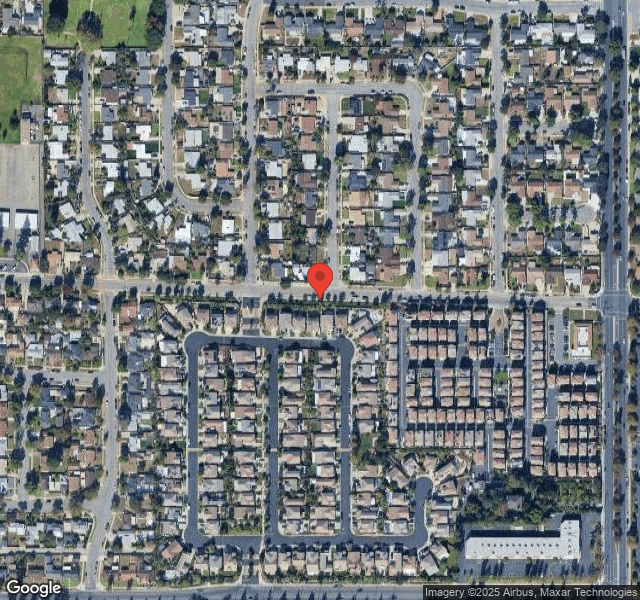
Understanding Severity Codes (click to expand)
Life-Threatening (Immediate Jeopardy)
J - Isolated K - Pattern L - Widespread
Actual Harm
G - Isolated H - Pattern I - Widespread
Potential for Harm
D - Isolated E - Pattern F - Widespread
No Harm (Minor)
A - Isolated B - Pattern C - Widespread

Questions to Ask on Your Visit

  • "Can I speak with families of current residents?"
  • "What's your RN coverage like on weekends and overnight?"

Our Honest Assessment

Strengths
  • • Grade A (90/100). Above average facility, better than most options in California.
  • • No major safety red flags. No abuse findings, life-threatening violations, or SFF status.
  • • No fines on record. Clean compliance history, better than most California facilities.
  • • 9% annual turnover. Excellent stability, 39 points below California's 48% average. Staff who stay learn residents' needs.
Concerns
  • • 16 deficiencies on record. Higher than average. Multiple issues found across inspections.
Bottom line: Generally positive indicators. Standard due diligence and a personal visit recommended.

About This Facility

What is Mount San Antonio Gardens's CMS Rating?

CMS assigns MOUNT SAN ANTONIO GARDENS an overall rating of 5 out of 5 stars, which is considered much above average nationally. Within California, this rating places the facility higher than 99% of the state's 100 nursing homes. This rating reflects solid performance across the metrics CMS uses to evaluate nursing home quality.

How is Mount San Antonio Gardens Staffed?

CMS rates MOUNT SAN ANTONIO GARDENS's staffing level at 5 out of 5 stars, which is much above average compared to other nursing homes. Staff turnover is 9%, compared to the California average of 46%. This relatively stable workforce can support continuity of care.

What Have Inspectors Found at Mount San Antonio Gardens?

State health inspectors documented 16 deficiencies at MOUNT SAN ANTONIO GARDENS during 2023 to 2025. These included: 16 with potential for harm.

Who Owns and Operates Mount San Antonio Gardens?

MOUNT SAN ANTONIO GARDENS is owned by a non-profit organization. Non-profit facilities reinvest revenue into operations rather than distributing to shareholders. The facility operates independently rather than as part of a larger chain. With 64 certified beds and approximately 39 residents (about 61% occupancy), it is a smaller facility located in POMONA, California.

How Does Mount San Antonio Gardens Compare to Other California Nursing Homes?

Compared to the 100 nursing homes in California, MOUNT SAN ANTONIO GARDENS's overall rating (5 stars) is above the state average of 3.2, staff turnover (9%) is significantly lower than the state average of 46%, and health inspection rating (5 stars) is much above the national benchmark.

What Should Families Ask When Visiting Mount San Antonio Gardens?

Based on this facility's data, families visiting should ask: "Can I visit during a mealtime to observe dining assistance and food quality?" "How do you handle medical emergencies, and what is your hospital transfer rate?" "Can I speak with family members of current residents about their experience?"

Is Mount San Antonio Gardens Safe?

Based on CMS inspection data, MOUNT SAN ANTONIO GARDENS has a clean safety record: no substantiated abuse findings (meaning no confirmed cases of resident harm), no Immediate Jeopardy citations (the most serious violation level indicating risk of serious injury or death), and is not on the Special Focus Facility watch list (a federal program monitoring the lowest-performing 1% of nursing homes). The facility has a 5-star overall rating and ranks #1 of 100 nursing homes in California. While no facility is perfect, families should still ask about staff-to-resident ratios and recent inspection results during their visit.

Do Nurses at Mount San Antonio Gardens Stick Around?

Staff at MOUNT SAN ANTONIO GARDENS tend to stick around. With a turnover rate of 9%, the facility is 37 percentage points below the California average of 46%. Low turnover is a positive sign. It means caregivers have time to learn each resident's needs, medications, and personal preferences. Consistent staff also notice subtle changes in a resident's condition more quickly.

Was Mount San Antonio Gardens Ever Fined?

MOUNT SAN ANTONIO GARDENS has no federal fines on record. CMS issues fines when nursing homes fail to meet care standards or don't correct problems found during inspections. The absence of fines suggests the facility has either maintained compliance or corrected any issues before penalties were assessed. This is a positive indicator, though families should still review recent inspection reports for the full picture.

Is Mount San Antonio Gardens on Any Federal Watch List?

MOUNT SAN ANTONIO GARDENS is not on any federal watch list. The most significant is the Special Focus Facility (SFF) program, which identifies the bottom 1% of nursing homes nationally based on persistent, serious quality problems. Not being on this list means the facility has avoided the pattern of deficiencies that triggers enhanced federal oversight. This is a positive indicator, though families should still review the facility's inspection history directly.