ROYAL GARDENS HEALTHCARE

2339 W. VALLEY BLVD., ALHAMBRA, CA 91803 (626) 289-7809
For profit - Limited Liability company 43 Beds SERRANO GROUP Data: November 2025
Trust Grade
45/100
#896 of 1155 in CA
Last Inspection: December 2024

Within standard 12-15 month inspection cycle. Federal law requires annual inspections.

Overview

Royal Gardens Healthcare in Alhambra, California, has a Trust Grade of D, indicating it is below average with some concerns about care quality. Ranked #896 out of 1155 in California and #234 out of 369 in Los Angeles County, it is in the bottom half of facilities in the area. However, the facility is improving, having reduced issues from 16 in 2024 to 5 in 2025. Staffing is a strength, with a rating of 4 out of 5 stars and more RN coverage than 79% of California facilities, though a high turnover rate of 56% is concerning. While the facility has not incurred any fines, it has faced issues such as failing to maintain complete medical records for residents and not following infection control measures, which could risk spreading infections.

Trust Score
D
45/100
In California
#896/1155
Bottom 23%
Safety Record
Low Risk
No red flags
Inspections
Getting Better
16 → 5 violations
Staff Stability
⚠ Watch
56% turnover. Above average. Higher turnover means staff may not know residents' routines.
Penalties
✓ Good
No fines on record. Clean compliance history, better than most California facilities.
Skilled Nurses
✓ Good
Each resident gets 49 minutes of Registered Nurse (RN) attention daily — more than average for California. RNs are trained to catch health problems early.
Violations
⚠ Watch
61 deficiencies on record. Higher than average. Multiple issues found across inspections.
★★☆☆☆
2.0
Overall Rating
★★★★☆
4.0
Staff Levels
★★★★☆
4.0
Care Quality
★★☆☆☆
2.0
Inspection Score
Stable
2024: 16 issues
2025: 5 issues

The Good

  • 4-Star Staffing Rating · Above-average nurse staffing levels
  • 4-Star Quality Measures · Strong clinical quality outcomes
  • Full Sprinkler Coverage · Fire safety systems throughout facility
  • No fines on record

Facility shows strength in staffing levels, quality measures, fire safety.

The Bad

2-Star Overall Rating

Below California average (3.1)

Below average - review inspection findings carefully

Staff Turnover: 56%

10pts above California avg (46%)

Frequent staff changes - ask about care continuity

Chain: SERRANO GROUP

Part of a multi-facility chain

Ask about local staffing decisions and management

Staff turnover is elevated (56%)

8 points above California average of 48%

The Ugly 61 deficiencies on record

Aug 2025 2 deficiencies
CONCERN (D) 📢 Someone Reported This

A family member, employee, or ombudsman was alarmed enough to file a formal complaint

Potential for Harm - no one hurt, but risky conditions existed

Deficiency F0627 (Tag F0627)

Could have caused harm · This affected 1 resident

**NOTE- TERMS IN BRACKETS HAVE BEEN EDITED TO PROTECT CONFIDENTIALITY** Based on interview and record review, the facility failed to ensure the discharge needs for one (1) of two (2) sampled residents...

Read full inspector narrative →
**NOTE- TERMS IN BRACKETS HAVE BEEN EDITED TO PROTECT CONFIDENTIALITY** Based on interview and record review, the facility failed to ensure the discharge needs for one (1) of two (2) sampled residents (Resident 1) were identified by failing to ensure an oxygen concentrator (a medical device that concentrates environmental air and delivers it in the form of supplemental oxygen), portable oxygen, and nebulizer (a device for breathing mist treatment) were provided and ready for use upon resident's discharge to a Recuperative Care Center (a short-term residential care for residents who no longer require hospitalization but still need to heal from an injury or illness). This deficient practice had the potential to result in an unsafe discharge for Resident 1 due to lack of an oxygen concentrator until 8/11/2025 (four days after discharge) and not receiving respiratory treatment due to the absence of a nebulizer from 8/7/2025 to 8/20/2025, which could lead to Resident 1 suffering from respiratory complications and hospitalization. Findings: During a record review of Resident 1's admission Record, the admission Record indicated Resident 1 was admitted to the facility on [DATE] with the diagnoses including but not limited to acute respiratory failure (an inability to maintain adequate oxygenation for tissues or adequate removal of carbon dioxide from tissues) with hypoxia (lack of oxygen in the tissues to sustain bodily function), dependence on supplemental oxygen, and chronic obstructive pulmonary disease (COPD, disease that causes obstructed airflow from the lungs) with acute exacerbation (sudden worsening of symptoms of the disease). During a record review of Resident 1's Care Plan, dated 6/24/2025, the care plan indicated Resident 1 had oxygen therapy related to diagnosis of COPD, hypoxic respiratory failure, and hypertensive (high blood pressure) heart disease. The staff interventions were to ensure oxygen was delivered via nasal prongs (plastic tubes inserted into the nostrils to provide a measured increased supply of oxygen) at 2 liters (L, unit of volume)/minute continuously. During a record review of Resident 1's Minimum Data Set (MDS, a resident assessment tool), dated 7/1/2025, the MDS indicated the resident's cognitive (mental action or process of acquiring knowledge and understanding) skills for daily decision making were intact. The MDS indicated Resident 1 required setup or clean-up assistance (helper sets up or cleans up; resident completes activity) for eating, oral hygiene, rolling, left and right, and sitting to lying. The MDS also indicated Resident 1 received oxygen therapy. During a record review of Resident 1's Physician Order Summary Report, the Physician Order Summary indicated as follows:- On 6/24/2025, oxygen at 2 liters via nasal cannula (NC, device used to deliver supplemental oxygen placed directly on a resident's nostrils) continuous. - On 6/25/2025, Budesonide Suspension (a drug that reduces inflammation in the lungs which helps to keep the airways open and improve airflow) 0.5 milligrams (mg, unit of measurement/2 milliliters (ml, unit of volume): 1 dose inhale orally every 12 hours for COPD. - On 8/7/2025, the report indicated discharge to Recuperative Care with current medications, home health for Registered Nurse (RN) medication management, and durable medical equipment (DME, refers to medical devices prescribed by healthcare providers for long-term or everyday use in the home) portable oxygen tank as needed. During a record review of Resident 1's Care Plan, dated 8/7/2025, the Care Plan indicated Resident 1 wished to discharge to a lower level of care. The staff interventions were to make arrangements with the required community resources to support independence post-discharge. During a record review of Resident 1's Nursing Note, dated 8/7/2025, the note indicated Resident 1 was discharged with a portable oxygen tank. During an interview on 8/20/2025 at 11:08 AM with Recuperative Care Clinical Director (RCCD), RCCD stated Resident 1 did not have all the appropriate DME when Resident 1 was discharged from the facility and admitted to Recuperative Care on 8/7/2025. RCCD stated Resident 1 should come to Recuperative Care with all DME needed upon arriving at Recuperative Care. RCCD stated Resident 1 needed and did not have an oxygen concentrator, oxygen tank, and nebulizer upon admission to Recuperative Care. RCCD stated Resident 1 was sent to Recuperative Care with an almost empty oxygen tank. RCCD stated the facility did not provide a safe discharge for Resident 1. RCCD stated Resident 1 was discharged to Recuperative Care on 8/7/2025 and the DME was delivered on 8/11/2025 (four days after being discharged ). RCCD stated Resident 1 had also still not received her nebulizer equipment for nebulizer treatment since being admitted to Recuperative Care (13 days). During an interview on 8/20/2025 at 11:24 AM with Resident 1, Resident 1 stated Resident 1 was not provided with a nebulizer when she was discharged from the facility. Resident 1 stated she had not received her breathing treatment twice a day through a nebulizer since 8/6/2025. Resident 1 stated she was only given a half full portable oxygen tank and was rushed to be discharged from the facility on 8/7/2025. Resident 1 stated, I did not want to be transferred out like that cause my health was important to me.During a concurrent record review and interview on 8/20/2025 at 2:14 PM with the Director of Nursing (DON), Resident 1's Physician's Order was reviewed. The DON stated the Case Manager (CM) and Social Worker (SW) would arrange and inform the facility when the DME had been delivered, prior to discharging the resident from the facility. The DON stated Resident 1 was on continuous oxygen and received Budesonide via a nebulizer. The DON stated the concentrator, oxygen tank, and nebulizer were supposed to be ready at the Recuperative Care Center before Resident 1 was transferred out from the facility. The DON stated the DME was for Resident 1 to use when Resident 1 needed them. The DON stated Resident 1 may experience shortness of breath due to her COPD if Resident 1 did not have the required oxygen and nebulizer. The DON stated the CM and SW were responsible for verifying that all DME items were available at the Recuperative Care Center prior to discharging Resident 1 from the facility. During an interview on 8/20/2025 at 4:47 PM with CM, CM stated CM ordered an oxygen concentrator and oxygen tank on the day Resident 1 was discharged . CM stated the concentrator and oxygen tank were not at the Recuperative Care Center when Resident 1 was discharged . CM stated Resident 1 received the concentrator and oxygen tank on 8/9/2024 (2 days after discharge). CM stated CM did not place an order for a nebulizer for Resident 1. CM stated CM had reviewed Resident 1's Physician's order and did not see any orders for nebulizer treatment or continuous oxygen. CM stated DME should be made available and was not made available to Resident 1 prior to discharging Resident 1. CM stated the facility should have waited to discharge Resident 1 until the delivery of the DME at the Recuperative Care Center. CM stated if Resident 1 required continuous oxygen per the physician's order, then the oxygen tank provided to Resident 1 upon discharge would not have lasted Resident 1 the whole day. CM stated when residents are on continuous oxygen, the residents would need a concentrator while receiving oxygen. CM stated without the oxygen tank, concentrator and nebulizer, Resident 1 could experience respiratory distress and could be sent out to the hospital. During a record review of the facility's Policy and Procedure (P&P), the P&P titled, Transfer or Discharge, Facility-Initiated, dated 10/2022, indicated should a resident be transferred or discharged for any reason that all special instructions or precautions for ongoing care as appropriate such as treatments and devices (oxygen) should be conveyed to the receiving provider to ensure a safe and effective transition of care.
CONCERN (E) 📢 Someone Reported This

A family member, employee, or ombudsman was alarmed enough to file a formal complaint

Potential for Harm - no one hurt, but risky conditions existed

Medical Records (Tag F0842)

Could have caused harm · This affected multiple residents

**NOTE- TERMS IN BRACKETS HAVE BEEN EDITED TO PROTECT CONFIDENTIALITY** Based on interview and record review, the facility failed to maintain complete medical records for two (2) of 2 sampled resident...

Read full inspector narrative →
**NOTE- TERMS IN BRACKETS HAVE BEEN EDITED TO PROTECT CONFIDENTIALITY** Based on interview and record review, the facility failed to maintain complete medical records for two (2) of 2 sampled residents (Residents 1 and 2) in accordance with the facility's policy. This deficient practice had the potential for Residents 1 and 2 not to receive the discharge information necessary for the residents' continuity of care in the community.Findings: 1. During a record review of Resident 1's admission Record, the admission Record indicated Resident 1 was admitted to the facility on [DATE] with the diagnoses including but not limited to acute respiratory failure (an inability to maintain adequate oxygenation for tissues or adequate removal of carbon dioxide from tissues) with hypoxia (lack of oxygen in the tissues to sustain bodily function), acute ischemic heart disease (heart damage caused by narrowed heart arteries), and chronic obstructive pulmonary disease (COPD, disease that causes obstructed airflow from the lungs) with acute exacerbation (sudden worsening of symptoms of the disease). During a record review of Resident 1's Physician Order Summary Report, dated 8/7/2025, the report indicated discharge to Recuperative Care (a short-term residential care for residents who no longer require hospitalization but still need to heal from an injury or illness) with current medications, home health (medical services and skilled care provided in a resident's home to help recover from an illness or injury, manage chronic conditions, or age in place) for Registered Nurse (RN) medication management. During a record review of Resident 1's Minimum Data Set (MDS, a resident assessment tool), dated 7/1/2025, the MDS indicated the resident's cognitive (mental action or process of acquiring knowledge and understanding) skills for daily decision making were intact. The MDS indicated Resident 1 required setup or clean-up assistance (helper sets up or cleans up; resident completes activity) for eating, oral hygiene, rolling, left and right, and sitting to lying. During a record review of Resident 1's Care Plan, dated 8/7/2025, the Care Plan indicated Resident 1 wished to discharge to a lower level of care. The staff interventions were to encourage the resident to discuss feelings and concerns with impending discharge; monitor for and address episodes of anxiety, fear, and distress; and evaluate the resident's motivation to return to the community. During a record review of Resident 1's Notice of Transfer/Discharge form, dated 8/7/2025, the bottom left corner of form indicated for the resident's signature. There was no signature signed by Resident 1 on the form when Resident 1 was discharged . The Notice of Transfer/Discharge form indicated the discharge location, reason for transfer or discharge, and the right to appeal the transfer or discharge. 2. During a record review of Resident 2's admission Record, the admission Record indicated Resident 2 was admitted to the facility on [DATE] with the diagnoses including but not limited to traumatic subdural hemorrhage (collection of blood that occurs between the outer layer of the brain and the inner layers) without loss of consciousness, non-ST elevation myocardial infarction (NSTEMI, a type of heart attack that occurs when the heart muscle does not receive enough oxygen, leading to damage), and type 2 diabetes mellitus (a disease that occurs when there is a problem in the way the body regulates and uses sugar as fuel). During a record review of Resident 2's MDS, dated [DATE], the MDS indicated the resident's cognitive skills for daily decision making were moderately impaired. The MDS indicated Resident 2 required substantial/maximal assistance (helper does more than half the effort) for toileting hygiene, shower/bathing, lower body dressing, rolling left and right, and sitting to lying. During a record review of Resident 2's Physician Order Summary Report, dated 8/7/2025, the report indicated the last covered day of skilled services on 8/8/2025 and discharge home on 8/9/2025. During a record review of Resident 2's Notice of Transfer/Discharge form, dated 8/9/2025, the bottom left corner of form indicated for the resident's signature. There was no signature signed by Resident 2 on the form when Resident 2 was discharged . During a concurrent interview and record review on 8/18/2025 at 3:30 PM with the Director of Nursing (DON) of Resident 1's Notice of Transfer/Discharge, the DON stated staff usually signed the form, but Registered Nurse 1 (RN 1) forgot to have the resident sign the form. The DON stated the Notice of Transfer/Discharge was the only document residents signed when they were discharged . During an interview on 8/18/2025 at 4:50 PM with RN 2, RN 2 stated the Notice of Transfer/Discharge was signed by RN 1 and this meant that the resident was notified about the details of the Notice of Transfer/Discharge and information such as the discharge location, their belongings, and medications. RN 2 stated the Notice of Transfer/Discharge should be signed by the resident or responsible party.During a concurrent record review of Resident 1 and Resident 2's Notice of Transfer/Discharge forms and interview with the DON on 8/18/2025 at 5:03 PM, the DON stated both forms did not have the residents' signatures. The DON stated the forms should be signed by the residents for legal purposes and proper documentation. During a record review of the facility's Policy and Procedure (P&P) titled, Charting and Documentation, revised 7/2017, the policy indicated documentation in the medical record will be objective, complete, and accurate. During a record review of the facility's P&P titled, Transfer or Discharge, Facility-Initiated, dated 10/2022, the policy indicated when a resident is transferred or discharged from the facility, the following information is documented in the medical record: that an appropriate notice was provided to the resident and/or legal representative.
Jul 2025 1 deficiency
CONCERN (E) 📢 Someone Reported This

A family member, employee, or ombudsman was alarmed enough to file a formal complaint

Potential for Harm - no one hurt, but risky conditions existed

Infection Control (Tag F0880)

Could have caused harm · This affected multiple residents

**NOTE- TERMS IN BRACKETS HAVE BEEN EDITED TO PROTECT CONFIDENTIALITY** Based on observation, interview, and record review, the facility failed to observe infection control measures for two (2) of 2 s...

Read full inspector narrative →
**NOTE- TERMS IN BRACKETS HAVE BEEN EDITED TO PROTECT CONFIDENTIALITY** Based on observation, interview, and record review, the facility failed to observe infection control measures for two (2) of 2 sampled residents (Resident 1 and 2) as indicated on the facility policy by failing to ensure:1. Certified Nursing Assistant (CNA) 1 performed hand hygiene (the practice of cleaning and disinfecting hands to remove harmful microorganisms) when exiting Resident 1 and 2's room. 2. Resident 1 had clinical or laboratory results for Carbapenem-Resistant Acinetobactor baumannii (CRAB - a bacterial infection caused by a drug-resistant strain of bacteria) when resident was readmitted to the facility on [DATE].This deficient practice has the potential to spread infection to staff and other residents in the facility.Findings:During a review of Resident 1's admission Record, the admission Record indicated the resident was originally admitted on [DATE] and was readmitted on [DATE] with the following diagnoses of resistance to multiple antibiotics (a microorganism has developed the ability to withstand the effects of several different antibiotics), pneumonitis (swelling and irritation, also called inflammation, of lung tissue), diabetes mellitus (DM-a disorder characterized by difficulty in blood sugar control and poor wound healing), and malnutrition (lack of proper nutrition). During a review of Resident 1's Minimum Data Set (MDS - a resident assessment tool), dated 4/15/2025, the MDS indicated the resident was moderately impaired in cognitive (the ability to understand and make decisions) skills for daily decision making. The MDS also indicated Resident 1 required partial/moderate assistance (helper does less than half the effort. Helper lifts, holds, or supports trunk or limbs, but provides less than half the effort) with upper body dressing and personal hygiene but requires substantial/maximal assistance (helper does more than half the effort. Helper lifts or holds trunk or limbs and provides more than half the effort) with toileting hygiene, lower body dressing and putting on/taking off footwear. During a review of Resident 1's Change of Condition (COC - a significant alteration in the residents physical or mental status), dated 6/12/2025 at 11:46 PM, the COC indicated the resident was transferred via 911 (emergency services) to GACH (General Acute Care Hospital) 1. During a review of Resident 1's laboratory results from GACH (General Acute Care Hospital) 1, dated 6/14/2025, the laboratory results indicated Resident 1 was admitted to GACH 1 on 6/13/2025 and was positive for CRAB. During a review of the facility's electronic mail (email) from Public Health Nurse (PHN) to the facility, dated 7/7/2025, the email thread indicated a report of Resident 1 was positive for CRAB. The email thread also indicated PHN instructions was staff should always conduct hand hygiene and ensure to implement Enhanced Barrier Precautions (EBP - infection control measures implemented in nursing homes to reduce the spread of multidrug-resistant organisms [MDROs]). During a review of Resident 1's Nurses Notes, dated 7/16/2025 at 6:28 PM, the Nurses Notes indicated the resident was on monitoring for new admission (not indicated from where). During a review of Resident 1's Care Plan with focus EBP, revised 7/16/2025, the care plan indicated the resident had a history of CRAB. The care plan also indicated hand hygiene before and after resident contact and standard precautions (a set of infection control practices designed to prevent the transmission of infectious diseases in healthcare settings, such as washing hands or using an alcohol-based hand rub when entering and exiting patient care areas) apply to the care of the resident. During a review of Resident 2's admission Record, the admission Record indicated the resident was originally admitted on [DATE] and was readmitted on [DATE] with the following diagnoses of DM, urinary tract infection (UTI- an infection in the bladder/urinary tract), and sepsis (a life-threatening blood infection). During a review of Resident 2' s MDS, dated [DATE], the MDS indicated the resident was independent in cognitive skills for daily decision making. The MDS also indicated the resident required partial/moderate assistance with upper body dressing, substantial/maximal assistance with lower body dressing and was dependent (Helper does all of the effort. Resident does none of the effort to complete the activity. Or, the assistance of 2 or more helpers is required for the resident to complete the activity) with toileting hygiene and shower/bathe self. During a concurrent observation and interview outside Room A (Resident 1 and 2's room) on 7/21/2025 at 11:15 AM, the Infection Preventionist Nurse (IPN) stated the EBP sign indicated the resident is currently and only on Carbapenem-resistant Enterobacterales (CRE - a family of bacteria that are resistant to many antibiotics) precautions. During an interview with Resident 2 on 7/21/2025 at 11:22 AM, Resident 2 stated the staff would just bring in his food without personal protective equipment (PPE - clothing and equipment that is worn or used to provide protection against hazardous substances and/or environments), does not perform hand hygiene when the staff leaves the resident's room. During an observation on 7/21/2025 at 12:15 PM, during the passing of meal trays, Certified Nursing Assistant (CNA) 1 was observed delivering a meal tray to Room A for Resident 2. CNA 1 was also observed coming out of Room A without performing hand hygiene. During an interview on 7/21/2025 at 1:06 PM, the IPN stated Resident 1's diagnosis of CRAB is not but should be on the admission Record, so the staff and other facilities receiving the resident can take appropriate infection control measures. During an interview with GACH 1 IPN on 7/21/2025 at 1:20 PM with IPN present, GACH 1 IPN stated Resident 1 was positive for CRAB since 6/14/2025 and was discharged to GACH 2 on 6/22/2025. During an interview with GACH 2 Case Manager on 7/21/2025 at 1:32 PM with IPN present, GACH 2 stated Resident 1 was not tested for CRAB during stay of Resident in GACH 2 from 6/22/2025 to 7/15/2025. IPN stated, there was no diagnostic result that showed Resident 1 was cleared from CRAB and the facility should have tested Resident 1 when the resident was admitted back on 7/15/2025. During an interview on 7/21/2025 at 2:15 PM, the IPN stated she did not test Resident 1 and Resident 2 for CRAB since Resident 1 was admitted at the facility on 7/15/2025. During a concurrent interview and record review on 7/21/2025 at 2:40 PM, the facility's policy and procedure (P&P) titled Isolation Discontinuing, revised 10/2018, was reviewed. The P&P indicated precautions are evaluated daily and clinical, or laboratory results are needed to indicate that the infection is resolved. The IPN stated according to the P&P, the facility needs to complete clinical or laboratory results for Resident 1's CRAB when the resident was admitted to the facility. The IPN stated Resident 1 was not and should have been retested for CRAB upon readmission on [DATE] and diagnosis of CRAB or history of CRAB would need to be indicated on Resident 1's admission Record. During the same concurrent interview and record review on 7/21/2025 at 2:40 PM, the facility's undated P&P titled Enhanced Barrier Precautions, was reviewed. The P&P indicated, standards precautions apply to the care of all residents regardless of suspected or confirmed infection or colonization status. The IPN stated standard precautions are applied to all residents regardless of suspected or confirmed infection or colonization status. The IPN also stated the CNA should perform hand hygiene upon entering and exiting resident's room. During an interview on 7/21/2025 at 3:38 PM, the IPN stated the reason to test Resident 1 if the reisdent is still positive for CRAB is to ensure infection control measures are followed. During a concurrent observation and interview of the facility's surveillance video dated 7/21/2025 with time stamp around 12:15PM on 7/21/2025 at 4 PM, the video showed CNA 1 did not perform hand hygiene upon exiting Room A. The Administrator (ADM) stated CNA 1 did not perform hand hygiene upon exiting Room A. During an interview on 7/22/2025 at 9:30 AM, CNA 1 stated she should have performed hand hygiene when she exited Room A on 7/21/2025 at 12:15 PM because that can spread infection to other residents in the facility. During a concurrent interview and record review of Resident 1's admission Record, printed on 7/21/2025 at 12:20 PM, on 7/22/2025 at 9:42 PM, the IPN stated the resident's admission Record should indicate diagnosis of CRAB because the diagnosis is not officially discontinued since we do not have evidence Resident 1 was negative from CRAB. The IPN also stated it is for staff and other facilities, who receive the resident, to take precautionary infection control measures.
Apr 2025 1 deficiency
CONCERN (E) 📢 Someone Reported This

A family member, employee, or ombudsman was alarmed enough to file a formal complaint

Potential for Harm - no one hurt, but risky conditions existed

Medical Records (Tag F0842)

Could have caused harm · This affected multiple residents

**NOTE- TERMS IN BRACKETS HAVE BEEN EDITED TO PROTECT CONFIDENTIALITY** Based on observation, interview, and record review, the facility failed to maintain an accurate documentation of wound care trea...

Read full inspector narrative →
**NOTE- TERMS IN BRACKETS HAVE BEEN EDITED TO PROTECT CONFIDENTIALITY** Based on observation, interview, and record review, the facility failed to maintain an accurate documentation of wound care treatment for two (2) of 2 sampled residents (Residents 1 and 2) on the residents Treatment Administration Record (TAR) in accordance with the facility's policy titled Charting and Documentation. This deficient practice resulted in the medical records inaccurate representation of care provided to Residents 1 and 2. Findings: 1. During a review of Resident 1's admission Record, the admission Record indicated the resident was initially admitted to the facility on [DATE] and was readmitted on [DATE] with diagnoses that included pressure ulcer (also known as pressure injuries - localized damage to the skin and/or underlying tissue usually over a bony prominence) on the sacral (tailbone) region of unspecified stage and hemiplegia (total paralysis of the arm, leg, and trunk on the same side of the body) and hemiparesis (a slight loss of strength in a leg, arm, or face) following cerebral infarction (damage to tissues in the brain due to a loss of oxygen to the area). During a review of Resident 1's Minimum Data Set (MDS- a resident assessment tool), dated 3/27/2025, the MDS indicated Resident 1 had moderate impairment in cognitive (mental action or process of acquiring knowledge and understanding) skills for daily decision making. The MDS also indicated Resident 1 was dependent (helper does all the effort) with toileting hygiene and shower and required substantial/maximal assistance (helper does more than half the effort) with oral and personal hygiene, upper and lower body dressing and putting on/taking off footwear. The MDS further indicated Resident 1 required partial/moderate assistance (helper does less than half the effort) with eating. During a review of Resident 1's physician's order dated 2/22/2025 timed at 11:35 AM, the physicians order indicated daily dressing changes to Resident 1's Sacro-coccyx (pertains to both large triangular shaped bone in the lower spine that forms part of the pelvis and the tailbone) pressure injuries for 28 days. The physicians order indicated to cleanse Resident 1's Sacro-coccyx with normal saline (NS-a saltwater solution), pat dry, apply Santyl ointment (used to remove damaged tissue from chronic skin ulcers), cover with alginate (a light, nonwoven fabrics derived from algae or seaweed) sheet then cover with foam dressing. During a review of Resident 1's Treatment Administration Record (TAR) for the month of March 2025, the TAR was left blank/ was not signed on 3/18/2025 for Resident 1's Sacro-coccyx wound care order to clean with NS, pat dry, apply Santyl ointment, cover with alginate and cover with foam dressing. 2. During a review of Resident 2's admission Record, the admission Record indicated the resident was initially admitted to the facility on [DATE] and was readmitted on [DATE] with diagnoses that included stage three (3) pressure ulcer (Full-thickness loss of skin. Dead and black tissue may be visible) on right lower back, stage four (4) pressure ulcer (Full-thickness skin and tissue loss with exposed muscle, tendon, ligament, cartilage, or bone) on left hip, unstageable (the wound cannot be accurately categorized as to what stage because the base of the wound is obscured) pressure ulcer on the left ankle, and pressure induced deep tissue damage of right heel. During a review of Resident 2's MDS dated [DATE], the MDS indicated Resident 2 had severe impairment in cognitive skills for daily decision making. The MDS also indicated Resident 2 was dependent with eating, oral and toileting hygiene, shower, upper and lower body dressing and putting on/taking off footwear. During a review of Resident 2's physician's order dated 2/24/2025 timed at 1:50 PM, the physicians order indicated daily dressing changes to Resident 2's pressure injuries for 30 days. The physicians order included the following: a) Left buttock - cleanse with NS pat dry, apply Medi Honey (a medical- grade honey dressing that can be used to treat a variety of wounds) then cover with dry dressing. b) Left medial (toward the middle) knee- cleanse with NS, pat dry, apply Santyl ointment then cover with dry dressing. c) Left trochanter (a bumpy, raised area on a thigh bone where muscles and tendons attach) - cleanse with NS, pat dry, apply Santyl ointment and Medi honey then cover with dry dressing. d) Right heel - cleanse with NS, pat dry, apply Betadine solution (an antiseptic used to kill germs and prevent infection particularly on the skin), cover with abdominal pad then wrap with kerlix gauze (a highly absorbent gauze used for wound care). e) Right lateral (situated at or on the side) knee - cleanse with NS, pat dry, apply Santyl ointment then cover with dry dressing. f) Right medial knee - cleanse with NS, pat dry, apply Santyl ointment then cover with dry dressing. g) Sacro-coccyx - cleanse with NS, pat dry, apply barrier cream then cover with dry dressing. During a review of Resident 2's TAR for the month of March 2025, the TAR indicated the daily pressure ulcer/injury (localized damage to the skin and/or underlying tissue usually over a bony prominence) wound treatments for 3/16/2025 and 3/18/2025 timed for 7 AM - 3 PM (day shift) did not have the initial of the Registered Nurse (RN)/ Treatment Nurse (TN) on the following sites: a) Left buttock - cleanse with NS, pat dry, apply Medi Honey then cover with dry dressing. b) Left medial knee- cleanse with NS, pat dry, apply Santyl ointment, then cover with dry dressing. c) Left trochanter - cleanse with NS, pat dry, apply Santyl ointment and Medi honey, then cover with dry dressing. d) Right heel - cleanse with NS, pat dry, apply Betadine solution, cover with abdominal pad then wrap with kerlix gauze. e) Right lateral knee - cleanse with NS, pat dry, apply Santyl ointment then cover with dry dressing. f) Right medial knee - cleanse with NS, pat dry, apply Santyl ointment then cover with dry dressing. g) Sacro coccyx - cleanse with NS, pat dry, apply barrier cream then cover with dry dressing. During a concurrent interview and record review on 4/22/2025 at 11:58 AM, Resident 1 and 2's TAR for the month of March 2025 were reviewed. Resident 1's MAR was not signed on 3/18/2025 for Resident 1's wound care on the resident's Sacro coccyx and Resident 2's MAR were left blank/ not signed on 3/16/2025 and 3/18/2025 for Resident 2's left buttock, left medial knee, left trochanter, right heel right lateral knee, right medial knee and Resident 2's Sacro coccyx. RN 1 stated RN 1 was covering for the Treatment Nurse (TN) on 3/16/2025 and 3/18/2025, and confirmed the TAR was inaccurate because licensed nurse who completed the treatment missed to check and initial/ sign RN 1 provided on 3/16/2025 and 3/18/2025 for both Residents 1 and 2. RN 1 also stated the wound care treatment should be documented after it was provided to confirm they were done. During an interview on 4/22/2025 at 2:30 PM, the Director of Nursing (DON) stated RN 1 or whoever was providing the wound care treatment to Resident 1 and 2 should have checked and initaled/ signed the residents' TAR after the wound care treatment was provided to validate the treatments were done. The DON also stated, the TAR should be signed after providing the wound care treatment to ensure accuracy of documentation in the residents' medical record. During a review of the facility's undated policy and procedure (P&P) titled, Charting and Documentation, indicated that all services provided to the resident, .shall be documented in the resident's medical record. The policy also indicated that documentation in the medical record will be objective (not opinionated or speculative), complete, and accurate. The policy further indicated, documentation of the procedures and treatments will include care -specific detail, including date and time the procedure/treatment was provided, name and title of the individual (s) who provided the care, and the signature and title of the individual documenting.
Mar 2025 1 deficiency
CONCERN (D) 📢 Someone Reported This

A family member, employee, or ombudsman was alarmed enough to file a formal complaint

Potential for Harm - no one hurt, but risky conditions existed

Deficiency F0800 (Tag F0800)

Could have caused harm · This affected 1 resident

**NOTE- TERMS IN BRACKETS HAVE BEEN EDITED TO PROTECT CONFIDENTIALITY** Based on observation, interview, and record review, the facility failed to provide special dietary need of one of two sampled re...

Read full inspector narrative →
**NOTE- TERMS IN BRACKETS HAVE BEEN EDITED TO PROTECT CONFIDENTIALITY** Based on observation, interview, and record review, the facility failed to provide special dietary need of one of two sampled residents (Resident 1) by failing to ensure Controlled Carbohydrate Diet (CCHO diet, a dietary approach designed to manage blood sugar levels) that is recommended by Registered Dietitian (RD, is a healthcare professional who specializes in food and nutrition) was communicated and order obtained from the resident's primary physician. This deficient practice placed Resident 1 at risk for developing high blood sugar that can lead to hospitalization and/ or death. Findings: During a review of Resident 1's admission Record, indicated Resident 1 was admitted to the facility on [DATE] with diagnoses that included type 2 diabetes mellitus (DM-a disorder characterized by difficulty in blood sugar control and poor wound healing), dementia (a progressive state of decline in mental abilities), and acute kidney failure (a sudden loss of kidney function). During a review of Resident 1's care plan, focusing on DM, initiated on 2/17/2025, indicated an intervention for dietary consult for nutritional regimen and ongoing monitoring. During a review of Resident 1's Minimum Data Set (MDS, a resident assessment tool), dated 2/21/2025, the MDS indicated Resident 1's cognitive (ability to think and reason) skills for daily decision making was moderately impaired (decisions poor; cues/supervision required). The MDS indicated Resident 1 was independent with eating and oral hygiene. The MDS indicated Resident 1 required supervision or touching assistance (helper provides verbal cues; resident completes activity) with toileting hygiene, upper body dressing, lower body dressing, and putting on/taking off footwear. The MDS indicated Resident 1 required partial/moderate assistance (helper does less than half the effort) with shoer/bath. The MDS also indicated Resident 1 was on a therapeutic diet (a specialized meal plan designed to treat or manage specific medical conditions), on admission and while a resident in the facility. During a review of Resident 1's Order summary report dated 3/5/2025, timed at 3:57 PM, indicated no added Salt (NAS) mechanical soft diet (consists of foods that are soft, easy to chew and swallow, often requiring minimal chewing, and are designed for individuals with difficulty chewing or swallowing) - chopped texture (food prepared into bite sizes), ordered on 2/23/2025. The order did not indicate to start resident on CCHO diet, snacks twice a day (BID) and nephrovite (multivitamins) daily. During a review of Resident 1's food and nutritional assessment completed by RD, dated 2/24/2025, timed at 11:36 AM, indicated Resident 1 is currently on NAS diet, it indicated Resident 1 is at risk of altered nutrition due to diabetes and kidney disease. The assessment indicated the following nutrition intervention/prescription/recommendation: Discontinue diet (current diet order) and change to CCHO NAS mechanical soft chopped thin liquid diet (watery and easy to pour like water, juice, milk or broth). Snacks BID. Nephrovite daily. During a concurrent observation and interview on 3/5/2025 at 2:30 PM with Resident 1, in Resident 1's room, Resident 1 asked surveyor for another cup of juice because she just finished a cup of juice and showed surveyor that it is now empty. Resident 1 stated she does not know if the juice is sugar free or not. During an interview on 3/5/2025 at 2:37 PM with Licensed Vocational Nurse (LVN) 1, LVN 1 stated Resident 1 has DM. During a concurrent record review and interview on 3/5/2025 at 2:42 PM with Kitchen Supervisor (KS), Resident 1's diet card was reviewed. KS showed surveyor Resident 1's diet card which indicated NAS diet. KS verified Resident 1's current diet card did not indicate CCHO. KS stated when a resident has diagnosis of DM, CCHO is usually ordered by doctor (resident's primary physician) and it will generate in their diet card that resident's diet should be CCHO, which is a diet that has lesser sugar than normal diet. During a concurrent record review and interview on 3/5/2025 at 2:45 PM with Registered Nurse (RN), Resident 1's medical records dated from 2/24/2025 to 3/5/2025 were reviewed. RN stated Resident 1 was seen by RD sometime in February of this year (2025). RN stated RD recommendations are being reviewed by licensed nurses and communicated to the resident's primary physician and if the physician is agreeable with RD recommendation the licensed nurse obtains the physician's order and will carry out the order (implement). RN stated Resident 1's food and nutrition assessment by RD dated on 2/24/2025 was not reviewed by licensed nurses, and was not and should have been communicated to Resident 1's primary physician. RN added he was not aware of Resident 1's food and nutrition assessment done by RD on 2/24/2025, RN stated it was his first time reviewing it today. During a concurrent record review and interview on 3/5/2025 at 3:34 PM with Director of Nursing (DON), Resident 1's medical records dated 2/24/2025 to 3/5/2025 were reviewed. Resident 1's medical records did not indicate Resident 1's primary physician was informed of the RD's recommendation on 2/24/2025 to placed resident on CCHO diet. The DON verified Resident 1 has diagnosis of DM, and the expected diet order should include CCHO to control blood sugar. The DON verified Resident 1's current diet order is NAS mechanical soft diet - chopped texture, ordered on 2/23/2025. The DON verified Resident 1's food and nutrition assessment done by RD on 2/24/2025 has nutrition intervention/ prescription/ recommendation to discontinue diet and change to CCHO. The DON stated providing CCHO diet to a resident who has DM is important to control blood sugar. The DON stated high blood sugar can lead to hospitalization and/or death. The DON stated a resident who has DM, and uncontrolled blood sugar can experience fruity smell, unresponsiveness, and can go to diabetic coma (a life-threatening, reversible state of unconsciousness in people with diabetes, caused by either dangerously high or low blood sugar levels). During a review of Facility's Policy and Procedure (P&P), titled Therapeutic diets, revised October 2017, indicated therapeutic diets are prescribed by the attending physician (Doctor/ primary physician) to support the resident's treatment and plan of care and in accordance with his or her goals and preferences. The P&P indicated interpretation and implementation indicated the following: A therapeutic diet must be prescribed by the resident's attending physician (or non -physician provider). The attending physician may delegate this task to a registered or licensed dietitian as permitted by state law. Diet order should match the terminology used by the food and nutrition services department. The dietitian, nursing staff, and attending physician will regularly review the need for, and resident acceptance of, prescribed therapeutic diets. The dietitian and nursing staff will document significant information relating to the resident's response to his/her therapeutic diet in the resident's medical record. During a review of Facility's P&P, titled Nutrition Care, dated 2018, indicated unclear or questionable diet orders should be clarified by the RD, licensed nurse, Director of Food and Nutrition Services and physician as soon as possible.
Dec 2024 12 deficiencies
CONCERN (D)

Potential for Harm - no one hurt, but risky conditions existed

Resident Rights (Tag F0550)

Could have caused harm · This affected 1 resident

**NOTE- TERMS IN BRACKETS HAVE BEEN EDITED TO PROTECT CONFIDENTIALITY** Based on observation, interviews, and record reviews, the facility staff failed to ensure resident would not wait for 32 minutes...

Read full inspector narrative →
**NOTE- TERMS IN BRACKETS HAVE BEEN EDITED TO PROTECT CONFIDENTIALITY** Based on observation, interviews, and record reviews, the facility staff failed to ensure resident would not wait for 32 minutes to receive his meal tray while other residents in the same table were eating for one (1) of 15 sampled residents (Residents 25). This deficient practice violated the rights of the resident to be treated with dignity or respect. Findings: During a review of Resident 25's admission Records indicated Resident 25 was admitted to the facility on [DATE] and re-admitted on [DATE] with diagnoses that includes dysphagia (difficulty swallowing foods or liquids) following cerebral infarction (stroke-damage to the tissues in the brain due to a loss of oxygen to the area) and type II diabetes mellitus (high blood sugar). During a review of Resident 25's Minimum Data Set (MDS- a federally mandated resident assessment tool) dated 10/13/2024, indicated Resident 25 was cognitively (relating to the process of acquiring knowledge and understanding) impaired. The MDS indicated Resident 25 was dependent (helper does all of the effort, resident does none of the effort to complete the activity) for eating, toileting hygiene, and oral hygiene. During a review of Resident 25's History and Physical Examination (H&P) dated 7/17/2024, the H&P indicated Resident 25 was not competent to understand his medical condition. During a review of facility's undated Dining Hour (DH - the time of day when people eat their meals). The DH indicated lunch was served at 12:00 PM. During a dining observation on 12/2/2024 at 12:08 PM, Resident 25 was observed sitting in the dining room waiting for the resident's lunch tray while other residents were eating. During a concurrent dining observation on 12/2/2024 at 12:32 PM (24 minutes from when other residents were observed eating except for Resident 25), Activity Specialist 1 (AS 1) was observed bringing the lunch tray to Resident 25 and assisted Resident 25 with feeding. AS 1 confirmed she started feeding Resident 25 at 12:32 PM and the other residents started eating approximately 24 minutes ago. During a concurrent interview with AS 1 on 12/2/2024 at 1:10 PM, the AS 1 stated the meal carts arrived in the dining room at 12:00 PM, AS 1 stated she was not sure why staff did not give the lunch tray to Resident 25 or assisted Resident 25 to eat as soon as the meal carts arrived. During an interview with Resident 25 in his room on 12/2/2024 at 1:40 PM, Resident 25 stated on 12/2/2024 between 12 PM to 12:32 PM, the resident felt uncomfortable and disrespected after witnessing other residents were eating and the resident did not have his lunch tray. During an interview with Administrator (ADM) on 12/2/2024 at 1:48 PM, ADM stated there are three meal carts total and the first cart for meals arrives in the dining room at 12 PM. The ADM stated it was not acceptable for some residents to wait longer than 5 minutes before receiving their meals while other resident were eating. ADM stated it was important to always treat residents with respect to ensure they feel comfortable and respected while in the facility. A review of the facility policy and procedure titled Dignity revised dated February 2021, indicated staff shall provide with a dignified dining experience. The policy statement indicated that each resident shall be cared for in a manner that promotes and enhances his or her sense of well-being and level of satisfaction with life, and feelings of self-worth and self-esteem.
CONCERN (D)

Potential for Harm - no one hurt, but risky conditions existed

Deficiency F0558 (Tag F0558)

Could have caused harm · This affected 1 resident

**NOTE- TERMS IN BRACKETS HAVE BEEN EDITED TO PROTECT CONFIDENTIALITY** 3. During a review of Resident 5's admission Record, the admission record indicated the facility admitted Resident 5 on 11/5/202...

Read full inspector narrative →
**NOTE- TERMS IN BRACKETS HAVE BEEN EDITED TO PROTECT CONFIDENTIALITY** 3. During a review of Resident 5's admission Record, the admission record indicated the facility admitted Resident 5 on 11/5/2024 with diagnoses that included but not limited to left hemiplegia (paralysis [the loss of muscle function] on one side of the body) and hemiparesis (weakness on one side of the body) following a stroke (occurs when blood flow to the brain is interrupted leading to damage or death of brain cells), bilateral above-the-knee amputation (surgical removal of more than one limb, either both lower extremity or both upper extremity), muscle wasting and atrophy (referring to the loss of muscle mass and strength, typically caused by a lack of physical activity, injury, malnutrition or certain medical conditions), and protein calorie malnutrition (nutritional status on which reduced availability of nutrients leads to changes in body composition and function). During a review of Resident 5's MDS dated [DATE], the MDS indicated Resident 5 had intact cognitive (mental processes that take place in the brain, including thinking, attention, language learning, memory, and perception) skills for daily decision making. The MDS also indicated Resident 5 was dependent (Helper does all the effort. Resident does none of the effort to complete activity or the assistance of two or more helpers is required for the resident to complete the activity) with eating, oral/toileting/personal hygiene, shower/bathing self, upper and lower body dressing, and putting on/taking off footwear. During a concurrent observation and interview on 12/2/2024 at 10 AM, in Resident 5's room, Resident 5 was observed lying in bed covered in blanket. Resident 5's call light was observed on the floor, out of reach of the resident. Resident 5 stated he cannot move his fingers so he cannot push the call button. Resident 5 stated he would call for help by yelling for a staff to come to his room. Resident 5's roommate stated he would push his call light when Resident 5 would start yelling for help since Resident 5 cannot move his fingers to push the call light himself. During a concurrent observation and interview on 12/5/2024 at 9:30 AM, in Resident 5's room with Licensed Vocational Nurses 3 and 4 (LVN 3 and LVN 4), call pad observed under Resident 5's right hand. LVN 4 stated call light button was changed to call pad that Resident 5 can use effectively. LVN 4 stated call button was not appropriate as Resident 5 cannot move his fingers or resident yells for help, which was not okay since the noise would also disturb and affect the other residents especially his roommate. During a review of the facility's P&P titled, Answering the Call Light, revised September 2022, the P&P indicated to ensure the call light is accessible to the resident when in bed, from the toilet, from the shower or bathing facility and from the floor. During a review of the facility's P&P titled, Quality of Life - Accommodation of Needs, revised August 2009, the P&P indicated the facility's environment and staff behaviors are directed toward assisting the resident in maintaining and/or achieving independent functioning, dignity, and well-being. P&P further stated, the resident's individual needs and preferences, including the need for adaptive devices and modifications to the physical environment, shall be evaluated upon admission and reviewed on an ongoing basis. Based on observation, interview, and record review, the facility failed to ensure the call light (device used by residents to call staff) was within reach for three (3) of 15 sampled residents (Resident 1, 6, and 5) in accordance with the facility policy and procedure. This failure had the potential for Residents 1, 6, and 5 to not be able to call for assistance, which could result in untimely delivery of care and services. Findings: 1. During a review of Resident 1's admission Record, the admission Record indicated Resident 6 was admitted to the facility on [DATE] and re- admitted on [DATE] with diagnoses included cerebral infarction (refers to damage to tissues in the brain due to a loss of oxygen to the area) affecting left dominant side, muscle weakness, stage 3 pressure ulcer of sacral region (it is a triangular-shaped bone at the base of the spine just superior to the coccyx[tailbone]) and unspecified buttock. During a review of Resident 1's Minimum Data Set (MDS, a resident assessment tool), the MDS dated [DATE], indicated Resident 1 has moderately impaired cognitive (mental action or process of acquiring knowledge and understanding) skills for daily decision making. The MDS indicated Resident 1 was dependent with toileting hygiene, shower/bathe self, upper and lower body dressing, putting on/ taking off footwear, roll left and right, sit to lying, and lying to sitting on side of the bed. During a concurrent observation and interview with Resident 1 on 12/3/2024 at 9:25AM, Resident 1's soft touch call light was placed on the left upper side of the bed, which was not within Resident 1's reach. Resident 1 stated, I do not know where my call light is, I cannot find it. I use it when I need help. During a concurrent observation in Resident 1's room and interview with Certified Nurse Assistant 5 (CNA 5) on 12/5/2024 at 2:54 PM, Resident 1's soft touch call light was placed on top of the bed side table on the left side of the bed, which was not within Resident 1's reach. CNA 5 stated, Call light should be within resident's (Resident 1) reach. If the resident cannot reach her call light, the resident will not be able to call for help if she needs assistance. 2. During a review of Resident 6's admission Record, the admission Record indicated Resident 6 was admitted to the facility on [DATE] and re- admitted on [DATE]. During a review of Resident 6's History and Physical (H&P), dated 11/9/2024, with diagnoses which included hemiplegia (paralysis of one side of the body) and hemiparesis (weakness on one side of the body) from cerebral vascular accident (CVA, or stroke is an interruption in the flow of blood to cells in the brain) affecting right dominant side and bilateral above-knee amputation (AKA, a surgical procedure to remove a leg above the knee joint when a limb is severely damaged or diseased). During a review of Resident 6's MDS, dated [DATE], indicated Resident 6 has severely impaired cognitive skills for daily decision making. The MDS indicated Resident 6 was dependent (helper does all of the effort, resident does none of the effort to complete the activity) with eating, toileting hygiene, shower/bathe self, lower body dressing, putting on/ taking off footwear, roll left and right, sit to lying, lying to sitting on side of the bed, and chair/bed-to chair transfer. During an observation in Resident 6's room on 12/2/2024 at 10:16 AM, Resident 6 was observed in bed with an Alternating Air Pressure Pad (APP, designed with rows of lateral air cells, which can be inflated or deflated to alternate the pressure within the lying surface which are designed to optimize pressure redistribution to prevent and treat pressure ulcers) mattress. Resident 6 was observed to have right side weakness and contracted (a condition of shortening and hardening of muscles, tendons, or other tissue, often leading to deformity and rigidity of joints) right hand. Resident 6 's call light was placed next to the right arm. Resident 6 was not able to press his call light button. During a concurrent observation in Resident 6's room and interview with Licensed Vocational Nurse 3 (LVN 3) on 12/4/2024 at 2:25 PM, Resident 6 was observed in bed with the APP mattress and call light was placed on Resident 6's right arm. LVN 3 verified Resident 6's call light was on the right side. LVN 3 stated, Call light should be on the left hand because Resident 6 has right side weakness. Resident 6 cannot reach the call light with his left hand. Resident 6 will not be able to call for help if he needs assistance. During a review of the facility's Policy and Procedure (P&P) titled, Answering the Call Light, revised 9/2022, the P&P indicated to ensure timely response to the resident's request and needs. Ensure that the call light is accessible to the resident when in bed, from the toilet, from the shower or bathing facility and from the floor.
CONCERN (D)

Potential for Harm - no one hurt, but risky conditions existed

Comprehensive Care Plan (Tag F0656)

Could have caused harm · This affected 1 resident

**NOTE- TERMS IN BRACKETS HAVE BEEN EDITED TO PROTECT CONFIDENTIALITY** Based on observation, interview, and record review, the facility failed to develop a comprehensive person-centered care plan for...

Read full inspector narrative →
**NOTE- TERMS IN BRACKETS HAVE BEEN EDITED TO PROTECT CONFIDENTIALITY** Based on observation, interview, and record review, the facility failed to develop a comprehensive person-centered care plan for one (1) of 15 sampled residents (Resident 22) for the use of antibiotic (medicines that fight bacterial infections) and anticoagulants (substance that is used to prevent and treat blood clots in blood vessels and the heart) per facility's Comprehensive Person-Centered Care Plan policy and procedure. This deficient practice had the potential for Resident 22 to not receive specific interventions to prevent decline in the resident's functional ability, not being monitored for resident's therapeutic treatment, and also may result in injury/harm and/or worsening of the resident's condition. Findings: During a review of Resident 22's admission Record, the admission Record indicated the resident was admitted to the facility on [DATE] and re-admitted on [DATE] with diagnoses which included osteomyelitis (inflammation or swelling that occurs in the bone) of lumbar vertebrae (are the five bones in the lower back that make up the lumbar spine), congestive heart failure (also called heart failure, is a serious condition in which the heart doesn't pump blood as efficiently as it should) and hypertension (high blood pressure). During a review of Resident 22's Minimum Data Set (MDS, a resident assessment tool) dated 11/8/2024, the MDS indicated Resident 22 had intact cognitive (mental action or process of acquiring knowledge and understanding) skills for daily decision making. The MDS also indicated Resident 22 was partial/ moderate assistance (helper does less than half the effort, helper lifts, hold, or supports trunk or limbs but provides less than half the effort) with oral hygiene, toileting hygiene, shower/bathe self, upper and lower body dressing, putting on and taking off footwear, personal hygiene, roll left and right, sit to lying, lying to sitting on side of the bed, sit to stand, chair/bed -to chair transfer, and walk 10 feet. During a review of Resident 22's order summary report dated 11/4/2024, indicated: 1. Ceftriaxone (is a third-generation cephalosporin antibiotic used for the treatment of a few bacterial infections) sodium injection solution reconstituted 2 grams (gm, unit of measurement). Use 2 grams intravenously (refers to a way of giving a drug or other substance through a needle or tube inserted into a vein) one time a day for osteomyelitis until 12/11/2024. 2. Eliquis (a prescription medicine used to treat blood clots in the veins of the legs [deep vein thrombosis {DVT, is a blood clot that forms in a deep vein, usually in the leg or pelvis, but can also occur in the arm}] or lungs [pulmonary embolism {PE, occurs when a blood clot gets stuck in an artery in the lung, blocking blood flow to part of the lung}], and reduce the risk of them occurring again) oral tablet 5 mg. During a concurrent interview with MDS Nurse (MDSN) and record review on 12/5/2024 at1:35 PM, Resident 22's care plans dated 11/4/2024 to 12/5/2024 were reviewed. The care plan did not indicate Resident 22 has a care plan for antibiotic therapy (Ceftriaxone use). MDSN stated, intravenous antibiotic care plan should have been done during admission because Resident 22 came in with antibiotic therapy. During a concurrent interview with MDSN and record review on 12/5/2024 at 1:45 PM, Resident 22's care plans dated 11/4/2024 to 12/5/2024 were reviewed. There was no care plan for Resident 22's anticoagulant therapy (Eliquis). MDSN stated, There was no care plan for resident's (Resident 22) anticoagulant use - Eliquis. We should have a care plan to monitor bleeding. If we do not have a care plan on anticoagulant, it means we are not monitoring if resident has bleeding. During an interview with the Director of Nursing (DON) on 12/5/2024 at 3:48 PM, the DON stated, Care plans should be done by the admitting nurse right away. The comprehensive care plan will be completed by the Registered Nurse/Quality Assurance Nurse. The DON also stated, if there was no care plan for Resident 22's antibiotic and Eliquis use, it means we are not monitoring if the treatment is effective.The DON added it also meant we are not monitoring for possible side effects of the medications or treatment. During a review of undated facility's policies and procedures (P&P) titled, Care Plan, Comprehensive Person-Centered, revised 3/2022, the P&P indicated the comprehensive, person-centered care plan is developed within seven (7) days of the completion of the requires MDS Assessment (Admission, Annual, or Significant Change in Status), and no more than 21 days after admission. The care plan interventions are chosen only after data gathering, proper sequencing of events, careful consideration of the relationship between the resident's problem areas and relevant clinical decision making.
CONCERN (D)

Potential for Harm - no one hurt, but risky conditions existed

Medication Errors (Tag F0758)

Could have caused harm · This affected 1 resident

**NOTE- TERMS IN BRACKETS HAVE BEEN EDITED TO PROTECT CONFIDENTIALITY** Based on interview, and record review, the facility failed to ensure one (1) of five (5) sampled residents (Resident 11) was fre...

Read full inspector narrative →
**NOTE- TERMS IN BRACKETS HAVE BEEN EDITED TO PROTECT CONFIDENTIALITY** Based on interview, and record review, the facility failed to ensure one (1) of five (5) sampled residents (Resident 11) was free from unnecessary psychotropic drug (any medication capable of affecting the mind, emotions, and behavior) use as indicated in the facility's policy and procedure by failing to provide documented evidence that Resident 11's behavior was monitored for the use of: 1. Abilify (an antipsychotic medicine used to treat the symptoms of schizophrenia and bipolar disorder [a mental illness that causes unusual shifts in a person's mood, energy, activity levels, and concentration]) 2. Depakote (also used to treat acute manic or mixed episodes associated with bipolar disorder with or without psychotic features). This deficient practice had the potential to result to inaccurate re-evaluation of Resident 11's need for psychotropic medications, which may lead to an overall negative impact on the resident's physical, mental, and psychosocial well-being. Findings: During a review of Resident 11's admission Record, the admission Record indicated the resident was admitted to the facility on [DATE] and re-admitted on [DATE] with diagnoses which included dementia (a mental disorder in which a person loses the ability to think, remember, learn, make decisions, and solve problems), schizophrenia (a serious mental illness that affects how a person thinks, feels, and behaves) and hypertension (high blood pressure). During a review of Resident 11's Minimum Data Set (MDS, a resident assessment tool), dated 10/16/2024, the MDS indicated Resident 11 had severely impaired cognitive (mental action or process of acquiring knowledge and understanding) skills for daily decision making. The MDS also indicated Resident 11 needed substantial/ maximal assistance (helper does more than half the effort/helper lifts, holds trunk or limbs, and provides more than half the effort) with shower/bathing, bed mobility, transfer, and walking 10 feet. Resident 11 needed partial/ moderate assistance (helper does less than half the effort, helper lifts, hold, or supports trunk or limbs but provides less than half the effort) with oral hygiene, toileting hygiene, upper and lower body dressing, putting on and taking off footwear, and personal hygiene. The MDS indicated Resident 11 did not have any mood or behavior indicators. During a review of Resident 11's Order Summary Report, dated 8/13/2024, the order summary report indicated: 1. Abilify oral tablet 10 milligrams (mg, unit of measurement). Give 1 tablet by mouth one time a day for schizophrenia manifested by verbal outburst. 2. Depakote Oral Tablet delayed release 500 mg (Divalproex Sodium) Give 1 tablet by mouth two times a day for bipolar disorder manifested by from quiet to verbal outburst. During a concurrent interview with Minimum Data Set Nurse (MDSN) and record review of Resident 11's order summary on, 12/5/2024 at 1:52 PM, MDSN stated there were no physician's orders for behavior monitoring specifically for the use of Abilify and Depakote. MDSN stated, We do not have but we should have orders to monitor the manifested behavior for Abilify and Depakote. During a concurrent interview with MDSN and record review of Resident 11's Care Plans on, 12/5/2024 at 1:54 PM, MDSN stated manifested behavior for Abilify and Depakote use were not addressed in the care plan. During a concurrent record review of Resident 11's Medication Administration Record (MAR) with MDSN on 12/05/24 at 1:58 PM, the MAR indicated Resident 11's Behavior monitoring for use of Antipsychotic. It indicated to document number of episodes of target behavior, intervention attempted, and effectiveness with target behavior from quiet to verbal outburst, including interventions and effectiveness. The MAR was blank from 11/1/2024 to 11/30/2024. MDSN stated the blank MAR meant Resident 11's behavior for the use of Abilify and Depakote were not monitored. MDSN added, We do not have behavior monitoring orders for using Abilify and Depakote. It means the staff were not monitoring Resident 11's behavior for the use of both medications. During a review of undated facility's policy and procedure (P&P) titled, Psychopharmacological, the P&P indicated the licensed nurse or designee will document any known targeted behaviors and potential interventions. The care plan will include the resident's focus and target behaviors for the medication. Licensed nurses and additional staff will monitor and document any targeted behaviors that occur.
CONCERN (D)

Potential for Harm - no one hurt, but risky conditions existed

Unnecessary Medications (Tag F0759)

Could have caused harm · This affected 1 resident

**NOTE- TERMS IN BRACKETS HAVE BEEN EDITED TO PROTECT CONFIDENTIALITY** Based on observation, interview, and record review, the facility failed to ensure its medication error rate was less than five (...

Read full inspector narrative →
**NOTE- TERMS IN BRACKETS HAVE BEEN EDITED TO PROTECT CONFIDENTIALITY** Based on observation, interview, and record review, the facility failed to ensure its medication error rate was less than five (5) percent (%). There were 3 medication errors (the observed or identified preparation or administration of medications or biologicals which is not in accordance with the prescriber's order/manufacturer's specifications/accepted professional standards and principles) out of 29 opportunities (observed administered medications) for error which yielded a facility medication error rate of 10.34% for one (1) of 5 sampled residents (Resident 29) observed during medication administration (med pass): Licensed Vocational Nurse 2 (LVN 2) failed to administer multivitamin (a pill containing a combination of vitamins), vitamin C (a nutrient your body needs to form blood vessels, cartilage, muscle and collagen in bones), and vitamin D3 (group of vitamins fond in the liver and fish oils, essential for the absorption of calcium and the prevention of rickets in children and osteomalacia in adults) within 1 hour of prescribed time for Resident 29. This deficient practice had the potential to result in harm to Resident 29 by not administering medications as prescribed by the physician. Findings: During a review of Resident 29's admission Record, the admission Record indicated the facility initially admitted the resident on 2/26/2024 and readmitted on [DATE] with diagnoses that included but not limited to mild protein calorie malnutrition (a condition that occurs when the body doesn't receive enough protein and calories), metabolic encephalopathy (a group of neurological disorders [range of medical conditions that impact the brain, spinal cord, and nerves] that occur when brain function is impaired due to a chemical imbalance in the blood), and type two (2) diabetes mellitus (adult onset diabetes, a common form of diabetes that occurs when the body doesn't respond properly to insulin). During a review of Resident 29's Minimum Data Set (MDS-a resident assessment tool) dated 11/7/2024, the MDS indicated the resident has severe impairment with cognitive (relating to mental processes involving knowing, learning, and understanding things) skills for daily decision making. Resident 29 required partial/moderate assistance (helper does less than half the effort) with shower/bathing self, required supervision or touching assistance (helper provides verbal cues and/or touching/steadying and/or contact guard assistance as resident completes activity) with oral, toileting, personal hygiene upper and lower body dressing and putting on /taking off footwear. Resident 29 required set up or clean up assistance (helper sets up or cleans up, resident completes activity) with eating. During a concurrent med pass observation and interview on 12/4/2024 at 10:34 AM in Resident 29's room with LVN 2, resident was seated on the side of her bed and waiting for her medications to be given. LVN 2 administered Resident 29's medications which were Multivitamins, Vitamin C, and Vitamin D3. LVN stated the medications were supposed to be administered at 9 AM and it was past the time frame that it should be given since it was already 10:34 AM. During an interview on 12/5/2024 at 3:45 PM with the Director of Nurses (DON), the DON stated medications should be given within 1 hour of the prescribed time, if not given within the time frame, the residents could potentially have adverse effects. During a review of the facility's Policy and Procedure (P&P) titled, Administering Medications, revised April 2019, indicated: 1. Medications are administered in a safe and timely manner, and as prescribed. 2. Medications are administered in accordance with prescriber orders, including any required time frame. 3. Medications are administered within 1 hour of their prescribed time, unless otherwise specified.
CONCERN (E)

Potential for Harm - no one hurt, but risky conditions existed

Safe Environment (Tag F0584)

Could have caused harm · This affected multiple residents

**NOTE- TERMS IN BRACKETS HAVE BEEN EDITED TO PROTECT CONFIDENTIALITY** Based on observation, interview, and record review, the facility failed to maintain a safe, clean, comfortable, and home like en...

Read full inspector narrative →
**NOTE- TERMS IN BRACKETS HAVE BEEN EDITED TO PROTECT CONFIDENTIALITY** Based on observation, interview, and record review, the facility failed to maintain a safe, clean, comfortable, and home like environment for six sampled residents (Residents 8, 194, 36, 18, 28, and 19) of 11 residents when facility failed to: 1. Maintain comfortable and safe temperature levels for Resident 8. 2. Maintain a working television for Resident 194. 3. Maintain a comfortable noise level for Resident 36. 4. Maintain a clean and sanitary environment by ensuring Resident 18's floor was not soiled and room did not smell like urine. 5. Maintain a clean and sanitary environment for Resident 28 by ensuring room did not smell like urine. 6. Ensure Resident 19's room did not have a chipping wall trim/molding. These deficient practices had the potential for Residents 8, 194, 36, 18, 28, and 19 to feel discomfort/sustain injury and had the potential to negatively affect the residents' well-being and quality of life. Findings: 1. During a review of Resident 8's admission Record (front page of the chart that contains a summary of basic information about the resident), the admission Record indicated the facility initially admitted the resident on 6/19/2020 and readmitted on [DATE] with diagnoses that included but not limited to hemiplegia (refers to paralysis [loss of the ability to move] on one side of the body after a stroke (a loss of blood flow to part of the brain, which damages brain tissue) and hemiparesis (condition that causes partial paralysis or weakness on one side of the body) affecting the left side, gastrostomy (a surgical opening fitted with a device to allow feedings to be administered directly to the stomach common for residents with swallowing problems), and dysphagia (difficulty swallowing). During a review of Resident 8's Minimum Data Set (MDS - a resident assessment tool), dated 9/26/2024, the MDS indicated Resident 8's had severe cognitive (relating to mental processes involving knowing, learning, and understanding things) skills for daily decision making. The MDS also indicated Resident 8 required substantial/maximal assistance (helper does more than half the effort. Helper lifts or holds trunk or limbs and provides more than half the effort) with eating, oral and personal hygiene and was dependent (helper does all the effort. Resident does none of the effort to complete the activity or the assistance of 2 or more helpers is required for the resident to complete the activity) with toileting, shower/bathing, upper and lower body dressing and putting on/off footwear. During a concurrent observation and interview on 12/4/2024 at 8:29 AM, in Resident 8's room with Licensed Vocational Nurse 1 (LVN 1), the room was observed to be warm. Maintenance Supervisor 1 (MS 1) checked the room temperature, which showed 83 and adjusted the thermostat (a device that automatically regulates temperature or that activates a device when the temperature reaches a certain point). During an interview on 12/4/2024 at 8:40 AM, with MS 1, MS 1 stated the room temperature was 83 degrees F. MS 1 stated the room was too hot and had adjusted the thermostat. MS 1 stated it was important to keep the room temperatures within range of 71 degrees to 81 degrees F as residents will get very warm or very cold and cause discomfort to them. 2. During a review of Resident 194's admission Record, the admission Record indicated the facility admitted the resident on 11/12/2024 with diagnoses that included but not limited to multiple fractures (break in the bone, either partial or complete, and can occur in any bone in the body) of the ribs (flat bones that form part of the rib cage to help protect internal organs such as the lungs and heart)-left and right side, chronic pain syndrome (major medical condition that involves persistent pain that lasts for months or years), uncomplicated opioid dependence (a physical change that occurs when someone takes opioids over a long period of time, causing their body to rely on the substance to avoid withdrawal), and hypertension (high blood pressure). During a review of Resident 194's MDS, dated [DATE], the MDS indicated Resident 194 had intact cognitive skills for daily decision making. The MDS also indicated Resident 194 required substantial/maximal assistance with lower body dressing and putting on/taking off footwear, required partial/moderate assistance (Helper does less than half the effort. Helper lifts, holds, or supports trunk or limbs but provides less than half the effort). The MDS also indicated Resident 194 required set up or clean-up assistance (Helper sets up or cleans up, resident completes activity). During a concurrent observation with LVN 1 and interview with Resident 194 on 12/5/2024 at 9:34 AM, in Resident 194's room, Resident 194 was observed sitting in her bedside chair by the window. Resident 194 stated, My television (TV) is falling apart. It's not working, it's getting me frustrated, the TV is hazy/ pixelated. LVN 1 stated the resident's television should be fixed since it made the resident feel frustrated. 3. During a review of Resident 36's admission Record, the admission Record indicated the facility initially admitted the resident on 7/25/2024 and readmitted on [DATE] with diagnoses that included but not limited to cellulitis of the left lower limb (a bacterial infection[invasion and growth of germs in the body] of the skin and underlying tissues in the lower leg, congestive heart failure (chronic condition where the heart muscle weakens and cannot pump blood effectively leading to buildup of fluid in the lungs, legs and other parts of the body), and hypertension. During a review of Resident 36's MDS, dated [DATE], the MDS indicated Resident 36 had intact cognitive skills for daily decision making. The MDS also indicated Resident 36 required partial/moderate assistance with toileting and personal hygiene, shower/bathing, lower body dressing and putting on/taking off footwear, required supervision or touching assistance (Helper provides verbal cues and/or touching/steadying and/or contact guard assistance as resident completes activity. The MDS also indicated Resident 36 required set up or clean up assistance with oral hygiene and was independent with eating. During a concurrent observation and interview on 12/2/2024 at 9:58 AM, in Resident 36's room, Resident 36 was observed lying in bed, awake and covering both ears. Observed Resident 136's roommate next to his bed was moaning and groaning loudly and intermittently screaming. Resident 36 stated he was not able to sleep for two to three days when his roommate was having these episodes. Resident 36 stated episodes happen during the day and night. During an interview on 12/3/2024 at 2:45 PM with LVN 4, LVN 4 stated Resident 136 always complained about his roommates. LVN 4 stated she could hear Resident 36's roommate yelling from outside the room and stated if she was one of the residents in the room, she would not be able to sleep or rest if the someone was moaning, groaning, and yelling loudly. LVN 4 stated it is not acceptable as it would affect the other residents' rest and sleep. During a review of the facility's Policy and Procedure (P&P) titled, Homelike Environment, revised February 2021, the P&P indicated residents are provided with a safe, clean, comfortable, and homelike environment. The facility staff and management maximize, to the extent possible, the characteristics of the facility that reflect a personalized, homelike setting and include comfortable and safe temperatures (71 degrees to 81 degrees F) and comfortable sound levels. 4. During a review of Resident 18's admission Record, the admission Record indicated Resident 18 was admitted to the facility on [DATE] with diagnoses included dementia (impaired ability to remember, think, or make decisions that interferes with doing everyday activities), adult failure to thrive (FTT, a syndrome of weight loss, decreased appetite and poor nutrition, and inactivity) and muscle wasting/ atrophy (decrease in size and wasting of muscle tissue) During a review of Resident 18's MDS, dated [DATE], indicated Resident 18 had moderately impaired cognitive skills for daily decision making. The MDS indicated Resident 18 needs partial/ moderate assistance (helper does less than half the effort, helper lifts, hold, or supports trunk or limbs but provides less than half the effort) in toileting hygiene, shower/bathe self, upper body dressing, putting on/ taking off footwear, roll left and right, sit to lying, lying to sitting on side of the bed, sit to stand, chair/bed-to chair transfer, toilet transfer and walk 10 feet. The MDS indicated Resident 18 was frequently incontinent in bowel and bladder. During an observation in front of Resident 18's room on 12/4/2024 at 9:47 AM, the hallway in front of Resident 18's room had a strong odor of urine. Resident 18's room has an air purifier inside the room and has a strong smell of urine. During an observation and interview with Certified Nursing Assistant 1 (CNA 1) on 12/4/2024 at 10:20 AM, CNA 1, The hallway has urine smell. I am not sure when did they put the air purifiers in the hallway. Resident 18's room has a strong urine odor because Resident 18 has urinary incontinence. During a concurrent observation and interview with Housekeeper 1(HKS 1) on 12/4/2024 at 10:24 AM, HSK 1 went inside Resident 18's Room and check Resident 18's bedroom area. HSK 1 stated Resident 18 has urine on the floor. HSK 1 stated, Resident 18 urinated on the floor next to his bed. HSK 1 stated Resident 18 is incontinent and usually urinates on the floor. 5. During a review of Resident 28's admission Record, the admission Record indicated Resident 28 was admitted to the facility on [DATE] with diagnoses included End-stage renal disease (ESRD, irreversible decline in a person's own kidney function), hemiplegia (paralysis of one side of the body) and hemiparesis (weakness on one side of the body) cerebral infarction (refers to damage to tissues in the brain due to a loss of oxygen to the area) affecting left non- dominant side. During a review of Resident 28's MDS, dated [DATE], indicated Resident 28 had moderately impaired cognitive skills for daily decision making. The MDS indicated Resident 28 needs substantial/ maximal assistance (helper does more than half the effort. helper lifts, holds trunk or limbs, and provides more than half the effort) in toileting hygiene, shower/bathe self, lower body dressing, putting on/ taking off footwear, roll left and right, sit to lying, lying to sitting on side of the bed, sit to stand, chair/bed-to chair transfer, and walk 10 feet. During observation and interview of Resident 28 on 12/5/2024 at 8:37 AM, Resident 28's room had a strong smell of urine. Resident 28 was laying on his bed, acknowledged the strong smell of urine and had a sad facial expression. During a concurrent observation and interview with CNA 6 on 12/5/2024 at 8:42 AM, CNA 6 verified Resident 28's room smelled like urine. CNA 6 stated, the room smells like urine because of Resident 28's roommate (Resident 18). CNA6 stated Resident 18 would frequently urinate on the bathroom or on the floor. During an interview with the MDS Nurse (MDSN) on 12/5/2024 at 2:22 PM, MDSN stated Resident 28's room has and should not have a strong urine smell to not affect the resident's wellbeing. During an interview with the MDSN on, 12/5/2024 at 2:25 PM, MDSN stated, It is important to keep the room clean and sanitary for Resident 18 and 28 because it might affect their well-being. During a review of the facility's Policy and Procedure (P&P) titled, Homelike Environment, revised 2/2021, the P&P indicated the facility staff and management maximizes, to the extent possible, the characteristics of the facility that reflects a personalized, homelike setting. The characteristics include a) clean, sanitary, and orderly environment. f) pleasant, neutral scents. 6. During a review of Resident 19's admission Record, the admission Record indicated Resident 19 was admitted to the facility on [DATE] and re-admitted to the facility on [DATE] with diagnoses including hyperlipidemia (a condition in which there are high levels of fat particles (lipids) in the blood) and seizure (uncontrolled jerking, loss of consciousness, blank stares caused by abnormal electrical activity in the brain). During a review of the Minimum Data Set (MDS-a federally mandated resident assessment tool), dated 10/18/2024, indicated Resident 19 had severely impaired cognitive skills (mental action or process of acquiring knowledge and understanding) for daily decision making. The MDS indicated Resident 19 required supervision or touching assistance (helper provides verbal cues and/or touching/steadying and/or contact guard assistance as resident completes activity. Assistance may be provided throughout the activity or intermittently) from staff for personal hygiene, toilet hygiene, and oral hygiene. During a concurrent observation and interview with Resident 19 in Resident 19's room, on 12/2/2024 at 3:32 PM, Resident 19's wall trim/molding, measuring approximately six (6) inches above the level of the resident's head was observed with a piece of wood chipping off the wall trim. Resident 19 expressed disapproval of the piece of wood chipping off the wall trim. During a concurrent observation and interview with Registered Nurse Supervisor 1 (RNS 1) in Resident 19's room on 12/2/2024 at 4:12 PM, RNS 1 stated she would inform the Maintenance Supervisor 1 (MS 1) to repair the wall trim. RNS 1 stated Resident 19 could bump his head to the broken wall trim and could get injured. During a concurrent observation and interview with MS 1 in Resident 19's room, on 12/2/2024 at 4:40 PM, the MS 1 stated the cracked wall trim was a potential hazard and stated he would fix it right away to prevent potential accidents. During an interview with Director of Nursing (DON), on 12/3/2024 at 8:20 AM, DON stated broken wall trim should be immediately repaired. DON stated if MS 1 could not repair immediately, he should post a warning sign near the broken wall trim to prevent potential accidents to residents. DON also stated, It is the facility's responsibility to provide a safe, comfortable, and homelike environment to residents. During a review of the facility's policy and procedure (P&P) titled, Maintenance Service, revised date December 2009, the P&P indicated it is the policy of the facility to maintain the building in good repair and free from hazards. During a review of the P&P titled, Home like Environment, revised date February 2021, the P&P indicated it is the policy of the facility to provide residents with safe, clean, comfortable, and homelike environment and encouraged to use their personal belongings to the extent possible.
CONCERN (E)

Potential for Harm - no one hurt, but risky conditions existed

Pressure Ulcer Prevention (Tag F0686)

Could have caused harm · This affected multiple residents

**NOTE- TERMS IN BRACKETS HAVE BEEN EDITED TO PROTECT CONFIDENTIALITY** Based on observation, interview, and record review, the facility failed to implement treatment for the prevention of pressure ul...

Read full inspector narrative →
**NOTE- TERMS IN BRACKETS HAVE BEEN EDITED TO PROTECT CONFIDENTIALITY** Based on observation, interview, and record review, the facility failed to implement treatment for the prevention of pressure ulcer (painful wound caused as a result of pressure or friction) by failing to ensure that the low air loss mattress (LAL, mattress used for residents who are at risk for developing sores or already have pressure ulcer designed to circulate a constant flow of air for the management of pressure sores) was on the correct settings for three (3) of 3 sampled residents (Residents 30, 6, and 1), in accordance with the facility's policy and procedure (P&P) titled, Pressure Injury,. This deficient practice had the potential for Resident 30 and 6 to develop a pressure ulcer and place Resident 1 to have worsening stage 3 pressure ulcer (full-thickness skin loss in which subcutaneous fat may be visible in the ulcer and granulation tissue and epibole [rolled wound edges] are often present). Findings: 1. During a review of Resident 30's admission Record indicated Resident 30 was admitted to the facility on [DATE] and re- admitted on [DATE]. During a review of Resident 30's History and Physical (H&P) dated 4/3/2024 with diagnoses included Parkinson's disease (a brain disorder that causes unintended or uncontrollable movements, such as shaking, stiffness, and difficulty with balance and coordination), muscle wasting/ atrophy (decrease in size and wasting of muscle tissue) and stage 4 pressure ulcer of the sacral region (it is a triangular-shaped bone at the base of the spine just superior to the coccyx [tailbone]). During a review of Resident 30's Minimum Data Set (MDS, a resident assessment tool) dated 10/9/2024, indicated Resident 30 has intact cognitive (mental action or process of acquiring knowledge and understanding) skills for daily decision making. The MDS indicated Resident 30 needs substantial/ maximal assistance (helper does more than half the effort. helper lifts, holds trunk or limbs, and provides more than half the effort) in toileting hygiene, shower/bathe self, lower body dressing, putting on/ taking off footwear, sit to lying, lying to sitting on side of the bed, sit to stand, chair/bed-to chair transfer, toilet transfer and walk 10 feet. During a review of Resident 30's Physician's Order dated 9/12/2024, indicated LAL therapy bed for treatment and management of pressure ulcer ever shift check for functionality and correct weight setting. During a review of Resident 30's Braden Scale (is a standardized, evidence-based assessment tool commonly used in health care to assess and document a client's risk for developing pressure injuries), dated 9/12/2024, indicated Resident 30 has total score of 15, which indicated Resident 30 was at risk for skin breakdown. During an observation in Resident 30's room on, 12/2/2024 at 10 AM, Resident 30 was observed in bed with the LAL set more than 350 millimeters of mercury (mmHg, unit of pressure) and set up on the maximum firmness. During an observation in Resident 30's room on,12/3/2024 at 9:07AM, Resident 30 was observed in bed with the LAL was set above 350 mmHg on the maximum firmness. During a concurrent observation in Resident 30's room and interview with Licensed Vocational Nurse 3 (LVN 3) on 12/4/2024 at 2:11 PM, Resident 30 was observed in bed with the LAL was set more than 350 mmHg. LVN 3 stated, LAL was set on the maximum setting. LAL was set on the incorrect setting. LAL will not be effective for Resident 30's wound management. During a concurrent interview with LVN 4 and record review of Resident 30's weight record on 12/4/2024 at 2:14 PM, LVN 4 Resident 30's weight was 220 pounds (lbs., unit of measurement). LVN 4 stated LAL should be set on 210 mmHg because LAL should be set up based on Resident's weight. During a concurrent interview with LVN 4 and record review of Resident 30's Physician's order on, 12/4/2024 at 2:18 PM, Physician's order dated 9/12/2024. LVN 4 stated, Physician's order indicated LAL is for wound healing and skin maintenance. Resident 30 was using LAL as maintenance order for his coccyx wound that was resolved. LVN 4 stated Resident 30 has no pressure ulcer, and the resident's LAL was set incorrectly, places the reisdent to develop pressure ulcers because the LAL was set up too firm or not in accordance with the manufacturer's guideline. 2. During a review of Resident 6's admission Record indicated Resident 6 was admitted to the facility on [DATE] and re- admitted on [DATE]. During a review of Resident 6's H&P dated 11/9/2024 with diagnoses included hemiplegia (paralysis of one side of the body) and hemiparesis (weakness on one side of the body) from cerebral vascular accident (CVA, or stroke is an interruption in the flow of blood to cells in the brain) affecting right dominant side and bilateral (both right and left) above-knee amputation (AKA, a surgical procedure to remove a leg above the knee joint when a limb is severely damaged or diseased). During a review of Resident 6's Braden Scale dated 11/8/2024, indicated Resident 6 has total score of 13, which indicated Resident 6 was moderately at risk for skin breakdown. During a review of Resident 6's Physician's Order dated 11/8/2024, indicated Monitor Alternating Air Pressure Pad (APP, are designed with rows of lateral air cells, which can be inflated or deflated to alternate the pressure within the lying surface which are designed to optimize pressure redistribution to prevent and treat pressure ulcers) mattress for wound healing and skin maintenance every shift. During a review of Resident 6's MDS dated [DATE], indicated Resident 6 has severely impaired cognitive skills for daily decision making. The MDS indicated Resident 6 was dependent (helper does all of the effort, resident does none of the effort to complete the activity) in eating, toileting hygiene, shower/bathe self, lower body dressing, putting on/ taking off footwear, roll left and right, sit to lying, lying to sitting on side of the bed, and chair/bed-to chair transfer. During a review of Resident 6's monthly weights dated 11/27/2024 indicated Resident 6 weighed 163 lbs. During an observation in Resident 6's room on 12/2/2024 at 10:16 AM, Resident 6 was observed in bed with the APP mattress was set up on number 5, the maximum firmness. During an observation in Resident 6's room on, 12/3/2024 at 9:15 AM, Resident 6 was observed in bed with the APP mattress was set up on number 5, the maximum firmness. During a concurrent observation in Resident 6's room and interview with LVN 3 on, 12/4/2024 at 2:20 PM, Resident 6 was observed in bed with the APP mattress was set on the maximum setting which is number 5. LVN 3 stated, APP mattress was set on the hardest setting. It is not ideal to set the APP mattress on the maximum setting because it can cause pressure injury to Resident 6. Resident 6 had a history of pressure injury. During an interview with LVN 3 on 12/4/2024 at 2:22 PM, LVN 3 stated, the facility should check the resident's weight before the facility set up the APP mattress because the APP should be set up based on the resident's weight. 3. During a review of Resident 1's admission Record indicated Resident 6 was admitted to the facility on [DATE] and re- admitted on [DATE] with diagnoses included cerebral infarction (refers to damage to tissues in the brain due to a loss of oxygen to the area) affecting left dominant side, muscle weakness, Stage 3 Pressure Ulcer of sacral region (it is a triangular-shaped bone at the base of the spine just superior to the coccyx[tailbone]), and unspecified buttock. During a review of Resident 1's Physician's Order dated 9/22/2024, indicated: 1. LAL mattress for wound healing and skin maintenance every dayshift. 2. Monitor LAL Mattress for any leakage and adjust static button according to Resident's weight every shift. During a review of Resident 1's MDS dated [DATE], indicated Resident 1 has moderately impaired cognitive skills for daily decision making. The MDS indicated Resident 1 was dependent in toileting hygiene, shower/bathe self, upper and lower body dressing, putting on/ taking off footwear, roll left and right, sit to lying, and lying to sitting on side of the bed. MDS indicated Resident 1 had three pressure injuries. During a review of Resident 1's Braden Scale dated 10/14/2024, indicated Resident 1 has total score of 13, which indicates Resident 1 was moderately at risk for skin breakdown. During a review of Resident 1's monthly weights dated 11/4/2024 indicated Resident 1 weighed is 203 lbs. During an observation in Resident 1's room on, 12/2/2024 at 10:45AM, Resident 1 was observed in bed with the LAL set on 250 mmHg. During an interview with Resident 1 on, 12/3/2024 at 9:25AM, Resident 1 stated, the mattress was hard yesterday. It hurts my back. I weighed 220 lbs. During an interview with LVN 3 on 12/4/2024 at 2:30 PM, LVN 3 stated, We are using the LAL as preventative measure for Resident 1's wound. If LAL mattress was set up on the highest setting, it can bring Resident 1's pressure ulcer back or LAL mattress can cause a new pressure injury to the resident. A review of the facility's P&P titled, Pressure Injury, dated 2/29/2024, indicated to assess and implement interventions as appropriate to reduce the likelihood of development of pressure injuries and that a Resident who has a pressure injury receives appropriate care and services to promote healing and to prevent additional pressure injuries. A review of the undated Operation Manual titled, Operation Manual for Brand 1 3000/3500/36003600AB, indicated in the operating instructions determine the resident's weight and set the control knob to that weight setting on the control unit.
CONCERN (E)

Potential for Harm - no one hurt, but risky conditions existed

Deficiency F0761 (Tag F0761)

Could have caused harm · This affected multiple residents

Based on observation, interview, and record review, the facility failed to ensure safe provision of pharmaceutical services as indicated in the facility policy by failing to ensure: 1. Medication sto...

Read full inspector narrative →
Based on observation, interview, and record review, the facility failed to ensure safe provision of pharmaceutical services as indicated in the facility policy by failing to ensure: 1. Medication storage freezer did not have an ice built up. 2. Medication storage room counters were free of dust. 3. Medications were stored under proper temperature control. This deficient practice had the potential for adverse reaction in the event that these medications, which were not stored under proper control temperature were administered to the residents and potential source of infection if cleanliness were not maintained. Findings: During a concurrent observation in the medication storage room and interview with the Director of Nursing (DON) on 12/5/2024 at 10:12 AM, the medication storage freezer had ice built up. The DON stated, We should not have ice built up in the refrigerator's freezer because we will not have an accurate temperature for the medications that were kept inside the refrigerator. During a concurrent observation in the medication storage room and interview with the DON on 12/5/2024 at 10:18 AM, the medication storage room counters and shelves were dusty. The DON stated, We should keep it all clean. Cleaning should be done every day or every other day. During a concurrent observation in the medication storage room and interview with DON on 12/5/2024 at 10:30 AM, the Medication Storage Room Temperature indicated 83°Fahrenheit (F). The following medications were labeled to store medications at 68°F-77°F. 1. One bottle of Valproic Acid (medicine to treat certain types of seizures [abnormal burst of electrical brain activity that causes a person to experience sudden change in behavior, movement, or consciousness]) 2. Two bottles of 0.9% Sodium Chloride Irrigation (solution that exerts a mechanical cleansing action for sterile irrigation of body cavities, tissues, or wounds) 3. One bottle of Lidocaine 2% viscous solution (local anesthetic used to treat pain of a sore or irritated moth and throat) The DON stated the medications will be discarded since they were not kept in the correct storage temperature. DON stated this will ensure the medications will not be administered to the residents, which could result in an adverse reaction. During a review of undated facility's Policy and Procedure (P&P) titled, Medication Labeling and Storage, the P&P indicated the facility stores all medication and biologicals in locked compartments under proper temperature, humidity, and light controls. The nursing staff is responsible for maintaining medication storage and preparation areas in a clean, safe, and sanitary manner.
CONCERN (E)

Potential for Harm - no one hurt, but risky conditions existed

Food Safety (Tag F0812)

Could have caused harm · This affected multiple residents

Based on observation, interview and record review, the facility failed to ensure foods are handled, prepared, stored and distributed in a manner that prevents foodborne illness (infections or irritati...

Read full inspector narrative →
Based on observation, interview and record review, the facility failed to ensure foods are handled, prepared, stored and distributed in a manner that prevents foodborne illness (infections or irritations of the gastrointestinal tract [a series of hollow organs joined in a long, twisting tube from the mouth to the anus] caused by food or beverages that contain harmful bacteria, parasites, viruses, or chemicals) by failing to ensure foods are labeled with date opened, use by date and/ or expiration date. These deficient practices had the potential to result in food contamination and/or foodborne illness for the residents in the facility. Findings: During an observation in the kitchen on 12/2/2024 at 7:50 AM, the following were observed in the presence of the Dietary Supervisor (DS), 1. One (1) opened container of butter - not labeled with use by date. 2. One (1) gallon of chocolate syrup bottle - not labeled with use by date. 3. One (1) bag of potatoes hash brown - not labeled with use by date. 4. 20 tomatoes in the plastic bin - not labeled with use by date. During an interview with the DS on 12/2/2024 at 8:26 AM, the DS stated some of the opened food items such as the butter, chocolate syrup, bag of potatoes and tomatoes in the plastic bin were not labeled with use by date. The DS stated it was important for the food items to be labeled with use by date so the facility staff knows until when we can use or serve the food item and when to discard it. DS also stated because if the food or food item was used passed/ after the use by date, residents could get stomach illness. During an observation in the dry storage room on 12/2/2024 at 8:48 AM, the following items were observed in the presence of the DS: 1. Two (2) single packets of No Bake Custard in the plastic bin - not labeled with use by date and no expiration date. 2. Five (5) bags of biscuit Gravy Mix in the plastic bin - not labeled with used by date and no expiration date. During an interview with DS on 12/2/2024 at 9:06 AM, the DS was unable to state the expiration date or use by date of the No Bake Custard and the biscuits Gravy Mix. DS stated The DS could not tell the expiration date because the original boxes that indicated the expiration date were discarded. The DS stated, The facility could serve the expired food to the residents and the residents could get sick. During an interview with the Director of Nursing (DON) on 12/2/2024 at 2:12 PM, the DON stated the kitchen staff were supposed to label the food items with the date when they opened, prepared the food in the kitchen and the use by date. The DON also stated residents could get sick since food items had to be consumed at a certain time and not after the expiration date or use by date. During an interview with Registered Dietary (RD) on 12/5/2024 at 3:05 PM, RD stated all opened food items should be labeled with open date and use by date to ensure that the facility preserved the quality of the food and to avoid any foodborne illness by serving expired food to the resident. A review of the facility policies and procedures titled, Food Receiving and Storage, revised date November 2022, indicated the following: a. Dry Food Storage - dry foods that are stored in bins are removed from original packaging, labeled, and dated (use by date). b. Refrigerated/Frozen storage - refrigerated food are labeled, dated, and monitored so they are used by their use-by date, froze, or discarded.
CONCERN (E)

Potential for Harm - no one hurt, but risky conditions existed

Infection Control (Tag F0880)

Could have caused harm · This affected multiple residents

**NOTE- TERMS IN BRACKETS HAVE BEEN EDITED TO PROTECT CONFIDENTIALITY** 2. During a review of Resident 8's admission Record (front page of the chart that contains a summary of basic information about ...

Read full inspector narrative →
**NOTE- TERMS IN BRACKETS HAVE BEEN EDITED TO PROTECT CONFIDENTIALITY** 2. During a review of Resident 8's admission Record (front page of the chart that contains a summary of basic information about the resident), the admission Record indicated the facility initially admitted the resident on 6/19/2020 and readmitted on [DATE] with diagnoses that included but not limited to hemiplegia (refers to paralysis [loss of the ability to move] on one side of the body after a stroke (a loss of blood flow to part of the brain, which damages brain tissue) and hemiparesis (condition that causes partial paralysis or weakness on one side of the body) affecting the left side, gastrostomy (a surgical opening fitted with a device to allow feedings to be administered directly to the stomach common for residents with swallowing problems), and dysphagia (difficulty swallowing). During a review of Resident 8's Minimum Data Set (MDS - a resident assessment tool), dated 9/26/2024, the MDS indicated Resident 8's had severe cognitive (relating to mental processes involving knowing, learning, and understanding things) impairment. The MDS also indicated Resident 8 required substantial/maximal assistance (helper does more than half the effort. Helper lifts or holds trunk or limbs and provides more than half the effort) with eating, oral and personal hygiene and was dependent (helper does all the effort. Resident does none of the effort to complete the activity. Or the assistance of 2 or more helpers is required for the resident to complete the activity) with toileting, shower/bathing, upper and lower body dressing and putting on/off footwear. During a review of Resident 8's Order Summary dated 11/21/2024 indicated Enhanced barrier precautions - Staff to utilize gowns and gloves for high contact resident care activities every shift for G-Tube (GT - a surgically inserted tube that provides a way to deliver nutrition, fluids, and medications directly to the stomach). During a medication pass observation on 12/4/2024 at 8:29 AM, in Resident 8's room, LVN 1 was observed checking Resident 8's blood pressure (BP), and LVN 1 was not wearing gloves and gown. LVN 1 touched Resident 8's clothing, right hand, and arm to place the BP cuff. LVN 1's clothing was also in contact with Resident 8's bed linens. EBP signage and personal protective equipment (PPE-refers to protective clothing, helmets, gloves, face shields, facemasks to minimize exposure to a variety of hazards) were also observe posted outside Resident 8's room. During the same medication pass observation in Resident 8's room on 12/4/2024 at 8:29 AM, LVN 1 was observed checking placement and gastric residual volume (amount of liquid in the stomach- green color is often considered a significant finding, indicating presence of bile [fluid produced by the liver and stored in the gall bladder that helps digest food], clear color may indicate normal gastric contents, milky color can be seen with milk based feeds, and blood stained may indicate bleeding in the gastrointestinal system) of Resident 8's GT. LVN 1 observed fixing LVN 1's stethoscope (a medical instrument for detecting sounds produced in the body that are conveyed to the ears of the listener through rubber tubing connected with a piece placed upon the area to be examined) and touching her face mask after handling resident's GT and syringe. LVN 1 was observed opening the GT y-port adapter ([NAME] valve-a three way stop cock intended to be used in conjunction with gastric or feeding tubes designed to prevent accidental exposure of the healthcare worker to the patient's gastric fluids or secretions), while some clear, light yellow liquid spilled out and LVN 1 and liquid kept dripping out of the GT whenever LVN 1 turned the valve to open and close the GT port to give the medications. Resident 8 observed to be moving the resident's right arm and hand and coming in contact with LVN 1's arms. 3. During a review of Resident 144's admission Record, the admission Record indicated the facility initially admitted the resident on 9/8/2023 and readmitted on [DATE] with diagnoses that included but not limited to dementia (the loss of cognitive functioning-thinking, remembering, and reasoning to an extent that it interferes with a person's daily life and activities), gastrostomy, and dehydration (occurs when the body loses too much water and other fluids that it needs to work normally). During a review of Resident 144's MDS dated [DATE], the MDS indicated Resident 144 had severe cognitive impairment and was dependent with eating and personal hygiene. During a review of Resident 144's Order Summary dated 11/21/2024, the order summary indicated EBP-staff to utilize gowns and gloves for high contact resident care activities every shift for GT. During a concurrent medication pass observation and interview on 12/4/2025 at 9:57 AM in Resident 144's room, LVN 2 was observed not wearing isolation gown, and proceeded to check resident's GT placement and residual volume. LVN 2 observed giving medications. LVN 2 stated he did not wear an isolation gown. There was no EBP signage posted and PPE cart outside Resident 144's room. During a concurrent interview and record review on 12/5/2024 with the DON, the Policy and Procedure (P&P) titled Enhanced Barrier Precaution, revised March 2024 was reviewed. The DON stated, gown and gloves should be worn by staff when giving medications through the feeding tube or GT to prevent exposure to resident's gastric contents in case of spillage or splatter and prevent spread of germs from other residents to EBP residents. The P&P indicated that EBPs are utilized to reduce the transmission of multi-drug resistant organisms (MDROs) to residents. EBPs employ targeted gown and glove use in addition to standard precautions during high contact resident care activities. The P&P also indicated examples of high contact resident care activities requiring the use of gown and gloves include device care or use (central line, urinary catheter, feeding tube), staff are trained prior to caring for residents on EBPs. 4. During a review of Resident 344's admission Record, the admission Record indicated the resident was admitted to the facility on [DATE] and re-admitted on [DATE] with diagnoses which included acute respiratory failure (ARF, a serious condition that makes it difficult to breathe on your own), Coronavirus 2019 (COVID-19 -a highly contagious respiratory disease caused by the SARS-CoV-2 virus [SARS-CoV-2 is thought to spread from person to person through droplets released when an infected person coughs, sneezes, or talks]) and anxiety disorder (a disorder characterized by nervousness characterized by a state of excessive uneasiness and apprehension, typically with compulsive behavior or panic attacks). During a review of Resident 344's MDS dated [DATE], the MDS indicated Resident 344 had intact cognitive skills for daily decision making. The MDS also indicated Resident 344 was substantial/ maximal assistance with toileting hygiene, shower/bathe self, lower body dressing, putting on and taking off footwear, roll left and right, sit to stand, chair/bed -to chair transfer, toilet transfer, sit to lying, lying to sitting on side of the bed, chair/bed-to chair transfer and tub/shower transfer. During a review of Resident 344's order summary dated 11/19/2024 indicated Ipratropium -Albuterol Inhalation Solution (0.5-2.5 milligrams [mg, unit of measurement]/ milliliters[ml]) 3mg/ 3ml, albuterol and ipratropium (used to prevent wheezing, difficulty breathing, chest tightness, and coughing) give 1 dose inhale orally three times a day for history of ARF for 12 weeks end date: 2/12/2025. During an observation inside Resident 344's Room on 12/3/2024 at 4:20 PM, Resident 344's nebulizer mask was laying on the floor. The nebulizer machine was left turned on, and there was no medication inside the nebulizer's medicine cup connected to the nebulizer mask. During a concurrent observation with LVN 5 on, 12/3/2024 at 4:22 PM, LVN 5 saw Resident 344's nebulizer face mask on the floor, and stated, the nebulizer mask should not be touching the floor. We have to throw it right away. Resident 344 should not use it anymore because of infection control. 5. During a review of Resident 22's admission Record, the admission Record indicated the resident was admitted to the facility on [DATE] and re-admitted on [DATE] with diagnoses which included osteomyelitis (inflammation or swelling that occurs in the bone) of lumbar vertebrae (are the five bones in the lower back that make up the lumbar spine), congestive heart failure (also called heart failure, is a serious condition in which the heart doesn't pump blood as efficiently as it should) and hypertension (high blood pressure). During a review of Resident 22's MDS dated [DATE], the MDS indicated Resident 22 had intact cognitive skills for daily decision making. The MDS also indicated Resident 22 was partial/ moderate assistance (helper does less than half the effort, helper lifts, hold, or supports trunk or limbs but provides less than half the effort) with oral hygiene, toileting hygiene, shower/bathe self, upper and lower body dressing, putting on and taking off footwear, personal hygiene, roll left and right, sit to lying, lying to sitting on side of the bed, sit to stand, chair/bed -to chair transfer, and walk 10 feet. During an observation inside Resident 22's room on, 12/2/2024 at 9:55 AM, Resident 22's bedside urinal bottle with 300 milliliters (ml, unit of measurement) of urine was placed next to the resident's water pitcher on top of the over bed table. During an observation inside Resident 22's room on 12/3/2024 at 11:45 AM, Resident 22's bedside urinal bottle filled with 300 ml of urine was placed on top of the resident's overbed table and next to the resident's water pitcher. During a concurrent observation with Registered Nurse Supervisor 1 (RNS 1) and interview with Resident 22 on 12/5/2024 at 9:28 AM, RNS 1 saw Resident 22's bedside urinal bottle filled with urine was placed on top of the bedside table next to resident's radio and unopened soda cans. During a concurrent observation and interview with RNS 1 on, 12/5/2024 at 9:29 AM, RNS 1 stated, bedside urinal bottle should not be placed next to the water pitcher on Resident 22's overbed table because of infection control. RNS 1 stated its the facility's policy to ensure to provide clean and sanitary environment to the residents to help prevent development and transmission of infection. During a review of undated facility's policies and procedures titled, Infection Prevention and Control Program indicated an infection control prevention and control program (IPCP) is established and maintained to provide a safe, sanitary, and comfortable environment and to help prevent the development and transmission of communicable diseases and infections. Based on observation, interview, and record review, the facility failed to ensure standard infection prevention control practices (a set of practices that prevent or stop the spread of infections and or diseases in the healthcare setting) were followed for four (4) out of fifteen sampled residents (Resident 8, 144, 44 and 22) in accordance with the facility's policy and procedure titled Infection Prevention and Control Program indicated an infection control prevention and control program (IPCP) when: 1. A urine-soaked diaper was seen sitting on top of paper towel dispenser in Room A 's communal bathroom. 2. Licensed Vocational Nurse (LVN) 1 did not use an isolation gown while administering medication via gastrostomy (a surgical opening fitted with a device to allow feedings to be administered directly to the stomach, common for residents with swallowing problems) tube to Resident 8 who was on enhanced barrier precaution (EBP, an infection control practice that involves wearing gowns and gloves during high-contact activities with residents in nursing homes). 3. LVN 2 did not use an isolation gown while administering medication via gastrostomy tube to Resident 144 who was on EBP. These failures had the potential to spread of infection throughout the facility. 4. Resident 44's nebulizer mask (a device that fits over the nose and mouth to deliver medication in the form of a mist) was found on the floor. 5. Resident 22's bedside urinal bottle (a handheld bottle container used to collect urine) filled with urine was seen placed next to the resident's water pitcher. These deficient practices have a potential to contaminate clean items, spread of infection and can place the residents at risk for infection. Findings 1. During a concurrent observation and interview with the Infection Prevention Nurse (IPN 1) on 12/04/2024 at 4:04 PM, a urine-soaked diaper was seen sitting on top of the paper towel dispenser in the Room A's bathroom. IPN 1 stated the soiled diaper should be disposed in the separate plastic bag and tossed it in the trash bin. IPN 1 also stated residents may encounter the waste matter and get sick. During an interview with the Director of Nursing (DON) on 12/04/2024 at 4:23 PM, DON stated, used diaper should never be sitting on top of the paper towel dispenser. The DON further stated the residents could be at risk for infection and ended up in the hospital.
MINOR (B)

Minor Issue - procedural, no safety impact

Staffing Information (Tag F0732)

Minor procedural issue · This affected multiple residents

Based on observation, interview, and record review, the facility failed to ensure the Daily Posted Nurse Staffing (Nurse Staffing Information) for 11/29/2024, 11/30/2024, and 12/1/2024 were posted in ...

Read full inspector narrative →
Based on observation, interview, and record review, the facility failed to ensure the Daily Posted Nurse Staffing (Nurse Staffing Information) for 11/29/2024, 11/30/2024, and 12/1/2024 were posted in accordance with the facility's policy and procedure titled, Posting Direct Care Daily Staffing Numbers. This deficient practice had the potential for residents and visitors not to be accurately informed of the census and staffing for the facility. Findings: During an observation at the Nursing Station 2 on 12/2/2024 at 8:02 AM, there were Census and Direct Care Service Hours Per Patient Day (DHPPD, refers to the actual hours of work performed per patient day by a direct caregiver) forms dated 11/28/2024 and 11/29/2024 in staffing posting area. During a concurrent observation and interview with the Assistant Administrator (AADM) on 12/3/2024 at 5PM, AADM stated the DHPPD posted only included projected hours for 11/29/24. There was no DHPPD posting for 11/29/2024 to reflect the actual hours for licensed and unlicensed nursing staff directly responsible for resident care. AADM stated the DHPPD was not posted on 11/30/2024 and 12/1/2024. During an interview with Administrator (ADM) on 12/3/2024 at 5:01 PM, ADM stated the purpose of staffing posting was to ensure the nursing hours per patient day (NHPPD) were met. During an interview with Director of Nursing (DON) on 12/3/2024 at 5:02 PM, the DON stated, the purpose of posting the DHPPD was to inform residents, family, and also staff that the facility have enough number of staff to take care of the residents. During an interview with AADM on 12/03/2024 at 5:03 PM, AADM stated, The staff posting should be discussed with the residents to inform them that we have enough staff. it should also be discussed with the resident during the resident council meeting. During an interview with DON on 12/3/2024 at 5:25 PM, DON stated, the Nursing staff in charge should have completed and posted the DHPPD for the weekend (11/30/24 and 12/1/2024). During a review of the facility's policy and procedure (P&P) titled, Posting Direct Care Daily Staffing Numbers, revised on 8/2022, P&P indicated the facility will post on a daily basis for each shift nurse staffing data, including the number of nursing personnel responsible for providing direct care to residents. Within two (2) hours of the beginning of each shift, the charge nurse or designee computes the number of direct care staff and completes the Nurse Staffing Information Form. The charge nurse completed the form and posts the staffing information in the locations(s) designated by the administrator. The previous shift's forms shall be maintained with the current shift form for a total of 24 hours of staffing information in a single location. Once a form is removed, it is forwarded to the office of the director of nursing services (DNS) and filed as a permanent record. Records of staffing information for each shift will be kept for a minimum of eighteen (18) months or as required by state law.
MINOR (B)

Minor Issue - procedural, no safety impact

Deficiency F0912 (Tag F0912)

Minor procedural issue · This affected multiple residents

**NOTE- TERMS IN BRACKETS HAVE BEEN EDITED TO PROTECT CONFIDENTIALITY** Based on observation, interview and record review, the facility failed to provide the minimum of 80 square feet (sq.ft. - unit o...

Read full inspector narrative →
**NOTE- TERMS IN BRACKETS HAVE BEEN EDITED TO PROTECT CONFIDENTIALITY** Based on observation, interview and record review, the facility failed to provide the minimum of 80 square feet (sq.ft. - unit of measurement) per resident in multiple resident bedrooms for 12 of 17 residents' rooms (Rooms 101, 102, 104, 106, 109, 110, 111, 112, 114, 115, 116, and 117) in the facility. This deficient practice had the potential to affect the ability to provide a home like environment to the residents. Findings: During a tour of the facility on 12/2/24 at 11:00 AM, 12 of 17 residents' rooms did not meet the minimum 80 sq. ft. per resident in multiple resident bedrooms. These are Rooms 101, 102, 104, 106, 109, 110, 111, 112, 114, 115, 116, and 117. During a concurrent observation and interview on 12/2/2024 at 2:00 PM in room [ROOM NUMBER], a wheelchair folded in the left side corner of the room was observed while both residents are in their respective beds. The residents stated there was enough space for the staff to provide care and enough storage for their belongings. The resident using the wheelchair stated that he can maneuver his wheelchair in and out of the room without difficulty. During a concurrent observation and interview on 12/5/2024 at 9:30 AM in room [ROOM NUMBER], one resident was observed sitting on the edge of his bed waiting for his morning medications. Roommate was still in bed asleep. The resident in room [ROOM NUMBER] stated the space was adequate and he has a wheelchair and can move around in the room without any difficulty. Resident stated staff had enough space to move around while providing care. During a concurrent review of the facility's client accommodation analysis and interview with the Assistant Administrator (AADM) on 12/5/24 at 3:30 PM, the AADM stated the facility have 17 resident's rooms. The AADM stated 12 rooms did not meet the 80 square feet per resident in multiple resident bedrooms (Rooms 101, 102, 104, 106, 109, 110, 111, 112, 114, 115, 116, and 117). The AADM stated she will continue to request for room waiver because it did not affect the health and safety of the residents. The AADM stated there was enough space for the staff to provide care to the residents. During a review of the facility's room waiver letter, dated 12/02/2024, the room waiver indicated the following: Room # Beds Sq.Ft. Sq.Ft. per Bed 101 2 144.82 72.41 102 3 236.09 78.69 104 4 318.73 79.68 106 4 299.25 74.81 109 4 302.70 75.67 110 2 150.2 75.12 111 2 150.2 75.12 112 2 150.2 75.12 114 2 154.4 77.22 115 2 153.84 76.92 116 2 145.20 72.60 117 2 145.20 72.60 During a review of the facility's room waiver letter, dated 12/02/2024, the room waiver indicated a request for the continued waiver for square footage per resident on the condition that there was ample room to accommodate wheelchairs and other medical equipment, as well as space for mobility and movement of ambulatory (able to walk around) residents. The room waiver also indicated the rooms had adequate space for nursing care, and the health and safety of residents occupying these rooms were not in jeopardy (dangerous situation). (Rooms 101, 102, 104, 106, 109, 110, 111, 112, 114, 115, 116, and 117) were in accordance with the special needs of the residents and did not have adverse effect on the residents' health and safety or impeded the ability of any residents in the rooms to attain his or her highest practical well-being. During observation of Rooms 101, 102, 104, 106, 109, 110, 111, 112, 114, 115, 116, and 117 from 12/02/2024 to 12/05/2024 at random times of the day, the following were observed: for rooms 101, 102, 104, 106, 109, 110, 111, 112, 114, 115, 116, and 117, there was adequate ventilation and lighting. The residents in the rooms had bathroom and toilet facilities. The residents had privacy curtains around their beds and there was adequate space for getting in and out of the resident's wheelchairs and residents were afforded sufficient freedom of movement in the rooms. The Department would be recommending the room waiver for Rooms 101, 102, 104, 106, 109, 110, 111, 112, 114, 115, 116, and 117.
Sept 2024 1 deficiency
CONCERN (D) 📢 Someone Reported This

A family member, employee, or ombudsman was alarmed enough to file a formal complaint

Potential for Harm - no one hurt, but risky conditions existed

Staffing Information (Tag F0732)

Could have caused harm · This affected 1 resident

Based on observation, interview and record review, the facility failed to ensure staffing information was posted and placed in a visible and prominent place on a daily basis. As a result, the total nu...

Read full inspector narrative →
Based on observation, interview and record review, the facility failed to ensure staffing information was posted and placed in a visible and prominent place on a daily basis. As a result, the total number of staff and the actual hours worked by the staff was not readily accessible to residents and visitors and had the potential to inaccurately reflect the actual nurses providing direct care to the residents. Findings: During an observation on 9/30/2024 at 8:40 AM near the nursing station, the Census and Direct Care Service Hours Per Patient Day (DHPPD; a form that provides staffing information for the day) was observed with the date 9/27/2024 and the section named Actual Direct Care Service Hours and DHPPD (section 8) was observed blank. During a concurrent observation and interview on 9/30/2024 at 9:19 AM with Registered Nurse (RN) 1, the DHPPD posted near the nursing station was observed. RN 1 stated, The date on the DHPPD is 9/27/2024 but today is 9/30/2024. The DHPPD section 8 is not filled out. During a concurrent record review and interview with the Director of Nursing (DON) on 9/30/2024 at 1:45 PM, DHPPDs posted for the month 9/2024 were reviewed. The DON stated, There was no DHPPD posted for 9/28/2024 or 9/29/2024. There was also no DHPPD posted for 9/26/2024, 9/21/2024 and 9/22/2024. I didn ' t know that the completed form with actual hours had to be posted. It should have been posted. During a review of facility ' s policy and procedure (P & P) titled, Posting Direct Care Daily Staffing Numbers dated 7/2016 was reviewed. The P & P indicated, facility will post, on a daily basis for each shift, the number of nursing personnel responsible for providing direct care to residents.
Jul 2024 1 deficiency
CONCERN (E) 📢 Someone Reported This

A family member, employee, or ombudsman was alarmed enough to file a formal complaint

Potential for Harm - no one hurt, but risky conditions existed

Pressure Ulcer Prevention (Tag F0686)

Could have caused harm · This affected multiple residents

**NOTE- TERMS IN BRACKETS HAVE BEEN EDITED TO PROTECT CONFIDENTIALITY** Based on interview and record review, the facility failed to ensure three of three sampled residents (Residents 1, 2 and 3) rece...

Read full inspector narrative →
**NOTE- TERMS IN BRACKETS HAVE BEEN EDITED TO PROTECT CONFIDENTIALITY** Based on interview and record review, the facility failed to ensure three of three sampled residents (Residents 1, 2 and 3) received consistent treatment to promote the healing and prevention of pressure ulcers (injury to skin and underlying tissue resulting from prolonged pressure on the skin) by failing provide treatments as ordered by physician. These deficient practices placed the Residents 1, 2 and 3 at risk of worsening of current pressure ulcers and increased chance for the development of new pressure ulcers. Findings: 1. During a review of Resident 1's admission Record, indicated Resident 1 was readmitted to the facility on [DATE] with diagnoses that included morbid obesity (a severe and dangerous level of being overweight that significantly and negatively impacts health and shortens the lifespan), generalized muscle weakness, congestive heart failure (CHF - a chronic condition in which a weakness of the heart leads to a buildup of fluid in the lungs) and type 2 diabetes mellitus (DM2 - condition that results in too much sugar circulating in the blood). During a review of Resident 1's History & Physical (H&P), dated 5/10/2024, indicated Resident 1 was readmitted to the facility with a sacral coccyx (low back area) deep tissue injury (DTI- purple or maroon localized area of discolored intact skin or blood?filled blister due to damage of underlying soft tissue from pressure and/or shear) and is competent to understand her medical condition. During a review of Resident 1's Minimum Data Set (MDS - a standardized resident assessment care screening tool), dated 5/15/2024, indicated Resident 1 with intact cognitive skills (ability to think, reason and remember). The MDS indicated Resident 1 was dependent (staff does all effort needed to complete activity) with toileting, bathing, lower body dressing, rolling left to right, and changing positions (including while lying, sitting and/or to stand). Resident 1's MDS also indicated Resident 1 had a Stage 2 pressure ulcer (partial thickness skin loss involving epidermis, dermis, or both and presents clinically as an abrasion, blister, or shallow crater) and a DTI, with treatments to include a pressure reducing device for bed, application of medications/ointments and nonsurgical dressings in addition to pressure ulcer/injury care. During a review of Resident 1's Order Summary Report, indicated the following: a. Sacral coccyx DTI, apply zinc oxide (a medicated cream, ointment or paste that treats or prevents skin irritation like cuts, burns or diaper rash) on cleansed skin leave open to air for 14 days daily, ordered 5/11/2024. b. May have low airloss mattress (LAML- a type of mattress used for residents who are at risk of developing pressure sores or already have pressure sores) every shift for skin management, ordered 5/11/2024. c. Offload heels every shift for skin management, ordered 5/11/2024. d. Sacro-coccyx DTI, cleanse with normal saline (NS- a mixture of sodium chloride and water), pat dry, apply barrier cream daily, every day shift for skin management for 30 days, ordered 5/27/2024. During a review of Resident 1's Wound Care Evaluation, dated 5/20/2024, indicated Resident 1 had sacral coccyx DTI that measured 2.5 x 2.0 centimeters (cm, unit of measurement). During a review of Resident 1's Pressure Ulcer or Potential for Pressure Ulcer care plan, dated 5/11/2024, indicated staff interventions to administer treatments as ordered and follow facility policies for prevention/treatment of skin breakdown. During a review of Resident 1's Treatment Administration Record (TAR), dated 5/1/2024 through 6/30/2024, did not indicate licensed nurses' signature on the following dates: a. On 5/14/2024, Sacral coccyx DTI, zinc oxide application. b. On evening shifts of 5/19/2024, 5/26/2024, 5/30/2024, 5/31/2024, 6/18/2024 and day shift on 6/9/2024, LALM for skin management. c. On evening shifts of 5/19/2024, 5/26/2024, 5/30/2024, 5/31/2024, 6/18/2024 and day shift on 6/9/2024, heel offloading (elevating). d. On 6/9/2024, sacro-coccyx DTI, cleanse with NS and barrier cream application. 2. During a review of Resident's 2 admission Record indicated Resident 2 was admitted to the facility on [DATE] with diagnoses that included muscle wasting (deterioration of muscle tissue) and atrophy (decrease in size of an organ or tissue), stage 4 pressure ulcer (full thickness skin and tissue loss with exposed or directly palpable fascia, muscle, tendon, ligament, cartilage or bone in the ulcer) of sacral (bone at the end of the spine) region and congestive heart failure (CHF - a chronic condition in which a weakness of the heart leads to a buildup of fluid in the lungs). During a review of Resident 2's MDS, dated 7/9/2024, indicated Resident 2 has intact cognitive skills. The MDS indicated Resident 2 was maximal assistance (staff does more than half the effort to complete the activity) with toileting, bathing, lower body dressing and moderate assistance (staff does less than half the effort to complete the activity) with changing positions (including while lying, sitting and/or to stand). During a review of Resident 2's H&P, dated 4/3/2024, indicated Resident 3 was admitted to the facility with a stage 4 pressure ulcer of sacral region and is competent to understand her medical condition. During a review of Resident 2's Order Summary Report, indicated the following: a. Coccyx stage 4; cleanse with NS, pat dry, apply barrier cream, cover with dry dressing every dayshift for skin maintenance for 30 days, ordered 7/10/2024. b. Low air loss therapy bed for treatment and management of pressure ulcer every shift, check for functionality and correct weight setting, ordered 4/3/2024. c. Monitor LALM for any leakage and adjust static button according to resident's weight every shift, ordered 4/16/2024. During a review of Resident 2's TAR, dated 7/1/2024 through 7/31/2024, did not indicate licensed nurses' signature on the following dates: a. On 7/24/2024, coccyx stage 4, clean with NS, barrier cream application and dry dressing. b. On day shift 7/24/2024, evening shifts of 7/13/2024, 7/20/2024, 7/27/2024, 7/28/2024, and night shifts on 7/13/2024, 7/20/2024 and 7/26/2024, LALM for treatment and pressure ulcer management. c. On day shift 7/24/2024, evening shifts on 7/13/2024, 7/20/2024, 7/27/2024, 7/28/2024 and night shifts on 7/13/2024, 7/20/2024 and 7/26/2024, LALM leak and setting monitoring. 3. During a review of Resident 3's admission Record indicated Resident 3 was readmitted to the facility on [DATE] with diagnoses that included hemiplegia (paralysis of one side of the body) and hemiparesis (inability to move one side of the body), generalized muscle weakness (lack of muscle strength requiring extra effort to move) and unstageable pressure ulcer (full thickness tissue loss in which actual depth of the pressure ulcer is completely masked by slough [by-product of the inflammatory phase] and/or eschar [dead tissue that forms in the wound] bed of sacral region). During a review of Resident 3's MDS, dated 6/11/2024, indicated Resident 3 has moderately impaired cognitive skills and was dependent assistance for toileting, bathing, lower body dressing, rolling left to right, and changing positions (including while lying and sitting). Resident 3's MDS also indicated Resident 3 had an unstageable pressure ulcer with treatments to include a pressure reducing device for bed, turning/repositioning program, application of medications/ointments and nonsurgical dressings in addition to pressure ulcer/injury care. During a review of Resident 's H&P, dated 7/9/2024, indicated Resident 3 was readmitted to the facility with a pressure ulcer of sacral region and is not competent to understand her medical condition. During a review of Resident 3's Order Summary Report, indicated the following: a. Unstageable wound on sacrococcyx area extended to bilateral buttocks: clean with NS, pat dry, apply skin barrier, cover with dry dressing, every day and evening shift, ordered 4/17/2024. b. Monitor LALM for any leakage and adjust static button according to resident's weight every shift, ordered 7/8/2024. c. Unstageable wound on sacrococcyx area extended to bilateral buttocks: clean with wound cleaner, pat dry, apply skin barrier, cover with dry dressing, every shift, ordered 7/8/2024. d. LALM for wound healing and skin maintenance every day during the day shift, ordered 7/8/2024. During a review of Resident 3's TAR, dated 7/1/2025 through 7/31/2024, did not indicate licensed nurses' signature on the following dates: a. On day shift on 7/6/2024 and evening shifts on 7/6/2024 and 7/7/2024, unstageable wound on sacrococcyx area extended to bilateral buttocks, clean with NS, barrier cream application and dry dressing. b. On day shifts 7/6/2024, 7/7/2024, evening shifts on 7/6/2024, 7/20/2024, 7/27/2024 and night shifts on 7/20/2024, 7/26/2024 and 7/27/2024, LALM leak and setting monitoring. c. On evening shifts 7/20/2024, 7/27/2024 and night shifts on 7/20/2024, 7/26/2024 and 7/27/2024, unstageable wound on sacrococcyx area extended to bilateral buttocks: clean with wound cleanser, barrier cream application and dry dressing. During an interview on 7/30/2024 at 11:56 AM with Treatment Nurse 1 (TN 1), TN 1 stated a LALM improves pressure ulcer healing and prevents worsening and return of a pressure ulcer in a resident with a history of pressure ulcers. TN 1 also stated facility's policy is to document on the TAR during the shift what was the treatment provided and not to leave blank entries [no licensed staff signature], and a blank entry on the TAR indicates the treatment was not done. TN 1 stated the importance of providing treatments/services to the residents with pressure ulcers as ordered to ensure the wellbeing of the resident and prevent worsening of their pressure ulcer. During a review of the facility P&P titled, Charting and Documentation, revised 7/2017, indicated all services provided to the resident shall be documented in the resident's medical record including medications administered and treatments performed. The policy also indicated documentation of treatments will include the date and time the treatment was provided, the name and title of the individual who provided the care, how the resident tolerated the treatment, whether the resident refused the treatment and the signature and title of the individual documenting. During a review of the facility policy and procedure (P&P) titled Wound Management, dated 4/1/2023, indicated the purpose of the policy is for residents with wounds [including pressure ulcers] to receive necessary treatment and services to promote healing and prevent infection and prevent new pressure ulcers form developing. The policy indicated licensed nurses will implement wound treatment per physician's order and utilize interventions for pressure redistribution and wound management per physician's order.
Jul 2024 2 deficiencies
CONCERN (D) 📢 Someone Reported This

A family member, employee, or ombudsman was alarmed enough to file a formal complaint

Potential for Harm - no one hurt, but risky conditions existed

Free from Abuse/Neglect (Tag F0600)

Could have caused harm · This affected 1 resident

**NOTE- TERMS IN BRACKETS HAVE BEEN EDITED TO PROTECT CONFIDENTIALITY** Based on interview and record review, the facility failed to ensure Resident 1 was free from physical abuse (an act where one pe...

Read full inspector narrative →
**NOTE- TERMS IN BRACKETS HAVE BEEN EDITED TO PROTECT CONFIDENTIALITY** Based on interview and record review, the facility failed to ensure Resident 1 was free from physical abuse (an act where one person uses their body to inflict intentional harm or injury upon another person) when struck by Resident 2 in the face. This failure resulted in preventable and unnecessary physical abuse with the potential for emotional and mental trauma for Resident 1. Findings: A review of Resident 1's admission Record indicated Resident 1 was readmitted to the facility on [DATE] with diagnoses that included difficulty in walking, type 2 diabetes mellitus (DM2 - condition that results in too much sugar circulating in the blood), dementia (a condition characterized by progressive or persistent loss of intellectual functioning) and chronic kidney disease (CKD - longstanding disease of the kidneys leading to failure). A review of Resident 1's Minimum Data Set (MDS - a standardized resident assessment care screening tool), dated 4/8/2024, indicated Resident 1 with severely impaired cognitive skills (ability to think, remember, and reason), set up assistance level (resident completes activity, staff assist only prior to or following the activity) with eating and oral hygiene and supervision/touching assistance level (staff may provide verbal cues and/or touching contact) for toileting, bathing and personal hygiene. A review of Resident 1's Change in Condition Evaluation, dated 6/19/2024, indicated Resident 1 was in activity room and received physical aggression from another resident. A review of Resident 1's Physical Aggression Received care plan, dated 6/19/2024 indicated the goals for Resident 1 to remain free of injuries and not experience any emotional distress. A review of Resident 1's Risk for Emotional Distress care plan (a document that outlines the facility's plan to provide personalized care to a resident that includes measurable objectives and timeframes to meet a resident's medical, nursing, and mental and psychosocial needs), initiated 6/19/2024, indicated Resident 1 was alleged slapped on the face by another resident in the facility. A review of Resident 1's Psychiatric Follow-up/Therapy note, dated 6/26/2024, indicated Resident 1 was slapped by another resident on 6/19/2024. A review of Resident 2's admission Record indicated Resident 2 was readmitted to the facility on [DATE] with diagnoses that included unspecified psychosis (severe mental condition involving abnormal thinking, perceptions, and loss of contact with reality), gastro-esophageal reflex disease (GERD - chronic digestive disease where the contents of the stomach refluxes and irritates the esophagus) and essential hypertension (abnormal high blood pressure that is not the result of a medical condition). A review of Resident 2's H&P, dated 2/23/2023, indicated Resident 2 cannot make own decisions but can make needs known. A review of Resident 2's Episode of Physical Altercation with Another Resident care plan initiated 10/31/2023, indicated the goal for Resident 2 to have no incidence of physical altercations and that staff will monitor as needed any signs of Resident 2 posing danger to self or others. A review of Resident 2's MDS, dated [DATE], indicated Resident 2 with moderately impaired cognitive skills, set up assistance level (resident completes activity, staff assist only prior to or following the activity) with eating, oral and personal hygiene, and supervision/touching assistance level (staff may provide verbal cues and/or touching contact) for toileting and bathing. A review of Resident 2's MAR, dated 6/20/2024, indicated an order for psychiatric evaluation (assesses a person's mental health status) s/p physical aggression (of Resident 2). A review of Resident 2's Change in Condition Evaluation, dated 6/19/2024, indicated Resident 2 was in the activity room, Resident 2 had increased agitation and aggression towards another resident and slapped a resident (Resident 1) on their left cheek. A review of Resident 2's Psychiatric Follow-up/Therapy note, dated 6/26/2024, indicated Resident 2 was in a physical altercation with a resident on 6/19/2024. During an interview on 7/2/2024 at 1:04 PM with the Director of Nursing (DON), the DON stated there was an altercation between Resident 1 and 2 on 6/19/2024 and after looking into it, we determined it was physical contact made. During an interview on 7/2/2024 at 2:37 PM with Infection Preventionist Nurse (IPN), IPN stated on 6/19/2024 around 5:45 PM, he went into the facility activities room and saw Resident 2 motioned to slap Resident 1. During an interview on 7/2/2024 at 3:11 PM with Assistant Activities Director (AAD), AAD stated on 6/19/2024 around 5:40 PM in the activities room, he heard Resident 2 shouting at Resident 1 and then hit Resident 1 on his forehead. During an interview on 7/3/2024 at 2:35 PM with Registered Nurse Supervisor (RNS), RNS stated on 6/19/2024 there was incident between Resident 1 and 2 where Resident 2 hit Resident 2 on the left cheek. During an interview on 7/3/2024 at 4:12 PM with LVN 2, LVN 2 stated on 6/19/2024, around 4 PM she witnessed Resident 2 yelling at Resident 1 in the activities room and asked Resident 2 to calm down while asking Resident 1 to move to another table and lefty the activities room. LVN 2 stated she returned to the activity room approximately 15 mins later after hearing a loud voice coming from the activities room and she entered to see Resident 2 standing in front of Resident 1 (at the new table) and hit Resident 1 in the face. LVN 2 stated I saw in the cheek, left cheek Resident 2 actually hit Resident 1. LVN stated at the time of the incident, there was no staff in the activities room, so she yelled for help then IP, AAD and RNS entered the activities room and assisted with removing Resident 2 and initiating facility protocol for resident- to- resident altercation. LVN 2 also stated Resident 1 had redness in the face that subsided after the ice pack was used. A review of facility's policy and procedure (P&P) titled Abuse Prevention Program, revised 12/2016, indicated: 1. Residents have the right to be free from abuse including physical abuse. 2. Facility will protect residents from abuse by anyone including other residents. 3. Implement measures to address factors that may lead to abusive situations.
CONCERN (D) 📢 Someone Reported This

A family member, employee, or ombudsman was alarmed enough to file a formal complaint

Potential for Harm - no one hurt, but risky conditions existed

Deficiency F0657 (Tag F0657)

Could have caused harm · This affected 1 resident

**NOTE- TERMS IN BRACKETS HAVE BEEN EDITED TO PROTECT CONFIDENTIALITY** Based on interview and record review, facility failed to revise the care plan (a document that outlines the facility's plan to p...

Read full inspector narrative →
**NOTE- TERMS IN BRACKETS HAVE BEEN EDITED TO PROTECT CONFIDENTIALITY** Based on interview and record review, facility failed to revise the care plan (a document that outlines the facility's plan to provide personalized care to a resident that includes measurable objectives and timeframes to meet a resident's medical, nursing, and mental and psychosocial needs) for one of one resident (Resident 2), to include revised specific interventions for the care and safety of Resident 2 after a physical altercation with Resident 1. This failure had the potential for Resident 2 to receive care that is not revised to meet the changes in his condition and needs, which could result in decreased quality of care and safety for Resident 2 and other residents in the facility. Findings: A review of Resident 2's admission Record indicated Resident 2 was readmitted to the facility on [DATE] with diagnoses that included unspecified psychosis (severe mental condition involving abnormal thinking, perceptions, and loss of contact with reality), gastro-esophageal reflex disease (GERD - chronic digestive disease where the contents of the stomach refluxes and irritates the esophagus) and essential hypertension (abnormal high blood pressure that is not the result of a medical condition). A review of Resident 2's History & Physical (H&P), dated 2/23/2023, indicated Resident 2 cannot make own decisions but can make needs known. A review of Resident 2's Minimum Data Set (MDS - a standardized resident assessment care screening tool),, dated 4/19/2024, indicated Resident 2 with moderately impaired cognitive skills, set up assistance level (resident completes activity, staff assist only prior to or following the activity) with eating, oral and personal hygiene and supervision/touching assistance level (staff may provide verbal cues and/or touching contact) for toileting and bathing. A review of Resident 2's Change in Condition Evaluation, dated 6/19/2024, indicated Resident 2 was in the activity room, Resident 2 had increased agitation and aggression towards another resident and slapped a resident on their left cheek. A review of Resident 2's Psychiatric Follow-up/Therapy note, dated 6/26/2024, indicated Resident 2 was in a physical altercation with a resident on 6/19/2024. During a concurrent record review and interview on 7/3/2024 at 2:35 PM with Registered Nurse Supervisor (RNS), Resident 2's With Episode of Physical Altercation with Another Resident care plan revised on 6/19/2024, indicated the revised intervention of notifying police, ombudsman, and California Department of Public Health per facility protocol. RNS states the care plan did not have new interventions added for Resident 2's physical incident with another resident (Resident 1) on 6/19/2024 and there should have been new interventions and goals added for this new incident to allow staff to monitor what is happening and the resident's behavior. RNS stated examples of appropriate revisions in the interventions include doing constant checks, if aggressive separate the residents instead of waiting and make sure they are getting psychiatric evaluations (assesses a person's mental health status) and proper medications. RNS also stated without having new goals and interventions developed and implemented, staff cannot prevent an incident of physical altercation from happening again and Resident 2 could injure himself or others. A review of facility's P&P titled Change in a Resident's Condition or Status, revised 2/2021, indicated a significant change of condition in the resident's status will not normally resolve itself without intervention by staff. and requires interdisciplinary review and/or revisions to the care plan. A review of facility's policy and procedure (P&P) titled Care Plans, Comprehensive Person-Centered, revised 3/2022, indicated care plans are revised as information about the residents and the residents' conditions change.
Dec 2023 3 deficiencies
CONCERN (D) 📢 Someone Reported This

A family member, employee, or ombudsman was alarmed enough to file a formal complaint

Potential for Harm - no one hurt, but risky conditions existed

Notification of Changes (Tag F0580)

Could have caused harm · This affected 1 resident

**NOTE- TERMS IN BRACKETS HAVE BEEN EDITED TO PROTECT CONFIDENTIALITY** Based on observation, interview, and record review, the facility failed to notify the physician of a change of condition for one...

Read full inspector narrative →
**NOTE- TERMS IN BRACKETS HAVE BEEN EDITED TO PROTECT CONFIDENTIALITY** Based on observation, interview, and record review, the facility failed to notify the physician of a change of condition for one of three sampled residents (Resident 1) when a resident did not have a bowel movement (evacuation of stool from the body) from 12/7/2023 to 12/11/2023 , as indicated in the facility policy. This deficient practice had the potential to result in the delay of needed care and services to address Resident 1's constipation (condition in which there is difficulty on emptying the bowels), which could result in fecal impaction (hard, dry stool stuck in the colon or rectum) and hospitalization. Findings: A review of Resident 1's admission Record indicated Resident 1 was originally admitted to the facility on [DATE] and re-admitted on [DATE] with diagnoses including right pubis fracture (break in the pelvic bone), right humeral shaft fracture (break in the upper arm bone), and end stage renal disease (chronic kidney disease that causes gradual loss of kidney function). A review of Resident 1's Minimum Data Set (MDS, a comprehensive assessment and care-screening tool), dated 12/11/2023, indicated the resident had intact cognitive (ability to think, understand, learn, and remember) skills for daily decision making. The MDS indicated Resident 1 required set-up assistance for eating and oral hygiene and supervision/ touching assistance for toilet hygiene and upper body dressing. The MDS indicated Resident 1 required, partial/moderate assistance for bathing, lower body dressing and rolling, and substantial/maximal assistance for toilet transfers, sit to stand transfers (moving from a sitting position to standing), and bed to chair transfers. The MDS indicated Resident 1 was always continent of urine and bowel (ability to control movements of the bowel and bladder). A review of Resident 1's Care Plan, revised on 12/8/2023, indicated Resident 1 had constipation with the goal of the resident having a normal bowel movement at least every day. Staff intervention included was to keep the physician informed of any problems. A review of Resident 1's Certified Nursing Assistant (CNA) Task Sheet for Activities of Daily Living (ADL) Bowel Continence for the month of December 2023 indicated Resident 1 did not have a bowel movement from 12/7/2023 to 12/11/2023. A review of Resident 1's Clinical Record indicated there was no documented evidence the physician was notified that the resident did not have a bowel movement from 12/7/2023 to 12/11/2023. During an observation in Resident 1's room and interview on 12/19/2023 at 9:26 am, Resident 1 was observed sitting at the edge of the bed with a sling (a device used to support an injured part of the body) on the right arm. Resident 1 stated she had been constipated for many days and could not remember the last time she had a bowel movement. During an interview and record review of Resident 1's CNA Task Sheet and Progress Notes on 12/19/2023 at 11:11 am, Licensed Vocational Nurse 1 (LVN 1) confirmed Resident 1 did not have a bowel movement from 12/7/2023 to 12/11/2023. LVN 1 stated licensed nurse should have notified the physician if Resident 1 did not have a bowel movement after three (3) days and should have completed a Change of Condition assessment. LVN 1 stated a Change of Condition assessment was not completed and had no documented evidence to indicate the physician was notified that Resident 1 did not have a bowel movement from 12/7/2023 to 12/11/2023. During an interview on 12/19/2023 on 1:52 pm, Registered Nurse Supervisor (RNS) stated licensed nurse must notify the physician and complete a Change of Condition Assessment if a resident did not have a bowel movement for 3 days. The RNS stated if the doctor was not notified that a resident had not had a bowel movement for 3 days, the resident had the potential to develop medical complications such as fecal impaction, abdominal pain, nausea, and vomiting caused by prolonged constipation. During a record review of the facility Policy and Procedure (P/P) titled, Bowel (Lower Gastrointestinal Tract) Disorders Clinical Protocol and an interview on 12/20/2023 at 10:35 am, the Minimum Data Set Director (MDSD) stated the facility policy did not and should have indicated the time frame when the licensed nurse must notify the physician regarding lack of bowel movements. The MDSD stated licensed nurse must notify the physician if a resident did not have a bowel movement in 3 days. The MDSD stated adding the time frame in the facility policy will ensure all staff will be aware of the protocol, to avoid any medical complications, and to ensure the resident was getting the appropriate type of care. A review of the facility's undated P/P titled, Change in a Resident's Condition or Status, indicated the nurse would notify the resident's attending physician or physician on call when there was a significant change in the resident's physical, emotional, mental condition.
CONCERN (D) 📢 Someone Reported This

A family member, employee, or ombudsman was alarmed enough to file a formal complaint

Potential for Harm - no one hurt, but risky conditions existed

Comprehensive Assessments (Tag F0636)

Could have caused harm · This affected 1 resident

**NOTE- TERMS IN BRACKETS HAVE BEEN EDITED TO PROTECT CONFIDENTIALITY** Based on interview and record review, the facility failed to complete the admission Minimum Data Set (MDS, a comprehensive stand...

Read full inspector narrative →
**NOTE- TERMS IN BRACKETS HAVE BEEN EDITED TO PROTECT CONFIDENTIALITY** Based on interview and record review, the facility failed to complete the admission Minimum Data Set (MDS, a comprehensive standardized assessment and screening tool) within the regulatory time frame for one (1) of three (3) sampled residents (Resident 2) in accordance with the facility policy. This deficient practice had the potential to result in not developing a comprehensive resident centered care plan, which could negatively affect the provision of necessary care and services for Resident 2. Findings: A review of Resident 2's admission Record indicated Resident 2 was admitted to the facility on [DATE] with diagnoses including congestive heart failure (weakness of the heart that leads to buildup of fluid in the lungs and other parts of the body), atrial fibrillation (irregular heart rate), and cardiomegaly (enlarged heart). During a concurrent record review of Resident 2's MDS List clinical record and interview on on 12/20/2023 at 10:35 a.m., the Minimum Data Set Director (MDSD) confirmed Resident 2's comprehensive admission MDS was overdue and had not yet been completed. The MDSD stated the MDS was a comprehensive (inclusive, including everything necessary) assessment of the resident used as a care planning tool and should be completed within 14 days of admission, quarterly, annually, and with any significant change of condition. The MDSC confirmed Resident 2's MDS should have been completed on 12/18/2023 and was two days overdue. The MDSD stated failure to complete the comprehensive MDS within the required time frame had the potential to negatively affect the care of the residents. During an interview on 12/20/2023 at 11:41 a.m., the Assistant Administrator (AADM) stated the MDSD was responsible for ensuring the comprehensive MDS was completed within the required 14-day time frame. The AADM stated failure to complete the comprehensive MDS within the required regulatory time frame had the potential to negatively impact the care for the residents as staff would not have the most current information on the resident to provide the appropriate type of care. A review of the Center for Medicare and Medicaid (CMS)'s Resident Assessment Instrument (RAI) Version 3.0 Manual dated October 2023, indicated the admission MDS must be completed no later than the 14th calendar day of the resident's admission (admission date plus 13 calendar days). A review of the facility's policy and procedure, revised 10/2023, titled MDS Completion and Submission Timeframe indicated the MDS completion timeframe was based on the current requirements published in the Resident Assessment Instrument Manual.
CONCERN (E) 📢 Someone Reported This

A family member, employee, or ombudsman was alarmed enough to file a formal complaint

Potential for Harm - no one hurt, but risky conditions existed

Deficiency F0825 (Tag F0825)

Could have caused harm · This affected multiple residents

**NOTE- TERMS IN BRACKETS HAVE BEEN EDITED TO PROTECT CONFIDENTIALITY** Based on observation, interview, and record review, the facility failed to provide rehabilitation (rehab, restoring function) se...

Read full inspector narrative →
**NOTE- TERMS IN BRACKETS HAVE BEEN EDITED TO PROTECT CONFIDENTIALITY** Based on observation, interview, and record review, the facility failed to provide rehabilitation (rehab, restoring function) services per physician's orders to two of three sampled residents (Resident 1 and 2) who required rehab services by failing to: 1. Ensure Resident 1's physician's orders for Occupational Therapy (OT, profession aimed to increase or maintain a person's capability of participating in everyday life activities) and Speech Therapy (ST, profession aimed to assess and provide treatment for disorders of communication, speech production, language, and swallowing) were carried out. 2. Ensure OT and Physical Therapy (PT, profession aimed in the restoration, maintenance, and promotion of optimal physical function) treatment sessions were provided five times a week per physician's orders for Resident 2. These deficient practices prevented Resident 1 and Resident 2 from receiving skilled therapy (services that require specialized training and experience of a licensed therapist or therapy assistant) services to maintain or achieve the highest practicable level of functional well-being while residing in the facility. Findings: 1. A review of Resident 1's admission Record indicated Resident 1 was originally admitted to the facility on [DATE] and re-admitted on [DATE] with diagnoses including right pubis fracture (break in the pelvic bone), right humeral shaft fracture (break in the upper arm bone), and end stage renal disease (chronic kidney disease that causes gradual loss of kidney function). A review of Resident 1's Minimum Data Set (MDS, a comprehensive assessment and care-screening tool), dated 12/11/2023, indicated the resident had intact cognitive (ability to think, understand, learn, and remember) skills for daily decision making. The MDS indicated Resident 1 required set-up assistance for eating and oral hygiene and supervision/ touching assistance for toilet hygiene and upper body dressing. The MDS indicated Resident 1 required, partial/moderate assistance for bathing, lower body dressing and rolling, and substantial/maximal assistance for toilet transfers, sit to stand transfers (moving from a sitting position to standing), and bed to chair transfers. The MDS indicated Resident 1 had functional limitations in range of motion (full movement potential of a joint) of one arm (shoulder, elbow, wrist, hand) and both legs (hip, knee, ankle, foot). A review of Resident 1's Order Summary Report indicated an order dated 12/6/2023 for OT and ST evaluation and treatment. During an observation in Resident 1's room and interview on 12/19/2023 at 9:26 am, Resident 1 was observed sitting at the edge of the bed with a sling (a device used to support an injured part of the body) on the right arm. Resident 1 stated she did not recall receiving an OT or ST evaluation during her stay at the facility. Resident 1 stated the reason she was transferred to the facility was for therapy services which she had not received. During a concurrent record review of Resident 1's clinical record and interview on 12/19/2023 at 3:13 pm, OT 1 confirmed Resident 1's physician's orders for OT evaluation on 12/6/2023. OT 1 stated all residents should be seen for evaluation within three (3) days of a written physician's order. OT 1 stated OT did not evaluate Resident 1 for OT services despite the presence of a physician's order. OT 1 stated the primary reason residents were transferred to the facility was for skilled therapy services to enable a resident to get home as soon as possible. OT 1 stated if therapy services were not provided as ordered, it could negatively impact a resident's overall recovery and delay discharge. During an interview on 12/20/2023 at 12:10 pm ST 1 stated ST did not evaluate Resident 1 for ST services despite the presence of a physician's order on 12/6/2023. ST 1 stated she worked per diem (as needed) for the facility and was unaware Resident 1 had an ST order. ST 1 stated if residents did not evaluate residents for ST services per physician's orders, ST would not be able to identify if the resident had swallowing issues and/or be able to provide skilled treatment if needed. 2. A review of Resident 2's admission Record indicated Resident 2 was admitted to the facility on [DATE] with diagnoses including congestive heart failure (weakness of the heart that leads to buildup of fluid in the lungs and other parts of the body), atrial fibrillation (irregular heart rate), and cardiomegaly (enlarged heart). A review of Resident 2's MDS dated , 12/12/2023, indicated the resident was moderately impaired with cognitive skills for daily decision making. The MDS indicated Resident 2 required set-up assistance for eating, supervision/touching assistance for oral hygiene, partial/moderate assistance for upper body dressing and rolling, and substantial/maximal assistance for toilet transfers, bathing, and sit to stand transfers. A review of Resident 2's OT Evaluation and Plan of Treatment, dated 12/6/2023, indicated Resident 2 required minimal assistance (Min-A, requires less than 25% physical assistance to perform the task) for hygiene/grooming and upper body dressing and moderate assistance (Mod-A, requires 25-50% physical assistance) for bathing and lower body dressing. The OT treatment plan for Resident 2 included exercises, self-care management training, and neuromuscular re-education (rehabilitation techniques to restore muscle function and movement), five (5) times a week for four (4) weeks. A review of Resident 2's Order Summary Report indicated an order dated 12/6/2023 for OT treatment to be provided 5 times a week for 4 weeks. A review of Resident 2's PT Evaluation and Plan of Treatment, dated 12/6/2023, indicated Resident 2 required Min-A for bed mobility and Mod-A for transfers and walking 15 feet with a two wheeled walker (mobility device with two wheels in the front used for support when standing or walking). The PT treatment plan for Resident 2 included exercises, neuromuscular re-education, and gait training therapy (exercises used to improve walking), 5 times a week for 4 weeks. A review of Resident 2's Order Summary Report indicated an order dated 12/6/2023 for PT treatment to be provided 5 times a week for 4 weeks. During a concurrent record review of Resident 2's therapy notes, physician's orders, and projection logs and interview on 12/19/2023 at 3:13 pm, OT 1 stated OT did not and should have provided treatment to Resident 2 five times a week. OT 1 stated Resident 2 missed two days of OT treatment the week of 12/6/2023 to 12/12/2023. OT 1 stated the DOR typically entered the projections (frequency and duration of each therapy service) into the computer to ensure residents were scheduled to be seen by an assigned therapist. OT 1 reviewed Resident 2's therapy Projection log for the week of 12/6/2023 to 12/12/2023 and confirmed the projection was not filled out that week resulting in the inability to schedule Resident 2 for OT treatment. OT 1 stated if therapy services were not provided as ordered, it could negatively impact a resident's overall recovery and delay discharge. During a concurrent record review of Resident 2's therapy notes, physician's orders, and projection logs and interview on 12/20/2023 at 9:30 am, PT 1 stated PT did not and should have provided PT treatment to Resident 2 five times a week. PT 1 stated Resident 2 missed two days of PT treatment the week of 12/6/2023 to 12/12/2023. PT 1 reviewed Resident 2's therapy Projection logs and confirmed Resident 2 was not scheduled for PT treatment because the projection for that week was not entered. PT 1 stated if therapy services were not provided as ordered, residents could have a decline in function. During an interview on 12/20/2023 at 12:25 pm, the Assistant Administrator (AADM) stated the DOR left emergently and indefinitely the week Resident 1's OT and ST evaluation orders were written and Resident 2's therapy sessions were missed. The AADM stated the duties of the DOR were not clearly delegated to the staff because of the urgent nature of the situation and some residents were not seen for therapy as ordered. The AADM stated residents could have functional decline if the facility did not provide therapy services per physician's orders. A review of the facility's OT Job Description, revised 7/2021, indicated the OT's duties and responsibilities included evaluating residents based upon the physician's orders and treating patients according to the treatment plan. A review of the facility's PT Job Description, revised 7/2021, indicated the PT's duties and responsibilities include evaluating patients based upon the physician's orders and treating patients according to the treatment plan. A review of the facility's ST Job Description, revised 7/2021, indicated the ST's duties and responsibilities include evaluating patients based upon the physician's orders. A review of the facility's Policy and Procedure (P/P) titled, Specialized Rehabilitative Services, indicated therapy services were provided upon the written order of the resident's physician.
Dec 2023 17 deficiencies
CONCERN (D)

Potential for Harm - no one hurt, but risky conditions existed

Safe Environment (Tag F0584)

Could have caused harm · This affected 1 resident

**NOTE- TERMS IN BRACKETS HAVE BEEN EDITED TO PROTECT CONFIDENTIALITY** Based in observation, interview and record review, the facility failed to ensure residents were provided a homelike environment ...

Read full inspector narrative →
**NOTE- TERMS IN BRACKETS HAVE BEEN EDITED TO PROTECT CONFIDENTIALITY** Based in observation, interview and record review, the facility failed to ensure residents were provided a homelike environment for one of 16 sampled residents (Resident 28) by failing to clean the oxygen concentrator (a device that provides oxygen) handle and oxygen flow meter (a device used to measure the volume or mass of a gas or liquid). This deficient practice had the potential to negatively impact the resident's quality of life. Findings: A review of Resident 28's admission Record indicated Resident 28 was initially admitted on [DATE] and was readmitted on [DATE] with diagnoses that included unilateral primary osteoarthritis (the wear and tear of the joint cartilage and the underlying bone that causes stiffness and pain) of the right knee, morbid obesity (weight is more than 80 to 100 pounds above their ideal body weight) , and hereditary and idiopathic neuropathy (a nerve condition that can lead to pain, numbness, weakness or tingling in one or more parts of the body). A review of Resident 28's Minimum Data Set (MDS, a standardized assessment and care planning tool), dated 10/22/23, indicated Resident 28 had intact memory and cognition (thought process and ability to reason or make decisions) for daily decision making and required set up or clean-up assistance (helper sets up or cleans up; Resident completes activity) with eating, oral hygiene, and toilet transfer. Resident 28 required supervision or touching assistance (helper provides verbal cues and/or touching/ steadying/ contact guard assistance as resident completes activity) with upper and lower body dressing, personal hygiene, and toileting hygiene. During an observation in Resident 28's room on 12/08/23 at 8:14 PM, Resident 28 was sitting in his wheelchair receiving 3 liters per minute (lpm) of oxygen via nasal cannula (a device used to deliver supplemental oxygen that should be placed directly on the resident's nostrils) connected to his oxygen concentrator. A brown stain was observed on the handle of the oxygen concentrator and the bottom of the oxygen flow meter. Resident 28 stated it was coffee that he spilled. Resident 28 stated no one has come to clean his oxygen concentrator. Resident 28 stated he prefers to have his room and equipment are clean and feels happy when his room is clean. During a concurrent observation in Resident 28's room and interview on 12/08/23, at 8:25 PM, Licensed Vocational Nurse 1 (LVN 1) stated there is a brown stain on top of the oxygen concentrator handle and the bottom of the oxygen flow meter. LVN 1 stated she does now know what the brown stain is stated, the stain should not be there. LVN 1 stated Resident 28's oxygen concentrator should always be kept clean. During a concurrent observation and interview in Resident 28's room with Housekeeping (HSK) on 12/09/23, at 9:02 AM, HSK stated she thinks the stain on the oxygen concentrator is coffee. HSK stated everything in the resident's room including the oxygen concentrator should be cleaned every day. HSK stated if there is something dirty in the Resident's room it should be cleaned right away. A record review of the facility's policy and procedure (P&P), titled, Homelike Environment, revised on 2/21, indicated Residents are provided with a safe, clean, comfortable and homelike environment and encouraged to use their personal belongings to the extent possible. The P&P further indicates, The facility staff and management maximizes, to the extent possible, the characteristics of the facility that reflect a personalized, homelike setting. These characteristics include clean, sanitary, and orderly environment.
CONCERN (D)

Potential for Harm - no one hurt, but risky conditions existed

Comprehensive Care Plan (Tag F0656)

Could have caused harm · This affected 1 resident

**NOTE- TERMS IN BRACKETS HAVE BEEN EDITED TO PROTECT CONFIDENTIALITY** Based on observation, interview, and record review, the facility failed to develop a care plan for intravenous (IV- administrati...

Read full inspector narrative →
**NOTE- TERMS IN BRACKETS HAVE BEEN EDITED TO PROTECT CONFIDENTIALITY** Based on observation, interview, and record review, the facility failed to develop a care plan for intravenous (IV- administration of medicines or fluids through a needle or tube inserted into a vein) hydration (the process of adding back water to the body that has been lost in order to keep it functioning properly) comprehensive for one of 16 sampled residents (Resident 22) in accordance with the facility policy. This deficient practice had the potential for Resident 22 to not be appropriately cared for by the facility staff in providing resident-centered care and services. Findings: A review of Resident 22's admission Record indicated Resident 22 was admitted on [DATE] with diagnoses that included sepsis (infection of the blood), type 2 diabetes mellitus (a disease that occurs when the blood sugar is too high), and protein-calorie malnutrition (inadequate intake of food that leads to changes in the body). A review of Resident 22's Minimum Data Set (MDS, a standardized assessment and care planning tool), dated 11/14/23, indicated Resident 22 had severely impaired cognition (thought process and ability to reason or make decisions) for daily decision making. Resident 22 required substantial/maximal assistance (helper does more than half the effort) with oral hygiene and upper body dressing and was dependent (helper does all of the effort) with toilet transfer, lying to sitting on side of the bed, toilet transfer, and chair to chair transfer. A review of Resident 22's Physicians Orders, dated 12/04/23, indicated Resident 22 was ordered Sodium Chloride Intravenous Solution 0.45% (Sodium Chloride) use 60 milliliters ([ml] unit of measurement)/hour intravenously every shift for hydration for three (3) days. During an observation in Resident 22's room on 12/08/23, at 6:48 PM, Resident was receiving ½ NS (normal saline) with the rate of 60 ml/hr. Resident 22 had a peripheral IV on her left hand. During a concurrent interview and record review with Minimum Data Set Nurse (MDSN) on 12/10/23, at 2:58 PM, MDS stated a resident receiving IV hydration should have a care plan for IV hydration which includes the diagnosis, risk, goals, and implementation. MDSN stated the care plan should include IV insertion site monitoring, infiltration (when some of the fluid leaks out into the tissues under the skin where the tube has been put in your vein), and other signs and symptoms to look out for. MDSN stated the purpose of the care plan is to let the staff know what the interventions are, what to look for if the resident has a change in condition, and when to call the physician. MDSN confirmed Resident 22 did not have a care plan for IV hydration. During an interview with Registered Nurse (RN 2) on 12/10/23, at 4:19 PM, RN 2 stated Resident 22 should have a care plan for IV hydration so staff will know how to take care of the resident while receiving IV hydration. RN 2 stated the care plan is important because it indicates what problems to look out for and interventions for that specific problem. A record review of the facility's policy titled, Care Plans, Comprehensive Person-Centered, revised on March 2022, indicated A comprehensive, person-centered care plan that includes measurable objectives and timetables to meet the resident's physical, psychosocial, and functional needs is developed and implemented for each resident. The policy further states, The comprehensive, person-centered care plan includes measurable objectives and timeframes; describes the services that are to be furnished to attain or maintain the resident's highest practicable physical, mental, and psychosocial well-being including which professional services are responsible for each element of care; includes the resident's stated goals upon admission and desired outcomes; reflects currently recognized standards of practice for problem areas and conditions.
CONCERN (D)

Potential for Harm - no one hurt, but risky conditions existed

Deficiency F0657 (Tag F0657)

Could have caused harm · This affected 1 resident

**NOTE- TERMS IN BRACKETS HAVE BEEN EDITED TO PROTECT CONFIDENTIALITY** Based on interview and record review the facility failed to review and revise the care plans for one (1) of 16 sampled residents...

Read full inspector narrative →
**NOTE- TERMS IN BRACKETS HAVE BEEN EDITED TO PROTECT CONFIDENTIALITY** Based on interview and record review the facility failed to review and revise the care plans for one (1) of 16 sampled residents (Resident 37) who has a history of falls. This deficient practice had the potential to place Resident 37 at risk for recurrent falls, which could lead to serious injury and harm. Findings: A review of Resident 37's admission Record indicated Resident 37 was initially admitted to the facility on [DATE] and was readmitted on [DATE] with diagnoses that included complete traumatic amputation (loss of a body part that occurs as the result of an accident or injury) of the right great toe, type 2 diabetes mellitus (a disease that occurs when the blood sugar is too high), and muscle weakness. A review of Resident 37's Minimum Data Set (MDS, a standardized assessment and care planning tool), dated 10/19/23, indicated Resident 37 had severely impaired cognition (thought process and ability to reason or make decisions) for daily decision making and was dependent (helper does all the effort) with toileting hygiene, shower/bathe self, and lower body dressing. Resident 37 required substantial/maximal assistance (helper does more than half the effort) with upper body dressing, lying to sitting on side of the bed, sit to stand, roll left and right, and chair/bed-to-chair transfer. During an observation in Resident 37's room on 12/09/23, at 9:20 AM, Resident 37 was asleep in bed. Resident 37's bed was elevated and did not have a floor mat next to it. Resident 37 had a star sticker next to his name outside the door. During an interview with Treatment Nurse (TN) on 12/09/23, at 12:15 PM, TN stated Resident 37 has a sticker next to his name outside the door due to his history of falls. TN stated the sticker means Resident 37 is in the Falling Star Program. TN stated Resident 37's bed should be placed in the lowest position and a floor mat should be next to the bed to prevent injuries. During a concurrent interview and record review on 12/10/23, at 2:58 PM, with Minimum Data Set Nurse (MDSN), Resident 37's Care Plan with focus on risk for falls was reviewed. MDSN stated Resident 37's care plan was not revised after his last fall. MDSN stated Resident 37's care plan should include placing the bed in a low position and floor mats. MDSN stated not revising Resident 37's care plan places him at risk for falling and sustaining an injury which could lead to him getting hospitalized . A review of the facility's undated policy and procedure (P&P) titled, Falling Star Program, indicated, The facility will ensure that all residents that are high risk for fall will have an appropriate individualized care plan that will address their needs, identify all risk factors, and implement effective interventions to minimize and prevent any fall incident. The policy indicated, Care plan interventions will be reviewed and updated per schedule (quarterly, annually, significant change of condition/status, after any fall incident, and as needed) to ensure effectiveness of interventions. The care plan further indicated, The IDT will review the Resident's plan of care and will determine if there are any additional interventions that need to be put in place to prevent another Fall incident. A summary of the findings will be completed, and appropriate individualized effective interventions will be implemented to minimize the risks and prevent falls. A record review of the facility's P&P titled, Falls-Clinical Protocol, revised on March 2018, indicated If underlying causes cannot be readily identified or corrected, staff will try various relevant interventions, based on assessment of the nature or category of falling, until falling reduces or stops or until a reason is identified for its continuation. The P&P further indicates, If the individual continues to fall, the staff and physician will re-evaluate the situation and reconsider possible reasons for the resident's falling (instead of, or in addition to those that have already been identified) and also reconsider the current interventions.
CONCERN (D)

Potential for Harm - no one hurt, but risky conditions existed

Accident Prevention (Tag F0689)

Could have caused harm · This affected 1 resident

**NOTE- TERMS IN BRACKETS HAVE BEEN EDITED TO PROTECT CONFIDENTIALITY** Based on observation, interview and record review, facility failed to ensure the wander guard (used to keep track of patients) w...

Read full inspector narrative →
**NOTE- TERMS IN BRACKETS HAVE BEEN EDITED TO PROTECT CONFIDENTIALITY** Based on observation, interview and record review, facility failed to ensure the wander guard (used to keep track of patients) was checked according to facility's policy and procedure (P&P) for one of four sampled resident (Resident 33) who was cognitively (ability to think and reason) impaired and displayed behaviors of wandering (walking around aimlessly without a fixed plan) in the facility. This deficient practice placed Resident 33 at risk for eloping (a resident who is incapable of adequately protecting himself, and who departs the health care facility unsupervised and undetected) with the potential of being exposed to severe environmental conditions including excessive cold, possible motor vehicle accident, medical complications including malnutrition (health problems that may arise due to lack of nutrients [substances found in food necessary for the body to function normally]), dehydration (abnormally low fluid levels in the body), and death. Findings: A review of Resident 33's admission Record indicated resident was admitted to the facility on [DATE] and readmitted on [DATE]. Resident 33's diagnoses included dementia (impaired ability to remember, think, or make decisions that interferes with doing everyday activities), atrial fibrillation (irregular, often rapid heart rate that commonly causes poor blood flow), type 2 diabetes (body does not regulate glucose [sugar] properly) A review of a facility form titled, Elopement Risk Assessment, dated 10/11/2023, indicated Resident 33 had an elopement score of nineteen (19), form indicated a score ten (10) or higher is considered at risk for elopement. A review of Resident 33's Minimum Data Set (MDS, a standardized assessment and care screening tool), dated 10/15/2023, indicated Resident 33's cognition (ability to think and reason) was impaired. The MDS indicated Resident 33 required partial assistance with eating and oral hygiene. The MDS also indicated Resident 33 required substantial assistance (helper does more than half the effort) with upper body dressing and personal hygiene. Resident 33 was dependent with toilet hygiene, shower, lower body dressing and putting on/taking off footwear. A review of Resident 33's care plan titled Resident 33 has order of Wander Guard utilized to alert staff of whereabouts and due to wandering behavior, initiated on 10/12/2023, indicated a goal that Resident 33 will be able to monitor safely, no skin break from wearing wander guard as ordered, will be able to remain in the facility without episodes of elopement until next review date. The care plan also indicated interventions to utilize wander guard to alert staff regarding whereabouts. The care plan did not indicate where the wander guard was placed on Resident 33. During an observation on 12/08/2023 at 9 PM, Resident 33 was asleep in bed, and was observed to have a wander guard attached on his right ankle. During an observation and interview with Resident 33 on 12/09/2023 at 10:30 AM, Resident 33 was wandering in the hallway, and when asked where he is going, he answered that he is going home. During a concurrent record review of Resident 33's active orders dated 12/10/2023 and interview with Licensed Vocation Nurse (LVN) 3 on 12/10/2023 at 2:50 PM, LVN 3 stated, Resident 33 has an order of wander guard (left ankle), with an order date of 11/22/2023. LVN 3 stated Resident 33 has an order on 11/22/2023 to monitor wander guard functioning every shift. LVN 3 stated monitoring of wander guard functioning every shift is being documented in the resident's Medication Administration Record (MAR). and it is the responsibility of the licensed nurse who is assigned to Resident 33 to document that wander guard was monitored for functionality (when exit zone alarm goes off when Resident 33 approached the exit door). LVN 3 stated, she has not seen any device provided by the facility to use to monitor Resident 33's wander guard functionality. During an interview with LVN 1 on 12/10/2023 at 2:55 PM, LVN 1 stated she is familiar with Resident 33 having a wander guard, and she have not seen any specific device for the nurses to use to check the resident's wander guard if it is functioning or not. LVN 1 stated they should have a device to check or test the wander guard if it is functioning correctly to make sure that it is working properly and providing its purpose of preventing resident from wandering and eloping. During a concurrent record review of Resident 33's wander guard care plan initiated on 10/12/2023 and order summary report, and interview with Director of Nursing (DON) on 12/10/2023 at 3 PM, DON stated the care plan did not indicate where the wander guard is to be placed on Resident 33, and he also added that Resident 33 has an order to monitor guard functioning every shift. The DON stated, Resident 33's wander guard monitoring is being documented on MAR, DON stated that the wander guard has a wander guard tester that came along with the wander guard. DON stated that Resident 33's wander guard order indicated left ankle. During a follow up observation with Resident 33 in Resident's room and interview with the DON on 12/10/2023 at 3:10 PM, Resident 33's wander guard was on his right ankle. The DON stated the wander guard order should have been updated on the location of wander guard placement. The DON also stated the wander guard tester was not available for nurses to use to check Resident 33's wander guard functionality. During the same interview with the DON on 12/10/2023 at 3:10 PM, the DON stated that each medication cart should have a wander guard tester, or at least the medication cart where Resident 33 belongs. The DON stated he thought that the wander guard tester in his office was the spare (extra) and did not know that the licensed nurses did not have one to use. The DON further stated testing wander guard functioning every shift which is every eight (8) hours is important to make sure that it is properly working, and to have it replaced if it is malfunctioning. During the same interview with the DON on 12/10/2023 at 3:10 PM, the DON stated Resident 33 wanders, and seeks exit doors, and the resident could have easily left the building through the main entrance door if wander guard is malfunctioning. The DON stated that door 1 (main entrance/exit door) is the main door that leads to the busy street. The DON also stated that anyone can exit door 1 without using a code and no staff member is assigned to work near the door such as receptionist who would watch the door and monitor who's exiting door 1. A review of the undated facility's Policy and Procedure (P&P) titled, Tab Alarms, Bed Alarms, Wander guard System, policy indicated wander guard would be used for residents at risk for elopement. Procedure indicated the following: Wander guard bracelet will be applied to the resident's wrist, ankle, or other specified location as per MD order. After each application of the tab alarm(s), bed alarm(s), or wander guard bracelet in place, a licensed nursing staff/ appropriate designee will conduct a safety check to verify alarm device used is in proper working condition including proper function and placement to facility used alarm system per manufacturer instruction before leaving the resident. Documentation of the tab, bed, or wander guard bracelet alarm proper function and placement checks will be made to the resident's clinical record on each unit and each shift daily and/ or as directed per MD order. Licensed Nursing Staff/ Designee will be assigned to conduct safety check every shift on resident tab, bed, and/ or wander guard alarm device if repair or replacement needed. Date of placement and date of replacement will be documented in alarm logbook.
CONCERN (D)

Potential for Harm - no one hurt, but risky conditions existed

Incontinence Care (Tag F0690)

Could have caused harm · This affected 1 resident

**NOTE- TERMS IN BRACKETS HAVE BEEN EDITED TO PROTECT CONFIDENTIALITY** Based on observation, interview and record review, the facility failed to ensure one of one sampled resident's (Resident 10) uri...

Read full inspector narrative →
**NOTE- TERMS IN BRACKETS HAVE BEEN EDITED TO PROTECT CONFIDENTIALITY** Based on observation, interview and record review, the facility failed to ensure one of one sampled resident's (Resident 10) urinary indwelling catheter (Foley catheter [brand name] a flexible tube [a catheter] inserted into the bladder that remains (dwells) there to provide continuous urinary drainage) order was carried out on 12/10/2023. Resident 10 did not have a urinary indwelling catheter on 12/10/2023. This deficient practice placed Resident 10, who has a diagnosis of neuromuscular dysfunction of bladder ([neurogenic bladder] a problem in which a person lacks bladder control due to a brain, spinal cord, or nerve condition) at risk for bladder distention due to delayed bladder emptying, other urological problems including infections, kidney damage and serious medical condition such as sepsis (a life-threatening condition that arises when the body's response to infection causes injury to its own tissues and organs). Findings: A review of the admission Record indicated Resident 10 was originally admitted to the facility on [DATE] and readmitted on [DATE] with diagnosis that included chronic kidney disease (the gradual loss of kidney function), heart failure (a chronic condition in which the heart doesn't pump blood as well as it should) and neuromuscular dysfunction of bladder. A review of Resident 10's Minimum Data Set ([MDS], a standardized assessment and care screening tool) dated 11/29/2023, indicated Resident 10 had a modified independence (some difficulty in new situations only) with cognition (mental action or process of acquiring knowledge and understanding through thought and the senses) and was dependent (helper does all of the effort) from staff for oral hygiene, toileting hygiene, shower, lower body dressing, and personal hygiene. Resident 10 required substantial/maximal assistance (helper does more than half the effort) from staff for upper body dressing. A review of Resident 10's Order Summary Report, dated 12/10/2023, indicated an order for indwelling catheter 16 French (a type of catheter) with order date of 11/12/2023. It also indicated an order on 11/12/2023 to change catheter as needed (PRN) for infection, blockage or dislodge, or when the closed system is compromised. A review of Resident 10's Care Plan, focused on indwelling catheter, with revision date of 11/20/2023, indicated that Resident 10 has indwelling catheter present due to neuromuscular dysfunction of bladder. The care plan's goal indicated that Resident 10 will be/remain free from catheter related complications, infections, and bladder will be completely emptied daily. The care plan interventions indicated the following: Maintain proper alignment of tubing to promote proper drainage. Assess for fever, flank pain, presence of sediments, foul odor, hematuria (blood in urine), and notify Medical Doctor (MD) if present Change urinary tubing and bag PRN for infection, blockage or dislodge, or when the closed system is compromised. May apply leg strap to prevent pulling of the catheter tubing. Catheter - Type: Indwelling French 16, change if occluded or dislodged During an observation and interview with Resident 10 on 12/8/2023 at 7:30 PM, in Resident 10's room, Resident 10 was observed to have a urine drainage bag on the left side of her bed, Resident 10 stated that she has a catheter on her. During a concurrent observation on 12/10/2023 at 9:40 AM and interview with Treatment Nurse (TN) in Resident 10's room, TN verified that Resident 10 did not have a urinary catheter. TN stated that he did not know why Resident 10 did not have a urinary catheter but added that Resident 10 has been on continuous urinary catheter because of problem with bladder. TN stated that it is the TN task to change urinary catheter as needed. During a follow up observation on 12/10/2023 at 10:05 AM and interview with MDSN in Resident 10's room, MDSN nurse verified that Resident 10 did not have a urinary indwelling catheter. MDSN nurse stated that Resident 10 should have the urinary indwelling catheter continuously because of her neurogenic bladder diagnosis. MDSN nurse stated that Resident 10 might feel some discomfort if Resident 10 will start having bladder distention because of not having the urinary indwelling catheter. MDSN stated that if MD discontinued the order, it should have been communicated to all staff involved with Resident 10's care and change of condition assessment and monitoring should have been initiated. During a concurrent record review of Resident 10's order summary and nurses progress notes, and interview with Director of Nursing (DON) on 12/10/2023 at 10:15 PM, the DON verified that Resident 10's urinary catheter ordered on 11/12/2023 was still active. The DON stated there was a nurse documentation that Resident 10's urinary catheter was pulled out on 12/9/2023. The DON stated that there is an order to change urinary catheter PRN when there is dislodgement. The DON stated that it was important to follow MD's order for Resident 10 to have a urinary catheter because of her diagnosis of neurogenic bladder. The DON stated that Resident 10 not having the ordered urinary catheter might cause her some complications like having pain and might develop infection (the invasion and multiplication of microorganisms such as bacteria, viruses, and parasites that are not normally present within the body) for not emptying the bladder. A review of Facility's undated Policy and Procedure (P&P) titled Urinary Catheter Care, indicated to change catheters and drainage bags based on clinical indications such as infection, obstruction, or when the closed system is compromised and when changing a long-term indwelling catheter, leave the catheter out for at least I hour, but no longer than 2 hours, to allow the urethral glands to drain.
CONCERN (D)

Potential for Harm - no one hurt, but risky conditions existed

Tube Feeding (Tag F0693)

Could have caused harm · This affected 1 resident

**NOTE- TERMS IN BRACKETS HAVE BEEN EDITED TO PROTECT CONFIDENTIALITY** Based on observation, interview, and record review, the facility failed to ensure one (1) of two sampled residents (Resident 22)...

Read full inspector narrative →
**NOTE- TERMS IN BRACKETS HAVE BEEN EDITED TO PROTECT CONFIDENTIALITY** Based on observation, interview, and record review, the facility failed to ensure one (1) of two sampled residents (Resident 22) who is fed by enteral (passing through the intestine either naturally or through an artificial opening) means received appropriate treatment and services by failing to elevate the head of the bed (HOB) while receiving formula through the gastrostomy tube (GT - a tube inserted through the abdomen that delivers nutrition directly to the stomach). This failure had the potential to place Resident 22 at risk for aspiration (inhaling small particles of food or drops of liquid into the lungs) that can lead to lung problems such as pneumonia (a lung infection) and death. Findings: A review of Resident 22's admission Record indicated Resident 22 was admitted on [DATE] with diagnoses that included sepsis (infection of the blood), type 2 diabetes mellitus (a disease that occurs when the blood sugar is too high), and protein-calorie malnutrition (inadequate intake of food that leads to changes in the body). A review of Resident 22's Minimum Data Set (MDS, a standardized assessment and care planning tool), dated 11/14/23, indicated Resident 22 had severely impaired cognition (thought process and ability to reason or make decisions) for daily decision making/ Resident 22 required substantial/maximal assistance (helper does more than half the effort) with oral hygiene and upper body dressing and was dependent (helper does all of the effort) with toilet transfer, lying to sitting on side of the bed, toilet transfer, and chair to chair transfer. A review of Resident 22's Order Summary Report, dated 12/10/23, indicated a physician order, with a start date of 11/24/23, indicated Enterals- elevate HOB 30 degrees (a measure for angles) or higher at all times during feeding and for 1 hour after feeding has stopped every shift. A review of Resident 22's Care Plan, dated 11/21/23, indicated Resident 22 was at risk for aspiration, complications related to g-tube feeding. Care Plan interventions indicated to elevate HOB at least 30 degrees during feeding. A review of Resident 22's Care Plan, dated 11/21/23, indicated Resident 22 was on G Tube feeding due to dysphagia. Care Plan interventions indicated to elevate HOB 30 degrees or higher at all times during feeding and for 1 hour after feeding has stopped. During an observation in Resident 22's room on 12/9/23, at 3:50 PM, Resident 22 was observed receiving tube feeding through the GT with the head of the elevated less than 30 degrees. During an interview with Treatment Nurse (TN), on 12/09/23, at 4:05 PM, TN verified Resident 22's head of the bed was only approximately 20 degrees. TN stated Resident 22's head of the bed should be elevated at least 30 degrees during GT feeding. TN stated it was important to elevate Resident 22's head of the bed to prevent aspiration which can lead to pneumonia and hospitalization. During an interview with Registered Nurse (RN 2), on 12/10/23, at 4:19 PM, RN 2 stated the head of the bed needs to be elevated 30 degrees or more if a resident is on G-tube feeds. RN 2 stated it is important to elevate the head of the bed to prevent aspiration pneumonia which is very dangerous and can cause the resident to end up getting hospitalized . A record review of the facility's policy and procedure (P&P), titled, Enteral Nutrition, revised on November 2018, indicated, Risk of aspiration is assessed by the nurse and provider and addressed in the individual care plan. Risk of aspiration may be affected by improper positioning of the resident during feeding.
CONCERN (D)

Potential for Harm - no one hurt, but risky conditions existed

Pharmacy Services (Tag F0755)

Could have caused harm · This affected 1 resident

Based on observation, interview, and record review, the facility failed to provide pharmaceutical services to meet the needs of residents as indicated on the facility policy by failing to ensure the C...

Read full inspector narrative →
Based on observation, interview, and record review, the facility failed to provide pharmaceutical services to meet the needs of residents as indicated on the facility policy by failing to ensure the Change of Shift Narcotics (drug that produces analgesia [pain relief], narcosis [state of stupor or sleep], and addiction [physical dependence on the drug]) Reconciliation Records contained two Licensed Nurses' signatures. This deficient practice had the potential for inaccurate record of narcotic medication use and loss of accountability, which could result to drug loss, diversion, and could potentially harm the resident if ingested. Findings: 1. On 11/03/2023, the evening shift (3 PM to 11 PM shift) licensed nurse did not sign off the Controlled Drugs Count Record (CDCR) for the start of shift narcotic count. 2. On 11/05/2023, the day shift (7AM to 3 PM shift) licensed nurse did not sign off the CDCR for the start of the shift narcotic count and end of shift narcotic count. 3. On 11/05/2023, the evening shift licensed nurse did not sign off the CDCR for the start of the shift narcotic count and end of shift narcotic count. 4. On 11/09/2023, the day shift licensed nurse did not sign off the CDCR for the start of the shift narcotic count and end of shift narcotic count. 5. On 11/11/2023, the evening shift licensed nurse did not sign off the CDCR for the start of the shift narcotic count and end of shift narcotic count. 6. On 11/15/2023, the night shift (11 PM to 7 AM shift) licensed nurse did not sign off the CDCR for the start of the shift narcotic count and end of shift narcotic count. 7. On 11/22/2023, the day shift licensed nurse did not sign off the CDCR for the start of the shift narcotic count and end of shift narcotic count. 8. On 11/23/2023, the day shift licensed nurse did not sign off the CDCR for the start of the shift narcotic count and end of shift narcotic count. 9. On 12/01/2023, the evening shift licensed nurse did not sign off the CDCR for the end of the shift narcotic count. During a concurrent record review of the CDCR and an interview with the Assistant Administrator (AADM) on 12/09/23 at 7:28 AM, the AADM stated there were missing initials from either one or both of the licensed nurses from the CDCR on 11/03/2023, 11/05/2023, 11/09/2023, 11/11/2023, 11/15/2023, 11/22/2023, 11/23/2023, and 12/01/2023 for both the start of the shift count and/or end of the shift narcotic count. The AADM stated narcotic medications must be counted at every shift change by two licensed nurses and then compared against the controlled substance administration records. The AADM stated after completing the count, both licensed nurses are also required to initial the CDCR. The AADM stated it is very important the licensed nurses follow the facility's Controlled Substances policy and procedure (P&P) to help protect them from being accused of mishandling or misusing of the narcotic medications. A review of the facility's P&P titled, Controlled Substances, revised dated November 2022, indicated that nurse coming on duty and the nurse going off duty make the count together and document and report any discrepancies to the director of nursing services.
CONCERN (D)

Potential for Harm - no one hurt, but risky conditions existed

Medication Errors (Tag F0758)

Could have caused harm · This affected 1 resident

**NOTE- TERMS IN BRACKETS HAVE BEEN EDITED TO PROTECT CONFIDENTIALITY** Based on interview and record review, the facility failed to ensure one of five sampled residents (Resident 22) was ordered for ...

Read full inspector narrative →
**NOTE- TERMS IN BRACKETS HAVE BEEN EDITED TO PROTECT CONFIDENTIALITY** Based on interview and record review, the facility failed to ensure one of five sampled residents (Resident 22) was ordered for psychotropic (acting on the mind) medication with an adequate indication of use. Resident 22 was ordered for Lorazepam (a medication used to treat anxiety) 0.5 milligram (mg, unit of measurement of mass) via gastrostomy tube (GT - a tube inserted through the abdomen that delivers nutrition directly to the stomach) for anxiety manifested by (m/b) increase agitation. This deficient practice had the potential to place Resident 22 at risk for unrecognized adverse reactions associated with the use of psychotropic drug. Findings: A review of Resident 22's admission Record indicated the resident was initially admitted to the facility on [DATE] with diagnoses that included sepsis (a life-threatening infection) and type 2 diabetes mellitus (a disease that occurs when the blood sugar is too high). A review of the History and Physical Examination, dated 11/12/23, indicated Resident 22 has fluctuating capacity to understand and decision making. A review of Resident 22's Minimum Data Set (MDS, a standardized assessment and care-screening tool), dated 11/14/23, indicated Resident 22 had moderately impaired cognition (thought process and ability to reason or make decisions) for daily decision making and required dependent (helper does all of the effort) assistance with toileting hygiene, shower/bathe self, lower body dressing, and putting on/taking off footwear. A review of Resident 22's Order Summary Report, dated 12/10/23, indicated a physician's order to administer lorazepam 0.5 mg, one tablet via GT two times a day for anxiety m/b increase agitation. A record review of Resident 22's Medication Administration Record (MAR) from 12/1/2023-12/31/2023, the MAR indicated Resident 22 was scheduled to received Lorazepam 0.5 mg at 7AM and 5PM. During an interview and record review, on 12/10/23 at 11:42 AM, an Administrator Assistant (AADM) stated that Resident 22 was ordered for Lorazepam 0.5 mg one tablet via GT two times a day for anxiety m/b increase agitation. The AADM stated she did not know when, nor what behavior Resident 22 was showing when she was feeling agitated. The AADM stated that agitation was a general term and was not specific to the resident's manifestations for monitoring. A review of the facility's undated policy and procedure (P&P) titled, Psychotherapeutic Drug Review, indicated that the resident who have not used psychotropic medications are not prescribed or given these medications unless the medication is determined to be necessary to treat a specific condition that is diagnosed and documented in the medical record.
CONCERN (D)

Potential for Harm - no one hurt, but risky conditions existed

Medical Records (Tag F0842)

Could have caused harm · This affected 1 resident

**NOTE- TERMS IN BRACKETS HAVE BEEN EDITED TO PROTECT CONFIDENTIALITY** Based on interview and record review, the facility failed to accurately document the resident's medical record for one of 22 sam...

Read full inspector narrative →
**NOTE- TERMS IN BRACKETS HAVE BEEN EDITED TO PROTECT CONFIDENTIALITY** Based on interview and record review, the facility failed to accurately document the resident's medical record for one of 22 sampled residents (Residents 21) by failing to ensure the facility have the correct physician's order in the Resident's electronic health records (eHR) for the resident's code status (describes the type of resuscitation procedures the resident would like the health care team to conduct if the resident's heart stopped beating and/or the resident stopped breathing). This deficient practice had the potential to result in confusion on the delivery of care and services during a medical emergency. Findings: A review of Resident 21's admission Record indicated Resident 21 was admitted to the facility on [DATE] with diagnoses that included type 2 diabetes mellitus, chronic kidney disease, and dependence on renal dialysis. A review of Resident 21's Minimum Data Set (MDS, a standardized assessment and care planning tool), dated [DATE], indicated Resident 21 had intact memory and cognition (thought process and ability to reason or make decisions) for daily decision making and required substantial/maximal assistance (helper does more than half the effort) with toileting hygiene, shower/bathe self, upper and lower body dressing, and sit to lying. The MDS also indicated Resident 21 also required partial/moderate assistance (helper does less than half the effort) with personal hygiene. A record review of Resident 21's Physician Orders for Life-Sustaining Treatment (POLST - a portable medical order form that records patients' treatment wishes so that emergency personnel know what treatments the patient wants in the event of a medical emergency, taking the patient's current medical condition into consideration. A POLST form is not an advance directive) signed on [DATE], indicated the following: a. Box A: Cardiopulmonary Resuscitation ([CPR]- an emergency life-saving procedure that is done when someone's breathing, or heartbeat has stopped): Attempt Resuscitation/CPR b. Box B: Medical Interventions (an activity performed on an individual to improve health or treat disease or injury): Full Treatment - primary goal of prolonging life by all medically effective means. A record review of Resident 21's Order Summary Report, dated [DATE], indicated a physician order, with an order date of [DATE], for POLST: DNR (do-not-resuscitate- instructs health care providers not to do CPR if a resident's breathing stops of if the resident's heart stops breathing), Selective Treatment (goal of treating medical conditions while avoiding burdensome measures), including G-tube (a flexible tube surgically inserted through the wall of the abdomen directly into the stomach for feeding, fluid, and medication administration). During a concurrent interview and record review with Social Services Director (SSD), on [DATE] at 8:34 AM, Resident 21's Order Summary report dated [DATE] and POLST signed on [DATE] was reviewed. SSD stated Resident 21's POLST indicated Attempt Resuscitation/CPR and Full Treatment while Resident 21's Order Summary in the eHR, ordered on [DATE], indicated resident is DNR, Selective Treatment. SSD further stated Resident 21's POLST did not match Resident 21's wishes in the Order Summary. SSD stated if there was an emergency the facility staff will look at Resident 21's code status in the Orders reflected in the eHR and will not resuscitate her which could lead to resident's death and to honoring the resident's wishes to do CPR if needed. A record review of the facility's policy and procedure titled, Charting and Documentation revised in 07/2017, indicated, Documentation in the medical record will be objective (not opinionated or speculative), complete, and accurate.
CONCERN (D)

Potential for Harm - no one hurt, but risky conditions existed

Antibiotic Stewardship (Tag F0881)

Could have caused harm · This affected 1 resident

**NOTE- TERMS IN BRACKETS HAVE BEEN EDITED TO PROTECT CONFIDENTIALITY** Based on interview and record review, the facility failed to ensure one (1) of 1 sampled resident (Resident 27) had adequate ind...

Read full inspector narrative →
**NOTE- TERMS IN BRACKETS HAVE BEEN EDITED TO PROTECT CONFIDENTIALITY** Based on interview and record review, the facility failed to ensure one (1) of 1 sampled resident (Resident 27) had adequate indication for use of antibiotic therapy as indicated on the facility policy. This deficient practice had the potential for Resident 27 to experience adverse events (undesired harmful effects), including the development of antibiotic-resistant organisms (bacteria that are not controlled or killed by antibiotics), from unnecessary or inappropriate antibiotic treatment. Findings: A review of Resident 27's admission Record indicated the resident was originally admitted to the facility on [DATE] and re-admitted on [DATE] with diagnosis that included pneumonitis (general inflammation of lung tissue) due to inhalation of food (food enters airway/lung by accident) and vomit. A review of Resident 27's Minimum Data Set (MDS, a standardized assessment and care-screening tool), dated 11/6/23, indicated Resident 27 had moderate cognitive impairment (ability to think, understand, and reason). The MDS indicated Resident 27 required substantial (helper provides more than effort) assistance from staff for eating, oral hygiene, and personal hygiene. A review of Resident 27's physician's order, dated 12/9/23, indicated to administer metronidazole (medication used to treat infection caused by bacteria) 500 milligrams (mg - unit of measurement of mass) by mouth (PO), three times a day (TID) for 42 days, for Helicobacter Pylori (H. pylori - bacteria infect the stomach). A review of Resident 27's Surveillance Data Collection Form (SDC - a form used by the facility to indicate if the resident met the criteria for the use of antibiotic [medication used to treat infection], which is part of the facility's Antibiotic Stewardship Program [protocols and a system in the facility to monitor antibiotic use]), dated 11/1/23, indicated both of the following criteria must be present to support for medication use. 1. At least one of the following GI sub-criteria a. Diarrhea: 3 or more liquid stools within a 24-hour period b. Vomiting: 2 or more episodes in a 24-hour period. 2. A stool specimen for which norovirus (vomiting disease) is positively detected by microscopy (a tool to see microorganisms [bacterium, virus, or fungus] that are too small to be seen by the naked eye. During a concurrent interview and record review on 12/10/23 at 4:24 PM, the Infection Preventionist Nurse (IPN) confirmed that Resident 27's SDC form had no documented evidence indicating the stool specimen was completed. IPN stated she notified the physician regarding Resident 27's symptom of vomiting, but she did not obtain stool specimen order from physician. IPN stated that the inappropriate prescribed antibiotic could lead to drug resistance. The IPN also stated, it is important to follow SDC's criteria and accurately complete the SDC form so the physician could use this information to prescribe the appropriate antibiotic in order to target specific infection. A review of facility's policy and procedure titled, Antibiotic Stewardship, revised on December 2016, indicated that when a culture and sensitivity was ordered, lab results and the current clinical situation will be communicated to the prescriber as soon as available to determine if antibiotic therapy should be started, continued, modified, or discontinued.
CONCERN (E)

Potential for Harm - no one hurt, but risky conditions existed

Deficiency F0604 (Tag F0604)

Could have caused harm · This affected multiple residents

**NOTE- TERMS IN BRACKETS HAVE BEEN EDITED TO PROTECT CONFIDENTIALITY** Based on observation, interview and record review the facility failed to ensure two out of two sampled residents (Resident 24 an...

Read full inspector narrative →
**NOTE- TERMS IN BRACKETS HAVE BEEN EDITED TO PROTECT CONFIDENTIALITY** Based on observation, interview and record review the facility failed to ensure two out of two sampled residents (Resident 24 and 36) were free from physical restraints (any manual method, physical or mechanical device, equipment, or material that is attached or adjacent to the resident's body; cannot be removed easily by the resident; and restricts the resident's freedom of movement or normal access to his/her body). a. For Resident 24, the facility failed to obtain a physician's order for the use of geriatric chair (Geri chair, a large, padded, and mobile reclining chair that prevented the resident from rising). There was no consent and assessment for the use of Geri chair in resident's medical records. b. For Resident 36, the facility failed to obtain a physician's order for the use of geriatric chair with the duration for the use of Geri chair. There was no consent and assessment for the use of Geri chair in resident's medical records. These deficient practices had the potential to result in entrapment (an event in which a resident is caught, trapped, or entangled in the space in) and injury and residents not being treated with respect and dignity with the use of restraints. Findings: a. A review of Resident 24's admission Record indicated resident was admitted to the facility on [DATE] and readmitted on [DATE]. Resident 24's diagnoses included psychosis (a severe mental disorder in which thought, and emotions are so impaired that contact is lost with external reality), hemiplegia (paralysis of one side of the body), and hemiparesis (weakness of the entire left or right side of the body). A review of Resident 24's Minimum Data Set (MDS, a standardized assessment and care screening tool), dated 10/30/2023, indicated Resident 24's cognition (ability to think and reason) was impaired. The MDS indicated Resident 24 required partial assistance (helper does more than half the effort) with eating and oral hygiene. It also indicated Resident 24 required substantial assistance (helper does more than half the effort) with upper body dressing and personal hygiene. Resident 24 was dependent with toilet hygiene, shower, lower body dressing and putting on/taking off footwear. A review of Resident 24's care plan titled Activity, Resident 24 to sit up in Geri chair as tolerated, initiated on 07/16/2022, indicated a goal that Resident 24 will tolerate eight (8) hours of sitting in Geri chair without change of condition (COC). The care plan interventions indicated reassessment of seating and positioning if patient displays any sign of decline and/or express discomfort while seated in Geri chair, assessment of tolerance for Geri chair sitting during activity of daily livings (ADL's) daily, nursing to notify rehab for any COC with seating and positioning. During an observation with Resident 24 on 12/09/2023 at 4:10 PM, in the activity room, Resident 24 was sitting in a Geri chair. During an interview with Activity Director (AD) on 12/09/2023 at 4:30 PM, AD stated Resident 24 is sitting on a Geri chair, and Resident 24 usually comes in the activity room in a Geri chair. During an interview with Certified Nurse Assistant (CNA) 2 on 12/09/2023 at 9:25 PM, CNA 2 stated, she was assigned to Resident 24 this evening shift (3 PM to 11 PM) and transferred Resident 24 to Geri chair at the beginning of evening shift. CNA 2 stated, Resident 24 was in Geri chair until after dinner and was transferred back in bed around 6:10 PM (3 hours). CNA 2 stated, she had seen Resident 24 several times in Geri chair even before, and never seen him in a wheelchair. During a concurrent record review of Resident 24's medical records and interview with MDS nurse (MDSN) on 12/10/2023 at 1:17 PM, MDSN stated that Geri chair can be a form of restraint and that the purpose of restraint should be indicated in the physician's order. MDSN also stated, restraints need to have a consent from family or responsible party. During the same interview with the MDSN on 12/10/2023 at 1:17 PM, MDSN stated Resident 24 did not have an active physician's order of Geri chair. MDSN was not able to provide documentation of the Geri chair assessment for Resident 24 from 7/11/2022 to 12/10/2023. MDSN stated that he had seen Resident 24 in a Geri chair. During a concurrent record review of Resident 24's medical records and interview with Registered Nurse (RN) 2 on 12/10/2023 at 5:55 PM, RN 2 stated, he had seen Resident 24 in Geri Chair. RN 2 stated, the facility's process with Geri chair use is to have rehabilitation department assess and evaluate the use of Geri chair, outcome will be coordinated to nursing department, and Doctor (MD) will be notified and carry out MD's order accordingly. During the same interview with RN 2 on 12/10/2023 at 5:55 PM, RN 2 stated, there is no order for Resident 24 to use Geri chair since 7/11/2022. RN 2 added that it is not a good practice to use Geri chair without a physician's order because it looks like Geri chair is being used as restraints. RN 2 further stated, Resident 24 has no Geri chair assessment on the medical records since 7/22/2022. RN 2 also stated that Resident 24 has a care plan for Geri chair use, but it is not complete with the purpose of Geri chair use. b. A review of Resident 36's admission Record indicated resident was admitted to the facility on [DATE]. Resident 36's diagnoses included dementia (impaired ability to remember, think, or make decisions that interferes with doing everyday activities), chronic obstructive pulmonary disease (COPD- a lung disease) and anxiety disorder (state of excessive uneasiness and apprehension). A review of Resident 36's Minimum Data Set (MDS, a standardized assessment and care screening tool), dated 10/19/2023, indicated Resident 36's cognition is impaired. The MDS indicated Resident 36 required substantial assistance with eating, oral hygiene, upper body dressing and personal hygiene. Resident 36 was dependent with toilet hygiene, shower, and lower body dressing. A review of Resident 36's care plan titled Resident 36 may be up in his Geri chair as tolerated, initiated on 11/24/2023, indicated a goal that Resident 36 will tolerate sitting in Geri chair without COC. The care plan interventions indicated reassessment of seating and positioning if patient displays any sign of decline and/or express discomfort while seated in Geri chair, assessment of tolerance for Geri chair sitting during ADL's daily, nursing to notify rehab for any COC with seating and positioning. A review of resident 36's order summary dated 12/10/2023, it indicated an order that Resident 36 may use Geri chair daily as tolerated, with order date of 09/06/2023, and start date of 09/07/2023. The order did not indicate the duration or how long Resident 36 will be in the Geri chair daily. During an observation on 12/09/2023 at 10:14 AM, in Resident 36's room, Resident 36 was in Geri chair. During an interview on 12/09/2023 at 11:34 AM with CNA 1, CNA 1 stated he transferred Resident 36 in Geri chair from bed around 8 AM today and transferred back to bed after few hours since they do not know how long resident was supposed to be in the Geri chair. During an interview with CNA 6 on 12/09/2023 at 9:30 PM, CNA 6 stated, Resident 36 is confused that is why Resident is being placed in Geri chair. CNA 6 stated, in Geri chair, Resident 36 cannot get up easily because there is limit of movement. During a concurrent record review of Resident 36's medical records and interview with RN 2 on 12/10/2023 at 5:24 PM, RN 2 stated, Resident 36 is risk for fall that is why he is being placed in the Geri chair. RN 2 stated that Resident 36 has unpredictable movements and putting him in Geri chair where it can be adjusted to reclined position will limit his movements and avoid the resident from getting up. RN 2 further stated, there is an order for Geri chair use for Resident 36, but RN 2 is unable to provide Geri chair assessment documentation prior to Geri chair use. A review of facility's policy and procedure (P&P) titled Use of restraints, revised 04/2017, policy indicated the following: a. Restraints shall only be used for the safety and well-being of the resident(s) and only after other alternatives have been tried unsuccessfully. Restraints shall only be used to treat the resident's medical symptom(s) and never for discipline or staff convenience, or for the prevention of falls. When the use of restraints is indicated, the least restrictive alternative will be used for the least amount of time necessary, and the ongoing re-evaluation for the need for restraints will be documented. b. The definition of Physical Restraints as any manual method or physical or mechanical device, which restricts freedom of movement or restricts normal access to one's body. c. Examples of devices that are/may be considered physical restraints include Geri chairs, and lap cushions and trays that the resident cannot remove. d. Before placing a resident in restraints there shall be a pre-restraining assessment and review to determine the need for restraints. The assessment shall be used to determine possible underlying causes of the problematic medical symptom and to determine if there are less restrictive interventions (programs, devices, referrals, etc.) that may improve the symptoms. e. Restraints shall only be used upon the written order of a physician and after obtaining consent from the resident and/or representative (sponsor). The order shall include the specific reason for the restraint (as it relates to the resident's medical symptom) and how the restraint will be used to benefit the resident's medical symptom.
CONCERN (E)

Potential for Harm - no one hurt, but risky conditions existed

Pressure Ulcer Prevention (Tag F0686)

Could have caused harm · This affected multiple residents

**NOTE- TERMS IN BRACKETS HAVE BEEN EDITED TO PROTECT CONFIDENTIALITY** Based on observation, interview, and record review, the facility failed to provide wound treatment for two (2) of 2 sampled resi...

Read full inspector narrative →
**NOTE- TERMS IN BRACKETS HAVE BEEN EDITED TO PROTECT CONFIDENTIALITY** Based on observation, interview, and record review, the facility failed to provide wound treatment for two (2) of 2 sampled residents (Resident 10 and 37) in accordance to the physicians order. 1. Resident 37 did not receive antifungal cream to his bilateral (affecting both sides) buttocks extending to perineum (the area between the anus and scrotum) and right hip moisture-associated skin damage (MASD). 2. Resident 10's calcium alginate (a highly absorptive dressing that absorbs fluids from covered wounds and form a protective gel) was not given during treatment observation on 12/09/23. This deficient practice had the potential for Resident 37 and 10's wounds to worsen and develop an infection. Findings: 1. A review of Resident 37's admission Record indicated Resident 37 was initially admitted to the facility on [DATE] and was readmitted on [DATE] with diagnoses that included complete traumatic amputation (loss of a body part that occurs as the result of an accident or injury) of the right great toe, type 2 diabetes mellitus (a disease that occurs when the blood sugar is too high), and muscle weakness. A review of Resident 37's Minimum Data Set (MDS, a standardized assessment and care planning tool), dated 10/19/23, indicated Resident 37 had severely impaired cognition (thought process and ability to reason or make decisions) for daily decision making and was dependent (helper does all the effort) with toileting hygiene, shower/bathe self, and lower body dressing. Resident 37 requires substantial/maximal assistance (helper does more than half the effort) with upper body dressing, lying to sitting on side of the bed, sit to stand, roll left and right, and chair/bed-to-chair transfer. A review of Resident 37's Order Summary Report, dated 12/01/23, indicated to Cleanse bilateral buttocks extending to perineum and right hip MASD with NS (normal saline), pat dry, apply barrier cream and antifungal cream, LOA (leave open to air) daily ordered on 11/27/23. The Order Summary also indicated a physician's order to Cleanse right 1st toe extending to dorsal amputation with NS, pat dry, apply Medi honey (a gel used to remove dead tissue and aids in wound healing), calcium alginate, wrap with kerlix for 4 weeks daily, ordered on 11/27/23. A review of Resident 37's Treatment Administration Record from 12/01/23-12/31/23, indicated to cleanse bilateral buttocks extending to perineum (the area between the anus and scrotum) and right hip MASD with normal saline, pat dry, apply barrier cream and antifungal cream, leave open to air daily, with a start date of 11/28/23 During a concurrent observation of the preparation of wound treatment for Resident 37 and interview, on 12/9/23, at 9:59 AM, TN stated the wound care for Resident 37 was to cleanse bilateral buttocks extending to perineum and right hip MASD with NS, pat dry, apply barrier cream and antifungal cream, leave open to air. During an interview with TN on 12/9/23, at 10:07 AM, TN stated the facility did not have any antifungal cream available. TN stated the antifungal cream should have been reordered as soon as there was only 20 percent left in the container. During an interview with the Director of Nursing (DON) on 12/10/23, at 5:28 PM, the DON stated TN needs to notify the DON as soon as the facility ran out of antifungal cream. The DON stated he was not aware the facility did not have any antifungal cream available. The DON stated it is important for Resident 37 to get his wound treatment daily due to his diagnoses. The DON stated TN should not proceed with wound treatment and should notify the physician that the wound supplies are not available. The DON stated the physician needs to be notified to find another alternative for the wound treatment. A record review of the facility's policy and procedure, titled, Wound Care, revised on October 2010, indicated, Preparation: Assemble the equipment and supplies as needed. 2. A review of the admission Record indicated Resident 10 was originally admitted to the facility on [DATE] and readmitted on [DATE] with diagnosis that included chronic kidney disease (the gradual loss of kidney function), heart failure (a chronic condition in which the heart doesn't pump blood as well as it should) and neuromuscular dysfunction of bladder. A review of Resident 10's Minimum Data Set ([MDS], a standardized assessment and care screening tool) dated 11/29/2023, indicated Resident 10 had a modified independence (some difficulty in new situations only) with cognitive skills (mental action or process of acquiring knowledge and understanding through thought and the senses) for daily decision making and was dependent (helper does all of the effort) from staff for oral hygiene, toileting hygiene, shower, lower body dressing, and personal hygiene. Resident 10 required substantial/maximal assistance (helper does more than half the effort) from staff for upper body dressing). A review of Resident 10's order summary report, dated 12/10/2023, indicated treatment order for Resident 10's stage 4 coccyx (the small bone at the end of the spine tailbone) pressure wound (injuries to skin and underlying tissue resulting from prolonged pressure), to cleanse with Dakin's solution (used to kill germs and prevent germ growth in wounds) pat dry, apply silver sulfadiazine cream (used to prevent and treat wound infections), collagen (used for wound care), calcium alginate, cover with dry dressing (used to cover a wound), for 4 weeks daily. A review of Resident 10's care plan, focused on Resident 10's actual impairment to skin integrity, initiated on 11/13/2023, with revision date of 12/10/2023 indicated intervention to cleanse stage 4 coccyx pressure wound with Dakin's solution, pat dry, apply silver sulfadiazine cream, collagen, calcium alginate, dry dressing x 4 weeks daily. During a wound care treatment observation on 12/10/2023 at 9:50 AM and interview with Treatment Nurse (TN) in Resident 10's room, TN stated that Resident 10's stage 4 coccyx pressure wound treatment order is to cleanse with Dakin's solution, pat dry, apply silver sulfadiazine cream, collagen, calcium alginate, cover with dry dressing, for 4 weeks daily. TN was observed preparing wound care supplies and treatments and was observed with missing calcium alginate. TN stated that it was not available since yesterday. TN stated he did the treatment of Resident 10's stage 4 coccyx pressure wound yesterday without calcium alginate. During an interview with Director of Nursing (DON) on 12/10/2023 at 10:30 AM, the DON stated that Treatment Nurses should follow the wound treatment orders for each wound, because each wound has different treatment orders for healing. The DON stated that calcium alginate should be coming from Facility's central supply.
CONCERN (E)

Potential for Harm - no one hurt, but risky conditions existed

Respiratory Care (Tag F0695)

Could have caused harm · This affected multiple residents

**NOTE- TERMS IN BRACKETS HAVE BEEN EDITED TO PROTECT CONFIDENTIALITY** Based on observation, interview, and record review, the facility failed to provide the necessary respiratory care services and t...

Read full inspector narrative →
**NOTE- TERMS IN BRACKETS HAVE BEEN EDITED TO PROTECT CONFIDENTIALITY** Based on observation, interview, and record review, the facility failed to provide the necessary respiratory care services and treatment for three (3) of 3 sampled residents (Residents 28, 197, and 199). 1. The facility failed to change Resident 28's nasal cannula tubing (oxygen tubing used to deliver supplemental oxygen that is placed directly on the nostrils) every Sunday according to physician's order and failed to ensure that the nebulizer (a drug delivery device used to administer medication in the form of a mist inhaled in the lungs) face mask and tubing were placed in a bag after use. This deficient practice had the potential for the Resident to develop a respiratory infection. 2. The facility failed to follow Resident 197's physician order to receive one (1) liter of oxygen per minute (LPM) via nasal cannula continuously. The facility failed to follow their policy to display an Oxygen in Use sign outside of the room entrance door and failed to ensure Resident 197's head of bed was elevated while receiving oxygen. This deficient practice resulted in Resident 197 receiving more oxygen than required and had the potential to negatively impact Resident 197's health and well-being. This deficient practice also had the potential to place Resident 197 at risk for injury due to a fire hazard. 3. The facility failed to ensure Resident 199 received the volume of oxygen as ordered by the physician. The facility failed to ensure Resident 199's head of bed was elevated and failed to follow their policy to display an Oxygen in Use sign outside of the room entrance door. This deficient practice had the potential to result in respiratory distress for Resident 199 and place Resident 199 at risk for injury due to a fire hazard. Findings: 1. A review of Resident 28's admission Record indicated Resident 28 was initially admitted on [DATE] and was readmitted on [DATE] with diagnoses that included unilateral primary osteoarthritis (the wear and tear of the joint cartilage and the underlying bone that causes stiffness and pain) of the right knee, morbid obesity (weight is more than 80 to 100 pounds above their ideal body weight), and hereditary and idiopathic neuropathy (a nerve condition that can lead to pain, numbness, weakness or tingling in one or more parts of the body). A review of Resident 28's Minimum Data Set (MDS, a standardized assessment and care planning tool), dated 10/22/23, indicated Resident 28 had intact memory and cognition (thought process and ability to reason or make decisions) for daily decision making and required set up or clean-up assistance (helper sets up or cleans up; Resident completes activity) with eating, oral hygiene, and toilet transfer. Resident 28 required supervision or touching assistance (helper provides verbal cues and/or touching/steadying/contact guard assistance as resident completes activity) with upper and lower body dressing, personal hygiene, and toileting hygiene. During an observation in Resident 28's room on 12/8/23 at 8:14 PM, Resident 28 was sitting in his wheelchair watching television. Resident 28 was receiving 3 liters of oxygen per minute (LPM) via nasal cannula. Resident 28's nasal cannula tubing was dated 11/27/23. Resident 28's nebulizer (device that turns liquid medicine into a mist which is then inhaled through a mouthpiece or a mask) mask was next to the nebulizer machine on top of the bedside table. Resident 28's nebulizer mask did not have a date written on it and was not stored in a plastic bag. During a concurrent observation and interview on 12/8/23, at 8:25 PM, Licensed Vocational Nurse 1 (LVN 1) verified that Resident 28's nasal cannula tubing was dated 11/27/23. LVN 1 verified that Resident 28's nebulizer mask was not dated and placed inside a bag. LVN 1 stated that nasal cannulas should be changed every seven (7) days. LVN 1 stated nebulizer masks should be dated and placed inside a plastic bag. 2. A review of Resident 197's admission Record indicated Resident 197 was initially admitted on [DATE] and was readmitted on [DATE] with diagnoses that included metabolic encephalopathy (problem in the brain caused by a chemical imbalance in the blood), acute respiratory failure (condition where there's not enough oxygen or too much carbon dioxide in the body), and myocardial infarction (heart attack). A review of Resident 197's Minimum Data Set (MDS, a standardized assessment and care planning tool), dated 10/18/23, indicated Resident 197 had moderately impaired cognition (thought process and ability to reason or make decisions) for daily decision making and required substantial/maximal assistance (helper does more than half the effort) with shower and lower body dressing and partial/moderate assistance (helper does less than half the effort) with toileting hygiene, personal hygiene, upper body dressing and putting on/taking off footwear. Resident 197 required supervision or touching assistance with eating and oral hygiene. A review of Resident 197's Care Plan, revised on 12/07/23, with focus on Resident's order of supplemental oxygen for shortness of breath (SOB), wheezing, also with current diagnosis of acute respiratory failure with hypoxia (deficiency in the amount of oxygen reaching the tissues, indicated to encourage head of the bed elevated to facilitate better lung expansion. During an observation in Resident 197's room on 12/08/23, at 7:19 PM, Resident 197 was lying in bed receiving 2 LPM of oxygen via nasal cannula. Resident 197's was lying on her left side with the head of the bed flat. Resident 197 did not have an Oxygen in Use displayed outside her door. During a concurrent observation and interview in Resident 197's room with Licensed Vocational Nurse 2 (LVN 2) on 12/08/23, at 7:23 PM, LVN 2 stated Resident 197 had a history of pneumonia (an infection that affects one or both lungs) and elevating the head of the bed makes her breathe better because her lungs are open. LVN 2 stated if the head of the bed is low then Resident 197 will not get enough oxygen. LVN 2 verified that Resident 197's head of the bed was not elevated. During a concurrent observation and interview with the Infection Preventionist Nurse (IPN) on 12/08/23, at 7:45 PM, IPN verified that Resident 197 was currently receiving 2 LPM of oxygen via nasal cannula. IPN confirmed Resident 197's head of the bed was not elevated and she did not have an Oxygen in Use sign posted outside the door. During a concurrent interview and record review of Resident 197's Physician's orders on 12/08/23, at 7:50 PM, IPN confirmed Resident 197 was ordered on 12/05/23 for oxygen at 1 LPM via nasal cannula for history of acute respiratory failure. IPN stated Resident 197's physician order for oxygen was not followed. The IPN stated Resident 197 can potentially get sick if she does not receive the correct amount of oxygen ordered by the doctor. The IPN stated the physician's order needs to be followed. IPN stated Resident 197's head of the bed needs to be elevated at least 30 degrees (a measure for angles) because she is on oxygen. IPN stated the lungs can expand more and the resident can get more oxygen when the head of the bed is elevated. IPN stated there should be an Oxygen in Use sign on the door as a precaution. 3. A review or Resident 199's admission Record indicated Resident 199 was initially admitted on [DATE] with diagnoses that included sepsis (infection of the blood), acute respiratory failure (condition where there's not enough oxygen or too much carbon dioxide in the body), and cerebral infarction (when the blood supply to a part of the brain is blocked or reduced). A review of Resident 199's Admission/readmission Data Collection form, with an effective date of 12/08/23, at 6:35 PM, indicated Resident 199 sometimes makes self understood and sometimes has the ability to understand others. Resident 199 was dependent with eating, oral hygiene, toileting hygiene, sit to lying, lying to sitting on the side of the bed, and sit to stand. A review of Resident 199's Order Summary Report, dated 12/10/23, indicated on 12/09/23, Resident 199 was ordered for oxygen at 2-3 LPM via nasal cannula to keep O2 saturation (the amount of oxygen that's circulating in the blood) at 92% and above for diagnosis of SOB (continuous). During an observation in Resident 199's room on 12/8/23 at 7:33 PM, Resident 199 was on 2.5 LPM of oxygen via nasal cannula. Resident 199 did not have an Oxygen in Use sign outside his door. During a concurrent observation and interview in Resident 199's room on 12/8/23, at 8:01 PM, IPN confirmed Resident 199 did not have an Oxygen in Use sign on the door. IPN stated there should be an Oxygen in Use sign on the door as a precaution. During an observation in Resident 199's room on 12/10/12, at 7:05 AM, Resident 199 was asleep in bed with the nasal cannula on his chest. Resident 199's head of bed was not elevated. During a concurrent observation and interview in Resident 199's room on 12/10/23, at 7:07 AM, Minimum Data Set Nurse (MDSN) confirmed Resident 199 did not have his oxygen on. MDSN confirmed the head of Resident 199's bed was not elevated. MDSN stated Resident 199 needs to be on oxygen if it is ordered by the physician. MDSN stated Resident 199 will not get enough oxygen and can go into respiratory distress if he does not wear his nasal cannula. MDSN stated it is the responsibility of all nursing staff to make sure Resident 199 has his nasal cannula on. MDSN stated he does not know how long Resident 199's nasal cannula has been off. A review of the facility's policy and procedure (P&P), titled Administering Medications through a Small Volume (Handheld) Nebulizer, revised on October 2010, indicated when equipment is completely dry, store in a plastic bag with the resident's name and date on it .change equipment and tubing every seven days. A review of the facility's policy and procedure titled Oxygen Administration, revised on October 2010, indicated to place and 'Oxygen in Use' sign on the outside of the room entrance door.
CONCERN (E)

Potential for Harm - no one hurt, but risky conditions existed

Unnecessary Medications (Tag F0759)

Could have caused harm · This affected multiple residents

**NOTE- TERMS IN BRACKETS HAVE BEEN EDITED TO PROTECT CONFIDENTIALITY** Based on observation, interview, and record review, the facility failed to ensure that the facility was free of a medication err...

Read full inspector narrative →
**NOTE- TERMS IN BRACKETS HAVE BEEN EDITED TO PROTECT CONFIDENTIALITY** Based on observation, interview, and record review, the facility failed to ensure that the facility was free of a medication error rate of five percent (%) or greater as evidenced by the identification of seven (7) medication errors (the observed or identified preparation or administration of medications or biologicals which is not in accordance with the prescriber's order; manufacturers specifications [not recommendations] regarding the preparation and administration of the medication or biological; accepted professional standards and principles which apply to professionals providing services) out of 29 opportunities (observed administered medications) for error, which yielded a facility medication error rate of 24 %. This deficient practice had the potential to result in harm to Residents 22 by not administering medications as prescribed by the physician in order to meet the resident's individual medication needs. Findings: A review of Resident 22's admission Record indicated Resident 22 was admitted to the facility on [DATE], with diagnoses that included Alzheimer's disease (brain disorder that disables a person from performing everyday activities) and hypothyroidism (abnormally low activity of the thyroid [organ that sits low on the front of the neck]). A review of Resident 22's Minimum Data Set (MDS, a standardized assessment and care planning tool) dated 11/14/2023, indicated Resident 22 had moderately impaired cognition (thought process and ability to reason or make decisions) for daily decision making. The MDS indicated Resident 22 required dependent (helper does all of the effort) assistance with toileting hygiene, shower/bathe self, and lower body dressing. Resident 22 also required substantial/maximal assistance (helper does more than half the effort) with oral hygiene and upper body dressing. A review of the History and Physical Examination dated 11/12/2023, indicated Resident 22 has fluctuating (uncertain) capacity to understand and made decisions. A review of Resident 22's Order Summary Report, dated 12/10/2023, indicated a physician's order to administer the following medications: 1. Lorazepam (medication used to treat anxiety) 0.5 milligram (mg- unit of measurement of mass) via gastrostomy tube (GT - a tube inserted through the abdomen that delivers nutrition directly to the stomach) two times a day. 2. Polyethylene Glycol powder (medication used to manage/treat constipation) 17-gram (g-unit of measurement of mass) via GT two times a day. 3. B-complex/vitamin C and Folic Acid (supplement) one tablet via GT one a day. 4. Lactobacillus Rhamnosus (medication used to improve digestion) 250 mg via GT in the morning. 5. Zinc (supplement) 220 mg one tablet by mouth in the morning for 15 days. 6. Azelastine Hydrochloride ophthalmic solution (medication used to treat allergic itching of the eyes) 0.05% instill 1 drop in both eyes two times a day. 7. Restasis ophthalmic Emulsion (medication used to treat dry eye disease) 0.05% instill 1 drop in both eyes two times a day. During an observation of the medication administration for Resident 22 on 12/10/2023, at 11:29 AM, Licensed Vocational Nurse 4 (LVN 4) administered the following medications via Resident 22's GT: 1. Lorazepam 0.5 mg 2. Polyethylene Glycol powder 17 g 3. B-complex/vitamin C and Folic Acid 1 tablet 4. Lactobacillus Rhamnosus 250 mg 5. Zinc 1 tablet The following medications instilled in Resident 22's both eyes: 6. Azelastine Hydrochloride ophthalmic solution 0.05% one drop on each eye. 7. Restasis ophthalmic Emulsion 0.05% one drop on each eye. During a record review of Resident 22's Medication Administration Record (MAR) from 12/1/2023-12/31/2023, the MAR indicated Resident 22 was scheduled to receive the following medications at 9:00 AM 1. Lorazepam 0.5 mg 2. Polyethylene Glycol powder 17 g 3. B-complex/vitamin C and Folic Acid 1 tablet 4. Lactobacillus Rhamnosus 250 mg 5. Zinc 1 tablet 6. Azelastine Hydrochloride ophthalmic solution 0.05%. 7. Restasis ophthalmic Emulsion 0.05%. During an interview with LVN 4 on 12/9/2023, at 11:40 AM, LVN 4 confirmed the medications administered to Resident 22 were scheduled for 9AM and were not given until 11:30 AM. LVN 4 stated Resident 22 could develop anxiety if Lorazepam was given late. During an interview with the DON on 12/10/2023 at 9:55 AM, the DON stated LVN 4 should have asked for assistance when she started falling behind. The DON stated it was important to administer medications as ordered by the physician to maintain the effectiveness of the medications. A record review of the facility's policy and procedure (P&P) titled, Administering Medications, revised on April 2019, indicated Medications are administered in accordance with prescriber orders, including any required time frame. The P&P also indicated, Medications are administered within 1 hour of their prescribed time, unless otherwise specified (for example, before and after meal orders).
CONCERN (E)

Potential for Harm - no one hurt, but risky conditions existed

Deficiency F0761 (Tag F0761)

Could have caused harm · This affected multiple residents

**NOTE- TERMS IN BRACKETS HAVE BEEN EDITED TO PROTECT CONFIDENTIALITY** Based on observation, interview, and record review, the facility failed to ensure safe provision of pharmaceutical services when...

Read full inspector narrative →
**NOTE- TERMS IN BRACKETS HAVE BEEN EDITED TO PROTECT CONFIDENTIALITY** Based on observation, interview, and record review, the facility failed to ensure safe provision of pharmaceutical services when: 1. One (1) of two (2) medication refrigerators were not set within the proper temperature range, in the medication room. This deficient practice had the potential for loss of strength of the medications, and the potential for the residents to receive ineffective medication dosages. 2. The facility failed to indicate the date when the iodine (solution used to prevent and treat infections on minor scrapes and cuts) bottle was opened to readily identify when the bottle should be discarded. This deficient practice had the potential for the loss of effectiveness of iodine and for unintentional use of possible expired medication. Findings: 1. During the medication inspection of the Medication Storage Room on [DATE] at 5:21 p.m., one of the medication refrigerators thermometers indicated a temperature reading of 30 degrees F (Fahrenheit, a unit of temperature measure), which is below the required temperature range of 36 to 46 F for refrigerated medications. The location of the thermometer was on the second shelf by the door underneath the freezer unit. During an observation, on [DATE] at 5:21 p.m., the contents of the refrigerator that was below the standard temperature range included six (6) unopened vials of insulin (medication used to control blood sugar level). During an interview, on [DATE] at 5:22 p.m., the Licensed Vocational Nurse (LVN 1) confirmed the refrigerator thermometer indicated a temperature reading of 30 degrees F. LVN 1 acknowledged that the temperature of 30 degrees F was out of the temperature range of 36 to 46 degrees F for refrigerated medications. During a follow-up observation and interview, on [DATE]/23 at 6:30 p.m., the AADM acknowledged the refrigerator temperature reading of 30 degrees F and determined the refrigerator was broken. A review of the facility's undated policy and procedure (P&P), titled, Temperature Control, indicated drugs requiring refrigeration shall be stored in a refrigerator between 36-degree F and 46-degree F. A daily Medication Refrigerator temperature log will be kept to assure that the temperature is maintained. Adjustments are made to the thermostatic control as needed. 2. A review of Resident 37's admission Record indicated Resident 37 was initially admitted to the facility on [DATE] and was readmitted on [DATE] with diagnoses that included complete traumatic amputation (loss of a body part that occurs as the result of an accident or injury) of the right great toe, type 2 diabetes mellitus (a disease that occurs when the blood sugar is too high), and muscle weakness. A review of Resident 37's Minimum Data Set (MDS, a standardized assessment and care planning tool), dated [DATE], indicated Resident 37 had severely impaired cognition (thought process and ability to reason or make decisions) for daily decision making and was dependent (helper does all the effort) with toileting hygiene, shower/bathe self, and lower body dressing. Resident 37 required substantial/maximal assistance (helper does more than half the effort) with upper body dressing, lying to sitting on side of the bed, sit to stand, roll left and right, and chair/bed-to-chair transfer. During a concurrent observation and interview on [DATE], at 9:59 AM, Treatment Nurse (TN) was observed preparing the wound treatment for Resident 37. TN removed an undated opened iodine bottle from one of the drawers and placed it on top of the treatment cart. TN confirmed the iodine bottle did not have a date when it was opened. TN stated the bottle should have a date opened date to know when it will expire. During an interview with Registered Nurse 2 (RN 2) on [DATE], at 4:35 PM, RN 2 stated an opened iodine bottle should have the date opened written on it. RN 2 stated the licensed nurse who opened the iodine bottle is responsible for writing date the bottle was opened. RN 2 stated, If the iodine bottle is undated then there is no way to tell when the iodine expires. A record review of the facility's policy and procedure, titled, Administering Medications, revised on [DATE], indicated, The expiration/beyond use date on the medication label is checked prior to administering. When opening a multi-dose container, the date opened is recorded on the container. A record review of the facility's policy and procedure, titled, Wound Care, revised on [DATE], indicated, Assemble the equipment and supplies as needed. Date and initial all bottles and jars upon opening.
CONCERN (E)

Potential for Harm - no one hurt, but risky conditions existed

Food Safety (Tag F0812)

Could have caused harm · This affected multiple residents

Based on observation, interview, and record review, the facility failed to store food in a sanitary manner to prevent growth of microorganisms that could cause food borne illness (food poisoning: any ...

Read full inspector narrative →
Based on observation, interview, and record review, the facility failed to store food in a sanitary manner to prevent growth of microorganisms that could cause food borne illness (food poisoning: any illness resulting from the food spoilage of contaminated food, pathogenic bacteria, viruses, or parasites that contaminate food, as well as toxins) by failing to: 1. Store food properly when the plastic packaging of 15 frozen coffee cakes was observed broken and unlabeled 2. Date an opened jar of peanut butter 3. Ensure food items stored in two (2) of three (3) freezers were labeled 4. Ensure kitchen equipment are free of rust and black residue These deficient practices have the potential to result in the residents ingesting expired food and can result in foodborne illnesses and can lead to symptoms such as nausea, vomiting, stomach cramps and diarrhea. Findings: During an observation of the kitchen on 12/08/23, at 5:43 PM, in the presence of Dietary Service Manager (DSM) the following were observed: 1. 1 unlabeled pack of 15 frozen coffee cakes in a broken plastic packaging in Freezer 2 2. 2 unlabeled bags of frozen French toast and waffles in Freezer 2 3. 2 unlabeled bags of meat in Freezer 1 4. 1 undated jar of peanut butter next to the stove 5. 1 saucepan with black residue around the handle 6. 1 sheet pan with black residue around the outer edges During an interview with DSM, on 12/08/23, at 6:05 PM, DSM stated the peanut butter jar was opened today but was not and should have been labeled with the opened and used by date after it was opened. DSM stated the policy is to write the opened and used by date on the jar. DSM stated not dating the opened peanut butter jar with the opened and used by date had the potential to get residents sick with stomach problems and infection due to expired food. During a concurrent observation and interview of the kitchen on 12/10/23, at 12:05 PM, with the Registered Dietician (RD) and DSM, three (3) scratched and rusty muffin pans were observed on the kitchen shelf next to the stove. During an interview with RD and DSM on 12/10/23, at 12:46 PM, DSM stated all food items placed in the freezer should be labeled and packaged in a bag that is not broken. DSM stated it is important to label the food in the freezer with the received and opened date to know what the food is and when it should be used by. RD stated not labeling the food items can lead to errors in picking the ingredient which can affect the menu and the nutritional value of the food served. DSM stated not labeling the meat can lead to feeding the residents with the wrong meat and cause errors with the thawing process and preparation of food. DSM stated not labeling the food items can lead to feeding the residents food they are allergic to. During an interview with RD and DSM on 12/10/23, at 12:46 PM, DSM stated the food packaging should be inspected if it is sealed or broken before placing it in the freezer. RD stated if the packaging rips then it should be wrapped in saran wrap. RD stated the food inside the broken packaging is at risk for contamination from other food items stored in the same freezer. DSM stated the quality of the food will also get affected. During an interview with RD and DSM on 12/10/23, at 12:50 PM, DSM stated there should not be any black residue around the sauce pan handle and sheet pan. DSM stated the black residue was grease. DSM stated kitchen equipment should be soaked in the soaking area until the grease loosens up then soaped, washed, and rinsed before it is placed in the dishmachine (dishwasher). DSM stated the black residue around the edge of the sauce pan handle and sheet pan should be manually washed by staff. DSM verified that every part of the pans need to be cleaned. DSM stated the 3 scratched and rusty muffin trays should have been replaced as soon the trays started changing in color. DSM confirmed the 3 muffin trays were no longer in good condition. A record review of the undated facility's policy and procedure, titled, Canned and Dry Goods Storage, indicated, All the food and non-food items purchased by the Department of Food and Nutrition services will be stored properly. All open food items will have an open date and use-by-date per manufacturer's guidelines. A record review of the undated facility's policy and procedure, titled, Freezer Storage, indicated, All foods should be stored in an airtight moisture-resistant wrapper such as a plastic bag or freezer paper to prevent freezer burn. The policy further indicated, Frozen food should be labeled with the date it was placed in the freezer. A record review of the undated facility's policy and procedure, titled, Refrigerated Storage, indicated, All meat and perishable food, e.g. (example) pudding, milkshakes, juices etc. placed in the refrigerator for thawing must be labeled and re-dated with eh date the item was transferred to the refrigerator, with pull by date and used by date.
MINOR (B)

Minor Issue - procedural, no safety impact

Deficiency F0912 (Tag F0912)

Minor procedural issue · This affected multiple residents

Based on observation, interview and record review, the facility failed to provide the minimum of 80 square feet (sq.ft.) per resident in multiple resident bedrooms for 11 of 17 residents' rooms in the...

Read full inspector narrative →
Based on observation, interview and record review, the facility failed to provide the minimum of 80 square feet (sq.ft.) per resident in multiple resident bedrooms for 11 of 17 residents' rooms in the facility. This deficient practice had the potential to affect the ability to provide a home like environment to the residents. Findings: During a tour of the facility on 12/8/23 at 6 PM, 11 of 17 residents' rooms did not meet the minimum 80 sq. ft. per resident in multiple resident bedrooms. These are Rooms 101, 102, 104, 106, 109, 111, 112, 114, 115, 116, and 117. During a concurrent review of the facility's client accommodation analysis and interview with the Administrator (ADM) on 12/8/22 at 9 PM, the ADM stated the facility have 17 resident rooms. The ADM stated 11 rooms do not met the 80 square feet per resident in multiple resident bedrooms. The ADM stated she will continue to request for room waiver because it did not affect the health and safety of the residents. The ADM stated there was enough space for the staff to provide care to the residents. A review of the room waiver indicated the following: Room #Beds Sq.Ft. Sq.Ft. per Bed 101 2 144.82 72.41 102 3 236.09 78.70 104 4 318.73 79.68 106 4 299.25 74.81 109 4 302.7 75.67 111 2 150.2 75.10 112 2 150.2 75.10 114 2 154.4 77.20 115 2 153.84 76.92 116 2 145.2 72.60 117 2 145.2 72.60 A review of the facility's room waiver letter, dated 12/08/2023, indicated a request for the continued waiver for square footage per resident; in the condition that there is ample room to accommodate wheelchairs and other medical equipment, as well as space for mobility and movement of ambulatory (able to walk around) residents. It also indicated the rooms have adequate space for nursing care, and the health and safety of residents occupying these rooms are not in jeopardy (dangerous situation). These rooms are in accordance with the special needs of the residents, and do not have adverse effect on the residents' health and safety or impedes the ability of any residents in the rooms to attain his or her highest practical well-being. During the survey from 12/08/2023 to 12/10/2023, rooms 101, 102, 104, 106, 109, 111, 112, 114, 115, 116, and 117 were observed with adequate ventilation and lighting. The residents in the rooms have bathroom and toilet facilities. The residents have privacy curtains around their beds, which assured privacy. There was adequate space for getting in and out of the wheelchairs and residents were afforded sufficient freedom of movement in the rooms. The residents did not complain regarding the space in their room. There was enough space for the staff to provide care and enough storage for residents' belongings. Residents that are wheelchair bound were able to move in the room without difficulty. The Department would be recommending the room waiver for Rooms 101, 102, 104, 106, 109, 111, 112, 114, 115, 116, and 117.
Jul 2023 1 deficiency
CONCERN (E) 📢 Someone Reported This

A family member, employee, or ombudsman was alarmed enough to file a formal complaint

Potential for Harm - no one hurt, but risky conditions existed

Report Alleged Abuse (Tag F0609)

Could have caused harm · This affected multiple residents

**NOTE- TERMS IN BRACKETS HAVE BEEN EDITED TO PROTECT CONFIDENTIALITY** Based on interview and record review, the facility failed to report an allegation of physical abuse (willful infliction of injur...

Read full inspector narrative →
**NOTE- TERMS IN BRACKETS HAVE BEEN EDITED TO PROTECT CONFIDENTIALITY** Based on interview and record review, the facility failed to report an allegation of physical abuse (willful infliction of injury, unreasonable confinement, intimidation, or punishment with resulting physical harm, pain, or mental anguish) to the California Department of Public Health (CDPH) and local law enforcement within two hours for two of three sampled residents (Resident 1 and 2) when a facility staff member was notified Resident 2 had struck Resident 1 on the left eye followed by Resident 1 striking back at Resident 2 on the right cheek. This deficient practice had the potential to place Resident 1 and Resident 2 at risk for further abuse and resulted in a delay for the abuse allegation investigation. Findings: A review of Resident 1's admission record indicated resident was initially admitted to the facility on [DATE], with diagnoses of chronic diastolic heart failure (occurs when the left ventricle muscle becomes stiff or thickened and the body does not get as much blood as it needs), diabetes mellitus (a disorder in which the body does not produce enough or respond normally to insulin [a hormone released from the pancreas that controls the amount of glucose in the blood], causing blood sugar [glucose] levels to be abnormally high) with diabetic chronic (having an illness persisting for a long time or constantly recurring) kidney disease, and abnormalities of gait (a manner of walking or moving on foot) and mobility. A review of Resident 1's History and Physical (H&P, the initial clinical evaluation and examination of the patient) Examination dated 3/31/2023, indicated Resident 1 had the capacity to understand and make decisions. A review of Resident 1's Minimum Data Set (MDS, a standardized resident assessment and care screening tool) dated 5/20/2023, indicated Resident 1 had cognitively intact (mental action or process of acquiring knowledge and understanding) skills for daily decision making. The MDS indicated Resident 1 required supervision (oversight, encouragement or cueing) with one-person physical assist for bed mobility (how resident moves to and from lying position, turns side to side, and positions body while in bed or alternate sleep furniture) and transfers (how the resident moves between surfaces including to and from bed, wheelchair, standing position). The MDS indicated Resident 1 required limited assistance (resident highly involved in activity; staff provided guided maneuvering of limbs or other non-weight being assistance) with one-person physical assist for dressing and personal hygiene (practices conducive to maintaining health and preventing disease, especially through cleanliness). A review of Resident 2's admission indicated the resident was admitted to the facility on [DATE], with diagnoses of abnormalities of gait and mobility, cerebral ischemia (a condition in which a blockage in an artery restricts the delivery of oxygen-rich blood to the brain resulting in damage to brain tissue), and seizures (a sudden and temporary change in the electrical and chemical activity in the brain which leads to a change in a person's movement, behavior, level of awareness and/or feelings). A review of Resident 2's H&P Examination dated 2/8/2023, indicated Resident 2 had the capacity to understand and make decisions. A review of Resident 2's Minimum Data Set, dated [DATE], indicated Resident 2 had cognitively intact skills for daily decision making. The MDS indicated Resident 2 required supervision with one-person physical assist for bed mobility, transfer, eating, and toileting use. The MDS indicated Resident 2 required limited assistance with one-person physical assist for dressing and personal hygiene. A review of Resident 1's Change in Condition dated 7/2/2023, indicated Resident 1 was struck on the left eye by roommate after a disagreement about the volume on roommate's television. A review of Resident 1's Nursing Progress Note by Registered Nurse Supervisor (RN) dated 7/2/2023, indicated at 9:10 PM, Certified Nurse Assistant (CNA) 2 reported Resident 1 was on the floor. Resident 1 informed RN he had asked Resident 2 to turn down the television volume and Resident 2 refused. Resident 1 then got up and turned the television off. Resident 2 became angry and struck Resident 1 on the left eye. Resident 1 then struck back at Resident 2 on the right cheek and Resident 1 lost his balance and guided himself to the floor. During an interview with the Director of Social Services (DSS) on 7/17/2023 at 12:43 PM, DSS stated Resident 1 informed her Resident 2 tried to hit him, but he moved and slid to the ground. SSD stated Resident 2 informed her Resident 1 threw a punch and hit him on the right side of the head, then he struck Resident 1 on the right side. SSD stated this was physical abuse and needed to be reported withing two hours to the State Agency, local law enforcement, and Ombudsman. During an interview with Resident 1 on 7/17/2023 at 1:52 PM, Resident 1 stated Resident 2 tried to hit him in the face. Resident 1 stated he moved back to avoid Resident 2's fist to his face which resulted in his fall. During an interview with Resident 3 on 7/17/2023 at 2:15 PM, Resident 3 stated he heard Resident 1 tell Resident 2 to turn off the television, then Resident 2 hit Resident 1. During a telephone interview with Licensed Vocational Nurse 1 (LVN 1) on 7/17/2023 at 2:22 PM, LVN 1 stated Resident 1 informed her Resident 2 wanted to hit him in the left eye. LVN 1 stated Resident 1 informed her both Residents 1 and 2 got into each other's faces. LVN 1 stated this was a case of abuse. LVN 1 stated on 7/2/2023 after the incident, she made the report to the RN. During a telephone interview with the RN on 7/17/2023 at 2:34 PM, RN stated from her investigation Resident 1 and Resident 2 had an argument about the television. RN stated Resident 1 got up and turned off the television and Resident 2 swung at Resident 1 and grazed his cheek or left eye. RN stated this is an alleged abuse since both residents swung at one another. RN stated LVN 1 had texted the Director of Nursing (DON) to report the alleged abuse. RN stated she did not inform the DON nor contact anyone about the abuse. During an interview with the DON on 7/17/2023 at 2:43 PM, DON stated he found out about the incident of abuse in the morning of 7/3/2023 around 8:30 AM. The DON stated he was the first person to notify the Administrator about the physical altercation. The DON stated the alleged physical altercation occurred during the 3 to 11 PM shift the night before on 7/2/2023. The DON stated he did not receive a text on 7/2/2023 regarding the incident between Resident 1 and Resident 2. The DON stated allegations of abuse were supposed to be reported within two hours. The DON stated the facility did not make the report within two hours after the abuse. The DON stated the RN was supposed to contact him after the incident. The DON stated everybody was a mandated reported, either the LVN 1 or RN supervisor should had made the report to CDPH, local law enforcement, and Ombudsman. A review of the facility's policy and procedure titled, Abuse Investigation and Reporting, revised July 2017, indicated all alleged violations involving abuse, neglect, exploitation, or mistreatment, including injuries of an unknown source and misappropriation of property will be reported by the facility Administrator, or his/her designee, to the following persons or agencies: the State licensing/certification agency responsible for surveying/licensing the facility; the local/State Ombudsman; and law enforcement officials. An alleged violation of abuse, neglect, exploitation, or mistreatment will be reported immediately, but no later than two (2) hours if the alleged violation involves abuse.
May 2023 1 deficiency
CONCERN (D) 📢 Someone Reported This

A family member, employee, or ombudsman was alarmed enough to file a formal complaint

Potential for Harm - no one hurt, but risky conditions existed

Resident Rights (Tag F0550)

Could have caused harm · This affected 1 resident

Based on interview and record review, the facility failed to treat one of three sampled residents (Resident 1) with respect and dignity by abruptly taking away resident 1's pain medication without any...

Read full inspector narrative →
Based on interview and record review, the facility failed to treat one of three sampled residents (Resident 1) with respect and dignity by abruptly taking away resident 1's pain medication without any explanation. This deficient practice had the potential to negatively affect the residents' psychosocial (having to do with the mental, emotional, social, and spiritual) wellbeing. Findings A review of Resident 1's admission Record indicated Resident 1 was admitted to facility on 4/16/22 with diagnosis of chronic obstructive pulmonary disease (a group of lung diseases that block airflow and make it difficult to breathe), polyneuropathy (a condition in which a person's nerves are damaged), and chronic pain syndrome (pain that carries on longer than 12 weeks despite medication or treatment). A review of Resident 1's Minimum Data Set (MDS, a standardized assessment and care screening tool), dated 4/26/23, indicated Resident 1 had intact cognition (a mental process of acquiring knowledge and understanding) for daily decision. Resident 1 required extensive assistance (resident highly involved in activity, staff provide weight-bearing support) from staff for bed mobility, dressing, toilet use, and personal hygiene. A review of Resident 1's Physician Orders indicated, an order dated on 8/18/22, to give hydrocodone-Acetaminophen (Norco, medication for pain) 10-325 milligram (mg, unit of measurement) one tablet by mouth every four (4) hours as needed for severe pain (pain scale 7-10). The physician order indicated, observe 0=no pain, 1-2=mild pain, 3-6 moderate pain, 7-10=severe pain and treat initially with non-pharmacological intervention. A review of Resident 1's electronic Medication Administration Record (eMAR), for the month of May 2023, indicated Norco 10-325 mg tablet was administered for pain level of 7/10 on 5/4/23 at 6:50 AM. During an interview on 5/18/23 at 10:40 AM, the Director of Nursing (DON) stated on 5/4/23 at 8 AM, License Vocational Nurse 2 (LVN2) realized she was about to administer PRN pain medication to Resident 1 which was given by another nurse one hour before LVN 2's shift started. The DON stated the physicians order indicated Norco 10-325mg every 4 hours as needed for pain management and when LVN 2 realized it was just given one hour prior 5/4/23 8 AM, LVN2 abruptly grabbed the pain medication out of Resident 1's hand without any explanation. During an interview with resident 1 on 5/18/23 at 11:10 AM, Resident 1 stated she was being treated disrespectfully by LVN 2. Resident 1 stated LVN 2 first covered Resident 1's mouth and then abruptly swept away the Norco-10 out of Resident's mouth. Resident 1 stated LVN 2 did not explain the reason for her actions. During a telephone interview on 5/18/23 at 2:23 PM, LVN 2 stated Resident 1 complained of 7/10 pain level on 5/4/23 at 8 AM. LVN 2 stated she gave Norco-10 in the medicine cup to Resident 1 and realized Resident 1 took the same medication at 6:50 AM. LVN 2 stated and confirmed she put her hand on the medicine cup to prevent Resident 1 from taking the medication. LVN 2 acknowledged her action was disrespectful to Resident 1 and in should have explained to resident why resident cannot take the pain medication yet. During a concurrent interview on 5/18/23 at 3:40 PM, Director of Nursing (DSD) stated LVN 2 should asked Resident 1 to hold off taking the Norco-10 and explained the reason why Resident 1 should not take it. DSD also stated LVN 2 should not have taken the medication cup away from Resident 1 without first explaining the reason why. A review of facility's policy and procedure titled Quality of Life-Dignity, revised dated February 2020, indicated that demeaning practices and standards of care that compromise dignity are prohibited. Staff are expected to promote dignity and assist resist resident. The facility will make sure procedures are explained before they are performed, and resident will be told in advance if they are going to be taken out of their usual or familiar surroundings.
Mar 2023 1 deficiency
CONCERN (D) 📢 Someone Reported This

A family member, employee, or ombudsman was alarmed enough to file a formal complaint

Potential for Harm - no one hurt, but risky conditions existed

ADL Care (Tag F0677)

Could have caused harm · This affected 1 resident

**NOTE- TERMS IN BRACKETS HAVE BEEN EDITED TO PROTECT CONFIDENTIALITY** Based on observation, interview, and record review, the facility failed to ensure one of three sampled resident (Resident 1) was...

Read full inspector narrative →
**NOTE- TERMS IN BRACKETS HAVE BEEN EDITED TO PROTECT CONFIDENTIALITY** Based on observation, interview, and record review, the facility failed to ensure one of three sampled resident (Resident 1) was provided care and services to maintain good grooming and personal hygiene. This deficient practice had the potential to result in a negative impact on Resident 1's quality of life and self-esteem. Findings: A review of the admission record indicated Resident 1 was originally admitted to the facility on [DATE] and readmitted on [DATE] with stage 3 (deep wound reaching the muscles, ligaments, or bones) pressure ulcer on her sacral (below the lumbar spine and above the tailbone) region and hemiplegia (weakness to one side of the body) and hemiparesis (inability to move one side of the body) following cerebral infarction (a brain lesion in which a cluster of brain cells die when they don't get enough blood) affecting left non-dominant side. A review of Resident 1's Minimum Data Set (MDS - a comprehensive standardized assessment and screening tool), dated 12/13/22, indicated Resident 1's cognitive skill (mental action or process of acquiring knowledge and understanding for daily decision-making) was moderately impaired. The MDS indicated Resident 1 required extensive assistance (resident involved in activity, staff provide weight-bearing support) of two staff for eating and personal hygiene. The MDS also indicated Resident 1 required total dependence on staff for transfers (moving from one surface to another), bed mobility, and toileting. During the initial tour, on 3/4/23 at 7:50 AM, Resident 1 was observed lying in bed. The resident's fingernails were observed untrimmed and with dirt (sediments blackish in color) underneath the fingernails. During a concurrent observation and interview, on 3/4/23 at 8:13 AM, Certified Nursing Assistant 1 (CNA 1) acknowledged Resident 1's long and dirty fingernails. CNA 1 stated the CNA or Activity Director (AD) who works during the morning shift, is responsible for cutting the resident's fingernails. During a record review of the Care Plan for activities of daily living, one of the interventions was to check nail length, trim, and clean on bath day and as necessary. During an interview, on 3/4/23 at 1:49 PM, the Director of Nursing (DON) stated part of grooming includes fingernail care, which is a duty of a CNA, as a part of the routine care. A review of the facility`s policy titled, Fingernails/Toenails, revised February 2018, indicated in the general guidelines that nail care includes daily cleaning and regular trimming.
Dec 2022 17 deficiencies
CONCERN (D)

Potential for Harm - no one hurt, but risky conditions existed

Safe Environment (Tag F0584)

Could have caused harm · This affected 1 resident

**NOTE- TERMS IN BRACKETS HAVE BEEN EDITED TO PROTECT CONFIDENTIALITY** Based on observation, interview, and record review, the facility failed to take reasonable care for the protection of the reside...

Read full inspector narrative →
**NOTE- TERMS IN BRACKETS HAVE BEEN EDITED TO PROTECT CONFIDENTIALITY** Based on observation, interview, and record review, the facility failed to take reasonable care for the protection of the resident's property from loss or theft for one out of two sampled residents (Resident 25) when inventory list was not accurately documented and updated. This deficient practice resulted to Resident 25's missing personal belongings. Findings: A review of the admission Record indicated that Resident 25 was admitted to the facility on [DATE] with diagnoses that included muscle weakness, diabetes mellitus with diabetic neuropathy (diseases that affects the way the body processes blood sugar with dysfunction of peripheral nerves that cause numbness), bradycardia (low heart rhythm), abnormalities of gait and mobility, localized edema (swelling due to excessive fluid accumulation), hyperlipidemia (high levels of fat particles), anemia (lack of healthy red blood cells), and history of falling. A review of the Minimum Data Set (MDS), a standardized assessment tool, dated 10/18/22 indicated Resident 25 is cognitively intact and had the capacity to make decisions for oneself. Resident 25 required limited assistance to perform all activities of daily living (ADL) (activities related to personal care) and is not steady but is able to stabilize without staff assistance when walking with assistive device, turning, or transferring from bed, chair, and wheelchair. During an interview with Resident 25, on 11/29/22 at 10:18 AM, Resident 25 stated many personal items have been lost at the facility. Resident 25 stated Two black pants, sweater, and blouse was recently missing. Resident 25 also stated the facility did not do anything for the missing item nor was the item replaced. Resident 25 was visibly frustrated while stating that clothing owned by Resident 25 were not donated and that they were Resident 25's personal clothing. During an interview with Resident 25 during the Resident Council Meeting (monthly meeting residents have once a month to address any issues or concerns), on 11/29/22 at 2:51 PM, Resident 25 stated there were missing personal items and a sweater was not replaced by the facility. Resident 25 also voiced in frustration that the missing personal clothing was purchased and are not donated. A review of Resident 25's record titled, Inventory of Personal Effects, dated 4/12/22, the inventory list upon admission on [DATE] included one slipper, one purple jacket, one set of pajamas, and a note dated 6/1/22 indicated Resident 25's son had brought three pairs of shoes and one blouse. Additionally, on 7/10/22, Resident 25's inventory list was documented as three paints, one brush, and four canvases. On 8/21/22, an updated inventory list of one [NAME] artists acrylic (brand name of acrylic paint) with six tubes, one liquitex professional gesso (white acrylic paint), five canvases (cloth used by artists to paint on), and one H-frame easel (canvas holder) was documented. During an interview with Director of Social Services (DSS), on 11/30/22 at 3:21 PM, the DSS stated inventory list is created upon admission, residents are educated about the policy and procedure regarding belongings, personal belongings are labeled, and any new items are added to the inventory list as needed. DSS stated a quarterly and annual assessment is reviewed along with an interdisciplinary team (IDT). DSS stated if an item is reported as lost, the facility will start searching for the missing item with the resident and check laundry. DSS stated if the resident's items are not found within three to five days; the items are replaced. During an interview with the DSS, on 11/30/22 at 3:25 PM, the DSS stated Resident 25 did not report any missing items and was not mentioned during the IDT that was done on 10/31/22. DSS stated during an IDT meeting, the facility reviewed resident behavior, discharge goals, advanced directive, etc. and stated items such as clothes, glasses, dentures, phones, television, electronics, hearing aids, and shoes are documented on the inventory list. During a concurrent observation and interview with the DSS, on 11/30/22 at 3:32 PM, it was observed Resident 25 wearing a necklace and the DSS did not notice that Resident 25 was wearing a necklace. Resident 25's closet was observed with the DSS, and Resident 25 had many items that were not listed in the inventory list such as additional clothes, bags, a luggage, pants, necklace, a headband, a blue sweater, and a purple shirt. During a concurrent interview and record review with the DSS, on 11/30/22 at 3:36 PM, the DSS stated More items have been added from the initial inventory list that was not captured. The DSS stated there should have had an updated inventory list. A review of the facility's policy and procedure (P&P) titled, Personal Property, dated 9/2012, the P&P indicated, The resident's personal belongings and clothing shall be inventoried and documented upon admission and as such items are replenished.
CONCERN (D)

Potential for Harm - no one hurt, but risky conditions existed

Deficiency F0657 (Tag F0657)

Could have caused harm · This affected 1 resident

**NOTE- TERMS IN BRACKETS HAVE BEEN EDITED TO PROTECT CONFIDENTIALITY** Based on observation, interview and record review the facility failed to promptly provide a comprehensive assessment for dental ...

Read full inspector narrative →
**NOTE- TERMS IN BRACKETS HAVE BEEN EDITED TO PROTECT CONFIDENTIALITY** Based on observation, interview and record review the facility failed to promptly provide a comprehensive assessment for dental services for one (1) out of one (1) sampled resident (Resident 10). This deficient practice had the potential to result in the inability to receive effective dental services for Resident 10. Findings: A review of the admission Record indicated Resident 10 was admitted to the facility on [DATE] with diagnoses of Hemiplegia (paralysis of one side of the body) and Hemiparesis (weakness/inability to move one side of the body) following Cerebral infarction affecting left Dominant side, diabetes mellitus (disease that affect how your body uses blood sugar), peripheral vascular disease (circulatory condition in which reduced blood flow to the limbs). During an observation, interview, and record review of Resident 10 on 11/9/22 at 10:40 AM, Resident 10 was eating his breakfast. Resident 10 was observed having a hard time eating. Resident 10 stated that he has not seen a dentist in a long time. Resident 10 is observed having missing front teeth, and poor dental hygiene (alteration in gum color, teeth color and missing teeth). A review of Resident 10's Annual Minimum Data Set (MDS- a standardized assessment and screening tool) dated 10/15/22, Resident 10 showed no oral problems were documented. None of the above were present such as chipped, cracked, uncleanable, or loose teeth. A review of Resident 10's record review of Dental Records from Elite Mobile Dental dated 11/7/19 documented on initial exam Poor Plaque, Calculus, Bleeding, Gingivitis (Severe) and TX (treatment) if eligible. During an interview with Director of Social Services (DSS) on 11/29/22 at 3:49 PM. The DSS stated there has not been any documentation of dental appointment. DSS agreed that the resident should have been seen at least annually by a Dentist and Social Service department is responsible for outside consults. A review of the facility's policies and procedures titled Dental Services dated revised 12/2016 indicated the facility will conduct a routine and emergency dental services that are available to meet the resident 's oral health services in accordance with the Resident's assessment and plan of care. A routine and 24-hour emergency dental services are provided to resident through: a. A contract agreement with a licensed dentist that comes to the facility monthly. b. Referral to the Resident's personal dentist. c. Referral to community dentists; or d. Referral to other health care organizations that provide dental services.
CONCERN (D)

Potential for Harm - no one hurt, but risky conditions existed

Deficiency F0676 (Tag F0676)

Could have caused harm · This affected 1 resident

**NOTE- TERMS IN BRACKETS HAVE BEEN EDITED TO PROTECT CONFIDENTIALITY** Based on observation, interview, and record review, the facility failed to provide the appropriate language services for one of ...

Read full inspector narrative →
**NOTE- TERMS IN BRACKETS HAVE BEEN EDITED TO PROTECT CONFIDENTIALITY** Based on observation, interview, and record review, the facility failed to provide the appropriate language services for one of 16 sampled residents (Resident 2). This failure had the potential to cause the resident to feel isolated and not have the resident's preferences known. Findings: A review of Resident 2's admission Record, dated 11/29/22, the admission record indicated the resident was originally admitted to the facility on [DATE] and readmitted on [DATE] with diagnoses including hypertensive heart disease (heart problems that occur because of high blood pressure that is present over a long time), nondisplaced fracture of lateral end of right clavicle (a break in the right collarbone), unilateral primary osteoarthritis of first carpometacarpal joint, left hand (the wearing down of the protective tissue at the ends of bones occurs gradually and worsens over time), and history of falling. A review of Resident 2's History and Physical (H&P), dated 2/1/22, the H&P indicated Resident 2 did not have the capacity to understand and make decisions due to dementia and was self-responsible in the admission record. A review of Resident 2's Minimum Data Set (MDS - a standardized assessment and care screening tool), dated 10/1/22, MDS part A, which included language, indicated Resident 2 needed an interpreter to communicate with a doctor or health care staff in Resident 2's preferred language. The MDS indicated Resident 2's cognitive skills for daily decisions making were moderately impaired and Resident 2 was able to understand and be understood by others. The MDS indicated Resident 2 required limited assistance for transfer (how resident moves between surfaces), eating (how resident eats and drinks), and personal hygiene (how resident maintains personal hygiene, including combing hair, brushing teeth, and washing hands. A review of Resident 2's record titled Care Plan (a presentation of information that describes the services and support being given to a person), initiated on 4/4/19 and revised on 4/20/21, the care plan focus indicated that Resident 2 was at risk of poor communication related to language barrier due to Resident 2 being speaking a foreign language and able to understand limited English. The care plan goal indicated the resident will be able to make basic needs known by gestures, short phrases in English, interpreter staff/families on a daily basis through next review date. The care plan interventions indicated resident was able to express self in foreign language secondary to short phrases in English and provide translator as necessary to communicate with the resident by utilizing translators such as staff, families and communication devices as needed. During an observation of Resident 2's room, on 11/29/22 at 11:35 AM, Resident 2 was speaking to Certified Nursing Assistant 4 (CNA 4) in a foreign language while CNA 4 was speaking to Resident 2 in English without a communication board available while assisting Resident 2 during a transfer from bed to wheelchair. No communication board was observed in the resident's room. During an interview of CNA 4 on 11/29/22 at 11:45 AM, CNA 4 stated they do not speak or understand the same language as Resident 2, but they understand Resident 2's needs through Resident 2 gesturing and CNA 4 stated there was no communication board for Resident 2. CNA 4 stated that it was not an effective method of communication, and a problem could be a lack of understanding of the resident's wants. CNA 2 stated there were a couple other residents in the facility that speak foreign languages that other nurses do not speak, and it makes it difficult to communicate. During an interview with Licensed Vocational Nurse 2 (LVN 2), on 11/29/22 at 12:03 PM, LVN 2 stated only LVN 1 was able to speak the foreign language and they will get LVN 1 to assist with translation. LVN 2 stated, If [LVN 1] was not available, we will communicate with [Resident 2] by gesturing, or using Google translate. It was effective because [Resident 2] speaks limited English and we can catch up. During a concurrent dining observation of Resident 2's lunch and interview with CNA 2, on 11/29/22 at 12:20 PM, Resident 2's lunch tray was set up by CNA 2. Resident 2 spoke in the foreign language and gestured by pointing towards their mouth and shaking their head while CNA 2 stood at the bedside. CNA 2 stated they understood, through body language, that Resident 2 wished to eat but because Resident 2 did not have teeth, Resident 2 was not able to eat the food on the tray. CNA 2 stated they were not able to offer substitutes to Resident 2 because they were not able to speak the same language as Resident 2 so they had to get LVN 1 to assist. During a concurrent observation and interview, on 11/29/22 at 12:39 PM, LVN 1 was at Resident 2's bedside offering lunch alternatives in the foreign language to Resident 2. LVN 1 stated they were able to understand a little of the (foreign language) dialect, a particular form of a language which is peculiar to a specific region or social group, that Resident 2 spoke. LVN 1 mainly spoke another dialect of the foreign language that Resident 2 spoke. During an interview with Resident 2, on 11/29/22 at 1:01 PM, Resident 2 stated feeling isolated due to not being able to communicate with anyone in the facility since they speak a different dialect from Resident 2. Resident 2 stated they did not like the food at the facility, but they cannot communicate their preferences or desired cuisines. Resident 2 stated they had difficulty chewing food but did not want dentures and instead wanted food puree texture. During an interview with Registered Dietitian (RD) and Dietary Supervisor (DS), on 11/29/22 at 3:35 PM, the RD and DS stated they do not speak the same language as Resident 2. The DS stated they ask LVN 1 to speak to Resident 2 about preferences. During an interview with RD, on 11/30/22 at 3:58 PM, RD stated food preferences were discussed with family without Resident 2 being present. RD stated the food preferences discussion without Resident 2 was not a full picture of Resident 2's food preferences. RD stated, I would not have been able to understand her [Resident 2] exact needs. During an interview with the Director of Nursing (DON), on 12/1/22 at 9:24 AM, the DON stated they communicate with Resident 2 by taking their phone and calling Resident 2's family and the family interprets for them. DON also stated only LVN 1 was able to understand what Resident 2 wants and if LVN 1 was not available, they use Google translate on the phone to communicate or they call the local police department to assist with translation. During a concurrent interview and record review with the Administrator (ADM) and DON, on 12/2/22 at 12:00 PM, the ADM and DON stated they do not have a contracted interpreter service and they use communication boards (sheets of symbols, pictures or photos that can be pointed to, to communicate) which the staff are trained on, Google translate app, calling the local hospital to use their translator, calling the local police department to send an officer to translate, and a staff member or family member to help with translation. The ADM stated they use body language and communication board to communicate to the resident. During an interview with the Director of Staff Development (DSD), on 12/2/22 at 12:20 PM, the DSD stated, I don't train the staff on language and interpretation because when they [the staff] were hired, they already know the language and so, we [the facility] don't keep track of it. We have a diverse staff so there's a staff who can understand another language. We do not keep track on the staff's competency in language interpretation. A review of the facility's policy and procedure (P&P) titled, Accommodation of Needs dated 1/2020, the P&P indicated, Our facility's environment and staff behaviors are directed toward assisting the resident in maintaining and/or achieving safe independent functioning, dignity, and well-being .The staff will interact with the residents in a way that accommodates the physical or sensory limitations of the residents, promotes communication, and maintains dignity. A review of the facility's P&P titled, Translation and/or Interpretation of Facility Services dated 5/2017, the P&P indicated, This facility's language access program will ensure that individuals with limited English proficiency shall have meaningful access to information and services provided by the facility 9. Competent oral translation of vital information that is not available in written translation, and non-vital information shall be provided in a timely manner and at no cost to the resident through the following means (as available to the facility): a. A staff member who is trained and competent in the skill of interpreting; b. A staff interpreter who is trained and competent in the skill of interpreting; c. Contracted interpreter service; d. Voluntary community interpreters who are trained and competent in the skill of interpreting; and e. Telephone and other electronic/mobile device interpretation service/application. 10. Interpreters and translators must be appropriately trained in medical terminology, confidentiality of protected health information, and ethical issues that may arise in communicating health-related information. 11. Family members and friends shall not be relied upon to provide interpretation services for the resident, unless explicitly requested by the resident. If family or friends are used to interpret, the resident must provide consent for disclosure of protected health information . 15. Staff shall be trained upon hire and at least annually on how to provide language access services to limited English proficiency residents.
CONCERN (D)

Potential for Harm - no one hurt, but risky conditions existed

ADL Care (Tag F0677)

Could have caused harm · This affected 1 resident

**NOTE- TERMS IN BRACKETS HAVE BEEN EDITED TO PROTECT CONFIDENTIALITY** Based on observation, interview, and record review, the facility failed to maintain oral hygiene for Resident 1. This failure h...

Read full inspector narrative →
**NOTE- TERMS IN BRACKETS HAVE BEEN EDITED TO PROTECT CONFIDENTIALITY** Based on observation, interview, and record review, the facility failed to maintain oral hygiene for Resident 1. This failure had the potential to result in resident having dental cavities (Permanently damaged areas in teeth that develop into tiny holes). Findings: During a review of Resident 1's admission Record, dated 12/1/22, indicated the resident was originally admitted to the facility on [DATE] and readmitted on [DATE] with diagnosis including hemiplegia and hemiparesis following cerebral infarction affecting left non-dominant side (paralysis and weakness on the one side of the body), muscle wasting and atrophy (a weakening, shrinking, and loss of muscle caused by disease or lack of use), and muscle weakness (decreased strength in the muscles). During a review of Resident 1's History and Physical (H&P), dated 3/9/22, the H&P indicated resident had the capacity to understand and make decisions. During a review of Resident 1's Minimum Data Set (MDS), a standardized assessment and care screening tool, dated 9/14/22, indicated Resident 1's cognitive skills for daily decision making were severely impaired but Resident 1 was able to understand and be understood by others. The MDS indicated Resident 1 was totally dependent on staff for toilet use (how resident uses the toilet room, cleanses self after elimination, changes pad and adjusts clothes) and transfer (how resident moves between surfaces) and required extensive assistance with eating (how resident eats and drinks) and personal hygiene (how resident maintains personal hygiene including brushing teeth). During a review of Resident 1's care plan, a presentation of information that describes the services and support being given to a person, initiated on 3/14/22 and revised on 9/19/22, the care plan focus indicated Resident 1 had an activities of daily living (ADL) self-care performance deficit related to hemiplegia/hemiparesis, cerebral infarction, and muscle weakness. The care plan goal indicated the resident will improve current level of functions in ADLs through the review date in 90 days with a target date of 12/11/22. The care plan interventions indicated resident requires extensive assistance by staff with personal hygiene and oral care. During an observation and concurrent interview on 12/1/22 at 2:31 PM, Resident 1's gums were noted to be red and inflamed and plaque were noted on Resident 1's teeth. Resident 1 stated nursing staff do not brush my teeth every day and after eating that may cause cavities, the last time my teeth was brushed was when my friend visited me. During a concurrent interview with the Director of Nursing (DON) and Certified Nursing Assistant 1(CNA 1) on 12/1/22 at 2:31 PM, DON stated that Resident 1's gums were inflamed and if oral hygiene is not maintained it can cause problem to resident's health. CNA 1 stated she did not brush Resident 1's teeth today because the gums started bleeding when she attempted to brush resident's teeth and did not report the bleeding to the licensed nurses. A review of Resident 1's dental report, dated 7/20/22, the report indicated Resident 1 had gums inflamed secondary to poor oral hygiene and moderate plaque. The report indicated Resident 1 had moderate gingivitis (gum disease that is a result of poor oral hygiene and is presented by red and swollen gums) and xerostomia (dry mouth). The report indicated Resident 1 tolerated treatment well and denied dental pain or discomfort.
CONCERN (D)

Potential for Harm - no one hurt, but risky conditions existed

Pressure Ulcer Prevention (Tag F0686)

Could have caused harm · This affected 1 resident

**NOTE- TERMS IN BRACKETS HAVE BEEN EDITED TO PROTECT CONFIDENTIALITY** Based on observation, interview, and record review, the facility failed to implement skin integrity assessment for one (1) out o...

Read full inspector narrative →
**NOTE- TERMS IN BRACKETS HAVE BEEN EDITED TO PROTECT CONFIDENTIALITY** Based on observation, interview, and record review, the facility failed to implement skin integrity assessment for one (1) out of one (1) resident. (Resident 10). This failure had the potential to further decline of the skin integrity which could lead to pressure ulcer (Damage to an area of the skin caused by constant pressure) and skin infection (bacterial infection of the skin) for Resident 10. Findings: During a review of Resident 10's admission Record, indicated the resident was admitted to the facility on [DATE], with diagnoses of Hemiplegia (paralysis of one side of the body) and hemiparesis (weakness/inability to move one side of the body) following cerebral infarction affecting left dominant side, diabetes mellitus (diseases that affect how your body uses blood sugar), peripheral vascular disease (a circulatory condition in which reduce blood flow to the limbs). During a review of Resident 10's Quarterly Minimum Data Set (MDS - a standardized assessment and screening tool) dated 10/15/22, indicated Resident 10 is at risk for pressure ulcers/injuries. Resident 10 required extensive assistance with bed mobility, getting dressed, toilet use, personal hygiene, and total dependence with bathing. During an interview with the LVN 2 on 12/9/22 she stated she did not report of any pressure ulcer. The LVN 2 stated there was an order to apply ointments/medications to the skin, without indicating what area of the skin to apply the ointments/medication. During a concurrent interview with LVN 2 on 12/9/22 she stated she did not see a pressure ulcer when you applied ointment on Resident 10 the previous days. LVN 2 stated she now see the skin breakdown and it is due to him scratching. During an interview on 12/5/22, at 11:09 AM, Director of Nursing (DON) stated that an individualized resident-centered care plan should be developed and implemented for any resident with a risk for skin injury. DON confirmed that Resident 10 should have a care plan for assessment, to ensure proper care, monitoring, and assessment. During a review of Resident 10's physician's history and physical assessment dated [DATE], indicated skin intact, no jaundice, no purpura. During a review of facility's policies and procedures (P/P) dated 4/18, titled Pressure Ulcers/Skin Breakdown - Clinical Protocol, P/P indicated that nurse shall describe and document/report the following: a. Full assessment of pressure sore including location, stage, length, width and depth, presence of exudates or necrotic tissue. b. Pain assessment. c. Resident's mobility status, d. Current treatments, including support surfaces; and e. All Active diagnoses.
CONCERN (D)

Potential for Harm - no one hurt, but risky conditions existed

Deficiency F0688 (Tag F0688)

Could have caused harm · This affected 1 resident

**NOTE- TERMS IN BRACKETS HAVE BEEN EDITED TO PROTECT CONFIDENTIALITY** Based on observation, interview, and record review, the facility failed to provide range of motion (ROM) exercises (activity aim...

Read full inspector narrative →
**NOTE- TERMS IN BRACKETS HAVE BEEN EDITED TO PROTECT CONFIDENTIALITY** Based on observation, interview, and record review, the facility failed to provide range of motion (ROM) exercises (activity aimed at improving movement of a specific joint, a point where two bones make contact) to the left upper extremity and place a splint (a firm object used as support) as ordered by the physician and as indicated in the plan of care for one out of 16 sampled residents (Resident 1). This deficient practice resulted in Resident 1 to experience severe pain on the left upper extremity during ROM and a potential for further decline in right hand mobility and contracture (a permanent shortening of a muscle or joint). Findings: During a review of Resident 1's admission Record, dated 12/1/22, indicated Resident 1 was admitted to the facility on [DATE], and readmitted on [DATE] with diagnoses that included hemiplegia (paralysis and weakness on one side of the body) and hemiparesis (decreased strength in the muscles on one side of the body) following cerebral infarction (also known as 'stroke is a damage to the brain tissues due to lack of blood supply and oxygen loss) affecting the left side of the body. During a review of Resident 1's History and Physical (H&P), dated 3/9/22, indicated Resident 1 had the capacity to understand and make decisions. During a review of Resident 1's Minimum Data Set (MDS), a standardized assessment and care screening tool, dated 9/14/22, indicated Resident 1's cognitive skills (ability to think and reason) for daily decision making were severely impaired but Resident 1 was able to understand and be understood by others. The MDS indicated Resident 1 was totally dependent (full staff performance at all times) on staff for toilet and transfer and, required extensive assistance (resident involved in activity and staff provide weight bearing support) with one person assistance on eating and personal hygiene. The MDS indicated Resident 1's functional limitation in range of motion was impaired on one side of the upper and lower extremities. During an interview and concurrent record review of the Occupational Therapy (OT) (therapy based on engagement in meaningful activities of daily life such as self-care skills) evaluation notes conducted with the Director of Rehabilitation (DOR), indicated on 3/8/22 to 4/6/22, Resident 1 had impaired ROM and weakness in the left side arm that placed them at risk for contractures, and there was no contractures noted. During a review of the Doctor's Orders, dated 11/1/22, indicated Resident 1 may have physical therapy (the treatment of disease, injury, or deformity by physical methods such as massage and exercise) and an OT evaluation and treatment. A review of the Doctor's Orders, dated 11/11/22, indicated Resident 1 may have resting hand splint to left upper extremity. During a review of Resident 1's care plan, initiated on 11/1/22, indicated Resident 1 demonstrated decreased functional mobility (the person's ability to move around independently in their environment). The goal of the care plan was to assist Resident 1 to demonstrate bed mobility and transfers with modified assist. The care plan interventions included, Resident 1 will be treated by physical therapy (medical treatment aimed to ease pain and help move better) muscle weakness every day three times a day for four weeks for therapy exercises, therapy activities, and neuro (brain) -reeducation. A review of Resident 1's care plan, initiated on 11/29/22, indicated to prevent Resident 1's further contracture, the facility will monitor for Resident 1 for pain, stiffness, progress, or lack of progress and notify doctor. The care plan intervention indicated resident may have resting hand splint to left upper extremity as tolerated. During an observation on 12/1/22 at 2:31 PM, Resident 1 was observed without a splint on the left upper extremity. Resident 1's left upper extremity was observed with bent left hand and was not able to actively open her left hand and fingers. During a subsequent interview, Resident 1 stated, the facility does not provide exercises to her arms every day and the facility wanted the facility to do the exercises today. Resident 1 stated her hand hurt when therapy was performed. Resident 1 stated a splint was put on in the past but did not recall when a splint was last put on. During an interview with the Director of Rehabilitation (DOR) on 12/1/22 at 3:06 PM, the Restorative Nursing Assistant (RNA) did exercises with Resident 1 on 11/1/22 and noticed increased stiffness on Resident 1's left hand. The DOR explained, RNA was ordered by the physician to provide a range of motion exercise due to a decline in movement and stiffness. The DOR explained, the cause of stiffness was due to no movement. The DOR stated a splint is a last resort for rehabilitation after passive motion (when someone physically moves or stretches a part of your body) and ROM exercises. During an observation on 12/1/22 at 3:06 PM, the DOR attempted to stretch Resident 1's left hand to apply lotion before performing range of motion exercise and place the left had splint. Resident 1 immediately screamed ouch and stated she had left hand pain at 10/10 on the pain scale (0-no pain and 10-severe pain). The DOR asked if Resident 1 needed pain medication prior to exercise Resident 1 answered Yes. The DOR explained Resident 1's hands were stiff, and she will request from the licensed nurse to administer pain medication to Resident 1. During an interview with the RNA on 12/2/22 at 2:18 PM, the RNA stated she took care of Resident 1 for three months by performing passive motion exercises (PROM-achieved when an outside force, such as a therapist, causes movement of a joint) on Resident 1's left hand for five to seven minutes three times a week. RNA stated she noted increased weakness and fatigue in Resident 1 on 11/1/22 and reported the change to the DOR and Resident 1 had been under the DOR's care since. During an interview with the Director of Nursing (DON) on 12/2/22 at 2:37 PM, the DON stated the splint should have been ordered earlier to prevent contractures and pain and it was important to prevent contractures for quality of life. During an interview with the DOR on 12/2/22 at 2:37 PM, the DOR stated there was a big gap between identifying the need for therapy and getting a splint and the splint should have been obtained earlier. A review of the facility's policy and procedure (P&P) titled Resident Mobility and Range of Motion dated 07/2017, indicated residents will not experience an avoidable reduction in range of motion (ROM) and residents with limited range of motion will receive treatment and services to increase and/or prevent a further decrease in ROM.
CONCERN (D)

Potential for Harm - no one hurt, but risky conditions existed

Deficiency F0692 (Tag F0692)

Could have caused harm · This affected 1 resident

**NOTE- TERMS IN BRACKETS HAVE BEEN EDITED TO PROTECT CONFIDENTIALITY** Based on observation, interview, and record review, the facility failed to assess and order the appropriate therapeutic diet for...

Read full inspector narrative →
**NOTE- TERMS IN BRACKETS HAVE BEEN EDITED TO PROTECT CONFIDENTIALITY** Based on observation, interview, and record review, the facility failed to assess and order the appropriate therapeutic diet for one of 16 sampled residents (Resident 2). This failure had the potential to result in weight loss. Findings: During a review of Resident 2's admission Record, the record that documents when and the reasons for the resident's arrival at the facility, dated 11/29/22, indicated the resident was originally admitted to the facility on [DATE] and readmitted on [DATE] with diagnosis including hypertensive heart disease (heart problems that occur because of high blood pressure that is present over a long time), nondisplaced fracture of lateral end of right clavicle (a break in the right collarbone), unilateral primary osteoarthritis of first carpometacarpal joint, left hand (the wearing down of the protective tissue at the ends of bones occurs gradually and worsens over time), and history of falling. During a review of Resident 2's History and Physical (H&P), dated 2/1/22, the H&P indicated Resident 2 did not have the capacity to understand and make decisions due to dementia, however, no surrogate decisionmaker was indicated and Resident 2 and Resident 2's representative were not informed of Resident 2's medical condition and plan of treatment. During a review of Resident 2's Minimum Data Set (MDS), a standardized assessment and care screening tool, dated 10/1/22, indicated Resident 2 required limited assistance for transfer (how resident moves between surfaces), eating (how resident eats and drinks), and personal hygiene (how resident maintains personal hygiene, including combing hair, brushing teeth, and washing hands). Resident 2 had no swallowing disorders. During a review of Resident 2's care plan, a presentation of information that describes the services and support being given to a person, initiated on 5/14/19 and revised on 4/16/21, the care plan focus indicated Resident 2 was at risk for weight fluctuations related to therapeutic diet, mechanically altered diet (foods that are mechanically altered by whipping, blending, grinding, chopping, or mashing so that they are easy to chew and swallow). The care plan goal indicated resident will maintain weight and nutritional balance through the review date and tolerate diet with oral intake greater than 75% and no significant weight changes in 90 days. The care plan interventions indicated regular diet (a diet where any food is included) mechanical soft texture (texture that is modified by whipping, blending, grinding, chopping, or mashing to make it easy to chew and swallow) regular consistency, for diet finely chopped, ice cream with lunch and dinner and 8 oz milk every meal. During a concurrent dining observation and interview with Resident 2's at lunch on 11/29/22 at 12:20 PM, Certified Nurse Assistant 2 (CNA 2) assisted Resident 2 with tray set up and served Resident 2 a mechanically chopped diet that consisted of mechanically chopped cauliflower, white fish, and couscous and consumed about 25% of the food. Resident 2 stated that she had no teeth and could not chew the food, had difficulty swallowing food and wanted puree food (smooth food that requires very little chewing). During a concurrent dining observation and interview with Resident 2's at lunch on 11/30/22 at 12:25 PM, Resident 2 was served mashed potatoes and gravy, pureed peas, roughly chopped meat, thick rice porridge, clear soup with noodles, pureed watermelon, and soy milk. Resident 2 ate the mashed potatoes and peas and broth but stated the porridge was too thick to swallow and they were unable to chew the meat and noodles. During an interview with the Registered Dietitian (RD) on 12/1/22 at 9AM, stated Resident 2's lunch on 11/30/22 was not appropriate because the meat was not finely chopped. RD stated Speech Therapy (ST) assessed the residents' swallowing status quarterly and relied on ST for the swallowing status. RD do not evaluate the residents' swallowing or chewing status and mention the recent ST notes indicated no change in diet recommendation. Resident 2 did not like puree food but was not assessed for chewing. During record review of Resident 2's Multidisciplinary Therapy Screen, dated 7/10/22, the screen by the speech therapist indicated Resident 2 is currently on mechanical soft with finely chopped diet, no complaints of current diet due to inadequate dentition, and no skilled speech therapist services needed. During a record review of Resident 2's Multidisciplinary Therapy Screen, dated 10/4/22, the screen by the speech therapist indicated Resident 2 had no change in function and no skilled speech therapist services were needed. During record review of Resident 2's Nutrition Assessment, dated 8/15/22, the assessment indicated Resident 2's oral status was chewing or swallowing problems with swallowing problems and the intervention in place was a mechanical soft diet. The assessment indicated Resident 2 weighed 77 pounds on 8/3/22. During record review of Resident 2's Nutrition Assessment, dated 11/28/22, the assessment indicated Resident 2's oral status was chewing or swallowing problems with no swallowing problems and the intervention in place was a mechanical soft diet. The assessment indicated Resident 2 weighed 76 pounds on 11/3/22. A record review of the facility's policy and procedure (P&P) titled, Accommodation of Needs dated 1/2020, the P&P indicated the resident's individual needs and preferences will be accommodated to the extent possible, except when the health and safety of the individual or other residents would be endangered.
CONCERN (D)

Potential for Harm - no one hurt, but risky conditions existed

Tube Feeding (Tag F0693)

Could have caused harm · This affected 1 resident

Based on an observation, interview, and record review, the facility failed to ensure one of the four sampled residents (Resident 5) received nutritional formula (liquid with nutrients) via enteral tub...

Read full inspector narrative →
Based on an observation, interview, and record review, the facility failed to ensure one of the four sampled residents (Resident 5) received nutritional formula (liquid with nutrients) via enteral tube (a tube surgically inserted into the stomach used to deliver liquids and medications) as ordered by the physician and received appropriate treatment and services to restore and prevent complications as indicated in the facility's policy and procedure. This deficient practice had the potential for Resident 5 to not receive sufficient nutrition, suffer from dehydration (a fluid deficit), lose weight, and develop hypoglycemia (a low blood sugar concentration, too low to support the body's cells). Findings: A review of Resident 5's Record of admission indicated the facility admitted Resident 5 on 1/24/20 and readmitted him on 10/20/22 with diagnoses that included type 2 diabetes mellitus (a disease that causes the blood sugar to become too high) and dysphagia (difficulty or discomfort in swallowing). A review of Resident 5's Minimum Data Set (MDS), an assessment and care screening tool, dated 10/5/22, indicated Resident 5's cognitive skills for making daily decisions were severely impaired. The MDS indicated Resident 5 was totally dependent on one-person physical assistance for bed mobility, dressing, eating, toilet use, and personal hygiene. A review of Resident 5's care plan, dated 10/18/22, indicated the resident had diabetes mellitus. To ensure Resident 5 is free from any sign or symptom of hypoglycemia. During an initial tour of the facility on 11/29/22 at 8:19 AM, Resident 5 was observed lying with the HOB at a 30-degree angle while receiving a Diabetic Source 1.2 Calorie Formula Bag (in a 1500-mL container) at 60 mL per hour with 300 ml of formula remaining in the bag. The bag was labeled, which indicated that the Diabetic Source formula was started on 11/28/22 at 6:30 AM. During an observation and concurrent interview on 11/29/22 at 2:57 PM with LVN 2, Resident 5's enteral feeding bag with the labeled date of 11/28/22 and timed at 6:30 AM had 250 mL (50 mL less than observed at 8:19 AM) of Diabetic Source formula remaining in the bag. LVN 2 checked the feeding tube's valve, and it was in the clamped position (stopping the feeding from flowing to the resident). LVN 2 stated she turned off the feeding tube clamp at 1:20 PM to allow Resident 5's gastrointestinal system to rest. LVN 2 was not able to provide a rationale in accordance with professional standards of practice for turning off enteral feeding without a physician's order. During a record review with LVN 2 on 11/29/22 at 2:57 PM, the physician ordered dated 6/28/22, indicated Resident 5 was receive Diabetic Source (strength 1.2) at 60 mL/hour x 20 hours to provide 1200 mL (1440 kcal) in 24 hours. Turn off the enteral feeding at 10:00 AM and/or after the total feeding volume has been infused. During an observation and concurrent interview on 11/29/22 at 2:57 PM with LVN 2, Resident 5's enteral feeding bag was labeled with the date 11/28/22 and timed at 6:30 AM. There were 250 mL (50 mL less than what was observed at 8:19 AM) of Diabetic Source formula remaining in the bag that was started 33 hours ago. The resident received 1250 ml of Diabetic Source Formula over 33 hours, instead of 1200 ml for 24 hours as ordered by the physician. A new bag of Diabetic Source had not been started on 11/29/22 at 2:57 PM. LVN 2 checked the feeding tube's valve, and it was closed (stopping the feeding from flowing to the resident). LVN 2 stated she turned off the clamp of the feeding tube at 1:20 PM, however, she forgot to open the feeding valve while the feeding machine was on at 2:10 PM. LVN 2 is able to provide a rationale for turning off the enteral feeding machine without a physician's order. During an observation on 11/30/22 at 10:05 AM and at 11:39 AM, Resident 5's feeding pump (a machine used to deliver nutritional formula via GT) was off. In a concurrent interview, LVN 2 explained that Resident 5's feeding pump was off because CNA 2 (Certified Nursing Assistant 2) was bathing the resident. LVN 2 stated the CNA 2 did not inform her when CNA 2 was finished bathing, cleaning, and repositioning. During an interview on 11/30/22 at 11:45 AM with CNA 2, he stated that he forgot to inform LVN 2 when he had completed bathing Resident 5's so that the feeding pump could be restarted. A review of the facility's policy and procedure, titled Enteral Nutrition, dated 11/2018, indicated staff caring for residents with feeding tubes were trained on how to recognize and report complications relating to the administration of enteral nutrition products, such as aspiration. The policy indicated the nurse is responsible for assessing the risk of aspiration, which may be affected by improper positioning of the resident during feeding, a diminished level of consciousness, and moderate to severe swallowing difficulties.
CONCERN (D)

Potential for Harm - no one hurt, but risky conditions existed

Respiratory Care (Tag F0695)

Could have caused harm · This affected 1 resident

Based on observation, interview, and record review, the facility failed to provide immediate respiratory care by ensuring the airway was kept patent for one of the three sampled residents (Resident 5)...

Read full inspector narrative →
Based on observation, interview, and record review, the facility failed to provide immediate respiratory care by ensuring the airway was kept patent for one of the three sampled residents (Resident 5), who was observed gagging with clear liquid coming out of his mouth while enteral feeding (nutritional formula delivered into the tube inserted into his stomach) was continuously infusing. These deficient practices placed Resident 5 at risk for aspiration pneumonia (when food or liquid is breathed into the airways or lungs). Findings: A review of Resident 5's Record of admission indicated the facility readmitted Resident 5 on 10/20/22 with diagnoses that included diabetes mellitus (a disease that causes the blood sugar to become too high) and gastric tube feeding (GTF) related to dysphagia (difficulty or discomfort in swallowing). A review of Resident 5's Minimum Data Set (MDS), an assessment and care screening tool, dated 10/5/22, indicated Resident 5's cognitive (ability to think and reason) skills for making daily decisions were severely impaired. The MDS indicated Resident 5 was totally dependent (a helper completes the activities for the resident) with one-person physical assistance on bed mobility, dressing, eating, toilet use, and personal hygiene. A review of Resident 5's care plan, dated 10/18/22, indicates that the resident's head of bed (HOB) will be kept elevated at the 45-degree angle indicated while receiving GT feeding to prevent aspiration. During an observation on 12/01/22 at 9:00 AM, conducted with a Licensed Vocational Nurse (LVN), Resident 5 was gagging, with her tongue sticking out, having a flushed red face, and having difficulty clearing the saliva in her mouth. Resident 5's HOB was at a 20-degree angle while the Diabetic Source (a nutritional formula) was continuously infused via GT. LVN 1 stated that Resident 5's HOB should have been kept at a 30 to 45-degree angle to prevent aspiration. LVN 1 was not observed and immediately assisted Resident 5 to clear her airway while having difficulty clearing her saliva in her mouth. During an observation on 12/01/22 at 9:05 AM, LVN 1 and Certified Nursing Assistant 2 (CNA 2) observed lowering Resident 5's head of the bed to a flat position while the resident continued to gag and had saliva in her mouth. During an interview with the DSD (Director of Staff Development) on 12/01/22 at 9:15 AM, the DSD explained that staff members should be aware that a resident who is receiving nutrition through a tube must have the head of the bed raised to 30 degrees or higher to prevent aspiration. During an interview on 12/22 at 9:20 AM, the DON stated that when residents are observed for possible choking, the licensed staff should assess for respiratory status and suction immediately if needed, especially when receiving tube feedings, to clear their airways and prevent aspiration that leads to aspiration pneumonia. During an interview on 12/22 at 9:40 AM, Resident A (anonymous) stated Resident 5 was observed coughing and gagging with saliva in the mouth almost everyday. A review of the facility's policy and procedure, titled Enteral Nutrition, dated 11/2018, indicated staff caring for residents with feeding tubes should be trained on how to recognize and report complications relating to the administration of enteral nutrition products, such as aspiration. The nurse is responsible for assessing the risk of aspiration. The policy indicates that the resident's risk for aspiration may be affected by improper positioning of the resident during feeding, a diminished level of consciousness, and moderate to severe swallowing difficulties. The health status of Resident 5 was described by each of the risks outlined in the facility's policy and procedure.
CONCERN (D)

Potential for Harm - no one hurt, but risky conditions existed

Deficiency F0790 (Tag F0790)

Could have caused harm · This affected 1 resident

**NOTE- TERMS IN BRACKETS HAVE BEEN EDITED TO PROTECT CONFIDENTIALITY** Based on observation, interview and record review the facility failed to promptly provide dental services for one (1) out of one...

Read full inspector narrative →
**NOTE- TERMS IN BRACKETS HAVE BEEN EDITED TO PROTECT CONFIDENTIALITY** Based on observation, interview and record review the facility failed to promptly provide dental services for one (1) out of one (1) sampled residents (Resident 10). This deficient practice had the potential to result in the damage of teeth that may lead to inability to effectively chew foods and weight loss for Resident 10. Findings: A review of the admission Record indicated Resident 10 was admitted to the facility on [DATE] with diagnoses of Hemiplegia (paralysis of one side of the body) and Hemiparesis (weakness/inability to move one side of the body) following Cerebral infarction affecting left Dominant side, diabetes mellitus (disease that affect how your body uses blood sugar), peripheral vascular disease (circulatory condition in which reduced blood flow to the limbs). During an observation, interview, and record review of Resident 10 on 11/9/22 at 10:40 AM, Resident 10 was observed lying in bed at a 45degree angle eating his breakfast. Resident 10 was observed having a hard time eating. Resident 10 stated that he has not seen a dentist in a long time. Resident 10 is observed having missing front teeth, and poor dental hygiene (alteration in gum color, teeth color and missing teeth). A review of Resident 10's Annual Minimum Data Set (MDS- a standardized assessment and screening tool) dated 10/15/22, indicated no oral problems were documented. None of the above were present such as chipped, cracked, uncleanable, or loose teeth. A review of Resident 10's Dental Records from Elite Mobile Dental dated 11/7/19 indicated on initial exam for Poor Plaque, Calculus, Bleeding, Gingivitis (Severe) and TX (treatment) if eligible. During an interview with Director of Social Services (DSS) on 11/29/22 at 3:49 PM. The DSS stated there has not been any documentation of dental appointment. DSS stated that the resident should have been seen at least annually by a Dentist. DSS stated social services department is responsible for outside consults. A review of the facility's policies and procedures titled Dental Services dated revised 12/2016 indicated the facility will conduct a routine and emergency dental services that are available to meet the resident 's oral health services in accordance with the Resident's assessment and plan of care. A routine and 24-hour emergency dental services are provided to resident through: a. A contract agreement with a licensed dentist that comes to the facility monthly. b. Referral to the Resident's personal dentist. c. Referral to community dentists; or d. Referral to other health care organizations that provide dental services.
CONCERN (D)

Potential for Harm - no one hurt, but risky conditions existed

Antibiotic Stewardship (Tag F0881)

Could have caused harm · This affected 1 resident

**NOTE- TERMS IN BRACKETS HAVE BEEN EDITED TO PROTECT CONFIDENTIALITY** Based on interview and record review the facility failed to implement their antibiotic (medication used to treat infection) stew...

Read full inspector narrative →
**NOTE- TERMS IN BRACKETS HAVE BEEN EDITED TO PROTECT CONFIDENTIALITY** Based on interview and record review the facility failed to implement their antibiotic (medication used to treat infection) stewardship program (a program that promotes the appropriate use of drugs used to treat infections), by ensuring one of three sampled residents (Resident 340), met the three criteria listed in the Surveillance Data Collection Form prior to administration of antibiotics. This deficient practice had the potential for Resident 340 to develop an antibiotic adverse event (undesired effect) and multiple drug resistant organism (MDRO, are defined as microorganisms, predominantly bacteria, that are resistant to one or more classes of antimicrobial agents) that is difficult to treat. Findings: A review of Resident 340's admission record indicated Resident 340 was admitted on [DATE] with the diagnoses of pneumonia (severe lung infection), streptococcal (a disease-causing organism) sepsis (a life-threatening infection in the blood). A review of Resident 340's Health and Physical assessment by the physician, dated 11/22/22, indicated Resident 340 was awake, alert, and oriented. A review of Resident 340's Physician's Orders, dated 11/21/22, indicated Resident 340 was to receive Cefepime Hydrochloride (an antibiotics) 1 gram intravenously (injected into the veins) every 12 hours for right lobar (right side of the lung) pneumonia until 11/26/22. A review of Resident 340's Medication Administration Record (MAR) indicated Resident 340 received Cefepime HCl 1 gram intravenously every 12 hours for right lobar (right side of the lung) pneumonia from 11/23/22 to 11/27/22. During a review Resident 340's Surveillance Data Collection Form conducted with the Infection Preventionist Nurse 1 (IPN1) on 12/2/22 at 8:33 AM, indicated the following criteria: Criteria 1- met the criteria- chest radiograph (an image produced on a sensitive plate or film by X-rays) as demonstrating pneumonia or the presence of new infiltrate (a substance such as pus, blood, or protein, in the lungs) Criteria 2- New changed lung examination (investigation or inspection made for the purpose of diagnosis) abnormalities Criteria 3 - did not indicate that at least one of the constitutional criteria was met-DON/IPN was not able to provide third criteria. During a concurrent interview on 12/2/22 at 8:33 AM, IPN 1 stated it was important for the three criteria to be met prior to administering an antibiotic because it will put the resident at risk for developing a superbug or MDRO (multidrug-resistant organisms, which are bacteria that have become resistant to certain antibiotics) infection. During an interview and concurrent record review on 11/30/22 at 3:30 PM with the Director of Nursing DON/IPN 2, she stated Resident 340 did not meet all three criteria on the Surveillance Form prior to administration of antibiotics. The DON/IPN 2 stated she did not review Resident 340's clinical record from the hospital including the laboratory test report indicating the organism that caused Resident 340's infection. The DON/IPN 2 stated, Resident 340 was admitted to the facility with a physician order to receive antibiotics, but the facility was required to screen for all three criteria before administering antibiotics. During an interview on 12/1/22 at 8:33 AM, IPN 1 stated the goal of the Antibiotic Stewardship Program is to monitor antibiotic use for appropriate usage and prevent the increased risk of resistance (happens when germs like bacteria and fungi develop the ability to defeat the drugs designed to kill them). A review of the facility's policy and procedure, titled Antibiotic Stewardship, dated 2016, indicated antibiotics will be prescribed and administered to residents under the guidance of the facility's Antibiotic Stewardship Program. When a resident is admitted to the facility with an antibiotic, the admitting nurse must review the discharge and transfer paperwork for current antibiotic or anti-infection orders. The purpose of the facility's Antibiotic Stewardship Program is to monitor the use of antibiotics by its residents.
CONCERN (E)

Potential for Harm - no one hurt, but risky conditions existed

Resident Rights (Tag F0550)

Could have caused harm · This affected multiple residents

**NOTE- TERMS IN BRACKETS HAVE BEEN EDITED TO PROTECT CONFIDENTIALITY** b. A review of Resident 22's admission Record (face sheet), the face sheet indicated Resident 22 was admitted to the facility on...

Read full inspector narrative →
**NOTE- TERMS IN BRACKETS HAVE BEEN EDITED TO PROTECT CONFIDENTIALITY** b. A review of Resident 22's admission Record (face sheet), the face sheet indicated Resident 22 was admitted to the facility on [DATE], with diagnoses of hypertension (high or raised blood pressure), dementia (loss of memory, language, problem-solving and other thinking abilities that are severe enough to interfere with daily life), and generalized osteoarthritis (a subset of osteoarthritis in which three or more joints or groups of joints are affected). A review of Resident 22's Minimum Data Set (MDS, an assessment tool), dated 9/16/22, indicated Resident 22's cognitive (relating to the process of acquiring knowledge and understanding) status and decision-making skills were intact. The MDS indicated Resident 22 required supervision from one staff for moving in bed, transfer, toileting, walking, eating, and limited assistance from one staff for dressing, personal hygiene. During a concurrent observation and interview, on 11/29/22, at 8:57 AM, in Resident 22's room, observed call light was on the floor. Resident 22 stated, I do not know how to use the call light, and no one explained how to use it. Resident 22 also stated that he walked to the nursing station by using a walker to call the staff for help. During an observation od Resident 22's room, on 11/29/22, at 3:10 PM, Resident 22's call light was hanging on the wall and the call light cord was wrapped around the electrical outlet under the television (TV). Resident 22 was unable to reach the call light while sitting on the bed and the call light was more than six feet away from the resident. During an interview with Certified Nursing Assistant (CNA 2), on 11/29/22, at 3:13 PM, in Resident 22's room, CNA 2 stated, The call light was hanging on the wall. It was not within a reach. It was important to place the call light near Resident 22 to get assistant from the staff. During an interview with Director of Staff Development (DSD), on 11/30/22, at 9:54 PM, DSD stated the call light should be within reach at all times regardless of how many times the resident called and should be checked with rounding. DSD also stated, It was important to place the call light where the resident could reach to get some help for emergency. A review of Resident 22's Care Plan (CP), with revised date 10/21/22, the CP focus indicated Resident 22 was at risk for falls due to resident needing staff assistance with transfers, and possible confusion due to recent facility placement. The CP intervention indicated, Staff should ensure the resident's call light is within reach and encourage the resident to use it for assistance as needed. The resident needs prompt response to all request for assistance. A review of the facility 's policy and procedure (P&P) titled, Answering the Call Light, with revised date 10/2020, the P&P indicated, General Guidelines: 3. Ask the resident to return the demonstration so that you will be sure that the resident can operate the system .5. When the resident is in bed or confined to a chair, be sure the call light is within easy reach of the resident .7. Report all defective call lights to the nurse supervisor promptly. 8. Answer the resident's call as soon as possible. c. A review of Resident 24's admission Record (face sheet), the face sheet indicated Resident 24 was admitted to the facility on [DATE], with diagnoses that included diabetes (A disease in which the body does not control the amount of glucose [a type of sugar] in the blood and the kidneys make a large amount of urine), chronic kidney disease stage 5 (a gradual loss of kidney function over time and a stage 5 is the end stage which the kidneys can no longer support the body's need) with hemodialysis (a treatment to filter wastes and water from your blood), and cerebral infarction (a result of disrupted blood flow to the brain due to problems with the blood vessels that supply it). A review of Resident 24's MDS, dated [DATE], indicated Resident 24's cognitive status and decision-making skills were intact. The MDS indicated Resident 24 required extensive assistance from one staff for moving in bed, dressing, toilet use, personal hygiene, total dependence from two or more staff for transfer, and supervision from one staff for eating. During a concurrent observation and interview with Resident 24, on 11/29/22, at 1:40 PM, Resident 24's call light was on the floor. Resident 24 stated, I could not find the call light many times and had to yell for help. During an observation, on 11/29/22, at 3:07 PM, Resident 24 was yelling inside the Resident 24's room for help and observed the call light was still on the floor. During an interview with Licensed Vocational Nurse (LVN 4), on 11/29/22, at 3:09 PM, LVN 4 stated the call light was on the floor and should be next to Resident 24. LVN 4 also stated, The call light should be accessible to use in the case of emergency. During an interview with LVN 5, on 11/29/22, at 3:20 PM, LVN 5 stated the call light should be within reach, but the residents could yell or bang the side rails to get attention. LVN 5 stated that Resident 24 was pressing the call light a lot. A review of Resident 24's Care Plan (CP), with revised date 11/19/22, the CP focus indicated A review of Resident 24's Care Plan (CP), with revised date 11/19/22, the CP focus indicated Resident 24 was at risk for further decline with bowel and bladder function due to being totally incontinent. The CP intervention indicated the staff place call light always within reach. During an interview with Administrator (ADM), on 12/1/22, at 2:45 PM, ADM stated, If there was a need from the resident, the staff should attend regardless of how many times the resident called. The call light must be always within reach. If the care plan stated the resident would not use call light, that should be a mistake and not acceptable. A review of the facility's policies and procedures titled, Quality of Life-Dignity, with revised date 2/2020, indicated, Policy Statement: Each resident shall be cared for in a manner that promotes and enhances his or her sense of well-being, level of satisfaction with life, feeling of self-worth and self-esteem. Policy interpretation and Implementation: 1. Residents are treated with dignity and respect at all times. 2. The facility culture is one that supports and encourages humanization and individuation of residents, and honors resident choices, preferences, values, and beliefs. This begins with the initial admission and continues throughout the resident's facility stay 11. Demeaning practices and standards of care that compromise dignity is prohibited. Staff are expected to promote dignity and assist residents. A review of facility policy and procedures titled, Answering the Call Light, with revised date 10/2010, indicated, 5. When the resident is in bed or confined to a chair be sure the call light is within easy reach of the resident. Based on observation, interview, and record review, the facility failed to determine the call light system is within reach and is able to use if it desired for three out of three sampled residents (Resident 9, 22, and 24): a. Resident 9's call light was found on the floor and behind the bed. b. Resident 22's call light was observed on floor and was once found hanging on the wall. c. Resident 24's call light was found on the floor. These failures had the potential for Resident 9, 22, and 24 not to receive necessary assistance when needed, experience loss of dignity, and loss of self-esteem. Findings: a. During a review of Resident 9's admission Record, indicated Resident 9 was admitted to the facility on [DATE] with diagnoses that included alzheimer's disease (progressive degeneration of the brain) and gastroesophageal reflux disease (GERD: chronic acid reflux), hyperlipidemia (high level of fat in the blood), hypertensive heart disease (high blood pressure), and new diagnoses on 10/1/22 that included but not limited to: dementia (loss of ability to think), peripheral vascular disease (a narrowed blood vessel that reduces blood flow to the body), history of falling, generalized muscle weakness, lack of coordination, and abnormalities of gait and mobility. During a review of Resident 9's Minimum Data Set (MDS), which is a standardized assessment tool dated 11/7/22, Resident 9 is cognitively unable to make decisions, but can perform activities of daily living (ADL: ability to care for oneself) with limited assistance. The MDS also indicated, Resident 9 is not steady but able to stabilize without staff assistance when walking, turning, moving from seated to standing position, and transfer between bed, chair, wheelchair. During a concurrent observation and interview, on 11/29/22 at 11:16 AM, with Licensed Vocational Nurse (LVN 5), Resident 9 was sitting at the bedside and the call light was on the floor on the right side of the bed. LVN 5 stated the call light should not have been on the floor and is important for Resident 9 to have the call light in case of an emergency. During a concurrent observation and interview on 12/2/22 at 8:10 AM with Licensed Vocational Nurse (LVN 3), Resident 9 was sitting at the edge of the bed eating and the call light was observed behind the bed. LVN 3 stated it is important for the call light to be visible and within reach of the resident to call when assistance is needed. LVN 3 further stated if the resident cannot reach the call light, he will not be able to call for help. A review of facility policy and procedures titled, Answering the Call Light, with revised date October 2010, indicated, 5. When the resident is in bed or confined to a chair be sure the call light is within easy reach of the resident.
CONCERN (E)

Potential for Harm - no one hurt, but risky conditions existed

Deficiency F0726 (Tag F0726)

Could have caused harm · This affected multiple residents

**NOTE- TERMS IN BRACKETS HAVE BEEN EDITED TO PROTECT CONFIDENTIALITY** b.1. During a review of Resident 24's admission Record (face sheet), the face sheet indicated Resident 24 was admitted to the f...

Read full inspector narrative →
**NOTE- TERMS IN BRACKETS HAVE BEEN EDITED TO PROTECT CONFIDENTIALITY** b.1. During a review of Resident 24's admission Record (face sheet), the face sheet indicated Resident 24 was admitted to the facility on [DATE], with diagnoses that included diabetes (A disease in which the body does not control the amount of glucose (a type of sugar) in the blood and the kidneys make a large amount of urine), chronic kidney disease stage 5 (a gradual loss of kidney function over time and a stage 5 is the end stage which the kidneys can no longer support the body's need) with, and cerebral infarction (a result of disrupted blood flow to the brain due to problems with the blood vessels that supply it). During a review of Resident 24's Minimum Data Set (MDS), an assessment tool, dated 11/12/22, indicated Resident 24's cognitive status and decision-making skills were intact. The MDS indicated Resident 24 required extensive assistance from one staff for moving in bed, dressing, toilet use, personal hygiene, total dependence from two or more staff for transfer, and supervision from one staff for eating. During a concurrent observation and interview on 11/27/22, at 1:40 PM, there was no signage at the bedside indicating not to place blood pressure cuff and withdraw blood sample from the right arm. Resident 24 stated, the staff forgot the AV shunt on my right hand and applies the blood pressure cuff many times even with several reminders. During a review of Resident 24's Nurse's Dialysis Communication Record (NDCR), dated 11/29/22, the NDCR indicated the resident returned 1:40 PM and AV Shunt assessment was not documented in post dialysis assessment section dated and signed by LVN 4 on 11/29/2022. During a review of Resident 24's Progress Note (PN), dated 11/29/22, the PN indicated dressing clean and intact, but no documentation for assessment of AV Shunt. The PN, dated 11/30/22, indicated dressing clean and intact, but no documentation for assessment of AV Shunt. During an interview on 11/29/22, at 3:09 PM, with Licensed Vocational Nurse (LVN 4), LVN 4 stated, LVN 4 was not sure how to assess and care for the resident who came back from dialysis, because LVN 4 had never received the resident from dialysis center during the shift. During an interview on 11/29/22, at 3:20 PM, with LVN 5, LVN 5 stated, LVN 5 would check the vital signs (measurements of the current physical functioning of the body that can indicate acute and chronic conditions in patients). During an interview on 12/1/22, at 2:45 PM, with Administrator (ADM), ADM stated, all staff should be able to verbalize how to prepare and assess the resident before and after dialysis. ADM stated, LVN should assess the AV Shunt site for signs and symptoms of infection, listen for bruit, and feel for thrill every shift. During a review of the facility 's policy and procedure (P&P) titled, End-Stage Renal Disease (ESRD), Care of a Resident with, revised 9/2011, the P&P indicated, Residents with ESRD will be cared for according to currently recognized standards of care. Education and training of staff includes the type of assessment data that is to be gathered about the resident's condition on a daily or per shift basis, timing and administration of medications, particularly those before and after dialysis, how information will be exchanged between the facilities, and the resident's comprehensive care plan will reflect the resident's needs related to ESRD/ dialysis care. During a review of Resident 24's Care Plan (CP), revised 11/27/22, the CP intervention indicated check and change dressing daily at access site and document. CP intervention indicated do not draw blood or take blood pressure on arm with graft. During a review of Resident 24's Medication Administration Record (MAR), dated 11/29/22, the MAR indicated Listen for Bruit and Feel for Thrill every shift for 7-3 shift was not documented. The MAR, dated 11/30/22, indicated, Listen for Bruit and Feel for Thrill every shift was not documented for all 7-3, 3-11, and 11-7 shift. b.2 During an observation on 11/29/22, at 1:40 PM, in Resident 24's room, dialysis emergency kit was not at the bedside. During an interview on 11/29/22, at 3:09 PM, with Licensed Vocational Nurse (LVN 4), LVN 4 stated, LVN 4 acknowledged the absence of E-Kit at the beside and should be at the bedside all time. During a review of Resident 24's Order Summary Report (OSR), dated 11/30/22, the OSR indicated the active order of hemodialysis emergency kit at bedside was ordered on 7/7/22. During a review of Resident 24's Medication Administration Record (MAR), dated 11/30/22, the MAR indicated Hemodialysis emergency kit at the bedside every shift was not documented for all 7-3, 3-11, and 11-7 shift. c. During a review of Resident 10's admission Record, indicated the resident was admitted to the facility on [DATE], with diagnoses of Hemiplegia (paralysis of one side of the body) and hemiparesis (weakness/inability to move one side of the body) following cerebral infarction affecting left dominant side, diabetes mellitus (diseases that affect how your body uses blood sugar), peripheral vascular disease (a circulatory condition in which reduce blood flow to the limbs). During a review of Resident 10's Quarterly Minimum Data Set (MDS - a standardized assessment and screening tool) dated 10/15/22, indicated Resident 10 is at risk for pressure ulcers/injuries. Resident 10 required extensive assistance with bed mobility, getting dressed, toilet use, personal hygiene, and total dependence with bathing. During a concurrent observation and interview on 12/9/22, at 11:25 AM, Resident 10 was observed lying in bed on his back. Certified Nurse Assistant (CNA 4) and Wound Care nurse (LVN 2) stated that Resident 10 had a skin abrasion but did not identify any skin abrasions on previous days, during skin assessment. Infection Prevention Nurse (IPN) assessed Resident 10 skin and stated there were no skin abrasion on 11/3/22, 11/11/22 and 11/25/22. During a review of facility's policies and procedures (P/P) dated 4/18, titled Pressure Ulcers/Skin Breakdown Clinical Protocol, P/P indicated that nurse shall describe and document/report the following: a. Full assessment of pressure sore including location, stage, length, width and dept, presence of exudates or necrotic tissue. d. Current treatments, including support surfaces During a record review of The Monitoring: Comprehensive CNA shower review visual assessment record, indicated that Mr. Park skin was clear on 11/3/22, 11/11/22 and 11/25/22. During an interview with the LVN 2 on 12/9/22 at 11:07 she stated she did not report of any skin abrasions. The LVN 2 stated there was an order to apply ointments/medications to the skin, without indicating what area of the skin to apply the ointments/medication. During an interview on 12/5/22, at 11:09 AM, Director of Nursing (DON) stated that an individualized resident-centered care plan should be developed and implemented for any resident with a risk for skin injury. DON confirmed that Resident 10 should have a care plan for assessment, to ensure proper care, monitoring, and assessment. During an interview with the DON and LVN 2 at 11:10 AM. Stated they did not document skin breakdown at the time of assessment for Resident 10 skin care. These findings are indicated on 11/3/22, 11/11/22 and 11/25/22. During a record review on 11/29/22 titled Treatment Nurse LVN job description indicated that: 6. Identifies, manages, and treats specific skin disorders and primary and secondary lesions. 8. Completes weekly skin assessment of resident and record results with assessment. 9. Provides treatment and therapeutic services per physician orders. Ensures that resident with decubitus ulcers receive appropriate prophylaxis and treatment, such as daily inspection, turning and activity, a well-planned diet, and maintenance of clean, dry bed. A review of Resident 10's physician's history and physical assessment dated [DATE], indicated skin intact, no jaundice, no purpura. Based on observation, interview, and record review, the facility failed to ensure licensed nurses specific competencies and skill sets for three out of three sampled residents (Resident 239, Resident 24 and Resident 10) when: a. Director of Nursing (DON) dispose used antibiotic (medication that destroy or slow down the growth of bacteria) intravenous (a medical technique that administered medication directly into a person's vein) bag and tubing (a plastic flexible tube that connect to a medication bag) of Resident 239 to a regular trash bin. b. For Resident 24: 1. Licensed Nurse (LVN4) failed to assess Resident 24's Arteriovenous (AV) Shunt (a U-shaped plastic tube inserted between an artery and a vein) for hemodialysis (a treatment to filter wastes and water from your blood) access on right lower arm. 2. Facility failed to ensure dialysis emergency kit (E-Kit) at the bedside. c. For Resident 10: 1. Licensed Nurse (LVN2) failed to assess Resident 10 skin integrity on the left buttocks. These deficient practices had the potential for unauthorized release of resident's personal information, and failure of the AV shunt to function normally that may lead to infection and bleeding. Findings: a. During an observation Resident 239's room on 11/29/22 at 11:52 AM, a used antibiotic (medication that destroy or slow down the growth of bacteria) intravenous (a medical technique that administered medication directly into a person's vein) bag labeled with Resident 239 information (Resident name and name of medication - Ceftriaxone {a medication that use to kill bacteria or preventing their growth}) were observed inside a regular trash bin. During an interview with Director of Nursing (DON), on 11/29/22 at 11: 54 AM, DON verified that the used antibiotic bag should not be placed in the regular trash bin. DON stated the label with resident's (Resident 239) information needs to be crossed out with a marker and place in a biohazard bag and dispose in the biohazard bin. DON stated, residents' information must be destroyed in accordance with Health Insurance Portability Accountability Act (HIPAA, a law designed to provide privacy standards to protect patient's medical records and other health information) law. The DON stated the practice was HIPAA violation. A review of Registered Nurse (RN) Job Description indicated ensures adherence to state and federal regulations and company policies and procedures; HIPAA confidentiality standards of resident and facility information. A review of facility's policy and procedure titled Resident Rights, with revised date 12/2016, indicated unauthorized release, access, or disclosure of resident information was prohibited and must be in accordance with current laws governing privacy information issues. A review of facility's policy and procedure titled Medical Waste- Segregating and Separating, with revised date 5/2012, indicated the medical waste may not be discarded with general trash. Medical waste will be discarded into designated containers (e.g., red bag or container marked with biohazard symbol).
CONCERN (E)

Potential for Harm - no one hurt, but risky conditions existed

Menu Adequacy (Tag F0803)

Could have caused harm · This affected multiple residents

Based on observation, interview, and record review the facility failed to follow menu for residents when: - Five out of five residents on puree diet did not get mashed potatoes and mashed potatoes wer...

Read full inspector narrative →
Based on observation, interview, and record review the facility failed to follow menu for residents when: - Five out of five residents on puree diet did not get mashed potatoes and mashed potatoes were substituted with puree couscous without an RD approval. - Thirty-two residents out of 37 got 7 ounces of fish instead of 3 oz per menu. - There are 32 out of 37 residents did not receive garlic bread with lunch meal per menu. - Five residents on puree diets and 8 residents on soft mechanical diet did not get tomatoes. These deficient practices had the potential to decrease flavor and nutritional value of food and may result in decreased intake, weight loss, and decreased nutritional value further compromising the medical status of 27 residents who were on regular diet and 5 residents who were on puree diet. Findings: A review of facility's lunch menu (a list of available foods served for each resident), on 11/29/22, the following items will be served on regular diet: - 1 serving of sunrise salad - 3 oz (ounce- unit of measure) of lemon baked fish - 8 scoops of herbed couscous - 4 oz spoodle of creamed cauliflower and peas served in small dish plate garnish - 1 wedge/1 spring of tomato wedge with parsley spring - 4 oz of ice cream - 4 oz of low-fat milk A review of facility's lunch menu, on 11/29/22, indicated the following items will be served on puree diet (foods that are pudding-like consistency): - #8 scoop apple sauce - #8 puree baked fish mashed potato, - #8 creamed cauliflower and peas served in small dish - 4 oz of ice cream - 4 oz of low-fat milk During trayline (area used to plate food of the residents) observation, on 11/29/22 at 12:15 PM, puree diet trays got puree couscous instead of mashed potato and there was no applesauce served on the tray. All diets received 7 oz of fish (swai - a type of fish) instead of 3 oz portion per menu. A review of Resident 18 meal ticket indicated soup as a preference. During a concurrent observation and interview on 11/29/22 at 12:40 PM, there was no soup served on the tray during meal service. Resident 18 stated I did not get the soup. Creamed cauliflower and peas were not served in a small dish as indicated in the facility's menu. During an interview with Registered Dietician (RD), on 11/29/22 at 12:30 PM, RD stated the mashed potato was substituted with puree couscous [NAME] 1 without the RD permission. In addition, RD stated that the portion of the fish is bigger compared to what was written in the menu. RD verified that menu was not followed. A review of the dietary menu substitution log, the log contains no entry for a substitution of puree couscous for mashed potato. A review of the facility's lunch menu, on 11/30/22, the following items will be served on regular diet: - Swiss steak with chunky tomatoes (3 oz + sauce) - baked potatoes (1/2 pc [piece]) - sour cream (1 oz) - margarine (1tsp - tablespoon) - chives or green onion tops (1 oz) - whipped squash (8 oz) - garlic bread (1pc) - seasonal fresh fruit (4 oz) - low fat milk (4 oz). During tray line observation, on 11/30/22 at 12:30 PM, regular diet and modified diets did not get garlic bread. Puree and soft mechanical diet did not get tomatoes and garlic bread. During a concurrent test tray observation and interview, on 11/30/22 at 12:35 PM, Dietary Supervisor (DS) stated the garlic bread was forgotten in the oven, and it eventually got burnt. DS also stated that there were no tomatoes served on the puree and soft mechanical diets. A review of the facility's policy, titled Menus, dated 2018, indicated, Menus may be prepared by individuals other than Registered Dietitian Nutritionist; however, approval for nutritional adequacy must be completed by a Registered Dietitian Nutritionist. Menus must be signed by the Registered Dietitian Nutritionist to verify menu review and approval. A review of the job description for nutrition service aide/dishwasher's responsibility, indicated 1. Follows recipes and menus for regular, texture modified and therapeutic diet .4. Checks resident/patient trays for proper and accurate food items. A review of the of the job description for cook, indicated, Cook's responsibility to prepares food including modified textures and therapeutic diet and prepares, portions, and/or serves food using proper measuring equipment and serving utensils, while maintaining quality-control standards.
CONCERN (E)

Potential for Harm - no one hurt, but risky conditions existed

Deficiency F0804 (Tag F0804)

Could have caused harm · This affected multiple residents

Based on observation, interview, and record review the facility failed to prepare food by methods that conserved flavor and appearance for five out of five residents (Residents 2, 3, 18, 22, and 23) w...

Read full inspector narrative →
Based on observation, interview, and record review the facility failed to prepare food by methods that conserved flavor and appearance for five out of five residents (Residents 2, 3, 18, 22, and 23) when: - Residents 3, 18, 23 foods were served without garnish to add color per the menu, the meal included white fish, mushy and watery cauliflower with white creamy sauce and couscous. - Resident 22 was missing tomato sauce from the steak that was stated on the menu. - Resident 2 received a plate of pureed vegetables and mechanical soft steak. This deficient practice placed facility residents at risk of unplanned weight loss, a consequence of food refusal, and poor intake. Findings: During observation of trayline service (lunch preparation for residents), on 11/29/22 at 11:55 AM, in the kitchen, the meal was served with fish (swai) fillet, couscous (type of grain), and cauliflower (type of vegetable) with a salad on the side. The cauliflower was served on the same plate as fish and couscous (all white foods). During the same observation, [NAME] 1 used a grey scoop (1/2 cup) to place the cauliflower on the plate, including a lot of water in the scoop, causing the plate to have extra liquid running into the fish and the couscous. [NAME] 1 also served a large portion of fish, 7oz (ounces) instead of the 3 oz portion per the menu. The foods overflowed on the plate and were mushy with the extra moisture. There was no tomato wedge with parsley garnish on the plate. During a concurrent dining observation and interview, on 11/29/22 at 12:45PM, Resident 3 at bedside refused their meal and stated that the food does not look appetizing. During a concurrent dining observation and interview, on 11/29/22 at 12:45PM, Resident 23 at bedside refused their meal and stated that the food does not look appetizing. During a concurrent dining observation and interview, on 11/29/22 at 12:45PM, Resident 18 refused their meal and stated that the food does not look appetizing. During a concurrent trayline observation for lunch service, on 11/30/22 12:31PM, the meal for lunch consisted of steak (thick cut of meat, usually beef) with tomato sauce, baked potato, garlic bread and zucchini substituted for the whipped squash. During the same observation in the kitchen of lunch service, [NAME] 1 served zucchini that looked mushy and watery. [NAME] 1 did not serve tomato sauce for residents on pureed diet. During a dining observation, on 11/30/22 at 12:35 PM, Resident 23 refused eating his meal today and stated he has no appetite and does not like vegetables but is still getting them on the plate. During a concurrent observation and interview, on 11/30/22 at 12:39pm, Resident 18 ate the baked potato and stated that she doesn't like the other food nor the appearance of food. Noted that resident has a non-dairy restriction but did get sour cream (dairy product) on the baked potato. During an interview on 11/30/22 at 12:42PM, Resident 22 stated that she likes tomatoes but did not see it on the steak, and the diet order did not have a restriction for this resident to avoid tomatoes. During a concurrent observation and interview on 11/30/22 at 12:45 PM, Resident 2 received mechanical soft (texture modified diet restricting foods with difficulty chewing and swallowing) meat on half the plate and pureed (cooked food that is smooth with no lumps like pudding or paste) veggies on the other half of the plate. Resident 2 stated that she has no teeth and cannot chew the meat. During an observation and interview, on 11/30/22 at 12:55PM, a test tray (sample meal tray to check quality) conducted, and temperatures of sampled food varied from warm to lukewarm. Observed the pureed potato was 126F and pureed beef was 131.8. And there was no garlic bread on the tray per menu. During a concurrent taste test, on 11/30/22 at 12:56PM, the pureed meat did not have tomato sauce per menu, and it was over seasoned and salty. Regular beef with tomatoes tasted different from the pureed beef. Regular steak with tomato sauce was drenched with zucchini water. During the same observation and interview on 11/30/22 at 12:57PM, DS stated that they forgot to plate the tomato sauce for residents on a pureed diet and they also forgot to serve the garlic bread. RD agreed that the flavor of the pureed meat is different from the regular meat because the pureed meat does not have tomato sauce during the test tray. During an interview with the Registered Dietitian (RD), on 11/30/22 at 1:00PM, RD stated that the meal from yesterday lunch (which included fish, cauliflower, and couscous) lacked color, there was no tomato wedge with parsley garnish on the plate, the cauliflower with creamy sauce, the white fish and couscous were all similar colors. RD also added the fish was not the correct portion size. RD also stated the pureed meat from today's lunch did not have the tomato sauce and tasted different than the regular meat with tomato sauce. RD agreed the zucchini was mushy and watery. RD stated she is aware of some residents complaining about flavor. She added that some residents are picky and often order food from outside restaurants. RD added that she will provide staff in-service on meal plating. A review of the facility lunch menu for 11/29/22, menu indicated to serve creamed cauliflower & peas in small dish. It also indicated to garnish plate with tomato wedge and parsley sprig on fish. The menu indicated to serve 3 oz of fish. A review of the facility lunch menu for 11/30/22, indicated to serve Swiss Steak w/ Chunky tomatoes sauce and garlic bread. A review of facility policy titled Orientation, Inservice, and personnel management-Cook Job Description, dated 2018, indicated, The cook prepares and serves food including texture modified and therapeutic diets according to the facility menu. A review of facility policy titled Menus, dated 2018, indicated, Menus are planned to meet the nutritional needs of the residents in accordance with the physician's diet order, the approved diet manual, federal/state regulations, and in accordance with the most current edition of Dietary Reference intakes (DRI) from the Food and Nutrition Board of the Institute of medicine.
CONCERN (E)

Potential for Harm - no one hurt, but risky conditions existed

Food Safety (Tag F0812)

Could have caused harm · This affected multiple residents

**NOTE- TERMS IN BRACKETS HAVE BEEN EDITED TO PROTECT CONFIDENTIALITY** Based on observation, interview, and record review, the facility failed to ensure safe and sanitary food storage and food prepar...

Read full inspector narrative →
**NOTE- TERMS IN BRACKETS HAVE BEEN EDITED TO PROTECT CONFIDENTIALITY** Based on observation, interview, and record review, the facility failed to ensure safe and sanitary food storage and food preparation practices in the kitchen when: a. Refrigerator temperature is not at 41ºF or lower. Cold food is not held at 41ºF or lower. b. Staff did not practice proper hand washing techniques during ware washing. c. Deep freezer (is a type of freezer for freezing food that doesn't include a refrigerator) have some ice buildup and gasket (a rubber or other materials sealing a refrigerator door) is not fitting. d. Dead American roaches (are a type of pest in the US that are typically reddish-brown with a yellowish figure) were found in the paper dry storage room for emergency supply. e. Ice machine internal compartments were found with slimy particles when wiped with a paper towel. f. Dented can opener blade. g. Outside area of dumb waiter (a small equipment intended to lift or transport food) to transport food from the basement to the resident's room had food debris, trash, yellow towel, and empty bottles. h. Several food items were not labeled and dated in the resident's nourishments refrigerator. These failures had the potential to result in harmful bacteria growth and cross contamination (transfer of harmful bacteria from one place to another) that could lead to foodborne illness in 32 out of 37 medically compromised residents who received food and ice from the kitchen. Findings: a. During an observation of refrigerator 1, on 11/29/22 at 8:30 AM, the internal thermometer was at 44ºF (degree Fahrenheit) and found a small container of sliced ham stored in the refrigerator. During an interview with [NAME] 1, on 11/29/22 at 8:55 AM, [NAME] 1 stated that the temperature of the refrigerator 1 outside dial was at 34ºF. When the surveyor showed an internal thermometer, it was at 44ºF. [NAME] 1 stated I don't know. During an observation with [NAME] 1, on 11/29/22 at 9:00 AM, the temperature of the ham resulted to 44ºF taken by surveyor and 45ºF taken by [NAME] 1. [NAME] 1 left the ham in the refrigerator 1. During a review of facility's policy and procedures, titled Food Receiving and Storage, with revised date of 11/17, indicated Foods shall be received and stored in a manner that complies with safe food handling. #9, Refrigerated food must be stored below 41ºF unless otherwise specified by law. During a review of the 2017 U.S Food and Drug Administration Food Code 3-501.16 titled Time/temperature control for safety food, hot and cold holding indicated, except during preparation, cooking or cooling, time/temperature control for safety food shall be maintained at 135ºF or above, and at 41ºF or below. b. During an observation in the dietary dishwashing area, on 11/29/22 at 9:04 AM, Dietary Aide 1 (DA1) was washing used plates and bowls from the breakfast service using a low temperature dish machine (a machine that cleans dishes, glasswares, and other items with detergent and water that has reached a minimum temperature of 120ºF). DA1 rinsed her hands in the 3-compartment sink then walked to the hand sanitizer by the wall and sanitized hands. DA1 went to the clean area and air dried the clean dishes. During an interview with DA1, on 11/29/22 at 9:10 AM, DA1 stated she is alone washing the dishes in the morning and help comes in the afternoon. DA1 further stated that hand washing process is rinsing hands in the 3-compartment sink, then use the sanitizer before going to the clean area to air dry the clean dishes. During an interview with Dietary Supervisor (DS), on 11/29/22 9:15 AM, DS stated the use of hand sanitizer is for the employees passing by the kitchen. DS added, The proper hand washing technique before moving from dirty area to clean area is to wash using the hand washing sink and not to use the hand sanitizer because the hands are already clean right after washing it for 20 seconds using hot water and soap. During a review of facility's policy and procedure dated 2018, titled Sanitation and Infection Control. Subject: Dishwashing Procedures (Dishmachine) indicated in #11, to avoid cross contamination, it is recommended two employees handle dishwashing. One employee should handle soiled dishes, trays and carts and the other employee should handle clean dishes, trays and carts. #12 indicated that, if only one employee is available to wash and handle clean and soiled dishes, the employee must wash hands thoroughly before handling clean dishes, trays and carts. During a review of the facility policy and procedure dated 2018, titled Handwashing, indicated, To wash hands after handling carts, soiled dishes and utensils. In addition, steps for handwashing in #3 indicated that in a hand washing sink, apply soap, wash and scrub for 20 seconds and more then rinse thoroughly. Note that hand sanitizer is not to be used in lieu of proper hand washing. c. During an observation on 11/29/22 at 9:26 AM, Freezer 1 and Freezer 2 have ice buildup around the walls. Internal thermometer temperature for each freezer was at 0ºF. Freezer 1 door is not closing properly. During an interview on 11/29/22 at 9:30 AM, DS stated that the is not fitting the door and its broken causing the ice buildup for the freezer. DS added that this has been reported to maintenance staff last week. During a review of the facility's policy and procedure, titled Maintenance Service, with revised date of 12/09, indicated The maintenance department is responsible for maintaining the buildings, grounds, and equipment in a safe and operable manner at all times. The maintenance director is responsible for maintaining the following records/reports, work order request. d. During an observation in the emergency water and paper supply storage room, on 11/29/22 at 1010 AM, found 10 dead American roaches around the drain. During an interview with Registered Dietitian (RD), on 11/29/22 at 10:30 AM, RD stated the pest control was just done this month (November 2022) by an outside pest control vendor. In a concurrent interview, the maintenance staff said that I don't check that area. DS stated that the area wasn't checked and that it will be cleaned, and supplies will be discarded from the shower room. During a review of facility's policy and procedures, titled Cleaning Schedules, dated 2018, indicated, The Dinning Services Director will develop comprehensive cleaning schedules that staff will follow in order to maintain a sanitary department, prevent cross-contamination, and meet state/federal requirements. Floor cleaning is daily and more as needed. e. During an observation of internal parts of the ice machine, on 11/29/22 at 10:15 AM, wiped with a clean paper towel and found a slimy substance and pinkish-colored particles. During concurrent interviews with Maintenance Supervisor (MS) and RD, on 11/29/22 at 10:23 AM, the MS described the cleaning of the ice machine as follows: cleaning is every month starting with emptying the ice bin, flushing with water to clean the ice bin. RD reminded the MS that they use a chemical for cleaning the ice machine. MS stated everything in the bin is cleaned using a cloth and the chemical called [NAME] safe ice machine (a type of chemical used for cleaning ice machine) then rinse it with water. MS stated the last time the ice machine was clean was on 11/28/22. A review of the facility's policy and procedure, titled Sanitation and Infection Control, dated 2018, indicated Subject: Cleaning Ice Machine, indicated that Ice machine will be cleaned and sanitized once a month by unplugging the ice machine and remove all the ice. Using a wet cloth, wipe down the interior. Rinse, sanitize with appropriate solution and air-dry. A review of Manufacture guidelines, titled Ice-O-Matic cleaning and maintenance guide, indicated That it is important to clean and sanitize your Ice-O-Matic machine at least once every 6 months. You may find that your machine needs to be cleaned more often. [NAME]-safe cleaner is used. Using a soft cloth, sanitize all internal ice machine components including the door, walls, door and windows tracks and bin drain. You may need to use a long-handled soft-bristled brush to sanitize hard-to-reach areas of the ice bin. Rinse the bin with clean water and a clean cloth, removing all the sanitizer reside from the bin. A review of the 2017 U.S. Food and Drug Administration Food Code indicated Equipment contacting food that is not Time/Temperature control for safety food: such as enclosed components of ice makers shall be cleaned at a frequency specified by manufacturer or if manufacturer specifications are absent then at a frequency necessary to preclude accumulation of mold. f. During an observation near the dietary trayline area (area used to plate food for residents), on 11/29/22 at 11:00 AM, can opener blade have a dent. During a concurrent interview on 11/29/22 at 11:05 AM, RD stated that the can opener was cleaned yesterday and there was a dent on the blade. According to the 2017 U.S. Food and Drug Administration Food Code, under Maintenance and Operation 4-501.11 Good Repair and Proper Adjustment (c) cutting or piercing parts of the openers shall be kept sharp to minimize the creation of metal fragments that can contaminate food when the container is opened. It also indicates food-contact surfaces of equipment shall be smooth, free of breaks, open seams, cracks, chips, inclusions, pits, and similar imperfections. Surfaces which have imperfections such as cracks, chips, or puts allow microorganisms to attach and form biofilms (a think slimy film that adheres to a surface). Once established, these biofilms can release pathogens (disease causing organisms) to food. Biofilms are highly resistant to cleaning and sanitizing efforts. g. During an observation of lunch trays delivery, on 11/29/22 at 12:36 AM, the facility Dietary Department uses dumb waiter to transport food and found bottles, yellow cloth, plastic and other trash at the bottom portion of the dumb waiter. During an interview with RD, on 11/29/22 at 11:40 AM, RD stated the dumb waiter outside surfaces were cleaned at each shift. Showed to RD the dirt at the bottom of the dumb waiter. RD stated the trash does not touch the food as it is an enclosed system. A review of the facility's policies and procedures titled, Control, Subject: Sanitizing Equipment, Food and Utility Carts, dated 2018, indicated #4 all kitchen equipment and surfaces which come in contact with food, will be cleaned and sanitized after each use. h. During an observation of the nourishment refrigerator (a refrigerator uses to store snacks, food from home of the residents) on 11/30/22 at 9:32 AM, - Food from outside were not dated for resident 25 and resident 5 - Food dated 11/10/22 for resident 6 - Two unlabeled and undated coffee creamers - Staff food wrapped in foil During an interview with the Activity Director (AD), on 11/30/22 at 9:40 AM, AD stated that it's part of nursing responsibility and activity coordinator to check the nourishment refrigerator for labeling and dating, as well as discarding expired food. A review of the facility's policy and procedures, titled Food from Outside Sources, dated 2018, indicated All food brought in should be checked by the charge nurse or the Director of Food and Nutrition Services. It must be placed in a tightly sealed container with the resident's/patient's name and date on it. Food that does not have a manufacture's printed date must be thrown out 72 hours from the time it was brought in.
MINOR (B)

Minor Issue - procedural, no safety impact

Deficiency F0912 (Tag F0912)

Minor procedural issue · This affected multiple residents

Based on observation, interview and record review, the facility failed to provide the minimum of 80 square feet (sq.ft.) per resident in multiple resident bedrooms for 10 of 17 residents' rooms in the...

Read full inspector narrative →
Based on observation, interview and record review, the facility failed to provide the minimum of 80 square feet (sq.ft.) per resident in multiple resident bedrooms for 10 of 17 residents' rooms in the facility, unless granted a room waiver by the Centers for Medicare and Medicaid services (CMS). This deficient practice had the potential to affect the ability to provide a home like environment to the residents. Findings: During a tour of the facility on 11/29/22 at 3 PM, 10 of 17 residents' rooms did not meet the minimum 80 sq. ft. per resident in multiple resident bedrooms. These are Rooms 102, 104, 106, 109, 111, 112, 114, 115, 116, and 117. The residents did not complain regarding the space in their room. There was enough space for the staff to provide care and enough storage for residents' belongings. Residents that are wheelchair bound were able to move in the room without difficulty. During a concurrent review of the facility's client accommodation analysis and interview with the Administrator (ADM) on 12/2/22 at 8:55 AM, the ADM stated the facility have 17 resident rooms. The ADM stated 10 rooms does not met the 80 square feet per resident in multiple resident bedrooms. The ADM stated she will continue to request for room waiver because it did not affect the health and safety of the residents. The ADM stated there was enough space for the staff to provide care to the residents. A review of the room waiver indicated the following: Room #Beds Sq.Ft Sq.ft. per Bed 102 3 236.09 78.69 104 4 318.73 79.68 106 4 299.25 74.81 109 4 302.7 75.67 111 2 150.2 75.1 112 2 150.2 75.1 114 2 154.4 77.2 115 2 153.84 76.92 116 2 145.2 72.6 117 2 145.2 72.6 A review of the facility's room waiver letter, dated 11/30/22, indicated a request for the continued waiver for square footage per resident; although the rooms fall short of the minimum requirements the needs of the residents are fully accommodated. It also indicated the rooms were in accordance with the special needs of the residents, and do not have an adverse effect on the residents' health and safety or impedes the ability of any resident in the rooms to attain his or her highest practicable well-being. The residents can be quickly and safely evacuated in the event of an emergency. During the survey from 11/29/22 to 12/2/22, the following was observed, for the rooms 102, 104, 106, 109, 111, 112, 114, 115, 116, and 117, there was adequate ventilation and lighting. The residents in the rooms had bathroom and toilet facilities. The residents had privacy curtains around their beds, and which assured privacy. There was adequate space for getting in and out of the wheelchairs and residents were afforded sufficient freedom of movement in the rooms. The Department would be recommending the room waiver for Rooms 102, 104, 106, 109, 111, 112, 114, 115, 116, and 117.
Understanding Severity Codes (click to expand)
Life-Threatening (Immediate Jeopardy)
J - Isolated K - Pattern L - Widespread
Actual Harm
G - Isolated H - Pattern I - Widespread
Potential for Harm
D - Isolated E - Pattern F - Widespread
No Harm (Minor)
A - Isolated B - Pattern C - Widespread

Questions to Ask on Your Visit

  • "Why is there high staff turnover? How do you retain staff?"
  • "Can I speak with families of current residents?"
  • "What's your RN coverage like on weekends and overnight?"

Our Honest Assessment

Strengths
  • • No major safety red flags. No abuse findings, life-threatening violations, or SFF status.
  • • No fines on record. Clean compliance history, better than most California facilities.
Concerns
  • • 61 deficiencies on record. Higher than average. Multiple issues found across inspections.
  • • Grade D (45/100). Below average facility with significant concerns.
  • • 56% turnover. Above average. Higher turnover means staff may not know residents' routines.
Bottom line: Trust Score of 45/100 indicates significant concerns. Thoroughly evaluate alternatives.

About This Facility

What is Royal Gardens Healthcare's CMS Rating?

CMS assigns ROYAL GARDENS HEALTHCARE an overall rating of 2 out of 5 stars, which is considered below average nationally. Within California, this rating places the facility higher than 0% of the state's 100 nursing homes. A rating at this level reflects concerns identified through health inspections, staffing assessments, or quality measures that families should carefully consider.
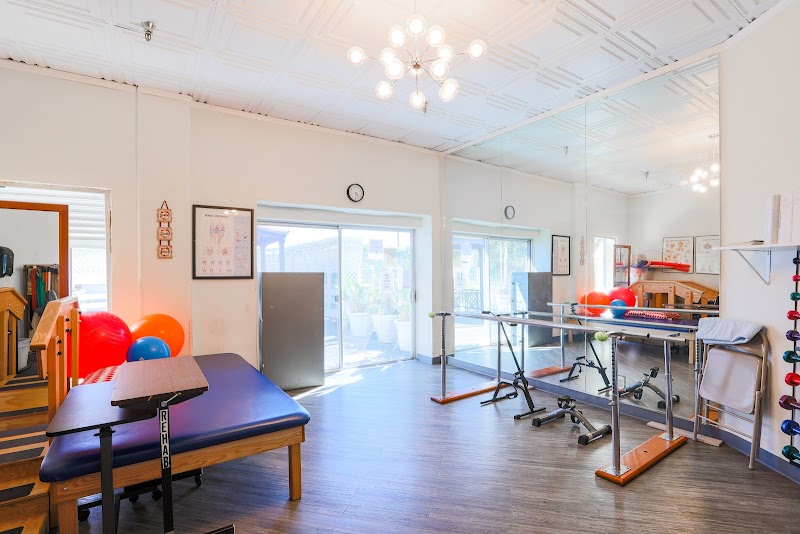
How is Royal Gardens Healthcare Staffed?

CMS rates ROYAL GARDENS HEALTHCARE's staffing level at 4 out of 5 stars, which is above average compared to other nursing homes. Staff turnover is 56%, which is 10 percentage points above the California average of 46%. High turnover can affect care consistency as new staff learn residents' individual needs.

What Have Inspectors Found at Royal Gardens Healthcare?

State health inspectors documented 61 deficiencies at ROYAL GARDENS HEALTHCARE during 2022 to 2025. These included: 57 with potential for harm and 4 minor or isolated issues. While no single deficiency reached the most serious levels, the total volume warrants attention from prospective families.
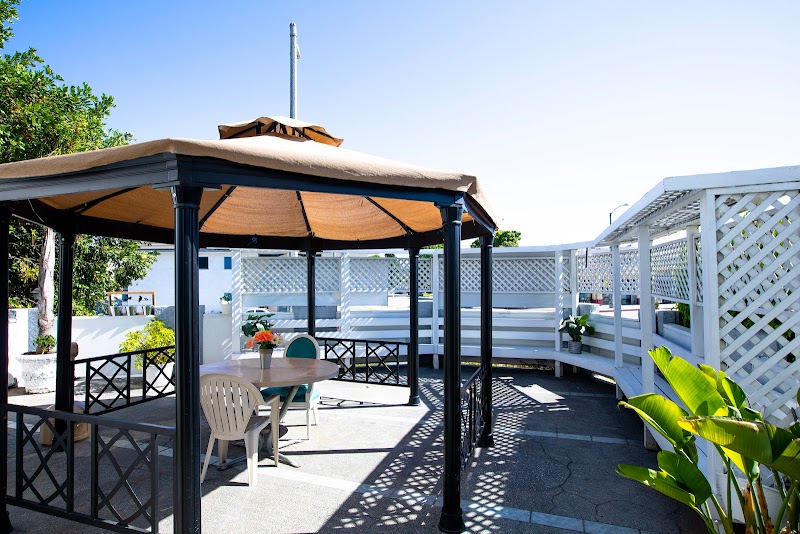
Who Owns and Operates Royal Gardens Healthcare?

ROYAL GARDENS HEALTHCARE is owned by a for-profit company. For-profit facilities operate as businesses with obligations to shareholders or private owners. The facility is operated by SERRANO GROUP, a chain that manages multiple nursing homes. With 43 certified beds and approximately 39 residents (about 91% occupancy), it is a smaller facility located in ALHAMBRA, California.
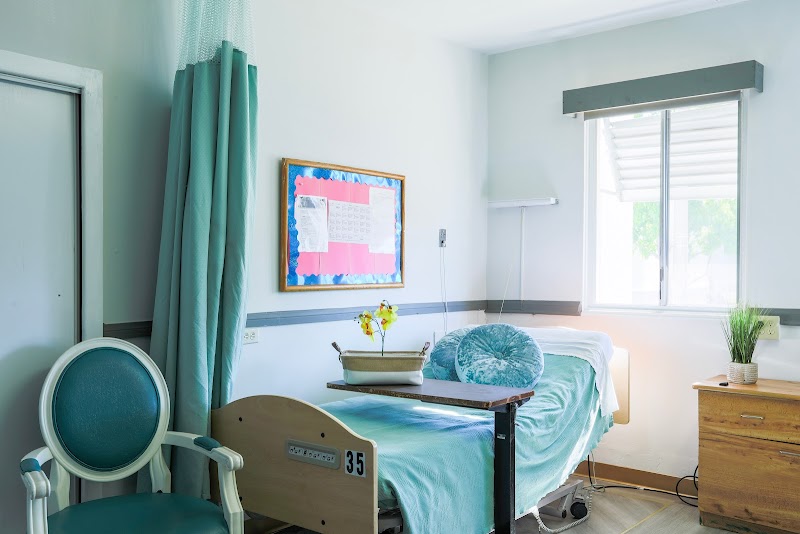
How Does Royal Gardens Healthcare Compare to Other California Nursing Homes?

Compared to the 100 nursing homes in California, ROYAL GARDENS HEALTHCARE's overall rating (2 stars) is below the state average of 3.1, staff turnover (56%) is significantly higher than the state average of 46%, and health inspection rating (2 stars) is below the national benchmark.

What Should Families Ask When Visiting Royal Gardens Healthcare?

Based on this facility's data, families visiting should ask: "How do you ensure continuity of care given staff turnover, and what is your staff retention strategy?" "Can I visit during a mealtime to observe dining assistance and food quality?" "How do you handle medical emergencies, and what is your hospital transfer rate?" "Can I speak with family members of current residents about their experience?" These questions are particularly relevant given the facility's high staff turnover rate.

Is Royal Gardens Healthcare Safe?

Based on CMS inspection data, ROYAL GARDENS HEALTHCARE has a clean safety record: no substantiated abuse findings (meaning no confirmed cases of resident harm), no Immediate Jeopardy citations (the most serious violation level indicating risk of serious injury or death), and is not on the Special Focus Facility watch list (a federal program monitoring the lowest-performing 1% of nursing homes). The facility has a 2-star overall rating and ranks #100 of 100 nursing homes in California. While no facility is perfect, families should still ask about staff-to-resident ratios and recent inspection results during their visit.

Do Nurses at Royal Gardens Healthcare Stick Around?

Staff turnover at ROYAL GARDENS HEALTHCARE is high. At 56%, the facility is 10 percentage points above the California average of 46%. High turnover means new staff may not know residents' individual needs, medications, or preferences. It can also be disorienting for residents, especially those with dementia who rely on familiar faces. Families should ask: What is causing the turnover? What retention programs are in place? How do you ensure care continuity during staff transitions?

Was Royal Gardens Healthcare Ever Fined?

ROYAL GARDENS HEALTHCARE has no federal fines on record. CMS issues fines when nursing homes fail to meet care standards or don't correct problems found during inspections. The absence of fines suggests the facility has either maintained compliance or corrected any issues before penalties were assessed. This is a positive indicator, though families should still review recent inspection reports for the full picture.

Is Royal Gardens Healthcare on Any Federal Watch List?

ROYAL GARDENS HEALTHCARE is not on any federal watch list. The most significant is the Special Focus Facility (SFF) program, which identifies the bottom 1% of nursing homes nationally based on persistent, serious quality problems. Not being on this list means the facility has avoided the pattern of deficiencies that triggers enhanced federal oversight. This is a positive indicator, though families should still review the facility's inspection history directly.