SUNNY VILLAGE CARE CENTER
1428 S. MARENGO AVE., ALHAMBRA, CA 91803 (626) 576-1032
For profit - Corporation 99 Beds Independent Data: November 2025
Trust Grade
55/100
#913 of 1155 in CA
Last Inspection: January 2025

Within standard 12-15 month inspection cycle. Federal law requires annual inspections.

Overview

Sunny Village Care Center has received a Trust Grade of C, which means it falls into the average range-neither great nor terrible. It ranks #913 out of 1155 facilities in California, placing it in the bottom half, and #244 out of 369 in Los Angeles County, indicating that there are better options available nearby. The facility is showing signs of improvement, with the number of issues decreasing from 20 in 2024 to 19 in 2025. Staffing is a strength, earning a 4 out of 5 stars with a low turnover rate of 24%, much better than the state average. On the downside, there were concerning incidents where staff referred to residents as "feeders" during dining, which could negatively impact their dignity and mental well-being. Overall, while the staffing situation is good and the trend is improving, families should be aware of the facility's average grade and specific incidents that raise concerns about resident treatment.

Trust Score
C
55/100
In California
#913/1155
Bottom 21%
Safety Record
Low Risk
No red flags
Inspections
Getting Better
20 → 19 violations
Staff Stability
✓ Good
24% annual turnover. Excellent stability, 24 points below California's 48% average. Staff who stay learn residents' needs.
Penalties
✓ Good
No fines on record. Clean compliance history, better than most California facilities.
Skilled Nurses
⚠ Watch
Each resident gets only 25 minutes of Registered Nurse (RN) attention daily — below average for California. Fewer RN minutes means fewer trained eyes watching for problems.
Violations
⚠ Watch
60 deficiencies on record. Higher than average. Multiple issues found across inspections.
★★☆☆☆
2.0
Overall Rating
★★★★☆
4.0
Staff Levels
★★★☆☆
3.0
Care Quality
★★☆☆☆
2.0
Inspection Score
Stable
2024: 20 issues
2025: 19 issues

The Good

  • 4-Star Staffing Rating · Above-average nurse staffing levels
  • Low Staff Turnover (24%) · Staff stability means consistent care
  • Full Sprinkler Coverage · Fire safety systems throughout facility
  • No fines on record
  • Staff turnover is low (24%)

    24 points below California average of 48%

Facility shows strength in staffing levels, staff retention, fire safety.

The Bad

2-Star Overall Rating

Below California average (3.1)

Below average - review inspection findings carefully

The Ugly 60 deficiencies on record

Jul 2025 1 deficiency
CONCERN (D) 📢 Someone Reported This

A family member, employee, or ombudsman was alarmed enough to file a formal complaint

Potential for Harm - no one hurt, but risky conditions existed

Comprehensive Care Plan (Tag F0656)

Could have caused harm · This affected 1 resident

**NOTE- TERMS IN BRACKETS HAVE BEEN EDITED TO PROTECT CONFIDENTIALITY** Based on interview and record review, the facility failed to ensure the Care Plan (a document that outlines how a resident will ...

Read full inspector narrative →
**NOTE- TERMS IN BRACKETS HAVE BEEN EDITED TO PROTECT CONFIDENTIALITY** Based on interview and record review, the facility failed to ensure the Care Plan (a document that outlines how a resident will receive support and care to meet their needs) was resident centered (treating each resident as an individual with unique preferences and requirements) for one (1) of two (2) sampled residents (Resident 1) by failing to include Resident 1 requires a 2-person assistance with Activities of Daily Living (ADLs- activities such as bathing, dressing and toileting a person performs daily). These deficient practices have the potential for Residents 1 not to receive care and interventions specific to the resident's needs which could affect the resident's overall wellbeing. Findings:During a review of Resident 1's admission Record, the admission Record indicated the resident was initially admitted to the facility on [DATE] and readmitted on [DATE] with diagnoses that included quadriplegia (paralysis from the neck down, including legs, and arms, usually due to a spinal cord injury) and multiple sclerosis (MS- a chronic, progressive disease involving damage to the nerve cells in the brain and spinal cord).During a review of Resident 1's Minimum Data Set (MDS, a resident assessment tool), dated 7/17/2025, the MDS indicated Resident 1 had an intact cognitive (mental action or process of acquiring knowledge and understanding) skills for daily decision making. The MDS also indicated Resident 1 was dependent (helper does all the effort and the assistance of 2 or more helpers is required for the resident to complete the activity) with eating, oral, toileting and personal hygiene, shower, upper and lower body dressing, and putting on and taking off footwear.During an interview on 7/29/2025 at 8:33 AM, the Director of Staff Development (DSD) stated, Resident 1 was assigned with 2 Certified Nursing Assistants (CNAs) and should always have 2 facility staff to help the resident with mobility (ability to move around and perform physical activities) and transfers (the act of moving from one surface to another) for the resident's safety.During a concurrent interview and record review on 7/29/2025 at 2:28 PM with Licensed Vocational Nurse 1 (LVN 1), Resident 1's Care Plan for Potential for increased muscle stiffness, numbness, spasms, weakness of limbs, etc. dated 7/17/2025 was reviewed. The Care Plan indicated to assist resident with mobility and ADLs daily. The Care Plan did not indicate Resident 1 required 2-person assistance with ADLs. (LVN 1 stated Resident 1 required 2- person assistance and that the resident was dependent on ADLs. LVN 1 also stated Resident 1's Care Plan for Potential for increased muscle stiffness, numbness, spasms, weakness of limbs, etc. should be more detailed to reflect the 2-person assistance the resident required during ADLS. LVN 1 further stated Resident 1's Care Plan should be specific to Resident 1 in case a different nurse was assigned, then he/she would have a better understanding of the care required for the resident.During a concurrent interview and record review with the Director of Nursing (DON) on 7/29/2025 at 2:50 PM, Resident 1's Care Plan for Potential for increased muscle stiffness, numbness, spasms, weakness of limbs, etc. dated 7/17/2025 was reviewed. The DON stated Resident 1's Care Plan needs to be resident specific and indicate Resident 1's needs 2-person assistance with ADLS (eating, oral, toileting and personal hygiene, shower, upper and lower body dressing, and putting on and taking off footwear). Resident 1 should be always assisted by 2 staff and is communicated through the Care Plan to maintain a safe and hazard-free environment for Resident 1During a review of the facility's Policy and Procedure (P&P) titled, Care Plans, Comprehensive Person-Centered (focusing on what matters most to the individual receiving care, not just their medical needs), revised March 2022, indicated that a comprehensive, person-centered care plan that includes measurable objectives and timetables to meet the resident's physical, psychosocial, and functional needs is developed and implemented for each resident. The P&P also indicated that the comprehensive, person-centered care plan describes the services that are to be furnished to attain or maintain the residents' highest practicable physical, mental, and psychosocial well-being.
Jan 2025 18 deficiencies
CONCERN (D)

Potential for Harm - no one hurt, but risky conditions existed

Deficiency F0552 (Tag F0552)

Could have caused harm · This affected 1 resident

**NOTE- TERMS IN BRACKETS HAVE BEEN EDITED TO PROTECT CONFIDENTIALITY** Based on observation, interview, and record review, the facility failed to ensure the resident or resident's representative was ...

Read full inspector narrative →
**NOTE- TERMS IN BRACKETS HAVE BEEN EDITED TO PROTECT CONFIDENTIALITY** Based on observation, interview, and record review, the facility failed to ensure the resident or resident's representative was informed in advance of the treatment risks and benefits, options, and alternatives by a physician or other practitioner or professional for the use of antipsychotic medication (a class of drugs used to treat mental health conditions characterized by psychosis [mental health condition characterized by a loss of contact with reality], such as schizophrenia [a mental illness that is characterized by disturbances in thought ] and bipolar disorder [extreme mood swings that include mania {emotional highs} and depression { mood disorder that causes a persistent feeling of sadness and loss of interest } which may lead to impaired functioning]) for one of five sampled residents (Resident 14). This failure had the potential to affect Resident 14's right to direct their own medical treatment. Findings: During a review of Resident 14's admission Record, the admission record indicated Resident was admitted on [DATE]. Resident 14's diagnoses indicated dementia (a general term for a group of brain disorders that cause a gradual decline in cognitive abilities, such as memory, thinking, reasoning, and judgment), psychotic disturbance (also known as psychosis), and mood disturbance. During a review of Resident 14's physician order, dated 11/15/2024, the physician indicated Seroquel (an antipsychotic medication) 25 milligrams (mg, unit of measurement) via gastrostomy tube (GT - a surgical opening fitted with a device to allow feedings to be administered directly to the stomach common for people with swallowing problems) twice a day for psychosis manifested by striking out without any reason and hitting with fist during care pinching episodes. During a review of Resident 14's Minimum Data Set (MDS - a resident assessment tool), dated 11/19/2024, the MDS indicated Resident 14 was severely impaired with cognitive skills for daily decision making. During a review of Resident 14's medical record, the medical records did not have an informed consent (voluntary agreement to accept treatment and/or procedures after receiving education regarding the risks, benefits, and alternatives offered) obtained from Resident 14 or Resident 14's representative prior to the use antipsychotic medication. During an interview on 1/30/2025 at 10:10 AM with Licensed Vocational Nurse 4 (LVN 4), LVN 4 stated, the facility's informed consent for antipsychotic medication titled, Resident/Surrogate Decision Maker Informed Consent for Antipsychotic Medication, should have been obtained from Resident 14 representative after getting the order from the physician. During an interview on 1/30/2025 at 10:40 AM with Medical Records Designee (MRD), MRD stated, the facility's informed consent when resident has orders for antipsychotic medication titled, Resident/Surrogate Decision Maker Informed Consent for Antipsychotic Medication, should have been obtained from Resident 14 representative after getting the order from the physician and should always be in the Resident 14's chart. During an interview on 1/30/2025 at 11:09 AM with Registered Nurse 1 (RN 1) RN 1 stated, the facility's process in obtaining informed consent for the antipsychotic medication order were as follows: a. RN or LVN will ask the family or representative if the resident is unable to give the consent. b. RN or LVN will explain the risks and benefits and obtain the consent. RN1 stated, not having a consent for the use of antipsychotic potentially violated Resident 14 or Resident 14 representative's rights. During a review of the facility's policies and procedures (P&P) titled, Antipsychotic Medication Use, revised on 7/2022, the P&P indicated, residents and /or their representatives will be informed of any treatment recommendations, risks, benefits, purposes, including the potential adverse consequences of antipsychotic medications, and residents and their representatives may refuse medications of any kind.
CONCERN (D)

Potential for Harm - no one hurt, but risky conditions existed

Assessment Accuracy (Tag F0641)

Could have caused harm · This affected 1 resident

**NOTE- TERMS IN BRACKETS HAVE BEEN EDITED TO PROTECT CONFIDENTIALITY** Based on interview and record review, the facility failed to ensure accurate assessment of the Minimum Data Set (MDS, a resident...

Read full inspector narrative →
**NOTE- TERMS IN BRACKETS HAVE BEEN EDITED TO PROTECT CONFIDENTIALITY** Based on interview and record review, the facility failed to ensure accurate assessment of the Minimum Data Set (MDS, a resident assessment tool) for one (1) of three (3) sampled residents (Resident 84) by failing to include the resident's correct discharge status. This failure resulted in the facility's inaccurate MDS and care screening tool reporting to the Centers for Medicare & Medicaid Services (CMS). Findings: During a review of Resident 84's Physician's Orders, dated 12/12/2024, the Physician's Orders indicated Resident 84 will be discharged home on [DATE] with home health. During a review of Resident 84's Notice of Transfer/Discharge form, dated 12/13/2024, the Notice of Transfer/Discharge indicated that Resident 84 was discharged to home. During a review of Resident 84's Post Discharge Plan of Care, dated 12/13/2024, the Post Discharge Plan of Care indicated Resident 84 was discharged /transferred to home on [DATE]. During a review of Resident 84's Physician's Discharge summary, dated [DATE], the Physician's Discharge Summary indicated Resident 84 was discharged to home on [DATE] because Resident's 84 health conditions have improved. During an interview on 1/29/2025 at 2:37 PM with the MDS Coordinator (MDSC), the MDSC stated, she documented and transmitted Resident 84's MDS discharge status on 12/27/2024. The MDS discharge status reflected Resident 84 was discharged to the short-term general hospital, instead of home under care of organized home health service organization. The MDSC also stated she realized she made a mistake completing the MDS discharge status and thought it was for the MDS admission status. MDSC stated the potential outcome for the inaccurate assessment of the MDS discharge status will impact the facility's quality of care reporting for the discharge section. During a review of the facility's policy and procedure (P&P) titled, Resident Assessments, revised on 3/2022, the P&P indicated, the resident assessment coordinator is responsible for the appropriate resident assessments and reviews .for admission, quarterly, annual, significant change in status, significant correction to prior comprehensive, and discharge assessments.
CONCERN (D)

Potential for Harm - no one hurt, but risky conditions existed

Deficiency F0655 (Tag F0655)

Could have caused harm · This affected 1 resident

**NOTE- TERMS IN BRACKETS HAVE BEEN EDITED TO PROTECT CONFIDENTIALITY** Based on observation, interview, and record review, the facility failed to ensure the completion and implementation of the basel...

Read full inspector narrative →
**NOTE- TERMS IN BRACKETS HAVE BEEN EDITED TO PROTECT CONFIDENTIALITY** Based on observation, interview, and record review, the facility failed to ensure the completion and implementation of the baseline care plan within 48 hours of the resident's admission for one of one sampled resident (Resident 14). This failure had the potential to affect Resident 14's health and safety by not promoting continuity of care and communication among the nursing home staff regarding the initial plan for delivery of care and services. Findings: During a review of Resident 14's admission Record, the admission Record indicated Resident 14 was admitted on dated 11/15/2024. Resident 14's diagnoses included dementia (a general term for a group of brain disorders that cause a gradual decline in cognitive abilities, such as memory, thinking, reasoning, and judgment), psychotic disturbance (also known as psychosis [mental health condition characterized by a loss of contact with reality]), and mood disturbance. During a review of Resident 14's physician order, dated 11/15/2024, the physician order indicated Seroquel 25 (an antipsychotic medication) milligrams (mg - a unit of measurement) will be administered twice a day for psychosis manifested by striking out without any reason and hitting with fist during care pinching episodes. During a review of Resident 14's Minimum Data Set (MDS - a resident assessment tool), dated 11/19/2024, the MDS indicated Resident 14 is with severe impairment of cognitive (mental action or process of acquiring knowledge and understanding) skills for daily decision making. During a review of the Resident 14's medical record, it did not contain the baseline care plan for Resident 14's antipsychotic medication use as indicated on the physician's order. During an interview on 1/28/2025 at 1:00 PM with Licensed Vocational Nurse 4 (LVN 4), LVN 4 stated that Resident 14's antipsychotic medication baseline care plan should be started once the resident was admitted on [DATE] from the hospital. During an interview on 1/30/2025 at 10:06 AM with LVN 3, LVN 3 stated, Resident 14's antipsychotic medication baseline care plan should be signed by the admitting Registered Nurse (RN), should be done within 14 to 30 days from admission, and should be always kept in the resident's chart. The potential outcome for not having the baseline care plan in the chart is affecting the resident's quality of care.
CONCERN (D)

Potential for Harm - no one hurt, but risky conditions existed

Deficiency F0676 (Tag F0676)

Could have caused harm · This affected 1 resident

**NOTE- TERMS IN BRACKETS HAVE BEEN EDITED TO PROTECT CONFIDENTIALITY** Based on observation, interview, and record review, the facility failed to ensure two (2) of 18 sampled residents (Resident 15 a...

Read full inspector narrative →
**NOTE- TERMS IN BRACKETS HAVE BEEN EDITED TO PROTECT CONFIDENTIALITY** Based on observation, interview, and record review, the facility failed to ensure two (2) of 18 sampled residents (Resident 15 and 73) were provided and were using a communication board (a sheet of symbols, pictures or photos that the resident can point to, to communicate with the staff) when the resident needed assistance. This deficient practice had the potential for a delay in the necessary care and services for Resident 15 and 73. Findings: 1.During a review of Resident 15 admission Record, the admission Record indicated resident was originally admitted on [DATE] and was readmitted on [DATE] with the following diagnoses of muscle wasting and atrophy and fracture of second lumbar vertebra (point of the spinal cord [bundle of nerves and tissues]). During a review of Resident 15 Minimum Data Set (MDS - a resident assessment tool), dated 12/12/2024, the MDS indicated resident was moderately impaired with cognitive (the ability to understand and make decisions) skills for daily decision making. The MDS indicated Resident 15 was able to make self-understood and has the ability to understand others. The MDS also indicated Resident 15 was dependent (helper does all of the effort. Resident does none of the effort to complete the activity or the assistance of 2 or more helpers is required for the resident to complete the activity) with oral hygiene, toileting hygiene, shower/bathe self, upper body dressing, lower body dressing, putting on/taking off footwear, and personal hygiene. During a review of Resident 15's Care Plan, dated 12/12/2024, with focus on impaired communication, the care plan indicated to use a communication board as needed. During an observation on 1/29/2025 at 1:32 PM, Resident was observed speaking in a Non-English language complaining about pain and had asked Certified Nurse Assistant 2 (CNA2) and Licensed Vocational Nurse 3 (LVN 3) for assistance, but the staff did not understand the resident. During a concurrent observation and interview on 1/29/2025 at 1:38 PM, LVN 3 stated Resident 15 had a communication board that was hidden in between the bed and the bedside table. LVN 3 stated that the communication board was not but should have been used to help Resident 15 to communicate her needs to the staff. During an interview on 1/30/2025 at 8:56 AM, Registered Nurse 1 (RN 1) stated it is important for the resident to use a communication board as it helps the resident communicate their needs to the staff. 2. During a review of Resident 73's admission Record, the admission record indicated Resident 73 was admitted to the facility on [DATE], with diagnoses of hypotension (low blood pressure) and Parkinson's disease (a progressive disease of the nervous system marked by tremor, muscular rigidity, and slow, imprecise movement, chiefly affecting middle-aged and elderly people). During a review of Resident 1's History and Physical Examination (H&P) dated 11/6/2024, the H&P indicated Resident 73 could make needs known but not make medical decisions. During a review of Resident 73's MDS, dated [DATE], the MDS indicated Resident 73's cognitive (mental action or process of acquiring knowledge and understanding) skills for daily decision making were moderately impaired. The MDS indicated Resident 73 was dependent (helper does all of the effort, resident does none of the effort to complete the activity) for toileting hygiene, shower/bathe self, lower body dressing, sit to lying, and sit to stand. During a review of Resident 73's Care Plan, indicated Resident 73 had a potential for impaired communication related to language barrier, initiated on 11/6/2024. Staff inventions included using a communication board as needed. During a concurrent observation and interview on 1/27/2025 at 10:12 AM in Resident 73's room. Resident 73 was observed sitting upright in bed with the head of bed (HOB) 90 degrees up, Resident 73's legs was bending. Resident 73 was observed not using the dominant language of the facility to speak to Certified Nursing Assistant 2 (CNA2). Resident 73 requested CNA 2 to lower the HOB and to change his position. CNA 2 stated she was not able to assist Resident 73 because she did not understand and speak Resident 73's language. CNA 2 was observed looking for communication board and was nowhere to be found in the room. During an interview on 1/30/2025 at 4:25 PM with the Director of Nursing (DON), the DON stated it was facility policy to provide communication board to residents who had communication language barrier. DON stated the communication board should be easy access to the residents to ensure resident receive the care they need. During a review of the facility's undated policy and procedure titled, Communication with Limited English Proficient Persons, the P&P indicated the facility policy was to ensure that persons with limited English proficiency were identified and that the facility was capable of communicating information to such persons efficiently by providing a communication board at the bedside, and/or with patients to provide proper communication methods and translation. The P&P indicated accurate and effective communication between the facility and limited English proficient (LEP) persons, including current and prospective residents and family, is necessary to ensure the LEP persons have a meaningful opportunity to apply for, receive or participate in, and benefit from the services offered. The P&P also indicated the facility will provide a communication board at the bedside, and/or with patients to provide proper communication methods and translation.
CONCERN (D)

Potential for Harm - no one hurt, but risky conditions existed

ADL Care (Tag F0677)

Could have caused harm · This affected 1 resident

**NOTE- TERMS IN BRACKETS HAVE BEEN EDITED TO PROTECT CONFIDENTIALITY** Based on observation, interview, and record review, the facility failed to ensure one of one sampled resident (Resident 44) was ...

Read full inspector narrative →
**NOTE- TERMS IN BRACKETS HAVE BEEN EDITED TO PROTECT CONFIDENTIALITY** Based on observation, interview, and record review, the facility failed to ensure one of one sampled resident (Resident 44) was provided care and services to maintain good grooming and personal hygiene. This deficient practice had the potential to result in a negative impact on Resident 44 's self-esteem. Findings: During a review of Resident 44's admission Record, the admission Record indicated Resident 44 was admitted to the facility on [DATE] with Parkinson's disease (a progressive disease of the nervous system marked by tremor, muscular rigidity, and slow, imprecise movement, chiefly affecting middle-aged and elderly people), hypertensive (high blood pressure) heart disease without heart failure, and muscle weakness. During a review of Resident 44's Minimum Data Set (MDS- resident assessment tool), dated 11/14/24, the MDS indicated Resident 44 was independent with cognitive (a mental process of acquiring knowledge and understanding) skills for daily decision making. The MDS indicated Resident 44 required partial/moderate assistance (helper does less than half the effort. Helper lifts, holds, or supports trunk or limbs, but provides less than half the effort.) with toilet hygiene, personal hygiene, and shower/bath self. During a review of Resident 44's plan of care initiated on 8/15/2024, the plan of care indicated Resident 44 had self-care deficits due to limited mobility secondary to right side weakness. The goal would be for the resident to be clean, well groomed, and neatly dressed daily. The staff interventions were to assist resident with ADL (Activities of Daily Living) needs and keeping resident clean. During an observation in Resident 44's room on 1/27/2025 at 9:59 AM and interview with Resident 44, Resident 44 was observed lying in bed. Resident 44's fingernails were observed untrimmed (long) and blackish in color underneath the fingernails. Resident 44 stated her nails were supposed to be trimmed weekly and they had not trimmed for one month. Resident further stated, Look, they are long and ugly. I feel dirty. During a concurrent observation in Resident 44's room and interview with Certified Nursing Assistant 5 (CNA5), on 1/27/2025 at 10:04 AM, CNA 5 stated Resident 44's fingernail on both hands were long, and dirty. CNA 5 stated the resident's fingernails needed to be trimmed. During a concurrent observation in Resident 44's room and interview with Registered Nurse (RN) 1, on 1/30/2025 at 9:09 AM, RN 1 stated it was CNA's duties to trim and smooth residents' nail to prevent the residents from accidentally scratching and injury their skin and preventing infection. RN 1 stated Resident 44 was at risk for skin breakdown and risk for infection because of the dirty and long fingernails. During an interview with Director of Nursing (DON) on 1/30/2025 at 09:28 AM, the DON stated it was a duty of a CNA to provide fingernails care as part of the grooming and it was done on bath day. The DON further stated the purpose of nail care was to provide cleanliness and to prevent infection. During a review of the facility's policy titled, Fingernails/Toenails, revised February 2018, indicated the purposes of this procedure are to clean the nail bed, to keep nails trimmed, and to prevent infections.
CONCERN (D)

Potential for Harm - no one hurt, but risky conditions existed

Pressure Ulcer Prevention (Tag F0686)

Could have caused harm · This affected 1 resident

**NOTE- TERMS IN BRACKETS HAVE BEEN EDITED TO PROTECT CONFIDENTIALITY** Based on observation, interview, and record review, the facility failed ensure the low air loss mattress (LAL, mattress used for...

Read full inspector narrative →
**NOTE- TERMS IN BRACKETS HAVE BEEN EDITED TO PROTECT CONFIDENTIALITY** Based on observation, interview, and record review, the facility failed ensure the low air loss mattress (LAL, mattress used for residents who are at risk for developing sores or already have pressure ulcer designed to circulate a constant flow of air for the management of pressure sores) was on the correct settings for one (1) of 1 sampled residents (Residents 15), in accordance with the facility's Pressure Injury (painful wound caused as a result of pressure or friction) policy and procedure (P&P). This deficient practice had the potential for Resident 15 to have worsening stage 4 pressure ulcer (Full-thickness skin and tissue loss with exposed muscle, tendon, ligament, cartilage, or bone) which can negatively affect resident's overall well-being.) Findings: During a review of Resident 15's admission Record, the admission record indicated Resident 15 was admitted to the facility on [DATE] and re- admitted on [DATE]. Resident 15's diagnoses included sick sinus syndrome (SSS, is a disease in which the heart's natural pacemaker located in the upper right heart chamber [right atrium] becomes damaged and is no longer able to generate normal heartbeats at the normal rate, muscle wasting/ atrophy (decrease in size and wasting of muscle tissue) and stage 4 pressure ulcer of the left buttock. During a review of Resident 15's Minimum Data Set (MDS, a resident assessment tool), dated 12/12/2024, the MDS indicated Resident 15 has moderately impaired cognitive (mental action or process of acquiring knowledge and understanding) skills for daily decision making. The MDS indicated Resident 15 was dependent (helper does all of the effort, resident does none of the effort to complete the activity) in oral hygiene, toileting hygiene, shower/bathe self, lower body dressing, putting on/ taking off footwear, personal hygiene, roll left and right, sit to lying, lying to sitting on side of the bed, chair/bed-to chair transfer, toilet transfer, and tub/ shower transfer. During a review of Resident 15's Physician's Order, dated 12/7/2024, the physician's order indicated LAL Mattress therapy bed for wound management. During a review of Resident 15's Braden Scale (a standardized, evidence-based assessment tool commonly used in health care to assess and document a client's risk for developing pressure injuries), dated 12/29/2024, the Braden Scale indicated Resident 15 has a total score of 10, which indicated Resident 15 was high risk for skin breakdown. During a concurrent observation in Resident 15's room and interview with Licensed Vocational Nurse 2 (LVN 2) on 1/28/2025 at 2:25 PM, Resident 15 was observed in bed with the LAL set at 180 millimeters of mercury (mmHg, unit of pressure). LVN 2 stated, LAL was set incorrectly. Resident's (Resident 15) weight was 124 pounds (lbs., unit of measure) LAL should be set based on the resident's weight. It will not be effective with the resident's (Resident 15) wound management. During a concurrent observation in Resident 15's room and interview with LVN 3 on 1/29/2025 at 9:29 AM, Resident 15 was observed in bed with the LAL set at 140 mmHg. LVN 3 stated, Resident's (Resident 15) weight was 124 lbs., and LAL was set on 140 mmHg which is incorrect. It should be set at 130 mmHg. If LAL was set up incorrectly, it will not help with the resident's (Resident 15) wound management. During a review of the Manufacturer's User Manual titled, Med Aire Assure 5 Air + 3 Foam Base Alternating Pressure and Los Air Loss Mattress System, dated 2018, the manual indicated mattress are intended to help reduce the incidence of the pressure ulcers while optimizing patient comfort. Turn the pressure adjust knob to set a comfortable pressure level by using the weight scale as a guide. During a review of the facility's P&P titled, Support Surface Guidelines, revised on 9/2013, the P&P indicated Low air loss mattress setting is according to the weights of the resident or according to the manufacturer guidelines.
CONCERN (D)

Potential for Harm - no one hurt, but risky conditions existed

Incontinence Care (Tag F0690)

Could have caused harm · This affected 1 resident

**NOTE- TERMS IN BRACKETS HAVE BEEN EDITED TO PROTECT CONFIDENTIALITY** Based on observation, interview and record review, the facility failed to keep the foley catheter bag (bag that collects urine t...

Read full inspector narrative →
**NOTE- TERMS IN BRACKETS HAVE BEEN EDITED TO PROTECT CONFIDENTIALITY** Based on observation, interview and record review, the facility failed to keep the foley catheter bag (bag that collects urine that drains through the urinary catheter [a hollow tube inserted into the bladder to drain or collect urine]) below the level of the bladder for one of two sampled residents (Resident 15), in accordance with the facility's policy. This deficient practice had the potential for Resident 15 to develop urinary tract infection (UTI - an infection in the bladder/urinary tract) due to urine back flow. Findings: During a review of Resident 15 admission Record, the admission Record indicated resident was originally admitted on [DATE] and was readmitted on [DATE] with the following diagnoses of muscle wasting and atrophy and fracture of second lumbar vertebra (point of the spinal cord [bundle of nerves and tissues]). During a review of Resident 15 Minimum Data Set (MDS - a resident assessment tool), dated 12/12/2024, the MDS indicated resident was moderately impaired with cognitive (the ability to understand and make decisions) skills for daily decision making. The MDS also indicated Resident 15 was dependent (Helper does all of the effort. Resident does none of the effort to complete the activity or the assistance of 2 or more helpers is required for the resident to complete the activity) with oral hygiene, toileting hygiene, shower/bathe self, upper body dressing, lower body dressing, putting on/taking off footwear, and personal hygiene. The MDS indicated Resident 15 had an indwelling catheter (a flexible tube used to empty the bladder and collect urine in a drainage bag). During a review of Resident 15's Physician Orders, dated 12/7/2024, the Physician Orders indicated foley catheter (drains urine from the bladder into a collection bag) 17 French (Fr - unit of measure)/ 10 cubic centimeters (cc - unit of measure) to continue drainage for urinary retention (unable to empty all the urine from the bladder) and wound management every shift. During a review of Resident 15's Care Plan with focus on catheter related to urinary retention, revised 12/8/2024, the Care Plan indicated the goal of adequate catheter care. During an observation on 1/29/2025 at 1:32 PM during peri-care (cleaning the private areas of the resident) in Resident 15's room, with Licensed Vocational Nurse 3 (LVN 3), Certified Nursing Assistant 2 (CNA 2) moved Resident 15's foley catheter bag from the side of the bed (below the level of the bladder) to the foot of the bed and on top of blankets (above the level of the bladder). During an observation on 1/29/2025 at 2PM in Resident 15's room, CNA 2 was observed holding Resident 15's foley catheter bag above the level of the bladder while untangling it. Urine was observed flowing back to the resident. During an interview on 1/29/2025 at 2:09 PM in Resident 15's room, LVN 3 stated Resident 15's foley catheter bag was not below the level of the bladder and moving the foley catheter bag up can cause a back flow of urine to the resident which would be a potential for UTI. During an interview on 1/29/2025 at 2:45 PM, Infection Preventionist Nurse (IPN) stated the foley bag should always be below the level of the bladder and if it needs to be moved, the catheter should be clamped to prevent the back flow of urine. IPN also stated it is a potential for Resident 15 to develop UTI. During a review of the facility's Policy and Procedure (P&P) titled, Urinary Catheter Care, revised 8/2022, the P&P indicated to position the drainage bag lower than the bladder at all times to prevent urine from flowing back into the urinary bladder.
CONCERN (D)

Potential for Harm - no one hurt, but risky conditions existed

Pharmacy Services (Tag F0755)

Could have caused harm · This affected 1 resident

Based on observation, interview and record review, the facility failed to administer Metformin hydrochloride (medication used to treat high blood sugar levels that are caused by DM type 2 [a disorder ...

Read full inspector narrative →
Based on observation, interview and record review, the facility failed to administer Metformin hydrochloride (medication used to treat high blood sugar levels that are caused by DM type 2 [a disorder characterized by difficulty in blood sugar control and wound healing]) within one hour of the prescribed time in accordance with the physician's order for one (Resident 23) of three (3) sampled residents. This deficient practice had the potential to result in ineffectively managing Resident 23's medical condition, which could result to harm, hospitalization, and death. Findings: During a review of Resident 23's admission Record, the admission Record indicated Resident 23 was admitted by the facility on 2/3/2024 with diagnoses that included but not limited to DM, cerebral infarction (a medical condition where blood flow to the brain is interrupted, leading to damage or death of brain tissue), dysphagia (difficulty swallowing), hemiplegia (total paralysis of the arm, leg, and trunk on the same side of the body). During a review of Resident 23's Minimum Data Set (MDS-a resident assessment tool), dated 11/12/2024, the MDS indicated Resident 23 had moderate cognitive impairment for daily decision making. The MDS indicated Resident 23 required set up or clean up assistance (Helper sets up or cleans up; resident completes activity, helper assists only prior to or following the activity) with eating. The MDS indicated Resident 23 required partial/moderate assistance (Helper does less than half the effort. Helper lifts, holds, or supports trunk or limbs) with personal hygiene. The MDS also indicated Resident 23 required substantial/maximal assistance (Helper does more than half the effort. Helper lifts or holds trunk or limbs and provides more than half the effort) with oral hygiene and was dependent (Helper does all the effort, resident does none of the effort to complete the activity. Or the assistance of two or more helpers is required for the resident to complete the activity) with toileting hygiene, shower/bathing self, upper and lower body dressing, and putting on/taking off footwear. During a review of Resident 23's Order Summary, the Order Summary indicated Metformin hydrochloride 500 milligrams (mg-a unit of measurement of mass in the metric system equal to a thousandth of a gram) one tablet to be given by mouth twice a day for DM with meals. During a concurrent observation and interview on 1/29/2025 at 9:06 AM, outside Resident 23's room, Licensed Vocational Nurse 1 (LVN 1) was observed preparing all medications for Resident 23 and administering them. LVN 1 stated she gave the Metformin hydrochloride late. LVN 1 stated it should have been given at 7:15 AM with meals. LVN 1 stated she forgot that the order for Metformin hydrochloride was with meals. LVN 1 stated it was not acceptable and she did not follow the physician order which could cause Resident 23's blood sugar to go up or down if given late. During a concurrent interview and record review on 1/30/2025 at 9:20 AM with Registered Nurse 1 (RN 1), the facility's Policy and Procedure (P&P) titled, Administering Medications, dated October 2024, was reviewed. RN 1 stated the P&P indicated medications are administered within one hour of the prescribed time and medication time can be specified as before or after meals. RN 1 stated it was important to given medications on time, especially metformin as it can cause hypoglycemia (blood sugar level drops too low) or hyperglycemia (blood sugar level is higher than normal) and to give with meals as ordered to prevent stomach upset. RN 1 stated, if medications were not given on time, it can cause harm to the residents, especially DM medications. Residents could experience an emergency and transferred to the hospital. During a review of the Medication Administration Audit Report, the Medication Administration Audit Report indicated metformin was scheduled to be given at 7:15 AM and metformin was documented as given at 9:22 AM. During a review of the facility's P&P titled, Administering Medications, reviewed October 2024, the P&P indicated: 1. Medications are administered in a safe and timely manner, and as prescribed. 2. Medications are administered in accordance with prescriber orders, including any required time frame. 3. Medications are administered within one hour of their prescribed time. Medications can be given one hour before or one hour after. 4. Medication time can be specified for example, before and after meal orders.
CONCERN (D)

Potential for Harm - no one hurt, but risky conditions existed

Laboratory Services (Tag F0770)

Could have caused harm · This affected 1 resident

Based on observation, interview, and record review, the facility failed to ensure laboratory orders were done for one of 18 sampled residents (Resident 14). This failure had the potential to result in...

Read full inspector narrative →
Based on observation, interview, and record review, the facility failed to ensure laboratory orders were done for one of 18 sampled residents (Resident 14). This failure had the potential to result in Resident 14's delayed treatment and increased risk of complications, such as another heart attacks or strokes if high cholesterol remains undetected. Findings: During a review of Resident 14's admission Record, the admission Record indicated Resident 14 was admitted on dated 11/15/2024. Resident 14's diagnoses included hypertensive heart disease (HHD - a condition that occurs when the heart is damaged by long-term high blood pressure) without heart failure, and hyperlipidemia (a medical condition characterized by elevated levels of fats in the bloodstream). During a review of Resident 14's physician's orders, dated 11/15/2024, the physician orders indicated pravastatin sodium (a drug to lower the amount of cholesterol in the blood and to prevent stroke and heart attack) 40 milligrams (mg - a unit of measurement) one tablet at bedtime. During a review of Resident 14's Consultant Pharmacist's Note to Attending Physician, dated 12/24/2024, the report indicated a recommendation to obtain Resident 14's lipid panel (a blood test that measures the levels of various fts in the bloodstream) and liver panel (a group of blood tests that assess the health and function of the liver) tests and every six (6) months thereafter regarding Resident 14 taking pravastatin sodium. During a review of Resident 14's Consultant Pharmacists Monthly Regimen Review (MRR) from 1/1/2025 to 1/8/2025, the report indicated Resident 14's lipid and liver panel were requested on 12/24/2024. During a review of Resident 14's physician's orders, dated 12/2024 to 1/2025, the physician's orders did not indicate Resident 14 had laboratory orders for a lipid and liver panel. During an interview on 01/29/2025 at 9:10 AM with Registered Nurse 1 (RN 1) RN 1 stated, RN supervisors verify orders from the physician after signing the Consultant Pharmacist's Note to Attending Physician and enters in the electronic medical records. The orders are confirmed through a confirmation number, and laboratory services are provided the next day. RN 1 confirmed that the lipid and liver panel tests were not carried out and were not done.
CONCERN (D)

Potential for Harm - no one hurt, but risky conditions existed

Deficiency F0806 (Tag F0806)

Could have caused harm · This affected 1 resident

**NOTE- TERMS IN BRACKETS HAVE BEEN EDITED TO PROTECT CONFIDENTIALITY** Based on observation, interview, and record review, the facility failed to ensure food that accommodated resident's preference w...

Read full inspector narrative →
**NOTE- TERMS IN BRACKETS HAVE BEEN EDITED TO PROTECT CONFIDENTIALITY** Based on observation, interview, and record review, the facility failed to ensure food that accommodated resident's preference was provided for one of 18 sampled residents (Resident 9). This deficient practice had the potential for resident's poor meal intake which could lead to weight loss. Findings: During a review of Resident 9's admission Record, the admission Record indicated resident was admitted on [DATE] with the following diagnoses of dysphagia (difficulty swallowing) and dementia (a progressive state of decline in mental abilities). During a review of Resident 9's Physician Orders, dated 11/25/2024, the Physician Orders indicated low sodium, low fat and low cholesterol diet dysphagia pureed (a smooth, creamy substance made of liquidized food) meat and vegetables with lunch and dinner with thin liquids (liquid that is thin and easy to pour such as water), no cold drinks, no beef and no milk. During a review of Resident 9's Care Plan with focus indicating family brings food from outside, dated 1/2025, the Care Plan indicated staff intervention included was to respect resident's choice. During a review of Resident 9's Minimum Data Set (MDS - a resident assessment tool), dated 1/3/2025, the MDS indicated resident was severely impaired with cognitive (the ability to understand and make decisions) skills for daily decision making. The MDS also indicated Resident 9 was dependent (Helper does all of the effort. Resident does none of the effort to complete the activity or the assistance of 2 or more helpers is required for the resident to complete the activity) with eating, oral hygiene, toileting hygiene, shower/bathe self, lower body dressing and putting on/taking off footwear. The MDS indicated Resident 9 was on a therapeutic diet (low salt, diabetic, low cholesterol) and on a mechanically altered diet (require change in texture of food or liquids (pureed food, thickened liquids). During an observation and interview on 1/28/2025 at 9:47 AM, Resident 9's Responsible Party (RP) stated the food is on the thicker side making it difficult for Resident 9 to eat. RP also stated her mother would gag because the food was too thick and gooey. RP was observed putting liquid in the pureed food making it less thick. RP also stated that she told Dietary Supervisor (DS) about the food being too thick and making it difficult for Resident 9 to eat. During an observation on 1/29/2025 at 11:45 AM, a test tray of a pureed diet with white rice, meat, bread and cheesecake was provided. The pureed diet was noted to be thick. During an interview on 1/30/2025 at 10:20 AM, DS stated RP informed him about the pureed food being too thick a few months ago (DS does not remember the exact date). DS also stated he did not but should have followed up with RP addressing the pureed diet being too thick. During a review of the facility's Policy and Procedure (P&P) titled, Quality and Palatability, revised 2/2023, the P&P indicated food will be palatable, attractive, and served at a safe and appetizing temperature.
CONCERN (D)

Potential for Harm - no one hurt, but risky conditions existed

Deficiency F0809 (Tag F0809)

Could have caused harm · This affected 1 resident

**NOTE- TERMS IN BRACKETS HAVE BEEN EDITED TO PROTECT CONFIDENTIALITY** Based on observation, interview and record review, the facility failed to ensure meal trays were served timely for two (2) of 2 ...

Read full inspector narrative →
**NOTE- TERMS IN BRACKETS HAVE BEEN EDITED TO PROTECT CONFIDENTIALITY** Based on observation, interview and record review, the facility failed to ensure meal trays were served timely for two (2) of 2 sampled residents (Residents 287 and 38) when Resident 287 and Resident 38 were served lunch at 12:45 PM and 12:47 PM respectively. This deficient practice resulted in residents receiving meals late and had the potential to negatively affect the psychosocial wellbeing of the residents. Findings: 1. During a review of Resident 287's admission Record, the admission Record indicated the facility admitted Resident 287 on 1/8/2025 with diagnoses that included but not limited to colon cancer (cancerous tumor that develops in the colon), presence of gastrostomy (surgical opening fitted with a device to allow feedings to be administered directly to the stomach common for people with swallowing problems) and colostomy (a surgical procedure that creates an opening in the abdomen to divert stool away from the colon or rectum. This opening, called a stoma, is where a bag is placed to collect waste). During a review of Resident 287's Minimum Data Set (MDS-a resident assessment tool), dated 1/17/2025, the MDS indicated Resident 287 had intact cognitive skills for daily decision making. The MDS indicated Resident 287 required set up or clean up assistance (Helper sets up or cleans up; resident completes activity. Helper assists only prior to or following the activity) with eating. The MDS also indicated Resident 287 required partial/moderate assistance (Helper does less than half the effort. Helper lifts, holds, or supports trunk or limbs, but provides less than half the effort) with oral and personal hygiene, shower/bathe self, upper and lower body dressing and putting on/taking off footwear. The MDS further indicated Resident 287 required substantial/maximal assistance (Helper does more than half the effort. Helper lifts or holds trunk or limbs and provide more than half the effort) with toileting hygiene. During an observation on 1/27/2025 at 12:09 PM, in Resident 287's room, resident was observed asleep and no lunch tray on the table. During a concurrent observation and interview on 1/27/2025 at 12:30 PM in Resident 287's room, resident was observed awake. Resident 287 stated she was hungry and thought the staff had forgotten to bring her lunch tray. During an observation on 1/27/2025 at 12:45 PM, in Resident 287's room, lunch tray was on the resident's table and resident was preparing to eat. 2. During a review of Resident 38's admission Record, the admission Record indicated the facility admitted Resident 38 on 4/26/2021 with diagnoses that included but not limited to cellulitis (bacterial skin infection) of left lower leg, type II type 2 diabetes mellitus (a medication condition characterized by the body's inability to regulate blood sugar level), and major depression (a common and serious medical illness that negatively affects how the person feels, the way they think and how they act). During a review of Resident 38's MDS, dated [DATE], the MDS indicated Resident 38 had intact cognitive skills for daily decision making. The MDS indicated Resident 38 required set up or clean up assistance with eating. The MDS also indicated Resident 38 required partial/moderate assistance with oral, toileting, and personal hygiene. During an observation on 1/27/2025 at 12:23 PM, in Resident 38's room, resident 38 was observed sitting on wheelchair in front of bedside table. no lunch tray on the bedside table. During a concurrent observation and interview on 1/27/2025 at 12:42 PM at Resident 38's room, Resident 38 stated she was hungry. Resident 38 stated she did not know why Certified Nursing Assistant (CNA) (unidentified) brought a lunch tray to her roommate (who was not in the room) while Resident 38 was waiting for her lunch tray and did not receive one. During a concurrent observation on 1/27/2025 at 12:47 PM, in Resident 38's room, lunch tray was on the resident's bedside table. CNA 5 was observed setting up and resident was preparing to eat. CNA 5 stated lunch was supposed to be served at 12:15 PM - 12:30 PM. CNA 5 stated Resident 38 received her lunch tray at 12:45 PM. CNA 5 stated she was busy with other residents in the dining room. During an interview on 1/30/2025 at 1:48 PM with Dietary Supervisor (DTS), the DTS stated the trays were delivered late. The DTS stated it was not acceptable that the trays were served late as residents could get hungry, upset and affect their well-being. During a review of the facility's Meal Time schedule, the Meal Time schedule indicated lunch was at 12 noon. During a review of the facility's Policy and Procedure (P&P) titled, Frequency of Meals, revised 10/2022, the P&P indicated: 1. The Dining Service Director coordinates with the residents, administrator and/or Director of Nursing Services to establish the meal and snack times that are comparable with the normal times in the community. 2. A schedule of meal service times will be provided to the nursing staff and available in the resident/patient care areas. 3. The Dining Services Director will ensure that each meal is served within the designated time frames unless there is an emergency situation or a resident request.
CONCERN (D)

Potential for Harm - no one hurt, but risky conditions existed

Medical Records (Tag F0842)

Could have caused harm · This affected 1 resident

Based on observation, interview, and record review, the facility failed to ensure that the nurses were documenting the complete orthostatic blood pressure (the measurement of blood pressure when a per...

Read full inspector narrative →
Based on observation, interview, and record review, the facility failed to ensure that the nurses were documenting the complete orthostatic blood pressure (the measurement of blood pressure when a person stands up from a sitting or lying position) for the lying position for one of 18 sampled residents (Resident 14). This failure had the potential to result in Resident 14's orthostatic BP lying a risk for fall incident from hypotension (a medical condition characterized by abnormally low blood pressure) or from dizziness. Findings: During a review of Resident 14's admission Record, the admission Record indicated Resident 14 was admitted on dated 11/15/2024. Resident 14's diagnoses included dementia (a general term for a group of brain disorders that cause a gradual decline in cognitive abilities, such as memory, thinking, reasoning, and judgment), psychotic disturbance (also known as psychosis [mental health condition characterized by a loss of contact with reality]), and mood disturbance. During a review of Resident 14's physician order, dated 11/15/2024, the physician order indicated Seroquel 25 (an antipsychotic medication) milligrams (mg - a unit of measurement) to be administered twice a day for psychosis manifested by striking out without any reason and hitting with fist during care pinching episodes. During a review of Resident 14's physician's orders, dated 11/15/2024, the physician order indicated to monitor Resident 14's blood pressure (BP), sitting and lying, every Sunday while on Seroquel. During a review of Resident 14's Minimum Data Set (MDS - a resident assessment tool), dated 11/19/2024, the MDS indicated Resident 14 is with severe impairment of cognitive (mental action or process of acquiring knowledge and understanding) skills for daily decision making. During a review of Resident 14's Medication Administration Record (MAR), dated 12/2024 to 1/2025, the MAR indicated Resident 14's BP in the lying position: Date: BP: 12/1/2024 - Not applicable (N/A). 12/8/2024 - 83. 12/15/2024 - N/A. 12/29/2024 - N/A. 1/5/2025 - N/A. 1/12/2025 -146. 1/19/2025 -155. 1/26/2025 - N/A. During an interview on 1/29/2025 at 11:04 AM with Registered Nurse 1 (RN 1) RN 1 stated, the facility's process is to follow the physician's order and document the resident's BP. If the nurses are unable to do it, they must document a reason in the progress notes. The potential outcome for not checking Resident 14's orthostatic BP will contribute to Resident 14 risk for fall and injury. During an interview on 1/30/2025 at 10:06 AM with Licensed Vocational Nurse 3 (LVN 3), LVN 3 stated, the LVNs document the BP in the resident's medical record. If unable to do it, they must document in the progress note so the physician could modify the dose of the medication. The potential outcome for not checking Resident 14's orthostatic BP will put Resident 14 at risk for fall. During a review of the facility's policy and procedure (P&P) titled, Antipsychotic Medication Use, last revised on 7/2022, the P&P indicated, nursing staff will observe, document, and report to the resident's attending physician information regarding the effectiveness of any interventions, monitoring, and reporting adverse effects/side effects of antipsychotic medications.
CONCERN (D)

Potential for Harm - no one hurt, but risky conditions existed

Infection Control (Tag F0880)

Could have caused harm · This affected 1 resident

**NOTE- TERMS IN BRACKETS HAVE BEEN EDITED TO PROTECT CONFIDENTIALITY** Based on observation, interview, and record review, the facility failed to ensure facility staff doff (take off) Personal Protec...

Read full inspector narrative →
**NOTE- TERMS IN BRACKETS HAVE BEEN EDITED TO PROTECT CONFIDENTIALITY** Based on observation, interview, and record review, the facility failed to ensure facility staff doff (take off) Personal Protective Equipment (PPE; protective clothing, goggles, or other garments to prevent or minimize exposure to and spread of infection or illness) and perform hand hygiene (cleaning hands to prevent germs) after providing peri-care (cleaning the genitals and anal area) for one of 18 sampled residents (Resident 15), in accordance with the policy. This deficient practice has the potential to spread infection to staff and residents. Findings: During a review of Resident 15's admission Record, the admission Record indicated resident was originally admitted on [DATE] and was readmitted on [DATE] with the following diagnoses of muscle wasting and atrophy and fracture of second lumbar vertebra (point of the spinal cord [bundle of nerves and tissues]). During a review of Resident 15 Minimum Data Set (MDS - a resident assessment tool), dated 12/12/2024, the MDS indicated resident was moderately impaired with cognitive (the ability to understand and make decisions) skills for daily decision making. The MDS also indicated Resident 15 was dependent (Helper does all of the effort. Resident does none of the effort to complete the activity or the assistance of 2 or more helpers is required for the resident to complete the activity) with oral hygiene, toileting hygiene, shower/bathe self, upper body dressing, lower body dressing, putting on/taking off footwear, and personal hygiene. The MDS indicated Resident 15 had an indwelling catheter (a flexible tube used to empty the bladder and collect urine in a drainage bag). During an observation on 1/29/2025 at 1:45 PM, Certified Nursing Assistant 2 (CNA 2) was observed providing peri-care to Resident 15. CNA 2 was also observed not changing the gloves and not performing hand hygiene after providing peri-care for the resident. CNA2 was observed using the same gloves CNA 2 touched Resident 15's clean bed pad and bed sheets while changing the bed pad and fixing the bed sheets. During an interview on 1/29/25 at 2 PM, CNA 2 stated she should have removed her gloves, performed hand hygiene and changed gloves prior to touching Resident 15's bed pad and bed sheets to prevent the spread of infection. During an interview on 1/29/2025 at 2:45 PM, Infection Preventionist Nurse (IPN) stated CNA 2 should have removed her gloves, perform hand hygiene and put on new gloves. IPN also stated CNA 2 should not have touched the bed pad and the bed sheets after providing peri-care to a resident because it can spread infection. During a review of the facility's Policy and Procedure (P&P) titled, Handwashing/Hand Hygiene, revised 8/2019, the P&P indicated to perform hand hygiene after contact with blood or bodily fluids, and before moving from a contaminated body site to a clean body site during resident care. The P&P also indicated the use of gloves does not replace hand washing/hand hygiene. Integration of glove use along with routine hand hygiene is recognized as the best practice for preventing healthcare-associated infections.
CONCERN (D)

Potential for Harm - no one hurt, but risky conditions existed

Safe Environment (Tag F0921)

Could have caused harm · This affected 1 resident

Based on observation, interview, and record review, the facility failed to provide a safe, functional, sanitary and comfortable environment by failing to ensure there was no water leak in the kitchen ...

Read full inspector narrative →
Based on observation, interview, and record review, the facility failed to provide a safe, functional, sanitary and comfortable environment by failing to ensure there was no water leak in the kitchen ceiling from 1/26/2025 to 1/27/2025. This deficient practice had the potential to result in unsafe and non-functional kitchen. Findings: During an initial observation in the kitchen on 1/27/2025 at 7:48 AM, there were moderate amount of water on the floor near the dishwashing area. There was a wet/dry vacuum (a specialized piece of cleaning equipment designed to handle both wet and dry debris pickup) in the middle of the area and suctioning water from the floor. There were rolled bed sheets placed on the floor surrounding the puddle of water t. During a concurrent observation in the kitchen and interview with Dietary Supervisor (DTS) on 1/27/2025 at 8:23 AM, DTS stated, there is a puddle of water on the floor near the dishwashing area and it is coming form the leak from the ceiling. During an interview with Maintenance Supervisor (MTS) on 1/27/2025 at 12:41 PM, MTS stated, the metal duct for the ventilation in between the roof and the ceiling has a hole at the bottom. The metal duct has collected water from the rain last night, and it was the source of the water leak from the ceiling. During an interview with the DTS on 1/29/2025 at 11:10 AM, DTS stated, the water leak was reported by my staff on Sunday (1/26/2025) night. I do not think the maintenance staff checked the building last Friday (1/24/2025). We usually do not know if maintenance made rounds. It is not okay to have water leaks because if that happens, we cannot use the kitchen. During an interview with Maintenance Assistant (MTA) on 1/30/2025 at 10:28 AM, MTA stated, I was informed by the MTS about the water leak in the kitchen ceiling, Monday morning. There was leaking water coming down from the ceiling when I inspected the kitchen last Monday around 8AM. During an interview with MTA on, 1/30/2025 at 10:30 AM, MTA stated, Food contamination is possible in the kitchen from the water leak. If that happens, there will be no food for the residents. During an interview with MTS on 1/30/2025 at 10:54 AM, MTS stated, if it rained really hard and the ceiling has water leaking, the kitchen might get flooded, and the facility would not be able to use the kitchen and therefore no food will be served for the residents. During a review of the facility's policy and procedure titled, Maintenance Service, revised 12/2009, indicated the maintenance department is responsible for maintaining the buildings, grounds, and equipment in a safe and operable manner at all times. Functions of maintenance personnel include but are not limited to maintaining the building in good repair and free from hazards.
CONCERN (E)

Potential for Harm - no one hurt, but risky conditions existed

Resident Rights (Tag F0550)

Could have caused harm · This affected multiple residents

**NOTE- TERMS IN BRACKETS HAVE BEEN EDITED TO PROTECT CONFIDENTIALITY** Based on observation, interview, and record review, the facility failed to promote dignity and respect for three (3) of 18 resid...

Read full inspector narrative →
**NOTE- TERMS IN BRACKETS HAVE BEEN EDITED TO PROTECT CONFIDENTIALITY** Based on observation, interview, and record review, the facility failed to promote dignity and respect for three (3) of 18 residents (Residents 10, 244, and 58) as indicated on the facility's policy when facility staff labeled Residents 10, 244, and 58 as feeders during dining observation on 1/27/2025. This deficient practice had the potential to affect Resident Residents 10, 244, and 58's sense of self-worth and self-esteem which could result in problems with emotional and mental well-being. Findings: 1. During a review of Resident 10's admission Record, the admission record indicated Resident 15 was admitted to the facility on [DATE] and re- admitted on [DATE]. Resident 15's diagnoses included metabolic encephalopathy (ME, occurs when problems with your metabolism cause brain dysfunction), diabetes mellitus (DM, is a metabolic disease, involving inappropriately elevated blood glucose levels), dementia (impaired ability to remember, think, or make decisions that interferes with doing everyday activities), and dysphagia (difficulty swallowing). During a review of Resident 10's Minimum Data Set (MDS, a resident assessment tool), dated 11/25/2024, the MDS indicated Resident 10 has severely impaired cognitive (mental action or process of acquiring knowledge and understanding) skills for daily decision making. The MDS indicated Resident 10 was dependent (helper does all of the effort, resident does none of the effort to complete the activity) in toileting hygiene, toilet transfer, and tub/ shower transfer. Resident 10 needed partial/ moderate assistance (helper does less than half the effort, helper lifts, hold, or supports trunk or limbs but provides less than half the effort) in eating, oral hygiene, and personal hygiene. During a concurrent observation in the dining room on 1/27/2025 at 11:57 AM, Resident 10 finished eating a bowl of porridge. Certified Nursing Assistant 3 (CNA 3) was sitting next to the residents. CNA 3 stated, Resident (Resident 10) wants to go and eat in her room with a family member. She is a feeder. During an interview with CNA 1 at 1/27/2025 at 12:20 PM, CNA 1 stated, We do not call residents feeders when they need feeding assistance. During an interview with the Director of Nursing (DON) on 1/28/2025 at 1:55 PM, the DON stated, The staff should not call residents who are dependent, and needing feeding assistance as feeders because of resident's dignity. During a concurrent record review of facility's policy Assistance with Meals and interview with DON on 1/28/2025 at 1:57 PM, the DON stated, The staff should address the residents with their names and avoid labeling residents as feeders because that affects the resident's dignity. During a review of facility's policy and procedure (P&P) titled, Assistance With Meals, revised 3/2022, the P&P indicated residents who cannot feed themselves will be fed with attention to safety, comfort and dignity, avoiding the use of labels when referring to residents (e.g. feeders) 2) During a review of Resident 244's admission Record, the admission record indicated Resident 244 was admitted to the facility on [DATE]. Resident 244 's diagnoses included hyperglycemia (a condition where the blood glucose [sugar] levels are abnormally high), dementia, and chronic kidney disease (CKD, is a condition in which the kidneys are damaged and cannot filter blood as well as they should) During a review of Resident 244's MDS, dated [DATE], the MDS indicated Resident 244 has moderately impaired cognitive skills for daily decision making. The MDS indicated Resident 244 was dependent in toileting hygiene, toilet transfer, and tub/ shower transfer. Resident 244 needed setup or clean-up assistance (helper sets up or cleans up; resident completes activity. helper assists only prior to or following the activity) for eating. During an observation in the dining room with CNA 3 on 1/27/2025, at 12:05PM, CNA 3 while addressing Resident 244, stated, [NAME], do you want your lunch tray? Resident 244 looked at CNA 3 then shook his head. During an interview with CNA 1 on 1/27/2025 at 12:23 PM, CNA 1 stated, We should not call residents Mama or [NAME]. Residents have their name. We should address the residents with their first or last name. There are some residents that does not like to be called Mama or [NAME]. 3. During a review of Resident 58 's admission Record, the admission record indicated Resident 58 was admitted to the facility on [DATE] and re- admitted on [DATE], Resident 58 's diagnoses included dementia, hypertension (high blood pressure), and hyperlipidemia (a condition characterized by abnormally high levels of lipids [fats] in the blood) During a review of Resident 58's MDS, dated [DATE], the MDS indicated Resident 58 has severely impaired cognitive skills for daily decision making. The MDS indicated Resident 58 needed substantial/ maximal assistance (helper does more than half the effort. helper lifts, holds trunk or limbs, and provides more than half the effort) in oral hygiene, lower body dressing. Resident 58 needed setup or clean-up assistance for eating. During an observation in the dining room with Licensed Vocational Nurse 5 (LVN 5) on 1/27/2025 at 12:11 PM, LVN 5 addressed Resident 58 as Mama repeatedly while supervising the resident during meals. LVN 5 stated, Eat Mama, eat Mama. During an interview with LVN 5 on 1/27/2025 at 12:25PM, LVN 5 stated, We should not address the residents' as Mama and [NAME] because the residents have a name. During interview with CNA 3 at 1/27/2025 at 12:26PM, CNA 3 stated, We should not randomly call residents mama or [NAME] if we do not know their names. Residents might get offended, so we should not do that. During an interview with the DON on, 1/28/2025 at 1:58 PM, DON stated, The staff should address the residents with their first or last names instead of calling them Mama or [NAME]. During a review of the P&P, Dignity, revised 2/2021, the P&P indicated each resident shall be cared for in a manner that promotes and enhances his or her sense of well-being, level of satisfaction with life and feelings of self-worth and self-esteem. Residents are treated with dignity and respect at all times. Staff speak respectfully to Resident to residents at all times, including addressing the Resident by his or her name of choice and not labeling or referring to the resident by his or her room number, diagnosis, or care needs. The following reflects the findings of the California Department of Public Health during the investigation of a complaint and the Annual Recertification Survey conducted on 1/30/2025. Complaint number: CA00943608 Total Resident Population: 90 Total Resident Sample: 18 Highest Severity and Scope: E No deficiencies for Complaint number CA00943608.
CONCERN (E)

Potential for Harm - no one hurt, but risky conditions existed

Safe Environment (Tag F0584)

Could have caused harm · This affected multiple residents

**NOTE- TERMS IN BRACKETS HAVE BEEN EDITED TO PROTECT CONFIDENTIALITY** 4. During a review of Resident 69's admission Record, the admission Record indicated resident was originally admitted on [DATE] ...

Read full inspector narrative →
**NOTE- TERMS IN BRACKETS HAVE BEEN EDITED TO PROTECT CONFIDENTIALITY** 4. During a review of Resident 69's admission Record, the admission Record indicated resident was originally admitted on [DATE] and was readmitted on [DATE] with the following diagnoses hemiplegia (paralysis that affects only one side of the body) and malignant neoplasm (cancerous tumor) of colon (longest part of the large intestine). During a review of Resident 69's MDS, dated [DATE], the MDS indicated resident was independent in cognitive (the ability to understand and make decisions) skills for daily decision making. The MDS also indicated Resident 69 required substantial/maximal assistance (helper does more than half the effort. Helper lifts or holds trunk or limbs and provides more than half the effort) with toileting hygiene and putting on/taking off footwear and required partial/moderate assistance (helper does less than half the effort. Helper lifts, holds, or supports trunk or limbs, but provides less than half the effort) with shower/bathe self, upper body dressing, and lower body dressing. During an observation and interview on 1/27/2025 at 10:24 AM in Resident 69's drawer, Resident 69 stated he had his sweatpants missing. Resident 69 also stated that he told Laundry Staff (LS), but it was not addressed. During a concurrent observation, record review of Resident 69's Inventory List, and interview with Social Service Assistant (SSA) on 1/30/2025 at 9:32 AM in Resident 69's room, the SSA stated personal items are put in the inventory list and if it was missing, it would be reported and a search would be done. SSA stated there was one pair of pants documented on the inventory list that was missing for Resident 69. SSA added if there was an item missing and if not found, the item will be replaced/paid back to the resident. During an interview on 1/30/25 at 9:49 AM with Laundry Staff (LS), LS stated she does remember Resident 69 telling her about her missing pants three weeks ago. LS also stated that she did not but should have reported Resident 69's missing item. During an interview on 1/20/2025 at 10:38 AM, Administrator (ADM) stated if the resident was missing an item, it would be reported to him and there would be an immediate (within 72 hours) search. ADM also stated that he was not notified of Resident 69's missing items. During a review of the facility's Policy and Procedure (P&P) titled, Theft and Loss Program, dated 11/11/11, the P&P indicated all losses will be reported to the administrator within 24 hours. The P&P also indicated the facility will facilitate an immediate search/investigation in an attempt to locate the missing property. Based on observation and interview, the facility failed to maintain a comfortable and safe environment for four (4) of 18 sampled residents (Resident 187, Resident 18, Resident 54, and Resident 69) by failing to: 1. 2. And 3. Failing to maintain the residents' room temperature level between 71- and 81-degree Fahrenheit (° F) of Resident 187, Resident 18, and Resident 54). This deficient practice resulted in the residents' increased level of discomfort which can negatively impact the residents' quality of life, increase the residents' risk of dehydration (excessive loss of body water), hypothermia (a condition where the body's core temperature drops below 95° F), and/or hyperthermia (condition where the body's core temperature is higher than 98° F). 4. ensure Resident 69's belongings were safe and missing items were addressed. This deficient practice had a potential for Resident 69 losing personal items which could negatively affect resident's emotional wellbeing. Findings: 1. During a review of Resident 187's admission Record, the admission Record indicated the resident was admitted to the facility on [DATE] with diagnoses that included abnormalities of gait and mobility and hypertension (high blood pressure). During a review of the Minimum Data Set (MDS- resident assessment tool), dated 1/22/2025, the MDS indicated the resident's cognitive (mental action or process of acquiring knowledge and understanding) skills for daily decision making was impaired. Resident 187 required partial/moderate assistance (Helper does less than half the effort. The helper lifts, holds, or supports trunk or limbs, but provide less than half the effort.) from staff for oral hygiene, upper body dressing, and lower body dressing. During an observation and interview in Resident 187's room, on 1/27/2025, at 8:32 AM, Resident 187 was observed in a cocoon (envelop or surround in a protective or comforting way) position with a thick blanket while sitting in bed. Resident 187 stated it had been freezing cold in his room. Resident 187 further stated, I don't want to get sick. During an observation and interview in the presence of the Maintenance Supervisor (MS) on 1/27/2025 at 8:50 AM, the MS checked Resident 187's room temperature using the facility's laser temperature thermometer. Resident 187's room temperature registered at 66-degree Fahrenheit (°F). MS stated the room was cold and he could adjust the thermostat to adjust the room temperature. During an interview with the Director of Nursing (DON) on 1/29/2025 at 10:44 AM, the DON stated, Residents spent most of their time in the room, keeping the room temp in a 71-81 range would optimize residents' health and comfort. The DON further stated, Resident (Resident 187)'s room temperature was 66 (°F), it was too cold. Resident 187 could get hypothermia. 2. During a review of Resident 18's admission Record, the admission Record indicated the facility initially admitted Resident 18 on 7/13/2019 and readmitted on [DATE] with diagnoses that included but not limited to, hemiplegia (paralysis on one side of the body after a stroke) and hemiparesis (refers to weakness in one side of the body) following cerebral infarction (a medical condition where blood flow to the brain is interrupted, leading to death of brain cells), chronic kidney disease (long term condition in which the kidneys gradually lose their ability to filter waste products for the blood and maintain fluid balance), and dementia (chronic condition that causes a person to lose cognitive functioning such as thinking, remembering, and reasoning to the point that it interferes with daily life). During a review of Resident 18's MDS, dated [DATE], the MDS indicated Resident 18 had severely impaired cognitive skills for daily decision making and was dependent (Helper does all the effort. Resident does none of the effort to complete the activity or the assistance of 2 or more helpers is required for the resident to complete the activity) with eating, oral/toileting/personal hygiene, showering/bathing self, upper and lower body dressing and putting on/taking off footwear. During a review of Resident 18's Care Plan addressing the problem potential for communication impairment related to language barrier and limited speech, revised on 1/15/2025, the Care Plan included interventions to check resident frequently to monitor her needs, comfort, safety, and to observe resident for non-verbal cues such as gestures and facial expressions. 3. During a review of Resident 54's admission Record, the admission Record indicated the facility admitted Resident 54 on 11/25/2022 with diagnoses that included, but not limited to cerebral infarction, developmental disorder of scholastic skills (persistent difficulties in acquiring academic skills, such as reading, spelling or writing), and dehydration (occurs when the body loses more fluids that it takes in). During a review of Resident 54's MDS dated [DATE], the MDS indicated Resident 54 had severely impaired cognitive skills for daily decision making and was dependent with eating, oral/toileting/personal hygiene, showering/bathing self, upper and lower body dressing and putting on/taking off footwear. During a review of Resident 54's Care Plan addressing impaired communication related to aphasia (loss of ability to understand or express speech, caused by brain damage), revised on 9/12/2024, the Care Plan included interventions to check resident frequently to monitor her needs, comfort, safety, and to observe resident for non-verbal cues such as gestures and facial expressions. During a concurrent observation and interview on 1/27/2025 at 12:37 PM, inside Residents 18 and 54's room, with the Maintenance Assistant (MA), the MA measured the room temperature using the facility's laser thermometer. Residents 18 and 54's room temperature reading was 86°F. The MA stated the room was too hot. During an interview on 1/30/2025 at 9:33 AM with Registered Nurse 1 (RN 1), RN 1 stated the rooms should be within comfortable temperature levels. RN 1 stated it was important to keep the residents comfortable and prevent harm such as dehydration and hyperthermia, especially the residents that cannot speak or verbalize if the room was too cold or hot. During a concurrent interview and record review on 1/30/2025 at 10:23 AM with the MA, the facility's undated Policy and Procedure (P&P) titled Homelike Environment, revised February 2021 and Air Temperature Readings, were reviewed. The MA stated room temperature of 86 °F was out of range and the acceptable range for the temperature was 71-81°F according to the policy. The MA stated that routine checks of ambient air temperatures are not required and/or may check as needed according to the policy but both him and the MS check the temperatures of all the resident rooms daily and record the reading in the temperature log. The MA stated it was not okay as the residents can become sick if the rooms were too cold or too hot. During a review of the facility's P&P titled, Homelike Environment, revised February 2021, the P&P indicated the facility will ensure residents were provided with a safe, comfortable, and homelike environment. the policy further stated that the comfortable and safe temperatures was 71 °F - 81 °F.
CONCERN (E)

Potential for Harm - no one hurt, but risky conditions existed

Respiratory Care (Tag F0695)

Could have caused harm · This affected multiple residents

**NOTE- TERMS IN BRACKETS HAVE BEEN EDITED TO PROTECT CONFIDENTIALITY** 3. During a review of Resident 73's admission Record, the admission record indicated Resident 73 was admitted to the facility on...

Read full inspector narrative →
**NOTE- TERMS IN BRACKETS HAVE BEEN EDITED TO PROTECT CONFIDENTIALITY** 3. During a review of Resident 73's admission Record, the admission record indicated Resident 73 was admitted to the facility on [DATE], with diagnoses of hypotension (low blood pressure) and Parkinson's disease (a progressive disease of the nervous system marked by tremor, muscular rigidity, and slow, imprecise movement, chiefly affecting middle-aged and elderly people). During a review of Resident 73's MDS, dated [DATE], the record indicated Resident 73's cognitive skills for daily decision making were moderate impaired. The MDS indicated Resident 73 was dependent (helper does all of the effort, resident does none of the effort to complete the activity) for toileting hygiene, shower/bathe self, lower body dressing, sit to lying, and sit to stand. The MDS indicated Resident 73 was on oxygen therapy. During a review of Resident 73's Physician's Order Summary Report, dated 2/3/2025, the record indicated oxygen administration 2 l/minute via NC PRN (as needed) to maintain oxygen saturation (SpO2, amount of oxygen in the blood or how well a resident is breathing) at 92 %. During a concurrent observation and interview on 1/27/2025 at 8:27 AM in Resident 73's room with Certified Nursing Assistant 2 (CNA2), CNA 2 stated the oxygen tubing was labeled on 12/24/2024 and was not placed in the plastic bag to protect it from dust. CNA 2 stated she would notify charge nurse to change it. During a concurrent observation and interview on 1/27/2025 at 4:15 PM in Resident 73's room with Licensed Vocational Nurse 1 (LVN 1), LVN 1 stated the oxygen tubing was labeled on 12/24/2024. LVN 1 stated the label indicated that the tubing was last changed on 12/24/2024 (tubing used 37 days). LVN 1 stated staff were supposed to change the oxygen tubing every Tuesday (7 days). LVN stated Resident 73 might inhale some particles in the oxygen tubing which could irritate Resident 73's airway and lead to respiratory infection. During an interview on 1/30/2024 at 10:12 AM with the Director of Nursing (DON), the DON stated oxygen tubing used to deliver oxygen should be changed weekly. The DON added oxygen tubing should be stored in a plastic bag at the resident's bedside to protect the equipment from dust and dirt when not in use. During a review of the facility's P&P titled, Oxygen Administration, revised dated October 2010, the P&P indicated that the facility was to provide guidelines for safe oxygen administration and changed oxygen tubing weekly. Based on observation, interview and record review, the facility failed to provide the necessary respiratory care services for three (3) of 3 sampled residents (Resident 15, Resident 71, and Resident 73) by failing to ensure: 1. Resident 15's nasal cannula (NC - a small plastic tube, which fits into the person's nostrils for providing supplemental oxygen) was in the resident's nostrils while receiving oxygen. 2. To follow Resident 71's physician orders for oxygen use. This deficient practice placed Resident 15 and Resident 71 at risk for experiencing complications such as respiratory distress (a condition that occurs when the body needs more oxygen, resulting in difficulty breathing, rapid breathing, and low blood oxygen level) that can lead to serious illness and/or death. 3. Resident 73's nasal cannula (NC, device used to deliver supplemental oxygen placed directly on a resident's nostril) tubing was changed weekly. This deficient practice had the potential for the residents to develop a respiratory infection, cause complications, associated with oxygen therapy, and result in the spread of diseases and infection. Findings: 1. During a review of Resident 15 admission Record, the admission Record indicated resident was originally admitted on [DATE] and was readmitted on [DATE] with the following diagnoses of muscle wasting and atrophy and fracture of second lumbar vertebra (point of the spinal cord [bundle of nerves and tissues]). During a review of Resident 15's Physician Orders, dated 12/9/2024, the Physician's Orders indicated Oxygen 2 liters (l - unit of measure)/minute via NC continuously every shift. During a review of Resident 15 Minimum Data Set (MDS - a resident assessment tool), dated 12/12/2024, the MDS indicated resident was moderately impaired with cognitive (the ability to understand and make decisions) skills for daily decision making. The MDS also indicated Resident 15 was dependent (Helper does all of the effort. Resident does none of the effort to complete the activity or the assistance of 2 or more helpers is required for the resident to complete the activity) with oral hygiene, toileting hygiene, shower/bathe self, upper body dressing, lower body dressing, putting on/taking off footwear, and personal hygiene. The MDS also indicated Resident 15was on oxygen therapy. During a review of Resident 15's Care Plan with focus on Oxygen continuously as ordered, dated 12/14/2024, the Care Plan indicated O2 at 2 l/minute via nasal cannula continuously as ordered. During an observation in Resident 15's room on 1/27/2024 at 12:01 PM, Resident 15 was observed not having the NC in her nostrils. During a concurrent observation and interview on 1/27/2025 at 12:05 PM, Registered Nurse 1 (RN 1) was observed fixing Resident 15's NC and stated the nasal prongs should be in the nose so the resident can get the oxygen as ordered. During an interview on 1/29/2025 at 11:37 AM, the Director of Nursing (DON) stated the nasal cannula should be placed in the nostrils of the resident so the resident can get the oxygen as ordered. 2. During a review of Resident 71's admission Record, the admission Record indicated resident was admitted on [DATE] with the following diagnoses of pneumonia (an infection/inflammation in the lungs) and hemiplegia (loss of muscle function that affects one side of the body). During a review of Resident 71's MDS, dated [DATE], the MDS indicated resident was severely impaired with cognitive skills for daily decision making. The MDS also indicated Resident 71 was dependent in toileting hygiene, lower body dressing, and putting on/taking off footwear. Resident 71 also required substantial/maximal assistance (helper does more than half the effort. Helper lifts or holds trunk or limbs and provides more than half the effort) with shower/bath self and upper body dressing. During an observation and interview on 1/29/2025 at 11:43 AM, Resident 71 oxygen was noted at seven (7) l/minute. The DON stated Resident 71's oxygen orders should not have been at seven (7) liters/ minute. The DON also stated Resident 71's physician orders were not followed. During an interview on 1/30/2025, at 9:06 AM, Registered Nurse 1 (RN 1) stated the oxygen administration was not but should follow the physician's orders. During a review of the facility's Policy and Procedure (P&P), revised 10/2010, the P&P indicated to review the physician's order for oxygen administration. The P&P also indicated the nasal cannula is a tube that is placed approximately one-half inch into the resident's nose. It is held in place by an elastic band placed around the resident's head.
CONCERN (E)

Potential for Harm - no one hurt, but risky conditions existed

Food Safety (Tag F0812)

Could have caused harm · This affected multiple residents

Based on observation, interview, and record review, the facility failed to follow proper food handling practices in accordance with its policy and procedure by failing to: 1. Label food in the prepara...

Read full inspector narrative →
Based on observation, interview, and record review, the facility failed to follow proper food handling practices in accordance with its policy and procedure by failing to: 1. Label food in the preparation area, refrigerators, and freezers in the kitchen with item name, and date opened. 2. Ensure kitchen equipment and kitchen surfaces were clean and free of food debris. 3. Ensure trash bins were not placed next to the clean serving trays. 4. Ensure dietary staff (Cook 1 and [NAME] 2) perform hand hygiene (is the act of cleaning the hands with soap or handwash and water to remove viruses/bacteria/microorganisms, dirt, grease, or other harmful and unwanted substances stuck to the hands) and change gloves during cooking and tray line assembly. These deficient practices had the potential to result in pathogen (germ) exposure to residents, which could place the residents at risk for developing foodborne illness ([food poisoning] with symptoms including upset stomach, stomach cramps, nausea, vomiting, diarrhea, and fever) and can lead to other serious medical complications and hospitalization. Findings: During the initial observation in the kitchen and interview with Dietary Supervisor (DTS) on 1/27/2025 at 7:57 AM, three (3) large food containers were observed outside the dry storage room with two (2) empty boxes and 2 food trays were left on the top of the containers. DTS stated, The food containers did not have any labels. They were supposed to have labels. I do not know what happened. DTS added the labels were to let the kitchen staff know when the food came in and how long has it been since food items were received. During a concurrent observation in food preparation area and interview with DTS on 1/27/2025 at 7:58 AM, the following were observed: a) food preparation area had food debris, scotch tape holder and dirty rag left on top of the surface of the food preparation table. b) Two empty boxes, food trays, green bucket, labeler machine, plastic food wrapper, 2 stainless tray, multiple food containers and lids were left on top of the chest freezer. c) One container of peanut butter had peanut butter all over the lid. d) One opened water bottle left on the shelf of the food assembly counter. DTS stated, The peanut butter container was dirty, and we should not leave opened water bottles on the shelf. We should keep the containers and all the surfaces clean to prevent food contamination. During a concurrent observation in the walk-in freezer and interview with DTS on 1/27/2025 at 8:01 AM, the following were observed: a) One bag of noodles without a label. b) One used/dirty dessert tray was left on top of the boxes. c) One opened pack of hotdogs inside a steel container did not have a label indicating date opened. d) Four big boxes of ice cream cups did not have a label indicating date opened. DTS stated, The tray should not be left on top of another food item. If there was no label or date opened on the items, we should throw it away because the residents might get sick. During a concurrent observation in food preparation area and interview with DTS on 1/27/2025 8:14 AM, the following were observed: a) Three containers of condiments containing ginger powder, seasoned salt and ground allspice had no date opened. b) one bag of opened burger buns was left on top of the counter and did not have a label to indicate opened date. DTS stated, We should have placed a label to indicare date opened on the container of the condiments when we started using it. We need to toss the burger buns because we do not know when it was opened. During a concurrent observation of Fridge 2 and interview with DTS on, 1/29/2025 at 8:18 AM, four bowls with AS written on the lids were not labeled with the date when they were prepared. DTS stated, Those were apple sauce. We just put AS as the initials, and we do not usually put a date on them because we make it every day and we just give it to the nurses. During an observation in the drying area and interview with DTS on 1/29/2025 at 10:30 AM, Two trash containers were placed next to the drying rack of the clean serving trays. DTS stated, Trash bins should be placed further away from the clean tray racks to prevent contamination of the equipment used for food preparation. During a concurrent observation of Fridge 1 and interview with DTS on 1/29/2025 at 10:44 AM, the following were observed. a) Two opened bottles of smart water b) One bag of sandwich meats without an opened date label During concurrent observation and interview with [NAME] 1 on 1/29/2025 at 10:48 AM, the stove surfaces have food debris. A ladle was placed on the stove surface. [NAME] 1 stated, We should not have left the ladle there. We need to wipe the stove, counters and kitchen surfaces to prevent bacteria because it will make the residents sick. During concurrent observation and interview with DTS on 1/29/2025 at 10:50AM, the bread toaster was observed with breadcrumbs all over the equipment. DTS stated, The bottom tray of the toaster has breadcrumbs because we just used it for breakfast preparation this morning. We need to clean it to avoid food contamination. During a concurrent observation of Fridge 2 and interview with Dietary Aide 2 (DA 2) on 1/29/2025 at 11AM, the bottom shelf of Fridge 2 has food debris. DA 2 stated, Fridge 2 was not clean, there were food particles at the bottom shelf of the fridge. We need to clean the fridge once a day to prevent food contamination. During observation of the tray line assembly on 1/29/2025 at 12:02PM, [NAME] 1 put on a new set of disposable gloves without performing hand washing after removing the mitten that was used to grab the stainless tray from the oven during food assembly. During observation of the tray line assembly on 1/29/2025 at 12:05PM, [NAME] 1 was observed assembling trays then walked to Fridge 1 to grab a stainless container with tofu. [NAME] 1 observed pouring the tofu inside the cooking pan and added tomato sauce using the same gloves. During observation of the tray line assembly on 1/29/2025 at 12:08 PM, [NAME] 1 touched the pan with his bare hands and put on new set of gloves without performing handwashing and proceeded to continue the tray assembly. During a concurrent observation of the tray line assembly and interview with [NAME] 2 on 1/29/2025 at 12:20 PM, [NAME] 2 warmed up a pan with tortilla on the stove then went to Fridge 1 to get a bag of cheese while using the same gloves. [NAME] 2 stated, We perform handwashing and replace new gloves every time we grab different stuff or do different task. During a concurrent observation of the tray line assembly and interview with [NAME] 1 on 1/29/2025 at 12:25 PM, [NAME] 1 grabbed a stainless container in the oven using a mitten while wearing disposable gloves. [NAME] 1 stated, We performed handwashing to prevent spread of bacteria and prevent food contamination. During a concurrent observation and interview with DA 3 on 1/29/2025 at 12:34PM, two trash bins were placed too close to the drying rack where the clean trays were placed. DA 3 stated, The trash bins should not be too close to the clean trays, or they might get dirty. During a concurrent record review of the monthly cleaning log of the ice machine and interview with DTS on 1/30/2025 at 1:48 PM, DTS stated the facility only have a monthly cleaning log for the ice machine. DTS stated, We do not have weekly cleaning log for the ice machine. We do not have any proof that the kitchen staff cleaned the ice machine weekly. During a concurrent record review of the ice machine policy on 1/30/2025 at 1:50 PM, policy indicated the exterior of the ice machine will be cleaned weekly. DTS stated, There was no weekly log for the kitchen staff, so it means we are not following the policy for the ice machine. During a concurrent record review of the undated weekly kitchen cleaning schedule and interview with the Dietary Manager (DTM) on 1/30/2025 at 2:15 PM, DTM provided a weekly cleaning schedule task for the kitchen including the kitchen equipment. The weekly cleaning schedule has no date and month, name and signature of the kitchen staff and which task was completed. DTM stated, This schedule was enough for us that kitchen staff was cleaning the ice machine in the kitchen. During a review of the facility's policy and procedure (P&P) titled, Ice revised on 10/2022, the policy indicated the exterior of the ice machine will be cleaned weekly. Ice bins will be cleaned monthly and as needed. During a review of the facility's P&P titled, Food Storage: Cold Foods revised on 2/2023, the policy indicated all foods will be stored wrapped or in covered containers, labeled and dated, and arranged in a manner to prevent cross contamination. During a review of the facility's P&P titled, Food Storage: Dry Goods revised on 2/2023, the policy indicated storage areas will be neat, arranged for easy identification, and date marked as appropriate. During a review of the facility's P&P titled, Food: Preparation revised on 2/2023, the P&P indicated: 1. All staff will practice proper hand washing techniques and glove use. 2. Dining Services staff will be responsible for food preparation procedures that avoid contamination by potentially harmful physical, biological, and chemical contamination. 3. All utensils, food contact equipment and all food contact surfaces will be cleaned and sanitized after every use.
Nov 2024 1 deficiency
CONCERN (D) 📢 Someone Reported This

A family member, employee, or ombudsman was alarmed enough to file a formal complaint

Potential for Harm - no one hurt, but risky conditions existed

Medical Records (Tag F0842)

Could have caused harm · This affected 1 resident

**NOTE- TERMS IN BRACKETS HAVE BEEN EDITED TO PROTECT CONFIDENTIALITY** Based on observation, interview, and record review the facility failed to keep accurate documentation in the medical records for...

Read full inspector narrative →
**NOTE- TERMS IN BRACKETS HAVE BEEN EDITED TO PROTECT CONFIDENTIALITY** Based on observation, interview, and record review the facility failed to keep accurate documentation in the medical records for 1 of 2 sampled residents by having a Certified Nursing Assistant (CNA) administer a topical cream and a Licensed Vocational Nurse (LVN) documenting the administered topical cream in the Treatment Administration Record (TAR - is a report detailing the treatments administered to a resident by a licensed professional). This deficient practice had the potential to negatively impact the delivery of services. Findings: During a review of Resident 1's admission Record indicated resident was admitted on [DATE] and is readmitted on [DATE] with the following diagnosis of quadriplegia (paralysis from the neck down, including legs, and arms, usually due to a spinal cord injury) and multiple sclerosis (MS - a chronic, progressive disease involving damage to the nerve cells in the brain and spinal cord). During a review of Resident 1's Minimum Data Set (MDS - a resident assessment tool), dated 10/17/2024, indicated resident is independent in cognitive skills (ability to understand and make decisions) for daily decision making. The MDS also indicated resident is dependent (helper does all of the effort. Resident does none of the effort to complete the activity. Or, the assistance of 2 or more helpers is required for the resident to complete the activity) with eating, oral hygiene, toileting hygiene, shower/bathe self, upper body dressing, lower body dressing, putting on/taking off footwear and personal hygiene. During a review of Resident 1's Physician Orders, dated 10/1/2024, indicated: 1. Apply hydrophilic wound dressing (zinc oxide [cream that prevents skin irritation such as diaper rash] based sterile coating to manage low to moderate levels of exudate and promote a wound healing environment) to left buttocks every shift for skin maintenance. 2. Apply hydrophilic wound dressing to right buttocks every shift for skin maintenance. During a review of Resident 1's TAR for November 2024 indicated on 11/25/2024 for the morning shift (7 AM to 3 PM), Treatment (TX) Nurse 1 applied hydrophilic wound dressing to the right and left buttock of Resident 1 for skin maintenance. During an observation on 11/25/2024 at 11:48 AM, Certified Nursing Assistant (CNA) 2 was observed putting on hydrophilic wound dressing cream to Resident 1. During an interview on 11/26/2024 at 11:09 AM, TX Nurse 1 stated, she did not put the hydrophilic cream on Resident 1 on 11/25/2024, but the CNAs have been the ones putting on the hydrophilic cream. TX Nurse 1 added, the CNAs have been putting the hydrophilic cream to Resident 1 and the licensed nurses signs the Resident's TAR that it was given. During a concurrent record review of the facility's Policy and Procedure (P&P) titled Charting and Documentation, revised July 2020, and interview on 11/26/2024 at 1:34 PM, the DON stated according to the P&P, entries in the TAR should be completed and signed by licensed nurses; therefore, only licensed nurses can administer the hydrophilic wound dressing cream. During a review of the facility's P&P titled, Administering Medications, revised 4/2019, indicated only persons licensed or permitted by this state to prepare, administer, and document the administration of medications may do so. During a review of the facility's P&P titled, Charting and Documentation, revised July 2020, indicated documentation of procedures and treatments will include care-specific details, including the name and title of the individuals who provided the care.
Oct 2024 1 deficiency
CONCERN (D) 📢 Someone Reported This

A family member, employee, or ombudsman was alarmed enough to file a formal complaint

Potential for Harm - no one hurt, but risky conditions existed

Pharmacy Services (Tag F0755)

Could have caused harm · This affected 1 resident

**NOTE- TERMS IN BRACKETS HAVE BEEN EDITED TO PROTECT CONFIDENTIALITY** Based on interview and record review, the facility failed to follow their policy to ensure proper disposal of medication for one...

Read full inspector narrative →
**NOTE- TERMS IN BRACKETS HAVE BEEN EDITED TO PROTECT CONFIDENTIALITY** Based on interview and record review, the facility failed to follow their policy to ensure proper disposal of medication for one (1) of two (2) sampled residents (Resident 1). As a result, Resident 1's medication that was still in use have been disposed. Findings: During a review of Resident 1's admission Record indicated resident was admitted on [DATE] with the following diagnosis of hypertensive heart disease (changes in the heart structure that results in chronic blood pressure elevation) with heart failure (HF - occurs when the heart muscle doesn't pump blood as well as it should) and atherosclerotic heart disease (plaque buildup in artery walls). During a review of Resident 1's Minimum Data Set (MDS - a federally mandated resident assessment tool), dated 8/1/2024, indicated resident is independent in cognitive skills (ability to understand and make decisions) for daily decision making. The MDS also indicated resident required supervision or touching assistance (helper provides verbal cues and/or touching/steadying and/or contact guard assistance as resident completes activity. Assistance may be provided throughout the activity or intermittently) with shower/bath self and tub/shower transfer. During a review of Resident 1's Physician's Order, dated 2/17/2024, indicated carvedilol (medication to treat high blood pressure and heart failure) tablet 25 milligrams (mg; unit of measure). Give one tablet by mouth every 12 hours for chronic heart failure with food if systolic blood pressure (SBP - the pressure in the arteries when the heart contracts) below 110 mmHg give with food. During a review of Resident 1's undated Medication Disposition Record/ Pass Log, indicated total of 182 tablets of carvedilol 25mg were disposed on 7/31/2024. During a review of Resident 1's Physician Order, dated 10/20/2024, indicated carvedilol 25 mg oral tablet by mouth every morning and at bedtime for chronic heart failure. Give with food. Hold if SBP is less than 130 mmHG. During an interview on 10/21/2024 at 11:06 AM, Licensed Vocational Nurse 1 (LVN 1) stated Resident 1's 182 tablets of carvedilol 25mg medications were disposed. LVN 1 also stated, RN 1 and herself signed Resident 1's Medication Disposition Record/ Pass Log and disposed the medication because Resident 1 stated he wanted the medication to be discarded. During an interview on 10/21/2024 at 11:22 AM, Resident 1 indicated his medication carvedilol 182 tablets was missing. During an interview on 10/21/2024 at 11:32 AM, RN 1 stated Resident 1's 182 tablet of carvedilol 25 mg was discarded because the resident stated he wanted the medication disposed. RN 1 also stated LVN 1 and herself signed Resident 1's Medication Disposition Record/ Pass Log to dispose Resident 1's medication. During a concurrent record review of the facility's Policy and Procedure (P&P) titled, Disposal of Medication, dated 2010, and interview on 10/21/2024 at 1:12 PM, the Director of Nursing (DON) stated the facility did not follow their own policy regarding disposing medications. The DON stated according to policy medications should only be disposed if it is unused (if the medication order is discontinued) or expired and not because of a resident's request. The DON also stated the need to document if resident is asking nurses to dispose his medications and being non-compliant, develop a care plan, and have Interdisciplinary Care Team (a group of health care professionals with various areas of expertise who work together toward the goals of their clients) meeting for Resident 1. The DON stated the facility does not have a process for medication being brought in by a resident regarding communicating with the pharmacy if refills are needed or not since the reisdent does it and the facility need to have a process in place and coordinate with Resident 1 to avoid overly stocked medications and avoid wasting carvedilol 25 mg that are still in use like the 182 tablets of carvedilol 25 mg.
Oct 2024 1 deficiency
CONCERN (D) 📢 Someone Reported This

A family member, employee, or ombudsman was alarmed enough to file a formal complaint

Potential for Harm - no one hurt, but risky conditions existed

Deficiency F0625 (Tag F0625)

Could have caused harm · This affected 1 resident

**NOTE- TERMS IN BRACKETS HAVE BEEN EDITED TO PROTECT CONFIDENTIALITY** Based on interview and record review, the facility failed to provide a written notice of bed hold (a resident's right to keep a ...

Read full inspector narrative →
**NOTE- TERMS IN BRACKETS HAVE BEEN EDITED TO PROTECT CONFIDENTIALITY** Based on interview and record review, the facility failed to provide a written notice of bed hold (a resident's right to keep a bed vacant and available for seven days after their transfer to the hospital in anticipation of their return to the facility) policy during the resident's transfer to the General Acute Care Hospital (GACH) on 9/29/2024 for one of one sampled resident (Resident 1) in accordance with the facility's policy and procedure. This deficient practice violated the resident to make informed decisions and receive information of their rights to have the bed hold and return to the facility from the GACH or therapeutic leave. Findings: During review of the admission Record indicated Resident 1 was initially admitted to the facility on [DATE] with diagnoses that included unspecified fracture (a break or crack in a bone, whether partial or complete) of the right lower leg and left lower leg, abnormalities of gait and mobility (gait refers to the pattern of walking or running, while mobility refers to the ability to move one's body including sitting, standing, and changing positions), and unspecified psychoactive (affecting the mind or mental processes) substance abuse (the use of illegal drugs or the use of prescription or over-the counter drugs or alcohol for purposes other than those for which they are meant to be used). The admission record also indicated the reisdent is self- responsible (can make decision for himself). During a review of Resident 1's History and Physical (H&P) dated 8/12/2024, indicated resident has the capacity to understand and make own decisions. During a review of Resident 1's Minimum Data Set (MDS-a federally mandated resident assessment tool), dated 8/19/2024, indicated Resident 1 is cognitively intact (ability to understand and make decisions). The MDS also indicated the resident required partial or moderate assistance (helper lifts, holds, or support trunks or limbs, but provides less than half the effort) with chair/bed-to-chair transfer and toilet transfer and was dependent (resident does none of the effort to complete the activity or the assistance of two or more helpers is required for the resident to complete the activity) with tub/shower transfer. During a review of Resident 1's Psychiatry Evaluation dated 8/24/2024, indicated past medical history of depression and agitation. Resident 1's insight and judgment were impaired, and resident refused psychotropic medications. During an interview on 10/1/2024 at 2:40 PM with the Administrator (Adm), Adm stated Resident 1 was transferred to GACH after the Psychiatric Emergency Team (PET-mobile teams operated by psychiatric hospitals approved by the Department of Mental Health to provide 5150 [an involuntary evaluation under the California Welfare and Institutions Code that allows a qualified officer or clinician to involuntarily confine a person deemed to have a mental disorder that makes them a risk to themselves or others]) evaluation on 9/29/2024 at 12:50 PM. The Adm stated facility was unable to give Resident 1 the Bed hold notice upon transfer as he was not expecting the resident to come back after a 5150 hold and psychiatric emergency transfer. Adm also stated, there was no bed hold order placed for Resident 1 when the resident was transferred to GACH on 9/29/2024 at 2:00 PM. During a concurrent interview and record review on 10/1/2024 at 4:30 PM with the Adm, the facility's policy titled, Bed-holds and Returns was reviewed. The Adm stated the bed-hold notice should have been provided to Resident 1 upon his transfer to GACH on 9/29/2024 and the order for bed-hold should have been obtained from the physician. A review of the Facility's Policy and Procedure titled, Bed-Holds and Returns, revised October 2022, indicated all residents/representatives are provided written information regarding the facility and bed-hold policies addressing holding or reserving a residents' bed during periods of absence. The policy also indicated, residents/representatives are provided written notice at the time of transfer (or if the transfer was an emergency, within 24 hours).
Sept 2024 2 deficiencies
CONCERN (E) 📢 Someone Reported This

A family member, employee, or ombudsman was alarmed enough to file a formal complaint

Potential for Harm - no one hurt, but risky conditions existed

Pharmacy Services (Tag F0755)

Could have caused harm · This affected multiple residents

**NOTE- TERMS IN BRACKETS HAVE BEEN EDITED TO PROTECT CONFIDENTIALITY** Based on observation, interview, and record review, the facility: 1. Failed to have a process in place and include in their poli...

Read full inspector narrative →
**NOTE- TERMS IN BRACKETS HAVE BEEN EDITED TO PROTECT CONFIDENTIALITY** Based on observation, interview, and record review, the facility: 1. Failed to have a process in place and include in their policy and procedure for Medications Brought to the Facility by the Resident/Family (dated April 2007) and Bedside storage of medications (dated September 2010) the handling and management of Resident 1's Ozempic (an injectable medication used to help manage type 2 diabetes mellitus [high blood sugar]) brought in by the Resident 1's family, being stored at bedside and administered by the facility's nursing staff. 2. Failed to ensure licensed nurse documented the injection site for 1 of 4 Ozempic injections (administered on 8/14/2024) that Resident 1 received on August 2024. 3. Failed to ensure two (2) expired medications and discontinued medications of discharged residents would be stored and discarded as per facility's policy. 4. Failed to document the temperature monitoring of a medication refrigerator located in the infection preventionist's office for 30 out of 62 days in July and August 2024. These deficient practices had the potentials for theft, medication errors, and/or negative affects to the medications that may be stored under undesirable condition. Findings: 1. During a review of Resident 1's admission record indicated Resident 1 was initially admitted to the facility on [DATE]. Resident 1 had the following diagnoses: type 2 diabetes mellitus (high blood sugar) with unspecified complications, heart failure, muscle wasting, legal blindness. During a review of Resident 1's physician order stated 9/22/2023 indicated May dispense all medication at [an outside retail pharmacy] per resident's request. During an interview on 9/5/2024 at 10:10 AM, the Director of Nursing (DON) stated Resident 1 is very alert, oriented, and can make decisions for himself. The DON stated Resident 1 requested to personally pick up all of his medications from an outside pharmacy since September 2023 (unsure of exact date). The DON stated Resident 1 is very alert and oriented. During an interview on 9/5/2024 at 11:40 AM, Registered Nurse (RN 1) stated Resident 1's medications is coming from the nearby retail pharmacy. RN 1 stated Resident 1 would give the medications to a licensed nurse at the nursing station. RN 1 stated the staff during the evening shift (3 PM - 11PM) would receive the medications from Resident 1 and RN 1 was not sure if the staff log/ documents the medications received. During an observation on 9/5/2024 at 11:46 AM at the nursing station on the second floor, RN 1 opened the north side medication cart and presented Resident 1's medication (except Ozempic) that were kept in the medication cart. During an interview on 9/5/2024 at 12:45 PM, the DON stated if medications were brought in by the resident and are active orders (medication not discontinued), the facility usually would not administer medications that were brought in by the resident. The DON stated the facility would order the medications from the facility's pharmacy, and then return the medications brought in by resident's to the family; if resident had no family, the facility would store those medications in the medication rooms and keep an inventory of the medications in the resident's chart. During an interview on 9/5/2024 at 12:48 PM, the DON confirmed the procedures aforementioned did not match the policy or was not included in the facility's policy for Medications Brought to the Facility by the Resident/Family and Bedside storage of medications. During a concurrent interview on 9/5/2024 at 12:50 PM, the DON stated the facility did not keep a log or inventory of the medications that Resident 1 had brought in from September 2023 to 8/23/2024. During a review of the facility's policy and procedures, Medications Brought to the Facility by the Resident/Family (dated 2007), did not include the procedures of the handling of medications brought in by the resident/ resident's family (Resident 1) that would be administered by the facility licensed nursing staff. During a review of the facility's policy and procedures, Bedside storage of medications (dated 9/2010) did not indicate procedures for storing non-self-administer medications at bedside. This policy also did not indicate the management of bedside medications that would require refrigeration. 2. During a review of Resident 1's physician order dated 12/4/2023 at 2 PM indicated to discontinue previous Ozempic order and start Ozempic 2 milligrams (mg, a unit to measure mass) inject subcutaneously (under the skin) every Wednesday for type 2 diabetes mellitus. During a review Resident 1's medication administration record (MAR) for August 2024, under Ozempic, indicated the administration on 8/14/2024 did not have a documentation of the injection site. During a concurrent interview and record review on 9/5/2024 at 11:30 AM, with Registered Nurse (RN)1, Resident 1's medication administration records for 8/2024 was reviewed. RN 1 stated the licensed vocational nurse (LVN) who administered the Ozempic dose on 8/14/2024 did not document the site of injection. RN 1 reviewed the nurses' note on 8/14/2024 and stated there was no documentation indicating the last injection site used for Resident 1's Ozempic administration. During a review of the facility's policy and procedures, Administering Medication (dated 4/2019), indicated . As required or indicated for a medication, the individual administering the medication records in the resident's medical record . the injection site . 3. During a concurrent observation on 9/5/2024 at 4:59 PM at the Infection prevention nurse's office with the DON, there was a medication refrigerator. Inside this refrigerator, there were various vaccines, the DON stated there were two (2) insulin (medication to treat diabetes or high blood sugar) vials and 9 suppositories (a small, cone- or round-shaped medication delivery system that melts or dissolves inside the body to release its contents) labeled for 3 residents who were already discharged from the facility. The DON also confirmed there were 2 boxes of expired Levemir Flex (a trade name for a type of insulin used to treat diabetes) stored in this medication refrigerator. The DON stated expired medications (2 boxes of Levemir) and discontinued medication (2 insulins and 9 suppositories) should be stored in the designated area in the medication room for disposal. During a review of the facility's policy and procedures, Disposal of Medication dated 9/2010, indicated . Discontinued medications and/or medications left in the care center after a resident's discharge, . are identified and removed from current medication supply in a timely manner for disposition . The policy also indicated outdated medications, contaminated, or deteriorated medications shall be destroyed according to the policy. During a review of the facility's policy and procedure, Medication Storage dated 9/2010, indicated the nursing staff is responsible for proper rotation of bedside stock and removal of expired medications. 4. During an observation on 9/5/2024 at 4:59 PM at the Infection preventionist's office, there was a medication refrigerator. Inside this refrigerator, there were various vaccines and medications. During a review of the Medication Refrigerator (located inside the Infection preventionist's office) Temperature Log dated July to August 2024 indicated there were 30 days out of 62 possible days that were blank, without a temperature recording to indicate the temperature was within range. During a concurrent interview and record review on 9/5/2024 at 5:26 PM, the Medication Refrigerator Temperature Log located in the Infection preventionist's room, dated July to August 2024 was reviewed. The DON stated there were 30 days out of the 62 possible days that it was left blank meaning the temperature check was not done. The DON also stated, staff should check and document the refrigerator temperature daily to ensure the vaccines and medications that are kept in the refrigerator are stored in accordance with the temperature requirement because if not, it loses its effectivity and or can expire quickly. The DON also stated, she could not find refrigerator temperature daily log for 9/2024. During a review of the facility's policy and procedures, Medication Storage, dated 9/2010, indicated . medications requiring refrigeration or temperatures between 2 C (36 F) and 8 C (46 F) . are kept in a refrigerator with a thermometer to allow temperature monitoring .
MINOR (B) 📢 Someone Reported This

A family member, employee, or ombudsman was alarmed enough to file a formal complaint

Minor Issue - procedural, no safety impact

Deficiency F0602 (Tag F0602)

Minor procedural issue · This affected multiple residents

Based on interview and record review, the facility failed to log or take inventory of Resident 1's personal and current medications brought in by Resident 1. This failure had a potential for misapprop...

Read full inspector narrative →
Based on interview and record review, the facility failed to log or take inventory of Resident 1's personal and current medications brought in by Resident 1. This failure had a potential for misappropriation of resident properties. Findings: A review of Resident 1's admission record indicated Resident 1 was admitted at the facility on 2/12/2021 had the following diagnoses: type 2 diabetes mellitus (high blood sugar) with unspecified complications, heart failure, muscle wasting, and legal blindness. During an interview on 9/5/2024 at 10:05 AM, the administrator (ADM) stated Resident 1 reported a theft of his medication Ozempic (an injectable medication used to help manage type 2 diabetes) on 8/22/2024. During an interview on 9/5/2024 at 10:10 AM, the director of nursing (DON) stated Resident 1 requested to personally pick up all of the resident's medications from an outside pharmacy since last year (unsure of exact date). During an interview on 9/5/2024 at 12 PM, Resident 1 stated he called the police to report a theft of his Ozempic on 8/22/2024 because there was a dose of Ozempic unaccounted for. Resident 1 stated he requested a dose of Ozempic around 7 PM on 8/21/2024 in the dining room. Resident 1 stated there should be 1 opened box with 1 dose left and 2 new unopened boxes in the personal medication refrigerator inside his room. Resident 1 stated License Vocational Nurse (LVN) 3 presented 2 new sealed unopened boxes and 2 extra needles, and the opened box that would have contained the Ozempic syringe pen with a remaining dose was missing. During an interview on 9/5/2024 at 12:45 PM, the DON stated personal medications brought in by the resident or family are considered resident's property and should have been inventoried and documented. During a concurrent interview on 9/5/2024 at 12:50 PM, the DON stated the facility did not keep a log or inventory of the medications that Resident 1 had brought in from September 2023 to 8/23/2024. During an interview on 9/5/2024 at 2:30 PM, Resident 1 stated he usually dropped off his medications to the LVN on duty after he picked up the medications from his outside pharmacy since September 2023. Resident 1 stated he kept track of his Ozempic medications because it is very expensive. A review of the facility's policy and procedures, Personal Property (dated 12/2008), indicated the resident's personal belongings shall be inventoried and documented, and as such items are replenished.
Jul 2024 2 deficiencies
CONCERN (D) 📢 Someone Reported This

A family member, employee, or ombudsman was alarmed enough to file a formal complaint

Potential for Harm - no one hurt, but risky conditions existed

Deficiency F0726 (Tag F0726)

Could have caused harm · This affected 1 resident

**NOTE- TERMS IN BRACKETS HAVE BEEN EDITED TO PROTECT CONFIDENTIALITY** Based on interview and record review, the facility failed to ensure Registered Nurse (RN) 1 was competent and skilled to adminis...

Read full inspector narrative →
**NOTE- TERMS IN BRACKETS HAVE BEEN EDITED TO PROTECT CONFIDENTIALITY** Based on interview and record review, the facility failed to ensure Registered Nurse (RN) 1 was competent and skilled to administer medication via injection to one of three sampled residents (Resident 1) in accordance with the facility's policy and procedure. As a result, RN 1 instructed Resident 1 to administer his own medication, Humalog (insulin, medication that helps treat diabetes) and had the potential for Resident 1 to not receive the medication properly. Findings: A review of Resident 1's admission Record, indicated resident was originally admitted on [DATE] and was readmitted on [DATE] with the following diagnoses of diabetes mellitus (a group of diseases that result in too much sugar in the blood) and legal blindness. A review of Resident 1's History and Physical, dated 10/4/2023, indicated resident has the capacity to understand and make decisions. A review of Resident 1's Minimum Data Set (MDS; a standardized care screening and assessment tool), dated 5/2/2024, indicated resident is independent in cognitive skills for daily decision making. The MDS also indicated resident is independent (resident completes the activity by themselves with no assistance from a helper) with eating, oral hygiene, toileting hygiene, upper body dressing, lower body dressing, putting on/taking off footwear and personal hygiene. The MDS also indicated resident required supervision or touching assistance (helper provides verbal cues and/or touching/steadying and/or contact guard assistance as resident completes activity. Assistance may be provided throughout the activity or intermittently). A review of Resident 1's Physician Orders, dated 7/11/2024, indicated Humalog mix 75/25 100 unit (unit of measure)/milliliter (ml; unit of measure) inject 18 unit subcutaneously one time a day for diabetes mellitus type 2 before breakfast. During an interview on 7/29/2024 at 9:42 AM, Resident 1 stated Registered Nurse 1 (RN 1) on 7/11/2024 around 6:30 AM, told the resident that Registered Nurse (RN) 1 has a phobia to needles and that it has been a while since RN 1 administered a medication via injection. Resident 1 also stated, RN 1 told the resident to administer his own insulin. During an interview on 7/29/2024 at 11:10 AM, RN 1 stated she has a phobia in administering insulin because it has been a longtime that RN 1 administered an injection. RN 1 also stated she did tell Resident 1 on 7/11/2024 around 6:30 AM, to administer the insulin himself, which Resident 1 did, and stated she has a phobia to needles. During an interview on 7/29/2024 at 11:30 AM, Licensed Vocational Nurse 1 (LVN 1) stated RN 1 on 7/11/2024 around 6:30 AM, told her to help prime (prepare) the Humalog pen/ insulin injection. LVN 1 also stated RN 1 said she will have the resident do it himself. During a concurrent interview and record review of RN 1's employee file on 7/29/2024 at 11:56 AM, the Director of Nursing (DON) stated the facility did not but should have a form for the competency and skills check like conducting return demonstration, so the facility can keep track if the staff is competent/ skilled or not. The DON also stated the Director of Staff Development (DSD) gave the trainings. During an interview on 8/7/2024 at 3:08 PM, DSD stated the newly hired RNs LVNs' training is mostly orientation/ class discussion and there is no return demonstration, therefore; there is no form for competency or skills check or return demonstration. DSD also stated there was no return demonstration that was done for RN 1 regarding administering insulin injections. A review of the facility's Policy and Procedure (P&P) titled Administering Medications, revised April 2019, indicated only persons licensed or permitted by state to prepare, administer, and document the administration of medications may do so. A review of the facility's P&P titled Competency of Nursing Staff, revised May 2019, indicated all nursing staff must meet the specific competency requirements of their respective licensure and certification requirements defined by state law. The policy also indicated staff will demonstrate specific competencies and skill sets deemed necessary to care for the needs of residents.
CONCERN (D) 📢 Someone Reported This

A family member, employee, or ombudsman was alarmed enough to file a formal complaint

Potential for Harm - no one hurt, but risky conditions existed

Pharmacy Services (Tag F0755)

Could have caused harm · This affected 1 resident

**NOTE- TERMS IN BRACKETS HAVE BEEN EDITED TO PROTECT CONFIDENTIALITY** Based on interview and record review, the facility failed to follow their policy to ensure one of three sampled residents (Resid...

Read full inspector narrative →
**NOTE- TERMS IN BRACKETS HAVE BEEN EDITED TO PROTECT CONFIDENTIALITY** Based on interview and record review, the facility failed to follow their policy to ensure one of three sampled residents (Resident 1) did not self- administer his Humalog (medication for diabetes [a group of diseases that result in too much sugar in the blood]) injection. As a result, Resident 1 administered his own medication and had the potential for Resident 1 to not receive the medication properly. Findings: A review of Resident 1's admission Record, indicated resident was originally admitted on [DATE] and was readmitted on [DATE] with the following diagnoses of diabetes mellitus and legal blindness. A review of Resident 1's History and Physical, dated 10/4/2023, indicated resident has the capacity to understand and make decisions. A review of Resident 1's Minimum Data Set (MDS; a standardized care screening and assessment tool), dated 5/2/2024, indicated resident is independent in cognitive skills for daily decision making. The MDS also indicated resident is independent (resident completes the activity by themselves with no assistance from a helper) with eating, oral hygiene, toileting hygiene, upper body dressing, lower body dressing, putting on/taking off footwear and personal hygiene. The MDS also indicated resident required supervision or touching assistance (helper provides verbal cues and/or touching/steadying and/or contact guard assistance as resident completes activity. Assistance may be provided throughout the activity or intermittently). A review of Resident 1's Physician Orders, dated 7/11/2024, indicated Humalog (insulin that helps treat diabetes) mix 75/25 100 unit (unit of measure)/milliliter (ml; unit of measure) inject 18 unit subcutaneously (beneath, or under, all the layers of the skin) one time a day for diabetes mellitus type 2 before breakfast. During an interview in Resident 1's room on 7/29/2024 at 9:42 AM, Resident 1 stated Registered Nurse (RN) 1 told the resident to administer his own insulin on 7/11/2024 around 6:30 AM. During an interview on 7/29/2024 at 11:10 AM, RN 1 stated on 7/11/2024 around 6:30 AM, RN 1 told Resident 1 to administer the resident's own insulin and Resident 1 did administer his own insulin. During an interview on 7/29/2024 at 11:30 AM, Licensed Vocational Nurse 1 (LVN 1) stated on 7/11/2024 around 6:30 AM, LVN 1 helped RN 1 prime (prepare) the Humalog insulin medication/ insulin pen when RN 1 stated she will have Resident 1 do it himself. During a concurrent interview and record review on 7/29/2024 at 11:56 AM of Resident 1's Physician Orders for 07/2024, the Director of Nursing (DON) stated Resident 1 did not have an order to self-administer medications. The DON also stated there should be an order and a self-administration form for the resident to be able to self-administer medications. A review of the facility's Policy and Procedure titled Administering Medications, revised April 2019, indicated only persons licensed or permitted by state to prepare, administer, and document the administration of medications may do so.
Jun 2024 1 deficiency
CONCERN (D) 📢 Someone Reported This

A family member, employee, or ombudsman was alarmed enough to file a formal complaint

Potential for Harm - no one hurt, but risky conditions existed

Deficiency F0573 (Tag F0573)

Could have caused harm · This affected 1 resident

**NOTE- TERMS IN BRACKETS HAVE BEEN EDITED TO PROTECT CONFIDENTIALITY** Based on interview and record review, the facility failed to provide one of three sampled residents (Resident 1) or Resident 1's...

Read full inspector narrative →
**NOTE- TERMS IN BRACKETS HAVE BEEN EDITED TO PROTECT CONFIDENTIALITY** Based on interview and record review, the facility failed to provide one of three sampled residents (Resident 1) or Resident 1's Representative, a copy of the resident's medical records upon request and within two working days from notice in accordance with the facility's policy. This deficient practice violated Resident 1's /Resident 1's representative right to have access to resident's personal and medical records. Findings: A review of the admission Record indicated Resident 1 was originally admitted to the facility on [DATE] and readmitted on [DATE]. Resident 1's diagnoses included but not limited to urinary tract infection (an infection in any part of the urinary system), chronic obstructive pulmonary disease ( recurrent inflammatory lung disease that causes obstructed airflow from the lungs), pneumonia (an infection of one or both of the lungs caused by bacteria, viruses, or fungi), and unspecified asthma (a disease in the lungs become narrowed and swollen, making it difficult to breathe). A review of Resident's 1 Physician's History and Physical Examination, dated 10/31/2022, indicated Resident 1 did not have the capacity to understand and make decisions. A review of the facility's copy of Resident 1's Representative's (RR) Authorization for the Release of Patient Information, dated 3/27/2024 indicated the request for Resident 1's copy of medical records was addressed to the facility and was received by the facility via electronic mail. During an interview with the Director of Nursing (DON) on 6/27/2024 at 10:15 am, the DON stated, We did get a medical records request from her lawyers. We forwarded it to our lawyer because anything requested from a lawyer, a lawyer will do it. During an interview with the Medical Record (MR) staff on 6/27/2024 at 10:22 am, MR stated, For the medical records request, the requesting party needs to fill out the request form and the facility will respond back within 72 hours working days not including weekends or holidays. During a concurrent interview with the DON on 6/28/2024 at 1:14 pm, the DON stated it was important to release medical records in a timely manner. The DON stated, We have 72 hours to release medical records. I am not sure if the resident's medical records were released to the resident's lawyers. During a concurrent interview and medical record review with MR on 6/28/2024 at 3:37 pm, MR stated, The resident's lawyer requested a copy of the medical records around end of March 2024. We got a letter from the Lawyers. The letter was a request for medical records. I was instructed during a stand-up meeting by the administrator and the DON to let our lawyers handle it and let them ask specifically what they needed from the resident's record. After that, I sent the letter to Business Office Manager (BOM), and she sent to our lawyers. I have not received any follow up calls. A review of an email from BOM to the facility's lawyers, dated 3/27/2024 at 2:41 pm, indicated, This is just a heads up regarding a letter received from Law Group. They have requested copies of all medical records. Confirmation email dated 3/27/2024 at 5:59 pm, indicated, Got it. Thanks. During an interview with BOM on 6/28/2024 at 3:40 pm, BOM stated, I did send the request to our lawyers. The lawyers just stated they received the letter request for the resident's medical records and if we get anything else from them to let them know, but they never stated if they actually sent the medical records. During a concurrent interview with MR on 7/2/2024 at 10:23 am, MR stated she contacted Resident 1's lawyers to follow up and see if they received the requested records. Per MR Resident 1's Lawyers stated they did not receive the medical records and needed a copy of one entire year of records. MR stated, It is important to release residents' medical record as soon as possible because sometimes residents have to follow up with a doctor's appointment and need a copy for example of their medication lists for their records. It is important if they need any specific follow up appointment or care. If records are not released, it can delay care or important information needed for residents or family. A record review of a facility document titled, Authorization to Release Information, dated 3/21/2024, and signed by Family 1, indicated, I am writing to request any and all medical records and billing records, relating to your former patient. This request shall cover any and all medical and non-medical records. A review of the facility's Policy and Procedure titled, Release of Information, dated December 2009, indicated a resident may have access to his or her records within 72 hours (excluding weekends or holidays) of the resident's written or oral request. It also indicated a resident may obtain photocopies of his or her records by providing the facility with at least a 72 hour (excluding weekends or holidays) advance notice of such request.
Mar 2024 11 deficiencies
CONCERN (D)

Potential for Harm - no one hurt, but risky conditions existed

Deficiency F0578 (Tag F0578)

Could have caused harm · This affected 1 resident

**NOTE- TERMS IN BRACKETS HAVE BEEN EDITED TO PROTECT CONFIDENTIALITY** Based on interview and record review, the facility failed to ensure residents' clinical record were updated with a copy of the r...

Read full inspector narrative →
**NOTE- TERMS IN BRACKETS HAVE BEEN EDITED TO PROTECT CONFIDENTIALITY** Based on interview and record review, the facility failed to ensure residents' clinical record were updated with a copy of the resident's advance directives (a written statement of a resident's wishes regarding medical treatment made to ensure those wishes are carried out should the resident be unable to communicate them to a physician) for two (2) of eight (8) sampled residents (Residents 74 and 79) for advance directives care area, in accordance with the facility Advance Directives policy. This deficient practice had the potential to cause conflict in carrying out the resident's wishes for medical treatment and health care decisions. Findings: 1. A review of Resident 74's admission Record indicated Resident 74 was admitted to the facility on [DATE] with diagnoses that included type 2 diabetes mellitus (a disease that occurs when the blood sugar is too high), hypertensive heart disease (HTN, high blood pressure), and adult failure to thrive (a decline in older adults that shows as a downward spiral of health and ability). A review of Resident 74's Minimum Data Set (MDS, a standardized assessment and care planning tool), dated 12/27/2023, indicated Resident 74 was assessed as having severely impaired cognitive (mental action or process of acquiring knowledge and understanding) skills for daily decision making. Resident 74 was dependent (helper does all of the effort, resident does none of the effort to complete the activity) with oral hygiene, toileting hygiene, upper/lower body dressing, sit to lying, sit to stand, and tub/shower transfer. A review of Resident 74's Advance Directive Acknowledgement form, signed by a family member on 3/20/2023, indicated Resident 74 had executed an Advance Directive. During a concurrent record review of Resident 74's Advance Directive Acknowledgment form and interview with the Infection Preventionist (IP) and the Social Service Director (SSD), on 3/6/2024, at 3:23 PM, the IP stated Resident 74 had an advance directive as indicated on the Advance Directive Acknowledgment form. The IP stated the facility was not given a copy of the advance directive by Resident 74's family member upon admission. IP stated the facility did not and should have followed up with the family member to ensure that the facility have a copy of Resident 74's Advanced Directive. The IP stated an advance directive indicates the wishes of the resident and should be reviewed with the resident's Physician Orders for Life-Sustaining Treatment (POLST, a portable medical order form that records resident's treatment wishes so that emergency personnel know what treatments the resident wants in the event of a medical emergency, taking the resident's current medical condition into consideration) during the interdisciplinary team meeting (IDT, a coordinated group of experts from different fields meeting). The SSD stated she did not review Resident 74's Advance Directive Acknowledgement form and was not aware that the facility did not have a copy of Resident 74's advance directive. The SSD stated she does not follow up on the status of the advance directive if it is not relayed to her. 2. A review of Resident 79's admission Record indicated Resident 79 was admitted to the facility on [DATE] with diagnoses that included unspecified hydronephrosis (a condition characterized by excess fluid in the kidney due to a backup of urine), unspecified toxic encephalopathy (damage or disease that affects the brain), and retention of urine. A review of Resident 79's MDS, dated [DATE], indicated Resident 79 was assessed having moderately impaired cognition for daily decision making and required partial/moderate assistance (helper does less than half the effort) with shower, lower body dressing, sit to stand, and toilet transfer. Resident 79 required supervision or touching assistance (helper provides verbal cues and/or touching) with oral hygiene, toileting hygiene, walking 10 feet ([ft]- unit of measurement), sit to lying, and toilet transfer. A review of Resident 79's Advance Directive Acknowledgement form, signed by his daughter on 9/26/2023, indicated Resident 79 had executed an Advance Directive. During a concurrent record review of Resident 79's Advance Directive Acknowledgment form and interview with the IP on 3/6/2024, at 3:25 PM, the IP stated Resident 79 had an advance directive as indicated on the Advance Directive Acknowledgment form. The IP stated the facility was not given a copy of the advance directive by Resident 79's family member upon admission. IP stated the facility did not and should have followed up with the family member to ensure that the facility have a copy of Resident 79's Advanced Directive. During an interview with the Director of Nursing (DON), on 3/8/2024, at 2:41 PM, the DON stated the advance directive is a document that indicates the wishes of the resident which needs to be followed by the facility. The DON stated the advance directive indicates the responsible party allowed to make a decision on behalf of the resident. The DON stated a copy of the advance directive needs to be in the resident's clinical record so the resident's wishes can be followed in accordance with the facility policy. The DON stated the SSD is responsible in making sure a copy of the resident's advance directive is in the chart. A review of the facility's policy and procedure titled, Advance Directives, revised on 9/2022, indicated the following: If the resident or the resident's representatives has executed one or more advance directive(s), or executes one upon admission, copies of these documents are obtained and maintained in the same section of the resident's medical record and are readily retrievable by any facility staff. The residents' wishes are communicated to the residents' direct care staff and physician by placing the advance directive documents in a prominent, accessible location in the medical record and discussing the residents wishes in care planning meetings.
CONCERN (D)

Potential for Harm - no one hurt, but risky conditions existed

Deficiency F0582 (Tag F0582)

Could have caused harm · This affected 1 resident

**NOTE- TERMS IN BRACKETS HAVE BEEN EDITED TO PROTECT CONFIDENTIALITY** Based on interview and record review, the facility failed to inform two of 22 sampled residents (Residents 47 and 80) of their p...

Read full inspector narrative →
**NOTE- TERMS IN BRACKETS HAVE BEEN EDITED TO PROTECT CONFIDENTIALITY** Based on interview and record review, the facility failed to inform two of 22 sampled residents (Residents 47 and 80) of their potential financial liability (the state of being responsible for something) after exhausting their Medicare Part A (insurance which covers inpatient hospital care, skilled nursing facility [SNF], hospice [focuses on the care, comfort, and quality of life of a resident with serious illness, who is approaching the end of life], lab tests, surgery, home health care [wide range of health care services that can be given in the resident's home for an illness or injury]). SNF benefit (Medicare coverage in a SNF) by not providing the SNF Advance Beneficiary Notice of Non-coverage (SNFABN, notice of liability form) at least 48 hours of the last anticipated covered day, in accordance with the facility's policy on Medicare Advance Beneficiary (a person or thing that receives help or an advantage from something) and Medicare Non-Coverage Notices. This deficient practice had the potential for the residents to not be aware of possible charges for services rendered that were not covered after their last Medicare coverage day. Findings: 1. A review of Resident 47's admission Record indicated Resident 47 was admitted to the facility on [DATE] with diagnoses that included pathological fracture (a broken bone caused by disease) of the hip, unspecified fracture of right femur (thigh bone), and unspecified fall. A review of Resident 47's Minimum Data Set (MDS, a standardized assessment and care planning tool), dated 1/16/2024, indicated Resident 47's cognitive (mental action or process of acquiring knowledge and understanding) skills for daily decision making was moderately impaired (decisions poor; cues/supervision required). Resident 47 required partial/moderate assistance (helper does less than half the effort) with toileting hygiene, shower/bathe self, lower body dressing, putting on/taking off footwear, and toilet transfer. 2. A review of Resident 80's admission Record indicated Resident 80 was initially admitted to the facility on [DATE] and was readmitted on [DATE] with diagnoses that included dysphagia (difficulty or discomfort in swallowing), hypotension (low blood pressure), and gastrostomy (G-tube- a flexible tube surgically inserted through the wall of the abdomen directly into the stomach for feeding, fluid, and medication administration) malfunction. A review of the MDS, dated [DATE], indicated Resident 80's cognitive skills for daily decision making was moderately impaired. Resident 80 was dependent (helper does all of the effort, resident does none of the effort to complete the activity) with oral hygiene, toileting hygiene, shower/bathe self, upper/lower body dressing, personal hygiene, and putting on/taking off footwear. Resident 80 was also dependent with rolling left and right, sit to lying, and tub/shower transfer. During an interview with the Business Office Manager (BOM), on 3/8/2024, at 9:11 AM, the BOM stated Residents 47 and 80 are still in the facility but both have exhausted their Medicare Part A benefits. BOM stated Resident 47's last coverage day was 1/19/2024 and Resident 80's last coverage day was 2/16/2024. During a follow up interview with the BOM, on 3/8/2024, at 9:28 AM, the BOM stated Resident's 47 and 80 were not given the SNFABN forms before the last day of coverage. BOM stated she only informed the families verbally. During an interview with the Director of Nursing (DON) on 3/8/2024, at 2:33 PM, the DON stated the facility needs to notify and provide the residents and their family the SNFABM form 48 hours before the last day of coverage. The DON stated the facility needs to inform the residents and their family the reason why Medicare Part A coverage is ending, the last coverage date, and the estimated cost. A review of the facility's Policy and Procedure titled, Medicare Advance Beneficiary and Medicare Non-Coverage Notices, revised on 9/2022, indicated the policy statement, Residents are informed in advance when changes will occur to their bills. The P&P further indicated the following: 1. If the director of admissions or benefits coordinator believes (upon admission or during the resident's stay) that Medicare (Part A of the Fee for Service Medicare Program) will not pay for an otherwise covered skilled service(s), the resident (or representative) is notified in writing why the service(s) may not be covered and of the resident's potential liability for payment of the non-covered service(s). 2. The facility issued the Skilled Nursing Advance Beneficiary Notice (CMA form 10055) for the following triggering events: a. Initiation- In the situation in which the director of admissions or benefits coordinator believes Medicare will not pay for extended care items or services that a physician has ordered, a SNFABN is issued to the beneficiary before those non-covered extended care items or services are furnished to the beneficiary.
CONCERN (D)

Potential for Harm - no one hurt, but risky conditions existed

Comprehensive Care Plan (Tag F0656)

Could have caused harm · This affected 1 resident

**NOTE- TERMS IN BRACKETS HAVE BEEN EDITED TO PROTECT CONFIDENTIALITY** Based on observation, interview, and record review, the facility failed to develop a resident-centered comprehensive care plan (...

Read full inspector narrative →
**NOTE- TERMS IN BRACKETS HAVE BEEN EDITED TO PROTECT CONFIDENTIALITY** Based on observation, interview, and record review, the facility failed to develop a resident-centered comprehensive care plan (a care plan developed and implemented to meet his or her preferences and goals, and addressed the resident's medical, physical, mental, and psychosocial needs) for one (1) of 22 sampled residents (Resident 80) after the resident was hospitalized for gastrostomy tube (g- tube, a flexible tube surgically inserted through the wall of the abdomen directly into the stomach for feeding, fluid, and medication administration) dislodgement. This deficient practice had the potential to result in future g-tube dislodgement and had the potential to result in a lack of or delay in delivery of necessary care and services for Resident 80. Findings: A review of Resident 80's admission record indicated Resident 80 was initially admitted to the facility on [DATE] and was readmitted on [DATE] with diagnoses that included dysphagia (difficulty or discomfort in swallowing), hypotension (low blood pressure), and g- tube) malfunction. A review of Resident 80's History and Physical Examination (H&P), dated 1/13/2024, indicated Resident 80 did not have the capacity to understand and make decisions. A review of the Minimum Data Set (MDS, a standardized assessment and care planning tool), dated 1/1/2024, indicated Resident 80's cognitive (mental action or process of acquiring knowledge and understanding) skills for daily decision making was assessed being moderately impaired. Resident 80 was dependent (helper does all of the effort, resident does none of the effort to complete the activity) with oral hygiene, toileting hygiene, shower/bathe self, upper/lower body dressing, personal hygiene, and putting on/taking off footwear. Resident 80 was also dependent with rolling left and right, sit to lying, and tub/shower transfer. A review of Resident 80's Order Summary Report, with active orders as of 3/1/2024, indicated a physician order, with a start date of 1/10/2024, an enteral feed (a way of delivering nutrition directly to the stomach or small intestines) order every shift check g- tube placement and patency every shift. During an observation in Resident 80's room, on 3/5/2024, at 8:48 AM, Resident 80 was in bed holding his g-tube feeding port with the g- tube connected to the g- tube feeding pump (device used together with g tube that allows for a set amount of feed to be delivered over a predetermined time) that was turned on. During a concurrent interview and record review with Registered Nurse (RN 1), on 3/7/2024, at 10:04 AM, RN 1 stated Resident 80 was admitted to the hospital for g-tube dislodgement and malfunction. RN 1 stated Resident 80 was confused and pulled his g-tube. RN 1 stated Resident 80 now wears an abdominal binder to prevent him from pulling his g-tube. RN 1 stated Resident 80 did not have a care plan from 1/10/202 to 3/5/2024 addressing prevention of g-tube dislodgement. RN 1 stated it is important for Resident 80 to have a resident specific care plan to address Resident 80's g-tube dislodgement. During an interview with Treatment Nurse (TN), on 3/8/2024, at 10:16 AM, TN stated Resident 80 returned from the hospital with the abdominal binder. TN stated the abdominal binder is used to prevent Resident 80 from pulling his g-tube. TN stated it is important for Resident 90 to have a resident centered comprehensive care plan addressing g-tube pulling because he was recently hospitalized for this reason. TN stated the purpose of the care plan is to guide the facility staff on how to manage and prevent Resident 80 from pulling his g-tube. TN stated is the responsibility of all licensed nurses to create a care plan when needed. During an interview with the Director of Nursing (DON), on 3/8/2024, at 2:50 PM, the DON stated none of Resident 80's care plans indicated and addressed g-tube pulling and dislodgement. The DON stated it is important for Resident 80 to have a care plan addressing g-tube pulling for staff to know how to properly care and manage the resident. A review of the facility's policy and procedure (P&P), titled, Care Plans, Comprehensive Person-Centered, revised on 3/2022, indicated the following: A comprehensive, person-centered care plan that includes measurable objectives and timetables to meet the resident's physical, psychosocial and functional needs is developed and implemented for each resident. The comprehensive, person-centered care plan describes the services that are to be furnished to attain or maintain the resident's highest practicable physical, mental, and psychosocial well-being, including which professional services are responsible for each element of care; reflects currently recognized standards of practice for problem areas and conditions. Care plan interventions are chosen only after data gathering, proper sequencing of events, careful consideration of the relationship between the resident's problem areas and their causes, and relevant clinical decision making. When possible, interventions address the underlying source(s) of the problem area(s), not just symptoms or triggers.
CONCERN (D)

Potential for Harm - no one hurt, but risky conditions existed

Deficiency F0757 (Tag F0757)

Could have caused harm · This affected 1 resident

Based on interview and record review, the facility failed to ensure one of 22 sampled residents (Resident 52) was free from an unnecessary drug (any drug when used without adequate indications for its...

Read full inspector narrative →
Based on interview and record review, the facility failed to ensure one of 22 sampled residents (Resident 52) was free from an unnecessary drug (any drug when used without adequate indications for its use) in accordance with the facility policy by failing to have the accurate indication for the use of propranolol (medication to treat high blood pressure and also used to treat certain types of tremors) 10 milligrams (mg, a unit of measurement) by mouth once a day. This deficient practice had the potential to place Resident 52 at risk for significant adverse (harmful) consequences from the use of unnecessary drug. Finding: A review of Resident 52's admission Record indicated an admission to the facility on 4/26/2021, with diagnoses of schizophrenia (a chronic and severe mental disorder that affects how a person thinks, feels, and behaves), major depressive disorder (depression, a mood disorder that causes a persistent feeling of sadness and loss of interest), and hypertensive heart disease (a condition in which a patient has high blood pressure). A review of Resident 52's 11/2023 Order Summary Report, dated 3/1/2024, indicated an active order for propranolol 10 mg by mouth once a day for anxiety (a common reaction to stress that involves occasional worry about circumstantial events) manifested by persistent involuntary shaking, with order and start date of 9/26/2022. A review of Resident 52's Minimum Data Set (MDS, a standardized assessment and care planning screening tool), dated 1/30/2024, indicated Resident 52 had intact cognitive (resident's ability to think, learn, remember, use judgement, and make decisions) skills fir daily decision making. The MDS indicated Resident 52 did not have any mood or behavior symptoms. The MDS indicated Resident 52 required set up or clean up assistance with eating. The MDS indicated Resident 52 required partial/moderate assistance with oral hygiene, toileting, upper body dressing, and personal hygiene. The MDS also indicated Resident 52 required substantial/maximal assistance (helper does more than half the effort. Helper lifts or holds trunk or limbs and provides more than half the effort) with shower, lower body dressing and putting on/taking off footwear. The MDS did not indicate an active diagnosis of anxiety. During an observation with Resident 52 on 3/5/2024 at 10 AM, in Resident 52's room, she was observed sitting in her wheelchair, with shaky hands. During a concurrent medication administration observation, record review of medication administration record (MAR) and interview with Licensed Vocational Nurse 1 (LVN 1) on 3/7/2024 at 9:59 AM, LVN 1 administered Propranolol 10 mg 1 tablet to Resident 52. LVN 1 stated the MAR indicated that Propranolol was for Resident 52's anxiety manifested by persistent involuntary shaking. LVN 1 stated Resident 52's diagnosis of anxiety was not listed on the medical conditions. During a concurrent record review of Resident 52's medical records and interview with MDS Nurse (MDSN) on 3/8/2024 at 10:05 AM, MDSN stated that Resident 52 has been taking the propranolol 10 mg table once a day since 9/26/2022. MDSN stated I think it was ordered for her shaking. MDSN stated Resident 52 has no documented evidence of diagnosis of anxiety. MDSN stated that propranolol order should have been clarified with the Doctor to ensure Resident receives the correct medication for the correct reason. During a concurrent records review of Resident 52's medical records and interview with RN2 on 3/8/2024 at 4:40 PM, RN 2 stated that propranolol was not for anxiety. RN 2 stated that propranolol can be used to treat shaking or tremors, but mainly it is used to treat high blood pressure. RN 2 verified Resident 52 has no diagnosis of anxiety. A review of facility's policy and procedure titled, Medication Therapy, revised in April 2007, indicated: 1. Each resident's medication regimen shall include only those medications necessary to treat existing conditions and address significant risks. 2. Medication use shall be consistent with an individual's condition, prognosis, values, wishes, and responses to such treatments. 3. All medication orders will be supported by appropriate care processes and practices.
CONCERN (D) 📢 Someone Reported This

A family member, employee, or ombudsman was alarmed enough to file a formal complaint

Potential for Harm - no one hurt, but risky conditions existed

Medical Records (Tag F0842)

Could have caused harm · This affected 1 resident

**NOTE- TERMS IN BRACKETS HAVE BEEN EDITED TO PROTECT CONFIDENTIALITY** Based on observation, interview, and record review, the facility failed to ensure accurate and complete vital signs (measurement...

Read full inspector narrative →
**NOTE- TERMS IN BRACKETS HAVE BEEN EDITED TO PROTECT CONFIDENTIALITY** Based on observation, interview, and record review, the facility failed to ensure accurate and complete vital signs (measurements of the body's most basic functions that include body temperature, blood pressure, pulse rate, breaths per minute, and the amount of oxygen circulating in blood, also known as oxygen saturation [level of oxygen in the blood]) were taken for one out of 22 sampled residents (Resident 51) as indicated in the resident's care plan (a form that summarizes and addresses a patient's health care needs and interventions to meet those needs). This failure had the potential for Resident 51 to not have received required medication leading to decline in resident's care. Findings: A review of Resident 51's admission Record indicated Resident 51 was admitted to the facility on [DATE] with diagnoses that included hypertensive heart disease (a condition in which a patient has high blood pressure) with heart failure (a lifelong condition in which the heart cannot pump enough blood to meet the body's needs for blood or oxygen) and personal history of Coronavirus Disease 2019 (COVID-19,a highly contagious infectious disease caused by severe acute respiratory syndrome coronavirus 2 also known as SARS-CoV-2). A review of Resident 51's Minimum Data Set (MDS, minimum data sheet, a standardized assessment and care screening tool) dated 2/1/2024, indicated Resident 51 had an intact cognitive (having the ability to think, learn, and remember) skills for daily decision making and can express needs. A review of Resident 51's Care Plan, dated 2/1/2024, Resident 51 has impaired cardiovascular function (a condition in which the heart does not work as well as it should) related to cardiomyopathy (a condition where the heart has difficulty to deliver blood to the body ), hypertension (elevated blood pressure), coronary artery disease (CAD, a narrowing or blockage of blood vessels that supply oxygen rich blood to the heart), hyperlipidemia (high levels of cholesterol and lipids), and congestive heart failure with potential for cardiac distress. The care plan indicated to monitor vital signs as needed and notify Medical Doctor (MD) and family of any abnormal findings. A review of Resident 51's care plan, dated 5/4/2023 indicated Resident 51 has history of Covid-19 with potential of long-term complications to his cardiovascular, respiratory, renal (relating to the kidneys), and neurological (relating to the brain, spinal cord, and nerves) system and potential for psychiatric (relating to mental illness) issues. Interventions for this risk included, Monitor vital signs and O2 (oxygen) saturation daily. During an interview on 3/6/2024 at 2:50 PM with Resident 51, Resident 51 stated Certified Nursing Assistant (CNA) 2 was assigned to him during the morning shift. Resident 51 stated CNA 2 had taken Resident's blood pressure but did not take Resident 51's temperature. Resident 51 also stated, later the resident requested for Registered Nurse (RN) 2 to bring in Resident 51's current vital signs dated 3/6/2024 for the morning shift (7 AM to 3:30 PM shift). Resident 51 stated RN 2 provided requested vital signs and the vital signs provided by RN 2 were not correct as CNA 2 had only taken his blood pressure while the vital signs provided included vital signs (temperature, oxygen saturation, respiratory rate, and pulse rate) in addition to blood pressure. Resident 51 stated to have spoken with RN 2 and CNA 2 regarding false vital signs. During an interview on 3/7/2024 at 2:16 PM with RN 2, RN 2 stated CNA 2 had admitted to falsifying (proving to be false) vital signs recorded (temperature, oxygen saturation, respiratory rate, and pulse rate) for Resident 51 on 3/6/2024 for the morning shift. During an interview on 3/7/2024 at 4:15 PM with the Director of Staff Development (DSD), DSD stated vital signs are used by nurses and other staff for purpose of determining if some medications are to be given or not. DSD also stated, if vital signs are falsified, it could cause harm to the resident. DSD added vital signs are also used as part of the assessment process to make sure patients are stable. A review of facility's policy titled, Charting and Documentation, dated July 2017, indicated, Documentation in the medical record will be objective (not opinionated or speculative), complete, and accurate.
CONCERN (D)

Potential for Harm - no one hurt, but risky conditions existed

Deficiency F0919 (Tag F0919)

Could have caused harm · This affected 1 resident

**NOTE- TERMS IN BRACKETS HAVE BEEN EDITED TO PROTECT CONFIDENTIALITY** Based on observation, interview, and record review, the facility failed to ensure one out of 22 sampled residents, (Resident 62)...

Read full inspector narrative →
**NOTE- TERMS IN BRACKETS HAVE BEEN EDITED TO PROTECT CONFIDENTIALITY** Based on observation, interview, and record review, the facility failed to ensure one out of 22 sampled residents, (Resident 62) had their call light (an alerting device for nurses or other nursing personnel to assist a resident when in need) within the resident's reach (an arm's length). This failure had the potential for Resident 62's needs to be met in a safe and timely manner. Findings: A review of Resident 62's face admission Record indicated Resident 62 was admitted to the facility on [DATE]. Resident 62's diagnoses included epilepsy (a disorder that causes recurring seizures, sudden uncontrolled burst of electrical activity in the brain that can cause changes in behavior, movements, feelings, and levels of consciousness) and hypertensive heart disease (a condition in which a patient has high blood pressure). A review of Resident 62's History and Physical (H&P) dated 10/14/2023, indicated Resident 62 have fluctuating (rising and falling irregularly in number or amount) capacity to understand and make decisions. A review of Resident 62's Minimum Data Set (MDS, minimum data sheet, a standardized assessment and care screening tool), dated 2/28/2024, Resident 62 required partial to moderate assistance along with clean up assistance when performing activities of daily living (ADL, activities relating to personal care such as eating, oral hygiene, and placing or removing attire). A review of Resident 62's Care Plan (a form that summarizes and addresses a patient's health care needs and interventions to meet those needs) dated 2/28/2024, Resident 62 is, At risk for fall and injury related to medical condition. She has cardiac (relating to the heart) disease, diabetes (a group of diseases that result in too much sugar in the blood) and seizure disorder. She is also taking meds (medications) that can cause drowsiness and dizziness. The care plan indicated interventions to keep call light and frequently used items within the resident's reach. A review of Resident 62's recent Fall Risk Evaluation (a document that evaluates the likelihood of a resident to have a fall), dated 2/28/2024, indicated the resident is high risk for fall. During a concurrent observation in Resident 62's room and interview on 3/5/2024 at 9:45 AM, with Licensed Vocational Nurse (LVN) 2, LVN 2 stated, according to Resident 62 to the resident waits until staff are present in the resident's room to ask for help and to address the resident's needs. LVN 2 also stated, as per Resident 62 the resident knows how to use the call light but the resident verbalized concern of not being able to reach the call light at this time. LVN 2 also stated, Resident 62's call light right now was not within the resident's reach. LVN 2 stated call lights are to be within reach so resident can call for staff to help residents right away. During a concurrent observation in Resident 62's room and interview on 3/5/2024 at 9:45 AM, with Licensed Vocational Nurse (LVN) 2, LVN 2 stated call lights are to be always within the resident's reach. LVN 2 also stated, Resident 62's call light right was not within the resident's reach. LVN 2 stated call lights are to be within reach so resident can call for staff to help residents right away. A review of facility's policy and procedure titled, Call System, Resident dated February 2024, indicated, Residents are provided with a means to call staff for assistance through a communication system and directly calls a staff member or a centralized workstation. This policy also indicated, Call light must be placed within reach of the resident.
CONCERN (E)

Potential for Harm - no one hurt, but risky conditions existed

Accident Prevention (Tag F0689)

Could have caused harm · This affected multiple residents

**NOTE- TERMS IN BRACKETS HAVE BEEN EDITED TO PROTECT CONFIDENTIALITY** Based on observation, interview, and record review, the facility failed to provide an environment free of accident hazards for t...

Read full inspector narrative →
**NOTE- TERMS IN BRACKETS HAVE BEEN EDITED TO PROTECT CONFIDENTIALITY** Based on observation, interview, and record review, the facility failed to provide an environment free of accident hazards for two out of three sampled residents (Residents 43 and 22) for the accidents care area: a. Certified Nurse Assistant 1 (CNA 1) did not lower the height of Resident 43's bed prior to exiting resident's room. b. Ensure Resident 22's sensor pad alarm (an alarm used to detect motion and are designed to notify caregivers if the resident is getting out of the bed or wheelchair or moving about and need assistance) worked at all times. These deficient practices had the potential to result in Resident 43 and 22 sustaining an injury such as a fall (an unintentional coming to rest on the ground) and complications that could occur because of a fall. Findings: 1. A review of Resident 43's admission Record indicated resident was admitted at the facility on 8/24/2023 with diagnoses that included muscle wasting (a decrease and wasting of muscle tissue) and osteoporosis (a medical condition in which bones become brittle and fragile). A review of Resident 43's Care Plan (a form that summarizes and addresses a patient's health care needs and interventions to meet those needs), created on 8/25/2023 and revised on 1/03/2024, the care plan indicated Resident 43 is at risk for fall and injury due to muscle weakness and impaired balance. The care plane indicated intervention is to monitor resident frequently to assess her needs, comfort, safety, and whereabouts. A review of Resident 43's Minimum Data Set (MDS, a standardized assessment and care screening tool), dated 1/03/2024, Resident 43 is unable to make any decisions and has an impairment (a condition in which a part of a person's mind or body is damaged or is not working properly) on both sides in both their upper extremity (shoulder, elbow, wrist, hand) and lower extremity (hip, knee, ankle, foot). A review of Resident 43's, Fall Risk Evaluation (a document that evaluates the likelihood of a resident to have a fall), dated 1/31/2024, indicated the resident was high risk for fall. A review of Resident 43's Order summary (a list of physician orders for patient), as of 3/01/2024 Resident 43 has active physician orders for resident to have a low bed with floor mattress (pads or may placed on the floor to minimize impact in case of a fall). During an observation on 3/5/2024 at 12:43 PM, upon entering Resident 43's room, CNA 1 raised the height of Resident 43's bed with the foot of the bed raised higher than the head of resident's bed. CNA 1 observed to leave Resident 43's bed in high position and CNA 1 exited the resident's room. Resident 43 was observed attempting to get up while CNA 1 was not in the room. During an interview on 3/7/2024 at 11:53 AM, CNA 1 stated residents are not to be left alone with the height of the bed raised at any time due to the risk of residents falling and sustaining injury. During an interview on 3/7/2024 at 12:02 PM, Licensed Vocational Nurse (LVN) 1 stated residents are not to be left alone with height of the bed raised, Because you never know what could happen. LVN 1 stated residents who are at high risk for falls have care plans to know what interventions need to be taken place to prevent falls and complications from falls. During an interview on 3/7/2024 at 4:34 PM, Registered Nurse (RN) 1 stated residents are not to be left alone while bed is in high position due to risk of falls even if it is for a moment. A review of facility's Policy and Procedure (P&P) titled, Managing Fall and Fall Risk, dated March 2018, policy indicated, Based on previous evaluations and current data, the staff will identify interventions related the resident's specific risks and causes to try to prevent the resident from falling and to try to minimize complications from falling. 2. A review of Resident 22's admission Record indicated Resident 22 was initially admitted to the facility on [DATE] and was readmitted on [DATE] with diagnoses that included dysphagia (difficulty or discomfort in swallowing), difficulty in walking, and unspecified dementia (a brain disorder that results in memory loss, poor judgment, and confusion). A review of Resident 22's History and Physical Examination (H&P), dated 11/30/2023, indicated Resident 22 did not have the capacity to understand and make decisions. A review of Resident 22's Care Plan, dated 1/17/2024, indicated Resident 22 was at risk for fall related to poor balance and attempting to be independent by trying to get her things from the drawer and she feels weak and slowly sit herself on the floormat. The Care Plan intervention indicated to use alarm (sensor pad alarm) while on the wheelchair. A review of Resident 22's MDS, dated [DATE], indicated Resident 22 was assessed having severely impaired cognition (mental action or process of acquiring knowledge and understanding) for daily decision making and was dependent (helper does all of the effort) with toilet transfer and required substantial/maximal assistance (helper does more than half the effort) with walking 10 feet ([ft] unit of measurement). The MDS also indicated, Resident 22 required supervision or touching assistance (helper provides verbal cues/touching/steadying/contact guard assistance as resident completed activity) with sit to stand and chair/bed-to-chair transfer. A review of Resident 22's Care Plan, dated 2/23/2024, indicated Resident 22 was at risk for fall and injury related to impaired cognition, poor safety awareness, unsteady gait and balance and periods of impulsiveness. She has episodes of getting up from wheelchair without calling for assistance. The Care Plan intervention indicated to apply sensor pad alarm when resident is in wheelchair. A review of Resident 22's Order Summary report, dated 2/26/2024, indicated a physician order, with a start date of 1/17/2024, to use sensor pad alarm while in w/c (wheelchair) for safety. A review of Resident 22's Fall Risk Evaluation, dated of 2/23/2024, indicated a total fall risk score of 18 (a total score of 10 or above indicated high risk for falls). During a concurrent observation of Resident 22 and interview on 3/7/2024, at 10:28 AM, Resident 22 sat on her wheelchair while Restorative Nursing Assistant (RNA 1) stood next to her. Resident 22 and RNA 1 were both waiting for RNA 2 so the RNA services can start. Resident 22 had a white cord hanging from her wheelchair and RNA 2 stated the cord was Resident 22's sensor pad alarm. RNA 1 stated the sensor pad alarm goes off when Resident 22 tries to stand up from her wheelchair. During the same concurrent observation and interview, on 3/7/2024, at 10:28 AM, Resident 22 stood up from her wheelchair. The sensor pad alarm did not go off when Resident 22 stood up. RNA 2 stated the battery was dead so the sensor pad alarm did not work and RNA 2 did not know since when it was not working and needed to be changed. RNA 2 stated the sensor pad alarm should always be on when Resident 22 is sitting on her wheelchair. During a concurrent observation and interview with RNA 2 and the Infection Preventionist (IP), on 3/7/2024, at 10:35 AM, RNA 2 replaced the batteries on the sensor pad alarm. Resident 22 stood up from her wheelchair with RNA 1 and RNA 2's assistance and the sensor pad alarm did not go off. The IP checked the connections and batteries on the sensor alarm pad and confirmed the sensor pad alarm even with a new battery installed was not working. The IP stated the sensor alarm pad is used to monitor and alert facility staff when Resident 22 tries to stand up from her wheelchair. The IP stated the sensor pad alarm was used to prevent falls. During an interview with the Director of Nursing (DON), on 3/8/2024, at 2:52 PM, the DON stated the sensor pad alarm produces a sound that alerts the staff whenever Resident 22 tries to get up from her wheelchair. The DON stated staff need to assist Resident 22 immediately when she tries to stand up from her wheelchair to prevent falls. The DON stated Certified Nursing Assistants and Charge Nurses are responsible in making sure the sensor pad alarm batteries and the connections are working. A review of the facility's P&P titled, Managing Falls and Fall Risk, revised on 3/2018, indicated, Based on previous evaluations and current data, the staff will identify interventions related to the resident's specific risks and causes to try to prevent the resident from falling and to try to minimize complications from falling. A review of the facility's P&P titled, Use of Fall Prevention Devices and Interventions to Minimize Falls and Accidents, revised on 11/2022, indicated, It is the policy of this facility to use devices as fall prevention or to minimize falls and accidents. The P&P indicated Certified Nursing Assistants will check resident's devices such as the alarms, if the device is with the resident and functioning well.
CONCERN (E)

Potential for Harm - no one hurt, but risky conditions existed

Deficiency F0761 (Tag F0761)

Could have caused harm · This affected multiple residents

**NOTE- TERMS IN BRACKETS HAVE BEEN EDITED TO PROTECT CONFIDENTIALITY** Based on observation, interview, and record review, the facility failed to follow its policy and procedure on storage and dispos...

Read full inspector narrative →
**NOTE- TERMS IN BRACKETS HAVE BEEN EDITED TO PROTECT CONFIDENTIALITY** Based on observation, interview, and record review, the facility failed to follow its policy and procedure on storage and disposal of medication as evidenced by: 1. Opened probiotic (widely regarded as live microorganisms that, when administered in sufficient amounts, confer a health benefit) bottle was not stored in the refrigerator, as per manufacturer's instructions medication cart 1 (MC1). This deficient practice had the potential for residents to be exposed to adverse side effects such as allergic reaction, like rash, itching, severe dizziness and trouble breathing in the event a resident ingests the unrefrigerated probiotic. 2. Hospice Comfort kit (prescribed medications used to treat end-of-life symptoms, such as pain and nausea) of a Resident who has already been discharged , which contained acetaminophen (drug used to relieve mild or chronic pain and to reduce fever) suppositories (a solid but readily meltable cone or cylinder of usually medicated material for insertion into a bodily passage or cavity [such as the rectum]), ondansetron (drug used to prevent nausea and vomiting) suppositories, and bisacodyl (can treat constipation [difficulty passing stool]) suppositories were stored in narcotic (a prescription medicine that is subject to strict legal controls) drawer of MC 4. This deficient practice had the potential for residents to be exposed to adverse side effects in the effect a resident ingest what was on the hospice comfort kit. 3. Expired blood sugar (main sugar found in the blood, which is the body's primary source of energy) strips (an easy way to test the blood sugar)2) of Residents who were already discharged were stored in medication room [ROOM NUMBER] (MR). This deficient practice had the potential to cause inaccurate test results when expired blood sugar strips are used that can lead to a medication error. Findings: During a concurrent observation of MC 1 and interview with Licensed Vocational Nurse 3 (LVN 3) on [DATE] at 3:26 PM, LVN 3 verified observation that an opened probiotic bottle was stored in the first drawer of MC 1. LVN 3 stated that house supply probiotic bottle was used today and administered to residents' probiotic together with their 9 AM due medications. LVN 3 reviewed the label from the probiotic bottle, and LVN 3 stated that the instruction is to refrigerate after opening. LVN 3 stated that this bottle has been opened since [DATE], and it's been stored in MC 1 since then. LVN 3 stated that the opened probiotic bottle that has been stored in MC 1 should be discarded and replaced with a new bottle. During a concurrent observation of MR 2 and interview with Registered Nurse 3 (RN 3) on [DATE] at 5 PM, RN 3 stated the blood sugar strips and lancets of residents who were no longer in the facility were still in the storage cabinet of MR 2. RN 3 verified that the Residents have already discharged , and these supplies should have been disposed in the sharps container. During a concurrent observation of MC 4 and interview with RN 3 on [DATE] at 5:10 PM, a box that was labeled comfort kit was observed inside the narcotic drawer. The comfort kit contained acetaminophen suppositories, ondansetron suppositories, and bisacodyl suppositories. RN 3 verified that a comfort kit of a resident who has already been discharged were stored in the narcotic drawer of MC 4. RN 3 stated the comfort kit should not have been in the narcotic drawer. RN 3 verified that the Resident's name labeled on the comfort kit was no longer in the facility, therefore the comfort kit should have been removed from MC 4 and given back to the hospice for disposal. During an interview with RN2 on [DATE] at 4:47 PM, RN 2 stated that opened probiotic supplement bottles are refrigerated, because it's the manufacturer's instruction. RN 2 stated, it should have been refrigerated to maintain the potency of the supplement. RN 2 stated that the comfort kit in MC 4 should have been removed right away and stored in the narcotic drawer. RN 2 stated that the supplies of residents who have already discharged from the facility should not be stored in the MR 2 because it might be mistakenly used by other residents. A review of facility's policy and procedure titled, Medication Labeling and Storage, revised in February 2023, it indicated: If the facility has discontinued, outdated, or deteriorated medications or biologicals, the dispensing pharmacy is contacted for instructions regarding returning or destroying these items. Medications requiring refrigeration are stored in a refrigerator located in the medication room at the nurses' station or other secured location.
CONCERN (E)

Potential for Harm - no one hurt, but risky conditions existed

Food Safety (Tag F0812)

Could have caused harm · This affected multiple residents

**NOTE- TERMS IN BRACKETS HAVE BEEN EDITED TO PROTECT CONFIDENTIALITY** Based on observation, interview, and record review, the facility failed to ensure the storage, preparation and distribution of f...

Read full inspector narrative →
**NOTE- TERMS IN BRACKETS HAVE BEEN EDITED TO PROTECT CONFIDENTIALITY** Based on observation, interview, and record review, the facility failed to ensure the storage, preparation and distribution of food was performed under sanitary conditions for ninety-eight (98) residents of the facility according to the policy and procedure by not labeling food and perishables to indicate the received, opened, use by, and expiration dates. This deficient practices had the potential to result in pathogen (germ) exposure to residents and placed residents at risk for developing foodborne illness (food poisoning) with symptoms including upset stomach, stomach cramps, nausea, vomiting, diarrhea, and fever and can lead hospitalization. Findings: During concurrent observation and interview with the Dietary Staff Supervisor (DSS) on 3/5/2024 at 7:50 AM, DSS confirmed there was no use by date on the Hungarian style paprika container. The DSS stated once the Hungarian style paprika container was open, the contents were only good for 6 months. During a concurrent observation and interview with DSS on 3/5/2024 at 7:52 AM, DSS confirmed and stated, Ground cumin container should not be opened and should have a label because the purpose of a label is for staff to know when it was open and discard when it's no longer good, because if its expired and no good and if served expired food to the residents, it can cause possible illness. During concurrent observation of the kitchen produce refrigerator and freezer, interview with the DSS on 3/5/2024 at 8:35 AM, DSS stated the produce and vegetables were not labeled with an 'open date' or expiration date. DSS further stated today's date was 3/5/2024. DSS stated the following foods observed in the produce refrigerator were as follows: a. yellow squash, red tomatoes, carrots, potatoes, cabbage, red and brown onions, lemons in bag, cauliflower, celery, and Bok [NAME] were not labeled with delivery date or expiration date. b. Teriyaki sauce bottle and Buttermilk pancake mix bag not labeled with date opened or expiration date. c. Ground cumin seeds, Mild chili powder, Black pepper, Hungarian style paprika, and Italian seasoning not labeled with expiration date. d. Open box of frozen baby carrots and frozen peas were not labeled with delivery date or expiration date. e. Frozen ground meat and three (3) poultry in freezer were not labeled with delivery date or expiration date. During a concurrent observation and interview on 3/5/2024 at 8:45 AM with the DSS, the facility's resident refrigerator was observed. DSS stated that nurses and residents' family place residents' foods in the refrigerator, but the food inside the resident refrigerator was not labeled indicating the date food was received or opened by the facility, or the date food was expired. During concurrent observation and interview on 3/5/2024 at 8:45 AM with Licensed Vocational Nurse 1 (LVN), resident refrigerator was observed. LVN1 stated, resident's refrigerator was for resident's food only and that resident's family and certified nurse assistants (CNAs) had access to the facility's residents' refrigerators. LVN1 stated all food inside the residents' refrigerator should be dated and labeled, and right now it's not. LVN1 stated reminding family to label and date foods placed inside residents' refrigerator, but sometimes they don't and then they'll place it directly in the refrigerator. LVN1 stated, without a label or date of expiration, the food can be spoiled and if the residents eat it, they can have diarrhea or get sick from it, it's not safe for the residents. During an interview with the Director of Nursing (DON) on 3/5/2024 at 8:56 AM, the DON stated, Anyone has access to the resident refrigerator. The family brings food and directly places it inside the refrigerator. It should be given to the nurses instead. The DON confirmed the trays and containers of food inside the resident's refrigerator had no labels or expiration date. The DON stated, If there is no date, it's a possible that the family can give it to the resident, which could be harmful and cause the resident to get sick. During a concurrent observation and interview on 3/6/2024 at 7:04 AM with DSS, the DSS confirmed and stated, The Italian seasoning, black pepper and mild chili powder bottles were labeled with open dates but, there was no date indicating a use by date. A review of the facility's Policy and Procedure titled, Foods brought by Family/Visitors, revised date 3/2022, indicated, Food brought by family/visitors that is left with the resident to consume later is labeled and stored in a manner that is clearly distinguishable from facility-prepared food. Food brought by the family will be stored in the family kitchen located on the first floor. * Perishable foods are stored in re-sealable containers with tightly fitting lids in a refrigerator. Containers are labeled with the resident's name, the time and the use by date.
CONCERN (E)

Potential for Harm - no one hurt, but risky conditions existed

Garbage Disposal (Tag F0814)

Could have caused harm · This affected multiple residents

Based on observation, interview, and record review, the facility failed to properly dispose food waste products into a covered trash bin located under the food preparation (prep) table as indicated on...

Read full inspector narrative →
Based on observation, interview, and record review, the facility failed to properly dispose food waste products into a covered trash bin located under the food preparation (prep) table as indicated on the facility policy. This failure had the potential to attract and spread vermin (animals that are believed to be harmful or that carry disease, e.g., rodents, parasitic worms, or insects) that could potentially infiltrate the facility, affect the resident care areas, and pose a disease threat to residents of the facility. Findings: During an observation on 3/5/2024 at 8:14 AM, a trash can bin was observed under the food prep station table. The trash bin was not covered, and trash can lid was on the floor. During an interview with the dietary staff supervisor (DSS) on 3/5/2024 at 8:15 AM, DSS confirmed the trash can was not covered and stated, the trash can should be covered to prevent any type of contamination to the food being prepared. During a concurrent observation and interview of the kitchen food prep station on 3/5/2024 at 11:29 AM, the trash bin was still uncovered. During an interview on 3/5/2024 at 11:31 AM with the Cook, the [NAME] confirmed the trash can was not covered and stated, It was more convenient to keep the trash can opened since trash was easier to dispose for the cook when the cook was preparing food because when I prep, I can just dispose of the trash inside the open trash bin. A record review of the facility's policy and procedure (P&P) titled, Garbage and Trashcans, dated 5/20/2020 indicated, All food waste must be placed in covered garbage and trashcans.
CONCERN (E)

Potential for Harm - no one hurt, but risky conditions existed

Room Equipment (Tag F0908)

Could have caused harm · This affected multiple residents

Based on observation, interview, and record review, the facility failed to remove the lint from the dryer lint catcher for two (2) of three (3) dryers as indicated in the facility's Maintenance and Cl...

Read full inspector narrative →
Based on observation, interview, and record review, the facility failed to remove the lint from the dryer lint catcher for two (2) of three (3) dryers as indicated in the facility's Maintenance and Cleaning Laundry policy, This deficient practice had the potential to cause fire in the facility. Findings: During a concurrent observation of the laundry room and interview with Laundry Staff (LS) as translated by the Central Supply Manager (CSM), on 3/7/2024, at 4:27 PM, four (4) dryers were observed in the dryer room. Dryer 3 had linen inside and was running. LS stated Dryer 4 was new and has not been used. LS removed the lint catchers from the bottom of Dryers 1 and 2. Lint was observed on both lint catchers. LS stated lint should be removed from lint catcher every 2 hours. LS stated she did not and should have removed the lint from Dryer 1 and 2 at 4 PM, as scheduled. During a concurrent record review of the Dryer Lint Clean Out Schedule, dated 3/1/2024 and interview with LS on 3/7/2024, at 4:31 PM, LS verified the Dryer Lint Clean Out Schedule indicated a scheduled lint removal time of 6AM, 8AM, 10AM, 12PM, 2PM, 4PM, 6PM, 8PM, 10PM, 12AM, 2AM, and 4AM. LS confirmed she wrote her initial under 3/7/2024 at 4PM but did not remove the lint from Dryers 1 and 2 at 4PM. LS stated she should remove the lint before writing her initials on the log. During an interview with the Maintenance Supervisor (MS), on 3/8/2024, at 10:27 AM, the MS stated it is the laundry staff's responsibility to remove the lint from the lint catcher every 2 hours. MS stated the lint needs to be removed to prevent fires. MS stated the facility had a previous fire which started from one of the dryers. MS stated the dryer dries the clothes slower if the lint is not removed from the lint trap. MS stated laundry staff need to remove the lint from the lint catchers first before documenting that it was done. A review of the facility's policy and procedure (P&P) titled, Maintenance and Cleaning Laundry Dryer, dated 4/2012, indicated, It is the policy of the facility to clean laundry dryer. The P&P also indicated, Lint Catchers should be cleaned after each load .A line layer of lint can form across the screen and stop the flow of clean air out of the dryer, hampering the speed of drying the items.
Jan 2024 1 deficiency
CONCERN (D) 📢 Someone Reported This

A family member, employee, or ombudsman was alarmed enough to file a formal complaint

Potential for Harm - no one hurt, but risky conditions existed

Deficiency F0726 (Tag F0726)

Could have caused harm · This affected 1 resident

**NOTE- TERMS IN BRACKETS HAVE BEEN EDITED TO PROTECT CONFIDENTIALITY** Based on interview, and record review, the facility failed to ensure one of two registered nurse (RN 1) was competent with the a...

Read full inspector narrative →
**NOTE- TERMS IN BRACKETS HAVE BEEN EDITED TO PROTECT CONFIDENTIALITY** Based on interview, and record review, the facility failed to ensure one of two registered nurse (RN 1) was competent with the administration of Ozempic (a weekly injection that helps lower blood sugar) in accordance with the facility's policy and procedure. This deficient practice had the potential for Resident 3 to not receive the prescribed medication which can result to uncontrolled blood sugar level and adverse reactions. Findings: A review of Resident 3's admission Record indicated Resident 3 was initially admitted to the facility on [DATE] and was readmitted on [DATE] with diagnoses that included anemia (condition where the body does not have enough healthy red blood cells), type 2 diabetes mellitus (a disease that occurs when the blood sugar is too high), and systolic congestive heart failure (when the left bottom chamber of the heart is weak and cannot contract normally when the heart beats). A review of Resident 3's Initial History and Physical (H&P), dated 10/14/2023, indicated Resident 3 had the capacity to understand and make decisions. A review of Resident 3's Minimum Data Set (MDS, a standardized assessment and care planning tool), dated 11/2/2023, indicated Resident 3 was assessed having intact memory and cognition (thought process and ability to reason or make decisions) for daily decision making and required supervision or touching assistance (helper provides verbal cues and or touching assistance as resident completes activity) with shower and tub/shower transfer and independent (resident completes the activity by themselves with no assistance from a helper) with eating, personal hygiene, upper/lower body dressing, oral/toileting hygiene, and toilet transfer. A review of Resident 3's Physician Order, dated 12/4/2023, indicated an order for Ozempic 2 mg injection subcutaneously (under the skin) every Wednesday DM (diabetes mellitus) type II, start 12/26/2023. During a telephone interview with Resident 3 on 1/2/2024, at 3:48 PM, Resident 3 stated on 12/27/2023, RN 2 administered Ozempic medication to Resident 3 without removing the inner needle cap causing the medication not to get administered and leak on his stomach. During an interview with RN 1, on 1/3/2024, at 2:23 PM, RN 1 stated Ozempic is a new medication and the Ozempic pen has a different needle from a regular insulin (a medication for diabetes) pen. RN 1 stated Ozempic has an outer cap and an inner cap which need to be removed before giving the injection. RN 1 stated all licensed nurses received an in-service on how to administer Ozempic to ensure the licensed nurses know how to and are skilled. RN 1 stated RN 2 did not receive the Ozempic in-service because she was hired after the in-service. During a telephone interview with RN 2, on 1/3/2024, at 2:53 PM, RN 2 stated she did not remove the inner needle cap of the Ozempic pen before giving the injection to Resident 3 on 12/27/203. RN 2 stated she realized Resident 3 did not receive the medication when she saw the inner needle cap still covering the needle and when she saw the medication dripping on Resident 3's stomach. RN 2 stated she did not know how to correctly administer the Ozempic according to manufacturer's guideline since she did not receive the in-service provided by the facility on Ozempic administration. During an interview with the Director of Nursing (DON), on 1/3/2024, at 4:34 PM, the DON stated RN 2 did not receive the in-service provided by the facility on 9/14/2023 and 9/22/2023. The DON stated RN 2 should have been in-serviced on Ozempic administration prior to giving the medication to Resident 3. The DON stated it is important for licensed nurses to learn how to properly give Ozempic to prevent medication administration errors. A record review of the Facility assessment dated , 9/28/2023, indicated In services are scheduled monthly and as needed according to the acuity or resident's needs. The Facility Assessment further indicated under Training Provided to the Staff: Medication Administration: Injectable, oral, subcutaneous, topical. A review of the facility's policy and procedure titled, Administering Medications, revised 12/2009, indicated, New personnel authorized to administer medications will not be permitted to prepare or administer medications until they have been oriented to the medication administration system used by the facility.
Nov 2023 1 deficiency
CONCERN (E) 📢 Someone Reported This

A family member, employee, or ombudsman was alarmed enough to file a formal complaint

Potential for Harm - no one hurt, but risky conditions existed

Infection Control (Tag F0880)

Could have caused harm · This affected multiple residents

**NOTE- TERMS IN BRACKETS HAVE BEEN EDITED TO PROTECT CONFIDENTIALITY** Based on observation, interview, and record review, the facility failed to provide a safe and sanitary environment by failing to...

Read full inspector narrative →
**NOTE- TERMS IN BRACKETS HAVE BEEN EDITED TO PROTECT CONFIDENTIALITY** Based on observation, interview, and record review, the facility failed to provide a safe and sanitary environment by failing to ensure Housekeeping (HKP) Staff doff (remove) personal protective equipment (PPE- gowns, gloves, N95 masks [respiratory protective device designed to achieve a very close facial fit and very efficient filtration of airborne particles], and face shields worn to minimize exposure to hazards that cause serious workplace injuries and illnesses) before leaving Resident 4 and Resident 5's room. This deficient practice had the potential to result in the spread of Coronavirus (COVID-19, a respiratory illness caused by a virus that can spread from person to person) to residents and staff that could cause respiratory illness, hospitalization, and death. Findings: 1. A review of Resident 4's admission Record indicated Resident 4 was initially admitted to the facility on [DATE] and readmitted on [DATE], with diagnoses that included type 2 diabetes mellitus (a disease that occurs when the blood sugar it too high), benign prostatic hyperplasia (when the prostate gland and surrounding tissue expands), and hemiplegia (paralysis of one side of the body) and hemiparesis (weakness or the inability to move one side of the body). A review of Resident 4's Minimum Data Set (MDS - a standardized assessment and care planning tool) dated 10/31/23, indicated Resident 4 had severely impaired (never/rarely made decisions) cognitive (mental action or process of acquiring knowledge and understanding) skills for daily decision making. Resident 4 was dependent ( helper does all of the effort, resident does none of the effort to complete the activity) with eating, oral hygiene, toileting hygiene, shower, upper/lower body dressing, and personal hygiene. 2. A review of Resident 5's admission Record indicated Resident 5 was initially admitted to the facility on [DATE] and readmitted on [DATE], with diagnoses that included hyperkalemia (higher than normal level of potassium in the blood stream), rash, and cellulitis (a deep infection of the skin caused by bacteria) of face. A review of Resident 5's MDS, dated [DATE], indicated Resident 5 had intact memory and cognitive skills for daily decision making. Resident 5 required extensive assistance (resident involved in activity, staff provide weight-bearing support) with one-person physical assist with dressing and limited assistance (resident highly involved in activity; staff provide guided maneuvering of limbs or other non-weight-bearing assistance) with one-person physical assist with transfer, locomotion (movement or the ability to move from one place to another) off unit, and toilet use. A review of Resident 5's Care Plan, initiated on 11/15/23, indicated Resident 5 is with COVID-19: PCR test result is Positive. The Care Plan intervention indicated to change cohort (grouping residents based on their risk of infection or whether they have tested positive for COVID-19) from [NAME] (area for residents who have tested negative for COVID 19 infection or have recovered from COVID 19 infection) to RED (area for residents who have laboratory confirmed COVID-19) zone, airborne/droplet transmission-based precautions (used to help prevent the spread of pathogens [bacteria or virus that can cause disease] that travel short distances through respiratory droplets). During an observation on 11/21/23, at 1:15 PM, HKP entered Resident 4 and Resident 5's room wearing PPEs which included shoe covers, gown, mask, face shield and gloves. HKP walked to the sink and after two (2) to three (3) minutes, HKP left the room. HKP did not doff her gown and gloves before leaving the room. During an observation on 11/21/23, at 1:20 PM, HKP returned to Resident 4 and Resident 5's room holding a cleaning cloth. HKP was observed not wearing gown and gloves. During an interview with HKP on 11/21/23, at 1:40 PM, HKP stated she left Resident 4 and Resident 5's room because she forgot the cleaning cloth in the housekeeping closet. HKP confirmed she did not remove her gown and gloves before she exited Resident 4 and Resident 5's room. HKP stated she removed and threw the gown and gloves away in the housekeeping closet. HKP stated the facility policy is to remove PPE's before leaving the resident's room. HKP further stated not removing PPEs before leaving the room can place other residents and staff at risk of getting sick with COVID-19. During an interview with Housekeeping Supervisor (HKS) on 11/21/23, at 2:04 PM, HKS stated HKP need to wear PPEs when cleaning the rooms in the red zone. HKS stated HKP needs to remove PPE and wash hands before leaving the resident's room. HKS stated not removing the PPE before leaving the room can cause the spread of infection and can get other residents sick. During an interview with the Director of Nursing (DON) on 11/22/23, at 4:11 PM, the DON stated facility staff need to doff PPE before leaving the resident's room even if staff was only there for a couple of minutes. The DON stated if staff does not remove PPE, there is a risk of spreading infection and potentially getting other residents sick. During a record review of the facility's policy and procedure (P&P) titled, Coronavirus Disease (COVID-19) - Using Personal Protective Equipment, revised in September 2022, the policy indicated, The gown is removed and discarded in a dedicated container for waste or linen before leaving the resident room or care area.
Sept 2023 2 deficiencies
CONCERN (D) 📢 Someone Reported This

A family member, employee, or ombudsman was alarmed enough to file a formal complaint

Potential for Harm - no one hurt, but risky conditions existed

Pharmacy Services (Tag F0755)

Could have caused harm · This affected 1 resident

**NOTE- TERMS IN BRACKETS HAVE BEEN EDITED TO PROTECT CONFIDENTIALITY** Based on interview and record review, the facility failed to provide pharmaceutical services to one of two sampled residents (Re...

Read full inspector narrative →
**NOTE- TERMS IN BRACKETS HAVE BEEN EDITED TO PROTECT CONFIDENTIALITY** Based on interview and record review, the facility failed to provide pharmaceutical services to one of two sampled residents (Resident 1) when: a. License Vocational Nurse (LVN1) administered Ozempic (a weekly injection that helps lower blood sugar) pen to Resident 1 with cap on. b. Registered Nurse Supervisor (RN Sup) and Physician Assistant (PA) attempted to give Resident 1's a medication that is not labeled with patient's name. c. Charge Nurse (CN) left insulin syringe (a device used to inject solutions into the body) on Resident 1 roommates' food tray. These deficient practices had the placed Resident 1 at risk for side effects of skipping a medication dose and potentially result in uncontrolled blood sugars or weight gain. In addition, it places Resident 1 at risk for receiving the wrong medication if medication was not verified by residents' name. Insulin syringe left could result in a needlestick injury (accidentally poking with used needle) for a resident or a staff. Finding: During a record review Resident 1's admission Record indicated Resident 1 was admitted to the facility on [DATE], with diagnoses that included type 2 diabetes mellitus with unspecified complications (DM type 2, is a condition that happens because of a problem in the way the body regulates and uses sugar as a fuel), and morbid severe obesity (weight is more than 80 to 100 pounds above their ideal body weight) due to excess calories and difficulty in walking. During a record review of Resident 1's History and Physical dated 2/25/23 indicated Resident 1 had the capacity to understand and make own decisions. During a record review of Resident 1's Minimum Data Set (MDS- a comprehensive assessment tool) dated 8/03/23, indicated Resident 1 was independent and needed no help or staff oversight at any time with activities of daily living (ADLs, generally recognized as bathing, dressing, toileting, transferring, and eating). During a record review of Resident 1's Order Summary dated 8/24/23 at 7:10 a.m. indicated, Ozempic Inject (to use a needle and syringe (a small tube) to put a liquid such as a drug into a person's body) 1 milligram (mg, a unit of measurement) subcutaneously (SQ, beneath, or under, all the layers of the skin) one time a day every Wednesday for DM Type 2. During a record review of the facilities document titled Medication Error Report dated 9/13/23 indicated, error was discovered by LVN1 when Ozempic 1 mg was placed on Resident 1's arm to inject SQ when it leaked due to that the medication still had the cap on. During a record review of the facilities document titled, Nurses Notes dated 9/13/23 at 6:00 p.m. indicated, Ozempic 1 mg was placed on Resident 1's arm to inject SQ when it leaked due to that the medication still had the cap on. During a record review of the facilities document titled, Interdisciplinary Team Conference dated 9/26/23 indicated, Resident 1 did not take the medication (Ozempic) that Physician Assistant (PA) offered on 9/14/23 because he did not want to take any medication that did not have his name on it. During an interview on 9/27/23 at 8:36 a.m. RN Sup stated, there was an incident where Resident 1 did not get the Ozempic medicine (on 9/13/23) because LVN1 administered it with a cap on and it leaked. RN Sup stated, LVN1 did make a med error report. LVN 1 called the PA to inform PA that the Ozempic was not given to Resident 1 and PA said he would bring the medication the next day. During an interview on 9/27/23 at 11:01 a.m., Administrator (Admin) stated, CN accidentally left an empty insulin syringe on Resident 1's roommate's food tray (unable to recall date). The Admin stated it should not have been left in the room. During an interview on 9/27/23 at 11:37 a.m. LVN2 stated, it was not ok to leave medication or insulin syringes at bedside, it was unsafe, it can cause harm to the patient. We are not allowed to leave medication or syringes at bedside. During an interview on 9/27/23 at 12:01 p.m., Infection Prevention Nurse (IP) stated, if a medication in any form whether injectable or not is left at bedside it can cause some negative outcomes, not only with the resident who is going to take those medication but the roommate or other residents that can take it. IP also stated, it is a potential for harm to all the residents. During an interview on 9/27/23 at 12:32 p.m., Resident 1 stated, the nurses do not have training to administer medication and the nurse did not get reprimanded for leaving medication at bedside and was not trained on how to administer the Ozempic. Resident 1 also stated, he thought it was all over after the Ozempic incident but on Sunday (9/15/23) morning, the 11 p.m. to 7 a.m.) LVN left his medication (unable to recall which medicine) at bedside again and then later returned to look for it but Resident 1 had taken it and put it away just to prove a point. During a concurrent interview on 9/27/23 at 1:05 p.m., Resident 1 stated, PA wanted to give him another resident's medication on 9/14/23 after LVN1 did not administer his Ozempic on 9/13/23. Resident 1 also stated, the PA did not allow him to see the medication box (Ozempic) to read the name on it. Resident 1 stated he did refuse the medication because it was his right if he felt that they did not know what they were doing. Resident 1 added, I did not know if I was getting the right medication, I am not going to allow them to just give me anything they want. During an interview on 9/27/23 at 2:10 p.m., Admin stated, We normally get the medication directly form the pharmacy, it just happened the PA had a sample since the residents' (Resident 1) medication (Ozempic) were wasted on Wednesday (9/13/23). Admin stated, there was no sticker with the Resident 1's name in the medication box. During an interview on 9/27/23 at 2:40 p.m., Activity Director stated, she did not remove the syringe from Resident 1's roommate food tray (unable to recall the date). Actvity Director stated, she asked one of the CNA to cover the food tray and show it to the CN so the nurse (unidentified) can be held accountable. During an interview on 9/27/23 at 3:07 p.m. PA stated, one of the nurses called the PA to let him/ her know that the nurse accidentally spilled meds and the resident needed the medicine. PA stated, there was no name on the box (Ozempic) that was offered to Resident on 9/14/23. A review of the facility's Policies and Procedures (P&P) revised 1/2012 titled Sharps Disposal indicated, This facility shall discard contaminated sharps into designated containers. 1.Whoever uses contaminated sharps (used sharps) will discard them immediately or as soon as feasible into designate containers. 2.Contaminated sharps will be discarded into containers that are: a. Closable b. Puncture resistant c. Leakproof on sides and bottom d. Labeled or color coded in accordance with out established labeling system; and e. Impermeable and capable of maintaining impermeability through final waste disposal. A review of the facilities document titled Medication Administration General Guidelines not dated indicated, once removed from the package/container, unused medication doses shall be disposed of according to the care center policy.
CONCERN (D) 📢 Someone Reported This

A family member, employee, or ombudsman was alarmed enough to file a formal complaint

Potential for Harm - no one hurt, but risky conditions existed

Deficiency F0806 (Tag F0806)

Could have caused harm · This affected 1 resident

**NOTE- TERMS IN BRACKETS HAVE BEEN EDITED TO PROTECT CONFIDENTIALITY** Based on observation, interview and record review, the facility failed to provide one of two sampled residents (Resident 1) with...

Read full inspector narrative →
**NOTE- TERMS IN BRACKETS HAVE BEEN EDITED TO PROTECT CONFIDENTIALITY** Based on observation, interview and record review, the facility failed to provide one of two sampled residents (Resident 1) with meals that accommodated the resident's food preferences by failing to ensure no watermelon is included in Resident 1's food tray. The deficient practice had the potential to alter Residents 1's nutritional status. Findings: During a record review of Resident 1's admission Record indicated Resident 1 was admitted to the facility on [DATE], with diagnoses that included type 2 diabetes mellitus with unspecified complications (is a condition that happens because of a problem in the way the body regulates and uses sugar as a fuel), morbid severe obesity (weight is more than 80 to 100 pounds above their ideal body weight) due to excess calories and difficulty in walking. During a record review of Resident 1's History and Physical dated 2/25/23 indicated Resident 1 had the capacity to understand and make own decisions. During a record review of Resident 1's Minimum Data Set (MDS- a comprehensive assessment tool) dated 8/03/23, indicated Resident 1 was independent and needed no help or staff oversight at any time with activities of daily living (ADLs, generally recognized as bathing, dressing, toileting, transferring, and eating). During a record review of Resident 1's Order Summary Report dated 3/21/23 indicated, CCHO (consistent, constant, or controlled carbohydrate diet) diet, small portion with extra side salad with lunch and dinner. No desserts with meal. During a record review of the Resident 1's Nurses Notes dated 9/20/23 at 9:35 a.m., indicated, Resident complained about his breakfast tray with the watermelon on it. Resident stated before that he does not want watermelon on his tray. He also complained about the waffle on top of the watermelon. During an interview on 9/27/23 at 9:14 a.m. Administrator stated, Resident 1 placed a grievance about the watermelon on 9/20/23. During an interview on 9/27/23 at 11:20 a.m., Certified Nurse Assistant (CNA1) stated, lately Resident 1 has had issues with the food on his tray, little things, like he gets watermelon on his tray and he does not like it, or he wants it in a cup. During an interview on 9/27/23 at 11:37 a.m. License Vocational Nurse (LVN2) stated, Resident 1 had complained about the watermelon on his food tray, and we report to supervisor and dietary. During an interview on 9/27/23 at 12:09 p.m. Dietary Staff stated, there was an incident with a watermelon on Resident 1's tray and he does not like watermelon. Dietary Staff stated Resident 1 does not want watermelon on his tray and the watermelon was used as a garnish on the plate. Dietary Staff stated, a couple weeks ago (unable to recall exact date), there was a watermelon on Resident 1's tray and a pancake was sitting on top. Dietary Staff also stated, He (Resident 1) called, and I went to go talk to him. He (Resident 1) said I know he does not like it and that we are doing it on purpose as an insult. He was frustrated. During an interview on 9/27/23 at 12:32 p.m. Resident 1 stated the dietary department kept on placing watermelon on his tray even though he does not like watermelon. A review of the facility's policy and procedure titled Food Procedures revised 01/2013, indicated that food preferences are adhered to as much as possible. A review of the facility's policy and procedure titled Resident Rights revised December 2016, indicated, Employees should treat all residents with kindness, respect, and dignity.
Jul 2023 1 deficiency
CONCERN (D) 📢 Someone Reported This

A family member, employee, or ombudsman was alarmed enough to file a formal complaint

Potential for Harm - no one hurt, but risky conditions existed

Safe Transfer (Tag F0626)

Could have caused harm · This affected 1 resident

**NOTE- TERMS IN BRACKETS HAVE BEEN EDITED TO PROTECT CONFIDENTIALITY** Based on interview and record review, the facility failed to permit one of two sampled residents (Resident 1) back to the facili...

Read full inspector narrative →
**NOTE- TERMS IN BRACKETS HAVE BEEN EDITED TO PROTECT CONFIDENTIALITY** Based on interview and record review, the facility failed to permit one of two sampled residents (Resident 1) back to the facility who was transferred to emergency room (ER) on 7/10/23 for evaluation. On 7/18/23, the resident had an order to be readmitted , but the skilled nursing facility declined to take the resident back. As of 7/26/23, the resident remains in the General Acute Hospital (GACH). This deficient practice had the potential to cause psychosocial harm from displacement and incurred unnecessary hospital days (8 days) at the GACH, from 7/18/23-7/26/23). Findings: A review of Resident 1 ' s admission Record indicated Resident 1 was admitted on [DATE] with the following diagnosis of chronic pain (persistent pain that lasts weeks to years) and chest pain. A review of Resident 1 ' s Minimum Data Set (MDS; a standardized assessment and care screening tool), dated 4/27/2023, indicated the resident is cognitively intact. MDS also indicated the resident required one-person extensive assistance (resident involved in activity, staff provide weight-bearing support) with bed mobility, transfer, dressing and personal hygiene. Resident 1 also required one-person total dependence (full staff performance every time during entire 7-day period) with locomotion (where the resident move to and from) on and off unit and toilet use. A review of Resident 1 ' s physician order dated 7/10/23 at 3:55 PM, indicated to transfer the resident to the hospital emergency room (ER) for further evaluation and treatment and chest pain via 9-1-1 (emergency services). A review of the GACH Social Service Notes, dated 7/18/23 (eight days from when resident was transferred to the GACH) at 2:32 PM, indicated the Social Worker called the facility to follow up on the resident ' s placement. According to the Notes, the facility's admission Coordinator stated she is not sure if the resident can return to the facility because the resident ' s bed hold (holding or reserving a resident ' s bed while the resident is absent from the facility for therapeutic leave or hospitalization) has ended. A review of the GACH Social Service Notes, dated 7/24/23, at 1:58 PM, indicated the Social Worker spoke to the facility. The facility stated they would not accept the resident back due to the resident being on Dilaudid (narcotic that can treat moderate to severe pain). During an interview on 7/25/23 at 11:30 AM, Medical Director of the Hospital (MDH) stated Resident 1 Had an order to be readmitted back to the skilled nursing facility on 7/18/23 at 12:13pm. MDH also stated the resident is still in the hospital. During an interview on 7/25/23 at 3:04 PM, the Director of Nursing (DON) stated she will not readmit the resident back to the facility. During an interview with GACH Admitting Department on 8/4/23 at 3:04 PM, Resident 1 is still in the hospital. A review of the facility ' s policy and procedure titled readmission to the Facility, revised 3/2017, indicated residents who have been discharged to the hospital or for therapeutic leave will be given priority in readmission to the facility. Policy also indicated residents who are not receiving Medicaid benefits will be readmitted to the facility upon the first availability of a bed if the resident needs care and medical treatment that can be provided by the facility. A review of the facility ' s policy and procedure titled Bed-Holds and Returns, revised 3/2022, indicated the resident will be permitted to return to an available bed in the location of the facility that he or she previously resided. If there is not an available bed in that part, the resident will be given the option to take an available bed in another distinct part of the facility and returns to the previous distinct part when a bed becomes available.
Apr 2023 1 deficiency
CONCERN (E) 📢 Someone Reported This

A family member, employee, or ombudsman was alarmed enough to file a formal complaint

Potential for Harm - no one hurt, but risky conditions existed

Infection Control (Tag F0880)

Could have caused harm · This affected multiple residents

Based on observation, interview and record review, the facility failed to provide a sanitary environment for in accordance with the facility's policy and procedure (P&Ps) by: 1. Failure to ensure one ...

Read full inspector narrative →
Based on observation, interview and record review, the facility failed to provide a sanitary environment for in accordance with the facility's policy and procedure (P&Ps) by: 1. Failure to ensure one of one kitchen staff (Kitchen Staff [KS]) sanitize the kitchen counter (food contact surface) with a cloth with a chemical sanitizing solution. 2. Failure to ensure one of one laundry staff (Laundry Staff [LS]) donn (process of wearing personal protective equipment [PPE, protective clothing, garments, goggles designed to protect wearer from infection]] before entering the dirty laundry room. Findings: a. During a concurrent observation in the kitchen and interview on 3/16/23 at 12:20 PM, KS was observed wiping the kitchen counter with a dry towel. Dietary Supervisor (DS) found the sanitizing bucket on a shelf away from the kitchen counter. DS stated the bucket was empty and did not have a chemical sanitizing solution and KS used a dry towel. DS stated it is not okay to not use a chemical sanitizing solution to wipe food contact surface area such as the kitchen counter. DS stated, this is where resident's meals are prepare and not sanitizing it properly can lead to spread of infection. A review of the Centers for Disease and Control Prevention (CDC) guideline titled Guidelines for Environmental Infection Control in Health-Care Facilities updated July 2019, indicated, sanitizers are agents that reduce the numbers of bacterial contaminants to safe levels as judged by public health requirements, and are used in cleaning operations, particularly in food service. A review of the facility's Policy and Procedure revised in November 2022, titled Sanitization indicated all equipment, food contact surfaces and utensils are cleaned and sanitized using heat or chemical sanitizing solutions. Policy also indicated service area wiping cloths are cleaned and dried or placed in a chemical sanitizing solution of appropriate concentration. b. During a concurrent observation in the laundry room and interview on 3/16/23 at 12:37pm, Laundry Staff (LS) was observed donning inside the dirty laundry area. Infection Preventionist (IP) Nurse stated it was not okay for LS to don inside the dirty laundry area and LS should be donning outside at the designated donning area and before entering the dirty laundry area. IP Nurse also stated it was important for LS to don PPE prior entering the dirty laundry area because LS' clothes can get dirty and contaminated with bacteria or infection, then LS can spread the bacteria or infection as she enters the clean laundry area. During an interview on 3/16/23 at 12:40 PM, Housekeeping Supervisor stated LS clothes will get dirty and LS can contaminate the clean clothes and or clean linens as she enters the clean laundry area which can lead into spread of infection to other residents and/ or staff in the facility. A review of the facility's Policy and Procedure revised in September 2022, titled Laundry and Bedding, Soiled indicated soiled laundry/bedding shall be handled, transported, and processed according to best practices for infection prevention and control. Policy also indicates that staff will do the donning before entering the soiled/dirty area in the laundry. A review of the CDC Infection Control Guidelines titled Fundamental Elements Needed to Prevent Transmission of Infectious Agents in Healthcare Settings dated 7/22/19 indicated when contact precautions are used, donning of both gown and gloves upon room entry is indicated to address unintentional contact with contaminated environmental surfaces.
Feb 2023 16 deficiencies
CONCERN (D)

Potential for Harm - no one hurt, but risky conditions existed

Resident Rights (Tag F0550)

Could have caused harm · This affected 1 resident

**NOTE- TERMS IN BRACKETS HAVE BEEN EDITED TO PROTECT CONFIDENTIALITY** Based on observation, interview, and record review, the facility failed to promote dignity and respect by failing to ensure, Cer...

Read full inspector narrative →
**NOTE- TERMS IN BRACKETS HAVE BEEN EDITED TO PROTECT CONFIDENTIALITY** Based on observation, interview, and record review, the facility failed to promote dignity and respect by failing to ensure, Certified Nurse Assistant (CNA) 1 would not stand over the resident and maintain at eye level, while assisting the resident to eat, for one of four sampled residents (Resident 190). This deficient practice had the potential to cause a decline in the resident's individuality, self-esteem, and self-worth. Findings: A review of the admission record indicated Resident 190 was admitted to the facility on [DATE], with diagnoses that included spinal stenosis (a condition narrows the amount of space within the spine and create pressure on the spinal cord and nerve roots) and post laminectomy syndrome (a condition in which the patient continues to feel pain after undergoing a correctional laminectomy [a surgery that reduces pressure on the nerves in the spinal cord] surgery). A review of the Minimum Data Set (MDS - a comprehensive assessment and screening tool), dated 2/8/23, indicated the resident cognitive (relating to the process of acquiring knowledge and understanding) and decision-making skills were intact. The MDS indicated Resident 190 required extensive one-person physical assistance with bed mobility, toilet, and personal hygiene and required supervision with eating. During an observation on 2/08/23 at 7:10 AM, CNA 1 was feeding Resident 190 while standing up at the resident's bedside. Resident 190 was lying on his back with the head of the bed raised about 30 degrees and not within Resident 190's eye level. During a concurrent interview, CNA 1 stated, he should have been sitting while assisting Resident 190 with breakfast. During an interview on 2/08/23 at 11:22 AM, the Director of Nursing (DON) stated, CNAs were to maintain residents' dignity by sitting at an eye level of the resident during mealtime and/ or when feeding the resident. A review of the facility's policy titled Assistance with Meals revised September 2013, indicated, employees shall not stand over residents (above eye level) while assisting them with meals.
CONCERN (D)

Potential for Harm - no one hurt, but risky conditions existed

Comprehensive Care Plan (Tag F0656)

Could have caused harm · This affected 1 resident

**NOTE- TERMS IN BRACKETS HAVE BEEN EDITED TO PROTECT CONFIDENTIALITY** Based on observation, interview, and record review, the facility failed to develop and implement a comprehensive person-centered...

Read full inspector narrative →
**NOTE- TERMS IN BRACKETS HAVE BEEN EDITED TO PROTECT CONFIDENTIALITY** Based on observation, interview, and record review, the facility failed to develop and implement a comprehensive person-centered care plan for one of 22 sampled residents (Resident 76) for the use of oxygen therapy (treatment to help resident breathe). This deficient practice had the potential to result in a lack of or delay in delivery of necessary nursing care and services for Resident 76. Findings: A review of Resident 76's admission Record indicated the facility admitted the resident, on 12/9/2022 and readmitted on [DATE], with diagnoses that included sepsis (infection of the blood), anemia (condition where the blood does not carry enough oxygen to the rest of the body), and COVID-19 (a highly contagious respiratory disease). A review of the Minimum Data Set (MDS, a standardized assessment and care planning tool), dated 12/19/2022, indicated Resident 76 had moderate cognitive impairment (ability to think and reason). The MDS indicated Resident 76 was receiving oxygen therapy. A record review of the History and Physical Examination form, dated 1/26/2023, indicated Resident 76 was on 2 L (liters) oxygen via nasal cannula. A record review of the Physician Order Sheet for Oxygen form, dated 1/6/2023, indicated Resident 76 was ordered O2 (oxygen) at 2liters per minute via nasal cannula continuously for shortness of breath. During an observation of Resident 76's room, on 2/7/2023 at 3:46 PM, the resident was lying in bed with the head of the bed slightly elevated. Resident 76 was wearing a nasal cannula (a thin, plastic tube that delivers oxygen directly into the nose through two small prongs) that was connected to an oxygen concentrator (a medical device that concentrates oxygen from environmental air and delivers it to a resident in need of supplemental oxygen) with the setting at 2 liters per minute. During a concurrent interview and record review, on 2/9/2023 at 12:47 PM, Case Manager (CM) and Medical Records Assistant (MRA) both confirmed Resident 76's medical record did not contain a specific care plan for oxygen administration. CM stated there should be a care plan for oxygen if the resident had oxygen ordered. CM stated it was important for Resident 76 to have a care plan specifically for oxygen administration for staff to know what the interventions were and how to monitor the resident receiving oxygen. During an interview, on 2/10/23 at 8:59 AM, the Director of Nursing (DON) stated there was no available care plan in Resident 76's medical record for oxygen administration from 1/6/23 to 2/10/23. The DON stated Resident 76's medical record should have a care plan for oxygen administration, for the staff to know how to take care of a resident on oxygen. A review of the facility's policy and procedure titled Oxygen Therapy with a revision date of 05/2012, indicated that an appropriate plan of care shall be developed to reflect current condition of resident and include use of oxygen, per physician's orders. A review of the facility's policy and procedure titled Care Plans-Comprehensive with a revision date of September 2010, indicated that the facility's Care Planning/Interdisciplinary Team, in coordination with the resident, his/her family or representative (sponsor), develops and maintains a comprehensive care plan for each resident that identifies the highest level of functioning the resident may be expected to attain.
CONCERN (D)

Potential for Harm - no one hurt, but risky conditions existed

Deficiency F0657 (Tag F0657)

Could have caused harm · This affected 1 resident

**NOTE- TERMS IN BRACKETS HAVE BEEN EDITED TO PROTECT CONFIDENTIALITY** Based on interview and record review, the facility failed to review and revise the care plan to include treatment for insulin (a...

Read full inspector narrative →
**NOTE- TERMS IN BRACKETS HAVE BEEN EDITED TO PROTECT CONFIDENTIALITY** Based on interview and record review, the facility failed to review and revise the care plan to include treatment for insulin (a medication that regulates the amount of sugar in the blood) for one of 22 residents (Resident 60). This deficient practice had the potential to result in Resident 60 receiving the wrong insulin medication and dosage which could potentially affect Resident 60's physical well-being. Findings: A review of the Resident 60's admission Record indicated the facility admitted the resident, on 11/23/2021 and readmitted on [DATE], with diagnoses that included diabetes mellitus (abnormal blood sugar regulation), hypertension (high blood pressure), and anemia (condition where the blood does not carry enough oxygen to the rest of the body). A review of the Minimum Data Set (MDS - a comprehensive assessment and care screening tool), dated 12/2/2022, indicated Resident 60's cognition status (the process of acquiring knowledge and understanding) was severely impaired. The MDS indicated Resident 60 needed supervision with assistance with setup for eating and extensive assistance with one-person physical assist for dressing, toilet use, and personal hygiene. A record review of the Order Summary Report dated 1/24/2023, indicated the following medications: 1. Resident 60 was to receive Regular insulin (medication used to lower blood sugar) as per sliding scale (the progressive increase in the pre-meal or nighttime insulin dose based on pre-defined blood glucose ranges) four times a day before meals and at bedtime for diabetes mellitus, with an order date of 9/2/2022. 2. Resident 60 was to receive Basaglar (medication to lower blood sugar) inject 20 units subcutaneously (under the skin) two times daily for diabetes mellitus hold if blood sugar below 100, with an order date of 1/5/2023. A record review of Resident 60's Medication Administration Record (MAR), dated 1/1/2023 until 1/31/2023, indicated Basaglar 20 units subcutaneously two times daily for diabetes mellitus was administered by licensed staff on 1/6/2023. A record review of Resident 60's care plan, titled Diabetes Mellitus and risk of fluctuating blood sugar level and hypo/hyperglycemia (low/high blood sugar) and potential for poor circulation (blood flow), diabetic retinopathy (an eye condition that causes vision loss and blindness in people who have diabetes), neuropathy (nerve damage that occurs with diabetes), and nephropathy (kidney disease that results from diabetes), initiated on 7/24/2022 and last revised on 12/13/2022, did not indicate Resident 60's current insulin orders. A record review of Resident 60's care plan titled Episode of elevated blood sugar result of 539, initiated on 12/11/2022 and last revised on 1/5/2023, did not indicate Resident 60's current sliding scale order. During a concurrent interview and record review of Resident 60's care plan for diabetes mellitus and risk for fluctuating blood sugar level, on 2/10/2023 at 8:33 AM, Registered Nurse 1 (RN 1) and Registered Nurse 2 (RN 2) confirmed the care plan did not indicate Resident 60's Regular insulin sliding scale order and Basaglar insulin order. RN 2 stated the care plan should have been updated when insulin orders were changed. RN 2 stated, not having the correct insulin order on the care plan was not safe because the wrong insulin could be given to the resident. RN 1 stated that both insulin orders should be included in the care plan. During a concurrent interview and record review, on 02/10/23, at 9:05 AM, the Director of Nursing (DON) stated the two care plans for diabetes mellitus and risk for fluctuating blood sugar level were not reviewed and updated. The DON stated that both care plans should be reviewed quarterly and as needed. The DON stated, it was important for residents to have an updated care plan for proper monitoring and care. A record review of facility's policy and procedure titled, Care Plans-Comprehensive, with a revision date of 9/2010, indicated, care plans are revised as information about the resident and the resident's condition change and the Care Planning/Interdisciplinary Team is responsible for the review and updating of care plans when there has been a significant change in the resident's condition and when the desired outcome is not met.
CONCERN (D)

Potential for Harm - no one hurt, but risky conditions existed

Deficiency F0676 (Tag F0676)

Could have caused harm · This affected 1 resident

**NOTE- TERMS IN BRACKETS HAVE BEEN EDITED TO PROTECT CONFIDENTIALITY** Based on observation, interview, and record review, the facility failed to provide information on the resident's care and servic...

Read full inspector narrative →
**NOTE- TERMS IN BRACKETS HAVE BEEN EDITED TO PROTECT CONFIDENTIALITY** Based on observation, interview, and record review, the facility failed to provide information on the resident's care and services in a language the resident could understand for one (1) of 22 sampled resident (Resident 45) in accordance with the facility policy. This deficient practice had the potential for Resident 45 to not be able to exercise choices with treatment care and had the potential to decline due to the inability to communicate needs to the staff. Findings: A review of Resident 45's admission Record indicated the resident was initially admitted to the facility on [DATE] and readmitted on [DATE] with a diagnosis of altered mental status (a change in mental function that stems from illnesses, disorders, and injuries affecting the brain which is often manifested by confusion and disorientation). A review of Resident 45's Care Plan focusing on potential for impaired communication related to language barrier, dated 8/5/22, indicated staff interventions were to observe for gestures and body language and to use communication board as needed. A review of Resident 45's Care Plan, dated 11/4/22, indicated the resident has the potential for impaired communication related to language barrier. The care plan also indicated Resident 45 is Cantonese and one of the planned approaches was to use an interpreter. A review of Resident 45's Minimum Data Set (MDS, a standardized assessment and care screening tool), dated 11/4/22, indicated Resident 45 has severe impairment in cognitive (mental action or process of acquiring knowledge and understanding) skills and required extensive assistance (resident involved in activity, staff provide weight-bearing support) in activities of daily living which included bed mobility, transfer, walking in room/corridor, dressing, toilet use, and personal hygiene. During a medication pass observation and interview on 2/8/23 at 9:11 AM, Resident 45 asked LVN 1, What this? then proceeded to speak in Chinese. LVN 1 explained to Resident 45 what the medications were for in English. Resident 45 was observed pushing LVN 1's hands, which had Resident 45's medicine, away from her. LVN 1 stated Resident 45 only speaks and understands simple English words. LVN 1 further stated they ask someone to translate for residents who do not speak and understand English. LVN 1 did not request for a translator. LVN 1 stated she should have asked for a translator. During an observation on 2/9/23 at 9:35 AM, there was no communication board written in Chinese language in Resident 45's room. During an interview on 2/9/23 at 10:12 AM, Registered Nurse 1 (RN 1) stated the facility uses interpreters to explain to the residents in their own language when giving medications. RN 1 also stated it was important to use interpreters so residents will know what medication they were taking and if they were the right medications. During an interview on 2/9/23 at 11 AM, RN 1 verified Resident 45's room did not have the Chinese communication board and cannot understand English. During an interview on 2/10/23 at 7:40 AM, the Director of Nursing (DON) stated, LVN 1 should have asked for a Chinese speaking staff to translate for her. The DON also stated Resident 45 should have had the communication board in her room. A review of the facility's policy and procedure titled, Communication with Persons of Limited English Proficiency and Other Language Impairments, dated May 2012, indicated that written materials shall be utilized in communicating basic services and/or activities being offered by the facility. The policy also indicated written materials covering basic needs provided shall also be posted in the consumer's information board to ensure easy access. The policy further stated that alternative means of communication are those that include but are not limited to translation of written materials in common languages and/or dialects (based on profile of patient/community minority matrix), availability of facility interpreters for common languages spoken based on patient mix) and use of bilingual interpreters.
CONCERN (D)

Potential for Harm - no one hurt, but risky conditions existed

Pressure Ulcer Prevention (Tag F0686)

Could have caused harm · This affected 1 resident

**NOTE- TERMS IN BRACKETS HAVE BEEN EDITED TO PROTECT CONFIDENTIALITY** Based on observation, interview, and record review the facility failed to provide the necessary care and interventions to preven...

Read full inspector narrative →
**NOTE- TERMS IN BRACKETS HAVE BEEN EDITED TO PROTECT CONFIDENTIALITY** Based on observation, interview, and record review the facility failed to provide the necessary care and interventions to prevent worsening of an existing pressure ulcer (damage to an area of the skin caused by constant pressure on the area for a long time), for one (1) of three (3) sampled residents (Resident 39) by failing to ensure resident was kept clean and dry during and after wound dressing change. This deficient practice place Resident 39 at risk for development of new pressure ulcer and/or progression of the current pressure ulcer. Findings: A review of Resident 39's admission record indicated Resident 39 was initially admitted on [DATE] and readmitted on [DATE] with stage 4 (deep wound reaching the muscles, ligaments, or bones) pressure ulcer on her sacral (below the lumbar spine and above the tailbone) region. A review of Resident 39's nursing admission assessment dated [DATE] indicated Resident 39 has genitourinary (relates to genital and urinary organs/functions) and gastrointestinal (refers to stomach and intestines) incontinence. A review of Resident 39's care plan initiated on 1/7/23 indicated bladder incontinence as one of the following risk factors for the development of Resident 39's stage 4 pressure ulcer. A review of Resident 39's Minimum Data Set (MDS, a resident assessment and care screening tool) dated 1/11/23 indicated Resident 39 had a Brief Interview for Mental Status (BIMS, a quick snapshot of how well you are functioning cognitively [ability to understand and make decision] at the moment) score of 1 which indicated Resident 39 has severe cognitive impairment. Resident 36 required total dependence for activities of daily living based on his functional status. A review of Resident 39's care plan initiated on 1/11/23 indicated providing incontinent care daily and keeping the resident clean and dry as one of the interventions to promote wound healing. A review of Resident 39's Braden Scale (a tool that predicts the risk for pressure ulcer development while in the facility) for predicting pressure ulcer risk with an assessed date of 1/27/23 indicated, Resident 39 has a score of 9 which signifies Resident 39 was severely at risk for developing pressure sore. During an observation on 2/9/23 at 8:46 AM, Resident 39 was seen urinating in bed after the first wound site dressing on the sacrococcyx (the joint in the tailbone formed between the sacrum and the coccyx) area was changed and prior to the second wound dressing on resident's left buttock. Registered Nurse 2 (RN 2) was observed telling Restorative Nursing Assistant/Certified Nursing Assistant 1 (RNA/CNA 1) who was helping turn the resident to the right side, that Resident 39 was urinating. RN 2 proceeded to continue with the next wound site dressing change on the left buttock without cleaning and changing the residents under pads (absorbent sheets that can prevent urinary or bowel incontinence from soaking the bed mattress or against the skin). During an interview on 2/9/23 at 9:09 AM, RN 2 stated Resident 39's wound might get worse if resident did not get cleaned right away and left wet for a long period of time. RN 2 stated she was supposed to clean the Resident 39 first before proceeding with the second site (left buttocks) wound dressing change so it would not infect or contaminate the wound and ensuring resident's buttocks/ sacral area is clean and dry. During an interview on 2/10/23 at 7:40 AM, the Director of Nursing (DON) stated the wound care treatment should have been stopped when the resident gets incontinent in the middle of the wound dressing change and should continue only if the urine is not contaminating the wound site. The DON also stated the resident should be cleaned and under pads changed before dressing the wound on the second site- left buttocks. During an interview on 2/10/23 at 10:33 AM, the RN supervisor stated Resident 39 should have been cleaned before continuing with the dressing change since the urine could saturate the new dressing causing infection to the wound and possibly interfere with the healing process. A review of the facility's policy and procedure titled, Prevention of Pressure Injuries, revised in April 2020 indicated to wash the skin after any episodes of incontinence, using pH (acidity or alkalinity of a solution) balanced skin cleanser. The policy also stated to clean promptly after episodes of incontinence.
CONCERN (D)

Potential for Harm - no one hurt, but risky conditions existed

Deficiency F0688 (Tag F0688)

Could have caused harm · This affected 1 resident

**NOTE- TERMS IN BRACKETS HAVE BEEN EDITED TO PROTECT CONFIDENTIALITY** Based on observation, interview, and record review, the facility failed to provide appropriate treatments and services to minimi...

Read full inspector narrative →
**NOTE- TERMS IN BRACKETS HAVE BEEN EDITED TO PROTECT CONFIDENTIALITY** Based on observation, interview, and record review, the facility failed to provide appropriate treatments and services to minimize decline in joint range of motion (ROM, full movement potential of a joint) for one of five sampled residents (Resident 29) who had limited ROM when the facility failed to ensure Resident 29 received a hand roll for the left hand during the restorative nursing assistant (RNA) program (nursing assistant program to help residents maintain their function and joint mobility) as ordered by the physician instead of a rolled-up washcloth. This deficient practice had the potential to cause further decline in Resident 29's left hand ROM and skin breakdown. Findings: A review of Resident 29's admission record indicated the resident was initially admitted to the facility on [DATE] and was readmitted on [DATE] with diagnoses including but not limited to, hemiplegia (weakness to one side of the body) and hemiparesis (inability to move one side of the body) affecting left dominant side and unspecified dementia (group of thinking and social symptoms that interferes with daily functioning). A review of Resident 29's Minimum Data Set (MDS, a standardized assessment and care-screening tool) dated 1/18/23 indicated the resident had severe cognitive impairment (difficulty with or unable to make decisions, learn, remembering things). The MDS indicated Resident 29 had functional limitation in ROM on one side of the upper extremity (shoulder, elbow, wrist, hand) and both sides of the lower extremity (hip, knee, ankle, foot). The MDS indicated Resident 29 required total dependence on staff for transfers (moving from one surface to another), dressing, toileting, and bathing. A review of Resident 29's Physician's Orders, dated 3/14/22, indicated for RNA to apply a left hand roll (a commercially-made device with a strap and placed inside the hand to keep hand and fingers open) up to eight (8) hours once a day seven (7) times a week as tolerated, to prevent further contracture (loss of motion of a joint). The order, further indicated for RNA to monitor pain, notify charge nurse when resident complained of pain, and check the resident's skin every two (2) hours. A review of Resident 29's care plan dated 7/20/22, indicated the resident had impaired mobility related to left sided weakness, with functional limitation on left shoulder, elbow, left hand, both hips and hips knees and the resident had a potential for further decline in ROM and functional mobility. The care plan indicated a plan for RNA to apply left hand roll up to 8 hours once a day 7 times a week as tolerated. A review of Resident 29's Joint Mobility Assessment (JMA), dated 10/19/22, indicated the resident had severe joint mobility limitation to the left shoulder, moderate to severe limitation to left elbow, and moderate limitation to left middle, ring, and pinky fingers. The JMA indicated the resident had mild limitation in the right shoulder and within functional limitations in the right elbow and right wrist/hand/fingers. The JMA indicated that the resident would continue the RNA program for PROM to LUE and both LE, AAROM to RUE, application of left-hand roll, and both knee splints for contracture management to slow and minimize further decline in ROM and increase in contractures. During an observation in Resident 29's room and concurrent interview on 2/8/23 at 10:33 AM, RNA 2 and RNA 3 performed RNA ROM exercises with Resident 29 in the resident's room. Resident 29 was sitting in a wheelchair that was tilted backwards at a 45-degree angle. Resident 29's left elbow was bent fully and RNA 3 attempted to straighten the resident's left elbow, but Resident 29 resisted and did not want to move the arm. RNA 3 was able to move the left arm up a little and rotate the left wrist. During the observation, RNA 3 was able to extend the left middle finger, ring finger, and pinky finger about 45 degrees but could not fully straighten the three fingers. After RNA 3 completed the left-hand ROM exercises, RNA 3 put a rolled-up white washcloth in Resident 29's left hand. RNA 3 stated Resident 29 had an order to put a hand roll in the resident's left hand because of her left finger contractures. RNA 3 stated she put a rolled-up washcloth inside Resident 29's hand because the hand roll was misplaced when the resident changed rooms and could not be found. RNA 3 stated the hand roll was missing for about two months and the RNA staff used a rolled-up washcloth instead of the hand roll ordered by the physician and provided by the Rehabilitation Department. RNA 3 stated the missing hand roll was reported to the Rehabilitation Department. During an interview on 2/8/23 at 11:07 AM, Occupational Therapist (OT) 1 stated Resident 29 had an order for RNA to put on a hand roll for the left hand. OT 1 stated RNA staff should be using a hand roll and not a rolled-up towel because a hand roll was more stable because it had a strap and foam inside the hand roll to keep the hand open to prevent further contractures of the hand and fingers. OT 1 stated the Rehabilitation Department was not aware that the hand roll for Resident 29 was missing and was not in the process of ordering a new one for the resident. During an interview and record review on 2/9/23 at 2:59 PM, the Director of Nursing (DON) reviewed Resident 29's physician's orders and confirmed Resident 29 had an order dated 3/14/22 for RNA to apply a left hand roll up to 8 hours once a day 7 times a week as tolerated. The DON stated a hand roll was used to keep the fingers opened and was not the same as a rolled-up washcloth. The DON stated the RNA staff should be using a hand roll that was ordered by the physician and not the washcloth, because it was not the same. The DON stated a hand roll was larger and keeps the hand open more. The DON stated the Rehabilitation Department was not aware that the hand roll was missing and was not aware that they needed to order a new hand roll for Resident 29. A review of the facility's policy and procedure dated 5/12, titled, Restorative Nursing Care, indicated, splint (apparatus used to support impaired joint) or brace (an external device to support, align, or correct a movable part of the body) assistance .staff have a scheduled program of applying and removing a splint or brace, assess the resident's skin and circulation under the device, and reposition the limb in correct alignment.
CONCERN (D)

Potential for Harm - no one hurt, but risky conditions existed

Accident Prevention (Tag F0689)

Could have caused harm · This affected 1 resident

**NOTE- TERMS IN BRACKETS HAVE BEEN EDITED TO PROTECT CONFIDENTIALITY** Based on observation, interview, and record review, the facility failed to ensure the resident's environment was free from accid...

Read full inspector narrative →
**NOTE- TERMS IN BRACKETS HAVE BEEN EDITED TO PROTECT CONFIDENTIALITY** Based on observation, interview, and record review, the facility failed to ensure the resident's environment was free from accident hazards for one (1) of two (2) sampled residents (Resident 20) by failing to ensure the window in Resident 20's room located on the second floor has a lock and cannot be easily opened by the resident. This deficient practice had the potential to result in serious injuries related to fall (to drop or descend under the force of gravity, as to a lower place through loss or lack of support) from second floor to the ground. Findings: A review of Resident 20's admission Record indicated the resident was admitted to the facility on [DATE] with diagnoses of unspecified schizophrenia (a serious mental disorder in which people interpret reality abnormally), major depressive disorder (a mental health disorder characterized by persistently depressed mood or loss of interest in activities, causing significant impairment in daily life), and history of fall. A review of Resident 20's Care Plan, dated 6/30/22, indicated Resident 20 was at risk for falls/injuries. A review of Resident 20's Minimum Data Set (MDS, a standardized assessment and care planning tool), dated 12/29/22, indicated Resident 20 has intact cognitive status. The MDS also indicated the resident did not have any impairments with upper and lower extremities range of motion (ROM- how far one can move or stretch a part of the body, such as a joint or a muscle). A review of the Care Plan, dated 12/29/22, indicated Resident 20 had the potential to injure self. The care plan intervention also indicated to provide Resident 20 with a safe environment. A review of Resident 20's Psychiatric Progress Note, dated 1/24/23, indicated Resident 20 had depression (a mood disorder that causes a persistent feeling of sadness and loss of interest) and auditory hallucinations (involves hearing, seeing, feeling, smelling, or even tasting things that are not real). During an observation on 2/9/23 at 10:15 AM, Resident 20 was seen yelling and cursing from inside his room. During the same observation on 2/9/23 at 10:15 AM, Registered Nurse (RN) Supervisor commented, He is probably hallucinating again. During a concurrent observation and interview on 2/9/23 at 10:20 AM, RN Supervisor checked Resident 20's window latch in the room and was able to open the glass window. The RN Supervisor stated residents can easily open the window and can possibly jump out the window falling from the second floor to the ground, especially when residents have dementia (a mental disorder in which a person loses the ability to think, remember, learn, make decisions, and solve problems) or periods of hallucinations. During an interview on 2/9/23 at 10:52 AM, the Director of Nursing (DON) stated Resident 20 have periods of hallucination which can put the resident at risk for accidents such as opening the glass window and jumping and falling from the second floor to the ground. During an interview on 2/10/23 at 9:29 AM, the RN Supervisor stated Resident 20 can get up to the wheelchair on his own and can reach the window latch. A review of the facility's undated policy and procedure titled, Safety and Supervision of Residents, indicated, the facility strives to make the environment as free from accident hazards as possible. It also indicated that the resident's safety is a facility-wide priorities. The policy also stated the facility's individualized, resident-centered approach to safety addresses safety and accident hazards for individual residents. A review of the facility's undated policy and procedure titled, Hazardous Areas, Devices, and Equipment, indicated, all hazardous areas in the facility will be identified and addressed appropriately to ensure resident safety and mitigate accident hazards to the extent possible. The policy also stated any element of the resident environment that has the potential to cause injury and that is accessible to a vulnerable resident is considered hazardous.
CONCERN (D)

Potential for Harm - no one hurt, but risky conditions existed

Deficiency F0790 (Tag F0790)

Could have caused harm · This affected 1 resident

**NOTE- TERMS IN BRACKETS HAVE BEEN EDITED TO PROTECT CONFIDENTIALITY** Based on observation, interview and record review, the facility failed to promptly refer one of one sampled resident (Resident 2...

Read full inspector narrative →
**NOTE- TERMS IN BRACKETS HAVE BEEN EDITED TO PROTECT CONFIDENTIALITY** Based on observation, interview and record review, the facility failed to promptly refer one of one sampled resident (Resident 24) for dental services to an outside resource as recommended by the dentist for due to broken and missing teeth. Resident 24 was not referred to an oral surgeon (a dental specialist that's trained to perform surgical procedures on the mouth, teeth, jaws, and face) for dental recommendations made during a routine comprehensive oral examination (a complete and thorough examination of the mouth), on 5/20/2022 (9 months ago), which included teeth extractions and to have new upper and lower partial dentures. This deficient practice had the potential for Resident 24 to have further damage or broken teeth which may lead to inability to effectively chew foods that may result in choking and weight loss. Findings: A review of Resident 24's admission Record indicated Resident 24 was admitted to the facility on [DATE] and readmitted on [DATE], with diagnoses that included schizophrenia (a chronic and severe mental disorder that affects how a person thinks, feels, and behaves), diabetes mellitus (high blood sugar) and major depressive disorder (a mental health disorder characterized by persistently depressed mood or loss of interest in activities, causing significant impairment in daily life). A review of Resident 24's Minimum Data Set (MDS, a standardized assessment and care planning tool), dated 1/26/23, indicated the resident's cognition (the ability to think, understand, and reason) was intact. A review of Resident 24's dental records from a dental office, dated 5/20/22, indicated a comprehensive oral exam results as follows; gingivitis (an inflammation of the gums), fracture (broken teeth) and missing teeth, and bone loss (a condition that destroy the bone that support your teeth). The dentist recommended Resident 24 to have teeth extractions (removal) of teeth numbers 2, 3, 14, 18, 24, 26 and 31 and new upper and lower partial dentures. During a concurrent observation and interview on 2/7/23, at 12:45 PM, Resident 24 was observed sitting in bed eating his lunch and had missing, broken front and back teeth, with poor dental hygiene (alteration in gum color, teeth color and missing teeth). In an interview, Resident 24 stated he had not seen a dentist recently and he could not remember the last time he saw a dentist. During an interview on 2/9/23, at 8:51 AM, the Social Services Director (SSD) stated, she was not aware of the dentist recommendations written on 5/20/22 for Resident 24, because the dentist did not inform her. The SSD stated, she did not contact an oral surgeon to evaluate the resident for teeth extraction. The SSD stated, if there were recommendation for dental services, the dentist notifies the SSD to contact the resident and/or family member about the dental recommendation. Then, the dentist proceeds with the procedure if the resident and/or family agreed. The SSD stated Social Services Department was responsible for recommending residents to an outside dental resource. A review of the facility's policies and procedures, titled Dental Services, revised on 12/5/22, indicated The facility will provide dental services by providing or obtaining from an outside resource, routine dental services to meet the needs of each resident . Any recommendation by the dentist for a resident to see a specialist for further evaluation . Social Worker shall assist the resident to get an appointment to a specialist.
CONCERN (E)

Potential for Harm - no one hurt, but risky conditions existed

Deficiency F0565 (Tag F0565)

Could have caused harm · This affected multiple residents

**NOTE- TERMS IN BRACKETS HAVE BEEN EDITED TO PROTECT CONFIDENTIALITY** Based on interview and record review, the facility failed to inform four of four sampled residents (Residents 38, 50, 71, and 18...

Read full inspector narrative →
**NOTE- TERMS IN BRACKETS HAVE BEEN EDITED TO PROTECT CONFIDENTIALITY** Based on interview and record review, the facility failed to inform four of four sampled residents (Residents 38, 50, 71, and 185) of their rights to organize and participate in Resident Council. These deficient practices had the potential to negatively affect the residents' psychosocial well beings. Findings: During an observation on 2/9/23, at 10:30 AM, in the visitor room on the first floor, four residents (Residents 38, 50, 71, and 185) were present to participate in the Resident Council. Four residents were alert and oriented to person, time, location, and situation. a. A review of Resident 38's admission Record indicated the facility admitted Resident 38 on 1/7/18 with diagnoses that included convulsions (seizure disorder - sudden surge of electrical activity in the brain when a person experiences abnormal behavior, symptoms, and sensations, sometimes including loss of consciousness) and hyperlipidemia (a condition in which there are high levels of fat particles in the blood). A review of Resident 38's Minimum Data Set (MDS, a standardized assessment and care planning tool), dated 1/13/23, indicated Resident had intact memory and cognitivity (ability to think and reason). During an interview on 2/9/23, at 10:33 AM, Resident 38 shook her head when asked if she knew about Resident Council. b. A review of Resident 50's admission Record indicated the facility admitted Resident 50 on 2/12/21 and readmitted on [DATE] with diagnoses that included hyperlipidemia (a condition in which there are high levels of fat particles in the blood) and legal blindness. A review of Resident 50's MDS, dated [DATE], indicated Resident had intact memory and cognitivity. During an interview on 2/9/23, at 10:34 AM, Resident 50 stated he was not aware of a group meeting called Resident Council in the facility for the past two years. Resident 50 stated staff informed him a group meeting was scheduled next day and he was elected as the president for the meeting yesterday. Resident 50 stated he did not know what the meeting was about and what he was supposed to do as a president. Resident 50 stated he filed grievances or called DON's cell phone directly to resolve his issues during his stay in the facility. Resident 50 stated he felt anxious if his concerns were not addressed. During an interview on 2/9/23, at 2:55 PM, Resident 50 stated he was not aware the monthly one-on-one checking-in conversation with Activity Director (AD) was the Resident Council. c. A review of Resident 71's admission Record indicated the facility admitted Resident 71 on 10/14/22 with diagnoses that included urinary tract infection (UTI-an infection in any part of the urinary system) and muscles weakness. A review of Resident 71's MDS, dated [DATE], indicated Resident had intact memory and cognitivity. During an interview on 2/9/23, at 10:35 AM, Resident 71 looked confused and shook his head when he was asked about Resident Council. Resident 71 stated he had never heard about Resident Council during his stay in the facility for the past 6 months. Resident 71 stated he would like to be informed about the other means of voicing his concerns. d. A review of Resident 185's admission Record indicated the facility admitted Resident 185 on 1/27/23 with diagnoses that included cellulitis (a common and potentially serious bacterial skin infection) of bilateral (both) lower limbs (legs) and difficulty in walking. A review of Resident 185's MDS, dated [DATE], indicated Resident had intact memory and cognitivity. During an interview on 2/9/23, at 10:36 AM, Resident 185 stated he was not informed about Resident Council and what the meeting was about. Resident 185 stated he had never participated a group meeting to discuss his concerns and he had been only reporting concerns to the nurses. Resident 185 stated he was worried if he had unresolved issues with the facility. During an interview on 2/9/23, at 2:34 PM, with AD stated the facility had not had a group Resident Council until today since the Covid-19 pandemic started in March 2020. AD stated the facility started group activities in early January 2023 but had not started on group Resident Council until today. AD stated she had been conducting monthly Resident Council on staff to resident one-on-one bases with residents in the facility for the past 2 years. AD stated she did not record the residents whom the facility had conducted one-on-one Resident Council with. AD stated the facility should have provided Resident Council as a group when the group activities was allowed in the facility. During a concurrent record review and interview on 2/10/23, at 9:35 AM with the Director of Nursing (DON), the facility's policy and procedure titled, Resident Council, dated 12/06, indicated the facility supports residents' desires to be involved and have input in the operation of the facility through the Resident Council, the residents shall select five members to serve for a period of one year, and the facility representative will only remain in council meetings as requested by the council. The DON stated staff to resident one-on-one Resident Council was not considered as Resident Council and the facility should have informed and provide a group meeting when group activities were allowed. During a concurrent record review and interview on 2/10/23, at 9:40 AM with Administrator (ADM), the facility's policy and procedure titled, Resident Council, dated 12/06, indicated the facility supports residents' desires to be involved and have input in the operation of the facility through the Resident Council, the residents shall select five members to serve for a period of one year, and the facility representative will only remain in council meetings as requested by the council. ADM stated Resident Council was supposed to be a residents group meeting to discuss their concerns, not staff to resident one-on-one meeting. ADM stated the facility should have informed the residents about Resident Council and assist them to form the meeting when group activities were allowed in the facility, so residents could address their concerns in a group.
CONCERN (E)

Potential for Harm - no one hurt, but risky conditions existed

Deficiency F0574 (Tag F0574)

Could have caused harm · This affected multiple residents

**NOTE- TERMS IN BRACKETS HAVE BEEN EDITED TO PROTECT CONFIDENTIALITY** F574 Based on interview and record review, the facility failed to inform three (3) of four (4) alert and oriented residents (Res...

Read full inspector narrative →
**NOTE- TERMS IN BRACKETS HAVE BEEN EDITED TO PROTECT CONFIDENTIALITY** F574 Based on interview and record review, the facility failed to inform three (3) of four (4) alert and oriented residents (Resident 38, Resident 71, and Resident 185) who attended the group meeting about the State Long Term- Care Ombudsman program (resident advocacy group). The 3 residents stated that they were not aware where the Ombudsman contact information was. of what an Ombudsman was and how to contact the Ombudsman's office. This deficient practice had the potential to deprive the residents of assistance from resident advocacy groups should unresolved issues arise in the facility. Findings: a. A review of the admission Record indicated Resident 38 was admitted to the facility on [DATE], with diagnoses that included convulsions (seizure disorder, sudden surge of electrical activity in the brain when a person experiences abnormal behavior, symptoms, and sensations, sometimes including loss of consciousness) and hyperlipidemia (a condition in which there are high levels of fat particles (lipids) in the blood). A review of the Minimum Data Set (MDS, a comprehensive assessment and screening tool), dated 2/8/23, indicated the Resident 38's cognitive (relating to the process of acquiring knowledge and understanding) skills for daily decision making were intact. Resident 38 required limited one-person physical assistance (resident highly involved in activity, staff provide guided maneuvering of limbs or other non-weight-bearing assistance) with bed mobility, toilet, and personal hygiene. b. A review of the admission Record indicated Resident 71 was admitted to the facility on [DATE], with diagnoses that included urinary tract infection (UTI, an infection in any part of the urinary system, the kidney, bladder, or urethra) and muscles weakness. A review of the MDS, dated [DATE], indicated Resident 71's cognitive skills for daily decision making were intact. Resident 71 required limited one-person physical assistance with bed mobility, toilet, and personal hygiene. c. A review of the admission Record indicated Resident 185 was admitted to the facility on [DATE], with diagnoses that included cellulitis (a common and potentially serious bacterial skin infection) of bilateral (both) lower limbs (legs) and difficulty in walking. A review of the MDS, dated [DATE], indicated Resident 185's cognitive skills for daily decision making were intact. Resident 185 required extensive two-person physical assistance for transfer and toilet use. On 2/09/23 at 10:23 AM, during the group interview with 4 alert and oriented residents, 3 Residents (Residents 38, 71, and 185) stated they were not aware of what an Ombudsman was and how to contact the Ombudsman's office. All three residents stated it would be helpful to be aware of the role and how to contact the Ombudsman for questions or unresolved issues in the facility. On 2/7/2023 at 8:20 AM, during entrance conference, the Administrator stated there was no resident council (RC) due to the pandemic and facility had not conducted a RC meetings since then. On 2/9/23 at 3:38 PM, during an interview, the Social Service Director (SSD) stated that residents were notified of the Ombudsman on admission and during the resident council meeting. The SSD further stated facility cancelled group meeting due to Covid-19 {Coronavirus disease, a severe respiratory illness caused by a virus and spread from person to person) pandemic (An epidemic of an infectious disease that spread across a large region, multiple continents or worldwide). The SSD further stated that the facility will ensure the residents will be informed of the Ombudsman program especially for those who don't attend the resident council meeting. On 2/9/23 at 3:50 PM., during interview, Director of Nursing (DON) stated that it was important for the residents to know the role and contact information of the ombudsman so the residents will be able to inform the ombudsman as the spokesperson for the resident's concerns. A review of the undated facility's admission packet included a form titled, Resident [NAME] of Rights, indicated a resident has the right to receive information from agencies acting as resident advocates and be afforded the opportunity to contact theses agencies. A review of the undated facility's policy and procedure titled, Resident Rights, indicated residents have the right to communicate with outside agencies such as local, state, or federal officials, state and federal surveyors, state long-term care ombudsman, protection, or advocacy organization regarding any matter.
CONCERN (E)

Potential for Harm - no one hurt, but risky conditions existed

Deficiency F0577 (Tag F0577)

Could have caused harm · This affected multiple residents

**NOTE- TERMS IN BRACKETS HAVE BEEN EDITED TO PROTECT CONFIDENTIALITY** Based on interview and record review, the facility failed to ensure that four of four sampled residents (Resident 38, 50, 71, an...

Read full inspector narrative →
**NOTE- TERMS IN BRACKETS HAVE BEEN EDITED TO PROTECT CONFIDENTIALITY** Based on interview and record review, the facility failed to ensure that four of four sampled residents (Resident 38, 50, 71, and 185) who were alert and oriented and attended the group interview were aware of the availability and location of the facility's latest survey results. The facility failed to post notice of the availability of the facility's survey results in areas of the facility that were prominent and accessible to the residents. This deficient practice had the potential for the residents and their legal representatives to not be fully informed of the facility's deficient practices and how they were corrected. Findings: During a group interview on 2/09/23 at 10:23 AM, four of four sampled residents alert and oriented residents (Residents 38, 50, 71, and 185) stated they were not aware of the availability and location of the survey results and how the facility corrected the deficiencies that were identified in the facility's past survey. Residents 38, 50, 71, and 185 stated they would like to know the facility's latest survey inspection results and the corrections that the facility put into place. 1. A review of the admission record indicated Resident 38 was admitted to the facility on [DATE], with diagnoses that included convulsions (seizure disorder - sudden surge of electrical activity in the brain when a person experiences abnormal behavior, symptoms, and sensations, sometimes including loss of consciousness) and hyperlipidemia (a condition in which there are high levels of fat particles (lipids) in the blood). A review of Resident 38's Minimum Data Set (MDS - a comprehensive assessment and screening tool), dated 2/8/23, indicated the resident's cognitive (relating to the process of acquiring knowledge and understanding) and skills for daily decision-making were intact. Resident 38 required limited one-person physical assistance with bed mobility, toilet, and personal hygiene. 2. A review of the admission record indicated Resident 50 was admitted to the facility on [DATE], with diagnoses that included hyperlipidemia (a condition in which there are high levels of fat particles (lipids) in the blood) and legal blindness. A review of Resident 50's MDS dated [DATE], indicated the resident's cognitive (relating to the process of acquiring knowledge and understanding) and skills for daily decision-making were intact. Resident 50 was ADL (activities of daily living) independent. 3. A review of the admission record indicated Resident 71 was admitted to the facility on [DATE] with diagnoses that included Urinary Tract Infection (UTI-An infection in any part of the urinary system, the kidney, bladder, or urethra) and muscles weakness. A review of Resident 71's MDS dated [DATE], indicated the resident's cognitive (relating to the process of acquiring knowledge and understanding) and skills for daily decision-making were intact. Resident 71 required limited one-person physical assistance with bed mobility, toilet, and personal hygiene. 4. A review of the admission record indicated Resident 185 was admitted to the facility on [DATE], with diagnoses that included cellulitis (a common and potentially serious bacterial skin infection) of bilateral (both) lower limbs (legs) and difficulty in walking. A review of Resident 185's MDS dated [DATE], indicated the resident's cognitive (relating to the process of acquiring knowledge and understanding) and skills for daily decision-making were intact. Resident 185 required extensive two-person physical assistance for transfer and toilet use. During a concurrent observation of the location of the facility's survey binder, and interview on 02/09/23 03:37 PM with the Social Service Director (SSD), she verified that there were no other postings indicating a notice of the availability of the survey in the facility except on the survey binder that was located on the wall by the family room and by the front door reception area. The SSD stated that the front door reception area where the survey posting was not easily seen by residents because residents do not stay in that area. During an interview on 2/09/23 at 03:51 PM, the Director of Nursing (DON) stated that it was important for the residents to know the survey results to know the standing of the facility. A review of an undated facility's admission packet included a form titled, Resident [NAME] of Rights, indicated that a resident has the right to examine the results of the most recent survey of the facility conducted by Federal or State surveyors or any plan of correction in effect with respect to the facility, and to have posted the survey results or notice of availability of the results for examination in a place readily.
CONCERN (E)

Potential for Harm - no one hurt, but risky conditions existed

Deficiency F0578 (Tag F0578)

Could have caused harm · This affected multiple residents

**NOTE- TERMS IN BRACKETS HAVE BEEN EDITED TO PROTECT CONFIDENTIALITY** Based on interview and record review, the facility failed to inform and provide written information to formulate an advance heal...

Read full inspector narrative →
**NOTE- TERMS IN BRACKETS HAVE BEEN EDITED TO PROTECT CONFIDENTIALITY** Based on interview and record review, the facility failed to inform and provide written information to formulate an advance health care directive (HCAD, a written statement of a person's wishes regarding medical treatment made to ensure those wishes are carried out should the person be unable to communicate them to a doctor) and written information were provided to the residents and/or responsible parties and signed the Advance Directive Acknowledgement form for ten (10) out of the 22 sampled residents (Residents 7, 9, 14, 15, 27, 28, 39, 42, 58, 61). This deficient practice violated the residents' and/or their representatives and the potential to cause conflict with the residents' wishes regarding health care. Findings: 1. A review of Resident 9's admission Record indicated the resident was admitted to the facility on [DATE] and readmitted on [DATE], with diagnoses that included anemia (a condition of having low red blood cells count), hypertension (a condition of having high blood pressure), and gout (a health problem that causes inflamed, painful joints). A review of Resident 9's Minimum Data Set (MDS, a standardized assessment and care planning tool), dated [DATE], indicated the resident's cognition (ability to think, understand, and make daily decisions) was severely impaired. During an interview with Resident 9's Responsible Party (RP) on [DATE] at 9:53 AM, he stated he was not given any information or option to formulate an HCAD. 2. A review of Resident 27's admission record indicated the resident was admitted to the facility on [DATE] and readmitted on [DATE], with diagnoses that included diabetes mellitus (a condition of having high blood sugar), chronic obstructive pulmonary disease (COPD, a disease that causes obstructed airflow from the lungs), atrophy (muscle shrinking), chronic kidney disease (CKD, a condition characterized by a gradual loss of kidney function over time). A review of Resident 27's MDS, dated [DATE], indicated the resident was cognitively intact. During an interview with Resident 27 on [DATE] at 10:41 AM, the resident stated the facility did not give him any information about HCAD. 3. A review of Resident 58's admission record indicated the resident was admitted to the facility on [DATE], with diagnoses that included transient ischemic attack (TIA, a neurological event with the signs and symptoms of a stroke due to a temporary lack of adequate blood and oxygen to the brain), dysphagia (difficulty swallowing), hyperlipidemia (a condition in which there are high levels of fat particles in the blood). A review of Resident 58's MDS dated [DATE], indicated Resident 58 had severe impairment in cognitive skills (ability to make daily decisions). During a telephone interview with Resident 58's on [DATE] at 2:06 PM the RP stated, facility did not inform, discuss, or give information and options about HCAD. 4. A review of Resident 61's admission record indicated the resident was admitted to the facility on [DATE] and readmitted on [DATE], with diagnoses that included sepsis (a serious condition resulting from the presence of harmful microorganisms in the blood), dysphagia, diabetes mellitus, hypertension, and anemia. A review of the MDS dated [DATE], indicated Resident 61 was cognitively intact. During an interview with Resident 61 on [DATE] at 8:21 AM, the resident stated the facility did not provide information about advance directive upon admission or explain/offer assistance with HCAD. During concurrent interview and records review with Director of Nursing (DON) on [DATE] at 10 AM, indicated there were no documentations in the resident's clinical records that Resident 9, 27, 58, and 61 or their family member/RP were provided written information regarding HCAD. The DON stated the HCAD was important in case something happened to the resident that the resident's and/or family's wishes were respected. 5. A review of Resident 7's admission record indicated Resident 7 was admitted on [DATE] with diagnosis of unspecified psychosis (a severe mental disorder in which a person loses the ability to recognize reality or relate to others). A review of Resident 7's MDS, dated [DATE], indicated Resident 7 had severe impairment in cognitive skills. A review of Resident 7's medical record indicated the resident did not have a signed Advance Directive Acknowledgement on her chart. 6. A review of Resident 14's admission record indicated the resident was initially admitted on [DATE] and readmitted on [DATE], with diagnosis of Parkinson's disease (a progressive disease of the nervous system marked by rhythmic movement in one or more parts of the body, inability of the muscles to relax normally, and slow, non-precise movement affecting middle aged and elderly people). A review of Resident 14's MDS, dated [DATE], indicated Resident 14 had intact cognitive status. A review of Resident 14's medical record indicated the resident did not have a signed Advance Directive Acknowledgement on her chart. 7. A review of Resident 29's admission record indicated Resident 29 was initially admitted on [DATE] and readmitted on [DATE], with diagnosis of recurrent and unspecified major depressive disorder (a mood disorder that causes a persistent feeling of sadness and loss of interest). A review of Resident 29's MDS, dated [DATE], indicated Resident 29 had severe impairment in cognitive skills. A review of Resident 29's medical record indicated the resident did not have a signed Advance Directive Acknowledgement on her chart. 8. A review of Resident 39's admission record indicated Resident 39 was initially admitted on [DATE] and readmitted on [DATE], with diagnosis of dementia without behavioral disturbance. A review of Resident 39's MDS, dated [DATE], indicated Resident 39 has severe impairment in cognitive skills. A review of Resident 39's medical record indicated the resident did not have a signed Advance Directive Acknowledgement on her chart. 9. A review of Resident 42's admission record indicated Resident 42 was initially admitted on [DATE] and readmitted on [DATE], with diagnoses that included difficulty walking, muscle wasting and atrophy. A review of Resident 42's MDS, dated [DATE], indicated Resident 42 has severe impairment in cognitive skills. A review of Resident 42's medical record indicated the resident did not have a signed Advance Directive Acknowledgement on her chart. 9. A review of Resident 50's admission record indicated Resident 50 was initially admitted on [DATE] and readmitted on [DATE], with diagnoses that included difficulty walking, muscle wasting, and atrophy. A review of Resident 50's MDS, dated [DATE], indicated Resident 50 had intact cognitive status. A review of Resident 50's medical record indicated the resident did not have a signed Advance Directive Acknowledgement on his chart. During an interview on [DATE] at 9:38 AM, Resident 50 stated he was not aware, and he does not remember anything about receiving information on Advance Health Care Directives when he first came into the facility. During an interview on [DATE] at 2:35 PM, the Registered Nurse 1 (RN 1) stated, it was important to have the Advance Health Care Directives in the residents' charts to know what their wishes are. During an interview on [DATE] at 2:50 PM, RN 1 confirmed that the Advance Health Care Directives Acknowledgement forms were not provided to Residents 7, 14, 29, 39, 42, and 50 when they were first admitted to the facility. During an interview on [DATE] at 7:45 AM, the DON stated, the Advance Health Care Directives helps guide them on how to proceed whether the resident wants to be resuscitated (to revive from apparent death or from unconsciousness). The DON also stated they used to have them, but something happened, and they stopped providing the information regarding Advance Health Care Directives to the residents. A review of the facility's revised facility's policy and procedures, dated 9/2022, titled Advance Directives, indicated Prior to or upon admission of a resident, the social services or designee (a facility staff that coordinates the overall interdisciplinary plan of care for a resident from admission to discharge) inquires of the resident his/her family members and/or his or her legal representative, about the existence of any written advance directives. The resident or representative is provided with written information concerning the right to refuse or accept medical or surgical treatment and to formulate an advance directive if he or she chooses to do so.
CONCERN (E)

Potential for Harm - no one hurt, but risky conditions existed

Deficiency F0582 (Tag F0582)

Could have caused harm · This affected multiple residents

**NOTE- TERMS IN BRACKETS HAVE BEEN EDITED TO PROTECT CONFIDENTIALITY** Based on interview and record review, the facility failed to follow its policy and procedure to provide the Skilled Nursing Faci...

Read full inspector narrative →
**NOTE- TERMS IN BRACKETS HAVE BEEN EDITED TO PROTECT CONFIDENTIALITY** Based on interview and record review, the facility failed to follow its policy and procedure to provide the Skilled Nursing Facility Advance Beneficiary Notice (SNFABN, notice of liability) and Notice of Medicare Non-Coverage (NOMNC) letters/forms to two of three sampled residents (Residents 192 and 194) at least two (2) days of the last anticipated covered day. This deficient practice had the potential for the residents to not be aware of possible charges for services rendered that were not covered after their last Medicare coverage day. Findings: a. A review of Resident 192's NOMNC letter indicated that the resident's last coverage day was 11/18/22 and it was not signed until 11/18/22. A review of the Resident 192's admission record indicated the resident was admitted to the facility on [DATE], with diagnoses that included dementia (decline in mental ability severe enough to interfere with daily life) and urinary tract Infection (UTI-an infection in any part of the urinary system, the kidney, bladder, or urethra). A review of Resident 192's Physician Order dated 11/1/22, indicated that the resident was discharged home on [DATE]. b. A review of Resident 194's NOMNC and SNFABN forms indicated that the resident's last coverage day was 9/16/22 and they were not signed until 9/15/22. A review of the Resident 194's admission record indicated the resident was admitted to the facility on [DATE], with diagnoses that included Urinary Tract Infection (UTI-An infection in any part of the urinary system, the kidney, bladder, or urethra) and pneumonia (infection that inflames air sacs in one or both lungs, which may fill with fluid). A review of Resident 194's Physician Order dated 9/13/22, indicated that the resident was discharged home on 9/16/22. On 2/10/23 at 10:07 AM, during an interview, the Minimum Data Set nurse (MDSN) nurse stated that she was not aware that the facility needed to provide the residents with a SNFABN form and NOMNC at least two calendar days before the last day of coverage. On 2/10/22 at 10:40 AM, during another interview, the MDSN stated that the facility's policy was to provide NOMNC form at least two calendar days of the last covered day of Medicare services. The MDSN stated that the facility's policy indicated that the SNFABN form was to let the resident know they were liable for skilled charges if they remained in the facility. The MDSN also stated that Residents 192 and 194's NOMNC forms indicated that they were not provided to the resident at least two days of the last coverage day. A review of the facility's undated policy and procedure titled, Advance Beneficiary Notices, indicated that the facility shall deliver a completed copy of the NOMNC to beneficiaries/enrollees receiving covered skilled nursing service and the NOMNC must be delivered at least two calendar days before Medicare covered services end or the second to last day of service if care is not being provided daily.
CONCERN (E)

Potential for Harm - no one hurt, but risky conditions existed

Food Safety (Tag F0812)

Could have caused harm · This affected multiple residents

Based on observation, interview, and record review the facility failed to ensure the preparation of food was done under sanitary conditions as indicated in the facility's policy and procedure by faili...

Read full inspector narrative →
Based on observation, interview, and record review the facility failed to ensure the preparation of food was done under sanitary conditions as indicated in the facility's policy and procedure by failing to ensure: a. Water temperature for a sink in the kitchen was maintained at 110 degrees Fahrenheit (°F) to 120 °F. b. The [NAME] (CK) wore a hairnet in the kitchen while handling food. These deficient practices had the potential to cause food-borne illness (food poisoning) and unsanitary conditions in the kitchen. Findings: a. During an observation in the kitchen on 2/7/23 at 8:36 AM, the sink near the tray line (a system of food preparation in which trays move along an assembly line) had a maximum hot water temperature of 59 °F. During a concurrent observation and interview on 2/7/23 at 8:47 AM with the Dietary Supervisor (DS), the DS tested the hot water temperature at the sink using a thermometer. The DS stated the water temperature was 58 °F. The DS stated the water temperature for the sink should be between 100 °F to 120 °F to wash hands properly. DS stated proper hand hygiene ensures that all germs come off the hands when washing. The DS stated the water temperature at 58 °F was not adequate for handwashing when preparing food. A review of the facility's policy and procedure titled, Handwashing Flow Chart, revised 10/1/08, indicated to turn on the water until warm at 110 °F to 120 °F then placed hands under the flowing water to thoroughly wet the surface of the hands, fingertips, and lower arms. A review of the 2017 National Food and Drug Administration (FDA) Food Code 2017, 5-202.12 titled, Handwashing Sink, Installation indicated the American Society for Testing and Materials (ASTM) Standards for testing the efficacy (the ability to produce a desired or intended result) of handwashing formulations specify a water temperature of 100 °F to 108 °F. https://www.fda.gov/media/110822/download. b. During an observation in the kitchen on 2/9/23 at 11:27 AM, the CK was observed with no hair net covering when tray line was being prepped. The CK took food from the oven and placed the hot food trays onto the tray line. The CK was also observed taking temperatures of the food on the tray line with a thermometer. During a concurrent observation and interview on 2/9/23 at 11:45 AM, the CK stated when coming into the kitchen the steps needed were to wash hands, put on an apron, and to wear a hairnet. Observed the CK touch his head and stated he was not wearing a hairnet. During an interview on 2/10/23 at 2:23 PM with the Dietary Assistant (DA), the DA stated staff must wash hands and wear a hair net when entering the kitchen. The DA stated staff are required to wear hair nets. The DA stated hair nets are used to prevent hair from coming off. During an interview on 2/10/23 at 2:28 PM with the DS, the DS stated all staff need to wash their hands and wear a hair net when entering the kitchen. The DS stated a hair net is used to make sure any hair does not come off in the food to prevent contamination. A review of the facility's policy and procedure titled, Personal Hygiene revised 2/1/14, indicated to promote a safe and sanitary department staff must wear a clean hat or other hair restraint. A review of the 2017 National Food and Drug Administration (FDA) Food Code 2017, 2-402.11 titled, Effectiveness - Hair Restraints indicated hair can be both a direct and indirect vehicle of contamination. A hair restraint keeps dislodged hair from ending up in the food and may deter employees from touching their hair. https://www.fda.gov/media/110822/download.
CONCERN (E)

Potential for Harm - no one hurt, but risky conditions existed

Medical Records (Tag F0842)

Could have caused harm · This affected multiple residents

**NOTE- TERMS IN BRACKETS HAVE BEEN EDITED TO PROTECT CONFIDENTIALITY** Based on observation, interview, and record review, the facility failed to maintain complete and accurate documentation for two ...

Read full inspector narrative →
**NOTE- TERMS IN BRACKETS HAVE BEEN EDITED TO PROTECT CONFIDENTIALITY** Based on observation, interview, and record review, the facility failed to maintain complete and accurate documentation for two of five sampled residents (Residents 29 and 7): 1. For Resident 29, the facility failed to document the accurate time of removal of Resident 29's left and right knee splints (apparatus used to support impaired joint) and left-hand roll (a commercially made device with a strap and placed inside the hand to keep hand and fingers open) during the Restorative Nursing Assistant (RNA, nursing assistant program that help residents to maintain their function and joint mobility) program treatment on 2/7/23. 2. For Resident 29, the facility failed to document the reason for splint wear time of less than eight (8) hours as tolerated, for Resident 29's both knee splints and left-hand roll in January 2023 and February 2023. 3. For Resident 7, the facility failed to document the accurate time of the removal of Resident 7's left and right knee splints during Resident 7's RNA treatment on 2/7/23. 4. For Resident 7, the facility failed to document the reason for splint wear time of less than six (6) hours as ordered by the physician for Resident 7's left and right knee splints in January 2023 and February 2023. These deficient practices had the potential for inaccurate medical documentation and reporting of RNA treatments completed, which can prevent reassessment of Residents 29 and 7's tolerance of knee splints and hand roll. Findings: 1. A review of Resident 29's admission record indicated the resident initially admitted to the facility on [DATE] and was readmitted on [DATE] with diagnoses including but not limited to, hemiplegia (weakness to one side of the body) and hemiparesis (inability to move one side of the body) affecting left dominant side and unspecified dementia (group of thinking and social symptoms that interferes with daily functioning). A review of Resident 29's Minimum Data Set (MDS, a standardized assessment and care-screening tool) dated 1/18/23 indicated the resident had severe cognitive impairment (difficulty with or unable to make decisions, learn, remembering things). The MDS indicated the resident had functional limitation in range of motion (ROM, full movement potential of a joint) on one side of the upper extremity (shoulder, elbow, wrist, hand) and both sides of the lower extremity (hip, knee, ankle, foot). The MDS indicated the resident required total dependence on staff for transfers (moving from one surface to another), dressing, toileting, and bathing. A review of Resident 29's Physician's Orders, dated 1/19/22, for RNA to apply both left and right knee splints up to 8 hours once a day seven (7) times a week as tolerated to prevent further contracture (loss of motion of a joint) and for RNA to monitor pain, notify charge nurse when resident complained of pain, and check skin every two (2) hours. A review of Resident 29's Physician's Orders, dated 3/14/22, indicated to discontinue previous left resting hand splint order. A review of Resident 29's Physician's Orders, dated 3/14/22, indicated for RNA to apply a left hand roll up to 8 hours once a day 7 times a week as tolerated to prevent further contracture and for RNA to monitor pain, notify charge nurse when resident complained of pain, and check skin every 2 hours. A review of Resident 29's care plan dated 7/20/22 indicated the resident had impaired mobility related to left sided weakness, with functional limitation on left shoulder, elbow, left hand, both hips and hips knees and the resident had a potential for further decline in ROM and functional mobility. The care plan indicated a plan for RNA to apply left hand roll up to 8 hours once a day 7 times a week as tolerated and for RNA to apply both knee splints up to 8 hours a day as tolerated 7 times a week. A review of Resident 29's Joint Mobility Assessment (JMA), dated 10/19/22, indicated Resident 29 had severe joint mobility limitation to the left shoulder, moderate to severe limitation to left elbow, and moderate limitation to left middle, ring, and pinky fingers. The JMA indicated the resident had mild limitation in the right shoulder and within functional limitations in the right elbow and right wrist/hand/fingers. The JMA indicated the resident had moderate joint limitations in both right and left hip, moderate to severe limitation in both knees, and within functional limitations in both ankles. The assessment also indicated that the resident would continue the RNA program for application of left-hand roll and both knee splints for contracture management to slow and minimize further decline in ROM and increase in contractures. 1a. A review of Resident 29's RNA flowsheet for February 2023 indicated on 2/7/23, RNA applied both knee splints at 9:15 AM and removed both knee splints at 3:15 PM (6 hours). The RNA flowsheet also indicated RNA applied left resting hand splint at 9:15 AM and removed the left resting hand splint at 3:15 PM (6 hours) on 2/7/23. During an observation in Resident 29's room and interview on 2/7/23 at 1:45 PM, Resident 29 was lying in bed. Resident 29 was able to bend and straighten the right knee but could not fully straighten the right knee. Resident 29 was able to bring the right arm up a little past the shoulder level and was able to slowly bend and straighten the right elbow and fingers. Resident 29's left middle finger, ring finger, and pinky finger were in a bent position, the right thumb and second finger were in a straight position. Resident 29 stated Resident 29 could not move the left arm. During the observation, Resident 29 did not have a knee splint on both knees and did not have any devices in the left hand such as a hand roll. During an observation in Resident 29's room, on 2/7/23 at 2:48 PM, Resident 29 was lying in bed on her back. Resident 29's right leg was straight, left knee was bent. Resident 29's right elbow was straight. During the observation, Resident 29 did not have a knee splint on both knees and did not have any device in the left hand such as a hand roll. During a concurrent interview of RNA 1 and record review of Resident 29's February 2023 RNA flowsheet on 2/9/23 at 9:37 AM, RNA 1 confirmed RNA 1 completed the documentation for RNA treatment for Resident 29 on 2/7/23. RNA 1 stated that he documented applying both knee splints and left resting hand splint (instead of a left hand-roll) on Resident 29 at 9:15 AM and took off both knee splints and left resting hand splint (instead of a left hand-roll) at 3:15 PM (total of 6 hours of wearing the splints) on 2/7/23. RNA 1 stated that on 2/7/23, he could not remember when he took off the knee splints and left-hand roll but documented that the splints were removed at 3:15 PM, because it was 6 hours from the time the splints were put on the resident at 9:15 AM. RNA 1 stated he usually put a duration of 6 hours even if that was not the total time the resident wore the splints. During the same interview, on 2/9/23 at 9:37 AM, RNA 1 stated he could not remember when he put on and took off splints for every resident who had orders for splints. RNA 1 stated the RNA staff should document the correct time and document accurately to have the correct picture of what happened with the resident during RNA treatment every day. During the same interview, on 2/9/23 at 9:37 AM, RNA 1 also stated that the RNA documentation in the RNA flowsheets were incorrect because the RNA documentation indicated RNA staff put on a left resting hand splint for Resident 29 instead of a left-hand roll (as ordered by the physician). RNA 1 stated the RNA staff did not put on a left resting hand splint because the order to put on the left resting hand splint was discontinued a while ago (3/14/22) and the therapist ordered a left-hand roll instead. RNA 1 stated the staff should inform their supervisor to change the RNA flowsheets to accurately reflect the current physician's order to apply the left-handroll instead of the left resting hand splint. During an interview on 2/9/23 at 2:41 PM, the Director of Nursing (DON) stated all RNA staff should document correctly and accurately the time when the RNA staff put on and take off splints to reflect what actually happened with the resident that day. DON also stated that it was important to have accurate documentation of the time the splints or any assistive devices were put on and removed, because staff used the RNA documentation to evaluate if the resident could tolerate the splints and if the resident was in pain. The DON stated that for example, if the resident could only tolerate the splint for two hours, then it should be documented and reported to the nurse in charge so the resident could be reevaluated for pain or if the splint should be reassessed for tolerance or fit. The DON stated Resident 29's RNA flowsheet indicated the RNA documented RNAs were putting on and taking off a left resting hand splint even though the physician's order indicated for RNA to put on and take off a left-hand roll. DON confirmed the documentation of RNA treatment did not accurately reflect the current physician's order and the RNA staff should not document Resident 29 was receiving a left resting hand splint if the resident should be receiving a left-hand roll. b. A review of Resident 29's January 2023 RNA flowsheet indicated RNAs put on Resident 29's left resting hand splint and both knee splints for a duration of 6 hours each day (1/1/23 - 1/31/23). A review of the January 2023 RNA flowsheet did not indicate any reasons why Resident 29 was wearing both knee splints and left-hand splint for only 6 hours instead of 8 hours as ordered by the physician. A review of Resident 29's Restorative Nursing Weekly Summary, dated 1/2/23, 1/9/23, 1/16/23, and 1/23/23, indicated Resident 29 wore the left-hand splint and both knee splints for 4 to 6 hours. The Restorative Nursing Weekly Summary did not indicate any reasons why Resident 29 was wearing both knee splints and left-hand splint for only 4 to 6 hours instead of 8 hours as ordered by the physician. A review of Resident 29's February 2023 RNA flowsheet indicated RNAs put on Resident 29's left resting hand splint for a duration of 4 hours on 2/4/23 and 6 hours on 2/1/23, 2/2/23, 2/3/23, 2/5/23, 2/6/23, 2/7/23, and 2/8/23. A review of Resident 29's February 2023 RNA flowsheet indicated RNAs put on Resident 29's both knee splints for 4 hours on 2/1/23, 2/2/23, 2/24/23, 2/5/23, 2/6/23, 2/7/23, and 2/8/23 and for 6 hours on 2/3/23, 2/7/23, and 2/8/23. A review of the February 2023 RNA flowsheet did not indicate any reasons why Resident 29 was wearing both knee splints and left-hand splint for only 4 or 6 hours instead of 8 hours as ordered by the physician. A review of Resident 29's Restorative Nursing Weekly Summary, dated 2/6/23, indicated Resident 29 wore the left-hand splint and both knee splints for 4 to 6 hours. The Restorative Nursing Weekly Summary did not indicate any reasons why Resident 29 was wearing both knee splints and left-hand splint for only 4 or 6 hours instead of 8 hours as ordered by the physician. During an interview on 2/9/23 at 9:37 AM, RNA 1 stated RNAs did not document the reason why Resident 29 did not wear the splints for 8 hours as ordered by the physician. RNA 1 stated the RNA staff should document the correct time and document accurately in order to have the correct picture of what actually happened with the resident during RNA treatment every day. During an interview on 2/9/23 at 2:41 PM, the DON stated all RNA staff should document correctly and accurately the time when the RNA staff put on and take off splints to reflect what actually happened with the resident that day. The DON also stated that it was important to have accurate documentation of the time the splints or any assistive devices were put on and removed and for RNA to document reasons why the resident did not wear the splint or assistive device for the amount of time the physician ordered. The DON stated the RNA documentation was important, because it was used to assess if the resident could tolerate the splints or assistive devices. 2. A review of Resident 7's admission record indicated the resident admitted to the facility on [DATE] with diagnoses including but not limited to, rhabdomyolysis (a breakdown of muscle tissue that releases a damaging protein into the blood) and congestive heart failure (weakness of the heart that leads to buildup of fluid in the lungs and other parts of the body). A review of Resident 7's MDS, dated [DATE], indicated the resident had severe cognitive impairment. The MDS indicated the resident required extensive assistance (requires significant amount of assistance from another person to perform task) for bed mobility, toileting, personal hygiene, and dressing. The MDS also indicated the resident did not have any functional impairments in ROM in both upper extremities and had functional impairments in ROM on both sides of the lower extremities. A review of Resident 7's Physician's Orders, dated 8/3/22, indicated RNA for active range of motion (AROM, movement at a given joint when the person moves voluntarily) exercises as tolerated 4 times a week to maintain ROM and for RNA to monitor pain and notify charge nurse when resident complained of pain. It indicated a physician's order, dated 8/22/22, for RNA to apply splints on both knees for 6 hours 7 times a week as tolerated to prevent contracture and for RNA to monitor pain and notify charge nurse when resident complained of pain. It indicated a physician's order, dated 8/22/22, for RNA to do PROM in both lower extremities to prevent contracture once a day as tolerated 7 times a week and for RNA to monitor pain and notify charge nurse when resident complained of pain. A review of Resident 7's Joint Mobility Assessment, dated 1/17/23, indicated the resident had minimal to moderate joint mobility limitation in both shoulders and joint mobility within functional limits for both elbows, wrists, hand/fingers. The JMA indicated the resident had mild to moderate joint limitation in left knee and mild joint limitation in right knee and joint mobility within functional limits in both hips and ankles. A review of Resident 7's care plan, reviewed 10/18/22, indicated the resident had impaired mobility related to generalized weakness and limited to both knees. The care plan indicated the resident had potential for further decline in ROM and functional mobility. The care plan approach indicated for RNA to apply both knee splints for up to 6 hours as tolerated 7 times a week to prevent contractures. 2a. A review of Resident 7's RNA flowsheet for February 2023 indicated on 2/7/23, RNA applied both knee splints at 9:30 AM and removed both knee splints at 3:30 PM. During an observation in Resident 7's room and interview on 2/7/23 at 2:50 PM, Resident 7 was lying in bed flat on the back with both knees bent a little. Certified Nursing Assistant 2 (CNA 2) observed Resident 7 in bed and confirmed Resident 7 did not have any knee splints on the resident's knees. During a concurrent interview of RNA 1 and record review of Resident 7's RNA flowsheet for February 2023 on 2/9/23 at 9:46 AM, RNA 1 confirmed RNA 1 completed the RNA treatment and documentation for RNA treatment for Resident 7 on 2/7/23 including applying both knee splints up to 6 hours as tolerated. RNA 1 stated it was documented on 2/7/23 that RNA put on both knee splints at 9:30 AM and took off both knee splints at 3:30 PM. RNA 1 stated he did not check when the resident's splints were removed and was not the staff member who removed the knee splints. RNA 1 stated he was not sure who removed the splints and at what time. RNA 1 stated he documented the knee splints were removed at 3:30 PM, because he usually put a duration of 6 hours even if that was not the total time the resident wore the splints. RNA 1 stated RNA staff did not always document the exact times the splints were put on and off for residents, because they did not remember or write down the time. RNA 1 stated that RNA staff should always be accurate when documenting when RNA staff put on and take off resident's splints during RNA treatment. During an interview on 2/9/23 at 2:41 PM, the DON stated all RNA staff should document correctly and accurately the time when the RNA staff put on and remove the splints to reflect what actually happened with the resident that day. DON also stated that it was important to have accurate documentation of the time the splints were put on and taken off, because staff used the documentation to evaluate if the resident could tolerate the splints and if the resident was in pain. DON stated that if the resident could only tolerate the splint for two hours, then it should be reported to the nurse in charge so the resident could be evaluated. 2b. A review of Resident 7's January 2023 RNA flowsheet indicated RNAs put on Resident 7's both knee splints for a duration of 4 hours from 1/21/23 to 1/31/23 (total of 11 days) and 6 hours from 1/1/23 to 1/20/23. A review of the January 2023 RNA flowsheet did not indicate any reasons why Resident 7 wore both knee splints for only 4 hours instead of 6 hours as ordered by the physician. A review of Resident 7's Restorative Nursing Weekly Summary, dated 1/2/23, 1/9/23, 1/16/23, 1/23/23, and 1/30/23, indicated Resident 7 wore both knee splints for 6 hours. The Restorative Nursing Weekly Summary did not indicate any reasons why Resident 7 wore both knee splints for only 4 hours, as indicated in January 2023 RNA flowsheet, instead of 6 hours as ordered by the physician. A review of Resident 7's February 2023 RNA flowsheet indicated RNAs put on Resident 7's both knee splints for a duration of 4 hours on 2/8/23, 5 hours on 2/5/23 and 2/6/23, and 6 hours on 2/1/23, 2/2/23, 2/3/23, 2/4/23, and 2/7/23. A review of the February 2023 RNA flowsheet did not indicate any reasons why Resident 7 wore both knee splints for only 4 or 5 hours instead of 6 hours as ordered by the physician. A review of Resident 7's Restorative Nursing Weekly Summary, dated 2/6/23, indicated Resident 7 wore both knee splints for 6 hours. The Restorative Nursing Weekly Summary did not indicate any reasons for why Resident 7 wore both knee splints for only 4 or 5 hours instead of 6 hours as ordered by the physician. During an interview on 2/9/23 at 9:37 AM, RNA 1 stated RNAs did not document the reason why Resident 7 did not wear the splints for 6 hours as ordered by the physician. RNA 1 stated the RNA staff should document the correct time and document accurately in order to have the correct picture of what actually happened with the resident during RNA treatment every day. During an interview on 2/9/23 at 2:41 PM, the DON stated all RNA staff should document correctly and accurately the time when the RNA staff put on and take off splints to reflect what actually happened with the resident that day. The DON also stated that it was important to have accurate documentation of the time the splints or any assistive devices were put on and removed and for RNA to document reasons why the resident did not wear the splint or assistive device for the amount of time the physician ordered. The DON stated the RNA documentation was important, because it was used to assess if the resident could tolerate the splints or assistive devices. A review of the facility's policy and procedure dated 5/12, titled Restorative Nursing Care, indicated splint or brace assistance .these sessions are planned, scheduled and documented in the clinical record.
MINOR (B)

Minor Issue - procedural, no safety impact

Staffing Information (Tag F0732)

Minor procedural issue · This affected multiple residents

Based on observation, interview and record review, the facility failed to complete and post the nurse staffing information for the months of November 2022, December 2022, January 2023, and February 1,...

Read full inspector narrative →
Based on observation, interview and record review, the facility failed to complete and post the nurse staffing information for the months of November 2022, December 2022, January 2023, and February 1, 2023 to February 9, 2023. This deficient practice resulted in the information on the actual hours worked by staff not being readily accessible to residents and visitors. Findings: During a concurrent observation and interview on 2/8/23 at 11:44 AM with the Director of Staff Development (DSD) and Scheduler (SCH), observed the Daily Nursing Staffing Form with projected nursing hours posted beside the door of the dining rooms on the first and second floor. DSD and SCH stated the Daily Nursing Staffing Form posted did not include the actual hours worked by staff. DSD and SCH stated the Daily Nursing Staffing Form only included the projected nursing hours. During a concurrent interview and record review on 2/9/23 at 8:19 AM, the SCH stated she was in charge of the Daily Nursing Staffing Forms. SCH stated she did not complete the actual hours worked by the staff for the months of November 2022, December 2022, January 2023, and February 2023. SCH stated she was not sure when the actual hours worked by staff were supposed to be completed. SCH stated she was off schedule for period of time and there was no one to replace her to complete the actual hours worked by staff. During an interview on 2/9/23 at 8:50 AM, the DSD stated he was not sure when the actual hours worked by staff were supposed to be completed. DSD stated the facility did not complete the actual hours worked by staff for the months of November 2022, December 2022, January 2023 and February 2023. During a concurrent interview and record review of the facility's policy and procedure on 2/9/23 at 8:52 AM with the SCH, the SCH stated the information recorded on the Posting Direct Care Daily Staffing Numbers form shall include the actual time worked during that shift for each category and type of nursing staff. A record review of the facility's policy and procedure titled, Posting Direct Care Daily Staffing Numbers revised August 2022, indicated shift staffing information is recorded on a form for each shift and the information shall include the actual time worked during that shift for each category and the type of nursing staff.
Understanding Severity Codes (click to expand)
Life-Threatening (Immediate Jeopardy)
J - Isolated K - Pattern L - Widespread
Actual Harm
G - Isolated H - Pattern I - Widespread
Potential for Harm
D - Isolated E - Pattern F - Widespread
No Harm (Minor)
A - Isolated B - Pattern C - Widespread

Questions to Ask on Your Visit

  • "Can I speak with families of current residents?"
  • "What's your RN coverage like on weekends and overnight?"

Our Honest Assessment

Strengths
  • • No major safety red flags. No abuse findings, life-threatening violations, or SFF status.
  • • No fines on record. Clean compliance history, better than most California facilities.
  • • 24% annual turnover. Excellent stability, 24 points below California's 48% average. Staff who stay learn residents' needs.
Concerns
  • • 60 deficiencies on record. Higher than average. Multiple issues found across inspections.
  • • Grade C (55/100). Below average facility with significant concerns.
Bottom line: Mixed indicators with Trust Score of 55/100. Visit in person and ask pointed questions.

About This Facility

What is Sunny Village's CMS Rating?

CMS assigns SUNNY VILLAGE CARE CENTER an overall rating of 2 out of 5 stars, which is considered below average nationally. Within California, this rating places the facility higher than 0% of the state's 100 nursing homes. A rating at this level reflects concerns identified through health inspections, staffing assessments, or quality measures that families should carefully consider.
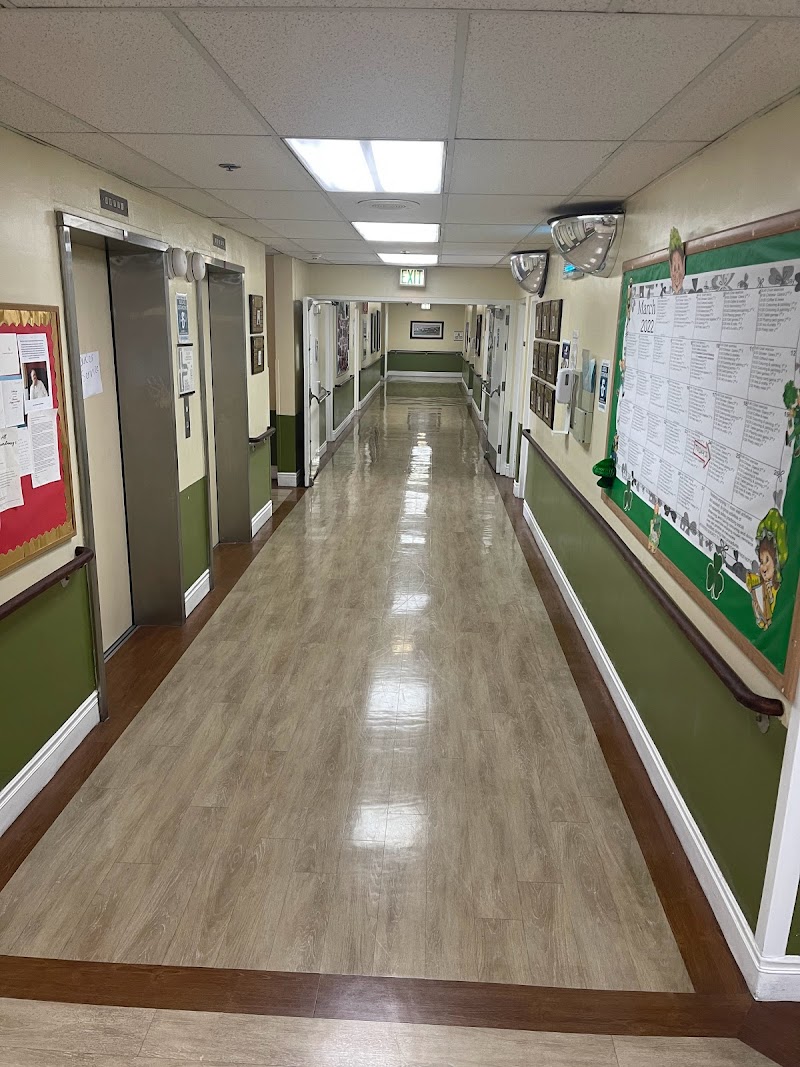
How is Sunny Village Staffed?

CMS rates SUNNY VILLAGE CARE CENTER's staffing level at 4 out of 5 stars, which is above average compared to other nursing homes. Staff turnover is 24%, compared to the California average of 46%. This relatively stable workforce can support continuity of care.

What Have Inspectors Found at Sunny Village?

State health inspectors documented 60 deficiencies at SUNNY VILLAGE CARE CENTER during 2023 to 2025. These included: 58 with potential for harm and 2 minor or isolated issues. While no single deficiency reached the most serious levels, the total volume warrants attention from prospective families.
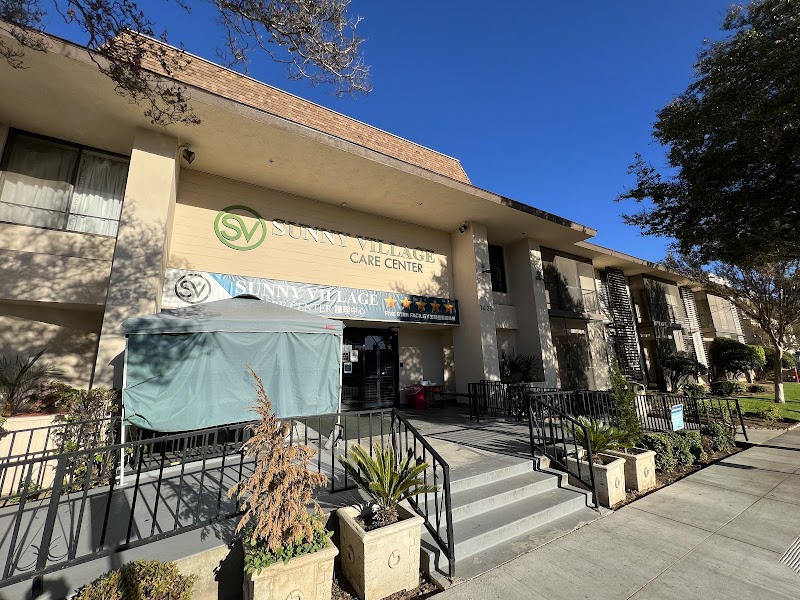
Who Owns and Operates Sunny Village?

SUNNY VILLAGE CARE CENTER is owned by a for-profit company. For-profit facilities operate as businesses with obligations to shareholders or private owners. The facility operates independently rather than as part of a larger chain. With 99 certified beds and approximately 93 residents (about 94% occupancy), it is a smaller facility located in ALHAMBRA, California.
How Does Sunny Village Compare to Other California Nursing Homes?

Compared to the 100 nursing homes in California, SUNNY VILLAGE CARE CENTER's overall rating (2 stars) is below the state average of 3.1, staff turnover (24%) is significantly lower than the state average of 46%, and health inspection rating (2 stars) is below the national benchmark.

What Should Families Ask When Visiting Sunny Village?

Based on this facility's data, families visiting should ask: "Can I visit during a mealtime to observe dining assistance and food quality?" "How do you handle medical emergencies, and what is your hospital transfer rate?" "Can I speak with family members of current residents about their experience?"

Is Sunny Village Safe?

Based on CMS inspection data, SUNNY VILLAGE CARE CENTER has a clean safety record: no substantiated abuse findings (meaning no confirmed cases of resident harm), no Immediate Jeopardy citations (the most serious violation level indicating risk of serious injury or death), and is not on the Special Focus Facility watch list (a federal program monitoring the lowest-performing 1% of nursing homes). The facility has a 2-star overall rating and ranks #100 of 100 nursing homes in California. While no facility is perfect, families should still ask about staff-to-resident ratios and recent inspection results during their visit.

Do Nurses at Sunny Village Stick Around?

Staff at SUNNY VILLAGE CARE CENTER tend to stick around. With a turnover rate of 24%, the facility is 22 percentage points below the California average of 46%. Low turnover is a positive sign. It means caregivers have time to learn each resident's needs, medications, and personal preferences. Consistent staff also notice subtle changes in a resident's condition more quickly.

Was Sunny Village Ever Fined?

SUNNY VILLAGE CARE CENTER has no federal fines on record. CMS issues fines when nursing homes fail to meet care standards or don't correct problems found during inspections. The absence of fines suggests the facility has either maintained compliance or corrected any issues before penalties were assessed. This is a positive indicator, though families should still review recent inspection reports for the full picture.

Is Sunny Village on Any Federal Watch List?

SUNNY VILLAGE CARE CENTER is not on any federal watch list. The most significant is the Special Focus Facility (SFF) program, which identifies the bottom 1% of nursing homes nationally based on persistent, serious quality problems. Not being on this list means the facility has avoided the pattern of deficiencies that triggers enhanced federal oversight. This is a positive indicator, though families should still review the facility's inspection history directly.