APPLE VALLEY CARE CENTER
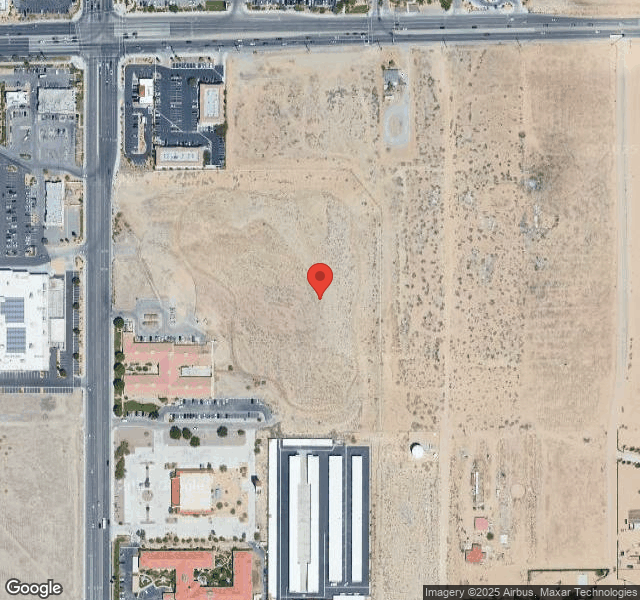

11959 APPLE VALLEY ROAD, APPLE VALLEY, CA 92308 (760) 240-5051
For profit - Limited Liability company 99 Beds ABRAHAM BAK & MENACHEM GASTWIRTH Data: November 2025
Trust Grade
68/100
#283 of 1155 in CA
Last Inspection: October 2024

Within standard 12-15 month inspection cycle. Federal law requires annual inspections.

Overview

Apple Valley Care Center has a Trust Grade of C+, indicating that it is slightly above average but not exceptional. Ranked #283 out of 1155 facilities in California, it sits in the top half, and is #18 out of 54 in San Bernardino County, meaning there are only 17 facilities in the county that perform better. The facility is improving, with a decrease in issues from 7 in 2024 to just 2 in 2025. Staffing is average with a 3/5 star rating and a turnover rate of 33%, which is better than the state average. However, there have been some concerning incidents, including failure to address resident complaints about noise and unresponsive staff, as well as issues with food safety and sanitation, such as unsealed food in the freezer and overflowing garbage dumpsters. Overall, while there are strengths in staffing stability and a good trend in issues, families should be aware of these weaknesses in resident care and safety practices.

Trust Score
C+
68/100
In California
#283/1155
Top 24%
Safety Record
Low Risk
No red flags
Inspections
Getting Better
7 → 2 violations
Staff Stability
○ Average
33% turnover. Near California's 48% average. Typical for the industry.
Penalties
⚠ Watch
$8,021 in fines. Higher than 77% of California facilities, suggesting repeated compliance issues.
Skilled Nurses
○ Average
Each resident gets 35 minutes of Registered Nurse (RN) attention daily — about average for California. RNs are the most trained staff who monitor for health changes.
Violations
⚠ Watch
28 deficiencies on record. Higher than average. Multiple issues found across inspections.
★★★★☆
4.0
Overall Rating
★★★☆☆
3.0
Staff Levels
★★★★☆
4.0
Care Quality
★★★★☆
4.0
Inspection Score
Stable
2024: 7 issues
2025: 2 issues

The Good

  • 4-Star Quality Measures · Strong clinical quality outcomes
  • Full Sprinkler Coverage · Fire safety systems throughout facility
  • No fines on record
  • Staff turnover below average (33%)

    15 points below California average of 48%

Facility shows strength in quality measures, fire safety.

The Bad

Staff Turnover: 33%

13pts below California avg (46%)

Typical for the industry

Federal Fines: $8,021

Below median ($33,413)

Minor penalties assessed

Chain: ABRAHAM BAK & MENACHEM GASTWIRTH

Part of a multi-facility chain

Ask about local staffing decisions and management

The Ugly 28 deficiencies on record

Jun 2025 1 deficiency
CONCERN (D) 📢 Someone Reported This

A family member, employee, or ombudsman was alarmed enough to file a formal complaint

Potential for Harm - no one hurt, but risky conditions existed

Quality of Care (Tag F0684)

Could have caused harm · This affected 1 resident

**NOTE- TERMS IN BRACKETS HAVE BEEN EDITED TO PROTECT CONFIDENTIALITY** Based on interview and record review, the facility failed to provide the appropriate care and services to meet the needs of one ...

Read full inspector narrative →
**NOTE- TERMS IN BRACKETS HAVE BEEN EDITED TO PROTECT CONFIDENTIALITY** Based on interview and record review, the facility failed to provide the appropriate care and services to meet the needs of one of three sampled residents (Resident 1) when: Resident 1 was admitted to the facility for cholecystectomy (surgical removal of the gallbladder) and removal of drainage tube to surgical site, but the facility was unaware of when the surgery took place and follow up visits and treatments from Resident 1's surgeon. The facility did not have a care plan to address Resident1's previously identified behavior of pulling out the drainage tube. The facility did not notify Resident 1's physician regarding the incidents of Resident 1 pulling out the drainage tube. These deficient practices compromised the delivery of care and services and led for Resident 1 to be transferred to the hospital for pulling out the drainage tube attached to the surgical site. Findings: During review of Residents 1's admission Record (general demographics), the document indicated Resident 1 was admitted to the facility on [DATE], with diagnoses to include: cholecystectomy (surgical removal of the gallbladder), atrial fibrillation (irregular heart rhythm), biliary pancreatitis (gallstones blocking pancreatic duct), hypertension (high blood pressure). During a concurrent interview and record review of Resident 1's Medical Record, on May 07, 2025, at 11:10AM, with the Director of Nursing (DON) the following were reviewed and verified: 1. [Acute Hospital Name] History and Physical dated April 04, 2025: A 92-yr old patient History of cholecystectomy presents to Emergency Department for removal of draining tube to surgical site. Per Emergency Medical Services (EMS) had cholecystectomy done and accidentally removed the draining tube, tube was meant to stay in place for approx. 6 weeks. (Facility does not know date or surgery or follow up on plan of care). 2. Order dated April 05, 2025: Right upper abdomen drain tube every shift monitor output. Right upper Abd drain tube site everyday shift cleanse with NS pat dry cover with dry dressing. (No ranges for output noted and when to notify physician). 3. Nurse Note April 06, 2025 @ 02:19: Patient observed pulling on drainage tube. Tubing remains patent and draining dark green fluid effectively. Education provided to patient on importance of keeping drainage tube patent . : 4. Nurse Note April 06, 2025 @2226: New admit, recent cholecystectomy for removal of drainage tube to surgical site. At 1626 resident attempted to remove drainage tube. Resident also been seen getting up out and wandering in the hallways . 5. Nurse Note May 04, 2025, 2143: At 2000 family members notified the Registered nurse (RN) and this License Vocational Nurse (LVN) they noticed the site around the residents Jackson Pratt (JP) (surgical drainage tube) drain was red, noticed pitting edema on both feet. Upon assessment, it was noted the (JP) drain was pulled out. Redness around the site .resident was transferred out by 2124. 6. Careplan: (No Notes for .At risk/attempts for pulling on JP drainage tube noted). During an interview on May 07, 2025, at 11:45AM, with the Certified Nursing Assistant (CNA), the CNA stated, Resident 1 was always messing with the (JP) tube, she would have it on her pant leg, hanging. I would stick in her pants and part hanging out. I was not here when she pulled it out. The nurse when I first started taking care of her told me to keep an eye out because she pulls the JP tube. She had an abdominal binder; she would take it off. During an interview on May 07, 2025, at 12:40PM, with the Director of Nursing (DON), the DON stated, Resident 1 Initial admission was April 04, 2025, for status post cholecystectomy she has acute pancreatitis, there was orders to monitor and drainage. She was taken to Emergency Department 4/4/25 because she pulled out tube cholecystectomy done JP to stay in place 6 weeks she has Dementia. I don't know when her actual surgery was done. When first admitted , we have a to check if there is any follow up appointments, if any procedures. We don't have that one for this resident. There is no documentation in system, us asking the family about the procedure, the JP tube incident of pulled out prior to admission. I can admit, she had episodes of her trying to pull out drainage tube but no documentation is noted of this. There was supposed to have an SBAR. I can agree this was already an issue of her pulling her JP tube before this resident got here. There is no follow through from us on this issue. We do SBAR first and inform the doctor and family and continue at least 72 hours monitoring and if still persist continue monitoring, we update the Careplan. I can agree there was no interventions set for her pulling the JP tube, she was sent out May 04. 2025, for pulling out her JP tube. We failed in not having Change Of Condition (COC) for her pulling on JP tube and no follow up regarding procedure (JT) tube from emergency Department or family. During a review of the facility's policy and procedure titled, Change in a Resident's Condition or Status revised June 2020, the policy and procedure indicated, Our facility shall promptly notify the resident, his or her Attending Physician and representative of changes in the residents medical/mental condition and or status .1a. accident or incident involving the resident .3.Prior to notifying the Physician, the nurse will make detailed observations and gather relevant and pertinent information for the provider.7 the nurse will record in the residents medical record information relative to changes in the residents medical/mental condition or status. During a review of the facility's policy and procedure titled, Care Plans, Comprehensive Person-Centered revised March 2024, the policy and procedure indicated, A comprehensive, person-centered care plan the includes measurable objectives and timetables to meet the resident's, physical, psychological and functional needs is developed and implemented for each resident. During a review of the facility's policy and procedure titled, Safety and Supervision of Residents revised July 2024, the policy and procedure indicated, Our facility strives to make the environment as free from accident hazards as possible. Resident safety and supervision and assistance to prevent accidents are facility-wide-priorities.
Jan 2025 1 deficiency
CONCERN (D) 📢 Someone Reported This

A family member, employee, or ombudsman was alarmed enough to file a formal complaint

Potential for Harm - no one hurt, but risky conditions existed

Medical Records (Tag F0842)

Could have caused harm · This affected 1 resident

**NOTE- TERMS IN BRACKETS HAVE BEEN EDITED TO PROTECT CONFIDENTIALITY** Based on interview and record review, the facility failed to maintain complete and accurate medical records for one of three res...

Read full inspector narrative →
**NOTE- TERMS IN BRACKETS HAVE BEEN EDITED TO PROTECT CONFIDENTIALITY** Based on interview and record review, the facility failed to maintain complete and accurate medical records for one of three residents (Resident 1) reviewed for assisted falls, when Resident 1 had a change in condition and an assisted fall which was not documented according to facility's policy. This failure had the potential for inaccurate communication between health care professionals, which can lead to delays in treatment, follow-up evaluations, and treatment plans for Resident 1. Findings: During the review of Resident 1's admission record (a document that gives a summary of resident's information), the document indicated Resident 1 was admitted to the facility on [DATE], with a diagnosis that included systemic lupus erythematosus (a chronic autoimmune disease that occurs when the body's immune system attacks healthy cells and tissues), and difficulty in walking. During an interview on January 30, 2025, at 11:28 AM, with the Case Manager (CM 1), the CM 1 stated Resident 1 claimed that she slid and fell in her room, but she was unable to locate the incident report for Resident 1 when she searched for it. She also looked for a Change of Condition (COC) report in Resident 1's record, but she could not find one. During a telephone interview on January 30, 2025, at 11:56 AM, with the Certified Nursing Assistant (CNA 1), the CNA 1 stated on December 25, 2024, Resident 1 wanted to get up to use the restroom. When Resident 1 tried to stand, she slipped off the bed and was helped to the floor. The daughter of Resident 1 was present at the time. CNA 1 subsequently sought assistance from another CNA, and they successfully helped Resident 1 to the restroom together. CNA 1 stated that she informed the Licensed Vocational Nurse (LVN 1) of the incident. CNA 1 claimed that the resident was not assessed by LVN 1. CNA further explained, because Resident 1 was unharmed, she did not submit a report. However, the Director of Staff Development (DSD) gave her instructions to do so, and on January 3, 2025, she completed it and turned it in to the DSD. During an interview on January 30, 2025, at 12:08 PM, with the Director of Nursing (DON 1), the DON 1 stated nurses must still complete a COC report and enter it in the chart for assisted fall incidents. During a concurrent telephone interview and record review, on February 3, 2025, at 4:53 PM, with the MDS (Minimum Data Set- a computerized assessment) Coordinator (MDSC 1), the facility's fall protocol policy and procedure (P&P) titled, Fall Prevention Program undated, was reviewed. The P&P indicated, .ii Near/Assisted fall and residents found on another level i.e. from sitting position (on prior observation) found lying/sitting on the floor. *Fall Investigation-interviews and fall incident will be completed. MDSC 1 stated near fall is the same as assisted fall. During a telephone interview on February 4, 2025, at 3:21 PM with the LVN 1, the LVN 1 stated she has no documentation proving that she was notified of the December 25, 2024, occurrence. She went on to say that when reporting a change in condition, like an assisted fall, the CNA should complete a form known as stop and watch. If she was informed of the change, her signature will be on the form.
Oct 2024 4 deficiencies
CONCERN (D)

Potential for Harm - no one hurt, but risky conditions existed

Assessment Accuracy (Tag F0641)

Could have caused harm · This affected 1 resident

**NOTE- TERMS IN BRACKETS HAVE BEEN EDITED TO PROTECT CONFIDENTIALITY** Based on record review, document review, and interview, the facility failed to ensure the discharge Minimum Data Set (MDS) was a...

Read full inspector narrative →
**NOTE- TERMS IN BRACKETS HAVE BEEN EDITED TO PROTECT CONFIDENTIALITY** Based on record review, document review, and interview, the facility failed to ensure the discharge Minimum Data Set (MDS) was accurate for the location of disposition at the time of discharge for 1 (Resident #91) of 18 sampled residents. Findings included: The Centers for Medicare & Medicaid Services Long-Term Care Facility Resident Assessment Instrument [RAI] 3.0 User's Manual, dated 10/2024, revealed The RAI process has multiple regulatory requirements. Federal regulation at 42 CFR 483.20 (b)(1)(xviii), (g), and (h) require that (1) the assessment accurately reflects the resident's status. The User's Manual specified, Knowing the setting to which the individual was discharged helps to inform discharge planning. An admission Record revealed the facility admitted Resident #91 on 07/16/2024. According to the admission Record, Resident #91 discharged home on [DATE]. A discharge MDS, with an Assessment Reference Date (ARD) of 07/30/2024 indicated Resident #91 discharged to a short-term general hospital. Resident #91's care plan, included a focus area initiated 06/21/2024, that indicated the resident wished to discharge to home when their therapy goals were met. Resident #91's physician orders revealed an order with a revision date of 07/29/2024, that indicated the resident would discharge home with family on 07/3/2024. In an interview on 10/17/2024 at 8:51 AM, the MDS Coordinator stated the information on Resident #91's discharge MDS was incorrect. In an interview on 10/17/2024 at 11:29 AM, the Director of Nursing (DON) stated her expectation was that the MDS should be completed timely and correctly. The DON stated the facility did not have a policy for MDS completion but followed the RAI guidelines. In an interview on 10/17/2024 at 11:39 AM, the Administrator stated she expected the MDS to be correct.
CONCERN (D)

Potential for Harm - no one hurt, but risky conditions existed

Drug Regimen Review (Tag F0756)

Could have caused harm · This affected 1 resident

Based on interview, record review, document review, and facility policy review, the facility failed to notify the physician of pharmacy recommendations and failed to ensure the facility policy indicat...

Read full inspector narrative →
Based on interview, record review, document review, and facility policy review, the facility failed to notify the physician of pharmacy recommendations and failed to ensure the facility policy indicated a time frame for the physician response to pharmacy recommendations for 2 (Resident #40 and Resident #85) of 5 sampled residents reviewed for unnecessary medications. Findings included: A facility policy titled, Medication Regimen Reviews, revised 05/2019, indicated, Policy Statement The consultant pharmacist reviews the medication regimen of each resident at least monthly. The policy specified, 4. The goal of the MRR [medication regimen review] is to promote positive outcomes while minimizing adverse consequences and potential risks associated with medications. The policy indicated, 11. If the physician does not provide a timely or adequate response, or the consultant pharmacist identified that no action has been taken, he/she contacts the medical director or (if the medical director is the physician of record) the administrator. 12. The attending physician documents in the medical record that the irregularity has been reviewed and what (if any) action was taken to address it. The policy did not indicate a time frame for the physician response. 1. A significant change in status Minimum Data Set (MDS), with an Assessment Reference Date (ARD) of 10/01/2024, revealed the facility admitted Resident #40 on 09/07/2023. The MDS revealed the resident had active diagnoses to include arthritis, cervical disc degeneration, disorders of bone density and structure, and chronic pain syndrome. Per the MDS, the resident had a Brief Interview for Mental Status (BIMS) score of 3, which indicated the resident had severe cognitive impairment. The MDS indicated Resident #40 took an opioid medication. Resident #40's Order Summary Report, that contained active orders as of 10/16/2024, revealed an order dated 08/20/2024, for Morphine Sulfate (concentrate) solution 20 milligrams per milliliter (mg/ml), give 0.5 ml by mouth every four hours for pain management. The facility medication regimen review report dated 10/04/2024, revealed a recommendation that directed the staff to call the physician now and write an order to clarify the dose of morphine sulfate that should be administered to the resident. In an interview on 10/17/2024 at 11:29 AM, the Director of Nursing (DON) stated the morphine order was still incorrect and had not been clarified. The DON stated she forgot to follow up because the pharmacist discussed the recommendation with the charge nurse, but the DON did not know which charge nurse it was. The DON stated she expected the physician to be notified within 48 hours of a pharmacy recommendation. The DON stated if the recommendation was not followed up on, there could be an adverse reaction. 2. An admission Minimum Data Set (MDS), with an Assessment Reference Date (ARD) of 08/15/2024, revealed the facility admitted Resident #85 on 08/09/2024. The MDS revealed the resident had active diagnoses to include Alzheimer's disease, non-Alzheimer's dementia, anxiety disorder, and encounter for palliative care. Per the MDS, the resident had a Brief Interview for Mental Status (BIMS) score of 2, which indicated the resident had severe cognitive impairment. Resident #85's Order Summary Report, that contained active orders as of 10/16/2024, revealed an order dated 09/12/2024, for lorazepam intensol oral concentrate 2 milligram (mg) per milliliter (ml), give 0.5 ml by mouth every six hours as needed for anxiety manifested by agitation /restlessness and an order dated 09/19/2024, for ABHR (a topical gel that contained four drugs: lorazepam, diphenhydramine, haloperidol, and metoclopramide that was used to treat nausea and vomiting and to subdue agitated residents) cream/gel apply 1 ml to inner wrist every six hours as needed for anxiety/agitation. The facility medication regimen review report dated 08/12/2024, revealed a recommendation for Resident #85 that indicated agitation, unspecified, or restlessness were not sufficient reasons for the use an antipsychotic medication and to limit the as needed Ativan (lorazepam) to 14 days. The facility medication regimen review report dated 10/04/2024, revealed a recommendation for Resident #85 that indicated agitation, unspecified, or restlessness were not sufficient reasons for the use an antipsychotic medication and to discontinue the as needed ABHR today because as needed antipsychotics were not appropriate in this setting. In an interview on 10/17/2024 at 9:36 AM, the Director of Nursing (DON) stated Resident #85 was on the PRN medications because the resident was on hospice services. The DON stated she spoke to the hospice nurse about the pharmacist's recommendations, who then spoke to the hospice physician; however, there was no documentation of the physician notification. In an interview on 10/17/2024 at 10:31 AM, the Consultant Pharmacist stated his expectation was that his recommendations would be followed up on within two weeks. In a follow-up interview on 10/17/2024 at 11:29 AM, the DON stated her expectation was that the medication regimen review recommendations should be followed up on within one week. The DON stated if the physician was not notified there could be an adverse reaction. In an interview on 10/17/2024 at 11:39 AM, the Administrator stated she expected the physician to be notified of any pharmacy recommendations.
CONCERN (D)

Potential for Harm - no one hurt, but risky conditions existed

Unnecessary Medications (Tag F0759)

Could have caused harm · This affected 1 resident

Based on observation, record review, interview, and facility policy review, the facility failed to ensure the medication error rate was not greater than 5 percent (%). The facility had 2 medication er...

Read full inspector narrative →
Based on observation, record review, interview, and facility policy review, the facility failed to ensure the medication error rate was not greater than 5 percent (%). The facility had 2 medication errors out of 31 total opportunities, which resulted in a medication error rate of 6.45% (percent) for 2 (Resident #23 and Resident #66) of 7 residents observed for medication administration. Findings included: A facility policy titled, Administering Medications, revised 04/2019, specified, Medications are administered in a safe and timely manner, and as prescribed. The policy specified, 10. The individual administering the medication checks the label to verify the right resident, right medication, right dosage, right time, and right method (route) of administration before giving the medication. 1.An admission Record indicated the facility admitted Resident #66 on 07/01//2024. According to the admission Record, the resident had a medical history that included a diagnosis of generalized muscle weakness. Resident #66's Order Summary Report revealed a physician's order dated 07/02/2024, for a multiple vitamin tablet to be given one time per day as a supplement. During an observation of medication administration on 10/15/2024 at 9:17 AM, Licensed Vocational Nurse (LVN) #6 administered one multivitamin with minerals tablet to Resident #66. During an interview on 10/15/2024 at 11:20 AM, LVN #6 stated she gave a multivitamin with minerals to Resident # 66, but she gave the wrong one because the physician's order was for a multivitamin with no minerals. During an interview on 10/15/2024 at 11:34 AM, the Director of Nursing stated the nurse should have read the label on the medication, followed the order, and gave the correct medication to Resident #66. 2. An admission Record indicated the facility admitted Resident #23 on 11/13/2020. According to the admission Record, the resident had a medical history that included a diagnosis of chronic obstructive pulmonary disease. Resident #23's Order Summary Report revealed a physician's order dated 01/19/2022, for a multiple vitamin with minerals tablet to be given one time per day as a supplement. During an observation of medication administration on 10/15/2024 at 9:53 AM, Licensed Vocational Nurse (LVN) #7 administered one multivitamin tablet to Resident #23. During an interview on 10/15/2024 at 11:16 AM, LVN #7 stated she did not give Resident #23 the multivitamin with minerals, but gave the resident the multivitamin. LVN #7 stated she gave the multivitamin without minerals, which was not ordered. During an interview on 10/15/2024 at 11:36 AM, the Director of Nursing stated the nurse should have followed the order and compared the medication label to the medication administration record before she administered the medication. During an interview on 10/17/2024 at 11:18 AM, the Administrator stated the nurses should have read the label for both residents and compared it to what was ordered and gave the right medication as ordered. The Administrator stated if there was a question about the medication, the nurses should have stopped and called to double check the order with the doctor or asked the DON for direction.
CONCERN (F)

Potential for Harm - no one hurt, but risky conditions existed

Grievances (Tag F0585)

Could have caused harm · This affected most or all residents

Based on interview, document review, and facility policy review, the facility failed to resolve grievances voiced by 5 (Residents #20, #36, #66, #195, and #200) of 5 residents who attended the residen...

Read full inspector narrative →
Based on interview, document review, and facility policy review, the facility failed to resolve grievances voiced by 5 (Residents #20, #36, #66, #195, and #200) of 5 residents who attended the resident council meeting. Findings included: A facility policy titled, Grievances/Complaints, Filing, revised 04/2017, revealed, Residents and their representative have the right to file grievances, either orally or in writing, to the facility staff or to the agency designated to hear grievances. The administrator and staff will make prompt efforts to resolve grievances to the satisfaction of the resident and/or representative. During the resident council meeting on 10/15/2024 at 1:32 PM, the residents in attendance stated the facility did not always follow-up on their grievances. The residents stated they had voiced grievances related to the noise at night in the hall and staff respond their call light and state they would be back, but never return. The residents stated they have spoken to the facility about their concerns, things get better, but due to the high staff turnover, things revert back. The residents stated the Activity Director (AD) was the person that reported their concerns to. During an interview on 10/17/2024 at 10:56 AM, the AD stated resident concerns voiced during the Resident Council meeting were not considered grievances. The AD stated if the concerns were not addressed, they were discussed in the next resident council meeting. The Resident Council Minutes for the timeframe May 2024 through October 2024, revealed call lights not being answered and/or the call light turned off without staff returning to provide services were listed as concerns from May 2024 to October 2024.
Jun 2024 1 deficiency
CONCERN (D) 📢 Someone Reported This

A family member, employee, or ombudsman was alarmed enough to file a formal complaint

Potential for Harm - no one hurt, but risky conditions existed

Quality of Care (Tag F0684)

Could have caused harm · This affected 1 resident

**NOTE- TERMS IN BRACKETS HAVE BEEN EDITED TO PROTECT CONFIDENTIALITY** Based on interview and record review the facility failed to follow their policy for one of three sampled residents (Resident 1) ...

Read full inspector narrative →
**NOTE- TERMS IN BRACKETS HAVE BEEN EDITED TO PROTECT CONFIDENTIALITY** Based on interview and record review the facility failed to follow their policy for one of three sampled residents (Resident 1) when informed consent was not provided by resident or representative prior to psychotropic medication was administered (medications that affects mind, emotion and behavior). This failure resulted in Residents 1's representative rights to be violated and risks, benefits, adverse reactions and right to refuse the administration of the medication. Findings: During review of Residents 1's admission Record (general demographics), the document indicated Resident 1 was admitted to the facility on [DATE], with diagnoses to include: senile degeneration of brain (mental deterioration, loss of intellectual ability), palliative care (specialized care for people with serious illness), unspecified dementia (impaired ability to remember, think or make decisions), anxiety (feeling of fear, feeling tense and restless), delirium (mental state of confusion, disoriented, and lack of awareness). During a concurrent interview and record review of Resident 1's with the Director of Nursing (DON), reviewed are as follows: 1. Physician Telephone Order (Hospice) Dated July 27, 2023, Medication Order: Haloperidol (antipsychotic medication used to treat certain types on mental disorders) LAC 5 mg/mL vial inject 1 mL IM every 6 hours as needed .Signed July 28, 2023. 2. Documents: Apple Valley Care Center, Facility Verification of Residents Informed Consent Psychotherapeutic Drugs of Prolonged Use of Device Dated July 27, 2023: Resident Representative as Charter Hospice [Name] Registered Nurse, Relationship: [Name] Registered .Nurse receiving Order [Name] Registered Nurse .doctor signature dated July 28, 2023. (No resident or Resident Representative (spouse) signature of consent noted). 3. Medication Administration Record (MAR) July 2023: Haldol injection 5mg/mL, inject 1 mL intramuscularly every 6 hours as needed for r/t agitation, Administered July 28, 2023, at 11:12 and 1754. During an interview with the Director of Nursing DON (DON), the DON stated, The hospice nurse told me she called the wife for Haldol consent. I will not give medication if there is not a verbal or a signed consent. The hospice nurse told me she was the one who called the wife to get the consent, but I see the document, she [the hospice nurse] signed on the wrong space, it has her name in the resident representative. When asked, based on this document reviewed does it state the wife was called and a verbal consent was given? No, it has the hospice nurse on both lines on the consent form. During a review of the facility's policy and procedure titled, Verification of Informed Consent for Psychotherapeutic Medications revised May 2024, the policy and procedure indicated: Policy Statement: Each resident has the right to be free from psychotherapeutic drugs and, to provide informed consent before treatment with psychotherapeutic drugs. Informational materials concerning psychotherapeutic drugs. The facility will obtain a written informed consent for treatment using psychotherapeutic drugs and consent renewal every six months .Procedure 2. If the resident or resident's representative cannot sign the informed consent form, a licensed nurse can sign the form and document the name of the person who gave consent and the date. The personal exam and the signatures of the prescriber, resident, or representative can be completed and signed using remote technology. 4.Signed written consent will be recorded in the resident's medical record. Before initiating treatment with psychotherapeutic drugs, facility staff must verify that the president's health record contains written informed consent with the required signatures.
Feb 2024 2 deficiencies
CONCERN (E) 📢 Someone Reported This

A family member, employee, or ombudsman was alarmed enough to file a formal complaint

Potential for Harm - no one hurt, but risky conditions existed

Safe Environment (Tag F0584)

Could have caused harm · This affected multiple residents

**NOTE- TERMS IN BRACKETS HAVE BEEN EDITED TO PROTECT CONFIDENTIALITY** Based on observation, interview, and record review, the facility failed to maintain resident room temperatures between 71- and 8...

Read full inspector narrative →
**NOTE- TERMS IN BRACKETS HAVE BEEN EDITED TO PROTECT CONFIDENTIALITY** Based on observation, interview, and record review, the facility failed to maintain resident room temperatures between 71- and 81-degrees Fahrenheit (°F) in 39 of 41 rooms when temperatures dropped below 71 °F in the resident bedrooms during the time in which the facility's heating system became inoperable on (January 10, 2024) and needed to be replaced. Furthermore, resident room temperatures continued to intermittently be below 71 °F nearly one month later while the facility's heating system was still undergoing assessment and maintenance. This failure had the potential for all 95 of 95 residents living within the facility to experience physical discomfort, and emotional distress associated with exposure to cold temperatures throughout the facility. Findings: During an interview on January 12, 2024, at 2:25 PM, with the facility's Maintenance Director (MD), the MD stated the facility's heating system had not been functioning properly since January 10, 2024, and a vendor came out to replace the boiler (a device which heats water to work in conjunction with a coil and fan to provide warm air for heating). The MD further stated the heating systems boiler was over [AGE] years old and he believed the age of the system was a contributing factor to why the heating system was not working. During an interview on January 12, 2024, at 2:45 PM, with the Administrator (ADMIN), the admin stated to maintain appropriate temperatures, the facility purchased and was using space heaters for use in some resident rooms and the hallways as needed. The ADMIN further stated the facility staff were recording resident room temperatures every 3 hours. During an observation on January 12, 2024, at 3:09 PM, with the MD, Resident 1 was observed to be in her room under a blanket. The temperature of the room was taken using the facility's infrared thermometer gun at the wall near the head of the bed and at bed level. The room temperature was 65.5 degrees Fahrenheit, The MD verified the temperature. During an observation on January 12, 2024, at 3:11 PM, with the MD, the temperature of room [ROOM NUMBER] was taken using the facility's infrared thermometer gun at the wall near the head of the bed and at bed level. The room temperature was 68.2 degrees Fahrenheit, the MD verified the temperature. During a review of the facility document titled, Monitoring for Patient's Comfort and any Change of Condition (a document used to record room temperatures of every room in the facility), dated January 16, 2024 (six days after the facility's heating system was determined to be malfunctioning), at 2:00 AM (time temperatures were checked), the document indicated out of 45 rooms where residents resided, 39 of the rooms had temperatures recorded below 71°F; Of these 39 rooms, 19 of them had recorded temperatures below 65 °F. During an interview on January 18, 2024, at 11:55 AM (eight days after the facility initially experienced problems with the heating system), with the ADMIN, the ADMIN stated the facility was still experiencing room temperatures under 71 degrees Fahrenheit and the vendor who installed the new heating system was in the process of inspecting the new system to determine why the heater was still unable to maintain warmer temperatures. During an interview on February 8, 2024, at 2:40 PM (29 days after the facility initially experienced problems with the heating system), with the ADMIN, the ADMIN stated the facility still had tube heaters (temporary heaters which utilize heated air to provide warmth) in use in the facility's hallways because the facility's own heating system was still unable to consistently maintain room temperatures above 71 F in 3 resident rooms. The ADMIN stated a 3rd party vendor is scheduled to be onsite next week (week of February 16, 2024) to assess and fix the facility's heating system. The ADMIN further stated she was informed that although the °boiler was now working, the hot water pipes (pipes which distribute heated water throughout the facility so it can be used in conjunction with coils and fans to provide warm air for heating) were identified to be corroded and clogged in some areas which affected the hot water flow and was ultimately decreasing the efficiency of the heating system. During a review of the facility's policy and procedure titled, Extreme Weather - Heat or Cold, (undated), the policy indicated, .The priority of this facility to minimize the stress our residents could experience from extreme temperatures related to weather events. To mitigate this risk, we rigorously maintain our systems of heating, ventilation and air conditioning and generator . During a review of the facility's policy and procedure titled, Homelike Environment, Revised February 2023, the policy indicated, Residents are provided with a safe, clean comfortable and homelike environment .2. The facility staff and management maximizes, to the extent possible, the characteristics of the facility that reflect a personalized, homelike setting. These characteristics include: .h. Comfortable and safe temperatures (71° F - 81° F) .
CONCERN (E) 📢 Someone Reported This

A family member, employee, or ombudsman was alarmed enough to file a formal complaint

Potential for Harm - no one hurt, but risky conditions existed

Accident Prevention (Tag F0689)

Could have caused harm · This affected multiple residents

**NOTE- TERMS IN BRACKETS HAVE BEEN EDITED TO PROTECT CONFIDENTIALITY** Based on observation, interview, and record review, the facility failed to maintain a safe environment for all 95 residents livi...

Read full inspector narrative →
**NOTE- TERMS IN BRACKETS HAVE BEEN EDITED TO PROTECT CONFIDENTIALITY** Based on observation, interview, and record review, the facility failed to maintain a safe environment for all 95 residents living within the facility when portable space heaters were in use in multiple resident rooms during the time the facility's heating system was being repaired. This failure had the potential for all 95 residents to be at risk of physical injury due to the increased risk of fire hazards associated with the use of space heaters. Findings: During an interview on January 12, 2024, at 2:25 PM, with the facility's Maintenance Director (MD), the MD stated the facility's heating system had not been functioning properly since January 10, 2024, and a vendor came out to replace the boiler (a device which heats water to work in conjunction with a coil and fan to provide warm air for heating). The MD further stated the heating systems boiler was over [AGE] years old and he believed the age of the system was a contributing factor to why the heating system was not working. During an interview on January 12, 2024, at 2:45 PM, with the Administrator (ADMIN), the admin stated the facility purchased a space heater for every room and was using the space heaters in resident rooms as needed if the temperature in the room dropped to less than 70 degrees Fahrenheit. The ADMIN further stated she would provide a list of resident rooms which currently had space heaters in use. During an observation on January 12, 2024, at 5:40 PM, Resident rooms [ROOM NUMBERS] were observed to have space heaters in their room which were approximately three feet high. The space heaters were plugged into an electrical outlet in the room and both space heaters were turned on and in use. During a concurrent interview and record review on January 12, 2024, at 5:00 PM, with the ADMIN, the ADMIN provided a document titled, Heaters, (undated). The document was reviewed and indicated a checkmark next to the following rooms: 108, 201, 202, 206, 207, 402, 406, 503, 509. The Admin stated the document indicated a checkmark next to each resident room which currently had space heaters in use. During an interview on January 12, 2024, at 5:45 PM, with the ADMIN, the ADMIN stated the facility was not considering any other plans to heat the facility which did not include the use of space heaters. During a review of the facility's policy and procedure titled, Safety and Supervision of Residents, dated January 2020, the policy indicated, Our facility strives to make the environment as free from accident hazards as possible. Resident safety and supervision and assistance to prevent accidents are facility-wide priorities. During a review of the facility's policy and procedure titled, Electrical Appliances, revised January 2023, the policy indicated, .2. Portable space heaters are not allowed in resident areas.
Oct 2023 1 deficiency
CONCERN (D) 📢 Someone Reported This

A family member, employee, or ombudsman was alarmed enough to file a formal complaint

Potential for Harm - no one hurt, but risky conditions existed

Deficiency F0558 (Tag F0558)

Could have caused harm · This affected 1 resident

**NOTE- TERMS IN BRACKETS HAVE BEEN EDITED TO PROTECT CONFIDENTIALITY** Based on observations, interviews, and record review, the facility failed to ensure call light (a device that triggers a visual ...

Read full inspector narrative →
**NOTE- TERMS IN BRACKETS HAVE BEEN EDITED TO PROTECT CONFIDENTIALITY** Based on observations, interviews, and record review, the facility failed to ensure call light (a device that triggers a visual and/or auditory queue when a resident needs assistance) was accessible for one of three sampled Residents (Resident 1) when Resident 1 ' s call light was not plugged into the wall and not accessible to Resident 1. This failure had the potential to place Resident 1, at risk of harm, as Resident 1 may have experienced an emergency or needed assistance and would not have been able to call for help. Findings: During a review of Resident 1 ' s clinical record titled, admission Record (contains demographic and medical information), it indicated Resident 1 was admitted on [DATE] to the facility, with diagnoses, which included aphasia (difficulty speaking, reading and/or writing) following nontraumatic intracranial hemorrhage (brain bleed), difficulty in walking, and muscle weakness. During a concurrent observation and interview on September 6, 2023, at 12:38 PM, in Resident 1 ' s room, Resident 1 was lying in bed. Resident 1 requested help and stated she could not find her call light. Resident 1 ' s call light was not plugged into the wall and was hanging below the right side of Resident 1 ' s bed. During an interview on September 6, 2023, at 12:40 PM, in Resident 1 ' s room, Resident 1 ' s roommate, Resident 2 states she will press her call light to get help for Resident 1. Resident 2 further states that she has to do this for her neighbor, Resident 1, because her call light either comes unplugged or she unable to find her light. During a concurrent observation and interview on September 6, 2023, at 12:50 PM, with the Certified Nursing Assistant (CNA 1), in Resident 1 ' s room, the CNA 1 responded to Resident 2 ' s call light. CNA 1 stated Resident 1 ' s call light cord was not plugged into the wall or with in Resident 1 ' s reach. CNA 1 stated the resident would not be able to call for help if needed. During a concurrent interview and review of the facility ' s policy and procedure (P&P) titled, Call Light- Answering, undated, on September 6, 2023, at 2:45 PM, with the Director of Nursing (DON), in the conference room, the DON stated that facility policy was to have resident call lights be plugged in, operational and within easy reach of the resident. The DON further stated that facility staff was to ensure that call lights are in working order and within resident ' s reach prior to leaving the resident ' s room, and it was not acceptable to have the call light not plugged in and out of Resident 1 ' s reach. During a review of the facility ' s P&P titled Call Light - Answering, undated, the P&P indicated, .All residents will have a call light in place at all time . Nursing Action . 3. Check to see that the system is functioning .5. Keep constant watch on call lights .
May 2023 1 deficiency
CONCERN (D) 📢 Someone Reported This

A family member, employee, or ombudsman was alarmed enough to file a formal complaint

Potential for Harm - no one hurt, but risky conditions existed

Deficiency F0646 (Tag F0646)

Could have caused harm · This affected 1 resident

Based on interview and record review, the facility failed to report a low diastolic blood pressure of 50 mm Hg (a low blood diastolic blood pressure is less than 60 mm Hg) during an initial assessment...

Read full inspector narrative →
Based on interview and record review, the facility failed to report a low diastolic blood pressure of 50 mm Hg (a low blood diastolic blood pressure is less than 60 mm Hg) during an initial assessment for one of three sample residents (Resident 1). This failure had the potential to cause symptoms of dizziness and lightheadedness for Resident 1. Finding: During a review of the clinical record for Resident 1, the document title admission Record dated May 01, 2023, indicated Resident 1 was admitted to the facility with diagnoses which included of Syncope (loss of consciousness caused by a fall in blood pressure). Resident 1 was not at the facility during investigation. During a review of the clinical record for Resident 1, the document title, admission / readmission Assessment - V 3 dated May 01, 2023, at 11 PM, it indicated, A4. Vital Signs. aa. Most Recent blood pressure: 100 / 50 mm Hg. There is no documentation in Resident 1's clinical record the doctor was notified of Resident 1's low diastolic blood pressure. During an interview with director of nurses (DON) on May 16, 2023, at 1:58 PM, the DON confirmed there was no documentation in Resident 1's clinical record the doctor was notified of Resident 1's low diastolic blood pressure. The DON stated that a diastolic of 50 mm Hg should be reported to the MD. The DON further stated that her expectations from the nurse is to notified MD that Resident 1 diastolic blood pressure was low, but the nurse did not notified MD. The Facility policy and procedure title, Vital Signs Monitoring, undated, indicated, B. Unusual findings, like irregular, rapid or slow pulse or respiratory rate, quality of pulse, blood pressure above or below set parameters shall be reported to the physician and recorded on the license nurses' notes. The DON acknowledge that nurse failed to follow the facility's policy and procedure.
Jan 2022 9 deficiencies
CONCERN (D)

Potential for Harm - no one hurt, but risky conditions existed

Safe Environment (Tag F0584)

Could have caused harm · This affected 1 resident

**NOTE- TERMS IN BRACKETS HAVE BEEN EDITED TO PROTECT CONFIDENTIALITY** Based on observation, interview, and record review, the facility failed to maintain a comfortable and homelike environment for o...

Read full inspector narrative →
**NOTE- TERMS IN BRACKETS HAVE BEEN EDITED TO PROTECT CONFIDENTIALITY** Based on observation, interview, and record review, the facility failed to maintain a comfortable and homelike environment for one of three residents (Resident 67), when his room was found to be less than the regulatory required temperature range of 71 degrees Fahrenheit (a unit of measure) to 81 degrees Fahrenheit on two occasions. This failure negatively impacted Resident 67's sense of well-being and comfort. Findings: A review of Resident 67's admission Record (a document with clinical and demographic data) indicated Resident 67 was admitted to the facility on [DATE], with diagnoses which included, peripheral vascular disease, (a blood circulation disorder that causes the blood vessels outside of your heart and brain to narrow, block, or spasm), and Difficulty in Walking . During an observation and interview on January 3, 2022, at 11:45 AM, with Resident 67, Resident 67 was observed lying in bed. Resident 67 was on droplet precautions (used to prevent the spread of disease that are passed through respiratory secretions) and Personal Protective Equipment (PPE - protective clothing, gloves, face shields, goggles, face masks and/or respirators to protect the wearer from the spread of infection or illness) was required to be donned (put on) prior to entering the room. This surveyor donned a cloth gown, face-shield, N95 respirator (a respiratory protective device designed to achieve a very close facial fit and very efficient filtration of airborne particles), and gloves. The room felt a little cool. When asked how his care had been, Resident 87 stated, Care has been substandard, there is no heat inside this room. The heat hasn't worked in here for two weeks. Maintenance has come and the last time he checked it, it was 69 degrees. During an observation and interview on January 5, 2022, at 7:57 AM, with the Maintenance Supervisor (MS), the MS took the temperature in Resident 67's room, room [ROOM NUMBER]. The temperature was 67 degrees Fahrenheit, and the MS validated the reading. During a follow-up observation and interview on January 5, 2022, at 1:00 PM, room temperatures were taken in rooms [ROOM NUMBER] with Maintenance present. rooms [ROOM NUMBERS] are located on either side of Resident 67's room, (room [ROOM NUMBER]). room [ROOM NUMBER] was 70.9 degrees Fahrenheit. Maintenance validated the readings. During a follow-up observation and interview on January 6, 2022, at 7:39 AM, with the MS, the MS rechecked the temperatures in rooms [ROOM NUMBER]. The temperature, taken by the MS was 68 degrees Fahrenheit in room [ROOM NUMBER] with the window closed. During an interview on January 6, 2022, at 12:09 PM, with the MS, when asked about the out-of-range temperature in room [ROOM NUMBER], the Maintenance Supervisor stated the heating and air conditioning company was coming out again today. She stated when they came out earlier in the week there was something turned off on the heating unit that covers room [ROOM NUMBER], and once it was turned on there had been no issues. A review of the document titled, [Company Name] Heating & Air Conditioning, dated, January 6, 2022, supplied by the MS indicated, For Unit 513 - re-calobrate [sic] water values to factory specifications .Repaired pneumatic line fitting (used in a variety of HVAC applications).
CONCERN (D)

Potential for Harm - no one hurt, but risky conditions existed

Deficiency F0697 (Tag F0697)

Could have caused harm · This affected 1 resident

**NOTE- TERMS IN BRACKETS HAVE BEEN EDITED TO PROTECT CONFIDENTIALITY** Based on interview, and record review, the facility failed to ensure one resident (Resident 88) received interventions to help m...

Read full inspector narrative →
**NOTE- TERMS IN BRACKETS HAVE BEEN EDITED TO PROTECT CONFIDENTIALITY** Based on interview, and record review, the facility failed to ensure one resident (Resident 88) received interventions to help manage pain on January 1, 2022, when Resident 88 experienced severe pain (scaled 7 out of 10 where 0 = no pain and 10 = excruciating pain) and the Licensed Vocational Nurse 2 (LVN 2) did not provide non-pharmacological interventions (non-medicinal techniques to help alleviate pain) and did not provide the resident with pain medication as was ordered by the physician. These findings had the potential for Resident 88 to experience undue stress, physical discomfort and pain. Findings: During a review of Resident 88's clinical record, the admission record (contains demographic and medical information) indicated Resident 88 was admitted on [DATE], with diagnoses which included, but was not limited to fracture of left femur (thigh bone), fibromyalgia (a chronic disorder characterized by widespread musculoskeletal pain, fatigue, and tenderness), and depression. During an interview on January 4, 2022, at 4:15 PM, with Resident 88, Resident 88 stated she had fibromyalgia and was in pain on January 1, 2022 but did not receive her pain medication [brand name for pain medication hydrocodone and acetaminophen]. During a review of Resident 88's physician's orders, an order dated December 29, 2021, indicated, Assess pain on 0/10 [zero out of 10] pain scale Q [every] shift . Another physician's order dated December 29, 2021, indicated, non-pharmacological interventions prior to use of medications: 1. Repositioning 2. Dim lights 3. Quiet environment 4. Hot/cold application 5. Relaxation techniques 6. Distraction 7. Music 8. Massage 9. Other Y = document # used as intervention . During further review of Resident 88's physician's orders, an order dated December 30, 2021, indicated, [brand name of medication hydrocodone and acetaminophen] give 1 tablet by mouth every 4 [four] hours as needed for moderate pain 4-6 [out of 10 scale] to severe pain (7-10) . During a review of Resident 88's Medication Administration Record (MAR- a document used to record medications administered to residents, resident assessments and cares provided) dated January 1, 2022, through January 31, 2022, was reviewed. The MAR indicated LVN 2 had documented Resident 88 had experienced pain 7 (on scale of 0-10) on the PM (3 PM - 11:30 PM) shift on January 1, 2022. The MAR also indicated LVN 2 did not document the administration of pain medication [brand name of medication hydrocodone and acetaminophen] and did not document that non-pharmacological interventions were performed to help alleviate Resident 88's pain. There was no documentation on the MAR indicating why the pain medication was not administered or why non-pharmacological interventions were not attempted. During an interview on January 6, 2022, at 4:00 PM, with LVN 2, LVN 2 stated she remembered being assigned to Resident 88 on January 1, 2022. LVN 2 stated she remembered Resident 88 having abdominal pain as well as hip pain due to her fracture. LVN 2 stated she could not remember if she gave pain medications to Resident 88 and was unable to verbalize why she did not perform or document non-pharmacological interventions. During a concurrent interview and record review on January 10, 2022, at 10:02 AM, with the Resident Care Coordinator (RCC), Resident 88's MAR dated January 1, 2022, through January 31, 2022, was reviewed along with Resident 88's physician's orders. The RCC confirmed the MAR included documented evidence that Resident 88 had pain 7 (out of 10) on January 1, 2022. The RCC further reviewed the MAR and stated Resident 88 did not receive pain medication the entire day (January 1, 2022) and there were no non-pharmacological interventions documented during the PM shift when the Resident reported pain of 7 (out of 10). The RCC stated the facility process for managing the pain for a Resident experiencing pain 7 (out of 10) should have included both non-pharmacological interventions as well as the administration of pain medication as ordered by the physician. The RCC stated LVN 2 did not follow the facility policy and procedure for pain management. During a review of the facility's policy and procedure titled, Pain Assessment and Management, revised March 2015, the policy indicated, The purpose of this procedure are [sic] to help the staff identify pain in the resident, and to develop interventions that are consistent with the resident's goals and needs and that address the underlying causes of pain .General Guidelines .3. Pain management is a multidisciplinary care process that includes the following: .b. effectively recognizing the presence of pain .e. developing and implementing approaches to pain management .Implementing Pain Management Strategies: 1. Non-pharmacological interventions may be appropriate alone or in conjunction with medications .2. Pharmacological interventions may be prescribed to manage pain . During a review of the facility's policy and procedure tilted, Administering Medications, revised December 2012, the policy indicated, Policy Statement. Medications shall be administered in a safe and timely manner, and as prescribed .3. Medications must be administered in accordance with the orders, including any required time frame.
CONCERN (D)

Potential for Harm - no one hurt, but risky conditions existed

Unnecessary Medications (Tag F0759)

Could have caused harm · This affected 1 resident

**NOTE- TERMS IN BRACKETS HAVE BEEN EDITED TO PROTECT CONFIDENTIALITY** Based on observation, interview, and facility record review, the facility failed to ensure a medication error rate of less than ...

Read full inspector narrative →
**NOTE- TERMS IN BRACKETS HAVE BEEN EDITED TO PROTECT CONFIDENTIALITY** Based on observation, interview, and facility record review, the facility failed to ensure a medication error rate of less than 5% when the medication error rate was 18.5%, with five errors in 27 opportunities, when for one of 12 residents (Resident 82) a Licensed Vocational Nurse (LVN 5) put four crushable medications, and opened one capsule adding the contents to these medications and then administered all five medications together via gastrostomy tube (GTube - a tube that enters through the abdomen to deliver nutrition and medication), instead of separately as per facility policy and procedure. This failure had the potential to affect the compatibility and absorption of the medications reducing their efficacy and impacting Resident 82's health. Findings: A review of the facility document titled, admission Record, (a document containing clinical and demographic data), indicated Resident 82 was admitted to the facility on [DATE], with diagnoses which included, cerebrovascular disease (a group of conditions that affect blood flow and the blood vessels in the brain) and hypertension (high blood pressure). During an observation on January 5, 2022, at 8:23 AM, with Licensed Vocational Nurse (LVN) 5, LVN 5 was observed preparing and administering the following medications to Resident 82 via GTube: a. Omeprazole 40 mg (mg - milligrams a unit of measure) capsule via GTube, used to treat heartburn, b. Losartan 25 mg via GTube, used to treat high blood pressure, c. Labetalol 100 mg via GTube, used to treat high blood pressure, d. Amlodipine Besylate 5 mg via GTube, used to treat high blood pressure, and, e. Eliquis 5 mg via GTube, used to prevent blood clots from forming. LVN 5 was observed preparing medications b, c, d, and e by placing the medications together in a plastic bag, crushing the medications together, and pouring the crushed medications into 50 mL (mL - milliliter a unit of measure) of water. Medication a. was a capsule, which LVN 5 opened and added the contents to the 50 mL of water containing the crushed medications b, c, d, and e. LVN 5 was then observed checking placement of the GTube, then flushing 50 mL of water prior to administering the 50 mL of water which contained the crushed medications, via GTube, and then flushed the GTube with 50 mL of water. During an interview on January 5, 2022, at 8:40 AM, with LVN 5, when asked what the process was for administering GTube medications, LVN 5 stated she would crush the medications and administer together by slow push or gravity. During an interview on January 5, 2022, at 9:05 AM, with LVN 6, when asked what the process was for administering GTube medications, LVN 6 stated she would check placement, prepare each medication separately, crush medication, put it in a cup, crush next medication, put it in a separate cup, have water available for pre and post medication administration, flush with 15 mL, administer medication, flush with 10-15 mL of water and repeat the process with additional medications. During a concurrent interview and record review on January 5, 2022, at 9:10 AM, with the Director of Nursing (DON), when asked if it was appropriate to crush 3 or 4 medications together and administer via GTube, the DON stated, No, no, no, it could clog the tube. The facility policy and procedure (P & P) titled, Administering Medications through an Enteral Tube, revised March 2015, was reviewed with the DON, the P & P indicated, .3. Do not mix medications together .Administer each medication separately. A review of the facility document titled, Order Review Report, authorization date January 5, 2022 - January 31, 2022, containing the physician's orders indicated, Enteral Feed Order every shift Crush all crush-able medications given via tube .and administer separately with 10 CC's (CC a unit of measure, the same as mL) between meds . A review of the facility policy and procedure (P & P) titled, Administering Medications through an Enteral Tube [(GTube)], revised March 2015, the P & P indicated, Purpose: The purpose of this procedure is to provide guidelines for the safe administration of medications through an enteral tube .General Guidelines: .3. Do not mix medications together prior to administering through enteral tube. Administer each medication separately .
CONCERN (D)

Potential for Harm - no one hurt, but risky conditions existed

Deficiency F0808 (Tag F0808)

Could have caused harm · This affected 1 resident

Based on observation, interview, and record review, the facility did not ensure licensed nurses reviewed resident food trays prior to distributing the meals, to ensure that prescribed diets to include...

Read full inspector narrative →
Based on observation, interview, and record review, the facility did not ensure licensed nurses reviewed resident food trays prior to distributing the meals, to ensure that prescribed diets to include therapeutic diets, were provided to the residents as ordered by their physician when: 1. Two staff members (Certified Nursing Assistant-CNA 1 and CNA 3) were observed distributing meal trays to residents who resided in the 100 hall without the trays being checked by licensed staff according to the facility's policy and procedure on January 3, 2022. 2. Multiple CNA's were observed to be distributing meal trays to residents who resided in the 400 hall prior to the meal trays being checked by nursing staff, on January 3, 2022. This failure had the potential for residents to receive meal trays with foods that were not in accordance with their prescribed diet. Findings: 1. During an observation on January 3, 2022, at 11:28 AM, one meal tray Cart 1 (a cart used to transport multiple trays of food for residents) was brought onto the hall 100, located in the yellow zone (dedicated area for persons under investigation (PUI) for COVID-19 exposure, for lunch. During an observation on January 3, 2022, at 11:30 AM, CNA 1 and CNA 3 were observed to be distributing meal trays from Cart 1 and delivered them to multiple residents. During an interview on January 3, 2022, at 11:58 AM, with CNA 1, the CNA 1 stated that there was no licensed nurse checking the trays at that time. During an interview on January 3, 2022, at 11:59 AM, with CNA 3, the CNA 3 stated nursing staff usually check the trays before they are delivered to residents, but there was no licensed nurse checking the trays at that time. During an interview on January 3, 2022, at 12:47 PM, with the Licensed Vocational Nurse (LVN 3), LVN 3 stated she did not check any meal trays for lunch. LVN 3 further stated she told CNA 1 and CNA 3 to go ahead and pass the trays without me checking. 2) During an observation on January 3, 2022, at 11:33 AM, in hallway 400, a meal tray cart arrived on the unit from the kitchen. As soon as the cart arrived, 3 CNA's were observed to be distributing the meal trays to residents. There was no licensed nursing staff (Registered Nurses [RNs] or Licensed Vocational Nurses [LVNs]) observed to be checking the trays prior to them leaving the tray cart before being distributed to residents. During an interview on January 3, 2022, at 11:33 AM, with CNA 4, CNA 4 was observed to be passing out meal trays. CNA 4 stated licensed nursing staff was supposed to check the meal trays but he was unsure if the trays had been checked. During an interview on January 3, 2022, at 11:38 AM, with CNA 5, CNA 5 stated an LVN was supposed to check the meal trays prior to them being distributed to residents. CNA 5 then left the area to speak to a licensed nurse. During a concurrent observation and interview on January 3, 2022, at 11:42 AM, LVN 4 arrived at the meal tray cart in the 400 hallway. LVN 4 stated meal trays were supposed to be checked by licensed nurses prior to being served to residents and that staff was not supposed to distribute the meal trays until they were checked according to the facility policy and procedure. LVN 4 further stated she was going to check the meal trays now and that the meal trays in the cart, located in the 400 hall, had not previously been checked by licensed staff. During a concurrent interview and record review on January 10, 2022, at 11:30 AM, with the Administrator (ADMIN), the facility's policy and procedure (P&P) titled Meal Service, dated 2018, was reviewed. The P&P indicated .8.Nursing personnel will serve the trays immediately upon checking the tray to be sure nothing is missing from the tray and the diets are correct. The ADMIN stated that facility did not follow the policy.
CONCERN (E)

Potential for Harm - no one hurt, but risky conditions existed

Infection Control (Tag F0880)

Could have caused harm · This affected multiple residents

**NOTE- TERMS IN BRACKETS HAVE BEEN EDITED TO PROTECT CONFIDENTIALITY** Based on observation, interview, and record review, the facility failed to implement their infection control program to help pre...

Read full inspector narrative →
**NOTE- TERMS IN BRACKETS HAVE BEEN EDITED TO PROTECT CONFIDENTIALITY** Based on observation, interview, and record review, the facility failed to implement their infection control program to help prevent the spread of COVID-19 (A highly infectious disease caused by the SARS-CoV-2 virus) and other communicable diseases when: 1. One staff member (Certified Nursing Assistant-CNA 1) was observed to be improperly wearing her N95 respirator mask (a filtering facemask used to protect the wearer from fine particles including viruses) when the N95 mask was located around her neck and was not covering her nose and mouth on January 4, 2022. 2. One staff member (Licensed Vocational Nurse-LVN 1) did not accurately complete the COVID-19 screening log (a log used to screen staff and visitors for COVID-19 symptoms and exposure prior to entering the facility) regarding her signs and symptoms of the COVID-19 illness, on January 4, 2022. 3. One staff member (CNA 2) did not perform COVID-19 screening upon entry into the facility on January 4, 2022, as specified in the facility policy and procedure. 4. One staff member (Housekeeper- HSKP 1) was observed to be in the hallway transporting contaminated linen in a hamper that contained an opened plastic bag with used personal protective equipment (PPE) gowns (clothing worn to protect the wearer from environmental or health hazards). The PPE gowns were falling out of the opened plastic bag and HSKP 1 who was not wearing a PPE gown handled contaminated linens and pushed the used gowns back into the bag on January 5, 2022. These failures had the potential to cause harm to the 91 residents residing within the facility by causing cross contamination of the environment and increasing the risk of exposure and spread of the COVID-19 illness within the facility. Findings: 1. During a concurrent observation and interview on January 4, 2022, at 10:23 AM, with Certified Nursing Assistant (CNA 1), outside room [ROOM NUMBER], located in the yellow zone (dedicated area for persons under investigation [PUI] for COVID-19 exposure) CNA 1 was observed sitting on a bench, working on the computer located at the wall. CNA 1 was wearing a N95 mask around her neck and the N95 mask was not covering her nose and mouth. CNA 1 stated that she was expected to wear the N95 mask while in the facility to prevent the spread of COVID-19. During an interview on January 5, 2022, at 3:00 PM, with the Director of Nursing (DON), the DON stated staff members were expected to wear a N95 mask, goggles or face shield while inside the facility, even when they are outside of the resident rooms, because they were in the yellow zone and could spread the infection of COVID-19. During a concurrent interview and record review with the DON, on January 5, 2022, at 3:05 PM, the facility's policy and procedure (P&P) titled, COVID-19 (CORONA VIRUS) DISEASE Mitigation Plan Recommendations for Testing of HCP [healthcare providers] and Residents, Vaccination Verification, and Personal Protective Equipment for Health Care Personnel, dated January 5, 2022, was reviewed. The P&P indicated, .VII. PPE and Masking for Unvaccinated HCP and Vaccinated HCP .All employees working in an area of the facility where a suspected or confirmed COVID-19 case is present to use National Institute for Occupational Safety and Health (NIOSH) approved respirator. An N95 and Face shields and or goggles is the minimum permitted for these employees. The DON stated that facility did not follow the policy. 2. During an interview on January 4, 2022, at 4:15 PM, with the Infection Preventionist Nurse (IPN), the IPN stated that she performed an antigen test (rapid test) for COVID-19 on the License Vocational Nurse (LVN 1) and the result was positive and LVN 1 was sent home after a polymerase chain reaction (PCR- a test to detect genetic material from a specific material such a virus) test was performed. The IPN further stated that on January 4, 2022, the LVN 1 arrived at her office located next to the conference room, at approximately 7:15 AM, and completed the employee screening log before entered the facility. During a concurrent interview and record review on January 4, 2022, at 4:23 PM, with the IPN, the facility's document titled, Employees screening log, undated, was reviewed. The IPN confirmed that the screening log reviewed corresponded to January 4, 2022, the document indicated that LVN 1 was screened at 7:00 AM. The screening log questions included, Do you have a fever, dry cough, sore throat, congestion, runny nose, shortness of breath or difficulty breathing, chills? Y-Yes/N-No. The IPN stated LVN 1 answered N to the question. The IPN further stated, if staff have signs and symptoms of COVID-19, they are expected to answer the screening log questions accurately. During a telephone interview on January 4, 2022, at 5:25 PM, with LVN 1, LVN 1 stated that she had nose congestion on January 4, 2022, before she reported to work at 7:00 AM. LVN 1 stated that she answered N (No) to the question, Do you have a fever, dry cough, sore throat, congestion, runny nose, shortness of breath or difficulty breathing, chills? Y-Yes/N-No, but developed nose congestion before she arrived at the facility. During a concurrent interview and record review on January 5, 2022, at 3:48 PM, with the DON, the facility's policy and procedure (P&P) titled, COVID-19 Prevention and Control, dated September 30, 2021, was reviewed. The P&P indicated, .4. HCP - Healthcare Personnel Screening .c. Healthcare personnel (HCP) shall not report to work if they are symptomatic with fever or possible COVID-19 symptoms. HCP must report symptoms to their supervisor. The DON stated the facility did not follow the policy. During a review of LVN 1's laboratory results, the results indicated that a PCR test for SARS-CoV-2 (virus that causes COVID-19) was conducted on January 4, 2022, and was reported on January 5, 2022 with positive results. 3. During an interview on January 4, 2022, at 4:17 PM, with the Infection Preventionist Nurse (IPN), the IPN stated that on January 4, 2022, the Certified Nursing Assistant (CNA 2), arrived at her office located next to the conference room, at approximately 2:30 PM, and reported not feeling good. The IPN further stated that she immediately performed an antigen test (rapid test) and results were Positive. During a concurrent interview and record review on January 4, 2022, at 4:25 PM, with the IPN, the facility's document titled Employees screening log, undated, was reviewed. The IPN confirmed that the screening log reviewed corresponded to January 4, 2022. The IPN was unable to find documentation which indicated CNA 2 completed the screening log questions. The IPN further stated CNA 2 did not get screened for signs and symptoms for COVID-19 at the entrance of the facility, before she arrived at her office. During a concurrent interview and record review on January 5, 2022, at 3:48 PM, with the DON, the facility's policy and procedure (P&P) titled, COVID-19 Prevention and Control, dated September 30, 2021, was reviewed. The P&P indicated, .4. HCP - Healthcare Personnel Screening .b. HCP screening for fever and COVID-19 symptoms prior to shift starting or as per public health recommendations. The DON stated the facility did not follow the policy and staff was expected to be screened for signs and symptoms of COVID-19 at the front desk before they reported to their assigned areas. 4. During an observation on January 5, 2022, at 11:25 AM, a Housekeeper staff (HSKP 1) was observed in the hallway 500, located in the yellow zone (dedicated area for persons under investigation [PUI] for COVID-19), HSKP 1 was observed transporting contaminated linen in a partially covered laundry hamper. A yellow cloth gown was observed to be falling from an opened plastic bag. The HSKP 1 was observed pushing the yellow cloth gown back into the plastic bag (inside the contaminated linen hamper) without wearing a PPE gown. During an interview on January 5, 2022, at 11:27 AM, with the HSKP 1, HSKP 1 stated that she was not wearing a gown when handling contaminated linen because she was outside the residents' room. During a concurrent interview and record review on January 5, 2022, at 3:54 PM, with the DON, the facility's policy and procedure (P&P) titled, [Name of facility]- Laundry and Bedding, Soiled, undated, was reviewed. The P&P indicated, .4. Anyone who handles soiled laundry must wear protective gloves and other appropriate protective equipment (e.g., gowns if soiling clothing is likely). The DON stated that staff was expected to wear goggles or face shield (made of transparent material to protect the face from droplets or splashes), gloves, and gown when handling an open bag with contaminated linen to prevent the spread of COVID-19. The DON further stated that policy was not followed.
CONCERN (F)

Potential for Harm - no one hurt, but risky conditions existed

Food Safety (Tag F0812)

Could have caused harm · This affected most or all residents

Based on observation, interview, and record review, the facility failed to follow proper sanitation and food safety practices to prevent food-borne illnesses as evidenced by: 1. Six pie crusts were in...

Read full inspector narrative →
Based on observation, interview, and record review, the facility failed to follow proper sanitation and food safety practices to prevent food-borne illnesses as evidenced by: 1. Six pie crusts were inside the freezer in an unsealed packaging, with no label nor dates which can result in food contamination and quality deterioration. 2. Food debris, black grime, and trash, were observed under the kitchen stove, tilting skillet, and center island that had the potential to contaminate food. 3. Food crumbs and debris were observed at the base of the cabinet attached to the kitchen stove that had the potential to contaminate food. 4. Wet pans and trays were stacked together which could promote bacterial growth. 5. The nourishment refrigerator's internal temperature was above 41 degrees Fahrenheit (refrigerator temperatures should be maintained at/or below 41°F), which had the potential to cause food-borne illness. These failures had the potential to result in food contamination and food-borne illnesses to a medically compromised population of 87 residents who receive nutrition from the facility kitchen. Findings: 1. During a concurrent observation and interview on January 3, 2022, at 9:35 AM, with the Dietary Service Supervisor (DSS), six pie crusts were inside the walk-in freezer in an unsealed packaging, exposed to air. There was no label nor date on the unsealed packaging. The DSS stated the foods inside the freezer should be sealed, labeled, and dated. During a record review of the facility's policy and procedure (P&P) titled, Procedure for Freezer Storage, dated 2018, the P&P indicated, .5. Store frozen food in an airtight moisture-resistant wrapper such as a plastic bag or freezer paper to prevent freezer burn. The same policy further indicated, .6. All frozen food should be labeled and dated. 2. During a concurrent observation and interview with the DSS on January 3, 2022, at 10:08 AM, there were food debris, black grime, and trash seen under the stove, tilting skillet and center island. The DSS stated that staff had been taking days off due to Covid (COVID-19 is a virus that can cause mild to severe respiratory illness, including death) and they have not kept up with cleaning under the equipment. The DSS further stated the floor should be kept clean and free from debris and trash. During a record review of the facility's P&P titled, General Appearance of Food & Nutrition Department, dated 2018, the P&P indicated, .8. Mop under and around equipment, along the walls and in corners. In a review of the FDA (Food and Drug Administration) Federal Food Code 2017, 4-402.12 titled, Fixed Equipment, Elevation or Sealing, the Food Code indicated, The inability to adequately or effectively clean areas under equipment could create a situation that may attract insects and rodents and accumulate pathogenic microorganisms that are transmissible through food. 3. During a concurrent observation and interview on January 3, 2022, at 10:13 AM, there were food debris and crumbs noted at the base of the cabinet attached to the stove. The DSS stated there should be no food debris inside the cabinet. In a review of the FDA Federal Food Code 2017, 4-601.11 titled, Equipment, Food-Contact Surfaces, Nonfood-Contact Surfaces, and Utensils, the Food Code indicated, .(C) NonFOOD-CONTACT SURFACES of EQUIPMENT shall be kept free of an accumulation of dust, dirt, FOOD residue, and other debris. 4. During a concurrent observation and interview on January 3, 2022, at 10:21 AM, wet trays and pans were stacked on top of each other. Dietary Aide 1 (DA-staff whose duties include preparing and cooking food dishes, delivering food to patients and assisting the kitchen staff in maintaining a clean, sanitary workplace) stated they are usually air-dried on the counter after washing then stored, and that they should not be stacked wet. During an interview on January 6, 2022, at 11:23 AM, the Registered Dietitian (RD-experts in the disciplines of food and nutrition) stated that pans and trays should be air-dried before being stored. The RD further stated that they shouldn't be stacked together wet because this can promote microorganism growth. During a record review of the facility's policy and procedure titled, Dishwashing, dated 2018, the policy indicated, .5. Dishes are to be air dried in racks before stacking and storing. In a review of the FDA Federal Food Code 2017, 4-901.11 titled, Equipment and Utensils, Air Drying Required, the Food Code indicated, Items must be allowed to drain and to air-dry before being stacked or stored. Stacking wet items such as pans prevents them from drying and may allow an environment where microorganisms can begin to grow. 5. During a concurrent observation, interview, and record review, on January 5, 2022, at 8:54 AM, the door for the nourishment countertop refrigerator was not closed completely. There were two thermometers inside, one on the door which indicated a temperature of 50 degrees Fahrenheit, and another at the backend of the refrigerator that indicated 38 degrees Fahrenheit. The temperature was validated by sampling the temperature of a carton of milk inside the refrigerator, which indicated 48 degrees Fahrenheit. The DSS stated that Dietary staff checks the refrigerator twice a day. A record review of the Nourishment Room Refrigerator Temperature Only log for January 2022, indicated that the last check was on January 5, 2022, at 6:01 AM, with a temperature of 35 degrees Fahrenheit. The DSS verified that it was a Dietary Aide 2 (DA 2) who signed for the log. During an interview on January 5, 2022, at 9:30 AM, DA 2 verified that she was the one who checked the nourishment refrigerator at 6:01 AM. DA 2 stated she checked on the thermometer inside the refrigerator, and not the one on the door. During an interview on January 6, 2022, at 11:23 AM, the Registered Dietitian (RD) stated there are two thermometers inside the refrigerator, and the thermometer on the door inside the refrigerator would give a more accurate representation of the temperature inside. During a record review of the facility's policy and procedure titled, Procedure for Refrigerated Storage, the policy indicated, 1. Refrigerator- 41°F or lower Freezer- 0°F or lower. The same policy indicated, .2. Two thermometers, placed to be easily visible for checking, should be inside all walk-in, reach-in refrigerators. The second thermometer is a check against the first thermometer for accuracy. A temperature will be logged twice daily by a designated employee upon opening of the kitchen and upon closing of the kitchen.
CONCERN (F)

Potential for Harm - no one hurt, but risky conditions existed

Garbage Disposal (Tag F0814)

Could have caused harm · This affected most or all residents

Based on observation, interview, and record review, the facility failed to maintain the garbage storage area in a sanitary condition when one of two garbage dumpsters was overflowing with the lid open...

Read full inspector narrative →
Based on observation, interview, and record review, the facility failed to maintain the garbage storage area in a sanitary condition when one of two garbage dumpsters was overflowing with the lid open, and trash and leaves were accumulating around the garbage dumpster. This failure had the potential for harborage and feeding of pests within and around the facility. Findings: During an observation on January 5, 2022, at 8:50 AM, one of two garbage dumpsters outside the facility was observed to be overflowing with bags of trash, which caused the lid to remain open. Trash and leaves were accumulating on the surrounding area of the garbage dumpster. During an interview on January 5, 2022, at 9:03 AM, the Maintenance Supervisor (MS) stated the garbage dumpster should not be overflowing and the lids should be closed and there should be no trash and leaves accumulating around the dumpster. During a record review of the facility's policy and procedure (P&P) titled, Food-Related Garbage and Rubbish Disposal, dated 2006, the policy indicated, .7. Outside dumpsters provided by garbage pick-up services will be kept closed and free of surrounding litter and picked up daily except Sunday. In a review of the FDA (Food and Drug Administration) Federal Food Code 2017, 5-501.115 titled, Maintaining Refuse Areas and Enclosures, the Food Code indicated, A storage area and enclosure for REFUSE, recyclables, or returnables shall be maintained free of unnecessary items, as specified under § 6-501.114, and clean.
CONCERN (F)

Potential for Harm - no one hurt, but risky conditions existed

Deficiency F0868 (Tag F0868)

Could have caused harm · This affected most or all residents

Based on interview and record review, the facility failed to have all the required members (Director of Nursing, Medical Director, Administrator, and Infection Preventionist) at the monthly and quarte...

Read full inspector narrative →
Based on interview and record review, the facility failed to have all the required members (Director of Nursing, Medical Director, Administrator, and Infection Preventionist) at the monthly and quarterly Quality Assurance Performance Improvement (QAPI - meeting to identify opportunities for improvement, implement improvement plans and monitors effectiveness of interventions to improve the quality of life, care, and services to residents) meetings per facility policy and procedure, per regulatory requirements, when monthly and quarterly meetings did not have the required members documented as being present at these meetings. This failure had the potential to leave important issues unidentified for residents impacting their quality of life, care, and services. Findings: During a concurrent interview and record review, on January 10, 2022, at 9:44 AM, with the Administrator (Admin), the facility document titled, Quality Assurance & Performance Improvement [facility name] QAPI Attendance Record, dated January 2021 through December 2021, were reviewed. The Admin stated the QAPI committee meets every month with the required members, and quarterly with the Medical Director. For September 2021 through December 2021, it was noted the Medical Director had not signed the attendance record, and the Admin stated the Medical Director had not appointed a designee. The Admin further stated the Medical Director should have been there for the November 2021 meeting and was not present. During a telephone interview on January 10, 2022, at 10:33 AM, with the Medical Director, when asked about not being present for QAPI meetings from September 2021 through December 2021, the Medical Director stated, I attended meetings January to October, I missed November and December. I usually attend monthly. I missed a couple of months. A review of the QAPI Attendance Record indicated there was no documented evidence the Medical Director attended the meetings from September 2021 through December 2021. During a concurrent interview and document review on January 10, 2022, at 11:15 AM, with the Infection Preventionist Nurse (IPN), a review of the facility document titled, Quality Assurance & Performance Improvement [facility name] QAPI Attendance Record, dated January 2021 through December 2021, the IPN validated the Director of Nurses (DON) and the Admin were not signed in on the signature sheet for December 2021. The IPN further stated, during review of the QAPI Attendance Record for September 2021 through December 2021, Sometimes the Medical Director does not attend. During an interview and record review on January 10, 2022, at 11:41 AM, with the Admin, a review of the QAPI Attendance Record, indicated the DON was not present for the December 2021 meeting. The Admin stated, The DON wasn't at the meeting because she was on vacation. When asked why she, the Admin, was not present, the Admin stated she was there, she just forgot to sign in. When asked why the Medical Director was not present at the meetings, according to the sign-in sheet, the Admin stated, I told [medical director's name] he could attend once every three months and we would be good. A review of the facility's policy and procedure (P & P) titled, Quality Assurance Performance Improvement Program, dated April 1, 2016, the P & P indicated, .Procedure: 1. Quality Assurance Performance Improvement [QAPI] Committee: The QAPI Committee shall consist of the following members: a. Administrator - Committee Chairman b. Medical Director c. Director of Nursing Services . 2. The QAPI Committee shall meet on a monthly basis and more frequently as necessary or deemed appropriate by the Chairman of the Committee . 16. The QAPI Reports and Records: The minutes of all QAPI meetings will include at a minimum of the following information and shall be documented on the Meeting Minutes Form: a. Date and start time of the meeting b. Names and members present .
CONCERN (F)

Potential for Harm - no one hurt, but risky conditions existed

Room Equipment (Tag F0908)

Could have caused harm · This affected most or all residents

Based on observation, interview, and record review, the facility failed to ensure all equipment within the facility was maintained in safe operating condition when: 1. Two refrigerators within the fac...

Read full inspector narrative →
Based on observation, interview, and record review, the facility failed to ensure all equipment within the facility was maintained in safe operating condition when: 1. Two refrigerators within the facility's kitchen were in a non-operational state. This failure had the potential for staff to access the refrigerators and store items inside non-functional units that were no longer capable of properly cooling or holding food at safe temperature, and also attract pests. 2. There was no documented evidence the facility's industrial clothes dryer had the lint trap (a filter used to catch the lint as the air goes out when drying clothes) cleaned as specified in the facility's policy and procedure when the log used to document periodic lint trap removal, was not completed from April 22, 2021 through January 5, 2022. This failure resulted in the facility to have incomplete records regarding the dryer maintenance and had the potential to increase the risk of fire. Findings: 1. During an observation and concurrent interview with the Dietary Staff Supervisor on January 3. 2022, at 10:03 AM, inside the kitchen, an under-the-counter refrigerator labeled unit #2 attached to the center island counter was observed to be non-functional. The Dietary Staff Supervisor (DSS) stated, it cannot be fixed. Another reach-in refrigerator across from the under-the-counter refrigerator was also observed to be non-functional. The DSS stated it used be the unit #1 refrigerator, and it had been a couple of months since it was working properly. The DSS stated maintenance tried to remove it out of the kitchen but it was too heavy. During an interview with the Maintenance Supervisor (MS) on January 4, 2021, at 4:00 PM, the MS stated she was aware that the two refrigerators were not working, and the facility contracted a company to repair the reach-in refrigerator, but was told it could be fixed. It had not been used for about 6 or 7 months. The MS was unable to provide a receipt for the repair service done to the refrigerator. The MS further stated the under-the-counter refrigerator had not been used for a couple of months. The MS stated, It will work, then all of a sudden it won't, so the facility decided not to use it further. The MS stated, If it's not working, it doesn't need to be there. During a record review of the facility's policy and procedure (P&P) titled, Kitchen Sanitation, dated 2008, the P&P indicated, All utensils, counters, shelves and equipment shall be kept clean, maintained in good repair and shall be free from breaks, corrosions, open seams, cracks and chipped areas that may affect their use or proper cleaning. Seals, hinges and fasteners will be kept in good repair. In a review of the FDA (Food and Drug Administration) Federal Food Code 2017, 4-501.11 titled, Good Repair and Proper Adjustment, the Food Code indicated, (A) EQUIPMENT shall be maintained in a state of repair and condition. Also, Food Code 6-501.114 titled, Maintaining Premises, Unnecessary Items and Litter, stated, The presence of unnecessary articles, including equipment which is no longer used, makes regular and effective cleaning more difficult and less likely. It can also provide harborage for insects and rodents. 2) During a record review on January 5, 2022, at 11:41 AM, with the Maintenance supervisor (MS), the facility's document titled, Lint Trap Cleaning Schedule, (log), dated April 2021, was reviewed. The log indicated: a. On April 14, 2021, the lint trap was cleaned at, 8AM, 10AM, 12NN, 1PM, 2PM, 4:00PM, 6:00 PM, 8:00 PM, 10:00 PM and 11:00PM. b. On April 15, 2021, the lint trap was cleaned at, 8AM, 10AM, 12NN, 1PM, 2PM, 4:00PM, 6:00 PM, 8:00 PM, 10:00 PM and 11:00PM. c. On April 16, 2021, the lint trap was cleaned at, 8AM, 10AM, 12NN, 1PM, 2PM, 4:00PM, 6:00 PM, 8:00 PM, 10:00 PM and 11:00PM. d. On April 17, 2021, the lint trap was cleaned at, 8AM, 10AM, 12NN, 1PM, 2PM, 4:00PM, 6:00 PM, 8:00 PM, 10:00 PM and 11:00PM. e. On April 18, 2021, the lint trap was cleaned at, 8AM, 10AM, 12NN, 1PM, 2PM, 4:00PM, 6:00 PM, 8:00 PM, 10:00 PM and 11:00PM. f. On April 19, 2021, the lint trap was cleaned at, 8AM, 10AM, 12NN, 1PM, 2PM, 4:00PM, 6:00 PM, 8:00 PM, 10:00 PM and 11:00PM. g. On April 20, 2021, the lint trap was cleaned at, 8AM, 10AM, 12NN, 1PM, 2PM, 4:00PM, 6:00 PM, 8:00 PM, 10:00 PM and 11:00PM. h. On April 21, 2021, the lint trap was cleaned at, 8AM, 10AM, 12NN, 1PM, 2PM, 4:00PM, 6:00 PM, 8:00 PM, 10:00 PM and 11:00PM. During an interview on January 5, 2022, at 11:45 AM, with the MS, the MS stated the log for lint trap cleaning was not completed since April 2021, and the lint trap cleaning schedule must be documented by laundry staff every two hours and at the end of their shift. The MS further stated that by documenting in the log, the facility ensures that lint trap was clean and lint was removed to prevent fire. During a concurrent interview and record review on January 6, 2022, at 7:55 AM, with the MS, the facility's policy and procedure (P&P) titled, Cleaning the Dryer, undated, was reviewed. The P&P indicated, .3 .NOTE: Remove the lint from the lint catcher every two hours. This also must be done at the end of the last shift of every day . The MS stated that facility did not follow the policy and if it's not documented, it's not done. During a concurrent interview and record review on January 6, 2022, at 8:05 AM, with the Administrator, the facility's P&P titled, Cleaning the Dryer, undated, was reviewed. The P&P indicated, .3 .NOTE: Remove the lint from the lint catcher every two hours. This also must be done at the end of the last shift of every day . The Administrator stated that facility did not follow the policy by not documenting in the log.
Dec 2018 8 deficiencies
CONCERN (D)

Potential for Harm - no one hurt, but risky conditions existed

Deficiency F0578 (Tag F0578)

Could have caused harm · This affected 1 resident

**NOTE- TERMS IN BRACKETS HAVE BEEN EDITED TO PROTECT CONFIDENTIALITY** Based on interview and record review, the facility failed to ensure for one of 6 sampled residents (Resident 35), the resident's...

Read full inspector narrative →
**NOTE- TERMS IN BRACKETS HAVE BEEN EDITED TO PROTECT CONFIDENTIALITY** Based on interview and record review, the facility failed to ensure for one of 6 sampled residents (Resident 35), the resident's right to formulate an advance directive by not ensuring the physician authenticated (signed) the resident's Physician Orders for Life-Sustaining Treatment (POLST). This failure had the potential for not honoring the resident's wishes for medical treatment. Findings: During a review of the medical record for Resident 35, it showed the resident was admitted to the facility on [DATE], with diagnoses that included CVA (Cerebral Vascular Accident-a stroke) affecting the right side, diabetes mellitus (a decrease in bodily insulin that results in high blood sugar) and high blood pressure. A review of Resident 35's POLST dated December 12, 2018, showed the resident chose to receive full treatment in the event of a medical emergency and it was signed by the resident. The signature section for the physician was blank. In an interview with the Director of Nursing (DON) on December 21, 2018 at 12:24 PM, she stated the POLST should be signed by the physician. A review of a facility policy and procedure titled, POLST, with an effective date of December 2009, showed the following: Once the POLST form is completed, it must be signed by the resident, or if the resident lacks decision making capacity the resident's legally recognized health care decision maker, AND the attending physician.
CONCERN (D)

Potential for Harm - no one hurt, but risky conditions existed

Comprehensive Care Plan (Tag F0656)

Could have caused harm · This affected 1 resident

**NOTE- TERMS IN BRACKETS HAVE BEEN EDITED TO PROTECT CONFIDENTIALITY** Based on observation, interview, and record review, the facility failed to ensure a comprehensive, person-centered care plan (an...

Read full inspector narrative →
**NOTE- TERMS IN BRACKETS HAVE BEEN EDITED TO PROTECT CONFIDENTIALITY** Based on observation, interview, and record review, the facility failed to ensure a comprehensive, person-centered care plan (an individualized plan of care written for residents to guide staff in implementing interventions for each identified concern) was initiated, revised and accurately documented for one resident (Resident 21). For Resident 21, the care plan was not initiated to reflect the care and management of Resident 21's kidneys and renal system (organs which eliminates wastes from the body, regulate blood volume and blood pressure) and had the potential to cause further harm to the kidneys, affecting Resident 21's health and well-being . Findings: 1. During a review of the clinical record for Resident 21, the admission Record (demographic information), indicated Resident 21 was admitted on [DATE], with diagnoses which included: cerebrovascular disease (damage to the blood supply to the brain), essential hypertension (high blood pressure), and idiopathic gout (lower than normal urinary excretion of waste products leading to episodes of joint inflammation). During an observation on December 19, 2018, at 10:20 AM, Resident 21 was observed in bed on a specialty mattress and listening to music. During an interview with Resident 21, on December 19, 2018, at 10:23 AM, Resident 21 stated the physician had ordered monthly laboratory tests and a nephrology (a speciality of medicine that concerns itself with the kidneys) consultation. Resident 21 stated the facility did not discuss the results of the laboratory test ordered by the physician. Resident 21 further stated a nephrology consult had not been done. A review of the clinical record for Resident 21, the Physician Order dated June 29, 2016, indicated CBC (complete blood count-a test that measures the cells that make up the human body's blood) and BMP (basic metabolic panel- a set of seven or eight blood chemical tests) monthly. A review of the clinical record for Resident 21, the Physician Order dated November 8, 2018, indicated Nephrology Consult. During an interview and record review with the Director of Nursing (DON), on December 20, 2018, at 2:00 PM, the DON stated there was no documented evidence of a care plan that addressed Resident 21's kidneys and renal system management or monthly laboratory test. The DON further stated a care plan should have been initiated. A review of the facility's policy and procedure titled, Care Plans- Comprehensive with a revision date of October 2010, indicated: 3. Each resident's comprehensive care plan is designed to: a. Incorporate identified problem area; b. Incorporate risk factors associated with identified problems; . d. Reflect the resident's expressed wishes regarding care and treatment goals .8. Assessment of residents are ongoing and care plans are revised as information about the resident and the resident's condition change.
CONCERN (D)

Potential for Harm - no one hurt, but risky conditions existed

Quality of Care (Tag F0684)

Could have caused harm · This affected 1 resident

**NOTE- TERMS IN BRACKETS HAVE BEEN EDITED TO PROTECT CONFIDENTIALITY** Based on observation, interview, and record review, the facility failed to ensure treatment and services were provided for one (...

Read full inspector narrative →
**NOTE- TERMS IN BRACKETS HAVE BEEN EDITED TO PROTECT CONFIDENTIALITY** Based on observation, interview, and record review, the facility failed to ensure treatment and services were provided for one (1) resident (Resident 21) when the facility did not carry out a Nephrology Consultation (a meeting with a specialty doctor, solely dedicated to the treatment of the body's kidney and renal system-organs which eliminates wastes from the body, regulate blood volume and blood pressure) order as prescribed by Resident 21's physician. This failure had the potential to result in further damage of Resident 21's kidney function. Findings: During a review of the clinical record for Resident 21, the admission Record (demographic information), indicated Resident 21 was admitted on [DATE], with diagnoses which included: cerebrovascular disease (damage to the blood supply to the brain), essential hypertension (high blood pressure), and idiopathic gout (lower than normal urinary excretion of waste products leading to episodes of joint inflammation). During an observation on December 19, 2018, at 10:20 AM, Resident 21 was observed in bed on a specialty mattress and listening to music. During an interview with Resident 21, on December 19, 2018, at 10:23 AM, Resident 21 stated the physician had ordered monthly laboratory test. Resident 21 further stated the facility had not provided the results of the laboratory test which Resident 21 had taken on November 8, 2018. A review of Resident 21's diagnostic laboratory results (test results used to assist and guide in the plan of care) dated November 8, 2018, indicated: BUN (urea nitrogen-checks the waste product in the blood. Normal range: 7 to 25 mg/dl) = 33 mg/dl (milligrams a deciliter). Creatinine (checks the buildup of waste in the blood- Normal range: 0.06 to 1.20) =1.30 mg/dl. Estimated Glomerular filtration (estimates how well the kidneys are removing waste from the body - Normal = 90 or above, 60 to 89 = mildly reduce, 30 to 59 = moderately reduced, 15 to 29 = severely reduced and less than 15 = kidney failure) = 40 ml/min/1.73m2. BUN/Creatinine ratio (ratio used to assist with diagnosis- Normal range 10.0 to 20.0) = 25 mg/dl. During an interview with the Director of Nursing (DON) on December 19, 2018, at 10:40 AM, the DON stated Resident 21's laboratory test results should have been provided to her. A review of the clinical record for Resident 21, the Physician Order dated November 8, 2018, indicated Nephrology Consult. During an interview with the [NAME] Clerk (WC), on December 20, 2018, at 9:30 AM, the WC stated she had not followed the facility's policy and procedure for scheduling the consult. The WC further stated a written communication message should have been sent to the business office for authorization to schedule the Nephology consult. During an interview with the Director of Nursing (DON), on December 20, 2018, at 2:00 PM, the DON reviewed the clinical record for Resident 21 and was unable to find documentation of a nephrology consult result or a progress note. The DON further reviewed the care communication log dated November 8, 2018, and was unable to find documented evidence the nephrology consult had been scheduled. She stated a nephrology consult had not been scheduled. The DON stated a nephrology consult should have been scheduled for Resident 21. The facility policy and procedure titled Physician Orders undated, indicated Policy: The facility shall ensure that all physician orders are completely and accurately carried over on to the monthly physician form .Receiving Physician Orders: . 9. The nurse will communicate with the ward clerk if any labs, x-rays (pictures of the inside of the body) or follow up appointments are needed. [NAME] clerk is responsible for any authorizations needed.
CONCERN (D)

Potential for Harm - no one hurt, but risky conditions existed

Respiratory Care (Tag F0695)

Could have caused harm · This affected 1 resident

**NOTE- TERMS IN BRACKETS HAVE BEEN EDITED TO PROTECT CONFIDENTIALITY** Based on observation, interview, and record review, the facility failed to follow their policy and procedure for one of four sam...

Read full inspector narrative →
**NOTE- TERMS IN BRACKETS HAVE BEEN EDITED TO PROTECT CONFIDENTIALITY** Based on observation, interview, and record review, the facility failed to follow their policy and procedure for one of four sampled residents (Resident 36) when the oxygen therapy order was not carried out as prescribed by the physician. This failure had the potential for irritation to the airway including lung damage. Findings: A review of the clinical record for Resident 36, the Record of admission (demographic information) indicated Resident 36 was admitted on [DATE], with diagnoses that included hemorrhage of anus and rectum (bleeding), and iron deficiency anemia (decrease in healthy red blood cells). During an observation on December 17, 2018, at 2:50 PM, in Resident 36's room, Resident 36 was observed in bed asleep with a nasal cannula (device that delivers oxygen through the nose). The oxygen concentrator (device that supplies continuous flow of oxygen through a tube) was set at 4 liters (unit of measure or dose). During a review of the clinical record for Resident 36, the Physician Order dated November 16, 2018, at 11:11 PM, indicated: Oxygen at 2 L/MIN (liters per minute) via (through) cannula as needed to keep O2 (oxygen) sats (saturation- blood oxygen level) < (greater than) 90 % (percent). During an interview with Licensed Vocational Nurse (LVN 3), on December 17, 2018, at 2:55 PM, LVN 3 viewed the oxygen concentrator rate and stated Resident 36's oxygen rate was set at 4 liters. LVN 3 reviewed the clinical record for Resident 36 and stated the oxygen rate should have been set at 2 liters. LVN 3 stated she did not know how long Resident 36 had received 4 liters of oxygen. During an interview with the Director of Nursing (DON), on December 17, 2018, at 3:17 PM, the DON stated the physician's order indicated the oxygen rate should have been set at 2 liters. She further stated the oxygen should have been delivered at 2 liters per minute as needed to keep the saturation above 90 percent. The DON stated the physician's order should have been followed. During a review of the clinical record for Resident 36, the Care Plan undated indicated: Oxygen Settings. The resident has O2 via nasal cannula at 2L/min prn (as needed) as ordered. A review of the facility's policy and procedure titled, Oxygen Administration dated October 2016, indicated: Verify that there is a physician's order for this procedure .Assessment: 10. Adjust the oxygen delivery device so that it is comfortable for the resident and the proper of oxygen is being administered.
CONCERN (D)

Potential for Harm - no one hurt, but risky conditions existed

Pharmacy Services (Tag F0755)

Could have caused harm · This affected 1 resident

**NOTE- TERMS IN BRACKETS HAVE BEEN EDITED TO PROTECT CONFIDENTIALITY** Based on observation, interview, and record review, the facility failed to follow their policy and procedure on discontinued med...

Read full inspector narrative →
**NOTE- TERMS IN BRACKETS HAVE BEEN EDITED TO PROTECT CONFIDENTIALITY** Based on observation, interview, and record review, the facility failed to follow their policy and procedure on discontinued medications for two of seven residents (Resident 29 and Resident 161). This failure had the potential for medication errors for all residents receiving wound care treatments. Findings: During a wound care observation with the Treatment Nurse (LVN 1), on December 21, 2018, at 2:15 PM, there were discontinued medications stored in the treatment cart for two of seven sampled residents (Resident 29 and Resident 161). 1. For Resident 29, nystatin powder (medication to treat infections) was observed stored in the treatment cart and labeled with Resident 29's name. During a review of the clinical record for Resident 29, the admission Record (demographic information), indicated Resident 29 was admitted on [DATE], with diagnoses which included: type 2 diabetes (high blood glucose), morbid obesity (condition caused by too much body fat), and chronic obstructive pulmonary disease (lung disease). During an interview with LVN 1, on December 21, 2018, at 2:25 PM, LVN 1 stated Resident 29's medication had not been reordered by the physician upon the discontinued date of December 16, 2018. LVN 1 further stated the medication should have been removed from the treatment cart. A review of the clinical record for Resident 29, the Physician Order dated December 1, 2018, indicated . every day shift for 14 days apply nystatin powder to clean, dry skin. Reassess on 12/16 (December 16, 2018). During an interview with the Director of Nursing (DON), on December 21, 2018, at 3:45 PM, the DON stated discontinued medication should have been removed from the treatment cart. A facility policy and procedure titled, Discontinued Medications, with a revision date of April 2007, indicated, Policy Statement: Staff shall destroy discontinued medication or shall return them to the dispensing pharmacy in accordance with facility policy. 2. For Resident 161, nystatin powder was stored in the treatment cart and labeled with Resident 161's name. During a review of the clinical record for Resident 161, the admission Record (demographic information), indicated Resident 161 was admitted on [DATE], with diagnoses which included: pneumonia (lung infection), type 2 diabetes mellitus (high blood glucose), Chronic kidney disease (gradual loss of kidney function), and chronic atrial fibrillation (irregular heart beat). During an interview with LVN 1, on December 21, 2018, at 2:28 PM, LVN 1 stated Resident 161 had been discharged home on December 15, 2018. LVN 1 further stated the medication should have been removed from the treatment cart. A review of the clinical record for Resident 161, the Discharge Summary/Comprehensive Assessment dated December 15, 2018, indicated Resident 161 had been discharged to the community on December 15, 2018. During an interview with the Director of Nursing (DON), on December 21, 2018, at 3:45 PM, the DON stated discontinued medication should have been removed from the treatment cart. During an interview with the Case Manager (LVN 6), on December 24, 2018, at 8:50 AM, LVN 6 stated all medications for discharged residents should be removed from the treatment cart and the facility. A facility policy and procedure titled, Discontinued Medications, with a revision date of April 2007, indicated, Policy Statement: Staff shall destroy discontinued medication or shall return them to the dispensing pharmacy in accordance with facility policy.
CONCERN (D)

Potential for Harm - no one hurt, but risky conditions existed

Deficiency F0757 (Tag F0757)

Could have caused harm · This affected 1 resident

**NOTE- TERMS IN BRACKETS HAVE BEEN EDITED TO PROTECT CONFIDENTIALITY** Based on interview and record review, the facility failed to follow their policy and procedures for one of eight sampled residen...

Read full inspector narrative →
**NOTE- TERMS IN BRACKETS HAVE BEEN EDITED TO PROTECT CONFIDENTIALITY** Based on interview and record review, the facility failed to follow their policy and procedures for one of eight sampled residents (Resident 4) when the licensed nurse did not review the prescribing practitioner's order for completeness, accuracy and clarity. This failure had the potential for Resident 4 to experience adverse effects from unnecessary medications. Findings: 1. During a review of the clinical record for Resident 4, the admission Record (demographic information), indicated Resident 4 was admitted on [DATE], with diagnoses which included: shortness of breath, essential hypertension (high blood pressure), atherosclerosis of autologous artery coronary heart bypass graft with angina pectoris (arteries become narrowed and hardened that carry blood to the heart muscle and can result in chest pain). A review of the clinical record for Resident 4, the Physician Order dated October 3, 2018 indicated Ativan tablet 0.5 mg (milligrams-unit of measurement). Give 1 (one) tablet every 24 hours as needed for anxiety. A review of the clinical record for Resident 4, the Physician Order dated October 3, 2018 indicated Ativan solution 2 MG/ML . inject (insert) 0.25 mg/ml subcutaneously (under the skin) every 6 hours as needed for anxiety. A review of the clinical record for Resident 4, the Physician Order dated October 31, 2018 indicated Ativan solution 2 MG/ML (milligram for each millimeter-unit of measurement). Give 0.25 ml sublingually (under the tongue) every 6 (six) hours as needed for anxiety . During an interview with the Director of Staff Development (LVN 7) on December 20, 2018, at 10:50 AM, she stated the telephone orders were transcribed incorrectly and licensed staff should have clarified the orders with the prescribing practitioner. During an interview with the Charge Nurse (LVN 2) on December 21, 2018, at 10:44 AM, LVN 2 stated the orders were duplicated and transcribed incorrectly. LVN 2 further stated the telephone orders should have been clarified and reviewed for accuracy. During an interview with the Director of Nursing (DON) on December 21, 2018, at 11:10 AM, the DON stated the physician telephone orders had not been accurately transcribed onto the physician order form. A review of a facility policy and procedure titled, Physician Orders undated, indicated Purpose: To ensure that physician orders are complete, clear, and accurately reflect the physician's plan of care . Policy: This facility shall ensure that all physician orders are completely and accurately carried over onto the monthly physician order form . 2. During a review of the clinical record for Resident 4, the admission Record (demographic information), indicated Resident 4 was admitted on [DATE], with diagnoses which included: shortness of breath, essential hypertension (high blood pressure), atherosclerosis of autologous artery coronary heart bypass graft with angina pectoris (arteries become narrowed and hardened that carry blood to the heart muscle and can result in chest pain). A review of the clinical record for Resident 4, the Physician Order dated September 28, 2018 indicated Norco tablet (medication for pain) 5-325 MG (milligrams-unit of measurement). Give 1 (one) tablet every 6 hours as needed for moderate pain (pain level of 4-6 as needed) NTE (not to exceed) 3 gms/24 hrs (3 grams in 24 hours- unit of measurement). A Review of Resident 4's medication administration record (MAR) for the month of November 2018, indicated Resident 4 was administered Norco tablet 5-325 MG on November 30, 2018 for a pain level of zero. During an interview with Resident 4 on December 20, 2018, at 9:36 AM, Resident 4 stated she did not remember taking the Norco tablet on November 30, 2018. During a telephone interview with LVN 4 on December 24, 2018, at 11:45 AM, LVN 4 stated she did not remember Resident 4's pain level on November 30, 2018. LVN 4 further stated she had not checked the MAR to ensure the required documentation was accurately documented in Resident 4's clinical record. LVN 4 stated, I should have ensured Resident 4's documentation was accurate. During an interview with the Director of Nursing (DON) on December 24, 2018, at 2:15 PM, the DON stated It was a medication error. The facility policy and procedure titled, Administering Medications revised December 2012, indicated Medications must be administered in accordance with the orders, including any required time frame.
CONCERN (D)

Potential for Harm - no one hurt, but risky conditions existed

Food Safety (Tag F0812)

Could have caused harm · This affected 1 resident

Based on observation, interview, and record review, the facility failed to follow their policy and procedure when the facility had outdated stored food items and expired food items available for use. ...

Read full inspector narrative →
Based on observation, interview, and record review, the facility failed to follow their policy and procedure when the facility had outdated stored food items and expired food items available for use. This failure had the potential for a decline in food palatability and the potential to result in residents refusing to eat meals. Findings: During an observation on December 17, 2018, at 9:30 AM, in the facility's kitchen with the Director of Dietary Services (DDS), there were food items labeled with the delivery date or were labeled with an expired manufacturer's date. The food items were as follows: 1. For the dried food storage area, there was: a. One unopened can of pudding had a manufacturer's expiration date on October 25, 2018. b. One unopened six pound can of corn beef hash that did not have a manufacturer's best used by date or expiration date on the can and was labeled with the facility's received date of August 25, 2017. c. One package of opened baking soda dated October 16, 2017. During an interview with the DDS, on December 17, 2018, at 9:41 AM, the DDS stated the cans should have been rotated using the first-in, first-out rule (all items already on the shelf are brought to the front of the shelf and new items are stored behind, which ensures that the older items are used first). She further stated the expired food items should have been removed from the storage shelf. The DDS stated the opened package of baking soda should have been removed from storage within three months from the opened date. The facility policy and procedure titled Storage of Food and Supplies dated 2018, indicated Procedures for Dry Storage .8.All food products will be used per the (at the) times specified in the Dry Food Storage Guidelines, in this Policy and Procedure Book. Dry Goods Storage Guidelines: Food Item: Canned Food: Unopened:1 (one) year on shelf. Food Item: Baking Soda: Opened: 6 (six) months on shelf. 2. For the walk-in freezer storage, there was: a. A pan of frozen hotdogs with an opened date of May 26, 2018. b. A bag of frozen sausages with an opened date of June 2, 2018. During an interview with the DDS, on December 17, 2018, at 10:20 AM, she stated the opened hotdogs and sausages should have been removed from the freezer storage shelves. The facility policy and procedure titled Storage of Food and Supplies dated 2018, indicated Procedures for Freezer Storage: . All foods which need to be kept in the freezer can be stored frozen for six months with the following exception: Processed meats: bacon, sausage, ham, hotdogs, luncheon meats: Length of Time in Freezer: 1 (one) month.
CONCERN (D)

Potential for Harm - no one hurt, but risky conditions existed

Infection Control (Tag F0880)

Could have caused harm · This affected 1 resident

**NOTE- TERMS IN BRACKETS HAVE BEEN EDITED TO PROTECT CONFIDENTIALITY** 3. During a medication administration observation on December 24, 2018, at 8:49 AM, LVN 2 was observed taking a blood pressure r...

Read full inspector narrative →
**NOTE- TERMS IN BRACKETS HAVE BEEN EDITED TO PROTECT CONFIDENTIALITY** 3. During a medication administration observation on December 24, 2018, at 8:49 AM, LVN 2 was observed taking a blood pressure reading for Resident 282. LVN 2 immediately placed the cuff in the designated drawer and administered medications for Resident 282. During a concurrent observation, LVN 2 proceeded to Resident 36 for medication administration. LVN 2 was then observed taking the same blood pressure cuff from the drawer without disinfecting it, and started taking a blood pressure reading for Resident 36. During a concurrent interview with LVN 2, she stated the blood pressure cuff should have been disinfected before, after and between each resident's use. Review of facility's Policy and Procedure, titled, Infection Control. Policy for Cleaning and Disinfecting Blood Pressure Machine and Blood Pressure Cuff, undated, states, The blood pressure cuff and gauge will be cleaned after each use with disinfectant wipe. Remove any visible soil first and then wipe with disinfectant wipe. Based on observation, interview, and record review, the facility failed to practice infection control protocol for five of nine sampled residents (Resident 18, 38, 282, 36, and 273) when: 1. The Restorative Nurse Assistant (RNA 1) did not perform hand hygiene after providing care to Resident 18 or before serving a food item to Resident 38. This failure had the potential for cross-contamination and transfer of infectious agents to Resident 38. 2. The Licensed Vocational Nurse (LVN 1) did not perform hand hygiene after she had removed a soiled dressing from Resident 273's opened blisters. This failure had the potential to delay wound healing and affect the health and safety of Resident 273. 3. The Licensed Vocational Nurse (LVN 2) did not disinfect the blood pressure cuff after taking Resident 282's blood pressure or before taking Resident 36's blood pressure. This failure had the potential to transmit infectious agents to vulnerable residents worsening their health conditions. Findings: 1. During a dining observation on December 17, 2018, at 11:35 AM, Resident 18 and Resident 38 were sitting at the dining table with RNA 1. Resident 18 was observed using a plate guard (assistive eating device). RNA 1 repositioned Resident 18's fork in his hand and cleaned the mashed potatoes that was dripping from Resident 18's mouth with a napkin. RNA 1 did not perform hand hygiene. RNA 1 removed a bread roll from an individually wrapped package that had been located on Resident 38's plate. RNA 1 buttered the roll and placed the roll back onto Resident 38's plate. During an interview with RNA 1 on December 17, 2018, at 11:55 AM, RNA 1 stated hand hygiene should have been performed before buttering Resident 38's bread. During an interview with the Director of Nursing (DON) on December 19, 2018, 10:52 AM, the DON stated hand hygiene should have been performed between residents. During an interview with the Infection Control Coordinator (IC) on December 21, 2018, at 3:10 PM, the IC stated hand hygiene should have been performed before and after RNA 1 had assisted each resident with their meal. A review of the facility's policy and procedure titled, Infection Control: Hand Hygiene Program dated September 2010, indicated: Rationale for hand hygiene: Prevent transmission of infectious agents .Indications for performing hand hygiene .before and after preparing food (includes before eating and serving food to residents). A review of facility's policy and procedure titled, Handwashing/Hand Hygiene, with a revision date of August 2014, indicated: 7. Use an alcohol-based rub containing at least 62% alcohol, or alternatively, soap (antimicrobial or non-antimicrobial) and water for the following situations: o. Before and after assisting a resident with meals. 2. A review of the clinical record for Resident 273, the admission Record (demographic information), indicated Resident 273 was admitted on [DATE], with diagnoses which included: Chronic kidney disease stage 4 (kidneys lose the ability to filter waste from the blood), essential hypertension (high blood pressure), and adult failure to thrive (difficulty eating or reports having no appetite). During an observation on December 21, 2018, at 2:30 PM, in the Resident's room, Resident 273 was observed in bed. LVN 1 had performed hand hygiene and had put on a pair of medical gloves. LVN 1 assembled the supplies in preparation to change Resident 273's wound dressing. The Certified Nurse Assistant (CNA 1) rolled Resident 273 toward her and supported Resident 273 in a left side lying position. LVN 1 removed a soiled dressing from the opened blisters (shingles-A painful rash with blisters that is caused by the varicella-zoster virus [chicken pox]) in the sacral region (area between the lower back and above the buttocks). LVN 1 discarded the soiled dressing into a plastic bag. LVN 1 changed her gloves. LVN 1 did not perform hand hygiene. LVN 1 cleansed the blisters and patted the site lightly. LVN 1 applied Betadine (medicine that reduce the risk for infection) to the blisters, changed her gloves and applied a new dressing which covered the sacral region. During an interview with LVN 1 on December 21, 2018, at 2:45 PM, LVN 1 stated she had not performed hand hygiene after the removal of the soiled dressing. LVN 1 further stated she should have performed hand hygiene after she had removed the soiled dressing. During an interview with the Infection Control Coordinator (IC) on December 21, 2018, at 3:10 PM, the IC stated hand hygiene should have been performed after the removal of the soiled dressing and before applying a clean pair of gloves. A review of the facility's policy and procedure titled, Infection Control: Procedure for Wound Care/Change of Dressing undated, indicated: Procedure: Check physician orders for current, correct treatment .Wash hands (use soap and water) prior to handling clean contents (supplies) .Wash hands (alcohol-based hand rub may be used at this point). Apply clean gloves. Remove old dressing and discard .Remove gloves. Wash hands (alcohol-based hand rub may be used at this point). Apply clean gloves .Cleansed wound with solution ordered .Remove gloves. Wash hands (alcohol-based hand rub may be used at this point). Apply clean gloves. Apply any medications ordered and dress the wound . Remove gloves. Wash hands (at this point hand washing is preferred over ABHR [alcohol-based hand rub]).
Understanding Severity Codes (click to expand)
Life-Threatening (Immediate Jeopardy)
J - Isolated K - Pattern L - Widespread
Actual Harm
G - Isolated H - Pattern I - Widespread
Potential for Harm
D - Isolated E - Pattern F - Widespread
No Harm (Minor)
A - Isolated B - Pattern C - Widespread

Questions to Ask on Your Visit

  • "Can I speak with families of current residents?"
  • "What's your RN coverage like on weekends and overnight?"

Our Honest Assessment

Strengths
  • • No major safety red flags. No abuse findings, life-threatening violations, or SFF status.
  • • 33% turnover. Below California's 48% average. Good staff retention means consistent care.
Concerns
  • • 28 deficiencies on record. Higher than average. Multiple issues found across inspections.
Bottom line: Mixed indicators with Trust Score of 68/100. Visit in person and ask pointed questions.

About This Facility

What is Apple Valley's CMS Rating?

CMS assigns APPLE VALLEY CARE CENTER an overall rating of 4 out of 5 stars, which is considered above average nationally. Within California, this rating places the facility higher than 99% of the state's 100 nursing homes. This rating reflects solid performance across the metrics CMS uses to evaluate nursing home quality.
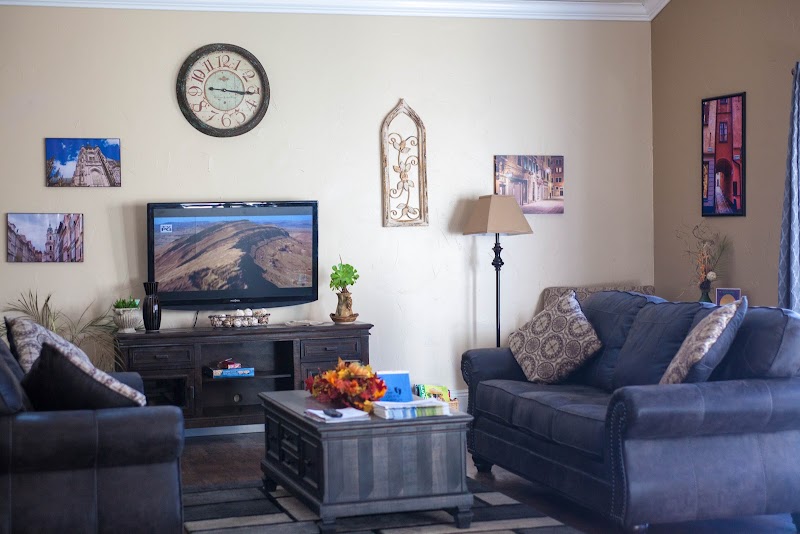
How is Apple Valley Staffed?

CMS rates APPLE VALLEY CARE CENTER's staffing level at 3 out of 5 stars, which is average compared to other nursing homes. Staff turnover is 33%, compared to the California average of 46%. This relatively stable workforce can support continuity of care.

What Have Inspectors Found at Apple Valley?

State health inspectors documented 28 deficiencies at APPLE VALLEY CARE CENTER during 2018 to 2025. These included: 28 with potential for harm.
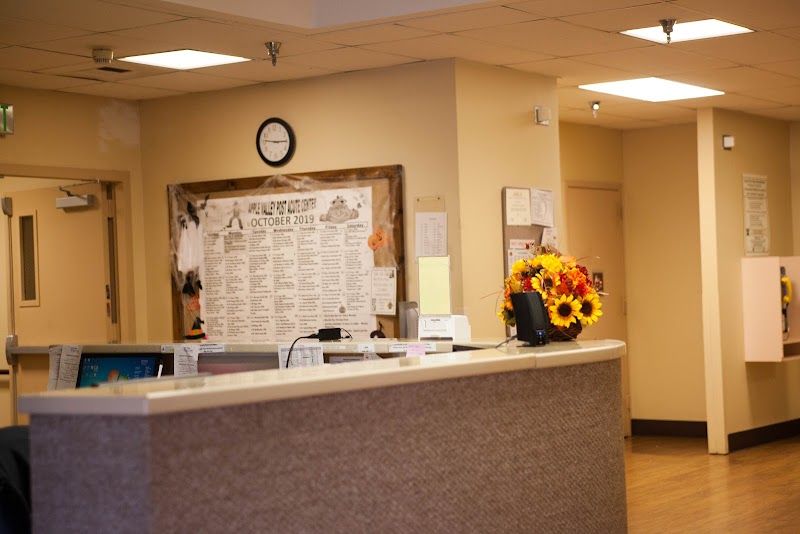
Who Owns and Operates Apple Valley?

APPLE VALLEY CARE CENTER is owned by a for-profit company. For-profit facilities operate as businesses with obligations to shareholders or private owners. The facility is operated by ABRAHAM BAK & MENACHEM GASTWIRTH, a chain that manages multiple nursing homes. With 99 certified beds and approximately 90 residents (about 91% occupancy), it is a smaller facility located in APPLE VALLEY, California.
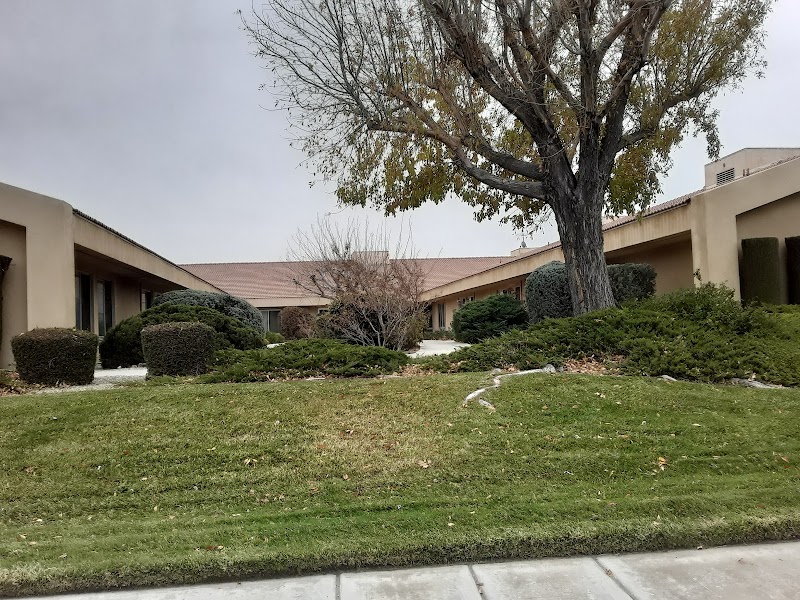
How Does Apple Valley Compare to Other California Nursing Homes?

Compared to the 100 nursing homes in California, APPLE VALLEY CARE CENTER's overall rating (4 stars) is above the state average of 3.2, staff turnover (33%) is significantly lower than the state average of 46%, and health inspection rating (4 stars) is above the national benchmark.

What Should Families Ask When Visiting Apple Valley?

Based on this facility's data, families visiting should ask: "Can I visit during a mealtime to observe dining assistance and food quality?" "How do you handle medical emergencies, and what is your hospital transfer rate?" "Can I speak with family members of current residents about their experience?"

Is Apple Valley Safe?

Based on CMS inspection data, APPLE VALLEY CARE CENTER has a clean safety record: no substantiated abuse findings (meaning no confirmed cases of resident harm), no Immediate Jeopardy citations (the most serious violation level indicating risk of serious injury or death), and is not on the Special Focus Facility watch list (a federal program monitoring the lowest-performing 1% of nursing homes). The facility has a 4-star overall rating and ranks #1 of 100 nursing homes in California. While no facility is perfect, families should still ask about staff-to-resident ratios and recent inspection results during their visit.

Do Nurses at Apple Valley Stick Around?

APPLE VALLEY CARE CENTER has a staff turnover rate of 33%, which is about average for California nursing homes (state average: 46%). Moderate turnover is common in nursing homes, but families should still ask about staff tenure and how the facility maintains care continuity when employees leave.

Was Apple Valley Ever Fined?

APPLE VALLEY CARE CENTER has been fined $8,021 across 1 penalty action. This is below the California average of $33,159. While any fine indicates a compliance issue, fines under $50,000 are relatively common and typically reflect isolated problems that were subsequently corrected. Families should ask what specific issues led to these fines and confirm they've been resolved.

Is Apple Valley on Any Federal Watch List?

APPLE VALLEY CARE CENTER is not on any federal watch list. The most significant is the Special Focus Facility (SFF) program, which identifies the bottom 1% of nursing homes nationally based on persistent, serious quality problems. Not being on this list means the facility has avoided the pattern of deficiencies that triggers enhanced federal oversight. This is a positive indicator, though families should still review the facility's inspection history directly.