REDLANDS HEALTHCARE CENTER
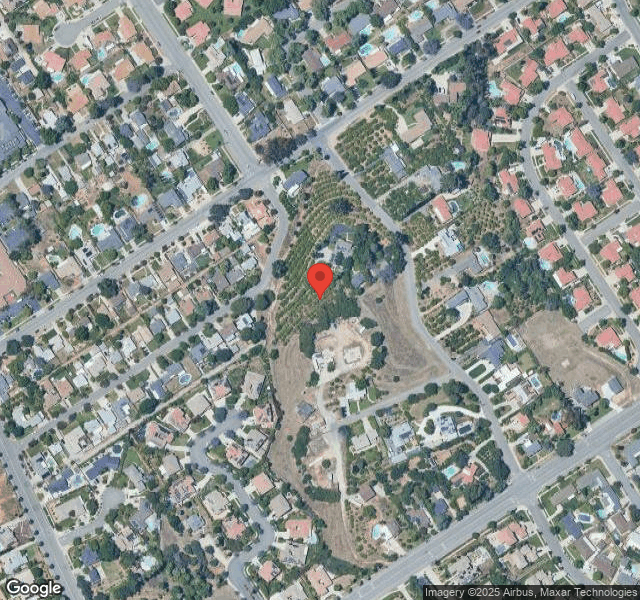
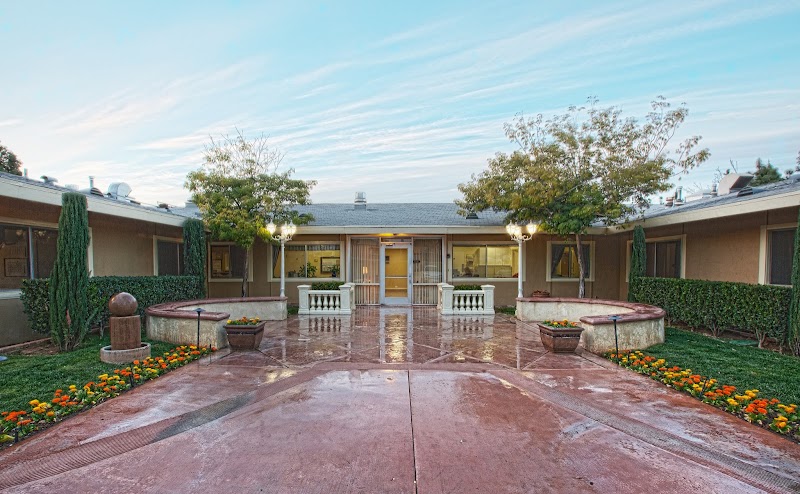
1620 WEST FERN AVENUE, REDLANDS, CA 92373 (909) 793-2609
For profit - Limited Liability company 78 Beds PACS GROUP Data: November 2025
Trust Grade
85/100
#175 of 1155 in CA
Last Inspection: February 2025

Within standard 12-15 month inspection cycle. Federal law requires annual inspections.

Overview

Redlands Healthcare Center has received a Trust Grade of B+, indicating it is above average and recommended for families considering care options. It ranks #175 out of 1,155 facilities in California, placing it in the top half, and #12 out of 54 in San Bernardino County, suggesting only 11 local options perform better. The facility is showing an improving trend, with issues decreasing from 6 in 2024 to 2 in 2025. However, staffing is a concern, with a low rating of 2 out of 5 stars and a turnover rate of 48%, which is above the state average. While there have been no fines recorded, which is a positive sign, the facility has faced issues related to food safety, such as unclean food preparation equipment and improper food storage practices that could lead to contamination. Additionally, some residents did not receive appropriate gluten-free meals, which could impact their nutritional needs. Overall, while there are notable strengths, particularly in the facility's cleanliness in other areas, families should weigh these against the staffing concerns and specific incidents to make an informed decision.

Trust Score
B+
85/100
In California
#175/1155
Top 15%
Safety Record
Low Risk
No red flags
Inspections
Getting Better
6 → 2 violations
Staff Stability
⚠ Watch
48% turnover. Above average. Higher turnover means staff may not know residents' routines.
Penalties
✓ Good
No fines on record. Clean compliance history, better than most California facilities.
Skilled Nurses
⚠ Watch
Each resident gets only 22 minutes of Registered Nurse (RN) attention daily — below average for California. Fewer RN minutes means fewer trained eyes watching for problems.
Violations
⚠ Watch
17 deficiencies on record. Higher than average. Multiple issues found across inspections.
★★★★★
5.0
Overall Rating
★★☆☆☆
2.0
Staff Levels
★★★★☆
4.0
Care Quality
★★★★★
5.0
Inspection Score
Stable
2024: 6 issues
2025: 2 issues

The Good

  • 4-Star Quality Measures · Strong clinical quality outcomes
  • Full Sprinkler Coverage · Fire safety systems throughout facility
  • No fines on record

Facility shows strength in quality measures, fire safety.

The Bad

Staff Turnover: 48%

Near California avg (46%)

Higher turnover may affect care consistency

Chain: PACS GROUP

Part of a multi-facility chain

Ask about local staffing decisions and management

The Ugly 17 deficiencies on record

Feb 2025 2 deficiencies
CONCERN (D)

Potential for Harm - no one hurt, but risky conditions existed

Infection Control (Tag F0880)

Could have caused harm · This affected 1 resident

**NOTE- TERMS IN BRACKETS HAVE BEEN EDITED TO PROTECT CONFIDENTIALITY** Based on observation, interviews, and record reviews, the facility failed to maintain infection control practices for one of thi...

Read full inspector narrative →
**NOTE- TERMS IN BRACKETS HAVE BEEN EDITED TO PROTECT CONFIDENTIALITY** Based on observation, interviews, and record reviews, the facility failed to maintain infection control practices for one of thirty-nine residents (Resident 60), when Resident 60's oxygen tubing (a thin, flexible tube that delivers oxygen to a patient during oxygen therapy) it had not been changed every seven (7) days, as per facility policy. This failure placed Resident 60 at risk for developing a respiratory infection (caused by bacteria, viruses, fungi, or parasite). Findings: During a review of Resident 60's admission Record (clinical record with demographic information), the admission Record indicated, Resident 60 was admitted on [DATE], with the diagnoses of acute respiratory failure (a serious condition that makes it difficult to breathe on your own), pleural effusion (a collection of fluid around your lungs), chronic obstructive pulmonary disease (COPD-a chronic lung disease causing difficulty in breathing). During a concurrent observation and interview on February 3, 2025, at 11:02 AM, with Licensed Vocational Nurse 2 (LVN 2), in Resident 60's room, Resident 60 was laying down, asleep, and using oxygen via nasal cannula (a small, flexible tube that contains two open prongs intended to deliver oxygen into the nares). There was a wheelchair on the left side of Resident 60's room with an e-tank (a container with oxygen inside) with a bag that contained oxygen tubing dated January 23, 2025. LVN 2 stated the oxygen tubing was dated January 23, 2025, and it should have been changed. During an interview on February 6, 2025, at 9:12 AM, with the Infection Preventionist (IP), the IP stated central supply staff and the certified nursing assistants change the oxygen tubing and humidifiers every Thursday. The Infection Preventionist further stated the oxygen tubing should have been changed on January 30, 2025, and it was four days late. During an interview on February 6, 2025, at 9:45 AM, with the Director of Nursing (DON), the DON stated the oxygen tubing should have been changed. The DON further stated, We missed that one. During a review of Resident 60's, Order Summary Report dated January 1, 2025, indicated Oxygen-change nasal cannula every week and also PRN (PRN-as needed). During a review of the facility policy and procedure (P&P) titled, Prevention of Infection Respiratory Equipment, dated November 2011, the P&P indicated, Purpose . The purpose of this procedure is to guide prevention of infection associated with respiratory therapy tasks and equipment among residents and staff . Infection Control Considerations Related to Oxygen Administration . 4. Change the oxygen cannula and tubing every seven (7) days, or as needed.
CONCERN (D)

Potential for Harm - no one hurt, but risky conditions existed

Deficiency F0919 (Tag F0919)

Could have caused harm · This affected 1 resident

**NOTE- TERMS IN BRACKETS HAVE BEEN EDITED TO PROTECT CONFIDENTIALITY** Based on observation, interview, and record review, the facility failed to ensure, call light (a device that allows patients to ...

Read full inspector narrative →
**NOTE- TERMS IN BRACKETS HAVE BEEN EDITED TO PROTECT CONFIDENTIALITY** Based on observation, interview, and record review, the facility failed to ensure, call light (a device that allows patients to communicate with nursing staff when they need assistance) was within reach for one of six sampled residents (Resident 51) who has hemiplegia (partial paralysis on left side of her body with left hand contracture). This failure had the potential to place Resident 51 at risk of harm, as Resident 51 experiencing an emergency or needing assistance would not be able to call for help. Findings: During a review of Resident 51's clinical record, the admission Record (a document that gives a summary of resident information), the admission Record indicated, Resident 51 was admitted to the facility on [DATE], with diagnoses which included, hemiplegia and hemiparesis following cerebral infraction affecting left non-dominant side (partial paralysis on left side of the body), spondylosis, lumbar region (an age-related degeneration of the vertebrae and disks of the lower back). During a concurrent observation and interview on February 03, 2025, at 11:03 AM with Resident 51, in Resident's 51 room. Resident 51 was laying on bed awake. The call light was located on the left bed rail. Resident 51 stated, the call light does not get answer unless I screamed. Resident 51 further stated, usually her roommate calls the staff for assistance, instead of her. During a second observation and interview, on February 4, 2025, at 11:05 AM with the License Vocational Nurse (LVN 1), in Resident 51's room, Resident 51 was asleep with her arms under the bed covers, the call light was not visible. LVN 1 stated the call light was under Resident 51's pillow. Resident 51 was not able to reach the call light. LVN 1 then pulled the call light under the left side of Resident 51's pillow and placed it over her chest. During concurrent interview and record review on February 4, 2025, at 4:31 PM with the Director of nursing (DON), the DON reviewed the facility's policy and procedure (P&P) titled Answering the Call Light, revised October 2010. The P&P indicated, . 5. When the resident is in bed or confined to a chair be sure the call light is within easy reach of the resident. The DON stated the call light was under the pillow of Resident 51 and not within easy reach. During concurrent observation and interview on February 05, 2025, at 12:23 PM, with the DON, in Resident 51's room. Resident 51 was awake laying on her left side with both arms under the bed covers. The call light was placed on her left upper arm near the shoulder. Resident 51 tried to reach the call light in her left upper arm but was unable to reach it. Resident 51 had a little movement, trying to move the bed covers. The DON assisted Resident 51 and removed the bed covers. Resident 51 could not reach the call light that was placed on her left upper arm. The DON stated, she will move Resident 51's call light to her chest area. During interview on February 5, 2025, at 12:59 PM, with the DON, The DON stated, the expectation is all call lights to be within reach of all residents.
Apr 2024 1 deficiency
CONCERN (D) 📢 Someone Reported This

A family member, employee, or ombudsman was alarmed enough to file a formal complaint

Potential for Harm - no one hurt, but risky conditions existed

Quality of Care (Tag F0684)

Could have caused harm · This affected 1 resident

**NOTE- TERMS IN BRACKETS HAVE BEEN EDITED TO PROTECT CONFIDENTIALITY** Based on observation, interview, and record review the facility failed to ensure and follow its policy and procedure in one of t...

Read full inspector narrative →
**NOTE- TERMS IN BRACKETS HAVE BEEN EDITED TO PROTECT CONFIDENTIALITY** Based on observation, interview, and record review the facility failed to ensure and follow its policy and procedure in one of three sampled resident (Resident 1 ) , when they failed to administer oral medications in a safe and timely manner, and as prescribed. This failure had the potential to place clinically compromised Residents (Resident 1) health and safety at risk. When Resident 1 was given a wrong medication. Findings: During a record review of Resident 1 admission Record (general demographics), the document indicated Resident 1 was admitted to the facility on [DATE], with a diagnoses to include malignant neoplasm of thyroid gland (Cancer of the thyroid), muscle wasting and atrophy (thinning or loss of muscle tissue), depression(lowering of a person's mood), anxiety disorder (feelings of worry that interferes with one's daily activities, acute embolism and thrombosis (form of a blood clot that travels to the lungs). During an interview with Licensed Vocational Nurse 1 (LVN 1) on April 3, 2024, at 12:10 pm, LVN 1 stated that she gave the wrong medication to Resident 1. LVN1 stated that she did not verify the Resident 1 name band or asks for Resident 1's full name. During concurrent interview and record review with Director of Nursing (DON), on April 3, 2024, at 12:30pm, DON stated that there was an incident of wrong medication given to Resident 1. DON stated that LVN1 gave Seroquel (to treat depression and schizophrenia), metoprolol ( to treat high blood pressure) vitamins C and B complex. During a review of the facility's policy and procedure titled, Administering Medications revised April 2019, the policy and procedure indicated, Medications are administered in a safe and timely manner, and as prescribed. 9. The individual administering medications verifies the resident's identity before giving the resident his/her medications.
Feb 2024 5 deficiencies
CONCERN (D) 📢 Someone Reported This

A family member, employee, or ombudsman was alarmed enough to file a formal complaint

Potential for Harm - no one hurt, but risky conditions existed

Safe Environment (Tag F0584)

Could have caused harm · This affected 1 resident

**NOTE- TERMS IN BRACKETS HAVE BEEN EDITED TO PROTECT CONFIDENTIALITY** Based on interview, and record review, the facility failed to safeguard the money of one of two sampled residents (Resident 20) ...

Read full inspector narrative →
**NOTE- TERMS IN BRACKETS HAVE BEEN EDITED TO PROTECT CONFIDENTIALITY** Based on interview, and record review, the facility failed to safeguard the money of one of two sampled residents (Resident 20) investigated for personal property when upon admission to the facility, on September 30, 2023, Resident 20 gave the facility $2,200 dollars for safe keeping but the money eventually went unaccounted for and the facility had no documented evidence of its whereabouts after the money was received from Resident 20. This failure resulted in emotional distress and excessive worry on behalf of Resident 20 who was concerned about the possible loss or theft of his money which he had entrusted the facility to safeguard. Findings: A review of Resident 20's admission Record (contains medical and demographic information), indicated Resident 20 was initially admitted to the facility on [DATE], with diagnoses which included muscle weakness, acute respiratory failure, end stage renal disease (kidney failure), and muscle wasting and atrophy (the wasting [thinning] or loss of muscle tissue). During an interview on January 29, 2024, at 4:09 PM, with Resident 20, Resident 20 stated he was concerned about $2,200 dollars he had in his wallet when he was admitted to the facility a few months ago. Resident 20 stated he gave his wallet with the $2,200 dollars to staff to put in the facility's safe but had not heard about it and was worried. During a review of Resident 20's Inventory of Personal Items (an inventory list documented by facility staff regarding all belongings the resident brings into the facility when admitted ), dated September 30, 2023, indicated, .37. Wallet: 1 black wallet, Money $2,200 cash + [plus] 61 dollars . The document was signed by Resident 20, Licensed Vocational Nurse 2 and Certified Nursing Assistant 1. During a concurrent interview and record review on February 1, 2024, at 10:22 AM, with the Director of Nursing (DON), and the Clinical Consultant (CC), Resident 20's Inventory of Personal Items, dated September 30, 2023, was reviewed. The DON stated LVN 2 and CNA 1 were the staff who signed and completed the inventory list for Resident 20, upon his admission on [DATE]. During a concurrent observation and interview on February 1, 2024, at 10:30 AM, with the SSD. Resident 20's Inventory of Personal Items, dated September 30, 2023, was reviewed. The SSD acknowledged the inventory list indicated staff received $2,200 dollars from the resident. The SSD then reviewed the facility's safe, and it did not contain $2,200 dollars from Resident 20. The SSD stated upon Resident 20's admission into the facility, the staff were supposed to complete the inventory sheet and then bring him (SSD), the items Resident 20 came in with and he (SSD) would have done a check to ensure all items were accounted for. The SSD further stated he never received or was made aware of $2,200 dollars from Resident 20 and since it was such a large amount of money, he would have called Resident 20's family to see if they wanted to pick up the money. The SSD stated if family did not want to pick up the money, he would have placed the money in the safe and would have entered a progress note in the resident's medical record to indicate the amount of money the facility had in the safe for the resident. The SSD stated he was never notified by the staff who took the inventory (dated September 30, 2023) about the resident belongings and never put $2,200 dollars in the safe or called Resident 20's family to pick up any money. During an interview on February 1, 2024, at 10:45 AM, with LVN 2, LVN 2 stated she recalled her (LVN 2), and CNA 1 did the inventory list for Resident 20 on September 30, 2023, when the resident was admitted in the evening after hours. LVN 2 acknowledged the inventory list indicated the resident had $2,200 dollars. LVN 2 further stated she recalled there being a lot of money which she received from Resident 20. LVN 2 stated she placed the money in a Ziplock bag and locked it in the narcotic drawer (a drawer in the facility's medication cart which is locked and only accessible to authorized individuals who are able to administer controlled medications). LVN 2 then stated she endorsed the money to the charge nurse on the following shift. LVN 2 stated she put the money in the narcotics drawer because it was after hours, and the facility's usual process was to lock resident personal items in the narcotics drawer until it could be given to the SSD. During a concurrent observation and follow up interview on February 1, 2024, at 11:01 AM, with the SSD, the SSD stated if a resident was admitted to the facility after hours, the usual facility process was that staff would lock personal belongings in the narcotic drawer of the med cart and leave a progress note in the residents Electronic Health Record (EHR) so he (SSD) could follow up and retrieve the items. The SSD reviewed the EHR for Resident 20 and stated there was never a progress note entered indicating any items had been placed in a narcotics drawer. During an interview on February 1, 2024, at 11:17 AM, with LVN 3, LVN 3 stated she was the charge nurse on September 30, 2023, for the night shift and recalled receiving an endorsement from LVN 2 regarding Resident 20's money in the narcotic drawer. LVN 3 stated she recalled counting a large amount of money in the narcotics drawer, with LVN 2, and stated she then endorsed it to the charge nurse on the next shift. During an interview on February 1, 2024, at 11:31 AM, with Registered Nurse 1 (RN 1), RN 1 stated he was the RN supervisor on September 30, 2023, RN 1 further stated staff usually would inform him about such a large sum of money being placed in the narcotic drawer, but he was never notified. During an interview on February 1, 2024, at 11:33 AM, with CNA 1, CNA 1 stated she remembered receiving Resident 20 on September 30, 2023, and she recalled her (CNA 1) and LVN 2 counted $2,200 dollars and recorded it on Resident 20's inventory sheet. During an interview on February 1, 2024, at 1:45 PM, with the DON, the DON stated if something was ever removed from the facility's safe and given back to a resident, it would be documented in the residents Electronic Health Record (EHR). The DON reviewed Resident 20's EHR and stated there was no evidence Resident 20 was ever given $2,200 dollars back. During an interview on February 2, 2024, at 8:28 AM, with the DON, the DON stated she spoke to the charge nurses who worked in the AM, at the facility on October 1, 2023. The DON further stated the nurses she spoke to recalled counting the $2,200 dollars in the narcotic drawer but after October 2, 2023, the money was unaccounted for, and nobody had information regarding where it went. During a review of the facility's policy and procedure titled, Personal Property, revised September 2012, the policy indicated, .5. The resident's personal belongings and clothing shall be inventoried and documented upon admission and as such items are replenished. During a review of the facility's policy and procedure titled, Investigating Incidents of Theft and/or Missapropriation of Resident Property, revised April 2017, the policy indicated, 1. Residents have the right to be free from theft and/or misappropriation of personal property .3. Our facility will exercise reasonable care to protect the resident from property loss or theft, including: .b. Providing measures to safeguard resident valuables .
CONCERN (D)

Potential for Harm - no one hurt, but risky conditions existed

Deficiency F0698 (Tag F0698)

Could have caused harm · This affected 1 resident

**NOTE- TERMS IN BRACKETS HAVE BEEN EDITED TO PROTECT CONFIDENTIALITY** Based on observation, interview, and record review, the facility failed to ensure one of one sampled residents (Resident 12) rev...

Read full inspector narrative →
**NOTE- TERMS IN BRACKETS HAVE BEEN EDITED TO PROTECT CONFIDENTIALITY** Based on observation, interview, and record review, the facility failed to ensure one of one sampled residents (Resident 12) reviewed for dialysis (a procedure to remove waste products and excess fluid from the blood when the kidneys no longer function) was provided assessment and monitoring of Resident 12's left arm dialysis shunt (a surgical connection between a vein and an artery used to connect the patient to the dialysis machine) when: 1. The facility did not assess Resident 12's shunt for warmth, color, and edema (swelling), in the frequency specified by the physician's orders. 2. The facility did not have documented evidence that a pre and post (before and after) dialysis assessment was done for the resident on November 1, 2023, and January 22, 2024, as specified by the facility's policy and procedure. These failures had the potential for a delay in the staff identification and subsequent treatment of possible dialysis associated complications such as infection, clotting, and excessive bleeding from the shunt. Findings: 1. A review of Resident 12's admission Record (contains medical and demographic information), indicated Resident 12 was initially admitted to the facility on [DATE], with diagnoses which included end stage renal disease (kidney failure), blindness in one eye, hemiplegia, and hemiparesis (weakness and paralysis) of the left side of the body, difficulty in walking, heart failure, and syncope (fainting) and collapse. During a concurrent observation and interview on January 31, 2024, at 9:08 AM, with Resident 12, Resident 12 had a gauze dressing (type of wound dressing) on his left arm. Resident 12 stated the gauze was covering his dialysis shunt and that he received dialysis every Monday, Wednesday, and Friday each week. During a review of Resident 12's physician's orders, dated March 19, 2022, indicated, Dialysis - Check (AV [arteriovenous] shunt .(Site) L [left] arm for Color, Warmth, & [and] Edema. Every shift. During a review of Resident 12's medical record, there was no documented evidence of staff checking the resident's shunt for color, warmth, and edema every shift as specified in the physician's orders. There was only documentation of assessment for color, warmth, and edema on the shift for which the resident went to dialysis three times a week (on Monday, Wednesday, and Fridays). During a concurrent interview and record review on February 1, 2024, at 8:17 AM, with the Director of Nursing (DON), the DON stated staff were supposed to follow physician's orders when completing assessments for residents who undergo dialysis. The DON further stated Resident 12's had a physician's order for staff to assess Resident 12's left arm for color, warmth, and edema every shift. The DON reviewed Resident 12's medical record and stated she was unable to find documented evidence that color, warmth, and edema was assessed for Resident 12 every shift, as ordered by the physician. The DON further stated there was only documentation of color, warmth, and edema on the shift Resident 12 went to dialysis on three of seven days every week. During an interview on February 1, 2024, at 9:20 AM, with the Clinical Consultant (CC), the CC stated she reviewed Resident 12's medical record and was unable to find documented evidence staff assessed the resident for color, warmth, and edema every shift as specified by the doctor's orders. During a review of the facility's policy and procedure titled, End-Stage Renal Disease, Care of a Resident with, revised September 2010, the policy indicated, Residents with end-stage renal disease (ESRD) will be cared for according to currently recognized standards of care 2. Education and training of staff includes, specifically: .b. The type of assessment data that is to be gathered about the resident's condition on a daily or per shift basis . During a review of the facility's policy and procedure titled, Hemodialysis Access Care, revised September 2010, the policy indicated, .3. Care involves the primary goals of preventing infection and maintaining patency of the catheter (preventing clots). 4. To prevent infection and/or clotting: .d. Check for signs of infection (warmth, redness, tenderness, or edema) at the access site when performing routine care and at regular intervals . 2. During a concurrent interview and record review on February 1, 2024, at 8:17 AM, with the DON, the DON stated for each resident who underwent dialysis, staff was supposed to complete a document titled, Pre/Post Dialysis Assessment, undated, which included assessment of the resident before and after dialysis. The DON provided the document Pre/Post Dialysis Assessment, undated, which indicated, Access site bruit/thrill? Y/N [bruit/thrill - indicates good blood flow] .Sign of infection? Y/N .Bleeding after TX [treatment]? Y/N . The DON further stated the staff was also supposed to complete a form which was untitled, (undated). The untitled form was reviewed and indicated, Pre .Post dialysis assessment .Resident overall condition: lung sounds: B/P [blood pressure]: Temp [temperature]: Resp [respirations]; pulse [heart rate]: .Color: Warmth: Redness: Edema [swelling]: Drainage: Bleeding . During a review of Resident 12's Electronic Health Record (EHR), the Progress notes, dated November 1, 2023, and January 22, 2024, indicated the resident had dialysis on these dates. During a review of Resident 12's medical record on February 1, 2024, at 8:20 AM, there was no evidence that staff completed the Pre/Post Dialysis Assessment, form or any other dialysis assessment forms when Resident 12 went to dialysis on November 1, 2023, and January 22, 2024. During an interview on February 2, 2024, at 10:44 AM, with the DON, the DON stated the facility was unable to find documented evidence that staff completed a pre/post dialysis assessment for the resident on November 1, 2023, and January 22, 2024, when Resident 12 had dialysis. The DON further stated staff was supposed to complete the Pre/Post Dialysis Assessment form before and after dialysis as part of the assessment to ensure the resident was ok and had no complications from the procedure. During a review of the facility's policy and procedure titled, End-Stage Renal Disease, Care of a Resident with, revised September 2010, the policy indicated, Residents with end-stage renal disease (ESRD) will be cared for according to currently recognized standards of care 2. Education and training of staff includes, specifically: .b. The type of assessment data that is to be gathered about the resident's condition on a daily or per shift basis .
CONCERN (D)

Potential for Harm - no one hurt, but risky conditions existed

Pharmacy Services (Tag F0755)

Could have caused harm · This affected 1 resident

**NOTE- TERMS IN BRACKETS HAVE BEEN EDITED TO PROTECT CONFIDENTIALITY** Based on observation, interview, and record review, the facility failed to ensure accurate medication storage and administration...

Read full inspector narrative →
**NOTE- TERMS IN BRACKETS HAVE BEEN EDITED TO PROTECT CONFIDENTIALITY** Based on observation, interview, and record review, the facility failed to ensure accurate medication storage and administration procedures were followed when: 1. Five (5) medication tablets were left unattended on Resident 62's bedside table. This failure had the potential for medications to be diverted and used inappropriately that may cause harm for Resident 62. 2. A Licensed Vocational Nurse (LVN 1) documented five (5) medications in the Medication Administration Record (MAR - a report detailing the medications administered to a resident) as given and were not administered to Resident 62. This failure had potential for erroneous or inconsistent medical care and medication administration that may cause harm and sub- therapeutic effect for Resident 62. Findings: 1. During an observation and interview on January 29, 2024, at 11:47 AM, Resident 62 was observed lying on bed. Resident 62 stated she was in the facility due to stroke. Five (5) different medication tablets (pills), [two (2) pink and three (3) white colored pills] were observed in a medicine cup sitting on the bed side table. When asked about the pills in cup, Resident 62 stated, The nurse left it for me this morning, I will take it with lunch. During a review of Resident 62's face sheet (patient demographics), the face sheet indicated, Resident 62 was admitted on [DATE], with diagnoses that included hemiplegia (paralysis of one side of the body) and hypertension (high blood pressure). During an interview with the LVN 1, on January 31, 2024, at 12:08 PM, when asked about the medications left on Resident 62's bedside table, LVN 1 stated someone must have called her and she forgot. During a review of the physician's order for Resident 62, it indicated following: a. Aspirin 81 mg (milligram-unit of measure) by mouth one time a day for stroke prevention with meals. Order dated November 17, 2023. b. Senna 8.6 mg, give 1 tablet by mouth two times a day for constipation. Order dated November 17, 2023. c. Multivitamin/Mineral tablet, give 1 tablet by mouth one time a day for supplement. Order dated November 22, 2023. d. Procardia XL (extended release) oral tablet 30 mg, give 1 tablet by mouth one time a day for hypertension (HTN), hold for sbp (systolic blood pressure) < (less than)100, heart rate (HR) < 60. Order dated November 17, 2023. e. Carvedilol oral tablet 25 mg give 1 tablet by mouth two times a day for HTN (hypertension), Hold for SBP <100, heart rate (HR) < 60, give with meals. Order dated November 17, 2023. During a concurrent interview and record review on January 31, 2024, at 12:45 PM, with the DON, the PACS-MEDICATION ADMINISTRATION RECORD (MAR) for Resident 62, was reviewed. The DON stted all five (5) medications: Aspirin, Senna, Multivitamin/Mineral, Procardia, Carvedilol were documented as administered at 9:34 AM on January 29, 2024. During a further interview with the (DON) on February 1, 2024, at 3:05 PM, the DON stated, there was no physician order that Resident 62 can self-administer his own medication. The DON further stated, no medications should be left over the bed side table. If a resident was not able to take the medication, the nurse should return the medication back until the resident is ready to take it. 2. During a concurrent interview and record review on January 31, 2024, at 1:46 PM, with LVN 1, Resident 62's PACS-Medication Administration Record dated January 29, 2024, was reviewed. LVN 1 stated the following medications were documented as given at the following times: a. Aspirin oral tablet, 81 mg marked given at 9:34 AM. b. Senna 8.6 mg,1 tablet marked given at 9:34 AM. c. Multivitamin/Mineral tablet, 1 tablet marked given at 9:34 AM. d. Procardia XL oral tablet 30 mg marked given at 9:34 AM. e. Carvedilol oral tablet 25 mg marked given at 9:34 AM. When LVN 1 was asked if the above medications were the same medications left on Resident 62's bedside table on January 29, 2024, LVN 1 stated, Right, that was the same medications that I gave her, but she did not take them. During an interview and record review with the director of nursing (DON), on February 1, 2024, at 9:45 AM, the facility's policy and procedure Administering Medications, revised in April 2019, was reviewed. The policy indicated . 21. If a drug is withheld, refused, or given at a time other than the scheduled time, the individual administering the medication shall initial and circle the MAR space provided for that drug . 23. As required or indicated for a medication, the individual administering the medication records in the resident's medical record: . a. The date and time the medication was administered . The DON stated the licensed staff was aware of the policy. During a review of the facility policy and procedure titled, Medication Administration Schedule, revised in November 2020, indicated, . 3. Scheduled medications are administered within one hour (1) hour their prescribed time, unless otherwise specified . 7. The exact time of medication administration is documented in the MAR. If medication is administered early, late (beyond the allowable interval), or is omitted, the reason is also documented . During an interview, on February 1, 2024, at 3:05 PM, with the DON. The DON stated, licensed staff needs to document the administered medication after the resident takes the medications, before leaving the room. The DON further stated, regarding the medication on Monday (January 29, 2024), I talked to the resident. Yes, she (Resident 62) said the pills were left there for her. She (Resident 62) stated. I promised the nurse, I will take it, but I fell asleep.
CONCERN (E)

Potential for Harm - no one hurt, but risky conditions existed

Menu Adequacy (Tag F0803)

Could have caused harm · This affected multiple residents

**NOTE- TERMS IN BRACKETS HAVE BEEN EDITED TO PROTECT CONFIDENTIALITY** Based on observation, interview, and record review the facility failed to follow the gluten free menu and meet nutritional needs...

Read full inspector narrative →
**NOTE- TERMS IN BRACKETS HAVE BEEN EDITED TO PROTECT CONFIDENTIALITY** Based on observation, interview, and record review the facility failed to follow the gluten free menu and meet nutritional needs for 3 residents ( Resident 11, 71, 45). This failure had the potential to affect the nutritional status of these already medically compromised residents. Findings: During an observation on January 29, 2024, at 11:50 AM, in the kitchen, the [NAME] was serving residents lunch and for Resident 11 and 71 the [NAME] served two bowls of 3 bean chili and did not serve the corn bread. During an interview on February 1, 2024, at 8:33 AM, with Cook, [NAME] stated, I did not make an alternative for gluten free diet on Monday, so I served an additional serving of the 3 bean chili for the residents on a regular gluten free diet and mashed potato with gravy for puree gluten free diet. During an interview on February 1, 2024, at 8:38 AM, in the dining room, with the Registered dietician (RD), RD stated, the expectation is to make a substitute for gluten free diet according to the recipe. During an interview on February 1, 2024, at 8:45 AM, in the dining room, with the Dietary Service Supervisor (DSS), DSS stated, the [NAME] should serve the gluten free diet according to the diet manual. During a review of resident 11's admission Record (patient demographic) indicated that Resident 11 was admitted on [DATE], with diagnoses [NAME] included unilateral primary osteoarthritis (joint inflammation with flexible tissue at the end of bones wear down) and encounter for palliative care (specialized medical care that provide relief from pain and other symptoms of a serious illness). During review of the Order Summary Report, for Resident 11, the summary report indicated, Dietary-Diet, order summary, indicted, Gluten free diet Pureed texture . During a review of Resident 71's admission Record, indicated that Resident 71 was admitted on [DATE], with the diagnoses that included acute kidney failure (when kidneys lose the filtering ability and waste will accumulate in blood), respiratory failure (a serious condition when one cannot breathe by own). During review of Order Summary Report, for Resident 71, the summary reported indicated, Dietary-Diet Order Summary, indicates, gluten free diet mechanical soft texture, thin liquids consistency . During a review of Resident 45's admission Record, indicated, that Resident 45 was admitted on [DATE], with the diagnoses that included malignant neoplasm of prostate (prostate cancer) and encounter for palliative care (specialized medical care that provide relief from pain and other symptoms of a serious illness). During a review of Order Summary Report, for Resident 45, Dietary-Diet Order Summary, indicated, Gluten free regular texture, thin liquids consistency . During a review of the facility's recipe titled, Recipe: Corn bread with [NAME] chilies, undated, the recipe indicated, Special diet: Gluten free: corn tortilla-1 with margarine . During a review of facility's policy and procedure title, Menus, revised October 2017, indicated, Menus are developed and prepared to meet resident choices including religious, cultural, and ethnic needs while following established national guidelines for nutritional adequacy. During a review of facility's policy and procedure (P&P) titled, Therapeutic Diets, revised October 2017, the P&P indicated, Therapeutic diets are prescribed by the attending physician 1. Diet will be determined in accordance with the resident's informed choices, preferences, treatment goals and wishes .7. The dietician, nursing staff, and attending physician will regularly review the need for .
CONCERN (F)

Potential for Harm - no one hurt, but risky conditions existed

Food Safety (Tag F0812)

Could have caused harm · This affected most or all residents

Based on observation, interview, and record review the facility failed to ensure safe and sanitary food preparation and storage practices in the kitchen when: 1. Crumbs were found on the bottom shelf ...

Read full inspector narrative →
Based on observation, interview, and record review the facility failed to ensure safe and sanitary food preparation and storage practices in the kitchen when: 1. Crumbs were found on the bottom shelf of second reach-in freezer. This had the potential for microorganism growth to be inadvertently transferred to food. 2. Black greasy grime on the floor in the space between the stove and stainless steel counter. This had the potential for microorganism growth and to attract pests. 3. Four Bulk bin container, that were storing flour, sugar, thickener and oats, the lids were broken and were held together with masking tape. This had the potential to attract pests. Findings: 1. During a concurrent observation and interview on January 29, 2024, at 9:03 AM, in kitchen, with the Dietary Services Supervisor (DSS), crumbs were noted on the bottom shelf of second reach- in freezer, DSS stated, crumbs might be from the boxes in the freezer, but it should be kept clean. During an interview on February 1, 2024, at 8:38 AM, in the dining room, with the Registered Dietician (RD), RD stated, the expectation is to keep the reach in freezer as clean as possible. During a review of facility's policy and procedure titled, Sanitation,, undated, indicated, . All equipment shall be maintained as necessary and kept in working order . 9. All utensils, counter, shelves, and equipment shall be kept clean . During a review of the FDA Federal Food Code, (FDA) dated 2022, 4-601.11 indicated, Nonfood-CONTACT SURFACES of EQUIPMENT shall be kept free of an accumulation of dust, dirt, FOOD residue, and other debris. In addition, The objective of cleaning focuses on the need to remove organic matter from food-contact surfaces so that sanitization can occur and to remove soil from nonfood contact surfaces so that pathogenic microorganisms will not be allowed to accumulate, and insects and rodents will not be attracted. 2. During a concurrent observation and interview on January 29, 2024, at 9:30 AM, in kitchen, with the DSS, black greasy grime on the floor in the space between the stove and stainless-steel counter were noted, DSS stated, space should be cleaned, and aluminum foil should be changed daily. During an interview on February 1, 2024, at 8:38 AM, in dining room, with RD, the RD stated, the expectation is to keep the space between the stove and stainless-steel counter to be clean daily. During a review of facility's policy and procedure titled, Sanitation, undated, indicated, .9. All utensils, counter, shelves, and equipment shall be kept clean . During a review of the FDA Federal Food Code, dated 2022, 4-601.11 indicated, Nonfood-CONTACT SURFACES of EQUIPMENT shall be kept free of an accumulation of dust, dirt, FOOD residue, and other debris. In addition, The objective of cleaning focuses on the need to remove organic matter from food-contact surfaces so that sanitization can occur and to remove soil from nonfood contact surfaces so that pathogenic microorganisms will not be allowed to accumulate, and insects and rodents will not be attracted. 3. During a concurrent observation and interview on January 29, 2024, at 9:10 AM, in kitchen, with the DSS, four bulk storage bins, storing flour, sugar, thickener and oats, the lids were taped together to prevent from falling apart, DSS stated, the expectation is to keep close the lids without the tape. During an interview on February 1, 2024, at 8:38 AM, in dining room, with RD, RD stated, the expectation is that the lid should be covered completely on top of the bulk bin with no tape. During a review of facility's policy and procedure titled, Storage of food and supplies, undated, indicated, .6. Dry bulk foods (flour, sugar, dry beans, food thickener, spices, etc.) should be stored in seamless metal or plastic containers with tight covers, or in bins which are easily sanitized .
Jun 2022 9 deficiencies
CONCERN (D)

Potential for Harm - no one hurt, but risky conditions existed

Comprehensive Care Plan (Tag F0656)

Could have caused harm · This affected 1 resident

**NOTE- TERMS IN BRACKETS HAVE BEEN EDITED TO PROTECT CONFIDENTIALITY** Based on interview and record review, the facility failed to ensure a person-centered care plan was developed for anti-coagulant...

Read full inspector narrative →
**NOTE- TERMS IN BRACKETS HAVE BEEN EDITED TO PROTECT CONFIDENTIALITY** Based on interview and record review, the facility failed to ensure a person-centered care plan was developed for anti-coagulant therapy for one out of nine sampled residents (Resident 67). This failure had the potential for Resident 67 to experience preventable medication errors and/or serious adverse clinical outcomes, including but not limited to bleeding or blood clots. Findings: During a record review of Resident 67's clinical record, the face sheet (contains demographic information) indicated, Resident 67 was admitted to the facility on [DATE], with the diagnoses of hemiplegia (paralysis of one side of the body) and hemiparesis (another term for hemiplegia) following cerebral infarction (occurs as a result of lack of adequate blood supply to brain cells depriving oxygen and vital nutrient which cause parts of the brain to die off) affecting left non-dominant side and atrial fibrillation (irregular heartbeat that often causes the heart to beat too quickly and the risk of the development of blood clots). During a review of Resident 67's Progress Notes, dated May 2, 2022, at 3:58 PM, indicated that warfarin sodium 5 mg by mouth for atrial fibrillation was ordered by physician. During a concurrent interview and record review of Resident 67's Care Plan, with a Licensed Vocational Nurse (LVN 3), on June 10, 2022, at 1:45 PM. LVN 3 stated there was no anti-coagulant therapy care plan initiated. LVN 3 further stated care plans are initiated by the nurse who receives the orders from the doctor. During a concurrent interview and record review of Resident 67's Care Plan with Registered Nurse Supervisor (RN-S), on June 10, 2022, at 2:42 PM, RN-S stated she was unable to locate anti-coagulant therapy care plan after review of the entire medical record for Resident 67. RN-S further stated, her expectation from staff is to initiate a care plan, when the orders are received from the doctors. During an interview with the Director of Nursing (DON) on June 10, 2022, at 3:28 PM, DON stated anti-coagulant therapy care plan was not initiated for Resident 67. DON further stated her expectation from staff is to initiate a care plan when orders are received. During a review of the facility's policy titled, Charting and Documentation, revised July 2017, indicated, Policy Interpretation and Implementation .3. Documentation in the medical record will be objective (not, opinionated or speculative), complete, and accurate .7. Documentation of procedures and treatments will include care-specific details, including: a. The date and time the procedure/treatments was provided. b. the name and title of the individual(s) who provided the care. c. The assessment data and/or any unusual findings obtained during the procedure/ treatment. d. Whether the resident refused the procedure/treatment. e. Notification of family, physician or other staff, if indicated; and f. The signature and title of the individual documentation.
CONCERN (D)

Potential for Harm - no one hurt, but risky conditions existed

ADL Care (Tag F0677)

Could have caused harm · This affected 1 resident

**NOTE- TERMS IN BRACKETS HAVE BEEN EDITED TO PROTECT CONFIDENTIALITY** Based on observation, interview, and record review, the facility failed to maintain personal hygiene of the fingernails for one ...

Read full inspector narrative →
**NOTE- TERMS IN BRACKETS HAVE BEEN EDITED TO PROTECT CONFIDENTIALITY** Based on observation, interview, and record review, the facility failed to maintain personal hygiene of the fingernails for one of nine sampled residents (Resident 122). This failure had the potential to spread infections and for Resident 122 to develop skin problems and injuries. Findings: During an observation on June 7, 2022, at 3:33 PM, in room [ROOM NUMBER], Resident 122 was lying on his bed alert, awake, and verbal. Resident 122's right hand was contracted and had long fingernails with black colored substance underneath the nails. During an observation on June 9, 2022, at 12:50 PM, in room [ROOM NUMBER], Resident 122 still had long fingernails with black colored substance underneath the nails. During an interview with Resident 122, on June 9, 2022, at 12:54 PM, Resident 122 stated, My nails are so dirty. If I were home this could have been trimmed, but staffs here are not even checking it. During an interview with Certified Nurse Assistant (CNA 2), on June 9, 2022, at 1:35 PM, CNA 2 stated, During admission, we bring stuffs for their ADLs [Activity of Daily Living - activities related to personal care]. On the ADL kit we have soap, toothbrush, toothpaste, dentures, urinal, bed pans, and lotions. When it comes to grooming, we check their hair and nails and make sure it's clean. CNA 2 further stated that Resident 122's fingernails need to be trimmed because it's long and dirty. CNA 2 verified that Resident 122 needs assistance on nail trimming because his right hand was contracted. During an interview with the Director of Nursing (DON), on June 10, 2022, at 3:44 PM, the DON stated, If resident needs assistance with ADLs, the CNA should assist them performing their ADLs that includes proper grooming. A review of Resident 122's Face Sheet (document with patient's information) indicated that Resident 122 was admitted to the facility on [DATE], with diagnoses which included Hemiplegia (paralysis of one side of the body) and Hemiparesis (another term for hemiplegia) following Cerebral Infarction (occurs as a result of lack of adequate blood supply to brain cells depriving oxygen and vital nutrient which cause parts of the brain to die off) affecting Left Non-Dominant Side, Muscle Wasting (a weakening, shrinking, and loss of muscle caused by disease or lack of use) and Atrophy (a gradual decline in effectiveness), and Generalized Muscle Weakness. A review of Resident 122's Documentation Survey Report, for the month of June 2022, under the section of ADL - Personal Hygiene, indicated that Resident 122 was totally dependent and required one-person physical assist with Activities of Daily Living - Personal Hygiene. A review of Resident 122's MDS (Minimum Data Set - clinical assessment tool that measures health status of patients in the nursing home), Comprehensive Skilled Review Note, dated June 2, 2022, under the section of Skilled Services Notes, indicated, Continue to monitor and manage decline in ADL function related to CVA (Cerebrovascular Accident - when blood flow to a part of your brain is stopped either by a blockage or rupture of a blood vessel) . A review of Resident 122's MDS, Comprehensive Skilled Review Note, dated June 2, 2022, under the section of Therapy Services, indicated, .2. Training/education needed for upcoming week [OT (Occupational Therapy - healthcare professionals who treat injured, ill, or disabled patients through the therapeutic use of everyday activities)]. Patient requires skilled OT services to increase with ADLs . A review of the facility's policy and procedure titled, Activities of Daily Living (ADLs), Supporting, revised on March 2018, indicated, Policy Statement . 2. Appropriate care and services will be provided for residents who are unable to carry out ADLs independently, . a. Hygiene (bathing, dressing, grooming, and oral care) .
CONCERN (D)

Potential for Harm - no one hurt, but risky conditions existed

Incontinence Care (Tag F0690)

Could have caused harm · This affected 1 resident

**NOTE- TERMS IN BRACKETS HAVE BEEN EDITED TO PROTECT CONFIDENTIALITY** Based on observation, interview, and record review, the facility failed to keep the urinary catheter (a flexible tube used to em...

Read full inspector narrative →
**NOTE- TERMS IN BRACKETS HAVE BEEN EDITED TO PROTECT CONFIDENTIALITY** Based on observation, interview, and record review, the facility failed to keep the urinary catheter (a flexible tube used to empty the bladder and collect urine) drainage bag and tubing off the floor for one of three sampled residents (Resident 123). This failure had the potential to cause urinary tract infections [an infection in any part of the kidneys, bladder, or urethra (the tube which empties urine from the bladder)] to Resident 123. Findings: During an observation on June 7, 2022, at 10:36 AM, in room [ROOM NUMBER], Resident 123 was lying on his bed alert, awake, and responsive. Resident 123 had an indwelling foley catheter (a flexible plastic tube inserted into the bladder that remains there to provide continuous urinary drainage) attached to the drainage bag. Catheter drainage bag and tubing was on the floor. Certified Nurse Assistant (CNA 1) entered Resident 123's room and did not check Resident 123's catheter drainage bag and tubing on the floor. During an interview with CNA 1, on June 7, 2022, at 10:39 AM, CNA 1 verified that catheter drainage bag should be hanging on the side of the bed and not on the floor to prevent contamination. During an interview with the Director of Nursing (DON) on June 9, 2022, at 7:24 AM, the DON stated urine drainage bag should be hanging on the side of the bed and not on the floor to avoid back flow of the urine that may cause urinary tract infection. A review of Resident 123's Face Sheet (document with patient's information), indicated Resident 123 was admitted to the facility on [DATE], with diagnoses which included Urinary Tract Infection and Benign Prostatic Hyperplasia (enlargement of the prostate) with Lower Urinary Tract Symptoms (group of urinary symptoms triggered by an obstruction, abnormality, infection, or irritation of the bladder, urethra, and/or prostate in men), Muscle Wasting (a weakening, shrinking, and loss of muscle caused by disease or lack of use) and Atrophy (a gradual decline in effectiveness), and Generalized Muscle Weakness. A review of the facility's policy and procedure titled, Catheter Care, Urinary, revised on September 2014, indicated, Purpose: The purpose of this procedure is to prevent catheter associated urinary tract infections . Infection Control . b. Be sure the catheter tubing and drainage bag are kept off the floor.
CONCERN (D)

Potential for Harm - no one hurt, but risky conditions existed

Tube Feeding (Tag F0693)

Could have caused harm · This affected 1 resident

Based on observation, interview, and record review, the facility failed to ensure the gastrostomy tube (GT, a tube surgically inserted for the administration of medications and nourishment) was verifi...

Read full inspector narrative →
Based on observation, interview, and record review, the facility failed to ensure the gastrostomy tube (GT, a tube surgically inserted for the administration of medications and nourishment) was verified for placement for one sampled resident (Resident 61) prior to administration of medications. This failure had the potential to place Resident 61 at risk for complications such as aspiration (a condition in which stomach content enter the lungs) and peritonitis (inflammation of the inside wall of the abdomen) and place the resident's health and safety at risk. Findings: During a review of Resident 61's clinical record, the Face Sheet (contains demographic and medical information) indicated Resident 61 had diagnoses that included chronic obstructive pulmonary disease (a condition involving narrowing of the airways and difficulty or discomfort in breathing), cerebral infarction (disease resulting to damage in the brain from interruption of its blood supply), and hypertension (high blood pressure). During a medication administration observation on June 9, 2022, at 8:00 AM, inside Resident 61's room, with Licensed Vocational Nurse (LVN 1), LVN 1 administered Vitamin C (dietary supplement), Ferrous Sulfate (medication to prevent/treat anemia), and Vitamin D (dietary supplement) via GT to Resident 61. LVN 1 did not verify the placement of the GT prior to medication administration. During a review of Resident 61's Physician Order Summary Report, dated June 9, 2022, the document indicated, Check/Auscultate Placement of Feeding Tube Before Administration of Meds/& Or Fluids. During an interview on June 9, 2022, at 8:07 AM, with LVN 1, she acknowledged the finding and stated she should have checked the GT placement just before administering medications. During an interview on June 9, 2022, at 8:50 AM, with Registered Nurse Supervisor (RN-S), RN-S stated it is her expectation for staff to check GT placement before med administration. She also stated this is important to ensure medication is administered in the stomach and not anywhere the abdomen. During an interview on June 9, 2022, at 11:40 AM, with the Director of Nursing (DON), she stated that LVN 1 came to her earlier and informed her that she forgot to check GT placement during the medication observation for Resident 61. During a concurrent interview and record review of the facility's Administering Medications through an Enteral Tube, on June 9, 2022, at 11:41 AM, with the DON, she stated the facility's policy and procedure on administration of medications using GT was not followed. During a review of the facility's Policy and Procedure (P&P), titled Administering Medications through an Enteral Tube, revised November 2018, the P&P indicated, Purpose: The purpose of this procedure is to provide guidelines for the safe administration of medications through an enteral tube .Steps in the Procedure .6. Verify placement of the feeding tube. a. If you suspect improper tube positioning, do not administer feeding or medication. Notify the Charge Nurse or Physician .
CONCERN (D)

Potential for Harm - no one hurt, but risky conditions existed

Pharmacy Services (Tag F0755)

Could have caused harm · This affected 1 resident

**NOTE- TERMS IN BRACKETS HAVE BEEN EDITED TO PROTECT CONFIDENTIALITY** Based on interview and record review, the facility failed to ensure safe and effective pharmaceutical services (the responsible ...

Read full inspector narrative →
**NOTE- TERMS IN BRACKETS HAVE BEEN EDITED TO PROTECT CONFIDENTIALITY** Based on interview and record review, the facility failed to ensure safe and effective pharmaceutical services (the responsible provision of drug therapy for the purpose of achieving definite outcomes that improve a patient's quality of life) for one out of three sampled residents (Resident 67) when two doses of warfarin (medication to treat and prevent blood clots) were not available. This failure had the potential for Resident 67 to experience serious adverse clinical outcomes, including but not limited to blood clots. Findings: During a record review of Resident 67's clinical record, the face sheet (contains demographic information) indicated, Resident 67 was admitted to the facility on [DATE], with the diagnoses of hemiplegia (paralysis of one side of the body) and hemiparesis (another term for hemiplegia) following cerebral infarction(occurs as a result of lack of adequate blood supply to brain cells depriving oxygen and vital nutrient which cause parts of the brain to die off) affecting left non-dominant side and atrial fibrillation (irregular heartbeat that often causes the heart to beat too quickly and the risk of the development of blood clots). A record review of Resident 67's Order Summary Report, dated May 2, 2022, indicated, Warfarin Sodium 5 mg (milligram- units of measurement for dose) by mouth in the evening for atrial fibrillation. During a review of a facility document titled, Progress Notes, dated May 16, 2022, at 5:37 PM, indicated, held no meds on hand. LVN 4 was not available for interview. During a review of a facility document titled Progress Notes dated May 20, 2022, at 5:27 PM, indicated, awaiting on pharmacy, resident said ok to wait until delivered, medication has been ordered already. LVN 5 was not available for interview. During a concurrent interview and record review of Resident 67's Progress Notes and PACS-Medication Administration Record with Registered Nurse Supervisor (RN-S), on June 10, 2022, at 2:50 PM, RN-S stated Resident 67 did not receive warfarin sodium 5 mg on May 16 and 20, 2022, and did not inform the doctor or the nursing supervisor. RN-S further stated outcome of not giving the medication will be stroke, and her expectation from staff is to inform nursing supervisor, doctor, and call pharmacist. RN-S also stated that it is facility's responsibility to educate staff. During a concurrent interview and record review of Resident 67's Progress Notes and PACS-Medication Administration Record with Director of Nursing (DON), on June 10, 2022, at 3:32 PM, DON stated medication was not administered and nurse did not inform Physician or nurse supervisor. DON further stated if resident miss taking warfarin as ordered, Resident 67 will have a stroke. She stated her expectation from the staff is to inform the nurse supervisor and doctor. DON also stated that it is facility's responsibility to educate their staff especially licensed nurses. During a review of the facility's policy titled Medication and Treatment Orders revised July 2016, indicated, Policy Interpretation and Implementation .14. Order for anti-coagulant will be prescribed only with appropriate clinical and laboratory monitoring. a. The attending physician must periodically record in the progress notes the results of the laboratory monitoring and the review for potential complications.
CONCERN (D)

Potential for Harm - no one hurt, but risky conditions existed

Medical Records (Tag F0842)

Could have caused harm · This affected 1 resident

**NOTE- TERMS IN BRACKETS HAVE BEEN EDITED TO PROTECT CONFIDENTIALITY** Based on interview and record review, the facility failed to report Prothrombin Time (PT- a test to evaluate blood clotting) and...

Read full inspector narrative →
**NOTE- TERMS IN BRACKETS HAVE BEEN EDITED TO PROTECT CONFIDENTIALITY** Based on interview and record review, the facility failed to report Prothrombin Time (PT- a test to evaluate blood clotting) and International Normalized Ratio (INR- blood test to check if a medication that prevents blood clots is working the way it should) test results to physician for one sampled resident (Resident 67). This failure had the potential for Resident 67 to experience serious adverse clinical outcomes, including but not limited to bleeding or blood clots, due to lack of communication and/or oversight. Findings: During a record review of Resident 67's clinical record, the face sheet (contains demographic information) indicated, Resident 67 was admitted to the facility on [DATE], with the diagnoses of hemiplegia (paralysis of one side of the body) and hemiparesis (another term for hemiplegia) following cerebral infarction(occurs as a result of lack of adequate blood supply to brain cells depriving oxygen and vital nutrient which cause parts of the brain to die off) affecting left non-dominant side and atrial fibrillation (irregular heartbeat that often causes the heart to beat too quickly and the risk of the development of blood clots). During a record review of Resident 67's Laboratory and Pathology Services, collected on May 5, 2020, at 6:54 PM, indicated elevated results. Resident 67's PT was 20.3 and INR 1.82 (normal range PT 11.8 to 13.8 and INR 0.90 to 1.10, elevated results could cause blood clots in the brain, lungs, heart, and death). It did not indicate that PT/ INR results were reported to the physician. A review of Resident 67's entire medical record did not indicate documentation that PT/ INR results were reported to the Physician. During a concurrent interview and record review with Registered Nurse Supervisor (RN-S), on June 10, 2022, at 2:45 PM, RN-S stated Resident 67's PT/INR specimen was collected on May 5, 2022, at 6:54 PM, and results were not reported to the Physician. RN-S further stated that outcome of not reporting the labs are bleeding or stroke and her expectation from staff is to report test results to the doctor and document. RN-S also stated nurse did not the facility follow the policy. During a concurrent interview and record review of Resident 67's Progress Notes, with the Director of Nursing (DON), on June 10, 2022, at 3:32 PM, DON stated, I don't know if the nurse reported this lab results to the doctor or forgot to document. DON further stated that they did not have documentation of reporting PT/INR results, and her expectation from staff is to report the test results to the doctor and document it. DON also stated it is facility's responsibility to educate staff. During a review of the facility's policy titled Charting and Documentation, revised July 2017, indicated, Policy Interpretation and Implementation .3. Documentation in the medical record will be objective (not, opinionated or speculative), complete, and accurate .7. Documentation of procedures and treatments will include care-specific details, including: a. The date and time the procedure/treatments was provided. b. the name and title of the individual(s) who provided the care. c. The assessment data and/or any unusual findings obtained during the procedure/ treatment. d. Whether the resident refused the procedure/treatment. e. Notification of family, physician or other staff, if indicated; and f. The signature and title of the individual documentation. During a review of the facility's policy titled Lab and Diagnostic Test Results - Clinical Protocol, revised September 2012, indicated, Review by Nursing Staff: 1. A nurse will review all results. a. If the staff who first receive or review labs and diagnostic test results cannot follow the remainder of this procedure for reporting and documenting the results and their implications, another nurse in the facility (supervisor, charge nurse, etc.) should follow or coordinate the procedure. 2. The person who is to communicate results to a physician will review and be prepared to discuss, the following (to the extent that such information available): . b. Major diagnoses, allergies, pertinent current medications, other recent pertinent lab work, actions already taken to address results and treat the resident as indicated . 3. Before contacting the physician, the nurse will gather and organize the information listed above and coordinate any telephone communication with others who may also need to speak with the physician. Options for Physician Notification: 1. A physician can be notified by phone, fax, voicemail, e-mail, pager, or a telephone message to another person acting as the physician's agent (for example, office staff). a. Facility staff should document information about when, how, and to whom the information was provided and the response. During a review of the facility's policy titled Medication and Treatment Orders revised July 2016, indicated, Policy Interpretation and Implementation .14. Order for anti-coagulant will be prescribed only with appropriate clinical and laboratory monitoring. a. The attending physician must periodically record in the progress notes the results of the laboratory monitoring and the review for potential complications.
CONCERN (E)

Potential for Harm - no one hurt, but risky conditions existed

Menu Adequacy (Tag F0803)

Could have caused harm · This affected multiple residents

Based on observation, interview, and record review, the facility failed to ensure the established resident meal menu was followed by the facility kitchen for the residents' lunch on June 8, 2022, for ...

Read full inspector narrative →
Based on observation, interview, and record review, the facility failed to ensure the established resident meal menu was followed by the facility kitchen for the residents' lunch on June 8, 2022, for nine out of nine residents (Residents 12, 125, 122, 8, 19, 51, 66, 32, & 14) with diet orders for pureed texture (a type of modified diet that turns the shape and structure of food into a consistency similar to pudding and mashed potatoes). This failure resulted in all the residents with pureed texture diet orders not receiving their full serving of facility-prepared lunch, according to the facility's established menu for June 8, 2022. Findings: During an observation on June 8, 2022, at 11:36 AM, within the facility's kitchen, kitchen staff were preparing to commence tray line (systematic process described as serving and preparing meal plates and trays from heated food containers) to begin preparing the residents' lunch meal plates and trays for distribution. During an observation on June 8, 2022, at 12:48 PM, with the Director of Dietary Services (DDS), the DDS provided two resident lunch meal test trays for tasting, temperature and texture verification with the Surveyor. Per observation and verification with the DDS, one lunch meal test tray was prepared as a regular texture meal (meal was not modified in any way to change the shape or texture of the meal), and the second lunch meal test tray was prepared as a pureed texture meal. During a concurrent observation and interview on June 8, 2022, at 12:55 PM, with the DDS, it was observed that the puree-prepared resident lunch meal test tray was missing the Wheat Roll menu item, while the Wheat Roll menu item was available for the regular texture resident lunch meal test tray. The DDS observed and compared the two respective meal trays and stated the Wheat Roll menu item was missing for all the puree-prepared resident lunch meal trays that were just served for the residents' lunch. An observation of the facility kitchen staff preparing and/or serving the pureed Wheat Roll menu item for the puree-prepared resident lunch meal trays was not recalled during the kitchen's tray line observation. The DDS stated the facility usually included the bread roll menu item for the puree-prepared resident meals, as per the menu. The DDS further stated the bread roll menu item for the pureed resident meals was missed for the lunch meals just prepared and served to the residents. The DDS further stated all facility prepared and served resident meals have to be the same, while following their indicated and ordered meal textures. During a review of the facility menu titled, Good for Your Health Menus, dated between June 6, 2022 through June 12, 2022, the menu indicated the following items were to be served for the residents' lunch on June 8, 2022: Tahitian Chicken . Wheat Roll . During a review of the Cooks Spreadsheet, Summer Menus, dated for June 8, 2022, the Cooks Spreadsheet, Summer Menus indicated the Wheat Roll menu item for the residents' lunch was to be included and served for the residents receiving pureed meals, as per their diet orders. During a review of the facility's policy and procedure (P&P) titled, Menu Planning, dated for the year of 2020, the P&P indicated, . 4. The menus are planned to meet nutritional needs of residents in accordance with established national guidelines, Physician's orders and, to the extent medically possible, in accordance with the most recent recommended dietary allowances of the Food and Nutrition Board of the National Research Council National Academy of Sciences . Procedures . 2. Menus are written for regular and modified diets in compliance with the diet manual . During a review of the facility's guideline titled, Recipe: Pureed Breads, Cakes, Cookies . And Other BREAD PRODUCTS, dated March 2017, the guideline indicated, . Directions: 1. Complete regular recipe. Measure out the number of portions needed for puree diets . 5. Follow the portion size to serve as per the cook's spreadsheet . 6. Serve on trayline at room temperature or warm .
CONCERN (E)

Potential for Harm - no one hurt, but risky conditions existed

Infection Control (Tag F0880)

Could have caused harm · This affected multiple residents

**NOTE- TERMS IN BRACKETS HAVE BEEN EDITED TO PROTECT CONFIDENTIALITY** Based on observation, interview, and record review, the facility failed to implement infection control and prevention measures w...

Read full inspector narrative →
**NOTE- TERMS IN BRACKETS HAVE BEEN EDITED TO PROTECT CONFIDENTIALITY** Based on observation, interview, and record review, the facility failed to implement infection control and prevention measures when: 1. Soiled isolation gown was disposed of in an open trash bin attached to the medication cart for one out of four medication carts. 2. Soiled isolation gowns were not disposed of in the closed lid trash bin in two out of 14 rooms in the Yellow Zone [Resident under isolation observation for suspected COVID-19 (an infectious disease that will cause respiratory illness)]. 3. Housekeeping Staff (HSKP 1) did not perform hand hygiene after cleaning resident's room and before touching clean plastic bag in the Yellow Zone. 4. Licensed Vocational Nurse (LVN 1) failed to properly wear face covering while preparing medications and during closed contact with visitors in the [NAME] Zone (a designated area with residents that have not had recent exposure from COVID-19, cleared from previous COVID-19 diagnosis, or have completed observation period without symptoms and with a negative test) hallway. 5. Resident 168's used nasal canula (NC- a tubing to deliver oxygen in small amount through nostrils) connected to the portable oxygen tank and nebulizer (a device producing a fine spray of liquid, used for example for inhaling a medicine) mask were not properly labeled and stored per facility's policy. These failures had the potential for cross contamination and spread of infection which can adversely affect the health and wellbeing of 72 medically compromised residents, staffs, and visitors. Findings: 1. During an observation on June 7, 2022, at 9:00 AM, in the Yellow Zone hallway in front of room [ROOM NUMBER], soiled isolation gown was disposed in open trash bin attached to the medication cart. During a concurrent observation and interview with the Licensed Vocational Nurse (LVN 2) on June 7, 2022, at 9:02 AM, LVN 2 verified that soiled isolation gown was disposed in the medication cart opened trash bin. She further stated soiled isolation gown should have been disposed in the closed lid trash bin inside resident's room to prevent spread of infection. During a concurrent interview with Director of Nursing (DON), on June 7, 2022, at 9:04 AM, the DON stated she expected staff to dispose soiled isolation gowns in the closed trash bin in resident's room. 2. During an observation on June 7, 2022, at 9:06 AM, in rooms [ROOM NUMBERS], soiled yellow isolation gowns were noted inside open trash bins without lids. During a concurrent observation and interview with the Administrator (ADM), on June 7, 2022, at 9:20 AM, the ADM acknowledged trash bins in the isolation rooms had no lids. She stated staff needed to ensure soiled Personal Protective Equipment (PPE - equipment worn to minimize exposure to hazards that cause serious workplace injuries and illnesses) were discarded properly in the closed lid trash bins. A concurrent observation and interview were conducted with the Director of Nursing (DON) on June 7, 2022, at 9:22 AM. The DON stated closed trash bins in rooms [ROOM NUMBERS] in the Yellow Zone were missing and she expected staff to properly discard PPEs in the closed trash bins to contain spread of infection. She further stated staff should inform housekeeping if trash bins had no lids in residents rooms. During an interview with Infection Preventionist Nurse (IPN), on June 7, 2022, at 9:25 AM, he stated trash bins should have closed lids. During an interview with Maintenance Supervisor (MS), on June 7, 2022, at 9:30 AM, she acknowledged trash bins had no lids in rooms [ROOM NUMBERS] in Yellow Zone and it was housekeeping department's responsibility to provide trash bins with lids to resident rooms in the Yellow Zone. The facility's policy and procedure Personal Protective Equipment-Contingency and Crisis Use of Isolation Gowns, dated April 2020, .General Procedure for Donning and Doffing Gowns: 2. To remove gown: e. Fold or roll into a bundle and discard in a waste container. 5. During an initial tour observation on June 7, 2022, at 11:30 AM, inside Resident 168's room, Resident 168 was lying in bed, on oxygen at 5 liters per minute (LPM- unit for volume) via NC attached to an oxygen concentrator (medical device that gives extra oxygen) and watching television. He was alert, oriented, and able to communicate his needs. On his left side, a NC attached to a portable oxygen tank was seen on the floor and a nebulizer mask was on top of the bedside table. During a concurrent observation and interview on June 7, 2022, at 11:32 AM, with Registered Nurse Supervisor (RN-S), RN-S acknowledged that the NC was on the floor, nebulizer mask was on top of the bedside table, and there was no plastic bag to put these respiratory equipment. RN-S stated that these were unacceptable, and it is the facility's policy to date and put these equipment in a plastic bag when not used. She further stated this was an infection control issue. During a review of Resident 168's clinical record, the Face Sheet (contains demographic and medical information) indicated Resident 168 was readmitted on [DATE], with diagnoses that included chronic obstructive pulmonary disease (a condition involving narrowing of the airways and difficulty or discomfort in breathing), acute respiratory failure (a condition where in the body fails to maintain gas exchange), and heart failure (a long-term condition in which the heart cannot pump blood well enough to meet body's needs). During a concurrent interview and record review of the facility's Prevention of Infection Respiratory Equipment policy and procedure (P&P), on June 8, 2022, at 11:06 AM, with the Infection Preventionist Nurse (IPN), the IPN stated these respiratory supplies/equipment should be dated for staff to know when to replace them and staff were expected to monitor and put them inside a labeled plastic bag when not in use. IPN also stated that keeping these used respiratory supplies inside the plastic bag will help minimize the risk for infection and cross contamination. IPN further stated the facility's policy and procedure was not followed in this instance. During a review of the facility's policy and procedure (P&P), titled, Prevention of Infection Respiratory Equipment, revised November 2011, the P&P indicated, Purpose: The purpose of this procedure is to guide prevention of infection associated with respiratory therapy task and equipment among residents and staff. Infection Control Considerations Related to Oxygen Administration: 4. Change the oxygen cannula and tubing every seven (7) days, or as needed. 5. Keep the oxygen cannula and tubing used PRN in a plastic bag when not in use .Infection Control Considerations Related to Medication Nebulizers/Continuous Aerosol: 1. Obtain equipment (i.e., administration set-up, plastic bag, gauze sponges). 4. Store the circuit in a plastic bag, marked with a date and resident's name and replace tubing and plastic bag once a week. 3. During an observation in the Yellow Zone hallway, on June 8, 2022, at 12:01 PM, HSKP 1 was in room [ROOM NUMBER] wearing disposable gloves while cleaning and collecting trash bag from resident's room. A Certified Home Health Aide (CHHA 1) was standing in front of room [ROOM NUMBER] and asked for a clean plastic bag from HSKP 1. The HSKP 1 handed a plastic bag from her cart to CHHA 1 without changing her gloves. CHHA 1 placed a backpack in the plastic bag. During an interview with CHHA 1, on June 8, 2022, at 12:04 PM, CHHA 1 stated, I asked for a clean plastic bag to place my personal items before going inside the resident's room. During an interview with HSKP 1, on June 8, 2022, at 12:06 PM, HSKP 1 stated, I just finished cleaning the room and collected the trash, but I did not change my gloves before giving her a clean plastic bag. She further stated, I know I have to make sure my hands are clean or change my gloves before touching clean items to prevent the cross contamination. During an interview with the Director of Nursing (DON) and Infection Preventionist Nurse (IPN) in the DON's office, on June 9, 2022, at 2:32 PM, the DON stated, Handwashing is very important to prevent the spread of infection. The IPN stated, Hand hygiene is very important to avoid spreading of disease. If not doing properly, it could cause infection to somebody. The IPN further stated that every time a staff touch things from dirty to clean, staff should get or use a new gloves or do hand washing. A review of the facility's policy and procedure titled, Handwashing/Hand Hygiene, revised on August 2019, indicated, The facility considers hand hygiene the primary means to prevent the spread of infection. 4. During an observation on June 9, 2022, at 12:32 PM, in the [NAME] Zone hallway, LVN 1 was wearing N95 mask (a respiratory protective device designed to achieve a very close facial fit and very efficient filtration of airborne particles) and face shield. LVN 1's N95 was down to her chin. Her mouth and nose were exposed while preparing the medications in front of room [ROOM NUMBER]. During an observation and concurrent interview with LVN 1, on June 9, 2022, at 12:35 PM, in front of room [ROOM NUMBER], LVN 1's N95 was still down on her chin. The LVN 1 stated, I am not comfortable in wearing this because I can't breathe, and I feel dizzy. The LVN 1 further stated, I take responsibility of whatever federal or state regulations that I'm not following, and I know the consequence of not properly wearing the face mask. There's no COVID infection in this room so I think it's okay to put this down because I can't take this anymore. During an interview with IPN, on June 10, 2022, at 10:18 AM, the IPN stated, All staff should be wearing face masks at all times when they are in the facility except when they are in private area where there's no residents or other staffs, especially the COVID positivity rate here in [County] is high that's why we require the staffs to wear N95 instead of surgical face mask for more protection. The IPN further stated, We don't have a staff here that has medical condition that may prevent him or her to wear a face mask at all times. But if the staff is wearing a face shield, it's okay if staff has no face mask because I believe there's a guideline that it's okay to wear a face shield only because COVID is not a droplet precaution. And if you're wearing a face shield and no face mask, the particles will not go on the side because the mouth is covered by the face shield. Wearing a face shield will not give the same protection as wearing a face mask but it's okay to use the face shield alone without a face mask when talking to visitors because the mouth is still covered. The IPN was not able to provide a facility policy or CDC (Centers for Disease Control and Prevention) guidelines that face shield can replace the use of a face mask. During an interview with the DON and Registered Nurse Consultant (RN-C), on June 10, 2022, at 10:27 AM, the DON stated, All staffs should be properly wearing a face mask while working inside the facility. The DON further stated they will in-service and educate the staffs regarding the proper use of face masks. The RN-C verified that all healthcare workers in a nursing facility regardless of vaccination status should wear a face covering like a surgical mask or higher at all times for infection control and prevention. The RN-C further stated that using a face shield cannot replace the use of face mask because that will not give the same protection as wearing a face mask especially during close contact with visitors. A review of the facility's policy and procedure titled, Established Covid19 Zones for Infection Control, revised on August 2019, indicated, Policy Interpretation and Implementation . 3. [NAME] Zone: . b. Staff only attending to residents in the [NAME] Zone will wear the following PPE (Personal Protective Equipment - equipment worn to minimize exposure to hazards that cause serious workplace injuries and illnesses): Either a surgical or N95 face mask, face shield or goggles. A review of the facility's COVID-19 Mitigation Plan, updated on January 3, 2022, indicated, . 4. Personal Protective Equipment . I. If there are COVID-19 cases identified in the facility the staff are provided and are wearing recommended PPE for all care of residents, in line with the most recent CDPH (California Department of Public Health) PPE guidance and in conjunction with CDC recommended contingency plans . K. All SNF (Skilled Nursing Facilities) personnel wear facemasks and eye protection while in the facility if the COVID-19 Pandemic is ongoing as part of universal source control. A review of CDPH Guidance for the Use of Face Masks to All Californians, dated April 20, 2022, indicated, .Masking Requirements: Masks are required for all individuals in the following indoor settings, regardless of vaccination status. Surgical masks or higher-level respirators (e.g., N95s, KN95s, KN94s) with good fit are highly recommended: o Healthcare settings (applies to all healthcare settings). o Long Term Care Settings & Adult and Senior Care Facilities . A review of CDC guidelines for Healthcare Workers regarding Infection Control for Nursing Homes, updated on February 2, 2022, indicated, .Implement Source Control Measures: Source control refers to use of respirators or well-fitting facemasks or cloth masks to cover a person's mouth and nose to prevent spread of infection when they are breathing, talking, sneezing, or coughing.
CONCERN (F)

Potential for Harm - no one hurt, but risky conditions existed

Food Safety (Tag F0812)

Could have caused harm · This affected most or all residents

Based on observation, interview, and record review, the facility failed to ensure the safe storage, preparation, distribution, and/or serving of food for the residents when: 1) One out of six staff me...

Read full inspector narrative →
Based on observation, interview, and record review, the facility failed to ensure the safe storage, preparation, distribution, and/or serving of food for the residents when: 1) One out of six staff members working in the facility kitchen was not wearing a hair net that covered all her head hair. 2) One out of one can opener in the facility kitchen was not clean when readily available and installed for kitchen staff use. 3) One out of one facility ice machine was not clean, per internal inspection of the ice machine's components. 4) One can of food was found to be expired and readily available within the facility's dry food storage area. 5) One food bowl used for serving pureed meals to indicated residents was not clean. These collective failures had the likelihood to negatively affect the quality and safety of the food prepared and served by the facility to at least 62 out of 65 Residents in the facility who had diet orders for food and/or beverage consumption by mouth in the facility. Findings: 1) During an observation on June 7, 2022, at 8:13 AM, within the facility kitchen, a Dietary Aide (DA 1) was observed washing dishware at the sink counter. DA 1 was observed wearing a hairnet that was pulled back from the top of her head, exposing the unrestrained front half of her scalp and respective head hair. During an interview on June 7, 2022, at 8:15 AM, with DA 1, DA 1 stated she helped prepare food for facility residents, in addition to helping with general cleaning in the facility kitchen. DA 1 was asked about her hairnet, and she stated she always wore her hairnet, but realized her hairnet was not covering the entire top of her head. DA 1 further stated and confirmed her hairnet exposed the front half of her scalp and exposed her unrestrained head hair. DA 1 stated she did not check her hairnet placement after applying her face mask and stated she should have checked her hairnet for acceptable placement on her head. DA 1 further stated she knew she was expected to wear a hairnet that covered the entire top of her head and all of her head hair. During an interview on June 7, 2022, at 8:23 AM, with the Director of Dietary Services (DDS), the DDS stated staff were expected to wear their hairnets to cover the entire top of their head and all of their head hair while in the facility kitchen. The DDS further stated staff were aware of this expectation. During an interview on June 7, 2022, at 8:36 AM, with the Registered Dietician Nutritionist/Consultant Dietician (RDN), the RDN stated the facility kitchen staff were expected to know they must wear a hairnet that covered all of their head hair and were expected to check the placement of the hairnet after donning. During a review of the facility's policy and procedure (P&P) titled, Dress Code for Women and Men, dated for the year 2018, the P&P indicated, Purpose: Appropriate dress in the Food and Nutrition Department . Proper Dress: Women: . 6. Hair net or hat which completely covers the hair . Men: . 6. Hat for hair, if hair is short. 7. Hair net for hair, if hair is long . 2) During an observation on June 7, 2022, at 10:16 AM, within the facility kitchen, the facility's single can opener was observed to be installed and readily available for use by kitchen staff. The can opener blade was observed - the blade was not clean, covered with film and sediment matter. During a concurrent observation and interview on June 7, 2022, at 10:18 AM, with the DDS, within the facility kitchen, the DDS observed the facility can opener and stated the can opener blade was not clean. The DDS stated the can opener blade was expected to be cleaned after every use. The DDS stated again the can opener blade was not clean, as was expected. A fellow Dietary Aide (DA 2) within the facility kitchen kindly interrupted and stated the can opener was last used in the morning, before the day's breakfast on June 7, 2022. During a review of the facility's policy and procedure (P&P) titled, Can Opener and Base, dated for the year 2018, the P&P indicated, Proper sanitation and maintenance of the can opener and base is important to sanitary food preparation . 3) During an observation on June 7, 2022, at 3:17 PM, within the maintenance room containing the facility's single ice machine, the Janitor (Janitor 1) began taking the ice machine apart in the presence of the DDS for internal inspection of the machine's cleanliness. The exterior panels of the ice machine were removed to expose the machine's internal components. During a concurrent observation and interview on June 7, 2022, at 3:41 PM, with the facility's Administrator (ADM), at the facility's ice machine, black-colored build-up on the ice machine's internal wiring, adjacent to the ice machine's metal ice forming grid and ice product chute, was observed. The ADM confirmed the black-colored build-up observed was able to be removed from the machine's internal wiring with a clean gloved finger. During a concurrent observation and interview on June 7, 2022, at 3:49 PM, with the DDS and the Maintenance Supervisor (MS), at the facility's ice machine, the DDS and the MS stated they observed the Surveyor's ability to remove the black-colored build-up from the ice machine's internal wiring, adjacent to the ice machine's metal ice forming grid and ice product chute. The MS stated the facility's ice machine should have not been like that. Photos of the black-colored build-up from the ice machine's internal wiring were taken with a state-issued mobile phone. During an interview on June 8, 2022, at 9:40 AM, with the DDS, the DDS stated in regard to the facility's ice machine, he was responsible for communicating with the MS to assure the ice machine was being cleaned. The DDS further stated, based on the previous day's observation of the facility's ice machine and the removeable black-colored build-up from the ice machine's internal wiring, the cleaning frequency of the facility ice machine's internal components should be increased. During a review of the facility's policy and procedure (P&P) titled, Ice Machine Cleaning Procedures, dated for the year 2020, the P&P indicated, Policy: The ice machine needs to be cleaned and sanitized monthly. The internal components cleaned monthly or per manufacture recommendation's . During a review of the facility ice machine's manufacturer guidelines titled, C0322 through C1030 Air and Water Cooled User Manual, dated July 2006, the manufacturer guidelines indicated, Cleaning, Sanitation and Maintenance. This ice system requires three types of maintenance: . Sanitize the ice machine's water system . It is the User's responsibility to keep the ice machine and ice storage bin in a sanitary condition. Without human intervention, sanitation will not be maintained . 4) During an observation on June 8, 2022, at 10:58 AM, within the facility kitchen's dry food storage area, a sealed can of La Choy Fancy Sliced Water Chestnuts was located on a canned food supply shelf, with a labeled received date of October 29, 2021, and a Best By date of April 23, 2022. During a concurrent observation and interview on June 8, 2022, at 11:00 AM, with the DDS, within the facility kitchen's dry food storage area, the DDS stated expired food items should not be on the food storage shelves and all expired items were discarded. The DDS observed the identified sealed can of La Choy Fancy Sliced Water Chestnuts and confirmed the food product was expired. The DDS further stated the expired item should have not been found on the shelf and should have been discarded. During a review of the facility's policy and procedure (P&P) titled, Storage of Food and Supplies, dated for the year 2020, the P&P indicated, Policy: Food and supplies will be stored properly and in a safe manner . 8. Food stores should be arranged in food groups to facilitate storing, locating and taking inventories . No food will be kept longer than the expiration date on the product . 5) During an observation on June 9, 2022, at 5:50 AM, within the facility's kitchen, kitchen staff were preparing the breakfast meal for the facility residents. During an observation on June 9, 2022, at 6:31 AM, within the facility's kitchen, an oval-shaped bowl with a white-colored surface was observed with green-colored specks and spots along the surface area that would usually contact plated food. The observed bowl was located within the tray line area, amongst stacked clean dishware, readily available for use by kitchen staff to plate food for indicated resident meals. During a concurrent observation and interview on June 9, 2022, at 6:31 AM, with the Registered Dietician Nutritionist/Consultant Dietician (RDN), within the facility's kitchen, near the tray line area, the RDN observed the suspect bowl. The RDN stated and confirmed the identified oval-shaped bowl with green-colored specks and spots along the surface was not clean. The RDN further stated the identified bowl should have not been like that, and the RDN was observed to scrape off the green, hardened residue from the bowl's surface with a clean butter knife. During a concurrent observation and interview on June 9, 2022, at 6:43 AM, with a Dietary Aide (DA 3), DA 3 observed the stack of oval-shaped bowls that were the same type as the bowl found to be unclean and stated this particular type of bowl is used to serve and plate food for pureed meals. During a review of the facility's policy and procedure (P&P) titled, Dish Washing, dated for the year 2018, the P&P indicated, Policy: All dishes will be properly sanitized through the dishwasher . Procedure: 1. Gross food particles shall be removed by careful scraping and pre-rinsing in running water .
Understanding Severity Codes (click to expand)
Life-Threatening (Immediate Jeopardy)
J - Isolated K - Pattern L - Widespread
Actual Harm
G - Isolated H - Pattern I - Widespread
Potential for Harm
D - Isolated E - Pattern F - Widespread
No Harm (Minor)
A - Isolated B - Pattern C - Widespread

Questions to Ask on Your Visit

  • "Can I speak with families of current residents?"
  • "What's your RN coverage like on weekends and overnight?"

Our Honest Assessment

Strengths
  • • Grade B+ (85/100). Above average facility, better than most options in California.
  • • No major safety red flags. No abuse findings, life-threatening violations, or SFF status.
  • • No fines on record. Clean compliance history, better than most California facilities.
Concerns
  • • 17 deficiencies on record. Higher than average. Multiple issues found across inspections.
Bottom line: Generally positive indicators. Standard due diligence and a personal visit recommended.

About This Facility

What is Redlands Healthcare Center's CMS Rating?

CMS assigns REDLANDS HEALTHCARE CENTER an overall rating of 5 out of 5 stars, which is considered much above average nationally. Within California, this rating places the facility higher than 99% of the state's 100 nursing homes. This rating reflects solid performance across the metrics CMS uses to evaluate nursing home quality.
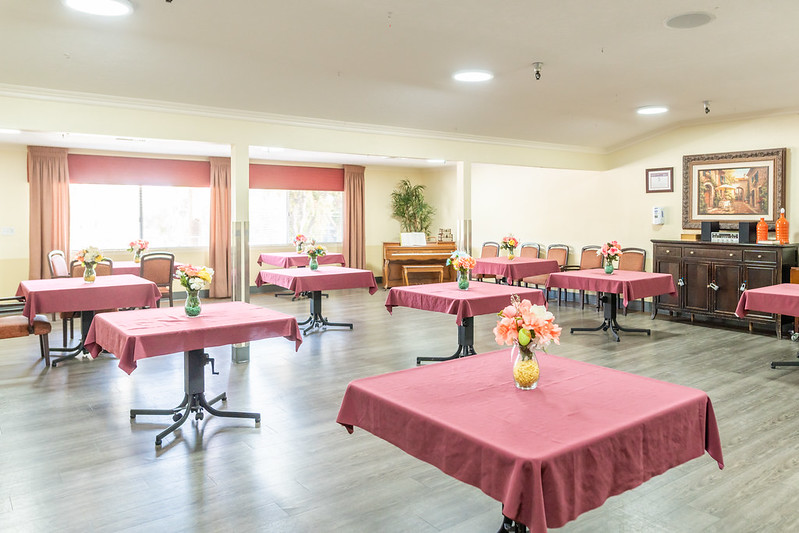
How is Redlands Healthcare Center Staffed?

CMS rates REDLANDS HEALTHCARE CENTER's staffing level at 2 out of 5 stars, which is below average compared to other nursing homes. Staff turnover is 48%, compared to the California average of 46%.

What Have Inspectors Found at Redlands Healthcare Center?

State health inspectors documented 17 deficiencies at REDLANDS HEALTHCARE CENTER during 2022 to 2025. These included: 17 with potential for harm.

Who Owns and Operates Redlands Healthcare Center?

REDLANDS HEALTHCARE CENTER is owned by a for-profit company. For-profit facilities operate as businesses with obligations to shareholders or private owners. The facility is operated by PACS GROUP, a chain that manages multiple nursing homes. With 78 certified beds and approximately 74 residents (about 95% occupancy), it is a smaller facility located in REDLANDS, California.

How Does Redlands Healthcare Center Compare to Other California Nursing Homes?

Compared to the 100 nursing homes in California, REDLANDS HEALTHCARE CENTER's overall rating (5 stars) is above the state average of 3.2, staff turnover (48%) is near the state average of 46%, and health inspection rating (5 stars) is much above the national benchmark.

What Should Families Ask When Visiting Redlands Healthcare Center?

Based on this facility's data, families visiting should ask: "Can you walk me through typical staffing levels on day, evening, and night shifts?" "Can I visit during a mealtime to observe dining assistance and food quality?" "How do you handle medical emergencies, and what is your hospital transfer rate?" "Can I speak with family members of current residents about their experience?" These questions are particularly relevant given the below-average staffing rating.

Is Redlands Healthcare Center Safe?

Based on CMS inspection data, REDLANDS HEALTHCARE CENTER has a clean safety record: no substantiated abuse findings (meaning no confirmed cases of resident harm), no Immediate Jeopardy citations (the most serious violation level indicating risk of serious injury or death), and is not on the Special Focus Facility watch list (a federal program monitoring the lowest-performing 1% of nursing homes). The facility has a 5-star overall rating and ranks #1 of 100 nursing homes in California. While no facility is perfect, families should still ask about staff-to-resident ratios and recent inspection results during their visit.

Do Nurses at Redlands Healthcare Center Stick Around?

REDLANDS HEALTHCARE CENTER has a staff turnover rate of 48%, which is about average for California nursing homes (state average: 46%). Moderate turnover is common in nursing homes, but families should still ask about staff tenure and how the facility maintains care continuity when employees leave.

Was Redlands Healthcare Center Ever Fined?

REDLANDS HEALTHCARE CENTER has no federal fines on record. CMS issues fines when nursing homes fail to meet care standards or don't correct problems found during inspections. The absence of fines suggests the facility has either maintained compliance or corrected any issues before penalties were assessed. This is a positive indicator, though families should still review recent inspection reports for the full picture.

Is Redlands Healthcare Center on Any Federal Watch List?

REDLANDS HEALTHCARE CENTER is not on any federal watch list. The most significant is the Special Focus Facility (SFF) program, which identifies the bottom 1% of nursing homes nationally based on persistent, serious quality problems. Not being on this list means the facility has avoided the pattern of deficiencies that triggers enhanced federal oversight. This is a positive indicator, though families should still review the facility's inspection history directly.