HIGHLAND PALMS HEALTHCARE CENTER
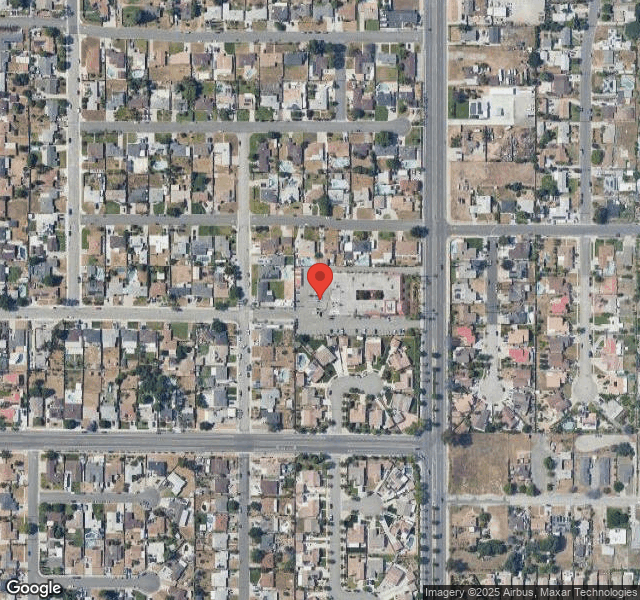

7534 PALM AVENUE, HIGHLAND, CA 92346 (909) 862-0611
For profit - Limited Liability company 99 Beds PACS GROUP Data: November 2025
Trust Grade
80/100
#98 of 1155 in CA
Last Inspection: October 2024

Within standard 12-15 month inspection cycle. Federal law requires annual inspections.

Overview

Highland Palms Healthcare Center has earned a Trust Grade of B+, indicating it is above average and recommended for families considering care options. It ranks #98 out of 1,155 facilities in California and #6 out of 54 in San Bernardino County, placing it in the top half of both categories. However, the facility is facing a concerning trend, as the number of issues reported has worsened from 2 in 2023 to 11 in 2024. Staffing is rated below average with a 2/5 star rating and a turnover rate of 40%, which is on par with the state average but still indicates a lack of staff stability. On a positive note, the facility has no fines on record and provides more RN coverage than 88% of California facilities, which is essential for catching potential problems. Some specific incidents raised by inspectors include issues with kitchen cleanliness, where food storage containers were found wet and dirty, and food debris was present in multiple areas, posing a risk for contamination. Additionally, there were concerns regarding the incomplete filling of advance directives for several residents, which could lead to delays in critical medical treatment. Overall, while Highland Palms has some strengths, such as its ranking and lack of fines, families should be aware of the ongoing issues and trends that may affect the quality of care.

Trust Score
B+
80/100
In California
#98/1155
Top 8%
Safety Record
Low Risk
No red flags
Inspections
Getting Worse
2 → 11 violations
Staff Stability
○ Average
40% turnover. Near California's 48% average. Typical for the industry.
Penalties
✓ Good
No fines on record. Clean compliance history, better than most California facilities.
Skilled Nurses
⚠ Watch
Each resident gets only 16 minutes of Registered Nurse (RN) attention daily — below average for California. Fewer RN minutes means fewer trained eyes watching for problems.
Violations
⚠ Watch
33 deficiencies on record. Higher than average. Multiple issues found across inspections.
★★★★★
5.0
Overall Rating
★★☆☆☆
2.0
Staff Levels
★★★★★
5.0
Care Quality
★★★★☆
4.0
Inspection Score
Stable
2023: 2 issues
2024: 11 issues

The Good

  • 5-Star Quality Measures · Strong clinical quality outcomes
  • Full Sprinkler Coverage · Fire safety systems throughout facility
  • No fines on record
  • Staff turnover below average (40%)

    8 points below California average of 48%

Facility shows strength in quality measures, fire safety.

The Bad

Staff Turnover: 40%

Near California avg (46%)

Typical for the industry

Chain: PACS GROUP

Part of a multi-facility chain

Ask about local staffing decisions and management

The Ugly 33 deficiencies on record

Oct 2024 7 deficiencies
CONCERN (D)

Potential for Harm - no one hurt, but risky conditions existed

Deficiency F0637 (Tag F0637)

Could have caused harm · This affected 1 resident

Based on observation, interview, and record review, the facility failed to document a change of condition for one of six sampled residents (Resident 42) when Resident 42 had new physician orders on Oc...

Read full inspector narrative →
Based on observation, interview, and record review, the facility failed to document a change of condition for one of six sampled residents (Resident 42) when Resident 42 had new physician orders on October 30, 2024, for moisture associated skin damage (MASD-describes a range of skin conditions that occur when the skin is exposed to moisture for a prolonged period of time). This failure had the potential to result in delayed care and treatment for Resident 42 and cause harm. Findings: During an interview on October 28, 2024, at 10:04 AM, with Resident 42, Resident 42 stated he felt discomfort on his genital area due to skin redness. Resident 42 further stated he informed his nurse about redness. During a review of Resident 42's undated admission Record, the admission Record indicated Resident 42 was admitted to the facility with the diagnoses of hemiplegia and hemiparesis following cerebral infarction affecting left non-dominant side (stroke of the brain affecting weakness to the left side), type 2 diabetes mellitus (chronic condition where the body doesn't use insulin properly), and benign prostatic hyperplasia with lower urinary tract symptoms (condition causing frequent urination, leaking urine, and weak urine stream). During a review of Resident 42's Physician Order dated October 30, 2024, the Physician Order indicated MASD to right buttocks; cleanse with N/S [normal saline - gentle cleaning solution for wounds], pat dry, apply calcium alginate [medication used to treat wounds with drainage] and cover with dry dressing daily x [times] 14 days then re eval [evaluate]. During a concurrent interview and record review on October 30, 2024, at 3:50 PM with the Director of Nursing (DON), the DON reviewed Resident 42's clinical records. The DON was not able to find documented evidence of Resident 42's change in condition for MASD. The DON stated the nurse did not document the change of condition for Resident 42's MASD. The DON further stated it should have been documented. During a concurrent interview and record review on October 31, 2024, at 12:05 PM, with the DON, the facility's policy and procedure (P&P) titled, Change in a Resident's Condition or Status, dated revised May 2017, was reviewed. The P&P indicated, .1. The nurse will notify . any change in skin integrity such rashes, skin tears, discoloration, etc . 7. The nurse will record in the resident's medical record information relative to changes in the resident's medical/mental condition or status and monitor . The DON stated the P&P was not followed.
CONCERN (D)

Potential for Harm - no one hurt, but risky conditions existed

Comprehensive Care Plan (Tag F0656)

Could have caused harm · This affected 1 resident

**NOTE- TERMS IN BRACKETS HAVE BEEN EDITED TO PROTECT CONFIDENTIALITY** Based on observation, interview, and record review, the facility failed to develop a comprehensive care plan (an individualized ...

Read full inspector narrative →
**NOTE- TERMS IN BRACKETS HAVE BEEN EDITED TO PROTECT CONFIDENTIALITY** Based on observation, interview, and record review, the facility failed to develop a comprehensive care plan (an individualized plan for the medical care of a resident) for smoking for one of one resident (Resident 70) investigated for smoking. This failure resulted in the facility to not have a plan of care regarding Resident 70's smoking privileges and facility interventions to ensure a safe smoking environment. This had the potential to increase the risk of accidents or injuries associated with fire hazards. Findings: During a review of Resident 70's admission Record (contains medical and demographic information), the admission record indicated Resident 70 was initially admitted [DATE], with diagnoses which included muscle wasting and atrophy (loss of muscle mass), muscle weakness, schizophrenia (a disorder that affects a person's ability to think, feel, and behave clearly), anxiety disorder (a condition that causes excessive feelings of fear, dread, and worry that persist over time and interfere with daily life), and major depressive disorder (a disorder where the most prominent symptom is a severe and persistent low mood, profound sadness, or a sense of despair.) During a concurrent observation and interview on October 30, 2024, at 6:52 AM, with Resident 70, Resident 70 stated he smoked regularly while living in the facility and stated he smoked approximately every few hours. Resident 70 further stated he kept his own smoking supplies with him and pointed to three boxes of cigarettes on his end table. Resident 70 further stated he also kept his own lighter in his pocket as he pointed to his pocket which was underneath the blanket covering his torso. During a review of Resident 70's medical record, there was no evidence a care plan for smoking had been created for Resident 70. During an interview and concurrent record review on October 30, 2024, at 7:26 AM, with the Director of Nursing (DON), Resident 70's medical record was reviewed. The DON stated Resident 70 should have had a smoking care plan created but stated he was unable to find evidence of one. During a review of the facility's policy and procedure titled, Smoking Policy - Residents, dated 2001, the policy indicated, This facility has established and maintains safe resident smoking practices .7. Resident smoking status is evaluated upon admission. If a smoker, the evaluation includes: a. current level of tobacco consumption; b. method of tobacco consumption (traditional cigarettes; electronic cigarettes; pipe, etc.); c. desire to quit smoking; and d. ability to smoke safely with or without supervision .10. Any smoking-related privileges, restrictions, and concerns (for example, need for close monitoring) are noted on the care plan, and all personnel caring for the resident shall be alerted to these issues . During a review of the facility's policy and procedure titled, Care Plans, Comprehensive Person-Centered, dated December 2016, the policy indicated, A comprehensive, person-centered care plan that includes measurable objectives and timetables to meet the resident's physical, psychosocial, and functional needs is developed and implemented for each resident .7. The care planning process will: .b. Include an assessment of the resident's strengths and needs; .8. The comprehensive, person-centered care plan will: a. Include measurable objectives and timeframes b. Describe the services that are to be furnished to attain or maintain the resident's highest practicable physical, mental, and psychosocial well-being.
CONCERN (D)

Potential for Harm - no one hurt, but risky conditions existed

Tube Feeding (Tag F0693)

Could have caused harm · This affected 1 resident

Based on observation, interview, and record review, the facility failed to follow physician orders in accordance with the facility's policy and procedure for one of six sampled residents (Resident 44)...

Read full inspector narrative →
Based on observation, interview, and record review, the facility failed to follow physician orders in accordance with the facility's policy and procedure for one of six sampled residents (Resident 44) when Resident 44's enteral feeding (nutrition feeding through a tube into the stomach) was found running at 65 mL/hr (ml-milliliters - a unit of measurement, hr-hour, amount given in an hour) instead of 60 mL/hr, on October 31, 2024 as specified by physician order. This failure had the potential to result in Resident 44 receiving extra calories than ordered by the physician and excessive weight gain. Findings: During an observation on October 28, 2024, at 10:16 AM, in Resident 44's room, Resident 44 was observed to be lying in bed, with the head of the bed elevated, facing the television. Resident 44 was unable to make needs known. During an observation on October 29, 2024, at 4:21 PM, in Resident 44's room, Resident 44's enteral feeding was running at 60ml/hr . During an interview on October 30, 2024, at 2:04 PM, with Licensed Vocational Nurse (LVN 1), LVN 1 stated Resident 44's physician order for enteral feeding was for 60ml/hr for 20 hours. During a review of Resident 44's Physician Order dated July 13, 2024, the Physician Order indicated, Enteral - Glucerna [feeding formula for diabetics] 1.2 [calorie amount] via G-tube [gastrostomy tube-small tube that is inserted into the stomach to provide nutrition and fluids] @ [at] 60 ml/hr x [times] 20 hrs [hours] for a total of 1200ml/ 1440 calories . During a concurrent observation and interview on October 31, 2024, at 9:40 AM, with the Director of Nursing (DON), in Resident 44's room, Resident 44's enteral feeding was running at 65ml/hr. The DON stated the enteral feeding was running at 65ml/hr. The DON stated the physician order indicated Resident 44's order for the enteral formula was at the rate of 60ml/hr. During a concurrent interview and record review on October 31, 2024, at 12:06 PM, with the DON, the facility's undated policy and procedure (P&P) titled, Physician Orders, Accepting, Transcribing, and Implementing (Noting) was reviewed. The P&P indicated, Licensed nursing personnel will ensure that . orders will be recorded and implemented. All physician orders are to be complete and clearly defined to ensure accurate implementation. The DON stated the P&P was not followed.
CONCERN (D)

Potential for Harm - no one hurt, but risky conditions existed

Respiratory Care (Tag F0695)

Could have caused harm · This affected 1 resident

**NOTE- TERMS IN BRACKETS HAVE BEEN EDITED TO PROTECT CONFIDENTIALITY** Based on observation, interview, and record review, the facility failed to ensure one of one resident (Resident 73) investigated...

Read full inspector narrative →
**NOTE- TERMS IN BRACKETS HAVE BEEN EDITED TO PROTECT CONFIDENTIALITY** Based on observation, interview, and record review, the facility failed to ensure one of one resident (Resident 73) investigated for respiratory care, received services as specified by the physician's orders when Resident 73's tracheostomy (a surgically created hole in the windpipe [trachea] that provides an alternative airway for breathing) was not monitored for redness, discharge, and discoloration every shift. This failure had the potential for Resident 73 to experience a delay in the staff identification and subsequent treatment of possible complications with his tracheostomy (such as infection) which would affect the resident's overall health and safety. Findings: During a review of Resident 73's admission Record (contains medical and demographic information), the admission record indicated Resident 73 was admitted on [DATE], with diagnoses which included muscle wasting and atrophy (loss of muscle mass), Asthma (a chronic lung disease that causes inflammation and tightening of the muscles around the airways, making it difficult to breathe), dysphagia (difficulty swallowing), immunodeficiency (The decreased ability of the body to fight infections and other diseases) and tracheostomy status (the presence of a tracheostomy). During a review of Resident 73's care plan (an individualized plan for the medical care of a resident) titled, Resident has a Tracheostomy to neck, dated August 20, 2024, the care plan indicated, Interventions .Administer treatments as ordered and monitor for effectiveness . During a review of Resident 73's physician's orders, an order dated August 20, 2024, indicated, Monitor Tracheostomy to neck for redness, discharge, and discoloration every shift. Notify MD (medical doctor) of any changes. During a review of Resident 73's Treatment Administration Record (TAR - a document where staff records monitoring and treatments provided to the resident), dated September 1, 2024, through September 30, 2024, was reviewed. The TAR indicated Resident 73's tracheostomy was documented as being monitored for redness, discharge, and discoloration only one time each day for the entire month of September instead of once every shift (total of three times each day) as specified by the physician's orders. During a review of Resident 73's Treatment Administration Record (TAR - a document where staff records monitoring and treatments provided to the resident), dated October 1, 2024, through October 31, 2024, was reviewed. The TAR indicated Resident 73's tracheostomy was documented as being monitored for redness, discharge, and discoloration only one time each day for the entire month of October instead of once every shift (total of three times each day) as specified by the physician's orders. During a concurrent interview and record review on October 31, 2024, at 11:17 AM, with the Director of Nursing (DON), Resident 73's physician's orders order dated August 20, 2024, was reviewed. The DON stated the physicians order indicated Resident 73's tracheostomy was supposed to be monitored for redness, discharge and discoloration every shift (three times a day). The DON stated it was important to follow physicians orders to monitor Resident 73's tracheostomy to ensure if an infection was present, it (the infection) can be identified and addressed promptly. During a review of the facility's policy and procedure titled, Ostomy Site Care, dated October 2011, the policy indicated, The purposes of this procedure are to promote cleanliness and to protect the ostomy site from irritation, breakdown and infection .Preparation .2. Review the resident's care plan and provide for any special needs of the resident .Steps in the Procedure .7. Assess the stoma site for signs of redness, pain or soreness, swelling, or drainage. Report any of these signs of infection immediately to your supervisor and the resident's physician .
CONCERN (D)

Potential for Harm - no one hurt, but risky conditions existed

Pharmacy Services (Tag F0755)

Could have caused harm · This affected 1 resident

**NOTE- TERMS IN BRACKETS HAVE BEEN EDITED TO PROTECT CONFIDENTIALITY** Based on observation, interview, and record review, the facility failed to ensure the facility's policies and procedures for des...

Read full inspector narrative →
**NOTE- TERMS IN BRACKETS HAVE BEEN EDITED TO PROTECT CONFIDENTIALITY** Based on observation, interview, and record review, the facility failed to ensure the facility's policies and procedures for destruction, final disposition, and disposal for medications were followed when six medication tablets were found on top of the medication waste receptacle, available for use on [DATE]. This failure had the potential for the misuse of expired and discarded medications that could harm residents when administered. Findings: During a concurrent observation and interview on [DATE], at 6:50 AM, with Licensed Vocational Nurse 2 (LVN 2) in the facility's medication supply room, six medication tablets were observed on top of the medication waste receptacle, readily available for use. LVN 2 stated the six medication tablets were not narcotics. The LVN 2 further stated the medication tablets were not properly disposed of inside the medication waste receptable and they (the tablets) were not supposed to be on top of the lid. During a concurrent observation and interview on [DATE], at 6:52 AM, with the Registered Nurse 1 (RN 1) in the facility's medication supply room, the RN 1 confirmed that there were six medication tablets on top of the medication waste receptacle. The RN 1 stated the medication tablets were supposed to be properly disposed inside the medication waste receptacle and not on top of the lid. During a concurrent observation and interview on [DATE], at 7:15 AM, with the Director of Nurses (DON), in the facility's medication supply room, the DON stated there were six medication tablets on top of the medication waste receptacle. The DON stated they should have been inside the receptable and not outside where it is available for use. During a concurrent interview and record review on [DATE], at 3:02 PM, with the DON, the facility's policy and procedure (P&P) titled, Discarding and Destroying Medications, revised 2019, was reviewed. The P&P indicated, .Non-controlled (drug or chemical whose manufacture, possession, or use is not regulated by law because it is not considered to be dangerous or to cause addiction) and non-hazardous controlled substances (prescription or over-the-counter drug that is not regulated by the Resource Conservation and Recovery Act [RCRA] and not considered hazardous) will be disposed of in accordance with state regulations and federal guidelines regarding disposition of non-hazardous medications .Facility must dispose of the controlled substance(s) by depositing in the authorized onsite receptacle .Both controlled and non-controlled substances may be disposed of in the collection receptacle .Document disposal on the medication disposition record. The DON stated the facility's P&P was not followed.
CONCERN (D)

Potential for Harm - no one hurt, but risky conditions existed

Deficiency F0761 (Tag F0761)

Could have caused harm · This affected 1 resident

Based on observation, interview, and record review, the facility failed to ensure expired medications were removed from one of the two facility's medication supply rooms when one expired intravenous (...

Read full inspector narrative →
Based on observation, interview, and record review, the facility failed to ensure expired medications were removed from one of the two facility's medication supply rooms when one expired intravenous (IV-a method of delivering fluids, nutrients, medications, or blood directly into a vein using a needle or tube) antibiotic (medicine that treats bacterial infections by killing bacteria or preventing them from growing and multiplying) was found in the medication fridge, readily available for use on October 30, 2024. This failure had the potential for the IV antibiotic to have decreased efficacy (ability to produce a desired result) and sub-therapeutic (less than optimal) effects when administered. Findings: During a concurrent observation and interview on October 30, 2024, at 6:57 AM, in the facility's medication supply room, with the Registered Nurse 1 (RN 1), one IV antibiotic medication of Daptomycin (antibiotic to treat a bone infection) was observed to be inside the medication refrigerator where IV medications are stored, readily available for use. The medication had an expiration date of October 29, 2024 (one day expired). The RN 1 stated the antibiotic expiration was on October 29, 2024, and stated expired medications were supposed to be removed from the medication supply room and discarded. During a concurrent observation and interview on October 30, 2024, at 7:15 AM, in the facility's medication supply room, with the Director of Nurses (DON), the DON read the expiration date of the IV Daptomycin and stated it was October 29, 2024. The DON stated it should have been removed from the medication supply room, and further stated it was the responsibility of the nursing staff to ensure expired medications were removed and discarded. During a concurrent interview and record review on October 30, 2024, at 3:02 PM, with the DON, the facility's policy and procedure (P&P) titled, Storage of Medications, revised April 2007, was reviewed. The P&P indicated, .Nursing staff shall be responsible for maintaining storage AND preparation in a clean, safe, and sanitary manner. Facility shall not use discontinued, expired, or deteriorated drugs or biologicals. All such drugs shall be returned to the dispensing pharmacy or destroyed. The DON stated the policy was not followed. The DON further stated the facility should have followed it to prevent possible misuse of medication that could potentially harm residents.
CONCERN (D)

Potential for Harm - no one hurt, but risky conditions existed

Infection Control (Tag F0880)

Could have caused harm · This affected 1 resident

**NOTE- TERMS IN BRACKETS HAVE BEEN EDITED TO PROTECT CONFIDENTIALITY** Based on observation, interview, and record review, the facility failed to maintain infection control practices when Certified N...

Read full inspector narrative →
**NOTE- TERMS IN BRACKETS HAVE BEEN EDITED TO PROTECT CONFIDENTIALITY** Based on observation, interview, and record review, the facility failed to maintain infection control practices when Certified Nursing Assistant 1 did not don (put on) a gown upon entering the room of a resident (Resident 391) who was on contact precautions (a set of measures to prevent the spread of infectious agents through direct or indirect contact with a patient or their environment) on October 29, 2024. This failure had the potential to spread infectious disease (disease caused by bacteria, viruses, fungi, or parasite) to 91 medically compromised residents and staff in the facility. Findings: During a review of Resident 391's admission Record (contains medical and demographic information), the admission record indicated Resident 391 was admitted [DATE], with diagnoses which included sepsis (is an illness in which the body has a severe, inflammatory response to bacteria or other germs), local infection of the skin and subcutaneous tissue (the deepest layer of the skin), and methicillin resistant staphylococcus aureus (MRSA) infection (infection caused by a type of staph bacteria that's become resistant to many of the antibiotics used to treat ordinary staph infections). During a review of Resident 391's physicians orders, an order dated October 16, 2024, indicated, Isolation with: Contact precautions related to MRSA wound infection to BLE [bilateral lower extremities] .every shift until 11/06/2024 [November 6, 2024]. During a review of Resident 391's care plan (an individualized plan for the medical care of a resident) titled, Isolation Precautions: Resident requires contact isolation precautions due to MRSA infection, dated October 16, 2024, the care plan indicated, Interventions .Safe handling of potentially contaminated equipment or surfaces in the resident environment, and respiratory hygiene/cough etiquette .Use of personal protective equipment as recommended for type of infection . During an observation on October 29, 2024, at 4:37 PM, Certified Nursing Assistant 1 (CNA 1), entered Resident 391's room without putting on (donning) a gown. A sign at the entryway of Resident 391's room indicated, STOP - Contact Precautions Everyone Must: Clean their hands, including before entering and when leaving the room. Providers and staff must also .put on gown (a type of personal protective equipment) before room entry. Discard gown before room exit . CNA 1 then touched Resident 391's phone which was on a charger across the room and provided the phone to the resident. CNA 1 did not put on a gown prior to entering the room or anytime while in the room. CNA 1 then exited Resident 391's room and entered the room of two other residents who had their call light on (and were not on contact precautions). During an interview on October 30, 2024, at 3:54 PM, with the Infection Preventionist (IP), the IP stated staff were supposed to put on gloves and a gown any time they entered a resident's room who was on contact precautions. The IP further stated it would be unacceptable if a staff member entered the room of a resident on contact precautions and touched a phone in the room and handed it to the resident. The IP stated it was important for staff to follow contact precautions to prevent the spread of whatever infectious organism the resident was in isolation for. During an interview on October 31, 2024, at 11:11 AM, with the Director of Nursing (DON), the DON stated staff should be donning gloves and gowns when entering the room of a resident who is on contact precautions. During a review of the facility's policy and procedure titled, Isolation - Categories of Transmission-Based Precautions, dated September 2022, the policy indicated, Transmission-based precautions are initiated when a resident develops signs and symptoms of a transmissible infection; arrives for admission with symptoms of an infection; or has a laboratory confirmed infection; and is at risk of transmitting the infection to other residents .Contact Precautions .1. Contact precautions are implemented for residents known or suspected to be infected with microorganisms that can be transmitted by direct contact with the resident or indirect contact with environmental surfaces or resident-care items in the resident's environment .8. Staff and visitors wear a disposable gown upon entering the room and remove before leaving the room and avoid touching potentially contaminated surfaces with clothing after gown is removed .
Sept 2024 1 deficiency
CONCERN (D) 📢 Someone Reported This

A family member, employee, or ombudsman was alarmed enough to file a formal complaint

Potential for Harm - no one hurt, but risky conditions existed

Deficiency F0761 (Tag F0761)

Could have caused harm · This affected 1 resident

**NOTE- TERMS IN BRACKETS HAVE BEEN EDITED TO PROTECT CONFIDENTIALITY** Based on observation, interview, and record review, the facility failed to ensure medications were properly stored in accordance...

Read full inspector narrative →
**NOTE- TERMS IN BRACKETS HAVE BEEN EDITED TO PROTECT CONFIDENTIALITY** Based on observation, interview, and record review, the facility failed to ensure medications were properly stored in accordance with facility ' s policies and procedures and standards of practice when one of three residents, Resident 3 was observed to have these medications stored at his bedside unlocked: 1. One opened bottle of Genvoya (used to treat infections). 2. An injection pen of Ozempic (used to treat diabetes). This failure had the potential to place Resident 3 ' s health at risk for drug abuse and ingestion of unsanitary drugs. Findings: During a review of Resident 3 ' s admission Records, the record (contains demographic and medical information), indicated Resident 3 was admitted on [DATE]. With diagnoses that included type 2 diabetes mellitus (a disease of not able to control the blood sugar levels), cirrhosis of liver (a condition of damaged liver) and chronic kidney disease (a condition when the kidneys gradually stop working). During a review of Resident 3 ' s clinical record, History and Physical dated August 7, 2023, indicated, . Assessment: . 7. HIV (human immunodeficiency viruses (a disease that destroys the cells that fight infection in the body) positive Z21 . During an observation and interview on September 11, 2024, at 9:40 AM, with Resident 3, Resident 3 stated, I keep the medicines here with me (Resident 3 reached for a plastic bag lying on his bed took out a bottle of Genvoya and an injection per of Ozempic). He stated, I keep them here (pointing at the bed) with me. During an interview on September 11, 2024, at 9:50 AM, with Licensed Vocational Nurse (LVN 1), the LVN 1 was asked if Resident 3 kept his medications by the bedside. The LVN 1 stated, Yes, he keeps the Ozempic and a bottle of Genvoya medications at the bedside, but it is a nurse that administers the medications to him. During an observation and interview on September 11, 2024, at 9:55 AM, with the Director of Nursing (DON), the DON was asked if Resident 3 kept his medications by the bedside. The DON stated, Yes, we let him keep the Ozempic and Genvoya medications at the bedside, so he does not assume the medications are not available. During a review of Resident 3 ' s Order Summary Report included, Genvoya (medication used to treat HIV infection) tablet 150-200-10 milligram . Give 1 tablet by mouth one time a day for retroviral (medication that treats infection). During a review of Resident 3 ' s care plan dated December 23, 2021, indicated, Focus: HIV and AIDS (acquired immunodeficiency syndrome (a disease caused by HIV) at risk for complications manifested by decreased white blood cells count, fatigue, fluid volume deficit, imbalanced . Goal: will have minimal complications related to extent possible . Interventions: Administer medication as ordered . During a review of Resident 3 ' s Order Summary Report included, Ozempic (medication used to treat diabetes mellitus (0.25 or 0.5 milligram/dose [a unit of measurement) subcutaneous solution pen-injector (injection given in the tissue just under skin) 2 milligrams . inject 1 milligram subcutaneously one time a day every Wednesday for diabetes mellitus. During a review of Resident 3 ' s care plan dated September 9, 2024, indicated, Focus: .Resident requires Ozempic medication related to diabetes. Goal: Will exhibit a therapeutic effect related to the use of the medication. Interventions: Administer medication as ordered . During a concurrent interview and record review on September 11, 2024, at 11:25 PM, with the DON, the facility ' s policy and procedure (P&P), titled, Storage of Medications dated, November 2020, was reviewed. The P&P indicated, .The facility stores all drugs and biologicals in a safe, secure, and orderly manner. Policy Interpretation and Implementation 1. Drugs and biologicals used in the facility are stored in locked compartments under proper temperature, light and humidity controls. Only persons authorized to prepare and administer medications have access to locked medications . 3. The nursing staff is responsible for maintaining medication storage and preparation areas in a clean, safe, and sanitary manner . The DON stated, We did not follow the facility policy and procedure, the medications should have been stored in a locked compartment under proper temperature.
Aug 2024 1 deficiency
CONCERN (D) 📢 Someone Reported This

A family member, employee, or ombudsman was alarmed enough to file a formal complaint

Potential for Harm - no one hurt, but risky conditions existed

Quality of Care (Tag F0684)

Could have caused harm · This affected 1 resident

**NOTE- TERMS IN BRACKETS HAVE BEEN EDITED TO PROTECT CONFIDENTIALITY** Based on observation, interview, and record review the facility failed to ensure one of four sampled residents (Resident 1) rece...

Read full inspector narrative →
**NOTE- TERMS IN BRACKETS HAVE BEEN EDITED TO PROTECT CONFIDENTIALITY** Based on observation, interview, and record review the facility failed to ensure one of four sampled residents (Resident 1) received treatment and care in accordance with professional standards of practice. This failure had the potential to delay and promote wound healing for Resident 1 when one staff did not cover the surgical site (a cut in the skin made by a doctor) during surgery) with dry dressing per physician ' s order. Findings: During a review of Resident 1 ' s admission Record (general demographics), the document indicated Resident 1 was admitted to the facility on [DATE], with diagnoses that included orthopedic aftercare (the care and treatment one receives after an injury of the muscles, bones and joints), alcoholic cirrhosis of liver (a condition that causes the liver to become swollen and stiff), left artificial hip joint (left hip replacement surgery) and osteoarthritis (a condition in which the tissues in the joint break down over time). A review of Order Summary Report (physician ' s orders), indicated, .Surgical site to left hip; cleanse with normal saline, pat dry, cover with a dry dressing daily . A review of Resident 1 ' s care plan dated, July 2, 2024, indicated, .Focus: resident has surgical site to left hip. Goal: Will have optimal skin integrity . Interventions: Administer treatments as ordered and monitor for effectiveness . During an interview on August 8, 2024, at 1:20 PM, with Wound Treatment Nurse (WTN 2), the WTN 2 stated, I did not cover the surgical site when I dd the dressing change because the resident (Resident 1) told me she was allergic to the tape. During an interview on August 8, 2024, at 1:55 PM, with the Director of Nurse (DON), the DON stated, Licensed nurses are to verify and follow physician ' s orders for residents care. The DON further stated, I expected the nurse to have covered the resident ' s surgical site with dry dressing as the order indicated. A review of the facility ' s policy and procedure (P&P), titled, Wound Care revised, October 2010, indicated, Purpose The purpose of this procedure is to provide guidelines for the care of wounds to promote healing. Preparation 1. Verify that there is a physician ' s order for this procedure. Review the resident ' s care plan to assess for any special needs of the resident . Dress wound .
Jun 2024 1 deficiency
CONCERN (D) 📢 Someone Reported This

A family member, employee, or ombudsman was alarmed enough to file a formal complaint

Potential for Harm - no one hurt, but risky conditions existed

Comprehensive Care Plan (Tag F0656)

Could have caused harm · This affected 1 resident

**NOTE- TERMS IN BRACKETS HAVE BEEN EDITED TO PROTECT CONFIDENTIALITY** Based on observation, interview, and record review the facility failed to provide a comprehensive person-centered care plan for ...

Read full inspector narrative →
**NOTE- TERMS IN BRACKETS HAVE BEEN EDITED TO PROTECT CONFIDENTIALITY** Based on observation, interview, and record review the facility failed to provide a comprehensive person-centered care plan for one of four sample residents (Resident 1) who had used and tested positive for an illicit drug (a drug that is not allowed by the law). This failure had the potential to place Resident 1's overall health and safety at risk. Findings: During a review of Resident 1's admission Record (general demographics), the document indicated Resident 1 was last admitted to the facility on [DATE], with diagnoses that included, shortness of breath, opioid use (a chronic condition that causes a person to have an uncontrollable urge to use unlawful drug), other acute and chronic respiratory failure (a condition that makes it difficult to breath on your own) and major depressive disorder a condition that affect how a person feels). A review of Resident 1's hospital records, titled, Discharge Summary page 4 of 36 indicated, Ms. [Name of Resident 1] is a 61 year with a history of stroke . and methamphetamine abuse who was brought to the Emergency Department from [NAME] Palms Skilled Nursing Facility on 02/24/25 for shortness of breath and altered mental status . On 02/27/2024 .She is to follow up with her primary care provider for management of her medical problems. During an interview on May 5, 2024, at 11:50 AM with the Licensed Vocational Nurse, when asked about Resident 1, the LVN 1 stated, We were not formerly informed about the resident's illicit drug condition. The daughter of the resident told me the mother had tested positive to illicit drug while in the hospital. During an interview on May 5, 2024, at 12:30 PM with the Director of Nursing (DON), the DON stated, We got a call from the acute hospital that the resident was returning to the facility and that she had tested positive for methamphetamine (a drug that is not allowed by the law). When asked if there was a plan of care in place to monitor resident for provide treatment, the DON stated, No we did not have a care plan. During a concurrent interview and record review on May 5, 2024, at 3:00 PM with the DON, the facility's policy and policy and procedure (P&P) titled, Behavioral Health Services dated February 2019 was reviewed. The P&P indicated, Policy Statement 1. The facility will provide, and residents will receive behavioral health services as needed to attain or maintain the highest practicable physical, mental and psychosocial well-being in accordance with the comprehensive assessment and plan of care . 5 . b. implementing care plan interventions that are relevant to the resident's diagnosis and appropriate to his or her needs . The DON stated, There should have been a care plan in place to monitor the resident. During a concurrent interview and record review on May 5, 2024, at 3:00 PM with the DON, the facility's policy and P&P titled, Behavioral Assessment, Intervention and Monitoring dated March 2019 was reviewed. The P&P indicated, . Policy Interpretation and Implementation .Assessment 1. As part of the initial assessment, the nursing staff and attending physician will identify individuals with a history of impaired cognition, altered behavior, substance use disorder, or mental disorder . Management 1. The interdisciplinary team (IDT) will evaluate behavioral symptoms in residents to determine the degree of severity, distress and potential safety risk to the resident, and develop a plan of care accordingly . Monitoring .2. The IDT will monitor the progress of individuals with impaired cognition and behavior until stable. New or emergent symptoms will be documented and reported. Interventions will be adjusted based on the impact on behavior and other symptoms, including any adverse consequences related to treatment . The DON stated, The IDT should have put in place a care plan for assessment, intervention and monitoring of the resident.
Feb 2024 1 deficiency
CONCERN (D) 📢 Someone Reported This

A family member, employee, or ombudsman was alarmed enough to file a formal complaint

Potential for Harm - no one hurt, but risky conditions existed

Quality of Care (Tag F0684)

Could have caused harm · This affected 1 resident

Based on interview and record review for one of three sampled residents (Resident 1), the facility failed to follow their policy and procedure for: a. Change of Condition for weight loss. b. To notif...

Read full inspector narrative →
Based on interview and record review for one of three sampled residents (Resident 1), the facility failed to follow their policy and procedure for: a. Change of Condition for weight loss. b. To notify responsible party (RP) of left foot discoloration. This failure resulted in Resident 1 having unplanned weight loss and (RP) uniformed and unaware in foot discoloration changes. Findings: During review of Residents 1's admission Record (general demographics), the document indicated Resident 1 was admitted to the facility on originally on October 30, 2021 and readmit August 20, 2023, with diagnoses to include: metabolic encephalopathy (chemical imbalance in the blood/brain), hemiplegia and hemiparesis following cerebral infarction (muscle weakness or paralysis on one part of body due to stroke), pyelonephritis (kidney infection), vitamin B12 deficiency (can lead to reduction on red blood cells). During a concurrent interview and record review of Resident 1's Medical Record with the Director of Nursing (DON), reviewed are as follows: 1. Cognitive patterns Section C, Brief Interview for Mental Status dated August 31, 2023, score 10. History and Physical dated November 09, 2022, decision making, fluctuating. 2. Weights October 01, 2023= 142 Lbs. (pounds), October 08, 2023=138 Lbs., October 22, 2023=125 Lbs., November 03, 2023= 119 Lbs. From October to November approximately a 16.19% weight loss. 3. Facility cannot provide documentation of a Change in Condition due to weight loss starting in October 2023 and continuing November 2023 and on. 4. Nurse Progress Notes dated November 21, 2023, at 20:28 .Patient family at beside concerned about patients decrease in weight. Doctor contacted and ordered Dietician consult and asked if family would consider PEG tube feeding (percutaneous endoscopic gastrostomy, feeding tube through stomach). Daughter will discuss with family members and let facility know about PEG tube feeding. 5. Careplan Weight Loss: Resident has an actual significant weight loss of 5 lbs. in 7 days. Date initiated December 13, 2023, Revision on December 13, 2023. Will have no significant weight change of 5 % or more per month. Activities to promote intake. Administer medications as ordered, appetite stimulants as ordered, monitor for side effects, and notify physician if observed. House supplements as ordered. Labs as ordered. Report results to physician. Monitor vital signs per protocol. Report significant abnormalities to physician, RD to evaluate as indicated. 6. Progress Note: Skin/Wound Note dated January 06, 2024, at 10:08: New skin assessment completed with the following .Purple discoloration to left foot (Related To poor discoloration History of heart disease. Patient's legs and foot noted to be cold to touch .doctor notified, orders carried out . (NO FAMILY NOTIFICATION New Skin assessment and finding). During an interview with the Director of Nursing (DON), the (DON) stated, Sometime in November Resident 1 started losing a lot of weight. We had Registered Dietician (RD) do interventions when the ideal body is not met is when we did are Change of Condition (COC) and G-tube (feeding tube) interventions. Family was notified and documented December 13, 2023. We were waiting for the resident's family to make decision on feeding tube, the responsible party wanted to discuss with her family. She didn't think she was going to make it through the procedure. There is no COC on Oct to November 2023 regarding weight loss but there is RD notes regarding weight loss. I don't have a COC regarding the weight loss, it should have been done after the significant weight loss. We did not notify the daughter of the discoloration of her foot. The resident was refusing to have the skin assessment. The discoloration was due to arterial disease, that was part of disease process and was inevitable. We should have notified the daughter of this, and we did not. During a review of the facility's policy and procedure titled, Change in a Resident's Condition or Status revised February 2021, the policy and procedure indicated, Our facility promptly notifies the resident, his or her attending physician, and the resident representative of changes in the resident's medical/mental condition and/or status . 1.The nurse will notify the resident's attending physician or physician on call when there has been a(an): d. significant change in the resident's physical/emotional/mental condition; 2. A significant change of condition is a major decline or improvement in the resident's status that: a. will not normally resolve itself without intervention by staff or by implementing standard disease-related clinical interventions (is not self-limiting ); c. requires interdisciplinary review and/or revision to the care plan; and .3. Prior to notifying the physician or healthcare provider, the nurse will make detailed observations and gather relevant and pertinent information for the provider, including (for example) information prompted by the Interact SBAR Communication Form. 4. Unless otherwise instructed by the resident, a nurse will notify the resident's representative when: b. there is a significant change in the resident's physical, mental, or psychosocial status. During a review of the facility's policy and procedure titled, Weight Assessment and Intervention revised March 2022, the policy and procedure indicated, Resident weights are monitored for undesirable or unintended weight loss or gain. Care Planning 1. Care planning for weight loss or impaired nutrition is a multidisciplinary effort and includes the physician, nursing staff, the dietitian, the consultant pharmacist, and the resident or resident's legal surrogate.
Nov 2023 1 deficiency
CONCERN (D) 📢 Someone Reported This

A family member, employee, or ombudsman was alarmed enough to file a formal complaint

Potential for Harm - no one hurt, but risky conditions existed

Report Alleged Abuse (Tag F0609)

Could have caused harm · This affected 1 resident

**NOTE- TERMS IN BRACKETS HAVE BEEN EDITED TO PROTECT CONFIDENTIALITY** Based on interview and record review, the facility failed to report for one of three sampled residents (Resident 1) per there po...

Read full inspector narrative →
**NOTE- TERMS IN BRACKETS HAVE BEEN EDITED TO PROTECT CONFIDENTIALITY** Based on interview and record review, the facility failed to report for one of three sampled residents (Resident 1) per there policy and procedure to the state agency and the local ombudsman for an alleged physical abuse by staff member towards (Resident 1). This failure has the potential to put (Resident 1) health, safety, and well-being at risk. Findings: During review of Residents 1's admission Record (general demographics), the document indicated Resident 1 was admitted to the facility on [DATE], with diagnoses to include: kidney transplant, drug, or chemical induced diabetes mellitus (condition affecting how body processes sugar), hypertension (high blood pressure), osteoporosis (bones are brittle and fragile). During an interview with the License Vocational Nurse (LVN1) on November 30, 2023, at 12:06 PM, the (LVN1) stated, Around noon time on Sunday November 26, 2023, Resident 1, said I want to call 911, there was a woman who walked in, and she held me upside down. Which I thought that was odd, he was alert. He wanted to file a report, we got the RN supervisor and resident told resident him the same thing. So, we called our Director of Nursing (DON), we spoke with him about the situation. We told the CNA not to enter the room or come near the resident. We follow protocol. The resident states he was fine, but it was out of character for him. I did not document, I was supposed to document on the incident. With allegations we must fill out document SOC341 (report of suspected dependent adult/elder abuse), however I just reported to the supervisor. During an interview with the Director of Nursing (DON) on November 30, 2023, at 11:26 AM, the (DON) stated, Resident 1 on Sunday November 26, 2023, there was an allegation of abuse, I was told by our LVN 1 that he is saying things didn't make sense, that the CNA1 took him upside down and took him to a dark corner, it was stories that just were not making any sense, he said the CAN1 carried him in her arms, picked him up from the floor and threw him 6 feet away. I went to talk with him, he didn't say anything to me. Then Monday following day, he got to his chemo appointment and comes back, and he gives them the same story, the Police came to investigate on the allegation, the doctor's office reported it. We did not document in progress notes regarding the allegation from Sunday November 26, 2023, we started investigation Monday November 27, 2023, when the police were here. I thought because the Police officer stated it was reported and I got a case number I didn't have to report to CDPH, since it would be multiple submissions on this allegation. Based on our policies we reviewed, we should have reported. During a review of the facility's policy and procedure titled, Abuse, Neglect, Exploitation or Misappropriation- Reporting and Investigating revised September 2022, the policy and procedure indicated, All reports of resident abuse (including injuries of unknown origin), neglect, exploitation, or theft/misappropriation of resident property are reported to local, state, and federal agencies (as required by current regulations) and thoroughly investigated by facility management. Findings of all investigations are documented and reported. Reporting Allegations to the Administrator and Authorities .3.Immediately is defined as: a. within two hours of an allegation involving abuse or result in serious bodily injury; or b. within 24 hours of an allegation that does not involve abuse or result in serious bodily injury.
Apr 2023 1 deficiency
CONCERN (D) 📢 Someone Reported This

A family member, employee, or ombudsman was alarmed enough to file a formal complaint

Potential for Harm - no one hurt, but risky conditions existed

Transfer Notice (Tag F0623)

Could have caused harm · This affected 1 resident

**NOTE- TERMS IN BRACKETS HAVE BEEN EDITED TO PROTECT CONFIDENTIALITY** Based on interview and record review, the facility failed to notify the resident/resident representative and the Ombudsman for a...

Read full inspector narrative →
**NOTE- TERMS IN BRACKETS HAVE BEEN EDITED TO PROTECT CONFIDENTIALITY** Based on interview and record review, the facility failed to notify the resident/resident representative and the Ombudsman for a facility-initiated transfer for one of 3 sampled residents (Resident 1). This failure resulted in Resident 1 being transferred without capacity to understand and make decisions, not being informed of his rights regarding transfer/discharge and the added protection of the Ombudsman (patient rights advocate who ensures residents are not inappropriately discharged ). Findings: An abbreviated survey was conducted on March 30, 2023, at 12:35 PM to investigate a complaint related to Admission, Transfer & Discharge Rights. During a review of Resident 1's admission Record (general demographics), the document indicated Resident 1 was admitted to the facility on [DATE], with diagnoses to include vascular dementia (caused by impaired blood supply to brain) hypertension (high blood pressure), cerebral infarction (disrupted blood flow to brain/stroke). During a concurrent interview and record review on March 30, 2023, at 1:21 PM, with Director of Nursing (DON), review of Resident 1's . 1. History and Physical form (assessment of the patient by the physician) dated September 10,2020, indicates, Does NOT have the capacity to understand and make decisions. 2. Discharge summary dated [DATE], at 00:13 indicates, Discharge to (admitting facility) March 04, 2023, at 08:00, resident needs higher level of care, SNF .17a. Only verbalizes a couple words. 18.needs help with all ADLS. 3. Physician Discharge Summary-V2 dated March 07, 2023, 12:42, indicates, admission January 26,2022, Discharge March 04, 2023, 9:15 .resident discharge, resident acknowledge understanding of discharge paperwork, resident discharged alert and oriented x1 (alert, awake and oriented to person). 4. Facility cannot provide documentation of Ombudsman notification and Integrated Discharge Team (multi-disciplinary team) IDT meeting regarding transfer to other facility with same level of care. DON states, Resident 1 was not supposed to have been transferred to (same level of care facility) based on the records we just reviewed. When asked, did the facility do an IDT meeting for this transfer and was the Ombudsman notified and involved? States, He is on Bioethics (multi-disciplinary team to assist with resident care); I don't see documentation for the IDT meeting. The other facility is our sister facility and called if we had any residents verbalizing wanting a change in setting. It was not our intention to not be in compliance, I take ownership of this, I don't know what happened. During an interview on March 30, 2023, at 1:37 PM, with the Social Services (SSD), the (SSD), states, we discharged him to {other facility}, they offered a better the level of care, they had less patients. I talked to our team in bioethics and made the decisions to transfer. During a review of the facility's policy and procedure titled, Transfers/Discharges revised April 2022, the policy and procedure indicated, When a resident is transferred or discharged , his or her medical records shall be documented as to the reasons why such action was taken. 4. Documentation from thee Care planning Team concerning all transfers or discharges must include, as a minimum, and as they may apply: c. That the resident and/or representative (sponsor) participate in a predischarge orientation program. During a review of the facility's policy and procedure titled, Resident Rights revised February 2021, the policy and procedure indicated, Employees shall treat all residents with kindness, respect, and dignity .1. k. appoint a legal representative of his of her choice, in accordance with state law, o. be notified of his or her medical condition and of any changes in his or her condition., s. choose an attending physician and participate in decision-making regarding his or her care. During a review of the facility's policy and procedure titled, Care Planning-Interdisciplinary Team revised March 2022, the policy and procedure indicated, The interdisciplinary team is responsible for the development of the resident care plans. 4. The resident, the resident's family and or the resident's legal representative /guardian or surrogate are encourage to participate in the development of and revisions to the resident's care plan.
Oct 2022 9 deficiencies
CONCERN (D)

Potential for Harm - no one hurt, but risky conditions existed

Resident Rights (Tag F0550)

Could have caused harm · This affected 1 resident

**NOTE- TERMS IN BRACKETS HAVE BEEN EDITED TO PROTECT CONFIDENTIALITY** Based on observation, interview, and record review, the facility failed to ensure resident's right to dignified existence, self-...

Read full inspector narrative →
**NOTE- TERMS IN BRACKETS HAVE BEEN EDITED TO PROTECT CONFIDENTIALITY** Based on observation, interview, and record review, the facility failed to ensure resident's right to dignified existence, self-determination and communication was exercised for two of 34 sampled residents (Residents 75 and 42) when: 1. For Resident 75, the facility failed to provide the means for Resident 75 to be able to communicate her individualized care needs and preferences accurately and thoroughly with the facility. 2. For Resident 42, the facility failed to ensure Resident 42 was fed in a dignified manner when a Certified Nursing Assistant (CNA 5) stood over while feeding her. These failures resulted in Residents 75, and 42's rights to be violated, which had the potential to cause psychosocial harm leading to low self-esteem, feeling irritated, sad, and anxious. Findings: 1. During a review of Resident 75's clinical record, the admission Record (contains demographic and medical information) indicated Resident 75 was admitted to the facility on [DATE], with diagnoses that included muscle wasting and atrophy (loss of muscle tissue), type 2 diabetes mellitus (an impairment in the way the body uses sugar), dementia (difficulty remembering, think or make decisions because of poor blood flow to the brain) and major depressive disorder (feelings of sadness, emptiness or hopelessness). Further review indicated Resident 75's preferred language was Vietnamese. During a review of Resident 75's Care Plan titled At risk for Altered Communication R/T: Language barrier, last reviewed on October 28, 2022, it indicated the following interventions .Face the resident when speaking . If needed use: (e.g. short, direct phrases, gesture, communication board, flash card etc) when speaking to resident Observe for signs and symptoms of pain/discomfort to the best of their ability whenever necessary. A written question could be utilized . During a concurrent observation and interview, with the Registered Nurse Supervisor (RNS 1) and Resident 75, on October 28, 2022, at 8:30 AM, in Resident 75's room, RNS 1 stated the staff used Resident 75's family as a language translator when they are available, and utilize Google translate when they were not available. When RNS 1 was asked if the facility had a language translation service available, RNS 1 referred to the Director of Nursing (DON) and stated he had not used a language translation service at the facility. During further observation and interview, at Resident 75's bedside area, RNS 1 was using his cellphone to communicate with Resident 75. Resident 75 was responding to the translated language from RNS 1's cellphone, but RNS 1 was unable to understand Resident 75's response. During an interview with the DON, on October 28, 2022, at 9:54 AM, the DON stated the facility missed the opportunity to provide a way to accurately communicate with Resident 75. During an interview with the Social Services Director (SSD), on October 28, 2022, at 2:16 PM, the SSD stated the facility communicated with Resident 75 using communication board, which Resident 75 did not like, and Google translate. The SSD acknowledged that a language translation service would help in communicating with Resident 75. During a review of the facility's policy and procedure titled Resident Rights, revised December 2016, indicated .Federal and state laws guarantee certain basic rights to all residents of this facility. These rights include the resident's right to: A dignified existence . Self-determination . Communication with and access to people and services, both inside and outside the facility . Communicate with outside agencies (e.g., local, state, or federal officials, state and federal surveyors, state long-term care ombudsman, protection or advocacy organizations, etc.) regarding any matter . 2. During a review of Resident 42's admission Record, it indicated Resident 42 was admitted to the facility on [DATE], with diagnoses that included brain disorder, urinary tract infection (an infection in any part of the kidneys, bladder or urethra), and dementia (mental disorder when a person loses the ability to think, remember, learn, make decisions, and solve problems). During a dining observation, on October 25, 2022, at 1:00 PM, in Resident 42's room, Resident 42 was in bed while being fed by CNA 5. CNA 5 raised Resident 42's bed in the highest position and was standing at the bedside feeding her. CNA 5 was not on eye level with Resident 42. Resident 42 became agitated and started to refuse to eat. During a concurrent interview and record review with Director of Nursing (DON), on October 26, 2022, at 11:00 AM, the DON reviewed the facility's policy and procedure titled Assistance with Meals revised March 2022, and stated it was the policy of the facility for all staff to sit eye level when feeding residents. The DON acknowledged CNA 5 did not follow the facility policy and procedure. During record review of facility's policy and procedure titled Assistance with Meals, revised March 2022, indicated Residents shall receive assistance with meals in a manner that meets the individual needs of each resident . Dining Room Residents . 3. Residents who cannot feed themselves will be fed with attention to safety, comfort, and dignity, for example: a. not standing over residents while assisting them with meals; b. keeping interactions with other staff to a minimum while assisting resident with meals; c. avoiding the use of labels when referring to residents (e.g., feeders) .Residents Requiring Full Assistance .2. Residents who cannot feed themselves will be fed with attention to safety, comfort and dignity, for example: a. not standing over residents while assisting them with meals; b. keeping interactions with other staff to a minimum while assisting resident with meals.
CONCERN (D)

Potential for Harm - no one hurt, but risky conditions existed

MDS Data Transmission (Tag F0640)

Could have caused harm · This affected 1 resident

**NOTE- TERMS IN BRACKETS HAVE BEEN EDITED TO PROTECT CONFIDENTIALITY** Based on interview and record review, the facility failed to ensure the Minimum Data Set (MDS- a facility assessment tool) asses...

Read full inspector narrative →
**NOTE- TERMS IN BRACKETS HAVE BEEN EDITED TO PROTECT CONFIDENTIALITY** Based on interview and record review, the facility failed to ensure the Minimum Data Set (MDS- a facility assessment tool) assessment was completed in accordance with the Centers of Medicare and Medicaid Services (CMS) federal completion timeframes, for two residents reviewed for resident assessment (Residents 2 and 90). These failures had the potential to result in inadequate monitoring of Residents 2 and 90's progress and decline, and the lack of resident specific information to CMS for payment and quality measure monitoring. Findings: 1. A review of Resident 90's clinical record, the admission Record (contains demographic and medical information) indicated Resident 90 was admitted to the facility on [DATE], with diagnoses that included malignant neoplasm of larynx (cancer of the throat), adult failure to thrive (general state of decline that is characterized by profound weight loss, diminished appetite, poor nutrition, and lack of physical activity), and cerebral infarction (damage to the brain from interruption of its blood supply). During a concurrent interview and record review with the MDS Nurse (MDS 1), on October 26, 2022, at 2:30 PM, the MDS 1 reviewed Resident 90's clinical record and stated the Significant Change in Status Assessment (SCSA- a comprehensive Minimum Data Set assessment) dated July 8, 2022, was not completed within 14 days. She further stated it was completed on August 9, 2022. (It was 18 days overdue). 2. During a review of Resident 2's clinical record, the admission Record indicated, Resident 2 was admitted to the facility on [DATE], with diagnoses that included hypertensive heart disease (high blood pressure), diabetes mellitus (a condition that result in too much sugar in the blood), and cerebral infarction (damage to the brain from interruption of its blood supply). During a concurrent interview and record review with the MDS Nurse 1 (MDS 1), on October 27, 2022, at 9:36 AM, the MDS 1 reviewed Resident 2's clinical record and stated the Quarterly MDS assessment dated [DATE], was also not completed within 14 days. She further stated it was completed on June 27, 2022. (It was 5 days overdue). During a concurrent interview and record review of the facility's policy and procedure titled, Clinical Policy and Procedure Manual- Resident Assessment Instrument: Minimum Data Set, dated July 2015, with the MDS 1, on October 27, 2022, at 12:30 PM, the MDS 1 stated these assessments should have been completed within 14 days from the Assessment Reference Date (ARD). She also stated assessment should be completed in a timely manner for payment and care planning. The MDS 1 further stated they did not follow our policy and procedure and Resident Assessment Instrument (RAI) Guidelines. During a review of the facility's policy and procedure titled, Clinical Policy and Procedure Manual- Resident Assessment Instrument: Minimum Data Set, dated (effective) July 2015, it indicated, POLICY: It is the policy of this facility to utilize the most current RAI (Resident Assessment Instrument) Manual as the policy and procedure for the completion of the MDS (Minimum Data Set) 3.0 Assessments. All persons completing sections of the MDS are responsible for following all protocols and instructions in the RAI Manual regarding completion and submission of Assessments and Tracking Records. In conjunction with the facility Administrator, the lead Coordinator of the MDS Department has overall responsibility for ensuring the timely completion of the MDS by all members of the Interdisciplinary Team (IDT) . During a review of CMS RAI Version 3.0 Manual, dated October 2019, page 5-2, it indicated .For all non-admission OBRA and PPS assessments, the MDS Completion Date (Z0500B) must be no later than 14 days after Assessment Reference Date (ARD) (A2300).
CONCERN (D)

Potential for Harm - no one hurt, but risky conditions existed

Deficiency F0646 (Tag F0646)

Could have caused harm · This affected 1 resident

**NOTE- TERMS IN BRACKETS HAVE BEEN EDITED TO PROTECT CONFIDENTIALITY** Based on interview, and record review, the facility failed to ensure the Pre-admission Screening and Resident Review (PASRR- a f...

Read full inspector narrative →
**NOTE- TERMS IN BRACKETS HAVE BEEN EDITED TO PROTECT CONFIDENTIALITY** Based on interview, and record review, the facility failed to ensure the Pre-admission Screening and Resident Review (PASRR- a federal requirement to help ensure individuals who have a mental disorder or intellectual disabilities are not inappropriately placed in nursing homes for long term care) was re-evaluated after a Significant Change in Status Assessment (SCSA- a comprehensive Minimum Data Set [MDS] - a facility assessment tool) assessment done for a resident that must be completed when a resident meets the significant change guidelines for either improvement or decline), for three residents reviewed for PASRR (Residents 6, 32 and 90). These failures had the potential for Residents 6, 32, and 90 not to receive the care and services most appropriate for their needs. Findings: 1. During a review of Resident 90's clinical record, the admission Record (contains demographic and medical information) indicated Resident 90 was admitted to the facility on [DATE], with diagnoses that included malignant neoplasm of larynx (cancer of the throat), adult failure to thrive (general state of decline that is characterized by profound weight loss, diminished appetite, poor nutrition, and lack of physical activity), and cerebral infarction (damage to the brain from interruption of its blood supply). A concurrent interview and record review of Resident 90's MDS dated [DATE], was conducted with the MDS Nurse 1 (MDS 1) on October 26, 2022, at 9:53 AM. She stated Resident 90's SCSA was done because he was admitted to hospice (providing care for the sick or terminally ill). During further interview and review of Resident 90's clinical record with MDS 1, she stated Resident 90's most current PASRR was dated June 22, 2022, when the resident was admitted to the facility. 2. During a review of Resident 32's clinical record, the admission Record indicated Resident 32 was initially admitted to the facility on [DATE], with diagnoses that included respiratory failure (condition in which the lungs fail to function properly making it hard to breath), cerebral infarction (damage to the brain from interruption of its blood supply), and heart failure (a condition in which the heart does not pump blood adequately). A concurrent interview and record review of Resident 32's MDS, dated [DATE], was conducted with the MDS Nurse (MDS 1) on October 26, 2022, at 9:54 AM. She stated Resident 32's SCSA was done because she was discharged from hospice services. During further interview and review of Resident 32's clinical record with MDS 1, she stated Resident 32's most current PASRR on file was dated December 15, 2020. 3. During a review of Resident 6's clinical record, the admission Record indicated Resident 6 was admitted to the facility on [DATE], with diagnoses that included major depressive disorder (mental disorder characterized by depressed mood or loss of interest in activities), dementia (a group of conditions affecting memory and judgement), and epileptic seizure (disorder involving the brain causing changes in behavior, movements, and levels of consciousness). A concurrent interview and record review of Resident 6's MDS, dated [DATE], was conducted with the MDS 1 on October 26, 2022, at 10:12 AM. She stated Resident 6's SCSA was done because she was placed on hospice. She further stated the latest PASSR on file was dated July 18, 2020. During an interview with the Registered Nurse Supervisor (RNS 1), on October 26, 2022, at 10:47 AM, he stated the RN was responsible in completing the PASRR on admission, but he was not aware or told to re-evaluate and update PASRRs. During an interview with the Director of Nursing (DON), on October 26, 2022, at 11:36 AM, he stated the PASRR were not re-evaluated after the completion of the SCSA for Resident 90, 32 and 6. He further stated the PASRR should be done on admission and when there is a SCSA. He stated the facility did not follow the PASRR Guidelines. A review of the Department of Health Care Services Guide to Completing the PASRR Level I Screening, dated May 2018, indicated Select Resident Review (RR) (Status Change) if the individual has already been admitted to your facility and you are updating the existing PASRR on file for either of the following reasons: A. The individual's stay has exceeded the 30-day exempted hospital discharge 1. The Resident Review Level I Screening should be submitted by the 40th calendar day after admission for such cases. B. There is a significant change in an individual's physical or mental condition. According to the MDS 3.0 manual a significant change is a decline or improvement in an individual's status that: 1. Will not normally resolve itself without intervention by staff or by implementing standard disease-related clinical interventions, is not self-limiting (for declines only) and 2. Impacts more than one area of the individual's health status and 3. Requires interdisciplinary review and/or revision of the care plan.
CONCERN (D)

Potential for Harm - no one hurt, but risky conditions existed

Comprehensive Care Plan (Tag F0656)

Could have caused harm · This affected 1 resident

**NOTE- TERMS IN BRACKETS HAVE BEEN EDITED TO PROTECT CONFIDENTIALITY** Based on observation, interview, and record review, the facility failed to ensure an individualized comprehensive care plan (spe...

Read full inspector narrative →
**NOTE- TERMS IN BRACKETS HAVE BEEN EDITED TO PROTECT CONFIDENTIALITY** Based on observation, interview, and record review, the facility failed to ensure an individualized comprehensive care plan (specific interventions to provide effective and person-centered care to meet the resident's needs) was initiated for one of three residents (Resident 10) reviewed for pain management. This failure had the potential for Resident 10 to have unidentified care concerns related to pain management, placing his health and safety at risk. Findings: During a concurrent observation and interview, on October 25, 2022, at 10:34 AM, with Resident 10, Resident 10 was lying in her bed watching television. Resident 10 was alert, oriented and able to make needs known. She also stated she has rheumatoid arthritis (disorder affecting many joints causing painful swelling) and was receiving pain medications to manage her pain level. During a review of Resident 10's clinical record, the admission Record (contains demographic and medical information) indicated Resident 10 was admitted to the facility on [DATE], with diagnoses that included rheumatoid arthritis, opioid (a medication used to treat moderate to severe pain) dependence, and anemia (condition in which the body does not have enough healthy red blood cells resulting to reduced oxygen flow to the body). During a review of Resident 10's current physician's orders, dated October 27, 2022, it indicated Resident 10 had an order to receive the following pain medication: i. Ibuprofen Tablet 600 MG [Milligrams- unit of measure for dose] Give 600 mg by mouth three times a day for pain management ii. Norco Tablet 10-325 MG Give 1 tablet by mouth every 6 hours as needed for moderate pain iii. Oxycodone HCl Tablet 15 MG Give 1 tablet by mouth every 6 hours for Pain Management During a concurrent interview and record review, with the Minimum Data Set Nurse (MDS 2), on October 27, 2022, at 2:07 PM, (about three months after Resident 10's admission to the facility), the MDS 2 reviewed Resident 10's clinical record and could not find documented evidence of a care plan having been developed for pain management. She stated Resident 10 should have had a pain management care plan upon admission to address resident's concerns about pain. She further stated care plan should be made known and communicated to other members of the health care team. During a review of the facility's policy and procedure titled, Care Plans, Comprehensive Person-Centered, revised December 2016, it indicated, A comprehensive, person-centered care plan that includes measurable objectives and timetables to meet the resident's physical, psychosocial and functional needs is developed and implemented for each resident .12. The comprehensive, person-centered care plan is developed within seven (7) days of the completion of the required comprehensive assessment (MDS).
CONCERN (D)

Potential for Harm - no one hurt, but risky conditions existed

Accident Prevention (Tag F0689)

Could have caused harm · This affected 1 resident

**NOTE- TERMS IN BRACKETS HAVE BEEN EDITED TO PROTECT CONFIDENTIALITY** Based on observation, interview, and record review, the facility failed to ensure a safe environment for two of four residents r...

Read full inspector narrative →
**NOTE- TERMS IN BRACKETS HAVE BEEN EDITED TO PROTECT CONFIDENTIALITY** Based on observation, interview, and record review, the facility failed to ensure a safe environment for two of four residents reviewed for accidents (Residents 56 and 77) when Residents 56 and 77's smoking care plan were not implemented by the staff. These failures had the potential for Residents 56 and 77's safety needs to be unmet, which could place them at risk for accidents and life-threatening injuries. Findings: 1. During a review of Resident 56's admission Record (demographic information), it indicated Resident 56 was admitted to the facility on [DATE] with diagnoses that included hypertensive heart disease (heart problems that occur because of high blood pressure that is present over a long time), atrophy of the kidney (condition in which one or both kidneys shrink to a smaller size, thus hindering normal function), and dementia (mental disorder in which a person loses the ability to think, remember, learn, make decisions, and solve problems). During review of Resident 56's Comprehensive Care Plan, dated October 1, 2022, through October 31, 2022, under the section for Smoking, it indicated an intervention for Resident 56 to have his clothes checked for cigarette burns when he returns from smoking. During an observation, at the smoking patio, on October 26, 2022, at 10:00 AM, Resident 56 was smoking a cigarette. He extinguished his cigarette in the ashtray. From the smoking patio, he entered the facility from the courtyard. As he passed the nursing station to go back to his room, the staff did not check his clothing for cigarette burns. 2. During a review of Resident 77's admission Record, it indicated Resident 77 was admitted to the facility on [DATE], with diagnoses that included acute embolism and thrombosis of unspecified deep veins of right lower extremity (the condition results from a blood clot that forms in the legs or another part of the body, and Methicillin Resistant Staphylococcus Aureus Infection as the cause of diseases classified elsewhere (group of Gram-positive bacteria that are distinct from other strains of the bacteria). During review of Resident 77's Comprehensive Care Plan, dated October 1, 2022, through October 31, 2022, under the section for Smoking, it indicated an intervention for Resident 77 to have his clothes checked for cigarette burns when he returns from smoking. During an observation, at the smoking patio, on October 26, 2022, at 10:30 AM, Resident 77 was smoking a cigarette. He extinguished his cigarette in the ashtray. From the smoking patio, he entered the facility from the courtyard. As he passed the nursing station to go back to his room, the staff did not check his clothing for cigarette burns. During a concurrent interview and record review, with the Director of Nursing, on October 26, 2022, at 1:25 PM, the DON reviewed Residents 56 and 77's smoking care plan and acknowledged the staff had to check residents' clothes for cigarette burns after they return from smoking. The DON stated the staff were not implementing this intervention for Residents 56 and 77.
CONCERN (D)

Potential for Harm - no one hurt, but risky conditions existed

Deficiency F0697 (Tag F0697)

Could have caused harm · This affected 1 resident

**NOTE- TERMS IN BRACKETS HAVE BEEN EDITED TO PROTECT CONFIDENTIALITY** Based on observation, interview, and record review, the facility failed to ensure the provision of pain management before, durin...

Read full inspector narrative →
**NOTE- TERMS IN BRACKETS HAVE BEEN EDITED TO PROTECT CONFIDENTIALITY** Based on observation, interview, and record review, the facility failed to ensure the provision of pain management before, during, and after wound care treatment was implemented for one of four residents (Resident 63) reviewed for wound care. This failure had the potential for Resident 63 to experience excessive unrelieved and/or uncontrolled pain associated with the wound care treatment, due to absence of pain management intervention by facility staff providing the wound care treatment. Findings: During a review of Resident 63's clinical record, the document titled admission Record, (contains demographic and medical information) indicated Resident 63 was admitted to the facility on [DATE], with diagnoses that included hemiplegia/hemiparesis (caused by a brain injury resulting in varying degree of weakness on one side of the body), and pressure ulcer (a wound caused by unrelieved pressure and restricted blood flow) of sacral (a spine located at the back within the hip) region. During a review of Resident 63's physician's order titled, Order Summary Report, dated August 25, 2022, indicated, Acetaminophen (pain medication) tablet 325 milligrams (mg-unit of measure) 2 tablets every 6 hours via GT as needed for pain. During a review of Resident 63's Care Plan titled, Pain, dated September 17, 2022, it indicated, .Assess level of pain, frequently, site and factors that trigger the pain .Consider pre-medicating for pain PRN (as needed) to optimize participation . An observation of Licensed Vocatiuonal Nurse's (LVN 1) wound care treatment for Resident 63 and a concurrent interview was conducted on October 26, 2022, at 9:07 AM, in Resident 63's room. LVN 1 stated she did not assess Resident 63's pain level prior to the wound care treatment. After the wound care treatment, Resident 63 was repositioned on her back by Certified Nursing Assistant (CNA 1). During further observation and interview, Resident 63 was noted to have facial grimacing (wrinkled nose, squeezed eyes, and twisted mouth) and flushed face (reddening of skin). Resident 63 was non-verbal. LVN 1 was asked to look at Resident 63's face and appearance after wound care treatment. LVN 1 stated she should have given Resident 63 pain medication before treatment. LVN 1 further stated Resident 63 has a pain medication order as needed. During a concurrent interview and review of Resident 63's clinical record with the Director of Nursing (DON), on October 28, 2022, at 9:15 AM, the DON stated LVN 1 should have pre-medicated Resident 63 for pain before providing the wound care treatment. The DON further stated LVN 1 should have assessed Resident 63's pain level using non-verbal expressions of pain before, during, and after the wound care treatment. The DON further stated it was important for the pain scale to be assessed by the licensed nurse, so the licensed nurse can provide the appropriate pain medication for the residents. A review of the facility's policy and procedure (P&P) titled, Pain Assessment and Management, revised March 2022, indicated .to help the staff identify pain in the resident, and to develop interventions that are consistent with the resident's goals and needs and that address the underlying causes of pain, recognizing signs of pain for physiological and behavioral (non-verbal) signs of pain .verbal expressions such as groaning, crying, screaming, facial expressions such as grimacing, frowning, clenching of the jaw .Review the resident's clinical record to identify conditions or situations that may predispose the resident to pain, including skin/wound conditions .pressure, venous or arterial ulcers; and identify any situations or interventions where an increase in the resident's pain may be anticipated treatments such as wound care or dressing changes .
CONCERN (D)

Potential for Harm - no one hurt, but risky conditions existed

Infection Control (Tag F0880)

Could have caused harm · This affected 1 resident

**NOTE- TERMS IN BRACKETS HAVE BEEN EDITED TO PROTECT CONFIDENTIALITY** 3. During a review of Resident 42's clinical record, the admission Record indicated Resident 42 was admitted to the facility on ...

Read full inspector narrative →
**NOTE- TERMS IN BRACKETS HAVE BEEN EDITED TO PROTECT CONFIDENTIALITY** 3. During a review of Resident 42's clinical record, the admission Record indicated Resident 42 was admitted to the facility on [DATE], with diagnoses that included disorder of brain (a non- cancerous or cancerous disorder that affects the brain), urinary tract infection (an infection in any part of the kidneys, bladder or urethra), and dementia (mental disorder when a person loses the ability to think, remember, learn, make decisions, and solve problems). During a medication administration observation, on October 25, 2022, at 12:05 PM, LVN 4 administered medications to Resident 85, and headed straight to Resident 42's room without performing handwashing or hand hygiene. LVN 4 assisted CNA 4 in providing care to Resident 85. LVN 4 then entered the Biohazard Room to dispose trash and returned back to Resident 42's room. During a subsequent interview with LVN 4 and CNA 4, on October 25, 2022, at 12:30 PM, LVN 4 and CNA 4 acknowledged that proper handwashing or hand hygiene should have been used between Residents 85 and 42. During an interview with the IPN, on October 28, 2022, at 9:30 AM, the IPN stated the staff were expected to practice proper handwashing and hand hygiene when providing care to the residents. During record review of the facility's policy and procedure titled, Infection Control, revised October 2018, indicated This facility's infection control policies and practices are intended to facilitate maintaining a safe, sanitary and comfortable environment and to help prevent and manage transmission of diseases and infections . Policy Interpretation and Implementation . 2 .c. Establish guidelines for implementing Isolation Precautions, including Standard and Transmission-Based Precautions. During record review of the facility's policy and procedure titled, Handwashing/Hand Hygiene, revised August 2019, .7. Use an alcohol-based rub containing at least 62% alcohol; or alternatively, soap (antimicrobial or non-antimicrobial) and water for the following situations: .b. Before and after direct contact with residents, c. Before preparing or handling medications g. Before handling clean or soiled dressings, gauze pads, etc.k. After handling used dressings, contaminated equipment, etc .p. Before and after assisting a resident with meals. Based on observation, interview, and record review, the facility failed to implement infection control and prevention measures to help prevent and manage transmission of diseases and infections when: 1. Resident 25's used nebulizer (a device producing a fine spray of liquid) masks and tubing were not properly stored per facility's policy. 2. Resident 10's used nebulizer masks and tubing were not properly stored per facility's policy. 3. A Licensed Vocational Nurse (LVN 6) failed to perform handwashing or hand hygiene during medication administration for Residents 42 and 85. These failures had the potential for cross contamination (physical movement or transfer of harmful bacteria from one person, object or place to another) and spread of infection which can adversely affect the health and wellbeing of 91 medically compromised residents. Findings: 1. During a review of Resident 25's clinical record, the admission Record (contains demographic and medical information) indicated Resident 25 was re-admitted on [DATE], with diagnoses that included chronic obstructive pulmonary disease (a condition involving narrowing of the airways and difficulty or discomfort in breathing), hypertension (high blood pressure), and muscle weakness. During a concurrent observation and interview with Certified Nursing Assistant (CNA 2), on October 25, 2022, at 10:05 AM, inside Resident 25's room, a nebulizer mask and tubing were seen on top of the bedside table with a comb, TV remote, and pieces of papers next to it. CNA 2 acknowledged the finding and stated it was unacceptable. CNA 2 further stated it was hygiene and infection control issues. During a concurrent interview and record review of the facility's policy and procedure titled Prevention of Infection Respiratory Equipment revised November 2011, with the Infection Preventionist Nurse (IPN), on October 28, 2022, at 9:52 AM, the IPN stated the nebulizer mask should be kept inside the plastic bag when not in use for infection control purposes. The IPN further stated the facility's policy and procedure was not followed in these instances. During a review of the facility's policy and procedure (P&P), titled, Prevention of Infection Respiratory Equipment, revised November 2011, the P&P indicated, Purpose: The purpose of this procedure is to guide prevention of infection associated with respiratory therapy task and equipment among residents and staff. Infection Control Considerations Related to Medication Nebulizers/Continuous Aerosol: 1. Obtain equipment .4. Store the circuit in a plastic bag, marked with a date and resident's name and replace tubing and plastic bag once a week. 2. During a review of Resident 10's clinical record, the admission Record indicated, Resident 10 was admitted on [DATE], with diagnoses that included anemia (condition in which the body does not have enough healthy red blood cells resulting to reduced oxygen flow to the body), shortness of breath, and muscle weakness. During an observation on October 25, 2022, at 10:28 AM, inside Resident 10's room, her nebulizer mask and tubing were hanging by the nebulizer machine on top of the bedside table. During a follow up observation and concurrent interview with CNA 3, on October 25, 2022, at 10:32 AM, in Resident 10's room, CNA 3 acknowledged Resident 10's nebulizer mask and tubing were hanging by the nebulizer on top of the bedside table. CNA 3 stated it should be kept inside the plastic bag for infection control reasons. During an interview with Licensed Vocational Nurse (LVN 2), on October 27, 2022, at 12:46 PM, LVN 1 stated the nebulizer mask should be kept in a plastic bag at the bedside when not in use. She further stated it should not be left hanging outside the bag to minimize contamination. During a concurrent interview and record review of the facility's policy and procedure titled Prevention of Infection Respiratory Equipment revised November 2011, with the Infection Preventionist Nurse (IPN), on October 28, 2022, at 9:52 AM, the IPN stated the nebulizer mask should be kept inside the plastic bag when not in use for infection control purposes. The IPN further stated the facility's policy and procedure was not followed in these instances. During a review of the facility's policy and procedure (P&P), titled, Prevention of Infection Respiratory Equipment, revised November 2011, the P&P indicated, Purpose: The purpose of this procedure is to guide prevention of infection associated with respiratory therapy task and equipment among residents and staff. Infection Control Considerations Related to Medication Nebulizers/Continuous Aerosol: 1. Obtain equipment .4. Store the circuit in a plastic bag, marked with a date and resident's name and replace tubing and plastic bag once a week.
CONCERN (E)

Potential for Harm - no one hurt, but risky conditions existed

Medical Records (Tag F0842)

Could have caused harm · This affected multiple residents

**NOTE- TERMS IN BRACKETS HAVE BEEN EDITED TO PROTECT CONFIDENTIALITY** Based on interview, and record review, the facility failed to ensure the Physician Orders for Life-Sustaining Treatment (POLST- ...

Read full inspector narrative →
**NOTE- TERMS IN BRACKETS HAVE BEEN EDITED TO PROTECT CONFIDENTIALITY** Based on interview, and record review, the facility failed to ensure the Physician Orders for Life-Sustaining Treatment (POLST- written medical orders that addresses a limited number of critical medical decisions) were filled out completely for six of nine residents (Residents 22, 34, 56, 58, 71, 77, and 85) reviewed for advance directives (legal document that states a person's wishes about receiving medical care if that person is no longer able to make medical decisions). This failure had the potential to result in a delay of treatment for Residents 22, 34, 56, 58, 71, 77, and 85 as related to advance directives, or for life sustaining measures to be rendered against what the resident wanted. Findings: 1. A review of Resident 22's admission Record (contains demographic information) indicated Resident 22 was admitted to the facility on [DATE] with diagnoses that included chronic obstructive pulmonary disease (a group of lung diseases that block airflow and make it difficult to breathe), acute respiratory failure with hypoxia (results from acute or chronic impairment of gas exchange between the lungs and the blood), and dementia (a mental disorder in which a person loses the ability to think, remember, learn, make decisions, and solve problems). During a concurrent interview and record review, with the Director of Nursing (DON), on October 28, 2022, at 2:00 PM, the DON reviewed Resident 22's POLST, dated February 1, 2021, which indicated Section D - Information and Signatures, was unanswered. The DON stated Section D was blank and should have been completed. 2. During a review of Resident 34's admission Record, it indicated Resident 34 was admitted to the facility on [DATE], with diagnoses that included cellulitis of right lower leg (a common potentially serious bacterial skin infection), and hypertensive heart disease with heart failure (heart problems with occur because of high blood pressure that is present over a long time). During a concurrent interview and record review, with the DON, on October 28, 2022, at 2:15 PM, the DON reviewed Resident 34's POLST, dated on February 1, 2021, which indicated Section C - Artificially Administered Nutrition and Section D - Information and Signatures were unanswered. The DON verified that Sections C and D were blank and should have been completed. 3. During a review of Resident 56's admission Record, it indicated Resident 56 was admitted to the facility on [DATE] with diagnoses that included hypertensive heart disease, kidney atrophy (a condition in which one or both kidneys shrink to a smaller size, thus hindering normal function), and dementia. During a concurrent interview and record review with the DON, on October 28, 2022, at 2:25 PM, the DON reviewed Resident 56's POLST, dated September 3, 2022, which indicated Section D - Information and Signatures, was unanswered. The DON stated Section D was blank and should have been completed. 4. During a review of Resident 58's admission Record, it indicated Resident 58 was admitted to the facility on [DATE], with diagnoses that includes gastrostomy status (artificial opening to stomach), dysphagia (difficulty or discomfort in swallowing), and cerebral palsy (congenital disorder of movement, muscle tone, or posture). During a concurrent interview and record review with the DON, on October 28, 2022, at 2:45 PM, the DON reviewed Resident 58's POLST, dated September 1, 2022, which indicated Section C - Artificially Administered Nutrition and Section D - Information and Signatures, were unanswered. The DON stated Section C and D were blank and should have been completed. 5. During a review of Resident 71's admission Record, it indicated Resident 71 was admitted to the facility on [DATE], with diagnoses that include abnormal posture (rigid body movements and chronic abnormal positions of the body), muscle wasting and atrophy (decrease in size and wasting of muscle tissue), and acute osteomyelitis left ankle (new infection in bone). During a concurrent interview and record review with the DON, on October 28, 2022, at 2:55 PM, the DON reviewed Resident 71's POLST, dated September 22, 2022, which indicated Section D - Information and Signatures, was unanswered. The DON stated Section D was blank and should have been completed. 6. During a review of Resident 77's admission Record, it indicated Resident 77 was admitted to the facility on [DATE], with diagnoses that included acute embolism and thrombosis of deep veins of right lower extremity (the condition results from a blood clot that forms in the legs or another part of the body), and Methicillin Resistant Staphylococcus Aureus Infection (group of Gram-positive bacteria that are distinct from other strains of the bacteria). During a concurrent interview and record review with the DON, on October 28, 2022, at 3:05 PM, the DON reviewed Resident 77's POLST, dated September 23, 2022, which indicated Section D - Information and Signatures, was unanswered. The DON stated Section D was blank and should have been completed. During a concurrent interview and record review with the DON, on October 28, 2022, at 3:20 PM, the DON reviewed the facility's policy and procedure (P&P) titled, Advance Directives, revised September 2022, which indicated, The resident has the right to formulate an advance directive, including the right to accept or refuse medical or surgical treatment. Advance Directives are honored in accordance with state law and facility policy. Under the section titled, Definitions, the policy indicated, .h. Physician Orders for Life-Sustaining Treatment (or POLST) paradigm form - a form designed to improve patient care by creating a portable medical order form that records patients' treatment wishes so that emergency personnel know what treatments the patient wants in the event of a medical emergency, taking the patients current medical condition into consideration .
CONCERN (F)

Potential for Harm - no one hurt, but risky conditions existed

Food Safety (Tag F0812)

Could have caused harm · This affected most or all residents

Based on observation, interview, and record review, the facility failed to maintain a sanitary kitchen in accordance with professional standards for food service safety when: 1. Plastic food storage c...

Read full inspector narrative →
Based on observation, interview, and record review, the facility failed to maintain a sanitary kitchen in accordance with professional standards for food service safety when: 1. Plastic food storage containers were stacked and stored wet, which prevented them from drying and had the potential to allow an environment where microorganisms can begin to grow. 2. The floor, under the stainless-steel counter, had food crumbs and loose trash, which had the potential for microorganism growth that could unintentionally be transferred to the food. 3. There were food crumbs found on the bottom shelf of reach-in freezer near the three-compartment sink, which had the potential for microorganism growth that could be transferred to the food. 4. There was food, black grime, and trash build-up found behind, and underneath the stove. This had the potential for microorganism growth that could inadvertently be transferred to food. 5. Ice machine had brown substance on the ice chute, which had the potential for microorganism growth that could contaminate the ice. These failures had the potential to cause foodborne illness in a highly susceptible population of 91 residents who received food from the kitchen. Findings: 1. During an observation and concurrent interview, with the Dietary Services Supervisor (DSS), on October 25, 2022, at 8:41 AM, in the kitchen, plastic food storage containers were stacked and stored wet. DSS stated these containers should have been air dried before storing. During an interview with the Registered Dietitian (RD), on October 27, 2022, at 1:10 PM, she stated her expectation was that food storage containers should be dry before stacking and storing. During a review of the facility's policy and procedure (P&P) titled Dish Washing, dated 2018, it indicated .dishes are to be air dried in racks before stacking and storing . During a review of the FDA (Federal Food Code), dated 2017, it indicated 4-901.11 Equipment and Utensils, Air-Drying Required. After cleaning and sanitizing, equipment, and utensils: (A) Shall be air-dried . 2. During an observation and concurrent interview, with the DSS, on October 25, 2022, at 8:11 AM, in the kitchen, there was food crumbs and loose trash under the stainless-steel counter. The DSS stated the food crumbs and loose trash should have been cleaned up. During an interview with the RD, on October 27, 2022, at 1:10 PM, she stated her expectation was that the kitchen floor should be clean under all the equipment. During a review of the FDA (Federal Food Code), dated 2017, it indicated 4-602.13 Nonfood-Contact Surfaces. The presence of food debris or dirt on nonfood contact surfaces may provide a suitable environment for the growth of microorganisms which employees may inadvertently transfer to food. If these areas are not kept clean, they may also provide harborage for insects, rodents, and other pests . 3. During an observation and concurrent interview, with the DSS on October 25, 2022, at 8:37 AM, in the kitchen, there was food crumbs on the bottom shelf of reach-in freezer near the three-compartment sink. The DSS stated there should not be any crumbs and it should have been cleaned up. During an interview with the RD, on October 27, 2022, at 1:10 PM, she stated her expectation was that reach-in freezer should be clean. During a review of the facility's policy and procedure (P&P) titled Procedure for Refrigerated Storage, dated 2018, it indicated .Refrigeration equipment should be routinely cleaned . During a review of the FDA (Federal Food Code), dated 2017, it indicated 4-602.13 Nonfood-Contact Surfaces. The presence of food debris or dirt on nonfood contact surfaces may provide a suitable environment for the growth of microorganisms which employees may inadvertently transfer to food. 4. During an observation and concurrent interview with the DSS, on October 25, 2022, at 8:50 AM, in the kitchen, there was food, black grime, and trash build-up behind and underneath the stove. The DSS stated it has been like that for a long time but that the area should be kept clean. During an interview with the RD, on October 27, 2022, at 1:10 PM, she stated her expectation was that the floors should be clean under all the equipment. During a review of the FDA (Federal Food Code), dated 2017, it indicated 4-202.16 Nonfood-Contact Surfaces. Hard-to-clean areas could result in the attraction and harborage of insects and rodents and allow the growth of foodborne pathogenic microorganisms. 5. During an observation and concurrent interview with Maintenance Supervisor (MS), on October 25, 2022, at 8:50 AM, in the kitchen, the ice machine had brown substance on the ice chute. The MS stated it should have been cleaned. During an interview with the RD, on October 27, 2022, at 1:10 PM, she stated her expectation was that the ice machine should be kept clean. During a review of the facility's policy and procedure (P&P) titled Ice Machine Cleaning Procedures, dated 2018, it indicated .Clean inside of ice machine with a sanitizing agent per the manufacturer's instructions . During a review of the FDA (Federal Food Code), dated 2017, indicated 4-601.11 Equipment, Food-Contact Surfaces, Nonfood-Contact Surfaces, and Utensils. (A) Equipment food contact surfaces and utensils shall be clean to sight and touch.
Mar 2019 11 deficiencies
CONCERN (D)

Potential for Harm - no one hurt, but risky conditions existed

Deficiency F0557 (Tag F0557)

Could have caused harm · This affected 1 resident

**NOTE- TERMS IN BRACKETS HAVE BEEN EDITED TO PROTECT CONFIDENTIALITY** Based on observation, interview, and record review, the facility failed to ensure resident's personal belongings were inventorie...

Read full inspector narrative →
**NOTE- TERMS IN BRACKETS HAVE BEEN EDITED TO PROTECT CONFIDENTIALITY** Based on observation, interview, and record review, the facility failed to ensure resident's personal belongings were inventoried and documented upon admission, in accordance to the facility's policy and procedure, for one of 44 sampled residents (Resident 56). This failed practice had the potential to result in the theft and loss of Resident 56's personal belongings. Findings: During a review of Resident 56's clinical record, the face sheet (contains demographic information) indicated Resident 56 was admitted to the facility on [DATE], with diagnoses of hypertension (high blood pressure) and legal blindness. Resident 56's History and Physical, dated October 17, 2018, indicated Resident 56 had the capacity to understand and make decisions. A review of Resident 56's Resident Assessment Instrument (RAI - a facility comprehensive tool), dated January 23, 2019, indicated Resident 56 had a Brief Interview for Mental Status (BIMS) score of 15. (A BIMS score of above 13 show little to no impairment on a person's cognition.) During a concurrent observation and interview with Resident 56, on March 5, 2019, at 8:49 AM, Resident 56 was lying in bed in a semi-upright position. Resident 56 stated he had brought a lot of clothes with him when he got admitted to the facility, but he no longer knows where those clothes are. During a follow up interview with Resident 56 on March 5, 2019, at 9:03 AM, Resident 56 stated he had 70 dollars with him when he was admitted to the facility but he lost his the money. Resident 56 stated, Nobody from the facility asked me what I brought when I was admitted . During an interview with the Social Services Director (SSD), on March 6, 2019 at 9:08 AM, the SSD stated that upon resident's admission, all personal items were inventoried, labeled, and documented by the staff. The SSD stated the inventory list gets updated on the resident's Inventory of Personal Effects (form used by the facility listing the resident's personal belongings everytime a resident brings a new belonging. The SSD stated, that it is important to label and document every resident's belongings to prevent cause it alleviates loss in the facility. During an interview with a Certified Nursing Assistant (CNA 1), on March 6, 2019 at 9:48 AM, CNA 1 stated the expectation was for the staff to do an inventory and documentation of new resident's personal belongings as soon as possible. During a concurrent interview and record review of Resident 56's Inventory of Personal Effects with a Licensed Vocational Nurse (LVN 1), on March 6, 2019 at 10:00 AM, LVN 1 was unable to find documented evidence that Resident 56's personal belongings were inventoried and documented 140 days after Resident 56 was admitted to the facility. LVN 1 stated, It [Inventory of Resident 56's belongings] doesn't look like it was done. During an interview and record review with the Administrator (ADM) on March 6, 2019, at 10:14 AM, the ADM reviewed the facility's policy and procedure titled Personal Property revised September 2012. The ADM acknowledged the staff did not follow the policy and procedure for Resident 56. The facility's policy and procedure titled Personal Property, revised September 2012, indicated The resident's personal belongings and clothing shall be inventoried and documented upon admission and as such items are replenished.
CONCERN (D)

Potential for Harm - no one hurt, but risky conditions existed

Abuse Prevention Policies (Tag F0607)

Could have caused harm · This affected 1 resident

**NOTE- TERMS IN BRACKETS HAVE BEEN EDITED TO PROTECT CONFIDENTIALITY** Based on interview and record review, the facility failed to implement its abuse policy and procedure for one of 44 sampled resi...

Read full inspector narrative →
**NOTE- TERMS IN BRACKETS HAVE BEEN EDITED TO PROTECT CONFIDENTIALITY** Based on interview and record review, the facility failed to implement its abuse policy and procedure for one of 44 sampled residents (Resident 8). This failed practice could result in the misappropriation of Resident 8's property (deliberate misplacement exploitation, or wrongful, temporary use of resident's belongings or money without the resident's consent), which could negatively impact Resident 8's mental and emotional well-being. Findings: During a review of Resident 8's clinical record, the face sheet (contains demographic information) indicated Resident 8 was initially admitted to the facility on [DATE] and was re-admitted on [DATE], with diagnoses of diabetes mellitus (high levels of sugar in the blood), hypertension (high blood pressure), and anxiety disorder (a mood disorder). Resident 8's History and Physical, dated August 18, 2018, indicated Resident 8 had the capacity to understand and make decisions. A review of Resident 8's Resident Assessment Instrument (RAI - a facility comprehensive tool), dated February 22, 2019, indicated Resident 56 had a Brief Interview for Mental Status (BIMS) score of 15. (A BIMS score of above 13 show little to no impairment on a person's cognition.) During an interview with Resident 8, on March 4, 2019, at 3:43 PM, Resident 8 stated that on October 22, 2018 at around 1:45 PM, he left his room without bringing his wallet. He stated he came back to his room, and discovered his wallet with 46 dollars in cash inside was gone. Resident 8 stated he informed LVN 1 immediately, and was told that she had reported this incident to the Social Services Director (SSD). He further stated the SSD informed him that the Administrator (ADM) was aware of the incident and that an investigation was ongoing. Resident 8 stated he was under the impression the facility was already addressing the issue, but when he attempted to follow up with the ADM, a few months after his initial complaint, the ADM denied having knowledge of the incident. During an interview with LVN 1 on March 6, 2019, at 2:44 PM, LVN 1 stated Resident 8 had came to her to report his money was missing on October 2018. LVN 1 stated, Resident 8 just said that he was robbed. He had money in his wallet and it was gone. LVN 1 further stated she reported the incident to the SSD and to the ADM. She stated she did not document the incident regarding Resident 8's complaint. A review of the facility's theft and loss log from April 2018 to March 2019 was conducted. There was no documented evidence to indicate Resident 8's complaint of missing or stolen money was addressed and investigated. A review of the facility's grievance documents from April 2018 to March 2019 was conducted. There was no documented evidence to indicate Resident 8's complaint of missing or stolen money was addressed and investigated by the facility. A review of the facility's allegations of abuse documents from April 2018 to March 2019 was conducted. There was no documented evidence to indicate Resident 8's complaints of missing or stolen money was addressed, investigated, and reported to the appropriate agencies. During an interview with the SSD, on March 6, 2019, at 2:52 PM, the SSD stated Resident 8 had a previous complaint regarding missing or stolen money during his first admission. (Resident was initially admitted on [DATE]. Resident 8's most recent re-admission was on February 12, 2019.) The SSD further stated she can no longer recall the details of the said complaint. The SSD was unable to provide any documented evidence to indicate Resident 8's complaints of missing or stolen money was addressed and investigated by the facility. During an interview and record review with the ADM, on March 7, 2019 at 8:28 AM, the ADM reviewed the facility's policy and procedure titled Investigating Incidents of Theft and/or Misappropriation of Resident Property revised December 2006, and acknowledged that reported theft and loss should be investigated promptly. The facility's policy and procedure titled Investigating Incidents of Theft and/or Misappropriation of Resident Property revised December 2006, indicated All reports of theft or misappropriation of resident property shall be promptly and thoroughly investigated. When an incident of theft and or misappropriation is reported the administrator will appoint a staff member to investigate the incident. Further review indicated Should an alleged or suspected case of misappropriation of resident property be reported the facility Administrator or his/her designee, will notify the following persons or agencies within twenty-four (24) hours of such incident, as appropriate: State Licensing and Certification Agency; Ombudsman; Resident Representative; Adult Protective Services; Law Enforcement Officials .
CONCERN (D)

Potential for Harm - no one hurt, but risky conditions existed

Report Alleged Abuse (Tag F0609)

Could have caused harm · This affected 1 resident

**NOTE- TERMS IN BRACKETS HAVE BEEN EDITED TO PROTECT CONFIDENTIALITY** Based on interview and record review, the facility failed to ensure an alleged misappropriation of resident's property (delibera...

Read full inspector narrative →
**NOTE- TERMS IN BRACKETS HAVE BEEN EDITED TO PROTECT CONFIDENTIALITY** Based on interview and record review, the facility failed to ensure an alleged misappropriation of resident's property (deliberate misplacement exploitation, or wrongful, temporary use of resident's belongings or money without the resident's consent) was reported to appropriate agencies in accordance to the facility's policy and procedure, for one of 44 sampled residents (Resident 8). This failed practice could result in the misappropriation of Resident 8's property, which could negatively impact Resident 8's mental and emotional well-being. Findings: During a review of Resident 8's clinical record, the face sheet (contains demographic information) indicated Resident 8 was initially admitted to the facility on [DATE] and was re-admitted on [DATE], with diagnoses of diabetes mellitus (high levels of sugar in the blood), hypertension (high blood pressure), and anxiety disorder (a mood disorder). Resident 8's History and Physical, dated August 18, 2018, indicated Resident 8 had the capacity to understand and make decisions. A review of Resident 8's Resident Assessment Instrument (RAI - a facility comprehensive tool), dated February 22, 2019, indicated Resident 56 had a Brief Interview for Mental Status (BIMS) score of 15. (A BIMS score of above 13 show little to no impairment on a person's cognition.) During an interview with Resident 8, on March 4, 2019, at 3:43 PM, Resident 8 stated that on October 22, 2018 at around 1:45 PM, he left his room without bringing his wallet. He further stated he came back to his room, and discovered his wallet with 46 dollars in cash inside was gone. Reident 8 stated he informed LVN 1 immediately, and was told that she had reported this incident to the Social Services Director (SSD). He stated the SSD informed him that the Administrator (ADM) was aware of the incident and that an investigation was ongoing. Resident 8 stated he was under the impression the facility was already addressing the issue, but when he attempted to follow up with the ADM, a few months after his initial complaint, the ADM denied having knowledge of the said incident. During an interview with LVN 1 on March 6, 2019, at 2:44 PM, LVN 1 stated Resident 8 had came to her to report his money was missing on October 2018. LVN 1 stated, Resident 8 just said that he was robbed. He had money in his wallet and it was gone. LVN 1 further stated she reported the incident to the SSD and to the ADM. She stated she did not document the incident regarding Resident 8's complaint. A review of the facility's theft and loss log from April 2018 to March 2019 was conducted. There was no documented evidence to indicate Resident 8's complaint of missing or stolen money was addressed and investigated. A review of the facility's grievance documents from April 2018 to March 2019 was conducted. There was no documented evidence to indicate Resident 8's complaint of missing or stolen money was addressed and investigated by the facility. A review of the facility's allegations of abuse documents from April 2018 to March 2019 was conducted. There was no documented evidence to indicate Resident 8's complaints of missing or stolen money was addressed, investigated, and reported to the appropriate agencies. During an interview with the SSD, on March 6, 2019, at 2:52 PM, the SSD stated Resident 8 had a previous complaint regarding missing or stolen money during his first admission. (Resident was initially admitted on [DATE]. Resident 8's most recent re-admission was on February 12, 2019.) The SSD further stated she can no longer recall the details of the said complaint. The SSD was unable to provide any documented evidence to indicate Resident 8's complaints of missing or stolen money was addressed and investigated by the facility. During an interview and record review with the ADM, on March 7, 2019 at 8:28 AM, the ADM reviewed the facility's policy and procedure titled Investigating Incidents of Theft and/or Misappropriation of Resident Property revised December 2006, and acknowledged that reported theft and loss should be investigated promptly. The facility's policy and procedure titled Investigating Incidents of Theft and/or Misappropriation of Resident Property, revised December 2006, indicated Should an alleged or suspected case of misappropriation of resident property be reported the facility Administrator or his/her designee, will notify the following persons or agencies within twenty-four (24) hours of such incident, as appropriate: State Licensing and Certification Agency; Ombudsman; Resident Representative; Adult Protective Services; Law Enforcement Officials.
CONCERN (D)

Potential for Harm - no one hurt, but risky conditions existed

Investigate Abuse (Tag F0610)

Could have caused harm · This affected 1 resident

**NOTE- TERMS IN BRACKETS HAVE BEEN EDITED TO PROTECT CONFIDENTIALITY** Based on interview and record review, the facility failed to maintain documented evidence that all alleged misappropriation of r...

Read full inspector narrative →
**NOTE- TERMS IN BRACKETS HAVE BEEN EDITED TO PROTECT CONFIDENTIALITY** Based on interview and record review, the facility failed to maintain documented evidence that all alleged misappropriation of resident's property (deliberate misplacement exploitation, or wrongful, temporary use of resident's belongings or money without the resident's consent) was investigated and thoroughly documented in accordance to the facility's policy and procedure, for one of 44 sampled residents (Resident 8). This failed practice could result in the misappropriation of Resident 8's property (deliberate misplacement exploitation, or wrongful, temporary use of resident's belongings or money without the resident's consent), which could negatively impact Resident 8's mental and emotional well-being. Findings: During a review of Resident 8's clinical record, the face sheet (contains demographic information) indicated Resident 8 was initially admitted to the facility on [DATE] and was re-admitted on [DATE], with diagnoses of diabetes mellitus (high levels of sugar in the blood), hypertension (high blood pressure), and anxiety disorder (a mood disorder). Resident 8's History and Physical, dated August 18, 2018, indicated Resident 8 had the capacity to understand and make decisions. A review of Resident 8's Resident Assessment Instrument (RAI - a facility comprehensive tool), dated February 22, 2019, indicated Resident 56 had a Brief Interview for Mental Status (BIMS) score of 15. (A BIMS score of above 13 show little to no impairment on a person's cognition.) During an interview with Resident 8, on March 4, 2019, at 3:43 PM, Resident 8 stated that on October 22, 2018 at around 1:45 PM, he left his room without bringing his wallet. He further stated he came back to his room, and discovered his wallet with 46 dollars in cash inside was gone. Reident 8 stated he informed LVN 1 immediately, and was told that she had reported this incident to the Social Services Director (SSD). He stated the SSD informed him that the Administrator (ADM) was aware of the incident and that an investigation was ongoing. Resident 8 stated he was under the impression the facility was already addressing the issue, but when he attempted to follow up with the ADM, a few months after his initial complaint, the ADM denied having knowledge of the incident. During an interview with LVN 1 on March 6, 2019, at 2:44 PM, LVN 1 stated Resident 8 came to her to report his money was missing on October 2018. LVN 1 stated, Resident 8 just said that he was robbed. He had money in his wallet and it was gone. LVN 1 further stated she reported the incident to the SSD and to the ADM. She stated she did not document the incident regarding Resident 8's complaint. A review of the facility's theft and loss log from April 2018 to March 2019 was conducted. There was no documented evidence to indicate Resident 8's complaint of missing or stolen money was addressed and investigated. A review of the facility's grievance documents from April 2018 to March 2019 was conducted. There was no documented evidence to indicate Resident 8's complaint of missing or stolen money was addressed and investigated by the facility. A review of the facility's allegations of abuse documents from April 2018 to March 2019 was conducted. There was no documented evidence to indicate Resident 8's complaints of missing or stolen money was addressed, investigated, and reported to the appropriate agencies. During an interview with the SSD, on March 6, 2019, at 2:52 PM, the SSD stated Resident 8 had a previous complaint regarding missing or stolen money during his first admission. (Resident was initially admitted on [DATE]. Resident 8's most recent re-admission was on February 12, 2019.) The SSD stated she can no longer recall the details of the complaint. The SSD was unable to provide any documented evidence to indicate Resident 8's complaints of missing or stolen money was addressed and investigated by the facility. During an interview and record review with the ADM, on March 7, 2019, at 8:28 AM, the ADM reviewed the facility's policy and procedure titled Investigating Incidents of Theft and/or Misappropriation of Resident Property revised December 2006, and acknowledged that reported theft and loss should be investigated promptly. The facility's policy and procedure titled Investigating Incidents of Theft and/or Misappropriation of Resident Property revised December 2006, indicated All reports of theft or misappropriation of resident property shall be promptly and thoroughly investigated. When an incident of theft and or misappropriation is reported the administrator will appoint a staff member to investigate the incident.
CONCERN (D)

Potential for Harm - no one hurt, but risky conditions existed

Comprehensive Care Plan (Tag F0656)

Could have caused harm · This affected 1 resident

**NOTE- TERMS IN BRACKETS HAVE BEEN EDITED TO PROTECT CONFIDENTIALITY** Based on interview and record review, the facility failed to ensure an individualized comprehensive care plan (specific interven...

Read full inspector narrative →
**NOTE- TERMS IN BRACKETS HAVE BEEN EDITED TO PROTECT CONFIDENTIALITY** Based on interview and record review, the facility failed to ensure an individualized comprehensive care plan (specific interventions to provide effective and person-centered care to meet the resident's needs) was initiated, for one of 44 sampled residents (Resident 55). For Resident 55, a care plan for Resident 55's diagnosis of anxiety, use of anti-anxiety medication, and use of an antibiotic intravenous medication was not initiated by the facility in accordance to the facility's policy and procedure. This failed practice had the potential to cause inadequate management of Resident 55's medical condition, placing Resident 55's health and safety to be at risk. Findings: During a review of Resident 55's closed record, the face sheet (contains demographic information) indicated Resident 55 was admitted to the facility on [DATE] through February 17, 2019, with diagnoses of pneumonia (lung infection), urinary tract infection (infection of any part of the urinary system), and generalized anxiety disorder (a mood disorder). A review of Resident 55's Physician Order Sheet, dated January 16, 2019 at 8:54 PM, indicated Resident 55 had an order for Ativan 1 mg (milligram) by mouth every four hours as needed for anxiety. During a concurrent interview and record review of Resident 55's clinical record with a Licensed Vocational Nurse (LVN 1), on March 6, 2019 at 1:06 PM, LVN 1 was unable to find documented evidence of a care plan addressing Resident 55's diagnosis of anxiety and his use of anti-anxiety medication. LVN 1 stated I don't see it [care plan]. LVN 1 stated it was important to initiate a care plan for residents receiving anti-anxiety medications so the staff will be able to monitor the resident's reaction to the medicine and its' effectiveness. A review of Resident's Nursing Progress Notes, dated January 23, 2019 at 5:04 PM, indicated Resident 55's physician was notified by a Licensed Vocational Nurse (LVN 11) of Resident 55's elevated white blood cells (WBC- An elevated white blood cell is indicative of an infection) and received an order for Ceftriaxone (antibiotic- medication used treat infections) 1 gram to be administered intravenously (IV- administering medications through the veins) for seven days. During a concurrent interview and record review of Resident 55's clinical record with LVN 1, on March 6, 2019 at 1:12 PM, LVN 1 was unable to find documented evidence of a care plan addressing Resident 55's use of IV antibiotics for elevated WBC. LVN 1 stated the care plan was not initiated for Resident 55. LVN 1 further stated it was important to initiate a care plan for residents receiving IV antibiotics so the staff will be able to monitor the resident for adverse side effects like allergic reactions, fluid overload, and infection of the IV site. The facility's policy and procedure titled Care Plans- Comprehensive revised January 2011, indicated An individualized comprehensive care plan that includes measureable objectives and timetables to meet the resident's medical, nursing, mental and psychological needs is developed for each resident. A facility document titled Job Description Charge Nurse revised March 1, 2014, indicated Based on observation of the resident's condition, develop or revise the plan of care with interventions and time measureable objectives to assist each resident to attain and maintain highest practicable physical, mental and psycho social wellbeing.
CONCERN (D)

Potential for Harm - no one hurt, but risky conditions existed

ADL Care (Tag F0677)

Could have caused harm · This affected 1 resident

**NOTE- TERMS IN BRACKETS HAVE BEEN EDITED TO PROTECT CONFIDENTIALITY** 2. During an observation on March 4, 2019, at 10:27 AM, Resident 18 was lying in bed positioned on her right side. Resident 18 w...

Read full inspector narrative →
**NOTE- TERMS IN BRACKETS HAVE BEEN EDITED TO PROTECT CONFIDENTIALITY** 2. During an observation on March 4, 2019, at 10:27 AM, Resident 18 was lying in bed positioned on her right side. Resident 18 was non-verbal but made eye contact to verbal stimuli. Resident 18 was observed with a white flaky substance that appeared to be dry skin on her upper and lower lips. During a review of Resident 18's clinical record, the face sheet indicated Resident 18 was admitted to the facility on [DATE], with diagnoses of dysphagia (difficulty swallowing), gastrostomy (GT, a surgical opening from the abdominal wall into the stomach for the introduction of food) placement, and cerebrovascular accident (CVA, poor blood flow to the brain resulting in a decrease in function) with right sided weakness. During review of Resident 18's Minimum Data Set, dated December 18, 2018, indicated a BIMS assessment was not conducted due to resident is rarely/never understood. Further review indicated Resident 18 requires extensive assistance with two or more-person physical assistance (resident involved in activity, staff provide weight-bearing support) for personal hygiene. During a concurrent observation and interview with Certified Nursing Assistant (CNA 5), on March 5, 2019, at 11:00 AM, in Resident 18's room, CNA 5 confirmed Resident 18 had white flaky substance that appeared to be dry skin on her upper and lower lips. During a review of Resident 13's ADL Care Plan, revised December 21, 2018, indicated Resident 18 is at risk for altered ADLs and requires max/total Dependence of 1-2 person. It further indicated an intervention which included for facility staff to provide assistance with ADLs as indicated. During a concurrent observation and interview with the DSD, on March 6, 2019, at 2:35 PM, in Resident 18's room, Resident 18 was lying in bed and was observed with a white flaky substance that appeared to be dry skin on her lower lips. The DSD acknowledged the finding and stated the white flaky substance should not be there. She stated the CNAs were responsible for performing personal hygiene care which includes oral care. A facility document titled Job Description: Certified Nurse Assistant revised on March 1, 2014, indicated The Certified Nurse Assistant provides nursing and nursing related services to resident consistent with each resident's comprehensive resident assessment and plan of care. All resident care is provided in a manner that meets the resident's physical, mental, and psychosocial needs and enables the individual to attain or maintain the highest practicable level of functioning .Essential Job Functions: .Activities of Daily Living (ADLs)-Assist with bathing, grooming, oral care, dressing, mobility, transferring, and feeding of assigned residents by providing set-up assistance, verbal prompts, physical support or more extensive assistance, or who are totally dependent . The facility's policy and procedure titled Activities of Daily Living (ADLs), Supporting revised March 2018, indicated .2. Appropriate care and services will be provided for residents who are unable to carry out ADLs independently, with the consent of the resident and in accordance with the plan of care, including appropriate support and assistance with: a. Hygiene (bathing, dressing, grooming oral and nail care) . Based on observation, interview, and record review, the facility failed to provide assistance with activities of daily living (ADLs) which included cleanliness and grooming for two of five sampled residents (Resident 39 and 18) reviewed for activities of daily living assistance, when: 1. For Resident 39, for four days, he was observed with black dry substance underneath his right finger nails, and his left hand had thick and long nails. 2. For Resident 18, a white flaky substance was observed on her lips for three days. These failures had the potential to result in embarrassment and diminished quality of life for Residents 39 and 18, who were dependent on staff assistance. Findings: 1. During an observation on March 4, 2019, at 9:10 AM, Resident 39 was lying in bed with both legs halfway down. Resident 39 was observed with black, dry substance underneath all the fingernails of his right hand. His left hand was contracted, and was observed with thick long finger nails. During a concurrent interview with Resident 39, Resident 39 stated his right fingernails had dirt underneath them and he was unable to trim his own nails. During an interview with the Licensed Vocational Nurse (LVN 8) on March 4, 2019, at 9:25 AM, LVN 8 confirmed there was black dry substance underneath Resident 39's right fingernails and his left hand was observed with thick long nails. LVN 8 stated Resident 39 needs extensive assistance with his personal hygiene. During a review of Resident 39's clinical record, the face sheet (contains demographic and medical information) indicated Resident 39 was admitted on [DATE] to the facility, with diagnosis of hemiplegia and hemiparesis (paralysis/unable to move one side of the body) following unspecified cerebrovascular disease (damage to the brain from interruption of its blood supply) affecting left dominant side, and type 2 diabetes mellitus (DM- elevated blood sugar). During a review of Resident 39's Minimum Data Set (MDS- an assessment tool), dated January 10, 2019, indicated Resident 39 had Brief Interview for Mental Status (BIMS, an assessment tool) score of 10. (A BIMS score of 8 to 12 shows moderate impairment on a person's cognition.) Further review indicated Resident 39 requires extensive assistance with one-person physical assistance (resident involved in activity, staff provide weight-bearing support) for personal hygiene (how the resident maintains personal hygiene, including combing hair, brushing teeth, shaving, applying makeup, washing/drying face and hands). During a review of Resident 39's ADL Care Plan, revised June 28, 2017, indicated Resident 39 is at risk for altered ADL activity, and requires extensive to total dependence with one-two person assistance. During a second observation on March 5, 2019 at 9:55 AM, Resident 39 was lying in bed facing the left side. He was observed with black dry substance underneath the right fingernails, and his left fingernails were thick and long. During a third observation on March 6, 2019 at 6:00 AM, Resident 39 was lying in bed with eyes closed. Left hand was observed with thick long fingernails, and black dry substance underneath right fingernails. During a concurrent observation and interview with CNA 3, on March 7, 2019, at 7:35 AM, CNA 3 stated Resident 39's right finger nails had black dry thing underneath his fingernails and his left fingernails were thick and long. CNA 3 further stated personal hygiene included with nail trimming and depending on the level of assistance the resident needed. During an interview with the Director of Staff Development (DSD), on March 7, 2019, at 7:45 AM, the DSD stated CNAs are expected to perform personal hygiene which includes cleaning and trimming resident's finger nails. During a follow up observation and interview with the DSD, on March 7, 2019, at 7:50 AM, in Resident 39's room, Resident 39 stated, They [the staff] just cleaned my right hand. DSD confirmed Resident 39's left fingernails were thick and long, and stated that it is not acceptable for the residents to have long nails. A facility document titled Job Description: Certified Nurse Assistant revised March 1, 2014, indicated The Certified Nurse Assistant provides nursing and nursing related services to resident consistent with each resident's comprehensive resident assessment and plan of care. All resident care is provided in a manner that meets the resident's physical, mental, and psychosocial needs and enables the individual to attain or maintain the highest practicable level of functioning .Essential Job Functions: .Activities of Daily Living (ADLs)-Assist with bathing, grooming . The facility's policy and procedure titled Activities of Daily Living (ADLs), Supporting revised March 2018, indicated .2. Appropriate care and services will be provided for residents who are unable to carry out ADLs independently, with the consent of the resident and in accordance with the plan of care, including appropriate support and assistance with: a. Hygiene (bathing, dressing, grooming oral care) . The facility's policy and procedure titled Care of Fingernails/Toenails revised on October 2010 indicated The purpose of this procedure are to clean the nail bed, to keep nails trimmed, and to prevent infections . General guidelines 1. Nail care includes daily cleaning and regular trimming. 2.Proper nail care can aid in the prevention of skin problems around the nail bed .
CONCERN (D)

Potential for Harm - no one hurt, but risky conditions existed

Accident Prevention (Tag F0689)

Could have caused harm · This affected 1 resident

**NOTE- TERMS IN BRACKETS HAVE BEEN EDITED TO PROTECT CONFIDENTIALITY** Based on observation, interview, and record review, the facility failed to establish a safe resident smoking practice for one of...

Read full inspector narrative →
**NOTE- TERMS IN BRACKETS HAVE BEEN EDITED TO PROTECT CONFIDENTIALITY** Based on observation, interview, and record review, the facility failed to establish a safe resident smoking practice for one of 44 sampled residents (Residents 245) when Resident 245's smoking assessments was done inaccurately. This failed practice had the potential for Residents 245's safety needs to be unmet, which could place them at risk for accidents and life-threatening injuries. Findings: A review of an undated facility document titled Resident Smoking List, submitted by the facility on March 4, 2019, was conducted. Resident 245 was not on the list, which indicated Resident 245 was a non- smoker. During a review of Resident 245's clinical record, the face sheet (contains demographic information) indicated Resident 245 was admitted to the facility on [DATE], with diagnoses of chronic kidney disease (condition characterized by a gradual loss of kidney function over time) and muscle weakness. Resident 245's History and Physical, dated February 14, 2019, indicated Resident 245 had the capacity to understand and make decisions. A review of Resident 245's Resident Assessment Instrument (RAI - a facility comprehensive tool), dated February 20, 2019, indicated Resident 245 had a Brief Interview for Mental Status (BIMS) score of 15. (A BIMS score of above 13 show little to no impairment on a person's cognition.) During a review of Resident 245's Physician's Progress Notes from the General Acute Care Hospital, dated February 13, 2019, indicated Resident 245 was assessed as a smoker. During an interview and concurrent record review with the Director of Nursing (DON), on March 7, 2019, at 2:32 PM, the DON reviewed Resident 245's Observation Detail List Report (assessment form used by licensed nurses for new admit residents) dated February 13, 2019, and stated Resident 245 was assessed as a non-smoker. During an observation with the DON and concurrent interview with Resident 245, at Resident 245's room, on March 7, 2019, at 2:34 PM, Resident 245 was sitting upright on his bed. Resident 245 stated he had been a smoker before and even upon his admission to the facility. During an interview with a Licensed Vocational Nurse (LVN 3) with the DON, on March 7, 2019, at 2:37 PM, LVN 3 verified Resident 245 was a smoker. During an interview and concurrent record review with the DON of the facility's policy and procedure titled Smoking Policy- Residents, revised September 2017, on March 7, 2019 at 2:48 PM, the DON stated the policy and procedure was not followed. The DON further stated Resident 245's smoking assessment was not done accurately. He further stated Resident 245 should have been assessed as a smoker. The facility's policy and procedure titled Smoking Policy- Residents, revised September 2017, indicated The resident will be evaluated on admission to determine if he or she is a smoker or non-smoker. If a smoker, the evaluation will include: a. current level of tobacco consumption; b. method of tobacco consumption (traditional cigarettes; electronic cigarettes; pipe, etc.); c. desire to quit smoking, if a current smoker; and d. ability to smoke safely with supervision (per a completed Safe Smoking Evaluation.
CONCERN (D)

Potential for Harm - no one hurt, but risky conditions existed

Pharmacy Services (Tag F0755)

Could have caused harm · This affected 1 resident

**NOTE- TERMS IN BRACKETS HAVE BEEN EDITED TO PROTECT CONFIDENTIALITY** Based on observation, interview, and record review, the facility failed to ensure medication was readily available for use for o...

Read full inspector narrative →
**NOTE- TERMS IN BRACKETS HAVE BEEN EDITED TO PROTECT CONFIDENTIALITY** Based on observation, interview, and record review, the facility failed to ensure medication was readily available for use for one of 44 sampled residents (Resident 348). For Resident 348, an order for Bengay Ultra Strength (a cream applied to an area on the skin to help relieve muscle and joint pain) topical cream on March 1, 2019 was unavailable for administration. This failure had the potential to result in decreased quality of life and well-being, due to increased muscle aches related to Resident 348's right hip surgery. Findings: During an interview with Resident 348, on March 4, 2019, at 4:11 PM, she stated she recently had right hip surgery and was seen by her physician on March 1, 2019. Resident 348 stated she had been experiencing muscle aches to her right hip due to the surgery and her physician ordered a cream to help. Resident 348 further stated she asked staff on more than one occasion about the new medication that was ordered but was told it was unavailable. She could not remember which staff members she spoke with. During a review of Resident 348's clinical record, the face sheet (contains demographic information) indicated Resident 348 was admitted to the facility on [DATE], with diagnoses of status post right arthroplasty (hip surgery) and difficulty in walking. During a review of Resident 348's Prescription Order, dated March 1, 2019, at 6:07 PM, it indicated Bengay Ultra Strength [camphor-methyl salicyl-menthol) [OTC (over the counter)] cream; 4-30-10 %; topical PRN [as needed} Q6H [every 6 hours] for Muscle Ache. During an observation and concurrent interview with Licensed Vocational Nurse (LVN 5), on March 4, 2019, at 4:20 PM, LVN 5 was unable to locate Resident 348's Bengay Ultra Strength topical cream in Medication Cart 3. LVN 5 proceeded to check both treatment carts designated for nurse's station two and three. LVN 5 verified Bengay Ultra Strength topical cream was not on the medication cart or treatment carts. LVN 5 stated new medication orders typically arrive in less than 24 hours from the pharmacy and if the medication does not arrive timely, the licensed nurse is supposed to call the pharmacy. During an interview and concurrent record review with the Director of Nursing (DON), on March 4, 2019, at 4:35 PM, the DON confirmed March 1, 2019, was the original order date for Resident 348's Bengay Ultra Strength topical cream. The DON stated It [Bengay] should be sent from the pharmacy. During a review of an undated document from the facility's contracted pharmacy, indicated .the prescription order was initially received from [facility name] on March 1, 2019. Order was misplaced by a new pharmacy staff member in training causing a delay in processing and dispensing. On March 3, 2019, after a pharmacy order audit was conducted, the discovery was made that the Bengay order was missed and not processed. Order was immediately processed, and due to in-house unavailability, medication was ordered for next day delivery through pharmacy vendor. Medication was delivered to Pharmacy by medication vendor at approximately 4:30 PM on March 4, 2019 and dispatched for delivery with Pharmacy's 6 PM delivery route . The facility was unable to provide documented evidence of communication between the pharmacy and the facility regarding the misplaced order, unavailability of the prescribed medication, and/or expected time of medication arrival to the facility prior to March 4, 2019. The facility's policy and procedure titled Medication Orders and Receipt Record revised April 2007, indicated Medication should be ordered in advance, based on the dispensing pharmacy's required lead time.
CONCERN (D)

Potential for Harm - no one hurt, but risky conditions existed

Deficiency F0761 (Tag F0761)

Could have caused harm · This affected 1 resident

Based on observation, interview, and record review, the facility failed to ensure controlled medication (narcotics, medications that have the potential for abuse that can lead to physical or psycholog...

Read full inspector narrative →
Based on observation, interview, and record review, the facility failed to ensure controlled medication (narcotics, medications that have the potential for abuse that can lead to physical or psychological abuse) was locked in a separately secured compartment within the medication cart when a bubble pack (a disposable medication card containing individual doses of medication in each cavity) of Lorazepam (a medication for mood disorders) was found on the bottom drawer for one of four medication carts (Medication Cart 1). This failure had the potential for undetected misuse and/or diversion of controlled medications in a highly susceptible population of 91. Findings: During an observation on March 6, 2019, at 7:49 AM, on Medication Cart 1 with Licensed Vocational Nurse (LVN 1), a brown paper bag with a pharmacy receipt attached containing Lorazepam 0.5 mg (milligram-unit of measurement) bubble pack with a quantity of 28 pills was found in the right bottom drawer of the medication cart which contained miscellaneous non-controlled medications. LVN 1 stated This [the brown paper bag containing the bubble pack of Lorazepam] shouldn't be here. During an interview with LVN 4, on March 6, 2019, at 7:58 AM, LVN 4 stated she could not remember what time the medication was delivered to the facility. She stated when medication is received from the pharmacy, the medication is placed in its designated area on the medication cart. LVN 4 stated the Lorazepam bubble pack should have been placed in the narcotic drawer (a separately secured compartment within the medication cart). During an interview with LVN 1, on March 6, 2019, at 8:02 AM, LVN 1 stated that Lorazepam is considered a narcotic and should be placed in the narcotic drawer upon receiving it. During an interview with the Director of Nursing (DON), on March 6, 2019, at 9:26 AM, the DON confirmed licensed nurses are responsible for receiving medication from the pharmacy, verifying the medication, and placing it on the medication cart. The DON further verified that Lorazepam is considered a controlled drug and should have been placed in the narcotic drawer on the medication cart upon receiving from the pharmacy. The facility's policy and procedure titled Controlled Substances revised December 2012, indicated Controlled substances must be stored in the medication room in a locked container, separate containers for any non-controlled medications. This container must remain locked at all times .
CONCERN (D)

Potential for Harm - no one hurt, but risky conditions existed

Infection Control (Tag F0880)

Could have caused harm · This affected 1 resident

**NOTE- TERMS IN BRACKETS HAVE BEEN EDITED TO PROTECT CONFIDENTIALITY** Based on observation, interview, and record review, the facility failed to properly follow the infection prevention practices fo...

Read full inspector narrative →
**NOTE- TERMS IN BRACKETS HAVE BEEN EDITED TO PROTECT CONFIDENTIALITY** Based on observation, interview, and record review, the facility failed to properly follow the infection prevention practices for three of 44 sampled residents (Residents 7 ,76 and 68) when: 1.For Resident 7, his urinal found on the bedrail with urine, uncovered and unlabeled in a shared room. 2.For Resident 76, his urinal found on the right side of the bedrail with urine and the urinal was uncovered and unlabeled in a shared room. 3.For Resident 68, his urinal was found on the top of the trash can with urine, uncovered and unlabeled in a shared room. These failures had the potential for spread of infections and diseases in a highly susceptible population of 91. Findings: 1. During an initial tour of the facility on March 4, 2019, at 9:30 AM, Residents 7, 30, and 27's room, Resident 7's urinal was hanging on the bedrail, uncovered and unlabeled, with urine. During an interview with a Certified Nursing Assistant (CNA 6) on March 4, 2019, at 9:34 AM, CNA 6 verified Resident 7's urinal was left on the bedrail, uncovered and unlabeled, with urine. During a review of Resident 7's clinical record, the face sheet (contains demographic information) indicated Resident 7 was admitted to the facility on [DATE], with diagnoses of bacteremia (presence of bacteria in the blood possibly from a serious infection), and benign prostatic hyperplasia with lower urinary tract symptoms (BPH- enlargement of the prostate gland in men causing obstruction when urinate). 2. During an initial tour of the facility on March 4, 2019 at 9:38 AM, in Resident 76 and 3's shared room, Resident 76's urinal was hanging on the right side of the upper bedrail, uncovered and unlabeled, with urine. there was a yellow liquidy substance observed on the floor. Resident 76, who was in the room, stated he accidentally spilled some urine on the floor. During a concurrent interview with CNA 6, CNA 6 confirmed the urinal was left hanging on the right side of the bed, uncovered and unlabeled, with urine. During a review of Resident 76's clinical record, the face sheet indicated Resident 76 was admitted on [DATE], with a diagnoses of hemiplegia and hemiparesis (paralysis/unable to move one side of the body), and benign prostatic hyperplasia without lower urinary tract symptoms. 3. During a concurrent observation and interview with Resident 68, on March 4, 2019, at 9:48 AM, in Resident 68's room, his urinal was observed hanging on top of a trash can, uncovered and unlabeled, with urine. During an interview with CNA 7, on March 4, 2019, at 9:52 AM, at Resident 68's room, CNA 7 confirmed Resident 68's urinal was hanging on top of a trash can, uncovered and unlabeled, with urine. During a review of Resident 68's clinical record, the face sheet indicated Resident 68 was admitted to the facility on [DATE], with diagnosis that included pneumonia (infection of the lungs) and chronic viral hepatitis (a disease caused by a virus resulting in damage of the liver and yellowing of the skin). During an interview with the Director of Staff Development (DSD), on March 5, 2019, at 11:43 AM, the DSD stated the CNAs are expected to label all the personal care items including urinals. During a follow up interview and record review with the DSD, on March 7, 2019, at 9:50 AM, the DSD reviewed the facility policy and procedure titled Bedpan/urinal,offering/removing revised May 2013, and stated the staff did not follow the policy. The DSD further stated unlabeled urinals should be thrown out. The facility's policy and procedure titled Bedpan/urinal,offering/removing revised May 2013, indicated .3. Bedpans and urinals are labeled in shared rooms . General guidelines .6. If the resident keeps his urinal at his bedside, check it frequently. Empty and clean it as necessary. Note on the resident's care plan his request to keep the urinal at his bedside .
CONCERN (E)

Potential for Harm - no one hurt, but risky conditions existed

Medical Records (Tag F0842)

Could have caused harm · This affected multiple residents

**NOTE- TERMS IN BRACKETS HAVE BEEN EDITED TO PROTECT CONFIDENTIALITY** Based on observation, interview, and record review, the facility failed to ensure accurate documentations for three of 40 sample...

Read full inspector narrative →
**NOTE- TERMS IN BRACKETS HAVE BEEN EDITED TO PROTECT CONFIDENTIALITY** Based on observation, interview, and record review, the facility failed to ensure accurate documentations for three of 40 sampled residents (Residents 36, 68, and 8) when: 1. For Resident 36, 171 out of 372 meal percentages ranging from October 2018 to February 2019 were not documented for a resident who experienced unexpected weight loss. This failed practice had the potential to result in residents not receiving an accurate weight loss assessment and implementation of appropriate interventions regarding weight loss. 2. For Resident 68, Resident 68's most current Physician Orders for Life - Sustaining Treatment (POLST - physician's order which identifies life sustaining treatment) did not match the physician's order sheet. This failed practice had the potential for errors in Resident 68's treatments, especially in emergency situations due to inconsistent information in the residents' clinical records. 3. For Resident 8, an inaccurate meal percentage was documented by a Certified Nursing Assistant (CNA 2) on January 7, 2019 for Resident 8's dinner. This failed practice had the potential for Resident 8's nutritional needs to not be addressed due to inaccurate information provided on his clinical records. 4. For Resident 8, Resident 8's Release of Responsibility for Leave of Absence (form used by the facility for residents who have out on pass privileges) was not filled out completely and in accordance to facility's policy and procedure. This failed practice had the potential for inconsistent care coordination and unmet care needs for Resident 8 if he was not accounted for by the facility. Findings: 1. During an interview with Resident 36, on March 4, 2019, at 8:25 AM, she stated I've lost a lot of weight, maybe around 10-20 pounds since being admitted to the facility. During a review of Resident 36's clinical record, the face sheet (contains demographic information) indicated Resident 36 was admitted to the facility on [DATE], with diagnosis of dysphagia (difficulty swallowing), cerebrovascular accident (CVA- poor blood flow to the brain resulting in a decrease in function) with right sided weakness, and diabetes mellitus type two (DM II, a disease caused by the body's inability to produce insulin resulting in a high blood sugar). During a review of Resident 36's Minimum Data Set (MDS, an assessment tool), dated December 30, 2018, indicated a Brief Interview for Mental Status (BIMS- an assessment tool) score of 11, which indicated the resident's cognition was moderately impaired. Further review indicated Resident 36 required extensive assistance with one-person physical assistance (resident involved in activity, staff provide weight-bearing support) with eating. During a telephone interview with the Resident Representative (RR), on March 5, 2019, at 5:19 PM, the RR confirmed Resident 36 has had some weight loss since admission to the facility and requires assistance of staff with eating. The RR stated the family brings in food occasionally. During an observation and concurrent interview with Resident 36, on March 6, 2019, at 8:15 AM, in Resident 36's room, the head of bed (HOB) was elevated with breakfast tray set-up, and she was observed eating. Resident 36 stated she was doing fine but was not very hungry. During an interview with the Certified Nursing Assistant 5 (CNA 5), on March 7, 2019, at 10:22 AM, she stated the CNAs were responsible for recording all meal percentages in the electronic health record including if a resident refuses their meal. She further stated, the importance of accurately documenting meal percentages is to track weight loss, weight gain, and monitoring hydration. During an interview with the Licensed Vocational Nurse (LVN 7), on March 7, 2019, at 10:27 AM, he stated the CNAs were responsible for documenting meal percentages and the importance of the meal percentages being documented accurately is to monitor weight loss or weight gain. LVN 7 further stated the interdisciplinary team (IDT) used the meal percentage as a factor when assessing a resident's weight loss or weight gain. During a review Resident 36's clinical record, Resident 36's admission weight taken on September 23, 2018 was 150 pounds, and her current weight as of March 5, 2019 was 131 pounds. (A total weight loss of 19 pounds since being admitted six months ago). During a record review of Resident 36's Vitals Report (a report with documented information regarding meal intake) with the Director of Staff Development (DSD), on March 7, 2019, at 11:10 AM, it indicated meal consumption was not consistently documented. The following dates had no documented information of Resident 36's consumption of a meal: A. October 2018: i. October 1, 2018, no documentation of breakfast or dinner meal percentage consumed by the resident. ii. October 2, 2018, no documentation of dinner meal percentage consumed by the resident. iii. October 3, 2018, no documentation of dinner meal percentage consumed by the resident. iv. October 4, 2018, no documentation of breakfast, lunch or dinner meal percentage consumed by the resident. v. October 5, 2018, no documentation of breakfast or dinner meal percentage consumed by the resident. vi. October 6, 2018, no documentation of breakfast, lunch or dinner meal percentage consumed by the resident. vii. October 7, 2018, no documentation of breakfast or dinner meal percentage consumed by the resident. viii. October 8, 2018, no documentation of breakfast, lunch or dinner meal percentage consumed by the resident. ix. October 9, 2018, no documentation of breakfast or dinner meal percentage consumed by the resident. x. October 10, 2018, no documentation of breakfast, lunch or dinner meal percentage consumed by the resident. xi. October 11, 2018, no documentation of breakfast or lunch meal percentage consumed by the resident. xii. October 12, 2018, no documentation of breakfast, lunch or dinner meal percentage consumed by the resident. xiii. October 13, 2018, no documentation of breakfast or dinner meal percentage consumed by the resident. xiv. October 14, 2018, no documentation of breakfast, lunch or dinner meal percentage consumed by the resident. xv. October 15, 2018, no documentation of breakfast or dinner meal percentage consumed by the resident. xvi. October 16, 2018, no documentation of breakfast, lunch or dinner meal percentage consumed by the resident. xvii. October 17, 2018, no documentation of breakfast or dinner meal percentage consumed by the resident. xviii. October 18, 2018, no documentation of breakfast, lunch or dinner meal percentage consumed by the resident. xix. October 19, 2018, no documentation of breakfast or lunch meal percentage consumed by the resident. xx. October 20, 2018, no documentation of dinner meal percentage consumed by the resident. xxi. October 21, 2018, no documentation of dinner meal percentage consumed by the resident. xxii. October 22, 2018 and October 23, 2018, no documentation of breakfast, lunch or dinner meal percentage consumed by the resident. xxiii. October 24, 2018, no documentation of breakfast or dinner meal percentage consumed by the resident. xxiv. October 25, 2018 and October 26, 2018, no documentation of breakfast, lunch or dinner meal percentage consumed by the resident. xxv. October 27, 2018, no documentation of breakfast or dinner meal percentage consumed by the resident. xxvi. October 28, 2018 through October 31, 2018, no documentation of breakfast, lunch or dinner meal percentage consumed by the resident. B. November 2018: i. November 1, 2018, no documentation of dinner meal percentage consumed by the resident. ii. November 2, 2018, no documentation of breakfast or dinner meal percentage consumed by the resident. iii. November 3, 2018, no documentation of dinner meal percentage consumed by the resident. iv. November 4, 2018 and November 5, 2018, no documentation of breakfast or lunch meal percentage consumed by the resident. v. November 6, 2018 through November 10, 2018, no documentation of dinner meal percentage consumed by the resident. vi. November 11, 2018 and November 12, 2018, no documentation of breakfast or lunch meal percentage consumed by the resident. vii. November 13, 2018, no documentation of lunch meal percentage consumed by the resident. viii. November 14, 2018, no documentation of dinner meal percentage consumed by the resident. ix. November 16, 2018, no documentation of lunch or dinner meal percentage consumed by the resident. x. November 17, 2018 and November 18, 2018, no documentation of breakfast, lunch or dinner meal percentage consumed by the resident. xi. November 20, 2018, no documentation of breakfast or lunch meal percentage consumed by the resident. xii. November 22, 2018, no documentation of dinner meal percentage consumed by the resident. xiii. November 24, 2018, no documentation of breakfast, lunch or dinner meal percentage consumed by the resident. xiv. November 28, 2018, no documentation of dinner meal percentage consumed by the resident. xv. November 29, 2018, no documentation of breakfast, lunch or dinner meal percentage consumed by the resident. C. December 2018: i. December 1, 2018 through December 3, 2018, no documentation of dinner meal percentage consumed by the resident. ii. December 5, 2018, no documentation of breakfast or lunch meal percentage consumed by the resident. iii. December 6, 2018 and December 7, 2018, no documentation of dinner meal percentage consumed by the resident iv. December 8, 2018, no documentation of dinner meal percentage consumed by the resident. v. December 10, 2018 and December 11, 2018, no documentation of breakfast or lunch meal percentage consumed by the resident. vi. December 12, 2018, no documentation of lunch or dinner meal percentage consumed by the resident. vii. December 13, 2018, no documentation of breakfast or lunch meal percentage consumed by the resident. viii. December 14, 2018 and December 15, 2018, no documentation of breakfast, lunch, or dinner meal percentage consumed by the resident. ix. December 17, 2018 and December 18, 2018, no documentation of breakfast or lunch meal percentage consumed by the resident. x. December 19, 2018, no documentation of breakfast meal percentage consumed by the resident. xi. December 21, 2018, no documentation of dinner meal percentage consumed by the resident. xii. December 22, 2018, no documentation of breakfast or lunch meal percentage consumed by the resident. xiii. December 24, 2018, no documentation of breakfast, lunch, or dinner meal percentage consumed by the resident. xiv. December 26, 2018, no documentation of breakfast or lunch meal percentage consumed by the resident. xv. December 27, 2018 and December 28, 2018, no documentation of breakfast, lunch, or dinner meal percentage consumed by the resident. xvi. December 29, 2018, no documentation of breakfast or lunch meal percentage consumed by the resident. xvii. December 30, 2018, no documentation of dinner meal percentage consumed by the resident. xviii. December 31, 2018, no documentation of breakfast or lunch meal percentage consumed by the resident. D. January 2019: i. Jauary 2, 2019, no documentation of breakfast, lunch or dinner meal percentage consumed by the resident. ii. January 3, 2019 and January 4, 2019, no documentation of dinner meal percentage consumed by the resident. iii. January 5, 2019, no documentation of dinner meal percentage consumed by the resident. iv. January 6, 2019, no documentation of lunch meal percentage consumed by the resident. v. January 7, 2019, no documentation of breakfast or lunch meal percentage consumed by the resident. vi. January 11, 2019 and January 12, 2019, no documentation of dinner meal percentage consumed by the resident. vii. January 18, 2019, no documentation of breakfast or lunch meal percentage consumed by the resident. viii. January 19, 2019, no documentation of dinner meal percentage consumed by the resident. ix. January 23, 2019, no documentation of dinner meal percentage consumed by the resident. x. January 28, 2019, no documentation of breakfast or lunch meal percentage consumed by the resident. xi. January 30, 2019, no documentation of breakfast or lunch meal percentage consumed by the resident. E. February 2019 i. February 1, 2019, no documentation of dinner meal percentage consumed by the resident. ii. February 2, 2019, no documentation of breakfast, lunch or dinner meal percentage consumed by the resident. During a concurrent interview with the DSD, the DSD confirmed the missing meal percentages for October 2018 through February 2019 for Resident 36. She stated the IDT meets to discuss weight changes and goes off the documented meal percentages in the EHR and the importance of the meal percentage being documented accurately plays a big part in their [the residents] health and well-being. The DSD further stated if a designated shift has ended or the EHR system is down, the CNAs will document meal percentages on a paper activities of daily living (ADL) form. She stated she will have medical records check in their overflow for the missing meal percentages ADL forms. During a follow-up interview with the DSD, on March 7, 2019, at 2:30 PM, she acknowledged the additional meal percentage ADL forms provided by the Medical Records Director (MRD) was the only documentation found in the medical records overflow. The DSD confirmed the missing meal percentages for October 2018 through February 2019. A facility document titled Job Description: Certified Nurse Assistant revised March 1, 2014, indicated The Certified Nurse Assistant provides nursing and nursing related services to resident consistent with each resident's comprehensive resident assessment and plan of care. All resident care is provided in a manner that meets the resident's physical, mental, and psychosocial needs .Essential Job Functions: .Document and report food and fluid intake accordingly . The facility's policy and procedure titled Documentation of Meal Percentage Guidelines and Calculating Percentages at Meal Times effective April 2013, indicated All residents will have meal percentages entered daily in Matrix Vital Signs to record food intake 3. Staff will be trained in utilizing the meal % [percentage] chart. Meal percentages will be documented daily . 2. During an observation on March 4, 2019, at 9:48 AM, in Resident 68's room, Resident 68 was sitting up on his wheelchair, propelling himself. Resident 68 was alert, oriented, and able to communicate his needs. During a review of Resident 68's clinical record, the face sheet (contains demographic information) indicated Resident 68 was admitted to the facility on [DATE], with diagnosis of pneumonia (infection of the lungs), major depressive disorder (a mood disorder), and chronic viral hepatitis (a disease caused by a virus resulting in damage of the liver and yellowing of the skin). During a review of Resident 68's General Order (List of Physician's Orders), dated February 12, 2019, indicated Resident 68's code status was full code (Full code- Initiating life sustaining treatments). During a review of Resident 68's clinical record, the Physician Orders for Life - Sustaining Treatment, dated February 12, 2019, indicated Resident 68 had chosen to be on DNR (Do not attempt Resuscitation/Allow Natural death-No chest compression). Resident 68's progress notes, dated February 12,2019, indicated pt (patient) is DNR. During an interview with Resident 68, on March 5, 2019, at 8:58 AM, Resident 68 stated he does not want to have any chest compression or shock when the heart stops. Resident 68 further stated he wanted to have a natural death and confirmed that he completed and signed his POLST on February 12, 2019. During a concurrent interview and record review with the Registered Nurse (RN 2) on March 5, 2019, at 4:10 PM, RN 2 stated during a medical emergency she would initiate emergency care based on the resident's current POLST. RN 2 reviewed Resident 68's clinical record and acknowledged the discrepancy between the February 12, 2019 POLST and Physician Order Sheet. During an interview with a Licensed Vocational Nurse (LVN 4) on March 5, 2019 at 5:12 PM, LVN 4 stated during a medical emergency situation with a resident she would always go with the POLST, LVN 4 further stated because POLST is immediately available and signed by the resident or responsible party and the physician. LVN 4 stated POLST will be sent with the resident during transfer or discharge. During an interview and record review with the Social Service Director (SSD), on March 6, 2019, at 9:35 AM, SSD reviewed Resident 68's clinical record and acknowledged the discrepancy between the February 12, 2019 POLST and Physician Order Sheet. The SSD stated the POLST and Physician Order should match. The facility's policy and procedure titled Physician orders for life- sustaining treatment (POLST) revised April 2013, indicated Our facility will use POLST for cardiopulmonary resuscitation and related emergency measures to maintain life functions on a patient /resident. A copy of the signed POLST form is a legally valid physician order . To be valid a POLST form must be signed by 1) physician or by a nurse practitioner or a physician assistant . 2) the patient /resident or decision maker .Modifying and voiding POLST: A patient / resident with capacity can, at any time, request alternative treatment or revoke .revocation can be documented by drawing a line through Sections A through D, writing VOID and signing and dating this line. 3. During a review of Resident 8's clinical record, the face sheet (contains demographic information) indicated Resident 8 was re-admitted to the facility on [DATE], with diagnoses of diabetes mellitus (high levels of sugar in the blood), hypertension (high blood pressure), and anxiety disorder (mental health disorder characterized by feelings of worry, anxiety, or fear that are strong enough to interfere with one's daily activities). Resident 8's History and Physical, dated August 18, 2018, indicated Resident 8 had the capacity to understand and make decisions. A review of Resident 8's Resident Assessment Instrument (RAI - a facility comprehensive tool), dated February 22, 2019, indicated Resident 56 had a Brief Interview for Mental Status (BIMS) score of 15. (A BIMS score of above 13 show little to no impairment on a person's cognition.) During an interview with Resident 8, on March 4, 2019 at 4:23 PM, Resident 8 stated a Certified Nursing Assistant (CNA 2) documented his meal percentage inaccurately on January 7, 2019. Resident 8 further stated he did not understand why CNA 2 documented he ate 76-100% of his dinner on January 7, 2019 at around 9:30 PM when he did not return to the facility until 10:14 PM. He stated he was out on pass from 4 PM to 10:14 PM on January 7, 2019. Resident 8 further stated he was not asked by CNA 2 how much food he ate for dinner that evening while he was out on pass. A review of Resident 8's Physician Order Sheet, dated November 14, 2018 at 4:24 PM, indicated May Go Out On Pass for 4 Hours If Clinically Stable. A review of Resident 8's Nursing Progress Notes, dated January 7, 2019, at 3:35 PM, indicated resident [Resident 8] was leaving on out on pass with family member .resident [Resident 8] signed out. Will await return. A review of Resident 8's Nursing Progress Notes, dated January 7, 2019 at 10:34 PM, indicated resident [Resident 8] return from out on pass with family . A review of Resident 8's Vitals Report, dated January 7, 2019 at 9:26 PM, approximately an hour before Resident 8 came back from out on pass, it indicated CNA had documented Resident 8 had meal percentage of 76-100% for dinner. During a concurrent interview and record review of Resident 8's clinical record with the Registered Nurse (RN 1), on March 7, 2019 at 10:42 AM, RN 1 stated, I am not sure why he [CNA 2] had documented that [Resident 8's dinner meal percentage on January 7, 2019]. During an interview with the Director of Staff Development (DSD), on March 7, 2019, at 11:10 AM, the DSD stated it was important for meal percentages to be documented accurately because it plays a big part on resident's health and well-being. The facility's document titled Job Description: Certified Nurse Assistant, revised March 1, 2014, indicated The Certified Nurse Assistant provides nursing and nursing related services to resident consistent with each resident's comprehensive resident assessment and plan of care. All resident care is provided in a manner that meets the resident's physical, mental, and psychosocial needs .Essential Job Functions: .Document and report food and fluid intake accordingly . The facility's policy and procedure titled Documentation of Meal Percentage Guidelines and Calculating Percentages at Meal Times dated April 2013, indicated All residents will have meal percentages entered daily in Matrix Vital Signs to record food intake 3. Staff will be trained in utilizing the meal % [percentage] chart. Meal percentages will be documented daily . 4. During a review of Resident 8's clinical record, the face sheet (contains demographic information) indicated Resident 8 was re-admitted to the facility on [DATE], with diagnoses of diabetes mellitus (high levels of sugar in the blood), hypertension (high blood pressure), and anxiety disorder (mental health disorder characterized by feelings of worry, anxiety, or fear that are strong enough to interfere with one's daily activities). Resident 8's History and Physical, dated August 18, 2018, indicated Resident 8 had the capacity to understand and make decisions. During a review of Resident 8's Physician Order Sheet, dated November 14, 2018 at 4:24 PM, it indicated May go out on pass for fours hours if clinically stable. During an interview with the Registered Nurse (RN 1), on March 7, 2019 at 10:37 AM, the RN 1 stated residents who have out on pass privileges must sign themselves out upon leaving, and sign in upon return to the facility. RN 1 stated it was the facility's protocol. During a review of Resident 8's Release of Responsibility for Leave of Absence (form used by the facility for residents who have out on pass privileges), it indicated Resident 8 signed out of the facility on the following dates: January 7, 2019 at 3:45 PM, January 19, 2019 at 3:45 PM, February 9, 2019 at 6:33 PM, January 15, 2019 at 6:34 PM, January 21, 2019 at 6:45 PM, and March 6, 2019 at 6:05 PM. However, Resident 8's sign in, upon return to the facility was not done. There was no information regarding Address/Phone of Destination, Date and Time of Signing In, and Signature of Facility Representative Signing In the Resident for the above dates. During an interview and concurrent record review of Resident 8's Release of Responsibility for Leave of Absence with the Director of Nursing (DON), on March 7, 2019 at 1:40 PM, the DON acknowledged there were no sign in returns for Resident 8 and there were missing information on Resident 8's form. During a subsequent record review of the facility's policy and procedure titled Signing Residents Out, revised January 2011, with the DON, on March 7, 2019 at 1:43 PM, the DON acknowledged the policy and procedure was not followed for Resident 8. The DON further stated the staff should have residents sign back in whenever they return to the facility from an out on pass. The facility's policy and procedure titled Signing Residents Out, revised January 2011, indicated A sign-out register is located at each nurses' station. Registers must indicate the resident's expected time of return .Residents must be signed in upon return to the facility.
Understanding Severity Codes (click to expand)
Life-Threatening (Immediate Jeopardy)
J - Isolated K - Pattern L - Widespread
Actual Harm
G - Isolated H - Pattern I - Widespread
Potential for Harm
D - Isolated E - Pattern F - Widespread
No Harm (Minor)
A - Isolated B - Pattern C - Widespread

Questions to Ask on Your Visit

  • "Can I speak with families of current residents?"
  • "What's your RN coverage like on weekends and overnight?"

Our Honest Assessment

Strengths
  • • Grade B+ (80/100). Above average facility, better than most options in California.
  • • No major safety red flags. No abuse findings, life-threatening violations, or SFF status.
  • • No fines on record. Clean compliance history, better than most California facilities.
  • • 40% turnover. Below California's 48% average. Good staff retention means consistent care.
Concerns
  • • 33 deficiencies on record. Higher than average. Multiple issues found across inspections.
Bottom line: Generally positive indicators. Standard due diligence and a personal visit recommended.

About This Facility

What is Highland Palms Healthcare Center's CMS Rating?

CMS assigns HIGHLAND PALMS HEALTHCARE CENTER an overall rating of 5 out of 5 stars, which is considered much above average nationally. Within California, this rating places the facility higher than 99% of the state's 100 nursing homes. This rating reflects solid performance across the metrics CMS uses to evaluate nursing home quality.

How is Highland Palms Healthcare Center Staffed?

CMS rates HIGHLAND PALMS HEALTHCARE CENTER's staffing level at 2 out of 5 stars, which is below average compared to other nursing homes. Staff turnover is 40%, compared to the California average of 46%. This relatively stable workforce can support continuity of care.

What Have Inspectors Found at Highland Palms Healthcare Center?

State health inspectors documented 33 deficiencies at HIGHLAND PALMS HEALTHCARE CENTER during 2019 to 2024. These included: 33 with potential for harm.

Who Owns and Operates Highland Palms Healthcare Center?

HIGHLAND PALMS HEALTHCARE CENTER is owned by a for-profit company. For-profit facilities operate as businesses with obligations to shareholders or private owners. The facility is operated by PACS GROUP, a chain that manages multiple nursing homes. With 99 certified beds and approximately 91 residents (about 92% occupancy), it is a smaller facility located in HIGHLAND, California.

How Does Highland Palms Healthcare Center Compare to Other California Nursing Homes?

Compared to the 100 nursing homes in California, HIGHLAND PALMS HEALTHCARE CENTER's overall rating (5 stars) is above the state average of 3.2, staff turnover (40%) is near the state average of 46%, and health inspection rating (4 stars) is above the national benchmark.

What Should Families Ask When Visiting Highland Palms Healthcare Center?

Based on this facility's data, families visiting should ask: "Can you walk me through typical staffing levels on day, evening, and night shifts?" "Can I visit during a mealtime to observe dining assistance and food quality?" "How do you handle medical emergencies, and what is your hospital transfer rate?" "Can I speak with family members of current residents about their experience?" These questions are particularly relevant given the below-average staffing rating.

Is Highland Palms Healthcare Center Safe?

Based on CMS inspection data, HIGHLAND PALMS HEALTHCARE CENTER has a clean safety record: no substantiated abuse findings (meaning no confirmed cases of resident harm), no Immediate Jeopardy citations (the most serious violation level indicating risk of serious injury or death), and is not on the Special Focus Facility watch list (a federal program monitoring the lowest-performing 1% of nursing homes). The facility has a 5-star overall rating and ranks #1 of 100 nursing homes in California. While no facility is perfect, families should still ask about staff-to-resident ratios and recent inspection results during their visit.

Do Nurses at Highland Palms Healthcare Center Stick Around?

HIGHLAND PALMS HEALTHCARE CENTER has a staff turnover rate of 40%, which is about average for California nursing homes (state average: 46%). Moderate turnover is common in nursing homes, but families should still ask about staff tenure and how the facility maintains care continuity when employees leave.

Was Highland Palms Healthcare Center Ever Fined?

HIGHLAND PALMS HEALTHCARE CENTER has no federal fines on record. CMS issues fines when nursing homes fail to meet care standards or don't correct problems found during inspections. The absence of fines suggests the facility has either maintained compliance or corrected any issues before penalties were assessed. This is a positive indicator, though families should still review recent inspection reports for the full picture.

Is Highland Palms Healthcare Center on Any Federal Watch List?

HIGHLAND PALMS HEALTHCARE CENTER is not on any federal watch list. The most significant is the Special Focus Facility (SFF) program, which identifies the bottom 1% of nursing homes nationally based on persistent, serious quality problems. Not being on this list means the facility has avoided the pattern of deficiencies that triggers enhanced federal oversight. This is a positive indicator, though families should still review the facility's inspection history directly.