COAST CARE CONVALESCENT CENTER
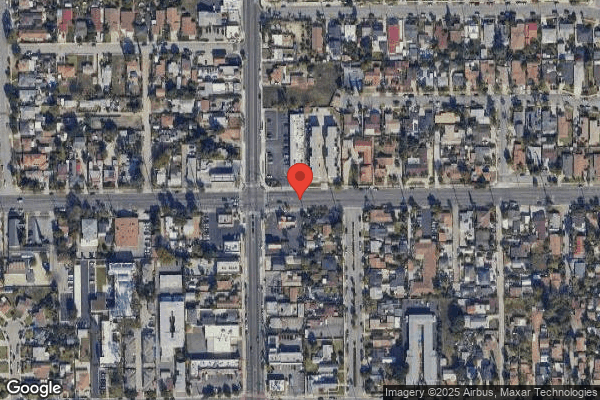
14518 E. LOS ANGELES ST., BALDWIN PARK, CA 91706 (626) 337-7229
For profit - Corporation 48 Beds Independent Data: November 2025
Trust Grade
85/100
#50 of 1155 in CA
Last Inspection: October 2024

Within standard 12-15 month inspection cycle. Federal law requires annual inspections.

Overview

Coast Care Convalescent Center in Baldwin Park, California, has received a Trust Grade of B+, indicating it is above average and generally recommended for families considering care options. It ranks #50 out of 1,155 facilities in California, placing it in the top half of the state, and #10 out of 369 in Los Angeles County, meaning only nine local homes are rated higher. However, the facility's trend is worsening, with reported issues increasing from 7 in 2023 to 13 in 2024. Staffing is a strength, with a rating of 4 out of 5 stars, a turnover rate of just 20%, and more RN coverage than 88% of California facilities. Notably, the facility has not incurred any fines, which is a positive sign. On the downside, there are some concerns regarding care practices. For instance, a resident with swallowing difficulties and cognitive impairments was found to have an incomplete advance healthcare directive, raising questions about decision-making processes. Additionally, the facility failed to accurately post staffing data, which could affect the quality of care residents receive. Lastly, there were issues noted with ensuring residents on psychotropic medications were not receiving unnecessary treatments, highlighting areas that need improvement.

Trust Score
B+
85/100
In California
#50/1155
Top 4%
Safety Record
Low Risk
No red flags
Inspections
Getting Worse
7 → 13 violations
Staff Stability
✓ Good
20% annual turnover. Excellent stability, 28 points below California's 48% average. Staff who stay learn residents' needs.
Penalties
✓ Good
No fines on record. Clean compliance history, better than most California facilities.
Skilled Nurses
✓ Good
Each resident gets 53 minutes of Registered Nurse (RN) attention daily — more than average for California. RNs are trained to catch health problems early.
Violations
⚠ Watch
29 deficiencies on record. Higher than average. Multiple issues found across inspections.
★★★★★
5.0
Overall Rating
★★★★☆
4.0
Staff Levels
★★★★★
5.0
Care Quality
★★★★☆
4.0
Inspection Score
Stable
2023: 7 issues
2024: 13 issues

The Good

  • 4-Star Staffing Rating · Above-average nurse staffing levels
  • 5-Star Quality Measures · Strong clinical quality outcomes
  • Low Staff Turnover (20%) · Staff stability means consistent care
  • Full Sprinkler Coverage · Fire safety systems throughout facility
  • No fines on record
  • Staff turnover is low (20%)

    28 points below California average of 48%

Facility shows strength in staffing levels, quality measures, staff retention, fire safety.

The Bad

No Significant Concerns Identified

This facility shows no red flags. Among California's 100 nursing homes, only 1% achieve this.

The Ugly 29 deficiencies on record

Oct 2024 13 deficiencies
CONCERN (D)

Potential for Harm - no one hurt, but risky conditions existed

Resident Rights (Tag F0550)

Could have caused harm · This affected 1 resident

**NOTE- TERMS IN BRACKETS HAVE BEEN EDITED TO PROTECT CONFIDENTIALITY** Based on observation, interview, and record review, the facility failed to provide care in a manner that maintained or enhanced ...

Read full inspector narrative →
**NOTE- TERMS IN BRACKETS HAVE BEEN EDITED TO PROTECT CONFIDENTIALITY** Based on observation, interview, and record review, the facility failed to provide care in a manner that maintained or enhanced a resident's dignity and respect for one of one sampled resident (Resident 14). Certified Nursing Assistant 2 (CNA 2) was standing over the resident while assisting with lunch. This failure had the potential to affect Resident 14's self-esteem and self-worth. Findings: During a review of Resident 14's admission Record (AR), the AR indicated Resident 14 was readmitted to the facility on [DATE] with diagnoses that included encephalopathy (disturbance of brain function) and muscle weakness. During a review of Resident 14's History and Physical (H&P) dated 4/2/2024, the H&P indicated Resident 14 did not have the capacity to understand and make decisions. During a review of Resident 14's Nutritional Assessment (NA), dated 4/4/2024, the NA indicated Resident 14's eating ability was categorized as a feeder (a person who is fed by an assistant during meals) and Resident 14 needed assistance with feeding. During a review of Resident 14's Minimum Data Set (MDS - a federally mandated resident assessment tool) dated 8/16/2024, the MDS indicated Resident 14 had severely impaired cognition and required partial/moderate assistance (helper does less than half the effort; helper lifts, hold, or supports trunk or limbs, but provides less than half the effort) from staff with eating. During an observation on 10/22/2024 at 12:37 pm in Resident 14's room, CNA 2 was feeding lunch to Resident 14 while standing at Resident 14's right side. CNA 2 was standing over Resident 14 while feeding the resident who was seated up in bed with the bedside table and meal tray in front of the resident. During an interview on 10/22/2024 at 12:53 pm with CNA 2, CNA 2 stated, occasionally she will bring in a chair while feeding the resident but prefers to stand while feeding Resident 14 because the bed was too high to place the table. During an interview on 10/24/2024 at 12:32 pm with Registered Nurse 2 (RN 2), RN 2 stated feeding assistance was provided by the certified nursing assistants or restorative nursing assistants (RNA - a certified nursing assistant who has specialized training in rehabilitation to help patients with limited mobility and self-care) who were usually standing next to the resident while feeding, until the resident was done eating. During an interview on 10/25/2024 at 1:35 pm with the Director of Nursing (DON), the DON stated staff should be seated at eye level with the resident when feeding. The DON further stated, sitting while feeding the resident promoted independence and dignity to the resident. During a review of the facility's undated Policy and Procedure (P&P) titled, Resident Dignity, the P&P indicated, the facility promotes care for residents in a manner and in an environment that maintains or enhances each resident's dignity and respect in full recognition of his or her individuality. The P&P defined dignity to mean during their interactions with residents, staff carries out activities that assist the resident to maintain and enhance his/her self-esteem and self-worth. The P&P indicated promoting resident independence and dignity in dining such as the avoidance of staff standing over residents while assisting them to eat.
CONCERN (D)

Potential for Harm - no one hurt, but risky conditions existed

Deficiency F0558 (Tag F0558)

Could have caused harm · This affected 1 resident

**NOTE- TERMS IN BRACKETS HAVE BEEN EDITED TO PROTECT CONFIDENTIALITY** Based on observation, interview, and record review, the facility failed to provide reasonable accommodation of needs for one of ...

Read full inspector narrative →
**NOTE- TERMS IN BRACKETS HAVE BEEN EDITED TO PROTECT CONFIDENTIALITY** Based on observation, interview, and record review, the facility failed to provide reasonable accommodation of needs for one of one sampled resident (Resident 30) by failing to ensure the resident's call light was within reach and appropriate to the resident's physical ability. This deficient practice had the potential for Resident 30 not to receive necessary care or services and placed the resident at high risk for fall. Findings: During a review of Resident 30's admission Record (AR), the AR indicated Resident 30 was admitted to the facility on [DATE] with diagnoses that included hemiplegia (paralysis of one side of the body) and hemiparesis (muscular weakness of one half of the body) following unspecified cerebrovascular disease (includes all disorders in which an area of the brain is temporarily or permanently affected by bleeding or lack of blood flow) affecting right dominant side. During a review of Resident 30's untitled Care Plan (CP), revised on 4/29/2024, the CP indicated Resident 30 was at risk for falls related to history of cerebrovascular accident with right hemiplegia. The CP interventions indicated for nursing staff to provide call light within reach and instruct the resident to use it and wait for assistance. During a review of Resident 30's Minimum Data Set (MDS - a federally mandated resident assessment tool) dated 7/23/2024, the MDS indicated Resident 30 had moderately impaired cognition (mental action or process of acquiring knowledge and understanding) for daily decision making. The MDS indicated Resident 30 required maximum assistance (helper did more than half the effort and lifted or held trunk or limbs) with toileting hygiene, shower, and upper body dressing. The MDS indicated Resident 30 was dependent (helper did all of the effort and lifted or held trunk or limbs) to staff for putting on/taking off footwear and lower body dressing. During a review of Resident 30's Fall Risk Assessment (FRA- a method of assessing a patient's likelihood of falling) dated 10/22/2024, the FRA indicated Resident 30 was assessed as high risk for fall due to chair bound- and/or needing assistance with elimination, unable to stand with both feet or walk and presence of predisposing disease condition. During an observation on 10/23/2024 at 9:50 am, Resident 30 was lying in bed. Resident 30's call light was hanging on the foot part of the bed by Resident 30's lower extremities. Resident 30 was unable to reach the call light. During a concurrent observation and interview on 10/23/2024 at 9:53 am, with the facility's Director of Nursing (DON), the DON stated Resident 30 was unable to reach the call light because it was at the foot of the bed. The DON stated, Resident 30's call light needed to be within reach of Resident 30 to use, to call staff if Resident 30 needed help or in case of any emergency and the resident needed assistance from the facility staff. During a record review of the facility's Policy and Procedure (P&P) titled, Call Lights revised on 7/18/2018, the P&P indicated to keep the call light within easy reach of the resident.
CONCERN (D)

Potential for Harm - no one hurt, but risky conditions existed

PASARR Coordination (Tag F0644)

Could have caused harm · This affected 1 resident

Based on interview and record review, the facility failed to ensure Pre-admission Screening and Resident Review (PASRR) Level II recommended specialized add-on services that were appropriate to reside...

Read full inspector narrative →
Based on interview and record review, the facility failed to ensure Pre-admission Screening and Resident Review (PASRR) Level II recommended specialized add-on services that were appropriate to resident's condition were included into Resident 38's assessment, care planning, and transitions of care for one of two sampled residents (Resident 38). This deficient practice placed Resident 38 at risk of not getting the appropriate specialized care needed for the well- being of the resident. Findings: During a review of Resident 38's admission Record (AR), the AR indicated the facility readmitted Resident 38 on 9/12/24, with diagnoses that included chronic obstructive pulmonary disease (COPD-progressive lung disease that makes it hard to breathe) and schizophrenia (a chronic mental illness that affects a person's thoughts, feelings, and behaviors). During a review of Resident 38's PASRR Level II individualized determination report dated 9/20/24, the report indicated mental health rehabilitation activities and psychotherapy /counselling were recommended specialized add-on services needed by Resident 38. The PASSR report indicated that these services and supports would supplement nursing facility care to address the mental needs of Resident 38. During a record review and concurrent interview with the Director of Staff Development (DSD) on 10/25/24 at 11:12 a.m., the DSD stated she was responsible for completion and submission of PASSR Level I and to follow up the result of PASSR Level II to ensure the resident was appropriately placed in the nursing home for a long-term care. DSD stated she did not know PASSR Level II recommended specialized add-on services needed were to be included in Resident 38's assessment, care planning and transitions of care in the facility. During a review of the facility's Policy and Procedures (P&P) titled, Pre-admission Screening and Resident Review dated 10/25/24, the P&P indicated PASSR Level II and/or PASSR evaluation report will be incorporated into the residents' assessment, care planning, and transition of care.
CONCERN (D)

Potential for Harm - no one hurt, but risky conditions existed

Comprehensive Care Plan (Tag F0656)

Could have caused harm · This affected 1 resident

**NOTE- TERMS IN BRACKETS HAVE BEEN EDITED TO PROTECT CONFIDENTIALITY** Based on interview and record review, the facility failed to create a care plan (CP) for one of one sampled resident (Resident 2...

Read full inspector narrative →
**NOTE- TERMS IN BRACKETS HAVE BEEN EDITED TO PROTECT CONFIDENTIALITY** Based on interview and record review, the facility failed to create a care plan (CP) for one of one sampled resident (Resident 25) when Resident 25 had a 10% weight loss within three months. This failure had the potential to result in Resident 25 to develop further weight loss. Findings: During a review of Resident 25's admission Record (AR), the AR indicated Resident 25 was originally admitted to the facility on [DATE] and readmitted on [DATE] with diagnosis that included major depressive disorder (MDD, a mental health condition that causes persistently low or depressed mood and a loss of interest in activities). During a review of Resident 25's history and physical (H&P, formal document of a medical provider's examination of a patient) dated 9/30/2024, the H&P indicated Resident 25 had the ability to understand and make decisions. During a review of Resident 25's Weekly Weights Monitoring (WWM) dated 10/4/2024, the WWM indicated Resident 25 weighed 116 lbs. on 10/4/2024, 113 lbs. on 10/11/2024, 113 lbs. on 10/18/2024, and 113 lbs. on 10/25/2024. During a review of Resident 25's Minimum Data Set (MDS, a standardized comprehensive assessment of each resident's functional capabilities and identifies health problems) dated 10/14/2024, the MDS indicated Resident 25's cognitive abilities (ability to think, learn, and process information) were intact. The MDS indicated Resident 25 required setup or clean up assistance with eating. During a review of Resident 25's Monthly Weight Report (MWR) dated 5/2024 to 10/2024, the MWR indicated Resident 25 weighed 129 pounds (lbs., unit of measurement for weight) on 7/2024, 125 lbs. on 8/2024, 122 lbs. on 9/2024, and 116 lbs. on 10/2024. During an interview on 10/23/2024 at 11:43 AM with Resident 25, Resident 25 stated Resident 25 had unplanned weight loss and used to weigh 130 lbs. but weighed around 112 lbs. During a concurrent interview and record review on 10/24/2024 at 10:37 AM with Registered Nurse (RN) 1, Resident 25's CP was reviewed. RN 1 stated RN 1 was not aware Resident 25 had lost weight and stated Resident 25 did not have a CP for weight loss. RN 1 stated if the resident had lost weight or a significant amount of weight a CP should be created. RN 1 stated if a CP for weight loss was not created, staff would not be able to monitor the resident's weight loss. During an interview on 10/25/2024 at 1:38 PM with the Director of Nursing (DON), the DON stated the purpose of the CP was to monitor specific behaviors or conditions, implement interventions, and guide staff in providing care to the resident. The DON stated a CP should've been created to monitor Resident 25's weight loss and stated the risk of not developing a CP would put the resident at risk for further weight loss because staff would not be aware of Resident 25's weight loss. During a review of the facility's policy and procedure (P&P) titled Care Plans revised 1/20/2024, the P&P indicated a comprehensive care plan has been designed to incorporate identified problem areas and indicated CP's are revised as changes in the resident's condition dictate.
CONCERN (D)

Potential for Harm - no one hurt, but risky conditions existed

Deficiency F0676 (Tag F0676)

Could have caused harm · This affected 1 resident

Based on observation, interview, and record review, the facility failed to provide a communication board and/or other functional communication system to a non English speaking resident (Resident 24) f...

Read full inspector narrative →
Based on observation, interview, and record review, the facility failed to provide a communication board and/or other functional communication system to a non English speaking resident (Resident 24) for one of one sampled resident. This deficient practice placed Resident 24 at risk for miscommunication and delayed care. Findings: During a review of Resident 24's admission Record (AR), the AR indicated the facility readmitted the resident on 8/9/24, with diagnoses that included diabetes mellitus (DM-a disorder characterized by difficulty in blood sugar control) and dementia (a progressive decline in mental abilities). During a review of Resident 24's Care Plan (CP) titled, Communication Deficit related to Language Barrier dated 8/9/24, the CP indicated Resident 24 would be able to communicate needs daily using a communication device (unspecified). During an observation and concurrent interview on 10/22/24 at 4:10 p.m., Resident 24 was lying on her back in bed and awake. Resident 24 only speaks and understand Vietnamese language. The Director of Staff Development (DSD) was present in the room. There was no communication board and/or other functional communication system in Vietnamese language for Resident 24 to communicate her needs to the staff. The DSD stated DSD was unable to find a communication device in Vietnamese language after she searched the bed side table and drawer of Resident 24. The DSD stated communication board and/or other functional communication system in Vietnamese language should always be available to Resident 24 to avoid delay of care in case of an emergency for a non-English speaking resident. The facility had no Vietnamese speaking staff. The DSD stated staff would be able to provide appropriate care if staff knew the specific needs of a non-English speaking resident. During a review of the facility's Policy and Procedure (P&P) titled, Resident's with Communication deficit dated 10/2022, the P & P indicated communication board will be provided for residents whose primary language was other than English and do not speak/understand English. In addition, the facility's P&P titled Limited English Proficiency dated 10/24/24 indicated the facility will have a designated cellular phone that has a translation application and the staff will be able to choose the specific language that the resident speaks.
CONCERN (D)

Potential for Harm - no one hurt, but risky conditions existed

Deficiency F0700 (Tag F0700)

Could have caused harm · This affected 1 resident

**NOTE- TERMS IN BRACKETS HAVE BEEN EDITED TO PROTECT CONFIDENTIALITY** Based on observation, interview, and record review, the facility failed to attempt to use appropriate alternative interventions ...

Read full inspector narrative →
**NOTE- TERMS IN BRACKETS HAVE BEEN EDITED TO PROTECT CONFIDENTIALITY** Based on observation, interview, and record review, the facility failed to attempt to use appropriate alternative interventions prior to the installation of side rails for one of one sampled resident (Resident 13). This failure had the potential for Resident 13 to be at risk for entrapment (when a resident can get caught by the head, neck, chest, or other body parts in the tight spaces around the bedrail) and physical injuries. Findings: During a review of Resident 13's admission Record (AR), the AR indicated Resident 13 was originally admitted to the facility on [DATE], and readmitted on [DATE] with diagnoses that included morbid obesity (having too much body fat), schizophrenia (a serious mental disorder in which people interpret reality abnormally), and major depressive disorder (MDD, a mental health condition that causes persistently low or depressed mood and a loss of interest in activities). During a review of Resident 13's Order Summary Report (OSR) dated 9/4/2024, the OSR indicated an order for bilateral one-half side rails up in bed per resident's request due to fear of falling and to aid in self-repositioning. During a review of Resident 13's Minimum Data Set (MDS, a standardized comprehensive assessment of each resident's functional capabilities and identifies health problems) dated 9/24/2024, the MDS indicated Resident 13's cognitive abilities (ability to think, learn, and process information) were intact. The MDS indicated Resident 13 required substantial/maximum assistance with rolling left and right. During a concurrent observation and interview on 10/23/2024 at 10:23 AM with Resident 13 in Resident 13's room, bilateral side rails were observed to be up and installed onto Resident 13's bed. Resident 13 stated Resident 13 uses the side rails to help Resident 13 turn in bed. During an interview on 10/24/2024 at 10:43 AM with Registered Nurse (RN) 1, RN 1 stated Resident 13 has bilateral side rails up. RN 1 stated Resident 13 uses the side rails to turn self in bed. RN 1 stated there was no documentation of the use of alternative interventions prior to the installation of the side rails. RN 1 stated alternative interventions could include floor mats, roll guards, and concave mattresses. RN 1 stated the risk of not attempting alternative interventions is that the resident could be at risk for entrapment. During a concurrent interview and record review on 10/25/2024 at 8:53 AM with Licensed Vocational Nurse (LVN) 1, Resident 13's Nursing Note (NN) dated 11/8/2023 at 5:56 PM was reviewed. It indicated foam bolsters were attempted but removed due to the resident stating to having anxiety. LVN 1 stated no other alternative interventions were attempted after 11/8/2023. LVN 1 stated the risk of not attempting more alternative interventions was that the staff would not know if other alternatives would work and benefit the resident and stated it would put the resident at risk for entrapment. During an interview on 10/25/2024 at 1:46 PM with the Director of Nursing (DON), the DON stated staff need to attempt more than one alternative, reassess, and document alternatives that have been attempted prior to installing side rails. The DON stated the risk of not attempting appropriate alternatives is that it would put the resident at risk for entrapment. During a review of the facility's policy and procedure (P&P) titled, Bedside Rail Assessment and Management revised 11/10/2023, the P&P indicated the facility is to assess residents prior to the implementation and use of siderails to ensure appropriate protocols have been followed such as alternative methods have been attempted.
CONCERN (D)

Potential for Harm - no one hurt, but risky conditions existed

Pharmacy Services (Tag F0755)

Could have caused harm · This affected 1 resident

**NOTE- TERMS IN BRACKETS HAVE BEEN EDITED TO PROTECT CONFIDENTIALITY** Based on observation, interview, and record review, the facility failed to provide pharmaceutical services to meet the needs of ...

Read full inspector narrative →
**NOTE- TERMS IN BRACKETS HAVE BEEN EDITED TO PROTECT CONFIDENTIALITY** Based on observation, interview, and record review, the facility failed to provide pharmaceutical services to meet the needs of one of one sampled resident (Resident 23). Licensed Vocational Nurse 1 (LVN 1) did not explain the medication and its purpose to Resident 23 during a medication pass, in accordance with the facility's Policy and Procedure (P&P) on Medication and Treatment Administration This failure resulted in Resident 23 being uninformed about the resident's medication and had the potential for medication error. Findings: During a review of Resident 23's admission Record (AR), the AR indicated Resident 23 was readmitted to the facility on [DATE] with diagnoses that included Parkinson's Disease (disease that affects the brain that produces symptoms that include muscle rigidity, tremors, and changes in speech and balance) and muscle weakness. During a review of Resident 23's Minimum Data Set (MDS - a federally mandated resident assessment tool) dated 8/15/2024, the MDS indicated Resident 23 was cognitively intact (the mental action or process of acquiring knowledge and understanding). During a medication pass observation on 10/24/2024 at 8:43 am in Resident 23's room, LVN 1 stated to Resident 23 that LVN 1 was giving Resident 23 his morning medications for 9 am medication schedule. LVN 1 gave Resident 23 the medication cup with medications and Resident 23 swallowed all the medications. LVN 1 did not name or explain any of the nine (9) medications in the medication cup that were given/administered to Resident 23. During an interview on 10/24/24 at 9:17 am with LVN 1, LVN 1 stated each medication that was given to Resident 23 should have been explained to the resident. LVN 1 stated, explaining the medication to the resident would allow the resident to be knowledgeable and informed about their own medications. During a review of Resident 23's Medication Administration Record (MAR) dated October 1, 2024 to October 31, 2024, the MAR indicated the medications that were administered to Resident 23 by LVN 1 on 10/24/2024 at 8:43 am for the 9am medication schedule were: 1. Risperdal (a medication to treat certain mental/mood disorders) oral tablet, 2 milligrams (mg- metric unit of measurement, used for medication dosage and/or amount) by mouth daily for schizophrenia (a mental illness characterized by disturbances in thought) manifested by paranoid delusion that people were after him. 2. Seroquel (a medication to treat the symptoms of schizophrenia and other mental illnesses) oral tablet, 200 mg by mouth daily for schizophrenia manifested by auditory hallucinations hearing that people are talking bad things about him. 3. Vascepa (a medication to treat a type of fat that flows through the blood) oral capsule, 1 gram, 2 capsules by mouth daily for hyperlipidemia (high cholesterol) 4. Benztropine Mesylate (medication to treat symptoms of Parkinson's Disease) oral tablet, 2 mg by mouth twice a day for Parkinson's Disease 5. Colace (a stool softener) oral capsule, 100 mg by mouth twice a day for bowel management. 6. Keppra (a medication to treat seizure disorders) oral tablet, 500 mg by mouth every 12 hours for seizure disorder. 7. Depakote (a medication to treat seizure disorders) oral tablet, 500 mg by mouth three times a day for seizure disorder. 8. Ropinirole (a medication to treat symptoms of Parkinson's Disease) HCl Oral tablet, 0.5 mg by mouth three times a day for Parkinson's Disease. 9. Sinemet (a medication to treat symptoms of Parkinson's Disease) oral tablet 25-100 mg, 2 tablets by mouth three times a day for Parkinson's Disease. During an interview on 10/25/2024 at 1:37 pm with the Director of Nursing (DON), the DON stated medications should be explained to a resident during medication pass to ensure the resident was aware of the medications the resident was taking and the purpose of the medication. The DON stated, without explaining the medications to the resident, the resident would not know what medications were being administered and the resident could possibly be given the wrong medications. During a review of the facility's undated Policy and Procedure (P&P) titled, Medication and Treatment Administration, the P&P indicated the facility administer medication or treatment within the scope of professional standard of practice and the licensed nurse should explain medication use including side effects to the resident.
CONCERN (D)

Potential for Harm - no one hurt, but risky conditions existed

Deficiency F0761 (Tag F0761)

Could have caused harm · This affected 1 resident

**NOTE- TERMS IN BRACKETS HAVE BEEN EDITED TO PROTECT CONFIDENTIALITY** Based on observation, interview, and record review the facility failed to ensure medications were secured and stored in the medi...

Read full inspector narrative →
**NOTE- TERMS IN BRACKETS HAVE BEEN EDITED TO PROTECT CONFIDENTIALITY** Based on observation, interview, and record review the facility failed to ensure medications were secured and stored in the medication cart in Station One for one of one sampled resident (Resident 34). This failure had the potential to result in missing medications or medication diversion (illegal distribution or abuse of medications for purposes not intended by the prescriber) for Resident 34. Findings: During a review of Resident 34's admission Record (AR), the AR indicated Resident 34 was admitted to the facility on [DATE] with diagnoses that included major depressive disorder (MDD, a mental health condition that causes persistently low or depressed mood and a loss of interest in activities), attention and concentration deficit, and anxiety. During a review of Resident 34's History and Physical (H&P) dated 3/14/2024, the H&P indicated Resident 34 had the ability to understand and make decisions. During a review of Resident 34's Order Summary Report (OSR) dated 3/13/2024, the OSR indicated Resident 34 had an order for Actos (medication used for diabetes mellitus) 45 milligrams (mg) daily, Aspirin (ASA) 81 mg daily, Bupropion (medication used for smoking cessation) 150 mg twice a day, Docusate Sodium (medication used to treat constipation) 100 mg twice a day, and Prednisolone Acetate Ophthalmic Suspension % (medication used to treat inflammation) one drop (gtt., unit of measurement) in the right eye, four times a day. During a medication pass observation on 10/24/2024 at 8:30 AM in front of Resident 34's room, Registered Nurse 1 (RN 1) prepared Resident 34's medication. RN 1 walked away from the medication cart without locking the medication cart. RN 1 returned to the medication cart and stated RN 1 accidentally dropped Resident 34's medications on the floor. RN 1 placed three medications on top of the medication cart, pulled out Actos, ASA, Bupropion, and Colace, and walked away from the medication cart without locking the medication cart again, leaving three medications unattended. During an interview on 10/24/2024 at 8:39 AM with RN 1, RN 1 stated RN 1 left Actos, ASA, and Bupropion on top of the medication cart unattended. RN 1 stated Colace was in the trash and RN 1 picked it up after administering new medications to Resident 34. RN 1 stated the medication cart was left unlocked and stated the medication cart should have been locked when RN 1 administered medications to Resident 34 because any resident could open the medication cart. RN 1 stated the medications that were dropped should have been disposed of immediately and not left on top of the medication cart unattended because any resident could have taken it. During an interview on 10/25/2024 at 1:48 PM with the Director of Nursing (DON), the DON stated licensed staff needed to lock the medication cart every time the licensed staff walk away, to ensure the medications were stored securely. The DON stated the risk of leaving the medication cart unlocked was that residents would take the medications. The DON stated licensed staff were to discard medications inside of the medication room in a disposal container and licensed staff should place medications that were dropped inside of the medication cart for safekeeping until discarding the medications. The DON stated the risk of leaving medications on top of the medication cart unattended was that residents could have taken the medications. During a review of the facility's Policy and Procedure (P&P) titled, Medication Storage and Labeling, the P&P indicated the manner of storage of medication shall prevent access by other residents. During a review of the facility's P&P titled, Disposal of Non-Controlled Drugs, the P&P indicated removal of medication from the medication cart will be transferred to the designated holding area.
CONCERN (E)

Potential for Harm - no one hurt, but risky conditions existed

Deficiency F0578 (Tag F0578)

Could have caused harm · This affected multiple residents

**NOTE- TERMS IN BRACKETS HAVE BEEN EDITED TO PROTECT CONFIDENTIALITY** b. During a review of Resident 19's AR, the AR indicated Resident 19 was readmitted on [DATE] with diagnoses that included dysph...

Read full inspector narrative →
**NOTE- TERMS IN BRACKETS HAVE BEEN EDITED TO PROTECT CONFIDENTIALITY** b. During a review of Resident 19's AR, the AR indicated Resident 19 was readmitted on [DATE] with diagnoses that included dysphagia (difficulty swallowing) following cerebral infarction (stroke, loss of blood flow to a part of the brain) and Parkinson's Disease (disease that affects the brain that produces symptoms that include muscle rigidity, tremors, and changes in speech and balance). During a review of Resident 19's H&P dated [DATE], the H&P indicated the resident did not have the capacity to understand and make decisions. During a review of Resident 19's MDS dated [DATE], the MDS indicated Resident 19 had severely impaired (never/rarely made decisions) cognitive skills for daily decision making and resident's overall goal for discharge (answered by family) was to remain in the facility. During a review of Resident 19's undated Advance Healthcare Directive (AHCD) Acknowledgement Form, the AHCD Acknowledgment Form indicated the option boxes were all unchecked, providing no documentation whether the resident representative were provided with information regarding Advance Healthcare Directive creation, if they would/would not like to receive more information, if the resident representative had or did not have an Advance Healthcare Directive, if the advance directive was attached or if a copy was requested by the facility. The form was signed and filled out by the facility's Social Services 1 (SS 1) with the resident's name, resident representative and relationship, staff name and signature. The form was not signed or dated by the resident's representative and was left undated by SS 1's signature. During a concurrent interview and record review on [DATE] at 11:14 am with SS 1, Resident 19's Advance Healthcare Directive (AHCD) Acknowledgement Form was reviewed. The ACHD Acknowledgement Form indicated no documentation that Resident 19 or a family member were provided information regarding the resident's right to formulate or provide an advance directive to the facility. SS 1 stated Resident 19's Advance Healthcare Directive (AHCD) Acknowledgement Form should have been completed and that SS 1 needed to speak to Resident 19's representative. SS 1 stated having advance directive documentation available in the resident's chart gives the facility direction what needed to be done for the resident and be aware of the resident's and/or their family's wishes. During an interview on [DATE] at 1:24 pm with the Director of Nursing (DON), the DON stated if the facility was not properly assessing if a resident had an advance directive, the facility failed to give the resident or resident's representative the opportunity to create an advance directive and their wishes may not be followed. c. During a review of Resident 37's AR, the AR indicated Resident 37 was readmitted to the facility on [DATE] with diagnoses that included pneumonia (an infection that affects one or both lungs) and muscle weakness. During a review of Resident 37's H&P dated [DATE], the H&P indicated the resident had the capacity to understand and make decisions. During a review of Resident 37's MDS dated [DATE], the MDS indicated Resident 37 had moderately impaired cognition. During a concurrent interview and record review on [DATE] at 11:14 am with SS 1, Resident 37's undated Advance Healthcare Directive (AHCD) Acknowledgement Form was reviewed. The AHCD Acknowledgment Form indicated no documentation for the date when signed by the resident and was missing the facility staff name and title of who signed. SS 1 stated the form was signed by SS 1 and should have been completed without any missing information. During a concurrent interview and record review on [DATE] at 11:14 am with SS 1, Resident 37's undated Physician Orders for Life-Sustaining Treatment (POLST- a form that contains written medical orders for healthcare professionals regarding specific medical treatments that can or cannot be done at the end-of life) was reviewed. The POLST indicated no documentation for: the date when prepared, whom it was discussed with, the signature of a physician/nurse practitioner/physician assistant, the date when the resident signed, and the patient's name on the back of the form. SS 1 stated, SS 1 prepared Resident 37's POLST and it was missing information, making it an incomplete POLST. During an interview on [DATE] at 1:24 pm with the DON, the DON stated the AHCD Acknowledgment Form and POLST should have been completed for the resident. The DON stated, the AHCD Acknowledgment Form and POLST would give the facility staff knowledge of the resident's or legal representative's wishes and if not completed, the resident's wishes would not be followed. During a review of the facility's P&P titled, Physician Orders for Life Sustaining Treatment (POLST), or Request Regarding Resuscitative Measures Forms, dated 10/2010, the P&P indicated the POLST form must be signed by a physician. During a review of the facility's undated P&P titled, Policy and Procedure on Advance Directives, the P&P indicated the facility recognizes the resident's right to complete an advance directive indicating what form of treatment are or are not provoked in a medical emergency or near the end of life and who is authorized to make medical decisions on resident's behalf if resident loses the ability to make such decisions independently. The P&P indicated an acknowledgment to this right shall also be completed by the resident or his/her surrogate decision maker (refer to Advance Directive Acknowledgement Form). The acknowledgement should be included in the resident's medical file (chart) and business file within 24 hours of admission, if incomplete after five days of admission it shall be forwarded to the facility administrator for necessary actions. The P&P further stated, for any subsequent readmission, a determination shall be done to verify if all information concerning the advance directive remains the same. During a review of the facility's undated P&P titled, Medical Record Policy and Procedures, the P&P indicated the facility must have documentation of whether the resident has executed an advance directive or notation that information about Advanced Directives were given to the resident as required by federal law. The P&P further stated, entries are made in accordance with acceptable legal medical documentation standards including signing, dating and legibility for all entries, signatures include the first initial, last name, and title, and medical record entries must be accurate and documented in a timely manner. Based on interview and record review, the facility failed to follow the facility's policy regarding advance directive's (AD, a written document that indicates to health care providers (HCP) who should speak on resident's behalf and what medical decisions to make if resident is unable to speak for self) and Physician Orders for Life Sustaining Treatment (POLST, written medical order from a medical doctor (MD) that indicate specific medical treatment the resident would want to receive during a medical emergency or if the resident is unable to speak for self) for three of three sampled residents (Residents 19, 37, and 43) by failing to: a. Ensure an Advance Healthcare Directive Acknowledgement form (AHCD) was filled out correctly and the POLST was signed by Resident 43's legal representative upon admission. b. Complete an AHCD for Resident 19 upon admission. c. Ensure the AHCD was filled out and the POLST was signed for Resident 37. These failures had the potential to result in conflict with Residents 19, 37, and 43 wishes regarding health care. Findings: a. During a review of Resident 43's admission Record (AR), the AR indicted Resident 43 was originally admitted to the facility on [DATE] and readmitted to the facility on [DATE] with diagnoses that included Alzheimer's disease (brain disease that slowly causes impairments in memory and abilities to carry out simple tasks), dementia (loss of memory and mental abilities that interfere with daily life which is caused by physical changes in the brain), and metabolic encephalopathy (alteration in consciousness which results in confusion, memory loss, or personality changes). During a review of Resident 43's history and physical (H&P, formal document of a medical provider's examination of a patient) dated [DATE], the H&P indicated Resident 43 does not have the capacity to understand and make decisions. During a review of Resident 43's Minimum Data Set (MDS, a standardized comprehensive assessment of each resident's functional capabilities and identifies health problems) dated [DATE], the MDS indicated Resident 43's cognitive abilities (ability to think, learn, and process information) were impaired. During an interview on [DATE] at 9:28 AM with Family Member (FM) 1, FM 1 stated FM 1 was the legal responsible party for Resident 43. FM 1 stated Resident 43 is unable to make decisions for self, was not made aware of the purpose of an AD on admission and stated Resident 43 does not have an AD. During a concurrent interview and record review on [DATE] at 3:25 PM with Social Services (SS) 1, Resident 43's AHCD dated [DATE] and POLST dated [DATE] were reviewed. The AHCD indicated Resident 43 had an AHCD and which was attached to Resident 43's Medical Record (MR). Resident 43's POLST indicated Resident 43 did not have an AD and indicated it was signed by a caregiver. SS 1 stated the AHCD and the POLST forms were inconsistent and stated Resident 43 does not have an AD. The SS 1 stated the AHCD form was not filled out correctly and stated the risk of not properly filling out the form was not being able to provide education to the resident or representative party (RP) on the purpose of an AD and to offer assistance, if the resident or RP wanted to create an AD. SS 1 stated the signature on Resident 43's POLST was not the signature of FM 1 who was the legal representative. SS 1 stated the signature on the POLST was the Administrator from the previous facility. SS 1 stated SS 1 saw the discrepancy when Resident 43 was readmitted to the facility on [DATE] but did not correct it. SS 1 stated it should've been corrected upon admission and stated the risk of the POLST not being signed by the legal representative was that the facility might provide interventions that the legal representative did not agree to. During a concurrent interview and record review on [DATE] at 9:28 AM with FM 1, Resident 43's POLST dated [DATE] was reviewed. The POLST indicated a checkmark for attempt resuscitation/Cardiopulmonary Resuscitation (CPR, emergency lifesaving procedure performed when the heart stops beathing). FM 1 stated FM 1 was not aware the POLST was signed and stated the signature on the POLST was the owner at the previous facility. FM 1 stated FM 1 did not agree with the checkmark of attempt resuscitation/CPR and stated Resident 43 should be do not attempt resuscitation (DNR) and allow natural death. During an interview on [DATE] at 1:22 PM with the Director of Nursing (DON), the DON stated the purpose of the AHCD was to implement the wishes of the resident. The DON stated staff should've called the family member if staff were unsure if the resident had an AD. The DON stated the risk of not properly assessing if the resident had an AD or properly filling out the AHCD form was that staff would not be able to provide education and resources to the resident or RP about AD. The DON stated Resident 43's AHCD and POLST were inconsistent and should've been signed by the legal representative. The DON stated staff should've addressed the inconsistent signatures during the admission process and stated having the wrong signature on the POLST would put the resident at risk for receiving treatments without the resident or RP's consent. During a review of the facility's policy and procedure (P&P) titled, Advance Directives the P&P indicated at the time of a resident's admission, written information describing the right to formulate an advanced directive shall be provided and acknowledged by the resident or surrogate decision maker on the Advance Directive Acknowledgement form. The P&P indicated a copy of the resident's advance directive was to be placed in the resident's medical and business file. During a review of the facility's P&P titled, Physician Orders for Life Sustaining Treatment (POLST) or request regarding Resuscitative measures the P&P indicated the POLST must be signed by a physician and the resident or his or her legally recognized healthcare decision maker.
CONCERN (E)

Potential for Harm - no one hurt, but risky conditions existed

Staffing Information (Tag F0732)

Could have caused harm · This affected multiple residents

Based on observation, interview, and record review, the facility failed to follow their policy for posting nurse staffing data for one of two sampled locations (lobby) by failing to: a. Post accurate ...

Read full inspector narrative →
Based on observation, interview, and record review, the facility failed to follow their policy for posting nurse staffing data for one of two sampled locations (lobby) by failing to: a. Post accurate hours for Certified Nurse Assistants (CNA) on 10/15/2024, 10/16/2024, 10/17/2024, 10/18/2024, 10/19/2024, and 10/23/2024. b. Post nurse staffing information at the beginning of the shift on 10/23/2024 in the lobby, an area readily accessible by everyone. These failures had the potential to result in posting inaccurate nursing hours and nurse staffing information that could affect the quality of care given to the residents. Findings: a. During a concurrent interview and record review on 10/25/2024 at 9:51 AM with the Director of Staff Development (DSD), the facility's Staffing and Nursing Hours (SNH) and Nursing Staffing Assignment and Sign-in Sheet (NSASS) dated 10/15/2024, 10/16/2024, 10/17/2024, 10/18/2024, 10/19/2024, and 10/23/2024 were reviewed. The DSD stated the DSD is responsible for posting the SNH in the nursing station and lobby. The DSD stated the number of CNAs who worked were incorrect on the following days: 1. On 10/15/2024 during the 3 PM to 11 PM (afternoon) shift, four CNAs worked instead of five. 2. On 10/16/2024 during the 7 AM to 3 PM (morning) shift, five CNAs worked instead of six. During the afternoon shift, four CNAs worked instead of five. 3. On 10/17/2024 during the morning shift, six CNAs worked instead of seven. 4. On 10/18/2024 during the morning shift, four CNAs worked instead of five CNAs. 5. On 10/19/2024 during the morning shift, six CNAs worked instead of seven CNAs. 6. On 10/21/2024 during the morning shift, five CNAs worked instead of six. During the afternoon shift, four CNAs worked instead of five. 7. On 10/23/2024 during the morning shift, six CNAs worked instead of seven. The DSD stated the DSD posted the projected hours in the morning for all three shifts and did not post the actual hours worked. The DSD stated the risk of not providing the actual hours of staff who worked is not providing quality care to the residents and not providing accurate information to residents and family members. During an interview on 10/25/2024 at 1:55 PM with the Director of Nursing (DON), the DON stated the purpose of the SNH form was to indicate accurate hours staff provided direct care to residents. The DON stated if the SNH form was not posted or correct, it would not provide accurate information to residents or visitors. During a review of the facility's Policy and Procedure (P&P) titled, Posting Nurse Staffing Data, the P&P indicated the nurse staffing data shall include specific shift schedules listing the number of all licensed and unlicensed nursing staff for each shift that provided direct nursing care. The P&P indicated any changes in numbers of licensed and unlicensed staff or number of hours worked shall be reflected on the posted nurse staffing data. The P&P indicated the nurse staffing data shall be posted daily at the beginning of each shift and posted in a prominent place that is readily accessible to residents and visitors. b. During an observation on 10/23/2024 at 9:38 AM, there was no staffing information posted at the facility's lobby or prominent location that was readily accessible to visitors. During a concurrent observation and interview on 10/23/2024 at 9:42 AM with the Director of Staff and Development (DSD), there was no staffing information posted at the lobby. The DSD stated, there was no staffing information posted at the lobby. The DSD stated the staffing information was only posted at the nursing station. During an interview on 10/23/2024 at 3:44 PM, the DSD stated, staffing information needed to be posted at the lobby because not all visitors went or have access to the nursing station. The DSD stated nursing staffing information needed to be posted in the lobby and in a prominent place accessible to staff, residents and visitors. During a review of facility's undated P&P titled, Posting Nurse Staffing Data,, the P&P indicated nurse staffing data shall be posted in a prominent area readily accessible to residents and visitors (e.g. Lobby Area) and displayed in a clear and readable format.
CONCERN (E)

Potential for Harm - no one hurt, but risky conditions existed

Medication Errors (Tag F0758)

Could have caused harm · This affected multiple residents

**NOTE- TERMS IN BRACKETS HAVE BEEN EDITED TO PROTECT CONFIDENTIALITY** Based on observation, interview, and record review, the facility failed to ensure two of two sampled residents (Residents 38 and...

Read full inspector narrative →
**NOTE- TERMS IN BRACKETS HAVE BEEN EDITED TO PROTECT CONFIDENTIALITY** Based on observation, interview, and record review, the facility failed to ensure two of two sampled residents (Residents 38 and 43) on psychotherapeutic drugs (any drug capable of affecting mood, emotions, and behavior) were free from unnecessary medication by failing to: a. Identify specific target symptoms for Resident 43 on Seroquel (medication used to treat schizophrenia [a serious mental disorder in which people interpret reality abnormally]) 50 milligrams (mg, unit of measurement) for schizophrenia manifested by hearing voices and responding to internal stimuli and attempted to perform gradual dose reduction (GDR-stepwise tapering of a dose) for the use of Paroxetine HCL (Paxil, medication used to treat depression [persistent low mood or loss of interest]) 30 mg daily for depression. b. Ensure Resident 38 had GDR for Lexapro (antidepressant drug) 10 mg since 2021, and Zyprexa (antipsychotic drug) 5 mg every 12 hours since 2023 and the target symptom for Zyprexa was specific. These failures had the potential for the facility to use psychotropic drugs inappropriately and had the potential to affect Resident 38 and 43's physical, emotional, and psychosocial wellbeing. Findings: a. During a review of Resident 43's admission Record (AR), the AR indicated Resident 43 was originally admitted to the facility on [DATE] and readmitted on [DATE] with diagnoses that included Alzheimer's disease (brain disease that slowly causes impairments in memory and abilities to carry out simple tasks), dementia (loss of memory and mental abilities that interfere with daily life) and metabolic encephalopathy (alteration in consciousness which results in confusion, memory loss, or personality changes). During a review of Resident 43's Physician's Orders (PO) dated [DATE], the PO indicated Resident 43 had an order for Paroxetine HCL (Paxil) 30 mg daily for depression. The PO indicated on [DATE] Resident 43 had an order for Paroxetine HCL 30 mg every night for depression. During a review of Resident 43's History and physical (H&P) dated [DATE], the H&P indicated Resident 43 does not have the capacity to understand and make decisions. During a review of Resident 43's Minimum Data Set (MDS - a federally mandated resident assessment tool) dated [DATE], the MDS indicated Resident 43's cognitive abilities (ability to think, learn, and process information) were impaired. During a review of Resident 43's PO dated [DATE], the PO indicated Resident 43 had an order for Seroquel 50 mg at bedtime for schizophrenia, manifested by hearing voices responding to internal stimuli. During an interview on [DATE] at 2:03 PM with Licensed Vocational Nurse 1 (LVN 1), LVN 1 stated there was no specific target behavior to Resident 43's internal stimuli. LVN 1 stated, the target behavior needed to be specific because responding to internal stimuli was a vague target behavior. LVN 1 stated Resident 43 talked to self and to Resident 43's deceased husband. LVN 1 stated the risk of not indicating specific target behaviors for the use of antipsychotic medications (medications used to treat disorganized thinking) was inaccurate monitoring of behaviors and unable to monitor if behaviors were improving. During an interview on [DATE] at 2:30 PM with the Director of Nursing (DON), the DON stated, the target behavior of responding to internal stimuli was not specific and vague and staff would not be able to monitor the resident's target behavior. The DON stated responding to internal stimuli was not a specific target behavior. The DON stated, not indicating a specific behavior to monitor for antipsychotic medications placed the resident at risk for not being accurately monitored to assess effectiveness of medication. During concurrent Interview and record review on [DATE] at 1:29 PM with the DON, Resident 43's Note to Attending Physician/Prescriber (NAP) dated [DATE] was reviewed. The NAP indicated a GDR for Paxil 30mg as associated behaviors and monitoring parameters indicated no worsening of depression and indicated behaviors were minimal to none. The NAP indicated Resident 43 required medication at the current dose and indicated benefits of continuing medication outweigh the risk. The DON stated no GDR was attempted for Resident 43 on Paxil at 30 mg. The DON stated a GDR needed to be attempted at least once a year and stated the risk of not properly monitoring proper dose for the resident was that the resident may be at a higher dose than required. b. During a review of Resident 38's AR, the AR indicated the facility readmitted Resident 38 on [DATE], with diagnoses that included chronic obstructive pulmonary disease (COPD-progressive lung disease that makes it hard to breathe) and schizophrenia (a chronic mental illness that affects a person's thoughts, feelings, and behaviors). During a review of Resident 38's Order Summary Report (OSR), the OSR indicated the following: 1. Zyprexa 5 mg one tablet by mouth every 12 hours for schizophrenia as manifested by hearing voices responding to internal stimuli (unspecified), ordered on [DATE]. 2. Lexapro 10 mg one tablet by mouth every day for depression as manifested by verbalization of feeling sad, ordered on [DATE]. During a review of Resident 38's Medication Administration Record (MAR) dated [DATE] through [DATE], the MAR indicated Resident 38 received Zyprexa 5 mg one tablet by mouth at 9 AM. and 9 PM, and Lexapro 10 mg at 9 AM, by mouth every day. During an observation and concurrent interview on [DATE] at 4:17 PM., Resident 38 was sitting in a wheelchair, alert and coherent. Resident 38 stated she was not feeling sad in the facility. During a concurrent interview and record review with the Director of Nursing (DON) on [DATE] at 1:48 PM., the DON stated Resident 38 was on Zyprexa 5 mg every 12 hours since [DATE], and it was the same dose order as of [DATE]. The DON stated, Resident 38 was also on Lexapro 10 mg daily since [DATE], and it was the same dose order as of [DATE]. There was no documented evidence in Resident 38's medical record of a past failed attempt of GDR for Zyprexa and Lexapro that it would be clinically contraindicated to lower the dose for Resident 38. The DON stated GDR would be necessary to evaluate if the resident's target symptom could be managed by the least amount of psychotropic drug to prevent an adverse drug reaction. The DON stated the DON did not ask Resident 38 what specific internal stimuli Resident 38 was responding to whenever Resident 38 talked to herself. The DON stated the DON assumed Resident 38 was hearing voices because Resident 38 was talking to self loudly. The DON further stated it was important to monitor the specific target symptom to determine if the medication was effective and if the resident would benefit from GDR. During a review of the facility's Policy and Procedure (P&P) titled, Psychotropic and Psychotherapeutic Drugs the P&P indicated when a resident requires a psychotherapeutic drug a written physician order specifies the duration of the use of the medication and the circumstances under which the medication is to be used (the health record must contain a diagnosis and specific behavior manifestations for the medication is being used). During a review of the facility's P&P titled, Dose Drug Reduction the P&P indicated dose drug reduction should be done gradually at least twice within one year and as often as necessary.
CONCERN (E)

Potential for Harm - no one hurt, but risky conditions existed

Food Safety (Tag F0812)

Could have caused harm · This affected multiple residents

Based on observation, interview, and record review, the facility failed to ensure food was stored in a sanitary manner for one of one sampled ice machine (IM) by failing to: a. Follow the manufacturer...

Read full inspector narrative →
Based on observation, interview, and record review, the facility failed to ensure food was stored in a sanitary manner for one of one sampled ice machine (IM) by failing to: a. Follow the manufacturer's recommendations for interior cleaning and sanitizing of the Manitowoc IM when moderate amounts of black and yellow substances were observed in the internal components of the Manitowoc IM around the sides of the ice dicer and on the water outlet. The contaminated ice was distributed to 40 residents before breakfast on 10/22/2024. b. Ensure the Manitowoc was deeply cleaned weekly and cleaned monthly as indicated by the cleaning log. These failures had the potential to result in residents to develop water borne illnesses from contaminated ice. Findings: During a concurrent observation and interview on 10/22/2024 at 9:30 AM with the Dietary Supervisor (DS) in the kitchen, the Manitowoc IM was observed to have yellow liquid when a napkin test was performed on the IM. Upon closer inspection, black substances were observed on the sides of the ice dicer and in the water outlet. The DS stated there was an unknown yellow substance on the napkin and unknown black substances around the ice dicer. The DS stated the black substances were there because Maintenance might have missed cleaning the machine. The DS stated the black and yellow substances in the ice machine should not be there and stated the unknown substances could get into the ice and cause a health hazard for residents. During a concurrent in interview and record review on 10/22/2024 at 10:28 AM with Dietary Aide (DA) 1, the facility's Weekly Ice-O-Matic Deep Cleaning Log (WIDC) dated 7/23/2024 to 10/19/2024 was reviewed. The WIDC indicated staff members signed off on the task of deeply cleaning the IM. DA 1 stated DA 1 cleaned the exterior of the IM and stated DA 1 did not clean the inside of the IM. DA 1 stated DA 1 was instructed by DS to only clean the outside of the IM. DA 1 stated deep cleaning would consist of the inside and outside of the IM. DA 1 stated DA 1 would not consider the cleaning to be deep cleaning if only the exterior was cleaned. DA 1 stated DA 1 was not instructed to inspect the inside of the IM because Maintenance was responsible for cleaning the interior compartments. DA 1 stated the importance of cleaning the interior and exterior of the IM to ensure the ice is contained in a clean compartment and stated the risk of serving contaminated ice was that residents could get sick. DA 1 stated black substances looked like mold and stated if residents ingested it residents could possibly get diarrhea. During an interview on 10/22/2024 at 10:40 AM with the DS, the DS stated staff should not be signing off on a form for deep cleaning if the IM was not deeply cleaned. The DS stated deep cleaning would require cleaning the internal components of the IM. The DS stated if the IM was not cleaned, mold, bacteria, and fungus can grow. The DS stated it was important to clean the IM because the resident could ingest the unknown yellow and black substances and have health concerns. The DS stated food should be served in a sanitary condition and stated if it was not served in a sanitary condition, residents could develop diarrhea, stomach cramps, nausea, vomiting and be at risk for developing waterborne illnesses. During a concurrent interview and record review on 10/22/2024 at 11:06 AM with Maintenance Worker (MW) 1, the facility's Ice Machine Cleaning Log (IMCL) dated 1/2024 to 9/2024 and the Manitowoc Technician's Handbook (MTH) was reviewed. The IMCL indicated the IM was cleaned on 9/16/2024. The MTH indicated to only use approved Manitowoc Ice Machine Cleaner and Sanitizer to clean and sanitize the IM. MW 1 stated MW 1 did not clean the IM for 10/2024 and it was supposed to be cleaned every month. MW 1 stated it was past due to be cleaned and should be completed monthly which was every 30 days. MW 1 stated MW 1 cleaned the IM with one gallon of water to one tablespoon (TBSP, unit of measurement) of bleach. MW 1 stated MW 1 was unaware MW 1 had to use a specific cleaner and sanitizer to clean the IM. MW 1 stated MW 1 did not check the IM manual because MW 1 was using the same process to clean the IM at MW 1's previous job. MW 1 stated the manual was not followed and should've been followed. MW 1 stated the black substances inside the IM looked Slimy and stated if residents ingested it could possibly cause diarrhea and nausea. During an interview on 10/22/2024 at 1:40 PM with the DS, the DS stated Certified Nursing Assistant (CNA) 1 passed out 40 pitchers with contaminated ice to residents at 6:00 AM on 10/22/2024. During an interview on 10/22/2024 at 2:47 PM with the Assistant Administrator (AADM), the AADM stated the AADM saw CNA 1 passing ice water to residents in the morning on 10/22/2024. During an interview on 10/22/2024 at 2:50 PM with the Administrator (ADM), the ADM stated two solutions are to be used to clean the Manitowoc IM: the Manitowoc IM descaler to cleanse the IM and the Manitowoc IM sanitizer to sanitize the machine. During an interview on 10/25/2024 at 1:51 PM with the Director of Nursing, the DON stated the black and yellow substances should not be in the IM, and stated the IM did not keep the ice in a sanitary condition. The DON stated the risk of having unknown black and yellow substances inside the IM was that residents could get sick and develop symptoms of nausea, vomiting, and diarrhea because it was not cleaned properly. During a review of the facility's policy and procedure (P&P) titled Sanitation the P&P indicated a cleaning schedule will list all cleaning tasks and specifies the frequency of the task and the person responsible for completion of the task.
MINOR (B)

Minor Issue - procedural, no safety impact

Deficiency F0912 (Tag F0912)

Minor procedural issue · This affected multiple residents

**NOTE- TERMS IN BRACKETS HAVE BEEN EDITED TO PROTECT CONFIDENTIALITY** Based on observation, interview, and record review, the facility failed to ensure 18 of 21 resident rooms (Rooms 1, 2, 3, 4, 5, ...

Read full inspector narrative →
**NOTE- TERMS IN BRACKETS HAVE BEEN EDITED TO PROTECT CONFIDENTIALITY** Based on observation, interview, and record review, the facility failed to ensure 18 of 21 resident rooms (Rooms 1, 2, 3, 4, 5, 6, 7, 8, 10, 11, 12, 14, 15, 17, 18, 19, 20 and 22) met the square footage requirement of 80 square feet (sq. ft., unit of measurement) per resident in multiple resident rooms. This deficient practice had the potential for the residents not to have enough space for activities of daily living and hinder staff from providing nursing care to the residents, affecting the overall quality of life of the residents. Findings: During a review of the facility's request for room waiver letter dated 10/22/2024, the request for room waiver letter indicated there was ample room to accommodate wheelchairs and other medical equipment as well as space for mobility and movement of ambulatory residents. The request for room waiver letter indicated there was an adequate space for nursing care and that the health and safety of the residents occupying these rooms were not in jeopardy. The request for room waiver letter indicated the rooms were in accordance with special needs of the resident's health and safety and do not impede the ability of resident in the rooms to attain his or her highest practicable well-being. During a review of the facility's Client Accommodations Analysis (CAA) dated 10/22/2024, the CAA indicated the following: Room Sq. Ft. Beds 1 301.11 4 2 154 2 3 154 2 4 156.75 2 5 154 2 6 299.98 4 7 154 2 8 155.87 2 10 154 2 11 155.87 2 12 155.87 2 14 155.87 2 15 312.62 4 17 155.87 2 18 155.87 2 19 155.87 2 20 155.87 2 22 154 2 During an interview with the facility Administrator (ADM) on 10/23/2024 at 9:25 am, the ADM stated the facility would request a room waiver for Rooms 1, 2, 3, 4, 5, 6, 7, 8, 10, 11, 12, 14, 15, 17, 18, 19, 20 and 22. The ADM stated nothing was changed from the last recertification survey and the number of bed occupancy remained the same in Rooms 1, 2, 3, 4, 5, 6, 7, 8, 10, 11, 12, 14, 15, 17, 18, 19, 20 and 22. During an observation from 10/23/2024 to 10/24/2024 during the Health Recertification Survey, Rooms 1, 2, 3, 4, 5, 6, 7, 8, 10, 11, 12, 14, 15, 17, 18, 19, 20 and 22 had adequate space, nursing care, comfort, and privacy to the residents. The residents had enough space to move freely inside the rooms. Each resident inside the affected rooms had beds and bedside tables with drawers. There was an adequate room for the operation and use of the wheelchairs (a chair fitted with wheels for use as a means of transport) and walkers (a device that gives additional support to maintain balance or stability while walking). The room size did not affect the care and services provided to the residents when nursing staff were observed providing care to the residents in Rooms 1, 2, 3, 4, 5, 6, 7, 8, 10, 11, 12, 14, 15, 17, 18, 19, 20 and 22. During an interview on 10/23/2024 at 9:50 am with Resident 30 inside room [ROOM NUMBER], Resident 30 was awake and lying in bed. Resident 30 stated, Resident 30 was able to wheel herself in and out of the room with no concerns or issues. Resident 30 stated, the room space was enough for her. During an interview on 10/23/2024 at 9:57 am with Certified Nurse Assistant 1 (CNA 1), CNA 1 stated, there were enough space in the rooms and staff were able to provide care to the residents. CNA 1 stated she was able to move wheelchairs and walkers inside the rooms with no issues.
Nov 2023 7 deficiencies
CONCERN (D)

Potential for Harm - no one hurt, but risky conditions existed

Accident Prevention (Tag F0689)

Could have caused harm · This affected 1 resident

**NOTE- TERMS IN BRACKETS HAVE BEEN EDITED TO PROTECT CONFIDENTIALITY** Based on observation, interview, and record review, the facility failed to ensure fall preventive measures were implemented for ...

Read full inspector narrative →
**NOTE- TERMS IN BRACKETS HAVE BEEN EDITED TO PROTECT CONFIDENTIALITY** Based on observation, interview, and record review, the facility failed to ensure fall preventive measures were implemented for one of four sampled residents (Resident 37). Resident 37's bed was not positioned at the lowest position. This deficient practice had the potential for injury, accidents or fall to Resident 37. Findings: During a review of Resident 37's admission Record, the admission record indicated the facility readmitted the resident in 2/6/23, with diagnoses that included cerebral infarction (type of ischemic [deficient supply of blood] stroke [sudden death of brain cells in a localized area due to inadequate blood flow] resulting from a blockage in the blood vessels supplying blood to the brain). During a review of Resident 37's Minimum Data Set (MDS - a standardized assessment and care planning tool) dated 8/25/23, the MDS indicated the resident had moderate impaired cognition (ability to understand). The MDS indicated Resident 37 required extensive assistance (resident involved in activity, staff provide weight-bearing support) with transfer, dressing, toilet use and personal hygiene. During a review of Resident 37's Fall Risk assessment dated [DATE], the fall risk assessment indicated the resident was assessed as high risk for falls due to intermittent confusion, gait and balance problems and predisposing medical conditions. During a review of Resident 37's care plan titled, Fall Risk revised on 11/2023, the care plan interventions indicated to keep the resident's environment free of slip/trip and fall hazards. During an observation on 11/7/23 at 2:40 p.m., Resident 37 was sleeping on the bed with the height of the bed positioned 79 inches off the floor. Certified Nursing Assistant 1 (CNA 1) lowered the bed to the lowest position and the top of the bed measured 53 inches off the floor. CNA 1 stated, CNA 1 was not aware if Resident 37 was high risk for falls. CNA 1 stated Resident 37 could be at risk for falls since the resident had fall mats in place. CNA 1 stated moving the bed at the lowest position could help prevent severe injuries if Resident 37 would have a fall. During an observation on 11/8/23 at 11:22 a.m., Resident 37 was sleeping on the bed with the height of the bed positioned 68 inches off the floor. CNA 2 lowered the bed to the lowest position possible and the top of the bed measured 53 inches off the floor. CNA 2 stated, CNA 2 was not assigned to Resident 37 but stated the resident's bed needed to be positioned low to prevent severe injuries if the resident would have a fall. During a concurrent record review of Resident 37's Fall Risk Assessment and interview with the Medical Records Director (MRD) on 11/09/23 at 10:52 a.m., MRD stated based on the Fall Risk Assessment, Resident 37 was assessed as high risk for falls. During a review of the facility's undated Policy and Procedure (P&P) titled Falls and Fall Risk, Managing, the P&P indicated staff will identify and implement relevant interventions to try to minimize serious consequences of falling.
CONCERN (D)

Potential for Harm - no one hurt, but risky conditions existed

Tube Feeding (Tag F0693)

Could have caused harm · This affected 1 resident

Based on observation, interview, and record review, the facility failed to ensure gastrostomy (a tube inserted through the abdomen wall and into the stomach used for feeding or drainage) tube feeding ...

Read full inspector narrative →
Based on observation, interview, and record review, the facility failed to ensure gastrostomy (a tube inserted through the abdomen wall and into the stomach used for feeding or drainage) tube feeding was provided in accordance with the physician's order, for one of one sampled resident (Resident 41). This deficient practice had the potential to result in weight loss for Resident 41. Findings: During a review of Resident 41's admission Record, the admission record indicated the facility readmitted the resident on 4/8/22, with diagnoses that included cerebral infarction (stroke) and gastrostomy. During a review of Resident 41's care plan titled, Gastrostomy Tube Feeding dated 4/8/22, the care plan interventions included to provide gastrostomy feeding as ordered. During a review of Resident 41's Minimum Data Set (MDS - a standardized assessment and care planning tool) dated 10/13/23, the MDS indicated the resident was not able to express ideas and sometimes understand others. The MDS indicated Resident 41 was dependent in all activities of daily living including eating, oral hygiene, toileting, and personal hygiene. The MDS indicated Resident 41 was on tube feeding. During a review of Resident 41's recapped Physician Orders for November 2023 indicated, the physician order indicated gastrostomy tube feeding of Isosource HN (a nutritionally complete tube feeding formula) 1.5 at 50 milliliters (ml- unit of measurement) per hour for 20 hours via enteral feeding pump for 20 hours to provide 1000 ml. per day and to start the feeding at 2 p.m. until dose is fed. During an observation on 11/9/23 at 8:14 a.m., Resident 41 was in bed, the head of bed (HOB) was raised at 30 degrees and the resident's tube feeding (TF) pump was off. During an observation on 11/9/23 at 9:03 a.m., Resident 41 was in bed, the head of bed (HOB) was raised at 30 degrees and the resident's tube feeding (TF) pump was off. During an observation on 11/9/23 09:57 a.m., Resident 41 was in bed, the head of bed (HOB) was raised at 30 degrees and the resident's TF of Isosource was running at 50 ml. per hour through the TF pump. During an interview on 11/9/23 with Licensed Vocational Nurse 2 (LVN 2) on 11/9/23 at 10 a.m., LVN 2 stated she did not know the TF was off, she was still administering medications to other residents and had not been to Resident 41's room yet. During an interview on 11/9/23 at 10:03 a.m., LVN 2 stated she turned on Resident 41's TF pump around 9:30 am because she saw it was off. LVN 2 stated, certified nursing assistants needed to let the licensed nurses know when they were done changing the resident. LVN 2 stated there was no report to hold the TF for Resident 41. LVN 2 stated when Resident 41's TF was off longer than 30 minutes, Resident 41 could not get the full dose of the TF as ordered. LVN 2 checked the TF pump and stated 860 ml of tube feeding was delivered and the licensed nurses would turn off the TF when the maximum order was reached. During a review of the facility's undated Policy and Procedure titled Enteral Nutrition, the P&P indicated feeding pump should be monitored to ensure feeding pump is infusing the correct amount of formula as prescribed by the physician.
CONCERN (D)

Potential for Harm - no one hurt, but risky conditions existed

Deficiency F0726 (Tag F0726)

Could have caused harm · This affected 1 resident

Based on interview and record review, the facility failed to conduct staff competency for three of three facility staff. This deficient practice had the potential to affect resident care. Findings: D...

Read full inspector narrative →
Based on interview and record review, the facility failed to conduct staff competency for three of three facility staff. This deficient practice had the potential to affect resident care. Findings: During a review of the facility's staff competency on 11/9/23 at 3:55 p.m., the facility's staff competency indicated the following: a. Certified Nursing Assistant 3 had no annual competency skills assessment. b. Restorative Nursing Assistant 1 had competency assessment completed on 9/14/23. c. Certified Nursing Assistant 4 had no annual competency assessment. During an interview with the Director of Staff Development (DSD) on 11/9/23 at 4:02 p.m., the DSD confirmed the above finding and stated competency assessments were to be completed upon hire, annually and as needed when there were reports of the staff not being competent with job specific skills. During a review of the facility's undated Policy and Procedure titled Performance Evaluation, the P&P indicated employees shall be evaluated initially at the end of their 90-day probationary period, and once in every year and as necessary depending on the nature and demands of the job.
CONCERN (D)

Potential for Harm - no one hurt, but risky conditions existed

Deficiency F0838 (Tag F0838)

Could have caused harm · This affected 1 resident

Based on interview and record review the facility failed to conduct and document one of one facility-wide assessment of staffing resources, necessary to care for the residents. This deficient practice...

Read full inspector narrative →
Based on interview and record review the facility failed to conduct and document one of one facility-wide assessment of staffing resources, necessary to care for the residents. This deficient practice had the potential to not meet the staffing needs of the facility. Findings: During a concurrent review of the facility's document titled Facility Assessment dated 10/26/23 and interview with the facility's Administrator (ADM) on 11/9/23 at 9:20 a.m., the facility assessment did not indicate that the staffing resources was completed. The ADM stated the facility assessment on staffing resources was not completed. The ADM stated the facility assessment needed to be complete to be able to ensure the resources necessary to provide the care and services for the residents residing at the facility. During a review of the facility's document titled Facility Assessment dated 10/26/2023, indicated the facility will identify the type of staff members or other health care professionals, and health care professionals that are needed to provide support and care for the residents.
CONCERN (E)

Potential for Harm - no one hurt, but risky conditions existed

Deficiency F0700 (Tag F0700)

Could have caused harm · This affected multiple residents

**NOTE- TERMS IN BRACKETS HAVE BEEN EDITED TO PROTECT CONFIDENTIALITY** 3. During a review of Resident 37's admission Record, the admission record indicated the facility readmitted the resident in 2/6...

Read full inspector narrative →
**NOTE- TERMS IN BRACKETS HAVE BEEN EDITED TO PROTECT CONFIDENTIALITY** 3. During a review of Resident 37's admission Record, the admission record indicated the facility readmitted the resident in 2/6/23, with diagnoses that included cerebral infarction (type of ischemic [deficient supply of blood] stroke [sudden death of brain cells in a localized area due to inadequate blood flow] resulting from a blockage in the blood vessels supplying blood to the brain). During a review of Resident 37's Minimum Data Set (MDS - a standardized assessment and care planning tool) dated 8/25/23, the MDS indicated the resident had moderate impaired cognition (ability to understand). The MDS indicated Resident 37 required extensive assistance (resident involved in activity, staff provide weight-bearing support) with transfer, dressing, toilet use and personal hygiene. During an observation on 11/7/23 at 9:20 a.m., Resident 37 was awake, lying on an air mattress bed (specialized sleep surface for skin management) with bilateral (both sides) padded upper bed rails up and fall mats on both sides of the bed. During an interview on 11/08/23 at 4:41 p.m., Registered Nurse 1 (RN 1) stated bilateral side rails were applied to Resident 37 as an enabler. RN 1 stated Resident 1 was not able to get out of bed by herself. RN 1 stated appropriate alternatives were not attempted prior to application of the bed rails. RN 1 stated appropriate alternatives included bolsters, pillows and non-skid pads. During a concurrent review of the document titled Siderail Assessment and interview with the facility's Director of Nursing (DON) on 11/8/23 at 4:54 p.m., the DON stated appropriate alternatives were not attempted prior to the use of bed rails for Resident 37. During a review of the facility's undated Policy and Procedure (P&P) titled, Bed Safety, the P&P indicated the facility will strive to prevent /reduce hazards such as resident entrapment associated with hospital beds. The P&P did not indicate the use of appropriate alternatives to bed rails. Based on observation, interview and record review, the facility failed to attempt the use of alternatives to bed rails before its installation, for three of four sampled residents (Residents 11, 33 and 37). These deficient practices placed Residents 11, 33 and 37 at risk for entrapment and injury from the use of bed rails. Findings: 1. During a review of Resident 11's admission Record, the record indicated the resident was readmitted to the facility on [DATE], with diagnoses that included diabetes mellitus (a chronic disease that occurs when the pancreas [an organ located in the abdomen] does not produce enough insulin [hormone that regulates blood sugar] or when the body cannot effectively use the insulin it produces) and Chronic Obstructive Pulmonary Disease ([COPD] a group of lung diseases that block airflow and make it difficult to breathe). During a concurrent observation and interview with Resident 11 on 11/7/23 at 9:30 a.m., Resident 11 was lying on her back in bed with half- length bed rails up on both sides. Resident 11 stated her bed rails were always raised since admission to the facility. The resident stated she did not know why her bed rails on both sides were up. During a concurrent record review and interview with Licensed Vocational Nurse (LVN 1) on 11/8/23 at 2:23 p.m., LVN 1 stated Resident 11's half -length bed rails were always raised for the resident to grab the bed rails when staff was turning and repositioning the resident in bed. LVN 1 stated the use of bed rails were an accident hazard because Resident 11 was at risk for serious injury and/or death due to entrapment from the bed rails. LVN 1 stated he did not know appropriate alternatives were to be used before installing the bed rails for Resident 11. LVN 1 also stated Resident 11's medical record did not have documented evidence that appropriate alternatives were used for Resident 11 before the bed rails were applied. 2. During a review of Resident 33's admission Record, the record indicated the resident was readmitted to the facility on [DATE], with diagnoses that included diabetes mellitus and dementia (a group of conditions characterized by impairment of memory and judgment). During observations on 11/7/23 at 9:20 a.m. and 11/8/23 at 10 a.m., Resident 33 was observed awake in bed and confused. Resident 33's half-length bed rails were up on both sides. During a concurrent record review and interview with the DON on 11/8/23 at 2:20 p.m. the facility's undated Policy and Procedure (P&P) titled, Bed Safety was reviewed. The P&P indicated the facility will strive to prevent /reduce hazards such as resident entrapment associated with hospital beds. The P&P did not indicate the use of appropriate alternatives to bed rails. The DON stated Resident 33's medical record did not have documentation of appropriate alternatives used before the bed rails were applied for Resident 33. The DON stated he thought bed rails could be installed as an enabler for resident's mobility without attempting the use of appropriate alternatives to bed rails. The DON stated the use of bed rails could cause serious injury and/or death due to entrapment of resident's head or limb in between the gap of the bed rails.
CONCERN (E)

Potential for Harm - no one hurt, but risky conditions existed

Medication Errors (Tag F0758)

Could have caused harm · This affected multiple residents

**NOTE- TERMS IN BRACKETS HAVE BEEN EDITED TO PROTECT CONFIDENTIALITY** 3. During a review of Resident 42's admission Record, the admission record indicated the facility admitted the resident on 8/30/...

Read full inspector narrative →
**NOTE- TERMS IN BRACKETS HAVE BEEN EDITED TO PROTECT CONFIDENTIALITY** 3. During a review of Resident 42's admission Record, the admission record indicated the facility admitted the resident on 8/30/23 with diagnoses that included dementia (the loss of cognitive functioning such as thinking, remembering, and reasoning that interferes with a person's daily life and activities,) and Alzheimer's disease (irreversible, progressive brain disorder that slowly destroys memory and thinking skills, and eventually the ability to carry out the simplest tasks). During a review of Resident 42's Minimum Data Set (MDS- a standardized assessment and care planning tool) dated 9/5/23, the MDS indicated the resident had moderately impaired cognition (ability to understand), able to express ideas and wants and able to understand verbal content. The MDS indicated Resident 42 required extensive assistance (resident involved in activity, staff provide weight bearing support) with bed mobility, transfers, locomotion (how resident moves between locations,) dressing, toilet use and personal hygiene. During a review of Resident 42's recapped Physician Orders for November 2023, the physician's order dated 11/6/23 indicated for Resident 42 to receive Ativan (medication to treat anxiety) 0.5 milligrams (mg-unit of measurement) by mouth every 6 hours as needed for anxiety disorder for 14 days, manifested by restlessness, then re assess on 11/20/23. During a concurrent review of the physician orders and interview with Registered Nurse 1 (RN1) on 11/9/23 at 2:12 p.m., RN 1 stated restlessness was not a specific target behavior. RN 1 stated if the target behavior was not specific, this would be interpreted in different ways and Ativan could be administered to Resident 42 for reasons other than the target behavior. During a concurrent review of the physician's order and interview with Licensed Vocational Nurse 3 (LVN 3) on 11/9/23 at 2:30 p.m., LVN 3 stated restlessness was not a specific target behavior and could mean when Resident 42 was in bed and wanted to get up. During a review of the facility's undated Policy and Procedure (P&P) titled Psychotropic and Psychotherapeutic drugs, the P&P indicated the facility shall use a psychotherapeutic drug or psychotropic drug only on the written order of a physician that specifies the duration of the use of the medication and the circumstances under which medication is to be used (health record must contain a diagnosis and specific behavior manifestations for which the medication is being used. 4. During a review of Resident 42's admission Record, the admission record indicated the facility admitted the resident on 8/30/23 with diagnoses that included dementia (the loss of cognitive functioning such as thinking, remembering, and reasoning that interferes with a person's daily life and activities,) and Alzheimer's disease (irreversible, progressive brain disorder that slowly destroys memory and thinking skills, and eventually the ability to carry out the simplest tasks). During a review of Resident 42's Minimum Data Set (MDS- a standardized assessment and care planning tool) dated 9/5/23, the MDS indicated the resident had moderately impaired cognition (ability to understand), able to express ideas and wants and able to understand verbal content. The MDS indicated Resident 42 required extensive assistance (resident involved in activity, staff provide weight bearing support) with bed mobility, transfers, locomotion (how resident moves between locations,) dressing, toilet use and personal hygiene. During a review of Resident 42's recapped Physician Orders for November 2023, the physician's order dated 11/6/23 indicated for Resident 42 to receive Ativan (medication to treat anxiety) 0.5 milligrams (mg-unit of measurement) by mouth every 6 hours as needed for anxiety disorder for 14 days, manifested by restlessness, then re assess on 11/20/23. During a review of Resident 42's Medication Administration Record (MAR) for November 2023, the MAR indicated the Ativan order was renewed on 11/6/23 and Resident 42 received Ativan once on 11/7/23 and once on 11/8/23. During multiple observations on the following dates and times, the following were observed on Resident 42: - 11/7/23 at 11:05 a.m., Resident 42 was sleeping. - 11/8/23 at 9:50 a.m., Resident 42 was sleeping. - 11/8/23 at 10:26 a.m., Certified Nursing Assistant 5 (CNA 5) stated Resident 42 refused to get up because the resident felt dizzy. - 11/8/23 at 1:24 p.m., Resident 42 was sleeping. - 11/8/23 02:33 p.m., Resident 42 was sleeping. - 11/8/23 04:01 p.m., Resident 42 was sleeping. During an interview on 11/9/23 at 2:24 p.m., Licensed Vocational Nurse 3 (LVN 3) stated Resident 42 had periods of restlessness when the resident would attempt to remove her incontinent pad because she was wet. LVN 3 stated Resident 42 had periods of restlessness when she wanted to get up because she was wet, or she wanted to get up to the bathroom. LVN 3 stated she would give the Ativan to Resident 42 to ensure Resident 42's safety because she might attempt to get out of bed by herself. During an interview on 11/9/23 at 2:14 p.m., RN 1 stated Resident 42 had complained of dizziness which could be caused by low blood pressure, a lack of sleep, or it could be a side effect of Ativan. During a review of the facility's undated Policy and Procedure (P&P) titled Psychotropic and Psychotherapeutic Drugs, the P&P indicated when a decision is reached and made by the interdisciplinary team and the physician that the resident needs the psychotherapeutic drug, a written physician's order that specifies the duration of the use of the medication and the circumstances under which medication is to be used (health record must contain a diagnosis and the specific behavior manifestations for which the medication is being used) shall be obtained. Based on observation, interview and record review, the facility failed to ensure three of five sampled residents (Residents 11,17 and 42) on psychotropic drugs (any drug capable of affecting the mood, emotions, and behavior) were free from unnecessary medication by failing to: 1. Attempt a Gradual Dose Reduction (GDR- tapering of a dose) of Aripiprazole ([antipsychotic drug] drug use to treat psychosis [severe mental disorders that cause abnormal thinking and perceptions]) 30 milligrams (mg-unit of measurement) for Resident 17. 2. Attempt GDR of Temazepam 15 mg ([sedative-hypnotic drug] a class of drugs used to induce and/or maintain sleep) for Resident 11. 3. Ensure Ativan was ordered to treat a specific condition documented in the clinical record for Resident 42. 4. Ensure Ativan was administered to treat a specific behavior for Resident 42. These deficient practices placed Residents 11, 17 and 42 at risk for adverse drug reaction. Findings: 1. During a review of Resident 17's admission Record, the record indicated the resident was readmitted to the facility on [DATE] with diagnoses that included diabetes mellitus (chronic disease that occurs when the pancreas [an organ located in the abdomen] does not produce enough insulin [hormone that regulates blood sugar] or when the body cannot effectively use the insulin it produces), dementia (a group of conditions characterized by impairment of memory and judgment) and schizophrenia (a disorder that affects a person's ability to think, feel, and behave clearly.) During a review of Resident 17's Physician Order dated 8/28/23, the physician's order indicated the resident was readmitted with an order to give Resident 17 Aripiprazole 30 mg one tablet by mouth every day for schizophrenia as manifested by disorganize speech and disorganize behavior/inappropriate behavior of hoarding and putting different objects inside his adult brief and his pocket. During a review of Resident 17's Medication Administration Record (MAR) dated 11/01/23- 11/08/23, the MAR indicated Resident 17 received Aripiprazole 30 mg one tablet every day for inappropriate behavior of hoarding and putting different objects inside his diaper and his pocket. During a concurrent observation and interview on 11/8/23 at 11:32 a.m. with Resident 17, the resident was wearing sweatpants, ambulatory (ability to walk) in his room, alert and coherent. Resident 17 showed both pockets of his sweatpants contained two pieces of clean facial tissue paper. Resident 17 stated he stocked the clean facial tissue paper in his pockets to use it just in case blood came out when he sneezes and/or blow his nose because he had leukemia (cancer of the blood caused by a rise in the number of white blood cells in the body) long time ago. Resident 17 showed his bed side drawer contained several pieces of clean adult briefs. Resident 17 stated he kept the clean adult briefs in the drawer to change himself because he frequently urinates due to diabetes mellitus. Resident 17 stated, I do it myself to change diaper. Resident 17 stated he does not put things in his diaper because it would hurt his buttocks. During a concurrent record review and interview with Licensed Vocational Nurse (LVN 1) on 11/8/23 at 11:40 a.m., LVN 1 stated there was no documentation in Resident 17's medical record that GDR of Aripiprazole would be clinically contraindicated and there was no history of past failed attempt of GDR. LVN 1 stated Resident 17's hoarding of clean tissue paper in his pocket and clean diapers in his drawer were not an adequate indication for the continuous use of Aripiprazole because the resident's behavior of hoarding would not cause an immediate harm to the resident or others. LVN 1 stated Resident 17 was forgetful due to dementia and the target symptom of resident's hoarding could also be managed using non- drug interventions to prevent the adverse drug reaction from the use of an antipsychotic drug. 2. During a review of Resident 11's admission Record, the record indicated the resident was readmitted to the facility on [DATE] with diagnoses that included diabetes mellitus and Chronic Obstructive Pulmonary Disease ([COPD] a group of lung diseases that block airflow and make it difficult to breathe). During a review of Resident 11's Physician Order dated 6/23/23, the physician's order indicated the resident was admitted with an order to give Temazepam 15 milligram (mg) one capsule by mouth every bed time for insomnia (difficulty of sleeping) as manifested by stating that she cannot fall asleep. During a review of Resident 11 MAR dated 11/1/23-11/8/23, the MAR indicated Resident 11 received Temazepam 15 mg one capsule by mouth every bed time for insomnia. The MAR further indicated Resident 11 slept an average total of eight hours per day. During a review of Resident 11's Consultant Pharmacist Medication Regimen Review (MRR) dated 10/16/23, the MRR indicated a written recommendation from the Consultant Pharmacist to Resident 11's Physician to attempt a gradual dose reduction of Temazepam 15 mg by decreasing the dose to Temazepam 7.5 mg every bed time or Temazepam 15 mg every other night for Resident 11. During a concurrent record review and interview with the Director of Nursing (DON) on 11/9/23 at 9:15 a.m., Resident 11's Psychiatrist written response to Consultant Pharmacist dated 10/16/23 was reviewed. The psychiatrist written response indicated the resident's psychiatrist checked off the disagree box that GDR was declined for Temazepam and the psychiatrist did not document the clinical rationale for not attempting GDR per Pharmacist recommendation. The DON stated there was no documented evidence in Resident 11's medical record of clinical rationale that GDR of Temazepam would be clinically contraindicated and there was no history of past failed attempt to decrease the dose of Temazepam since ordered on 6/23/23. During a review of the facility's Policy and Procedures (P&P) dated 5/2022 titled, Psychotropic and Psychotherapeutic Drugs the P&P indicated the need for psychotherapeutic drug shall be periodically evaluated, no less than quarterly, and attempts shall be made for gradual dose reduction.
MINOR (B)

Minor Issue - procedural, no safety impact

Deficiency F0912 (Tag F0912)

Minor procedural issue · This affected multiple residents

Based on observation, interview and record review, the facility failed to ensure 18 of 21 resident bedrooms met the minimum requirement measurement of 80 square feet (sq. ft.) per resident in multi-be...

Read full inspector narrative →
Based on observation, interview and record review, the facility failed to ensure 18 of 21 resident bedrooms met the minimum requirement measurement of 80 square feet (sq. ft.) per resident in multi-bed occupancy resident bedrooms. Rooms 1, 2, 3, 4, 5, 6, 7, 8, 10, 11, 12, 14, 15, 17, 18, 19, 20, and 22 measured less than 80 sq. ft. per resident in multi-bed occupancy bedrooms as indicated in the facility's Client Accommodation Analysis (square footage measurement of the residents' rooms), signed and dated by the administrator (ADM) on 11/9/23. This deficient practice had the potential to result in inadequate space needed to provide nursing care to the residents. Findings: During a review of the facility's Client Accommodation Analysis form, dated 11/9/23, the form indicated the following rooms did not meet the minimum 80 square feet per resident in multiple resident bedrooms: Room No. No. of Beds Room Square Footage # 1 4 301.11 sq ft # 2, 3, 5, 7, 10, 22 2 154.0 sq ft # 4 2 156.75 sq ft # 6 4 299.98 sq ft # 8,11, 12, 14, 17 2 155.87 sq ft # 18, 19, 20 2 155.87 sq ft #15 4 312.62 sq ft During an observation and concurrent interview with the ADM on 11/9/23 at 1:12 p.m., the ADM verified that the measurements of the 18 rooms on the accommodation analysis form did not meet the minimum 80 square feet per resident in multiple resident bedrooms. The ADM stated the facility would apply for room waivers for these rooms which are in accordance with the special needs of the residents, and that they will not adversely affect residents' health and safety. During a review of the facility's Room Waiver Request Letter (RWRL) and concurrent interview with the ADM on 11/9/23 at 1:30 p.m., the facility's RWRL dated 11/9/23, indicated there were 18 bedrooms that measured less than 80 sq. ft. per resident in multi-bed occupancy. During an observation of the 18 resident bedrooms for which a waiver was requested (Rooms 1, 2, 3, 4, 5, 6, 7, 8, 10, 11, 12, 14, 15, 17, 18, 19, 20, and 22) on 11/9/23 at 1:33 p.m., there were spaces available sufficient for the residents' and staff's use and movement. There was no adverse effect as to the adequacy of the spaces for nursing care, comfort, and privacy to the residents. There were no residents that expressed any concerns about the room sizes.
Nov 2022 9 deficiencies
CONCERN (D)

Potential for Harm - no one hurt, but risky conditions existed

Deficiency F0576 (Tag F0576)

Could have caused harm · This affected 1 resident

**NOTE- TERMS IN BRACKETS HAVE BEEN EDITED TO PROTECT CONFIDENTIALITY** Based on interview and record review, the facility failed to deliver mail on Saturdays to one of 10 sampled residents who attend...

Read full inspector narrative →
**NOTE- TERMS IN BRACKETS HAVE BEEN EDITED TO PROTECT CONFIDENTIALITY** Based on interview and record review, the facility failed to deliver mail on Saturdays to one of 10 sampled residents who attended the resident council meeting (Resident 24) conducted on 11/16/2022 . This deficient practice had the potential for residents to not receive important documents in the mail delivered on the weekends. Findings: During the resident council meeting on 11/16/2022 at 11:19 AM, Resident 24 stated she receives a lot of mail from friends and family. Resident 24 stated she does not receive mail on Saturdays. Resident 24 stated the facility does not give her the weekend mail until Monday. A review of Resident 24's Face Sheet (a record of admission) indicated the resident was admitted to the facility on [DATE] and readmitted on [DATE] with diagnoses that included chronic obstructive pulmonary disease (COPD, a group of diseases that cause airflow blockage and breathing-related problems), major depressive disorder (a mental health disorder characterized by persistently depressed mood or loss of interest in activities, causing significant impairment in daily life), and hyperlipidemia (a condition in which there are high levels of fat particles [lipids] in the blood). A review of Resident 24's Minimum Data Set (MDS, standardized assessment and care planning tool), dated 11/11/2022, indicated the resident was moderately impaired in cognitive skills (ability to make daily decisions) and required supervision from staff for transfer, dressing, personal hygiene, and toileting. During an interview, on 11/17/22 at 12:32 PM, Licensed Vocational Nurse 1 (LVN1) stated whenever she worked on the weekends, she collected the mail from the postal worker and stored the mail in the medication room until Monday the following week. LVN 1 stated they would not give the residents their weekend mail until Monday. A review of the facility's admission packet titled, Resident Rights, undated, indicated residents had the right to send and promptly receive mail that is unopened.
CONCERN (D)

Potential for Harm - no one hurt, but risky conditions existed

Report Alleged Abuse (Tag F0609)

Could have caused harm · This affected 1 resident

**NOTE- TERMS IN BRACKETS HAVE BEEN EDITED TO PROTECT CONFIDENTIALITY** Based on interview and record review, the facility failed to ensure one of 13 sampled residents (Resident 5) with an injury of u...

Read full inspector narrative →
**NOTE- TERMS IN BRACKETS HAVE BEEN EDITED TO PROTECT CONFIDENTIALITY** Based on interview and record review, the facility failed to ensure one of 13 sampled residents (Resident 5) with an injury of unknown origin was reported to the State Survey Agency timely (within two hours). Resident 5 had vaginal bleeding and a vaginal tear on her labia (folds of skin around the vaginal opening) on 11/9/2022 from an unknown cause. This deficient practice of delayed reporting resulted in the delay of investigation by the State Survey Agency and determination of the cause of Resident 5's injury, including the possibility of physical abuse. Findings: A review of Resident 5's admission record indicated the resident was admitted to the facility on [DATE], with diagnoses that included chronic obstructive pulmonary disease (COPD, a group of diseases that cause airflow blockage and breathing-related problems) with acute exacerbation (a sudden worsening of the symptoms), epilepsy (result of abnormal electrical brain activity or seizure) and schizoaffective disorder (a mental illness that affect a person's thoughts, mood, and behavior). A review of Resident 5's Minimum Data Set (MDS, a standardized assessment and care planning tool), dated 10/26/2022, indicated Resident 5 had the ability to sometimes make self-understood and had the ability to usually understand others. The MDS indicated Resident 5 was totally dependent on staff for bed mobility, transfer to and from bed, locomotion on and off the unit, dressing, toilet use, personal hygiene and bathing. The MDS indicated Resident 5 required extensive assistance from staff for eating. A review of Resident 5's Situation Background Appearance Request (SBAR, facility's communication and progress note for changes in condition) form, dated 11/9/2022, indicated at 10:10 AM, a Certified Nursing Assistant (CNA) reported that the resident had blood in her diaper when they changed her. The SBAR indicated Licensed Vocational Nurse 3 (LVN 3) assessed Resident 5 and noted bleeding from her vaginal area. At 10:30 AM, LVN 3 called and notified Resident 5's attending physician and the attending physician gave an order for a vaginal consult and laboratory test for Complete Blood Count (CBC, a test that counts the cells that make up a person's blood: red blood cells, white blood cells, and platelets) and Comprehensive Metabolic Panel (CMP, a test that measures 14 components found in the blood including sugars, minerals, electrolytes, enzymes, and waste products, to provide an overall picture of the body's chemical balance and metabolism). A review of Resident 5's Nurses Notes dated 11/9/2022 indicated that a CNA 1 reported there was blood on Resident 5's diaper. The notes indicated Resident 5's vaginal area was checked and a small tear or scratch on the labial area was noted, which possibly where the fresh blood came from. The note was entered and signed by the DON. A review of Resident 5's Physician's Order dated 11/9/2022 indicated for staff to cleanse the resident's vaginal tear or scratch with NS (Normal saline), pat dry, and apply Bacitracin ointment (a triple antibiotic ointment) q (every) shift for 21 days. A review of Resident 5's care plan dated 11/9/2022, indicated the resident was noted with vaginal bleeding during diaper change and a small tear/scratch on her vaginal/labia. The care plan indicated resident's risk factors were fragile skin/tissue related to advance age. The care plan interventions included to provide Gynecology (area of medicine that involves the treatment of women's diseases, especially those of the reproductive organs) consult as ordered and to apply treatment as ordered. During an interview with Licensed Vocational Nurse 3 on 11/17/2022 at 8:04 AM, LVN 3, stated the bleeding came from a cut on Resident 5's labial area. LVN 3 stated he does not know the cause of the cut and it was the Director of Nursing (DON) who assessed Resident 5's skin tear. During an interview with the Director of Nursing (DON) on 11/17/22 at 9:30 AM, DON stated CNA 1 reported Resident 5 had moderate amount of blood on her diaper during diaper change on 11/9/2022. DON stated Resident 5's vaginal area was checked and found abrasion/scratch on labial area with very minimal to no bleeding. DON stated he assessed Resident 5's injury and assumed the tear was from the towel that CNA 1 used to clean the resident's sticky stool. DON stated they did not report the injury to the State Survey Agency. During an interview with CNA 1 on 11/17/22 at 2:23 PM, CNA 1, stated she cleaned Resident 5's stool with a wet towel. CNA 1 stated she reported to the charge nurse about the blood on Resident 5's diaper that was mixed with her stool before she cleaned the resident. CNA 1 stated there was blood on Resident 5's diaper even before she cleaned the resident. A review of the facility's undated policy and procedure titled Patient Abuse and Prevention, indicated for the facility to ensure reporting of all alleged and/or substantiated violations to the state agency and all other agencies as required. The policy indicated for the facility to report incident by calling the DHS (Department of Health Services) no later than two hours if the alleged violation involves abuse or results in serious injury or no later than 24 hours if the violation does not involve abuse and does not result in serious bodily injury. The policy further indicated for the facility Administrator, who is the duly appointed Abuse Prevention Coordinator, to report findings of investigation to the Department within five working days of the incident.
CONCERN (D)

Potential for Harm - no one hurt, but risky conditions existed

Investigate Abuse (Tag F0610)

Could have caused harm · This affected 1 resident

**NOTE- TERMS IN BRACKETS HAVE BEEN EDITED TO PROTECT CONFIDENTIALITY** Based on interview and record review, the facility failed to ensure an injury of unknown origin for one of 13 sampled residents ...

Read full inspector narrative →
**NOTE- TERMS IN BRACKETS HAVE BEEN EDITED TO PROTECT CONFIDENTIALITY** Based on interview and record review, the facility failed to ensure an injury of unknown origin for one of 13 sampled residents (Resident 5) was thoroughly investigated and the results of the investigation reported to the State Survey Agency within 5 working days of the incident. Resident 5 was noted with vaginal bleeding and a vaginal tear on her labia (folds of skin around the vaginal opening) on 11/9/2022 from an unknown cause. This deficient practice had the potential for the delay of services and care to Resident 5 including determination of possible abuse to the resident. Findings: A review of Resident 5's admission record indicated the resident was admitted to the facility on [DATE], with diagnoses that included chronic obstructive pulmonary disease (COPD, a group of diseases that cause airflow blockage and breathing-related problems) with acute exacerbation (a sudden worsening of the symptoms), epilepsy (result of abnormal electrical brain activity or seizure) and schizoaffective disorder (a mental illness that affect a person's thoughts, mood, and behavior). A review of Resident 5's Minimum Data Set (MDS, a standardized assessment and care planning tool), dated 10/26/2022, indicated Resident 5 had the ability to sometimes make self-understood and had the ability to usually understand others. The MDS indicated Resident 5 was totally dependent on staff for bed mobility, transfer to and from bed, locomotion on and off the unit, dressing, toilet use, personal hygiene and bathing. The MDS indicated Resident 5 required extensive assistance from staff for eating. A review of Resident 5's Situation Background Appearance Request (SBAR, facility's communication and progress note for changes in condition) form, dated 11/9/2022, indicated at 10:10 AM, a Certified Nursing Assistant (CNA) reported that the resident had blood in her diaper when they changed her. The SBAR indicated Licensed Vocational Nurse 3 (LVN 3) assessed Resident 5 and noted bleeding from her vaginal area. At 10:30 AM, LVN 3 called and notified Resident 5's attending physician and the attending physician gave an order for a vaginal consult and laboratory test for Complete Blood Count (CBC, a test that counts the cells that make up a person's blood: red blood cells, white blood cells, and platelets) and Comprehensive Metabolic Panel (CMP, a test that measures 14 components found in the blood including sugars, minerals, electrolytes, enzymes, and waste products, to provide an overall picture of the body's chemical balance and metabolism). A review of Resident 5's Nurses Notes dated 11/9/2022 indicated that a CNA 1 reported there was blood on Resident 5's diaper. The notes indicated Resident 5's vaginal area was checked and a small tear or scratch on the labial area was noted, which possibly where the fresh blood came from. The note was entered and signed by the DON. A review of Resident 5's Physician's Order dated 11/9/2022 indicated for staff to cleanse the resident's vaginal tear or scratch with NS (Normal saline), pat dry, and apply Bacitracin ointment (a triple antibiotic ointment) q (every) shift for 21 days. A review of Resident 5's care plan dated 11/9/2022, indicated the resident was noted with vaginal bleeding during diaper change and a small tear/scratch on her vaginal/labia. The care plan indicated resident's risk factors were fragile skin/tissue related to advance age. The care plan interventions included to provide Gynecology (area of medicine that involves the treatment of women's diseases, especially those of the reproductive organs) consult as ordered and to apply treatment as ordered. A review of the facility's investigative report completed on 11/9/2022 indicated there was no resident abuse as evidenced by small tear/scratch noted due to fragility of vaginal skin tissues secondary to incontinence, presence of blood which may result to easy tearing/scratch during incontinence care especially with a large pasty stool even with gentle cleaning. A copy of an interview with CNA 1 was attached with the investigative report and indicated CNA 1 stated Resident 5 had a pasty stool in large amount that she needed to use a towel to clean the area thoroughly to prevent infection. During an interview with CNA 1 on 11/17/22 at 2:23 PM, CNA 1, stated she cleaned Resident 5's stool with a wet towel. CNA 1 stated she reported to the charge nurse about the blood on Resident 5's diaper that was mixed with her stool before she cleaned the resident. CNA 1 stated there was blood on Resident 5's diaper even before she cleaned the resident. A review of the facility's undated Policy and Procedure titled Patient Abuse and Prevention, indicated for the facility to ensure thorough and extensive investigation of different types of incidents including but not limited to those that may constitute abuse. The policy further indicated for the facility Administrator, who is the duly appointed Abuse Prevention Coordinator, to report findings of investigation to the Department within five working days of the incident.
CONCERN (D)

Potential for Harm - no one hurt, but risky conditions existed

Quality of Care (Tag F0684)

Could have caused harm · This affected 1 resident

**NOTE- TERMS IN BRACKETS HAVE BEEN EDITED TO PROTECT CONFIDENTIALITY** Based on observation, interview and record review, the facility failed to ensure one of two residents (Resident 5) reviewed for ...

Read full inspector narrative →
**NOTE- TERMS IN BRACKETS HAVE BEEN EDITED TO PROTECT CONFIDENTIALITY** Based on observation, interview and record review, the facility failed to ensure one of two residents (Resident 5) reviewed for non-pressure related skin conditions, was provided services to evaluate the resident's condition. Resident 5 had a physician's order dated 11/9/2022 for a Gynecology (a branch of medicine that deals with the diseases and routine physical care of the reproductive system of women) consult after resident was noted with vaginal bleeding and a vaginal tear on her labia. There was no documented evidence that Resident 5 was provided a Gynecology consult or were there any documented evidence that the facility exerted effort for Resident 5's vaginal bleeding and vaginal tear to be evaluated. This deficient practice had the potential to result to inadequate treatment of the resident's condition. Findings: A review of the admission record for Resident 5 indicated resident was admitted to the facility on [DATE], with diagnoses that included Chronic Obstructive Pulmonary Disease (COPD, a group of diseases that cause airflow blockage and breathing-related problems) with acute exacerbation (a sudden worsening of the symptoms), Epilepsy (result of abnormal electrical brain activity or seizure), Atherosclerotic Heart Disease of Native Coronary Artery (hardening and narrowing of the arteries that supply the heart with blood), Major Depressive Disorder (persistent feeling of sadness and loss of interest that interferes with daily life), and schizoaffective disorder (a mental illness that affect a person's thoughts, mood and behavior). A review of Resident 5's minimum data set (MDS, a standardized assessment and care planning tool), dated 10/26/2022, indicated Resident 5 had the ability to sometimes make self-understood and had the ability to usually understand others. The MDS indicated Resident 5 was totally dependent on staff for bed mobility, transfer to and from bed, locomotion on and off the unit, dressing, toilet use, personal hygiene and bathing. MDS also indicated Resident 5 required extensive assistance from staff for eating. A review of Resident 5's Situation Background Appearance Request (SBAR, facility's communication and progress note for changes in condition) form, dated 11/9/2022, indicated that at 10:10 AM Certified Nursing Assistant (CNA 1) reported that the resident had blood in her diaper when they were changing her. The SBAR indicated that Licensed Vocational Nurse 3 (LVN 3) went and assessed the resident and noted bleeding from vaginal area. At 10:30 AM, LVN 3 called and notified attending physician and gave order for a vaginal consult and laboratory test for Complete Blood Count (CBC, a test that counts the cells that make up a person's blood: red blood cells, white blood cells, and platelets) and Comprehensive Metabolic Panel (CMP, a test that measures 14 components found in the blood including sugars, minerals, electrolytes, enzymes, and waste products, to provide an overall picture of the body's chemical balance and metabolism). The SBAR indicated all orders were noted and carried out. A review of Resident 5's physician's order dated 11/9/2022 indicated Gynecology consult and laboratory test for CBC and CMP. A review of Resident 5's plan of care dated 11/9/2022, indicated Resident 5 was noted with a vaginal bleeding during diaper change and a small tear/scratch on her vaginal/labia (folds of skin around the vaginal opening). The care plan indicated risk factors as fragile skin/tissue related to advanced age. The approaches/actions included to provide Gynecology consult as ordered. A review of the facility's Daily Skilled Nursing Documentation from 11/9/2022 to 11/14/2022 indicated Resident 5 was monitored for vaginal bleeding and indicated the resident had some episodes of vaginal bleeding. There was no documentation on the daily skilled nursing notes that Resident 5 was referred for a Gynecology consult. A review of the Nurses Notes from 11/9/2022 to 11/15/2022 indicated Resident 5 was monitored for vaginal bleeding and was noted to have had episodes of vaginal bleeding. There was no documentation on the Nurses Notes that Resident 5 was referred for a Gynecology consult. A late entry for 11/15/2022, and dated 11/16/2022, on the Nurses Notes indicated a Gynecology Office was contacted on 11/15/2022 to schedule a Gynecology consult. The Nurses Notes indicated the Gynecology office that was contacted can only see patients aged 16 to [AGE] years old. During an interview with Licensed Vocational Nurse 3 (LVN 3) on 11/16/2022 at 3:48 PM, LVN 3 stated he received the order for a Gynecology consult and laboratory test, after calling Resident 5's physician about the resident's vaginal bleeding on 11/9/2022. LVN 3 stated that on 11/14/2022, he tried to schedule a Gynecology consult for Resident 5, but the Gynecology office he called does not see patients over [AGE] years old. LVN 3 stated he did not call to schedule a Gynecology consult after it was ordered on 11/9/2022 because the bleeding had stopped. A review of the facility's undated Policy and Procedure titled Physicians Orders/Notification, indicated physician's orders must be carried out within two hours upon receiving orders from the MD (Medical Doctor).
CONCERN (D)

Potential for Harm - no one hurt, but risky conditions existed

Tube Feeding (Tag F0693)

Could have caused harm · This affected 1 resident

**NOTE- TERMS IN BRACKETS HAVE BEEN EDITED TO PROTECT CONFIDENTIALITY** Based on observation, interview, and record review, the facility failed to ensure proper care and treatment for gastrostomy tube...

Read full inspector narrative →
**NOTE- TERMS IN BRACKETS HAVE BEEN EDITED TO PROTECT CONFIDENTIALITY** Based on observation, interview, and record review, the facility failed to ensure proper care and treatment for gastrostomy tube (G-tube, a tube inserted through the abdomen that delivers nutrition directly to the stomach) was provided for one of two sampled residents (Resident 30) investigated for tube feeding: a. Resident 30's head of bed (HOB) was not elevated to an angle of 30 to 45 degrees (unit of measurement) while the resident was receiving G-tube feeding (a liquid food mixture provided through the G-tube) according to the facility's Policies and Procedures (P&P) on Enteral Feedings - Safety Precautions . b. Resident 30's G-tube feeding line (tubing) was not dated according to the facility's Policies and Procedures (P&P) on Enteral Feedings - Safety Precautions. These deficient practices had the potential to result in aspiration (when something swallowed enters the lungs), pneumonia (infection that inflames air sacs in one or both lungs) and/or choking. Findings: a. A review of Resident 30's Face Sheet (a record of admission) indicated the resident was admitted to the facility on [DATE] and re-admitted on [DATE] with diagnoses that included chronic obstructive pulmonary disease (COPD, a group of diseases that cause airflow blockage and breathing-related problems), gastrostomy, and contracture (a condition of shortening and hardening of muscles, tendons, or other tissue, often leading to deformity and rigidity of joints) of the left and right ankles. A review of Resident 30's Minimum Data Set (MDS, a standardized assessment and care planning tool), dated 10/7/2022, indicated the resident was severely impaired in cognitive skills (ability to make daily decisions) and was totally dependent on staff for transfers, dressing, personal hygiene, and toileting. The MDS indicated the resident had a feeding tube. During an observation and concurrent interview with Licensed Vocational Nurse 2 (LVN 2) on 11/16/2022 at 2:14 PM, Resident 30's G-tube feeding was ongoing and the HOB was elevated to 20 degrees. LVN 2 stated Resident 30's HOB should be elevated to at least 35 degrees when the resident's G tube feeding was ongoing. LVN 2 stated Resident 30 could aspirate if the HOB was not at least 35 degrees while the G Tube feeding was ongoing. A review of Resident 30's monthly Order Summary Report for October 2022, indicated an order for staff to elevate the resident's HOB to 30 to 45 degrees during G-tube feeding. A review of Resident 30's care plan titled, Resident Requires Tube Feeding, dated 4/4/2022, indicated to elevate the resident's HOB to 30 to 45 degrees during G- tube feeding. b. During an observation and concurrent interview with Licensed Vocational Nurse 2 (LVN 2) on 11/16/2022 at 2:14 PM, LVN 2 stated Resident 30 was receiving G-tube feeding. LVN 2 stated Resident 30's G-Tube formula line (tubing) was not dated to indicate when the line was first used. LVN 2 stated the G-Tube formula line needed to be changed daily. LVN 2 stated if the G-Tube formula line was not changed daily, there was a risk the line could get dirty and give the resident an infection. A review of the facility's Policy and Procedure titled, Enteral Feedings - Safety Precautions, revised 11/2018, indicated staff were to elevate the HOB to at least 30 degrees during tube feeding and at least one hour after feeding.
CONCERN (D)

Potential for Harm - no one hurt, but risky conditions existed

Respiratory Care (Tag F0695)

Could have caused harm · This affected 1 resident

**NOTE- TERMS IN BRACKETS HAVE BEEN EDITED TO PROTECT CONFIDENTIALITY** Based on observation, interview, and record review, the facility's staff failed to monitor oxygen saturation (Sa02, the level of...

Read full inspector narrative →
**NOTE- TERMS IN BRACKETS HAVE BEEN EDITED TO PROTECT CONFIDENTIALITY** Based on observation, interview, and record review, the facility's staff failed to monitor oxygen saturation (Sa02, the level of oxygen in the blood) before and after administering oxygen (02) for one of three residents (Resident 5). For Resident 5, there was no documented evidence that the Sa02 was taken before and after administering the 02 inhalation to validate the need and effectiveness of the 02 administration. This deficient practice placed Resident 5 at risk for receiving inappropriate amount of oxygen . Findings: A review of Resident 5's admission Record indicated the resident was admitted to the facility on [DATE], with diagnoses that included Chronic Obstructive Pulmonary Disease (COPD, a group of diseases that cause airflow blockage and breathing-related problems) with acute exacerbation (a sudden worsening of the symptoms), Epilepsy (result of abnormal electrical brain activity or seizure), Atherosclerotic Heart Disease of Native Coronary Artery (hardening and narrowing of the arteries that supply the heart with blood), Major Depressive Disorder (persistent feeling of sadness and loss of interest that interferes with daily life), and Schizoaffective Disorder (a mental illness that affect a person's thoughts, mood and behavior). A review of Resident 5's minimum data set (MDS, a standardized assessment and care planning tool), dated 10/26/2022, indicated Resident 5 had the ability to sometimes make self-understood and had the ability to usually understand others. The MDS indicated Resident 5 was totally dependent on staff for most of her activities of daily living. The MDS indicated Resident 5 has shortness of breath or trouble breathing when lying flat and was receiving oxygen therapy. A review of Resident 5's Physicians Order, dated 10/30/2021, indicated for the resident to receive 2 liter per minutes (LPM) of oxygen via nasal cannula as needed (PRN) to keep the 02 saturation above 90% and for shortness of breath/hypoxia (condition in which cells or tissues does not have enough oxygen to function effectively). A review of Resident 5's plan of care for the risk of ineffective airway exchange and shortness of breath secondary to COPD, dated 10/31/2021, included an approach interventions were to monitor the resident's Sa02 and administer 02 as ordered. During an observation on 11/15/2022 at 9 AM, Resident 5 was observed in bed, awake, non-verbal, with 02 inhalation via nasal cannula at 2 LPM. One of the prongs of the nasal cannula was not in the resident's nostril. Resident 5 was not showing any signs of respiratory distress at the time of the observation. During an interview and a concurrent review of Resident 5's Medication/Treatment Administration Record with Licensed Vocational Nurse 3 (LVN 3) on 11/17/2022 at 8:12 AM, LVN 3 stated there were no documentation indicated O2 sat was check before and after administering O2. LVN 3 stated that staff need to check and document the 02 saturation in the Medication/Treatment Administration Record.
CONCERN (D)

Potential for Harm - no one hurt, but risky conditions existed

Deficiency F0711 (Tag F0711)

Could have caused harm · This affected 1 resident

**NOTE- TERMS IN BRACKETS HAVE BEEN EDITED TO PROTECT CONFIDENTIALITY** Based on interview and record review, the facility failed to ensure the physician signed and dated progress notes with each visi...

Read full inspector narrative →
**NOTE- TERMS IN BRACKETS HAVE BEEN EDITED TO PROTECT CONFIDENTIALITY** Based on interview and record review, the facility failed to ensure the physician signed and dated progress notes with each visit for one of one resident (Resident 20). The facility also failed to ensure the resident's physician review the resident care including treatments and mediations at each visit. This deficient practice resulted in incomplete medical record for Resident 20 and had the potential for the resident to receive in appropriate treatments. Findings: A review of Resident 20's admission Record indicated the resident was initially admitted to the facility on [DATE] and readmit on 04/04/2020 with diagnoses of anxiety disorder (feel excessive, unrealistic worry and tension with little or no reason), dated 7/31/2018. A review of Resident 20's Minimum Data Set (MDS, a standardized assessment and care planning tool), dated 10/29/2022, indicated the resident had severely impairment in cognitive skill (ability to make daily decisions). During an interview and concurrent review of Resident 20's Physician's Progress Notes, on 11/18/20 at 12:16 p.m. with Licensed Vocational Nurse 3 (LVN 3), The Physician's Progress Notes indicated the following monthly physician visits had the same documentation notes of the resident's status: a. 05/2/22 - missing signature and date b. 06/3/22 c. 08/4/22 d. 07/1/22 - missing signature. e. 09/2/22 - missing signature. f. 10/1/22 g. 11/1/22 A review of the facility's undated policy and procedures, titled Physicians Visits, indicated primary care physician should document, sign and date progress notes at each visit. The policy and procedure indicated the resident's attending physician is responsible for conducting required routine visits to ensure that the resident receives quality care and medical treatments.
CONCERN (E)

Potential for Harm - no one hurt, but risky conditions existed

Medication Errors (Tag F0758)

Could have caused harm · This affected multiple residents

**NOTE- TERMS IN BRACKETS HAVE BEEN EDITED TO PROTECT CONFIDENTIALITY** Based on interview and record review, the facility failed to ensure three of five sampled residents (Residents 38, 14, and 1) we...

Read full inspector narrative →
**NOTE- TERMS IN BRACKETS HAVE BEEN EDITED TO PROTECT CONFIDENTIALITY** Based on interview and record review, the facility failed to ensure three of five sampled residents (Residents 38, 14, and 1) were free from duplicate therapy (when practitioners order more than one medication from the same classification) and/or a gradual dose reduction (GDR) (tapering of a dose to determine if symptoms, conditions or risks can be managed by a lower dose) of psychotropic medications (drugs that affect mental function, behavior, and experience) was not attempted: 1. For Resident 38, the resident had orders for Seroquel (antipsychotics medication), and Seroquel (Antipsychotics medication). The resident did not have a GDR completed and had duplicate psychotropic medication for schizophrenia. 2a. For Resident 14, the resident had orders for two different hypnotic (a class of drug whose primary function is to induce sleep) medications. b. For Resident 14, the resident had orders for Ambien (a hypnotic medication) and Trazadone (a hypnotic medication) for insomnia (persistent problems falling and staying asleep), was not monitored for the medications' effectiveness or side effects. c. For Resident 14, who had an order for Ambien, the facility did not attempt a GDR. 3. For Resident 1, the physician disagreed with attempting GDR for Ambien (Zolpidem Tartrate, a sedative used for the short-term treatment of insomnia by helping to fall asleep), Haldol (an antipsychotic medicine that is used to treat schizophrenia), Desyre (medication to improve mood, appetite, and energy level) and there was no specific reason for the disagreement. These deficient practices had the potential for Residents 38, 14, and 1 to experience overdose, suicidal ideations, heart attacks, stroke, and sudden death. Findings: 1. A review of resident 38's admission Record indicated the resident was initially admitted to the facility on [DATE] and readmit on 4/16/2022 with diagnoses of hypertensive heart disease (heart problems that occur because of high blood pressure), hemiplegia and hemiparesis following cerebral infarction (paralyzed to one side of the body, usual caused by brain attack aka stroke), schizophrenia (a serious mental disorder in which people interpret reality abnormally), anxiety (feel excessive, unrealistic worry and tension with little or no reason), major depressive disorder (a mood disorder that causes a persistent feeling of sadness and loss of interest). A review of Resident 38's Order Summary Report, dated 04/16/2022, indicated for the resident to receive Seroquel tablet, 200 milligram (mg) daily for schizophrenia, unspecified manifested by talking to self with no one present. A review of Resident 38's Order Summary Report, dated 04/16/2022 indicated for the resident to receive Zyprexa tablet, 5 mg daily and 10 mg at bedtime for schizophrenia, unspecified manifested by talking to self with no one present. A review of Resident 38's Note to Attending Physician/Prescriber, dated 10/14/2022, indicated, no change to current order, current dose is necessary to maintain residents' function, cause psychiatric instability and worsen conditions; clinically contraindicated. The note did not indicate specific contraindication for the GDR and when was the last time the GDR was attempted. A review of resident 38's Minimum Data Set (MDS, a standardized assessment and care planning tool), dated 11/3/2022, indicated the resident had moderate impairment in cognitive skills (ability to make daily decisions). A record review of resident 38's Medication Administration Record for month November 2022, indicated Seroquel tablet 200 mg, was being given daily. A record review of resident 38's Medication Administration Record for month November 2022, indicated Zyprexa tablet 5 mg was being given daily and 10 mg at bedtime. A review of the undated policy and procedures, titled, Psychotropic and Psychotherapeutic Drugs,indicated the need for the psychotherapeutic drug shall be periodically evaluated, no less than quarterly, and attempts shall be made for Gradual Dose Reduction. (GDR) 2a. A review of Resident 14's Face Sheet (a record of admission) indicated the resident was admitted to the facility on [DATE] and re-admitted on [DATE] with diagnoses that included type 2 diabetes mellitus (a chronic condition that affects the way the body processes blood sugar), schizophrenia (a disorder that affects a person's ability to think, feel, and behave clearly), and major depressive disorder (a mental health disorder characterized by persistently depressed mood or loss of interest in activities, causing significant impairment in daily life). A review of Resident 14's MDS, dated [DATE], indicated the resident has no impairment in cognitive skills and required extensive assistance (resident involved in activity, staff provided weight bearing assistance) from staff for transferring, dressing, personal hygiene, and toileting. During an interview and concurrent record review, on 11/18/22 at 09:11 AM, the Director of Staff Development (DSD) stated Resident 14's monthly Order Summary Report (Order Summary) for October 2022, indicated Resident 14 was prescribed Ambien and Trazadone for insomnia. The DSD stated that Ambien and Trazadone are in the same class of psychotropic medications. The DSD verified that the medical record did not indicate the clinical reason for the physician to order two medications from the same class of drugs to treat Resident 14's insomnia. b. During an interview and concurrent record review, on 11/18/22 at 09:11 AM, the DSD stated Resident 14's Order Summary for October 2022, indicated Resident 14 was prescribed Ambien and Trazadone for insomnia. The Order Summary indicated to monitor for adverse side effects of Ambien and Trazodone. The DSD stated she did not know the possible adverse side effects for Ambien and Trazadone. The DSD stated the medical record need to indicate what the adverse side effects are so staff could properly monitor the side effects. The DSD stated the medical record did not indicate what the side adverse side effects are for Ambien and Trazadone. During an interview and record review, on 11/17/2022 at 3:10 PM, Licensed Vocational Nurse 3 (LVN 3) stated Resident 14 was receiving Ambien and Trazadone for insomnia. The medical record did not indicate for staff to monitor Resident 14's sleeping hours. LVN 3 stated the facility did not monitor the hours Resident 14's slept so they could inform the doctor of the effectiveness of the medications. LVN 3 stated without monitoring Resident 14's sleeping hours and the effectiveness of the medications, staff does not know if the resident is getting the right treatment for her insomnia. A review of Resident 14's care plan, titled Alteration in Behavior Secondary to: Insomnia, dated 6/6/2022, indicated the facility would monitor for signs and symptoms of side effects and/or adverse reactions of psychoactive medications. The care plan indicated the facility would monitor for effectiveness of the medications. c. During an interview and concurrent record review, on 11/18/22 at 09:11 AM, The DSD verified that Resident 14's Note to Attending Physician/Prescriber, dated 10/12/2022, indicated the physician disagreed with the recommendation from the consultant pharmacist to attempt a GDR for Ambien. The physician did not indicate why a GDR was clinically contraindicated. The DSD stated that medical record did not contain the physician's clinical justification for not attempting a GDR. A review of the facility's policy and procedure, titled Psychotherapeutic Drug Policies, undated, indicated all residents receiving routine and/or as needed medication(s) prescribed for the control of a specific behavior or manifestation of a disordered thought process shall be monitored for effectiveness and for side effects. The policy indicated facility's staff shall monitor and record the occurrence of each of the specifically identified aberrant behavior(s) in the residents' health record. The residents must have gradual dose reductions of the anti-psychotic drug and behavioral interventions, unless clinically contraindicated. 3. A review of Resident 1's admission Record indicated the resident was originally admitted to the facility on [DATE], and readmitted on [DATE], with diagnoses that included Major Depressive Disorder, Extrapyramidal and Movement Disorder (uncontrolled movement and muscle contraction caused by certain antipsychotics and other drugs), Schizophrenia, , anxiety disorder (feeling restless), and Insomnia. A review of Resident 1's MDS, dated [DATE], indicated Resident 1 had the ability to make self-understood and understand others. The MDS indicated Resident 1 required supervision with setup help only for most of his activities of daily living. The MDS also indicated Resident 1 received an antipsychotic, anti anxiety, antidepressant, and hypnotic medication. The MDS further indicated that a gradual dose reduction (GDR, tapering of a dose to determine if symptoms, conditions or risks can be managed by a lower dose) has not been attempted for Resident 1. A review of Resident 1's Physician's Order indicated the resident has the following orders for psychotropic (medications that affect mental function, behavior, and experience) medications: 1. Ambien 10 mg, one tablet by mouth at bedtime related to insomnia, unspecified, manifested by (m/b) stating he can't go to sleep, dated 10/4/2020. 2. Ativan (Lorazepam, a medication used to treat the symptoms of anxiety disorders) 1 mg one tablet by mouth one time a day related to anxiety disorder, unspecified, m/b restlessness, overthinking, worry, irritability, dated 7/3/2021. 3. Ativan 2 mg one tablet by mouth at bedtime related to anxiety disorder, unspecified, m/b restlessness, overthinking, worry, irritability. 4. Haloperidol (an antipsychotic medicine that is used to treat schizophrenia) 10 mg one tablet by mouth at bedtime, related to schizophrenia, unspecified, m/b visual hallucinations and aggressive behavior towards female staff for no apparent reason, dated 9/19/2022. 5. Haloperidol 5 mg one tablet by mouth one time a day related to schizophrenia, unspecified, m/b visual hallucinations and aggressive behavior towards female staff for no apparent reason, dated 9/20/2022. 6. Trazodone HCl (medication to improve mood, appetite, and energy level) 50 mg one tablet by mouth at bedtime related to Major Depressive Disorder, recurrent, unspecified, m/b verbalization of sadness, dated 3/9/2021. 7. Zyprexa (Olanzapine, a medication used to improve mood, thoughts, and behaviors for people with schizophrenia) 10 mg one tablet by mouth one time a day related to Schizophrenia, unspecified, m/b talking to self when no one is present, dated 12/6/2020. 8. Zyprexa 20 mg one tablet by mouth at bedtime related to Schizophrenia, unspecified, m/b auditory hallucinations talking to self when no one is present, dated 12/6/2020. A review of Resident 1's Medication Record for the Month of October 2022, indicated resident was administered the following Psychotropic medications from October 1 to October 31, 2022: 1. Ambien 10 mg one tablet by mouth at bedtime 2. Ativan 1 mg one tablet a day by mouth. 3. Ativan 2 mg one tablet by mouth at bedtime 4. Haloperidol 10 mg one tablet by mouth at bedtime 5. Haloperidol 5 mg one tablet by mouth one time a day 6. Trazodone HCl 50 mg one tablet by mouth at bedtime 7. Zyprexa 10 mg one tablet by mouth one time a day 8. Zyprexa 20 mg one tablet by mouth at bedtime The following are recommendations from the pharmacist after conducting Monthly Medication Review for Resident 1 indicated the physician disagreed with the GDR did not indicate specific reason for not attempting GDR for Resident 1. 1. Recommended GDR on 10/14/2022 for the use of Ambien 10 mg; indicated physician disagreed. 2. Recommended GDR on 9/9/2022 for the use of Haldol 5 mg and Zyprexa 10 mg once daily (QD) and 20 mg at bedtime (QHS); indicated physician disagreed. 3. Recommended GDR on 9/9/2022 for the use of Desyrel (Trazodone) 50 mg QHS; indicated physician disagreed. 4. Recommended GDR on 3/18/2022 for the use of Desyrel 50 mg QHS; indicated physician disagreed. 5. Recommended GDR on 3/18/2022 for the use Ambien 10 mg QHS; indicated physician disagreed During an interview with the Director of Nursing (DON) on 11/18/2022 at 10:05 AM, the DON stated that no GDR was attempted for the use of the psychotropic medications for Resident 1. The DON stated that the physician disagrees to do GDR as per his evaluation. A review of the facility's undated policy and procedure, titled Psychotherapeutic Drug Policies, indicated that residents must have gradual dose reduction of the antipsychotic drug and behavioral interventions., unless clinically contraindicated. The policy indicated that clinically contraindicated means that the resident need not undergo a gradual dose reduction if resident has organic mental syndrome and has a gradual dose reduction attempted twice in one year and that attempt resulted in the return of symptoms for which the drug was prescribed to a degree that a cessation in the gradual dose reduction, or a return to the previous dose reduction was necessary.
MINOR (B)

Minor Issue - procedural, no safety impact

Deficiency F0912 (Tag F0912)

Minor procedural issue · This affected multiple residents

**NOTE- TERMS IN BRACKETS HAVE BEEN EDITED TO PROTECT CONFIDENTIALITY** Based on observation, interview, and record review, the facility failed to ensure 19 out of 21 bedrooms (Rooms 1, 2, 3, 4, 5, 6,...

Read full inspector narrative →
**NOTE- TERMS IN BRACKETS HAVE BEEN EDITED TO PROTECT CONFIDENTIALITY** Based on observation, interview, and record review, the facility failed to ensure 19 out of 21 bedrooms (Rooms 1, 2, 3, 4, 5, 6, 7, 8, 9, 10, 11, 12, 14, 15, 17, 18, 19, 20, and 22) met the requirement for 80 square feet (Sq. Ft.) per resident in multiple resident rooms This deficient practice had the potential to result in inadequate space needed to provide nursing care to the residents in Rooms 1, 2, 3, 4, 5, 6, 7, 8, 9, 10, 11, 12, 14, 15, 17, 18, 19, 20, and 22. Findings: During an observation and concurrent interview on 11/17/2022 at 2:04 PM, Maintenance Assistance (MA) 1 was asked to measure three out of 21 random rooms. room [ROOM NUMBER] measured 21 ft. X 14 ft. 5 inches (in). room [ROOM NUMBER] measured 14 ft. 2 in. X 11 ft., and room [ROOM NUMBER] measured 14 ft. 2 in. X 11 ft. The Room Waiver Showed the following: Room No. No. of Beds Sq. Ft. per Resident #1 4 301.11 sq. ft. # 2, 3, 5, 7, 10, 22 2 154.0 sq. ft. #4 2 156.75 sq. ft #6 4 299.98 sq. ft. # 8, 11, 12, 14, 17 2 155.87 sq. ft. # 18, 19, 20 2 155.87 sq. ft. # 15 4 312.62 sq. ft. A review of the facilities letter requesting a room waiver, undated, indicated there is ample room to accommodate wheelchairs and other medical equipment. The request indicated there was adequate space for nursing care, health, safety, and special needs of the residents. The request indicated the approval of the room waiver would not have an adverse effect on the residents' health and safety.
Understanding Severity Codes (click to expand)
Life-Threatening (Immediate Jeopardy)
J - Isolated K - Pattern L - Widespread
Actual Harm
G - Isolated H - Pattern I - Widespread
Potential for Harm
D - Isolated E - Pattern F - Widespread
No Harm (Minor)
A - Isolated B - Pattern C - Widespread

Questions to Ask on Your Visit

  • "Can I speak with families of current residents?"
  • "What's your RN coverage like on weekends and overnight?"

Our Honest Assessment

Strengths
  • • Grade B+ (85/100). Above average facility, better than most options in California.
  • • No major safety red flags. No abuse findings, life-threatening violations, or SFF status.
  • • No fines on record. Clean compliance history, better than most California facilities.
  • • 20% annual turnover. Excellent stability, 28 points below California's 48% average. Staff who stay learn residents' needs.
Concerns
  • • 29 deficiencies on record. Higher than average. Multiple issues found across inspections.
Bottom line: Generally positive indicators. Standard due diligence and a personal visit recommended.

About This Facility

What is Coast Care Convalescent Center's CMS Rating?

CMS assigns COAST CARE CONVALESCENT CENTER an overall rating of 5 out of 5 stars, which is considered much above average nationally. Within California, this rating places the facility higher than 99% of the state's 100 nursing homes. This rating reflects solid performance across the metrics CMS uses to evaluate nursing home quality.

How is Coast Care Convalescent Center Staffed?

CMS rates COAST CARE CONVALESCENT CENTER's staffing level at 4 out of 5 stars, which is above average compared to other nursing homes. Staff turnover is 20%, compared to the California average of 46%. This relatively stable workforce can support continuity of care.

What Have Inspectors Found at Coast Care Convalescent Center?

State health inspectors documented 29 deficiencies at COAST CARE CONVALESCENT CENTER during 2022 to 2024. These included: 26 with potential for harm and 3 minor or isolated issues.

Who Owns and Operates Coast Care Convalescent Center?

COAST CARE CONVALESCENT CENTER is owned by a for-profit company. For-profit facilities operate as businesses with obligations to shareholders or private owners. The facility operates independently rather than as part of a larger chain. With 48 certified beds and approximately 40 residents (about 83% occupancy), it is a smaller facility located in BALDWIN PARK, California.

How Does Coast Care Convalescent Center Compare to Other California Nursing Homes?

Compared to the 100 nursing homes in California, COAST CARE CONVALESCENT CENTER's overall rating (5 stars) is above the state average of 3.2, staff turnover (20%) is significantly lower than the state average of 46%, and health inspection rating (4 stars) is above the national benchmark.

What Should Families Ask When Visiting Coast Care Convalescent Center?

Based on this facility's data, families visiting should ask: "Can I visit during a mealtime to observe dining assistance and food quality?" "How do you handle medical emergencies, and what is your hospital transfer rate?" "Can I speak with family members of current residents about their experience?"

Is Coast Care Convalescent Center Safe?

Based on CMS inspection data, COAST CARE CONVALESCENT CENTER has a clean safety record: no substantiated abuse findings (meaning no confirmed cases of resident harm), no Immediate Jeopardy citations (the most serious violation level indicating risk of serious injury or death), and is not on the Special Focus Facility watch list (a federal program monitoring the lowest-performing 1% of nursing homes). The facility has a 5-star overall rating and ranks #1 of 100 nursing homes in California. While no facility is perfect, families should still ask about staff-to-resident ratios and recent inspection results during their visit.

Do Nurses at Coast Care Convalescent Center Stick Around?

Staff at COAST CARE CONVALESCENT CENTER tend to stick around. With a turnover rate of 20%, the facility is 25 percentage points below the California average of 46%. Low turnover is a positive sign. It means caregivers have time to learn each resident's needs, medications, and personal preferences. Consistent staff also notice subtle changes in a resident's condition more quickly. Registered Nurse turnover is also low at 29%, meaning experienced RNs are available to handle complex medical needs.

Was Coast Care Convalescent Center Ever Fined?

COAST CARE CONVALESCENT CENTER has no federal fines on record. CMS issues fines when nursing homes fail to meet care standards or don't correct problems found during inspections. The absence of fines suggests the facility has either maintained compliance or corrected any issues before penalties were assessed. This is a positive indicator, though families should still review recent inspection reports for the full picture.

Is Coast Care Convalescent Center on Any Federal Watch List?

COAST CARE CONVALESCENT CENTER is not on any federal watch list. The most significant is the Special Focus Facility (SFF) program, which identifies the bottom 1% of nursing homes nationally based on persistent, serious quality problems. Not being on this list means the facility has avoided the pattern of deficiencies that triggers enhanced federal oversight. This is a positive indicator, though families should still review the facility's inspection history directly.