GARDEN VIEW POST ACUTE REHABILITATION
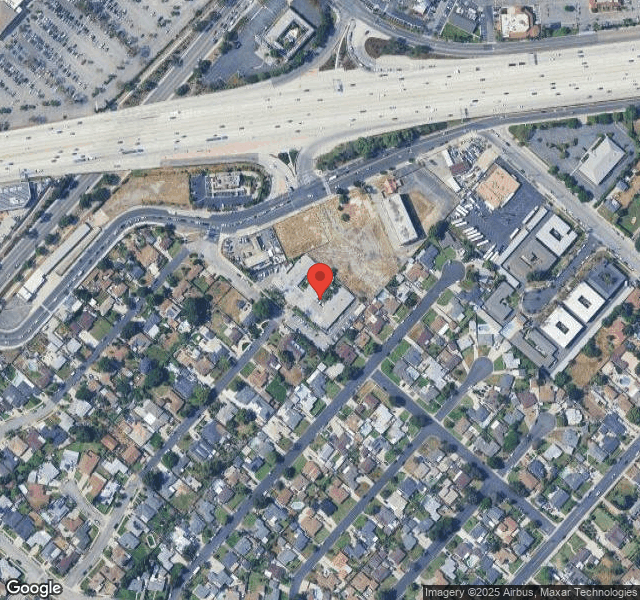
14475 GARDEN VIEW LANE, BALDWIN PARK, CA 91706 (626) 962-7095
For profit - Limited Liability company 97 Beds THE ENSIGN GROUP Data: November 2025
Trust Grade
70/100
#353 of 1155 in CA
Last Inspection: January 2025

Within standard 12-15 month inspection cycle. Federal law requires annual inspections.

Overview

Garden View Post Acute Rehabilitation in Baldwin Park, California has a Trust Grade of B, indicating that it is a good choice, falling into the solid middle ground of care facilities. It ranks #353 out of 1,155 in California, placing it in the top half, and #54 out of 369 in Los Angeles County, meaning there are only a few better local options. The facility is currently improving, with the number of issues found decreasing from 13 in 2024 to 12 in 2025, and it has a staffing turnover rate of 33%, which is below the state average of 38%. However, there were 38 issues identified during inspections, including failures to maintain resident privacy and ensure that call lights were accessible, which could potentially delay care. On a positive note, the facility has $0 in fines, suggesting compliance with regulations, and overall, it provides excellent quality measures, with more RN coverage than average, which helps ensure residents receive attentive care.

Trust Score
B
70/100
In California
#353/1155
Top 30%
Safety Record
Low Risk
No red flags
Inspections
Getting Better
13 → 12 violations
Staff Stability
○ Average
33% turnover. Near California's 48% average. Typical for the industry.
Penalties
✓ Good
No fines on record. Clean compliance history, better than most California facilities.
Skilled Nurses
⚠ Watch
Each resident gets only 25 minutes of Registered Nurse (RN) attention daily — below average for California. Fewer RN minutes means fewer trained eyes watching for problems.
Violations
⚠ Watch
38 deficiencies on record. Higher than average. Multiple issues found across inspections.
★★★★☆
4.0
Overall Rating
★★★☆☆
3.0
Staff Levels
★★★★★
5.0
Care Quality
★★★☆☆
3.0
Inspection Score
Stable
2024: 13 issues
2025: 12 issues

The Good

  • 5-Star Quality Measures · Strong clinical quality outcomes
  • Full Sprinkler Coverage · Fire safety systems throughout facility
  • No fines on record
  • Staff turnover below average (33%)

    15 points below California average of 48%

Facility shows strength in quality measures, fire safety.

The Bad

Staff Turnover: 33%

13pts below California avg (46%)

Typical for the industry

Chain: THE ENSIGN GROUP

Part of a multi-facility chain

Ask about local staffing decisions and management

The Ugly 38 deficiencies on record

Jan 2025 12 deficiencies
CONCERN (D)

Potential for Harm - no one hurt, but risky conditions existed

Deficiency F0676 (Tag F0676)

Could have caused harm · This affected 1 resident

**NOTE- TERMS IN BRACKETS HAVE BEEN EDITED TO PROTECT CONFIDENTIALITY** Based on observation, interview, and record review, the facility failed to provide an effective communication method for one of ...

Read full inspector narrative →
**NOTE- TERMS IN BRACKETS HAVE BEEN EDITED TO PROTECT CONFIDENTIALITY** Based on observation, interview, and record review, the facility failed to provide an effective communication method for one of one non-English speaking sampled resident (Resident 138). This failure had the potential for Resident 138 not to receive necessary care and services. Findings: During a review of Resident 138's admission Record (AR), the AR indicated Resident 138 was admitted to the facility on [DATE] and readmitted on [DATE] with diagnoses that included diabetes mellitus (DM, a disorder characterized by difficulty in blood sugar control) and generalized muscle weakness. During a review of Resident 138's History and Physical (H&P, a formal assessment that a doctor performs for information about a patient's health) dated 11/28/2024, the H&P indicated Resident 138 had the capacity to understand and make decisions. During a review of Resident 138's Minimum Data Set (MDS, a resident assessment tool) dated 11/30/2024, the MDS indicated Resident 138 had clear speech, had the capacity to understand others and make self understood and had intact cognition. The MDS indicated Resident 138 was dependent (helper does all of the effort) for toilet hygiene and rolling left and right. The MDS indicated Resident 138's preferred language was Spanish. During an observation in Resident 138's room and concurrent interview on 1/7/2025 at 9:28 am, Resident 138 was lying in bed. Resident 138 was not able to communicate in English. Resident 138 stated Resident 138 spoke Spanish. The Minimum Data Set Coordinator (MDSC) stated, the MDSC did not find a communication board (a tool for communication between the patient and care team) in Resident 138's room. MDSC stated, Resident 138 spoke Spanish and the facility should provide a communication board next to Resident 138's bedside so that non-Spanish speaking staff could understand Resident 138. The MDSC stated, an effective communication between staff and residents would improve the resident's quality of life and quality of care. During an interview on 1/8/2025 at 4:19 pm, with Social Service Director (SSD), the SSD stated, for non-English speaking residents, the facility should provide communication board in the resident's room to ensure staff understood the resident's request and provided care to meet the resident's need. The SSD stated it was the resident's right to choose a preferred language to use. During a review of the facility's undated Policy and Procedure (P&P) tilted, Non-English Speaking & Aphasic (non-verbal) Residents Communication for, the P&P indicated, Social service, activity or designee will supply residents and/or family members with the use of a communication board that has universally known drawings, whenever desired.
CONCERN (D)

Potential for Harm - no one hurt, but risky conditions existed

Accident Prevention (Tag F0689)

Could have caused harm · This affected 1 resident

**NOTE- TERMS IN BRACKETS HAVE BEEN EDITED TO PROTECT CONFIDENTIALITY** Based on observation, interview, and record review, the facility failed to provide an environment free of accident hazard for on...

Read full inspector narrative →
**NOTE- TERMS IN BRACKETS HAVE BEEN EDITED TO PROTECT CONFIDENTIALITY** Based on observation, interview, and record review, the facility failed to provide an environment free of accident hazard for one of two sampled residents (Resident 40) by failing to ensure Resident 40's bed was in the lowest position. This deficient practice had the potential to place Resident 40 at risk for recurrent fall with injury. Findings: During a review of Resident 40's admission Record (AR), the AR indicated Resident 40 was admitted to the facility on [DATE] with diagnoses that included metabolic encephalopathy (a brain dysfunction that occurs when there's an imbalance of chemicals in the blood), muscle weakness, Parkinsonism (movement disorder), end stage renal disease (condition when the kidneys can no longer function on their own), gout (a type of arthritis[swelling of the joints]) and need for assistance with personal care. During a review of Resident 40's Care Plan (CP) titled, At risk for Falls related to multiple Medical Conditions, initiated on 7/29/24, the CP indicated Resident 40 was at risk for falls related to Parkinson's disease, arthritis, history of falls and status post (after) right femur (thigh bone) IM (intramedullary) nailing and ORIF (Open Reduction and Internal Fixation [the broken bone is surgically realigned and secured with a metal rod] ). The CP indicated for staff to adjust the bed in the lowest position for fall reduction measures. During a review of Resident 40's History and Physical (H&P) dated 7/31/24, the H&P indicated Resident 40 had the capacity to understand and make decisions. During a review of Resident 40's Fall Risk Evaluation (FRE- method of assessing a patient's likelihood of falling) dated 11/1/24, the FRE indicated Resident 40 was assessed as a medium risk for fall due to disorientation, regularly incontinent (involuntary leakage of urine from the bladder), and predisposing disease condition. During a review of Resident 40's Minimum Data Set (MDS, a standardized assessment and care planning tool) dated 11/4/24, the MDS indicated Resident 40 had intact cognition (mental action or process of acquiring knowledge and understanding) for daily decision making. The MDS indicated Resident 40 required set up or clean up assistance with eating, oral hygiene, upper body dressing and personal hygiene. The MDS indicated Resident 40 required partial/moderate assistance with toileting hygiene, shower/bathe self, lower body dressing and putting on/taking off footwear. During a concurrent observation in Resident 40's room and interview on 1/7/25 at 12:57 p.m., Resident 40 stated Resident 40 had a previous fall at home and broke Resident 40's femur. Resident 40's bed was observed not in the lowest position. During a concurrent observation in Resident 40's room and interview on 1/8/25 at 10:06 a.m. with Certified Nursing Assistant 3 (CNA 3), CNA 3 stated Resident 40 needs assistance to put Resident 40's shoes on/off, and the resident needs help to transfer into a wheelchair. Resident 40's bed was observed not in the lowest position, 25 to 26 inches from top of bed mattress to the floor. CNA 3 stated Resident 40's bed should be in the lowest position because Resident 40 was at risk for falls. During a review of the facility's Policy and Procedure (P&P) titled, Fall Management System, revised 6/2020, the P&P indicated the facility will provide an environment that remains as free of accident hazards as possible. The P&P further indicated the facility will provide each resident with appropriate assessment and intervention to prevent falls and to minimize complications if a fall occurs.
CONCERN (D)

Potential for Harm - no one hurt, but risky conditions existed

Respiratory Care (Tag F0695)

Could have caused harm · This affected 1 resident

**NOTE- TERMS IN BRACKETS HAVE BEEN EDITED TO PROTECT CONFIDENTIALITY** Based on observation, interview, and record review, the facility failed to label the nasal cannula (NC) tubing (an oxygen delive...

Read full inspector narrative →
**NOTE- TERMS IN BRACKETS HAVE BEEN EDITED TO PROTECT CONFIDENTIALITY** Based on observation, interview, and record review, the facility failed to label the nasal cannula (NC) tubing (an oxygen delivery device) for one of two sampled residents (Resident 64). This failure had the potential to result in infection for Resident 64. Findings: During a review of Resident 64's admission Record (AR), the AR indicated Resident 64 was admitted to the facility on [DATE] with diagnoses that included acute respiratory failure (lungs cannot adequately provide oxygen to the body) and dysphagia (difficulty swallowing). During a review of Resident 64's Minimum Data Set (MDS, a resident assessment tool) dated 12/6/2024, the MDS indicated Resident 64 had clear speech, had the ability to understand others and usually made self understood. The MDS indicated Resident 64 was dependent (helper does all of the effort) for toilet hygiene and chair/bed-to-chair transfer. During a review of Resident 64's Order Summary Report (OSR) for 1/2025, the OSR indicated Resident 64 was ordered continuous oxygen via NC at 2 liters per minute every shift. During an observation in Resident 64's room on 1/7/2025 at 10:03 am, Resident 64 was in bed. Resident 64 was receiving oxygen via NC at 2 liters per minute. Resident 64's NC was not dated nor labeled with application date. During a concurrent interview, Infection Preventionist Nurse (IPN) stated, Resident 64's NC should be labeled with date when NC was applied to the resident and should be changed weekly for infection control purposes. The IPN stated, changing the NC routinely would prevent bacteria to accumulate on the NC. The IPN stated, without labeling, staff would not know when the NC was changed. During a review of the facility's Policy and Procedure (P&P) titled, Oxygen Therapy, dated1/2024, the P&P indicated Oxygen tubing needed to be replaced every 7 days.
CONCERN (D)

Potential for Harm - no one hurt, but risky conditions existed

Drug Regimen Review (Tag F0756)

Could have caused harm · This affected 1 resident

**NOTE- TERMS IN BRACKETS HAVE BEEN EDITED TO PROTECT CONFIDENTIALITY** Based on interview and record review, the facility failed to act upon the consultant pharmacist's medication regimen review (MRR...

Read full inspector narrative →
**NOTE- TERMS IN BRACKETS HAVE BEEN EDITED TO PROTECT CONFIDENTIALITY** Based on interview and record review, the facility failed to act upon the consultant pharmacist's medication regimen review (MRR, a thorough evaluation of the medication regimen of a resident, with the goal of promoting positive outcomes and minimizing adverse consequences associated with medication use) recommendation for one of five sampled residents (Resident 40). This deficient practice had the potential for Resident 40 to receive unnecessary medication and adverse (harmful) consequences related to medication therapy. Findings: During a review of Resident 40's admission Record (AR), the AR indicated Resident 40 was readmitted to the facility on [DATE] with diagnoses that included depression disorder (persistent feelings of sadness and worthlessness and a lack of desire to engage in formerly pleasurable activities) and hypertension (high blood pressure). During a review of Resident 40's Physician's Order (PO) dated 7/29/2024, the PO indicated Resident 40 was prescribed Ondansetron (medication to prevent nausea [having the urge to vomit] and vomiting [the physical act of ejecting stomach contents through the mouth]) tablet 4 milligram (mg- unit of measurement), one tablet by mouth every 6 hours as needed (PRN) for nausea and vomiting. During a review of the facility's MRR performed between 8/1/2024 to 8/26/2024, the MRR indicated Please indicate the length of therapy for the Ondansetron (medication to prevent nausea and vomiting) PRN (as needed) order. Nausea/vomiting is usually short-term for Resident 40. During a review of Resident 40's Minimum Data Set (MDS, a resident assessment tool) dated 11/4/2024, the MDS indicated Resident 40 had clear speech, had the ability to understand others and made self understood. The MDS indicated Resident 40 required setup or clean-up assistance (helper sets up or cleans up, resident completes activity) for personal hygiene, upper body dressing and sit to stand. During a review of Resident 40's PO dated 12/3/2024, the PO indicated to discontinue the use of Ondansetron tablet 4 mg (milligram) one tablet by mouth every 6 hours as needed for nausea and vomiting. During an interview on 1/8/2025 at 6:09 pm with Registered Nurse 1(RN 1), RN 1 stated, there was no documentation or change of order regarding the pharmacist's MRR recommendation performed between 8/1/2024 to 8/26/2024 for Resident 40's Ondansetron PRN order before it was discontinued on 12/3/2024. RN 1 stated, the facility did not act upon the MRR recommendation to provide the length of therapy for Resident 40's Ondansetron PRN use. RN 1 stated this recommendation was missed. RN 1 stated, the facility should notify Resident 40's prescribing physician regarding the pharmacist's recommendation and update the order as needed. RN 1 stated, not following the MRR could put Resident 40 at risk for receiving unnecessary medication that could affect the resident's health condition. During an interview on 1/8/2025 at 6:49 pm with the facility's Director of Nursing (DON), the DON stated, the consultant pharmacist's MRR should have been carried out, one week after the MRR report performed between 8/1/2024 to 8/26/2024 was received. The DON stated, there was no documentation in Resident 40's medical record that indicated the consultant pharmacist's recommendation was reviewed and acted upon. The DON stated, the facility should contact Resident 40's physician to validate the pharmacist's recommendation. The DON stated, if the MRR was not acted upon timely, the resident could receive unnecessary medication, increase the risk of drug reaction, and affect their health conditions. During a review of the facility's Policy and Procedure (P&P) titled Medication (Drug) Regimen Review (MRR), dated 5/2024, the P&P indicated Nursing documentation review: nursing personnel will provide a written response to the review within 7 days.
CONCERN (D)

Potential for Harm - no one hurt, but risky conditions existed

Medication Errors (Tag F0758)

Could have caused harm · This affected 1 resident

**NOTE- TERMS IN BRACKETS HAVE BEEN EDITED TO PROTECT CONFIDENTIALITY** Based on interview and record review, the facility failed to identify and document specific indication for the use of Mirtazapin...

Read full inspector narrative →
**NOTE- TERMS IN BRACKETS HAVE BEEN EDITED TO PROTECT CONFIDENTIALITY** Based on interview and record review, the facility failed to identify and document specific indication for the use of Mirtazapine (antidepressant- medication to treat depression [mood disorder that causes a persistent feeling of sadness and loss of interest and can interfere with daily functioning]) for one of five sampled residents (Resident 20) as indicated in the facility's policy titled Psychotropic Medications This deficient practice had the potential to result in unnecessary psychotropic drug use which could result in significant adverse (harmful) consequences to Resident 20. Findings: During a review of Resident 20's admission Record (AR), the AR indicated Resident 20 was admitted to the facility on [DATE] with diagnoses that included Spondylolisthesis (a condition where a vertebra in the spine slips out of place) and major depressive disorder (persistent feeling of sadness and loss of interest). During a review of Resident 20's Minimum Data Set (MDS - a federally mandated resident assessment tool) dated 11/16/2024, the MDS indicated Resident 20 had intact cognition (mental action or process of acquiring knowledge and understanding) for daily decision making. The MDS indicated Resident 20 required supervision during shower. During a review of Resident 20's Physician Order (PO) dated 10/30/2024, the PO indicated for licensed staff to give Resident 20 Mirtazapine 15 milligram (mg, unit of measurement) by mouth at bedtime related to major depressive disorder manifested by mood, sleep and appetite stimulant. During a concurrent interview and record review on 1/10/2025 at 9:17 am with the facility's Director of Nurses (DON) of Resident 20's Medical Record (chart), the DON stated Resident 20's medication (Mirtazapine) needed to be administered with specific diagnosis and symptoms. The DON stated mood, sleep and appetite stimulant is not a manifestation or behavior. During a review of the facility's Policy and Procedure (P&P) titled, Psychotropic Medications, revised 12/2023, the P&P indicated psychotropic medications shall not be administered for the purpose of discipline or convenience, they are to be administered only when required to treat the resident's medical symptoms. The P&P indicated the appropriateness of the diagnosis, its indication, behavior monitors and related adverse side effects prior to verification of admission orders with the attending physician.
CONCERN (D)

Potential for Harm - no one hurt, but risky conditions existed

Safe Environment (Tag F0921)

Could have caused harm · This affected 1 resident

**NOTE- TERMS IN BRACKETS HAVE BEEN EDITED TO PROTECT CONFIDENTIALITY** Based on observation, interview, and record review, the facility failed to keep an electric fan (a powered machine used to creat...

Read full inspector narrative →
**NOTE- TERMS IN BRACKETS HAVE BEEN EDITED TO PROTECT CONFIDENTIALITY** Based on observation, interview, and record review, the facility failed to keep an electric fan (a powered machine used to create a flow of air to cool and ventilate rooms and control humidity) in a safe, operating, and sanitary condition for one of one sampled resident (Resident 4). This failure had the potential to affect Resident 4's quality of life and health. Findings: During a review of Resident 4's admission Record (AR), the AR indicated Resident 4 was admitted to the facility on [DATE] and readmitted on [DATE] with diagnoses that included congestive heart failure (CHF, a heart disorder which causes the heart to not pump the blood efficiently) and asthma (a condition in which a person's airways become inflamed, narrowed, and swollen). During a review of Resident 4's Minimum Data Sheet (MDS, a resident assessment tool) dated 10/30/2024, the MDS indicated Resident 4 had severely impaired cognition (ability to understand). The MDS indicated Resident 4 was dependent (helper did all of the effort, resident did none of the effort to complete the activity) with eating, oral and toileting hygiene, shower, upper and lower body dressing and personal hygiene. During a concurrent observation inside Resident 4's room and interview on 1/7/2025 at 10:01 am with Certified Nurse Assistant 4 (CNA 4), a white, small electric fan was at Resident 4's bedside. The electric fan had dust and the cover was full of lint. CNA 4 stated the dust and lint were not good for Resident 4's health condition. During an interview on 1/8/2025 at 11:08 am with the facility's Director of Nursing (DON), the DON stated, housekeeping staff should keep the resident's personal equipment clean and in good working condition. During a review of the facility's Policy and Procedure (P&P) titled, Housekeeping Department, revised 6/2007, the P&P indicated, The facility was required for an effective environmental sanitation to lessen the hazards of exposure to contaminated air, dust, furnishings, equipment and other fomites. Frequent cleaning of the facility's interior will aid in physically removing some of the micro-organisms which might cause these hazards. The housekeeping supervisor will work closely with the infection control team to establish and maintain consistent practices and high standards of cleanliness.
CONCERN (E)

Potential for Harm - no one hurt, but risky conditions existed

Resident Rights (Tag F0550)

Could have caused harm · This affected multiple residents

**NOTE- TERMS IN BRACKETS HAVE BEEN EDITED TO PROTECT CONFIDENTIALITY** Based on observation, interview, and record review the facility failed to provide and maintain dignity for two of two sampled re...

Read full inspector narrative →
**NOTE- TERMS IN BRACKETS HAVE BEEN EDITED TO PROTECT CONFIDENTIALITY** Based on observation, interview, and record review the facility failed to provide and maintain dignity for two of two sampled residents (Residents 138 and 238) by failing to: a. Close Resident 138's privacy curtain and Resident 138's body was exposed and can be seen from the hallway. b. Close Resident 238's privacy curtain and Resident 238's upper extremities were exposed when Minimum Data Set Nurse (MDSN) checked the resident's surgical site. These deficient practices violated Residents 138 and 238's right to privacy. Findings: a. During a review of Resident 138's admission Record (AR), the AR indicated Resident 138 was admitted to the facility on [DATE] and readmitted on [DATE] with diagnoses that included diabetes mellitus (DM, a disorder characterized by difficulty in blood sugar control) and generalized muscle weakness. During a review of Resident 138's History and Physical (H&P, a formal assessment that a doctor performs for information about a patient's health) dated 11/28/2024, the H&P indicated Resident 138 had the capacity to understand and make decisions. During a review of Resident 138's Minimum Data Set (MDS, a resident assessment tool) dated 11/30/2024, the MDS indicated Resident 138 had clear speech, had the capacity to understand others and make self understood and had intact cognition. The MDS indicated Resident 138 was dependent (helper does all of the effort) for toilet hygiene and rolling left and right. During a concurrent interview and observation on 1/7/2025 at 9:28 am, in Resident 138's room, Resident 138 was lying in bed and the resident's above the knee to chest area was exposed. Resident 138's privacy curtain was not closed and Resident 138's exposed body part could be seen from the hallway. Certified Nursing Assistant 6 (CNA6) stated, CNA 6 forgot to close Resident 138's privacy curtain after CNA 6 prepared Resident 138 for a bed bath. CNA 6 stated, when providing bed bath, staff should close the privacy curtain for resident's privacy and to respect their dignity. b. During a review of Resident 238's AR, the AR indicated Resident 238 was admitted to the facility on [DATE] with diagnoses that included fracture (broken bone) of unspecified part of the neck of the right femur (thigh bone). During a concurrent interview and observation in Resident 238's room on 1/7/2025 at 9: 43 am, Resident 238 was awake, lying in bed. The MDSN opened Resident 238's gown to check Resident 238's surgical site on the right upper thigh. The MDSN did not close the privacy curtain to provide Resident 238 privacy exposing Resident 238's thigh. The MDSN stated, the resident's privacy curtain needed to be closed to provide privacy to Resident 238. During an interview on 1/8/2025 at 11:30 am with the facility's Director of Nursing (DON), the DON stated the resident's privacy curtain needed to be closed during resident care to maintain Resident 238's dignity and privacy. During a record review of the facility's Policy and Procedure (P&P) titled, Resident Rights reviewed on 1/2024, the P&P indicated residents shall be examined and treated in a manner that maintains the privacy of their bodies. The P&P indicated a closed door or drawn curtain shields the residents from passers-by.
CONCERN (E)

Potential for Harm - no one hurt, but risky conditions existed

Deficiency F0558 (Tag F0558)

Could have caused harm · This affected multiple residents

**NOTE- TERMS IN BRACKETS HAVE BEEN EDITED TO PROTECT CONFIDENTIALITY** Based on observation, interview, and record review, the facility failed to provide reasonable accommodation of residents' needs ...

Read full inspector narrative →
**NOTE- TERMS IN BRACKETS HAVE BEEN EDITED TO PROTECT CONFIDENTIALITY** Based on observation, interview, and record review, the facility failed to provide reasonable accommodation of residents' needs for four of four sampled residents (Residents 13, 20, 39, and 57). For Residents 13, 20 and 57, the call light (device that allows the resident to request assistance from nursing staff) was not within reach. For Resident 39, the resident did not know how to use the call light and the purpose of the call light was not explained to the resident. These failures had the potential for the residents not to receive care or receive delayed services to meet the residents' needs and could result in a fall or injury. Findings: a. During a review of Resident 13's admission Record (AR), the AR indicated Resident 13 was initially admitted to the facility on [DATE] and readmitted on [DATE] with diagnoses that included dementia (a progressive state of decline in mental abilities), seizures (a sudden, uncontrolled electrical disturbance in the brain which can cause uncontrolled jerking, blank stares, and loss of consciousness), and osteoarthritis (a progressive disorder of the joints caused by a gradual loss of cartilage). During a review of Resident 13's Minimum Data Sheet (MDS, a resident assessment tool) dated 11/8/2024, the MDS indicated Resident 13 had severely impaired cognition (ability to understand). The MDS indicated Resident 13 required supervision or touching assistance (helper provides verbal cues and/or touching/steadying and/or contact guard assistance as resident completes activity) with oral and personal hygiene, partial/moderate assistance (helper did less than half the effort) with upper body dressing, substantial/maximal assistance (helper did more than half the effort) with eating and shower, and dependent (helper did all of he effort, resident did none of the effort to complete the activity) with toileting and lower body dressing. During a review of Resident 13's untitled Care Plan (CP) dated 8/13/2024, the CP indicated Resident 13 was at risk for falls related to weakness, dementia, syncope, and seizures. The CP interventions indicated to ensure the call light was within reach and to encourage the resident to use it to call for assistance as needed. During a concurrent observation inside Resident 13's room and interview on 1/7/2025 at 10:56 am with Licensed Vocational Nurse 1 (LVN 1), Resident 13's call light was on the floor. LVN 1 stated, Resident 13's call light should be placed on the bed next to the resident's strong arm or hand for the resident to reach and call when help was needed. During an interview on 1/8/2025 at 11:08 am with the facility's Director of Nursing (DON), the DON stated the resident's call light should be placed on the bed within reach of the resident and on the non-affected side of the resident to be able to call for help and assistance and for staff to attend to the resident's needs immediately. b. During a review of Resident 20's AR, the AR indicated Resident 20 was admitted to the facility on [DATE] and readmitted on [DATE] with diagnoses that included Spondylolisthesis (a condition where a vertebra in the spine slips out of place, either forward or backward, relative to the neighboring vertebrae) and major depressive disorder (persistent feeling of sadness and loss of interest). During a review of Resident 20's CP titled Fall Risk, dated 4/20/2023, the CP indicated Resident 20 was as risk for falls related to gait/balance problems. The CP interventions indicated for the nursing staff to ensure the resident's call light was within reach and to encourage the resident to use the call light to call for assistance as needed. During a review of Resident 20's MDS dated [DATE], the MDS indicated Resident 20 had intact cognition for daily decision making. The MDS indicated Resident 20 needed supervision during shower. During a review of Resident 20's Fall Risk Assessment (FRA- method of assessing a patient's likelihood of falling) dated 11/16/2024, the FRA indicated Resident 20 was assessed as high risk for fall due to history of fall, required regular assistance with elimination, required the use of assistive devices and presence of predisposing disease condition. During a concurrent observation in Resident 20's room and interview on 1/7/2025 at 10:22 am, Resident 20 was awake, lying on bed. Resident 20's call light was hanging on the oxygen concentrator on the left side of bed, approximately 3 feet away from Resident 20. Resident 20 stated Resident 20 could not reach the call light. During a concurrent observation in Resident 20's room and interview on 1/7/2025 at 10:23 am with Certified Nurse Assistant 1 (CNA 1), CNA 1 stated, Resident 20 could not reach the call light because it was hanging on the oxygen concentrator, which was 3 feet away from Resident 20. c. During a review of Resident 39's AR, the AR indicated Resident 39 was admitted to the facility on [DATE] with diagnoses that included difficulty in walking and need for assistance with personal care. During a review of Resident 39's CP titled Fall Risk dated 7/10/2024, the CP indicated Resident 39 was at risk for falls due to status post (after) fall. The CP interventions indicated for the nursing staff to be ensure the call light was within reach and to encourage the resident to use the call light to call for assistance as needed. During a review of Resident 39's History and Physical (H&P) dated 7/30/2024, the H&P indicated Resident 39 had the capacity to understand and make decisions. During a review of Resident 39's MDS dated [DATE], the MDS indicated Resident 39 had moderately impaired cognition for daily decision making. The MDS indicated Resident 39 was dependent (helper does all of the effort) to staff for toileting hygiene, lower body dressing and putting on/taking off footwear. The MDS indicated Resident 39 needed moderate assistance with oral hygiene, upper body dressing and personal hygiene. During a review of Resident 39's FRA dated 10/14/2024, the FRA indicated Resident 39 was assessed as high risk for fall due to disorientation, history of falls, regularly incontinent, poor vision, and presence of predisposing disease condition. During an observation in Resident 39's room on 1/7/2025 at 9:58 am, Resident 39 was awake and lying in bed. Resident 39 stated I did not know how to use it (pointing to the call light) and it was not explained to me. Resident 39 stated Resident 39 would shout if Resident 39 needed help. During an interview on 1/7/2025 at 9:59 am, with the MDS Nurse (MDS N), the MDSN stated, the use and purpose of the call light needed to be explained to Resident 39. The MDSN stated, residents needed to use the call light to communicate with the staff. d. During a review of Resident 57's AR, the AR indicated Resident 57 was admitted to the facility on [DATE] with diagnoses that included muscle weakness, need for assistance with personal care and dementia (long term and often gradual decrease in the ability to think, severe enough to affect a person's daily functioning). During a review of Resident 57's CP titled Fall Risk dated 7/10/2024, the CP indicated Resident 57 was at risk for falls due to status post fall. The CP interventions indicated for the nursing staff to ensure the call light was within reach and to encourage the resident to use the call light to call for assistance as needed. During a review of Resident 57's MDS dated [DATE], the MDS indicated Resident 57 had severely impaired cognition for daily decision making. The MDS indicated Resident 57 was dependent to staff for toileting hygiene, lower body dressing and putting on/taking off footwear. The MDS indicated Resident 57 needed moderate assistance for eating, oral hygiene, upper body dressing and personal care. During a concurrent observation in Resident 57's room and interview on 1/7/2025 at 10:18 am, Resident 57 was awake and lying in bed. Resident 57 stated I did not see my call button (call light). Resident 57's call light was tangled on the right side rail (bed rail; a narrow bar attached to the bed) of the bed. During a concurrent observation in Resident 57's room and interview on 1/7/2025 at 10:19 am, with the facility's Director of Staff and Development (DSD), the DSD stated Resident 57's call light was tangled on the right side rail of the bed. The DSD stated the call light needed to be within reach for the resident to use to ask for assistance or help from staff. During an interview on 1/8/2025 at 11:32 am, with the facility's DON, the DON stated the resident's call light needed to be within reach for the resident to use when needed and staff could assist the resident in a timely manner. The DON stated, upon admission, the licensed nurse needed to explain to the resident how to use the call light and its purpose. During a review of the facility's Policy and Procedure (P&P) titled, Call Light, dated 1/2024, the P&P indicated it is the policy of the facility to provide the resident a means of communication with the nursing staff. P&P indicated to answer the light/bell within reasonable time and place the call device within resident's reach before leaving the room.
CONCERN (E)

Potential for Harm - no one hurt, but risky conditions existed

Incontinence Care (Tag F0690)

Could have caused harm · This affected multiple residents

**NOTE- TERMS IN BRACKETS HAVE BEEN EDITED TO PROTECT CONFIDENTIALITY** Based on observation, interview, and record review, the facility failed to provide necessary care and services for residents wit...

Read full inspector narrative →
**NOTE- TERMS IN BRACKETS HAVE BEEN EDITED TO PROTECT CONFIDENTIALITY** Based on observation, interview, and record review, the facility failed to provide necessary care and services for residents with indwelling catheter (including Foley Catheter- a soft flexible tube inserted into the bladder to drain urine, nephrostomy tube- a thin, flexible tube that drains urine from the kidney into a bag outside the body, and suprapubic catheter- a catheter inserted through a hole in the abdomen and then directly into the bladder) in accordance with the facility's Policy and Procedure (P&P) for four of five sampled residents (Residents 19, 26, 32 and 78) by failing to: a. Ensure Resident 19's Foley Catheter (FC) tubing was kept secured and monitored for the presence of white sediments (visible particles) in the urine. b. Ensure Resident 26's Suprapubic Catheter (SC) tubing was kept secured and the suprapubic catheter site dressing clean and dry. c. Ensure Resident 32's Nephrostomy Tubes (NT) were covered with a privacy bag and positioned lower than the bladder. d. Ensure Resident 78's FC was assessed and monitored for the presence of white sediments. These failures placed Residents 19, 26, 32 and 78 at risk for infection related to the use of indwelling catheter. Findings: a. During a review of Resident 19's admission Record (AR), the AR indicated Resident 19 was initially admitted to the facility on [DATE] and readmitted on [DATE] with diagnoses that included quadriplegia (partial or total loss of function in all four limbs), epilepsy (brain disorder in which a person has repeated seizures [convulsions] over time) and urinary tract infections (UTI, an infection in the bladder/urinary tract). During a review of Resident 19's untitled Care Plan (CP) dated 7/26/2023, the CP indicated Resident 19 had an indwelling catheter with a diagnosis of neurogenic bladder (damage to the nerves that control bladder function). The CP interventions included for staff to apply statlock or catheter stabilizer, to be changed as needed if dislodged. During a review of Resident 19's Order Summary Report (OSR) dated 2/5/2024, the OSR indicated Resident 19 had an order for licensed staff to monitor the character of the urine as clear, cloudy, with sediments or blood tinged/hematuria (blood in the urine), every shift. During a review of Resident 19's untitled CP dated 11/19/2024, the CP indicated Resident 19 had a history of UTI. The CP interventions included for staff to monitor/document/report to medical doctor (MD) as needed for signs and symptoms of UTI such as frequency, urgency, foul smelling urine, dysuria (difficulty urinating), fever, nausea and vomiting, pain, hematuria (blood in the urine), cloudy urine, altered mental status, loss of appetite and behavioral changes. During a review of Resident 19's Minimum Data Set (MDS, a resident assessment tool) dated 12/21/2024, the MDS indicated Resident 19 had severely impaired cognition (ability to understand). The MDS indicated Resident 19 was dependent (helper did all of the effort, resident did none of the effort to complete the activity) with oral and toileting hygiene, shower, upper and lower body dressing and personal hygiene. The MDS indicated Resident 19 had an indwelling catheter. During a concurrent observation inside Resident 19's room and interview on 1/7/2025 at 10:16 am with Certified Nurse Assistant 2 (CNA 2), Resident 19 had a foley catheter. The Foley catheter tubing had white sediments. CNA 2 stated, Resident 19's foley catheter tubing was not secured with a statlock or stabilizer on the thigh and the statlock was broken. CNA 2 stated Resident 19's foley catheter tubing should be secured to prevent pinching and pulling during movement. During an interview on 1/8/2025 at 11:08 am with the facility's Director of Nursing (DON), the DON stated treatment nurses and licensed nurses should monitor foley catheter tubing for the quality of the urine such as color and the presence of sediments, every shift to prevent UTI. The DON stated, Resident 19's Foley catheter tubing should be secured on the thigh to prevent from pulling and getting dislodged during movements. b. During a review of Resident 26's AR, the AR indicated Resident 26 was initially admitted to the facility on [DATE] and readmitted on [DATE] with diagnoses that included paraplegia (loss of movement and/or sensation to some degree, of the legs), neuromuscular dysfunction of the bladder (also known as neurogenic bladder) and calculus of kidney (a small, hard deposit that forms in the kidneys and painful when passed). During a review of Resident 26's untitled CP dated 11/18/2024, the CP indicated Resident 26 had a suprapubic catheter related to neurogenic bladder. The CP interventions included to secure the suprapubic catheter to facilitate flow of urine, prevent kinking of tubing, and accidental removal. During a review of Resident 26's OSR dated 11/19/2024, the OSR indicated for licensed staff to clean Resident 26's suprapubic site with normal saline (NS) daily, pat dry and cover with drain sponge. During a review of Resident 26's MDS dated [DATE], the MDS indicated Resident 26 had intact cognition. The MDS indicated Resident 26 required supervision or touching assistance (helper provided verbal cues and/or touching/steadying and/or contact guard assistance as resident completed activity) with oral hygiene, and dependent with toileting hygiene, shower, and lower body dressing. The MDS indicated Resident 26 had an indwelling catheter. During a concurrent observation inside Resident 26's room and interview on 1/7/2025 at 10:47 am with Certified Nurse Assistant 3 (CNA 3), Resident 26 had a suprapubic catheter, and the resident was lying on his suprapubic catheter tubing. CNA 3 stated Resident 26's suprapubic catheter tubing was not secured and was under the left leg of the resident. Resident 26's suprapubic catheter site dressing was wet and not clean. CNA 3 stated, Resident 26's suprapubic catheter tubing should be secured to prevent from accidental pulling whenever the resident moves. During an interview on 1/7/2025 at 11:11 am with the facility's Treatment Nurse (TN), TN stated, Resident 26's suprapubic catheter dressing should be changed daily and as needed to prevent infection and skin irritation. During an interview on 1/8/2025 at 11:08 am with the DON, the DON stated Resident 26's suprapubic catheter site dressing should be checked and changed by licensed staff every shift and as needed to prevent infection and skin irritation around the suprapubic site. The DON further stated, Resident 26's suprapubic catheter tubing should be secured on the thigh to prevent from pulling and getting dislodged during movements. c. During a review of Resident 32's AR, the AR indicated Resident 32 was initially admitted to the facility on [DATE] and readmitted on [DATE] with diagnoses that included neuromuscular dysfunction of the bladder, calculus of kidney and UTI. During a review of Resident 32's MDS dated [DATE], the MDS indicated Resident 32 had moderately impaired cognition. The MDS indicated Resident 32 required set up or clean-up assistance (helper sets up or cleans up, resident completes the activity) with oral hygiene, upper body dressing and personal hygiene and dependent with toileting hygiene and lower body dressing. The MDS indicated Resident 32 had an indwelling catheter. During a review of Resident 32's untitled CP dated 9/4/2024, the CP indicated Resident 32 had right and left nephrostomy tubes with a goal to be free from any complication related to the nephrostomy. The CP interventions included for staff to position the resident's nephrostomy bag and tubing below, ensuring no kinks on the tube and to secure nephrostomy tube to facilitate flow of urine, prevent kinking of tubing, and accidental removal. During a concurrent observation inside Resident 32's room and interview on 1/7/2025 at 11:09 am with the TN, Resident 32 had right and left nephrostomy tubes with nephrostomy bags not covered with a privacy bag. The nephrostomy bags were placed on the leg part of the bed next to the resident. The leg part of the bed was elevated. The TN stated the nephrostomy bags were positioned higher than Resident 32's bladder. The TN stated the nephrostomy bags should be covered for the privacy and dignity of the resident. The TN stated, the nephrostomy tubing and bags should be positioned lower than the resident's bladder or on the side of the bed lower than the resident's bladder to prevent backflow of urine and cause urinary tract infection. During an interview on 1/8/2025 at 11:08 am with the DON, the DON stated, all indwelling catheter bags should be covered for the dignity and privacy of the resident. The DON stated all indwelling catheter tubing and bags should be placed below the level of the resident's bladder for urine to drain properly and prevent backflow and cause infection or re-infection of the resident. d. During a review of Resident 78's AR, the AR indicated Resident 78 was admitted to the facility on [DATE] with diagnoses that included acute kidney failure (a sudden decline in kidney function) and retention of urine. During a review of Resident 78's Physician's Order (PO) dated 12/15/2024, the PO indicated for licensed staff to insert indwelling (foley) catheter French (a type of catheter) 16 (size of the catheter) to closed drainage system for urinary retention. During a review of Resident 78's untitled CP initiated on 12/16/2024, the CP indicated Resident 78 had an indwelling catheter for urinary retention. The CP interventions included for staff to monitor/record/report for signs and symptoms of UTI such as pain, burning, blood-tinged urine, cloudiness, no urine output, deepening of urine color, increased pulse, increase temperature, urinary frequency, foul smelling urine, fever, chills, altered mental status, change in behavior, and change in eating patterns to Resident 78's MD. During a review of Resident 78's MDS dated [DATE], the MDS indicated Resident 78 had intact cognition for daily decision making. The MDS indicated Resident 78 was dependent (helper did all the effort and lifted or held trunk or limbs) to staff for toileting hygiene, shower, upper/lower body dressing, putting on/taking off footwear and personal hygiene. During an observation in Resident 78's room on 1/7/2025 at 10:03 am, Resident 78 was awake, lying in bed. Resident 78 had foley catheter hanging on the right side of bed. Resident 78's foley catheter tubing had approximately 2 inches of white sediments. During a concurrent observation in Resident 78's room and interview with MDS Nurse (MDSN) on 1/7/2025 at 10:05 am, the MDSN stated the FC tubing had approximately 2 inches of white sediments. The MDSN stated white sediments in the tubing could indicate a sign of infection. The MDSN stated, Resident 78's MD needed to be notified of the presence of white sediments in the foley catheter tubing. During an interview on 1/8/2025 at 11:27 am, with the facility's DON, the DON stated Resident 78's foley catheter needed to be monitored by licensed nurses every 8 hours for signs and symptoms of infection such as quality of urine, color of the urine, foul odor, and presence of sediments in the urine, to prevent UTI. During a review of the facility's P&P titled, Catheter Care and Management, revised 1/2024, the P&P indicated, Check the resident frequently to be sure he or she is not lying on the catheter and to keep the catheter and tubing free of kinks. The urinary bag must be held or positioned lower than the bladder at all times to prevent the urine in the tubing and drainage bag from flowing back into the urinary bladder. Ensure that the catheter remains secured with a leg strap to reduce friction and movement at the insertion site. Catheter tubing should be strapped to the resident's inner thigh. The P&P further indicated to observe for other signs and symptoms of urinary tract infection or urinary retention and to report findings to the physician or supervisor immediately. During a review of the facility's P&P titled, Indwelling Urinary Catheter Care, revised 12/2023, the P&P indicated, May secure the tubing with a securement device to prevent migration, friction, or tension of the catheter. Maintain the drainage tubing below the level of the bladder. Cover the drainage bag with a privacy bag to maintain dignity.
CONCERN (E)

Potential for Harm - no one hurt, but risky conditions existed

Deficiency F0700 (Tag F0700)

Could have caused harm · This affected multiple residents

**NOTE- TERMS IN BRACKETS HAVE BEEN EDITED TO PROTECT CONFIDENTIALITY** Based on observation, interview, and record review, the facility failed to implement its Policy and Procedure (P&P) on the use o...

Read full inspector narrative →
**NOTE- TERMS IN BRACKETS HAVE BEEN EDITED TO PROTECT CONFIDENTIALITY** Based on observation, interview, and record review, the facility failed to implement its Policy and Procedure (P&P) on the use of bedrails (a bar that runs along the side of a bed) and grab bars (a bar or loop that helps the resident move in and out of the bed) for two of two sampled residents (Residents 33 and 51) by failing to: a. Ensure the use of appropriate alternatives to grab bars were attempted and did not meet the needs of the resident before its installation for Resident 51. b. Ensure the use of appropriate alternatives to bedrails were attempted and did not meet the needs of the resident. In addition, the facility failed to ensure the use of siderails was consented before its installation for Resident 33. These failures placed Residents 33 and 51 at risk for entrapment and injury from the use of bedrails or grab bars. Findings: a. During a review of Resident 51's admission Record (AR), the AR indicated Resident 51 was admitted to the facility on [DATE] with diagnoses that included displaced fracture (a broken bone where the pieces were out of alignment) of left lower leg and dislocation (separation of two bones) of the left ankle joint. During a review of Resident 51's Minimum Data Sheet (MDS, a resident assessment tool) dated 11/25/2024, the MDS indicated Resident 51 had moderately impaired cognition (ability to understand). The MDS indicated Resident 51 required partial/moderate assistance (helper did less than half the effort) with oral and personal hygiene and dependent (helper did all of the effort, resident did none of the effort to complete the activity) with toileting, shower, and lower body dressing. During a concurrent observation inside Resident 51's room and interview on 1/7/2025 at 9:24 am, Resident 51 was in bed, lying on her back with grab bars up on both sides of the bed. Resident 51 stated she did know why she had grab bars on her bed. During a concurrent interview and record review on 1/8/2025 at 10:17 am with the MDS Coordinator (MDS C), Resident 51's medical chart and PointClickCare (PCC, a cloud-based software platform) chart were reviewed. MDS C stated there was no documented evidence that appropriate alternative interventions were attempted and did not meet the needs of Resident 51 before the grab bars were installed for the safety of the resident to prevent potential entrapment and injury. b. During a review of Resident 33's AR, the AR indicated Resident 33 was admitted to the facility on [DATE] with diagnoses that included hemiplegia (total paralysis of the arm, leg, and trunk on the same side of the body), hemiparesis (muscle weakness on the arms, legs, and facial muscles on one side of the body) and neuropathy (weakness, numbness, and pain from nerve damage). During a review of Resident 33's MDS dated [DATE], the MDS indicated Resident 33 had intact cognition. The MDS indicated Resident 33 required setup or clean-up assistance (helper sets up or cleans up, resident completes the activity) with oral hygiene, supervision or touching assistance (helper provided verbal cues and/or touching/steadying and/or contact guard assistance as residents completes the activity) with personal hygiene and dependent with toileting and lower body dressing. During a concurrent observation inside Resident 33's room and interview on 1/7/2025 at 9:53 am, Resident 33 was in bed, lying on her back with ¼ bedrails up on both sides of the bed. Resident 33 was alert and coherent. Resident 33 stated her bedrails had been up since she was transferred in the room. Resident 33 stated she did not know why her bedrails were up and she did not request for it. During a concurrent interview and record review on 1/8/2025 at 10:33 am with the MDS C, Resident 33's medical chart and PCC chart were reviewed. The MDS C stated there was no documented evidence that appropriate alternative interventions were attempted and did not meet the needs of Resident 33 before the siderails were installed for the safety of the resident to prevent potential entrapment and injury. The MDS C stated Resident 33 did not have a consent for the use of bedrails. During an interview on 1/8/2025 at 11:08 am with the facility's Director of Nursing (DON), the DON stated appropriate alternatives should have been attempted and did not meet the resident's needs prior to the installation of the grab bars and ensure the resident was educated and understood the risks and benefits of using the grab bars. The DON stated the use of bedrails or grab bars should not be started without the consent from the resident or responsible party. During a review of facility's Policy and Procedure (P&P) titled, Bed Rails, revised 12/2023, the P&P indicated, Bed rails include, but were not limited to side rails, bed side rails, and safety rails; and grab bars and assists bars. After the facility had attempted alternatives to bed rails and determined that these alternatives failed to meet the residents' assessed needs, the facility interdisciplinary team (IDT) will assess the resident for risks of entrapment. The risks and benefits regarding the use of bed rails will be considered for each resident. It the use of bed rails is recommended by the IDT, the facility must obtain informed consent from the resident, or if applicable, the resident representative for the use of bed rails prior to installation or use.
CONCERN (E)

Potential for Harm - no one hurt, but risky conditions existed

Infection Control (Tag F0880)

Could have caused harm · This affected multiple residents

**NOTE- TERMS IN BRACKETS HAVE BEEN EDITED TO PROTECT CONFIDENTIALITY** c. During a review of Resident 138's AR, the AR indicated Resident 138 was admitted to the facility on [DATE] and readmitted on ...

Read full inspector narrative →
**NOTE- TERMS IN BRACKETS HAVE BEEN EDITED TO PROTECT CONFIDENTIALITY** c. During a review of Resident 138's AR, the AR indicated Resident 138 was admitted to the facility on [DATE] and readmitted on [DATE], with diagnoses that included Diabetes Mellitus (DM, a disorder characterized by difficulty in blood sugar control) and generalized muscle weakness. During a review of Resident 138's MDS dated [DATE], the MDS indicated Resident 138 had clear speech, had the capacity to understand others and made self understood. The MDS indicated Resident 138 had intact cognition. The MDS indicated Resident 138 was dependent (helper does all of the effort) for toilet hygiene and rolling left and right. During an observation outside Resident 138's room on 1/7/2025 at 9:28 am, there was a signage posted outside Resident 138's door indicating Resident 138 was on EBP and PPE was required before entering the room. There was another signage posted next to the EBP signage regarding the steps for donning (put on) and doffing (take off) PPE. During an observation on 1/7/2025 at 9:35 am, Certified Nursing Assistant 6 (CNA6) entered Resident 138's room with clean linen and towels and closed the curtain, without donning a gown. During an interview with the IPN on 1/7/2025 at 9:45 am, the IPN stated Resident 138 was on EBP because Resident had an open wound, and staff needed to wear PPE when providing close contact care including bed bath and changing of the resident. The IPN stated, EBP provided protection to the resident and staff for infection control. During an interview with CNA 6 on 1/7/2025 at 9:52 am, CNA 6 stated, CNA 6 was in Resident 138's room to provide bed bath to Resident 138. CNA 6 stated, CNA 6 saw the signage for PPE on Resident 138's door and CNA 6 understood that EBP required staff to wear gown and gloves before entering the room. CNA 6 stated, CNA 6 was in a hurry and did not wear gown when CNA 6 entered Resident 138's room. CNA 6 stated, PPE was required for infection control. During a review of the facility's P&P titled IPCP Standard and Transmission-Based Precautions, dated 3/2024, the P&P indicated Enhanced Barrier Protection (EBP): used in conjunction with standard precautions and expand the use of PPE through the use of gown and gloves during high-contact resident care activities ., examples of high-contact resident care activities requiring gown and gloves use for Enhanced Barrier Precautions include: bathing/showing and providing hygiene. Based on observation, interview, and record review, the facility failed to implement its policy and procedure on infection control by failing to: a. Ensure one of one Certified Nurse Assistant (CNA 2) wore the required personal protective equipment (PPE, clothing and equipment that is worn or used to provide protection against hazardous substances and/or environments) while providing care for a resident on enhanced barrier precaution (EBP, a set of infection control practices that use PPE to reduce the spread of multidrug-resistant organisms [MDROs}]) for one of one sampled resident (Resident 34). b. Follow infection prevention guidelines for Resident 62 on Enhanced Barrier Precaution on 1/8/2025 when one of one Licensed Vocational Nurse (LVN 4) entered Resident 62's room without donning/wearing the required PPE prior to checking the resident's gastrostomy tube (G-tube, feeding tube that is inserted into the stomach) placement for medication administration. c. Ensure one of one Certified Nurse Assistant (CNA 6) who entered Resident 138's room on EBP wore the required PPE. These failures had the potential to result in the spread of infection and cross contamination (transfer of harmful bacteria from one object or place to another). Findings: a. During a review of Resident 34's admission Record (AR), the AR indicated Resident 34 was admitted to the facility on [DATE] and readmitted on [DATE] with diagnoses that included obstructive (occurs when urine can't drain through the urinary tract) and reflux (urine backs up into the kidneys) uropathy and benign prostatic hyperplasia (enlarged prostate). During a review of Resident 34's Order Summary Report (OSR) dated 4/4/2024, the OSR indicated Resident 34 was placed on EBP for the presence of indwelling catheter (Foley catheter- a thin, flexible tube inserted into the bladder to drain urine into an external collection bag) and PPEs were required for high resident contact care activities. During a review of Resident 34's Minimum Data Sheet (MDS, a resident assessment tool) dated 11/2/2024, the MDS indicated Resident 34 had intact cognition (ability to understand). The MDS indicated Resident 34 was independent (resident completes the activity by themselves) with eating, oral and personal hygiene and dependent (helper did all of the effort, resident did none of the effort to complete the activity) with toileting, shower, and lower body dressing. The MDS indicated Resident 34 had an indwelling catheter. During an observation of 1/7/2025 at 10:29 am inside Resident 34's room, Resident 34 had a foley catheter. Certified Nurse Assistant 2 (CNA 2) was providing care to Resident 34. CNA 2 was not wearing a gown and only wore gloves while providing care to Resident 34. During an interview on 1/7/2025 at 11:19 am with Licensed Vocational Nurse 1 (LVN 1), LVN 1 stated residents with Foley catheter were placed on EBP because they were high risk of getting an infection. LVN 1 stated staff needed to wear the required PPEs of gown and gloves while providing care to Resident 34 for infection control. During an interview on 1/8/2025 at 11:08 am with the facility's Director of Nursing (DON), the DON stated staff should wear the required PPEs when providing care to Resident 34 on EBP to protect the resident and prevent the spread of infection. During a review of the facility's Policy and Procedure (P&P) titled, Infection Control, revised 3/2024, the P&P indicated, Enhanced Barrier Precaution is used in conjunction with standard precautions and expand the use of PPE through the use of gown and gloves during high-contact resident care activities that provide opportunities for indirect transfer of MDROs to staff hands and clothing then indirectly transferred to residents or from resident-to-resident (e.g., residents with wounds and indwelling medical devices are at especially high risk of both acquisition of and colonization with MDROs). Enhanced Barrier Precautions PPE used for these situations: dressing, bathing/showering, transferring, providing hygiene, changing linens, changing briefs or assisting with toileting, device care or use of central line, urinary catheter, feeding tube, tracheostomy/ventilator and wound care. b. During a review of Resident 62's AR the AR indicated Resident 62 was admitted to the facility on [DATE] with diagnoses that included presence of a G-tube and dysphagia (difficulty in swallowing). During a review of Resident 62's History and Physical (H&P, formal document of a medical provider's examination of a patient) dated 10/4/2024, the H&P indicated Resident 62 was alert and oriented to person only. During an observation on 1/8/2025 at 9:08 am outside of Resident 62's room, an EBP sign was observed outside of Resident 62's room. LVN 4 entered Resident 62's room without donning (wearing) PPE and LVN 4 checked Resident 62's G-tube placement for medication administration. During an interview on 1/8/2025 at 9:20 am with LVN 4, LVN 4 stated LVN 4 should have donned on PPE prior to entering Resident 62's room because Resident 62 was on EBP for the presence of G-tube. LVN 4 stated the risk of not donning on PPE was that infection could be transmitted to other residents. During an interview on 1/8/2025 at 10:27 am with the Infection Prevent Nurse (IPN), the IPN stated staff were required to don on PPE when providing medications, changing the G-tube dressing, or anytime when exposed to the G-tube. The IPN stated LVN 4 should have donned on PPE when performing G-tube care to Resident 62 to prevent the spread of stomach contents, blood, and bodily fluids. During an interview on 1/8/2025 at 4:25 pm with the facility's DON, the DON stated staff needed to don on PPE to protect Resident 62 (on EBP) while providing G-tube care. The DON stated the risk of not donning on the proper PPE was the risk of transmitting infections to other residents. During a review of the facility's P&P titled, IPCP Standard and Transmission-Based Precautions revised 3/2024, the P&P indicated high contact resident care activities that required a gown and glove use for EBP included device care or use and feedings tubes.
MINOR (B)

Minor Issue - procedural, no safety impact

Staffing Information (Tag F0732)

Minor procedural issue · This affected multiple residents

Based on interview and record review, the facility failed to post actual number of nursing staff who worked on 1/2/2025, 1/3/2025, 1/5/2025 for one of one sampled Nursing Station. This failure resulte...

Read full inspector narrative →
Based on interview and record review, the facility failed to post actual number of nursing staff who worked on 1/2/2025, 1/3/2025, 1/5/2025 for one of one sampled Nursing Station. This failure resulted in inaccurate information to the residents and family members and had the potential to affect the quality of care provided to the residents. Findings: During a concurrent interview and record review on 1/8/2025 at 5:14 PM with the Director of Staff Development (DSD), the facility's nurse staffing information forms (NSI) were reviewed. The NSI's indicated the following: On 1/1/2025 on the 10:30 PM to 6:30 AM (night) shift, five Certified Nursing Assistants (CNA) worked instead of six. On 1/2/2025 on the 6:30 AM to 2:30 PM (morning) shift, 16 CNAs worked instead of 14. On 1/3/2025 on the morning shift, 13 CNA's worked instead of 14. On 1/5/2025 on the night shift, 7 CNA's worked instead of 6. The DSD stated the number of staff who worked, and the actual hours worked were not accurate. The DSD stated the risk of not posting accurate staffing information was that it would not reflect the actual numbers worked to the residents and family members. During a review of the facility's undated Policy and Procedure (P&P) titled, Staffing Numbers, Posting the P&P indicated for staff to post the number of staff working who are directly responsible for resident care.
Nov 2024 2 deficiencies
CONCERN (D) 📢 Someone Reported This

A family member, employee, or ombudsman was alarmed enough to file a formal complaint

Potential for Harm - no one hurt, but risky conditions existed

Comprehensive Care Plan (Tag F0656)

Could have caused harm · This affected 1 resident

**NOTE- TERMS IN BRACKETS HAVE BEEN EDITED TO PROTECT CONFIDENTIALITY** Based on interview and record review, the facility failed to develop and implement a resident-centered comprehensive care plan (...

Read full inspector narrative →
**NOTE- TERMS IN BRACKETS HAVE BEEN EDITED TO PROTECT CONFIDENTIALITY** Based on interview and record review, the facility failed to develop and implement a resident-centered comprehensive care plan (CP - a document that describes a resident's needs and how the nursing home will meet them) for one of three residents (Resident 1) by failing to ensure Resident 1 had a care plan for Resident 1's oral/dental status. This failure had the potential for Resident 1 to not receive the care and services needed to address Resident 1's edentulous (the complete loss of all natural teeth) mouth. Findings: During a review of Resident 1's admission Record (AR), the AR indicated Resident 1 was admitted to the facility on [DATE], with diagnoses of left cerebral vascular accident (CVA - a medical condition that occurs when blood flow to the brain is suddenly interrupted), type 2 diabetes (DM - a disorder characterized by difficulty in blood sugar control and poor wound healing), and dementia (a progressive state of decline in mental abilities). During a review of Resident 1's Minimum Data Set (MDS - a resident assessment tool), dated 8/12/2024, the MDS indicated Resident 1 had moderately impaired cognition (ability to think, learn, and remember). The MDS indicated Resident 1 required setup or clean-up assistance from staff for eating and required supervision or touching assistance (helper provided verbal cues and/or touching/steadying) with oral and personal hygiene. The MDS indicated Resident 1 had no natural teeth or tooth fragment(s)(edentulous). During a review of Resident 1's History and Physical (H&P - the most formal and complete assessment of the patient and the problem), dated 8/19/2024, the H&P indicated Resident 1 did not have the capacity to understand and make decisions. During a concurrent interview and record review on 11/25/2024 at 11:45 am with the Assistant Director of Nursing/MDS Nurse (ADON/MDS Nurse), Resident 1's care plans were reviewed. The ADON/MDS Nurse stated Resident 1 was admitted [DATE], and there was no care plan developed for Resident 1's oral/dental status and no interventions implemented until 11/21/2024 to address Resident 1's edentulous mouth. The ADON/MDS Nurse stated there should have been a care plan created for Resident 1's dental condition because Resident 1 could have lost weight. The ADON/MDS Nurse stated the facility did not follow its policy and procedure. During a concurrent interview and record review on 11/25/2024 at 2 pm with Registered Nurse (RN) 1, Resident 1's medical record was reviewed. RN 1 stated Resident 1 was admitted [DATE], and his dental care plan was not initiated until 11/21/2024 and dental consult was not completed until 11/21/2024. RN 1 stated Resident 1 could have lost weight. RN 1 stated the facility's policy indicated a care plan should be done within 48 hours of admission and 7 days of the resident's MDS being completed. RN 1 stated the care plan was not developed timely. During a review of the facility's policy and procedure (P&P) titled, Comprehensive Resident Centered Care Plan, revised 1/2021, the P&P indicated, It is the policy of this facility that the interdisciplinary team (IDT- a group of health care professionals working collaboratively toward a common goal) shall develop and implement a comprehensive person-centered care plan for each resident, consistent with the resident rights, that includes measurable objectives and timeframes to meet a resident's medical, nursing, and mental and psychosocial needs that are identified in the comprehensive assessment. The P&P indicated, A baseline care plan shall be developed within 48 hours of admission. A comprehensive care plan is developed within seven (7) days of completion of the Resident Minimum Data Set (MDS) and will be updated as needed.
CONCERN (D) 📢 Someone Reported This

A family member, employee, or ombudsman was alarmed enough to file a formal complaint

Potential for Harm - no one hurt, but risky conditions existed

Deficiency F0687 (Tag F0687)

Could have caused harm · This affected 1 resident

**NOTE- TERMS IN BRACKETS HAVE BEEN EDITED TO PROTECT CONFIDENTIALITY** Based on interview and record review, the facility failed to ensure one of three residents (Resident 1) received proper treatmen...

Read full inspector narrative →
**NOTE- TERMS IN BRACKETS HAVE BEEN EDITED TO PROTECT CONFIDENTIALITY** Based on interview and record review, the facility failed to ensure one of three residents (Resident 1) received proper treatment and care for foot health by failing to arrange Resident 1's consult with a podiatrist (a medical professional who specializes in the diagnosis and treatment of foot, ankle, and lower limb disorders) in a timely manner. This failure resulted in a delay of the provision of foot care and treatment for Resident 1 which could result in podiatric complications. Findings: During a review of Resident 1's admission Record (AR), the AR indicated Resident 1 was admitted to the facility on [DATE], with diagnoses of left cerebral vascular accident (CVA - a medical condition that occurs when blood flow to the brain is suddenly interrupted), type 2 diabetes (DM - a disorder characterized by difficulty in blood sugar control and poor wound healing), and dementia (a progressive state of decline in mental abilities). During a review of Resident 1's untitled care plan (CP) dated 8/11/24, the CP indicated Resident 1 had diabetes mellitus. The CP interventions included for staff to refer Resident 1 to podiatrist/foot care nurse to monitor/document foot care needs and to cute long nails. During a review of Resident 1's Minimum Data Set (MDS - a resident assessment tool), dated 8/12/2024, the MDS indicated Resident 1 had moderately impaired cognition (ability to think, learn, and remember). The MDS indicated Resident 1 required setup or clean-up assistance from staff for eating and required supervision or touching assistance (helper provided verbal cues and/or touching/steadying) with oral and personal hygiene. The MDS indicated Resident 1 had other open lesion(s) on the foot (unspecified). During a review of Resident 1's History and Physical (H&P - the most formal and complete assessment of the patient and the problem), dated 8/19/2024, the H&P indicated Resident 1 did not have the capacity to understand and make decisions. During a review of Resident 1's podiatry nursing home visit note dated 11/14/2024, the note indicated Resident 1 had dystrophic toenails (toenails that are deformed, thickened, brittle, or discolored) bilateral (b/l) hallux (a toe deformity that causes the big toe to shift towards the second toe) and second (2nd) toenails were dystrophic, elongated, discolored, crumbly with subungual debris (a crusty material that forms under nail as a result of a fungal infection). The note indicated Resident 1's mycotic (relating to, caused by, or an infection with a fungus) dystrophic toenails were debrided (to remove damaged tissue) and debulked (to remove all or most of the substance). The podiatrist recommended routine foot care in 60 days or as needed and keep Resident 1's feet protected. During a concurrent interview and record review on 11/25/2024 at 11:45 am with the Assistant Director of Nursing (ADON/MDS Nurse), Resident 1's care plans were reviewed. The ADON/MDS Nurse stated Resident 1 had a diabetes care plan dated 8/11/24 with intervention for podiatrist/foot care. The ADON/MDS Nurse stated the care plan was not implemented timely and the podiatrist consult was not arranged until 11/14/2024 (three months later). The ADON/MDS Nurse stated Resident 1's untimely consult with the podiatrist could result in complications because Resident 1 had diabetes. During a concurrent interview and record review on 11/25/2024 at 2 pm with Registered Nurse (RN) 1, Resident 1's medical record was reviewed. RN 1 stated Resident 1's podiatrist consult was care planned and dated 8/11/2024. RN 1 stated Resident 1 was not seen by the podiatrist until 11/14/2024. RN 1 stated the care plan for podiatrist was not followed through and Resident 1 was at risk for further injury to feet because of his diabetes. During a review of the facility's policy and procedure (P&P) titled, Quality of Care, Podiatry Referral and Services, dated 1/2024, indicated, It is the policy of this facility to provide necessary treatment and foot care to residents. The P&P indicated, Treatment may include preventive care to avoid podiatric complications in the residents with diabetes and circulatory disorders who are prone to developing foot problems. The P&P indicated, Residents will be referred to Podiatry services for care and services every 60 days or as needed or as indicated by the attending physician.
Jan 2024 11 deficiencies
CONCERN (D)

Potential for Harm - no one hurt, but risky conditions existed

Deficiency F0558 (Tag F0558)

Could have caused harm · This affected 1 resident

Based on observation, interview, and record review, the facility failed to provide reasonable accommodation of needs for one of one sampled resident (Resident 65) who was at risk for fall by failing t...

Read full inspector narrative →
Based on observation, interview, and record review, the facility failed to provide reasonable accommodation of needs for one of one sampled resident (Resident 65) who was at risk for fall by failing to ensure Resident 65's call light was within reach as indicated in the facility's Policy and Procedure titled, Call Light, and Resident 65's plan of care. This deficient practice had the potential for Resident 65 not to receive and/or receive delayed assistance when needed that could potentially result in falls and/or accidents. Findings: During a review of Resident 65's admission Record (AR), the AR indicated the facility admitted Resident 66 on 9/5/2023, with diagnoses that included muscle weakness and need for assistance with personal care. During a review of Resident 65's untitled care plan initiated on 9/6/2023, the care plan indicated Resident 65 was at risk for fall related to history of falls. The care plan interventions included for the nursing staff to be sure the call light was within reach and encourage Resident 65 to use the call light to call for assistance as needed. During a review of Resident 65's Minimum Data Set (MDS, a standardized assessment and care planning tool), dated 12/8/2023, the MDS indicated, Resident 65 had intact cognition (mental action or process of acquiring knowledge and understanding) for daily decision making. The MDS indicated, Resident 65 required total dependence with toileting hygiene, shower, lower body dressing, and putting on/taking off footwear. During a review of Resident 65's Fall Risk Assessment (method of assessing a patient's likelihood of falling), dated 12/8/2023, the Fall Risk Assessment indicated Resident 65 was assessed as high risk for fall due to required use of assistive devices and predisposing disease condition. During a concurrent observation and interview on 1/2/2024 at 11:04 am with Registered Nurse Supervisor (RNS), Resident 65 was lying in bed with the call light tangled on the right side of the side rails. RNS stated, Resident 65 was unable to reach the call light. RNS tried to pull Resident 65's call light with force. RNS stated, the call light needed to be within reach of Resident 65 for Resident 65 to use to call for help and for safety. During an interview on 1/4/2024 at 11:31 pm with the Director of Nursing (DON), DON stated the call light needed to be accessible all the time to attend residents' needs and to maintain residents' safety. During a record review of the facility's Policy and Procedure (P&P) titled, Call Light, reviewed in 2/2023, the P&P indicated, place the call device within resident's reach before leaving room.
CONCERN (D)

Potential for Harm - no one hurt, but risky conditions existed

Assessment Accuracy (Tag F0641)

Could have caused harm · This affected 1 resident

**NOTE- TERMS IN BRACKETS HAVE BEEN EDITED TO PROTECT CONFIDENTIALITY** Based on observation, interview, and record review, the facility failed to ensure one of three sampled residents (Resident 14) r...

Read full inspector narrative →
**NOTE- TERMS IN BRACKETS HAVE BEEN EDITED TO PROTECT CONFIDENTIALITY** Based on observation, interview, and record review, the facility failed to ensure one of three sampled residents (Resident 14) reviewed for communication/sensory was assessed accurately. For Resident 14, the admission assessment for hearing was not accurately assessed to reflect Resident 14's hearing problem. This deficient practice had the potential risk for Resident 14's hearing problem not identified and worsen. Findings: During a review of Resident 14's admission record, the admission record indicated the resident was admitted to the facility on [DATE] with diagnoses that included Acute Myocardial Infarction (permanent damage to the heart muscle due to inadequate oxygen supply), Type II Diabetes Mellitus (high levels of sugar in the blood) with Diabetic Neuropathy (a complication of diabetes that affect the nerves that control movement, sensation and other functions), and unspecified epilepsy (brain disorder in which a person has repeated seizures [convulsions] over time). During a review of Resident 14's Initial admission assessment dated [DATE], the assessment indicated Resident 14's ability to hear was adequate with no difficulty in normal conversation, social interaction, and listening to the television (TV). The initial admission assessment indicated Resident 14 does not use any hearing aids or appliances for hearing. During a review of Resident 14's Minimum Data Set (MDS, a standardized assessment and care planning tool) dated 11/14/2023, the MDS indicated Resident 14 usually has the ability to make self understood and understand others. The MDS indicated Resident 14 has adequate hearing with no difficulty in normal conversation, social interaction, or listening to her television (TV). During a review of Resident 14's History and Physical (H&P) dated 11/20/2023, the H&P indicated Resident 14 does not have the capacity to understand and make decisions because of resident's intellectual disability (disorders that begin in childhood and are characterized by intellectual difficulties). During an observation and concurrent interview with Resident 14 on 1/2/2024 at 11:38 a.m., Resident 14 was observed sitting on her bed, awake and watching TV shared by other residents in the room. Resident 14 had difficulty answering questions and stated she had hearing problems. Resident 14 stated that she liked to watch TV but sometimes could not hear well. During an observation and concurrent interview of Resident 14 with Minimum Data Set Nurse (MDS Nurse) on 1/3/2024 at 4:17 p.m., Resident 14 was observed watching her iPad (an electronic device used to watch movies, listen to music, and play games). Resident was observed using an earphone while watching on her iPad which she took off when MDS Nurse greeted her. Resident 14 told MDS Nurse that sometimes she could not hear very well so she used the earphone for her iPad. When MDS Nurse asked Resident 14 about her hearing problem, Resident 14 stated, her hearing problem comes and goes and stated it started when she was admitted to the facility. Resident 14 stated occasionally she had pain in her right ear which also comes and goes. Resident 14 told MDS Nurse she currently has 5/10 pain on her ear (Pain Scale: 0- no pain and 10-worst pain). Resident 14 stated she told nursing staff about her hearing problem a while back, but nobody had checked on it. Resident 14 was unable to recall which nursing staff she told her hearing problem. Resident 14 told MDS Nurse her hearing problem was bothering her. During a review of the facility's Policy and Procedure (P&P) titled Significant Change in Condition, Response, under the Quality-of-Care section, revised February 1, 2023, the P&P indicated the facility will ensure each resident receives quality of care and services to attain and maintain the highest practicable physical mental and psychosocial well being. The P&P indicated at any time it is recognized by any one of the team members that the condition or care needs of the resident have changed, the Licensed Nurse or Nurse Supervisor should be made aware, and the Nurse will perform and document an assessment of the resident and identify need for additional interventions.
CONCERN (D)

Potential for Harm - no one hurt, but risky conditions existed

Deficiency F0676 (Tag F0676)

Could have caused harm · This affected 1 resident

**NOTE- TERMS IN BRACKETS HAVE BEEN EDITED TO PROTECT CONFIDENTIALITY** Based on observation, interview and record review, the facility failed to provide an effective communication method to one of on...

Read full inspector narrative →
**NOTE- TERMS IN BRACKETS HAVE BEEN EDITED TO PROTECT CONFIDENTIALITY** Based on observation, interview and record review, the facility failed to provide an effective communication method to one of one non-English speaking sampled resident (Resident 185). This deficient practice had the potential for Resident 185 to not be able to express needs which may result in Resident 185 not receiving necessary care and services. Findings: During a review of Resident 185's admission Record, the admission record indicated Resident 185 was admitted on [DATE], with diagnoses that included hemiplegia and hemiparesis (hemiplegia is paralysis of partial or total body function on one side of the body, hemiparesis is one sided weakness, but without complete paralysis) and difficulty walking. During a review of Resident 185's Minimum Data Set (MDS, a resident assessment and care screening tool) dated 12/30/2023, the MDS indicated Resident 185 had clear speech, usually understood others, and usually made self-understood. The MDS indicated Resident 185 was dependent (helper does all of the effort) on dressing, rolling left and right, and chair/bed-to-chair transfer. During a review of Resident 185's Social Determinants of Health Interview Form dated 12/29/2023, the form indicated Resident 185's preferred language was Mandarin (Chinese dialect). During an observation and concurrent interview on 1/3/2023 at 10:17 am, Certified Nursing Assistant 1 (CNA1) was in Resident 185 room repositioning Resident 185. Resident 185 was speaking Mandarin to CNA1 requesting a change of position, and CNA1 did not understand. CNA1 stated she could not understand Resident 185 because the resident only spoke Chinese. CNA1 stated the facility had a communication board to communicate with non-English speaking residents. CNA1 stated the communication board did not cover all the care areas that the resident requested. CNA1 stated that good communication could improve the quality of care provided to the residents, affecting the residents quality of life. During an interview on 1/3/2024 at 3:03 pm, Social Service Director (SSD) stated the facility needed to provide a more effective way to communicate with Resident 185 besides the communication board, so that staff would know the resident's needs better and provide better care to improve Resident 185's quality of life. During an observation and concurrent interview on 1/4/2024 at 8:43 am, Licensed Vocational Nurse 3 (LVN 3) administered medication to Resident 185. LVN 3 was talking to Resident 185 in English and Resident 185 did not understand what LVN 3 said. Resident 185 told Surveyor 1 who was Mandarin speaking, that Resident 185 did not understand what LVN 3 said. Resident 185 told Surveyor 1 it was hard to communicate with facility staff due to language barrier. Resident 185 stated it could affect his care because staff did not understand his needs. During a review of the facility's Policy and Procedure (P&P) titled, Non-English & Aphasic (unable to speak) Residents, Communication for, revised 2/2023, the P&P indicated, The facility will also provide interpreter services for non-English speaking residents. Social services determine the language or tool needed for interpreter services and contact appropriate agency and/or staff or family member who can interpret.
CONCERN (D)

Potential for Harm - no one hurt, but risky conditions existed

Deficiency F0685 (Tag F0685)

Could have caused harm · This affected 1 resident

**NOTE- TERMS IN BRACKETS HAVE BEEN EDITED TO PROTECT CONFIDENTIALITY** Based on observation, interview, and record review, the facility failed to ensure one of three sampled residents (Resident 14) r...

Read full inspector narrative →
**NOTE- TERMS IN BRACKETS HAVE BEEN EDITED TO PROTECT CONFIDENTIALITY** Based on observation, interview, and record review, the facility failed to ensure one of three sampled residents (Resident 14) reviewed for communication/sensory was provided necessary treatment and/or services for resident's difficulty in hearing. Resident 14 had problems with hearing and was not addressed. This deficient practice had the potential risk for Resident 14's hearing problem to get worse. Cross reference F641. Findings: During a review of Resident 14's admission record, the admission record indicated the resident was admitted to the facility on [DATE] with diagnoses that included Acute Myocardial Infarction (permanent damage to the heart muscle due to inadequate oxygen supply), Type II Diabetes Mellitus (high levels of sugar in the blood) with Diabetic Neuropathy (a complication of diabetes that affect the nerves that control movement, sensation and other functions), and unspecified epilepsy (brain disorder in which a person has repeated seizures [convulsions] over time). During a review of Resident 14's Initial admission assessment dated [DATE], the assessment indicated Resident 14's ability to hear was adequate with no difficulty in normal conversation, social interaction, and listening to the television (TV). The initial admission assessment indicated Resident 14 does not use any hearing aids or appliances for hearing. During a review of Resident 14's Minimum Data Set (MDS, a standardized assessment and care planning tool) dated 11/14/2023, the MDS indicated Resident 14 usually has the ability to make self understood and understand others. The MDS indicated Resident 14 has adequate hearing with no difficulty in normal conversation, social interaction, or listening to her television (TV). During a review of Resident 14's untitled care plan dated 11/22/2023, the care plan indicated the resident was at risk for communication problem related to resident being usually understood (difficulty communicating some words or finishing thoughts but is able to if prompted or given time) and usually understands (missing some part or intent of the message but can comprehend most conversation). The care plan goals were for Resident 14 to maintain current level of communication function, be able to make basic needs known on a daily basis, and to communicate basic wants and needs verbally. The care plan interventions included to anticipate and meet resident's needs, assist with word finding as needed/appropriate, encourage resident to continue stating thoughts even if resident is having difficulty and Occupational and Physical Therapy evaluation and treatment per physician's orders. During a review of Resident 14's History and Physical (H&P) dated 11/20/2023, the H&P indicated Resident 14 does not have the capacity to understand and make decisions because of resident's intellectual disability (disorders that begin in childhood and are characterized by intellectual difficulties). During an observation and concurrent interview with Resident 14 on 1/2/2024 at 11:38 a.m., Resident 14 was observed sitting on her bed, awake and watching TV shared by other residents in the room. Resident 14 had difficulty answering questions and stated she had hearing problems. Resident 14 stated that she liked to watch TV but sometimes could not hear well. During an observation and concurrent interview of Resident 14 with Minimum Data Set Nurse (MDS Nurse) on 1/3/2024 at 4:17 p.m., Resident 14 was observed watching her iPad (an electronic device used to watch movies, listen to music, and play games). Resident was observed using an earphone while watching on her iPad which she took off when MDS Nurse greeted her. Resident 14 told MDS Nurse that sometimes she could not hear very well so she used the earphone for her iPad. When MDS Nurse asked Resident 14 about her hearing problem, Resident 14 stated, her hearing problem comes and goes and stated it started when she was admitted to the facility. Resident 14 stated occasionally she had pain in her right ear which also comes and goes. Resident 14 told MDS Nurse she currently has 5/10 pain on her ear (Pain Scale: 0- no pain and 10-worst pain). Resident 14 stated she told nursing staff about her hearing problem a while back, but nobody had checked on it. Resident 14 was unable to recall which nursing staff she told her hearing problem. Resident 14 told MDS Nurse her hearing problem was bothering her. During a review of the facility's Policy and Procedure (P&P) under Quality of Care for ADL (Activities of Daily Living), Services to Carry Out, reviewed on February 2023, the P&P indicated it is the facility's policy that residents are given the appropriate treatment and services to maintain or improve his/her abilities.
CONCERN (D)

Potential for Harm - no one hurt, but risky conditions existed

Incontinence Care (Tag F0690)

Could have caused harm · This affected 1 resident

Based on observation, interview and record review, the facility failed to assess and monitor the presence of white sediments (visible particles in the urine that may contain red or white blood cells, ...

Read full inspector narrative →
Based on observation, interview and record review, the facility failed to assess and monitor the presence of white sediments (visible particles in the urine that may contain red or white blood cells, casts, bacteria, fungi, parasites in the urine that could indicate infection or dehydration [fluid deficit]) in the urine for one of five sampled residents (Resident 22) with indwelling catheter (foley catheter - a tube inserted in the bladder to drain urine into a drainage bag), as indicated in the facility's policy and procedure, titled Catheter Drainage Bag and the resident's care plan for foley catheter. This deficient practice had the potential for Resident 22 to not receive care or delayed care and treatment for urinary tract infection (UTI, condition in which bacteria invade and grow in any part the urinary system). Findings: During a review of Resident 22's admission record, the admission record indicated the facility admitted Resident 22 on 8/22/2022 with diagnoses that included personal history of UTI, neuromuscular dysfunction of the bladder (the nerves and muscles don't work together very well causing the bladder to not fill or empty correctly). During a review of Resident 22's Minimum Data Set (MDS, a standardized assessment and care planning tool), dated 6/24/2023, the MDS indicated, Resident 22 had severely impaired cognition (mental action or process of acquiring knowledge and understanding) for daily decision making. The MDS indicated Resident 22 required extensive assistance with two-person physical assistance with bed mobility, transfer (how resident moves between surfaces including to or from bed, chair, wheelchair, standing position), and dressing. During a review of Resident 22's untitled care plan, initiated on 7/26/2023, the care plan indicated Resident 22 required foley catheter due to neurogenic bladder (bladder does not empty or store urine properly due to brain/nerve problem). The plan of care indicated, Resident 22 was at risk for UTI and recurrence of UTI. The care plan goals included to show no signs and symptoms of UTI. The care plan interventions included for nursing staff to monitor for signs/symptoms of discomfort on urination and frequency. During a review of Resident 22's Physicians Order, dated 12/26/2023, the order indicated to insert foley catheter to Resident 22 for neurogenic bladder. During an observation on 1/2/2024 at 10:43 am, Resident 22 was asleep on a geriatric chair (Geri chair - large, padded chairs with wheeled bases, and are designed to assist residents with limited mobility). Resident 22 had foley catheter hanging by the right side of the Geri chair. Resident 22's foley catheter tube and urinary collecting bag had white sediments in it. During a concurrent observation and interview on 1/2/2024 at 10:50 am, with Registered Nurse Supervisor (RNS), the RNS stated there were white sediments in Resident 22's urinary tube and bag. RNS stated she needed to notify the attending physician of the white sediments in Resident 22's urinary tube and bag. RNS stated Resident 22's foley catheter needed to be monitored for signs and symptoms of UTI (such as presence of sediments in Resident 22's urinary tube and bag) by licensed nurses every eight (8) hours to prevent infection. During a review of the facility's Policy and Procedure (P&P) titled, Catheter Drainage Bag, revised 1/2023, the P&P indicated, staff must observe urine for color, consistency, odor, or foreign particles.
CONCERN (D)

Potential for Harm - no one hurt, but risky conditions existed

Respiratory Care (Tag F0695)

Could have caused harm · This affected 1 resident

Based on observation, interview, and record review, the facility failed to ensure correct oxygen flow rate was administered to one of one sampled resident (Resident 25) This deficient practice had the...

Read full inspector narrative →
Based on observation, interview, and record review, the facility failed to ensure correct oxygen flow rate was administered to one of one sampled resident (Resident 25) This deficient practice had the potential to result in complications associated with oxygen (odorless and colorless reactive gas) therapy (treatment that provides extra oxygen to breathe in). Findings: During a review of Resident 25's admission Record, the admission record indicated the facility admitted the resident on 7/11/2023, with diagnoses that included acute and chronic respiratory failure (a condition when the lungs cannot get enough oxygen into the blood). During a review of Resident 25's Minimum Data Set (MDS - a standardized assessment and care planning tool) dated 8/5/2023, the MDS indicated the resident had no cognitive (ability to understand and process information) impairment and required extensive assistance with bed mobility, dressing and personal hygiene. During a review of Resident 25's recapped Physician Orders dated 12/30/2023, the order indicated for Resident 25 to receive oxygen at 2 l/min via nasal cannula/mask (a small, flexible tube that delivers oxygen though the nose or via mask) as needed to keep oxygen saturation (a measure of how much oxygen the blood is carrying as a percentage of the maximum it could carry) above 90%. During an observation on 1/2/2024 at 12:42 pm, Resident 25 was lying in bed with ongoing oxygen via nasal cannula at 5 liters per minute (l/min) by oxygen concentrator (a medical device that extracts oxygen from the air and filter it into purified oxygen for breathing.) During a concurrent observation and interview on 1/3/2024 at 4:30 pm, Resident 25 was lying in bed with ongoing oxygen via nasal cannula at 5 l/min. LVN 2 changed the oxygen flow rate to 2 l/min and stated Resident 25's order for oxygen was 2 l/min. LVN 2 stated she was the nurse who received the PRN (as needed) order for oxygen 2 l/min for Resident 25. LVN 2 stated she was assigned to Resident 25 on 1/2/2024 and 1/3/2024. LVN 2 stated she did not set the oxygen flow rate to 5 l/min., and it could have been the nurses from the other shifts changed the oxygen flow rate. LVN 2 stated she did not look at the oxygen flow rate for Resident 25 during her shift. LVN 2 stated if Resident 25 required 5 l/min of oxygen, Resident 25's attending physician needed to be notified because there could be underlying reasons why Resident 25 required more oxygen than ordered. During an observation on 1/3/2024 at 4:44 pm, LVN 2 checked Resident 25's oxygen saturation reading while Resident 25 was on oxygen at 2 l/min. Resident 25's oxygen saturation was 95%. During a review of Resident 25's Vital Signs Summary, the summary indicated the following oxygen saturation readings: On 1/2/2024 at 3:54 pm- 96% on oxygen via nasal cannula On 1/3/2024 at 8:47 pm- 96% on room air On 1/3/2024 at 12 midnight- 98% on oxygen via nasal cannula During a review of the facility's Policy and Procedure (P&P) titled Oxygen Therapy dated 2/2023, the P&P indicated it is the policy of the facility that oxygen therapy is administered, as ordered by the physician.
CONCERN (E)

Potential for Harm - no one hurt, but risky conditions existed

Deficiency F0578 (Tag F0578)

Could have caused harm · This affected multiple residents

**NOTE- TERMS IN BRACKETS HAVE BEEN EDITED TO PROTECT CONFIDENTIALITY** b. During a review of Resident 47's admission Record, the admission record indicated the facility admitted the resident on 6/20/...

Read full inspector narrative →
**NOTE- TERMS IN BRACKETS HAVE BEEN EDITED TO PROTECT CONFIDENTIALITY** b. During a review of Resident 47's admission Record, the admission record indicated the facility admitted the resident on 6/20/2020, with diagnoses that included epilepsy (a brain disorder marked by sudden recurrent episodes of sensory disturbance, loss of consciousness, associated with abnormal activity in the brain,) and chronic obstructive pulmonary disease (COPD - chronic inflammatory lung disease that causes obstructed airflow from the lungs.) During a review of Resident 47's MDS dated [DATE], the MDS indicated the resident usually understands verbal content and usually able to express ideas and wants. The MDS indicated Resident 47 required extensive assistance (resident involved in activity, staff provide weight-bearing support) with bed mobility, dressing eating and personal hygiene. During a concurrent record review and interview on 1/5/2024 at 10:35 am, there was no document in Resident 47's clinical record that indicate advance directive information was offered to Resident 47 or Resident 47's representative. The Minimum Data Set Nurse (MDS Nurse) stated there was no documented evidence the AD information was offered to Resident 47 or Resident 47's representative. The MDS Nurse stated the AD information document needed to be on Resident 47's chart if the information was provided. Based on interview and record review, the facility failed to ensure to provide information regarding Advance Directives (AD, legal document that provide instructions for medical care which go into effect when a person becomes disabled) to two of two sampled residents (Resident 82 and 47). This deficient practice had the potential for facility staff to provide care and treatment against the resident's will. Findings: a. During a review of Resident 82's admission Record, the admission record indicated Resident 82 was admitted on [DATE], with diagnoses that included dysphagia (difficulty swallowing) and hemiplegia and hemiparesis (hemiplegia is paralysis of partial or total body function on one side of the body, hemiparesis is onesided weakness, but without complete paralysis). During a review of Resident 82's Minimum Data Set (MDS, a resident assessment and care screening tool) dated 12/8/2023, the MDS indicated Resident 82 had clear speech, sometimes understood others, and sometimes made self-understood. The MDS indicated Resident 82 was dependent (helper does all of the effort) on personal hygiene, eating, oral hygiene and toileting. During a review of Resident 82's Advance Directive Acknowledgment form, dated 12/6/2023, the form was not completed/signed. During a concurrent interview and record review on 1/3/2024 at 2:30 pm, Social Service Director (SSD) stated she did not obtain a signature from Resident 82's responsible party to complete Resident 32's AD Acknowledge Form. The SSD stated Resident 82's AD Acknowledgment Form needed to be completed upon admission to determine the resident's treatment choices and preferences. The SSD stated the AD would guide the facility staff to provide medical treatment based on the resident's wishes during an emergency. The SSD stated, AD was a resident's right. During a review of the facility's Policy and Procedure (P&P) titled, Advance Directives and Associated Documentation, revised 2/1/2023, the P&P indicated, Prior to, upon, or immediately after admission, a facility staff member shall: provide the resident/family or responsible agent written information regarding the right to accept or refuse medical treatment and the right to formulate Advance Directives. Document in the resident health record that, at the time of admission, the resident/family had been provided with written information regarding advance directives.
CONCERN (E)

Potential for Harm - no one hurt, but risky conditions existed

Pressure Ulcer Prevention (Tag F0686)

Could have caused harm · This affected multiple residents

**NOTE- TERMS IN BRACKETS HAVE BEEN EDITED TO PROTECT CONFIDENTIALITY** c. During a review of Resident 31's admission Record indicated, the admission record indicated the facility admitted the residen...

Read full inspector narrative →
**NOTE- TERMS IN BRACKETS HAVE BEEN EDITED TO PROTECT CONFIDENTIALITY** c. During a review of Resident 31's admission Record indicated, the admission record indicated the facility admitted the resident on 2/8/2023 and readmitted on [DATE], with diagnoses that included Stage 3 Pressure Ulcer (ulcer that extends into the underlying subcutaneous tissue layer, but not all the way to the bone). During a review of Resident 31's MDS dated [DATE], the MDS indicated the resident was able to express ideas and able to understand verbal content. The MDS indicated Resident 31 had severe cognitive (ability to understand) impairment. The MDS indicated Resident 31 was totally dependent with eating and shower and required maximum assistance with bed mobility and personal hygiene. During a review of Resident 31's Care Plan for pressure ulcer on the sacrococcyx, initiated on 12/19/2023, the care plan indicated interventions for Resident 31 to use LAL mattress for tissue load management. During an observation on 1/4/2024 at 7:32 am, Resident 31 was lying in bed on his right side with a low air loss mattress (LAL mattress). Resident 31's LAL mattress was set at Static (the mattress will not alternate air cells and remain in a static position,). The mattress had two comfort control switch, soft control switch on the left and firm control switch on the right. The mattress had lights on top from 1 to 8 to show how soft or firm the mattress was set and the light indicated 8 to the right side. During a concurrent observation on 1/4/2024 at 8:50 am, Resident 31 was lying in bed on his right side with a LAL mattress and the LAL mattress was set at Static with air mattress set at 8. Licensed Vocational Nurse 2 (LVN 2) stated Resident 31's bed was set at static and the device was set to the firm setting. During a concurrent observation on 1/4/2024 at 8:56 am, the Director of Staff Development (DSD) stated Resident 31's LAL mattress was set at firm setting. The DSD stated Resident 31's mattress needed to be set at 3 based on Resident 31's weight and the light needed to be on 3 not 8, The DSD touched Resident 31's mattress and stated the mattress felt firm. The DSD stated staff use the static setting during adult brief change. The DSD stated, Resident 31 who had a pressure ulcer (lesion/wound caused by unrelieved pressure that results in damage of underlying tissue) would not benefit from a LAL mattress on static setting. During a wound observation and interview on 1/4/2024 at 10:40 am, Resident 31 had the following pressure ulcers: -Stage 3 pressure ulcer on the sacrococcyx (lower back and tailbone) -Deep Tissue Injury (pressure-related injury to subcutaneous tissues under intact skin) on the right and left heel. In a concurrent interview, the Treatment Nurse (TXN) stated Resident 31 weighed 122 pounds (lbs.) and Resident 31's LAL mattress needed to be set at 3 based on Resident 31's weight. During a review of the LAL mattress Manufacturer's Manual, the manual indicated comfort level controls the air pressure output level. Press Firm button and the output pressure will increase, and higher-pressure output will support heavier weight patient, for decreasing air pressure, vice versa. The Manual identified a table titled Weight and Comfort Level Reference and the table indicated those weighing 122 lbs., the setting will be at Light 3. d. During a review of Resident 32's admission Record, the admission record indicated Resident 32 was admitted on [DATE], with diagnoses that included absence of left and right leg below knee (left and right leg below knee surgical amputation) and muscle weakness. During a review of Resident 32's MDS dated [DATE], the MDS indicated Resident 32 had clear speech, sometimes understood others, and sometimes made self-understood. Resident 32 was dependent (helper does all of the effort) on dressing, rolling left and right, and chair/bed-to-chair transfer. During an observation on 1/2/2024 at 3:25 pm, Resident 32 was lying in bed on a LAL mattress. Resident 32's LAL mattress was set at static (the feature allowing air to fill all the cells in mattress at the same time and suspends the alternating feature of the mattress). During an interview on 1/2/2024 at 3:28 pm, LVN 1 stated Resident 32 had a history of pressure injury (lesion/wound caused by unrelieved pressure that results in damage of underlying tissue) and was at risk for pressure injury again. LVN 1 stated Resident 32's LAL mattress should not be set at static mode and needed be set up at alternative mode to prevent pressure injury. During a review of the facility's Policy and Procedure (P&P) titled, Low Air Loss, Alternating Pressure Pad or Mattress, revised 2/2023, the P&P indicated, To use Low Air Loss, alternating-pressure mattress or other type of mattresses as prescribed by physician to prevent skin breakdown and to treat pressure ulcers. Low Air Loss mattress will be set up and serviced according to manufacturer's recommendations. During a review of the manufacture's user manual titled Power Pro Elite Mattress System, the manual indicated, The Power Pro Elite Mattress System offers patients a comfortable and relaxing support surface by using the established principles of alternating therapy, which can both prevent skin breakdown and enhance healing. Based on observation, interview, and record review, the facility failed to ensure the Low Air Loss Mattress (LAL mattress, a pressure reducing device that helps prevent skin breakdown) settings for four of four sampled residents (Residents 68, 66, 31 and 32) were carried out as ordered by the physician and/or as recommended by the manufacturer. a. For Resident 68, the facility failed to ensure the LAL setting was according to the resident's weight as ordered by the physician and as recommended by the manufacturer. b. For Resident 66, the facility failed to ensure the LAL setting was according to the resident's weight as ordered by the physician and as recommended by the manufacturer. c. For Resident 31, the facility failed to ensure the LAL mattress setting was accurate. d. For Resident 32, the facility failed to ensure the LAL mattress setting was accurate. These deficient practices had the potential to worsen Residents 68 and 31's pressure ulcer (lesion/wound caused by unrelieved pressure that results in damage of underlying tissue) and placed Residents 66 and 32 at risk to develop pressure ulcer. Findings: a. During a review Resident 68' admission record, the admission record indicated Resident 68 was admitted to the facility on [DATE], with diagnoses that included paraplegia (paralysis of the legs and lower body, typically caused by spinal injury or disease), pressure ulcer of the right buttock Stage 2 (partial thickness loss of dermis [thicker, deeper layer of the skin underlying the epidermis [upper or outer layer of the skin] presenting as a shallow open ulcer [open sore] with a red pink wound bed) and Muscle Wasting and Atrophy (thinning or loss of muscle tissue). During a review Resident 68's History and Physical (H&P) dated 9/26/2023, the H&P indicated Resident 68 had the capacity to understand and make decisions. During a review of Resident 68's Minimum Data Set (MDS, a standardized assessment and care screening tool) dated 10/23/2023, the MDS indicated Resident 68 has the ability to make self understood and understand others. The MDS indicated Resident 68 was dependent on staff for shower, lower body dressing, and chair/bed to chair transfer. The MDS indicated Resident 68 required substantial/maximal assistance for toileting hygiene and mobility for rolling left or right, sitting to lying, and lying to sitting. The MDS indicated Resident 68 is at risk for developing pressure ulcers, and at the time of the assessment, the resident did not have any unhealed pressure ulcer. The MDS indicated Resident 68 had a pressure reducing device for his bed. During a review of Resident 68's Physician's Order Summary, the order summary indicated an order for a Low Air Loss Mattress, dated 10/3/2023, for tissue load management; setting based on weight. During a review of Resident 68's Weights and Vitals Summary, the summary indicated Resident 68's weight on 1/1/2024 was 119 pounds (lbs.) During an interview with Resident 68 on 1/2/2024 at 3:41 pm, Resident 68 stated the LAL mattress was to protect his back. Resident 68 stated he noticed the LAL mattress felt too hard and he asked a nurse to adjust the setting. Resident 68 stated the nurse (unidentified) came into his room and adjusted the mattress pressure. Resident 68 stated the LAL mattress still felt tough on his back. During an observation and concurrent interview with Licensed Vocational Nurse 4 (LVN 4) on 1/2/2024 at 3:55 pm, Resident 68's LAL mattress setting was on two lighted bars. LVN 4 stated Resident 68's LAL mattress setting was on two and Resident 68's weight was 119 lbs. LVN 4 stated she will ask the Treatment Nurse for the accurate LAL mattress setting for Resident 68. During an interview with Treatment Nurse (TN) on 1/2/2024 at 4:10 pm, TN verified the setting on Resident 68's LAL mattress was on two. TN stated Resident 68's weight was 119 lbs., and the accurate LAL mattress setting for Resident 68 needed to be on one and not two. During a review of the facility's Policy and Procedure (P&P) titled Low Air Loss, Alternating Pressure, dated revised in February 2023, indicated to use Low Air Loss, alternating-pressure mattress or other type of mattresses as prescribed by physician to prevent skin breakdown and to treat pressure ulcers. Attached to the P&P was the User Manual for the LAL mattress. The User Manual indicated LAL Mattress Reference Table for Weight and Comfort Level indicated for residents weighing 90 to 120 lbs. the setting needed to be one (1 lighted bar). b. During a review of Resident 66's the admission record, the admission record indicated Resident 66 was admitted to the facility on [DATE], with diagnoses that included Orthopedic Aftercare Following Surgical Amputation (aftercare for patient who had a surgical procedure for the removal of a body part ), type II diabetes mellitus (high levels of sugar in the blood) with diabetic neuropathy (a complication of diabetes that affect the nerves that control movement, sensation and other functions), and Muscle Wasting and Atrophy. During a review of Resident 66's MDS dated [DATE], the MDS indicated Resident 66 has the ability to make self understood and understand others. The MDS indicated Resident 66 was dependent on staff for toileting hygiene, shower, lower body dressing, mobility for sitting to standing position, and transfer to a bed from a chair. The MDS indicated Resident 66 was at risk for developing pressure ulcers, and at the time of the assessment, Resident 66 did not have any unhealed pressure ulcer. The MDS indicated Resident 66 had a pressure reducing device for his bed. During a review of Resident 66's H&P dated 7/1/2023, the H&P indicated Resident 66 had the capacity to understand and make decisions. During a review of Resident 66's Physician's Order Summary, the order summary indicated an order for Low Air Loss Mattress dated 9/11/2023 for tissue load management; setting based on weight. During a review of Resident 66's Weights and Vitals Summary, the summary indicated Resident 66's latest weight on 12/7/2023 was 142.6 lbs. During an observation and concurrent interview with Treatment Nurse (TN) on 1/2/2024 at 4:05 pm, Resident 66's LAL mattress setting was on three lighted bars. TN verified the setting was on 3 lighted bars. TN stated Resident 66's weight was 142 pounds lbs. and the accurate LAL mattress setting for Resident 66 should be on two and not three. During a review of the facility's Policy and Procedure (P&P) titled Low Air Loss, Alternating Pressure, revised February 2023, the P&P indicated to use Low Air Loss, alternating-pressure mattress or other type of mattresses as prescribed by physician to prevent skin breakdown and to treat pressure ulcers. Attached to the P&P was the User Manual for the LAL mattress. The User Manual indicated LAL Mattress Reference Table for Weight and Comfort Level indicated for residents 115 to 145 lbs., the setting needed to be two (2 lighted bars).
CONCERN (E)

Potential for Harm - no one hurt, but risky conditions existed

Accident Prevention (Tag F0689)

Could have caused harm · This affected multiple residents

**NOTE- TERMS IN BRACKETS HAVE BEEN EDITED TO PROTECT CONFIDENTIALITY** Based on observation, interview, and record review, the facility failed to provide an environment free of accident hazard for tw...

Read full inspector narrative →
**NOTE- TERMS IN BRACKETS HAVE BEEN EDITED TO PROTECT CONFIDENTIALITY** Based on observation, interview, and record review, the facility failed to provide an environment free of accident hazard for two of four sampled residents (Residents 50 and 32) by failing to: a. Utilize bilateral landing mats for Resident 50 who had history of fall, as ordered. b. Ensure Resident 32's pad alarm ( a pad placed under a resident while on the bed and sends an alarm to alert staff when the resident gets up from pad) was turned on while the resident was in bed for fall prevention, as ordered. These deficient practices had the potential to result in serious consequences of fracture (break in the bone) and/or bleeding that may accompany a fall. Findings: a. During a review of Resident 50's admission record indicated, the facility admitted Resident 50 on 6/18/2021 with diagnoses that included unspecified dementia (long term and often gradual decrease in the ability to think and remember severe enough to affect a person's daily functioning), difficulty in walking, muscle weakness and history of falling. During a review of Resident 50's History and Physical (H&P), dated 6/24/2021, the H&P indicated Resident 50 did not have the capacity to understand and make medical decisions. During a review of Resident 50's Order Summary Report, dated 7/2/2021, the order report indicated to provide adjustable bed in lowest position with floor mats for fall reduction measures. During a review of Resident 50's untitled care plan initiated on 2/26/2023, the care plan indicated Resident 50 was at risk for falls related to gait (a manner of walking or moving) or balance problems. The care plan indicated for staff to adjust the bed in lowest position with floor mats for fall reduction measures. During a review of Resident 50's Minimum Data Set (MDS, a standardized assessment and care planning tool), dated 11/23/2023, the MDS indicated, Resident 50 had moderately impaired cognition (mental action or process of acquiring knowledge and understanding) for daily decision making. The MDS indicated Resident 50 required total dependence with eating, oral and toileting hygiene, shower, upper and lower body dressing. During a review of Resident 50's Fall Risk Evaluation (method of assessing a patient's likelihood of falling), dated 11/23/2023, the evaluation indicated Resident 50 was assessed as at high risk for fall due to disorientation, regularly incontinent (involuntary leakage of urine from the bladder) and predisposing disease condition. During a concurrent observation and interview on 1/2/2024 at 10:06 am, with Registered Nurse Supervisor (RNS), Resident 50 was awake lying in bed and bilateral floor mats were placed approximately 1 foot away from Resident 50's bed. RNS stated floor mats needed to be closer to Resident 50's bed to catch Resident 50 in case of a fall. RNS stated Resident 50 was high risk for fall and the purpose of the bilateral floor mats was to minimize injury in case Resident 50 would fall. During a concurrent interview and record review on 1/3/2024 at 9:52 am with the Minimum Data Set Coordinator (MDSC), Resident 50's care plan was reviewed. MDSC stated nursing staff should place bilateral floor mats next to Resident 50's bed to catch and minimize injury in case Resident 50 would fall. During an interview on 1/4/2024 at 11:27 am with the facility's Director of Nursing (DON), the DON stated floor mats needed to be properly placed next to Resident 50's bed to minimize potential injury in case resident would fall. During a review of the facility's Policy and Procedure (P&P) titled, Fall Management System, revised 2/2023, the P&P indicated, to provide each resident with appropriate assessment and intervention to prevent falls and to minimize complications if a fall occurs.b. During a review of Resident 32's admission Record, the admission record indicated Resident 32 was admitted on [DATE], with diagnoses that included absence of left and right leg below knee (left and right leg below knee surgical amputation) and muscle weakness. During a review of Resident 32's Order Summary Report dated 11/7/2023, the order indicated for staff to provide Resident 32 a cushion alarm in bed for poor safety awareness and to monitor placement and function every shift. During a review of Resident 32's MDS dated [DATE], the MDS indicated Resident 32 had clear speech, sometimes understood others, and sometimes made self-understood. The MDS indicated Resident 32 was dependent (helper does all of the effort) on dressing, rolling left and right, and chair/bed-to-chair transfer. During an observation and concurrent interview on 1/2/2024 at 3:51 pm, Resident 32 was lying in bed. There was a pad alarm (a pad placed under a resident while on the bed and sends an alarm to alert staff when the resident gets up from pad) on Resident 32's bed and connected to a monitor. The monitor was not turned on. LVN 1 stated Resident 32 had a history of falling, and the physician ordered pad alarm for him. LVN 1 stated Resident 32's pad alarm needed to be turned on while he was in bed for fall prevention. LVN 1 stated if Resident 32 would fall, Resident 32 could get injured which would decrease his mobility, affecting his quality of life. LVN 1 stated, staff needed to ensure Resident 32's bed alarm was turned on while the resident was in bed or in a chair. During a review of the facility's Policy and Procedure titled, Medical Device, Consent, Obtaining, revised 2/2023, the P&P indicated, for the use of safety devices such as sensor pad alarms, or other restraints (devices), the facility follows manufactures guidelines during administration and placement of safety devices.
CONCERN (E)

Potential for Harm - no one hurt, but risky conditions existed

Medication Errors (Tag F0758)

Could have caused harm · This affected multiple residents

**NOTE- TERMS IN BRACKETS HAVE BEEN EDITED TO PROTECT CONFIDENTIALITY** Based on observation, interview and record review, the facility failed to perform a Gradual Dose Reduction (GDR, an attempt to d...

Read full inspector narrative →
**NOTE- TERMS IN BRACKETS HAVE BEEN EDITED TO PROTECT CONFIDENTIALITY** Based on observation, interview and record review, the facility failed to perform a Gradual Dose Reduction (GDR, an attempt to decrease or discontinue) for two of five sampled residents (Residents 55 and 41) in accordance with the facility's Policy and Procedure titled, Psychotropic Drug Use. a. There was no GDR completed for Resident 55 who received Remeron (a medication to treat depression [a feeling of severe sadness or hopelessness]) with no symptoms of depression for 11 months. b. There was no GDR completed for Resident 41 who received Risperdal (a medication to treat schizophrenia [mental disorder characterized by abnormal social behavior and failure to understand what is real]) since 1/21/2021. This deficient practice resulted in Residents 55 and 41 receiving psychotropic (drug that affects brain activities associated with mental processes and behavior) medication without adequate clinical reason for use and had the potential to result in adverse consequences for Residents 55 and 41. Findings: During a review of Resident 55's admission record, the admission record indicated the facility admitted Resident 55 on 7/23/2021 with diagnoses that included dementia (long term and often gradual decrease in the ability to think and remember severe enough to affect a person's daily functioning) and depression. During a review of Resident 55's Minimum Data Set (MDS, a standardized assessment and care planning tool), dated 10/27/2023, the MDS indicated, Resident 55's cognition (ability to understand) for daily decision making was moderately impaired. The MDS indicated Resident 55 was independent in eating, oral hygiene upper and lower body dressing, and personal hygiene. During a concurrent interview and record review of Resident 55's Medication Administration Record (MAR) on 1/3/2023 at 4:04 pm with Licensed Vocational Nurse 1 (LVN 1), the MAR indicated Resident 55 received Remeron 15 mg daily and Resident 55 did not verbalize feelings of sadness and hopelessness from 7/2023 to 1/3/2024. LVN 1 stated she did not see or observed Resident 55 being sad or depressed and Resident 55 did not verbalize hopelessness. LVN 1 stated, Resident 55's order for Remeron needed to be reduced gradually because Resident 55 did not have any behavior of being depressed since 7/2023. During a review of Resident 55's Physician Order, dated 1/27/2023, the order indicated for staff to administer to Resident 55 Remeron tablet 15 milligram (mg) one tablet by mouth at bedtime for depression manifested by verbalizing feelings of sadness and hopelessness. During a concurrent interview and record review on 1/4/2024 at 11:01 am of Resident 55's Psychotropic Summary Sheet initiated on 1/28/2023 with the facility's Director of Nursing (DON), Resident 55's Psychotropic Summary Sheet indicated from 8/1/2023 to 11/2023, Resident 55 did not have any symptoms of depression. During a concurrent interview and record review of Resident 55's MAR on 1/4/2024 at 11:03 am with the facility's Director of Nursing (DON), the DON stated Resident 55 did not have any episodes of verbalizing sadness and hopelessness for the past 11 months (2/2023 until 1/2024). The DON stated there was no documentation in Resident 55's clinical record that a GDR for the use of Remeron was performed since 1/2023 until 1/3/2024. The DON stated GDR of Remeron for Resident 55 needed to be done/attempted. The DON stated it was important to perform GDR to residents on psychotropic medications to ensure the residents were not receiving higher dose of psychotropic medications that can cause harmful effect to the residents. During a concurrent observation and interview on 1/4/2023, at 11:56 am, together with Treatment Nurse (TN), Resident 55 smiled and was in good spirit. TN stated, she has not heard Resident 55 verbalized that he was sad. Resident 55 stated, his heart was happy with no sadness. During a review of the facility's Policy and Procedure titled, Psychotropic Drug Use, dated 2/2023, the P&P indicated that upon initial comprehensive assessment, . residents will be referred to the facility's Psychotropic Drug Review Committee and/or Psychiatrist to ensure attempt/consider a GDR, if appropriate. The P&P indicated, quarterly thereafter, or with any significant change in condition, the residents will be calendared by the SSD for referral to the Psychotropic Drug Review Committee to assess for continued need/justification of the medication and possible gradual dose reduction. b. During a review of Resident 41's admission Record, the admission record indicated the facility admitted the resident on 6/11/2020, with diagnoses that included schizophrenia (mental disorder characterized by abnormal social behavior and failure to understand what is real). During a review of Resident 41's MDS dated [DATE], the MDS indicated the resident was able to express ideas and wants and was able to understand verbal content. The MDS indicated Resident 41 had delusions (misconceptions or beliefs that are firmly held, contrary to reality,) and had no physical, verbal, and other behavioral symptoms directed toward others. During a review of Resident 41's recapped Physician Orders for the month of January 2024 with the Minimum Data Set (MDS) Nurse, the Physician Orders indicated the following current orders; - Risperdal 3 milligrams(mg) 1 tablet by mouth twice a day for paranoia related to schizophrenia as evidenced by believing people were poisoning her/stealing from her. The order was initiated on 2/1/2023. - Monitor and record number of episodes of paranoia as evidenced by believing people were poisoning her/stealing from her every shift. During an observation on 1/3/2024 at 1:53 pm, Resident 41 was inside the activity room, sitting in a wheelchair participating in activities, calm and pleasant. During a review of the Monitoring for Behavior of Paranoia and a concurrent interview with the MDS Nurse on 1/4/2024 at 12:03 pm, the monitoring indicated the following: June 2023 - 0 episode July 2023 - 0 episode August 2023 - 1 episode September 2023 - 1 episode October 2023 - 1 episode November 2023 -1 episode December 2023 -0 episode During a review of the Psychiatric Nurse Practitioner notes dated 12/26/2023 with the Director of Nursing (DON) on 1/4/2024 at 12:26 pm, the notes indicated there were multiple GDR attempts with no dates specified. During a concurrent interview, the DON stated she did not have the information regarding the GDR attempts, the information would be with the Social Services Director. The DON stated, the documentation on GDR needed to be on Resident 41's paper or electronic chart. During a review of Resident 41's Medication Regimen Review (MRR) dated 5/16/23 and 11/17/23 on 1/5/2024 at 11:26 am, the MRR indicated a recommendation for a psychotropic drug regimen review with evaluation for dose reduction, with the Director of Nursing (DON). The MRR indicated it was clinically contraindicated because target symptoms returned or worsened after a past GDR and Resident 41 was currently receiving the lowest dose of Risperdal to maintain functional capacity with no dose change indicated. During a concurrent interview with the DON on 1/5/2024 at 11:26 am, the DON stated she did not know why there was a checkmark on the Medication Regimen Review indicating the resident was currently receiving the lowest dose of Risperdal. The DON did not answer how it was determined Resident 41 received the lowest dose of Risperdal. During a review of Resident 41's Physician Orders for Risperdal on 1/5/2024 at 11:42 am, the physician's order indicated the following, since admission [DATE]): On 6/2/2020, Risperdal 2 mg every AM On 7/25/2020, Risperdal 2 mg every AM On 1/21/2021, Risperdal 0.5 mg twice a day On 8/6/2021, Risperdal 0.5 mg twice a day On 9/4/2021, Risperdal 0.75 mg twice a day On 9/9/2021, Risperdal 1 mg twice a day On 12/30/2022, Risperdal 2 mg twice a day On 2/1/2023, Risperdal 3 mg twice a day During a concurrent interview with the DON on 1/5/2024 at 11:42 am, the DON stated the last GDR for Resident 41 for the use of Risperdal was completed on 1/21/2021. During a review of the Social Services Notes from March 2023 to December 2023 and a concurrent interview on 1/5/2024 at 12:34 pm, the Social Services Director stated during her daily interaction with Resident 41, the resident would constantly ask for a snack or go outside to smoke but did not verbalize any thoughts of someone stealing from her or poisoning her. During a review of Resident 41's Social Services Notes, the notes indicated the following: - On 3/11/2023, Resident 41 would walk out of the facility if she did not have her cigarettes. - On 9/18/2023, the Psychiatric Nurse Practitioner saw Resident 41 for medication review. Resident 41 was monitored for mood and behaviors. Resident 41 tends to have the tenacity of walking out of the front lobby if she does not have her snacks or cigarettes. - On 11/10/2023, Resident 41 continued to have the tenacity of wheeling herself out through the lobby door at times when resident ran out of cigarettes or snacks. During a review of the facility's P&P titled Psychotropic Drug Use dated 2/2023, the P&P indicated residents who use psychotropic drugs receive gradual dose reductions, and behavioral interventions, unless clinically contraindicated, in an effort to discontinue these drugs. Psychotropic medications shall not be administered for the purpose of discipline or convenience.
CONCERN (E)

Potential for Harm - no one hurt, but risky conditions existed

Infection Control (Tag F0880)

Could have caused harm · This affected multiple residents

**NOTE- TERMS IN BRACKETS HAVE BEEN EDITED TO PROTECT CONFIDENTIALITY** b. During a review of Resident 20's admission Record, the admission record indicated the facility admitted Resident 20 on 4/29/2...

Read full inspector narrative →
**NOTE- TERMS IN BRACKETS HAVE BEEN EDITED TO PROTECT CONFIDENTIALITY** b. During a review of Resident 20's admission Record, the admission record indicated the facility admitted Resident 20 on 4/29/2023 with diagnoses that included urinary tract infection (UTI, condition in which bacteria invade and grow in any part the urinary system) and Benign Prostatic Hyperplasia (BPH - a condition in which an overgrowth prostate tissue pushes against the urethra and the bladder, blocking the flow of the urine) with lower urinary tract symptoms. During a review of Resident 20's History and Physical H&P, dated 4/30/2023, the H&P indicated Resident 20 had the capacity to understand and make decisions. During a review of Resident 20's MDS dated [DATE], the MDS indicated, Resident 20 had moderately impaired cognition (mental action or process of acquiring knowledge and understanding) for daily decision making. The MDS indicated Resident 20 required total dependence with oral/toileting hygiene, shower, personal hygiene and upper/lower body dressing. During a review of Resident 20's Order Summary Report dated 12/26/2023, the report indicated for staff to insert foley catheter French (a type of catheter)12 (size of tubing) to close drainage system for obstructive uropathy (a condition that allows urine to go back up into the ureters [a tube that carries urine from the kidneys to the bladder]) related to BPH. During a review of Resident 20's Situation-Background-Assessment-Recommendation (SBAR - a technique provides a framework for communication between members of the health care team about a patient's condition), dated 11/16/2023, the SBAR indicated Resident 20 had hematuria (blood in the urine), and occasional bladder pain and dysuria (difficulty urinating). During a concurrent observation and interview on 1/2/2024 at 10:59 am, with Registered Nurse Supervisor (RNS), Resident 20's indwelling catheter tubing was touching the floor. RNS stated foley catheter tubing should not be touching the floor because the floor was dirty and can cause cross contamination (the process by which bacteria or other microorganisms are unintentionally transferred from one substance or object to another, with harmful effect). During a concurrent observation and interview on 1/4/2024 at 9:54 am, with Infection Prevention Nurse (IPN), the IPN stated foley catheter tubing should not be touching the floor because the floor was dirty. During an interview on 1/4/2024 at 11:22 am, with the facility's Director of Nursing (DON), the DON stated the foley catheter bag and tubing should be off the floor for this could lead to urinary tract infection. During a review of the facility's P&P titled, Indwelling Urinary Catheter Care, revised on 1/2023, the P&P indicated, to promote hygiene, comfort, and decrease the risk of infection for a resident with an indwelling urinary catheter. Based on interview and record review, the facility failed to ensure infection prevention and control program practices were implemented for two of two sampled residents (Residents 41 and 20), by failing to: a. Ensure the facility administered antibiotics (medicine that fights infection) to Resident 41 with adequate indication for its use. For Resident 41, the criterion was not met for the use of antibiotics based on Mc Geer's criteria (the criteria that define infections for surveillance purposes were selected to increase the likelihood that the events captured by application of the definitions are true infections). This deficient practice had the potential for Resident 41 to develop antibiotic resistance (when bacteria/germs develop the ability to defeat medications designed to kill them). b. Ensure Resident 20's indwelling catheter (known as Foley catheter, a tube that allows urine to drain from the bladder into a bag that is usually attached to the thigh) tube did not touch the floor. This deficient practice placed Resident 20 at risk for infection. Findings: a. During a review of Resident 41's admission Record, the admission record indicated the facility admitted the resident on 6/11/2020, with diagnoses that included schizophrenia (mental disorder characterized by abnormal social behavior and failure to understand what is real) and diabetes mellitus (high blood sugar.) During a review of Resident 41's Minimum Data Set (MDS- a standardized assessment and care planning tool) dated 8/11/2023, the MDS indicated the resident was able to express ideas and wants and was able to understand verbal content. During a review of Resident 41's Physician Orders for December 2023, the order indicated Keflex 500 milligrams, 1 capsule by mouth four times a day for 10 days for urinary tract infection (UTI), initiated on 12/10/2023. During a review of the document titled Infection Surveillance and a concurrent interview on 1/5/2024 at 8:47 am, the document indicated Resident 41 was started on Keflex for urinary tract infection. The document indicated for residents with UTI without an indwelling catheter, both criteria 1 and criteria 2 must be present. Resident 41's Infection Surveillance form indicated Criteria 1 was not met and Criteria 2 was blank. The IPN stated he did not have the documentation for microbiologic sub criteria (urinalysis or urine culture). The IPN stated the process would be for Medical Records to follow up the urinalysis or urine culture result from the General Acute Care Hospital (GACH). During an interview on 1/5/2024 at 8:25 am, the IPN stated the facility used Mc'Geers criteria for Infection Surveillance. During an interview on 1/5/2024 at 9:04 am, the IPN stated Resident 41 came back from GACH with the order for Keflex. IPN stated he wanted to ensure the facility would follow the doctor's order from GACH and asked for a specific order even if the urinalysis result was not available. During an interview on 1/5/24 at 9:06 am, the IPN stated the facility's Medical Records did not have the urinalysis result and did not request the results from GACH. During a review of Resident 41's Urine Culture result dated 12/9/23 and a concurrent interview on 1/5/24 at 10:05 am, the urine culture result had a faxed date of 1/5/24 at 9:22 am. The result indicated organism 1 was Escherichia coli (ESBL). The IPN stated he needed to follow up on the results then he could have found out Resident 41 needed to be placed on isolation for ESBL. The IPN stated oral dose of Keflex would not target ESBL and Resident 41 would have needed intravenous (IV- administration of substance into the vein) antibiotics. During a review of the facility's Policy and Procedure (P&P) titled Antibiotic Stewardship reviewed and revised 5/2023, the P&P indicated it is the policy of the facility to implement an Antibiotic Stewardship Program (ASP) which will promote the appropriate use of antibiotics while optimizing the treatment of infections, at the same time reducing the possible adverse events associated with antibiotic use. This policy has the potential to limit antibiotic resistance in the post-acute setting, while improving treatment efficacy and resident safety, and reducing treatment-related costs. The P&P indicated the facility may consider antibiotic time-out practices. An antibiotic review provides clinicians with an opportunity to reassess the ongoing need for and choice of an antibiotic when the clinical picture is clearer and more information is available.
Dec 2023 1 deficiency
CONCERN (E) 📢 Someone Reported This

A family member, employee, or ombudsman was alarmed enough to file a formal complaint

Potential for Harm - no one hurt, but risky conditions existed

Deficiency F0710 (Tag F0710)

Could have caused harm · This affected multiple residents

**NOTE- TERMS IN BRACKETS HAVE BEEN EDITED TO PROTECT CONFIDENTIALITY** Based on interview and record review, the facility failed to supervise medical care by a licensed physician according to the fac...

Read full inspector narrative →
**NOTE- TERMS IN BRACKETS HAVE BEEN EDITED TO PROTECT CONFIDENTIALITY** Based on interview and record review, the facility failed to supervise medical care by a licensed physician according to the facility ' s policy and procedure (PP) titled, Physician Services, for one of four sampled residents (Resident 1) by failing to: 1. Ensure Medical Doctor 1 (MD 1) provided care after attempting to be notified by RN 1 and RN 2 to resume Resident 1 ' s home medications in a timely manner for the following medications: a. Xarelto 20 (medication to treat and prevent blood clots (an important process that prevents excessive bleeding when a blood vessel is injured]) milligram (mg, unit of measurement) by mouth one time a day for atrial fibrillation (a type of irregular heartbeat). b. Rhopressa Ophthalmic Solution eyedrop (medication to treat loss of vision), instill one (1) drop in both eyes at bedtime for glaucoma (nerve connecting the eye to the brain is damaged). c. Prolensa eyedrops (medication to treat dry eyes, swelling, or pain in the eyes) 0.07 percent (%, one part of every hundred), instill one (1) drop both eyes in the morning for dry eyes, wait for three (3) to five (5) minutes for next eye drop. d. Besivance Ophthalmic Suspension 0.6 % eyedrop (medication to treat dry eyes), instill one (1) drop right eye twice a day for dry eye. e. Vyzulta Ophthalmic Solution eyedrop (medication to treat dry eyes), instill one (1) drop both eyes every night for dry eyes. 2. Ensure the facility ' s Medical Director (MDD) supervised the care for Resident 1 when MD 1 was not reachable by phone from RN 1 These deficient practices resulted in Resident 1 not receiving Resident 1 ' s home medication on time and had the potential to cause blood clots and/or worsening eye condition due to the lack of optimal therapeutic drug levels (dose range of a drug that provides safe and effective therapy) of each medication that was missed from 11/25/2023 to 11/29/2023 for Rhopressa (five [5] days), from 11/25/2023 to 11/30/2023 for Xarelto (six [6] days), 11/25/2023 to 12/7/2023 for Vyzulta eyedrop (13 days), and from 11/25/2023 to 12/8/2023 for Prolensa and Besivance eyedrops (14 days). Findings: During a review of Resident 1 ' s admission Record (AR), the AR indicated Resident 1 was admitted to the facility on [DATE], with diagnoses including legal blindness (even with glasses a person cannot see), paroxysmal atrial fibrillation, and a fractured right pubis (break of right bone in the pelvis). During a review of Resident 1 ' s Minimum Data Set (MDS- a standardized resident assessment and care screening tool), dated 11/25/2023, the MDS indicated Resident 1 had intact cognition (ability to think, remember, and reason). The MDS indicated Resident 1 required partial/moderate (helper does less than half the effort and lifts or holds trunk or limbs but provides less than half the effort) with eating, oral hygiene, and personal hygiene. The MDS indicated Resident 1 was dependent (helper does ALL the effort. Resident does none of the effort to completely the activity or the assistance of 2 or more helpers is required for the resident to complete the activity) with toileting hygiene, showering/bathing self, upper and lower body dressing, and putting on/taking footwear. During a review of Resident 1's History and Physical (H&P), dated 11/28/2023, the H&P indicated Resident 1 was diagnosed with glaucoma. During an interview with Resident 1 on 12/19/2023 at 12:35 PM, in Resident 1 ' s room, Resident 1 stated Family Member 1 (FM1) faxed Resident 1 ' s home medication list (HML) to the facility on [DATE]. Resident 1 stated, it took a while (unknown time frame by Resident 1) for the facility to get the orders for Resident 1 ' s missing medication from MD 1. During a concurrent interview and record review on 12/19/2023 at 4:02 PM, with the Registered Nurse 1 (RN1), Resident 1 ' s HML, Progress Notes, Order Summary Report (OSR), and Medication Administration Record (MAR, legal record of medication administration to residents in a facility) were reviewed. RN 1 stated Resident 1 ' s FM 1 faxed Resident 1 ' s HML to the facility on [DATE]. RN 1 stated the facility was in receipt of Resident 1 ' s HML list, including Resident 1 ' s home medication Xarelto, Rhopressa, Prolensa, Besivance, and Vyzulta. RN 1 stated Resident 1 ' s HML was faxed to MD 1 ' s office on 11/25/2023. RN 1 stated Resident 1 ' s progress note, dated 11/29/2023 indicated the facility was in receipt of Resident 1 ' s Xarelto and Rhopressa eyedrop medication on 11/29/2023. RN 1 stated Resident 1 ' s progress note, dated 12/4/2023 indicated RN 1 followed up with MD 1 ' s office regarding Resident 1 ' s other HML for reconciliation (the process of comparing a patient's medication orders to all the medications that the patient has been taking). RN 1 stated MD 1 ' s office personnel staff (unidentified) would get back to the facility with a response from MD 1. RN 1 stated Resident 1 ' s progress note, dated 12/5/2023, RN 1 contacted MD 1 ' s office to follow up on Resident 1 ' s Prolensa, Besivance, and Vyzulta medications. The progress note indicated MD 1 ' s office would get back to the facility with a response from MD 1. RN 1 stated Resident 1 ' s progress note, dated 12/7/2023 indicated RN 2 attempted to contact MD 1 ' s office for approval to order Resident 1 ' s remaining home medication eyedrops. RN 1 stated Resident 1 ' s progress note, dated 12/7/2023 indicated Resident 1 ' s eyedrop medications were received. RN 1 stated Resident 1 ' s OSR, dated 11/29/2023 indicated Resident 1 ' s Xarelto and Rhopressa eyedrop were ordered by MD 1. RN 1 stated Resident 1 ' s OSR, dated 12/7/2023 indicated Resident 1 ' s Prolensa, Besivance, and Vyzulta eyedrops were ordered by MD 1. RN 1 stated Resident 1 ' s MAR, dated for the month of November and December 2023 indicated Resident 1 received Rhopressa on 11/29/2023 and Xarelto on 11/30/2023. RN 1 stated Resident 1 ' s MAR indicated Resident 1 received Vyzulta eyedrop on 12/7/2023, and Resident 1 ' s Prolensa and Besivance eyedrops on 12/8/2023. RN 1 stated MD 1 was difficult to reach and would leave messages with MD 1 ' s office personnel staff (unidentified). RN 1 stated RN 1 did not know when MDD needed to be contacted when residents (in general) medical doctors (in general) did not respond to residents ' medication reconciliation timely. RN 1 stated RN 1 did not notify MDD when MD 1 was not reachable. RN 1 stated a delay in receipt of medication orders had the potentially to worsen Resident 1 ' s medical condition, leading to complications, injury, and or even death. During a review of the facility ' s undated Policy and Procedure (PP) titled, Physician Services, the PP indicated, It is the policy of this facility that each resident shall be under the care of a licensed physician. Physician services include [ .] a medical evaluation of the resident and review of orders for care and treatment. During a review of the facility ' s policy and procedure titled, Significant Change in Condition, Response revised on 1/2022, indicated The Medical Director shall be notified in the event that the Attending Physician or on-call Physician cannot be reached.
May 2023 1 deficiency
CONCERN (D) 📢 Someone Reported This

A family member, employee, or ombudsman was alarmed enough to file a formal complaint

Potential for Harm - no one hurt, but risky conditions existed

Infection Control (Tag F0880)

Could have caused harm · This affected 1 resident

Based on interview and record review, the facility failed to implement their Coronavirus 2019 (COVID-19, an illness caused by a virus that can spread from person to person) mitigation plan for two of ...

Read full inspector narrative →
Based on interview and record review, the facility failed to implement their Coronavirus 2019 (COVID-19, an illness caused by a virus that can spread from person to person) mitigation plan for two of three sampled residents (Resident 1 and 2) who tested positive for COVID-19 by failing to ensure: Resident 1's and 2's vital signs (pulse rate, temperature, respiration rate, and blood pressure) and oxygen saturation (oxygen blood level) were monitored twice a shift or every four hours while Resident 1 and 2 were on COVID-19 isolation. These deficient practices had the potential for Resident 1 and 2 to receive delayed and inappropriate care. Findings: During a review of Resident 1's admission Record indicated the facility admitted Resident 1 on 4/29/2023 with diagnoses which included pneumonia (an infection that affects one or both lungs) due to COVID-19. During a review of Resident 2's admission Record indicated the facility originally admitted Resident 2 on 4/21/2023 with diagnoses which included COVID-19. During an interview, on 5/11/2023 at 12:24 pm, the Infection Prevention Nurse (IPN nurse who helps prevent and identify the spread of infectious agents like bacteria and viruses in a healthcare environment) stated, Resident 1 went to the hospital on 4/22/2023 and tested positive for COVID-19 in the hospital. Resident 1 was readmitted by the facility and placed on COVID-19 isolation on 4/29/2023. The IPN stated, Resident 1 was taken off COVID-19 isolation on 5/3/2023. The IPN stated, Resident 2 was admitted by the facility with COVID-19 on 4/21/2023, and was placed on COVID-19 isolation on 4/21/2023 and was taken off COVID-19 isolation on 4/29/2023. During a review of Resident 1's Medication Administration Records (MARs), dated 4/1/2023--4/30/2023 and dated 5/1/2023--5/31/2023, indicated Resident 1's oxygen saturation was monitored only once a shift while Resident 1 was on COVID-19 isolation from 4/29/2023--5/3/2023. Resident 1's vital signs were not documented on the MARs. During a review of Resident 1's Weights and Vitals Summary indicated Resident 1's blood pressure was monitored on 4/30/2023 at 10:01 am, on 5/2/2023 at 5:38 pm, on 5/3/2023 at 3:18 am, and on 5/3/2023 at 6:35 pm. The Weights and Vitals Summary indicated Resident 1's temperature was monitored on 4/30/2023 at 10:01 am, on 5/2/2023 at 5:39 pm, on 5/3/2023 at 3:19 am, and on 5/3/2023 at 6:36 pm. The Weights and Vitals Summary indicated Resident 1's pulse was monitored on 4/30/2023 at 8:41 am, on 5/1/2023 at 8:35 am, on 5/2/2023 at 10:41 am, on 5/2/2023 at 5:39 pm, on 5/3/2023 at 3:18 am, on 5/3/2023 at 10:06 am, and on 5/3/2023 at 6:36 pm. The Weights and Vitals Summary indicated Resident 1's respiration was monitored on 4/30/2023 at 10:01 am, on 5/2/2023 at 5:39 pm, on 5/3/2023 at 3:18 am, and on 5/3/2023 at 6:36 pm. During a review of Resident 2's MAR, dated 4/1/2023--4/30/2023, indicated Resident 2's vital signs and oxygen saturation were monitored every shift. During an interview with Certified Nursing Assistant 1 (CNA 1) on 5/11/2023 at 1:47 pm, CNA 1 stated, residents who were under observation for possible COVID-19 should have their vital signs checked every four hours. During an interview with Licensed Vocational Nurse 1 (LVN 1) on 5/11/2023 at 2:05 pm, LVN 1 stated, residents who tested positive for COVID-19 should be monitored for signs and symptoms of COVID-19 and have their vital signs checked every four hours. During a concurrent record review and interview, on 5/11/2023 at 3:35 pm the Director of Nursing (DON) reviewed Resident 1's and 2's clinical records. The DON stated, Resident 1's and 2's vital signs and oxygen saturation were not monitored every four hours or twice a shift when they were on COVID-19 isolation. The DON stated, vital signs and oxygen saturation must be monitored according to the facility's COVID-19 mitigation plan. During a review of the facility's, COVID-19 Facility Mitigation Plan, revised 4/20/2023, indicated, Residents with respiratory infectious illness (COVID test positive) are assessed (including documentation of vital signs and oxygen saturation) twice during the shift. Resident with suspected COVID positive or exposed to COVID positive individual are assessed (including documentation of vital signs and oxygen saturation) once every shift.
Jan 2023 1 deficiency
CONCERN (E) 📢 Someone Reported This

A family member, employee, or ombudsman was alarmed enough to file a formal complaint

Potential for Harm - no one hurt, but risky conditions existed

Deficiency F0919 (Tag F0919)

Could have caused harm · This affected multiple residents

**NOTE- TERMS IN BRACKETS HAVE BEEN EDITED TO PROTECT CONFIDENTIALITY** Based on observation, interview, and record review, the facility failed to ensure a consistent working resident call system for ...

Read full inspector narrative →
**NOTE- TERMS IN BRACKETS HAVE BEEN EDITED TO PROTECT CONFIDENTIALITY** Based on observation, interview, and record review, the facility failed to ensure a consistent working resident call system for four of five sampled residents (Residents 3, 7, 8 and 9). a. For Resident 3, the facility staff (in general) do not respond promptly to the call bell provided by the facility. b. Residents 7, 8 and 9 did not receive call bells to utilize when calling staff for assistance. This deficient practice had the potential for the residents' inability to call for assistance directly to facility staff when they request for care and services. Findings: During a facility tour on 12/15/2022 from 12:50 pm to 2:28 pm, Rooms A, B, C, D, E, F, G, H, I and J were observed without a manual call bell for residents to utilize to alert staff when they needed assistance. A review of Resident 3 ' s admission Record indicated Resident 3 was admitted to the facility on [DATE] with diagnoses that included hemiplegia (the loss of the ability to move one side of the body) and muscle wasting and atrophy (wasting of body tissue). A review of Resident 3 ' s Minimum Date Set (MDS, a resident assessment and care-screening tool), dated 11/25/2022, indicated Resident 3 ' s cognition (ability to understand) was intact. A review of Resident 3 ' s care plan titled At risk for falls due to Injury, revised on 11/22/2022, indicated for Resident 3 ' s call light to be within reach and to answer promptly as part of the facility ' s interventions. During an observation of Resident 3 ' s room and concurrent interview with Resident 3 on 12/15/2022 at 1:10 pm, Resident 3 was in bed with a call bell next to him. Resident 3 stated the call light system has not been functioning for a few weeks (could not remember specific dates). The resident stated he would manually use the call bell for about one hour prior to getting assistance. Resident 3 stated I get tired of ringing the bell constantly; the facility should really get that system working. A review of Resident 9 ' s admission Record indicated Resident 9 was admitted to the facility on [DATE] and re-admitted on [DATE] with diagnoses that included muscle weakness and dementia (long term and often gradual decrease in the ability to think and remember severe enough to affect a person's daily functioning). A review of Resident 9 ' s MDS dated [DATE], indicated Resident 9 ' s cognition was moderately impaired. The MDS indicated the Resident 9 needed extensive assistance (staff provide weight bearing support) with two-person assist with bed mobility (moved or turns from side to side) and transfers and with one-person support with toilet use and personal hygiene A review of Resident 9 ' s care plan titled At risk for falls due to injury, revised on 12/14/2022, indicated for Resident 9 ' s call light to be within reach and to answer promptly as part of the facility ' s interventions. During an observation of Resident 9 ' s room on 12/15/2022 at 1:36 pm, Resident 9 ' s was lying in bed. There was no call bell observed on or around Resident 9. When the wall call light was pressed, there was no indication (light or sound) noted in the resident ' s room, hallway, or nurse station. A review of Resident 7 ' s admission Record indicated Resident 7 was admitted to the facility on [DATE] with diagnoses that included End Stage Renal Disease (ESRD - kidney impairment that is irreversible), respiratory failure (a condition when the lungs cannot get enough oxygen into the blood) and muscle weakness. A review of Resident 7 ' s MDS dated [DATE], indicated Resident 7 ' s cognition was intact. The MDS also indicated Resident 7 needed extensive assistance (staff provide weight bearing support) with two-person assist with bed mobility (moved or turns from side to side) and with one-person support for toilet use and personal hygiene. A review of Resident 7 ' s care plan titled At risk for falls due to injury, revised on 11/7/2022, indicated for Resident 7 ' s call light to be within reach and to answer promptly as part of the facility ' s interventions. During an observation of Resident 7 ' s room and concurrent interview with Resident 7 on 12/15/2022 at 1:51 pm, Resident 7 was lying in bed. Resident 7 did not have a call bell. Resident 7 stated the call light electronic system did not work and that he never received a call bell and would just yell nurse to get the staff ' s attention. A review of Resident 8 ' s admission Record indicated Resident 8 was admitted to the facility on [DATE] with diagnoses that included respiratory failure. A review of Resident 8 ' s MDS dated [DATE], indicated Resident 8 ' s cognition was intact. The MDS also indicted Resident 8 needed limited assistance (staff provided guided maneuvering) with one-person assist with bed mobility (moved or turns from side to side) toilet use and personal hygiene. A review of Resident 8 ' s care plan titled At risk for falls due to injury, revised on 11/4/2022, indicated for Resident 8 ' s call light to be within reach and to answer promptly as part of the facility ' s interventions. During an interview with Licensed Vocational Nurse 2(LVN 2) on 12/15/2022 at 2:00 pm, LVN 2 confirmed some residents assigned to Rooms A, B, C, D, E, F, G, H, I and J did not have call bells. In a concurrent observation, LVN 2 verified when the wall call light was pressed, no light or sound can be seen or heard in the resident ' s rooms, hallways, and nurse stations. LVN 2 stated call bells were given to the residents to use for assistance. LVN 2 stated it was important for each resident to have a bell to get good care and not place the resident in danger. During an observation of Resident 8 ' s room and concurrent interview with Resident 8 on 12/15/2022 at 2:25 pm, Resident 8 was observed lying in bed. Resident 8 did not have a call bell near or around her. Resident 8 stated the call light system has not been working for a while (could not remember exact date). Resident 8 stated I never got a bell; they did not give me one. During an observation on 12/15/2022 at 2:30 pm, multiple Certified Nurse Assistants (CNAs) were observed going into resident rooms, ensuring each resident had a bell and distributing call bells, to whomever needed it. During an interview with the facility ' s Maintenance Supervisor (MS), on 12/15/2022 at 2:35 pm, MS stated the facility is currently working on its wall call system. MS stated he is working with both the facility vendor and facility ' s monitoring system company to find the solution. MS stated the facility ' s intervention regarding the nonfunctioning wall call light system was to give call bells to each resident. During an interview with Certified Nurse Assistant 1 (CNA 1) on 12/15/2022 at 2:46 pm, CNA 1 stated the wall call light system has not been functional for about one month. CNA 1 stated it was important to give each resident a call bell in case they needed something and in case of an emergency. During an interview with CNA 2 on 12/15/2022 at 3:16 pm, CNA 2 stated the wall call light system has not been working for a couple of weeks. CNA 2 stated call bells were distributed to the residents to call for assistance. CNA 2 stated every resident had to have a bell because the call lights was not working and to let the staff know when the resident needed help. During an interview with the facility ' s Administrator (ADM) on 12/15/2022 at 3:45 pm, the ADM stated the facility was in the process of fixing their wall call light system. ADM stated call bells were distributed to the residents to alert staff when they needed assistance. ADM stated it was important to have a functional call light system to ensure the residents ' needs were meet and for their safety. During an interview with the Director of Staff Development (DSD) on 12/15/2022 at 4:26 pm, DSD stated every resident should have a call bell accessible to them. DSD stated she in-serviced staff that each resident should have a call bell and to do frequent round checks to ensure each resident will have a bell to use. DSD stated residents needed to have a functional call system to meet their needs and address them as soon as possible to prevent them from falling or form any unforeseen circumstances. A review of the facility ' s Policy and Procedure (P&P) titled Answering the Call Light, revised on 3/2021, indicated the purpose of the procedure is to ensure timely responses to the resident ' s request and needs and ensure that the call light is plugged in and functioning at all times. A review of the facility ' s P&P, titled Accommodation of Needs, revised on 1/2021, indicated the facility ' s environment and staff behaviors are directed towards assisting the resident in maintaining and/or achieving safe independent functioning, dignity, and wellbeing. A review of the facility ' s undated P&P titled Safety and Supervision of Residents, indicated for the facility to provide an environment as free from accident hazards as possible. Resident safety, supervisions, and assistance to prevent accidents are facility wide priorities.
Jun 2021 10 deficiencies
CONCERN (D)

Potential for Harm - no one hurt, but risky conditions existed

Deficiency F0558 (Tag F0558)

Could have caused harm · This affected 1 resident

**NOTE- TERMS IN BRACKETS HAVE BEEN EDITED TO PROTECT CONFIDENTIALITY** Based on observation, interview, and record review, the facility staff failed to ensure the call light was within reach for one ...

Read full inspector narrative →
**NOTE- TERMS IN BRACKETS HAVE BEEN EDITED TO PROTECT CONFIDENTIALITY** Based on observation, interview, and record review, the facility staff failed to ensure the call light was within reach for one of 18 sampled residents (Resident 72). This deficient practice placed Resident 72 at risk of not being able to call for assistance when needed and a delay in meeting the resident's needs. Findings: A review of the admission Record indicated Resident 72 was admitted to the facility on [DATE] with diagnoses that included heart failure (heart muscle is unable to pump enough blood to meet the body's needs), fracture ( break in the bone) of left shoulder and spine, difficulty in walking, and pressure injury (lesion/wound caused by unrelieved pressure that results in damage of underlying tissue). A review of Resident 72's Minimum Data Set (MDS, a resident assessment and care-screening tool), dated 5/19/21, indicated the resident had clear speech, had the ability to understand others and be understood. The MDS indicated Resident 72 required extensive assistance with bed mobility, transfers, walking, dressing, toilet use, and personal hygiene. The MDS indicated Resident 72's range of motion (measurement of the amount of movement around a specific joint or body part) was impaired on one side and bathing requires total dependence. During an observation in Resident 72's room and a concurrent interview with the resident on 6/15/21 at 9:32 am, the resident was lying in bed, aware, alert, and oriented to person, place, and time. Resident 72's call light was on the ground on the left side of the bed and stuck under the wheel of the bed. Resident 72 stated he calls for help using the call light. Resident 72 cannot locate his call light at this time. During an interview with Licensed Vocational Nurse (LVN 1) on 6/15/21 at 9:35 am, he stated Resident 72's call light was on the floor, stuck under the wheel of the resident's bed, and not within reach. LVN 1 stated the call light is a help line between the resident and staff. LVN 1 stated, if the resident's call light was not within reach and the resident would reach over to get it, it may result in accidents like a fall. A review of the facility's Policy and Procedure titled, Call Light, Answering, dated 1/19/15, indicated it is the policy of the facility to leave the call light within the reach of the resident, answer calls and respond to the resident's requests and needs as quickly as possible. The facility policy indicated when the resident is in bed or confined to a chair, be sure the call light is within easy reach of the resident.
CONCERN (D)

Potential for Harm - no one hurt, but risky conditions existed

Assessment Accuracy (Tag F0641)

Could have caused harm · This affected 1 resident

**NOTE- TERMS IN BRACKETS HAVE BEEN EDITED TO PROTECT CONFIDENTIALITY** Based on interview and record review, the facility failed to ensure the Minimum Data Set (MDS, a resident assessment and care sc...

Read full inspector narrative →
**NOTE- TERMS IN BRACKETS HAVE BEEN EDITED TO PROTECT CONFIDENTIALITY** Based on interview and record review, the facility failed to ensure the Minimum Data Set (MDS, a resident assessment and care screening tool) accurately reflect the resident's discharge destination for one of three sampled residents (Resident 79). Resident 79 who was discharged home was coded in the MDS assessment as discharged to acute hospital. This deficient practice had the potential for the resident not to receive interventions to address specific care concerns. Findings: A review of Resident 79's admission Record indicated the resident was admitted to the facility on [DATE] with diagnoses that included status post (condition after) laminectomy (a type of surgery in which a surgeon removes part or all of the back bone) and spinal stenosis (a narrowing of the spinal canal). A review of Resident 79's Physician's Order dated 4/13/21 indicated may discharge (DC) home with home health. A review of Resident 79's Discharge Summary indicated the resident was discharged to home on 4/13/2021. A review of Resident 79's MDS dated [DATE] indicated acute hospital as discharge status. During a concurrent interview and record review on 6/17/21 at 10:31 a.m., the Minimum Data Set Coordinator 1 (MDS 1) stated Resident 79 was discharged to home on 4/13/2021. MDS 1 confirmed the discharge status was coded in the MDS assessment as discharged to acute hospital. During an interview on 6/17/21 at 11:01 a.m., the Director of Nursing (DON) stated accurate MDS assessment reflects how the facility address the resident's quality of care and concerns. A review of the facility's Policy and Procedure titled, Resident Assessment Instrument, revised September 2010, indicated the purpose of the assessment is to describe the resident's capability to perform daily life functions and to identify significant impairments in functional capacity. Information derived from the comprehensive assessment helps the staff to plan care that allows the resident to reach his/her highest practicable level of functioning. All persons who have completed any portion of the MDS Resident Assessment Form MUST sign such document attesting to the accuracy of such information.
CONCERN (D)

Potential for Harm - no one hurt, but risky conditions existed

Comprehensive Care Plan (Tag F0656)

Could have caused harm · This affected 1 resident

**NOTE- TERMS IN BRACKETS HAVE BEEN EDITED TO PROTECT CONFIDENTIALITY** Based on observation, interview, and record review, the facility staff failed to provide a communication board for one of 18 sam...

Read full inspector narrative →
**NOTE- TERMS IN BRACKETS HAVE BEEN EDITED TO PROTECT CONFIDENTIALITY** Based on observation, interview, and record review, the facility staff failed to provide a communication board for one of 18 sampled residents (Resident 127) who primarily spoke a foreign language, as indicated in the comprehensive person-centered care plan. This deficient practice placed Resident 127 at risk of not being understood when communicating with staff, which can lead to a delay in meeting the resident's needs. Findings: A review of the admission Record indicated Resident 127 was admitted to the facility on [DATE] with diagnoses that included orthopedic (relating to correction of deformities of bones) aftercare, fracture (break in the bone) of right and left kneecaps, and history of falling. The admission Record indicated Resident 127's primary language was Spanish. A review of Resident 127's Minimum Data Set (MDS - a standardized assessment and care planning tool) dated 5/21/21, indicated the resident had clear speech, had the ability to understand others and be understood. The MDS indicated Resident 127 required extensive assistance with bed mobility, dressing, and toilet use. The MDS indicated Resident 127 required complete assistance with transferring positions and walking. During an observation in Resident 127's room on 6/15/2021 at 10:38 am, the resident was sitting on the side of the bed awake, alert, and oriented to person, place, and time. Resident 127's family member was at bedside and assisted in translation between English and Spanish. During an interview, Resident 127's family member stated the resident can understand a little bit of English, but primarily speaks Spanish. During an interview with the Director of Nursing (DON) on 6/15/2021 at 10:42 am, she stated there is no communication board in Resident 127's room at this time. DON stated the communication board should be hanging at the back of the wheelchair to be used to communicate effectively between staff and residents. A review of Resident 127's care plan dated 5/19/2021 indicated the resident has impaired communication pattern related to a language barrier. The care plan indicated Resident 127's native language was Spanish. The care plan goal indicated needs will be attended and met accordingly through next review dated 8/17/2021. The care plan interventions included providing a communication board as needed. A review of the facility's undated Policy and Procedure titled, Communication Barriers, Reduction of, indicated it is the policy of the facility to provide methods of communication to assure adequate communication between the resident and staff. The facility policy indicated they will make arrangements for interpreters or alternate means of communication, such as pictures, sign language, braille, etc., to enhance communication between the resident and staff.
CONCERN (D)

Potential for Harm - no one hurt, but risky conditions existed

Deficiency F0657 (Tag F0657)

Could have caused harm · This affected 1 resident

Based on interview and record review, the facility failed to ensure the care plan for Resident 71 was revised following a fall on 4/1/21, according to the facility's policy and procedure. This deficie...

Read full inspector narrative →
Based on interview and record review, the facility failed to ensure the care plan for Resident 71 was revised following a fall on 4/1/21, according to the facility's policy and procedure. This deficient practice had the potential to result in recurrent falls for the resident. Findings: A review of the admission Record indicated Resident 71 was admitted the facility on 3/19/21 with diagnoses that included muscle wasting, difficulty in walking, osteoporosis (condition in which bones become weak and brittle) and history of falling. A review of Resident 71's Situation, Background, Assessment, and Request (SBAR) Communication Form and Progress note dated 4/1/21 indicated the resident was found on the floor on 4/1/21. A review of Resident 71's care plan did not indicate the facility staff revised the resident's care plan following the fall on 4/1/21. During a concurrent interview and record review with Registered Nurse 1 (RN1) on 6/18/21 at 9:14 AM, RN1 stated there was no care plan developed after Resident 71's fall on 4/1/21. A review of the facility's Policy and Procedure titled, Assessing Falls and Their Causes, dated 10/2010 indicated when a resident falls, appropriate interventions taken to prevent future falls should be documented in the resident's medical record. A review of the facility's Policy and Procedure titled, Care Plans - Comprehensive, dated 10/2010 indicated assessments of residents were ongoing and care plans were revised as information about the resident and resident's condition change. The Care Planning/Interdisciplinary Team was responsible for reviewing and updating of care plans when there has been a change in resident's condition and a desired outcome was not met.
CONCERN (D)

Potential for Harm - no one hurt, but risky conditions existed

Deficiency F0694 (Tag F0694)

Could have caused harm · This affected 1 resident

**NOTE- TERMS IN BRACKETS HAVE BEEN EDITED TO PROTECT CONFIDENTIALITY** Based on observation, interview, and record review, the facility failed to follow its policy and procedure on peripheral intrave...

Read full inspector narrative →
**NOTE- TERMS IN BRACKETS HAVE BEEN EDITED TO PROTECT CONFIDENTIALITY** Based on observation, interview, and record review, the facility failed to follow its policy and procedure on peripheral intravenous (IV) catheter insertion, by failing to date, time and initial the IV dressing for one of two sampled residents (Resident 179). This deficient practice had the potential for licensed nurses not to change the intravenous site or dressing on time, placing Resident 179 at risk for IV related infection. Findings: A review of Resident 179's admission Record indicated Resident 179 was admitted to the facility on [DATE] and was readmitted on [DATE] with diagnoses of osteomyelitis (inflammation of the bone caused by infection), surgical aftercare, and diabetes (a long-term disorder characterized by high blood sugar). A review of Resident 179's Minimum Data Set (MDS - a standardized assessment and care planning tool), dated 5/28/2021, indicated Resident 179 had a moderately impaired cognition (mental process involved in knowing, learning, and understanding things). Resident 179 required extensive assistance from staff with activities of daily living including bed mobility, dressing, eating, toilet use, and personal hygiene. A review of Resident 179's Physician's Order dated 6/12/21, indicated an order of Cefepime Solution 1 gram (unit of measurement) IV one time a day for status post incision and drainage (I & D) of left leg/foot for 21 days. A review of Resident 179's IV Administration Record, indicated Cefepime 1 gram IV every 24 hours was administered from 6/13/21 to 6/18/21. During an observation on 6/15/21 at 10:21 a.m., Resident 179 was lying in bed with an IV access to the right antecubital (anterior to the elbow) area. The IV site was not dated, timed, or initialed. Resident 179 stated she has infection on her left leg and foot. During an observation and concurrent interview on 6/15/21 at 10:21 a.m., Registered Nurse 2 (RN 2) stated Resident 179's IV access was on her right antecubital area. RN2 stated the IV site dressing label does not have a date, time, and initial of the nurse who started the IV. RN 2 stated Resident 179 was receiving IV antibiotics because of infected wounds on her left leg and foot. RN 2 stated the licensed nurse who started the IV need to label the IV dressing to indicate when the IV dressing needed to be changed and replaced to prevent infection. During an interview on 6/16/21 at 2:48 p.m., the Director of Nursing (DON) stated the licensed nurse who started the IV access need to write the date, time and initial on the IV dressing label to indicate when it was placed and when it will be changed to prevent infection. DON stated IV sites will be rotated every 72 hours. A review of the facility's policy and procedure, titled Peripheral IV Catheter Insertion, updated January 2021, indicated label dressing with date, time, catheter gauge and length, and initials of person who inserted catheter.
CONCERN (D)

Potential for Harm - no one hurt, but risky conditions existed

Deficiency F0698 (Tag F0698)

Could have caused harm · This affected 1 resident

**NOTE- TERMS IN BRACKETS HAVE BEEN EDITED TO PROTECT CONFIDENTIALITY** Based on observation, interview, and record review, the facility failed to follow its hemodialysis (procedure to remove waste pr...

Read full inspector narrative →
**NOTE- TERMS IN BRACKETS HAVE BEEN EDITED TO PROTECT CONFIDENTIALITY** Based on observation, interview, and record review, the facility failed to follow its hemodialysis (procedure to remove waste products and excess fluid from the blood when the kidneys stop working) access care policy and procedure by failing to provide an emergency kit/clamp at bedside for one of two sampled hemodialysis residents (Resident 177). This deficient practice had the potential for licensed nurses not able to control bleeding when heavy bleeding occurs from Resident 177's hemodialysis site. Findings: During an observation on 6/15/2021 at 10:11 a.m., Resident 177 was lying in bed with an arteriovenous (AV) shunt (an abnormal connection between an artery and a vein to help with hemodialysis treatment) on the right upper arm. Resident 177 stated his dialysis were done on Mondays, Wednesdays, and Fridays. There was no emergency kit/clamp observed at the bedside. During an observation and concurrent interview on 6/15/2021 at 10:11 a.m., Registered Nurse 2 (RN 2) stated Resident 177's AV shunt was on her right upper arm. RN 2 stated Resident 177 has no emergency kit/clamp at the bedside. RN 2 stated dialysis residents need to have an emergency kit/clamp available at bedside. It is used to control bleeding in an emergency (a serious, unexpected, and dangerous situation requiring immediate action) situation. RN 2 stated Emergency kit contains tourniquet (a device for stopping the flow of blood through a vein or artery by compressing a limb), a clamp, abdominal pad, gauze, and tape. During an interview on 6/16/2021 at 2:11 p.m., the Director of Nursing (DON) stated all dialysis residents need to have an emergency kit with clamp, tourniquet, gauze, and tape readily accessible at the bedside. The DON stated dialysis residents with bleeding from a dialysis access need to be transferred to the hospital immediately. The DON stated emergency kit is important to control bleeding while waiting for paramedics (a health care professional who provides advanced emergency medical care for critical and emergent patients) to arrive. A review of Resident 177's admission Record indicated Resident 177 was admitted to the facility on [DATE] with diagnoses of end stage renal disease (loss of kidney function that filter wastes and excess fluids from the blood, which are then excreted in the urine), dependence on renal (kidney) dialysis, and diabetes (a long-term disorder characterized by high blood sugar). A review of Minimum Data Set (MDS - a standardized assessment and care planning tool), dated 6/8/2021, indicated Resident 177 had a moderately impaired cognition (mental process involved in knowing, learning, and understanding things). Resident 177 required extensive assistance from staff with activities of daily living including bed mobility, transfer, walking, dressing, toilet use, and personal hygiene. A review of Resident 177's Physician Order dated 6/11/2021, indicated an order for dialysis every Monday, Wednesday, and Friday. A review of Resident 177's Nursing Facility Pre-Dialysis and Post-Dialysis Assessment, indicated Resident 177 had dialysis on 6/4/2021, 6/7/2021, 6/9/2021, 6/11/2021, and 6/14/2021. A review of the facility's policy and procedure, titled Hemodialysis Access Care, revised September 2010, indicated if there is major bleeding from site during post dialysis, apply pressure to insertion site and contact emergency services and dialysis center. Verify that clamps are closed on central lumens, dialysis E-kit provided at bedside consist of gauze, tape, and abdominal pads. This is a medical emergency. Do not leave resident alone until emergency services arrive.
CONCERN (D)

Potential for Harm - no one hurt, but risky conditions existed

Medication Errors (Tag F0758)

Could have caused harm · This affected 1 resident

**NOTE- TERMS IN BRACKETS HAVE BEEN EDITED TO PROTECT CONFIDENTIALITY** Based on interview and record review, the facility failed to ensure as needed (PRN, medications only used when necessary) orders...

Read full inspector narrative →
**NOTE- TERMS IN BRACKETS HAVE BEEN EDITED TO PROTECT CONFIDENTIALITY** Based on interview and record review, the facility failed to ensure as needed (PRN, medications only used when necessary) orders for psychotropic medications (any medication capable of affecting the mind, emotions, and behavior) are limited to 14 days, unless the prescribing practitioner documents a rationale to extend the medication for one of 18 sampled residents (Resident 54). This deficient practice had the potential to place Resident 54 at risk of receiving unnecessary psychotropic medication. Findings: A review of Resident 54's admission Record indicated the resident was admitted to the facility on [DATE] with diagnoses that included neoplasm (new and abnormal growth of tissue) of bladder and colon, generalized intra-abdominal (occurring within the abdomen) and pelvic mass and lump, difficulty walking, and anxiety disorder. A review of Resident 54's Minimum Data Set (MDS, a resident assessment and care-screening tool), dated 5/6/2021, indicated the resident is cognitively intact. The MDS indicated Resident 54 required limited assistance with walking, toilet use, and personal hygiene. The MDS indicated Resident 54 required extensive assistance with bed mobility and transfers. The MDS indicated Resident 54 reported feeling down, depressed, or hopeless nearly every day. A review of Resident 54's Order Summary Report for active orders for May 2021, indicated an order for Lorazepam (medication used to treat anxiety) tablet 1 milligram (mg), 1 tablet to be given by mouth every six hours as needed for anxiety manifested by inability to relax with no documentation of an end date for this medication order. The Order Summary Report for active orders dated 5/3/2021, indicated an order for non-pharmacological interventions for anxiety, which included: (1) music/radio/television, (2) activity/exercise, (3) redirection/refocus/diversion, (4) removal of stimuli, (5) 1:1 conversation, (6) verbal cues/prompting/encouraging, (7) reassurance/orientation, and (8) massage. A review of the facility's document titled, Informed Consent, indicated the document is to be completed before treatment is initiated with psycho therapeutic drugs. The Informed Consent indicated the prescribing physician informed Resident 54 of the proposed treatment plan of Lorazepam 1 mg, to be given every six hours as needed for anxiety. Resident 54's informed consent contained one signature, which was from a facility representative with the title Registered Nurse (RN) and dated on 5/3/2021. The informed consent indicated the resident's signature is not required on the form. During an interview with the Director of Nursing (DON) on 6/16/2021 at 2:19 pm, she stated the Medical Doctor (MD) should review and reorder PRN psychotropic drugs after 14 days from the initial order date. The DON stated the Assistant Director of Nursing (ADON), Social Service Director (SSD), and the MD are responsible for deciding if the resident still needs the psychotropic medication. The DON stated the Registered Nurse Supervisor (RN 2) is in charge of reviewing prescribed PRN psychotropic medication orders every month. The DON stated PRN psychotropic medication orders need to be reviewed 14 days after the initiation of the order and the MD needs to provide a rationale and duration for extended use if applicable. The DON stated RN 2 did not review Resident 54's PRN Lorazepam order. The DON stated the risk for residents receiving unnecessary medications can lead to potential harm. During an interview with RN 2 on 6/16/2021 at 2:30 pm, she stated PRN psychotropic medication orders should only be for a duration of 14 days when it is ordered by the MD for the first time for a resident. RN 2 stated after the initial 14 days, the PRN psychotropic medication order will be reviewed. RN 2 stated an initial order from Resident 54's previous chart of PRN Lorazepam tablet 1 mg, to be given every six hours as needed for anxiety was ordered by the MD from 4/19/2021 and stopped in 14 days on 5/3/2021.
CONCERN (D)

Potential for Harm - no one hurt, but risky conditions existed

Deficiency F0825 (Tag F0825)

Could have caused harm · This affected 1 resident

**NOTE- TERMS IN BRACKETS HAVE BEEN EDITED TO PROTECT CONFIDENTIALITY** Based on observation, interview, and record review, the Rehabilitation Department failed to ensure Restorative Nursing Aid (RNA)...

Read full inspector narrative →
**NOTE- TERMS IN BRACKETS HAVE BEEN EDITED TO PROTECT CONFIDENTIALITY** Based on observation, interview, and record review, the Rehabilitation Department failed to ensure Restorative Nursing Aid (RNA) services were continued for one of three sampled residents (Resident 17) when she was re-admitted from a General Acute Care Hospital (GACH). This deficient practice resulted in delayed RNA services for Resident 17 and placed the resident at risk for a decline in range of motion. Findings: A review of Resident 17's admission Record indicated the resident was initially admitted to the facility on [DATE] with diagnoses that included osteoarthritis (degeneration of joint cartilage and the underlying bones, causing pain and stiffness) of right and left hips, difficulty in walking, muscle wasting, and morbid (severe) obesity. The admission Record indicated Resident 17 was discharged to the acute hospital and stayed in the acute hospital from [DATE] to 5/29/2021 before being re-admitted to the facility. A review of Resident 17's care plan dated on 3/26/2021, indicated resident requires assistance with the following activities of daily living (ADLs): bed mobility, transfers, dressing, toilet use, personal hygiene, and bathing. The care plan goal is Resident 17 will have increased Activities of Daily Living (ADL) participation. Resident 17's care plan intervention included a RNA for bilateral lower extremities (BLE), Active Assisted Range of Motion (AAROM), five times a week. A review of Resident 17's PT Evaluation and Plan of Treatment notes dated 3/27/2021, indicated she is certified to receive physical therapy five times a week for 12 weeks from 3/27/2021 to 6/18/2021. A review of Resident 17's Order Summary Report covering physician orders from 3/29/2021 to 6/30/2021 indicated an order for an RNA to provide BLE AAROM for 15 minutes once a day, five times a week or as tolerated was discontinued on 5/18/2021. The Order Summary Report indicated that Resident 17 was transferred to the emergency room for evaluation of right hip pain on 5/25/2021. The Order Summary Report indicated an order for PT evaluation and treatment if needed on 5/29/2021. A review of Resident 17's Minimum Date Set (MDS, a resident assessment and care-screening tool), dated 4/1/2021, indicated the resident is cognitively intact. The MDS indicated Resident 17 required extensive assistance with bed mobility, dressing, toilet use, and maintaining personal hygiene. The MDS indicated Resident 17 was fully dependent on staff to assist with transfers and bathing. The MDS indicated resident and direct care staff believe resident is capable of increased independence. A review of Resident 17's care plan dated on 5/17/2021, indicated resident requires RNA services due to a risk for decline in range of motion. The care plan indicated the goal for Resident 17 was to prevent further decline in AAROM. Resident 17's care plan intervention included a RNA for BLE AAROM for 15 minutes a day, five times a week, or as tolerated. A review of Resident 17's PT Discharge summary dated [DATE] included discharge recommendations for a restorative program for AAROM of BLE 15 minutes, once a day to patient tolerance. During an observation in Resident 17's room and a concurrent interview with the resident on 6/15/2021 at 9:50 am, the resident was lying on a low air loss mattress. Resident 17 stated she has been in the facility since March and received only three weeks of rehabilitation services. Resident 17 stated after rehabilitation services stopped, there was an RNA who only came for two days for range of motion exercises. Resident 17 stated that the plan is for her to return home, but she cannot stand up independently. Resident 17 stated she used to walk around her home with a walker prior to being hospitalized . During an interview with Physical Therapist 1 (PT 1) and concurrent record review on 6/17/2021 at 1:32 pm, she stated Resident 17 was admitted on [DATE] for rehabilitation services. PT 1 stated the case manager discharged Resident 17 from rehabilitation services due to no medical coverage and the resident will be placed on an RNA program. PT 1 stated a physician order is entered for an RNA to provide range of motion exercises for the resident and the physician order is printed, then placed in the resident's chart. PT 1 stated the RNA is informed of physician orders through Cerner (electrical charting system used by the RNA) and the RNA is then trained by a PT on range of motion exercises specific to the resident the physician order is for. PT 1 stated RNA treatment was ordered on 5/12/2021 after Resident 17 was discharged from rehabilitation services. PT 1 stated Resident 17 was discharged to hospital on 5/25/2021 and re-admitted on [DATE] with a PT evaluation order. PT 1 stated Resident 17 exhausted her insurance coverage for PT. PT 1 stated RNA services should be provided, but there was no order for RNA services after Resident 17 was readmitted . PT 1 stated if range of motion exercises are not provided, Resident 17's extremity might be contracted, pressure sore can develop, and there will be a decline in ADLs and quality of life. During an interview with Physical Therapist 2 (PT 2) on 6/18/2021 at 8:47 am, she stated the Rehabilitation Director normally prints out a daily order sheet listing which residents need to be treated. PT 2 stated she did not know Resident 17 was discharged to the hospital and readmitted with a new order for PT evaluation. PT 2 stated she thought Resident 17's order for RNA services resumed from previous order. During an interview with the Rehabilitation Director (RD) on 6/18/2021 at 8:57 am, he stated Resident 17 had a new PT evaluation order after readmission and was waiting for insurance authorization. The RD stated, It was 100% my fault. The RD stated he forgot to resume the order for RNA services for Resident 17. A review of the facility's Policy and Procedure titled, Nursing Services, revised on 1/28/2015, indicated skilled care and rehabilitation/restorative services are provided based on the strengths and needs identified from the comprehensive interdisciplinary assessment and care planning process. The facility's policy indicated the resident is the center of the planning process and has a treatment plant that is directed to increasing resident's improvement and prevention of deterioration of ADLs, transfers, ambulation, and toileting. A review of the facility's admission Policy and Procedure indicated rehabilitation services are coordinated and integrated to maximize each patient's level of functional independence and interventions shall be consistent with identified treatment goals.
CONCERN (E)

Potential for Harm - no one hurt, but risky conditions existed

Deficiency F0726 (Tag F0726)

Could have caused harm · This affected multiple residents

**NOTE- TERMS IN BRACKETS HAVE BEEN EDITED TO PROTECT CONFIDENTIALITY** Based on interview and record review, the facility failed to ensure licensed nurses and nurse aides are able to demonstrate comp...

Read full inspector narrative →
**NOTE- TERMS IN BRACKETS HAVE BEEN EDITED TO PROTECT CONFIDENTIALITY** Based on interview and record review, the facility failed to ensure licensed nurses and nurse aides are able to demonstrate competency in skills and techniques necessary to care for residents' needs for two of five sampled staff members (Registered Nurse 2, and Certified Nurse Assistant 1). This deficient practice placed the residents at risk for not having their needs met safely and in a manner that promotes each resident's rights, physical, mental, and psychosocial well-being by competent staff. Findings: a. A review of Registered Nurse 2's (RN 2's) Employee Information Form indicated RN 2 was hired on [DATE] as a Registered Nurse for the facility's Nursing Department. RN 2's employee file included a copy of her Registered Nurse licensure, which expires on [DATE]. RN 2's employee file included a facility form titled, RN Annual Performance Evaluation, which was completed and signed by the Director of Nursing (DON) and RN 2 on [DATE]. RN 2's RN Annual Performance Evaluation indicated the following categories were evaluated: Administrative Functions, Personnel Functions, Nursing Care Functions, Staff Development, Safety and Sanitation, Care Plan and Assessment Functions, Resident Rights, and Skills Check. The Skills Check portion of RN 2's RN Annual Performance Evaluation indicated RN 2 is competent in the following: (1) blood glucose monitoring, (2) gastrostomy tube (a tube inserted through the abdomen and into the stomach to provide a route for tube feeding and medications) checking, care, and administration of medications, (3) medication administration, (4) intravenous therapy (IV, medical technique that delivers fluids, medications, and nutrition directly into a person's vein) monitoring and care, (5) emergency care/oxygen and hand-held nebulizer (HHN, a medical device used by patients when receiving aerosol treatments), admission assessment and care planning, (6) wound identification and treatments, (7) change of condition identification, monitoring and care, (8) infection control (handwashing, placement of foley catheter, handling gloves, review of policy and procedures), and (9) pronouncement of expired residents. RN 2's employee file did not contain any other evaluation form for 2020 or 2021. b. A review of Certified Nursing Assistant 1's (CNA 1's) Employee Information Form indicated CNA 1 was hired on [DATE] as a Certified Nursing Assistance for the facility's Nursing Department. CNA 1's employee file included a copy of her Nurse Assistant certification, which expires on [DATE]. CNA 1's employee file included a facility form titled, Employee Performance Review that was not dated or signed by CNA 1 or the supervisor signatures that completed the form. CNA 1's employee file included a facility form titled, Report of Performance Evaluation, which was dated [DATE], indicated it was signed by CNA 1 and the person who performed the evaluation. CNA 1's employee file did not contain a performance or skills evaluation form from 2019 and 2020. During an interview with the Director of Staff Development (DSD) on [DATE] at 3:30 pm, she stated it is important to perform annual evaluations and skills validation to ensure nursing staff provide appropriate care and fulfill the needs of the residents. During an interview with the Director of Nursing (DON) on [DATE] at 3:48 pm, the DON stated she was very busy last year during the pandemic and she completed a couple of RN and LVN evaluations in 2020 and 2021. The DON stated the facility should conduct performance evaluations every year to recognize the work of the employee and to assess the accuracy of the employee's work to ensure they are competent to care for the residents. The DON stated the completed evaluation form should be signed by the employee being reviewed and by the person performing the review. The DON stated the completed and signed evaluation form should then be filed in the employees' file and not discarded. The DON stated she performs the evaluations for the licensed nurses (RNs and LVNs), then gives the signed and completed evaluation form to the DSD to add to the employee's file. The DON stated the facility does not have a policy related to performing annual evaluations and skills validation. A review of the facility's Employee Handbook, undated, indicated formal written performance reviews are usually scheduled to coincide with an employee's employment anniversary.
CONCERN (E)

Potential for Harm - no one hurt, but risky conditions existed

Infection Control (Tag F0880)

Could have caused harm · This affected multiple residents

**NOTE- TERMS IN BRACKETS HAVE BEEN EDITED TO PROTECT CONFIDENTIALITY** Based on observation, interview, and record review, the facility failed to observe infection control measures for five of six sa...

Read full inspector narrative →
**NOTE- TERMS IN BRACKETS HAVE BEEN EDITED TO PROTECT CONFIDENTIALITY** Based on observation, interview, and record review, the facility failed to observe infection control measures for five of six sampled residents (Residents 178, 7, 36, 54, 68) by failing to: 1. Ensure Resident 178's indwelling catheter (known as Foley catheter, a tube that allows urine to drain from the bladder into a bag usually attached to the thigh) tubing and drainage bag were not touching or on the floor. 2. Ensure Resident 7's indwelling catheter tubing was not on the floor 3. Ensure Resident 36's oxygen tubing was labeled with the date and time it was changed by the licensed nurse. 4. Ensure Resident 54's nephrostomy (an opening made between the kidney and the skin on your back to allow urine to drain from the kidney through a thin, flexible tube to a collection bag) insertion site dressing was completed with a sterile technique by the licensed treatment nurse. 5. Ensure Resident's 68's oxygen tubing was labeled with the date and time it was changed by the licensed nurse. These deficient practices had the potential to result in contamination of the resident's care equipment and placed Residents 178, 7, 36, 54, 68 at risk for infection. Findings: 1. During an observation on 6/15/2021 at 10:14 a.m., Resident 178 was lying in bed. The resident's foley catheter tubing and drainage bag were on the floor. During an observation and concurrent interview on 6/15/2021 at 10:14 a.m., Registered Nurse 2 (RN 2) stated Resident 178's foley catheter tubing and drainage bag were on the floor. RN 2 stated foley catheter tubing and drainage bag should be hanging on the bed frame, free of kinks and positioned lower than the bladder (a muscular sac that stores urine). Foley catheter tubing and drainage bag should not be touching the floor to prevent infection. During an interview on 6/16/2021 at 2:00 p.m., Licensed Vocational Nurse 4 (LVN 4) stated foley catheter that touches the floor is considered contaminated and a possible source of germs (refers to bacteria, viruses, and fungi that can cause a disease). During an interview on 6/16/2021 at 2:07 p.m., the Director of Nursing (DON) stated foley catheter tubing and drainage should be placed below the bladder to drain well. Foley catheter tubing and drainage bag should not touch the floor or on the floor to prevent infection and contamination. A review of Resident 178's admission Record, indicated the resident was admitted to the facility on [DATE] with diagnoses of squamous cell carcinoma (a type of cancer that begins in the skin and may spread to other parts of the body) of the skin, surgical aftercare, and weakness. A review of the Minimum Data Set (MDS - a standardized assessment and care planning tool), dated 6/8/2021, indicated Resident 178 had an intact cognition (mental process involved in knowing, learning, and understanding things). Resident 177 required extensive assistance from staff with activities of daily living including bed mobility, dressing, and personal hygiene. 2. A review of Resident 7's admission Record, indicated the resident was admitted to the facility on [DATE]. Resident 7's diagnoses included history of paraplegia (paralysis of the legs and lower body), generalized muscle weakness, urine retention (difficulty urinating and completely emptying of the bladder), major depressive disorder (a mental health disorder characterized by loss of interest in activities causing impairment in daily life), resistance to multiple antibiotics (medicine that inhibits growth of or destroys microorganisms), and neuromuscular (relating to nerves and muscle) dysfunction of the bladder. During an observation on 6/15/2021 at 11:23 a.m., Resident 7's indwelling catheter tubing was on the floor. During an observation and concurrent interview on 6/15/2021 at 11:45 a.m., LVN 1 stated the urinary catheter tubing should not be on the floor and could result in infection because the floor is not clean. During an interview on 6/18/2021 at 8:09 a.m., LVN 2 stated the urinary catheter needed to be changed because it was contaminated from touching the floor and placed the resident at risk for infection. A review of the facility's policy and procedure, titled Catheter Care, Urinary, revised September 2014, indicated for staff to keep the catheter tubing and drainage bag off the floor. 3. A review of Resident 36's admission Record indicated the resident was admitted to the facility on [DATE] with diagnoses that included cerebral infarction (damaged brain tissues caused by lack of oxygen to the area) due to embolism (obstruction of an artery, typically by a clot of blood or an air bubble), hypertension (high blood pressure), and of history of coronavirus disease (COVID-19, an infectious disease affecting the respiratory system). A review of Resident 36's MDS, dated [DATE], indicated the resident's cognition (ability to understand) was moderately impaired. During an observation in Resident 36's room on 6/15/2021 at 11:48 am, the resident was lying in bed, awake, and alert with a nasal cannula (NC, oxygen tubing) in his nostrils. Resident 36's NC was not labeled with a date and time of when it was changed. During an interview with Licensed Vocational Nurse 1 (LVN 1) on 6/15/2021 at 11:50 am, he stated Resident 36's NC was not labeled with a date and time of when it was changed. During an interview with Licensed Vocational Nurse 5 (LVN 5) on 6/15/2021 at 11:52 am, she stated NC was not labeled with a date and time of when it was changed. LVN 5 stated the plastic bag NCs are stored in a bag when it was not in use. The NC was labeled 3/16/2021. LVN 5 stated the plastic bag and NC should be changed weekly and labeled with the resident's name, room number, and date for infection control purposes. LVN 5 stated if the NC and plastic bag used to hold the NC is not changed on a weekly basis, bacteria or virus can spread. A review of Resident 36's Order Summary Report indicated a physician order for 2 - 4 L/min of oxygen via NC as needed for oxygen saturation less than 92%. A review of Resident 36's care plan titled initiated on 7/20/2019, indicated the resident is at risk for shortness of breath secondary to diagnoses of hypertension (high blood pressure) and hyperlipidemia (high levels of fats in the blood). Resident 36's care plan goal indicated the resident will be free from episodes of shortness of breath. Resident 36's care plan interventions include the monitoring of the resident's oxygen saturation and the administration of oxygen as needed. During an interview with the Director of Nursing (DON) on 6/16/2021 at 2:34 pm, she stated the NC needs to be changed weekly. The DON stated there is a designated licensed nurse who works on Sundays from 11:00 pm to 7:00 am and changes the tubing for all residents who are prescribed oxygen. The DON stated the facility does not have a policy stating how often the oxygen tubing is changed. The DON stated the purpose of changing oxygen tubing weekly is for infection control purposes. 4. A review of Resident 54's admission Record indicated the resident was admitted to the facility on [DATE] with diagnoses that included neoplasm (new and abnormal growth of tissue) of bladder, acute kidney failure, hydronephrosis (swelling of the kidney due to build-up of urine that is unable to drain out from the kidney to the bladder due to an obstruction), and history of UTI. A review of Resident 54's MDS, dated [DATE], indicated the resident is cognitively intact. The MDS indicated Resident 54 required limited assistance with walking, toilet use, and personal hygiene. The MDS indicated Resident 54 required extensive assistance with bed mobility and transfers. During an observation in Resident 54's room and a concurrent interview with the resident on 6/15/2021 at 10:22 am, there are two undated nephrostomy drainage bags on the resident's left and right sides. The gauze dressing over the left and right nephrostomy insertion sites are clean and dry. Resident 54 stated the nephrostomy tubes were inserted in February 2021. Resident 54 stated the treatment nurse changes the urine collecting bag weekly. A review of Resident 54's Order Summary dated 6/17/2021, indicated left and right nephrostomy care every day shift. The Order Summary did not have a clear instruction. During an observation of Treatment Nurse (TX 1) in Resident 54's room on 6/17/2021 at 10:05 am, TX 1 was performing dressing change to the left and right nephrostomy insertion sites. TX 1 prepared a clean tray with the following supplies: clean gloves, waste bag, gauze dressing, tegaderm (transparent medical dressing to cover and protect wounds), sterile (free from bacteria or other living microorganisms) normal saline, and scissors. TX 1 removed Resident 54's contaminated nephrostomy dressings. There were no signs of redness, bleeding, or inflammation (when part of the body becomes reddened, swollen, hot, and painful; a reaction to injury or infection) at the left and right insertion sites. TX 1 used sterile normal saline to clean the left and right nephrostomy insertion sites, applied clean drain dressing, and covered the site with a dated tegaderm. TX 1 performed hand hygiene and appropriate donning and doffing of gloves. A review of the facility's Policy and Procedure titled, Nephrostomy Tube, Care, dated 10/2010, indicated the purpose of the facility policy is to provide guidelines for the care of the resident with a nephrostomy tube. The facility's policy indicated the supplies needed for a nephrostomy dressing change includes: sterile 4 x 4 (sizing of the dressing, four inches by four inches) drain dressings, povidone-iodine (a product used as an antiseptic for cleansing of the skin) swabs, sterile saline, clean gloves, sterile gloves, disposable underpad, sterile drape, and waste bag. During an interview with TX 1 on 6/17/2021 at 11:45 am, she stated the physician's order did not include a detailed description of how to perform nephrostomy care. TX 1 stated Resident 54 is the first resident she has performed nephrostomy care on and she was trained by the previous treatment nurse. TX 1 stated she did not know changing the dressing on the nephrostomy site required sterile technique as she was not taught that. TX 1 stated sterile technique is needed for genitourinary (GU, relating to the genital and urinary organs) procedures for infection control. TX 1 stated if the GU system is infected, the resident may become septic (infected with microorganisms) and die. 5. A review of Resident 68's admission Record indicated the resident was admitted to the facility on [DATE] with diagnoses that included adult failure to thrive and dependence on supplemental oxygen. A review of Resident 68's MDS, dated [DATE], indicated the resident's cognition was severely impaired. During an observation in Resident 68's room on 6/15/2021 at 10:03 am, the resident was sitting on the edge of the bed with two physical therapists assisting her. Resident 68 was returned to a lying position on her bed with the call light within reach. Resident 68 had a NC in her nostrils and her NC was not labeled with the date and time of when it was changed. During an interview with Licensed Vocational Nurse 2 (LVN 2) on 6/15/2021 at 10:07 am, he stated Resident 68's NC was not labeled with a date and time of when it was changed. LVN 2 stated the NC and the plastic bag used to hold the NC when it is not in use. LVN 2 stated the NC is scheduled to change every Sunday night. LVN 2 stated the NC is changed weekly for infection control and to prevent germs from building up. A review of Resident 68's Order Summary Report indicated a physician order for the resident to receive oxygen at 2 L/min via NC continuously and to maintain the resident's oxygen saturation at greater than 92%. A review of Resident 68's care plan for oxygen use, initiated on 5/13/2021, indicated the resident is on supplemental oxygen use for shortness of breath. The goal was for Resident 68's shortness of breath will be relieved with the administration of oxygen. Resident 68's care plan interventions include oxygen therapy at 2 L/min via NC. During an interview with the Director of Nursing (DON) on 6/16/2021 at 2:34 pm, she stated the NC needs to be changed weekly. The DON stated there is a designated licensed nurse who works on Sundays from 11:00 pm to 7:00 am and changes the tubing for all residents who are on prescribed oxygen. The DON stated the facility does not have a policy stating how often the oxygen tubing is changed. The DON stated the purpose of changing oxygen tubing weekly is for infection control purposes.
Understanding Severity Codes (click to expand)
Life-Threatening (Immediate Jeopardy)
J - Isolated K - Pattern L - Widespread
Actual Harm
G - Isolated H - Pattern I - Widespread
Potential for Harm
D - Isolated E - Pattern F - Widespread
No Harm (Minor)
A - Isolated B - Pattern C - Widespread

Questions to Ask on Your Visit

  • "Can I speak with families of current residents?"
  • "What's your RN coverage like on weekends and overnight?"

Our Honest Assessment

Strengths
  • • No major safety red flags. No abuse findings, life-threatening violations, or SFF status.
  • • No fines on record. Clean compliance history, better than most California facilities.
  • • 33% turnover. Below California's 48% average. Good staff retention means consistent care.
Concerns
  • • 38 deficiencies on record. Higher than average. Multiple issues found across inspections.
Bottom line: Mixed indicators with Trust Score of 70/100. Visit in person and ask pointed questions.

About This Facility

What is Garden View Post Acute Rehabilitation's CMS Rating?

CMS assigns GARDEN VIEW POST ACUTE REHABILITATION an overall rating of 4 out of 5 stars, which is considered above average nationally. Within California, this rating places the facility higher than 99% of the state's 100 nursing homes. This rating reflects solid performance across the metrics CMS uses to evaluate nursing home quality.

How is Garden View Post Acute Rehabilitation Staffed?

CMS rates GARDEN VIEW POST ACUTE REHABILITATION's staffing level at 3 out of 5 stars, which is average compared to other nursing homes. Staff turnover is 33%, compared to the California average of 46%. This relatively stable workforce can support continuity of care.

What Have Inspectors Found at Garden View Post Acute Rehabilitation?

State health inspectors documented 38 deficiencies at GARDEN VIEW POST ACUTE REHABILITATION during 2021 to 2025. These included: 37 with potential for harm and 1 minor or isolated issues.

Who Owns and Operates Garden View Post Acute Rehabilitation?

GARDEN VIEW POST ACUTE REHABILITATION is owned by a for-profit company. For-profit facilities operate as businesses with obligations to shareholders or private owners. The facility is operated by THE ENSIGN GROUP, a chain that manages multiple nursing homes. With 97 certified beds and approximately 88 residents (about 91% occupancy), it is a smaller facility located in BALDWIN PARK, California.

How Does Garden View Post Acute Rehabilitation Compare to Other California Nursing Homes?

Compared to the 100 nursing homes in California, GARDEN VIEW POST ACUTE REHABILITATION's overall rating (4 stars) is above the state average of 3.2, staff turnover (33%) is significantly lower than the state average of 46%, and health inspection rating (3 stars) is at the national benchmark.

What Should Families Ask When Visiting Garden View Post Acute Rehabilitation?

Based on this facility's data, families visiting should ask: "Can I visit during a mealtime to observe dining assistance and food quality?" "How do you handle medical emergencies, and what is your hospital transfer rate?" "Can I speak with family members of current residents about their experience?"

Is Garden View Post Acute Rehabilitation Safe?

Based on CMS inspection data, GARDEN VIEW POST ACUTE REHABILITATION has a clean safety record: no substantiated abuse findings (meaning no confirmed cases of resident harm), no Immediate Jeopardy citations (the most serious violation level indicating risk of serious injury or death), and is not on the Special Focus Facility watch list (a federal program monitoring the lowest-performing 1% of nursing homes). The facility has a 4-star overall rating and ranks #1 of 100 nursing homes in California. While no facility is perfect, families should still ask about staff-to-resident ratios and recent inspection results during their visit.

Do Nurses at Garden View Post Acute Rehabilitation Stick Around?

GARDEN VIEW POST ACUTE REHABILITATION has a staff turnover rate of 33%, which is about average for California nursing homes (state average: 46%). Moderate turnover is common in nursing homes, but families should still ask about staff tenure and how the facility maintains care continuity when employees leave.

Was Garden View Post Acute Rehabilitation Ever Fined?

GARDEN VIEW POST ACUTE REHABILITATION has no federal fines on record. CMS issues fines when nursing homes fail to meet care standards or don't correct problems found during inspections. The absence of fines suggests the facility has either maintained compliance or corrected any issues before penalties were assessed. This is a positive indicator, though families should still review recent inspection reports for the full picture.

Is Garden View Post Acute Rehabilitation on Any Federal Watch List?

GARDEN VIEW POST ACUTE REHABILITATION is not on any federal watch list. The most significant is the Special Focus Facility (SFF) program, which identifies the bottom 1% of nursing homes nationally based on persistent, serious quality problems. Not being on this list means the facility has avoided the pattern of deficiencies that triggers enhanced federal oversight. This is a positive indicator, though families should still review the facility's inspection history directly.