VICTORIA CARE CENTER
3541 PUENTE AVENUE, BALDWIN PARK, CA 91706 (626) 962-1043
For profit - Limited Liability company 49 Beds DAVID & FRANK JOHNSON Data: November 2025
Trust Grade
70/100
#249 of 1155 in CA
Last Inspection: February 2025

Within standard 12-15 month inspection cycle. Federal law requires annual inspections.

Overview

Victoria Care Center in Baldwin Park, California, has received a Trust Grade of B, indicating it is a good facility and a solid choice for families. Ranked #249 out of 1,155 nursing homes in California, it falls within the top half of all state facilities, and ranks #39 of 369 in Los Angeles County, showing it has several better local options. The center's trend is improving, with a decrease in issues from 16 in 2024 to 10 in 2025. However, staffing is a concern, rated at 2 out of 5 stars, with a 40% turnover rate, which is average but still indicates some instability. Notably, there were serious incidents where a resident suffered an unwitnessed fall and experienced a significant delay in care, resulting in a fractured femur. Additionally, another resident was left unsupervised while toileting, leading to a fall. On a positive note, the facility has no fines on record, and while RN coverage is less than most facilities in California, the overall quality measures are rated 5 out of 5 stars, suggesting that when care is provided, it is of high quality.

Trust Score
B
70/100
In California
#249/1155
Top 21%
Safety Record
Moderate
Needs review
Inspections
Getting Better
16 → 10 violations
Staff Stability
○ Average
40% turnover. Near California's 48% average. Typical for the industry.
Penalties
✓ Good
No fines on record. Clean compliance history, better than most California facilities.
Skilled Nurses
⚠ Watch
Each resident gets only 19 minutes of Registered Nurse (RN) attention daily — below average for California. Fewer RN minutes means fewer trained eyes watching for problems.
Violations
⚠ Watch
41 deficiencies on record. Higher than average. Multiple issues found across inspections.
★★★★★
5.0
Overall Rating
★★☆☆☆
2.0
Staff Levels
★★★★★
5.0
Care Quality
★★★★☆
4.0
Inspection Score
Stable
2024: 16 issues
2025: 10 issues

The Good

  • 5-Star Quality Measures · Strong clinical quality outcomes
  • Full Sprinkler Coverage · Fire safety systems throughout facility
  • No fines on record
  • Staff turnover below average (40%)

    8 points below California average of 48%

Facility shows strength in quality measures, fire safety.

The Bad

Staff Turnover: 40%

Near California avg (46%)

Typical for the industry

Chain: DAVID & FRANK JOHNSON

Part of a multi-facility chain

Ask about local staffing decisions and management

The Ugly 41 deficiencies on record

2 actual harm
Jun 2025 1 deficiency
CONCERN (D) 📢 Someone Reported This

A family member, employee, or ombudsman was alarmed enough to file a formal complaint

Potential for Harm - no one hurt, but risky conditions existed

Assessment Accuracy (Tag F0641)

Could have caused harm · This affected 1 resident

**NOTE- TERMS IN BRACKETS HAVE BEEN EDITED TO PROTECT CONFIDENTIALITY** Based on interview and record review, the facility failed to ensure an accurate assessment was conducted for one of one sampled ...

Read full inspector narrative →
**NOTE- TERMS IN BRACKETS HAVE BEEN EDITED TO PROTECT CONFIDENTIALITY** Based on interview and record review, the facility failed to ensure an accurate assessment was conducted for one of one sampled resident (Resident 1). Resident 1 did not have an accurate assessment for the resident's cognitive skills for daily decision making.This deficient practice resulted in inaccurate assessment for Resident 1's elopement risk and had the potential for delay in necessary care and services.Findings:During a review of Resident 1's admission Record (AR), the AR indicated Resident 1 was admitted to the facility on [DATE] and re-admitted to the facility on [DATE], with diagnoses that included bipolar disorder (sometimes called manic-depressive disorder; mood swings that range from the lows of depression to elevated periods of emotional highs), diabetes mellitus (a disease that results in elevated levels of glucose in the blood), dysphagia (difficulty swallowing), hypertension (HTN-high blood pressure), and acquired absence of left leg below knee (a part of the left leg removed below the knee, due to an amputation, either surgically or traumatically). The AR indicated Resident 1's Responsible Person (RP) was a conservator/guardian (a public official appointed by the court to care for individuals who are deemed unable to care for themselves or their finances).During a review of Resident 1's Minimum Data Set (MDS, a standardized assessment and care planning tool) dated 4/22/25, the MDS indicated Resident 1 had intact cognition (mental action or process of acquiring knowledge and understanding) for daily decision making.During a concurrent review of Resident 1's Elopement Risk Assessment, dated 6/7/25, and interview with the Director of Nurse (DON) on 6/10/25 at 10:02 a.m., Resident 1's Elopment Risk Assessment indicated No on all 10 areas of the assessment. The DON stated all questions in Resident 1's assessment were answered No because the assessment tool assessed if the resident had a history of elopement or an attempt for elopement while at home. The DON stated Resident 1 was not at home and the questions would not apply to Resident 1 while the resident was at the facility. During a telephone interview on 6/12/25 at 9:17 a.m. with Resident 1's Public Guardian (PG), the PG stated Resident 1 has been under [NAME]-Petris-Short (LPS, a California law enacted in 1969 that regulates the involuntary commitment of individuals with mental health disorders) conservatorship (a legal process where a court appoints a person to make certain decisions for an individual who was deemed gravely disabled [unable to provide for basic needs] due to a mental health disorder) since 7/1/22 to present day (6/12/25) and Resident 1 cannot make any legal, financial, medical or care decisions. The PG stated Resident 1's elopement from the facility on 6/7/25 was considered absence without leave (AWOL, generally refers to a resident leaving the facility without proper authorization or supervisions).
May 2025 1 deficiency
CONCERN (D) 📢 Someone Reported This

A family member, employee, or ombudsman was alarmed enough to file a formal complaint

Potential for Harm - no one hurt, but risky conditions existed

Accident Prevention (Tag F0689)

Could have caused harm · This affected 1 resident

**NOTE- TERMS IN BRACKETS HAVE BEEN EDITED TO PROTECT CONFIDENTIALITY** Based on observation, interview, and record review, the facility failed to ensure a safe environment for two of three sampled re...

Read full inspector narrative →
**NOTE- TERMS IN BRACKETS HAVE BEEN EDITED TO PROTECT CONFIDENTIALITY** Based on observation, interview, and record review, the facility failed to ensure a safe environment for two of three sampled residents (Resident 1 and Resident 2), as indicated in the facility's policy and procedures (P&P) titled, Accidents and Supervision, and Resident Right to Access and Visitation, by failing to ensure: 1. There was adequate resident visitation monitoring (continuous observation) at the facility's main front door entrance during the night shift (11 PM to 7 AM). This failure resulted in an unknown visitor walking inside the facility without staff awareness and entering Resident 1' and Resident 2's room. The failure had the potential to result in physical, emotional, and mental harm for Resident 1, Resident 2, and other residents residing at the facility. Findings 1. During a review of Resident 1's admission Record (AR), the AR indicated the facility admitted Resident 1 on [DATE] with diagnoses that included hemiplegia (total paralysis of one side of the body) and hemiparesis (weakness of one side of the body) following unspecified cerebrovascular disease (stroke, loss of blood flow to part of the brain) affecting left non-dominant side, Type 2 Diabetes Mellitus (DM, a disorder characterized by difficulty in blood sugar control and poor wound healing), and difficulty walking. During a review of Resident 1's History and Physical (H&P), dated [DATE], the H&P indicated Resident 1 had the capacity to understand and make decisions. During a review of Resident 1's plan of care (CP), initiated on [DATE], the CP indicated Resident 1 had impaired cognitive function or impaired thought process related to hemiplegia/hemiparesis after a stroke. The CP's interventions indicated to communicate with the resident and resident's family members regarding the resident's capacities and needs and to reorient and supervise Resident 1 as needed. During a review of Resident 1's Minimum Data Set (MDS, a resident assessment tool), dated [DATE], the MDS indicated Resident 1's cognitive (ability to understand and process information) skills were moderately impaired. The MDS indicated Resident 1 did experience hallucinations (perceptual experience in the absence of real external sensory stimuli) or delusions (misconceptions or beliefs that are firmly held, contrary to reality). The MDS indicated Resident 1 required moderate assistance (helper does more than half the effort) to complete Resident 1's activities of daily living (ADL, term used in healthcare that refers to self-care activities). The MDS indicated Resident 1 required supervision with functional mobility (a person's ability to move safely and independently within their environment) such as turning left and right in bed, transferring from sitting to standing position, and transferring from bed to chair. During a review of Resident 1's Nursing Progress Notes (PN), dated [DATE], timed at 3:40 AM, Licensed Vocational Nurse (LVN) 2 indicated at 11 PM, there was a female visitor (unknown) in Resident 1's room. The PN indicated at 11:10 PM, the visitor was crying, and LVN 2 asked the visitor to leave the facility due to, suggested visiting hours are over. The PN indicated at 11:15 PM, Resident 2 (Resident 1's roommate) informed LVN 2, someone [was] in [Resident 1's] room [and] was using [Resident 1's] phone and talking to [Resident 1]. The PN indicated at 11:38 PM, Family Member (FM) 1 arrived at the facility inquiring who had visited Resident 1. The PN indicated at 12:28 AM, Police Officer 1 arrived at the facility and spoke to Resident 1 about the unknown visitor. The PN indicated at 3:30 AM, FM 2 requested to take Resident 1 home. During a review of FM 1's written notification to the facility, dated [DATE] at 3:34 AM, the notification indicated FM 1 notified the facility of FM 1's decision to remove Resident 1 from the facility due to an incident where a stranger was allowed into [Resident 1's] room, compromising not only [Resident 1's] safety but also the safety of other patients in the facility. 2. During a review of Resident 2's AR, the AR indicated the facility originally admitted Resident 2 on [DATE] with diagnoses that included DM 2 and hypertension (high blood pressure). During a review of Resident 2's H&P, dated [DATE], the H&P indicated Resident 2 did not have memory loss and had the capacity to make medical decisions. During a review of Resident 2's MDS, dated [DATE], the MDS indicated Resident 2's cognitive skills were intact. The MDS indicated Resident 2 did not experience hallucinations or delusions. During an observation on [DATE] at 5:05 AM of the facility's main entrance, there was one security camera on the edge of the building facing the facility's parking lot and the front main entrance door. The facility's main entrance door was locked, and no receptionist was observed at the front desk. There was a doorbell at the front of the facility, the doorbell was pressed and was working. During an observation on [DATE] at 6:16 AM in the facility's lobby, Resident 1's room was the first immediate room past the double doors located in the first hallway and to the left side of the lobby. During an interview on [DATE] at 7:27 AM with the Administrator (ADM), the ADM stated, there was a security camera monitoring the main front entrance door that all facility staff and visitors must use to enter and exit the facility. During a concurrent observation and interview on [DATE] at 9:55 AM, with Resident 2, in Resident 2's room. Resident 2 stated, Resident 1's bed was located across from Resident 2's bed. Resident 2 stated there was an unknown visitor on [DATE] who visited Resident 1 around 11 PM. Resident 2 stated, Resident 2 felt unsafe because the facility was not aware how the unknown visitor entered the facility. Resident 2 stated, as the conversation between the stranger and Resident 1 continued, Resident 2 realized Resident 1 did not know the stranger. Resident 2 stated Resident 2 saw the back of the unknown visitor's head who stood at the foot of Resident 1's bed. Resident 2 stated, the unknown visitor had long black hair, was young, and was tearful while interacting with Resident 1. Resident 2 stated, Resident 2 heard Resident 1 tell the unknown visitor Resident 1 was not sure if Resident 1 knew the unknown visitor because Resident 1 did not remember the unknown visitor. During an interview on [DATE] at 11:02 AM with FM 2, FM 2 stated, FM 2 received a phone call from Resident 1 on [DATE] after 11 PM. FM 2 stated, when FM 2 answered the phone call, FM 2 heard someone crying horrifically and FM 2 thought [Resident 1) had died. FM 2 stated, FM 2 spoke to Resident 1 on the phone and Resident 1 told FM 2, I do not know who was the unknown visitor. FM 2 stated FM 2, I do not recognize the [unknown visitor's] voice. FM 2 stated, the unknow visitor said, it was not important, and it does not matter where [Resident 1 and the unknown visitor] met when FM 2 asked what the unknown visitor's relationship to Resident 1 was. FM 2 stated, Resident 1 told FM 2 the same nurse who brought the unknown visitor into Resident 1's room escorted the unknown visitor out of the room. FM 2 stated, I was worried for [Resident 1] because [the facility] let someone [unknown visitor] come in [the facility] unannounced. During an interview on [DATE] at 12:41 PM with Certified Nurse Assistant (CNA) 2, CNA 2 stated, the main entrance doors were always locked. CNA 2 stated, if there were visitors during the night shift, the visitors needed to ring the doorbell and the charge nurse, should be aware of who is coming in the facility. During an interview on [DATE] at 12:53 PM with FM 1, FM 1 stated, FM 1 received a phone call from FM 2 on [DATE] after 11 PM, and FM 2 stated there was an unknown visitor in Resident 1's room who was crying over the phone. FM 1 stated FM 2 did not think Resident 1 knew who the unknown visitor was because the unknown visitor initially told FM 2, she was Resident 1's neighbor then stated was Resident 1's niece. FM 1 stated, the facility put the entire facility in danger because the facility allowed an unknown visitor in, who did not have known family members in the facility, into the home of these residents. During an interview on [DATE] at 2:30 PM with CNA 3, CNA 3 stated, there should be no unknown visitors during the night shift. CNA 3 stated, we checked the logbook, and there were no visitor names during that time. CNA 3 stated CNA 3 did not know who opened the door for the unknown visitor and who showed [the unknown visitor Resident 1's] room. CNA 3 stated, it was scary if there were unknown visitors in the facility at night because unknown visitors might harm the residents by stealing their belongings or physically harming the residents. During an interview on [DATE] at 2:39 PM with LVN 2, LVN 2 stated on [DATE] there was a young unknown visitor in the facility near Resident 1's room. LVN 2 stated, LVN 2 did not know who the unknown visitor was and told the unknown visitor to leave the facility because visiting hours were over. LVN 2 stated, LVN 2 saw the unknown visitor come out of Resident 1 and Resident 2's room. LVN 2 stated the visitor did not sign the visitor logbook upon entering the facility. LVN 2 stated the unknown visitor should not be in a resident's room because it was dangerous. During an interview on [DATE] at 2:50PM with the ADM, the ADM stated no strangers, or unknown visitors should have entered the facility, especially during the night shift. The ADM stated it was important for all visitors entering the facility to sign the [visitor] logbook because it was important to keep track of who was in the facility. The ADM stated, there should not be unknown visitors in the facility because we do not want people who we do not know in[side] the building and it may be harmful to the staff and the residents. During a review of the facility's P&P titled, Accidents and Supervision, dated [DATE], the P&P indicated each resident will receive adequate supervision . to prevent accidents which include identifying hazards and risks and evaluating and analyzing hazards and risks. During a review of the facility's P&P titled, Resident Right to Access and Visitation, dated [DATE], the P&P indicated visitations will be person-centered, consider the residents' physical, mental, and psychosocial well-being, and support their quality of life. The P&P indicated the facility will provide immediate access to a resident by others who are visiting with the consent of the resident, subject to reasonable clinical and safety restrictions. The P&P indicated there were reasonable clinical and safety restrictions to protect the health and security of all residents and staff which included keeping the facility locked at night with a system in place for allowing visitors approved by the resident.
Feb 2025 8 deficiencies
CONCERN (D)

Potential for Harm - no one hurt, but risky conditions existed

Deficiency F0558 (Tag F0558)

Could have caused harm · This affected 1 resident

**NOTE- TERMS IN BRACKETS HAVE BEEN EDITED TO PROTECT CONFIDENTIALITY** Based on observation, interview, and record review, the facility failed to ensure the call light was within reach for one of one...

Read full inspector narrative →
**NOTE- TERMS IN BRACKETS HAVE BEEN EDITED TO PROTECT CONFIDENTIALITY** Based on observation, interview, and record review, the facility failed to ensure the call light was within reach for one of one sampled resident (Resident 194) in accordance to facility's policy titled Call Lights: Accessibility and Timely Response. This failure had the potential for Resident 194 not to receive care or receive delayed services to meet the residents' needs and could result in a fall or injury. Findings: During a review of Resident 194's admission Record (AR), the AR indicated Resident 194 was admitted to the facility on [DATE] with diagnoses that included epilepsy (a neurological disorder marked by sudden recurrent episodes of sensory disturbance, loss of consciousness, or convulsions, associated with abnormal electrical activity in the brain) and dependence on supplemental oxygen. During a review of Resident 194's Fall Risk Assessment (FRA- method of assessing a patient's likelihood of falling) dated 1/23/2025, the FRA indicated Resident 194 was assessed as high risk for fall due to being chair bound, required the use of assistive devices, took three or more medications and presence of predisposing disease condition. During a review of Resident 194's Care Plan dated 1/24/2025, the Care Plan indicated Resident 194 was at risk for falls related to epilepsy. The Care Plan interventions indicated for nursing staff to anticipate and meet Resident 194's needs and follow facility fall protocol. During a review of Resident 194's Minimum Data Set (MDS - a federally mandated resident assessment tool) dated 1/27/2025, the MDS indicated Resident 194 had severely impaired cognition (mental action or process of acquiring knowledge and understanding) for daily decision making. The MDS indicated Resident 194 was dependent (helper does all of the effort) to staff for toileting hygiene, shower, lower body dressing, and putting on/taking off footwear. During a review of Resident 194's Care Plan dated 2/6/2025, the Care Plan indicated Resident 194 had oxygen therapy related to respiratory illness. The Care Plan interventions indicated for the nursing staff to have an agreed method for the resident to call for assistance (e.g., call light, bell.) During a concurrent observation and interview on 2/14/2025 at 5:39 pm, Resident 194 was awake, lying in bed. Resident 194's call light was hanging on the left side of the bed. Resident 194 stated, I could not see my call light. During a concurrent observation and interview on 2/14/2025 at 5:42 pm, with the Director of Staff and Development (DSD), the facility DSD stated Resident 194's call light was hanging on the left side of the bed. The DSD stated Resident 194 could not reach the call light. The DSD stated the resident's call light needed to be within reach at all times so that if Resident 194 needed anything from the staff, Resident 194 could call for assistance. During an interview on 2/15/2025 at 4:05 pm with the facility's Director of Nursing (DON), the DON stated, residents call light needed to be within reach at all times for the residents to use for staff assistance. The facility DON stated the call light was the resident's mode of communication and to maintain resident's safety. During a review of the facility's Policy and Procedure (P&P) titled, Call Lights: Accessibility and Timely Response, dated 12/9/2022, the P&P indicated the facility staff will ensure the resident's call light was within reach of the resident and secured, as needed.
CONCERN (D)

Potential for Harm - no one hurt, but risky conditions existed

Deficiency F0698 (Tag F0698)

Could have caused harm · This affected 1 resident

**NOTE- TERMS IN BRACKETS HAVE BEEN EDITED TO PROTECT CONFIDENTIALITY** Based on observation, interview, and record review, the facility failed to provide a resident on hemodialysis (a treatment to cl...

Read full inspector narrative →
**NOTE- TERMS IN BRACKETS HAVE BEEN EDITED TO PROTECT CONFIDENTIALITY** Based on observation, interview, and record review, the facility failed to provide a resident on hemodialysis (a treatment to cleanse the blood of wastes through a machine when the kidneys failed) an emergency kit (E-kit, contains the main items needed in an emergency) at bedside for one of two sampled residents (Resident 15). This failure had the potential for Resident 15 not to receive or received delayed care and treatment for complications caused by unexpected bleeding from the hemodialysis access site. Findings: During a review of Resident 15's admission Record (AR), the AR indicated Resident 15 was admitted to the facility on [DATE] with diagnoses that included end stage renal disease (ESRD, irreversible kidney failure) and dependence on hemodialysis. During a review of Resident 15's Care Plan (CP), dated 10/4/2024, the CP indicated Resident 15 needed hemodialysis related to renal failure. The CP goal indicated Resident 15 would have immediate intervention should any signs and symptoms of complications from dialysis occur. During a review of Resident 15's Order Summary Report (OSR) dated 12/17/2024, the OSR indicated Resident 15 had a tunneled catheter (a thin, flexible tube that's inserted into a vein and the tunneled under the skin) hemodialysis access site on the right femoral groin. Resident 15 was scheduled for hemodialysis every Monday, Wednesday and Friday. During a review of Resident 15's Minimum Data Set (MDS, a resident assessment tool) dated 1/8/2025, the MDS indicated Resident 15 had intact cognition (ability to understand). The MDS indicated Resident 15 required setup or clean-up assistance (helper sets up or cleans up, resident completes the activity) with eating and oral hygiene and substantial/maximal assistance (helper did more than half of the effort) with toileting, shower and personal hygiene. During an observation on 2/14/2025 at 5:54 pm with the Minimum Data Set Coordinator (MDS C) inside Resident 15's room, Resident 15 just came back from dialysis treatment. Resident 15 had a tunneled catheter hemodialysis access site on the right femoral groin. The MDS C stated, Resident 15 had no E-kit at bedside. The MDS C stated all dialysis residents needed to have an E-kit at bedside to use in case of bleeding from the hemodialysis access site. During an interview on 2/15/2025 at 4:05 pm with the facility's Director of Nursing (DON), the DON stated all dialysis residents should have an E-kit at bedside for the staff to use to stop and control the bleeding in case bleeding from the hemodialysis access site occurs. During a review of the facility's Policy and Procedure (P&P) titled, Hemodialysis, revised 6/5/2023, the P&P indicated, The facility will assure that each resident receives care and services for the provision of hemodialysis consistent with professional standards of practice to include ongoing assessment and oversight of the resident before, during and after dialysis treatments, including monitoring of the resident's condition during treatments, monitoring for complications, implementation of appropriate interventions, and using appropriate infection control practices.
CONCERN (E)

Potential for Harm - no one hurt, but risky conditions existed

Deficiency F0578 (Tag F0578)

Could have caused harm · This affected multiple residents

**NOTE- TERMS IN BRACKETS HAVE BEEN EDITED TO PROTECT CONFIDENTIALITY** b. During a review of Resident 5's AR, the AR indicated Resident 5 was admitted to the facility on [DATE] with diagnoses that in...

Read full inspector narrative →
**NOTE- TERMS IN BRACKETS HAVE BEEN EDITED TO PROTECT CONFIDENTIALITY** b. During a review of Resident 5's AR, the AR indicated Resident 5 was admitted to the facility on [DATE] with diagnoses that included cardiomyopathy (a group of diseases that affect the heart muscle) and epilepsy (a chronic brain disorder characterized by involuntary body movements). During a review of Resident 5's MDS dated [DATE], the MDS indicated Resident 5 had an impaired cognition and was dependent (helper does all the effort) with toileting hygiene, shower, and lower body dressing. During an interview on 2/14/2025 at 7:37 pm with Social Service Director (SSD), the SSD stated, Resident 5's AD Acknowledgement Form was completed incorrectly. The SSD stated Resident 5 did not execute an AD, but Resident 5's AD Acknowledgement Form indicated Resident 5 executed an AD. The SSD stated, an AD indicated resident's care and treatment choices, and it was important to follow the residents' wishes. The SSD stated, if the AD Acknowledgment Form was incorrectly completed, the nurses would not know the resident's choices during an emergency. During a review of the facility's Policy and Procedure (P&P) titled, Resident Rights Regarding Treatment and Advance Directive, revised 12/19/2022, the P&P indicated The facility will provide the resident or resident representative information, in a manner that is easy to understand, about the right to refuse medical or surgical treatment and formulate an advance directive. Based on interview and record review, the facility failed to ensure an Advance Directive (AD, a legal document indicating resident preference on end-of-life treatment decisions) was discussed and written information was provided to the resident and/or responsible party and a current copy of the AD was in the medical chart for two of two sampled residents (Residents 145 and 5), consistent with the facility's policy and procedure on AD. These failures had the potential for facility staff to provide medical treatment and services against the residents' will. Findings: a. During a review of Resident 145's admission Record (AR), the AR indicated Resident 145 was admitted to the facility on [DATE] with diagnoses that included diabetes mellitus (DM, a disorder characterized by difficulty in blood sugar control) and congestive heart failure (a heart disorder which causes the heart to not pump efficiently). During a review of Resident 145's Minimum Data Set (MDS, a resident assessment tool) dated 2/14/2025, the MDS indicated Resident 145 had an intact cognition (ability to understand). The MDS indicated Resident 145 required setup or clean-up assistance (helper sets up or cleans up, resident completes activity) with eating, oral and personal hygiene and dependent with toileting, and shower. During a concurrent interview and record review on 2/14/2025 at 7:30 pm with the Director of Nursing (DON), Resident 145's Physician Orders for Life-Sustaining Treatment (POLST, a form that contains written medical records for healthcare professionals regarding specific medical treatments that can or cannot be done at the end-of-life), dated 2/7/2025, was reviewed. The DON stated, the POLST indicated Resident 145 had no AD. The DON stated, there was no AD Acknowledgement Form to indicate information was provided to Resident 145 and/or his family member/responsible party on his rights to accept or refuse treatment and how to formulate an AD. The DON stated, a copy of AD should be in the resident's chart in case of emergency and for the staff to be able to provide care according to the resident's wishes and preferences.
CONCERN (E)

Potential for Harm - no one hurt, but risky conditions existed

Respiratory Care (Tag F0695)

Could have caused harm · This affected multiple residents

**NOTE- TERMS IN BRACKETS HAVE BEEN EDITED TO PROTECT CONFIDENTIALITY** Based on observation, interview, and record review, the facility failed to ensure to administer oxygen as ordered and in accorda...

Read full inspector narrative →
**NOTE- TERMS IN BRACKETS HAVE BEEN EDITED TO PROTECT CONFIDENTIALITY** Based on observation, interview, and record review, the facility failed to ensure to administer oxygen as ordered and in accordance with the facility's Policy and Procedure (P&P) on oxygen administration for two of two sampled residents (Residents 3 and 193). These failures had the potential to result in adverse consequences for Residents 3 and 193. Findings: a. During a review of Resident 3's admission Record (AR), the AR indicated Resident 3 was readmitted to the facility on [DATE], with diagnoses that included acute respiratory failure (lung cannot adequately provide oxygen to the body) with hypoxia (low blood oxygen level) and immunodeficiency ( the body's ability to fight infection and other diseases is reduced or absent). During a review of Resident 3's Minimum Data Set (MDS, a resident assessment tool) dated 11/23/2024, the MDS indicated Resident 3 had clear speech, had the ability to understand others and to make self-understood. The MDS indicated Resident 3 was dependent (helper does all the effort) with toileting hygiene, shower, and chair/bed-to-chair transfer. During a review of Resident 3's Order Summary Report (OSR) for 2/2025, the OSR indicated Resident 3 was ordered continuous oxygen at 2 liters (L) per minute via nasal cannula (tube which on one end splits into two prongs, placed in the nostrils to deliver oxygen) to maintain oxygen saturation (the measure of how much oxygen the blood is carrying as a percentage of the maximum it could carry) above 92 percent (%). During an observation on 2/14/2025 at 5:51 pm, Resident 3 was sitting in a wheelchair in the hallway outside Resident 3' room. Resident 3 had NC tubing connected to an oxygen tank placed at the back of Resident 3's wheelchair. Resident 3's oxygen was off. During a concurrent interview, Licensed Vocational Nurse 2 (LVN 2) stated, Resident 3 was ordered continues oxygen at 2L per minute. LVN 2 stated, the oxygen for Resident 3 should not be turned off. LVN 3 stated, Resident 3 had history of desaturation (low blood oxygen level) which required licensed staff to administer continues oxygen to Resident 3 to maintain adequate oxygen saturation. LVN 3 stated, licensed nurses should follow the physician's order to provide continues oxygen to Resident 3. b. During a review of Resident 193's AR, the AR indicated Resident 193 was admitted to the facility on [DATE] with diagnoses that included acute respiratory failure (a condition when the lungs cannot get enough oxygen into the blood) with hypoxia and dependence on supplemental oxygen. During a review of Resident 193's OSR dated 1/28/2025, the OSR indicated for licensed staff to administer oxygen via NC at 2L/min, may titrate oxygen to maintain oxygen saturation greater or equal to 92 percent (%) every shift. During a review of Resident 193's MDS dated [DATE], the MDS indicated Resident 193 had intact cognition for daily decision making. The MDS indicated Resident 193 was dependent to staff for toileting hygiene, shower, lower body dressing and putting on/taking off footwear. During an observation in Resident 193's room on 2/14/2025 at 5:35 pm, Resident 193 was awake lying in bed with nasal cannula not placed on both nostrils. During a concurrent observation and interview on 2/14/2025 at 9:48 am, with the facility's Director of Staff and Development (DSD), the DSD stated Resident 193's nasal cannula was not placed in Resident 193's nostrils. The DSD stated, the resident's nasal cannula needed to be inside Resident 193's nostril for the resident to get adequate oxygen as ordered by the physician. The DSD stated, if the nasal prongs were not placed in both nostril, Resident 193 was getting less oxygen and the resident's oxygen saturation will drop. During an interview on 2/15/2024 at 4:04 pm with the facility's Director of Nursing (DON), the DON stated the resident's nasal cannula needed to be inside the resident's nostrils to get the right amount of oxygen needed. During a review of the facility's P&P titled, Oxygen Administration, revised 5/20/2024, the P&P indicated oxygen is administered to residents who need it, consistent with professional standards of practice.
CONCERN (E)

Potential for Harm - no one hurt, but risky conditions existed

Deficiency F0700 (Tag F0700)

Could have caused harm · This affected multiple residents

**NOTE- TERMS IN BRACKETS HAVE BEEN EDITED TO PROTECT CONFIDENTIALITY** Based on observation, interview, and record review, the facility failed to implement its Policy and Procedure (P&P) on the use o...

Read full inspector narrative →
**NOTE- TERMS IN BRACKETS HAVE BEEN EDITED TO PROTECT CONFIDENTIALITY** Based on observation, interview, and record review, the facility failed to implement its Policy and Procedure (P&P) on the use of bed rails/siderails (adjustable metal or rigid plastic bars attached to the bed) and grab bars (bars installed on the side of the bed) for two of two sampled residents (Residents 145 and 9). These failures placed Residents 145 and 9 at risk for entrapment (an event in which resident was caught, trapped, or entangled in the tight spaces around the bed) and injury from the use of siderails and grab bars. Findings: a. During a review of Resident 145's admission Record (AR), the AR indicated Resident 145 was admitted to the facility on [DATE] with diagnoses that included peripheral vascular disease (a slow progressive narrowing of the blood flow to the arms and legs) and ulcer (a small open sore or wound generally found in the stomach or on the skin) of bilateral lower extremity. During a review of Resident 145's Minimum Data Sheet (MDS, a resident assessment tool) dated 2/14/2025, the MDS indicated Resident 145 had intact cognition (ability to understand). The MDS indicated Resident 145 required setup or clean-up assistance (helper sets up or cleans up; resident completes activity) with eating, oral and personal hygiene and dependent (helper did all the effort, resident did none of the effort to complete the activity) with toileting, and shower. During a concurrent observation and interview on 2/14/2025 at 6:09 pm with Licensed Vocational Nurse 1 (LVN 1) inside Resident 145's room, Resident 145 was in bed, on his back with half siderail up on both sides of the bed. LVN 1 stated Resident 145 was alert and oriented. During a concurrent interview and record review on 2/15/2025 at 9:54 am with the Minimum Data Set Coordinator (MDS C), Resident 145's medical record (chart) and PointClickCare (PCC, a cloud-based software) were reviewed. The MDS C stated, there was no documented evidence that appropriate alternative interventions were attempted and did not meet the needs of Resident 145 before the installation of bilateral half siderails. b. During a review of Resident 9's AR, the AR indicated Resident 9 was admitted to the facility on [DATE] with diagnoses that included hemiplegia (total paralysis of the arm, leg, and trunk on the same side of the body), hemiparesis (muscle weakness on one side of the body that can affect the arms, legs, and facial muscles), and history of falling. During a review of Resident 9's MDS dated [DATE], the MDS indicated Resident 9 had moderately impaired cognition. The MDS indicated Resident 9 required substantial/maximal assistance (helper did more than half of the effort) with eating and oral hygiene and dependent with toileting, shower and personal hygiene. During a concurrent observation and interview on 2/14/2025 at 6:16 pm with MDS C inside Resident 9's room, Resident 9 was sitting on the bed with grab bars on both sides of the bed. MDS C stated Resident 9 was alert with periods of confusion. During a concurrent interview and record review on 2/15/2025 at 9:33 am with the MDS C, Resident 9's chart and PCC were reviewed. The MDS C stated there was no documented evidence that appropriate alternative interventions used did not meet the needs of the resident before the installation of bilateral grab bars. The MDS C stated there was no copy of consent for the use of grab bars in the chart and in the PCC. The MDS C stated a consent should be obtained before the use of grab bars to ensure that risks and benefits on the use of grab bars were explained to the resident and/or family members and was understood. During an interview on 2/15/2025 at 4:05 pm with the facility's Director of Nursing (DON), the DON stated the least restrictive alternative interventions should have been attempted and failed to meet the needs of the resident before the use of siderails/bedrails or grab bars to prevent the potential of getting caught in between the bed and the rails or bars and to prevent injury to the resident. The DON stated a consent should be obtained before bedrails/siderails or grab bars were installed to ensure the resident/family member and/or responsible parties were informed of the risks and benefits on the use of bedrails/siderails or grab bars. The DON stated bedrails, siderails and grab bars belong to the same category. During a review of the facility's P&P titled, Proper Use of Bed Rails, revised 12/19/2022, the P&P indicated, The resident assessment must include an evaluation of the alternatives that were attempted prior to the installation or use of a bed rail and how these alternatives failed to meet the resident's assessed needs. Informed consent from the resident or resident representative must be obtained after appropriate alternatives have been attempted prior to installation and use of bedrails. This information should be presented in an understandable manner, and consent given voluntarily, free from coercion.
CONCERN (E)

Potential for Harm - no one hurt, but risky conditions existed

Medication Errors (Tag F0758)

Could have caused harm · This affected multiple residents

**NOTE- TERMS IN BRACKETS HAVE BEEN EDITED TO PROTECT CONFIDENTIALITY** Based on interview and record review, for two of five sampled residents (Residents 10 and 94), the facility failed to ensure: a....

Read full inspector narrative →
**NOTE- TERMS IN BRACKETS HAVE BEEN EDITED TO PROTECT CONFIDENTIALITY** Based on interview and record review, for two of five sampled residents (Residents 10 and 94), the facility failed to ensure: a. Resident 94's physician order for Lorazepam (medication used to treat anxiety disorders [a condition that involves excessive fear, worry, or dread that interferes with daily life]) had a stop date as indicated in the facility's policy and procedures (P&P) on the use of psychotropic medication (drugs that alter the brain chemistry and affect metal processes, emotions and behavior). b. Resident 10's target behavior was monitored for the use of Haloperidol (antipsychotic medication to treat serious mental disorder in which people interpret reality abnormally) as indicated in the facility's P&P on the use of psychotropic medication. These deficient practices had the potential to result in the use of unnecessary psychotropic medications, which may result in significant adverse (harmful) consequences to Residents 10 and 94. Findings: a. During a review of Resident 94's admission Record, the AR indicated Resident 94 was admitted to the facility on [DATE], with diagnoses that included malignant neoplasm of the breast (breast cancer) and anxiety disorder. During a review of Resident 94's Order Summary Report (OSR) dated 2/15/2025, the OSR indicated Resident 94 had an order for Lorazepam oral tablet 0.5 milligram (mg), 1 tablet by mouth every six hours as needed (PRN) for anxiety. During an interview on 2/15/2025 at 11:56 am with the facility's Director of Nursing (DON), the DON stated, all PRN psychotropic medication order should have a duration of use. The DON stated, normally the first duration should be 14 days, and the ordering physician would reassess the effectiveness after 14 days to see if the medication order should be extended. The DON stated this measure was to prevent unnecessary psychotropic medication administered to residents which could affect their thought processing and safety. During a review of the facility's P&P titled Use of Psychotropic Medication, dated 12/19/2022, the P&P indicated PRN orders for all psychotropic drugs shall be used only when the medication is necessary to treat a diagnosed specific condition that is documented in the clinical record, and limited duration (i.e. 14 days). If the attending physician or prescribing practitioner believes that it is appropriate for the PRN order to be extended beyond 14 days, he or she shall documented their rational in the resident's medical record and indicated the duration for the PRN order.b. During a review of Resident 10's AR, the AR indicated Resident 10 was initially admitted to the facility on [DATE] and readmitted on [DATE] with diagnoses that included depression (a feeling of severe sadness or hopelessness) and dependence on supplemental oxygen. During a review of Resident 10's History and Physical (H&P) dated 1/17/2025, the H&P indicated Resident 10 had the capacity to understand and make decisions. During a review of Resident 10's Minimum Data Set (MDS - a federally mandated resident assessment tool) dated 1/29/2025, the MDS indicated Resident 10 was dependent (helper did all the effort and lifted or held trunk or limbs) to staff for toileting hygiene, shower, lower body dressing and putting on/taking off footwear. During a review of Resident 10's OSR dated 2/4/2025, the OSR indicated Resident 10 had an order for Sertraline Hydrochloride Oral (antidepressant [medication to treat depression, mood disorder that causes a persistent feeling of sadness and loss of interest and can interfere with your daily functioning]) tablet 100 mg by mouth two times a day for depression manifested by inability to sleep. During an interview on 2/16/2025 at 9:16 am with the facility's Director of Nurses (DON), the DON stated the target behavior needed to be monitored and documented every shift as ordered to identify if the medication was effective or not. During a concurrent interview and record review on 2/16/2025 at 10:30 am with Licensed Vocational Nurse 1 (LVN 1) of Resident 10's medical record in PointClickCare (PCC, a cloud-based software used in long-term and post-acute care facilities), there was no documented monitoring for Resident 10's target behavior for depression manifested by inability to sleep from 2/5/2025 to 2/14/2025. LVN 1 stated, Resident 10's hours of sleep was not monitored for 10 days. LVN 1 stated it was important to monitor the target behavior of the residents to know if the medication was working or not. During a review of the facility's P&P titled, Use of Psychotropic Medication, revised 12/19/2022, the P&P indicated, the indications for initiating, withdrawing or withholding medications as well as the use of non-pharmacological approaches will be determined by assessing the resident's underlying condition, current signs, symptoms, expressions and preferences and goals for treatment. The P&P indicated, non-pharmacological interventions that have been attempted and the target symptoms for monitoring shall be included in the documentation.
CONCERN (E)

Potential for Harm - no one hurt, but risky conditions existed

Infection Control (Tag F0880)

Could have caused harm · This affected multiple residents

**NOTE- TERMS IN BRACKETS HAVE BEEN EDITED TO PROTECT CONFIDENTIALITY** b. During a review of Resident 2's AR, the AR indicated the facility admitted Resident 2 on 3/18/2022, with diagnoses that inclu...

Read full inspector narrative →
**NOTE- TERMS IN BRACKETS HAVE BEEN EDITED TO PROTECT CONFIDENTIALITY** b. During a review of Resident 2's AR, the AR indicated the facility admitted Resident 2 on 3/18/2022, with diagnoses that included dysphagia (difficulty swallowing) and Diabetes Mellitus (DM, a disorder characterized by difficulty in blood sugar control). During a review of Resident 2's OSR dated 6/24/2024, the OSR indicated the physician ordered EBP for Resident 2 due to gastrostomy tube (GT, a surgical opening fitted with a device to allow feedings to be administered directly to the stomach). During a review of Resident 2's Minimum Data Set (MDS, a resident assessment and screening tool) dated 12/26/2024, the MDS indicated Resident 2 had unclear speech, sometimes understood others, and sometimes made self-understood. The MDS indicated Resident 2 was dependent (helper does all of the effort) for personal hygiene and chair/bed-to-chair transfer. During an observation on 2/15/2025 at 8:03 am, outside Resident 2's room, there was a signage posted at the door indicating Resident 2 was on EBP. The Treatment Nurse (TN) entered Resident 2's room and administered medication to Resident 2 via GT. The TN did not wear a gown while in close contact with Resident 2. During an interview on 2/15/2025 at 8:52 am, the TN stated, the TN did not wear a gown while performing medication administration for Resident 2. The TN stated, EBP measure was to prevent Resident 2 from cross infections. The TN stated TN should have worn a gown as this measure was to protect both the resident and care givers. During an interview on 2/15/2025 at 10:43 am with the Infection Preventionist Nurse (IPN), the IPN stated, Resident 2 was on EBP due to GT, and the TN should wear a gown when administering medications which was in close contact care with Resident 2. The IPN stated, this was to prevent cross contaminations and protect both residents and care givers from infection. During a review of the facility's Policy and Procedure (P&P) titled, Enhanced Barrier Precautions, revised 6/17/2024, the P&P indicated, EBP/ESP are indicated for residents with any of the following: wounds and/or indwelling medical devices even if the resident is not known to be infected or colonized with a MDRO. Make gowns and gloves available prior to performing task. PPE for EBP is only necessary when performing high-contact care activities. High-contact resident care activities include dressing, bathing/shower, transferring, providing hygiene, changing linens, changing briefs or assisting with toileting and device care or use. Based on observation, interview, and record review, the facility failed to provide safe and sanitary environment to prevent the development and transmission of communicable diseases (one that is spread from one person to another) for two of five sampled residents (Residents 145 and 2) by failing to: a. Ensure Certified Nurse Assistant 3 (CNA 3) wore the required Personal Protective Equipment (PPE, clothing and equipment that is worn or used to provide protection against hazardous substances and/or environments) when providing care to Resident 145 who was on Enhanced Barrier Precautions (EBP, a set of infection control measures that use gowns and gloves to reduce the spread of multidrug-resistant organisms [MDROs]). b. Ensure the Treatment Nurse (TN) who entered Resident 2's room and administered medication to Resident 2, wore a gown. Resident 2 was on EBP. These failures had the potential to result in the spread of infection from Residents 2 and 145 to staff members and other residents in the facility. Findings: a. During a review of Resident 145's admission Record (AR), the AR indicated Resident 145 was admitted to the facility on [DATE] with diagnoses that included peripheral vascular disease (a slow progressive narrowing of the blood flow to the arms and legs) and ulcer (a small open sore or wound generally found in the stomach or on the skin) of bilateral lower extremity. During a review of Resident 145's Order Summary Report (OSR) dated 2/10/2025, the OSR indicated Resident 145 was placed on Enhanced Barrier Precautions related to wound/s. During a review of Resident 145's Care Plan (CP), dated 2/10/2025, the CP indicated Resident 145 was on EBP related to unhealed ulcers. The CP interventions included for staff to apply EBP to prevent the spread of infections for specific care activities such as toileting and changing incontinence briefs. During a review of Resident 145's Minimum Data Sheet (MDS, a resident assessment tool) dated 2/14/2025, the MDS indicated Resident 145 had intact cognition (ability to understand). The MDS indicated Resident 145 required setup or clean-up assistance (helper sets up or cleans up, resident completes activity) with eating, oral and personal hygiene and dependent (helper did all of the effort, resident did none of the effort to complete the activity) with toileting, and shower. During an observation on 2/14/2025 at 7:17 pm inside Resident 145's room, Certified Nurse Assistant 1 (CNA 1) was cleaning and changing Resident 145. CNA 1 was only wearing gloves. CNA 1 was not wearing gown. During an interview on 2/14/2025 at 7:19 pm with Licensed Vocational Nurse 1 (LVN 1), LVN 1 stated, Resident 145 was on EBP because of his wounds on both lower extremities. LVN 1 stated all staff should wear gown and gloves when providing care to residents on EBP to prevent the spread of infection. During an interview on 2/15/2025 at 4:05 pm with the facility's Director of Nursing (DON), the DON stated all staff should don (put on) gown and gloves before they enter the room of residents on EBP, when providing care, and doffed (remove PPE) before leaving the room, for infection control.
MINOR (B)

Minor Issue - procedural, no safety impact

Deficiency F0912 (Tag F0912)

Minor procedural issue · This affected multiple residents

**NOTE- TERMS IN BRACKETS HAVE BEEN EDITED TO PROTECT CONFIDENTIALITY** Based on observation, interview, and record review, the facility failed to provide resident rooms that measured at least 80 squa...

Read full inspector narrative →
**NOTE- TERMS IN BRACKETS HAVE BEEN EDITED TO PROTECT CONFIDENTIALITY** Based on observation, interview, and record review, the facility failed to provide resident rooms that measured at least 80 square feet per resident for 12 of 13 multiple resident bedrooms. Rooms 1, 2, 3, 4, 6, 7, 8, 9, 10, 11, 12, and 14, did not meet the minimum square footage of 80 square feet per resident. This deficient practice had the potential to result in insufficient space to deliver care and services to the residents, affecting their quality of life. Findings: During an initial tour of the facility on 2/14/2025 from 5:30 pm to 9:00 pm, 12 of 13 resident rooms (Rooms 1, 2, 3, 4, 6, 7, 8, 9, 10, 11, 12, and 14) did not meet the minimum requirement of 80 square feet of useable living space per resident in a multiple resident bedroom. The following were observed: For Rooms 1 - 2, four beds were occupied with four residents. For Rooms 3, four beds were occupied with three residents. For room [ROOM NUMBER], three of four beds were occupied with three residents. For room [ROOM NUMBER] - 7, four beds were occupied with four residents. For room [ROOM NUMBER], one of four beds was occupied with one resident. For room [ROOM NUMBER] - 12, four beds was occupied with four residents. For room [ROOM NUMBER], two of four beds were occupied with two residents. The above rooms had sufficient space for the residents and staff to move in and out of the room during delivery of care and there was enough space to store the resident's personal items. The residents in these rooms were able to move their wheelchairs while inside the room. There was enough space for the beds, dresser, closets, and other medical equipment. During an interview on 2/15/2025 at 8:11 am, the facility Administrator (ADM) stated the facility had 12 of 13 resident rooms that did not meet the 80 square feet per resident requirement and will continue to request a room waiver for the 12 rooms (Rooms 1, 2, 3, 4, 6, 7, 8, 9, 10, 11, 12, and 14). During a review of the facility's room waiver request dated 2/14/2025, the request indicated the facility was requesting a waiver for Rooms 1, 2, 3, 4, 6, 7, 8, 9, 10, 11, 12, and 14. The room waiver request indicated the 12 rooms had four (4) beds to a room and all rooms measure 304 square feet each room. The room waiver request indicated although these rooms do not meet the current Federal requirements, their sizes do not adversely affect the resident's health and safety. The room waiver request indicated the special needs of the resident in these rooms were being met. The room waiver request indicated the rooms allow for adequate space for nursing care, comfort and privacy of the residents and there were sufficient rooms for the resident to maneuver around the rooms and there was enough space to enter and exit the room without hazard and despite the room requirements not being met, the residents care and comfort will not be compromised. The room waiver request indicated the residents were able to keep personal possession in their rooms, the room allowed for adequate space to ensure proper infection control measures and isolation issues of this nature should occur. The room waiver request indicated if a resident status should change, basic medical equipment or appliance such as suction machine, oxygen, intravenous poles, walkers, wheelchairs can be accommodated, and in case the resident required more medical equipment that the room can hold, they will be transferred to a room that will accommodate their needs. The room waiver request indicated the rooms were large enough to allow residents to have visitors, watch television, etc., therefore allowing them non-sleeping hours in their room if they wish. During a review of the Client Accommodations Analysis dated 2/15/2025, the analysis indicated the following: Room Sq. Ft. Beds 1 304 4 2 304 4 3 304 4 4 304 4 6 304 4 7 304 4 8 304 4 9 304 4 10 304 4 11 304 4 12 304 4 14 304 4 During an interview on 2/15/2025 at 1:49 pm with Resident 36 in room [ROOM NUMBER], Resident 36 was able to wheel himself with ease. Resident 36 stated, he had no complaint regarding the room space. During an interview on 2/15/2025 at 1:53 pm with Certified Nurse Assistant 2 (CNA 2), CNA 2 stated, she was able to move wheelchairs, shower chair and Hoyer lift (a mechanical device used to lift and/or transfer a person from place to place) around the rooms with ease. During an interview on 2/15/2025 at 2:46 pm with Resident 8 in room [ROOM NUMBER], Resident 8 was awake and sitting on her wheelchair next to her bed. Resident 8 stated, Resident 8 was able to wheel herself in and out of the room with no concerns or issues. Resident 8 stated the room space was enough for her. During an interview on 2/15/2025 at 2:57 pm with Licensed Vocational Nurse 3 (LVN 3), LVN 3 stated the room space was adequate and there were no issues with the staff and residents. LVN 3 stated, LVN 3 was able to provide care and move wheelchairs, walker and Hoyer lifts inside the room with no issues.
Nov 2024 1 deficiency
CONCERN (D) 📢 Someone Reported This

A family member, employee, or ombudsman was alarmed enough to file a formal complaint

Potential for Harm - no one hurt, but risky conditions existed

Quality of Care (Tag F0684)

Could have caused harm · This affected 1 resident

Based on interview and record review, the facility failed to locate one of one sampled resident (Resident 1), who eloped (the act of leaving a facility unsupervised and without prior authorization) fr...

Read full inspector narrative →
Based on interview and record review, the facility failed to locate one of one sampled resident (Resident 1), who eloped (the act of leaving a facility unsupervised and without prior authorization) from the dialysis center (a facility that provides treatment to cleanse the blood of wastes and extra fluids artificially through a machine when the kidney(s) have failed). This deficient practice had the potential to result in compromise to Resident 1's safety and well-being. Findings: During a review of Resident 1's admission Record (AR), the AR indicated the facility admitted Resident 1 on 10/15/2024, with diagnoses that included encounter for surgical aftercare (the medical care a person receives after surgery, including care in the hospital and after discharge) following surgery on the digestive system (a group of organs that break down the foods eaten so they can be absorbed into the body and used for energy and nutrients), end stage renal disease (a permanent condition that occurs when the kidneys are no longer able to function), and dependence on renal dialysis. During a review of Resident 1's Minimum Data Set (MDS - a federally mandated resident assessment tool), dated 10/22/2024, the MDS indicated Resident 1 was understood by others and had the ability to understand others. The MDS indicated Resident 1 required the use of a walker. The MDS indicated Resident 1 required supervision or touching assistance (helper provides verbal cues and/or touching/steadying and/or contact guard assistance as resident completes activity) with oral hygiene, upper body dressing, lower body dressing, and personal hygiene. During a review of Resident 1's Care Plan (CP), dated 10/15/2024, the CP indicated Resident 1 was at risk for falls related to unstable gait (walking in an abnormal, uncoordinated, or unsteady manner) requiring an assisted device (walker). During a review of Resident 1's CP, dated 10/15/2024, the CP indicated Resident 1 had chronic pain related to a history of surgery. During a review of Resident 1's CP, dated 10/15/2024, the CP indicated Resident 1 needed hemodialysis related to renal (kidney) failure. During a review of Resident 1's CP, dated 11/1/2024, the CP indicated Resident 1 left against medical advice (AMA - choosing to leave the hospital/facility before the treating physician recommends discharge). The CP indicated the goal was that Resident 1 will be safe from injury and harm. The CP intervention included to attempt to reach Resident 1 by phone. During a review of Resident 1's Nurses Progress Note (NPN), dated 11/1/2024 at 6:47 pm, the NPN indicated the Licensed Vocational Nurse (LVN) 1 was doing rounds at 5:45 pm and noticed that Resident 1 was not back from dialysis. The NPN indicated LVN 1 contacted the dialysis center at 6 pm and the dialysis center informed LVN 1 that Resident 1 finished dialysis at 4:10 pm. The NPN indicated LVN 1 contacted the transportation service at 6 pm and LVN 1 was informed that when the driver went to pick up Resident 1 from the dialysis center at 3:30 pm, Resident 1 refused to leave with the driver from the transportation service. The NPN indicated Resident 1 told the driver that Someone was already there at the dialysis center to pick up Resident 1. During a review of Resident 1's NPN, dated 11/1/2024 at 9:57 pm, the NPN indicated the facility reported the incident to the police department. During a review of Resident 1's NPN, Resident 1's NPN did not indicate documented evidence of the facility's attempt to locate Resident 1 after the elopement on 11/1/2024. During an interview on 11/5/2024 at 1:13 pm, with LVN 1, LVN 1 stated the dialysis center informed LVN 1 on 11/1/2024 around 7 pm that there was a camera footage from the dialysis center of Resident 1 walking alone and nobody was there to pick up Resident 1. LVN 1 stated the dialysis center is ten minutes away from the facility. LVN 1 stated staff did not go out to the dialysis center to look for Resident 1. LVN 1 stated if a resident was missing, staff was required to notify the Director of Nursing (DON), search for the resident in the premises, call the police, notify family, attempt to call the resident, and notify the physician. LVN 1 stated staff would search for the missing resident by driving around the area, call the hospitals nearby, and go out to search for the resident. LVN 1 stated Resident 1 could be at risk for accidents, falls, losing consciousness from not having medication or from having low blood pressure, and bleeding from the dialysis catheter (a tubing used for exchanging blood to and from a dialysis machine and a patient). During an interview on 11/5/2024 at 12:50 pm and at 1:40 pm, with the DON, the DON stated after the DON spoke to Resident 1's physician, nothing else was done. The DON stated they did not contact the hospitals to look for Resident 1. The DON stated no one answered the phone when DON contacted Resident 1's phone number. The DON stated according to the dialysis center, there was a camera footage of Resident 1 walking the streets and Resident 1 was not seen getting in a car. The DON stated if elopement happened in the facility, staff would search the facility and surroundings and have staff drive around the streets to look for the resident. The DON stated they would also call the closest hospitals. The DON stated the facility should have still followed up with hospitals and should have kept following up with the police department to locate Resident 1. The DON stated Resident 1 would be at risk for missing dialysis which could lead to fluid overload and kidney complications. During a review of the facility's policy and procedure (P&P) titled, Elopements and Wandering Residents, revised on 12/19/2022, the P&P indicated the procedure for locating missing resident: any staff member becoming aware of a missing resident will alert personnel using facility approved protocol (e.g. internal alert code); the designated facility staff will look for the resident. If the resident is not located in the building or on the grounds, the Administrator of designee will notify the police department and serve as the designated liaison between the facility and the police department. The administrator or designee should also notify the company's corporate office. The DON or designee shall notify the physician and family member or legal representative. The Police will be given a description and information about the resident; include any photos. All parties will be notified of the outcome once the resident is located. Appropriate reporting requirements to the State Survey agency shall be conducted.
Jun 2024 1 deficiency
CONCERN (D) 📢 Someone Reported This

A family member, employee, or ombudsman was alarmed enough to file a formal complaint

Potential for Harm - no one hurt, but risky conditions existed

Safe Transfer (Tag F0626)

Could have caused harm · This affected 1 resident

**NOTE- TERMS IN BRACKETS HAVE BEEN EDITED TO PROTECT CONFIDENTIALITY** Based on observation, interview, and record review, the facility failed to readmit one of one sampled resident (Resident 1) as i...

Read full inspector narrative →
**NOTE- TERMS IN BRACKETS HAVE BEEN EDITED TO PROTECT CONFIDENTIALITY** Based on observation, interview, and record review, the facility failed to readmit one of one sampled resident (Resident 1) as indicated in the facility's policy and procedure titled readmission to Facility. This failure resulted in Resident 1 to remain in General Acute Care Hospital 1 (GACH 1) for two days from 6/10/2024 to 6/11/2024. Findings: During a review of Resident 1's admission Record (AR), the AR indicated the facility admitted Resident 1 on 10/4/2023 and readmitted on [DATE] with diagnoses that included asthma (chronic lung disease that inflames and narrows the airways) with exacerbation (worsening) and dependence on renal dialysis (treatment for kidney failure [loss of kidney function] that removes unwanted toxins, waste products and excess fluids by filtering the blood). During a review of Resident 1's History and Physical (H&P) dated 11/3/2023, the H&P indicated Resident 1 had the capacity to understand and make decisions. During a review of Resident 1's Minimum Data Set (MDS, a standardized assessment and care-screening tool) dated 4/10/2024, the MDS indicated Resident 1 had intact cognition (mental action or process of acquiring knowledge and understanding) for daily decision making. The MDS indicated Resident 1 required supervision in toileting, shower, lower body dressing and putting on footwear. During a review of Resident 1's Physician Orders (PO) dated 5/30/2024, the PO indicated to transfer Resident 1 via 9-1-1 (emergency services) to GACH 1 for further evaluation of shortness of breath and altered level of consciousness (alertness). During a review of GACH 1's Internal Medicine Progress Notes (IMPN) dated 6/10/2024, the IMPN indicated Resident 1 was medically stable for transfer back to SNF once bed was available. During a review of Resident 1's GACH 1 Discharge Planning Progress Note (DPPN) dated 6/10/2024 and timed at 12:40 pm, the DPPN indicated GACH 1 Case Manager 1 (CM 1) spoke to Skilled Nursing Facility (an inpatient rehabilitation and medical treatment center) 1 (SNF1)'s Administrator (ADM) that Resident 1 wanted to return back to SNF 1. The DPPN indicated, Resident 1 stated I do not care if there was an ongoing Corona Virus 19 (COVID 19, a mild to severe respiratory illness that spread from person to person) outbreak at the facility (SNF 1). During a review of Resident 1's GACH 1 DPPN dated 6/10/2024 and timed at 2:15pm, the DPPN indicated GACH 1 CM 1 set up transportation for Resident 1 to be discharged to SNF 1. The DPPN indicated on 6/10/2024 at 2 pm, 3:15 pm and 3:25 pm, GACH 1 CM 1 was unable to reach SNF 1 ADM and GACH 1 CM 1 did not get a call back from SNF 1 ADM. During a review of Resident 1's GACH 1 DPPN dated 6/11/2024 and timed 4:02 pm, the DPPN indicated GACH 1 CM 2 received an endorsement from GACH 1 CM 3 that SNF 1's ADM was unable to accept to readmit Resident 1 back to SNF 1 today (6/11/2024) due to late acceptance and there was no Registered Nurse (RN) to readmit Resident 1 back to SNF 1. The DPPN indicated, SNF 1's ADM stated ADM was currently rearranging bed assignment and advised GACH 1 CM 3 to contact ADM on 6/12/2024. During a phone interview on 6/12/2024 at 10:31 am with GACH 1 Case Manager Director (CMD), GACH 1 CMD stated SNF 1's ADM answered the call yesterday (6/11/2024) and Resident 1 would be readmitted back to SNF 1 today (6/12/2024). GACH 1 CMD stated, Resident 1 stated Resident 1 wanted to return back to SNF 1. During an interview on 6/12/2024 at 10:39 am with SNF 1's admission Coordinator (AC), the AC stated she spoke to Resident 1 on 6/12/2024 and stated Resident 1 wanted to go back to SNF 1. The AC stated, it was confirmed on 6/10/2024 that we (SNF1) accepted Resident 1 to be readmitted . During a phone interview on 6/12/2024 at 10:51 am with Resident 1, Resident 1 stated, I just want to go back to the facility (SNF 1), that is my home. Resident 1 stated, her belongings were left in the facility. During an interview on 6/12/2024 at 11:39 am with SNF 1's Director of Nursing (DON), the DON stated, there was an available room at SNF 1 on 6/10/2024 and DON did not know the reason why Resident 1 was not readmitted back to SNF 1 on 6/10/2024. During an interview on 6/12/2024 at 12:49 pm with SNF 1's Director of Staff and Development (DSD), the DSD stated there was also no staffing issues on 6/11/2024 and licensed nurses could admit Resident 1 on 6/11/2024. The DSD stated she was not informed that Resident 1 will be readmitted back to SNF 1 on 6/11/2024. During an interview on 6/12/2024 at 1:31 pm with SNF 1's DON, the DON stated there were no staffing issues on 6/10/2024 and 6/11/2024. During an interview on 6/12/2024 at 1:36 pm with SNF 1's ADM, the ADM stated, GACH 1 called on 6/10/2024 and did not inform the ADM that Resident 1 was ready to come back to SNF 1. During a review of SNF 1's Daily Census dated 6/12/2024, the Daily Census indicated Resident 1 was readmitted back to SNF 1 on 6/12/2024. During a concurrent observation and interview on 6/13/2024 at 9:57 am with Resident 1 in Resident 1's room, Resident 1 was alert and sitting in bed. Resident 1 stated, This is my home, this is all I got. Resident 1 stated, I am very happy because I am back. During an interview on 6/13/2024 at 10:50 am with GACH 1 CM 3, GACH 1 CM 3 stated, Resident 1 wanted to go back to the facility. GACH 1 CM 3 stated, a conference call was done with SNF 1 ADM and Resident 1 on 6/11/2024 and Resident 1 stated she wanted to go back to SNF 1. GACH 1 CM 3 stated she would be able to proceed the discharge of Resident 1 on 6/10/2024 once she secured the bed from SNF 1, but GACH 1 CM 3 did not hear back from SNF 1 on 6/10/2024. A review of the facility's Policy and Procedure (P&P) titled, readmission to Facility, revised on 12/19/2022, the P&P indicated the facility will readmit the resident to the first available bed in the particular location of the composite distinct part in which the resident resided previously. The P&P indicated if a bed was not available in that location at the time of readmission, the resident will be given an option to return to that location upon first availability of a bed there. The P&P indicated residents who seek to return to the facility after the expiration of the bed-hold period or when state law does not provide for bed-holds, are allowed to return to their previous room if available or immediately to the first available bed in a semi-private room provided.
Feb 2024 13 deficiencies
CONCERN (D)

Potential for Harm - no one hurt, but risky conditions existed

Resident Rights (Tag F0550)

Could have caused harm · This affected 1 resident

**NOTE- TERMS IN BRACKETS HAVE BEEN EDITED TO PROTECT CONFIDENTIALITY** Based on observation, interview, and record review, the facility staff failed to assist the resident at eye level during meal fo...

Read full inspector narrative →
**NOTE- TERMS IN BRACKETS HAVE BEEN EDITED TO PROTECT CONFIDENTIALITY** Based on observation, interview, and record review, the facility staff failed to assist the resident at eye level during meal for one of one sampled resident (Resident 20). This failure had the potential to affect Resident 20's self-esteem, self-worth, and psychosocial well-being. Findings: During a review of Resident 20's admission Record, the admission record indicated Resident 20 was readmitted on [DATE], with diagnoses that included dysphagia (difficult swallowing) and right hand contracture (a fixed tightening of muscle, tendons, ligaments, or skin, it prevents normal movement of the associated body part). During a review of Resident 20's Minimum Data Set (MDS- a resident assessment and screening tool) dated 12/25/2023, the MDS indicated Resident 20 had unclear speech, usually understood others and usually made self-understood. The MDS indicated Resident 20 required supervision or touching assistance (helper provides verbal cues and/or touching/steadying and/or contact guard assistance as resident completes activity, assistance may be provided throughout the activity or intermittently) for eating and dependent (helper does all of the effort) for personal hygiene. During an observation on 2/9/2024 at 5:48 pm, Resident 20 was in bed sitting up with dinner tray on bedside table across the resident's bed. Certified Nursing Assistant 1 (CNA1) was standing next to Resident 20's bed assisting Resident 20 with dinner. During a concurrent interview with Licensed Vocational Nurse 2 (LVN 2), LVN 2 stated staff needed to sit down when assisting residents' meal at eye level to show respect to the resident and to maintain resident's dignity. During an interview on 2/9/2024 at 7:22 pm, CNA1 stated CNA1 needed to sit down and at eye level with Resident 20 when assisting Resident 20's meal, to maintain Resident 20's dignity and respect Resident 20's right. During a review of the facility's Policy and Procedure (P&P) titled, Promoting/Maintaining Resident Dignity, revised 12/19/2022, the P&P indicated, All staff members are involved in providing care to residents to promote and maintain resident dignity and respect resident rights.
CONCERN (D)

Potential for Harm - no one hurt, but risky conditions existed

Deficiency F0578 (Tag F0578)

Could have caused harm · This affected 1 resident

**NOTE- TERMS IN BRACKETS HAVE BEEN EDITED TO PROTECT CONFIDENTIALITY** Based on interview and record review, the facility failed to ensure Physician Orders for Life-Sustaining Treatment (POLST, a for...

Read full inspector narrative →
**NOTE- TERMS IN BRACKETS HAVE BEEN EDITED TO PROTECT CONFIDENTIALITY** Based on interview and record review, the facility failed to ensure Physician Orders for Life-Sustaining Treatment (POLST, a form designed to improve patient care by creating a portable medical order form that records patient's treatment wishes so that emergency personnel know what treatments the patient wants in the event of a medical emergency) and/or code status (describes the type of resuscitation procedures one would like the health care team to conduct if one's heart stopped breathing) were in the resident's medical record for one of one sampled resident (Resident 95). This failure had the potential to result in the delay of treatment to Resident 95 and provide care against the resident's will in the event of a medical emergency. Findings: During a review of Resident 95's admission Record, the admission record indicated Resident 95 was admitted on [DATE], with diagnoses that included acute respiratory failure (lungs cannot adequately provide oxygen to the body, leading to low blood oxygen level) and immunodeficiency (decreased ability of the body to fight infections and other diseases). During a review of Resident 95's medical record on 2/10/2024 at 9:03 am, there was no POLST in Resident 95's medical record and no code status documented in Resident 95's electronic health record (EHR). During a concurrent interview, Medical Record Director (MRD) stated Resident 95's POLST was not in Resident 95's medical record and Resident 95's code status was not documented in Resident 95's EHR. MRD stated Resident 95's POLST form or code status needed to be documented in Resident 95's medical record and code status documented electronically in EHR, so that nursing staff were aware of Resident 95's treatment choices in an event of a medical emergency. MRD stated without POLST and/or code status in the resident's medical record, staff had the potential to treat Resident 95 against the resident's will and a violation of resident's right. During an interview on 2/20/2024 at 9:09 am with the Director of Nursing (DON), the DON stated POLST should be kept in the resident's medical record or code status should be documented in resident's EHR for nurses to know the residents' treatment choices during a medical emergency. The DON stated, without the information in the resident's medical record, nurses could treat residents against their will and could affect the residents' quality of life. During a review of the facility's Policy and Procedure (P&P) titled, Residents' Rights Regarding Treatment and Advance Directives, revised 12/19/2022, the P&P indicated, Any decision making regarding the resident's choices will be documented in the resident's medical record and communicated to the interdisciplinary team and staff responsible for the resident's care.
CONCERN (D)

Potential for Harm - no one hurt, but risky conditions existed

Deficiency F0604 (Tag F0604)

Could have caused harm · This affected 1 resident

**NOTE- TERMS IN BRACKETS HAVE BEEN EDITED TO PROTECT CONFIDENTIALITY** Based on observation, interview, and record review, the facility failed to ensure one of one sampled resident (Resident 7) was f...

Read full inspector narrative →
**NOTE- TERMS IN BRACKETS HAVE BEEN EDITED TO PROTECT CONFIDENTIALITY** Based on observation, interview, and record review, the facility failed to ensure one of one sampled resident (Resident 7) was free from physical restraint (any manual method, physical or mechanical device, equipment, or material that is attached or adjacent to the resident's body, cannot be removed easily by the resident and restricts the resident's freedom of movement or normal access to his/her body). Resident 7's bed was against the wall on one side. This failure had the potential to result in accidents or decline in Resident 7's quality of life. Findings: During a review of Resident 7's admission Record, the admission record indicated Resident 7 was readmitted on [DATE], with diagnoses that included Type 2 diabetes mellitus (a chronic condition that affects the way your body metabolizes sugar), history of falling and age-related osteoporosis (a bone disease that develops when bone mineral density and bone mass decreases, or when the structure and strength of bone changes). During a review of Resident 7's Minimum Data Set (MDS- a standardized assessment and care planning tool) dated 12/16/2023, the MDS indicated Resident 7 had clear speech, made self-understood and understands others. The MDS indicated Resident 7 required substantial assistance (helper does more than half the effort) to roll left and right and transfer from bed-to-chair transfer. During an observation on 2/9/2024 at 5:36 pm, Resident 7 was sitting up in bed talking to a roommate. Resident 7's right side of bed was placed against the wall. During an observation and concurrent interview on 2/10/2024 at 4:30 pm, Resident 7 was sleeping in bed, bed at lowest position with floor mats at both sides. Licensed Vocational Nurse 1 (LVN 1) stated staff recently moved Resident 7's bed away from the wall. LVN 1 stated, placing one side of the bed against the wall was considered a physical restraint because it restricted the freedom and movement for Resident 7 to get out of bed from the right side of the bed. LVN 1 stated Resident 7 could become agitated and depressed if the resident was not able to access the right side of the bed. The Director of Nursing (DON) stated the facility should not place resident's bed against the wall and it was considered a restraint because it prevented Resident 7 to get out from one side of the bed. The DON stated this could affect the resident's mental and emotional well-being. During a review of the facility's Policy and Procedure (P&P) titled, Restraint Free Environment, revised 12/19/2022, the P&P indicated, Physical Restraint refers to any manual method or physical or mechanical device, material, or equipment attached or adjacent to the individual cannot remove easily which restricts freedom of movement or normal access to one's body. Physical restraints may include but are not limited to: placing a chair or bed close enough to a wall that the resident is prevented from rising out of the chair or voluntarily getting out of bed.
CONCERN (D)

Potential for Harm - no one hurt, but risky conditions existed

Comprehensive Care Plan (Tag F0656)

Could have caused harm · This affected 1 resident

Based on interview and record review the facility failed to develop and implement an individualized person-centered plan of care (details why a person is receiving care, assessed health or care needs,...

Read full inspector narrative →
Based on interview and record review the facility failed to develop and implement an individualized person-centered plan of care (details why a person is receiving care, assessed health or care needs, medical history, personal details, expected and aimed outcomes, and what care and support will be delivered, how, when and by whom) with measurable objectives, timeframe, and interventions to meet the residents' needs for one of one sampled resident (Resident 4) as indicated in the facility's Policy and Procedure, titled Comprehensive Care Plans. This deficient practice had the potential for Resident 4 not to receive the necessary care, treatment, and services. Findings: During a review of Resident 4's admission record, the admission record indicated, the facility admitted Resident 4 on 5/27/2023 with diagnoses that included dementia (long term and often gradual decrease in the ability to think and remember severe enough to affect a person's daily functioning) and chronic obstructive pulmonary disease (COPD- type of obstructive lung disease characterized by long-term poor airflow). During a review of Resident 4's History and Physical (H&P), dated 12/19/2023, the H&P indicated Resident 4 did not have the capacity to understand and make decision. During a review of Resident 4's Minimum Data Set (MDS, a standardized assessment and care planning tool), dated 1/11/2024, the MDS indicated, Resident 4's cognition (ability to understand) for daily decision making was severely impaired. The MDS indicated Resident 4 required total dependence with oral hygiene, toileting, shower, lower body dressing and personal hygiene. During a review of Resident 4's Physician's Order, dated 2/8/2024, the order indicated to restart intravenous catheter (IV, a thin plastic tube inserted into a vein using a needle allowing for the administration of medications, fluids and/or blood products) every 96 hours and as needed for nutritional hydration when IV multivitamins is available. During a concurrent interview and record review on 2/9/2024 at 7:16 pm, with Registered Nurse 1 (RN 1), Resident 4's medical record was reviewed. RN 1 stated a care plan was not developed and implemented to address interventions for Resident 4 with peripheral IV line. RN 1 stated there was no other clinical documentation that care plan was developed for Resident 4 to address peripheral IV line. RN 1 stated, a care plan needed to be developed and interventions should have been implemented to address Resident 4's peripheral IV line. During an interview and concurrent record review on 2/10/2024 at 4:17 pm, with the Director of Nursing (DON), the DON stated a care plan was needed to be developed for the staff to determine the plan of care and necessary interventions needed to provide to Resident 4's peripheral IV line. During a record review of the facility's Policy and Procedure (P&P) titled, Comprehensive Care Pans, revised 12/19/2022, the P&P indicated other factors identified by the interdisciplinary team, or in accordance with the residents' preferences, will also be addressed in the plan of care.
CONCERN (D)

Potential for Harm - no one hurt, but risky conditions existed

Respiratory Care (Tag F0695)

Could have caused harm · This affected 1 resident

**NOTE- TERMS IN BRACKETS HAVE BEEN EDITED TO PROTECT CONFIDENTIALITY** Based on observation, interview, and record review, the facility failed to label the nasal cannula (NC) tubing (an oxygen delive...

Read full inspector narrative →
**NOTE- TERMS IN BRACKETS HAVE BEEN EDITED TO PROTECT CONFIDENTIALITY** Based on observation, interview, and record review, the facility failed to label the nasal cannula (NC) tubing (an oxygen delivery device) for one of two sampled residents (Resident 95). This failure had the potential to result in infection for Resident 95. Findings: During a review of Resident 95's admission Record, the admission record indicated Resident 95 was admitted to the facility on [DATE] with diagnoses that included acute respiratory failure (a condition when the lungs cannot get enough oxygen into the blood) and immunodeficiency (decreased ability of the body to fight infections). During a review of Resident 95's Order Summary Report for 2/2024, the order report indicated Resident 95 had an order for oxygen via NC at 4 liters per minute every shift. During an observation on 2/9/2024 at 6:06 pm, Resident 95 was in bed with eyes closed. Resident 95 had ongoing oxygen via NC at 4 liters per minute. During a concurrent interview, Licensed Vocational Nurse 1 (LVN 1) stated Resident 95's NC was not labeled with date when NC was applied to the resident. LVN 1 stated, Resident 95's NC needed to be changed weekly for infection control purpose. During an interview on 2/11/2024 at 2:55 pm, Infection Preventionist Nurse (IPN) stated the facility change NC tubing every Sunday night shift or as needed when NC become dirty. The IPN stated staff needed to label NC with date so staff would know when the NC was changed. The IPN stated this measure was for infection control purposes. During a review of the facility's Policy and Procedure (P&P) titled, Oxygen Concentrator, revised 12/19/2022, the P&P indicated Change oxygen tubing and mask/cannula weekly and as needed if it becomes soiled or contaminated.
CONCERN (D)

Potential for Harm - no one hurt, but risky conditions existed

Deficiency F0726 (Tag F0726)

Could have caused harm · This affected 1 resident

Based on interview, and record review, the facility failed to conduct annual competency for one of four sampled facility staff (Certified Nursing Assistant 2 (CNA 2). A CNA is a healthcare professiona...

Read full inspector narrative →
Based on interview, and record review, the facility failed to conduct annual competency for one of four sampled facility staff (Certified Nursing Assistant 2 (CNA 2). A CNA is a healthcare professional who provides basic care to patients under the supervision of a licensed nurse. This deficient practice had the potential for staff to not have the necessary skills to provide care to the residents. Findings: During a review of employee's files on 2/11/2024 from 11:32 am to 12:10 pm, the employee files indicated the facility did not conduct an annual competency assessment for CNA 2 for the Certified Nursing Assistant Skills. During a concurrent interview, the Director of Staff Development (DSD) stated CNA 2 worked both as CNA and Restorative Nursing Assistant (RNA - is a type of nursing assistant trained to help nurses in restoring mobility of residents). The DSD stated there was no competency assessment for the CNA skills for CNA 2. The DSD stated competency skills assessment needed to be completed annually to ensure the staff have the skills to take care of the residents at the facility. During a review of CNA 2's employee file, the file indicated CNA 2 was hired on 11/21/1990. During a review of the facility's Policy and Procedure (P&P), titled Evaluation Process, dated 12/19/2022, the P&P indicated the facility will review the work performance of employees with a formal written evaluation annually.
CONCERN (D)

Potential for Harm - no one hurt, but risky conditions existed

Drug Regimen Review (Tag F0756)

Could have caused harm · This affected 1 resident

**NOTE- TERMS IN BRACKETS HAVE BEEN EDITED TO PROTECT CONFIDENTIALITY** Based on interview and record review, the facility failed to act upon the pharmacist's monthly Medication Regimen Review (MRR, a...

Read full inspector narrative →
**NOTE- TERMS IN BRACKETS HAVE BEEN EDITED TO PROTECT CONFIDENTIALITY** Based on interview and record review, the facility failed to act upon the pharmacist's monthly Medication Regimen Review (MRR, a thorough evaluation of the medication regimen of a resident, with the goal of promoting positive outcomes and minimizing adverse consequences and potential risks associated with medication)'s recommendations for one of five sampled residents (Resident 7). This failure had the potential to result in ineffective medication management that could result in adverse consequences (undesirable or non-therapeutic effect of the medication) to Resident 7. Findings: During a review of Resident 7's admission Record, the admission record indicated Resident 7 was readmitted to the facility on [DATE] with diagnoses that included Type 2 diabetes mellitus (a chronic condition that affects the way the body metabolizes sugar), history of falling and age-related osteoporosis (a bone disease that develops when bone mineral density and bone mass decreases, or when the structure and strength of bone changes). During a review of Resident 7's Minimum Data Set (MDS - a resident assessment and care screening tool) dated 12/16/2023, the MDS indicated Resident 7 had clear speech, made self-understood and understands others. The MDS indicated Resident 7 required substantial assistance (helper does more than half the effort) to roll from left and right and transfer from bed-to-chair. During a review of the Pharmacist's Note to Attending Physician/Prescriber for Resident 7, agreed and signed by the physician on 11/2/2023, the pharmacist recommended, Resident 7 was on Calcium Carbonate-Vitamin D (a dietary supplement used for people who have bone problems or low calcium and vitamin D levels) and consider drawing an Albumin (a protein made by liver)/Vitamin D (a fat-soluble vitamin that help the body absorb and retain calcium for building bone) serum (blood) level, and evaluate Resident 7 for the need for further calcium or vitamin D supplementation. During an interview with the Medical Record Director (MRD) on 2/10/2024 at 3:41 pm, MRD stated there was no documentation in Resident 7's clinical record indicated the facility acted upon the pharmacist's recommendation for Resident 7 to order a blood examination to check Resident 7's Albumin and Vitamin D levels. MRD stated staff needed to carry out the pharmacist's recommendation for Resident 7 since Resident 7's physician agreed the pharmacist's MRR recommendation. During an interview with the Director of Nursing (DON) on 2/11/2024 at 10:08 am, the DON stated the pharmacist's MRR recommendation for Albumin and Vitamin D serum level needed to be carried out for Resident 7. The DON stated it was important to determine the Albumin and Vitamin D serum blood levels of Resident 7 so that the physician could adjust the medication dosage based on the laboratory results. The DON stated, Resident 7's pharmacist's MRR recommendation needed to be attended since the physician signed and agreed the recommendation. During a review of the facility's Policy and Procedure (P&P) titled, Medication Regimen Review, revised 12/19/2022, the P&P indicated The pharmacist shall communicate any irregularities to the facility in the following way: verbal or written communication to the attending physician, the facility's Medical Director, and the DON. Facility staff shall complete MRR by pharmacy within 10 days upon receipt.
CONCERN (D)

Potential for Harm - no one hurt, but risky conditions existed

Medical Records (Tag F0842)

Could have caused harm · This affected 1 resident

Based on observation, interview, and record review, facility failed to follow the facility's policy and procedure titled Confidentiality of Personal and Medical Records by ensuring one of one sampled ...

Read full inspector narrative →
Based on observation, interview, and record review, facility failed to follow the facility's policy and procedure titled Confidentiality of Personal and Medical Records by ensuring one of one sampled resident's identifiable, personal, and medical information were not exposed on the computer screen unattended and in view of unauthorized persons to view and access without the resident's consent or knowledge (Resident 4). This deficient practice resulted in violation of Resident 4's right to privacy. Findings: During a review of Resident 4's admission record, the admission record indicated, the facility admitted Resident 4 on 5/27/2023 with diagnoses that included chronic obstructive pulmonary disease (COPD- type of obstructive lung disease characterized by long-term poor airflow) and dementia (long term and often gradual decrease in the ability to think and remember severe enough to affect a person's daily functioning). During a review of Resident 4's History and Physical (H&P), dated 12/19/2023, the H&P indicated, Resident 4 did not have the capacity to understand and make decision. During a review of Resident 4's Minimum Data Set (MDS, a standardized assessment and care planning tool), dated 1/11/2024, the MDS indicated, Resident 4's cognition (ability to understand) for daily decision making was severely impaired. The MDS indicated Resident 4 required total dependence with oral hygiene, toileting, shower, lower body dressing and personal hygiene. During an observation of the facility's nursing station on 2/10/2024 at 10:23 am, one computer screen was unattended and logged on, exposing Resident 4's identifiable, personal, and medical information. During a concurrent observation and interview with Registered Nurse 1 (RN 1) on 2/10/2024 at 10:30 am, RN 1 stated the computer screen need not be left on and unattended, exposing the resident's information. RN 1 stated, it was a HIPPA violation by exposing Resident 1's personal and medical information. RN 1 stated anybody could come and access Resident 4's file and records if the computer was left unattended. During an interview on 2/10/2024 at 4:15 pm, with the Director of Nursing (DON), the DON stated, staff needed to maintain confidentiality of resident's personal records because people could go in and out of the nurse's station and could have access to resident's information without the resident's consent. During a review of facility's Policy and Procedure (P&P) titled Confidentiality of Personal and Medical Records, revised 12/19/2022, the P&P indicated the facility would safeguard the content of information including written documentation, video, audio or other computer stored information from unauthorized disclosure without the consent of the individual or representative.
CONCERN (D)

Potential for Harm - no one hurt, but risky conditions existed

Infection Control (Tag F0880)

Could have caused harm · This affected 1 resident

**NOTE- TERMS IN BRACKETS HAVE BEEN EDITED TO PROTECT CONFIDENTIALITY** Based on observation, interview, and record review, the facility failed to ensure that oxygen simple mask (a basic disposable ma...

Read full inspector narrative →
**NOTE- TERMS IN BRACKETS HAVE BEEN EDITED TO PROTECT CONFIDENTIALITY** Based on observation, interview, and record review, the facility failed to ensure that oxygen simple mask (a basic disposable mask, made of clear plastic, to provide oxygen therapy) was kept in the storage bag when not in use for one of two sampled residents (Resident 1) in accordance with the facility's policy and procedure titled Oxygen Concentrator. This deficient practice had the potential to increase the risk of the spread of infection to the residents, staff, and other visitors in the facility. Findings: During a review of Resident 1's admission Record, the admission record indicated Resident 1 was initially admitted to the facility on [DATE] and readmitted on [DATE] with diagnoses that included unspecified asthma (chronic lung disease that inflames and narrows the airways) with exacerbation (worsening) and dependence on supplemental oxygen. During a review of Resident 1's History and Physical (H&P), dated 11/3/2023, the H&P indicated Resident 1 had the capacity to understand and make decisions. During a review of Resident 1's Minimum Data Set (standardized assessment and care planning tool) dated 12/23/2023, the MDS indicated Resident 1 had intact cognition (mental action or process of acquiring knowledge and understanding) for daily decision making. The MDS indicated, Resident 1 required supervision in toileting, shower, lower body dressing and putting on footwear. During a review of Resident 1's Physician's Order dated 1/29/2024, the order indicated for licensed staff to provide oxygen to Resident 1 via simple mask at two (2) liters per minute (L/min) to maintain resident's oxygen saturation (amount of oxygen carried in blood) greater or equal to 92 percent (%), as needed. During an observation on 2/9/2024 at 5:37 pm, Resident 1's unused oxygen simple mask was placed on top of the resident's bed. During an observation on 2/9/2024 at 5:38 pm, with Infection Prevention Nurse (IPN) in Resident 1's room, Resident 1's oxygen simple mask was placed on top of Resident 1's bed. The IPN stated Resident 1's oxygen simple mask needed to be placed inside the storage bag if not in use, to prevent infection. During an interview on 2/10/2024 at 4:18 pm, with the facility's Director of Nurses (DON), the DON stated unused oxygen mask should be placed in a storage bag if not in use to prevent cross contamination (the process by which bacteria or other microorganisms are unintentionally transferred from one substance or object to another, with harmful effect). During a review of the facility's policy and procedure (P&P) titled, Oxygen Concentrator, revised 12/19/2022, the P&P indicated, to keep oxygen tubing or mask in plastic bag when not in use.
CONCERN (E)

Potential for Harm - no one hurt, but risky conditions existed

Accident Prevention (Tag F0689)

Could have caused harm · This affected multiple residents

**NOTE- TERMS IN BRACKETS HAVE BEEN EDITED TO PROTECT CONFIDENTIALITY** Based on observation, interview, and record review, the facility failed to provide an environment free from accident hazards for...

Read full inspector narrative →
**NOTE- TERMS IN BRACKETS HAVE BEEN EDITED TO PROTECT CONFIDENTIALITY** Based on observation, interview, and record review, the facility failed to provide an environment free from accident hazards for three of three sampled residents (Residents 7, 9 and 29) by failing to: a. Ensure the bed was at the lowest position for Residents 9 and 29 who were assessed as high risk for falls. b. Ensure the floor mattress (device used to reduce fall related trauma if a patient gets up from bed, loses balance, and falls to the floor) was placed close and not away from bed for Resident 7 who was assessed as high risk for fall. These deficient practices had the potential for accidents and severe injury secondary to falls for Residents 7, 9 and 29. Findings: a. During a review of Resident 9's admission Record, the admission record indicated the facility admitted the resident on 12/17/2021, with diagnoses that included seizures (abnormal movements or behavior due to unusual electrical activity in the brain,) and contractures (shortening and hardening of muscles, tendons, or other tissue, often leading to deformity and rigidity of joints.) During a review of Resident 9's care plan for risk for fall dated 12/19/2021, the care plan indicated to keep the resident's bed low and to follow the facility's fall protocol. During a review of Resident 9's Minimum Data Set (MDS - a standardized assessment and care planning tool) dated 11/7/2023, the MDS indicated the resident had severe cognitive (ability to understand) impairment. The MDS indicated Resident 9 required moderate assistance (helper lifts, holds, or supports trunk or limbs, but provides less than half the effort,) with rolling from left and right, sit to lying and transfers.) During a review of Resident 9's Fall Risk assessment dated [DATE], the fall risk assessment indicated the resident was at risk for fall due to intermittent confusion, required assistance with elimination, poor vision status, and required the use of assistive devices. During a concurrent observation and interview on 2/11/2024 at 2:40 pm, Resident 9's bed was not at its lowest position; the top of the mattress was around mid-thigh level. The Director of Staff Development (DSD) moved and changed the bed to its lowest position (when the bed stops moving down while pressing the bed control) and the top of the mattress was now at the level above the knee. The DSD stated Resident 9's bed needed to be in the lowest position so the risk for injury will be lower in case of a fall. During a review of Resident 29's admission Record, the admission record indicated the facility admitted the resident on 7/2/2019 and readmitted on [DATE] with diagnoses that included dementia (long term and often gradual decrease in the ability to think and remember severe enough to affect a person's daily functioning) and generalized body weakness. During a review of Resident 29's care plan for risk for fall dated 8/22/2021, the care plan indicated the resident needs a safe environment that included to keep the bed in low position at night and to follow the facility's fall protocol. During a review of Resident 29's Fall Risk assessment dated [DATE], the fall risk assessment indicated the resident was assessed as at risk for fall due to being disoriented at all times, had a history of 1-2 falls in the past 3 months, required assistance with elimination, had poor vision and the had decreased muscular coordination, with jerking or being unstable when making turns. During a review of Resident 29's SBAR (Situation, Background, Assessment, Recommendation) Communication Form dated 12/31/2023, the SBAR indicated Resident 29 had a fall on 12/31/2023. The SBAR indicated the resident was found on the floor with his head, shoulder, and hip on the left side of the bed. During a review of Resident 29's MDS dated [DATE], the MDS indicated Resident 29 was severely impaired with making decisions regarding tasks of daily life. The MDS indicated Resident 29 was dependent with all activities of daily living. During a concurrent observation and interview on 2/11/2024 at 2:50 pm, Resident 29's bed was not at its lowest position; the top of the mattress was at upper thigh level. The DSD moved and changed the bed to its lowest position and the top of the mattress was now at the level above the knee. During a review of the facility's Policy and Procedure (P&P) dated 12/19/2022, titled Fall Prevention Program, the P&P indicated At Risk Protocols included to provide additional interventions as directed by the resident's assessment, including but not limited to; assistive devices, increased frequency of rounds, sitter, if indicated, medication regimen review, low bed, alternate call system access, scheduled ambulation or toileting assistance, family/caregiver or resident education and therapy services referral. b. During a review of Resident 7's admission Record, the admission record indicated Resident 7 was readmitted to the facility on [DATE], with diagnoses that included Type 2 diabetes mellitus (a chronic condition that affects the way the body metabolizes sugar), history of falling and age-related osteoporosis (a bone disease that develops when bone mineral density and bone mass decreases, or when the structure and strength of bone changes). During a review of Resident 7's MDS dated [DATE], the MDS indicated Resident 7 had clear speech, made self-understood and understands others. The MDS indicated Resident 7 required substantial assistance (helper does more than half the effort) to roll from left and right and transfer from bed-to-chair. During an observation and concurrent interview on 2/9/2024 at 5:36 pm, Resident 7 was sitting in bed. There was a floor mattress at the left side of Resident 7's bed. The floor mattress was more than a feet away from Resident 7's bed. Licensed Vocational Nurse 2 (LVN 2) stated Resident 7 was at risk for falls and staff used the floor mattress to prevent injury if Resident 7 fell out of bed. LVN 2 stated the floor mattress needed to be placed close to Resident 7's bedside so that in an event of a fall, the resident would fall on the mattress instead of floor. During an interview on 2/11/2024 at 9:29 am, LVN 1 stated Resident 7 had a history of falls and at risk for falls. LVN 1 stated Resident 7's floor mattress should be placed close to the resident's bedside to prevent Resident 7 from injury if Resident 7 would fall from the bed. During a review of the facility's Policy and Procedure (P&P) titled, Fall Prevention Program, revised 12/19/2022, the P&P indicated Each resident will be assessed for fall risk and will receive care and services in accordance with their individualized level of risk to minimize the likelihood of falls.
CONCERN (E)

Potential for Harm - no one hurt, but risky conditions existed

Deficiency F0698 (Tag F0698)

Could have caused harm · This affected multiple residents

**NOTE- TERMS IN BRACKETS HAVE BEEN EDITED TO PROTECT CONFIDENTIALITY** Based on interview and record review, the facility failed to document fluid intake every shift for one of one sampled resident o...

Read full inspector narrative →
**NOTE- TERMS IN BRACKETS HAVE BEEN EDITED TO PROTECT CONFIDENTIALITY** Based on interview and record review, the facility failed to document fluid intake every shift for one of one sampled resident on fluid restriction from 1/20/2024 to 2/10/2024 (Resident 19). This failure had the potential to result in adverse consequences for Resident 19. Findings: During a review of Resident 19's admission Record, the admission record indicated Resident 19 was readmitted to the facility on [DATE] with diagnoses that included End Stage Renal Disease (ESRD, is a medical condition in which a person's kidneys cease functioning on a permanent basis leading to the need for a regular course of long-term dialysis [procedure to remove metabolic waste products or toxic substances from the bloodstream]), dependence on renal dialysis and type 2 diabetes mellitus (a chronic condition that affects the way the body metabolizes sugar). During a review of Resident 19's Order Summary Report dated 1/20/2024, the order summary report indicated Resident 19 was placed on fluid restriction of 1200 milliliters (ml) every 24 hours. During a review of Resident 19's Minimum Data Set (MDS- a resident assessment and care screening tool) dated 1/25/2024, the MDS indicated Resident 19 had clear speech, able to understand others and able to make self-understood. The MDS indicated Resident 19 required supervision or touching assistance (helper provides verbal cues and/or touching/steadying and/or contact guard assistance as resident completes activity) for eating and partial/moderate assistance (helper does less than half the effort) for personal hygiene. During an interview and concurrent record review of Resident 19's clinical record on 2/10/2024 at 4:20 pm, Licensed Vocational Nurse 1 (LVN 1) stated there was no monitoring for fluid intake for Resident 19 on fluid restriction. LVN 1 stated Resident 19's physician's order for fluid restriction started on 1/20/2024. LVN 1 stated Resident 19's fluid intake was not documented in Resident 19's medical record from 1/20/2024 up to the present date (2/10/2024). LVN 1 stated the facility had fluid intake and output form to document intake and output amount for residents on fluid restriction. LVN 1 stated staff needed to monitor the amount of Resident 19's fluid intake to prevent Resident 19 from fluid overload or dehydration. During an interview on 2/11/2024 at 10 am with the Director of Nursing (DON), the DON stated any resident on fluid restriction needed to be monitored for fluid intake to prevent possible fluid overload or dehydration. The DON stated, fluid overload may cause shortness of breath, respiratory failure, and hospitalization. The DON stated fluid intake amount needed to be documented to ensure Resident 19 did not take fluid more than ordered by the physician. During a review of the facility's Policy and Procedure (P&P) titled, Fluid Restriction, revised 12/19/2022, the P&P indicated It is the policy of this facility to ensure that fluid restriction will be followed in accordance to physician's orders.
CONCERN (E)

Potential for Harm - no one hurt, but risky conditions existed

Food Safety (Tag F0812)

Could have caused harm · This affected multiple residents

Based on observation, interview and record review, the facility failed to follow its Policy and Procedure (P&P) on Food Storage by failing to clearly label with open date, one opened mayonnaise contai...

Read full inspector narrative →
Based on observation, interview and record review, the facility failed to follow its Policy and Procedure (P&P) on Food Storage by failing to clearly label with open date, one opened mayonnaise container jar in one of one kitchen refrigerator and one opened bag with two pieces of chicken patties inside, in one of one kitchen freezer. These failures had the potential to result in food-borne illnesses (illness caused by ingesting contaminated food or beverages) to the residents. Findings: During an observation of the facility's kitchen and a concurrent interview with the Dietary Supervisor (DS) on 2/9/2024 at 5:54 pm, there was one opened mayonnaise jar without open date label in the facility's kitchen refrigerator. There was also one opened bag with two pieces of chicken patties inside, in the kitchen freezer that was not labeled with open date. The DS stated, the kitchen staff needed to label the bag with the date it was opened. The DS stated labeling with an open date was to identify the food's expiry date to ensure expired foods were not served to the residents. The DS stated serving expired food to the residents would result in food borne illnesses. During a review of the facility's P&P titled, Food Storage revised 12/20/2019, the P&P indicated All food stored should be dated when it was placed in the storeroom, refrigerator, or freezer. A grease pen should be used in the freezer. Food in all refrigerators must have Use-By dates. Improper storage of food is the main reason for foodborne illness.
MINOR (B)

Minor Issue - procedural, no safety impact

Deficiency F0912 (Tag F0912)

Minor procedural issue · This affected multiple residents

**NOTE- TERMS IN BRACKETS HAVE BEEN EDITED TO PROTECT CONFIDENTIALITY** Based on observation, interview, and record review, the facility failed to provide resident rooms that measured at least 80 squa...

Read full inspector narrative →
**NOTE- TERMS IN BRACKETS HAVE BEEN EDITED TO PROTECT CONFIDENTIALITY** Based on observation, interview, and record review, the facility failed to provide resident rooms that measured at least 80 square feet per resident for 12 of 13 multiple resident bedrooms. Rooms 1, 2, 3, 4, 6, 7, 8, 9, 10, 11, 12, and 14, did not meet the minimum square footage of 80 square feet per resident. This deficient practice had the potential to result in insufficient space to deliver care and services to the residents, affecting the quality of life of the residents. Findings: During an initial tour of the facility on 2/9/2024 from 5:30 pm to 8:00 pm, 12 of 13 resident rooms (Rooms 1, 2, 3, 4, 6, 7, 8, 9, 10, 11, 12, and 14) did not meet the minimum requirement of 80 square feet of useable living space per resident in a multiple resident bedroom. The following were observed: For Rooms 1 - 4, four beds were occupied with four residents. For room [ROOM NUMBER], four beds were occupied with four residents. For room [ROOM NUMBER], one of four beds was occupied with one resident. For Rooms 8 -12, four beds were occupied with four residents. For room [ROOM NUMBER], two of four beds were occupied with two residents. The above rooms had sufficient space for the residents and staff to move in and out of the room during delivery of care and there was enough space to store the resident's personal items. The residents in these rooms were able to move their wheelchairs while inside the room. There was enough space for the beds, dresser, closets, and other medical equipment. During an interview on 2/11/2024 at 3:00 pm, the facility Administrator stated the facility had 12 of 13 resident rooms that did not meet the 80 square feet per resident requirement and will continue to request a room waiver for the rooms. During a review of the room waiver request dated 2/20/2024, the request indicated the facility was requesting a waiver for Rooms 1, 2, 3, 4, 6, 7, 8, 9, 10, 11, 12, and 14. The room waiver request indicated the 12 rooms had four (4) beds to a room and all rooms measure 304 square feet each room. The room waiver request indicated basic medical equipment or appliance such as suction machine, oxygen, IV poles, walkers, wheelchairs can be accommodated. The room waiver request indicated these rooms allow for adequate space for nursing care, comfort, and privacy of the residents. The room waiver request indicated there was enough space for the resident to maneuver around in the rooms. The room waiver request indicated there was enough space to enter and exit the rooms without hazard. The room waiver request indicated, despite the room requirements not being met, the residents' care and comfort will not be compromised.
Jan 2024 1 deficiency
CONCERN (D) 📢 Someone Reported This

A family member, employee, or ombudsman was alarmed enough to file a formal complaint

Potential for Harm - no one hurt, but risky conditions existed

Deficiency F0557 (Tag F0557)

Could have caused harm · This affected 1 resident

**NOTE- TERMS IN BRACKETS HAVE BEEN EDITED TO PROTECT CONFIDENTIALITY** Based on observation, interview, and record review, the facility staff failed to provide privacy to one of four sampled resident...

Read full inspector narrative →
**NOTE- TERMS IN BRACKETS HAVE BEEN EDITED TO PROTECT CONFIDENTIALITY** Based on observation, interview, and record review, the facility staff failed to provide privacy to one of four sampled residents (Resident 3) while providing bed bath to Resident 3. This failure resulted in violation of Resident 3's right to privacy. Findings: During a review of the Resident 3 ' s admission Record, the admission record indicated Resident 3 was readmitted to the facility on [DATE] with diagnoses that included dysphagia (difficult swallowing) and hypertension (increased blood pressure). During a review of Resident 3 ' s Minimum Data Set (MDS, a resident assessment and care screening tool) dated 11/21/2023, the MDS indicated Resident 3 had clear speech, had the ability to understand others and to make self-understood. Resident 3 required substantial/maximal assistance (helper does more than half the effort) for personal hygiene. Resident 3 was dependent (helper does all of the effort) for rolling left and right, sit to lying and chair/bed-to-chair transfer. During an observation on 1/8/2024 at 10:36 am, in Resident 3 ' s room, Resident 3 was lying in bed. Certified Nursing Assistant 1 (CNA1) provided bed bath to Resident 3. Resident 3 was undressed. There was no curtain in Resident 3 ' s bed to provide privacy to Resident 3 while CNA 1 provided bed bath to the resident. There was a total of four residents in Resident 3 ' s room. There was a male visitor sitting at bedside visiting Resident 3 ' s roommate. During an interview on 1/8/2024 at 10:50 am, CNA1 stated she provided Resident 3 a bed bath without a curtain around Resident 3 ' s bed, exposing Resident 3 ' s body. CNA1 stated she needed to call Maintenance Department to hang a curtain before she provided bed bath to Resident 3. CNA1 stated having a curtain was needed to provide Resident 3 with privacy and dignity. During an interview on 1/8/2024 at 11:36 am, Environment Service Director 1 (EVS 1) stated he removed Resident 3 ' s curtain in the morning of 1/8/2024 and did not replace the curtain immediately. EVS 1 stated he should not leave Resident 3 with no curtain around the bed. EVS 1 stated he needed to hang a curtain at the same time he removed the old curtain to provide Resident 3 with privacy. EVS 1 stated it was resident ' s right for dignity. During a review of the facility ' s Policy and Procedure (P&P) titled, Promoting/Maintaining Resident Dignity, revised 12/19/2022, the P&P indicated, All staff members are involved in providing care to residents to promote and maintain resident dignity and respect resident rights. The P&P also indicated for staff to maintain resident privacy.
Jul 2023 1 deficiency
CONCERN (D) 📢 Someone Reported This

A family member, employee, or ombudsman was alarmed enough to file a formal complaint

Potential for Harm - no one hurt, but risky conditions existed

Report Alleged Abuse (Tag F0609)

Could have caused harm · This affected 1 resident

**NOTE- TERMS IN BRACKETS HAVE BEEN EDITED TO PROTECT CONFIDENTIALITY** Based on observation, interview, and record review, the facility failed to report an incident of alleged resident financial abus...

Read full inspector narrative →
**NOTE- TERMS IN BRACKETS HAVE BEEN EDITED TO PROTECT CONFIDENTIALITY** Based on observation, interview, and record review, the facility failed to report an incident of alleged resident financial abuse to one of two sampled residents (Resident 1) to the California Department of Public Health (State Agency) not later than two hours after the allegation was made. This deficient practice may potentially resulted Resident 1 being subjected to additional financial abuse. Findings: During a review of Resident 1 ' s admission Record indicated Resident 1 was admitted on [DATE], with diagnoses that included heart failure (heart cannot pump enough blood to meet the body ' s needs) and hypertension (high blood pressure). During a review of Resident 1 ' s Physician Order Sheet indicated an order to admit the resident under Hospice Care (a program that gives special care to people who are near the end of life and stopped treatment to cure or control their disease) due to diagnosis of chronic systolic congestive heart failure ( a specific type of heart failure that occurs in the heart ' s left ventricle). During a review of Resident 1 ' s Minimum Data Set (a standardized assessment and care planning tool) dated 6/21/23, indicated the resident had short term memory recall problem and required limited assistance (staff provide weight bearing support) in most levels of activities of daily living with one-person physical assist. During a concurrent observation and interview, on 7/21/23 at 2:10 p.m., Resident 1 was lying in bed alert and coherent. Resident 1 stated, he notified Family Member 1, that Family Member 2 used his pin number to get $300 to $500 from his debit card without his permission. Resident 1 stated, Family Member 1 reported to facility ' s Social Service staff about the unauthorized use of his debit card by Family Member 2. During a concurrent interview and record review, on 7/21/23 at 3:21 p.m., with the Social Service Designee (SSD), Resident 1's Interview Record dated 7/10/23, indicated the SSD received a phone call from Family Member 1 at 9:09 a.m. on 7/10/23. Family Member 1 notified the SSD that Family Member 2 had previously withdrawn a total amount of $3,000 from Resident 1 ' s bank account without the resident ' s consent. Family Member 1 believes Family Member 2 was only visiting Resident 1 to ask for his debit card. Family Member 1 informed the SSD that Family Member 2 had the pin number to Resident 1 ' s debit card and would attempt to withdraw more money after visiting the resident on 7/10/23 or 7/11/23. The facility ' s fax transmittal verification report indicated the SSD sent the SOC 341 (report of suspected dependent adult/elder abuse) to the State Agency on 7/11/23 at 9:11 a.m. (24 hours later) to notify the State Agency of the alleged financial abuse to Resident 1. The SSD stated, the allegation of financial abuse was not reported to the State Agency either by phone or fax within two hours after the allegation was made because the Hospice Social Worker told her it was only an allegation; no proof and facility have 24 hours to report to the State Agency. The SSD stated, she was instructed by the Administrator to report the alleged resident financial abuse not later than two hours to the State Agency, but she failed to do so. During an interview on 7/21/23 at 4:10 p.m., the Administrator stated, he should have check with the SSD to ensure that facility ' s policy of reporting the allegation of resident abuse not later than two hours to DPH was followed. During a review of facility ' s policy and procedure titled, Abuse, Neglect and Exploitation, dated 12/19/2022, indicated reporting of alleged violations to State Agency immediately, but not later than two hours after the allegation was made.
Jul 2023 1 deficiency
CONCERN (D) 📢 Someone Reported This

A family member, employee, or ombudsman was alarmed enough to file a formal complaint

Potential for Harm - no one hurt, but risky conditions existed

Deficiency F0700 (Tag F0700)

Could have caused harm · This affected 1 resident

**NOTE- TERMS IN BRACKETS HAVE BEEN EDITED TO PROTECT CONFIDENTIALITY** Based on observation, interview, and record review, the facility failed to attempt the use of appropriate alternatives to bed ra...

Read full inspector narrative →
**NOTE- TERMS IN BRACKETS HAVE BEEN EDITED TO PROTECT CONFIDENTIALITY** Based on observation, interview, and record review, the facility failed to attempt the use of appropriate alternatives to bed rails before its installation for one of two sampled residents (Resident 1). This deficient practice placed Resident 1 at risk for entrapment and injury from the use of bed rails. Findings: During a review of Resident 1's admission Record indicated the resident was readmitted on [DATE], with diagnoses that included dementia (a term for several disease that affect memory, thinking, and the ability to perform daily activities) and schizophrenia (a serious mental illness that affects how a person thinks, feels, and behaves). During a review of Resident 1's Minimum Data Set (a standardized assessment and care planning tool) dated 4/30/23, indicated the resident was assessed with short and long- term memory problems and required extensive assistance in bed mobility (staff provide weight bearing support) with one-person physical assist. During a review of Resident 1's Physician Order Sheet dated 11/16/21, indicated an order for the staff to use bilateral (both sides) half-length bed rails while Resident 1 was in bed as an enabler (facilitate movement) for bed mobility and transfer. During a review of Resident 1's Care Plan dated 11/16/21, indicated Resident 1 was at risk for entrapment and impairment in skin (discoloration) related to use of bilateral half-length bed rails per family's request. During a concurrent observation and interview, on 7/13/23 at 2:17 p.m., Resident 1 was lying in bed with bilateral half -length bed rails up. Resident 1 had multiple bluish purple skin discoloration on her elbows. Resident 1's primary language was Spanish and the resident was interviewed in the presence of an interpreter (Licensed Vocational Nurse 1). Resident 1 stated, she sometimes accidentally bumped her elbow on the bed rail. During an interview on 7/13/23 at 2:50 p.m., Certified Nursing Assistant 1 (CNA1) stated, Resident 1's bed rails were always up except when changing the resident's diaper, clothes or taking the resident to shower. CNA 1 did not know why bed rails should be raised while Resident 1 was in bed. CNA 1 stated, the bed rails are made of metal and Resident 1 could have bruises or fracture when resident's arm or leg accidentally bumped on the bed rail. CNA 1 further stated, Resident 1 could have serious injury or die when the resident's limb or head was trapped in the tight open space of the bed rail. During a concurrent interview and record review, on 7/13/23 at 3:25 p.m. with the acting Director of Nurses (DON), Resident 1's medical record did not have documented evidence that appropriate alternatives to bed rails were attempted before the bed rails were applied on 11/16/21. The DON stated, there was a risk of entrapment from the use of bed rails when the resident's limb or head was caught in the space between the bed rail which could result in serious injury and/or death. During a phone interview on 7/14/23 at 3:22 p.m., Resident 1's family member stated, she noticed slight burgundy colored skin discoloration on Resident 1's elbows approximately a little bigger than a quarter coin during her visit on 7/2/23. She stated, she feels Resident 1 got the bruises on elbows from moving and hitting the bed rails. During a review of the facility's policy and procedures titled, Use of Bed Rails, dated 12/19/22, indicated staff would determine the use of bed rails for the resident by attempting appropriate alternatives approaches before installing or using bed rails.
Jun 2023 1 deficiency
CONCERN (D) 📢 Someone Reported This

A family member, employee, or ombudsman was alarmed enough to file a formal complaint

Potential for Harm - no one hurt, but risky conditions existed

Safe Transfer (Tag F0626)

Could have caused harm · This affected 1 resident

**NOTE- TERMS IN BRACKETS HAVE BEEN EDITED TO PROTECT CONFIDENTIALITY** Based on interview and record review, the facility failed to ensure one of one sampled resident (Resident 1) was allowed to retu...

Read full inspector narrative →
**NOTE- TERMS IN BRACKETS HAVE BEEN EDITED TO PROTECT CONFIDENTIALITY** Based on interview and record review, the facility failed to ensure one of one sampled resident (Resident 1) was allowed to return to the facility on the first available bed after Resident 1's hospitalization. The facility did not make a room adjustment to accommodate Resident 1 who required an isolation (is the act of separating a sick individual with a contagious disease from healthy individuals without that contagious disease) room for C. Auris (Candida Auris, a type of fungus that can cause infection and illness) infection. On [DATE], the facility transferred Resident 1 was transferred to a General Acute Care Hospital (GACH), and Resident 1 ' s bed hold (a reservation that allows one to stay in a care facility) expired on [DATE]. Resident 1 was ready to return to the facility on [DATE] and was not allowed to return. The facility had the opportunity to readmit Resident 1 from [DATE] to [DATE]. As a result, Resident 1 remained in the GACH from [DATE] to [DATE] and had the potential for Resident 1 to not receive long term care and services for his physical and psycho-social well-being. Findings: A review of Resident 1's admission Record indicated the facility admitted the resident on [DATE], and readmitted on [DATE], with diagnoses that included Type 2 diabetes mellitus (a medical condition characterized by the body's inability to regulate blood sugar levels)with skin complications, diabetic neuropathy (nerve damage that is caused by diabetes), peripheral angiopathy (narrowing of the arteries as a complication arising from chronic diabetes), and epilepsy (a brain disorder that causes recurring, unprovoked seizures [a sudden, uncontrolled electrical disturbance in the brain]). The admission Record indicated Resident 1 was a Medicare and Medical beneficiary was discharged on [DATE]. During a review of Resident 1's Minimum Data Set (MDS, a standardized assessment and care planning tool), dated [DATE], the MDS indicated Resident 1 had a clear speech and had the ability to make self-understood and understand others. The MDS indicated Resident 1 was totally dependent on staff and required one-person physical assist for bed mobility, dressing, toilet use, and bathing. Resident one also required extensive assistance for eating and personal hygiene. During a review of Resident 1's Order Summary Report(physician orders), dated [DATE], the physician orders indicated to place Resident 1 in an Enhanced Standard Barrier Isolation Precaution, (use of gown and gloves during high contact resident care activities) due to C. Auris infection. A review of Resident 1's Order Summary Report, dated [DATE], indicated to send Resident 1 out via emergency services to the GACH due to an altered level of consciousness (ALOC, change in a patient's state of awareness or ability to understand or react to the surrounding environment) and tachycardia (a heart rate of more than 100 beats per minute). The order indicated to hold Resident 1 ' s bed for 7 days. During an interview with the admission Director (AD) on [DATE], at 11:45 AM, the AD stated Resident 1 ' s Inquiry for Readmission, was received on [DATE]. AD stated she spoke with the GACH ' s case manager for Resident 1 and told her there was no isolation room available. AD stated she called Resident 1 ' s case manager again on [DATE] and left her a voicemail to update her that there was still no room available. AD stated that she checked the census daily for any available bed for Resident 1 and discussed the readmission with the Director of Nursing (DON) and Infection Preventionist (IP, facility staff responsible for the development, direction, implementation, management, and operation of the infection prevention in the facility). AD stated the DON, and the IP woulddecide if there was a room available for Resident 1 ' s readmission. During a concurrent interview with the IP and the DON on [DATE], at 11:51 AM, the IP stated Resident 1 was in Room A before he was transferred to the GACH on [DATE]. IP stated Room A was a single occupancy room and was used as an isolation room. The DON stated Resident 1 ' s bed hold expired on [DATE] and that they did not have an isolation room available for Resident 1. The DON stated they did not make any room adjustments to accommodate Resident 1. During a review of the facility ' s list of Residents on Isolation and the daily census from [DATE] to [DATE], indicated the facility could have made room adjustments to create an isolation room and accommodate Resident1 on [DATE], [DATE], and [DATE]. During a review of the facility ' s policy and procedure (P&P) titled readmission to Facility, dated [DATE], the P&P indicated the facility would protect the resident ' s rights to readmission by initiating a bed-hold and permitting each resident to return to the facility after they are hospitalized or placed on therapeutic leave, regardless of payment source. The P&P ' s compliance guideline indicated residents who seek to return to the facility after the expiration of the bed-hold period or when the state law does not provide for bed-holds, are allowed to return to their previous room if available or immediately to the first available bed in a semi-private room provided that the resident: a. Still requires the services provided by the facility; and b. Is eligible for Medicare skilled nursing facility or Medicaid nursing facility services. The P&P compliance guidelines further indicated that not permitting a resident to return following hospitalization or therapeutic leave (resident absences for purpose other than required hospitalization) constitute a facility-initiated discharge and the facility will not discharge a resident unless: 1. The discharge or transfer is necessary for the resident ' s welfare and the facility cannot meet the resident ' s needs. 2. The transfer or discharge is appropriate because the resident ' s health has improved sufficiently so the resident no longer needs the services provided by the facility. 3. The resident ' s clinical or behavioral status endangers the health of individuals in the facility. 4. The health of individuals in the facility would be endangered. 5. The resident has failed, after reasonable and appropriate notice, to pay for (or to have paid under Medicare or Medicaid) his or her stay in the facility. Nonpayment applies if the resident does not submit the necessary paperwork for third party payment or after the third party, including Medicare and Medicaid, denies the claim and the resident refuses to pay for his or her stay. 6. The facility ceases to operate.
Oct 2021 12 deficiencies 2 Harm
SERIOUS (G)

Actual Harm - a resident was hurt due to facility failures

Notification of Changes (Tag F0580)

A resident was harmed · This affected 1 resident

**NOTE- TERMS IN BRACKETS HAVE BEEN EDITED TO PROTECT CONFIDENTIALITY** Based on interview and record review, the facility failed to immediately notify the resident's physician and resident's family r...

Read full inspector narrative →
**NOTE- TERMS IN BRACKETS HAVE BEEN EDITED TO PROTECT CONFIDENTIALITY** Based on interview and record review, the facility failed to immediately notify the resident's physician and resident's family representative after one of 29 sampled residents (Resident 47) sustained an unwitnessed fall that occurred on 10/26/21, which resulted in the resident to experience severe pain, and a delay in timely treatment after twelve (12) hours. As a result, Resident 47 was transferred to the GACH (General Acute Care Hospital) where an x-ray (a photographic or digital image) report, indicated the resident had a comminuted (the bone breaks into several pieces) intertrochanteric fracture (breaks of the femur between the greater and the lesser trochanters [overhang toward the near end of the thighbone]). On 10/28/21, (two days after the resident fell) the resident underwent surgery for treatment of the left femur. Cross Reference F689 Findings: A review of Resident 47's admission Record, indicated, the resident was admitted to the facility on [DATE] and readmitted on [DATE] with diagnoses including end stage renal disease (medical condition in which a person's kidneys cease functioning on a permanent basis), need for assistance with personal care and abnormalities of gait (manner of walking) and mobility (ability to move). A review of Resident 47's Care Plan, dated 9/8/2021, indicated the resident was at risk for falls related to gait/balance problems. The care plan interventions included to anticipate and meet resident's needs and to follow facility fall protocol. A review of Resident 47's Care Plan, dated 9/9/2021, indicated the resident had behavior problem of standing, transferring, and walking without asking for assistance. The care plan interventions included to anticipate and meet the resident's needs. A review of Resident 47's Minimum Data Set (MDS, a standardized assessment and care planning tool), dated 10/5/2021, indicated, Resident 47 was assessed with severely impaired cognition (ability to understand). The MDS indicated Resident 47 required limited assistance with one-person physical assist for toileting. The MDS indicated Resident 47 was assessed not steady and only able to stabilize with staff assistance moving on and off toilet and moving from seated to standing position. The MDS indicated Resident 47 was assessed needing to use a walker and wheelchair for mobility. A review of Resident 47's Fall Assessment, dated 10/18/21, indicated Resident 47 was assessed being at risk for falls due to intermittent confusion, balance problem while standing and walking and use of assistive device (walker/wheelchair). A review of Resident 47's untimed Situation Background Appearance Review and notify (SBAR) form, completed by Licensed Vocational Nurse 5 (LVN 5) and dated 10/27/2021 indicated the resident complained of severe pain on her left hip. Resident 47 told LVN 5 she was in pain because she fell in the resident's restroom. LVN 5 noted left hip swelling on Resident 47 and very tender to touch. LVN 5 notified the physician on 10/27/21 and the physician ordered to send Resident 47 to the GACH Emergency Department for further evaluation and possible treatment. A review of Resident 47's Physician's Order dated 10/27/2021, timed at 4:12 am, indicated to transfer the resident to GACH for further evaluation after a fall. A review of Resident 47's Transfer Form dated 10/27/2021, timed at 4:40 am, indicated the resident was transferred to GACH due to uncontrolled pain. A review of Resident 47's GACH Emergency Department (ED) Visit Summary General assessment dated [DATE] at 5:30 am, indicated Resident 1 had limited range of motion (ROM, refers to how far a person can move or stretch a part of the body, such as a joint or a muscle), of the left hip and the left lower leg was shorter than the right lower leg. A review of Resident 47's GACH ED Hip/Pelvis X-ray (a photographic or digital image) report, dated 10/27/2021, timed at 5:50 am, indicated Resident 1 had a comminuted (the bone breaks into several pieces) intertrochanteric fracture (breaks of the femur between the greater and the lesser trochanters [overhang toward the near end of the thighbone]) on the left was seen. A review of Resident 47's GACH History and Physical dictated on 10/27/21 at 10:03 p.m., indicated the resident had multiple medical problems and the facility sent the resident to GACH secondary to a mechanical fall (an external force caused the resident to fall). The resident was found to have left hip intertrochanteric fracture. A review of Resident 47's GACH Operative Report dictated on 10/28/2021 at 3:11 pm indicated the resident had treatment of left intertrochanteric femur fracture using intermediate nail device on 10/28/21. A review of the facility's untimed investigation report of Resident 47's fall incident, dated 11/3/2021, indicated on 10/26/2021 at 4:30 pm, CNA 1 and Resident 47 were in the resident's restroom. The report indicated CNA 1 stepped out of the resident's restroom to retrieve a shower chair and upon her return, CNA 1 found Resident 47 sitting on the floor in the restroom. The report indicated CNA 1 immediately reported to the licensed nurse (unidentified) and the licensed nurse (unidentified) assessed Resident 47. The report indicated on 10/27/2021 at 4:30 am 12 hours after the resident was found on the floor, Resident 47 complained of pain on her left hip, had swelling and tenderness to touch. Pain medication (unidentified) was administered to Resident 47. The physician and Resident 47's representative were notified. The physician ordered to transfer Resident 47 to the GACH for further evaluation. Resident 47 was transferred to the GACH and was found to have a fracture. A review of Resident 47's clinical record did not indicate LVN 1 documented the resident's unwitnessed fall on 10/26/2021 at 4:30 pm Resident 47's clinical record did not indicate LVN 1 documented an assessment (unidentified) was done to the resident after the unwitnessed fall on 10/26/21. Resident 47's clinical record did not indicate LVN 1 reported Resident 47's unwitnessed fall on 10/26/2021 to the DON and Administrator as soon it was discovered. Resident 47's clinical record did not indicate LVN 1 notified the resident's physician and the resident's family representative. This information was confirmed with the DON and LVN 1. During an interview on 10/27/2021 at 8:50 am Registered Nurse 1 (RN 1), stated Resident 47 fell inside the resident's restroom on 10/26/21 at 4:30 pm, and was transferred to the GACH on 10/27/21 at 4:40 am for an evaluation. During an interview on 10/28/2021 at 1 pm, the facility's Director of Nursing (DON) stated CNA 1 reported Resident 47's fall to Licensed Vocational Nurse 1 (LVN 1) on 10/26/21 at 4:30 pm, but LVN 1 did not document the fall incident in Resident 47's clinical record. During a phone interview on 10/28/2021 at 1:45 pm, LVN 1 stated on 10/26/21 at approximately 4:30 pm, CNA 1 asked him and LVN 2 to accompany her to Resident 47's room and they found Resident 47 sitting on the floor in the resident's restroom. LVN 1 stated LVN 2 and himself assisted Resident 47 from the floor to the shower chair. LVN 1 stated CNA 1 wheeled Resident 47 to the shower room and showered the resident. LVN 1 stated Resident 47's fall was unwitnessed, and the resident was by herself in the restroom when she fell. LVN 1 stated he was responsible for Resident 47's care and was supposed to document Resident 47's unwitnessed fall on 10/26/2021. LVN 1 stated he failed to notify the physician of Resident 47's unwitnessed fall. LVN 1 stated he failed to notify Resident 47's family representative after the unwitnessed fall on 10/26/21. LVN 1 stated he failed to notify the Administrator or the DON of Resident 47's unwitnessed fall on 10/26/2021 as soon as the fall was discovered. During an interview on 10/28/2021 at 4:20 pm, the DON stated LVN 1 who was assigned to Resident 47 was supposed to assess the resident after the resident fell on [DATE] at 4:30 pm, complete an incident report, document the fall incident in the resident's clinical record and notify the physician and the resident's family representative about the fall. During an interview on 10/28/2021 at 4:32 pm, LVN 2 stated on 10/26/2021, CNA 1 called him and LVN 1 to accompany her to Resident 47's room and they found Resident 47 sitting on the resident restroom's floor with the resident's back against the wall. LVN 2 stated he assisted LVN 1 to pick up Resident 47 off the floor and into the shower chair. LVN 2 stated Resident 47 was unsteady and had a history of getting out of her wheelchair without assistance. LVN 2 stated after a fall incident, licensed nurses (in general) needed to call the RN Supervisor to assess the resident, and to notify the physician and the resident's representative about the fall. LVN 2 stated licensed nurses should notify the Administrator and the DON regarding the resident's fall and document the fall incident in the resident's clinical record. LVN 2 stated after a fall incident, licensed nurses (in general) needed to call the RN Supervisor to assess the resident, and to notify the physician and the resident's representative about the fall. LVN 2 stated licensed nurses should notify the Administrator and the DON regarding the resident's fall and document the fall incident in the resident's clinical record. A review of the facility's policy and procedure titled, Accidents and Incidents-Investigating and Reporting, revised on 4/16, indicated, regardless of how minor an accident or incident may be, it must be reported to the DON and Administrator as soon as an accident or incident is discovered or when information of an accident/incident is learned. The physician and the resident representative will be notified as soon as possible. The licensed nurse shall examine the resident and document the findings on the Incident/Accident Report form; conduct a neurological assessment of resident who had an unwitnessed fall. The licensed nurse will document information regarding the accident or incident in the licensed nurse's progress notes. A review of the facility's policy and procedure, titled, Change in a Resident's Condition or Status, revised 1/12, indicated, the facility shall promptly notify the resident, his or her attending physician, and representative of changes in the resident's medical/mental condition and/or status. The nurse supervisor/charge nurse will notify the physician and the resident's representative of any accident or incident involving the resident. The nurse supervisor/charge nurse will document in the resident's medical record the information relative to changes in the resident's medical/mental condition. Assessment related to the change in condition will be documented for 72 hours unless the condition requires continued documentation or the physician orders otherwise.
SERIOUS (G)

Actual Harm - a resident was hurt due to facility failures

Accident Prevention (Tag F0689)

A resident was harmed · This affected 1 resident

**NOTE- TERMS IN BRACKETS HAVE BEEN EDITED TO PROTECT CONFIDENTIALITY** Based on interview and record review, the facility failed to provide supervision with toileting (how a resident uses the toilet ...

Read full inspector narrative →
**NOTE- TERMS IN BRACKETS HAVE BEEN EDITED TO PROTECT CONFIDENTIALITY** Based on interview and record review, the facility failed to provide supervision with toileting (how a resident uses the toilet room) to prevent one of 29 sampled residents (Resident 47) from sustaining an unwitnessed fall (refers to unintentionally coming to rest on the ground, floor, or other lower level, but not as a result of an overwhelming external force). Resident 47 was at risk for falls due to intermittent confusion (not being able to think clearly or quickly, feeling disorientated, and struggling to pay attention, make decisions), balance problems while standing and walking, and required limited assistance (resident highly involved in activity, staff to provide guided maneuvering of limbs or other non-weight bearing assistance) with toileting. On 10/26/2021 at 4:30 pm, Certified Nursing Assistant 1 (CNA 1) left Resident 1 inside Resident 1's restroom unsupervised sitting on the toilet by herself while CNA 1 went to grab a shower chair (waterproof wheelchair). CNA 1 found Resident 47 sitting on the floor inside the resident's restroom upon her return. This deficient practice resulted for Resident 47 to sustain an unwitnessed fall and was transferred to a General Acute Care Hospital (GACH) on 10/27/2021 at 4:40 am and resulted for Resident 47 to sustain a fracture (break in the bone) of the femur (upper bone of the leg) and underwent surgery using intermediate nail device (metal is inserted into the bone and across the fracture to provide a solid support for the fractured bone) on 10/28/2021. Cross Reference F580 Findings: A review of Resident 47's admission Record, indicated, the resident was admitted to the facility on [DATE] and readmitted on [DATE] with diagnoses including end stage renal disease (medical condition in which a person's kidneys cease functioning on a permanent basis), need for assistance with personal care and abnormalities of gait (manner of walking) and mobility (ability to move). A review of Resident 47's Care Plan, dated 9/8/2021, indicated the resident was at risk for falls related to gait/balance problems. The care plan interventions included to anticipate and meet resident's needs and to follow facility fall protocol. A review of Resident 47's Care Plan, dated 9/9/2021, indicated the resident had behavior problem of standing, transferring, and walking without asking for assistance. The care plan interventions included to anticipate and meet the resident's needs. A review of Resident 47's Minimum Data Set (MDS, a standardized assessment and care planning tool), dated 10/5/2021, indicated, Resident 47 was assessed with severely impaired cognition (ability to understand). The MDS indicated Resident 47 required limited assistance with one-person physical assist for toileting. The MDS indicated Resident 47 was assessed not steady and only able to stabilize with staff assistance moving on and off toilet and moving from seated to standing position. The MDS indicated Resident 47 was assessed needing to use a walker and wheelchair for mobility. A review of Resident 47's Fall Assessment, dated 10/18/21, indicated Resident 47 was assessed being at risk for falls due to intermittent confusion, balance problem while standing and walking and use of assistive device (walker/wheelchair). A review of Resident 47's untimed Situation Background Appearance Review and notify (SBAR) form, completed by Licensed Vocational Nurse 5 (LVN 5) and dated 10/27/2021 indicated the resident complained of severe pain (disabling; unable to perform daily living activities) on her left hip. Resident 47 told LVN 5 she was in pain because she fell in the resident's restroom. LVN 5 noted left hip swelling on Resident 47 and very tender to touch. LVN 5 notified the physician on 10/27/21 and the physician ordered to send Resident 47 to the GACH Emergency Department for further evaluation and possible treatment. A review of Resident 47's Physician's Order dated 10/27/2021, timed at 4:12 am, indicated to transfer the resident to GACH for further evaluation after a fall. A review of Resident 47's Transfer Form dated 10/27/2021, timed at 4:40 am, indicated the resident was transferred to GACH due to uncontrolled pain (unidentified pain level). A review of Resident 47's GACH Emergency Department (ED) Visit Summary General assessment dated [DATE] at 5:30 am, indicated Resident 1 had limited range of motion (ROM, refers to how far a person can move or stretch a part of the body, such as a joint or a muscle), of the left hip and the left lower leg was shorter than the right lower leg. A review of Resident 47's GACH ED Hip/Pelvis X-ray (a photographic or digital image) report, dated 10/27/2021, timed at 5:50 am, indicated Resident 1 had a comminuted (the bone breaks into several pieces) intertrochanteric fracture (breaks of the femur between the greater and the lesser trochanters [overhang toward the near end of the thighbone]) on the left was seen. A review of Resident 47's GACH History and Physical dictated on 10/27/21 at 10:03 p.m., indicated the resident had multiple medical problems and the facility sent the resident to GACH secondary to a mechanical fall (an external force caused the resident to fall). The resident was found to have left hip intertrochanteric fracture. A review of Resident 47's GACH Operative Report, dictated on 10/28/2021 at 3:11 pm indicated the resident had treatment of left intertrochanteric femur fracture using intermediate nail device on 10/28/21. A review of the facility's untimed investigation report of Resident 47's fall incident, dated 11/3/2021, indicated on 10/26/2021 at 4:30 pm, CNA 1 and Resident 47 were in the resident's restroom. The report indicated CNA 1 stepped out of the resident's restroom to retrieve a shower chair and upon her return, CNA 1 found Resident 47 sitting on the floor in the restroom. The report indicated CNA 1 immediately reported to the licensed nurse (unidentified) and the licensed nurse (unidentified) assessed Resident 47. The report indicated on 10/27/2021 at 4:30 am 12 hours after the resident was found on the floor, Resident 47 complained of pain on her left hip, had swelling and tenderness to touch. Pain medication (unidentified pain relief medication) was administered to Resident 47. The physician and Resident 47's representative were notified. The physician ordered to transfer Resident 47 to the GACH for further evaluation. Resident 47 was transferred to the GACH and was found to have a fracture. During an interview on 10/27/2021 at 8:50 am Registered Nurse 1 (RN 1), stated Resident 47 fell inside the resident's restroom on 10/26/21 at 4:30 pm, and was transferred to the GACH on 10/27/21 at 4:40 am for an evaluation. During an interview on 10/28/2021 at 1 pm, the facility's Director of Nursing (DON) stated CNA 1 reported Resident 47's fall to Licensed Vocational Nurse 1 (LVN 1) on 10/26/21 at 4:30 pm, but LVN 1 did not document the fall incident in Resident 47's clinical record. During a phone interview on 10/28/2021 at 1:45 pm, LVN 1 stated on 10/26/21 at approximately 4:30 pm, CNA 1 asked him and LVN 2 to accompany her to Resident 47's room and they found Resident 47 sitting on the floor in the resident's restroom. LVN 1 stated LVN 2 and himself assisted Resident 47 from the floor to the shower chair. LVN 1 stated CNA 1 wheeled Resident 47 to the shower room and showered the resident. LVN 1 stated Resident 47's fall was unwitnessed, and the resident was by herself in the restroom when she fell. During an interview on 10/28/2021 at 4:20 pm, the DON stated according to CNA 1's statement, she left Resident 47 sitting on the toilet by herself to get the shower chair. The DON stated it was not safe for CNA 1 to leave Resident 47 on the toilet by herself because the resident had episodes of confusion and occasionally got up by herself without assistance. During an interview on 10/28/2021 at 4:32 pm, LVN 2 stated on 10/26/2021, CNA 1 called him and LVN 1 to accompany her to Resident 47's room and they found Resident 47 sitting on the resident restroom's floor with the resident's back against the wall. LVN 2 stated he assisted LVN 1 to pick up Resident 47 off the floor and into the shower chair. LVN 2 stated Resident 47 was unsteady and had a history of getting out of her wheelchair without assistance. On 10/28/2021 at 2 pm and at 3:15 pm, the Surveyor tried to contact CNA1 by telephone, but CNA1 did not answer the call. A review the facility's Policy and Procedure titled Accident and Incident Prevention, dated 5/24/2021 indicated the facility will have a Safety Training program to prevent accidents and incidents and eliminate preventable occurrences, practices, or systems, which negatively impact residents and/or resident care and environment hazards over which the facility has control over. Any fall risk factor identified will be addressed with interventions that will be documented on the resident's plan of care. A review of the facility's Policy and Procedure titled Fall Risk Assessment, revised 3/2018 indicated staff will seek to identify environmental factors that may contribute to falling, such as lighting and room layout. A review of the facility's Assessing Falls and their Causes policy and procedure with a revised date of March 2018 indicated the following: 1.If a resident has just fallen or is found on the floor without a witness to the event, evaluate for possible injuries to the head, neck, spine, and extremities. 2.Obtain and record vital signs as soon as it is safe to do so. 3.If there is evidence of injury, provide appropriate first aid and/or obtain medical treatment immediately. 4.If an assessment rules out significant injury, help the resident to a comfortable sitting, lying, or standing position, and then document relevant details. 5.Notify the resident's attending physician and family in an appropriate time frame. a. When a fall results in a significant injury or condition change, notify the practitioner immediately by phone. 6.When a fall does not result in significant injury or a condition change, notify the practitioner routinely (e.g., by fax or by phone the next office day). Complete an incident report for resident falls no later than 24 hours after the fall occurs. The incident report form should be completed by the nursing supervisor on duty at the time and submitted to the Director of Nursing. The same policy indicated Identifying Causes of a Fall or Fall Risk were the following: 1.Within 24 hours of a fall, begin to try to identify possible or likely causes of the incident, refer to resident specific evidence including medical history, known functional impairments, etc, 2. Evaluate chains of events or circumstances preceding a recent fall, including: a. Time of day of the fall. b. Time of the last meal. c. What the resident was doing. d. Whether the resident was standing, walking, reaching, or transferring from one position to another. e. Whether the resident was among other persons or alone. f. Whether the resident was trying to get to the toilet. g. Whether any environmental risk factors were involved. h. Whether there is a pattern of falls for this resident. 3.Continue to collect and evaluate information until the cause of falling is identified or it is determined that cause cannot be found. 4.Consult with the attending physician or medical director to confirm specific causes from among multiple possibilities, When possible, document the basis for identifying specific factors as the cause, 5.If the cause is unknown but no additional evaluation is done, the physician or nursing staff should note why (e.g., workup already done, finding a cause would not change the approach, etc.). A review of the same policy and procedure indicated the Performing a Post-Fall Evaluation were the following: After a first fall, a nurse and/or physical therapist will watch the resident attempt to rise from a chair without using his or her arms, walk several paces, and return to sitting, and will document the results of this effort.
CONCERN (D)

Potential for Harm - no one hurt, but risky conditions existed

Safe Environment (Tag F0584)

Could have caused harm · This affected 1 resident

Based on observation, interview, and record review, the facility failed to monitor and repair a malfunctioning overbed lights for one of three resident rooms (Resident 30). This deficient practice ha...

Read full inspector narrative →
Based on observation, interview, and record review, the facility failed to monitor and repair a malfunctioning overbed lights for one of three resident rooms (Resident 30). This deficient practice has the potential to affect the resident's safety and well being that could result to fall incidents and bodily injuries. Findings: During an observation of Resident 30's bedroom on 10/26/21 at 10:45 p.m., the bedroom had lights turned off and when the light was turned on, the overbed light was dim and flickering. During a concurrent observation and interview on 10/27/21, at 1:24 p.m., with Certified Nursing Assistant (CNA) 6, in the Resident 30's bedroom, the overbed light was flickering when it was turned on. CNA 6 stated Resident 30 does not like the light turned on. CNA 6 stated he would let the maintenance know that the light is not working properly. During a concurrent observation and interview on 10/28/21, at 9:28 a.m., with Resident 30, in the room, the overbed light was flickering when it was turned on. Resident 30 stated he does not like the light turned on. During an interview on 10/28/21, at 10:00 a.m., with Registered Nurse (RN) 2, he stated there was a maintenance log or he would call the maintenance person directly if he observed an issue with the room lighting. RN 2 stated maintenance staff would check the log and would fix the issues with the room. RN 2 also stated that if the resident's room was too dark, accurate assessment of the resident would not be done. During a review of Victoria Care Center Maintenance Log with RN 2, it was noted that there was no record of problem reported after 9/16/21. During a phone interview with Maintenance Staff (MS) on 10/28/21, at 10:11 a.m., MS stated when there was a problem with the room, the staff would write down on the maintenance log, or he would receive a phone call. MS stated he did not receive any report regarding the malfunctioning lights in the resident's room on 10/27/21. During the interview with Director of Nursing (DON) on 10/28/21, at 3:09 p.m., DON stated when the staff notices an issue with malfunctioning equipment, they will notify the RN supervisor, and he/she will record the problem on the maintenance log. DON stated adequate lighting was needed to conduct a proper assessment of the resident. During the interview with MS on 10/28/21, at 5:20 p.m., MS stated he checked all beds and lights every week to see if it was in good working condition. MS stated last check was done on Monday 10/25/21, and did not find any issues. During a review of the facility's policy and procedure (P&P) titled, Interior Maintenance: Resident Room and Equipment, dated 3/1/16, the P&P indicated, Rotate weekly inspections of resident room and equipment so that each room is inspected at least monthly. Repair as necessary. Check lamps and overbed lights to ensure they are clean, secure and in good working condition.
CONCERN (D)

Potential for Harm - no one hurt, but risky conditions existed

Transfer Notice (Tag F0623)

Could have caused harm · This affected 1 resident

**NOTE- TERMS IN BRACKETS HAVE BEEN EDITED TO PROTECT CONFIDENTIALITY** Based on staff interview and record review, the facility failed to provide documented evidence that a written notice of the resi...

Read full inspector narrative →
**NOTE- TERMS IN BRACKETS HAVE BEEN EDITED TO PROTECT CONFIDENTIALITY** Based on staff interview and record review, the facility failed to provide documented evidence that a written notice of the resident's discharge was being sent to the State Long-Term Care (LTC) Ombudsman identifying the notice of the resident's transfer/discharge to an acute hospital for one of one in a sample of 29 residents (Resident 29). This deficient practice had the potential for Resident 29 to be at risk of an inappropriate transfer due to lack of Ombudsman representation. Findings: A review of Resident 29's admission Record (face sheet) indicated the resident was admitted to the facility on [DATE], and readmitted on [DATE], with diagnoses that included chronic ulcer of right heel and midfoot with necrosis (death of body tissue) of muscle, type 2 diabetes mellitus (high blood sugar), and chronic obstructive pulmonary disease (chronic inflammatory lung disease that causes obstructed airflow from the lungs). A review of Resident 29's Minimum Data Set (MDS - a standardized assessment and care planning tool) dated 7/9/21, indicated Resident 29 had moderately impaired cognition and required extensive assistance with activities of daily living (ADLs). A review of Resident 29's physician's telephone order, dated 10/19/21, at 11:35 p.m., indicated for Resident 29 to be transferred to acute care hospital due to altered level of consciousness and low oxygen saturation. During a record review of Resident 29's Skilled Nursing Facility (SNF) to Hospital Transfer Form, dated 10/29/21, the form indicated the Resident 29 was transferred to the acute care hospital on [DATE], at 11:35 p.m. A review of Resident 29's Transfer form, dated 10/19/21, indicated that resident representative was notified of transfer via telephone call. The form indicated the resident representative was a family member. During an interview on 10/28/21, at 4:28 p.m., with Registered Nurse (RN) 1, RN 1 stated Resident 29 was transferred to the hospital due to increase in confusion and foul odor from the right heel wound. RN 1 stated she was not responsible to have written notice of transfer sent to the family representative and the Ombudsman. During an interview on 10/28/21, at 6:09 p.m., with Medical Records Director (MRD), MRD stated the charge nurse on duty on 10/19/21, sent a written notice of transfer to the Ombudsman office but MRD was unable to find the documented evidence in the medical record. During a record review of acute care transfer document checklist, dated 10/19/21, it showed the transfer/discharge notice was not included in the checklist. Further review of the medical record also revealed no evidence the written notice of the transfer was sent to the Ombudsman. During a review of the facility's policy and procedure (P&P) titled, Transfer/Discharge Policy and Procedure, revised May 2021, the P&P indicated, Facility-initiated discharge notices will be sent to State Long Term Care (LTC) Ombudsman via fax or email and a copy of the notification will be kept in the Social Services section of the chart.
CONCERN (D)

Potential for Harm - no one hurt, but risky conditions existed

MDS Data Transmission (Tag F0640)

Could have caused harm · This affected 1 resident

**NOTE- TERMS IN BRACKETS HAVE BEEN EDITED TO PROTECT CONFIDENTIALITY** 2. A review of Resident 2's admission Record indicated the resident was admitted to the facility on [DATE], with a diagnoses of ...

Read full inspector narrative →
**NOTE- TERMS IN BRACKETS HAVE BEEN EDITED TO PROTECT CONFIDENTIALITY** 2. A review of Resident 2's admission Record indicated the resident was admitted to the facility on [DATE], with a diagnoses of Cerebral Palsy (CP- impairment of motor function caused by injury or abnormal brain development), Cerebrovascular Accident (CVA- blood flow to a part of the brain is stopped either by blockage or rupture of a blood vessel), and Hypertension (HTN- force of blood pushing against the artery walls is consistently high). A review of Residents 2's MDS dated [DATE] indicated the resident had severe impairment in cognitive skills (ability to think and reason) and required one person assist with bed mobility, transfers, dressing, and activities of daily living (ADLs). A review of Resident 2's MDS quarterly assessment indicated the last completed quarterly review occurred on 6/8/21. A review of the Minimum Data Set Summary dated 10/28/21 at 4:20 pm, indicated the latest MDS assessment was completed and accepted on 10/27/21. The MDS quarterly assessment was more than 90 days after it was completed on 6/8/21, indicating the submission was late. During an interview on 10/27/21 at 12:17 pm, MDSC stated that the quarterly MDS should be done every 3 months. MDSC further stated that the current quarterly assessment was done but was not signed and transmitted (submitted) until 10/27/21. During an interview on 10/28/21 at 05:09 p.m., with Director of Nursing (DON), stated that MDSC did not notify her that MDS was ready to be signed. A review of the facility's policy and procedure titled Resident Assessment Instrument, with a revised date of January 2020, indicated the facility will utilize the Resident Assessment Instrument (RAI) process as the basis for the accurate assessment of each resident's functional capacity and health status, as outlined in the CMS RAI MDS 3.0 Manual. The facility will transmit MDS assessments in accordance with the transmission dates outlined in form A. Based on interview and record review, the facility failed to transmit electronically the completed resident assessments to the CMS system within 14 days after completion for two of two in a sample of 29 residents (Resident 1 and Resident 2). This deficient practice had the potential to result in ineffective monitoring of residents' decline and/or progress. Findings: 1. A review of Resident 1's admission Record indicated she had a history of diabetes (a chronic condition that affect the way the body processed blood sugar), dementia (impaired ability to remember, think, or make decisions that interferes with doing every activities), and heart failure (chronic condition which the heart muscle is unable to pump enough blood to meet the body's needs for blood and oxygen). A review of Resident 1's Minimum Data Set (MDS) Resident Assessment and Care Screening dated 9/10/21 was completed 9/24/21, and submitted on 10/27/21. During an interview with the MDS Coordinator (MDSC) on 10/27/21 at 1:04 pm, she stated the MDS assessment for Resident 1 was not signed by a Registered Nurse (RN) and as a result, not exported until 10/27/21 which caused it to be late. A review of the facility's policy titled Resident Assessment Instrument (RAI) dated 1/2020, indicated that the facility used the RAI MDS 2.0 Manual as a reference tool. A review of the Centers for Medicare & Medicaid Services: Long Term Care Facility Resident Assessment Instrument 3.0 User's Manual Version 1.17.1 dated 10/2019, indicated MDS assessments must be submitted within 14 days of the MDS completion date.
CONCERN (D)

Potential for Harm - no one hurt, but risky conditions existed

Deficiency F0642 (Tag F0642)

Could have caused harm · This affected 1 resident

**NOTE- TERMS IN BRACKETS HAVE BEEN EDITED TO PROTECT CONFIDENTIALITY** 2. A review of Resident 2's admission Record indicated the resident was admitted to the facility on [DATE], with diagnoses of Ce...

Read full inspector narrative →
**NOTE- TERMS IN BRACKETS HAVE BEEN EDITED TO PROTECT CONFIDENTIALITY** 2. A review of Resident 2's admission Record indicated the resident was admitted to the facility on [DATE], with diagnoses of Cerebral Palsy (CP- impairment of motor function caused by injury or abnormal brain development), Cerebrovascular Accident (CVA- blood flow to a part of the brain is stopped either by blockage or rupture of a blood vessel), and Hypertension (HTN- force of blood pushing against the artery walls is consistently high). A review of Residents 2's MDS dated [DATE] indicated the resident had severe impairment in cognitive skills (ability to think and reason) and required one person assist with bed mobility, transfers, dressing, and activities of daily living (ADLs). During an interview on 10/27/21, at 12:17 pm, MDSC stated the quarterly MDS should be done every 3 months. MDSC further stated the current quarterly assessment was done but was not signed and transmitted (submitted) until 10/27/21. During an interview on 10/28/21, at 5:09 p.m., with Director of Nursing (DON), DON stated that MDSC did not notify her the MDS was ready to be signed until 10/27/21. A review of Resident 2's quarterly MDS assessment, section Z0400 indicated the e-signature from MDSC was documented on 9/21/21. The e-signature of the DON was documented on 10/27/21. The submission (transmission) date was more than 90 days after 6/8/21, which was late. A review of the facility's policy and procedure titled Resident Assessment Instrument with a revised date of January 2020, indicated that the signature at section Z0400 in the quarterly MDS assessment should indicate the date that the interview was conducted. Based on interview and record review, the facility failed to sign and certify the accuracy and completion of the Minimum Data Set (MDS) Resident Assessment and Care Screening for two of two in a sample of 29 residents (Resident 1 and Resident 2) This deficient practice had the potential to result in ineffective evaluation for the accuracy and completion of residents' assessment. Findings: A review of Resident 1's admission Record indicated she had a history of diabetes (a chronic condition that affect the way the body processed blood sugar), dementia (impaired ability to remember, think, or make decisions that interferes with doing every activities), and heart failure (chronic condition which the heart muscle is unable to pump enough blood to meet the body's needs for blood and oxygen). A review of Resident 1's Minimum Data Set (MDS) Resident Assessment and Care Screening dated 9/10/21 was completed 9/24/21 and submitted 10/27/21. During an interview with the MDS Coordinator (MDSC) on 10/27/21, at 1:04 pm, she stated the MDS assessment for Resident 1 was not signed by a Registered Nurse (RN) and was not exported until 10/27/21 which caused it to be late. During an interview with the Director of Nursing (DON) on 10/27/21, at 2:42 pm, she stated that the MDSC notified her when the resident assessment was completed so she could sign, and check for accuracy and completeness. DON stated that it was missed and was not signed for Resident 1. A review of the facility's policy titled Resident Assessment Instrument (RAI) dated 1/2020, it indicated that the facility used the RAI MDS 2.0 Manual as a reference tool. A review of the Centers for Medicare & Medicaid Services: Long Term Care Facility Resident Assessment Instrument 3.0 User's Manual Version 1.17.1 dated 10/2019, indicated federal regulation required the RN to sign and thereby certify that the assessment was complete. The RAI manual indicated that if the RN cannot sign the assessment on the date it was completed, the RN assessment coordinator should use the actual date that it was signed.
CONCERN (D)

Potential for Harm - no one hurt, but risky conditions existed

ADL Care (Tag F0677)

Could have caused harm · This affected 1 resident

**NOTE- TERMS IN BRACKETS HAVE BEEN EDITED TO PROTECT CONFIDENTIALITY** Based on observation, interview and record review, the facility failed to provide the necessary services to maintain good person...

Read full inspector narrative →
**NOTE- TERMS IN BRACKETS HAVE BEEN EDITED TO PROTECT CONFIDENTIALITY** Based on observation, interview and record review, the facility failed to provide the necessary services to maintain good personal hygiene for two of two residents (Residents 32 and 43) with long fingernails in a sample of 29. This deficient practice placed the residents at risk for skin injuries and/or infection from long fingernails than can harbor dirt and bacteria. Findings: a. A review of Resident 43's admission Record indicated the resident was admitted on [DATE], with diagnoses that included hypertension (high blood pressure) and Parkinson's disease (a disorder of the central nervous system that affects movement, often including tremors). A review of Resident 43's Minimum Data Set ([MDS] a standardized assessment and care planning tool) dated 9/28/21, indicated the resident was assessed with short and long- term memory problems. Resident 43 required total dependence (full staff performance every time during entire 7-day period) in personal hygiene with one-person physical assist. During an observation on 10/26/21 at 9:26 a.m., Resident 43 was observed lying in low bed, both hands closed fist, alert and coherent. The resident had an ongoing gastrostomy tube feeding (an opening into the stomach from the abdominal wall, made surgically for the introduction of food) of Isosource at 50 milliliter (ml) per hour through an enteral feeding pump (an electronic medical device that controls the timing and amount of nutrition delivered to a patient) and oxygen inhalation at two liters per minute through nasal cannula (a small, flexible tube that contains two open prongs placed in the nostrils). Resident 43's palm of both hands had fingernail markings due to long fingernails approximately one inch in length. Resident 43 stated she wants her nails to be trimmed because it was poking the skin of her palms. The resident stated she did not refuse her nails to be trimmed by the staff. The restorative nursing assistant (RNA 1) stated Resident 43 would have a skin breakdown on the palm of both hands due to pressure from long fingernails. b. A review of Resident 32's admission Record indicated the resident was admitted on [DATE], with diagnoses that included diabetes mellitus (high blood sugar) and chronic obstructive pulmonary disease ([COPD] a group of lung diseases that block airflow and make it difficult to breathe). A review of Resident 32's Minimum Data Set ([MDS] a standardized assessment and care planning tool) dated 9/25/21, indicated the resident was assessed with short and long- term memory problems. Resident 32 required extensive assistance (staff provide weight- bearing support) in personal hygiene with one-person physical assist. During an observation on 10/26/21, at 10 a.m., Resident 32 was observed lying in low bed, alert and coherent. The resident's both thumbs had long jagged edges fingernails that measured half inch per measurement by the Infection Preventionist Nurse (IPN). Resident 32 stated she preferred her long fingernails to be trimmed. During an interview on 10/27/21 at 2:05 p.m., Certified Nursing Assistant (CNA 2) stated she was the CNA assigned to Resident 32 on 10/25/21 and 10/26/21. CNA 2 was aware of Resident 32's long fingernails on both thumbs. CNA 2 stated she did not trim the nails because she thought Resident 32 would refused. CNA 2 stated Resident 32 refused when she tried to cut the fingernails a month ago. CNA 2 stated Resident 32 would have a skin breakdown and/or injury when she scratches her skin. A review of the facility's undated policy and procedures titled, Care of Fingernails/Toenails indicated nail care includes regular trimmings to prevent the resident from accidentally scratching and injuring the skin.
CONCERN (D)

Potential for Harm - no one hurt, but risky conditions existed

Drug Regimen Review (Tag F0756)

Could have caused harm · This affected 1 resident

**NOTE- TERMS IN BRACKETS HAVE BEEN EDITED TO PROTECT CONFIDENTIALITY** Based on interview and record review, the facility failed to communicate the consultant pharmacist's recommendation in the Medic...

Read full inspector narrative →
**NOTE- TERMS IN BRACKETS HAVE BEEN EDITED TO PROTECT CONFIDENTIALITY** Based on interview and record review, the facility failed to communicate the consultant pharmacist's recommendation in the Medication Regime Review (MRR), a thorough evaluation of the medication regimen of a resident with the goal of minimizing potential risks, to the physician for 1 of 8 residents (Resident 22) in a sample of 29 residents. This deficient practice resulted in an abnormal lab value not being reported to the physician in a timely manner and had the potential to result in inadequate monitoring of adverse consequences for Resident 22. Findings: A review of the admission record indicated Resident 22 was admitted on [DATE] with diagnoses that included Hypothyroidism (decrease in thyroid hormone responsible for regulating metabolism), Heart Disease, and Dementia (impaired ability to remember, think, or make decisions). A review of the Minimum Data Set (MDS- a comprehensive assessment and screening tool) dated 9/4/21, indicated Resident 22 had severe impairment of cognitive skills for daily decision making and required extensive one person assist with dressing, bed mobility, and all activities of daily living. A review of the Consultant Pharmacist Medication Regimen Review dated 10/6/21, indicated Resident 22's last Thyroid Stimulating Hormone (TSH) level was reported low on 7/21. A review of Resident 22's Laboratory Report dated 7/12/21, indicated a low TSH level of 0.02 L (unit of volume). Normal TSH range is 0.45 - 5.33 A review of Resident 22's Care Plan initiated on 7/18/21 indicated the resident had hypothyroidism and facility should monitor lab/diagnostic work as ordered and report results to physician. During an interview on 10/28/21, at 5:17 pm, DON stated the recommendation made by the consultant pharmacist was followed up with by RN 1, but she failed to document. During an interview on 10/28/21, at 7:03 pm, RN 1 stated physician was verbally notified regarding low TSH levels for Resident 22 and forgot to document this communication. A review of Consultant Pharmacist Reports dated 1/2017, indicated resident specific irregularities and/or clinically significant risks resulting from or associated with medications are documented in the resident's (active record) and reported to the Director of Nursing, and/or prescriber as appropriate.
CONCERN (D)

Potential for Harm - no one hurt, but risky conditions existed

Unnecessary Medications (Tag F0759)

Could have caused harm · This affected 1 resident

**NOTE- TERMS IN BRACKETS HAVE BEEN EDITED TO PROTECT CONFIDENTIALITY** Based on observation, interview, and record review, the facility failed to ensure 2 of 2 residents observed during medication pa...

Read full inspector narrative →
**NOTE- TERMS IN BRACKETS HAVE BEEN EDITED TO PROTECT CONFIDENTIALITY** Based on observation, interview, and record review, the facility failed to ensure 2 of 2 residents observed during medication pass in a sample of 29 residents(Resident 3 and Resident 40) were free of medication error rates of 5% or greater by failing to: a. Ensure Resident 3 had a physician's order to crush medications, medications were crushed separately, and extended-release medication was not crushed per facility policy. b. Ensure Resident 40 had a physician's order for multivitamins with minerals. Findings: a. A review of Resident 3's admission Record indicated she had a history of dysphagia (difficulty swallowing), dementia (impaired ability to remember, think, or make decisions that interferes with doing every activities), hypertension (high blood pressure), and diabetes (chronic condition that affects the way the body processes blood sugar). A review of Resident 3's History and Physical indicated she did not have the capacity to understand and make decisions. During a concurrent observation and interview with Licensed Vocational Nurse (LVN 3) on 10/27/21, at 9:19 am, he stated that the Resident 3 was on a pureed diet and her medications were to be crushed. LVN 3 stated that the Potassium Chloride extended-release tablet could be crushed. LVN 3 placed all prepared scheduled morning medications in a pill crushing pouch and proceeded to crush the medications. During concurrent observation and interview with LVN 3 on 10/27/21, at 9:28 am, LVN 3 from crushing Potassium Chloride extended-release tablet. LVN 3 stated if the medication was crushed the resident would receive a full dose instead of an extended-release dose. LVN 3 stated he will call the doctor for liquid potassium chloride. LVN 3 continued to crush all prepared scheduled morning medications and administered the medications to Resident 3. A review of Resident 3's Physician Orders indicated there was no order to crush oral medications. During an interview with the Director of Nursing (DON) on 10/28/21, at 4:19 pm, she stated prior to crushing medications there should be an order from the physician, and medications needed to be separated when crushed. A review of the Institute of Safe Medication Practices website, titled Oral Dosage Forms That Should Not Be Crushed dated 2/21/20, indicated Potassium Chloride tablet should not be crushed due to slow-release dosing (https://www.ismp.org/recommendations/do-not-crush). A review of the facility policy titled, Preparation and General Guidelines: Medication Administration - General Guidelines dated 10/2019 indicated the need for crushing medications is indicated on the resident's orders and the medication administration record so that all personnel administering medications were aware of this need and the consultant pharmacist can advise on safety issues and alternatives, if appropriate, during medication regimen reviews. The policy also indicated that long-acting dosage forms should not be crushed and an alternative should be sought. A review of the Centers for Medicare & Medicaid Services' document titled Frequently Asked Questions Related to Long Term Care Regulations, Survey Process, and Training dated 7/11/2018 indicated that best practice would be to separately crush and administer each medication with food to address concerns with physical and chemical incompatibility of crushed medications and ensure complete dosaging of each medication (https://www.cms.gov/medicare/provider-enrollment-and-certification/guidanceforlawsandregulations/downloads/ltc-survey-faqs.pdf). b. A review of Resident 40's admission Record indicated the resident was admitted on [DATE], with diagnoses that included Parkinson's disease (a disorder of the central nervous system that affects movement, often including tremors) and chronic obstructive pulmonary disease ([COPD] a group of lung diseases that block airflow and make it difficult to breathe). During the medication pass observation on 10/27/21, at 8:15 a.m., the Licensed Vocational Nurse (LVN 4) administered one tablet of multivitamin with minerals by mouth to Resident 40. During an interview and concurrent review with LVN 4 on 10/27/21, at 10:20 a.m., the medication administration record (MAR) and physician order sheet did not indicate an order of multivitamin with minerals for Resident 40. LVN 4 stated she thought she saw the order of multivitamin with minerals while flipping the pages of Resident 40's MAR. LVN 4 stated giving a medication without a physician's order could cause a harmful effect to a resident. A review of the facility's undated policy and procedure titled, Medication Administration indicated medications were to be given to the resident as prescribed by the physician.
CONCERN (E)

Potential for Harm - no one hurt, but risky conditions existed

Food Safety (Tag F0812)

Could have caused harm · This affected multiple residents

Based on observation, interview, and record review, the facility failed to properly store and thaw food items under sanitary conditions. This deficient practice had the potential to result in food co...

Read full inspector narrative →
Based on observation, interview, and record review, the facility failed to properly store and thaw food items under sanitary conditions. This deficient practice had the potential to result in food contamination and/or foodborne illness. Findings: On 10/26/21, at 8:22 a.m., an observation of the facility's kitchen was conducted in the presence of the Dietary [NAME] (DC) 1 and revealed the following: 1. Two packaged bags of beef were found thawing in the bottom shelf of reach-in refrigerator with preparation date but with no thawing start time. During an interview with DC 1 on 10/26/21, at 8:30 a.m., she stated she does not know the time the meat was put into the refrigerator to be thawed, and stated it was done during the nighttime. DC 1 stated the meat should be labeled with date and time at the start of the thawing process. During an interview with Dietary Supervisor (DS) on 10/27/21, at 9:32 a.m., she stated thawing meat in the refrigerator should be labeled with date and time. During a review of facility's policy and procedure (P&P) titled, Policy: Thawing of Meats, dated 2019, P&P indicated, Thawing meat properly can be done in a refrigerator at 41 degrees Fahrenheit or colder. Allow 2 to 3 days to defrost, depending on quality and total weight of meat. Label defrosting meat with pull and use by date. The same P&P also indicated, estimated time for thawing meats: 1 day (24 hours) for every 5 pounds frozen meat in a refrigerator at approximately 40 degrees Fahrenheit. 2. Plastic storage box containing single packets of mayonnaise and ketchup were stored in the dry storage area with expired use by date time. a. Storage box filled with packets of mayonnaise labeled with preparation date on 4/14/21, and use by date on 10/14/21. b. Storage box filled with packets of ketchup labeled with preparation date on 4/2/21 and use by date on 10/2/21. During an interview on 10/26/2,1 at 8:42 a.m., DC 1 was unable to answer how the food items in the dry storage area was monitored for use by date time. DC 1 stated the DS is the person who was responsible for checking the dry storage area for expired food items. During an interview on 10/27/21, at 9:33 a.m., DS stated she was the person responsible for checking the expired items in the dry storage area. During an interview on 10/28/21, at 1:57 p.m., DS stated that she cannot state the expiration date because she did not keep the original box the packets of mayonnaise and ketchup were opened from. She stated if she had the box, it would show the expiration date of the mayonnaise and the ketchup packets. DS stated the single packets of mayonnaise and ketchup do not indicate the expiration date on its packaging. During a review of the facility's P&P titled, Storage of food and supplies: Procedure for dry storage, dated 2020, P&P indicated, All food products will be used per time specified in the `Dry Food Storage Guidelines,' .the storage times in the guidelines are intended to be on the safe side. If you have product information about specific items, allowing a longer shelf life than the one in the `Dry Food Storage Guidelines,' you can use that storage time instead. Keep that documentation on hand in case you are asked for it. No food will be kept longer than the expiration date on the product. During a review of facility's Dry Food Storage Guidelines, dated 2018, it indicated the storage length of mayonnaise unopened on shelf is 2 months, and ketchup is 1 year.
MINOR (B)

Minor Issue - procedural, no safety impact

Deficiency F0912 (Tag F0912)

Minor procedural issue · This affected multiple residents

**NOTE- TERMS IN BRACKETS HAVE BEEN EDITED TO PROTECT CONFIDENTIALITY** Based on observation, interview, and record review, the facility failed to provide resident rooms that measured at least 80 squa...

Read full inspector narrative →
**NOTE- TERMS IN BRACKETS HAVE BEEN EDITED TO PROTECT CONFIDENTIALITY** Based on observation, interview, and record review, the facility failed to provide resident rooms that measured at least 80 square feet per resident for 12 of 13 multiple resident bedrooms. Rooms 1, 2, 3, 4, 6, 7, 8, 9, 10, 11, 12, and 14, did not meet the minimum square footage per resident. This deficient practice had the potential to result in insufficient space to deliver care and services to residents. Findings: During the Entrance Conference on 10/26/21 at 8:48 a.m., the facility administrator stated the facility had 12 of 13 resident rooms that required room variances in effect and that the facility will continue to request a waiver for the rooms. During the Initial Tour of the facility on 10/26/21 from 8:30 a.m. to 10:30 a.m., 12 of 13 resident rooms (rooms 1, 2, 3, 4, 6, 7, 8, 9, 10, 11, 12, and 14) were observed to not meet the minimum requirement of 80 square feet of useable living space per resident in a multiple resident bedroom. The following were observed: room [ROOM NUMBER]- 3 of 4 beds were occupied with residents room [ROOM NUMBER]- 3 of 4 beds were occupied with residents room [ROOM NUMBER]- 4 of 4 beds occupied with residents room [ROOM NUMBER]- 4 of 4 beds occupied with residents room [ROOM NUMBER]- 4 of 4 beds occupied with residents room [ROOM NUMBER]- 1 of 4 beds occupied with a resident room [ROOM NUMBER]- 4 of 4 beds occupied with a resident room [ROOM NUMBER]- 3 of 4 beds occupied with residents room [ROOM NUMBER]- 4 of 4 beds occupied with residents room [ROOM NUMBER]- 4 of 4 beds occupied with residents room [ROOM NUMBER]- 1 of 4 beds occupied with a resident room [ROOM NUMBER]- 4 of 4 beds occupied with a resident During observation of the above rooms, there was sufficient space for the residents and staff to move in and out of the room during delivery of care and there was enough space to store the residents' personal items. The residents in these rooms were able to move their wheelchairs while inside the room. There was enough space for the beds, side tables, dresser closets, and other medical equipment. During an interview with Resident 31 on 10/26/21, at 10:30 a.m., Resident 31 stated there was enough space in his room (room [ROOM NUMBER]) for staff to provide care and treatment. Resident 31 stated there was enough space in his room for him and staff to maneuver his wheelchair. On 10/28/21, at 9 a.m., the Administrator submitted a room waiver for the 12 rooms that did not meet the minimum requirement of 80 square feet per resident in multiple resident rooms. A review of the room waiver request dated 10/28/21, indicated the facility was requesting a waiver for Rooms 1, 2, 3, 4, 6, 7, 8, 9, 10, 11, 12, and 14. The room waiver request indicated the 12 rooms have four (4) beds to a room and all rooms measure 304 square feet each room. The room waiver indicated there was enough space in the rooms to accommodate wheelchairs and other medical equipment, as well as space for mobility and movement of ambulatory residents. The room waiver indicated there was adequate space for nursing care, and the health and safety of residents occupying these rooms are not in jeopardy. The room waiver indicated these rooms were in accordance with the special needs of each residents and did not have an adverse effect on resident's health and safety or impedes the ability of any resident in the rooms to attain his or her highest practicable well-being. The Department is recommending approval of the room waiver request.
MINOR (C)

Minor Issue - procedural, no safety impact

Staffing Information (Tag F0732)

Minor procedural issue · This affected most or all residents

Based on observation, interview and record review, the facility failed to post accurate staffing information of actual hours worked by the staff directly responsible for resident care per shift every ...

Read full inspector narrative →
Based on observation, interview and record review, the facility failed to post accurate staffing information of actual hours worked by the staff directly responsible for resident care per shift every day. The staffing information included the actual worked hours of the Director of Nursing (DON) and Minimum Data Set (MDS) nurse that were not directly responsible for resident care. This deficient practice of posting inaccurate staffing information could mislead the residents and visitors that may result in inappropriate nursing care. Findings: During an observation on 10/26/21,10/27/21 and 10/28/21, the facility's staffing information indicated the DON and MDS nurse had worked eight hours each day on those dates. During an interview and concurrent record review on 10/28/21 at 1 p.m., the Director of Staff Development (DSD) stated she was responsible for completing the staffing information to be posted before the beginning of each shift every day. The DSD stated the DON and MDS nurse does not provide direct care to the residents. The DSD stated she was not aware that only actual hours worked by the staff directly responsible for resident care per shift should be posted. A review of the facility's undated policy and procedure titled, Posting Direct Care Daily Staffing indicated to post in the prominent location (accessible to residents and visitors) the number of licensed and unlicensed nursing staff responsible for providing direct care to residents.
Understanding Severity Codes (click to expand)
Life-Threatening (Immediate Jeopardy)
J - Isolated K - Pattern L - Widespread
Actual Harm
G - Isolated H - Pattern I - Widespread
Potential for Harm
D - Isolated E - Pattern F - Widespread
No Harm (Minor)
A - Isolated B - Pattern C - Widespread

Questions to Ask on Your Visit

  • "Can I speak with families of current residents?"
  • "What's your RN coverage like on weekends and overnight?"

Our Honest Assessment

Strengths
  • • No fines on record. Clean compliance history, better than most California facilities.
  • • 40% turnover. Below California's 48% average. Good staff retention means consistent care.
Concerns
  • • 41 deficiencies on record, including 2 serious (caused harm) violations. Ask about corrective actions taken.
Bottom line: Mixed indicators with Trust Score of 70/100. Visit in person and ask pointed questions.

About This Facility

What is Victoria's CMS Rating?

CMS assigns VICTORIA CARE CENTER an overall rating of 5 out of 5 stars, which is considered much above average nationally. Within California, this rating places the facility higher than 99% of the state's 100 nursing homes. This rating reflects solid performance across the metrics CMS uses to evaluate nursing home quality.
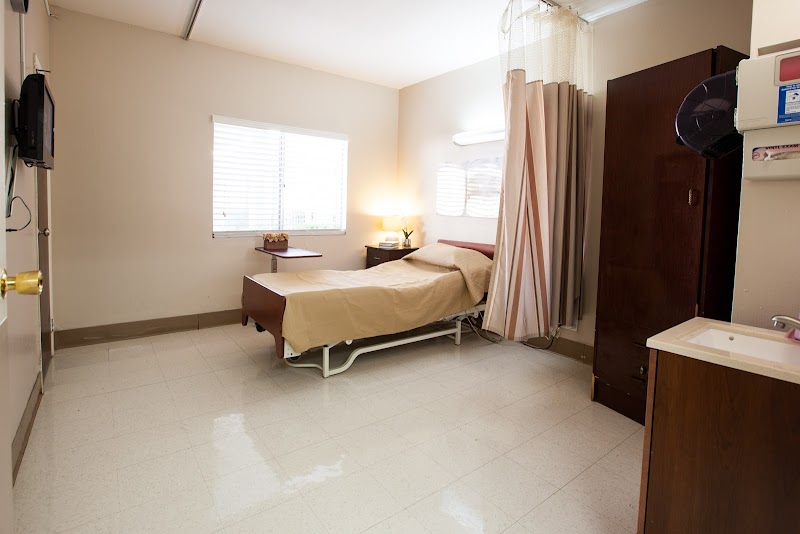
How is Victoria Staffed?

CMS rates VICTORIA CARE CENTER's staffing level at 2 out of 5 stars, which is below average compared to other nursing homes. Staff turnover is 40%, compared to the California average of 46%. This relatively stable workforce can support continuity of care.

What Have Inspectors Found at Victoria?

State health inspectors documented 41 deficiencies at VICTORIA CARE CENTER during 2021 to 2025. These included: 2 that caused actual resident harm, 35 with potential for harm, and 4 minor or isolated issues. Deficiencies causing actual harm indicate documented cases where residents experienced negative health consequences.

Who Owns and Operates Victoria?

VICTORIA CARE CENTER is owned by a for-profit company. For-profit facilities operate as businesses with obligations to shareholders or private owners. The facility is operated by DAVID & FRANK JOHNSON, a chain that manages multiple nursing homes. With 49 certified beds and approximately 42 residents (about 86% occupancy), it is a smaller facility located in BALDWIN PARK, California.
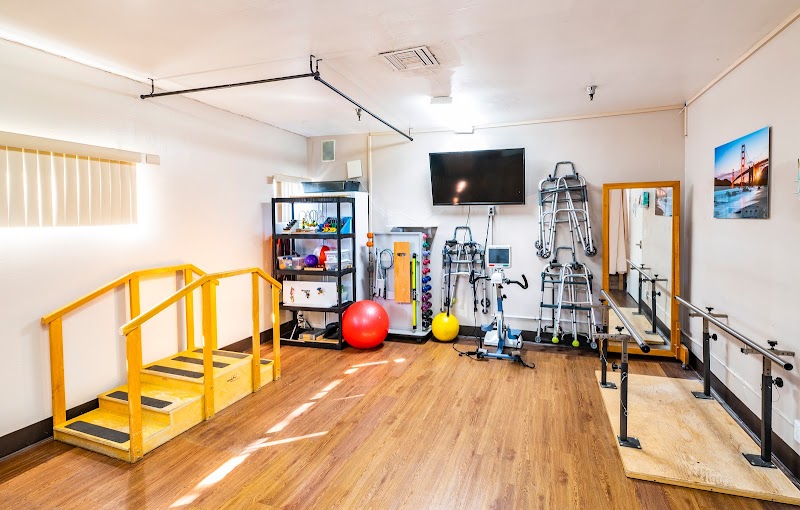
How Does Victoria Compare to Other California Nursing Homes?

Compared to the 100 nursing homes in California, VICTORIA CARE CENTER's overall rating (5 stars) is above the state average of 3.2, staff turnover (40%) is near the state average of 46%, and health inspection rating (4 stars) is above the national benchmark.

What Should Families Ask When Visiting Victoria?

Based on this facility's data, families visiting should ask: "Can you walk me through typical staffing levels on day, evening, and night shifts?" "Can I visit during a mealtime to observe dining assistance and food quality?" "How do you handle medical emergencies, and what is your hospital transfer rate?" "Can I speak with family members of current residents about their experience?" These questions are particularly relevant given the below-average staffing rating.

Is Victoria Safe?

Based on CMS inspection data, VICTORIA CARE CENTER has a clean safety record: no substantiated abuse findings (meaning no confirmed cases of resident harm), no Immediate Jeopardy citations (the most serious violation level indicating risk of serious injury or death), and is not on the Special Focus Facility watch list (a federal program monitoring the lowest-performing 1% of nursing homes). The facility has a 5-star overall rating and ranks #1 of 100 nursing homes in California. While no facility is perfect, families should still ask about staff-to-resident ratios and recent inspection results during their visit.

Do Nurses at Victoria Stick Around?

VICTORIA CARE CENTER has a staff turnover rate of 40%, which is about average for California nursing homes (state average: 46%). Moderate turnover is common in nursing homes, but families should still ask about staff tenure and how the facility maintains care continuity when employees leave.

Was Victoria Ever Fined?

VICTORIA CARE CENTER has no federal fines on record. CMS issues fines when nursing homes fail to meet care standards or don't correct problems found during inspections. The absence of fines suggests the facility has either maintained compliance or corrected any issues before penalties were assessed. This is a positive indicator, though families should still review recent inspection reports for the full picture.

Is Victoria on Any Federal Watch List?

VICTORIA CARE CENTER is not on any federal watch list. The most significant is the Special Focus Facility (SFF) program, which identifies the bottom 1% of nursing homes nationally based on persistent, serious quality problems. Not being on this list means the facility has avoided the pattern of deficiencies that triggers enhanced federal oversight. This is a positive indicator, though families should still review the facility's inspection history directly.