MOUNTAIN VIEW POST ACUTE

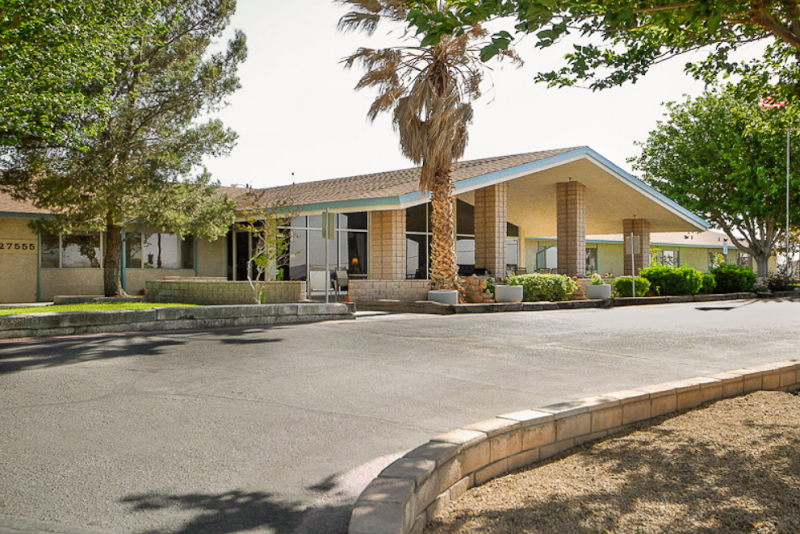
27555 RIMROCK ROAD, BARSTOW, CA 92311 (760) 252-2515
For profit - Corporation 59 Beds DAVID & FRANK JOHNSON Data: November 2025
Trust Grade
80/100
#137 of 1155 in CA
Last Inspection: June 2025

Inspected within the last 6 months. Data reflects current conditions.

Overview

Mountain View Post Acute has a Trust Grade of B+, which means it is recommended and above average in quality. It ranks #137 out of 1,155 facilities in California, placing it in the top half, and #9 out of 54 in San Bernardino County, indicating that only a few local options are better. The facility's trend is improving, having reduced issues from 13 in 2024 to just 3 in 2025. Staffing is considered average with a rating of 3 out of 5 stars and a turnover rate of 46%, which is close to the state average. Fortunately, there have been no fines reported, which is a positive sign. However, there are some concerns. Recent inspections noted that staff were not following safe infection control practices, with acrylic nails exceeding recommended lengths and residents' urinary catheter bags and tubing found improperly placed, which could lead to the risk of infection. Additionally, the facility had issues with maintaining kitchen hygiene, including grime buildup on equipment and improper food storage practices, which could also pose health risks to residents. While the overall quality appears strong, these specific incidents highlight areas needing improvement.

Trust Score
B+
80/100
In California
#137/1155
Top 11%
Safety Record
Low Risk
No red flags
Inspections
Getting Better
13 → 3 violations
Staff Stability
⚠ Watch
46% turnover. Above average. Higher turnover means staff may not know residents' routines.
Penalties
✓ Good
No fines on record. Clean compliance history, better than most California facilities.
Skilled Nurses
⚠ Watch
Each resident gets only 25 minutes of Registered Nurse (RN) attention daily — below average for California. Fewer RN minutes means fewer trained eyes watching for problems.
Violations
⚠ Watch
26 deficiencies on record. Higher than average. Multiple issues found across inspections.
★★★★★
5.0
Overall Rating
★★★☆☆
3.0
Staff Levels
★★★★★
5.0
Care Quality
★★★★☆
4.0
Inspection Score
Stable
2024: 13 issues
2025: 3 issues

The Good

  • 5-Star Quality Measures · Strong clinical quality outcomes
  • Full Sprinkler Coverage · Fire safety systems throughout facility
  • No fines on record

Facility shows strength in quality measures, fire safety.

The Bad

Staff Turnover: 46%

Near California avg (46%)

Higher turnover may affect care consistency

Chain: DAVID & FRANK JOHNSON

Part of a multi-facility chain

Ask about local staffing decisions and management

The Ugly 26 deficiencies on record

Jun 2025 3 deficiencies
CONCERN (D)

Potential for Harm - no one hurt, but risky conditions existed

Deficiency F0826 (Tag F0826)

Could have caused harm · This affected 1 resident

**NOTE- TERMS IN BRACKETS HAVE BEEN EDITED TO PROTECT CONFIDENTIALITY** Based on observation, interviews, and record review, the facility failed to ensure that rehabilitation services were rendered in...

Read full inspector narrative →
**NOTE- TERMS IN BRACKETS HAVE BEEN EDITED TO PROTECT CONFIDENTIALITY** Based on observation, interviews, and record review, the facility failed to ensure that rehabilitation services were rendered in accordance with federal regulations for one of two sampled residents (Resident 48), when Resident 48 received physical therapy (PT- a treatment focused on improving movement, mobility, and physical function) and occupational therapy (OT- a therapy aimed at helping individuals perform daily activities and improve functional independence) services without a physician's order. This failure had the potential to result in uncoordinated and ineffective care, which could negatively impact Resident 48's rehabilitation and overall treatment plan. Findings: During a review of Resident 48's admission Record (clinical record with demographic information), the admission Record indicated, Resident 48 was readmitted to the facility on [DATE], with diagnoses of acute pulmonary edema (condition where fluid suddenly builds up in the lungs, making it difficult to breathe), and muscle weakness. During an observation on June 3, 2025, at 12:48 PM in the gym (Rehabilitation Room), the physical therapist assistant (PTA) assisted Resident 48 with sitting to standing transfers. The PTA provided verbal instructions, guiding Resident 48 through the movement. Resident 48 was able to stand and maintain balance while holding both hands on the front-wheeled walker (FWW, a mobility aid with two wheels designed to provide support and stability while walking). During an observation on June 5, 2025, at 10:18 AM at the gym, the occupational therapist assistant (OTA) guided Resident 48 through two sets of 10 exercises, raising both arms up and down. The OTA provided verbal instructions throughout the session. Resident 48 successfully completed the exercises. During a concurrent record review and interview on June 5, 2025, at 1:00 PM, the Director of Rehab (DOR), the DOR reviewed the PT and OT evaluation and treatment plan, which indicated, . Certification period [a designated timeframe during which a healthcare service or treatment is authorized and meets regulatory or professional standards] of 5/12/25 [May 12, 2025] - 6/10/25 [June 10, 2025] . The DOR confirmed that Resident 48 is currently receiving PT and OT services. A review of Resident 48's clinical records of active physician orders was conducted. There was no documented evidence of a physician's order for PT or OT treatment. Additionally, there was no documented evidence that a physician had been notified of Resident 48's PT and OT services. (Resident 48 received PT and OT services for 25 days without a physician's order or oversight). During an interview on June 5, 2025, at 1:30 PM with the Director of Nurses (DON), the DON stated that he was not aware of the regulation requiring the facility to obtain a physician's order for PT and OT services and treatment. The DON further stated the facility's usual practice is to treat the evaluation and plan of treatment as a physician's order. Furthermore, the DON acknowledged that the facility does not have a formal policy or procedure outlining this process.
CONCERN (D)

Potential for Harm - no one hurt, but risky conditions existed

Medical Records (Tag F0842)

Could have caused harm · This affected 1 resident

**NOTE- TERMS IN BRACKETS HAVE BEEN EDITED TO PROTECT CONFIDENTIALITY** Based on observation, interview, and record review, the facility failed to safeguard residents' confidential information for one...

Read full inspector narrative →
**NOTE- TERMS IN BRACKETS HAVE BEEN EDITED TO PROTECT CONFIDENTIALITY** Based on observation, interview, and record review, the facility failed to safeguard residents' confidential information for one of three sampled residents (Resident 50) when Licensed Vocational Nurse (LVN 4) left the computer screen containing Resident 50's medical information unattended and visible to others on June 4, 2025. This failure resulted in Resident 50's clinical records to be exposed to anyone and had the potential for an unauthorized person to access the information. Findings: During a review of Resident 50's admission Record (patient demographics), the admission Record indicated Resident 50 was admitted to the facility on [DATE], with diagnoses that included, fibromyalgia (a chronic disorder characterized by widespread pain and other symptoms such as fatigue, muscle stiffness, and insomnia), cardiomegaly (a condition where the heart is larger than normal), acute respiratory failure with hypoxia (a condition where the respiratory system fails to adequately oxygenate the blood). During an observation on June 4, 2025, at 6:08 AM, LVN 4 entered room [ROOM NUMBER] to administer medication to a resident in bed C, leaving the computer screen up and unattended, in the hallway, with Resident 50's information visible to others. During an interview on June 4, 2025, at 6:15 AM, with LVN 4, LVN 4 stated, I usually minimize or close the screen, I've been a nurse for ten years, so I've picked up a lot of bad habits. You caught me on that. During an interview with Registered Nurse Supervisor (RN), on June 4, 2025, at 7:38 AM, the RN stated her expectation is when staff need to walk away from the computer, staff must either change the screen or close the computer screen. During a concurrent interview and record review with the Director of Nursing (DON) on June 4, 2025, at 8:40 AM, the DON reviewed the facility's policy and procedures (P&P) titled Safeguarding of Resident Identifiable Information, revised December 19, 2022, the P&P indicated, It is the facility's policy to implement reasonable and appropriate measures to protect and maintain the safety and confidentiality of the resident's identifiable information and to safeguard against destruction or unauthorized release of information and records . 7. Computer screens showing clinical record information may not be left unattended and readily observable or accessible by other residents or visitors. The DON acknowledged LVN 4, Should not have done that, and the policy was not followed.
CONCERN (D)

Potential for Harm - no one hurt, but risky conditions existed

Infection Control (Tag F0880)

Could have caused harm · This affected 1 resident

**NOTE- TERMS IN BRACKETS HAVE BEEN EDITED TO PROTECT CONFIDENTIALITY** Based on observation, interview, and record review, the facility failed to maintain a sanitary and safe environment for one of t...

Read full inspector narrative →
**NOTE- TERMS IN BRACKETS HAVE BEEN EDITED TO PROTECT CONFIDENTIALITY** Based on observation, interview, and record review, the facility failed to maintain a sanitary and safe environment for one of three residents (Resident 2) on enhanced barrier precaution (EBP - Enhanced Barrier Precautions, infection control measures, specifically focused on reducing the spread of multidrug-resistant organisms (MDROs)) when a License Vocational Nurse (LVN 3) did not perform hand hygiene after contact with Resident 2's foley catheter (a thin, flexible tube used to drain urine from the bladder). This failure had the potential for cross contamination and infection (the process by which bacteria or other microorganisms are unintentionally transferred from one substance or object to another, with harmful effect) which can jeopardize the health and safety of Resident 2. Findings: During a review of Resident 2's admission Record (contains patient demographics), the admission Record indicated Resident 2 was admitted to the facility on [DATE], with diagnoses that included hypertension (elevated blood pressure), type 2 diabetes mellitus with hyperglycemia (a condition where body cannot produce enough insulin), chronic obstructive pulmonary disease (COPD- a group of lung diseases characterized by airflow obstruction and limited lung capacity) , protein-calorie malnutrition (a condition characterized by a deficiency of both protein and energy) dysphagia, oropharyngeal phase (difficult swallowing). During an observation on June 2, 2025, at 10:40 AM, with LVN 3, in Resident 2's room, there was sign at the door that indicated Resident 2 was on EBP. LVN 3 was wearing gloves and touching Resident 2's foley catheter tube and bag. LVN 3 then removed the gloves and handshake Resident 2, then walked out of the room without performing hand hygiene towards the nurse's station. During an interview on June 2, 2025, at 10:47 AM, with the LVN 3, LVN 3 stated, Oh sorry, next time, I will sanitize my hands. The LVN 3 acknowledged the resident is in EBP. During a concurrent interview and record review with Infection Preventionist (IP), on June 3, 2025, at 2:45 PM, the IP reviewed the facility's policy and procedure (P&P), titled Enhanced Barrier Precautions, revised on March 10, 2025. The P&P indicated 4. High-contact resident care activities include: . g. Device care or use: .urinary catheters. The IP stated, for resident on EBP the expectation is for staff to perform hand hygiene after touching foley catheter and after removing gloves. The IP further stated when residents had foley, staff needs to wear appropriate PPE (PPE- personal protective equipment such as gloves and gown) and wash hands. During a concurrent interview and record review with the Director of Nursing (DON) on June 3, 2025, at 4:31 PM, The DON reviewed the facility's policy and procedure (P&P) titled Hand hygiene, revised on December 12, 2022. The P&P indicated, All staff will perform proper hand hygiene procedures to prevent the spread of infection to other personnel, residents, and visitors. This applies to all staff working in all locations within the facility . 6. Additional considerations: a. The use of gloves does not replace hand hygiene. If your task requires gloves, perform hand hygiene prior to donning gloves, and immediately after removing gloves. The DON stated his expectation is for staff to wear appropriate PPE and to wash hands.
Oct 2024 1 deficiency
CONCERN (D) 📢 Someone Reported This

A family member, employee, or ombudsman was alarmed enough to file a formal complaint

Potential for Harm - no one hurt, but risky conditions existed

Accident Prevention (Tag F0689)

Could have caused harm · This affected 1 resident

**NOTE- TERMS IN BRACKETS HAVE BEEN EDITED TO PROTECT CONFIDENTIALITY** Based on observation, interview, and record review, the facility failed to ensure the post fall protocol was implemented in acco...

Read full inspector narrative →
**NOTE- TERMS IN BRACKETS HAVE BEEN EDITED TO PROTECT CONFIDENTIALITY** Based on observation, interview, and record review, the facility failed to ensure the post fall protocol was implemented in accordance with the facility ' s policy and procedure for one of three residents (Resident 1) reviewed for falls, when the Interdisciplinary Team (IDT ( a group of healthcare professionals from different disciplines working towards a common goal for a resident) did not conduct a review of Resident 1 ' s fall which occurred on October 23, 2024. This failure had the potential for Resident 1 to be at risk of further falls which could increase Resident 1 ' s risk of injuries. Findings: A review of Resident 1's admission Record (a document that gives a summary of resident's information), indicated Resident 1 was admitted to the facility on [DATE], with a diagnosis that include Muscle weakness, abnormalities of gait and mobility, repeated falls. During an observation and interview on October 28, 2024, at 12:56 PM with Resident 1, in Resident 1 ' s room, Resident 1 was eating in bed, with the head of the bed elevated. Resident 1 stated she fell recently but could not remember how she fell, she further stated she believes she got stiches on her head from the fall. During a review of a facility provided document titled Change of Condition/Fall, it indicated Resident 1 had a fall incident on October 23, 2024. During an interview on October 28, 2024, at 2:25 PM with the Director of Nursing (DON 1), the DON 1 stated resident 1 fall was unwitnessed, and the interdisciplinary team failed to assess after Resident 1 fall. During a review of facility Policy and Procedure (P&P) titled, Fall Prevention Program dated 12/19/2022 indicated, .Each resident will be assessed for fall risk and will receive care and services in accordance with their individualized level of risk to minimize the likelihood of falls . 3 The nurse and/or interdisciplinary team will initiate interventions on the resident's care plan, in accordance with the resident's level of risk .
Oct 2024 1 deficiency
CONCERN (D) 📢 Someone Reported This

A family member, employee, or ombudsman was alarmed enough to file a formal complaint

Potential for Harm - no one hurt, but risky conditions existed

Deficiency F0602 (Tag F0602)

Could have caused harm · This affected 1 resident

**NOTE- TERMS IN BRACKETS HAVE BEEN EDITED TO PROTECT CONFIDENTIALITY** Based on interview and record review, the facility failed to ensure one of three residents (Resident 1) was free from misappropr...

Read full inspector narrative →
**NOTE- TERMS IN BRACKETS HAVE BEEN EDITED TO PROTECT CONFIDENTIALITY** Based on interview and record review, the facility failed to ensure one of three residents (Resident 1) was free from misappropriation (deliberate misplacement or wrongful use of a resident ' s belongings without consent) of property when Resident 1 ' s debit card was used by the facility Business Office Manager to pay for Resident 1 outstanding balance rather than for Resident 1 ' s personal necessities like clothing and shoes as indicated in the agreement with the bank. This failure had the potential for Resident 1 ' s personal needs not being med and further misappropriation of Resident ' s property. Findings: During an interview on October 28, 2024, at 1:07 PM, with Resident 1. Resident 1 acknowledged that he gave the facility permission to use his debit card to cover personal expenses like clothing and shoes. During a review of Resident 1 ' s clinical records, the face sheet (contains demographic information) indicated Resident 1 was admitted to the facility on [DATE], with diagnoses that included Hypercapnia (a condition where there is too much carbon dioxide (CO2) in the blood), chronic obstructive pulmonary disease (COPD – is a common lung disease that makes it difficult to breathe). A review of Resident 29's History and Physical, dated July 26, 2023, indicated Resident 1 had the capacity to understand and make decisions. During an interview on October 28, 2024, at 12:19 PM, with the Business Office Manager (BOM 1), the BOM 1 stated the bank issues a debit card for the resident in order to pay for resident personal items such as clothing and shoes, and she told the bank that resident will get everything he needed at a Department Store. She was aware that the activity and spending would be closely monitor by the bank. She claimed she never mentioned to the bank that the money will be used to pay for resident 1 ' s outstanding balance. She further explains that because resident had such a significant outstanding balance and they are only receiving small amount from resident 1 ' s social security, they had been charging the card to pay for resident 1 past due balance instead of the clothing and shoes that Resident 1 need. She acknowledged that this was against the terms of the bank agreement, that the situation can be seen as neglect of resident needs. During a telephone interview on October 29, 2024, at 8:34 AM with the Administrator (Admin 1), the Admin1 stated since the resident put the card on file for the facility, his understanding is that the debit card is to be used for resident 1's personal costs, including paying off the resident 1's past due balance. A review of the facility policy and procedure (P&P) titled, Resident Trust Funds indicated, .2) Management of Personal Funds: A resident has the right to manage their own financial affairs. However, upon written authorization the facility must hold, safeguard, manage and account for a resident ' s personal funds. Before the facility can involve itself in the management of a resident ' s trust fund, the Resident Fund Management Service form needs to be completed. This form Resident Fund Management Service needs to then be mailed to National Data care and Resident added into the RFMS accounting system. A review of Resident 1 ' s Resident Fund Management Service dated June 11, 2024, indicated, .Resident fund account .Transferring account (automatic transfer of care cost payment due the facility.) with $35 monthly allowance amount .Direct Deposit – Please enroll my indicated recurring benefit payments for direct deposit Social Security .
Oct 2024 1 deficiency
CONCERN (D) 📢 Someone Reported This

A family member, employee, or ombudsman was alarmed enough to file a formal complaint

Potential for Harm - no one hurt, but risky conditions existed

Assessment Accuracy (Tag F0641)

Could have caused harm · This affected 1 resident

**NOTE- TERMS IN BRACKETS HAVE BEEN EDITED TO PROTECT CONFIDENTIALITY** Based on observation, interview, and record review, the facility failed to accurately assess resident medication and report to p...

Read full inspector narrative →
**NOTE- TERMS IN BRACKETS HAVE BEEN EDITED TO PROTECT CONFIDENTIALITY** Based on observation, interview, and record review, the facility failed to accurately assess resident medication and report to physician when one of three sample resident (Resident 1) did not receive medication for Type 2 Diabetes Mellitus (Type 2 DM - a chronic disease that causes high levels of blood sugar) from August 11, 2024, until September 12, 2024. This failure had the potential to jeopardize the health and well-being of Resident 1 who is medically compromised. Findings: During review of Resident 1 ' s admission record (It contains important information about the patient such as their personal details, the reason for their admission, and their medical history), the document indicated Resident 1 was admitted to the facility on [DATE], with a diagnosis that include Type 2 DM. During an interview on October 15, 2024, at 2:31 PM, with the License Vocational Nurse (LVN 1), the LVN 1 stated resident 1 did not receive Metformin (a medication that treats type 2 DM) from August 11, 2024, until the day it was ordered, September 12, 2024. She further explains that the resident's family informed her that the resident needed to take metformin for diabetes mellitus type 2, but the MAR (Medication administration Record) only calls for a blood sugar check to be performed prior to meals; there is no indication that the blood sugar check is for Type 2 DM; instead, she assumed it was for an infection the resident had. During an interview on October 15, 2024, at 2:51 PM, with the registered nurse (RN 1), the RN 1 identified herself as resident 1's admittance nurse. She claimed that she would not have been aware that the resident was taking Metformin for type 2 diabetes if the family had not informed her. She added that the patient's diagnosis in the admission record included Type 2 DM, but she did not ask the doctor if the resident was taking medication for the condition. During a review of Blood Sugar Summary the record indicated on August 24, 2024, at 8:40 PM, resident ' s blood sugar level was 462 mg/dL (a blood sugar level of 462 mg/dL is considered dangerously high and requires immediate medical attention). During a review of Order Summary Report the record indicated, Metformin HCI oral table 1000 mg given 1000 mg by mouth one time a day for DM was ordered on September 12, 2024. During a review of facility policy and procedure (P&P) titled admission of a Resident dated December 19, 2022, indicated, .The admission process is intended to obtain all the information possible about the resident, for the development of comprehensive plans of care, and to assist the resident in becoming comfortable in the facility. Residents are admitted to the facility under orders of the attending physician .
Oct 2024 2 deficiencies
CONCERN (D) 📢 Someone Reported This

A family member, employee, or ombudsman was alarmed enough to file a formal complaint

Potential for Harm - no one hurt, but risky conditions existed

Deficiency F0582 (Tag F0582)

Could have caused harm · This affected 1 resident

Based on interviews and record reviews, the facility failed to adhere to its Medicare denial process policy when it did not promptly notify one of three sampled residents (Resident 1) about the Skille...

Read full inspector narrative →
Based on interviews and record reviews, the facility failed to adhere to its Medicare denial process policy when it did not promptly notify one of three sampled residents (Resident 1) about the Skilled Facility Advanced Beneficiary Notice of Non-coverage (SNF ABN: CMS -10055) This document provides information to the patient so they can decide whether or not to get the care that may not be paid for Medicare. Additionally, Resident 1 did not receive timely notification about the Notice of Medicare Non-Coverage (NOMC)which is a notice that a Medicare provider or health plan must give to beneficiaries at least two days before covered services end, along with information on how to request an expedited appeal, as the coverage was coming to an end. This failure resulted in Resident 1 ' s representative not being promptly informed of her appeal rights and financial liability for services no longer covered by Medicare. Findings: During a review of the facility-provided document tiled Notice of Medicare Non-Coverage, it was noted that the effective date of coverage for skilled nursing services will end on 8/31/2024. Additionally, the document indicated that the responsible party for the resident signed the document on 9/18/2024. During a review of the facility-provided document titled Activity Report, it was noted that there was no indication of whether Resident 1 ' s responsible party was informed about SNF ABN prior to the resident termination of Resident 1 ' s Medicare insurance coverage. Additionally, the document did not specify whether Resident 1 ' s responsible party was informed about the appeal process at least two days prior to the end of the Medicare insurance coverage. During a telephone interview on 10/09/2024 at 8:46 a.m. with the Business Office Director (Director)1, Director 1 confirmed that the responsible party for Resident 1 was offered the opportunity to sign both the SNF ABN and NOMC form. However, the responsible party for Resident 1only signed the NOMC form on 9/18/2024, which was 18 days after the expiration of Resident 1 ' s Medicare insurance coverage. When asked whether the SNF ABN form should have been offered at least 2 days prior to the end of the Medicare insurance coverage, Director 1 concurred. During a review of the facility ' s policy and procedure (P&P) titled, Medicare Denial Process, dated October 8, 2018, the P&P indicated, Medicare beneficiaries will be properly notified when it is determined that they do not meet the requirements for covered services under the Medicare program.
CONCERN (D) 📢 Someone Reported This

A family member, employee, or ombudsman was alarmed enough to file a formal complaint

Potential for Harm - no one hurt, but risky conditions existed

Quality of Care (Tag F0684)

Could have caused harm · This affected 1 resident

**NOTE- TERMS IN BRACKETS HAVE BEEN EDITED TO PROTECT CONFIDENTIALITY** Based on observation, interviews, and record review, the facility failed to follow its policy and procedure to provide care and ...

Read full inspector narrative →
**NOTE- TERMS IN BRACKETS HAVE BEEN EDITED TO PROTECT CONFIDENTIALITY** Based on observation, interviews, and record review, the facility failed to follow its policy and procedure to provide care and services for residents and ensure call lights are answered in a timely manner for two of three sampled residents (Residents 1 & 2). This failure has the potential to jeopardize the health and safety of clinically compromised Residents (Residents 1 & 2) when their requests for assistance with activities of daily living were not responded to promptly. Findings: During the review of Resident 1 ' s admission record (It contains important information about the patient such as their personal details, the reason for their admission, and their medical history), the document indicated Resident 1 was admitted on [DATE], with a diagnosis that included abnormalities of gait and mobility (a change in walking pattern that can be caused by injury, disease, or neurological issues), shortness of breath (the feeling of unable to breathe normally or feeling suffocated). During interview and observation with Resident 1 on September 24, 2024, at 10:14 a.m. Resident 1 stated the staff does not respond to call lights promptly and has to wait for half an hour at times. During the review of Resident 2 ' s admission record, the document indicated Resident 2 was admitted to the facility on was admitted to the facility on [DATE], with a diagnosis that included generalized muscle weakness (a decrease in muscle strength that can make it difficult to move arms, legs, or other body parts), and repeated falls (two or more falls in a year or over a given timeframes). During an interview and observation with Resident 2 on September 24, 2024, at 10:18 a.m. Resident 2 stated half the time, the staff don ' t respond when she asks for help. Resident 2 also mentioned that it seems to take forever for them to respond when she uses her call lights. During an interview on September 24, 2024, at 11:21 a.m. with the registered nurse supervisor (RN) 1, regarding the appropriate response time to call light. RN 1 stated it should be answered as soon as physically possible. During an interview on September 24, 2024, at 11:39 a.m. with the facility administrator (ADM)1, ADM 1, did not provide a specific response when discussing Residents 1 & 2 concerns about call light not being responded to promptly. During a review of the facility ' s policy and procedure (P&P) titled, Call Lights: Accessibility and Timely Response, revised December 19, 2022, indicated, Staff members who see or hear an activated call light are responsible for responding. If the staff member cannot provide what the resident desires, the appropriate personnel should be notified.
Jun 2024 8 deficiencies
CONCERN (D)

Potential for Harm - no one hurt, but risky conditions existed

Resident Rights (Tag F0550)

Could have caused harm · This affected 1 resident

**NOTE- TERMS IN BRACKETS HAVE BEEN EDITED TO PROTECT CONFIDENTIALITY** Based on observations, interviews, and record review, the facility failed to ensure dignity was maintained for two of three resi...

Read full inspector narrative →
**NOTE- TERMS IN BRACKETS HAVE BEEN EDITED TO PROTECT CONFIDENTIALITY** Based on observations, interviews, and record review, the facility failed to ensure dignity was maintained for two of three residents (Resident 35 and 500) when Resident 35 and 500 had their urinary catheter drainage/collection bags (bags which collect and hold urine) not covered with dignity bags (a bag used to the cover and hold the catheter drainage/collection bag, so it is not visible). These failures resulted in the urine of both residents (Resident 35 and 500) to be visible to residents and staff within the facility which had the potential to compromise the residents' privacy and feelings of dignity and respect. Findings: 1a. During a review of Resident 35's admission Record (clinical record with demographic information), the admission Record indicated Resident 35 was admitted to the facility on [DATE], with diagnoses which included, acute kidney failure (kidneys suddenly become unable to filter waste), metabolic encephalopathy (dysfunction in the absence of primary structural brain disease), obstructive and reflux uropathy (disorder of the urinary tract that is obstructed urinary flow). During an observation on June 10, 2024, at 12:29 PM, Resident 35 was sitting at the edge of the bed. Resident 35's urinary catheter bag was hanging on the side of the bed. It was uncovered, with yellowish urine visible. During a further observation on June 13, 2024, at 9:00 AM, Resident 35 was lying in bed in a semi-upright position, watching television. Resident 35's urinary catheter bag was hanging on the floor, uncovered, with yellowish urine visible. During a concurrent observation and interview on June 13, 2024, at 9:15 AM, with the Infection Preventionist (IP), Resident 35 was standing in the doorway of his room, room [ROOM NUMBER]B, the urinary catheter bag was hanging on the floor, uncovered, with yellowish urine visible. The IP stated each urinary catheter bag must have a dignity bag at all times. 1b. A review of Resident 500's admission Record, (contains demographic and medical information), indicated Resident 500 was admitted to the facility on [DATE], with diagnoses which included fournier gangrene (is a rare, life-threatening bacterial infection of your scrotum, penis, or perineum [the area between your genitals and rectum]), abnormalities of gait (walking) and mobility, and muscle weakness. During a concurrent observation and interview on June 11, 2024, at 1:53 PM, with Resident 500, Resident 500 was lying in bed and had a foley catheter (a device that drains urine from your urinary bladder into a drainage bag outside of your body). The urinary catheter drainage bag had urine in it and was not covered with a dignity bag. Resident 500 stated the facility did not offer or provide him a cover (dignity bag) for his catheter. During an interview on June 14, 2024, at 9:31 AM, with the Director of Nursing (DON), the DON stated all urinary catheter bags should be covered with a dignity bag. The DON further stated dignity bags were used for resident privacy and to maintain dignity. During a review of the facility's policy and procedure titled, Promoting/Maintaining Resident Dignity, dated December 12, 2022, the policy indicated, It is the practice of this facility to protect and promote resident rights and treat each resident with respect and dignity as well as care for each resident in a manner and in an environment, that maintains or enhances resident's quality of life by recognizing each resident's individuality .Compliance Guidelines: .11. Maintain resident privacy. Record review with IP on June 13, 2024, at 10:00 AM, with the Director of Nurses (DON), the facility's policy and procedure (P&P), titled, Catheter Care, dated December 19, 2022, was reviewed. The P&P indicated, It is the policy of this facility to ensure that residents with indwelling catheters receive appropriate catheter care and maintain their dignity and privacy when indwelling catheters are in use. 2. Privacy bags will be available and catheter drainage bags will be covered at all times while in use. The DON stated the policy was not followed.
CONCERN (D)

Potential for Harm - no one hurt, but risky conditions existed

Assessment Accuracy (Tag F0641)

Could have caused harm · This affected 1 resident

**NOTE- TERMS IN BRACKETS HAVE BEEN EDITED TO PROTECT CONFIDENTIALITY** Based on observation, interviews, and record review, the facility failed to accurately code the Resident Assessment Instrument-M...

Read full inspector narrative →
**NOTE- TERMS IN BRACKETS HAVE BEEN EDITED TO PROTECT CONFIDENTIALITY** Based on observation, interviews, and record review, the facility failed to accurately code the Resident Assessment Instrument-Minimum Data Set (RAI-MDS - a computerized resident assessment tool) for one of one resident (Resident 33) sampled for accidents when the Resident 33's RAI-MDS, dated [DATE], did not indicate the resident sustained a fall since admission. This failure had the potential to result in unmet care needs for Resident 33 which can potentially jeopardize the residents' health and safety. Findings: A review of Resident 33's admission Record, (contains demographic and medical information), indicated Resident 33 was admitted to the facility on [DATE], with diagnoses which included hemiparesis and hemiplegia (weakness and paralysis) following cerebral infarction (occurs as a result of disrupted blood flow to the brain due to problems with the blood vessels that supply it), muscle weakness, and repeated falls. During a concurrent observation and interview on June 11, 2024, at 11:45 AM, Resident 33 was lying in bed and stated he fell a few weeks ago while in the facility. During a review of Resident 33's clinical record a document titled, Resident Care Conference Review, (meeting notes from a team of interdisciplinary members [staff from different disciplines]), dated May 10, 2024, was reviewed. The document indicated, .Areas reviewed: Falls .recent fall no injuries .floor mats recommended by rehab with verbal instructions for safety . During a review of Resident 33's physician's progress notes, dated May 23, 2024, indicated, Chief complaint/reason for this visit: Change in condition: fall, pulled foley (indwelling urinary catheter) out .This AM[morning] Pt [patient] had a fall onto his fall mat [a cushioned mat which may aid in lessening the severity of injury during a fall] on the floor, did not experience any head trauma; however, he did pull out his foley in the process . During a review of Resident 33's RAI-MDS assessment dated [DATE], the RAI-MDS assessment indicated in section J1800. Any falls since admission/Entry or Reentry . indicated no. During a concurrent interview and record review on June 14, 2024, at 9:36 AM, with Minimum Data Set Nurse 1 (MDS 1), MDS 1 stated the facility did not have a policy and procedure regarding completion of the MDS assessments and the facility followed the RAI manual in regards to completion of the MDS assessments. MDS 1 further stated she was the individual who completed Resident 33's RAI-MDS assessment dated [DATE]. MDS 1 stated when completing the MDS assessment section for falls, she reviews the facility's risk management report and also reviews progress notes in the resident's clinical record. MDS 1 stated when she reviewed the facility's risk management report when completing Resident 33's MDS assessment, dated May 24, 2024, there were no falls indicated. MDS 1 reviewed Resident 33's clinical record and stated the MDS dated [DATE], was coded incorrectly in section J1800 for falls and that it was a mistake and should have indicated the resident had a fall. MDS 1 stated the MDS was coded wrong in error. During a review of CMS (Centers for Medicare and Medicaid Services) Long Term Care Facility Resident Assessment Instrument (RAI) 3.0 User's manual, dated October 2023, version 1.18.11, the manual indicated on page J-34, Steps for Assessment .Review all available sources for any fall since the last assessment, no matter whether it occurred while out in the community, in an acute hospital, or in the nursing home. Include medical records generated in any health care setting since last assessment. 4. Review nursing home incident reports, fall logs and the medical record (physician, nursing, therapy, and nursing assistant notes) Code 1, Yes: if the resident has fallen since the last assessment .
CONCERN (D)

Potential for Harm - no one hurt, but risky conditions existed

Comprehensive Care Plan (Tag F0656)

Could have caused harm · This affected 1 resident

**NOTE- TERMS IN BRACKETS HAVE BEEN EDITED TO PROTECT CONFIDENTIALITY** Based on observations, interviews, and record review, the facility failed to ensure one of one resident (Resident 33) reviewed f...

Read full inspector narrative →
**NOTE- TERMS IN BRACKETS HAVE BEEN EDITED TO PROTECT CONFIDENTIALITY** Based on observations, interviews, and record review, the facility failed to ensure one of one resident (Resident 33) reviewed for accidents had a fall mat (a cushioned mat which may aid in lessening the severity of injury during a fall) on both sides of his bed as was specified in the resident's care plan (an individualized plan for the medical care of a resident). This failure had the potential for the Resident 33 to sustain a serious injury during a fall in which the severity of the injury may have been lessened if the fall mat had been in place. Findings: A review of Resident 33's admission Record, (contains demographic and medical information), indicated Resident 33 was admitted to the facility on [DATE], with diagnoses which included hemiparesis and hemiplegia (weakness and paralysis) following cerebral infarction (occurs as a result of disrupted blood flow to the brain due to problems with the blood vessels that supply it), muscle weakness, and repeated falls. During a concurrent observation and interview on June 11, 2024, at 11:45 AM, Resident 33 stated he fell a few weeks ago while in the facility. Resident 33 had only one fall mat on the left side of his bed (the side of the bed closest to the door). During a concurrent observation and interview on June 13, 2024, at 11:46 AM, with the Registered Nurse 2 (RN 2), Resident 33 was lying in bed and had only one fall mat on the left side of his bed. RN 2 stated Resident 33 had only one fall mat but he was supposed to have two fall mats, one on each side of his bed. RN 2 further stated she did not know why the Resident 33 only had one fall mat in place. During a review of Resident 33's care plan titled, [Resident 33] is at risk for falls r/t [related to] disease process generalized weakness and poor gait [walking] and balance . dated February 29, 2024, the care plan indicated, Goal .The resident will be free of minor injury through the review date .Interventions .Follow facility fall protocol . During a review of Resident 33's care plan titled, Risk for falls post fall (episodic), dated October 20, 2023, the care plan indicated, .Interventions .Fall mats placed on both sides of bed . During an interview on June 14, 2024, at 9:32 AM, with the Director of Nursing (DON), the DON stated the purpose of the resident's care plan was for staff to have basic knowledge regarding the resident's plan of care. The DON further stated the care plan interventions were supposed to be followed. During a review of Resident 33's clinical record a document titled, Resident Care Conference Review, (meeting notes from a team of interdisciplinary members [staff from different disciplines]), dated May 10, 2024, was reviewed. The document indicated, .Areas reviewed: Falls .recent fall no injuries .floor mats recommended by rehab with verbal instructions for safety . During a review of the facility's policy and procedure titled, Fall Risk Assessment, dated December 19, 2022, the policy indicated, It is the policy of this facility to provide an environment that is free from accident hazards over which the facility has control, and provides supervision and assistive devices to each resident to prevent avoidable accidents .3. A fall care plan will be completed for each resident to address each item identified on the risk assessment and will be updated accordingly. 4. The fall care plan will include interventions, including adequate supervision, consistent with a resident's needs, goals, and current standards of practice in order to reduce the risk of an accident. During a review of the facility's policy and procedure titled, Fall Prevention Program, revised December 28, 2023, the policy indicated, Each resident will be assessed for fall risk and will receive care and services in accordance with their individualized level of risk to minimize the likelihood of falls. During a review of the facility's policy and procedure titled, Comprehensive Care Plans, dated December 19, 2022, the policy indicated, It is the policy of this facility to develop and implement a comprehensive person-centered care plan for each resident, consistent with resident rights, that includes measurable objectives and timeframes to meet a resident's medical, nursing, and mental and psychosocial needs that are identified in the resident's comprehensive assessment .3. The comprehensive care plan will describe, at a minimum, the following: a. The services that are to be furnished to attain or maintain the resident's highest practicable physical, mental, and psychosocial well-being .f. Resident specific interventions that reflect the resident's needs .
CONCERN (D)

Potential for Harm - no one hurt, but risky conditions existed

Accident Prevention (Tag F0689)

Could have caused harm · This affected 1 resident

**NOTE- TERMS IN BRACKETS HAVE BEEN EDITED TO PROTECT CONFIDENTIALITY** Based on observation, interviews, and record review, the facility failed to implement their fall prevention program for one of o...

Read full inspector narrative →
**NOTE- TERMS IN BRACKETS HAVE BEEN EDITED TO PROTECT CONFIDENTIALITY** Based on observation, interviews, and record review, the facility failed to implement their fall prevention program for one of one resident (Resident 33) reviewed for accidents, in accordance with the facility's policies and procedures when the facility did not complete a post fall risk assessment (an assessment that identify the factors that cause the fall) on Resident 33, and did not review or update Resident 33's care plan (an individualized plan for the medical care of a resident) for falls, after he experienced a fall on May 24, 2024. This failure had the potential for Resident 33 to be at risk for repeated falls and for the facility to not identify potential new causative factors contributing to falls which can cause harm and injury to resident 33. Findings: A review of Resident 33's admission Record, (contains demographic and medical information), indicated Resident 33 was admitted to the facility on [DATE], with diagnoses which included hemiparesis and hemiplegia (weakness and paralysis) following cerebral infarction (occurs as a result of disrupted blood flow to the brain due to problems with the blood vessels that supply it), muscle weakness, and repeated falls. During a concurrent observation and interview on June 11, 2024, at 11:45 AM, Resident 33 was lying in bed and stated he fell a few weeks ago while in the facility. During a review of Resident 33's physician's progress notes, dated May 23, 2024, it indicated, Chief complaint/reason for this visit: Change in condition: fall, pulled foley (indwelling urinary catheter) out .This AM [morning] Pt [patient] had a fall onto his fall mat on the floor, did not experience any head trauma; however, he did pull out his foley in the process . During a review of Resident 33's clinical record, there was no documented evidence a post fall risk assessment was performed by facility staff. During a review of Resident 33's care plan titled, Risk for Falls Post Fall (Episodic), dated October 20, 2023, the care plan indicated the most recent revision was dated May 8, 2024, and there was no revision or update after the residents fall on May 24, 2024. During a review of Resident 33's care plan titled, [Resident 33] is at risk for falls r/t [related to] disease process generalized weakness and poor gait [walking] and balance . dated February 29, 2024, the care plan indicated, Goal .The resident will be free of minor injury through the review date .Interventions .Follow facility fall protocol . There was no revision or update to the care plan after the residents fall on May 24, 2024. During an interview on June 13, 2024, at 10:55 AM, with the Director of Nursing (DON), the DON stated the facility performed a fall risk assessment on all residents upon admission and after any subsequent falls. The DON further stated after a fall, the Interdisciplinary team (IDT) was supposed to meet each time to discuss the incident and implement interventions which would be updated in the resident's care plan. During a concurrent interview and record review on June 13, 2024, at 11:08 AM, with the DON, Resident 33's clinical record was reviewed. The DON stated, Resident 33 should have had a post fall risk assessment done, the fall care plan should have been updated, IDT should have met regarding the incident, and a change of condition should have been initiated, but stated there was no evidence it was done. During a review of the facility's policy and procedure titled, Fall Risk Assessment, dated December 19, 2022, the policy indicated, It is the policy of this facility to provide an environment that is free from accident hazards over which the facility has control, and provides supervision and assistive devices to each resident to prevent avoidable accidents .3. A fall care plan will be completed for each resident to address each item identified on the risk assessment and will be updated accordingly. 4. The fall care plan will include interventions, including adequate supervision, consistent with a resident's needs, goals, and current standards of practice in order to reduce the risk of an accident. During a review of the facility's policy and procedure titled, Fall Prevention Program, revised December 28, 2023, the policy indicated, Each resident will be assessed for fall risk and will receive care and services in accordance with their individualized level of risk to minimize the likelihood of falls .8.l When any resident experiences a fall, the facility will: a. Assess the resident. b. Complete a post-fall assessment. C. complete an incident report .e. Review the resident's care plan and update as indicated .
CONCERN (D)

Potential for Harm - no one hurt, but risky conditions existed

Deficiency F0760 (Tag F0760)

Could have caused harm · This affected 1 resident

**NOTE- TERMS IN BRACKETS HAVE BEEN EDITED TO PROTECT CONFIDENTIALITY** Based on observations, interviews, and record reviews, the facility failed to ensure residents were free of medication errors fo...

Read full inspector narrative →
**NOTE- TERMS IN BRACKETS HAVE BEEN EDITED TO PROTECT CONFIDENTIALITY** Based on observations, interviews, and record reviews, the facility failed to ensure residents were free of medication errors for 1 of 42 residents (Resident 10) when Resident 10's insulin Lispro (medication to treat high blood sugar) was not given according to physician's orders. This failure placed Resident 10 at risk for hypoglycemia (low blood sugar) and had the potential to jeopardize his health and safety. Findings: During a review of resident 10's admission Record (clinical record with demographic information), the admission Record indicated, Resident 10 was admitted to the facility on [DATE], with diagnoses which included, hemiplegia and hemiparesis following cerebrovascular disease affecting right dominant side (paralysis of partial or total body function on one side of the body with one-sided weakness), type 2 diabetes mellitus with hyperglycemia (a spike in blood sugar levels), urinary tract infection (an infection of the urinary system) and calculus of kidney (kidney stones). A medication administration observation for Resident 10 by a Licensed Vocational Nurse (LVN 1) was conducted on June 12, 2024, at 5:33 AM, in Resident 10's room. LVN 1 injected 2 units (U - unit of measurement) of insulin Lispro subcutaneously (medication injected in the fatty tissue, under the skin) to Resident 10's right arm. LVN 1 stated Resident 10's blood sugar was 154. During a concurrent interview and record review on June 12, 2024, at 7:30 AM, with LVN 1, LVN 1 reviewed Resident 10's physician's orders, dated April 26, 2024. The physician's orders stated, Insulin Lispro Solution 100 unit/ml (ml - milliliters, unit of measurement), inject as per sliding scale: if 131-170 = 2 units; IF BLOOD GLUCOSE 330 AND ABOVE, GIVE 8 UNITS AND CALL MD, subcutaneous before meals for DMII [type 2 diabetes mellitus]. Not to be administered sooner than 15 minutes to meals. LVN 1 stated the physician's orders for insulin Lispro was not followed. LVN 1 further stated she did not read the full order and she administered the insulin Lispro 2 hours before mealtime. During a concurrent interview and record review on June 12, 2024, at 7:40 AM, with the Director of Nursing (DON), the facility's policy and procedure (P&P), titled, Prescriber Medication Orders, dated April 2008, was reviewed. The P&P indicated, Policy: Medications are administered only upon the clear, complete, and signed order of a person lawfully authorized to prescribe . Procedures: A. Elements of the Medication Order . 1. Medication orders specify the following: . a. Name of medication, b. Strength of medication, where indicated c. Dose and dosage form, d. Time or frequency of administration, e. Route of administration (If facility policies allow, orders are assumed to be P.O. [by mouth] unless otherwise specified), .g. Diagnosis or indication for use . The DON stated the policy was not followed. During a concurrent interview and record review on June 12, 2024, at 7:50 AM, with the DON, the facility's P&P titled, Medication Administration - General Guidelines, dated October 2017, was reviewed. The P&P indicated, .B. Administration .2). Medications are administered in accordance with written orders of the attending physician.10). Medications are administered within 60 minutes of schedule time (1 hour before and 1 hour after), except before or after meal orders, which are administered based on mealtimes. The DON stated the policy was not followed.
CONCERN (D)

Potential for Harm - no one hurt, but risky conditions existed

Deficiency F0761 (Tag F0761)

Could have caused harm · This affected 1 resident

Based on observation, interviews and record review the facility failed to ensure secure storage of intravenous medications (IV - medications administered through the vein) for one of one IV medication...

Read full inspector narrative →
Based on observation, interviews and record review the facility failed to ensure secure storage of intravenous medications (IV - medications administered through the vein) for one of one IV medication cart, (a mobile cart used by licensed nurses to transport medications to resident rooms) when the IV medication cart was unlocked while unattended by license nurse. This failure had the potential for medications to be accessed and dispersed by an unauthorized person, in a vulnerable population of 42 residents. Findings: During a concurrent observation and interview, on June 10, 2024, at 12:18 PM, at the nurses station 1, with the Registered Nurse (RN 1), the IV medication cart was parked in front of the nurses station, and it was unlocked and unattended. RN 1 was sitting down, working on the computer. RN 1 then reviewed the contents of the IV medication cart. The IV medication cart was equipped with IV supplies including syringes needles (thin, sharp hollow tubes, used to deliver and to draw fluid), antibiotics (medications to treat infections). RN 1 stated, the IV medication cart should not be left open and that it was very bad that it was open because they have residents' information printed on the medication labels. RN 1 further stated that it was also, unsafe for the ambulatory residents. During a further interview on June 10, 2024, at 12:52 PM, with RN 1, RN 1 stated she was the only one who had access to the IV medication cart and she forgot to lock it. During a concurrent interview and record review on June 12, 2024, at 12:58 PM, with the Director of Nurses (DON), the facility's policy and procedure (P&P) titled Specific Medication Administration Procedures, dated April 2008, was reviewed. The P&P indicated, . A. Medication cart is locked at all times unless in use and under the direct observation of the medication nurse. The DON stated the policy was not followed. The DON further stated, his expectations was for the nurses to lock the IV Medication cart when it's not in use.
CONCERN (F)

Potential for Harm - no one hurt, but risky conditions existed

Infection Control (Tag F0880)

Could have caused harm · This affected most or all residents

**NOTE- TERMS IN BRACKETS HAVE BEEN EDITED TO PROTECT CONFIDENTIALITY** Based on observations, interviews, and record review the facility failed to ensure staff followed safe Infection control practic...

Read full inspector narrative →
**NOTE- TERMS IN BRACKETS HAVE BEEN EDITED TO PROTECT CONFIDENTIALITY** Based on observations, interviews, and record review the facility failed to ensure staff followed safe Infection control practices when: 1. Three staff members, one Certified Nursing Assistant (CNA 1), the Activities Director (AD), and the Infection Preventionist (IP), were wearing acrylic nails longer than the tip of the fingers, on June 11, 2024. 2. One resident's (Resident 35) urinary catheter bag (a bag connected to a flexible tube inserted into the bladder and collects urine), was on the floor, on June 13, 2024. 3. One resident's (Resident 33's) urinary catheter tubing (the tubing which connects an indwelling urinary catheter to a urinary drainage bag) was dragging on the floor, on June 11, 2024. These failures had the potential to result in cross-contamination (spread of bacteria) causing serious infections to 42 vulnerable residents. Findings: 1. During an observation on June 11, 2024, at 10:25 AM, with Certified Nursing Assistant (CNA 1), CNA 1 was performing care to one resident while wearing long acrylic nails. CNA 1, then entered room [ROOM NUMBER] and then room [ROOM NUMBER] and performed resident care to two other residents on the [NAME] Wing of the facility. CNA 1 was wearing acrylic nails, over one inch long. CNA 1 stated, she was allowed to wear acrylic nails, as long as they are not over one inch. During an observation on June 11, 2024, at 10:27 AM, on the [NAME] Wing, with the Activities Director (AD), the AD was passing out water and snacks to the residents, from room [ROOM NUMBER]A through room [ROOM NUMBER] C. The AD was wearing acrylic nails over one inch long. During a concurrent observation and interview, on June 11, 2024, at 10:31 AM, at the nurses' station, with the Infection Preventionist (IP), the IP was sitting at the nurses' station, working on the computer and was wearing acrylic nails. The IP stated, staff is allowed to wear acrylic nails, as long as they are short. The IP further stated, the staff knows it and it is for the direct care staff. During a record review on June 11, 2024, at 10:50 AM, with the Director of Nursing (DON). The DON reviewed the Employee Handbook, undated, The Employee Handbook indicated, . Direct Patient Care, Food Services, Medical Supply Staff: . Employees are prohibited from any form of artificial fingernails or fingernail enhancements or nail changes that have been found to increase the colonization and transmission of pathogens to patients. Therefore, only well-groomed nails of reasonable length (no longer that [sic] ¼ beyond the fingertip) are permitted for health care workers with direct patient contact or contact with patient food or medical supplies. Fingernails must be neat, of reasonable length, and may be polished. Health care professional observed wearing artificial nails or fingernail enhancement must be removed prior to next scheduled workday. The DON stated, the facility did not follow the employee handbook. During a record review on June 11, 2024, at 10:55 AM, with the Director of Nursing (DON). The DON reviewed the Employee Handbook, undated, the Employee Handbook indicated, . All employees Dress Code, . Fingernails: Fingernails must be clean and lightly manicured. Employees whose duties include direct resident care may not have long fingernails extending beyond the fingertip. Artificial and acrylic nails and acrylic overlays are not allowed to be worn by any employees whose job description includes direct resident care. The DON stated the employee handbook was not followed. 2. During a review of Resident 35's admission Record (clinical record with demographic information), the admission Record indicated, Resident 35 was admitted to the facility on [DATE], with diagnoses which included, acute kidney failure (kidneys suddenly become unable to filter waste), metabolic encephalopathy (dysfunction in the absence of primary structural brain disease), obstructive and reflux uropathy (disorder of the urinary tract that is obstructed urinary flow). During an observation on June 12, 2024, at 10:05 AM, with Resident 35, Resident 35 came out of his room wearing briefs, the urinary catheter drainage bag was hanging down from his left leg, and it was dragging on the floor. During an observation on June 13, 2024, at 9:15 AM, Resident 35 was coming out of his room, and stopped at the door and the urinary catheter drainage bag was on the floor. During an interview on June 13, 2024, at 10:00 AM, with the Infection Preventionist ( IP), the IP stated the tubing and urinary catheter drainage bag should not be dragging on the floor due to infection control. IP further stated, no tubing or bags should be dragging on the floor or lying on the floor. During a concurrent interview and record review on June 13, 2024, at 11:00 AM, with the DON, the facility's policy and procedure (P&P), titled, Infection Surveillance, dated December 19, 2022, was reviewed. The P&P indicated, . A system of infection surveillance serves as a core activity of the facility's infection prevention and control program. Its purpose is to identify infections and to monitor adherence to prevention and control practices in order to reduce infections and prevent the spread of infections. 5. Surveillance activities will be monitored facility-wide, and may be broken down by department or unit, depending on the measure being observed. A combination of process and outcome measures will be utilized. ii. Observations of staff including the identification of ineffective practices, if any . The DON stated the policy was not followed. 3. A review of Resident 33's admission Record, the admission Record indicated, Resident 33 was admitted to the facility on [DATE], with diagnoses which included hemiparesis and hemiplegia (weakness and paralysis) following cerebral infarction (occurs as a result of disrupted blood flow to the brain due to problems with the blood vessels that supply it). During a concurrent observation and interview on June 11, 2024, at 11:37 AM, in the hallway, with Restorative Nursing Assistant 1 (RNA 1), Resident 33 was seen self-propelling himself in his wheelchair down the hallway while his foley catheter tubing (the tubing of an indwelling urinary catheter) was dragging on the floor. As Resident 33 wheeled down the hallway, he passed next to two staff members who were walking down the hallway in the opposite direction but neither of the two staff members assisted Resident 33 to prevent his foley catheter tubing from dragging on the floor. Restorative Nursing Assistant 1 (RNA 1) was also in the hallway and stated Resident 33's foley catheter tubing was dragging on the floor and was not supposed to be dragging on the floor. During a review of Resident 33's clinical record, a care plan (the individualized medical plan of care for a resident) titled, The resident has indwelling catheter . dated November 13, 2023, indicated, . uropathy [blockage of the urinary tract] at risk for infection .goals .the resident will show no s/sx [signs and symptoms] of urinary infection . During an interview on June 14, 2024, at 9:55 AM, with the DON, the DON stated urinary catheter tubing should not be dragging on the floor because it is a risk of infection. During an interview on June 14, 2024, at 10:38 AM, with the IP, the IP stated urinary catheter tubing should not be dragging on the floor and that it was important to prevent the tubing from dragging on the floor because it was an infection control issue and the tubing could get lodged on something or yanked on as it dragged on the floor. During a review of the facility's policy and procedure titled, Catheter Care, dated November 19, 2022, the policy indicated, It is the policy of this facility to ensure that residents with indwelling catheters receive appropriate catheter care . During a review of the facility's policy and procedure titled, Infection Prevention and Control Program, dated December 19, 2022, the policy indicated, This facility has established and maintains an infection prevention and control program designed to provide a safe, sanitary, and comfortable environment and to help prevent the development and transmission of communicable diseases and infections as per accepted national standards and guidelines.
CONCERN (F)

Potential for Harm - no one hurt, but risky conditions existed

Room Equipment (Tag F0908)

Could have caused harm · This affected most or all residents

Based on observations, interviews, and record review, the facility failed to ensure their walk-in refrigerator and walk-in freezer were maintained in safe operating condition when both the fridge and ...

Read full inspector narrative →
Based on observations, interviews, and record review, the facility failed to ensure their walk-in refrigerator and walk-in freezer were maintained in safe operating condition when both the fridge and the freezer were identified to not be operating correctly and unable to maintain acceptable temperatures on June 10, 2024. This failure had the potential for food spoilage and increased risk for foodborne illness (illness caused by eating contaminated food) for all 42 residents who received food from the facility's kitchen. Findings: During a concurrent observation and interview on June 10, 2024, at 9:43 AM, with the Dietary Services Supervisor (DSS), in the facility's walk-in refrigerator and walk-in freezer, both the fridge and freezer felt like they were at room temperature and the facility had removed the thermometers. The facility had food stored in both the fridge and the freezer. The DSS stated the facility's walk-in refrigerator, and walk-in freezer were identified to not be working at 4:00 AM on June 10, 2024, and had broken sometime overnight. During a record review of the facility's walk-in refrigerator and walk-in freezer temperature log titled, Record of Refrigeration Temperatures, dated June 2024, the log indicated on June 10, 2024, the refrigerator temperature was documented as 55 degrees Fahrenheit (°F) and the freezer temp was documented as off. The document further indicated, Code for adequate temperature: Refrigeration: Not greater than 41 °F .Freezer: Not greater than 0 °F or food maintained solid . During an observation on June 11, 2024, at 8:56 AM, with the Registered Dietician (RD), the facility's walk-in refrigerator temperature was 36.3 degrees °F and the walk-in freezer temperature was 38.3 degrees °F. During a record review of the facility's walk-in refrigerator and walk-in freezer temperature log titled, Record of Refrigeration Temperatures, dated June 11, 2024, the log indicated the walk-in freezer temperatures from 8:30 AM, through 2:15 PM, ranged between 10 degrees °F and 35 degrees °F. During a concurrent interview and record review on June 14, 2024, at 11:57 AM, with the Dietary Services Supervisor, the facility's policy and procedure titled, Physical Environment: Electrical Equipment, dated December 19, 2022, was reviewed. The policy indicated, Policy: The facility will maintain all mechanical, electrical, and patient care equipment in safe operating condition .4 .Examples of essential equipment include, but are not limited to: .e. Kitchen refrigerator/freezer . The DSS stated the facility was supposed to maintain the fridge and freezer in safe operating condition and stated the facility policy was not followed.
May 2023 5 deficiencies
CONCERN (D)

Potential for Harm - no one hurt, but risky conditions existed

Comprehensive Care Plan (Tag F0656)

Could have caused harm · This affected 1 resident

**NOTE- TERMS IN BRACKETS HAVE BEEN EDITED TO PROTECT CONFIDENTIALITY** Based on observation, interview, and record review, the facility failed to develop and implement a care plan for one of eight sa...

Read full inspector narrative →
**NOTE- TERMS IN BRACKETS HAVE BEEN EDITED TO PROTECT CONFIDENTIALITY** Based on observation, interview, and record review, the facility failed to develop and implement a care plan for one of eight sampled residents (Resident 1) who was on oxygen therapy. This failure had the potential to cause inaccuracy in identifying Resident 1's health care and support needs. Findings: During an observation on May 3, 2023, at 8:20 AM, Resident 1 was lying on bed, awake, and alert. Resident 1 was observed with oxygen via nasal cannula (medical device to provide supplemental oxygen therapy to people who have lower oxygen levels) at 2.5 Liters (L - unit of measure). During a review of Resident 1's admission Record (document that contains demographic and clinical data), the admission Record indicated, Resident 1 was admitted to the facility on [DATE], with diagnoses which included mild intermittent asthma (a respiratory condition causing difficulty of breathing), Type 2 Diabetes Mellitus (a condition characterized by elevated blood sugar) with Hyperglycemia (elevated blood sugar). During a review of Resident 1's Active Orders Summary Report on May 3, 2023, at 9:00 AM, the Active Orders Summary Report indicated May have Oxygen via nasal cannula @ 2-4 LPM (liters per minute) as needed, may titrate (measure and adjust) to maintain O2 sat (saturation), above 91% (percent). During a review of Resident 1's clinical record on May 3, 2023, at 9:15 AM, there was no care plan noted for the use of oxygen therapy. During a concurrent interview and record review with Registered Nurse (RN 1), on May 5, 2023, at 10:36 AM, Resident 1's care plan was reviewed. RN 1 verified there was no plan of care documented for the use of oxygen therapy. RN 1 stated there should have been a nursing care plan for the use of oxygen therapy. During a concurrent interview and record review with the Director of Nursing (DON), on May 5, 2023, at 10:39 AM, Resident 1's care plan was reviewed. The DON verified there was no plan of care documented or the use of oxygen therapy. The DON stated there should have been a nursing care plan for the use of oxygen therapy.
CONCERN (D)

Potential for Harm - no one hurt, but risky conditions existed

Respiratory Care (Tag F0695)

Could have caused harm · This affected 1 resident

**NOTE- TERMS IN BRACKETS HAVE BEEN EDITED TO PROTECT CONFIDENTIALITY** Based on observation, interview, and record review, the facility failed to provide clean oxygen tubing when a nasal cannula (NC-...

Read full inspector narrative →
**NOTE- TERMS IN BRACKETS HAVE BEEN EDITED TO PROTECT CONFIDENTIALITY** Based on observation, interview, and record review, the facility failed to provide clean oxygen tubing when a nasal cannula (NC- a device used to deliver supplemental oxygen to ease breathing) was not changed according to their Oxygen Administration policy for three of three sampled residents (Resident 4, Resident 48, and Resident 102). This failure had the potential to place Resident 4, Resident 48, and Resident 102 at risk for respiratory infection, and inadequate delivery of oxygen due to clogging which could compromise residents' overall health condition. Findings: 1. During a review of Resident 4's face sheet (demographic data), the face sheet indicated Resident 4 was initially admitted to the facility on [DATE], with diagnoses that includes end stage renal disease (ESRD-a condition in which kidneys cannot function normally), and acute and chronic respiratory failure (a condition in which lungs cannot get enough oxygen to the blood) with hypoxia (low oxygen in the body). During an observation on May 2, 2023, at 9:45 AM, Resident 4 was observed lying in bed with NC attached to her nose with oxygen delivered at 3 liters (L-oxygen flow rate). A review of Resident 4's Order Entry (physician order), dated February 24, 2023, indicated, Resident 4 had an order to receive oxygen via NC. During a concurrent observation and interview on May 2, 2023, at 9:51 AM, in Resident 4's room, with the Certified Nurse Assistant (CNA 1), the CNA 1 verified Resident 4's NC tubing was not labeled with a date. The oxygen bag attached to the oxygen delivering machine was labeled as April 21, 2023. The CNA 1 stated, April 21, 2023, seemed to be the last date the oxygen tubing was changed. The CNA 1 further stated, she did not know how often NC should be changed. During a concurrent observation and interview on May 2, 2023, at 10:16 AM, in Resident 4's room, with the Licensed Vocational Nurse (LVN) 1, the LVN 1 verified, Resident 4's NC tubing was not labeled with date, and the oxygen bag attached to the oxygen delivering machine was labeled as April 21, 2023. The LVN 1 stated, she was not sure about the facility's policy for changing NC tubing, and April 21, 2023, seemed to be the date the NC tubing was changed. The LVN 1 further stated, NC tubing should be changed to prevent respiratory infection such as pneumonia and clogging of the tube. During an interview on May 2, 2023, at 2:35 PM, in the nursing station, with the Director of Nursing (DON), the DON stated, NC tubing needs to be changed every seven (7) days and more frequent if the tubing is contaminated. 2. During a review of Resident 48's face sheet, the face sheet indicated Resident 48 was admitted into the facility on March 16, 2023, with diagnoses that includes chronic obstructive pulmonary disease (COPD-a group of diseases that cause airflow blockage and breathing related problems) and dependence on supplemental oxygen. During an observation on May 2, 2023, at 10:26 AM, Resident 48 was observed lying in bed with NC attached to her nose with oxygen delivered at 2 L. Resident 48 stated, she had been using supplemental oxygen for a while. A review of Resident 48's Order Entry, dated March 16, 2023, indicated, Resident 48 had an order to receive oxygen via NC. During a concurrent observation and interview on May 2, 2023, at 10:28 AM, in Resident 48's room, with the LVN 1, the LVN 1 verified Resident 48's NC tubing and oxygen bag attached to the oxygen delivery machine were not labeled with a date to indicate the last time NC tubing was changed. The LVN 1 stated, I would change the NC tubing today. LVN further stated, NC tubing should be changed to prevent respiratory infection such as pneumonia and clogging of the tube. During an interview on May 2, 2023, at 2:35 PM, in the nursing station, with the DON, the DON stated, NC tubing needs to be changed every seven (7) days and more frequent if the tubing is contaminated. 3. During a review of Resident 102's face sheet, the face sheet indicated Resident 102 was admitted to the facility on [DATE], with diagnoses that includes hemiplegia (inability to move on one side of the body), hemiparesis (muscle weakness on one side of the body), and asthma (a condition of narrow and swelling of airways which make breathing difficult). During an observation on May 2, 2023, at 10:00 AM, Resident 102 was observed lying in bed with NC attached to his nose with oxygen delivered at 3 L. A review of Resident 102's Order Entry, dated May 2, 2023, indicated, Resident 102 had an order to receive oxygen via NC. During a concurrent observation and interview on May 2, 2023, at 10:23 AM, in Resident 102's room, with the CNA 2, the CNA 2 verified Resident 102's NC tubing was labeled as April 21, 2023. CNA 1 stated, she did not know how often NC tubing should be changed.
CONCERN (D)

Potential for Harm - no one hurt, but risky conditions existed

Deficiency F0804 (Tag F0804)

Could have caused harm · This affected 1 resident

**NOTE- TERMS IN BRACKETS HAVE BEEN EDITED TO PROTECT CONFIDENTIALITY** Based on observation, interview, and record review, the facility failed to ensure food prepared for two of two sampled residents...

Read full inspector narrative →
**NOTE- TERMS IN BRACKETS HAVE BEEN EDITED TO PROTECT CONFIDENTIALITY** Based on observation, interview, and record review, the facility failed to ensure food prepared for two of two sampled residents (Resident 16 and Resident 36) on a Pureed Diet (blended to pudding consistency) was not served with a palatable lunch and the taste not comparable to the food served for residents receiving a Regular Diet (diet with no restrictions). This failure had the potential for Resident 16 and Resident 36 to experience a decrease in food intake which could lead to poor nutrition and health outcomes. Findings: During a concurrent interview and meal taste test of the lunch that was served on May 3, 2023, at 12:45 PM, in the dining room, with the Dietary Supervisor (DS), in the presence of the Registered Dietitian, sample trays of the Regular Diet and Pureed Diet for lunch were tested for palatability, appearance, texture, and temperature. The sample trays consisted of baked pork chop, wild rice pilaf, seasoned asparagus tips, green beans, bread roll, ravioli with rose sauce, and peach shortcake. The regular diet tray was flavor full, but the pureed wild rice pilaf tasted saltier, and was not comparable in flavor to the regular wild rice pilaf served. The DS stated the pureed wild rice pilaf was saltier than the regular wild rice pilaf served. During a record review of the Resident 16's clinical record, the admission Record [contains demographic and medical information], indicated the resident was admitted to the facility on [DATE], with diagnoses of dysphagia (difficulty swallowing) and protein-calorie malnutrition (calorie intake less than recommended). Doctors order summary indicated; purred diet was ordered on October 6,2022. During a concurrent interview and record review on May 3, 2023, at 12:56 PM, with the Registered Dietician (RD 1), the RD stated, the pureed diet meals should taste like the regular diet meals for the residents. During a record review of the Resident 36's clinical record, the admission Record [contains demographic and medical information], indicated the resident was admitted to the facility on [DATE], with diagnoses of essential hypertension (high blood pressure) and gout (pain full joints) Doctors order summary indicated, purred diet was ordered on February 14, 2023. During a concurrent interview and record review on May 3, 2023, at 12:56 PM, with the Registered Dietician (RD 1), the RD stated, the pureed diet meals should taste like the regular diet meals for the residents. During an interview on May 3, 2023, at 1:00 PM, in the room of Resident 16, Resident 36 were non interview able. During a review of the facility document titled [name of corporate] Dietitians Menus, under Week at a Glance, dated May 3, 2023, the menu indicated, baked pork chop, wild rice pilaf, seasoned asparagus tips, green beans, bread or Roll & butter or Margarine, ravioli with rose sauce, and peach shortcake and choice of Beverage will be served.
CONCERN (D)

Potential for Harm - no one hurt, but risky conditions existed

Infection Control (Tag F0880)

Could have caused harm · This affected 1 resident

**NOTE- TERMS IN BRACKETS HAVE BEEN EDITED TO PROTECT CONFIDENTIALITY** Based on observation, interview, and record review, the facility failed to ensure hand hygiene was performed in between resident...

Read full inspector narrative →
**NOTE- TERMS IN BRACKETS HAVE BEEN EDITED TO PROTECT CONFIDENTIALITY** Based on observation, interview, and record review, the facility failed to ensure hand hygiene was performed in between resident's care in accordance with infection control standard of practice affecting one of two residents (Resident 19). This failure had the potential for the spread of infection (process of bacteria or viruses invading the body or making someone ill), between residents and staff. Findings: During a review of Resident 19's clinical record, the face sheet (contains demographic information) indicated Resident 19 was admitted to the facility on [DATE], with diagnoses of hypertension (high blood pressure), and chronic obstructive pulmonary disease (a group of lung diseases that block airflow and make it difficult to breathe). During a medication administration observation, with the Licensed Vocational Nurse (LVN 2), on May 4, 2023, at 6:00 AM, the LVN 2 was inside Resident 19's room with gloves on. She then walked out of the resident's room into the hallway where the medication cart was located, with gloves on, and proceeded to open the medication cart. During a continued observation on May 4, 2023, at 6:15 AM, with the LVN 2, inside Resident 19's room, LVN 2 performed hand-hygiene, don (put on) two pairs of gloves. She then started cleaning the resident and administered the ointment cream. The LVN 2 removed the first pair of gloves, discarded it, then continued to perform patient care with the gloves that she already had on. During an interview with the LVN 2, on May 4, 2023, at 6:36 AM, the LVN 2 stated, she did walk out of the resident's room with gloves on, and opened the medication cart with gloves on, she was sorry that she forgot. The LVN 2 added, I did put on two gloves on for the procedure, in case something happens, I still have clean gloves on, I don't know what can happen when working with body parts. During an interview, with the Infection Preventionist (IP) on May 5, 2023, at 10:15 AM, the IP stated it was not acceptable for the staff to wear gloves outside the room and in the hallway. The IP further stated a basic infection control is for the staff to remove gloves and wash hands to prevent cross contamination. During a concurrent interview and record review on May 5, 2023, at 2:15 PM, with the DON. The DON reviewed the facility's policy and procedure (P&P) titled Hand Hygiene, dated September 2, 2022. The P&P indicated, All staff will perform proper hand hygiene procedures to prevent the spread of infection to other personnel, residents, and visitors .6a. The use of gloves does not replace hand hygiene. If your task requires gloves, perform hand hygiene prior to donning gloves and immediately after removing gloves . The DON stated this is what we expect from all the staff.
CONCERN (F)

Potential for Harm - no one hurt, but risky conditions existed

Food Safety (Tag F0812)

Could have caused harm · This affected most or all residents

Based on observation, interview and record review, the facility failed to maintain a sanitary kitchen in accordance with professional standards for food service safety when: 1) There was diet and grim...

Read full inspector narrative →
Based on observation, interview and record review, the facility failed to maintain a sanitary kitchen in accordance with professional standards for food service safety when: 1) There was diet and grime built on top of the stainless-steel dishwashing machine which had the potential for microorganism growth that could be transferred to the food. 2) Plastic food storage containers were stacked and stored wet, which prevented them from drying and had the potential to allow an environment where microorganisms can begin to grow. 3) There was food, black grime, and trash build-up found behind and, underneath the stove. This had the potential for microorganism growth that could inadvertently be transferred to food. These failures had the potential to cause foodborne illness in a highly susceptible population of 47 residents who received food from the kitchen. Findings: 1. During an observation and concurrent interview with the Floater on May 2, 2023, at 10:01 AM, in the Kitchen, noted dirt and grime build up on top of the stainless-steel dish washing machine. Floater stated, he cleans it once a week. During an observation and concurrent interview with the Dietary Supervisor (DS) on May 2, 2023, at 10:05 AM, in the Kitchen, there was dirt and grime build up on top of the stainless-steel dish washing Machine. DS stated her expectation are that it should be clean daily, and it was not cleaned. During an interview with Registered Dietitian (RD) on May 5, 2023, at 11:32 AM, she stated floater is responsible for cleaning the dish washing machine and her expectations are that it should be cleaned daily for outside. During a review of the facility policy with RD on May 5, 2023, at 11:35 AM, entitled Dish machine Clean up, dated 08/31/2018, the policy indicated: .Make certain all equipment is turned off, water drained, dish room clean and sanitized before leaving. RD stated policy was not followed. 2. During an observation and concurrent interview with the Dietary Supervisor (DS) on May 2, 2023, at 11:32 AM in the kitchen, plastic food storage containers were stacked and stored wet. DS stated, these containers should have been air dried before storing. During an interview with registered dietitian (RD) on May 5, 2023, at 11:40 AM, she stated, her expectations are that food storage containers should be dry before staking and storing. During a review of the facility's policy and procedure (P&P) entitled Dry Storage-Dish and utensils, revised on 02/01/2012, the P&P indicated: .Dishes must be stored to promote air drying i.e. use dish rack or trays with plastic mesh that allow air to circulate and air dry the dishes . RD stated, P&P was not followed. During a review of the FDA Federal Food Code, dated 2017, the Food Code indicated 4-901.11 Equipment and Utensils, Air-Drying Required. After cleaning and sanitizing, equipment, and utensils: (A) Shall be air-dried . 3. During an observation and concurrent interview with the DS on May 2, 2023, at 9:55 AM, in the kitchen, there was food, black grime, and trash build-up underneath the stove. The DS stated, her expectations are that the area should be kept clean. During an interview with RD on May 5, 2023, at 11:00 AM, she stated, her expectations are that floors should be clean under the stove. During a review of the FDA Federal Food Code, dated 2017, the Food Code indicated 4-202.16 Nonfood-Contact Surfaces. Hard-to-clean areas could result in the attraction and harborage of insects and rodents and allow the growth of foodborne pathogenic microorganisms.
Feb 2023 1 deficiency
CONCERN (D) 📢 Someone Reported This

A family member, employee, or ombudsman was alarmed enough to file a formal complaint

Potential for Harm - no one hurt, but risky conditions existed

Pharmacy Services (Tag F0755)

Could have caused harm · This affected 1 resident

**NOTE- TERMS IN BRACKETS HAVE BEEN EDITED TO PROTECT CONFIDENTIALITY** Based on interview and record review, the facility failed to maintain records of controlled medications (medications that are co...

Read full inspector narrative →
**NOTE- TERMS IN BRACKETS HAVE BEEN EDITED TO PROTECT CONFIDENTIALITY** Based on interview and record review, the facility failed to maintain records of controlled medications (medications that are controlled by the government because it may be abused or caused addiction) for two (Resident 1 and 2) of six sampled residents. This failure resulted in loss of medications and the potential for Resident 1 and 2 to experience preventable suffering due to inadequate pain management, possible drug diversion (unauthorized/illicit use), emotional distress, and increased risk of injuries and harm if they were receiving care from impaired (under the influence) staff. Findings: On September 20,2022 at 8:20 AM, an unannounced visit was conducted to investigate two possible drug diversions that occurred on September 14, 2022, to September 15, 2022, during the night shifts from 11:00 PM to 7:30 AM. 1. During observation and interview with Resident 1 on September 20, 2022, at 8:40 AM, Resident 1 was lying in bed, appeared calm and pain free. She denies any pain at the moment, and stated she receives pain medication occasionally to relieve body pain. During an interview with the Certified Nursing Assistant, (CNA 1), on September 20, 2022, at 8:50 AM, CNA 1 stated, Resident 1 is quiet and keeps to herself, however, she will let us know if she is in pain and does not feel good. A review of Resident 1's clinical records, indicated Resident 1 was admitted to the facility on [DATE], with diagnoses that included heart failure (a chronic condition in which the heart does not pump blood as well as it should), chronic obstructive pulmonary disease (COPD: a group of diseases that cause airflow blockage and breathing-related problems), and pancytopenia (a condition in which there is a lower than normal number of red and white blood cells and platelets in the blood). A review of Resident 1 ' s physician ' s orders, dated August 26, 2022, to September 20, 2022, the following medications were ordered: Norco 5/325 mg (Hydrocodone acetaminophen) 1 tablet by mouth every 6 hours as needed for moderate pain. During an interview with the Licensed Vocational Nurse (LVN1), on September 23, 2022, at 4:30 PM, she stated, she was working on September 14, 2022, from 11:00 PM to 7:30 AM, when the 59 pills of Norco tablets went missing. LVN 1 stated the 59 tablets of Norco, along with the count sheet were missing in the beginning of her shift at 11:00 PM on September 14, 2022. She stated that she did not report the missing narcotics at the start of her shift because Resident 1 does not usually ask for Norco on her shift. She was informed by the outgoing afternoon LVN 2, that the DON had the 59 Norco tablets after LVN 2 outgoing nurse, and the Infection Preventionist (IP) nurse were clearing out the narcotic meds in the morning for the discharged patients. During an interview with the Director of Nursing (DON), on September 20, 2022, at 9:45 AM, the DON stated, the Norco medication bottle with 59 tablets and the paper Medication Administration Record (MAR) were reported missing the morning of September 15, 2022. He started his investigation right away and could not find the missing 59 Norco tablets. 2. An observation and concurrent interview of Resident 2 on September 20, 2023, at 12:15 PM, Resident 2 was found lying in bed, alert and oriented. He denies knowing if he takes medication like Ativan for his anxiety. A review of Resident 2 ' s clinical records indicated Resident 2 was admitted to the facility on [DATE], with diagnoses that included COPD, major depressive disorder, and dysphagia (difficulty swallowing). A review of Resident 2's physician's orders, dated August 6, 2022, to September 20, 2022, the following medication were ordered: Lorazepam Concentrate (Ativan) 2 mg/ml give 0.25 ml by mouth every 4 hours as needed for anxiety/SOB (shortness of breath). During an interview with LVN 1, on September 23, 2022, at 4:40 PM. LVN 1 stated, at the start of her shift, at 11 PM on September 15, 2022, there was a liquid Ativan box inside the medication refrigerator, but the bottle of Ativan was not inside. The LVN 1 stated, she reported the missing Ativan bottle at midnight to the DON. During an interview with the Director of Nursing (DON), on September 20, 2022, at 9:50 AM, the DON stated, the missing Ativan bottle was not reported by LVN 1 at midnight. He stated, he received the report about the missing narcotics the morning of September 16, 2022, at the end of LVN 1's shift. The DON added that he never received a text or call from LVN 1 on the start of her shift, our process is for them to inform me right away once a discrepancy is noted. he stated, I don ' t know if they were just pencil whipping it (signing off on work that was never actually completed). The DON stated that he investigated, and found the box was on top of the counter but there was no Ativan. He also stated, there is no way for him to check what happened to the missing narcotics, because the video camera inside the medication room was not working. During a review of the facility's Charge Nurse job position, Drug Administration Functions, undated, indicated, Ensure that narcotic records are accurate for your shift .Notify the Nurse Supervisor of all drug and narcotic discrepancies noted on your shift. A review of the facility ' s policy and procedure titled, Medication Storage in the Facility, dated August 2014 indicated, Medications included in the Drug Enforcement Administration (DEA) classification as controlled substances are subject to special handling, storage, disposal and recordkeeping in the facility in accordance with federal, state and other applicable laws and regulations .At each shift change, a physical inventory of all controlled medications, including the emergency supply is conducted by two licensed nurses and is documented on the controlled medication accountability record .Any discrepancy in controlled substance medication counts is reported to the director of nursing immediately .
Jan 2023 1 deficiency
CONCERN (D) 📢 Someone Reported This

A family member, employee, or ombudsman was alarmed enough to file a formal complaint

Potential for Harm - no one hurt, but risky conditions existed

Pharmacy Services (Tag F0755)

Could have caused harm · This affected 1 resident

**NOTE- TERMS IN BRACKETS HAVE BEEN EDITED TO PROTECT CONFIDENTIALITY** Based on interview and record review, the facility failed to properly document five medication orders for one sampled resident (...

Read full inspector narrative →
**NOTE- TERMS IN BRACKETS HAVE BEEN EDITED TO PROTECT CONFIDENTIALITY** Based on interview and record review, the facility failed to properly document five medication orders for one sampled resident (Resident 1). This failure had the potential for drug diversion (illegal distribution or abuse of prescription drugs) and medication error to occur. Findings: During a review of Resident 1 ' s clinical records, the face sheet (contains demographic information) indicated Resident 1 was admitted to the facility on [DATE] with diagnosis that included hypertension (abnormal high blood pressure), diabetes type 2 (your body does not produce insulin), hyperlipidemia (your blood has too much cholesterol), history of falls, seizures (a sudden, uncontrolled electrical disturbances in the brain that cause changes in behavior, movements, or feelings, and in level of consciousness), and heart failure. During a record review of Resident 1 ' s Medication Administration Record, MAR, for the month of August 2022, the following medications were left blank: 1) Phenytoin Sodium Extended Capsule 100mg three times a day for seizures, not documented on August 2, 2022, at 1400, and August 5, 2022, at 2200 2) Melatonin Tablet 1 mg, 1 tablet by mouth one time a day, not documented on August 5, 2022, at 2200 3) Carvedilol 6.25 mg tablet, not documented on August 5, 2022, at 2200 4) Nameda Tablet 5 mg, give 1 tablet by mouth twice a day for dementia, not documented on August 5, 2022 During an interview with the Director of Nursing (DON), on August 19, 2022, at 1:00 PM, the DON stated the expectations are to administer all the medications that are ordered and document in the Medication Administration Record (MAR). He stated that if the MAR is not documented, then it ' s not given. A review of facility ' s policy and procedure titled, Medication Administration- General Guidelines dated on October 2017, indicated, .Medications are administered as prescribed in accordance with good nursing principles and practices .The individual who administers the medication dose records the administration on the resident ' s MAR directly after the medication is given. At the end of each medication pass, the person administering the medications reviews the MAR to ensure necessary doses were administered and documented. In no case should the individual who administered the medication report off-duty without first recording the administration of any medications .medications are administered in accordance with written orders of the attending physician .
Nov 2022 2 deficiencies
CONCERN (E) 📢 Someone Reported This

A family member, employee, or ombudsman was alarmed enough to file a formal complaint

Potential for Harm - no one hurt, but risky conditions existed

Pressure Ulcer Prevention (Tag F0686)

Could have caused harm · This affected multiple residents

**NOTE- TERMS IN BRACKETS HAVE BEEN EDITED TO PROTECT CONFIDENTIALITY** Based on interview, and record review, the facility failed to ensure residents did not develop pressure sores and received neces...

Read full inspector narrative →
**NOTE- TERMS IN BRACKETS HAVE BEEN EDITED TO PROTECT CONFIDENTIALITY** Based on interview, and record review, the facility failed to ensure residents did not develop pressure sores and received necessary treatment to promote healing for two of two sampled residents (Residents 3 and 4) when 1. Resident 3 developed a stage II pressure ulcer (abrasion, crater, or blister) on her coccyx (tailbone) and did not receive evaluation and consistent treatment. 2. Resident 4 developed an unstageable pressure ulcer [the base of the ulcer is covered by a thick layer of other tissue and pus that may be yellow, grey, green, brown, or black. The clinician cannot see the base of the sore to determine the stage], on her sacrum (above the tailbone)/coccyx (tailbone) and did not receive monitoring and consistent treatment. This failure had the potential to cause Residents 3 and 4, to suffer an increased risk of mortality, infection, decline in function, and pain. Findings: 1. A review of Resident 3's face sheet (a document that gives a summary of resident's information), undated, indicated Resident 3 was admitted to the facility on [DATE], with diagnoses of motor vehicle accident subsequent encounter, right wrist fracture (break), left wrist fracture, two left shinbone fractures, and a left lower arm fracture. During an interview with Resident 3 on October 12, 2022, at 11:29 AM, Resident 3 stated she had been in an automobile accident with a Big Rig truck and on admission to the facility had casts on both arms and left leg and needed assistance with repositioning and changing her brief which required the assistance of two people. Resident 3 stated the afternoon shift (PM shift-3 PM to 11:30 PM) and the night shift (NOC shift-11 PM to 7:30 AM) did not reposition her or change her, I sat in urine for 5 [five] hours. Resident 3 stated she had reported it to a Director of Staff Development (DSD) in September 2022, and the DSD told her she had addressed the Certified Nursing Assistants (CNAs) but it did not get much better. Resident 3 stated, I can currently reposition myself but not change myself and on PM shift I still sit in urine for two to three hours. For the NOC shift no one comes in to change my brief at all. Resident 3 stated she had a wound at the top of the crack of her bottom. Resident 3 stated she remembered receiving treatments from a Treatment Nurse (TN 1) for two days [September 3, and 4, 2022] and then did not receive any further wound treatments after that because, they told me it had healed. Resident 3 stated she had a wound again at the crack of the top of her bottom and this wound was painful, When I lay flat it shoots pain so bad, I had to have a NORCO [hydrocodone and acetaminophen-a pain medication]. Resident 3 stated a CNA told her three days ago (October 9, 2022) there was an opening on her bottom. Resident 3 stated she thought the CNA would tell someone so it would be documented and acted upon, but nothing happened. Resident 3 stated on October 10, 2022, on PM shift a different CNA told her about the opening on her bottom and still nothing happened. Resident 3 stated on October 11, 2022, she wheeled herself down to the DSD's office and told the DSD about the wound and the DSD told Resident 3 she would have a treatment nurse come and look at the wound. Resident 3 stated at 9:10 PM on October 11, 2022, a nurse came and did a treatment to her bottom. During an interview with a Treatment Nurse (TN 1) on October 12, 2022, at 12:54 PM, TN 1 stated he was with a registry (a registry nurse is a nurse who has at least two years of experience and was employed by a facility to work on an as needed basis) and did fill in work for the facility. TN 1 stated he performed wound treatments for the residents. TN 1 stated he had worked at the facility on September 3 and 4, 2022, and today October 12, 2022. TN 1 stated Resident 3 had a stage II coccyx (tailbone) wound on September 3 and 4, 2022 and at the time she had multiple fractures to her left leg, and it was in a cast. TN 1 stated Resident 3 had needed help with repositioning. TN 1 stated on September 3 and 4, 2022, he cleaned the wound with normal saline, applied A&D ointment (a skin protectant) and an alginate dressing (are light, nonwoven fabric derived from algae or seaweed. Designed for moderately to heavily oozing wounds, they are highly absorbent, and reduce bacterial infections), then allevyn foam (used to dress oozing wounds) and secured with tape. TN 1 stated he did the treatment twice September 3 and 4, 2022. TN 1 stated he had not documented his treatment because there was no system for me to do so. TN 1 stated there was no wound care log and he had not documented a progress note. TN 1 stated he had not conducted or documented a wound assessment and had not obtained a physician's order. TN 1 stated he brought the wound to a CNA's attention so they could monitor it for worsening and then he let the charge nurse know at the time. During an interview with a Director of Staff Development on October 12, 2022, at 2:21 PM, the DSD stated she had accepted the DSD position three weeks ago and before that was a registry nurse. The DSD stated Resident 3 came to her office on October 11, 2022, to discuss the wound on her buttocks. The DSD stated she told Resident 3 she would let a treatment nurse know and the treatment nurse would come and evaluate the wound. The DSD stated she spoke to a Treatment Nurse (TN 2) who was a registry nurse performing wound treatments on October 11, 2022 and asked her to evaluate Resident 3's wound. The DSD stated when she spoke to Resident 3 this morning (October 12, 2022) Resident 3 told her a Licensed Vocational Nurse (LVN 1) had come in the evening (of October 11, 2022) to look at and treat the wound. The DSD stated this was when she found out TN 2 had not done what had been requested. The DSD stated LVN 1 should have conducted and documented a wound assessment and did not. The DSD stated LVN 1 should have contacted the physician for a wound care order and did not. The DSD stated it was on her list to do an in-service on documentation not just specific to wound care. The DSD stated she had not done an in-service on wound care documentation. During an interview with a Treatment Nurse (TN 4) on October 12, 2022, at 2:54 PM, TN 4 stated she obtained a wound care order on September 10, 2022, for a coccyx wound treatment because on September 10, 2022, Resident 3 had told her she had a wound on her buttocks. TN 4 stated she had not conducted or documented a wound assessment. A review of the Treatment Administration Record (TAR), dated September 1, 2022, through September 30, 2022, indicated there was no documentation of the treatment done by TN 1 on September 3 and 4, 2022, or after TN 4 obtained the order on September 10, 2022. The TAR indicated only one entry on September 25, 2022. During an interview with LVN 1 on October 12, 2022, at 3:24 PM, LVN 1 stated TN 2 told her she could not do Resident 3's wound because Resident 3 had a visitor and did not want the wound care until after the visitor left. LVN 1 stated TN 2 asked her to do the wound care for her later. LVN 1 stated she did Resident 3's coccyx wound care on October 11, 2022, around 9 PM. LVN 1 stated she cleaned Resident 3's wound with Normal Saline, covered with a skin protectant and then covered and secured with a square of Optifoam (an adhesive absorbent foam island dressing). LVN 1 stated she had not conducted or documented a wound assessment or obtained an order for the wound treatment. LVN 1 stated the wound care documentation was not done because, they (the facility) didn't train me on how to do the documentation. A review of Resident 3's Admission/readmission Collection Tool, dated August 20, 2022, indicated, ADL [Activities of Daily Living]: Bed Mobility- Total Assistance, Transfers- Total Assistance, Eating- Total Assistance, Toileting- Total Assistance, Personal Hygiene- Total Assistance, Dressing- Total Assistance, Bathing- Total Assistance, Ambulation/Locomotion- Total Assistance. A review of the section titled Skin Condition, was conducted. There was no documented evidence to show a skin assessment had been conducted. For the stage II pressure sore identified on September 3, 2022, a review of Resident 3's COMS-Skin Only Evaluations, from September 3, 2022, to November 10, 2022, was conducted. There was no documented evidence to show a COMS-Skin Only Evaluation, had been conducted when the stage II pressure ulcer was found on September 3, 2022, or when it reopened on October 11, 2022. A review of Resident 3's physician's orders from September 3, 2022, to November 10, 2022, was conducted. There was no documented evidence to show a physician's order had been obtained for the treatment of the stage II pressure sore, until September 10, 2022. There was no new order when the pressure ulcer reopened 11, 2022. A review of Resident 3's Nursing Progress Notes, from September 3, 2022, to November 10, 2022, was conducted. There was no documented evidence to show the stage II pressure ulcer had been identified and treated, or the physician had been notified when the stage II pressure ulcer was found on September 3, 2022, or when it reopened on October 11, 2022. A review of Resident 3's care plans from September 3, 2022, to November 10, 2022, was conducted. There was no documented evidence to show a care plan had been developed, that Resident 3 was at risk for developing pressure ulcers or after the stage II pressure ulcer was found. A review of Resident 3's Interdisciplinary Team (IDT- a group of health care professionals with various areas of expertise who work together toward the goals of their residents) Meeting Notes from September 3, 2022, to November 10, 2022, was conducted. There was no documented evidence to show Resident 3's stage II pressure ulcer had been discussed. A review of Resident 3's Treatment Administration Record [TAR], from September 3, 2022, to November 10, 2022, was conducted. There was no documented evidence to show the stage II pressure ulcer had been treated, except one time on September 25, 2022. A review of Resident 3's Weekly Summaries, from September 3, 2022, to November 10, 2022, was conducted. There was no documented evidence to show skin assessments had been conducted. During an interview with the Director of Nursing (DON) and Administrator (Admin) on November 10, 2022, at 10:50 AM, the DON verified Resident 3 had been dependent upon staff to provide toileting and repositioning. The DON stated this dependent state put Resident 3 at high risk for developing pressure ulcers. The DON verified Resident 3 had not received a skin assessment upon admission to the facility and he could not confirm the presence or absence of pressure ulcers at admission. The DON stated he had not been aware of the stage II pressure sore identified on September 3, 2022, or when the wound reopened on September 10, 2022, or October 11, 2022. The DON verified a COMS-Skin Only Evaluation, had not been conducted for the stage II pressure ulcer, a physician's order had not been obtained for the treatment of the stage II pressure sore, Resident 3's Nursing Progress Notes, did not indicate the stage II pressure ulcer had been identified and treated, a care plan had not been developed for the stage II pressure ulcer, an IDT meeting had not been held to discuss Resident 3's stage II pressure ulcer, Resident 3's Treatment Administration Record [TAR], did not indicate the stage II pressure ulcer had been treated, and Resident 3's Weekly Summaries, did not indicate skin assessments had been conducted. The DON stated this all should have been done and was not. In a continued interview with the DON and the Admin, the DON and Admin stated the facility had not followed the facility's policy and procedure titled, Skin and Wound Management, revised May 20, 2021. 2. A review of Resident 4's face sheet (a document that gives a summary of resident's information), undated, indicated Resident 4 was admitted to the facility on [DATE], with a diagnosis of hip fracture (break), diabetes mellitus (DM-the inability of the body to regulate blood sugar, leading to high or low blood sugar), and dementia (a chronic or persistent disorder of the mental processes caused by brain disease or injury and marked by memory disorders, personality changes, and impaired reasoning). During an interview with the Administrator (Admin) on November 10, 2022, at 9:20 AM, the Admin stated Resident 4 had been discharged from the facility on October 17, 2022. The Admin stated Resident 3 and Resident 6 had been Resident 4's roommates while Resident 4 was in the facility. During an interview with Resident 6 on November 10, 2022, at 9:30 AM, Resident 6 stated the staff would come to change Resident 4's briefs and she would get combative but when a staff person would hold Resident 4's hand and talk to her she would calm down right away and they could change her. Resident 6 stated the staff never came in to reposition Resident 4 and Resident 6 stated she never saw anyone do wound care. During an interview with Resident 3 on November 10, 2022, at 9:40 AM, Resident 3 stated when some staff changed Resident 4's briefs, Resident 4 would grab at their arms and yell OW! OW! Resident 4 did not resist care form other staff who would talk to her first before starting care and were gentle. Resident 3 stated, it seemed registry staff (a registry nurse is a nurse who has at least two years of experience and was employed by a facility to work on an as needed basis) were the staff Resident 4 would be most resistive to because they were never at the facility very long and Resident 4 did not know them. Resident 3 stated she saw Resident 4 lay in one position for hours and hours and it would take staff a very long time to change Resident 4. A review of Resident 4's Admission/readmission Collection Tool, dated May 26, 2022, indicated, ADL [Activities of Daily Living]: Bed Mobility-Extensive assistance, Transfers-Total Assistance, Eating-Supervision-cueing, Toileting-Total Assistance, Personal Hygiene-Total Assistance, Dressing-Extensive assistance, Bathing-Total Assistance, Ambulation/Locomotion-Total Assistance. A review of the section titled Skin Condition, indicated, Skin Intact. A review of Resident 4's Care Plan, dated initiated August 5, 2022, indicated, The resident has actual impairment to the sacrum [a triangular bone at the base of the spine but above the tailbone] stage I pressure ulcer [Stage I ulcers are not open wounds. The skin may be painful, but it has no breaks or tears. The skin appears reddened and does not become pale when finger pressure is applied], r/t [related to] refusal of care. For the stage I pressure ulcer identified on August 5, 2022, a review of Resident 4's COMS-Skin Only Evaluations, from August 5, 2022, to November 10, 2022, was conducted. There was no documented evidence to show a COMS-Skin Only Evaluation, had been conducted for the stage I pressure ulcer. A review of Resident 4's physician's order dated August 5, 2022, indicated, Wound care consult Stage I to coccyx [tailbone] [name and phone number of wound care company] one time only related to fracture of unspecified part of neck of left femur [left hip break], subsequent encounter for closed fracture with routine healing .until 08/19/2022 [August 19, 2022] .start date 8/5/2022 [August 5, 2022]. A review of Resident 4's Nursing Progress Notes, indicated the wound care doctor provided successful wound treatments for Resident 4's stage I pressure ulcer on August 12, 13, 14, 15, 16, and 21, 2022. A review of Resident 4's contracted wound care company's wound assessments from August 12, 2022, to August 21, 2022, was conducted. There was no documented evidence to show a wound assessment had been conducted. A review of Resident 4's physician's order dated August 26, 2022, indicated, Cleanse coccyx area with normal saline. Pat dry, xeroform and foam dressing. Every ' Day Shift,' Pressure offload. Draw sheets only to turn. A review of Resident 4's Treatment Administration Record [TAR], from August 5, 2022, to August 28, 2022, indicated the first treatment for Resident 4's stage I pressure ulcer was conducted on August 28, 2022. Twenty-three days after the stage I pressure ulcer had been identified (August 5, 2022). A review of Resident 4's Treatment Administration Record [TAR], from August 26, 2022, to October 7, 2022, indicated, no wound treatments were administered for Resident 4's stage I pressure ulcer on: August 30, and 31, 2022, September, 1, 2, 3, 4, 6, 7, 10, 12, 13, 15, 16, 19, 23, and 27, 2022, and October 1, 2, and 7, 2022. A total of 19 days without wound care. There was no documented evidence to show the reason the wound care was not done or if Resident 4 had refused the wound care. A review of Resident 4's Nursing Progress Notes, from August 26, 2022, to October 7, 2022, was conducted. There was no documented evidence to show the reason the wound care was not done or if Resident 4 had refused the wound care. A review of Resident 4's Weekly Summaries, from August 26, 2022, to October 9, 2022, was conducted. There was no documented evidence to show skin assessments had been conducted. A review of Resident 4's contracted wound care company's wound assessments, dated August 26, 2022, September 16, 2022, and September 30, 2022, indicated Resident 4 had refused the wound assessment. A review of Resident 4's care plans from August 26, 2022, to September 30, 2022, was conducted. There was no documented evidence to show a care plan had been developed to address Resident 4's refusal of wound care or wound assessments. A review of Resident 4's Interdisciplinary Team (IDT- a group of health care professionals with various areas of expertise who work together toward the goals of their residents) Meeting Notes from August 26, 2022, to November 10, 2022, was conducted. There was no documented evidence to show Resident 4's refusal of wound care or wound assessments had been discussed. A review of Resident 4's COMS-Skin Only Evaluation dated October 3, 2022, indicated the stage I pressure ulcer had progressed to a stage III pressure ulcer [Full thickness skin loss involving damage or necrosis (dead tissue) of subcutaneous tissue (innermost layer of skin) that may extend down to, but not through, underlying fascia (connective tissue)]. A review of Resident 4's physician orders from October 3, 2022, to October 10, 2022, was conducted. There was no documented evidence to show a treatment order for the stage III pressure ulcer had been obtained, or the physician had been notified of the wound progressing to a stage III pressure ulcer. A review of Resident 4's care plans from October 3, 2022, to October 10, 2022, was conducted. There was no documented evidence to show a care plan had been developed for Resident 4's stage III pressure ulcer. A review of Resident 4's COMS-Skin Only Evaluation dated October 6, 2022, indicated, Resident 4's stage III pressure ulcer had progressed to an unstageable pressure ulcer [the base of the ulcer is covered by a thick layer of other tissue and pus that may be yellow, grey, green, brown, or black. The clinician cannot see the base of the sore to determine the stage]. A review of Resident 4's physician's order dated October 10, 2022, indicated, Resident to be taken to hospital per [name of physician] for coccyx wound/pressure ulcer unstaged, to be debrided [surgical removal of dead tissue]. During an interview with the Director of Nursing (DON) and Administrator (Admin) on November 10, 2022, at 11:31 AM, the DON verified Resident 4 had been dependent upon staff to provide toileting and repositioning. The DON stated this dependent state put Resident 4 at high risk for developing pressure ulcers. The DON verified Resident 4 had been admitted to the facility with no pressure ulcers and skin intact. The DON stated Resident 4 had been identified with a stage I pressure ulcer on her coccyx on August 5, 2022, and no COMS-Skin Only Evaluation, had been conducted and it should have been. The DON stated Resident 4's physician's order dated August 26, 2022, was the treatment order for Resident 4's stage I pressure ulcer and the first documented treatment of the stage I pressure ulcer was on August 28, 2022. The DON stated he could not explain why 23 days had elapsed before the stage I pressure ulcer was treated, or why treatments had not been documented as ordered on the TAR. The DON verified the TAR did not indicate the reason the wound care was not done or if Resident 4 had refused the wound care. The DON stated he could not explain why Resident 4 had gone a total of 19 days without wound care. The DON verified Resident 4's Nursing Progress Notes, did not indicate the reason the wound care was not done or if Resident 4 had refused the wound care and it should have, or that the physician had been notified when the wound progressed to a stage III pressure ulcer. In a continued interview with the DON and Admin, the DON verified Resident 4's contracted wound care company's wound assessments, dated August 26, 2022, September 16, 2022, and September 30, 2022, indicated Resident 4 had refused the wound assessment but no care plan had been developed to address Resident 4's refusal of wound care or wound assessments. The DON verified Resident 4's IDT Meeting Notes did not indicate a discussion of Resident 4's refusal of wound care or wound assessments. In a continued interview with the DON and Admin, The DON verified Resident 4's COMS-Skin Only Evaluation dated October 6, 2022, indicated, Resident 4's stage III pressure ulcer had progressed to an unstageable pressure ulcer and on October 10, 2022, Resident 4 had been sent to the hospital to debride the pressure ulcer. The DON and Admin stated the facility had not followed the facility's policy and procedure titled, Skin and Wound Management, revised May 20, 2021. A review of the facility's policy and procedure titled, Skin and Wound Management, revised May 20, 2021, indicated, Purpose: To maintain and/or improve residents' tissue tolerance in order to prevent injury and/or infection, skin breakdown, pressure injury development and/or other skin conditions. Policy: Facility Staff will take appropriate measures to prevent and reduce the likelihood that residents will develop pressure injuries and other skin conditions. All Nursing Staff are responsible for the prompt reporting of any skin-related conditions to the licensed nurse. The licensed nurse will notify the attending physician promptly of finding a pressure injury or other skin related problems. Procedure: Skin Assessment: A Licensed Nurse will perform a skin assessment upon admission for each resident as part of the Comprehensive Resident admission Assessment. (COMS - Skin Only Evaluation) .Nursing Staff will refer to the Skin and Wound Management guidelines set forth below for resident's admitted /re-admitted to the Facility with skin intact, non-pressure injury, or wounds. The licensed nurse will develop a care plan to identify interventions to prevent the development of pressure injuries based on risk factors identified on the Comprehensive Resident admission Assessment. Skin and Wound Management: A licensed nurse will conduct a skin assessment at least weekly after admission for each resident (through completion of a weekly summary). If the resident develops a non-pressure injury, wound or other skin problem (tear, bruise, laceration) or a pressure injury, the licensed nurse will complete the COMS - Skin Only Evaluation and document the findings. CNAs will complete body checks using the Skin Inspection (Form C) on residents' shower days and report unusual findings to the licensed nurse. Treatments for skin problems, wounds, and non-pressure injuries will be assessed and documented by a licensed nurse. A licensed nurse will report any changes in residents' skin condition to the attending physician, Director of Nursing Services (DNS), the Interdisciplinary Team (IDT)-Skin Committee, and the resident representative. The DNS or designee will conduct random rounds with the licensed nurse and/or wound team. The Director of Staff Development will provide in-service training to staff on skin conditions as needed.
CONCERN (E) 📢 Someone Reported This

A family member, employee, or ombudsman was alarmed enough to file a formal complaint

Potential for Harm - no one hurt, but risky conditions existed

Deficiency F0692 (Tag F0692)

Could have caused harm · This affected multiple residents

**NOTE- TERMS IN BRACKETS HAVE BEEN EDITED TO PROTECT CONFIDENTIALITY** Based on observation, interview and record review, the facility failed to maintain acceptable parameters of nutritional status f...

Read full inspector narrative →
**NOTE- TERMS IN BRACKETS HAVE BEEN EDITED TO PROTECT CONFIDENTIALITY** Based on observation, interview and record review, the facility failed to maintain acceptable parameters of nutritional status for three of three sampled residents (Residents 1, 4, and 5) when: 1. For Resident 1, undesirable weight loss of 5.38% (percent) in 3 (three) months was identified but the Registered Dietician's (RD) recommended dietary changes were not implemented. 2. For Resident 4, significant weight loss of 15.4% (percent) in 3 (three) months was identified and Resident 4 developed a stage I pressure ulcer [Stage I ulcers are not open wounds. The skin may be painful, but it has no breaks or tears. The skin appears reddened and does not become pale when finger pressure is applied], which progressed to an unstageable pressure ulcer [the base of the ulcer is covered by a thick layer of other tissue and pus that may be yellow, grey, green, brown, or black. The clinician cannot see the base of the sore to determine the stage], but the Registered Dietician's (RD) recommended dietary changes were not implemented. 3. For Resident 5, significant weight loss of 8.65% (percent) in 1 (one) month was identified but the Registered Dietician's (RD) recommended dietary changes were not implemented. This failure had the potential to cause Residents 1, 4, and 5 to suffer an increased risk of mortality, impairment of anticipated wound healing, decline in function, dehydration, and continued unplanned weight change. Findings: 1. A review of Resident 1's face sheet (a document that gives a summary of resident's information), undated, indicated Resident 1 was admitted to the facility on [DATE], with a diagnosis of Alzheimer's disease (a progressive disease that destroys memory and other important mental functions), dysphagia (difficulty swallowing foods or liquids) and diabetes mellitus (DM-the inability of the body to regulate blood sugar, leading to high or low blood sugar). During an interview with Resident 1's roommate (Resident 6) on October 13, 2022, at 4:03 PM, Resident 6 stated Resident 1 was a feeder (dependent on staff to be fed) and Certified Nursing Assistants (CNAs) would feed her when told to do so. Resident 6 stated Resident 1 would not get fed on the weekends, CNAs will deliver her tray and walk away. During an observation and interview with Resident 1 on November 10, 2022, at 8:59 AM, Resident 1 was in her room in bed. The blanket was pulled up to Resident 1's waist and Resident 1 was wearing a short sleeve hospital gown. Resident 1's face, neck, and arms were thin, the collar bone and cheek bones were clearly visible. The Surveyor introduced herself to Resident 1. Resident 1 looked at the Surveyor and made good eye contact but did not speak, when asked how she was doing. When asked if she had breakfast this morning and if she liked it. Resident 1 looked down at her blanket and started plucking at it with her fingers. A review of Resident 1's diet order dated July 15, 2021, indicated, 2 [two] Cal [Calorie] Med [medication] Pass [a dietary supplement given during medication pass] two times a day for weight management, give 90 ml [milliliters-a unit of measurement] . A review of Resident 1's diet order dated April 30, 2022, indicated, Regular diet Pureed texture, thin consistency, diet condiments. Divided dish with all meals. A review of Resident 1's weights indicated, June 7, 2022: 106 lbs. (pounds), August 31, 2022: 100.4 lbs. and October 5, 2022: 97.8 lbs. A review of a RDN [Registered Dietitian Nutritionist] Annual Assessment (late entry)/Weight note, dated September 10, 2022, by a Registered Dietitian (RD 4) indicated, 8/31/22 [August 31, 2022]: 100.4# [pounds], 5.6# x [times] 2 [two] mo. [months] .Ht. [height] 62 [inches], BMI [Body Mass Index- a weight-to-height ratio to indicate an individual as overweight or underweight] 18.4-underweight .unknown etiology for weight loss in 2 [two] months. Rec [recommendation]: Change diet to CCHO [controlled carbohydrate] diet, puree, divided dish all meals. Add fortified food at BF [breakfast] and DN [dinner]. There was no documented evidence to show laboratory results for nutritional status had been reviewed by RD 4. A review of Resident 1's physician's orders for diet and dietary supplements from September 10, 2022, to November 10, 2022, was conducted. There was no documented evidence to show RD 4's dietary recommendation had been carried out. A review of Resident 1's Nutritional Care Plan, revised date September 15, 2022, was conducted. There was no documented evidence to show the care plan had been updated with RD 4's recommendations. In addition, the care plan indicated, [Name of Resident 1] will comply with recommended diet for weight reduction daily through review date. Explain and reinforce to the resident the importance of maintaining the diet ordered. Encourage the resident to comply. Explain consequences of refusal, obesity/malnutrition risk factors. During a concurrent interview with a Registered Dietitian (RD 1), the Administrator (Admin) and the Director of Nursing (DON) on November 10, 2022, at 10:15 AM, RD 1 stated Resident 1 had a weight loss of 5.38% (percent) in 3 (three) months (June 7, 2022, to August 31, 2022). RD 1 stated Resident 1 continued to lose weight as evidenced by an additional 2.6 lbs. on the October 5, 2022, weight of 97.8 lbs. The DON stated there was a physician's laboratory (lab) order dated July 1, 2019, that indicated, CBC [complete blood count]/CMP [comprehensive metabolic panel] /Lipid Panel [measures the amount of fat molecules in the blood] /HGB [hemoglobin] A1C [reflects the average blood sugar level for the past two to three months] Annually, every 12 month(s) . The DON stated the lab order had not been carried out so there were no labs for RD 4 to review. The DON stated RD 4's dietary recommendations had not been carried out by the facility and Resident 1 had not received the additional nutrition and continued to lose weight from August 31, 2022, to October 5, 2022, in the amount of 2.6 lbs. The DON stated RD 4's recommendation should have gone to the Charge Nurse (CN) and the CN would call the order into the physician and then the physician's order would go directly to the kitchen, and this did not happen. RD 1 stated Resident 1's Nutritional Care Plan had not been updated with RD 4's recommendations and it should have been. RD 1 stated a weight reduction care plan for Resident 1 was inappropriate. RD 1, the DON, and the Admin agreed by not following the facility's policy and procedure titled, RDs [Registered Dietitians] for Healthcare, Inc. [incorporated] Weight Change Protocol, updated January 17, 2022, the facility had put Resident 1 at an increased risk of mortality, impairment of anticipated wound healing, decline in function, dehydration, and continued unplanned weight change. 2. A review of Resident 4's face sheet (a document that gives a summary of resident's information), undated, indicated Resident 4 was admitted to the facility on [DATE], with a diagnosis of hip fracture (break), diabetes mellitus (DM-the inability of the body to regulate blood sugar, leading to high or low blood sugar), and dementia (a chronic or persistent disorder of the mental processes caused by brain disease or injury and marked by memory disorders, personality changes, and impaired reasoning). Resident 4's admission weight was 130 lbs. (pounds). During an interview with the Administrator (Admin) on November 10, 2022, at 9:20 AM, the Admin stated Resident 4 had been discharged from the facility on October 17, 2022. A review of Resident 4's diet order dated May 26, 2022, indicated, Regular diet Regular texture, thin consistency, No Salt pack, Diet Condiments. A review of Resident 4's diet order dated June 8, 2022, indicated, Health Shake with meals. Give 4 [four] oz. [ounces-a unit of measurement] . A review of Resident 4's diet order dated September 22, 2022, indicated, Boost Glucose Control [a dietary supplement] with meals to maintain weight due to refusal to eat. A review of Resident 4's care plan titled, The resident has an ADL [activities of daily living] self-care performance deficit r/t [related to] total dependent [dependence], dated revised September 7, 2022, indicated, Bathing/Showering: Provide sponge bath when a full bath or shower cannot be tolerated. Bed Mobility: The resident requires assistance in bed mobility. Dressing: Assist as needed. Eating: The resident requires assist. [assistance] as needed. Personal Hygiene Routine: Assist as needed. Toilet Use: The resident is totally dependent. A review of Resident 4's weights indicated, May 28, 2022: 130 lbs. (pounds), August 31, 2022: 110 lbs. and October 5, 2022: 99.6 lbs. A review of Resident 4's Nutritional Assessment, dated June 1, 2022, by a Registered Dietitian (RD 4) indicated, .PO [by mouth] intake 25-50% [percent] of regular diet, no salt packet, diet condiments.Inadequate oral intake r/t [related to] decreased appetite and cognitive impairment AEB [as evidenced by] Dementia, PO < [less than] 50% of meals. Rec [recommend]: Liberalize diet by [discontinuing] no salt packet and diet condiment . A review of Resident 4's physician's orders from June 1, 2022, to October 17, 2022 (Resident 4's discharge date ] was conducted. There was no documented evidence to show Resident 4's diet had been liberalized by discontinuing the no salt packet and diet condiment. A review of Resident 4's care plan, dated August 5, 2022, indicated, The resident has actual impairment to the sacrum [a triangular bone at the base of the spine but above the tailbone] stage I pressure ulcer [Stage I ulcers are not open wounds. The skin may be painful, but it has no breaks or tears. The skin appears reddened and does not become pale when finger pressure is applied], . A review of Resident 4's Nutritional Assessment, dated September 13, 2022, by a Registered Dietitian (RD 4) indicated, Rec [recommend]: Add fortified cereal at breakfast r/t [related to] morning intake seems to be highest of all meals. A review of Resident 4's physician's orders from September 13, 2022, to October 17, 2022 (Resident 4's discharge date ] was conducted. There was no documented evidence to show fortified cereal at breakfast had been added to Resident 4's diet order. A review of Resident 4's Weight Change Note, dated, September 14, 2022, by a Registered Dietitian (RD 5), indicated, Data: 8/31 [August 31, 2022] 110.0 lbs. [pounds], 8/2 [August 2, 2022] 108.0 lbs. 5/28 [May 28, 2022] admit [admission] wt. [weight] 130.0 lbs. (- [minus]15.4% [percent], -20.0 lbs.) x [times] 90 days. BMI [Body Mass Index- a weight-to-height ratio to indicate an individual as overweight or underweight] 16.7 underweight. Action: Resident is combative and has multiple episodes of refusal to weigh since admission.On MVI [multivitamin]/MIN [mineral] supp. [supplement], QD [daily]. Resident refuses health shake at times. Does drink milk most meals and eating 51% avg [average] of meals. This is an increase from prior 3 weeks. Res [Resident 4] w/ [with] s/s [signs and symptoms] of malnutrition aeb [as evidenced by] muscle and fat wasting to clavicle [collarbone], and shoulder areas, Low BMI, 15.4% wt. loss over 90 days. Response: 1. Arginaid [nutritional drink that supplies the amino acid L-arginine along with vitamin C and E], One packet as directed, BID [twice a day], for 14 days as tolerates. 2. Offer high protein snacks of choice, BID, between meals. 3. MD [physician] consider appetite stimulant x 30 days. A review of Resident 4's physician's orders from September 14, 2022, to October 17, 2022 (Resident 4's discharge date ] was conducted. There was no documented evidence to show the physician had been contacted to obtain an order for the arginaid, high protein snacks of choice, BID, between meals and an appetite stimulant. A review of Resident 4's weights from the time of admission on [DATE], to October 17, 2022 (Resident 4's discharge date ], was conducted. There was no documented evidence to show Resident 4 had been put on weekly weights or that Resident 4 had refused to be weighed. A review of Resident 4's Interdisciplinary Team (IDT- a group of health care professionals with various areas of expertise who work together toward the goals of their residents) Meeting Notes from the time of admission on [DATE], to October 17, 2022 (Resident 4's discharge date ], was conducted. There was no documented evidence to show Resident 4's weight loss had been discussed. A review of Resident 4's care plans from the time of admission on [DATE], to October 17, 2022 (Resident 4's discharge date ], was conducted. There was no documented evidence to show a care plan to address Resident 4's refusal of health shakes or to be weighed. A review of Resident 4's care plan, dated October 10, 2022, indicated, [Name of Resident 4] has coccyx (tailbone) wound unstageable [the base of the ulcer is covered by a thick layer of other tissue and pus that may be yellow, grey, green, brown, or black. The clinician cannot see the base of the sore to determine the stage] to sacral pressure ulcer. During a concurrent interview with a Registered Dietitian (RD 1), the Administrator (Admin) and the Director of Nursing (DON) on November 10, 2022, at 12:11 PM, RD 1 stated Resident 4 had a significant weight loss of 15.4% (percent) in 3 (three) months (May 28, 2022, to August 31, 2022). RD 1 stated Resident 4 continued to lose weight as evidenced by an additional 10.4 lbs. on the October 5, 2022, weight of 99.6 lbs. The DON and RD 1 stated RD 4's, June 1, 2022, dietary recommendations to liberalize Resident 4's diet by discontinuing the no salt packet and diet condiment, had not been carried out by the facility. The DON stated RD 4's recommendation should have gone to the Charge Nurse (CN) and the CN would call the order into the physician and then the physician's order would go directly to the kitchen, and this did not happen. The DON stated on August 5, 2022, Resident 4 was identified with a stage I pressure ulcer. The DON and RD 1 stated RD 4's, September 13, 2022, dietary recommendations to add fortified cereal at breakfast had not been carried out by the facility. The DON and RD 1 stated the physician had not been contacted for the arginaid, high protein snacks of choice, twice a day, between meals and an appetite stimulant as indicated in the Weight Change Note, dated, September 14, 2022. RD 1 stated Resident 4 should have been put on weekly weights as soon as her significant weight loss had been identified on September 14, 2022, and she was not. The DON stated an IDT meeting should have been held to discuss Resident 4's significant weight loss and was not. The DON stated care plans should have been developed to address Resident 4's refusal of health shakes or to be weighed and was not. The DON stated on October 10, 2022, Resident 4's sacral pressure ulcer had advanced into an unstageable pressure ulcer, and she had been sent to the hospital for debridement (the removal of necrotic [dead] tissue from a wound). RD 1, the DON, and the Admin agreed by not following the facility's policy and procedure titled, RDs [Registered Dietitians] for Healthcare, Inc. [incorporated] Weight Change Protocol, updated January 17, 2022, the facility had put Resident 4 at an increased risk of mortality, impairment of anticipated wound healing, decline in function, dehydration, and continued unplanned weight change. 3. A review of Resident 5's face sheet (a document that gives a summary of resident's information), undated, indicated Resident 5 was admitted to the facility on [DATE], with a diagnosis of sepsis (a serious condition resulting from the presence of harmful bacteria in the blood or other tissues and the body's response to their presence, potentially leading to the malfunctioning of various organs, shock, and death) and paralysis on the right side of the body following a stroke. Resident 5 had been discharged from the facility on August 30, 2022. Resident 5's admission weight was 141 lbs. (pounds). A review of Resident 5's weights indicated, July 8, 2022: 141 lbs. (pounds), July 29, 2022: 128.8 lbs. and August 4, 2022: 129.0 lbs. A review of Resident 5's diet order dated July 5, 2022, indicated, Regular diet, pureed texture, Nectar (Mildly Thick) consistency. A review of Resident 5's Nutritional Assessment, dated, July 12, 2022, by a Registered Dietitian (RD 3), indicated, Resident with increased metabolic [the body's process of producing energy] demands r/t [related to] sepsis dx [diagnosis]. Resident with poor PO [by mouth] intakes. Recommend to add [adding] fortified foods with all meals (~ [approximately equal] 970cal [calories], 29g [grams] pro [protein]), Med [medication] Pass [a dietary supplement given during medication pass] 4 [four] oz [ounces] TID [three times a day] (~720cal, 30g pro), add MVI [multivitamins] with minerals QD [daily]. Will also recommend additional 8 [eight] oz fluids TID r/t thickened liquids, at risk for dehydration. Continue to monitor nutrition status and adjust interventions as needed. A review of Resident 5's diet order dated August 15, 2022, indicated, Fortified Cookie with meals for variable po intake likely not meeting estimated nutrient needs. A review of Resident 5's diet order dated August 26, 2022, indicated, Offer snack of choice TID [three times a day], as tolerated, . A review of Resident 5's physician's orders from July 12, 2022, to August 30, 2022 (Resident 5's discharge date ] was conducted. There was no documented evidence to show Resident 5's diet had been updated to include: fortified foods with all meals (~ 970cal, 29g pro), Med Pass 4 oz TID (~720cal, 30g pro) and an additional 8 [eight] oz fluids TID. A review of Resident 5's RD [Registered Dietitian] Weight Review, note dated August 5, 2022, by RD 3, indicated, Diet: regular/pureed texture/mildly thick liquids, consuming-70% [percent] providing ~ [approximately equal] 1610cal [calories], 67g [grams] pro [protein] CBW [current body weight]: 129# [pounds], BMI [Body Mass Index- a weight-to-height ratio to indicate an individual as overweight or underweight] 17.5 (underweight), IWR [Ideal Weight Range] 160-196#, 81% IWR Severe weight change x [times] 30 days - [minus] 8.5%, not desirable r/t [related to] underweight status. Current intakes inadequate to meet estimated nutrient needs at this time. Recommend to add [adding] fortified foods TID [three times a day] (~970cal; 29g pro), Med [medication] Pass [a dietary supplement given during medication pass] Pass 2 [two] oz [ounces] TID (~360cal, 15g pro), and extra 8 [eight] oz fluids TID r/t thickened liquids, at risk for dehydration: Continue to monitor nutrition status and adjust interventions as needed. A review of Resident 5's physician's orders from August 5, 2022, to August 30, 2022 (Resident 5's discharge date ] was conducted. There was no documented evidence to show Resident 5's diet had been updated to include: fortified foods three times a day (~ 970cal, 29g pro), Med Pass 2 oz TID (~360cal, 15g pro), and an additional 8 [eight] oz fluids three times a day. A review of Resident 5's weights from the time of admission on [DATE], to August 30, 2022 (Resident 5's discharge date ], was conducted. There was no documented evidence to show Resident 5 had been put on weekly weights or that Resident 5 had refused to be weighed. A review of Resident 5's Interdisciplinary Team (IDT- a group of health care professionals with various areas of expertise who work together toward the goals of their residents) Meeting Notes from the time of admission on [DATE], to August 30, 2022 (Resident 5's discharge date ], was conducted. There was no documented evidence to show Resident 5's significant weight loss had been discussed. During a concurrent interview with a Registered Dietitian (RD 1), the Administrator (Admin) and the Director of Nursing (DON) on November 10, 2022, at 1:20 PM, RD 1 stated Resident 5 had a significant weight loss of 8.65% (percent) in 1 (one) month (July 8, 2022, to July 29, 2022). RD 1 stated Resident 5 had gained 0.2 lbs. (pounds) as evidenced by an additional 0.2 lbs. on the August 4, 2022, weight of 129.0 lbs. and then Resident 5 had been discharged from the facility on August 10, 2022. The DON and RD 1 stated RD 3's, July 12, 2022, dietary recommendations to add fortified foods with all meals, Med Pass 4 oz three times a day and an additional 8 [eight] oz fluids three times a day had not been carried out by the facility. The DON stated RD 3's recommendations should have gone to the Charge Nurse (CN) and the CN would call the order into the physician and then the physician's order would go directly to the kitchen, and this did not happen. RD 1 stated RD 3's recommendations on the August 5, 2022, Weight Review, note was almost identical to the recommendations RD 3 had made on the Nutritional Assessment, dated, July 12, 2022. RD 1 stated neither dietary recommendation made on July 12, 2022, and August 5, 2022, had been carried out. The DON confirmed neither dietary recommendation made on July 12, 2022, and August 5, 2022, had been carried out. RD 1 stated Resident 5 should have been put on weekly weights as soon as his significant weight loss had been identified on August 5, 2022, and he was not. The DON stated an IDT meeting should have been held to discuss Resident 5's significant weight loss and was not. RD 1, the DON, and the Admin agreed by not following the facility's policy and procedure titled, RDs [Registered Dietitians] for Healthcare, Inc. [incorporated] Weight Change Protocol, updated January 17, 2022, the facility had put Resident 5 at an increased risk of mortality, impairment of anticipated wound healing, decline in function, dehydration, and continued unplanned weight change. A review of the facility's policy and procedure titled, RDs [Registered Dietitians] for Healthcare, Inc. [incorporated] Weight Change Protocol, updated January 17, 2022, indicated, Early identification of a weight problem and possible cause(s) can minimize complications. Assessment of residents experiencing weight changes should be completed in a timely manner. Residents will be weighed on a monthly basis and weekly for those newly admitted and those deemed to be at high risk for weight changes or according to the facility's policies. Variances are calculated from monthly and weekly weights that are obtained by facility staff. Residents who experience significant changes in weight or insidious weight loss will be assessed by the RD. The following criteria define significant or insidious weight changes: · 5# [pound] weight loss or gain in 1 [one] month · 5.0% [percent] weight loss or gain in 1 [one] month · 7.5% weight loss or gain in 3 [three] months · 10% weight loss or gain in 6 [six] months The RD will assess, suggest interventions, monitor, and evaluate the success of the interventions. For weekly weight changes, the RD will complete a weight change note for residents with a 3 [three]# [pounds] weight loss or gain in 1 [one] week. . INTERVENTIONS: Suggest interventions to correct the identified problem such as: liberalization of the diet order, .diet fortification (preferred before supplements), diet supplementation (preferred between meals unless requested with meals), assistance with food and fluids (Restorative Feeding Programs, assisted dining, one on one meal assistance) .weekly weights, or more often .appetite stimulation (collaborate with healthcare professionals before recommending) .referral to SS [Social Services] or IDT [Interdisciplinary Team] to meet with resident and decision maker to discuss resident's weight and general decline. . EVALUATION: The evaluation process is done again if there is another significant weight change, Interventions are changed if not effective, The Care Plan is updated in all areas and signed.
Nov 2022 1 deficiency
CONCERN (D) 📢 Someone Reported This

A family member, employee, or ombudsman was alarmed enough to file a formal complaint

Potential for Harm - no one hurt, but risky conditions existed

Investigate Abuse (Tag F0610)

Could have caused harm · This affected 1 resident

**NOTE- TERMS IN BRACKETS HAVE BEEN EDITED TO PROTECT CONFIDENTIALITY** Based on interview and record review, the facility failed to show documented evidence an allegation of abuse was investigated, r...

Read full inspector narrative →
**NOTE- TERMS IN BRACKETS HAVE BEEN EDITED TO PROTECT CONFIDENTIALITY** Based on interview and record review, the facility failed to show documented evidence an allegation of abuse was investigated, residents were protected during the investigation and the results of the investigation were reported to the State survey agency within five days of the incident, for one of four sampled residents (Resident 1) who reported an allegation of verbal abuse by the Social Service Director (SSD). This failure had the potential to cause Resident 1 to suffer continued abuse. Findings: An unannounced visit was made to the facility on October 11, 2022, at 9:30 AM, to investigate a complaint regarding an allegation of verbal abuse against Resident 1. A review of Resident 1 ' s face sheet (a document that gives a summary of resident ' s information), undated, indicated Resident 1 was admitted to the facility on [DATE], with a diagnosis of chronic kidney disease (a disease or condition impairing kidney function, causing kidney damage to worsen over several months or years). A review of Resident 1 ' s Staff Assessment for Mental Status, dated January 17, 2022, indicated, [Name of Resident 1] is alert, able to voice her needs known to staff. During an interview with Resident 1 on September 28, 2022, at 1:59 PM, Resident 1 stated, A lot of the staff treat me good. They brought another girl into my room on the other side, and I told her [Social Services Director-SSD] the roommate was using only one closet. A staff [SSD] told me to shut up and pointed at her [Resident 1]. That lady [SSD] will come to me and ask me when she [the roommate] is leaving. A lot of people tell me there is a communication problem. I said no, there is no communication problem. I see her talk to others like that. A lot of the staff is so nice. It was the [SSD] who told her to shut up. I don't like to deal with her with the way she acts. During an interview with Resident 1 on October 11, 2022, at 1:10 PM, Resident 1 stated about a month ago, she did not remember exactly, she was in room [ROOM NUMBER] with her roommate and the SSD came in the room and started looking through the closets. Resident 1 stated the SSD said to her roommate that she was using two closets and it was not allowed and her roommate did not say anything. Resident 1 stated she knew her roommate was not using two closets and spoke up to help her roommate and clarify to the SSD that her roommate was not using two closets. Resident 1 stated the SSD pointed at her and said Shut Up! Mind your own business. Resident 1 stated when she was told to shut up, she does not talk again. Resident 1 stated the Administrator (Admin) had come in and talked to her about the incident and said he would provide training to the SSD. Resident 1 stated the facility had not addressed or resolved the issue to her satisfaction. During an interview with the Social Services Director (SSD) on October 11, 2022, at 10:40 AM, the SSD stated she was aware of the allegation of verbal abuse against her and had expected a State Surveyor to call her for an interview but had not received the phone call. The SSD stated the Administrator (Admin) had informed her of the State Surveyor ' s visit in September 2022, to investigate the allegation she had told Resident 1 to shut up. The SSD stated she had continued with her job and the Admin had not suspended her. The SSD stated the Admin told her to be careful on how she spoke to residents. During an interview with the Admin on October 11, 2022, at 9:36 AM, the Admin stated he was the abuse coordinator for the facility. The Admin stated two weeks ago a different State Surveyor had come into the facility (the State Surveyor had arrived at the facility on September 28, 2022, at 1:20 PM) and informed him of an allegation of verbal abuse toward Resident 1 by the SSD when the SSD was accused of telling Resident 1 to shut up. The Admin stated the SSD had not been in the facility at the time of the State Surveyor ' s visit. The Admin stated the Stated Surveyor began his investigative process which the Admin facilitated and before the State Surveyor left the building the State Surveyor indicated to him that once the State Surveyor had interviewed the SSD the case would be closed. The Admin stated, So, I determined no abuse had been found and I did not proceed with my own investigation. The Admin stated he had a discussion with the SSD about how to approach and talk to residents but the discussion was verbal and no documentation had been done. The Admin confirmed he had not suspended the SSD from work pending the results of the investigation, did not conduct an investigation and the results of the investigation were not sent to the Department within five days of the allegation. The Admin stated he did not follow the facility ' s policy and procedure titled, Abuse-Reporting and Investigations, undated. A review of the facility ' s policy and procedure titled, Abuse-Reporting and Investigations, undated, indicated the following: Policy: The facility will report allegations of abuse and any reasonable suspicion of a crime against any individual who is a resident or is receiving care from the facility as required by law and regulations to the appropriate agencies. The Facility promptly and thoroughly investigates reports of any suspicion of a crime, resident abuse, exploitation, mistreatment neglect, or injuries of an unknown source when appropriate. Procedure: I. Administrator or designee as Abuse Prevention Coordinator A. When the Administrator or designee receives a report of an incident or suspected incident of a crime, resident abuse, exploitation, mistreatment, neglect, or injuries of an unknown source, the Administrator or designee, will initiate an investigation immediately.If appropriate, may call law enforcement and /or appropriate agencies. II. Immediate Action A. The administrator or designee will provide for a safe environment for the resident as indicated by the situation.If the suspected perpetrator is an employee, remove the employee immediately from the care of the resident(s) and immediately suspend the employee pending the outcome of the investigation in accordance with facilities policies. III. Interview A. The administrator or designee conducting the investigation will interview individuals who may have information relevant to the allegation. i. Individuals who may have information relevant to the incident are the resident, witnesses to the incident, other residents under the care of the staff member involved, roommates, family, visitors, etc. IV. Notification of Outside Agencies of Allegations of Abuse A. The Administrator or designee will notify Law enforcement, LTC Ombudsman, and CDPH Licensing and Certification immediately by telephone and in writing (SOC 341) as soon as possible, but not later than 2 hours after the allegation is made, if the events that cause the allegation involve abuse or result in serious bodily injury, or not later than 24 hours if the events that cause the allegation do not involve abuse and do not result in serious bodily injury.
Understanding Severity Codes (click to expand)
Life-Threatening (Immediate Jeopardy)
J - Isolated K - Pattern L - Widespread
Actual Harm
G - Isolated H - Pattern I - Widespread
Potential for Harm
D - Isolated E - Pattern F - Widespread
No Harm (Minor)
A - Isolated B - Pattern C - Widespread

Questions to Ask on Your Visit

  • "Can I speak with families of current residents?"
  • "What's your RN coverage like on weekends and overnight?"

Our Honest Assessment

Strengths
  • • Grade B+ (80/100). Above average facility, better than most options in California.
  • • No major safety red flags. No abuse findings, life-threatening violations, or SFF status.
  • • No fines on record. Clean compliance history, better than most California facilities.
Concerns
  • • 26 deficiencies on record. Higher than average. Multiple issues found across inspections.
Bottom line: Generally positive indicators. Standard due diligence and a personal visit recommended.

About This Facility

What is Mountain View Post Acute's CMS Rating?

CMS assigns MOUNTAIN VIEW POST ACUTE an overall rating of 5 out of 5 stars, which is considered much above average nationally. Within California, this rating places the facility higher than 99% of the state's 100 nursing homes. This rating reflects solid performance across the metrics CMS uses to evaluate nursing home quality.
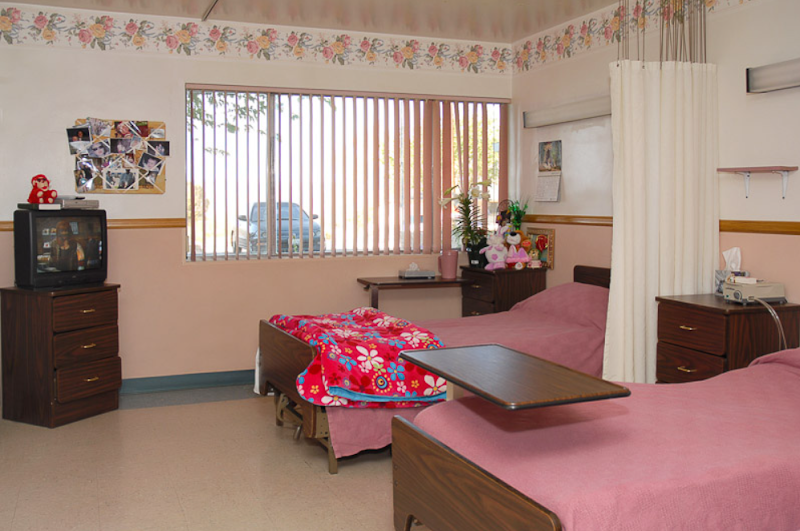
How is Mountain View Post Acute Staffed?

CMS rates MOUNTAIN VIEW POST ACUTE's staffing level at 3 out of 5 stars, which is average compared to other nursing homes. Staff turnover is 46%, compared to the California average of 46%. This relatively stable workforce can support continuity of care.

What Have Inspectors Found at Mountain View Post Acute?

State health inspectors documented 26 deficiencies at MOUNTAIN VIEW POST ACUTE during 2022 to 2025. These included: 26 with potential for harm.
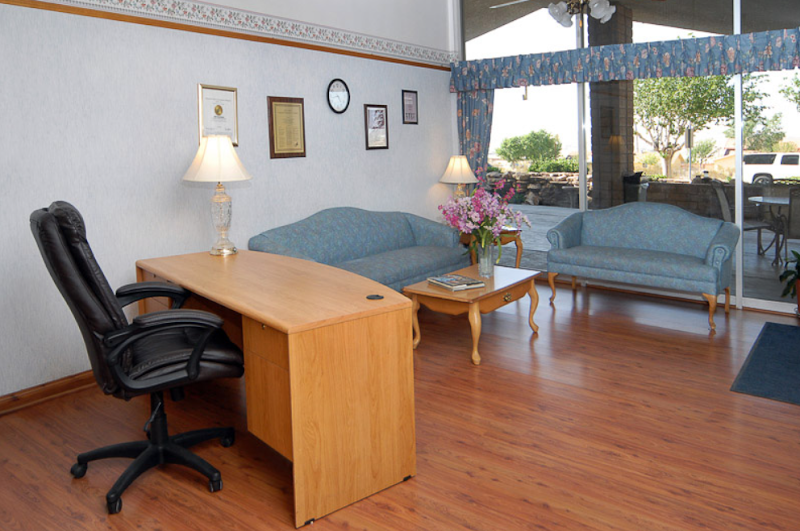
Who Owns and Operates Mountain View Post Acute?

MOUNTAIN VIEW POST ACUTE is owned by a for-profit company. For-profit facilities operate as businesses with obligations to shareholders or private owners. The facility is operated by DAVID & FRANK JOHNSON, a chain that manages multiple nursing homes. With 59 certified beds and approximately 54 residents (about 92% occupancy), it is a smaller facility located in BARSTOW, California.
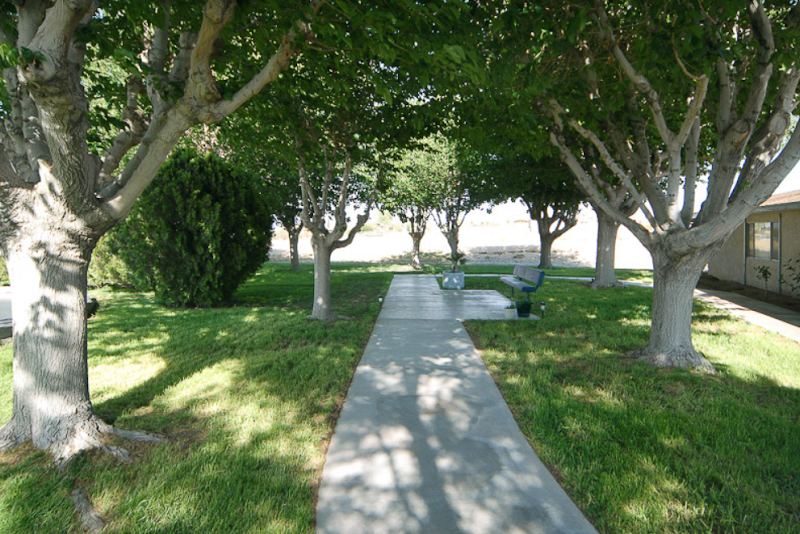
How Does Mountain View Post Acute Compare to Other California Nursing Homes?

Compared to the 100 nursing homes in California, MOUNTAIN VIEW POST ACUTE's overall rating (5 stars) is above the state average of 3.2, staff turnover (46%) is near the state average of 46%, and health inspection rating (4 stars) is above the national benchmark.

What Should Families Ask When Visiting Mountain View Post Acute?

Based on this facility's data, families visiting should ask: "Can I visit during a mealtime to observe dining assistance and food quality?" "How do you handle medical emergencies, and what is your hospital transfer rate?" "Can I speak with family members of current residents about their experience?"

Is Mountain View Post Acute Safe?

Based on CMS inspection data, MOUNTAIN VIEW POST ACUTE has a clean safety record: no substantiated abuse findings (meaning no confirmed cases of resident harm), no Immediate Jeopardy citations (the most serious violation level indicating risk of serious injury or death), and is not on the Special Focus Facility watch list (a federal program monitoring the lowest-performing 1% of nursing homes). The facility has a 5-star overall rating and ranks #1 of 100 nursing homes in California. While no facility is perfect, families should still ask about staff-to-resident ratios and recent inspection results during their visit.

Do Nurses at Mountain View Post Acute Stick Around?

MOUNTAIN VIEW POST ACUTE has a staff turnover rate of 46%, which is about average for California nursing homes (state average: 46%). Moderate turnover is common in nursing homes, but families should still ask about staff tenure and how the facility maintains care continuity when employees leave.

Was Mountain View Post Acute Ever Fined?

MOUNTAIN VIEW POST ACUTE has no federal fines on record. CMS issues fines when nursing homes fail to meet care standards or don't correct problems found during inspections. The absence of fines suggests the facility has either maintained compliance or corrected any issues before penalties were assessed. This is a positive indicator, though families should still review recent inspection reports for the full picture.

Is Mountain View Post Acute on Any Federal Watch List?

MOUNTAIN VIEW POST ACUTE is not on any federal watch list. The most significant is the Special Focus Facility (SFF) program, which identifies the bottom 1% of nursing homes nationally based on persistent, serious quality problems. Not being on this list means the facility has avoided the pattern of deficiencies that triggers enhanced federal oversight. This is a positive indicator, though families should still review the facility's inspection history directly.