BELL CONVALESCENT HOSPITAL
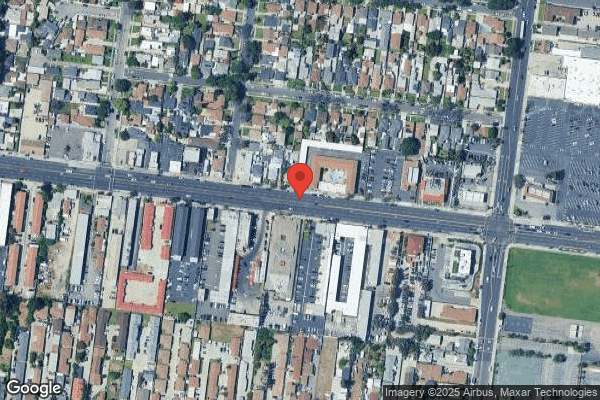
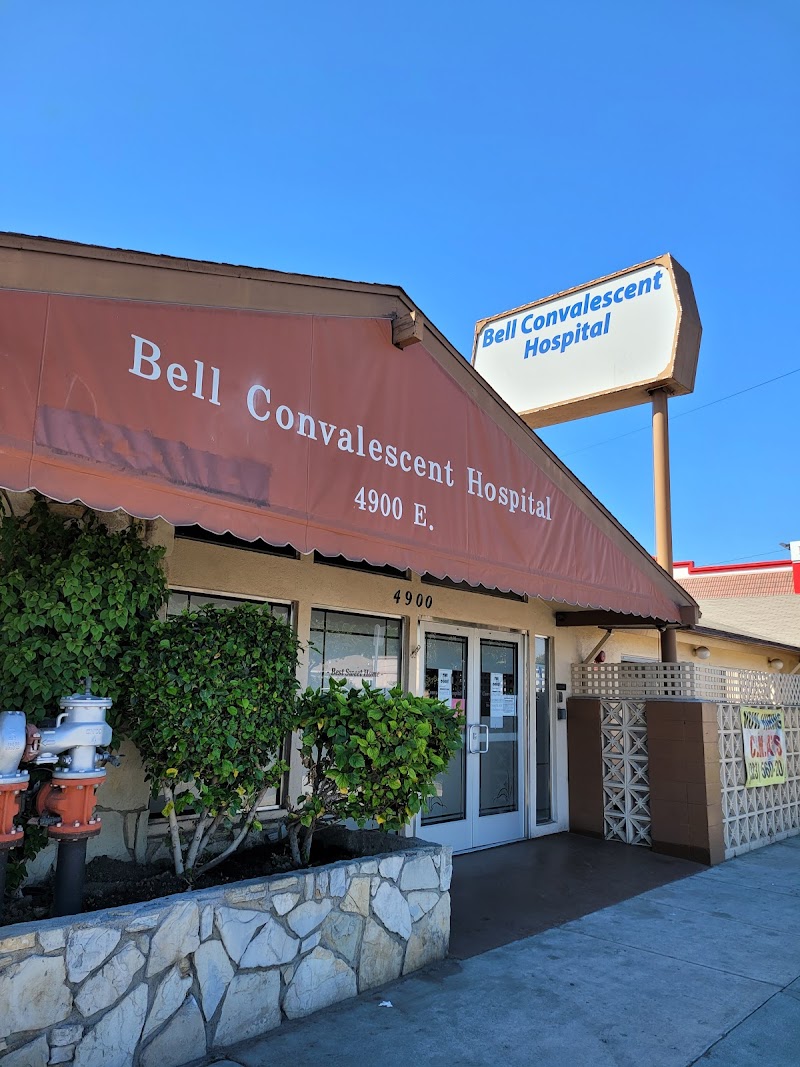
4900 E. FLORENCE AVE, BELL, CA 90201 (323) 560-2045
For profit - Corporation 99 Beds Independent Data: November 2025
Trust Grade
10/100
#984 of 1155 in CA
Last Inspection: December 2024

Within standard 12-15 month inspection cycle. Federal law requires annual inspections.

Overview

Bell Convalescent Hospital has received a Trust Grade of F, indicating significant concerns about the care provided, placing it in the bottom tier of facilities. It ranks #984 out of 1155 in California, which means it is in the bottom half of nursing homes in the state, and #276 out of 369 in Los Angeles County, suggesting limited local options that are better. Although the facility's trend is improving, going from 31 issues in 2023 to 29 in 2024, it still reported serious problems, including incidents where a resident fell and fractured their arm due to inadequate monitoring, and another resident did not receive the correct dosage of medication for several days. Staffing is a relative strength with a 4 out of 5 rating and a turnover rate of 37%, which is slightly below the state average, but the facility has concerning RN coverage that is less than 88% of California facilities. Additionally, the facility's fines of $113,480 are higher than 92% of similar facilities, indicating ongoing compliance issues that families should consider.

Trust Score
F
10/100
In California
#984/1155
Bottom 15%
Safety Record
High Risk
Review needed
Inspections
Getting Better
31 → 29 violations
Staff Stability
○ Average
37% turnover. Near California's 48% average. Typical for the industry.
Penalties
✓ Good
$113,480 in fines. Lower than most California facilities. Relatively clean record.
Skilled Nurses
⚠ Watch
Each resident gets only 16 minutes of Registered Nurse (RN) attention daily — below average for California. Fewer RN minutes means fewer trained eyes watching for problems.
Violations
⚠ Watch
75 deficiencies on record. Higher than average. Multiple issues found across inspections.
★☆☆☆☆
1.0
Overall Rating
★★★★☆
4.0
Staff Levels
★★★☆☆
3.0
Care Quality
★☆☆☆☆
1.0
Inspection Score
Stable
2023: 31 issues
2024: 29 issues

The Good

  • 4-Star Staffing Rating · Above-average nurse staffing levels
  • Full Sprinkler Coverage · Fire safety systems throughout facility
  • No fines on record
  • Staff turnover below average (37%)

    11 points below California average of 48%

Facility shows strength in staffing levels, fire safety.

The Bad

1-Star Overall Rating

Below California average (3.1)

Significant quality concerns identified by CMS

Staff Turnover: 37%

Near California avg (46%)

Typical for the industry

Federal Fines: $113,480

Well above median ($33,413)

Significant penalties indicating serious issues

The Ugly 75 deficiencies on record

3 actual harm
Dec 2024 20 deficiencies 1 Harm
SERIOUS (G)

Actual Harm - a resident was hurt due to facility failures

Accident Prevention (Tag F0689)

A resident was harmed · This affected 1 resident

**NOTE- TERMS IN BRACKETS HAVE BEEN EDITED TO PROTECT CONFIDENTIALITY** 3. During a review of Resident 44's admission Record, the admission Record indicated Resident 44's admitting diagnoses included ...

Read full inspector narrative →
**NOTE- TERMS IN BRACKETS HAVE BEEN EDITED TO PROTECT CONFIDENTIALITY** 3. During a review of Resident 44's admission Record, the admission Record indicated Resident 44's admitting diagnoses included epilepsy (a chronic brain disorder that causes seizures [episodes of abnormal electrical activity in the brain]). During a review of Resident 44's active physician orders, dated 10/2/2024, the orders indicated staff were to apply padded siderails to prevent injury related to diagnosis of epilepsy. During a review of Resident 44's care plan titled Has a seizure disorder, dated 4/10/2024, the care plan indicated Resident 44 was to have padded siderails on both sides of his bed to prevent injury. During an observation on 12/2/2024 at 10:00 a.m., at Resident 44's bedside, observed Resident 44 bed with quarter-length siderails on both sides. The siderails were not padded. During an observation on 12/2/2024 at 8:47 a.m., at Resident 44's bedside, observed Resident 44's bed with quarter-length siderails on both sides. The siderails were not padded. During a concurrent observation and interview, on 12/3/2024 at 2:53 p.m., at Resident 44's bedside, with Certified Nursing Assistant (CNA) 2, Resident 44's bed was observed. CNA 2 stated she did not know Resident 44 was at risk for seizures or had a history of seizures. CNA 2 stated Resident 44 did not have padded siderails. CNA 2 stated the purpose of padded siderails was to protect Resident 44 from injury. During a concurrent interview and record review, on 12/3/2024 at 2:57 p.m., with RN 1, Resident 44's physician orders were reviewed. RN 1 stated Resident 44 was supposed to have padded siderails. RN 1 stated Resident 44 did not have padded siderails, and stated the purpose of the siderails was to prevent injury. RN 1 stated the absence of padding on the siderails increased the potential for Resident 44 to sustain injury if he had a seizure. 4. During a review of Resident 6's admission Record, the admission Record indicated Resident 6 was originally admitted to facility on 5/2/2024 and re-admitted on [DATE] with diagnoses of diabetes mellitus (DM- a disorder characterized by difficulty in blood sugar control and poor wound healing), hypertension (HTN, high blood pressure), history of falling, and seizure. During a review of Resident 6's H&P, dated 5/3/2024, the H&P indicated Resident 6 had the capacity to understand and make decisions. During a review of Resident 6's MDS, dated [DATE], the MDS indicated Resident 6's cognitive skills for daily decision making was mildly impaired. The MDS indicated Resident 6 required supervision or touching assistance (helper provided verbal cues and/or touching/steadying and/or contact guard assistance as resident completed activity) with oral hygiene and upper body dressing; moderate assistance (helper did less than half the effort) for toileting hygiene, lower body dressing, and personal hygiene, and substantial/maximal assistance (helper did more than half the effort) for showering /bathing and putting on/ taking off footwear. During a review of Resident 6's Order Summary Report, dated 11/5/2024, the report indicated an order, dated 7/5/2024, to apply padded side rails while in bed to prevent injury related to diagnosis of seizure. During a review of Resident 6's care plan titled The resident has a seizure disorder, revised 5/23/2024, the care plan indicated the goal was for Resident 6 to be free from injury from seizure activity. The care plan indicated staff's interventions included to apply padded side rails while in bed to prevent injury. During an observation on 12/2/2024 at 10:14 a.m., in Resident 6's room, observed Resident 6 lying on the bed with no padded side rails. During an observation on 12/3/2024 at 3:09 p.m., in Resident 6's room, observed Resident 6 lying on the bed with no padded side rails. During a concurrent observation and interview on 12/3/2024 at 3:24 p.m. with Licensed Vocational Nurse (LVN) 3, in Resident 6's room, observed Resident 6 s lying on the bed with no padded side rails. LVN 3 stated Resident 6 should have padded side rails. 5. During a review of Resident 35's admission Record, the admission Record indicated Resident 35 was originally admitted to facility on 7/13/2024 and re-admitted on [DATE] with diagnoses of DM, HTN, epilepsy, and dementia (a progressive state of decline in mental abilities). During a review of Resident 35's H&P, dated 10/3/2024, the H&P indicated Resident 35 did not have the capacity to understand and make decisions. During a review of Resident 35's MDS, dated [DATE], the MDS indicated Resident 35's cognitive skills for daily decision making was intact. The MDS indicated Resident 35 required substantial/maximal assistance with upper body dressing; and was dependent with eating, oral hygiene, toileting hygiene, showering /bathing self, lower body dressing, putting on/ taking off footwear, and personal hygiene. The MDS indicated Resident 35 required substantial/maximal assistance to roll left and right; and was dependent to sit to lying, lying to sitting on side of bed, chair/bed-to-chair transfer, and tub/ shower transfers. The MDS indicated Resident 35 had impairment on the upper extremity (arm) and used a wheelchair for mobility. During a review of Resident 35's Order Summary Report, dated 10/5/2024, the report indicated an order, dated 10/1/2024, to apply padded side rails while in bed to prevent injury related to seizure. During a review of Resident 35's care plan titled The resident has a seizure disorder, revised 10/25/2024, the care plan indicated the goal was for Resident 35 to be free from injury related to seizure activity. The care plan indicated staff's intervention was to apply padded side rails. During an observation on 12/2/2024 at 11:38 a.m., in Resident 35's room, observed Resident 35 lying on the bed with no padded side rails. During an observation on 12/2/2024 at 3:04 p.m., in Resident 35's room, observed Resident 35 lying on the bed with no padded side rails. During an observation on 12/3/2024 at 8:50 a.m., in Resident 35's room, observed Resident 35 lying on the bed with no padded side rails. During a concurrent observation and interview on 12/3/2024 at 2:41 p.m. with LVN 3, in Resident 35's room, observed Resident 35 lying on the bed with no padded side rails. LVN 3 stated Resident 35 should have padded side rails to prevent head injury from seizure activities. LVN 3 stated the charge nurse was responsible for ensuring the presence of padded side rails. During a review of the facility's P&P titled Safety and Supervision of Residents, revised on 7/2017, the P&P indicated the care team shall target interventions to reduce individual risks related to hazards in the environment, including adequate supervision and assistive devices. The P&P indicated to implement interventions to reduce accident risks and hazards shall include ensuring interventions were implemented. The P&P indicated staff shall ensure that interventions were implemented correctly and consistently to monitor the effectiveness of interventions. Based on interview and record review, the facility failed to ensure two of five sampled residents (Resident 17 and Resident 44) were free from avoidable accidents and accident hazards when the facility: 1. Did not conduct an Interdisciplinary Team (IDT, group of different disciplines working together towards a common goal of a resident) assessment following Resident 17's fall on 6/14/2024. 2. Did not develop or implement person-centered interventions to prevent Resident 17 from having repeated falls on 6/21/2024 and 8/3/2024. 3. Did not conduct an IDT in a timely manner, after Resident 44 fell on 5/19/2024, to prevent further falls. 4. Did not develop new, person-centered, fall prevention interventions following Resident 44's fall on 5/19/2024 and subsequent falls on 8/22/2024 and 9/14/2024. 5. Failed to conduct an accurate IDT assessment on 6/24/2024 and provide individualized recommendations to prevent Resident 44 from further falls. 6. Failed to provide padded siderails for Resident 44, Resident 6, and Resident 35 as ordered by the physician. These deficient practices resulted in Resident 17 having two falls on 6/21/2024 and 8/3/2024. On 8/3/2024, Resident 17 sustained a laceration (a cut, tear, or opening in the skin) to the back of her head, a right parietal scalp hematoma (a collection of blood between the skin and skull bone on the side of the head), and fractures (broken bones) to the sacral (area near the low back and upper buttocks) and lumbar (lower back) regions, which led to a hospitalization at a general acute care hospital (GACH) for evaluation and treatment. This deficient practice also resulted in Resident 44 falling on 8/22/2024, where he sustained a forehead abrasion (a partial thickness wound caused by damage to the skin). Resident 44 fell a third time on 9/14/2024 (within 23 days from the previous fall) and complained of moderate pain (pain that can't be ignored for more than a few minutes but can be managed with effort) to his head. This deficient practice also placed Residents 44, 6, and 35 at risk for injuries. Findings: 1. During a review of Resident 17's admission Record, the admission Record indicated Resident 17 was admitted to the facility on [DATE] and re-admitted on [DATE]. Resident 17's admitting diagnoses included osteoarthritis (a progressive disorder of the joints, caused by a gradual loss of cartilage), osteoporosis (weak and brittle bones due to lack of calcium and Vitamin D), dementia (a progressive state of decline in mental abilities), history of falling, lack of coordination, and abnormalities of gait (manner of walking) and mobility. During a review of Resident 17's History and Physical (H&P), dated 8/11/2024, the H&P indicated Resident 17 did not have the capacity to understand and make decisions. During a review of Resident 17's Minimum Data Set (MDS, a resident assessment tool), dated 10/29/2024, the MDS indicated Resident 17 had severe cognitive impairment (problems with the ability to think, learn, remember, and make decisions). The MDS indicated Resident 17 required partial to moderate assistance from staff to transition from a sitting to standing position, transferring from bed to chair or chair to bed, and to transfer on and off the toilet. The MDS indicated Resident 17 required partial to moderate assistance to walk 150 feet once standing. During a review of Resident 17's Fall Risk Evaluation, dated 1/30/2024, the assessment indicated Resident 17's score was 11 (a score of 11 or higher indicated a risk for falls). During a review of Resident 17's care plan titled At risk for fall related to history of fall, weakness, dementia, osteoarthritis, osteoporosis, created 2/15/2024, the care plan indicated staff were to encourage Resident 17 to call for assistance. During a review of Resident 17's Change of Condition (COC) assessment, dated 6/14/2024, the COC assessment indicated on 6/14/2024 Resident 17 was found on the floor in her room. The COC assessment indicated Resident 17 told staff she fell. The COC assessment indicated Resident 17 reported a pain score of 7 (scale of 1 to 10, with 10 being excruciating pain) to the right side of her head. The COC assessment indicated Resident 17 was transferred to the GACH following the fall. During a review of Resident 17's Fall Risk Evaluation, dated 6/17/2024, the evaluation indicated Resident 17's score was 13. During a review of Resident 17's COC assessment, dated 6/21/2024, the COC assessment indicated Resident 17 had a history of fall on 6/14/2024, and 6/21/2024 with minor injury (injury unspecified). The COC assessment did not indicate any new fall interventions. During a review of Resident 17's IDT Assessment, dated 7/29/2024, the IDT assessment indicated Resident 17 had a fall on 6/14/2024 requiring hospitalization, and another fall on 6/21/2024. The IDT assessment indicated Resident 17's medical diagnoses caused her to experience confusion and forgetfulness. The IDT assessment indicated the recommendations indicated staff would continue to educate Resident 17 to use her call light for assistance and to sit up slowly before walking. During a review of Resident 17's Fall Risk Evaluation, dated 7/30/2024, the evaluation indicated Resident 17's score was 13. During a review of Resident 17's COC assessment, dated 8/3/2024, the COC assessment indicated on 8/3/2024, Resident 17 was found on the floor, with a bleeding wound on the top of her head. The COC assessment indicated Resident 17 complained of moderate pain to her head and back. The COC assessment indicated Resident 17 was transferred to GACH 1 via emergency services. During a review of Resident 17's GACH 1 record titled Emergency Department Note, dated 8/3/2024, the record indicated Resident 17 was brought to GACH 1 by ambulance after she fell on the back of her head. The record indicated Resident 17 had a 0.5 inch laceration to the back of her head and complaints of pain to her head and lower back. During a review of Resident 17's GACH 1 computed tomography (CT) scan (a medical imaging procedure that uses X-rays and a computer to create detailed pictures of the inside of the body) report of her chest, abdomen, and pelvis, dated 8/3/2024, the report indicated Resident 17 had a compression fracture (a break in a bone that occurs when pressure causes the bone to collapse) at lumbar spine 1 (L1, the first bone of the spine in the lumbar region of the back), and broken bones to the resident's sacral region on both sides of the body. During a review of Resident 17's GACH 1 CT scan report of the head and brain, dated 8/3/2024, the report indicated Resident 17 had a moderate right parietal scalp hematoma (a collection of blood between the skin and skull bone on the side of the head). During a review of Resident 17's GACH 1 Discharge Summary Brief, dated 8/13/2024, the note indicated Resident 17 had diagnoses of bilateral (both sides of the body) sacral fractures and L1 compression fracture. The note indicated Resident 17's fractures were determined inoperable and the resident was recommended for higher level of care. During a concurrent interview and record review, on 12/3/2024 at 2:57 p.m., with Registered Nurse (RN) 1, Resident 17's COC assessments dated 6/14/2024, 6/21/2024, and 8/3/2024, and care plan titled At risk for fall related to history of fall, weakness, dementia, osteoarthritis, osteoporosis, dated 2/15/2024, were reviewed. RN 1 stated the COC assessments indicated Resident 17 had three falls after the initiation of her fall risk care plan on 2/15/2024. RN 1 stated the care plan and COC assessments did not indicate that new, resident-centered interventions to prevent further falls had been developed or implemented after Resident 17's falls on 6/14/2024 and 6/21/2024. RN 1 stated Resident 17 was confused and forgetful. RN 1 stated Resident 17 could have benefited from the implementation of staff supervision. RN 1 stated the implementation of resident-specific interventions could have prevented Resident 17 from falling and sustaining injuries on 8/3/2024. During a concurrent interview and record review on 12/4/2024 at 3:24 p.m., with the Director of Nursing (DON), Resident 17's IDT assessments dated 7/29/2024 and 10/28/2024 were reviewed. The DON stated the IDT assessment dated [DATE] indicated a fall prevention intervention of educating the resident to call for help and to sit up slowly before walking. The DON stated the IDT assessment should have been completed at the time of Resident 17's falls on 6/14/2024 and 6/21/2024. The DON stated the fall prevention intervention was not appropriate for Resident 17 because the resident was confused and forgetful. The DON stated it was not reasonable to expect Resident 17 to remember or follow staff's instructions. The DON stated the IDT should have implemented different, and/or additional, resident-specific fall prevention interventions after Resident 17's falls on 6/14/2024 and 6/21/2024. The DON stated the failure to implement new, resident-specific fall prevention measures placed Resident 17 at risk for repeated falls and injuries. 2. During a review of Resident 44's admission Record, the admission Record indicated Resident 44 was admitted to the facility on [DATE] and re-admitted on [DATE]. Resident 44's admitting diagnoses included history of falling and anxiety disorder (a condition that causes excessive fear, worry, and feelings of dread or uneasiness). During a review of Resident 44's H&P, dated 3/25/2024, the H&P indicated Resident 44 did not have the capacity to understand and make decisions. During a review of Resident 44's MDS, dated [DATE], the MDS indicated Resident 44 had severe cognitive impairment, and inattention and disorganized thinking. The MDS indicated Resident 44 required substantial to maximal assistance from staff to transition from a sitting to standing position, transferring from bed to chair or chair to bed, and to transfer on and off the toilet. During a review of Resident 44's Fall Risk Evaluation, dated 3/21/2024, the evaluation indicated Resident 44's score was 14. During a review of Resident 44's care plan titled High risk for falls, initiated 3/26/2024, indicated a care goal that Resident 44 would not sustain serious injury. Staff interventions indicated to follow the facility fall protocol, review information on past falls, attempt to determine the cause of falls, and alter or remove potential causes of falls. During a review of Resident 44's COC assessment, dated 5/19/2024, the COC assessment indicated on 5/19/2024, Resident 44 had a fall. The COC did not indicate any new documented fall interventions. During a review of Resident 44's IDT Assessment, dated 6/24/2024, the IDT assessment indicated staff were required to indicate if Resident 44 had any safety issues or risks, including a history of falls in the previous 180 days. The IDT assessment did not indicate Resident 44's history of a fall on 5/19/2024. The IDT assessment did not indicate the cause of Resident 44's fall on 5/19/2024, or if staff altered or removed potential causes of falls, as indicated on Resident 44's care plan. During a review of Resident 44's Fall Risk Evaluation, dated 6/26/2024, the evaluation indicated Resident 44's score was 13. During a review of Resident 44's COC assessment, dated 8/22/2024, the COC assessment indicated on 8/22/2024, Resident 44 was found with his face down on the floor. The COC assessment indicated Resident 44 reported he fell from his bed. The COC assessment indicated Resident 44 sustained a forehead wound measuring 3.8 centimeters (cm, measurement of length) by 3.8 cm, with surrounding redness to the skin. The COC assessment did not indicate any new documented fall interventions. During a review of Resident 44's COC assessment, dated 9/14/2024, the COC assessment indicated on 9/14/2024, Resident 44 was found with his face down on the floor. The COC assessment indicated Resident 44 reported he fell from his bed. The COC assessment indicated Resident 44 complained of moderate pain to his head. The COC assessment did not indicate any new documented fall interventions. During a concurrent interview and record review, on 12/3/2024 at 2:57 p.m., with RN 1, Resident 44's COC assessments dated 5/19/2024, 8/22/2024, and 9/14/2024, care plan titled High risk for falls, initiated 3/26/2024, and IDT assessment, dated 6/24/24, were reviewed. RN 1 stated the COC assessments indicated Resident 44 had three falls following the initiation of his fall risk care plan on 3/26/2024. RN 1 stated the care plan did not indicate new fall prevention interventions were created after Resident 44 fell on 5/19/2024. RN 1 stated Resident 44's IDT assessment, was inaccurate because it did not address Resident 44's fall from 5/19/2024. RN 1 stated the IDT indicated Resident 44 was at risk for falls. RN 1 stated Resident 44's fall and IDT assessment were two opportunities for the IDT to assess Resident 44 and develop resident-centered interventions to prevent additional falls. RN 1 stated no interventions were developed based on Resident 44's needs. RN 1 stated Resident 44's falls on 8/22/2024 and 9/14/2024 could have been prevented. During a review of the facility's policy and procedure (P&P) titled Fall Risk and Prevention Assessment, updated 3/2018, the P&P indicated facility staff were to assess and identify residents who were at risk for falls and develop appropriate plans of care to prevent resident falls and/or further falls. The P&P indicated residents identified as high risk for falls were supposed to be referred to the IDT for further assessment, proper intervention, and care planning to prevent falls.
CONCERN (D)

Potential for Harm - no one hurt, but risky conditions existed

Deficiency F0552 (Tag F0552)

Could have caused harm · This affected 1 resident

**NOTE- TERMS IN BRACKETS HAVE BEEN EDITED TO PROTECT CONFIDENTIALITY** Based on interview and record review, the facility failed to obtain informed consent for psychotropic medications (drugs that af...

Read full inspector narrative →
**NOTE- TERMS IN BRACKETS HAVE BEEN EDITED TO PROTECT CONFIDENTIALITY** Based on interview and record review, the facility failed to obtain informed consent for psychotropic medications (drugs that affect a person's mental state) from one of five sampled residents (Resident 45) responsible party (RP), informed consent was obtained from Resident 45's family member (FM) 2, who was not Resident 45's RP. This deficient practice resulted in Resident 45 receiving sertraline (a medication used to treat depression) and aripiprazole (a medication used to treat mental disorders, including depression) without her knowledge or explicit consent. This deficient practice also placed Resident 45 at risk for experiencing unwanted adverse effects of the medication, including increased risk of suicidal thoughts and other mental status changes. Findings: During a review of Resident 45's admission Record, the admission Record indicated Resident 45 was admitted to the facility on [DATE], and most recently re-admitted Resident 45 on 4/16/2024. Resident 45's admitting diagnoses included depression (a mental health disorder characterized by persistently depressed mood or loss of interest in activities, causing significant impairment in daily life) and psychosis (a severe mental condition in which thought, and emotions are so affected that contact is lost with reality). During a review of Resident 45's History and Physical (H&P), dated 7/3/2024, the H&P indicated Resident 45 had the capacity to understand and make medical decisions. During a review of Resident 45's Minimum Data Set (MDS, a resident assessment tool), dated 10/22/2024, the MDS indicated Resident 45 had mild cognitive impairment (problems with the ability to think, learn, remember, and make decisions). The MDS indicated Resident 45 required supervision to total dependence on staff for activities of daily living (ADLs, activities such as bathing, dressing and toileting a person performs daily) and mobility. During a review of Resident 45's admission Agreement Signature Sheet, dated 4/16/2024, the document indicated Resident 45 signed her own consent for treatment. During a review of Resident 45's discontinued physician orders, dated 4/16/2024 to 11/7/2024, the orders indicated Resident 45 received Aripiprazole 5 milligrams (mg, unit of measurement) twice a day for psychosis. During a review of Resident 45's Informed Consent for Aripiprazole, dated 4/16/2024, the document indicated consent was not obtained from Resident 45. The document indicated informed consent was obtained by FM 2. During a review of Resident 45's active physician orders, dated 4/16/2024, the orders indicated Resident 45 was to receive Sertraline 100 mg at bedtime for depression. During a review of Resident 45's Informed Consent for Sertraline 100 mg at bedtime depression, dated 4/16/2024, the document indicated consent was not obtained from Resident 45. The document indicated informed consent was obtained by FM 2. During a review of Resident 45's active physician orders, dated 11/7/2024, the orders indicated Resident 45 was receiving Aripiprazole 5 mg in the evening for psychosis. During a review of Resident 45's care plan titled [Resident 45] uses . Sertraline [related] to depression, dated 4/17/2024, the care plan indicated staff were to monitor Resident 45 for adverse reactions associated with sertraline including suicidal thoughts, muscle cramps, dizziness, fatigue, inability to sleep, and decline in ADL ability. The care plan further indicated staff were to educate the resident and resident's family about the risks, side effects, and/or toxic symptoms of Sertraline. During a review of Resident 45's care plan titled [Resident 45] uses . Aripiprazole [related to] depression, dated 4/17/2024, the care plan indicated staff were to educate the resident and resident's family about the risks, side effects, and/or toxic symptoms of Aripiprazole. During an interview on 12/4/2024 at 9:42 a.m., with Resident 45, Resident 45 stated facility staff did not tell her she was receiving Sertraline or Aripiprazole. Resident 45 stated she did not recall providing informed consent for staff to administer the medications. Resident 45 stated she was not aware of the associated side effects and risks associated with the medications. During an interview on 12/4/2024 at 10:13 a.m., with FM 2, FM 2 stated she did not recall providing informed consent for the facility to administer Sertraline and Aripiprazole to Resident 45. FM 2 stated she was never designated to act on Resident 45's behalf and stated Resident 45 was responsible for making decisions for herself. During an interview on 124/2024 at 11:30 a.m., with the facility's Consultant Pharmacist, the Pharmacist stated Sertraline and Aripiprazole were associated with cardiac (heart) problems and metabolic disorders (a condition that occurs when the body's chemical reactions are abnormal). During an interview on 12/4/2024 at 3:13 p.m., with the Director of Nursing (DON), Resident 45's Informed Consents for Sertraline and Aripiprazole, and Resident 45's admission Agreement, all dated 4/16/2024, were reviewed. The DON stated the admission Agreement indicated Resident 45 had decision making capacity and stated Resident 45's informed consents indicated FM 2, not Resident 45, consented for the administration of Sertraline and Aripiprazole. The DON stated Resident 45 was supposed to be informed of the indication for and possible adverse effects associated with the medication. The DON stated Resident 45 should have been the individual to provide informed consent. The DON stated it was Resident 45's right to be informed of her treatment plan. During a review of the facility's P&P titled Informed Consents, dated 12/2018, the P&P indicated it was the facility's policy to uphold the rights and dignity of the facility's residents, including their right to make informed decisions about their care. The P&P further indicated the facility was supposed to maintain a written record of the resident's decision to consent to psychotropic medications for every resident receiving psychotropic medications.
CONCERN (D)

Potential for Harm - no one hurt, but risky conditions existed

Deficiency F0558 (Tag F0558)

Could have caused harm · This affected 1 resident

**NOTE- TERMS IN BRACKETS HAVE BEEN EDITED TO PROTECT CONFIDENTIALITY** Based on observation, interview, and record review, the facility failed to accommodate the needs of one of eight sampled residen...

Read full inspector narrative →
**NOTE- TERMS IN BRACKETS HAVE BEEN EDITED TO PROTECT CONFIDENTIALITY** Based on observation, interview, and record review, the facility failed to accommodate the needs of one of eight sampled resident's (Resident 23) by not placing the call within reach and not providing an appropriate call light device. This deficient practice prevented Resident 23 from communicating with staff and had the potential to delay appropriate care, treatment, and services. Findings: During a review of Resident 23's admission Record, dated 12/5/2024, the admission record indicated Resident 23 was initially admitted to the facility on [DATE] and readmitted on [DATE]. Resident 23's diagnoses included hemiplegia (total paralysis of the arm, leg, and trunk on the same side of the body) and hemiparesis (weakness or an inability to move on one side of the body) following cerebrovascular disease (CVA-stroke, loss of blood flow to a part of the brain) affecting the right dominant side, peripheral vascular disease (PVD - a slow progressive narrowing of the blood flow to the arms and legs), hypertension (HTN-high blood pressure) and type 2 diabetes mellitus (DM-a disorder characterized by difficulty in blood sugar control and poor wound healing). During a review of Resident 23's History and Physical (H&P) dated 9/1/2024, the H&P indicated Resident 23 had the capacity to understand and make decisions. During a review of Resident 23's Minimum Data Set (MDS - a resident assessment tool), dated 10/11/2024, the MDS indicated Resident 23's cognition (ability to think, remember, and reason) was moderately impaired. The MDS also indicted Resident 23 required maximal assistance (helper does more than half the effort) for eating, oral hygiene and personal hygiene and was dependent (helper does all the effort) toileting and bathing. The MDS indicated Resident 23 required a wheelchair for mobility (the ability to freely move or be moved). During a review of Resident 23's care plan titled High Risk for Falls, dated 1/6/2024 and revised 10/28/2024, the care plan indicated Resident 23 would be free of falls. The care plan interventions indicated to be sure Resident 23's call light was within reach, encourage the resident to use the call light for assistance as needed, provide prompt responses to all requests for assistance, anticipate and meet the resident's needs. During an observation on 12/2/2024 at 10:35 a.m., in Resident 23's room, Resident 23 was observed lying in bed. Resident 23 was awake, on his back and covered with a blanket. Resident 23 had both arms under the blanket. Resident 23's call light was placed at ear level on the left side of the pillow attached to the sheet. During a concurrent observation and interview on 12/2/2024 at 10:51 a.m., in Resident 23's room, Resident 23 was observed calling out for help. Resident 23 stated he could not reach his call light. During a concurrent observation and interview on 12/2/2024 a 10:53 a.m., in Resident 23's room, Certified Nursing Assistant (CNA) 1 entered Resident 23's room and ask if she could help. CNA 1 observed Resident 23 lying in bed with the call light placed at the resident's left side next to his head and attached to the sheet. CNA 1 unclipped the call light and placed it on Resident 23's chest. CNA 1 stated Resident 23 could not reach the call light in the area it had been placed. Resident 23 was asked if he was able to use the call light now that it was placed in his lap. Resident 23 struggled to take his hands from under the blankets and attempted to push the call light with the thumb on his left hand. Resident 23 was unable to push the button. CNA 1 stated Resident 23 usually yelled out when he needed assistance and never used the call light. CNA 1 stated Resident 23 should have had access to a call light and the call light should have been located where the resident could reach it. CNA 1 stated it was not appropriate for a Resident 23 to have to yell out to get assistance. CNA 1 stated she did not know Resident 23 was unable to push the button to the call light. CNA 1 stated she now understood why Resident 23 yelled out for help instead of using his call light. CNA 1 stated she should have asked Resident 23 if he could use the call light he had been given. CNA 1 stated Resident 23 needed a paddle call light (a type of call button that looks like a small, flat paddle, which patients can easily press with their hand or arm to alert staff when they need assistance, especially if they have limited mobility) and would inform the charge nurse. During an interview on 12/4/2024 at 1:54 p.m., with the Director of Nursing (DON), the DON stated Resident 23 needed a call light within reach and the right type of call light so that he could call out for his needs. The DON stated he would reassess Resident 23 and have the maintenance staff change the resident's call light to one he could better utilize. During a review of the facility's policy and procedure (P&P) titled, Policy and Procedure on Call Light, dated 4/14/2017, the P&P indicated, it is this facility's policy to ensure presence of a resident call system with the use of a call light. The P&P indicated the staff would assess the resident's ability to use a regular call light and keep the call light within easy reach of the resident. During a review of the facility's (P&P) titled, Policy and Procedure on Resident Accommodation of Needs, not dated, the P&P indicated, upon admission or readmission to the facility, the licensed nurse shall make an assessment of the resident's basic needs including but not limited to medical, physical, mental, and psychosocial needs. In addition, members of the interdisciplinary team should also make an assessment of resident's individual needs and preferences. The P&P indicated plans of care should include approaches that would modify or remove resident's weaknesses or weak points for example furniture and other fixture in the immediate environment of the resident should be arranged in such a manner as to compensate for resident's disability. The P&P indicated except when the health and safety of the individual resident or other residents in the facility is involved and is at risk of jeopardy, the facility should make reasonable attempts at accommodating resident's needs.
CONCERN (D)

Potential for Harm - no one hurt, but risky conditions existed

Deficiency F0578 (Tag F0578)

Could have caused harm · This affected 1 resident

**NOTE- TERMS IN BRACKETS HAVE BEEN EDITED TO PROTECT CONFIDENTIALITY** Based on interview and record review, the facility failed to ensure the residents' medical records were updated to show document...

Read full inspector narrative →
**NOTE- TERMS IN BRACKETS HAVE BEEN EDITED TO PROTECT CONFIDENTIALITY** Based on interview and record review, the facility failed to ensure the residents' medical records were updated to show documentation clarifying if a resident has an advance directive (a legal document indicating resident preference on end-of-life treatment decisions) or not for two out of eight residents (Resident 6 and 35), when: 1. Facility did not complete the advance directive acknowledgement form (ADAF, part of an advance directive, a legal document that allowed a person to specify their medical care wishes and who should make decisions for them if they could not) for Resident 6. 2. Facility did not obtain the ADAF for Resident 35 within 24 hours of admission in accordance with the facility's Policy and Procedure (P&P) titled, Advance directives. These deficient practices had the potential to result in confusion in the care and services for Resident 6 and 35 and placed the residents at risk of receiving unwanted treatment and not receiving appropriate care based on wishes. Findings: 1. During a review of Resident 6's admission Record, the admission Record indicated Resident 6 was originally admitted to facility on 5/2/2024 and re-admitted on [DATE]. Resident 6's diagnoses included diabetes mellitus (DM-a disorder characterized by difficulty in blood sugar control and poor wound healing), hypertension (HTN- high blood pressure), history of falling, and heart failure (HF- a heart disorder which caused the heart to not pump the blood efficiently). During a review of Resident 6's History and Physical (H&P), dated 5/3/2024, the H&P indicated Resident 6 had the capacity to understand and make decisions. During a review of Resident 6's Minimum Data Set (MDS- a resident assessment tool), dated 11/7/2024, the MDS indicated Resident 6's cognitive (the ability to think and process information) skills for daily decision making was mildly impaired. The MDS indicated Resident 6 required supervision with oral hygiene and upper body dressing, moderate assistance (helper did less than half the effort) for toileting hygiene, lower body dressing, and personal hygiene, and substantial/maximal assistance (helper did more than half the effort) for showering /bathing, and putting on/ taking off footwear. The MDS indicated Resident 6 required supervision to roll left and right; moderate assistance to sit to lying and lying to sitting on side of bed; substantial/maximal assistance for chair/bed-to-chair transfer and toilet transfer; and was dependent (helper did all the effort) for tub/ shower transfer. The MDS indicated Resident 6 had impairment on the lower extremities and used a wheelchair for mobility device. During a concurrent interview and record review on 12/3/2024 at 8:56 a.m. with Licensed Vocational Nurse (LVN) 3, Resident 6's ADAF, dated 7/5/2024, was reviewed. The ADAF did not have Resident 6's representative, or witnesses' signatures. LVN 3 stated the ADAF was not complete because it only had the interpreter's signature, and was missing initials, witness signatures, and a date. LVN 3 stated a completed form would need the signature of the resident, witness, or whoever completed the form. LVN 3 stated the negative outcome of an incomplete ADAF was that the form was inactive, and it would affect the resident's care. LVN 3 stated Resident 6 would not be able to receive care according to the recommendation from the resident's designated decision maker. LVN 3 stated the charge nurse was responsible making sure the ADAF was complete. 2. During a review of Resident 35's admission Record, the admission Record indicated Resident 35 was originally admitted to the facility on [DATE] and re-admitted on [DATE]. Resident 35's diagnoses included DM, HTN, epilepsy (a brain disease where nerve cells did not signal), and dementia (a progressive state of decline in mental abilities). During a review of Resident 35's H&P, dated 10/3/2024, the H&P indicated Resident 35 did not have the capacity to understand and make decisions. During a review of Resident 35's MDS, dated [DATE], the MDS indicated Resident 35's cognitive skills for daily decision making was intact. The MDS indicated Resident 35 required substantial/maximal assistance with upper body dressing and was dependent with eating, oral hygiene, toileting hygiene, showering /bathing, lower body dressing, putting on/ taking off footwear, and personal hygiene. The MDS indicated Resident 35 required substantial/maximal assistance to roll left and right; and was dependent with sitting to lying, lying to sitting on side of bed, chair/bed-to-chair transfer, and tub/ shower transfer. During a concurrent interview and record review on 12/3/2024 at 2:12 p.m. with LVN 3, Resident 35's both physical (chart) and electronic medical records were reviewed, the medical records indicated there was no ADAF. LVN 3 stated an advance directive was a legal document to provide instruction for medical care for a resident who unable to communicate their own wishes. LVN 3 stated Resident 35 needed the ADAF, and it could possibly delay necessary care without the ADAF in the resident's medical records. LVN 3 stated the charge nurse was responsible for ensuring the ADAF availability. During an interview on 12/3/2024 at 2:41 p.m. with the Director of Staff Development (DSD), the DSD stated the ADAF should be available in the resident's chart because it contained the resident's information. The DSD stated it was the procedure to keep the ADAF in the chart for easier access when it came to an emergency. During a review of the facility's P&P titled Advance directives, undated, the P&P indicated An acknowledgement to this right shall also be completed by the resident or his/her surrogate decision maker (refer to Advance Directive Acknowledgement form). Forward the acknowledgement and include it in the resident's medical file (chart) and business file within 24 hours of admission. If for any reason, the advance directive acknowledgement is not completed within 24 hours of admission, it shall be the responsibility of the Admissions Coordinator or designee to document in the resident's file reasons for such delay. Advance Directive Acknowledgement that remains incomplete after five days of admission shall be forwarded to facility Administrator for necessary actions.
CONCERN (D)

Potential for Harm - no one hurt, but risky conditions existed

Report Alleged Abuse (Tag F0609)

Could have caused harm · This affected 1 resident

**NOTE- TERMS IN BRACKETS HAVE BEEN EDITED TO PROTECT CONFIDENTIALITY** Based on interview and record review, facility staff failed to report an allegation of resident-to-resident verbal abuse to the ...

Read full inspector narrative →
**NOTE- TERMS IN BRACKETS HAVE BEEN EDITED TO PROTECT CONFIDENTIALITY** Based on interview and record review, facility staff failed to report an allegation of resident-to-resident verbal abuse to the State Agency, for two of four sampled residents (Resident 3 and Resident 30), after directly observing the abuse incident on 12/29/2024. This failure resulted in delayed notification of the State Agency, and the subsequent timeliness of their investigations. The failure also increased the potential for additional resident-to-resident abuse incidents to occur. Findings: During a review of Resident 3's admission Record, the record indicated Resident 3 was originally admitted to the facility on [DATE] and was most recently re-admitted on [DATE]. Resident 3's admitting diagnoses included dementia (a progressive state of decline in mental abilities) and lack of coordination. During a review of Resident 3's History and Physical (H&P), dated 11/4/2022, the H&P indicated Resident 3 did not have the capacity to understand or make decisions. During a review of Resident 3's Minimum Data Assessment (MDS, a resident assessment tool), dated 10/22/2024, the MDS indicated Resident 3 had severe cognitive impairments (a condition that affects a person's ability to think, learn, and remember). The MDS indicated Resident 3 was dependent on staff for all activities of daily living (activities such as bathing, dressing and toileting a person performs daily), and mobility while in bed. During a review of Resident 3's Change of Condition (COC) Assessment, dated 12/30/2024, the assessment indicated Resident 3's roommate (Resident 30) threw a blanket at her face and yelled at her on 12/29/2024. During a review of Resident 30's admission Record, the record indicated Resident 30 was originally admitted to the facility on [DATE] and was most recently re-admitted on [DATE]. Resident 30's admitting diagnoses included dementia, and mood disorder (a mental health condition that affects a person's emotional state). During a review of Resident 30's H&P, dated 10/20/2024, the H&P indicated Resident 30 did not have the capacity to understand or make decisions. During a review of Resident 30's MDS, dated [DATE], the MDS indicated Resident 30 had severe cognitive impairments. The MDS indicated Resident 30 did not have any impairments to any of her arms or legs. The MDS indicated Resident 30 required supervision or touch assistance from staff to transition from a sitting to standing position. During a review of Resident 30's COC Assessment, dated 12/29/2024, the assessment indicated an unidentified staff observed Resident 30 throw a blanket at Resident 3's face and yell at her on 12/29/2024. During an interview, on 1/14/2025 at 3:04 PM, with the Administrator (ADM), the ADM stated the resident-to-resident altercation between Resident 3 and Resident 30, that occurred on 12/29/2024, was not reported to the State Agency because Resident 30 (the alleged abuser) had a diagnosis of dementia. During a concurrent interview and record review, on 1/16/2025 at 1:46 PM, with the ADM, the facility's policies and procedures (P&Ps) titled Abuse, Neglect, Exploitation or Misappropriation - Reporting and Investigating (revised 4/2021) and Policy and Procedure on Patient Abuse and Prevention (undated) were reviewed. The ADM stated that neither of the P&Ps indicated that incidents or allegations of suspected abuse did not need to be reported to the State Agency. The ADM stated it was important to report all allegations of abuse timely to ensure that investigations could be conducted and residents' rights were preserved. The ADM stated the resident-to-resident altercation between Resident 3 and Resident 30, which occurred on 12/29/2024, was reported to the State Agency on 1/15/2024. During a review of the facility P&P titled Policy and Procedure on Patient Abuse and Prevention (undated), the P&P indicated verbal abuse was considered abuse regardless of the alleged abuser's age, ability to comprehend, or disability. The P&P did not indicate an exception for alleged abusers with a diagnosis of dementia. During a review of the facility P&P titled Resident to Resident Altercation (12/2017), the P&P indicated it was the facility's policy to provide an environment that kept residents safe from abuse. The P&P indicated incidents of resident-to-resident altercations were to be reported to the appropriate agencies as indicated in the facility's abuse reporting policy. During a review of the facility P&P titled Abuse, Neglect, Exploitation or Misappropriation - Reporting and Investigating (revised 4/2021), the P&P indicated incidents of abuse were to be reported immediately to the facility ADM. The P&P further indicated the ADM (or the individual making the allegation of abuse) was to report the abuse immediately to the state licensing/certification agency responsible for surveying/licensing the facility. The P&P indicated immediately was defined as within two hours if the allegation involved abuse. The P&P did not indicate an exception to reporting if the alleged abuser had a diagnosis of dementia.
CONCERN (D)

Potential for Harm - no one hurt, but risky conditions existed

Deficiency F0645 (Tag F0645)

Could have caused harm · This affected 1 resident

Based on interview and record review, the facility did not ensure the Preadmission Screening and Resident Review (PASRR, a federal requirement to help ensure that individuals with a mental disorder or...

Read full inspector narrative →
Based on interview and record review, the facility did not ensure the Preadmission Screening and Resident Review (PASRR, a federal requirement to help ensure that individuals with a mental disorder or intellectual disabilities are not inappropriately placed in nursing homes for long term care) assessment was accurate, and that determination for necessity of potential necessary services, was completed for one of one sampled resident (Resident 45). This deficient practice had the potential for Resident 45 to not receive the required services and care needed for their diagnosed mental disorders. Findings: During a review of Resident 45's admission Record, the admission Record indicated the facility admitted Resident 45 on 3/19/2024, and most recently re-admitted Resident 45 on 4/16/2024. Resident 45's admitting diagnoses included depression (a mental health disorder characterized by persistently depressed mood or loss of interest in activities, causing significant impairment in daily life) and psychosis (a severe mental condition in which thought, and emotions are so affected that contact is lost with reality). During a review of Resident 45's Minimum Data Set (MDS, a resident assessment tool), dated 10/22/2024, the MDS indicated Resident 45 had mild cognitive impairment (problems with the ability to think, learn, remember, and make decisions). The MDS indicated Resident 45 required supervision to total dependence on staff for activities of daily living (ADLs, activities such as bathing, dressing and toileting a person performs daily) and mobility. During a review of Resident 45's PASRR Level I Screening, dated 4/16/2024, the PASRR did not reflect Resident 45's diagnoses of depression and psychosis. The PASRR Level I Screening indicated it was negative. During a review of Resident 45's untitled record, dated 4/16/2024, indicated a PASRR Level II Mental Health Evaluation was not required because Resident 45's PASRR Level I Screening was negative. During a concurrent interview and record review, on 12/4/2024 at 2:48 p.m., with the Director of Nursing (DON), Resident 45's admission Record and PASRR Level I Screening dated 4/16/2024 were reviewed. The DON stated Resident 45's diagnoses of depression and psychosis, indicated on the admission Record, were not reflected on the PASRR Level I Screening dated 4/16/2024. The DON stated the PASRR should be accurate because it helps to identify if the resident might need additional services. The DON stated an accurate assessment and screening was also necessary to ensure that admission to the facility was appropriate. The DON stated the facility was supposed to review the PASRR for accuracy, and if deemed inaccurate, a new PASRR should have been submitted. During a review of the facility's policy and procedure (P&P) titled Pre-admission Screening and Resident Review (PASSR), dated 12/2017, the P&P indicated the purpose of the PASRR screenings was to help ensure that individuals who have a mental disorder or intellectual disabilities were not inappropriately placed in nursing homes for long term care.
CONCERN (D)

Potential for Harm - no one hurt, but risky conditions existed

Comprehensive Care Plan (Tag F0656)

Could have caused harm · This affected 1 resident

**NOTE- TERMS IN BRACKETS HAVE BEEN EDITED TO PROTECT CONFIDENTIALITY** 3. During a review of Resident 32's admission Record, dated 12/5/2024, the admission record indicated Resident 32 was initially ...

Read full inspector narrative →
**NOTE- TERMS IN BRACKETS HAVE BEEN EDITED TO PROTECT CONFIDENTIALITY** 3. During a review of Resident 32's admission Record, dated 12/5/2024, the admission record indicated Resident 32 was initially admitted to the facility on [DATE] and readmitted on [DATE]. Resident 32's diagnoses included diabetes mellitus (DM - a disorder characterized by difficulty in blood sugar control and poor wound healing), atrial fibrillation (an irregular, often rapid heart rate that can cause poor blood flow, leading to blood clots, stroke, or heart failure), heart failure (a heart disorder which causes the heart to not pump the blood efficiently, sometimes resulting in leg swelling), hypertension (HTN - high blood pressure), asthma (a chronic lung disease in which the airways in the lungs become narrowed and swollen, making it difficult to breathe), and obstructive sleep apnea (OSA - when the walls of the throat become blocked while sleeping, which can prevent air from moving through the windpipe). During a review of Resident 32's History and Physical (H&P), dated 9/1/2024, the H&P indicated Resident 32 had the capacity to understand and make decisions. During a review of Resident 32's MDS, dated [DATE], the MDS indicated Resident 32 had the ability to usually be understood and usually understood others. The MDS indicated Resident 32 required partial assistance (helper does less than half the effort) with eating, substantial assistance (helper does more than half the effort) with oral and personal hygiene and was dependent (helper does all the effort) for toileting hygiene. The MDS indicated Resident 32 required a wheelchair for mobility. During a review of Resident 32's care plans, the care plans did not include a care plan and interventions related to Resident 32's LAL mattress. During a concurrent observation, interview, and record review, on 12/4/2024 at 2:02 p.m., with Licensed Vocational Nurse (LVN 2), Resident 32's care plans were reviewed. LVN 1 stated she was the treatment nurse for Resident 32. LVN 2 acknowledged there was no care plans or interventions for Resident 32's LAL mattress. LVN 2 stated a LAL mattress care plan should have been initiated for Resident 32 and there should have been documentation to indicate the LAL mattress would be continued as a prophylaxis (to prevent) and adjusted according to Resident 32's comfort level. LVN 2 stated errors could be made when the LAL mattress care plan, interventions, and settings were not documented which could cause further injury instead of helping the resident. During an interview on 12/4/2024 at 2:14 p.m. with the Director of Nursing (DON), the DON stated the air mattress should be set according to the resident's weight and everything regarding the air mattress should be care planned. The DON stated if Resident 32 wanted to keep the air mattress for comfort after her pressure ulcer resolved, it must be documented, and a care plan done with the right setting for her comfort per the device. Based on interview and record review, the facility failed to ensure care plans were developed for four of 21 sampled residents when the following occurred: 1. Resident 45 did not have a care plan addressing diagnoses of depression and psychosis. 2. Resident 58 did not have a fall risk care plan. 3. Resident 32 did not have a care plan for the use of a low air loss (LAL) mattress (a mattress designed to distribute body weight evenly and reduce pressure on specific areas of the body). 4. Resident 77 did not have a care plan for the use of a LAL mattress. These deficient practices placed Residents 45, 58, 32, and 77 at risk for avoidable complications due to staff not having defined and resident-specific interventions for provision of care. Findings: 1. During a review of Resident 45's admission Record, the admission Record indicated the facility admitted Resident 45 on 3/19/2024, and most recently re-admitted Resident 45 on 4/16/2024. Resident 45's admitting diagnoses included depression (a mental health disorder characterized by persistently depressed mood or loss of interest in activities, causing significant impairment in daily life) and psychosis (a severe mental condition in which thought, and emotions are so affected that contact is lost with reality). During a review of Resident 45's Minimum Data Set (MDS, a resident assessment tool), dated 10/22/2024, the MDS indicated Resident 45 had mild cognitive impairment (problems with the ability to think, learn, remember, and make decisions). The MDS indicated Resident 45 required supervision to total dependence on staff for activities of daily living (ADLs, activities such as bathing, dressing and toileting a person performs daily) and mobility. During a concurrent interview and record review, on 12/4/2024 at 2:48 p.m., with the Director of Nursing (DON), Resident 45's admission Record and all active care plans were reviewed. The DON stated Resident 45's admission Record indicated Resident 45 had diagnoses of depression and psychosis and stated there were no care plans in the resident's medical record for those diagnoses. The DON stated the care plans would include goals for the care being provided and include pharmacologic (medications) and non-pharmacologic interventions to address Resident 45's depression and psychosis. The DON stated that without a care plan, staff would be unable to know if interventions were effective and if goals for Resident 45's care were being achieved. 2. During a review of Resident 58's admission Record, the admission Record indicated the facility admitted Resident 58 on 10/3/2022, and most recently re-admitted Resident 58 on 9/13/2024. Resident 58's admitting diagnoses included dementia (a progressive state of decline in mental abilities), psychosis, lack of coordination, and abnormalities of gait (manner of walking) and mobility. During a review of Resident 58's MDS, dated [DATE], the MDS indicated Resident 58 had severe cognitive impairment. The MDS indicated Resident 58 required partial to moderate assistance from staff when performing personal hygiene activities, dressing her lower body, transferring between bed and a chair, and getting on and off the toilet. During a review of Resident 58's Fall Risk Evaluations, dated 9/13/2024 and 10/7/2024, the evaluations indicated Resident 58 was at risk for falls. The evaluations further indicated that a prevention protocol was supposed to be initiated immediately and documented on the care plan. During a concurrent observation and interview on 12/3/2024 at 3:35 p.m., with Certified Nursing Assistant (CNA) 2, at Resident 58's bedside, Resident 58 was observed lying in bed. CNA 2 stated Resident 58 did not have any fall indicators at her bedside or on her person to indicate she was a fall risk. CNA 2 stated Resident 58 was not at risk for falls. CNA 2 stated she looked for fall risk indicators to identify if a resident was at risk for falls, and if present, she would conduct more frequent rounding or take added precautions to prevent falls. During a concurrent interview and record review on 12/3/2024 at 3:42 p.m., with Registered Nurse (RN) 1, Resident 58's admission Record, Fall Risk Evaluations dated 9/13/2024 and 10/7/2024, and current care plans were reviewed. RN 1 stated Resident 58's diagnoses, including lack of coordination and abnormalities of gait and mobility, placed the resident at risk for falls. RN 1 stated Resident 58's Fall Risk Evaluations indicated the resident was at risk for falls and indicated a fall risk care plan should be documented. RN 1 reviewed Resident 58's care plans and stated the resident did not have a care plan addressing the resident's risk for falls. RN 1 stated Resident 58 was supposed to have a fall risk care plan. RN 1 stated the care plan would include interventions, including fall risk indicators, which would notify staff of the need for added precautions. RN 1 stated the lack of a fall risk care plan was a safety risk to Resident 58 and placed the resident at risk for falls. 4. During an observation on 12/2/2024 at 1:47 p.m., in Resident 77's room, the LALM was set for a person that weighed 320 pounds. During a review of Resident 77's admission Record, the admission record indicated Resident 77 was originally admitted to the facility on [DATE] and readmitted on [DATE]. Resident 77's diagnoses included depression (a progressive state of decline in mental abilities) and left femur (thigh bone, is the only bone in the thigh) fracture (broken bone). During a review of Resident 77's H&P dated 5/29/2024, the H&P indicated Resident 77 had the capacity to understand and make decisions. During a review of Resident 77's MDS, dated [DATE], the MDS indicated Resident 77's cognitive skills for daily decision making was moderately impaired. The MDS indicated Resident 77 required supervision for oral hygiene and upper body dressing, and partial assistance (helper does less than half the effort) for toileting hygiene, lower body dressing, and personal hygiene. During a review of Resident 77's Order Summary Report dated 5/30/2024, the order summary report indicated Resident 77 had an order for LALM for skin maintenance and pressure injury prevention. During a review of Resident 77's Weight Summary dated 12/3/2024, the weight summary indicated Resident 77 weighed 161 pounds on 12/3/2024. During a review of Resident 77's electronic medical record, unable to locate a care plan for the use of LALM. During an interview on 12/5/2024 at 1:01 p.m. with Registered Nurse (RN 1), RN 1 stated the use of a LALM should be part of Resident 77's care plan because it indicated the plan of care when a resident uses a LALM. RN 1 stated if it was not care planned it would affect the continuation of care. RN 1 stated it was important to develop a care plan for the use of a LALM because it indicated goals and interventions for residents. RN 1 stated the facility did not provide an in-service training on LALM use. During a review of the facility's policy and procedure (P&P) titled Care Plan, undated, the P&P indicated the facility shall ensure development of a comprehensive care plan for each resident to meet his/her medical, nursing, mental and psychosocial needs as identified in the comprehensive assessment. During a review of the facility's P&P titled Pressure Reducing Mattress dated April 2022, the P&P indicated, a specialty mattress will be obtained for pressure relief of residents that have pressure injury or at risk of pressure injury. The P&P indicated the purpose of the pressure reducing mattress was to maintain skin integrity and to promote healing of existing pressure injuries. The P&P indicated to set the pressure reducing mattress according to resident's height and weight and consider referring to the manufacturer's guidance. The P&P indicated to consider having the information on the pressure ulcer reducing mattress as part of the physician orders or plan of care.
CONCERN (D)

Potential for Harm - no one hurt, but risky conditions existed

Deficiency F0657 (Tag F0657)

Could have caused harm · This affected 1 resident

**NOTE- TERMS IN BRACKETS HAVE BEEN EDITED TO PROTECT CONFIDENTIALITY** Based on interview and record review, the facility failed to revise the care plans for two of 21 sampled residents when the foll...

Read full inspector narrative →
**NOTE- TERMS IN BRACKETS HAVE BEEN EDITED TO PROTECT CONFIDENTIALITY** Based on interview and record review, the facility failed to revise the care plans for two of 21 sampled residents when the following occurred: 1. Resident 44's fall care plan was not revised following his first fall on 5/19/2024. 2. Resident 17's fall care plan was not revised following her first fall on 6/14/2024, and second fall on 6/21/2024. These deficient practices resulted in Resident 44 sustaining a second fall on 8/22/2024, and a third unwitnessed fall on 9/14/2024. The above deficient practice also resulted in Resident 17 sustaining a third unwitnessed fall on 8/3/2024. Findings: 1. During a review of Resident 44's admission Record, the admission Record indicated Resident 44 was admitted to the facility on [DATE], and most recently re-admitted on [DATE]. Resident 44's admitting diagnoses included history of falling and anxiety disorder. During a review of Resident 44's History and Physical (H&P), dated 3/25/2024, the H&P indicated Resident 44 did not have the capacity to understand and make decisions. During a review of Resident 44's Minimum Data Set (MDS, a resident assessment tool), dated 9/26/2024, the MDS indicated Resident 44 had severe cognitive impairment (problems with the ability to think, learn, remember, and make decisions), inattention, and disorganized thinking. The MDS indicated Resident 44 required substantial to maximal assistance from staff to transition from a sitting to standing position, transferring from bed to chair or chair to bed, and to transfer on and off the toilet. During a review of Resident 44's care plan titled High risk for falls, initiated 3/26/2024, the care plan indicated a care goal that Resident 44 would not sustain serious injury. Staff interventions included following the facility fall protocol, reviewing information on past falls, attempting to determine the cause of falls, and altering and/or removing potential causes of falls. During a review of Resident 44's Change of Condition (COC) assessment, dated 5/19/2024, the assessment indicated Resident 44 sustained a fall. During a review of Resident 44's Interdisciplinary Team (IDT) Assessment, dated 6/24/2024, the assessment indicated staff were to indicate if Resident 44 had any safety issues or risks, including a history of falls in the previous 180 days. The assessment did not indicate a history of falls, including Resident 44's fall from 5/19/2024. During a review of Resident 44's care plan titled High risk for falls, initiated 3/26/2024, the care plan indicated interventions for fall prevention were not revised following Resident 44's fall on 5/19/2024. During a review of Resident 44's COC assessment, dated 8/22/2024, the assessment indicated Resident 44 was found with his face down on the floor. The assessment indicated Resident 44 reported he fell from his bed. The assessment indicated Resident 44 sustained a forehead wound measuring 3.8 centimeters (cm, measurement of length) by 3.8 cm, with surrounding redness to his skin. During a review of Resident 44's care plan titled High risk for falls, initiated 3/26/2024, the care plan indicated interventions for fall prevention were not revised following Resident 44's fall on 8/22/2024. During a review of Resident 44's COC assessment, dated 9/14/2024, the assessment indicated Resident 44 was found with his face down on the floor. The assessment indicated Resident 44 reported he fell from his bed. The assessment indicated Resident 44 reported moderate pain to his head. During a review of Resident 44's care plan titled High risk for falls, initiated 3/26/2024, the care plan indicated interventions for fall prevention were not revised following Resident 44's fall on 9/14/2024. During a concurrent interview and record review, on 12/3/2024 at 2:57 p.m., with Registered Nurse (RN) 1, Resident 44's care plan initiated 3/26/2024, and COC assessments dated 5/19/2024, 8/22/2024, and 9/14/2024 were reviewed. RN 1 stated the COC assessments indicated Resident 44 sustained three falls following initiation of his fall risk care plan on 3/26/2024. RN 1 stated the care plan interventions should have been revised following each of Resident 44's falls. RN 1 stated revision of the care plan was for the safety of Resident 44 and to prevent additional falls. RN 1 also reviewed Resident 44's IDT assessment, dated 6/24/24, and stated the assessment was not accurate and should have reflected that Resident 44 was at risk for falls and had a history of falls. RN 1 stated the IDT assessment should have addressed Resident 44's fall from 5/19/2024 to facilitate care plan revisions and potentially prevent additional falls. 2. During a review of Resident 17's admission Record, the admission Record indicated Resident 17 was admitted to the facility on [DATE], and most recently re-admitted on [DATE]. Resident 17's admitting diagnoses included osteoarthritis (a progressive disorder of the joints, caused by a gradual loss of cartilage), osteoporosis (weak and brittle bones due to lack of calcium and Vitamin D), dementia (a progressive state of decline in mental abilities), history of falling, lack of coordination, and abnormalities of gait and mobility. During a review of Resident 17's H&P, dated 8/11/2024, the H&P indicated Resident 17 did not have the capacity to understand and make decisions. During a review of Resident 17's MDS, dated [DATE], the MDS indicated Resident 17 had severe cognitive impairment. The MDS indicated Resident 17 required partial to moderate assistance from staff to transition from a sitting to standing position, transferring from bed to chair or chair to bed, and to transfer on and off the toilet. The MDS indicated Resident 17 required partial to moderate assistance to walk 150 feet once standing. During a review of Resident 17's care plan titled At risk for fall related to history of fall, weakness, dementia, osteoarthritis, osteoporosis, created 2/15/2024, the care plan indicated staff were to provide preventive intervention to minimize Resident 17's potential for injury. During a review of Resident 17's COC assessment, dated 6/14/2024, the assessment indicated Resident 17 was found on the floor in her room. Resident 17 told staff she fell. The assessment indicated Resident 17 reported a pain score of 7 (on a scale of 1 to 10, with 10 being excruciating pain) to the right side of her head. The assessment indicated Resident 17 was transferred to the hospital following the fall. During a review of Resident 17's care plan titled At risk for fall related to history of fall, weakness, dementia, osteoarthritis, osteoporosis, created 2/15/2024, the care plan indicated there were no revisions made to the fall prevention interventions following Resident 17's fall on 6/14/2024. During a review of Resident 17's COC assessment, dated 6/21/2024, the assessment indicated Resident 17 sustained another fall. During a review of Resident 17's care plan titled At risk for fall related to history of fall, weakness, dementia, osteoarthritis, osteoporosis, created 2/15/2024, the care plan indicated there were no revisions made to the fall prevention interventions following Resident 17's fall on 6/21/2024. During a review of Resident 17's COC assessment, dated 8/3/2024, the assessment indicated Resident 17 was found on the floor, with a bleeding wound on the top of her head. The assessment indicated Resident 17 reported moderate pain to her head and back. The assessment indicated Resident 17 was transferred to General Acute Care Hospital (GACH) 1 via emergency services. During a review of Resident 17's GACH 1 record, dated 8/3/2024, the record indicated Resident 17 was brought to the hospital by ambulance after she fell on the back of her head while walking. The records indicated Resident 17 was reporting head and lower back pain and suffered a puncture wound (wounds that are usually narrower and deeper than a cut or scrape, that can extend into deeper tissue layers) to the scalp. The record indicated imaging tests revealed Resident 17 had broken bones to her sacral region and indicated Resident 17 required a higher level of care. During a review of Resident 17's care plan titled At risk for fall related to history of fall, weakness, dementia, osteoarthritis, osteoporosis, created 2/15/2024, the care plan indicated there were no revisions following Resident 17's fall on 8/3/2024. During a concurrent interview and record review, on 12/4/2024 at 1:17 p.m., with RN 1, Resident 17's admission Record, COC assessments dated 6/14/2024, 6/21/2024, and 8/3/2024, and fall risk care plan were reviewed. RN 1 stated Resident 17's admission Record indicated she had diagnoses of osteoarthritis, osteoporosis, dementia, lack of coordination, and abnormal gait and mobility which placed her at risk for falls and injury. RN 1 stated Resident 17's COC assessments indicated she sustained falls, and stated the care plan indicated there were no revisions to the care plan interventions following the falls. RN1 stated Resident 17's fall care plan should have been revised to prevent additional falls and prevent further injury. During a review of the facility's policy and procedure (P&P) titled Fall Risk and Prevention Assessment, updated 3/2018, indicated the interdisciplinary team was supposed to develop appropriate plans of care to address risk for falls, and plans of care were supposed to include interventions that would remove, change, or modify risk factors for falls or further falls. The P&P indicated the care plans were supposed to be reviewed and updated to reflect the current condition of the resident. During a review of the facility's P&P titled Care Plan, undated, the P&P indicated the resident's care plans were supposed to show evidence of the facility's effort to address or manage risk factors. The P&P indicated care plans were supposed to be reviewed whenever necessary, including in the event of a significant change in the resident's status and condition.
CONCERN (D)

Potential for Harm - no one hurt, but risky conditions existed

Deficiency F0658 (Tag F0658)

Could have caused harm · This affected 1 resident

**NOTE- TERMS IN BRACKETS HAVE BEEN EDITED TO PROTECT CONFIDENTIALITY** Based on interview and record review, the facility failed to meet professional standards of quality of care for one out of eight...

Read full inspector narrative →
**NOTE- TERMS IN BRACKETS HAVE BEEN EDITED TO PROTECT CONFIDENTIALITY** Based on interview and record review, the facility failed to meet professional standards of quality of care for one out of eight residents (Resident 62) by failing to document the following on Resident 62's Medication Administration Record (MAR): 1. The administration of pantoprazole (medicine treated conditions that caused too much stomach acid) on 10/4/2024, 10/14/2024, and 10/16/2024 at 6:30 a.m. 2. The administration of insulin lispro (a fast-acting, human-made insulin [a hormone that removed excess sugar from the blood, could be produced by the body or given artificially via medication]) on 10/4/2024, 10/14/2024, and 10/16/2024 at 6:30 a.m. 3. Coronavirus disease (COVID-19, an infectious disease caused by the SARS-CoV-2 virus) and vital signs (measurements of the body's most basic functions) monitoring on 10/3/2024, 10/13/2024, 10/15/2024, and 10/21/2024 during the night shift; and on 10/7/2024, 11/17/2024, and 12/2/2024 during the evening shift. 4. Pain monitoring on 10/3/2024, 10/11/2024, 10/13/2024, 10/15/2024, 10/20/2024, and 10/21/2024 during the night shift; and on 10/7/2024 and 12/2/2024 during the evening shift. 5. Significant side effect (unwanted undesirable effects that were possibly related to a drug) monitoring of anticoagulant (a substance that was used to prevent and treat blood clots in blood vessels) use on 10/3/2024 during the night shift; and on 10/7/2024 and 12/2/2024 during the evening shift. 6. Significant side effects of sedative/ hypnotic (a class of drugs used to induce and/or maintain sleep) medication monitoring on 10/3/2024 during the night shift and on 10/7/2024 during the evening shift. 7. Monitor and document Resident 62's numbers of hours of sleep for the use of trazodone (a drug used to treat depression [a constant feeling of sadness and loss of interest]) at bedtime for inability to sleep on 10/8/2024. 8. Document Resident 62's number of hours of sleep on 12/2/2024. 9. Side effects of pain medication on 12/2/2024 during the evening shift. 10. Side effects of anti-depressant (prescription medicines to treat depression [constant feeling of sadness and loss of interest]) medication monitoring on 12/2/2024 during the evening shift. These deficient practices could have potentially delayed necessary care for Resident 62. Findings: During a review of Resident 62's admission Record, the record indicated Resident 62 was originally admitted to the facility on [DATE] and readmitted on [DATE]. Resident 62's diagnoses included diabetes mellitus (DM- a disorder characterized by difficulty in blood sugar control and poor wound healing), hypertension (HTN- high blood pressure), anemia (a condition where the body did not have enough healthy red blood cells), and depression. During a review of Resident 62's History and Physical (H&P), dated 5/16/2024, the H&P indicated Resident 62 had the capacity to understand and make decisions. During a review of Resident 62's Minimum Data Set (MDS, a resident assessment tool), dated 9/27/2024, the MDS indicated Resident 62's cognitive skills (mental action or process of acquiring knowledge and understanding) for daily decision making was intact. The MDS indicated Resident 62 required partial/moderate assistance (helper did less than half the effort) with upper body dressing and personal hygiene; substantial/maximal assistance (helper did more than half the effort) with toileting hygiene and lower body dressing; and was dependent (helper did all the effort) with showering/bathing. The MDS indicated Resident 62 was dependent for toilet transfer and tub/ shower transfer. During a review of Resident 62's Oder Summary Report with active orders as of 12/5/2024, the report indicated the followings orders: 1. Pantoprazole 40 milligram (mg, unit of measurement) one time a day 30 minutes before breakfast, dated 10/8/2024. 2. Insulin Lispro as per sliding scale (the increasing administration of the insulin dose based on the blood sugar level) before meals and at bedtime, dated 10/7/2024. 3. COVID-19 and vital signs monitoring every shift, dated 10/8/2024. 4. Monitor pain every shift, dated 10/8/2024. 5. Monitor significant side effects of anticoagulant medication every shift, dated 11/6/2024. 6. Monitor and record hour of sleeping every evening and night shift, dated 11/6/2024. 7. Trazodone 50 mg at bedtime, dated 10/8/2024. 8. Monitor side effects of pain medication every shift, dated 11/6/2024. 9. Monitor significant side effects of anti-depressant medication every shift, dated 11/6/2024. During a review of Resident 62's care plan titled The resident has GERD (gastroesophageal reflux disease, chronic digestive condition that occurs when stomach contents regularly flow back up into the esophagus), revised on 12/4/2024, the care plan indicated interventions to give medications as ordered. During a review of Resident 62's care plan titled At risk for complications from DM, revised on 4/8/2024, the care plan indicated interventions were to give medications as ordered. During a concurrent interview and record review on 12/4/2024 at 12:10 p.m. with Registered Nurse (RN) 1, Resident 62's MARs, dated 10/1/2024 - 12/31/2024, were reviewed. The MAR indicated the followings: 1. No documentation for pantoprazole administration on 10/4/2024 (ordered on 9/6/2024), 10/14/2024, and 10/16/2024 at 6:30 a.m. 2. No documentation for insulin lispro administration on 10/4/2024(ordered on 5/14/2024), 10/14/2024, and 10/16/2024 at 6:30 a.m. 3. No documentation for COVID-19 and vital signs monitoring every shift on 10/3/2024 (ordered on 5/13/2024), 10/13/2024, 10/15/2024, and 10/21/2024 night shifts; 10/7/2024 (ordered on 5/13/2024), 11/17/2024, and 12/2/2024 evening shift. 4. No documentation for pain monitoring every shift on 10/3/2024 (ordered on 5/13/2024), 10/11/2024, 10/13/2024, 10/15/2024, 10/20/2024, and 10/21/2024 night shifts; 10/7/2024 (ordered on 5/13/2024), 12/2/2024 evening shift. 5. No documentation for significant side effects of anticoagulant medication monitoring every shift on 10/3/2024 (ordered on 5/15/2024) night shift; 10/7/2024 (ordered on 5/15/2024) and 12/2/2024 evening shift. 6. No documentation for significant side effects of sedative/ hypnotic medication monitoring every shift on 10/3/2024 night shifts and 10/7/2024 evening shift. 7. No documentation on Resident 62's hours of sleep till 11/6/2024 when trazodone 50 mg for inability to sleep was ordered on 10/8/2024. 8. No documentation for hours of sleep monitoring every evening and night shift on 12/2/2024 evening shift. 9. No documentation for side effects of pain medication monitoring every shift on 12/2/2024 evening shift. 10. No documentation for side effects of anti-depressant medication monitoring every shift on 12/2/2024 evening shift. RN 1 stated it was not acceptable to have missing documentation on the MARs, as it could possibly delay necessary care and services for Resident 62. RN 1 stated the nursing staff should monitor the hours of sleep when trazodone was ordered on 10/8/2024. RN 1 stated the nursing staff would not be able to know if trazodone was effective without monitoring the hours of sleep. RN 1 stated it could possibly prolong unnecessary medication usage and increase the risk of intoxication (a temporary and reversible condition that affected the central nervous system after a person took drugs) and side effects. RN 1 stated Resident 62 might experience signs and symptoms of hypoglycemia (low blood sugar) such as paleness, dizziness, altered level of consciousness, sweating, and tremors; and hyperglycemia (high blood sugar) such as dizziness, thirstiness extreme hunger, polyuria (a condition when a person produced abnormally large amounts of urine), altered level of consciousness, and even shock (a life-threatening medical emergency when a person did not have enough blood circulating around body). RN 1 stated nurses assigned to Resident 62 and charge nurses were responsible for ensuring the MAR was complete. During a review of the facility's Policy and Procedure (P&P) titled Documentation of medication administration, revised on 4/2007, the P&P indicated A nurse or certified medication aide (where applicable) shall document all medications administered to each resident on the resident's MAR. Administration of medication must be documented immediately after (never before) it is given. During a review of facility's P&P titled Psychoactive medication management, updated on 7/2017, the P&P indicated The MAR will be used by nursing staff to document the frequency of the behaviors, adverse reactions, and resident response on each shift.
CONCERN (D)

Potential for Harm - no one hurt, but risky conditions existed

Pressure Ulcer Prevention (Tag F0686)

Could have caused harm · This affected 1 resident

**NOTE- TERMS IN BRACKETS HAVE BEEN EDITED TO PROTECT CONFIDENTIALITY** Based on observation, interview, and record review, the facility failed to ensure the low air loss mattress (LALM, a medical mat...

Read full inspector narrative →
**NOTE- TERMS IN BRACKETS HAVE BEEN EDITED TO PROTECT CONFIDENTIALITY** Based on observation, interview, and record review, the facility failed to ensure the low air loss mattress (LALM, a medical mattress that uses air to help prevent and treat pressure ulcers [localized, pressure-related damage to the skin and/or underlying tissue usually over a bony prominence]) pressure levels were adjusted according to the resident's weight for two of six sampled residents (Resident 32 and Resident 77). This deficient practice had the potential to cause the development, worsening or reinjury of pressure ulcers to Resident 32 and 77. Findings: 1. During a review of Resident 32's admission Record, dated 12/5/2024, the admission record indicated Resident 32 was admitted to the facility initially on 8/31/2024 and readmitted on [DATE]. Resident 32's diagnoses included diabetes mellitus (DM - a disorder characterized by difficulty in blood sugar control and poor wound healing), atrial fibrillation (an irregular, often rapid heart rate that can cause poor blood flow, leading to blood clots, stroke, or heart failure), heart failure (a heart disorder which causes the heart to not pump the blood efficiently, sometimes resulting in leg swelling), and hypertension (HTN - high blood pressure). During a review of Resident 32's History and Physical (H&P), dated 9/1/2024, the H&P indicated Resident 32 had the capacity to understand and make decisions. During a review of Resident 32's Minimum Data Set (MDS - a resident assessment tool), dated 9/7/2024, the MDS indicated Resident 32 had the ability to usually be understood and usually understood others. The MDS indicated Resident 32 required partial assistance (helper does less than half the effort) with eating, substantial assistance (helper does more than half the effort) with oral and personal hygiene and was dependent (helper does all the effort) on facility staff for toileting hygiene. The MDS indicated Resident 32 required a wheelchair for mobility (the ability of a resident to move around independently or with assistance). During a review of Resident 32's care plan titled, The resident has potential for actual impairment to skin integrity . date initiated 9/3/2024 and revised on 12/3/2024, the care plan indicated Resident 32 would not develop skin breakdown and wounds would not develop a secondary infection. The care plan indicated staff interventions included to turn and reposition Resident 32 every 2 hours and as needed and to keep the resident clean and dry. During a review of Resident 32's Braden Scale for Predicting Pressure Ulcer Risk, dated 10/7/2024, the Braden Scale for Predicting Pressure Ulcer Risk indicated Resident 32's mobility was very limited (makes occasional slight changes in body but unable to make significant changes independently) and the resident had a high risk for pressure injury. During a review of Resident 32's Wound Weekly Observation Tool, dated 11/1/2024, the wound observation tool indicated Resident 32 had a Stage III (full-thickness loss of skin. dead and black tissue may be visible) pressure injury to the sacrococcyx (tailbone). The wound observation tool indicated the use a LALM as a preventive measure. During a review of Resident 32's Wound Weekly Observation Tool, dated 11/15/2024, the wound observation tool indicated Resident 32 Stage III pressure injury to the sacrococcyx resolved. The wound observation tool indicated to continue the use a LALM as a preventative measure. During a review of Resident 32's Order Summary Report dated 12/5/2024, the order summary report indicated an active order on 10/8/2024 to have a LALM for skin maintenance and pressure injury prevention. The order summary report indicated to monitor placement and function of the LALM every day shift. During a review of Resident 32's Weight and Vitals Summary, dated 12/5/2024, the weights and vitals summary indicated Resident 32's weight was 224 pounds (lbs, measure of weight). on 12/2/2024. During a concurrent observation and interview on 12/2/2024 at 11:36 a.m. with Resident 32, in Resident 32's room, observed Resident 32 lying in bed on her back. Resident 32's LALM control was set to 400 lbs. Resident 32 stated the mattress was not comfortable. During a concurrent observation, interview and record review on 12/4/2024 at 2:02 p.m., with Licensed Vocational Nurse (LVN 2), Resident 32's LALM controls were observed and Resident 32's nursing notes, weights and vitals and care plans were reviewed. LVN 1 stated she was the treatment nurse for Resident 32. LVN 2 reviewed Resident 32's current weight on 12/1/2024 at 224 lbs. LVN 2 observed Resident 32's LAL mattress was set to 400 lbs. LVN 2 stated the LALM was used to prevent reinjury of the Resident 32's pressure ulcer. LVN 2 stated if Resident 32 had a pressure ulcer the LALM would be set according to the resident's weight. LVN 2 stated Resident 32's pressure ulcer was resolved so the LALM could be set according to the resident's comfort level. LVN 2 reviewed Resident 32's care plan and nursing notes, LVN 2 stated there were no care plans or interventions for the LALM. LVN 2 stated a LALM care plan should have been initiated for Resident 32 and when the pressure ulcer was discontinued, there should have been documentation to indicate the LALM would be continued as a prophylaxis (preventative) measure and adjusted according to Resident 32's comfort level. LVN 2 stated errors could be made if the LALM interventions and settings were not documented which could cause further injury instead of helping the resident. During an interview on 12/4/2024 at 2:14 p.m. with the Director of Nursing (DON), the DON stated the LALM should be set according to the resident's weight. The DON stated everything regarding the LALM should be care planned. The DON stated if Resident 32 wanted to keep the LALM for comfort after the pressure ulcer resolved, it must be documented and a care plan done with the right setting for Resident 32's comfort per the device. 2. During an observation on 12/2/2024 at 1:47 p.m., in Resident 77's room, the LAL mattress was set for a person that weighed 320 lbs. During a review of Resident 77's admission Record, the admission record indicated Resident 77 was originally admitted to the facility on [DATE] and readmitted on [DATE]. Resident 77's diagnoses included depression (a progressive state of decline in mental abilities) and a left femur (thigh bone) and fracture (broken bone). During a review of Resident 77's H&P dated 5/29/2024, the H&P indicated Resident 77 had the capacity to understand and make decisions. During a review of Resident 77's MDS, dated [DATE], the MDS indicated Resident 77's cognitive skills (mental action or process of acquiring knowledge and understanding) for daily decision making was moderately impaired. The MDS indicated Resident 77 required supervision for oral hygiene and upper body dressing, and partial assistance (helper does less than half the effort) for toileting hygiene, lower body dressing, and personal hygiene. During a review of Resident 77's Order Summary Report dated 5/30/2024, the order summary report indicated Resident 77 had an order for LALM for skin maintenance and pressure injury prevention. During a review of Resident 77's Weight Summary dated 12/3/2024, the weight summary indicated Resident 77 weighed 161 lbs on 12/3/2024. During an interview on 112/2/1:54 with Resident 77, in Resident 77's room, Resident 77 stated she did not know why she had a special mattress as none of the facility staff discussed it with her. Resident 77 stated the bed felt uncomfortable and it was very hard to move in bed. Resident 77 stated the mattress felt weird and it prevented her from readjusting her position in bed. During an interview on 12/5/2024 at 11:22 a.m. with Certified Nursing Assistant (CNA) 4, CNA 4 stated she did not know much about LALMs. CNA 4 stated she checked if the resident's LALM was working by pushing down on the mattress to see if it was full of air and checked to see if the pump was on. CNA 4 stated she would not know if the LALM was set correctly because she did not know how to set it up. CNA 4 stated she knew the LALM was to help residents prevent skin issues and if the LALM was not set up correctly, it might not help prevent skin issues. CNA 4 stated the facility had not provided an in-service on the use of the LALM. During an interview on 12/5/2024 at 1:01 p.m. with Registered Nurse (RN 1), RN 1 stated the use of a LAL mattress was not effective if it was not set up according to the residents' weight. RN 1 stated to prevent skin problems the LALM should provide the resident proper pressure support. RN 1 stated if the LALM was over inflated or under inflated it would cause skin issues and would be uncomfortable for the resident. RN 1 stated it was important to set the LALM correctly for the prevention and treatment of pressure ulcers and to provide comfort for bed bound residents. RN 1 stated he had not received an in service training on LALMs. During a review of the facility's user manual for LALMs, titled, Med Aire Plus 10 Alternating Pressure and Low Air Loss Bariatric Mattress Replacement System, (no date), the user manual indicated the product was designed to provide pressure redistribution while maximizing comfort to the residents. The user manual indicated the pressure level of the air mattress could be adjusted to a desired firmness based on personal comfort or weight setting. During a review of the facility's policy and procedure (P&P) titled, Pressure Reducing Mattress dated April 2022, the P&P indicated, a specialty mattress will be obtained for pressure relief of residents that have pressure injury or at risk of pressure injury. The P&P indicated the purpose of the pressure reducing mattress was to maintain skin integrity and to promote healing of existing pressure injuries. The P&P indicated to set the pressure reducing mattress according to resident's height and weight and consider referring to the manufacturer's guidance. The P&P indicated to consider having the information on pressure ulcer reducing mattress as part of the physician orders or plan of care.
CONCERN (D)

Potential for Harm - no one hurt, but risky conditions existed

Respiratory Care (Tag F0695)

Could have caused harm · This affected 1 resident

**NOTE- TERMS IN BRACKETS HAVE BEEN EDITED TO PROTECT CONFIDENTIALITY** Based on observation, interview, and record review, the facility failed to ensure one of three sampled residents (Resident 32), ...

Read full inspector narrative →
**NOTE- TERMS IN BRACKETS HAVE BEEN EDITED TO PROTECT CONFIDENTIALITY** Based on observation, interview, and record review, the facility failed to ensure one of three sampled residents (Resident 32), received the oxygen two (2) liters per minute (LPM) via nasal cannula (NC - a device used to deliver supplemental oxygen through the nose) as ordered by the physician. This deficient practice had the potential to result in oxygen desaturation (decreased amount of oxygen in the blood) which could lead to low levels of oxygen in the body tissue (hypoxia), difficulty breathing, rapid heart rate, and confusion, including hospitalization and death. Findings: During a review of Resident 32's admission Record, the admission record indicated Resident 32 was originally admitted to the facility on [DATE] and readmitted on [DATE]. Resident 32's diagnoses included atrial fibrillation (an irregular, often rapid heart rate that can cause poor blood flow, leading to blood clots, stroke, or heart failure), heart failure (a heart disorder which causes the heart to not pump the blood efficiently, sometimes resulting in leg swelling), hypertension (HTN - high blood pressure), asthma (a chronic lung disease in which the airways in the lungs become narrowed and swollen, making it difficult to breathe), and obstructive sleep apnea (when the walls of the throat become blocked while sleeping, which can prevent air from moving through the windpipe). During a review of Resident 32's History and Physical (H&P), dated 9/1/2024, the H&P indicated Resident 32 had the capacity to understand and make decisions. During a review of Resident 32's Minimum Data Set (MDS - a resident assessment tool), dated 9/7/2024, the MDS indicated Resident 32 had the ability to understand and be understood. The MDS indicated Resident 32 required partial assistance (helper does less than half the effort) with eating, substantial assistance (helper does more than half the effort) with oral and personal hygiene and was dependent (helper does all the effort) for toileting hygiene. The MDS indicated Resident 32 required a wheelchair for mobility (the ability of a resident to move around independently or with assistance). During a review of Resident 32's Order Summary Report, dated 12/5/2024, the order summary report indicated Resident 32 had an active order on 10/8/2024 to start oxygen at 2 LPM via NC continuously every shift. During a review of Resident 32's Order Summary Report, dated 12/5/2024, the order summary report indicated Resident 32 had an active order on 10/8/2024 to place continuous positive airway pressure ([CPAP] a breathing machine designed to increase air pressure, keeping the airway open when the person breathes in) to start at 9 p.m. until 6:30 a.m. or as needed. The order summary indicated to turn on machine, check the mode/settings and connect supplemental oxygen as ordered. During a review of Resident 32's care plan titled At risk for respiratory/aspiration (when a fluid or solid accidentally enters the windpipe and lungs) complications due to obstructive sleep apnea, revised 12/2/2024, the interventions indicated to provide Resident 32's oxygen and CPAP as ordered. During an observation on 12/2/2024 at 2:15 p.m. in Resident 32's room, Resident 32 had a nasal cannula connected to an oxygen concentrator (a medical device that provides extra oxygen) running at 2 LPM. The nasal cannula was connected to a humidifier (a medical device that adds moisture to supplemental oxygen), but the humidifier was not connected to the oxygen concentrator. During a concurrent observation and interview on 12/2/2024 at 2:30 p.m.in Resident 32's room, Licensed Vocational Nurse (LVN 1) confirmed Resident 32's humidifier with the oxygen tubing was disconnected from the oxygen concentrator. LVN 1 stated Resident 32 did not receive any oxygen. LVN 1 proceeded to connect the humidifier with the oxygen tubing to the concentrator. LVN 1 stated Resident 32 could have suffered difficulty breathing without the oxygen. LVN 1 stated the oxygen tubing was changed by night shift, but it was her (LVN 1) responsibility to make sure the oxygen tubing was connected properly during her shift. During an interview on 12/4/2024 at 1:58 p.m., the Director of Nursing (DON) stated Resident 32 did not receive oxygen if the humidifier with the oxygen tubing was not connected to the concentrator. The DON stated all staff were instructed to check oxygen and ensure oxygen are connected to the residents. The DON stated the licensed nurses should make sure the residents received the proper amount of oxygen. The DON stated Resident 32 could become short of breath without oxygen. During a review of the facility's undated policy and procedure (P&P) titled, Oxygen Administration, the P&P indicated, the facility must ensure that oxygen is administered to residents in accordance with the physician order. The P&P indicated monitoring of oxygen administration would be conducted and documented on the Medical Administration Record (MAR) by the licensed nurse and the Respiratory Therapist.
CONCERN (D)

Potential for Harm - no one hurt, but risky conditions existed

Deficiency F0698 (Tag F0698)

Could have caused harm · This affected 1 resident

**NOTE- TERMS IN BRACKETS HAVE BEEN EDITED TO PROTECT CONFIDENTIALITY** Based on observation, interview, and record review, the facility failed to ensure residents who required dialysis (a treatment t...

Read full inspector narrative →
**NOTE- TERMS IN BRACKETS HAVE BEEN EDITED TO PROTECT CONFIDENTIALITY** Based on observation, interview, and record review, the facility failed to ensure residents who required dialysis (a treatment to cleanse the blood of wastes and extra fluids artificially through a machine when the kidney(s) had failed) received services that were consistent with professional standards of practice, the comprehensive person-centered care plan, and the residents' goals, when the facility did not provide dialysis emergency kit (E-kit - contains supplies such as tape, clamp, and gauze to use in case the resident experienced bleeding from their dialysis access site) at the bedside, for three out of three residents (Resident 66, 36, and 63). These deficient practice placed the affected residents at risk for ineffective emergency treatment and complications of uncontrolled bleeding resulting in hospitalization and death. Findings: 1. During an observation on 12/2/2024 at 10:55 a.m., in Resident 66's room, observed Resident 66 was lying on bed with no dialysis emergency kit at bedside. During an observation on 12/2/2024 at 1:59 p.m., in Resident 66's room, observed Resident 66 was lying on bed with no dialysis emergency kit at bedside. During a review of Resident 66's admission Record, the admission record indicated Resident 66 was initially admitted to the facility on [DATE] and readmitted on [DATE] with the diagnoses of end stage renal disease (ESRD -irreversible kidney failure), chronic obstructive pulmonary disease (COPD-a chronic lung disease causing difficulty in breathing), heart failure (HF-a heart disorder which caused the heart to not pump the blood efficiently), and hypertension (HTN-high blood pressure). During a review of Resident 66's History and Physical (H&P), dated 7/2/2024, the H&P indicated Resident 66 had the capacity to understand and make decisions. During a review of Resident 66's Minimum Data Set (MDS - a resident assessment tool), dated 11/21/2024, the MDS indicated Resident 66's cognition (ability to think, remember, and reason) was intact. The MDS indicated Resident 66 had impairments on lower extremities and used wheelchair for mobility device. The MDS indicated Resident 66 required partial/moderate assistance (helper did less than half the effort) with upper body dressing and personal hygiene; substantial/maximal assistance (helper did more than half the effort) with toileting hygiene and lower body dressing; and was dependent (helper did all the effort) with shower/ bathe self. The MDS indicated Resident 66 required partial/ moderate assistance to roll left and right; substantial/ maximal assistance to sit to lying, lying to sitting on side of bed, and chair bed-to-chair transfer; and was dependent for toilet transfer and tub/ shower transfer. During a review of Resident 66's care plan titled, At risk for renal/ dialysis complications, revised on 11/18/2024, the care plan indicated the goal was that Resident 66 would not have complications from dialysis. 2. During a review of Resident 36's admission Record, the admission record indicated Resident 36 was initially admitted to the facility on [DATE] and readmitted on [DATE] with the diagnoses of ESRD, DM, HTN, and anemia (a condition where the body did not have enough healthy red blood cells). During a review of Resident 36's H&P, dated 10/25/2024, the H&P indicated Resident 36 had the capacity to understand and make decisions. During a review of Resident 36's MDS, dated [DATE], the MDS indicated Resident 36's cognition was intact. The MDS indicated Resident 36 had no impairments on extremities and used walker or wheelchair for mobility device. The MDS indicated Resident 36 required partial assistance with self-care, ambulation, and functional cognition. During a review of Resident 36's care plan titled, At risk for renal/ dialysis complications, revised on 9/25/2024, the care plan indicated the goal was that Resident 36 would not have complications from dialysis. During an interview on 12/4/2024 at 2:15 p.m. with Licensed Vocational Nurse (LVN) 3, LVN 3 stated they monitored dialysis residents for bleeding, and she did not know about the dialysis emergency kit. During an interview on 12/4/2024 at 2:18 p.m. with the Director of Nursing (DON), the DON stated the charge nurse should know about the dialysis emergency kit, and the facility should have a policy addressing the dialysis emergency kit. 3. During a review of Resident 63's admission Record, the admission record indicated Resident 63 was originally admitted to the facility on [DATE] and readmitted on [DATE] with diagnoses including end stage renal disease (ESRD - irreversible kidney failure), dependence on renal dialysis (a treatment to cleanse the blood of wastes and extra fluids artificially through a machine when the kidney(s) have failed), type 2 diabetes mellitus (DM-a disorder characterized by difficulty in blood sugar control and poor wound healing), and hypertension (HTN-high blood pressure). During a review of Resident 63's H&P dated 9/26/2024, the H&P indicated Resident 63 had the capacity to understand and make decisions. During a review of Resident 63's MDS, dated [DATE], the MDS indicated Resident 63 was cognitively intact. The MDS indicated Resident 63 required partial assistance (helper does less than half the effort) with eating, oral hygiene and personal hygiene and was dependent (helper does all the effort) for toileting hygiene and bathing. The MDS indicated Resident 63 required a wheelchair for mobility (the ability of a resident to move around independently or with assistance). During a review of Resident 63's Order Summary Report, dated 12/5/2024, the order summary report indicated Resident 63 had an active order on 10/8/2024 for hemodialysis every Monday, Wednesday, and Friday at an outside dialysis center. During a review of Resident 63's Order Summary Report, dated 12/5/2024, the order summary report indicated Resident 63 had an active order on 10/1/2024 to monitor the perm-a-cath (a flexible tube inserted into a blood vessel in the neck or upper chest to provide long-term access to the bloodstream for treatments including dialysis) on the right upper chest for signs and symptoms of infection everyday shift and as needed. During a review of Resident 63's care plan titled, re-admitted with right upper chest perm-a-cath, initiated on 10/1/2024 and revised on 10/25/2024, the intervention indicated to monitor dressing for soilage, pain and re-dress as needed. The intervention indicated to notify the medical doctor of any significant changes. The care plan interventions did not include an E-kit at the bedside. During an observation on 12/3/2024 at 8:11 a.m. in Resident 63's room, Resident 63 was observed with a perm-a-cath on the right upper chest. Resident 63 did not have an E-kit at bedside for her hemodialysis perm-a-cath in case of an emergency. During a concurrent observation and interview on 12/3/2024 at 8:18 a.m., with LVN 1, in Resident 63's room, LVN 1 searched through Resident 63's bedside table for a hemodialysis E-kit. LVN 1 stated Resident 63 did not have a hemodialysis E-Kit at the bedside. LVN 1 stated hemodialysis E-Kits are important for all residents receiving hemodialysis, to have at the bedside in case the perm-a-cath or shunt (a surgical connection between an artery and a vein that allows for direct access to the bloodstream for dialysis) became displaced and bleed. LVN 1 stated the E-Kit contained supplies to stop the bleeding of a shunt or perm-a-cath and are needed in case of an emergency. During an interview on 12/4/2024 at 2:18 p.m., the DON, stated the nursing staff should be aware that an E-kit should be present at the bedside of all residents receiving hemodialysis. The DON stated the E-kits are important in case Resident 63's port-a-cath has uncontrolled bleeding. The DON stated a resident could bleed out and die if bleeding was not stopped in time. The DON stated he was aware that the current hemodialysis policy and procedure (P&P) and care plan interventions did not include having an E-kit at the bedside. The DON stated he had discussed the issue in the last Quality Assurance/Quality Assurance and Performance Improvement (QAPI -a data driven proactive approach to improvement used to ensure services are meeting quality standards) meeting and a new policy would be created and implemented for hemodialysis after discussion and review at the next QAPI meeting. The DON stated he would ensure the new policy included information regarding the E-kits at the bedside for all hemodialysis residents. The DON stated he would also in-service his nursing staff on the importance of having E-kits at the bedside. During a review of the facility's Policy and Procedure (P&P) titled Hemodialysis, care of residents, pending revision date, the P&P indicated dialysis kits should be at the bedside. During a review of the facility's P&P titled Dialysis care, undated, the P&P indicated Facility shall ensure provision of standards of care for residents on renal dialysis.
CONCERN (D)

Potential for Harm - no one hurt, but risky conditions existed

Medication Errors (Tag F0758)

Could have caused harm · This affected 1 resident

**NOTE- TERMS IN BRACKETS HAVE BEEN EDITED TO PROTECT CONFIDENTIALITY** 2. During a review of Resident 62's admission Record, the record indicated Resident 62 was originally admitted to the facility o...

Read full inspector narrative →
**NOTE- TERMS IN BRACKETS HAVE BEEN EDITED TO PROTECT CONFIDENTIALITY** 2. During a review of Resident 62's admission Record, the record indicated Resident 62 was originally admitted to the facility on [DATE] and readmitted on [DATE]. Resident 62's diagnoses included Diabetes Mellitus (DM, a disorder characterized by difficulty in blood sugar control and poor wound healing), hypertension (HTN, high blood pressure), anemia (a condition where the body did not have enough healthy red blood cells), and depression. During a review of Resident 62's History and Physical (H&P), dated 5/16/2024, the H&P indicated Resident 62 had the capacity to understand and make decisions. During a review of Resident 62's MDS, dated [DATE], the MDS indicated Resident 62's cognitive skills for daily decision making was intact. The MDS indicated Resident 62 had no impairments to the extremities and used a walker or wheelchair for mobility. The MDS indicated Resident 62 required partial/moderate assistance (helper did less than half the effort) with upper body dressing and personal hygiene; substantial/maximal assistance (helper did more than half the effort) with toileting hygiene and lower body dressing; and was dependent (helper did all the effort) with shower/ bathe self. The MDS indicated Resident 62 required partial/ moderate assistance to roll left and right and walk 10 feet; substantial/ maximal assistance to sit to lying, lying to sitting on side of bed, sit to stand, chair/bed-to-chair transfer, walk 50 feet with two turns, and walk 150 feet; and was dependent for toilet transfer and tub/ shower transfer. During a review of Resident 62's Oder Summary Report, dated 11/5/2024, the report indicated an order, dated 10/8/2024, trazodone 50 mg at bedtime for depression. During a review of Resident 62's MAR for October 2024, the record indicated Resident 62 started receiving trazadone 50 mg at bedtime on 10/8/2024. During a concurrent interview and record review on 12/4/2024 at 12:03 p.m. with Licensed Vocational Nurse (LVN) 2, Resident 62's medical records (both physical and electronic) were reviewed, the records indicated there was no informed consent for trazodone 50 mg at bedtime, ordered on 10/8/2024. LVN 2 stated she was not able to locate the informed consent for Resident 62's trazodone 50 mg at bedtime, ordered on 10/8/2024. During a concurrent interview and record review on 12/4/2024 at 12:10 p.m. with Registered Nurse (RN) 1, Resident 62's medical records were reviewed, the record indicated no informed consent for trazodone 50 mg at bedtime, ordered on 10/8/2024. RN 1 stated the informed consent was not found in the medical record meant it was not done, and the purpose of the informed consent was to inform resident about the side effects of medication. RN 1 stated the psychotropic medications (medications affected the mind, emotions, and behavior) increased the risk of the intoxication in residents. RN 1 stated residents were at risk of experiencing side effects of the medication without the informed consent. RN 1 stated the informed consent needed to be completed when the medication order was obtained. RN 1 stated the licensed nurse could not administer medication without an informed consent, and the licensed nurse needed to ensure there was informed consent before administrating the medication. RN 1 stated it was not acceptable to administer trazodone without an informed consent in Resident 62's medical record. During a review of facility's P&P titled Informed consent, dated 12/2018, the P&P indicated The signed consent form is to be obtained and kept in the patient's record as: For every patient receiving antipsychotic medications, the facility must maintain a written record of the patient's decision to consent to such medications. Based on interview and record review, the facility failed to ensure unnecessary medications were not administered to two of five sampled residents (Resident 45 and Resident 62) when: 1. A gradual dose reduction (GDR, stepwise tapering of a medication to determine if symptoms, conditions, or risks can be managed by a lower dose or if the dose or medication can be discontinued) of Resident 45's sertraline (a medication used to treat depression) was not attempted. 2. Informed consent (voluntary agreement to accept treatment and/or procedures after receiving education regarding the risks, benefits, and alternatives offered) for the use of Trazodone (a drug used to treat depression [a constant feeling of sadness and loss of interest]) ordered on 10/8/2024, was not obtained for Resident 62 prior to use. This deficient practice created the potential for Resident 45 to suffer unwanted adverse effects from continued administration of sertraline, including increased risk of suicidal thoughts and other mental status changes. This deficient practice also had the potential to result in Resident 62 being unaware of the adverse effects (also known as side effects, were unwanted, uncomfortable, or dangerous effects that a drug might have) related to the medication therapy, possibly causing impairment or decline in mental, physical condition, functional, and/or psychosocial status of Resident 62. Findings: 1. During a review of Resident 45's admission Record, the admission Record indicated the facility admitted Resident 45 on 3/19/2024, and most recently re-admitted Resident 45 on 4/16/2024. Resident 45's admitting diagnoses included depression and psychosis (mental disorder characterized by a disconnection from reality). During a review of Resident 45's History and Physical (H&P), dated 7/3/2024, the H&P indicated Resident 45 had the capacity to understand and make medical decisions. During a review of Resident 45's Minimum Data Set (MDS, a resident assessment tool), dated 10/22/2024, the MDs indicated Resident 45 had mild cognitive impairment (problems with the ability to think, learn, remember, and make decisions). The MDS indicated Resident 45 required supervision to total dependence on staff for activities of daily living (ADLS, activities such as bathing, dressing and toileting a person performs daily) and mobility. During a review of Resident 45's active physician orders, dated 4/16/2024, the orders indicated Resident 45 was to receive sertraline 100 mg at bedtime for depression. During a review of Resident 45's care plan titled [Resident 45] uses .sertraline [related] to depression, dated 4/17/2024, the care plan indicated staff were to monitor Resident 45 for adverse reactions associated with sertraline including suicidal thoughts, muscle cramps, dizziness, fatigue, inability to sleep, and decline in ADL ability. The care plan further indicate staff were to educate the resident and resident's family about the risks, side effects, and/or toxic symptoms of Sertraline. During a review of Resident 45's Medication Administration Records (MAR), dated 5/2024 through 10/2024, the MARs indicated staff monitored Resident 45 for signs of depression and psychosis. The MARs indicated Resident 45 did not have any episodes of depression from 5/2024 through 10/2024. During a review of the Medication Regimen Review (MRR, a thorough evaluation of the medication regimen of a resident, with the goal of promoting positive outcomes and minimizing adverse consequences and potential risks associated with medication), dated 7/30/2024, indicated Resident 45 received aripiprazole 5 mg twice a day and sertraline 100 mg at bedtime since 4/16/2024. The MRR indicated the facility's consultant pharmacist recommended a GDR should be attempted in two separate quarters (two 3-month periods) within the first year the resident received the medication. During a review of Resident 45's psychiatric progress note, dated 7/24/2024, the progress note indicated staff reported Resident 45 had not had any behavior issues. The progress note did not indicate a GDR was attempted. During a review of Resident 45's psychiatric progress note, dated 8/23/2024, the progress note indicated Resident 45 denied experiencing any depressive feelings or symptoms of psychosis. The progress note further indicated there had been no reports of verbalized sadness or psychotic symptoms in the past month. The progress note did not indicate a GDR was attempted. During a review of Resident 45's psychiatric progress note, dated 9/9/2024, the progress note indicated there had been no episodes of verbalized sadness, delusional thoughts, or paranoid behaviors observed in the past month. The progress note did not indicate a GDR was attempted. The progress note indicated a GDR would be considered based on the next psychiatric evaluation. During a review of Resident 45's psychiatric progress note, dated 10/11/2024, the progress note indicated there had been no episodes of verbalized sadness, delusional thoughts, or paranoid behaviors observed in the past month. The progress note did not indicate a GDR was attempted. During an interview on 12/4/2024 at 9:42 a.m., with Resident 45, Resident 45 stated facility staff did not tell Resident 45 she was receiving sertraline. Resident 45 stated she was not aware of the associated side effects and risks associated with sertraline and stated she was not taking sertraline prior to her admission to the facility. During an interview on 12/4/2024 at 11:30 a.m., with the facility's Consultant Pharmacist, the Pharmacist stated sertraline was associated with cardiac (heart) problems and metabolic disorders (a condition that occurs when the body's chemical reactions are abnormal). The pharmacist stated GDRs were important to decrease residents from suffering potential adverse effects associated with unnecessary medications. The Pharmacist stated the goal was to gradually decrease the dose of the medication and eventually discontinue. The Pharmacist stated that if the resident was not displaying the behavior for which the medication was indicated, a GDR should be attempted. During an interview on 12/4/2024 at 3:03 p.m., with the Director of Nursing (DON), Resident 45's MARs dated 5/2024 through 10/2024, and psychiatric progress notes dated 7/2024 through 10/2024 were reviewed. The DON stated the MARs indicated Resident 45 did not have any episodes of depression, which was the indication for Resident 45's sertraline order. The DON stated Resident 45's psychiatric progress notes also indicated Resident 45 had not experienced any episodes of depression from 7/2024 through 10/2024. The DON stated a GDR should have been attempted and stated there was no documentation in Resident 45's medical record to indicate a GDR was unsafe or contraindicated. The DON stated the potential side effects of continued unnecessary administration of sertraline and included tardive dyskinesia (a condition affecting the nervous system, often caused by long-term use of some psychiatric drugs) and excessive sedation (a depression of consciousness in which a person cannot be aroused but responds to repeated or painful stimuli). During a review of the facility's policy and procedure (P&P) titled Dose Drug Reduction, undated, the P&P indicated it was the facility's policy to evaluate psychotropic medications (medications that affect a person's mental state) on a continuous basis and focus on length of therapy and dose. The P& indicated in the absence of adequate indication for continued use of the medication (e.g., behavior occurs only one to three days in a week or not at all), the resident should be referred to the physician or psychiatrist for possible drug dose reduction.
CONCERN (D)

Potential for Harm - no one hurt, but risky conditions existed

Deficiency F0813 (Tag F0813)

Could have caused harm · This affected 1 resident

**NOTE- TERMS IN BRACKETS HAVE BEEN EDITED TO PROTECT CONFIDENTIALITY** Based on observation, interview, and record review, the facility failed to ensure left over food, for four out of four residents...

Read full inspector narrative →
**NOTE- TERMS IN BRACKETS HAVE BEEN EDITED TO PROTECT CONFIDENTIALITY** Based on observation, interview, and record review, the facility failed to ensure left over food, for four out of four residents (Residents 69, 66, 73 and 63), were stored, in accordance with the facility's policy and procedure (P&P) titled, Foods brought by family/ visitors. These deficient practices placed Residents 69, 66, 73 and 63 at risk for food-borne illnesses (food poisoning, with symptoms including upset stomach, stomach cramps, nausea, vomiting, diarrhea, and fever) and could lead to other serious medical complications and hospitalization. Findings: 1. During a review of Resident 69's admission Record, dated 12/5/2024, the admission record indicated Resident 69 was initially admitted to the facility on [DATE] and readmitted on [DATE] with the diagnoses of Diabetes Mellitus (DM, a disorder characterized by difficulty in blood sugar control and poor wound healing), heart failure (a heart disorder which caused the heart to not pump the blood efficiently), hypertension (HTN, high blood pressure), and chronic kidney disease (CKD, kidneys were damaged and could not filter blood the way they should). During a review of Resident 69's History and Physical (H&P), dated 10/5/2024, the H&P indicated Resident 69 had the capacity to understand and make decisions. During a review of Resident 69's Minimum Data Set (MDS - a resident assessment tool), dated 9/13/2024, the MDS indicated Resident 69's cognition (ability to think, remember, and reason) was intact. The MDS indicated Resident 66 had no impairments on extremities and used a walker or wheelchair for mobility. The MDS indicated Resident 66 required supervision with toileting hygiene, upper body dressing, and personal hygiene; partial/moderate assistance (helper did less than half the effort) with lower body dressing and putting on/taking off footwear; and substantial/maximal assistance (helper did more than half the effort) with shower and bathing self. The MDS indicated Resident 69 required supervision to perform sit to lying, lying to sitting on side of bed, and walk 50 feet with two turns; partial/ moderate assistance to sit to stand, chair bed-to-chair transfer, toilet transfer, and walk 150 feet; and substantial/ maximal assistance with tub/ shower transfer. During a concurrent observation and interview on 12/2/2024 at 9:43 a.m. with Resident 69, in Resident 69's room, a used hot sauce without label of resident's name, the item, and the use by date, was observed on Resident 69's bedside table. Resident 69 stated he used his hot sauce every day, and it was brought in by his wife (date not known). During a concurrent observation and interview on 12/2/2024 at 3:48 p.m. with Certified Nursing Assistant (CNA 3), in Resident 69's room, CNA 3 confirmed the bottle of used hot sauce had no label of resident's name, the item, and the use by date, that was on Resident 69's bedside table. 2. During a review of Resident 66's admission Record, the admission record indicated Resident 66 was initially admitted to the facility on [DATE] and readmitted on [DATE] with the diagnoses of chronic obstructive pulmonary disease (COPD, a chronic lung disease causing difficulty in breathing), end stage renal disease (ESRD, irreversible kidney failure), Heart Failure, and HTN. During a review of Resident 66's H&P, dated 7/2/2024, the H&P indicated Resident 66 had the capacity to understand and make decisions. During a review of Resident 66's MDS, dated [DATE], the MDS indicated Resident 66's cognition was intact. The MDS indicated Resident 66 had impairments on lower extremities and used wheelchair for mobility. The MDS indicated Resident 66 required partial/moderate assistance with upper body dressing and personal hygiene; substantial/maximal assistance with toileting hygiene and lower body dressing; and was dependent (helper did all the effort) with shower/ bathe self. The MDS indicated Resident 66 required partial/ moderate assistance to roll left and right; substantial/ maximal assistance to sit to lying, lying to sitting on side of bed, and chair bed-to-chair transfer; and was dependent for toilet transfer and tub/ shower transfer. During a concurrent observation and interview on 12/2/2024 at 10:55 a.m. with Resident 66, in Resident 66's room, outside food from Popeyes (an American multinational chain of fried chicken restaurants) was observed on Resident 66's bedside table without a label of resident's name, the item, and the use by date. Resident 66 stated she brought the food from outside of the facility yesterday. During an observation and interview on 12/3/2024 at 8:50 a.m. with Resident 66, in Resident 66's room, a box of dessert and SaraLee (frozen baked goods and desserts manufacture and supplier) classic pound cake was observed on Resident 66's bedside table without label of resident's name, the items, and the use by date. Resident 66 stated the food was brought in by her family. During a concurrent of observation and interview on 12/3/2024 at 2:30 p.m. with Licensed Vocational Nurse (LVN) 3, in Resident 66's room, LVN 3 observed the box of dessert and SaraLee classic pound cake without label of resident's name, the items, and the use by date on Resident 66's bedside table. LVN 3 stated she was not sure if outside food should have been labeled. 3. During an observation on 12/2/2024 at 10:45 a.m., in Resident 73's room, a bottle of used hot sauce without label of resident's name, the item, and the use by date was observed on Resident 73's bedside table. During a review of Resident 73's admission Record, the admission record indicated Resident 73 was admitted to the facility on [DATE] with diagnoses of DM, dysphagia (difficulty swallowing), heart failure, and HTN. During a review of Resident 73's H&P, dated 11/17/2023, the H&P indicated Resident 73 had the capacity to understand and make decisions. During a review of Resident 73's MDS dated [DATE], the MDS indicated Resident 73's cognition was intact. The MDS indicated Resident 73 had no impairments on extremities and used wheelchair or walker for mobility. The MDS indicated Resident 73 required supervision with personal hygiene; partial/moderate assistance with upper body dressing and toileting hygiene; and substantial/maximal assistance with shower/ bathe self, putting on/taking off footwear, and lower body dressing. During a concurrent of observation and interview on 12/2/2024 at 11:22 a.m. with Resident 73, in Resident 73's room, a bottle of used hot sauce without label of resident's name, the item, and the use by date, was observed on Resident 73's bedside table. Resident 73 stated the hot sauce was brought in by family. During a concurrent of observation and interview on 12/2/2024 at 3:45 p.m. with CNA 3, in Resident 73's room, CNA 3observed a bottle of used hot sauce without label of resident's name, the item, and the use by date on Resident 73's bedside table. CNA 3 stated she did not know if outside food needed to be labeled. During an interview on 12/3/2024 at 2:38 p.m., the Director of Staff Development (DSD), stated food left at bedside should have been labeled with date, time, and resident's name. The DSD state the facility had a refrigerator for residents to store residents' food. The DSD stated, food without date could be spoiled, and resident could get sick if they were eaten. The DSD stated nurses, CNA, or anyone who observed food at resident's bedside are responsible to label the food. During an interview on 12/3/2024 at 2:49 p.m., the Dietary Supervisor (DS) stated any leftover food at resident's bedside needed to be labeled with name and date. The DS stated, even the hot sauce should have been labeled with the resident's name and dated. The DS stated the food at the resident's bedside should be discarded, especially, if it was there for a long time. The DS stated staff should follow guideline to keep food at bedside or else resident could get sick. 4. During a review of Resident 63's admission Record, the admission record indicated Resident 63 was originally admitted to the facility on [DATE] and readmitted on [DATE] with diagnoses including ESRD, dependence on renal dialysis (a treatment to cleanse the blood of wastes and extra fluids artificially through a machine when the kidney(s) have failed), type 2 DM and HTN. During a review of Resident 63's H&P, dated 9/26/2024, the H&P indicated Resident 63 had the capacity to understand and make decisions. During a review of Resident 63's MDS, dated [DATE], the MDS indicated Resident 63 was cognitively intact. The MDS indicated Resident 63 required partial assistance (helper does less than half the effort) with eating, oral hygiene and personal hygiene and was dependent (helper does all the effort) for toileting hygiene and bathing. The MDS indicated Resident 63 required a wheelchair for mobility (the ability of a resident to move around independently or with assistance). During an observation on 12/3/2024 at 8:11 a.m., in Resident 63's room, a brown paper bag sitting on Resident 63's nightstand was observed. The brown paper bag contained a left over, half eaten sandwich. During a concurrent observation and interview on 12/3/2024 at 8:18 a.m., with Licensed Vocational Nurse (LVN 1) in Resident 63's room, LVN 1 acknowledged the brown paper bag on Resident 63's nightstand. LVN 1 stated the sandwich came from Resident 63's lunch for her hemodialysis appointment the day before. LVN 1 stated the sandwich should not have been at the bedside because it was not refrigerated. LVN 1 stated Resident 63 may have gotten sick if she had eaten the sandwich. During an interview on 12/4/2024 at 2:34 p.m. with the Director of Nursing (DON), the DON stated that any leftover food should be thrown away and not left at the bedside. During a review of the facility's policy and procedure (P&P) titled, Foods brought by family/ visitors, dated 3/2022, the P&P indicated, food brought by family/visitors that are left with the resident to consume later, should be labeled and stored in a manner that is clearly distinguishable from facility-prepared food. The P&P indicated; perishable foods should be stored in re-sealable containers with tightly fitting lids in a refrigerator. Containers are labeled with the resident's name, the item and the 'use by' date.
CONCERN (D)

Potential for Harm - no one hurt, but risky conditions existed

Deficiency F0825 (Tag F0825)

Could have caused harm · This affected 1 resident

**NOTE- TERMS IN BRACKETS HAVE BEEN EDITED TO PROTECT CONFIDENTIALITY** Based on interview and record review, the facility failed to conduct a rehabilitation screening and/or provide rehabilitation (t...

Read full inspector narrative →
**NOTE- TERMS IN BRACKETS HAVE BEEN EDITED TO PROTECT CONFIDENTIALITY** Based on interview and record review, the facility failed to conduct a rehabilitation screening and/or provide rehabilitation (therapy given to restore an individual back to their highest possible level of physical, mental, and psychosocial well-being) and restorative nursing services (RNS, nursing interventions that promote the resident's ability to adapt and adjust to living as independently and safely as possible) for one of 21 sampled residents (Resident 45). This deficient practice prevented the facility Case Manager (CM) from advocating for Resident 45 to receive rehabilitative therapy services and led to a delay in the provision of RNS to Resident 45. This created the potential for a decline in Resident 45's mobility and ability to perform activities of daily living (ADLs, activities such as bathing, dressing and toileting a person performs daily). Findings: During a review of Resident 45's admission Record, the admission Record indicated the facility admitted Resident 45 on 3/19/2024, and most recently re-admitted Resident 45 on 4/16/2024. Resident 45's admitting diagnoses included a cerebral infarction (stroke, loss of blood flow to a part of the brain) and an amputation (removal) of the left leg below the knee. During a review of Resident 45's Minimum Data Set (MDS, a resident assessment tool), dated 10/22/2024, the MDS indicated Resident 45 had mild cognitive impairment (problems with the ability to think, learn, remember, and make decisions). The MDS indicated Resident 45 required supervision to total dependence on staff for activities of daily living (ADLS, activities such as bathing, dressing and toileting a person performs daily) and mobility. During a review of Resident 45's discontinued physician orders, dated 4/17/2024, the orders indicated Resident 45 was to receive skilled physical, occupational, and speech therapy evaluations. During a review of Resident 45's active physician orders, dated 7/23/2024, the orders indicated Resident 45 was to receive passive range of motion (PROM, a type of RNS where an outside force [such as a therapist or machine] causes movement of a joint) exercises five times a week, as tolerated. During an interview on 12/2/2024 at 2:36 p.m., with Resident 45, Resident 45 stated she was not receiving any physical, occupational, or speech therapy services. During a concurrent interview and record review, on 12/5/2024 10:07 a.m., with the Director of Rehabilitation Services (DOR), Resident 45's rehabilitation screenings were reviewed. The DOR stated the rehabilitation screenings indicated Resident 45 was not evaluated or screened for skilled therapy services, as ordered on 4/17/2024, upon readmission to the facility on 4/16/2024. Resident 45's Interdisciplinary (IDT, group of different disciplines working together towards a common goal of a resident) assessment dated [DATE] was reviewed, and the DOR stated the assessment indicated there were no therapy staff in attendance, and stated the assessment did not indicate Resident 45 was assessed for, or that a plan of care was developed for, restorative nursing services including PROM exercises, or skilled therapy services. During an interview on 12/5/2024 at 10:31 a.m., with the Case Manager (CM), the CM stated Resident 45 was not authorized to received skilled therapy services prior to readmission to the facility. The CM stated that if the physician ordered for therapy evaluations upon readmission, the resident should still be screened for skilled therapy services. The CM stated that if the evaluation determined the resident could benefit from skilled therapy services, she could advocate for the resident and attempt to get authorization for skilled therapy services. During a concurrent interview and record review, on 12/5/2024 at 11:06 a.m., with the DOR, Resident 45's physician orders and documentation of Resident 45's PROM exercises were reviewed. The DOR stated Resident 45's orders and documentation for the resident's PROM exercises indicated Resident 45 did not receive PROM exercises until 7/23/2024, following her readmission on [DATE]. The DOR stated assessment for, and provision of, RNS did not need to be authorized prior to Resident 45's admission to the facility. The DOR stated the RNS should have been started upon Resident 45's readmission to the facility. The DOR stated delaying the provision of the RNS could contribute to a decline in Resident 45's mobility and/or ability to perform ADLs. The DOR stated the facility's failure to conduct the therapy screening, as ordered by the physician, also prevented the CM from advocating for Resident 45 to receive skilled therapy services. The DOR stated Resident 45 was receiving therapy services prior to the resident's hospitalization and readmission and stated Resident 45's discharge assessment indicated the resident likely would have continued to benefit from therapy services upon readmission. During a review of the facility's policy and procedure (P&P) titled Rehabilitation Services, undated, the P&P indicated patient assessment and evaluation for benefits of rehabilitations services were supposed to be performed on all residents referred to rehabilitation services by an ordering physician. The P&P indicated staff were supposed to develop treatment plans for all residents determined to be candidates for beneficial outcome from rehabilitation services. During a review of the facility's P&P titled Standards for Restorative Nursing Program, dated 9/2019, the P&P indicated restorative nursing services were provided to ensure maintenance of the resident's optimum level of function. The P&P indicated residents who had been discharged from therapy and would benefit from restorative nursing services were supposed to be started on a restorative nursing program by a licensed therapist.
CONCERN (F)

Potential for Harm - no one hurt, but risky conditions existed

Drug Regimen Review (Tag F0756)

Could have caused harm · This affected most or all residents

Based on interview and record review, the facility failed to review and act on the Medication Regimen Review (MRR, a thorough evaluation of the medication regimen of a resident, with the goal of promo...

Read full inspector narrative →
Based on interview and record review, the facility failed to review and act on the Medication Regimen Review (MRR, a thorough evaluation of the medication regimen of a resident, with the goal of promoting positive outcomes and minimizing adverse consequences and potential risks associated with medication) conducted for all facility residents from 8/19/2024 to 8/20/2024. This deficient practice resulted in delays to adjustments to multiple residents' medications and/or plans of care due to lack of physician notification of the consultant pharmacist's recommendations. Findings: During a review of the MRR dated 8/9/2024 to 8/20/2024, the MRR indicated the facility's Consultant Pharmacist made recommendations for 35 of 91 facility residents reviewed. During a concurrent interview and record review on 12/4/2024 at 11:25 a.m., with the Director of Nursing (DON), the MMR dated 8/19/2024 to 8/20/2024 was reviewed. The DON stated the MRR indicated recommendations made by the facility's consultant pharmacist. The DON stated that the recommendations were not reviewed, reported to the respective residents' physicians, or acted upon. The DON stated he did not know about the recommendations until 12/4/2024. During an interview on 12/4/2024 at 11:30 a.m., with the facility's Consultant Pharmacist, the Consultant Pharmacist stated his recommendations should be acknowledged and addressed within a reasonable timeframe. The Consultant Pharmacist stated this required facility staff to notify the residents' respective physicians of the MRR recommendations or requested clarifications to allow the physicians to make informed decisions about required adjustments to the residents' plan of care. During a review of the facility's policy and procedure (P&P) titled Limited Drug Regimen Review, dated 4/2018, the P&P indicated the purpose of the P&P was to review medications and identify and potential drug interactions and minimize adverse consequences from receiving unnecessary medications. The P&P indicated that if an offsite MRR was conducted by a pharmacy consultant and recommendations were made, facility staff were supposed to contact the physician and inform them of why a change in medication was indicated. The P&P indicated the DON and/or their designee was responsible for implementation and enforcement of the P&P.
CONCERN (F)

Potential for Harm - no one hurt, but risky conditions existed

Food Safety (Tag F0812)

Could have caused harm · This affected most or all residents

Based on observation, interview, and record review the facility failed to ensure the inside gasket of the kitchen's ice machine was free of yellow and white build up components. This deficient practi...

Read full inspector narrative →
Based on observation, interview, and record review the facility failed to ensure the inside gasket of the kitchen's ice machine was free of yellow and white build up components. This deficient practice placed all the residents who consumes ice in the facility, at risk for foodborne illnesses (diseases caused by consuming food or drinks that are contaminated with harmful bacteria, viruses, parasites, or chemicals). Findings: During a concurrent observation and interview on 12/2/2024 at 10:31 a.m. with the Dietary Supervisor (DS), in facility kitchen, the inside gasket of the ice machine (a rubber lining that creates a tight seal around the door of an ice machine) was observed with yellow and white buildup. The DS stated the yellow buildups should not be inside the ice machine, and nothing yellow should be inside the ice machine. The DS stated the yellow buildups could be mold. The DS stated ice are considered as food, and the yellow buildups could potentially contaminate the ice and cause food poisoning when ingested by the residents. The DS stated maintenance department are responsible for cleaning the internal of the ice machine. During a concurrent observation and interview on 12/2/2024 at 10:40 a.m. with the Maintenance Manager (MM), in facility kitchen, the MM observed the inside gasket of the ice machine had yellow and white residue built up. The MM stated there were dirty calcium buildups inside the ice machine and shouldn't have been there. During a review of the facility's policy and procedure (P&P) titled, Sanitation and infection control, dated 2018, the P&P indicated, ice should be produced, stored, and dispensed in a manner to avoid contamination. The P&P indicated the inside gaskets or seals should be wiped down weekly by Department of Food and Nutrition Services to remove any potential mold/calcium buildup.
CONCERN (F)

Potential for Harm - no one hurt, but risky conditions existed

Garbage Disposal (Tag F0814)

Could have caused harm · This affected most or all residents

**NOTE- TERMS IN BRACKETS HAVE BEEN EDITED TO PROTECT CONFIDENTIALITY** Based on observation, interview, and record review, the facility failed to ensure the garbage storage area was maintained in a s...

Read full inspector narrative →
**NOTE- TERMS IN BRACKETS HAVE BEEN EDITED TO PROTECT CONFIDENTIALITY** Based on observation, interview, and record review, the facility failed to ensure the garbage storage area was maintained in a sanitary condition, by failing to ensure: 1. There were no trash bags and cardboard boxes on the ground. 2. The outside trash dumpster lid was closed. These deficient practices had the potential to result in pests' inside the facility and pest-related diseases (like [NAME] virus [spread by mosquitoes], lyme disease [a bacterial infection spread by the bite of an infected blacklegged tick], and rabies [a preventable viral disease of mammals usually transmitted through the bite of an infected animal]). Findings: During a concurrent observation and interview on 12/2/2024 at 11:35 a.m. with the Dietary Supervisor (DS), at the facility outdoor garbage storage area, the area had trash bags and cardboard boxes on the ground. The DS stated she had no comments on the garbage area because the maintenance should be the one responsible for it. During a concurrent observation and interview on 12/2/2024 at 10:40 a.m. with the Maintenance Manager (MM), at the facility outdoor garbage storage area, the MM observed trash bags and cardboard boxes on the ground. The dumpster had overflow of trash and the lid was not closed. The MM stated it was not acceptable to have trash on the ground and dumpster lid not closed. The MM stated it could cause disease and potential to cause infection. During a review of the facility's policy and procedure (P&P) titled, Sanitation and infection control, dated 2018, the P&P indicated the lids of outside trash dumpsters should be kept closed to prevent pests, animals, or debris from falling in.require a protective cover to prevent pests, animals, or debris from falling in.
CONCERN (F)

Potential for Harm - no one hurt, but risky conditions existed

Infection Control (Tag F0880)

Could have caused harm · This affected most or all residents

**NOTE- TERMS IN BRACKETS HAVE BEEN EDITED TO PROTECT CONFIDENTIALITY** 2. During an observation on 12/2/2024 at 2:33 p.m., in Resident 38's room, Resident 38's indwelling urinary catheter tubing and ...

Read full inspector narrative →
**NOTE- TERMS IN BRACKETS HAVE BEEN EDITED TO PROTECT CONFIDENTIALITY** 2. During an observation on 12/2/2024 at 2:33 p.m., in Resident 38's room, Resident 38's indwelling urinary catheter tubing and drainage bag was observed touching the floor. During an observation on 12/3/2024 at 9:01 a.m., in Resident 38's room, Resident 38's indwelling urinary catheter tubing and drainage bag was observed touching the floor. During a review of Resident 38's admission Record, the admission record indicated Resident 38 was admitted to the facility on [DATE]. Resident 38's diagnoses included UTI and kidney failure (loss of kidney function). During a review of Resident 38's H&P dated 9/14/2024, the H&P indicated Resident 38 did not have the capacity to make decisions for herself. During a review of Resident 38's MDS, dated [DATE], the MDS indicated Resident 38's cognitive skills for daily decision making was severely impaired. The MDS indicated Resident 38 was dependent on staff for toileting hygiene, shower/bathing and putting on and taking off footwear. The MDS indicated Resident 38 required maximal assistance (helper does more than half the effort) for eating, oral hygiene, toileting hygiene, upper body dressing, and personal hygiene. During a review of Resident 38's Order Summary Report dated 11/12/2024, the order summary report indicated Resident 38 had an order for a urinary catheter. During a review of Resident 38's care plan for the use of a urinary catheter dated 11/12/2024, the care plan indicated the goal was that resident will show no signs of urinary tract infection. The staff's interventions were to place the catheter bag and tubing below the level of the urinary bladder and away from the entrance room door, change the catheter drainage bag every 2 weeks on the 10th and 24th of each month, and change the catheter bag as needed when bag is soiled or catheter is dislodged. Based on observation, interview, and record review, the facility failed to implement infection control practices for three out of three sampled residents (Resident 38, 62, 84) by failing to: 1. Change the nasal cannula (NC, a plastic medical device to provide supplemental oxygen therapy to resident who had lower oxygen levels; device went directly into the nostrils) tubing every seven days. 2. Ensure Resident 38 and 84's indwelling urinary catheter (a hollow tube inserted into the bladder to drain or collect urine) tubing did not touch the floor. 3. Ensure Resident 84's indwelling urinary catheter tubing and drainage bag was free of sediments (gritty particles that settle at the bottom of a liquid). These deficient practices placed Resident 62, Resident 38, and Resident 84 at risk for infection which could increase the morbidity (the amount of disease in a population) and mortality (the state of being subject to death), and increased Resident 84's risk of an undiagnosed urinary tract infection (UTI- an infection in the bladder/urinary tract) or the presence of kidney disease. Findings: 1. During an observation on 12/2/2024 at 10:55 a.m., in Resident 66's room, Resident 66 was observed receiving oxygen via NC. The NC tubing was dated 11/25/2024. During an observation on 12/2/2024 at 1:59 p.m., in Resident 66's room, Resident 66 was observed receiving oxygen via NC. The NC tubing was dated 11/25/2024. During an observation on 12/3/2024 at 8:50 a.m., in Resident 66's room, Resident 66 was observed receiving oxygen via NC dated 11/25/2024. During a review of Resident 66's admission Record, dated 12/5/2024, the admission record indicated Resident 66 was initially admitted to the facility on [DATE] and readmitted on [DATE]. Resident 66's diagnoses included chronic obstructive pulmonary disease (COPD- a chronic lung disease causing difficulty in breathing), end stage renal disease (ESRD -irreversible kidney failure), heart failure (HF- a heart disorder which caused the heart to not pump the blood efficiently), and hypertension (HTN- high blood pressure). During a review of Resident 66's History and Physical (H&P), dated 7/2/2024, the H&P indicated Resident 66 had the capacity to understand and make decisions. During a review of Resident 66's Minimum Data Set (MDS - a resident assessment tool), dated 11/21/2024, the MDS indicated Resident 66's cognitive skills for daily decision making (ability to think, remember, and reason) was intact. The MDS indicated Resident 66 required partial/moderate assistance (helper did less than half the effort) with upper body dressing and personal hygiene, substantial/maximal assistance (helper did more than half the effort) with toileting hygiene and lower body dressing and was dependent (helper did all the effort) with showering/bathing. The MDS indicated Resident 66 was dependent for toilet transfer and tub/ shower transfer. The MDS indicated Resident 66 had impairments on the lower extremities and used a wheelchair for mobility. During a review of Resident 66's Oder Summary Report, dated 11/5/2024, the report indicated an order, dated 7/1/2024, to change the resident's oxygen tubing every Sunday. During a concurrent of observation and interview on 12/3/2024 at 2:30 p.m. with Licensed Vocational Nurse (LVN) 3, in Resident 66's room, Resident 66 was observed receiving oxygen via NC. The NC tubing was dated 11/25/2024. LVN 3 stated the NC tubing should be changed every seven days to prevent infection because the microorganism (an organism that could be seen only through a microscope including bacteria and fungi) could enter the residents respiratory tract through the NC. LVN 3 stated Resident 66 might develop a respiratory infection if the NC was not changed every seven days. LVN 3 stated the charge nurse was the one responsible for changing the NC. During a review of the facility's Policy and Procedure (P&P) titled, Oxygen administration, undated, the P&P indicated, Label and date nasal cannula tubing and change every 7 days by LN (Licensed nurse) and or RT (Respiratory therapy). 3. During an observation on 12/2/2024 at 3:02 p.m., in Resident 84's room, Resident 84's urinary catheter drainage bag was observed touching the floor. The drainage bag air vents (help prevent air from building up in the bag, which causes issues with urine flow) and urinary catheter drip chamber (prevents microorganisms from moving up the inlet tube and allows the user to visually check the flow of urine) were covered with yellow urine and encrusted (buildup of mineral crystals on the surface or inside of a medical device) sediments. During an observation on 12/3/2024 at 9:27 a.m., in Resident 84's room, Resident 84's urinary catheter tubing and drainage bag was observed touching the floor. The urinary drainage bag air vents were covered with yellow urine sediments and the foley's drip chamber was observed with encrusted sediments. During an observation on 12/4/2024 2:22 p.m., in Resident 84's room, Resident 84's urinary drainage bag air vents were observed covered with yellow urine sediments and the drip chamber was observed with encrusted sediments. During an observation on 12/5/2024 at 11:34 a.m., in Resident 84's room, Resident 84's urinary drainage bag air vents were covered with yellow urine sediments and the drip chamber was observed with encrusted sediments. During a review of Resident 84's admission Record, the admission record indicated Resident 84 was admitted to the facility on [DATE] and readmitted to the facility on [DATE]. Resident 84's diagnoses included kidney failure and diabetes mellitus (body's ability to produce or respond to the hormone insulin is impaired, resulting in abnormal metabolism of carbohydrates and elevated levels of glucose in the blood and urine). During a review of Resident 84's H&P dated 10/7/2024, the H&P indicated Resident 84 did not have the capacity to understand and make decisions. During a review of Resident 84's MDS, dated [DATE], the MDS indicated Resident 84's cognitive skills for daily decision making was severely impaired. The MDS indicated Resident 84 was dependent on staff for oral hygiene, toileting hygiene, shower/bathing, dressing, putting on and taking off footwear and personal hygiene. During a review of Resident 84's Order Summary Report dated 11/12/2024, the order summary report indicated Resident 84 had an order for a urinary catheter to gravity for drainage. The order summary report indicated Resident 84 had an order to change the urinary catheter drainage bag every 2 weeks on the 10th and 24th of each month. During a review of Resident 84's care plan for the use of an indwelling urinary catheter dated 11/12/2024, the care plan indicated the goal was that Resident 84 will show no signs of urinary tract infection. The staff's interventions were to place the catheter bag and tubing below the level of the urinary bladder and away from entrance room door, change the catheter drainage bag every 2 weeks on the 10th and 24th of each month, and change catheter bag as needed when bag is soiled or catheter dislodged. During a concurrent observation and interview on 12/5/2024 at 11:22 a.m. with Certified Nursing Assistant (CNA 4), Resident 1's urinary drainage bag was observed encrusted with sediments in the air vents and drip chamber. CNA 4 stated she emptied out Resident 84's drainage bag that day (12/5/2024) and did not notice the sediments in the urine. CNA 4 stated she did not notice that the drainage bag was dirty or encrusted with sediments. CNA 4 stated she was responsible for checking the color and smell of the urine and if there were sediments in the urine she had to report it to the charge nurse. CNA 4 stated she had to report the findings to the charge nurse for infection prevention. CNA 4 stated the urinary catheter tubing and drainage bag must not touch the floor for infection control purposes. During a concurrent observation and interview on 12/5/2024 at 11:45 a.m. with LVN 5, Resident 84's urinary drainage bag was observed with encrusted sediments in the air vents and drip chamber. LVN 5 stated she was not aware that Resident 84 had sediments in the tubing and that the drainage bag was dirty because it had encrusted sediments. LVN 5 stated she did not know when the last time Resident 84's urinary drainage bag was changed. LVN 5 stated it was important for residents not to have a dirty urinary bag to prevent infections. During a concurrent observation and interview on 12/5/2024 at 12:15 p.m. with the Infection Preventionist Nurse (IPN), Resident 1's urinary drainage bag was observed with encrusted sediments in the air vents and drip chamber. The IPN stated Resident 84's urinary drainage bag should have been changed because it had the potential to cause a urine infection. The IPN stated the urinary drainage bag must be changed because the sediments caused the urine flow to slow down and it was taking longer for the urine to drain down the tubing. The IPN stated if urine was not draining as it should, it would cause a backflow of urine and possibly cause a urine infection. The IPN stated the whole team should have noticed the state the urinary draining bag was in and any licensed nurse should have change it. The IPN stated the urinary tubing and drainage bags should never touch the floor to prevent infections. During an interview on 12/5/2024 at 1:01 p.m. with Registered Nurse (RN 1), RN 1 stated the urinary catheter tubing and drainage bags should never touch the floor to prevent an infection and for hygiene. RN 1 stated sediments in the urine was not normal and must be reported to a charge nurse. RN 1 stated encrusted sediments could potentially cause urinary retention, pain, create a risk for urine backflow, and possibly cause a urine infection. During a review of the facility's Policy and Procedure (P&P) titled Foley/Indwelling Catheter, undated, the P&P stated residents with a foley (indwelling) catheter would be monitored for complications due to foley catheter usage.
CONCERN (F)

Potential for Harm - no one hurt, but risky conditions existed

Deficiency F0925 (Tag F0925)

Could have caused harm · This affected most or all residents

Based on observation, interview, and record review, the facility failed to ensure effective, ongoing pest control program was maintained in the facility. This deficient practice resulted in unresolved...

Read full inspector narrative →
Based on observation, interview, and record review, the facility failed to ensure effective, ongoing pest control program was maintained in the facility. This deficient practice resulted in unresolved infestation of german cockroaches (a small, fast-moving, nocturnal cockroach that is a common household pest in the United States) and had the potential to affect the health and living conditions of the 91 residents residing in the facility. Findings: During an observation on 12/2/2024 at 8:45 a.m. in the Admission's Office (surveyor's work area), which was located directly next to the kitchen, the area was cluttered with three desks, a couch, a refrigerator, microwave, christmas decorations and cardboard boxes, stored on the floor filled with paper documents. The cardboard box was observed on the floor against the wall, next to the refrigerator. The cardboard box had water damage at the base of the box. On the wall adjacent to the kitchen was a square hole, which had an uncovered electrical outlet with exposed wires coming from the hole. During an observation on 12/2/2024 at 9:15 a.m., in the admission Office, two live adult german cockroaches were observed crawling on the floor from under a desk. The cockroaches scattered and hid amongst the boxes and clutters stored on the floor. During a concurrent observation and interview on 12/2/2024 at 9:25 a.m. with the Administrator (ADM), the pictures and video of the german cockroaches found in the admission office were reviewed. The ADM stated the facility had a problem with cockroaches and these pests were hard to control because the facility was an old building. The ADM stated it was recommended that the walls of the facility be torn down to get rid of the pest problem. The ADM stated tearing down walls would be difficult because there would be nowhere to place the residents. The ADM stated the facility also had a problem eradicating the cockroaches because of a carwash located next door. The ADM stated the cockroaches were coming from the carwash. The ADM stated the owner of the carwash refused to do anything about their pest problem. The ADM stated the carwash also caused water to drain onto the facility property causing excess moisture and dampness which is also a breeding ground for cockroaches. The ADM stated he would have maintenance come into the Admissions office at the end of the day to do a thorough cleaning and have the area exterminated by the pest-control company. During an observation on 12/2/2024 at 12:47 p.m., in the Admissions office, a live adult german cockroach was observed running along the wall on the base board toward the exposed outlet in the wall. During an observation on 12/2/2024 at 1:00 p.m. in the Admissions Office, observed two roach baits (a food-based product that contains an insecticide that attracts and kills cockroaches) had been placed in the office by the maintenance department. One live adult german cockroach was observed in the roach bait. During an observation on 12/3/2024 at 10:20 a.m., in the Admissions Office, one nymph (baby) german cockroach was observed crawling on the work stand. During an observation on 12/4/2024 at 7:56 a.m., in the Admissions office, one adult german cockroach was observed running across the floor and under the sofa. During an interview on 12/4/2024 at 2:53 p.m. with the ADM, the ADM stated the current pest-control process was not fixing the problem. The ADM stated the facility needed better pest-control provided to do a better job or eliminating the pest in the facility. The ADM stated he had reached out to a new pest-control company that could do a better job of eliminating the pest problem. The ADM stated pests such as cockroaches, carry germs and viruses and could cause cross contamination. The ADM stated he was working on the problem and would consider tearing down the walls if needed to, to eliminate the pest problem. During an interview on 12/5/2024 at 1:15 p.m., with the Maintenance Manager (MM), the MM stated he was responsible for pest control and would have the pest control company exterminate at least once or twice a month. The MM stated staff had never reported roaches in the office. The MM stated on 12/2/2024, pest control came out and exterminated the admissions office. The MM stated he also had the electrical outlet in the wall patched to prevent roaches from coming through the hole in the wall. The MM stated the room needed to be cleaned out and the boxes of paper thrown away or stored in something other than cardboard boxes on the floor. The MM stated he planned to get plastic storage containers to replace the cardboard boxes and have the plastic containers placed on a pallet (a flat, portable platform used for storing, handling, and transporting goods) to prevent the containers from sitting directly on the floor. During a review of the facility's policy and procedure (P&P) titled, Pest Control, dated April 2018, the P&P indicated, it is the policy of the facility to maintain an ongoing pest control program to ensure the building premises and its grounds are kept free of insects, rodents, and other pests. The P&P indicated the facility employees and staff would report any signs of rodent or insects and the Maintenance Supervisor would take immediate action to remove the pests.
Sept 2024 2 deficiencies
CONCERN (E) 📢 Someone Reported This

A family member, employee, or ombudsman was alarmed enough to file a formal complaint

Potential for Harm - no one hurt, but risky conditions existed

Comprehensive Care Plan (Tag F0656)

Could have caused harm · This affected multiple residents

**NOTE- TERMS IN BRACKETS HAVE BEEN EDITED TO PROTECT CONFIDENTIALITY** Based on interview and record review, the facility failed to develop a comprehensive Care Plan for three out of four sampled res...

Read full inspector narrative →
**NOTE- TERMS IN BRACKETS HAVE BEEN EDITED TO PROTECT CONFIDENTIALITY** Based on interview and record review, the facility failed to develop a comprehensive Care Plan for three out of four sampled residents (Residents 1, 3, and 4) who were diagnosed with Covid-19 (a highly contagious respiratory disease caused by the SARS-CoV-2 virus). This failure had the potential to result in Residents 1, 3, and 4's needs not being met and unidentified interventions to address the resident's Covid-19 infection. Findings: During a review of Resident 1's admission Record, the admission Record indicated, Resident 1 was admitted to the facility on [DATE] and readmitted to the facility on [DATE] with diagnoses including Diabetes Mellitus (abnormal blood sugar), hypertension (high blood pressure) and cerebral infarction (brain tissue dies due to blood flow to the brain). During a review of Resident 1's Minimum Data Set ([MDS] a federally mandated resident assessment tool), dated 7/23/2024, the MDS indicated Resident 1 had moderate (not extreme, but not within normal limits) cognitive impairment (problems with the ability to think, learn, use judgement, and make decisions). The MDS indicated Resident 1 was dependent (staff does all the effort) for Activities of Daily Living (ADLs) such as transferring from the bed to the chair, transferring to and from the toilet, and getting in and out of the shower. During a review of Resident 3's admission Record, the admission Record indicated, Resident 2 was admitted to the facility on [DATE] and readmitted to the facility on [DATE] with a diagnosis of ([UTI], an infection that occurs when bacteria enter the urinary tract and multiply). During a review of Resident 3's MDS dated [DATE], the MDS indicated Resident 2 was cognitively intact. The MDS indicated Resident 2 required set up or clean-up assistance for ADLs such as eating, oral hygiene, and toileting hygiene and upper body dressing. During a review of Resident 4's admission Record, the admission Record indicated, Resident 4 was admitted to the facility on [DATE] with diagnoses which included displaced fracture (broken bone are no longer aligned, creating a gap between the pieces) of body of scapula (shoulder blade). During a review of Resident 4's MDS, dated [DATE], the MDS indicated Resident 4 had severe (extreme) cognitive impairment. The MDS indicated Resident 4 required substantial/maximal assistance (staff does more than half the effort) for ADLs such as toileting, personal hygiene, and lower body dressing. During an concurrent interview and record review on 9/27/2024 at 3:34 p.m. with the Director of Nursing (DON), Residents 1, 3, and 4's Care Plans were reviewed. The DON stated there were no Covid-19 care plans in place for the residents. The DON stated Care Plans had nursing care interventions that were needed to implement for a problem. The DON also stated care plans were important because that was how the facility could determine if an intervention was effective or not. During a review of facility's undated Policy and Procedure (P&P) titled, Policy and Procedure on Care Plan, the P&P indicated, the facility shall ensure the development of a comprehensive care plan for each resident to meet his/her medical, nursing, and mental and psychosocial needs as identified in the comprehensive assessment. The P&P indicated Care Plans should be reviewed whenever necessary, either as a result of a significant change in the resident's status and condition, or of discontinued plan of care based on new information.
CONCERN (E) 📢 Someone Reported This

A family member, employee, or ombudsman was alarmed enough to file a formal complaint

Potential for Harm - no one hurt, but risky conditions existed

Infection Control (Tag F0880)

Could have caused harm · This affected multiple residents

**NOTE- TERMS IN BRACKETS HAVE BEEN EDITED TO PROTECT CONFIDENTIALITY** Based on observation, interview and record review, the facility failed to implement its infection prevention and control measure...

Read full inspector narrative →
**NOTE- TERMS IN BRACKETS HAVE BEEN EDITED TO PROTECT CONFIDENTIALITY** Based on observation, interview and record review, the facility failed to implement its infection prevention and control measures for Covid-19 (A highly contagious respiratory disease caused by the SARS-CoV-2 virus) by failing to: a. Ensure staff donned (put on) personal protective equipment ([PPE], equipment worn to prevent spread of infections or diseases such as a gown, face shield [cover/protection] and gloves) prior to entering a Covid-19 positive room (room [ROOM NUMBER]). b. Ensure staff doffed (removed) PPE prior to leaving Covid-19 positive Room (room [ROOM NUMBER]). c. Conduct close contact testing of exposed staff after one resident (Resident 1) tested positive for Covid-19 on 9/5/2024. d. Adequately screen facility visitors prior entering facility during a Covid-19 outbreak. e. Report the facility ' s Covid-19 outbreak to the California Department of Public Health (CDPH) on 9/8/2024. These failures had the potential to result in the spread of Covid-19 and placed residents, staff, and the community at risk of contracting Covid-19, hospitalization, and death. Findings: During a review of Resident 1 ' s admission Record, the admission Record indicated Resident 1 was originally admitted to the facility on [DATE] and readmitted on [DATE] with diagnoses including diabetes ([DM] a disorder characterized by difficulty in blood sugar control and poor wound healing) and Hypertension ([HTN] high blood pressure). During a review of Resident 1 ' s Minimum Data Set ([MDS] a federal mandated resident assessment tool) dated 7/23/2024, the MDS indicated Resident 1 was usually able to understand and be understood by others. The MDS indicated Resident 1 required substantial/maximal assistance (staff does more than half the effort) for Activities of Daily Living (ADLs) such as toileting hygiene and lower body dressing. During a review of Resident 1 ' s Change of Condition (COC), dated 9/5/2024, the COC indicated Resident 1 tested positive for Covid-19 on 9/5/2024. During a review of Resident 3 ' s admission Record, the admission Record indicated Resident 3 was originally admitted to the facility on [DATE] and readmitted on [DATE] with diagnoses of Urinary Tract Infection ([UTI] an infection in the bladder/urinary tract). During a review of Resident 3 ' s MDS dated [DATE], the MDs indicated Resident 3 had the capacity to understand and be understood by others. The MDS indicated Resident 3 required substantial/maximal assistance from staff for ADLs such as showering/bathing and supervision/touching assistance (staff provides verbal cues and/or touching assistance as resident completes activity) for lower body dressing and putting/taking off footwear. During a review of Resident 3 ' s COC dated 9/7/2024, the COC indicated Resident 3 tested positive for Covid-19 on 9/7/2024. a. During a concurrent observation and interview on 9/26/2024 at 8:03 a.m., Licensed Vocational Nurse (LVN) 1 was observed entering a Covid-19 Positive Room (room [ROOM NUMBER]) to get a blood pressure cuff without donning PPE. LVN 1 stated she should have donned all PPE equipment prior to entering the room to promote infection control. LVN 1 stated, not donning PPE places staff at risk of getting an infection and spreading Covid-19. b. During a concurrent observation and interview on 9/26/2024 at 8:06 a.m., Maintenance Supervisor (MS) was observed leaving a Covid positive room (room [ROOM NUMBER]), with PPE on including gloves, face shield, and gown. MS stated he should have removed his PPE prior to exiting the Covid positive room because the PPE he was wearing were contaminated (unclean, soiled). During an interview on 9/26/2024 at 9:34 a.m. with the Director of Nursing (DON), the DON stated staff should always wear PPE prior to entering a Covid positive room to provide protection for the staff and the patient. The DON also stated staff were to remove PPE prior to exiting a Covid positive room to not have contaminated PPE in the hallway. During a record review of facility ' s Policy and Procedure (P&P) titled, Coronavirus Disease (Covid-19) – Infection Prevention and Control Measures, dated 07/2020, the P&P indicated, while in the building, personnel are required to strictly adhere to established infection control policies, including the appropriate use of PPE. The P&P also indicated, for a resident with known or suspected Covid-19 staff wear gloves, isolation gown, eye protection and an N95 or higher-level respirator if available. c. During an interview on 9/26/2024 at 12:28 p.m. with the DON, the DON stated, the facility tested Resident 1 ' s roommate after Resident 1 tested positive on 9/5/2024 and no staff were tested for Covid-19. The DON stated, he was not sure who else to test. The DON stated response testing (testing performed to individuals who might have been exposed and possibly infected after identifying one infected case) had not been initiated until 9/8/2024. During an interview on 9/26/2024 at 3:28 p.m. with the Department of Public Health Nurse (PHN), PHN stated, the facility should have tested staff right away because they were likely exposed to Covid-19. The PHN stated, failing to test staff who had close contact to the residents with Covid-19 could spread the virus. During an interview on 9/27/2024 at 3:34 p.m. with the DON, the DON stated, if close contacts of Covid-19 positive residents or staff were not tested, it increased the risk of not being able to detect additional Covid-19 infected residents or staff to help prevent the spread of the virus. During a review of facility ' s undated P&P titled, Coronavirus Disease (Covid-19) Updated Policy on Surveillance, Testing, Reporting, and Staffing Guidance, dated 10/7/2022, the P&P indicated, testing will continue to be performed for resident and staff with higher-risk exposure to Covid-19 (i.e., as part of response testing). The P&P also indicated, all staff and residents who have had close contacts (within 6 feet for cumulative total of 15 minutes over 24 hours), regardless of vaccination status, will be tested promptly. d. During a concurrent record review and interview on 9/26/2024 at 4:03 p.m. with Certified Nursing Assistant (CNA) 5, the Visitor Screening Log, dated 9/26/2024, was reviewed. CNA 5 stated she was assigned to screen visitors that day. CNA 5 stated part of the facility ' s Covid-19 screening process included visitors to complete required questions on the visitor log including temperature, any signs, and symptoms of Covid-19, and whether the visitor had any contact with anyone who was diagnosed or suspected with Covid-19. CNA 5 stated, the Visitor Screening Log was not completed that day for some visitors and some sections were left blank and unanswered. During a concurrent record review and interview on 9/27/2024 at 3:34 p.m. with the DON, the Visitor Screening Log dated 9/26/2024 was reviewed. The DON stated visitors should be screened for Covid-19 prior to entering the facility. The DON stated, the facility staff would offer a Covid-19 test prior to entering the facility if the visitor answered yes, to any of the questions on the Covid-19 Visitor Screening Log. The DON also stated, if the questions were left blank, the facility would not know if a visitor had symptoms or was sick with Covid-19. During a review of the facility ' s P&P titled, Coronavirus Disease (Covid-19)-Infection Prevention and Control Measures dated 7/2020, the P&P indicated anyone entering the facility is screened and triaged for signs and symptoms of and exposure to others with Covid-19 infection including fever, cough, shortness of breath. The P&P indicated anyone with signs and symptoms of illness or has been advised to self-quarantine (stay away from others) due to exposure is not allowed to enter the facility. e. During interviews on 9/26/2024 at 9:05 a.m. and 9/26/2024 at 10:11 a.m. with the DON, the DON stated, the facility ' s Covid-19 outbreak started on 9/8/2024. During a concurrent record review and interview on 9/27/2024 at 3:34 p.m. with the DON, All Facilities Letter ([AFL] letter informing the facility of changes in requirements in healthcare, enforcement or general information affecting the health facility) 23-08 dated 1/19/2023 was reviewed. The DON stated, the facility should have reported to Covid-19 outbreak to the CDPH licensing district office (DO), however, was not done. The DON stated, if an outbreak was not reported, the facility would not get assistance to control the spread of the outbreak. During a review of the facility ' s P&P titled, Coronavirus Disease (Covid-19)- Infection Prevention and Control Measures dated 7/2020, the P&P indicated the facility follows recommended standard to prevent the transmission of Covid-19 within the facility. The P&P indicated the health department is notified of any resident with suspected or confirmed Covid-19 During a record review of facility ' s P&P titled, Coronavirus Disease (Covid-19) updated Policy on Surveillance, Testing, Reporting, and Staffing Guidance dated, 10/7/2022, the P&P indicated, the health department is notified of any resident with suspected or confirmed Covid-19.
Jul 2024 4 deficiencies
CONCERN (D) 📢 Someone Reported This

A family member, employee, or ombudsman was alarmed enough to file a formal complaint

Potential for Harm - no one hurt, but risky conditions existed

Deficiency F0658 (Tag F0658)

Could have caused harm · This affected 1 resident

**NOTE- TERMS IN BRACKETS HAVE BEEN EDITED TO PROTECT CONFIDENTIALITY** Based on observation, interview, and record review, the facility failed to follow its policy and procedure (P&P), titled Adminis...

Read full inspector narrative →
**NOTE- TERMS IN BRACKETS HAVE BEEN EDITED TO PROTECT CONFIDENTIALITY** Based on observation, interview, and record review, the facility failed to follow its policy and procedure (P&P), titled Administering Medications, which indicated medications were to be administered in accordance with prescriber orders and within one hour of their prescribed time for one of three sample residents (Resident 19). This deficient practice resulted in Resident 19 being administered Hydrocodone-Acetaminophen (Norco – a medication to relieve moderate to severe pain) 3 hours earlier than the prescribed time. Findings: During an observation on 7/10/2024 at 9:58 a.m., in front of Resident 19's room, LVN 5 retrieved a bubble pack of Norco from the medication cart. LVN 5 removed one tablet from the bubble pack and placed the tablet in a medicine cup. LVN 5 went inside of Resident 19's room to administer the resident Norco for pain. A review of Resident 19's admission Record, dated 11/29/2023, indicated Resident 19 was initially admitted to the facility on [DATE] and readmitted on [DATE]. Resident 19's diagnoses included convulsions (sudden, irregular movement of a limb of the body), hemiplegia (inability to move one side of the body) and hemiparesis (weakness to move one side of the body) following cerebrovascular disease (relating to the brain and its blood vessels) affecting the left non-dominant side. A review of Resident 19's Minimum Data Set (MDS - a standardized resident assessment care screening tool), dated 4/24/2024 indicated Resident 19 was moderately impaired with cognitive skills (ability to understand and make decisions) for daily decision making. The MDS indicated Resident 19 had impairment on one side of the upper extremities and impairment on both sides of the lower extremities. The MDS further indicated Resident 19 required a helper for all efforts related to toileting and bathing. A review of Resident 19's' History and Physical (H&P), dated 12/5/2023, indicated Resident 19 did not have the capacity to understand and make decisions. A review of Resident 19's care plan with a focus of Resident at risk for alterations in pain and comfort related to contractures on both knees and chronic leg pain, initiated on 11/8/2023 and revised 12/26/2023 indicated pain would be controlled to Resident 19's level of comfort and the resident would not have any interruptions in normal activities due to pain. The staff's interventions included to assess Resident 19's pain level as needed, and give meds as ordered. A review of Resident 19's Order Summary Report, dated 6/3/2024, indicated to administer Norco Oral Tablet 5-325 MG, 1 tablet by mouth, every 12 hours as needed for moderate pain. A review of Resident 19's Medication Administration Record (MAR), dated 7/10/2024, indicated Resident 19 received Norco at 12:50 a.m. for a pain level of seven out of ten (7/10), indicating severe pain. The MAR indicated LVN 5 did not document the 9:58 a.m. dose administration. During an interview on 7/11/2024 at 4:21 p.m., with the Director of Nursing (DON), the DON stated the licensed nurses must know the medications and the five rights (right drug, right dose, right time, right route, and right patient) when administering medications to the residents. A review of the facility's policy and procedure (P&P) titled, Administering Medications, revised April 2019, indicated medications are administered in accordance with prescribers' orders, including any required time frame. The P&P indicated medications are administered within one hours of their prescribed time, unless otherwise specified. The P&P indicated the individual administering the medication would initials the resident's MAR on the appropriate line after giving each medication and before giving the next ones. The P&P indicated the medication along with the date and time the medication was administered, the dosage and the route of administration would be recorded in the resident's medical record.
CONCERN (D) 📢 Someone Reported This

A family member, employee, or ombudsman was alarmed enough to file a formal complaint

Potential for Harm - no one hurt, but risky conditions existed

Respiratory Care (Tag F0695)

Could have caused harm · This affected 1 resident

**NOTE- TERMS IN BRACKETS HAVE BEEN EDITED TO PROTECT CONFIDENTIALITY** Based on observation, interview, and record review, the facility failed to administer supplemental oxygen as ordered by the phys...

Read full inspector narrative →
**NOTE- TERMS IN BRACKETS HAVE BEEN EDITED TO PROTECT CONFIDENTIALITY** Based on observation, interview, and record review, the facility failed to administer supplemental oxygen as ordered by the physician for one of two sampled residents (Resident 5). This deficient practice created the potential for Resident 5 to suffer from oxygen toxicity (lung damage that happens from breathing in too much extra [supplemental] oxygen, and can cause coughing, trouble breathing, and, in severe cases, death). Findings: A review of Resident 5's admission Record indicated Resident 5 was admitted to the facility on [DATE], and most recently re-admitted on [DATE]. Resident 5's admitting diagnoses included heart failure (when the heart muscle doesn't pump blood as well as it should), asthma (a chronic lung disease affecting people of all ages), and respiratory failure (condition in which your blood doesn't have enough oxygen or has too much carbon dioxide). A review of Resident 5's Minimum Data Set (MDS; a comprehensive assessment and care planning tool) dated 6/24/2024, indicated Resident 5 had impaired short-term memory (ability to recall events from the last 5 minutes) and mild cognitive impairment (problems with a person's ability to think, learn, remember, use judgement, and make decisions). The MDS indicated Resident 5 required substantial to maximal assistance from staff for eating, brushing her teeth, repositioning herself from left to right while in bed, and to move from a lying to a sitting position. During an observation on 7/11/2024 at 12:39 PM, at Resident 5's bedside, Resident 5 was observed wearing a nasal cannula (a thin, flexible tube that wraps around your head, typically hooking around your ears, that delivers oxygen) delivering supplement oxygen at a rate of four (4) liters per minute (L/min; a unit of oxygen delivery rate). During a concurrent observation, interview, and record review, on 7/11/2024 at 12:50 PM, with the Director of Nursing (DON), at Resident 5's bedside, Resident 5's physician orders dated 7/1/2024 were reviewed. Resident 5's oxygen delivery system was observed. The DON stated Resident 5 was receiving oxygen at a rate of four (4) L/min, and stated Resident 5's physician orders indicated Resident 5 was supposed to receive oxygen at two (2) L/min. A review of the facility policy and procedure (P&P) titled Oxygen Administration , dated 10/2010, indicated the purpose of the P&P was to provide guidelines for safe oxygen administration, and indicated staff were supposed to verify and review the physician's orders for oxygen administration. The P&P further indicated staff were supposed to adjust the oxygen delivery device to ensure the proper flow of oxygen was being administered. A review of the facility P&P titled Policy and Procedure on Physician Orders , undated, indicated it was the facility's policy to provide care and services in accordance with physician orders.
CONCERN (D) 📢 Someone Reported This

A family member, employee, or ombudsman was alarmed enough to file a formal complaint

Potential for Harm - no one hurt, but risky conditions existed

Deficiency F0697 (Tag F0697)

Could have caused harm · This affected 1 resident

**NOTE- TERMS IN BRACKETS HAVE BEEN EDITED TO PROTECT CONFIDENTIALITY** Based on observation, interview, and record review, the facility failed to follow its policy and procedure (P&P), titled Pain As...

Read full inspector narrative →
**NOTE- TERMS IN BRACKETS HAVE BEEN EDITED TO PROTECT CONFIDENTIALITY** Based on observation, interview, and record review, the facility failed to follow its policy and procedure (P&P), titled Pain Assessment to ensure effective pain management assessment was conducted for one of three sampled resident (Resident 19), by: 1. Licensed Vocational Nurse (LVN 5) failing to promptly address Resident 19's pain, when the resident verbalized, he was in pain. 2. LVN 5 failing to use a standard pain assessment scale to determine Resident 19's pain level. 3. LVN 5 failing to ensure the licensed nurse further assessed Resident 19's pain to determine the location, frequency, quality, intensity, and duration of pain. 4. LVN 5 failing to document Resident 19's administration of Hydrocodone-Acetaminophen (Norco – a medication to relieve moderate to severe pain). 5. LVN 5 failing to ensure Resident 19 was assessed and re-evaluated for pain before administering more pain medications. These deficient practices caused Resident 19 to experience pain that interfered with his activities of daily living and had the potential to result in Resident 19 experiencing unrelieved pain. Findings: A review of Resident 19's admission Record, dated 11/29/2023, indicated Resident 19 was initially admitted to the facility on [DATE] and readmitted on [DATE]. Resident 19's diagnoses included convulsions (sudden, violet, irregular movement), hemiplegia (inability to move one side of the body) and hemiparesis (partial inability to move one side of the body) following cerebrovascular disease (relating to the brain and its blood vessels) affecting the left non-dominant side. A review of Resident 19's Minimum Data Set (MDS - a standardized resident assessment care screening tool), dated 4/24/2024 indicated Resident 19 was moderately impaired with cognitive skills (ability to understand and make decisions) for daily decision making. The MDS indicated Resident 19 had impairment on one side of the upper extremities and impairment on both sides of the lower extremities. The MDS further indicated Resident 19 required a helper for all efforts related to toileting and bathing. A review of Resident 19's' History and Physical (H&P), dated 12/5/2023, indicated Resident 19 did not have the capacity to understand and make decisions. During a concurrent observation and interview on 7/10/2024 at 9:38 a.m., with LVN 5 and Resident 19, LVN 5 was observed taking Resident 19's blood pressure during the morning medication pass. LVN 5 asked Resident 19 why he refused his shower and Resident 19 replied that he was having pain. LVN 5 completed Resident 19's blood pressure reading and proceeded back to the medication cart to prepare the resident's routine morning medications. LVN 5 placed the medications in a medicine cup and took them back into the room. LVN 5 handed the cup to Resident 19 and stated, Here are our medications. When Resident 19 was asked if he knew what medications he was taking, the resident replied Norco. LVN 5 stated No, these are your regular medications. Resident 19 stated, I need something for pain, I thought this was my pain medication. Give me everything, I need Tylenol and all my medications. I am having pain! LVN 5 asked Resident 19 where he was having pain. Resident 19 stated in his left leg. LVN 5 proceeded to the medication cart. LVN 5 took out a bubble pack and placed one tablet of Norco in a medication cup. At 9:58 a.m., LVN 5 administered the Norco to Resident 19. LVN 5 immediately returned back to medication cart. LVN 5 was asked if she knew what Gabapentin was used for, and LVN 5 replied she was not sure, but she believed Gabapentin was a pain medication and ordered for Resident 19's leg pain. LVN 5 stated that she did not know Resident 19's pain level because she did not ask. LVN 5 stated that she gave the Norco without asking Resident 19's pain level because the nurses always gave Resident 19 Norco for pain. LVN 5 stated that she should have asked the resident's pain level before administering Norco. LVN 5 stated that she should have given Tylenol before giving Norco and she should have checked to see if the Gabapentin worked before giving additional medications for pain. LVN 5 stated that it was important to know if the pain level was mild, moderate, or severe. LVN 5 stated if the pain was severe and the pain medication did not work, staff were to call the doctor. LVN 5 stated We have to ask the pain level to avoid medication errors. A review of Resident 19's care plan with a focus of Resident at risk for alterations in pain and comfort related to contractures on both knees and chronic leg pain, initiated on 11/8/2023 and revised 12/26/2023, indicated pain would be controlled to Resident 19's level of comfort and Resident 19 would not have any interruptions in normal activities due to pain. The staff interventions included to assess Resident 19's pain level as needed, observe for pain, provide comfort measures as needed and provide diversional activities and non-medications interventions which included positioning, relaxation therapy, progressive relaxations, bathing, heat and cold application and muscle stimulation as needed. A review of Resident 19's Order Summary Report, dated 6/3/2024, indicated an active order dated 12/4/2024 to monitor pain every shift with the pain scale. A review of Resident 19's Order Summary Report, dated 6/3/2024, indicated an active order dated 12/4/2024 for Acetaminophen (Tylenol - a medication to relieve mild to moderate pain) 325 milligrams (MG, unit of measurement). The order indicated to give 2 tablets by mouth every six hours as needed for pain. A review of Resident 19's Order Summary Report, dated 6/3/2024, indicated an active order dated 12/4/2024 for Norco Oral Tablet 5-325 MG. The order indicated to give 1 tablet by mouth every 12 hours as needed for moderate pain. A review of Resident 19's Order Summary Report, dated 6/3/2024, indicated an active order dated 12/4/2024 for Gabapentin Oral Capsule (a medication used to treat nerve pain). The order indicated to give 300 MG by mouth two times a day for pain on the lower extremities. A review of Resident 19's Medication Administration Record (MAR), dated 7/10/2024, indicated Resident 19 received Norco at 12:50 a.m., for a pain level of seven out of ten (7/10), indicating severe pain. A review of Resident 19's Pain Assessment Scale dated 7/10/2024 and timed at 9:50 a.m., indicated Resident 19 was assessed by LVN 5. The pain assessment scale indicated Resident 19 had a pain level of three out 10 (3/10), indicating mild pain. A review of Resident 19's MAR dated 7/10/2024, indicated LVN 5 did not document the administration of Norco at 9:58 a.m., as observed during the morning medication pass. During an interview on 7/11/2024 at 4:21 p.m., with the Director of Nursing (DON), the DON stated that all licensed nurses should know the medications they were giving to the residents and the nurses should always ask the residents their pain level. The DON stated, If you don't ask the resident their pain level, you will not know if you are relieving the resident's pain. A review of the facility's undated policy and procedure (P&P) titled, Pain Assessment, indicated pain would be assessed and recorded each time that vital signs are recorded for each resident. The P&P indicated a standard Pain Assessment Scale would be used to determine pain levels of each resident and for residents with complaints of pain, further assessment would be completed by licensed nurses to determine the nature, quality, intensity, and effects of pain. A review of the facility's P&P titled, Administering Medications, revised April 2019, indicated medications are administered in accordance with prescribers' orders, including any required time frame. The P&P indicated medications are administered within one hours of their prescribed time, unless otherwise specified. The P&P indicated the individual administering the medication would initials the resident's MAR on the appropriate line after giving each medication and before giving the next ones and records in the resident's medical record, the date and time the medication was administered, the dosage and the route of administration.
CONCERN (F) 📢 Someone Reported This

A family member, employee, or ombudsman was alarmed enough to file a formal complaint

Potential for Harm - no one hurt, but risky conditions existed

Infection Control (Tag F0880)

Could have caused harm · This affected most or all residents

**NOTE- TERMS IN BRACKETS HAVE BEEN EDITED TO PROTECT CONFIDENTIALITY** Based on observation, interview, and record review, the facility failed to ensure infection prevention and control was maintaine...

Read full inspector narrative →
**NOTE- TERMS IN BRACKETS HAVE BEEN EDITED TO PROTECT CONFIDENTIALITY** Based on observation, interview, and record review, the facility failed to ensure infection prevention and control was maintained when the following occurred: 1. Enhanced barrier precautions (EBP; an infection control intervention designed to reduce transmission of multidrug-resistant organisms [MDROs] that employs targeted gown and glove use during high contact resident care activities) were not implemented for 15 of 16 residents who met EBP-implementation criteria (Residents 2, 3, 6, 7, 8, 9, 10, 11, 12, 13, 14, 15, 16, 17, and 18). 2. Facility failed to report three new cases of Covid-19 (an acute disease caused by a coronavirus, capable of progressing to severe symptoms, including death, especially in older people and those with underlying health conditions) to the local health department on 6/21/2024 and 6/24/2024 (Laundry Staff [LS] 1, Licensed Vocational Nurse [LVN] 1, and Resident 5), prior to closing an outbreak (the occurrence of more cases of disease than expected in a given area or among a specific group of people over a particular period of time.) at the facility. These deficient practices created the risk for avoidable spread of infection to all facility residents and staff and placed vulnerable facility residents at risk of suffering severe illness and/or death. Findings: 1. a. A review of Resident 2's admission Record indicated Resident 2 was originally admitted to the facility on [DATE], and most recently re-admitted on [DATE]. Resident 2's admitting diagnoses included dysphagia (difficulty or discomfort in swallowing). A review of Resident 2's physician orders, dated 9/23/2023, indicated Resident 2 received enteral feeding through a gastrostomy tube (GT; a tube inserted through the belly that brings nutrition directly to the stomach). b. A review of Resident 3's admission Record indicated Resident 3 was originally admitted to the facility on [DATE], and most recently re-admitted on [DATE]. Resident 3's admitting diagnoses included dysphagia and benign prostatic hyperplasia (BPH; a non-cancerous condition in which the prostate gland [a small organ located below the bladder] is larger than normal). A review of Resident 3's Minimum Data Set (MDS; a comprehensive assessment and care-planning/care-screening tool), dated 4/17/24, indicated Resident 3 had a GT for nutrition and an unhealed pressure ulcer (an injury that breaks down the skin and underlying tissue). c. A review of Resident 6's admission Record indicated Resident 6 was admitted to the facility on [DATE]. Resident 6's admitting diagnoses included chronic kidney disease (CKD; a gradual loss of kidney function over time). A review of Resident 6's MDS, dated [DATE], indicated Resident 6 had an indwelling urinary catheter (a tube that is inserted into and remains in the bladder that drains urine into a bag outside the body). d. A review of Resident 7's admission Record indicated Resident 7 was originally admitted to the facility on [DATE], and most recently re-admitted on [DATE]. Resident 7's admitting diagnoses included dysphagia. A review of Resident 7's MDS, dated [DATE], indicated Resident 7 had a GT for administration of artificial nutrition. e. A review of Resident 8's admission Record indicated Resident 8 was originally admitted to the facility on [DATE] and most recently re-admitted on [DATE]. Resident 8's admitting diagnoses included dysphagia and the presence of a GT. A review of Resident 8's MDS, dated [DATE], indicated received artificial nutrition via GT. f. A review of Resident 9's admission Record indicated Resident 9 was admitted to the facility on [DATE]. Resident 9's admitting diagnoses included dysphagia, presence of GT, and BPH. A review of Resident 9's MDS, dated [DATE], indicated Resident 9 had a GT for administration of artificial nutrition. g. A review of Resident 10's admission Record indicated Resident 10 was originally admitted to the facility on [DATE], and most recently re-admitted on [DATE]. Resident 10's admitting diagnoses included presence of a GT and dysphagia. A review of Resident 10's MDS, dated [DATE], indicated Resident 10 had a GT for administration of artificial nutrition. h. A review of Resident 11's admission Record indicated Resident 11 was originally admitted to the facility on [DATE] and most recently re-admitted on [DATE]. Resident 11's admitting diagnoses included presence of a GT and failure to thrive (weight loss of more than 5%, decreased appetite, poor nutrition, and physical inactivity). A review of Resident 11's MDS, dated [DATE], indicated Resident 11 had a GT for administration of artificial nutrition. i. A review of Resident 12's admission Record indicated Resident 12 was originally admitted to the facility on [DATE], and most recently re-admitted on [DATE]. Resident 12's admitting diagnoses included dementia (impaired ability to remember, think, or make decisions that interferes with doing everyday activities) and presence of GT. A review of Resident 12's MDS, dated [DATE], indicated Resident 12 had a GT for administration of artificial nutrition. j. A review of Resident 13's admission Record indicated Resident 13 was admitted to the facility on [DATE]. Resident 13's admitting diagnoses included end stage renal disease (ESRD; the final, permanent stage of chronic kidney disease, where kidney function has declined to the point that the kidneys can no longer function on their own), and dependence on renal dialysis ([hemodialysis] a type of treatment that helps your body remove extra fluid and waste products from your blood when the kidneys are not able to). A review of Resident 13's MDS, dated [DATE], indicated Resident 13 was receiving hemodialysis while a resident of the facility. k. A review of Resident 14's admission Record indicated Resident 14 was admitted to the facility on [DATE]. Resident 14's admitting diagnoses included ESRD and dependence on renal dialysis. A review of Resident 14's MDS, dated [DATE], indicated Resident 14 was receiving hemodialysis while a resident of the facility. l. A review of Resident 15's admission Record indicated Resident 15 was originally admitted to the facility on [DATE], and most recently re-admitted on [DATE]. Resident 15's admitting diagnoses included BPH and urinary retention (when your bladder doesn't empty completely or at all). A review of Resident 15's MDS, dated [DATE], indicated Resident 15 had an indwelling urinary catheter. m. A review of Resident 16's admission Record indicated Resident 16 was originally admitted to the facility on [DATE], and most recently re-admitted on [DATE]. Resident 16's admitting diagnoses included BPH and urinary retention. A review of Resident 16's MDS, dated [DATE], indicated Resident 16 had an indwelling urinary catheter. n. A review of Resident 17's admission Record indicated Resident 17 was originally admitted to the facility on [DATE], and most recently re-admitted on [DATE]. Resident 17's admitting diagnoses included CKD, urinary retention, and Extended-spectrum beta-lactamase resistance (a multidrug resistant organism [MDRO]). A review of Resident 17's MDS, dated [DATE], indicated Resident 17 had an indwelling urinary catheter and open foot wounds/lesions. o. A review of Resident 18's admission Record indicated Resident 18 was originally admitted to the facility on [DATE], and most recently re-admitted on [DATE]. Resident 18's admitting diagnoses included a urinary tract infection (an illness in any part of the urinary tract, the system of organs that makes urine) and resistance to vancomycin (an antibiotic used to treat bacterial infections). A review of Resident 18's MDS, dated [DATE], indicated Resident 18 had an indwelling urinary catheter. During an interview on 7/10/2024 at 5:05 PM with Licensed Vocational Nurse (LVN 3), LVN 3 stated standard precautions (the minimum infection prevention practices that apply to all patient care, regardless of suspected or confirmed infection status of the patient) were used while providing direct care for residents with indwelling medical devices (including indwelling urinary catheters, GTs, and dialysis catheters [a flexible tube used for dialysis treatment]) and open wounds. LVN 3 stated staff did not use EBP for any facility residents. During an interview on 7/10/2024 at 5:17 PM, with the Director of Nursing (DON), the DON stated he was currently serving as the facility's Infection Preventionist (IP) Nurse and stated the facility did not have any residents on EBP. The DON stated EBP was required for residents with any indwelling medical devices and/or open/unhealed wounds. The DON stated EBP required staff to wear gown and gloves as personal protective equipment (PPE; protective clothing, goggles, or other garments designed to protect the wearer from infection) when providing direct care. The DON stated he discussed the implementation of EBP with the facility Administrator (ADM) two months prior, and stated the ADM told him EBP was not required. The DON stated the ADM was not a clinician (a health care professional). During an interview on 7/11/2024 at 9:07 AM, with Certified Nursing Assistant (CNA) 1, CNA 1 stated staff were trained to identify which residents required PPE by checking any applicable signage posted outside of the resident's room. CNA 1 stated there should also be a cart containing PPE outside of the resident's room. CNA 1 stated standard precautions were used for residents with indwelling medical devices and open wounds. CNA 1 stated that when providing care to residents with indwelling medical devices and/or open wounds she did not implement EBP. CNA 1 stated she had not been instructed to use EBP, or trained on how to implement EBP, for any residents in the facility. During an interview on 7/11/2024 at 9:46 AM, with the Medical Records Manager (MRM), the MRM stated the facility did not have a policy and procedure for EBP or the implementation of EBP in the facility. During a concurrent interview and record review, on 7/11/2024 at 11:01 AM, with the DON, a memorandum titled QSO(Quality, Safety, and Oversight) 24-08[BF1] , dated 3/20/2024, was reviewed. The DON stated the memorandum indicated implementation of EBP was mandatory. The DON stated he did not provide the memorandum to the ADM and stated he had followed up with the ADM after the first discussion of EBP and was still waiting for the ADM's decision. The DON stated the facility housed residents who qualified for the implementation of EBP, and stated it was not being implemented. The DON stated the purpose of EBP was to prevent the spread of infection, and stated a failure to implement EBP in the facility created the risk for spread of infection. During an interview on 7/11/2024 at 11:36 AM with the ADM, the ADM stated he was aware of what EBP was, and stated he thought implementation of EBPs was a recommendation, and not required. The ADM stated he was planning on initiating EBP in the facility but wanted to do his own research first. The ADM stated he was not a clinician. 2. During a concurrent interview and record review, on 7/10/2024 at 10:20 AM, with the DON, the facility's untitled and undated line list (a table containing key information about an outbreak) was reviewed. The DON stated there were two Covid-19 positive staff cases on 6/21/2024 (LS 1 and LVN 1) and one positive resident case (Resident 5 in Room A) on 6/24/2024. The DON stated all positive cases had been reported to the local health department. During an interview on 7/10/2024 at 10:37 AM with the facility's assigned Public Health Nurse (PHN) 1, PHN 1 stated the facility had an active Covid-19 outbreak from 6/11/2024 to 6/24/2024. PHN 1 stated the facility did not report the positive staff cases on 6/21/2024, or the positive resident case on 6/24/2024. PHN 1 stated the outbreak would have been extended beyond 6/24/2024 if the facility had notified her of the three new positive cases. PHN 1 stated the facility was supposed to report all positive cases during an outbreak in the facility. PHN 1 stated failure to report positive cases created the risk for transmission to vulnerable residents, visitors, and staff. PHN 1 stated Covid-19 was a high-risk infection and should be reported immediately. During an interview on 7/10/2024 at 3:08 PM with PHN 1, PHN 1 stated the outbreak clearance letter (a letter indicating the conclusion of the outbreak) was sent to the facility on 6/24/2024 at 4:19 PM. PHN 1 stated the facility was instructed to notify her of all new admissions and readmissions to the facility during the outbreak. PHN 1 stated the DON did not notify her of Resident 6's admission to room A on 6/21/2024. PHN 1 stated all new admissions were supposed to be tested upon admission to the facility. PHN 1 stated the facility should have tested Resident 6 on 6/24/2024, 6/29/2024, and 7/4/2024 after identifying Resident 5 (Resident 6's roommate) was positive for Covid-19. During an interview on 7/11/2024 at 9:17 AM, with Resident 5's Family Member (FM) 1, FM 1 stated Resident 5 felt fatigued one to two days prior to testing positive for Covid-19 on 6/24/2024. FM 1 stated they notified facility staff of Resident 5's new onset fatigue, and stated facility staff told them it was likely because Resident 5 had been in bed for a long time. FM 1 stated on 6/24/2024, Resident 5 felt more fatigued, and began to have difficulty breathing. FM 1 stated they were at Resident 5's bedside on 6/24/2024 and did not see facility staff perform a Covid-19 test on Resident 5 when her symptoms worsened. FM 1 stated Resident 5's roommate (Resident 6) arrived a few days before Resident 5 was transferred to the hospital and tested positive for Covid-19. FM 1 stated Resident 6 was coughing a lot when she was admitted to Room A. FM 1 stated the curtain between Resident 5 and Resident 6's bed was drawn, but they did not feel comfortable. FM 1 stated staff wore a surgical mask (a mask effective in blocking splashes and large-particle droplets, that does not filter or block very small particles in the air that may be transmitted by coughs, sneezes, or certain medical procedures) when entering the room and providing care to Resident 5. FM 1 stated they wore a surgical mask. During an interview on 7/11/2024 at 10:24 AM, with LVN 1, LVN 1 stated their last day of work prior to testing positive for Covid-19 was 6/19/2024. LVN 1 stated she was assigned to Room A on 6/19/2024, and stated she began to experience a sore throat and did not feel well by the end of their shift. LVN 1 stated she tested positive on 6/20/2024, and stated the DON was notified via text message on 6/20/2024 of the positive Covid-19 test result. LVN 1 stated she wore a surgical mask 6/19/2024, and not an N95 respirator (a protective device designed to achieve a very close facial fit and very efficient filtration of airborne particles), while providing care to the residents in Room A. A review of the facility census and staffing for 6/19/2024 indicated LVN 1 was assigned to Room A on 6/19/24 and indicated Resident 5 was in Room A on 6/19/2024. During an interview on 7/12/2024 at 9:26 AM, with LVN 1, LVN 1 stated the DON instructed staff to wear a surgical mask while at work. LVN 1 stated the DON informed facility staff that an N95 respirator was only required if the staff member was symptomatic. During an interview on 7/12/2024 at 10:08 with PHN 1, PHN 1 stated all facility staff were supposed to wear an N95 respirator while at work. During a concurrent interview and record review, on 7/11/2024 at 11:01 AM, with the DON, Resident 5's Change of Condition Evaluation (COC), dated 6/24/2024, was reviewed. The DON stated the COC indicated Resident 5's difficulty breathing was reported to the Charge Nurse at 12:26 PM on 6/24/2024. The DON stated difficulty breathing was considered a symptom of Covid-19 and should have been reported to PHN 1. The DON also stated residents with symptoms were supposed to be tested for Covid-19. The DON stated there was no documentation in Resident 5's medical record to indicate the resident was tested on ce her difficulty breathing was identified at 12:26 PM. The DON stated Resident 5 was transferred to general acute care hospital [BF2] (GACH) 1 on 6/24/2024 and stated FM 2 notified him at 4:05 PM that Resident 5 tested positive for Covid-19 upon arrival to GACH 1. The DON stated he was aware Resident 5's positive Covid-19 result and did not report it to PHN 1 prior to PHN 1's closure of the Covid-19 outbreak. The DON stated he should have reported the positive result and stated failing to report the positive result put other facility residents and staff at risk. During a concurrent interview and record review, on 7/11/2024 at 1:37 PM, with the ADM, the facility's P&Ps titled Coronavirus Disease (Covid-19) Updated Policy on Surveillance, Testing, Reporting and Staffing Guidance , dated 10/7/2022, and Coronavirus Disease (Covid-19) Infection Prevention and Control Measures, dated 7/2020, were reviewed. The ADM stated these P&Ps were the current P&Ps followed in the facility for Covid-19. The ADM stated the P&Ps were not currently under review or in the process of being revised. During a concurrent interview and record review, on 7/11/2024 at 2:35 PM, with the DON, the Health Officer Orders (HOO) sent to the facility by PHN 1, dated 6/11/2024, the facility census and staffing for 6/19/2024, and the facility's P&P titled Coronavirus Disease (Covid-19) Updated Policy on Surveillance, Testing, Reporting and Staffing Guidance , dated 10/7/2022 were reviewed. The DON stated the two positive staff cases on 6/21/2024 and positive resident case on 6/24/2024 were not reported, and stated the HOO indicated all positive cases were supposed to be reported. The DON stated LVN 1 was assigned to provide care to Resident 5, in Room A, and stated LVN 1 had been in close contact with Resident 5 during their shift. The DON stated Resident 6 was admitted to Room A on 6/21/2024. The DON stated the P&P indicated all new admissions were supposed to be tested for Covid-19 on admission, then again 3 days after and 5 days after admission. The DON reviewed Resident 6's medical record and stated there was no documentation to indicate Resident 6 was tested upon admission, three days after admission, 5 days after admission, or after it was identified that her roommate (Resident 5) was identified as positive for Covid-19 on 6/24/2024. The DON stated the P&P indicated facility-wide Covid-19 testing was supposed to be conducted in response to a positive case of Covid-19 in the facility, and stated this was not done after the two positive staff cases on 6/21/2024 and the positive resident case on 6/24/2024. The DON stated failure to report the positive cases and failure to perform the required testing created the risk for a worsening of the Covid-19 outbreak, and for more residents and staff to be infected by Covid-19. During an interview on 7/11/2024 at 4:00 PM, with the ADM and DON, the ADM stated LVN 1's positive Covid-19 result was not reported because they did not believe the positive result was real. The DON stated LS 1's positive Covid-19 result was not reported because LS 1 was on vacation before testing positive. The DON stated the HOO provided at the beginning of the outbreak did not indicate it was at the facility's discretion to decide which positive results to report. During an interview on 7/12/2024 at 9:34 AM with LVN 2, LVN 2 stated LS 1 first reported having symptoms of Covid-19 while at work on 6/16/2024. LVN 2 stated the DON informed LVN 2 that LS 1 tested positive for Covid-19 on 6/16/2024 while at the facility. LVN 2 stated LS 1 took another Covid-19 test on 6/17/2024 which also resulted positive for Covid-19. LVN 2 stated LS 1 was sent home on 6/17/2024 and [BF3] LVN 2 stated she did not know when LS 1 returned to work. A review of LS 1's Timecard, dated 6/14/2024 to 6/30/2024, indicated LS 1 worked on 6/15/2024 from 4:53 AM to 12:28 PM, and on 6/16/2024 from 4:57 AM to 12:30 PM. The timecard indicated LS 1 was on vacation on 6/18/2024 and 6/21/2024. During an interview on 7/11/2024 at 1:00 PM, with LS 1, LS 1 stated they worked on 6/18/2024 and 6/20/20224. LS 1 stated she experienced a sore throat, body aches, a runny nose, and phlegm on 6/21/2024. LS 1 stated she went to work on 6/21/24 and took a Covid-19 test at the facility. LS 1 stated she left the facility after the test resulted positive and did not recall which staff she encountered on 6/21/2024 prior to returning home. LS 1 stated she returned to work on 7/2/2024. A review of the facility document titled Laundry Filter Cleaning Schedule , dated 6/2024, indicated LS 1 signed the log at 7:00 AM, 9:00 AM, and 11:00 AM on 6/27/2024 and 6/28/2024. A review of Resident 5's admission Record indicated Resident 5 was admitted to the facility on [DATE], and most recently re-admitted on [DATE]. Resident 5's admitting diagnoses included heart failure (when the heart muscle doesn't pump blood as well as it should), systemic lupus erythematosus (a disease where the immune system of the body mistakenly attacks healthy tissue), and asthma (a chronic lung disease affecting people of all ages), and respiratory failure (condition in which your blood doesn't have enough oxygen or has too much carbon dioxide). A review of Resident 5's MDS, dated [DATE], indicated Resident 5 had impaired short-term memory (ability to recall events from the last 5 minutes) and mild cognitive impairment (problems with a person's ability to think, learn, remember, use judgement, and make decisions). The MDS indicated Resident 5 did not display any rejection of care, and indicated she required substantial to maximal assistance from staff for eating, brushing her teeth, and getting dressed. The MDS indicated Resident 5 also needed substantial to maximal assistance from staff to reposition herself from left to right while in bed, and to move from a lying to a sitting position. The MDS further indicated that in the 14 days prior to the MDS assessment, and while residing in the facility, Resident 5 did not require oxygen therapy. A review of Resident 5's COC, dated 6/24/2024, indicated Resident 5 experienced difficulty breathing on 6/24/2024 at 12:26 PM and had an oxygen saturation (amount of oxygen in the blood) of 90% (normal range is between 95% and 100%) while on two (2) L/min of oxygen through a nasal cannula. The COC indicated the Charge Nurse placed Resident 5 into an upright position and increased the oxygen delivery rate to 3 L/min. The COC indicated that at 1:35 PM, Resident 5 reported feeling increasingly short of breath, and her heart rate and blood pressure were elevated and outside of normal range. The COC indicated the Charge Nurse called 911 (emergency services) to transfer patient to a GACH. A review of Resident 5's progress note, dated 6/24/2024, indicated Resident 5 was picked up by paramedics and transferred to GACH 1. A review of Resident 5's records from GACH 1, dated 6/25/2024, indicated Resident 5 was admitted to GACH 1 on 6/24/2024 and the emergency department determined she was positive for Covid-19, and suffering from acute respiratory distress (a condition where the body needs more oxygen), pneumonia (an infection in your lungs caused by bacteria, viruses or fungi), and sepsis (a life-threatening complication in which the body responds improperly to an infection) due to Covid-19. The GACH 1 records also indicated Resident 5 received remdesivir (a medication used to treat Covid-19) during her GACH 1 admission. A review of the facility P&P titled Coronavirus Disease (Covid-19) Updated Policy on Surveillance, Testing, Reporting and Staffing Guidance , dated 10/7/2022, indicated the health department is notified of any resident with suspected or confirmed Covid-19, severe respiratory infection, or a cluster (3 or more residents or staff with new onset respiratory symptoms over 72 hours). The P&P indicated for routine diagnostic testing, in response to a positive test, testing will continue to be performed to resident and staff with higher-risk exposures or close contact to Covid19 (i.e., as part of response testing) , and indicated the Infection Preventionist will contact the local and/or state health departments to coordinate care as indicated . The P&P indicated for response driven testing, staff and residents should be tested promptly and the facility will contact Public Health Office for further guidance. The P&P indicated newly admitted .regardless of vaccination status, should have a series of three viral tests for SARS-COV-2 infection: immediately upon admission and if negative, again at 3 days and 5 days after their admission or return to facility .
May 2024 1 deficiency
CONCERN (D) 📢 Someone Reported This

A family member, employee, or ombudsman was alarmed enough to file a formal complaint

Potential for Harm - no one hurt, but risky conditions existed

Deficiency F0676 (Tag F0676)

Could have caused harm · This affected 1 resident

**NOTE- TERMS IN BRACKETS HAVE BEEN EDITED TO PROTECT CONFIDENTIALITY** Based on interview and record review, the facility failed to ensure two out of four sampled residents (Resident 1 and Resident 3...

Read full inspector narrative →
**NOTE- TERMS IN BRACKETS HAVE BEEN EDITED TO PROTECT CONFIDENTIALITY** Based on interview and record review, the facility failed to ensure two out of four sampled residents (Resident 1 and Resident 3) were provided assistance with Activities of Daily Living (ADL- such as using the restroom, oral hygiene, walking), by leaving Residents 1 and 3 wet with urine for an extended period of time. This failure placed Resident 1 and 3's needs unmet and the potential for skin breakdown and infections. Findings: a). A review of Resident 1's admission record indicated Resident 1 was admitted to the facility on [DATE] with diagnoses including progressive supranuclear opthalmoplegia (a condition that affects the ability to control eye movements at will in all directions), history of falling, and other abnormalities of gait (a particular way of walking) and mobility (ability to move purposefully). A review of Resident 1's care plan titled, Needs assistance with Activity of Daily Living, dated 11/1/2023, indicated to provide assistance as needed. A review of Resident 1's Minimum Data Set (MDS, a standardized assessment and care screening tool) dated 1/29/2024 indicated, Resident 1 had intact cognition. The MDS indicated Resident 1 required maximum assistance with toileting (the ability to maintain hygiene before and after voiding or having a bowel movement) and moderate assistance with personal hygiene. The MDS indicated Resident 1 required maximum assist with toilet transfer. b). A review of Resident 3's admission record indicated Resident 3 was admitted to the facility on [DATE] with diagnoses including, lack of coordination and aphasia (a disorder that affects how you communicate) following cerebral infarction (stroke). A review of Resident 3's care plan titled ,Needs assistance with ADL, dated 4/16/2024, indicated an intervention to provide incontinence care as needed. A review of Resident 3's MDS dated [DATE], indicated Resident 3 was dependent to staff with toileting, showers and tub/ shower transfer. During an interview on 5/6/2024 at 12:57 p.m. with Resident 1, Resident 1 stated staff had been unable to take her to the restroom and waited for two hours before staff could assist her. Resident 1 stated that it happened throughout the day and more so at night. Resident 1 stated that they needed assistance to use the restroom. During an interview on 5/6/2024 at 2:14 p.m. with Certified Nursing Assistant (CNA) 1, CNA 1 stated Resident 1 required staff assistance when using the restroom and by using a walker. CNA 1 stated that Resident 3 was nonverbal (unable to talk or has limited speech) and needed to be checked every two hours to make sure that Resident 3 is clean. During an interview on 5/7/2024 at 10:58 a.m. with Licensed Vocational Nurse (LVN) 1, LVN 1 stated Resident 1 was a resident who needed to use the restroom often and can become occasionally incontinent (having little to no control over urination or bowel movements). During an interview on 5/7/2024 at 12:22 p.m. with CNA 4 stated Resident 1 had episodes of being continent (able to control urination and bowel movements) and would urinate on themselves sometimes because staff were unable to take Resident 1 to the restroom. During an interview on 5/7/2024 at 1:22 p.m. with Director of Staff Development (DSD), the DSD stated that an in service (education provided to employees) was provided to CNA 6 assigned to Resident 1 and Resident 3 on the night of 4/29/2024 due to an observation made by staff on the morning of 4/30/2024, when Residents 1 and 3 were wet with urine. The DSD stated CNA6 had documented that Resident 1 refused a diaper change. The DSD performed an in service to reinforce that residents are to be changed in a timely manner. During a concurrent interview and record review on 5/7/2024 at 1:50 p.m. with Director of Nursing (DON), the Nursing Progress notes from 4/28/2024 to 4 /30/2024 were reviewed. The progress notes did not indicate Resident 1 had refused a diaper change. During a concurrent interview and record review on 5/7/2024 at 4:26 p.m. with DSD, Residnet 1's ADL chart was reviewed. The ADL chart did not indicate if Resident 1 was offered to use the restroom or offered a diaper change on 4/3/2024 at 5:03 a.m. During an interview on 5/8/2024 at 11:13 a.m with CNA 1, CNA 1 stated that staff were to change residents right away when they requested to be changed. For residents who were nonverbal, they must be checked at least every two hours to prevent skin break down and prevent infections. Resident 1 and Resident 3 were both wet with urine in the morning of 4/30/2024. CNA 1 stated, he saw Resident 3 was wet through their clothes. CNA 1 stated Resident 1 needed to use the restroom, however, Resident 1 had already urinated on himself During an interview on 5/8/2024 at 2:05 p.m. with DON, the DON stated if a resident was left wet with urine, there could be skin issues, irritation, and could cause urinary tract infection (an infection caused by bacteria in any part of the urinary system such as kidney, bladder, ureters, and urethra). The DON stated, the expectation of staff was they attend to residents' ADLS during their shift and document when done. A review of facility's policy titled, Activities of Daily Living (ADL), Supporting, dated 3/2018, indicated, residents will be provided treatment and appropriate care and services who were unable to carry out ADLs independently, with the consent of the resident and in accordance with the plan of care, including support and assistance with hygiene, mobility, and elimination.
Feb 2024 2 deficiencies 1 Harm
SERIOUS (G) 📢 Someone Reported This

A family member, employee, or ombudsman was alarmed enough to file a formal complaint

Actual Harm - a resident was hurt due to facility failures

Accident Prevention (Tag F0689)

A resident was harmed · This affected 1 resident

**NOTE- TERMS IN BRACKETS HAVE BEEN EDITED TO PROTECT CONFIDENTIALITY** Based on interview and record review, the facility failed to provide visual monitoring and prevent accident hazards, as indicate...

Read full inspector narrative →
**NOTE- TERMS IN BRACKETS HAVE BEEN EDITED TO PROTECT CONFIDENTIALITY** Based on interview and record review, the facility failed to provide visual monitoring and prevent accident hazards, as indicated in the resident ' s care plan, for one of seven sampled residents (Resident 1), who had a high risk for fall. This deficient practice resulted in Resident 1 falling, sustaining facial trauma and a right arm fracture (broken bone) which required hospitalization in a general acute care hospital (GACH) for evaluation and treatment. Findings: During a review of Resident 1 ' s admission record (face sheet), dated 1/22/2024, the face sheet indicated Resident 1, was originally admitted to the facility on [DATE] and readmitted on [DATE]. Resident 1 ' s diagnoses included parkinsonism (a brain condition that causes slow movement, stiffness, and tremors), dementia (impaired ability to remember, think, or make decisions that interferes with doing everyday activities), and osteoarthritis (a wearing down of the protective tissue at the ends of bones, causing pain and stiffness). During a review of Resident 1 ' s History and Physical (H&P) dated 1/14/2024, the H&P indicated Resident 1 did not have the capacity to understand and make decisions. During a review of Resident 1 ' s Minimum Data Set ([MDS], a standardized assessment and care screening tool), dated 11/1/2023, the MDS indicated Resident 1 sometimes understood others and was usually understood. The MDS indicated Resident 1 required moderate assistance from staff for activities of daily living (ADL) such as eating, oral hygiene, and personal hygiene. The MDS indicated Resident 1 required maximum assistance from staff for lower body dressing. The MDS indicated Resident 1 was dependent on staff for toileting, and showering. The MDS indicated Resident 1 was dependent on staff for transferring from a chair to a bed, and to the toilet. The MDS indicated Resident 1 required staff ' s assistance in wheeling her wheelchair for 50 feet with two turns and wheeling 150 feet. During a review of Resident 1 ' s fall risk assessment dated [DATE], the fall risk assessment indicated Resident 1 was a high risk for falls. During a review of Resident 1 ' s fall risk evaluation, dated 11/6/2023, the fall risk evaluation indicated Resident 1 was at high risk for falls. During a review of Resident 1 ' s care plan titled, At risk for fall/injury, dated 11/2023, the intervention indicated staff will assist Resident 1 with transfer and ambulation as needed (PRN), and visual monitoring every hour. During a review of Resident 1 ' s care plan titled, The resident has impaired cognitive function, impaired thought process related to dementia, dated 12/10/2023, the care plan intervention indicated staff will supervise Resident 1 as needed. During a review of Resident 1 ' s visual check monitoring sheet dated 8/2022, the monitoring sheet did not indicate Resident 1 was monitored every hour in 2024, as indicated in Resident 1 ' s care plan intervention. During a review of Resident 1 ' s Situation, Background, Assessment, and Recommendation (SBAR) Fall report, dated 1/7/2024, the SBAR indicated on 1/7/2024, Resident 1 was in the hallway outside her room, waiting to be transferred to bed. The SBAR indicated Resident 1 was found on the floor, face down, in front of the wheelchair. The SBAR indicated Resident 1 had a pain level of 6/10 (moderate pain) and swelling to her left elbow and forehead. The SBAR indicated Resident 1 ' s Physician ordered the resident to be transferred to an emergency room (ER) for further evaluation. During an interview with Registered Nurse (RN 1) on 1/22/2024 at 3:30 p.m., RN 1 stated on 1/7/2024, while at the nurses ' station, a Certified Nurse Assistant (CNA) notified him, Resident 1 fell. RN 1 stated it was an unwitnessed fall which occurred after a CNA (name unknown) left Resident 1 on his wheelchair, outside the resident ' s room, unattended. RN 1 stated the CNA should not have left Resident 1 in the hallway and unattended. RN 1 stated the CNA should have notified another staff to monitor Resident 1 for safety. During an interview with Licensed Vocational Nurse (LVN 1) on 1/23/2024 at 2:45 p.m., LVN 1 stated on 1/7/2024, she observed Resident 1 outside her room on her wheelchair when she fell. LVN 1 stated she was not sure who brought Resident 1 back outside her room since the residents had just finished eating lunch. LVN 1 stated Resident 1 was at risk for falls and should not have been left unsupervised. During a concurrent interview and record review with the Director of Nursing (DON) on 1/23/2024 at 3:55 p.m., Resident 1 ' s fall risk assessment was reviewed. The DON stated Resident 1 was at risk for falls. The DON stated Resident 1 ' s interventions included visual checks and monitoring. The DON stated, Resident 1 fell after a CNA left the resident in the wheelchair, unsupervised in the hallway. The DON stated there was no staff monitoring or supervising Resident at the time of the fall. During a phone interview with CNA 1 on 2/1/2024 at 12:19 p.m., CNA 1 stated she saw Resident 1 on the floor face down, when she was walking down the hall. CNA 1 stated there were no other CNAs around when Resident 1 fell because it happened after lunch time. CNA 1 stated CNAs were busy taking residents back to their rooms. CNA 1 stated staff were not supposed to leave any residents in the hallway. During an interview with LVN 1 on 2/1/2024 at 3:42 p.m., LVN 1 stated Resident 1 was in the hallway in front of her room when Resident 1 fell. LVN 1 stated it was hard to see the resident in the hallway if the staff were inside the nurse ' s station. LVN 1 stated if staff could not see Resident 1 in the hallway, the resident was not supervised and could fall. LVN 1 stated Resident 1 ' s fall could have been prevented if the resident was supervised and monitored. During a concurrent interview and record review on 2/1/2024 at 4:11 p.m., with RN 2, Resident 1 ' s fall risk care plan was reviewed. RN 2 stated interventions for the fall risk care plan included visual (seeing) monitoring every hour. RN 2 stated visual monitoring meant making rounds every hour and seeing where the residents were. RN 2 stated the facility had just switched from paper to electronic charting and she was not sure where the visual monitoring for Resident 1 was documented. During a concurrent interview and record review on 2/1/2024 at 4:40 p.m., of Resident 1 ' s Visual Checks Monitoring Sheet dated 8/2022, with the medical records (MR), the MR stated the last visual check monitoring sheet for Resident 1 was from 8/2022 and was unable to find documentation visual monitoring being done every hour on the electronic records. During a phone interview with LVN 1 on 2/2/2024 at 9:35 a.m., LVN 1 stated she saw a CNA push Resident 1 in her wheelchair while she was gathering resident supplies. LVN 1 stated, then she saw Resident 1 sitting in the hallway outside her room but did not see any staff with Resident 1. LVN 1 stated when Resident 1 fell in the hallway, and no one saw Resident 1 fell, no one must have been keeping an eye on Resident 1. LVN 1 stated she did not tell any other staff to keep an eye on Resident 1. LVN 1 stated if anyone was at the nurses ' station, it would have been difficult to see Resident 1. During a review of Resident 1 ' s physician ' s order dated 1/7/2024 at 1:32 p.m., the order indicated to transfer Resident 1 to the GACH ER. During a review of Resident 1 ' s GACH radiology (process of taking pictures to diagnose and treat diseases) report dated 1/7/2024, the report indicated multiple right rib fractures, most likely old, maxillofacial (jaw and face) with soft tissue swelling, left supracondylar (a round part at the end of a bone) fracture and dislocation (separation of bones). During a review of Resident 1 ' s GACH ' s, H &P, dated 1/8/2024, the H &P indicated Resident 1 fell from a wheelchair and sustained a left forehead, periorbital (surrounding the eye), left elbow bruising with deformity (abnormal shape). During a review of Resident 1 ' s GACH Discharge summary, dated [DATE], the discharge summary indicated Resident 1 ' s admitting diagnosis included a fall with facial trauma and bilateral orbital ecchymosis (bruises), left elbow fracture and multiple rib fractures (possibly old findings). The discharge summary indicated Resident 1 had a left shoulder brace in place and due to her age, the resident was not a candidate for surgery because the risks outweighed the benefits. During a review of the facility ' s policy and procedure (P&P) titled, Safety and Supervision of Residents, dated 7/2017, the P&P indicated the facility ' s priority was to ensure resident safety, supervision, and assistance to prevent accidents. The P&P indicated the care team shall target interventions to reduce individual risks related to hazards in the environment, including adequate supervision and assistive devices. The P&P indicated implementing interventions to reduce accident risks and hazards shall include communicating specific interventions to relevant staff and assigning responsibility for carrying out interventions.
CONCERN (D) 📢 Someone Reported This

A family member, employee, or ombudsman was alarmed enough to file a formal complaint

Potential for Harm - no one hurt, but risky conditions existed

Report Alleged Abuse (Tag F0609)

Could have caused harm · This affected 1 resident

**NOTE- TERMS IN BRACKETS HAVE BEEN EDITED TO PROTECT CONFIDENTIALITY** Based on interview and record review, the facility failed to implement its abuse policy and procedure (P&P) titled Abuse, Neglec...

Read full inspector narrative →
**NOTE- TERMS IN BRACKETS HAVE BEEN EDITED TO PROTECT CONFIDENTIALITY** Based on interview and record review, the facility failed to implement its abuse policy and procedure (P&P) titled Abuse, Neglect, Exploitation or Misappropriation-Reporting and Investigating to ensure an allegation of abuse was reported to the California Department of Public Health (CDPH) within two hours, for one of seven sampled residents (Resident 2). This deficient practice resulted to the delay in the abuse investigation by the CDPH and placed Resident 2 at risk for continuous abuse at the facility. Findings: During a review of Resident 2 ' s admission Record (face sheet), dated 1/22/2024, the face sheet indicated Resident 2 was originally admitted to the facility on [DATE] and readmitted on [DATE] with diagnoses including cerebral infarction (interrupted blood flow to the brain), chronic kidney disease (a condition in which the kidneys are damaged and cannot filter blood properly), and dementia (impaired ability to remember, think, or make decisions that interferes with doing everyday activities). During a review of Resident 2 ' s Minimum Data Set ([MDS], a standardized assessment and care screening tool), dated 1/6/2024, the MDS indicated Resident 2 usually understood and was usually understood by others. The MDS indicated Resident 2 required moderate (staff lifts or holds trunk or limbs and provides less than half the effort) to maximal (staff lifts or holds trunk or limbs and provides more than half the effort) assistance for activities of daily living (ADLs) such as toileting, dressing and personal hygiene. During a review of Resident 2 ' s progress note, dated 1/6/2024, the progress note indicated Resident 2 ' s daughter contacted the facility and informed Registered Nurse (RN) 3 of the resident ' s allegation that a male resident had hit her on the chest the previous night. The progress note indicated RN 3 spoke with Resident 3 and the resident stated, she was attacked by a male nurse and the police department was called. During an interview with the Director of Nursing (DON) on 1/23/2024 on 3:55 p.m., the DON stated she and the Administrator (ADM) were not in the building when the alleged abuse occurred, however RN 3 had notified her and the administrator regarding the alleged abuse on 1/6/2024. During a concurrent record review and interview on 1/23/2024 at 4:44 p.m. with the ADM, the facility ' s abuse policy was reviewed. The ADM stated, the facility ' s policy indicated an allegation of abuse should be reported within two hours. The ADM stated Resident 2 ' s alleged abuse occurred on Saturday, 1/6/2024 and it was reported to the CDPH on Monday, 1/8/2024. The ADM stated Resident 2 ' s allegation of abuse was not reported to the CDPH because the facility was unable to substantiate the abuse occurred. The ADM stated the facility should have reported Resident 3 ' s allegation of abuse to within two hours. During a review of the facility ' s P&P titled, Abuse, Neglect, Exploitation or Misappropriation-Reporting and Investigating dated 4/2021, the P&P indicated all reports of resident abuse were reported to local, state, and federal agencies and thoroughly investigated by facility management. The P&P indicated the administrator or the individual making the allegation immediately reports his or her suspicion of resident abuse to the state licensing and certification agency. The P&P indicated the timeframe for reporting an allegation of abuse was within two hours.
Dec 2023 1 deficiency
CONCERN (E) 📢 Someone Reported This

A family member, employee, or ombudsman was alarmed enough to file a formal complaint

Potential for Harm - no one hurt, but risky conditions existed

Infection Control (Tag F0880)

Could have caused harm · This affected multiple residents

**NOTE- TERMS IN BRACKETS HAVE BEEN EDITED TO PROTECT CONFIDENTIALITY** Based on observation, interviews and record review, the facility failed to: 1. Ensure staff refrained from washing their hands u...

Read full inspector narrative →
**NOTE- TERMS IN BRACKETS HAVE BEEN EDITED TO PROTECT CONFIDENTIALITY** Based on observation, interviews and record review, the facility failed to: 1. Ensure staff refrained from washing their hands utilizing the sink meant for obtaining resident's drinking water. 2. Ensure sink area utilized to obtain resident's drinking water was cleaned and free of rust and dirt. These deficient practices had the potential for cross contamination (transfer of harmful bacteria from object or place to another) and cause residents to be ill. Findings: During an interview with Certified Nurse Assistant (CNA 1) on 12/12/2023 at 2:11 p.m., CNA 1 stated one source of the resident's drinking water was from a sink in the employee lounge. CNA 1 stated that sink had a filter for the resident's drinking water. During an observation on 12/12/2023 at 2:59 p.m. in the employee lounge, CNA 2 was observed filling water pitchers to be dispensed for residents from from the sink in the employee lounge. CNA 1 was also observed washing her hands with soap and water after she finished filling the water pitchers utilizing the same sink. During an observation of the sink on 12/12/2023 at 3:02 p.m., the sink had a water filter dated 8/19/2023 and the drain underneath the sink was surround with soap suds and black and brown areas of discoloration around the drain and floor area by the drain. The basin underneath the sink was also observed with rust. During an interview on 12/12/2023 at 3:19 p.m. with the Maintenance assistant (MA), MA stated the outside of the sink was rusty and needed to be cleaned. During an interview on 12/12/2023 at 3:43 pm. with the Infection Preventionist Nurse (IPN), IPN stated staff were not supposed to use the sink in the employee lounge for handwashing. The IPN stated staff were supposed to use the sink in the bathroom in the employee lounge for handwashing and the sink in the employee lounge was solely for resident drinking water. IPN stated the residents could get sick from water borne illness such as Legionnaires (a type of lung infection caused by a bacteria found in [NAME] environments) if the sink was used for handwashing and drinking water. During an interview on 12/12/2023 at 4:42 p.m. with the Director of Nursing (DON) on 12/12/2023 at 4:42 p.m., DON stated the sink in the employee lounge was just for drinking water and there were handwashing sinks in the bathrooms and in the nursing station for handwashing. The DON stated it was cross contamination if employees use the drinking water sink for handwashing and residents could get sick. During a review of the facility's undated policy and procedure (P&P) titled Water Management Policy and Procedure , the P&P indicated the facility was committed to providing a safe and healthy environment for residents and staff by implementing effective water management practices to ensure the delivery of safe and potable water to residents and staff. The P&P indicated the infection prevention and control team was responsible for educating staff on water safety and hygiene practices and the facility maintenance team was responsible for conducting regular inspections and maintenance of water systems. The P&P also indicated facility staff would be responsible for monitoring and maintaining the cleanliness of water dispensers, coolers, and drinking fountains. During a review of the facility's undated P&P titled, Waterborne Pathogen Risk Assessment, the P&P indicated drinking fountains had a risk of contamination of water dispensers and one of the control measures were to regularly clean and disinfect drinking fountains and ensure proper filtration and maintenance of water fountains. The P&P indicated nursing station sinks had the potential for cross-contamination due to frequent use and one of the control measures were to provide hand hygiene training for staff and reinforce proper practices.
Nov 2023 23 deficiencies 1 Harm
SERIOUS (G)

Actual Harm - a resident was hurt due to facility failures

Quality of Care (Tag F0684)

A resident was harmed · This affected 1 resident

**NOTE- TERMS IN BRACKETS HAVE BEEN EDITED TO PROTECT CONFIDENTIALITY** Based on observation, interview, and record review, the facility failed to provide care and services for four of 24 sampled resi...

Read full inspector narrative →
**NOTE- TERMS IN BRACKETS HAVE BEEN EDITED TO PROTECT CONFIDENTIALITY** Based on observation, interview, and record review, the facility failed to provide care and services for four of 24 sampled residents (Resident 70, 9, 49, and 68) by failing to: 1a. Ensure the correct dose of Methadone (a powerful drug used for pain relief and treatment of drug addiction) 50 milligrams ([mg]- a unit of measurement) twice a day was transcribed (copy from one place to another) per physician order. 1b. Follow up on the delivery of the Methadone with the pharmacy on 11/8/2023 when ordered by the Physician. 1c. Ensure accurate and complete documentation of the medications administered on the Electronic Medication Administration Record (EMAR, an electronic record of medications administered to a resident) and the Controlled Drug Administration Record. 1d. Notify the physician that Resident 70 had been receiving the wrong dosage of Methadone 5mg twice a day for six days (9/8/2023-9/13/2023). 2. Ensure Resident 9's diaper change was performed in a timely manner. 3. Ensure Resident 49's antibiotic (medication that treat an infection) treatment was completed and was administered at the time the medication was scheduled. 4. Ensure Resident 68 was fed in a timely manner. These failures resulted in Resident 70 verbalizing symptoms of pain, inability to sleep, and anxiety (a feeling of fear, dread, and uneasiness) as evidenced by reporting a level of eight out of ten (severe) pain on a pain scale throughout his entire body, shortness of breath, and feelings of anger, and had the potential not to meet Resident 9, 49, and 68's physical, mental, psychosocial needs, and resident's well-being. Findings: 1. During a review of Resident 70's admission Record, the admission Record indicated Resident 70 was initially admitted to the facility on [DATE] and readmitted on [DATE]. The admission Record indicated Resident 70 was admitted with diagnoses that included but not limited to fibroblastic disorders (tumors that affect connective tissue of the body), heart failure (condition in which the heart cannot pump enough oxygen-rich blood to meet the body's needs), chronic obstructive pulmonary disease (COPD, a group of diseases that cause airflow blockage and breathing-related problems) and anxiety. During a review of Resident 70's Minimum Data Set ([MDS]- a comprehensive resident assessment and care-screening tool), dated 9/14/2023, the MDS indicated Resident 70's cognition (ability to think and reason) was intact and Resident 70 required extensive assistance for bed mobility, transfers, getting dressed, toileting and performing personal hygiene. During a review of Resident 70's Care Plan, titled, At risk for pain or discomfort related to diagnosis of necrotizing fasciitis (aggressive skin and soft tissue infections that cause death of the muscle and tissues of the body), osteomyelitis (inflammation or swelling that occurs in the bone), and polyneuropathy (simultaneous [at the same time] malfunction [not working] of the nerves throughout the body), dated 9/2/2023, and revised on 9/14/2023, the staff's interventions indicated to administer pain medications as ordered, observe for pain and provide comfort. During a review of Resident 70's History and Physical (H&P), dated 10/24/2023, the H&P indicated Resident 70 had a diagnosis of polysubstance abuse (the consumption of one or more illicit substances over a defined period or simultaneously) and on methadone. During a review of Resident 70's Physician's Orders, dated 11/8/2023, the Physician's Orders indicated Resident 70 was to receive Methadone 5mg ([mg]- unit of measurement) twice a day, for a total of 10 mg a day, for chronic pain; Hydrocodone- Acetaminophen (narcotic pain medicine) oral tablet 10-325 mg, every 6 hours, for severe pain; and Hydroxyzine (medication used to help control anxiety and tension caused by nervous and emotional conditions) oral tablet 25 mg by mouth, every six hours, as needed for anxiety manifested by inability to sleep. During a review of the Pharmacy Delivery Receipt, dated 11/14/2023 and timed 12:01 p.m., the Pharmacy Delivery Receipt indicated the facility received 14 tablets of Methadone 5mg. During an interview, on 11/14/2023, at 8:25 a.m., with Resident 70, Resident 70 stated, I feel anxious, and I did not sleep well. They (staff) gave me a pill. It did not work. If I don't have my Methadone, I will feel terrible. Makes me feel angry. During an interview, 11/15/2023, at 7:36 a.m., with Resident 70, Resident 70 stated he was experiencing an eight out of ten (severe) pain, on a pain scale of 1 to 10, all over his body, felt short of breath, could not sleep well, and felt anxious. During an interview on, 11/15/2023, at 9:28 a.m., with Licensed Vocational Nurse (LVN) 1, LVN 1 stated Resident 70's dose of Methadone was not available on 11/15/2023 and 11/14/2023. During an interview, on 11/15/2023, at 9:55 a.m., with the Pharmacist in Charge (PIC), the PIC stated the last dose of Methadone 5 mg, was delivered 11/14/2023 at 6:22 p.m. and stated was the first dose of the Methadone 5 mg delivered to the facility in November 2023. The PIC stated Resident 70 had previously been on Methadone 50 mg twice a day. The PIC stated 70 tablets of Methadone 10mg was delivered on 10/31/2023 to the facility and there had been no doses taken from the facility's emergency medication kit. During a concurrent interview and record review, on 11/16/2023, at 11:30 a.m., with LVN 1, Resident 70's eMAR, dated, 11/2023, was reviewed. The eMAR indicated the facility had administered Methadone 5 mg twice a day, per physician's order, from 11/9/2023 to 11/13/2023 at 9:00 a.m. and 5 p.m. each day. The eMAR indicated LVN 1 administered the Methadone 5 mg dose on 11/9/2023 at 9:00 a.m. and 11/13/2023 at 9:00 a.m. LVN 1 stated the Methadone 5 mg was unavailable until 11/14/23 at 12:01 p.m. and she had documented the administration of Methadone 5 mg on 11/9/23 at 9:00 a.m. and 11/13/23 at 9:00 a.m. in error. LVN 1 stated she (LVN 1) should have followed up on the reason as to why the Methadone 5 mg dose was not delivered by the pharmacy and unavailable in the facility. LVN 1 stated the lack of follow up led to the unavailability of Methadone 5 mg for six days (11/8/2023- 11/13/2023) and the inaccuracy of the eMAR documentation led to the uncontrolled pain and discomfort for Resident 70 from 11/8/2023 through 11/13/2023. LVN 1 stated this was considered a medication error. During a concurrent interview and record review, on 11/16/2023, at 12:50 p.m., with LVN 2, Resident 70's eMAR, dated 11/10/2023, was reviewed. The eMAR indicated LVN 2 administered the 5 mg dose of Methadone on the morning of 11/10/2023. LVN 2 stated the Methadone dose was not available and she inaccurately documented the administration of Methadone 5 mg. LVN 2 stated she was assigned a lot of residents that day (11/10/2023). LVN 2 stated, if the eMAR was not accurate, and Resident 70 had not received his dose of Methadone, then the resident would be subjected to pain and the resident's quality of care would be affected. During an interview, on 11/16/2023, at 1:51 p.m. with Registered Nurse (RN) 1, RN 1 stated she made a mistake when transcribing the physician order for Methadone on 11/8/2023. RN 1 stated the physician ordered Methadone 50 mg twice a day and RN 1 transcribed the order as Methadone 5 mg twice a day in the eMAR. RN 1 stated RN 1 had another admission within the same hour of Resident 70's admission, felt rushed, and did not check if the eMAR had the correct order. RN 1 stated she did not notice the transcription error until 11/14/2023, six days after Resident 70 had been admitted to the facility on [DATE]. RN 1 stated due to this mistake, Resident 70 had the potential to exhibit symptoms of pain and withdrawal during the six days of the Methadone 5mg order. During a concurrent interview and record review, on 11/16/2023, at 2:54 p.m., with the Director of Nursing (DON), the Controlled Drug Administration Record, dated 11/2023, Resident 70's eMAR, dated 11/2023, and the Nursing Progress Notes, dated 11/2023 were reviewed. The Controlled Drug Administration Record indicated the facility withdrawn from the controlled rug supply 5 tablets of Methadone 10mg, for a total of 50 mg, on 11/8/2023 at 8:41 a.m. and on 11/9/2023 at 4:17 p.m. The Controlled Drug Administration Record indicated there was no preparation documented on 11/8/2023 for the 5 p.m. dose, and on 11/9/2023 for the 9 a.m. dose. There was no documentation indicating the 9 a.m. and 5 p.m. doses were withdrawn from the drug supply on 11/10/2023, 11/11/2023, 11/12/2023, and 11/13/2023 for the 9 a.m. and 5 p.m. doses. The eMAR indicated the following administrations of Methadone 5mg, 1 tablet, to Resident 70 on following dates/times: 11/8/2023, no administration at 9 a.m. 11/8/2023, 1 tablet at 5 p.m. 11/9/2023, 1 tablet at 9:00 a.m. and 5 p.m. 11/10/2023, 1 tablet at 9:00 a.m. and 5 p.m. 11/11/2023, 1 tablet at 9:00 a.m. and 5 p.m. 11/12/2023, 1 tablet at 9:00 a.m. and 5 p.m. 11/13/2023, 1 tablet at 9:00 a.m. and 5 p.m. 11/14/2023, no administration at 9 a.m. and 5 p.m. The Nursing Progress Notes lacked documentation to explain the reason as to why the Methadone 5 mg was not given on 11/14/2023. The Nursing Progress Notes, dated 11/8/2023, indicated Resident 70 was admitted to the facility around 11:00 a.m. The Nursing Progress Notes, dated 11/8/2023, indicated Resident 70 was admitted to the facility around 11:00 a.m. The eMAR indicated Resident 70 received three doses of Hydrocodone- Acetaminophen oral tablet 10-325 mg on 11/14/2023 at the following times: At 1:10 a.m., for severe pain At 7:43 a.m., for severe pain At 16:46 (4:46 p.m.), for severe pain The eMAR indicated Resident 70 received 1 dose of Hydroxyzine (medication used to help control anxiety and tension caused by nervous and emotional conditions) 25 mg on the following dates/ times: 11/12/2023, 1 tablet at 1:38 a.m. 11/13/2023, 1 tablet at 9:59 p.m. 11/15/2023, 1 tablet at 6 a.m. The DON stated several LVN's (LVN 1, 3, and 5) had possibly administered Methadone 10 mg tablets from Resident 70's previous supply prior to the resident's readmission on [DATE]. The DON stated RN 1 had transcribed Methadone 5 mg twice a day instead of Methadone 50 mg twice a day when Resident 70 was readmitted to the facility on [DATE]. The DON stated the licensed nurses administered the wrong dose of Methadone, the facility failed to provide Resident 70 Methadone 50 mg twice a day as ordered by the physician, and these failures led to significant medication errors for Resident 70. The DON stated, These practices have led to the resident (Resident 70) to exhibit pain, withdrawal, and anxiety as we (DON and facility's staff) have seen today. More training needs to be done for the nurses, the RNs, and some nurses are so new. All of this [these practices] can affect the quality of care for our residents During an interview on 11/16/2023, at 3:13 p.m., with the PIC, the PIC stated the pharmacy had not delivered the dose of Methadone 5 mg because the pharmacy was questioning the dose, made multiple attempts to reach the prescribing physician, and waited until a signature authorization was sent to them. The PIC stated the pharmacy finally received the authorization and proceeded to deliver the dose on 11/14/2023. During an interview on 11/16/2023, at 4:25 p.m., with the PIC, the PIC stated, the pharmacy questioned the medication order and held the medication because the dose was significantly lowered. The PIC stated with a medication like methadone, the dose was usually gradually lowered by the prescriber. The PIC stated that if a resident had been on a high dose of a narcotic for a length of time and had been given a significantly lowered dose of the medication, then that could possibly cause withdrawal symptoms for the resident. The PIC stated, If the resident received subtherapeutic doses of methadone, especially if it was prescribed for chronic pain, then the resident may have endured pain. During an in interview on 11/17/2023, at 11:24 a.m., with Resident 70's Physician's Assistant (PA) 1, PA 1 stated Resident 70 had the potential to experience withdrawal, agitation, night sweats, inability to sleep, and anxiety due to the subtherapeutic (less than the amount needed to be effective) doses of Methadone that was wrongfully prescribed. PA 1 stated he was not made aware that Resident 70 was given a lower dose of Methadone. PA 1 stated he was not made aware Resident 70 was experiencing, pain and anxiety. PA 1 stated Methadone 10 mg a day was a significantly lower dose compared to Resident 70's usual dose of Methadone 100 mg a day. PA 1 stated it was important that he (PA 1) knew about the dosage change and the symptoms Resident 70 had been experiencing so that he could further evaluate the resident. During a review of the facility's P&P titled, Physician Orders (undated), the P&P indicated the facility was to provide care and services to the resident in accordance with physician orders. During a review of the facility's P&P titled, Controlled Substances, dated 4/2019, the P&P indicated the facility was to ensure medication administration included the name, strength, and dose of the medication and the time of administration. During a review of the facility's P&P titled, Documentation Principles (undated), the P&P indicated the facility was to ensure the staff adhered to maintain clinical records in a manner that would comply with licensing and certification governmental agency requirements and professional standards. The P&P indicated clinical entries must be accurate, legible clear and timely (recorded within the required time period). 2. During a review of Resident 9's admission Record, the admission record indicated Resident 9 was originally admitted to the facility on [DATE] with diagnosis that included pressure ulcer (injuries to skin and underlying tissue resulting from prolonged pressure on the skin) of the sacral region (tailbone) and chronic pain (long standing pain that persists beyond the usual recovery period or occurs along with a chronic health condition). During a review of Resident 9's Care Plan titled, Activity of daily living (ADL, self-care activities performed daily such as bathing, grooming, and dressing), dated 10/11/2023, the care plan indicated the goal was for all ADLs needs to be met. The staff's interventions indicated to provide assistance as needed. During a review of Resident 9's Care Plan titled, Skin Integrity, dated 10/11/2023, the care plan indicated the goal was for Resident 9 not to have skin complications. The staff's interventions to provide incontinent care as needed and to keep the resident's skin clean and dry. During a review of Resident 9's H&P dated 10/12/2023, H&P indicated Resident 9 had the capacity to understand and make decisions. The H&P indicated Resident 9 had a history of hypertension (high blood pressure). During a review of Resident 9's MDS, dated [DATE], the MDS indicated Resident 9's cognitive skills for daily decision making was intact. The MDS indicated Resident 9 was totally dependent on staff for toileting, hygiene, and shower/bathing. The MDS indicated Resident 9 had a diagnosis of pneumonia (lung inflammation caused by bacterial or viral infection, in which the air sacs fill with pus and may become solid). During a concurrent observation and interview with Resident 9 on 11/14/2023 at 8:27 a.m., in Resident 9's room, Resident 9 stated she put her call light on and told CNA 3 to change her diaper at 7:30 a.m. Resident 9 stated CNA 3 told her she was busy and would return when she (CNA 9) was done. Resident 9 stated it she felt uncomfortable sitting on a soiled diaper for almost an hour. Observed CNA 3 enter resident 9's room at 8:25 a.m., then left and returned with linens. During a concurrent observation and interview with CNA 3, in Resident 9's room, CNA 3 stated she entered Resident 9's room to change the resident's diaper. Observed CNA 3 provide a diaper change to Resident 9. CNA 3 stated she did not change Resident 9's diaper earlier because she was busy with returning food trays and then went on her break. CNA 3 stated the time Resident 9 waited to get her diaper changed was acceptable. CNA 3 stated for a resident with a decubitus ulcer (skin and soft tissue injuries that form as a result of constant or prolonged pressure exerted on the skin) on her buttocks, sitting on a soiled diaper for almost one hour could cause further skin problems. Observed CNA 3 provide a wet washcloth to Resident 9 to wipe the resident's face. CNA 3 grabbed the wet washcloth and placed it in a wet basin and used that same washcloth to clean resident's perianal area (genital region). CNA 3 stated she used the same washcloth for Resident 9's face and perianal area because she did not grab more washcloths. CNA 3 stated she should have grabbed more washcloths because using one was not hygienic. CNA 3 stated that using one washcloth could possibly cause an infection in the resident's perianal area. Resident 9 had complaints of pain when was asked to move side to side during the diaper change. CNA 3 did not offer Resident 9 a break or question where the pain was located. CNA 3 stated Resident 9 had something wrong with her hip and that was why the resident was in pain. CNA 3 stated Resident 9 was usually in pain. CNA 3 stated she did not know she had to inform her charge nurse that Resident 9 was in pain. During an interview with the Director of Staff Development (DSD) on 11/15/2023 at 3:41 p.m., the DSD stated that she expects all staff to answer call light and assist the residents right away. The DSD stated a resident should not wait more than 10 to 15 minutes for care. The DSD stated it was unacceptable to have a resident wait for almost one (1) hour to change their diaper. The DSD stated for a resident that waited for almost an hour to get a diaper change, it was negligent and CNA 3 did not meet Resident 18's needs. The DSD stated for a resident that sat on a soiled diaper, it could increase the risk for skin breakdown. The DSD stated CNA 3 should have attended to Resident 18's needs first before taking a break and CNA 3 should have communicated to someone that she was busy and Resident 18 needed a diaper change. During a review of facility's P&P titled, Call Light, dated 4/4/2017, the P&P indicated staff must answer the call light, ask the resident what they need and to attend to resident's needs promptly. 3. During a review of Resident 49's admission Record (Face Sheet), the admission Record indicated Resident 49 was initially admitted to the facility on [DATE], and readmitted on [DATE] with diagnoses that included urinary tract infection (UTI, infection in any part of the urinary system that includes the kidneys and bladder), extended spectrum beta lactamase resistance (ESBL, enzyme that makes bacteria difficult to treat with antibiotics), type 2 diabetes mellitus (high blood sugar), and dementia (a condition characterized by progressive or persistent loss of intellectual functioning). During a review of Resident 49's MDS, dated [DATE], the MDS indicated Resident 49's cognition was moderately impaired. The MDS indicated Resident 49 was totally dependent on staff for bed mobility, transfers, dressing, eating, toileting, personal hygiene, and bathing. During a review of Resident 49's Order Summary Report, dated 11/8/2023, the Order Summary Report indicated to administer Piperacillin Sod-Tazobactam So Solution Reconstituted (also known as Zosyn, name of antibiotic) 3-0.375 gram (g, unit of measurement) intravenously (IV, into the vein), every 8 hours, at 7 a.m., 3 p.m., and 11 p.m. for UTI and ESBL in the urine for five days until 11/13/2023. During an interview on 11/1/5/2023 at 11:21 a.m., with RN 1, RN 1 stated the RNs were responsible for administering IV antibiotics. RN 1 stated when she administered antibiotics, she looked at the order from the physician and did not look back at the previous shift to see what time the antibiotics were last given. During a concurrent interview and record review on 11/15/2023 at 11:40 a.m., with the IPN, Resident 49's Medication Administration Record (MAR), dated 11/2023, was reviewed. The MAR indicated Resident 49 did not receive Zosyn on 11/9/2023 at 11 p.m., 11/10/2023 at 3 p.m., 11/10/2023 at 11 p.m., and 11/11/2023 at 11 p.m. The MAR indicated the scheduled time and the administered time for the dose of Zosyn were as follows: 1. Scheduled dose on 11/10/2023 at 7 a.m. was administered at 10:24 a.m. 2. Scheduled dose on 11/11/2023 at 7 a.m. was administered at 8:53 a.m. 3. Scheduled dose on 11/12/2023 at 7 a.m. was administered at 11:44 a.m. 4. Scheduled dose on 11/12/2023 at 3 p.m. was administered at 6:22 p.m. The IPN stated Resident 49 did not receive 4 doses of Zosyn. The IPN stated completing the full course of antibiotics was important to ensure the resident would be rid of the initial infection and to prevent the infection from reoccurring and making the resident sick again. The IPN stated if a dose of antibiotics was missed, the physician must be notified to see if an additional dose was to be administered. The IPN stated antibiotics were the most effective when given at the scheduled time. The IPN stated giving the antibiotics too late could cause the medication to not be as effective. The IPN stated administering the medication too close together could result in adverse (harmful) reactions such as an upset stomach or damage to other organs. The IPN stated since Resident 49 did not complete his course of antibiotics, there was the potential the resident still had the infection, and another course of antibiotics would be necessary. The IPN stated Resident 49's infection could become worse, or the infection would become even more resistant to antibiotics. During an interview on 11/15/2023 at 3:07 p.m., with the DON, the DON stated when a resident missed a dose of antibiotics, the nurse was responsible for notifying the physician to see if the physician wanted to extend the course of the antibiotics. The DON stated if the antibiotic course was not completed, there was the potential that the infection did not go away and if the infection were to worsen, the resident could become septic (life-threatening emergency where the body has an extreme response to an infection). During a review of the facility's P&P titled, Physician Orders, undated, the P&P indicated, It shall be this facility's policy to provide care and services to the resident in accordance with physician orders. During a review of the facility's P&P titled, Administering Medications, revised 4/2019, the P&P indicated, Medications are administered in accordance with prescriber orders, including any required time frame . Medications are administered within one hour of their prescribed time, unless otherwise specified. 4. During a review of Resident 68's admission Record, the admission record indicated Resident 68 was originally admitted to the facility on [DATE] and readmitted on [DATE] with diagnoses that included aphasia (language disorder that affects a person's ability to communicate) and dysphagia (difficulty or discomfort in swallowing). During a review of Resident 68's H&P dated 8/12/2023, the H&P indicated Resident 68 did not have the capacity to understand and make decisions due to history of dementia. The H&P indicated Resident 68 had a history of cerebrovascular accident (CVA, a loss of blood flow to part of the brain, which damages brain tissue). During a review of Resident 68's Minimum MDS, dated [DATE], the MDS indicated Resident 68's cognitive skills for daily decision making was moderately impaired. The MDS indicated Resident 68 sometimes made herself understood and sometimes understood others. The MDS indicated Resident 68 was totally dependent on staff for all ADLs. The MDS indicated Resident 68 required extensive assistance for eating. The MDS indicated Resident 68 had a diagnosis of hemiplegia (a condition caused by a brain injury, that results in a varying degree of weakness, stiffness, and lack of control in one side of the body). During a review of Resident 68's Care Plan titled, Swallowing, dated 8/24/2023, the care plan indicated the goal was for Resident 68 not to have an injury related to aspiration, and Resident 68 would not have choking episodes when eating. The staff's interventions indicated for Resident 68 to be on 1:1 feeding assistance. During a review of Resident 68's Order Summary Report dated 9/23/2023, the order summary report indicated Resident 68's enteral feeding was to start at 6:00 p.m., and to end at 6:00 a.m. The order summary report dated 10/17/2023 indicated Resident 68 required 1:1 feeding assistance. During an observation on 11/14/2023 at 12:45 p.m., in Resident 68's room, observed Resident 68's lunch tray on the bedside table. The food was uncovered, the utensils were clean, and the food was not touched. During an interview with CNA 2 on 11/14/2023 at 1:00 p.m., in the hallway, CNA 2 stated she was assigned to Resident 68 but did not know who was assigned to feed the resident. CNA 2 stated Resident 68 ate a little but needed to be fed by staff. CNA 2 stated she could not feed Resident 68 because she was busy answering call lights and had another resident in the restroom. During an interview with the Director of Staff Development (DSD) on 11/14/2023 at 1:16 p.m., in Resident 68's room, the DSD stated after staff passed out food trays, staff have to return to feed their residents. The DSD stated CNA 3 was supposed to feed Resident 68 but did not know why the resident was not fed. During an interview with CNA 3 on 11/14/2023 at 1:22 p.m., in Resident 68 room, CNA 3 stated she did not feed Resident 68 because she was busy passing out trays and feeding another resident. CNA 3 stated she did not inform anyone she was running behind and did not request for help. CNA 3 stated she had come to Resident 68's room to start feeding the resident now. CNA 3 stated she was not aware Resident 68's food had been uncovered and was sitting on the bedside table for 35 minutes. CNA 3 stated it was her practice to feed Resident 68 when she got a chance. CNA 3 stated staff uncovered the resident's food and left it at the bedside. CNA 3 stated a resident should not be eating cold food. During a concurrent observation and interview with the DSD and CNA 4 on 11/14/2023 at 1:25 p.m., in Resident 68's room, CNA 4 entered the room to remove Resident 68's food tray and return it to the food tray cart. CNA 4 saw the food was untouched and did not ask if Resident 68 was done eating. CNA 4 stated she took the tray because she thought Resident 68 was done eating. The DSD asked CNA 4 if she had asked anyone if Resident 68 was done eating and CNA 4 stated she did not. CNA 4 stated she was supposed to ask if Resident 68 was done eating before removing the food tray. During a review of the facility's policy and procedure (P&P) titled, Feeding the Resident, undated, the P&P indicated the food lid is to be removed prior to food preparation. The P&P indicated the nursing assistant will document the food intake percentage on the appropriate form. During a review of the facility's P&P titled, Activities of Daily Living, supporting, dated 2001, the P&P indicated residents who are unable to carry out activities of daily living independently will receive the services necessary to maintain good nutrition, grooming, personal care and oral hygiene. The P&P indicated that staff would provide assistance with elimination (toileting) and dining (meals and snacks). The P&P indicated that care and services to prevent and/or minimize functional decline will include appropriate pain management.
CONCERN (D)

Potential for Harm - no one hurt, but risky conditions existed

Deficiency F0574 (Tag F0574)

Could have caused harm · This affected 1 resident

Based on interview and record review, the facility failed to ensure one of ten residents (Resident 9) was informed of their right to formally complain to the State Agency (Department of Public Health)...

Read full inspector narrative →
Based on interview and record review, the facility failed to ensure one of ten residents (Resident 9) was informed of their right to formally complain to the State Agency (Department of Public Health) about the care they were receiving. This failure had the potential to result in Resident 9 being unable to voice her concerns and to advocate for herself and other residents in the facility. Findings: During a group interview on 11/14/2023 at 2:13 p.m., Resident 9 stated she was unaware that she could contact the State Agency to file a complaint regarding her care. During an interview on 11/15/2023 at 9:38 a.m., with the Director of Social Services (DSS), the DSS stated residents had the right to file a complaint to the State Agency and should be able to advocate for themselves. During an interview on 11/15/2023 at 10:45 a.m., with the Administrator (ADM), the ADM stated the residents had the right to file a complaint with the State Agency. The ADM stated the residents should be informed of their right, so the residents know there was oversight from an outside agency that oversaw their wellness and safety. The ADM stated the residents should be aware they have an advocate from the State Agency who could be a spokesperson on their behalf. The ADM stated the State Agency could vocalize the resident's concern and provide confidentiality to prevent any fear of retaliation. During a review of the facility's policy and procedure (P&P) titled, Resident Rights, revised 2/2016, the P&P indicated, Federal and state laws guarantee certain basic rights to all residents of this facility. These rights include the resident's right to communicate with outside agencies ([for example], local, state, or federal officials, state and federal surveyors, state long-term care ombudsman [advocate for long-term care residents], protection or advocacy organizations) regarding any matter.
CONCERN (D)

Potential for Harm - no one hurt, but risky conditions existed

Deficiency F0577 (Tag F0577)

Could have caused harm · This affected 1 resident

Based on interview and record review, the facility failed to ensure ten of ten residents (Resident 5, 9, 23, 45, 55, 56, 60, 73, 78, and 90), that attended the resident council group meeting, were awa...

Read full inspector narrative →
Based on interview and record review, the facility failed to ensure ten of ten residents (Resident 5, 9, 23, 45, 55, 56, 60, 73, 78, and 90), that attended the resident council group meeting, were aware of the availability and location of the facility's latest survey results. This failure had the potential to result in the residents and their representatives to not be fully informed of the facility's deficient practices and how they were corrected. Findings: During a group interview on 11/14/2023 at 2:10 p.m., with Resident 5, 9, 23, 45, 55, 56, 60, 73, 78, and 90, all ten residents stated they were not aware of the availability and location of the survey results and how the facility corrected the deficiencies in the past survey. During an interview on 11/15/2023 at 9:38 a.m., with the Director of Social Services (SSD), the SSD stated the results of the state inspection were in a binder on the wall near Nursing Station A. The SSD stated the residents never asked to see the results. The SSD stated since the topic never came up, she (SSD) never had to tell anyone. The SSD stated residents had the right to know about the past survey results so they could see if any past issues applied to them and see what the facility had done to correct them. During an interview on 11/15/2023 at 10:45 a.m., with the Administrator (ADM), the ADM stated it was the residents' rights to be aware of the past survey results. The ADM stated the residents should know the past deficiencies of the facility which could allow the residents to advocate for themselves and vocalize their concerns. During a review of the facility's policy and procedure (P&P) titled, Resident Rights, revised 2/2016, the P&P indicated, Federal and state laws guarantee certain basic rights to all residents of this facility. These rights include the resident's right to examine survey results.
CONCERN (D)

Potential for Harm - no one hurt, but risky conditions existed

Deficiency F0685 (Tag F0685)

Could have caused harm · This affected 1 resident

**NOTE- TERMS IN BRACKETS HAVE BEEN EDITED TO PROTECT CONFIDENTIALITY** Based on observation, interview, and record review, the facility's Social Services Director (SSD) and nursing staff failed to en...

Read full inspector narrative →
**NOTE- TERMS IN BRACKETS HAVE BEEN EDITED TO PROTECT CONFIDENTIALITY** Based on observation, interview, and record review, the facility's Social Services Director (SSD) and nursing staff failed to ensure a resident received proper attention for hearing loss to the right ear for one of 24 sampled residents (Resident 18). The SSD and nursing staff failed to refer Resident 18 to allied professional services to assist with Resident 18's hearing needs, failed to provide a communication board, and failed to place a hearing impaired sign to indicate which ear Resident 18 could better communicate per the resident's care plan and physician order. These deficient practices resulted in a delay of services, and exposed Resident 18 to embarrassment of having staff repeat themselves when communicating. Findings: During a review of Resident 18's admission Record, the admission record indicated Resident 18 was admitted to the facility on [DATE] with diagnoses that included atrial fibrillation (Afib, irregular heart beat) and emphysema (a condition in which the air sacs of the lungs are damaged and enlarged, causing breathlessness). During a review of Resident 18's Order Summary Report dated 1/14/2023, the order summary report indicated for an Ears, Nose, and Throat (ENT, medical specialty which specializes in the diagnosis and treatment of ear, nose, throat, and head and neck disorders) consultation as needed. During a review of Resident 18's History and Physical (H&P) dated 1/21/2023, the H&P indicated Resident 18 did not have the capacity to understand and make decisions due to dementia (progressive memory loss). The H&P indicated Resident 18 had a history of chronic obstructive pulmonary disease (COPD, group of chronic lung diseases that block airflow and make it harder to breathe air out of the lungs). During a review of Resident 18's Care Plan titled, Hearing Impaired, dated 1/14/2023, the Care Plan indicated the goal was for Resident 18 to respond with head nods for yes/no and that Resident 18 would communicate needs adequately for 3 months. The Care Plan indicated the staff's interventions included to speak slowly and clearly, ENT consult as needed, communication board when needed, and give directions in spaces and repeat to ensure comprehension. During a review of Resident 18's Care Plan titled, Impaired communication related to hearing difficulty, dated 1/14/2023, the Care plan indicated the goal was for Resident 18 to be able to make needs known, to be able to understand others, and will not be isolated. The Care Plan indicated the plan was to provide a communication board, to monitor and anticipate needs, to keep sentences short and ask questions that can be answered with yes or no answers. During a review of Resident 18's Minimum Data Set (MDS, a standardized assessment and care planning tool), dated 10/20/2023, the MDS indicated Resident 18's cognitive skills (mental action or process of acquiring knowledge and understanding) for daily decision making was moderately intact. The MDS indicated Resident 18 had a minimum difficulty in hearing. The MDS indicated Resident 18 needed set up assistance with eating and needed supervision or touching assistance with oral hygiene, upper dressing, and personal hygiene. The MDS indicated Resident 18 had a diagnosis of depression (mental disorder that negatively affects how you feel, the way you think and how you act, causing feelings of sadness and/or a loss of interest in activities you once enjoyed). During a concurrent observation and interview with Resident 18 on 11/13/2023 at 2:28 p.m., in Resident 18's room, observed no communication board available and no communication barrier signage posted in Resident 18's room. Resident 18 stated she was hard of hearing to the right ear. Resident 18 stated she had been at the facility since January 2023 and was waiting to get referred to an audiologist (health care professionals who identify, assess and manage disorders of hearing, balance, and other neural systems) to check the resident's hearing loss. Resident 18 stated she could not hear anything from her right side. Resident 18 stated that she felt embarrassed to have people repeat themselves continuously. Resident 18 stated she wished she could see a doctor so she could get a hearing aid. Resident 18 stated if she had a hearing aid, it would make her go out of her room and talk to other residents. Resident 18 stated that everyone that walks into her room screams at her to communicate. Resident 18 stated she had no privacy because her roommates could hear her conversation. Resident 18 stated the social services director (SSD) did not ask her if she wanted to see a doctor for her hearing impairment. Resident 18 stated the SSD should know the resident could not hear because the SSD asked the resident to repeat herself too. During an interview with Licensed Vocational Nurse (LVN) 3 on 11/15/2023 at 8:49 a.m., in the hallway, LVN 3 stated Resident 18 was hard of hearing. LVN 3 stated that prior to going into Resident 18's room, LVN 3 did not know Resident 18 was hard of hearing. LVN 3 stated when she went into Resident 18's room she did not see a sign indicating Resident 18 had a communication impairment and she noticed Resident 18 was hard of hearing when Resident 18 continued to ask LVN 3 to repeat herself. LVN 3 stated that to communicate with Resident 18 she had to write down her questions instead of talking to her loudly to maintain privacy and prevent resident agitation. LVN 3 stated she spoke to Resident 18 and Resident 18 continued to look down and did not respond to her or give her eye contact. LVN 3 stated it was important to notify people that enter Resident 18's room which ear Resident 18 could hear from and provide a communication board to facilitate communication. LVN 3 stated Resident 18 would benefit from a communication board and was not sure why the resident did not have one. LVN 3 stated that if Resident 18 could not hear she would not be aware if there was an emergency in the facility, and possibly avoid conversations. LVN 3 stated it would not be a good lifestyle for Resident 18 and it could lead to depression. During a conversation with Certified Nurse Assitant (CNA) 6 on 11/15/2023 at 9:23 a.m., in the hallway, CNA 6 stated she did not know what side Resident 18 was hard of hearing. CNA 6 stated she got closer to Resident 18 when she spoke to her and had to speak louder. CNA 6 stated she realized that Resident 18 was hearing impaired when Resident 18 asked her to repeat herself a couple of times. CNA 6 stated the facility should post a sign indicating Resident 18 was hard of hearing and which ear was affected. During an interview with the SSD on 11/15/2023 at 12:46 p.m., in the hallway, the SSD stated she was not aware Resident 18 had a hearing impairment. The SSD stated she visited Resident 18 at least twice a week and she had not noticed that Resident 18 had a problem with hearing. The SSD stated the process for a resident that had a hearing impairment was to post a sign indicating the resident was hard of hearing. The SSD stated the facility should provide the resident with a communication board and refer the resident to ENT services. The SSD stated she was responsible for assisting residents with outside allied services. The SSD stated she had not assisted Resident 18 with her hearing impairment. The SSD stated Resident 18's hearing impairment was care planned but she had not checked Resident 18's care plan. The SSD stated if she had checked Resident 18's care plan she would have known Resident 18 had a hearing impairment. The SSD stated that checking residents care plans was part of her responsibility as a SSD, but she had not done so. During an observation on 11/15/2023 at 12:57 p.m., in Resident 18's room, the SSD loudly spoke to Resident 18 and Resident 18 replied to her. The SSD asked Resident 18 if she was hard of hearing and Resident 18 replied yes. The SSD asked Resident 18 if she would be interested in hearing aids and the resident replied yes. During an interview with the SSD on 11/16/2023 at 1:12 p.m., in the SSD's office, the SSD stated residents get seen by ENT services twice a year. The SSD stated Resident 18 had not been seen by ENT services from 1/14/2023 to 11/16/2023 because she had not assisted Resident 18 with an outside referral. During an interview with the Director of Nursing (DON) on 11/16/2023 at 3:02 p.m., in the hallway, the DON stated the SSD and the case manager were responsible for referring residents to auxiliary doctors at least once a year. The DON stated for a resident that has a hearing impairment, a communication board should be given to the resident and refer the resident to ENT services to determine if the resident needed hearing aids. The DON stated it was important to be able to communicate with a resident to help them with their needs. The DON stated if a resident had a communication problem it would be hard to make their needs known and quality of life diminishes and the resident could become depressed. During a review of the facility's job description titled, Social worker, dated 5/2017, the job description indicated a social worker assists in meeting the psychosocial needs of residents, to assist them in coping with problems related to illness and disability. The job description indicated the social worker will maintain residents' dignity, quality of life, confidentiality of information and serves as advocate for the resident at all times. During a review of the facility's policy and procedure (P&P) titled, Social Services, dated 2001, the P&P indicated the SSD was responsible for consultation to allied professional health personnel. The P&P indicated the SSD was responsible to identify residents social and emotional needs, and was responsible for making referrals to social services agencies.
CONCERN (D)

Potential for Harm - no one hurt, but risky conditions existed

Accident Prevention (Tag F0689)

Could have caused harm · This affected 1 resident

**NOTE- TERMS IN BRACKETS HAVE BEEN EDITED TO PROTECT CONFIDENTIALITY** Based on observation, interview, and record review, the facility failed to ensure padded siderails and a floor mattress were uti...

Read full inspector narrative →
**NOTE- TERMS IN BRACKETS HAVE BEEN EDITED TO PROTECT CONFIDENTIALITY** Based on observation, interview, and record review, the facility failed to ensure padded siderails and a floor mattress were utilized for one of three sampled residents (Resident 38). This failure had the potential to result in injuries during a seizure (a disorder in which nerve cell activity in the brain is disturbed) by Resident 38 potentially hitting the resident's head or other body parts on the exposed siderails or falling onto the bare floor. Findings: During a review of Resident 38's admission Record (Face Sheet), the admission Record indicated Resident 38 was admitted to the facility on [DATE] with diagnoses that included cerebral infarction (damage to the tissues in the brain due to a loss of oxygen to the area), chronic obstructive pulmonary disease (COPD, lung disease that blocks airflow and make it difficult to breathe), epilepsy (a disorder in which nerve cell activity in the brain is disturbed), and dementia (a condition characterized by progressive or persistent loss of intellectual functioning). During a review of Resident 38's Minimum Data Set (MDS, a standardized assessment and screening tool), dated 10/19/2023, the MDS indicated Resident 38's cognition (process of thinking) was moderately impaired. The MDS indicated Resident 38 required moderate assistance for eating, oral hygiene, dressing, and personal hygiene. The MDS indicated Resident 38 was totally dependent on staff for toileting and bathing. During a review of Resident 38's Order Summary Report, dated 11/16/2023, the Order Summary Report indicated to apply padded quarter side rails on both sides of the bed while in bed to prevent injury related to diagnosis of seizure disorder. The Order Summary indicated to place a floormat at the bedside. During a review of Resident 38's Care Plan titled, At risk for fall/injury, dated 7/14/2023, the Care Plan indicated to apply both quarter side rails with padding and to apply a floor mattress. During an observation on 11/13/2023 at 10:32 a.m., in Resident 38's room, Resident 38's side rails were unpadded and there was no floor mattress observed next to the bed. During an observation on 11/14/2023 at 9:11 a.m., in Resident 38's room, Resident 38's side rails were unpadded and there was no floor mattress observed next to the bed. During a concurrent observation and interview on 11/15/2023 at 8:14 a.m. with Licensed Vocational Nurse (LVN) 3, in Resident 38's room, Resident 38's side rails were unpadded and there was no floor mattress observed next to the bed. LVN 3 stated Resident 38 should have had padded side rails and a floor mattress to prevent injury from hitting herself in the event the resident had jerking motions from a seizure. LVN 3 stated without padded side rails and a floor mattress, Resident 38 was at risk for injury if she were to have a seizure. During an interview on 11/15/2023 at 8:38 a.m. with Registered Nurse (RN) 1, RN 1 stated when a resident had a history of epilepsy, it was protocol to put padded siderails. RN 1 stated having precautions such as padded side rails and floor mattresses helped prevent residents from injuring themselves. During an interview on 11/15/2023 at 3 p.m. with the Director of Nursing (DON), the DON stated the physician's order for padded side rails and floor mattress should have been implemented. The DON stated if Resident 38 were to have a seizure, the resident could have jerking motions and could possibly hit the side rails with her head or hands. The DON stated, Resident 38 could fall out of her bed during a seizure and without the presence of a fall mattress, Resident 38 could suffer a serious injury. During a review of the facility's policy and procedures (P&P) titled, Patient's Safety, undated, the P&P indicated, It is the policy of the facility to provide services to each resident that will allow them to maintain their highest practicable level of function and well-being, without jeopardy to their safety. During a review of the facility's P&P titled, Physician Orders, undated, the P&P indicated, It shall be this facility's policy to provide care and services to the resident in accordance with physician orders.
CONCERN (D)

Potential for Harm - no one hurt, but risky conditions existed

Deficiency F0692 (Tag F0692)

Could have caused harm · This affected 1 resident

**NOTE- TERMS IN BRACKETS HAVE BEEN EDITED TO PROTECT CONFIDENTIALITY** Based on observation, interview, and record review, the facility failed to ensure enteral feeding (a special liquid food mixture...

Read full inspector narrative →
**NOTE- TERMS IN BRACKETS HAVE BEEN EDITED TO PROTECT CONFIDENTIALITY** Based on observation, interview, and record review, the facility failed to ensure enteral feeding (a special liquid food mixture containing protein, carbohydrates, fats, vitamins, and minerals) was administered as ordered for one of four sampled residents (Resident 46). This failure had the potential to result in Resident 46 to not meet their nutritional requirements, placing the resident at risk for avoidable weight loss, malnutrition, and skin breakdown. Findings: During a review of Resident 46's admission Record (Face Sheet), the admission Record indicated Resident 46 was initially admitted to the facility on [DATE] and readmitted to the facility on [DATE] with diagnoses that included but not limited to sepsis (life-threatening emergency where the body has an extreme response to an infection), dysphagia (difficulty swallowing), dementia (a condition characterized by progressive or persistent loss of intellectual functioning), and hypertension (high blood pressure). During a review of Resident 46's Minimum Data Set (MDS, a standardized assessment and screening tool), dated 8/4/2023, the MDS indicated Resident 46's cognition (process of thinking) was severely impaired. The MDS indicated Resident 46 was totally dependent on staff for bed mobility, transferring, dressing, eating, toileting, personal hygiene, and bathing. The MDS indicated Resident 46 had a feeding tube (a tube that is surgically inserted into the resident's stomach to allow access for food fluids and medications). During a review of Resident 46's Order Summary Report, dated 11/16/2023, the Order Summary Report indicated the order for enteral feeding every shift of Jevity 1.2 (name of the enteral feeding), infused on a feeding pump, at 60 milliliters (mL, unit of measurement) per hour (mL/hr) for 20 hours, to provide 1,200 ml per 1,400 kilocalories (kcal, also known as calories, a measurement of the amount of energy in foods and beverages). The order indicated to begin enteral feeding at 1 p.m. every day. During a concurrent observation and interview on 11/14/2023 at 8:30 a.m. with Licensed Vocational Nurse (LVN) 3, in Resident 46's room, a bottle of Jevity 1.2 was dated 11/13/2023 and timed 1 p.m. and was infusing at a rate of 60 mL/hr. The bottle had a capacity of 1,500 mL. LVN 3 stated there was 700 mL left in the bottle. LVN 3 stated the enteral feeding had been infusing for 19 hours and 30 minutes and there should had been 1,170 mL infused at that time. LVN 3 stated if the enteral feeding had been infused as per the physician order, there should only be 330 mL left in the bottle instead of 700 mL. LVN 3 stated the enteral feeding was not infused properly and the resident had not received the proper amount. During a concurrent observation and interview on 11/14/2023 at 12:45 p.m. LVN 3, in Resident 46's room, the bottle of Jevity was observed connected to the infusion pump and was off. LVN 3 stated she had turned off the infusion at 10 a.m. and there was approximately 550 mL remaining in the bottle. During an observation on 11/15/2023 at 7:33 a.m., in Resident 46's room, a bottle of Jevity, dated 11/14/2023 and timed 2 p.m., was infusing at a rate of 60 mL/hr. The bottle of Jevity had approximately 900 mL remaining. During a concurrent observation and interview on 11/15/2023 at 10 a.m. with LVN 3, in Resident 46's room, the bottle of Jevity was observed connected to the infusion pump and was off. LVN 3 stated there was 700 mL remaining in the bottle of Jevity. LVN 3 stated the bottle of Jevity had a capacity of 1,500 mL and per Resident 46's physician order, the resident was supposed to receive 1,200 mL. LVN 3 stated if Resident 46 received the ordered amount of enteral feeding, there would be 300mL remaining in the bottle instead of 700 mL. LVN 3 stated Resident 46 did not receive 400 mL of enteral feed. During an interview on 11/15/2023 at 12:36 p.m. with LVN 4, LVN 4 stated the nurses were responsible for ensuring residents who received enteral feeding were receiving the total amount dictated on the physician's orders. LVN 4 stated if a resident did not receive the full amount of enteral feed, they were not receiving the proper nutrition and calories. LVN 4 stated the resident could lose weight, have skin breakdown, become sick, or become dehydrated. During an interview on 11/15/2023 at 3:34 p.m. with the Registered Dietician (RD), the RD stated residents' nutritional status were assessed and the enteral feeding order for the number of kilocalories were determined on the residents' status and conditions. The RD stated the physician's orders should be carried out unless there were a reason, which she and the physician should be notified of. The RD stated if the enteral feeding was not administered as ordered, the residents were at risk for weight loss, which could result in nutritional related complications including would development or worsening of wounds, and malnutrition. During a review of the facility's policy and procedure (P&P) titled, Enteral Nutrition: Resident Care, updated on 1/10/2017, the P&P indicated, Licensed nurse shall monitor [every shift], enteral feeding to ensure resident is receiving amount of feeding as prescribed by physician.
CONCERN (D)

Potential for Harm - no one hurt, but risky conditions existed

Tube Feeding (Tag F0693)

Could have caused harm · This affected 1 resident

**NOTE- TERMS IN BRACKETS HAVE BEEN EDITED TO PROTECT CONFIDENTIALITY** Based on observation, interview, and record review, the facility failed to ensure the tube feeding (a medical device used to pro...

Read full inspector narrative →
**NOTE- TERMS IN BRACKETS HAVE BEEN EDITED TO PROTECT CONFIDENTIALITY** Based on observation, interview, and record review, the facility failed to ensure the tube feeding (a medical device used to provide nutrition to people who cannot obtain nutrition by mouth, are unable to swallow safely, or need nutritional supplementation) water bag used for flushing (technique used to prevent blockage or clogging of the feeding tube) was labeled with the date for one of three sampled resident (Resident 59) receiving tube feeding. This deficient practice placed Resident 59 at risk for an infection. Findings: During a record review of Resident 59's admission Record, dated 11/15/2023, the admission Record indicated Resident 59 was initially admitted to the facility on [DATE] with diagnoses that included a gastrostomy (an opening into the stomach from the abdominal wall, made surgically for the introduction of food), dementia (a condition characterized by progressive or persistent loss of intellectual functioning, especially with impairment of memory and abstract thinking, and often with personality change), and dysphagia (difficulty swallowing). During a record review of Resident 59's Minimum Data Set ([MDS] a standardized assessment and care screening tool), dated 7/28/2023, the MDS indicated Resident 59 was severely cognitively impaired (ability to think and reason). The MDS indicated Resident 59 required extensive assistance with personal hygiene and toilet use, and total dependence with eating. During record review of Resident 59's Order Summary Report, dated 11/12/2023, the Order Summary Report indicated Resident 59 had a physician order to flush the feeding tube with 40 milliliters ([ML] a unit of measurement) of water, per hour, for 20 hours daily. During an observation on 11/13/2023, at 10:20 a.m., Resident 59 was observed asleep in bed lying on his right side. Resident 59 was connected to a feeding tube and water bag which was used for flushes. Resident 59's water bag had no date on it. During an interview on 11/15/2023, at 11:20 a.m., with Registered Nurse (RN) 1, RN 1 stated tube feeding tube water bags needed to be dated to ensure they were changed daily to prevent infection. During an interview on 11/15/2023, at 3:30 p.m., with the Director of Nursing (DON), the DON stated tube feeding tube water bags should have been labeled with the resident's name, rate, date, and time it was started. The DON stated labeling the date was important in order for nurses to know when to change the bag since it could have festered bacteria, been ingested, and could have caused an infection.
CONCERN (D)

Potential for Harm - no one hurt, but risky conditions existed

Respiratory Care (Tag F0695)

Could have caused harm · This affected 1 resident

**NOTE- TERMS IN BRACKETS HAVE BEEN EDITED TO PROTECT CONFIDENTIALITY** Based on observation, interview, and record review, the facility failed to provide respiratory care consistent with professional...

Read full inspector narrative →
**NOTE- TERMS IN BRACKETS HAVE BEEN EDITED TO PROTECT CONFIDENTIALITY** Based on observation, interview, and record review, the facility failed to provide respiratory care consistent with professional standards of practice for two of four residents (Resident 10 and Resident 140) by failing to: 1. Ensure the humidifier (water used to increase the moisture while providing oxygen therapy) bottle was filled with sterile water when oxygen therapy was provided for Resident 10. 2. Ensure oxygen therapy was administered to Resident 140 with a physician's order. These failures had the potential to result in dryness of Resident 10's mouth and nostrils, and the potential for Resident 140 to receive oxygen therapy unnecessarily. Findings: 1. During a review of Resident 10's admission Record (Face Sheet), the admission Record indicated Resident 10 was initially admitted to the facility on [DATE] and readmitted to the facility on [DATE] with diagnoses that included but not limited to Parkinsonism (brain conditions that causes slow movements, stiffness, and tremors), dementia (a condition characterized by progressive or persistent loss of intellectual functioning), and hypertension (high blood pressure). During a review of Resident 10's Minimum Data Set (MDS, a standardized assessment and screening tool), dated 10/9/2023, the MDS indicated Resident 10's cognition (process of thinking) was severely impaired. The MDS indicated Resident 10 was totally dependent on staff for eating, oral hygiene, toileting, bathing, dressing, and personal hygiene. The MDS indicated Resident 10 was receiving oxygen therapy. During a review of Resident 10's Order Summary Report, dated 11/16/2023, the Order Summary Report indicated to apply oxygen at two liters (unit of measure) per minute (L/min) via nasal cannula (device used to deliver supplemental [extra] oxygen placed directly on a resident's nostrils) continuously for shortness of breath and respiratory management, may titrate (change rate) to 5 L/min via a mask as needed. During a concurrent observation and interview on 11/13/2023 at 9:46 a.m. with Licensed Vocational Nurse (LVN) 1, in Resident 10's room, the humidifier connected to Resident 10's oxygen was empty. LVN 1 stated the humidifier bottle was empty and there was supposed to be water in the bottle when the oxygen was in use. During an interview on 11/15/2023 at 8:30 a.m., with LVN 1, LVN 1 stated the sterile water in the humidifier was used to provide moisture and to prevent dryness around the nose area. LVN 1 stated if there was no water in the humidifier, the resident's airways could be irritated and dry. During an interview on 11/15/2023 at 8:33 a.m., with Registered Nurse (RN) 1, RN 1 stated without water in the humidifier, pain could occur due to the nose being dry and irritated. During an interview on 11/1/5/2023 at 2:56 p.m., with the Director of Nursing (DON), the DON stated sterile water in the humidifier was used to moisten the mucous membrane (tissue that lines the nasal cavity) because the use of supplemental oxygen had a drying effect. The DON stated if the humidifier bottle did not have any water, it could cause dryness, breakdown of the skin and mucous membrane and bleeding in the nose or mouth. During a review of the facility's policy and procedures (P&P) titled, Oxygen Administration, revised 10/2010, the P&P indicated Be sure there is water in the humidifying jar and that the water is high enough that the water bubbles as oxygen flows through . Periodically re-check water level in the humidifying jar. 2. During a review of Resident 140's admission Record, the admission record indicated Resident 140 was originally admitted to the facility on [DATE] and readmitted on [DATE] with a diagnosis of pneumonitis (inflammation of the lung) and heart failure (condition where the heart muscle cannot pump enough blood to meet the body's needs for blood and oxygen). During a review of Resident 140's History and Physical (H&P) dated 11/10/2023, the H&P indicated Resident 140 did not have the capacity to understand and make decisions due to her history of dementia. The H&P indicated Resident 140 had a history of G-tube placement (tube placed into the stomach for feeding). During a review of Resident 140's Order Summary Report, the order summary report indicated there was no physician order for oxygen administration, indicating how many L/min of oxygen were to be delivered to Resident 140. During a review of Resident 140's Care Plans, the care plans indicated there was no care plan addressing Resident 140's use and/or need for oxygen therapy. During a review of Resident 140's Progress Notes, dated 11/7/2023 at 9:15 p.m., the progress note indicated Resident 140 had been transferred to the hospital due to hypoxia (a state in which oxygen is not available in sufficient amounts at the tissue level to maintain adequate homeostasis [internal stability]) and returned to the facility on [DATE] on oxygen at 2 L/min. During an observation on 11/13/2023 at 2:27 p.m., in Resident 140's room, observed Resident 140 wearing a nasal cannula and receiving oxygen therapy at 2 L/min. During an observation on 11/14/2023 at 9:11 a.m., in Resident 140's room, observed Resident 140 wearing a nasal cannula and receiving oxygen therapy at 2 L/min. During an interview with LVN 7 on 11/15/2023 at 3:50 p.m., at the nurse's station, LVN 7 stated a nurse must first verify if there was an oxygen order before applying oxygen to residents. LVN 7 stated that administering oxygen to a resident without an order was not a safe practice because the nurse would not know how many liters of oxygen to deliver to the resident. LVN 7 stated when she returned to work on 11/12/2023, Resident 140 was receiving oxygen therapy and she (LVN 7) did not check if Resident 140 had an order for oxygen. During an interview with the DON on 11/15/2023 at 4:11 p.m., in the hallway, the DON stated a resident needed an order before administering oxygen. The DON stated the Registered Nurse (RN) Supervisor, who admits the resident, was responsible to put the order in for oxygen therapy. The DON stated administering oxygen without an order was dangerous because the resident could get under or over oxygenated. During a concurrent interview and record review with the RN Supervisor on 11/16/2023 at 10:24 a.m., at the nurse's station, Resident 140's Physician's Orders were reviewed. The RN Supervisor stated she was not sure why Resident 140 returned from the hospital with oxygen. The RN Supervisor stated she was not sure if Resident 140 had an order for oxygen therapy. The RN Supervisor reviewed Resident 140's orders and stated the resident did not have an order for oxygen administration. The RN Supervisor stated Resident 140 needed an order for oxygen administration before administering the oxygen. The RN Supervisor stated administering oxygen without an order was not a good practice because the nurse did not know how many liters to deliver to Resident 140. The RN Supervisor stated this practice could cause a resident to receive too much oxygen or less oxygen than needed. The RN Supervisor stated that it was her responsibility to put the order in for oxygen therapy but she got busy because she had 2 readmissions and she forgot. During a review of the facility's policy and procedure (P&P) titled, Oxygen Administration, dated 10/2010, the P&P indicated staff must verify if there is a physician's order for oxygen administration.
CONCERN (D)

Potential for Harm - no one hurt, but risky conditions existed

Deficiency F0730 (Tag F0730)

Could have caused harm · This affected 1 resident

**NOTE- TERMS IN BRACKETS HAVE BEEN EDITED TO PROTECT CONFIDENTIALITY** Based on observation, interview and record review, the facility failed to complete annual performance evaluations for one of thr...

Read full inspector narrative →
**NOTE- TERMS IN BRACKETS HAVE BEEN EDITED TO PROTECT CONFIDENTIALITY** Based on observation, interview and record review, the facility failed to complete annual performance evaluations for one of three sampled Certified Nurse Attendants' ([CNA] 3). This failure had the potential to allow CNA 3 to perform CNA 3's duties without being held accountable for CNA 3's performance when providing quality care for all the residents. Findings: During a review of Resident 9's admission Record, the admission record indicated Resident 9 was originally admitted to the facility on [DATE] with diagnoses that included pressure ulcer (injuries to skin and underlying tissue resulting from prolonged pressure on the skin) of the sacral region (tailbone) and chronic pain (long standing pain that persists beyond the usual recovery period or occurs along with a chronic health condition). During a review of Resident 9's Care Plan titled, Activity of daily living (ADL), dated 10/11/2023, the care plan indicated the goal was for all of Resident 9's ADLs needs to be met. The staff's intervention's indicated for all staff to provide assistance as needed. During a concurrent observation and interview with Resident 9 on 11/14/2023 at 8:27 a.m., in Resident 9's room, Resident 9 stated she put her call light on and she told CNA 3 to change her diaper at 7:30 a.m. (on 11/14/2023). Resident 9 stated CNA 3 told the resident she was busy and would return when she (CNA 3) was done. Observed CNA 3 enter into Resident 9's room at 8:25 a.m. then left the room and returned with linens. Observed CNA 3 provide a diaper change to Resident 9. CNA 3 stated she did not change Resident 9's diaper earlier because she was busy with returning food trays and then went on her break. CNA 3 stated the time Resident 9 waited to get her diaper changed was acceptable. CNA 3 stated for a resident with a decubitus ulcer (skin and soft tissue injuries that form as a result of constant or prolonged pressure exerted on the skin) on her buttocks and sitting on a soiled diaper for almost one hour could cause further skin problems. Observed CNA 3 provide a wet washcloth to Resident 9 to wipe her face. CNA 3 grabbed the wet washcloth and placed in a wet basin and used that same washcloth to clean the resident's perianal area (genital region). CNA 3 stated she used the same washcloth for Resident 9's face and perianal area because she did not grab more washcloths. CNA 3 stated she should have grabbed more washcloths because using one was not hygienic. CNA 3 stated that using one washcloth could possibly cause an infection in Resident 9's perianal area. Resident 9 complained of pain when asked to move side to side during the diaper change. CNA 3 did not offer Resident 9 a break or question the location of the pain. CNA 3 stated Resident 9 had something wrong with her hip and that was why she is in pain and that the resident was usually in pain. CNA 3 stated she did not know she had to inform her charge nurse that Resident 9 was in pain. During an interview with the Director of Staff Development (DSD) with on 11/16/2023 at 11:54 a.m., the DSD stated she expected all staff to answer resident call lights and assist the residents right away. The DSD stated it was unacceptable to have a resident wait for almost one (1) hour for a diaper change. The DSD stated a resident sitting on a soiled diaper could increase the risk for skin breakdown. During a concurrent interview and record review, on 11/16/2023, at 10:36 a.m., with the DSD, the Employee Evaluations for CNA 3, dated 1/31/2007, 8/2/2017, 11/25/2019, and 4/22/2023, were reviewed. The DSD sated that these were the only employee evaluations performed for this employee. The DSD stated this employee (CNA 3) had been employed with the facility since 2006 and it was the expectation that every 12 months an employee evaluation should have been performed and completed. The DSD sated the employee evaluations were to be done annually so that she could ensure the nurse aides had continually worked towards providing good, quality care for all the residents. The DSD verified there were no annual Employee Evaluations for CNA 3 completed in 2008, 2009, 2010, 2011, 2012, 2013, 2014, 2015, 2016, 2018, 2020, 2021, and 20222. During a review of the facility's policy and procedure (P&P) titled, Staffing, (undated) the P&P indicated, the DSD shall be responsible for certain administrative duties pertaining to Recruitment & Hiring of non-licensed nurses, including but not limited to interviewing, hiring, disciplining, staffing and scheduling of all certified nurse's assistants.
CONCERN (D)

Potential for Harm - no one hurt, but risky conditions existed

Deficiency F0757 (Tag F0757)

Could have caused harm · This affected 1 resident

**NOTE- TERMS IN BRACKETS HAVE BEEN EDITED TO PROTECT CONFIDENTIALITY** Based on interview and record review, the facility failed to ensure one out of six sampled residents (Resident 70) was free from...

Read full inspector narrative →
**NOTE- TERMS IN BRACKETS HAVE BEEN EDITED TO PROTECT CONFIDENTIALITY** Based on interview and record review, the facility failed to ensure one out of six sampled residents (Resident 70) was free from unnecessary medications when the facility continued to administer Hydroxyzine ([also known as Atarax] drug used to treat anxiety [feeling of fear, dread, and uneasiness], nausea, vomiting, allergies, and itching) after the physician discontinued the order on 10/30/2023. This failure had the potential to result in Resident 70 receiving unnecessary medications. Findings: During a review of Resident 70's admission Record, the admission Record indicated Resident 70 was admitted to the facility on [DATE] and readmitted on [DATE]. The admission Record indicated Resident 70 was admitted with diagnoses that included but not limited to fibroblastic disorders (tumors that affect connective tissue of the body), heart failure (condition in which the heart cannot pump enough oxygen-rich blood to meet the body's needs), chronic obstructive pulmonary disease (COPD, a group of diseases that cause airflow blockage and breathing-related problems) and anxiety (feeling of unease, excessive worry). During a review of Resident 70's History and Physical (H&P), dated 10/24/2023, the H&P indicated Resident 70 had a diagnosis of polysubstance abuse (the consumption of one or more illicit substances over a defined period or simultaneously) and on methadone. During a review of Resident 70's Order Summary Report, dated 11/2023, the Order Summary Report indicated Resident 70 had been prescribed Hydroxyzine Oral Tablet 25 milligram ([mg]- a unit of measurement), by mouth, every six hours, for anxiety manifested by inability to sleep on 11/8/2023. The Order Summary Report had not indicated an end date for the medication. During a review of the Note to Attending Physician/ Prescriber Form, dated 10/30/2023, the form indicated Resident 70 had an order for Hydroxyzine as needed for anxiety. The form indicated the facility was to obtain a psychologist (a trained professional who studies the mind and behavior) consultation order and document these actions in Resident 70's clinical record if the duration of the medication had been necessary for longer than 14 days. The form indicated the Consultant Pharmacist suggested to discontinue the prescription of Hydroxyzine and the Physician signed the form to discontinue the medication. There was no notation documented on the form to indicate the physician order was acknowledged or carried out. During a review of Resident 70's Medication Administration Record (MAR), dated 11/2023, the MAR indicated Resident 70 received one (1) dose of Hydroxyzine 25 mg on 11/12/2023, 11/13/2023, and 11/15/2023. During an interview, on 11/15/2023, at 8:38 a.m., with the Director of Nursing (DON), the DON stated she was responsible for the review of the Medication Regimen Reviews Notes to the Attending Physician forms and carrying out orders indicated on the Notes to the Attending Physician forms. The DON stated the order for Hydroxyzine 25 mg should have been discontinued before Resident 70 was discharged to the hospital on [DATE]. The DON stated, If that was done, then the nurses would not have resumed the order when Resident 70 was readmitted (11/8/2023). The DON stated Resident 70 had been potentially subjected to the consumption of unnecessary medications. During a review of the facility's policy and procedure (P&P) titled, Consultant Pharmacist, (undated), the P&P indicated the facility was to ensure recommendations are acted up and documented by staff or by the prescriber. During a review of the facility's P&P titled, Physician Orders, (undated), the P&P indicated the facility was to provide care and services to the resident in accordance with physician orders.
CONCERN (D)

Potential for Harm - no one hurt, but risky conditions existed

Deficiency F0760 (Tag F0760)

Could have caused harm · This affected 1 resident

**NOTE- TERMS IN BRACKETS HAVE BEEN EDITED TO PROTECT CONFIDENTIALITY** Based on observation, interview, and record review, the facility failed to ensure Resident 70 was free from a significant medica...

Read full inspector narrative →
**NOTE- TERMS IN BRACKETS HAVE BEEN EDITED TO PROTECT CONFIDENTIALITY** Based on observation, interview, and record review, the facility failed to ensure Resident 70 was free from a significant medication error for one out of eight sampled residents (Resident 70) by failing to: 1. Ensure the right dose of Methadone (a powerful drug used for pain relief and treatment of drug addiction) was transcribed to the electronic Medication Administration Record ([eMAR]- an electronic record of medications administered to a resident) per physician order. 2. Accurately document the administration of Methadone 5 mg ([mg]- unit of measurement) on the Controlled Drug Administration Record and eMAR between 11/8/23 and 11/14/23. 3. Ensure the availability of Methadone 5 mg for Resident 70. These failures resulted in Resident 70 verbalizing symptoms of pain, inability to sleep, and anxiety (a feeling of fear, dread, and uneasiness) as evidenced by reporting 8 out of 10 (severe) pain throughout his entire body, shortness of breath, and feelings of anger. Cross Reference F684. Findings: During a review of Resident 70's admission Record, the admission Record indicated Resident 70 was admitted to the facility on [DATE] and readmitted on [DATE]. The admission Record indicated Resident 70 was admitted with diagnoses that included but not limited to fibroblastic disorders (tumors that affect connective tissue of the body), heart failure (condition in which the heart cannot pump enough oxygen-rich blood to meet the body's needs), chronic obstructive pulmonary disease (COPD, a group of diseases that cause airflow blockage and breathing-related problems) and anxiety. During a review of Resident 70's Minimum Data Set ([MDS]- a comprehensive resident assessment and care-screening tool), dated 9/14/2023, the MDS indicated Resident 70's cognition (ability to think and reason) was intact and Resident 70 required extensive assistance for bed mobility, transfers, getting dressed, toileting and performing personal hygiene. During a review of Resident 70's Care Plan, titled, At risk for pain or discomfort related to diagnosis of necrotizing fasciitis (aggressive skin and soft tissue infections that cause death of the muscle and tissues of the body), osteomyelitis (inflammation or swelling that occurs in the bone), and polyneuropathy (simultaneous [at the same time] malfunction [not working] of the nerves throughout the body), dated 9/2/2023, and revised on 9/14/2023, the staff's interventions indicated to administer pain medications as ordered, observe for pain and provide comfort. During a review of Resident 70's History and Physical (H&P), dated 10/24/2023, the H&P indicated Resident 70 had a diagnosis of polysubstance abuse (the consumption of one or more illicit substances over a defined period or simultaneously) and on methadone. During a record review of Resident 70's Physician's Order, dated 11/8/2023, the Physician's Order indicated Resident 70 was to receive Methadone 5 milligrams ([mg] - unit of measurement) twice a day for chronic pain. During a review of Resident 70's eMAR, dated 11/2023, the eMAR indicated Resident 70 was prescribed Methadone 5 mg to be given orally, twice a day, for a total of 10 mg daily, at 9 a.m. and 5 p.m., starting 11/8/2023. During an interview, on 11/14/2023, at 8:25 a.m., with Resident 70, Resident 70 stated, I feel anxious, and I did not sleep well. They (staff) gave me a pill. It did not work. If I don't have my Methadone, I will feel terrible. Makes me feel angry. During an interview, 11/15/2023, at 7:36 a.m., with Resident 70, Resident 70 stated he was experiencing eight out of ten (severe) pain all over his body, felt short of breath, could not sleep well, and felt anxious. During an interview on, 11/15/2023, at 9:28 a.m., with Licensed Vocational Nurse (LVN) 1, LVN 1 stated, I do not know where the Methadone 5 mg is, the 11 p.m. to 7 a.m. shift said pharmacy delivered it. During a record review of the pharmacy delivery receipt, dated 11/14/2023 and timed 12:01 p.m., the receipt indicated the facility received 14 Methadone 5 mg tablets. During a concurrent interview and record review, on 11/16/2023, at 11:30 a.m., with LVN 1, Resident 70's eMAR, dated, 11/2023, was reviewed. The eMAR indicated LVN 1 administered Methadone 5 mg on 11/8/2023 and 11/13/2023 at 9:00 a.m. LVN 1 stated Methadone 5 mg was unavailable until 11/14/23 at 12:01 p.m., and LVN 1 documented the administration of Methadone 5 mg on 11/9/23 and 11/13/2023 at 9:00 a.m. in error. LVN 1 stated she (LVN 1) should have followed up on the reason as to why the Methadone 5 mg dose was not delivered by the pharmacy or unavailable in the facility. LVN 1 stated the lack of follow up led to the unavailability of Methadone 5 mg for five days and the inaccuracy of the eMAR documentation led to the uncontrolled pain and discomfort for Resident 70 and this was considered a medication error. During a concurrent interview and record review, on 11/16/2023, at 12:50 p.m., with LVN 2, Resident 70's eMAR, dated 11/10/2023, was reviewed. The eMAR indicated LVN 2 administered Methadone 5 mg on 11/10/2023, at 9:00 a.m. LVN 2 stated Methadone 5 mg was not available in the facility and LVN 2 inaccurately documented the administration of Methadone 5 mg. LVN 2 stated she (LVN 2) was assigned a lot of residents that day and stated that if the eMAR was not accurate, and Resident 70 had not received his dose of Methadone, then the resident would be subject to pain. During an interview, on 11/16/2023, at 1:51 p.m. with Registered Nurse (RN) 1, RN 1 stated she made a mistake when transcribing the physician order for Methadone on 11/8/2023. RN 1 stated the physician ordered Methadone 50 mg twice a day and RN 1 transcribed the order as Methadone 5 mg twice a day in the eMAR. RN 1 stated she had another admission within the same hour of Resident 70's admission, felt rushed, and did not check if the eMAR had the correct order. RN 1 stated she did not notice the transcription error until five days after Resident 70's admission [DATE]). RN 1 stated due to this mistake, Resident 70 had the potential to exhibit symptoms of pain and withdrawal during the five days of the Methadone 5 mg order. During a concurrent interview and record review, on 11/16/2023, at 2:54 p.m., with the Director of Nursing (DON), the Controlled Drug Administration Record, dated 11/2023, Resident 70's eMAR, dated 11/2023, and the Nursing Progress Notes, dated 11/2023 were reviewed. The Controlled Drug Administration Record indicated the facility had prepared to administer 5 tablets of Methadone 10 mg, for a total of 50 mg, on 11/8/2023 at 8:41 a.m. and on 11/9/2023 at 4:17 p.m. The Controlled Drug Administration Record indicated there was no preparation documented on 11/8/2023 for the 5 p.m. dose, and on 11/9/2023 for the 9 a.m. dose. There was no documentation indicating the 9 a.m. and 5 p.m. doses were prepared for administration on 11/10/2023, 11/11/2023, 11/12/2023, 11/13/2023, and 11/14/2023 for the 9 a.m. and 5 p.m. doses. The eMAR indicated the following administrations of Methadone 5 mg, 1 tablet, to Resident 70 on following dates/times: 11/8/2023, no administration at 9 a.m. 11/8/2023, 1 tablet at 5 p.m. 11/9/2023, 1 tablet at 9:00 a.m. and 5 p.m. 11/10/2023, 1 tablet at 9:00 a.m. and 5 p.m. 11/11/2023, 1 tablet at 9:00 a.m. and 5 p.m. 11/12/2023, 1 tablet at 9:00 a.m. and 5 p.m. 11/13/2023, 1 tablet at 9:00 a.m. and 5 p.m. 11/14/2023, no administration at 9 a.m. and 5 p.m. The Nursing Progress Notes lacked documentation to explain the reason as to why Methadone 5 mg was not given on 11/14/2023. The eMAR indicated Resident 70 received three doses of Hydrocodone- Acetaminophen oral tablet 10-325 mg on 11/14/2023 at the following times: At 1:10 a.m., for severe pain. At 7:43 a.m., for severe pain. At 16:46 (4:46 p.m.) for severe pain. The eMAR indicated Resident 70 received 1 dose of Hydroxyzine (medication used to help control anxiety and tension caused by nervous and emotional conditions) 25 mg on the following dates/ times: 11/12/2023, 1 tablet at 1:38 a.m. 11/13/2023, 1 tablet at 9:59 p.m. 11/15/2023, 1 tablet at 6 a.m. The DON stated several LVN's (LVN 1, 3, and 5) had possibly administered Methadone 10 mg from Resident 70's previous supply prior to the readmission on [DATE]. The DON stated RN 1 had transcribed Methadone 5 mg twice a day instead of Methadone 50 mg twice a day when Resident 70 was readmitted to the facility on [DATE]. The DON stated the licensed nurses administered the wrong dose of Methadone, the facility failed to provide Resident 70 Methadone 50 mg twice a day as ordered by the physician, and these failures led to significant medication errors for Resident 70. The DON stated, These practices have led to the resident (Resident 70) to exhibit pain, withdrawal, and anxiety as we have seen today. More training needs to be done for the nurses, the RNs and some nurses are so new. All of this [these practices] can affect the quality of care for our residents. During an interview on 11/17/2023, at 11:24 a.m., with Resident 70's Physician's Assistant (PA) 1, PA 1 stated Resident 70 had the potential to experience withdrawal, agitation, night sweats, inability to sleep, and anxiety due to the subtherapeutic (less than the amount needed to be effective) doses of Methadone that was wrongfully prescribed. During a review of the facility's policy and procedure (P&P) titled, Physician Orders, (undated), the P&P indicated the facility was to provide care and services to the resident in accordance with physician orders. During a review of the facility's P&P titled, Controlled Substances, dated 4/2019, the P&P indicated the facility was to ensure medication administration included the name, strength, and dose of the medication and the time of administration. During a review of the facility's P&P titled, Documentation Principles, (undated), the P&P indicated the facility was to ensure the staff adhered to maintain clinical records in a manner that would comply with licensing and certification governmental agency requirements and professional standards. The P&P indicated clinical entries must be accurate, legible clear and timely (recorded within the required time period).
CONCERN (D)

Potential for Harm - no one hurt, but risky conditions existed

Deficiency F0790 (Tag F0790)

Could have caused harm · This affected 1 resident

**NOTE- TERMS IN BRACKETS HAVE BEEN EDITED TO PROTECT CONFIDENTIALITY** Based on interview and record review, the facility's Social Services Director (SSD) failed to ensure one of 24 sampled residents...

Read full inspector narrative →
**NOTE- TERMS IN BRACKETS HAVE BEEN EDITED TO PROTECT CONFIDENTIALITY** Based on interview and record review, the facility's Social Services Director (SSD) failed to ensure one of 24 sampled residents' (Resident 18) dental needs were identified and the resident received dental services. The facility also failed to ensure a referral for dental services was completed for Resident 18. This deficient practice resulted in a delay of dental services and complaints of discomfort while chewing. Finding: During a review of Resident 18's admission Record, the admission record indicated Resident 18 was admitted to the facility on [DATE] with diagnoses that included atrial fibrillation (Afib, irregular heart beat) and emphysema (a condition in which the air sacs of the lungs are damaged and enlarged, causing breathlessness). During a review of Resident 18's Order Summary Report dated 1/14/2023, the order summary report indicated Resident 18 was ordered for a dental consultation as needed. During a review of Resident 18's History and Physical (H&P) dated 1/21/2023, the H&P indicated Resident 18 did not have the capacity to understand and make decisions due to dementia (progressive memory loss). The H&P indicated Resident 18 had a history of chronic obstructive pulmonary disease (COPD, group of chronic lung diseases that block airflow and make it harder to breathe air out of the lungs). During a review of Resident 18's Minimum Data Set (MDS, a standardized assessment and care planning tool), dated 10/20/2023, the MDS indicated Resident 18's cognitive skills (mental action or process of acquiring knowledge and understanding) for daily decision making was moderately intact. The MDS indicated Resident 18 had minimumal difficulty in hearing. The MDS indicated Resident 18 required set up assistance with eating and required supervision or touching assistance with oral hygiene, upper dressing, and personal hygiene. During an interview with Resident 18 on 11/13/2023 at 2:30 p.m., in Resident 18's room, Resident 18 stated she has not been offered to see a dentist and would like to be seen. Resident 1 stated she had a couple of teeth missing which made it uncomfortable to chew. During an interview with Social Services Director (SSD) on 11/16/2023 at 1:12 p.m., in the SSD's office, the SSD stated residents saw the dentist once a year. The SSD stated residents that have broken or missing teeth should be seen by a dentist. The SSD stated she reviewed the residents' charts quarterly and annually to determine who needed to be seen by a dentist. The SSD stated on her last quarterly review, she did not check if Resident 18 had to see a dentist and it was her job to check. The SSD stated she did not know if Resident 18 was seen by a dentist and she had no system to track which residents were seen. The SSD stated the dental company gave her (SSD) a list of residents that were seen by the dentist, but she could not provide the lists because she did not know where those lists were located. The SSD stated she did not know if in the last 11 months Resident 18 had been seen by the dentist. The SSD stated she would have to call the dental company to ask if Resident 18 was seen when the dental company came to the facility. The SSD stated she did not document if a resident needed to be seen by a dentist and did not document when a resident was seen by a dentist. The SSD stated she did not have a system that helped her to identify if a resident was seen by a dentist. The SSD stated she was not aware that Resident 18 wanted to see a dentist because Resident 18 never asked her (SSD) to see a dentist and she (SSD) never asked the resident if she wanted to see a dentist. The SSD stated it was her job to ask Resident 18 if she had any concerns and if she wanted to see a dentist but did not. The SSD stated she did not know why she did not ask Resident 18 if she wanted to see a dentist. The SSD stated it was her job to help Resident 18 to be seen by a dentist but she did not help. During an interview with the Director of Nursing (DON) on 11/16/2023 at 3:05 p.m., in the DON's office, the DON stated all residents should be seen once a year for ancillary (contracted) dentistry services. The DON stated the SSD was responsible for referring a resident for ancillary dentistry services. The DON stated it was important to have all residents seen for ancillary services to maintain a good quality of life. The DON stated if a resident did not received ancillary services, the resident's quality of life could decline and the resident might develop health deficits. During a review of the facility's job description titled, Social Worker, dated 5/2017, the job description indicated a social worker assists in meeting the psychosocial needs of residents, to assist them in coping with problems related to illness and disability. The job description indicated the social worker will maintain residents' dignity, quality of life, confidentiality of information and serves as advocate for the resident at all times. During a review of the facility's policy and procedure (P&P) titled, Dental Services, dated 12/2016, the P&P indicated routine dental services are provided to residents through a contract agreement with a licensed dentist that comes to the facility monthly and through a referral to resident's personal dentist. The P&P indicated the social services staff will assist residents with appointments and transportation arrangements. During a review of the facility's policy P&P titled, Social Services, dated 2001, the P&P indicated the SSD was responsible for consultation to allied professional health personnel. The P&P indicated SSD was responsible for identifying residents social and emotional needs. The P&P indicated the SSD was responsible for making referrals to social services agencies
CONCERN (D)

Potential for Harm - no one hurt, but risky conditions existed

Deficiency F0805 (Tag F0805)

Could have caused harm · This affected 1 resident

**NOTE- TERMS IN BRACKETS HAVE BEEN EDITED TO PROTECT CONFIDENTIALITY** Based on observation and record review, the facility failed to provide the appropriate textured diet for two out of three reside...

Read full inspector narrative →
**NOTE- TERMS IN BRACKETS HAVE BEEN EDITED TO PROTECT CONFIDENTIALITY** Based on observation and record review, the facility failed to provide the appropriate textured diet for two out of three residents (Resident 29 and Resident 66). This deficient practice placed Resident 29 and Resident 66 at risk for choking. Findings: a. During a record review of Resident 29's admission Record, dated 11/15/2023, the admission Record indicated Resident 29 was initially admitted to the facility on [DATE] with an admitting diagnosis of wedge compression fracture (occurs when the bone collapses and the front part of the vertebral body forms a wedge shape) of the third vertebra (the third bone of the series of small bones forming the backbone, having several projections for articulation and muscle attachment, and a hole through which the spinal cord passes). During a review of Resident 29's Minimum Data Set ([MDS] a standardized assessment and care screening tool), dated 7/28/2023, the MDS indicated Resident 29 was moderately cognitively impaired (ability to think and reason). The MDS indicated Resident 29 required supervision (helper provides verbal cues and/or touching assistance) with eating meals and oral hygiene. During a review of Resident 29's History and Physical (H&P), dated 9/28/2023, the H&P indicated Resident 29 did not have the capacity to understand and make decisions. During a review of Resident 29's Order Summary Report, dated 9/27/2023, the Order Summary Report indicated Resident 29 had a physician order for a regular textured diet. b. During a record review of Resident 66's admission Record, dated 11/15/2023, the admission Record indicated Resident 66 was initially admitted to the facility on [DATE] with an admitting diagnosis of a cerebral infarction (stroke, damage to tissues in the brain due to a loss of oxygen to the area). During a review of Resident 66's MDS, dated [DATE], the MDS indicated Resident 66 was severely cognitively impaired. The MDS indicated Resident 66 required supervision with eating meals. During a review of Resident 66's H&P, dated 9/29/2022, the H&P indicated Resident 66 did not have the capacity to understand and make decisions. During a review of Resident 66's Order Summary Report, dated 11/2/2023, the Order Summary Report indicated Resident 66 had a physician order for a fortified (added calories) mechanical (designed for people who have trouble chewing and swallowing) diet, which included finely chopped meat, vegetables, and fruits. During an observation on 11/13/2023, at 12:16 p.m., Resident 66 was observed in the dining room in a wheelchair eating lunch. Resident 66's lunch tray consisted of mashed potatoes, minced meat, and a whole quesadilla. Resident 66's diet card on her tray indicated she was on a mechanical soft diet and food was to be finely chopped. During a concurrent observation and interview on 11/13/2023, at 12:28 p.m., Resident 29 was in the dining room, awake, dressed, sitting at the table with 75% of her food still on the plate, but she stated she was done eating because she had trouble chewing her food. During an observation and concurrent interview on 11/14/2023, at 12:35 p.m., Resident 29 was observed in the dining room with 100% of her meal untouched. Resident 29 stated she did not eat because the food was no good for her teeth. Resident 29 pointing at her teeth which was noted to have tooth decay with gaps on all her front teeth, both upper and lower. During an interview on 11/14/2023, at 12:41 p.m., with Certified Nursing Assistant (CNA) 8, CNA 8 stated since the beginning of 10/2023 Resident 29 complained she did not like to eat certain foods because the food got stuck in-between her teeth. CNA 8 stated she informed the Dietary Supervisor (DS) and Licensed Vocational Nurse (LVN) 8 the first week of 10/2023 During an interview on 11/14/2023, at 3:01 p.m., with the DS, the DS stated she never received a report Resident 29 had difficulty chewing, otherwise she would have reported it to the Director of Nursing (DON), temporarily changed her diet to something easier to eat, discussed it with the interdisciplinary team (IDT, group of different disciplines working together toward a common goal for a resident), and have a nurse talk to the registered dietitian (RD, food and nutrition health professional). During an interview on 11/15/2023, at 8:02 a.m., with the DS, the DS stated for mechanical soft diets a quesadilla should be chopped up by the cook. The DS reviewed the photo image of Resident 66's tray with the diet card. The DS stated Resident 66's quesadilla should have been chopped because the resident may not have been able to chew the quesadilla and could choke. The DS stated the facility's process was the dietary aides informed the cook in real time when they were preparing trays to ensure residents received the right textured diet. The DS stated for a mechanical soft diet, all foods should have been chopped up unless it indicated something specific on the card. The DS stated when the food trays left the kitchen, the licensed nurses checked all the food trays to verify it was the right diet, and the certified nursing assistants (CNAs) would check the trays again to also ensure the right diet before putting it in front of the residents. During an interview on 11/15/2023 at 8:35 a.m., with CNA 7, CNA 7 stated during mealtimes she checked the cards on the food trays to make sure they matched the resident's diet order. CNA 7 stated a mechanical diet means that the resident's food was to be chopped up. CNA 7 stated if she noticed a resident had the wrong diet, she would return it to the kitchen for correction. During an interview on 11/15/2023, at 8:40 a.m., with Licensed Vocational Nurse (LVN) 9, LVN 9 stated she checked the food trays before lunch and would verify the diet orders with the diet cards and the food on the tray. LVN 9 stated if there was a discrepancy, she would send it back to the kitchen. LVN 9 stated a mechanical soft diet was a chopped diet, and a quesadilla would have to be chopped. LVN 9 stated some residents did not like their quesadillas to be chopped, but LVN 9 would not be able to change a diet order on her own. LVN 9 stated she would have to tell the charge nurse or DS to initiate diet order changes. During an interview on 11/15/2023, at 9:13 a.m., with the Dietary Assistant (DA), the DA stated before the food trays left the kitchen, the DA and DS would make sure they were the correct diet orders. The DA stated mechanical soft foods must be chopped, including quesadillas. The DA stated if a resident refused their quesadilla to be chopped, she would tell the DS or charge nurse. During an interview on 11/15/2023, at 3:42 p.m., with the Director of Nursing (DON), the DON stated mechanical soft diets were necessary so residents can chew and swallow food easier. The DON stated mechanical soft diet foods should have been chopped, including quesadillas. The DON stated if a resident had a preference such as keeping the quesadilla whole, they would have to get the physician involved to change the order to ensure it was safe because the resident could choke. During an interview on 11/15/2023, at 3:48 p.m., with the DON, the DON stated if a resident was not eating because food was getting stuck in their teeth it would be considered a change of condition and the physician, RD, family, social services, and herself (DON) should be notified to initiate proper care to prevent pain, weight loss, and infection. The DON stated they would also downgrade the resident's diet, coordinate dental services, provide pain control, and provide good oral care for the resident with chewing issues due to a complaint of their teeth. During a record review of the facility's policy and procedure (P&P) titled, Nutritional Assessment, dated 10/2017, the P&P indicated the multidisciplinary team is to identify and implement interventions in the care plan for any changes of residents' ability to chew or swallow food, and any allowed food preferences should also be noted in the care plan. During a review of the facility's Diet Manual, dated 2018, the Diet Manual indicated finely chopped foods are for those who have difficulty chewing and/or swallowing, and most foods should be finely chopped to the consistency of coleslaw. The Diet Manual further indicated bread products may be cut into 1-inch cubes if tolerated.
CONCERN (E)

Potential for Harm - no one hurt, but risky conditions existed

Resident Rights (Tag F0550)

Could have caused harm · This affected multiple residents

**NOTE- TERMS IN BRACKETS HAVE BEEN EDITED TO PROTECT CONFIDENTIALITY** Based on observation, interview, and record review, the facility failed to uphold the resident rights for three of six sampled r...

Read full inspector narrative →
**NOTE- TERMS IN BRACKETS HAVE BEEN EDITED TO PROTECT CONFIDENTIALITY** Based on observation, interview, and record review, the facility failed to uphold the resident rights for three of six sampled residents (Resident 34, Resident 54, and Resident 59) when the facility failed to: 1. Follow up on the application to appoint a Public Guardian to aid in Resident 34's Medi-Cal (a public health insurance program which provides needed health care services for low-income individuals) application, assist with Resident 34's financial obligations, and help guide Resident 34's care. 2. Provide a dignity bag for Resident 54's and Resident 59's indwelling catheter bag (a drainage bag connected to a catheter inserted into the bladder to drain urine). These failures had the potential to cause emotional distress to Resident 34 regarding financial obligations to the facility without the aid of a Public Guardian, and the potential to cause psychosocial harm for Resident 54 and 59 due to lack of ensuring the resident's dignity was maintained. Findings: a. During a review of Resident 34's admission Record, the admission Record indicated Resident 34 was admitted to the facility on [DATE]. Resident 34's diagnoses included abnormality of gait (way of walking) and mobility, lack of coordination, and anxiety disorder (feeling of fear, dread, and uneasiness). During a review of Resident 34's Minimum Data Set (MDS, a comprehensive resident assessment and care-screening tool), dated 8/2/2023, the MDS indicated Resident 34's cognition was intact (ability to think and reason). The MDS indicated Resident 34 required extensive assistance with getting dressed, toileting, walking and transfers from the bed to the chair. During a review of Resident 34's Private Statement (undated), the Private Statement indicated Resident 34 paid the facility a share of cost[s] (the amount a Medi-Cal- insured person agrees to pay for health care before Medi-Cal coverage begins) totaling $9,432.00 on 5/31/2023, $15,000.00 on 9/26/2023, and $7,065.00 on 10/31/2023. During an interview, on 11/13/2023, at 9:30 a.m., with Resident 34, Resident 34 stated he had a number of bills to take care of and wanted to go home. During an interview on 11/16/2023, at 8:15 a.m., with the Director of Social Services (DSS), the DSS stated Resident 34 had no family, possessed property, and had financial obligations. The DSS stated she attempted to apply for a Public Guardian (a legally appointed representative for residents or individuals that are unable to properly care for themselves or who are unable to manage their finances) for Resident 34 a few months after Resident 34 was admitted (1/2023) and had not followed up until 9/2023. The DSS stated, We (the facility) should have followed up earlier to get the resident (Resident 34) the help he needed with his finances and to guide his overall care. The DSS stated Business Office Manager (BOM) 2 helped Resident 34 apply for Medi-Cal. The DSS stated, It took a while to get the paperwork they needed to show Medi-Cal. It typically takes about two months to get approved. I should have followed up sooner with the Public Guardian application. The DSS stated residents had the right to obtain a Public Guardian, whom could have been appointed to help guide Resident 34's care, aid with the resident's finances, and pay the resident's high share of cost bills. During an interview on 11/16/2023, at 8:47 a.m., with Licensed Vocational Nurse (LVN) 8, LVN 8 stated Resident 34 was very forgetful and definitely needed help with the handling of the resident's finances. During an interview, on 11/16/2023, at 10:04 a.m., with BOM 2, BOM 2 stated when BOM 2 helped Resident 34 apply for Medi-Cal, Resident 34 was able to comprehend the application but not facilitate obtaining Resident 34's banking statements that were needed for the application. BOM 2 stated he started the application process in 3/2023, but had not received official approval until 8/2023. BOM 2 stated Resident 34's cognition slowed down the process and Resident 34 would have greatly benefited from a Public Guardian. BOM 2 stated Resident 34 did not need skilled services at the facility and was a custodial resident (resident only paying for room, food and board). BOM 2 stated Resident 34's share of costs were significantly high. BOM 2 stated Resident 34 could have possibly benefited from a cheaper option, like a 24-hour caregiver at home. During an interview, on 11/17/2023 at, 11:16 a.m., with the Director of Nursing (DON), the DON stated Resident 34 has had episodes of confusion since 2/2023, which could have indicated the start of dementia. The DON stated the facility was not honoring Resident 34's rights as a resident if the application or the need for a Public Guardian was not completed nor addressed when Resident 34 had first started demonstrating a need for a Public Guardian. The DON stated Resident 34 could have benefited from a Public Guardian, especially because Resident 34 had owed a great debt to the facility. During a review of the facility's (P&P) titled, Resident Rights, dated 12/2016, the P&P indicated the facility was to ensure the residents had been supported by the facility in exercising his or her rights. b. During a record review of Resident 54's admission Record, dated 11/15/2023, the admission Record indicated Resident 54 was admitted to the facility on [DATE] with diagnoses that included malignant neoplasm of the prostate (a growth on the male sex gland), retention of urine (inability to adequately excrete urine from the bladder), and obstructive and reflux uropathy (a disorder of the urinary tract that occurs due to obstructed urinary flow). During a record review of Resident 54's MDS dated [DATE], the MDS indicated Resident 54 was moderately cognitively impaired. The MDS indicated Resident 54 required supervision for toileting and hygiene, and partial/moderate assistance for personal hygiene. During record review of Resident 54's Order Summary Report, dated 10/29/2023, the Order Summary Report indicated Resident 54 had a physician's order for an indwelling catheter. During an observation on 11/13/2023, at 10:03 a.m., Resident 54 was observed asleep, lying on his back in bed with his indwelling catheter bag noted to have clear yellow urine visible upon entering the room. The indwelling catheter was observed hanging below the resident's body on the right side of the bed frame. During an interview on 11/15/2023, at 11:03 a.m., with Registered Nurse (RN) 3, RN 3 stated Resident 54's indwelling catheter bag should have been covered for Resident 54 and all residents' right to privacy. During an interview on 11/15/2023, at 3:38 p.m., with the Director of Nursing (DON), the DON stated indwelling catheter bags that were not covered was a dignity issue for residents. The DON stated there should have been a dignity bag to maintain Resident 54's dignity. c. During a record review of Resident 59's admission Record, dated 11/15/2023, the admission Record indicated Resident 59 was initially admitted to the facility on [DATE] with diagnoses that included gastrostomy (an opening into the stomach from the abdominal wall, made surgically for the introduction of food), dementia (a condition characterized by progressive or persistent loss of intellectual functioning, especially with impairment of memory and abstract thinking), and dysphagia (difficulty swallowing). During a record review of Resident 59's MDS, dated [DATE], the MDS indicated Resident 59 was severely cognitively impaired. The MDS indicated Resident 59 required extensive assistance for personal hygiene and toilet use, and total dependence for eating. During a record review of Resident 59's Order Summary Report, dated 11/12/2023, the Order Summary Report indicated Resident 59 had a physician's order for an indwelling catheter. During an observation on 11/13/2023, at 10:21 a.m., Resident 59 was observed asleep, lying in on his right side in bed with his indwelling catheter bag noted to have clear light amber-colored urine visible upon entering the room. The indwelling catheter bag was observed hanging below the resident's body on the right side of the bed frame. During an interview on 11/15/2023, at 9:09 a.m., with Certified Nursing Assistant (CNA) 5, CNA 5 stated all residents' indwelling catheter bags should have been covered to maintain resident privacy. During a record review of the facility's P&P titled, Dignity, dated 2/2021, the P&P indicated the facility would keep residents' urinary catheter bags covered to prevent demeaning practices and standards of care that compromised dignity.
CONCERN (E)

Potential for Harm - no one hurt, but risky conditions existed

Deficiency F0558 (Tag F0558)

Could have caused harm · This affected multiple residents

**NOTE- TERMS IN BRACKETS HAVE BEEN EDITED TO PROTECT CONFIDENTIALITY** Based on observation, interview, and record review, the facility failed to accommodate the needs of eight out of eleven sampled ...

Read full inspector narrative →
**NOTE- TERMS IN BRACKETS HAVE BEEN EDITED TO PROTECT CONFIDENTIALITY** Based on observation, interview, and record review, the facility failed to accommodate the needs of eight out of eleven sampled residents (Resident 6, 7, 12, 15, 34, 58, 59, and 74) by failing to: 1. Provide functioning call lights which enabled the light located outside of the residents' door to turn on when the call light was activated for Residents 6, 7, 15, 34, 58 and 74. 2. Ensure the call lights were within reach for Residents 12 and 59. These deficient practices had the potential to cause a delay in care and physical and psychosocial harm by not anticipating the needs of and accommodating Residents 6, 7, 12, 15, 34, 58, 59, and 74. Findings: During a review of Resident 6's admission Record, the admission record indicated Resident 6 was originally admitted to the facility on [DATE] and readmitted to the facility on [DATE] with diagnoses that included seizures (burst of uncontrolled electrical activity between brain cells that causes temporary abnormalities such as stiffness, twitching or limpness) and polyneuropathy (damage to the nerves that are located outside of the brain and spinal cord). During a review of Resident 6's Minimum Data Set (MDS, a standardized resident assessment and care-screening tool), dated 8/22/2023, the MDS indicated Resident 6's cognitive skills (mental action or process of acquiring knowledge and understanding) for daily decision making was not intact. The MDS indicated Resident 6 required extensive assistance to total dependence on staff for activities of daily living (ADLs, self-care activities performed daily such as dressing, toileting, and personal hygiene). The MDS indicated Resident 6 had a diagnosis of Parkinson's disease (a progressive disorder that affects the nervous system and the parts of the body controlled by the nerves). During a review of Resident 6's History and Physical (H&P) dated 10/20/2023, the H&P indicated Resident 6 did not have the capacity to understand and make decisions. The H&P indicated Resident 6 had diagnoses that included hypertension (high blood pressure). During a review of Resident 7's admission Record, the admission record indicated Resident 7 was originally admitted to the facility on [DATE] with diagnoses that included atrial fibrillation (abnormal heart beat) and abnormalities of gait (unusual and uncontrollable walking patterns). During a review of Resident 7's H&P dated 8/17/2022, the H&P indicated Resident 7 had the capacity to understand and make decisions. The H&P indicated Resident 7 had a diagnosis of dementia (the loss of cognitive functioning, thinking, remembering, and reasoning, to such an extent that it interferes with a person's daily life and activities). During a review of Resident 7's Minimum MDS dated [DATE], the MDS indicated Resident 7's cognitive skills for daily decision making was intact. The MDS indicated Resident 7 required supervision for ADLs. The MDS indicated Resident 7 had a history of falls. During a review of Resident 15's admission Record, the admission Record indicated Resident 15 was admitted to the facility on [DATE] with diagnoses that included abnormalities of gait and mobility and lack of coordination. During a review of Resident 15's MDS dated [DATE], the MDS indicated Resident 15's cognition was intact. The MDS indicated Resident 15 required limited assistance with getting dressed and personal hygiene, and required the use of a walker. During a review of Resident 34's admission Record, the admission Record indicated Resident 34 was admitted to the facility on [DATE] with diagnoses that included abnormality of gait and mobility, lack of coordination, and anxiety (feeling of fear, dread, and uneasiness) disorder. During a review of Resident 34's MDS dated [DATE], the MDS indicated Resident 34's cognition was severely impaired, and the resident required extensive assistance with dressing, toileting, walking and transfers from the bed to the chair. During a review of Resident 58's admission Record, the admission Record indicated Resident 58 was admitted to the facility on [DATE] with diagnoses that included but abnormalities of gait and mobility and lack of coordination. During a review of Resident 58's MDS dated [DATE], the MDS indicated Resident 58's cognition was severely impaired, and the resident required extensive assistance with dressing, and limited assistance with bed mobility, walking, and performing personal hygiene. During a review of Resident 74's admission Record, the admission Record indicated Resident 74 was admitted to the facility on [DATE] with diagnoses that included hemiplegia (muscle weakness on one side of the body) and lack of coordination. During a review of Resident 74's MDS dated [DATE], the MDS indicated Resident 74's cognition was severely impaired, and had required extensive assistance with getting dressed, toileting, walking and transfers from the bed to the chair. During a review of Resident 12's admission Record, dated 11/15/2023, the admission Record indicated Resident 12 was admitted to the facility on [DATE] with diagnoses that included chronic obstructive pulmonary disease (COPD, a group of lung diseases that block airflow and make it difficult to breathe). During a review of Resident 12's MDS, dated [DATE], the MDS indicated Resident 12 was severely cognitively impaired. The MDS indicated Resident 12 required extensive assistance for personal hygiene and dressing and had total dependence for toileting. During a review of Resident 12's care plan titled, At Risk for Fall/Injury, dated 6/23/2023, the care plan indicated the staff's interventions included placing the call light within the reach of Resident 12. During a review of Resident 59's admission Record, dated 11/15/2023, the admission Record indicated Resident 59 was initially admitted to the facility on [DATE] with diagnoses that included a gastrostomy (an opening into the stomach from the abdominal wall, made surgically for the introduction of food), dementia (a condition characterized by progressive or persistent loss of intellectual functioning, especially with impairment of memory and abstract thinking) and dysphagia (difficulty swallowing). During a review of Resident 59's MDS, dated [DATE], the MDS indicated Resident 59 was severely cognitively impaired. The MDS indicated Resident 59 required extensive assistance for personal hygiene and toilet use, and total dependence for eating. During an interview, on 11/13/2023, at 9:15 a.m., with Resident 34, Resident 34 stated, They do not answer their call lights when I push the button. During a concurrent interview and observation on 11/13/2023, at 9:45 a.m., with Licensed Vocational Nurse (LVN) 6, outside of Room A, the light located atop the doorway entrance of the room remained off after Resident 34, Resident 74, and Resident 15 pushed the call light button. LVN 6 stated if the light outside of the doorway was off and the resident had pushed the call light button, then the call light had not worked. LVN 4 stated the residents' needs cannot be made known, the resident cannot get the care he or she needs, and the staff would not be alerted in the hallway. During an observation on 11/13/2023, at 9:55 a.m., Resident 12 was observed asleep in bed, and the call light was not visible anywhere on Resident 12's bed or on the sides of his bed. During an observation and concurrent interview on 11/13/2023, at 10:08 a.m., with LVN 6, LVN 6 was observed untangling Resident 12's call light that was wrapped around the right side of the bed frame above Resident 12's head. LVN 6 stated Resident 12's call light should have been within reach in case the resident needed assistance. During an observation on 11/13/2023, at 10:20 a.m., Resident 59 was observed asleep, lying on the right side in bed. The call light was observed hanging off the left side of the bed, and was not within Resident 59's reach. During an observation on 11/13/2023, at 10:22 a.m., outside of Resident 58's room, the light located atop the doorway entrance of the room remained off after Resident 58 pushed the call light button three times. During a concurrent observation and interview with Resident 6 on 11/13/2023 at 10:27 a.m., in Resident 6's room, Resident 6 stated it took at least half an hour for someone to answer her call light. Observed the call light located outside and atop the entrance of the door not activated. The call light inside the room did not turn on when Resident 6 activated the call light. Resident 6 stated she felt unsafe knowing that her call light was not working. Resident 6 stated she did not know how long her call light had not worked because she stopped using it because no one showed up to help her. During an interview with Resident 7 on 11/13/2023 at 2:24 p.m., in Resident 7's room, Resident 7 stated that he did not know his call light was not working and used his hand to gesture no. Resident 7 nodded his head when asked if the resident wanted his call light to work. During a concurrent interview and observation, on 11/14/2023, at 8:05 a.m., with Certified Nurse Assistant (CNA) 1, outside of Resident 58's room, the light was not activated after Resident 58 pushed the call light button three times. CNA 1 stated if the call light had not worked, then the needs of the resident would not have been made known to staff. During an observation on 11/14/2023, at 8:44 a.m., Resident 59 was observed asleep, lying on his left side with the call light hanging off the left side of the bed, above the side rail. During an interview on 11/15/2023, at 12:02 p.m., with the Director of Nursing (DON), the DON stated if the call lights were not working, there was a potential to miss an emergency and not address the needs of the residents. During an interview on 11/15/2023, at 3:38 p.m., with the DON, the DON stated call lights should be within the reach of the residents, even if the residents were confused. The DON stated the resident might have had a lucid moment and would be able to push the call light. During a review of the facility's Policy and Procedure (P&P) titled, Call Light, dated 4//14/2021, the P&P indicated the call light should be within easy reach of residents, and that call lights should be monitored for function routinely.
CONCERN (E)

Potential for Harm - no one hurt, but risky conditions existed

Comprehensive Care Plan (Tag F0656)

Could have caused harm · This affected multiple residents

**NOTE- TERMS IN BRACKETS HAVE BEEN EDITED TO PROTECT CONFIDENTIALITY** Based on observation, interview, and record review, the facility failed to develop and/or implement a comprehensive resident-cen...

Read full inspector narrative →
**NOTE- TERMS IN BRACKETS HAVE BEEN EDITED TO PROTECT CONFIDENTIALITY** Based on observation, interview, and record review, the facility failed to develop and/or implement a comprehensive resident-centered care plan for four of 30 sampled residents (Resident 38, 46, 49, and 66) by failing to: 1. Implement Resident 49's care intervention to administer antibiotics (medication to treat an infection) for a urinary tract infection (UTI, infection in any part of the urinary system that includes the kidneys and bladder). 2. Implement Resident 46's care intervention to infuse enteral feeding (a special liquid food mixture containing protein, carbohydrates, fats, vitamins, and minerals). 3. Implement Resident 38's care intervention to apply padding to the side rails and a floor mattress. 4. Develop a resident-centered comprehensive care plan addressing Resident 66's diagnoses of generalized body weakness, degenerative joint disease (osteoarthritis, occurs when flexible tissue at the end of the bone wears down which occurs gradually and over time causing joint pain in the hands, neck, lower back, knees, or hips), and athralgia (joint pain). These deficient practices had the potential to negatively affect the delivery of necessary care and services for Residents 38, 46, 49, and 66, and potentially result in the residents' needs not to be addressed. These deficient practices also had the lack of ability to identify the resident's ongoing needs. Findings: 1. During a review of Resident 49's admission Record (Face Sheet), the admission Record indicated Resident 49 was initially admitted to the facility on [DATE] and readmitted to the facility on [DATE] with diagnoses that included but not limited to urinary tract infection (UTI, infection in any part of the urinary system that includes the kidneys and bladder), extended spectrum beta lactamase resistance (ESBL, enzyme that makes bacteria difficult to treat with antibiotics), type 2 diabetes mellitus (high blood sugar), and dementia (a condition characterized by progressive or persistent loss of intellectual functioning). During a review of Resident 49's Minimum Data Set (MDS, a standardized assessment and screening tool), dated 8/7/2023, the MDS indicated Resident 49's cognition (process of thinking) was moderately impaired. The MDS indicated Resident 49 was totally dependent on staff for bed mobility, transfers, dressing, eating, toileting, personal hygiene, and bathing. During a review of Resident 49's Order Summary Report, dated 11/8/2023, the Order Summary Report indicated to administer Piperacillin Sod-Tazobactam So Solution Reconstituted (also known as Zosyn, name of antibiotic) 3-0.375 grams (unit of measurement) intravenously (IV, into the vein), every 8 hours, at 7 a.m., 3 p.m., and 11 p.m., for UTI and ESBL in urine for five days until 11/13/2023. During a review of Resident 49's Care Plan titled, The resident has Urinary Tract Infection, dated 11/8/2023, the Care Plan indicated to administer antibiotics as per physician orders. During a concurrent interview and record review on 11/15/2023 at 11:40 a.m., with the Infection Preventionist Nurse (IPN), Resident 49's Medication Administration Record (MAR), dated 11/2023, was reviewed. The MAR indicated Resident 49 did not receive Zosyn on 11/9/2023 at 11 p.m., 11/10/2023 at 3 p.m., 11/10/2023 at 11 p.m., and 11/11/2023 at 11 p.m. The IPN stated Resident 49 did not receive four doses of Zosyn. During an interview on 11/15/2023 at 3:07 p.m., with the Director of Nursing (DON), the DON stated Resident 49 should have been administered his antibiotics per the physician's order and care plan. 2. During a review of Resident 46's admission Record, the admission Record indicated Resident 46 was initially admitted to the facility on [DATE] and readmitted to the facility on [DATE] with diagnoses that included but not limited to sepsis (life-threatening emergency where the body has an extreme response to an infection), dysphagia (difficulty swallowing), and dementia. During a review of Resident 46's MDS, dated [DATE], the MDS indicated Resident 46's cognition was severely impaired. The MDS indicated Resident 46 was totally dependent on staff for bed mobility, transferring, dressing, eating, toileting, personal hygiene, and bathing. The MDS indicated Resident 46 had a feeding tube (a tube that is surgically inserted into the resident's stomach to allow access for food fluids and medications). During a review of Resident 46's Order Summary Report, dated 11/16/2023, the Order Summary Report indicated the order for enteral feeding every shift of Jevity 1.2 (name of the enteral feeding), infused on a feeding pump, at 60 milliliters (mL, unit of measurement) per hour (mL/hr) for 20 hours, to provide 1,200 ml per 1,400 kilocalories (kcal, also known as calories, a measurement of the amount of energy in foods and beverages). The order indicated to begin enteral feeding at 1 p.m. every day. During a review of Resident 46's Care Plan titled, Needs feeding tube due to dysphagia. Risk for dehydration and malnutrition, dated 5/1/2023, the Care Plan indicated to give Jevity 1.2 infused on a feeding pump at 60 mL/hr, to provide 1,200 mL per 1,400 kcal per day. During a concurrent observation and interview on 11/14/2023 at 8:30 a.m. with Licensed Vocational Nurse (LVN) 3, in Resident 46's room, a bottle of Jevity 1.2 was dated 11/13/2023 and timed 1 p.m. The Jevity bottle was observed infusing at a rate of 60 mL/hr. The bottle had a capacity of 1,500 mL. LVN 3 stated there was 700 mL left in the bottle. LVN 3 stated the enteral feeding had been infusing for 19 hours and 30 minutes and there should had been 1,170 mL infused at that time. LVN 3 stated if the enteral feeding had been infused as per the physician order, there should only be 330 mL left in the bottle instead of 700 mL. LVN 3 stated the enteral feeding was not infused properly and the resident had not received the proper amount. During a concurrent observation and interview on 11/15/2023 at 10 a.m. with LVN 3, in Resident 46's room, the bottle of Jevity was observed connected to the infusion pump and was off. LVN 3 stated there was 700 mL remaining in the bottle of Jevity. LVN 3 stated the bottle of Jevity had a capacity of 1,500 mL and per Resident 46's physician order, she was supposed to receive 1,200 mL. LVN 3 stated if Resident 46 received the ordered amount of enteral feeding, there would be 300mL remaining in the bottle instead of 700 mL. LVN 3 stated Resident 46 did not receive 400 mL of enteral feed. During an interview on 11/16/2023 at 8:59 a.m. with the DON, the DON stated the interventions on the care plan guide the staff on how to care for the residents. The DON stated physician orders were inputted into the residents' care plan because they should be implemented by the staff. The DON stated Resident 46's enteral feeding should have been administered per the care plan and the physician's order. 3. During a review of Resident 38's admission Record, the admission Record indicated Resident 38 was admitted to the facility on [DATE] with diagnoses that included but not limited to cerebral infarction (damage to the tissues in the brain due to a loss of oxygen to the area), chronic obstructive pulmonary disease (COPD, lung disease that blocks airflow and make it difficult to breathe), epilepsy (also known as seizure disorder, a disorder in which nerve cell activity in the brain is disturbed), and dementia. During a review of Resident 38's MDS, dated [DATE], the MDS indicated Resident 38's cognition was moderately impaired. The MDS indicated Resident 38 required moderate assistance for eating, oral hygiene, dressing, and personal hygiene. The MDS indicated Resident 38 was totally dependent on staff for toileting and bathing. During a review of Resident 38's Order Summary Report, dated 11/16/2023, the Order Summary Report indicated to apply padded quarter side rails on both sides of the bed while in bed to prevent injury related to diagnosis of seizure disorder. The Order Summary indicated to place a floormat at the bedside. During a review of Resident 38's Care Plan titled, At risk for fall/injury,dated 7/14/2023, the Care Plan indicated to apply both quarter side rails up with padding and to apply a floor mattress. During an observation on 11/13/2023 at 10:32 a.m. in Resident 38's room, Resident 38's side rails were unpadded and there was no floor mattress observed next to the bed. During an observation on 11/14/2023 at 9:11 a.m. in Resident 38's room, Resident 38's side rails were unpadded and there was no floor mattress observed next to the bed. During a concurrent observation and interview on 11/15/2023 at 8:14 a.m. with LVN 3, in Resident 38's room, Resident 38's side rails were unpadded and there was no floor mattress present next to the bed. LVN 3 stated Resident 38 should have had padded side rails and a floor mattress to prevent injury from hitting themselves in the event the resident had jerking motions from a seizure. LVN 3 stated without padded side rails and a floor mattress, Resident 38 was at risk for injury if she were to have a seizure. During an interview on 11/15/2023 at 8:38 a.m. with Registered Nurse (RN) 1, RN 1 stated when a resident had a history of epilepsy, it was protocol to place padded siderails on both sides of the bed. RN 1 stated having precautions such as padded side rails and floor mattresses help prevent residents from injuring themselves. RN 1 stated care plans were used to address any problems the resident has or may be at risk for. RN 1 stated the interventions of a care plan guide the staff on how to care for the resident. During an interview on 11/15/2023 at 3 p.m. with the DON, the DON stated the physician's order for padded side rails and floor mattress should have been implemented. The DON stated residents' care plans are individualized based on the residents' conditions and status. The DON stated the care plan was a guide for the nurses to follow so they know how to care for each resident. The DON stated care plans give the framework on how to keep the residents safe. The DON stated Resident 38 had interventions for padded side rails and a floor mattress to prevent serious injury and to promote safety. 4. During a review of Resident 66's admission Record (face sheet), the admission record indicated Resident 66 was originally admitted to the facility on [DATE] and readmitted on [DATE]. Resident 66's diagnoses included Parkinson's disease (a progressive disorder that affects the nervous system and the parts of the body controlled by the nerves) and abnormalities of gait and mobility (unusual and uncontrollable walking patterns). During a review of Resident 66's MDS dated [DATE], the MDS indicated Resident 66 cognitive skills for daily decision making was intact. The MDS indicated Resident 66 required supervision with limited assistance for activities of daily living (ADLs, self-care activities performed daily such as personal hygiene and grooming). The MDS indicated Resident 66's gait was not steady and the resident was only able to stabilize with assistance from staff when walking, turning around and moving on and off the toilet. During a review of Resident 66's Physician Progress Notes, the progress notes indicated Resident 66 had diagnoses of generalized weakness (loss of muscle strength may affect a few or many muscles and develop suddenly or gradually), degenerative joint disease, an unsteady gait, and suffered from arthralgia. During a review of Resident 66's Care Plans, the care plans did not indicate concerns/problems, resident goals and an approach plan for Resident 66's diagnoses of generalized body weakness, degenerative joint disease, and arthralgia. During an interview with Resident 66 on 10/25/2022 at 8:39 a.m., Resident 66 stated he had a lot of pain throughout his body. Resident 66 stated he had an unsteady gait and was afraid to fall when he walked to the restroom. Resident 66 stated he was unable to hold things with his hands because it was painful and he could not bend his fingers. During a concurrent interview and record review with the MDS Nurse on 10/26/2022 at 11:31 a.m., Resident 66's Physician Progress Notes, dated 12/2/2021, were reviewed. The MDS Nurse stated when developing a care plan, she reviewed the residents' diagnosis and current medications. The MDS Nurse reviewed Resident 66's physician progress notes, dated 12/2/2021 and stated she was not aware Resident 66 suffered from arthralgia. The MDS Nurse stated Resident 66's arthralgia should have been care planned but she did not do it. The MDS Nurse stated the process of developing a care plan was that she must review all of the residents' medical records and implement them to the MDS and develop a care plan for all of the resident's diagnoses. The MDS Nurse stated it was important to care plan the resident's diagnosis to help residents with their care, needs, and complaints. During a concurrent interview and record review with the MDS Nurse on 10/27/2022 at 10:02 a.m., Resident 66's medical records were reviewed. The MDS Nurse stated Resident 66's diagnoses of generalized weakness and degenerative joint disease was not care planned. The MDS Nurse stated she did not review the physician's notes prior to revising Resident 66's care plan on 9/20/2022. The MDS Nurse stated she was supposed to review the physician's progress notes and look for new diagnoses and implement them in the resident's care plan. During a concurrent interview and record review with the DON on 10/27/2022 at 10:32 a.m., Resident 66's medical records were reviewed. The DON stated she did not see generalized weakness, degenerative joint disease, and arthralgia implemented in Resident 66's care plan. The DON stated nurses must review hospital documents, physicians' progress notes and implement the diagnoses in the care plan. The DON stated it was important to develop a care plan to better care for residents and make them comfortable. During a review of the facility's policy and procedure (P&P) titled, Care Plan- Comprehensive Person-Centered, dated March 2022, the P&P indicated a comprehensive, person-centered care plan that includes measurable objectives and timetables to meet the resident's physical, psychosocial and functional needs is developed and implemented for each resident. During a review of the facility's P&P titled, Care Plan, undated, the P&P indicated, the facility shall ensure development of a comprehensive care plan for each resident to meet his/her medical, nursing, and mental and psychosocial needs as identified in the comprehensive assessment . Documentation in the resident's clinical record should include . interventions carried out.
CONCERN (E)

Potential for Harm - no one hurt, but risky conditions existed

Deficiency F0725 (Tag F0725)

Could have caused harm · This affected multiple residents

**NOTE- TERMS IN BRACKETS HAVE BEEN EDITED TO PROTECT CONFIDENTIALITY** Based on interview and record review, the facility failed to ensure a registered nurse (RN) was scheduled to work in the facilit...

Read full inspector narrative →
**NOTE- TERMS IN BRACKETS HAVE BEEN EDITED TO PROTECT CONFIDENTIALITY** Based on interview and record review, the facility failed to ensure a registered nurse (RN) was scheduled to work in the facility to administer intravenous (IV, in the vein) antibiotics (medication to treat an infection) for two of 12 sampled residents (Resident 49 and Resident 70). This failure resulted in Resident 49 missing two doses and Resident 70 missing one dose of IV antibiotics. Findings: a. During a review of Resident 49's admission Record (Face Sheet), the admission Record indicated Resident 49 was initially admitted to the facility on [DATE] and readmitted to the facility on [DATE] with diagnoses that included but not limited to urinary tract infection (UTI, infection in any part of the urinary system that includes the kidneys and bladder), extended spectrum beta lactamase resistance (ESBL, enzyme that makes bacteria difficult to treat with antibiotics), type 2 diabetes mellitus (high blood sugar), and dementia (a condition characterized by progressive or persistent loss of intellectual functioning). During a review of Resident 49's Minimum Data Set (MDS, a standardized assessment and screening tool), dated 8/7/2023, the MDS indicated Resident 49's cognition (process of thinking) was moderately impaired. The MDS indicated Resident 49 was totally dependent on staff for bed mobility, transfers, dressing, eating, toileting, personal hygiene, and bathing. During a review of Resident 49's Order Summary Report, dated 11/8/2023, the Order Summary Report indicated to administer Piperacillin Sod-Tazobactam So Solution Reconstituted (also known as Zosyn, name of antibiotic) 3-0.375 gram (unit of measurement) intravenously, every 8 hours, at 7 a.m., 3 p.m., and 11 p.m., for UTI and ESBL in the urine for five days, until 11/13/2023. During an interview on 11/1/5/2023 at 11:21 a.m., with Registered Nurse (RN) 1, RN 1 stated the RNs were responsible for administering IV antibiotics. During a concurrent interview and record review on 11/15/2023 at 11:40 a.m., with the Infection Preventionist Nurse (IPN), Resident 49's Medication Administration Record (MAR), dated 11/2023, was reviewed. The MAR indicated Resident 49 did not receive Zosyn on 11/9/2023 at 11 p.m., on 11/10/2023 at 3 p.m., on 11/10/2023 at 11 p.m., and on 11/11/2023 at 11 p.m. The IPN stated Resident 49 did not receive 4 (four) doses of Zosyn. The IPN stated completing the full course of antibiotics was important to ensure the resident would be rid of the initial infection and to prevent the infection from reoccurring and making the resident sick again. The IPN stated if a dose of antibiotics was missed, the physician must be notified and see if an additional dose was to be administered. The IPN stated there was almost always an RN scheduled for every shift. The IPN stated since Resident 49 did not complete his course of antibiotics, there was the potential the resident still had the infection, and another course of antibiotics would be necessary. The IPN stated Resident 49's infection could become worse, or the infection would become even more resistant to antibiotics. During an interview on 11/15/2023 at 3:07 p.m., with the Director of Nursing (DON), the DON stated when a resident misses a dose of antibiotics, the nurse was responsible for notifying the physician and to see if the physician wanted to extend the course of the antibiotic. The DON stated if the antibiotic course was not completed, there was the potential that the infection did not go away and if the infection were to worsen, the resident could become septic (life-threatening emergency where the body has an extreme response to an infection). The DON stated she was responsible for staffing the RNs. The DON stated when there were residents who receive antibiotics, she would ensure there was an RN scheduled to administer the antibiotic. The DON stated if there was no RN scheduled, she would come in at the scheduled time to administer the medication. During a concurrent interview and record review on 11/15/2023 at 3:15 p.m. with the DON, the Nursing Staffing Assignment and Sign-In Sheet dated 11/9/2023, 11/10/2023, and 11/11/2023 were reviewed. The DON stated there was no RN scheduled on 11/9/2023 during the second shift (3 p.m. to 11 p.m.) and the third shift (11 p.m. to 7 a.m.). The DON stated on 11/10/2023 there was no RN scheduled during the third shift. The DON stated Resident 49 had an antibiotic scheduled during each shift and she should have ensured that an RN was scheduled to administer the antibiotic. The DON stated the doses that were not given on 11/10/2023 at 3 p.m. and on 11/11/2023 at 11 p.m. was a different issue because there were RNs working to administer those scheduled doses. The DON stated this was an issue with staffing because there was no RN present in the facility to administer the antibiotic. b. During a review of Resident 70's admission Record, the admission Record indicated Resident 70 was initially admitted to the facility on [DATE] and readmitted on [DATE]. The admission Record indicated Resident 70 was admitted with diagnoses that included but not limited to fibroblastic disorders (tumors that affect connective tissue of the body), heart failure (condition in which the heart cannot pump enough oxygen-rich blood to meet the body's needs), chronic obstructive pulmonary disease (COPD, a group of diseases that cause airflow blockage and breathing-related problems), and anxiety (feeling of excessive worry, unease). During a review of Resident 70's MDS, dated [DATE], the MDS indicated Resident 70's cognition (ability to think and reason) was intact. The MDS indicated Resident 70 required extensive assistance with bed mobility, transfers, getting dressed, toileting and performing personal hygiene. During a review of Resident 70's Order Summary Report, dated 11/8/2023, the Order Summary Report indicated to administer Ceftriaxone (an antibiotic) Sodium Solution Reconstituted 2 gram (g, unit of mass) every 24 hours for wound infection, left wrist cellulitis (skin infection) for seven days until 11/15/2023. During a concurrent interview and record review, on 11/14/2023, at 1:40 pm, with RN 3, Resident 70's Electronic Medication Administration Record ([eMAR]- record for medication administration), dated 11/9/2023 and the Staff Sign-In Sheet, dated 11/9/2023, was reviewed. The eMAR indicated Resident 70's dose of Ceftriaxone, was scheduled at 8 p.m. on 11/9/2023 and had not been documented as administered. The Staff Sign-In Sheet indicated there had been no RN scheduled to work the 3 p.m.-11 p.m. shift. RN 3 stated there had been no RN scheduled to work the evening of 11/9/2023 and Resident 70's IV medication had not been administered on 11/9/2023. RN 3 stated there had been potential for Resident 70's infection to get worse or for the dose to not be as effective. During a concurrent interview and record review, on 11/15/2023, at 8:38 a.m., with the DON, Resident 70's eMAR, dated 11/9/2023, the Staffing Sign-In Sheet, dated 11/9/2023, and the Timecard for the RN 1, dated 11/9/2023 was reviewed. The eMAR indicated Resident 70's dose of Ceftriaxone, was scheduled at 8 p.m. on 11/9/2023 and had been not documented as administered. The Staff Sign-In Sheet indicated there had been no RN scheduled to work the 3 p.m.-11 p.m. shift, and RN 1 had been scheduled to work until 3 p.m. RN 1's Timecard indicated RN 1 had finished her shift at 3:55 p.m. The DON stated, I am responsible for staffing the RNs and there should have been an RN scheduled to administer the IV antibiotic dose. If a resident misses a dose of an IV antibiotic, the efficacy is not there. The bacterial infection remains and can possibly cause rehospitalization and sepsis (infection of the blood). If a resident misses a dose of an antibiotic due to a RN not being there, then that is not providing staffing to meet the needs of all the residents. During a review of the facility's policy and procedures (P&P) titled, Staffing, (undated), the P&P indicated the facility was to maintain adequate staff on each shift to assure that resident needs are met. During a review of the facility's P&P titled, Administering Medications, revised 4/2019, the P&P indicated, Staffing schedules are arranged to ensure that medications are administered without unnecessary interruptions.
CONCERN (E)

Potential for Harm - no one hurt, but risky conditions existed

Pharmacy Services (Tag F0755)

Could have caused harm · This affected multiple residents

Based on observation, interview, and record review the facility failed to record the medication room and refrigerator temperature for one of two inspected medication rooms (Medication Room B.) This f...

Read full inspector narrative →
Based on observation, interview, and record review the facility failed to record the medication room and refrigerator temperature for one of two inspected medication rooms (Medication Room B.) This failure increased the potential for residents in the facility to receive medications that were ineffective or toxic due to the inadequate storage monitoring, and potentially experience medication adverse consequences resulting in negative impact to residents' health and well-being. Findings: During a concurrent observation and interview on 11/13/2023 at 12:15 p.m., with Licensed Vocational Nurse (LVN) 4, in Medication Room Station B, the room and refrigerator temperature monitoring log for November 2023 was observed not containing documentation for the temperatures for several days and shifts. LVN 4 stated the missing documentation for the room and temperature logs for November 2023 implies the room and refrigerator temperatures were not monitored. LVN 4 stated the room and refrigerator temperatures should be monitored and logged every day during all shifts to ensure medications were properly maintained at an acceptable temperature range, and their potency (the strength of medication required to produce an effect) not affected. LVN 4 stated if the room and refrigerator temperature was not monitored it was unknown if the temperatures were maintained and if the medications were affected negatively. LVN 4 stated using improperly maintained medications can harm the residents and not help in treating their condition. During a concurrent review of the November 2023 room temperature log, the log indicated, every charge nurse check room temperature every shift and document temperature range 59-86 Degree Fahrenheit ([°F] unit of measurement to measure temperature). The log indicated the following dates and shifts had no temperature documentation: Day shift: 11/9/2023, 11/10/2023 Evening shift: 11/1/2023, 11/2/2023, 11/3/2023, 11/4/2023, 11/7/2023, 11/8/2023, 11/9/2023, 11/10/2023, 11/11/2023, 11/12/2023 Night shift: 11/1/2023, 11/2/2023, 11/3/2023, 11/4/2023, 11/6/2023, 11/7/2023, 11/8/2023, 11/9/2023, 11/10/2023, 11/11/2023, 11/12/2023 During a concurrent review of the November 2023 refrigerator temperature log, the log indicated, every charge nurse check room temperature every shift and document temperature range 36-46 °F. The log indicated the following dates and shifts had no temperature documentation: Day shift: 11/9/2023, 11/10/2023 Evening shift: 11/2/2023, 11/3/2023, 11/9/2023 Night shift: 11/11/2023 During an interview on 11/14/2023 at 2:09 p.m., with the Director of Nursing (DON), the DON stated that the temperature of the medication room and refrigerator should be monitored and documented daily. The DON stated not monitoring and not knowing the temperature of the medication room, could affect the medications efficacy (the ability to produce a desired or intended result) and not be effective in treating the residents' health conditions. During a review of the facility's policy and procedures (P&P), titled Medicine Refrigerator, [undated], the P&P indicated that This policy establishes guidelines for the routine checking of medicine refrigerators in the skilled nursing facility to ensure the safety, efficacy, and proper storage of medication. Objective: The primary objective is to maintain medication integrity by implementing a systematic approach to monitor and document refrigerator conditions during each day. 1. Shift responsibilities: Designate specific staff members responsible for refrigerator checks twice a day. 2. Frequency of checks: Perform refrigerator checks at twice a day, preferably in the morning and evening. 3. Temperature Monitoring: Record temperature readings in a designated log. 6. Documentation: Complete a refrigerator check log twice a day. Include details such as temperature readings, observations, and any corrective actions taken. 9. Audit and Review: Conduct periodic audits to ensure compliance with this policy. Review refrigerators check logs regularly to identify trends or areas of improvement. During a review of the facility's P&P, titled Storage of Medications, dated November 2020, the P&P indicated Medications requiring refrigeration are stored in a refrigerator located in the drug room at the nurses' station or other secured location. Review of the facility's P&P, titled Storage of Drugs, [undated], the P&P indicated Drugs requiring refrigeration shall be stored at a temperature between 36 and 46 degrees Fahrenheit or 2 to 8 degrees Centigrade.
CONCERN (E)

Potential for Harm - no one hurt, but risky conditions existed

Unnecessary Medications (Tag F0759)

Could have caused harm · This affected multiple residents

Based on observation, interview, and record review, the facility failed to ensure that its medication error rate was less than five (5) percent (%) due to three (3) errors observed out of 26 total opp...

Read full inspector narrative →
Based on observation, interview, and record review, the facility failed to ensure that its medication error rate was less than five (5) percent (%) due to three (3) errors observed out of 26 total opportunities (error rate of 11.54%). The medication errors were as follows: 1. Resident 50 received a form of vitamin D3 (medication used as a dietary supplement to promote bone health) and fish oil (medication used as a dietary supplement to help reduce blood triglyceride [form of fat in the body] levels) that was different than the one ordered by Resident 50's physician. 2. Resident 50 did not receive diclofenac (medication used to treat pain) 1% (strength of the medication) gel as ordered by Resident 50's physician. These failures had the potential to result in Resident 50 to experience medication adverse effects (unwanted, uncomfortable, or dangerous effects that a medication may have) and the potential to result in Resident 50's health and well-being to be negatively impacted. Findings: During an observation on 11/30/2023 at 10:38 a.m., in medication cart A, Licensed vocational nurse (LVN) 2 was observed not administering diclofenac 1% gel to the right foot, and administering vitamin D3 125 microgram ([mcg] - unit of measure of mass) tablet and fish oil 1000 milligram([mg] - unit of measure of mass) capsule to Resident 50. Resident 50 was observed swallowing the vitamin D3 tablet and fish oil capsule whole with full glass of water and LVN 2 was observed not administering the diclofenac 1% gel to the right foot. During an interview on 11/30/2023 at 11:26 a.m., with LVN 2, LVN 2 stated that LVN 2 forgot to prepare and administer the diclofenac 1% gel to Resident 50'sright foot and administered vitamin D3 125 mcg and fish oil 1000 mg on 11/30/23 at 10:38 a.m. LVN 2 stated that per facility policy prior to administering medications the dose must be checked against the Medication Administration Record ([MAR] - a record of mediations administered to residents) to make sure they match. LVN 2 stated that LVN 2 failed to administer the diclofenac and the correct dose of vitamin D3 and fish oil to Resident 50, as prescribed by the physician. LVN 2 stated Resident 50 could experience discomfort from not receiving diclofenac and continue to have foot pain and may not want to walk or get out of bed. LVN 2 stated administering less than the prescribed amount of fish oil will not treat Resident 50's hyperlipidemia (high amounts of fat in the blood). LVN 2 stated that administering more than the prescribed amount of vitamin D3 could be overdose (receive doses beyond the prescribed amount) and cause the resident to experience adverse effects such as, inability to process the dose and clear from the body. During an interview on 11/14/2023 at 2:09 p.m., with Director of Nursing (DON), the DON stated that LVN's should follow the 5 rights of medication administration (terminology used for describing the 5 requirements for medication administration, including right patient, right drug, right time, right dose, and right route.) The DON stated that LVN 2 failed to follow physician orders and administered more than the prescribed amount of vitamin D3 and less than the prescribed amount of fish oil which can cause adverse effects to Resident 50. During a review of Resident 50's November 2023 MAR, the MAR indicated Resident 50 was prescribed diclofenac 1% gel to be applied topically (to the surface of a body part) daily to the right foot at 9 a.m., starting 8/16/2023, vitamin D3 50 mcg to be given orally once a day at 9 AM, starting 9/8/2023, and fish oil 1000 mg 2 capsules=2000 mg to be given orally twice a day at 7 a.m. and 5 p.m., starting 8/9/2023. The clinical record contained no documentation that the resident should be given a dose of vitamin d3 125 mcg, and fish oil 1000 mg, and no documentation that the resident should not be given diclofenac 1% gel at the time ordered by the physician. During a review of the facility's policy and procedures (P&P), titled Administering Medications, dated April 2019, the P&P indicated: 4. Medications are administered in accordance with prescriber orders, including ay required time frame. 10.The individual administering the medication checks the label three (3) times to verify the right resident, tight medication, right dosage, right time, and right method (route) of administration before giving the medication.
CONCERN (E)

Potential for Harm - no one hurt, but risky conditions existed

Deficiency F0761 (Tag F0761)

Could have caused harm · This affected multiple residents

**NOTE- TERMS IN BRACKETS HAVE BEEN EDITED TO PROTECT CONFIDENTIALITY** Based on observation, interview, and record review the facility failed to: 1. Remove and discard two expired inhalation (a form ...

Read full inspector narrative →
**NOTE- TERMS IN BRACKETS HAVE BEEN EDITED TO PROTECT CONFIDENTIALITY** Based on observation, interview, and record review the facility failed to: 1. Remove and discard two expired inhalation (a form of a medication to be inhaled as a vapor or spray) treatments for Residents 26 and 72 in accordance with manufacturer's requirements in one of two inspected medication carts (Medication Cart C.) 2. Label two inhalation treatment foil packs (package made of foil protecting the inhalation solution from light and degradation) for Resident 28 and 72, with an open date in accordance with the manufacturer's requirements in one of two inspected medication carts (Medication Cart C.) 3. Store one lorazepam (a medication used to treat anxiety) oral solution bottle for Resident 43 in the refrigerator in accordance with the manufacturer's requirements in one of two inspected medication carts (Medication Cart Station C.) 4. Label five inhalation treatment foil packs for Resident 23, 31 and 73, with an open date in accordance with the manufacturer's requirements in one of two inspected medication carts (Medication Cart B.) 5. Remove and discard from use one expired inhalation treatment for Residents 73 in accordance with manufacturer's requirements in one of two inspected medication carts (Medication Cart B.) These practices increased the risk that Residents 23, 26, 28, 31, 43, 72, and 73 could have received medication that had become ineffective or toxic due to improper storage or labeling, possibly leading to health complications resulting in hospitalization or death. Findings: During an observation on [DATE] at 11:48 a.m., in Medication Cart C, in the presence of Licensed Vocational Nurse (LVN) 4, the following medications were found either stored in a manner contrary to their respective manufacturer's requirements, not labeled with an open date as required by their respective manufacturer's specifications, or stored and labeled contrary to facility policies: 1. One opened and expired levalbuterol (a medication used to treat and prevent shortness of breath, wheezing [breathing with a whistling sound in the chest] coughing and chest tightness) inhalation solution foil pack for Resident 26 was found stored at room temperature. The levalbuterol foil pack was labeled with an open date of [DATE]. According to the manufacturer's product storage and labeling, opened foil packs of levalbuterol inhalation solutions should be stored at room temperature between 68 to 77 degrees Fahrenheit ([°F] unit of measurement to measure temperature) and used or discarded within two weeks of opening the foil pouch. 2. One open ipratropium with albuterol (a combination medication used to treat and prevent shortness of breath) inhalation solution foil pack for Resident 28 was found stored at room temperature and not labeled with a date on which use at room temperature began. According to the manufacturer's product storage and labeling, opened foil packs of ipratropium with albuterol inhalation solutions should be stored at room temperature between 36 and 77 °F and used or discarded within one week of opening the foil cover. 3. One open albuterol (medication used to prevent and treat difficulty in breathing, shortness of breath, and wheezing) inhalation solution foil pack for Resident 72 was found stored at room temperature and not labeled with a date on which foil pack was opened. According to the manufacturer's product storage and labeling, opened foil packs of albuterol inhalation solutions should be stored at room temperature between 36 to 77 °F and used or discarded within two weeks. 4. One open and expired fluticasone with salmeterol (a combination medication used to prevent and treat chronic obstructive pulmonary disease [(COPD) -a disease that blocks air flow and makes breathing difficult]) Diskus (a device used to deliver measured amount of medication in a powder form) inhalation powder for Resident 72 was found stored at room temperature and labeled with an open date of [DATE]. According to the manufacturer's product storage and labeling, once the fluticasone with salmeterol Diskus is removed from the foil pouch it should be stored at room temperature between 68 to 77 degrees Fahrenheit and used or discarded within one month. 5. One open lorazepam oral solution bottle for Resident 43 was found stored at room temperature with a fill date of [DATE] and expiration date of [DATE]. Additional label affixed to the bottle indicated to store in a cool area. According to the manufacturer's product storage and labeling, opened lorazepam oral solutions can be stored in a refrigerator between 36 and 46 °F for up to 90 days, or at room temperature up to 77 °F for up to 30 days. During a concurrent interview with LVN 4, LVN 4 stated the levalbuterol for Resident 26 labeled with an open date of [DATE] expired on [DATE], the ipratropium with albuterol for Resident 28 opened at room temperature was not labeled with a date when the foil was opened, the albuterol for Resident 72 opened at room temperature was not labeled with a date when the foil was opened, the fluticasone with salmeterol for Resident 72 labeled with an open date of [DATE] expired on [DATE], and the lorazepam oral solution for Resident 43 was stored at room temperature in the medication cart. LVN 4 stated LVN 4 was unaware when the ipratropium with albuterol foil pack for Resident 28, and the albuterol for Resident 72 was opened, and once open the ipratropium with albuterol is good for 1 week and the albuterol once open is good for two weeks. LVN 4 stated LVN 4 did not know if the lorazepam oral solution for Resident 43 needed to be stored in the medication cart or the refrigerator as LVN 4 was unaware of what was meant by cooler area. LVN 4 stated LVN 4 was not certain if the lorazepam oral solution was still good to use and that Resident 43 was administered doses from this bottle since [DATE]. LVN 4 stated the medication cart did not contain replacement inhalation treatments for Resident 26, 28 and 72, and Resident 26, 28 and 72 received administrations from these expired inhalations. LVN 4 stated the unlabeled and expired inhalation treatments were considered expired and will not be effective in treating Resident 26, 28 and 72's shortness of breath, and cause tachycardia (rapid heart rate), respiratory (relating to the organs involved in breathing) failure, hospitalization and possibly death. LVN 4 stated LVN 4 will discard the unlabeled and expired inhalation treatments for Resident 26, 28 and 72 and replace with new ones from pharmacy. During an observation on [DATE] at 1:06 p.m., in Medication Cart B, in the presence of LVN 1, the following medications were found either stored in a manner contrary to their respective manufacturer's requirements, not labeled with an open date as required by their respective manufacturer's specifications, or stored and labeled contrary to facility policies: 1. One opened ipratropium with albuterol inhalation solution foil pack for Resident 23 was found stored at room temperature and not labeled with a date on which use at room temperature began. According to the manufacturer's product storage and labeling, opened foil packs of ipratropium with albuterol inhalation solutions should be stored at room temperature between 36 and 77 degrees Fahrenheit and used or discarded within one week of opening the foil cover. 2. Three open ipratropium with albuterol inhalation solution foil packs for Resident 31 was found stored at room temperature and not labeled with a date on which use at room temperature began. According to the manufacturer's product storage and labeling, opened foil packs of ipratropium with albuterol inhalation solutions should be stored at room temperature between 36 and 77 °F and used or discarded within one week of opening the foil cover. 3. One open ipratropium with albuterol inhalation solution foil pack for Resident 73 was found stored at room temperature and not labeled with a date on which use at room temperature began, and one open ipratropium with albuterol inhalation solution foil pack for Resident 73 was found stored at room temperature and labeled with an open date of [DATE]. According to the manufacturer's product storage and labeling, opened foil packs of ipratropium with albuterol inhalation solutions should be stored at room temperature between 36 and 77 °F and used or discarded within one week of opening the foil cover. During a concurrent interview, LVN 1 stated the ipratropium with albuterol for Resident 23 was open at room temperature was not labeled with a date when the foil was opened, the three ipratropium with albuterol for Resident 31 open at room temperature was not labeled with a date when the foil was opened, the one ipratropium with albuterol for Resident 73 open at room temperature was not labeled with a date when the foil was opened, and the one ipratropium with albuterol for Resident 73 labeled with an open date of [DATE] expired on [DATE]. LVN 1 stated once ipratropium with albuterol was opened it was good for 1 week. LVN 1 stated the unlabeled and expired inhalation treatments were considered expired and will not be effective in treating Resident 23, 31 and 73 shortness of breath and COPD, and made their condition worse possibly leading to hospitalization. LVN 1 stated LVN 1 was concerned that Resident 23, 31 and 73 potentially received expired medication and that LVN 1 will discard the unlabeled and expired inhalation treatments for Resident 23, 31 and 73. LVN 1 stated LVN 1 failed to follow policy of labeling the inhalation treatments with a date when the foil was first opened, and failed to check the medication expiration dates at the beginning of LVN 1's shift to ensure medications were properly labeled and replaced if needed. During an interview on [DATE] at 10:37 a.m., with consultant pharmacist (CP), the CP stated that a label indicating to store in cooler area means to store at temperatures that are colder than room temperature, and to not sore at room temperature. The CP stated cooler temperature would be between 36 and 46 degrees Fahrenheit. During an interview on [DATE] at 12:10 p.m., with Director of Nursing (DON), the DON stated the lorazepam oral solution for Resident 43 should be stored in the refrigerator and if LVN was unclear where to store the botte that LVN 4 should clarify the directions. The DON stated that the potency (the strength of medication required to produce an effect) of the lorazepam oral solution bottle for Resident 43 is affected and will not treat and will increase Resident 43's anxiety. The DON stated Resident 43 received lorazepam that was potentially expired and ineffective. During an interview on [DATE] at 2:09 p.m., with DON, the DON stated that LVN's must label inhalation treatments with a date open label to indicate when they expire. The DON stated administering expired breathing treatments to residents can results in respiratory issues, desaturations (drop in oxygen levels) and hospitalization. During a review of the facility's policy and procedures (P&P), titled Administering Medication Administrations, dated [DATE], the P&P indicated The expiration/beyond use date on the medication label is checked prior to administering. When opening multi-dose container, the date opened is recorded on the container. During a review of the P&P, titled Expiration of Drugs, [undated], the P&P indicated: 1. No drugs shall be kept after expiration dates on labels. 2. Other drugs - .the drug must be destroyed before the shorter expiration date. 4. Licensed nurses shall examine each drug before and during medication administration to ensure it is not expired . 5. Director of Nurses and/or designee should include in his/her monthly triple check, monitoring of drugs for expiration dates . 6. Drugs noted to have expired .should be discarded. Review of the P&P, titled Storage of Drugs, [undated], the P&P indicated Drugs shall not be kept in stock after the expiration date on the label.
CONCERN (E)

Potential for Harm - no one hurt, but risky conditions existed

Food Safety (Tag F0812)

Could have caused harm · This affected multiple residents

Based on observation, interview, and record review, the facility failed to store food under sanitary conditions in one (1) of 1 kitchen, by failing to: 1. Ensure the food items in the refrigerator wer...

Read full inspector narrative →
Based on observation, interview, and record review, the facility failed to store food under sanitary conditions in one (1) of 1 kitchen, by failing to: 1. Ensure the food items in the refrigerator were dated. 2. Ensure there were no expired food items in the refrigerator. 3. Ensure the food items in the freezer were dated. 4. Ensure the refrigerator did not have meat thawing for an extended time. These deficient practices had the potential to result in the transmission of infectious agents that could lead to illness. Findings: 1. During an observation, of the Refrigerator, on 11/13/2023 at 8:53 a.m., observed a bag of lettuce, bag of serrano chilies, bag of parsley and cilantro without a date indicating when the items were placed in the refrigerator. During an interview with Dietary Aide (DA) 1 on 11/16/2023 at 8:17 a.m., in the refrigerator, DA 1 stated all food items that were placed in the refrigerator have to be labeled with the date that it was placed in the refrigerator. The DA stated food items must be labeled with the date to know which items should be used first used and to know how old that food item was. During an observation on 11/16/2023 at 8:21 a.m., in the refrigerator, observed a bag of cilantro without an in date, a bag of Korean veggies without an in date, and a bag of lettuce without an in date. Observed a tray of cups, covered, filled with unknown liquid without a date. During an interview with [NAME] 2 on 11/16/2023 at 8:29 a.m., in the refrigerator, [NAME] 2 stated she was the one that placed the Korean Veggies in the refrigerator. [NAME] 2 stated she was supposed to date the bag of veggies when she put them in the refrigerator but forgot. 2. During an observation on 11/16/2023 at 8:21 a.m., in the refrigerator, observed two Lactaid milk cartons with an expiration date of 10/3/2023. Observed a box of eggplants that were rotten. Observed a bag of cilantro that was black in color and the bag contained brown liquid in it. During an interview with the DA on 11/16/2023 at 8:17 a.m., in the refrigerator, the DA stated the cilantro was rotten and had to be thrown out. During an interview with the Dietary Supervisor (DS) on 11/16/2023 at 8:45 a.m., in the refrigerator, the DS stated the milk was expired and should not be in the refrigerator. The DS stated having expired milk in the refrigerator was not a safe practice because someone could mistakenly use the milk. The DS stated the cups with liquid should be labeled with an in date. The DS stated there was no way of knowing when those cups were placed in the refrigerator since they were not dated. The DS stated the eggplants were rotten and should not be in the refrigerator. The DS stated she was not aware that these items were expired and that everyday the refrigerator was checked by her (DS) or other kitchen staff. 3. During an observation on 11/16/2023 at 8:10 a.m., in the freezer, observed one bag of opened frozen strawberries with no in date, a bag of open shredded cheese with no in date, and an open bag of garlic bread with no in date. During an interview with the DS on 11/16/2023 at 8:45 a.m., in the refrigerator, the DS stated all items placed in the freezer must be labeled with an in date. The DS stated if food items were not dated, staff had no way of knowing how long the food items were in the freezer. 4. During an observation on 11/13/2023 8:53 a.m., in the refrigerator, observed a package of ground beef, in its original package, thawing in a bin. The ground beef was labeled with a date of 11/12/2023. During a concurrent observation and interview with the DS on 11/16/2023 at 8:50 a.m., in the refrigerator, the DS stated the ground beef was out to thaw because it was to be served for lunch that day (11/16/2023). The DS stated the ground beef was still good to be served to residents. The DS stated the ground beef could be thawed in the refrigerator for 3 days. Observed DS look at date on the ground beef package and the DS stated the ground beef was not safe to use for lunch that day (11/16/2023) because the ground beef had been thawing for too many days. The DS stated the meat should have been discarded yesterday (11/15/2023). The DS stated it was not safe to serve the ground beef to the residents because it could cause residents to get sick if they consumed the ground beef. During a record review of the facility's policy and procedure (P&P) titled, Refrigerated Storage, dated 2018, the P&P indicated poured milk or juice should be labeled and dated to assure the facility for the following meal, then discarded at the end of the day. The P&P indicated leftover foods or unused portion of packaged foods should be covered, labeled, and dated to assure they will be used first. The P&P indicated unopened raw beef is good for 3 days in the refrigerator. During a record review of the facility's P&P titled, Freezer Storage, dated 2018, the P&P indicated frozen food should be labeled with the date it was placed in the freezer. The P&P indicated frozen food that has been thawed in the refrigerator should be used within 72 hours.
CONCERN (E)

Potential for Harm - no one hurt, but risky conditions existed

Deficiency F0847 (Tag F0847)

Could have caused harm · This affected multiple residents

**NOTE- TERMS IN BRACKETS HAVE BEEN EDITED TO PROTECT CONFIDENTIALITY** Based on observation, interview, and record review, the facility failed to ensure three of four Residents (Resident 9, 64, and 8...

Read full inspector narrative →
**NOTE- TERMS IN BRACKETS HAVE BEEN EDITED TO PROTECT CONFIDENTIALITY** Based on observation, interview, and record review, the facility failed to ensure three of four Residents (Resident 9, 64, and 84) understood the arbitration (is a way of resolving a dispute without filing a lawsuit and going to court) agreement when entering a binding contract (an agreement between two or more parties that creates certain obligations that must be adhered to by law) by failing to: 1. Present the arbitration agreement in a language Residents 64 and 84 can understand or preferred language. 2. Ensure Resident 9, 64, and 84 understand the arbitration agreement. Findings: During a review of Resident 9's admission Record, dated 11/16/2023, the admission Record indicated Resident 9 was admitted to the facility on [DATE] with an admitting diagnosis of pneumonia (a lung infection). During a review of Resident 9's History and Physical (H&P), dated 10/11/2023, the H&P indicated Resident 9 had the capacity to understand and make decisions. During a review of Resident 9's Minimum Data Set ([MDS] a standardized assessment and care screening tool), dated 10/16/2023, the MDS indicated Resident 9 was cognitively intact (ability to think and reason). During a review of Resident 9's Arbitration Agreement, dated 10/13/2023, the Arbitration Agreement indicated Resident 9 signed and entered into the binding agreement. During a review of Resident 64's admission Record, dated 11/16/2023, the admission Record indicated Resident 64 was admitted to the facility on [DATE] with an admitting diagnosis of hypertensive heart disease (a constellation of changes in the left ventricle, left atrium, and coronary arteries as a result of chronic blood pressure elevation). During a review of Resident 64's H&P, dated 10/24/2023, the H&P indicated Resident 64 had the capacity to understand and make decisions. During a review of Resident 64's MDS, dated [DATE], the MDS indicated Resident 64 was cognitively intact. During a review of Resident 64's Language Barrier care plan, dated 10/19/2023, the Language Barrier care plan indicated Resident 64 primarily speaks her native language, and interventions included Resident preferred to communicate in her native language. During a review of Resident 64's Arbitration Agreement, dated 10/23/2023, the Arbitration Agreement indicated Resident 64 signed and entered into the binding agreement. During a review of Resident 84's admission Record, dated 11/16/2023, the admission Record indicated Resident 84 was admitted to the facility on [DATE] with an admitting diagnosis of end stage renal disease (a medical condition in which a person's kidneys cease functioning on a permanent basis leading to the need for a regular course of long-term dialysis or a kidney transplant to maintain life). During a review of Resident 84's H&P, dated 10/20/2023, the H&P indicated Resident 84 had the capacity to understand and make decisions. During a review of Resident 84's MDS, dated [DATE], the MDS indicated Resident 84 was severely cognitively impaired. During a review of Resident 84's Impaired Communication, Vision, and Memory Deficits care plan, dated 10/20/2023, the Impaired Communication, Vision, and Memory Deficits care plan indicated Resident 84 only speaks her native language, and had memory deficits. During a review of Resident 84's Arbitration Agreement, dated 11/1/2023, the Arbitration Agreement indicated Resident 84 e-signed and entered into the binding agreement. During an observation and interview on 11/16/2023, at 8:55 a.m., Resident 9 was awake, lying in bed, alert and oriented. Resident 9 stated she did not remember signing an arbitration agreement. During an interview on 11/16/2023, at 9:02 a.m., with the Admissions Director (AD), the AD stated she was responsible and coordinated arbitration agreements. The AD stated she had the residents sign the documents but included the case manager (CM) when residents were speaking foreign language. During an interview on 11/16/2023, at 9:10 a.m., with the CM, the CM stated when residents were speaking their native language, she assisted in translating the arbitration agreement explanation. The CM stated Resident 64 and Resident 84 only spoke their native language, but they signed the arbitration agreement in English. The CM stated she would not sign something in another language she did not understand. During an observation and concurrent interview on 11/16/2023, at 11:04 a.m., with Resident 64, translated by Activities Assistant (AA), Resident 64 was awake, in wheelchair, alert and oriented, but speak his native language only. Resident 64 stated he did not remember signing an arbitration agreement and did not remember what it was. During an interview and concurrent record review on 11/16/2023, at 11:16 a.m., with Resident 9, Resident 9 reviewed the arbitration agreement with signature and stated that it was her signature on the agreement, but did not remember signing it, and did not sure what an arbitration agreement was. During an interview and concurrent record review on 11/16/2023, at 2:09 p.m., with Resident 84, Resident 84 was awake, lying in bed and confused. Translated by AA, Resident 84 did not know the day, date, or year, and was unable to answer questions with relevance. Resident 84 was unable to answer if she signed the arbitration agreement or not. During an interview on 11/16/2023, at 2:35 p.m., with the Administrator (ADM), the ADM stated if residents were confused, the facility would explain and have the responsible party or power of attorney sign the arbitration agreement. The ADM stated residents and or representatives should understand what the arbitration text stated, and at that time of obtaining signatures for Resident 64, and 84 the facility only had the arbitration agreements in English. The ADM stated he was not sure if Resident 84 was confused. The ADM stated he would not sign a document that was in a language he did not understand.
CONCERN (E)

Potential for Harm - no one hurt, but risky conditions existed

Infection Control (Tag F0880)

Could have caused harm · This affected multiple residents

**NOTE- TERMS IN BRACKETS HAVE BEEN EDITED TO PROTECT CONFIDENTIALITY** Based on observation, interview, and record review, the facility failed to ensure infection control measures were implemented an...

Read full inspector narrative →
**NOTE- TERMS IN BRACKETS HAVE BEEN EDITED TO PROTECT CONFIDENTIALITY** Based on observation, interview, and record review, the facility failed to ensure infection control measures were implemented and maintained for three of 30 sampled residents (Resident 10, 38, and 49) by failing to: 1. Ensure Resident 49 was placed on contact isolation (resident is placed away from others when a resident has an infectious disease that could be spread by touching either the resident or objects handled by the resident; medical staff and visitors required to wear gowns and gloves when entering the room) until his antibiotic (medication to treat an infection) therapy was completed. 2. Label oxygen (a colorless, odorless reactive gas, and the life-supporting component of the air) tubing with the date of initiation for Resident 10 and Resident 38. These failures had the potential to affect all residents and cause avoidable spread of infection to residents and staff. Findings: 1. During a review of Resident 49's admission Record (Face Sheet), the admission Record indicated Resident 49 was initially admitted to the facility on [DATE] and readmitted to the facility on [DATE] with diagnoses that included but not limited to urinary tract infection (UTI, infection in any part of the urinary system that includes the kidneys and bladder), extended spectrum beta lactamase resistance ([ESBL] enzyme that makes bacteria difficult to treat with antibiotics), type 2 diabetes mellitus (high blood sugar), and dementia (a condition characterized by progressive or persistent loss of intellectual functioning). During a review of Resident 49's Minimum Data Set (MDS, a standardized assessment and screening tool), dated 8/7/2023, the MDS indicated Resident 49's cognition (process of thinking) was moderately impaired. The MDS indicated Resident 49 was totally dependent on staff for bed mobility, transfers, dressing, eating, toileting, personal hygiene, and bathing. During a review of Resident 49's Order Summary Report, dated 11/8/2023, the Order Summary Report indicated to administer Piperacillin Sod-Tazobactam So Solution Reconstituted (also known as Zosyn, name of antibiotic) 3-0.375 gram (unit of measurement) intravenously (IV, into the vein) every 8 hours at 7 a.m., 3 p.m., and 11 p.m. for UTI and ESBL in urine for five days until 11/13/2023. During an interview on 11/15/2023 at 11:37 a.m., with the Infection Preventionist Nurse (IPN), the IPN stated Resident 49 was taken off contact isolation on 11/14/2023 because he had finished his course of antibiotics on 11/13/2023. During a concurrent interview and record review on 11/15/2023 at 11:40 a.m., with the IPN, Resident 49's Medication Administration Record (MAR), dated 11/2023, was reviewed. The MAR indicated Resident 49 did not receive Zosyn on 11/9/2023 at 11 p.m., 11/10/2023 at 3 p.m., 11/10/2023 at 11 p.m., and 11/11/2023 at 11 p.m. The IPN stated Resident 49 did not receive four doses of Zosyn. The IPN stated completing the full course of antibiotics was important to ensure the resident would be rid of the initial infection and to prevent the infection from reoccurring and making the resident sick again. The IPN stated if a dose of antibiotics was missed, the physician must be notified and see if an additional dose was to be administered. The IPN stated Resident 49 had been taken off his isolation too early and should had still been on contact isolation and he had been off isolation for 24 hours now. The IPN stated Resident 49's ESBL infection was in his urine and there was the possibility that anyone could have touched the urine, or the urine could have splashed onto their clothing. The IPN stated there was the potential that ESBL could be transmitted to another resident and that all residents in the facility were at risk. During an interview on 11/15/2023 at 3:20 p.m. with the Director of Nursing (DON), the DON stated one of the criteria to discontinue a resident's isolation was the completion of the antibiotic therapy. The DON stated Resident 49 missed four doses of Zosyn, therefore he did not complete his antibiotic therapy. The DON stated Resident 49's isolation was discontinued too early. The DON stated ESBL was contagious, and it must be contained. The DON stated the staff who cared for Resident 49 also took care of other residents in the facility. The DON stated all residents in the facility could be affected due to the potential of an outbreak of ESBL. During a review of the facility's policy and procedures (P&P) titled, Isolation Precaution, undated, the P&P indicated, It is this facility's policy to help prevent the development and transmission of disease and infection by instituting procedures such as an isolation precaution .When it is determined that a resident needs isolation to prevent spread of infection, the Director of Staff Development and/or Infection Control Nurse and Director of Nursing or designee shall place resident on isolation. 2a. During a review of Resident 38's admission Record, the admission Record indicated Resident 38 was admitted to the facility on [DATE] with diagnoses that included but not limited to cerebral infarction (damage to the tissues in the brain due to a loss of oxygen to the area), chronic obstructive pulmonary disease (COPD, lung disease that blocks airflow and make it difficult to breathe), epilepsy (a disorder in which nerve cell activity in the brain is disturbed), and dementia. During a review of Resident 38's MDS, dated [DATE], the MDS indicated Resident 38's cognition was moderately impaired. The MDS indicated Resident 38 required moderate assistance for eating, oral hygiene, dressing, and personal hygiene. The MDS indicated Resident 38 was totally dependent on staff for toileting and bathing. During a review of Resident 38's Order Summary Report, dated 11/16/2023, the Order Summary Report indicated to apply oxygen at two liters (unit of measure) per minute (L/min) via nasal cannula (device used to deliver supplemental [extra] oxygen placed directly on a resident's nostrils) as needed for shortness of breath and respiratory management, may titrate (change rate) to 5 L/min via a mask as needed. During a concurrent observation and interview on 11/13/2023 at 10:32 a.m. with Registered Nurse (RN) 2 in Resident 38's room, Resident 38's oxygen tubing was not labeled. RN 2 stated oxygen tubing was supposed to be labeled with the date it was opened and connected for the nursing staff to track how long it has been in use and when it was time to change the tubing. 2b. During a review of Resident 10's admission Record, the admission Record indicated Resident 10 was initially admitted to the facility on [DATE] and readmitted to the facility on [DATE] with diagnoses that included but not limited to Parkinsonism (brain conditions that causes slow movements, stiffness, and tremors), dementia, and hypertension (high blood pressure). During a review of Resident 10's MDS, dated [DATE], the MDS indicated Resident 10's cognition was severely impaired. The MDS indicated Resident 10 was totally dependent on staff for eating, oral hygiene, toileting, bathing, dressing, and personal hygiene. The MDS indicated Resident 10 was receiving oxygen therapy. During a review of Resident 10's Order Summary Report, dated 11/16/2023, the Order Summary Report indicated to apply oxygen at two L/min via nasal cannula continuously for shortness of breath and respiratory management, may titrate to 5 L/min via a mask as needed. During a concurrent observation and interview on 11/13/2023 at 9:46 a.m. with Licensed Vocational Nurse (LVN) 1 in Resident 10's room, Resident 10's oxygen tubing was not labeled. LVN 1 stated the oxygen tubing was supposed to have a label with the date on it. During an interview on 11/15/2023 at 8:30 a.m. with LVN 1, LVN 1 stated oxygen tubing had to be labeled with the date, so the nurses knew when the oxygen tubing had to be changed and to ensure the resident does not have the oxygen tubing for long periods of time. LVN 1 stated if there was no date on the oxygen tubing, the nurses would not know the date it was last changed which could cause the oxygen tubing to be in use for longer than it was supposed to be. LVN 1 stated using an oxygen tubing for long periods of time could cause infection to the resident. During an interview on 11/15/2023 at 8:33 a.m. with RN 1, RN 1 stated residents' oxygen tubing had to be changed every seven days. RN 1 stated labeling the oxygen tubing with the date informed the nurses how long it has been in use for and if the oxygen tubing had to be changed within the seven days. RN 1 stated after seven days, the oxygen tubing had the potential to become dirty and could cause respiratory infection. During an interview on 11/15/2023 at 2:56 p.m. with the DON, the DON stated oxygen tubing were supposed to be changed every week. The DON stated, the oxygen tubing could be a breeding ground for mold and other bacteria because of the moisture provided by the humidifier (water used to increase the moisture while providing oxygen therapy). The DON stated labeling the oxygen tubing would prompt the nurses to change the tubing if it had been longer than seven days. The DON stated changing the oxygen tubing prevented the risk of infection to the residents.
Oct 2023 1 deficiency
CONCERN (E) 📢 Someone Reported This

A family member, employee, or ombudsman was alarmed enough to file a formal complaint

Potential for Harm - no one hurt, but risky conditions existed

Infection Control (Tag F0880)

Could have caused harm · This affected multiple residents

**NOTE- TERMS IN BRACKETS HAVE BEEN EDITED TO PROTECT CONFIDENTIALITY** Based on observations, interviews, and record review, the facility failed to follow their infection prevention and control progr...

Read full inspector narrative →
**NOTE- TERMS IN BRACKETS HAVE BEEN EDITED TO PROTECT CONFIDENTIALITY** Based on observations, interviews, and record review, the facility failed to follow their infection prevention and control program by failing to: 1. Isolate (separation of a sick resident with a contagious disease from a resident who was not sick) one of two sampled residents (Resident 1) who tested positive for coronavirus disease ([COVID-19], a highly contagious respiratory infection caused by a virus that can easily spread from person to person) in a timely manner; 2. Ensure Registered Nurse (RN 1) donned (put on) Personal Protective Equipment use of personal protective equipment ([PPE] specialized clothing or equipment worn to minimize exposure to serious illnesses) before going to a COVID-19 isolation room; and 3. Report the facility COVID-19 outbreak to licensing and certification. These deficient practices had the potential to cause the spread COVID-19 in the facility and cause other residents, staff and visitors to become ill. Findings: During a review of Resident 1's face sheet (admission Record), the face sheet indicated Resident 1 was admitted to the facility on [DATE] with diagnoses including dementia (a condition characterized by progressive or persistent loss of intellectual functioning that interferes with daily functioning), hypertension (high blood pressure), and COVID-19. During a review of Resident 1's History and Physical (H&P), dated 5/7/2023, the H&P indicated Resident 1 did not have capacity to understand and make decisions. During a review of Resident 1's Minimum Data Set ([MDS], a standardized assessment and care planning tool), dated 8/11/2023, the MDS indicated Resident 1 required supervision to limited (resident involved in activity; staff provide guided maneuvering of limbs or other non-weight bearing assistance) assistance from staff for activities of daily living (ADL's) such as bed mobility, transferring, walking, dressing, toilet use, eating and personal hygiene. During a review of Resident 1's Change of Condition (COC), dated 9/27/2023, the COC indicated Resident 1 tested positive for COVID-19 on 9/27/2023. During a review of Resident 2's face sheet, dated 9/28/2023, the face sheet indicated resident 2 was originally admitted to the facility on [DATE] and readmitted on [DATE] with diagnoses including dementia, hypertension, and dysphagia (difficulty swallowing). During a review of Resident 2's H&P, dated 11/4/2022, the H&P indicated Resident 2 did not have the capacity to understand and make decisions. During a review of Resident 2's MDS, dated [DATE], the MDS indicated Resident 2 was totally dependent on staff for ADL's such as bed mobility, transferring, locomotion, dressing, eating, toilet use, and personal hygiene. During an interview on 9/28/2023 at 11:19 a.m. with the Infection Preventionist (IP), the IP stated the outbreak started on 9/25/2023. IP also stated the facility COVID-19 outbreak was not reported to licensing and certification because she was not aware she needed to report it. During a concurrent interview and record of the facility census on 9/28/2023 at 12:08 p.m. with IP, IP stated Resident 1's roommate (Resident 2) was not positive for COVID-19. IP stated she did not isolate Resident 1 from Resident 2 because the facility was to shelter in place. During an interview on 10/2/2023 at 11:28 a.m. with the Public Health Nurse (PHN), PHN stated residents who test positive for COVID-19 should be isolated. During a concurrent observation and interview on 10/5/2023 at 9:44 a.m. with RN 1, RN 1 was observed entering a COVID-19 positive room without PPE. RN 1 stated she did not wear PPE because she was not aware the room was a COVID-19 positive isolation room. RN 1 also stated she was supposed to wear a gown, face shield, gloves in addition to the respirator mask and by not doing so, she was exposed and could spread COVID-19 to other residents. During a review of the facility's Policy and Procedure (P&P) titled Pandemic Flu Emergency Plan, dated 3/2020, the P&P indicated residents with confirmed or suspected COVID-19 should be placed in rooms with doors kept closed except when entering or leaving the room and entry and exit should be minimized. The P&P indicated staff should put on eye protection, gowns, gloves, and N95 before entry into the room. The P&P also indicated for reporting COVID-19, the facility needed to notify local public health agency and local licensing and certification agencies. During a review of the CDC's Recommendation titled Interim Infection Prevention and Control Recommendations for Healthcare Personnel During the (COVID-19) Pandemic, dated 5/8/2023, the recommendation indicated healthcare facilities responding to COVID-19 transmission within the facility should always notify and follow the recommendations of public health authorities. During a review of the facility's P&P titled Coronavirus Disease (COVID-19) updated Policy on Surveillance, Testing, Reporting and Staffing Guidance, dated 7/7/2023, the P&P indicated residents with confirmed COVID-19 are separated from residents who do not or have an unknown status and residents with confirmed COVID-19 are promptly isolated in a designated COVID-19 isolation area.
Aug 2023 2 deficiencies
CONCERN (D) 📢 Someone Reported This

A family member, employee, or ombudsman was alarmed enough to file a formal complaint

Potential for Harm - no one hurt, but risky conditions existed

Tube Feeding (Tag F0693)

Could have caused harm · This affected 1 resident

**NOTE- TERMS IN BRACKETS HAVE BEEN EDITED TO PROTECT CONFIDENTIALITY** Based on observations, interview, and record review, the facility failed to manage a tube feeding pump properly for one out of t...

Read full inspector narrative →
**NOTE- TERMS IN BRACKETS HAVE BEEN EDITED TO PROTECT CONFIDENTIALITY** Based on observations, interview, and record review, the facility failed to manage a tube feeding pump properly for one out of three sampled residents (Resident 1). This deficient practice had the potential to cause dehydration, infection, and weight loss to Resident 1. Findings During a review of Resident 1's face sheet (admission record), dated 8/23/2023, the face sheet indicated Resident 1 was originally admitted to the facility on [DATE] and readmitted on [DATE] with diagnoses including unspecified convulsions (a sudden, violent, irregular movement of a limb or the body), cerebral infarction (damage to tissues in the brain due to a loss of oxygen to the area), and dysphagia (difficulty swallowing). During a review of Resident 1's History and Physical (H&P), dated 8/12/2023, the H&P indicated Resident 1 did not have the capacity to understand and make decisions. During a review of Resident 1's Minimum Data Set ([MDS], a standardized assessment and care planning tool), dated 7/27/2023, the MDS indicated Resident 1 usually understood and was usually able to be understood by others. The MDS indicated Resident 1 required extensive assistance from staff for activities of daily living (ADLs) such as bed mobility, dressing and eating. The MDS indicated Resident 1 was totally dependent on staff for ADLs such as transferring between surfaces, movement on and off the unit, toilet use, and personal hygiene. During a review of Resident 1's physician's orders, dated 8/23/2023, the physician's orders indicated Resident 1's enteral (food or drug administration through the gastrointestinal tract) feed order to be every shift enteral nutrition via pump JEVITY 1.2 at 55 cubic centimeter [(cc) a measure of unit for volume] per hour for 20 hours via pump per Percutaneous endoscopic gastrostomy [(PEG) a procedure to place a feeding tube into the stomach] tube (G-tube) to provide 1100 cc/1320 kilocalories [(kcal) a measure of unit of energy] per day. The physician's orders indicated every shift flush feeding tube at 50 cc per hour of water for 20 hours to provide 1000 cc per day via pump. During an observation on 8/23/2023 at 11:10 a.m., Resident 1's G-tube feed was labeled 8/21/2023 at 10:30 p.m. and her water was labeled 8/21/2023 at 6:30 p.m. Resident 1's G-tube feed bottle was empty. During an interview with Licensed vocational nurse (LVN 1) at 8/23/2023 at 12:30 p.m., LVN 1 stated the G-tube feed was usually changed when the feed was at 200 milliliters [(mL) a unit of measurement for volume] and should not wait until the bottle was empty. During a concurrent observation and interview with LVN 1 at 8/23/2023 at 12:22 p.m. of Resident 1's g-tube feed, LVN 1 stated the bottle was finished and it was off for rest for four hours which usually happen between 9 a.m. and 2 p.m. and the feed would be turned back on at 2 p.m. During an observation on 8/23/2023 at 2:06 p.m., Resident 1's G-tube feed was off and the bottle was empty. During a concurrent observation and interview with LVN 2 on 8/23/2023 at 2:54 p.m., Resident 1's G-tube feed was off and the bottle was empty and LVN 2 was in the process of changing the bottle and water. LVN 2 stated the bottle had to be changed when it was 200 mL but since the bottle was empty, the bottle had to be changed. LVN 2 stated the feed was usually turned off for four hours. LVN 2 stated the feed had to be turned off at 10 a.m. and turned back on at 1 p.m. and if the bottle was empty, the bottle had to be changed immediately because it was the resident's food for the day. LVN 2 stated if the resident's G-tube was off for over four hours, the resident could miss out on their feed and water during that time. During a concurrent interview and review of the photo of the feed bottle with the Director of Nursing (DON) on 8/24/2023 at 1:46 p.m., the DON was shown the photo of the empty feed bottle with the date. The DON stated the photo meant the bottle was last changed at 8/21/2023 at 10:30 p.m. The DON stated the resident could become sick from the formula spoiling and the resident could have not gotten the feed for over four hours. The DON stated not having the feed for over four hours could cause weight loss or dehydration because the water flushes were associated with the tube feed. A review of the facility's policy and procedure (P&P) titled, Enteral Feedings-Safety Precautions, dated 11/2018, the P&P indicated to prevent contamination (the process of making something dirty), to refrigerate prepared or opened ready to feed formulas and discard within 24 hours.
CONCERN (D) 📢 Someone Reported This

A family member, employee, or ombudsman was alarmed enough to file a formal complaint

Potential for Harm - no one hurt, but risky conditions existed

Infection Control (Tag F0880)

Could have caused harm · This affected 1 resident

**NOTE- TERMS IN BRACKETS HAVE BEEN EDITED TO PROTECT CONFIDENTIALITY** During an observation, interview, and record review, the facility failed to ensure the staff kept the urinary catheter bag off t...

Read full inspector narrative →
**NOTE- TERMS IN BRACKETS HAVE BEEN EDITED TO PROTECT CONFIDENTIALITY** During an observation, interview, and record review, the facility failed to ensure the staff kept the urinary catheter bag off the floor for one of three sampled residents (Resident 1). This deficient practice had the potential to cause an infection to Resident 1. Findings During a review of Resident 1's face sheet (admission record), dated 8/23/2023, the face sheet indicated Resident 1 was originally admitted to the facility on [DATE] and readmitted on [DATE] with diagnoses including unspecified convulsions (a sudden, violent, irregular movement of a limb or the body), cerebral infarction (damage to tissues in the brain due to a loss of oxygen to the area), and dysphagia (difficulty swallowing). During a review of Resident 1's History and Physical (H&P), dated 8/12/2023, the H&P indicated Resident 1 did not have the capacity to understand and make decisions. During a review of Resident 1's Minimum Data Set ([MDS], a standardized assessment and care planning tool), dated 7/27/2023, the MDS indicated Resident 1 usually understood and was usually able to be understood by others. The MDS indicated Resident 1 required extensive assistance from staff for activities of daily living (ADLs) such as bed mobility, dressing and eating. The MDS indicated Resident 1 was totally dependent on staff for ADLs such as transferring between surfaces, movement on and off the unit, toilet use, and personal hygiene. During a review of Resident 1's physician's orders, dated 8/23/2023, the physician's orders indicated to keep urinary catheter 16 French/10 milliliter [(mL) a unit of measurement] for wound management. During a concurrent observation and interview on 8/23/2023 at 11:10 a.m. with the infection preventionist (IP), Resident 1's urinary catheter bag was observed on the floor underneath Resident 1's bed without a privacy bag. The IP stated the bag was not supposed to be on the floor, it was supposed to be hanging off the bed. The IP stated the bag needed a privacy bag and it was not acceptable. The IP stated the bag on the floor could cause an infection. During an interview with the Director of Nursing (DON) on 8/24/2023 at 1:46 p.m., the DON stated the urinary catheter bag can never be on the floor because it can be a risk for infection. A review of the facility's policy and procedure (P&P) titled, Catheter Care, Urinary, dated 9/2014, the P&P indicated for infection control, to be sure the catheter tubing and drainage bag were kept off the floor.
Apr 2023 1 deficiency
CONCERN (D) 📢 Someone Reported This

A family member, employee, or ombudsman was alarmed enough to file a formal complaint

Potential for Harm - no one hurt, but risky conditions existed

Resident Rights (Tag F0550)

Could have caused harm · This affected 1 resident

**NOTE- TERMS IN BRACKETS HAVE BEEN EDITED TO PROTECT CONFIDENTIALITY** Based on observation, interview, and record review, the facility failed to treat one of three sampled residents (Resident 2) wit...

Read full inspector narrative →
**NOTE- TERMS IN BRACKETS HAVE BEEN EDITED TO PROTECT CONFIDENTIALITY** Based on observation, interview, and record review, the facility failed to treat one of three sampled residents (Resident 2) with dignity when Resident 2 was left soaked with urine in her adult brief for 30 minutes, and when the privacy curtain was not drawn, exposing Resident 2's abdomen, perineum (the area of the body found between the lower end of the vagina and the anus), legs, back and buttocks. These deficient practices resulted in Resident 2 feeling embarrassed and uncomfortable because her body was exposed without privacy and was left in a wet brief for 30 minutes. These deficient practices had the potential to lead to negatively affecting Resident 2's psychosocial well-being and comfort. Findings: During a review of Resident 2's admission Record (face sheet), the face sheet indicated Resident 2 was originally admitted to the facility on [DATE] and was readmitted on [DATE] with diagnoses including Parkinson's disease (a long-term degenerative disorder of the central nervous system that affects the motor system resulting in tremors, rigidity, slowness of movement, and difficulty walking), unsteadiness on the feet, and lack of coordination. During a review of Resident 2's History and Physical (H&P), dated 10/30/22, the H&P indicated Resident 2 did not have the capacity to understand and make decisions. During a review of Resident 2's Minimum Data Set ([MDS], a standardized resident assessment and care screening tool), dated 2/21/2023, the MDS indicated Resident 2 usually had the ability to make herself understood and sometimes had the ability to understand others. The MDS indicated Resident 2 required extensive assistance with bed mobility, transfers out of bed, dressing, and personal hygiene and was completely dependent for toilet use. During a review of Resident 2's care plan titled, Self-Care Deficit , dated 8/3/2022, the care plan indicated the interventions including to assist Resident 1 with activities of daily living (ADL's, activities of daily living such as toilet use, hygiene, and grooming) as needed and to maintain privacy at all times. During an interview on 3/30/2023, at 11:22 a.m., with Resident 2, in her room, Resident 2 stated she had been waiting 30 minutes for her wet brief to be changed. Resident 2 stated she had to wait for her nurse to return from break. Resident 2 stated other nurses do not come to change her when she asks to be changed. Resident 2 stated she often had to wait at least half an hour to be changed. During an observation on 3/30/2023, at 11:26 a.m. Certified Nurse Assistants (CNAs) 2 and 4 came to Resident 2's room to change her brief. CNA 2 pulled the privacy curtain but not completely around Resident 2's bed. Resident 2's gown was lifted to her chest area and her abdomen, perineum, and legs were exposed. Resident 2 was turned on her side and her back and buttocks were exposed. Observed the door to Resident 2's room was not closed, and the curtain was not drawn to preserve the resident's dignity and privacy. During an interview on 3/30/2023, at 11:28 a.m., with CNA 4, CNA 4 confirmed Resident 2's curtain was not closed. CNA 4 stated Resident 2's curtain should be closed for privacy of the resident and to make the resident comfortable while being changed. CNA 4 stated she was sorry she had not closed Resident 2's curtain before changing her brief. CNA 4 stated she had gone to lunch at 10:50 a.m. and had just returned from her break. CNA 4 stated she had not seen Resident 2's call light on before she went to lunch. During an observation on 3/30/2023, at 11:27 a.m., Resident 2's brief was soaked with urine and the brief was heavy when surveyor held the brief. CNA 2 confirmed Resident 2's brief was soaked with urine. During an interview on 3/30/2023, at 12:14 p.m., with CNA 2, CNA 2 stated Resident 2's curtain should have been closed during her brief change. CNA 2 stated she thought CNA 4 was going to close the curtain and she should have told CNA 4 to close the curtain, but she did not. CNA 2 stated it was important to conserve the dignity and privacy of Resident 2 during her brief change. During an interview on 3/30/2023, at 3:17 p.m., with the Director of Nursing (DON), the DON stated when a resident asked to be changed, they should be changed right away. The DON stated it was not acceptable for a resident to wait 30 minutes for their brief to be changed because the resident may be uncomfortable, and it may lead to skin breakdown. The DON stated a resident should be changed before a nurse goes on their break. The DON stated it was also a dignity issue to be sitting in a wet brief. The DON stated when a resident's brief was changed, the curtain should be drawn, and the resident should be covered as much as possible to maintain their dignity. During a review of the facility's policy and procedure (P&P) titled, Dignity , dated 2/2021, the P&P indicated, Each resident shall be cared for in a manner that promotes and enhances his or her sense of well-being, level of satisfaction with life, and feelings of self-worth and self-esteem. Residents are treated with dignity and respect at all times. During a review of the facility's P&P titled, Answering the Call Light , dated 3/2021, the P&P indicated, The purpose of this procedure is to ensure timely responses to the resident's requests and needs .If the resident's request is something you can fulfill, complete the task within five minutes if possible.
Mar 2023 1 deficiency
CONCERN (E) 📢 Someone Reported This

A family member, employee, or ombudsman was alarmed enough to file a formal complaint

Potential for Harm - no one hurt, but risky conditions existed

Infection Control (Tag F0880)

Could have caused harm · This affected multiple residents

**NOTE- TERMS IN BRACKETS HAVE BEEN EDITED TO PROTECT CONFIDENTIALITY** Based on interview and record review, the facility failed to report to the local health department's Public Health Nurse (PHN, f...

Read full inspector narrative →
**NOTE- TERMS IN BRACKETS HAVE BEEN EDITED TO PROTECT CONFIDENTIALITY** Based on interview and record review, the facility failed to report to the local health department's Public Health Nurse (PHN, focuses on the prevention of illness, injury or disability, the promotion of health, and maintenance of the health of populations) the transfer/discharge of three of four sampled residents (Resident 1, 2, and 4) prior to transferring/discharging the residents to the community while the facility was experiencing a COVID-19 (a severe respiratory illness caused by a virus and spread from person to person) outbreak (OB). This deficient practice potentially increased the risk of spreading COVID-19 to health care personnel, residents, and the community. Findings: a. During the review of Resident 1's admission Record (face sheet), the face sheet indicated Resident 1 was admitted to the facility on [DATE] with diagnoses including atherosclerotic heart disease (a build up of cholesterol plaque in the walls of arteries causing obstruction of blood flow), type 2 diabetes mellitus (a long-term condition that impairs the way the body regulates and uses sugar as fuel), and hypertension (condition present when blood flows through the blood vessels with a force greater than normal). During a review of Resident 1's History and Physical (H&P), dated 2/7/2023, the H&P indicated Resident 1 did not have the capacity to understand and make decisions. During a review of Resident 1's Minimum Data Set ([MDS], a standardized resident assessment and care screening tool), dated 2/10/2023, the MDS indicated Resident 1 usually had the ability to understand and be understood. The MDS indicated Resident 1 required extensive assistance for bed mobility, transfers out of bed, dressing, toilet use, and personal hygiene, and limited assistance for eating. During a review of Resident 1's Laboratory RT-PCR (COVID-19) test results, dated 2/23/2023, the results indicated Resident 1 tested positive for COVID-19. b. During a review of Resident 2's face sheet, the face sheet indicated Resident 2 was originally admitted to the facility on [DATE] and was readmitted on [DATE] with diagnoses including type 2 diabetes mellitus and hypertension. During a review of Resident 2's H&P, dated 12/3/2022, the H&P indicated Resident 2 did not have the capacity to understand and make decisions. During a review of Resident 2's MDS, dated [DATE], the MDS indicated Resident 2 usually had the ability to understand and be understood and required extensive assistance for bed mobility, transfers out of bed, dressing, and personal hygiene. During a review of Resident 2's Progress Note, dated 2/21/2023, the note indicated Resident 2's responsible party (RP) requested for the resident to be discharged home. The note indicated Resident 2 was discharged with home health on 2/21/2023. c. During a review of Resident 4's face sheet, the face sheet indicated Resident 4 was admitted to the facility on [DATE] with diagnoses including type 2 diabetes mellitus and hypertension. During a review of Resident 4's H&P, dated 2/12/2023, the H&P indicated Resident 4 did not have the capacity to understand and make decisions. During a review of Resident 4's MDS, dated [DATE], the MDS indicated Resident 4 usually had the ability to understand and be understood and required supervision for bed mobility and eating, limited assistance for transfers out of bed, toilet use, and personal hygiene. During a review of Resident 4's Progress Note, dated 2/25/2023, the note indicated the resident was discharged per her family member's (FM 1) request to take the resident home. The note indicated FM 1 signed a document Resident 1 was leaving the facility against medical advice (AMA) and resident left the facility. During a review of the facility's line list, the list indicated Resident 4 tested positive for COVID-19 on 2/22/2023 and Resident 2 was not on the line list. During an interview on 3/22/2023, at 9:51 a.m., with the Infection Prevention Nurse (IPN), the IPN stated she was not working the day Resident 1 was discharged to an assisted living facility (ALF). The IPN stated the Case Manager (CM) handled the discharge plans and she had not communicated to her that Resident 1's discharge was planned for 2/23/2023. The IPN stated she normally would have communicated with the local health department PHN prior to discharging residents during an OB. The IPN stated during an OB, a resident was not discharged without COVID-19 results and if the resident was exposed to COVID, then the resident was monitored for seven days before discharging the resident to another facility. During an interview on 3/22/2023, at 10:34 a.m., with the CM, the CM stated she had not directly communicated to the IPN that Resident 1 was going to be discharged on 2/23/2023. The CM stated she did not know if the IPN was at the stand-up meeting on 2/21/2023, when it was announced to staff that Resident 1 would be discharged on 2/23/2023. The CM stated it was important to notify the IPN that Resident 1 was going to be discharged to another facility during the OB because there was a risk for the resident to result positive for COVID-19. The CM stated it was important to communicate with the IPN to ensure the safety of the resident and to prevent the spread of COVID-19 to other residents. During an interview on 3/22/2023, at 10:47 a.m., with the Social Services Director (SSD), the SSD stated she had not personally informed the IPN of the plan to discharge Resident 1. The SSD stated the IPN had to be aware of Resident 1's discharge plan because it was announced at the stand-up meeting on 2/21/2023 and the SSD stated she had also entered a note in the computer on 2/22/2023 that indicated resident was going to be discharged on 2/23/2023. During an interview on 3/22/2023, at 11:15 a.m., with the IPN, the IPN stated she had not attended the stand-up meeting on 2/21/2023 and 2/22/2023 because she was very busy on the phone with the Department of Public Health (DPH) regarding the OB. The IPN stated she had not seen the SSD's note in the computer because she was very busy dealing with the OB. The IPN stated she would not have been aware of Resident 1's discharge plans unless someone called her or spoke to her in person about it because she was very busy on 2/21/2022-2/22/2023 due to the OB and being on the phone with the DPH. The IPN stated staff should have communicated Resident 1's plans for discharge to her because during an OB she had to report any discharges to the DPH to ensure it was okay to transfer the resident. The IPN stated it was important to communicate with her and the DPH to prevent the spread of COVID-19. During an interview on 3/22/2023, at 11:42 a.m., with the PHN, the PHN stated she had instructed the IPN to communicate all transfers, discharges, and deaths to her regardless of the resident's COVID-19 status to maintain an accurate line list. The PHN stated it was important to communicate all transfers to determine if it was the best decision to have a resident leave the facility during an OB. The PHN stated the IPN had not communicated Resident 1 was transferred to an ALF and stated she was not aware Resident 1 had tested positive for COVID-19 on 2/23/2023. The PHN stated the IPN had not communicated Resident 2 and 4 had been discharged home during the OB. The PHN stated it was important for the facility to communicate with her to prevent the spread of COVID-19 to residents and the community. During an interview on 3/22/2023, at 12:24 p.m., with the IPN, the IPN stated she had not reported to the PHN that Resident 4 was discharged home on 2/25/2023 because she did not know she had to report a discharge that was AMA. The IPN stated she had not reported to the PHN that Resident 2 had been discharged home because she did not know she had to report the discharge of a resident who tested negative for COVID-19. The IPN stated she had not reported Resident 1's positive COVID-19 results to the PHN because she had already left the facility when the results were reported to her. The IPN stated she should have communicated the results to the PHN, as well as the discharges/transfers during the OB for tracking purposes and to prevent the spread of COVID-19. During a review of the facility's policy and procedure (P&P) titled, Coronavirus Disease (COVID-19)- Identification and Management of Ill Residents , dated 9/2021, the P&P indicated, Strategies used for the rapid identification and management of COVID-19 infected residents are consistent with current recommendations from the Centers for Disease Control and Prevention. The infection preventionist is responsible for establishing and overseeing screening and monitoring efforts .All surveillance findings are collected and reviewed daily by the infection preventionist. The health department is notified of any resident or staff with suspected or confirmed COVID-19 .The infection preventionist summarizes outbreaks of respiratory illness .and submits this to the local health department. During a review of the County of Los Angeles Public Health website titled, Coronavirus Disease 2019- Facility Transfers & Home Discharge Guidelines , undated, under section titled Patient Transfer Rules Between SNFs (Skilled Nursing Facilities) and/or Community Care Facilities (CCFs) , the guidelines indicated, SNFs/CCFs experiencing confirmed or suspected outbreaks of COVID-19 should not transfer residents to another SNF/CCF unless first cleared by the LAC (Los Angeles County) DPH contact managing the outbreak.
Mar 2023 1 deficiency
CONCERN (E) 📢 Someone Reported This

A family member, employee, or ombudsman was alarmed enough to file a formal complaint

Potential for Harm - no one hurt, but risky conditions existed

Infection Control (Tag F0880)

Could have caused harm · This affected multiple residents

Based on observation, interview, and record review, the facility failed to maintain an infection prevention and control program designed to provide a safe, sanitary, and comfortable environment and to...

Read full inspector narrative →
Based on observation, interview, and record review, the facility failed to maintain an infection prevention and control program designed to provide a safe, sanitary, and comfortable environment and to help prevent the development and transmission of communicable diseases and infections by preventing and managing the potential spread of COVID-19 (a highly contagious respiratory infection caused by a virus that can easily spread from person to person), by failing to: 1. Ensure Certified Nursing Assistant (CNA) 1 and Registered Nurse (RN) 1 performed hand hygiene before entering and after exiting resident's rooms. 2. Ensure CNA 2, RN 1, and RN 2 wore proper personal protective equipment (PPE, protective clothing and equipment designed to protect against infectious materials) when entering a resident's room in the red isolation area (area designated for resident's who are positive for COVID-19). 3. Ensure RN 1 changed gloves between resident care. 4. Ensure RN 1 doffed (removed) their PPE inside the resident's isolation room. These deficient practices had the potential to transmit infectious microorganisms and increase the risk of infection for the residents, staff, and visitors. Findings: During an observation on 2/23/2023 at 1:39 p.m., observed Certified Nurse Assistant (CNA) 1 enter a resident room at 1:39 p.m., and exit the room at 1:45 p.m. (approximately 6 minutes later) without performing hand hygiene. During an interview with CNA 1 on 2/23/2023 at 1:46 p.m., CNA 1 stated she did not wash her hands because she had previously washed them in another room. CNA 1 stated she knew she had to perform hand hygiene but did not. CNA 1 stated it was important to perform hand hygiene to prevent transmission of germs to other residents. During an observation on 2/23/2023 at 2:15 p.m., observed CNA 2 enter a red isolation area room without wearing a face shield. During an interview with CNA 2 on 2/23/2023 at 2:18 p.m., CNA 2 stated she went into the resident's room to offer snacks and did not wear a face shield. CNA 2 stated she knew she should have worn a face shield to go into the red isolation area room. CNA 2 stated it was important to wear a face shield in the red isolation area room to prevent the spread of COVID-19. During an observation on 2/23/2023 at 2:35 p.m., observed Registered Nurse (RN) 1 and RN 2 enter a red isolation area room without wearing a face shield. During an observation on 2/23/2023 at 2:58 p.m., RN 1 exited a red isolation area room wearing a gown, gloves, N95 mask (type of PPE designed to filter airborne particles or liquids contaminating the face) and no face shield. RN 1 doffed the PPE in the hallway and did not perform hand hygiene. RN 1 was observed entering four additional resident rooms, located in the non-isolation area, without performing hand hygiene before and after exiting the resident's rooms. RN 1 did not remove her gloves between residents. RN 1 was observed using the same pair of gloves to check the blood sugar levels for the four additional residents. During an interview with RN 1 on 2/23/2023 at 3:16 p.m., RN 1 stated she did not remove her gloves between residents because she forgot. RN 1 also stated the facility was short staffed and she was very busy, and that was the reason she did not change gloves. RN 1 stated it was important to remove gloves to prevent the spread of infection. RN 1 stated she knew she was supposed to wear a face shield before entering a red isolation area room but forgot to wear one. RN 1 stated it was important to wear a face shield in a red isolation area room to prevent the spread of infection. RN 1 stated she was supposed to remove her PPE in the resident's room but was in a hurry and removed them in the hallway. RN 1 stated PPE must be removed inside the resident's room to prevent the spread of infection. During an interview with RN 2 on 2/23/2023 at 3:35 p.m., RN 2 stated she was supposed to wear a face shield n a red isolation area room. RN 2 stated she went in the room without a face shield because she forgot. RN 2 stated it was important to wear a face shield to prevent the spread of COVID-19. During an interview with the Infection Preventionist (IP) Nurse on 2/24/2023 at 12:17 p.m., the IP stated all staff must wear a face shield when entering a red isolation area room. The IP stated it was important to wear a face shield to prevent transmission of infection. The IP stated staff must perform hand hygiene before entering a resident's room and after exiting a resident's room. The IP stated it was important to practice good hand hygiene to prevent transmission of germs. The IP stated staff must change gloves per resident and as needed to stop the spread of infection. The IP stated PPE must be removed inside the resident's room to prevent the spread of COVID-19 to other areas. During an interview with the Director of Nursing (DON) on 2/24/2023 at 1:30 p.m., the DON stated all staff must perform hand hygiene before entering and when exiting residents' rooms. The DON stated it was important to perform hand hygiene to prevent the spread of infections for residents and staff. The DON stated face shields were required to enter a red isolation area room. The DON stated it was important to use face shields to prevent the spread of infections. The DON stated PPE must be removed inside the resident's room to prevent the spread of COVID-19. The DON stated gloves must be changed between residents. The DON stated it was important to remove PPE in the room to prevent the spread of infection. The DON stated it was important to follow these indications to prevent compromised resident from being exposed to COVID-19. During a record review of the facility's policy and procedure (P&P) titled, Handwashing/Hand Hygiene, dated August 2019, the P&P indicated hand hygiene is the primary means to prevent the spread of infections. The P&P indicated that personnel shall follow the P&P to help prevent the spread of infections to other personnel, residents, and visitors. The P&P indicated hand hygiene is the final step after removing and disposing of personal protective equipment. The P&P indicated that disposable gloves are single use and hand hygiene must be performed before applying gloves and after removing gloves. During a record review of the facility's mitigation plan (plan designed to be used or deployed by individuals, organizations, and governments to reduce COVID-19 transmission in the community, [MP]) dated 7/27/2022, the MP indicated that staff must remove PPE prior to exiting the room. The MP indicated that staff must wear a face shield or goggles while caring for resident within 6 feet distance, as public guidelines indicate and based on county positivity rate (above 2%). The MP indicated that staff must wear recommended PPE's for care of all residents, in line with the most recent California Department of Public Health (CDPH) PPE guidance. During a review of the County of Los Angeles' Public Health Coronavirus Disease 2019- Guidelines for Preventing and Managing COVID- 19 in Skilled Nursing Facilities website, updated 3/1/2023, the guidelines indicated staff working in the red zone must use eye protection in all resident care areas and it indicated that gowns must be donned (put on) and doffed for each resident encounter. The Guidelines indicated to doff prior to re-entering common areas (hallways).
Mar 2023 1 deficiency
CONCERN (E)

Potential for Harm - no one hurt, but risky conditions existed

Quality of Care (Tag F0684)

Could have caused harm · This affected multiple residents

**NOTE- TERMS IN BRACKETS HAVE BEEN EDITED TO PROTECT CONFIDENTIALITY** Based on interview and record review, the facility failed to follow the physician's order and plan of care to monitor the vital ...

Read full inspector narrative →
**NOTE- TERMS IN BRACKETS HAVE BEEN EDITED TO PROTECT CONFIDENTIALITY** Based on interview and record review, the facility failed to follow the physician's order and plan of care to monitor the vital signs (body temperature, pulse rate, and rate of respirations) and coronavirus ([COVID-19] a severe respiratory illness caused by a virus and spread from person to person) signs and symptoms according to the physician's order for three of three sampled residents (Resident 1, 2, and 3) who tested positive for COVID-19. This deficient practice may have led to missing a change in condition which may have led to respiratory distress, hospitalization, and death of the residents. Findings: a. During a review of Resident 1's admission Record (face sheet) the face sheet indicated Resident 1 was admitted to the facility on [DATE] with diagnoses including heart failure (a condition in which the heart does not pump blood as well as it should) and hypertension (condition present when blood flows through the blood vessels with a force greater than normal). During a review of Resident 1's History and Physical (H&P), dated 5/2/2022, the H&P indicated Resident 1 did not have the capacity to understand and make decisions secondary to the diagnoses of senile dementia (condition characterized by impairment of brain functions, such as memory loss and judgement). During a review Resident 1's Minimum Data Set ([MDS], a standardized resident assessment and care screening tool), dated 2/6/2023, the MDS indicated Resident 1 had severe cognitive (ability to understand and make decisions) impairment and required extensive assistance for dressing, required limited assistance with personal hygiene, and supervision for bed mobility, transfers out of bed, eating, and toilet use. During a review of Resident 1's Change of Condition (COC)/ Situation, Background, Assessment, Recommendation ([SBAR] internal communication tool for licensed staff when a resident experiences a change in condition) Assessment Form, dated 2/26/2023, the form indicated Resident 1 had a fever and a positive COVID-19 rapid test. The form indicated under Charge Nurse narrative notes Resident 1's physician ordered to monitor the resident every four hours for signs and symptoms of COVID-19. During a review of Resident 1's Order Summary Report, dated 2/27/2023, the report indicated a physician's order, dated 2/26/2023, to monitor Resident 1 for signs and symptoms of COVID-19 every four hours. During a review of Resident 1's care plan titled Confirmed COVID-19, dated 2/26/2023, the care plan indicated to monitor Resident 1's vital signs (body temperature, pulse rate, and rate of respirations) every four hours and as needed, monitor for signs and symptoms of COVID-19, and oxygen saturation every shift and as needed. During a review of Resident 1's Medication Administration Record (MAR), for the months of February 2023 and March 2023, the MARs indicated Resident 1's vital signs were monitored once a shift (every 8 hours). The MAR indicated Resident 1's temperature, rate of respirations, and oxygen saturation were not monitored on the 11 p.m. to 7 a.m. (night) shift. During a review of Resident 1's Monitor COVID-19 Screening every (Q) 4 Hours forms, dated 2/26/2023 to 3/2/2023, the forms indicated on 2/26/2023 at 11 a.m. and 3 p.m., and on 2/28/2023 at 7 p.m. and 11 p.m., Resident 1's temperature and/or COVID signs and symptoms were not monitored. The form indicated Resident 1's temperature and COVID-19 signs and symptoms were not monitored every four hours on 3/1/2023 through 3/3/2023, as evidenced by no documentation on the form. b. During a review of Resident 2's face sheet, the face sheet indicated Resident 2 was originally admitted to the facility on [DATE] and was readmitted on [DATE] with diagnoses including heart failure, hypertension, abnormalities of breathing, and dementia. During a review of Resident 2's H&P, dated 12/13/2022, the H&P indicated Resident 2 did not have the capacity to understand and make decisions due to dementia. During a review of Resident 2's MDS, dated [DATE], the MDS indicated Resident 2 was completely dependent on staff for transfers out of bed, eating, and toilet use and required extensive assistance for bed mobility, dressing, and personal hygiene. During a review of Resident 2's COC/SBAR Assessment Form, dated 2/26/2023, the form indicated Resident 2 had a positive COVID-19 rapid test. The form indicated under Charge Nurse narrative notes Resident 2's physician ordered to monitor the resident every four hours for signs and symptoms of COVID-19. During a review of Resident 2's Order Summary Report, dated 2/27/2023, the report indicated a physician's order, dated 2/26/2023, to monitor Resident 2 for signs and symptoms of COVID-19 every four hours. During a review of Resident 2's care plan titled Confirmed COVID-19, dated 2/26/2023, the care plan indicated to monitor Resident 2's vital signs every four hours and as needed, monitor for signs and symptoms of COVID-19, and oxygen saturation every shift and as needed. During a review of Resident 2's MARs, for the months of February 2023 and March 2023, the MARs indicated Resident 2's vital signs were monitored once a shift. The MAR indicated on 2/28/2023, Resident 2's temperature, rate of respirations, and oxygen saturation was not monitored on the night shift. During a review of Resident 2's Monitor COVID-19 Screening Q4 Hours forms, dated 2/27/2023 through 2/28/2023, the forms indicated Resident 2's temperature and COVID-19 signs and symptoms were not monitored every four hours after 2/28/2023 at 7 p.m., as evidenced by no documentation on the form. c. During a review of Resident 3's face sheet, the face sheet indicated Resident 3 was admitted to the facility on [DATE] with diagnoses including chronic obstructive pulmonary disease ([COPD] a group of diseases that cause airflow blockage and breathing problems), heart failure, hypertension, and type 2 diabetes mellitus (a long-term condition that impairs the way the body regulates and uses sugar as a fuel). During a review of Resident 3's H&P, undated, the H&P indicated Resident 3 had the capacity to understand and make decisions. During a review of Resident 3's MDS, dated [DATE], the MDS indicated Resident 3's cognition (ability to understand and make decisions) was intact and Resident 3 required extensive assistance for bed mobility, transfers out of bed, dressing, and personal hygiene, was completely dependent on staff for toilet use, and independent for eating. During a review of Resident 3's COC/SBAR Assessment Form, dated 2/23/2023, the form indicated Resident 3 had a positive COVID-19 rapid test. The form indicated under Charge Nurse narrative notes Resident 3's physician ordered to monitor the resident every four hours for signs and symptoms of COVID-19. During a review of Resident 3's Order Summary Report, dated 2/27/2023, the report indicated the physician's order, dated 2/23/2023, indicated COVID-19 screening every four hours. During a review of Resident 3's care plan titled, Confirmed COVID-19, dated 2/26/2023, the care plan indicated to monitor Resident 3's vital signs every four hours and as needed, monitor for signs and symptoms of COVID-19, and oxygen saturation every shift and as needed. During a review of Resident 3's MARs, for the months of February 2023 and March 2023, the MARs indicated Resident 3's vital signs were monitored once a shift. The MAR indicated on 2/28/2023, Resident 3's temperature, rate of respirations, and oxygen saturation was not monitored on the night shift. During a review of Resident 3's Monitor COVID-19 Screening Q4 Hours form, dated 2/23/2023 through 2/27/2023, the forms indicated Resident 3's temperature and COVID-19 signs and symptoms were not monitored every four hours after 2/27/2023, as evidenced by no record of documentation. The forms indicated Resident 3's temperature and COVID signs and symptoms were not monitored on 2/25/2023 at 11 a.m. and 3 p.m., and on 2/27/2023 at 3 a.m. During an interview on 3/3/2023, at 10:05 a.m., with Licensed Vocational Nurse (LVN) 1, LVN 1 stated she worked for a registry (agency that employs licensed nurses to work on a as needed basis) and was assigned to the red zone (area for COVID-19 positive residents). LVN 1 stated she was monitoring the residents' vital signs once a shift at 7:30 a.m., and between 3 to 4 p.m. LVN 1 stated she checked the residents' temperature, oxygen saturation, respirations and monitored for COVID-19 signs and symptoms once a shift. LVN 1 stated the Director of Nursing (DON) instructed her to monitor the residents' temperature, respirations, and oxygen saturation and to notify the doctor of any changes but stated the DON did not explain how often to monitor the residents. LVN 1 stated she checked the residents' blood pressure [a measurement of the blood against the artery walls] if it was ordered. LVN 1 stated it was important to monitor the residents' vital signs and for COVID-19 signs and symptoms because a resident may have a change in condition, and she would not be aware of it if the residents were not being monitored. LVN 1 stated a resident with a change of condition may require treatment or to be transferred to the hospital. LVN 1 stated a resident may desaturate (when the percentage of oxygen in the blood is lower than it should be) and it may lead to an altered level of consciousness ([ALOC] a state of reduced alertness or inability to arouse due to low awareness of the environment) and may lead to hospitalization and death. During an interview on 3/3/2023, at 10:25 a.m., with Registered Nurse (RN) 3, RN 3 stated COVID-19 monitoring was done every eight hours for all residents, but for residents in red zone, monitoring was done every four hours which included checking the temperature, oxygen saturation, respiratory rate, pain level, and signs and symptoms such as runny nose, cough, fever, and warm skin. During an interview on 3/3/2023, at 10:41 a.m., with the Infection Preventionist Nurse (IP), the IP stated residents in the red zone were supposed to be monitored every four hours which included checking residents' temperature, oxygen saturation, blood pressure, respirations, and COVID-19 signs and symptoms. The IP stated it was important to closely monitor the residents for changes because changes in their condition could happen quickly and the doctor must be notified so treatment could be given as indicated. The IP stated if residents were not monitored every four hours it may potentially lead to hospitalization and death of the resident. During an interview on 3/3/2023, at 11:08 a.m., with the DON, the DON verified there was no record of monitoring done every four hours for Resident 1, 2, and 3 from 3/1/2023 to 3/3/2023. The DON stated the only monitoring done every four hours for Residents 1, 2, and 3 was the temperature and COVID-19 signs and symptoms, but confirmed the monitoring was not completed for Resident 1, 2, and 3 on 2/28/2023 (night shift), Resident 1's monitoring was incomplete on 2/26/2023, and Resident 3's monitoring was incomplete on 2/25/2023, 2/26/2023, and 2/28/2023. The DON stated it was important to monitor all vital signs including blood pressure, respiration rate, heart rate, oxygen saturation, and COVID-19 signs and symptoms every four hours because it may lead to death of the resident if changes were not monitored. During a review of the facility's undated policy and procedure (P&P) titled, COVID-19 Confirmed Cases; Symptomatic and Suspected Red, the P&P indicated, Residents in Red space will be assessed every 4 hours to document respiratory rate, temperature, o2 saturation and sign and symptoms of COVID-19.
Oct 2022 15 deficiencies
CONCERN (D)

Potential for Harm - no one hurt, but risky conditions existed

Safe Environment (Tag F0584)

Could have caused harm · This affected 1 resident

**NOTE- TERMS IN BRACKETS HAVE BEEN EDITED TO PROTECT CONFIDENTIALITY** Based on observation, interview, and record review, the facility failed to ensure one of 20 sampled residents (Resident 69) was ...

Read full inspector narrative →
**NOTE- TERMS IN BRACKETS HAVE BEEN EDITED TO PROTECT CONFIDENTIALITY** Based on observation, interview, and record review, the facility failed to ensure one of 20 sampled residents (Resident 69) was provided a safe, clean and homelike environment by failing to provide a room that did not have peeling paints on the bedroom walls. This deficient practice had the potential for Resident 69 to be exposed to dirt, harsh chemicals, and accidents. Findings: During a review of Resident 69's admission Record (Face sheet), dated 6/9/2022, the face sheet indicated Resident 69 was admitted to the facility on [DATE], and re-admitted on [DATE]. Resident 69's diagnoses included dementia (impaired ability to remember, think, or make decisions that interferes with doing everyday activities), type 2 diabetes mellitus (high blood sugar), and chronic kidney disease (gradual loss of kidney function). During a review of Resident 69's Minimum Data Set ([MDS], a standardized assessment and care planning tool), dated 9/26/2022, the MDS indicated Resident 69 had severely impaired cognitive (the ability to think and process information) skills for daily-decision making. The MDS indicated Resident 69 required supervision to extensive assistance with one-person physical assist for activities of daily living ([ADLs] daily self-care activities performed daily such as grooming, toileting, and personal hygiene). During an observation on 10/24/2022 at 9:32 a.m., in Resident 69's room, Resident 69 was observed sitting on a wheelchair. The wall behind Resident 69's head of the bed and the bottom wall trim toward the back of the bed was observed to have peeling paint with its particles collected on the floor. During an interview on 10/26/2022 at 7:56 a.m., with Licensed Vocational Nurse (LVN) 2, LVN 2 stated if there were any issues in resident's room, it would be reported to the Maintenance Supervisor (MS). During an interview on 10/26/2022 at 8 a.m., with the Maintenance Supervisor (MS), the MS stated when the staff would notice any issues in the room, it would be reported to him. The MS stated he was not notified by the staffs regarding Resident 69's bedroom wall condition. During a review of the facility's Maintenance Request Book, the maintenance request book indicated there was no documented record of any issues reported for Resident 69's room. During a review of the facility's policy and procedure (P&P) titled, Homelike Environment, revised February 2021, the P&P indicated, The facility staff and management maximizes, to the extent possible, the characteristics of the facility that reflect a personalized, homelike setting. These characteristics include clean, sanitary, and orderly environment.
CONCERN (D)

Potential for Harm - no one hurt, but risky conditions existed

Comprehensive Care Plan (Tag F0656)

Could have caused harm · This affected 1 resident

**NOTE- TERMS IN BRACKETS HAVE BEEN EDITED TO PROTECT CONFIDENTIALITY** Based on observation, interview, and record review, the facility failed to develop and implement a resident-centered care plan w...

Read full inspector narrative →
**NOTE- TERMS IN BRACKETS HAVE BEEN EDITED TO PROTECT CONFIDENTIALITY** Based on observation, interview, and record review, the facility failed to develop and implement a resident-centered care plan with measurable objectives, timeframes, and interventions for one of twenty sampled residents (Resident 66), who had diagnoses of generalized body weakness, degenerative joint disease (type of arthritis [painful] inflammation of the joints] that occurs when flexible tissue at the ends of bones wear down) and arthralgia (physical discomfort when two or more bones meet to form a joint). This deficient practice had the potential to negatively affect the delivery of necessary care and services for Resident 66. Findings: During a review of Resident 66's admission Record (face sheet), the face sheet indicated Resident 66 was originally admitted to the facility on [DATE] and readmitted on [DATE]. Resident 66's diagnoses included Parkinson's disease (a progressive disorder that affects the nervous system and the parts of the body controlled by the nerves) and abnormalities of gait and mobility (unusual and uncontrollable walking patterns). During a review of Resident 66's Minimum Data Sheet (MDS, a standardized assessment and care planning tool) dated 9/20/2022, the MDS indicated Resident 66's cognitive skills (mental action or process of acquiring knowledge and understanding) for daily decision making was intact. The MDS indicated Resident 66 required supervision with limited assistance with activities of daily living ([ADLs] daily self-care activities such as grooming and personal hygiene). The MDS indicated Resident 66's gait was not steady and was only able to stabilize with assistance when walking, turning around and moving on and off the toilet. During a review of Resident 66's Physician Progress Note, the note indicated Resident 66 had diagnoses that included generalized weakness (loss of muscle strength may affect a few or many muscles and develop suddenly or gradually), degenerative joint disease (type of arthritis that occurs when flexible tissue at the ends of bones wears down. The wearing down of the protective tissue at the ends of bones [cartilage] occurs gradually and worsens over time), and poor coordination (uncoordinated movement, due to a muscle control problem that causes an inability to coordinate movements) and an unsteady gait (walking style). During a review of Resident 66's medical records, there was no documented evidence a resident-centered care plan was developed which included concerns/problems, resident goals and an approach plan for Resident 66's diagnoses of generalized body weakness, degenerative joint disease, and arthralgia. During an interview with Resident 66 on 10/25/2022 at 8:39 a.m., Resident 66 stated that he has a lot of pain throughout his body. Resident 66 stated he had an unsteady gait and was afraid to fall when he walks to the restroom. Resident 66 stated he was unable to hold things with his hands because it was painful, and he cannot bend his fingers. During an interview with the MDS Nurse and concurrent record review of Resident 66's physician progress notes dated 12/2/2021, on 10/26/2022 at 11:31 a.m., the MDS Nurse stated when developing a care plan, she looked at the resident's diagnosis and current medications. The MDS Nurse stated she was not aware that Resident 66 suffered from arthralgias. The MDS Nurse stated Resident 66's arthralgia should have been care planned but she did not do it. The MDS Nurse stated the process of developing a care plan was to review all the resident's medical records and implement them to the MDS and develop a care plan for all the diagnoses. The MDS Nurse stated it was important to care plan the resident's diagnosis to help residents with their care, needs and complaints. During an interview with the MDS Nurse and concurrent record review on 10/27/2022 at 10:02 a.m., The MDS Nurse stated that Resident 66's diagnosis of generalized weakness and degenerative joint disease was not care planned. The MDS Nurse stated she did not review the physician's notes prior to revising the care plan dated on 9/20/2022. The MDS Nurse stated she was supposed to review the physician's progress notes and look for new diagnosis and implement them in the care plan. During an interview with the Director of Nursing (DON) and concurrent record review on 10/27/2022 at 10:32 a.m., the DON stated she did not see generalized weakness, degenerative joint disease, and arthralgia addressed in Resident 66's care plan. The DON stated nurses must review the hospital documents, physician progress notes and implement the resident's diagnosis in the care plan. The DON stated it was important to develop a care plan to better care for residents and make them comfortable. During a review of the facility's policy and procedure (P&P) titled, Care plan- comprehensive person-centered, dated March 2022, the P&P indicated a comprehensive, person-centered care plan that includes measurable objectives and timetables to meet the resident's physical, psychosocial and functional needs is developed and implemented for each resident.
CONCERN (D)

Potential for Harm - no one hurt, but risky conditions existed

ADL Care (Tag F0677)

Could have caused harm · This affected 1 resident

**NOTE- TERMS IN BRACKETS HAVE BEEN EDITED TO PROTECT CONFIDENTIALITY** Based on interview and record review, the facility failed to assist a resident who was unable to carry out activities of daily l...

Read full inspector narrative →
**NOTE- TERMS IN BRACKETS HAVE BEEN EDITED TO PROTECT CONFIDENTIALITY** Based on interview and record review, the facility failed to assist a resident who was unable to carry out activities of daily living ([ADLs] daily self-care activities such as grooming and personal hygiene) for one of 20 sampled residents (Resident 66) by: 1. Not assisting Resident 66 with food set-up and feeding. 2. Not assisting Resident 66 with personal and oral hygiene. 3. Not assisting Resident 66 with toileting needs. These deficient practices had the potential to result in a negative impact on Residents 66's quality of life and self- esteem. Findings: During a review of Resident 66's admission Record (face sheet), the face sheet indicated Resident 66 was originally admitted to the facility on [DATE] and readmitted on [DATE]. Resident 66's diagnoses included Parkinson's disease (a progressive disorder that affects the nervous system and the parts of the body controlled by the nerves) and abnormalities of gait and mobility (unusual and uncontrollable walking patterns). During a review of Resident 66's History and Physical (H&P), the H&P indicated Resident 66 had diagnoses that included generalized weakness (loss of muscle strength may affect a few or many muscles and develop suddenly or gradually), degenerative joint disease (type of arthritis that occurs when flexible tissue at the ends of bones wears down. The wearing down of the protective tissue at the ends of bones [cartilage] occurs gradually and worsens over time), and poor coordination (uncoordinated movement, due to a muscle control problem that causes an inability to coordinate movements) and an unsteady gait (walking style). During a review of Resident 66's Minimum Data Sheet (MDS, a standardized assessment and care planning tool) dated 9/20/2022, the MDS indicated Resident 66 cognitive skills (mental action or process of acquiring knowledge and understanding) for daily decision making was intact. The MDS indicated Resident 66 required supervision with limited assistance for ADLs. The MDS indicated Resident 66's gait was not steady and was only able to stabilize with assistance when walking, turning around and moving on and off the toilet. During an interview with Resident 66 on 10/25/2022 at 8:39 a.m., Resident 66 stated he did not get help with setting up his food or with feeding. Resident 66 stated he tried to feed himself and makes a mess with the food because he cannot hold the spoon. Resident 66 stated he needed assistance with opening sugar packages for his coffee and staff refused to help him. Resident 66 stated 90 percent (%) of the time he walked to the restroom by himself, and he was afraid to fall. Resident 66 stated he walked to the restroom wearing socks and he had no control of his legs and hands. Resident 66 stated he cannot hold stuff and he could barely move and control his legs. Resident 66 stated he wets his socks with urine when he walked to the restroom, and he told the certified nursing assistants (CNAs) about it, and they did not help him. Resident 66 stated he would like someone to help him brush his teeth, but no one helped him because they think he can do it himself. Resident 66 stated when he asks for help from the CNAs, they tell him that he did not need their help and for him to do it himself. During an interview with the MDS Nurse on 10/26/2022 at 11:31 a.m., the MDS nurse stated Resident 66's care plan did mention he needed help with ADLs due to body pain. The MDS nurse stated this meant that staff must help Resident 66 with his ADLs. During an interview with the Director of Staff Development (DSD) on 10/26/2022 at 11:51 a.m., the DSD stated all CNAs were supposed to help residents when help was requested. The DSD stated CNAs should not determine if a resident can do it himself. The DSD stated all CNAs are there to help residents with their ADLs. During an interview with CNA 4 on 10/26/2022 at 2:05 p.m., CNA 4 stated Resident 66 needed limited assistance with his ADLs and that she was not informed that he had medical problems to prevent him from doing his own ADLs. CNA 4 stated for oral care, she gives Resident 66 a toothbrush and he brushes his teeth. CNA 4 stated Resident 66 always dropped his food and coffee on himself and on the floor, and she put the tray closer to the resident. CNA 4 stated Resident 66 told her he cannot hold things, and the resident needed assistance. CNA 4 stated Resident 66 had pain throughout his body and sometimes needed help but not all the time. During an interview with Resident 66 on 10/27/2022 at 8:30 a.m., Resident 66 stated he needed help with his ADLs as much as the other residents, but he did not seem to get the help he needs. Resident 66 stated he needed help eating and brushing his teeth. Resident 66 stated since his admission, he had not brushed his teeth because he cannot hold the toothbrush and the staff refuse to brush his teeth. Resident 66 stated he had only been able to rinse his mouth with water. During a record review of the facility's policy and procedure (P&P) titled, Activities of daily living, dated March 2018, the P&P indicated residents who are unable to carry out activities of daily living independently will receive the services necessary to maintain good nutrition, grooming and personal and oral hygiene. The P&P indicated appropriate care and services will be provided for hygiene care (bathing, dressing, grooming, oral care), mobility (transfer and ambulation), elimination (toileting), and dining (meals and snacks).
CONCERN (D)

Potential for Harm - no one hurt, but risky conditions existed

Quality of Care (Tag F0684)

Could have caused harm · This affected 1 resident

**NOTE- TERMS IN BRACKETS HAVE BEEN EDITED TO PROTECT CONFIDENTIALITY** Based on observation, interview, and record review, the facility failed to ensure one of one sampled residents (Resident 231) wa...

Read full inspector narrative →
**NOTE- TERMS IN BRACKETS HAVE BEEN EDITED TO PROTECT CONFIDENTIALITY** Based on observation, interview, and record review, the facility failed to ensure one of one sampled residents (Resident 231) was transported to his chemotherapy (type of cancer treatment given to cure or prolong life or to reduce symptoms) appointments on time, as Resident 231 missed an appointment on 10/21/2022) due to transportation issues. This deficient practice may have led to a delay in Resident 231's chemotherapy treatments and healing. The delay in transportation resulted in having to reschedule Resident 231's appointment and caused the resident to feel frustrated and concerned that he may miss future chemotherapy appointments. Findings: During a review of Resident 231's admission Record (face sheet), the face sheet indicated Resident 213 was admitted to the facility on [DATE]. Resident 231's diagnoses included multiple myeloma (a group of plasma cells [a type of white blood cell in the bone marrow] that becomes cancerous and multiplies). During a review of Resident 231's History and Physical (H&P), dated 10/6/2022, the H&P indicated Resident 231 had the capacity to understand and make decisions. During a review of Resident 231's Minimum Data Set ([MDS], a standardized resident assessment and care screening tool), dated 10/12/2022, the MDS indicated Resident 231 had the ability to understand and be understood. The MDS indicated Resident 231 required extensive one-person assistance for bed mobility, transfers out of bed, dressing, toilet use, and personal hygiene. During a review of Resident 231's Progress Note, dated 10/21/2022, the progress note indicated Resident 231 missed his chemotherapy appointment due to a transportation issue. During a review of Resident 231's Progress Note, dated 10/27/2022, the progress note indicated Resident 231's chemotherapy appointment was scheduled for 8:30 a.m., but due to a transportation issue the resident left the facility at 9:04 a.m. During a review of Resident 231's Order Summary, dated 10/21/2022, the order summary indicated Resident 231 had chemotherapy infusion appointments scheduled on 10/21/2022 at 12:30 p.m., and on 10/27/2022 at 8:30 a.m. During an interview with Resident 231 on 10/26/2022 at 9:24 a.m., in Resident 231's room, Resident 231 stated he missed his chemotherapy appointment the prior week because he did not have available transportation. Resident 231 stated he was concerned about missing his upcoming appointment the next day (10/27/2022) and whether he would have the same problem with transportation. During an interview on 10/26/2022 at 2 p.m., with the Activities Director (AD), the AD stated the prior week Resident 231 was supposed to be picked up at 12:50 p.m. for his chemotherapy appointment scheduled at 1:30 p.m. The AD stated she was informed at 1:15 p.m. that the transportation had not arrived, and she arranged for an Uber to transport Resident 231, but it was too late and the appointment had to be rescheduled. During an observation on 10/27/2022 at 8:12 a.m., in Resident 231's room, observed Resident 231 asleep in his bed. During an observation and concurrent interview on 10/27/2022 at 8:15 a.m., with the Licensed Vocational Nurse (LVN) 3, LVN 3 checked the transportation log and stated Resident 231 had a chemotherapy appointment scheduled at 8:30 a.m. that morning (10/27/2022). LVN 3 went to look if Resident 231 was in his room and validated the resident was still in his room. LVN 3 stated she would call the transportation company. During an interview with Resident 231 on 10/27/2022 at 8:19 a.m., Resident 231 stated he asked a nurse (which he could not recall) if he had a chemotherapy appointment that day. Resident 231 stated the nurse told him she would check but she never came back. During an interview on 10/27/2022 at 8:32 a.m., with Registered Nurse (RN) 1, RN 1 stated Resident 231 had an appointment that day (10/27/2022) and would check what time and what type of appointment was scheduled. During an interview with LVN 3 on 10/27/2022 at 8:34 a.m., LVN 3 stated Resident 231 should have been up and ready to be picked up for his appointment. LVN 3 stated Resident 231 was not ready and was still in bed at 8:15 a.m. LVN 3 stated the communication should be with the Supervisor, the Charge Nurse and the Certified Nurse Assistant (CNA) to ensure the resident was ready for the appointment. LVN 3 stated if transportation had not arrived, then the Charge Nurse and Supervisor was responsible for calling the transport company. During an observation on 10/27/2022 at 8:39 a.m., at the nurses' station, observed Certified Nurse assistant (CNA) 5 bring Resident 231 via wheelchair near the front door to wait for the transportation company to pick him up for his chemotherapy appointment. During an interview with CNA 5 on 10/27/2022 at 8:40 a.m., CNA 5 stated she did not know Resident 231 had an appointment that day (10/27/2022). CNA 5 stated the Charge Nurse had just told her to get the resident up and ready for his appointment. CNA 5 stated when a resident had an appointment, the process was to look at the transportation forms at the nurses' station to check if a resident had an appointment, but did not look today and the Charge Nurse had not let her know. CNA 5 stated she would normally get the resident ready early, showered and prepared for the pickup time. During an interview with Resident 231 on 10/27/2022 at 8:44 a.m., Resident 231 stated he felt frustrated that he was late for his appointment and was afraid his chemotherapy appointment would have to be rescheduled like it was the prior week. Resident 231 stated he could not do anything about it and it was frustrating. Resident 231 stated he had to have five chemotherapy treatments before he could be told if the treatments had worked and if he was going to live or die. Resident 231 stated he needed two more treatments before he would know if he was in remission (the signs and symptoms of cancer are reduced) and that was why it was difficult when his appointments were delayed. During an interview on 10/27/2022 at 8:54 a.m., with Restorative Nurse Assistant (RNA) 3, RNA 3 stated she was assigned as a CNA the prior day (10/26/2022) and she did not check the RNA's transportation binder to see if she was assigned to escort a resident to an appointment. RNA 3 stated there was no communication that day (10/27/2022) regarding Resident 231's appointment and that was why the resident was not ready and he was now late. RNA 3 stated the charge nurse should have communicated with the CNA and the RNA escort to ensure the resident was ready and the escort could be ready to report to supervision if the transportation had not arrived, so the resident was not late and/or missed their appointment. RNA 3 stated the communication was especially important regarding Resident 231 because he had a chemotherapy appointment. During an observation on 10/27/2022 at 9:03 a.m., while at the nurses' station, observed Resident 231 was taken by transportation at 9:03 a.m. accompanied by RNA 3. During an interview on 10/27/2022 at 9:12 a.m., with Registered Nurse (RN) 3, RN 3 stated it was her fault she did not know who was assigned to escort Resident 231 to his appointment. RN 3 stated she knew Resident 231 had an appointment, but she did not communicate that information to the Charge Nurse because she forgot, and it was her mistake. RN 3 stated it was the responsibility of the Charge Nurse to communicate to the assigned CNA to have the resident ready for their appointment. RN 3 stated it was important to communicate with the Charge Nurse, so the resident was prepared and did not miss their appointment. RN 3 stated it was important for Resident 231 not to miss his appointment because it was for chemotherapy. During an interview on 10/27/2022 at 9:27 a.m., with the Director of Staff Development (DSD), the DSD stated when a resident had an appointment, it was her responsibility to assign an RNA to escort the resident. The DSD stated it was her responsibility to communicate to the RNA assigned to escort Resident 231 to his appointment that day (10/27/2022) but she forgot. The DSD stated it was her fault RNA 3 was not aware she was escorting Resident 231 to his appointment that day. The DSD stated it was important to communicate for the benefit of the resident so the appointment was not missed. The DSD stated the facility had to do a better job communicating to provide the best care to the residents. During an interview with RN 1 on 10/27/2022 at 11:06 a.m., RN 1 stated she was responsible for communicating to the CNA and the RNA when a resident had an appointment, but she got busy and forgot. RN 1 stated she was not sure what appointment Resident 231 had that day, and what time the appointment was because she got busy and did not check the transportation binder and the envelope for Resident 231's appointment that morning. RN 1 stated Resident 231 was scheduled to get picked up for his appointment at 7:45 a.m., but the resident was still in bed, and it was after 8 a.m RN 1 stated it was important to check the transportation binder for scheduled appointments so the resident did not miss their appointments. RN 1 stated Resident 231's appointment was for chemotherapy, and it was important not to miss those appointments because his treatment would be delayed, and the resident's condition could get worse. During a review of the facility's undated policy and procedure (P&P) titled, Policy and Procedures on Transportation Schedule, the P&P indicated, It is this facility's policy to assist residents with transportation schedule and to arrange for such in order to meet resident needs .Once transportation service is scheduled and arranged, Director of Social Services shall immediately provide information to licensed nurse, who in turn, should make sure that resident is prepared at the time of the scheduled appointment.
CONCERN (D)

Potential for Harm - no one hurt, but risky conditions existed

Deficiency F0692 (Tag F0692)

Could have caused harm · This affected 1 resident

**NOTE- TERMS IN BRACKETS HAVE BEEN EDITED TO PROTECT CONFIDENTIALITY** Based on observation, interview, and record review, the facility failed to address an unplanned significant weight loss for one ...

Read full inspector narrative →
**NOTE- TERMS IN BRACKETS HAVE BEEN EDITED TO PROTECT CONFIDENTIALITY** Based on observation, interview, and record review, the facility failed to address an unplanned significant weight loss for one of 20 sampled residents (Resident 41) by: 1. Failing to identify, implement and modify interventions consistent with Resident 41's assessed needs. 2. Failing to notify the physician as appropriate in evaluating and managing causes of the resident's impaired nutritional status. This failure had the potential to place Resident 41 at risk for further weight loss that can result in harm. Findings: During a review of Resident 41's admission Record (Face sheet), dated 9/29/2022, the face sheet indicated Resident 41 was admitted to the facility on [DATE], and re-admitted on [DATE]. Resident 41's diagnoses included dysphagia (difficulty swallowing), gastrostomy ([g-tube] surgical opening into the stomach from the abdominal wall for the introduction of food, medications and hydration) and dementia (impaired ability to remember, think, or make decisions that interferes with doing everyday activities). During a review of Resident 41's Minimum Data Set ([MDS], a standardized assessment and care planning tool), dated 9/8/2022, the MDS indicated Resident 41 had severely impaired cognitive (ability to think and reason) skills for daily decision making. The MDS indicated Resident 41 required extensive assistance to total dependence with one-person physical assist for activities of daily living ([ADLs] daily self-care activities such as grooming and personal hygiene) including eating. A review of Resident 41's weight records indicated the following weights on the following dates: 7/14/2022 - 84 pounds (lbs) 7/28/2022 - 85 lbs 8/18/2022 - 85 lbs 9/15/2022 - 84 lbs 9/26/2022 - 81 lbs 10/18/2022 - 79 lbs 10/25/2022 - 78 lbs This was equivalent to 5.95 percent (%) weight loss in one-month (calculated weight from 9/15/2022 and 10/18/2022). During a review of Resident 41's dietary order, dated 9/26/2022, the order indicated the resident was to receive a pureed diet (diet that includes soft, smooth foods) with pureed texture, honey consistency, with no added salt (NAS) diet. During a review of Resident 41's physician's order, dated 10/18/2022, the order indicated the resident was to receive enteral feeding (delivering nutrition directly to stomach or small intestine) at bedtime, enteral nutrition via bolus TwoCal HN (calorie and protein dense nutrition to assist with weight gain)/237 cubic centimeter (cc) every day via bolus per g-tube at 9 p.m. to provide 474 calories per day. During an interview on 10/26/22 at 10:19 am, with Certified Nursing Assistant (CNA) 7, CNA 7 stated Resident 41 did not like to eat the food served by the facility but liked to eat the desserts. During a telephone interview on 10/26/22 at 10:36 am, with Registered Dietician (RD), RD stated she was responsible for evaluating and addressing any underlying causes of nutritional risks of residents. RD stated Resident 41 was on bolus feeding one time a day, and PO (by mouth) diet. RD stated if any recommendation was made for Resident 41, it would be noted on the RD recommendation form. During a review of the facility's RD Recommendation, dated 10/24/22, the recommendation form indicated there was no documented evidence the RD made recommendations for Resident 41's recent weight loss. During a review of Resident 41's Dietary Progress Note dated 10/24/2022, the note indicated Resident 41's current weight was at 81 pounds. The note indicated there was no significant changes noted for 30 days. The note did not address Resident 41's weight loss. During a review of Resident 41's Weight Variance Committee Assessment, the weight variance committe assessesment indicated Resident 41's last weight management update was done on 10/8/2022, and there was no other documented report after 10/8/2022. During an observation on 10/26/2022 at 12:35 p.m., in Resident 41's room, Resident 41 was observed pushing her lunch plate away, but was observed eating the cup sized orange colored puree. During a review of Resident 41's Nutrition-Amount Eaten, dated 10/26/2022, the record indicated Resident 41 ate 10% for lunch and 20% for dinner. During a concurrent interview with the DON and record review on 10/27/22 at 11:50 a.m., Resident 41's weight record was reviewed. The DON stated the Interdisciplinary Team [(IDT) a team of professionals from various disciplines who work in collaboration to address resident's care] meeting should be conducted, and the resident;'s plan of care should be updated if there was weight loss of 5% for one month, 7.5% for 3 months and 10 % for 6 months. The DON stated if there was a weight loss, the RD would make recommendations, an IDT meeting needed to be conducted and the care plan should be updated. The DON stated an IDT meetingwas not conducted regarding Resident 41's recent weight loss. A review of Resident 41's clinical record did not indicate the facility notified Resident 41's physician regarding the resident's recent weight loss. During a review of Resident 41's care plan titled, Weight Loss, dated 9/8/2022, the care plan indicated the resident was at risk for weight loss due to poor appetite. The identified goal was for Resident 41 to maintain a body weight between 81-99 lbs. One of the identified staff interventions was to monitor Resident 41's weight and report to the medical doctor ([MD] physician) and family member if more than 5 lb weight loss or gain per month. During a review of the facility's policy and procedure (P&P) titled, Nutrition (impaired)/unplanned weight loss - clinical protocol, revised September 2017, the P&P indicated, The physician and staff will monitor nutritional status, an individual's response to interventions, and possible complications of such interventions. During a review of facility's P&P titled, Care plans, comprehensive person-centered, revised March 2022, the P&P indicated, The interdisciplinary team review and updates the care plan when there has been a significant change in the resident's conditions; when the desire outcome is not met.
CONCERN (D)

Potential for Harm - no one hurt, but risky conditions existed

Staffing Information (Tag F0732)

Could have caused harm · This affected 1 resident

Based on observation, interview and record review, the facility failed to ensure staffing information of actual hours worked (posting indicating the actual hours of direct caregivers per day) was post...

Read full inspector narrative →
Based on observation, interview and record review, the facility failed to ensure staffing information of actual hours worked (posting indicating the actual hours of direct caregivers per day) was posted and placed in a visible and prominent place accessible to staff, residents and visitors daily. This deficient practice resulted in inaccessibility of the accurate daily number of clinical staff taking care or residents daily. Findings: During an observation on 10/25/2022, at 3:00 p.m., at the back main entrance to facility, there was no visible nurse staffing information found posted near the main entrance nor in nursing station. During an observation on 10/25/2022, at 3:05 p.m., the Census and Direct Care Service Hours Per Patient Day ([DHPPD] total number of actual direct care service hours performed by direct caregivers per patient day divided by the average patient census) form, dated 10/26/2022 was found posted at the front lobby. Noted that the front entrance was closed and not being accessed as entrance for the facility. The DHPPD form was not visible to visitors. During a review of the Census and DHPPD form, dated 10/26/2022, the form indicated the projected daily nursing hours, but did not indicate the total number and actual hours worked by licensed and unlicensed staff directly responsible for resident care per shift (registered nurse [RN], licensed vocational nurse [LVN], certified nurse assistant [CNA].) During an interview and record review of DHPPD form, dated 10/26/2022, on 10/25/2022 at 3:10 p.m., DHPPD form indicated the projected hours (planned) for staffing and not the actual hours of staffing for the day. DSD stated she did not know she needed to include the actual hours of staffing for the day and needed to post the actual hours worked by licensed and unlicensed staff directly responsible for resident care per shift (RN, LVN and CNA.) During a review of the facility's policy and procedures (P&P) titled, Posting Direct Care Daily Staffing Numbers, revised 7/2016, P&P indicated the facility will post daily for each shift, the number of nursing personnel responsible for providing direct care to residents. Within two (2) hours of the beginning of each shift, the number of licensed nurses and the number of unlicensed nursing personnel (CNAs) directly responsible for resident care will be posted in a prominent location (accessible to residents and visitors) and in a clear and readable format. P&P indicated shift staffing information shall be recorded on the Nursing Staff Directly Responsible for Resident Care form for each shift. The information recorded on the form shall include the following: a. The name of the facility. b. The date for which the information is posted. c. The resident census at the beginning of the shift for which the information is posted. d. Twenty-four (24)-hour shift schedule operated by the facility. e. The shift for which the information is posted. f. Type (RN, LPN, L VN, or CNA) and category (licensed or non-licensed) of nursing staff working during that shift. g. The actual time worked during that shift for each category and type of nursing staff. h. Total number of licensed and non-licensed nursing staff working for the posted shift. The P&P indicated within two (2) hours of the beginning of each shift, the shift supervisor shall compute the number of direct care staff and complete the Nursing Staff Directly Responsible for Resident Care form. The shift supervisor shall date the form, record the census and post the staffing information in the location(s) designated by the administrator.
CONCERN (D)

Potential for Harm - no one hurt, but risky conditions existed

Deficiency F0883 (Tag F0883)

Could have caused harm · This affected 1 resident

**NOTE- TERMS IN BRACKETS HAVE BEEN EDITED TO PROTECT CONFIDENTIALITY** Based on interview and record review, the facility failed to vaccinate a resident with the pneumococcal vaccine (vaccine which h...

Read full inspector narrative →
**NOTE- TERMS IN BRACKETS HAVE BEEN EDITED TO PROTECT CONFIDENTIALITY** Based on interview and record review, the facility failed to vaccinate a resident with the pneumococcal vaccine (vaccine which helps prevent infection by Streptococcus [bacterium that causes one of the most common and severe forms of pneumonia (infection of the lungs)]) within 30 days of admission to the facility for one of five sampled resident (Resident 78). This deficient practice placed Resident 78 at an increased risk of acquiring and transmitting pneumonia to other residents in the facility. Findings: During a review of Resident 78's admission Record (face sheet), the face sheet indicated Resident 78 was admitted to the facility on [DATE]. Resident 78's diagnoses included type 2 diabetes (a long-term condition that impairs the way the body regulates and uses sugar as a fuel) and hypertension (high blood pressure). During a review of Resident 78's History and Physical (H&P), dated 7/2/2022, the H&P indicated Resident 78 did not have the capacity to understand and make decisions. During a review of Resident 78's Minimum Data Set ([MDS], a standardized resident assessment and care screening tool), dated 10/7/2022, the MDS indicated Resident 78 did not have the capacity to understand and make decisions. The MDS indicated Resident 78 required limited assistance for bed mobility and extensive assistance for transfers out of bed, toilet use, dressing and personal hygiene. During an interview on 10/25/2022 at 2:35 p.m., with the Infection Prevention Nurse (IPN), the IPN stated the pneumococcal vaccine was offered to the resident's one week from their admission to the facility and the residents were usually vaccinated within two weeks of admission. The IPN stated Resident 78's spouse said he wanted the resident (Resident 78) to get the pneumococcal vaccine after she received the Flu ([Influenza] infection of the nose, throat and lungs) and COVID-19 vaccines. The IPN stated she did not offer the pneumococcal vaccine to Resident 78 because she got busy with the administration of the Flu and COVID-19 vaccines to other residents and did not follow up with the resident. The IPN stated it was important not to delay the administration of the pneumococcal vaccine to protect the resident from pneumonia and pneumococcal infections. During an interview on 10/27/2022 at 2 p.m., with the Director of Nursing (DON), the DON stated the pneumococcal vaccine was offered to every resident if there was no contraindications and the resident had not been previously vaccinated. The DON stated the expectation was to vaccinate residents as soon as possible after admission to the facility. The DON stated it was important to offer the pneumococcal vaccine to protect residents from pneumonia and pneumococcal infections. During a review of the facility's policy and procedure (P&P) titled, Pneumococcal Vaccine, dated March 2022, the P&P indicated, All residents are offered pneumococcal vaccines to aid in preventing pneumonia/pneumococcal infections. Prior to or upon admission, residents are assessed for eligibility to receive the pneumococcal vaccine series, and when indicated, are offered the vaccine series within thirty (30) days of admission to the facility unless medically contraindicated or the resident has already been vaccinated.
CONCERN (D)

Potential for Harm - no one hurt, but risky conditions existed

Safe Environment (Tag F0921)

Could have caused harm · This affected 1 resident

Based on observation and interview, the facility failed to maintain a sanitary enrivornment by: a. Having rodent droppings in the dry storage room. b. Having live roaches in the dry storage room. Thi...

Read full inspector narrative →
Based on observation and interview, the facility failed to maintain a sanitary enrivornment by: a. Having rodent droppings in the dry storage room. b. Having live roaches in the dry storage room. This deficient practice has the potential to affect all residents in the facility due to roaches and rodents and their ability to transmit diseases to humans. Findings: a. During an observation on 10/24/2022 at 9:21 a.m., in the dry storage room of the kitchen, observed rodent droppings near the plastic food containers in multiple areas. Rodent droppings were observed next to the cardboard boxes of pasta. During an observation and concurrent interview with the Administrator (ADM) on 10/27/2022 at 9:20 a.m., in the dry storage room, observed rodent droppings near the food plastic containers and food cardboard boxes. The ADM stated he did not know for sure if those were rodent droppings. During a record review of the facility's policy and procedure (P&P) titled, Dry Food Storage, dated 4/14/2017, the P&P indicated the dry food storage shall be kept as a clean, dry area, which is free from contaminates. b. During an observation and concurrent interview with the ADM on 10/27/2022 at 9:28 a.m., observed a live roach on top of a loosely fitted lid of a food container. The ADM stated he would have staff do a deep cleaning of the room.
CONCERN (E)

Potential for Harm - no one hurt, but risky conditions existed

Resident Rights (Tag F0550)

Could have caused harm · This affected multiple residents

**NOTE- TERMS IN BRACKETS HAVE BEEN EDITED TO PROTECT CONFIDENTIALITY** Based on observation, interview, and record review, the facility failed to provide a dignified dining experience when Certified ...

Read full inspector narrative →
**NOTE- TERMS IN BRACKETS HAVE BEEN EDITED TO PROTECT CONFIDENTIALITY** Based on observation, interview, and record review, the facility failed to provide a dignified dining experience when Certified Nurse Assistant (CNA) 6 stood over a resident and was not talking to the resident while providing feeding assistance for one of 20 residents reviewed for dignity (Resident 26). This deficient practices resulted in Resident 26 not being treated in a manner that promote and enhance a sense of well-being, self-worth, and dignity. Findings: During a review of Resident 26's admission Record (face sheet), the face sheet indicated Resident 26 was originally admitted to the facility on [DATE] and was readmitted on [DATE] with the diagnoses including Alzheimer's disease (a progressive disease that destroys memory and other important mental functions), dysphagia (difficulty swallowing), and dementia (condition characterized by impairment of brain functions, such as memory loss and judgement). During a review of Resident 26's History and Physical (H&P), dated 9/26/2022, the H&P indicated Resident 26 did not have the capacity to understand and make decisions. During a review of Resident 26's Minimum Data Set ([MDS], a standardized resident assessment and care screening tool), dated 8/10/2022, the MDS indicated Resident 26 rarely/never had the ability to understand and be understood. The MDS indicated Resident 26 was completely dependent for eating, bed mobility, transfer out of bed, dressing, toilet use, and personal hygiene. During an observation on 10/26/2022, at 12:43 p.m., in Resident 26's room, Certified Nurse Assistant (CNA) 6 was observed standing on the right side of the bed while feeding Resident 26. During the meal observation, CNA 6 was not speaking to Resident 26 and continued to stand over resident as she fed the resident. During an interview on 10/27/2022, at 9:55 a.m., with CNA 6, CNA 6 admitted she was standing at the bedside while providing feeding assistance with Resident 26 on 10/26/2022 even if the facility required her to sit down while feeding the residents to ensure the resident feel they were not rushed. CNA 6 stated it was important to talk to the residents while feeding the resident to show respect, and provide dignified dining experience when they involve and communicate with residents. During an interview on 10/27/2022, at 1:46 p.m., with the Director of Staff Development (DSD), the DSD stated staff were supposed to be sitting down and talking to the resident when feeding a resident. The DSD stated if a CNA stood during the feeding, the resident may feel like the CNA was rushing to feed them and could make a resident feel uncomfortable and may not want to eat more. The DSD stated it demonstrates dignity and respect for the resident when you sit with them. During a review of the facility's policy and procedure (P&P) titled, Dignity, dated 2/2021, the P&P indicated, Residents are treated with dignity and respect at all times. The facility culture supports dignity and respect for residents by honoring resident goals, choices, preferences, values, and beliefs .When assisting with care, residents are supported in exercising their rights. For example, residents are provided with a dignified dining experience. During a review of the facility's P&P titled Quality of Life- Accommodation of Needs, dated 4/2018, the P&P indicated, Staff shall interact with the residents in a way that accommodates the physical or sensory limitations of the residents, promotes communication, and maintains dignity. (For example, staff shall face the resident and speak to him or her at eye level if the resident is hearing impaired and can read lips.)
CONCERN (E)

Potential for Harm - no one hurt, but risky conditions existed

Deficiency F0658 (Tag F0658)

Could have caused harm · This affected multiple residents

**NOTE- TERMS IN BRACKETS HAVE BEEN EDITED TO PROTECT CONFIDENTIALITY** Based on observation, interview, and record review, the facility failed to implement its policy and procedure for dressing chang...

Read full inspector narrative →
**NOTE- TERMS IN BRACKETS HAVE BEEN EDITED TO PROTECT CONFIDENTIALITY** Based on observation, interview, and record review, the facility failed to implement its policy and procedure for dressing changes by failing to label the resident's gastrostomy ([g-tube] surgical opening into the stomach from the abdominal wall for the introduction of food, medications, and hydration) dressing with the date, time and licensed nurses' initials for two of 20 sampled residents (Residents 3 and 31). This deficient practice had the potential to negatively affect the delivery of necessary care and services for Residents 3 and 31. Findings: a. During a review of Resident 3's admission Record (Face sheet), dated 10/3/2022, the face sheet indicated Resident 3 was admitted to the facility on [DATE], and re-admitted on [DATE]. Resident 3's diagnoses included dysphagia (difficulty swallowing), presence of gastrostomy, and gastritis (inflammation of the lining of the stomach). During a review of Resident 3's Minimum Data Set ([MDS], a standardized assessment and care planning tool), dated 10/8/2022, the MDS indicated Resident 3 had severely impaired cognitive (the ability to think and process information) skills for daily decision making. The MDS indicated Resident 3 required total dependence on staff for activities of daily living ([ADLs] daily self-care activities such as grooming and personal hygiene). During a review of Resident 3's physician's order, dated 10/1/2022, the order indicated to cleanse the resident's g-tube site with Normal Saline ([N/S] medical solution to cleanse wounds), pat dry, cover with dry dressing and secure with tape during every day shift. During an observation on 10/24/2022, at 9:36 a.m., in Resident 3's room, Resident 3's g-tube dressing was observed with no date, time and licensed nurses' initials. b. During a review of Resident 31's face sheet, dated 10/25/22, the face sheet indicated Resident 31 was admitted to the facility on [DATE], and re-admitted on [DATE]. Resident 31's diagnose included dementia (impaired ability to remember, think, or make decisions that interferes with doing everyday activities), gastrostomy and cerebral infarction (damage to tissues in the brain due to a loss of oxygen to the area). During a review of Resident 31's MDS, dated [DATE], the MDS indicated Resident 31 had severely impaired cognitive skills for daily decision making. The MDS indicated Resident 31 required total dependence on staff for ADLs. During a review of Resident 31's physician's order, dated 8/21/2022, the order indicated to cleanse the resident's g-tube site with N/S, pat dry, cover with dry dressing and secure with tape during every day shift. During an observation on 10/24/2022 at 10:02 a.m., in Resident 31's room, Resident 31's g-tube dressing was observed with no date, time and licensed nurses' initials. During an interview on 10/27/2022 at 11:08 a.m., with Licensed Vocational Nurse (LVN) 4, LVN 4 stated resident's g-tube dressings was changed every day per the physician's order. LVN 4 stated it was not dated or initialed because it was not indicated in the facility's policy and procedure on dressing change according to her knowledge. LVN 4 stated the dressing should be dated to confirm when the resident's dressing was changed. During a concurrent interview and record review on 10/27/2022 at 12:56 p.m., with the Director of Nursing (DON), the facility's policy and procedure on dry/clean dressings was reviewed. The DON stated the facility's policy and procedure should be followed by the staff regarding dressing changes. During a review of the facility's policy and procedure (P&P) titled, Dressings, Dry/Clean, revised September 2013, the P&P indicated to Open dry, clean dressing(s) by puling corners of the exterior wrapping outward, touching only the exterior surface, and label tape or dressing with date, time and initials. Place on clean field.
CONCERN (E)

Potential for Harm - no one hurt, but risky conditions existed

Deficiency F0726 (Tag F0726)

Could have caused harm · This affected multiple residents

Based on interview and record review the facility failed to ensure four of four randomly selected licensed nurses (infection preventionist [IP], Licensed Vocational Nurse [LVN] 2, Registered Nurse [RN...

Read full inspector narrative →
Based on interview and record review the facility failed to ensure four of four randomly selected licensed nurses (infection preventionist [IP], Licensed Vocational Nurse [LVN] 2, Registered Nurse [RN] 1 and 2) had documented evidence of skills competency (document validating competencies to perform nursing duties) per their policy and procedure. This deficient practice had the potential to result in inappropriate and inadequate nursing services rendered to facility residents which can lead to injury and harm. Findings: During a review of four out of four randomly selected licensed nurses' (IP, LVN 1, RN 1, and RN 2) employee files) on 10/26/2022 at 12:30 p.m., records indicated no documented evidence of a nursing skills competency checklist was completed for all four nurses. During an interview with the Director of Nursing (DON) and record review of employee file for IP nurse, LVN 1, RN 1 and RN 2 on 10/26/2022 at 3:19 p.m., DON stated there were no skilled competency checklist completed for IP nurse, LVN 1, RN 1 and RN 2. DON stated it was important to validate nursing skills competency to ensure staff can render adequate patient care and perform task safely. During a review of the facility's undated policy and procedure (P&P) titled, Competency, licensed nurses, the P&P indicated the facility will utilize a competency skills test for licensed nurses that will be administered during the initial orientation process and annually. The P&P indicated once the nurse exhibited competency on each individual item, it will be dated and initiated by the instructing nurse. After each item completed both nurses will sign the form. Once completed the competency form shall be kept in the employees' in-service file.
CONCERN (E)

Potential for Harm - no one hurt, but risky conditions existed

Pharmacy Services (Tag F0755)

Could have caused harm · This affected multiple residents

Based on interview and record review, the facility failed to document medication administration for one of three (Resident 66) reviewed for medication administration. This deficient practice had the p...

Read full inspector narrative →
Based on interview and record review, the facility failed to document medication administration for one of three (Resident 66) reviewed for medication administration. This deficient practice had the potential to cause repeat doses of medication administration that could lead to health complications such as overdose (consumes over the recommended or typical dose of a substance). Findings: During a review of Resident 66's Medication Administration Record (MAR), dated 10/1/2022 - 10/31/2022, the MAR indicated that levodopa (medication used to relieve symptoms such as shakiness and slowed movement) was not documented given on 10/26/2022 at 9:00 a.m. The MAR indicated medications scheduled to be given at 09:00 a.m. were documented given except for levodopa. During a concurrent interview and record review of Resident 66's MAR, dated 10/1/2022 - 10/31/2022 with Registered Nurse (RN) 2 on 10/26/2022 at 11:00 a.m., RN 2 reviewed Resident 66's MAR and stated he was not aware that he did not document he administered levodopa medication after giving the medication to Resident 66. RN 2 stated he should have signed the MAR after he administered medication but was very busy and had forgotten to document. During a review or Resident's 66 MAR, dated 10/1/2022- 10/31/2022, the MAR indicated the medication levodopa was not given on 10/25/2022 at 9:00 a.m. The MAR indicated the other 9:00 a.m. medications were documented given except for levodopa. During an interview and record review with RN 1 on 10/27/2022 at 10:32 a.m., RN 1 reviewed MAR and stated she was not aware that she did not document the levodopa was given after she administered the medication on 10/27/2022 at 8:00 a.m. RN 1 stated she did administer the medication to Resident 66 at 8:00 a.m. but forgot to sign the MAR because she was busy. RN 1 stated every time she administered a medication, she needed to document because it will look like it was not given. During an interview with the Director of Nursing (DON) on 10/27/2022 at 11:10 a.m., the DON stated nurses have a process when administering medication to residents. DON stated that one part of the process is to sign the MAR when they administer the medication, and they cannot administer another medication until they sign the MAR. The DON stated it was important for staff to sign the MAR for every medication to prevent any medication error. During a review of the facility's policy and procedure (P&P) titled, Administering medications, dated April 2019, the P&P indicated that the individual that administered the medication must initial residents MAR, on the appropriate line after giving each medication and before administering the next medication.
CONCERN (E)

Potential for Harm - no one hurt, but risky conditions existed

Food Safety (Tag F0812)

Could have caused harm · This affected multiple residents

Based on observations, interviews, and record reviews, the facility failed to store and prepare food under sanitary conditions in the kitchen, by failing to: 1. Ensure dry storage room temperature was...

Read full inspector narrative →
Based on observations, interviews, and record reviews, the facility failed to store and prepare food under sanitary conditions in the kitchen, by failing to: 1. Ensure dry storage room temperature was between 50-70-degree Fahrenheit to ensure proper food temperature. 2. Ensure foods were labeled with in date (received date) and use by date (the last date recommended for the use of product) and not expired. 3. Perform hand hygiene before touching food. 4. Ensure the ice machine was clean. These failures had the potential to result in harmful bacteria growth and cross contamination (transfer of harmful bacteria from one place to another) that could lead to food borne illness for medically compromised residents who received food from the kitchen. Findings: 1. During an observation on 10/24/2022 at 2:35 p.m., observed that dry storage room temperature was 92-degree Fahrenheit ([°F] temperature scale). The thermometer has a cautionary signage that indicated safe zone: to maintain temperature between 50 to 70°F to ensure proper food temperature, 45 to 49 °F or 71 to 75°F indicated caution temperature alert and that under 45°F or over 75°F was danger zone. During a concurrent observation and interview with the Dietary Supervisor (DS) on 10/24/2022 at 2:37 p.m., DS stated that the dry storage room temperature should be between 50 to 60°F. He doesn't know why the temperature was 92°F but that the room didn't feel that hot. DS stated that the thermostat must not be working and will have it replaced to ensure proper food temperature. During a record review of the facility's policy and procedure (P&P) titled Food Receiving and Storage, dated 7/2014, policy indicated non refrigerated foods, disposable dishware and napkins will be stored in a designated dry storage unit which is temperature and humidity controlled. During a record review of the Proper Storage Temperature for USDA (Department of Agriculture of Foods), from California Department of Education web site (www.cde.ca.gov), dated 2/3/2022, Many items such as canned goods, baking supplies, grains, and cereals may be held safely in dry storage areas. The guidelines below should be followed: a) Keep dry storage areas clean with good ventilation to control humidity and prevent the growth of mold and bacteria. b) Store dry foods at 50°F for maximum shelf life. However, 70°F is adequate for dry storage of most products. c) Place a thermometer on the wall in the dry storage area. d) Check the temperature of the storeroom daily. 2a. During the initial kitchen tour observation and interview with the Dietary Supervisor (DS) on 10/24/2022 at 9:41 a.m., DS stated that all food that was in the storage room should be marked with in date (received date) and use by date (the last date recommended for the use of product). A box of raisin was noted to have in date of 3/20/2022 but no label for use by date. DS stated that the raisin box has no use by date and will use the date 3/20/2022 as the expiration date and will get rid of the raisins. During an interview with DS on 10/24/2022 at 11:36 a.m., DS stated it was important to know the use by date for patient safety. DS stated that he checked for expiration dates for the products in the storage room but did not find any expired product. DS stated he did not know how he missed the expired items in the storage room and admitted he has no process in checking the dry storage room. DS stated it was important to check storage room, to make sure food was safe enough to eat. DS stated the staff should know when they put foods in the storage room, must check for expiration dates and label items appropriately. 2b. During a concurrent observation and interview with DA on 10/24/2022 at 3:09 p.m., DA stated that all food items placed in the dry storage room must be labeled with an in date and a use by date. A bag of cake mix bag was noted to have a used by date of 10/10/2022, coconut container has a date of 10/01/2022, and lemon juice bottle have a date of 7/13/2022. DA stated the the cake mix bag, coconut and lemon juice bottle were all expired. During a concurrent observation and interview with DA on 10/24/2022 at 3:15 p.m., almond container was observed labeled with an in date of 6/21/2022 and an expiration date of 9/21/2022. DA stated she didn't notice that the almonds were expired and admitted she used the almonds that were in the storage room to cooked lunch. DA stated it was her responsibility to check for expiration dates and it was important not to use expired food to prevent patients from getting sick. During a record review of the facility's policy and procedure (P&P) titled Food Receiving and Storage, dated 7/2014, policy indicated dry foods that are stored in bins will be labeled and dated with a use by date. During a record review of the facility's P&P titled, Dry food storage, dated 4/14/2017, policy indicated that expired foods and goods shall be disposed by routine monitoring. Dietary Supervisor shall monitor the expiration of all foods and goods. During a concurrent observation and interview with DS on 10/27/2022 at 11:21 a.m., DS stated the food in the refrigerator were labeled with an in date and not with a use by date because they go through the food so quickly and they don't get expired. A purple cabbage was found in a carboard box uncovered with no dates, with mixture of other vegetables and had white molds on it. DS stated that he did not know the cabbage was spoiled and should get rid of it. Observed vegetables and fruit in cardboard boxes dated with in date and no use by date. During a concurrent observation and interview with DS on 10/27/2022 at 11:28 a.m., inside the refrigerator, noted bread loaves have no dates and label. DS stated he didn't know why the bread loaves were not labeled when placed in the refrigerator. DS stated that it would not be safe to use that bread because it does not have the receive date or a use by date and does not know the expiration date. During a record review of the facility's P&P titled Food Receiving and Storage, dated 7/2014, policy indicated that all food in the refrigerator will be covered, labeled, and dated with an use by date. During an observation and interview with DS on 10/27/2022 at 11:36 a.m., DS stated that food items must be labeled with an in date and not with an use by date because food last longer when frozen. Observed a plastic bin contained multiple bags of shredded cheese and French fries with a label dated 9/14/2022 but did not have a use by date. Also observed a bag of diced potatoes with a use by date of 6/21/2022 inside the freezer and DS stated that they were expired and would need to get rid of them. During a record review of the facility's P&P titled Food Receiving and Storage, dated 7/2014, policy indicated that all food in the freezer will be covered, labeled and dated with an use by date. 3. During an observation and interview with DS on 10/25/2022 at 12:15 p.m., DS was observed taking temperatures of food being served for lunch and did not wash his hands, nor put on gloves to check food temperatures. DS stated that kitchen staff must wash their hands and wear gloves prior to checking temperatures. DS stated he did not wash his hands and he did not wear gloves because he forgot to do it. DS stated that it was important to perform hand hygiene before touching food to prevent cross contamination. During a record review of the facility's P&P titled Hand Hygiene; Food Handlers, dated 8/2017, policy indicated that staff must wash and dry their hands before handling food. Policy indicated that the purpose is to reduce transmission of pathogenic microorganisms to residents and personnel in the facility. 4. During an observation of the facility's ice machine located in the kitchen and interview with dietary supervisor (DS) on 10/27/2022 at 9:45 a.m., it was observed that the filter on the outside of ice machine was full of dust. A clean paper towel swipe of the ice storage at the back of the machine produced a red colored residue. DS acknowledged that the ice machine was dirty and needed to be cleaned. During an interview with the Maintenance Supervisor (MS) on 10/27/22 10:09 a.m., MS stated he cleaned the ice machine every week with twenty to thirty percent vinegar and water solution and wiped down inside the ice machine and admitted that was all they do to clean and maintain the ice machine. MS stated he should have followed manufacturers recommendations in cleaning and maintaining the ice machine. During a review of facility policy and procedure (P&P) titled Ice machines and Ice storage chests (revised 1/2012), P&P indicated ice machines will be used and maintained to assure a safe and sanitary supply of ice. P&P indicated facility will adhere to manufacturer's recommendations. During a review of facility ice machine manufactures recommendations (undated), document indicated to perform maintenance according to the manual recommendations to improve the reliability and service life of the ice maker and avoid the increase in the energy consumption of ice production while maintaining hygiene. The manual indicated 1. the filter element should be checked regularly and should follow instructions and replace on time. 2. the water tank of the ice maker and ice storage bucket can be directly flushed with a water pipe when the interior is cleaned. 3. Maintenance of air-cooled ice machine condenser: a) clean the air-cooled condenser (part that cools down the heat of the ice machine) once every three months. b) Use a soft brush or a vacuum cleaner with a brush to brush the condenser fins up and down along the fin direction to avoid damage to the fins and affect the cooling affect. 4. Water core of water filter must be regularly replaced. The U.S. Food and Drug Administration Food Code defined ice as food. This mandates ice to the same handling and cleanliness standards as everything else in food. Ice machine cleaning is governed by Food Law 2009 Chapter 4-part 602.11 section (E) item (4a and b), which states that the machines must be cleaned at a frequency specified by the manufacturer, which in most instances ranges from two to four times per year, or at a frequency necessary to preclude accumulation of soil or mold.
CONCERN (E)

Potential for Harm - no one hurt, but risky conditions existed

Deficiency F0838 (Tag F0838)

Could have caused harm · This affected multiple residents

Based on interview and record review, the facility failed to assess, document, and implement the Facility Assessment to determine what resources were necessary to care for its residents competently du...

Read full inspector narrative →
Based on interview and record review, the facility failed to assess, document, and implement the Facility Assessment to determine what resources were necessary to care for its residents competently during both day-to-day operations and emergencies. The facility failed to follow its own policy to ensure the staff had the knowledge base, capability, and capacity to perform their duties by performing an annual Skills Competency (measurable pattern of knowledge, skills, abilities, behaviors and other characteristics that an individual needs to perform work roles or occupational functions successfully) checklist as needed and at least annually that was a part of the employee file. This deficient practice had the potential to result in residents not being assisted, not received medically related care and services, which could cause serious injury, harm, impairment, or death. Findings: During a review of four out of four randomly selected licensed nurses' (IP, LVN 1, RN 1, and RN 2) employee files) on 10/26/2022 at 12:30 p.m., records indicated no documented evidence of a nursing skills competency checklist was completed for all four nurses. During an interview with the Director of Nursing (DON) and record review of employee file for IP nurse, LVN 1, RN 1 and RN 2 on 10/26/2022 at 3:19 p.m., the DON stated there were no skilled competency checklist completed for IP nurse, LVN 1, RN 1 and RN 2. The DON stated it was important to validate nursing skills competency to ensure staff can render adequate patient care and perform task safely. During a review of the facility's Facility Assessment, updated 10/11/2022, the Facility Assessment indicated staff training/ education and competencies were administered for appropriate nursing staff and assessed as appropriate.
CONCERN (F)

Potential for Harm - no one hurt, but risky conditions existed

Infection Control (Tag F0880)

Could have caused harm · This affected most or all residents

Based on observation, interview, and record review, the facility failed to ensure laundry staff did not reuse and shared disposable gowns. This deficient practice had the potential of transmission of...

Read full inspector narrative →
Based on observation, interview, and record review, the facility failed to ensure laundry staff did not reuse and shared disposable gowns. This deficient practice had the potential of transmission of infectious agents (organisms that can cause infections) from contaminated linen to staff and can cause an outbreak (increased number of cases of a disease) at the facility. Findings: During an observation on 10/25/2022 at 8:38 a.m., a disposable plastic gown was observed hanging on a hook on the wall in the dirty section (area where dirty linen is sorted) of the laundry room. No personal protective equipment ([PPE] protective clothing, garments or equipment designed to protect the wearer or the resident from infections) cart was observed in the laundry room. During an interview with Laundry Aide (LA) 1 on 10/25/2022 at 8:40 a.m., LA 1 stated the disposable gown hanging on the hook was used when sorting dirty linen, then was disinfected after each use, then was hanged on the hook on the wall in the dirty room for reused. LA 1 stated the disposable gown was washed after shift then passed on to the next shift so they can use the same gown. LA 1 stated the laundry aide staff disposed the gown after two days of reusing the same disposable gown. During an interview with maintenance supervisor (MS) on 10/26/22 at 3:31 p.m., MS stated that all the gowns at the facility was all disposable and cannot be reused. MS stated laundry staff can use the same disposable gown for the whole shift then disposed. During an interview with the infection preventionist (IP) on 10/27/22 at 8:26 a.m., IP stated laundry staff need to only wear a surgical grade mask and gloves when sorting dirty linen. IP nurse stated laundry staff did not need to use goggles or a disposable gown. During a review of the disposable gown packaging label, undated, the label indicated gown was for single use only. During a review of facility policy and procedure (P&P) titled, Personal Protective equipment - using gowns (revised 9/2010), the P&P indicated gowns were used: 1. To prevent the spread of infections. 2. To prevent soiling of clothing with infectious material. 3. To prevent splashing or spilling blood or body fluids onto clothing or exposed skin; and 4. To prevent exposure to the HIV (AIDS) and hepatitis B (HBV) viruses from blood or body fluids. The P&P indicated disposable gowns were used once and then discarded. Reusable gowns shall be laundered after each use in accordance with established laundry procedures. If the gown is reusable (washable), discard it into the soiled laundry container inside the room.
Understanding Severity Codes (click to expand)
Life-Threatening (Immediate Jeopardy)
J - Isolated K - Pattern L - Widespread
Actual Harm
G - Isolated H - Pattern I - Widespread
Potential for Harm
D - Isolated E - Pattern F - Widespread
No Harm (Minor)
A - Isolated B - Pattern C - Widespread

Questions to Ask on Your Visit

  • "Can I speak with families of current residents?"
  • "What's your RN coverage like on weekends and overnight?"

Our Honest Assessment

Strengths
  • • 37% turnover. Below California's 48% average. Good staff retention means consistent care.
Concerns
  • • Multiple safety concerns identified: 3 harm violation(s), $113,480 in fines, Payment denial on record. Review inspection reports carefully.
  • • 75 deficiencies on record, including 3 serious (caused harm) violations. Ask about corrective actions taken.
  • • $113,480 in fines. Extremely high, among the most fined facilities in California. Major compliance failures.
  • • Grade F (10/100). Below average facility with significant concerns.
Bottom line: Trust Score of 10/100 indicates significant concerns. Thoroughly evaluate alternatives.

About This Facility

What is Bell Convalescent Hospital's CMS Rating?

CMS assigns BELL CONVALESCENT HOSPITAL an overall rating of 1 out of 5 stars, which is considered much below average nationally. Within California, this rating places the facility higher than 0% of the state's 100 nursing homes. A rating at this level reflects concerns identified through health inspections, staffing assessments, or quality measures that families should carefully consider.
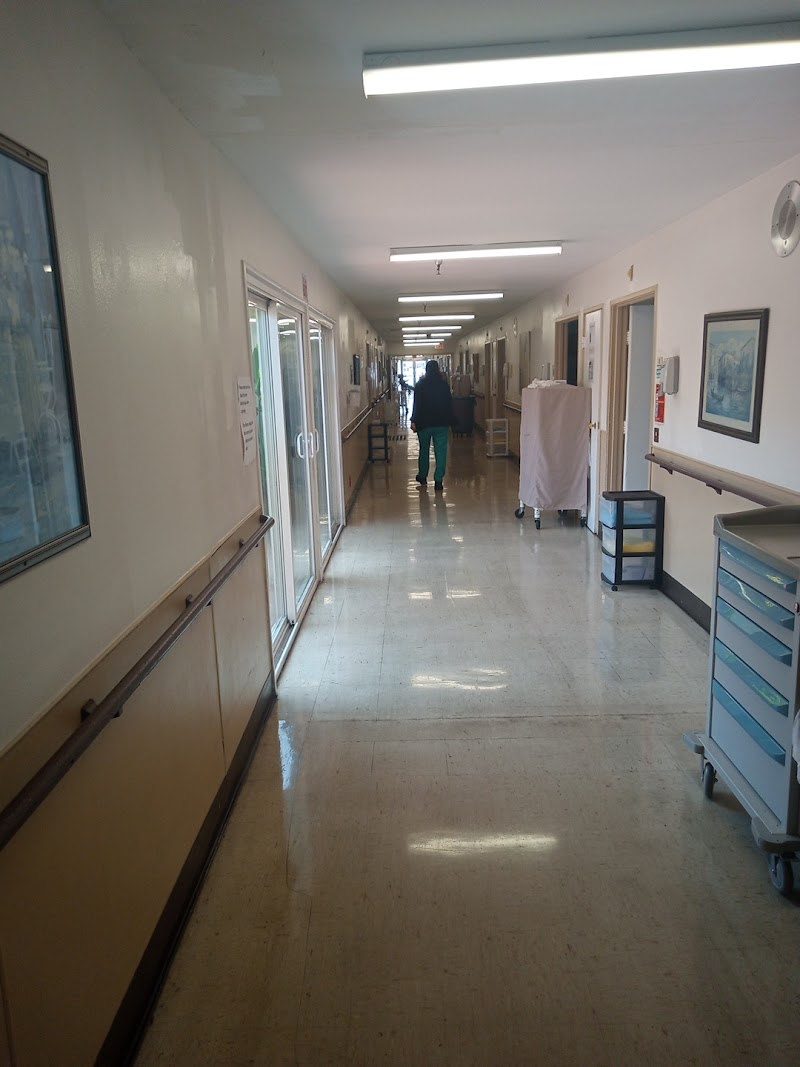
How is Bell Convalescent Hospital Staffed?

CMS rates BELL CONVALESCENT HOSPITAL's staffing level at 4 out of 5 stars, which is above average compared to other nursing homes. Staff turnover is 37%, compared to the California average of 46%. This relatively stable workforce can support continuity of care.

What Have Inspectors Found at Bell Convalescent Hospital?

State health inspectors documented 75 deficiencies at BELL CONVALESCENT HOSPITAL during 2022 to 2024. These included: 3 that caused actual resident harm and 72 with potential for harm. Deficiencies causing actual harm indicate documented cases where residents experienced negative health consequences.
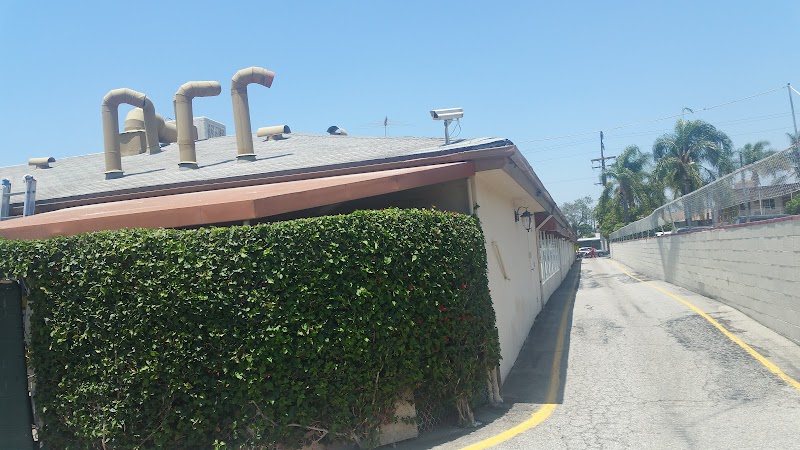
Who Owns and Operates Bell Convalescent Hospital?

BELL CONVALESCENT HOSPITAL is owned by a for-profit company. For-profit facilities operate as businesses with obligations to shareholders or private owners. The facility operates independently rather than as part of a larger chain. With 99 certified beds and approximately 90 residents (about 91% occupancy), it is a smaller facility located in BELL, California.
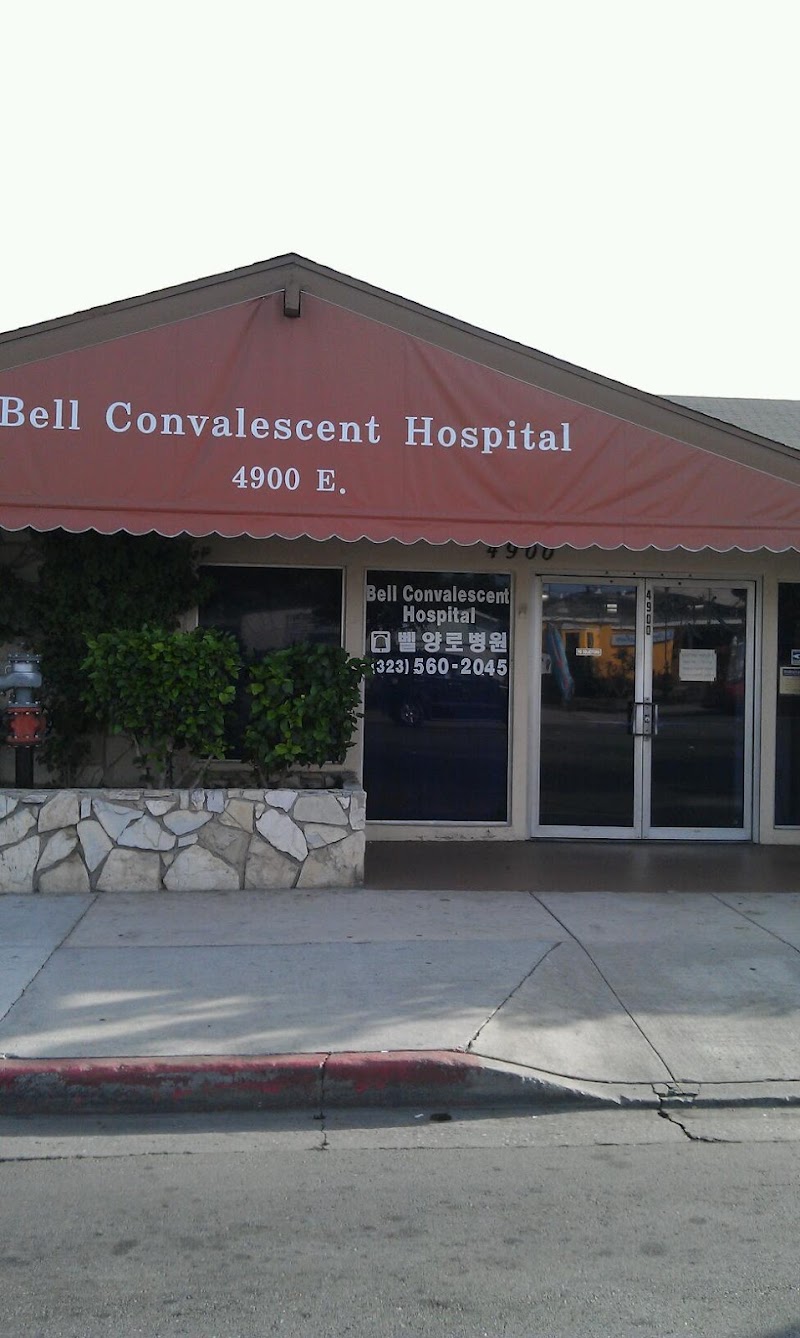
How Does Bell Convalescent Hospital Compare to Other California Nursing Homes?

Compared to the 100 nursing homes in California, BELL CONVALESCENT HOSPITAL's overall rating (1 stars) is below the state average of 3.1, staff turnover (37%) is near the state average of 46%, and health inspection rating (1 stars) is much below the national benchmark.

What Should Families Ask When Visiting Bell Convalescent Hospital?

Based on this facility's data, families visiting should ask: "Can I visit during a mealtime to observe dining assistance and food quality?" "How do you handle medical emergencies, and what is your hospital transfer rate?" "Can I speak with family members of current residents about their experience?"

Is Bell Convalescent Hospital Safe?

Based on CMS inspection data, BELL CONVALESCENT HOSPITAL has a clean safety record: no substantiated abuse findings (meaning no confirmed cases of resident harm), no Immediate Jeopardy citations (the most serious violation level indicating risk of serious injury or death), and is not on the Special Focus Facility watch list (a federal program monitoring the lowest-performing 1% of nursing homes). The facility has a 1-star overall rating and ranks #100 of 100 nursing homes in California. While no facility is perfect, families should still ask about staff-to-resident ratios and recent inspection results during their visit.

Do Nurses at Bell Convalescent Hospital Stick Around?

BELL CONVALESCENT HOSPITAL has a staff turnover rate of 37%, which is about average for California nursing homes (state average: 46%). Moderate turnover is common in nursing homes, but families should still ask about staff tenure and how the facility maintains care continuity when employees leave.

Was Bell Convalescent Hospital Ever Fined?

BELL CONVALESCENT HOSPITAL has been fined $113,480 across 5 penalty actions. This is 3.3x the California average of $34,214. Fines at this level are uncommon and typically indicate a pattern of serious deficiencies, repeated violations, or failure to correct problems promptly. CMS reserves penalties of this magnitude for facilities that pose significant, documented risk to resident health or safety. Families should request specific documentation of what issues led to these fines and what systemic changes have been implemented.

Is Bell Convalescent Hospital on Any Federal Watch List?

BELL CONVALESCENT HOSPITAL is not on any federal watch list. The most significant is the Special Focus Facility (SFF) program, which identifies the bottom 1% of nursing homes nationally based on persistent, serious quality problems. Not being on this list means the facility has avoided the pattern of deficiencies that triggers enhanced federal oversight. This is a positive indicator, though families should still review the facility's inspection history directly.