BELLFLOWER POST ACUTE
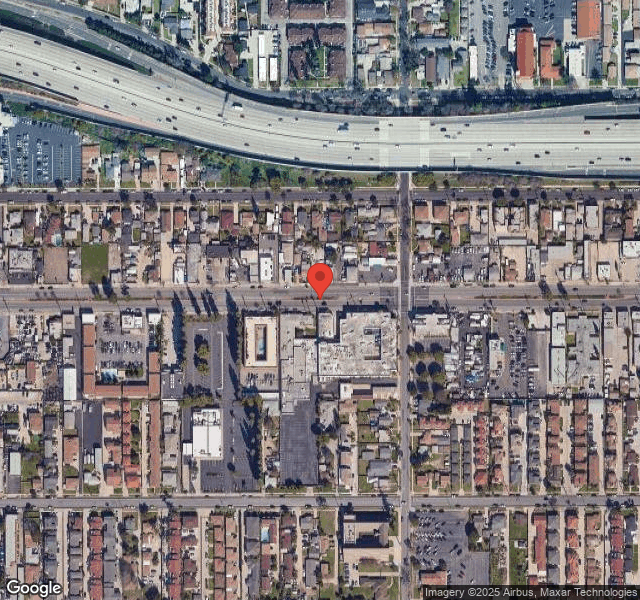

9710 E. ARTESIA AVE, BELLFLOWER, CA 90706 (562) 925-2274
For profit - Limited Liability company 59 Beds THE MANDELBAUM FAMILY Data: November 2025
Trust Grade
48/100
#749 of 1155 in CA
Last Inspection: February 2025

Within standard 12-15 month inspection cycle. Federal law requires annual inspections.

Overview

Bellflower Post Acute has a Trust Grade of D, indicating below-average quality and some concerns with care. It ranks #749 out of 1155 in California, placing it in the bottom half of facilities in the state, and #160 out of 369 in Los Angeles County, suggesting limited local options for better care. Unfortunately, the facility is worsening, with reported issues increasing from 8 in 2024 to 23 in 2025. While staffing is a strength with a 3/5 rating and a low turnover rate of 27%, there are serious concerns regarding care quality, such as failing to provide necessary physical therapy for a resident, which resulted in pain and loss of hand function, and issues with food safety, where Jello was stored at unsafe temperatures. On a positive note, the facility has no fines on record, indicating a lack of financial penalties, but overall, families should weigh these strengths against the significant areas of concern.

Trust Score
D
48/100
In California
#749/1155
Bottom 36%
Safety Record
Moderate
Needs review
Inspections
Getting Worse
8 → 23 violations
Staff Stability
✓ Good
27% annual turnover. Excellent stability, 21 points below California's 48% average. Staff who stay learn residents' needs.
Penalties
✓ Good
No fines on record. Clean compliance history, better than most California facilities.
Skilled Nurses
⚠ Watch
Each resident gets only 28 minutes of Registered Nurse (RN) attention daily — below average for California. Fewer RN minutes means fewer trained eyes watching for problems.
Violations
⚠ Watch
47 deficiencies on record. Higher than average. Multiple issues found across inspections.
★★☆☆☆
2.0
Overall Rating
★★★☆☆
3.0
Staff Levels
★★★★☆
4.0
Care Quality
★★☆☆☆
2.0
Inspection Score
Stable
2024: 8 issues
2025: 23 issues

The Good

  • 4-Star Quality Measures · Strong clinical quality outcomes
  • Low Staff Turnover (27%) · Staff stability means consistent care
  • Full Sprinkler Coverage · Fire safety systems throughout facility
  • No fines on record
  • Staff turnover is low (27%)

    21 points below California average of 48%

Facility shows strength in quality measures, staff retention, fire safety.

The Bad

2-Star Overall Rating

Below California average (3.1)

Below average - review inspection findings carefully

Chain: THE MANDELBAUM FAMILY

Part of a multi-facility chain

Ask about local staffing decisions and management

The Ugly 47 deficiencies on record

1 actual harm
Feb 2025 23 deficiencies
CONCERN (D)

Potential for Harm - no one hurt, but risky conditions existed

Deficiency F0553 (Tag F0553)

Could have caused harm · This affected 1 resident

**NOTE- TERMS IN BRACKETS HAVE BEEN EDITED TO PROTECT CONFIDENTIALITY** Based on interview and record review, the facility failed to involve one of three sampled resident's (Resident 26) in the reside...

Read full inspector narrative →
**NOTE- TERMS IN BRACKETS HAVE BEEN EDITED TO PROTECT CONFIDENTIALITY** Based on interview and record review, the facility failed to involve one of three sampled resident's (Resident 26) in the resident's initial Interdisciplinary Team (IDT-team of health care professionals that work together toward and prioritize the resident 's needs) care conference. This deficient practice violated Resident 26's rights to be informed and the right to participate in resident's plan of care. Findings: During a review of Resident 26's admission Record, the admission Record indicated Resident 26 was admitted to the facility on [DATE] with diagnoses including metabolic encephalopathy (brain problem), type 2 diabetes (disorder characterized by difficulty in blood sugar control and poor wound healing), and muscle weakness. During a review of Resident 26's Minimum Data Set (MDS), a resident assessment tool, dated 2/20/2025, the MDS indicated Resident 26's cognition was severely impaired. The MDS indicated Resident 26 was dependent on staff for all activities of daily living (ADLs- routine tasks/activities such as bathing, dressing and toileting a person performs daily to care for themselves). During an interview and record review on 2/21/2025 at 8:15 a.m., with Registered Nurse 1 (RN 1), Resident 26's Interdisciplinary Team Conference Record, dated 2/14/2025, was reviewed. RN 1 stated according to the IDT record Nursing, Dietary, and therapist attended the meeting, but the resident was not in attendance during the initial IDT care conference. RN 1 stated Resident 26 should have participated in the IDT care plan meeting, or if Resident 26 refused a notation should have been indicated in the record. During an interview on 2/21/2025 at 8:28 a.m. with the Director of Nursing (DON), the DON stated IDT care conferences were completed on admission and quarterly. The DON stated the resident, or representative should always be part of the IDT. During a review of the facility's policy and procedure (P&P) titled, Comprehensive Care Planning, revised 1/2017, the P&P indicated to the extent possible the resident, resident's family and/or responsible party should participate in the development of the care plan. The P&P indicated every effort will be made to schedule care plan meetings to accommodate the availability of the resident and family or responsible party.
CONCERN (D)

Potential for Harm - no one hurt, but risky conditions existed

Comprehensive Care Plan (Tag F0656)

Could have caused harm · This affected 1 resident

**NOTE- TERMS IN BRACKETS HAVE BEEN EDITED TO PROTECT CONFIDENTIALITY** Based on interview and record review the facility failed to develop and implement a comprehensive person-centered care plan for ...

Read full inspector narrative →
**NOTE- TERMS IN BRACKETS HAVE BEEN EDITED TO PROTECT CONFIDENTIALITY** Based on interview and record review the facility failed to develop and implement a comprehensive person-centered care plan for one of two sampled residents (Resident 37) addressing Resident 37's anticoagulant (medications that prevent blood from clotting) use. This deficient practice had the potential to result in poor quality of care and a delay of care and services. Findings: During a review of Resident 37's admission Record, the admission record indicated Resident 37 was admitted to the facility on [DATE] with diagnosis including acute respiratory failure (when the air sacs of the lungs cannot release enough oxygen into the blood), and atrial fibrillation (irregular heartbeat). During a review of Resident 37's Minimum Data Set ([MDS] a resident assessment tool) dated 11/8/2024, the MDS indicated Resident 37's cognition (ability to think and reason) was moderately impaired. The MDS indicated Resident 37 was dependent on staff for all activities of daily living (ADLs- activities such as bathing, dressing and toileting a person performs daily). During a review of Resident 37's Order dated 8/28/2024, the order indicated to Apixaban (medication to treat atrial fibrillation) 2.5 milligrams via gastrostomy tube (a tube inserted through the belly that brings nutrition directly to the stomach) two times a day. During an interview and record review on 2/20/2025 at 8:24 a.m. with Registered Nurse (RN) 1, Resident 37's care plan, RN 1 stated Resident 37 did not have a care plan for anticoagulant use and should have had one. During an interview on 2/20/2025 at 4:26 p.m. with the Director of Nursing (DON), the DON stated the resident needs a care plan for anticoagulant use to guide care rendered. During a review of the facility's policy and procedure (P&P) titled, Care Plans, Comprehensive Person-Centered, revised 12/2016, the P&P indicated a comprehensive, person-centered care plan that includes measurable objectives and timetables to meet the resident's physical, psychosocial and functional needs is developed and implemented for each resident. The care plan describes the services that are to be furnished to attain or maintain the resident's highest practicable physical, mental, and psychosocial well-being. The care plan builds on the resident's strengths; and reflects currently recognized standards of practice for problem areas and conditions.
CONCERN (D)

Potential for Harm - no one hurt, but risky conditions existed

Medication Errors (Tag F0758)

Could have caused harm · This affected 1 resident

**NOTE- TERMS IN BRACKETS HAVE BEEN EDITED TO PROTECT CONFIDENTIALITY** Based on interview and record review the facility failed to ensure one of three sampled resident's (Resident 5) informed consent...

Read full inspector narrative →
**NOTE- TERMS IN BRACKETS HAVE BEEN EDITED TO PROTECT CONFIDENTIALITY** Based on interview and record review the facility failed to ensure one of three sampled resident's (Resident 5) informed consent (voluntary agreement to accept treatment and/or procedures after receiving education regarding the risks, benefits, and alternatives offered) for psychotropics (drug or other substance that affects how the brain works and causes changes in mood, awareness, thoughts, feelings, or behavior) was obtained prior to administration. This deficient practice violated Resident 5's rights to receive all information, in advance, of risks and benefits of proposed care, treatment, treatment alterative, and choose the alterative of choice which includes information for administration of psychotropic drugs. Findings: During a review of Resident 5's admission Record, the admission Record indicated Resident 5 was readmitted to the facility on [DATE] with diagnoses including acute kidney failure (A condition in which the kidneys suddenly can't filter waste from the blood), acute cystitis (infection of the bladder - organ that holds the urine), acute respiratory failure (life-threatening condition that occurs when the lungs and blood are unable to exchange gases properly), and asthma (chronic lung disease). During a review of Resident 5's Minimum Data set (MDS), A resident assessment tool, dated 1/15/2025, the MDS indicated Resident 5's cognitive skills (functions your brain uses to think, pay attention, process information, and remember things) for daily decision-making was intact. The MDS indicated Resident 5 required moderate assistance (helper does less than half the effort to complete the task) with eating, maximal assistance (helper does more than half the effort to complete task) with showering, oral hygiene, toileting hygiene, and personal hygiene. During a review of Resident 5's Order Summary Report as of 2/19/2025, the report indicated, starting on 1/9/2025, Sertraline hydrochloride (medication to treat depression - a mood disorder that causes a persistent feeling of sadness and loss of interest), give 50 milligrams by mouth one time a day. During an interview and record review on 2/19/2025 at 1:56 p.m. with Registered Nurse (RN) 1, Resident 5's Medication Administration Record (MAR), 1/2025, was reviewed. RN 1 stated the MAR indicated, starting on 1/9/2025, Resident 5 has been receiving Sertraline hydrochloride 50 milligrams by mouth one time a day. During an interview and record review on 2/19/2025 at 1:56 p.m. with RN 1, Resident 5's Informed consent, 1/21/2025, was reviewed. RN 1 stated informed consent was not obtained by the ordering physician prior to administration of medication on 1/9/2025. RN 1 stated Informed consent was obtained by the psychiatric (specialist focused on residents with mental, emotional and behavioral disorders) practitioner and not by the ordering physician on 1/21/2025. During an interview on 2/20/2025 at 4:26 p.m., with the Director of Nursing (DON) the DON stated residents need informed consent prior to administration of psychotropic medications. During a review of the facility's policy and procedure (P&P) titled, Resident Rights, revised 9/2017, the P&P indicated residents have the rights to receive all information, in advance, of risks and benefits of proposed care, treatment, treatment alterative, and choose the alterative of choice which includes information for administration of psychotropic drugs. During a review of the facility's policy and procedure (P&P) titled, Informed Consent Policy, revised 4/2024, the P&P indicated it was the policy of the facility that if the attending physician, physician assistant (PA) or nurse practitioner (NP) for resident prescribes psychotropic medication, the physician PA or NP shall be obtaining the informed consent prior to initiation of therapy. The P&P indicated the facility shall verify that informed consent has been obtained prior to the administration of psychotropic medication.
CONCERN (D)

Potential for Harm - no one hurt, but risky conditions existed

Deficiency F0887 (Tag F0887)

Could have caused harm · This affected 1 resident

Based on interview and record review, the facility failed to provide documented evidence of all employees screening, education, offering, and current Corona virus disease, COVID-19 (contagious infecti...

Read full inspector narrative →
Based on interview and record review, the facility failed to provide documented evidence of all employees screening, education, offering, and current Corona virus disease, COVID-19 (contagious infectious disease), vaccination (medications used to prevent diseases usually given by injection or by mouth) status. This failure had the potential to place staff and residents at risk for negative health outcomes such as being hospitalized due to COVID-19. Findings: During a concurrent interview and record review of the Covid-19 Staff Vaccination Status (document that reflects staff employee vaccination status) on 2/19/2025 at 4:36 p.m., with the Infection Prevention Nurse (IPN), the IPN stated she does not know the facility physicians and consultants Covid-19 immunization status. During an interview on 2/20/2025 at 4:42 p.m., with the Director of Nursing (DON), the DON stated the Covid-19 vaccination status for all employees including doctors, rehabilitation departments, and consultants that come in contact with residents must be known as they put the residents they are incontact with at risk for contracting infections. During a review of the facility's policy and procedure (P&P) titled, Coronavirus Vaccine Policy (COVID-19 Vaccine Policy), dated 2/2025, the P&P indicated staff: for the purposes of this policy, staff refers to any individual that works or volunteers in the facility at least once a week. This includes individuals under contract or arrangement (e.g., medical directors, hospice and dialysis staff, therapists, mental health professionals, or volunteers). The facility will maintain documentation for all residents and staffs on Covid-19 vaccination status.
CONCERN (E)

Potential for Harm - no one hurt, but risky conditions existed

Deficiency F0558 (Tag F0558)

Could have caused harm · This affected multiple residents

Based on interview and record review, the facility failed to ensure nurses would document resident's pain level before removing pain medication from inventory, and document resident's refusal of admin...

Read full inspector narrative →
Based on interview and record review, the facility failed to ensure nurses would document resident's pain level before removing pain medication from inventory, and document resident's refusal of administration, for one of one residents (Resident 43). This deficient practice had the potential of medication error and/or narcotic diversion. Findings: During an observation at the medication cart 1 on 2/19/25 at 3:45 PM, there was a multiple-dose blister pill pack (bubble pack) for Resident 43. The medications in the bubble pack were labeled as oxycodone with acetaminophen (generic for Percocet, a potent opioid to treat severe pain) 10/325 milligrams (mg, an unit of measuring mass). During an interview and a concurrent review of Resident 43's controlled drug record (an accountability record or count sheet for narcotics) for Percocet, the licensed vocational nurse (LVN 3) stated the count sheet indicated there were two doses marked wasted, one each on 12/4/24 (no time noted) and 2/13/25 (6 AM). LVN 3 reviewed Resident 43's electronic medication administration record (eMAR) and stated the eMAR did not have a documentation of Resident's pain episode and/or the refusal of Percocet on 12/4/24 and 2/13/25. During an interview on 2/20/25 at 11:32 AM, the registered nurse (RN 1) stated the facility process of administering as needed (PRN, not routine) medication for pain starts with the resident requesting their pain medication, then the LVN would ask the resident's pain level and document in the eMAR, before preparing the administration of the pain medication. RN 1 stated the nurse would also perform nonpharmacological interventions. During an interview on 2/20/25 at 11:38 AM, RN 1 confirmed nurses failed to document Resident 43's pain level before removing Resident 43's Percocet from the inventory. A review of Resident 43's physician order, dated 11/30/24 on 8:34 PM, indicated to give 1 tablet of Percocet 10/325 mg by mouth every 4 hours as needed for moderate to severe pain (pain level) 4-10. A concurrent review of Resident 43's weights and vitals summary indicated a pain level of 3 on 2/13/25 at 9 AM and on 12/4/24 at 5:06 AM. During an interview on 2/20/25 at 11:49 AM, the director of nursing (DON) stated nurses should not access or remove the narcotic medication from the bubble pack if the pain level did not meet the criteria (a rating of 4-10) as stated in the order. A review of the Resident 43's eMAR on 12/4/24 and 2/13/25 did not indicate non-pharmacological interventions were performed after the pain assessment. A review of the facility policy and procedures, Medication Administration-General Guidelines (dated 10/2017), indicated . Medications are administered in accordance with written orders of the attending physician .
CONCERN (E)

Potential for Harm - no one hurt, but risky conditions existed

Deficiency F0604 (Tag F0604)

Could have caused harm · This affected multiple residents

**NOTE- TERMS IN BRACKETS HAVE BEEN EDITED TO PROTECT CONFIDENTIALITY** Based on observation, interview and record review, the facility failed to appropriately assess and monitor one of one sampled re...

Read full inspector narrative →
**NOTE- TERMS IN BRACKETS HAVE BEEN EDITED TO PROTECT CONFIDENTIALITY** Based on observation, interview and record review, the facility failed to appropriately assess and monitor one of one sampled resident (Resident 15) during the use of an abdominal binder (a wide belt that provides light compression around the stomach) placed over Resident 15's a gastrostomy (g-tube: a surgical opening fitted with a device to allow feedings to be administered directly to the stomach common for people with swallowing problems). This deficient practice had the potential to place the resident on unnecessary restraints. Findings: During a review of Resident 15's admission Record, the admission Record indicated Resident 15 was initially admitted to the facility on [DATE] and readmitted on [DATE] with diagnoses including gastrostomy, dysphagia (difficulty swallowing), and Huntington's Disease (a progressive inherited neurodegenerative disorder that affects the brain). During a review of Resident 15's History and Physical (H&P), dated 6/22/2024, the H&P indicated Resident 15 did not have the capacity to understand and make decisions. During a review of Resident 15's Minimum Data Set [MDS] a resident assessment tool), dated 1/24/2025, the MDS indicated Resident 15's cognitive (the mental action or process of acquiring knowledge and understanding through thought, experience, and the senses) skills were severely impaired. The MDS indicated Resident 15 was dependent on all aspects of activities of daily living (ADL: bathing, chair/bed-to-chair transfer, personal hygiene, toileting hygiene, oral hygiene). The MDS indicated Resident 15 did not have any physical restraints, which are any manual method, or physical or mechanical device, material or equipment attached or adjacent to the resident's body that the individual cannot remove easily which restricts freedom of movement or normal access to one's body. During a review of the Order Summary (physician notes) dated 2/20/2025, the Order Summary indicated an active order dated 6/21/2024 for an abdominal binder at all times to prevent Resident 15 from pulling out g-tube due to diagnosis of Huntington's disease (may remove abdominal binder during ADL's). During a review of Resident 15's Care Plan, the Care Plan indicated Resident 15 required an abdominal binder at all times, except during ADLs to prevent Resident 15 from pulling out the g-tube due to a diagnosis of Huntington's Disease. The Care Plan approach indicated to ensure the abdominal binder was properly fitted and secured at all times during ADLs, monitor skin integrity daily for any signs of irritation or breakdown. The Care Plan indicated to document and report any signs of discomfort, skin breakdown, or non-compliance. During a review of the Medication Administration Record (MAR: documentation of medications administered to residents) dated 2/1/2025 to 2/28/2025, the MAR indicated the section for monitoring the abdominal binder at all times to prevent pulling out g-tube do to (d/t) diagnosis of Huntington's disease (may remove during ADL's) were all documented as X. During a concurrent observation of Resident 15, and interview on 2/20/2025 at 9:52 a.m., with Licensed Vocational Nurse 3 (LVN 3), Resident 15 had an abdominal binder on where his g-tube was located. LVN 3 stated Resident 15 was always wearing an abdominal binder so he did not pull out the g-tube as he could not control his movements. During a concurrent interview and record review of the MAR dated 2/1/2025 to 2/28/2025 on 2/20/2025 at 3:18p.m. with the Director of Staff Development (DSD), the DSD stated the section that indicated the abdominal binder on at all times should have contained documentation of Resident 15's abdominal binder assessments, and the X that staff have been documenting meant nothing. The DSD stated this abdominal binder should have had better monitoring. The DSD stated it should be monitored to ensure the abdominal binder is in place or if the resident is tugging on it. During an interview on 2/20/2025 at 4:26p.m. with the Director of Nursing (DON), the DON stated restraints are particular devices that restrict mobility of residents, and an abdominal binder can be a form of restraint depending on the condition of the resident. The DON stated if a resident has a diagnosis of Huntington's Disease that causes uncontrollable moving and jerking, an abdominal binder will protect his g-tube and does not restrict him from moving. The DON stated an abdominal binder is a physical device and requires a consent, needs to monitor the skin integrity of sight, and release during ADL to monitor for skin breakdown. The DON stated restraints are reassessed quarterly for appropriateness. During a review of the facility's policies and Procedures (P&P), titled Restraint Assessments: Chemical (Psychotropic Meds) and Physical, revised 1/2014, the P&P indicated the facility shall engage in a systematic and gradual process towards reducing restraints for those residents whose care plans indicate the need for restraints. Physical restraints: are any manual method or physical or mechanical device, material, or equipment attached or adjacent to the resident's body that the individual cannot remove easily which restricts freedom or movement or normal access to one's body. Includes but not limited to leg restraints, arm restraints, hand mittens, soft ties or vests .the resident cannot remove easily. Institute a trial period where less restrictive measures are used. Document the types and duration of the less restrictive measures used and the results. The need for the restraint shall be periodically reevaluated and attempts shall be made to engage in a systematic and gradual process to minimize and/or eliminate their use whenever possible. The resident's functional status shall be regularly reassessed regarding the resident's ongoing medical indication for a restraint and the resident's care plan shall be updated accordingly. During a review of the facility's P&P, titled Physical Restraints, revised 9/2017, the P&P indicated upon admission, quarterly and with a change of condition, residents shall be assessed for the need or lack of physical restraints. The need for restraints will be re-evaluated at least quarterly to determine their continued need. Every effort will be made to eliminate their use.
CONCERN (E)

Potential for Harm - no one hurt, but risky conditions existed

Deficiency F0657 (Tag F0657)

Could have caused harm · This affected multiple residents

**NOTE- TERMS IN BRACKETS HAVE BEEN EDITED TO PROTECT CONFIDENTIALITY** Based on interview and record review the facility failed to ensure one of two sampled resident's (Resident 37) care plans were r...

Read full inspector narrative →
**NOTE- TERMS IN BRACKETS HAVE BEEN EDITED TO PROTECT CONFIDENTIALITY** Based on interview and record review the facility failed to ensure one of two sampled resident's (Resident 37) care plans were reviewed and updated on a quarterly basis. This deficient practice had the potential to result in poor quality of care and a delay in care and services. Findings: During a review of Resident 37's admission Record, the admission record indicated Resident 37 was admitted to the facility on [DATE] with diagnosis including acute respiratory failure (when the air sacs of the lungs cannot release enough oxygen into the blood), type 2 diabetes (long-term condition in which the body has trouble controlling blood sugar and using it for energy), hypertension (condition in which the force of the blood against the artery walls is too high), and dementia (a progressive state of decline in mental abilities). During a review of Resident 37's Minimum Data Set ([MDS] a resident assessment tool) dated 11/8/2024, the MDS indicated Resident 37's cognition (ability to think and reason) was moderately impaired. The MDS indicated Resident 37 was dependent on staff for all activities of daily living (ADLs- activities such as bathing, dressing and toileting a person performs daily). During a review of Resident 37's Care Plans, the following eight care plans were all created 8/28/2024 and were due for review on 11/2024, but have not been reviewed as of 2/18/2025, Care plans titled, Cognitive Loss, Communication, Oral/Dental, Weight loss/gain/dehydration, Cardiac circulation, Elopement, Aging process, and Breathing pattern. During an interview and record review on 2/18/2025 at 4:26 p.m. with the MDS Coordinator (MDSN) 2, Resident 37's care plans were reviewed. The MDSN 2 stated Resident 37's care plans should have been reviewed and reevaluated since November 2024 but have not been. During an interview on 2/20/2025 at 4:26 p.m. with the Director of Nursing (DON), the DON stated care plans need to be reviewed at least quarterly to make sure if it still applies or if it needs to be revised. During a review of the facility's policy and procedure (P&P) titled, Care Plans, Comprehensive Person-Centered, revised 12/2016, the P&P indicated a comprehensive, person-centered care plan must be reviewed and revised periodically, at least quarterly and on an ongoing basis to reflect changes in the resident and the services provided or arranged must be consistent with each resident's written plan.
CONCERN (E)

Potential for Harm - no one hurt, but risky conditions existed

Deficiency F0658 (Tag F0658)

Could have caused harm · This affected multiple residents

**NOTE- TERMS IN BRACKETS HAVE BEEN EDITED TO PROTECT CONFIDENTIALITY** Based onobservation, interview and record review, the facility failed to 1.Ensure nurses would document resident's pain level b...

Read full inspector narrative →
**NOTE- TERMS IN BRACKETS HAVE BEEN EDITED TO PROTECT CONFIDENTIALITY** Based onobservation, interview and record review, the facility failed to 1.Ensure nurses would document resident's pain level before removing pain medication from inventory, and document resident's refusal of administration, for one of one residents (Resident 43). These deficient practices had the potential of medication error and/or narcotic diversion. 2. Ensure one of one sampled residenst (Resident 48) had a urology (a medical specialty that focuses on the diagnosis, treatment, and prevention of diseases and disorders related to the urinary system) consult and received services to meet professional standards of practice. These failures had the potential for Resident 48's penile (located on the penis) open wound to get infected. Findings: 1. During an observation at the medication cart 1 on 2/19/25 at 3:45 PM, there was a multiple-dose blister pill pack (bubble pack) for Resident 43. The medications in the bubble pack were labeled as oxycodone with acetaminophen (generic for Percocet, a potent opioid to treat severe pain) 10/325 milligrams (mg, an unit of measuring mass). During an interview and a concurrent review of Resident 43's controlled drug record (an accountability record or count sheet for narcotics) for Percocet, the licensed vocational nurse (LVN 3) stated the count sheet indicated there were two doses marked wasted, one each on 12/4/24 (no time noted) and 2/13/25 (6 AM). LVN 3 reviewed Resident 43's electronic medication administration record (eMAR) and stated the eMAR did not have a documentation of Resident's pain episode and/or the refusal of Percocet on 12/4/24 and 2/13/25. During an interview on 2/20/25 at 11:32 AM, the registered nurse (RN 1) stated the facility process of administering as needed (PRN, not routine) medication for pain starts with the resident requesting their pain medication, then the LVN would ask the resident's pain level and document in the eMAR, before preparing the administration of the pain medication. RN 1 stated the nurse would also perform nonpharmacological interventions. During an interview on 2/20/25 at 11:38 AM, RN 1 confirmed nurses failed to document Resident 43's pain level before removing Resident 43's Percocet from the inventory. During a review of Resident 43's physician order, dated 11/30/24 on 8:34 PM, indicated to give 1 tablet of Percocet 10/325 mg by mouth every 4 hours as needed for moderate to severe pain (pain level) 4-10. During a concurrent review of Resident 43's weights and vitals summary indicated a pain level of 3 on 2/13/25 at 9 AM and on 12/4/24 at 5:06 AM. During an interview on 2/20/25 at 11:49 AM, the director of nursing (DON) stated nurses should not access or remove the narcotic medication from the bubble pack if the pain level did not meet the criteria (a rating of 4-10) as stated in the order. During a review of the Resident 43's eMAR on 12/4/24 and 2/13/25 did not indicate non-pharmacological interventions were performed after the pain assessment. A review of the facility policy and procedures, Medication Administration-General Guidelines (dated 10/2017), indicated . Medications are administered in accordance with written orders of the attending physician . 2. During a review of Resident 48's admission Record, the admission Record indicated the facility admitted Resident 48 on 4/29/2024 and readmitted on [DATE] with diagnoses including urinary tract infection (UTI-a bacterial infection in they urinary system, which includes the kidneys, ureters, bladder, and urethra) and pressure ulcer (localized damage to the skin or underlying tissue due to unrelieved pressure) of sacral region (tailbone), stage 3 (full-thickness loss of skin, dead and black tissue may be visible). During a review of Resident 48's History and Physical (H&P), dated 12/18/2024, the H&P indicated Resident 48 could make needs known but not make medical decisions. During a review of Resident 48's Minimum Data Set (MDS- a resident assessment tool), dated 12/22/2024, the MDS indicated Resident 48 was cognitively (related to thinking) intact. The MDS indicated Resident 48 had functional limitation in range of motion (the distance and direction a joint can move) on both upper extremities (arm, including your shoulder, elbow, wrist, and hand) and both lower extremities (leg, including your hip, thigh, knee, shin, ankle, and foot). During a review of Resident 48's Initial Nursing History and Assessment, dated 12/17/2024, the Initial Nursing History and Assessment indicated that Resident 48 had penile erosion ([pressure ulcer] a gradual wearing away or eating away of a surface layer of tissue) upon admission, measuring of 4 centimeter (cm a unit of measure of length)×2cm×0.5cm with red appearance. During a review of Resident 48's Order Summary Report, orders as of 2/19/2025, the Order Summary Report indicated a physician order dated 12/17/2024 to place a wound consult for evaluation and a physician order dated 2/6/2025 for an appointment with a urologist. During a review of Resident 48's Wound Physicians Progress Note, dated 12/24/2024, the Wound Physicians Progress Note indicated Resident 48 had an indwelling Foley catheter (a thin, flexible tube inserted into the bladder through the urethra, which stays in place to continuously drain urine into a collection bag). The Wound Physicians Progress Note indicated Resident 48 had penile erosion and a urology appointment was scheduled on 2/6/2025. The Wound Physicians Progress Note indicated the wound's measurement were 4 cm×2 cm×0.5 cm, exudate (a fluid that leaks out of blood vessels into nearby tissues, usually as a result of an injury or inflammation): serous (watery), minimal amount of exudate. During a review of Resident 48's Wound Physicians Progress Note, dated 12/31/2024, the Wound Physicians Progress Note indicated Resident 48's penile wound was due to the foley catheter, and Resident 48 had an appointment with a urologist on 2/6/2025. During a review of Resident 48's care plan for alteration (a change or modification made to something) in skin integrity, created on 12/17/2024, the care plan indicated, Resident 48 had skin erosion on the penile area, and the measurement upon admission was 4 cm×2 cm×0.5 cm, with moderate serous drainage. The care plan goal indicated Resident 48 would be free from infection. The care plan's approaches and plan included calling physician if treatment is ineffective and provide a wound consult. During a review of Resident 48's care plan for skin break down, initiated on 12/19/2024, the care plan indicated Resident 48 was high risk for further skin break down. The care plan approaches and interventions included notifying the physician if no noted progress towards healing. During a concurrent observation and interview on 2/19/2025 at 9:29 a.m., with Licensed Vocational Nurse (LVN) 4, in Resident 48's room, LVN 4 was changing the Resident 48's penile wound dressing. LVN 4 stated that the penile wound had drainage like and the wound had a split at the tip. During an interview on 2/19/2025 at 1:30 p.m., with LVN 4, LVN 4 stated that wound physician evaluated Resident 48 on 12/24/2024 and a week later 12/31/24 which the wound physician signed off from the consult and referred Resident 48 to a urologist. LVN 4 stated, she was present at Resident 48's bedside when the wound physician explained that Resident 48 might need a procedure to close the wound, based on the urologist's evaluation. LVN 4 stated that Resident 48 had a scheduled appointment on 2/6/2025 but missed the appointment with the urologist due to transportation issues. LVN 4 stated the next appointment was rescheduled for 3/27/2025, but LVN 4 stated she did not notify a physician that Resident 48 had missed his appointment with the urologist on 2/6/2025, assuming it was not urgent since the wound remained unchanged. During an interview on 2/19/2025 at 12:51 p.m., with the Director or Nursing (DON), the DON stated that Resident 48 was at high risk for infection, due to age, bowel incontinence (no voluntary control of bowel movements), poor skin turgor (the elasticity of skin, or its ability to change shape and return to normal), decreased mobility, and existing wounds. The DON stated that Resident 48's care plan identified high infection risk, making it unacceptable to delay the urologists consult appointment without notifying the physician that Resident 48 missed the appointment scheduled for 2/6/2025 . The DON stated that LVN 4 should have sought alternatives and notified the physician, as failing to do so did not meet the standard of practice. The DON stated that this failure could lead to infections. During the facility's policy and procedure (P&P) titled, Treatment nurse job description, not dated, the P&P indicated treatment nurse must initiate communication to physician and other disciplines regarding negative response to treatment administration or changes in resident's condition as per policy and nursing practices. During the facility's P&P titled, Quality of Care, Routine Resident Monitoring and Scope of Services, revised 1/2017, indicated the facility must provide the necessary care and services to attain or maintain the highest practicable physical, mental and psychosocial well-being consistent with the resident's comprehensive assessment and plan of care. The P&P indicated the facility will provide care consistent with professional standards for residents to prevent pressure injuries.
CONCERN (E)

Potential for Harm - no one hurt, but risky conditions existed

Incontinence Care (Tag F0690)

Could have caused harm · This affected multiple residents

**NOTE- TERMS IN BRACKETS HAVE BEEN EDITED TO PROTECT CONFIDENTIALITY** Based on interview, and record review the facility failed to ensure one of two sampled residents' (Resident 5) foley catheter (a...

Read full inspector narrative →
**NOTE- TERMS IN BRACKETS HAVE BEEN EDITED TO PROTECT CONFIDENTIALITY** Based on interview, and record review the facility failed to ensure one of two sampled residents' (Resident 5) foley catheter (a device that drains urine from your urinary bladder into a collection bag outside of your) drainage bag was changed as ordered. This deficient practice had the potential to result in complications that can negatively affect the resident's wellbeing. Findings: During a review of Resident 5's admission Record, the admission Record indicated Resident 5 was readmitted to the facility on [DATE] with diagnoses including acute kidney failure (A condition in which the kidneys suddenly can't filter waste from the blood), and acute cystitis (infection of the bladder - organ that holds the urine). During a review of Resident 5's Minimum Data set (MDS), A resident assessment tool, dated 1/15/2025, the MDS indicated Resident 5's cognitive skills (functions your brain uses to think, pay attention, process information, and remember things) for daily decision-making was intact. The MDS indicated Resident 5 required moderate assistance (helper does less than half the effort to complete the task) with eating, maximal assistance (helper does more than half the effort to complete task) with showering, oral hygiene, toileting hygiene, and personal hygiene. During a review of Resident 5's Order Summary Report as of 2/19/2025, the report indicated, starting on 1/9/2025, to keep foley catheter for urinary retention (difficulty urinating and completely emptying the bladder). The order also indicated, stating 1/9/2025, to change foley catheter bag every 7 days, change strap/stat lock (a device that stabilizes a catheter in place and reduces the risk of it being pulled out) if applicable, every day shift every 7 day(s). During an interview and record review on 2/19/2025 at 11:40 a.m. with Registered Nurse (RN) 1 of Resident 5's Treatment Administration Record (TAR) for 1/2025, RN 1 stated the TAR indicated, starting on 1/9/2025, to change foley catheter bag every 7 days, change strap/stat lock if applicable, every day shift every 7 day(s). RN 1 stated the TAR indicated the task was not completed on 1/9/2025, 1/16/2025, and 1/23/2025 as ordered. RN 1 stated orders should have been followed or if the order was inappropriate then it should have been clarified. During an interview on 2/20/2025 at 4:26 p.m., with the Director of Nursing (DON) the DON stated physician orders always need to be followed. During a review of the facility's policy and procedure (P&P) titled, Indwelling Catheter Care, revised 3/2021, the P&P indicated it was the facility policy to provide catheter care as ordered.
CONCERN (E)

Potential for Harm - no one hurt, but risky conditions existed

Respiratory Care (Tag F0695)

Could have caused harm · This affected multiple residents

**NOTE- TERMS IN BRACKETS HAVE BEEN EDITED TO PROTECT CONFIDENTIALITY** Based on observation, interview, and record review the facility did not provide care and services consistent with professional s...

Read full inspector narrative →
**NOTE- TERMS IN BRACKETS HAVE BEEN EDITED TO PROTECT CONFIDENTIALITY** Based on observation, interview, and record review the facility did not provide care and services consistent with professional standards of practice to three of three residents (Resident 5, 30, 49) receiving supplemental oxygen (element essential for life) when the facility failed to: a. Ensure Resident 5 had visible signage warning others oxygen was in use to prevent hazardous practices. b. Ensure Resident 30 and 49's nasal canula (device that delivers oxygen through the nostrils) was labeled with a date to ensure it was changed timely. c. Ensure Resident 30's oxygen use was being documented in the Medication administration record. These deficient practices had the potential to result in unsafe and unsanitary administration of oxygen in the facility. Findings: a) During a review of Resident 5's admission Record, the admission Record indicated Resident 5 was readmitted to the facility on [DATE] with diagnoses including acute respiratory failure (life-threatening condition that occurs when the lungs and blood are unable to exchange gases properly), and asthma (chronic lung disease). During a review of Resident 5's Minimum Data set (MDS), A resident assessment tool, dated 1/15/2025, the MDS indicated Resident 5's cognitive skills (functions your brain uses to think, pay attention, process information, and remember things) for daily decision-making was intact. The MDS indicated Resident 5 required moderate assistance (helper does less than half the effort to complete the task) with eating, maximal assistance (helper does more than half the effort to complete task) with showering, oral hygiene, toileting hygiene, and personal hygiene. During a review of Resident 5's Order Summary Report as of 2/19/2025, the report indicated may use oxygen 2 to 3 liters per minute via nasal canula as needed to maintain oxygen saturation (a measurement of how much oxygen the blood is carrying as a percentage) above 92 percent as needed for shortness of breath or wheezing (a high pitch whistling sound made while breathing showing the person may be having breathing problems). During an observation and interview on 2/18/2025 at 11:02 a.m., in Resident 5's room, with Licensed Vocational Nurse (LVN) 3, Resident 5 was noted using oxygen via nasal canula at 3 liters per minute. There was no signage on the door indicating resident was using oxygen. LVN 3 stated there should be a sign on the door indicating resident 5 was using oxygen for safety reasons. During an interview on 2/20/2025 at 4:26 p.m., with the Director of Nursing (DON) the DON stated need signage on door if resident was on oxygen because of risk of fire. During a review of the facility's policy and procedure (P&P) titled, Oxygen Administration, revised 3/2017, the P&P indicated to use the sign No smoking/ Oxygen in Use. b. During a review of Resident 30's admission Record, the admission Record indicated Resident 30 was readmitted to the facility on [DATE] with diagnoses including chronic obstructive pulmonary disease (a long-term lung disease that makes breathing difficult) with exacerbation (a sudden worsening) and chronic (something that continues or happens again and again over a long period of time) cough. During a review of Resident 30's MDS, dated [DATE], the MDS inicated Resident 30 was cognitively (related to thinking) intact. The MDS indicated Resident 30 had no limitation in range of motion (the distance and direction a joint or body part can move) on both upper extremities (your shoulders, elbows, wrists, and hands) and lower extremities (your hips, knees, ankles, and feet). During a review of Resident 30's Order Summary Report as of 2/18/2025, the Order Summary Report indicated, may use oxygen at 2 liter per min via nasal cannula as needed to keep oxygen saturation above 92 percent. During an observation on 2/18/2025 at 9:51 a.m., in Resident 30's room, observed Resident 30 receiving oxygen at 2 liters per minute via nasal cannular while in bed. The nasal cannula did not have a date on it. During a concurrent observation and interview on 2/18/2025 at 12:07 p.m., in Resident 30's room, with Registered Nurse (RN) 1, observed, RN 1 checked Resident 30's nasal cannular and confirmed no date was marked. RN 1 also stated that date should be dated each time the nasal cannular is changed to ensure proper infection control. Failure to do so could increase the risk of infection. During an interview on 2/20/2025 at 11:15 a.m. with the DON, the DON stated Resident 30 was high risk for infections due to her age and medical diagnoses. The DON stated the nasal cannula should be changed and dated to ensure proper communication among facility staff. The DON stated failure to do so could increase the risk of infection for the resident. c. During a review of Resident 49's admission Record, the admission Record indicated Resident 49 was admitted to the facility on [DATE] with diagnoses including pulmonary hypertension (a chronic condition that causes high blood pressure in the arteries of the lungs) due to lung diseases, hypoxia (a condition where there isn't enough oxygen in your body's tissues, cells or blood) and immunodeficiency (a condition where the body's immune system is weakened, making it harder to fight infections and other diseases). During a review of Resident 49's MDS, dated [DATE], the MDS indicated Resident 49's was cognitively intact. The MDS indicated Resident 49 required moderate assistance (helper does less than half the effort to complete the task) with eating, oral hygiene, and personal hygiene, maximal assistance (helper does more than half the effort to complete task) with showering, toileting hygiene, and personal hygiene. During a review of Resident 49's Order Summary Report as of 2/18/2025, the report indicated may use oxygen 2 to 3 liters per minute via nasal cannula as needed to maintain oxygen saturation (a measurement of how much oxygen the blood is carrying as a percentage) above 92 percent as needed for shortness of breath. During an observation on 2/18/2025 at 11:16 a.m. in Resident 49's room, the resident was observed receiving oxygen at 2 liters per minute via nasal cannula in the bed. The nasal cannula did not have a date on it. During a concurrent observation and interview on 2/18/2025 at 12:11 a.m. in Resident 49's room, with Registered Nurse (RN) 1, observed, RN 1 checked Resident 49's nasal cannular and confirmed no date was marked. RN 1 also stated that date should be dated each time the nasal cannular is changed to ensure proper infection control. Failure to do so could increase the risk of infection. During an observation on 2/20/2025 at 10:17 a.m., in Resident 49's room, the resident was observed using oxygen at 2 liters per minute via nasal cannular while in bed. During a concurrent interview and record review on 2/202/205 at 10:50 a.m., with the DON, Resident 49's Medication Administration Record (MAR), for the month of February was reviewed. The MAR indicated that there was no documentation reflecting that the oxygen order was carried out. The MAR showed that Resident 49 did not use oxygen for the month of February until 2/20/2025. The DON stated that Resident 49's oxygen order should be recorded on the MAR, but it was missing. The DON stated that this omission could interfere with providing proper care to the resident. The DON stated the Resident 49 was at risk for infection due to comorbidities (two or more disease or conditions that occur in a person at the same time), immunodeficiency, not dating the nasal cannula was unacceptable as it could lead to infections. During a review of the facility's P&P titled, Oxygen Administration, revised 3/2017, the P&P indicated to document the method of delivery, rate of oxygen flow and the reason for administration if administered PRN (as necessary). During a review of the facility's P&P titled, Oxygen Concentrators, dated 6/2017, the P&P indicated that cannulas should be replaced weekly.
CONCERN (E)

Potential for Harm - no one hurt, but risky conditions existed

Deficiency F0698 (Tag F0698)

Could have caused harm · This affected multiple residents

**NOTE- TERMS IN BRACKETS HAVE BEEN EDITED TO PROTECT CONFIDENTIALITY** Based on interview and record review, the facility failed to ensure three of three Residents on hemodialysis ([HD]a treatment to...

Read full inspector narrative →
**NOTE- TERMS IN BRACKETS HAVE BEEN EDITED TO PROTECT CONFIDENTIALITY** Based on interview and record review, the facility failed to ensure three of three Residents on hemodialysis ([HD]a treatment to cleanse the blood of wastes and extra fluids artificially through a machine when the kidney(s) have failed) , received dialysis care and services based on professional standards (Resident 17, 27, and 113). The facility failed to: a. Ensure staff assessed Resident 113 prior to sending Resident 113 to dialysis. b. Ensure Resident 17 had equipment and supplies necessary to manage emergencies such as bleeding at the bedside. c. Ensure staff assessed Resident 27 and 113 after the residents returned from the dialysis center. These deficient practices had the potential to result in undetected complications from dialysis, or delayed treatment of complications. Findings: a.During a review of Resident 113's admission Record, the admission Record indicated Resident 113 was originally admitted to the facility on [DATE] with diagnoses including end stage renal disease (ESRD -irreversible kidney failure) and dependence on renal dialysis. During a review of Resident 113's Minimum Data Set (MDS - a resident assessment tool), dated 2/10/2025, the MDS indicated Resident 113's cognition (ability to think) was severely impaired. The MDS indicated Resident 113 needed set up assistance when eating, supervision with oral and personal hygiene, and substantial assistance (helper does more than half the effort) with toileting hygiene and showering. During a review of Resident 113's Physician Order Report: active orders as of 2/19/2025, the Physician Order Report indicated, starting 2/3/2025, hemodialysis procedure to an outpatient dialysis center Monday, Wednesday, and Friday. During an interview and record review on 2/19/2025 at 3:10 p.m. with Licensed Vocational Nurse (LVN) 7, Resident 113's Dialysis form, dated 2/10/2025, was missing from the medical records and LVN 7 stated the pre and post assessment section to be completed by the facility was blank indicating it was not completed. LVN 7 stated it should have been filled out for continuity of care. LVN 7 stated it was important to monitor residents for changes and complications of dialysis therapy. b. During a review of Resident 17's admission Record, the admission Record indicated Resident 17 was originally admitted to the facility on [DATE] and readmitted on [DATE] with diagnoses including end stage renal disease ( kidney failure), type 2 diabetes mellitus (a condition in which the body has trouble controlling blood sugars and using it for energy without complications and hyperlipidemia ( an excess of fats) in the blood). During review of Resident 17's history and physical (H&P), the H&P indicated Resident 27 has the capacity to understand and make decisions. During a review of Resident 17's MDS, a resident dated 12/27/2024, the MDS indicated Resident 27 required substantial/maximal assistance (helper lifts or holds trunk or limbs and provides more than half the effort with toileting, upper body dressing , personal hygiene , sit to stand, and roll left to right. During a review of Resident 17's Order Summary Report, the Order Summary Report indicated dialysis was scheduled to an outpatient center Tuesday, Thursday and Saturday at 09:00 a.m., may apply pressure dressing to LUA left upper arm) arteriovenous shunt (direct connections between arteries [blood vessels that take blood from the heart] and veins [blood vessels that take blood to the heart]). During an observation and interview on 2/18/2025 at 11:45 a.m., with Licensed Vocational Nurse 4 (LVN 4) assisted Resident 17 after he arrived in his room from the dialysis center. (LVN 4) assessed the dressing site that covered Resident 17's left upper arm shunt. LVN 4 stated Resident 17 did not have an emergency kit (e-kit equipment used to stop sudden and heavy bleeding from an AV shunt) at the bedside and did not know where to find one. LVN 4 stated by not having an e-kit at the bedside there could have been a bad outcome, the resident could loose blood from his LUA AV shunt and pass out because blood could not be controlled. LVN 4 stated there should always be an e kit readily available in case of an emergency. During an interview on 2/20/2025 at 4:29 p.m., with the DON, the DON stated when a resident arrives to our facility after dialysis it is important for the nurse to make sure the resident is stable, monitor the shunt for bleeding and make sure the e kit is available because bleeding may happen at any time. c. During a review of Resident 27's admission Record, the admission Record indicated Resident 27 was admitted to the facility on [DATE] with diagnosis including end stage renal disease, essential ( primary ) hypertension (high blood pressure) and cardiomegaly ( enlarged heart) . During a review of Resident 27's MDS, a resident assessment tool, dated 1/18/2025, the MDS indicated Resident 27's cognition was intact. The MDS indicated Resident 27 needed substantial/maximal assistance (Helper lifts or holds trunk or limbs but provides less than half the effort) with toileting , upper body dressing and substantial/maximal assistance - (Helper does more than half the effort. Helper lifts or holds trunk or limbs and provides more than half the effort) with lying to sitting on side of bed, lower body dressing ,putting on/taking off footwear. During a record review of Resident 27's Order Summary Report, the Order Summary Report indicated a start date 1/13/2025 for dialysis on Tuesday Thursday and Saturday at an outpatient dialysis center. During an interview and record review on 2/20/2025 at 12:58 p.m., with LVN 2, Resident 27's Dialysis form, dated 1/23/2025, 1/28/2025, 2/4/2025, and 2/11/2025 were missing from the medical records and LVN 2 stated the post assessment section to be completed by facility staff was blank indicating it was not completed. LVN 2 stated we do post monitoring when a resident arrives from dialysis to make sure there is no bleeding, vitals are stable and no changes in condition. During an interview on 2/20/20205 at 4:06 p.m., with LVN 8 , LVN 8 stated it is important to chart on the Post Dialysis form to show you assessed the resident making sure there is no physical injury . During an interview on 2/20/2025 at 4:26 p.m. with the Director of Nursing (DON), the DON stated staff need to assess the dialysis residents before sending residents to dialysis and the staff need to fill out the form with the pre-dialysis assessment to send to the dialysis center for report, so the dialysis center knows what's going on with the resident. The DON stated the dialysis resident should be assessed post dialysis to make sure there are no complications or problems. The DON stated dialysis residents need an emergency kit at the bedside in case of bleeding it can be fatal. During a review of the facility's policy and procedure (P&P) titled, Dialysis Care revised 9/2020, the P&P indicated the following: 1. In case of emergency, at the bedside of a dialysis resident, there should be a clamp (tool used to control bleeding), tape, gauze pads (thin, loosely woven fabric used for wound care), and Kerlix (brand of sterile, absorbent gauze that's used for wound dressing). 2. A Pre-Dialysis Checklist will be completed by the facility each time the resident is scheduled for dialysis. This checklist includes the following information: a. Vital Signs (measurements that indicate a person's basic physiological functions) b. Information regarding the type of access site (site used for dialysis treatment) and the condition of the access site and the dressing. c. The resident's skin condition and the presence of any skin tears, discolorations, or pressure ulcers (localized damage to the skin and/or underlying tissue usually over a bony prominence) d. any medications sent with the resident to the dialysis unit, e. any additional information or comments, signature of licensed nurse, date and time. This form will accompany the resident to dialysis. 3. The post dialysis checklist part of this form is to be completed by the facility upon return of the resident. Information to be documented includes: a. vital signs b. Information regarding the type of access site and the condition of the access site and the dressing c. The resident's skin condition and the presence of any skin tears, discolorations, or pressure ulcers noted d. any additional instructions from the dialysis unit e. any additional information or comments, signature of licensed nurse, date and time.
CONCERN (E)

Potential for Harm - no one hurt, but risky conditions existed

Deficiency F0726 (Tag F0726)

Could have caused harm · This affected multiple residents

Based on observation, interview, and record review, the facility failed to ensure that one of three Licensed Vocational Nurse (LVN 9 ) had the specific competencies and skills sets necessary to care f...

Read full inspector narrative →
Based on observation, interview, and record review, the facility failed to ensure that one of three Licensed Vocational Nurse (LVN 9 ) had the specific competencies and skills sets necessary to care for residents by failing to ensure LVN 9's SNF (Skilled Nursing Facility) Licensed Nurse Orientation Annual Competency checklist (a systematic evaluation of nursing staff's competency levels in various areas of practice) was up to date. This deficient practice had the potential for residents not to receive appropriate nursing services and care which had the potential for injury to residents. Findings: During a record review LVN 9 was hired on 8/22/2023, on 9/18/2023 the form titled SNF Licensed Nurse Orientation Annual Competency Checklist was completed by LVN 9 . During a record review and interview on 2/20/2025 at 11:27 a.m., with the Director of staff Development (DSD), the DSD stated LVN 9's last annual competency check list was completed on 9/18/2023 with an expiration date of 3/31/2024 . The DSD stated LVN 9 was 11 months past due. The DSD stated it was important to make sure competencies are up to date it let us know nurses are doing their skills right and following the policies of the facility. The outcome of not having the skills that are required is the nurses can be missing steps during a resident care related task. During an interview on 2/21/2025 at 9:42 a.m., with the Director of Nursing (DON), the DON stated competencies are done yearly and when necessary for all staff. The DON stated competencies are important to make sure nurses are doing the proper care for the residents , it let us know if staff need more education, tells their overall performance and tells the overall picture of the nurse. During a review of the facility's policy and procedure (P&P) titled, Policy for Staff Competencies, dated 1/2017 the P&P indicated, it is the policy of facility that each employee will receive periodic performance reviews to ensure staff competencies. Performance evaluations are to ensure that staff has the appropriate competencies and skills to ensure resident safety and to provide care which includes assessing, evaluating planning, implementing resident care plan and responding to resident's needs.
CONCERN (E)

Potential for Harm - no one hurt, but risky conditions existed

Pharmacy Services (Tag F0755)

Could have caused harm · This affected multiple residents

Based on observations, interviews, and record review, the facility failed to develop a facility policy that matched the facility's current method of documentation, specifically in the relations to med...

Read full inspector narrative →
Based on observations, interviews, and record review, the facility failed to develop a facility policy that matched the facility's current method of documentation, specifically in the relations to medication administration record. This deficient practice had the potentials of inaccurate records, drug loss and/or diversion. Findings: A review of the facility policy and procedures, Medication Administration-General Guidelines (dated 10/2017), indicated .An explanatory note is entered on the reverse side of the record provided for PRN documentation . During a concurrent interview on 2/20/25 at 12:28 PM, the director of nursing (DON) stated the facility did not have a more updated version of the aforementioned policy. DON stated the facility had been using electronic medication administration records (MAR) and not the paper MAR. DON stated the policy was referred to the paper MAR that was no longer in use. DON stated the current practice is for the nurse to initiate a text box that will populate in the eMAR for documentation. DON agreed the aforementioned policy needs to be updated.
CONCERN (E)

Potential for Harm - no one hurt, but risky conditions existed

Deficiency F0760 (Tag F0760)

Could have caused harm · This affected multiple residents

**NOTE- TERMS IN BRACKETS HAVE BEEN EDITED TO PROTECT CONFIDENTIALITY** Based on interview and record review, the facility failed to hold (not administer) the hypertensive medications (drugs used to t...

Read full inspector narrative →
**NOTE- TERMS IN BRACKETS HAVE BEEN EDITED TO PROTECT CONFIDENTIALITY** Based on interview and record review, the facility failed to hold (not administer) the hypertensive medications (drugs used to treat high blood pressure - condition where the force of blood against the artery walls is too high) for two of three residents (Resident 27 and 112) when the residents blood pressures were below given parameters (sets the condition of providing the medication). This deficient practice had the potential to result in hypotension (condition where the blood pressure falls below normal levels) which can cause fainting or dizziness because the brain does not receive enough blood. Findings: During a review of Resident 112's admission Record, the record indicated Resident 112 was admitted to the facility on [DATE] with a diagnosis including essential hypertension (a condition characterized by persistently high blood pressure without an identifiable underlying cause). During a review of Resident 112's Minimum Data Set (MDS), a resident assessment tool, dated 2/11/2025, the MDS indicated Resident 112's cognition (ability to think) was intact. The MDS indicated Resident 112 needed supervision (helper provides verbal cues) with oral and personal hygiene, and moderate assistance (helper does less than half the effort) with toileting hygiene, showering, and dressing. During a review of Resident 112's Order Summary Report, as of 2/19/2025, the report indicated, Metoprolol tartrate (medication for hypertension) oral tablet 25 milligrams (mg) one tablet by via gastrostomy tube (G-tube - a tube inserted through the belly that brings nutrition directly to the stomach) every 12 hours hold if systolic blood pressure (first number - measures the pressure your blood is pushing against your artery walls when the heart beats) is below 110 millimeters of mercury (mmHg - unit used to measure pressure) or pulse rate less than 60 beats per minute (bpm). During an interview and record review on 2/19/2025 at 3:48 p.m., with Registered Nurse (RN)1, Resident 112's Medication administration record (MAR), 2/2025, was reviewed. RN1 stated the MAR indicated on 2/15/2025 and 2/16/2025 at 9 p.m. Metoprolol was administered to Resident 112 despite having a blood pressure reading of 100/74 mmHg on 2/15/2025 and 106/68 mmHg on 2/16/2025. RN 1 stated the medication should not have been administered on those times because it was the order to hold if below 110 mm Hg. During a review of Resident 27's admission Record, the admission Record indicated Resident 27 was admitted to the facility on [DATE] with diagnoses including end stage renal disease (Kidney failure), essential hypertension and cardiomegaly (enlarged heart). During a review of Resident 27's MDS, dated [DATE], the MDS indicated Resident 27's cognition was intact. The MDS indicated Resident 27 needed substantial/maximal assistance (helper lifts or holds trunk or limbs and provides more than half the effort) with toilet hygiene, upper body dressing and lying to sitting on side of bed, lower body dressing, and putting on/taking off footwear. During a record review of Resident 27's Order Summary Report, the Order Summary Report indicated, start date 2/4/2025, to give hydralazine hydrochloride (medication that lowers blood pressure) oral tablet 50 mg by mouth every 8 hours every Monday Wednesday, Friday and Saturday, hold for Systolic Blood Pressure (SBP the pressure exerted by blood against the blood vessel walls when the heart contracts and pumps blood out) below 110 millimeters of mercury (mmHg a unit of pressure). During a review of Resident 27's care plan titled Cardiac/ Circulatory, dated 11/11/2022, the care plan intervention indicated to give medications as ordered. During record review and interview on 2/20/2025 at 3:15 p.m., with the Director of staff Development (DSD), the DSD viewed the Medication Administration Record (MAR) and stated the hydralazine hydrochloride 50 mg was given on 1/26/2025 at 10 p.m. Resident 27's blood pressure was 106/64, and hydralazine hydrochloride 50 mg was given and on 2/7/2025 at 2 p.m. Resident's blood pressure was 105/63. The DSD stated the order was not followed, the medication should have been held, and not administered, the resident received the blood pressure medication even though his blood pressure as below the levels set by the physican's order which can make the blood pressure drop lower. During an interview on 2/20/2025 at 4:26 p.m., with the Director of Nursing (DON) the DON stated medications should be administered as ordered. The DON stated not following the blood pressure parameters can cause hypotension to the residents. During a review of the facility's P&P titled, Medication Administration - General Guidelines, effective 10/2017, the P&P indicated, medications are administered as prescribed in accordance with good nursing principles and practices.
CONCERN (E)

Potential for Harm - no one hurt, but risky conditions existed

Deficiency F0761 (Tag F0761)

Could have caused harm · This affected multiple residents

Based on observation, interview, and record review, the facility failed to: 1. Ensure active medications for current residents would not be stored in a cabinet labeled for discontinued medicines. 2. ...

Read full inspector narrative →
Based on observation, interview, and record review, the facility failed to: 1. Ensure active medications for current residents would not be stored in a cabinet labeled for discontinued medicines. 2. Ensure multiple dosed medication container had an open date and outdated medications would not be stored in the medication cart. These deficient practices had the potentials of medication errors, delay in receiving medications, and/or receiving outdated medications. Findings: 1. During an observation on 2/19/25 at 2:59 PM in the medication room located in the nursing station 1 with a licensed vocational nurse (LVN 3), there was a cabinet above the sink and labeled discontinued medicines. Inside the aforementioned cabinet, LVN 3 confirmed there were 17 multiple-dose blister pill packs (bubble packs) in the middle shelf. LVN stated these bubble packs were refill medications appeared to have been delivered within the last week. LVN stated newly delivered medications would be stored in the medication carts. LVN 3 stated this cabinet is for the storage of discontinued or discharged medications. There was no cabinet or space labeled for the storage of active medications. During an interview on 2/19/25 at 3:15 PM, LVN 3 stated the aforementioned 17 bubble packs were active medications for 8 residents currently residing in the Station 2 of the facility. During an interview on 2/19/25 at 3:23 PM LVN 2 at the nursing station 2 confirmed the aforementioned 17 bubble packs were refills for current residents and proceeded to store them in the medication cart. During an interview on 2/19/25 at 3:57 PM, the director of nursing (DON) stated the pharmacy usually delivered medications to the corresponding stations, and nurses would put the medications in the corresponding medication carts. During a review of the facility's policy and procedures, Pharmacy Delivery (dated 4/2008), indicated . the courier delivers the medication directly to a licensed nurse . A licensed nurse receives medications delivered to the facility . immediately delivers the medications to the appropriate secure storage area . assures medication are incorporated into the resident's specific allocation prior to the next medication pass . 2. During an observation at the medication cart 1 on 2/19/25 at 3:32 PM a licensed vocational nurse (LVN 3) opened the bottom drawer, and there were two boxes of ipratropium bromide/albuterol sulfate inhalation solutions (medications to treat certain lung conditions) with foil pouches opened and there were 3 vials inside the box and outside of the opened pouch. LVN 3 examined the boxes and stated 1 of 2 boxes (for Resident 57) did not have an open date written and the pharmacy label indicated it was dispensed on 1/15/25 as needed for shortness of breath or wheezing; LVN 3 stated the other box (labeled for Resident 5) had an open date of 1/23/25 and the label indicated the dispense date was 1/17/25). LVN 3 reviewed the instruction on the box and stated the medications should be used within 2 weeks of opening. LVN 3 could not confirm box A was opened within the past 2 weeks due to the lack of the open date. LVN 3 confirmed box B was opened more than 2 weeks ago. During a review of the facility's policy and procedures, Storage of Medications (dated 4/2008), indicated Medications . are stored safely, securely, and properly, following manufacturer's recommendations . Outdated, . medications, . are immediately removed from stock, disposed of .
CONCERN (E)

Potential for Harm - no one hurt, but risky conditions existed

Laboratory Services (Tag F0770)

Could have caused harm · This affected multiple residents

**NOTE- TERMS IN BRACKETS HAVE BEEN EDITED TO PROTECT CONFIDENTIALITY** Based on interview and record review the facility failed to ensure one of two sampled resident's (Resident 37) lab test was comp...

Read full inspector narrative →
**NOTE- TERMS IN BRACKETS HAVE BEEN EDITED TO PROTECT CONFIDENTIALITY** Based on interview and record review the facility failed to ensure one of two sampled resident's (Resident 37) lab test was completed timely. This deficient practice resulted in a delay of care that had the potential to result in a continued undiagnosed problem that may be harmful for Resident 37. Findings: During a review of Resident 37's admission Record, the admission record indicated Resident 37 was admitted to the facility on [DATE] with diagnosis including acute respiratory failure (when the air sacs of the lungs cannot release enough oxygen into the blood), type 2 diabetes (long-term condition in which the body has trouble controlling blood sugar and using it for energy), hypertension (condition in which the force of the blood against the artery walls is too high), and dementia (a progressive state of decline in mental abilities). During a review of Resident 37's Minimum Data Set ([MDS] a resident assessment tool) dated 11/8/2024, the MDS indicated Resident 37's cognition (ability to think and reason) was moderately impaired. The MDS indicated Resident 37 was dependent on staff for all activities of daily living (ADLs- activities such as bathing, dressing and toileting a person performs daily). During a review of Resident 37's Order, dated 2/1/2025, the order indicated to complete the following laboratory tests: basic metabolic profile (measures eight different substances in your blood), prealbumin (protein made in the liver), Glycohemoglobin (Hb A1C - blood test that measures the average blood glucose [sugar] level over the past 2-3 months), complete blood count (blood test that measures the number and types of various cells in the blood), and thyroid stimulating hormone (blood test that measures this hormone produced in the brain). During a review of Resident 37's Lab Results Report, the report indicated the lab draw was completed on 2/18/2025 with results reported the same day. The lab report, page 4, signature line for the reviewer's name, signature, and date was blank indicating not completed. During an interview and record review on 2/18/2025 at 4:26 p.m. with the MDS Coordinator (MDSN) 2, Resident 37's medical records was reviewed. The MDSN 2 stated the order for lab tests were given on 2/1/2025 but it was drawn 2/18/2025, seventeen days later. The MDSN 2 stated the tests should have been drawn sooner. During an interview on 2/20/2025 at 4:26 p.m. with the Director of Nursing (DON), the DON stated lab orders need to be completed as ordered and results relayed to the ordering physician as soon as possible. During a review of the facility's policy and procedure P&P titled Laboratory and Radiology Documentation, Revised 8/2016, the P&P indicated it was the policy of the facility that laboratory and radiology reports shall be performed as prescribed by the physician and shall be filed in the resident' s medical record. The abnormal laboratory results are to be called into the physician promptly by the licensed nurse.
CONCERN (E)

Potential for Harm - no one hurt, but risky conditions existed

Food Safety (Tag F0812)

Could have caused harm · This affected multiple residents

Based on observation, interview, and record review, the facility failed to: a. Label food items properly. -One opened bottle of 'Thick and Easy' (thickener-a substance which can increase the viscosity...

Read full inspector narrative →
Based on observation, interview, and record review, the facility failed to: a. Label food items properly. -One opened bottle of 'Thick and Easy' (thickener-a substance which can increase the viscosity of a liquid without substantially changing its other properties) -Two cups of chicken noodle soup -One bag of Seven Zucchinis -Two bunches of Celery -Four lettuces and the Five tomatoes in one container -One bag of cookie dough b. Remove expired items. -Diabetisource AC (a tube feeding formula) -Two bags of bread c. Test and document the concentration of the sanitizing solution and dish machine prior to use. These failures had the potential to result in contamination, or improper sanitation, compromising resident safety, infection control and food borne illness. Findings: a. During a concurrent observation and interview on 2/18/2025 at 8:12 a.m., with the Dietary Supervisor (DS), in the kitchen, the following items were found without proper labeling or date marking in the refrigerator and freezer: -One opened bottle of 'Thick and Easy' (thickener-a substance which can increase the viscosity of a liquid without substantially changing its other properties) labeled Del 1/3/2025 but missing an open date. The DS stated that Del means Delivered date, the Thick and Easy is safe for use up to 7 days after opening, but he could not tell when it was opened. -Two cups of chicken noodle soup, without labels or dates. The DS stated that there was no date marked, and he could not confirm when it was prepared. -One bag of Seven Zucchinis, without a label or date. The DS stated that he could not confirm the delivery date. --Two bunches of Celery, without a label or date. The DS sated that he could not confirm the delivery date. -Four lettuces and the Five tomatoes in one container, labeled as onions with a date 5/2/2024. The DS stated that staff did not update the old label when they put lettuce and tomato in the container. -One bag of brown pieces without a label or date, The DS stated that these were cookie doughs, and confirmed there was no label or date marked. b. During a concurrent observation and interview on 2/18/2025 at 8:12 a.m., with the DS, in the kitchen, observed following expired items. -Diabetisource AC (a tube feeding formula) with expiration date of 01/19/2025 in refrigerator 2, the DS stated that it was not supposed to be there. -Two bags of bread on a shelf were labeled 2/6/2025 without any indication of what the date represented. The DS stated that the date may indicate a delivery date, but there was no label confirming this. The DS also stated the bread should be used in one week or stored in the freezer if it kept longer. c. During an observation on 2/18/2025 at 9:20 a.m., in the kitchen, there was a red sanitary backet used during morning tasks remined in a sink. Dietary Aid (DA)1 tested the sanitizing solution using a Hydron test strip (a type of test strip used to measure the concentration of hydrogen peroxide in a solution), which was expired on August 30, 2023. During a review of Dish machine temperature and sanitizing agent log, dated 2/18/2024, the log indicated, kitchen staff did not test and document the temperatures prior to use of the dish machine. During a review of Quat Sanitizer Spray Bottles/ buckets log, dated 2/18/2024, the log indicated, staff did not test the sanitizing solution prior to use. During an interview on 2/19/2025 at 3:15 p.m. with the Director of Nursing (DON), the DON stated that stated these practices could lead to a foodborne illness, adverse effect for residents like infection control issues, nausea, vomiting, abdominal pain, or GI problem (a problem with your digestive system). During an interview on 2/19/2025 at 4:00 p.m. with the DS, the DS stated that the staff should test the dishwasher and sanitizing solution bucket prior to use them and temperature should be recorded. The DS stated that failure to do so could lead to contamination. During a review of the facility's policy and procedure (P&P) titled, Labeling and dating of foods, dated 2023, the P&P indicated, Food delivered to facility needs to be marked with a received date, note that the delivery sticker is dated, and it can serve as the delivery date for the product. The P&P indicated, newly opened food items will be to be labeled with an open date and used by the date, all prepared foods need to be covered, labeled, and dated. The P&P also indicated, produce is to be dated with received date, leftovers will be covered, labeled, and dated. During a review of the facility's P&P titled, Dietary-Labeling and Dating Foods, dated 01/2017, The P&P indicated, refrigerated foods will be covered, clearly labeled without using abbreviations, and dated. During a review of the facility's P&P titled, Storage of Food and Supplies, dated 2023, the P&P indicated, Bread products not used within 5 days can be frozen, some breads do last 5-7days. During a review of the facility's P&P titled, Dishwashing, dated 2023, the P&P indicated, a temperature log (and chlorine log for low-temperature machines) will be kept and maintained by the dishwashers to assure that the dish machine is working correctly. This log will be completed each meal prior to any dishwashing. During a review of the facility's P&P titled, Quaternary ammonium log policy dated 2023, the P&P indicated, the replacement solution will be tested prior to usage.
CONCERN (E)

Potential for Harm - no one hurt, but risky conditions existed

Medical Records (Tag F0842)

Could have caused harm · This affected multiple residents

**NOTE- TERMS IN BRACKETS HAVE BEEN EDITED TO PROTECT CONFIDENTIALITY** Based on interview, and record review, the licensed nursing staff failed to maintain and complete accurate medical records in ac...

Read full inspector narrative →
**NOTE- TERMS IN BRACKETS HAVE BEEN EDITED TO PROTECT CONFIDENTIALITY** Based on interview, and record review, the licensed nursing staff failed to maintain and complete accurate medical records in accordance with accepted professional standards for one of three sampled residents (Resident 27) by failing to: 1.Ensure Resident 27's Dialysis (mechanical removal of waste from the body due to kidney failure) Communication Record DCR (a medical document about a patient's dialysis treatment) was completed. 2. Ensure Licensed Vocational Nurse (LVN) 8, did not falsify Resident 27's Dialysis Communication Record for dates 1/23/2025, 1/28/2025, 2/4/2025 and 2/11/2025 when he (LVN 8) documented about Resident 8 even though he (LVN 8) was not working on those days. This deficient practice of falsifying Resident 27's Dialysis Communication Record indicated an inaccurate state of the resident's condition, and placed Resident 27 at risk of not receiving appropriate care due to inaccurate and incomplete resident medical care information. Findings: During a review of Resident 27's admission Record, the admission Record indicated Resident 27 was admitted to the facility on [DATE] with diagnoses including end stage renal disease (kidney's inability to filter waste from the body), hypertension (high blood pressure) and cardiomegaly (enlarged heart). During a review of Resident 27's Minimum Data Set (MDS), a resident assessment tool, dated 1/18/2025, the MDS indicated Resident 27's cognition (ability to make decisions of daily living) was intact. The MDS indicated Resident 27 required substantial/maximal assistance (Helper lifts or holds trunk or limbs but provides less than half the effort) with toilet, upper body dressing and substantial/maximal assistance - Helper does more than half the effort. Helper lifts or holds trunk or limbs and provides more than half the effort with lying to sitting on side of bed, lower body dressing, putting on/taking off footwear. During a concurrent interview and record review on 2/20/2025 at 3:15 p.m. with the Director of Staff Development (DSD), Resident 27's Dialysis Communication Records dated 1/23/2025, 1/28/2025, 2/4/2025, and 2/11/2025 were reviewed. The DSD stated the post dialysis (documentation of the assessment of the resident's basic health information after finishing dialysis) documentation on 1/23/2025, 1/28/2025, 2/4/2025, and 2/11/2025 were blank and not done. The DSD stated if the documentation is blank then the assessment was not done. During a concurrent interview and record review on 2/20/2025 at 4:06 p.m. with LVN 8, the DCR documents dated 1/23/2025, 1/28/2025, 2/4/2025, and 2/19/2025, were reviewed. The DCR documents dated 1/23/2025, 1/28/2025, 2/4/2025 and 2/19/2025 contained documentation of Resident 27's post dialysis assessments. LVN 8, stated on 2/20/2025 he completed the documentation and signed the DCR documents for the past dates of dates of1/28/2025 and 1/23/2025, 2/4/2025 and 2/19/2025. LVN 8 stated the DCR form was empty, and he charted on it. LVN 8 stated he did not work on 2/4/2025 and 1/23/2025, he stated he wanted to make sure the documents were all filled in and signed. LVN 8 stated he knew it looked wrong, and it as falsifying records. LVN 8 stated the post dialysis assessments of Resident 27 should be documented on the date the assessment was completed. During an interview on 2/20/2025 at 4:29 p.m.,with the Director of Nursing (DON) , the DON stated when licensed staff completed post dialysis documentation, but staff documented late, staff must indicate they are charting late and that is a 'late entry'. The DON stated charting must be accurate and done on the day of assessment. The DON stated this is the standard of practice. During a review of the facility's policy and procedure (P&P) titled Dialysis Care, dated 9/2020 the P&P indicated, the post dialysis check list part of this form is to be completed by the facility upon return of the resident. Information to be documented includes: a. Vital signs (assessment of the boy's basic functions) b. Information regarding the type of access site ( device implanted in the patient's body to allow for dialysis) and condition of the dressing and access site. c. Skin condition d. Any additional instructions from the dialysis unit. e. Any additional comments or signatures of the Licensed nurse, date and time. During a review of the facility's P&P titled Documentation Principles, dated 1 /2014 the P&P indicated, The following principles shall be used for documenting: Never sign an entry for someone else. Entries must be: Accurate Timely- recorded within the required time period Late entry- include the date/time of the correct entry, the date / shift or time the entry should have been made and proceed with the data entry.
CONCERN (E)

Potential for Harm - no one hurt, but risky conditions existed

Infection Control (Tag F0880)

Could have caused harm · This affected multiple residents

**NOTE- TERMS IN BRACKETS HAVE BEEN EDITED TO PROTECT CONFIDENTIALITY** Based on observation, interview, and record review, the facility failed to: a. Ensure Resident 7's, foley catheter ( a thin, fle...

Read full inspector narrative →
**NOTE- TERMS IN BRACKETS HAVE BEEN EDITED TO PROTECT CONFIDENTIALITY** Based on observation, interview, and record review, the facility failed to: a. Ensure Resident 7's, foley catheter ( a thin, flexible tube inserted into the bladder [an organ that stores urine] to drain urine) was not touching the floor. b.Ensure facility staff used the correct Personal Protective Equipment (PPE: equipment worn (gown, gloves, goggles) to help create a barrier between a healthcare worker and germs) when caring for one of two sampled residents (Resident 15) that was on Enhanced Barrier Precautions (EBP: infection control intervention designed to reduce transmission of multidrug-resistant organisms (MDROs)) and not performing hand hygiene prior to entering room. c. Ensure the facility staff had access to PPE d. Conduct annual Legionella (a severe form of lung infection that causes lung inflammation caused by bacteria) facility risk assessment. These deficient practices had the potential to transmit infectious microorganisms and increase the risk of infections for the residents. During a review of Resident 7's admission Record, the admission Record indicated Resident 7 was initially admitted to the facility on [DATE] and readmitted on [DATE] with diagnoses including primary hypertension (high blood pressure) retention of urine, unspecified (when person is unable to completely empty the bladder) and difficulty in walking, not elsewhere classified. During a review of Resident 7's History and Physical (H&P), dated 12/11/2025, the H&P indicated, Resident 7 had the capacity to make decisions. During a review of Resident 7's Minimum Data Set (MDS- a resident screening tool) dated 1/29/2025, the MDS indicated, Resident 7 required partial/moderate assistance - helper does less than half the effort. Helper lifts, holds, or supports trunk or limbs, but provides less than half the effort with lower body dressing, putting on/taking off footwear, shower/bathe self and Helper provides verbal cues and/or touching/steadying and/or contact guard assistance as resident completes activity upper body dressing and sit to stand. During a review of Resident 7's Order Summary Report (OSR) dated 1/1/2025 , the OSR indicated foley catheter French 20 (size of the catheter / 10 cc (balloon that can be inflated with 10 milliliters of water to secure it within the bladder). During a record review of Resident 7's undated Care Plan titled Foley Catheter, the Care Plan indicated to place all tubing without touching the floor. During an initial observation and interview on 2/18/2025 at 11:55 a.m., in the activity room. Resident 7 was observed sitting in his wheelchair alert and oriented the foley catheter tubing was hanging from Resident 7's right pant leg the catheter bag was attached to the back of his wheelchair and the tubing was lying on the floor. Licensed Vocational Nurse 4 (LVN 4) observed the catheter was on the floor and stated it is nurses' responsibility to make sure the foley catheter is off the floor before taking the resident from his room, LVN 4 stated that dragging the foley catheter tubing on the floor can cause the tubing to break and spill urine on the floor this can cause the spread of infection to the residents. During an interview on 2/18/2025 at 11:55 a.m., with LVN 2, LVN 2 indicated Certified Nurse Assistants (CNA), Licensed Vocational Nurses (LVN) and Treatment Nurses (TN) are responsible for making sure the foley catheter bag is below the bladder and make sure the tubing is not resting on the floor. LVN 2 stated this is an infection control issue, and one can spread germs causing the resident to get an infection. During an interview on 2/20/2025 at 4:29 p.m., with the Director of Nursing (DON) , the DON stated when working with foley catheter tubing's staff need to make sure they are hanging the drainage bag below the bladder, ensure there are no kinks in the tubing and do not place it on floor because there is a risk for infection . b/cDuring a review of Resident 15's admission Record, the admission Record indicated Resident 15 was initially admitted to the facility on [DATE] and readmitted on [DATE] with diagnoses including gastrostomy (g-tube: a surgical opening fitted with a device to allow feedings to be administered directly to the stomach common for people with swallowing problems), dysphagia (difficulty swallowing), and Huntington's Disease (a progressive inherited neurodegenerative disorder that affects the brain). During a review of Resident 15's H&P dated 6/22/2024, the H&P indicated Resident 15 did not have the capacity to understand and make decisions. During a review of Resident 15's MDS dated [DATE], the MDS indicated Resident 15's cognitive skills were severely impaired. The MDS indicated Resident 15 was dependent on all aspects of activities of daily living (ADL: bathing, chair/bed-to-chair transfer, personal hygiene, toileting hygiene, oral hygiene). During a concurrent observation and interview on 2/20/2025 at 9:52 a.m. with LVN 3, LVN 3 did not perform hand hygiene prior to entering Resident 15's room,LVN 3 put on gloves, and went to Resident 15's bed. Resident 15's g-tube feeding was running. Resident 15 had an abdominal binder ( devide that wraps around the abdomen). LVN 3 stated Resident 15 was on EBP due to having a g-tube. LVN 3 stated she wore a gown when she passed medications, provided ADL's, and for residents that have a g-tube, a foley catheter, or open wounds. LVN 3 stated she should have been wearing a gown when observing Resident 15's g-tube. LVN 3 stated not wearing PPE exposes staff to more bacteria. LVN 3 stated the PPE was not easily accessable because they were not placed outside rooms that have reesidents on EBP. LVN 3 stated the gowns are at the front of Nursing Station 1 in the linen cart. LVN 3 stated she should perform hand hygiene when she gives eye drops, medications, when changing gloves, and before and after patient care. LVN 3 stated the purpose of hand hygiene is for infection control. During an interview on 2/20/2025 at 3:19p.m., with the Director of Staff Development (DSD), the DSD stated gowns are kept in the front of Nursing Station 1, in the middle of the hallway, and at the back where Nursing Station 2 is located. The DSD stated gowns are worn when they provide direct patient care, but when answering the call light or talking to the resident, gowns are not necessary. The DSD stated if one is observing a g-tube or a resident has a foley, a gown should be worn to protect the resident and staff. as it is an additional. The DSD stated hand hygiene is performed before entering and after exiting the residents' room and prior to wearing gloves to prevent spread of infection. During an interview on 2/20/2025 at 4:46 p.m., with the Director of Nursing (DON), the DON stated hand hygiene is important and not performing hand hygiene will give residents an infection as hands touch many things and can cause cross contamination. The DON stated if a resident has a g-tube, Staff are supposed to wear a gown as part of the infection control precautions. The DON stated PPE should be easily accessible as it promotes compliance with infection control when the PPE is stored close to the rooms, if that resident is on infection control precaustions such as EBP. d. During a concurrent interview and record review of the water management program on 2/19/2025 at 3:39 p.m., with the Administrator (ADM), the ADM stated they do not have the facility's Legionella Risk Assessment for 2024. During an interview on 2/20/2025 at 4:45 p.m. with the DON, the DON stated Legionella prevention is important since the facility population are elderly and have lowered resistance to infections and can increase their risk for infection. The DON stated if the policy indicated to do a Legionella Risk Assessment, the policy should be followed. During a review of the facility's policies and Procedures (P&P), titled Indwelling Catheter Care revised 3/2021, the P&P indicated the catheter tubing must remain patent, with the drainage bag kept below the level of the bladder to maintain unobstructed urine flow and prevent pooling and back flow of the urine into the bladder. The drainage bag should be kept off the floor. The drainage bag should be placed in a privacy dignity bag. During a review of the facility's P&P, titled Enhanced Standard Precautions, revised 5/2024, the P&P indicated standard precautions will be used in care of all residents regardless of their diagnoses or suspected or confirmed infection status. Standard precautions presume that all blood, body fluids, secretions, and excretions (except sweat), non-intact skin and mucous membranes may contain transmissible infectious agents. Wear a gown (clean, non-sterile) to protect skin and prevent soiling of clothing during procedures and resident care activities that are likely to generate splashes or sprays of blood, body fluids, secretions, or excretions or cause soiling of clothing. Wera a gown that is appropriate to the task you are performing. During a review of the facility's policies and Procedures (P&P), titled Hand Hygiene, revised 7/2019, the P&P indicated it is the policy of the facility that all staff members perform hand hygiene before and after direct resident care and after contact with potentially contaminated substances to prevent, to the extent possible, the spread of infection. Hand hygiene will be performed by staff as follows: before touching a resident; if gloves will be worn, before gloving. During a review of the facility's P&P, titled Policy for Legionnaire's Disease (Legionella Pneumophila), revised 6/2017, the P&P indicated the facility will complete a Legionella Risk Assessment to determining their risk for Legionella outbreaks. This assessment will be completed annually.
CONCERN (E)

Potential for Harm - no one hurt, but risky conditions existed

Deficiency F0883 (Tag F0883)

Could have caused harm · This affected multiple residents

**NOTE- TERMS IN BRACKETS HAVE BEEN EDITED TO PROTECT CONFIDENTIALITY** Based on observation, interview, and record review, the facility failed to offer and monitor the immunization (a process whereby...

Read full inspector narrative →
**NOTE- TERMS IN BRACKETS HAVE BEEN EDITED TO PROTECT CONFIDENTIALITY** Based on observation, interview, and record review, the facility failed to offer and monitor the immunization (a process whereby a person is made resistant to a disease through medication administration) status for the Influenza (flu: a contagious respiratory illness) and Pneumococcal (bacterial infection that causes serious lung infections) vaccinations (medication to prevent a particular disease) for one of five sampled residents (Resident 9). This deficient practice resulted in Resident 9's medical records being incomplete. Findings: During a review of Resident 9's admission Record, the admission Record indicated Resident 9 was admitted to the facility on [DATE] with diagnoses including gastrostomy (a surgical opening fitted with a device to allow feedings to be administered directly to the stomach common for people with swallowing problems), cerebral palsy (group of disorders that affect muscle tone and movement), and asthma (chronic lung disease that causes inflammation in the airway). During a review of Resident 9's History and Physical (H&P), dated 6/22/2024, the H&P indicated Resident 9 does not have the capacity to understand and make decisions. During a review of Resident 9's Minimum Data Set [MDS] a resident assessment tool), dated 12/23/2024, the MDS indicated Resident 9 's cognitive (the mental action or process of acquiring knowledge and understanding through thought, experience, and the senses) skills were moderately impaired. The MDS indicated Resident 9 was dependent on all aspects of activities of daily living (ADL: bathing, chair/bed-to-chair transfer, personal hygiene, toileting hygiene, oral hygiene). The MDS indicated Resident 9 had impairments on both of the upper (arms/shoulders) extremities. During a review of the Immunization History Report dated 2/19/2025, the immunization history report indicated Resident 9 had no record of having received the flu or the pneumococcal vaccines (PCV). During an interview on 2/19/2025 at 4:11p.m., with the Infection Preventionist Nurse (IPN), the IPN stated the PCV are offered within seven (7) days of admission and verifying records by speaking to the family, or by looking at the California Immunization Registry (CAIR: web-based database that stores immunization records of children and adults) to check the immunization status for the resident. The IPN stated her PCV spreadsheet for the residents was not up to date and has residents that have already been discharged . The IPN stated if the PCV is offered they would document it, and if the resident declined the PCV, they would offer it again within 90 days. During a concurrent interview and record review on 2/19/2025 at 4:33 p.m. with the IPN, the spreadsheet (influenza vaccination tracker) undated was reviewed. The IPN stated Resident 9 is not listed on her spreadsheet (vaccine) that lists the PCV statuses of the residents. The IPN stated she would have offered the vaccines at admission and indicated vaccinations are important as the residents are vulnerable, and it is to protect the residents. During an interview on 2/20/2025 at 4:48p.m. with Director of Nursing (DON), the DON stated residents have to have updated immunizations and records as they are at higher risk for infection. The DON stated the PCV vaccine is offered upon admission, and if the resident has not received the PCV vaccine, they have to try and offer the vaccine. During a review of the facility's policies and Procedures (P&P), titled Pneumonia Vaccine for Residents, revised 1/2024, the P&P indicated it is the policy of the facility to offer residents pneumonia vaccine in accordance with the latest U.S. Department of Health and Human Services, Centers for Disease Control and Prevention recommendations (CDC). On admission, all residents will be evaluated for pneumococcal vaccination status. Before offering the pneumococcal immunization, each resident of their responsible party will receive education regarding the benefits and potential side effects of immunization. Each resident will be offered a pneumococcal immunization, unless the immunization is medically contraindicated, or the resident has already been immunized. The resident's clinical record should include documentation that the resident or their responsible party was provided education regarding the benefits and potential side effects of pneumococcal immunization; and that the resident either received the immunization or did not receive the immunization due to medical contraindications or refusal. The pneumonia vaccination status of the resident will be determined, and vaccines will be offered as recommended by the U.S. Department of Health and Human Services, Centers for Disease Control and Prevention recommendations (CDC). During a review of the facility's P&P, titled Flu (Influenza) Vaccination for Residents, revised 1/2024, the P&P indicated it is the policy of the facility to offer residents flu (influenza) vaccine yearly, in accordance with the newest recommendations. On admission, all residents will be evaluated for flu (influenza) vaccination needs. The flu (influenza) vaccination status of the resident will be determined, and vaccines will be offered as follows: the resident's clinical record should include documentation that indicates that the resident or their representative was provided education regarding the benefits and potential side effects of the immunization and that the resident either received the influenza immunization or did not receive the influenza immunization due to medical contraindications, refusal or had received it prior to admission.
CONCERN (F)

Potential for Harm - no one hurt, but risky conditions existed

Deficiency F0800 (Tag F0800)

Could have caused harm · This affected most or all residents

Based on observation, interview, and record review, the facility failed to ensure Jello items were stored and maintained at the required temperature of 41-degree Fahrenheit (a temperature scale, range...

Read full inspector narrative →
Based on observation, interview, and record review, the facility failed to ensure Jello items were stored and maintained at the required temperature of 41-degree Fahrenheit (a temperature scale, range for cold food is below 41 degrees). This failure had the potential to result in food spoilage, compromised taste for residents as proper temperature control is essential to ensure food safety and quality. Findings: During an observation on 2/18/2025 at 11:35 a.m., in the kitchen, observed that the Dietary Supervisor (DS) pulled out one cup of Jello from the refrigerator and checked its temperature, which measured 54 degrees. During an observation on 2/18/2025 at 11:48 a.m., in the kitchen, observed that the DS checked temperature of another Jello, which measured 48 degrees. During an observation on 2/18/2025 at 12:22 p.m. in the kitchen, observed that Dining cart #1, #2 were being transported from the kitchen with the Jello items. Before cart #3 left the kitchen, the DS checked temperature of Jello again, and the thermometer indicated at 48 degrees. During an interview on 2/19/2025, the DS stated that the Jello item on the lunch menu should be kept at 41 degrees or lower. The DS also stated that if not stored properly, the Jello could spoil which would also impact its taste. During a review of the facility's policy and procedure titled, Meal Service, dated 2023, the P&P indicated, cold food items will be placed on the trays as close to serving time as possible to assure the temperature is below 41degrees.
CONCERN (F)

Potential for Harm - no one hurt, but risky conditions existed

QAPI Program (Tag F0867)

Could have caused harm · This affected most or all residents

Based on interview and record review the facility's Quality Assessment and Assurance (QAA) Committee, thereby affecting 47 out of 47 residents, failed to identify and implement corrective action to th...

Read full inspector narrative →
Based on interview and record review the facility's Quality Assessment and Assurance (QAA) Committee, thereby affecting 47 out of 47 residents, failed to identify and implement corrective action to the systemic problems identified: a. Ensure medication parameters are followed when administering medication to residents b. Ensure dialysis (a treatment to cleanse the blood of wastes and extra fluids artificially through a machine when the kidney(s) have failed) residents are assessed before departing for dialysis and after residents return from outpatient dialysis. c. Ensure the kitchen store, prepare and distribute food in accordance with professional standards for food service safety. These deficient practices placed the residents at risk for not receiving the quality treatment necessary to adequately meet their highest practicable well-being. Findings: During an interview on 2/21/2025 at 9:26 a.m., with the Administrator (ADM), the ADM stated the following systemic issues identified were not identified by the QAA committee: a) ensure medication parameters are followed wen medicating residents b) ensure dialysis residents are assessed before departing for dialysis and after residents return from outpatient dialysis. c) ensure the kitchen store, prepare and distribute food in accordance with professional standards for food service safety. During a record review of the facility's policy and procedure (P&P) titled, Quality assurance performance Improvement Plan and Committee, revised 12/2024, the P&P indicated the QAA committee will identify and address specific care and quality issues and implement actions plan to resolve these issues. Cross Reference F760, F698, F812
MINOR (B)

Minor Issue - procedural, no safety impact

Deficiency F0912 (Tag F0912)

Minor procedural issue · This affected multiple residents

**NOTE- TERMS IN BRACKETS HAVE BEEN EDITED TO PROTECT CONFIDENTIALITY** Based on observation, interview, and record review, the facility failed to ensure 20 of 29 resident rooms (Rooms 1 to 7, 11 to 1...

Read full inspector narrative →
**NOTE- TERMS IN BRACKETS HAVE BEEN EDITED TO PROTECT CONFIDENTIALITY** Based on observation, interview, and record review, the facility failed to ensure 20 of 29 resident rooms (Rooms 1 to 7, 11 to 14, 19, 23-29) met the requirements of 80 square feet for each resident in multiple resident bedrooms. The 20 rooms consisted of two beds in each bedroom. This deficient practice had the potential to limit space to provide nursing care, and limit privacy for residents. Findings: During a review of the facility's Client Accommodations Analysis form, submitted 2/18/2025, the form indicated the following resident rooms measured: room [ROOM NUMBER] (2 beds) 155.76 total, 77.88 square footage per resident room [ROOM NUMBER] (2 beds) 153.4 total, 76.8 square footage per resident room [ROOM NUMBER] (2 beds) 146.72 total, 73.36 square footage per resident room [ROOM NUMBER] (2 beds) 148.7 total, 74.4 square footage per resident room [ROOM NUMBER] (2 beds) 158.12 total, 79.0 square footage per resident room [ROOM NUMBER] (2 beds) 138.32 total, 69.16 square footage per resident room [ROOM NUMBER] (2 beds) 150.3 total, 75.2 square footage per resident room [ROOM NUMBER] (2 beds) 150.3 total, 75.2 square footage per resident room [ROOM NUMBER] (2 beds) 143.2 total, 71.6 square footage per resident room [ROOM NUMBER] (2 beds) 158.12 total, 79.0 square footage per resident room [ROOM NUMBER] (2 beds) 158.12 total, 79.0 square footage per resident room [ROOM NUMBER] (2 beds) 149.16 total, 74.8 square footage per resident room [ROOM NUMBER] (2 beds) 158.6 total, 79.3 square footage per resident room [ROOM NUMBER] (2 beds) 151.42 total, 75.71 square footage per resident room [ROOM NUMBER] (2 beds) 152.92 total, 76.46 square footage per resident room [ROOM NUMBER] (2 beds) 148.74 total, 74.37 square footage per resident room [ROOM NUMBER] (2 beds) 159.1 total, 79.6 square footage per resident room [ROOM NUMBER] (2 beds) 141.9 total, 70.8 square footage per resident room [ROOM NUMBER] (2 beds) 150.29 total, 75.15 square footage per resident room [ROOM NUMBER] (2 beds) 146.52 total, 73.26 square footage per resident The request indicated the rooms fall short of the minimum requirements, but the needs of the residents were fully accommodated. The request indicated the residents were able to move about freely, the toilets and closet space are easily accessible, and the facility was adequately equipped environmentally for comfort and privacy of residents. The request indicated there was adequate space for nursing care and residents can be quickly and safely evacuated in the event of an emergency. During observation from 2/18/2025 to 2/20/2025 of the facility and the residents' rooms, the residents in the facility did not have difficulty going in and out of their rooms. Each resident in the affected room had beds and side drawers and were satisfied with the room size. There was adequate room for the operation and use of wheelchairs and walkers. The nursing staff had full access to provide treatment, administer medications, and assist residents. During the Resident Council meeting on 2/19/2025 at 2 p.m., there were no concerns brought up regarding room size. During an interview with the administrator (ADM) on 2/19/2024 at 3:15 p.m., the ADM stated some of the rooms are smaller than required but no residents have complained about the room size and the staff were able to provide adequate care to the residents.
Feb 2024 8 deficiencies
CONCERN (D)

Potential for Harm - no one hurt, but risky conditions existed

Resident Rights (Tag F0550)

Could have caused harm · This affected 1 resident

**NOTE- TERMS IN BRACKETS HAVE BEEN EDITED TO PROTECT CONFIDENTIALITY** Based on observations, interviews, and record review, the facility failed to protect the dignity of one out of 29 sampled reside...

Read full inspector narrative →
**NOTE- TERMS IN BRACKETS HAVE BEEN EDITED TO PROTECT CONFIDENTIALITY** Based on observations, interviews, and record review, the facility failed to protect the dignity of one out of 29 sampled residents (Resident 1) by not providing a dignity bag (conceals the urinary drainage bag [a bag that collects urine] from public view to maintain the residents' dignity) over the urinary catheter bag. This deficient practice had the potential to compromise Resident 1's privacy and dignity. Findings: During a review of Resident 1's admission Record, dated 2/25/2024, the admission Record indicated Resident 1 was originally admitted to the facility on [DATE] and readmitted on [DATE] with diagnoses including sepsis (a life-threatening complication of an infection), obstructive and reflux uropathy (a condition when urine cannot drain through the urinary tract and backs up), and acute kidney failure (a condition in which the kidneys cannot filter waste from blood). During a review of Resident 1's History and Physical (H&P), dated 10/10/2023, the H&P indicated Resident 1 could make needs known but could not make medical decisions. During a review of Resident 1's Minimum Data Set ([MDS], a standardized assessment and care planning tool), dated 2/9/2024, the MDS indicated Resident 1 was able to understand and be understood by others. The MDS indicated Resident 1 required supervision from staff for activities of daily living (ADLs) such as eating, and Resident 1 was dependent on staff for ADLs such as oral hygiene, toileting hygiene, showering, upper and lower body dressing, putting on and taking off footwear, and personal hygiene. The MDS indicated Resident 1 was dependent on staff for rolling left and right, sitting to lying, and toilet transfers. During a review of Resident 1's Order Summary Report (MD orders), dated 2/25/2024, the MD orders indicated Resident 1 required a suprapubic catheter (a surgically created drain used to drain urine from the bladder through a cut in the abdomen) for obstructive nephropathy (a blockage of the urinary tract). During an observation on 2/24/2024 at 12:04 p.m. of Resident 1's room, Resident 1 was laying in bed. Resident 1's urinary catheter bag was hanging on the bed with no dignity bag around it. During a concurrent interview and observation of Resident 1's urinary catheter bag on 2/24/2024 at 12:14 p.m. with Certified Nurse Assistant (CNA 1), CNA 1 stated Resident 1's urinary bag did not have a dignity bag around it. CNA 1 stated the urinary catheter bag needed to have a dignity bag because purpose of the dignity bag was to protect the resident's privacy and dignity. CNA 1 stated by not having a dignity bag, Resident 1's dignity and privacy could be compromised. During an interview with the Director of Nursing (DON) on 2/25/2024 at 2:42 p.m., the DON stated urinary bags are supposed to have a dignity bag. The DON stated the purpose of the dignity bag was to improve the resident's dignity, quality of life and privacy. The DON stated if the urinary bag did not have a dignity bag around it, other people can see the urinary bag and that could compromise the resident's privacy and dignity. During a review of the facility's policy and procedure (P&P) titled Resident's Right to Dignity and Privacy, dated 9/2017, the P&P indicated staff shall promote dignity and assist residents by helping the resident keep urinary catheter bags covered.
CONCERN (D)

Potential for Harm - no one hurt, but risky conditions existed

Incontinence Care (Tag F0690)

Could have caused harm · This affected 1 resident

**NOTE- TERMS IN BRACKETS HAVE BEEN EDITED TO PROTECT CONFIDENTIALITY** Based on observation, interview, and record review the facility failed to assess the urine in the foley catheter tubing (a plast...

Read full inspector narrative →
**NOTE- TERMS IN BRACKETS HAVE BEEN EDITED TO PROTECT CONFIDENTIALITY** Based on observation, interview, and record review the facility failed to assess the urine in the foley catheter tubing (a plastic device inserted inside the body to drain urine from the bladder [an organ that is part of the urinary system] into an outside bag) for sediments and cloudiness for one of two sampled residents (Resident 8). Resident 8 had an indwelling foley catheter with noticeable sediment (accumulation of white blood cells) and cloudiness in the urine tubing. This deficient practice placed Resident 8 at risk for a urinary tract infection ([UTI] when bacteria enter the urinary system and infect the urinary tract). Findings: During a review of Resident 8's admission Record, the admission Record indicated Resident 8 was admitted on [DATE] and readmitted on [DATE], with diagnoses that included Benign prostatic hyperplasia (a noncancerous enlargement of the prostate gland [a part of the urinary system], retention of urine unspecified (inability to completely empty the bladder of urine), and disorder of kidney and ureter unspecified (kidney tissue damage). During a review of Resident 8's minimum data set ([MDS] a standardized care assessment and care screening tool), dated 1/24/2024, the MDS indicated Resident 8's cognitive skills (thought process) was independent -decisions consistent/reasonable. The MDS indicated Resident 8 required dependent assistance with activities of daily living such as dressing, toilet use, personal hygiene, transfer (moving between surfaces to and from bed, chair, and wheelchair) and bed mobility (how resident moves from lying to turning side to side). During a review of Resident 8's physician's orders dated 2/1/2024, the physician's orders indicated Resident 8 had an order for an Indwelling urinary foley catheter FR 16/10ml (French catheter size 16/10 millimeter of normal saline balloon capacity), for Urinary Retention. The physician order indicated, to monitor urine for color, odor and sediments every shift. During a review of Resident 8's untitled care plan for Foley Catheter dated 1/1/2024, the care plan indicated Resident 8 was at risk for recurrent UTI, will be minimized daily. Resident 8's care plan interventions indicated to observe urine for signs and symptoms of infection such as foul odor, abnormal urine color, presence of sediments, or blood and notify MD promptly. During a concurrent observation and interview on 2/24/2024 at 1:43p.m., in Resident 8's room. Resident 8 was observed with a foley catheter . Resident 8's foley catheter tubing was draining urine with sediments and cloudiness. The Treatment Nurse (TN) observed the foley catheter with sediments and cloudiness in the tubing. During a concurrent observation and interview on 2/24/2024 at 2:29 p.m., with Licensed Vocational Nurse (LVN) 1 LVN 1 stated, yes, there are sediments in foley catheter tubing. LVN 1 stated, the foley needed to be assessed everyday to prevent infections. LVN 1 stated, nurses assess the catheter for urine color, sediment, and any blood. LVN 1 stated, when there are sediments, we need to inform the doctor because it could be a symptom of a UTI and we monitor for signs and symptoms of infections. LVN 1 stated, it is extremely important to prevent infections and lower risk of getting a UTI. LVN 1 stated, I failed to observe the foley catheter this morning. During an interview on 2/25/2024 at 1:34 p.m., with the Registered Nurses (RN) the RN stated, when residents are admitted to the facility with a foley catheter, nurses assess the type and size of foley catheter. The RN stated, nurses assess for any odor or cloudiness, and that the drainage bag is below the bladder and covered with a privacy bag. The RN stated, the foley catheter needs to be assessed when nurses do, their daily rounds. The RN stated, if there is cloudiness or the urine has an amber color, we notify the doctor for and order to check for UTI or infection. The RN stated, if the catheter is kept without addressing the cloudiness, it can lead to infection, sepsis, and further complications. The RN stated nurses are resident advocate and are responsible in residents' safety. During an interview on 2/25/2024 at 1:36 p.m., with the Director of Nursing (DON), the DON stated, when nurses do rounds in the morning, the foley catheter is assessed for cloudiness, and color of the urine. The DON stated, if there are any concerns, the nurses must notify the doctor. The DON stated, if nurses ignore the urine sediments in a catheter, it will put the Resident at risk of developing a UTI. The DON stated, a UTI can affect the resident's mental status causing confusion. The DON stated, it is our responsibility to prevent any UTI in residents. During a review of the facility's policies and procedures (P&P) titled Indwelling Catheter Care, dated 3/2021the P&P indicated Abnormal urine characteristics (i.e., foul odor, dark concentrated urine) should be documented in the nurses' notes. Inform the physician, as necessary.
CONCERN (D)

Potential for Harm - no one hurt, but risky conditions existed

Respiratory Care (Tag F0695)

Could have caused harm · This affected 1 resident

**NOTE- TERMS IN BRACKETS HAVE BEEN EDITED TO PROTECT CONFIDENTIALITY** Based on observation, interview, and record review, the facility failed to ensure two of two sampled residents (Resident 14 and ...

Read full inspector narrative →
**NOTE- TERMS IN BRACKETS HAVE BEEN EDITED TO PROTECT CONFIDENTIALITY** Based on observation, interview, and record review, the facility failed to ensure two of two sampled residents (Resident 14 and Resident 103) received respiratory care consistent with professional standards of practice when: 1.Resident 14's oxygen (life sustaining gas in air) nasal cannula (a device used to deliver supplemental oxygen) tubing, and humidifier (liquid that moistens the air) bottle was not labeled with the date of change to be used as reference for changing humidifier bottles every seven days. These failures had the potential to result in unsafe use or storage of oxygen equipment, respiratory infection, and/or hospitalization for Resident 14 . 2.Resident 103's Bilevel positive airway pressure (BIPAP - a device that helps a patient breath) machine was not set up for Resident 103's use, as ordered by physician. This deficient practice had the potential to result in Resident 103 being unable to breathe comfortably, and/or hospitalization. Findings: During a review of Resident 14's admission Record, dated 2/25/2024, the admission Record indicated Resident 14 was initially admitted to the facility on [DATE] and last admitted to the facility on [DATE] with diagnoses including acute respiratory failure (a serious condition that makes it difficult to breathe on your own), chronic kidney disease ([CKD], condition which the kidneys are damaged and cannot filter blood as well as they should), and type 2 diabetes mellitus (abnormal blood sugar). During a review of Resident 14's history and physical (H&P), dated 9/25/2023, the H&P indicated Resident 14 had the capacity to understand and make decisions. During a review of Resident 14's Minimum Data Set ([MDS], a standardized assessment and care planning tool), dated 12/29/2023, the MDS indicated Resident 14 was able to understand and be understood by others. The MDS indicated Resident 14 required set up assistance from staff for activities of daily living (ADLs) such as eating and oral hygiene and required supervision assistance from staff for personal hygiene, toileting hygiene, showering, upper and lower body dressing, and putting on and taking off footwear. During a review of Resident 14's order summary report (MD orders), dated 2/25/2024, the MD orders indicated an order dated 2/18/2024 for oxygen at 3 L/min as needed. During a concurrent observation and interview on 2/24/2024 at 2:51 p.m. with Licensed Vocational Nurse (LVN) 2 in Resident 14's room, the oxygen tubing and humidification bottle had no date of last time changed. LVN 2 stated oxygen tubing and humidification bottle should have a date on the tubing and bottle. LVN 2 stated tubing and humidification bottle should be changed and dated once a week and when needed. LVN 2 stated the resident could potentially get an infection, by being exposed to germs. LVN 2 stated checking the tubing should be done by all licensed personnel upon first entering the resident's room. During an interview on 2/25/2024 at 3:30 p.m. with the Director of Nursing (DON), the DON stated tubing, humidifier, and the bag tubing should be dated. The DON stated if there is not a date of when it was las changed, staff would not know when it is due for change. The DON stated this could potentially cause upper respiratory infections, this is an infection control issue. During a review of the facility's policy and procedure (P&P) titled, Oxygen Equipment, (undated), the P&P indicated, The following is the procedure for oxygen equipment. Pre-filled humidifiers are to be dated and replaced ever week. Tubing should be replaced every week. Cannulas should be replaced every week. During a review of Resident 103's admission Record, dated 2/25/2024, the admission Record indicated Resident 103 was admitted to the facility on [DATE] with diagnoses including acute respiratory failure (a serious condition that makes it difficult to breathe on your own) with hypercapnia (high levels of byproduct of respiration built up in the blood), obstructive sleep apnea (a disorder in which a person frequently stops breathing during his or her sleep). During a review of Resident 103's H&P, dated 2/22/2024, the H&P indicated Resident 103 had the capacity to understand and make decisions. During a review of Resident 103's MDS, dated [DATE], the MDS indicated Resident 103 was able to understand and be understood by others. The MDS indicated Resident 103 required partial assistance from staff for ADLs such as oral hygiene and personal hygiene, toileting hygiene, showering, upper and lower body dressing, and putting on and taking off footwear. During an interview on 2/24/2024 at 1:41 p.m. with Resident 103, Resident 103 stated since returning from the hospital on 2/14/2024 I have not had my BIPAP machine. During a concurrent observation and interview on 2/25/2024 at 7:58 a.m. with Infection Preventionist Nurse (IPN) 1 in Resident 103's room, there was no BIPAP machine set up in resident 103's room. IPN 1 stated there is no BIPAP machine set up in his room. During a subsequent concurrent interview and record review 2/25/2024 at 7:58 a.m. with IPN 1, Resident 103's physician orders dated 2/15/2024 was reviewed. The physician orders dated 2/15/2024 indicated for a BIPAP machine at hour of sleep as needed, was ordered for Resident 103. IPN 1 stated Resident 103's BIPAP order should have been followed up on. IPN 1 stated that not having access to the BIPAP machine can affect Resident 103 by not getting the proper assistance breathing from the BIPAP during hours of sleep. IPN 1 stated by not getting enough air exchange can potentially affect the mental status, decreased energy levels, it can cause lethargy, and shortness of breath. During a subsequent interview on 2/25/2024 at 3:30 p.m. with the Director of Nursing (DON,) the DON stated it is necessary to implement the physician's order for the resident to recover or maintain their health. The DON stated if you don't follow the physician's order it could be be detrimental to the resident's health. The DON stated not following the physician order for the BIPAP machine for Resident 103 could potentially cause respiratory distress, change in level of consciousness, weakness. During a record review of the facility's policy and procedure (P&P) titled Physician Services and Orders dated 1/2017, the P&P indicated must provide orders for the resident's immediate care and needs.
CONCERN (E)

Potential for Harm - no one hurt, but risky conditions existed

Pharmacy Services (Tag F0755)

Could have caused harm · This affected multiple residents

**NOTE- TERMS IN BRACKETS HAVE BEEN EDITED TO PROTECT CONFIDENTIALITY** Based on observation, interview, and record review, the facility failed to provide pharmaceutical services that meet the needs t...

Read full inspector narrative →
**NOTE- TERMS IN BRACKETS HAVE BEEN EDITED TO PROTECT CONFIDENTIALITY** Based on observation, interview, and record review, the facility failed to provide pharmaceutical services that meet the needs three of 11 sampled residents (Resident 29, 32 and 202): 1. Resident 29 and Resident 32 did not receive medication at the scheduled time and with food as ordered by the physician. 2. Resident 202 received a crushed enteric coated medication. These deficient practices had the potential for avoidable physical harm related to residents not receiving their medications on time, or experiencing potential adverse drug reactions from medications being administered differently from how they were ordered. Findings: During a review of Resident 32's admission Record, dated 2/25/2024, the admission record indicated Resident 32 was admitted to the facility on [DATE] with diagnoses including hypertension (when the pressure in your blood vessels is too high), schizoaffective disorder (a mental disorder with symptoms of hallucinations or delusions and mood disorder like depression), and depression (a common and serious medical illness that negatively affects how you feel, the way you think and how you act). During a review of Resident 32's history and physical (H&P), dated 4/8/2023, the H&P indicated Resident 32 was able to make decisions for activities of daily living. During a review of Resident 32's order summary report (MD orders), dated 2/25/2024, the MD orders indicated there was an order starting from 2/10/2023 for metoprolol tartrate (medication for high blood pressure) 50mg with meals. During an observation on 2/24/2024 at 9:01 a.m. with Licensed Vocational Nurse (LVN) 1, LVN 1 administered Metoprolol to Resident 32 without a meal or snacks. During an interview on 2/24/2024 at 3:02 p.m. with Licensed Vocational Nurse (LVN) 1, LVN 1 stated Resident 32's medication metoprolol tartrate was to be given with food at 7:15 a.m. LVN 1 stated Resident 32 ate breakfast about 7:30 a.m. LVN 1 stated yes, the medication was given late, it was given around 9:50 a.m. During a review of Resident 29's admission Record, dated 2/25/2024, the admission record indicated Resident 29 was admitted to the facility on [DATE] with diagnoses including congestive heart failure (chronic condition where the heart does not pump blood effectively), gastro-esophageal reflux disease (GERD - a digestive disease in which stomach acid or contents irritates the food pipe lining) and hypertension (when the pressure in your blood vessels is too high). During a review of Resident 29's history and physical (H&P), dated 6/1/2023, the H&P indicated Resident 29 had the capacity to understand and make decisions. During a review of Resident 29's order summary report (MD orders), dated 2/25/2024, the MD orders indicated there was an order starting from 10/22/2022 for metformin HCl (medication used to treat diabetes [abnormal sugar]) tablet 500milligrams (mg - a unit of measure for mass) one time a day take with food. During a review of Resident 29's medication administration record (MAR), dated 2/1/2024-2/29/2024, the MAR indicated metformin HCL was to be given at 7:30 a.m. with food. During an observation on 2/24/2024 at 9:50 a.m. with LVN 1 at med cart 1, LVN 1 administered metformin to Resident 29 without a meal or snacks. During a subsequent interview on 2/24/2024 at 3:02 p.m. with LVN 1, LVN 1 stated Resident 29's medication Metformin HCL was to be given with food at 7:30 a.m. LVN stated Resident 29 ate breakfast about 7:30 a.m. LVN 1 stated yes, medication was given late, it was given around 9:00 a.m. LVN stated it is important to give medication on time to keep everything on balance. LVN 1 stated if giving without food it could potentially cause medication to be less effective, stomach issues. LVN 1 stated it is important to follow doctor orders. During a review of Resident 202's admission Record, dated 2/25/2024, the admission record indicated Resident 202 was admitted to the facility on [DATE] with diagnoses including bipolar disorder (a mental illness characterized by extreme mood swings), chronic obstructive pulmonary disease (COPD, lung disease that causes blocked airflow from the lungs), and dysphagia (difficulty swallowing foods or liquids). During a review of Resident 202's history and physical (H&P), dated 2/24/2024, the H&P indicated Resident 202 had the capacity to understand and make decisions. The H&P indicated diagnoses including hypertension (when the pressure in your blood vessels is too high). During a review of Resident 202's order summary report (MD orders), dated 2/25/2024, the MD orders indicated there was an order starting from 2/10/2023 for metoprolol succinate (medication for high blood pressure) extended release (ER-designed to slowly release a drug in the body over an extended period of time especially to reduce dosing frequency) 24hour 50mg. During an observation on 2/24/2024 at 9:19 a.m. with LVN 1, LVN 1 crushed and administered metoprolol extended release to Resident 202. During an interview on 2/25/2024 at 9:52 a.m. with Registered Nurse (RN) 1, RN 1 stated that if medication is supposed to be given with meals and not it could potentially cause stomach issues. RN 1 stated an extended-release medication should not be crushed. RN 1 stated it is about the timing and the way it absorbs into the system. RN 1 stated if medication is crushed it could potentially be ineffective. RN 1 stated if medications are given late the condition the medication is used for can be uncontrolled. RN 1 stated there can be adverse effects such as blood pressure going up, headache, fall risk, weakness, potential of being hospitalized . During an interview on 2/25/2024 at 3:30 p.m. with Director of Nursing (DON), the DON stated medications can be administered one hour before time due and one hour after. DON stated if medications are not given on time, it can affect the potency of the medication. DON stated by not following the physician's order there is more potential to get a reaction or adverse effects. DON stated this type of medication is supposed to release slowly through the day. DON stated you should not crush extended-release medication. During a review of the facility's policy and procedure (P&P) titled, Medication Administration - General Guidelines, dated 10/2017, the P&P indicated, If it is safe to do so, medication tablets may be crushed or capsules emptied out when a resident has difficulty swallowing or is tube-fed, using the following guidelines. [NAME]-acting or enteric-coated dosage forms should generally not be crushed; an alternative should be sought. Medications are administered within 60 minutes of scheduled time (1 hour before and 1 hour after), except before or after meal orders, which are administered based on mealtimes.
CONCERN (E)

Potential for Harm - no one hurt, but risky conditions existed

Unnecessary Medications (Tag F0759)

Could have caused harm · This affected multiple residents

**NOTE- TERMS IN BRACKETS HAVE BEEN EDITED TO PROTECT CONFIDENTIALITY** Based on observation, interview, and record review, the facility staff failed to ensure they were free of medication error rate ...

Read full inspector narrative →
**NOTE- TERMS IN BRACKETS HAVE BEEN EDITED TO PROTECT CONFIDENTIALITY** Based on observation, interview, and record review, the facility staff failed to ensure they were free of medication error rate of five (5) percent (%) or greater as evidenced by the identification of three (3) medication errors out of 29 opportunities for errors, to yield a facility medication error rate of 12 % for three of 11 sampled residents (Residents 29, 32, and 202). 1. Resident 202 receive a crushed extended release (ER-designed to slowly release a drug in the body over an extended period of time especially to reduce dosing frequency) medication administration of metoprolol succinate (medication for high blood pressure) 2. During medication administration of metoprolol tartrate (medication to manage high blood pressure) for Resident 32 and metformin HCL (medication used to treat diabetes [abnormal sugar]) for Resident 29. Residents did not receive medication at the scheduled time and with food as ordered by the physician. These deficient practices had the potential to result in ineffectively managed hypertension and diabetes and may cause a harmful significant drop in the heart rate and blood pressure for Resident 32 and Resident 202, and hyperglycemia, hypoglycemia, and upset stomach for Resident 29. Findings: During a review of Resident 32's admission Record, dated 2/25/2024, the admission record indicated Resident 32 was admitted to the facility on [DATE] with diagnoses including hypertension (when the pressure in your blood vessels is too high), schizoaffective disorder (a mental disorder with symptoms of hallucinations or delusions and mood disorder like depression), and depression (a common and serious medical illness that negatively affects how you feel, the way you think and how you act). During a review of Resident 32's history and physical (H&P), dated 4/8/2023, the H&P indicated Resident 32 was able to make decisions for activities of daily living. During a review of Resident 32's order summary report (MD orders), dated 2/25/2024, the MD orders indicated there was an order starting from 2/10/2023 for metoprolol tartrate (medication for high blood pressure) 50mg with meals. During an observation on 2/24/2024 at 9:01 a.m. with Licensed Vocational Nurse (LVN) 1, LVN 1 administered Metoprolol to Resident 32 without a meal or snacks. During an interview on 2/24/2024 at 3:02 p.m. with Licensed Vocational Nurse (LVN) 1, LVN 1 stated Resident 32's medication metoprolol tartrate was to be given with food at 7:15 a.m. LVN 1 stated Resident 32 ate breakfast about 7:30 a.m. LVN 1 stated yes, the medication was given late, it was given around 9:50 a.m. During a review of Resident 29's admission Record, dated 2/25/2024, the admission record indicated Resident 29 was admitted to the facility on [DATE] with diagnoses including congestive heart failure (chronic condition where the heart does not pump blood effectively), gastro-esophageal reflux disease (GERD - a digestive disease in which stomach acid or contents irritates the food pipe lining) and hypertension (when the pressure in your blood vessels is too high). During a review of Resident 29's history and physical (H&P), dated 6/1/2023, the H&P indicated Resident 29 had the capacity to understand and make decisions. During a review of Resident 29's order summary report (MD orders), dated 2/25/2024, the MD orders indicated there was an order starting from 10/22/2022 for metformin HCl (medication used to treat diabetes [abnormal sugar]) tablet 500milligrams (mg - a unit of measure for mass) one time a day take with food. During a review of Resident 29's medication administration record (MAR), dated 2/1/2024-2/29/2024, the MAR indicated metformin HCL was to be given at 7:30 a.m. with food. During an observation on 2/24/2024 at 9:50 a.m. with LVN 1 at med cart 1, LVN 1 administered metformin to Resident 29 without a meal or snacks. During a subsequent interview on 2/24/2024 at 3:02 p.m. with LVN 1, LVN 1 stated Resident 29's medication Metformin HCL was to be given with food at 7:30 a.m. LVN stated Resident 29 ate breakfast about 7:30 a.m. LVN 1 stated yes, medication was given late, it was given around 9:00 a.m. LVN stated it is important to give medication on time to keep everything on balance. LVN 1 stated if giving without food it could potentially cause medication to be less effective, stomach issues. LVN 1 stated it is important to follow doctor orders. During a review of Resident 202's admission Record, dated 2/25/2024, the admission record indicated Resident 202 was admitted to the facility on [DATE] with diagnoses including bipolar disorder (a mental illness characterized by extreme mood swings), chronic obstructive pulmonary disease (COPD, lung disease that causes blocked airflow from the lungs), and dysphagia (difficulty swallowing foods or liquids). During a review of Resident 202's history and physical (H&P), dated 2/24/2024, the H&P indicated Resident 202 had the capacity to understand and make decisions. The H&P indicated diagnoses including hypertension (when the pressure in your blood vessels is too high). During a review of Resident 202's order summary report (MD orders), dated 2/25/2024, the MD orders indicated there was an order starting from 2/10/2023 for metoprolol succinate (medication for high blood pressure) extended release (ER-designed to slowly release a drug in the body over an extended period of time especially to reduce dosing frequency) 24hour 50mg. During an observation on 2/24/2024 at 9:19 a.m. with LVN 1, LVN 1 crushed and administered metoprolol extended release to Resident 202. During an interview on 2/25/2024 at 9:52 a.m. with Registered Nurse (RN) 1, RN 1 stated that if medication is supposed to be given with meals and not it could potentially cause stomach issues. RN 1 stated an extended-release medication should not be crushed. RN 1 stated it is about the timing and the way it absorbs into the system. RN 1 stated if medication is crushed it could potentially be ineffective. RN 1 stated if medications are given late the condition the medication is used for can be uncontrolled. RN 1 stated there can be adverse effects such as blood pressure going up, headache, fall risk, weakness, potential of being hospitalized . During an interview on 2/25/2024 at 3:30 p.m. with Director of Nursing (DON), the DON stated medications can be administered one hour before time due and one hour after. DON stated if medications are not given on time, it can affect the potency of the medication. DON stated by not following the physician's order there is more potential to get a reaction or adverse effects. DON stated this type of medication is supposed to release slowly through the day. DON stated you should not crush extended-release medication. During a review of the facility's policy and procedure (P&P) titled, Medication Administration - General Guidelines, dated 10/2017, the P&P indicated, If it is safe to do so, medication tablets may be crushed or capsules emptied out when a resident has difficulty swallowing or is tube-fed, using the following guidelines. [NAME]-acting or enteric-coated dosage forms should generally not be crushed; an alternative should be sought. Medications are administered within 60 minutes of scheduled time (1 hour before and 1 hour after), except before or after meal orders, which are administered based on mealtimes.
CONCERN (E)

Potential for Harm - no one hurt, but risky conditions existed

Infection Control (Tag F0880)

Could have caused harm · This affected multiple residents

**NOTE- TERMS IN BRACKETS HAVE BEEN EDITED TO PROTECT CONFIDENTIALITY** Based on observations, interviews, and record review, the facility failed to follow their infection control policy for five out ...

Read full inspector narrative →
**NOTE- TERMS IN BRACKETS HAVE BEEN EDITED TO PROTECT CONFIDENTIALITY** Based on observations, interviews, and record review, the facility failed to follow their infection control policy for five out of 29 sampled residents (14, 32, 40, 153, and 202) by failing to: A: Properly put on personal protective equipment (PPE, equipment used to prevent or minimize exposure to hazards) upon entering Resident 153's contact isolation room. B. Ensure oxygen tubing (plastic tubing applied to the nostrils that delivers life sustaining gases) was not on the ground for Resident 14. c. Disinfect the blood pressure cuff (tool used to measure blood pressure) after each use for Residents 32, 40, and 202. Findings: A. During a review of Resident 153's admission Record dated 2/27/2024, the admission Record indicated Resident 153 was admitted to the facility on [DATE] with diagnoses including urinary tract infection (UTI, an infection of the urinary system), extended spectrum beta lactamase (ESBL) resistance (bacterial infection resistant to a class of antibiotics), and multiple fractures (broken bones) of ribs. During a review of Resident 153's history and physical (H&P), dated 2/19/2024, the H&P indicated Resident 153 was able to understand and make decisions. During a review of Resident 153's Minimum Data Set ([MDS], a standardized assessment and care planning tool), dated 2/24/2024, the MDS indicated Resident 153 was able to understand and be understood by others. The MDS indicated Resident 153 required set up assistance from staff for activities of daily living (ADLs) such as eating, required partial assistance from staff for oral hygiene and personal hygiene, and required substantial assistance from staff for toileting hygiene, showering, upper and lower body dressing, and putting on and taking off footwear. During a review of Resident 153's order summary report (MD orders), dated 2/27/2024, the MD orders indicated starting from 2/17/2024, Resident 153 was on contact isolation (measures implemented to stop the spread of an infection) related to ESBL in urine. During a review of Resident 153's care plan titled infection, dated 2/17/2024, the care plan indicated Resident 153 had an alteration in immunologic (body's system to fight infections off) secondary to ESBL in urine and was on contact precautions and an intervention included to use PPE per facility protocol. During an observation on 2/25/2024 at 7:14 a.m., there was a contact isolation sign and PPE cart outside of Resident 153's door. Certified Nurse Assistant (CNA 1) was observed entering Resident 153's room to deliver a meal tray without donning PPE. During a subsequent interview on 2/25/2024 at 7:14 a.m. with CNA 1, CNA 1 stated she thought the last day of contact isolation was 2/14/2024 but she was not sure. CNA 1 stated she should have looked at the sign outside of Resident 153's door and put PPE on. During an interview on 2/25/2024 at 9:11 a.m. with the Infection Preventionist Nurse (IPN) 1, IPN 1 stated even though Resident 153 had just completed antibiotics for ESBL, Resident 153 was on contact precautions for additional monitoring. IPN 1 stated staff entering Resident 153's room needed to wear PPE to provide care and if staff does not wear PPE into an isolation room, the staff can spread the infection. During an interview on 2/25/2024 at 2:42 p.m. with the Director of Nursing (DON), the DON stated Resident 153 was still placed under contact isolation and staff entering the room needed to wear PPE. The DON stated if the staff did not wear PPE, the staff could spread infection. During a review of Resident 14's admission Record, dated 2/25/2024, the admission Record indicated Resident 14 was initially admitted to the facility on [DATE] and last admitted to the facility on [DATE] with diagnoses including acute respiratory failure (a serious condition that makes it difficult to breathe on your own), chronic kidney disease ([CKD], condition which the kidneys are damaged and cannot filter blood as well as they should), and type 2 diabetes mellitus (abnormal blood sugar). During a review of Resident 14's history and physical (H&P), dated 9/25/2023, the H&P indicated Resident 14 had the capacity to understand and make decisions. During a review of Resident 14's Minimum Data Set ([MDS], a standardized assessment and care planning tool), dated 12/29/2023, the MDS indicated Resident 14 was able to understand and be understood by others. The MDS indicated Resident 14 required set up assistance from staff for activities of daily living (ADLs) such as eating and oral hygiene and required supervision assistance from staff for personal hygiene, toileting hygiene, showering, upper and lower body dressing, and putting on and taking off footwear. During a review of Resident 14's order summary report (MD orders), dated 2/25/2024, the MD orders indicated starting from 2/18/2024 was an order for oxygen at 3 Liters per minute as needed. During a concurrent observation and interview on 2/24/2024 at 2:51 p.m., with Licensed Vocational Nurse (LVN) 2 in Resident 14's room, the oxygen tubing was on the ground next to Resident 14's bed. LVN 2 stated the oxygen tubing is on the ground. LVN 2 stated there is potential for Resident 14 to get an infection by putting the contaminated oxygen tubing back in their nostrils. During an interview on 2/25/2024 at 3:30 p.m., with the Director of Nursing (DON), the DON stated the oxygen tubing should not be on the floor. The DON stated it is an infection control issue. During a review of Resident 32's admission Record, dated 2/25/2024, the admission Record indicated Resident 32 was admitted to the facility on [DATE] with diagnoses including hypertension (when the pressure in your blood vessels is too high), schizoaffective disorder (a mental disorder with symptoms that cause a break with reality and mood disorder like depression), and depression (a common and serious medical illness that negatively affects how you feel, the way you think and how you act). During a review of Resident 32's H&P, dated 4/8/2023, the H&P indicated Resident 32 was able to make decisions for activities of daily living. During a review of Resident 32's MD orders, dated 2/25/2024, the MD orders indicated there was an order starting from 2/10/2023 for metoprolol tartrate (medication for high blood pressure) 50milligrams (mg - a unit of measure for mass) with meals. During a review of Resident 40's admission Record, dated 2/25/2024, the admission record indicated Resident 40 was admitted to the facility on [DATE] with diagnoses including chronic kidney disease ([CKD], condition which the kidneys are damaged and cannot filter blood as well as they should) and hypertension (when the pressure in your blood vessels is too high). During a review of Resident 40's H&P, dated 7/6/2023, the H&P indicated Resident 40 does not have the capacity to understand and make decisions. During a review of Resident 202's admission Record, dated 2/25/2024, the admission record indicated Resident 202 was admitted to the facility on [DATE] with diagnoses including bipolar disorder (a mental illness characterized by extreme mood swings), chronic obstructive pulmonary disease (COPD, lung disease that causes blocked airflow from the lungs), and dysphagia (difficulty swallowing foods or liquids). During a review of Resident 202's H&P, dated 2/24/2024, the H&P indicated Resident 202 had the capacity to understand and make decisions. The H&P indicated diagnoses including hypertension (when the pressure in your blood vessels is too high). During a review of Resident 202's MD orders, dated 2/25/2024, the MD orders indicated there was an order starting from 2/10/2023 for metoprolol succinate (medication for high blood pressure) extended release (ER-designed to slowly release a drug in the body over an extended period of time especially to reduce dosing frequency) 24hour 50mg. During an observation on 2/24/2024 at 9:01 a.m., with Licensed Vocational Nurse (LVN) 1 observing medication observation, the blood pressure cuff was not disinfected between use for three residents (Resident 32, 40, and 202). During an interview on 2/24/2024 at 3:02 p.m., with LVN 1, LVN 1 stated No, I did not disinfect the blood pressure cuff after using it. LVN 1 stated you need to disinfect the cuff after each use, and that was not done. LVN 1 stated it is important to disinfect for infection control, there could potentially be cross contamination of infection between residents. During a subsequent interview on 2/25/2024 at 3:30 p.m., with the Director of Nursing (DON), the DON stated you need to disinfect a blood pressure cuff after each use. The DON stated it is infection control, cross contaminate from resident to resident where you can spread infection. During a review of the facility's policy and procedure (P&P) titled Infection Control Transmission-Based Precautions, dated 2/2018, the P&P indicated contact precautions require the use of appropriate PPE, including a gown and gloves upon entering the resident's room. During a review of the facility's policy and procedure (P&P) titled, Infection Control DME, (undated), the P&P indicated, It is the policy of the facility to properly and routinely sanitize durable medical equipment (DME); the following will be used to clean and disinfect these items between resident use: bleach wipes or germicidal wipes will be used for DME after each use. It is the responsibility of the nursing personnel to properly and routinely sanitize DME after each use.
CONCERN (F)

Potential for Harm - no one hurt, but risky conditions existed

Food Safety (Tag F0812)

Could have caused harm · This affected most or all residents

Based on observation, interview and record review, the facility failed to ensure to store food with open date (date food package was opened for use) label and food expiration date. This practice put t...

Read full inspector narrative →
Based on observation, interview and record review, the facility failed to ensure to store food with open date (date food package was opened for use) label and food expiration date. This practice put the facility residents at risk for infection by ingesting expired foods and can result in foodborne illnesses and symptoms such as nausea, vomiting, stomach cramps, and diarrhea. The expired foods are at risk for decreased flavor and taste. Findings: During a concurrent observation and interview with Kitchen Assistant (KA) 1, on 2/24/2024 at 6:58 a.m., of there was a seal plastic container with white powder thickener with a peeled label, on the kitchen counter. Surveyor was unable to observe any received-on, opened-on or expiration date. KA stated, there should be a label on the container. KA 1 stated, we need to know the date that container was opened. KA 1 stated, the kitchen staff need to know until when the product can be used. KA 1 stated, the label is very important, so residents do not eat any expired product. During a concurrent observation and interview with the Kitchen Supervisor (KS) on 2/24/2024 at 8:06 a.m., of the dry food storage, there was 1 open box with individual packages of ranch dressings without an opened-on date and no expiration date. The KS stated somebody must have forgot to put a label on the box. The KS stated, Yes it should have a label. The KS stated, it is important we know when a food package was opened and until when it can be used so we do not give expired products to residents. During an interview on 2/25/2024 at 9:18 a.m., with the KS, the KS stated, for the box with ranch dressing packages we follow the manufactures recommendations for expiration, so it is important to label with an opened-on date. The KA stated, feeding residents with expired products can causes diarrhea and abdominal pain. The KS stated, it is everybody's responsibility at the facility to take care of residents' health. During an interview on 2/25/2024 at 1:41 p.m., with the Director of Nursing (DON) the DON stated, the importance of labeling any received food product with open and expiration date is to prevent residents getting sick and getting an abdominal infection, or diarrhea due to consuming expired food. During a review of the facility's policies and procedures (P&P) titled Labeling and dating of foods, dated 2023 the P&P indicated all food items in the storeroom, refrigerator, and freezer need to be labeled and dated. Newly open food items will need to be closed and label with an open date and used by date that follows the various storage guidelines within section-specifically the Dry Good Storage Guidelines.
MINOR (B)

Minor Issue - procedural, no safety impact

Deficiency F0912 (Tag F0912)

Minor procedural issue · This affected multiple residents

**NOTE- TERMS IN BRACKETS HAVE BEEN EDITED TO PROTECT CONFIDENTIALITY** Based on observation, interview, and record review, the facility failed to ensure 11 of 29 resident rooms (Rooms 2, 4, 5, 7, 11,...

Read full inspector narrative →
**NOTE- TERMS IN BRACKETS HAVE BEEN EDITED TO PROTECT CONFIDENTIALITY** Based on observation, interview, and record review, the facility failed to ensure 11 of 29 resident rooms (Rooms 2, 4, 5, 7, 11, 12, 13, 14, 20, 26, 27) met the requirements of 80 square feet for each resident in multiple resident bedrooms. The 11 rooms consisted of two beds in each bedroom. This deficient practice had the potential to limit space to provide nursing care, and limit privacy for residents. Findings: During a review of the facility's Client Accommodations Analysis form, the form indicated the following resident bedrooms measured: room [ROOM NUMBER] (2 beds) 153.4 total, 76.8 square footage per resident room [ROOM NUMBER] (2 beds) 148.7 total, 74.4 square footage per resident room [ROOM NUMBER] (2 beds) 158.12 total, 79.0 square footage per resident room [ROOM NUMBER] (2 beds) 150.3 total, 75.2 square footage per resident room [ROOM NUMBER] (2 beds) 150.3 total, 75.2 square footage per resident room [ROOM NUMBER] (2 beds) 143.2 total, 71.6 square footage per resident room [ROOM NUMBER] (2 beds) 158.12 total, 79.0 square footage per resident room [ROOM NUMBER] (2 beds) 158.12 total, 79.0 square footage per resident room [ROOM NUMBER] (2 beds) 158.6 total, 79.3 square footage per resident room [ROOM NUMBER] (2 beds) 159.1 total, 79.6 square footage per resident room [ROOM NUMBER] (2 beds) 141.9 total, 70.8 square footage per resident The request indicated the rooms fall short of the minimum requirements, but the needs of the residents are fully accommodated. The request indicated the residents were able to move about freely, the toilets and closet space are easily accessible, and the facility is adequately equipped environmentally for comfort and privacy of residents. The request indicated there was adequate space for nursing care and residents can be quickly and safely evacuated in the event of an emergency. During the Resident Council meeting on 2/25/2024 at 11:06 a.m., there were no concerns brought up regarding room size. During an interview with the administrator (ADM) on 2/25/2024 at 3:15 p.m., the ADM stated some of the rooms are smaller than required but no residents have complained about the room size and the staff were able to provide adequate care to the residents. During observation from 2/24/2024 to 2/25/2024 of the facility and the residents' rooms, the residents in the facility did not have difficulty going in and out of their rooms. Each resident in the affected room had beds and side drawers and were satisfied with the room size. There was adequate room for the operation and use of wheelchairs and walkers. The nursing staff had full access to provide treatment, administer medications, and assist residents.
Jul 2023 2 deficiencies 1 Harm
SERIOUS (G) 📢 Someone Reported This

A family member, employee, or ombudsman was alarmed enough to file a formal complaint

Actual Harm - a resident was hurt due to facility failures

Deficiency F0688 (Tag F0688)

A resident was harmed · This affected 1 resident

**NOTE- TERMS IN BRACKETS HAVE BEEN EDITED TO PROTECT CONFIDENTIALITY** Based on observation, interview, and record review, the facility failed to ensure one of three sampled residents (Resident 1) wa...

Read full inspector narrative →
**NOTE- TERMS IN BRACKETS HAVE BEEN EDITED TO PROTECT CONFIDENTIALITY** Based on observation, interview, and record review, the facility failed to ensure one of three sampled residents (Resident 1) was provided active range of motion ([AROM] movement at a given joint when the person moves voluntarily) to his left and right upper extremities (upper arm, forearm, wrist, hand and fingers and thumb) from 3/28/2022 through 7/11/2023. ` This deficient practice resulted in Resident 1 developing a contracture (a condition of shortening and hardening of muscles, tendons, or other tissue, leading to deformity and rigidity of joints) to his left hand, pain upon movement of his left hand, the inability to fully straighten the 1st, 3rd, 4th, and 5th fingers of his left hand or use his left hand as needed to complete his activities of daily living ([ADLs] task such as eating, bathing, dressing, grooming and toileting). Findings: A review of Resident 1's admission Record (Face Sheet) indicated Resident 1 was admitted to the facility on [DATE] with diagnoses including cellulitis (bacterial infection of the skin), a fracture (a break) of the right toe, and osteoarthritis (a type of arthritis that occurs when flexible tissue at the ends of bones wears down) of the right ankle and foot. A review of the facility's undated Resident Census (record of hospitalizations, room changes, and payer source changes), indicated Resident 1 remained in the facility since his admission on [DATE] to present with no hospitalizations. A review of Resident 1's Minimum Data Set ([MDS] a standardized assessment and care screening tool), dated 2/12/2022, indicated Resident 1 was able to make independent decisions that were reasonable and consistent. The MDS indicated Resident 1 required extensive one-person physical assist for bed mobility, transfers, locomotion on the unit (how a resident moves between locations in his/her room and adjacent), dressing, toilet use and personal hygiene and limited one-person physical assist when bathing. The MDS indicated Resident 1 had no functional limitations in the ROM (the direction a joint can move to its full potential) to both of his arms. A review of the Resident 1's History and Physical (H&P), dated 2/9/2023, indicated Resident 1 had the capacity to understand and make decisions. A review of Resident 1's Nursing admission Assessment (NAA), dated 2/12/2022, indicated Resident 1's joints (part of the body where two or more bones meet to allow movement) were normal and did not present with contractures. A review of Resident 1's Physical Therapy Evaluation and Plan of Treatment (PTEPC), dated 2/14/2022 indicated Resident 1 did not present with contractures. A review of Resident 1's undated Restorative Nursing (a nurse with special training, skills, and knowledge in rehabilitative techniques) Orders (RNO), indicated Resident 1 was to receive AROM to both his upper extremities, every day five times a week or as tolerated beginning 3/23/2022. A review of Resident 1's Occupational Discharge Summary Evaluation (ODSE), dated 3/26/2022, indicated the restorative nursing program's (RNP) goal was to facilitate Resident 1 to maintain his current level of performance and prevent decline. A review of Resident 1's Physician's Telephone Order (TO), dated 7/27/2022 indicated Resident 1 was to receive AROM to his bilateral (both) upper extremities (BUE) every day, five times a week or as tolerated, by the RNA. During an observation on 7/11/2023, at 3:10 p.m., Resident 1 was observed lying in bed and his left hand was observed closed in fist. During an interview on 7/11/2023, at 3:10 p.m., Resident 1 stated he was currently bedridden (weak and unable to get out of bed) and needed help to get dressed and to pick up items because he could not straighten his fingers or grasp things with his left hand. Resident 1 stated, when he was admitted to the facility in 2022, he did not have any problems with his left hand but sometime last year (2022) he could no longer straighten his fingers on his left hand without using his right hand to straighten his fingers. Resident 1 stated, he felt frustrated because he could not use his left hand anymore like he used to. Resident 1 stated, it was painful whenever he tried to straighten the fingers in his left hand and the staff does not help him exercise his hands. During a concurrent observation and interview on 7/12/2023, at 12 p.m., with Resident 1, in the facility's dining room, Resident 1's left hand was observed resting on top of the dining room table, Resident 1's fingers of the hand were noted to be bent in a ball and Resident 1 was observed using only his right hand to eat. Resident 1 stated, he eats slower because he could only use his right hand and was unable to use his left hand to grasp the utensils, steady his plate or assist in anyway. A review of Resident 1's MDS, date 5/17/2023, indicated Resident 1's functional limitation in ROM was for his upper extremities was 0 (indicating no decline). A review of Resident 1's Occupational Therapist Evaluation and Plan of Treatment (OTEPT), dated 7/12/2023, indicated Resident 1 had a left-hand contracture. The OTEPT indicated Resident 1's ROM assessment of his left upper extremity indicated his left hand was impaired (moderate flexion [bent joint, cannot be straightened] with a contracture at the proximal interphalangeal ([PIP] finger joint) joint of the 3rd, 4th and 5th fingers of his left hand and a mild flexion contracture at PIP joint of the 1st finger of his left hand. A review of Resident 1's SBAR ([Situation Background Assessment Recommendation] a form of communication between members of a health care team, created after the concern was brought to the attention of the facility), dated 7/12/2023, indicated Resident 1's hand could not fully flex ([contract] to shorten, become reduced in size) and extend (to straighten out). The SBAR indicated Resident 1 was unable to grasp objects easily with his left hand and experienced pain upon exercising his left hand. The SBAR indicated Resident 1's physician was notified and an order for Hydrocodone -Acetaminophen (a narcotic [a drug or other substance that affects mood or behavior] used to relieve moderate to severe pain) 10-325 milligrams ([mg] a unit of measurement), by mouth, once a day 30 minutes prior to RNA exercises. A review of Resident 1's Restorative Nursing Weekly Summaries (RNWS) indicated there was no documentation to show that Resident 1 received ROM therapy to his right and left hands, including his fingers, from 3/28/2023 through 7/11/2023. A review of Resident 1's Rehabilitation Screening Form, indicated the last screening was completed on 8/26/2022. A review of Resident 1's Joint Mobility Screening, indicated the last screening was completed on 5/18/2022. During an interview on 7/13/2023, at 9 a.m., the Director of Staff Development (DSD) stated, the RNA program falls under the direction of the nursing department. The DSD and the Director of Nursing (DON) were responsible for RNA skills training and ensuring RNA staff competencies were completed through a competency checklist. The DSD stated, the therapy department provides additional training to RNAs, but the facility does not maintain records of the RNAs competencies. During an interview on 7/13/2023, at 9:35 a.m., RNA 2 stated, she did not perform ROM exercises on any Residents' hands unless there was a specific order from the doctor or if the residents had a splint (an appliance made of different materials for the fixation [the action of making something firm or stable], union or protection of an injured part of the body) RNA 2 stated, Resident 1 had orders for AROM on his B (both) UEs but that did not include his hands. During an interview on 7/13/2023, at 9:57 a.m., RNA 1 stated, AROM exercises to the upper extremities meant for them (RNAs) to direct and observe the resident while they (the residents) exercised their shoulders, elbows, and forearms independently. RNA 1 stated, AROM did not include exercising of the hands, unless there was an order to that indicated specifically to exercise hands. RNA 1 stated, if there was a change in residents' ROM, they (RNAs) were instructed to inform the charge nurse and staff in the therapy department. During a concurrent record review and interview, on 7/13/2023 at 10:30 a.m., with the DSD, the Certified Nursing Assistant Skills, and Competency Validation (CV) for RNA 1, dated 9/1/2015, RNA 2, dated 7/22/2021, and RNA 3, dated 7/29/2019 were reviewed. During a concurrent record review and interview on 7/14/2023, at 11:46 a.m., with the Physical Therapy Regional Director (PTRD), Resident 1's Restorative Nursing Program Referral Care Plan (RNP-CP), dated 3/23/2022 was reviewed. The PTRD stated, the RNA-CP indicated Resident 1 was discharged from physical and occupational therapy on 3/23/2022 and was at risk for weakness to his BUEs. The PTRD stated the RNP-CP's goal was for Resident 1 to maintain ROM and strength to all of his extremities and orders on the RNP-CP for Resident 1 to receive AROM exercises to his BUEs, daily, five time per week or as tolerated. The PTRD stated AROM means Resident 1 would perform ROM exercises independently without physical assistance from the RNA, but the RNA would direct and observe Resident 1 for any pain, discomfort, or limitations as he (Resident 1) performed the ROM exercises. The PTRD stated, BUEs are defined as shoulders, arms, elbows, wrists, hands, and all fingers to both left and right side of the body. The PTRD stated, if AROM exercises were not performed as ordered, the RNAs might not observe a decline in the resident's function and the resident would be at risk for a decline in their ROM. During an interview on 7/14/2023, at 1:30 p.m., RNA 3 stated, during AROM exercises to resident's upper extremities he directs and observes as they (the resident) exercise their shoulders, elbows, and forearms. RNA 3 stated, AROM of the upper extremities does not include hands and fingers, unless there is an order from the physician that indicates to exercise the resident's hands and fingers. RNA 3 stated he received training from RNA 1 and sometimes a physical therapist would train him during resident hand off (when a resident is discharged from physical and/or occupational therapy and received by the RNP). During a concurrent record review and interview on 7/14/2023, at 4 p.m., with the Registered Occupational Therapist (ROT), Resident 1's Occupational Therapy Evaluation and Plan of Treatment (OTEPT), dated 2/14/2022 was reviewed. The ROT stated Resident 1's OTEPT indicated Resident 1's left hand's ROM was within functional limits ([WFL] within what is considered normal movement for that joint), meaning Resident 1 was able to use his left hand to pick up items and accomplish daily tasks at that time. The ROT stated, Resident 1's current OTEPT, dated 7/12/2023, indicated a moderate contracture (26-50% loss in ROM) to his 3rd, 4th, 5th PIP joint and a mild flexion contracture at his 1st finger PIP joint was noted. The ROT stated, she was the therapist who performed Resident 1's OT evaluation on 7/12/2023. The ROT stated, Resident 1 could not straighten the fingers on his left hand which demonstrated a decline in Resident 1's ROM in comparison to the OT evaluation on 7/14/2022. A review of the facility's job description (JD) for RNAs, dated 11/2014, indicated the RNA is delegated the administrative authority, responsibility, and accountability necessary for carrying out assigned duties. The RNAs JD included following general duties and responsibilities, recording on flow sheets, notes and charts when applicable, reporting significant changes in the resident's condition to the licensed vocational nurse (LVN)/registered nurse (RN) as soon as practical, providing range of motion and general strengthening exercises, documenting daily and weekly on residents in the restorative program, reports, charts, and communicates to occupation therapy any observed problems or any changes in the residents condition, motivation level, mobility level and resident complaints of pain. A review of the facility's Policy and Procedure (P/P) titled, Limitations in Range of Motion and Mobility and Referrals for Therapy, revised 10/2017, indicated a resident who enters the facility without limited range of motion does not experience a reduction in range of motion unless the resident's clinical condition demonstrates that the reduction in range of motion is unavoidable. The facility will ensure that ongoing communication and caregiver training takes place between the Restorative Nursing Assistants (RNA) and the therapy department. Upon admission and quarterly, the appropriate therapy department will screen residents unless there is a physician's order upon admission for therapy evaluations. If the resident receives rehabilitation services and it is determined that the resident is to be referred for RNA services at the completion of the therapy, the appropriate referral form will be completed by the therapist and the therapy department will provide caregiver training to the RNA. The RNA and the therapist providing the training will both sign the appropriate form to document the training.
CONCERN (E) 📢 Someone Reported This

A family member, employee, or ombudsman was alarmed enough to file a formal complaint

Potential for Harm - no one hurt, but risky conditions existed

Deficiency F0726 (Tag F0726)

Could have caused harm · This affected multiple residents

**NOTE- TERMS IN BRACKETS HAVE BEEN EDITED TO PROTECT CONFIDENTIALITY** Based on observation, interview, and record review, the facility failed to ensure restorative nursing aides ([RNA] provides reha...

Read full inspector narrative →
**NOTE- TERMS IN BRACKETS HAVE BEEN EDITED TO PROTECT CONFIDENTIALITY** Based on observation, interview, and record review, the facility failed to ensure restorative nursing aides ([RNA] provides rehabilitative care to individuals recovering from illnesses or injuries) had skill sets necessary to provide active range of motion ([AROM] movement at a given joint when the person moves voluntarily) to the left and right upper extremities (upper arm, forearm, wrist, hand and fingers and thumb) for one of three sampled residents (Resident 1) as prescribed in the resident's care plan and physician's orders to prevent decrease in ROM for one of three sample residents (Resident 1) from 3/28/2022 through 7/11/2023. This deficient practice resulted in Resident 1 developing a contracture (a condition of shortening and hardening of muscles, tendons, or other tissue, leading to deformity and rigidity of joints) to his left hand, pain upon movement of his left hand, the inability to fully straighten the 1st, 3rd, 4th, and 5th fingers of his left hand or use his left hand as needed to complete his activities of daily living ([ADLs] task such as eating, bathing, dressing, grooming and toileting). Findings: A review of Resident 1's admission Record (Face Sheet) indicated Resident 1 was admitted to the facility on [DATE] with diagnoses including cellulitis (bacterial infection of the skin), a fracture (a break) of the right toe, and osteoarthritis (a type of arthritis that occurs when flexible tissue at the ends of bones wears down) of the right ankle and foot. A review of the facility's undated Resident Census (record of hospitalizations, room changes, and payer source changes), indicated Resident 1 remained in the facility since his admission on [DATE] to present with no hospitalizations. A review of Resident 1's Minimum Data Set ([MDS] a standardized assessment and care screening tool), dated 2/12/2022, indicated Resident 1 was able to make independent decisions that were reasonable and consistent. The MDS indicated Resident 1 required extensive one-person physical assist for bed mobility, transfers, locomotion on the unit, dressing, toilet use and personal hygiene and limited one-person physical assist when bathing. The MDS indicated Resident 1 had no functional limitations in the ROM to both of his arms. A review of the Resident 1's History and Physical (H&P), dated 2/9/2023, indicated Resident 1 had the capacity to understand and make decisions. A review of Resident 1's Nursing admission Assessment (NAA), dated 2/12/2022, indicated Resident 1's joints were normal and did not present with contractures. A review of Resident 1's Physical Therapy Evaluation and Plan of Treatment (PTEPC), dated 2/14/2022 indicated Resident 1 did not present with contractures. A review of Resident 1's undated Restorative Nursing Orders (RNO), indicated Resident 1 was to receive AROM every day five times a week or as tolerated beginning 3/23/2022. A review of Resident 1's Occupational Discharge Summary Evaluation (ODSE), dated 3/26/2022, indicated the restorative nursing program's (RNP) goal was to facilitate Resident 1 to maintain his current level of performance and prevent decline. A review of Resident 1's Physician's Telephone Order (TO), dated 7/27/2022 indicated Resident 1 was to receive AROM to his bilateral (both) upper extremities (BUE) every day, five times a week or as tolerated, by the RNA. During an observation on 7/11/2023, at 3:10 p.m., Resident 1 was observed lying in bed and his left hand was observed closed, making a fist. During a subsequent interview on 7/11/2023, at 3:10 p.m., Resident 1 stated he was currently bedridden (weak and unable to get out of bed) and needed help to get dressed and to pick up items because he could not straighten his fingers or grasp things with his left hand. Resident 1 stated, when he was admitted to the facility in 2022, he did not have any problems with his left hand but sometime last year (2022) he could no longer straighten his fingers on his left hand without using his right hand to straighten his fingers. Resident 1 stated, he felt frustrated because he could not use his left hand anymore like he used to. Resident 1 stated, it was painful whenever he tried to straighten the fingers in his left hand and the staff does not help him exercise his hands. During a concurrent observation and interview on 7/12/2023, at 12 p.m., with Resident 1, in the facility's dining room, Resident 1's left hand was observed resting on top of the dining room table, Resident 1's fingers of the hand were noted to be bent in a ball and Resident 1 was observed using only his right hand to eat. Resident 1 stated, he eats slower because he could only use his right hand and was unable to use his left hand to grasp the utensils, steady his plate or assist in anyway. A review of Resident 1's Occupational Therapist Evaluation and Plan of Treatment (OTEPT), dated 7/12/2023, indicated Resident 1 had a left-hand contracture. The OTEPT indicated Resident 1's ROM assessment of his left upper extremity indicated his left hand was impaired (moderate flexion [bent joint, cannot be straightened] with a contracture at the proximal interphalangeal ([PIP] finger joint) joint of the 3rd, 4th and 5th fingers of his left hand and a mild flexion contracture at PIP joint of the 1st finger of his left hand. A review of Resident 1's SBAR ([Situation Background Assessment Recommendation] a form of communication between members of a health care team, created after the concern was brought to the attention of the facility), dated 7/12/2023, indicated Resident 1's hand could not fully flex ([contract] to shorten, become reduced in size) and extend (to straighten out). The SBAR indicated Resident 1 was unable to grasp objects easily with his left hand and experienced pain upon exercising his left hand. The SBAR indicated Resident 1's physician was notified and an order for Hydrocodone -Acetaminophen (a narcotic [a drug or other substance that affects mood or behavior] use for moderate to severe pain relief) 10-325 mg by mouth once a day 30 minutes prior to RNA exercises. A review of Resident 1's Restorative Nursing Weekly Summaries (RNWS) indicated Resident 1 did not receive ROM therapy to his right and left hands, including his fingers, from 3/28/2023 through 7/11/2023. During an interview on 7/13/2023, at 9 a.m., the Director of Staff Development (DSD) stated, the RNA program falls under the direction of the nursing department. The DSD and the Director of Nursing (DON) were responsible for RNA skills training and ensuring RNA staff competencies were completed through a competency checklist. The DSD stated, the therapy department provides additional training to RNAs, but the facility does not maintain records of the RNAs competencies. During an interview on 7/13/2023, at 9:35 a.m., RNA 2 stated, she did not perform ROM exercises on Residents' hands unless there was a specific order from the doctor or if the residents had a splint. RNA 2 stated, Resident 1 had orders for AROM on his BUEs but that did not include his hands. During an interview on 7/13/2023, at 9:57 a.m., RNA 1 stated, AROM exercises to the upper extremities meant for them (RNAs) to direct and observe the resident while they (the residents) exercised their shoulders, elbows, and forearms independently. RNA 1 stated, AROM did not include exercising of the hands, unless there was an order to that indicated specifically to exercise hands. RNA 1 stated, if there was a change in residents' ROM, they (RNAs) were instructed to inform the charge nurse and staff in the therapy department. RNA 1 stated, she received training on how to perform ROM exercises from the previous Director of Rehabilitation (DOR) who no longer worked at the facility. During a concurrent record review and interview, on 7/13/2023 at 10:30 a.m., with the DSD, the Certified Nursing Assistant Skills, and Competency Validation (CV) for RNA 1, dated 9/1/2015, RNA 2, dated 7/22/2021, and RNA 3, dated 7/29/2019 were reviewed. The CV did not list ROM as one of the competencies for RNAs. The DSD stated, according to the CV RNA 1, RNA 2 and RNA 3's competencies were not validated for ROM. The DSD stated, not ensuring RNAs were competent in performing ROM could result in residents not receiving effective ROM therapy which could cause a functional decline to resident's joints. During a concurrent record review and interview on 7/14/2023, at 11:46 a.m., with the Physical Therapy Regional Director (PTRD), Resident 1's Restorative Nursing Program Referral Care Plan (RNP-CP), dated 3/23/2022 was reviewed. The PTRD stated, the RNA-CP indicated Resident 1 was discharged from physical and occupational therapy on 3/23/2022 to the restorative nursing program and was at risk for weakness to his BUEs. The PTRD stated the RNP-CP's goal was for Resident 1 to maintain ROM and strength to all of his extremities and orders on the RNP-CP was for Resident 1 to receive AROM exercises to his BUEs, daily, five time per week or as tolerated. The PTRD stated BUEs are defined as shoulders, arms, elbows, wrists, hands, and all fingers to both left and right side of the body. The PTRD stated, if AROM exercises were not performed as ordered, the RNAs might not observe a decline in the resident's function and the resident would be at risk for a decline in their ROM. During an interview on 7/14/2023, at 1:30 p.m., RNA 3 stated, during AROM exercises to resident's upper extremities he directs and observes as they (the resident) exercise their shoulders, elbows, and forearms. RNA 3 stated, AROM of the upper extremities does not include hands and fingers, unless there is an order from the physician that indicates to exercise the resident's hands and fingers. RNA 3 stated he received training from RNA 1 and sometimes a physical therapist would train him during resident hand off (when a resident is discharged from physical and/or occupational therapy and received by the RNP). During a concurrent record review and interview on 7/14/2023, at 4 p.m., with the Registered Occupational Therapist (ROT), Resident 1's Occupational Therapy Evaluation and Plan of Treatment (OTEPT), dated 2/14/2022 was reviewed. The ROT stated Resident 1's OTEPT indicated Resident 1's left hand's ROM was within functional limits ([WFL] within what is considered normal movement for that joint), meaning Resident was able to use his left hand to pick up items and accomplish daily tasks at that time. The ROT stated, Resident 1's current OTEPT, dated 7/12/2023, indicated a moderate contracture (26-50% loss in ROM) to his 3rd, 4th, 5th PIP joint and a mild flexion contracture at his 1st finger PIP joint was noted. The ROT stated, she was the therapist who performed Resident 1's OT evaluation on 7/12/2023. The ROT stated, Resident 1 could not straighten the fingers on his left hand which demonstrated a decline in Resident 1's ROM in comparison to the OT evaluation on 7/14/2022. A review of the facility's job description (JD) for RNAs, dated 11/2014, indicated the RNA is delegated the administrative authority, responsibility, and accountability necessary for carrying out assigned duties. The RNAs JD included following general duties and responsibilities, recording on flow sheets, notes and charts when applicable, reporting significant changes in the resident's condition to the LVN/RN as soon as practical, providing range of motion and general strengthening exercises, documenting daily and weekly on residents in the restorative program, reports, charts, and communicates to occupation therapy any observed problems or any changes in the residents condition, motivation level, mobility level and resident complaints of pain. Motion and Mobility and Referrals for Therapy, revised 10/2017, indicated a resident who enters the facility without limited range of motion does not experience a reduction in range of motion unless the resident's clinical condition demonstrates that the reduction in range of motion is unavoidable. The facility will ensure that ongoing communication and caregiver training takes place between the Restorative Nursing Assistants (RNA) and the therapy department. Upon admission and quarterly, the appropriate therapy department will screen residents unless there is a physician's order upon admission for therapy evaluations. If the resident receives rehabilitation services and it is determined that the resident is to be referred for RNA services at the completion of the therapy, the appropriate referral form will be completed by the therapist and the therapy department will provide caregiver training to the RNA Th RNA and the therapist providing the training will both sign the appropriate form to document the training. Based on observation, interview, and record review, the facility failed to ensure restorative nursing aides ([RNA] provides rehabilitative care to individuals recovering from illnesses or injuries) had skill sets necessary to provide active range of motion ([AROM] movement at a given joint when the person moves voluntarily) to the left and right upper extremities (upper arm, forearm, wrist, hand and fingers and thumb) for one of three sampled residents (Resident 1) as prescribed in the resident's care plan and physician's orders to prevent decrease in ROM for one of three sample residents (Resident 1) from 3/28/2022 through 7/11/2023. This deficient practice resulted in Resident 1 developing a contracture (a condition of shortening and hardening of muscles, tendons, or other tissue, leading to deformity and rigidity of joints) to his left hand, pain upon movement of his left hand, the inability to fully straighten the 1st, 3rd, 4th, and 5th fingers of his left hand or use his left hand as needed to complete his activities of daily living ([ADLs] task such as eating, bathing, dressing, grooming and toileting). Findings: A review of Resident 1's admission Record (Face Sheet) indicated Resident 1 was admitted to the facility on [DATE] with diagnoses including cellulitis (bacterial infection of the skin), a fracture (a break) of the right toe, and osteoarthritis (a type of arthritis that occurs when flexible tissue at the ends of bones wears down) of the right ankle and foot. A review of the facility's undated Resident Census (record of hospitalizations, room changes, and payer source changes), indicated Resident 1 remained in the facility since his admission on [DATE] to present with no hospitalizations. A review of Resident 1's Minimum Data Set ([MDS] a standardized assessment and care screening tool), dated 2/12/2022, indicated Resident 1 was able to make independent decisions that were reasonable and consistent. The MDS indicated Resident 1 required extensive one-person physical assist for bed mobility, transfers, locomotion on the unit, dressing, toilet use and personal hygiene and limited one-person physical assist when bathing. The MDS indicated Resident 1 had no functional limitations in the ROM to both of his arms. A review of the Resident 1's History and Physical (H&P), dated 2/9/2023, indicated Resident 1 had the capacity to understand and make decisions. A review of Resident 1's Nursing admission Assessment (NAA), dated 2/12/2022, indicated Resident 1's joints were normal and did not present with contractures. A review of Resident 1's Physical Therapy Evaluation and Plan of Treatment (PTEPC), dated 2/14/2022 indicated Resident 1 did not present with contractures. A review of Resident 1's undated Restorative Nursing Orders (RNO), indicated Resident 1 was to receive AROM every day five times a week or as tolerated beginning 3/23/2022. A review of Resident 1's Occupational Discharge Summary Evaluation (ODSE), dated 3/26/2022, indicated the restorative nursing program's (RNP) goal was to facilitate Resident 1 to maintain his current level of performance and prevent decline. A review of Resident 1's Physician's Telephone Order (TO), dated 7/27/2022 indicated Resident 1 was to receive AROM to his bilateral (both) upper extremities (BUE) every day, five times a week or as tolerated, by the RNA. During an observation on 7/11/2023, at 3:10 p.m., Resident 1 was observed lying in bed and his left hand was observed closed, making a fist. During a subsequent interview on 7/11/2023, at 3:10 p.m., Resident 1 stated he was currently bedridden (weak and unable to get out of bed) and needed help to get dressed and to pick up items because he could not straighten his fingers or grasp things with his left hand. Resident 1 stated, when he was admitted to the facility in 2022, he did not have any problems with his left hand but sometime last year (2022) he could no longer straighten his fingers on his left hand without using his right hand to straighten his fingers. Resident 1 stated, he felt frustrated because he could not use his left hand anymore like he used to. Resident 1 stated, it was painful whenever he tried to straighten the fingers in his left hand and the staff does not help him exercise his hands. During a concurrent observation and interview on 7/12/2023, at 12 p.m., with Resident 1, in the facility's dining room, Resident 1's left hand was observed resting on top of the dining room table, Resident 1's fingers of the hand were noted to be bent in a ball and Resident 1 was observed using only his right hand to eat. Resident 1 stated, he eats slower because he could only use his right hand and was unable to use his left hand to grasp the utensils, steady his plate or assist in anyway. A review of Resident 1's Occupational Therapist Evaluation and Plan of Treatment (OTEPT), dated 7/12/2023, indicated Resident 1 had a left-hand contracture. The OTEPT indicated Resident 1's ROM assessment of his left upper extremity indicated his left hand was impaired (moderate flexion [bent joint, cannot be straightened] with a contracture at the proximal interphalangeal ([PIP] finger joint) joint of the 3rd, 4th and 5thfingers of his left hand and a mild flexion contracture at PIP joint of the 1stfinger of his left hand. A review of Resident 1's SBAR ([Situation Background Assessment Recommendation] a form of communication between members of a health care team, created after the concern was brought to the attention of the facility), dated 7/12/2023, indicated Resident 1's hand could not fully flex ([contract] to shorten, become reduced in size) and extend (to straighten out). The SBAR indicated Resident 1 was unable to grasp objects easily with his left hand and experienced pain upon exercising his left hand. The SBAR indicated Resident 1's physician was notified and an order for Hydrocodone -Acetaminophen (a narcotic [a drug or other substance that affects mood or behavior] use for moderate to severe pain relief) 10-325 mg by mouth once a day 30 minutes prior to RNA exercises. A review of Resident 1's Restorative Nursing Weekly Summaries (RNWS) indicated Resident 1 did not receive ROM therapy to his right and left hands, including his fingers, from 3/28/2023 through 7/11/2023. During an interview on 7/13/2023, at 9 a.m., the Director of Staff Development (DSD) stated, the RNA program falls under the direction of the nursing department. The DSD and the Director of Nursing (DON) were responsible for RNA skills training and ensuring RNA staff competencies were completed through a competency checklist. The DSD stated, the therapy department provides additional training to RNAs, but the facility does not maintain records of the RNAs competencies. During an interview on 7/13/2023, at 9:35 a.m., RNA 2 stated, she did not perform ROM exercises on Residents' hands unless there was a specific order from the doctor or if the residents had a splint. RNA 2 stated, Resident 1 had orders for AROM on his BUEs but that did not include his hands. During an interview on 7/13/2023, at 9:57 a.m., RNA 1 stated, AROM exercises to the upper extremities meant for them (RNAs) to direct and observe the resident while they (the residents) exercised their shoulders, elbows, and forearms independently. RNA 1 stated, AROM did not include exercising of the hands, unless there was an order to that indicated specifically to exercise hands. RNA 1 stated, if there was a change in residents' ROM, they (RNAs) were instructed to inform the charge nurse and staff in the therapy department. RNA 1 stated, she received training on how to perform ROM exercises from the previous Director of Rehabilitation (DOR) who no longer worked at the facility. During a concurrent record review and interview, on 7/13/2023 at 10:30 a.m., with the DSD, the Certified Nursing Assistant Skills, and Competency Validation (CV) for RNA 1, dated 9/1/2015, RNA 2, dated 7/22/2021, and RNA 3, dated 7/29/2019 were reviewed. The CV did not list ROM as one of the competencies for RNAs. The DSD stated, according to the CV RNA 1, RNA 2 and RNA 3's competencies were not validated for ROM. The DSD stated, not ensuring RNAs were competent in performing ROM could result in residents not receiving effective ROM therapy which could cause a functional decline to resident's joints. During a concurrent record review and interview on 7/14/2023, at 11:46 a.m., with the Physical Therapy Regional Director (PTRD), Resident 1's Restorative Nursing Program Referral Care Plan (RNP-CP), dated 3/23/2022 was reviewed. The PTRD stated, the RNA-CP indicated Resident 1 was discharged from physical and occupational therapy on 3/23/2022 to the restorative nursing program and was at risk for weakness to his BUEs. The PTRD stated the RNP-CP's goal was for Resident 1 to maintain ROM and strength to all of his extremities and orders on the RNP-CP was for Resident 1 to receive AROM exercises to his BUEs, daily, five time per week or as tolerated. The PTRD stated BUEs are defined as shoulders, arms, elbows, wrists, hands, and all fingers to both left and right side of the body. The PTRD stated, if AROM exercises were not performed as ordered, the RNAs might not observe a decline in the resident's function and the resident would be at risk for a decline in their ROM. During an interview on 7/14/2023, at 1:30 p.m., RNA 3 stated, during AROM exercises to resident's upper extremities he directs and observes as they (the resident) exercise their shoulders, elbows, and forearms. RNA 3 stated, AROM of the upper extremities does not include hands and fingers, unless there is an order from the physician that indicates to exercise the resident's hands and fingers. RNA 3 stated he received training from RNA 1 and sometimes a physical therapist would train him during resident hand off (when a resident is discharged from physical and/or occupational therapy and received by the RNP). During a concurrent record review and interview on 7/14/2023, at 4 p.m., with the Registered Occupational Therapist (ROT), Resident 1's Occupational Therapy Evaluation and Plan of Treatment (OTEPT), dated 2/14/2022 was reviewed. The ROT stated Resident 1's OTEPT indicated Resident 1's left hand's ROM was within functional limits ([WFL] within what is considered normal movement for that joint), meaning Resident was able to use his left hand to pick up items and accomplish daily tasks at that time. The ROT stated, Resident 1's current OTEPT, dated 7/12/2023, indicated a moderate contracture (26-50% loss in ROM) to his 3rd, 4th, 5thPIP joint and a mild flexion contracture at his 1st finger PIP joint was noted. The ROT stated, she was the therapist who performed Resident 1's OT evaluation on 7/12/2023. The ROT stated, Resident 1 could not straighten the fingers on his left hand which demonstrated a decline in Resident 1's ROM in comparison to the OT evaluation on 7/14/2022. A review of the facility's job description (JD) for RNAs, dated 11/2014, indicated the RNA is delegated the administrative authority, responsibility, and accountability necessary for carrying out assigned duties. The RNAs JD included following general duties and responsibilities, recording on flow sheets, notes and charts when applicable, reporting significant changes in the resident's condition to the LVN/RN as soon as practical, providing range of motion and general strengthening exercises, documenting daily and weekly on residents in the restorative program, reports, charts, and communicates to occupation therapy any observed problems or any changes in the residents condition, motivation level, mobility level and resident complaints of pain. A review of the facility's Policy and Procedure (P/P) titled, Limitations in Range of Motion and Mobility and Referrals for Therapy, revised 10/2017, indicated a resident who enters the facility without limited range of motion does not experience a reduction in range of motion unless the resident's clinical condition demonstrates that the reduction in range of motion is unavoidable. The facility will ensure that ongoing communication and caregiver training takes place between the Restorative Nursing Assistants (RNA) and the therapy department. Upon admission and quarterly, the appropriate therapy department will screen residents unless there is a physician's order upon admission for therapy evaluations. If the resident receives rehabilitation services and it is determined that the resident is to be referred for RNA services at the completion of the therapy, the appropriate referral form will be completed by the therapist and the therapy department will provide caregiver training to the RNA Th RNA and the therapist providing the training will both sign the appropriate form to document the training.
Jan 2022 14 deficiencies
CONCERN (D)

Potential for Harm - no one hurt, but risky conditions existed

Resident Rights (Tag F0550)

Could have caused harm · This affected 1 resident

**NOTE- TERMS IN BRACKETS HAVE BEEN EDITED TO PROTECT CONFIDENTIALITY** Based on interview, and record review the facility failed to respect one of five residents (Resident 96) right to discontinue Ac...

Read full inspector narrative →
**NOTE- TERMS IN BRACKETS HAVE BEEN EDITED TO PROTECT CONFIDENTIALITY** Based on interview, and record review the facility failed to respect one of five residents (Resident 96) right to discontinue Activities of Daily Living care [(ADLs), includes bathing or showering, dressing, getting in and out of bed or a chair, walking, using the toilet and eating]. This deficient practice had the potential to violate Resident 96 right to refuse care. Findings: On 1/19/22 at 9:56 a.m. during an interview Resident 96 stated he had a complaint regarding the Certified Nursing Assistant (CNA 1) while changing his incontinent pad, he was repositioned roughly for the past two days (1/17-1/18/22). Resident 96 stated there were two CNAs who were assisting him and he told the CNAs the repositioning was hurting his back. CNA 1 responded by stating, I know it will hurt but we must do it and they do not stop their task. Resident 96 further stated during a shower on 1/17/2022, he was hollering before the shower began due to pain. The resident stated CNA 5 completed the shower, but no pain medications were offered. A review of the facility's resident Face sheet (admission record) indicated Resident 96 was admitted to the facility on [DATE] with diagnoses including unstageable pressure ulcer of the sacral region (injuries to the skin and underlying tissue resulting from prolonged pressure on the skin), spinal stenosis (a condition where the spinal column narrows and compresses the spinal cord) and chronic obstructive pulmonary disease (a chronic inflammatory lung disease that causes obstructed airflow from the lung). A Minimum Data Set (MDS, a resident assessment and care-screening tool), dated 1/14/2022, indicated Resident 96's decision-making and memory was intact. Resident 96 required extensive assistance from staff with transfer, bed mobility, dressing and toilet use. On 1/19/22 at 3:34 p.m. during an interview with Certified Nursing Assistant (CNA 5) she stated she provided care to Resident 96 on 1/17/22 during the evening shift. CNA 5 stated Resident 96 always complained of pain due to a sore on his buttocks. CNA 5 stated Resident 96 complained of pain before receiving a shower. CNA 5 stated if a resident complained of pain she should report it to the Licensed Vocational Nurse (LVN) and the Registered Nurse (RN) but she did not report it because Licensed Vocational Nurse (LVN 4) was present during the shower. During a review of the facility's resident Point of Care History dated 1/17/2022 at 5:13 p.m. indicated Resident 96 was totally dependent on staff to move while in bed. On 1/17/2022 at 5:14 p.m. Certified Nurse Assistant (CNA 7) provided a partial bed bath for Resident 96. On 1/20/22 at 10:19 a.m. during an interview with LVN 4 she stated Resident 96 was alert and oriented and able to verbalize his needs. On 1/20/22 at 3:23 p.m. during an interview with LVN 4, the LVN stated CNA 5 and CNA 7 she did not receive a report about Resident 96 complaining of pain before or during showering. LVN 4 stated when residents complain of pain, she will assess the resident for verbal or nonverbal ques. LVN 4 stated she would try nonpharmacological (therapy that does not involve drugs) interventions first and if that was not effective would then do pharmacological (medication) interventions. On 1/20/22 at 3:38 p.m. during an interview with CNA 7, the CNA stated on 1/17/2022 Resident 96 refused to shower but LVN 4 convinced him to take a shower. CNA 7 stated Resident 96 complained about his legs touching together which caused pain. CNA 7 stated if a resident complained of pain or care she will stop touching the resident and report to the LVN or whoever was in charge. CNA 7 stated she did not report any complaints of pain because she was always careful when providing care to Resident 96. On 1/20/22 at 3:58 p.m. during an interview with the Director of Nursing (DON), the DON stated when asked if she thought rough handling was considered abuse the DON stated yes. On 1/21/22 at 9:03 a.m. during an interview Registered Nurse (RN 2) stated the protocol for a CNA when a resident reports pain during care was for the CNA to stop and tell the charge nurse or supervisor, then the charge nurse or supervisor should assess the resident and ask if the resident had any pain. The licensed nurse will then determine the extent of the pain, check the doctor's orders for pain medication and if no order was available then call the doctor to obtain orders. RN 2 stated the CNA should stop care and report to the charge nurse when a resident reports pain during care. RN 2 stated the charge nurse should assess the resident and try nonpharmacological intervention then give pain medication. If the pain medication is not effective call the doctor. A review of Resident 96's Pain Assessment Flowsheet dated 1/17/2022 indicated Resident 96 received pain medication once at 2:00 p.m. for severe pain, eight out of 10 (numeric pain scale 0 to 10, being the highest severity). A record review of the Licensed Nurse Progress Notes dated 1/17/2022 at 10:20 p.m. indicated Resident 96 had a complaint with care. A review of the facility's policy and procedure titled Resident Rights, revised 9/2017 indicated the facility must protect the rights of each resident to consent or refuse any treatment or procedure or participation in experimental research.
CONCERN (D)

Potential for Harm - no one hurt, but risky conditions existed

Comprehensive Care Plan (Tag F0656)

Could have caused harm · This affected 1 resident

**NOTE- TERMS IN BRACKETS HAVE BEEN EDITED TO PROTECT CONFIDENTIALITY** Based on record review and interview, the facility failed to develop a bowel and bladder incontinence care plan for one of two r...

Read full inspector narrative →
**NOTE- TERMS IN BRACKETS HAVE BEEN EDITED TO PROTECT CONFIDENTIALITY** Based on record review and interview, the facility failed to develop a bowel and bladder incontinence care plan for one of two residents (Resident 8). This failure resulted in the delay of interventions to prevent urinary tract infection [(UTIs), an infection in any part of your urinary system] and placed Resident 8 at risk for recurring UTIs. Findings: A review of the Resident 8's Face Sheet (admission record) indicated the resident was re-admitted on [DATE] with the diagnoses including unspecified encephalopathy (a condition of the brain that alters brain function or structure), diabetes (high blood sugar), hypertension (high blood pressure), and dementia (loss of cognitive functioning). A review of Resident 8's Licensed Nurses Progress Notes dated 11/06/2021, timed at 6:00 a.m. indicated Extensive assist provided with ADLS (activities of daily living). Kept clean and dry. A review of Resident 8's most current Minimum Data Set (MDS, a standardized assessment and care screening tool) dated 01/09/2022 indicated that the resident's cognitive patterns were severely impaired, had no mood and behavioral signs and symptoms, required extensive assistance from staff for bed mobility, transfer, toilet use, personal hygiene, and bathing with two-person physical assistance. Resident 8 required assistance with eating and was always incontinent (unable to control) of bowel and bladder. A review of Resident 8's Physician Orders dated 12/20/21, time unknown, indicated Keflex (medication used to treat a wide variety of bacterial infections) 250 milligram (mg, unit of weight) by mouth three times a day for 14 days for UTI. A review of Resident 8's care plan dated 11/06/2021 indicated Resident 8 was at risk for further skin breakdown related to fragile skin, ageing process, incontinence of B & B (bowel and bladder), impaired mobility, requires assistance on ADLs (activities of daily living), use of psychotropic, anemia, diabetes, hypertension, and GERD (gastroesophageal reflux disease- a condition where stomach acid frequently flows back into the tube between the mouth and the stomach). A review of Resident 8's care plan dated 12/20/21 indicated Resident 8 was on ATB (antibiotic) therapy related to abnormal UA (urinalysis-urine test). During an interview on 1/20/2022 at 10:41 a.m. , CNA 8 stated Resident 8 required total care, can assist with movements when asked and required assistance with feeding during meals. CNA 8 stated because the resident was incontinent, they would make rounds on the resident and change the resident every 2 hours or as needed. CNA 8 stated if the resident was not changed, skin problems may occur. CNA 8 stated the type of interventions they have provided to the resident included asking if he had any pain, or offers fluid every one to two hours. During an interview on 1/20/2022 at 10:19 a.m., Licensed Vocational Nurse (LVN 3) stated Resident 8 was alert and oriented with confusion, was totally dependent on staff for ADLs, and incontinent bowel and bladder. LVN 3 stated the interventions the resident required included keeping the resident dry, change incontinent pads every two hours to avoid skin breakdown and encourage fluid intake. LVN 3 stated that if fluids are not encouraged the resident could develop renal issues, have a change in condition, and decrease output. LVN 3 specified that the decrease output could cause UTIs and dysuria. During an interview and concurrent record review on 1/20/2022 at 12:09 p.m. with the Director of Nursing (DON), Laboratory report dated 12/18/2021 indicated that Resident 8 had a UTI. During a record review of Resident 8's on 1/20/2022 at 12:09 p.m. with the DON, care plans dated 12/20/2021, the DON stated the only documentation addressing Resident 8's incontinence was under the care plan addressing Resident 8's high risk for further skin breakdown. During a concurrent interview, the DON stated CNAs need to check residents frequently and if there are new residents, they should be informed by charge nurse the type of care the resident required. The DON also stated the purpose of the care plan was to provide the interventions the resident needs. DON stated if interventions were missing from the care plan, the staff would not be able to provide the required care to the resident. A review of the facility's policy Comprehensive Care Planning revised in February 2019 indicated on admission, based on information accompanying the resident and results of admission assessments completed by the licensed nurses, a baseline care plan will be developed to address minimum health care information required to properly care for each resident. Including goals and objectives. In addition the facility's policy indicated the plan of care must include measurable objectives and time frames and describe the services that are to be furnished to attain or maintain the resident's highest practicable level of well-being.
CONCERN (D)

Potential for Harm - no one hurt, but risky conditions existed

Deficiency F0657 (Tag F0657)

Could have caused harm · This affected 1 resident

**NOTE- TERMS IN BRACKETS HAVE BEEN EDITED TO PROTECT CONFIDENTIALITY** Based on observation, record review and interview, the facility failed to revise the care plan (a presentation of information th...

Read full inspector narrative →
**NOTE- TERMS IN BRACKETS HAVE BEEN EDITED TO PROTECT CONFIDENTIALITY** Based on observation, record review and interview, the facility failed to revise the care plan (a presentation of information that easily describes the services and support being given to a person) after receiving wound care physician orders for one of two residents (Resident 199). This deficient practice placed the resident at risk for delay in wound care interventions. Findings: During a review of Resident 199's Resident Face Sheet (admission record), indicated that resident was admitted on [DATE] with diagnoses including cellulitis (a common and potentially serious bacterial skin infection) of the right lower extremity and other idiopathic peripheral autonomic neuropathy (damage of the peripheral nerves where the cause cannot be determined). During a review of Resident 199's history and physical (H&P) examination dated 1/14/2022 indicated upon physical examination, resident had bilateral lower extremity deep tissue injury. During a review of Resident 199's Physician (MD) admission Order dated 1/13/2022 indicated treatment orders/wound management: Left lateral malleolus (bone on the outside of the ankle joint). pressure ulcer (PU) unstageable: cleanse with normal saline (NS), pat dry, apply Betadine (medication used to prevent or treat mild skin infections), cover with DD (dry dressing) and wrap with Kerlix (a white gauze dressing) QD (daily) for 30 days and left great toe P/U unstageable: cleanse with NS, pat dry and apply Betadine, cover with DD and wrap with Kerlix QD for 30 days. During a review of Resident 199's care plan dated 1/13/2022 indicated Resident 199 was at high risk for further skin breakdown related to un-stageable wound to left great toe. The care plan indicated an approach/intervention to cleanse the wound with NS, pat dry, apply. During a review of Resident 199's care plan dated 01/13/2022 indicated Resident 199 was at high risk for further skin breakdown related to un-stageable wound to left lateral malleolus. The care plan indicated an approach/intervention to cleanse the wound with NS, pat dry, apply. During interview on 1/20/2022 at 12:09 p.m. the Director of Nursing (DON) stated the purpose of the care plan was to document what care needs to be provided and to provide the whole picture of the resident. The DON stated if information was missing from the care plan then will not provide an accurate picture of the resident. She also stated the nursing staff would not be able to monitor effectiveness of the treatment. During an interview and observation on 1/20/2022 at 2:15 p.m. , Registered Nurse (RN 2) stated Resident 199 was on antibiotics for right foot cellulitis (a common bacterial skin infection that causes redness, swelling, and pain in the infected area of the skin). RN 2 observed both the resisent's feet were bandaged with white bandages. During a concurrent record review with RN 2, indicated the wound care physician assessed the resident and reclassified the wounds. Resident 199's Physician and Telephone Orders dated 1/19/2022 at 11:15 a.m. indicated reclassify left great toe unstageable P/U (pressure ulcer) to Stage 3: left great toe P/U stage 3: cleanse with NS, pat dry, apply Santyl ointment (medication used to help with healing of burns and skin ulcers) and cover with optifoam (waterproof adhesive foam dressing for pressure ulcers) QD for 30 days, and reclassify left lateral malleolus unstageable P/U (pressure ulcer) to Stage 3: left lateral malleolus P/U stage 3: cleanse with NS, pat dry, apply Santyl ointment and cover with optifoam QD for 30 days. RN 2 stated the process after wounds are reclassified included updating the care plan immediately. RN 2 stated that there was no documentation of an updated care plan including the reclassified wounds. RN 2 stated that if the care plan was not updated to reflect the new orders then the approaches and interventions cannot be carried out. During an interview on 1/21/2022 at 8:25 a.m., Licensed Vocational Nurse (LVN 7) stated that the process when receiving new orders included faxing to pharmacy, documenting on the nurse's notes, and updating or creating a new care plan on the same day as the order was received. LVN 7 stated if the process was not followed then information can be missed or forgotten which would result in the interventions not being implemented. A review of the facility's policy dated 02/2019 titled Comprehensive Care Planning indicated that the care plan must be reviewed and revised periodically, at least quarterly, and on an ongoing basis to reflect changes in the resident and the services provided or arranged must be consistent with each resident's written plan.
CONCERN (D)

Potential for Harm - no one hurt, but risky conditions existed

Deficiency F0661 (Tag F0661)

Could have caused harm · This affected 1 resident

**NOTE- TERMS IN BRACKETS HAVE BEEN EDITED TO PROTECT CONFIDENTIALITY** Based on interview and record review, the facility failed to ensure the discharge summary was completed for one of two closed re...

Read full inspector narrative →
**NOTE- TERMS IN BRACKETS HAVE BEEN EDITED TO PROTECT CONFIDENTIALITY** Based on interview and record review, the facility failed to ensure the discharge summary was completed for one of two closed records residents (Resident 47). This deficient practice failed to folllow the requirements for residents' to have complete and accurate medical records. Findings: A review of Resident 47's Face Sheet (admission record), indicated that the resident was admitted on [DATE], with the diagnoses that included fracture of other parts of pelvis ( breakage of the bony structure near the base of the spine to which the legs are attached), anemia ( a condition in which the blood does not have enough healthy red blood cells to carry oxygen to body's tissues),depression, anxiety disorder, traumatic subdural hemorrhage (bleeding in the brain which usually related to head injury), and hematuria (blood in the urine). A review of History and Physical (H&P) examination, dated 11/17/21, indicated that the resident has the capacity to understand and make decisions. A review of the physician's order, dated 12/17/21, indicated an order to discharge resident to home. During an interview on 1/21/22, at 9:56 a.m., with Director of Medical Records (DMR), the DMR stated that when a resident was discharged from the facility documents like discharge summary , physician's discharge order, all other documents like vital signs, nursing notes, instructions for medications should be in the resident's chart (medical record). During a concurrent observation and interview on 1/21/22, at 10;00 am, with DMR, DMR stated that there is no date and time on the Physician's Discharge Summary. DMR stated, I am sorry. We have 30 days to complete the records when a resident is discharged . During an interview on 1/21/22, at 3:50 pm, with Administrator(ADM), ADM stated that the responsibility of medical record when resident is discharged to ensure the documentation of clinical record of a resident was complete and if not done, documents will not be accurate. The facility was not able to provide a policy regarding dischrge summary completeness.
CONCERN (D)

Potential for Harm - no one hurt, but risky conditions existed

Incontinence Care (Tag F0690)

Could have caused harm · This affected 1 resident

**NOTE- TERMS IN BRACKETS HAVE BEEN EDITED TO PROTECT CONFIDENTIALITY** Based on observation, interview, and record review, the facility failed to ensure a resident who was incontinent of bladder rece...

Read full inspector narrative →
**NOTE- TERMS IN BRACKETS HAVE BEEN EDITED TO PROTECT CONFIDENTIALITY** Based on observation, interview, and record review, the facility failed to ensure a resident who was incontinent of bladder received appropriate perineal care to prevent urinary tract infection (UTI, an infection of any part of the urinary tract) for one of four residents (Resident 8). This deficient practice placed Resident 8 at risk for recurring UTIs. Findings: A review of the Resident's Face Sheet (admission record) indicated the Resident was re-admitted to the facility on [DATE] with the diagnoses of unspecified encephalopathy (a condition of the brain that alters brain function or structure), diabetes (abnormal blood sugar), hypertension (high blood pressure), and dementia (loss of cognitive functioning). A review of Resident 8's Minimum Data Set (MDS, a standardized assessment and care screening tool) dated 1/09/2022 indicated that the resident's cognitive patterns were severely impaired, had no mood and behavioral signs and symptoms, required extensive assistance from staff for bed mobility, transfer, toilet use, personal hygiene, and bathing requiring two-person physical assistance. Resident 8 required assistance with eating and was always incontinent (unable to control) of bowel and bladder. During an observation on 1/19/2022 at 8:53 a.m., Resident 8 was awake and was able to respond to simple questions appropriately. During an interview on 1/19/2022 at 8:53 a.m. with Certified Nurse Assistant (CNA 8), the CNA stated that the resident was mostly awake during the day. During an interview on 1/20/2022 at 10:03 a.m. with Certified Nurse Assistant (CNA 2), stated Resident 8 needed total care and required the use of adult diapers (incontinent pads). CNA 2 stated Resident 8 needed to be changed and repositioned every 2 hours. CNA 2 stated it was very difficult to know what the resident needed because the resident does not speak much. During an interview on 1/20/2022 at 10:19 a.m. with Licensed Vocational Nurse (LVN 3) stated that Resident 8 was alert and oriented with some confusion, could verbalize pain, and was incontinent of bowel and bladder. According to LVN3, interventions the resident required included keeping skin dry and change incontinent pads every two hours to avoid skin breakdown. LVN 3 also stated that if fluids are not encouraged the resident could develop renal issues, have a change in condition, and decrease output. LVN 3 specified that the decrease output could cause UTIs and dysuria (painful urination). During an interview and concurrent record review on 1/21/2022 at 8:32 a.m. with Registered Nurse 2 (RN 2) of Resident 8's care plan dated 1/20/2022, indicated Resident 8 was at risk for UTI and urinary incontinence and skin breakdown. During a concurrent observation 1/21/2022 at 10:38 a.m., in Resident 8's room with Certified Nurse Assistant (CNA 9), was observed to have provided perineal care (cleansing of vaginal area) to Resident 8. No basin was observed at bedside. When asked how she provided peri care to the resident, CNA 9 stated she used two wet towels, brought in the resident's room inside a plastic bag. CNA 9 stated that she changed Resident 8's incontinent pad then cleaned the resident using two small towels, one towel for each area. During an interview on 1/21/2022 at 12:17 p.m. with the Restorative Nursing Assistant (RNA) who assisted CNA 9 during perineal care, stated CNA 9 used a wet towel to wipe Resident 8 from front to back. When asked where did the wet towels come from, the RNA stated that they were in a plastic bag when she entered the room to assist CNA 9. During an interview on 1/21/2022 at 12:19 p.m. the Director of Staff Development (DSD) stated the procedure for incontinent care included supplies such as a basin, (6) washcloths, soapy water, and gloves. The DSD stated the CNAs should explain to the resident what they are doing, have incontinent briefs available, bring extra bag for dirty items, pull the curtain, do proper hand hygiene, clean from outside going in for females, and when the CNA was done cleaning, they should change gloves and perform hand hygiene again. The DSD specified that a basin should be used when performing incontinence care and the CNAs should not deviate from that practice. A review of CNA 9's Certified Nursing Assistant Skills and Competency Validation-Orientation dated 10/15/2021 indicated that CNA 9 was competent in the skill of incontinent/skin care. A review of the facility's procedure titled Perineal Care revised on 6/2017 indicated the Purpose: the purpose of this procedure is to provide cleanliness and comfort to the resident, to prevent infection and skin irritation and to observe the resident's skin condition. Also, the procedure indicated The following equipment and supplies will be necessary when performing this procedure: wash basin, towels, washcloth, soap (or other authorized cleansing agent); and personal protective equipment.
CONCERN (D)

Potential for Harm - no one hurt, but risky conditions existed

Deficiency F0806 (Tag F0806)

Could have caused harm · This affected 1 resident

Based on interview, and record review the facility failed to provide a meal substitute for one of five residents (Resident 27). This deficient practice had the potential to cause the residents' nutrit...

Read full inspector narrative →
Based on interview, and record review the facility failed to provide a meal substitute for one of five residents (Resident 27). This deficient practice had the potential to cause the residents' nutritional status to decline. Findings: On 1/18/22 at 10:24 a.m. during an interview with Resident 27, the resident stated I don't like the food, it is always the same, sometimes it is okay. Resident 27 stated I always ask for different food and I do not get it. A review of Resident 27's admission record (Face Sheet) dated 12/02/2021 indicated, diagnoses including a fracture of the lateral malleolus of right tibia(a broken bone on the ankle), Non-ST elevation (NSTEMI) myocardial infarction (a type of heart attack) and hypertensive heart disease (changes on the left side of the heart and coronary arteries as a result of high blood pressure that is present over a long period of time)with heart failure(a heart disease that affects pumping action of the heart muscles). A review of Resident 27's History and Physical Examination dated 12/2/2021 indicated, Resident 27 had the capacity to understand and make decisions. A record review of Resident 27's Physician's admission Order dated 12/2/21 indicted, Resident 27 was on a regular diet and required weekly weights for four weeks. During a review of the Vitals Report dated 12/02 to 1/18/22, indicated Resident 27 ate less than 75% of his meal 34 times and refused his meals twice. A record review of Resident 27's Care Plan dated 12/2/21 indicated Resident 27 was on a regular diet, the goal was for Resident 27 to consume 75% or more or meals served daily without showing signs or symptoms of difficulty eating and the plan was to offer food substitutes within dietary limits if intake is less than 75%. A record review of Resident 27's Care Plan titled Nutrition dated 12/2/2021 indicated the goal was the resident will consume at least 75% of the diet served every meal. The plan was to offer food substitutes if diet given is refused. A review of Resident 27's Licensed Nurse Progress Notes dated 1/16/22 indicated Resident 27 always wanted to get food. On 1/20/22 at 1:20 p.m. during a concurrent interview and record review with Licensed Vocational Nurse (LVN 4) and Registered Nurse (RN 2) when reviewing the diet flowsheet and substitutions offered dated 1/02/2022 to 1/31/2022, indicated no documentation of Resident 27 being offered meal substitutions when refusing meals or eating less than 75% of the meal. RN 2 stated when a resident refuses a meal, the resident is offered a meal substitution and it is documented in the computer or on the diet flow sheet. RN 2 and LVN 4 both agreed there is no documentation of Resident 27 being offered a meal substitution on the diet flowsheet. A record review of the policy titled Resident Rights, revised on 9/2017 indicated the resident has the right to participate in his/her treatment and support the resident by facilitating the inclusion of the resident or their representatives, including an assessment of the resident's strengths and needs and incorporating the resident's personal and cultural preferences in the development of goals.
CONCERN (E)

Potential for Harm - no one hurt, but risky conditions existed

Deficiency F0578 (Tag F0578)

Could have caused harm · This affected multiple residents

**NOTE- TERMS IN BRACKETS HAVE BEEN EDITED TO PROTECT CONFIDENTIALITY** Based on interview and record review, the facility failed to ensure residents' medical records were updated to show documentatio...

Read full inspector narrative →
**NOTE- TERMS IN BRACKETS HAVE BEEN EDITED TO PROTECT CONFIDENTIALITY** Based on interview and record review, the facility failed to ensure residents' medical records were updated to show documentation that advance directives (written statement of a person's wishes regarding medical treatment made to ensure those wishes are carried out should the person be unable to communicate them to a doctor) were discussed and written information were provided to the residents and/or responsible parties for four of the 12 residents (Residents 4,6,15 and 199). These deficient practices violated the residents' and/or the resident representatives' right to be fully informed of the option to formulate their advance directives and had the potential to cause conflict with the residents' wishes regarding alternatives in the provision of health care. Findings: a. During a review of Resident 15's Face Sheet (admission Record) indicated that the resident was admitted to the facility on [DATE], with diagnoses that include hemiplegia (paralysis of one side of the body) following cerebral infarction (damage to the brain caused by disrupted blood flow), hyperlipidemia (high levels of fat particles in the blood), anemia ( condition in which the blood does not have enough healthy red blood cells to carry oxygen to the body's tissues) and depression. During a review of Resident 15's Minimum Data Set (MDS, a standardized assessment and screening tool) dated 11/15/2021, indicated that the resident had moderately impaired cognition (when a person has trouble remembering, learning new things, concentrating and making decisions that affect everyday life). The MDS indicated that the resident required limited assistance in bed mobility but required extensive assistance in bathing, transferring between bed to wheelchair/ or chair, dressing, toilet use, and personal hygiene. b. During a review of Resident 6's Face Sheet( admission Record) indicated that the resident was readmitted to the facility on [DATE], with diagnoses that include severe sepsis with septic shock (body's overwhelming and life- threatening response to infection), chronic obstructive pulmonary disease (chronic inflammatory lung disease that causes obstructed airflow from the lungs), diabetes mellitus (chronic disease associated with abnormally high levels of sugar glucose in the blood) and hyperlipidemia (high levels of fat particles in the blood). During a review of Resident 6's MDS (MDS- a standardized assessment and screening tool) dated 10/15/2021 indicated that the resident's cognition (mental action or process of acquiring knowledge and understanding through thought, experience and senses) was intact. The MDS indicated that the resident required limited assistance in bed mobility, transferring from bed to wheelchair, locomtion on and off unit, dressing , toilet use, and personal hygiene. c. During a review of Resident 4's Face Sheet (admission Record) indicated that the resident was admitted to the facility on [DATE] diagnoses that include hemiplegia (paralysis of one side of the body) following cerebral infarction (damage to the brain caused by disrupted blood flow),osteomyelitis multiple sites (inflammation of the bone due to infection), methicillin-resistant Staphylococcus Aureus infection ( MRSA-a bacterial infection resistant to many antibiotics), thrombosis of left popliteal vein (blood clot in the vein), atrial fibrillation (abnormal and irregular heartbeat that can lead to blood clots), congestive heart failure( CHF-a condition where the heart cannot pump enough blood to the body), hyperlipidemia (high level of fat particles in the blood) hypertension (high blood pressure), and dysphagia (a condition where it is difficult to swallow). During a review of Resident 4's Minimum Data Set (MDS- a standardized assessment and screening tool) dated 10/14/21 indicated that the resident the resident's cognition (mental action or process of acquiring knowledge and understanding through thought, experience and senses) was intact. The MDS indicated that the resident required extensive assistance in transfer, locomotion on and off unit, dressing, toilet use and personal hygiene. d. During a review of Resident 199's Face Sheet (admission Record) indicated that the resident was admitted on [DATE] with diagnoses that included cellulitis (serious bacterial skin infection), idiopathic autonomic neuropathy (a condition where there is damage of the peripheral nerves where the cause cannot be determined).and esophagitis (inflammation that damages the lining of the tube that connects the throat to the stomach). During a review of Resident 199's History and Physical Examination indicated that the resident has the capacity to understand and make decisions. During an interview on 1/20/22, at 11:11 a.m., with Director of Nursing (DON), DON stated that Social Services Director (SSD) handled Advance Directives, but licensed nurses could oversee if the SSD was unavailable. The DON stated the Advance Health Care Directive Acknowledgement form should be completed with initials either by the responsible party or resident. The initials on the form meant the resident or responsible party acknowledged the information provided by the facility. During an interview on 1/20/22, at 2:29 p.m., with Licensed Vocational Nurse 4 (LVN 4), LVN 4 stated that if the initials of resident were not present on the Advance Directive Acknowledgement form, it was incomplete and not done. During an interview on 1/20/22, at 3:49 p.m., with Registered Nurse 2(RN 2), RN 2 stated that the Advance Directive Acknowledgement form could not be located after going through the closed chart (medical records) for Resident 15, with the assistance of Medical Record Assistant (MRA). During an interview on 1/21/22, at 3:50 p.m., with Administrator (ADM), the ADM stated Advance Directives Acknowledgement form should be offered to all residents and if the form was not complete and not done if the form was not initialed by residents or resident representative. A review of Advance Directive Acknowledgement Forms of Residents 4 and 15 indicated that the forms were not filled up or initials of residents or resident representatives were not found. Resident 199's and Resident 6 's Advance Directive Acknowledgement Form were not in the chart (medical record). During a record review of facility's policy titled Advance Directives, revised on April 2017, indicated that the resident will be provided with written information concerning the resident's rights under State law to accept or refuse medical or surgical treatment and resident's rights to prepare an advance directive prior or upon admission. The policy stated that the resident or their responsible party will be asked if the resident has completed an advance directive and the facility will provide a copy of the document for the resident's clinical record.
CONCERN (E)

Potential for Harm - no one hurt, but risky conditions existed

Deficiency F0658 (Tag F0658)

Could have caused harm · This affected multiple residents

**NOTE- TERMS IN BRACKETS HAVE BEEN EDITED TO PROTECT CONFIDENTIALITY** Based on observation, interview, and record review, the facility failed to ensure the nursing staff met professional standards o...

Read full inspector narrative →
**NOTE- TERMS IN BRACKETS HAVE BEEN EDITED TO PROTECT CONFIDENTIALITY** Based on observation, interview, and record review, the facility failed to ensure the nursing staff met professional standards of quality and competency, for improper medication administration by two of nineteen (19) total licensed nurses in the facility. These deficient practices had the potential for harm to three of three residents (Resident 32, 42and 44) on dialysis due to the risk of adverse reactions for medications administered without meals. Findings: 1a. During an observation, on 1/19/22, at 8:51 a.m., of Resident 32's morning medication administration (med pass) at Station 2 Medication Cart, the Licensed Vocational Nurse (LVN 3), administered one tablet of Metformin (medication used to treat high blood sugar levels that are caused by a type of diabetes mellitus or sugar diabetes called type 2 diabetes) 500 milligrams (mg, unit of weight). No food nor meal was provided to Resident 32 prior to medication administration. A review of the prescription label for Metformin indicated, one (1) tablet by mouth with meals. During an interview, on 1/19/22, at 8:52 a.m., LVN 3, stated that Resident 3 had breakfast, less than an hour prior to the morning med pass. A review of Resident 32's medication orders, titled, Physician's admission Order, dated 1/1/22 to 1/31/22, indicated the start date 11/15/21, and the order, Metformin tablet [500 mg, one tablet three times a day with meals, diabetes mellitus], With Meals; 7:15 AM, 12:15 PM, 05:15 PM. Breakfast was scheduled at 7:15 a.m. A review of Resident 32's Face Sheet (admission record), the resident was admitted to the facility on [DATE], with a diagnoses including type 2 diabetes mellitus (type 2 diabetes develops when the pancreas makes less insulin than the body needs, and the body cells stop responding to insulin). 1b. During an observation, on 1/20/22, at 8:47 a.m., of Resident 44's morning medication administration (med pass) at Station 1 Medication Cart, Licensed Vocational Nurse (LVN 4) administered one tablet of Calcium Acetate (used to treat hyperphosphatemia, or too much phosphate in the blood, in patients with end stage kidney disease who are on dialysis. Calcium acetate works by binding with the phosphate in the food you eat, so that it is eliminated from the body without being absorbed) 667 mg (strength in milligram units) by mouth. No food nor meal was provided to Resident 44. A review of the prescription label for calcium acetate indicated, .with meals. During an interview, on 1/20/22, at 8:48 a.m., LVN 4, regarding meal time for Resident 44, the LVN stated, He ate breakfast at 7:30 (a.m.), [breakfast] comes out at 7:15 (a.m.). A review of Resident 44's medication orders, titled, Physician's admission Order, order date 12/26/21, indicated the handwritten, Calcium Acetate 667 mg [1 capsule by mouth three times a day with meals], diagnosis ESRD (end stage renal disease, the final, permanent stage of chronic kidney disease, where kidney function has declined to the point that the kidneys can no longer function on their own. A patient with end-stage renal failure must receive dialysis or kidney transplantation in order to survive for more than a few weeks). A review of Resident 44's, Face Sheet indicated the resident was admitted on [DATE], with diagnoses including end-stage renal disease, dependence on renal dialysis, and other disorders of phosphorus metabolism. 1c. During an observation, on 1/20/22, at 8:47 a.m., of Resident 44's morning med pass at Station 1 Medication Cart, LVN 4 administered Sevelamer (Renvela, used to lower high blood phosphorus (phosphate) levels in patients who are on dialysis due to severe kidney disease. Dialysis removes some phosphate from your blood, but it is difficult to remove enough to keep the phosphate levels balanced) 800 mg in each tablet, two tablets, or 1,600mg, by mouth. No food nor meal was provided to Resident 44. A review of the prescription label for Sevelamer indicated, .with meals. During an interview, on 1/20/22, at 8:48 a.m., LVN 4, regarding Resident 44's meal time, stated, He ate breakfast at 7:30 (a.m.), [breakfast] comes out at 7:15 (a.m.). A review of Resident 44's medication orders, titled, Physician's admission Order, order date 12/26/21, indicated the handwritten, Sevelamer .[800 mg, two (2) tablets or 1,600 mg, by mouth three times a day with meals], diagnosis ESRD. A review of Resident 44's, Face Sheet indicated the resident was admitted on [DATE], with diagnoses including end-stage renal disease, dependence on renal dialysis, and other disorders of phosphorus metabolism. 1d. During an observation, on 1/20/22, at 8:47 a.m., of Resident 44's morning med pass at Station 1 Medication Cart, LVN 4 administered Ferrous Sulfate (used to treat and prevent iron deficiency anemia. Iron helps the body to make healthy red blood cells, which carry oxygen around the body. Blood loss, pregnancy or too little iron in your diet can make your iron supply drop too low, leading to anemia) 325 mg Tablet, one tablet by mouth. No food nor meal was provided to Resident 44. A review of the prescription label for Ferrous Sulfate indicated, .with meals. During an interview, on 1/20/22, at 8:48 a.m., LVN 4, regarding Resident 44's meal time, stated, He ate breakfast at 7:30 (a.m.), [breakfast] comes out at 7:15 (a.m.). A review of Resident 44's, Face Sheet the resident was admitted on [DATE] with diagnoses including anemia. A review of Resident 44's medication orders, titled, Physician's admission Order, dated 12/26/21, indicated the handwritten, Ferrous Sulfate 325 mg EC (enteric coated, coated with a material that permits transit through the stomach to the small intestine before the medication is released. The term enteric means of or relating to the small intestine), [1 tablet by mouth three times a day with meals], diagnosis Anemia (a condition in which there is a lack enough healthy red blood cells to carry adequate oxygen to the body's tissues. Having anemia, also referred to as low hemoglobin, can make a person feel tired and weak.). 1e. During an observation, on 1/20/22, at 8:13 a.m., of Resident 42's morning med pass at Station 1 Medication Cart, LVN 4 administered Velphoro (sucroferric oxyhydroxide chewable, used for the control of serum phosphorus levels in adult chronic kidney disease patients on hemodialysis) 500 mg tablet, one tablet by mouth. No food nor meal was provided to Resident 42. A review of the prescription label for Velphoro indicated, .with meals. During an interview, on 1/20/22, at 8:48 a.m., LVN 4, regarding meal time, stated, Breakfast comes out at 7:15 (a.m.). A review pf Resident 42's medication orders, titled, Physician Order Report, dated 1/1/22 to 1/31/22, indicated the start date 11/18/21, and the order, Velphoro (sucroferric oxyhydroxide) tablet, chewable, 500 mg, [1 tablet by mouth three times a day with meals, end stage renal disease] With Meals 7:15 AM, 12:15 AM, 05:15 PM. A review of Resident 42's, Face Sheet indicated the resident was admitted on [DATE], with a diagnoses including endstage renal disease, and dependence on renal dialysis. A review of the facility's nursing policy and procedures, titled, Medication Administration-General Guidelines, effective date October 2017, indicated, Administration .medications are administered in accordance with written orders of the attending physician. 2. During an observation, on 1/20/22, at 8:13 a.m., of Resident 42's morning med pass at Station 1 Medication Cart, LVN 4 was preparing to administer Lidocaine Ointment 5% (strength in percentage units) when the surveyor stopped her. A review of the prescription label for Lidocaine Ointment 5% indicated no amount to be applied. The label indicated, Lidocaine Ointment 5%, apply to affected area 20 minutes before hemodialysis on Tuesday, Thursday, and Saturday. During an interview, on 1/20/22, at 8:26 a.m., the licensed vocational nurse, LVN 4, regarding the amount of ointment to apply, stated. We don't have [amount], but this order needs to be clarified. During an interview, on 1/20/22, at 8:35 a.m., LVN 4 stated, Dose is half-inch, as she received clarification from the dialysis center. During an observation, on 1/20/22, after 8:35 a.m., LVN 4 acquired a flexible clear plastic ruler, measured the half-inch dose, and applied it to Resident 42 A review of Resident 42's, Face Sheet, indicated the resident was admitted on [DATE] with diagnoses inlcuding end stage renal disease, and dependence on renal dialysis. A review of the facility's nursing policy and procedures, titled, Medication Administration-General Guidelines, effective date October 2017, indicated, Preparation .Prior to administration, the medications and dosage schedule on the resident's medication administration record (MAR) is compared with the medication label .if there is any reason to question the dosage or directions, the physician's orders are checked for the correct dosage .Administration .medications are administered in accordance with written orders of the attending physician .the nurse .if necessary contacts the prescriber for clarification.
CONCERN (E)

Potential for Harm - no one hurt, but risky conditions existed

Pharmacy Services (Tag F0755)

Could have caused harm · This affected multiple residents

Based on observations, interviews, and record reviews, the facility failed to: 1. Ensure that the change of shift narcotics reconciliation records, for one of two medication carts at the facility, wer...

Read full inspector narrative →
Based on observations, interviews, and record reviews, the facility failed to: 1. Ensure that the change of shift narcotics reconciliation records, for one of two medication carts at the facility, were not missing a total of sixteen (16) licensed nurse signatures in the designated nurse signature boxes over a three (3) month period. This deficient practice had the potential for loss of accountability, which affected the controls against drug loss, diversion, or theft. 2. Ensure that nursing staff administered five (5) medications with meals, per physicians' orders, to three of four residents (Resident 32, 42 and 44) observed during the morning medication administration. This deficient practice had the potential for harm to the residents due to potential adverse effects of the medications. 3. Ensure that nursing staff applied a topical medication without clarification of the missing dose in the physician's order, in one of four residents (Resident 42) observed during the morning medication administration. This deficient practice had the potential for harm to the resident due to potential for underdosing or overdosing of the medication. Findings: 1. During an observation, on 1/18/22, at 2:40 p.m., of the Station 1, Medication Cart's the shift change narcotic (drugs with the potential for abuse and addiction controlled by the government) reconciliation sheets, titled, Controlled Drugs-Count Sign In/Out, indicated sixteen (16) blank, unsigned spaces with missing licensed nurses' signatures from 11/1/21 to 1/18/22. A review of the Controlled Drugs-Count Sign In/Out indicated the headings, Date, 7-3 Shift (7 a.m. to 3 p.m.), 3-11 Shift (3 p.m. to 11 p.m.), and 11-7 Shift (11 p.m. to 7 a.m.). Each shift heading included columns for two signature boxes, labeled Outgoing and Incoming and their respective shifts. The missing nurse signatures in the signature boxes were indicated on 11/13/21, Outgoing (3-11 shift); 11/13/21, Incoming (11-7 shift); 11/29/21, Outgoing (3-11 shift); 12/3/21, Incoming (7-3 shift); 12/3/21, Outgoing (7-3 shift); 12/19/21, Incoming (7-3 shift); 12/19/21, Outgoing (7-3 shift); 12/23/21, Incoming (7-3 shift); 12/23/21, Outgoing (7-3 shift); 12/29/21, Incoming (7-3 shift); 12/29/21, Outgoing (7-3 shift); 12/30/21, Incoming (3-11 shift); 12/30/21, Outgoing (3-11 shift); 1/1/22, Incoming (7-3 shift); 1/1/22, Outgoing (7-3 shift); and, 1/12/22, Outgoing (3-11 shift). During an interview, on 1/18/22, at 2:42 p.m., Licensed Vocational Nurse (LVN 2), regarding missing licensed nurse signatures, stated, I don't know with them, referring to the nurses who did not sign while the other nurses did sign during the shift changes. LVN 2 showed the surveyor his own signatures, signed at the same time as the other nurse, stating that he signed them correctly. A review of the, Controlled Drugs-Count Sign In/Out, indicated instructions on the top of the form The Incoming Licensed Nurse (LN) will count with the Outgoing Licensed Nurse at the start / end of the shift. Licensed Nurse must sign legibly with full signature and title. Signing below acknowledges that you have counted the controlled drugs on hand and have found that the quantity of each medication counted is in agreement with the quantity stated on the Controlled Drug Administration Record. If there is an unresolved discrepancy with the count, notify the Nursing Supervisor. A review of the facility's pharmacy policy and procedures, titled, Controlled Medication Storage, effective date August 2014, indicated, Procedures .At each shift change, a physical inventory of all controlled substances, including the emergency supply is conducted by two licensed nurses and is documented on the controlled medication accountability record. 2. During an observation, on 1/19/22, at 8:51 a.m., of Resident 32's morning medication administration (med pass) at Station 2, Medication Cart, Licensed Vocational Nurse (LVN 3), administered one tablet of Metformin (medication used to treat high blood sugar levels that are caused by a type of diabetes mellitus or sugar diabetes called type 2 diabetes. With this type of diabetes, insulin produced by the pancreas is not able to get sugar into the cells of the body where it can work properly) 500 mg (strength in milligram units). No food nor meal was provided to Resident 32. A review of the prescription label for Metformin indicated, one (1) tablet by mouth with meals. During an interview, on 1/19/22, at 8:52 a.m., the licensed vocational nurse, LVN 3, stated that Resident 3 had breakfast, less than an hour prior to the morning med pass. A review of Resident 32's medication orders, titled, Physician's admission Order, dated 1/1/22 to 1/31/22, indicated the start date 11/15/21, and the order, Metformin tablet [500 mg, one tablet three times a day with meals, diabetes mellitus], With Meals; 07:15 AM, 12:15 PM, 05:15 PM. Breakfast was scheduled at 7:15 a.m. A review of Resident 32's, Face Sheet (document that gives a resident's information at a quick glance. Face sheets can include contact details, a brief medical history and the patient's level of functioning, along with patient preferences and wishes), original admission date 5/4/21, indicated diagnoses including Type 2 diabetes mellitus (type 2 diabetes develops when the pancreas makes less insulin than the body needs, and the body cells stop responding to insulin.). 2b. During an observation, on 1/20/22, at 8:47 a.m., of Resident 44's morning medication administration (med pass) at Station 1, Medication Cart, Licensed Vocational Nurse (LVN 4), administered one tablet of Calcium Acetate (used to treat hyperphosphatemia, or too much phosphate in the blood, in patients with end stage kidney disease who are on dialysis. Calcium acetate works by binding with the phosphate in the food you eat, so that it is eliminated from the body without being absorbed) 667 mg (strength in milligram units) by mouth. No food nor meal was provided to Resident 44. A review of the prescription label for calcium acetate indicated, .with meals. During an interview, on 1/20/22, at 8:48 a.m., LVN 4, regarding meal time, stated, He ate breakfast at 7:30 (a.m.), [breakfast] comes out at 7:15 (a.m.). A review of Resident 44's medication orders, titled, Physician's admission Order, order date 12/26/21, indicated the handwritten, Calcium Acetate 667 mg [1 capsule by mouth three times a day with meals], diagnosis ESRD (end stage renal disease, the final, permanent stage of chronic kidney disease, where kidney function has declined to the point that the kidneys can no longer function on their own. A patient with end-stage renal failure must receive dialysis or kidney transplantation in order to survive for more than a few weeks). A review of Resident 44's, Face Sheet, admission date 12/26/21, indicated diagnoses including end-stage renal disease, dependence on renal dialysis, and Other disorders of phosphorus metabolism. 2c. During an observation, on 1/20/22, at 8:47 a.m., of Resident 44's morning med pass at Station 1, Medication Cart, LVN 4 administered Sevelamer (Renvela, used to lower high blood phosphorus (phosphate) levels in patients who are on dialysis due to severe kidney disease. Dialysis removes some phosphate from your blood, but it is difficult to remove enough to keep the phosphate levels balanced) 800 mg in each tablet, two tablets, or 1,600mg, by mouth. No food nor meal was provided to Resident 44. A review of the prescription label for Sevelamer indicated, .with meals. During an interview, on 1/20/22, at 8:48 a.m., the licensed vocational nurse, LVN 4, regarding meal time, stated, He ate breakfast at 7:30 (a.m.), [breakfast] comes out at 7:15 (a.m.). A review of Resident 44's medication orders, titled, Physician's admission Order, order date 12/26/21, indicated the handwritten, Sevelamer .[800 mg, two (2) tablets or 1,600 mg, by mouth three times a day with meals], diagnosis ESRD. A review of Resident 44's, Face Sheet, admission date 12/26/21, indicated diagnoses including end-stage renal disease, dependence on renal dialysis, and Other disorders of phosphorus metabolism. 2d. During an observation, on 1/20/22, at 8:47 a.m., of Resident 44's morning med pass at Station 1, Medication Cart, LVN 4 administered Ferrous Sulfate (used to treat and prevent iron deficiency anemia. Iron helps the body to make healthy red blood cells, which carry oxygen around the body. Blood loss, pregnancy or too little iron in your diet can make your iron supply drop too low, leading to anemia) 325 mg Tablet, one tablet by mouth. No food nor meal was provided to Resident 44. A review of the prescription label for Ferrous Sulfate indicated, .with meals. During an interview, on 1/20/22, at 8:48 a.m., the licensed vocational nurse, LVN 4, regarding meal time, stated, He ate breakfast at 7:30 (a.m.), [breakfast] comes out at 7:15 (a.m.). A review of Resident 44's, Face Sheet, admission date 12/26/2021 (December 26, 2021), indicated diagnoses including Anemia, unspecified. A review of Resident 44's medication orders, titled, Physician's admission Order, order date 12/26/21, indicated the handwritten, Ferrous Sulfate 325 mg EC (enteric coated, coated with a material that permits transit through the stomach to the small intestine before the medication is released. The term enteric means of or relating to the small intestine), [1 tablet by mouth three times a day with meals], diagnosis Anemia (a condition in which there is a lack enough healthy red blood cells to carry adequate oxygen to the body's tissues. Having anemia, also referred to as low hemoglobin, can make a person feel tired and weak.). 2e. During an observation, on 1/20/22, at 8:13 a.m., of Resident 42's morning med pass at Station 1, Medication Cart, LVN 4 administered Velphoro (sucroferric oxyhydroxide chewable, used for the control of serum phosphorus levels in adult chronic kidney disease patients on hemodialysis) 500 mg tablet, one tablet by mouth. No food nor meal was provided to Resident 42. A review of the prescription label for Velphoro indicated, .with meals. During an interview, on 1/20/22, at 8:48 a.m., LVN 4, regarding meal time, stated, Breakfast comes out at 7:15 (a.m.). A review pf Resident 42's medication orders, titled, Physician Order Report, dated 1/1/22 to 1/31/22, indicated the start date 11/18/21, and the order, Velphoro (sucroferric oxyhydroxide) tablet, chewable, 500 mg, [1 tablet by mouth three times a day with meals, end stage renal disease] With Meals 07:15 AM, 12:15 AM, 05:15 PM. A review of Resident 42's, Face Sheet, admission date 10/30/21, indicated diagnoses including End stage renal disease, and Dependence on renal dialysis. For 2a., 2b., 2c., 2d., and 2e. (above): A review of the facility's nursing policy and procedures, titled, Medication Administration-General Guidelines, effective date October 2017, indicated, Administration .medications are administered in accordance with written orders of the attending physician. 3. During an observation, on 1/20/22, at 8:13 a.m., of Resident 42's morning med pass at Station 1, Medication Cart, LVN 4 was preparing to administer Lidocaine Ointment 5% (strength in percentage units) when the surveyor stopped her. A review of the prescription label for Lidocaine Ointment 5% indicated no amount to be applied. The label indicated, Lidocaine Ointment 5%, apply to affected area 20 minutes before hemodialysis on Tuesday, Thursday, and Saturday. During an interview, on 1/20/22, at 8:26 a.m., LVN 4, regarding the amount of ointment to apply, stated. We don't have [amount], but this order needs to be clarified. During an interview, on 1/20/22, at 8:35 a.m., LVN 4 stated, Dose is half-inch, as she received clarification from the dialysis center. During an observation, on 1/20/22, after 8:35 a.m., LVN 4 acquired a flexible clear plastic ruler, measured the half-inch dose, and applied it to Resident 42 A review of Resident 42's, Face Sheet, admission date 10/30/2021 (October 30, 2021), indicated diagnoses including End stage renal disease, and Dependence on renal dialysis. A review of the facility's nursing policy and procedures, titled, Medication Administration-General Guidelines, effective date October 2017, indicated, Preparation .Prior to administration, the medications and dosage schedule on the resident's medication administration record (MAR) is compared with the medication label .if there is any reason to question the dosage or directions, the physician's orders are checked for the correct dosage .Administration .medications are administered in accordance with written orders of the attending physician .the nurse .if necessary contacts the prescriber for clarification.
CONCERN (E)

Potential for Harm - no one hurt, but risky conditions existed

Unnecessary Medications (Tag F0759)

Could have caused harm · This affected multiple residents

**NOTE- TERMS IN BRACKETS HAVE BEEN EDITED TO PROTECT CONFIDENTIALITY** Based on observations, interviews, and record reviews, the facility failed to ensure that the medication error rate of less than...

Read full inspector narrative →
**NOTE- TERMS IN BRACKETS HAVE BEEN EDITED TO PROTECT CONFIDENTIALITY** Based on observations, interviews, and record reviews, the facility failed to ensure that the medication error rate of less than five (5) percent, due to six (6) medication administration errors involving three of four residents (Resident 32, 42 and 44) observed during medication administration (med pass). This deficient practice of a medication administration error rate of twenty percent (20 %) exceeded the five (5) percent threshold. Findings: 1a. During an observation, on 1/19/22, at 8:51 a.m., of Resident 32's morning medication administration (med pass) at Station 2, Medication Cart, the licensed vocational nurse, LVN 3, administered one tablet of Metformin (medication used to treat high blood sugar levels that are caused by a type of diabetes mellitus or sugar diabetes called type 2 diabetes. With this type of diabetes, insulin produced by the pancreas is not able to get sugar into the cells of the body where it can work properly) 500 mg (strength in milligram units). No food nor meal was provided to Resident 32. A review of the prescription label for Metformin indicated, one (1) tablet by mouth with meals. During an interview, on 1/19/22, at 8:52 a.m., the licensed vocational nurse, LVN 3, stated that Resident 3 had breakfast, less than an hour prior to the morning med pass. A review of Resident 32's medication orders, titled, Physician's admission Order, dated 1/1/22 to 1/31/22, indicated the start date 11/15/21, and the order, Metformin tablet [500 mg, one tablet three times a day with meals, diabetes mellitus], With Meals; 07:15 AM, 12:15 PM, 05:15 PM. Breakfast was scheduled at 7:15 a.m. A review of Resident 32's, Resident Face Sheet (document that gives a resident's information at a quick glance. Face sheets can include contact details, a brief medical history and the patient's level of functioning, along with patient preferences and wishes), original admission date 5/4/21, indicated a [AGE] year old male with a diagnosis of Type 2 diabetes mellitus (type 2 diabetes develops when the pancreas makes less insulin than the body needs, and the body cells stop responding to insulin. They don't take in sugar as they should. Sugar builds up in the blood.), among other diagnoses. 1b. During an observation, on 1/20/22, at 8:47 a.m., of Resident 44's morning medication administration (med pass) at Station 1, Medication Cart, the licensed vocational nurse, LVN 4, administered one tablet of Calcium Acetate (used to treat hyperphosphatemia, or too much phosphate in the blood, in patients with end stage kidney disease who are on dialysis. Calcium acetate works by binding with the phosphate in the food you eat, so that it is eliminated from the body without being absorbed) 667 mg (strength in milligram units) by mouth. No food nor meal was provided to Resident 44. A review of the prescription label for calcium acetate indicated, .with meals. During an interview, on 1/20/22, at 8:48 a.m., the licensed vocational nurse, LVN 4, regarding meal time, stated, He ate breakfast at 7:30 (a.m.), [breakfast] comes out at 7:15 (a.m.). A review of Resident 44's medication orders, titled, Physician's admission Order, order date 12/26/21, indicated the handwritten, Calcium Acetate 667 mg [1 capsule by mouth three times a day with meals], diagnosis ESRD (end stage renal disease, the final, permanent stage of chronic kidney disease, where kidney function has declined to the point that the kidneys can no longer function on their own. A patient with end-stage renal failure must receive dialysis or kidney transplantation in order to survive for more than a few weeks). A review of Resident 44's, Resident Face Sheet, admission date 12/26/21, indicated a [AGE] year old male with diagnoses of end-stage renal disease, dependence on renal dialysis, and Other disorders of phosphorus metabolism, among other diagnoses. 1c. During an observation, on 1/20/22, at 8:47 a.m., of Resident 44's morning med pass at Station 1, Medication Cart, LVN 4 administered Sevelamer (Renvela, used to lower high blood phosphorus (phosphate) levels in patients who are on dialysis due to severe kidney disease. Dialysis removes some phosphate from your blood, but it is difficult to remove enough to keep the phosphate levels balanced) 800 mg in each tablet, two tablets, or 1,600mg, by mouth. No food nor meal was provided to Resident 44. A review of the prescription label for Sevelamer indicated, .with meals. During an interview, on 1/20/22, at 8:48 a.m., the licensed vocational nurse, LVN 4, regarding meal time, stated, He ate breakfast at 7:30 (a.m.), [breakfast] comes out at 7:15 (a.m.). A review of Resident 44's medication orders, titled, Physician's admission Order, order date 12/26/21, indicated the handwritten, Sevelamer .[800 mg, two (2) tablets or 1,600 mg, by mouth three times a day with meals], diagnosis ESRD. A review of Resident 44's, Resident Face Sheet, admission date 12/26/21, indicated a [AGE] year old male with diagnoses of end-stage renal disease, dependence on renal dialysis, and Other disorders of phosphorus metabolism, among other diagnoses. 1d. During an observation, on 1/20/22, at 8:47 a.m., of Resident 44's morning med pass at Station 1, Medication Cart, LVN 4 administered Ferrous Sulfate (used to treat and prevent iron deficiency anemia. Iron helps the body to make healthy red blood cells, which carry oxygen around the body. Blood loss, pregnancy or too little iron in your diet can make your iron supply drop too low, leading to anemia) 325 mg Tablet, one tablet by mouth. No food nor meal was provided to Resident 44. A review of the prescription label for Ferrous Sulfate indicated, .with meals. During an interview, on 1/20/22, at 8:48 a.m., the licensed vocational nurse, LVN 4, regarding meal time, stated, He ate breakfast at 7:30 (a.m.), [breakfast] comes out at 7:15 (a.m.). A review of Resident 44's, Resident Face Sheet, admission date 12/26/2021 (December 26, 2021), indicated a [AGE] year old male with a diagnosis of Anemia, unspecified. A review of Resident 44's medication orders, titled, Physician's admission Order, order date 12/26/21, indicated the handwritten, Ferrous Sulfate 325 mg EC (enteric coated, coated with a material that permits transit through the stomach to the small intestine before the medication is released. The term enteric means of or relating to the small intestine), [1 tablet by mouth three times a day with meals], diagnosis Anemia (a condition in which there is a lack enough healthy red blood cells to carry adequate oxygen to the body's tissues. Having anemia, also referred to as low hemoglobin, can make a person feel tired and weak.). 1e. During an observation, on 1/20/22, at 8:13 a.m., of Resident 42's morning med pass at Station 1, Medication Cart, LVN 4 administered Velphoro (sucroferric oxyhydroxide chewable, used for the control of serum phosphorus levels in adult chronic kidney disease patients on hemodialysis) 500 mg tablet, one tablet by mouth. No food nor meal was provided to Resident 42. A review of the prescription label for Velphoro indicated, .with meals. During an interview, on 1/20/22, at 8:48 a.m., the licensed vocational nurse, LVN 4, regarding meal time, stated, Breakfast comes out at 7:15 (a.m.). A review pf Resident 42's medication orders, titled, Physician Order Report, dated 1/1/22 to 1/31/22, indicated the start date 11/18/21, and the order, Velphoro (sucroferric oxyhydroxide) tablet, chewable, 500 mg, [1 tablet by mouth three times a day with meals, end stage renal disease] With Meals 07:15 AM, 12:15 AM, 05:15 PM. A review of Resident 42's, Resident Face Sheet, admission date 10/30/21, indicated a [AGE] year old male with a diagnosis of End stage renal disease, and Dependence on renal dialysis. For 1a., 1b., 1c., 1d., and 1e. (above): A review of the facility's nursing policy and procedures, titled, Medication Administration-General Guidelines, effective date October 2017, indicated, Administration .medications are administered in accordance with written orders of the attending physician. 2. During an observation, on 1/20/22, at 8:13 a.m., of Resident 42's morning med pass at Station 1, Medication Cart, LVN 4 was preparing to administer Lidocaine Ointment 5% (strength in percentage units) when the surveyor stopped her. A review of the prescription label for Lidocaine Ointment 5% indicated no amount to be applied. The label indicated, Lidocaine Ointment 5%, apply to affected area 20 minutes before hemodialysis on Tuesday, Thursday, and Saturday. During an interview, on 1/20/22, at 8:26 a.m., the licensed vocational nurse, LVN 4, regarding the amount of ointment to apply, stated. We don't have [amount], but this order needs to be clarified. During an interview, on 1/20/22, at 8:35 a.m., LVN 4 stated, Dose is half-inch, as she received clarification from the dialysis center. During an observation, on 1/20/22, after 8:35 a.m., LVN 4 acquired a flexible clear plastic ruler, measured the half-inch dose, and applied it to Resident 42 A review of Resident 42's, Resident Face Sheet, admission date 10/30/2021 (October 30, 2021), indicated a [AGE] year old male with a diagnosis of End stage renal disease, and Dependence on renal dialysis. A review of the facility's nursing policy and procedures, titled, Medication Administration-General Guidelines, effective date October 2017, indicated, Preparation .Prior to administration, the medications and dosage schedule on the resident's medication administration record (MAR) is compared with the medication label .if there is any reason to question the dosage or directions, the physician's orders are checked for the correct dosage .Administration .medications are administered in accordance with written orders of the attending physician .the nurse .if necessary contacts the prescriber for clarification.
CONCERN (E)

Potential for Harm - no one hurt, but risky conditions existed

Deficiency F0804 (Tag F0804)

Could have caused harm · This affected multiple residents

**NOTE- TERMS IN BRACKETS HAVE BEEN EDITED TO PROTECT CONFIDENTIALITY** Based on observation, interview, and record review, the facility failed to ensure food was prepared by methods that conserved fl...

Read full inspector narrative →
**NOTE- TERMS IN BRACKETS HAVE BEEN EDITED TO PROTECT CONFIDENTIALITY** Based on observation, interview, and record review, the facility failed to ensure food was prepared by methods that conserved flavor, nutritional value, and texture of foods for all residents except the residents on tube feeding. This deficient practice had the potential for weight loss for 41 of 46 residents who are on regular mechanical soft, or puree diet due to poor meal intake. Findings: During a concurrent observation and interview on 1/18/2022, at 10:44 a.m., with dietary cook (cook 1), the pork chops, rice, and broccoli were observed cooked on the steam table. [NAME] 1 confirmed the food items were cooked and was being kept warm on the steam table for the noon meal. On 1/18/2022, at 12:28 p.m., with the Registered Dietitian (RD), a sample of the food (test tray) for flavor and texture was performed. RD stated the puree rice tasted like powdered starch, sticky, and no flavor. The pork chop was very dry and difficult to chew. The broccoli was yellowish brown in color and could be mashed with the back of a spoon with light pressure. Expectation and research studies have demonstrated food which was prepared properly, in a palatable manner and looks attractive increased the nutritional intake in the elderly population ([NAME], 2014, Divert, 2014). The nutritional value of food, in particular vegetables, which are heated multiple times compromises both the palatability and nutritional value of food (Nutrition.gov). During a review of the facility's policy and procedure titled, Food Preparation, dated 2018, indicated meat, fish, egg, and milk products will be prepared as closed to serving time as possible.
CONCERN (E)

Potential for Harm - no one hurt, but risky conditions existed

Deficiency F0805 (Tag F0805)

Could have caused harm · This affected multiple residents

Based on observation and interview, the facility failed to ensure a mechanical soft diet (food textures modified residents who have difficulty chewing and swallowing) was prepared to meet need of 9 re...

Read full inspector narrative →
Based on observation and interview, the facility failed to ensure a mechanical soft diet (food textures modified residents who have difficulty chewing and swallowing) was prepared to meet need of 9 residents. The spreadsheet indicated ground pork chop for a mechanical soft diet. This failure had the potential to result in choking and aspiration pneumonia for 9 residents on a mechanical soft diet. Findings: During a concurrent meal preparation observation and interview with [NAME] 1 and [NAME] 2 on 1/18/2022, at 11:57 a.m., [NAME] 2 was serve the foods from the steam table to the resident's plate. [NAME] 2 would cut the pork chops with scissors into random size pieces for the mechanical soft diet. [NAME] 1 would check the dietary meal ticket which include resident's name, room number, diet order and likes and dislikes and place food tray into the tray cart. [NAME] 1 was questioned why that pork chop was not grounded for a mechanical diet [NAME] 1 shrugged his shoulders and did not answer.
CONCERN (E)

Potential for Harm - no one hurt, but risky conditions existed

Food Safety (Tag F0812)

Could have caused harm · This affected multiple residents

Based on observation, interview, and record review, the facility failed to ensure to store food in a safe and sanitary manner to prevent the growth of microorganisms. The facility failed to: 1. Date, ...

Read full inspector narrative →
Based on observation, interview, and record review, the facility failed to ensure to store food in a safe and sanitary manner to prevent the growth of microorganisms. The facility failed to: 1. Date, label, and sealed food items after there were opened and placed in the reach-in freezer. 2. Ensure the ready to eat deli meat was not stored in the same tray with thawing raw beef stew meat. 3. Ensure the deli meat dated 1/6/22 that exceeded storage period for deli meat per facility's policy was not stored in the refrigerator. These deficient practices had the potential to result in pathogen (germ) exposure to residents and placed residents at risk for developing foodborne illness (food poisoning: any illness resulting from the food spoilage of contaminated food, pathogenic bacteria, viruses, or parasites that contaminate food, as well as toxins) which can lead to other serious medical complications and hospitalization for 41 out of the 48 residents who received food from the kitchen. Findings: During a concurrent observation and interview on January 18, 2022, at 8:44 a.m., with the dietary cook (Cook 1), in reach-in freezer 1 there was a bag with meat without a label to identify content or a date when it was placed for storage. [NAME] 1 stated it was a bag of beef fajitas. There was a bag of sausage links stored opened in the reach-in-freezer. In refrigerator 2 and 7 there were cartons of high-calorie protein shake in a medium plastic container without a label to indicated when it was thawed. [NAME] 1 did not recall why a bag of beef fajita was not labeled and who left open a bag of sausage links. [NAME] 1 stated high-calorie protein shakes were placed in the refrigerator yesterday. [NAME] 1 was observed to label the bag of beef fajita, tied the bag of sausage link, and placed labeled on the container for vanilla shake supplements dated 1/17/2022. [NAME] 1 stated high-calorie protein shake was good for one day after it was defrosted and it was for one resident in the facility who required one carton for each meal. A review of the label on high-calorie protein shake indicated store frozen with the manufacturer instructions to use within 14 days of thawing. During a concurrent observation and interview on January 18, 2022, at 8:54 a.m. with [NAME] 1, in small unit reach in refrigerator 3, there was observed a frozen stew cut beef dated 1/15/22 thawing on a tray together with the deli meat package dated 1/6/22. The thawing beef was noted with bloody juice running on the tray close to the deli meat package. The deli meat package was soft to touch. [NAME] 1 stated that the deli meat package was a turkey ham for sandwiches, and it was not raw. [NAME] 1 said there was no space in the refrigerator and that was why the deli meat was placed next to beef. [NAME] 1 verbalized that turkey ham is a raw poultry item and placed it refrigerator 3. During a review of the facility's policy and procedure titled Food preparation, dated 2018, indicated, to help ensure quality, foods which are prepared and not served on day of preparation are to be stored appropriately, covered, clearly identified, dated with the date of preparation and served within 24 hours. A review of the facility's policy and procedure titled Dietary-refrigerated storage, dated 01/2017, indicated all refrigerated foods should be properly covered. All cooked food must be labeled and dated. All frozen uncooked meat, poultry, and fish should be placed on the bottom shelf for proper thawing. A review of the facility's policy and procedure title Produce Storage Guidelines dated 2018, indicated maximum refrigeration time once meat has thawed for Luncheon meats, ham, bacon, frankfurters, and other processed meats was five days. A review of the 2017 U.S. Food and Drug Administration Food Code 302.12, except for containers holding food that can be readily and unmistakably recognized such as dry pasta, working containers holding food or food ingredients that are removed from their original packages for use in the food establishment, shall be identified with the common name of the food. A review of the 2017 U.S. Food and Drug Administration Food Code 3-302.11(A)(2), raw animal foods should be separated by type, cooking temperatures such that foods requiring a higher cooking temperature, like chicken, should be stored below or away from foods requiring a lower temperature, like pork and beef. In addition, raw animal foods should be spaced or placed in separate container.
MINOR (B)

Minor Issue - procedural, no safety impact

Deficiency F0912 (Tag F0912)

Minor procedural issue · This affected multiple residents

**NOTE- TERMS IN BRACKETS HAVE BEEN EDITED TO PROTECT CONFIDENTIALITY** Based on observation, interview and record review, the facility failed to ensure 11 of 29 resident rooms (Rooms 2, 4, 5, 7, 11, ...

Read full inspector narrative →
**NOTE- TERMS IN BRACKETS HAVE BEEN EDITED TO PROTECT CONFIDENTIALITY** Based on observation, interview and record review, the facility failed to ensure 11 of 29 resident rooms (Rooms 2, 4, 5, 7, 11, 12, 13, 14, 20, 26, 27) met the requirements of 80 square feet for each resident in multiple resident bedrooms. The 11 rooms consisted of two beds in each bedroom. This deficient practice had the potential to limit space to provide nursing care, and privacy for the residents. Findings: On 1/18/2022 at 2:00 p.m., during the Resident Council Meeting there were no concerns brought up regarding rooms. On 1/21/2022 at 2:35 p.m. during an interview with the Administrator (ADMIN), the ADMIN stated we have rooms that do not meet rooming requirements, the waiver was to accommodate residents with a room, the rooms do not have problems with space or quality. According to the Client Accommodations Analysis form dated 1/18/2022, indicated the facility had several rooms that measure less than the required 80 square footages per residents in multiple bedrooms. The letter indicated the needs of the residents are fully accommodated, they are able to move about freely, toilets and ample closet space are easily accessible, the facility is adequately equipped environmentally for comfort, and privacy of residents. The following resident bedrooms were: room [ROOM NUMBER] (2 beds) 153.4 room [ROOM NUMBER] (2 beds) 148.7 room [ROOM NUMBER] (2 beds) 158.12 room [ROOM NUMBER] (2 beds) 150.3 room [ROOM NUMBER] (2 beds) 150.3 room [ROOM NUMBER] (2 beds) 143.2 room [ROOM NUMBER] (2 beds) 158.12 room [ROOM NUMBER] (2 beds) 158.12 room [ROOM NUMBER] (2 beds) 158.6 room [ROOM NUMBER] (2 beds) 159.1 room [ROOM NUMBER] (2 beds) 141.9 On 1/18/2022 to 1/21/2022 during an observation of the facility and the resident's rooms, the residents in the facility did not have difficulty getting in and out of their rooms. Each resident inside the affected rooms had beds and side tables with drawers. There was adequate room for the operation and use of wheelchairs, walkers, or canes. The nursing staff had full access to provide treatment, administer medications, and assist residents to perform their individual routine and activities of daily living (ADLs, such as transferring, dressing, eating, and toileting).
Understanding Severity Codes (click to expand)
Life-Threatening (Immediate Jeopardy)
J - Isolated K - Pattern L - Widespread
Actual Harm
G - Isolated H - Pattern I - Widespread
Potential for Harm
D - Isolated E - Pattern F - Widespread
No Harm (Minor)
A - Isolated B - Pattern C - Widespread

Questions to Ask on Your Visit

  • "Can I speak with families of current residents?"
  • "What's your RN coverage like on weekends and overnight?"

Our Honest Assessment

Strengths
  • • No fines on record. Clean compliance history, better than most California facilities.
  • • 27% annual turnover. Excellent stability, 21 points below California's 48% average. Staff who stay learn residents' needs.
Concerns
  • • 47 deficiencies on record, including 1 serious (caused harm) violation. Ask about corrective actions taken.
  • • Grade D (48/100). Below average facility with significant concerns.
Bottom line: Trust Score of 48/100 indicates significant concerns. Thoroughly evaluate alternatives.

About This Facility

What is Bellflower Post Acute's CMS Rating?

CMS assigns BELLFLOWER POST ACUTE an overall rating of 2 out of 5 stars, which is considered below average nationally. Within California, this rating places the facility higher than 0% of the state's 100 nursing homes. A rating at this level reflects concerns identified through health inspections, staffing assessments, or quality measures that families should carefully consider.
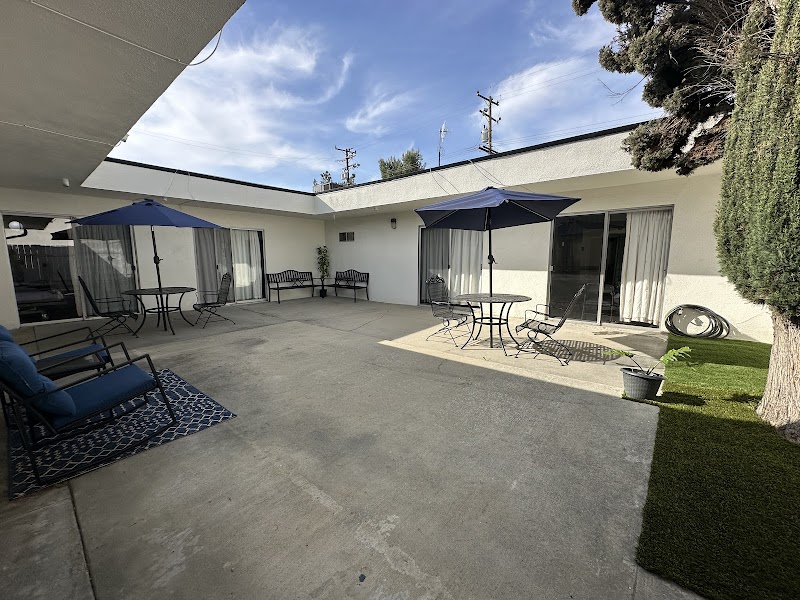
How is Bellflower Post Acute Staffed?

CMS rates BELLFLOWER POST ACUTE's staffing level at 3 out of 5 stars, which is average compared to other nursing homes. Staff turnover is 27%, compared to the California average of 46%. This relatively stable workforce can support continuity of care.

What Have Inspectors Found at Bellflower Post Acute?

State health inspectors documented 47 deficiencies at BELLFLOWER POST ACUTE during 2022 to 2025. These included: 1 that caused actual resident harm, 43 with potential for harm, and 3 minor or isolated issues. Deficiencies causing actual harm indicate documented cases where residents experienced negative health consequences.
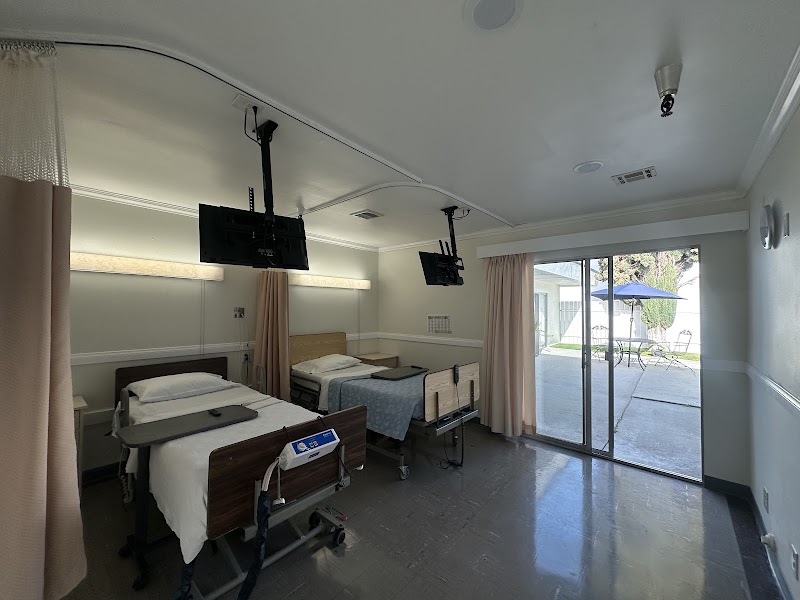
Who Owns and Operates Bellflower Post Acute?

BELLFLOWER POST ACUTE is owned by a for-profit company. For-profit facilities operate as businesses with obligations to shareholders or private owners. The facility is operated by THE MANDELBAUM FAMILY, a chain that manages multiple nursing homes. With 59 certified beds and approximately 53 residents (about 90% occupancy), it is a smaller facility located in BELLFLOWER, California.
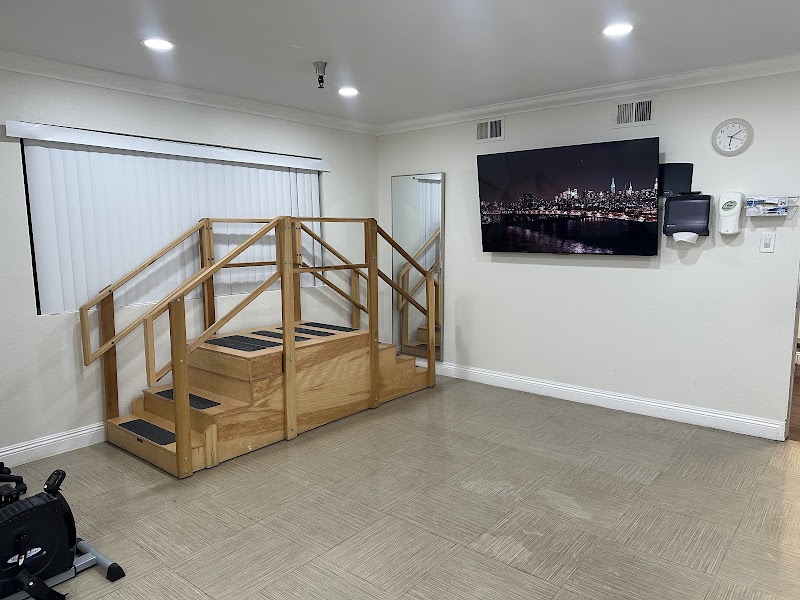
How Does Bellflower Post Acute Compare to Other California Nursing Homes?

Compared to the 100 nursing homes in California, BELLFLOWER POST ACUTE's overall rating (2 stars) is below the state average of 3.1, staff turnover (27%) is significantly lower than the state average of 46%, and health inspection rating (2 stars) is below the national benchmark.

What Should Families Ask When Visiting Bellflower Post Acute?

Based on this facility's data, families visiting should ask: "Can I visit during a mealtime to observe dining assistance and food quality?" "How do you handle medical emergencies, and what is your hospital transfer rate?" "Can I speak with family members of current residents about their experience?"

Is Bellflower Post Acute Safe?

Based on CMS inspection data, BELLFLOWER POST ACUTE has a clean safety record: no substantiated abuse findings (meaning no confirmed cases of resident harm), no Immediate Jeopardy citations (the most serious violation level indicating risk of serious injury or death), and is not on the Special Focus Facility watch list (a federal program monitoring the lowest-performing 1% of nursing homes). The facility has a 2-star overall rating and ranks #100 of 100 nursing homes in California. While no facility is perfect, families should still ask about staff-to-resident ratios and recent inspection results during their visit.

Do Nurses at Bellflower Post Acute Stick Around?

Staff at BELLFLOWER POST ACUTE tend to stick around. With a turnover rate of 27%, the facility is 19 percentage points below the California average of 46%. Low turnover is a positive sign. It means caregivers have time to learn each resident's needs, medications, and personal preferences. Consistent staff also notice subtle changes in a resident's condition more quickly. Registered Nurse turnover is also low at 20%, meaning experienced RNs are available to handle complex medical needs.

Was Bellflower Post Acute Ever Fined?

BELLFLOWER POST ACUTE has no federal fines on record. CMS issues fines when nursing homes fail to meet care standards or don't correct problems found during inspections. The absence of fines suggests the facility has either maintained compliance or corrected any issues before penalties were assessed. This is a positive indicator, though families should still review recent inspection reports for the full picture.

Is Bellflower Post Acute on Any Federal Watch List?

BELLFLOWER POST ACUTE is not on any federal watch list. The most significant is the Special Focus Facility (SFF) program, which identifies the bottom 1% of nursing homes nationally based on persistent, serious quality problems. Not being on this list means the facility has avoided the pattern of deficiencies that triggers enhanced federal oversight. This is a positive indicator, though families should still review the facility's inspection history directly.