VILLA DEL SOL POST ACUTE
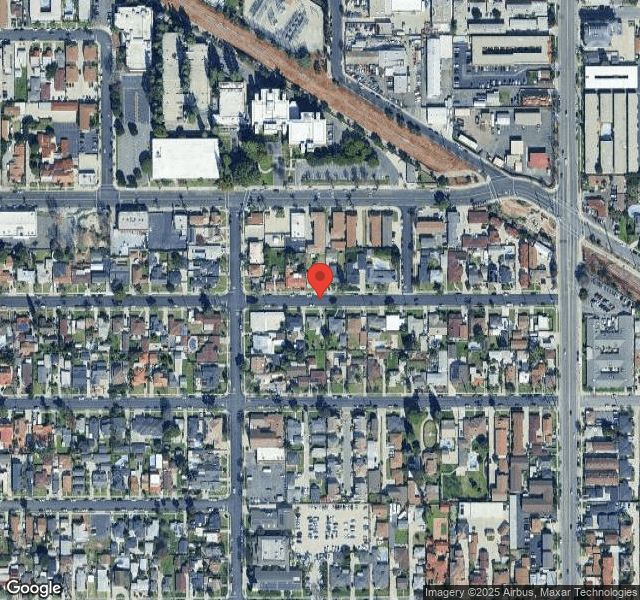
16910 WOODRUFF AVE., BELLFLOWER, CA 90706 (562) 867-1761
For profit - Limited Liability company 99 Beds DAVID & FRANK JOHNSON Data: November 2025
Trust Grade
35/100
#1150 of 1155 in CA
Last Inspection: April 2025

Within standard 12-15 month inspection cycle. Federal law requires annual inspections.

Overview

Villa Del Sol Post Acute has received a Trust Grade of F, indicating significant concerns about its overall care quality. It ranks #1150 out of 1155 facilities in California, placing it in the bottom half of all state facilities, and #365 out of 369 in Los Angeles County, suggesting there are very few local options that are worse. The facility is showing signs of improvement, with issues decreasing from 25 in 2024 to 23 in 2025. Staffing is relatively stable with a 4/5 star rating and a turnover rate of 34%, which is below the state average, indicating that staff tend to remain employed here. However, there have been serious concerns, including a critical incident where a resident with significant mobility issues was not properly assisted during a transfer, and failures in infection control measures that could pose risks to residents' health. Despite the good staffing rating, the facility's overall care and health inspection scores remain at a poor 1/5, leaving families with serious concerns to consider.

Trust Score
F
35/100
In California
#1150/1155
Bottom 1%
Safety Record
Moderate
Needs review
Inspections
Getting Better
25 → 23 violations
Staff Stability
○ Average
34% turnover. Near California's 48% average. Typical for the industry.
Penalties
✓ Good
No fines on record. Clean compliance history, better than most California facilities.
Skilled Nurses
⚠ Watch
Each resident gets only 28 minutes of Registered Nurse (RN) attention daily — below average for California. Fewer RN minutes means fewer trained eyes watching for problems.
Violations
⚠ Watch
83 deficiencies on record. Higher than average. Multiple issues found across inspections.
★☆☆☆☆
1.0
Overall Rating
★★★★☆
4.0
Staff Levels
★★★★☆
4.0
Care Quality
★☆☆☆☆
1.0
Inspection Score
Stable
2024: 25 issues
2025: 23 issues

The Good

  • 4-Star Staffing Rating · Above-average nurse staffing levels
  • 4-Star Quality Measures · Strong clinical quality outcomes
  • Full Sprinkler Coverage · Fire safety systems throughout facility
  • No fines on record
  • Staff turnover below average (34%)

    14 points below California average of 48%

Facility shows strength in staffing levels, quality measures, fire safety.

The Bad

1-Star Overall Rating

Below California average (3.1)

Significant quality concerns identified by CMS

Staff Turnover: 34%

12pts below California avg (46%)

Typical for the industry

Chain: DAVID & FRANK JOHNSON

Part of a multi-facility chain

Ask about local staffing decisions and management

The Ugly 83 deficiencies on record

1 actual harm
Aug 2025 1 deficiency
CONCERN (D) 📢 Someone Reported This

A family member, employee, or ombudsman was alarmed enough to file a formal complaint

Potential for Harm - no one hurt, but risky conditions existed

Deficiency F0605 (Tag F0605)

Could have caused harm · This affected 1 resident

**NOTE- TERMS IN BRACKETS HAVE BEEN EDITED TO PROTECT CONFIDENTIALITY** Based on interview and record review, the facility failed to document an indication for a psychotropic medication (medication th...

Read full inspector narrative →
**NOTE- TERMS IN BRACKETS HAVE BEEN EDITED TO PROTECT CONFIDENTIALITY** Based on interview and record review, the facility failed to document an indication for a psychotropic medication (medication that affects the brain) to be administered to one of three sampled residents (Resident 11) who was given Ativan due to anxiety with no manifestation. This deficient practice resulted in Resident 11 not being monitored for psychiatric behaviors and had the potential to experience unwanted adverse side effects.Findings: During a review of Resident 11’s admission Record (Face Sheet), the admission Record indicated Resident 11 was initially admitted on [DATE] with diagnoses including dementia (a progressive state of decline in mental abilities), psychoactive substance (such as caffein, alcohol, addictive pain medications) dependence, and Parkinson’s Disease (a progressive disease of the nervous system marked by tremor, muscular rigidity, and slow, imprecise movements). During a review of Resident 11’s history and physical (H&P) dated 5/14/2025, the H&P indicated Resident 11 had no capacity to understand and make decisions. During a review of Resident 11’s Minimum Data Set (MDS: a resident assessment tool) dated 8/19/2025, the MDS indicated Resident 11 was cognitively moderately impaired. The MDS indicated Resident 11’s was dependent on all aspects of performing activities of daily living (ADL: bathing, oral/toileting/personal hygiene, and eating). The MDS indicated Resident 11 had impairments on both sides of the upper (arms/shoulders) and lower (hips/legs) extremities. During a review of Resident 11’s care plan (CP) untitled, the CP indicated Resident 11 used anti-anxiety medications (Lorazepam: anti-anxiety medication) as needed (PRN) for anxiety manifested by (m/b) restless and agitation [manifestations clarified: repetitive physical movements as evidenced by (AEB) getting out of bed unattended on 6/11/2025. The CP intervention indicated to administer anti-anxiety medications as ordered, monitor for side effects, monitor resident every shift for safety as the resident is taking anti-anxiety meds that are associated with an increased risk of confusion, sedation, loss of balance, monitor/document/report PRN any adverse reactions to anti-anxiety therapy, and monitor/record occurrence of for target behavior symptoms and document per facility protocol initiated on 6/11/2025. During a review of Resident 11’s Medication Administration Record (MAR: electronic document that indicate medication administration time) dated 8/1/2025 – 8/31/2025, the MAR indicated Resident 11 received Ativan oral Tablet 0.5 milligram (mg: unit of mass) on 8/16/2025, 8/20/2025, and 8/27/2025 for exhibiting a behavior. During a review of Resident 11’s Order Summary dated 8/26/2025, the order summary indicated Ativan oral tablet 0.5mg (Lorazepam): give one tablet by mouth every 12 hours as needed for anxiety m/b for 14 days ordered on 8/16/2025 to 8/30/2025. During a concurrent interview and record review on 8/29/2025 at 9:03a.m. with Registered Nurse Supervisor 1 (RNS 1), RNS 1 stated Resident 11’s order indicated Ativan 0.5mg anxiety m/b, however the m/b is not showing up and further indicated Resident 11’s manifestation is for restlessness. RNS 1 stated it was for m/b for 14 days and does not indicate further. RNS 1 stated Resident 11’s MAR dated 8/1/2025 – 8/31/2025, Resident 11 received Ativan on 8/16/2025, 8/20/25, 8/27/2025, and indicated the m/b is not there and should have been written to identify the behavior where the medication is needed. RNS 1 stated whether the medication is routine or as needed, they are supposed to monitor the behavior and side effects, and every shift will observe the residents behavior. RNS 1 stated the order is incomplete as it is missing the manifestation and indicated on the MAR dated 8/1/2025 – 8/31/2025, the behavior observed is documented as YES. RNS 1 stated the monitoring of behavior is documented on the MAR and in the progress note and indicated Ativan was started on 8/16/2025 for Resident 11. During a concurrent interview and record review on 8/29/2025 at 9:22a.m. with RNS 1, RNS 1 stated on the progress note dated 8/16/2025 at 12:47p.m. indicated Ativan oral tablet 0.5mg was given to Resident 11, but indicated during the evening shift (3:00pm to 11:00pm), they did not mention Resident 11’s behavior and night shift (11:00pm to 7:00am) did not document any progress notes for 8/17/2025. RNS 1 stated monitoring of the side effects for Ativan should be on the medication orders but does not see the monitoring of side effects for Ativan. RNS 1 stated they monitor the side effects as if the medication is given, the residents can become groggy and can affect their ADLs and could get too sleepy. During an interview on 9/2/2025 at 4:29p.m. with the Director of Nursing (DON), the DON stated for residents with any mental diagnosis, they will monitor the behavior and will tally the hash marks on a monthly basis to identify whether the medication was effective or not. The DON stated if the behavior is not monitored, they will not know if the medication is effective or not and would have to refer them to psychiatry. The DON stated there are manifestations for psychotropic medications to ensure the medication is appropriate for the behavior they are treating and indicated if there are no indications, they are giving medications not knowing what they are treating. The DON stated the indication and monitoring for adverse reactions are part of the order, and they monitor the side effects as it can cause lethargy and drowsiness, so it is important to monitor to identify if the medication needs to be reduced or changed to a different medication. During a review of the facility’s policy and procedure (P&P) titled, “Medication Orders” dated 9/2/2022, the P&P indicated elements of the medication order: PRN (as needed) orders should also specify the condition, for which they are being administer, (e.g., as needed for sleep). During a review of the facility’s P&P titled, “Behavioral Health Services” dated 12/19/2022, the P&P indicated it is the policy of this facility to ensure all residents receive necessary behavioral health services facility utilizes the comprehensive assessment process for identifying and assessing a resident’s mental and psychosocial status and providing person-centered care. The process includes, but is not limited to: ongoing monitoring of mood and behavior, care plan development and implementation. During a review of the facility’s P&P titled, “Use of Psychotropic Medications” revised 3/17/2025, the P&P indicated “adequate indications for use” refers to the identified, documented clinical rationale for administering a medication that is based upon an assessment of the resident’s condition and therapeutic goals. Psychotropic medications are to be used only when a practitioner determines that the medication(s) is appropriate to treat a resident’s specific, diagnosed, and documented condition and the medication(s) is beneficial to the resident, as demonstrated by monitoring and documentation of the resident’s response to the medication(s). the resident’s response to the medication(s), including progress towards the goal and presence/absence of adverse consequences, shall be documented in the resident’s medical record. The psychotropic medications used on a PRN basis must have a diagnosed specific condition and indication for the PRN use documented in the resident’s medical record. During a review of the facility’s P&P titled, “Documentation in Medical Record” revised 9/2/2022, the P&P indicated licensed staff and interdisciplinary team members shall document all assessments, observations, and services provided in the resident’s medical record in accordance with state law and facility policy.
Jul 2025 1 deficiency
CONCERN (D) 📢 Someone Reported This

A family member, employee, or ombudsman was alarmed enough to file a formal complaint

Potential for Harm - no one hurt, but risky conditions existed

Infection Control (Tag F0880)

Could have caused harm · This affected 1 resident

Based on observation, interview, and record review, the facility staff failed to ensure soiled gown was not left on the floor near the trash can. This deficient practice had the potential to spread in...

Read full inspector narrative →
Based on observation, interview, and record review, the facility staff failed to ensure soiled gown was not left on the floor near the trash can. This deficient practice had the potential to spread infection. Findings: During an observation on 07/07/25 at 1:02 pm. observed a soiled gown was on the floor in the resident room, instead of in the soiled linen bins. During an interview with Certified Nursing Assistant (CNA) 3 on 07/07/25 at 1:45 pm. CNA 3 stated she was thinking the soiled gown might have dropped off the plastic bag. CNA 3 stated this was an infection control issue. CNA 3 stated all staff were supposed to place the soiled gown in plastic and put them in the barrel. CNA 3 stated, housekeepers should be called to clean the area anytime soiled gown or linen was observed on the floor. During a concurrent observation and interview on 07/07/25 at 1:57 pm, with License Vocational Nurse (LVN 1), LVN 1 was observed leaving the resident room after assisting the resident, without picking up the used soiled gown on the floor by the trash can. LVN 1, stated staff were not supposed to leave dirty gowns or linen on the floor as it is an infection control issue. During an interview with the Director of Staff Developer (DSD) on 7/08/25 at 2:46 pm, DSD stated all nurses get in-service every month and on a weekly basis for different topics and as needed, especially infection control. DSD stated dirty linens or gowns were not supposed to be on the floor. DSD stated dirty gown should be placed on the bag and placed in the barrel, to prevent the spread of infection. During a review of the facility’s policy and procedure (P&P) dated 12/19/22 titled Handling Soiled Linen, the P&P indicated “ It is the policy of this facility to handle, store, process, and transport linen in a safe and sanitary method to prevent the spread of infection… Used or soiled linen shall be collected at the bedside (or point of use, such as dining room) and placed in a linen bag or designated lined receptable. When the task is complete, the bag shall be closed securely and placed in the utility room. Soiled linen shall not be kept in residents’ room or bathroom.”
Jun 2025 1 deficiency
CONCERN (D) 📢 Someone Reported This

A family member, employee, or ombudsman was alarmed enough to file a formal complaint

Potential for Harm - no one hurt, but risky conditions existed

Accident Prevention (Tag F0689)

Could have caused harm · This affected 1 resident

**NOTE- TERMS IN BRACKETS HAVE BEEN EDITED TO PROTECT CONFIDENTIALITY** Based on interview and record review the facility failed to ensure one of two sampled residents (Resident 1) did not elope from ...

Read full inspector narrative →
**NOTE- TERMS IN BRACKETS HAVE BEEN EDITED TO PROTECT CONFIDENTIALITY** Based on interview and record review the facility failed to ensure one of two sampled residents (Resident 1) did not elope from the facility on 6/2/2025 at 1:30 p.m. The facility failed to: 1.Accurately assess Resident 1 for wandering (walk around without any clear purpose or direction) and elopement risk to prevent the resident from leaving the facility unsupervised. 2. Ensure on 6/2/25 at 1:30 p.m. Resident 1 was supervised while he was on the patio. 3. Ensure staff followed facility's policy and procedure (P&P) titled, Elopement and Wandering Residents dated 12/19/2022, which indicated facility ensures that residents who exhibit wandering behavior and/or are at risk for elopement receive adequate supervision to prevent accidents and receive care in accordance with their person-centered plan of care addressing the unique factors contributing to wandering or elopement risk. These deficient practices resulted in Resident 1 eloping (a situation in which a resident leaves the premises or a safe area without the facility's knowledge and supervision, if necessary) from the facility on 6/2/2025 at 1:30 p.m. These deficient practices placed Resident 1 at risk for exposure to harsh environmental conditions (rain and/or cold), injury from motor vehicle accidents, medical complications related to his diagnosis of depression (a mood disorder that causes a persistent feeling of sadness and loss of interest) and paranoid schizophrenia (mental illness characterized by delusions and hallucinations) without receiving prescribed medication including abilify (antipsychotic medication treats schizophrenia) and trazadone (medication to treat depression), lack of food with the risk of malnutrition (health problems that may arise due to lack of nutrients), dehydration (abnormally low fluid levels in the body), and possible death. As of 6/8/2025 Resident 1 was found and was admitted to general acute care hospital (GACH). Resident 1 was discharged from GACH back to the community on 6/8/2025. Findings: During a review of Resident 1's admission Record, the admission Record indicated Resident 1 was admitted to the facility on [DATE] with diagnosis including anxiety (intense, excessive, persistent worry about everyday /situations), depression and paranoid schizophrenia. During a review of Resident 1's History & Physical (H&P) dated 6/1/25, the H&P indicated Resident 1 had the capacity to understand and make decisions. During a review of Resident 1s Minimum Data Set (MDS - a resident assessment tool) dated 6/2/2025, the MDS indicated Resident 1's cognition was intact. The MDS also indicated Resident 1 was independent ( resident completes activity by themselves) with Activities of Daily Living (ADLs- activities such as eating, dressing and toileting a person performs daily). The MDS also indicated Resident 1 had diagnosis of anxiety, depression and schizophrenia. During a review of Resident 1's Clinical admission dated 5/29/2025 the Clinical admission indicated Resident 1's goal was to return home (alone). During a review of Resident 1's Elopement Risk assessment dated [DATE], the Elopement Risk Assessment indicated Resident 1 was assessed as wanderer (random or repetitive locomotion. This movement may be goal-directed (e.g., the person appears to be searching for something such as an exit) or may be non-goal-directed or aimless). The Elopement Risk assessment also indicated Resident 1 was a low risk for elopement. During a review of Resident 1's Order Summary Report dated 6/5/2025, the Order Summary Report indicated Resident 1 had orders for abilify 5miligram ( mg-unit of measurement) mg give one tablet by mouth one time a day for schizophrenia manifested by (m/b) auditory hallucinations (experiencing sounds, especially voices, that are not physically present). The Order Summary Report also indicated Resident 1 had orders for trazadone 100 mg one tablet by mouth at bedtime for depression m/b inability to sleep. During a review of Resident 1's care plan titled Resident 1 is an Elopement Risk/Wanderer, dated 5/30/2025, the care plan goal indicated for Resident 1's safety to be maintained. The care plan indicated interventions including to distract Resident 1 from wandering by offering pleasant diversions, structured activities, food, conversation, television, book, and for residents who are at risk of elopement related to history of homelessness develop a trusting and respectful relationship, show empathy and understanding towards the resident's past experiences with homelessness and collaborate with them to develop an individualized plan of care. The care plan also indicated to identify pattern of wandering . intervene as appropriate. During an interview on 6/4/2025 at 3:32 p.m., with the Receptionist, the Receptionist stated that the last time she saw Resident 1 he was on the patio on 6/2/2025. The Receptionist stated that she did not see Resident 1 leave the facility, as her computer was facing the wall and not in the line of site of the front door. The Receptionist stated she thinks that Resident 1 got past her when she was making a copy or taking a message because she never left her area and facility staff had found a wheelchair next to the front door. During a phone interview on 6/4/2025 at 4:05 pm with Resident 1's emergency contact (EC). The EC stated that she had not heard from Resident 1. The EC stated he usually calls her every two weeks when he gets money. During a phone interview on 6/5/2025 at 10:10 a.m., with the Licensed Vocational Nurse (LVN) 1, LVN 1 stated on 6/2/2025 was the first time to take care of Resident 1. LVN 1stated that the last time she saw Resident 1 was on 6/2/2025 around 12:40 p.m., in his room. LVN 1 stated at 12:51 when the physical therapist went to look for Resident 1 for physical therapy treatment, Resident 1 was gone. Facility staff started to look for Resident 1 and at 1:30 pm the facility called a code white (missing person). LVN 1 stated Resident 1 did not express wanting to leave the facility. During a concurrent interview and record review on 6/5/2025 at 12:33 p.m., with the Registered Nurse (RN) Resident 1's admission Inquiry dated 5/19/2025 and his medical records dated 5/29/2025 through 6/2/2025 were reviewed. The admission Inquiry indicated Resident 1 was nicotine dependent and was a current every day smoker of 20 cigarettes daily for years. The admission inquiry also indicated that Resident 1 drinks alcohol beverages. The elopement assessment indicated Resident 1 did not have a history of drug/alcohol abuse and that Resident 1 did not have a history of homelessness. The RN stated that Resident 1's elopement assessment was not accurate Resident 1's admission inquiry indicated he was a smoker and drank alcohol. The RN stated Resident 1's care plan for elopement indicated Resident 1 was homeless and the elopement risk assessment indicated Resident 1 was not homeless. The RN stated when you don't have accurate assessments your care plan will be inaccurate, and the residents care will not be appropriate for the resident's condition. The RN stated Resident 1's elopement could have been avoidable with the correct assessment and interventions in place. During an interview on 6/5/25 at 4:20 pm with the Director of Nursing (DON), the DON stated Resident 1's elopement assessment was inaccurate. The DON stated when assessments were not correct your plan of care will not be correct, there will be discrepancies in the information, and it will affect the care the resident was receiving. The DON stated Resident 1's elopement was avoidable. During a review of the facility's policy and procedure ( P&P) titled admission of a Resident dated 12/19/2022. The P&P indicated The admission process is intended to obtain all possible information regarding the resident for the development of the comprehensive plan of care, and to assist the resident in becoming comfortable in the facility. Residents are admitted to the facility under orders of the attending physician. Licensed Nursing does Assessment. Developing a Plan of Care, a baseline care plan will be developed within 48 hours of a resident's admission. Screen for falls, pressure injuries, elopement and incontinence. During a review of the facility's policy and procedure ( P&P) titled Elopement and Wandering Residents dated 12/19/2022, the P&P indicated This facility ensures that residents who exhibit wandering behavior and/or are at risk for elopement receive adequate supervision to prevent accidents and receive care in accordance with their person-centered plan of care addressing the unique factors contributing to wandering or elopement risk. Elopement occurs when a resident leaves the premises or a safe area without authorization (i.e., an order for discharge or leave of absence) and/or any necessary supervision to do so. Monitoring and Managing Residents at Risk for Elopement or Unsafe Wandering. Residents will be assessed for risk of elopement and unsafe wandering, when clinically appropriate, by the interdisciplinary care plan team. The interdisciplinary team will evaluate the unique factors contributing to risk in order to develop a person-centered care plan. Interventions to increase staff awareness of the resident's risk, modify the resident's behavior, or to minimize risks associated with hazards will be added to the resident's care plan and communicated to appropriate staff. Adequate supervision will be provided to help prevent accidents or elopements.
May 2025 1 deficiency
CONCERN (D) 📢 Someone Reported This

A family member, employee, or ombudsman was alarmed enough to file a formal complaint

Potential for Harm - no one hurt, but risky conditions existed

Deficiency F0627 (Tag F0627)

Could have caused harm · This affected 1 resident

**NOTE- TERMS IN BRACKETS HAVE BEEN EDITED TO PROTECT CONFIDENTIALITY** Based on interview and record review, the facility failed to ensure one of one sampled residents (Resident 1) who resided at the...

Read full inspector narrative →
**NOTE- TERMS IN BRACKETS HAVE BEEN EDITED TO PROTECT CONFIDENTIALITY** Based on interview and record review, the facility failed to ensure one of one sampled residents (Resident 1) who resided at the facility and was transferred to General Acute care hospital (GACH) was readmitted to the facility after Resident 1 was cleared by GACH to return to the facility on [DATE]. This deficient practice resulted in Resident 1 remaining at the GACH after Resident 1 was deemed appropriate for discharge back to the facility but was denied readmission by the facility. Resident 1 did not return to the facility. This deficient practice resulted in Resident 1 ' s temporary loss of residence and had negative psychosocial outcome, as evidenced by vocalizations of depression (feeling of sadness and loss of interest), sadness and anxiety. Findings: During a review of Resident 1 ' s admission Record, the admission Record indicated Resident 1 was admitted to the facility on [DATE], with diagnoses including cerebral infarction (damage to the brain from interruption of its blood supply), and atrial fibrillation (irregular heartbeat). During a review of Resident 1 ' s History and Physical (H&P), dated [DATE], the H&P indicated, Resident 1 did not have the capacity to understand and make decisions. During a review of Resident 1 ' s Minimum Data Set ([MDS], resident assessment tool), dated [DATE], the MDS indicated, Resident 1 required partial/moderate assistance (helper does less than half the effort. Helper lifts, holds or supports trunk or limbs, but provides less than half the effort) for toileting, shower/bath self. During a concurrent interview and record review on [DATE] at 9:00 a.m. with Registered Nurse Supervisor (RNS), the Facility ' s Census (the number of inpatients present in a healthcare facility at a specific time) dated [DATE] was reviewed. The Facility ' s Census indicated, the facility had nine open beds, which included two female beds. RNS stated that the facility had open beds available on [DATE]. RNS stated the facility ' s process when residents were transferred to the hospital, residents ' bed was placed on bed hold for seven days, however even if the bed hold goes beyond seven days the residents may return back to the facility if there was a room available or the next available bed. RNS stated residents should be able to return to the facility because it was the residents ' home. RNS stated residents could become depressed and feel unwanted if they were not able to return to their home/facility. During an interview on [DATE] at 10:20 a.m. with the admission Coordinator (AC), AC stated residents should be able to return to the facility once they were discharged from the hospital. AC stated even if the residents bed hold had expired and there was a bed available the residents have the right to be able to return to the facility. AC stated Resident 1 should have been able to return to the facility, because the facility was Resident 1 ' s home. AC stated Resident 1 probably felt sad, and worried about where she would live. AC stated she does not remember why Resident 1 was not accepted back to the facility, but she does remember Resident 1 had a share of cost (refers to the portion of healthcare costs that the insured individual pays) that she needed to pay. AC stated Resident 1 should have been able to return to the facility even though she had a share of cost balance. AC stated she had spoken to Resident 1 prior to her transfer to the hospital regarding her share of cost and Resident 1 informed her that she could not afford to pay it. AC stated she did not attempt to assist Resident 1 regarding her inability to pay the share of cost. AC stated she does not know why she did not assist Resident 1, but she should have referred her to social service. During a review of Resident 1 ' s Order Summary, dated [DATE], the Order Summary indicated to transfer Resident 1 to GACH due to desaturation (a decrease in the oxygen saturation (SpO2) of the blood) and altered mental status (a change in a person's cognitive [ability to think, understand, learn, and remember] function, including alertness, attention, orientation, and memory ). The Order Summary indicated seven days bed hold. During an interview on [DATE] at 8:45 a.m. with Resident 1, Resident 1 stated she had been living at the facility for three years. Resident 1 stated she was transferred to the hospital due to difficulty breathing. Resident 1 stated she did not have any concerns with the staff during her stay at the facility and was looking forward to returning after her discharge from GACH. Resident 1 stated she was informed by the staff at the hospital that the facility would not accept her back at the facility. Resident 1 stated she was informed the facility could not take her back because her bed hold had expired. Resident 1 began to cry during our conversation and stated she became extremely fearful because she did not know where she would go. Resident 1 stated that she considered the facility to be her home. Resident 1 stated she became anxious and was worried about her belongings that were left at the facility. Resident 1 stated the facility began to constantly call her son to pick up her belongings from the facility and that also made her anxious and depressed. Resident 1 stated she currently does not want to return to the facility because she feels like they did not want her and she does not want the staff to be the ones responsible for caring for her, because she does not trust them. During a review of Resident 1 ' s GACH Discharge Plan Update, dated [DATE], the Discharge Plan Update indicated, per facility admission Coordinator (AC), Resident 1 was off bed hold and facility were not able to accept Resident 1 back to the facility. During a concurrent interview and record review on [DATE] at 9:50 a.m. with the Director of Nursing (DON), the Facility ' s Census dated [DATE], the Facility Census indicated Resident 1 ' s room prior to discharge to GACH was unoccupied. The DON stated Resident 1 ' s room was empty, and Resident 1 should have been accepted back to the facility. The DON stated even though Resident 1 ' s bed hold had expired the facility should had accepted her back to the facility. The DON stated it was the responsibility of the facility to ensure that the residents return to the facility because it was considered the residents ' home. The DON stated Resident 1 probably felt unwanted by the facility and could have caused her to become anxious and depressed which could have had a negative impact on her health. During an interview on [DATE] at 10:15 a.m. with the Administrator (ADM), the ADM stated Resident 1 should had been accepted back to the facility. ADM stated that he does not know why she was not accepted back to the facility. The ADM stated Resident 1 had a share of cost balance and she was not able to pay. The ADM stated Resident 1 did not want to return to the facility. The ADM stated if the facility told Resident 1 initially that he could not return to the facility and then told Resident 1 he could return, Resident 1 would not want to return to the facility because he would not trust the staff. During a review of the facility ' s policy and procedure (P&P) titled, Transfer and Discharge (including AMA), dated 2022, the P&P indicated The resident will be permitted to return to the facility upon discharge from the acute care setting.
Apr 2025 16 deficiencies
CONCERN (D)

Potential for Harm - no one hurt, but risky conditions existed

Deficiency F0558 (Tag F0558)

Could have caused harm · This affected 1 resident

Based on observation, interview, and record review, the facility failed to ensure one of the five sampled residents (Resident 67) had a call light within reach. This failure had the potential to resul...

Read full inspector narrative →
Based on observation, interview, and record review, the facility failed to ensure one of the five sampled residents (Resident 67) had a call light within reach. This failure had the potential to result in a delay or inability for the resident to obtain necessary care and services. Findings: During a review of Resident 67's admission Record (Face Sheet), the admission Record indicated the facility admitted Resident 67 on 8/20/2024 with diagnoses including but not limited to nontraumatic intracerebral hemorrhage (a bleed in the brain not caused by an injury), hemiplegia (total paralysis of the arm, leg, and trunk on the same side of the body) and hemiparesis (partial weakness) following cerebral infarction (loss of blood flow to a part of the brain). During a review of Resident 67's Minimum Data Set (MDS, a resident assessment tool) dated 2/17/2025, the MDS indicated the resident had impairment of lower extremity abilities of both legs. During an observation on 4/1/2025 at 12:23p.m., Resident 67 was in bed sitting in a Fowler's (head of bed elevated between 45 and 60 degrees) position. The call light was on the wall behind the bed. Resident 67 stated if he does not have a call light within reach and needs a nurse he will call out loudly nurse. During a concurrent observation and interview at Resident 67's beside on 4/1/2025 at 12:25 p.m. with Certified Nurse Assistant (CNA) 3, CNA 3 observed the call light behind Resident 67's headboard, against wall, and out of reach of Resident 67. CNA 3 stated having the call light within reach was important for a resident to have access to in case of emergencies and needing assistance. During an interview on 4/03/2025 at 1:03 p.m. with Licensed Vocational Nurse (LVN) 4, LVN 4 stated, the call light has to be within reach of a resident, clipped on sheet, or placed where resident wants it, as long as it was close to resident. LVN 4 stated having the call light within reach was important so residents can call if they need help with anything. During an interview on 4/4/2025 at 10:24 a.m., with Registered Nurse (RNS) 1, RNS 1 stated a call light should be within reach of a resident because if the call light was not within reach and the resident soiled, if staff are unable to get to the resident timely, that can lead to skin breakdown. During a review of the facility's policy and procedure (P&P) titled, Call Lights: Accessibility and Timely Response dated 12/19/22, the P&P indicated Staff will ensure the call light is within reach of resident and secured, as needed. and The call system will be accessible to residents while in their bed or other sleeping accommodations within the resident's room.
CONCERN (D)

Potential for Harm - no one hurt, but risky conditions existed

PASARR Coordination (Tag F0644)

Could have caused harm · This affected 1 resident

**NOTE- TERMS IN BRACKETS HAVE BEEN EDITED TO PROTECT CONFIDENTIALITY** Based on interview and record review, the facility failed to ensure one out of three sampled residents (Resident 70) had their L...

Read full inspector narrative →
**NOTE- TERMS IN BRACKETS HAVE BEEN EDITED TO PROTECT CONFIDENTIALITY** Based on interview and record review, the facility failed to ensure one out of three sampled residents (Resident 70) had their Level 1 Preadmission Screening and Resident Review ([PASARR], a federal requirement to help ensure that individuals are not inappropriately placed in nursing homes for long term care) completed accurately. This deficient practice had the potential to delay care for Resident 70 and had the potential Resident 70 would not receive the proper level of care or services required. Findings: During a review of Resident 70's admission Record, the admission Record indicated Resident 70 was originally admitted to the facility on [DATE] with diagnoses including depressive disorder (a mood disorder that causes a persistent feeling of sadness and loss of interest), bipolar disorder (mood swings that range from the lows of depression to elevated periods of emotional highs), anxiety disorder (a group of mental health conditions that cause fear, dread and other symptoms that are out of proportion to the situation), and mood affective disorder (a group of mental health conditions characterized by persistent changes in mood, emotions, and behavior). During a review of Resident 70's history and physical (H/P) dated 9/28/2024, the H/P indicated Resident 70 does not have the capacity to understand and make decisions. During a review of Resident 70's Minimum Data Set ([MDS], a resident assessment tool) dated 2/11/2025, the MDS indicated Resident 70 was moderately impaired in cognitive (thinking process) skills and required setup or clean up assistance (helper sets up while resident completes the activity or assist only prior to or following the activity) in self-care abilities such as eating, required moderate assistance (helper does less than half the effort to complete the task) in self-care abilities such as oral hygiene, toileting and personal hygiene, upper and lower body dressing, putting on and taking off footwear and required maximum assistance with showers and bathing. The MDS also indicated Resident 70 was set up or clean up assistance on mobility such as rolling left and right, sit to lying position, toilet transfers, and required supervision (helper provides verbal cues as resident completes the activity) with lying to sitting position, sit to stand position, bed to chair transfers, shower transfers, and walking 10 to 150 feet. The MDS indicated Resident 70 was taking high risk medications such as antipsychotic (medications that treat mental illness) and antidepressant (treat deprresion) medications. During a review of Resident 70's PASARR level 1 screening dated 10/14/2024, the PASARR Level 1 screening indicated it was negative, and a Level 2 screening was not required. The reason noted for Resident 70's negative PASARR Level 1 screening was due to no serious mental illness. The PASARR indicated Resident 70 did not have a serious diagnosed mental disorder such as Depressive Disorder, Anxiety Disorder (a mental disorder that causes excessive worrying and fear), Panic Disorder (unexpected and extreme episodes of intense fearfast hear rate, and shortness of breath), Schizophrenia/Schizoaffective Disorder (mental illness that causes a breack with reality), or symptoms of Psychosis (symptoms of a break with reality), Delusions (hearing, seeing or belieivng something that is not based on reality) and/or Mood Disturbance. During a concurrent interview and record review on 4/3/2025 at 1:21 p.m., with Medical Records staff (MR), Resident 70's Level 1 PASARR Screening dated 10/14/2024 was reviewed. The MR stated the PASARR was a preadmission screening before residents get admitted to the facility. The MR stated residents need to be evaluated for mental health services before being admitted to the facility. The MR stated if Level 1 PASARR was not done accurately, the Level 2 PASARR screening would not be triggered. The MR stated residents would be not getting the services and consults they would need if Level 1 PASARR was not done correctly. During an interview on 4/4/2025 at 12:10 p.m., with the Director of Nursing (DON), the DON stated the importance of a PASARR was so the facility would know the level and kind of care needed for the residents. The DON stated another Level 1 PASARR should have been done for Resident 70. The DON stated if residents were positive for Level 2 PASARR, the facility would develop a plan of care, provide consultants and recommendations from the Level 2 PASARR list of services residents needed. During a review of the facility's policy and procedure titled, Resident Assessment-Coordination with PASARR Program, revised 12/18/2023, indicated, the facility coordinates assessments with the preadmission screening and resident review (PASARR) program under Medicaid to ensure that individuals with a mental disorder, intellectual disability, or a related condition receives care and services in the most integrated setting appropriate to their needs all applicants to this facility will be screened for serious mental disorders or intellectual disabilities and related conditions in accordance with the State's Medicaid rules for screening. PASARR Level 1 - initial pre-screening that is completed prior to admission. Negative Level 1 Screen - permits admission to proceed and ends the PASARR process unless a possible serious mental disorder or intellectual disability arises later if a resident who was not screened due to an exception above and the resident remains in the facility longer than 30 days, the facility must screen the individual using the State's Level I screening process and refer any resident who has or may have MD (mental disorder), ID (intellectual disorder) or a related condition to the appropriate state-designated authority for Level 2 PASARR evaluation and determination, the Level 2 resident review must be completed within 40 calendar days of admission the Social Services Director or designee shall be responsible for keeping track of each resident's PASARR screening status, and referring to the appropriate authority.
CONCERN (D)

Potential for Harm - no one hurt, but risky conditions existed

ADL Care (Tag F0677)

Could have caused harm · This affected 1 resident

**NOTE- TERMS IN BRACKETS HAVE BEEN EDITED TO PROTECT CONFIDENTIALITY** Based on observation, interview, and record review, the facility failed to maintain good oral hygiene for one of two samples res...

Read full inspector narrative →
**NOTE- TERMS IN BRACKETS HAVE BEEN EDITED TO PROTECT CONFIDENTIALITY** Based on observation, interview, and record review, the facility failed to maintain good oral hygiene for one of two samples residents (Resident 2) when there were white and orange material on Resident 2's lips and teeth. This deficient practice resulted in Resident 2's care needs not being met and had the potential to result in psychological harm, tooth decay and infection. Findings: During a review of Resident 2's admission Record, the admission Record indicated Resident 2 was originally admitted to the facility on [DATE] and readmitted on [DATE] with diagnoses including multiple sclerosis ([MS]- a chronic, progressive disease involving damage to the nerve cells in the brain and spinal cord), neuropathy (disease or dysfunction of one or more nerves, typically causing numbness or weakness in the hands and feet), seizures (a sudden, uncontrolled electrical disturbance in the brain which can cause uncontrolled jerking, blank stares, and loss of consciousness), and functional quadriplegia (paralysis from the neck down, including legs, and arms, usually due to a spinal cord injury). During a review of Resident 2's history and physical (H/P) dated 2/18/2024, the H/P indicated Resident 2 had fluctuating capacity to understand and make decisions. During a review of Resident 2's Minimum Date Set ([MDS], a resident assessment tool) dated 3/28/2024, the MDS indicated Resident 2 was severely impaired in cognitive (thinking process) skills and was dependent (helper does all of the effort while the resident does none of the effort to complete the task) for self-care abilities such as eating, oral hygiene, toileting and personal hygiene, shower/bathe, upper and lower body dressing, and putting on and taking off footwear. The MDS also indicated Resident 2 was dependent with mobility such as rolling left and right, sit to lying position, lying to sitting on side of bed, and chair/bed to chair transfers. During a review of Resident 2's nurses progress notes for January 2025 to April 2025, there was no documentation of oral care provided nor the refusal of oral care documented in the nurses' progress notes. During a concurrent observation and interview on 4/1/2025 at 11:57 a.m. with Resident 2 in his room, Resident 2 was sitting up in bed. Resident 2 opened his mouth when asked by surveyor. There were food particles on the lips and white and orange material on his teeth. Resident 2 had partial dentures at the bedside but Resident 2 nodded his head NO when asked if he wore them during mealtimes. Resident 2 also nodded his head NO when asked if his teeth was brushed every day. During an interview on 4/3/2025 at 11:39 a.m. with Certified Nurse Assistant (CNA) 6, CNA 6 stated if residents refused activity of daily living (ADL, basic tasks that enable people to care for themselves and live independently include eating, dressing, bathing, using the toilet, and moving around) such as personal hygiene care and oral care, CNA 6 stated staff are to notify the Licensed Vocational Nurse (LVN) and the Director of Staff Development (DSD) of the refusal so it can be documented. CNA 6 stated the importance of providing ADL such as grooming, personal hygiene and oral care to residents every day was to prevent infection and keep the residents clean. During an interview on 4/3/2025 at 12:12 p.m. with LVN 4, LVN 4 stated if residents refused any type of ADL, there should be documentation of the refusal in the resident's chart. LVN 4 stated the CNAs report to the LVNs the resident's refusal of ADL and the LVN would document the refusal and notify the medical doctor and the responsible party of the refusal. LVN 4 stated family would be involved to try and help the residents get the ADLs task done. LVN stated the CNA reported to LVN that resident refused ADLs, and document the refusal in progress notes but there was no documentation of the refusal. LVN stated if there was no documentation, no oral care was provided and no refusal of the oral care done. During a concurrent interview and record review on 4/4/2025 at 12:10 p.m. with Director of Nursing (DON), the nurses progress notes were reviewed. DON stated CNAs should be providing oral care for residents daily and if residents refused ADL, it should be documented in their chart. DON stated CNAs should be encouraging residents to do and assist in their ADLs and involve family to help if after encouraging residents alone was not enough. DON stated CNAs should be rounding on residents every 2 hours to make sure all residents are clean. DON stated Resident 2 had been refusing oral care and had to have a few teeth removed due to pain and oral decay. DON stated if there was no documentation of the oral care or the refusal of oral care, it was not provided and not done. During a review of the facility's policy and procedure (P/P) titled, Oral Care, dated 12/19/2022, indicated, it is the practice of this facility to provide oral care to residents in order to prevent and control plaque-associated oral diseases. During a review of the facility's P/P titled, Activities of Daily Living (ADLs), dated 9/2/2022, indicated, care and services may consist of the following activities of daily living: bathing, dressing, grooming and oral care a resident who is unable to carry out activities of daily living will receive the necessary services to maintain good nutrition, grooming, and personal and oral hygiene.
CONCERN (D)

Potential for Harm - no one hurt, but risky conditions existed

Accident Prevention (Tag F0689)

Could have caused harm · This affected 1 resident

**NOTE- TERMS IN BRACKETS HAVE BEEN EDITED TO PROTECT CONFIDENTIALITY** Based on observation interview and record review the facility failed to position one out of six residents (Resident 78) in an up...

Read full inspector narrative →
**NOTE- TERMS IN BRACKETS HAVE BEEN EDITED TO PROTECT CONFIDENTIALITY** Based on observation interview and record review the facility failed to position one out of six residents (Resident 78) in an upright position when assisting with feedings This deficient practice had the potential to cause the resident to have difficulty in swallowing and aspirate (accidental inhalation of food liquid or other materials in the lungs) resulting in hospitalization. Findings: During a review of Resident 78's admission Record, the admission Record indicated Resident 78 was admitted to the facility on [DATE], with diagnoses including dysphagia oropharyngeal phase (difficulty in the transfer of food or liquid from the mouth to the esophagus [a muscle that connects the throat to the stomach]), gastro-esophageal reflux disease without esophagitis (when the stomach acid flow into the food pipe and irritates the lining causing heartburn [a burning discomfort in the chest], but without damage to the lining of the stomach), and muscle weakness. During a review of Resident 1's History and Physical (H&P), dated 1/29/2025, the H&P indicated, Resident 78 did not have the capacity to understand and make decisions. During a review of Resident 78's Minimum Data Set (MDS- a resident assessment tool) dated 3/5/2025, the MDS indicated Resident 78 was dependent (Resident does none of the effort to complete the activity) with activities of daily living such as eating, toilet hygiene, shower/ bathe self, upper and lower body dressing. During a record review of the Clinical admissions Orders dated 4/1/2025, the Clinical admissions Orders indicated an order for regular diet pureed (food that has been ground, pressed or strained to resemble pudding) textured, thin consistency (a fluid or food that is watery and easily pours, like water or juice) , fortified food (vitamins and minerals are added). Assist with feeding. During a record review of the Care Plan Report, dated 1/28/2025, the Care Plan Report indicated to maintain the head of the bed at 30-45 degrees upright during feeding. During an observation and interview on 4/2/2025 at 12:06 p.m., in resident 78's room with Certified Nursing Assistant 5 (CNA 5), CNA 5 was feeding Resident 78 in his bed. Resident 78 was lying on his left side with the head of the bed in a low 20-degree position . CNA 5 stated Resident 78 was not in a good feeding position and should have been placed in a upright position of at least 60 degrees. CNA 5 stated placing a resident in an upright sitting position can prevent them from choking. During an interview on 4/3/2025 at 12:30 p.m., the Licensed Vocational Nurse 2 (LVN 2) stated it was not recommended to feed a resident in a low side-lying position as they cannot intake the food well, have problems swallowing and possibly aspirate. During an interview on 4/4/2025 at 11:15 a.m., the Director of Nursing (DON) stated when feeding a resident in bed they should be placed at 45 degrees for safety to prevent a resident from choking or aspiration. During a review of the facility's policy and procedure (P&P) titled, Accidents and Supervision, [dated reviewed, revised 12/19/2022 ] the P&P indicated, the resident's environment will remain as free of accidents hazards as possible. Each resident will receive adequate supervision and assistive devices to prevent accidents . This includes implementing interventions to reduce hazards (s) risks (s).
CONCERN (D)

Potential for Harm - no one hurt, but risky conditions existed

Deficiency F0697 (Tag F0697)

Could have caused harm · This affected 1 resident

**NOTE- TERMS IN BRACKETS HAVE BEEN EDITED TO PROTECT CONFIDENTIALITY** Based on observation, interview and record review, the facility failed to follow up with the Pain Management Doctor (PMD) for on...

Read full inspector narrative →
**NOTE- TERMS IN BRACKETS HAVE BEEN EDITED TO PROTECT CONFIDENTIALITY** Based on observation, interview and record review, the facility failed to follow up with the Pain Management Doctor (PMD) for one out of three residents (Resident 46) when the PMD had ordered pain medication that Resident 46 was allergic too. This deficient practice had the potential for Resident 46's pain to go untreated. Findings : During a review of Resident 46's admission Record, the admission Record indicated Resident 46 was initially admitted to the facility on [DATE], with diagnoses including hypertensive disease (issues that develop during high blood pressure) without heart failure (the heart doesn't pump blood as it should), hyperlipidemia (unhealthy fat in the blood), and malignant neoplasm of the pancreas (rare cancer that starts as a growth of cell in the pancreas [an organ in the stomach]). The admission Record indicated Resident 46 was allergic to Aspirin (a medication that reduces pain, fever, inflammation, and blood clotting) and Acetaminophen (medication used for low to moderate pain). During a review of Resident 1's History and Physical (H&P), dated 2/22/2025, the H&P indicated, Resident 46 could make needs known but could not make medical decisions. During a review of Resident 46's Minimum Data Set (MDS a resident assessment tool) dated 5/5/2025, the MDS indicated, Resident 46, required partial/moderate (helper does less than half the effort) assist with eating, was dependent (resident does none of the effort to complete the activities) with toilet hygiene, upper and lower body dressing shower/ bathe self. During a record review of Resident 46's Nurses Progress Notes (NPN) dated 3/31/2025 at 10:18 a.m., the NPN indicated a Pain Management Doctor (PMD) had ordered Tylenol 650 mg every 6 hours for pain, Phycians Order dated 3/31/2025. The Nurses Progress Notes indicated Resident 46 was allergic to Tylenol, therefore the order was not carried out, and the pain management doctor was notified that Resident 46 was allergic to Tylenol. During an interview on 4/2/2025 at 12:30 p.m., with Resident 46's family member (FM 1), FM 1 stated his mother had stomach pain sometimes. FM 1 stated the PMD told him (FM 1) she would order pain medication for Resident 46 in case she needed it. During a record review and interview on 4/3/2025 at 12:03 p.m., with Licensed Vocational Nurse (LVN) 2, Resident 46's Nurses Progress Notees dated 3/31/2025 at 10:18 was reviewed, LVN 2 stated she could see where the notes indicated a message was left for the PMD, but [NAME] had followed up for 3 days. LVN 2 stated facility staff must follow up on the resident's pain medication three times within 24 hours. LVN 2 stated if the PMD did not respond the facility staff must contact Resident 46's primary doctor. During an interview and record review on 4/3/20205 with Registered Nurse 1 (RN 1), RN 1 stated the doctor was called on 3/31/2025 and no one followed up for 3 days. RN 1 stated the nurse should have followed up on calling the doctor three times if the doctor does not respond we then call Resident 46's attending doctor. RN 1 stated it is important to follow up in getting a different pain medication because pain can affect your appetite you cannot eat, and we want the residents pain managed. During an interview on 4/4/2025 at 11:16 a.m., with the Director of Nursing (DON), the DON stated if the resident is allergic to a pain medication a doctor has ordered the nurse should inform the doctor who prescribed the medication to change for something different. The DON stated if the doctor does not call back then the nurse can utilize the Medical Director. During a review of the facility's policy and procedure (P&P) titled, Change in a Residents Condition or Status , (revised April 2011 ] the P&P indicated, Our facility shall promptly notify the resident, his or her Attending Physician, and representative (sponsor) of changes in resident's medical/mental condition and/or status ( e.g., changes in level of care, billing/ payments, residents rights, etc.,).
CONCERN (D)

Potential for Harm - no one hurt, but risky conditions existed

Deficiency F0761 (Tag F0761)

Could have caused harm · This affected 1 resident

**NOTE- TERMS IN BRACKETS HAVE BEEN EDITED TO PROTECT CONFIDENTIALITY** Based on observation, interview, and record review, the facility failed to remove one expired fluticasone/salmeterol (a medicati...

Read full inspector narrative →
**NOTE- TERMS IN BRACKETS HAVE BEEN EDITED TO PROTECT CONFIDENTIALITY** Based on observation, interview, and record review, the facility failed to remove one expired fluticasone/salmeterol (a medication used to treat breathing problems) inhaler from the medication cart affecting Resident 17 in one of two inspected medication carts (Middle Medication Cart.) The deficient practice of failing to remove and replace Resident 17's expired fluticasone/salmeterol inhaler from the cart increased the risk that it could have been ineffective when used to treat or prevent breathing problems possibly leading to health complications resulting in hospitalization or death. Findings: During a review of Resident 17's admission Record (a document containing diagnostic and demographic information), dated [DATE], the admission Record indicated she was admitted to the facility on [DATE] with diagnoses including asthma (a medical condition characterized by episodic periods of difficulty breathing.) During a review of Resident 17's History and Physical (H&P - a record of a comprehensive physician's assessment), dated [DATE], the H&P indicated she had the capacity to understand and make decisions. During a review of Resident 17's Order Summary Report (a monthly summary report of all active physician orders), dated [DATE], the Order Summary Report indicated she was prescribed fluticasone/salmeterol 250/50 micrograms (mcg - a unit of measure for mass) to inhale one puff by mouth every 12 hours for asthma. During a concurrent observation and interview on [DATE] at 11:52 AM of Middle Medication Cart with the Licensed Vocational Nurse (LVN 3), the following medications were found either expired, stored in a manner contrary to their respective manufacturer's requirements, or not labeled with an open date as required by their respective manufacturer's specifications: 1.One opened fluticasone/salmeterol inhaler labeled with an open date of [DATE]. According to the product labeling, open salmeterol/fluticasone inhalers should be used or discarded within one month after removal from the protective foil pack. LVN 3 stated the inhaler for Resident 17 expired on [DATE] and should have been removed from the cart at that time. LVN 3 stated she did not know that the inhaler expired one month after removing it from the cart. LVN 3 stated giving expired fluticasone/salmeterol to Resident 17 could increase the risk that it was ineffective at preventing asthma attacks, possibly resulting in hospitalization. A review of the facility's policy Medication Storage, dated [DATE], indicated It is the policy of this facility to ensure all medications housed on our premises will be stored in the . medication rooms according to the manufacturer's recommendations . all medication rooms are routinely inspected by the consultant pharmacist for discontinued, outdated, defective, or deteriorated medications . These medications are destroyed in accordance with facility policy .
CONCERN (D)

Potential for Harm - no one hurt, but risky conditions existed

Menu Adequacy (Tag F0803)

Could have caused harm · This affected 1 resident

**NOTE- TERMS IN BRACKETS HAVE BEEN EDITED TO PROTECT CONFIDENTIALITY** Based on observation, interview and record review, the facility failed to ensure the standardized recipes for lunch menu was fol...

Read full inspector narrative →
**NOTE- TERMS IN BRACKETS HAVE BEEN EDITED TO PROTECT CONFIDENTIALITY** Based on observation, interview and record review, the facility failed to ensure the standardized recipes for lunch menu was followed and provide residents a variety of food option on 4/1/2025 when: One resident (Resident 60) who was vegetarian and on minced and moist diet did not receive the vegetarian option and vegetarian menu was not prepared. Resident 60 who was on minced and moist texture diet (food modified to texture where biting is not required, and minimal chewing required the pieces of food can fit through the gap between the prongs of a standard dinner fork) received chopped carrots instead of minced and moist carrots. This deficient practice had the potential to result in inadequate nutrition status, meal dissatisfaction and increased choking and aspiration risk for resident 60 who is on minced and moist diet texture. Findings: According to the facility lunch menu for the regular diet on 4/1/2025, the following items will be served on the regular diet: Crunchy Fish Fillet 3 ounces (oz.) lemon and tartar sauce; scalloped corn ½ cup; seasoned spinach ½ cup; bread or roll with butter 1 each. Fish Alternative menu: chicken and dumplings ½ cup Spinach alternative menu: steamed carrots. Vegetarian menu: A select Vegetarian item to serve instead of Crunchy Fish Fillet. Minced and Moist menu: lemon baked fish minced and moist with sauce of choice combined with fish ½ cup; mashed potatoes with gravy ½ cup; pureed seasoned spinach ½ cup; pureed bread. During an observation of tray line service for lunch (a system of food preparation, in which trays move along an assembly line) on 4/1/2025 at 12:15 p.m., one resident (Resident 60) who was vegetarian and minced and moist texture diet, the cook (cook1) did not have a vegetarian alternative protein item prepared and served steamed carrots as a replacement for the fish. During the same observation cook1 removed ½ cup of steamed carrots and chopped them into smaller pieces and served along with pureed spinach, pureed bread and mashed potato. The steamed carrots were soft when pressed with fork but chopped into pieces and not minced or moist. During a dining observation on 4/1/2025 at 1:10 p.m., Resident 60 was in the dining room and RNA 1 assisting Resident 60 with food. Resident completed the pureed bread and pureed mashed potatoes. The chopped pieces of carrots were remaining on the plate. A review of resident meal ticket indicated resident is vegetarian with minced and moist diet texture. During a concurrent observation and interview with RNA (RNA1) on 4/1/2025 at 1:15p.m., RNA1 stated Resident 60 ate all the pureed items, RNA1 stated the carrots are chopped. RNA1 stated I mash them with fork and mix with the tomato soup for resident to be able to eat the carrots. RNA1 stated resident received mashed potato, pureed spinach, pureed bread, tomato soup, chopped carrots and pudding for dessert. RNA1 stated all the food is pureed except for carrots and it has to be mashed for resident to eat. During the same observation resident refused the carrots and the desert and asked for ice cream. During an interview with Dietary Supervisor (DS) on 4/1/2025 at 2:30 p.m. DS stated residents who are vegetarian facility can offer tofu, vegetable patty and other vegetarian options. When asked if there was any vegetarian alternative meal on the menu today, DS stated she did not know. During the same interview, DS stated minced and moist food is blended into a very small pieces almost like ground. DS stated Minced and moist is soft and moist with gravy. When asked if the carrots served for resident 60 was the right texture for a minced and moist diet, DS stated she did not notice. During a dining observation on 4/2/2025 at 1:05 p.m. Resident 60 was in the dining room and speech therapist (ST) was assisting resident with feeding. Resident 60 meal consisted of minced and moist shrimp (shrimp was chopped into small pieces mixed with gravy) and mashed potato. A review of resident 60 meal ticket next to her tray, indicated resident 60 is vegetarian with minced and moist diet texture. During a concurrent observation and interview with ST and DS on 4/2/2025 at 1:10 p.m. DS looked at Resident 60 meal and stated kitchen served her shrimp and they shouldn't because Resident 60 prefers vegetarian. DS stated cooks should have prepared something else for the vegetarian diet and they didn't. During the same interview ST stated today Resident 60 has received minced and moist shrimp. ST while feeding Resident, stated the minced and moist shrimp should be moister and shrimp smaller in size, it seems a little dry today and resident has to drink lots of water to swallow the food. ST stated that is why I am sitting next to resident to assist in feeding and to make sure resident drinks water after each bite. ST stated resident 60 tends to eat fast and needs to be reminded to eat slow. ST stated resident 60 posture is also a potential risk for aspiration because it is difficult to sit upright and the head is dropped down and to the right side. ST stated today the food should be more moist and smaller in size. ST stated will in-service staff on how to prepare texture modified diets. A review of Resident 60 admission Record, the admission record indicated the facility initially admitted Resident 60 on 6/4/2024 and readmitted on [DATE] with diagnosis including, but not limited to Parkinson's Disease (a progressive neurological disorder affects movement, causing symptoms like tremors, slowness, stiffness and balance problems), Dysphagia Oropharyngeal phase (difficulty swallowing due to problems with the transfer of food from the mouth to the esophagus) and abnormal Posture. A review of Resident 60 speech therapy SLP evaluation and plan of treatment record dated 3/22/2025 indicated, resident with new onset of coughing/choking during oral intake, pocketing food during intake, prolonged mastication with solids, risk for aspiration, risk for weight loss. Resident is anxious and requires supervision during mealtime. A review of facility policy titled Standardized Menus (revised 12/19/2022) indicated, Menus are revised by the RD and DS based on resident food preferences, reasons for change should be documented. A review of facility policy titled Texture-Modified Diets (dated 2024) indicated, Texture modified diets are prepared and served as prescribed by the physician .Minced and moist food texture is described as soft, tender, moist foods with no thin liquid leaking from food. Food should be no greater than 1/8 inch by ½ inch. All food from pureed are acceptable at this level. Biting is not required; minimal chewing is required. Food holds its shape on a spoon and falls off easily if spoon is tilted. Must not be firm or sticky.
CONCERN (E)

Potential for Harm - no one hurt, but risky conditions existed

Comprehensive Care Plan (Tag F0656)

Could have caused harm · This affected multiple residents

**NOTE- TERMS IN BRACKETS HAVE BEEN EDITED TO PROTECT CONFIDENTIALITY** Based on observation, interview and record review, the facility failed to develop and implement a comprehensive care plan for tw...

Read full inspector narrative →
**NOTE- TERMS IN BRACKETS HAVE BEEN EDITED TO PROTECT CONFIDENTIALITY** Based on observation, interview and record review, the facility failed to develop and implement a comprehensive care plan for two of five sampled residents (Resident 2 and Resident 80) when the facility failed to update and implement a comprhensive care plan for: 1. Oral care and hygiene and refusal of the activity of daily living (ADL, basic tasks that enable people to care for themselves and live independently include eating, dressing, bathing, using the toilet, and moving around) for Resident 2. 2. When there was a change in condition that required resident to need a one-on-one feeder and diet change from regular texture to puree texture for Resident 80. This deficient practice had the potential to negatively affect the quality of life and wellbeing for Resident 2 and Resident 80 to prevent them from achieving their highest practical well-being. Findings: 1.During a review of Resident 2's admission Record, the admission Record indicated Resident 2 was originally admitted to the facility on [DATE] and readmitted on [DATE] with diagnoses including multiple sclerosis ([MS]- a chronic, progressive disease involving damage to the nerve cells in the brain and spinal cord), neuropathy (disease or dysfunction of one or more nerves, typically causing numbness or weakness in the hands and feet), seizures (a sudden, uncontrolled electrical disturbance in the brain which can cause uncontrolled jerking, blank stares, and loss of consciousness), and functional quadriplegia (paralysis from the neck down, including legs, and arms, usually due to a spinal cord injury). During a review of Resident 2's history and physical (H/P) dated 2/18/2024, the H/P indicated Resident 2 had fluctuating capacity to understand and make decisions. During a review of Resident 2's Minimum Data Set ([MDS], a resident assessment tool) dated 3/28/2024, the MDS indicated Resident 2 was severely impaired in cognitive (thinking process) skills and was dependent (helper does all of the effort while the resident does none of the effort to complete the task) for self-care abilities such as eating, oral hygiene, toileting hygiene, personal hygiene, shower/bathe, upper and lower body dressing, and putting on and taking off footwear. The MDS also indicated Resident 2 was dependent with mobility such as rolling left and right, sit to lying position, lying to sitting on side of bed, and chair/bed to chair transfers. During a review of Resident 2's comprehensive care plan, dated 12/20/2023, the comprehensive care plan did not indicate any oral care and hygiene nor any oral care and hygiene refusal. During a concurrent observation and interview on 4/1/2025 at 11:57 a.m., with Resident 2 in his room, Resident 2 was sitting up in bed. When Resident 2 opened his mouth there were food particles on his lips and white and orange material on his teeth. Resident 2 had partial dentures (a wearable plate holding artifical teeth) at the bedside. Resident 2 nodded his head NO when asked if he wore them during mealtimes. Resident 2 nodded his head NO when asked if his teeth was brushed every day. During an interview on 4/3/2025 at 12:12 p.m., with Licensed Vocational Nurse (LVN) 4, LVN 4 stated a care plan was a plan of care for residents. LVN 4 stated if residents had any change of condition, anything specific to the resident, there should be a care plan to ensure the facility will meet the resident's needs. LVN 4 stated the care plan should be updated as needed and if the problem had not been taken care of, the facility would continue with the care plan or make changes as needed. LVN 4 stated there should be a care plan in place for when a resident refused any type of treatment and/or care like oral care and hygiene. 2. During a review of Resident 80's admission Record, the admission Record indicated Resident 80 was admitted to the facility on [DATE] with diagnoses including malignant neoplasm of central portion of left breast (breast cancer, is a disease where cells in the breast tissue grow uncontrollably and form tumors) that metastasizes (spread to other sites in the body) to the bone, brain and lung, seizures (a sudden, uncontrolled electrical disturbance in the brain which can cause uncontrolled jerking, blank stares, and loss of consciousness), urinary tract infection ([UTI]- an infection in the bladder/urinary tract), and muscle weakness. During a review of Resident 80's H/P dated 2/22/2025, the H/P indicated Resident 80 could make needs known but can not make medical decisions. During a review of Resident 80's MDS dated [DATE], the MDS indicated Resident 80 was moderately impaired in cognitive skills and was dependent on self-care abilities such as eating, oral hygiene, toileting and personal hygiene, shower/bathe, upper and lower body dressing and putting on and taking off footwear. The MDS also indicated Resident 80 was dependent on mobility functions such as rolling left and right and sit to lying position. During a review of Resident 80's comprehensive care plan dated 2/22/2025, the comprehensive care plan did not indicate Resident 80's change in condition requiring a one-on-one feeder and diet change from regular texture to puree (food processed not to require any chewing) texture. During an observation on 4/3/2025 at 12:34 a.m., of Resident 80 in her room, Resident 80 was sitting up in bed having lunch. There was a one-on-one feeder, a certified nursing assistant, feeding Resident 80 her puree lunch. Resident 80 was taking little bites of her food, needing time in between bites to swallow. During an interview on 4/3/2025 at 12:22 p.m., with LVN 4, LVN 4 stated there should have been a care plan for the one-on-one feeder for Resident 80. LVN 4 stated there should also have also been a care plan for the different food texture specific to the resident. LVN 4 stated Resident 80 was having a hard time with regular texture food, so the diet was changed to puree texture. LVN 4 stated the care plan was the plan of care for resident, and what type of care will be provided for them. During an interview on 4/4/2025 at 12:10 p.m. with the Director of Nursing (DON), the DON stated the importance of a care plan was that it was a tool the facility utilized to personalize each resident's care and to provide the care and services to the residents. The DON stated there should have been a care plan for Resident 2 for oral care and hygiene and if Resident 2 refused any care or treatment, there should have been a care plan for that too. The DON stated there should have been a care plan for Resident 80 when the diet changed from the regular texture to puree texture and should have been revised when Resident 80 had a change in condition where she was not able to eat on her own anymore and needed a one-on-one feeder. During a review of the facility's policy and procedure (P/P) titled, Comprehensive Care Plans, dated 12/19/2022, indicated, the policy of this facility to develop and implement a comprehensive person-centered care plan for each resident, consistent with resident rights, that includes measurable objectives and timeframes to meet a resident's medical, nursing, and mental and psychosocial needs that are identified in the resident's comprehensive assessment the comprehensive care plan will describe, at a minimum, the following: the services that are to be furnished to attain or maintain the resident's highest practicable physical, mental, and psychosocial well-being .the comprehensive care plan will include measurable objectives and timeframes to meet the resident's needs as identified in the resident's comprehensive assessment. The objectives will be utilized to monitor the resident's progress. Alternative interventions will be documented, as needed qualified staff responsible for carrying out interventions specified in the care plan will be notified of their roles and responsibilities for carrying out the interventions, initially and when changes are made.
CONCERN (E)

Potential for Harm - no one hurt, but risky conditions existed

Deficiency F0730 (Tag F0730)

Could have caused harm · This affected multiple residents

Based on interview and record review the facility failed to ensure performance reviews for two of two Certified Nurse Assistants (CNA 1 and 2) were completed at least once every 12 months. The defici...

Read full inspector narrative →
Based on interview and record review the facility failed to ensure performance reviews for two of two Certified Nurse Assistants (CNA 1 and 2) were completed at least once every 12 months. The deficient practice had the potential to result in poor resident care and health outcomes. Findings: During an interview and record review with the Director of Staff Development (DSD) on 4/3/2025 at 11:42 a.m. CNA 1 and 2's personnel files were reviewed and the files did not indicate performance evaluations were completed in 2024 or annually. During an interview with the Director of Nursing (DON) on 4/4/2025 at 11:34 a.m. , the DON stated performance evaluations should be completed upon hire, 90 days after hire, and then annually thereafter. During a review of the facility's Facility Assessment tool, reviewed 2/27/2025, the tool indicated the facility will validate skills and competencies upon hire and regularly thereafter. The tool indicated the facility will follow regulations when assuring staff competency.
CONCERN (E)

Potential for Harm - no one hurt, but risky conditions existed

Medication Errors (Tag F0758)

Could have caused harm · This affected multiple residents

**NOTE- TERMS IN BRACKETS HAVE BEEN EDITED TO PROTECT CONFIDENTIALITY** Based on interview and record review, the facility failed to monitor for adverse effects (unwanted, uncomfortable, or dangerous ...

Read full inspector narrative →
**NOTE- TERMS IN BRACKETS HAVE BEEN EDITED TO PROTECT CONFIDENTIALITY** Based on interview and record review, the facility failed to monitor for adverse effects (unwanted, uncomfortable, or dangerous effects that a drug may have) related to the use of duloxetine (a medication used to treat mental illness) between 3/15/2025 and 4/3/ 2025 in two of six residents sampled for unnecessary medications (Resident 40 and 64) The deficient practice of failing to define and monitor adverse effects related to treatment with psychotropic (medications that affect brain activities associated with mental process and behavior) medications increased the risk that Residents 40 and 64 could have experienced adverse effects related to the use of duloxetine leading to impairment or decline in mental or physical condition or functional or psychosocial status. Findings: a. During a review of Resident 40's admission Record (a record containing diagnostic and demographic resident information), dated 4/3/ 2025, the admission Record indicated Resident 40 was admitted to the facility on [DATE] with diagnoses including neuropathy (pain with a shooting, stinging, or burning sensation.) During a review of Resident 40's History and Physical (H&P - a record of a comprehensive physician's assessment), dated 3/14/25, the H&P indicated Resident 40 had the capacity to understand and make decisions. During a review of Resident 40's Order Summary Report (a monthly summary of all active physician orders), dated 4/3/2025, the Order Summary Report indicated Resident 40 was prescribed duloxetine 60 milligrams (mg - a unit of measure for mass) by mouth one time a day on 3/14/2025. During a review of Resident 40's available Care Plans (a resident-centered plan of care developed to address a resident's unique health care needs), dated 3/14/2025, the Care Plans indicated Resident 40 was at risk for adverse effects related to the use of duloxetine and to monitor/document/report . adverse reactions . dry mouth, constipation, disorientation, dizziness . During a review of Resident 40's Medication Administration Record (MAR - a record of all medications administered, and monitoring recorded for a resident), between 3/15/2025 and 4/3/2025, the MAR indicated, there was no monitoring of adverse effects related to the use of duloxetine documented by licensed staff. During an interview on 4/03/2025 at 9:50 AM with the Director of Nursing (DON), the DON stated the facility failed to monitor Resident 40 for adverse effects related to the use of duloxetine between 3/15/25 and 4/3/25. The DON stated it was important to monitor for adverse effects of psychotropic medications in the MAR in order to be able to continually reevaluate if the medication's benefits outweigh the risks. The DON stated if adverse effects are not monitored, it increases the risk that Resident 40 may experience adverse effects related to duloxetine use including dizziness, dry mouth, constipation, etc . which could cause a decline in her quality of life. b. During a review of Resident 64's admission Record, the admission Record indicated Resident 64 was admitted on [DATE] with diagnoses including low back pain, non-displaced zone fracture (broken bone) of sacrum (tail bone), intervertebral disc degeneration (cushioning of spine begins to wear away), lumbar region (lower part of the spine) with discogenic back pain (form of lower back pain) and lower extremity pain. During a review of Resident 64's Minimum Data Set (MDS), a resident assessment tool, dated 3/24/2025, the MDS indicated Resident 64's cognition (thought process) was intact. Resident 64 needed supervision when eating, moderate assistance (helper does less than half the effort) with oral hygiene, substantial assistance (helper does more than half the effort) with toileting hygiene, showering, and personal hygiene. During a review of Resident 64's Order Summary active orders as of 4/3/2025, the Order Summary indicated, starting on 3/14/2025, Duloxetine Oral capsule Delayed release Sprinkle 60 milligrams, orally one time a day. During a review of Resident 64's Physician orders and Monitor record (MR), from 3/2025 to 4/2025, the MR did not indicate monitoring for side effects and black box warnings (bold faced warnings placed on labels of prescription medication about serious or life-threatening risks associated with the medication) for duloxetine use from 3/15/2025 to 4/3/2025. During an interview with the DO) on 4/3/2025 at 10:29 a.m., the DON stated Resident 64 was not monitored for side effects and black box warnings for duloxetine and should have been. A review of the facility's policy Use of Psychotropic Medication, dated 9/2/22, indicated The resident's response to the medication(s), including progress towards goals and presence/absence of adverse consequences, shall be documented in the resident's medical record.
CONCERN (E)

Potential for Harm - no one hurt, but risky conditions existed

Unnecessary Medications (Tag F0759)

Could have caused harm · This affected multiple residents

**NOTE- TERMS IN BRACKETS HAVE BEEN EDITED TO PROTECT CONFIDENTIALITY** (Cross-reference F760) Based on observation, interview, and record review, the facility failed to ensure that its medication err...

Read full inspector narrative →
**NOTE- TERMS IN BRACKETS HAVE BEEN EDITED TO PROTECT CONFIDENTIALITY** (Cross-reference F760) Based on observation, interview, and record review, the facility failed to ensure that its medication error rate was less than five percent (%). Six medication errors out of 34 total opportunities contributed to an overall medication error rate of 17.65 % affecting two of five residents observed for medication administration (Residents 25 and 35.) The medication errors noted were as follows: 1. Late administration of magnesium oxide (a mineral supplement) to Resident 25. 2. Late administration of aspirin (a medication used to prevent blood blots) to Resident 25. 3. Late administration of vitamin C (a vitamin supplement) to Resident 25. 4. Late administration of multivitamins (a vitamin supplement) to Resident 25. 5. Late administration of gabapentin (a medication used to treat pain) to Resident 25. 6. Administered the incorrect formulation of guaifenesin (a medication used to treat cough) to Resident 35. The deficient practice of failing to administer medications in accordance with the physician's orders increased the risk that Residents 25 and 35 may have experienced medical complications possibly resulting in hospitalization. Findings: During an observation of medication administration on 4/2/25 at 8:02 AM with the Licensed Vocational Nurse (LVN 1), LVN 1 was observed preparing the following medications for Resident 25 by crushing and mixing them with a small amount of water for preparation to administer via gastrostomy tube (g-tube - a tube surgically inserted into the stomach for administration of medication and nutrition): 1.One tablet of metformin (a medication used to control blood sugar) 1000 milligrams (mg - a unit of measure for mass.) 2.One tablet of metoclopramide (a medication used to treat nausea) 10 mg. During a concurrent observation and interview on 4/2/25 at 8:09 AM, LVN 1 stated Resident 25 also requests a medication to treat mild pain. LVN 1 was observed preparing the following medication additionally: 3.Two tablets of acetaminophen (a medication used to treat mild pain) 325 mg. During a concurrent observation and interview on 4/2/25 at 8:23 AM, LVN 1 was observed administering the three medications listed above to Resident 25 via the g-tube. LVN 1 stated these three are the only medications due to be administered to Resident 25 at this time but there will be others due later. During a review of Resident 25's admission Record (a document containing diagnostic and demographic information), dated 4/3/25, the admission Reocrd indicated Resident 25 was admitted to the facility on [DATE] with diagnoses including neuropathy (pain that is shooting, stinging, or burning in quality.) During a review of Resident 25's History and Physical (H&P - a record of a comprehensive physician's assessment), dated 2/20/2025, the H&P did not indicate whether Resident 25 had the capacity to understand and make decisions. During a review of Resident 25's Order Summary Report (a monthly summary report of all active physician orders), dated 4/3/25, indicated Resident 25 was also prescribed the following medications to be given via g-tube during the 9:00 AM medication administration: 1. Two tablets of magnesium oxide 400 mg. 2. One tablet of aspirin 81 mg chewable. 3. Five milliliters (ml - a unit of measure for volume) of vitamin C 500 mg/ 5 ml liquid. 4. Fifteen ml of multivitamin liquid. 5. One capsule of gabapentin 300 mg. During an interview on 4/2/2025 at 11:19 AM, with LVN 1, LVN 1 stated she came back later to administer the missing medications listed above at 10:34 AM. LVN 1 stated these medications were prescribed to be given at 9:00 AM and the latest they could be given to be considered on time would be 10:00 AM. LVN 1 stated she doesn't usually split Resident 25's medication pass into two different passes but made a mistake doing it today because she was nervous. LVN 1 stated if she had given the five missing medications during the first pass they would have been given on time, but since they were given later than 10:00 AM, they are considered late. LVN 1 stated giving medications later than prescribed could cause medical complications. LVN 1 stated giving gabapentin too close to the next dose could cause breathing difficulties or other medical complications which could result in hospitalization. During an observation of medication administration on 4/2/2025 at 10:31 AM, with LVN 2, LVN 2 was observed preparing 10 ml of Geri-Tussin DM (a cough medication formulation containing guaifenesin 200 mg and dextromethorphan [DM - a cough suppressant] 20 mg per 5 ml.) During an observation on 4/2/25 at 10:32 AM, Resident 35 was observed taking the Geri-Tussin DM by mouth. During a review of Resident 35's admission Record, dated 4/3/2025, the admission Record indicated Resident 35 was admitted to the facility on [DATE] with diagnoses including chronic obstructive pulmonary disease (COPD - a medical condition resulting in difficulty breathing.) During a review of Resident 35's H&P, dated 3/28/2025, the H&P indicated Resident 35 had the capacity to understand and make decisions. During a review of Resident 35's Order Audit Report (a report showing physician order details for a discontinued medication), dated 4/3/2025, the Order Audit Report indicated Resident 4 was prescribed guaifenesin 100 mg/5 ml oral liquid to give 10 ml by mouth every 4 hours as needed for cough between 3/19/25 to 4/2/2025 at 11:55 AM. During an interview on 4/2/2025 at 11:24 AM, with LVN 2, LVN 2 stated she administered the wrong formulation of cough medicine to Resident 35. LVN 2 stated the version she gave to Resident 35 has 200 mg of guaifenesin and 20 mg of DM per 5 ml versus 100 mg/5 ml of guaifenesin only as the physician order stated. LVN 2 stated if the product and the order do not match, she should have called the doctor to clarify the order prior to administering the medication. LVN 2 stated checking to ensure the order matches the product administered is critical to ensuring medications are given safely. LVN 2 stated if medications are given without double checking the order, there is a risk of residents receiving the wrong medication or wrong dose of medication which could lead to medical complications. During a review of the facility's policy (P&P) Medication Administration, dated 12/19/22, the P&P indicated Medications are administered by licensed nurses, or other staff who are legally authorized to do so in this state, as ordered by the physician and in accordance with professional standards of practice . Compare medication source (bubble pack, vial, etc.) with MAR to verify resident name, medication name, form, dose, route, and time Administer within 60 minutes prior to or after scheduled time unless otherwise ordered by physician .
CONCERN (E)

Potential for Harm - no one hurt, but risky conditions existed

Deficiency F0760 (Tag F0760)

Could have caused harm · This affected multiple residents

**NOTE- TERMS IN BRACKETS HAVE BEEN EDITED TO PROTECT CONFIDENTIALITY** (Cross-reference F759) Based on interview and record review, the facility failed to ensure its residents were free from signific...

Read full inspector narrative →
**NOTE- TERMS IN BRACKETS HAVE BEEN EDITED TO PROTECT CONFIDENTIALITY** (Cross-reference F759) Based on interview and record review, the facility failed to ensure its residents were free from significant medication errors by A. Administering gabapentin (a medication used to treat pain) later than allowed by the physician's order on 4/2/25 in one of five residents observed for administration (Resident 25.) The deficient practice of failing to administer gabapentin in accordance with the physician order's time frame increased the risk that Resident 25 may have had complications related to gabapentin being dosed too frequently including drowsiness, dizziness, or difficulty breathing possibly resulting in hospitalization. B. The facility failed to hold blood pressure medication for Resident 46 and Resident 81 when blood pressure was lower than the ordered parameters (standards to measure set by physician, before administering medication). These deficinet practices had the potential for Resident's 46 and Resident 8's blood pressure to drop causing dizziness, weakness or other medical emergencies. A. During an observation of medication administration on 4/2/25 at 8:02 AM with the Licensed Vocational Nurse (LVN 1), LVN 1 was observed preparing the following medications for Resident 25 by crushing and mixing them with a small amount of water for preparation to administer via gastrostomy tube (g-tube - a tube surgically inserted into the stomach for administration of medication and nutrition): 1.One tablet of metformin (a medication used to control blood sugar) 1000 milligrams (mg - a unit of measure for mass.) 2.One tablet of metoclopramide (a medication used to treat nausea) 10 mg. During a concurrent observation and interview on 4/2/25 at 8:09 AM, LVN 1 stated Resident 25 also requests a medication to treat mild pain. LVN 1 was observed preparing the following medication additionally: 3.Two tablets of acetaminophen (a medication used to treat mild pain) 325 mg. During a concurrent observation and interview on 4/2/25 at 8:23 AM, LVN 1 was observed administering the three medications listed above to Resident 25 via the g-tube. LVN 1 stated these three are the only medications due to be administered to Resident 25 at this time but there will be others due later. During a review of Resident 25's admission Record (a document containing diagnostic and demographic information), dated 4/3/2025, the admission Record indicated Resident 25 was admitted to the facility on [DATE] with diagnoses including neuropathy (pain that is shooting, stinging, or burning in quality.) During a review of Resident 25's History and Physical (H&P - a record of a comprehensive physician's assessment), dated 2/20/2025, the H&P did not indicate whether Resident 25 had the capacity to understand and make decisions. During a review of Resident 25's Order Summary Report (a monthly summary report of all active physician orders), dated 4/3/2025, the Order Summary Report indicated Resident 25 was also prescribed the following medications to be given via g-tube during the 9:00 AM medication administration: 1. Two tablets of magnesium oxide 400 mg. 2. One tablet of aspirin 81 mg chewable. 3. Five milliliters (ml - a unit of measure for volume) of vitamin C 500 mg/ 5 ml liquid. 4. Fifteen ml of multivitamin liquid. 5. One capsule of gabapentin 300 mg. During an interview on 4/2/25 at 11:19 AM with LVN 1, LVN 1 stated she came back later to administer the missing medications listed above at 10:34 AM. LVN 1 stated these medications were prescribed to be given at 9:00 AM and the latest they could be given to be considered on time would be 10:00 AM. LVN 1 stated she doesn't usually split Resident 25's medication pass into two different passes but made a mistake doing it today because she was nervous. LVN 1 stated if she had given the five missing medications during the first pass they would have been given on time, but since they were given later than 10:00 AM, they are considered late. LVN 1 stated giving medications later than prescribed could cause medical complications. LVN 1 stated giving gabapentin too close to the next dose could cause breathing difficulties or other medical complications due to adverse effects which could result in hospitalization. B. During a review of Resident 46's admission Record, the admission Record indicated Resident 46 was initially admitted to the facility on [DATE], with diagnoses including hypertensive disease (issues that develop due to high blood pressure) without heart failure (the heart doesn't pump blood as it should), hyperlipidemia (fat in the blood), and malignant neoplasm of the pancreas (rare cancer that starts as a growth of cell in the pancreas [an organ in the stomach]). During a review of Resident 1's History and Physical (H&P), dated 2/22/2025, the H&P indicated, Resident 46 could make needs known but could not make medical decisions. During a review of Resident 46's Minimum Data Set ([MDS] a resident assessment tool) dated 5/5/2025, the MDS indicated, Resident 46 required partial/moderate (helper does less than half the effort) assist with eating, was dependent (resident does none of the effort to complete the activities) with toilet hygiene, upper and lower body dressing shower/ bathe self. During a record review of Resident 46's Order Summary Report dated 2/10/2025, the Order Summary Report indicated amlodipine besylate (medication to lower blood pressure) oral tablet five mg (mg - unit of measure) to give one tablet by mouth one time a day for hypertension (high blood pressure), hold if systolic (measure of the pressure in blood vessels when the heart circulates blood) pressure is below 110 (reference range; less than 120 millimeters/mercury (mm - a unit of measure/ Hg-mercury]). During a review of Resident 46's Care Plan Report titled, Resident 46 has hypertension (HTN) dated 2/2/2024, the Care Plan goals indicated the resident would maintain a blood pressure within the following parameters (a specific set of guidelines or measures set by the physician to check before or after giving medication) through the review date with interventions to give anti-hypertensive medications as ordered. The Care Plan interventions included to observe blood pressure and or pulse (heart rate) monitoring parameters, prior to medication administration, monitor for side effects such as orthostatic hypotension (low blood pressure may cause dizziness which can be caused by standing up), increased heart rate and effectiveness. During an interview and record review on 4/3/2025 at 2:30 p.m., with Licensed Vocational Nurse (LVN) 2, Resident 46's Medication Administration Record was reviewed. The Medication Administration Record indicated amlodipine besylate 5 mg was given on 3/16/2025 at 09:00 a.m., to Resident 46 systolic blood pressure was 95 and on 3/17/2025 at 09:00 a.m., Resident 46 systolic blood pressure was 95. LVN 2 stated the check mark according to the MAR indicates the medication was given to Resident 46 both days. LVN 2 stated the parameter was not to give amlodipine if the systolic blood pressure was below 110. LVN 2 stated facility staff must hold the medication. LVN 2 stated if the amlodipine was given when the resident already had a low systolic blood pressure this could drop the blood pressure lower resulting in the nurse calling 911 . During an interview on 4/4/2025 at 10:07 a.m., with the Registered Nurse (RN), RN indicated when blood pressure is low nurses are to hold the blood pressure medication. The RN stated if it is given while the residents blood pressure is already low it can continue to lower the blood pressure causing the resident to have blurry vision becoming dizzy and falling. During an interview on 4/4/2025 at 11:06 a.m., with the Director of Nursing (DON), the DON stated if a resident's blood pressure is below a parameter, the blood pressure medication must be held, the nurse must call the doctor and the nurse must chart the medication was not given. The DON stated if the medication was given and the blood pressure is low the residents blood pressure can drop lower and could cause the resident to be transferred to the hospital which could have all been preventable if the medication was held. C.During a review of Resident 81's physician's order dated 3/18/2025 indicated Lisinopril (a blood pressure medication) 40 milligrams (mg, a unit of weight), one tablet by mouth daily for hypertension (HTN, high blood pressure), hold for systolic < 110 and Amlodipine (a blood pressure medication) 10 milligrams (mg, a unit of weight), one tablet by mouth daily for HTN, hold for systolic < 110. During a review of Resident 81's electronic medication administration record (eMAR) dated 3/25/25 at 9:00 a.m. indicated Lisinopril and Amlodipine were administered when Resident 81's blood pressure reading was 101/63. During a review of Resident 81's admission Record (Face Sheet), the admission Record indicated the facility admitted Resident 81 on 2/28/2025 with diagnoses including but not limited to metabolic encephalopathy (a condition where the brain's function is impaired to an underlying chemical disturbance), hypertensive heart disease (heart issues that develop due to long-term high blood pressure) without heart failure, peripheral vascular disease (PVD - a slow progressive narrowing of the blood flow to the arms and legs), bacteremia (bacteria in the blood steam), type 2 diabetes mellitus (DM, a disorder characterized by difficulty in blood sugar control and poor wound healing) with peripheral angiopathy with gangrene (a condition when reduced blood flow to the extremities leads to tissue death), pressure ulcer of the sacral region (localized damage to the skin and/or underlying tissue usually over a bony prominence, in this case the lower spine area). During a review of Resident 81's Minimum Data Set (MDS, a resident assessment tool) dated 3/21/2025, the MDS indicated the resident had impaired cognition (thought process) and lower extremity functional ability on one side, was helper-dependent with assistance for eating, personal hygiene, dressing. During a concurrent interview and record review with Licensed Vocational Nurse (LVN) 1 on 4/03/2025 at 10:45 a.m. at the nurse's station, Resident 81's eMAR was reviewed. LVN 1 stated Resident 81's blood pressure on 3/25/2025 was 101/63. LVN 1 stated Lisinopril and Amlodipine were given at 9:00 a.m. on 3/25/2025 when the systolic blood pressure was within the parameters to hold. LVN 1 stated the blood pressure can go down if blood pressure medications were given. LVN 1 stated a resident can have headache, nausea, dizziness, or fatigue if the blood pressure drops further. A review of the facility's policy Medication Administration, dated 12/19/22, indicated Medications are administered by licensed nurses, or other staff who are legally authorized to do so in this state, as ordered by the physician and in accordance with professional standards of practice . Compare medication source (bubble pack, vial, etc.) with MAR to verify resident name, medication name, form, dose, route, and time Administer within 60 minutes prior to or after scheduled time unless otherwise ordered by physician . A review of the facility's policy and procedure (P&P) titled, Medication Administration, revised on 12/19/22, indicated Medications are administered by licensed nurses, or other staff who are legally authorized to do so in this state, as ordered by the physician and in accordance with professional standards of practice, in a manner . and Obtain and record vital signs, when applicable or per physician orders. When applicable, hold medications for those vital signs outside the physician's prescribed parameters.
CONCERN (E)

Potential for Harm - no one hurt, but risky conditions existed

Food Safety (Tag F0812)

Could have caused harm · This affected multiple residents

Based on observation, interview and record review, the facility failed to ensure safe and sanitary food storage and preparation practices in the kitchen when: 1.Previously cooked Ham with a use by da...

Read full inspector narrative →
Based on observation, interview and record review, the facility failed to ensure safe and sanitary food storage and preparation practices in the kitchen when: 1.Previously cooked Ham with a use by date of 3/24/2025 was stored in the walk-in refrigerator. 2.One can opener blade was worn and dented with the potential to harbor harmful bacteria. Stove and oven were dirty with dried food debris, sticky and greasy residue on the range (stove) and inside the oven. The knobs on the range (stove and oven) had dried brown and red color residue. The shelf under food preparation counter had crumbs and food debris. 3.TCS foods- texture modified fish was held on the steam table during lunch service with a temperature of 125F (TCS Time/Temperature Control for safety Food formerly potential hazardous food). (Bacterial growth and/or toxin production can occur if time/temperature control for safety food remains in the temperature Danger Zone of 5oC to 57oC (41oF to 135oF) too long). 4.Food contact surfaces were not sanitized with adequate amount of sanitizer solution per manufactures guidelines. Sanitizers and disinfectants are used on food contact surfaces to prevent cross contamination and food borne illness. Cook1 used the towel stored in a sanitizer solution that was not affective to clean and wipe food contact surfaces such as the counters and around the steam table. These deficient practices had the potential to result in harmful bacteria growth that could lead to food borne illness in 77 out of 84 residents who received food from the facility. Findings: During an observation in the kitchen on 4/1/25 at 8:45 a.m. there was one large tray of previously cooked ham with a use by date of 3/24/25 expired and stored in the walk-in refrigerator. During a concurrent observation and interview with Dietary Supervisor (DS), DS stated the previously cooked ham has exceeded storage date and should have been discarded. DS stated old ham can cause illness. During a review of facility policy titled, Food safety and Food Storage (revised 11/4/2024) indicated, Refrigerated Storage-Labeling, dating and monitoring refrigerated food, including, but not limited to leftovers, so it is used by its use-by date, or frozen/discarded . A review of the 2022 U.S. Food and Drug Administration Food Code titled Ready to Eat, Time/Temperature control for safety food, Date Marking Code#3-501.17, indicated, Ready to eat, time temperature control for safety food prepared and packaged by food processing plant shall be clearly marked, at the time the original container is opened in a food establishment and if the food is held for more than 24 hours, to indicate the date or day by which the food shall be consumed, sold, or discarded. During an observation in the kitchen on 4/1/25 at 9:00 a.m. the stove and oven was dirty. There was dried food debris inside the oven and dried food stains on the stove. The oven knobs and handles had dried red color stains and greasy residue. The shelf under the food preparation counter was dirty with food crumbs. During a concurrent observation and interview with Cook1 and DS, DS stated the cooks are supposed to clean the range (stove and oven) on daily basis. Deep cleaning is done once a week. Cook1 stated yes, he cleans the oven daily. DS stated the oven, and stove does not look clean. DS stated there are food debris and food debris on the shelves under the counters. DS asked cook1 to clean the shelves and the range. DS stated food debris can attract pests to the kitchen area. During the same observation in the kitchen food preparation area on 4/1/2025 at 9:05 a.m. one can opener blade was noted to be worn, the blade was nicked and not smooth. During a concurrent observation and interview, DS verified that here is only one can opener in the kitchen. DS said the can opener blade has a dent and will be replaced for infection control. A review of facility sanitation assessment report done by facility Registered Dietitian (RD) (dated 3/24/2025) indicated work areas: shelves clean-no food debris- improvement needed, if oven clean and good repair-improvement needed A review of facility policy titled Sanitation inspection (dated 12/19/2022) indicated, all food service areas shall be kept clean, sanitary, free from litter .inspection will be conducted to .main production area, food preparation area. A review of the 2022 U.S. Food and Drug Administration Food Code, 4-202.15 Can Openers. Indicated, Once can openers become pitted or the surface in any way becomes uncleanable, they must be replaced because they can no longer be adequately cleaned and sanitized. Can openers be designed to facilitate replacement. 3.During an observation of the tray line service for lunch (a system of food preparation, in which trays move along an assembly line) on 4/1/2025 at 11:34 a.m., cook1 checked the temperatures of lunch items on the steam table (food holding table before service) using facility thermometer. The temperature of the texture modified-Minced and Moist and soft and bit size fish (cut fish mixed with gravy moist) was 125F. During the same observation and interview, cook1 stated the temperature is good and recorded the temperature of the fish on the log. Cook1 moved on to take the temperature of other items. During a concurrent observation and interview on 4/1/2025 at 11:40 a.m. cook1 stated we will start serving at 12:00 p.m. cook1 stated the temperature of the minced and moist fish dropped because after cooking it was mixed and stirred with gravy. Cook1 stated after mixing with gravy he placed it directly on the steam table. Cook1 stated the holding temperature of hot food on the steam table is 140 degrees Fahrenheit (F) to prevent germs growing and for infection control. He stated he didn't think to return the fish back in oven earlier because it was thoroughly cooked and will get dry. During the same interview Dietary Supervisor (DS) stated the holding temperatures for hot food is 135 F pointing to a reminder sticker on the steam table that indicated hot food is 135 and up for the potential hazardous food. DS returned the fish back to the oven. A review of cook's job description indicated to monitor temperature of hot and cold foods through food preparation and service to ensure that established temperature goals are met prior to steamtable transfer and maintained throughout meal service. A review of facility policy titled, Record of Food Temperatures (revised 12/19/2022) indicated, Hot foods will be held at 135 degrees Fahrenheit or greater. If the food temperature falls into an unsafe range, immediately follow procedures for reheating. A review of the 2022 U.S. Food and Drug Administration Food Code, 3-501.16 Time/Temperature Control for Safety Food, Hot and Cold Holding. Indicated, Bacterial growth and/or toxin production can occur if time/temperature control for safety food remains in the temperature Danger Zone of 5oC to 57oC (41oF to 135oF) too long 4.During an observation in the kitchen on 4/1/2025 at 1:00 p.m. Cook1 picked up a kitchen towel stored in a bucket of sanitizer solution and started wiping down the food service and food preparation counters after lunch service. An observation of the sanitizer solution in the bucket was brown in color, dirty and there were food debris inside the bucket. Cook1 stated the kitchen cloths are stored in the sanitizer solution with quaternary sanitizer (a type of sanitizer used in the kitchen) and its used to clean and sanitize surfaces and counters. Cook1 was asked to test the effectiveness of the sanitizer solution in the red bucket. Cook1 stated the sanitizer solution test is not going to be good because the solution is dirty, and it has been used throughout the day. Cook1 immersed a test strip in the red bucket and compared the color change to the test strip container. The test strip resulted in sanitizer not effective. Cook1 stated when the test strip results in sanitizer not effective it means there is no sanitizer, and the counters are not sanitized. Cook1 stated the solution needs to be changed. A review of facility policy titled Sanitizer use concentrations for Food Service and Food Production facilities (dated 2020) indicated, All surfaces and equipment should be washed with a sanitizing solution, Dietary should change these buckets at least three times a day and test with the appropriate strips each time the solution is changed to ensue accurate levels of sanitizer. Sanitizing cloths should be placed in the sanitizing buckets to be used for sanitizing all work surfaces and equipment Sanitation buckets must be established with appropriate sanitizing solution generally, for quaternary solution (a type of sanitizer) is 150-400 PPM.
CONCERN (E)

Potential for Harm - no one hurt, but risky conditions existed

QAPI Program (Tag F0867)

Could have caused harm · This affected multiple residents

Based on interview and record review, the facility's Quality Assessment and Assurance committee ([QAA] a group of facility staff who identifies, evaluates, and implements measures to improve the quali...

Read full inspector narrative →
Based on interview and record review, the facility's Quality Assessment and Assurance committee ([QAA] a group of facility staff who identifies, evaluates, and implements measures to improve the quality care and life for the residents in the facility) and Quality Assurance Performance Improvement ([QAPI] a group who takes a systemic, interdisciplinary, comprehensive, and data driven approach to maintaining and improving safety and quality in nursing homes while involving residents and families, and all nursing home caregivers in practical and creative problem solving) committee failed to ensure effective oversight of the facility's plan of correction (POC) of the deficient practices identified during the previous recertification survey (4/12/2024) thereby affecting 84 of 84 residents. This deficient practice resulted in the facility having repeat deficiencies in quality of care, including medication error rate of five percent or more, food and nutrition services, and antibiotic stewardship program. The deficient practices placed the residents at risk for not receiving the quality treatment necessary to adequately meet their highest practicable well-being. Findings: During a review of the facility's Statement of Deficiencies for the 2024 Recertification Survey, the Statement of Deficiencies indicated the following repeat deficiencies were identified: medication error rate of five percent or more, food and nutrition services, and antibiotic stewardship program. During a concurrent interview and record review on 4/4/2025 at 12:34 p.m., with the Administrator (ADM), the ADM stated the following systemic issues identified were not active QAPI issues being managed by the QAA committee: a. Medication Administration to decrease the medication error rate b. Food and nutrition services including managing therapeutic diets as ordered c. Antibiotic Stewardship program. The ADM stated these topics were part of the QAPI plan after the previous survey as part of the previous POC, but are no longer considered high focused topics. The ADM stated identifying issues and implementing a QAPI plan is important for keeping safe, improve quality care, and prevent negative resident outcomes. During a review of the facility's policy and procedure (P&P), titled QAPI Plan, undated, the P&P indicated the QAPI plan includes the polices and procedures used to: identify and use data to monitor the facility's performance, establish goals and thresholds for the facility's performance measurement, utilize resident, staff and family input, identify and prioritize problems and opportunities for improvement, systematically analyze underlying causes of systemic problems and adverse events, and develop corrective action or performance improvement activities. (Cross Reference F759, F803, and F881)
CONCERN (E)

Potential for Harm - no one hurt, but risky conditions existed

Antibiotic Stewardship (Tag F0881)

Could have caused harm · This affected multiple residents

**NOTE- TERMS IN BRACKETS HAVE BEEN EDITED TO PROTECT CONFIDENTIALITY** Based on interview and record review, the facility failed to implement the antibiotic stewardship program (the effort to ensure ...

Read full inspector narrative →
**NOTE- TERMS IN BRACKETS HAVE BEEN EDITED TO PROTECT CONFIDENTIALITY** Based on interview and record review, the facility failed to implement the antibiotic stewardship program (the effort to ensure that [antibiotics - medicines that fight bacterial infections in people and animals] are used only when necessary and appropriate) for two of eight sampled residents (Resident 60 and Resident 69) as evidenced by: A. Failing to identify the indication (reason) for use and assess antibiotic time out (an active reassessment of an antimicrobial prescription 48-72 hours after first administration) of Bactrim (a prescription drug that's used to treat or prevent certain infections) for Resident 60. B. Failing to assess, monitor, and evaluate adverse reaction (an undesired effect of a drug) and side effects of prophylactic (preventative) Bactrim (a medicine or course of action used to prevent disease) use for Resident 69. This deficient practice had the potential for Resident 69 to develop antibiotic resistance (medication no longer effective to treat the infection) due to unnecessary or inappropriate antibiotic use. Findings: A. During a review of Resident 60's admission Record, the admission Record indicated, Resident 60 was initially admitted to the facility on [DATE] and last re-admission was on 3/8/2025 with diagnoses including acute(sudden onset) cystitis (an infection of the bladder), peritoneal (inside lining of the abdomen) abscess (a collection of infected fluid that is surrounded by inflamed tissue inside the belly) and bacteremia (the presence of bacteria in the blood). During a review of Resident 60's History and Physical (H&P), dated 3/11/2025, the H&P indicated, Resident 60 was confused with poor insight (a deep understanding of a person or thing) to her illness. During a review of Resident 60's Minimum Data Set (MDS - a resident assessment tool), dated 3/25/2025, the MDS indicated Resident 60 was dependent and required assistance (helper does more than half the effort) from two or more staff for toilet hygiene, shower/bathe, dressing, personal hygiene, bed mobility, and maximal assistance (helper does all of the effort) from one staff for eating. During a concurrent interview and record review on 4/3/2025, at 9:42 a.m., with the Infection Preventionist Nurse (IPN), Resident 60's document titled, Antibiotic Time-Out, dated 3/24/2025 was reviewed. The Antibiotic Time-Out indicated, Resident 60 was on Cephalexin (a medication to treat certain infections caused by bacteria) 500 milligram (mg) tablet by mouth every eight hours due to intra-abdominal infection (infection within the abdomen) with no adverse reaction or any change in vital signs (the measurements of the body's most basic functions) noted. The Antibiotic Time Out indicated, continue with therapy based on General Acute Care Hospital (GACH) laboratory results and no new laboratory test ordered. The IPN stated, Cephalexin changed to Bactrim on 4/1/2025, but she did not do an Antibiotic Time-Out for Bactrim. The IPN stated, she was not sure what the indication was for Bactrim use, but she was guessing it was ordered for Resident 60's intra-abdominal infection. The IPN stated, she reviewed the physician's notes but there was no documentation regarding the indication to use Bactrim. The IPN stated, she should have followed up with the physician and made sure the antibiotic (Bactrim) order met Loeb's or McGeer's Criteria (criteria used to determine appropriate use of antibiotics). The IPN stated, there was no laboratory test done to see if Resident 60 needed to take Bactrim before it was prescribed. During a concurrent interview and record review on 4/4/2025, at 10:02 a.m., with Registered Nurse Supervisor (RNS) 1, Resident 60's Order Summary Report (OSR), dated 4/3/2025 was reviewed, the OSR indicated, give Bactrim 400-80 mg one tablet by mouth one time a day for intra-abdominal infection, ordered on 3/31/2025. The OSR indicated, Bactrim start date was on 4/1/2025, but there was no end date (to indicate how long Resident 60 would be taking the Bactrim). RNS 1 stated, all antibiotics should have a start date and an end date. RNS 1 stated, there should be documentation regarding the indication to use and the duration which was usually between seven to 14 days for antibiotic therapy. RNS 1 stated, Antibiotic Time-Out should have been done before antibiotic (Bactrim) was started to prevent unnecessary use of antibiotics. During a review of Resident 60's Nurses Progress Note, dated 4/3/2025, the Nurses Progress Note indicated, the IPN spoke to the physician regarding lack of documentation of an indication for the use of Bactrim and the physician referred to surgeon's report. The Nurses Progress Note indicated, there was no indication documented in surgeon's note and she left the message to surgeon's office. B. During a review of Resident 69's admission Record, the admission Record indicated, Resident 69 was initially admitted to the facility on [DATE] and last re-admission was on 7/15/2024 with diagnoses including multiple myeloma (a cancer that forms in a the blood), and anemia (a condition where the body does not have enough healthy red blood cells [components of blood]). During a review of Resident 69's H&P, dated 7/23/2024, the H&P indicated, Resident 69 had the capacity (ability) to understand and make decisions. During a review of Resident 69's MDS dated [DATE], the MDS indicated Resident 69 required moderate assistance (Helper does less than half the effort) from one staff for hygiene, dressing, bed mobility, and setup or clean-up assistance (Helper sets up or cleans up) from one staff for eating. During a review of Resident 69's Care Plan (CP), dated from 3/2025 to 4/2025, the CP indicated, there was no care plan for use of Bactrim. During a concurrent interview and record review on 4/3/2025, at 9:52 am, with the IPN, Resident 69's Antibiotic Time-Out, dated 3/6/2025 was reviewed. The Antibiotic Time-Out indicated, Bactrim 800-160 mg one tablet by mouth every Monday, Wednesday, and Friday was ordered for prophylaxis with an indefinite end date and it did not meet criteria for Loeb's or McGeer's Criteria. The IPN stated, Bactrim was ordered on 3/3/2025 and the last antibiotic time out was done on 3/6/2025. The IPN stated, there was no follow up laboratory testing or evaluation done for Bactrim use. The IPN stated, she should have suggested to the physician an order for testing to see if there were any changes in Resident 69's status. The IPN stated, she could not find any documentation indicating Resident 69 was being monitored for adverse reactions or sign and symptoms of infection. During a concurrent interview and record review on 4/3/2025, at 10:12 a.m., with RNS 1, Resident 69's Nurses Progress Notes dated from 3/3/2025 to 4/3/2025 were reviewed. The Nurses Progress Notes indicated, there was no documentation regarding monitoring side effects and adverse reaction of Bactrim use. RNS 1 stated, the staff should have documented their assessment and monitoring for Bactrim in their progress notes. RNS 1 stated, it was important to monitor and document to identify possible side effects and adverse reactions during the course of treatment. RNS 1 stated, she realized there was no care plan for Bactrim use in Resident 69's medical records. During an interview on 4/4/2025, at 11:18 a.m., with the Director of Nursing (DON), the DON stated, all antibiotics should be assessed, monitored, and evaluated for the indication and duration of the therapy to prevent unnecessary use of antibiotics that could develop into resistance and cause the resident to unnecessarily suffer from adverse reaction and side effects. During a review of the facility's Policy and Procedure (P&P) titled, Antibiotic Stewardship Program, revised 12/19/2022, the P&P indicated, Policy: It is the policy of this facility to implement an Antibiotic Stewardship Program as part of the facility's overall infection prevention and control program. The purpose of the program is to optimize the treatment of infections while reducing the adverse events associated with antibiotic use. Policy Explanation and Compliance Guidelines: 4. The program includes antibiotic use protocols and a system to monitor antibiotic use. a. Antibiotic use protocols: 1. Nursing staff shall assess residents who are suspected to have an infection and complete an SBAR form prior to notifying the physician. ii. Laboratory testing shall be in accordance with current standards of practice. iii. The facility uses the (CDC's NHSN Surveillance Definitions, updated McGeer criteria, or other surveillance tool) to define infections. iv. The Loeb Minimum Criteria may be used to determine whether to treat an infection with antibiotics. v. All prescriptions for antibiotics shall specify the dose, duration, and indication for use. b. Monitoring antibiotic use: i. Monitor response to antibiotics, and laboratory results when available, to determine if the antibiotic is still indicated or adjustments should be made (e.g., antibiotic time-out). ii. Antibiotic orders obtained upon admission, whether new admission or readmission, to the facility shall be reviewed for appropriateness. iii. Antibiotic orders obtained from consulting, specialty, or emergency providers shall be reviewed for appropriateness .Nursing will monitor the initiation of antibiotics on residents and conduct an antibiotic timeout within 48-72 of antibiotic therapy to monitor response to the antibiotic and review laboratory results and will consult with the practitioner to determine if the antibiotic is to continue or if adjustments need to be made based on the findings. 6. New or changed orders for antibiotics based on the antibiotic timeout recommendations will be obtained from the practitioner .9. Documentation related to the program is maintained by the Infection Preventionist, including, but not limited to: a. Action plans and/or work plans associated with the program. b. Assessment forms. c. Antibiotic use protocols/algorithms. d. Data collection forms for antibiotic use, process, and outcome measures. e. Antibiotic stewardship meeting minutes. f. Feedback reports. g. Records related to education of physicians, staff, residents, and families. h. Annual reports.
CONCERN (F)

Potential for Harm - no one hurt, but risky conditions existed

Infection Control (Tag F0880)

Could have caused harm · This affected most or all residents

**NOTE- TERMS IN BRACKETS HAVE BEEN EDITED TO PROTECT CONFIDENTIALITY** Based on observation. interview and record review, the facility failed to implement infection control measures by failing to: A....

Read full inspector narrative →
**NOTE- TERMS IN BRACKETS HAVE BEEN EDITED TO PROTECT CONFIDENTIALITY** Based on observation. interview and record review, the facility failed to implement infection control measures by failing to: A. Ensure Legionella (a type of bacteria that is naturally found in [NAME] environments, such as lakes and streams) water testing was done annually per the facility's policy and procedure. B.Ensure Resident 57's visitors wore personal protective equipment (PPE, clothing and equipment worn or used to provide protection against hazardous substances and/or environments) while visiting Resident 57, who was on enhanced barrier precaution (EBP, infection control intervention using gown and gloves during high contact with a resident, designed to reduce transmission of multi-drug resistant organisms). This failure had the potential to result in compromised infection control measures to prevent the potential spread of infection among residents, staff, and visitors. Findings: A.During a concurrent interview and record review on 4/3/2025, at 9:03 a.m., with the Infection Preventionist Nurse (IPN), the facility's Water Management Program Binder, dated from 1/2024 to 4/2025, was reviewed. The Water Management Program Binder indicated, there was no Legionella testing results for year 2024 and 2025. The Water Management Program Binder indicated, there was the testing schedule letter from contracted testing company on 3/15/2024 for 4/23/2024, at 11 a.m. appointment. IPN stated, she was not sure if the testing should be done annually, and she was not very familiar with the policy and procedure regarding Legionella water testing. IPN stated, she did not know why previous Administrator cancelled the Legionella testing. IPN stated, the testing for 2025 was done on 4/1/2025 and she did not receive the result yet. IPN stated, routine monitoring was important to reduce the risk of Legionella infection. During a phone interview on 4/3/2025, at 9:23 a.m., with Contracted Testing Company [NAME] President of Sales (CTCVP), CTCVP stated, he sent the letter on 3/15/2024 to inform the facility regarding scheduled testing on 4/23/2024 at 11 a.m., but previous Administrator cancelled the testing. CTCVP stated, he reminded him regarding water management program indicated annual testing even though it was not mandatory per Center for Medicare and Medicaid Services (CMS- the federal agency that provides health coverage to more than 160 million through Medicare, Medicaid, the Children's Health Insurance Program, and the Health Insurance Marketplace). CTCVP stated, most of the facilities did testing every three to six months with minimum of yearly testing for infection control surveillance (close observation) purpose. During an interview on 4/3/2025, at 9:32 a.m., with Maintenance Supervisor (MS), MS stated, Legionella testing should be done annually, but it was not done in 2024 because previous Administrator told him that it was not necessary and asked him to do risk assessment instead. MS stated, he believed the risk assessment could not replace actual Legionella water testing. MS stated, he checked and documented water temperature in log, but he forgot to document PH (a measure of how acidic or basic a substance or solution is) in log. MS stated, monitoring water quality was important to prevent infection and to protect the residents. During an interview on 4/4/2025, at 11:18 a.m., with Director of Nursing (DON), DON stated, the staff should follow the policy and procedure for water management policy. DON stated, Legionella testing should have been done annually as water management program indicated. DON stated, water quality would be affecting everybody, and it was important to ensure to maintain it for safety. During a review of the facility's Policy and Procedure (P&P) titled, Water Management Program, revised 12/19/2022, the P&P indicated, Policy: It is the policy of this facility to establish water management plans for reducing the risk of legionellosis and other opportunistic pathogens in the facility's water systems based on nationally accepted standards . 2. The Maintenance Director maintains documentation that describes the facility's water system. A copy is kept in the water management program binder . 6. Control measures will be applied to address potential hazards at each control point. A variety of measures may be used, including physical controls, temperature management, disinfectant level control, visual inspections, or environmental testing for pathogens. The measures shall be specified in the water management program action plan . 9. The effectiveness of the water management program shall be evaluated no less than annually. Routine infection control surveillance data, water quality data, and rounding data shall be utilized to validate the effectiveness. During a review of the facility's Policy and Procedure (P&P) titled, Legionella Water Management Program, dated 1/2/2024, the P&P indicated, Control Points: Areas to be monitored and tested .Quarterly and Annually: 1. CDC elite Legionella testing will be performed annually. The result report will be added to the water management binder . Control Point Monitoring: 8. The CDC Elite Legionella test, required by CMS, is a 14-day process. B.During review of Resident 57's admission Record (Face Sheet), the admission Record indicated the facility admitted Resident 57 on 2/26/2025 with a diagnoses including but not limited to hemiplegia (total paralysis of the arm, leg, and trunk on the same side of the body) and hemiparesis (weakness on one side of the body) following a cerebral infarction (loss of blood flow to a part of the brain the death of brain tissue), urinary tract infection (UTI, an infection in the bladder/urinary tract), dysphagia (difficulty swallowing), gastrostomy tube (G-tube, a surgical opening fitted with a device to allow feedings to be administered directly to the stomach, common for people with swallowing problems), type 2 diabetes mellitus (DM, a disordered characterized by difficulty in blood sugar control and poor wound healing), hypertension (HTN, high blood pressure), and severe sepsis (a life-threatening blood infection). During a review of Resident 57's Minimum Data Set (MDS - a resident assessment tool) dated 3/1/2025, the MDS indicated Resident 57 was helper-dependent (needing staff assistance) with eating, personal hygiene, dressing, and mobility. During a review of Resident 57's Order Summary Report, undated, the Order Summary Report indicated a physician order for Enhanced Barrier Precautions. EBP for Resident 57's due to G-tube and Foley catheter (a thin, flexible tube inserted into the bladder through the urethra to drain urine) use. During an observation and interview on 4/03/2025 at 3:30 p.m. inside Resident 57's room, four visitors were noted to not have PPE when touching the resident. The visitors were observed holding Resident 57's hands, rubbing Resident 57's legs, hugging Resident 57, sitting on Resident 57's bed and bedding, and having purses lay on Resident 57's bed. During an interview with Resident 57's family member (FM), the FM stated awareness of EBP. Resident 57's FM was able to identify where the PPE items were located on the isolation cart and verbalized when to use hand sanitizer. During an interview and observation on 4/03/2025 at 3:35 p.m. with Licensed Vocational Nurse (LVN) 1, outside Resident 57's room, LVN 1 observed visitors in the room without PPE. LVN 1 stated enforcing EBP was important to minimize potential for transmission of bacteria to and from a resident, as well as to prevent transmission of pathogens to other residents and staff in facility. During an interview on 4/04/2025 at 8:31a.m. with the Infection Preventionist (IPN), IPN stated for EBP precautions, any staff member had the responsibility of educating visitors and remind them when a resident was on EBP. The IPN stated EBP protective measures prevent transmission and keeps patient safe. A review of facility's policy and procedure (P&P) titled, Enhanced Barrier Precautions, revised on 2/23/2024, indicated, It is the policy of this facility to implement enhanced barrier precautions for the prevention of transmission of multidrug-resistant organisms, .Implementation of Enhanced Barrier Precautions .Provide education to residents and visitors. During a review of the facility's Policy and Procedure (P&P) titled, Job Description: Infection Prevention Coordinator, dated, the P&P indicated, The primary purpose of your job position is to supervise and coordinate the multiple facets of the Infection Prevention Program serving under the Director of Nursing Services. Assure a high quality of resident care by: o Eliminating infection risks to residents and personnel through surveillance of multiple activities and practices. o implementing monitoring and surveillance programs in an effort to identify and reduce infection hazards in the facility.
Mar 2025 3 deficiencies
CONCERN (D) 📢 Someone Reported This

A family member, employee, or ombudsman was alarmed enough to file a formal complaint

Potential for Harm - no one hurt, but risky conditions existed

Deficiency F0657 (Tag F0657)

Could have caused harm · This affected 1 resident

**NOTE- TERMS IN BRACKETS HAVE BEEN EDITED TO PROTECT CONFIDENTIALITY** Based on interview and record, the facility failed to revise one of three sampled residents (Resident 3) pressure ulcer (localiz...

Read full inspector narrative →
**NOTE- TERMS IN BRACKETS HAVE BEEN EDITED TO PROTECT CONFIDENTIALITY** Based on interview and record, the facility failed to revise one of three sampled residents (Resident 3) pressure ulcer (localized damage to the skin and/or underlying tissue usually over a bony prominence) Care Plan after Resident 3 ' s pressure ulcer/injury stage 1 (intact skin with a localized area of redness and/or changes in sensation, temperature, or firmness) progressed to a pressure ulcer/injury stage 3 (Full-thickness loss of skin. Dead and black tissue may be visible). This deficient practice had the potential for Resident 3 to experience delayed wound healing and treatment. Findings: During a review of Resident 3 ' s admission Record (Face Sheet), the Face Sheet indicated Resident 3 was originally admitted to the facility on [DATE] with a readmission date of 3/14/2025 with the diagnosis of Parkinson ' s disease (a progressive disease of the nervous system marked by tremor, muscular rigidity, and slow, imprecise movements). During a review of Resident 3 ' s Minimum Data Set (MDS – a resident assessment tool) dated 3/19/2025, the MDS indicated Resident 3 required substantial/maximum assistance (helper does more than half the effort) from facility staff to complete activities of daily living (ADLs- activities such as bathing, dressing and toileting a person performs daily). During a concurrent interview and record review on 3/27/2025 at 1:25p.m., with the Treatment Nurse (TN 2), Resident 3 ' s Care Plans was reviewed. The Care Plan indicated; Resident 3 had a pressure ulcer/injury stage 1 on the right buttock which was reclassified/regressed to a right buttock pressure ulcer/injury stage 3 on 3/24/2025. The TN 2 stated Resident 3 ' s pressure ulcer stage 1 progressed to a stage 3 and the care plan ' s interventions were unchanged. The TN 2 stated the Care Plan should have been revised to include interventions after Resident 3 ' s pressure ulcer was reclassified. During an interview on 3/27/2025 at 2:25 p.m. the Director of Staff Development (DSD) stated Resident 3 ' s Care Plan should have been revised when Resident 3 ' s pressure ulcer progressed to a stage 3. The DSD stated there is a big difference between a stage 1 and a stage 3 pressure ulcer. The DSD stated the Care Plan interventions should have been updated which included to reposition frequently, a low air loss mattress and the new treatment orders. During an interview on 3/27/2025 at 4:22 p.m., the Director of Nursing (DON) stated Care Plans should be revised when there are any changes in pressure ulcers. The DON stated additional interventions, or different treatments will need to be added if the pressure ulcers get worse or if the treatment changes. During a review of the facility ' s policy and procedure (P&P) titled Comprehensive Care Plans, dated 12/19/2022, the P&P indicated the comprehensive care plan will be reviewed and revised by the interdisciplinary team after each comprehensive and quarterly MDS assessment.
CONCERN (D) 📢 Someone Reported This

A family member, employee, or ombudsman was alarmed enough to file a formal complaint

Potential for Harm - no one hurt, but risky conditions existed

Pressure Ulcer Prevention (Tag F0686)

Could have caused harm · This affected 1 resident

**NOTE- TERMS IN BRACKETS HAVE BEEN EDITED TO PROTECT CONFIDENTIALITY** Based on interview and record review, the facility failed to ensure one of three sampled residents (Resident 3) pressure ulcers ...

Read full inspector narrative →
**NOTE- TERMS IN BRACKETS HAVE BEEN EDITED TO PROTECT CONFIDENTIALITY** Based on interview and record review, the facility failed to ensure one of three sampled residents (Resident 3) pressure ulcers (localized damage to the skin and/or underlying tissue usually over a bony prominence) were assessed by the treatment nurse (TN 1) after Resident 3 was readmitted to the facility on [DATE]. This deficient practice had the potential to result in a delay in treatment for Resident 3 ' s pressure ulcers. Findings: During a review of Resident 3 ' s admission Record (Face Sheet), the Face Sheet indicated Resident 3 was originally admitted to the facility on [DATE] and readmitted on [DATE] with diagnosis including Parkinson ' s disease (a progressive disease of the nervous system marked by tremor, muscular rigidity, and slow, imprecise movements). During a review of Resident 3 ' s Minimum Data Set (MDS – a resident assessment tool) dated 3/19/2025, the MDS indicated Resident 3 required substantial/maximum assistance (helper does more than half the effort) from facility staff to complete activities of daily living (ADLs - activities such as bathing, dressing and toileting a person performs daily). During a review of Resident 3 ' s Skin Check assessment dated [DATE], the skin check assessment indicated Resident 3 had deep tissue injury (a type of pressure injury that occurs when prolonged pressure or shear forces damage the underlying soft tissues, such as muscles, tendons, and bones) on bilateral heels and a stage one pressure ulcer (intact skin with a non-blanchable area of redness) on the buttocks. During an interview on 3/27/2025 at 1:25 p.m., the Treatment Nurse 2 (TN2) stated when a resident is admitted , the skin/wound assessment should be completed as soon as possible by a treatment nurse. The TN 2 stated Resident 3 was admitted on [DATE] and TN 1 completed the skin/wound assessment on 3/19/2025. During an interview on 3/27/2025 at 4:16 p.m., with the Director of Staff Development (DSD), the DSD stated resident ' s skin including pressure ulcers which should be assessed by the treatment nurse as soon as possible because a resident ' s skin condition could change within 24 hours. During an interview on 3/27/2025 at 4:22 p.m., with the Director of Nursing (DON), the DON stated treatment nurses are trained specifically on wound assessments including staging and measurements. The DON stated skin assessments should be completed the same day or the next day a resident is admitted to the facility. The DON stated there is the potential for skin or wound changes to go unnoticed, if the skin assessment is delayed. During a review of the facility ' s policy and procedure (P&P) titled Pressure Injury Prevention and Management, dated 9/12/2023, the P&P indicated assessments of pressure injuries will be performed by a licensed nurse and documented on the electronic health record. The P&P indicated the staging of pressure injuries will be clearly identified to ensure correct coding on the MDS. The P&P indicated the licensed nurse will conduct a pressure injury risk assessment, using the Braden Scale for Predicting Pressure Ulcer Risk, on all residents upon admission/readmission.
CONCERN (E) 📢 Someone Reported This

A family member, employee, or ombudsman was alarmed enough to file a formal complaint

Potential for Harm - no one hurt, but risky conditions existed

Comprehensive Care Plan (Tag F0656)

Could have caused harm · This affected multiple residents

**NOTE- TERMS IN BRACKETS HAVE BEEN EDITED TO PROTECT CONFIDENTIALITY** Based on interview and record review, the facility failed to develop comprehensive and resident-centered pressure ulcer (localiz...

Read full inspector narrative →
**NOTE- TERMS IN BRACKETS HAVE BEEN EDITED TO PROTECT CONFIDENTIALITY** Based on interview and record review, the facility failed to develop comprehensive and resident-centered pressure ulcer (localized damage to the skin and/or underlying tissue usually over a bony prominence) Care Plans for two of three sampled residents (Residents 2 and 3). These deficient practices had a potential for Resident 2 and 3 ' s documented pressure ulcers to experience a delay in wound healing or to show no signs of improvement. Findings: a. During a review of Resident 2 ' s admission Record (Face Sheet), the Face Sheet indicated Resident 2 was admitted to the facility on [DATE] with diagnoses including stage 4 pressure ulcer (full-thickness skin and tissue loss, potentially exposing bone, tendon, or muscle) of the sacral (lower back) region and a right hip stage 4 pressure ulcer. During a review of Resident 2 ' s Minimum Data Set (MDS – a resident assessment tool) dated 2/24/2025, the MDS indicated Resident 2 ' s cognition was moderately impaired, and was dependent (helper does all the effort) on facility staff to complete activities of daily living (ADLs- activities such as bathing, dressing and toileting a person performs daily). During a review of Resident 2 ' s untitled Care Plan dated 12/19/2024, the Care Plan indicated Resident 2 had a pressure ulcer. The Care Plan ' s interventions included encouraging resident to frequently shift weight and educating the resident/representative on the importance of keeping skin clean and moisturized. b. During a review of Resident 3 ' s Face Sheet, the Face Sheet indicated Resident 3 was originally admitted to the facility on [DATE] and readmitted on [DATE] with diagnoses including of Parkinson ' s disease (a progressive disease of the nervous system marked by tremor, muscular rigidity, and slow, imprecise movements). During a review of Resident 3 ' s MDS dated [DATE], the MDS indicated Resident 3 required substantial/maximum assistance (helper does more than half the effort) from facility staff to complete ADLs. During a review of Resident 3 ' s untitled Care Plan dated 3/5/2025, the CP indicated Resident 3 had a pressure ulcer on the right buttock and a deep tissue injury (a type of pressure injury that occurs when prolonged pressure or shear forces damage the underlying soft tissues, such as muscles, tendons, and bones) to the right and left heel. The Care Plan ' s interventions included encouraging resident to frequently shift weight and educating resident/representative on importance of keeping skin clean and moisturized. During an interview on 3/26/2025 at 2:44 p.m., the Treatment Nurse (TN 2) stated Residents 2 and 3 could not reposition themselves without assistance from staff and per the Care Plan interventions, it includes encouraging Residents 2 and 3 to educate residents to frequently shift their weight, which was not feasible. The TN 2 stated the Care Plan ' s interventions should have included for staff to reposition Residents 2 and 3 every 2 hours to prevent further skin breakdown as Residents 2 and 3 currently have skin breakdown and are at high risk for further skin breakdown. The TN 2 stated the purpose of Care Plans is for staff to know how to provide the appropriate care to the residents based on their care needs. During an interview on 3/27/2025 at 4:22 p.m., the Director of Nursing (DON) stated Care Plans should be resident centered because the care plans are individualized based on their needs and/or problems. The DON stated resident centered Care Plans should indicated the plan of care for each resident. During a review of facility ' s policy and procedure (P&P) titled Comprehensive Care Plans, dated 12/19/2022, the P&P indicated the comprehensive care plan will describe resident specific interventions that reflect the resident ' s needs and preferences and align with the resident ' s cultural identity, as indicated.
Nov 2024 2 deficiencies
CONCERN (D) 📢 Someone Reported This

A family member, employee, or ombudsman was alarmed enough to file a formal complaint

Potential for Harm - no one hurt, but risky conditions existed

Pressure Ulcer Prevention (Tag F0686)

Could have caused harm · This affected 1 resident

**NOTE- TERMS IN BRACKETS HAVE BEEN EDITED TO PROTECT CONFIDENTIALITY** Based on observation, interview and record review, the facility failed to ensure one of three sampled residents (Resident 1), wh...

Read full inspector narrative →
**NOTE- TERMS IN BRACKETS HAVE BEEN EDITED TO PROTECT CONFIDENTIALITY** Based on observation, interview and record review, the facility failed to ensure one of three sampled residents (Resident 1), who was at risk for pressure injuries (skin damaged caused by prolonged or intense pressure) and had a right abdominal fold Moisture-Associated Skin Damage (MASD - moisture associated skin damage caused from prolonged exposure to moisture) was frequently repositioned and not left sitting in her wheelchair for a prolonged period of time after the facility's removal of the Sit to Stand (SS - specialized medical device used to assist individuals with limited mobility in transitioning form a seated to standing position). This deficient practice resulted in Resident 1 sitting in her wheelchair for four hours causing discomfort and increased risk of skin breakdown and infection. Findings: During a review of Resident 1's admission Record (Face Sheet), the Face Sheet indicated Resident 1 was admitted to the facility on [DATE] with diagnoses including left hemiplegia (total paralysis of the arm, leg, and trunk on the same side of the body), left hemiparesis (a condition which causes weakness or an inability to move on one side of the body) , Diabetes Mellitus (DM – a disorder characterized by difficulty in blood sugar control and poor wound healing), and chronic obesity. During a review of Resident 1's History and Physical (H&P), dated 7/19/2024, the H&P indicated Resident 1 had the capacity to understand and make decisions. During a review of Resident 1's Minimum Data Set (MDS – a federally mandated a federally mandated resident assessment tool) dated 10/4/2024, the MDS indicated Resident 1 could always express ideas and wants and could always understand others. The MDS indicated Resident 1 was dependent on staff for toilet hygiene, shower/bathing, lower body dressing, putting on and taking off footwear and for chair to bed transfer. The MDS indicated Resident 1 had frequent urinary and bowel incontinence. The MDS indicated Resident 1 was at risk for developing pressure ulcers/injuries. During a review of Resident 1's Change of Condition (COC) Note, dated 11/15/2024, the COC Note indicated on 11/15/2024 during perineal care, Resident 1 was observed with redness under her right abdominal fold. During a review of the Facility ' s Notice dated 10/31/2024, the Facility's Notice informing all facility staff and residents that beginning 11/18/2024, all Sit to Stand lifts will be removed from the facility and will no longer be offered as a service. Those currently requiring the use of the sit to stand assistance will be transitioned to Hoyer lift (medical device that uses a sling to transfer a resident) assistance. Any residents who have questions or concerns about this operational change are encouraged to schedule an Interdisciplinary Team ([IDT] group of health care professionals along with the resident and or resident's representative/Durable power of attorney [DPOA] that work together to plan the residents plan of care and goals) meeting for personalized discussion. We appropriate your support as we strive to make the facility a safe environment for all our residents and employees. Sincerely, Administrator. During a review of Resident 1's untitled Care Plan, initiated 11/15/2024, the Care Plan indicated Resident 1 had MASD in her right abdominal fold. The Care plan interventions indicated to keep Resident 1's skin clean and dry, educate the residents/family/caregivers as to the causes of skin breakdown, including transfer/positioning requirements, importance of taking care during ambulating/mobility, good nutrition, and frequent repositioning. During a review of Resident 1's Daily Skin Check Record, dated 11/18/2024, the Daily Skin Check Record indicated Resident 1 had right abdominal fold MASD, left abdominal fold fragile scar tissue, left posterior (back of) thigh fragile scar tissue, and right posterior thigh fragile scar tissue. During a review of Resident 1's Nurse Progress Note, dated 11/18/2024, the note indicated Resident 1 was on monitoring for right buttock MASD. During a review of Resident 1's Nurse Progress Note, dated 11/18/2024, the Nurse Progress Noted indicated the Director of Nursing (DON) and the Director of Staff Development (DSD) met with Resident 1 to discuss with Resident 1 about her concerns regarding her care. The concerns included Resident 1 not being changed and/or repositioned in over four hours. Resident 1 also stated she did not want to sit in her wheelchair for a prolonged period and wanted to be able to stand up daily. During an interview on 11/18/2024 at 9:30 a.m. with Resident 1, Resident 1 stated she and her fellow residents were notified on 10/31/2024 via a hand delivered letter that the SS lift would be removed from the facility. Resident 1 stated she was notified on 11/18/2024, the SS lift would be removed. Resident 1 stated she felt angry, frustrated, depressed, and scared about losing the ability to use the SS lift. Resident 1 stated, was not given a choice by the facility, and is forced to use the Hoyer lift despite her objections. Resident 1 stated she did not want to use a Hoyer lift because she is uncomfortable sitting in the sling. Resident 1 stated she is anxious that the removal of the SS lift will result in prolonging her time spent sitting in her wheelchair causing further skin breakdown. Resident 1 stated currently when using the SS to stand lift, staff can assist her timely, whereas with the Hoyer lift, there needs to be at least four staff members to assist. During an interview on 11/18/2024 at 3:30 p.m. with Resident 1, Resident 1 stated she had been sitting in her wheelchair for over four hours due to the facility's removal of the sit to stand lift since staff can't assist her timely back to bed. Resident 1 stated if the nurses used the SS lift, she could be back in bed and not stuck sitting in her wheelchair with the sling from the Hoyer lift underneath her making her feel uncomfortable and irritating her skin. During an interview on 11/18/2024, at 3:30 p.m. with Certified Nurse Assistant (CNA) 1, CNA 1 stated the facility transitioned from using the SS lift to the Hoyer lift on 11/18/2024. CNA 1 stated Resident 1 previously used the SS lift which requires two people. CNA 1 stated since the SS lift is no longer an option, and the Hoyer lift was used to assist Resident 1 in transferring. CNA 1 stated when we use the Hoyer lift it requires us to use four staff members to safely operate. CNA 1 stated, Resident 1 sat in her wheelchair for about four hours due to the facility not anticipating the number of staff needed to assist Resident 1 during the Hoyer lift transfer. CNA 1 stated this put Resident 1 risk for further skin breakdown. During an interview on 11/18/2024, at 4 p.m. with the DON, the DON stated the facility was transitioning all the residents who use a SS lift to a Hoyer lift on 11/18/2024. The DON stated that despite Resident 1's objections to use the Hoyer lift, the facility did not allow any residents to refuse the use of the Hoyer lift. The DON stated it took four staff members to assist Resident 1 with the Hoyer lift to transfer Resident 1 from her bed to the wheelchair. The DON stated Resident 1 was upset during the process and Resident 1 did experience a delay in care due to the number of staff needed to assist Resident 1. The DON stated the facility did not anticipate how many staff members would be required to assist Resident 1 during the Hoyer lift transfer. The DON stated the facility put Resident 1 at risk for further skin breakdown due Resident 1 sitting in the wheelchair for four hours. The DON stated, Resident 1 will no longer be using the Hoyer after today but instead will continue to use the SS lift. During a review of the facility's policy and procedure (P&P) titled Pressure injury Prevention and Management, revised 9/12/2023, the P&P indicated the facility is committed to the prevention of avoidable pressure injuries, unless clinically unavoidable, and to provide treatment and services to heal the pressure injury/ulcer, prevent infection and the development of additional pressure injuries.
CONCERN (E) 📢 Someone Reported This

A family member, employee, or ombudsman was alarmed enough to file a formal complaint

Potential for Harm - no one hurt, but risky conditions existed

Resident Rights (Tag F0550)

Could have caused harm · This affected multiple residents

**NOTE- TERMS IN BRACKETS HAVE BEEN EDITED TO PROTECT CONFIDENTIALITY** Based on interview and record review the facility failed to ensure two of three sampled residents (Resident's 1 and 2) rights we...

Read full inspector narrative →
**NOTE- TERMS IN BRACKETS HAVE BEEN EDITED TO PROTECT CONFIDENTIALITY** Based on interview and record review the facility failed to ensure two of three sampled residents (Resident's 1 and 2) rights were upheld and protected when the facility did not address Resident's 1 and 2's concerns regarding the facility's removal of the Sit-to-Stand (SS-specialized medical device used to assist individuals with limited mobility in transitioning form a seated to standing position) lift. Resident's 1 and 2 were not given an alternative and had to be placed in a Hoyer (medical device that uses a sling to transfer a resident) lift for transfers. This deficient practice resulted in Resident's 1 and 2 rights being violated and led to Resident's 1 and 2 feeling anxious, powerless, frustrated, humiliated, angry and distrustful toward the facility. Findings: a. During a review of Resident 1's admission Record (Face Sheet), the Face Sheet indicated Resident 1 was admitted to the facility on [DATE] with diagnoses including left hemiplegia (total paralysis of the arm, leg, and trunk on the same side of the body), left hemiparesis (a condition which causes weakness or an inability to move on one side of the body), Diabetes Mellitus (DM – a disorder characterized by difficulty in blood sugar control and poor wound healing), and chronic obesity. During a review of Resident 1's History and Physical (H&P), dated 7/19/2024, the H&P indicated Resident 1 had the capacity to understand and make decisions. During a review of Resident 1's Minimum Data Set (MDS - a federally mandated resident assessment tool) dated 10/4/2024, the MDS indicated Resident 1 could always express ideas and wants and could always understand others. The MDS indicated Resident 1 was at risk for developing pressure ulcers/injuries (skin damaged caused by prolonged or intense pressure). During a review of the Facility Notice, dated 10/31/2024, the Facility Notice indicated: Attention staff and residents, beginning 11/18/2024, all Sit to Stand lifts will be removed from the facility and will no longer be offered as a service. Those currently requiring the use of the sit to stand assistance will be transitioned to Hoyer lift assistance. Any residents who have questions or concerns about this operational change are encouraged to schedule an Interdisciplinary Team ([IDT] a group of health care professionals along with the resident and or resident's representative/Durable power of attorney [DPOA] that work together to plan the residents plan of care and goals) meeting for personalized discussion. We appropriate your support as we strive to make the facility a safe environment for all our residents and employees. Sincerely, Administrator. During a review of Resident 1's Social Service Progress Note, dated 10/31/2024, the Social Service Progress Note indicated the Social Services Director and Director of Staff Development (DSD) provided notice to Resident 1 regarding the SS lift being removed from the facility, any concerns are directed to the administrator. During a review of Resident 1's Change in Condition (COC) Note, dated 11/3/2024, the COC Note indicated Resident 1 was crying and was feeling depressed, because she could not use the SS lift anymore. During a review of Resident 1's untiled Care Plan, initiated 11/2/2024, the Care Plan indicated Resident 1 has documented concerns regarding the notification letter regarding the removal of the SS lift and will no longer be used due to safety concerns. The Care Plan goal indicated the nurse will initiate a response to address the area of concern. The Care Plan intervention indicated the facility will notify family/representative of the expressed concern if not already aware, nurse to identity concern, notify appropriate department leaders of concerns per facility protocol, and the nurse to notify social services of concern and possible need for care conference. During a review of Resident 1's IDT Progress Note, dated 11/7/2024, the note indicated a meeting was held with Resident 1, the Durable Power of Attorney (DPOA), Quality Assurance Nurse, Director of Staff Development and Activities Director to discuss the concern of removal of the standing lift from the facility. The IDT Progress Note indicated Resident 1's and the DPOAs concerns were addressed by the DSD and staff. The IDT Progress Note indicated Resident 1 agreed to try the Hoyer lift; however, the SSD has made a grievance form and where all notes and emails would be attached. During an interview on 11/18/2024 at 9:30 a.m. with Resident 1, Resident 1 stated she and her fellow residents were notified on 10/31/2024 via a hand delivered letter that the SS lift would be removed from the facility. Resident 1 stated she was notified that today, on 11/18/2024, the SS lift would be removed. Resident 1 stated she felt angry, frustrated, depressed, and scared about losing the ability to use the SS lift. Resident 1 stated, was not given a choice by the facility, and is forced to use the Hoyer lift despite her objections. Resident 1 stated her resident rights were violated by the facility. Resident 1 stated she does not want to use a Hoyer lift because she is fearful of falling from the Hoyer lift and it is uncomfortable to be placed in. Resident 1 stated currently, the Administrator has not addressed her concerns and she is waiting to speak to him. During an interview on 11/18/2024 at 11:25 a.m. with Licensed Vocational Nurse (LVN) 1, LVN 1 stated Resident 1 informed her that was very upset that the sit to stand lift was being removed. LVN 1 stated she informed Resident 1 that she would notify the Administrator of Resident 1 concerns. LVN 1 stated Resident 1 has the right to voice her opinions and for her to feel like her needs are being met and her concerns to be heard. LVN 1 stated she informed the Administrator of Resident 1's concerns but currently Resident 1 stated the Administrator has not addressed them. During an interview on 11/18/2024 at 3:30 p.m. with Resident 1, Resident 1 stated she has been sitting in her wheelchair for over four hours due to the facility's removal of the sit to stand lift. Resident 1 stated, the facility staff used a Hoyer lift to place her into her wheelchair which was an uncomfortable and scary experience. Resident 1 stated if the staff could still use the SS lift, she could be in her bed and not sitting on the uncomfortable sling in her wheelchair. During an interview on 11/18/2024, at 4 p.m., with the DON, the DON stated the facility was transitioning all the residents who use a SS lift to a Hoyer lift today on 11/18/2024. The DON stated that despite Resident 1's objections to use the Hoyer lift, the facility did not allow any residents to refuse the use of the Hoyer lift. The DON stated it took four staff members to assist Resident 1 in the Hoyer to transfer from her bed to the wheelchair. The DON stated Resident 1 was upset during the process and Resident 1 experienced a delay in care due to the number of staff needed to assist Resident 1 safely in the Hoyer lift. The DON stated not allowing Resident 1 an alternative to the Hoyer lift was a violation of residents' rights. The DON stated, Resident 1 will no longer be using the Hoyer after today but instead will continue to use the SS lift. During a review of Resident 1's Nurses Progress Note, dated 11/18/2024 and timed at 6:05 p.m., the Nursing Progress Note indicated the Director of Nursing (DON) and DSD met with Resident 1 in her room. Resident 1 stated she did not like the Hoyer lift and Resident 1 fears falling from it. Resident 1 stated she did not want to be sitting in a wheelchair all day and not being able to stand daily and concerned about her disposable brief applied too tight when changed in bed than stand up lift. The DON stated the Hoyer lift has more disadvantages for Resident 1 and may cause more negative effects such as decline of strength to her lower extremities and requires more assistance from CNAs. The DON informed Resident 1 that the use of the stand-up lift will be considered, and nursing staff will start using the SS lift by tomorrow to help maintain Resident 1's current functional status of her lower extremity. b. During a review of Resident 2's admission Record (Face Sheet), the Face Sheet indicated Resident 2 was initially admitted to the facility on [DATE] and readmitted on [DATE] with type 2 diabetes with diabetic retinopathy (eye condition that causes vision loss and blindness in people with diabetes), morbid obesity (more than 100lbs), and major depressive (a mood disorder that causes a persistent feeling of sadness and loss of interest) episode. During a review of Resident 2's History and Physical (H&P), dated 3/21/2024, the H&P indicated Resident 2 had the capacity to understand and make decisions. During a review of Resident 2's MDS, dated [DATE], the MDS indicated Resident 2 could always express ideas and wants and could always understand others. The MDS indicated Resident 2 was at risk for developing pressure ulcers/injuries. During an interview on 11/18/2024, at 10 a.m., Resident 2 stated on 10/31/2024 she received a hand deliver letter from the facility stating the facility would be removing the sit to stand lift. Resident 2 stand she did not like using the Hoyer lift because her skin is very sensitive to the material of the sling and because it put pressure on her skin that already had pressure injuries. Resident 2 stated the facility has not given the residents a chance to voice their concerns but instead are just removing the sit to stand lift on 11/18/2024. Resident 2 stated she informed LVN 1 that she would like to speak with the Administrator prior to the removal of the sit to stand scale but the administrator has not checked in with her. Resident 2 stated she feels angry and frustrated because she doesn't feel like her resident rights are being upheld. During an interview on 11/19/2024 at 1:33 p.m. with the Administrator (ADM), the ADM stated he did not uphold residents' rights when he failed to ensure all residents who were affected by the removal of the sit to stand lift were heard. The ADM stated the facility should have listened to each residents' concerns before making the announcement to removal the lift. The ADM stated it caused anxiety and frustration to residents which could have been avoided with better communication between the facility and the residents. The administrator stated we addressed the residents' concerns retroactively instead of proactively. The ADM stated after hearing the concerns of the residents, they will no longer be removing the Sit to Stand lift. During a review of the facility's policy and procedure (P&P) titled Resident Rights, dated 2022, the P&P indicated the resident has the right to be informed of and participate in her treatment including: the right to be informed by the physician, or other practitioner or professional of the risks and benefits of proposed care, treatment and treatment alternatives or treatment options and to the choose the alternative or option she prefers. The P&P indicated the resident has the right to be treated with respect and dignity. The P&P indicated the resident has the right to and the facility must promote and facilitate the resident self-determination through the support of resident choice, including but not limited to the resident has the right to choose activities, schedules, healthcare and providers of health care consistent with her interests, assessments and plan of care and other applicable provision of this part, the resident has the right to make choices about aspects of her lift in the facility that are significant to the resident.
Oct 2024 1 deficiency
CONCERN (D) 📢 Someone Reported This

A family member, employee, or ombudsman was alarmed enough to file a formal complaint

Potential for Harm - no one hurt, but risky conditions existed

Comprehensive Care Plan (Tag F0656)

Could have caused harm · This affected 1 resident

**NOTE- TERMS IN BRACKETS HAVE BEEN EDITED TO PROTECT CONFIDENTIALITY** Based on observation, interview, and record review, the facility failed to ensure a resident, who was assessed at risk for falls...

Read full inspector narrative →
**NOTE- TERMS IN BRACKETS HAVE BEEN EDITED TO PROTECT CONFIDENTIALITY** Based on observation, interview, and record review, the facility failed to ensure a resident, who was assessed at risk for falls, and who had a history of getting out of bed unassisted, did not fall and sustain a head injury for one out of five sampled residents (Resident 4). The facility failed to: 1. Ensure the nursing staff followed interventions, per Resident's 4's Care Plan titled, Risk for Falls dated 7/1/2024, to reduce Resident 4's risk for falls by increasing the frequency of monitoring rounds. 2. Ensure the nursing staff, who provided care to Resident 4, were made aware of what the time frame was for frequent monitoring for Resident 4 and other residents assessed at risk for falls and who had a history of getting out of bed unassisted. These deficient practices resulted in Resident 4 getting up from his bed unassisted without staff knowledge, to go to the bathroom, where he was found on the floor with a head injury. These deficient practices had the potential for Resident 1 to continue getting up unassisted, without staff knowledge, and possibly leading to more serious injuries including death. Findings: During a review of Resident 4's admission Record (Face Sheet), the Face Sheet indicated Resident 4 was admitted to the facility on [DATE] with diagnoses including dementia (a progressive state of decline in mental abilities), difficulty walking, lack of coordination, and muscle weakness. During a review of Resident 4's Minimum Data Set ([MDS] a federally mandated resident assessment tool) dated 10/9/2024, the MDS indicated Resident 4's cognition (ability to think and reason) was severely impaired. The MDS indicated Resident 4 required maximal assistance (helper does more than half the effort) for toileting, hygiene and showering, and moderate assistance (helper does less than half the effort) for dressing, personal hygiene, and walking. During a review of Resident 4's Fall Risk assessment dated [DATE], the Fall Risk Assessment indicated Resident 4 was at risk for falls due to intermittent (occurring at irregular intervals, not continuous) confusion, requiring assistance with elimination (using the toilet), balance, gait (how a person walks) problems, currently taking more than three medications, and disease predisposition (a condition where a person has an increased chance of developing a disease due to genetic or environmental factors). During a review of Resident 4's Care Plan titled, Risk for Falls dated 7/1/2024, the Care Plan indicated Resident 4 was at risk for falls. The Care Plan's goal indicated to reduce Resident 4's risk for falls with interventions that included meeting Resident 4's needs and to follow the facility's Fall Protocol (policy), which indicated to increase the frequency of rounds. During a review of Resident 4's Nurses Progress Notes dated 10/29/2024 at 2:40 p.m., the Nurses Progress Notes indicated Resident 4 was found in his bathroom on the floor, next to the sink, with bleeding on the back of his head, a laceration measuring 1.1 x 1.4 centimeters ([cm] a unit of measurement) and swelling. The Nurses Progress Notes indicated Resident 4 stated he slipped and hit his head on the sink. During a review of Resident 4's Care Plan titled, Unwitnessed Fall dated 10/29/2024, the Care Plan indicated Resident 4 had an unwitnessed fall on 10/29/2024. The Care Plan indicated the goal was for Resident 4 to have no unavoidable fall incidents. The care plan interventions included frequent visual checks every two hours. During a concurrent observation and interview on 10/30/2024 at 9:30 a.m., Resident 4 was observed lying in bed, with a hematoma (a collection of blood outside of a blood vessel caused by a broken blood vessel) on the back of his head that was approximately 2.5 x 2.5 cm in length/width, and it was raised approximately 1.0 cm. Resident 4's hematoma had a light blue and yellow discoloration and in the middle of it were three wound closure strips (tape strips used to close small wounds) with a small amount of blood. Resident 4 stated he hit his head and was unable to recall any details surrounding his fall and subsequent head injury. During an interview on 10/30/2024 at 9:35 a.m., Resident 5 stated Resident 4 fell yesterday (10/29/2024) because nursing staff took a long time to come in and help him (Resident 4) to the restroom. During an interview on 10/30/2024 at 10:45 a.m., Licensed Vocational Nurse 1 (LVN 1), stated Resident 4 had a known behavior of trying to get out of his wheelchair without assistance due to his forgetfulness and he needed to be instructed periodically not to stand up without assistance. During an interview on 10/31/2024 at 10:19 a.m., Certified Nursing Assistant 1 (CNA 1), stated the day Resident 4 fell (10/29/2024) she was making her final rounds around 2:45 p.m. and was informed by the Housekeeper (HS 1), that Resident 4 was on the floor in the bathroom. CNA 1 stated she went to the bathroom and saw Resident 4 sitting on the bathroom floor next to the sink. CNA 1 stated she last saw Resident 4 at 2 p.m., in bed in his room, prior to his fall at 2:45 p.m. CNA 1 stated she usually checked on Resident 4 every one to two hours during her shift when she was assigned to him. CNA 1 stated Resident 4 was very demanding and had a history of trying to get out of bed without assistance. CNA 1 stated they (the nursing staff) do not document when they monitor Resident 4. During an interview on 10/31/2024 at 10:55 a.m., LVN 2 stated residents, who were at risk for falls, required frequent visual checks at least once every 2 hours. During an interview on 10/31/2024 at 11:09 a.m., Registered Nurse 1 (RN 1) stated all residents should be checked at least once every 2 hours but more frequently if they were confused. RN 1 stated she had not been instructed regarding what the time frame was for frequent visual checks, but she believed it would be reasonable to check on a confused resident, who had a behavior of trying to get out of bed, every 15 to 30 minutes, or to assign someone to monitor them one to one. During an interview on 10/31/2024 at 11:53 a.m., the Director of Nursing (DON), stated frequent visual checks meant once every 2 hours for all residents, including residents who were confused or who were at risk for falls. The DON stated she was not aware that Resident 4 had a history of trying to get out of bed without assistance prior to his fall on 10/29/2024, but even if he had a history of trying to get out of bed unassisted, monitoring him every two hours was reasonable. The DON stated they do not put a time frame for frequent monitoring of residents in the care plan because it would not be realistic for nurses to monitor residents on a schedule unless the resident had a sitter (a patient companion who was responsible for sitting with and monitoring the welfare of patients who cannot be left alone). The DON stated she was not aware that their policy Fall Prevention Program indicated interventions must include increased frequency of rounds for residents at risk for falls. The DON stated that an increased frequency of rounds would mean more than once every 2 hours. During an interview on 10/31/2024 at 1:48 p.m., CNA 1 stated she did not inform anyone that Resident 4 had a history of trying to get out of bed without assistance because she assumed everyone already knew. During an interview on 10/31/2024 at 2:23 p.m., the DON stated the facility does not document when they visually check on a resident because if the nurses could not check on a resident timely, the nurses would be out of compliance with Federal and State regulations. During a review of facility's policy and procedure (P&P) titled Fall Prevention Program dated 12/2023, the P&P indicated under At Risk Protocols to provide additional interventions as directed by the resident's assessment, including but not limited to increased frequency of rounds.
Sept 2024 1 deficiency
CONCERN (D) 📢 Someone Reported This

A family member, employee, or ombudsman was alarmed enough to file a formal complaint

Potential for Harm - no one hurt, but risky conditions existed

Deficiency F0697 (Tag F0697)

Could have caused harm · This affected 1 resident

**NOTE- TERMS IN BRACKETS HAVE BEEN EDITED TO PROTECT CONFIDENTIALITY** Based on interview, and record review, the facility failed to ensure a resident, who underwent a right total knee replacement (a...

Read full inspector narrative →
**NOTE- TERMS IN BRACKETS HAVE BEEN EDITED TO PROTECT CONFIDENTIALITY** Based on interview, and record review, the facility failed to ensure a resident, who underwent a right total knee replacement (a surgical procedure to replace damaged parts of the knee joint with artificial parts to relieve pain and improve movement) and complained of a pain level of eight out of 10 on a pain rating scale from a zero to 10 (an 11 eleven point scale where pain is rated from zero to 10; 0=no pain, 1-3=mild pain, 4-6=moderate pain, and 7-10=severe pain, and 10=worst imaginable pain) was medicated for pain for one out of three sampled residents (Resident 1). The facility failed to: 1. Ensure Resident 1 received Oxycodone-Acetaminophen (a medication used to help relieve moderate to moderately severe pain) 5-325 milligrams ([mg] a metric unit of measurement, used for medication dosage and/or amount), when she complained of a pain level of eight out of 10 on a pain rating scale from zero to 10. 2. Ensure the keys to the medication cart were endorsed to a licensed nurse during the 11 p.m., to 7 a.m., shift and not locked in a medication room where licensed nurses could not access them after a Registered Nurse Supervisor (RNS 1) left the facility and took the keys to the medication room with him. 3. Contact Resident 1's physician and/or the facility's pharmacy to request access to the facility's Emergency Kit ([E-Kit] a kit containing a small supply of medication that can be dispensed when medication was not available) to obtain pain medication to administer to Resident 1. 4. Ensure licensed nurses contacted the Director of Nursing (DON), for instructions on how to access the medication keys, when Resident 1 complained of a pain level of eight out of 10 and they were unable to access Resident 1's prescribed pain medication in the facility's medication cart and/or the E-Kit after RNS 1 took the supervisor's keys with him when he left the facility. 5. Ensure Licensed Vocational Nurse 1 (LVN 1), when she was made aware of Resident 1's complaint of pain, assessed Resident 1's pain level and implemented interventions, such as talking to her in a soothing tone to deescalate her anxiety and reassure her, that her needs would be met, to minimize and/or relieve Resident 1's pain, according to Resident 1's care plan. These deficient practices resulted in Resident 1 experiencing increased, and unrelieved severe pain for over two hours, Resident 1 became angry, and her anxiety level was through the roof as she was pacing in the hallways of the facility trying to find the licensed nurse who had the medication cart key. Findings: During a review of Resident 1's admission Record (Face Sheet), the Face Sheet indicated Resident 1 was admitted to the facility on [DATE] with the diagnosis including right knee osteoarthritis (a progressive disorder of the joints, caused by a gradual loss of cartilage), a right artificial knee joint (a man-made joint that replaces a damaged knee joint), major depressive disorder ([MDD] a mental health disorder characterized by persistently depressed mood or loss of interest in activities, causing significant impairment in daily life). During a review of Resident 1's Minimum Data Set ([MDS] a Federally mandated resident assessment tool) dated 9/7/2024, the MDS indicated Resident 1's cognition (the mental action or process of acquiring knowledge and understanding through thought, experience, and the senses) was intact and Resident 1 required supervision or touch assistance (the helper provides verbal cues and/or touching/steadying as the resident completes activity) to complete activities of daily living ([ADLs] routine tasks/activities such as bathing, dressing and toileting a person performs daily to care for themselves). During a review of Resident 1's Physician's Orders dated 11/30/2023, the Physician's Orders indicated Resident 1 was to receive Oxycodone-Acetaminophen 5-325 mg, two tablets, every four hours as needed for severe pain (8-10). During a review of Resident 1's Care Plan dated 9/5/2024, the Care Plan indicated Resident 1 had panic attacks due to overwhelming stressors related to the fear of not getting her controlled, as needed, every four hours pain medication as evidenced by claimed hyperventilation (rapid or deep breathing, usually caused by anxiety or panic), palpitations (abnormally rapid or irregular beating of the heart usually caused by panic, agitation, or exercise), and dizziness. Under this care plan goals were set for Resident 1 to demonstrate a reduced anxiety (feelings of fear, dread, and uneasiness that may occur as a reaction to stress) level as evidenced by controlled breathing, reduced heart rate, and verbalization of feelings. The care plan's interventions included ensuring as needed pain medications were available when needed to manage Resident 1's pain and to provide reassurance to deescalate the situation, speak in a calm and soothing tone, and reassure Resident 1 that her needs would be met. During a review of Resident 1's Medication Administration Record [(MAR] a record used to document medications taken by each individual) dated 9/2024, the MAR indicated on 9/15/2024 at 1:30 a.m. Resident 1 complained of a pain level of eight out of 10 and was administered two tablets of Oxycodone-Acetaminophen 5-325 mg. During an interview on 9/24/2024 at 10:17 a.m., Resident 1 stated on 9/14/2024, she pressed her call light around 11:40 p.m., because her pain was between 8-9 out of 10. Resident 1 stated she saw Certified Nursing Assistant 1 (CNA 1) in the hallway and told CNA 1 that she was in pain and wanted her pain medication. Resident 1 stated CNA 1 told her, she (CNA 1) would inform one of the licensed nurses that she (Resident 1) was in pain. Resident 1 stated no nurse came to her room and she became impatient, so she walked to the Nursing Station II, to request pain medication and was told by LVN 2 and RNS 2 that her assigned nurse (LVN 1) was busy with another resident. Resident 1 stated RNS 2 told her that she (RNS 2) could administer the pain medication to her (Resident 1). Resident 1 stated by 12 a.m., RNS 2 had not come back to her room with her pain medication, so around 12:30-12:35 a.m., she (Resident 1) decided to sit at the Nursing Station II and wait. Resident 1 stated approximately 18 minutes later RNS 1 entered the facility, and she (Resident 1) observed RNS 1 give the keys to the medication cart to LVN 1. Resident 1 stated she received her pain medication at 1:45 a.m., (over two hours after she requested it on 9/14/2024 at 11:40 p.m.). Resident 1 stated by the time she finally receive her medication her pain had increased to 10 out of 10 and her anxiety was through the roof because of her pain, waiting for someone to give her, her pain medication and wondering when she would receive the pain medication. During a phone interview on 9/25/2024 at 4:06 p.m., CNA 1 stated on 9/14/2024 (she could not remember the time), Resident 1 kept complaining that she was in pain and how it was taking the licensed nurses a long time to respond. CNA 1 stated she reported to the licensed staff a couple of times that Resident 1 was upset because she was in pain and wanted pain medication. CNA 1 stated there were no licensed nurses available to give Resident 1 pain medication and RNS 1, who had the key to the medication cart, was not at the facility. CNA 1 stated she saw Resident 1 in the hallway, upset, because she (Resident 1) was told LVN 1 was the only one who could give her (Resident 1) medication, because she (LVN 1) had the keys to the medication cart, but LVN 1 was not available. During a telephone interview on 9/25/2024 at 4:16 p.m., RNS 1 stated on 9/14/2024, during the 3 p.m., to 11 p.m., to the 11 p.m., to 7 a.m., change of shift, he was given keys by RNS 2, but stated he did not check to see what the keys were for and he left them locked in the medication room when he left the facility to get supplies from another facility. RNS 1 stated LVN 1 called him on his cell phone looking for the keys to the medication cart, and that was when he realized the supervisor's key, that opened the medication room, the Director of Nursing's (DON) office, and the supply room, were in his pocket. RNS 1 stated when he returned to the facility, Resident 1 was sitting at the nurses' station, she was upset and waiting for her pain medication. RNS 1 stated Resident 1 should not have had to wait for pain medication for over two hours. During an interview on 9/26/2024 at 5:59 a.m., LVN 1 stated on 9/14/2024, she came to work late, and started her shift at 12:54 a.m., (9/15/202), she was told that RNS 1 had the keys to the medication cart, but RNS 1 was not at the facility. LVN 1 stated she called RNS 1 around 1:13 a.m., and again at 1:14 a.m., to ask him about the keys to the medication room and the medication cart because Resident 1 was in pain and was asking for pain medication. LVN 1 stated she could have given Resident 1 pain medication from the facility's E-Kit, but she did not have access to the E-Kit because it was located in the medication room, which was locked and RNS 1 had the keys to the medication room. LVN 1 stated when Resident 1 came to Nursing Station II, she was upset and stated she had been in excruciating pain (pain that is extremely painful, causing intense suffering, or unbearably distressing) since 11 p.m., (9/14/2024). During a telephone interview on 9/26/2024 at 8:26 a.m., LVN 2 stated on 9/14/2024 after 11 p.m., she overheard Resident 1 asking for pain medication and observed Resident 1 at Nursing Station II (time is unknown), yelling at RNS 1, when RNS 1 returned to the facility, about the medication cart key and her pain medication. LVN 2 stated Resident 1 was ballistic (extremely and usually suddenly excited, upset, or angry) and very unhappy with RNS 1. LVN 2 stated Resident 1 not receiving her pain medication when she (Resident 1) complained of pain could have been avoided if RNS 1 had not taken the keys to the medication room with him when he left the facility. During an interview on 9/26/2024 at 9 a.m., the DON stated during change of shift, the licensed nurses count the narcotics in the medication cart and the keys to the medication cart are given to the oncoming licensed nurse. The DON stated on 9/14/2024, LVN 1 began her shift late (9/15/2024 at 12:54 a.m.) and RNS 1 had the supervisor's keys with him when he left the facility. The DON stated the facility staff should have notified her if they had a problem opening the medication room, because the other LVN, who was at the facility, had the keys that could have opened the medication room, and if they did not know that she could have told them, or the facility staff could have called the physician and pharmacy to open the E-kit. The DON stated Resident 1 should not have had to wait over two hours for pain medication, and this caused Resident 1's pain and increased anxiety when the resident could not get her medication. During a review of the facility's policy and procedure (P/P) titled Pain Management dated 12/19/2022, the P/P indicated in order to help a resident attain or maintain his/her highest practicable level of physical, mental, and psychosocial well-being and to prevent or manage pain the facility will manage or prevent pain, consistent with the comprehensive assessment and plan of care, current professional standards of practice, and the resident's goal and preferences.
Sept 2024 1 deficiency
CONCERN (D) 📢 Someone Reported This

A family member, employee, or ombudsman was alarmed enough to file a formal complaint

Potential for Harm - no one hurt, but risky conditions existed

Deficiency F0553 (Tag F0553)

Could have caused harm · This affected 1 resident

**NOTE- TERMS IN BRACKETS HAVE BEEN EDITED TO PROTECT CONFIDENTIALITY** Based on interview and record review, the facility failed to ensure an Interdisciplinary Team ([IDT] team members from different...

Read full inspector narrative →
**NOTE- TERMS IN BRACKETS HAVE BEEN EDITED TO PROTECT CONFIDENTIALITY** Based on interview and record review, the facility failed to ensure an Interdisciplinary Team ([IDT] team members from different departments working together, to set goals, make decisions that ensure residents receive the best care) Care Conference meeting, involving one of three sampled residents (Resident 3) was initiated after Resident 3 refused to go to hemodialysis ([HD], a treatment that filters a person ' s blood to remove waste products when kidneys are no longer functioning properly.) on the scheduled days. This deficient practice violated Resident 3 ' s right to be an active participant to discuss the resident ' s plan of care and services with the IDT and possible delayed discussion of needed care and services. Findings: During a review of Resident 3 ' s admission Record (Face Sheet), indicated Resident 3 was admitted to the facility on [DATE], with diagnosis including diabetes mellitus ([DM], abnormal blood sugar), atrial fibrillation (irregular heartbeat), chronic obstructive pulmonary disease ([COPD], inflammation of the lungs restricting airflow), morbid obesity (having too much body fat), end stage renal disease ([ESRD], kidneys are no longer able to function on their own to filter waste products in the blood), anemia (low red blood cells to carry oxygen to other body tissues), benign prostatic hyperplasia ([BPH], a noncancerous condition that causes the prostate gland to grow larger), dependence on renal dialysis (hemodialysis), and colostomy (a surgical procedure that creates an opening in the large intestine through the abdominal wall). During a review of Resident 3 ' s ([MDS] a standardized assessment and care planning tool), dated 7/7/2024, the MDS indicated Resident 3 had intact cognitive (thought process) skills for daily decision making and able to make decisions and needed supervised assistance (helper provides touch assistance as resident complete activity) with eating, oral hygiene and personal hygiene, and moderate assistance (helper does less than half the effort like lift or hold arms and legs) with toileting hygiene, bathing and dressing. During an interview on 9/17/2024 at 11:50 p.m. with Resident 3, Resident 3 stated that he missed HD on 9/2/2024 because the ambulance company went to his house instead of the facility where he was currently residing to pick him up. Resident 3 stated that he missed HD again on 9/6/2024 because the ambulance company went to his home again to pick him up. Resident 3 stated he did not go to HD because it was too late for him to receive HD. Resident 3 stated he got frustrated with the ambulance company because they are always late picking him up for dialysis. During a review of Resident 3 ' s Nurses Progress Notes dated 9/2/2024 at 1:06 p.m. the Nurses Progress Notes indicated Resident 3 missed HD on 9/2/2024 due to transportation issues. During a review of Resident 3 ' s Social Services Progress Notes dated 9/6/2024 at 2:14 p.m. the Social Services Progress Notes indicated transportation was delayed due to the ambulance company going to Resident 3 ' s home address instead of the facility for pick up and that Resident 3 refused to attend HD when the ambulance company came to the facility to pick him up. During an interview on 9/18/2024 at 4:45 p.m., with the Social Services Director (SSD), the SSD stated there was no IDT meeting held to discuss the refusal of HD by Resident 3. The SSD stated that Resident 3 was self-responsible, and his daughter had a talk with Resident 3 about his refusal of HD already. The SSD stated there was no discussion before the first refusal of HD and no IDT meeting after the second refusal of HD. The SSD stated the transportation services and the ambulance company did arrive late but there was no IDT meeting to discuss solutions with the resident and/or family. During a review of the facility ' s policy and procedure (P/P), titled Resident Rights, dated 12/19/2022, indicated right to be informed of, and participate in, his or her treatment .to participate in the development and implementation of his or her person-centered plan of care .to participate in the planning process .right to request meetings and the right to request revisions to the person centered plan of care .to participate in establishing the expected goal and outcomes of care, the type, amount, frequency, and duration of care .the right to reside and receive services in the facility with reasonable accommodation of resident. During a review of the facility ' s P/P, titled Transportation, date revised 1/22/2024, indicated social services will help the resident as needed to obtain transportation .inquiries concerning transportation should be referred to social services. During a review of the facility ' s job description, titled Social Worker, dated no date, indicated the duties and responsibilities include involving the resident/families in planning social service programs, when possible, assist in arranging transportation to other facilities when necessary . assist in developing a written plan of care for each resident that identifies the problems/needs of the resident and the goals to be accomplished for each problem/need identified .encourage the resident/family to participate in the development and review of his/her plan of care .assist in the scheduling of care plans and assessments to be presented and discussed at each committee meeting .participate in resident/group council meetings as requested and provide support services to such council.
Apr 2024 19 deficiencies
CONCERN (D)

Potential for Harm - no one hurt, but risky conditions existed

Deficiency F0557 (Tag F0557)

Could have caused harm · This affected 1 resident

**NOTE- TERMS IN BRACKETS HAVE BEEN EDITED TO PROTECT CONFIDENTIALITY** Based on observation, interview and record review the facility failed to : a.Provide privacy for two of three sampled residents ...

Read full inspector narrative →
**NOTE- TERMS IN BRACKETS HAVE BEEN EDITED TO PROTECT CONFIDENTIALITY** Based on observation, interview and record review the facility failed to : a.Provide privacy for two of three sampled residents (Resident 44 and Resident 337) by not closing the privacy curtain for Resident 44 and not covering Resident 337's back side while coming back from the shower. b.Not completely covering Resident 70 body after her shower. These deficient practices had the potential for the residents (Resident 44,337 and 70) to experience loss of dignity,self-esteem felt embarrassed and ashamed. Findings: a. During a review of Resident 44's admission Record, indicated the resident was originally admitted on [DATE] and was readmitted on [DATE] with diagnoses that included acute respiratory failure (lungs cannot release enough oxygen into your blood), spastic hemiplegia (neuromuscular condition that causes muscle tightness and involuntary contractions on one side of the body) affecting right dominant side, lack of coordination, type II diabetes mellitus (uncontrolled blood sugar), seizures (sudden uncontrolled burst of electric activity of the brain), dysphagia (difficulty swallowing), gastrostomy (g-tube: surgical opening into the stomach to introduce food and nutrition), retention (continued possession) of urine, manic bipolar disorder (mental health condition that causes extreme mood swings), hypertension (high blood pressure), and vascular dementia (brain damage caused by multiple strokes) with other behavioral disturbances. During a review of Resident 44's Minimum Data Set (MDS), a standardize assessment tool dated 3/27/2024, indicated Resident 2 as cognitively (mental action or process of acquiring knowledge and understanding ability) moderately impaired. The MDS indicated Resident 44 is dependent toilet hygiene, bathing, eating, required maximal assistance or dressing upper (arms, shoulders extremities and lower (legs, hip) extremities, and required moderate assistance on personal hygiene. During a concurrent observation and interview on 4/11/2024 at 9:38a.m. with Licensed Vocational Nurse 7 (LVN 7), Resident 44 was in bed with his gown up, exposing his briefs. Upon entering the room, LVN 7 did not close the curtains and proceeded to pull Resident 44's gown up where the g-tube was placed, further exposing Resident 44 even more. LVN 7 stated it is important to provide privacy and for resident comfort, and not having the privacy would make the resident embarrassed. During an interview on 4/12/2024 at 10:26a.m. with Certified Nursing Assistant 4 (CNA 4), CNA 4 stated prior to providing patient care, they would close the curtain for privacy as the residents are not supposed to watch each other getting changed. During an interview on 4/12/2024 at 2:35p.m. with Director of Nursing (DON), DON stated privacy curtains should be used as the resident does not want to be exposed and it is important to maintain residents dignity and privacy. DON stated without privacy curtains, the resident would feel violated of their privacy. During a review of the facility's P&P titled, Promoting/Maintaining Resident Dignity, revised 12/19/2022, the P&P indicated all staff member are involved in providing care to residents to promote and maintain resident dignity and respect resident rights. Maintain resident privacy. Each resident will be provided equal access to quality care regardless of diagnosis, severity of condition, or payment source. b. During a review of Resident 70's admission record ,the admission record indicated Resident 70 was admitted to the facility on [DATE] with diagnosis of cerebral infarction ( stroke-loss of blood flow to part of the brain ), hypertensive heart disease without heart failure (heart problems that occur because of high blood pressure over a long period of time), and acute respiratory failure (when your lungs cannot get enough oxygen into your blood making it difficult to breathe ). During a review of Resident 70 's history and physical (H&P) report dated 1/ 30 /2024 , the H&P indicated resident 70 had the capacity to understand and make decisions. During a review of Resident 70's MDS dated [DATE], it indicated the resident requires supervision or touching assistance ( helper provides verbal cues and or/ touching/ steadying and or contact guard assistance as resident completes activity) with eating , toileting, and upper body dressing. During an observation and on 4/11/2024 at 09:48 a.m., in the hallway Certified Nursing Assistant 4 (CNA 4 ) left Resident 70 who was in a shower chair in front of the resident's room . During an interview on 4/11/24 at 10:00 a.m., CNA 4 verified and stated she placed Resident 70 in the hallway and did not know Resident 70's buttocks was not fully covered with the bath blanket. CNA 4 stated the resident should be fully covered and unexposed. During an interview on 4/12/24 at 4:00 p.m., Resident 70 stated she did not feel good and felt embarrassed about her buttocks being exposed. During an interview on 4/12/2024 at 1:00 p.m., with the Director of Nursing (DON), DON stated when taking a Resident 51 to the shower room you must completely cover Resident 51's so body so she will not be exposed to other residents this can affect her dignity and right to privacy. During a review of the facility's policy and procedure (P/P) titled Promoting / Maintaining Resident Dignity Revised October 2022, the P/P indicated, It is the practice of this facility to protect and promote residents rights and treat each resident with respect and dignity as well as care for the each resident in a manner and in an environment , that maintains or enhances resident's quality of life by recognizing each residents individuality. 1.Maintain resident privacy.
CONCERN (D)

Potential for Harm - no one hurt, but risky conditions existed

Deficiency F0558 (Tag F0558)

Could have caused harm · This affected 1 resident

**NOTE- TERMS IN BRACKETS HAVE BEEN EDITED TO PROTECT CONFIDENTIALITY** Based on observation, interview and record review, the facility failed to ensure one out of three sampled residents (Resident 58...

Read full inspector narrative →
**NOTE- TERMS IN BRACKETS HAVE BEEN EDITED TO PROTECT CONFIDENTIALITY** Based on observation, interview and record review, the facility failed to ensure one out of three sampled residents (Resident 58) had a functioning call light. This deficient practice had a potential to result in inability of the resident to obtain care and services as needed. Findings: During a review of Resident 58's admission Record, indicated the resident was admitted on [DATE] with diagnoses that included epilepsy (disorder in which nerve cell activity in the brain is disturbed causing seizures), gastrostomy (g-tube: surgical opening into the stomach to provide nutritional support or decompression), use of anticoagulants (down syndrome (genetic disorder causing developmental and intellectual delay), dysphagia (difficulty swallowing), history of falling, and abnormalities of gait (pattern that you walk) and mobility. During a review of Resident 58's Minimum Data Set (MDS-, a standardize assessment tool) dated 1/21/2024, indicated Resident 58 as cognitively (mental action or process of acquiring knowledge and understanding ability) severely impaired and does not have any functional impairments on both the right and left upper (arms, shoulders) and lower (hip, legs) extremities.) The MDS indicated Resident 58 is dependent on all aspects of the activities of daily living (ADL: fundamental skills required to independently care for oneself like eating and bathing). During an interview on 4/10/2024 at 1:52p.m. with Resident 58's family, it was mentioned that the call light button for Resident 58 does not work. During an observation on 4/10/2024 at 2:40p.m., Resident 58's call light was on the left side of the resident. Resident 58's call light was attached to the pillow and the call light did not look taught or pulled and was resting nicely beside the resident where it could be reached. Upon pressing the call light, the call light button seemed stuck, the button on the call light could not be pressed, and the call light did not turn on or light up outside of the resident's room. During a concurrent observation and interview on 4/10/2024 at 2:43p.m. with Licensed Vocational Nurse 1 (LVN 1), LVN 1 went to Resident 58 and pressed he call light. LVN 1 stated when the call light it pushed, it would light up outside of the resident's room. LVN 1 stated the call light for Resident 58's light did not light up outside of the resident's room. LVN 1 stated the maintenance will be notified since the call light did not light up and was not working. LVN 1 stated call lights are answered by everyone, and call lights are important as it is a means of communication for the residents since they may not be able to get up. LVN 1 stated if the call light did not work, it would have to be fixed and should be always within reach of the resident. LVN 1 stated if a call light did not work, the resident may be in distress, and no one would know whether the resident needs assistance. During a concurrent observation and interview 4/11/2024 at 11:34a.m. with Resident 58's family, the family stated the call light did not work and had the family press the call light. It was noted the call light did not light up outside of the resident's room. The call light was beside Resident 58's left side but it is not functioning During a concurrent observation and interview on 4/11/2024 at 11:37a.m. with Activities Director (AD), the AD pressed the call light and indicated it was not working. AD stated when the call light is pressed, it would light up outside of the resident's room. AD stated the maintenance will be notified since the call light is not working. AD stated it is possible that Resident 58 may need a different call light. During an interview on 4/11/2024 at 3:55p.m. with MS, MS stated he recalled he was notified on 4/10/2023 regarding Resident 58's call light. MS stated he went to the resident's room, and when he pressed the button on the wall, the call light outside of the room did not light up so he thought the call light in the hallway was not working so he replaced the light bulb outside but did not go into the room to check to see if the call light was working. MS stated on 4/10/2024 he did not go into the resident's room and push the call light to check if it was working because family was there During an interview on 4/12/2024 at 2:35p.m. with Director of Nursing (DON), DON stated everyone answers the call light, and if the call light is not working, maintenance will be notified. DON stated if the issue occurred during the night, staffs would write in a binder regarding any issues that needs to be addressed. DON stated call lights are important as that is the residents lifeline and not having a call light would indicate the residents cannot call for assistance when needed. During a review of the facility's P&P titled, Promoting/Maintaining Resident Dignity, revised 12/19/2022, the P&P indicated it is the practice of this facility to protect and promote resident rights and treat each resident with respect and dignity as well as care for each resident in a manner and in an environment, that maintains or enhances resident's quality of life by recognizing each resident's individuality. Each resident will be provided equal access to quality care regardless of diagnosis, severity of condition, or payment source.
CONCERN (D)

Potential for Harm - no one hurt, but risky conditions existed

Deficiency F0559 (Tag F0559)

Could have caused harm · This affected 1 resident

**NOTE- TERMS IN BRACKETS HAVE BEEN EDITED TO PROTECT CONFIDENTIALITY** Based on interview, and record review, the facility staff failed to explain a room change and give notice of room change for one...

Read full inspector narrative →
**NOTE- TERMS IN BRACKETS HAVE BEEN EDITED TO PROTECT CONFIDENTIALITY** Based on interview, and record review, the facility staff failed to explain a room change and give notice of room change for one out of three sampled resident's (Resident 337) . This deficient practice had the potential to affect Resident 337's self-esteem and self-worth. Findings: During a review of Resident 337's admission record (face sheet), the face sheet indicated Resident 337 was admitted to the facility on [DATE] with diagnoses of cerebral infarction (stroke-loss of blood flow to part of the brain causing tissue damage ), encephalopathy, unspecified (brain disease that alters brain function), and hyperlipidemia (high levels of fat particles in the blood). During a review of Resident 337 's history and physical (H&P) report dated 3/31 /2024, the H&P indicated resident 337 did not have the capacity to understand and make decisions. During a review of Resident 11's Minimum Data Set (MDS), a comprehensive assessment and care-planning tool dated 4/4/2024, the MDS indicated the resident requires partial/ moderate assistance - helper does less than half the effort, helper lifts, holds, or supports trunk or limbs, but provides less than half the effort with eating, and oral hygiene. During a record review on 4/11/2024 of Resident 337's face sheet, the face sheet indicated Resident 337 was moved from room [ROOM NUMBER] A to room [ROOM NUMBER] A on 4/8/2024. During an interview on 4/11/2024 at 1:36 p.m., with Resident 337 and her sister, Resident 337 stated she was admitted to room [ROOM NUMBER]A on 3/29/2024. Resident 337 stated she was transferred from room [ROOM NUMBER]A to room [ROOM NUMBER]A on 4/8/2024. Resident 337 stated she was not notified that she was moving, or the reason she was moving rooms prior to moving. Resident 337 stated she was scared and did not sleep that night . She stated her dinner tray on 4/8/2024 and breakfast on 4/9/2024 tray was not given to her. She also stated her family was scared when they arrived at the facility and could not find her. Resident 337 stated she felt like she did not have any input on where she would like to go. During an interview and record review on 4/11/2024 at 1:41 p.m., with the Social Service Director (SSD), the SSD verified Resident 337 was transferred from room [ROOM NUMBER]A to room [ROOM NUMBER]A and there was no documentation explaining to Resident 337 why she was transferred. The SSD stated the process is to explain to the resident if they are self-responsible, if not notify the family and get their approval. Document the reason why, notify, dietary and department heads of the resident's new location and then move the resident. The SSD stated when you do not give resident and family notice and an explanation of the transfer the parties can be disappointed, this is bad customer service. During a review of the facility's policy and procedure (P/P) titled Resident Rights revised 9/22/2022, the P/P indicated, the Resident has a right to treated with respect and dignity, including : The right to receive written notice , including the reason for the change , before the resident's room before the resident's room or roommate in the facility is changed.
CONCERN (D)

Potential for Harm - no one hurt, but risky conditions existed

Comprehensive Care Plan (Tag F0656)

Could have caused harm · This affected 1 resident

**NOTE- TERMS IN BRACKETS HAVE BEEN EDITED TO PROTECT CONFIDENTIALITY** Based on interview and record review, the facility failed to create a resident-centered care plan (a set of instructions for pro...

Read full inspector narrative →
**NOTE- TERMS IN BRACKETS HAVE BEEN EDITED TO PROTECT CONFIDENTIALITY** Based on interview and record review, the facility failed to create a resident-centered care plan (a set of instructions for providing individualized care to a resident for an identified area of concern) for the target behavior of withdrawal from activities of interest related to the use of mirtazapine (a medication used to treat mental illness) for one of five residents sampled for unnecessary medications (Resident 74.) The deficient practice of failing to create a resident-centered care plan to address problematic behaviors increased the risk that psychotropic medications (medications that affect brain activities associated with mental processes and behavior) used to manage those behaviors would not be periodically reevaluated as intended. This increased the risk that Resident 74 may have experienced adverse effects (unwanted, uncomfortable, or dangerous effects that a drug may have) related to psychotropic medications possibly leading to impairment or decline in her mental or physical condition or functional or psychosocial status. Findings: During a review of Resident 74's admission Record (a document containing a resident's demographic and diagnostic information), dated 4/11/24, the admission record indicated Resident 74 was admitted to the facility on [DATE] with diagnoses including Alzheimer's disease (a disease of the brain that affects memory and mental functioning.) During a review of Resident 74's History and Physical (H&P - a record of a comprehensive physician's assessment), dated 3/7/24, the H&P indicated she did not have the capacity to understand and make decisions. During a review of Resident 74's Order Summary Report (a summary of all currently active physician's orders), dated 4/11/24, the Order Summary Report indicated on 3/15/24, Resident 74's attending physician prescribed mirtazapine 7.5 milligrams (mg - a unit of measure for mass) via gastrostomy tube (g-tube - a tube surgically placed directly into the stomach for residents unable to take food or medications by mouth) at bedtime for depression (a constant feeling of sadness and loss of interest, that interferes with normal daily activities) manifested by withdrawal from activities of interest. A review of Resident 74's available care plans indicated there were no care plans for depression or any behaviors or problems related to withdrawal from activities of interest for which mirtazapine was listed as a targeted intervention. During an interview on 4/11/2024 at 11:10 AM with the Director of Nursing (DON), the DON stated the facility failed to create a resident-centered care plan and define goals of therapy for the use of mirtazapine to treat the target behavior of withdrawal of activities of interest and she could not name any of Resident 74's activities of interest. The DON stated it was important to have problematic behaviors care planned so that non-pharmacological interventions that are resident-specific could be used in addition to medications to manage them. The DON stated the failure to create a care plan addressing Resident 74's problematic behaviors increased the risk that she could have experienced adverse effects related to mirtazapine use, including sedation or drowsiness, which could lead to a diminished quality of life. During a review of the facility's policy (P&P) titled Comprehensive Care Plans, dated 12/19/2022, the P&P indicated It is the policy of this facility to develop and implement a comprehensive person-centered care plan for each resident, consistent with resident rights, that includes measurable objectives and timeframes to meet a resident's medical, nursing, and mental and psychosocial needs that are identified in the resident's comprehensive assessment . The comprehensive care plan will include measurable objectives and timeframes to meet the resident's needs as identified in the resident's comprehensive assessment. The objectives will be utilized to monitor the resident's progress. Alternate interventions will be documented, as needed . A review of the facility's policy Behavioral Health Services, dated 12/19/22, indicated The facility utilizes the comprehensive assessment process for identifying and assessing a resident's mental and psychosocial status and providing person-centered care. This process includes, but is not limited to: .MDS and care area assessments . Ongoing monitoring of mood and behavior . care plan development and implementation .
CONCERN (D)

Potential for Harm - no one hurt, but risky conditions existed

Accident Prevention (Tag F0689)

Could have caused harm · This affected 1 resident

**NOTE- TERMS IN BRACKETS HAVE BEEN EDITED TO PROTECT CONFIDENTIALITY** Based on observation, interview and record review, the facility failed to ensure two of three sampled residents (Resident 51 and...

Read full inspector narrative →
**NOTE- TERMS IN BRACKETS HAVE BEEN EDITED TO PROTECT CONFIDENTIALITY** Based on observation, interview and record review, the facility failed to ensure two of three sampled residents (Resident 51 and Resident 36) was free of accident by: A.Failing to properly position Resident 51 while eating lunch. This deficient practice had the potential for Resident 51 to aspirate (food, drink, or foreign objects are breathed into the lungs) and choke (occurs when the airway is obstructed by food, drink, or foreign objects) on her food. B.Failing to ensure a thorough assessment was conducted to address safety needs during bowel and bladder elimination, for one of three residents (Resident 36), who was legally blind (a person with a visual acuity of 20/200 (even with glasses or contacts, reader can only read the first letter at the top of [NAME] chart [a tool to assess visual acuity]). This deficient practice resulted in lacking safety interventions addressed in the resident's care plan that resulted to Resident 36's fall. Findings: A. During a review of Resident 51's admission Record, the admission Record indicated Resident 51 was admitted to the facility on [DATE] with diagnosis of orthostatic hypotension (low blood pressure), bradycardia (slow heart rate), and hyperlipidemia (high levels of fat particles in the blood). During a review of Resident 51 's History and Physical (H&P) report dated 4/1/2024, the H&P indicated Resident 51 can make needs known but cannot make medical decisions. During a review of Resident 51's Minimum Data Set ([MDS] a comprehensive assessment and care screening tool) dated 4/1/2024, indicated the Resident 51 requires substantial / maximal assistance- (helper does more than half the effort) and provides more than half the effort with eating, oral hygiene, and upper body dressing. During a review of Resident 51's Order Summary Report indicated an order for one-to-one feeding assistance (the action of a person feeding another person who cannot feed themselves) with all meals to encourage po intake with supplementation was ordered on 10/27/2023. During an observation and interview on 4/10/2024 at 12:26 p.m., in the dining room Certified Nurse Assistant 7 (CNA 7) was feeding Resident 51 in her wheelchair. Resident 51 was positioned in a low fowlers position (when a resident's head was lowered to a 15-30-degree angle). CNA 7 stated this position was low sometimes Resident 51 was fed in this position to keep her from sliding out of her wheelchair. During a concurrent observation and interview on 4/10/2024 at 1:14 p.m., with Licensed Vocational Nurse 10 (LVN 10), stated a safe eating position for feeding Resident 51 was at 30 degrees and in a Geri chair (a large, padded chair that was designed to help seniors with limited movement). During an interview on 4/12/2024 at 1:41 p.m., Registered Nurse 2 (RN 2) stated when feeding in a wheelchair the resident must be propped up into a sitting position to prevent the risk of choking. During an interview on 4/12/2024 at 1:00 p.m., with the Director of Staff Development (DSD) stated the correct position when feeding Resident 51 was sitting in an upright position. DSD stated if the position was lower Resident 51 can be at risk for aspiration and choking. During a review of the facility's policy and procedure (P&P) titled Meal Supervision and Assistance Date Reviewed /Revised 12/19/ 2022, the P&P indicated, the resident should be positions so his or her head and upper body are as upright as possible with the head tipped slightly forward. If the resident is served his or her meal in bed, use wedges and pillows to achieve a nearly upright position. B.During a review of Resident 36's admission Record, the admission Record indicated Resident 36 was admitted to the facility on [DATE], with diagnoses including legal blindness, muscle weakness and difficulty in walking. During a review of Resident's 36's MDS, dated [DATE], the MDS indicated Resident 36 had moderate cognitive impairment (ability to learn, understand, and make decisions), required moderate assistance for all activities of daily living including toilet transfer, walking 10-50 feet, toilet hygiene, upper and lower dressing, and personal hygiene. During a review of Resident 36's care plan titled, Resident at high risk for fall, dated 2/13/2023, the care plan interventions indicated to provide routine rounds and aid go to the bathroom, however, the care plan did not indicate safety interventions for Resident 36 during bowel and bladder elimination. During an interview on 04/09/2024 at 1:46 p.m. with Resident 13, (Resident 36's next bed neighbor), Resident 13 stated Resident 36 had a fall incident earlier today (04/09/2024) at five in the morning when she was awakened of the sound Resident 36 falling. During an interview on 04/09/2024 at 3:05 p.m. with Resident 36's family member (FM) FM stated Resident 36 was completely blind, and FM was worried of Resident 36's safety. FM stated there was no commode at the resident's bedside. FM was worried if a staff does not answer Resident 36's call light promptly at night, Resident 36 would get up and walk to the bathroom and could have not fallen. FM stated Resident 36 could fall again. During an interview on 04/10/2024 at 10:38 a.m., the RN 2 stated Resident 36 was at high risk for fall. RN 2 stated the care plan should have been updated and interventions could have been revised. Resident 36 could have been provided a bedside commode for easy access that Resident 36 could use at night for safety. During a Concurrent interview and record review on 04/10/2024 at 10:41 a.m., with the MDS coordinator, Resident 36's care plan titled Resident high risk for fall, updated 2/15/2023 was reviewed. MDS coordinator stated, Resident 36's care plan interventions indicated to provide routine rounds and aid go to the bathroom, however, the care plan did not indicate safety interventions during Resident 36's bowel and bladder elimination. During an interview on 04/12/2024 at 10:47 a.m., Resident 36 stated, when she fell on [DATE], Resident 36 was half asleep. Resident 36 stated she put the call light on and had been calling for help, however, no one came and responded to the call light. Resident 36 stated, she got up and walked to the bathroom by herself and fell. During an interview on 04/12/2024 at 11:03 a.m., the DSD stated, since the staff did not answer the call light promptly, if there was an intervention like a bedside commode next to Resident 36's bed, Resident 36 could have used the bedside commode for her bowel and bladder elimination needs and the fall could have been prevented. During a review of the P&P titled, Comprehensive Care Plans, revised 12/19/2022, the P&P indicated, it is the policy of this facility to develop and implement a comprehensive person-centered care plan for each resident, consistent with resident rights, that includes measurable objectives and timeframes to meet a resident's medical, nursing, and mental and psychosocial needs that are identified in the resident's comprehensive assessment. During a review of the P&P titled, Fall Prevention Program, revised 12/28/2023, the P&P indicated, each resident will be assessed for fall risk and will receive care and services in accordance with their individualized level of risk to minimize the likelihood of falls. The facility utilizes a standardized risk assessment for determining a resident's fall risk.
CONCERN (D)

Potential for Harm - no one hurt, but risky conditions existed

Pharmacy Services (Tag F0755)

Could have caused harm · This affected 1 resident

Based on observation, interview, and record review, the facility failed to accurately account for one dose of a controlled medication (medications with a high potential for abuse) affecting Resident 2...

Read full inspector narrative →
Based on observation, interview, and record review, the facility failed to accurately account for one dose of a controlled medication (medications with a high potential for abuse) affecting Resident 23 in one of two inspected medication carts (Station 2 Medication Cart.) This deficient practice increased the risk of diversion (any use other than that intended by the prescriber) of controlled medications and that Resident 23 could have received too much or too little medication due to lack of documentation possibly resulting in serious health complications requiring hospitalization. Findings: During an observation and concurrent interview of Station 2 Medication Cart, on 4/10/24 at 1:41 PM, with Licensed Vocational Nurse (LVN) 4, the following discrepancies were found between the Controlled Drug Record (a log signed by the nurse with the date and time each time a controlled substance is given to a resident) and the medication card (a bubble pack from the dispensing pharmacy labeled with the resident's information that contains the individual doses of the medication): 1. Resident 23's Controlled Drug Record for hydrocodone/apap (a medication used to treat pain) 5/325 milligrams (mg - a unit of measure for mass) indicated there were 29 doses left, however, the medication card contained 28 doses. LVN 4 stated the missing dose of hydrocodone/apap 5/325 mg for Resident 23 was administered around 11 AM today. LVN 4 stated she failed to sign the Controlled Drug Record at that time because she was distracted by other tasks. LVN 4 stated the facility policy is to sign the Controlled Drug Record immediately after administration to ensure immediate reconciliation of controlled substances. LVN 4 stated this is important to prevent diversion and to ensure residents are not given controlled medications more often than prescribed which could cause medical issues. During a review of the facility's policy (P&P) titled Controlled Substance Administration & Accountability, last revised 6/5/23, the P&P indicated All controlled substances . are accounted for in one of the following ways: .All controlled substances obtained from a non-automated medication cart or cabinet are recorded on the designated usage form. Written documentation must be clearly legible with all applicable information provided . In all cases, the dose noted on the usage form . must match the dose recorded on the Medication Administration Record (MAR), Controlled Drug Record, or other facility specified form and placed in the patient's medical record . During a record review of the facility's policy Medication Administration, dated 9/2/22, indicated .If a medication is a controlled substance, sign narcotic book .
CONCERN (D)

Potential for Harm - no one hurt, but risky conditions existed

Drug Regimen Review (Tag F0756)

Could have caused harm · This affected 1 resident

**NOTE- TERMS IN BRACKETS HAVE BEEN EDITED TO PROTECT CONFIDENTIALITY** Based on interview and record review, the facility failed to ensure a medication regimen review (MRR - an initial or periodic re...

Read full inspector narrative →
**NOTE- TERMS IN BRACKETS HAVE BEEN EDITED TO PROTECT CONFIDENTIALITY** Based on interview and record review, the facility failed to ensure a medication regimen review (MRR - an initial or periodic review of a resident's medication regimen to identify and potential problems with medication dosing, interactions, duplications, etc.) was completed and documented upon admission for one of five residents sampled for unnecessary medications (Resident 42.) The failure to ensure Resident 42's medications were reviewed by a pharmacist and document the review in his medical record upon admission increased the risk that he could have experienced adverse effects (unwanted, uncomfortable, or dangerous effects that a drug may have) related to issues with his medication therapy possibly leading to impairment or decline in his mental or physical condition or functional or psychosocial status. Findings: During a review of Resident 42's admission Record (a document containing a resident's demographic and diagnostic information), dated 4/11/2024, the admission Record indicated he was admitted to the facility on [DATE] with diagnoses including: polyarthritis (inflammation of multiple joints) and type 2 diabetes mellitus (a condition characterized by the inability to control blood sugar levels.) During a review of Resident 42's History and Physical (H&P - a record of a comprehensive physician's assessment), dated 3/27/2024, the H&P indicated he had the capacity to understand and make decisions. During a review of Resident 42's Order Summary Report (a summary of all currently active physician's orders), dated, 4/11/2024, the Order Summary Report indicated Resident 42 currently had 29 active medication orders prescribed by his attending physician to manage his multiple health conditions. During a review of Resident 42's clinical record, the clinical record indicated there was no documentation that a pharmacist had performed a review of Resident 42's entire medication profile since his admission to the facility. During a review of Resident 42's Minimum Data Set (MDS - a standardized assessment and care planning tool) Section N (medications), dated 3/30/2024, the MDS did not indicate whether a drug regimen review was completed or if any clinically significant medication issues were identified. During an interview on 4/11/2024 at 10:55 AM, with the Director of Nursing (DON), the DON stated she could not produce any evidence that Resident 42's medication regimen was reviewed by a pharmacist upon admission as required. The DON stated there was no documentation in Resident 42's clinical record indicating an MRR was completed by the pharmacy upon admission. The DON stated because the facility failed to obtain an initial MRR review or follow up with the pharmacy to determine if this resident's medication regimen contained any irregularities, it increased the risk that he could have experienced medical complications related to his drug therapy from an excessive dose, duration, therapeutic duplication, etc . which could possibly lead to hospitalization. During a review of the facility's policy (P&P) titled Quality Reporting: Drug Regimen Review, dated 12/19/22, the P&P indicated It is the policy of this facility to document whether a drug regimen review was conducted upon a resident's . admission and throughout the resident's stay, and to document whether any clinically significant medication issues identified were addressed in a timely manner . Documentation of a drug regimen review may be located in various locations and throughout the medical record. Examples include, but are not limited to .A pharmacist may document the review in a designated location such as a medication regimen review form .
CONCERN (D)

Potential for Harm - no one hurt, but risky conditions existed

Infection Control (Tag F0880)

Could have caused harm · This affected 1 resident

**NOTE- TERMS IN BRACKETS HAVE BEEN EDITED TO PROTECT CONFIDENTIALITY** Based on observation, interview and record review, the facility failed to observe infection control measures on one of one sampl...

Read full inspector narrative →
**NOTE- TERMS IN BRACKETS HAVE BEEN EDITED TO PROTECT CONFIDENTIALITY** Based on observation, interview and record review, the facility failed to observe infection control measures on one of one sampled resident (Resident 2) by failing to perform hand hygiene in between resident contacts. This deficient practice had the potential to transmit infectious microorganisms and increase the risk of infection to the residents. Findings: During a review of Resident 2's admission Record, indicated the Resident 2 was admitted on [DATE] and was readmitted on [DATE] with diagnoses including multiple sclerosis (chronic disease of the central nervous system), contracture (hardening of muscle ) and idiopathic neuropathy (disorder that affects the peripheral nervous system), hypertensive disease (high blood pressure), seizures (sudden uncontrolled burst of electric activity of the brain), unstageable pressure ulcer of sacral region. During a review of Resident 2's Minimum Data Set (MDS a standardize assessment and care screening tool) dated 3/27/2024, indicated Resident 2 as had moderate impairment cognitively (mental action or process of acquiring knowledge and understanding ability) and have functional impairments on both the right side and left side of the upper (arms, shoulders) and lower (hip, legs) extremities. The MDS indicated Resident 2 was dependent on all aspects of the activities of daily living ([ADL] fundamental skills required to independently care for oneself like eating and bathing). During an observation on 4/11/2024 at 12:20p.m., Certified Nursing Assistant 1 (CNA 1) was observed getting a chair from an Enhanced Standard Precaution ([ESP] infection control intervention designed to reduce transmission of multidrug-resistant organisms (MDROs) room that was next to Resident 2's room. CNA 1 was observed not performing hand hygiene prior to entering the neighboring room and proceeded to retrieve a chair from the ESP room. CNA 1 was observed bringing the chair into Resident 2's room and placed it next to Resident 2's bed on the left side with no hand hygiene observed. CNA 1 did not clean the chair prior to putting it right next to residents left side. During an observation on 4/11/2024 at 12:52p.m., CNA 1 sat down next to Resident 2 and was on the process of feeding Resident 2 when Resident 2's roommate requested to have his urinal emptied. CNA 1 stood up, did not perform hand hygiene, put gloves on, and went to assist Resident 2's roommate. During an observation on 4/11/2024 at 1:15 p.m., CNA 1 removed the chair from Resident 2's room and returned the chair back into the neighboring ESP room without performing hand hygiene upon entering and did not clean the chair. During an interview on 4/11/2024 at 1:16 p.m. with CNA 1, CNA 1 stated the neighboring room has a resident that has a foley catheter (a drainage port that helps drain using from your bladder) which is the indication for the ESP. CNA 1 stated he took the chair from the neighboring room because there were no other chairs and Resident 2 needed to be fed. CNA 1 stated bringing a chair from another room without disinfecting it can cause cross contamination (physical movement or transfer of harmful bacteria from one person, object or place to another). CNA 1 stated prior to taking the chair from the ESP room, he could have disinfected the chair and get wipes from the nursing station. CNA 1 stated hand hygiene was performed before and after patient care, when touching certain linens, and entering different rooms. CNA 1 stated when he was about to feed Resident 2, he got up, put gloves on and went to empty the neighboring resident's urinal. CNA 1 stated when going from one resident to another resident, he should have washed his hands before putting on gloves. CNA 1 stated improper hand hygiene can cause skin infection that can spread to other nurses and residents. During an interview on 4/11/2024 at 2:23p.m. with Infection Preventionist Nurse (IPN), IPN stated hand hygiene was performed and after entering the room, when their hands were visibly dirty, or when touching high touch surface areas. IPN stated since the ESP were for residents and not for items in the room, staffs gown up only when doing patient care. IPN stated prior to placing an item that was taken from a different room must be disinfected as germs may be on that item. IPN stated hand hygiene was performed to prevent cross contamination, eliminate germs, and must do hand hygiene prior to wearing gloves to assisting the adjacent room. IPN stated improper hand hygiene can increase infection. During an interview on 4/12/2024 at 2:35 p.m. with Director of Nursing (DON), the DON stated hand hygiene should be performed before and after patient care and prior to putting on gloves. The DON stated hand hygiene should be done between each resident care since it was unknown what the resident may have and could result in cross contamination. During a review of the facility's policy and procedure (P&P) titled, Hand Hygiene, revised 12/19/2022, the P&P indicated all staff will perform proper hand hygiene procedures to prevent the spread of infection to other personnel, residents, and visitors. The use of gloves does not replace hand hygiene. If your task requires gloves, perform hand hygiene prior to donning loves, and immediately after removing gloves. Either soap and water or alcohol-based hand rub (ABHR is preferred) between resident contacts, after handling contaminated objects, before applying and after removing personal protective equipment (PPE), including gloves. During a review of the facility's P&P titled, Infection Prevention and Control Program, revised 12/19/2022, the P&P indicated hand hygiene shall be performed in accordance with our facility's established hand hygiene procedures. All reusable items and equipment requiring special cleaning, disinfection, or sterilization shall be cleaned in accordance with our current procedures governing the cleaning and sterilization or soiled or contaminated equipment.
CONCERN (D)

Potential for Harm - no one hurt, but risky conditions existed

Antibiotic Stewardship (Tag F0881)

Could have caused harm · This affected 1 resident

**NOTE- TERMS IN BRACKETS HAVE BEEN EDITED TO PROTECT CONFIDENTIALITY** Based on interview and record review, the facility failed to implement their protocol for Antibiotic Stewardship for one of thre...

Read full inspector narrative →
**NOTE- TERMS IN BRACKETS HAVE BEEN EDITED TO PROTECT CONFIDENTIALITY** Based on interview and record review, the facility failed to implement their protocol for Antibiotic Stewardship for one of three sampled residents (Resident 62). Resident 62 was prescribed antibiotic drug without meeting the criteria, before being screen for tooth infection (commonly occur when bacteria invade the pulp and spread to surrounding tissues). This deficient practice had the potential for resident to develop antibiotic resistance (not effective to treat infection) from unnecessary or inappropriate antibiotic use. Findings: During a review of Resident 62's admission Record (AR), the admission Record indicated Resident 62 was admitted to the facility on [DATE] and re-admitted on [DATE], with diagnoses including peripheral vascular disease (the reduced circulation of blood to a body part other than the brain or heart), heart failure (a condition that develops when your heart doesn't pump enough blood for your body's needs), and chronic kidney disease (your kidneys are damaged and can't filter blood the way they should). During a review of Resident's 62's Minimum Data Set ([MDS] a standardized assessment and screening tool), dated 2/23/2024, the MDS indicated Resident 62 had no cognitive impairment (ability to learn, understand, and make decisions) and requires substantial assistance for toilet hygiene, shower, lower body dressing and putting on and taking off footwear. During a review of Resident 62's medication administration record dated 4/2024 indicated Resident 62 started taking clindamycin HCL (an antibiotic that fights bacteria in the body) oral capsule 150 mg (unit of measurement) on 4/6/2024, Resident 62 to take one capsule by mouth four times daily for swelling times ten days. During a concurrent interview and record review (RR) on 04/11/2024 at 12:54 p.m., the infection preventionist (IP) stated that blood works should have been ordered and done so that it can be useful to determine if there was really a tooth infection. The IP stated that giving unnecessary antibiotic puts the resident high risk for antibiotic resistance and high risk for clostridium difficile (a germ [bacterium] that causes diarrhea and colitis [an inflammation of the colon]). RR indicated there was no blood works done and indicated Resident 62 does not meet the requirement for tooth infection because the facility was just basing it on pain and swelling. During an interview on 04/11/2024 at 1:13 p.m., the director of nurses (DON) stated that it is a must for all infection and resident must undergo blood works or any form of testing to make sure resident does not use any antibiotic for nothing and to make sure the antibiotic the resident is taking is sensitive to the bacteria or the causative agent and it prevents from developing antibiotic resistance and prevent clostridium difficile. During a review of the Policy and Procedure (P&P) titled, Antibiotic Stewardship Program, revised 12/19/2022, the P&P indicated, it is the policy of this facility to implement an Antibiotic Stewardship Program as part of the facility's overall infection prevention and control program. The purpose of the program is to optimize the treatment of infections while reducing the adverse events associated with antibiotic use. Nursing staff shall assess residents who are suspected to have an infection and complete an SBAR form prior to notifying the physician. Laboratory testing shall be in accordance with current standards of practice.
CONCERN (E)

Potential for Harm - no one hurt, but risky conditions existed

Quality of Care (Tag F0684)

Could have caused harm · This affected multiple residents

**NOTE- TERMS IN BRACKETS HAVE BEEN EDITED TO PROTECT CONFIDENTIALITY** Based on observation, interview and record review, the facility failed to aggressively treat skin breakdown, prevent progression...

Read full inspector narrative →
**NOTE- TERMS IN BRACKETS HAVE BEEN EDITED TO PROTECT CONFIDENTIALITY** Based on observation, interview and record review, the facility failed to aggressively treat skin breakdown, prevent progression of contact dermatitis (a condition in which the skin becomes red, sore, or inflamed after direct contact with a substance) and promote rapid skin healing process for two of six (6) residents (Resident 22 and Resident 40) by failing to: 1.Implement Documentation of Wound Treatments policy and procedure (P&P) by including Resident 22 and Resident 40's response to the treatment ordered for contact dermatitis. 2.Consult a dermatologist (a medical practitioner specializing in the diagnosis and treatment of skin disorders) for diagnosis and treatment of skin rashes in a timely manner. 3.Inspect all residents in the facility in a timely manner for possible contact and spread of skin rashes. 4.Re-assess treatment interventions for Resident 22 and 40 for non-healing skin rashes. These failures resulting in intense and persistent scratching and rubbing of the skin and had the potential for skin infections (occur when bacteria infect the skin and sometimes the deep tissue beneath the skin), inability to sleep, feelings of depression and isolation. Findings: A. During a concurrent observation and interview on 4/9/2024 at 1:00 p.m. during the initial tour, Resident 22 was observed scratching intensely on both arms, abdomen (stomach) and bilateral (both)breast. Resident 22 stated the rashes are not getting better. During a review of Resident 22's admission Record (face sheet) dated 8/12/2016, the admission Record indicated Resident 22 was admitted to the facility with diagnoses of hypertension (high blood pressure), glaucoma (a group of eye diseases that can cause vision loss and blindness by damaging a nerve), contracture (a permanent tightening of the muscles, tendons, skin, and nearby tissues that causes the joints to shorten and become very stiff) of the both ankles and morbid obesity (weight is more than 80 to 100 pounds above their ideal body weight). During a review of Resident 22's Minimum Data Set (MDS - a standardized assessment and care-screening tool) dated 1/23/2024, the MDS indicated Resident 22 was cognitively (a way that relates to thinking, or with conscious mental processes) alert and oriented and able to make daily decisions regarding activities of daily living (ADLs). During a review of Resident 22's care plan (CP) initiated 1/12/2024, the CP indicated Resident 22 has a scattered skin rash under both breast and lower back. The CP goal indicated Resident 22 will have no complications from the rash and the rash will heal. The CP interventions indicated Resident 22 will avoid scratching, to refer to dermatologist and give medications as ordered by the doctor and monitor/document for effectiveness. During a review of Resident 22's physician orders (PO) dated 1/13/2024, the PO indicated Resident 22 had an order for Hydrocortisone (anti-inflammatory medication used for itching) 2.5% ([%] unit of measurement) topical cream to apply her lateral back (to the side of, or away from, the middle of the body) every day for seven (7) days for a diagnosis of skin dermatitis (a disease that causes inflammation, redness, and irritation of the skin). During a review of Resident 22's Skin Only Evaluation dated 1/30/2024 at 11:17 a.m., the Skin Only Evaluation indicated Resident 22 had generalized contact dermatitis and was evaluated by the wound specialist doctor (health care professionals who have been trained in the care and treatment of all types of wounds [an injury to living tissue caused by a cut, blow, or other impact, typically one in which the skin is cut or broken]). The Skin Only Evaluation indicated Resident 22 treatment order was Hydrocortisone 2.5% to all affected areas for 28 days. During a review of Resident 22's Skin Only Evaluation dated 2/9/2024 at 10:55 a.m., the Skin Only Evaluation indicated Resident 22 continued to have generalized body dermatitis with diffused scattered maculopapular eruptions ([MP] flat or raised red bumps on the skin) and the new treatment order by the wound specialist was to start Hydrocortisone 2.5% with Benadryl (medication used for itching) daily to all affected areas for 28 days. During a review of Resident 22's Skin Only Evaluation dated 3/22/2024 at 10:17 a.m., the Skin Only Evaluation indicated Resident 22 was evaluated by the wound specialist and still had a diagnosis of generalized body dermatitis with diffused scattered MP eruptions on the skin. The Skin Only Evaluation indicated the treatment was changed to miconazole nitrate 2% (antifungal cream) plus hydrocortisone 2.5% cream added with bacitracin ointment topical (antibiotic used to treat skin and eye infections) to affected areas. During a review of Resident 22's Skin Only Evaluation dated 4/5/2024 at 9:39 a.m., the Skin Only Evaluation indicated Resident 22 was evaluated by the wound specialist and still had a diagnosis of generalized body dermatitis. The Skin Only Evaluation indicated the treatment remained the same with miconazole nitrate 2% plus hydrocortisone 2.5% cream added with bacitracin ointment topical to affected areas. During a review of Resident 22's PO dated 2/1/2024, the PO indicated Resident 22 had an order for Hydrocortisone 2.5% topical cream to apply to the body every day for 60 days for a diagnosis of skin dermatitis. During a review of Resident 22's PO dated 3/12/2024, the PO indicated Resident 22 had an order for Hydrocortisone 2.5% topical cream plus Miconazole nitrite (antifungal cream used to treat skin infections) 2% to apply to the generalized body every day for 60 days for a diagnosis of contact dermatitis. During a review of Resident 22's PO dated 4/11/2024, the PO indicated Resident 22 had a new order for a dermatology consultation. During a review of Resident 22's CP initiated 4/11/2024, the CP indicated Resident 22 had generalized body dermatitis. The CP goal indicated Resident 22 will not have further skin breakdown. The CP interventions indicated to monitor skin and notify the doctor of any changes, consult with dermatology on 4/12/2024 and to administer treatment as ordered. During a review of Resident 22's progress note dated 4/11/2024, the progress note indicated Resident 22 was diagnosed with Prurigo Nodularis (a chronic inflammatory skin disease where an extremely itchy bumps, symmetrically distributed rash appears most commonly on the arms, legs, the upper back and/or the abdomen) by the dermatologist, 72 days after the initial diagnosis of contact dermatitis was made by the wound specialist. During a concurrent observation and interview on 4/9/2024 at 1:02 p.m. with Resident 22, Resident 22 was observed scratching her arms, stomach, and chest area. Resident 22 stated she has had a rash for a long time, and it is irritating. Resident 22 stated she can take Benadryl), but she does not drink it because it makes her drowsy. Resident 22 stated the staff is aware of her rash and how long it has been there. Resident 22 stated she often wakes up during the night to scratch her body because she itches all over. During a concurrent observation and interview on 4/11/2024 at 11:44 a.m. with the Treatment Nurse (TN) at Resident 22's bedside, the TN stated Resident 22 was being assessed daily for the rash and Resident 22 would show the TN new areas of a rash on her body. The TN stated she was not aware of a new order for a dermatology consult for Resident 22 on 4/11/2024. During a concurrent observation and interview on 4/11/2024 at 11:50 a.m. with Resident 22 and the TN, Resident 22 observed scratching all over and stated she is still itching., especially when she is not completely dried off by staff after bathing. The TN stated, it would be better if Resident 22 saw a dermatologist. During an interview on 4/11/2024 at 12:13 p.m. with Certified Nurse Assistant (CNA 8), CNA 8 stated Resident 22 has a lot of rashes all over her body and they have gotten worse. During an interview on 4/11/2024 at 2:09 p.m. with the Licensed Vocational Nurse (LVN 4), LVN 4 stated Resident 22 rash started in January 2024. LVN 4 stated she did not do a whole-body assessment on Resident 22. LVN 4 stated Resident 22 told her the medication she is receiving for her rashes was not effective. LVN 4 stated she assessed Resident 22 on 4/8/2024 and the rashes were not getting better. During an interview on 4/11/2024 at 3:10 p.m. with the Director of Nurses (DON), the DON stated she is aware that several residents have rashes in Station 2 since January 2024 and that is unusual to have a rash that long. The DON stated Resident 22 has expressed frustration with her current condition with the skin rashes and itching all over. B. During a concurrent observation and interview on 4/11/2024 at 11:50 a.m. with the TN at Resident 40's bedside, Resident 40 was observed with generalized body rash on her chest, arms, stomach and back. Resident 40 was observed scratching his arms vigorously (forcefully and energetically). The TN stated Resident 40 had the rash for a long time and was seen by the wound specialist on 4/5/2024 with no new treatment orders. During a review of Resident 40's admission Record dated 1/8/2022, the admission Record indicated Resident 40 was admitted to the facility with diagnosis of anemia (low blood levels), atrial fibrillation (an irregular and often very rapid heart rhythm) and right side hemiplegia (paralysis of one side of the body ) following a cerebral infarction (disrupted blood flow to the brain due to problems with the blood vessels that supply it). During a review of Resident 40's (MDS dated [DATE], the MDS indicated Resident 40 was severely impaired cognitively (a very hard time remembering things, making decisions, concentrating, or learning) and was not able to make decisions for ADLs. During a review of Resident 40's Change of Condition form (COC) dated 1/19/2024, the COC indicated Resident 40 had a skin rash and was diagnosed with generalized body dermatitis. During a review of Resident 40's PO dated 2/21/2024, the PO indicated Resident 40 had an order for Miconazole nitrate 2% cream to apply to generalized body rash. The PO indicated the Miconazole nitrate 2% cream was discontinued on 2/23/2024. During a review of Resident 40's PO dated 2/23/2024, the PO indicated Resident 40 had an order for Permethrin cream 5% (medication used to treat scabies [an infestation of the skin by the human itch mite]) for generalized body dermatitis. During a review of Resident 40's PO dated 2/24/2024, the PO indicated Resident 40 had an order for Triamcinolone Acetonide 0.1% cream medication is used to treat a variety of skin conditions such as eczema, dermatitis, allergies, rash). During a review of Resident 40's Skin Only Evaluation dated 3/22/2024 at 10:08 a.m., and dated 4/5/2024 at 8:36 a.m. the Skin Only Evaluation indicated Resident 40 had generalized body dermatitis. During an interview on 4/11/2024 at 11:55 a.m. with CNA 1, CNA 1 stated Resident 40 had a rash and had it for months on his arms, chest, and abdomen. CNA 1 stated he observed Resident 40 scratching all over his body all the time. During a concurrent interview and record review on 4/11/2024 at 3:10 p.m. with the DON, the DON stated Resident 40 rash is not normal and it could be scabies. The DON stated it is alarming to her that residents have rashes all over their body. The DON stated Resident 40 has not been seen by a dermatologist since January 2024. The DON stated during record review of photos of Resident 40's rash that it showed the rash is not improving. The DON stated it was important for residents' to be comfortable. During a review of the facility job description titled Treatment Nurse dated 2003, the job description indicated the treatment nurse will initiate requests for consultation or referral. The job description indicated the treatment nurse will implement and maintain established policies and procedures relative to skin care treatments. The job description indicated the treatment nurse will identify, manage, and treat specific skin disorders. During a review of the facility P&P titled Skin Assessment dated 9/2/2022, the P&P indicated a head-to-toe assessment will be conducted by a licensed or registered nurse upon admission/re-admission, and weekly thereafter or after a change in condition. During a review of the facility P&P titled Documentation of Wound Treatments revised 9/12/2024, the P&P indicated the facility completes accurate documentation of wound assessments and treatments, including response to treatment, change in condition, and changes in treatment. During a review of the facility P&P titled Provision of Quality Care dated 9/2/2022, the P&P indicated each resident will be provided care and services to attain or maintain his/her highest practicable physical, mental, and psychosocial well-being. The P&P indicated qualified persons will provide the care and treatment in accordance with professional standards of practice, the resident's care plan, and the resident's choices.
CONCERN (E)

Potential for Harm - no one hurt, but risky conditions existed

Medication Errors (Tag F0758)

Could have caused harm · This affected multiple residents

**NOTE- TERMS IN BRACKETS HAVE BEEN EDITED TO PROTECT CONFIDENTIALITY** Based on interview and record review, the facility failed to: 1.Ensure mirtazapine (a medication used to treat mental illness) w...

Read full inspector narrative →
**NOTE- TERMS IN BRACKETS HAVE BEEN EDITED TO PROTECT CONFIDENTIALITY** Based on interview and record review, the facility failed to: 1.Ensure mirtazapine (a medication used to treat mental illness) was used for a medical condition diagnosed and documented in the resident's clinical record for one of five residents sampled for unnecessary medications (Resident 74) 2.Monitor and quantify the target behavior of withdrawal from activities of interest and adverse effects (unwanted, uncomfortable, or dangerous effects that a drug may have) related to the use of mirtazapine in one of five residents sampled for unnecessary medications (Resident 74) These deficient practices of failing to ensure psychotropic medications (medications that affect brain activities associated with mental processes and behavior) are only used for documented medical conditions and failing to monitor their use for effectiveness and adverse effects increased the risk that Resident 74 may have experienced adverse effects related to mirtazapine possibly leading to impairment or decline in her mental or physical condition or functional or psychosocial status. Findings: During a review of Resident 74's admission Record (a document containing a resident's demographic and diagnostic information), dated 4/11/2024, the admission Record indicated she was admitted to the facility on [DATE] with diagnoses including Alzheimer's disease (a disease of the brain that affects memory and mental functioning.) During a review of Resident 74's History and Physical (H&P - a record of a comprehensive physician's assessment), dated 3/7/2024, the H&P indicated she did not have the capacity to understand and make decisions and did not identify depression or major depressive disorder (MDD - a mental illness characterized by depressed mood, social withdrawal, and lack of interest in usually enjoyable activities) as a known problem or diagnosis. During a review of Resident 74's psychiatric progress note, dated 3/14/2024, the psychiatric progress note did not list depression or MDD as a current diagnosis for this resident. During a review of Resident 74's Order Summary Report (a summary of all currently active physician's orders), dated 4/11/2024, the Order Summary Report indicated on 3/15/2024, Resident 74's attending physician prescribed mirtazapine 7.5 milligrams (mg - a unit of measure for mass) via gastrostomy tube (g-tube - a tube surgically placed directly into the stomach for residents unable to take food or medications by mouth) at bedtime for depression manifested by withdrawal from activities of interest. During a review of Resident 74's available care plans, there were no care plans for depression, or any behaviors or problems related to withdrawal from activities of interest for which mirtazapine was listed as a targeted intervention. Further review of her care plan for mirtazapine indicated one of the targeted interventions was to monitor for effectiveness and adverse effects. During a review of Resident 74's Minimum Data Set (MDS - a standardized assessment and care planning tool) Section I (active diagnoses), dated 3/8/2024, the MDS Section I did not list depression as an active diagnosis. During a review of Resident 74's MDS Section N (medications), dated 3/8/2024, the MDS Section N indicated she was receiving antidepressant medication therapy regularly and that an indication for it was noted. During a review of Resident 74's Medication Administration Record (MAR - a record of all medications administered and monitoring performed for a resident) between 3/15/2024 and 4/11/2024, the MAR did not indicate the facility staff were monitoring for adverse effects related to the use of mirtazapine and quantifying episodes of Resident 74's behavior of withdrawal from activities of interest per shift. During an interview on 4/11/2024 at 11:10 AM, with the Director of Nursing (DON), the DON stated the facility failed to indicate a clear medical indication for Resident 74's use of mirtazapine. The DON stated initially she thinks it was prescribed for a poor appetite, but ultimately that doesn't make sense to continue when she is fed continuously via a g-tube. The DON stated the order was clarified on 3/16/2024 to indicate it was for depression for withdrawal from activities of interest but there was no record of a diagnosis of depression in the clinical record. The DON stated the psychiatric progress note dated 3/14/2024 does not include a diagnosis of depression in the assessment and the MDS assessment completed on 3/8/2024 does not list depression as a diagnosis for this resident. The DON stated she could not name this resident's activities of interest and the facility failed to create resident-centered care plans and define goals of therapy for this resident's behaviors of withdrawal of activities of interest. The DON stated the facility failed to monitor the behaviors of withdrawal of activities of interest or the adverse effects related to the use of mirtazapine in a meaningful way that would allow a physician to periodically reassess objectively whether the benefits of its continued use outweighed the risks. The DON stated this increased the risk that Resident 74 could have experienced adverse effects related to mirtazapine use, including sedation or drowsiness, which could lead to a diminished quality of life. During a review of the facility's policy (P&P) titled Use of Psychotropic Medication, dated 12/19/22, the P&P indicated Residents are not given psychotropic drugs unless the medication is necessary to treat a specific condition, as diagnosed and documented in the clinical record, and the medication is beneficial to the resident, as demonstrated by monitoring and documentation of the resident's response to the medication(s) . The indications for use of any psychotropic drug will be documented in the medical record . the resident's response to the medication(s), including progress towards goals and presence/absence of adverse consequences, shall be documented in the resident's medical record .
CONCERN (E)

Potential for Harm - no one hurt, but risky conditions existed

Unnecessary Medications (Tag F0759)

Could have caused harm · This affected multiple residents

**NOTE- TERMS IN BRACKETS HAVE BEEN EDITED TO PROTECT CONFIDENTIALITY** Based on observation, interview, and record review, the facility failed to ensure that its medication error rate was less than f...

Read full inspector narrative →
**NOTE- TERMS IN BRACKETS HAVE BEEN EDITED TO PROTECT CONFIDENTIALITY** Based on observation, interview, and record review, the facility failed to ensure that its medication error rate was less than five percent (%). Eight medication errors out of 30 total opportunities contributed to an overall medication error rate of 26.67 % affecting one of four residents observed for medication administration (Resident 532.) The medication errors noted were as follows: 1.Omitted dose of Symbicort (a medication used to treat breathing problems) 2.Omitted dose of Preservision AREDS2 (a multivitamin supplement) 3.Late administration of aspirin (a medication used to prevent blood clots) 4.Late administration of lisinopril (a medication used to treat high blood pressure) 5.Late administration of gabapentin (a medication used to treat pain) 6.Late administration of vitamin c (a vitamin supplement) 7.Late administration of zinc sulfate (a mineral supplement) 8.Late administration of Eliquis (a medication used to prevent blood clots) The deficient practice of failing to administer medications in accordance with the physician's orders, including any required time frame, increased the risk that Resident 532 may have experienced medical complications possibly resulting in hospitalization. Findings: During a review of Resident 532's admission Record (a document containing a resident demographic and diagnostic information), dated 4/10/2024, the admission Record indicated he was admitted to the facility on [DATE] with diagnoses including asthma (a breathing condition characterized by life-threatening inflammation and constriction of the airway) and macular degeneration (an eye disease that causes vision loss.) During a review of Resident 532's History and Physical (H&P - a record of a comprehensive physician's assessment), dated 4/1/2024, the H&P indicated he was unable to make his own medical decisions at this time. During a review of Resident 532's Medication Administration Record (MAR - a record of all active physician orders and medications administered to a resident), for April 2024, the MAR indicated the following medications were due to be administered to Resident 532 at 9:00 AM on 4/10/2024: 1.Pro-Source (a protein supplement) 30 milliliters (ml- a unit of measure for volume) 2.Acidophilus (a probiotic supplement) one capsule 3.Aspirin 81 milligrams (mg - a unit of measure for mass) chewable tablet 4.Lisinopril 10 mg tablet 5.Gabapentin 300 mg capsule 6.Vitamin C liquid 5 ml 7.Zinc Sulfate 50 mg tablet 8.Eliquis 5 mg tablet 9.Symbicort 160-4.5 micrograms (mcg - a unit of measure for mass) inhaler 10.Preservision AREDS2 one tablet During an observation and concurrent interview on 4/10/2024 at 9:43 AM, the licensed vocational nurse (LVN 8) was observed preparing the following medications for Resident 532: 1.Pro-Source (a protein supplement) 30 milliliters (ml- a unit of measure for volume) 2.Acidophilus (a probiotic supplement) one capsule 3.Aspirin 81 milligrams (mg - a unit of measure for mass) chewable tablet 4.Lisinopril 10 mg tablet 5.Gabapentin 300 mg capsule 6.Vitamin C liquid 5 ml 7.Zinc Sulfate 50 mg tablet 8.Eliquis 5 mg tablet LVN 8 stated Resident 532 has a gastrostomy tube (g-tube - a tube surgically placed directly into the stomach for residents unable to take food or medications by mouth) and any medications which were not in liquid form would need to be crushed or opened and mixed with water before administration. During an interview on 4/10/2024 at 10:00 AM, LVN 8 stated Resident 532's Symbicort inhaler was not available in the medication cart, and she would have to contact the pharmacy to order it. During an interview on 4/10/2024 at 10:05 AM, LVN 8 stated Resident 532's Preservision AREDS2 vitamin tablets were not available in the medication cart, and she would have to contact the pharmacy to order them. During an observation on 4/10/2024 at 10:20 AM, LVN 8 was observed beginning the administration of the eight medications listed above one-by-one via Resident 532's g-tube. During an observation on 4/10/2024 at 10:29 AM, LVN 8 was observed completing the administration of the eight medications listed above via Resident 532's g-tube. LVN 8 was not observed administering any other medications to Resident 532 after this time. During an interview on 4/10/2024 at 10:32 AM, LVN 8 stated Resident 532's Preservision AREDS2 vitamins and Symbicort inhaler are unavailable in the cart or anywhere else in the facility so she would be unable to administer them today even though they are scheduled for him. LVN 8 stated the eight medications she administered to Resident 532 today were scheduled for administration at 9:00 AM. LVN 8 stated for medications due at 9:00 AM, the latest they could be administered to be in compliance with the physician's order and facility policy is 10:00 AM. LVN 8 stated all of the medications she administered to Resident 532 today are late today because she was unable to start his medication pass until after 10:00 AM and did not complete it until around 10:30 AM. LVN 8 stated she has around 30 residents to pass medications for every morning including five who have g-tubes and has difficulty passing medications on time consistently due to this workload and the medical acuity of the residents on her unit. LVN 8 stated she wishes that residents with g-tubes could be more evenly distributed around the facility because their medication pass takes significantly longer. During a review of Resident 532's MAR between 4/1/2024 and 4/10/2024, the MAR indicated Symbicort inhaler was administered a total of eight times at 9:00 AM on 4/1, 4/2, 4/3, 4/4, 4/5, 4/6, 4/9, and 4/10/2024, five of which were documented by LVN 8 on 4/4, 4/5, 4/6, 4/9 and 4/10/2024. During a review of Resident 532's MAR between 4/1/2024 and 4/9/2024, the MAR indicated Preservision AREDS2 vitamins were administered a total of 18 times, every day at 9:00 AM and 5:00 PM, four of which were documented by LVN 8 on 4/4, 4/5, 4/6, and 4/9/2024. During an interview on 4/10/2024 at 12:32 PM, LVN 8 stated Resident 532's Symbicort inhaler and Preservision AREDs2 vitamins have never been received from the pharmacy due to an issue with the cost of the medications. LVN 8 stated both medications were scheduled to start for Resident 532 on 4/1/2024 and currently, the facility has failed to resolve the issue with the pharmacy or follow-up with the physician to order an alternative. LVN 8 stated the checkmarks in the MAR with her initials between 4/1/2024 and 4/10/2024 indicated that a medication was successfully administered to a resident. LVN 8 stated she marked the MAR that Symbicort was administered five times at 9:00 AM on 4/4, 4/5, 4/6, 4/9, and 4/10/2024. LVN 8 stated she marked the MAR that Preservision AREDS2 vitamins were administered when they were not four times at 9:00 AM on 4/4, 4/5, 4/6, and 4/9/2024. LVN 8 stated due to her high workload she likely marked them in error because she checked off the resident's entire MAR at the end of the pass and did not check to see which medications were actually administered and which were not. LVN 8 stated if a medication is unavailable, it should not have a checkmark in the MAR. LVN 8 stated if she is unable to complete a medication administration, the MAR should indicate it was not given with a corresponding documentation in the nurses' progress notes explaining the circumstances. LVN 8 stated administering medications late increases the risk that they could be ineffective or could be given too closely to the next dose which could result in medical complications. LVN 8 stated not administering Resident 532's Symbicort for ten days increased the risk that Resident 532's asthma would worsen possibly resulting in breathing issues requiring hospitalization. LVN 8 stated that marking the MAR that medications were administered when they were not creates the risk that Resident 532's physician may increase the dosage on medications that falsely look ineffective increasing the risk that the resident may experience side effects related to their use, resulting in a decreased quality of life. During an interview on 4/10/2024 at 2:32 PM with the Director of Nursing (DON), the DON stated when a medication is unavailable to give, the LVN must notify the pharmacy, the resident's physician, and let her (the DON) know about the missing medication as it will be treated as a medication error. The DON stated none of the LVNs contacted her about missing medications for Resident 532. The DON stated it is unacceptable to sign the MAR that medications were administered when they are not available in the building. The DON stated a medication scheduled for 9:00 AM must be administered to the resident by 10:00 AM to be considered on time. The DON stated not administering medications or administering them late could result in medical complications that could possibly result in hospitalization. A review of the facility's policy Medication Administration, dated 9/2/2022, indicated Medications are administered by licensed nurses, or other staff who are legally authorized to do so in this state, as ordered by a physician and in accordance with professional standards of practice . administer within 60 minutes prior to or after scheduled time unless otherwise ordered by physician . sign MAR after administered .
CONCERN (E)

Potential for Harm - no one hurt, but risky conditions existed

Deficiency F0760 (Tag F0760)

Could have caused harm · This affected multiple residents

**NOTE- TERMS IN BRACKETS HAVE BEEN EDITED TO PROTECT CONFIDENTIALITY** Based on observation, interview, and record review, the facility failed to administer ten doses of Symbicort inhaler (a medicati...

Read full inspector narrative →
**NOTE- TERMS IN BRACKETS HAVE BEEN EDITED TO PROTECT CONFIDENTIALITY** Based on observation, interview, and record review, the facility failed to administer ten doses of Symbicort inhaler (a medication used to treat breathing problems) between 4/1/2024 and 4/10/2024 for one of four residents observed for medication administration (Resident 532.) The deficient practice of failing to administer Symbicort inhaler per the physician's order increased the likelihood that Resident 532 could have developed worsening asthma (a breathing condition characterized by life-threatening inflammation and constriction of the airway) possibly resulting in hospitalization or death. Findings: During a review of Resident 532's admission Record (a document containing a resident demographic and diagnostic information), dated 4/10/2024, the admission Record indicated he was admitted to the facility on [DATE] with diagnoses including asthma and macular degeneration (an eye disease that causes vision loss.) During a review of Resident 532's History and Physical (H&P - a record of a comprehensive physician's assessment), dated 4/1/2024, the H&P indicated he was unable to make his own medical decisions at this time. During a review of Resident 532's Medication Administration Record (MAR - a record of all active physician orders and medications administered to a resident), for April 2024, the MAR indicated Symbicort 160-4.5 micrograms (mcg - a unit of measure for mass) inhaler was scheduled to be given every day starting on 4/1/2024 at 9:00 AM for asthma. During an observation and concurrent interview on 4/10/2024 at 9:43 AM, licensed vocational nurse (LVN) 8 was observed preparing the following medications for Resident 532: 1.Pro-Source (a protein supplement) 30 milliliters (ml- a unit of measure for volume) 2.Acidophilus (a probiotic supplement) one capsule 3.Aspirin 81 milligrams (mg - a unit of measure for mass) chewable tablet (a medication used to prevent blood clots) 4.Lisinopril 10 mg tablet (a medication used to treat high blood pressure) 5.Gabapentin 300 mg capsule (a medication used to treat pain) 6.Vitamin C liquid 5 ml (a vitamin supplement) 7.Zinc Sulfate 50 mg tablet (a supplement) 8.Eliquis 5 mg tablet (a medication used to prevent blood clots) LVN 8 stated Resident 532 has a gastrostomy tube (g-tube - a tube surgically placed directly into the stomach for residents unable to take food or medications by mouth) and any medications which were not in liquid form would need to be crushed or opened and mixed with water before administration. During an interview on 4/10/2024 at 10:00 AM, LVN 8 stated Resident 532's Symbicort inhaler was not available in the medication cart, and she would have to contact the pharmacy to order it. During an observation on 4/10/2024 at 10:20 AM, LVN 8 was observed beginning the administration of the eight medications listed above one-by-one via Resident 532's g-tube. During an observation on 4/10/2024 at 10:29 AM, LVN 8 was observed completing the administration of the eight medications listed above via Resident 532's g-tube. LVN 8 was not observed administering any other medications for Resident 532 after this time. During an interview on 4/10/2024 at 10:32 AM, LVN 8 stated Resident 532's Symbicort inhaler is unavailable in the cart or anywhere else in the facility so she will be unable to administer it today even though it is scheduled. During a review of Resident 532's MAR between 4/1/2024 and 4/10/2024, the MAR indicated Symbicort inhaler was administered a total of eight times at 9:00 AM on 4/1, 4/2, 4/3, 4/4, 4/5, 4/6, 4/9, and 4/10/2024, five of which were documented by LVN 8 on 4/4, 4/5, 4/6, 4/9 and 4/10/2024. During an interview on 4/10/2024 at 12:32 PM, LVN 8 stated Resident 532's Symbicort inhaler has never been received from the pharmacy due to an issue with the cost of the medication. LVN 8 stated the Symbicort was scheduled to start for Resident 532 on 4/1/2024 and currently, the facility has failed to resolve the issue with the pharmacy or follow-up with the physician to order an alternative. LVN 8 stated the checkmarks in the MAR with her initials between 4/1/2024 and 4/10/2024 indicated that a medication was successfully administered to a resident. LVN 8 stated she marked the MAR that Symbicort was administered five times at 9:00 AM on 4/4, 4/5, 4/6, 4/9, and 4/10/2024. LVN 8 stated due to her high workload she likely marked them in error because she checked off the resident's entire MAR at the end of the pass and did not check to see which medications were actually administered and which were not. LVN 8 stated if a medication is unavailable, it should not have a checkmark in the MAR. LVN 8 stated if she is unable to complete a medication administration, the MAR should indicate it was not given with a corresponding documentation in the nurses' progress notes explaining the circumstances. LVN 8 stated not administering Resident 532's Symbicort for ten days increased the risk that Resident 532's asthma will worsen possibly resulting in breathing issues requiring hospitalization. LVN 8 stated that marking the MAR that medications were administered when they were not creates the risk that Resident 532's physician may increase the dosage on medications that falsely look ineffective increasing the risk that the resident may experience side effects related to their use, resulting in a decreased quality of life. During an interview on 4/10/2024 at 2:32 PM, with the Director of Nursing (DON), the DON stated when a medication is unavailable to give, the LVN must notify the pharmacy, the resident's physician, and let her (the DON) know about the missing medication as it will be treated as a medication error. The DON stated none of the LVNs contacted her about missing medications for Resident 532. The DON stated it is unacceptable to sign the MAR that medications were administered when they are not available in the building. The DON stated not administering medications or administering them late could result in medical complications that could possibly result in hospitalization. During a review of the facility's policy (P&P)Medication Administration, dated 9/2/2022, the P&P indicated Medications are administered by licensed nurses, or other staff who are legally authorized to do so in this state, as ordered by a physician and in accordance with professional standards of practice . administer within 60 minutes prior to or after scheduled time unless otherwise orders by physician . sign MAR after administered .
CONCERN (E)

Potential for Harm - no one hurt, but risky conditions existed

Deficiency F0761 (Tag F0761)

Could have caused harm · This affected multiple residents

Based on observation, interview, and record review the facility failed to: 1.Ensure five expired insulin (a medication used to control high blood sugar) pens and one expired insulin vial were removed ...

Read full inspector narrative →
Based on observation, interview, and record review the facility failed to: 1.Ensure five expired insulin (a medication used to control high blood sugar) pens and one expired insulin vial were removed from the medication cart affecting Residents 36, 38, 50, and 67 in one of two inspected medication carts (Station 2 Medication Cart). 2.Ensure two unopened insulin pens and one unopened insulin vial were stored in the refrigerator according to the manufacturer's requirements affecting residents 1, 14, and 35 in one of two inspected medication carts (Middle Medication Cart.) 3.Secure a medication in a locked storage area for one of six (6) residents (Resident 22) by leaving Hydrocortisone ([corticosteroid-anti-inflammatory] cream medication used to relieve itching) 2.5 % ([%] unit of measurement) at Resident 22's bedside unattended, without a physician's order. These deficient practices of failing to store medications per the manufacturers' requirements and remove expired medications from the medication carts increased the risk that Residents 1, 14, 35, 36, 38, 50, and 67 could have received medication that had become ineffective or toxic due to improper storage possibly leading to health complications resulting in hospitalization or death. The deficient practice placed Resident 22 at risk for medication errors and had the potential for burning of the skin, purpura (when small blood vessels leak blood under the skin), steroid atrophy (thinning of the skin and results from prolonged use of potent topical steroids) and unsafe medication administration to the wrong resident. Findings: During a concurrent observation and interview on 4/10/2024 at 1:41 PM of Station 2 Medication Cart with licensed vocational nurse (LVN) 4, the following medications were found either expired, stored in a manner contrary to their respective manufacturer's requirements, or not labeled with an open date as required by their respective manufacturer's specifications: 1.One opened insulin lispro (a type of insulin) pen for Resident 38 was found labeled with an open date of 3/12/2024. According to the manufacturer's product labeling, open insulin lispro should be used or discarded within 28 days after opening. 2.One opened Lantus insulin (a type of insulin) pen for Resident 67 was found labeled with an open date of 3/12/2024. According to the manufacturer's product labeling, open Lantus insulin should be used or discarded within 28 days after opening. 3.One opened insulin lispro pen for Resident 67 was found labeled with an open date of 3/12/2024. According to the manufacturer's product labeling, open insulin lispro should be used or discarded within 28 days after opening. 4.One opened Basaglar insulin (a type of insulin) pen for Resident 36 was found labeled with an open date of 3/11/2024. According to the manufacturer's product labeling, open Basaglar insulin should be used or discarded within 28 days after opening. 5.One opened insulin aspart (a type of insulin) pen for Resident 50 was found labeled with an open date of 3/12/2024. According to the manufacturer's product labeling, open insulin lispro should be used or discarded within 28 days after opening. 6.One opened Admelog insulin (a type of insulin) vial for Resident 36 was found labeled with an open date of 3/12/2024. According to the manufacturer's product labeling, open insulin lispro should be used or discarded within 28 days after opening. LVN 4 stated the insulin for Residents 38, 50, and 67 that were opened on 3/12/2024 expired on 4/9/2024 and the insulin opened for Resident 36 on 3/11/2024 expired on 4/8/2024. LVN 4 stated there is no other insulin in the facility for these residents and they woul have to reorder from the pharmacy for each of them. LVN 4 stated expired insulin could be ineffective at controlling blood sugar levels and administering it to residents could result in medical complications requiring hospitalization. During a concurrent observation and interview on 4/10/2024 at 2:08 PM of the Middle Medication Cart with LVN 1, the following medications were found either expired, stored in a manner contrary to their respective manufacturer's requirements, or not labeled with an open date as required by their respective manufacturer's specifications: 1.One unopened Novolin R (a type of insulin) pen for Resident 1 was found in the medication cart stored at room temperature. According to the manufacturer's product labeling, unopened Novolin R pens should be stored in the refrigerator. 2.One unopened Humalog (a type of insulin) pen for Resident 35 was found in the medication cart stored at room temperature. According to the manufacturer's product labeling, unopened Humalog pens should be stored in the refrigerator. 3.One unopened Lantus insulin vial for Resident 14 was found in the medication cart stored at room temperature. According to the manufacturer's product labeling, unopened Lantus insulin vials should be stored in the refrigerator. LVN 1 stated the insulin for Residents 1, 14, and 35 are unopened and should be stored in the refrigerator. LVN 1 stated it is not known when these medications were initially stored at room temperature and thus impossible to know when they expire. LVN 1 stated when the pharmacy delivers insulin, it should be stored directly in the refrigerator, not the cart, until they are needed. LVN 1 stated that using ineffective insulin for a resident could cause medical complications due to loss of blood sugar control. During a review of the facility's policy (P&P) titled Storage of Medications, dated April 2008, the P&P indicated Medications and biologicals are stored safely, securely, and properly, following manufacturer's recommendations of those of the supplier . Medications requiring 'refrigeration' .are kept in a refrigerator with a thermometer to allow temperature monitoring . Outdated, contaminated, or deteriorated medications . are immediately removed from stock, disposed of according to procedures for medication disposal . B.During an observation on 4/9/2024 at 1:00 p.m. during the initial tour, Hydrocortisone medication was found in a cup left on Resident 22's bedside table unattended by licensed staff. During a review of Resident 22's admission Record (face sheet) dated 8/12/2016, the admission Record indicated Resident 22 was admitted to the facility with diagnoses of hypertension (high blood pressure), glaucoma (a group of eye diseases that can cause vision loss and blindness by damaging a nerve), contracture (a permanent tightening of the muscles, tendons, skin, and nearby tissues that causes the joints to shorten and become very stiff) of the both ankles and morbid obesity (weight is more than 80 to 100 pounds above their ideal body weight). During a review of Resident 22's Minimum Data Set (MDS - a standardized assessment and care-screening tool) dated1/23/2024, the MDS indicated Resident 22 was cognitively (a way that relates to thinking, or with conscious mental processes) alert and oriented and able to make daily decisions regarding activities of daily living (ADLs). During a review of Resident 22's physician orders (PO) dated 3/11/2024, the PO indicated Resident 22 had an order for Hydrocortisone 2.5% topical cream to apply to the body every day for a diagnosis of skin dermatitis (a disease that causes inflammation, redness, and irritation of the skin). During a concurrent observation and interview on 4/9/2024 at 1:02 p.m. with Resident 22 at the bedside, Resident 22 stated, she has a rash all over her body, so she likes to keep the Hydrocortisone cream at her bedside, so she doesn't have to wait for the nurse when she is itching. Resident 22 stated, the licensed nurses know the cream is stored on her bedside table. During a concurrent observation and interview on 4/9/2024 with the Licensed Vocational Nurse (LVN 4), LVN 1 stated, medication should not be left at the bedside even if the resident is alert. LVN 4 stated if medication is left at the bedside, a resident could overdose, and the prescribed medication dose is not being monitored by licensed staff. During an interview on 4/9/2024 at 1:07 p.m. with the Treatment Nurse (TN), the TN stated, the medication was left at the bedside because Resident 22 wanted it there and Resident 22 is alert and oriented. The TN stated, if medication is left at the bedside, there should be a physician order for the resident to self-administer the medication and it must be documented in the care plan. During a concurrent interview and record review on 4/9/2024 at 3:01 p.m., the TN stated, there was no physician order for Resident 22 to have medications stored at her bedside. The TN confirmed there was no care plan for self-administration of medication in the electronic medical record (EMR). During an interview on 4/12/2024 at 2:13 p.m. with the Director of Nurses (DON), the DON stated you need a doctor's order to leave medication at the bedside, even if a resident request it. The DON stated an Interdisciplinary Care Team meeting ([IDT] a group of professional and direct care staff that have primary responsibility for the development of a plan for the care and treatment of a patient) must be done to determine if a resident is alert and oriented to leave medications at the bedside. The DON stated it must also be documented in the resident's care plan. The DON stated, if medications are inappropriately left at the resident bedside unattended, another resident could ingest it and it could cause poisoning. During a review of the facility's job description titled Licensed Vocational Nurse, dated 2003, the job description indicated the Licensed Vocational Nurse should prepare and administer medications as ordered by the physician. The job description indication to ensure that prescribed medication for one resident is not administered to another. During a review of the facility policy and procedure (P&P) titled Medication Storage revised 12/18/2022, the P&P indicated it is the policy of the facility to ensure all medications are housed on their premises will be stored in the pharmacy and/or medication rooms The P&P indicated all drugs and biologicals will be store in locked compartments. The P&P indicated during medication pass, medications must be under the direct observation of the person administering medications or locked in the medication cart. During a review of the facility P&P titled Medication Administration revised 9/2/2022, the P&P indicated medications are administered by licensed nurses or other staff who are legally authorized to do so as ordered by the physician and in accordance with professional standards of practice. During a review of the facility P&P titled Resident Self-Administration of Medication revised 12/19/2022, the P&P indicated a resident may only self-administer medications after the facility's interdisciplinary team has determined which medication may be self-administered safely. The P&P indicated bedside medication storage is permitted if the manner of storage prevents access by other residents. The P&P indicated all nurses and aides are required to report to the charge nurse on duty any medication found at the bedside not authorized for bedside storage.
CONCERN (E)

Potential for Harm - no one hurt, but risky conditions existed

Menu Adequacy (Tag F0803)

Could have caused harm · This affected multiple residents

Based on observation, interview, and record review, the facility failed to follow lunch menu and portion sizes as written for residents on mechanical soft (a type of texture-modified diet for people w...

Read full inspector narrative →
Based on observation, interview, and record review, the facility failed to follow lunch menu and portion sizes as written for residents on mechanical soft (a type of texture-modified diet for people who have difficulty chewing and swallowing) and pureed (pudding consistency food that does not required chewing) diet. 18 residents on the mechanical soft diet received 3 ounces (oz - a unit of measure of weight) of ground roast beef instead of 4 oz and seven residents on the pureed diet received 3 oz of pureed roast beef instead of 5 1/3 oz per the food portion and serving guide. This deficient practice had the potential to result in meal dissatisfaction, decreased nutritional intake and weight loss. Findings: According to the facility's lunch menu for the mechanical soft and pureed diet on 4/09/2024, the following items will be served: Mechanical soft diet: Roast beef Au Jus Ground (scoop #8 yielding 4 oz); Red potatoes (scoop #8); Savory peas (scoop #8), bread with butter, beverage of choice, brownie. Pureed diet: Roast beef Au Jus pureed (scoop #6 yielding 5 1/3 oz); Red potatoes pureed (scoop #8); savory peas pureed (scoop #12 yielding 2 2/3 oz), pureed bread; beverage of choice, pureed brownie. During an observation of the tray line service for lunch on 4/09/2024, at 11:45AM, for the residents who were on the mechanical soft diet the cook served ground roast beef using scoop #10 yielding 3 oz of ground beef instead of 4 oz per menu and for residents who were on the pureed diet the cook served pureed roast beef using scoop #10 yielding 3 oz of pureed beef instead of using scoop #6 (5 1/3 oz) per menu. During an interview with Cook2 on 4/09/2024, at 12:40PM, Cook2 stated the cooks should follow the spreadsheet (food portion and serving guide) to determine what scoop size to use to serve. During a concurrent interview and review of the spreadsheet (food portion and serving guide) Cook2 stated they made a mistake and used a smaller scoop to serve residents on the pureed diet and residents on the mechanical soft diet. [NAME] 2 stated they served less protein than the amount stated on the menu to residents on the pureed and mechanical soft diet. During a concurrent interview and review of recipe for the roast beef with the DS on 4/09/2024, at 12:40PM, the DS stated the recipe for the puree and mechanical soft diet is for 3 ounces of meat. Upon further review of the recipe, the DS verified that the recipe indicated to follow the spreadsheet for serving size. During an interview with Registered Dietitian (RD) on 4/09/2024, at 12:45PM, the RD stated that cooks should always follow the spreadsheet for serving and portion guide. During a review of the facility recipe for Puree fish/Meat/poultry, the recipe indicated for appropriate portion size, refer to spreadsheet. Attractively present on serving plate. During a review of the facility policy (P&P) titled Menu planning Criteria revised 05/20/2020, the P&P indicated, The food and nutritional needs of residents shall be planned to meet the U.S. dietary guide .in order to provide menus that include safe and adequate intake of essential nutrients. During a review of facility spreadsheet for lunch on 4/09/2024, the spread sheet indicated for Mechanical soft diet: Roast beef Au Jus Ground use (scoop #8 yielding 4 ounces (oz.)) and Pureed diet: Roast beef Au Jus pureed use (scoop #6 yielding 5 1/3 ounces (oz.))
CONCERN (E)

Potential for Harm - no one hurt, but risky conditions existed

Deficiency F0804 (Tag F0804)

Could have caused harm · This affected multiple residents

Based on observation, interview, and record review the facility failed to prepare food by methods that conserved texture and appearance. The texture of the pureed (food prepared with a pudding consist...

Read full inspector narrative →
Based on observation, interview, and record review the facility failed to prepare food by methods that conserved texture and appearance. The texture of the pureed (food prepared with a pudding consistency that does not require chewing) diet was lumpy, not smooth with large pieces of pasta present requiring chewing before swallowing. During a taste test the food required chewing and moving around in the mouth before swallowing. This deficient practice had the potential to result in meal dissatisfaction, decreased intake, risk for unplanned weight loss and placed 7 residents on the pureed diet at risk for choking. Findings: During initial facility tour on 4/09/2024 at 8:30AM, the survey team identified complaints about food choices and preferences. During an observation and interview in the kitchen on 4/10/2024 at 11:50AM, Cook1 was taking the temperatures of the lunch menu on the steam table. Cook1 stated the lunch includes vegetable lasagna, mixed zucchini squash and bread. Cook1 stated a portion of the regular lasagna is taken and pureed to serve to the residents on pureed diet. Cook1 stated the blender is used to puree the lasagna. During an observation of the tray line service for lunch at 12:00PM the pureed lasagna looked dry, firm, and not smooth. During the serving of the pureed lasagna there were small chucky pieces of pasta on the plate. During a taste test of a sample tray on 4/10/2024 at 12:28PM, the pureed lasagna was dry, with a lumpy texture. There were some chunky pieces that required chewing and moving around in the mouth before swallowing. During a concurrent interview with the DS, the DS stated the pureed lasagna does not look smooth. The DS said the consistency of the pureed lasagna is chunky and it could be blended more for a smooth finish. During an observation and interview with Cook1 in the kitchen on 4/10/2024 at 12:45PM, Cook1 said the pureed lasagna today was not smooth, it was chunky. Cook1 stated pasta and rice are hard to blend and require more liquid to get a smooth consistency. Cook1 stated he should blend it longer until smooth. Cook1 stated if puree is not smooth and has pieces of noodles it can be choking risk. Cook1 removed the pureed lasagna from the service table and placed it in the blender, added broth and blended longer until smooth. During a review of facility recipe titled Pureed Casseroles, the recipe indicated, remove portions of cooked casserole from regular prepared recipe, place in blender until smooth .ensure mixture achieves smooth, lump free and extremely thick consistency. During a review of the facility policy (P&P) titled Pureed (PU4) revised 09/15/2021, the P&P indicated, this modification is designed for people who have severe chewing and or swallowing problems. Properly pureed foods eliminate the chewing phase .Puree all foods to a smooth, lump-free, extremely thick consistency (not firm or sticky). During a review of facility P&P titled Mechanically altered Diets and Thickened Liquids revised 09/16/2018, the P&P indicated, mechanically altered diet are prepared and served as prescribed by the attending physician and in a form designed to meet individual needs . (Mechanical Soft, Dysphagia Mechanically altered, pureed).
CONCERN (E)

Potential for Harm - no one hurt, but risky conditions existed

Food Safety (Tag F0812)

Could have caused harm · This affected multiple residents

Based on observation, interview and record review, the facility failed to ensure safe and sanitary food storage and preparation practices when: 1.One large pan of previously prepared creamy salad dre...

Read full inspector narrative →
Based on observation, interview and record review, the facility failed to ensure safe and sanitary food storage and preparation practices when: 1.One large pan of previously prepared creamy salad dressing was stored in the walk-in refrigerator with a use by date of 4/7/2024 exceeding the storage period. One open container of raw liquid eggs was stored together in the same container with six ham sandwiches. Dry powdered milk stored in a large bin with dates 9/23/2023-3/22/2024 was expired and one large expired bag of raisin bran cereal with an open date of 10/2/2023 was stored in the dry storage area. Several items in the walk-in freezer were not dated and labeled, one bag of frozen beef patties, one large bag of frozen shrimp and one box of frozen vegetables stored in the walk-in freezer were not covered, open and exposed to freezer environment. 2.One staff working in the dish washing area did not wash hands before removing the clean and sanitized dishes from the dish washer machine. 3.Food brought to residents from outside of the facility, including leftovers stored in the resident food refrigerator were not dated, one coffee creamer stored in the fridge was expired, one plastic bag containing bread and one container of cream were expired. These deficient practices had the potential to result in harmful bacteria growth and cross contamination (transfer of harmful bacteria from one place to another) that could lead to food borne illness in 74 out of 81 residents who received food from the facility and residents who had food stored in the resident refrigerator. Findings: 1.During an observation in the kitchen on 4/09/2024 at 8:30AM, there was one large pan of previously prepared creamy salad dressing with a use by date of 4/7/2024 stored in the walk-in refrigerator. During a concurrent observation and interview with the Dietary Supervisor (DS), the DS stated the salad dressing was prepared before and should have been discarded. During an observation in the kitchen on 4/09/2024 at 9:15AM, there were round breaded patties stored in a bag with no label or date, there was a bag with one frozen chicken stored with no label or date, another bag with frozen meat product that looked like chicken stored with no label and date. During a concurrent observation and interview with the DS on 4/09/2024 at 9:15AM, the DS said the round patties are crab cakes and the meat product is fish not chicken. The DS stated any food taken out of it's original container should be labeled to identify the food product. During the same observation and interview with the DS there was one large, opened bag of shrimp, one large, opened bag of hamburger patties and another box of opened, frozen vegetables that were stored in the walk-in freezer, uncovered and exposed to the freezer environment. The DS stated food should be sealed and tightly covered in the freezer to prevent cross contamination. The DS removed the open bags from the freezer. During an observation in the dry storage area on 4/09/2024 at 9:45AM, there was dry powdered milk stored in a large bin with dates 9/23/2023-3/22/2024. There was an open bag of dry raisin bran cereal with an open date of 10/2/2023 stored in the dry storage area. During an interview with the DS on 4/09/2024 at 9:50AM, the DS stated the powdered milk is used for cooking soups and it is also added to cereal. The DS stated the powdered milk is expired and should have been discarded. The DS stated the storage period for open bags of dry cereal is 3 months and the raisin bran cereal was expired. The DS removed the expired food and discarded them. During a review of facility policy (P&P) titled Food Storage revised 8/29/2023 the P&P indicated, Use Use-By dates on all food stored in refrigerators. Expired or outdated food products should be discarded. Foods to be frozen should be stored in airtight containers or wrapped in heavy duty aluminum foil or special laminated papers. Label and date all food items. During a review of facility P&P titled Use by Date Guide revised 3/18/2020, the P&P indicated, cereal, dry ready to eat, opened use by 3 months .Milk nonfat dry opened use by 3 months. During a review of the 2022 U.S. Food and Drug Administration (FDA- a government agency responsible for protecting public health by assuring the safety, efficacy, and security of including human drugs, biological products, and our nation's food supply) Food Code titled Ready to Eat, Time/Temperature control for safety food, Date Marking Code#3-501.17, the Food Code indicated, Ready to eat, time temperature control for safety food prepared and packaged by food processing plant shall be clearly marked, at the time the original container is opened in a food establishment and if the food is held for more than 24 hours, to indicate the date or day by which the food shall be consumed, sold, or discarded. During a review of the 2022 FDA Food Code titled Food Storage Containers, Identified with common name of Food Code 3-302.12, the Food Code indicted Except for containers holding food that can be readily and unmistakably recognized such as dry pasta, working containers holding food or food ingredients that are removed from their original packages for use .such as cooking oils, flour, herbs, potato flakes .shall be identified with the common name of the food. 2.During an observation in the dishwashing area on 4/09/2024 at 09:30AM, Dietary Aide (DA) 1 was rinsing soiled dishes and loading the dirty dishes in the dish washing machine. DA1 then dipped his hands in a bucket filled with water located inside the manual dishwashing sink next to the dishwashing machine, DA1 shook the excess water off his hands and proceeded to remove the clean and sanitized dishes from the dish machine. DA1 was wearing a disposable apron and moving from the dirty dishes area to the clean area without changing aprons. During an interview with DA1 on 4/09/2024 at 09:35AM, DA1 stated the bucket is filled with sanitizer solution. DA1 then stated he made a mistake and didn't wash his hands before removing clean and sanitized dishes. DA1 stated dipping hands or rinsing in the sanitizer solution is not affective handwashing. DA1 stated handwashing should be done in the handwashing sink with soap and water and then dry the hands with a towel. DA1 stated he was the only one working in the section and he was trying to finish fast and did not follow handwashing procedures. DA1 stated proper handwashing is important to remove dirt and prevent cross contamination of clean dishes. During an interview with the DS on 4/09/2024 at 09:40AM, the DS said there are two staff assigned for the dishwashing area, one staff works on the dirty dishes side and the other works with the clean dishes to makes sure there is no cross contamination of clean dishes. The DS said handwashing should be done in the handwashing sink with soap and water. During a review of facility's policy (P&P) titled, Dishwashing Procedure revised 8/31/2018, the P&P indicated, Either two people are in the dish room, one on dirty side, one on clean side or if one person does both, they must wash their hands between dirty and clean areas. In addition, aprons must be changed between clean and dirty dish machine areas. 3. During an observation in the resident refrigerator located in the resident dining room on 4/10/2024 at 09:31AM, there was one plastic bag that contained bread for residents dated 3/14/2024. One open container of coffee creamer with a use by date of 2/13/2024 exceeding the storage period, there were muffins and raspberries with no label or date and one container of cream (yogurt consistency) with a use by date of 3/24/2024 expired and stored in the resident refrigerator. During the same observation there was a frozen dinner of roasted chicken stored in the freezer with no label or date. During a concurrent observation and interview with the activity Director (AD) on 4/10/2024 at 09:40AM, the AD stated that all food is stored for 3 days then discarded. The AD stated resident food brought from outside is checked by nurses and then labeled and dated. The AD stated she was responsible for checking the dates and discarding any food item that were more than 3 days old. The AD removed food that exceeded the use by date and food that had no dates from the refrigerator. The AD stated it is important to date food to know when to discard and to make sure residents don't eat bad food. During a review of facility's P&P titled Food from Outside Sources revised 09/13/2023, the P&P indicated, Perishable food should be sealed and dated with a use by date and placed in refrigeration .designate who will be responsible to clean the refrigerators and who will discard outdated or uneaten foods.
CONCERN (E)

Potential for Harm - no one hurt, but risky conditions existed

Medical Records (Tag F0842)

Could have caused harm · This affected multiple residents

**NOTE- TERMS IN BRACKETS HAVE BEEN EDITED TO PROTECT CONFIDENTIALITY** Based on observation, interview, and record review, the facility failed to: 1.Ensure the medication administration record (MAR -...

Read full inspector narrative →
**NOTE- TERMS IN BRACKETS HAVE BEEN EDITED TO PROTECT CONFIDENTIALITY** Based on observation, interview, and record review, the facility failed to: 1.Ensure the medication administration record (MAR - a record of all active physician orders and medications administered to a resident) was not falsified by documenting that Symbicort (a medication used to treat breathing problems) was administered eight times between 4/1/2024 and 4/10/2024 when it was unavailable in the facility for one of four residents observed for medication administration (Resident 532.) 2.Ensure the MAR was not falsified by documenting Preservision AREDS2 vitamins (a vitamin supplement for the eyes) were administered 18 times between 4/1/2024 and 4/9/2024 when it was unavailable in the facility for one of four residents observed for medication administration (Resident 532.) The deficient practice of falsifying Resident 532's medical record to indicate medications were administered when they were unavailable to administer increased the risk that Resident 532 experienced a deterioration of vision, or worsening asthma (a breathing condition characterized by life-threatening inflammation and constriction of the airway) possibly resulting in hospitalization or death. Findings: During a review of Resident 532's admission Record (a document containing a resident demographic and diagnostic information), dated 4/10/2024, the admission Record indicated he was admitted to the facility on [DATE] with diagnoses including asthma and macular degeneration (an eye disease that causes vision loss.) During a review of Resident 532's History and Physical (H&P - a record of a comprehensive physician's assessment), dated 4/1/24, the H&P indicated he was unable to make his own medical decisions. During a review of Resident 532's MAR for April 2024, the MAR indicated Symbicort 160-4.5 micrograms (mcg - a unit of measure for mass) inhaler was scheduled to be given every day at 9:00 AM starting on 4/1/2024 and Preservision AREDS2 vitamin tablets were scheduled to be given twice daily at 9:00 AM and 5:00 PM. During an observation and concurrent interview on 4/10/2024 at 9:43 AM, licensed vocational nurse (LVN) 8 was observed preparing the following medications for Resident 532: 1.Pro-Source (a protein supplement) 30 milliliters (ml- a unit of measure for volume) 2.Acidophilus (a probiotic supplement) one capsule 3.Aspirin 81 milligrams (mg - a unit of measure for mass) chewable tablet (a medication used to prevent blood clots) 4.Lisinopril 10 mg tablet (a medication used to treat high blood pressure) 5.Gabapentin 300 mg capsule (a medication used to treat pain) 6.Vitamin C liquid 5 ml (a vitamin supplement) 7.Zinc Sulfate 50 mg tablet (a supplement) 8.Eliquis 5 mg tablet (a medication used to prevent blood clots) LVN 8 stated Resident 532 has a gastrostomy tube (g-tube - a tube surgically placed directly into the stomach for residents unable to take food or medications by mouth) and any medications which were not in liquid form would need to be crushed or opened and mixed with water before administration. During an interview on 4/10/2024 at 10:00 AM, LVN 8 stated Resident 532's Symbicort inhaler was not available in the medication cart, and she would have to contact the pharmacy to order it. During an interview on 4/10/2024 at 10:05 AM, LVN 8 stated Resident 532's Preservision AREDS2 vitamin tablets were not available in the medication cart, and she would have to contact the pharmacy to order them. During an observation on 4/10/2024 at 10:20 AM, LVN 8 was observed beginning the administration of the eight medications listed above one-by-one via Resident 532's g-tube. During an observation on 4/10/2024 at 10:29 AM, LVN 8 was observed completing the administration of the eight medications listed above via Resident 532's g-tube. LVN 8 was not observed administering any other medications for Resident 532 after this time. During an interview on 4/10/2024 at 10:32 AM, LVN 8 stated Resident 532's Preservision AREDS2 vitamins and Symbicort inhaler are unavailable in the cart or anywhere else in the facility so she will be unable to administer them today even though they are scheduled for him. During a review of Resident 532's MAR between 4/1/2024 and 4/10/2024, the MAR indicated Symbicort inhaler was administered a total of eight times at 9:00 AM on 4/1, 4/2, 4/3, 4/4, 4/5, 4/6, 4/9, and 4/10/2024, five of which were documented by LVN 8 on 4/4, 4/5, 4/6, 4/9 and 4/10/2024. During a review of Resident 532's MAR between 4/1/2024 and 4/9/2024, the MAR indicated Preservision AREDS2 vitamins were administered a total of 18 times, every day at 9:00 AM and 5:00 PM, four of which were documented by LVN 8 on 4/4, 4/5, 4/6, and 4/9/2024. During an interview on 4/10/2024 at 12:32 PM, LVN 8 stated Resident 532's Symbicort inhaler and Preservision AREDs2 vitamins have never been received from the pharmacy due to an issue with the cost of the medications. LVN 8 stated both medications were scheduled to start for Resident 532 on 4/1/2024 and currently, the facility has failed to resolve the issue with the pharmacy or follow-up with the physician to order an alternative. LVN 8 stated the checkmarks in the MAR with her initials between 4/1/2024 and 4/10/2024 indicated that a medication was successfully administered to a resident. LVN 8 stated she marked the MAR that Symbicort was administered five times at 9:00 AM on 4/4, 4/5, 4/6, 4/9, and 4/10/2024. LVN 8 stated she marked the MAR that Preservision AREDS2 vitamins were administered when they were not four times at 9:00 AM on 4/4, 4/5, 4/6, and 4/9/2024. LVN 8 stated due to her high workload she likely marked them in error because she checked off the resident's entire MAR at the end of the pass and did not check to see which medications were actually administered and which were not. LVN 8 stated if a medication is unavailable, it should not have a checkmark in the MAR. LVN 8 stated if she is unable to complete a medication administration, the MAR should indicate it was not given with a corresponding documentation in the nurses' progress notes explaining the circumstances. LVN 8 stated not administering Resident 532's Symbicort for ten days increased the risk that Resident 532's asthma would worsen possibly resulting in breathing issues requiring hospitalization. LVN 8 stated that marking the MAR that medications were administered when they were not created the risk that Resident 532's physician may increase the dosage on medications that falsely look ineffective increasing the risk that the resident may experience side effects related to their use, resulting in a decreased quality of life. During an interview on 4/10/2024 at 2:32 PM, with the Director of Nursing (DON), the DON stated when a medication is unavailable to give, the LVN must notify the pharmacy, the resident's physician, and let her (the DON) know about the missing medication as it will be treated as a medication error. The DON stated none of the LVNs contacted her about missing medications for Resident 532. The DON stated it is unacceptable to sign the MAR that medications were administered when they are not available in the building. The DON stated not administering medications or administering them late could result in medical complications that could possibly result in hospitalization. During a review of the facility's policy (P&P) titled Medication Administration, dated 9/2/22, the P&P indicated Medications are administered by licensed nurses, or other staff who are legally authorized to do so in this state, as ordered by a physician and in accordance with professional standards of practice . administer within 60 minutes prior to or after scheduled time unless otherwise orders by physician . sign MAR after administered . During a review of the facility's P&P titled Documentation in Medical Record. Dated 9/2/22, the P&P indicated Each resident's medical record shall contain a representation of the experiences of the resident and include enough information to provide a picture of the resident's progress . Principles of documentation include, but are not limited to: Documentation shall be factual, objective, and resident centered . false information shall not be documented .
CONCERN (E)

Potential for Harm - no one hurt, but risky conditions existed

Deficiency F0883 (Tag F0883)

Could have caused harm · This affected multiple residents

**NOTE- TERMS IN BRACKETS HAVE BEEN EDITED TO PROTECT CONFIDENTIALITY** Based on interview, and record review the facility failed to offer the pneumonia (PNA) (an infection of the lungs) vaccinations ...

Read full inspector narrative →
**NOTE- TERMS IN BRACKETS HAVE BEEN EDITED TO PROTECT CONFIDENTIALITY** Based on interview, and record review the facility failed to offer the pneumonia (PNA) (an infection of the lungs) vaccinations (medication to prevent a particular disease) for two of six sampled residents (Resident 8 and Resident 48). This deficient practice placed Resident 8 and Resident 48 at a higher risk of acquiring and transmitting pneumonia to other residents in the facility. Findings: A. During a review of Resident 8's admission Record, the admission Record indicated Resident 8 was admitted to the facility on [DATE] with diagnoses including dementia (a condition characterized by progressive or persistent loss of intellectual functioning), chronic obstructive pulmonary disease ([COPD] a condition involving constriction of the airways and difficulty or discomfort in breathing), and anemia (low blood levels). During a review of the Minimum Data Set ([MDS] a comprehensive assessment and care screening tool) dated 3/8/2024, the MDS indicated Resident 8 was severely impaired cognitively (hard time remembering things, making decisions, concentrating, or learning) and was not able to make decisions for activities of daily living (ADLs). During a review of Resident 8's Medical Record dated 2/18/2021, indicated Resident 8 refused to receive the pneumonia vaccine and was not offered the pneumonia vaccine in 2022, 2023 or 2024. During an interview on 4/11/2024 at 9:18 a.m. with the Infection Preventionist (IP), the IP stated the pneumonia vaccine was usually offered with the flu vaccine, but Resident 8 was not offered the pneumonia vaccine this year. The IP stated she did not follow up with Resident 8 to see if he wanted the pneumonia vaccine. The IP stated it was important for Resident 8 to receive the pneumonia vaccine to prevent him from getting pneumonia disease and the symptoms wouldn't be so severe. The IP stated the pneumonia vaccine should be offered to residents once a year. The IP stated Resident 8 was not offered the pneumonia vaccine by the facility since 2019. B. During a review of Resident 48's admission Record, the admission Record indicated Resident 48 was admitted to the facility on [DATE], with diagnoses including schizophrenia (a serious mental condition of a type involving a breakdown in the relation between thought, emotion, and behavior, leading to faulty perception), depression (a mood disorder that causes a persistent feeling of sadness and loss of interest) and muscle weakness. During a review of the MDS dated [DATE], the MDS indicated Resident 48 was severely impaired cognitively and was not able to make decisions for activities of daily living (ADLs). During a review of Resident 48's Medical Record (MR) dated 2/18/2021, indicated Resident 48 refused to receive the pneumonia vaccine on 3/22/2022 and was not offered the pneumonia vaccine in 2023 and 2024. During an interview on 4/11/2024 at 9: 22 a.m. with the IP, the IP stated the pneumonia vaccine was usually offered with the flu vaccine but Resident 48 was not offered the pneumonia vaccine this year. The IP stated she did not follow up with Resident 48 to see if she wanted the pneumonia vaccine. The IP stated it was important for Resident 48 to receive the pneumonia vaccine to prevent her from getting pneumonia disease and the symptoms wouldn't be so severe. The IP stated the pneumonia vaccine should be offered to residents once a year. The IP stated Resident 48 was not offered the pneumonia vaccine by the facility since 2021. During an interview on 4/12/2024 with the Director of Nurses (DON), the DON stated the IP reviews the resident's history for the pneumonia vaccine and it was not given, it should be offered to the residents. The DON stated if a resident refuses the pneumonia vaccine, it should be offered by the facility three times and then documented. The DON stated if a resident was offered to a resident in 2016 or 2019, it should be re-offered by the facility. The DON stated it was important for residents over [AGE] years old to get the pneumonia vaccine to decrease the risk of respiratory infections, like pneumonia. During a review of the facility policy and procedure (P&P) titled Pneumococcal Vaccine Series dated 12/19/2022, the P&P indicated it was the facility policy to offer our residents, staff, and volunteer workers immunization against pneumococcal disease in accordance with current CDC ([Centers for Disease Control] the nation's leading science-based, data-driven, service organization that protects the public's health) guidelines and recommendations. The P&P indicated each resident will be offered a pneumococcal immunization unless it is medically contraindicated, or the resident has already been immunized.
Mar 2024 1 deficiency
CONCERN (D) 📢 Someone Reported This

A family member, employee, or ombudsman was alarmed enough to file a formal complaint

Potential for Harm - no one hurt, but risky conditions existed

Free from Abuse/Neglect (Tag F0600)

Could have caused harm · This affected 1 resident

**NOTE- TERMS IN BRACKETS HAVE BEEN EDITED TO PROTECT CONFIDENTIALITY** Based on interview and record review, the facility failed to ensure resident who had a history of verbal behavior towards anothe...

Read full inspector narrative →
**NOTE- TERMS IN BRACKETS HAVE BEEN EDITED TO PROTECT CONFIDENTIALITY** Based on interview and record review, the facility failed to ensure resident who had a history of verbal behavior towards another resident did not verbally abuse and physically abuse other residents for one of two sampled residents (Resident 1). The facility failed to 1. Ensure Resident 2 was supervised continuously to prevent verbally abusing Resident 1 by calling her fat, ugly and bitch as indicated in Interdisciplinary Team Recommendations (IDT- group of professional and direct care staff that have primary responsibility for the development of a plan for the care of a resident) dated 2/12/2024 to prevent another resident-to-resident altercation between Resident 1 and Resident 2 which can lead to verbal and physical abuse. 2. Informed Resident 2's physician to address Resident 2's continued name calling of fat, ugly and bitch towards staff and Resident 1. These failures resulted in Resident 1 being verbally abuse by Resident 2 and on 3/14/2024 physically abuse Resident 1 by hitting her in the head. Findings: During a review of Resident 1's admission Record, the admission Record indicated Resident 1 was admitted to the facility on [DATE] with diagnoses including chronic obstructive pulmonary disease ([COPD] group of lung diseases that block airflow and make it difficult to breathe), and chronic kidney disease (progressive damage and loss of function of kidneys). During a review of Resident 1's Minimum Data Set ([MDS] standardized assessment and care screening tool) dated 2/14/2024, the MDS indicated Resident 1 had an intact cognition (ability to learn, remember, understand, and make decision) and required supervision or touching assistance with eating, bathing, dressing, bed mobility, transfer to and from a bed to wheelchair and personal hygiene. During a review of Resident 2's admission Record , the admission Record indicated Resident 2 was admitted to the facility on [DATE] with diagnoses including schizophrenia, (mental illness that affects how a person thinks, feels and behaves) dementia (loss of cognitive functioning such as thinking, remembering and reasoning which can affect and interfere with daily life and activities), and major depressive disorder (mood disorder that causes persistent feeling of sadness and loss of interest in things and activities). During a review of Resident 1's IDT Care Conference dated 2/12/2024 timed at 12:14 p.m., the IDT Care Conference Note indicated a recommendation that included nurses to monitor Resident 1's whereabouts hourly to keep her away from Resident 2 to prevent further physical or verbal altercations and ensure Resident 1's safety. During a review of Resident 1's IDT Care Conference Note dated 3/14/2024, timed at 2:50 p.m., the IDT Care Conference Note indicated an issue about a second resident-to-resident verbal and physical altercation between Resident 1 and Resident 2. The IDT Care Conference Note indicated Resident 2 claimed Resident 1 started the fight by hitting her on her left shoulder but Resident 1 claimed Resident 2 punched her and called her ugly, and bitch. The IDT Care Conference Note indicated Resident 1 will be closely monitored to ensure she was separated from Resident 2. During a review of Resident 1's Care Plan titled Involved in alleged verbal and physical altercation with Resident 2 .on 3/14/2024, the Care Plan goals indicated Resident 1 will not have further verbal or physical altercation from Resident 2. The Care Plan's interventions included to do frequent visual checks to monitor Resident 1's whereabouts and ensure she was separated from Resident 2 at any time. During a review of Resident 1's Psychology Note dated 3/19/2024, the Psychology Note indicated Resident 1 had difficulties with sleep and controlling worries related to recent incident at facility (resident to resident altercation with Resident 2). During a review of Resident 2's Nurses Progress Note dated 3/14/2024 timed at 5:15 p.m., the Nurses Progress Notes indicated on 3/14/2024 around 11:45 a.m. in the dining room, Resident 1 and Resident 2 were yelling at each other. Resident 2 went close to Resident 1 at the counter where the coffee, tea and sugar were placed in the dining area. Resident 2 swung her arm at Resident 1's back. During a review of Resident 2's IDT Care Conference Note dated 3/14/2024, the IDT Care Conference Note indicated Resident 2 was sent out to the hospital for psychiatric (focused on treatment and prevention of mental, emotional, and behavioral disorders) evaluation. During a review of Resident 2's Care Plan titled Involvement in resident-to-resident verbal and physical altercation with Resident 1 (this is the second incident of altercation within 6o days) initiated on 3/14/2024, the care plan goals indicated Resident 2 will have no further incident of verbal or physical altercation with Resident 1. The Care Plan interventions including 1:1 monitoring to ensure safety and prevent further altercation. Resident 2 had an order from physician to transfer to general acute care hospital for evaluation and management of behavior. During an interview on 3/28/2024, at 2:39 p.m. with Certified Nursing Assistant (CNA) 1, CNA 1 stated both residents were roommates last year but were separated because they did not get along and always bickered (argue). CNA 1 stated verbal abuse was when someone was calling names including ugly, bitch and fat. CNA1 stated if Resident 1 and Resident 2 would feel upset and frustrated and would take a toll in their mental health if they continued to get into verbal and physical altercations. During an interview on 3/28/2024, at 4 p.m. with Registered Nurse Supervisor (RNS) 1, RNS 1 stated one of their interventions to prevent occurrence of altercation between Resident 1 and Resident 2 was to monitor their locations. RNS 1 stated licensed nurses, and certified nursing assistants' responsibilities was to ensure Resident 1, and Resident 2 were monitored of their whereabouts to prevent of having them near each other. RNS 1 stated monitoring of Resident 1 and Resident 2 should be documented in a log. RNS 1 confirmed she could not find the documentation about monitoring both residents' location or whereabouts and stated if it was not documented meant it was not done. RNS 1 stated verbal abuse was when a resident would say words like fat, ugly, bitch towards staff and Resident 1. RNS 1 stated these words could affect the emotional state of Resident 1. Resident 1 could feel unsafe when she was in close proximity with Resident 2. 2.During an interview on 3/28/2024, at 2:07 p.m. with CNA 2, CNA 2 stated Resident 2 would sometimes tell her she was ugly and would grab her hair. During an interview on 3/28/2024, at 12:00 p.m. with Activity Assistant (AA) 1, AA1 stated Resident 2 would verbalize you are ugly, or fat when she did not get what she wanted. AA 1 stated Resident 2 saying ugly, and bitch towards Resident 2 was a form of verbal abuse and when Resident 2 hit Resident 1 that was a form of physical abuse. During an interview on 3/29/2024, at 3:19 p.m. with Social Services Director (DSS), DSS stated Resident 1 and Resident 2 could retaliate with each other and will get hurt if they continue to have altercation in the facility. During an interview on 3/28/2024, at 4:18 p.m. with Licensed Vocational Nurse (LVN) 1, LVN 1 stated if Resident 2's calling Resident 1 words like fat, ugly and bitch and to facility staff were considered a behavioral manifestation and should have reported to the physician right away because it needed to be addressed. During a record review of facility's policy and procedure (P&P) titled Abuse, Neglect and Exploitation revised 12/19/2022, the P&P indicated the facility will implement policies and procedures to prevent and prohibit all types of abuse, neglect, misappropriation of resident property, and exploitation that achieves identification, ongoing assessment, care planning for appropriate interventions and monitoring of resident with needs and behaviors that might lead to conflict. The P&P indicated the facility will increase supervision of the alleged victim and residents and revision of resident's care plan if changed because of an incident of abuse. Based on interview and record review, the facility failed to ensure resident who had a history of verbal behavior towards another resident did not verbally abuse and physically abuse other residents for one of two sampled residents (Resident 1). The facility failed to 1. Ensure Resident 2 was supervised continuously to prevent verbally abusing Resident 1 by calling her fat, ugly and bitch as indicated in Interdisciplinary Team Recommendations (IDT- group of professional and direct care staff that have primary responsibility for the development of a plan for the care of a resident) dated 2/12/2024 to prevent another resident-to-resident altercation between Resident 1 and Resident 2 which can lead to verbal and physical abuse. 2. Informed Resident 2's physician to address Resident 2's continued name calling of fat, ugly and bitch towards staff and Resident 1. These failures resulted in Resident 1 being verbally abuse by Resident 2 and on 3/14/2024 physically abuse Resident 1 by hitting her in the head. Findings: During a review of Resident 1's admission Record, the admission Record indicated Resident 1 was admitted to the facility on [DATE] with diagnoses including chronic obstructive pulmonary disease ([COPD] group of lung diseases that block airflow and make it difficult to breathe), and chronic kidney disease (progressive damage and loss of function of kidneys). During a review of Resident 1's Minimum Data Set ([MDS] standardized assessment and care screening tool) dated 2/14/2024, the MDS indicated Resident 1 had an intact cognition (ability to learn, remember, understand, and make decision) and required supervision or touching assistance with eating, bathing, dressing, bed mobility, transfer to and from a bed to wheelchair and personal hygiene. During a review of Resident 2's admission Record , the admission Record indicated Resident 2 was admitted to the facility on [DATE] with diagnoses including schizophrenia, (mental illness that affects how a person thinks, feels and behaves) dementia (loss of cognitive functioning such as thinking, remembering and reasoning which can affect and interfere with daily life and activities), and major depressive disorder (mood disorder that causes persistent feeling of sadness and loss of interest in things and activities). During a review of Resident 1's IDT Care Conference dated 2/12/2024 timed at 12:14 p.m., the IDT Care Conference Note indicated a recommendation that included nurses to monitor Resident 1's whereabouts hourly to keep her away from Resident 2 to prevent further physical or verbal altercations and ensure Resident 1's safety. During a review of Resident 1's IDT Care Conference Note dated 3/14/2024, timed at 2:50 p.m., the IDT Care Conference Note indicated an issue about a second resident-to-resident verbal and physical altercation between Resident 1 and Resident 2. The IDT Care Conference Note indicated Resident 2 claimed Resident 1 started the fight by hitting her on her left shoulder but Resident 1 claimed Resident 2 punched her and called her ugly, and bitch. The IDT Care Conference Note indicated Resident 1 will be closely monitored to ensure she was separated from Resident 2. During a review of Resident 1's Care Plan titled Involved in alleged verbal and physical altercation with Resident 2 .on 3/14/2024, the Care Plan goals indicated Resident 1 will not have further verbal or physical altercation from Resident 2. The Care Plan's interventions included to do frequent visual checks to monitor Resident 1's whereabouts and ensure she was separated from Resident 2 at any time. During a review of Resident 1's Psychology Note dated 3/19/2024, the Psychology Note indicated Resident 1 had difficulties with sleep and controlling worries related to recent incident at facility (resident to resident altercation with Resident 2). During a review of Resident 2's Nurses Progress Note dated 3/14/2024 timed at 5:15 p.m., the Nurses Progress Notes indicated on 3/14/2024 around 11:45 a.m. in the dining room, Resident 1 and Resident 2 were yelling at each other. Resident 2 went close to Resident 1 at the counter where the coffee, tea and sugar were placed in the dining area. Resident 2 swung her arm at Resident 1's back. During a review of Resident 2's IDT Care Conference Note dated 3/14/2024, the IDT Care Conference Note indicated Resident 2 was sent out to the hospital for psychiatric (focused on treatment and prevention of mental, emotional, and behavioral disorders) evaluation. During a review of Resident 2's Care Plan titled Involvement in resident-to-resident verbal and physical altercation with Resident 1 (this is the second incident of altercation within 6o days) initiated on 3/14/2024, the care plan goals indicated Resident 2 will have no further incident of verbal or physical altercation with Resident 1. The Care Plan interventions including 1:1 monitoring to ensure safety and prevent further altercation. Resident 2 had an order from physician to transfer to general acute care hospital for evaluation and management of behavior. During an interview on 3/28/2024, at 2:39 p.m. with Certified Nursing Assistant (CNA) 1, CNA 1 stated both residents were roommates last year but were separated because they did not get along and always bickered (argue). CNA 1 stated verbal abuse was when someone was calling names including ugly, bitch and fat. CNA1 stated if Resident 1 and Resident 2 would feel upset and frustrated and would take a toll in their mental health if they continued to get into verbal and physical altercations. During an interview on 3/28/2024, at 4 p.m. with Registered Nurse Supervisor (RNS) 1, RNS 1 stated one of their interventions to prevent occurrence of altercation between Resident 1 and Resident 2 was to monitor their locations. RNS 1 stated licensed nurses, and certified nursing assistants' responsibilities was to ensure Resident 1, and Resident 2 were monitored of their whereabouts to prevent of having them near each other. RNS 1 stated monitoring of Resident 1 and Resident 2 should be documented in a log. RNS 1 confirmed she could not find the documentation about monitoring both residents' location or whereabouts and stated if it was not documented meant it was not done. RNS 1 stated verbal abuse was when a resident would say words like fat, ugly, bitch towards staff and Resident 1. RNS 1 stated these words could affect the emotional state of Resident 1. Resident 1 could feel unsafe when she was in close proximity with Resident 2. 2.During an interview on 3/28/2024, at 2:07 p.m. with CNA 2, CNA 2 stated Resident 2 would sometimes tell her she was ugly and would grab her hair. During an interview on 3/28/2024, at 12:00 p.m. with Activity Assistant (AA) 1, AA1 stated Resident 2 would verbalize you are ugly, or fat when she did not get what she wanted. AA 1 stated Resident 2 saying ugly, and bitch towards Resident 2 was a form of verbal abuse and when Resident 2 hit Resident 1 that was a form of physical abuse. During an interview on 3/29/2024, at 3:19 p.m. with Social Services Director (DSS), DSS stated Resident 1 and Resident 2 could retaliate with each other and will get hurt if they continue to have altercation in the facility. During an interview on 3/28/2024, at 4:18 p.m. with Licensed Vocational Nurse (LVN) 1, LVN 1 stated if Resident 2's calling Resident 1 words like fat, ugly and bitch and to facility staff were considered a behavioral manifestation and should have reported to the physician right away because it needed to be addressed. During a record review of facility's policy and procedure (P&P) titled Abuse, Neglect and Exploitation revised 12/19/2022, the P&P indicated the facility will implement policies and procedures to prevent and prohibit all types of abuse, neglect, misappropriation of resident property, and exploitation that achieves identification, ongoing assessment, care planning for appropriate interventions and monitoring of resident with needs and behaviors that might lead to conflict. The P&P indicated the facility will increase supervision of the alleged victim and residents and revision of resident's care plan if changed because of an incident of abuse.
Oct 2023 1 deficiency
CONCERN (D) 📢 Someone Reported This

A family member, employee, or ombudsman was alarmed enough to file a formal complaint

Potential for Harm - no one hurt, but risky conditions existed

Accident Prevention (Tag F0689)

Could have caused harm · This affected 1 resident

**NOTE- TERMS IN BRACKETS HAVE BEEN EDITED TO PROTECT CONFIDENTIALITY** Based on interview and record review, the facility failed to ensure one out of three sampled residents (Resident 1) did not elop...

Read full inspector narrative →
**NOTE- TERMS IN BRACKETS HAVE BEEN EDITED TO PROTECT CONFIDENTIALITY** Based on interview and record review, the facility failed to ensure one out of three sampled residents (Resident 1) did not elope (leave without notice or authorization) from the facility on 10/7/2023, between 7:00 p.m. to 9:40 p.m. a. The facility failed to monitor Resident 1 at least every two hours and keep the resident safe in the facility premises. The last time resident was seen was at 7:00 p.m. and the resident was identified missing at 9:40 p.m. on 10/7/2023. b. The facility failed to ensure the front door alarm was audible and functioning between 7:00 p.m. and 9:40 p.m. on 10/7/2023, to allow for a timely response to prevent the elopement of Resident 1. The facility did not have documented evidence the alarm in the front entrance was fully functional on 10/7/2023. The last documented evidence the alarm was checked was on 10/2/2023, five days prior to the incident. These deficient practices resulted in Resident 1 eloping from the facility and placed Resident 1 at risk for injury from environmental conditions, including extreme cold, possible motor vehicle accident, medical complications including malnutrition (lack of proper nutrition), dehydration (when the body does not have the fluid it needs), and hypoglycemia (low blood sugar). Resident 1 was picked up by family member 1 (FM 1) approximately 2 miles away from the facility. Findings: During a review of Resident 1's admission record, the admission record indicated Resident 1 was admitted on [DATE] with diagnosis including metabolic encephalopathy (alteration in consciousness caused due to brain dysfunction), Type 2 Diabetes Mellitus (a chronic condition that affects how the body processes sugar), long term use current use of insulin (medication that lowers the level of glucose [sugar] in the blood), and hypertensive heart disease (a long term condition that develops over many years in people who have high blood pressure[force it takes for blood to pump in the body]), and unspecified psychosis (collection of symptoms that affect the mind, where there has been some loss of contact with reality). During a review of Resident 1's Minimum Data Set (MDS- a standardized assessment and care screening tool), dated 8/25/2023, the MDS indicated Resident 1's cognitive (process of thinking) skills were moderately impaired. The MDS indicated extensive assistance for bed mobility and transfer, dressing, and toilet use. The MDS indicated, Resident 1 required extensive assistance when walking in the room and in the corridors. During a review of Resident 1's care plan for impaired cognitive function related to impaired thought process and the diagnosis of metabolic encephalopathy, initiated 8/21/2023, the care plan indicated the resident will remain safe. The interventions indicated to cue, reorient, and supervise the resident as needed. During a review of the facility's maintenance log for doors, locks, and alarms: test operation of doors and locks, the logs indicated the alarms were not checked daily and the last time the alarm for the lobby was checked was on 10/2/2023. During a review of Resident 1's Nurse Progress Notes, 10/7/2023 at 3:30 p.m., the nurse progress notes indicated Resident 1 was last seen in the facility premises at 7:00 p.m. The notes indicated at 9:40 p.m., Resident 1 was nowhere to be found after a room-to-room search. The notes indicated at 11:26 p.m., the police officer walked into the facility and stated, Resident 1 was found at home with FM 1. During a review of Resident 1's Nurse Progress notes, 10/8/2023 at 4:07 a.m., the notes indicated FM 1 and 2 brought the resident back, with no injuries noted, to the facility at 1:10 a.m. and was placed on one-to-one monitoring (continuous observation) for safety. During an interview with Resident 1 on 10/11/2023 at 8:30 a.m., Resident 1 stated she (Resident 1) walked out of the front door (unable to indicated date and time). During a telephone interview on 10/11/2023 at 9:50 a.m. with FM 1, FM 1 stated a stranger (unknown) called FM 1 from a private number and informed FM 1 Resident 1 was roaming the streets with unsteady gait and asked to him (the stranger) to call FM 1. FM 1 stated he picked up Resident 1 on 10/7/2023 between 10:30 p.m. and 11:00 p.m. at the cross streets of Rosecrans Avenue and [NAME] Avenue, approximately 2 miles away from the facility. During an interview with certified nurse assistant (CNA) 1 on 10/11/2023 at 11:52 a.m., CNA 1 stated Resident 1 was last seen at 7:00 p.m. on 10/7/2023. CNA 1 stated she did not hear the alarms activated on the front entrance on 10/7/2023. During an interview with the maintenance supervisor (MS) and concurrent record review of the facility's maintenance logs for locks and alarms, on 10/11/2023 at 2:58 p.m., the logs from 8/7/2023 to 10/9/2023, were reviewed. The logs indicated prior to the elopement, the last time the alarm was checked was on 10/2/2023. The MS stated the alarms were checked on a weekly basis and prior to the elopement on 10/7/2023, the last time the alarm was checked was on 10/2/2023. The MS stated there was no documented evidence the alarm was completely functional on 10/7/2023. During an interview on 10/11/2023, at 4:30 p.m., the front entrance receptionist (REC 1) stated, the front entrance was not monitored after 8:00 p.m. daily and can be pushed open from the inside. REC 1 stated from 8:00 p.m. to 8:00 a.m. anyone can push open the front entrance door. During an interview on 10/12/2023, at 5:54 p.m., with Licensed Vocational Nurse (LVN) 3, LVN 3 stated, when the front entrance alarm is triggered, the alarm needs to be deactivated to turn off. LVN 3 stated a resident could not leave the facility without anyone finding out unless the alarm did not activate or unless the person who deactivated the alarm did not open the door to check the front patio to see if residents exited through the front door unknowingly. LVN 3 stated it was important to keep residents from eloping because a lot of bad things can happen outside the facility, such as getting hit by a car or assaulted. During an interview with the director of nursing (DON), on 10/11/2023 at 2:10 p.m. the DON stated when Resident 1 was first admitted , Resident 1 was in bed most of the time until she improved with treatment and acclimated herself to the facility, then Resident 1 began walking a lot in the hallways. The DON stated staff should be making rounds at least every two hours to check on their residents. During an interview on 10/20/2023, at 4:52 p.m., with LVN 1, LVN 1 stated, on 10/7/2023, Resident 1 was last seen in the facility premises at 7:00 p.m. LVN 1 stated, at approximately 9:40 p.m., Certified Nurse Assistant (CNA) 1 and 2 notified LVN 1 Resident 1 could not be found. LVN 1 stated all staff continued to search for the resident. LVN 1 stated the last time an alarm was heard sounding was at 6:00 p.m. and it was probably turned off by the receptionist. LVN 1 stated she did not hear a triggered alarm ringing after 6:00 p.m. LVN 1 stated the alarm should have been audible to staff if Resident 1 exited through the front door. LVN 1 stated the resident should not have been able to exit without activating any alarm. LVN 1 stated the facility was in a busy street and Resident 1 could have gotten injured or gotten lost. During a review of the facility's policy and procedure (P&P), titled Elopements and Wandering Residents, dated 12/19/2022, the P&P indicated, alarms were not a replacement for necessary supervision. Staff were to be vigilant in responding to alarms in a timely manner. During a review of the facility's P&P, titled Accidents and Supervision, revised 12/19/2022, the P&P indicated the residents' environment will remain as free of accident hazards as is possible. The P&P defined environment as area in the facility that is frequented and accessible to the residents. The P&P indicated each resident will receive adequate supervision to prevent accidents and this included identifying, evaluating, and analyzing the hazard and risk, implementing intervention to reduce hazards and risks, and monitoring for effectiveness and modifying interventions when necessary. The P&P indicated supervision was an intervention and a means of mitigating accident risks.
Sept 2023 1 deficiency
CONCERN (D) 📢 Someone Reported This

A family member, employee, or ombudsman was alarmed enough to file a formal complaint

Potential for Harm - no one hurt, but risky conditions existed

Resident Rights (Tag F0550)

Could have caused harm · This affected 1 resident

**NOTE- TERMS IN BRACKETS HAVE BEEN EDITED TO PROTECT CONFIDENTIALITY** Based on observation, interview and record review, for three of four sampled residents who required assistance with activities o...

Read full inspector narrative →
**NOTE- TERMS IN BRACKETS HAVE BEEN EDITED TO PROTECT CONFIDENTIALITY** Based on observation, interview and record review, for three of four sampled residents who required assistance with activities of daily living (Residents 1, 2 and 3), the facility failed to: 1. Provide a clean and home-like environment to Residents 1 and 2 upon admission. 2. Provide timely care, when Resident 3 used the call light to request assistance in changing the wet, soiled brief. Certified Nurse Assistant (CNA) 2 did not attend to Resident 3. This deficient practice had the potential to place the residents at risk for physical discomfort, an unsafe and unclean environment, with the potential for the spread of infection and the potential to result in skin breakdown and or pressure ulcers. Findings: 1. During a review of Resident 1's admission record indicated the resident was admitted on [DATE]. During a review of Resident 1's Minimum Data Set ([MDS], a standardized resident assessment and care screening tool) dated 9/18/2023, MDS indicated Resident 1 had an active diagnosis including renal failure (inability of the kidneys to perform excretory function), cancer (a disease caused when cells divide uncontrollably and spread into surrounding tissues), anemia ( decreased red blood cells that carry oxygen), coronary artery disease (a condition that affects your heart), urinary tract infection, and diabetes ( high blood sugar), cognitively intact and had the ability to understand and make others understood. During an interview with Resident 1 on 9/20/2023 at 4:40 pm., Resident 1 stated, upon admission to the facility, the assigned room was dirty and looked like someone just moved out. 2. During a review of Resident 2's admission record, it indicated the resident was admitted on [DATE]. During a review of Resident 2's MDS dated [DATE], the MDS indicated Resident 2 had an active diagnosis including hypertension (high blood pressure), hip fracture (broken bone) and muscle weakness. Resident 2 was cognitively intact and had the ability to understand and make others understood. During a review of the interdisciplinary care conference (IDT) dated 9/15/2023 at 9:41a.m. The IDT indicated Resident 2 ' s spouse expressed concerns regarding bathroom paint, toilet seat, lights, bed sheets. During a review of the IDT care conference dated 9/15/2023 at 10:16a.m., the IDT indicated Resident ' s son expressed concerns regarding rooms vent (environmental), trays, call lights, patient ' s vital signs, and bathroom. During an interview with Resident 2 on 9/19/2023 at 3:20 pm; Resident 2 stated she and her roommate were admitted to the nursing home at the same time. Resident 2 also stated, we spent the night in room [ROOM NUMBER] and room [ROOM NUMBER] was dirty. Someone ' s things were in the closet, looked like it was not cleaned up yet and there werestuff on the floor. During a concurrent interview and record review with Director of Nursing (DON) on 9/20/23 at 9:20 a.m., the DON stated recently we have a major concern with resident ' s family that the room was not ready when the resident was admitted . Bed was not made, vent in the room was dusty, the family found cloths in the closet that didn ' t belong to them. Every concern was taken cared of by us, and both residents were transferred to another clean room the following day. 3. During a review of Resident 3's admission record, it indicated the resident was admitted on [DATE] with diagnosis including left femur (thigh bone) fracture (broken bone), anxiety disorder, malignant neoplasm (abnormal growth of tissue that has spread beyond the origin) of prostrate, muscle weakness, history of falling, presence of left artificial hip joint and history of COVID 19 (virus that cause respiratory illness). During a review of Resident 3's MDS dated [DATE], the MDS indicated Resident 3 had moderate cognitive impairment and had the ability to understand and make others understood. During the review of order summary report dated 9/4/2023, it indicated treatment for Sacro coccyx unspecified pressure injury with treatment to cleanse with normal saline, apply medihoney and cover with dry dressing daily for 28 days. During the review of order summary report dated 8/23/2023, it indicated treatment for scrotal extending to perineal MASD (moister associated skin disorder) with treatment to cleanse with normal saline, apply calmoseptine ointment and leave it open to air daily for 21 days. During the observation on 9/27/2023 at 2:48 p.m. call light was on in room [ROOM NUMBER], observed a certified nursing assistant (CNA 2) walking to the room, spoke with resident and turned off the call light and didn ' t return to the room. During a concurrent observation and interview with Resident 3 on 9/27/2023 at 3:02 p.m. Resident 3 stated he had a bowel movement and was waiting for the nurse to be cleaned up. Resident 3 stated the nurse said she would come back and help him but did not. Resident 3 stated he had to wait at least 30 mins every time he uses the call light. During an interview with CNA2 on 9/27/2023 at 3:15 p.m., CNA2 stated he left the room to find assistance to provide Resident 3 ' s peri care. CNA2 stated, residents use call light when they need help with anything, Resident 3 needed to be cleaned because he had a bowel movement. CNA2 stated we try to answer call light as soon as we can and we need to answer right away because we don ' t know why they are calling, if we do not answer the call light, they may feel neglected and will not receive care they need on time. During an interview with Licensed Vocational Nurse (LVN) 1 on 9/27/2023 at 3:30 p.m., LVN1 stated, call lights should be answered as soon as possible, right away. Maybe residents have an emergency, a fall or accident, we must intervene right away. It is patient ' s rights. If the resident is wet and soiled due to bowel movement and were left without cleaning, he can develop skin redness irritation or breakdown, it can cause infection. During an interview with assistant director of nursing (ADON) on 9/27/2023 at 4:15 p.m., the ADON stated it is important to answer call lights because you want to know what the resident needs. Residents can have some medical issues, or we don ' t know. Anything can be happening that ' s why we need to get it as soon as possible, whoever is available should answer the call light right away. If the resident is left wet and soiled for a long time, resident can develop skin issues and can cause skin breakdown, especially in resident whose skin is very fragile. During an interview with director of nursing (DON) on 9/27/2023 at 4:30 p.m., the DON stated it is important to answer call light in a timely manner, that ' s the only way to get attention from the nurse. We remind the residents to use call light to get the nurse ' s attention if they need anything. If the resident had a bowel movement and waited for 30 minutes or more to be changed, he can develop skin redness, irritation, and breakdown leading to infection. During an interview with director of staff development (DSD) on 9/27/2023 at 4:40 p.m., the DSD stated,if a person is soiled, wet and had waited for more than 30 minutesor so, they can develop pressure sore, MASD (moister associated skin damage, UTI (urinary tract infection) . It is every staff ' s responsibility to answer call light. During a review of the facility's policy and procedure titled, Safe homelike environment, date reviewed on 12/19/2022, the facility will provide a safe, clean, comfortable, and homelike environment, allowing the resident to use his or her personal belongings to the extent possible. Housekeeping and maintenance services will be provided as necessary to maintain a sanitary, orderly, and comfortable environment. The facility will provide and maintain bed and bath linens that are clean and in good condition. During a review of the facility's policy and procedure titled, Call lights: accessibility and timely response, date reviewed on 12/19/2022, the Policy indicated staff members who see or hear an activated call light are responsible for responding. If the staff member cannot provide what the resident desires, the appropriate personnel should be notified. During a review of the facility's policy and procedure titled, Resident ' s rights, date reviewed on 12/19/2023, indicated the resident has a right to a safe, clean, comfortable and homelike environment, including but not limited to receiving treatment and supports for daily living safely.
Sept 2023 1 deficiency
CONCERN (F)

Potential for Harm - no one hurt, but risky conditions existed

Infection Control (Tag F0880)

Could have caused harm · This affected most or all residents

**NOTE- TERMS IN BRACKETS HAVE BEEN EDITED TO PROTECT CONFIDENTIALITY** Based on observation, interview, and record review, the facility failed to implement infection control practices to prevent the ...

Read full inspector narrative →
**NOTE- TERMS IN BRACKETS HAVE BEEN EDITED TO PROTECT CONFIDENTIALITY** Based on observation, interview, and record review, the facility failed to implement infection control practices to prevent the development and transmission of communicable diseases and infections. The facility failed to: a. ensure Licensed Vocational Nurse 2 (LVN 2) and Certified Occupational Therapist Assistant (COTA) doff (removed) and discard N95 (a respiratory protective device designed to achieve a very close facial fit and very efficient filtration of airborne particles) mask used for resident care in the Red zone (designated isolation area for residents who tested positive for Corona virus- 19 [COVID-19, a highly contagious infection, caused by a virus that can easily spread from person to person]) prior to exiting the Red zone and after the resident care encounter and don (put on ) a new one. b. completes the 10-day isolation (used when a resident has an infectious disease that may be spread) duration from the Red zone for two of 18 sampled residents (Resident 4 and Resident 8). c. ensure two of 18 sampled residents (Resident 4 and Resident 8) were monitored for signs of symptoms of COVID-19 on the day of their positive COVID-19 test date and documented on the Monitor Record and/or Medication Administration Record (MAR). d. reports the outbreak (urgent emergencies accompanied by rapid efforts to save lives and prevent further cases) of COVID-19 to the State Agency (CDPH, California Department of Public Health). e. ensure annual N95 respiratory fit testing was conducted to all facility staff and newly hired were fit tested upon hire as required for all staff by California Division of Occupational Safety and Health ([Cal-OSHA federal agency that protects workers fatal safety hazards at work). These deficient practices have the potential to spread the COVID-19 virus throughout the facility and placed other residents, staff, and visitors at risk for acquiring the COVID-19 virus. Findings: a. During a review of Resident 15's admission Record (face sheet), the face sheet indicated Resident 15 was admitted to the facility on [DATE] with diagnoses including abnormalities of gait (manner of walking) and atrial fibrillation (abnormal heart rhythm), hypertension (high blood pressure). During a review of Resident 15's Minimum Data Set ([MDS] a standardized assessment and care planning tool), dated 7/25/2023, the MDS indicated Resident 15 makes self-understood and able to understand others. Resident 15 requires extensive physical assistance (resident involved in activity, staff provide weight-bearing support) from one staff with transfers (from one surface to another), walk in the room and in the corridor, toilet use, bed mobility (repositioning while in bed), dressing and personal hygiene. During a review of the facilities line listing (a table that contains key information about each case in an outbreak) for COVID-19, the line listing indicated Resident 15 was tested positive for COVID-19 on 9/17/2023. During an interview on 9/18/2023 at 10:23 a.m., with Licensed Vocational Nurse 2 (LVN 2) stated she was assigned to the Red zone and non-COVID 19 area from 7a.m. to 3 p.m. on 9/18/2023. LVN 2 stated her practice prior to exiting the Redzone to return to the non-COVID area, was removing all her personal protective equipment (PPE, specialized clothing or equipment worn by an employee for protection against infectious materials) except for her N95 mask. LVN 2 stated she was wearing the same N95 mask used to care for COVID-19 positive residents and used the same N95 mask for the residents who were not positive with COVID-19. During an observation on 9/18/2023 at 10:55 a.m. with COTA, observed COTA entered the Red zone wearing a N95 mask. The COTA entered Resident 15's room donned on required PPE (gown, gloves, and face shield) prior to entering Resident 15's room. During an observation on 9/18/2023 at 11:02 a.m., with COTA observed COTA exited the room of Resident 15, removed all PPE except her N95 mask and exited the Red zone. The COTA proceeded to the nurse's station to wash her hands while wearing the same N95 mask she wore after rendering care to Resident 15 (who was on the Red zone). During an interview on 9/18/2023 at 11:06 a.m., with the COTA stated she went into the Redzone and enter Resident 15's room to check and ensure he (Resident 15) did not have any dried secretions on his lips. The COTA stated she did not change her N95 mask prior to exiting Resident 15's room who was on the Red zone. During a concurrent interview and record review on 9/18/2023 at 1:39 p.m., with the Infection Prevention Nurse (IPN 2) and the Director of Nursing (DON), IPN and the DON stated their facility staff had to remove all PPE prior to exiting the Red zone except their N95 masks. After review of the Los Angeles County Department of Public Health (LACDPH) Guidelines for Preventing and Managing COVID-19 (http://publichealth.lacounty.gov/acd/ncorona2019/healthfacilities/snf/prevention/) with the DON and IPN 2, the DON stated facility staff should doff their N95 mask after each resident care encounter and don (put on ) a new one. During an interview on 9/20/2023 at 4:06 p.m. with the DON, stated it was important to remove all PPE prior to exiting the Red zone to prevent exposure and spread of COVID-19 to other residents, staff, and visitors. During a review of the facility's policy and procedure (P/P) titled Coronavirus Prevention and Response revised 3/14/2023, the P/P indicated staff caring for positive COVID-19 residents and wearing a N95, the N95 had to be removed and discarded after the resident care encounter and a new one donned. During a review of the Centers for Disease Control and Prevention's (CDC) Infection Control Guidance dated 5/8/2023 for Recommended infection prevention and control (IPC) practices when caring for a patient with suspected or confirmed SARS-CoV-2 infection, specific considerations for Nursing Homes (facility) indicated the facility was to defer to the recommendations of the jurisdictions (Los Angeles County) public health authority. https://www.cdc.gov/coronavirus/2019-ncov/hcp/infection-control-recommendations.html During a review of the LACDPH Guidelines for Preventing and Managing COVID-19 in Skilled Nursing Facilities last updated 8/11/2023, the guidelines indicated staff working in a designated COVID-19 isolation area (formerly Red zone), it was recommended to treat the entire area as a single resident care area where staff dons (applies) a new N95 prior to entry and doffs upon exit of the area. b. During a review of Resident 4's admission Record (face sheet), the face sheet indicated Resident 4 was admitted to the facility on [DATE] with diagnoses including chronic obstructive pulmonary disease (COPD, a group of diseases that cause airflow blockage and breathing-related problems) and heart failure (heart doesn't pump blood as well as it should). During a review of Resident 4's Minimum Data Set ([MDS], a standardized assessment and screening tool) dated 8/14/2023, the MDS indicated Resident 4 had the ability to understand others and make self-understood by others. During a review of Resident 8's admission Record (face sheet), the face sheet indicated Resident 8 was admitted to the facility on [DATE] with diagnoses including metabolic encephalopathy (a problem with the brain) and orthostatic hypotension (low blood pressure that occurs when standing after sitting or lying down). During a review of Resident 8's MDS dated [DATE], the MDS indicated Resident 8 had the ability to understand others and make self-understood by others. During a review of the facilities census dated 9/8/2023, the census indicated Resident 4, and Resident 8 was moved to the Red zone (area designated for COVID 19 positive residents) after tested positive with COVID 19 on 9/8/2023. During a review of the facilities line listing for COVID-19, the line listing indicated Resident 4, and Resident 8 was moved out of the Red zone on 9/13/2023 (5 days after testing positive for COVID-19). During a review of the facility census dated 9/13/2023, the census indicated Resident 4, and Resident 8 was moved out of the Red zone area and placed back to non-COVID area of the facility. During an interview on 9/18/2023 at 1:25 p.m., with Resident 4, stated when she tested positive for COVID-19, she was moved to the COVID-19 area and then moved out and back into her room after 5 days. During a concurrent interview on 9/18/2023 at 1:39 p.m., with IPN 2 and the DON stated four residents were moved out of the Red zone after six days of COVID 19 isolation (9/8/2023-9/13/2023). DON stated Resident 4 and Resident 8 should have been in the Red zone for 10 days. The DON stated since the residents were already move out of the Red zone, they could not be placed back in the COVID 19 isolation area. During an interview on 9/19/2023 at 3:48 p.m., with Resident 8, stated he tested positive for COVID-19 on 9/8/2023 and was in the COVID-19 positive area for 6 days prior to being moved back to his room. During an interview on 9/20/2023 at 4:06 p.m., with the DON stated the importance of keeping residents that tested positive in the Red zone for 10 days was a precautionary measure to prevent further spread of COVID-19 to residents who tested negative with COVID 19. During a review of the facility's P/P titled Coronavirus Prevention and Response updated 3/14/2023, the P/P indicated residents who are not moderately to severely immunocompromised (have a weakened immune system) and who were asymptomatic throughout their infection are to remain in isolation until 10 days have passed from the date of their first positive viral test. c. During a review of Resident 4's admission Record (face sheet), the face sheet indicated Resident 4 was admitted to the facility on [DATE] with diagnoses including chronic obstructive pulmonary disease (COPD, a group of diseases that cause airflow blockage and breathing-related problems) and heart failure (heart doesn't pump blood as well as it should). During a review of Resident 4's Minimum Data Set ([MDS], a standardized assessment and screening tool) dated 8/14/2023, the MDS indicated Resident 4 had the ability to understand others and make self-understood by others. During a review of Resident 8's admission Record (face sheet), indicated Resident 8 was admitted to the facility 3/30/2023 with diagnoses including metabolic encephalopathy (a problem with the brain) and orthostatic hypotension (low blood pressure that occurs when standing after sitting or lying down). During a review of Resident 8's MDS dated [DATE], the MDS indicated Resident 8 had the ability to understand others and make self-understood by others. During a review of the facilities line listing for COVID-19, the line listing indicated Resident 4, and Resident 8 were tested positive for COVID-19 on 9/8/2023. During a review of Resident 4's September 2023 Monitor Record indicated the facility began to monitor Resident 4 for signs and symptoms of COVID-19: fever, cough, shortness of breath (SOB, difficulty breathing), fatigue (tired), muscle or body aches, headache, new loss of taste or smell, sore throat, congestion or runny nose, nausea, vomiting, or diarrhea, monitor every shift starting 9/15/2023 ( 7 days after testing positive for COVID-19). During a review of Resident 8's September 2023 MAR, the MAR indicated to monitor for signs and symptoms of COVID-19: fever, cough, SOB, fatigue, muscle or body aches, headache, new loss of taste or smell, sore throat, congestion or runny nose, nausea, vomiting, or diarrhea, monitor every shift was ordered on 9/14/2023 (6 days after testing positive for COVID-19). During an interview on 9/18/2023 at 4:19 p.m., with IPN 2 stated it was important to monitor for signs and symptoms of COVID-19 to COVID 19 positive residents to assess and monitor residents for any change of condition. IPN 2 stated it was the facility's policy to monitor signs and symptoms of COVID-19 every shift (three times daily). During an interview on 9/20/2023 at 4:06 p.m., with the DON stated monitoring should have been started at the time of change of condition (COC) which was when the residents received the positive COVID 19 test on 9/8/2023. The DON stated the facility failed to start monitoring for signs and symptoms of COVID 19 every shift at the start of the outbreak (9/8/2023) and the monitoring was started days later (9/14/2023). During a review of the LACDPH Guidelines for Preventing and Managing COVID-19 in Skilled Nursing Facilities last updated 8/11/2023, the guidelines indicated, The facility was to conduct symptom screening for all residents and all residents should be assessed for symptoms checked at least every 24 hours, with more frequent monitoring recommended for residents who are close contacts or suspect cases, for example every shift, and especially for residents with confirmed COVID-19, for example every 4 hours. http://publichealth.lacounty.gov/acd/ncorona2019/healthfacilities/snf/prevention/#InfectionPrevention d. During a review of the facility's line listing, the line listing indicated the outbreak of COVID-19 residents started on 9/8/2023 with seven residents tested positive for COVID-19 on 9/8/2023. The line listing indicated on 9/8/2023 four staff tested positive for COVID-19, with the first positive case on 9/5/2023. The State Agency did not receive any notice from the facility that an outbreak of COVID-19 had occurred. During an interview on 9/15/2023 at 11:50 p.m., IPN 1 stated facility have 15 residents who had tested Covid 19 positive since the start of the outbreak on 9/8/2023. During an interview on 9/22/2023 at 9:28 a.m., with the DON stated COVID-19 outbreaks were considered a reportable disease. The DON stated an unusual occurrence was an event that had the ability to affect their resident population and had the potential for harming their residents. The DON stated COVID-19 did pose a possible harm to their residents. During a review of the facility's P/P titled Unusual Occurrences dated 12/19/2022, the P/P indicated an epidemic outbreak of any disease, prevalence of communicable diseases (illnesses that spread from one person to another) . was considered an unusual occurrence. The P/P indicated the facility was to report any unusual occurrences to the Department of Public Health (State Agency) within 24 hours of occurrence and get a confirmation of the report in writing. e. During a review of the facilities line listing for COVID-19 N95 fit testing dated 2022, the line listing indicated lists of staff who received N95 fit testing in 2022. There was no indication of N95 fit testing for staff hired by the facility from May 2022 to present (9/18/2023). During an interview on 9/18/2023 at 11:10 a.m. with CNA 2 stated she was hired by the facility a year ago and was not sure if N95 fit testing was completed. CNA 2 stated it was important to have correct size and well fitted N95 to prevent the spread of infection and protect resident and staff from COVID 19 infection. During an interview on 9/18/2023 at 12:05 p.m. with LVN 4, stated she was hired six months ago and was not fit tested for N95 upon hire. During a concurrent interview on 9/18/2023 at 1:50 p.m. with CNA 1 and CNA 5 both stated they were not fit tested with N95 and have worked in the facility for less than a year. During an interview on 9/18/2023 at 4:15 pm with IP2, stated it was important that everyone was fit tested for N95 to ensure staff was wearing a well fitted mask to prevent transmission (spread) of infection and for the safety of staff and residents. During an interview on 9/20/2023 at 4:13 p.m. with the DON stated correct N95 size and fit testing was important to prevent transmission of infection and protection of staff and residents. DON stated facility started fit testing their new employees on 9/19/2023. During a review of the LACDPH Guidelines for Preventing and Managing COVID-19 in Skilled Nursing Facilities last updated 8/11/2023, the guidelines indicated All staff must wear fit tested NIOSH-approved N95 respirators per transmission-based precautions for COVID-19 and initial and annual N95 respiratory fit testing is required for all staff per California Division of Occupational Safety and Health (Cal-OSHA). http://publichealth.lacounty.gov/acd/ncorona2019/healthfacilities/snf/prevention/#InfectionPrevention
Aug 2023 2 deficiencies
CONCERN (D) 📢 Someone Reported This

A family member, employee, or ombudsman was alarmed enough to file a formal complaint

Potential for Harm - no one hurt, but risky conditions existed

Comprehensive Care Plan (Tag F0656)

Could have caused harm · This affected 1 resident

Based on interview and record review, the facility failed to develop a Careplan to address Resident 1's aggressive behaviors that included: 1. Yelling at staff. 2. Slamming doors. 3. Taking juice pitc...

Read full inspector narrative →
Based on interview and record review, the facility failed to develop a Careplan to address Resident 1's aggressive behaviors that included: 1. Yelling at staff. 2. Slamming doors. 3. Taking juice pitchers off the medication cart. 4. Knocking water pitchers off the medication cart. 5. Turning off laptops. 6. Threatening to hit a visitor and a staff member (RCP 1). 7. Tearing signs off the facility wall. 8. Stealing scissors from RCP desk. This deficient practice had the potential to result in Resident 1's verbally aggressive and threatening behaviors to go unaddressed, and had the potential to result in a decline in Resident 1's psychosocial well-being and to place the residents, visitors, and staff of the facility at risk for verbal abuse and harm. Findings: During a review of Resident 1's admission record, the admission record indicated Resident 1 was admitted to the facility 10/13/22 with diagnoses that included major depressive disorder (mental illness that causes a persistent feeling of sadness and loss of interest), hemiplegia (unable to move one side of the body) following cerebral infarction (stroke, blockage of blood flow in the brain), and insomnia (unable to sleep). The admission record indicated Resident 1's diagnosis did not include any psychiatric (mental) disorders. During a review of Resident 1's minimum data set (MDS, a standardized assessment and care screening tool) dated 6/23/23, the MDS indicated Resident 1 was able to understand and be understood by others. The MDS indicated Resident 1 displayed verbal behavioral symptoms directed towards others (e.g., threatening others, screaming at others, cursing at others). The MDS indicated Resident 1 displayed these behaviors over four to six days out of 14 days, but less than daily. The MDS indicated Resident 1 was refusing care that was necessary to achieve the resident's goals for health and well-being daily. During a review of Resident 1's Social Service Assessment-Quarterly (SSAQ) dated 7/7/23, the SSAQ indicated Resident 1 had aggressive behaviors, refused care and assistance, and was verbally aggressive when approached in a calm manner to assist or talk to him. The SSAQ indicated Resident 1 was able to walk around the facility and would walk by the medication carts and turn off the laptops and take the juice pitchers off the carts. The SSAQ indicated there were no concerns for Resident 1's behavior. Other behavioral interventions listed were: interventions as needed and refer to psychiatrist as needed. During a review of Resident 1's Interdisciplinary Care Conference Note (ICCN) dated 7/19/23,the ICCN indicated the interdisciplinary team (IDT, the resident's health care team consisting of various health care specialties) had a meeting. The meeting included the social services director (SSD), the minimum data set nurses (MDS1 and MDS2), the dietary manager (DM), the director of rehab (DOR), and the activities director (AD), who met to discuss Resident 1's plan of care. The ICCN indicated Resident 1 had a behavior problem of aggressiveness. The ICCN indicated Resident 1 had forgetfulness and aggressive behaviors if he did not get what he wanted or is told not to touch laptops or pitchers in the facility. During a review of Resident 1's Social Services Progress Notes (SSPN) dated 8/4/23, the Social Service Progress Notes indicated the SSD was informed Resident 1 threatened a visitor's young son who was sitting in a chair in the facility lobby. The SSPN indicated Resident 1 was witnessed telling the child Get out of my seat. Then Resident 1 swung his arm back as if he was going to hit the child and the child immediately moved. According to the SSPN, the receptionist (RCP 1) then reported to the SSD that Resident 1 threatened to kill her and shortly after Resident 1 verbally threatened RCP 1, a pair of scissors from RCP 1's desk was found in a pillowcase in Resident 1's possesion. The SSPN indicated Resident 1 was visibly angry and began tearing signs off the facility wall along the hallway. The SSPN indicated the Nurse Practioner was called by SSD and Resident 1 was referred to the Psychiatric Emergency Teams (PET - a team of psychiatric specialists that evaluate a resident and determine if the resident meets the criteria for hospitalization) for a 5150 (a law that allows an adult who is experiencing a mental health crisis to be involuntarily detained for a 72 hour psychiatric hospitalization when evaluated to be a danger to others, or themselves) hold referral. During a review of Resident 1's nurses' progress notes dated 8/4/23 at 5:32 p.m., the nurses' progress note indicated Resident 1 was picked up at approximately 4:20 p.m. by the Sheriff's department for a 5150-hold per psychiatric order. The nurses' progress note indicated Resident 1 was handcuffed and escorted from the facility by the Sheriffs. During a review of the general acute care hospital (GACH) GACH 1 Emergency Department Course/ Medical Decision-Making note dated 8/4/23, the note indicated Resident 1 was brought to GACH 1 from the facility on a 5150-hold due to reported aggressive behavior. The Emergency Department Course/Medical Decision-Making note indicated while at GACH 1, Resident 1 appeared to be suffering from an acute exacerbation of underlying psychiatric disease based on his acute presentation and abnormal behavior. On 8/4/23 an order was placed to admit Resident 1 to the GACH on a 5150-hold for homicidal (capable of or tending toward murder; murderous) and aggressive behavior. During an interview on 8/23/23 at 2:30 p.m., the Director of Staff Development stated Resident 1 had behaviors of being verbally aggressive and would slam doors or knock water pitchers off the medication carts. During an interview on 8/24/23 at 3:25 p.m., Certified Nursing Assistant (CNA) 1 stated Resident 1 had behavior issues and was verbally aggressive to staff daily. CNA 1 stated Resident 1 would get into their personal space and yell at staff. During an interview and concurrent record review of Resident 1's electronic medical record (EHR) with the DON and the administrator (ADM) on 8/23/23 at 3:31 p.m., of Resident 1's care plans it was noted there was no care plan regarding Resident 1's verbally aggressive or threatening behaviors. During an interview on 8/24/23 at 3:27 p.m., LVN 3 stated if a resident had any type of behavior issues, they needed to have behavior monitoring to ensure the behaviors did not get worse or change. LVN 3 stated it was important to have a care plan addressing resident behavior to formulate a plan to help the resident cope with the behaviors and identify triggers. During an interview on 8/24/23 at 3:45 p.m., the SSD stated she reviewed Resident 1's care plans and could not locate a care plan pertaining to Resident 1's behaviors. The SSD stated she did not create a care plan for Resident 1's behaviors because she did not personally witness the behavior. During an interview on 8/24/23 at 4 p.m., the DON stated constant behavior problems needed to be care planned and when she reviewed Resident 1's chart, there was no care plan for Resident 1's aggressive behavior. The DON stated it was important to have care plans regarding behaviors so it could guide the resident's care. During a review of the facility's policy and procedure (P/P) titled Comprehensive Care Plans , dated 9/22/2022, the policy indicated the comprehensive care plan will describe, at a minimum, the following, the services that are to be furnished to attain or maintain the resident's highest practicable physical, mental, and psychosocial well-being. The policy indicated the comprehensive care plan was to be reviewed and revised by the IDT team after each quarterly MDS assessment.
CONCERN (D) 📢 Someone Reported This

A family member, employee, or ombudsman was alarmed enough to file a formal complaint

Potential for Harm - no one hurt, but risky conditions existed

Deficiency F0743 (Tag F0743)

Could have caused harm · This affected 1 resident

**NOTE- TERMS IN BRACKETS HAVE BEEN EDITED TO PROTECT CONFIDENTIALITY** Based on interview and record review, the facility failed to identify and address underlying psychological issues for one out of...

Read full inspector narrative →
**NOTE- TERMS IN BRACKETS HAVE BEEN EDITED TO PROTECT CONFIDENTIALITY** Based on interview and record review, the facility failed to identify and address underlying psychological issues for one out of two sampled residents (Resident 1), when Resident 1 was verbally aggressive towards staff and developed a new behavior of threatening staff by: a. Failing to develop a comprehensive care plan for Resident 1's behaviors. b. Licensed nurses failing to assess and monitor Resident 1's verbally aggressive behaviors to find the underlying cause and triggers of the behaviors. c. Failing to inform Resident 1's psychiatric provider (NP1 - Nurse Practitioner 1) regarding his verbally aggressive and threatening behaviors. These deficient practices resulted Resident 1's underlying psychiatric (relating to mental illness or its treatment) disorders being untreated. Consequently, Resident 1 was ultimately admitted to the behavioral Health Unit (BHU) at a general acute care hospital (GACH 1) when Resident 1's behavior escalated, and he threatened the health and safety of staff and residents in the facility. Resident 1 was placed on a 5150 (72-hour involuntary hold due to a mental challenge) hold on 8/4/2023 and Resident 1's admitting diagnosis at GACH 1 was schizoaffective disorder, bipolar type (a mental illness that can affect your thoughts, mood, and behavior). Findings: During a review of Resident 1's admission record, the admission record indicated Resident 1 was admitted to the facility 10/13/2022 with diagnosis that included major depressive disorder (causes a persistent feeling of sadness and loss of interest), hemiplegia (unable to move one side of the body) following cerebral infarction (stroke, blockage of blood flow in the brain), and insomnia (unable to sleep). The admission record indicated Resident 1's diagnosis did not include any psychiatric disorders. During a review of Resident 1's Psychiatric Initial Exam (PIE) at the facility, dated 11/4/2022, indicated Resident 1 never had a prior psychiatric hospitalization but was previously treated as an outpatient for psychiatric problems. The PIE indicated Resident 1 had a history of treatment for depression, insomnia, and schizoaffective disorder, bipolar type. The PIE indicated at the time of evaluation; Resident 1 was only displaying behaviors consistent with depression. The PIE indicated Resident 1 had logical thinking, no bizarre (strange or unusual) behaviors, delusions, or any other indicators of a psychotic process. The PIE indicated Resident 1 was to continue amitriptyline (a medication used to treat depression in adults) 75 milligrams (mg a unit of measurement) at bedtime for depression. During a review of Resident 1's minimum data set (MDS, a standardized assessment and screening tool) dated 6/23/23, the MDS indicated Resident 1 was able to understand and be understood by others. The MDS indicated Resident 1 displayed verbal behavioral symptoms directed towards others (e.g., threatening others, screaming at others, cursing at others).The MDS indicated Resident 1 displayed these behaviors over four to six days out of 14 days, but less than daily. The MDS indicated Resident 1 was refusing care that was necessary to achieve the resident's goals for health and well-being daily. During a review of Resident 1's Social Service Assessment-Quarterly (SSAQ) dated 7/7/23, the SSAQ indicated Resident 1 had behaviors of aggressiveness, refused care and assistance, and was verbally aggressive when approached in a calm manner to assist or talk to him. The SSAQ indicated Resident 1 walked around the facility and passed by the medication carts and turned off the laptops and took the juice pitchers from the carts. The SSAQ indicated there was no concerns for Resident 1's behavior. The other behavioral interventions listed were: interventions as needed and to refer to psychiatrist, as needed. During a review of Resident 1's Interdisciplinary Care (IDT - Resident's health care team consisting of various healthcare specialties) Conference Note (ICCN) dated 7/19/23, the ICCN indicated the interdisciplinary team had a meeting which included the social services director (SSD),the modified data set nurses (MDS1 and MDS2), the dietary manager (DM), the director of rehab (DOR), and the activities director (AD) to discuss Resident 1's plan of care. The ICCN indicated Resident 1 had a behavior problem of aggressiveness. The ICCN indicated Resident 1 had forgetfulness and aggressive behaviors if he did not get what he wanted or is told not to touch laptops or pitchers in the facility. During a review of Resident 1's Nurses Progress Notes (NPN) dated 7/28/23, the NPN indicated Resident 1 became upset and started threatening the nurse (licensed vocational nurse, LVN 4), using foul language, and stated, I am going to take care of you, you will be sorry. The NPN indicated Resident 1 then slammed his door and refused to listen to what LVN 4 was going to say regarding his medication. The NPN did not indicate Resident 1's primary physician (MD 1) or NP 1 was made aware of the situation. During a review of Resident 1's order summary report (OSR) containing active orders as of 8/1/23, the OSR indicated Resident 1 had an order for amitriptyline 75 milligrams (mg a unit of measurement) at bedtime for depression manifested by (m/b) verbalization of sadness (ordered 7/30/23). The OSR indicated Resident 1 had an order for trazadone (an antidepression medication that can also be used to treat insomnia) 50 mg at bedtime for insomnia m/b the inability to sleep (ordered 7/30/23). The OSR did not indicate Resident 1 had any antipsychotic medications or orders to monitor for his verbally aggressive behaviors until 8/1/23 . On 8/1/23 the physician ordered to start behavior monitoring & Interventions. The behavior monitoring was to be charted by the CNAs. During a review of Resident 1's Psychiatric Follow Up (PFU) note dated 8/3/23, the PFU indicated Resident 1 had a psychiatric history of depression and insomnia. The PFU indicated facility staff (unknown) informed NP 1, Resident 1 was pleasant , and Resident 1 had been stable on his current medications. The PFU indicated facility staff (unknown) informed NP 1 that Resident 1 Was not having any behavioral disturbances. During a review of Resident 1's NPN dated 8/3/23, the NPN indicated NP 1 ordered to decrease amitriptylinefrom 75 mg to 50 mg at bedtime. The NPN indicated staff were to report any behavioral changes to the physician. During a review of Resident 1's ICCN dated 8/4/23 at 7:25 a.m., the ICCN indicated the IDT including the director of nursing (DON), the SSD, and licensed vocational nurse (LVN 1) met to discuss Resident 1's behavior and psychotropic medication management. The ICCN indicated Resident 1's behaviors were stable, and staff were to notify the physician if there were any changes in Resident 1's mood or behaviors. During a review of Resident 1's Social Services Progress Notes (SSPN) dated 8/4/23, the SSPN indicated the SSD was informed Resident 1 threatened a visitor's young son who was sitting in a chair in the facility lobby. The SSPN indicated Resident 1 was witnessed telling the child Get out of my seat, then Resident 1 swung his arm back as if he was going to hit the child and the child immediately moved. According to the SSPN, the receptionist (RCP 1) then reported to the SSD that Resident 1 threatened to kill her and shortly after Resident 1 verbally threatened RCP 1, a pair of scissors from RCP 1's desk were found in a pillowcase in Resident 1 's possession. The SSPN indicated Resident 1 was visibly angry and began tearing signs off the facility wall along the hallway. The SSPN indicated the Nurse Practioner was called by SSD and Resident 1 was referred to the Psychiatric Emergency Teams (PET - a team of psychiatric specialists that evaluate a resident and determine if the resident meets the criteria for hospitalization) for a 5150 (a law that allows an adult who is experiencing a mental health crisis to be involuntarily detained for a 72 hour psychiatric hospitalization when evaluated to be a danger to others, or themselves) hold referral. During a review of Resident 1's nurses progress notes (NPN) dated 8/4/23 at 5:32 p.m., the NPN indicated Resident 1 was picked up at approximately 4:20 p.m. by the Sheriff's department for a 5150-hold per psychiatric order. The NPN indicated Resident 1 was handcuffed and escorted from the facility by the Sheriffs. During a review of GACH 1's Emergency Department Course/ Medical Decision Making (EDC/MDM) note dated 8/4/23, the EDC/MDM indicated Resident 1 was brought to GACH 1 from the facility on a 5150-hold due to reported aggressive behavior. The EDC/MDM indicated Resident 1 appeared to be suffering from an acute exacerbation of underlying psychiatric disease based on his acute presentation and abnormal behavior. On 8/4/23 an order was placed to admit Resident 1 to the GACH and be placed on a 5150-hold for homicidal (capable of or tending toward murder; murderous) and aggressive behavior. During a review of Resident 1's Psychological Exam (PE) from GACH 1, dated 8/5/23, the PE indicated Resident 1 was unable to Contract for safety (a verbal or written agreement between a therapist and an individual suffering from a mental health disorder that outlines the steps they will both take to reduce risk and maintain safety) and needed acute hospitalization for stabilization. The PE indicated Resident 1 was admitted through GACH 1's emergency room (ER) on 8/4/23 and was placed on a 5150 hold for reportedly threatening to harm facility staff and visitors, demolishing property, and hiding a weapon in his pillow. The PE indicated Resident 1 had an admitting diagnosis of schizoaffective disorder, bipolar type. The PE indicated Resident 1 was displaying multiple behaviors such as restlessness, fidgeting, erratic (not even or regular in pattern or movement), volatile (to change rapidly and unpredictably, especially for the worse), irritable (easily annoyed or made angry), hostile (unfriendly), unpredictable, intimidating, bizarre, racing thoughts (fast, often repetitive thought patterns), internally occupied (appearing distracted by or responding to hallucinations), hyper verbal (talking fast with an increased number of words), pressured speech (talk faster than normal), argumentative, yelling, projecting blame onto others and more. The PE indicated stressors to Resident 1's behavior included his medical conditions and being dependent on others for aid with activities of daily living (ADLs, activities related to personal care). The PE further indicated this was the first time Resident 1 was admitted for psychiatric hospitalization and that Resident 1 denied any previous psychiatric treatment. The PE indicated Resident 1 was to start the following medications, Seroquel (an antipsychotic medication that treats several kinds of mental health conditions including schizophrenia and bipolar disorder) 100 milligrams (mg, a unit of measurement) at bedtime and Depakote (a medication made to treat seizures, but it is also used to treat bipolar disorder) extended release (ER) 750 mg at bedtime. During an interview on 8/23/23 at 2:25 p.m., Registered nurse (RN) 1 stated Resident 1 was usually verbally aggressive but on 8/4/23 his behavior escalated. RN 1 stated Resident 1 became very aggressive and tried to Beatup a visitor's child. RN 1 stated, RCP 1 then informed him that Resident 1 had threatened to kill her. RN 1 stated, Resident 1 was starting to go back to his room when RN 1 noticed he was carrying a pillowcase. RN 1 stated he found that to be strange, so he asked Resident 1, What do you have there? and Resident 1 pushed the pillowcase towards RN 1 and scissors were found inside of the pillowcase. RN 1 stated Resident 1 was visibly angry, and he began tearing down facility signs on the way back to his room. RN 1 stated NP 1 placed an order for the PET team to evaluate Resident 1 for a 5150-hold. RN 1 stated the facility was aware of Resident 1's verbally aggressive behavior but his behavior had changed when he tried to become physical. During an interview on 8/23/23 at 2:30 p.m., the director of staff development stated Resident 1 had behaviors of being verbally aggressive and would slam doors or knock water pitchers off the medication carts. During an interview and concurrent record review of Resident 1's electronic medical record (EHR) with the DON and the administrator (ADM) on 8/23/23 at 3:31 p.m., the ADM and DON stated the facility was unable to accept Resident 1 back due to his behaviors and they were afraid he could harm staff or residents. During a review of Resident 1's care plans with the DON and ADM, it was noted there was no care plans regarding Resident 1's verbally aggressive or threatening behaviors. During an interview on 8/23/23 at 3:47 p.m., RCP 1 stated there was a sound speaker in the front lobby and she asked Resident 1 to not touch it. Resident 1 began touching all the buttons and turned the volume all the way up. RCP 1 stated she asked Resident 1 to stop playing with the speaker and he became very angry and started screaming at her that she was going to die. RCP 1 stated Resident 1 passed by her and raised up his fist as though he was going to hit her and told her Watch, something bad is going to happen to you. RCP 1 stated Resident 1 made the threat in a very mean and threatening voice. RCP 1 stated a few days prior to the incident a pair of scissors went missing from the front desk where she sits, but she was unsure where they went until facility staff found the scissors with Resident 1 in a pillowcase. RCP 1 stated that frightened her because Resident 1 had just threatened her something would happen to her. RCP 1 stated Resident 1 was known to be aggressive and had the behavior of stealing things in the facility such as taking flower [NAME] from the activity room, items off the medication carts, and pens off the front lobby desk. During an interview on 8/24/23 at 2:45 p.m., LVN 2 stated the facility was unable to place a roommate in the same room as Resident 1 because they were Afraid he was going to do something to them. During an interview on 8/24/23 at 2:57 p.m., RCP 2 stated she was covering for the front lobby receptionist on 8/4/2023 and witnessed the incident with the visitor's son and Resident 1. RCP 2 stated Resident 1 had a specific chair he liked to sit in when he was in the facility lobby. RCP 2 stated Resident 1 got up from the chair for a moment and walked away but when he came back the child was sitting in the chair (believed child was around [AGE] years old) and Resident 1 became mad the child was sitting there. RCP 2 stated Resident 1 stood over the child sitting in the chair in a threatening manner, yelling at him, with a clenched fist and was in the child's personal space. RCP 2 stated she went to intervene, and the child moved, and Resident 1 sat down in the chair. RCP 2 stated she informed the SSD regarding the situation. RCP 2 stated Resident 1 had history of verbal aggression, but it was usually towards staff. RCP 2 stated during the weekdays she helped with activities and in the activities room Resident 1 had a specific table that he liked to sit at alone and if another resident tried to sit there while he was there, he would tell them to move. During an interview on 8/24/23 at 3:25 p.m., certified nursing assistant (CNA) 1 stated Resident 1 had behavior issues and was verbally aggressive to staff daily. CNA 1 stated Resident 1 would get into their personal space and yell at staff. During an interview on 8/24/23 at 3:27 p.m., LVN 3 stated if a resident had any type of behavior issues, they needed behavior monitoring to ensure the behaviors did not get worse or change. LVN 3 stated it was important that the physician was notified if a resident was having new or worsening behaviors. LVN 3 stated it was important to have a care plan addressing Resident 1's behavior to formulate a plan to help the resident cope with the behaviors and identify triggers. During an interview on 8/24/23 at 3:45 p.m., the SSD stated she reviewed Resident 1's care plans and could not locate a care plan pertaining to Resident 1's behaviors. The SSD stated she did not create a care plan for Resident 1's behaviors because she did not personally witness the behavior. The SSD stated the nurses should have reported Resident 1's behaviors as they occurred, assessed Resident 1's behaviors, and care planned the aggressive behaviors so the behaviors could have been monitored. During an interview on 8/24/23 at 4 p.m., the DON stated she was unaware of Resident 1's aggressive behaviors and staff never reported the behaviors to her. The DON stated constant behavior problems needed to be care planned and when she reviewed Resident 1's chart, there was no care plan for Resident 1's aggressive behavior. The DON stated she was part of the behavior and psychotropic IDT team for Resident 1 and when they had the IDT meeting, the team reviewed his behaviors for feelings of sadness, but there was not any monitoring regarding the aggressive behavior. Because she was not aware of the behavior it was not reviewed. The DON stated starting August 2023 a corporate wide change went into effect for behavior monitoring in which the CNAs charted resident behaviors in the EHR. The DON stated it was important to have care plans regarding behaviors so it could guide the resident's care. The DON stated it was important to inform the physician right away regarding new behaviors or worsening behaviors so they could decide if new orders or interventions needed to be placed. During an interview on 8/25/2023 at 9:02 a.m., NP 1 stated she had been assigned at the facility for about five months to manage the care of residents with psychiatric disorders in the facility. NP 1 stated the only recent behaviors she was aware of for Resident 1 was feelings of sadness, but no facility staff ever brought it to her attention that Resident 1 was being verbally aggressive or threatened staff until the day he was transferred out 5150. NP 1 stated she did not address the aggressive behavior on her most recent assessment for Resident 1 because she was not aware. NP 1 stated it was important for facility staff to have good communication with her so psychiatric disorders and behaviors could be properly addressed. NP 1 stated the aggressive behaviors should have been monitored by the facility staff so she could review the frequency of behaviors when she conducted her evaluations, but she was unaware that the behaviors were occurring. During an interview on 8/25/23 at 9:43 a.m., LVN 1 stated she was a part of the IDT team for behavior monitoring and psychotropic medications for Resident 1. LVN 1 stated she was not aware of Resident 1's aggressive behaviors. LVN 1 stated the aggressive behavior for Resident 1 was not addressed during the IDT meeting because they were not aware of the behavior, and they only reviewed Resident 1's behavior of feeling sad. LVN 1 stated when they reviewed Resident 1's EHR for the IDT meeting there was no behavior monitoring for aggressiveness. LVN 1 stated if Resident 1 was having these behaviors the facility staff should have been monitoring the behaviors and created a care plan for the behavior. LVN 1 stated it was important the IDT was made aware of these behaviors so they could make recommendations to the psychiatric provider and request interventions to be put in place to manage the behavior. During a review of the facility's policy and procedure (P/P) titled Comprehensive Care Plans , dated 9/22/2022, the P/P indicated the comprehensive care plan will describe, at a minimum, the services that are to be furnished to attain or maintain the resident's highest practicable physical, mental, and psychosocial well-being. The P/P also indicated the comprehensive care plan was to be reviewed and revised by the IDT team after each quarterly MDS assessment. During a review of the facility's P/P titled Use of Psychotropic Medication , dated 12/19/2022, the P/P indicated the indications for initiating, withdrawing, or withholding medications, as well as the use of non-pharmacological approaches, was to be determined by, assessing the resident's underlying condition, current signs, symptoms, expressions, preferences and goals for treatment and identification of underlying causes when possible. During a review of the facility's P/P titled Notification of Changes , dated 12/19/2022, the P/P indicated facility staff was to notify the resident's physician if a significant change in the resident's physical, mental, or psychosocial condition occurs such as a deterioration in health, mental, or psychosocial status.
Jul 2023 1 deficiency
CONCERN (D) 📢 Someone Reported This

A family member, employee, or ombudsman was alarmed enough to file a formal complaint

Potential for Harm - no one hurt, but risky conditions existed

Pharmacy Services (Tag F0755)

Could have caused harm · This affected 1 resident

**NOTE- TERMS IN BRACKETS HAVE BEEN EDITED TO PROTECT CONFIDENTIALITY** Based on observation, interview, and record review, the facility failed to ensure pharmaceutical services were provided accurate...

Read full inspector narrative →
**NOTE- TERMS IN BRACKETS HAVE BEEN EDITED TO PROTECT CONFIDENTIALITY** Based on observation, interview, and record review, the facility failed to ensure pharmaceutical services were provided accurately and safely for one of three sampled residents (Resident 2) by failing to ensure Licensed Vocational Nurse (LVN 1) observed Resident 2 consume her medications. This deficient practice had the potential for Resident 2 not receiving the full amount of each medication as prescribed by the physician. Findings: During a review of Resident 2 ' s admission Record (AR), dated 7/28/2023, the AR indicated Resident 2 was admitted to the facility on [DATE] with diagnosis including atrial fibrillation (an irregular and often very rapid heartbeat), gastritis (inflammation of the stomach lining), end stage renal disease ([ESRD] which a person ' s kidneys stop functioning on a permanent basis), hypertensive heart disease (heart problems which occur because of high blood pressure which is present over a long time) hyperlipidemia (too many fats in the blood), and congestive heart failure ([CHF] the heart does not pump enough blood to give the body a normal supply). During a review of Resident 2 ' s Minimum Data Set (MDS), an assessment and care-screening tool dated 7/12/2023, the MDS indicated Resident 2 had the ability to understand and be understood by others. During a record review Resident 2's physician orders as of 7/1/2023, the orders indicated of medication orders as follows: 1. One tablet of Amiodarone (a medication used to treat atrial fibrillation) Hydrochloride (HCL) 200 milligrams ([mg] a unit of measure for mass) daily, by mouth (PO). 2. One tablet of Chewable Aspirin (a medication used to lower the risk of heart attack or stroke) 81 mg daily PO. 3. One tablet of Loratadine (a medication used to treat the symptoms of itching, runny nose, watery eyes, and sneezing) 10 mg daily PO. 4. One tablet of [NAME]-Vite (a supplement used to treat vitamin deficiency) daily PO. 5. Two tablets of Docusate Sodium (a stool softener)100 mg two times a day by mouth. 6. One tablet of Eliquis (a medication used to prevent blood clots and stroke) 2.5 mg two times a day PO. 7. One tablet of Lactobacillus (a supplement) two times a day PO. 8. One tablet of Hydralazine (a medication used to treat high blood pressure) HCL 50 mg three times a day PO. During a concurrent observation of medication administration and interview with LVN 1 on 7/28/2023 at 8:57 a.m., LVN 1 was observed preparing the following medications for Resident 2 in a clear medicine cup: 1. One tablet of Amiodarone Hydrochloride (HCL) 200 milligrams mg. 2. One tablet of Chewable Aspirin 81 mg. 3. One tablet of Loratadine 10 mg. 4. One tablet of [NAME]-Vite. 5. Two tablets of Docusate Sodium 100 mg. 6. One tablet of Eliquis 2.5 mg. 7. One tablet of Lactobacillus. 8. One tablet of Hydralazine HCL 50 mg. LVN 1 stated the medications listed above were the only medications due to be administered to Resident 2 that morning. During a concurrent observation and interview on 7/28/2023 at 9 a.m., LVN 1 was observed handing Resident 2 her medications but not observed Resident 2 consume the eight medications. LVN 1 stated she did not observe Resident 2 consume her medications. LVN 1 stated part of medication administration includes observing the resident consume their medications, then document medications on the residents Medication Administration Record (MAR) as given. LVN 1 stated if I do not watch the residents consume their medications, there is a risk of resident ' s dropping their medications, taking the medications later than prescribed, or forgetting to take their medications altogether. During an observation and interview on 7/28/2023 at 9:14 a.m. with Resident 2, Resident 2 confirmed LVN 1 did not watch Resident 2 consume her medications. Resident 2 still had not consumed her medications given by LVN 1 and it was observed in her hand. During a review of the facility ' s Resident Council Minutes (RCM) dated 3/28/2023 and 6/7/2023, the RCM indicated one of the main concerns made during the meeting included medication administration. During an interview on 7/28/2023 at 12:28 p.m. with the Director of Nursing (DON), the DON stated medication administration includes observing the resident consuming his/her medications. The DON stated it is important for the licensed nurses to validate and observe the resident consuming their medications, if the licensed nurse does not validate and observe, then it could possibly lead to drug diversion (illegal distribution or abuse of prescription drugs or their use for purposes not intended by the prescriber), or the resident could take their medication later than prescribed. During a review of the facility ' s Job Description (JD) dated 2003 and titled, Licensed Vocational Nurse, the JD indicated the duties and responsibilities included to ensure established departmental policies and procedures are followed. During a review of the facility ' s Policy and Procedure (P/P) revised 12/19/2022 and titled, Medication Administration, the P/P indicated the licensed nurses are to observe resident consumption of medication.
Jul 2023 2 deficiencies
CONCERN (D) 📢 Someone Reported This

A family member, employee, or ombudsman was alarmed enough to file a formal complaint

Potential for Harm - no one hurt, but risky conditions existed

Safe Environment (Tag F0584)

Could have caused harm · This affected 1 resident

**NOTE- TERMS IN BRACKETS HAVE BEEN EDITED TO PROTECT CONFIDENTIALITY** Based on interview and record review, the facility failed to ensure belongings were not lost for one of three sampled residents ...

Read full inspector narrative →
**NOTE- TERMS IN BRACKETS HAVE BEEN EDITED TO PROTECT CONFIDENTIALITY** Based on interview and record review, the facility failed to ensure belongings were not lost for one of three sampled residents (Resident 1). Upon Resident 1's discharge, the facility failed to review and sign the Inventory of Personal Effects form with Resident 1's per the facility's policy and procedure (P/P) titled Resident Personal Belongings. This deficient practice resulted in facility misplacing Resident 1's blouses, coat, hat, shoes, and cell phone resulting in monetary loss for Resident 1. Findings: During a review of Resident 1's admission Record (AR), dated 7/14/2023, the AR indicated Resident 1 was admitted to the facility on [DATE] with diagnosis including hereditary idiopathic neuropathy (an inherited condition which causes numbness, tingling and muscle weakness in the limbs), gout (a painful form of arthritis [painful swelling and stiffness of the joints]), and atherosclerotic heart disease (a buildup of fats, cholesterol and other substances in and on the artery [blood vessel] walls). The AR indicated Resident 1 was discharged to the General Acute Care Hospital (GACH) on 4/15/2023. During a review of Resident 1's Minimum Data Set (MDS), an assessment and care-screening tool dated 4/15/2023, the MDS indicated Resident 1's cognitive skills for daily decision-making were moderately impaired. During an interview on 7/14/2023 at 11:23 a.m. with Resident 1's Family Member (FM 1), the FM 1 stated when Resident 1 was discharged from the facility, the facility did not provide Resident 1 with her belongings. FM 1 stated he returned to the facility to gather Resident 1's belongings and the facility could not locate the Resident 1's belongings. FM 1 stated he was very upset that the facility could not find Resident 1's belongings. During a review of Resident 1's Inventory of Personal Effects (PE) form, dated 4/4/2023, the PE indicated there was four black, grey, and white blouses, one grey coat, one tan hat, one pair of black shoes, and one cell phone documented on the PE form. The PE did not indicate signatures of staff from the discharge section of the PE form. During a review of Resident 1's Progress Notes (PN), dated 4/2023, there was no documentation indicating Resident 1's disposition of belongings upon her discharge. During an interview on 7/14/2023 at 12:45 p.m. with the Social Service Designee (SSD 1), SSD 1 stated she was not employed with the facility at the time of Resident 1's discharge and has no knowledge of what happened to Resident 1's belongings. During an interview on 7/14/2023 at 3:05 p.m. with the Director of Nursing, the DON indicated on 7/14/2023, she searched the area where discharged resident's belongings were held and could not find Resident 1's belongings. The DON stated upon discharge, it is the facility's responsibility to validate all belongings on the PE form with the resident, responsible party or next of kin. The DON stated the staff member releasing the belongings needed to sign the PE form to ensure all belongings are accounted for upon release. During a review of the facility's P/P revised 9/2/2022 and titled, Resident Personal Belongings, the P/P indicated following the discharge of a resident, all personal clothing and items are to be given to the designated resident representative. The P/P further indicated inventories of all items are to be reviewed and examined by the Social Service designee and the resident representative.
CONCERN (D) 📢 Someone Reported This

A family member, employee, or ombudsman was alarmed enough to file a formal complaint

Potential for Harm - no one hurt, but risky conditions existed

Transfer Notice (Tag F0623)

Could have caused harm · This affected 1 resident

**NOTE- TERMS IN BRACKETS HAVE BEEN EDITED TO PROTECT CONFIDENTIALITY** Based on interview and record review, the facility failed to provide documentation to show the State Long Term Care Ombudsman ([...

Read full inspector narrative →
**NOTE- TERMS IN BRACKETS HAVE BEEN EDITED TO PROTECT CONFIDENTIALITY** Based on interview and record review, the facility failed to provide documentation to show the State Long Term Care Ombudsman ([LTC] public advocate) was notified of the transfer and discharge from the facility for one of the three sampled residents (Resident 1). These deficient practices had the potential to deny Resident 1's protection from being inappropriately discharged . Findings: During a review of Resident 1's admission Record (AR), dated 7/14/2023, the AR indicated Resident 1 was admitted to the facility on [DATE] with diagnosis including hereditary idiopathic neuropathy (an inherited condition which causes numbness, tingling and muscle weakness in the limbs), gout (a painful form of arthritis [painful swelling and stiffness of the joints]), and atherosclerotic heart disease (a buildup of fats, cholesterol and other substances in and on the artery [blood vessel] walls). During a review of Resident 1's Minimum Data Set (MDS), an assessment and care-screening tool dated 4/15/2023, the MDS indicated Resident 1's cognitive skills for daily decision-making were moderately impaired. During a review of Resident 1's Order Summary Report ([OSR] physician's orders), dated 4/15/2023, the OSR indicated to transfer Resident 1 to the GACH via 911 due to bradycardia (heartbeat less than 60 beats per minute) and desaturation (drop in blood oxygen level). During an interview on 7/14/2023 at 11:23 a.m. with Resident 1's Family Member (FM 1), the FM 1 stated when Resident 1 was discharged from the facility, the facility did not provide discharge documentation to Resident 1 or FM 1. During a review of Resident 1's Notice of Proposed Transfer Discharge Form ([NPTDF] written notification to the resident or responsible party which includes the reason for transfer or discharge, where the resident will be transferred to, how to contact the State Long Term Ombudsman, and how to appeal the transfer or discharge if necessary), dated 4/15/2023, the NPTDF sections transfer/discharge to, transfer/discharge for the following reasons, State LTC Ombudsman and Office of Administrative Hearings and Appeals were blank. The NPTDF yellow carbon copy (sheet of paper which creates one or more copies simultaneously with the creation of an original document when inscribed by a typewriter or ballpoint pen) was still intact. During an interview on 7/14/2023 at 3:05 p.m. with the Director of Nursing (DON), the DON confirmed the original and yellow copy of the NPTDF was still intact. The DON stated by the looks of it, a copy was not provided to Resident 1 upon discharge. The DON stated, if the NPTDF form is not provided to a resident upon discharge, then the form should have been mailed to the representative. The DON confirmed the NPTDF did not indicate it was mailed to Resident 1's representative. During an interview on 7/14/2023 at 4:30 p.m. with the Medical Records Director (MRD), the MRD stated she does not have any documented evidence that Resident 1's NPTDF form was sent to the State LTC Ombudsman. The MRD stated she will fax the NPTDF form to the State LTC Ombudsman. During a phone interview on 7/18/2023 at 2:54 p.m. with the facility's designated Stated LTC Ombudsman (OMB 1), OMB 1 indicated his office did not receive any notification of Resident 1's discharge from the facility. During a review of the facility's Policy and Procedure revised 12/19/2022 and titled, Transfer and Discharge (including AMA), the P/P indicated the original copies of the transfer form accompany the resident and the facility must provide a notice of transfer to the resident representative as indicated. The P/P indicated the notice will include all the following at the time it is provided: 1. The specific reason and basis for transfer or discharge. 2. The specific location (such as the name of the new provider or description and/or address if the location is a residence) to which the resident is to be transferred or discharged . 3. An explanation of the right to appeal the transfer or discharge to the State. 4. The name, address (mailing and email), and phone number of the representative of the Office of the State LTC Care Ombudsman. The P/P indicated the notice must be provided to the resident, resident's representative and the LTC Ombudsman as soon as practicable before the transfer or discharge. The P/P further indicated the facility will maintain evidence that the notice was sent to the Ombudsman.
May 2023 1 deficiency
CONCERN (E) 📢 Someone Reported This

A family member, employee, or ombudsman was alarmed enough to file a formal complaint

Potential for Harm - no one hurt, but risky conditions existed

Deficiency F0658 (Tag F0658)

Could have caused harm · This affected multiple residents

**NOTE- TERMS IN BRACKETS HAVE BEEN EDITED TO PROTECT CONFIDENTIALITY** Based on observation, interview, and record review, facility failed to meet professional standards of quality for two of three s...

Read full inspector narrative →
**NOTE- TERMS IN BRACKETS HAVE BEEN EDITED TO PROTECT CONFIDENTIALITY** Based on observation, interview, and record review, facility failed to meet professional standards of quality for two of three sample residents (Resident 1 and 2) by: 1.Failing to ensure Resident 1 ' s [NAME] monitor (a small wearable device that records the heart's rhythm) ' s result forwarded to the cardiologist (a doctor who specializes in the study or treatment of heart diseases and heart abnormality) ' s office by mailing it back on 3/31/2023 as ordered. 2.Failing to ensure Resident 2 was repositioned by Certified Nursing Assistant (CNA) every two hours while avoiding existing pressure injury (the breakdown of skin integrity due to pressure) site. 3. Failing to ensure Resident 2 ' s indwelling urinary catheter ([IUC]-a hollow, partially flexible tube that collects urine from the bladder and leads to a drainage bag) was off the floor to prevent contamination, changed as ordered, secured with statlock(a strap free device which locks the IUC in place, stabilizes the catheter and eliminates any chance of a sudden pull), and IUC draining bag was covered by privacy cover. This deficient practice had the potential to result in delaying treatment, worsening the pressure injury, and developing infection. Findings: 1.During a review of Resident 1 ' s admission Record (face sheet), the record indicated Resident 1 was admitted to the facility on [DATE] with diagnoses including ischemic cardiomyopathy (heart muscle that can't pump well because of damage from a lack of blood supply to the muscle), diabetes mellitus (a disease in which the body does not control the amount of sugar in the blood), congestive heart failure (a serious condition in which the heart doesn't pump blood as efficiently as it should), Gilbert Syndrome (the liver's inability to process the yellowish-brown pigment in bile [bilirubin]), and gastroparesis (a condition in which food stays in the stomach for longer than it should). During a review of Resident 1 ' s History and Physical (H&P), dated 3/18/2023, the H&P indicated, Resident 1 had the capacity to understand and make decisions. During a record review of Resident 1 ' s Minimum Data Set (MDS), a standardized assessment and care-screening tool, dated 3/24/2023, the MDS indicated, Resident 1 required extensive assistance from one staff for bed mobility, transfer, walk in room, dressing, toilet use, personal hygiene, and supervision with set up help for eating. During a review of Resident 1 ' s Order Summary Report (OSR), dated on 3/17/2023, the OSR indicated, monitor the heart monitor to left chest wall area for dislodgement and mailed back to the designated company which would forward results to cardiologist's office on 3/31/2023. During a concurrent interview and record review pm 5/22/20223, at 12:10 p.m., with Licensed Vocational Nurse (LVN) 2, Resident 1 ' s Nursing Progress Note (NPN), dated from 3/1/2023 to 4/27/2023 the NPN indicated, Resident 1 was admitted with the [NAME] monitor on 3/17/2023 and it needed to be mailed to ZIO company on 3/31/2023 for cardiologist ' s evaluation. The NPN indicated, no documentation was done when it was mailed. LVN 2 stated, the [NAME] monitor was not mailed on time because she was not sure where to mailed it and did not call the cardiologist ' s office to get information for instruction where to mail it. LVN 2 stated, it was sent to ZIO company in April, but she did not document. LVN 2 stated, it should have been sent in timely manner, because it could delay Resident 1 ' s treatment by not receiving critical data on time. During an interview on 5/22/2023, at 1:30 p.m., with Director of Staff Development (DSD), the DSD stated, she did not provide in-service for the [NAME] monitor. DSD stated, LVN should have followed up with Resident 1 ' s cardiologist for mailing instruction and mailed it on 3/31/2023. DSD stated, it could result in delaying treatment without critical information from the [NAME] monitor. 2.During a review of Resident 2 ' s admission Record (face sheet), the record indicated Resident 2 was initially admitted to the facility on [DATE] and last readmitted on [DATE] with diagnoses including sepsis (the body's extreme response to an infection), Parkinson ' s disease (a brain disorder that causes unintended or uncontrollable movements), diabetes mellitus (a disease in which the body does not control the amount of sugar in the blood), pressure injury on sacrum (a large, curved, triangular-shaped bone at the base of the spine) and heels, and gastrostomy (a surgical opening into the stomach). During a review of Resident 2 ' s History and Physical (H&P), dated 5/7/2023, the H&P indicated, Resident 2 did not have the capacity to understand and make decisions. During a record review of Resident 2 ' s MDS, dated [DATE], the MDS indicated, Resident 2 required extensive assistance from two or more staff for bed mobility, toilet use, personal hygiene, total dependence from two or more staff for dressing and extensive assistance from one staff for eating. During an observation on 5/22/2023, at 11:00 a.m., in Resident 2 ' s room, Resident 2 was observed to be laying on his back and both heels were touching the bed because there was thin single pillow under the legs. During an observation on 5/22/2023, at 3:41 p.m., in Resident 2 ' s room, Resident 2 was observed to be laying on his back and both heels were touching the bed because there was thin single pillow under the legs. During a concurrent observation and interview on 5/22/2023, at 4:00 p.m., with CNA 2, in Resident 2 ' s room, Resident 2 was observed to be laying on his back and both heels were touching the bed because there was thin single pillow under the legs. CNA 2 stated, Resident 2 should not be on his back due to his pressure injury on sacrum and both heels should not be touching the bed because of pressure injury on heels. CNA 2 stated, reposition away from the pressure injury sites to prevent worsening pressure injuries was important because worsening of pressure injuries could lead to infection. CNA 2 stated, there was no reposition binder or place to chart regarding reposition and it was hard to remember which side to reposition the residents, especially, who had pressure injuries. During an interview on 5/23/2023, at 10:37 a.m., with DSD, DSD stated, CNAs should reposition the resident every two hours and should avoid turning the residents on injury sites to prevent worsening of the pressure injuries. DSD stated, worsening of the pressure injuries could lead to many complications such as infection and compromising blood circulation. DSD stated, the facility should develop the reposition log to document when and which side to reposition the residents, and to place indication where the wounds presented to avoid repositioning affected site. During a review of Resident 1 ' s Care Plan (CP), dated 5/6/2023, the CP Focus indicated, sacrococcyx (tail bone) pressure injury. The CP Goal indicated, open wound to sacrococcyx will heal with no sign of complication and infection. The CP Interventions indicated, reposition the resident every two hours and as needed. During a review of the facility ' s policy and procedure (P&P) titled, Turning and Repositioning, revised 12/19/2022, the P&P indicated, Policy Explanation and Compliance Guidelines:7. Repositioning techniques in bed .d. Utilize pillows and wedges to maintain positioning and to reduce pressure. Protect skin surfaces from rubbing together with padding f. Avoid positioning the resident on surfaces with existing pressure injuries, including persistent redness. Ensure that heels are floated off the surface of the bed with pillows or devices designed to be so. If using a heel protector, the heel must still be floated. 3.During an observation on 5/22/2023, at 11:00 a.m., 5/22/2023, at 11:00 a.m., in Resident 2 ' s room, there was lots of sediments noted on Resident 2 ' s IUC tubing. During a concurrent observation and interview on 5/22/2023, at 3:41 p.m., in Resident 2 ' s room, Resident 2 ' s bed was all the way down to the floor. Resident 2 ' s IUC tubing and its collection bag were touching the floor and tubing still had lots of sediments. The privacy cover for IUC drainage bag was not covered all the way down and it only covered half of the bag. There was no statlock to secure Resident 2 ' s IUC, and IUC tubing was pulling toward the floor. LVN 3 stated, any part of IUC should not touch the floor due to possible contamination and infection. LVN 3 stated, IUC should be secured with the statlock to prevent trauma and injury. LVN 3 stated he did not notice the sediments in tubing and did not flush the tubing during his shift. LVN 3 did not re-apply statlock and did not flush the tubing. LVN 3 did not ensure IUC tubing and bag off the floor before he left to go home. LVN 3 did not change the IUC. During an interview on 5/23/2023, at 12:29 p.m., with Director of Nursing (DON), DON stated, LVN 3 should have corrected all issues before he left to go home. DON stated, IUC ' s tubing and bag should be off the floor all time, because of possible contamination which could lead for infection. DON stated, if the LVN noticed the contamination, the LVN should change IUC. DON stated, LVN 3 should have flushed the tubing to maintain its patency and placed statlock to secure the tubing to prevent trauma and injury at the insertion site. DON stated, privacy cover should be covered drainage bag all times. During a review of Resident 1 ' s Order Summary Report (OSR), dated 5/5/2023, the OSR indicated, change IUC for blockage, leaking, pulled out, and excessive sedimentation. During a review of the facility ' s policy and procedure (P&P) titled, Catheter Care, revised 12/19/2022, the P&P indicated, Policy: It is the policy of this facility to ensure that residents with indwelling catheters receive appropriate catheter care and maintain their dignity and privacy when indwelling catheters are in use. Policy Explanation .2. Privacy bags will be available, and catheter drainage bags will be covered at all times while in use. During a review of the Center for Disease Control and Prevention (CDC) ' s Indwelling Urinary Catheter Insertion and Maintenance (IUCIM- https://www.cdc.gov/infectioncontrol/pdf/strive/CAUTI104-508.pdf), undated, the IUCIM indicated, nursing staff should properly secure catheters to prevent movement and urethral traction, and maintain unobstructed urine flow. During a review of the Agency for Healthcare Research and Quality (AHRQ) ' s Catheter Care and Maintenance(CCAM- https://www.ahrq.gov/hai/quality/tools/cauti-ltc/modules/implementation/education-bundles/indwelling-urinary-catheter-use/catheter-care/slides.html), undated, the CCAM indicated, nursing staff should keep Drainage bag below level of bladder to prevent back flow, and off the floor at all times to prevent contamination
May 2023 5 deficiencies 1 Harm
SERIOUS (G) 📢 Someone Reported This

A family member, employee, or ombudsman was alarmed enough to file a formal complaint

Actual Harm - a resident was hurt due to facility failures

Accident Prevention (Tag F0689)

A resident was harmed · This affected 1 resident

**NOTE- TERMS IN BRACKETS HAVE BEEN EDITED TO PROTECT CONFIDENTIALITY** Based on interview and record review, the facility failed to ensure the resident, who had lower extremities paralysis (inability...

Read full inspector narrative →
**NOTE- TERMS IN BRACKETS HAVE BEEN EDITED TO PROTECT CONFIDENTIALITY** Based on interview and record review, the facility failed to ensure the resident, who had lower extremities paralysis (inability to move the legs and lower body, typically caused by spinal injury or disease), a right leg below the knee amputation [(BKA) surgical removal of leg below the knee), and was unable to stand without support, was free from falls and injuries during transfer with a mechanical lift (a device designed to help caregivers move a person from a sitting to standing position and from one place to another) for one of three sampled residents (Resident1). The facility failed to: 1. Ensure a certified nursing assistant (CNA 1) used a full body mechanical lift during Resident 1 ' s passive transfer (resident does not participate in the transfer) instead of a Sit-to-Stand lift (a device designed to assist patients who have some mobility but need help to rise from a sitting position and be able to apply pressure with legs). 2. Ensure CNA 1 used a second person, who was a trained CNA on residents ' transfers, to assist her (CNA 1) to transfer Resident 1 from a shower chair to bed as indicated in Resident 1 ' s Minimum Data Set ([MDS] a standardized assessment and care-screening tool) assessment. 3. Ensure CNA 1, who was a registry staff (personnel provided by a placement service on a temporary or on a day-to-day basis, in a facility) was trained on the use of appropriate mechanical lift for a safe Resident 1s ' transfers, based on the resident assessment and needs. 4. Ensure staff followed the facility ' s policy and procedure (P/P) titled Safe Resident Handling/ Transfers dated 9/2/2022, in performing mechanical lifts/ transfers according to the manufacturer ' s instructions for use of the device and utilized two persons physical assistance when transferring residents with a mechanical lift. 5. Ensured the Director of Staff Development (DSD) followed the facility P/P titled Safe Resident Handling/ Transfers dated 9/2/2022, to educated staff from registry on a safe use of mechanical lift devices with staff demonstration of competency in the use of mechanical lifts prior its use to transfer facility ' s residents. These failures resulted in Resident 1 falling from a mechanical lift during transfer by only one person, CNA 1, from a shower chair to bed and sustaining a left femur (thigh bone) fracture (broken bone) with swelling, decreased mobility, and requiring a transfer to a general acute care hospital (GACH) for evaluation. Findings: During a review of Resident 1 ' s Face Sheet, the Face Sheet indicated Resident 1 was admitted to the facility on [DATE] with diagnoses including complete paraplegia (unable to move the legs or lower body) and BKA. During a review of Resident 1 ' s MDS, dated [DATE], the MDS indicated Resident 1 had the ability to be understood and to understand others. The MDS indicated, Resident 1 needed a two or more persons extensive (resident involved in activity, staff provide weight-bearing support) physical assistance for bed mobility and toilet use. The MDS indicated Resident 1 was totally dependent on staff for bathing. The MDS indicated Resident 1 had bilateral lower leg impairment that interfered with daily functions or placed the resident at risk of injury. During a review of Resident 1 ' s Physical Therapy (PT) PT Recertification, Progress Report & Updated Therapy plan (PTPR) dated 11/17/2023 (date of service), the PTPR indicated Resident 1 was wheelchair bound and non-ambulatory (not walking). The PTPR indicated Resident 1 was totally dependent on staff for transfers and a mechanical lift (type of device utilized for passive transfers) must be utilized to transfer Resident 1 between surfaces. The PTPR indicated Resident 1 had balance deficits and was a fall risk. During a review of Resident 1 ' s Care Plan (CP) dated 10/24/2022, the CP indicated Resident 1 was at risk for falls related to paraplegia with the goal for Resident 1 to remain free of falls. The CP Interventions included anticipating and meeting Resident 1 ' s needs and to have PT evaluation and treatment. During a Review of Resident 1 ' s CP dated 1/5/2023, the CP indicated Resident 1 had an actual fall related to loss of balance during transfer with staff utilizing a mechanical lift. The CP goal for Resident 1 was to have no further falls with interventions including identify contributing factors to the fall, intervene appropriately, and to assess the appropriate transfer lift to use after the accident. During a review of Resident 1 ' s Situation Background Assessment and Recommendation [(SBAR) a written communication tool health care providers use to share essential, relevant information during crucial situations] communication forms dated 12/30/2022 and 1/1/2023, the SBAR indicated that on 12/30/2022 a swelling of Resident 1 ' s left femur was noted and an x-ray (a medical test that provides images of the structures inside the body) was ordered. The SBAR indicated on 1/1/2023 a new or worsening edema (swelling) related to trauma (physical injury) due to fall was noted on Resident 1 ' s left femur. The Resident 1 ' s SBAR indicated the left femur site was swollen and hot to touch, and the resident denied pain. The SBAR indicated the recommendation was to transfer Resident 1 to GACH on 1/1/2023 (3 days after the fall incident). During a review of Resident 1 ' s Order Summary Report ' s (OSR) dated 1/2023, the OSR indicated a STAT (immediate) x-ray of the resident ' s left femur due to possible fracture was ordered on 12/30/2022. The OSR indicated an order was placed on 1/1/2023 for transfer to GACH 1 for fracture of left proximal (situated nearer to the point of attachment) femoral (related to femur or the thigh) diaphysis (central part of long bone). During a review of Resident 1 ' s left femur X-ray results (XRR) dated 1/1/2023, the XRR indicated Resident 1 had an acute (recent onset) spiral (when a bone is broken with a twisting motion) fracture of the proximal femoral diaphysis, with approximately three (3.0) centimeter [(cm) a unit of measurement of length] medial displacement (abnormal position of the distal [situated away from the center of the body or from the point of attachment] fracture fragment in relation to the proximal bone) and rotation of the distal fracture moiety (each of two parts into which a thing is or can be divided). During a review of Resident 1 ' s facility ' s Transfer Form [(SHTF)- a written tool used to summarize vital information regarding a resident before transfer to another facility), dated 1/1/2023, the SHTF indicated Resident 1 was transferred to GACH 1 on 1/1/2023 at 2:30 p.m., for evaluation of the left femur fracture. During a record review of Resident 1 ' s History and Physical (H&P) report from GACH 1, dated 1/2/2023, the H&P indicated while Resident 1 was being transferred, Resident 1 ' s caregiver unfortunately manipulated the resident ' s leg, and this resulted in a loud crack. The H&P indicated Resident 1 had swelling of the thigh and an x-ray showed an acute fracture. During a review of the facility ' s investigative report dated 1/1/2023, Resident 1 ' s documented interview indicated, a nurse was transferring Resident 1 from the shower chair to the bed using the standing machine (mechanical lift) and he (Resident 1) began to feel dizzy and hot. Resident 1 ' s documented statement indicated he felt himself going down slowly and the next thing he knew, his left leg was folding against the bottom of the standing machine. Resident 1 indicated the nurse transferred him back in bed by herself, following the incident. During a review of Resident 1 ' s, H&P from the facility dated 1/5/2023, the H&P indicated Resident 1 had the capacity to understand and make decisions and Resident 1 had a left femoral fracture with reduced mobility. During a review of Resident 1 ' s Occupational Therapy [(OT) - therapy provided to improve independence with skills of everyday life) Recertification, Progress Report & Updated Therapy Plan (OTPR) dated 1/5/2023, the OTRP indicated Resident 1 was transferred from the facility to GACH 1 due to a fracture of the left femur, no surgery was recommended, and the resident was transferred back to the facility from GACH 1 once he was stabilized. The OTPR indicated Resident 1 presented with a decline in independence in activities of daily living [(ADLs, activities related to personal care)] during this session due to decreased muscle strength, impaired muscle endurance, decreased functional activity tolerance, and impaired sitting balance. The OTPR indicated Resident 1 had poor sitting balance during ADLs. During a review of Resident 1 ' s MDS, dated [DATE] (after the accident), the MDS indicated Resident 1 required two or more-persons physical assistance for bed mobility and transfer between surfaces. The MDS indicated Resident 1 was not steady with surface-to-surface transfers including transfer between the bed and chair or wheelchair and moving on and off the toilet. The MDS indicated Resident 1 was only able to stabilize during transfer with staff assistance. During an interview on 5/11/2023 at 10:21 a.m., Resident 1 stated three days prior to New Year ' s (12/29/2022) CNA 1 insisted on transferring him from the shower chair to the bed using a mechanical lift for safety, but it was unsafe because he ended up falling while using the lift. Resident 1 stated he told CNA 1 he did not want to use that lift, but CNA 1 made him use the mechanical lift anyway. Resident 1 stated CNA1 was helping him by herself and wrapped him up like a cocoon in the sling with his arms crossed against his chest and his legs dangling down out of the sling. Resident 1 stated the sling was pressing against his lungs when the lift began moving and he started to feel dizzy, next thing he knew the lift started going down and his leg bent under him on the footrest, and he heard a loud popping sound. Resident 1 stated, CNA1 put him back in bed by herself and kept apologizing to him before she left the room. Resident 1 stated no staff came in for the rest of the day to evaluate his leg or ask him what happened. Resident 1 stated when CNA 6 came in the next day on 12/30/2022 to help him she noticed the swelling and informed the charge nurse so then they performed an x-ray, and he was sent out to the hospital for a left leg fracture. Resident 1 stated he did not initially have pain but once the swelling started happening, he felt pain 20 out of 10 on a pain scale rating (a system to assess the level of a person ' s pain from 0 to10. A score of 0 meaning no pain and 10 being the worst pain possible). During subsequent interviews on 5/11/2023 at 11:05 a.m. and 12:07 p.m., CNA 2 stated the facility had two different types of lifts for transfers, the mechanical transfer lift which was for totally dependent residents with a full body sling (supports the upper body and lower body), and the sit-to-stand lift for residents that only required limited assistance. CNA 2 stated it was the facility ' s policy to utilize two staff physical assistance to transfer resident by utilizing either type of lifts. CNA2 stated a few months ago, management provided an in-service (staff education) and informed the staff that a registry staff had inappropriately used the sit-to-stand lift machine to transfer Resident 1, and the resident had sustained a left leg fracture. During an interview on 5/11/2023 at 12:39 p.m., the licensed vocational nurse (LVN1) stated she was assigned to Resident 1 the day after the fall. LVN1 stated the CNA 6 assigned to Resident 1 during 7a.m. to 3 p.m. shift on 12/30/2022 informed her (LVN 1) that Resident 1 had a swelling of his left leg. LVN 1 stated she went to assess Resident 1 and the resident had his left upper thigh swollen immensely that she was sure the incident did not occur during her (LVN 1) shift (due to the amount of swelling). LVN 1 stated she was unsure how Resident 1 was hurt but Resident 1 was not complaining of any pain during her shift. During an interview on 5/11/2023 at 12:53 p.m., with the Physical Therapy Assistant (PTA 1), the PTA 1 stated if a resident was assessed as a two-persons physical assistant, two people needed to complete the transfer. PTA 1 stated a mechanical transfer lift with a full body sling was more suitable than the sit-to-stand lift for a totally dependent resident. During an interview on 5/12/2023 at 9:18 a.m. and subsequent interview at 11:23 a.m., CNA 3 stated the resident needed to be able to stand and put a pressure on their legs for at least a few minutes when the sit-to-stand lift is being utilized. CNA 3 stated Resident 1 was a two-persons assistance and staff when used a lift to transfer Resident 1 needed to use two persons for safety. CNA 3 stated she helped to orient the registry staff, when they came to the facility, where to find supply but did not demonstrate to them how to use the lifts unless they asked. During an interview on 5/12/2023 at 11:45 a.m., the DSD stated when registry staff worked at the facility, the facility CNAs gave them a tour and informed the registry staff to ask for help if needed. The DSD stated it was facility ' s policy to utilize a two-persons team for all lifts. The DSD stated they had not given orientation to the registry staff on the types of lifts utilized in the facility unless they had questions. The DSD stated her staff was aware that the sit-to-stand lift could only be used for residents who could put pressure on their legs. During an interview on 5/12/2023 at 12:47 p.m., with Resident 1 ' s Physician (MD 1), MD 1 stated Resident 1 was not able to feel pain the same as you or I due to his spinal cord injury/paraplegia. MD 1 stated that by coincidence he was in the facility on 12/30/2022 (the day after Resident 1 was injured) when he became aware of the resident ' s left leg swelling and ordered an x-ray. MD 1 stated Resident 1 was seen by an orthopedic surgeon at GACH 1 and the surgeon did not recommend surgery due to the risks of surgery outweighing the benefits and Resident 1 was already non-ambulatory due to paralysis. MD 1 stated there was a possibility that Resident 1 could have had a complication due to the fracture, called compartment-syndrome (serious condition that involves increased pressure in a muscle compartment that can lead to muscle and nerve damage and problems with blood flow) that could occur due to the swelling caused by the fracture. During an interview on 5/12/2023 at 1:09 p.m., the DON stated when staff not using the proper mechanical lift or not utilizing two-persons assistants was endangering Resident 1 ' s safety. The DON stated Resident 1 was assessed to have a two-persons assistance, therefore two staff should had been assisting Resident 1 during any transfer. During an interview on 5/17/2023 at 2:50 p.m., CNA 1 stated she was the registry nurse assigned to Resident 1 on 12/29/2022 and remembered the incident that happened with Resident 1 while she was using the mechanical lift to transfer the resident. CNA 1 stated she had just finished showering Resident 1 and needed to transfer him from the shower chair back to bed. CNA 1 stated she placed Resident 1 in the lift and then he (Resident 1) started to go down, his leg just bent against the bottom of the lift. CNA 1 stated she placed Resident 1 back in bed and he was not complaining of any pain. CNA 1 stated she never received training or orientation from the facility on the use of lifts and no one from the facility asked her if she knew how to use the lift prior to her using it. During a review of the sit-to-stand lift manufacturers instruction guide dated 4/2012, the instruction guide indicated personnel using the lift needed to be trained on the correct operation and use of the lift. The instruction guide indicated as caregivers, they needed to assure the patient was not at risk for falling forward or to any side during lifting. During a review of the facility ' s P/P titled Safe Resident Handling/ Transfers dated 9/2/2022, the P/P indicated it was the facility ' s policy to ensure residents were handled and transferred safely to prevent or minimize risks for injury, provided and promoted a safe, secure, and comfortable experience for the resident. The P/P indicated mechanical lifts included equipment such as full body lifts and sit-to-stand lifts and staff was to perform mechanical lifts/ transfers according to the manufacturer ' s instructions for use of the device. The P/P indicated staff was to ensure the sling designed for the lift was utilized with that specific lift. The P/P indicated two staff members must be utilized when transferring residents with a mechanical lift. The P/P indicated staff was to be educated on the use of safe handling/ transfer practices to include use of mechanical lift devices and staff was to demonstrate competency in the use of mechanical lifts prior to use. During a review of the facility ' s P/P titled Fall Prevention Program, dated 9/2/2022, the P/P indicated a fall was an event in which an individual unintentionally comes to rest on the ground, floor, or other level. The P/P indicated a near miss (when a resident would have fallen if someone else had not caught the resident from doing so) was also considered a fall.
CONCERN (D) 📢 Someone Reported This

A family member, employee, or ombudsman was alarmed enough to file a formal complaint

Potential for Harm - no one hurt, but risky conditions existed

Notification of Changes (Tag F0580)

Could have caused harm · This affected 1 resident

**NOTE- TERMS IN BRACKETS HAVE BEEN EDITED TO PROTECT CONFIDENTIALITY** Based on interview and record review, the facility failed to ensure the resident ' s physician (MD1) was notified timely when on...

Read full inspector narrative →
**NOTE- TERMS IN BRACKETS HAVE BEEN EDITED TO PROTECT CONFIDENTIALITY** Based on interview and record review, the facility failed to ensure the resident ' s physician (MD1) was notified timely when one of three sampled residents (Resident 1) had a change of condition (COC), Resident 1 ' s sustained an injury during a transfer from shower chair to bed on 12/29/2022. MD1 was not notified of Resident 1 ' s fall and injuries until 12/30/2022. These failures resulted in Resident 1 receiving a delay in diagnosis, care, and treatment for a left leg femur (thigh bone) fracture (broken bone) with swelling, decreased mobility, and requiring transfer to general acute care hospital (GACH1) for evaluation. Findings: During a review of Resident 1 ' s Face Sheet, the Face Sheet indicated Resident 1 was admitted to the facility on [DATE] with diagnoses of complete paraplegia (unable to move the legs or lower body) a right below the knee amputation (BKA, removal of leg below the knee). During a review of Resident 1 ' s MDS, dated [DATE] (pre-accident), the MDS indicated Resident 1 had the ability to be understood and to understand others. The MDS indicated, Resident 1 needed two-person or more, extensive (resident involved in activity, staff provide weight-bearing support) physical assist during bed mobility and toilet use. The MDS indicated Resident 1 was totally dependent on staff for bathing. The MDS indicated Resident 1 had bilateral (both) lower leg impairment that interfered with daily functions or placed the resident at risk of injury. During a review of Resident 1 ' s Care Plan (CP) dated 10/24/2022, the CP indicated Resident 1 was at risk for falls related to paraplegia, goals for Resident 1 indicated he was to remain free of falls. Interventions included, following the facility ' s fall protocol and Physical Therapy (PT) evaluating and treating Resident 1. During a Review of Resident 1 ' s CP initiated 1/5/2023 and resolved on 2/13/2023, the CP indicated Resident 1 had an actual fall related to loss of balance during transfer with staff, the goal for Resident 1 was to have no further falls, and interventions included identify factors that contributed to the fall and intervene appropriately, and to assess the appropriate device to use after the accident. During a review of Resident 1 ' s Physical Therapy (PT) PT recertification, progress report & updated therapy plan (PTPR) dated 11/17/2023 (date of service), the PTPR indicated Resident 1 was wheelchair bound and non-ambulatory. The PTPR indicated a mechanical transfer lift (type of device utilized for passive transfers) must be utilized when Resident 1 was transferred, and Resident 1 was totally dependent for transfers. The PTPR indicated Resident 1 had balance deficits and was a fall risk. During a review of Resident 1 ' s Order Summary Report ' s (OSR) dated 1/2023, the OSR indicated a STAT (immediate) x-ray (a medical test that provides images of the structures inside the body) of the left femur due to possible fracture was ordered on 12/30/2022. The OSR indicated an order was placed on 1/1/2023 for transfer to general acute hospital (GACH)1 for fracture of left proximal (situated nearer to the point of attachment) femoral (related to femur or the thigh) diaphysis (central part of long bone). During a review of Resident 1 ' s Situation Background Assessment and Recommendation (SBAR – a written communication tool health care providers use to share essential, relevant information during crucial situations) communication forms dated 12/30/2022 and 1/1/2023, the SBAR indicated that on 12/30/2022 left femur swelling was noted on Resident 1, and an x-ray was ordered. The SBAR indicated new or worsening edema (swelling) related to trauma (physical injury) fall related was noted and a left femur fracture was discovered on 1/1/2023. The SBAR for Resident 1 indicated the left femur site was swollen and hot to touch but the resident denied pain. The SBAR indicated the recommendation was to transfer Resident 1 to the hospital on 1/1/2023 (3 days after the fall incident). During a review of Resident 1 ' s X-ray results report (XRR), the XRR indicated a left femur X-ray series was performed on 12/31/2022 at 6:51 a.m., and resulted on 1/1/2023 at 10:25 a.m. The XRR indicated Resident 1 ' s left femur x-ray showed Resident 1 had an acute (recent onset) spiral (when a bone is broken with a twisting motion) fracture of During a review of Resident 1 ' s X-ray results report (XRR), the XRR indicated a left femur X-ray series was performed on 12/31/2022 at 6:51 a.m., and resulted on 1/1/2023 at 10:25 a.m. The XRR indicated Resident 1 ' s left femur x-ray showed Resident 1 had an acute (recent onset) spiral (when a bone is broken with a twisting motion) fracture of the proximal femoral diaphysis, with approximately three (3) centimeter (cm, unit of measurement of length) medial displacement (abnormal position of the distal [situated away from the center of the body or from the point of attachment] fracture fragment in relation to the proximal bone) and rotation of the distal fracture moiety (each of two parts into which a thing is or can be divided). During a review of Resident 1 ' s SNF to Hospital Transfer Form (SHTF- a written tool used to summarize vital information regarding Resident before transfer to another facility), dated 1/1/2023, the SHTF indicated Resident 1 was transferred to GACH1 on 1/1/2023 at 2:30 p.m., for evaluation of the left femur fracture. During a record review of Resident 1 ' s History and Physical (H&P) report from GACH1, dated 1/2/2023, the H&P indicated while Resident 1 was being transferred, Resident 1 ' s caregiver unfortunately manipulated his leg, and this resulted in a loud crack. The H&P indicated swelling of the thigh ensued and an x-ray showed an acute fracture During a record review of Resident 1 ' s History and Physical (H&P) report from GACH1, dated 1/2/2023, the H&P indicated while Resident 1 was being transferred, Resident 1 ' s caregiver unfortunately manipulated his leg, and this resulted in a loud crack. The H&P indicated swelling of the thigh ensued and an x-ray showed an acute fracture During a review of the facility ' s internal investigation, Witness Interview Form (WIF), for Resident 1, dated 1/1/2023, Resident 1 ' s interview indicated, a nurse was transferring Resident 1 from the shower chair to the bed using the standing machine and he began to feel dizzy and hot. Resident 1 stated he felt himself going down slowly and the next thing he knew, his left leg was folding against the bottom of the standing machine. Resident 1 indicated the nurse transferred him back in the bed by herself, following the incident. During a review of Resident 1 ' s, H&P from the facility dated 1/5/2023, the H&P indicated Resident 1 had the capacity to understand and make decisions and Resident 1 had a left femoral fracture with reduced mobility. During a review of Resident 1 ' s Occupational Therapy (OT - therapy provided to improve independence with skills of everyday life) OT recert, progress report & updated therapy plan (OTPR) dated 1/5/2023, indicated Resident 1 was transferred from the facility due to a fracture of the left femur, no surgery was recommended, and the resident was transferred back to the facility from GACH1 once he was stabilized. The OTPR indicated Resident 1 presented with a decline in independence in activities of daily living (ADLs, activities related to personal care) during this session due to decreased muscle strength, impaired muscle endurance, decreased functional activity tolerance, and impaired sitting balance. The OTPR indicated Resident 1 had poor sitting balance during ADLs. During an interview on 5/11/2023 at 10:21 a.m., Resident 1 stated 3 days prior to New Year ' s (12/29/2022) a certified nursing assistant (CNA1) insisted on transferring him from the shower chair to the bed using a standing lift for safety, but it was unsafe because he ended up falling while using the standing lift. Resident 1 stated he told CNA1 he did not want to use that lift, but CNA1 made him use the sit-to-stand lift anyway. Resident 1 stated CNA1 was helping him by herself and wrapped him up like a cocoon in the sling with his arms crossed against his chest and his legs dangling down out of the sling. Resident 1 stated the sling was pressing against his lungs when the lift began moving and he started to feel dizzy, next thing he knew the lift started going down and his leg bent under him on the footrest, and he heard a loud popping sound. Resident 1 stated, CNA1 put him back in bed by herself and kept apologizing to him before she left the room. Resident 1 stated no staff came in for the rest of the day to evaluate his leg or ask him what happened but when his CNA (Unknown) came in the next day (12/30/2022) to help him she noticed the swelling and informed the charge nurse so then they performed an x-ray, and he was sent out to the hospital for a left leg fracture. Resident 1 stated he did not initially have pain but once the swelling started happening, he felt 20 out of 10 pain. During subsequent interviews on 5/11/2023 at 11:05 a.m. and 12:07 p.m., CNA2 stated it was facility policy to utilize two staff members for transfers with lifts. CNA2 stated if a resident had fallen, the CNA was not supposed to try to move the resident but needed to get help from the charge nurse. During an interview on 5/11/2023 at 12:39 p.m., licensed vocational nurse (LVN1) stated she was assigned to Resident 1 the day after the fall. LVN1 stated the CNA (unknown) assigned to Resident 1 during her shift (7a.m. to 3 p.m. on 12/30/2023) informed LVN1 that Resident 1 had swelling on his left leg. LVN1 stated she went to assess Resident 1 and there was so much swelling on Resident 1 ' s left upper thigh that she was sure the incident did not occur on her shift (due to the amount of swelling). LVN1 stated she was unsure how Resident 1 was hurt but Resident 1 was not complaining of any pain on her shift. During an interview on 5/12/2023 at 12 p.m., LVN2 stated resident changes of condition including falls needed to be reported to the physician right away, as soon as it was safe to do so. LVN2 stated a resident who had fallen should not have been picked up and moved right away following the fall because it could make the injury worse and licensed staff needed to assess the resident first before moving him. During an interview on 5/12/2023 at 12:47 p.m., with Resident 1 ' s Physician (MD)1, MD1 stated Resident 1 was not able to feel pain the same as you or I due to his spinal cord injury/paraplegia. MD1 stated that by coincidence he was in the facility on 12/30/2022 (the day after Resident 1 was injured) when he became aware of the left leg swelling and ordered an x-ray. MD1 stated that there was a possibility that Resident one could have had a complication due to the fracture called compartment-syndrome (serious condition that involves increased pressure in a muscle compartment that can lead to muscle and nerve damage and problems with blood flow) that could occur due to the swelling caused by the fracture. MD1 stated it was his expectation that if a fall occurred, MD1 should be informed right away by the facility to decide what interventions needed to be put into place. During an interview on 5/12/2023 at 1:09 p.m., the DON stated if the physician was not notified of an accident or fall right away, there could be a delay in treatment for the resident. The DON stated if a resident had an assisted fall with a mechanical lift and a part of the body met the floor, it was still considered a fall per the facility policy definition. The DON stated if a fall occurred and a CNA was the only one in the room, the CNA needed to press the call button for assistance or scream for help, and the CNA could not leave the resident alone. The DON stated it was their standard of practice for a LVN or licensed staff to come and assess the resident following a fall prior to the resident being moved in case of injury. During an interview on 5/17/2023 at 2:50 p.m., CNA1 stated she was the registry nurse assigned to Resident 1 on 12/29/2022 and remembered the incident that happened with Resident 1 while using the mechanical lift. CNA1 stated she had just finished showering Resident 1 and needed to transfer him from the shower chair back to bed. CNA1 stated she put Resident 1 in the lift and then he started to go down, his leg just bent against the bottom of the lift. CNA1 stated she got Resident 1 back in bed and he was not complaining of any pain. CNA1 stated she got Resident 1 she went to find the charge nurse (unknown), but she was nowhere to be found so she never told her what happened by time she left the facility. During a review of the facility ' s Certified Nursing assistant (CNA) Job description, dated 2003, the job description indicated it was the CNA ' s responsibility to report all changes of the resident ' s condition to the Nurse Supervisor/ Charge nurse as soon as practical and report all accidents and incidents you observed during the shift that they occurred. During a review of the facility ' s P/P titled Incidents and Accidents dated 9/2/2022, the P/P indicated immediate assistance would be provided to the resident and any injuries would be assessed by the licensed nurse or practitioner. The P/P indicated after an incident occurred the affected resident would not be moved until safe to do so. During a review of the facility ' s policy and procedure (P/P) titled Fall Prevention Program, dated 9/2/2022, the P/P indicated a fall was an event in which an individual unintentionally comes to rest on the ground, floor, or other level. The P/P indicated a near miss (when a resident would have fallen if someone else had not caught the resident from doing so) was also considered a fall. The P/P indicated if a resident experienced a fall, the facility would notify the physician.
CONCERN (D) 📢 Someone Reported This

A family member, employee, or ombudsman was alarmed enough to file a formal complaint

Potential for Harm - no one hurt, but risky conditions existed

Assessment Accuracy (Tag F0641)

Could have caused harm · This affected 1 resident

**NOTE- TERMS IN BRACKETS HAVE BEEN EDITED TO PROTECT CONFIDENTIALITY** Based on interview, and record review, the facility failed to ensure the assessment entries on the Minimum Data Set ([MDS] a sta...

Read full inspector narrative →
**NOTE- TERMS IN BRACKETS HAVE BEEN EDITED TO PROTECT CONFIDENTIALITY** Based on interview, and record review, the facility failed to ensure the assessment entries on the Minimum Data Set ([MDS] a standardized assessment and care screening tool) and fall risk assessment accurately reflected the resident's actual fall status after sustaining a fall in the facility for one of three sampled Residents (Resident 1). This deficient practice had the potential to be a contributing factor in Resident 1 ' s fall that occurred 2/10/2022 and had the potential for future falls to occur. Findings: During a review of Resident 1 ' s Face Sheet, the Face Sheet indicated Resident 1 was admitted to the facility 10/19/2022 with diagnoses of complete paraplegia (unable to move the legs or lower body) and absence of right leg below knee (BKA). During a review of Resident 1 ' s MDS, dated [DATE] (pre accident), the MDS indicated Resident 1 had the ability to be understood and to understand others. The MDS indicated Resident 1 had bilateral (both) lower leg impairments that interfered with daily functions or placed the resident at risk of injury. During a review of Resident 1 ' s SNF to Hospital Transfer Form (SHTF- a written tool used to summarize vital information regarding Resident before transfer to another facility), dated 1/1/2023, the SHTF indicated Resident 1 was transferred to GACH1 on 1/1/2023 at 2:30 p.m., for evaluation of the left femur (thigh bone) fracture (break). During a review of the facility ' s internal investigation, Witness Interview Form (WIF), for Resident 1, dated 1/1/2023, Resident 1 ' s interview indicated, a nurse was transferring Resident 1 from the shower chair to the bed using the standing machine and he began to feel dizzy and hot. Resident 1 stated he felt himself going down slowly and the next thing he knew, his left leg was folding against the bottom of the standing machine. Resident 1 indicated the nurse transferred him back in the bed by herself, following the incident. During a review of Resident 1 ' s Fall Risk assessments (FRA) dated 1/4/2023 and 2/10/2023, the FRA from 1/4/2023 indicated Resident 1 had one to two falls within the previous three months prior but the FRA from 2/10/2023 indicated Resident 1 was free from falls within the previous 3 months. During a review of Resident 1 ' s Care Plan (CP) initiated 1/5/2023 and resolved on 2/13/2023, the CP indicated Resident 1 had an actual fall related to loss of balance during transfer with staff, the goal for Resident 1 was to have no further falls, and interventions included identify factors that contributed to the fall and intervene appropriately, and to assessing the possible use of device after the accident. During a review of Resident 1 ' s MDS, dated [DATE] (post-accident), The MDS indicated Resident 1 was not steady with surface-to-surface transfers including transfer between the bed and chair or wheelchair and moving on and off the toilet. The MDS indicated Resident 1 was only able to stabilize during transfer with staff assistance. The MDS section J indicated Resident 1 had no falls including no falls with major injury (example: bone fracture) since admission to the facility. During a review of Resident 1 ' s progress note Nursing Note (NN) dated 2/10/2023, the NN indicated Resident 1 was found in his room, sitting on the floor following an unwitnessed fall. The NN indicated that Resident 1 had fallen trying to transfer from his wheelchair to the bed. During a concurrent interview and record review on 5/12/2023 at 11:28 a.m., the modified data set nurse (MDS1) stated the MDS assessment was very important and important to be accurate it effects the residents ' clinical interventions. MDS1 reviewed Resident 1 ' s MDS assessment, section J, dated 1/26/2023 and the fall risk assessment dated [DATE] and stated the assessments did not reflect that Resident 1 had any falls. MDS1 stated the MDS assessment on 1/26/2023 should have captured the fall from 12/29/22 and the fall risk assessment dated [DATE] should have captured both falls from 12/29/2022 and 2/10/2023. MDS1 stated accurate assessments, especially in the MDS was important because it helped the interdisciplinary care team (IDT) create comprehensive plans of care for the residents. During a review of the facility ' s policy and procedure (P/P) titled Documentation in Medical Record, dated 9/2/2022, the P/P indicated documentation should be factual, objective, and resident centered. The P/P indicated false information should not be documented. During a review of the facility ' s policy and procedure (P/P) titled Fall Prevention Program, dated 9/2/2022, the P/P indicated a fall was an event in which an individual unintentionally comes to rest on the ground, floor, or other level. The P/P indicated a near miss (when a resident would have fallen if someone else had not caught the resident from doing so) was also considered a fall.
CONCERN (D) 📢 Someone Reported This

A family member, employee, or ombudsman was alarmed enough to file a formal complaint

Potential for Harm - no one hurt, but risky conditions existed

Deficiency F0726 (Tag F0726)

Could have caused harm · This affected 1 resident

**NOTE- TERMS IN BRACKETS HAVE BEEN EDITED TO PROTECT CONFIDENTIALITY** Based on interview and record review, the facility failed to ensure registry staff (staff personnel provided by a placement serv...

Read full inspector narrative →
**NOTE- TERMS IN BRACKETS HAVE BEEN EDITED TO PROTECT CONFIDENTIALITY** Based on interview and record review, the facility failed to ensure registry staff (staff personnel provided by a placement service on a temporary or on a day-to-day basis, in a facility) had the specific competencies and skill sets necessary to care for one out of three sampled residents (Resident 1) by: 1. failing to ensure certified nursing assistant (CNA) 1 used the proper mechanical lift (device designed to assist caregivers in transferring residnets from one place to another) during a passive transfer (resident does not participate in the transfer), instead of a Sit-to-Stand lift (a device designed to assist patients who have some mobility but need help to rise from a sitting position), for Resident 1, who had lower extremity paralysis (inability to move the legs and lower body, typically caused by spinal injury or disease), a right below the knee amputation (BKA, removal of leg below the knee), and was unable to stand without support. 2. failing to ensure CNA1 used a second person who was a trained CNA to physically assist in transferring Resident 1 from the shower chair to the bed as specified in Resident 1 ' s minimum data set ([MDS] a standardized assessment and care screening tool). 3. failing to ensure CNA1 notified the charge nurse on duty (12/29/2022) regarding Resident 1 ' s accident, therefore, Resident 1 ' s physician (MD1) was not notified until the day after the accident occurred (12/30/2022) 4. failing to orient and educate registry staff (staff personnel provided by a placement service on a temporary or on a day-to-day basis, in a facility) on the appropriate mechanical lifts needed for safe transfers, based on resident needs. These failures resulted in Resident 1 receiving a delay in diagnosis, care, and treatment for a left leg femur (thigh bone) fracture (broken bone) with swelling, decreased mobility, and requiring transfer to general acute care hospital (GACH) for evaluation. (cross-reference F580 and F689) Findings: During a review of Resident 1 ' s Face Sheet, the Face Sheet indicated Resident 1 was admitted to the facility on [DATE] with diagnoses of complete paraplegia (unable to move the legs or lower body) and BKA. During a review of Resident 1 ' s MDS, dated [DATE] (pre accident), the MDS indicated Resident 1 had the ability to be understood and to understand others. The MDS indicated, Resident 1 needed two-person or more, extensive (resident involved in activity, staff provide weight-bearing support) physical assist during bed mobility and toilet use. The MDS indicated Resident 1 was totally dependent on staff for bathing. The MDS indicated Resident 1 had bilateral lower leg impairment that interfered with daily functions or placed the resident at risk of injury. During a review of Resident 1 ' s Care Plan (CP) dated 10/24/2022, the CP indicated Resident 1 was at risk for falls related to paraplegia, goals for Resident 1 indicated he was to remain free of falls. Interventions included, following the facility ' s fall protocol and PT evaluating and treating Resident 1. During a Review of Resident 1 ' s CP initiated 1/5/2023 and resolved on 2/13/2023, the CP indicated Resident 1 had an actual fall related to loss of balance during transfer with staff, the goal for Resident 1 was to have no further falls, and interventions included identify factors that contributed to the fall and intervene appropriately, and to assess the appropriate device to use after the accident. During a review of Resident 1 ' s Physical Therapy (PT) PT recertification, progress report & updated therapy plan (PTPR) dated 11/17/2023 (date of service), the PTPR indicated Resident 1 was wheelchair bound and non-ambulatory. The PTPR indicated a mechanical transfer lift (type of device utilized for passive transfers) must be utilized when Resident 1 was transferred, and Resident 1 was totally dependent for transfers. The PTPR indicated Resident 1 had balance deficits and was a fall risk . During a review of Resident 1 ' s Order Summary Report ' s (OSR) dated 1/2023, the OSR indicated a STAT (immediate) x-ray (a medical test that provides images of the structures inside the body) of the left femur due to possible fracture was ordered on 12/30/2022. The OSR indicated an order was placed on 1/1/2023 for transfer to general acute hospital (GACH1) for fracture of left proximal (situated nearer to the point of attachment) femoral (related to femur or the thigh) diaphysis (central part of long bone). During a review of Resident 1 ' s Situation Background Assessment and Recommendation (SBAR – a written communication tool health care providers use to share essential, relevant information during crucial situations) communication forms dated 12/30/2022 and 1/1/2023, the SBAR indicated that on 12/30/2022 left femur swelling was noted on Resident 1, and an x-ray was ordered. The SBAR indicated new or worsening edema (swelling) related to trauma (fall related or other on undisclosed date) was noted and a left femur fracture was discovered on 1/1/2023. The SBAR for Resident 1 indicated the left femur site was swollen and hot to touch but the resident denied pain. The SBAR indicated the recommendation was to transfer Resident 1 to the hospital on 1/1/2023 (3 days after the fall incident). During a review of Resident 1 ' s X-ray results report (XRR), the XRR indicated a left femur X-ray series was performed on 12/31/2022 at 6:51 a.m., and resulted on 1/1/2023 at 10:25 a.m. The XRR indicated Resident 1 ' s left femur x-ray showed Resident 1 had an acute (recent onset) spiral (when a bone is broken with a twisting motion) fracture of the proximal femoral diaphysis, with approximately three (3) centimeter (cm, unit of measurement of length) medial displacement (abnormal position of the distal [situated away from the center of the body or from the point of attachment] fracture fragment in relation to the proximal bone) and rotation of the distal fracture moiety (each of two parts into which a thing is or can be divided). During a review of Resident 1 ' s SNF to Hospital Transfer Form (SHTF- a written tool used to summarize vital information regarding Resident before transfer to another facility), dated 1/1/2023, the SHTF indicated Resident 1 was transferred to GACH1 on 1/1/2023 at 2:30 p.m. for evaluation of the left femur fracture. During a record review of Resident 1 ' s History and Physical (H&P) report from GACH1, dated 1/2/2023, the H&P indicated while Resident 1 was being transferred, Resident 1 ' s caregiver unfortunately manipulated his leg, and this resulted in a loud crack. The H&P indicated swelling of the thigh ensued and an x-ray showed an acute fracture During a review of the facility ' s internal investigation, Witness Interview Form (WIF), for Resident 1, dated 1/1/2023, Resident 1 ' s interview indicated, a nurse was transferring Resident 1 from the shower chair to the bed using the standing machine and he began to feel dizzy and hot. Resident 1 stated he felt himself going down slowly and the next thing he knew, his left leg was folding against the bottom of the standing machine. Resident 1 indicated the nurse was able to get him back in the bed following the incident. During a review of Resident 1 ' s, H&P from the facility dated 1/5/2023, the H&P indicated Resident 1 had the capacity to understand and make decisions and Resident 1 had a left femoral fracture with reduced mobility. During a review of Resident 1 ' s Occupational Therapy (OT - therapy provided to improve the skills of every day life) OT recert, progress report & updated therapy plan (OTPR) dated 1/5/2023, indicated Resident 1 was transferred from the facility due to a fracture of the left femur, no surgery was recommended, and the resident was transferred back to the facility from GACH1 once he was stabilized. The OTPR indicated Resident 1 presented with a decline in independence in activities of daily living (ADLs, activities related to personal care) during this session due to decreased muscle strength, impaired muscle endurance, decreased functional activity tolerance, and impaired sitting balance. The OTPR indicated Resident 1 had poor sitting balance during ADLs. During an interview on 5/11/2023 at 10:21 a.m., Resident 1 stated 3 days prior to New Year ' s (12/29/2022) a certified nursing assistant (CNA1) insisted on Resident 1 transferring from the shower chair to the bed using a standing lift for safety, but it was unsafe because he ended up falling while using the standing lift. Resident 1 stated he told CNA1 he was able to transfer without the lift, but CNA1 made him use the sit-to-stand lift anyway. Resident 1 stated CNA1 was helping him by herself and wrapped him up like a cocoon in the sling with his arms crossed against his chest and his legs dangling down out of the sling. Resident 1 stated the sling was pressing against his lungs when the lift began moving and he started to feel dizzy, next thing he knew the lift started going down and his leg bent under him on the footrest, and he heard a loud popping sound. Resident 1 stated, CNA1 put him back in bed by herself and kept apologizing to him before she left the room. Resident 1 stated no staff came in for the rest of the day to evaluate his leg or ask him what happened but when his CNA (Unknown) came in the next day (12/30/2022) to help him she noticed the swelling and informed the charge nurse so then they performed an x-ray, and he was sent out to the hospital for a left leg fracture. Resident 1 stated he did not initially have pain but once the swelling started happening, he felt 20 out of 10 pain. During subsequent interviews on 5/11/2023 at 11:05 a.m. and 12:07 p.m., CNA2 stated the facility had two different types of lifts for transfers, the mechanical transfer lift which was for totally dependent residents and consisted of a full body sling (supports the upper body and lower body), and the sit-to-stand lift for residents that only required limited assistance. CNA2 stated it was the facility ' s policy to utilize two staff members for transfers with any lifts. CNA2 stated if a resident had fallen, the CNA was not supposed to try to move the resident but needed to get help from the charge nurse. During an interview on 5/11/2023 at 12:39 p.m., licensed vocational nurse (LVN1) stated she was assigned to Resident 1 the day after the fall. LVN1 stated the CNA (unknown) assigned to Resident 1 during her shift (7a.m. to 3 p.m. on 12/30/2023) informed LVN1 that Resident 1 had swelling on his left leg. LVN1 stated she went to assess Resident 1 and there was so much swelling on Resident 1 ' s left upper thigh that she was sure the incident did not occur on her shift (due to the amount of swelling). LVN1 stated she was unsure how Resident 1 was hurt but Resident 1 was not complaining of any pain on her shift. During an interview on 5/11/2023 at 12:53 p.m., with physical therapy assistant (PTA) 1, PTA1 stated if a resident was assessed as a two person assist, two people needed to complete those transfers. PTA1 stated a transfer lift was more suitable than the sit-to-stand lift for totally dependent residents. During subsequent interviews on 5/12/2023 at 9:18 a.m. and 11:23 a.m., CNA3 stated to utilize the sit-to-stand lift, the resident needed to be able to stand and put pressure on their legs for at least a few minutes. CNA3 stated, Resident 1 should not have been in the sit-to-stand lift due to him not being able to stand. CNA3 stated Resident 1 was a two-person assist. During an interview on 5/12/2023 at 11:45 a.m., the director of staff development (DSD) stated when registry staff worked at the facility, the facility CNAs gave them a tour and informed the registry staff to ask for help if needed. The DSD stated it was facility policy to utilize a two-person team for all lifts. The DSD stated they had not given orientation to the registry staff on the types of lifts utilized in the facility unless they had questions. The DSD stated her staff was aware that the standing lift can only be used for residents that can put pressure on their legs. During an interview on 5/12/2023 at 12:47 p.m., with Resident 1 ' s Physician (MD)1, MD1 stated Resident 1 was not able to feel pain the same as you or I due to his spinal cord injury/paraplegia. MD1 stated he was in the facility on 12/30/2022 (the day after Resident 1 was injured) by coincidence, when he became aware of the left leg swelling and ordered an x-ray. MD1 stated that there was a possibility that Resident one could have had a complication due to the fracture called compartment-syndrome (serious condition that involves increased pressure in a muscle compartment that can lead to muscle and nerve damage and problems with blood flow) that could occur due to the swelling caused by the fracture. MD1 stated it was his expectation that if a fall occurred, MD1 should be informed right away by the facility to decide what interventions needed to be put into place. During an interview on 5/12/2023 at 1:09 p.m., the DON stated the possible outcome of not using the proper mechanical lift or not utilizing two-person assist was endangering resident safety. The DON stated if the resident had an assessment stating Resident 1 was a two-person assist, two staff should had been assisting during any transfers. The DON stated if the physician was not notified of an accident or fall right away, there could be a delay in treatment for the resident. The DON stated if a resident had an assisted fall with a mechanical lift and a part of the body met the floor, it was still considered a fall per the facility policy definition. The DON stated if a fall occurred and a CNA was the only one in the room, the CNA needed to press the call button for assistance or scream for help, and the CNA could not leave the resident alone. The DON stated it was their standard of practice for a LVN or licensed staff to come and assess the resident following a fall prior to the resident being moved in case of injury. During an interview on 5/17/2023 at 2:50 p.m., CNA1 stated she was the registry nurse assigned to Resident 1 on 12/29/2022 and remembered the incident that happened with Resident 1 while using the mechanical lift. CNA1 stated she had just finished showering Resident 1 and needed to transfer him from the shower chair back to bed. CNA1 stated she put Resident 1 in the lift and then he started to go down, his leg just bent against the bottom of the lift. CNA1 stated she got Resident 1 back in bed and he was not complaining of any pain. CNA1 stated she got Resident 1 she went to find the charge nurse (unknown), but she was nowhere to be found so she never told her what happened by time she left the facility. CNA1 stated she never received training or orientation from the facility on the lifts and no one from the facility asked her if she knew how to use the lift prior to her using it. During a review of the facility ' s Certified Nursing assistant (CNA) Job description, dated 2003, the job description indicated it was the CNA ' s responsibility to report all changes of the resident ' s condition to the Nurse Supervisor/ Charge nurse as soon as practical and report all accidents and incidents you observed during the shift that they occurred. During a review of the sit-to-stand lift manufacturers instruction guide dated 4/2012, the instruction guide indicated personnel using the lift needed to be trained on the correct operation and use of the lift. The instruction guide indicated as caregivers, they needed to assure the patient was not at risk for falling forward or to any side during lifting. During a review of the facility ' s P/P titled Safe Resident Handling/ Transfers dated 9/2/2022, the P/P indicated it was the facility ' s policy to ensure residents were handled and transferred safely to prevent or minimize risks for injury and provided and promoted a safe, secure, and comfortable experience for the resident. The P/P indicated mechanical lifts included equipment such as full body lifts and sit-to-stand lifts and staff was to perform mechanical lifts/ transfers according to the manufacturer ' s instructions for use of the device. The P/P indicated staff was to ensure the sling designed for the lift was utilized with that specific lift. The P/P indicated 2 staff members must be utilized when transferring residents with a mechanical lift. The P/P indicated staff was to be educated on the use of safe handling/ transfer practices to include use of mechanical lift devices and staff was to demonstrate competency in the use of mechanical lifts prior to use. During a review of the facility ' s policy and procedure (P/P) titled Fall Prevention Program, dated 9/2/2022, the P/P indicated a fall was an event in which an individual unintentionally comes to rest on the ground, floor, or other level. The P/P indicated a near miss (when a resident would have fallen if someone else had not caught the resident from doing so) was also considered a fall. During a review of the facility ' s P/P titled Incidents and Accidents dated 9/2/2022, the P/P indicated immediate assistance would be provided to the resident and any injuries would be assessed by the licensed nurse or practitioner. The P/P indicated after an incident occurred the affected resident would not be moved until safe to do so.
CONCERN (D) 📢 Someone Reported This

A family member, employee, or ombudsman was alarmed enough to file a formal complaint

Potential for Harm - no one hurt, but risky conditions existed

Infection Control (Tag F0880)

Could have caused harm · This affected 1 resident

**NOTE- TERMS IN BRACKETS HAVE BEEN EDITED TO PROTECT CONFIDENTIALITY** Based on observation, interview, and record review the facility failed to ensure one staff (licensed vocational nurse [LVN3]) re...

Read full inspector narrative →
**NOTE- TERMS IN BRACKETS HAVE BEEN EDITED TO PROTECT CONFIDENTIALITY** Based on observation, interview, and record review the facility failed to ensure one staff (licensed vocational nurse [LVN3]) removed his gloves and performed hand hygiene (washing hands with soap and water or the use of antiseptic hand rub, also known as alcohol based hand rub [ABHR]) after providing care to one of five sampled residents (Resident 2). This deficient practice had the potential to spread infections to other residents and staff. Findings: During a review of Resident 2 ' s admission record (face sheet), the face sheet indicated Resident 2 was admitted to the facility on [DATE] with diagnoses including urinary tract infection ([UTI] an infection of any part of the urinary system) and generalized muscle weakness. During a review of Resident 2 ' s Minimum Data Set (MDS, a standardized assessment and care screening tool), dated 3/17/2023,the MDS indicated Resident 2 was rarely or never understood. Further review of the MDS indicated Resident 2 was receiving injections (medication administered under the skin with a syringe) of anticoagulants (blood thinner). During a review of Resident 2 ' s Order Summary Report (OSR), the OSR indicated an order for Heparin Sodium (a blood thinner medication) Injection Solution 5000 (UNIT/ML, units of measurement) subcutaneously (given under the skin) every 12 hours at 9 a.m. and 9 p.m., was placed on 3/10/2023. During a review of Resident 2 ' s medication administration record (MAR) for the month of May 2023, the MAR indicated Resident 2 received the Heparin injection for the morning shift (7a.m. to 3 p.m.) on 5/11/2023. During a concurrent observation and interview 5/11/2023 at 11:02 a.m., LVN3 was observed exiting Resident 2 ' s room without performing hand hygiene, without removing his gloves, and was observed carrying a used injection syringe in the hallway. LVN3 was observed walking back to the medication cart (station 2 cart) sitting in front of nursing station 2, LVN3 discarded the used syringe into the sharps container (collection bin for sharps) attached to station 2 cart, and then proceeded to type on the station 2 cart computer without removing his soiled (dirty) gloves. An observation of LVN3 ' s soiled gloves showed there was pen markings on the gloves with numbers. LVN3 stated he had just given Resident 2 her Heparin injection and needed to document the medication administration and her vital signs. LVN3 stated he could not throw away his gloves and had not performed hand hygiene prior to touching the computer. LVN3 stated he had to document the vital signs for Resident 2 that he had written on his (soiled) gloves. LVN3 stated he was going to wash his hands when he was done documenting for Resident 2. During an interview on 5/11/2023 at 11:13 a.m., the director of staff development (DSD) stated it was the facility policy to perform hand hygiene before and after care. The DSD stated giving an injection was considered patient care and there was a risk that the gloves could have been contaminated by the resident ' s blood. The DSD stated it was not in their policy that staff could walk in the hallway or touch their computer with soiled gloves. The DSD stated by not performing proper hand hygiene and following appropriate infection control practices, there was a risk to spread infection in the facility. During an interview on 5/11/2023 at 1:09 p.m., the director of nursing (DON) stated it was unacceptable for staff to not perform hand hygiene or discard of soiled gloves after performing patient care. The DON stated the LVN should have taken the medication cart room to room while passing meds and glove removal, hand hygiene, and documentation should have been performed prior to exiting the room. During a review of the facility ' s policy and procedure (P/P) titled Hand Hygiene and dated 9/2/2022, the P/P indicated the use of gloves did not replace hand hygiene. The P/P indicated if a task required the use of gloves, hand hygiene should be performed prior to donning (put on) gloves, and immediately after removing gloves. The P/P listed the following conditions for needing hand hygiene; between resident contacts, after handling contaminated objects, and after handling items potentially contaminated with blood, body fluids, secretions, or excretions.
May 2023 1 deficiency
CONCERN (D) 📢 Someone Reported This

A family member, employee, or ombudsman was alarmed enough to file a formal complaint

Potential for Harm - no one hurt, but risky conditions existed

Pressure Ulcer Prevention (Tag F0686)

Could have caused harm · This affected 1 resident

**NOTE- TERMS IN BRACKETS HAVE BEEN EDITED TO PROTECT CONFIDENTIALITY** Based on observation, interview, and record review, the facility ' s staff failed to provide care and services for one of 2 samp...

Read full inspector narrative →
**NOTE- TERMS IN BRACKETS HAVE BEEN EDITED TO PROTECT CONFIDENTIALITY** Based on observation, interview, and record review, the facility ' s staff failed to provide care and services for one of 2 sampled residents (Resident 1) with a pressure ulcer (damaged skin or underlying tissue caused by prolonged pressure over the body ' s bony prominences) received skin assessment, prevention, and management. The deficient practices included failure to: 1. Monitor and assess Braden scale assessment (a standardize, evidence-based assessment tool commonly used in health care to assess and document a patient ' s risk for developing pressure injuries) when Resident 1 stayed at the facility from 9/2022 to 3/2023. 2. Develop interdisciplinary care conference regarding new changes in skin condition. Facility staff discovered on 3/24/2023; Resident 1 developed a pressure ulcer (PU) stage 1 (a localized area of non-blanchable [discoloration of the skin that does not turn white when pressed) redness] at the right heel. 3. Failed to develop and implement interventions to prevent Resident 1 from developing pressure ulcers such as offloading bilateral (both) heels from the surface of the bed, and repositioning. These deficient practices resulted in Resident 1 acquiring a PU stage 1 at the right heel 5.1 centimeters (cm a unit of measure of length) x 4.2 cm. Finding: During a record review of Resident 1 ' s admission record (face sheet), the face sheet indicated Resident 1 was admitted to the facility on [DATE], with diagnoses that included unspecified dementia (impaired ability to remember, think, or make decisions that interferes with doing everyday activities and affects the quality of life), schizophrenia (a serious mental disorder in which people interpret reality abnormally), and hypokalemia [refers to a lower-than-normal potassium (an essential mineral that is needed by all tissues in the body) level in your bloodstream]. During a record review of the Minimum Data Set (MDS-a standardized assessment and care planning tool) dated 6/21/2021, the MDS indicated Resident 1 ' s cognitive (thought process) skills for daily decision-making were severely impaired and needed extensive assistance with one person assist with bed mobility (moving from one bed position to another), transfer (from one surface to another), getting dressed, personal hygiene, and toilet use. The MDS indicated Resident 1 was occasionally incontinent (lack of control over urination or bowel movements) of both bladder and bowel. The MDS also indicated Resident 1 was at risk for developing pressure ulcer/injury and had no pressure ulcer/injury at the time of assessment on 6/21/2021 (upon admission). During a record review of Resident 1 ' s admission assessment record titled, Braden Scale for Predicting Pressure Sore Risk and Risk Factors, ( BSPPUa standardized, evidence based assessment tool used by health care workers to assesses and document a resident ' s risk for developing a pressure ulcer) dated 6/14/2021, the record indicated Resident 1 had a score of 16 indicating Mild Risk for developing pressure ulcers. During a review of Resident 1 ' s medical record there was no documentation that a BSPPUwas completed and that licensed nurses assessed Resident 1 ' s pressure sore risk factors after 9/21/2022 (last Braden scale assessment done) until 03/2023 (about 6 months). During a concurrent interview and record review of Resident 1 ' s medical record on 5/5/2023 at 9:50 a.m., with License Vocational Nurse 2 (LVN 2), LVN 2 stated there was no assessments for pressure ulcers done on Resident 1 after 9/21/2022. The LVN 2 stated we do the assessment upon admission to identify if resident is at risk for developing skin breakdown and then we perform the skin assessment weekly for three weeks. After the third weekly assessment is completed, we perform a skin assessment quarterly. LVN 2 stated, Braden scale pressure sore risk assessment is important because it helps to predict if any residents might or might not develop pressure ulcer/pressure injuries, so we can implement interventions to prevent them from developing them. During a concurrent interview and record review of Resident 1 ' s medical record with LVN 2 on 5/5/2023 at 10:07 a.m., LVN 2 stated Resident 1 was admitted to the facility on [DATE] with intact skin. LVN 2 stated Resident 1 did not have any pressure ulcers at the time of admission and on 3/24/2023, Resident 1 had a stage 1 pressure ulcer on her right heel. During an interview on 5/5/2023 at 11:21 a.m., with acting Director of Nursing (DON), the acting DON stated BSPPU is done upon admission, weekly for three weeks, and then quarterly for all residents in the facility. The acting DON stated the treatment nurse or Minimum Data Set Nurse (MDSN) are responsible for and were trained to document. The acting DON stated it is important to do the assessment because you would be aware of plan of care and risk of skin breakdown. During a record review of Resident ' s 1 medical record titled COMS-Skin only evaluation dated 3/24/2023 at 2:15 p.m., the evaluation indicated a skin check was performed and identified skin injury/wound as follows: 1. Right heel with stage I: Non-blanchable erythema. 5.1 cm length, 4.2 cm width and superficial depth. Wound bed epithelial (outer surface of the body). During a record review of Interdisciplinary Care Conference (IDT- a coordinated group of experts from several different fields who work together toward a common resident goal) progress notes dated 3/24/2023 at 6:23 p.m., the record indicated there was no specific mention, care planning or intervention that were discussed about Resident 1 ' s new pressure ulcer to the right heel. During a record review of Resident 1 ' s care plan (C/P) titled At risk for break in skin integrity related to occasional incontinence, limited mobility, initiated 6/29/2021, the C/P indicated a goal to maintain intact skin with no skin breaks through next review date (target date 6/29/2023). The care plan interventions called for, Braden Scale Assessments upon admission and quarterly or as needed (QTR/PRN)/weekly skin checks/pressure reducing mattress/treatment as ordered. During a record review of Resident 1 ' s care plan (C/P) titled Right heel P.I stage 1, initiated 3/24/2023, the C/P indicated a goal that Resident P.I. will decrease in size and exudate (fluid that leaks out of blood vessels into nearby tissues) until next review. The care plan interventions initiated 5/1/2023 (39 days after the pressure ulcer was discovered) called for bilateral heel protectors to bilateral feet/keep site clean and dry/monitor for pain pre, during, and post treatment/ Treatment order: right heel P.I stage 1: cleanse with normal saline, wipe site with skin prep and leave open to air (LOTA). During a record review of Resident 1 ' s Order Summary Report dated 4/14/2023 indicated an order for Right heel P.I (Pressure Injury )stage 1: clean with normal saline, wipe site with skin prep and LOTA every day shift. During multiple observations on 5/4/2023 at 10:50 a.m., 5/5/2023 at 08:30 a.m., and 5/5/2023 at 10:34 a.m., Resident 1 was observed lying on her back on a low air loss mattress ([LAL] a mattress used to prevent and treat pressure wounds). Resident 1 was observed with right heel wound dressing. Resident 1 ' s heel was flat on the surface of the bed. Resident 1 ' s bilateral heels were not offloaded of the surface of the bed. There was no bilateral heel protector found or no turning/reposition schedule found in the Resident 1 ' s room. During a wound care observation on 5/5/2023 at 10:34 a.m., with LVN2 and Director of Staff Development (DSD), LVN 2 and DSD stated after providing wound care,can we reposition you on the other side? Resident 1 stated, isn ' t it going to be too uncomfortable? LVN 2 stated, it depends how you feel comfortable. I will come back and help you to reposition later. LVN 2 and DSD did not explain Resident 1 about risk and benefit of repositioning. Resident 1 ' s heels remained on flat on the bed. During an interview on 5/5/2023 at 2:00 p.m., with Certified Nurse Assistant 2 (CNA 2), CNA 2 stated Resident 1 needed a lot of reminders to initiate eating and repositioning because she was forgetful. CNA 2 stated Resident 1 had several episodes of refusals to reposition/turning in the past. CNA 2 stated Resident 1 can grab handrails while repositioning or turning. However, she cannot turn by herself. CNA 2 stated she had not seen any heel protectors in Resident 1 ' s room until today (5/5/2023). CNA 2 stated there is no facility wide repositioning schedule made for residents. CNA 2 stated she usually documents where and when she should reposition her assigned residents in her notes. During an interview on 5/5/2023 at 11:30 a.m., with acting DON, the acting DON stated it was important to reposition Resident 1 frequently and offload her heels to prevent a pressure ulcer from developing or getting worse. DON stated we do not have a repositioning schedule. The acting DON stated that if residents refused to be repositioned, facility staff should explain the risk and benefit of not changing positions for long periods of time. DON stated if residents still refused to be repositioned, staff should document the incident in residents ' care plans and notify the physician. During the record review of the facility ' s policy and procedure (P/P) titled Pressure Injury Prevention and Management, revised 9/2/2022, the P/P indicated, avoidable means that the resident developed a pressure ulcer/injury and that the facility did not do one or more of the following: evaluate the resident ' s clinical condition and risk factors; define and implement interventions that are consistent with resident needs, resident goals, and professional standards of practice; monitor and evaluate the impact of the interventions; or revise the interventions as appropriate. Nurses will conduct a pressure injury risk assessment, using the Braden Scale for Predicting Pressure Ulcer Risk, on all residents upon admission/re-admission, weekly x four weeks, then quarterly or whenever the resident ' s condition changes significantly. The P/P indicated During the record review of the facility ' s policy and procedure (P/P) titled Turning and Repositioning, revised 9/2/2022, the P/P indicated repositioning techniques in bed: h. Ensure that heels are floated off the surface of the bed with pillows or devices designed to do so. If using a heel protector, the heel must still be floated.
Apr 2023 1 deficiency
CONCERN (D) 📢 Someone Reported This

A family member, employee, or ombudsman was alarmed enough to file a formal complaint

Potential for Harm - no one hurt, but risky conditions existed

PASARR Coordination (Tag F0644)

Could have caused harm · This affected 1 resident

Based on interview and record review, the facility failed to ensure one out of three sampled residents (Resident 6) had an accurate preadmission screening and annual resident review ([PASARR], is a fe...

Read full inspector narrative →
Based on interview and record review, the facility failed to ensure one out of three sampled residents (Resident 6) had an accurate preadmission screening and annual resident review ([PASARR], is a federal requirement to help ensure that individuals are not inappropriately placed in nursing homes for long term care) to determine the facility's ability to provide any special needs for the resident. This deficient practice had the potential to result in inappropriate placement and unidentified specialized services for Resident 6. Findings: During a review of Resident 6's admission record (Face Sheet), the Face Sheet indicated Resident 6 was admitted to the facility 3/3/2023 with diagnoses of anxiety disorder (a persistent feeling of fear, dread, and uneasiness, which can interfere with daily life) and psychotic disorder (severe mental disorder that cause abnormal thinking and perception) with delusions (a belief that is clearly false and that indicates an abnormality in the affected person's content of thought). During a review of Resident 6's Minimum Data Set ([MDS] a standardized assessment and care screening tool), dated 3/7/2023, the MDS indicated Resident 6 had the ability to be understood and to understand others. The MDS indicated Resident 6 was receiving antipsychotic (medication to treat psychosis) medications on a routine basis. During a review of Resident 6's PASARR Level 1 Screening dated 4/3/2023, the PASARR did not indicate Resident 6 had mental illness and there was no PASARR level 2 (The Level II Evaluation helps determine placement and specialized services) on the resident's medical chart. The PASARR determination indicated a level II screening was not required because Resident 6 had no mental illness . A review of section 3 on the PASARR level I indicated a no was placed on the question for, does the individual have a serious mental disorder such as depressive disorder, anxiety disorder, panic disorder, schizophrenia/ schizoaffective disorder, or symptoms of psychosis, delusions, and/ or mood disturbance? . A review of section 3 on the PASARR level I indicated Resident 6 was not prescribed psychotropic (medication that affects a person's mental state) medications for mental illness. During an interview on 4/27/2023 at 9:08 a.m., the modified data set nurse (MDSN) stated she used the information from the PASARR level I screening for Resident 6 when filling out the MDS and the PASARR level I for Resident 6 indicated a negative screening. The MDSN stated she reviewed the medical record for Resident 6 and she had diagnoses of psychosis with delusions and anxiety disorder. During an interview on 4/27/2023 at 9:35 a.m., the interim (temporary) director of nursing (DON) stated if a resident had the diagnosis of anxiety disorder or psychosis with delusions she would have marked yes for the question on section 3 of the PASARR level I and not no. The question stated, does the individual have a serious mental disorder such as depressive disorder, anxiety disorder, panic disorder, schizophrenia/ schizoaffective disorder, or symptoms of psychosis, delusions, and/ or mood disturbance? During a review of the facility's policy and procedure (P/P) titled Resident Assessment-Coordination with PASARR Program dated 9/2/2022, the P/P indicated it was the facility's policy to screen all resident applicants to the facility for serious mental disorders in accordance with the State's Medicaid rules for screening. During a review of the facility's P/P titled Documentation in Medical record dated 9/2/2022, indicated documentation in the resident chart should be factual and false information should not be documented.
Apr 2023 2 deficiencies
CONCERN (D) 📢 Someone Reported This

A family member, employee, or ombudsman was alarmed enough to file a formal complaint

Potential for Harm - no one hurt, but risky conditions existed

Resident Rights (Tag F0550)

Could have caused harm · This affected 1 resident

**NOTE- TERMS IN BRACKETS HAVE BEEN EDITED TO PROTECT CONFIDENTIALITY** Based on observation, interview, and record review, the nursing staff failed to ensure the call lights were answered promptly fo...

Read full inspector narrative →
**NOTE- TERMS IN BRACKETS HAVE BEEN EDITED TO PROTECT CONFIDENTIALITY** Based on observation, interview, and record review, the nursing staff failed to ensure the call lights were answered promptly for two of ten sampled residents (Resident 2 and Resident 9). This deficient practice placed Resident 2 and Resident 9 at risk for fall, trying to help themselves since call lights were not answered. Findings: a. During a review of Resident 2 ' s Face Sheet, the Face Sheet indicated Resident 2 was admitted to the facility 10/19/2022 with diagnoses of complete paraplegia (unable to move the legs or lower body) and pressure ulcer of sacral region, stage 4 (a deep wound caused by prolonged pressure, extending to the muscles, ligaments, and bones). During a review of Resident 2 ' s Care Plan (CP) dated 10/24/2022, the CP indicated Resident 2 was at risk for falls related to paraplegia, goals for Resident 2 indicated he was to remain free of falls, and interventions included encouraging the resident to use the call bell and the resident needed prompt response to all requests for assistance. During a review of Resident 2 ' s Minimum Data Set ([MDS] a standardized assessment and care screening tool), dated 1/26/2023, the MDS indicated Resident 2 had the ability to be understood and to understand others. The MDS indicated, Resident 2 required a wheelchair for mobility and required limited assistance with toileting and dressing. The MDS indicated, Resident 1 was totally dependent on staff for bathing. b. During a review of Resident 9's Face Sheet, the Face Sheet indicated Resident 9 was admitted to the facility 3/26/2023 with diagnoses of limitation of activities due to disability and history of falling. During a review of Resident 9 ' s MDS, dated [DATE], the MDS indicated Resident 2 had the ability to be understood and to understand others. The MDS indicated, Resident 9 required a wheelchair for mobility and required extensive assistance with toileting, bed mobility, and dressing. The MDS indicated, Resident 9 was totally dependent on staff and required two staff assistance for transfering from bed, chair, wheelchair and the standing position. A review of Resident 9's situation background assessment and recommendation (SBAR) form, dated 4/4/2023, indicated Resident 9 had a fall in the facility. During a review of Resident 9 ' s CP initiated 4/11/2023, the CP indicated Resident 9 was at risk for falls related to confusion, gait (a person's manner of walking), and balance problems, goals for Resident 9 indicated he was to remain free of falls, and interventions included anticipating and meeting the resident's needs, encouraging the resident to use the call bell and the resident needed prompt response to all requests for assistance. c. During a review of Resident 4 ' s Face Sheet, the Face Sheet indicated Resident 4 was admitted to the facility 10/13/2022 with diagnoses of insomnia (sleep disorder) and hemiplegia and hemiparesis following cerebral infarct affecting the left side. During a review of Resident 4 ' s MDS, dated [DATE], the MDS indicated Resident 4 had the ability to be understood and was able to usually understand others. The MDS indicated, Resident 4 required limited assistance for personal hygiene. During subsequent observations on 4/21/2023 at 7:25 a.m., 7:30 a.m., and 7:38 a.m., the call light for Resident 9 was on and Licensed vocational nurse (LVN1) and LVN2 were at the medication cart in front of nursing station 1 performing a change of shift report. There was a call button panel (light panel at nurse ' s station indicating the room number where a resident needed assistance) located at nurses ' station 1 that lights up and indicates the call light was on for Resident 9, an audible beeping could also be heard indicating a call light, neither LVN1 nor LVN2 looked up at the call button panel to see what light was on. Registered Nurse Supervisor (RN1) came to nurses ' station 1 and was talking to LVN1 and LVN2, then proceeded down the hall passing Resident 9 ' s room, RN1 did not answer or acknowledge the call light. During an interview on 4/21/2023 at 7:43 a.m., Resident 4 (roommate of Resident 9) stated that Resident 9 always had his call light on, and Resident 9 was confused, but no one ever comes to check the call light when it was on. Resident 4 stated nurses get upset with him because he can hear call lights going off and the nurses are sitting at the nurse ' s station late at night laughing and giggling so he walks over to the nurse ' s station and tells them Hey, if you are not busy why don ' t you answer the call lights going off. Resident 4 stated his sleep has suffered due to the constant sound of the call button going off. During an observation and concurrent interview on 4/21/2023 at 9:22 a.m., Resident 2 ' s call light was on, Resident 2 stated he had his call light on for an hour because he needed to get to the toilet after his breakfast. LVN3 entered the room and informed Resident 2, I found out who your certified nursing assistant (CNA) is, it is CNA1, she is getting someone water and then will take you to the restroom. LVN3 then left the room of Resident 2 to continue passing medications. During an interview on 4/21/2023 at 9:46 a.m., Resident 2 stated it frequently happened that he called for help, and it took a long time to get the help. During an interview on 4/25/2023 at 9:35 a.m., CNA3 stated that sometimes the CNA work assignment was hard, and CNAs could have up to 12 residents who needed to be changed and/or showered on her shift (works 7am. To 3 p.m.). CNA3 stated it was frustrating when she was cleaning a resident or performing another task and the licensed nurses would call CNA3 to go and answer a call light for another resident. CNA3 stated the licensed nurses called the CNAs or overhead paged them to answer the call light without the nurse first checking what the resident needed and sometimes when the CNA would go see what the resident needed it was something that anyone could do including getting some water or finding a remote for the resident. CNA3 stated on some instances when she checked the call light for a resident after a nurse told her to answer it, the resident was requesting medication and it was not a CNA task. CNA3 stated staff are provided education that all staff can answer the call buttons to check on the residents needs but other than CNAs the staff never do, and the resident had to wait until a CNA was available to assist. During an interview on 4/25/2023 at 10:17 a.m., the DSD stated responding to call lights was very important because the staff did not know if the resident just needed water, or if they were having a hard time breathing and it was an emergency. The DSD stated all facility staff are taught to respond to call lights in a reasonable timeframe and check on the resident to see what kind of help they needed and if it was not in their scope of practice to go find someone that could help and ensure the Resident knew someone would be there shortly. During an interview on 4/25/2023 at 11:19 a.m., the interim (temporary) director of nursing (DON) stated call lights should be answered as soon as possible, and promptly. The DON stated since anyone could answer call lights, the call lights should be answered within 5 minutes. The DON stated the importance of responding to call lights was to ensure the facility was meeting the residents needs and to also assess if the resident needed help or was having an emergency. During a review of the facility ' s policy and procedure (P/P) titled Answering the Call Light revised 10/2010, the P/P indicated it was the facility ' s policy to answer the call light as soon as possible and if you have promised the resident you will return with an item or information, do so promptly.
CONCERN (E) 📢 Someone Reported This

A family member, employee, or ombudsman was alarmed enough to file a formal complaint

Potential for Harm - no one hurt, but risky conditions existed

Quality of Care (Tag F0684)

Could have caused harm · This affected multiple residents

**NOTE- TERMS IN BRACKETS HAVE BEEN EDITED TO PROTECT CONFIDENTIALITY** Based on observation, interview, and record review the facility failed to ensure six out of 10 sampled residents (Resident 1, Re...

Read full inspector narrative →
**NOTE- TERMS IN BRACKETS HAVE BEEN EDITED TO PROTECT CONFIDENTIALITY** Based on observation, interview, and record review the facility failed to ensure six out of 10 sampled residents (Resident 1, Resident 2, Resident 3, Resident 4, Resident 5, and Resident 9) received a prompt response from nursing staff when pressing the call light (the primary means for a resident to initiate communication with their health care providers and a visual (and audible) cue for staff that a patient needs help) for assistance. This deficient practice resulted in Resident 1 feeling frustrated, Resident 2 had delayed toileting, Resident 3 feeling upset and helpless, Resident 4 suffering from sleep disturbance due to the constant sound of the call bell, and Resident 3 and Resident 5 feeling scared that an emergency would occur, and staff would not respond for help. This deficient practice had the potential for delayed response by nursing staff during a resident emergency and placed the facility ' s residents at high risk for fall, including Resident 9 who had a previous fall in the facility. Findings: a. During a review of Resident 1 ' s admission record (Face Sheet), the Face Sheet indicated Resident 1 was admitted to the facility 12/16/2022 with diagnoses of limitation of activities due to disability and morbid (severe) obesity. During a review of Resident 1 ' s Minimum Data Set ([MDS] a standardized assessment and care screening tool), dated 3/22/2023, the MDS indicated Resident 1 had the ability to be understood and to understand others. The MDS indicated, Resident 1 required one and/or two-person physical assist with toileting, dressing, and personal hygiene. The MDS indicated, Resident 1 was totally dependent on staff for bathing. b. During a review of Resident 2 ' s Face Sheet, the Face Sheet indicated Resident 2 was admitted to the facility 10/19/2022 with diagnoses of complete paraplegia (unable to move the legs or lower body) and pressure ulcer of sacral region, stage 4 (a deep wound caused by prolonged pressure, extending to the muscles, ligaments, and bones). During a review of Resident 2 ' s Care Plan (CP) dated 10/24/2022, the CP indicated Resident 2 was at risk for falls related to paraplegia, goals for Resident 2 indicated he was to remain free of falls, and interventions included encouraging the resident to use the call bell and the resident needed prompt response to all requests for assistance. During a review of Resident 2 ' s MDS, dated [DATE], the MDS indicated Resident 2 had the ability to be understood and to understand others. The MDS indicated, Resident 2 required a wheelchair for mobility and required limited assistance with toileting and dressing. The MDS indicated, Resident 1 was totally dependent on staff for bathing. c. During a review of Resident 3 ' s Face Sheet, the Face Sheet indicated Resident 3 was admitted to the facility 8/5/2009 with diagnoses of morbid obesity and hemiplegia (unable to move one side of the body) and hemiparesis (another word for hemiplegia) following cerebral infarct (stroke, blockage of blood flow in brain) affecting the left side. During a review of Resident 3 ' s MDS, dated [DATE], the MDS indicated Resident 3 had the ability to be understood and to understand others. The MDS indicated, Resident 3 required a wheelchair for mobility and required two-person assistance with toileting, personal hygiene, bed mobility, transferring and dressing. The MDS indicated, Resident 3 was totally dependent on staff for bathing. d. During a review of Resident 4 ' s Face Sheet, the Face Sheet indicated Resident 4 was admitted to the facility 10/13/2022 with diagnoses of insomnia (sleep disorder) and hemiplegia and hemiparesis following cerebral infarct affecting the left side. During a review of Resident 4 ' s MDS, dated [DATE], the MDS indicated Resident 4 had the ability to be understood and was able to usually understand others. The MDS indicated, Resident 4 required limited assistance for personal hygiene. e. During a review of Resident 5 ' s Face Sheet, the Face Sheet indicated Resident 5 was admitted to the facility 6/9/2021 with diagnoses of repeated falls and chronic obstructive pulmonary disease (COPD, a group of disease that cause breathing-related problems). During a review of Resident 5 ' s MDS, dated [DATE], the MDS indicated Resident 4 had the ability to be understood and to understand others. f. During a review of Resident 9's Face Sheet, the Face Sheet indicated Resident 9 was admitted to the facility 3/26/2023 with diagnoses of limitation of activities due to disability and history of falling. During a review of Resident 9 ' s MDS, dated [DATE], the MDS indicated Resident 2 had the ability to be understood and to understand others. The MDS indicated, Resident 9 required a wheelchair for mobility and required extensive assistance with toileting, bed mobility, and dressing. The MDS indicated, Resident 9 was totally dependent on staff and required two staff assistance for transfering from bed, chair, wheelchair and the standing position. During a review of Resident 9's situation background assessment and recommendation (SBAR) form, dated 4/4/2023, indicated Resident 9 had a fall in the facility. During a review of Resident 9 ' s CP initiated 4/11/2023, the CP indicated Resident 9 was at risk for falls related to confusion, gait (a person's manner of walking), and balance problems, goals for Resident 9 indicated he was to remain free of falls, and interventions included anticipating and meeting the resident's needs, encouraging the resident to use the call bell and the resident needed prompt response to all requests for assistance. During a review of the Facility ' s Resident Council (a group of long-term care facility residents who typically meet at a minimum of once a month to discuss concerns and suggestions in the facility) Meeting Report (RCMC), with the dates 1/31/2023, 2/28/2023, and 3/28/2023, the RCMC indicated there was a recurrent discussion at the meetings regarding some residents claim assist not timely. During an interview and concurrent observation on 4/21/2023 at 6:55 a.m., Resident 3 stated, she was alert mentally but required the help of staff for assistance due to her stroke. Resident 3 stated, after 7a.m., residents can ' t get help until after 10 a.m. due to the morning shift (7a.m. to 3p.m.) being busy and having staff meetings, so now she wakes up early to ensure the night shift (11p.m. to 7 a.m.) gets her dressed and up in her wheelchair before 6:30 a.m. Resident 3 stated if she did not get up early then she would be left wet, soiled (dirty), and in bed until after 10 a.m. Resident 3 stated staff do not answer the call lights for at least an hour and she has to resort to calling the nurses station via her cellphone to try and get help. During an observation in Resident 3 ' s room, Resident 3 pulled out her cellphone and showed multiple calls per day to the facility nurse ' s station on her call log. Resident 3 stated the call light issue happened on all shifts throughout the day. Resident 3 stated she feels helpless and upset when she pressed the call button and staff did not respond timely. Resident 3 stated she was scared an emergency would occur and staff would not bother to respond. During subsequent observations on 4/21/2023 at 7:25 a.m., 7:30 a.m., and 7:38 a.m., the call light for Resident 9 was on and Licensed vocational nurse (LVN1) and LVN2 was at the medication cart in front of nursing station 1 performing change of shift report. There was a call button panel (light panel at nurse ' s station indicating the room number a resdient needed assistance) located at nurses ' station 1 that lights up and indicated the call light was on for Resident 9, an audible beeping could also be heard indicating a call light, neither LVN1 nor LVN2 looked up at the call button panel to see what light was on. Registered Nurse Supervisor (RN1) came to nurses ' station 1 and was talking to LVN1 and LVN2, then proceeded down the hall passing Resident 9 ' s room, RN1 did not answer or acknowledge the call light. During an interview on 4/21/2023 at 7:43 a.m., Resident 4 (roommate of Resident 9) stated that Resident 9 always had his call light on, and Resident 9 was confused, but no one ever comes to check the call light when it was on. Resident 4 stated the call button noise is on all night and the constant beeping noise prevented him from sleeping. Resident 4 stated the night of 4/20/2023, Resident 4 pressed the call light because he was thirsty and wanted water, but no one came for an hour, so he walked himself to the activities room to try and get himself water. Resident 4 stated nurses get upset with him because he can hear call lights going off and the nurses are sitting at the nurse ' s station late at night laughing and giggling so he walks over to the nurse ' s station and tells them Hey, if you are not busy why don ' t you answer the call lights going off. Resident 4 stated his sleep has suffered due to the constant sound of the call button going off. During an observation and concurrent interview on 4/21/2023 at 9:22 a.m., Resident 2 ' s call light was on, Resident 2 stated he had his call light on for an hour because he needed to get to the toilet after his breakfast. LVN3 entered the room and informed Resident 2, I found out who your certified nursing assistant (CNA) is, it is CNA1, she is getting someone water and then will take you to the restroom. LVN3 then left the room of Resident 2 to continue passing medications. During an interview on 4/21/2023 at 9:46 a.m., Resident 2 was wheeling himself in his wheelchair in the hall and stated he felt much better after going to the restroom. Resident 2 stated it frequently happened that he called for help, and it took a long time to get the help. Resident 2 stated there were medication nurses (LVNs) who passed the medication and CNAs who helped with the restroom and other tasks, so he had to wait for his CNA (CNA1) to go to the restroom. During an interview on 4/21/2023 at 9:50 a.m., Resident 5 stated, you are lucky if the staff came in to answer the call button. Resident 5 stated it could take one hour for the staff to answer the call button, and she felt scared because, what if there was an emergency? During an interview on 4/21/2023 at 12:23 p.m., CNA2 stated, she worked the day shift (7a.m. to 3 p.m.) and her routine was to check all her residents at the very beginning of her shift. CNA2 stated, sometimes when she arrived at her shift call lights were already on, and residents complained that they were wet and not changed. CNA2 stated that was very hard because the morning time was busy so she would try to hurry up and change the wet residents before the breakfast tray was delivered around 7:15 a.m., she did not want to leave the residents wet for any longer. CNA2 stated on days that these instances occurred she would check who the nurse was from the previous shift assigned to the wet resident and it was usually a registry (staff personnel provided by a placement service on a temporary or on a day-to-day basis, in a facility) CNA. CNA2 stated that she had informed the director of staff development (DSD) when these instances occurred. CNA2 stated that some residents refused to have registry staff assigned to them because they felt as though the care provided was not as good as the care provided by facility staff. During a subsequent observation and interview on 4/25/2023 at 7:51 a.m. and 7:55 a.m., in Resident 3 ' s room, Resident 3 told RN1 to inform this writer about the volume of the phone at the nurse ' s station when Resident 3 tried calling for help. RN1 went to nurses ' station 2 and pointed to the display on the phone, RN1 stated on Friday 4/21/2023 around 2 a.m., she was sitting at nurses ' station 2 and saw the last name of Resident 3 display on the phone screen but there was no audible sound coming from phone. RN1 stated someone must have turned down the volume of the phone ringer and she did not know how long it had been like that. During an interview on 4/25/2023 at 9:35 a.m., CNA3 stated that sometimes the CNA work assignment was hard, and CNAs could have up to 12 residents who needed to be changed and/or showered on her shift (works 7am. To 3 p.m.). CNA3 stated it was frustrating when she was cleaning a resident or performing another task and the licensed nurses would call CNA3 to go and answer a call light for another resident. CNA3 stated the licensed nurses called the CNAs or overhead paged them to answer the call light without the nurse first checking what the resident needed and sometimes when the CNA would go see what the resident needed it was something that anyone could do including getting some water or finding a remote for the resident. CNA3 stated on some instances when she checked the call light for a resident after a nurse told her to answer it, the resident was requesting medication and it was not a CNA task. CNA3 stated staff are provided education that all staff can answer the call buttons to check on the residents needs but other than CNAs the staff never do, and the resident had to wait until a CNA was available to assist. During subsequent observation and interview on 4/25/2023 at 9:40 a.m., 9:50 a.m., 9:52 a.m., and 9:55 a.m., Resident 1 ' s call light was on, Resident 1 stated he had his call light on 15 minutes prior to this writer entering Resident 1 ' s room. Resident 1 stated he had finished his breakfast awhile ago and just wanted his breakfast tray removed from his bedside table. Resident 1 stated he could wait hours for someone to answer his call bell and really wished a bed opened at his previous facility so he could leave this facility and go back there. Resident 1 stated the nurses were always so busy in the mornings and he felt very frustrated that he never knew how long it would take for the staff to answer his call bell. Resident 1 stated he felt as though staff just did not care and he could really see the difference in care from registry staff. During an observation CNA4 entered Resident 1 ' s room and shut off the call button, CNA2 asked Resident 1 ' s roommate (Resident 10) who was in the bed closest to the door if he needed anything, Resident 10 responded, coffee. CNA4 proceeded to leave Resident 1 ' s room. CNA4 brought Resident 10 the coffee and proceeded to leave the room again, without checking on Resident 1 to verify if he was the one pressing the call light or if he needed anything. Resident 1 turned his call light back on at 9:55 a.m. and stated it frequently happened when he would press his call light, and someone just came in and turned it off without asking him if he needed help. During an observation on 4/25/2023 at 10:04 a.m., LVN3 entered Resident 1 ' s room, turned off the call light (39 minutes after Resident 1 initially pressed his call light) and removed Resident 1 ' s food tray. During an interview on 4/25/2023 at 10:06 a.m., LVN3 stated, she was not busy right now so she answered the call light for Resident 1, and he just needed his meal tray removed. LVN3 stated that any facility staff can respond to call lights to see what the resident needed help with. During an interview on 4/25/2023 at 10:17 a.m., the DSD stated the facility was using registry ( agency that provides temporary qualified staffing to facility as needed) staff daily and for all shifts at this time. The DSD stated responding to call lights was very important because the staff did not know if the resident just needed water, or if they were having a hard time breathing and it was an emergency. The DSD stated all facility staff are taught to respond to call lights in a reasonable timeframe and check on the resident to see what kind of help they needed and if it was not in their scope of practice to go find someone that could help and ensure the Resident knew someone would be there shortly. The DSD stated the expectation for staff when there was two residents in one room was to check on both residents in the room to verify which resident needed the help or both. During an interview on 4/25/2023 at 11:19 a.m., the interim (temporary) director of nursing (DON) stated call lights should be answered as soon as possible, and promptly. The DON stated since anyone could answer call lights, the call lights should be answered within 5 minutes and a resident waiting for 25 minutes or more for a call light to be answered was unacceptable and no one should have to wait that long. The DON stated the importance of responding to call lights was to ensure the facility was meeting the residents needs and to also assess if the resident needed help or was having an emergency. During a review of the facility ' s policy and procedure (P/P) titled Answering the Call Light revised 10/2010, the P/P indicated it was the facility ' s policy to answer the call light as soon as possible and if you have promised the resident you will return with an item or information, do so promptly.
Jan 2023 1 deficiency
CONCERN (E) 📢 Someone Reported This

A family member, employee, or ombudsman was alarmed enough to file a formal complaint

Potential for Harm - no one hurt, but risky conditions existed

Medical Records (Tag F0842)

Could have caused harm · This affected multiple residents

**NOTE- TERMS IN BRACKETS HAVE BEEN EDITED TO PROTECT CONFIDENTIALITY** Based on interview and record review, the facility failed to accurately document bowel and bladder elimination and bathing for o...

Read full inspector narrative →
**NOTE- TERMS IN BRACKETS HAVE BEEN EDITED TO PROTECT CONFIDENTIALITY** Based on interview and record review, the facility failed to accurately document bowel and bladder elimination and bathing for one out of six sampled residents (Resident 1). The deficient practice resulted in the Resident 1's bowel, bladder and bathing status being unknown and had the potential for non-continuity of care. Findings: During a review of Resident 1's admission Record (Face Sheet), the Face Sheet indicated Resident 1 was admitted to the facility on [DATE] with diagnosis including Fournier gangrene (a bacterial infection of the scrotum, penis, or perineum), type 2 diabetes mellitus ([dm] a chronic condition that affects the way the body processes blood sugar), end stage renal disease ([ESRD] when the kidneys stop functioning on a permanent basis), and difficulty walking. During a review of Resident 1's History and Physical (H/P), dated 12/28/2022, the H/P indicated Resident 1 had the capacity to understand and make decisions. During a review of Resident 1's Minimum Data Set (MDS) a standardized assessment and care screening tool, dated, 1/4/2023, the MDS indicated Resident 1 had the ability to understand and to be understood by others. The MDS indicated Resident 1 was totally dependent for toilet use. During an interview on 1/30/2023 at 9:07 a.m., with Resident 1's family member (FM 1), FM 1 stated, Resident 1 called her on 1/24/2023 indicating his incontinence brief was not changed and that he did not receive a bath during the 7 a.m. to 3 p.m. shift. During an interview on 1/30/2023 at 1:45 p.m., with Resident 1, Resident 1 stated several times he did not have his brief changed. During a concurrent interview and record review, on 1/31/2022, at 8:40 a.m., with the Director of Nursing (DON), Resident 1's Documentation Survey Report (DSR) and Nursing Progress Notes (NPN) dated 1/2023 was reviewed. The DSR indicated, there were no initials placed in the bowel and bladder box or the bathing box of the DSR on the 7 a.m. to 3 p.m., shift to indicate staff provided care to Resident 1. The DON stated, after reviewing the DSR and NPNs that there was no documentation indicating Resident 1 received care on 1/24/2023 from 7 a.m. to 3 p.m. shift and care should have been documented. During an interview on 1/31/2023 at 12:22 p.m., with Certified Nurse Assistant (CNA 1), CNA 1 stated registry CNAs are responsible for documenting all resident care on paper since they do not have access to electronic chart documentation. During an interview on 2/14/2023 at 9:20 a.m., with Licensed Vocational Nurse 6 (LVN 6), LVN 6 stated on 1/24/2023, she observed CNAs changing Resident 1's brief in the morning and after lunch. LVN 6 stated the CNAs should have documented the care that was provided to Resident 1 during the 7 a.m. to 3 p.m. shift. During a review of the facility's policy and procedure (P/P), revised 9/2/2022 and titled, Bed Baths, the P/P indicated to document the procedure completed. During a review of the facility's CNA Job Description (JD), revised 11/10/2016, the JD indicated essential functions include to accurately document and chart patient care.
Apr 2021 16 deficiencies
CONCERN (D)

Potential for Harm - no one hurt, but risky conditions existed

Comprehensive Assessments (Tag F0636)

Could have caused harm · This affected 1 resident

**NOTE- TERMS IN BRACKETS HAVE BEEN EDITED TO PROTECT CONFIDENTIALITY** Based on observation, interview and record review, the facility failed to ensure the Minimum Data Set ([MDS] a standardized asse...

Read full inspector narrative →
**NOTE- TERMS IN BRACKETS HAVE BEEN EDITED TO PROTECT CONFIDENTIALITY** Based on observation, interview and record review, the facility failed to ensure the Minimum Data Set ([MDS] a standardized assessment and care planning tool) assessment accurately reflected the health status of one of 16 residents (34). Resident 34, was not able to understand English but the facility did not used a translator or devices to ensure the resident's needs were accurately reflected on the MDS assessment. The deficient practice had the potential for not identifying the specific needs of Resident 34 while conducting an MDS assessment. Findings: During a record review for Resident 34, the admission Records indicated Resident 34 was originally admitted on [DATE] and readmitted on [DATE]. The admission Records indicated the resident's diagnoses included heart failure (a condition in which the heart has trouble pumping blood thought the body), atrial fibrillation (rapid, irregular beating of the heart), and dizziness. During a record review for Resident 34, the History and Physical assessment dated [DATE], indicated Resident 34 could make the needs known, but could not make medical decisions. During a record review for Resident 34 the MDS assessment dated [DATE], indicated Resident 34 needed or wanted a Mandarin speaking interpreter to communicate with the doctor or healthcare staff. The MDS assessment brief interview of mental status ([BIMS] screening tool to assess mental function), indicated Resident 34 was able to repeat two out of three word, was not oriented to the day, time, and day of the week, and was able to recall one out of three objects. During a record review for Resident 34, the Care plan Communication Problem related to language barrier revised 8/6/2020, indicated an intervention to provide a Mandarin translator as necessary to communicate with Resident 34. During a record review for Resident 34, the Care plan indicated the resident was independent in his preferences and the primary language was Mandarin and it was revised 12/4/21. The care plan indicated a goal to use the communication board and translator interpreter. The interventions included encourage Resident 34 to express self, feeling and needs with verbal, communication board, translator, and body language. During an observation and interview on 4/26/21 at 1:53 p.m., licensed Vocational nurse (LVN 5) stated Resident 34 did not spoke English. LVN 5 stated Resident 34 only spoke one or two words in English and was able to say yes and no. LVN 5 stated Resident 34 spoke Chinese. During a concurrent observation and interview on 4/27/21 at 7:45 a.m., Resident 34 did not understand the questions that were asked. When the resident read the notes asking if he spoke English he shook his head indicating no. When the resident read a note asking what languages he spoke he shook his head indicating no. During an observation and interview on 4/28/21 at 7:13 am., certified nurse assistant (CNA 5) stated Resident 34 did not speak English. During an interview on 4/28/21 at 9:13 a.m., director of social services (DSS) stated Resident 34 spoke Mandarin and was able to understand a little bit of English. DSS stated the facility was able to communicate with Resident 34 through gesture. DSS stated the last time she attempted to use the translator phone was over six months ago. During an interview on 4/29/21 at 11:09 a.m., DSS stated she completed the MDS assessment, section C by asking Resident 34 to repeat the day, month and the year. The SSD stated she felt Resident 34 understood what she asked, but she was not sure if the resident understood her and she did not use translators or any device. During an interview on 4/29/21 at 1:16 p.m., the director of Nursing stated the facility should have used the phone translator to communicate with Resident 34 as he spoke only Chinese and if not understood it could affect his quality of life. During an interview and concurrent record review on 4/29/21 at 10:42 a.m., Registered Nurse (RN 3) stated he completed the MDS assessment for Resident 34 and he coded preferred a Mandarin translator in order to fully communicate with the resident based on his interview with the staff. However, RN 3 stated he had not seen Resident 34 be assisted with using a phone translator. The facility's policy titled Resident Assessment Instrument (RAI) and Care Plan indicated the assessment was designed to assist facility staff in gathering definitive information regarding the patient's life history, needs, strengths, preferences, and goals. By observing and interviewing the patient, family, and staff from all disciplines was required to develop an individualized person-centered care plan that provides a path toward the resident achieving or maintaining their highest practicable level of well-being. The facility's policy and procedures titled Resident Assessment Instrument dated 8/10, indicated the purpose of the assessment was to describe the resident's capability to perform daily life functions and to identify significant impairments in functional capacity. Information derived from the comprehensive assessment helped the staff to plan care that allowed the resident to reach his or her highest practicable level of functioning. The Center for Medicare & Medicaid Services (CMS) titled Long -term Care Facility RAI User's Manual 3.0 dated 10/1/2019, indicated the resident assessment must accurately reflect the resident's status and included direct observation, as well as communication with the resident and direct care staff on all shifts.
CONCERN (D)

Potential for Harm - no one hurt, but risky conditions existed

Deficiency F0658 (Tag F0658)

Could have caused harm · This affected 1 resident

**NOTE- TERMS IN BRACKETS HAVE BEEN EDITED TO PROTECT CONFIDENTIALITY** Based on observation, interview, and record review the facility failed to meet professional standards of quality when administer...

Read full inspector narrative →
**NOTE- TERMS IN BRACKETS HAVE BEEN EDITED TO PROTECT CONFIDENTIALITY** Based on observation, interview, and record review the facility failed to meet professional standards of quality when administering medication to one of 3 residents (7). Resident 7, who had a physician order for supplement Oyster Shell Calcium/Vitamin D tablet 500-200 milligram (mg) received Calcium 600 with added vitamin D instead. The deficient practice had the potential to cause unnecessary side effects (undesirable effect of a medication or medical treatment) for Resident 7. Findings: During a medication administration observation on 4/28/21 at 9:11 a.m., licensed Vocational Nurse (LVN 4) from cart 2 dispensed a medication to Resident 7. LVN 4 selected a pink bottle of supplement Calcium 600 with added vitamin D and administered the medication to Resident 7. During a concurrent interview and record review with LVN 4 on 4/28/21 at 10:32 a.m., stated Resident 7 received a higher dose of supplemental Calcium 600 than the one prescribed by the physician. LVN 4 stated Resident 7 had always received the Calcium 600 with added vitamin D medication. LVN 4 stated the bottle used to be green, but the facility had not purchased the medication in the green bottle in a long time. During a concurrent observation, interview, and record review on 4/28/21 at 10:43 a.m., the Director of Nursing (DON) checked the medication storage room but did not find the medication Oyster Shell Calcium/Vitamin D tablet 500-200 mg in the facility's medication storage room. The DON was unable to say how long the medication was out of stock. The DON was unable to provide the receipt for when the medication Oyster Shell Calcium/Vitamin D Tablet 500-200 mg was last purchased and when it was out of stock. The DON stated the charge nurses filled the medication cart and they put a request to order the medications they needed. During interview Registered Nurse (RN 2) showed the medication supply in cart 2 supply and stated the facility was not ordering the Oyster Shell Calcium/Vitamin D tablet 500-200 mg anymore. RN 2 compare the medication with Resident Order Summary and stated that was medication administration error. During a record review for Resident 7, the admission Records indicated Resident 7 was initially admitted on [DATE] and readmitted on [DATE]. The admission Records indicated the resident's diagnoses included diabetes (abnormal blood sugar levels) and stroke (occurs if the flow of oxygen-rich blood to a portion of the brain is blocked). During a record review for Resident 7, the History and Physical assessment dated [DATE], indicated Resident 7 had the capacity to understand and make decisions. During a record review for Resident 7, the Order Summary Report dated 5/21/2019, indicated a active order for the medication Oyster Shell Calcium/Vitamin D Tablet 500-200 mg, two times a day for supplement. During a record review for Resident 7, indicated the medication Oyster Shell Calcium/Vitamin D Tablet 500-200 mg was dispensed on 5/21/2019 from a house stock. The record did not indicate how much of the medication was on the house stock. During a record review for Resident 7, the Minimum Data Set (MDS), a standardized assessment and care screening tool dated 12/29/21, indicated Resident 7 could understand and be understood. During a record review for Resident 7, the Medication Administration Record (MAR) dated 4/2021, indicated Resident 7 received Oyster Shell Calcium/Vitamin D Tablet 500-200 mg two times a day from 4/1/21 to 4/27/21. The MAR indicated Resident 7 received one dose of Oyster Shell Calcium/Vitamin D Tablet 500-200 mg on 4/28/21. The facility's policy titled 6.0 General Dose Preparation and Medication Administration revised 1/13/2013, indicated the facility staff should verify the medication name and dose were correct. The policy indicated prior to administering a medication the staff should verify they were administering the correct medication, dose, route, time, and resident and confirm the MAR reflected the most recent medication order.
CONCERN (D)

Potential for Harm - no one hurt, but risky conditions existed

Deficiency F0697 (Tag F0697)

Could have caused harm · This affected 1 resident

**NOTE- TERMS IN BRACKETS HAVE BEEN EDITED TO PROTECT CONFIDENTIALITY** Based on observation, interview, and record review, the staff failed to reassess the pain level (intensity) to determine if one ...

Read full inspector narrative →
**NOTE- TERMS IN BRACKETS HAVE BEEN EDITED TO PROTECT CONFIDENTIALITY** Based on observation, interview, and record review, the staff failed to reassess the pain level (intensity) to determine if one of 4 residents (44) could benefit from an as needed pain medication inbetween the routine pain medications to ensure the breakthrough pain was relieved. This deficient practice resulted in Resident 44 experiencing pain, which had the potential to negatively affect the resident's psychosocial wellbeing and quality of life. Findings: During a review of Resident 44's admission Face Sheet, the Face Sheet indicated Resident 44 was admitted on [DATE]. The Face Sheet indicated Resident 44's diagnoses included dementia (symptoms affecting memory, thinking, and social abilities), contracture of muscle on right and left lower leg (when muscles, tendons, joints, or other tissues tighten to shorten causing a deformity), and anemia (low number of red blood cells). During a review of Resident 44's History and Physical Examination assessment, dated 9/25/20 indicated the resident had the capacity to understand and make decisions. During a review of Resident 44's Minimum Data Set (MDS), a standardized assessment and care screening tool, dated 3/18/2021, the MDS assessment indicated Resident 44's cognitive (mental action or process of acquiring knowledge and understanding) function was moderately impaired with daily decision making. The MDS assessment indicated Resident 44 was totally dependent with one-person assist for bed mobility and toilet use and 2 person assist for transfers. Resident 44 had range of motion ([ROM] full movement potential of a joint, usually its range of flexion and extension) limitation to bilateral (both) lower extremities. During review of Resident 15's Alteration in comfort/pain related to muscle care plan initiated on 6/30/20 and revised on 4/12/2021, indicated the goal was for the resident to express pain relief through the review date. Care plan interventions included: 1. Pain meds as ordered 2. Anticipate the resident's need for pain for pain relief and respond immediately to any complaint of pain. 3. Educate resident and family regarding pain management 4. Evaluate the effectiveness of pain interventions 5. Identify and record previous pain history and management of that pain and impact on function. Identify previous response to analgesia including pain relief, side effects and impact on function 6. Notify physician if interventions are unsuccessful or if current complaint is a significant change from residents past experience of pain. 7. Observe and report to Nurse resident complaints of pain or request for pain treatment 8. Observe for pain characteristic every shift and Per Registered Nurse (PRN): Quality (e.g. sharp, burning); Severity (1 to 10 scale); Anatomical location; Onset; Duration (e.g., continuous, intermittent); Aggravating factors; Relieving factors. 9. Observe for probably cause of each pain episode. Remove/limit causes where possible. During interview on 4/69/2021 at 11:23 a.m., Resident 44 stated his legs were locked (contracted) and they hurt when he moved even with the patch and pills. Resident 44 stated staff did not ask him about his pain level and when he told them he had leg pain the staff respond and say that was all they could do. Resident 44 stated he had pain when he moved them and it was frustrating. Resident 44 was not aware there was as needed medication for pain to relive the breakthrough pain experienced. During concurrent observation, interview and record review on 4/28/2021 at 1:52 p.m., observed LVN 7 finishing up giving Resident 44's scheduled pain medications. During record review of the medication administration records (MARs), LVN 7 confirmed pain assessment was ordered every shift and the resident pain medication ordered were as followed: 1. Baclofen Tablet 10 milligrams ([mg] unit of measurement in the metric system equal to a thousandth of a gram) by mouth three (3) times a day 2. Lidocaine Patch 5% remove after twelve (12) hours. 9 a.m. on. 9 p.m. off and remove per schedule 3. Acetaminophen Tablet 325 mg give two (2) tablets by mouth every four (4) hours as needed for mild to moderate pain (scale 1-6). Give two (2) tablets = 650 mg. During concurrent observation and interview on 4/28/2021 at 1:58 p.m., Resident 44 stated he had pain even when not moving his legs and staff gave him pain medication without asking for his pain level experienced. During concurrent observation and interview on 4/28/2021 at 2:17 p.m., LVN 7 stated the pain level was assessed every time the resident was given a pain medication. LVN 7 stated that Resident 44's pain level was none when the medications were administered. However, LVN 7 was informed Resident 44 verbalized he was experiencing pain. During observation LVN 7 reassessed Resident 44 and the resident stated he had 5 out of 10 pain level (zero meaning no pain and 10 being the highest pain experienced). LVN 7 offered and administered Acetaminophen 650 mg as needed to Resident 44. LVN 7 stated that it was important to treat pain to keep the residents comfortable and stress free. During interview on 4/29/2021 at 2:39 p.m., Resident 44 stated the pain medication did not make him feel good and the pain makes him stressed out. The resident stated he was uncomfortable even just laying in bed watching television. During record review of MARs from the month of November and Decmeber 2020 as well as January, February, March and April 2021, records indicated on 11/23/2020 was the last time as needed pain medication was given to Resident 44 for 3/10 pain level. During a review of the facility's policy and procedures (P/P) dated 5/5/2020, titled, Pain Assessment and Management, the P/P indicated that based on the comprehensive assessment of the resident, the facility must ensure that residents receive the treatment and care in accordance with professional standards of practice, the comprehensive care plan, and the resident's choices related to pain management. All residents will be assessed for pain indicators upon admission/readmission, quarterly and with any change in condition. An individualized pain management care plan will be developed and initiated when pain indicators are identified. The care plan will be reviewed and revised by the interdisciplinary team upon completion of each MDS assessment and as needed. During a review of the facility's undated policy and procedures (P/P), titled, Accommodation of Needs, the P/P indicated the resident's individual needs and preferences shall be accommodated to the extent possible, except when the health and safety of the individual or other residents would be endangered. The resident's individual needs and preferences, including the need for adaptive devices and modifications to the physical environment, shall be evaluated upon admission and reviewed on an ongoing basis. In order to accommodate the individual needs and preferences, staff attitude and behaviors must be directed towards assisting the residents in maintaining independence, dignity and well-being to the extent possible in accordance with the residents' wishes.
CONCERN (D)

Potential for Harm - no one hurt, but risky conditions existed

Deficiency F0726 (Tag F0726)

Could have caused harm · This affected 1 resident

Based on interview and record review the facility failed to properly provide the licensed nurse with proper training, skills set, and competencies to perform the functions of a director of staff devel...

Read full inspector narrative →
Based on interview and record review the facility failed to properly provide the licensed nurse with proper training, skills set, and competencies to perform the functions of a director of staff development ([DSD] is in charge of directing the development, implementation, and monitoring of various staff development activities, developing strategies to improve productivity, identifying areas for improvement, and maintaining an adequate workforce) for 12 of 12 months. The deficient practice had the potential to cause the staff not receive the proper training and skills to care for the residents. Finding: During a concurrent interview and record review for Resident 11 fall incident on 4/28/21 at 7:59 a.m., the DSD stated she was not sure what was the purpose of the care plans. The DSD stated she was going to ask the facility prior to answering the questions about the resident's plan of care. The DSD stated she was not sure for how long the neurological checks (assessments includes pulse, respiration, and blood pressure measurements; assessment of pupil size and reactivity; equality of hand grip strength, completing the Glasgow Coma Scale immediately, then once each shift following a head injury, helps keep findings objective) were to be done after a resident had a fall. The DSD stated she was hired during COVID-19 (a contagious respiratory infection) outbreak and the Director of Nurses (DON) was training her, but the focus was on COVID-19 and the DON was conducting the facility in-services. During an interview with the DON on 4/29/21 at 1:16 p.m., stated the DSD was a nurse supervisor and he hired her during COVID-19 outbreak. The DON stated he was doing the staff in-services as the DSD did not have proper training for her new position. The DON acknowledged the DSD should have recieved the proper training for the position. During a record review for the facility Licensed Practitioner Trainer Job Description, Indicated the DSD was hired on 4/14/20. The job description indicated the DSD would train, organize, develop, and implement all in-service education to assure patient safety. The job description indicated the DSD must have the desire and ability to effectively train and educate licensed vocational nurse, and certified nurse assistants and knowledge of nursing administration practices and procedures as well as the laws, and guidelines, governing nursing administration functions in the post-acute care facility.
CONCERN (D)

Potential for Harm - no one hurt, but risky conditions existed

Medication Errors (Tag F0758)

Could have caused harm · This affected 1 resident

**NOTE- TERMS IN BRACKETS HAVE BEEN EDITED TO PROTECT CONFIDENTIALITY** Based on observation, interview, and record review, for one of 16 residents (1), the facility failed to: 1. Clarify the specific...

Read full inspector narrative →
**NOTE- TERMS IN BRACKETS HAVE BEEN EDITED TO PROTECT CONFIDENTIALITY** Based on observation, interview, and record review, for one of 16 residents (1), the facility failed to: 1. Clarify the specific diagnosis and behavior manifested for the antipsychotic (mind altering drug) medication ordered when needed (PRN) 2. Limit the PRN anti-psychotropic medication order to 14 days, then re-evaluate, and document the rational for its use 3. Attempt a gradual dose reduction ([GDR] a tapering of a dose to determine if symptoms, conditions, or risks can be managed by a lower dose or if the dose or medication can be discontinued) in two separate quarters after the medication was initiated; and provide a clinical rationale when an attempt at GDR was clinically contraindicated. This failure had the potential to cause adverse consequences (a broad term referring to unwanted, uncomfortable, or dangerous effects that a drug may have, such as impairment or decline in an individual's mental or physical condition or functional or psychosocial status) that could range from minimal harm to functional decline, hospitalization, permanent injury, and death to Resident 1. Findings: During a review of the clinical records for Resident 1, the physician orders dated 9/17/20 indicated an order of Risperidone (an anti-psychotic medication to treat schizophrenia, manic and mixed episodes of bipolar disorder) 3 milligram (mg) 1 tablet a day for schizophrenia (a chronic and severe mental disorder that affects how a person thinks, feels, and behaves) manifested by (m/b) recurrent persistent screaming for no reason at all. The physician order dated 3/16/21 indicated to administer Risperidone 1 mg by mouth every 6 hours as needed for anxiety/agitation. However, the order did not have a 14 day stop date for Risperidone 1 mg to ensure the medication was re-evaluated and documented the rational prior to considering using the medication. The physician order also indicated to monitor schizophrenia (a disorder that affects a person's ability to think, feel, and behave clearly) manifested by episode of recurrent persistent screaming for no reasons at all. However, the physician order did not indicate an order for monitoring Resident 1 for behavior of anxiety/agitation. A review of the face sheet (admission record) indicated Resident 1 was admitted on [DATE] and had diagnoses of schizophrenia, psychosis (a severe mental disorder in which thought and emotions are so impaired that contact is lost with external reality), and bipolar disorder (a mental condition marked by alternating periods of elation and depression). During an interview on 4/28/21 at 3:35 p.m., Minimum Data Set Coordinator (MDSC) stated Risperdal is an antipsychotic medication. If it was given for anxiety I would question the doctor about it. When it is something written out of the ordinary or is questionable, I would ask the doctor. Look into the resident's behaviors and based on the behaviors, I would clarify the order and change it. Resident 1's ordered psychotropic medications should have the proper diagnosis and manifested behavior and the physician has to justify the order. During an interview on 4/29/21 at 8:15 a.m., Registered Nurse (RN 2) stated The facility conducts a separate meeting with nursing, social services (SS) and psychiatrist to discuss the residents' behaviors. During interview RN 2 stated the psychiatrist was involved with GDR when evaluating the residents and would order GDR when needed. RN 2 stated SS knew more about the process with GDRs. During an interview and concurrent record review on 4/29/21 at 8:39 a.m., Social Services Director (SSD) stated We discuss the residents with behaviors and psychotropic medications that are due for GDR every last Friday of the month. The nursing staff presents the data to the psychiatrist and that's when the GDR is recommended when it is applicable. During a review of the gradual dose reduction tracking report indicated Resident 1's Risperidone was due for a GDR on 12/18/20. However, SSD was unable to find Resident 1's GDR for Risperidone due on 12/18/20. During further interview SSD stated the December 2020 GDR for Risperidone was not done. When asked what could happen to Resident 1 when a scheduled GDR was not done, SSD stated It will not be good for the resident. A review of the behavioral management team meeting dated 9/25/20 did not indicate a GDR for Resident 1 had been considered for the use of Risperidone, there was no dose reduction recommended or a rationale as to why it was still being continued. During an interview on 4/29/21 at 9:55 a.m., RN 2 stated Resident 1's Risperidone when ordered as PRN should have a stop date of 14 days from the original ordered date. A review of the facility's policy titled Psychopharmacological Medication Use, revised 9/12/17, indicated psychotropic medications to treat behaviors will be used appropriately to address specific underlying medical or psychiatric causes of behavioral symptoms; PRN orders for anti-psychotic drugs should be limited to 14 days and should not be renewed unless the attending physician or prescribing practitioner evaluates the resident for the appropriateness of that medication; all medications used to treat behaviors must have a clinical indication; if physician/ prescriber orders a psychopharmacological medication in the absence of a diagnosis, or specific behavior listed in the State Operations Manual should ensure that the ordering physician/ prescriber reviews the medication plan and considers gradual dose reduction (GDR) of psychopharmacological medications for the purpose of finding the lowest effective dose unless a GDR is clinically contraindicated; physician/ prescriber should document the clinical rationale for why any additional attempted dose reduction at that time would be likely to impair the resident's function or increased distress.
CONCERN (D)

Potential for Harm - no one hurt, but risky conditions existed

Medical Records (Tag F0842)

Could have caused harm · This affected 1 resident

**NOTE- TERMS IN BRACKETS HAVE BEEN EDITED TO PROTECT CONFIDENTIALITY** Based on interview, and record review the facility failed to thoroughly document the neurological checks ([neuro check] assess a...

Read full inspector narrative →
**NOTE- TERMS IN BRACKETS HAVE BEEN EDITED TO PROTECT CONFIDENTIALITY** Based on interview, and record review the facility failed to thoroughly document the neurological checks ([neuro check] assess a person neurological functions and alertness to determine whether the person is functioning properly and react appropriately to the test) to ensure one of 16 residents (30) was assessment accurately after two unwitnessed falls. The deficient practice had the potential to result in incomplete medical records for Resident 30, which could cause the staff to miss the changes in the status that could result in the resident not receiving optimal care. Findings: During a record review for Resident 30, the admission Record indicated Resident 30 was admitted on [DATE]. The admission Records indicated the resident's diagnoses included unspecified dementia (memory loss), Atrial februation (rapid, irregular beating of the heart), Syncope (fainting), and collapse (to fall down suddenly). During a record review for Resident 30, the History and Physical Examination assessment dated [DATE], indicated Resident 30 was status post (after) fall and could make needs known but could not make medical decisions. During a record review for Resident 30, the Situation, Background, Appearance, and Review Communication form ([SBAR] internal communication tool) dated 12/23/20, indicated Resident 30 was found on the floor by the a certified nurse assistant (CNA). The SBAR notes indicated Resident 30 stated he lost balance while trying to turn the television off. The SBAR indicated the physician recommended the facility to assess Resident 30 using neurological checks for 72 hours. During a record review for Resident 30, the Progress Notes dated 12/23/20 at 5:43 a.m., indicated Resident 30 was on the floor by the television. The notes indicated Resident 30 stated he got up, lost balance, and fell. The notes indicated the physician requested a neurological checks to be completed for 72 hours status post the unwitnessed fall. During a record review for Resident 30, the neurological checks dated 12/23/20, indicated Resident 30 was assessed on the following days and times: 1.12/23/20 at 5:10 a.m., initial neuro check 2.12/23/20 at 5:25 a.m., first 15 minutes neuro check 3.12/23/20 at 5:40 a.m., second 15 minutes neuro check 4. 12/23/20 at 3:55 p.m., fourth of every two hours neuro check 5. 12/23/20 at 7:55 p.m., first of every four hours neuro check 6. 12/23/20 at 11:55 a.m., second of every four hours neuro check 7. 12/23/20 at 3:55 p.m., third of every four hours neuro check 8. 12/23/20 at 4 p.m., first of every eight hours neuro check 9. 12/24/20 at 11 a.m. second of every eight hours neuro check 10. 12/24/20 at 7 p.m., third of every eight hours neuro check 11. 12/25/21 at 7 a.m., fourth of every eight hours neuro check During a record review for Resident 30, SBAR notes dated 12/25/20, indicated the CNA found Resident 30 sitting on the floor in his room but the resident did not remember what had happened. The SBAR notes indicated the physician recommended the facility to assess Resident 30 using neurological checks for 72 hours. During a record review for Resident 30, the Progress Notes dated 12/25/20 at 2:45 p.m., indicated Resident 30 was sitting on the floor. The note indicated Resident 30 stated he did not remember what had happened. The notes indicated the physician ordered neurological checks to be completed for 72 hours status post unwitnessed fall. During a record review for Resident 30, the Neurological Checks dated 12/25/20, indicated Resident 30's last neurological check assessment was on 12/27/20 at 4 p.m. During a concurrent interview and record review on 4/28/21 at 3:02 p.m., Registered Nurse (RN 2) stated Resident 30 was found on the floor on 12/23/20 but did not sustain any injuries. RN 2 stated on 12/25/21 Resident 30 was found sitting on the floor but sustained no injuries. RN 2 stated Resident 30 did not have all the required assessments for the 72 hours neurological checks documented. RN 2 stated it was important to complete all the required neurological checks for the entire 72 hours in order to assess Resident 30 for changes of condition such as a head injury that was not visible. RN 2 stated the neurological checks should have been accuratelly completed for Resident 30. The facility's policy titled Nursing Documentation dated 5/5/2020, indicated the facility would ensure nursing documentation was consistent with professional standards of practice, the nurse practice act, and any state laws governing the scope of nursing practice. The policy guidance indicated the staff must document a resident's medical and non-medical status when any positive or negative condition changed occurred and must reflect the residents condition, care, and services provided. The policy guidance indicated the medical record must be accurate. The facility's policy titled Neurological Assessment dated 5/15/2020, indicated a neuro check was an indispensable tool for quickly checking the residents neurological status. The policy indicated the neurological check list should be initiated by a physician's order for neurological check or when indicated by the resident assessment such as post fall incident. The policy indicated the procedure for the neuro check was the assessing nurse initiated the neurological check list in PCC and completed as indicated
CONCERN (E)

Potential for Harm - no one hurt, but risky conditions existed

Deficiency F0557 (Tag F0557)

Could have caused harm · This affected multiple residents

**NOTE- TERMS IN BRACKETS HAVE BEEN EDITED TO PROTECT CONFIDENTIALITY** Based on interview, and record review, the facility failed to treat residents with respect and dignity by: The facility failed t...

Read full inspector narrative →
**NOTE- TERMS IN BRACKETS HAVE BEEN EDITED TO PROTECT CONFIDENTIALITY** Based on interview, and record review, the facility failed to treat residents with respect and dignity by: The facility failed to ensure one of 4 residents (15) who was using an adaptive call light was placed within reach where the resident was able to utilize it and ask for assistance. The facility failed to ensure the call lights were answered in a timely manner for five of 11 residents (7, 14, 33, 44, 49) who needed staff's assistance and complained that call lights were being turned off without assisting the residents. These deficient practices had the potential to increase the risk for skin breakdown, cause pain for Resident 7, 14, 15, 33, 44, 49, and to negatively affect their feelings, self-worth, and decrease their psychosocial well-being. Findings: a. During a review of Resident 15's admission Face Sheet indicated the resident was recently admitted to the facility on [DATE]. The face sheet indicated Resident 15's diagnoses included multiple sclerosis (disease in which immune system eats away at the protective covering of nerves which disrupts communication between the brain and the body), quadriplegia (paralysis of all four limbs), and contracture of muscle in multiple sites (when muscles, tendons, joints, or other tissues tighten to shorten causing a deformity). During a review of Resident 15's Minimum Data Set (MDS), a standardized assessment and care screening tool, dated 1/22/2021 indicated the resident's cognitive (mental action or process of acquiring knowledge and understanding) skills for daily decision making was intact. The MDS assessment indicated Resident 15 was totally dependent with a one-person physical assist for toileting and eating. Resident 15 requires extensive assistance with two-person assist for bed mobility. Resident 15 had range of motion ([ROM] full movement potential of a joint, usually its range of flexion and extension) limitation to bilateral upper and lower extremities. The MDS indicated Resident 15 was always incontinent (inability to control) of the bladder and bowel functions. During review of Resident 15's Communication care plan dated 5/7/2019, indicated the following interventions: 1. Anticipate and meet needs 2. Observe for physical/nonverbal indicator of discomfort or distress and follow-up as needed. 3. Provide a safe environment: call light in reach, adequate low glare light, bed in lowest position and wheels locked, and to avoid isolation. During review of Resident 15's Fall care plan dated 5/7/2019, indicated the following interventions: 1. Provide adaptive equipment or devices as needed 2. Check resident every two hours and assist with toileting as needed During review of Resident 15's Alteration in Comfort (pain) care plan dated 5/7/2019, indicated the following interventions: 1. The resident is able to: call for assistance when in pain, reposition self, ask for medication, tell you how much pain was experienced, tell you what increase or alleviates pain. During a concurrent observation and interview on 4/26/2021 at 10:58 a.m., Resident 15 was observed laying in bed with an adaptive call on the right side of the bed. The resident had contractures and both arms criss crossed over the chest. During interview Resident 15 was asked if he needed the nurse and the resident nodded, yes. The resident was asked if he needed pain medication, he shook his head no. When asked if he needed to be repositioned, he nodded and mouthed yes. However, when asked if the resident could use the call light to ask for assistance, he shook his head no. During a concurrent observation and interview on 4/26/2021 at 12:41 p.m., Resident 15 was observed with head of bed up and slightly turned to the right with call light on the right side of the bed. During interview the resident was asked if he needed help, he nodded yes and said head down. The resident was asked if he could call the nurses using the call light. However, the resident shook his head indicating he was not able to use the call light. The resident was asked how he called for assistance, but he shook his head indicating he was not able to do so. The resident was asked if staff came to check on him to make sure his needs were met, he shook his head, no. The resident was asked if he would be able to use the call light if it was placed closer to his head, neck and shoulder area, he nodded yes. During a concurrent observation and interview on 4/26/2021 at 3:08 p.m., Resident 15 was observed to be slightly turned to his right side with head of bed elevated. The resident was asked if staff came to help him reposition, he shook his head and mouthed no. During observation Resident 15's call light was still on the right side of the bed away from the resident's head, neck, and shoulder area. During a concurrent observation and interview on 4/26/2021 at 4:25 p.m., Resident 15 was observed to slightly turned to his right side with head of bed elevated with call light on the right side of the bed. When asked if anyone came to help him reposition, the resident shook his head and mouthed no. During a concurrent observation and interview on 4/27/2021 at 8:01 a.m., Resident 15 was observed in bed with head of bed up and call light on the right side of the bed around the hip area. Resident 15 stated he could not reach the call light to ask for assistance. The resident stated he was not repositioned until 6 p.m. the day before. During interview Resident 15 stated it makes him feel bad, sad, and uncomfortable when staff do not come in to check up on him. During a concurrent observation and interview on 4/27/2021 at 9:21 a.m., Restorative Nursing Aid (RNA 4) stated call lights would have to be strategically placed between Resident 15's chest and stomach under his hand. RNA 4 tried to demonstrate call light use with the resident this way, but Resident 15 was not able to demonstrate use of call light independently. RNA 4 stated Resident 15 was not able to reach out to his call light when placed on any side of the bed. RNA 4 stated the call light needed to be placed under Resident 15's hand at all times for him to be able to ask for assistance. During a concurrent observation and interview on 4/27/2021 at 9:25 a.m., Certified Nurse Assistant (CNA 7) stated the best way to place Resident 15's call light was between the right chin/cheek and shoulder area to where the resident used his chin to push to activate the call light. During observation Resident 15 successfully demonstrate use of call light when placed between the right chin/cheek and shoulder area. During an interview on 4/27/2021 at 9:35 a.m., CNA 7 stated Resident 15 may not be strong enough to push down on the call light when placed on his chest, directly under his hand. CNA 7 stated Resident 15 would not be able to reach for the call light if it was placed anywhere else on the bed. CNA7 stated since Resident 15 had difficulty using his call light, it would benefit him if he was placed on hourly monitoring to ensure his needs were met. CNA 7 stated the resident needed to be turned every 2 hours and as needed. During an interview on 4/28/2021 at 1:55 p.m., Licensed Vocational Nurse (LVN 7) stated Resident 15 was provided an adaptive call light due to the physical limitations hindering use of a regular call light. LVN 7 stated if not placed strategically, then the adaptive call light would be useless. LVN 7 stated that if the residents was not able to make their needs known they become at risk for skin breakdown, pain or discomfort, depression, anger, and frustration. b. During a review of Resident 14's admission Face Sheet, the Face Sheet indicated the resident was recently admitted on [DATE]. The face sheet indicated Resident 14's diagnoses included repeated falls, generalized muscle weakness (loss of muscle strength), abnormalities of gait and mobility (not able to walk in the usual way), heart failure (heart is too weak to pump enough blood in the body), and hypertension (high blood pressure). During a review of Resident 14's Minimum Data Set (MDS), a standardized assessment and care screening tool, dated 1/29/2021, indicated Resident 14's cognitive (mental action or process of acquiring knowledge and understanding) skills for daily decision making was moderately impaired. The MDS assessment indicated Resident 14 required extensive assistance with one-person assist for bed mobility and toileting. During an interview on 4/26/2021 at 9:37 a.m., Resident 14 stated the staff had taken as long as two (2) hours to respond to the call lights. Resident 14 stated he had repeatedly used the call light only to see staff come by, turn it off using the button by the door without providing any assistance. Resident 14 stated when staff do not attend to his needs and turn off the call lights it leaves him frustrated, and annoyed. c. During a review of Resident 44's admission Face Sheet indicated the resident was admitted on [DATE]. The face sheet indicated Resident 44's diagnoses include dementia (symptoms affecting memory, thinking, and social abilities), contracture of muscle on right and left lower leg (when muscles, tendons, joints, or other tissues tighten to shorten causing a deformity), and anemia (low number of red blood cells). During a review of Resident 44's History and Physical Examination assessment, dated 9/25/20, indicated that resident had the capacity to understand and make decisions. During a review of Resident 44's Minimum Data Set (MDS), a standardized assessment and care screening tool, dated 3/18/2021, indicated the resident's cognitive function (mental action or process of acquiring knowledge and understanding) for daily decision making was moderately impaired. The MDS assessment indicated Resident 44 was totally dependent on staff with one-person assist for bed mobility and toilet use and 2 person assist for transfers. Resident 44 had range of motion ([ROM] full movement potential of a joint, usually its range of flexion and extension) limitation to bilateral lower extremities. During interview on 4/29/2021 at 2:39 p.m., Resident 44 stated he used the call light to ask staff to turn him but it takes them about thirty (30) minutes to come. Resident 44 stated he wished staff would come sooner because when the staff reposition him it makes it more comfortable and experience less pain. d. During a review of Resident 7's admission Face Sheet indicated the resident was admitted on [DATE]. The face sheet indicated Resident 7's diagnoses included cerebral infarction (damage tissue in the brain due to loss of oxygen to area), epilepsy (recurring temporary glitches in brain activity), and hypertension (high blood pressure). During a review of Resident 7's History and Physical Examination assessment, dated 10/12/20, indicated that resident had the capacity to understand and make decisions. During a review of Resident 7's Minimum Data Set (MDS), a standardized assessment and care screening tool, dated 12/29/2020, indicated the resident's cognitive (mental action or process of acquiring knowledge and understanding) skills for daily decision making was intact. The MDS indicated Resident 7 required extensive assistance with two-person assist for bed mobility, toilet, transfer, and toilet use. Resident 7 had range of motion ([ROM] full movement potential of a joint, usually its range of flexion and extension) limitation to one side of the upper and lower extremities. During resident council meeting on 4/27/2021 at 9:30 a.m., Resident 7 stated there was a button by the door that turned the call lights off. Resident 7 stated the staff would sometimes reach in to turn off the call light and not ask if the resident needed assistance. Resident 7 stated the longest she had to wait for assistance was about forty five (45) minutes and it was very frustrating. Resident 7 stated she has had to call the staff from her phone when no one come to assist. e. During a review of Resident 49's admission Face Sheet, the Face Sheet indicated Resident 49 was admitted on [DATE]. Resident 49's diagnoses include cervicalgia (neck pain), hypertension (high blood pressure), pain in low back, right knee, hip, shoulder, and left knee. During a review of Resident 49's History and Physical Examination assessment, dated 12/14/20, indicated the resident had the capacity to understand and make decisions. During a review of Resident 49's Minimum Data Set (MDS), a standardized assessment and care screening tool, dated 3/19/2021, indicated the resident's cognitive (mental action or process of acquiring knowledge and understanding) skills for daily decision making was intact. The MDS indicated Resident 49 was totally dependent with one-person assist for bed mobility and toilet use and 2 person assist for transfers. Resident 44 had range of motion ([ROM] full movement potential of a joint, usually its range of flexion and extension) limitation to bilateral lower extremities. During resident council meeting on 4/27/2021 at 9:30 a.m., Resident 49 stated her problem was when pressed the call light to get assistance no one came to help her. f. During a review of Resident 33's admission Face Sheet, the Face Sheet indicated the resident was admitted on [DATE]. Resident 33's diagnoses include Parkinson disease (disease in the brain that leads to shaking, stiffness, and difficulty with walking, balance, and coordination), hypertension (high blood pressure), and failure to thrive (symptoms in adults include weight loss, decreased appetite, poor nutrition, and inactivity). During a review of Resident 33's History and Physical Examination assessment, dated 6/28/20, indicated the resident had the capacity to understand and make decisions. During a review of Resident 33's Minimum Data Set (MDS), a standardized assessment and care screening tool, dated 2/16/2021, indicated Resident 33's cognitive (mental action or process of acquiring knowledge and understanding) skills for daily decision making was intact. The MDS indicated Resident 33 was totally dependent with two-person assist for transfer and toilet use, and needing extensive and two-person assist for bed mobility. During the resident council meeting on 4/27/2021 at 9:30 a.m., Resident 33 stated there had been times where he turned on the call light for assistance but no one showed up and the call light had been turned off. The resident stated he did not know what was going on, but that it made it very frustrating. During an interview on 4/28/2021 at 1:55 p.m., LVN 7 stated that if the resident was not able to make their needs known they become at risk for skin breakdown, pain or discomfort and frustration. During a review of the facility's undated policy and procedures titled, Accommodation of Needs, indicated the resident's individual needs and preferences shall be accommodated to the extent possible, except when the health and safety of the individual or other residents would be endangered. The resident's individual needs and preferences, including the need for adaptive devices and modifications to the physical environment, shall be evaluated upon admission and reviewed on an ongoing basis. In order to accommodate the individual needs and preferences, staff attitude and behaviors must be directed towards assisting the residents in maintaining independence, dignity and well-being to the extent possible in accordance with the residents' wishes. During a review of the facility's policy and procedures titled, Resident Rights dated 6/8/2020, indicated that a facility must treat each resident with respect and dignity and care of each resident in a manner and in an environment that promotes maintenance or enhancement of his or her quality of life, recognizing each resident's individuality. During a review of the facility's undated policy and procedures (P/P) titled, Use of Call Light, indicated that the purpose of the P/P is to respond promptly to resident's call for assistance and to assure call system is in proper working order. P/P further indicated that all facility personnel must be aware of call lights at all times; answer all call lights promptly whether or not they are assigned to the resident; answer all call lights in a prompt, calm, courteous manner, turn off the all light as soon as you enter the room. It also indicate when providing care to resident, be sure to position the call light conveniently for the resident to use and tell the resident where the call light is and show them how to use it; be sure all call lights are placed on the bed at all times, never on the floor or bedside stand.
CONCERN (E)

Potential for Harm - no one hurt, but risky conditions existed

Deficiency F0558 (Tag F0558)

Could have caused harm · This affected multiple residents

**NOTE- TERMS IN BRACKETS HAVE BEEN EDITED TO PROTECT CONFIDENTIALITY** Based on observation, interview, and record review, the facility failed to ensure the following: The facility failed to ensure t...

Read full inspector narrative →
**NOTE- TERMS IN BRACKETS HAVE BEEN EDITED TO PROTECT CONFIDENTIALITY** Based on observation, interview, and record review, the facility failed to ensure the following: The facility failed to ensure the residents' call lights were placed within easy reach at all times for two of 16 residents (15, 33) The facility failed to ensure the resident call light was correctly plugged for one of 8 residents (47). The facility failed to ensure the call light was answered in a timely manner for five of 11 residents (7, 14, 33, 44, 49) The facility failed to ensure the residents' bed control was placed within easy reach for one of 8 residents (250) These deficient practices had the potential to result in Resident 7, 14, 15, 33, 44, 47, 49, and 250 not be able to summon the staff for assistance when needed, which could cause a delay in or an inability for the residents to obtain necessary care and services. Findings: a. During a review of Resident 15's admission Face Sheet indicated the resident was recently admitted to the facility on [DATE]. The face sheet indicated Resident 15's diagnoses included multiple sclerosis (disease in which immune system eats away at the protective covering of nerves which disrupts communication between the brain and the body), quadriplegia (paralysis of all four limbs), and contracture of muscle in multiple sites (when muscles, tendons, joints, or other tissues tighten to shorten causing a deformity). During a review of Resident 15's Minimum Data Set (MDS), a standardized assessment and care screening tool, dated 1/22/2021 indicated the resident's cognitive (mental action or process of acquiring knowledge and understanding) skills for daily decision making was intact. The MDS assessment indicated Resident 15 was totally dependent with a one-person physical assist for toileting and eating. Resident 15 requires extensive assistance with two-person assist for bed mobility. Resident 15 had range of motion ([ROM] full movement potential of a joint, usually its range of flexion and extension) limitation to bilateral upper and lower extremities. The MDS indicated Resident 15 was always incontinent (inability to control) of the bladder and bowel functions. During review of Resident 15's Communication care plan dated 5/7/2019, indicated the following interventions: 1. Anticipate and meet needs 2. Observe for physical/nonverbal indicator of discomfort or distress and follow-up as needed. 3. Provide a safe environment: call light in reach, adequate low glare light, bed in lowest position and wheels locked, and to avoid isolation. During review of Resident 15's Fall care plan dated 5/7/2019, indicated the following interventions: 1. Provide adaptive equipment or devices as needed 2. Check resident every two hours and assist with toileting as needed During review of Resident 15's Alteration in Comfort (pain) care plan dated 5/7/2019, indicated the following interventions: 1. The resident is able to: call for assistance when in pain, reposition self, ask for medication, tell you how much pain was experienced, tell you what increase or alleviates pain. During a concurrent observation and interview on 4/26/2021 at 10:58 a.m., Resident 15 was observed laying in bed with an adaptive call on the right side of the bed. The resident had contractures and both arms criss crossed over the chest. During interview Resident 15 was asked if he needed the nurse and the resident nodded, yes. The resident was asked if he needed pain medication, he shook his head no. When asked if he needed to be repositioned, he nodded and mouthed yes. However, when asked if the resident could use the call light to ask for assistance, he shook his head no. During a concurrent observation and interview on 4/26/2021 at 12:41 p.m., Resident 15 was observed with head of bed up and slightly turned to the right with call light on the right side of the bed. During interview the resident was asked if he needed help, he nodded yes and said head down. The resident was asked if he could call the nurses using the call light. However, the resident shook his head indicating he was not able to use the call light. The resident was asked how he called for assistance, but he shook his head indicating he was not able to do so. The resident was asked if staff came to check on him to make sure his needs were met, he shook his head, no. The resident was asked if he would be able to use the call light if it was placed closer to his head, neck and shoulder area, he nodded yes. During a concurrent observation and interview on 4/26/2021 at 3:08 p.m., Resident 15 was observed to be slightly turned to his right side with head of bed elevated. The resident was asked if staff came to help him reposition, he shook his head and mouthed no. During observation Resident 15's call light was still on the right side of the bed away from the resident's head, neck, and shoulder area. During a concurrent observation and interview on 4/26/2021 at 4:25 p.m., Resident 15 was observed to slightly turned to his right side with head of bed elevated with call light on the right side of the bed. When asked if anyone came to help him reposition, the resident shook his head and mouthed no. During a concurrent observation and interview on 4/27/2021 at 8:01 a.m., Resident 15 was observed in bed with head of bed up and call light on the right side of the bed around the hip area. Resident 15 stated he could not reach the call light to ask for assistance. The resident stated he was not repositioned until 6 p.m. the day before. During interview Resident 15 stated it makes him feel bad, sad, and uncomfortable when staff do not come in to check up on him. During a concurrent observation and interview on 4/27/2021 at 9:21 a.m., Restorative Nursing Aid (RNA 4) stated call lights would have to be strategically placed between Resident 15's chest and stomach under his hand. RNA 4 tried to demonstrate call light use with the resident this way, but Resident 15 was not able to demonstrate use of call light independently. RNA 4 stated Resident 15 was not able to reach out to his call light when placed on any side of the bed. RNA 4 stated the call light needed to be placed under Resident 15's hand at all times for him to be able to ask for assistance. During a concurrent observation and interview on 4/27/2021 at 9:25 a.m., Certified Nurse Assistant (CNA 7) stated the best way to place Resident 15's call light was between the right chin/cheek and shoulder area to where the resident used his chin to push to activate the call light. During observation Resident 15 successfully demonstrate use of call light when placed between the right chin/cheek and shoulder area. During an interview on 4/27/2021 at 9:35 a.m., CNA 7 stated Resident 15 may not be strong enough to push down on the call light when placed on his chest, directly under his hand. CNA 7 stated Resident 15 would not be able to reach for the call light if it was placed anywhere else on the bed. CNA7 stated since Resident 15 had difficulty using his call light, it would benefit him if he was placed on hourly monitoring to ensure his needs were met. CNA 7 stated the resident needed to be turned every 2 hours and as needed. During an interview on 4/28/2021 at 1:55 p.m., Licensed Vocational Nurse (LVN 7) stated Resident 15 was provided an adaptive call light due to the physical limitations hindering use of a regular call light. LVN 7 stated if not placed strategically, then the adaptive call light would be useless. LVN 7 stated that if the residents was not able to make their needs known they become at risk for skin breakdown, pain or discomfort, depression, anger, and frustration. b. During a review of Resident 14's admission Face Sheet, the Face Sheet indicated the resident was recently admitted on [DATE]. The face sheet indicated Resident 14's diagnoses included repeated falls, generalized muscle weakness (loss of muscle strength), abnormalities of gait and mobility (not able to walk in the usual way), heart failure (heart is too weak to pump enough blood in the body), and hypertension (high blood pressure). During a review of Resident 14's Minimum Data Set (MDS), a standardized assessment and care screening tool, dated 1/29/2021, indicated Resident 14's cognitive (mental action or process of acquiring knowledge and understanding) skills for daily decision making was moderately impaired. The MDS assessment indicated Resident 14 required extensive assistance with one-person assist for bed mobility and toileting. During an interview on 4/26/2021 at 9:37 a.m., Resident 14 stated the staff had taken as long as two (2) hours to respond to the call lights. Resident 14 stated he had repeatedly used the call light only to see staff come by, turn it off using the button by the door without providing any assistance. Resident 14 stated when staff do not attend to his needs and turn off the call lights it leaves him frustrated, and annoyed. c. During a review of Resident 44's admission Face Sheet indicated the resident was admitted on [DATE]. The face sheet indicated Resident 44's diagnoses include dementia (symptoms affecting memory, thinking, and social abilities), contracture of muscle on right and left lower leg (when muscles, tendons, joints, or other tissues tighten to shorten causing a deformity), and anemia (low number of red blood cells). During a review of Resident 44's History and Physical Examination assessment, dated 9/25/20, indicated that resident had the capacity to understand and make decisions. During a review of Resident 44's Minimum Data Set (MDS), a standardized assessment and care screening tool, dated 3/18/2021, indicated the resident's cognitive function (mental action or process of acquiring knowledge and understanding) for daily decision making was moderately impaired. The MDS assessment indicated Resident 44 was totally dependent on staff with one-person assist for bed mobility and toilet use and 2 person assist for transfers. Resident 44 had range of motion ([ROM] full movement potential of a joint, usually its range of flexion and extension) limitation to bilateral lower extremities. During interview on 4/29/2021 at 2:39 p.m., Resident 44 stated he used the call light to ask staff to turn him but it takes them about thirty (30) minutes to come. Resident 44 stated he wished staff would come sooner because when the staff reposition him it makes it more comfortable and experience less pain. d. During a review of Resident 7's admission Face Sheet indicated the resident was admitted on [DATE]. The face sheet indicated Resident 7's diagnoses included cerebral infarction (damage tissue in the brain due to loss of oxygen to area), epilepsy (recurring temporary glitches in brain activity), and hypertension (high blood pressure). During a review of Resident 7's History and Physical Examination assessment, dated 10/12/20, indicated that resident had the capacity to understand and make decisions. During a review of Resident 7's Minimum Data Set (MDS), a standardized assessment and care screening tool, dated 12/29/2020, indicated the resident's cognitive (mental action or process of acquiring knowledge and understanding) skills for daily decision making was intact. The MDS indicated Resident 7 required extensive assistance with two-person assist for bed mobility, toilet, transfer, and toilet use. Resident 7 had range of motion ([ROM] full movement potential of a joint, usually its range of flexion and extension) limitation to one side of the upper and lower extremities. During resident council meeting on 4/27/2021 at 9:30 a.m., Resident 7 stated there was a button by the door that turned the call lights off. Resident 7 stated the staff would sometimes reach in to turn off the call light and not ask if the resident needed assistance. Resident 7 stated the longest she had to wait for assistance was about forty five (45) minutes and it was very frustrating. Resident 7 stated she has had to call the staff from her phone when no one come to assist. e. During a review of Resident 49's admission Face Sheet, the Face Sheet indicated Resident 49 was admitted on [DATE]. Resident 49's diagnoses include cervicalgia (neck pain), hypertension (high blood pressure), pain in low back, right knee, hip, shoulder, and left knee. During a review of Resident 49's History and Physical Examination assessment, dated 12/14/20, indicated the resident had the capacity to understand and make decisions. During a review of Resident 49's Minimum Data Set (MDS), a standardized assessment and care screening tool, dated 3/19/2021, indicated the resident's cognitive (mental action or process of acquiring knowledge and understanding) skills for daily decision making was intact. The MDS indicated Resident 49 was totally dependent with one-person assist for bed mobility and toilet use and 2 person assist for transfers. Resident 44 had range of motion ([ROM] full movement potential of a joint, usually its range of flexion and extension) limitation to bilateral lower extremities. During resident council meeting on 4/27/2021 at 9:30 a.m., Resident 49 stated her problem was when pressed the call light to get assistance no one came to help her. f. During a review of Resident 33's admission Face Sheet, the Face Sheet indicated the resident was admitted on [DATE]. Resident 33's diagnoses include Parkinson disease (disease in the brain that leads to shaking, stiffness, and difficulty with walking, balance, and coordination), hypertension (high blood pressure), and failure to thrive (symptoms in adults include weight loss, decreased appetite, poor nutrition, and inactivity). During a review of Resident 33's History and Physical Examination assessment, dated 6/28/20, indicated the resident had the capacity to understand and make decisions. During a review of Resident 33's Minimum Data Set (MDS), a standardized assessment and care screening tool, dated 2/16/2021, indicated Resident 33's cognitive (mental action or process of acquiring knowledge and understanding) skills for daily decision making was intact. The MDS indicated Resident 33 was totally dependent with two-person assist for transfer and toilet use, and needing extensive and two-person assist for bed mobility. During the resident council meeting on 4/27/2021 at 9:30 a.m., Resident 33 stated there had been times where he turned on the call light for assistance but no one showed up and the call light had been turned off. The resident stated he did not know what was going on, but that it made it very frustrating. During an interview on 4/28/2021 at 1:55 p.m., LVN 7 stated that if the resident was not able to make their needs known they become at risk for skin breakdown, pain or discomfort and frustration. During a review of the facility's undated policy and procedures titled, Accommodation of Needs, indicated the resident's individual needs and preferences shall be accommodated to the extent possible, except when the health and safety of the individual or other residents would be endangered. The resident's individual needs and preferences, including the need for adaptive devices and modifications to the physical environment, shall be evaluated upon admission and reviewed on an ongoing basis. In order to accommodate the individual needs and preferences, staff attitude and behaviors must be directed towards assisting the residents in maintaining independence, dignity and well-being to the extent possible in accordance with the residents' wishes. During a review of the facility's policy and procedures titled, Resident Rights dated 6/8/2020, indicated that a facility must treat each resident with respect and dignity and care of each resident in a manner and in an environment that promotes maintenance or enhancement of his or her quality of life, recognizing each resident's individuality. During a review of the facility's undated policy and procedures (P/P) titled, Use of Call Light, indicated that the purpose of the P/P is to respond promptly to resident's call for assistance and to assure call system is in proper working order. P/P further indicated that all facility personnel must be aware of call lights at all times; answer all call lights promptly whether or not they are assigned to the resident; answer all call lights in a prompt, calm, courteous manner, turn off the all light as soon as you enter the room. It also indicate when providing care to resident, be sure to position the call light conveniently for the resident to use and tell the resident where the call light is and show them how to use it; be sure all call lights are placed on the bed at all times, never on the floor or bedside stand. g. A review of Resident 250's Face Sheet (admission record) indicated Resident 250 was admitted to the facility on [DATE]. Resident 250's diagnoses included complete traumatic trans phalangeal amputation of left ring finger, end stage renal disease (the final, permanent stage of chronic kidney disease, where kidney function has declined to the point that the kidneys can no longer function on their own), type 2 diabetes mellitus (abnormal blood sugar levels), and osteomyelitis (inflammation of bone caused by infection, generally in the legs, arm, or spine). A review of Resident 250's Minimum Data Set (MDS), a standardized assessment and care planning tool dated 04/26/2021 indicated Resident 250 was cognitively intact for daily decision making but required extensive assistance for bed mobility and transfers. A review of Resident 250's Care Plan (CP) dated 04/29/2021, indicated the resident had activities of daily living self-care performance deficit related to impaired mobility and requires extensive assistance by one staff to turn and reposition in bed. During an observation on 04/26/2021 at 04:13 p.m., Resident 250's bed control was on the floor and the Certified Nursing Assistant (CNA 1) did not know the bed control was on the floor. During an interview on 04/26/2021 at 04:1 p.m., CNA 1 stated Resident 250's bed control supposed to be in the bed for easy reach to control own comfort. The resident stated that it was really an issue for accommodation when not able to find the bed control or it was not readily available when needed. Resident 250 stated not being able to use the bed control made it uncomfortable, affected the accommodations, and lowered the sense of well-being. The resident stated if he tried to reach it out to the floor to grab the bed control then that will put him at risk for fall and injury. During an interview on 04/26/2021 at 04:37 p.m., the Licensed Vocational Nurse (LVN 2) stated when a resident could not find the bed control it would affected their comfort and created an increased risk for fall and injury, especially when the resident was unsteady and had weakness, or had problems gripping because of a wound or amputation of the finger. During an interview on 04/27/2021 at 03:44 p.m., CNA 3 stated that it was very really important to have the bed control within their reach of the resident, especially if the resident was alert. During interview CNA 3 stated the resident needed the bed control to increase mobility and bed transfer and movement. CNA 3 stated not having the bed control within easy reach could affects the quality of living and comfort. CNA 3 stated if she was a resident at the facility and was not able to reach for the bed controls it would make her mad and upset because that affected the quality of life and her needs. During a review of an undated facility's policy and procedure (P/P) titled, Accommodation of Needs indicated our facility's environment and staff are directed toward assisting the resident in maintaining and/or achieving independent functioning, dignity and well-being. h. During a record review for Resident 47, the admission Record indicated Resident 47 was initially admitted on [DATE] and readmitted on [DATE]. The admission records indicated the resident's diagnoses included hemiplegia (total or partial paralysis of one side of the body), schizophrenia (a chronic and severe mental disorder that affects how the person thinks, feels, and behaves), and suicidal ideation (the intentional act of causing physical injury to oneself). During a record review for Resident 47, the History and Physical assessment dated [DATE], indicated Resident 47 did not have the capacity to understand and make decisions. During a record review for Resident 47, the Minimum Data Set (MDS) a standardized assessment and care screening tool dated 3/25/21, indicated Resident 47 was totally dependent with transfers, locomotion on and off the unit, eating, and toileting. During an observation and concurrent interview on 4/29/21 at 7:15 a.m., Resident 47 was in his room complaining of pain but stated he had not told the nurse. Resident 47 then pressed the call light but the call light on the outside of the door did not come on and it did not sound the staff to assist the resident. During an observation of the nursing station 2's call light board the call light for Resident 47 was not turned on to inform the staff the resident needed assistance. During an observation and interview on 4/29/21 at 7:25 a.m., registered nurse (RN 2) stated the call light for Resident 47 was plugged to the wrong outlet. RN 2 then plugged the cord to a different outlet and Resident 47's call light became functional. During a review of an undated facility's policy titled Use of Call Light indicated the licensed nurse and nurse assistant were responsible to assure the system was in proper working and functioning order. The policy indicated for the bedside call light a light and sound would appear and be heard over the door of the resident's room and on the board at the nurse station.
CONCERN (E)

Potential for Harm - no one hurt, but risky conditions existed

Deficiency F0578 (Tag F0578)

Could have caused harm · This affected multiple residents

**NOTE- TERMS IN BRACKETS HAVE BEEN EDITED TO PROTECT CONFIDENTIALITY** Based on interview, and record review, the facility failed to provide 10 out of 16 residents (1, 3, 11, 19, 24, 30, 34, 37, 39, ...

Read full inspector narrative →
**NOTE- TERMS IN BRACKETS HAVE BEEN EDITED TO PROTECT CONFIDENTIALITY** Based on interview, and record review, the facility failed to provide 10 out of 16 residents (1, 3, 11, 19, 24, 30, 34, 37, 39, 47), and or their responsible parties with written information on how to formulate an Advanced Directives (a written statement of a person's wishes regarding medical treatment, often including a living will, made to ensure those wishes are carried out should the person be unable to communicate them to a doctor). This deficient practice had the potential for violating Resident 1, 3, 11, 19, 24, 30, 34, 37, 39, 47) rights, and choices about their medical care. Findings: During a review of the resident's medical records, the following information was missing: Resident 1 (admitted on [DATE]) did not have an advanced directive or a signature declining information on how to obtain an advanced directive. Resident 3 (admitted on [DATE] and readmitted on [DATE]) did not have an advanced directive or a signature declining information on how to obtain an advanced directive. Resident 11 (admitted on [DATE]) did not have an advanced directive or a signature declining information on how to obtain an advanced directive. Resident 19 (admitted on [DATE]) did not have an advanced directive or a signature declining information on how to obtain an advanced directive. Resident 24 (admitted on [DATE]) did not have an advanced directive or a signature declining information on how to obtain an advanced directive. Resident 34 (initially admitted on [DATE] and readmitted on [DATE]) did not have an advanced directive or a signature declining information on how to obtain an advanced directive. Resident 37 (admitted on [DATE]) did not have an advanced directive or a signature declining information on how to obtain an advanced directive. Resident 39 (admitted on [DATE]) did not have an advanced directive or a signature declining information on how to obtain an advanced directive. Resident 47 (initially admitted on [DATE] and readmitted on [DATE]) did not have an advanced directive or a signature declining information on how to obtain an advanced directive. During an interview on 4/27/21 at 2:33 p.m., Director of Social Services (DSS) stated when the residents were admitted she asked if they had an advanced directive and if they had one, she requested a copy. The DSS stated if the residents did not have an advanced directives she offered information about how to formulate one. The DSS stated when the resident refused information about how to formulate an advanced directive, a green form was kept in the resident's chart indicating the resident had refused. The DSS stated for residents who did not have the capacity to make decision she called the responsible party (RP) and requested for a copy of the advanced directive. If the resident did not have an advanced directive she did not offer the RP how to formulate the advanced directives. However, the DSS acknowledged and greed the RP may know what the resident's wishes for treatment were. The DSS stated RP should be offered to formulate an advanced directive to assist the facility in providing treatments to the resident based on their wishes. The facility's policy titled Advance Directives revised 6/17/2008, indicated all residents and their RP received material concerning their rights under applicable laws to make decisions regarding medical care. The policy indicated upon admission the resident and RP would be asked about the need and knowledge of an advanced directive. If the resident had an advanced directive, the social worker would request a copy and keep the copy in the resident's record. Residents who did not have an advanced directive were given the opportunity to formulate one. In the absence of an advanced directive, incompetent residents have treatment decisions made by appropriate surrogate decision makers.
CONCERN (E)

Potential for Harm - no one hurt, but risky conditions existed

Deficiency F0657 (Tag F0657)

Could have caused harm · This affected multiple residents

**NOTE- TERMS IN BRACKETS HAVE BEEN EDITED TO PROTECT CONFIDENTIALITY** b. During a record review for Resident 47, the admission Record indicated Resident 47 was initially admitted on [DATE] and readm...

Read full inspector narrative →
**NOTE- TERMS IN BRACKETS HAVE BEEN EDITED TO PROTECT CONFIDENTIALITY** b. During a record review for Resident 47, the admission Record indicated Resident 47 was initially admitted on [DATE] and readmitted on [DATE]. The admission records indicated the diagnoses included, hemiplegia (total or partial paralysis of one side of the body), schizophrenia (a chronic and severe mental disorder that affects how the person thinks, feels, and behaves), and suicidal ideation (the intentional act of causing physical injury to oneself). During a record review for Resident 47, the Care Plan at Risk for Change in Mood and behavior due to schizophrenia initiated on 9/18/20, indicated a goal for Resident 47 was not to commit self-harm or harm others. The interventions included monitor for signs and symptoms of schizophrenia and psychiatric consult as indicated. The care plan indicated that a revision was conducted on 4/14/21 without any new interventions. During a record review for Resident 47, the History and Physical assessment dated [DATE], indicated Resident 47 was status post (after) urgent psychiatric (person who specializes in the study of mind and behavior or in the treatment of mental, emotional, and behavioral disorders) hospitalization and did not have the capacity to understand and make decisions During a record review for Resident 47, the Progress Notes dated 2/8/21 at 3:11 p.m., indicated Resident 47 verbalized the he wanted to kill himself and his roommate. The notes indicated the roommate was moved to a different room and Resident 47 was placed on one to one supervision. The notes on 2/8/21 at 4:15 p.m. indicated Resident 47 was transferred via 911 (a phone number used to call an emergency service) to a psychiatric hospital for verbalizing suicidal ideation towards himself and wanting to harm the roommate. During a record review for Resident 47, the Progress Notes dated 2/11/21 at 9:15 p.m., indicated Resident 47 was readmitted to the facility after being hospitalized for suicidal ideation. During a record review for Resident 47, the Minimum Data Set (MDS), a standardized assessment and care screening tool dated 3/25/21, indicated Resident 47 had not expressed feeling down, depressed or being hopeless. The MDS assessment indicated Resident 47 was totally dependent with transfers, locomotion on and off the unit, eating, and toileting. During a record review for Resident 47, the Care Plan Episodes of Suicidal Ideation dated 4/28/21, indicated the interventions included monitor for suicidal ideation every shift and document. During a concurrent interview and record review on 4/28/21 at 1:14 p.m., LVN 6 stated the care plan provided guidance about interventions, what to look for, and what to monitor. LVN 6 stated the resident who had a history of suicidal ideation required interventions to monitor the behaviors. LVN 6 stated Resident 47 was send to the hospital on 2/8/21 for verbalizing wanted to harm self and others. LVN 6 could not find a care plan for the verbalization of suicide ideation. LVN 6 stated Resident 47 had a care plan risk for mood and behavior dated 9/18/20 which one of the goals was not verbalizing harm, but it was not updated after the incident. LVN 6 stated Resident 47 should have had a care plan that included the monitoring of behaviors. During an interview on 4/28/21 at 2:26 p.m., Registered Nurse (RN 2) stated Resident 47 should be monitored for suicidal ideation or wanting to harm others and should have a behavior monitor orders on the Medication Administration Record (MAR). RN 2 stated she had not asked Resident 47 if he had suicidal ideation, but he should be asked those types of questions to ensure his safety and the safety of the other residents. During an interview on 4/29/21 at 1:16 p.m., the Director of Nursing (DON) stated Resident 47 had a history of suicidal ideation and he should have had a care plan updated with interventions to prevent any harm to self or others. The facility's policy titled Suicide Precaution revised 5/19/2020, indicated the risk for suicide was greater in patients with serious illness and psychological impairment, and mental or emotional disorder. The policy indicated when a resident stated that he or she intended to harm himself or herself the facility would update the care plan The facility's policy titled Resident Assessment Instrument & Care revised 6/8/2020, indicated the care Plan was designed to develop an individualized person-centered care plan that provides a path toward the resident achieving or maintaining their highest practicable level of well-being. The facility staff should included measure objectives, timeframe to meet the patient's, cultural, nursing, mental, and psychosocial needs including services that were provided to meet those needs. Based on interview, and record review, the facility failed to ensure two of 16 residents (19, 47) comprehensive care plan was updated by interdisciplinary team members ([IDT] members from different disciplines working collaboratively, with a common purpose, to set goals, make decisions and share resources and responsibilities) to reflect the specific interventions that would help meet the needs of the residents. Resident 19, who had wounds, and was at high risk for further skin breakdown refused to be turned, and repositioned but the comprehensive care plan was not reviewed and revised by the IDT. Resident 47, who had verbalized wanting to harm self and others, and was admitted to the acute care hospital for further psychiatric evaluation (will look at symptoms and when they happen, as well as what impact they have on family and work relationships) did not have a specific care plan interventions to reduce the risk of harm to self and others. These deficient practices had the potential for delaying specific interventions for Resident 19, and 47, which could result in worsening health and psychosocal well- being. Findings: a. During a clinical record review on 4/26/21 at 2:52 p.m., the physician orders for April 2021 indicated Resident 19 had pressure wounds on the sacrococcyx (tailbone) area, including the right and left heels. During an interview and concurrent record review on 4/28/21 at 10:28 a.m., Licensed Vocational Nurse (LVN 6) stated the baseline care plan was in placed right after admission and interventions had been followed. During an interview LVN 6 stated Resident 19 became COVID positive (a potentially severe respiratory illness caused by a coronavirus and characterized by fever, coughing, and shortness of breath) which had affected her appetite a lot. LVN 6 stated In the beginning the resident refused to be turned and repositioned due to her osteoarthritis pain, there was certain position she was comfortable, so she wasn't compliant at times with the turning. The wounds could have been caused by resident's noncompliance with repositioning, and also because of her overall health condition and after her COVID, it expedited the deterioration of her skin. Now Resident 19's appetite has much improved and the wounds had gotten better. A review of Resident 19's admission assessment indicated the resident was admitted with swelling on both legs and other skin conditions, with co morbidities such as diabetes (abnormal blood sugar levels), muscle weakness, unable to turn by herself, very limited mobility, and was incontinent (no control) of bowel and bladder functions. The admission assessment indicated the resident's diagnoses included, kidney disease (kidney damage), dementia (memory problems), hypertension (high blood pressure), anemia (low blood count), osteoarthritis (wear and tear arthritis is the most common chronic condition of the joints), dysphagia (difficulty swallowing since it will affect her intake, total dependence on repositioning, and poor oral intake. During a review of the Braden scale assessment dated [DATE] indicated Resident 19 was at very high risk for developing further pressure ulcers. A review of the face sheet (admission record) indicated that Resident 19 was admitted [DATE] and had a diagnoses of muscle weakness, abnormal posture, dysphagia, dehydration, chronic pain, chronic kidney disease (longstanding disease of the kidneys leading to renal failure), anemia, dementia, transient ischemic attack (interruption in the blood supply to the brain or the eye, sometimes as a precursor of a stroke), diabetes. A review of the admission skin assessment dated [DATE] indicated Resident 19 had left hip contusion (Blood or bleeding under the skin due to trauma of any kind), bilateral (both) foot slightly swollen, left arm was assessed as having multiple skin discolorations, and posterior (back) right leg skin was black. A review of the baseline care plan titled At risk for break in skin integrity dated 1/18/2020 showed the interventions placed for Resident 19. A review of the Braden scale dated 1/17/20, 12/20/20, 1/20/2021 indicated that Resident 19 was at high risk for developing skin breakdown. A review of the document weekly skin integrity data collection for Resident 19 indicated on 1/18/21 the resident had pressure injury to the sacrococcyx, left and right heels. A review of the Minimum Data Set (MDS), a standardized assessment and care planning tool dated 1/20/21, indicated Resident 19 had severe cognitive impairment for daily decision making, and was incontinent of bowel and bladder functions. Resident 19 was totally dependence on staff for bed mobility, transfer, toilet use and personal hygiene. A review of the laboratory report indicated on 9/3/20 Resident 19 had been diagnosed positive for the COVID-19 virus. During a concurrent interview and record review on 4/28/21 at 10:28 a.m., the care plan for Resident 19 did not indicate the resident was non-compliant with turning and repositioning program. During interview LVN 6 stated updating Resident 19's care plan was very important because that was where everyone saw and checked with the interventions. LVN 6 stated the care plan summed up how the care should have been provided to the resident. During an interview on 4/28/21 at 3:17 p.m., the Minimum Data Set Coordinator (MDSC) stated Resident 19 had the co-morbidities present like diabetes, kidney disease stage 3, anemia, and hypertension, which were factors that could hinder wound healing. A review of the facility's policy titled Resident Assessment Instrument and Care Plan dated 6/8/2020 indicated that the care plan are reviewed and revised by the interdisciplinary team after each assessment, includes services that may be needed but are not provided due to the patient's exercise of the right to refuse treatment, when applicable.
CONCERN (E)

Potential for Harm - no one hurt, but risky conditions existed

Deficiency F0676 (Tag F0676)

Could have caused harm · This affected multiple residents

**NOTE- TERMS IN BRACKETS HAVE BEEN EDITED TO PROTECT CONFIDENTIALITY** Based on observation, interview, and record review the facility failed to provide the necessary care and services to ensure two ...

Read full inspector narrative →
**NOTE- TERMS IN BRACKETS HAVE BEEN EDITED TO PROTECT CONFIDENTIALITY** Based on observation, interview, and record review the facility failed to provide the necessary care and services to ensure two of 7 residents (34, 47) abilities in activities of daily living ([ADL] are routine activities people do without assistance, such as eating or bathing, and help decide care needed as one ages) did not decline further. Resident 34, did not understand English but the facility failed to use the translator services or a device to ensure the resident could communicate his needs to the staff. Resident 47, who had contractures (a condition of shortening and hardening of muscles, tendons, or other tissue, often leading to deformity and rigidity of joints) to his right hand did not receive restorative nursing services from restorative nursing assistants ([RNA] care that emphasizes the evaluation of residents' underlying capabilities with regard to function and helping them to optimize and maintain functional abilities) after returning from the hospital. These deficient practices had the potential to cause physical, mental, psychosocial decline for Resident 34 and 47. Findings: a. During a record review for Resident 34, the admission Records indicated Resident 34 was originally admitted on [DATE] and readmitted on [DATE]. The admission Records for Resident 34 indicated the diagnoses included heart failure ( a condition in which the heart has trouble pumping blood thought the body), atrial fibrillation (rapid, irregular beating of the heart), and dizziness. During a record review for Resident 34, the History and Physical assessment dated [DATE], indicated Resident 34 could make needs known, but was not able to make medical decisions. During a record review for Resident 34, the Minimum Data Set (MDS), a standardized assessment and care screening tool dated 2/18/21, indicated Resident 34 needed or wanted a Mandarin interpreter to communicate with the doctor or healthcare staff. During a record review for Resident 34, the Care plan Communication Problem related to language barrier revised 8/6/2020, indicated an intervention to provide a Mandarin translator as necessary to communicate with the Resident 34. During a record review for Resident 34, the Care plan Resident titled the Resident Is Independent in His Preferences Primary Language Mandarin revised 12/4/21, indicated a goal to use the communication board and translator interpreter. The care plan interventions included encourage Resident 34 to express self, feeling and needs with verbal, communication board, translator, and body language. During an observation and interview on 4/26/21 at 1:53 p.m., licensed Vocational nurse (LVN 5) stated Resident 34 did not understand English. LVN 5 stated Resident 34 only spoke one or two words in English and was able to say yes and no. LVN 5 stated Resident 34 spoke Chinese and Resident 34 was able to understand when she communicated with him using gestures. LVN 5 stated she could call his family if she needed someone to translate information for Resident 34. During a concurrent observation and interview on 4/27/21 at 7:45 a.m., Resident 34 did not seem to understand the conversation. When he read the notes asking if Resident 34 spoke English he shook his head indicating no. When the resident read a note asking what language he spoke he shook his head indicating no. During an observation and interview on 4/28/21 at 7:13 am., certified nurse assistant (CNA 5) stated Resident 34 did not understand English but she was able to understand him through gesture and she thought he was able to understand her. CNA 5 stated the facility had a translator but she did not use the translator to communicate with Resident 34. During an interview on 4/28/21 at 2:13 p.m., Activity Director (AD) stated she attempted to use the translator phone more than six months ago, but the translator was not able to understand Resident 34. AD stated she would like to try to use the phone translator for Resident 34. During an interview on 4/28/21 at 9:13 a.m., Director of Social Services (DSS) stated Resident 34 spoke Mandarin and was able to understand a little bit of the English language. DSS stated the facility was able to communicate with Resident 34 through gesture. DSS stated sometimes she used the phone translator. DSS stated the last time she attempted to use the phone translator was over six months ago. DSS stated if Resident 34 wanted to hurt himself the facility would be able to know by his actions. During an interview on 4/29/21 at 1:16 p.m., the director of Nursing stated the facility should have used the phone translator to communicate with Resident 34 as he spoke Chinese and that could affect his quality of life. During an interview and concurrent record review on 4/29/21 at 10:42 a.m., Registered Nurse (RN 3) stated he completed the MDS assessment for Resident 34 and he assessed the resident preferred a Mandarin translator to communicate with the doctor based on his interview with the staff, but he had not seem Resident 34 talked to the doctor via the phone translator. During a review of an undated facility's policy titled Language Guidelines indicated the basic principle of good patient care was adhering to patient's rights which meant providing an environment that promoted and enhanced the patient quality of life. The policy indicated one component of this environment was a patient's rights to be communicated with in a language he/she could understand. During a review of the facility's policy titled Non-Discrimination Regarding Language Assistance Services Policy revised 8/17/2020, indicated the facility would not discriminate for residents and patients with limited English proficiency (LEP). Language assistance included oral language assistance, including interpretation in non-English language provided in person or remotely by a qualified interpreter for an individual with LEP, and the use of a bilingual or multilingual staff to communicate directly with individuals with LEP, and written translation, performed by a qualified translator, of written content in paper or electronically form into languages other than English. The policy indicated LEP patients were residents and patients whose primary language for communication was not English and who had limited ability to read, write, speak, or understand English. The policy indicated the facility took appropriate steps to ensure that communication with residents was as effective as communication with others. The policy indicated the facility would not rely on staff other than qualified bilingual/multilingual staff to communicate directly with LEP patient. During a review of the facility's policy titled Resident Rights dated 6/8/2020, indicated the resident had the right to be informed of, and participate in, his or her treatment, including the right to be fully informed in language that he or she could understand b. During a record review for Resident 47, the admission Record indicated Resident 47 was initially admitted on [DATE] and readmitted on [DATE]. The admission Record indicated the resident's diagnoses included hemiplegia (total or partial paralysis of one side of the body), schizophrenia (a chronic and severe mental disorder that affects how the person thinks, feels, and behaves), and suicidal ideation (the intentional act of causing physical injury to oneself). During a record review for Resident 47, the History and Physical assessment dated [DATE], indicated Resident 47 was status post (after) hospitalization and did not have the capacity to understand and make decisions. During a record review for Resident 47, the Progress Note dated 2/11/21 at 9:15 p.m., indicated Resident 47 was readmitted to the facility after being hospitalized . During a record review for Resident 47, the Minimum Data Set (MDS), a standardized assessment and care screening tool dated 3/25/21, indicated Resident 47 was totally dependent with transfer, locomotion on and off the unit, eating, and toilet. During a record review for Resident 47, the Restorative Nursing Communication Tool dated 10/26/20, indicated Resident 47 problem was he required extensive assistance, the goal was to prevent his decline. During a review for Resident 47, the RNA Monthly Meeting dated 4/20/21 indicated Resident 47 did not have orders for RNA services and the action indicated there would be an order for RNA services. During a record review for Resident 47, the Restorative Nursing Communication Tool dated 4/26/21, indicated Resident 47 problem was the need to have total to extensive assistance from staff and the goal was to maintain current range of motion with restorative nurse services. During an observation on 4/26/21 at 8:30 a.m., Resident 47 was on his bed and his right hand and fingers appeared contracted. During a concurrent observation and interview with restorative nurse assistant (RNA 1) on 4/28/21 at 11:51 a.m., stated she had just received an order on 4/26/21 at 12:59 P.M., to start RNA services for Resident 47. RNA 1 stated Resident 47 was assessed by rehabilitation department on 4/26/21. RNA 1 stated she did not remember the last time Resident 47 had RNA services, but was more than a month ago. During an interview on 4/29/21 at 7:47 a.m., the Director of Rehab (DOR) stated she had missed putting the order for RNA services for Resident 47 when he returned from the hospital. DOR stated once Resident 47 had returned to the facility he should have received RNA services to maintain his current function and prevent further decline. DOR stated Resident 47 did not received RNA services after returning from the hospital. During an interview on 4/29/21 at 8:01 a.m., DOR stated she forgot to assess Resident 47 functions when he returned to the facility from the hospital and he did not received RNA services for approximately two months. DOR stated she had a meeting with the RNAs and she wrote on a paper that Resident 47 did not have orders for RNA services, but she forgot to follow up with the RNA services. During a review of the facility's policy titled Resident's Rights dated 6/8/2020, indicated the resident's had the right to receive treatment and support for daily living safety.
CONCERN (E)

Potential for Harm - no one hurt, but risky conditions existed

Quality of Care (Tag F0684)

Could have caused harm · This affected multiple residents

**NOTE- TERMS IN BRACKETS HAVE BEEN EDITED TO PROTECT CONFIDENTIALITY** b. During a record review for Resident 11, the admission Record indicated Resident 11 was admitted on [DATE]. The admission Reco...

Read full inspector narrative →
**NOTE- TERMS IN BRACKETS HAVE BEEN EDITED TO PROTECT CONFIDENTIALITY** b. During a record review for Resident 11, the admission Record indicated Resident 11 was admitted on [DATE]. The admission Record indicated Resident 11's diagnoses included repeated falls, muscle weakness, dementia (memory loss). During a record review for Resident 11, the Fall Risk Evaluation dated 1/2/2021, indicated Resident 11 was at risk for fall. During a record review for Resident 11, the Situation, Background, Appearance, and Review Communication form ([SBAR] internal communication tool) dated 2/26/21, indicated Resident 11 had a fall and the physician ordered floor mats to be placed next to the bed to decrease injuries. During a record review for Resident 11, the Change of Condition ([COC] internal communication tool) dated 2/26/21, indicated Resident 11 was on the floor between the bed and the bedside table. During a record review for Resident 11, the Incident Report dated 2/26/21, indicated Resident 11 had an unwitnessed fall and was found between the bed and the bed-side table. The report indicated Resident 11 stated he was trying to go to the bathroom. The note indicated the physician gave new order. During a record review for Resident 11, the Order Summary Report dated 2/26/21, indicated an active order for floor mats to both sides of the bed. During a record review for Resident 11, the Progress Note dated 2/26/21 at 12:47 p.m., indicated Resident 11 had a unwitnessed fall and the physician orders for floor mats for resident 11 were carried out. During a review of the notes dated 2/26/21 at 2:32 p.m., indicated an activity staff was passing out coffee and saw Resident 11 sitting between the bed and the bedside table. The note indicated Resident 11 stated he needed to use the bathroom. The note indicated the physician was notified and ordered floor mats for Resident 11. During a record review for Resident 11, Minimum Data Set (MDS), a standardized assessment and care screening tool dated 4/16/2021, indicated Resident 11 Brief interview for mental status ([BIMS] screening tool to assess mental function) indicated the resident's cognitive skills for daily decision making was severely impaired. The MDS assessment indicated Resident 11 required extensive assistance from two-person physical assistance for bed mobility, dressing, eating, and personal hygiene. The MDS indicated Resident 11 had a fall with no injuries since admission. During an observation on 4/26/21 at 10:30 a.m., Resident 11 was lying on the bed and it was at the lowest position. However, there was no mats by the side of the bed. During an observation on 4/27/21 at 10:52 a.m., Resident 11 was lying on the bed and there was no mats placed on the side of the bed. During a concurrent observation and interview on 4/27/21 at 11:31, in Resident 11's room Certified Nurse Assistant (CNA 6) stated Resident 11 had a prior fall while trying to get up alone. CNA 6 stated the licensed nurses notified her of the residents' interventions for falls and Resident 11 did not have interventions to have mats on the floor to prevent falls and injuries. During a concurrent interview and record review on 4/28/21 at 7:59 a.m., the Director of Staff Development (DSD) stated the physician order was carried out by the charge nurses. The DSD stated when the resident had a fall and had an order to have floor mats on the side of the bed the order should always be carried out and reevaluated to make sure it was working. DSD stated Resident 11 had an unwitnessed fall on 2/26/21 and the physician ordered floor mats for both sides of the bed. The DSD stated the fall interventions were put in place to prevent Resident 11 from suffering a fracture (broken bone) from a fall incident. During an interview on 4/29/21 at 1:16 p.m., the director of Nursing (DON) stated the facility did not have an excuse for missing the physician order to place the mattress on both sides of Resident 11's bed. The DON stated the orders for fall interventions should have been carried out. During a review of the facility's policy titled Event Management System Policy dated 5/15/2020, indicated a purpose to provide an environment that was free from accidents hazards, over which the facility had control, and provided supervision and assistive devices to each resident to prevent avoidable accidents and included implementing interventions to reduce hazards and risks. During a review of the facility's policy titled Fall management dated 6/4/20, indicated the facility would assess the resident with change in condition, and with any fall event, for any fall risks, and would identify appropriate interventions to minimize the risk of injury related to falls. The policy indicated fall indicators were patient specific information that, when alone or combined with other fall indicators, create a potential for a patient to fall. Accurate and thorough assessment of the patient was fundamental in determining indicators for potential falls may be identified by reviewing the physician's orders, progress notes, and environmental factors. Based on observations, interviews, and record review, the facility failed to ensure two of 16 residents (11, 15) received the treatment and care in accordance with professional standards of practice and the comprehensive person-centered care plan to meet each resident's physical, mental and psychosocial needs. Resident 11, who had a fall had an order for the floor mat to be placed next to bed which was not implemented. Resident 15, who needed an adaptive call light because of specific needs was not placed within his reach. These deficient practices had the potential to result in Residents 11, 15 not receive the quality of care they needed. Findings: a. During a review of Resident 15's admission Face Sheet, the Face Sheet indicated Resident 15 was recently admitted to the facility on [DATE]. Resident 15's diagnoses included multiple sclerosis (disease in which immune system eats away at the protective covering of nerves which disrupts communication between the brain and the body), quadriplegia (paralysis of all four limbs) contracture (when muscles, tendons, joints, or other tissues tighten to shorten causing a deformity)of muscle in multiple sites. During a review of Resident 15's Minimum Data Set (MDS), a standardized assessment and care screening tool, dated 1/22/2021 indicated Resident 15's cognitive (mental action or process of acquiring knowledge and understanding) function for daily decision making was intact The MDS assessment indicated Resident 15 was totally dependent with a one-person physical assist for toileting use and eating. Resident 15 required extensive assistance with two-person assist for bed mobility. Resident 15 had range of motion ([ROM] full movement potential of a joint, usually its range of flexion and extension) limitation to bilateral (both) upper and lower extremities. The MDS assessment indicated Resident 15 was always incontinent (inability to control) of bladder and bowel functions. During a review of Resident 15's Activities of Daily Living (ADL) care plan dated 11/13/2019, indicated the following interventions: 1. Encourage the resident to use bell to call for assistance 2. Bed Mobility: The resident is totally dependent on nursing staff for repositioning and turning in bed every tow (2) hours and as needed. 3. Reposition every two (2) hours and as necessary to avoid injury During a review of Resident 15's Communication care plan dated 5/7/2019 indicated the following interventions: 1. Anticipate and meet needs 2. Observe for physical/nonverbal indicator of discomfort or distress and follow-up as needed. 3. Provide a safe environment: Call light in reach, Adequate low glare light, Bed in lowest position and wheels locked. Avoid isolation. 4. During review of Resident 15's Communication care plan dated 5/7/2019, indicated the following interventions: During review of Resident 15's Fall care plan dated 5/7/2019, indicated the following interventions: 1. Provide adaptive equipment or devices as needed 2. Check resident every two (2) hours and assist with toileting as needed During review of Resident 15's Alteration in Comfort (pain) care plan dated 5/7/2019, indicated the following interventions: 1. The resident is able to: Call for assistance when in pain, reposition self, ask for medication, tell you how much pain is experienced, tell you what increase or alleviates pain. During a concurrent observation and interview on 4/26/2021 at 10:58 a.m., Resident 15 was observed in a low bed with an adaptive call on the right side of the bed. The resident's both arms was criss crossed over his chest and there was contraction. During interview Resident 15 was asked if he needed a nurse, he nodded yes. When asked if he needed pain medication, he shook his head no. When asked if he needed to be repositioned, he nodded and mouth yes. When asked if he could use his call light, he shook his head no. During a concurrent observation and interview on 4/26/2021 at 12:41 p.m., Resident 15 was observed with head of bed up and slightly turned to the right with call light on the right side of the bed. When asked if he needed help, he nodded yes and said head down. When asked if he can call the nurses with his call light again, he shook his head. When asked how he would call staff for assistance, he shook his head. When asked if staff came to check on him to make sure his needs were met, he shook his head, no. When asked if he would be able to use the call light if it was placed closer to his head, neck and shoulder area, he nodded yes. During a concurrent observation and interview on 4/26/2021 at 3:08 p.m., Resident 15 was observed to be in the same positron with head of bed up and slightly turned to the right. When asked him if staff had help reposition him, he shook his head and mouthed no. The call light was still on the right side of the bed. During a concurrent observation and interview on 4/26/2021 at 4:25 p.m., Resident 15 was observed to be in the same position with head of bed up and slightly turned to the right with call light on the right side of the bed. When asked if anyone came to help him reposition, the resident shook his head and mouthed no. During a concurrent observation and interview on 4/27/2021 at 8:01 a.m., Resident 15 was observed in bed with head of bed up and call light on the right side of the bed around the hip area. Resident 15 stated he could not reach the call light to ask for assistance. The resident stated he was not repositioned until 6 p.m. the day before. Resident 15 stated it made him feel bad, sad and uncomfortable when staff fail to check up on him. During a concurrent observation and interview on 4/27/2021 at 9:21 a.m., Restorative Nursing Aid (RNA 4) stated call light would have to be strategically placed between Resident 15's chest and stomach under his hand. RNA 4 tried to demonstrate call light use with the resident but Resident 15 was not able to demonstrate use of call light independently. RNA 4 stated Resident 15 could not reach out to his call light on any side of the bed because it had to be placed under his hand at all times. During a concurrent observation and interview on 4/27/2021 at 9:25 a.m., Certified Nurse Assistant (CNA 7) stated the best way to place Resident 15's call light is between his right chin/cheek and shoulder area because the resident uses his chin to push on it. During observation Resident 15 successfully demonstrate use of the call light. During an interview on 4/27/2021 at 9:40 a.m., CNA 7 stated Resident 15 may not be strong enough to push down on the call light when placed on his chest under his hand. CNA 7 stated Resident 15 would not be able to reach for the call light if call light was placed anywhere else on the bed. CNA 7 stated since Resident 15 had difficulty using his call light it would benefit to place it place;ace him on an hourly monitoring to meet his needs better. CNA 7 stated he needed to be turned every 2 hours and as needed, but facility did not have a turning log to indicate when the resident was turned. During an interview on 4/28/2021 at 1:55 p.m., Licensed Vocational Nurse (LVN 7) stated Resident 15 was provided an adaptive call light due to his limitation to utilize a regular one. LVN 7 stated if the adaptive call light was not placed strategically, then it was useless. LVN 7 stated if the resident was not able to make their needs known they become at risk for skin breakdown, pain or discomfort and frustration. The facility was requested but was not able to provide documentation about turning the resident every 2 hours. During a review of the facility's undated policy and procedures titled, Skin Integrity and Pressure Ulcer/Injury Prevention and Management, indicated measures to protect the patient against the adverse effects of external mechanism forces, such as pressure, friction, and shear are implemented in the plan of care: reposition at least every 2-4 hours (per NPUAP standards) as consistent with overall patient goal and medical condition. During a review of the facility's undated policy and procedures titled, Accommodation of Needs indicated the resident's individual needs and preferences shall be accommodated to the extent possible, except when the health and safety of the individual or other residents would be endangered. The resident's individual needs and preferences, including the need for adaptive devices and modifications to the physical environment, shall be evaluated upon admission and reviewed on an ongoing basis. In order to accommodate the individual needs and preferences, staff attitude and behaviors must be directed towards assisting the residents in maintaining independence, dignity and well-being to the extent possible in accordance with the residents' wishes. During a review of the facility's undated policy and procedures (P/P) titled, Use of Call Light, indicated the purpose of the P/P is to respond promptly to resident's call for assistance and to assure call system is in proper working order. The P/P further indicated all facility personnel must be aware of call lights at all times; answer all call lights promptly whether or not they are assigned to the resident; answer all call lights in a prompt, calm, courteous manner, turn off the all light as soon as you enter the room. It also indicate when providing care to resident, be sure to position the call light conveniently for the resident to use and tell the resident where the call light is and show them how to use it; be sure all call lights are placed on the bed at all times, never on the floor or bedside stand.
CONCERN (E)

Potential for Harm - no one hurt, but risky conditions existed

Pharmacy Services (Tag F0755)

Could have caused harm · This affected multiple residents

**NOTE- TERMS IN BRACKETS HAVE BEEN EDITED TO PROTECT CONFIDENTIALITY** Based on observation, interview, and record review, the facility failed to ensure: a. One of five residents (Resident 26), did n...

Read full inspector narrative →
**NOTE- TERMS IN BRACKETS HAVE BEEN EDITED TO PROTECT CONFIDENTIALITY** Based on observation, interview, and record review, the facility failed to ensure: a. One of five residents (Resident 26), did not have expired medication in the medication cart available for use and did not have a record accurately recorded in the Medication Administration Record (MAR). b. Discontinued controlled medications for three of four residents (Resident 9, 44, 400) was disposed as required by pharmacy returndestruction guidelines. These failures had the potential of loss or diversion (re-directed for unauthorized use) of controlled medication due to inaccurate documentation, and timely disposal. Findings: a. During an observation on [DATE] at 3:24 p.m. with Licensed Vocational Nurse (LVN 2), Resident 26's bubble pack (special package used to dispense prescription medication) for Tramadol Hydrochloride (HCL), 50 milligram (mg) tablet was observed to have an expired date of [DATE]. During a concurrent interview, LVN 2 stated, if the medication pack was expired, the medication will not work as well and licensed staff needed to monitor the resident for adverse reactions. During an interview with LVN 2 on [DATE] at 3:30 p.m., LVN 2 stated, controlled medications are checked every shift by two licensed staff. A review of Resident 26's Controlled or Antibiotic Drug Record indicated that Tramadol HCL 50 mg tablet was removed once from the bubble pack on [DATE] at 8:00 am and at 5:00 pm and on [DATE] at 7:00 a.m. A review of Resident 26's Medication Administration Record, dated [DATE] to [DATE] did not indicated signatures to verify administration to the resident. A record review of Resident 26's admission Record indicated the resident admitted to the facility on [DATE] with diagnoses including metabolic encephalopathy (a neurological disorder that decreases brain function caused by diseases that impact the metabolism), diabetes mellitus (abnormal blood sugar), end stage renal disease with hemodialysis (the failure of the kidneys to filter out toxin thus requiring them to be removed artificially by a machine), and muscle spasms (cramping of the muscles). A record review of Resident 26's Physician Orders dated [DATE] indicated the Tramadol HCL 50 mg tab was ordered to be given as one tablet by mouth every 12 hours as needed for moderate-severe pain (scale 4-10). A review of the facility policy last revised on [DATE] titled, Storage and Expiration Dating of Medications, Biologicals, Syringes and Needles indicated the facility should ensure that medications and biologicals that: (1) have an expired date on the label, (2) have been retained longer than recommended by manufacturer or supplier guidleines, or (3) have been contaminated or deteriorated, are stored separate from other medications . b. During an observation and interview on [DATE] at 4:00 p.m. with the Director of Nursing (DON), there were five bubble packs observed inside a locked cabinet. The DON stated the bubbles packs were for disposal due to the residents being discharged , deceased or the medication was discontinued by the physician. The DON stated he did not know the timeframe of when to dispose of the medications. The DON stated for the disposal process, licensed nurses would give him the controlled medications for security prior to disposal. The DON stated when the medications are ready to be disposed, the pharmacist will sign off together with the DON to prevent diversion. A record review of Resident 9's admission Record indicated the resident was admitted to the facility on [DATE] with unspecified dementia (a disease that causes anatomical changes to the brain and mental decline) without behavioral disturbances and gastrostomy status (referring to the need for care with a gastric tube). A record review of Resident 9's Controlled or Antibiotic Drug Record indicated an order for Alprazolam 0.25 mg tablet, to be given one tablet by mouth every 12 hours as needed for 14 days, one bubble pack with seven tablets left was given to the DON for disposition on [DATE]. A record review of Resident 44's admission Record indicated the resident was admitted to the facility on [DATE] with unspecified dementia (a disease that causes anatomical changes to the brain and mental decline) without behavioral disturbance, contracture of both lower extremities, and chronic embolism (a moving blood clot through the blood that can get lodged in a narrow space) and thrombosis (a stationary blood clot in the veins) of the unspecified lower extremity. A record review of Resident 44's Controlled or Antibiotic Drug Record indicated an order for Tramadol HCL 50 mg, to be given one 1 tab by mouth every 6 hours as needed. Two bubble packs with a total of 60 pills, was given to the DON for disposition on [DATE]. A record review of Resident 350's admission Record indicated the resident was admitted to the facility on [DATE] with pressure-induced deep tissue damage of the left heel, abscess (swollen area within body tissue, containing an accumulation of pus) of the abdominal wall, and sepsis (a life-threatening infection in the blood). A record review of Resident 350's Controlled or Antibiotic Drug Record indicated an order for Lorazepam 0.5 mg tablet, to be given one tablet via g-tube (gastrostomy tube, a feeding tube placed through the abdomen into the stomach) every 6 hours as needed for anxiety or agitation. One bubble pack with 30 tablets was left and given to the DON for disposition on [DATE]. A record review of Resident 350's Patient's Controlled Medications Record - Liquid indicated an order for morphine sulfate intravenous push to be given 0.25 milliliter (ml) every 4 hours as needed (PRN) for moderate to severe pain. One bottle with the concentration of 100 mg/5 ml with 9.75 ml remaining was given to the DON for disposition on [DATE]. During an interview with the Pharmacist Consultant (PharmC) on [DATE] at 3:14 p.m., he stated controlled medications had to be destroyed by having the PharmC and the DON countersign the controlled drug records and must be disposed of within 90 days. A review of the facility policy last revised on [DATE] titled, Storage and Expiration Dating of Medications, Biologicals, Syringes and Needles indicated the facility should destroy or return all discontinued, outdated/expired, or deteriorated medications or biologicals in accordance with Pharmacy retrun/detruction guidelines and other Applicable Law and in accordance with Policy 8.2 (Fisposal/Destruction of Expired or Discontinued Medication).
CONCERN (E)

Potential for Harm - no one hurt, but risky conditions existed

Deficiency F0761 (Tag F0761)

Could have caused harm · This affected multiple residents

**NOTE- TERMS IN BRACKETS HAVE BEEN EDITED TO PROTECT CONFIDENTIALITY** b. During an observation and interview on [DATE] at 2:45 p.m. with Licensed Vocational Nurse (LVN 2) medication storage in the y...

Read full inspector narrative →
**NOTE- TERMS IN BRACKETS HAVE BEEN EDITED TO PROTECT CONFIDENTIALITY** b. During an observation and interview on [DATE] at 2:45 p.m. with Licensed Vocational Nurse (LVN 2) medication storage in the yellow zone (quarantined residents), residents' medications were observed stored in an unmarked cabinet in the medication storage room. During a concurrent interview with LVN 2, she stated the medications were discontinued either the resident was discharged from the facility or the medication was discontinued by the physician. The following were observed in the unmarked cabinet: 1. Resident 26 : Mirtazapine 7.5 milligram (mg) tablet, 14 pills remained in the bubble pack (a special packet for dispensing prescribed medications) 2. Resident 351: Enoxaparin 0.4 ml syringes, 8 syringes remained in a box 3. Resident 352: Enoxaparin 0.4 ml syringes, 7 syringes remained in x box 4. Resident 353: Clopidogrel 75 mg tab, 12 tabs remained in a bubble pack 5. Resident 353, Risperidone 0.25 mg, 28 pills remained and Amlodipine 5 mg tab, 12 tablets remain in a bubble pack During an observation of the medication cart on [DATE] at 3:00 p.m., with LVN 2 the following medications were observed to not have an open date label: 1. Daily Multi-Vitamins 2. Vit E 400iu 3. Gentle Laxative Bisacodyl 5 milligram (mg) tablets 4. Docusate Sodium 250 mg 5. Thiamin Vit B-1 100 mg During a concurrent interview, LVN 2 stated, Per policy we have to put the open date on medications. If the medication is expired, then discard the drug. LVN 2 stated she will label the cabinet for discontinued medications. A record review of the facility policy dated [DATE] and last revised on [DATE], titled Storage and Expiration Dating of Medications, Biologicals, Syringes and Needles indicated, Once any medication or biological package is opened, facility should follow manufacturer/supplier guidelines with respect to expiration dates for opened medications. Facility staff should record the date opened on the medication container when the medication has a shortened expiration date once opened. Facility staff may record the calculated expiration date based on date opened on the medication container. Facility should ensure that medications and biologicals for expired or hospitalized residents are stored separately, away from use, until destroyed or returned to the provider. Based on observation and interview, the facility failed to ensure the medication cart was locked, kept secured in accordance with the safety measures, currently accepted pharmaceutical principles and practices, and professional standards and discharged residents' medications or discontinued medications were clearly identified inside the yellow zone (quarantined residents) nursing station medication room. This failure had the potential for medications, especially the narcotics (mind altering drugs or a substance used to treat moderate to severe pain) to be lost or displaced, which would hinder its availability for the residents when needed and the potential for untimely disposal of discontinued medications remaining in the facility after residents discharge or continued used of medications that have been discontinued by the physician. Findings: a. During an observation on [DATE] at 2:22 p.m., the medication cart in the yellow zone was left unattended and unlocked. The Certified Nursing Assistant (CNA 2) and Restorative Nursing Assistant (RNA 2) acknowledged and confirmed the observation of the medication cart that was left unattended and unlocked. During an interview on [DATE] at 02:26 p.m., CNA 2 and RNA 2 stated medication cart should be locked at all times especially when not in use and not just parked in the nursing station when unattended. CNA 2 and RNA 2 both stated if the medication cart was unlock would allow anybody to access the medications or the narcotics, which could come up missing and the mediation would not be there anymore when it was needed. During an interview on [DATE] at 02:39 p.m., Licensed Vocational Nurse (LVN 2) stated she thought the medication cart was already locked because it the drawers were closed. LVN 2 acknowledged the cart was left unattended and unlocked, and there was no excuses for that incident. LVN 2 stated the potential was that anybody could steal the medications especially the narcotics and it will become an issue when endorsing it to the next shift. During a review of facility's policy and procedure (P/P) titled, Storage and Expiration Dating of Medications, Biologicals, Syringes, and Needles revised on [DATE], indicated the facility should ensure that only authorized facility staff, as defined by facility, should have possessions of the keys, access cards, electronic codes, or combination which open medication storage areas. The policy indicated authorized staff may include nursing supervisors, charge nurses, licensed nurses, and other personnel authorized to administer medications in compliance with applicable law. The policy indicated the facility should store all drugs, biological and controlled substance within a locked medication carts and should have a different key or access device permitting only authorized personnel to have access.
CONCERN (E)

Potential for Harm - no one hurt, but risky conditions existed

Food Safety (Tag F0812)

Could have caused harm · This affected multiple residents

Based on observation, interview, and record review, the facility failed to: 1. Correctly label items with an open and use by date. 2. Keep the interior of ice machine clean and free from yellow sta...

Read full inspector narrative →
Based on observation, interview, and record review, the facility failed to: 1. Correctly label items with an open and use by date. 2. Keep the interior of ice machine clean and free from yellow stains. 3. Store dented cans in a proper place away from other cans. 4. Perform hand hygiene (applying an alcohol-based handrub to the surface of hands, including liquids, gels and foams or washing hands with soap and water) after touching high touched surfaces. These failures had the potential to lead to growth of micro-organisms, which could lead to foodborne illnesses (illness caused by food contaminated with bacteria, viruses, parasites, or toxins) in the vulnerable population residing in this facility. Findings: a. During an initial tour on 4/26/21 at 8:20 a.m. of the kitchen the inside of the ice machine had yellow stains when wiped with a paper towel. b. During an observation of the storage rack for the condiments, the following were observed: 1. Pure ground black pepper had a date opened of 3/10/21 and had no used by date written on the container. 2. [NAME] leaves had an unreadable date opened but had no used by date written on the container. 3. Tarragoza leaves had an opened date 12/11/20 and a use by date was unreadable. 5. Cayenne pepper had an open date of 5/19/20 and the use by date was 5/18/20. [NAME] (Ck) stated It's supposed to be 2021. It's a mistake. 6. Ground Cumin had a received date of 4/20 but the open date was unreadable and there was no used by date written on the container. c. During a concurrent observation and interview with Ck on 4/26/21 at 8:50 a.m. in the dry storage area, 2 dented cans were observed in the bottom shelf but had no labels. During an interview Ck stated, The dented can storage area should have been labeled. There was a label here. Ck also stated that We try to remember the date when the condiments came, then after 3 months we dispose it. We are supposed to write the dates opened and the use by dates on the bottle. The person who opened the container is the responsible writing the dates. The condiments can be used for 3 months then after that, we dispose it. If there is no date, then we won't know until when it is good for. d. During a meal preparation observation on 4/27/21 at 11:39 a.m., Ck was observed entering the walk in refrigerator from the tray line food preparation area, opened the refrigerator door, and came out with a food plate. Ck did not perform hand hygiene and went back to continue with food preparation at the tray line station. During an observation on 4/27/21 at 11: 57 a.m., Dietary Aide 2 (DA) was assisting in preparing the trays on the cart. The DA 2 opened the refrigerator door and went inside the walk in refrigerator, did not perform hand hygiene, openned the door to the dining area, and went outside. DA 2 took another tray cart and brought it to the food preparation area. DA 2 did not perform hand hygiene. DA 2 took cups of drinks and disposable cups, opened a canned food, placed it in a disposable bowl, and arranged contents of the tray in the cart. During an interview on 4/28/21 at 8:25 a.m., the Dietary Supervisor (DS) stated When opening the condiments, we write the open dates and the use by dates. Condiments used by date should have been discarded in a year. If you open a condiment today 4/28/21, the use by date is 4/28/22. After 4/28/22, we discard it. It's not acceptable for condiments not to have a used by date because the risk involved is if we're not sure of the open date and use by date, the food taste will be affected. We would discard the condiments and open a new one. If the ice machine is not clean on the inside bacterium could grow and could affect the residents' stomach who used the ice for their drinks. DS also stated The dented cans stored in the corner bottom shelf should have been labeled and all staff during food preparation in the tray line should wash their hands as often as they need to due to infection control issues. During an interview on 4/28/21 at 8:46 a.m., Ck stated To prevent and practice infection control in the kitchen, we have to be clean and we have to always wash hands. It is important to wash hands after handling the refrigerator and before going back to the tray line because everyone is holding the door and there could be some bacteria on there. It could contaminate the food; the residents will get infected. During an interview on 4/28/21 at 1:35 p.m., Restorative Nurses Assistant (RNA 1) stated Handwashing should be done before and after you touch anything, you should wash your hands after accessing a frequently touched areas like the residents' belongings, sink, door knobs, bedside rails, and refrigerator door. It is not okay not to wash hands after. There could be viruses in the door that you don't know. It could make you sick and could get a COVID (highly contagious viral infection). During a review of the facility's policy titled Food Safety, revised 11/28/17, indicated dented, leaky, rusted and swelling cans that could affect food safety are returned to the vendor but stored in a designated area away from other food. During a review of the facility's undated policy titled Use by Date guide indicated all opened containers of food in the dry storage area should be placed in an enclosed container, labeled, and dated with the open date and the use by date; it also indicated that opened spices use by date is 12 months.
CONCERN (E)

Potential for Harm - no one hurt, but risky conditions existed

Infection Control (Tag F0880)

Could have caused harm · This affected multiple residents

**NOTE- TERMS IN BRACKETS HAVE BEEN EDITED TO PROTECT CONFIDENTIALITY** Based on observation, interview and record review, the facility failed to maintain an infection prevention and control program d...

Read full inspector narrative →
**NOTE- TERMS IN BRACKETS HAVE BEEN EDITED TO PROTECT CONFIDENTIALITY** Based on observation, interview and record review, the facility failed to maintain an infection prevention and control program designed to provide a safe, sanitary, and comfortable environment and to help prevent the development and transmission of communicable diseases and infections for three of 3 residents (23, 27, 39). These failure placed residents, staff and the community at higher risk for cross contamination, increasing the spread of COVID-19 infection in the facility and the community. Findings: a. During an observation on 04/26/2021 at 09:14 a.m., there was no gloves in the isolation cart in room [ROOM NUMBER] and no plastic bag in place inside the trash bin in a yellow cohort room used for discarding used PPE's. During an interview on 04/26/2021 at 09:31 a.m., the Licensed Vocational Nurse (LVN 2) stated all trash bins should be lined with a plastic bag. LVN 2 stated We do not want the soiled gown, gloves, and diaper to be thrown inside the trash bin without plastic bag because it is high risk to spread the contaminated PPE and soiled diaper and if there's no plastic bag that's really an infection control issues. During an interview on 04/26/2021 at 10:05 a.m., LVN 2 stated all isolation carts should gloves available for use when in the room located in a yellow zone and there should be enough supplies to replace the gloves when needed because there was a tendency that staff would go inside the room without wearing the gloves and that would be an infection control violation. During an interview on 04/26/2021 at 10:11 a.m., Certified Nursing Attendant (CNA 2) stated if there was a trash bin without a plastic bag, it would create an infection control issues. CNA 2 stated I don't have an explanation why there was no plastic bag in that particular trash bin, and it is every staff responsibility that comes in and out the room. b. During a concurrent observation and interview on 04/26/2021 at 11:02 a.m., the thermometer that was used in the yellow zone entrance for checking the temperature of the staff coming in and out of the unit was not working. During interview Restorative Nurses Aid confirmed the thermometer was not working. During a concurrent observation and interview on 04/26/2021 at 11:06 a.m., RNA 2 went inside Resident 27's room without wearing clean gloves. RNA 2 was about to provide care to Resident 27. During interview RNA 2 stated the facility practice was to wear all the needed PPE's before entering the resident's room. RNA 2 stated I'm really sorry because I know it was an infection control issues and I don't have any excuse regarding the incident. During a concurrent observation and interview on 04/26/2021 at 11:12 a.m., the housekeeper (HK 1) went inside Resident 27's room without wearing gloves and a gown prior to cleaning the room. HK 1 stated She's supposed to go inside the room with complete PPE's needed before entering and cleaning the room and HK 1 acknowledge that it was a violation of infection control practices. During an interview on 04/26/2021 at 11:15 a.m., LVN 2 stated it was really an infection control issues (referring to RNA 2 and HK 1 incident) and she will inform the infection preventionist (IP) nurse to provide in services that violated the infection control practices. During an observation on 04/27/2021 at 04:25 p.m., Dialysis Transportation personnel (DTP) brought Resident 23 back to his room without wearing a gown, face shield, and a clean pair of gloves. During an interview on 04/27/2021 at 04:51 p.m., the IP nurse stated when entering the yellow cohort room, all staff needed to wear the needed PPE's to comply with the required mandates for infection control practices. c. During a record review for Resident 39, the admission records indicated resident 39 was admitted on [DATE]. The admission records indicated the resident's diagnoses included unspecified dementia (memory loss). During a record review for Resident 39, the Progress Notes dated 3/25/21, indicated the Resident 39 was forgetful but was able to express simple needs and needed for assistance with activities of daily living. During an observation on 4/26/21 at 10:11 a.m., Resident 39 was in the hallway, in front of nurse station two, sitting in the wheelchair, with his mask down to the chin, and not covering the nose and the mouth. The staff were observed at the nursing station but did not remind Resident 39 to properly pull the face mask over the nose and the mouth. During an observation on 4/26/21 at 7:30 a.m., Resident 39 was sitting in the wheelchair outside his room without wearing a face mask. The Director of Nursing (DON), the administrator (ADM), and the Director of Staff Development passed by Resident 39 but did not educate Resident 39 in wearing a face mask. During an observation and interview on 4/26/21 at 7:48 a.m., LVN 4 stated Resident 39 did not have a face mask on because he was forgetful and had taken it off. LVN 4 stated Resident 39 needed a reminder to wear the face mask. LVN 4 stated she was going to remind Resident 39 to put the face mask on. During an observation on 4/28/21 at 9:36 a.m., Resident 39 was sitting in wheelchair, in the hallway, located in front of nursing station 2, with the face mask pulled down to the chin. During observation at 9:48 the DON passed by the resident but did not remind the resident to wear a face mask. During an interview on 4/29/21 at 11:54 a.m., Licensed Vocational (LVN 1) stated all the residents of the facility should wear a face mask when outside of their rooms to prevent infection from a virus. LVN 1 stated all staff were responsible to ensure the residents had their face mask properly on to prevent the spread of infections. During an interview on 4/29/21 at 1:16 p.m., the DON stated Resident 39 forgot to wear his face mask and the facility should remind him to wear one. During a review of the facility's policy titled Universal Source Control and Face Mask/ Face Coverings During (COVID-19) Pandemic revised 12/31/20, indicated the residents should wear a cloth mask covering when they need to be outside of their room. The policy indicated the resident should also wear their cloth face covering or cover nose and mouth with a tissue when others entered their rooms. During a review of facility's policy and procedure (P/P) titled, Universal Source Control and Face Masks/Face Coverings During (COVID-19) Pandemic, dated 12/31/2020, indicated: To mitigate the risk of COVID-19 infection to residents and other staff, by maintaining a barrier to respiratory secretions through the use of Universal Source Control practices if COVID-19 cases are present in the facility or ongoing community transmission is present. If COVID-19 transmission occurs in the facility, the facility should consider wearing all recommended PPE (i.e., gloves, gown, eye protection. and respirator or facemask) for the care of all residents irrespective of COVID-19 diagnosis or symptoms (based on availability). The Los Angeles LDH Skilled Nursing Facilities - COVID-19 Manual updated on 4/19/21, indicated residents should remain in their room as much as possible and should be encouraged to wear a mask if they leave.
Understanding Severity Codes (click to expand)
Life-Threatening (Immediate Jeopardy)
J - Isolated K - Pattern L - Widespread
Actual Harm
G - Isolated H - Pattern I - Widespread
Potential for Harm
D - Isolated E - Pattern F - Widespread
No Harm (Minor)
A - Isolated B - Pattern C - Widespread

Questions to Ask on Your Visit

  • "Can I speak with families of current residents?"
  • "What's your RN coverage like on weekends and overnight?"

Our Honest Assessment

Strengths
  • • No fines on record. Clean compliance history, better than most California facilities.
  • • 34% turnover. Below California's 48% average. Good staff retention means consistent care.
Concerns
  • • 83 deficiencies on record, including 1 serious (caused harm) violation. Ask about corrective actions taken.
  • • Grade F (35/100). Below average facility with significant concerns.
Bottom line: Trust Score of 35/100 indicates significant concerns. Thoroughly evaluate alternatives.

About This Facility

What is Villa Del Sol Post Acute's CMS Rating?

CMS assigns VILLA DEL SOL POST ACUTE an overall rating of 1 out of 5 stars, which is considered much below average nationally. Within California, this rating places the facility higher than 0% of the state's 100 nursing homes. A rating at this level reflects concerns identified through health inspections, staffing assessments, or quality measures that families should carefully consider.
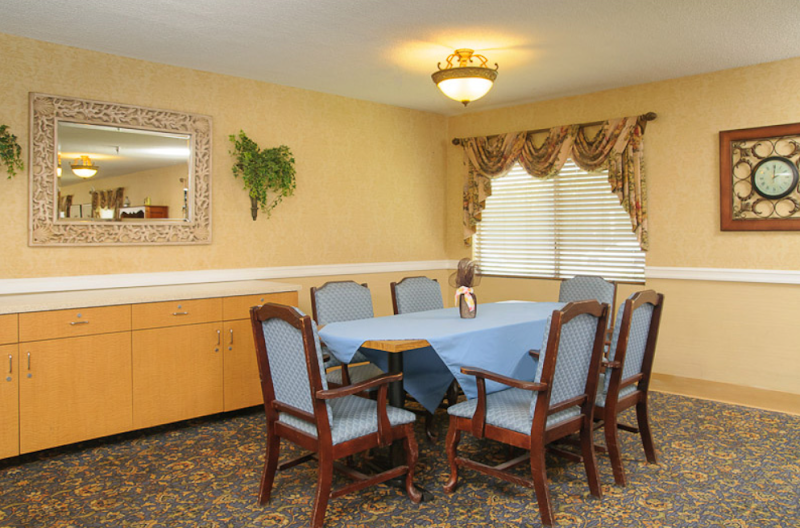
How is Villa Del Sol Post Acute Staffed?

CMS rates VILLA DEL SOL POST ACUTE's staffing level at 4 out of 5 stars, which is above average compared to other nursing homes. Staff turnover is 34%, compared to the California average of 46%. This relatively stable workforce can support continuity of care.

What Have Inspectors Found at Villa Del Sol Post Acute?

State health inspectors documented 83 deficiencies at VILLA DEL SOL POST ACUTE during 2021 to 2025. These included: 1 that caused actual resident harm and 82 with potential for harm. Deficiencies causing actual harm indicate documented cases where residents experienced negative health consequences.

Who Owns and Operates Villa Del Sol Post Acute?

VILLA DEL SOL POST ACUTE is owned by a for-profit company. For-profit facilities operate as businesses with obligations to shareholders or private owners. The facility is operated by DAVID & FRANK JOHNSON, a chain that manages multiple nursing homes. With 99 certified beds and approximately 86 residents (about 87% occupancy), it is a smaller facility located in BELLFLOWER, California.
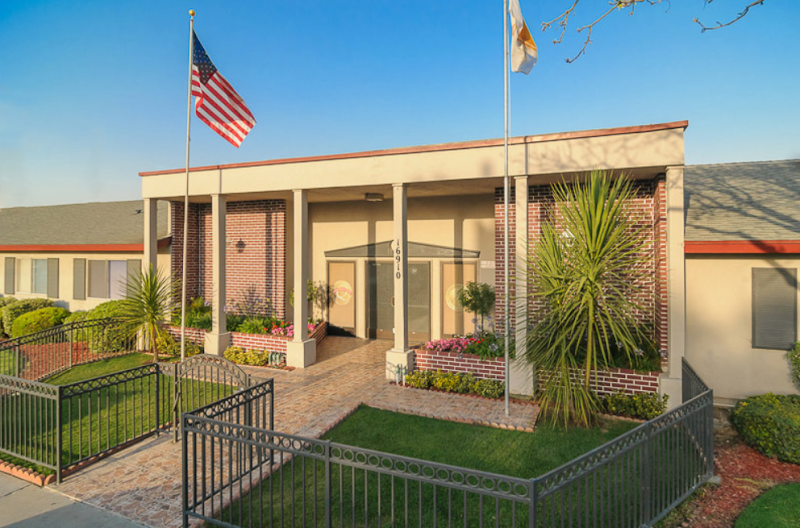
How Does Villa Del Sol Post Acute Compare to Other California Nursing Homes?

Compared to the 100 nursing homes in California, VILLA DEL SOL POST ACUTE's overall rating (1 stars) is below the state average of 3.1, staff turnover (34%) is significantly lower than the state average of 46%, and health inspection rating (1 stars) is much below the national benchmark.

What Should Families Ask When Visiting Villa Del Sol Post Acute?

Based on this facility's data, families visiting should ask: "Can I visit during a mealtime to observe dining assistance and food quality?" "How do you handle medical emergencies, and what is your hospital transfer rate?" "Can I speak with family members of current residents about their experience?"

Is Villa Del Sol Post Acute Safe?

Based on CMS inspection data, VILLA DEL SOL POST ACUTE has a clean safety record: no substantiated abuse findings (meaning no confirmed cases of resident harm), no Immediate Jeopardy citations (the most serious violation level indicating risk of serious injury or death), and is not on the Special Focus Facility watch list (a federal program monitoring the lowest-performing 1% of nursing homes). The facility has a 1-star overall rating and ranks #100 of 100 nursing homes in California. While no facility is perfect, families should still ask about staff-to-resident ratios and recent inspection results during their visit.

Do Nurses at Villa Del Sol Post Acute Stick Around?

VILLA DEL SOL POST ACUTE has a staff turnover rate of 34%, which is about average for California nursing homes (state average: 46%). Moderate turnover is common in nursing homes, but families should still ask about staff tenure and how the facility maintains care continuity when employees leave.

Was Villa Del Sol Post Acute Ever Fined?

VILLA DEL SOL POST ACUTE has no federal fines on record. CMS issues fines when nursing homes fail to meet care standards or don't correct problems found during inspections. The absence of fines suggests the facility has either maintained compliance or corrected any issues before penalties were assessed. This is a positive indicator, though families should still review recent inspection reports for the full picture.

Is Villa Del Sol Post Acute on Any Federal Watch List?

VILLA DEL SOL POST ACUTE is not on any federal watch list. The most significant is the Special Focus Facility (SFF) program, which identifies the bottom 1% of nursing homes nationally based on persistent, serious quality problems. Not being on this list means the facility has avoided the pattern of deficiencies that triggers enhanced federal oversight. This is a positive indicator, though families should still review the facility's inspection history directly.