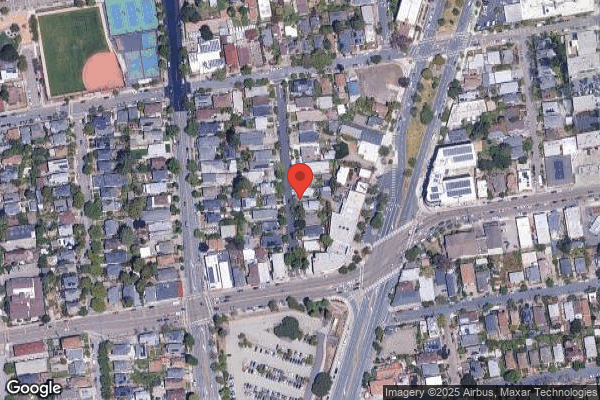
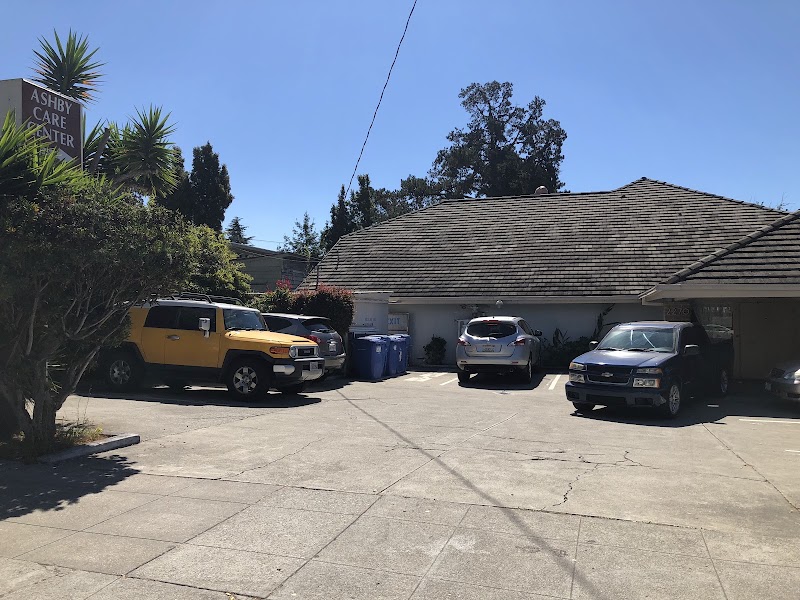
ASHBY CARE CENTER

2270 ASHBY AVENUE, BERKELEY, CA 94705 (510) 841-9494
For profit - Corporation 31 Beds Independent Data: November 2025
Trust Grade
30/100
#743 of 1155 in CA
Last Inspection: May 2025

Inspected within the last 6 months. Data reflects current conditions.

Overview

Ashby Care Center has received a Trust Grade of F, indicating poor performance with significant concerns about care quality. It ranks #743 out of 1155 facilities in California, placing it in the bottom half, and #59 out of 69 in Alameda County, which means there are only a few local options that are better. The facility is worsening, with issues increasing dramatically from 1 in 2024 to 12 in 2025. Staffing is a relative strength, with a 3/5 rating and a turnover rate of 0%, significantly lower than the state average, indicating that employees tend to stay. However, the facility has incurred $66,134 in fines, which is higher than 97% of California facilities, raising concerns about compliance. Specific incidents of concern include a failure to administer necessary pain medication to a resident during wound care, causing unnecessary distress, and another resident who was not identified as a high fall risk, resulting in severe injuries from a fall. Additionally, there were inaccuracies in medication records that could lead to potential medication errors. While the facility does have good RN coverage, these serious issues indicate a need for careful consideration by families researching care options.

Trust Score
F
30/100
In California
#743/1155
Bottom 36%
Safety Record
High Risk
Review needed
Inspections
Getting Worse
1 → 12 violations
Staff Stability
○ Average
Turnover data not reported for this facility.
Penalties
⚠ Watch
$66,134 in fines. Higher than 77% of California facilities, suggesting repeated compliance issues.
Skilled Nurses
✓ Good
Each resident gets 55 minutes of Registered Nurse (RN) attention daily — more than average for California. RNs are trained to catch health problems early.
Violations
⚠ Watch
37 deficiencies on record. Higher than average. Multiple issues found across inspections.
★★☆☆☆
2.0
Overall Rating
★★★☆☆
3.0
Staff Levels
★★★★☆
4.0
Care Quality
★★☆☆☆
2.0
Inspection Score
Stable
2024: 1 issues
2025: 12 issues

The Good

  • 4-Star Quality Measures · Strong clinical quality outcomes
  • Full Sprinkler Coverage · Fire safety systems throughout facility
  • No fines on record

Facility shows strength in quality measures, fire safety.

The Bad

2-Star Overall Rating

Below California average (3.1)

Below average - review inspection findings carefully

Federal Fines: $66,134

Above median ($33,413)

Moderate penalties - review what triggered them

The Ugly 37 deficiencies on record

2 actual harm
May 2025 10 deficiencies
CONCERN (D)

Potential for Harm - no one hurt, but risky conditions existed

Deficiency F0604 (Tag F0604)

Could have caused harm · This affected 1 resident

**NOTE- TERMS IN BRACKETS HAVE BEEN EDITED TO PROTECT CONFIDENTIALITY** Based on observation, interview, and record review the facility failed to ensure one of 13 sampled residents was free from physi...

Read full inspector narrative →
**NOTE- TERMS IN BRACKETS HAVE BEEN EDITED TO PROTECT CONFIDENTIALITY** Based on observation, interview, and record review the facility failed to ensure one of 13 sampled residents was free from physical restraints when the facility staff placed Resident 167 in a Geri chair with a hard table cover over the Geri chair (a large, padded chair that is designed to help seniors with limited mobility), preventing Resident 167's freedom of movement (change in place or position for the body or any part of the body that the person is physically able to control) and from getting in and out of the Geri chair at his own will. This failure placed Resident 167 at risk of self-injury, of not attaining and maintaining their highest practicable well-being or good quality of life. Findings: During a record review of Resident 167's Facesheet (FC), the FC indicated Resident 167 was admitted to the facility on [DATE]. FC also indicated Resident 167 had diagnoses of essential primary hypertension (a chronic condition of persistent high blood pressure with no identifiable cause), nontraumatic intracerebral hemorrhage (bleeding within the brain tissue without any direct trauma or injury), and mild cognitive impairment (brain condition in which people have more memory and thinking problems than other people their age. During a concurrent interview and record review on 5/19/25, at 1:27 p.m., with Administrator/Minimum Data Set Coordinator (ADM/MDSC), the Facility Matrix was reviewed. The Facility Matrix indicated facility had one Resident on physical restraints, Resident 167. ADM/MDSC stated Resident 167 was on physical restraints, which is the Geri chair, and the Geri chair was used to prevent falls, as Resident 167 had generalized weakness. ADM/MDSC further stated if Resident 167 was not placed in the Geri chair, Resident 167 would constantly try to get up and stand, which could result in a fall. ADM/MDCS also stated once Resident 167 was placed in the Geri chair, Resident 167 could not get himself in and out of the Geri chair, unless staff got him out. During a review of Resident 167's care plan, start date 3/17/25, the care plan only indicated, geri chair in place for safety, comfort, and mobility support, due to muscle weakness high fall risk. The care plan did not include other interventions for fall risk and muscle weakness. During a concurrent observation and an interview on 5/20/25, at 11:00 a.m., with Certified Nursing Assistant (CNA) 1, (CNA) 2, and Director of Nursing/Infection Preventionist (DON/IP), Resident 167 was sitting in a Geri chair in the dining room. The Geri chair had a hard table cover over it. CNA 1 and CNA 2 stated Resident could not remove the tray on the Geri chair by himself. Resident 167 was in a reclining position. CNA 2 stated facility staff needed to remove the Geri chair from the recline position in order for Resident 167 to get out of the Geri chair. CNA 1 also stated Resident 167 was placed in the Geri chair so staff could go care for other residents, such as change another resident's diaper. During a concurrent observation and an interview on 5/21/25, at 11:26 a.m., with CNA 3, Resident 167 was sitting in a reclined position in a Geri chair. The Geri chair had a tray attached to it, over his lap. CNA 3 stated Resident 167 would try to stand and then he would fall, and that Resident 167 cannot balance himself. CNA 3 stated Resident 167 cannot come out of the Geri chair by himself. During a review of facility's policy and procedure (P&P), the P&P titled, Restrants Policy, indicated, Geriatric Chair . The Geri-chair is considered a restraint . The resident must be repositioned and exercised 10 minutes out of every two hours . A physical restraints is defined as any manual method or physical or mechanical device, material, or equipment attached or adjacent to the resident's body that the individual cannot remove easily which restricts freedom of movement or normal access to one's body. These can include cloth vests, soft ties, soft mittens, wheelchair safety bars, geri-chairs and or other devices including side rails . Restraints can jeopardize the resident's feeling of dignity and self-worth. All other means of dealing with the problem must be exhausted before a restraint is applied. All measures tried prior to application of the restraints must be documented in the resident's medical record.
CONCERN (D)

Potential for Harm - no one hurt, but risky conditions existed

Deficiency F0882 (Tag F0882)

Could have caused harm · This affected 1 resident

Based on interview, the facility failed to ensure the Infection Preventionists (infection control nurse or designee) had completed specialized training in infection prevention and control. This failur...

Read full inspector narrative →
Based on interview, the facility failed to ensure the Infection Preventionists (infection control nurse or designee) had completed specialized training in infection prevention and control. This failure had the potential to contribute to the residents' development of contracting healthcare acquired infections (infections from receiving treatment at a facility). Findings: During a concurrent interview and record review on 5/20/25, at 2:44 p.m., with the Director of Nursing/Infection Preventionist (DON/IP), in the presence of Administrator/MDSC (ADM/MDSC), the DON/IP stated two staff members were designated Infection Preventionists, including DON and Administrator (ADM). DON/IP also stated she had not completed the specialized training in infection prevention. Furthermore, the ADM/MDSC revealed she also had not completed the specialized training in infection prevention.
CONCERN (E)

Potential for Harm - no one hurt, but risky conditions existed

Deficiency F0578 (Tag F0578)

Could have caused harm · This affected multiple residents

**NOTE- TERMS IN BRACKETS HAVE BEEN EDITED TO PROTECT CONFIDENTIALITY** Based on interview and record review, for six of six sampled residents (Residents 119, 118, 116, 112, 113 and 111), the facility...

Read full inspector narrative →
**NOTE- TERMS IN BRACKETS HAVE BEEN EDITED TO PROTECT CONFIDENTIALITY** Based on interview and record review, for six of six sampled residents (Residents 119, 118, 116, 112, 113 and 111), the facility failed to offer or ensure an advance directive (a written instruction for health care, recognized under State law, relating to the provision of health care when the individual is incapacitated) was on file, when the facility did not offer or help the residents/representatives to locate or complete the advance directive. This failure had the potential for Residents 119, 118, 116 112, 113 and 111's wishes regarding provision of health care to not be honored. Findings: 1. During a review of Resident 119's admission record, dated 11/1/24, indicated, Resident 119 was admitted to the facility on [DATE] with multiple diagnoses that included epilepsy (neurological conditions characterized by sudden, uncontrolled burst of electrical activity in the brain). During a review of Resident 119's clinical record titled, ADVANCE DIRECTIVE ACKNOWLEDGMENT, dated 6/27/22, indicated Resident 119 have executed an advance directive. 2. During a review of Resident 118's admission record, dated 11/1/24, indicated Resident 118 was admitted to the facility on [DATE] with multiple diagnoses that included Schizophrenia ( a severe mental illness that affects a person's ability to distinguish between what is real and what is not). 3. During a review of Resident 116's admission record, dated 4/24/25, indicated Resident 116 was admitted to the facility on [DATE] with multiple diagnoses that included cerebral infarction (stroke), atherosclerosis of aorta (buildup of mix of fat and other substances on the inner walls of the body's largest artery). During a review of Resident 116's clinical record titled, ADVANCE DIRECTIVE ACKNOWLEDGMENT, dated 4/18/25, indicated Resident 116 have executed an advance directive. 4. During a review of Resident 112's admission record, dated 11/1/24, indicated, Resident 112 was admitted to the facility on [DATE] with multiple diagnoses that included, Traumatic subdural hemorrhage with loss of consciousness (a serious condition where blood collects between the brain and its outer covering after a head injury). During a review of Resident 112's clinical record titled, ADVANCE DIRECTIVE ACKNOWLEDGMENT, dated 10/1/21, indicated Resident 112 wished to execute an Advance Directive. 5. During a review of Resident 113's admission record dated, 11/1/24, indicated Resident was admitted to the facility on [DATE] with multiple diagnoses that included Venous insufficiency (a condition where veins have trouble returning blood from the legs back to the heart). 6. During a review of Resident 111's admission record dated 11/1/24, indicated Resident 111 was admitted to the facility on [DATE] with multiple diagnoses that included adult failure to thrive (syndrome characterized by a decline in health and function in older adults, often involving weight loss, decreased appetite, and reduced activity). During a review of Resident 111's Physician Orders for Life-Sustaining Treatment (POLST, medical order that provide clear instructions to healthcare providers about the medical treatments a patient wants or does not want to receive in the event of a serious illness or medical emergency), dated 10/20/21, the POLST indicated Resident 111 had an advance directive. During a review of Resident 111's clinical record titled, ADVANCE DIRECTIVE ACKNOWLEDGMENT, dated 10/20/21, indicated Resident 111 have executed an advance directive. During a concurrent interview and record review on 5/20/25, at 12:08 p.m., with Administrator/Minimum Data Set Coordinator (ADM/MDSC), ADM/MDSC revealed, 119, 118, 116, 113 and 111 did not have advance directive in each paper chart or electronic health medical record nor were the Residents offered it. ADM/MDSC stated it was important to have advance directive on file in case of emergency situation and resident became incapacitated so we can carry out resident wish, it's their rights. During a record review of the facility's policy and procedure (P&P) titled, ASHBY CARE CENTER POLICY ON ADVANCE DIRECTIVES AND RESIDENT RIGHT TO ACCEPT OR REFUSE MEDICAL TREATMENT undated, indicated .2. The facility shall document in the individual's medical record whether or not the individual has executed an advance directive .Under procedure 3. Inquire about advance directive. During the admission process or as reasonably possible thereafter, the person who documents a resident's admission will ask the resident whether he/she has completed an advance directive. If an advance directive has been completed, the person who documents the resident's admission will ask for a copy of the advance directive so that it may be placed in the resident's medical record. If a copy of the resident's advance directive is not immediately available, the resident will be informed that it is his or her responsibility to provide a valid copy of the advance directive to the facility as soon as possible. 4. If an advance directive has not been completed, or if the resident is unfamiliar with advance directives, the person who documents the resident's admission will ask the resident whether he or she would like to receive further information on advance directives . Under Documentation .B. Whether the resident has an advance directive. A copy of the advance directive (if it is available) will be included in the medical record .
CONCERN (E)

Potential for Harm - no one hurt, but risky conditions existed

Deficiency F0638 (Tag F0638)

Could have caused harm · This affected multiple residents

Based on interview and record review, for five (Residents 118, 112, 164, 3, and 117) of five sampled residents, the facility failed to complete the quarterly Minimum Data Set assessments (MDS - Reside...

Read full inspector narrative →
Based on interview and record review, for five (Residents 118, 112, 164, 3, and 117) of five sampled residents, the facility failed to complete the quarterly Minimum Data Set assessments (MDS - Resident Assessment and care guide tool) according to the regulation. This failure had the potential to result in the delayed assessment of residents' needs, goals of care and inability to monitor each residents' progress over time. Findings: During a concurrent interview and record review on 5/21/25, at 1:19 p.m., with the Administrator/Minimum Data Set Coordinator (ADM/MDSC), the following MDS record reviews were not completed every three months as follows: Review of Resident 118's MDS assessment indicated Resident 118 did not have quarterly MDS assessment. Review of Resident 112's MDS assessment indicated Resident 112 did not have quarterly MDS assessment. Review of Resident 164's MDS assessment indicated there was no quarterly assessment completed from 11/2/23 thru 5/2/25. Review of Resident 3's MDS assessment indicated the last quarterly assessment was completed on 12/18/24. Review of Resident 117's MDS assessment indicated the last quarterly assessment was completed on 12/18/24. ADM/MDSC acknowledged that residents' MDS's were late and MDSC was responsible for the completion and transmission of all the residents' MDS assessments. ADM/MDSC stated it was important to complete the MDS assessments for reimbursement purposes and to ensure that resident needs were met. Review of the Long -Term Care Facility Resident Assessment Instrument 3.0 User's Manual CH 2: Assessments for the RAI, dated October 2024, indicated the quarterly assessment an OBRA non-comprehensive assessment for a resident that must be completed at least every 92 days following the previous OBRA assessment of any type. It is used to track a resident's status between comprehensive assessments to ensure critical indicators of gradual change in a resident's status are monitored. {Reference: https://downloads.cms.gov/files}
CONCERN (E)

Potential for Harm - no one hurt, but risky conditions existed

Deficiency F0730 (Tag F0730)

Could have caused harm · This affected multiple residents

Based on interview and record review, the facility failed to complete a performance review of all its nurse aide staff at least once every 12 months, not following its policy and procedures and standa...

Read full inspector narrative →
Based on interview and record review, the facility failed to complete a performance review of all its nurse aide staff at least once every 12 months, not following its policy and procedures and standards of practice. This failure had the potential to have incompetent nurse aides caring for residents, poor quality of care and quality of life for residents, risk for injury, accidents, infection, hospitalization, and possibly death. Findings: During a concurrent interview and record review on 5/22/2025, at 10:21 a.m., with Administrator/Minimum Data Set Coordinator (ADM/MDSC), the nurse aide staff personnel files were reviewed. There was no record of annual performance reviews in all nurse aide staff personnel files. ADM stated facility does not have record of annual performance review for their nurse aide staff. ADM stated the importance of completing performance review for all nurse aide staff is so facility can provide quality care to the residents and give staff feedback on how they are doing. ADM further stated the facility's process was to complete performance review for each nurse aide annually.
CONCERN (E)

Potential for Harm - no one hurt, but risky conditions existed

Deficiency F0801 (Tag F0801)

Could have caused harm · This affected multiple residents

Based on observation, interview, and record review, the facility failed to have a full time (working 35 or more hours a week) Certified Dietary Manager for food and nutrition services for 24 Residents...

Read full inspector narrative →
Based on observation, interview, and record review, the facility failed to have a full time (working 35 or more hours a week) Certified Dietary Manager for food and nutrition services for 24 Residents residing in the facility, not following standards of practice. This failure had the potential of not meeting the resident's nutritional needs, and placing residents at risk of not receiving meals/diet in a safe and sanitary manner, with the potential for infection, pressure injury, and possibly hospitalization. Findings: During a brief kitchen observation task and an interview on 5/19/25, at 09:21 a.m., with the Dietary [NAME] (DC) 1, DC 1 was the only staff in the kitchen. The DC 1 stated the facility Dietary Manager (DM) was off for the day and he was the only assigned staff to the kitchen for the day. The DC 1 stated the DM only worked one or two days a week. During a telephone interview on 5/19/2025, at 09:28 a.m., with the DM, the DM stated he was off for the day, and he was employed by the facility for one or two days a week, on a part time basis. During an interview on 5/22/2025, at 12:07 p.m., with Dietary [NAME] (DC) 2, DC 2 stated the DM worked only on weekends, all day until 7:00 p.m., and that DC 2 worked at the facility two days a week. During a review of facility's detail payroll report for the DM, dated 3/02/2025 to 3/15/2025, the payroll indicated,'DM's workdays are Saturday and Sunday, total hours for pay period 23.25, weekly hours was16.25 hours, actual in, at 10:00 a.m., out at 06:30p.m., daily hours of 8 hours, regular 8 hours, overtime (OT) 0. During a review a facility's detail payroll report for the DM, dated from 4/1/2025 to 4/30/2025, the payroll indicated, DM workdays are Saturday and Sunday, in, 10:30 a.m., to 06:30 p.m., DM worked on dates 3/16/2025, 3/22/2025, and 3/23/2025, 3/29/2025, and 3/30/2025. During a review a facility's detail payroll report for the DM, dated 5/1/2025 to 5/16/2025, the payroll indicated, DM workdays is Saturday and Sunday, in, 10:00 a.m., to 06:30 p.m., DM worked on dates 5/4/2025, 5/10/2025, and 5/11/2025. During a review of facility's staff schedule, titled CNA schedule, the schedule indicated, DM is only scheduled to work two days a week, Saturday and Sunday. During an interview on 5/19/2025, at 1:02 p.m., with the Registered Dietitian (RD), the RD stated she was employed as a consultant and only worked for the facility a couple hours less than eight hours a week. The RD stated in most cases facility would reach her by phone. During an interview on 5/22/2025, at 12:21 p.m., with the Director of Nursing/Infection Preventionist (DON/IP) the DON/IP stated the DM was scheduled twice a week. DON/IP also stated the DM was needed on a full time basis to make sure the menus are followed correctly, for food sanitation, meeting resident's nutritional calories, and providing proper diet to residents. During a review of facility's policy and procedure (P&P), titled, Personnel Management, dated 02/2010, the P&P indicated, A qualified Dietary Services Supervisor, chosen by the Administrator, is responsible for total operation of the Dietary Department. All diabetic service is performed under their direction . If a person is not a Registered Dietitian, he must be a graduate of a state approved course that provides ninety or more hours of classroom instruction in Diabetic Service Supervision, and receive regular consultant from a Registered Dietitian, or have met equivalent requirements . Responsibilities of the dietary service Supervisor . Assuring that dietary personnel who exhibit signs of a communicable disease do not work . Complete residents dietary profile, nutritional screening, quarterly note, annual review and MDS . Visit all new residents to record food preference and allergies. During a review of facility's policy and procedure (P&P), titled, Dietary Supervisor Job Description, the P&P indicated, This position must provide management for the Dietary Department, ensuring quality food. The Dietary Supervisor will direct and assist the preparation and serving of regular meals and therapeutic diets, order food and supplies and maintain area and equipment in sanitation condition and assure the smooth operation with other nursing home departments.
CONCERN (E)

Potential for Harm - no one hurt, but risky conditions existed

Food Safety (Tag F0812)

Could have caused harm · This affected multiple residents

Based on observation, interview, and record review, the facility failed to store and label food in the storage area (for the retention of food [before and after preparation] and associated dry goods),...

Read full inspector narrative →
Based on observation, interview, and record review, the facility failed to store and label food in the storage area (for the retention of food [before and after preparation] and associated dry goods), used for 13 out of 13 sampled residents' nourishment, not following their facility policy and procedure and professional standards of practice for food service safety. This failure has the potential for Residents not getting palatable food and nourishment, the potential for foodborne illnesses/outbreak, infection and potential for hospitalization. During a brief kitchen observation on 5/19/25, at 09:21 a.m., with the Dietary [NAME] (DC), Corn Flakes Cereal not in the original box, package labeled 6/9/2022. Bran Raisin package had been opened with no opened date labeled, and Oatmeal was still in its original manufacturer package and had no opened label on it. Opened food items stored in the one door freezer were not labeled with an opened date. The DC stated the food packaging had not been thoroughly checked for used by and opened date since he got employed with facility. The DC stated he had just started working at the facility about two weeks ago. The DC was the only assigned staff in the kitchen for the day shift. During an interview on 5/19/25, at 10:48 a.m., with DC, DC stated food and food packaging must be labeled immediately after opening, because it's the facility's policy, and also once food package has been opened, everything has a shelf life, based on when the item was opened. Food items may not be kept longer than they were supposed to be. DC also stated the food item might also be a potential throw away. During an interview on 5/22/25, at 12:21 p.m., with the Director of Nursing/Infection Preventionist (DON/IP), DON/IP stated when a food package has been opened, it should be labeled and dated, and that if it's not dated, the facility does not know whether the food item has expired. DON/IP further stated there were some foods that were good for this much date and expired food could not be served to residents for food sanitation and safety. During a review of facility's policy and procedure (P&P) titled, Dry Goods Storage Guidelines, dated 2018, the P&P indicated, food item, Cerael ready to eat, unopened on shelf 6 months, opened on shelf 2 months, opened refrigerated N/A . Cereal ready to cook, unopened on shelf 6 months, opened on shelf 6 months, opened refrigerated N/A. During a review of facility's policy and procedure (P&P) titled, Canned and Dry Goods storage, dated 2018, the P&P indicated, Grains and grains products, cereal ready to eat, recommended maximum storage period if unopened less than or equal to 85 degree Fahrenheit, 6 months, food-cereal, cooked, recommended maximum storage period if unopened less than or equals to 85 degree Fahrenheit, 8 months. During a review of facility's policy and procedure (P&P) titled, General Receiving of Delivery of Food and Supplies, dated 2018, the P&P indicated, food deliveries will be inspected to assure high quality food and supplies. They are to be received in proper condition . Check deliveries for intact packaging. Broken boxes, leaky packages, or dented cans may be signs off mishandling and could be grounds for rejecting the shipment . Deliveries are to be put away as quickly as possible. Begin with refrigerated items, then frozen and then dry goods. Label all items with the delivery date or use by date . 9. Dry food items which have been opened, such as pudding, gelatin, biscuit mix, pancake mix, dry cereal, spices, coffee, noodles, etc. will be tightly closed, labeled and dated. These items are to be used per times specified in the Dry Food Storage Guidelines.
CONCERN (E)

Potential for Harm - no one hurt, but risky conditions existed

Infection Control (Tag F0880)

Could have caused harm · This affected multiple residents

6. During a concurrent medication administration observation and interview, on 5/20/25 at 7:45 a.m., Licensed Vocational Nurse (LVN 1) identified residents to receive medication. LVN 1 administered me...

Read full inspector narrative →
6. During a concurrent medication administration observation and interview, on 5/20/25 at 7:45 a.m., Licensed Vocational Nurse (LVN 1) identified residents to receive medication. LVN 1 administered medications to residents in the order of Resident 161, 117, 118, and 160. For each resident, LVN 1 used a portable blood pressure (BP, vital sign) machine. The resident's BP measurement included placing an inflatable cuff around the arm. In between each resident, LVN 1 returned to the medication cart (cart to store medications) to prepare medications. After using the machine on Residents 161 and 117, LVN 1 placed the BP cuff directly on the top of the medication cart. During medication administration to the four residents, LVN 1 did not clean the BP cuff or the top of the medication cart. During a concurrent medication administration observation and interview, on 5/21/25 at 8:20 a.m., Licensed Vocational Nurse (LVN 2) identified residents to receive medication. LVN 2 administered medications to the residents in the order of Resident 1 and 114. For each resident, LVN 2 used a pole mounted blood pressure machine. The BP measurement included placing an inflatable cuff around the resident's arm. In between each resident, LVN 2 returned to the medication cart to prepare medications. LVN 2 did not clean the BP cuff between residents. During a concurrent interview and record review, on 5/21/25 at 2:04 p.m., Director of Nursing (DON) was asked if resident equipment (BP cuff, top of medication cart) was to be cleaned between residents. DON stated that it was the facility's expectation that equipment was cleaned between residents. DON identified the facility policy and procedure 7.2 Preparation for Medication Administration (1/23), Procedures, 2. :The nurse or authorized staff member on duty ensures equipment and supplies relating to medication storage and use are clean and orderly. Based on observation, interview, and record review, the facility failed to follow infection control prevention practices when: 1. House Keeping (HK)1 was in the hallway and in the dining room during resident mealtime wearing gown used for laundry services. 2. HK 1 did not have in-service training on environmental cleaning. 3. HK 1 did not know what to use for disinfecting high touch surface areas in resident rooms (i.e. bed rails, bedside table, doorknobs and light switches). 4. Clean linen were stored in the dirty area of laundry room. 5. Clean linen was covered with sheet protector that was touching the floor. 6. The facility failed to ensure equipment was cleaned between residents. For six (Residents 1, 114, 117, 118, 160, 161) out of six residents sampled, equipment was not clean. During resident medication administration, equipment was not cleaned between use. These failures had the potential for cross contamination and spread of infections among residents at the facility. Findings: 1. During a concurrent observation and interview on 5/19/25 at 12:20 p.m., HK 1 entered the dining room from the hallway during resident's lunch wearing protective gown. HK 1 interacted with residents in the dining room and then proceeded to walk to the hallway and then into the lobby. When asked why he was wearing gown, HK 1 stated he was not direct care staff. HK 1 added, he was assigned to laundry to wash resident clothes. HK 1 also added, he was wearing protective gown to protect his clothing from splash when doing laundry. During a concurrent interview and record review on 5/20/25, at 11:43 a.m., with the DON/IP, the facility's policy and procedures (P&P) titled, LAUNDRY DEPARTMENT, undated was reviewed. The P&P indicated under policy, Careful precautionary procedures must be followed by laundry personnel to prevent the spread of infectious diseases to other staff members, residents and visitors. All soiled linen is considered potentially infectious. Under personnel guidelines, All employees shall wear designated uniforms. Employees in the soiled areas shall wear an outer garment over their uniforms and gloves. Protective garments shall be removed and hands washed each time the employee leaves the soiled area. DON/IP stated, the gown HK 1 was wearing was used in laundry to protect HK's clothing from splash when washing resident clothes and sheets. DON/IP also stated the gown was contaminated and HK 1 was not supposed to wear outside the laundry room especially in the resident area. DON/IP further added, HK 1 could spread infection to other residents by wearing contaminated gown in the hallway and dining room. 2. During an interview on 5/20/25 at 1:58 p.m., with HK 1, HK 1 did not recall training regarding use of disinfectant and or use of protective gown in the laundry room. HK 1 added, he only remembers training on handwashing, Personal Protective Equipment (PPE) use, and environmental cleaning. 3. During a concurrent observation and interview on 5/20/25, at 2:12 p.m., with HK 1, HK 1 demonstrated facility process for disinfecting high touch surfaces. HK 1 took one sheet from a pack of premium washcloths, then stated he wiped resident's bedside table, handrails, and call lights with the wipes. During a concurrent interview and record review on 5/20/25, at 2:21 p.m., with DON/IP, DON/IP revealed HK 1 did not have in-service training on environmental cleaning since his hire date in 2022. DON/IP acknowledged HK 1 did not know how to disinfect high touch surfaces because HK 1 used adult wipes for incontinent care. DON/IP further added, adult wipes that HK 1 used were not effective to kill microbes. 4. During a concurrent observation and interview on 5/21/25, at 9:51 a.m., with HK 1, in the dirty area of laundry room, clean linen was stored in the shelves nearby where the dirty / soiled articles were rinsed prior to washing. HK 1 stated, he wore protective gown when rinsing dirty articles in this area. 5. During a concurrent observation and interview on 5/20/25, at 9:55 a.m., with DON/IP, in the presence of HK 1, DON stated, the linen stored in dirty area of laundry room was contaminated due to exposure to splash from dirty articles. DON/IP directed HK 1 to remove the clean linens to be rewashed. DON/IP also added, the clean linens covered in sheets that were touching the floor were also contaminated and needed to be rewashed. DON/IP added, she was not aware of the HK 1's practices and said, he needed in-service training on infection control. During a review of the facility's policy and procedures (P&P) titled, LAUNDRY DEPARTMENT, undated, the P&P indicated under policy, Careful precautionary procedures must be followed by laundry personnel to prevent the spread of infectious diseases to other staff members, residents and visitors. All soiled linen is considered potentially infectious.Under Laundry procedures, .Every laundry and housekeeping staff member will be trained to follow them. New personnel and older employees will attend inservice training programs in order to become familiar with new techniques and skills .All laundry employees will be expect4ed to attend inservice programs pertaining to infection control. During a review of the facility's P&P titled, BASIC INFECTION CONTROL IN HOUSEKEEPING AND LAUNDRY, dated 7/2003, the P&P indicated, .10. Schedule and hold regular in-service meetings for the department . 11. Design linen and laundry procedures to prevent cross-contamination. During a review of the facility's P&P titled, HOUSE KEEPING DEPARTMENT, undated, the P&P indicated under housekeeping policies, .Inservice training programs will be held for new personnel as well as older employees fo the purpose of introducing them to new techniques and skills.All housekeeping employees are expected to attend inservice programs pertaining to infection control. Under cleaning agents, .Reliable disinfectant germicides must be used in areas known to be contaminated with pathogenic bacteria (such as where active infection has been treated). These detergent germicides must be EPA registered, approved for the hard water conditions and health care or hospital tested.
CONCERN (F)

Potential for Harm - no one hurt, but risky conditions existed

Pharmacy Services (Tag F0755)

Could have caused harm · This affected most or all residents

Based on observation, interview, and record review, the hospital failed to ensure the accuracy of controlled drug records as evidenced by: 1. The facility failed to ensure the scheduled (narcotic) med...

Read full inspector narrative →
Based on observation, interview, and record review, the hospital failed to ensure the accuracy of controlled drug records as evidenced by: 1. The facility failed to ensure the scheduled (narcotic) medication records (Controlled Drug Record, MAR) were accurate. For three (Residents 160, 165, 167) out of three residents sampled, the Controlled Drug Record (inventory of scheduled drug) and the Medication Administration Record (MAR, record of drug administration) were not accurate. This failure resulted in the potential for residents to be exposed to avoidable medication errors. In addition, this failure resulted in the potential for scheduled drug diversion. 2. The facility failed to ensure the Consultant Pharmacist reviewed the scheduled (narcotic) medication records (Controlled Drug Record, MAR) for accuracy. For three (Residents 160, 165, 167) out of three residents sampled, the Controlled Drug Record (inventory of scheduled drug) and the Medication Administration Record (MAR, record of drug administration ) did not match. These inaccuracies were not identified by the Consultant Pharmacist. This failure resulted in the potential for residents to be exposed to avoidable medication errors. In addition, this failure resulted in the potential for controlled drug diversion. Findings: 1. During a concurrent observation, interview, and record review, on 5/19/25 at 1145, in the medication room, Licensed Vocational Nurse (LVN 3) identified Resident 167's morphine (narcotic pain reliever) 20 milligram (mg)/milliliter (ml) plastic bottle. Inspection of the bottle showed it contained 13 mls of morphine. LVN 3 inspected the bottle and stated it contained 13.75 mls of morphine. LVN 3 identified the Controlled Drug record for the morphine. Inspection of the Controlled Drug Record showed the amount in the bottle was 16 ml. Continued review of the Controlled Drug Record showed 0.25 mls were removed from the bottle four times between 5/1/25 and 5/11/25. LVN 3 identified the MAR for the morphine. Review of the May 2025 MAR did not show morphine 0.25 ml administered between 5/1/25 and 5/11/25. LVN 3 reviewed the Controlled Drug Record and the MAR and acknowledged the above information. During a concurrent observation, interview, and record review, on 5/19/25 at 1210, in the medication room, LVN 3 identified Resident 160's Hydrocodone (narcotic pain reliever)/APAP (acetaminophen pain reliever) 5/325 mg Controlled Drug Record and MAR. Inspection of the Controlled Drug Record showed Hydrocodone/APAP 5/325 removed on 4/6 for one tablet, and 4/8 for two tablets. Inspection of the MAR showed 0 tablets administered on 4/6, and one tablet administered on 4/8. LVN 3 reviewed the Controlled Drug Record and the MAR and acknowledged the above information. During a concurrent observation, interview, and record review, on 5/19/25 at 1405, in the medication room, LVN 3 identified Resident 165's Hydrocodone/APAP 5/325 Controlled Drug Record and MAR. Inspection of the MAR showed three tablets given every day from 5/1/25 through 5/18/25. Inspection of the Controlled Drug Record, from 5/1/25 through 5/18/25, did not show three tablets of medication removed every day. LVN 3 reviewed the Controlled Drug Record and the MAR and acknowledged the above information. During a concurrent interview and record review, on 5/21/25 at 1335, Director of Nursing (DON) inspected Resident 160, 165, and 167's Controlled Drug Records and the MARs identified above. DON acknowledged the Controlled Drug Records and MARs did not match. DON stated that it was her expectation the scheduled medication records were to be accurate. 2. During a concurrent observation, interview, and record review, on 5/19/25 at 1145, in the medication room, Licensed Vocational Nurse (LVN 3) identified Resident 167's morphine (narcotic pain reliever) 20 milligram (mg)/milliliter (ml) plastic bottle. Inspection of the bottle showed it contained 13 mls of morphine. LVN 3 inspected the bottle and stated it contained 13.75 mls of morphine. LVN 3 identified the Controlled Drug record for the morphine. Inspection of the Controlled Drug Record showed the amount in the bottle was 16 ml. Continued review of the Controlled Drug Record showed 0.25 mls were removed from the bottle four times between 5/1/25 and 5/11/25. LVN 3 identified the MAR for the morphine. Review of the May 2025 MAR did not show morphine 0.25 ml administered between 5/1/25 and 5/11/25. LVN 3 reviewed the Controlled Drug Record and the MAR and acknowledged the above information. During a concurrent observation, interview, and record review, on 5/19/25 at 1210, in the medication room, LVN 3 identified Resident 160's Hydrocodone (narcotic pain reliever)/APAP (acetaminophen pain reliever) 5/325 mg Controlled Drug Record and MAR. Inspection of the Controlled Drug Record showed Hydrocodone/APAP 5/325 removed on 4/6 for one tablet, and 4/8 for two tablets. Inspection of the MAR showed 0 tablets administered on 4/6, and one tablet administered on 4/8. LVN 3 reviewed the Controlled Drug Record and the MAR and acknowledged the above information. During a concurrent observation, interview, and record review, on 5/19/25 at 1405, in the medication room, LVN 3 identified Resident 165's Hydrocodone/APAP 5/325 Controlled Drug Record and MAR. Inspection of the MAR showed three tablets given every day from 5/1/25 through 5/18/25. Inspection of the Controlled Drug Record, from 5/1/25 through 5/18/25, did not show three tablets of medication removed every day. LVN 3 reviewed the Controlled Drug Record and the MAR and acknowledged the above information. On 5/20/25 at 1000, Administrator was requested to provide the Consultant Pharmacist reports (report on pharmacy services) for the past three months. During a concurrent interview and record review, on 5/21/25 at 1335, Director of Nursing (DON) inspected Resident 160, 165, and 167's Controlled Drug Records and the MARs identified above. DON acknowledged the Controlled Drug Records and MARs did not match. DON stated that it was her expectation the scheduled medication records were to be accurate. During a concurrent interview and record review, on 5/21/25 at 1400, DON identified the Executive Summary of Consultant Pharmacist's Medication Regimen Review (Consultant Pharmacist reports dated 4/18/25) provided by Administrator. Review of the document did not show issues with accuracy of the controlled medication documents. DON stated that it was her expectation that the pharmaceutical consultant identified issues with controlled medications. During an administrative record review, of the Executive Summary of Consultant Pharmacist's Medication Regime Review, reports dated 2/19/2025, 3/24/2025, and 4/18/2025, were reviewed. Review did not show issues with accuracy of the controlled medication documents. During an administrative record review, of the Pharmacy Services Policy 483.60 (undated) showed, F427, A licensed pharmacist provides consultation on all aspects of the provision of pharmacy services in the facility. The pharmaceutical services consultant establishes a system of records of receipt and disposition of all controlled drugs in sufficient detail to enable an accurate reconciliation.
MINOR (B)

Minor Issue - procedural, no safety impact

Deficiency F0912 (Tag F0912)

Minor procedural issue · This affected multiple residents

Based on observation, interview and record review, the facility had six resident rooms (Rooms 1, 3, 5, 7, 8, and 9) with multiple beds that provided less than 80 square feet (sq. ft) per resident who ...

Read full inspector narrative →
Based on observation, interview and record review, the facility had six resident rooms (Rooms 1, 3, 5, 7, 8, and 9) with multiple beds that provided less than 80 square feet (sq. ft) per resident who occupied these rooms. This deficient practice had the potential to result in inadequate space for the delivery of care to each of the residents in each room, or for storage of the residents' belongings. Findings: During an observation on 5/19/25 at 9:30 a.m., the following Resident (Rt) rooms and corresponding square footage (sq. ft) were identified: Room Activity Room Size Floor Area 1 Rt Room 299.63 sq.ft 74.9 sq.ft/bed 3 Rt Room 293.25 sq.ft 73.32 sq.ft/bed 5 Rt Room 299 sq.ft 74.75 sq.ft/bed 7 Rt Room 299 sq.ft 74.75 sq.ft/bed 8 Rt Room 299 sq.ft 74.75 sq.ft/bed 9 Rt Room 299 sq.ft 74.75 sq.ft/bed During a concurrent observation and interview on 5/19/25, at 9:35 a.m., with Certified Nursing Assistant (CNA) 1, CNA 1 stated, rooms with four Residents had enough space to provide resident care. CNA 1 also stated, there was enough space even for residents using wheelchairs. During a concurrent observation and interview on 5/19/25, at 9:42 a.m., Resident 17 was seen wheeling self towards bedside from the hallway. Resident 17 stated there was enough space to wheel herself in and out of room. Resident 17 also stated staff were able to provide care without problem. During an interview on 5/21/25, at 12: 25 p.m., with the Administrator/Minimum Data Set Coordinator (ADM/MDSC), ADM/MDSC stated there were no changes in room sizes since the last survey. ADM/MDSC confirmed, (Rooms 1, 3, 5, 7, 8, and 9) with multiple beds that provided less than 80 square feet (sq. ft) per resident who occupied these rooms.
May 2025 2 deficiencies
CONCERN (D) 📢 Someone Reported This

A family member, employee, or ombudsman was alarmed enough to file a formal complaint

Potential for Harm - no one hurt, but risky conditions existed

Deficiency F0761 (Tag F0761)

Could have caused harm · This affected 1 resident

The facility failed to ensure proper medication storage when: 1. Medication refrigerator was not padlocked 2. Medication room dry storage temperature log did not have entries for December 2 and 3, 202...

Read full inspector narrative →
The facility failed to ensure proper medication storage when: 1. Medication refrigerator was not padlocked 2. Medication room dry storage temperature log did not have entries for December 2 and 3, 2024 3. Medication room refrigerator had nutritional supplements along with food items that were not labeled with names and dates 4. The medication room had a staff's clothing item hanging on the door. This failure can potentially result in unsafe medication storage practices and impact the safety and well-being of all 29 residents. Findings: 1. During a concurrent observation and interview on 12/4/24, at 10:15 a.m., with Licensed Vocational Nurse (LVN) 1, the medication refrigerator in the medication room was found not padlocked. During a concurrent observation and interview on 12/4/24, at 11:10 a.m., with Administrator (ADM), ADM stated the medication refrigerator should have been padlocked. During an interview on 5/8/25, at 9:30 a.m., with Director of Nursing (DON), the DON stated the medication refrigerator should have been padlocked as it had E-kit (emergency kit containing medications) in it. The DON further stated the danger of the refrigerator not being padlocked is that medications can be touched by any staff. 2. During a concurrent observation and interview on 12/4/24, at 10:15 a.m., with LVN 1, the medication room dry storage temperature log did not have day and evening entries for 12/2/24 and 12/3/24 under the columns Storeroom and Nursing Sig (signatures). During an interview on 5/8/25, at 9:30 a.m., with DON, the DON stated the temperature log should be completed, otherwise it (refrigerator) may not be meeting temperature requirements. Per the DON, licensed nurse is responsible for keeping the temperature log. 3. During a concurrent observation and interview on 12/4/24, at 10:15 a.m., with LVN 1, the dry storage refrigerator, which had a label Medication Only contained non-medication food items. On the inside door of the refrigerator, the top shelf had nutritional supplements. On the bottom shelf were the following four items: a bag of whole mixed olives, an unmarked half-full jar of green marmalade-like item, a half-full container of creamed honey, and a half full bottle of apple cider vinegar vinaigrette. These four items were not labeled with names or dates. During an interview on 5/8/25, at 9:30 a.m., with the DON, the DON stated she did not know what these items were. Per DON, food items inside the refrigerator should have names, covered, and dated. DON further stated she did not know who the items belonged to. 4. During a concurrent observation and interview on 12/4/24, at 10:15 a.m., with LVN 1, a white vest was found hanging on the door of the medication room. LVN 1 stated the clothing item belonged to an employee. During an interview on 12/4/24, at 11:10 a.m., with ADM, the ADM stated the white vest belonged to the DON. ADM stated it was the medication room and not the DON's closet and the clothing item should not have been stored there. During a review of the facility's policy and procedure titled, Medication Storage, dated 2007, the P&P indicated, Medication rooms, cabinets and medication supplies should remain locked when not in use or attended by persons with authorized access . A temperature log or tracking mechanism is maintained to verify that temperature has remained within accepted limits . Refrigerated medications should be kept in closed and labeled containers . segregated from fruit juices, applesauce, and other foods used in administering medications. Any other foods such as employee lunches and activity department refreshments should not be stored in this refrigerator.
CONCERN (D) 📢 Someone Reported This

A family member, employee, or ombudsman was alarmed enough to file a formal complaint

Potential for Harm - no one hurt, but risky conditions existed

Infection Control (Tag F0880)

Could have caused harm · This affected 1 resident

**NOTE- TERMS IN BRACKETS HAVE BEEN EDITED TO PROTECT CONFIDENTIALITY** The facility failed to ensure infection control measures were followed when: 1. Outside resident room [ROOM NUMBER] was an open ...

Read full inspector narrative →
**NOTE- TERMS IN BRACKETS HAVE BEEN EDITED TO PROTECT CONFIDENTIALITY** The facility failed to ensure infection control measures were followed when: 1. Outside resident room [ROOM NUMBER] was an open lid bin which contained a used yellow gown. Next to this open bin was a container of unused personal protective equipment (PPE) supplies 2. Inside the medication room, a bag of adult brief pads was found on the floor 3. Inside the medication room, under the sink was a half-full container of water and located next to two containers of chemical agents, one of which was perineal wash. 4. Biohazard door was unlocked. This failure can potentially result to cross contamination of clean product items and impact the physical health, safety and well-being of all 29 residents. Findings: 1. During a concurrent observation and interview on 12/4/24, at 10:15 a.m., with Licensed Vocational Nurse (LVN) 1, in the hallway was an open lid bin with used yellow gown was noted outside of resident room [ROOM NUMBER]. Next to this open lid bin was a container with unused PPE supplies. LVN 1 stated the lid should have been closed for infection control. During an interview on 5/8/25, at 9:30 a.m., with Director of Nursing (DON), the DON stated the open lid bin containing used PPE should have been closed for infection control, as clean PPEs could be contaminated. 2. During a concurrent observation and interview on 12/4/24, at 10:15 a.m., with LVN 1, a bag of Presto Pads, 15 count XL (extra-large), was noted to be on the floor in the medication room. During an interview on 5/8/25, at 9:30 a.m., with DON, the DON stated the bag of briefs should not have been on the floor due to infection control. 3. During a concurrent observation and interview on 12/4/24, at 10:15 a.m., with LVN 1, a half-full container of water was found under the sink in the medication room. LVN 1 stated water was used by residents. During an interview on 5/8/25, at 9:30 a.m., with DON, the DON stated the water should not be next to chemicals as it could be missed and swallowed by anyone. 4. During a concurrent observation and interview on 12/4/24, at 10:15 a.m., with LVN 1, the Biohazard door was unlocked. LVN 1 stated door should be locked. LVN 1 left the door unlocked. During an interview on 5/8/25, at 9:30 a.m., with DON, DON stated Biohazard room should be locked as the room had used needles and someone could go in the room.
Apr 2024 1 deficiency 1 Harm
SERIOUS (G) 📢 Someone Reported This

A family member, employee, or ombudsman was alarmed enough to file a formal complaint

Actual Harm - a resident was hurt due to facility failures

Quality of Care (Tag F0684)

A resident was harmed · This affected 1 resident

Based on observation, interview, and record review, the facility did not provide the necessary pain medication for one of three sampled residents (Resident 3) Resident 3 required wound dressing change...

Read full inspector narrative →
Based on observation, interview, and record review, the facility did not provide the necessary pain medication for one of three sampled residents (Resident 3) Resident 3 required wound dressing changes, three times per week, which were painful and required premedication. The licensed nursing staff did not administer the required pain medication before wound care. This caused unnecessary pain and distress for Resident 3. Findings: Review of the admission Record showed the facility admitted Resident 3 on 3/11/2023. The diagnoses included dementia (memory difficulty). Resident 3 received hospice services (end-of-life comfort care) while at the facility. During an interview on 12/18/2023 at 10:35 a.m., the facility's Director of Nursing (DON) stated Resident 3's dressings were being changed three times per week and the hospice agency, Calls us ahead of time so we know when they are coming. DON stated licensed staff would then pre-medicate Resident 3 with pain medication prior to hospice's arrival so that Resident 3 felt minimal to no pain during the wound dressing changes. During an interview on 12/18/2023 at 10:22 a.m., Resident 3 did not respond to this surveyor's questions and was not interviewable. On 12/18/2023 at 1:45 p.m., the hospice registered nurse (HRN) was observed changing Resident 3's dressings on her leg, knee and foot. Resident 3 was observed moaning in pain as the old dressings were removed. Review of the document (not titled) MD orders (undated), showed Resident 3 had orders from the doctor for Morphine (pain medication) 5 mg (milligram) every 4 hours as needed for shortness of breath or pain. The start date was 9/12/2023. Review of the Charts/Clinical Notes (not dated), showed hospice had visited Resident 3 on 11/6/2023. Resident 3 was yelling Ouch now stop that during wound care. The wounds were described as Significantly worse. Review of the Hospice Home Instructions, dated 11/6/2023, showed facility staff were to Pre-medicate with morphine prior to dressing change. Hospice nurses would call the facility ahead of time to let staff know when they were coming and to administer the pain medication before arrival. Review of the document Hospice Routine Visit, dated 11/13/2023, showed Resident 3 had .Pain with wound care. Multiple rapidly worsening wounds with purulent (pus), malodorous drainage (foul smelling). Review of the Medication Administration Record (MAR), dated November 2023, showed the facility had not administered Morphine to Patient 3 on 11/13/2023 (prior to the wound dressing changes). Review of the Controlled Drug Record (not dated) showed no Morphine had been signed out of the narcotic drawer for Resident 3 on 11/13/2023. In a concurrent interview, DON confirmed there had not been any Morphine administered to Resident 3 on 11/13/2023 prior to the wound dressing change. Review of the Charts/Clinical Notes, dated 11/20/2023, showed the hospice nurse visited Resident 3 on 11/20/2023 at 4 p.m. Patient 3 was found to have mild to moderate pain and had not been pre-medicated with Morphine prior to the visit. Review of the MAR dated November 2023 showed Resident 3 had not been given Morphine on 11/20/2023. Review of the Controlled Drug Record (not dated) showed Resident 3 had received Morphine at 5 p.m. on 11/20/2023, one hour after the start of the hospice visit. Review of the Charts/Clinical Notes (not dated), showed the hospice agency Registered Nurse (RN) visited Resident 3 on 11/30/2023 at 12:30 p.m. for a wound dressing change. The visit note showed, Attempted wound care - pt developed severe pain, screaming, stating no stop do not touch me repeatedly. Pt was medicated with Morphine 5 mg around 11:30-12 per DON and wound care occurred one hour later at 12:30-1. Record review of the MAR dated November 2023 showed no Morphine had been administered to Resident 3 on 11/30/2023. Review of the Controlled Drug Record showed Morphine was signed out for Resident 3, on 11/30/23 at 7 p.m., six hours following the wound dressing change. Review of the Supplemental Order, dated 12/11/2023, showed the Morphine had been increased to 30 mg and was to be given one hour prior to Resident 3's dressing changes. Review of the MAR dated 12/20/23 showed Resident 3 had not received the Morphine 30 mg since the order was written on 12/11/2023. During a concurrent interview, with DON, DON confirmed Resident 3 had not been receiving the Morphine 30 mg and was Not sure why. Review of the Controlled Drug Record (not dated) showed Resident 3 had received Morphine 5 mg on 12/9/2023 and 30 mg on 12/18/2023 (date of investigation). During an interview on 12/18/2023 at 1:15 p.m., DON stated the hospice agency staff had Never discussed pain control problems with me. They just send over the orders. During an interview on 12/18/2023 at 2:15 p.m., HRN stated she discussed the plan of care with DON regarding pre-medicating Resident 3 with Morphine. HRN stated DON had reported she helps to control Resident 3's pain, More gently by asking Resident 3 to Count down while doing the dressing change instead of administering the medication. HRN said she made a plan with DON to meet on 12/8/2023 to discuss the plan (pain control), but DON was a No show. HRN said she then wrote DON a letter discussing the importance of the plan since Resident 3 was in Tremendous pain. During an interview on 12/18/2023 at 2:26 p.m., HRN stated she became concerned that Resident 3 was not receiving the pain medication as ordered. HRN stated Resident 3 should have received the increased dosage to 30 mg on 12/14/23, 12/16/23, and 12/18/2023. During an interview on 1/26/2024 at 1:55 p.m., the hospice Social Worker (HSW) stated she had talked with the facility's DON regarding the need to keep Resident 3 comfortable. HSW stated DON agreed this was the goal. DON reported to HSW that she Didn't need to pre-medicate Resident 3 because she could get her to, Count backwards from 100 to calm her down before the dressing change. HSW stated she was concerned about how a hospice patient could be expected to count backwards from 100 and how that could be effective in controlling the pain. HSW had suggested DON speak with the hospice doctor regarding the importance of pre-medication. HSW stated DON told her that she (DON) did not require a doctor's opinion. HSW asked DON if she was committed to following the plan of care for Resident 3 and DON Would not commit. HSW further stated she had seen Resident 3 be pre-medicated during previous dressing changes and she was still yelling out, Please stop. Help Me! HSW stated Resident 3 had fragile skin and knew it was very important for her to be effectively pre-medicated. During an interview on 12/18/2023 at 1:10 p.m., DON stated the potential consequence of not giving the prescribed amount of premedication prior to Resident 8's dressing changes was Pain. Review of the Policy and Procedure, Pain Assessment/Management, (not dated) showed it was the facility's policy to, Respect and support every patient's right to optimal pain relief through education, initial and ongoing assessment, and effective and appropriate pain management. Review of the Skilled Nursing Facility Memorandum of Understanding Routine Level of Care, dated 2/23/2023, showed the facility, Shall comply with Hospice Patient's Plan of Care and shall ensure Hospice Patients are kept comfortable, clean, well-groomed and protected from negligent and intentional harm including, but not limited to, accident, injury and infection.
Oct 2023 18 deficiencies
CONCERN (D)

Potential for Harm - no one hurt, but risky conditions existed

Deficiency F0692 (Tag F0692)

Could have caused harm · This affected 1 resident

Based on observation, interview, and record review, the facility failed to maintain acceptable parameters of nutrition status for one ( (Resident 159) of three residents when Resident 159 lost 24% of ...

Read full inspector narrative →
Based on observation, interview, and record review, the facility failed to maintain acceptable parameters of nutrition status for one ( (Resident 159) of three residents when Resident 159 lost 24% of her body weight in the last nine months. Resident 159 was not seen by a Registered Dietitian (RD) for a dietary evaluation since June 2023. This failure had the potential to cause additional weight loss and increase Resident 159's risk of morbidity (the condition of suffering from a disease or medical condition) and mortality (death). Findings: 1. During an observation on 10/16/23 at 12:20 PM, Resident 159 was in bed. She was not able to respond to questions with yes or no. Her food tray was on the side table and appeared untouched. The tray ticket (identifies patient name, their diet, and food likes and dislikes) indicated, Resident 159 was on a regular diet, mechanical soft texture, thin liquid diet. The tray had two items 1) a small bowl of porridge and 2) a 12 oz (ounce) can of soda. The resident was having trouble feeding herself and was spilling food on herself. A review of Resident 159's face sheet (a summary of patient's demographic information), indicated Resident 159 was admitted to the facility, on 10/20/21, with diagnoses that included moderate protein calorie malnutrition (PCM), which refers to a nutritional status in which reduced availability of nutrients leads to changes in body composition and function), adult failure to thrive (FTT) happens when an older adult has a loss of appetite, eats and drinks less than usual, loses weight, and is less active than normal), cachexia (ill health, malnutrition and wasting), anorexia (an eating disorder characterized by an abnormally low body weight), and dementia (general term for loss of memory, language, problem-solving and other thinking abilities that are severe enough to interfere with daily life). During a review of Resident 159's Weights (undated) indicated the following: March 2, 2023 - 98 lbs. (pound) April 1, 2023 - 77 lbs. May 1, 2023 - 77 lbs. June 1, 2023 - 74 lbs. July 1, 2023 - 76 lbs. August 1, 2023 - 74 lbs. September 1, 2023 - 73 lbs. October 1, 2023 - 74.6 lbs. During a review of Resident 159's Nutritional Progress Notes, dated June 23, 2023, documented by Registered Dietician (RD) indicated, PO (by mouth) intake remains fair/poor. During a review of Residents 159's Nutritional Progress Notes, dated June 2, 2023, by RD 1 indicated, Resident with significant weight loss x 3 and 6 months. Continue weekly Weights x 4 weeks and Physician to adjust Remeron/appetite stimulant per physician discretion. During a review of Resident 159's Nutritional Progress Notes, dated May 5, 2023 indicated, CBW (current body weight) 74 lbs., -17.89% (16 lbs.) weight loss x 3 months, significant and Started fortified diet 5/1/23, Remeron medication started 4/28/23 - 7.5 mg (milligram). Receiving med pass (Health Shake) 90 ml (milliliter) BID (two times a day) between meals. During a review of Residents 159's Nutritional Progress Notes, dated April 28,/2023, indicated, Resident reweighed - CBW & lbs (pounds). -21% x 1 month, significant and recommend fortified diet. During a review of Residents 159's Nutritional Progress Notes, dated June April 14, 2023 indicated, Weight loss x 1 month, significant .BMI (body mass index, a measure of body fat based on height and weight) underweight and recommend fortified diet. During an interview on 10/17/23 at 10:30 AM, with the Dietary [NAME] (Cook), [NAME] stated Resident 159's family brings in food every morning and is kept in the kitchen fridge. [NAME] stated he does not fortify the soup nor provide med pass, and only heats the soup in the microwave. [NAME] stated the facility did not have a dietician for the past three months and was not aware of any weight loss issues with Resident 159. During a telephone interview with the Registered Dietician Consultant (RDC), RDC stated the facility did not have a contract in place with [company name] for the past three months, and No dietician has been at this facility since July 2023. RDC stated the kitchen should not handle food the family brings in for Resident 159, and the facility could ask the family to fortify prior to bringing food in. RDC further stated nursing staff would have told the dietician if weekly weights were not carried out. During a review of the facility's policy and procedure (P&P) titled, High Nutrition Risk Residents dated 2023, the P&P indicated, Facilities may call the Registered Dietician Nutritionist for follow up on established high risk residents. During a review of the P&P titled, Significant Weight Changes dated 2023 indicated, Residents experiencing significant weight changes will be identified and asked in a timely manner in order to minimize further unplanned significant weight changes by identifying the underlying causes and contribution factors and intervening as appropriate to resolve the problem During a review of the article, Evaluating and Treating Unintentional Weight loss in the Elderly American Family Physician, Volume 64, Number 2, dated February 15, 2002, which indicated, nursing home patients had a significantly higher mortality rate in the six months after losing 10 percent of their body weight, irrespective of diagnoses or cause of death. In another study, institutionalized elderly patients who lost 5 percent of their body weight in one month were found to be four times more likely to die within one year.
CONCERN (D)

Potential for Harm - no one hurt, but risky conditions existed

Medication Errors (Tag F0758)

Could have caused harm · This affected 1 resident

**NOTE- TERMS IN BRACKETS HAVE BEEN EDITED TO PROTECT CONFIDENTIALITY** Based on interviews and record review, the facility failed to ensure two (Resident 59 and 2 ) of five sampled residents were fre...

Read full inspector narrative →
**NOTE- TERMS IN BRACKETS HAVE BEEN EDITED TO PROTECT CONFIDENTIALITY** Based on interviews and record review, the facility failed to ensure two (Resident 59 and 2 ) of five sampled residents were free from unnecessary drug when; 1. Resident 59 was administered Zyprexa (antipsychotic) drug without adequate clinical indication for its use. Antipsychotic medications are used to treat mental health conditions, capable of affecting the mind, emotions, and behavior. 2. Resident 2's PRN (as needed) order for Haldol (antipsychotic) drug had no informed consent and stop date. Elderly patients with dementia-related psychosis treated with antipsychotic drugs are at an increased risk of death. Zyprexa can increase the risk of death in elderly people who have memory loss and is not approved for use in psychotic conditions related to dementia. [Reference: www.[NAME].comp]. These failures had the potential for residents to receive unnecessary drugs and suffer adverse medication side effects. Findings: Review of Minimum Data Set (MDS, a resident assessment and care guide tool), dated 9/10/23, indicated Resident 59's Basic Interview of Mental status (BIMS) score was 07 (meaning poor cognition). Resident 59 had clear speech, makes self understood and understand others. Resident 59 had no evidence of an acute change in mental status from baseline. Resident 59 had verbal/vocal symptoms, like screaming and disruptive sounds. Resident 59's diagnoses included Non-Alzheimer's Dementia (a group of diseases characterized by progressive deficits in behavior, executive function or language) and depression. MDS section I Active diagnoses did not indicate Resident 59 had a diagnosis of schizophrenia. Review of Resident 59's physician order dated 9/26/23 indicated Zyprexa 2.5 mg (milligram) one tablet by mouth every morning and 5 mg by mouth every hour of sleep for schizophrenia. Review of the Medication Administration Record (MAR), dated September 2023 and October 1st to 18th 2023 indicated Resident 59 was administered Zyprexia 2.5 mg by mouth every morning and 5 mg by mouth every hour of sleep for schizophrenia manifested by hallucination, cursing with profound language. During an interview and concurrent review of Resident 59's MDS, admission records, hospital notes, physician progress notes on 10/16/23 at 1:33 p.m., with Registered Nurse/Administrator (RN/Admin), the records did not indicate Resident 59 had a diagnosis of schizophrenia. RN/Admin stated Resident 59 was administered Zyprexa for cursing out loud at night and for disturbing his roommates. During an interview on 10/17/23 at 9:26 a.m., Certified Nursing Assistant (CNA 1) stated Resident 59 had episodes of screaming at times when he pee on himself. CNA 1 stated Resident 59 screamed curse words, was not combative, and cooperate with care. During an interview on 10/17/23 at 11:38 a.m., Licensed Vocational Nurse (LVN 1) stated Resident 59 received Zyprexa for yelling. LVN 1 stated Resident 59 yells when he pee on himself and needed to be changed. During an interview on 10/18/23 at 11:45 a.m., RN/Admin stated she did not know why schizophrenia was added as a diagnosis. RN/Admin further stated the Director of Nursing (DON) transcribed the order to include schizophrenia. RN/Admin stated DON was on vacation (unavailable for interview). Review of the Consultant Pharmacist (CP) recommendation to the interdisciplinary team (IDT, members of different departments, like social services, rehabilitation therapists, nurses), dated 1/31/23, indicated Resident has an order for Zyprexa 5 mg daily for schizophrenia since 11/1/18. Resident 59 had no noted sadness, insomnia, or yelling. He also had zero episodes of sadness, social isolation, withdrawn or sad affect. It would be appropriate to review (Zyprexa). During an interview on 10/18/23 at 2:17 p.m., Medical Director (MD) stated he had to review Resident 59 records regarding the schizophrenia diagnosis. MD further stated cursing with profound language was not an appropriate indication for use of antipsychotic drugs. 2. A review of Resident 2's admission record indicated the resident was admitted on 3/11 /23 with diagnoses that included senile degeneration of the brain (mental decline) and dementia (loss of memory, language, problem-solving and other thinking abilities). A review of Resident 2's MDS dated [DATE] indicated the resident had severe cognitive impairment. A review of the physician's orders dated October 2023, indicated Haloperidol (Haldol, a strong antipsychotic) 1 mg every 4 hours prn for anxiety or agitation. The prn Haldol order had no stop date after the physician ordered the medication on 3/11/23. Review of facility's policy and procedure titled, Psychotropic Medication,(undated) indicated the purpose of the Psychotropic Drugs policy is to develop a facility system to ensure a resident is not given psychotropic medications unless a comprehensive assessment identifies clear indications and parameters for their use based upon regulatory compliance and best practices. PRN orders for psychotropic drugs are limited to 14 days or prescribing practitioner believes that it is appropriate for PRN order to be extended beyond 14 days, he or she should document their rationale in the resident's medical records.
CONCERN (D)

Potential for Harm - no one hurt, but risky conditions existed

Deficiency F0761 (Tag F0761)

Could have caused harm · This affected 1 resident

Based on observation, interview, and record review, the facility failed to dispose of expired medications. These failures had the potential to result in the administration of expired medications to t...

Read full inspector narrative →
Based on observation, interview, and record review, the facility failed to dispose of expired medications. These failures had the potential to result in the administration of expired medications to the residents and possible adverse (unwanted, undesirable) side effects or receiving medications that have become less effective for treatment. Findings: During a concurrent observation and interview on 10/17/23, at 10:51 a.m., with the Administrator (Adm), about the Medication Cart 1 ten tablets of expired famotidine (medication for excess stomach acid) 10 mg (milligram) were found inside Medication Cart 1's top drawer. Adm stated, the expired medications should not be in the cart and should have been disposed. During an interview on 10/19/23, at 11:06 a.m., with the Pharmacist Consultant (PC), PC stated, she was responsible for the disposal of expired medications from the medication cart. PC stated, expired medications should not be in the medication cart because of the possibility of giving the residents the expired medications. PC further stated, the residents could suffer the adverse side effects (unwanted and unexpected drug reactions) of the expired medicine if given to the residents. During a review of the facility's policy and procedure (P&P) titled, Medication Storage, dated 2023, the P&P indicated, . outdated, contaminated, discontinued or deteriorated medications . are immediately removed from stock, disposed of according to procedures for medication disposal . and reordered from the pharmacy .
CONCERN (E)

Potential for Harm - no one hurt, but risky conditions existed

Comprehensive Assessments (Tag F0636)

Could have caused harm · This affected multiple residents

**NOTE- TERMS IN BRACKETS HAVE BEEN EDITED TO PROTECT CONFIDENTIALITY** Based on interview and record review, the facility failed to conduct comprehensive Minimum Data Set assessments (MDS, an assessm...

Read full inspector narrative →
**NOTE- TERMS IN BRACKETS HAVE BEEN EDITED TO PROTECT CONFIDENTIALITY** Based on interview and record review, the facility failed to conduct comprehensive Minimum Data Set assessments (MDS, an assessment tool used to direct resident care) for six of thirteen sampled residents (Resident 5, 58, 60, 61, 62 and 63) as required by the regulation. These failures had the potential to result in not planning and meeting the residents' needs, strengths, and goals of care. Findings: Review of Resident 5's MDS assessment indicated the last comprehensive assessment was completed on 1/21/2019. Review of Resident 58's MDS assessment indicated Resident 58 was admitted on [DATE]. Resident 58's admission comprehensive assessment with ARD (Assessment Reference Date,is the last day of the observation period the assessment covers for the resident) of 7/13/2023 was not completed. Review of Resident 60's MDS assessment indicated the last comprehensive assessment was completed 10/01/2019. Review of Resident 61's MDS assessment indicated the last comprehensive assessment was completed 11/6/2021. Review of Resident 62's MDS assessment indicated the last comprehensive assessment was completed 10/6/2021. Review of Resident 63's MDS assessment indicated the last comprehensive assessment was completed 8/2/2019. During an interview on 10/19/23 at 12:15 p.m., Registered Nurse/Admininistrator (RN/Admin) stated she was aware that the residents' MDS were late. and was responsible for the completion and transmission of the residents MDSs. RN/Admin also stated she worked to pass medications, provide bedside nursing care, do administrative work, and was responsible for staff development and training, and did not have enough time to complete the residents' MDS. RN/Admin further stated It was hard to hire nurses because nurses want more money than what the facility can afford.
CONCERN (E)

Potential for Harm - no one hurt, but risky conditions existed

Deficiency F0638 (Tag F0638)

Could have caused harm · This affected multiple residents

Based on interview and record review, for six (Resident 4, 5, 60, 61, 63 and 159) of thirteen sampled residents, the facility failed to complete the quarterly Minimum Data Set assessments (MDS - Resid...

Read full inspector narrative →
Based on interview and record review, for six (Resident 4, 5, 60, 61, 63 and 159) of thirteen sampled residents, the facility failed to complete the quarterly Minimum Data Set assessments (MDS - Resident Assessment and care guide tool) according to the regulation. This failure had the potential to result in the delayed assessment of residents' needs, goals of care and inability to monitor each residents' progress over time. Findings: The following MDS record reviews were not completed every three months as follows: Review of Resident 4' MDS assessment indicated the last quarterly MDS assessment was completed 12/22/22. Review of Resident 5's MDS assessment indicated the last quarterly assessment was completed on 4/24/23. Review of Resident 60's MDS assessment indicated the last quarterly assessment was completed on 1/1/2023. Review of Resident 61's MDS assessment indicated the last quarterly assessment was completed on 2/6/2023. Review of Resident 63's MDS assessment indicated the last quarterly assessment was completed on 5/2/2022. Review of Resident 159's MDS assessment indicated the last quarterly assessment was completed on 4/27/2023. During an interview on 10/19/23 at 12:15 p.m., the registered nurse administrator (RN/Admin) stated she was aware that residents' MDSs were late, and was responsible for the completion and transmission of all the residents' MDS assessments but had other responsibilities to provide resident bedside care, staff development and training, and administrative work. RN/Admin stated the facility was a small building and cannot afford the high salary pay for staff. Review of the Long -Term Care Facility Resident Assessment Instrument 3.0 User's Manual Version 1.17.1, dated October 2019, indicated the quarterly assessment should be completed not later than 14 days after ARD (Assessment Reference Date). The Quarterly assessment is used to track a resident's status to ensure critical indicators of gradual change in a resident's status are monitored. The quarterly assessment is an OBRA (Omnibus Budget Reconciliation Act) non-comprehensive assessment for a resident that must be completed at least every 92 days following the previous OBRA assessment of any type. {Reference: https://downloads.cms.gov/files}
CONCERN (E)

Potential for Harm - no one hurt, but risky conditions existed

MDS Data Transmission (Tag F0640)

Could have caused harm · This affected multiple residents

**NOTE- TERMS IN BRACKETS HAVE BEEN EDITED TO PROTECT CONFIDENTIALITY** Based on interview and record review, for four (Resident 3, 59, 61, and 164) of 13 sampled residents , the facility failed to el...

Read full inspector narrative →
**NOTE- TERMS IN BRACKETS HAVE BEEN EDITED TO PROTECT CONFIDENTIALITY** Based on interview and record review, for four (Resident 3, 59, 61, and 164) of 13 sampled residents , the facility failed to electronically transmit accurate and complete Minimum Data Set (MDS - an assessment screening tool used to guide care), data to the CMS system within 14 days after the facility completes a resident's assessment. Definition: CMS - The Centers for Medicare & Medicaid Services provides health coverage through Medicare and Medicaid-a government national health insurance program that provided health insurance for adults and children with limited income and resources. These failures had the potential to result in the delay of assessment of residents' needs, goals of care and inability to monitor each residents progress over time. Findings: Review of the MDS 3.0 Final Validation report dated 10/16/23 indicated Resident 3's quarterly assessments were completed on 7/22/2022 and the comprehensive assessment on 4/21/23 and was transmitted on 10/16/2023. Further review indicated Resident 3's comprehensive assessment was completed on 4/22/22, 4/21/2023, and the quarterly assessment completeted 7/22/23 were transmitted on 10/19/23. Review of MDS 3.0 Final Validation report dated 10/16/23 indicated Resident 59's annual comprehensive assessments completed 3/10/23, quarterly assessment completed 6/10/23 and 9/10/23 was transmitted on 10/16/2023. Review of MDS 3.0 Final Validation report dated 10/19/23 indicated Resident 61's comprehensive assessment was completed on 11/6/2021 and transmitted on 10/19/2023. Review of the MDS 3.0 Final Validation report dated 10/16/23 indicated Resident 164's comprehensive assessment dated [DATE], and quarterly assessments dated 10/1/2023, were transmitted on 10/16/2023. During an interview on 10/18/23 at 1:28 p.m., the registered nurse administrator (RN/Admin) stated the facility was aware of delayed MDS completions and late transmissions and had tried to hire someone for the MDS position, but had difficulty finding staff. RN/Admin stated the delayed MDSs were not discussed at the Quality Assurance meetings and there was no QAPI (quality assurance and performance improvement) plan. Review of the Long -Term Care Facility Resident Assessment Instrument 3.0 User's Manual Version 1.17., dated October 2019, indicated the Assessment transmission: comprehensive assessments must be transmitted electronically withing 14 days of the MDS completion date plus 14 days. {Reference: https://downloads.cms.gov/files}
CONCERN (F)

Potential for Harm - no one hurt, but risky conditions existed

Deficiency F0565 (Tag F0565)

Could have caused harm · This affected most or all residents

**NOTE- TERMS IN BRACKETS HAVE BEEN EDITED TO PROTECT CONFIDENTIALITY** Based on observation, interviews, and record review, the facility failed to facilitate the resident's right to organize resident...

Read full inspector narrative →
**NOTE- TERMS IN BRACKETS HAVE BEEN EDITED TO PROTECT CONFIDENTIALITY** Based on observation, interviews, and record review, the facility failed to facilitate the resident's right to organize resident group (council) meetings. The group council meetings stopped during the COVID-19 (a respiratory virus that is easily spread causing mild, moderate, or serious illness) lockdown and were never resumed. There was no designated staff person approved by the residents to be responsible for assisting and responding to the resident's concerns or requests that result from group meetings. This failure had the potential to cause residents emotional distress and a decline in their quality of life. Findings: During an interview on 10/16/23 at 9:44 a.m., Resident 3 stated the resident council meeting was not held for a long time since the COVID-19 lockdown in 2020 because there was no staff to assist with meeting arrangements. Resident 3 further stated he would like the residents 'council meetings restarted to discuss activities and concerns. Review of the Minimum Data Set (MDS - an assessment screening tool used to guide care), dated 4/21/23, indicated Resident 3's Basic Interview of Mental status (BIMS, a scoring system to determine cognitive status) score was 14 (meaning cognitively intact and able to understand others and be understood. During an interview on 10/17/23 at 9:48 a.m., with the Registered Nurse/Administrator (RN/Admin), RN Admin stated the facility had no active resident council meetings since COVID-19 lockdown in 2020 because staff were busy providing bedside care. During an interview on 10/19/23 at 12:15 p.m., RN/Admin stated activity staff were responsible to aid with resident council meetings and had no activity staff since COVID-19 lock down in 2020. RN/Admin further stated the Director of Nursing (DON) was responsible to hire activity staff. DON was not available for an interview. Review of the resident council meeting attendance binder indicated the last meeting was held on 3/9/2020. Review of Resident 163's clinical record indicated she was admitted on [DATE]. During an interview on 10/19/23, at 2:06 p.m., with Resident 163, Resident 163 stated the residents used to have Resident council meetings once a month for years, until COVID-19 in 2020 and the resident council meetings stopped. Resident 163 further stated attending the resident council meetings was good because the residents could talk about anything and could express their emotions. We had activities like church on Sundays, bible study on Monday, and a catholic woman came on Wednesday to give communion. I miss that. Review of Resident 167 clinical record indicated she was admitted on [DATE]. A review of Resident 167's MDS, dated [DATE] indicated the resident's cognition was mildly impaired. During an interview on 10/19/23, at 2:10 p.m., with Resident 167, Resident 167 stated she wanted to attend resident council meetings. During a review of the facility's policy and procedure (P&P) titled, (Quality of Life), the P&P indicated, . A resident has the right to organize and participate in resident groups in the facility; . the facility must provide a designated staff person responsible for providing assistance and responding to written requests that result from group meetings .
CONCERN (F)

Potential for Harm - no one hurt, but risky conditions existed

Deficiency F0679 (Tag F0679)

Could have caused harm · This affected most or all residents

**NOTE- TERMS IN BRACKETS HAVE BEEN EDITED TO PROTECT CONFIDENTIALITY** 5. A review of Resident 163's clinical record indicated she was admitted on [DATE]. During an interview on 10/19/23, at 2:06 p.m...

Read full inspector narrative →
**NOTE- TERMS IN BRACKETS HAVE BEEN EDITED TO PROTECT CONFIDENTIALITY** 5. A review of Resident 163's clinical record indicated she was admitted on [DATE]. During an interview on 10/19/23, at 2:06 p.m., Resident 163 stated the facility used to have a lot of group activities for the residents before the strict COVID-19 outbreak isolation rules in 2020, and the group activities had to stop. Stated she wanted to attend facility group activities again, like church and bible studies. 6. A review of Resident 167's clinical record indicated she was admitted on [DATE]. A review of Resident 167's MDS, dated [DATE] indicated the resident's cognition was mildly impaired. During an interview on 10/19/23, at 2:10 p.m., with Resident 167, Resident 167 stated she wanted to attend facility group activities again. During a review of the facility's policy and procedure (P&P) titled, (Quality of Life), the P&P indicated, . A resident has the right to participate in social, religious, and community activities that do not interfere with the rights of other residents in the facility .The facility must provide for an ongoing program of activities designed to meet, in accordance with the comprehensive assessment, the interest and the physical, mental and psychosocial well-being of each resident . Based on observation, interview, and record review, the facility failed to provide an ongoing activity program to support residents in their choice of activities. The facility did not have an active activity program or staff responsible for providing assistance with the activities program. This failure had the potential to cause residents emotional distress and decline in their quality of life. Findings: 1. Review of Annual Minimum Data Set (MDS - an assessment screening tool used to guide care), dated 4/21/23, indicated: Resident 3's Basic Interview of Mental status (BIMS- score was 14 meaning cognitively intact). Resident 3's activity preferences included listening to music, doing things with groups of people and participate in religious services or practices that were very important. Resident 3's diagnoses included schizophrenia (a disorder that affects a person's ability to think, feel and behave clearly). Review of the activity care plan initiated on 7/1/21 indicated for staff to invite Resident 3 to participate in activities. During an interview on 10/16/23 at 9:44 a.m., Resident 3 stated there was no group activities since COVID-19 lockdown in 2020. Resident 3 stated he watched television to pass time and stayed in his room. During an observation and concurrent interview on 10/16/23 at 10:14 a.m., Resident 3 was sitting up in bed in his room looking out the door. Resident 3 said there was nothing to do. 2. Review of the MDS dated [DATE], indicated: Resident 5's BIMS score was 10 meaning mild, cognitive impairment. Resident 5 had clear speech, makes self understood, and understands others. Resident 5's activity preferences indicated having books, newspapers and magazines to read, listen to music, keep up with news, doing things with groups of people and participate in religious services or practices were very important. Review of the activity care plan initiated 10/8/2019 indicated Resident 5 has activity needs related to anoxic (lack of oxygen) brain damage and interventions included to invite resident to participate in activities. During an observation and concurrent interview on 10/17/23 at 8:27 a.m., Resident 5 was in a wheelchair watching television in her room. Resident 5 stated she got up daily to watch television and likes reading books, music , singing, story telling, and exercises. Resident 5 further stated before the COVID-19 lockdown in 2020, they used to have books and did not know where the books were kept. 3. Review of the MDS, dated [DATE], indicated Resident 61's BIMS score was 15, meaning cognitively intact. Resident 61's activity preferences indicated having books, newspapers and magazines to read, listening to music, be around animals such as pets, and go outside to get fresh air when the weather is good, and participate in religious services or practices were very important. Review of the activity care plan initiated 7/1/21 indicated Resident 61's activity interventions included to invite resident to participate in activities. During an observation and concurrent interview on 10/16/23 at 9:23 a.m., Resident 61 was up in a wheelchair watching television in her room. Resident 61 stated she watched television every day, walked up and down the hallways, and walk to her bathroom and back for exercise. Resident 61 stated there had been no activity program since COVID-19 lockdown in 2020, and it would be fun to have activities and engage with other residents sometimes. Resident 61 further stated she likes music, singing, exercise and story telling. Resident 61 stated the facility used to have books in the dining area and did not know where the books were kept. 4. Review of the MDS dated [DATE] indicated Resident 62's BIMS score was 15, meaning cognitively intact. Resident 62's activity preferences were having books, newspapers and magazines to read, and keeping up with the news. During and observation and concurrent interview on 10/17/23 at 8:32 a.m., Resident 62 was in bed in her room, awake and verbally responsive. Resident 62 stated the activities program was stopped during COVID-19 lockdown. Resident 62 further stated she watched television every day but would like to sing with others and do some exercises. During an interview on 10/17/23 08:48 a.m., the Registered Nurse/Administrator (RN/Admin) stated the activity staff last worked at the facility in March 2020. RN/Admin stated the books in the dining room area were thrown away because the books were old. RN/Admin stated Resident 62 had no activity care plan. During an interview on 10/19/23 at 11:11 a.m., RN/Admin stated the facility had no activity staff and no activity program since COVID-19 lock down in 2020, because staff had been busy providing bedside care and had no time to set up activities. Review of the Residents Rights, undated document indicated the facility must care for its residents in a manner and in an environment that promotes maintenance or enhancement of each residents's quality of life. The resident has the right to choice activities, schedules, and healthcare consistent with his or her interests, assessments and plan of care.
CONCERN (F)

Potential for Harm - no one hurt, but risky conditions existed

Pharmacy Services (Tag F0755)

Could have caused harm · This affected most or all residents

**NOTE- TERMS IN BRACKETS HAVE BEEN EDITED TO PROTECT CONFIDENTIALITY** Based on observation, interview, and medical review, the facility failed to provide pharmaceutical services to meet the needs of...

Read full inspector narrative →
**NOTE- TERMS IN BRACKETS HAVE BEEN EDITED TO PROTECT CONFIDENTIALITY** Based on observation, interview, and medical review, the facility failed to provide pharmaceutical services to meet the needs of four of 14 sampled residents (Residents 63, 162, 163, and 170) when the facility failed to perform daily glucometer (small machine that measures blood glucose or sugar level) quality control checks to ensure accurate readings. This failure had the potential risk of adverse consequences associated with the glucometer used for Residents 163 and 170 whose insulin dosage (medication that lowers the blood glucose) were dependent on the accuracy of the glucometer readings. For Residents 63 and 162, this had the risk of incorrect blood glucose readings and inappropriate medical interventions for Residents 63 and 162. Findings: 1. During a concurrent interview and record review on [DATE], at 11:50 a.m., with Administrator (Adm), the glucometer quality control log was reviewed. There was no record of the glucometer quality control checks being done since [DATE]. Adm confirmed the findings and stated the facility was only using one FreeStyle Freedom Lite glucometer for Residents 63,162,163, and 170. Adm stated the risk of using an uncalibrated (not adjusted)glucometer were inaccurate blood glucose results for Residents 63,162,163, and 170. Review of Resident 163 's medical record showed Resident 163 was admitted to the facility on [DATE], with diagnoses including diabetes (blood sugar disorder). Review of the monthly physician orders dated 10/2023, showed an order dated [DATE], for blood sugar readings to be checked before breakfast and at bedtime daily, and to call the physician if blood sugar was less than 80 or greater than 400. Another order dated [DATE], indicated Novolin N insulin (works in the body for 24 hours), 15 units subcutaneously (inject under the skin), every morning and to hold if blood sugar was less than 100. Also, an order dated [DATE], indicated Lantus insulin (works in the body for 24-hours), five units subcutaneously at bedtime and hold if blood sugar was less than 100. 2. Review of Resident 170's medical record showed Resident 170 was admitted to the facility on [DATE], with diagnoses including diabetes. Review of the monthly physician orders dated [DATE], showed an order dated [DATE], for blood sugar readings to be checked daily at bedtime. An order dated [DATE], indicated glucose gel (treats low blood sugar) 5 mg (milligram) by mouth if blood sugar was less than 60 PRN (as needed). Another order dated [DATE], indicated Levemir insulin (works in the body for 24 hours) 14 units subcutaneously at bedtime, hold if blood sugar was less than 100. 3. Review of Resident 162's medical record showed Resident 162 was admitted to the facility on [DATE], with diagnoses including diabetes. Review of the monthly physician orders dated [DATE], indicated an order dated [DATE], for blood sugar readings to be checked two times a week, Mondays and Thursdays in the morning. 4. Review of Resident 63's medical record showed Resident 63 was admitted to the facility on [DATE], with diagnoses including diabetes. Review of the monthly physician orders dated [DATE], indicated an order dated [DATE], for blood sugar readings to be checked once a week on Mondays. During an interview on [DATE], at 11:06 a.m., with Licensed Vocational Nurse (LVN) 1, LVN 1 verified, Residents 163 and 170 had insulin administered based on blood sugar results obtained using the FreeStyle Freedom Lite glucometer. LVN also stated, the facility started using the glucometer for maybe less than a year and was aware the glucometer quality control checks were supposed to be done daily. LVN further stated, the risk of not performing the control checks could be life threatening to residents who were receiving insulin because the wrong dose of insulin could be given due to inaccurate blood sugar results. During an interview on [DATE], at 11:06 a.m., with the Pharmacist Consultant (PC), PC stated, she did not know the facility was not performing the glucometer quality control checks. PC stated the calibration of the glucometer must be done daily to ensure accuracy of the blood glucose readings. PC further stated the risk of not doing daily glucometer control checks would be giving wrong doses of insulin to the residents due to wrong blood glucose results. Review of the FreeStyle Freedom Lite glucometer manual, pages 21 and 22 indicated, The purpose of doing a control solution test is: . To confirm that the meter and test strips work together properly . Causes of out-of-range results include . Expired or bad test strip . Meter malfunction, Test strip deterioration . During a review of the facility's policy and procedure (P&P) titled, (Glucometer Maintenance), the P&P indicated, . the purpose of this policy is to set forth the requirements to ensure the proper functioning of the glucometer through daily quality control tests .The glucometer will be tested daily . with test results documented on the Glucometer Quality Control Record. In addition, glucometer should be tested: 1. Before using the system for the first time, 2. When opening a new vial of strips, 3. If test results seem unusually high or low based on the patient's condition, 4. If strip vial has been left open or exposed to extreme heat, cold or humidity, 5. Whenever a check on the performance of the system is needed, or 6. If meter damage is suspected (meter dropped, crashed, wet, etc.)
CONCERN (F)

Potential for Harm - no one hurt, but risky conditions existed

Deficiency F0801 (Tag F0801)

Could have caused harm · This affected most or all residents

Based on observation, interview, and record review, the facility failed to have Registered Dietitian (RD) oversight of the kitchen and clinical nutrition care (ensuring residents are consuming an adeq...

Read full inspector narrative →
Based on observation, interview, and record review, the facility failed to have Registered Dietitian (RD) oversight of the kitchen and clinical nutrition care (ensuring residents are consuming an adequate amount of nutrients for good health) since 7/28/23. There was no full-time Dietary Manager (DM) to manage kitchen operations when the menu was not being followed (cross-reference 803), unsanitary conditions in the kitchen (cross-reference 812), no pest control program (cross-reference 925), and the nutrition status of one (Resident 159) was not being maintained (cross-reference 692). These failures placed 26 of 26 residents who received food from the kitchen at risk for compromised nutritional status and had the potential for transmission of food borne illness. Findings: During an interview on 10/16/23 at 09:30 a.m., with the Dietary [NAME] (Cook), [NAME] stated the facility did not have a Dietary Manager (DM) for the past three years and the RD had not come into the facility for the past three months. [NAME] stated he was solely responsible for the cooking, cleaning, and ordering the food for the entire facility. During a telephone interview on 10/18/23 at 12:06 p.m., with the Registered Dietitian (RD) who was the COO (Chief Operating Officer) of the [Company Name], RD stated they haven't been at the facility for the last three months, because the facility had not signed an updated contract or were current with their payments. RD stated the facility had been informed on a recurrent basis of the state requirement for having a DM on staff. RD further stated the facility just re-signed a contract on 10/16/23. The Registered Dietitian 1 (RD 1) first day in the building was on 10/18/23. During an interview on 10/18/23 at 2:44 p.m. with Administrator (Admin), Admin stated the facility has not had an RD because the contract company said they did not sign the contract. Admin stated they had trouble filling the DM position because the facility cannot offer a full-time positon. During a review of the facility's position description for Dietary Services Manager (DM), undated, the DM position indicated, the DM ensured the delivery of meals, hydration, and nourishment in accordance with assessed needs and nutritional plans while under the direction of a Registered Dietitian.
CONCERN (F)

Potential for Harm - no one hurt, but risky conditions existed

Menu Adequacy (Tag F0803)

Could have caused harm · This affected most or all residents

Based on observation, staff interview, and facility document review, the facility failed to ensure the planned menu was followed when the Cold [NAME] Bean Salad was substituted for Creamy Cucumber Cel...

Read full inspector narrative →
Based on observation, staff interview, and facility document review, the facility failed to ensure the planned menu was followed when the Cold [NAME] Bean Salad was substituted for Creamy Cucumber Celery Salad on Monday 10/16/23. The lunch menu for 10/16/23 had already included a hot green bean side dish. This failure had the potential to result in not meeting the nutritional needs of the residents and compromising the nutritional status of the residents. Findings: During a review of the Fall Menu Week 3 Monday: 9/18/23, 10/16/23, 11/13/23: Therapeutic Spreadsheets and the Weekly Menu: October 16 - 22, 2023, undated showed Creamy Cucumber & Celery Salad was listed on the lunch menu for all diets. During a concurrent observation and interview on 10/16/23 at 10:42 a.m., with Dietary [NAME] (Cook) of the Trayline food service in the kitchen, Cold [NAME] Bean Salad was substituted for Creamy Cucumber & Celery Salad on the lunch trays. [NAME] stated the Creamy Cucumber & Celery Salad was on the weekly menu and on the therapeutic spreadsheet and was not provided to the residents. During a telephone interview on 10/18/23 at 12:06 p.m., with Registered Dietician (RD), stated Any and all substitutions should have been noted on the log. If it's logged, then the RD can see what was substituted and discuss with the cook. During a concurrent interview and record review on 10/18/23 at 12:15 p.m., with [NAME] 2, [NAME] 2 stated Creamy Cucumber & Celery Salad was not available. The Menu Substitution Record was reviewed. [NAME] 2 stated [NAME] 1 did not make the notation on the menu Substitution Record but should have. [NAME] 1 also stated no one, including the RD, reviewed or approved menu substitutions. During an interview on 10/18/23 at 11:53 a.m., with Administrator (Admin), Admin stated menu substitutions were incomplete and could not be reviewed by an RD to ensure nutrient/caloric needs of all residents were being met. During a review of the policy and procedure (P&P) titled, Menus dated 2003, showed Menu substitution must be made for specific reasons, i.e., food not available, out of season, or resident's preference .should be approved and signed off by the Registered Dietician .1. Facilities must keep a menu Substitution Record which includes the date, food item to be changed, food item substituted and the reason. The menu Substitution record should be kept on file for 30 days.
CONCERN (F)

Potential for Harm - no one hurt, but risky conditions existed

Food Safety (Tag F0812)

Could have caused harm · This affected most or all residents

Based on observation, staff interview, and record review, the facility failed to store and prepare food in accordance with professional standards for food service safety when: 1. A refrigerator in the...

Read full inspector narrative →
Based on observation, staff interview, and record review, the facility failed to store and prepare food in accordance with professional standards for food service safety when: 1. A refrigerator in the kitchen was dirty, food was not labeled and dated, the door was dirty with smudges. The top freezer of the refrigerator had crusted food and food crumbs, and food was not labeled and dated. A reach-in freezer had food crumbs and the door had dark, brown build-up. This had the potential to contaminate the food or the hands of food workers, that could lead to food borne illness. 2. Dry food storage bins had yellow and brown stains and were not safe for storing food. This had the potential to contaminate the food stored inside. 3. Island shelves storing clean dishware and trays were sticky with grime and food crumbs in the corners. The utensil storage container, storing clean utensils had food crumbs. This had the potential to contaminate food and clean dishware. 4. All the upper cabinetry and lower cabinets in the kitchen were made of wood that was deteriorating. Chunks of the wood were missing and there were wood shavings on the inside shelves. The face of the cabinets and the shelves were sticky and had yellow stains. This had the potential to contaminate the clean dishes stored inside. 5. Under the 3-compartment sink, the tiles were uneven and there was a build-up of food crumbs between the tiles. This had the potential for microorganism growth and attraction of pests. 6. The oven had a rusty color inside, and was crusted with black grime and had the potential to contaminate food being cooked. These failures put the facility at increased risk for food contamination and food borne illness for 26 residents who received food from the kitchen. Findings: 1. During a concurrent observation and interview during the initial kitchen tour, on 10/16/23 at 09:45 a.m., with Dietary [NAME] (Cook), there was a pan with cooked and partially used, unlabeled and undated, noodle with green leafy vegetable and small pieces of white meat. In addition, there was dried brown residue inside on the bottom surface of the refrigerator. Dark pink residue was adhered to the right side of the refrigerator and on the bottom wire shelf. Also, dried tan particles were on the surface of the shelving in the door of the refrigerator. [NAME] stated the noodle dish was made a few days ago and had forgotten to label and date the saucepan. During an observation and concurrent interview during the initial kitchen tour, on 10/16/23 at 10:00 a.m.,with Cook, the top freezer of the [NAME] refrigerator contained food in individual clear transparent plastic boxes that were unlabeled and undated. There were food crumbs and yellow residue on the freezer bottom shelf. [NAME] stated the food items were cheesecakes that had been there for a while. [NAME] stated the fridge and freezers had not been cleaned for a few years. Further observation and interview during the initial kitchen tour, on 10/16/23 at 10:20 a.m., with Cook, the reach-in freezer has crusted food and trash on the bottom shelf. The freezer door frame was broken, and the insulation was loose. Food crumbs were on the bottom shelf. [NAME] stated he is the individual responsible for cooking, cleaning, and ordering food and had not cleaned the kitchen since the pandemic. During an interview on 10/18/23 at 11:09 a.m. with Cook, [NAME] stated there was no schedule for cleaning of the refrigerators and freezers in the kitchen. During an interview on 10/18/23 at 12:06 p.m., with the Registered Dietician (RD), RD stated the interior and exterior of the refrigerators and freezers should be cleaned and sanitized on a regular basis. According to the 2022 FDA Federal Food Code, 4-601.11 indicates, (C) Nonfood-contact surfaces of equipment shall be kept free of an accumulation of dust, dirt, food residue, and other debris. During a review of the facility's policy and procedure (P&P) titled, Cleaning and Defrosting Freezers dated 2023, indicated Reach-in freezers will be cleaned and sanitized once a week .2. Wash all shelves by cleaning with a wet cloth or removing them and washing in a sink of hot, soapy water. 3. Rinse, sanitize and air dry the shelves. During a review of the facility's policy and procedure (P&P) titled, Refrigerated Storage dated 2023, indicated .7. All cooked food must be labeled and dated .9. Leftover food .should be covered, labeled, and dated . 2. During a concurrent observation and interview, during the initial kitchen tour on 10/16/23 at 10:20 a.m., with Cook, the dry storage bins used to store onions, thickeners, and rice had yellow and brown stains and were not safe for storing food. [NAME] stated he purchased the storage bins and would wash them in the dishwasher and did not know if the storage bins met food grade requirements. During an interview on 10/18/23 at 11:09 a.m. with Cook, [NAME] stated there was no schedule for cleaning the bins in the storage room. During an interview on 10/18/23 at 12:06 p.m., RD stated all the food should be in food safe containers. According to the 2022 FDA Federal Food Code, 4-101.11 indicates, Materials that are used in the construction of utensils and food-contact surfaces of equipment may not allow the migration of deleterious substances or impart colors, odors, or tastes to food and under normal use conditions shall be: (A) Safe; (B) Durable, corrosion-resistant, and nonabsorbent; (C) Sufficient in weight and thickness to withstand repeated warewashing; (D) Finished to have a smooth, easily cleanable surface; and (E) Resistant to pitting, chipping, crazing, scratching, scoring, distortion, and decomposition. During a review of the facility's policy and procedure (P&P) titled Canned and Dry Good Storage dated 2023, indicated All the food and non-food items purchased by the department of food and nutrition services will be stored properly .9. Metal, plastic containers (with tight fitting lids and NSF approved), .will be used for staples and opened packages of items such as pastas, rice, dry cereals, etc. 3. During a concurrent observation and interview during the initial kitchen tour, on 10/16/23 at 10:30 a.m., with Cook, seven of seven randomly selected pans and eight of eight randomly selected trays from those stacked and stored on the Island shelves had residue on the inside surface. The island shelves were sticky and had sticky grime and food crumbs in the corners. The center island had yellow grime in the crevices of the shelves. The clean utensil storage had food crumbs in the trays of the utensils. [NAME] agreed the shelves were sticky and verified the presence of food crumbs in the utensil drawers. During an interview on 10/18/23 at 12:06 p.m., RD stated surfaces should not be sticky and there should not be any crumbs on the shelves and drawers or any build-up. According to the 2022 FDA Federal Food Code, 4-601.11 indicates, (C) Nonfood-contact surfaces of equipment shall be kept free of an accumulation of dust, dirt, food residue, and other debris. During a review of the facility's policy and procedure (P&P) titled Sanitizing Equipment, food and Utility Carts dated 2023, indicated .4. All kitchen equipment and surfaces which come in contact with food will be cleaned and sanitized after each use. 5. Food and utility carts will be cleaned and sanitized after each meal or use. 4. During a concurrent observation and interview during the initial kitchen tour, on 10/16/23 at 10:35 a.m., with Cook, a set of cabinets attached to the wall in the kitchen that held single use food service items and dishware had doors with dark residue surrounding the cabinet handles. There was peeling paint and chipped wood on the cabinet doors. Another cabinet attached to the wall in the dry storage room, held staff personal items, and had doors with black residue on the outside surface, especially around the handles. At the base of the outside surface of the cabinet was dark brown residue, as well as residue build-up on the floor next to the cabinet base, Additionally, the cabinet drawers were lined with foil and/or shelf liner, and underneath the foil and shelf liner were food crumbs. The exterior wood cabinets was sticky with crusted yellow grime. The cabinets were chipped and rotting at the corners and edges. The stand-alone shelves in the dry storage room had food crumbs. [NAME] stated a deep cleaning was not scheduled yet. [NAME] stated staff mopped the floor every day but did not pull the racks out and the floorboards needed to be cleaned. [NAME] stated the cabinets attached to the wall were in disrepair and confirmed there was peeling paint and chipped wood. [NAME] confirmed the staff storage cabinet was dirty and had to be cleaned. During an interview on 10/18/23 at 11:09 a.m. with Cook, [NAME] stated there was no schedule for replacing the cabinets in the kitchen. During an interview on 10/18/23 at 12:06 p.m., RD stated the facility should get rid of the wood cabinet, and shelves in the kitchen and dry storage areas and put in better materials, that are easily cleaned. According to the 2022 FDA Federal Food Code, 4-101.19 indicated, Nonfood-Contact Surfaces of equipment that are exposed to splash, spillage, or other food soiling or that require frequent cleaning shall be constructed of a corrosion-resistant, nonabsorbent, and smooth material. In addition, Nonfood-contact surfaces of equipment routinely exposed to splash or food debris are required to be constructed of nonabsorbent materials to facilitate cleaning. Equipment that is easily cleaned minimizes the presence of pathogenic organisms, moisture, and debris and deters the attraction of rodents and insects. During a review of the facility's policy and procedure (P&P) titled, Canned and Dry Good Storage dated 2023, indicated All the food and non-food items purchased by the department of food and nutrition services will be stored properly .3. The storage area (cupboards, shelves, drawers, storeroom) will be clean and dry .6. It is not recommended that shelves and cupboards be lined with shelf paper or other liner. If they are lined the lining should be changed frequently .9. Metal, plastic containers (with tight fitting lids and NSF approved), .will be used for staples and opened packages of items such as pastas, rice, dry cereals, etc.17. Storage area will be cleaned and maintained . During a review of the facility's policy and procedure (P&P) titled, Sanitizing Equipment, food and Utility Carts dated 2023, indicated .4. All kitchen equipment and surfaces which come in contact with food will be cleaned and sanitized after each use. 5. Food and utility carts will be cleaned and sanitized after each meal or use. 5. During a concurrent observation and interview during the initial kitchen tour on 10/16/23 at 10:40 a.m., with Cook, the area under the food preparation sink had a build-up of food crumbs and black grime on the floor between the uneven tiles. There were three opened #10 cans on the floor under the counter containing trash and food inside. [NAME] stated there was no schedule for cleaning the kitchen floor. During an interview on 10/18/23 at 12:06 p.m., RD stated the kitchen floor should be sealed and there should not be any crumbs or gaps in tiles. During a review of the FDA Federal Food Code, dated 2022, 4-101.19 indicated, Nonfood-Contact Surfaces of equipment that are exposed to splash, spillage, or other food soiling or that require frequent cleaning shall be constructed of a corrosion-resistant, nonabsorbent, and smooth material. In addition, Nonfood-contact surfaces of equipment routinely exposed to splash or food debris are required to be constructed of nonabsorbent materials to facilitate cleaning. Equipment that is easily cleaned minimizes the presence of pathogenic organisms, moisture, and debris and deters the attraction of rodents and insects. 6. During a concurrent observation and interview during the initial kitchen tour on 10/16/23 at 10:47 a.m., with Cook, the oven had rust with crusted black grime inside. The handles had yellow grime build up. [NAME] verified the oven was rusted inside. During a telephone interview on 10/18/2023 at 12:06 PM, with the Registered Dietitian Consultant (RDC), RDC stated the oven should be cleaned daily and deep-cleaned to ensure no residue build-up. During a review of the FDA Federal Food Code, dated 2022, 4-602.13 indicated, Non-food contact surfaces of equipment shall be cleaned at a frequency necessary to preclude accumulation of soil residues. The presence of food debris or dirt on nonfood contact surfaces may provide a suitable environment for the growth of microorganisms which employees may inadvertently transfer to food. If these areas are not kept clean, they may also provide harborage for insects, rodents, and other pests. During a telephone interview on 10/18/23 at 12:06 p.m., with RDC, RDC stated the facility did not have a contracted dietician since 7/27/23, and just signed a contract on 10/16/23. RDC acknowledged the facility did not have a dietary manager (DM) and had informed the facility they needed to have a full time DM and/or RD employed full time for a minimum of 35 hours/week. RDC was concerned that the dry storage space was used as an office, and personal food and items were kept there.
CONCERN (F)

Potential for Harm - no one hurt, but risky conditions existed

Deficiency F0865 (Tag F0865)

Could have caused harm · This affected most or all residents

Based on interviews and record review, the facility failed to develop an effective Quality Assurance and Performance Improvement plan (QAPI) that identified and addressed the following: - Lack of acti...

Read full inspector narrative →
Based on interviews and record review, the facility failed to develop an effective Quality Assurance and Performance Improvement plan (QAPI) that identified and addressed the following: - Lack of activity program for residents, - No designated staff person responsible for providing assistance with resident group meetings and activities program, - No resident group meetings since 2020, - Late completion and transmission of Minimum Data Set (MDS- Resident Assessment tool used to guide care). These failures had the potential to cause the residents emotional distress, and decline in residents quality of life and quality of care. Findings: During an interview on 10/19/23 at 12:15 p.m., Registered Nurse/Administrator (RN/Admin) stated the facility did not identify or address with QAPI, about the residents lack of an activity program, open position for activity staff, and no designated staff person responsible for providing assistance with resident council meetings. There were no resident group meetings since COVID-19 lockdown in 2020 and were never resumed, and had late completion and transmission of residents' MDS. RN/Admin stated these concerns were not discussed during the monthly and quarterly QA committee meetings. During an interview on 10/19/23 at 12:37 p.m., the Medical Director (MD) stated he was not aware that activities were not provided for residents. MD stated when he visited he saw residents engaging and socializing doing some activities. MD stated he was not aware that resident assessments -MDSs were not completed timely and transmitted. MD further said he was not aware the facility had no activity staff, no dietary supervisor. MD stated he attended QA meetings at the facility on a regular basis. During review of the QAPI plan and concurrent interview on 10/20/23 at 11:13 a.m., RN/ Admin stated the facility's QA plan did not identify and address lack of activity program for residents, open position for activity staff, no resident group/ council meetings since 2020 and late completion and transmission of residents' MDSs with action plan. Review of facility's QAPI Plan, dated 2023, indicated; The purpose of QAPI in our organization is to take a proactive approach to continually improve the way we care for and engage with our residents, caregivers and other partners so that we may realize our vision to provide quality care through respect and dignity. QAPI focuses on systems and processes rather than individuals. The emphasis is on identifying system gaps rather than on blaming individuals. The outcome of QAPI in our organization is to improve the quality of care and quality of life of our residents.
CONCERN (F)

Potential for Harm - no one hurt, but risky conditions existed

Infection Control (Tag F0880)

Could have caused harm · This affected most or all residents

**NOTE- TERMS IN BRACKETS HAVE BEEN EDITED TO PROTECT CONFIDENTIALITY** Based on interview and record review the facility failed to develop a policy and procedure for an active water management progra...

Read full inspector narrative →
**NOTE- TERMS IN BRACKETS HAVE BEEN EDITED TO PROTECT CONFIDENTIALITY** Based on interview and record review the facility failed to develop a policy and procedure for an active water management program to address prevention of Legionnaires (LD) and other opportunistic pathogens (disease causing) in water. The bacterium Legionella can cause a serious type of pneumonia called LD in persons at risk. Those at risk include persons who are at least [AGE] years old, smokers, or those with underlying medical conditions such as chronic lung disease or immunosuppression. This failure had the potential to cause spread of water borne pathogen growth in the facility. Findings: During an interview on 10/18/23 at 1:20 p.m., with Registered Nurse/Administrator (RN/Admin)accompanied by Assistant Director of Nursing (ADON), RN/Admin stated, facility had no water treatment program at this time. RN/ Admin could not provide documentation for facility's water treatment program to prevent Legionnaire and spread of water pathogen. RN/Admin stated facility was not aware of water management measures for water borne pathogens and had no water management policy. .Outbreaks have been linked to poorly maintained water systems in buildings with large or complex water systems including hospitals and long-term care facilities. Transmission can occur via aerosols from devices such as showerheads, cooling towers, hot tubs, and decorative fountains. Facilities must have water management plans and documentation that, at a minimum, ensure each facility conducts a facility risk assessment to identify where Legionella and other opportunistic waterborne pathogens . [Reference: Center for Clinical Standards and Quality/Quality, Safety and Oversight Group Ref: QSO-17-30-REVISED 07.06.2018}
CONCERN (F)

Potential for Harm - no one hurt, but risky conditions existed

Room Equipment (Tag F0908)

Could have caused harm · This affected most or all residents

Based on observation, interview, and record review, the facility failed to ensure the following equipment was maintained in good repair as follows: 1. [NAME] refrigerator with top freezer: the bottom ...

Read full inspector narrative →
Based on observation, interview, and record review, the facility failed to ensure the following equipment was maintained in good repair as follows: 1. [NAME] refrigerator with top freezer: the bottom right side of the rubber gasket on the freezer door was torn and peeled away from the door. 2. Reach-in stainless steel freezer: the door frame was broken off the hinges, the rubber gasket was torn across the top of the lid and there was ice buildup on the inside walls. The Freezer had a crack with the insulation covered with masking tape. This failure had the potential for the refrigerator and freezers to not maintain appropriate temperatures and put the facility at risk for diminished quality of food stored in the freezer and/or affecting the safe storage of food leading to foodborne illness for 26 residents who received food from the kitchen. Findings: 1. During a concurrent observation and interview on 10/16/23 at 10:47 a.m., during the initial kitchen tour, the rubber gaskets around the interior perimeter of the two reach-in refrigerators, and one reach-in freezer doors were torn. Dietary [NAME] (Cook) stated the gaskets should not be torn and need replacement. During a concurrent observation and interview on 10/16/23 at 11:10 a.m., with [NAME] in the kitchen, [NAME] stated the reach-in refrigerator thermometer was 43 degrees. [NAME] stated the refrigerator temperature should be 41 degrees or below. The rubber gasket was loose from the door, the exterior of the refrigerator was dirty on the surface, and on the door handle. The interior of the refrigerator was dirty with food crumbs throughout. [NAME] stated he was assigned to clean the kitchen and had not cleaned the kitchen in a few months. 1. During a concurrent observation and interview on 10/16/23 at 11:00 a.m., with Cook, during the initial kitchen tour, the rubber gasket on the [NAME] refrigerator was torn and peeled away from the bottom right side. During a telephone interview on 10/18/23 at 12:10 p.m. with Registered Dietician Consultant (RDC), RDC stated equipment should be maintained in good repair and fixed if broken. 2. During a concurrent observation and interview on 10/16/23 at 11:17 a.m., with the Cook, during the initial kitchen tour, the reach-in stainless steel freezer door frame was detached from the hinges. The white rubber gasket was stained a tan color, torn, with an insulation crack, and was covered with masking tape. [NAME] stated the freezer needed to be fixed. During a telephone interview on 10/18/23 at 12:10 p.m. with RDC, RDC stated equipment should be maintained in good repair and fixed if broken. During an interview on 10/18/23 at 2:31 p.m. with Administrator (Admin), Admin stated the facility hasn't done preventative maintenance on equipment and only called outside vendors for assistance when something broke. According to the 2022 FDA Federal Food Code, 4-501.11 indicates, (A) equipment shall be maintained in a state of repair and condition that meets the requirements specified under Parts 4-1 and 4-2. (B) EQUIPMENT components such as doors, seals, hinges, fasteners, and kick plates shall be kept intact, tight, and adjusted in accordance with manufacturer's specifications. In addition, Proper maintenance of equipment to manufacturer specifications helps ensure that it will continue to operate as designed. Failure to properly maintain equipment could lead to violations of the associated requirements of the Code that place the health of the consumer at risk. For example, refrigeration units in disrepair may no longer be capable of properly cooling or holding time/temperature control for safety foods at safe temperatures.
CONCERN (F)

Potential for Harm - no one hurt, but risky conditions existed

Deficiency F0919 (Tag F0919)

Could have caused harm · This affected most or all residents

**NOTE- TERMS IN BRACKETS HAVE BEEN EDITED TO PROTECT CONFIDENTIALITY** Based on observation, interview, and record review, the facility failed to maintain a functioning call light (communication syst...

Read full inspector narrative →
**NOTE- TERMS IN BRACKETS HAVE BEEN EDITED TO PROTECT CONFIDENTIALITY** Based on observation, interview, and record review, the facility failed to maintain a functioning call light (communication system) for four of 26 sampled residents (Residents 8, 158, 159, and 160). The facility had no documented call light system tests since 6/9/22. This deficient practice resulted in Residents 8, 158, 159, and 160 not being able to summon staff for care and assistance in an emergency. For all residents, this had the potential for being unable to call for help if the call lights fail to work. Findings: During a concurrent observation and interview on 10/16/23, at 10:54 a.m., with Licensed Vocational Nurse (LVN)1, in room [ROOM NUMBER], Residents 159 and 160's call light strings were not within the resident's reach and were not alarming and lighting outside the resident's door when the strings were pulled. LVN 1 confirmed the call lights were not within residents' reach and were not working. LVN 1 further stated, the facility should have provided Residents 159 and 160 with call bells at the bedside to communicate their needs to the staff. LVN 1 confirmed there were no call bells and was a safety risk because the residents could fall and not be able to ask for help. During a concurrent observation and interview on 10/18/23, at 8:40 a.m., with Maintenance Supervisor (MS), in room [ROOM NUMBER], Residents 8,158,159, and 160's call lights were not working. MS stated, two weeks ago, he started cleaning the call light wirings in room [ROOM NUMBER]. MS admitted he made a mistake of not telling the staff that all the call lights in room [ROOM NUMBER] were not working. During a concurrent interview and record review on 10/18/23 at 9 a.m., with MS, the call lights maintenance logs were reviewed. The maintenance logs indicated the last documented date the call lights were checked was on 6/9/22. MS further stated all call lights were supposed to be checked weekly for maintenance. During an interview on 10/19/23, at 10:53 a.m., with Administrator (Adm), Adm stated she did not know the call lights in room [ROOM NUMBER] were not working. Adm also stated, the risks for the residents who did not have call lights were not having their basic needs met and not getting help on time if they fell. During a review of the facility's policy and procedure (P&P) titled, Interior General Maintenance, the P&P indicated, Nurses Call System . Check daily a proportionate number of nurses call system buttons, buzzers, cords, and lights so that each part of the system is checked at least once each week. Press button. Check to see that sign lights up over the patient's door, . replace immediately all defective light bulbs or buzzers .
CONCERN (F)

Potential for Harm - no one hurt, but risky conditions existed

Deficiency F0925 (Tag F0925)

Could have caused harm · This affected most or all residents

**NOTE- TERMS IN BRACKETS HAVE BEEN EDITED TO PROTECT CONFIDENTIALITY** Based on observation, interview, and record review, the facility failed to ensure a pest free environment when pest droppings an...

Read full inspector narrative →
**NOTE- TERMS IN BRACKETS HAVE BEEN EDITED TO PROTECT CONFIDENTIALITY** Based on observation, interview, and record review, the facility failed to ensure a pest free environment when pest droppings and cobwebs were seen in the kitchen and inside the dry food storage. This failure had the potential to contaminate food and cause foodborne illness to 27 of 27 medically compromised residents who received food from the kitchen. Findings: During a concurrent observation and interview on 10/16/23 at 12:55 p.m., with Dietary [NAME] (Cook), there were droppings on the light switch by the handwashing station. There was also a hole extending behind the backsplash on the counter and potential entry point. room [ROOM NUMBER] dry storage area had cobwebs under the shelves and under the stainless-steel sink. [NAME] stated he was not aware of any Pest Control services performed in a few months. [NAME] further stated he was solely responsible for cleaning the kitchen and had not performed a cleaning in over a year. During an interview on 10/18/23 at 11:49 a.m., with Administrator (Admin), Admin stated the facility had only one pest control service performed in August 2023 for fly activity. Admin stated the facility did not have a monthly service agreement for pest control services. During an interview on 10/18/23 at 12:06 p.m., with Registered Dietitian Consultant (RDC), RDC stated the kitchen should not have any pests or cobwebs and there should be monthly pest control services performed. During a review of the facility's document titled, (company name) Commercial Special Service Agreement, dated 8/27/2023, the (company name) Commercial Work Order indicated evidence of fly activity were found in the lobby walls, shower, laundry room, soiled linen room and kitchen. During an observation on 10/18/23, at 12:45 p.m., in Storage room [ROOM NUMBER], droppings and cobwebs were found on multiple wooden shelves and in the corners of the room. During a review of the facility's policy and procedure (P&P) titled, Pest Control, dated December 2023, the P&P indicated, The facility will ensure a pest control prevention program provides monthly inspection, treatment, and prevention of vermin and insect infestation .1. The kitchen will be kept clean, free from litter rubbish, protect from rodent, roaches, flies, and other insects . The P&P also indicated, 11. It is recommended that a pest control company be retained on a monthly basis, or more often if necessary. Our facility shall maintain an effective pest control program.
MINOR (B)

Minor Issue - procedural, no safety impact

Deficiency F0912 (Tag F0912)

Minor procedural issue · This affected multiple residents

**NOTE- TERMS IN BRACKETS HAVE BEEN EDITED TO PROTECT CONFIDENTIALITY** Based on observation and interview, the facility had six residents (Rt) rooms (room [ROOM NUMBER], 3, 5, 7, 8 and 9) with multip...

Read full inspector narrative →
**NOTE- TERMS IN BRACKETS HAVE BEEN EDITED TO PROTECT CONFIDENTIALITY** Based on observation and interview, the facility had six residents (Rt) rooms (room [ROOM NUMBER], 3, 5, 7, 8 and 9) with multiple beds that provided less than 80 square foot (sq. ft) per resident who occupied these rooms. This deficient practice had the potential to result in inadequate space for the delivery of care to each of the residents in each room or for storage of residents' belongings. Findings: During an observation on 10/17/23 and 8:00 a.m., in the presence of Registered Nurse/Administrator (RN/Admin), the following rooms and corresponding sq. ft per bed were identified: Room Activity/Room Size Floor Area 1 Rt room /299.63 sq. ft 74.9 sq. ft 3 Rt room / 293.25 sq. ft 73.32 sq. ft 5 Rt room / 299 sq. ft 74.75 sq. ft 7 Rt room / 299 sq. ft 74.75 sq. ft 8 Rt room / 299 sq. ft 74.75 sq. ft 9 Rt. room / 299 sq. ft 74.75 sq. ft During an interview on 10/17/23 at 8:22 a.m., Certified Nursing Assistant (CNA 2) stated there was enough space to provide care for residents. CNA 2 stated she had no problems going in and out with necessary care equipment. During an interview on 10/18/23 at 10:57 a.m., CNA 1 stated it was easy to provide care for residents in these rooms with ease. During an interview on 10/18/23 at 10:49 a.m., Resident 3 stated he had enough room space for his belongings and had no concerns and space. During an interview on 10/18/23 at 11:06 a.m., Resident 62 stated she had enough room space for her belongings and care. During an observation and concurrent interview on 10/18/23 at 11:02 a.m., there was sufficient space for provision of care for the residents in all rooms. CNA 1 stated there was no heavy equipment kept in the rooms that might interfere with residents care and each resident had adequate personal space and privacy. There was no complaints from residents regarding insufficient space for their belongings. There was no negative consequences attributed to the decreased space/ or safety concerns in the six rooms. Granting of the room size waiver is recommended.
Oct 2023 1 deficiency 1 Harm
SERIOUS (G) 📢 Someone Reported This

A family member, employee, or ombudsman was alarmed enough to file a formal complaint

Actual Harm - a resident was hurt due to facility failures

Comprehensive Care Plan (Tag F0656)

A resident was harmed · This affected 1 resident

**NOTE- TERMS IN BRACKETS HAVE BEEN EDITED TO PROTECT CONFIDENTIALITY** Based on observation, interview, and record review, the facility failed to correctly identify one (Resident 1) of three sampled ...

Read full inspector narrative →
**NOTE- TERMS IN BRACKETS HAVE BEEN EDITED TO PROTECT CONFIDENTIALITY** Based on observation, interview, and record review, the facility failed to correctly identify one (Resident 1) of three sampled residents as a high fall risk and revise the fall care plan accordingly and as needed to maintain Resident 1's physical well-being. This failure resulted in an uwitnessed fall and Resident 1 sustained a subdural hematoma (a collection of blood in the top of the brain), left humeral head fracture (broken upper arm bone) and fracture of the pubic ramus (broken bone in the pelvis) requiring hospitalization. Findings: A review of Resident 1's admission record indicated resident was admitted to the facility on [DATE] with diagnoses that included muscle weakness, cancer of the spine, difficulty in walking, abnormalities of gait (manner of walking), and mobility. A review of Resident 1's Minimum Data Set (MDS, a resident assessment tool) dated 6/26/23 indicated Resident 1 was cognitively intact. Furthermore, Resident 1 needed supervision when the resident moved between surfaces including to and from bed and into a standing position. A review of Resident 1's Change in Condition assessment dated , 7/26/23 at 4:20 a.m., by Licensed Vocational Nurse 1 (LVN 1), indicated Resident 1 had an unwitnessed fall and was found lying in bed with an injury to the left eyebrow and left forehead. A review of Resident 1's hospital History and Physical notes, dated, 7/26/23 at 5:07 a.m., indicated the resident was admitted to the Intensive Care unit (ICU, which provides treatment for critically ill patients) with diagnoses of subdural hematoma, left humeral head fracture and fracture of the pubic ramus. During an interview on 8/3/23, at 11:30 a.m., with Resident 1, Resident 1 had a hard time remembering the incident that caused his injuries. During an interview on 8/3/23, at 11: 57 a.m., with Certified Nursing Assistant (CNA) 1, CNA 1 stated, on 7/26/23 at 4:15 a.m., she was sitting in the hallway, and was approximately five feet away from the door of Resident 1's room. CNA 1 stated she heard the sound of Resident 1's walker but did not see Resident 1 get up to the bathroom and again later heard the sound of his walker. CNA 1 stated, she did not assist Resident 1 because the resident was independent in ambulating with a walker and was not a fall risk. CNA 1 further stated after two to three minutes, Resident 1's call light was turned on and when CNA 1 answered the call light, she stated she saw Resident 1 lying in his bed holding the call light with both hands. CNA 1 further stated she saw Resident 1 with a cut on his left eyebrow and a bump on his left, upper forehead. Resident 1 was refusing to move his left arm. CNA 1 stated Resident 1 was never confused in the past and was confused. Resident 1 was only able to state his name, did not know where he was, did not know his birthdate or how he fell. CNA 1 stated she did not hear Resident 1 fall but found a smear of blood outside the door of Resident 1's bathroom. CNA 1 stated Licensed Vocational Nurse (LVN)1 assessed the resident and called 9-1-1. A review of the 9-1-1 first responder, Emergency Medical Technician- Paramedic (EMT-P, a medical professional who specializes in emergency treatment) notes dated, 7/26/23 at 5:36 a.m., indicated, Per staff, patient had an unwitnessed fall at some point during the night and was found lying on his back next to his bed. Patient was assisted to his bed and staff called 9-1-1 due to increased ALOC (altered level of consciousness) and the injury to the patient's head .Staff reports that patient is normally alert and oriented x 3 (aware of time, place, and person) walking and talking. A review of Resident 1's Nurse's Note dated, 7/26/23 at 4:20 a.m., by LVN 1 indicated, Resident 1 was sent to the hospital emergency room via 9-1-1 for further medical evaluation. A review of the physician's order dated 7/27/23 at 5:00 a.m., indicated, May send resident to the ER (Emergency room) for further evaluation via 9-1-1. During a concurrent interview and record review, on 8/3/23 at 12:52 p.m., with the Administrator registered nurse (ADM), Resident 1's Fall Risk Assessment (a screening tool used to assess Resident 1's risk of falling), dated 6/17/23 was reviewed. The fall risk assessment indicated a score of 7 (10 was considered high risk for fall). The fall risk assessment indicated, Resident 1's balance problem while walking (additional score of 1) and Resident 1's medications of Losartan (a medication to control high blood pressure) and Spironolactone (a medication which makes the body get rid of extra fluids), for an additional score of 2, were not added to the initial fall risk assessment score of 7. ADM acknowledged Resident 1's fall risk assessment score should have been 10 (high risk) for falls and was scored incorrectly. ADM also stated Resident 1 was referred for physical therapy evaluation on 7/10/23 because Resident 1 was leaning forward when using the walker. A review of Resident 1's care plan, titled Falls, dated 3/13/23 indicated the resident was at risk for falls due to cardiac dysrhythmia (abnormal heartbeat) and hypotension (low blood pressure). The care plan indicated a goal that Resident 1 will be free from injuries and the interventions were, to assist Resident 1 with ADLs (activities of daily living) as needed, evaluate resident's physical abilities at least on a quarterly (every 3 months) basis .and provide cueing/supervision as needed. A review of Resident 1's care plan titled, Cognition, dated 3/13/23 indicated the resident had poor cognitive skills as evidenced by poor/lack of safety awareness with risk of injury. During an interview on 9/22/23, at 10:45 a.m., with Director of Nursing (DON), DON stated CNA 1 should have checked on Resident 1 when CNA 1 heard the resident go to the bathroom. DON stated staff were educated by the facility on fall prevention but was unable to show documentation of fall prevention training. A review of the Physician's Order dated 7/10/23 indicated for Resident 1 to have a physical therapy (PT) evaluation for gait training and muscle weakness. During an interview on 8/18/23, at 2:45 p.m., with Physical Therapist (PT) 1, PT 1 stated she did the PT evaluation on Resident 1 and Resident 1 was a high risk for falls. PT 1 further stated Resident 1 needed contact guard assist or someone had to be there to assist the resident in transferring and walking with the four-wheel-walker and told the Rehabilitation Director (RD). A review of Resident 1's Physical Therapy Evaluation and Plan of Treatment (PTEPOT), dated 7/14/23 by PT 1, indicated the goals for Resident 1 were to be safe and reduce fall risks. Also, Resident 1 needed contact guard assist (CGA, the caregiver places one or two hands on the patient's body to help with balance) in transfers and in ambulation with the four-wheel walker (FWW). During an interview on 8/29/23, at 1: 57 p.m., with RD, RD stated Resident 1 was referred for rehabilitation due to being a high fall risk and reported to ADM the result of PT 1's evaluation. During another interview, on 9/25/23 at 4:21 p.m., with ADM, ADM confirmed RD communicated Resident 1 was identified as high fall risk. A review of Resident 1 ' s fall care plan, dated 3/13/23, was not revised after PT 1's evaluation on 7/14/23 for high fall risk interventions. During a review of the facility's policy and procedure (P&P) titled, Fall Prevention Policy and Procedure, the P&P indicated, Staff will incorporate appropriate safety interventions, in the least restrictive environment, to help reduce the incidence of falls . The interdisciplinary (group of healthcare professionals working together) clinical team will use their initial assessment to determine how to provide the safest environment for each patient . Safety education is provided to patients, family, and staff . Upon admission Nursing staff will assess each resident and determine if they are a fall risk. A care plan will be initiated and carried out.
Jan 2023 1 deficiency
CONCERN (D) 📢 Someone Reported This

A family member, employee, or ombudsman was alarmed enough to file a formal complaint

Potential for Harm - no one hurt, but risky conditions existed

ADL Care (Tag F0677)

Could have caused harm · This affected 1 resident

**NOTE- TERMS IN BRACKETS HAVE BEEN EDITED TO PROTECT CONFIDENTIALITY** Based on interview and record review the facility failed to give Resident 1 a shower for five days. This failure resulted in Res...

Read full inspector narrative →
**NOTE- TERMS IN BRACKETS HAVE BEEN EDITED TO PROTECT CONFIDENTIALITY** Based on interview and record review the facility failed to give Resident 1 a shower for five days. This failure resulted in Resident 1 having emotional distress. Findings: During a review of Resident 1's admission Record, dated 10/18/22, the admission Record indicated Resident 1 was admitted to the facility on [DATE]. During an interview on 11/18/22, at 9:37 a.m., Resident 1's Family Member stated Resident 1 was very upset when he called her on the phone on 10/21/22, because Resident 1 had not gotten a shower since he was admitted to the facility. During a review of Resident 1's Physical Therapy Evaluation and Treatment, dated 10/18/22, indicated, Resident 1 needed substantial/maximal assistance in toilet transfers and did not indicate any medical contraindications in showering. During a review of Resident 1's Occupational Therapy Evaluation and Treatment, dated 10/20/22, indicated, Resident 1 needed substantial/maximal assistance in bathing and did not indicate any medical contraindications in showering. During a concurrent interview and record review, on 11/18/22, at 12:00 p.m., with the Director of Nursing (DON), facility's Shower Schedule was reviewed. The shower schedule indicated, Resident 1 was due for shower on Tuesday, 10/18/22. DON stated she forgot to place Resident 1 in the schedule for shower on Tuesday, 10/18/22. DON acknowledged Resident 1 only had one shower on Saturday 10/22/22 in the facility from 10/17/22. During a review of the facility's policy and procedure titled, Quality of Care, the policy indicated, If a resident is unable to carry out activities of daily living, he/she shall receive the necessary services to maintain good nutrition, grooming, and personal and oral hygiene .
Jun 2021 4 deficiencies
CONCERN (D)

Potential for Harm - no one hurt, but risky conditions existed

Comprehensive Assessments (Tag F0636)

Could have caused harm · This affected 1 resident

**NOTE- TERMS IN BRACKETS HAVE BEEN EDITED TO PROTECT CONFIDENTIALITY** Based on interview and record review, for one of 13 sampled residents (Resident 157), the facility failed to complete the annual...

Read full inspector narrative →
**NOTE- TERMS IN BRACKETS HAVE BEEN EDITED TO PROTECT CONFIDENTIALITY** Based on interview and record review, for one of 13 sampled residents (Resident 157), the facility failed to complete the annual Minimum Data Set (MDS, an assessment tool used to guide care) as required. This deficient practice had the potential to result in Resident 157 not receiving the appropriate care and services. Findings: During a review of the admission Face Sheet for Resident 157, Resident 157 was admitted to the facility with multiple diagnoses that included cognitive (mental) deficits following a cerebral infarction (stroke). During an interview and concurrent record review with the Minimum Data Set Coordinator (MDSC), on 6/16/21 at 11:20 a.m., MDSC stated Resident 157's annual MDS dated [DATE], was not completed and should have been completed within 14 days of 9/19/20. MDSC further stated Resident 157's annual MDS assessment was comprehensive (full assessment) which identifies the resident's care needs. Review of Resident 157's annual MDS, dated [DATE], indicated the Assessment Reference Date was 9/19/20. Review of the facility's policy and procedure titled, CHAPTER 5: SUBMISSION AND CORRECTION OF THE MDS ASSESSMENTS, indicated 5.2 Timeliness Criteria, In accordance with the requirements at 42 CFR §483.20 (f) (1), (2), and (3), long-term care facilities participating in the Medicare and Medicaid programs must meet the following conditions: Completion Timing: -For all other comprehensive MDS assessments, the RAPs Completion Date (VB2) may be no later than 14 days from the Assessment Reference Date (A3a).
CONCERN (D)

Potential for Harm - no one hurt, but risky conditions existed

Quality of Care (Tag F0684)

Could have caused harm · This affected 1 resident

Based on observation, interview, and record review, the facility staff did not notify the physician to re-evaluate the resident's mental capability or capacity to be their own responsible party (RP) f...

Read full inspector narrative →
Based on observation, interview, and record review, the facility staff did not notify the physician to re-evaluate the resident's mental capability or capacity to be their own responsible party (RP) for medical decisions for one, (Resident 110) of six sampled residents. After hospitalization, Resident 110 became more aggressive and confused and was not able to give consent in the absence of a conservator (a judge appoints a RP to care for another adult who does not have the capacity to make decisions about their health and finances). This resulted in Resident 110 signing consents for antipsychotic (Seroquel) and anti-anxiety medications (Ativan) without full awareness and understanding of the medications and their potential side effects or have a conservator act on the resident's behalf. Definition: Antipsychotic medication: Used to alter the brain chemistry to decrease psychotic episodes such as hallucinations (seeing or hearing things that no one else can) and delusions (false beliefs). Findings: During the initial tour of the facility on 6/14/21 at 9:15 a.m., Resident 110 stated she was not Ms. (her last name). Resident 110 had delusions and stated she was Mrs (first and last name of the state's governor) and she was pregnant. Record review on 6/16/21 of the document, admission Record, (not dated) showed Resident 110's diagnoses included schizophrenia (mental illness that affects how a person thinks, feels and behaves). A local mental health care agency was listed as the RP for Resident 110. In an interview on 6/14/21 at 12:40 p.m., the Clinical Director (CD) of the local mental health agency listed as the RP, stated CD or her agency were not Resident 110's RP or conservator. In a second interview on 6/14/21 at 3:36 p.m., CD stated she did not believe Resident 110 had full capacity to make her own decisions regarding care. In an interview on 6/14/21 at 2:15 p.m., the facility's Director of Nursing (DON) stated Resident 110 was, Conserved by the mental health agency. DON confirmed there was no documentation in the clinical record which showed a doctor had reassessed Resident 110's mental capacity to be her own RP. In an interview on 6/15/21 at 10:25 a.m., DON stated Resident 110 had originally gone to the hospital because she had been found down on the floor. She had physically assaulted the hospital staff and was sent to a psychiatric facility. During that time, her medications were changed. In a concurrent interview, the Administrator/Registered Nurse (ADM/RN) stated, when Resident 110 returned to the facility on 6/3/21, she was different, with more aggressive speech. DON stated Resident 110 needed to be admitted to a psychiatric facility, which required a conservator to do so. DON further stated the facility had not taken the steps necessary to have Resident 110 conserved. In a concurrent record review of the document, MDS 3.0 Nursing Home Comprehensive (NC) Version 1/17.2, (resident assessment) dated 5/24/21, showed Resident 110 had hallucinations, and delusions with verbal behavioral symptoms directed toward others. These behaviors,Significantly interfere with the resident's care and her participation in activities or social interactions and Significantly intrude on the privacy or activity of others and disrupt care or living environment. In an interview on 6/15/21 at 11:04 a.m., the ADM/RN confirmed the facility had not yet called the doctor to reassess Resident 110's mental capacity since her arrival back to the facility on 6/3/21. During an observation on 6/15/21 at 12:48 p.m., Resident 110 began yelling out random thoughts from her room. In a concurrent interview, with the Certified Nursing Assistant 1 (CNA 1), CNA 1 stated Resident 110 was Worse, since she got back from the hospital. She would yell out prior to her hospitalization but now more aggressive. In an interview on 6/16/21 at 2:23 p.m., the ADM/RN confirmed Resident 110 had been signing consents for antipsychotic and anti-anxiety medications since returning from the hospital. The ADM/RN stated she did not believe Resident 110 had the capacity to sign consents regarding her medical care and doing so, had been a mistake. Record review on 6/16/21 of the Daily Skilled Nurses Notes, for Resident 110 showed the following: 6/5/21: .Resident with on and off delusions . 6/10/21: Resident noted with agitation and delusions of being pregnant with multiple babies. 6/14/21: Remains to be extremely restless, anxious, delusional, hallucinations . up walking in the hallway stating, I want to get out and gather all of those apples . Review of the document, Verification of Resident Informed Consent, dated 6/3/21 showed Resident 110 had signed a consent for Seroquel medication and crossed out her name and put the governor's last name. Resident 110 also signed a consent for Ativan medication on 6/14/21. Review of the policy and procedure, Notification of Physicians, (not dated) showed the attending physician will be notified promptly of a change of condition .sudden changes in mental status.
CONCERN (E)

Potential for Harm - no one hurt, but risky conditions existed

Pharmacy Services (Tag F0755)

Could have caused harm · This affected multiple residents

**NOTE- TERMS IN BRACKETS HAVE BEEN EDITED TO PROTECT CONFIDENTIALITY** Based on observation, interview, and record review, the facility failed to maintain accurate records and account of discontinued...

Read full inspector narrative →
**NOTE- TERMS IN BRACKETS HAVE BEEN EDITED TO PROTECT CONFIDENTIALITY** Based on observation, interview, and record review, the facility failed to maintain accurate records and account of discontinued controlled medications (medications which fall under United States Drug Enforcement Agency (DEA) Scheduled II-V (2 through 5) which have a potential for abuse, ranging from low to high, and may also lead to physical or psychosocial dependency) medications for two (Resident 153, and Resident 159) of three sampled residents. This failure had the potential for the diversion of the antianxiety medication Ativan (lorazepam) and sedative temazepam (Restoril) for unauthorized use. Findings: During a review of Resident 153's face sheet, Resident 153 was admitted to the facility in 2016 with diagnoses that included unspecified dementia (general term for the impaired ability to remember, think, or make decisions, that interferes with doing everyday activities) with behavioral disturbances. During a review of Resident 159's face sheet, Resident 159 was admitted to the facility with diagnoses that included cognitive deficits following a cerebrovascular accident (CVA, a loss of blood supply to the brain, commonly known as stroke). During a review of Resident 153's Controlled Drug Record Sheets, (an approved form by the facility called Omniview used by authorized staff to record and report controlled medications and intended to be destroyed in [Product Destruction,] with a scanner bar code of the product label or type the prescription label or type the prescription number in the box provided. Sheet one dated [DATE] indicated, Lorazepam 0.5 mg (milligram), take one tablet by mouth every six hours as needed for moderate anxiety and take 2 tabs (tablets) by mouth every 6 hours as needed for severe anxiety. Sheet two dated [DATE] indicated, Lorazepam 1 mg-give 1 tab by mouth every 6 hours as needed for anxiety. There were no documented signatures by authorized responsible personnel (DON and Pharmacy Consultant (Pharm) to witness the, disposition of remaining doses, after controlled drugs were discontinued or disposed of by the facility. During a review of Resident 159's Controlled Drug Sheet dated [DATE], indicated no documented signatures on the disposition of remaining doses section by the two responsible parties (the DON and Pharm) after the controlled drug (temazepam 7.5 mg) was discontinued or disposed of by facility staff and Pharm. During a concurrent interview and an observation on [DATE] at 11:22 a.m., the Director of Nursing (DON) stated the discontinued medication for Resident 153 and 159 was kept in the locked cabinet in the storage room and used only for medication discontinuation and disposition. DON opened the medication disposition locked cabinet, and there were no discontinued controlled medication packs stored in it. DON was not able to provide an account of the disposed medication. DON further stated it was a busy day and she went by what the Pharm did, by documenting the controlled drugs disposal on a blank white printing paper rather than on the disposition of remaining doses section of the sheets that came with the medications. During a record review of the email exchanges between DON and Pharm dated [DATE], DON asked Pharm for an explanation of the medication destruction for Resident 159, Resident 153, and Resident 108. Further review indicated Pharm responded,, .the staff were busy, and the sheets were not attached at the time I wanted to destroy (medications) and you didn't have time to find them. During an interview with Pharm on [DATE] at 11:30 a.m., Pharm stated the significance of having the prescription number as part of the required controlled drug documented was to keep track of the drug. Pharm further stated it was important to keep track of the drug from the beginning to the end and ensure nothing is missing. Pharm stated she was in a rush that day and thought she would sign the forms later. During a review of the facility's policy and procedure (P&P) titled, Disposition of Medications, Syringes and Needles, dated 2007, which indicated, A controlled medication disposition log, or equivalent form, shall be used for documentation. The consultant pharmacist .will verify accuracy and records shall be retained as per federal privacy and state regulations. This log contains the following information: resident's name, medication name and strength, prescription number, quantity/amount disposition, date of disposition, and signatures of the required witnesses .medication included in the Drug Administration Enforcement (DEA) classification as controlled substances (or those classified as such by state regulation) are subject to special handling, storage, disposal, and record keeping in the nursing care center in accordance with federal and state law and regulations. During a review of the P&P, Disposal/Destruction of Expired or Discontinued Medication, dated [DATE], and last revised on [DATE] indicated, .destruction of controlled medications should be documented on the controlled medication count sheet and signed by the registered nurse and witnessing licensed professional who should record the quantity destroyed, date of destruction, and signature of registered nurse and pharmacist.Authorized facility staff should use Omniview TM to record and report controlled medications that are intended to be destroyed in (Product Destruction,) scan the bar code of the product label or type the prescription label or type the prescription number in the box provided, enter the quantity of each medication to be destroyed, and save or print the Record of Product Destruction.
MINOR (B)

Minor Issue - procedural, no safety impact

Deficiency F0912 (Tag F0912)

Minor procedural issue · This affected multiple residents

Based on observation and record review, the facility had six resident rooms (Rooms 1, 3, 5, 7, 8, and 9) with multiple beds that provided less than 80 square feet (sq. ft) per resident who occupied th...

Read full inspector narrative →
Based on observation and record review, the facility had six resident rooms (Rooms 1, 3, 5, 7, 8, and 9) with multiple beds that provided less than 80 square feet (sq. ft) per resident who occupied these rooms. This deficient practice had the potential to result in inadequate space for the delivery of care to each of the residents in each room, or for storage of the residents' belongings. Findings: During an observation on 6/14/21 at 9:30 a.m., the following Resident (Rt) rooms and corresponding square footage (sq. ft) were identified: Room Activity Room Size Floor Area 1 Rt Room 299.63 sq.ft 74.9 sq.ft/bed 3 Rt Room 293.25 sq.ft 73.32 sq.ft/bed 5 Rt Room 299 sq.ft 74.75 sq.ft/bed 7 Rt Room 299 sq.ft 74.75 sq.ft/bed 8 Rt Room 299 sq.ft 74.75 sq.ft/bed 9 Rt Room 299 sq.ft 74.75 sq.ft/bed During random observations of care and services from 6/14/21 to 6/16/21, there was sufficient space for the provision of care for the residents in all rooms. There was no heavy equipment kept in the rooms that might interfere with residents care and each resident had adequate personal space and privacy. There were no complaints from residents regarding insufficient space for their belongings. There were no negative consequences attributed to the decreased space and/or safety concerns in the six rooms identified. Granting of room size waiver recommended.
Understanding Severity Codes (click to expand)
Life-Threatening (Immediate Jeopardy)
J - Isolated K - Pattern L - Widespread
Actual Harm
G - Isolated H - Pattern I - Widespread
Potential for Harm
D - Isolated E - Pattern F - Widespread
No Harm (Minor)
A - Isolated B - Pattern C - Widespread

Questions to Ask on Your Visit

  • "Can I speak with families of current residents?"
  • "What's your RN coverage like on weekends and overnight?"

Our Honest Assessment

Strengths
  • • Licensed and certified facility. Meets minimum state requirements.
Concerns
  • • Multiple safety concerns identified: 2 harm violation(s), $66,134 in fines, Payment denial on record. Review inspection reports carefully.
  • • 37 deficiencies on record, including 2 serious (caused harm) violations. Ask about corrective actions taken.
  • • $66,134 in fines. Extremely high, among the most fined facilities in California. Major compliance failures.
  • • Grade F (30/100). Below average facility with significant concerns.
Bottom line: Trust Score of 30/100 indicates significant concerns. Thoroughly evaluate alternatives.

About This Facility

What is Ashby's CMS Rating?

CMS assigns ASHBY CARE CENTER an overall rating of 2 out of 5 stars, which is considered below average nationally. Within California, this rating places the facility higher than 0% of the state's 100 nursing homes. A rating at this level reflects concerns identified through health inspections, staffing assessments, or quality measures that families should carefully consider.

How is Ashby Staffed?

CMS rates ASHBY CARE CENTER's staffing level at 3 out of 5 stars, which is average compared to other nursing homes.

What Have Inspectors Found at Ashby?

State health inspectors documented 37 deficiencies at ASHBY CARE CENTER during 2021 to 2025. These included: 2 that caused actual resident harm, 32 with potential for harm, and 3 minor or isolated issues. Deficiencies causing actual harm indicate documented cases where residents experienced negative health consequences.

Who Owns and Operates Ashby?

ASHBY CARE CENTER is owned by a for-profit company. For-profit facilities operate as businesses with obligations to shareholders or private owners. The facility operates independently rather than as part of a larger chain. With 31 certified beds and approximately 22 residents (about 71% occupancy), it is a smaller facility located in BERKELEY, California.

How Does Ashby Compare to Other California Nursing Homes?

Compared to the 100 nursing homes in California, ASHBY CARE CENTER's overall rating (2 stars) is below the state average of 3.1 and health inspection rating (2 stars) is below the national benchmark.

What Should Families Ask When Visiting Ashby?

Based on this facility's data, families visiting should ask: "Can I visit during a mealtime to observe dining assistance and food quality?" "How do you handle medical emergencies, and what is your hospital transfer rate?" "Can I speak with family members of current residents about their experience?"

Is Ashby Safe?

Based on CMS inspection data, ASHBY CARE CENTER has a clean safety record: no substantiated abuse findings (meaning no confirmed cases of resident harm), no Immediate Jeopardy citations (the most serious violation level indicating risk of serious injury or death), and is not on the Special Focus Facility watch list (a federal program monitoring the lowest-performing 1% of nursing homes). The facility has a 2-star overall rating and ranks #100 of 100 nursing homes in California. While no facility is perfect, families should still ask about staff-to-resident ratios and recent inspection results during their visit.

Do Nurses at Ashby Stick Around?

ASHBY CARE CENTER has not reported staff turnover data to CMS. Staff turnover matters because consistent caregivers learn residents' individual needs, medications, and preferences. When staff frequently change, this institutional knowledge is lost. Families should ask the facility directly about their staff retention rates and average employee tenure.

Was Ashby Ever Fined?

ASHBY CARE CENTER has been fined $66,134 across 1 penalty action. This is above the California average of $33,740. Fines in this range indicate compliance issues significant enough for CMS to impose meaningful financial consequences. Common causes include delayed correction of deficiencies, repeat violations, or care failures affecting resident safety. Families should ask facility leadership what changes have been made since these penalties.

Is Ashby on Any Federal Watch List?

ASHBY CARE CENTER is not on any federal watch list. The most significant is the Special Focus Facility (SFF) program, which identifies the bottom 1% of nursing homes nationally based on persistent, serious quality problems. Not being on this list means the facility has avoided the pattern of deficiencies that triggers enhanced federal oversight. This is a positive indicator, though families should still review the facility's inspection history directly.