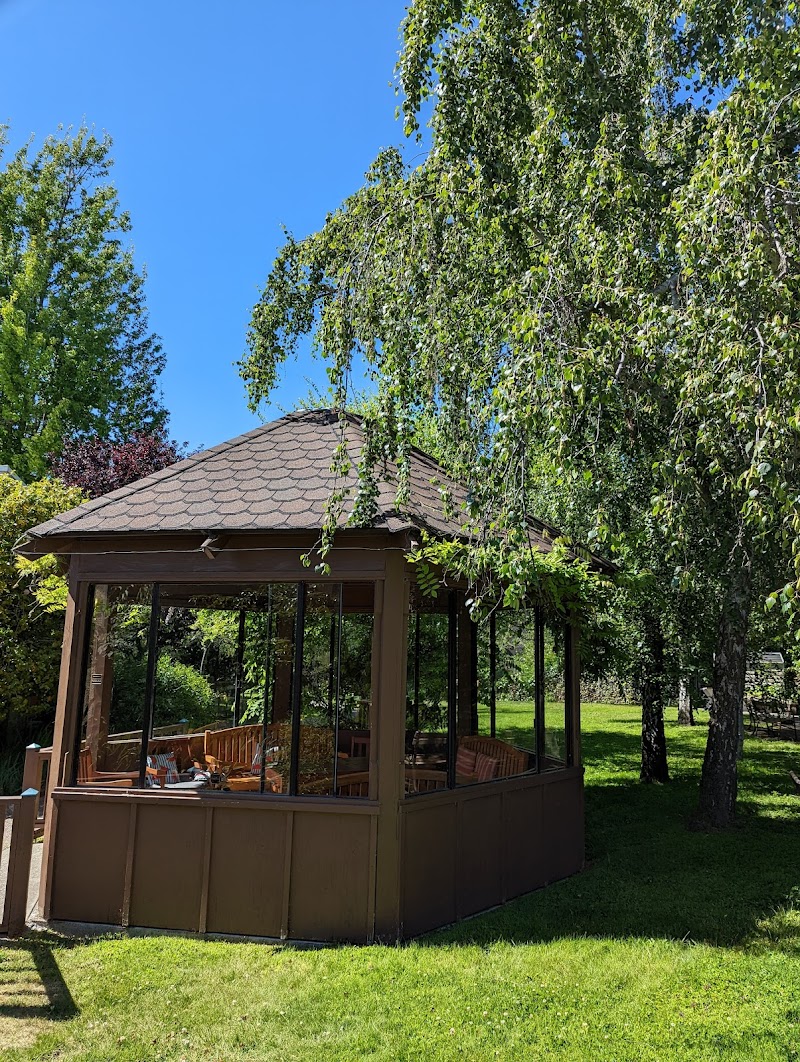
CHAPARRAL HOUSE

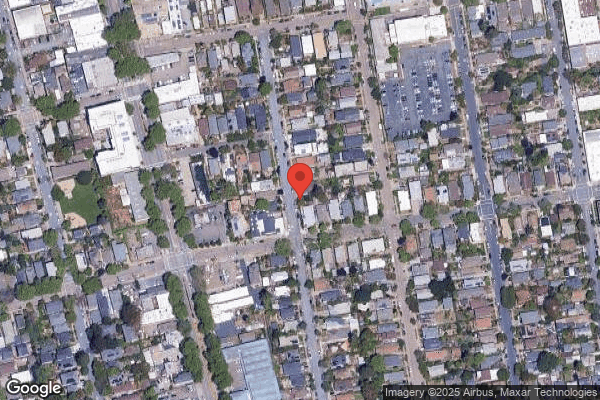
1309 ALLSTON WAY, BERKELEY, CA 94702 (510) 848-8774
Non profit - Corporation 49 Beds Independent Data: November 2025
Trust Grade
80/100
#42 of 1155 in CA
Last Inspection: September 2024

Within standard 12-15 month inspection cycle. Federal law requires annual inspections.

Overview

Chaparral House has a Trust Grade of B+, indicating it is above average and recommended for families seeking care. It ranks #42 out of 1,155 facilities in California, placing it in the top half, and #7 out of 69 in Alameda County, meaning there are only six local facilities that are better. The facility is improving, with issues decreasing from 11 in 2023 to 10 in 2024, and it maintains good staffing levels with a 4 out of 5-star rating, although turnover is slightly above average at 46%. Notably, there have been no fines, and it provides more RN coverage than 90% of California facilities, which is a strength as RNs can identify issues that CNAs might overlook. However, there have been concerns related to resident care, including instances where residents were not treated with dignity during meal times and failures to follow dietary requirements, which could affect their nutritional and psychosocial well-being.

Trust Score
B+
80/100
In California
#42/1155
Top 3%
Safety Record
Low Risk
No red flags
Inspections
Getting Better
11 → 10 violations
Staff Stability
⚠ Watch
46% turnover. Above average. Higher turnover means staff may not know residents' routines.
Penalties
✓ Good
No fines on record. Clean compliance history, better than most California facilities.
Skilled Nurses
✓ Good
Each resident gets 57 minutes of Registered Nurse (RN) attention daily — more than average for California. RNs are trained to catch health problems early.
Violations
⚠ Watch
24 deficiencies on record. Higher than average. Multiple issues found across inspections.
★★★★★
5.0
Overall Rating
★★★★☆
4.0
Staff Levels
★★★★★
5.0
Care Quality
★★★★☆
4.0
Inspection Score
Stable
2023: 11 issues
2024: 10 issues

The Good

  • 4-Star Staffing Rating · Above-average nurse staffing levels
  • 5-Star Quality Measures · Strong clinical quality outcomes
  • Full Sprinkler Coverage · Fire safety systems throughout facility
  • No fines on record

Facility shows strength in staffing levels, quality measures, fire safety.

The Bad

Staff Turnover: 46%

Near California avg (46%)

Higher turnover may affect care consistency

The Ugly 24 deficiencies on record

Sept 2024 10 deficiencies
CONCERN (D)

Potential for Harm - no one hurt, but risky conditions existed

Deficiency F0645 (Tag F0645)

Could have caused harm · This affected 1 resident

Based on interview and record review, the facility failed to ensure Resident 8's Preadmission Screening and Resident Review (PASARR, a federal requirement to help ensure that individuals who have a me...

Read full inspector narrative →
Based on interview and record review, the facility failed to ensure Resident 8's Preadmission Screening and Resident Review (PASARR, a federal requirement to help ensure that individuals who have a mental disorder or intellectual disabilities are not inappropriately placed in nursing homes for long term care). PASARR requires that 1) all applicants to a Medicaid-certified nursing facility be evaluated for a serious mental disorder and/or intellectual disability; 2) be offered the most appropriate setting for their needs (in the community, a nursing facility, or acute care setting; and 3) receive the services they need in those settings.) completed when Resident 8 had diagnosis of brief psychotic disorder (mental disorder that can cause abnormal thinking and perception). This failure resulted in Resident 8 not being properly evaluated if he was receiving appropriate mental health services. (Cross Reference F758) Findings: During a review of Resident 8's admission Record, dated 9/25/24, the record indicated Resident 8 had diagnosis of brief psychotic disorder. During a review of Resident 8's Physician's Orders, dated 8/22/23, the order indicated an order of Seroquel 12.5 milligrams (mg., a form of measurement), by mouth two times a day (Seroquel is an antipsychotic medication. Antipsychotic medications are medications that are used to treat symptoms of psychotic mental disorder such as delusions, hallucinations, paranoia, or confused thoughts). During a concurrent interview and record review on 9/26/24 at 10:36 a.m., with the Medical Record Director (MRD), MRD stated she was not able to find any PASARR evaluation in Resident 8's medical records. During an interview on 9/26/24 at 10:04 a.m., with the Administrator (Adm), the Adm acknowledged it was the facility's mistake for not having a PASARR evaluation for Resident 8. During a review of the facility's policy and procedure (P&P) titled, admission Criteria, dated March 2019, the P&P indicated, . All new admissions and readmissions are screened for mental disorders (MD), intellectual disabilities (ID) or related disorders (RD) per the Medicaid Pre-admission Screening and Resident Review (PASARR) .
CONCERN (D)

Potential for Harm - no one hurt, but risky conditions existed

Comprehensive Care Plan (Tag F0656)

Could have caused harm · This affected 1 resident

**NOTE- TERMS IN BRACKETS HAVE BEEN EDITED TO PROTECT CONFIDENTIALITY** Based on observation, interview, and record review, for two (Resident 10 and Resident 11) of thirteen sampled residents, the fac...

Read full inspector narrative →
**NOTE- TERMS IN BRACKETS HAVE BEEN EDITED TO PROTECT CONFIDENTIALITY** Based on observation, interview, and record review, for two (Resident 10 and Resident 11) of thirteen sampled residents, the facility failed to implement its Care Plan, Comprehensive Person Centered policy and procedure when: 1. Facility did not develop care plan to address Resident 10's medical diagnoses of Major Depressive Disorder (a mental health disorder characterized by persistently depressed mood or loss of interest in activities, causing significant impairment in daily life ) and Insomnia (persistent problems falling and staying asleep), and there was no care plan to address Resident 10's use of Amitriptyline and Trazadone (antidepressant medications, antidepressants are medications used to treat major depressive disorder, some anxiety disorders and chronic pain conditions), and 2. Facility did not identify and address Resident 11's hairy mole on chin with a care plan and appropriate interventions. (Hairy moles are skin lesions that have both hair and pigmentation. They are usually present at birth. Hairy moles can appear anywhere on the body, but are often found on the face, trunk, or limbs). These failures had the potential to result in Resident 10 and Resident 11 not receiving appropriate care and treatment. Findings: 1. During a review of Resident 10's admission Minimum Data Set (MDS- an assessment and care screening tool used to guide care), dated 8/30/24. The MDS indicated Resident 10 had diagnoses of major depressive disorder and insomnia. During a review of Resident 10's physician orders, dated 8/23/24, the order indicated Resident 10 was prescribed: a. Amitriptyline HCL tablet 50 mg (milligram, unit of measurement) by mouth daily related to major depressive disorder, and b. Trazadone HCL oral tablet 100 mg by mouth at bedtime related to insomnia. During a concurrent interview and record review on 9/25/24 at 9:17 a.m., with the Director of Nursing (DON), Resident 10's MDS and care plans were reviewed. DON could not show Resident 10 had care plans that addressed the use of Amitriptyline and Trazadone for depression. DON could not provide documentation that Resident 10's diagnosis of major depression was care planned. DON stated care plan was not initiated for Resident 10 major depression and use of antidepressant. 2. During a review of Resident 11's admission record, dated 5/5/22, indicated Resident 11 was admitted to the facility with multiple diagnoses that included seborrhea (abnormally increased secretion and discharge of sebum) and rash and other nonspecific skin eruption. During a review of Resident 11's Minimum Data Set, dated [DATE], the MDS indicated Resident 11's Basic Interview of Mental Status (BIMS, a scoring system used to determine the resident's cognitive status regarding attention, orientation, and ability to register and recall information. A BIMS score of thirteen to fifteen is an indication of intact cognitive status.) score was 12 and indicated moderate impaired mental status. The MDS indicated Resident 11 was able to recall the correct year, month, and day of the week. MDS indicated Resident 11 had clear speech, able to express her ideas and wants, and understood what others said to her. During a concurrent observation and interview on 9/23/24 at 10:00 a.m., Resident 11 laid in bed in her room, awake, alert and verbally responsive. Resident 11 was observed with hairy mole on her chin. Resident 11 stated she had hairy mole on chin for some time and would like the hair removed. Resident 11 stated nurses had not addressed the presence of hairy mole on her face. Resident 11 stated she would like to have facial hair removed. During a concurrent observation and interview on 9/23/24 at 10:21 a.m., with Certified Nursing Assistant/Restorative Nursing Assistant (CNA) 1 in Resident 11's room, Resident 11 had hairy mole on chin. CNA1 stated she was aware Resident 11 had a mole with facial hair on her chin. can 1 stated because of the presence of mole with facial hair and informed a licensed nurse. During a concurrent interview and record review on 9/26/24 at 8:49 a.m., with the DON, Resident 11's weekly summaries, care plans and MDS were reviewed. DON could not provide documentation that Resident 11 care plans identified and addressed hairy mole on Resident 11's chin. DON stated nursing staff did not identify or care plan Resident 11's hairy mole presence on the chin. During an interview on 9/26/24 at 1:31p.m., with the DON, the DON stated the expectation was for CNAs to observe residents' skin daily, during shower and notify licensed nurses who will notify physician with changes in skin condition and care plan. The DON stated there was no documentation that Resident 11's hairy mole on chin was identified or care planned. During a review of the facility's policy and procedure (P&P) titled, Care Plan, Comprehensive Person-Centered, revised March 2022, the P&P indicated, The comprehensive, person-centered care plan is developed within seven (7) days of the completion of the required MDS assessment.
CONCERN (D)

Potential for Harm - no one hurt, but risky conditions existed

Deficiency F0687 (Tag F0687)

Could have caused harm · This affected 1 resident

Based on observation, interview, and record review, the facility failed to ensure one sampled resident's (Resident 14) long toenails received podiatry (foot care) treatment services as ordered by the ...

Read full inspector narrative →
Based on observation, interview, and record review, the facility failed to ensure one sampled resident's (Resident 14) long toenails received podiatry (foot care) treatment services as ordered by the physician. This failure had the potential to place Resident 14 at risk for injury and infection. Findings: During an observation on 9/23/24 at 1:45 p.m., Resident 14 laid in bed in her room. Resident 14 had contracted (tightened and may cause deformity) feet with long toenails. During a review of Resident 14's Minimum Data Set (MDS, Resident Assessment tool used to guide care), dated 9/12/24, the MDS indicated Resident 14 had short- and long-term memory problem. The MDS indicated Resident 14 was dependent on staff and required two or more helpers for putting on and taking off socks and shoes or other footwear and personal hygiene. The MDS indicated Resident 14's diagnoses included Peripheral Artery Disease (a circulatory condition in which narrowed blood vessels reduce blood flow to the limbs) and Non-Alzheimer's Dementia (a loss of mental ability severe enough to interfere with normal activities of daily living). During a concurrent observation and interview on 9/24/24 at 11:00 a.m., with Licensed Vocational Nurse (LVN) 1 in Resident 14's room, LVN 1 stated Resident 14's long toenails needed podiatry care since Resident 14 had other comorbidity (presence of two or more diseases). During a concurrent interview and record review on 9/24/24 at 11:24 a.m., with Social Services Director (SSD), Resident 14's Progress Notes, dated 3/4/24 was reviewed. The progress notes by the podiatrist indicated Resident 14 had elongated toenail with plan to trim toenails every 2 to 3 months for foot care. SSD stated Resident 14's foot care was missed and was not seen by the podiatrist. SSD stated he coordinated with the podiatrist in making sure residents' schedule for podiatry care was kept. During a review of Resident 14's order summary report dated 8/19/2017, the order indicated the physician ordered Resident 14 to receive podiatry care as needed. During a review of the facility's policy and procedure (P&P) titled, Foot Care, revised October 2022, the P&P indicated, Residents with foot disorders or medical conditions associated with foot complication are referred to qualified professionals. Foot disorders that require treatment include corns, neuromas, calluses, hallux valgus, digit flexus, heel spurs and nail disorders.
CONCERN (D)

Potential for Harm - no one hurt, but risky conditions existed

Deficiency F0688 (Tag F0688)

Could have caused harm · This affected 1 resident

Based on observation, interview, and record review, the facility failed to ensure one (Resident 9) of two sampled residents received treatment services to address limitation in range of motion to righ...

Read full inspector narrative →
Based on observation, interview, and record review, the facility failed to ensure one (Resident 9) of two sampled residents received treatment services to address limitation in range of motion to right upper extremity when Resident 9 had contracture (a condition of shortening and hardening of muscles often leading to deformity and rigidity of joints) of right upper extremity and a resting splint (a device that supports and protects a broken bone or injured tissue) was not applied to right hand as ordered by the physician. This failure had the potential to cause Resident 9's decline in range of motion and risk of decreased muscle strength. Findings: During an observation on 9/24/24 at 10:53 a.m., Resident 9 laid in bed in her room. Resident 9 had right hand contracture. Resident 9's right hand upper extremity had no splint. During a review of Minimum Data Set (MDS - an assessment screening tool used to guide care), dated 9/19/24. The MDS indicated, Resident 9 had short- and long-term memory problem. The MDS indicated Resident 9's had diagnosis of Non-Alzheimer's Dementia (a loss of mental ability severe enough to interfere with normal activities of daily living). During a review of Resident 9's care plan revised on 6/19/2017, the care plan indicated Resident 9 had an ADL (activities of daily living are those needed for self-care and mobility and include activities such as bathing, dressing, grooming, oral care, ambulation, toileting, eating, transferring, and communicating.) self-care performance deficit related to limited mobility, interventions included nursing rehab/restorative splint/brace program. During a review of Resident 9's order summary report dated 9/3/21, the order indicated physician prescribed Resident 9 to receive RNA [restorative nurse assistant] program: RNA/can [certified nursing assistant] to do PROM [passive range of motion, the person performing the movement does not use any of their own muscles] to all joints to patient tolerance 3x/week flexible days. Goal: maintain res [resident] current joint ROM in all extremities and reduce risk of contracture development . During an interview on 9/25/24 at 8:55 a.m., with Certified Nursing Assistant/Restorative Nursing Assistant (CNA) 1, CNA 1 stated Resident 9 used to have splint applied to right upper hand contracture. CNA 1 stated Resident 9 was no longer on RNA program for a while and had not used a splint for some time. CNA 1 stated Resident 9 had contracture to right hand upper extremity. During a concurrent observation and interview on 9/25/24 at 11:03 a.m., with Licensed Vocational Nurse (LVN) 1 in Resident 9's room, Resident 9 sat up in wheelchair, right upper extremity had no resting splint. LVN 1 stated she was the charge nurse for Resident 9, cared for Resident 9 four days a week. LVN 1 stated she had not seen Resident 9 with splint application to right hand. During a concurrent observation and interview on 9/25/24 at 11:16 a.m., with CNA 2, CNA 2 stated she was Resident 9's caregiver. CNA 2 stated Resident 9 used to have a splint on the right hand but no longer for a while now. CNA 2 stated she did not know the reason for not having splint in place. CNA 2 stated that RNA was responsible for splint application. During an interview on 9/25/24 at 10:20 a.m., with Occupational Therapist (OT), OT stated facility will reevaluate Resident 9. OT stated there was no treatment record for Resident 9's right hand limitation in range of motion. During a review of the facility's policy and procedure (P&P) titled, Activities of Daily Living (ADL), Supporting revised March 2018, the P&P indicated Residents will be provided with care, treatment and services as appropriate to maintain or improve their ability to carry out activities of daily living.
CONCERN (D)

Potential for Harm - no one hurt, but risky conditions existed

Deficiency F0698 (Tag F0698)

Could have caused harm · This affected 1 resident

Based on interview and record review, the facility failed to have a written contract/agreement with Resident 189's outpatient dialysis provider (dialysis is the process of removing toxins from the kid...

Read full inspector narrative →
Based on interview and record review, the facility failed to have a written contract/agreement with Resident 189's outpatient dialysis provider (dialysis is the process of removing toxins from the kidneys and blood through a machine. The contract/agreement should include all aspects of how Resident 189's dialysis care and needs were to be managed by the dialysis provider outside of the facility). This failure had the potential to result in Resident 189's poor dialysis care management. Findings: During a review of Resident 189's admission Record, dated 9/26/24, the record indicated Resident 189 had diagnosis of acute kidney failure (a condition where the kidneys stopped working properly). Review of Resident 189's Minimum Data Set (MDS, an assessment tool used to direct resident care) dated 9/20/24, the MDS indicated Resident 189's cognition was intact. During a review of Resident 189's Physician's Orders dated 9/14/24, the order indicated Resident 189 had outpatient hemodialysis (a medical procedure that filters a person's blood when their kidneys are not functioning properly) appointments on Mondays and Fridays from 10:00 a.m. to 1:00 p.m. During an interview on 9/23/24 at 2:41 p.m., with Resident 189, Resident 189 stated she just returned from having dialysis from the dialysis provider. During an interview on 9/25/24, at 10:21 a.m., with the Administrator (Adm), the Adm stated there was no contract in place between the facility and dialysis provider of Resident 189. The Adm further stated the facility also did not have a contract with the transportation company that transported Resident 189 to the dialysis provider. The Adm stated he knew it was a regulation to have a contract but acknowledged that he had not done it yet.
CONCERN (D)

Potential for Harm - no one hurt, but risky conditions existed

Deficiency F0919 (Tag F0919)

Could have caused harm · This affected 1 resident

Based on observation, interview and record review, the facility failed to ensure two (Residents 15 and 21) of 38 sampled residents' call lights were within easy reach. This failure had the potential f...

Read full inspector narrative →
Based on observation, interview and record review, the facility failed to ensure two (Residents 15 and 21) of 38 sampled residents' call lights were within easy reach. This failure had the potential for the Resident 15 and Resident 21 to not to be able to use the call light when needing assistance. Findings: During an initial tour of the facility on 9/23/24 at 10:43 a.m., in Resident 15's room, Resident 15 was observed lying in bed, alert and was able to answer questions. The call button wire was observed to be hanging in right middle side of Resident 15's bed and the call button was almost touching the floor. Resident 15 attempted to reach for the call button but had a difficult time and failed. Resident 15 stated she could not reach her call button and further stated she needed the call light to call for help. During a concurrent observation and interview on 9/25/24 at 12:09 p.m., with Certified Nursing Assistant (CNA) 3 in Resident 15's room, CNA 3 confirmed that Resident 15 was not able to reach her call light. CNA 3 stated the call light should be within the resident's reach at all times. CNA 3 acknowledged that the risk for the resident in not being able to reach the call light was that the resident could not call for her needs. During an initial tour of the facility on 9/23/24 10:49 a.m., in Resident 21's room, Resident 21 was observed lying in bed, alert and was able to answer questions. The call light was observed to be on the floor in the upper right side of Resident 21. Licensed Vocational Nurse (LVN) 3 confirmed Resident 21's call light should not be on the floor. LVN 3 stated the call light should be always within the resident's reach so that the resident could call for her needs. During an interview with the Director of Nursing (DON) on 9/25/24 at 12:09 p.m., the DON stated the residents should be able to reach the call lights all the time, especially when they were in bed. The DON further stated, the risk for the residents on not being able to reach their call lights were unmet needs. During a review of the facility's policy and procedure (P&P) titled, Answering the Call Light, dated September 2022, the P&P indicated, .Ensure that the call light is accessible to the resident when in bed, from the toilet, from the shower or bathing facility and from the floor .
CONCERN (E)

Potential for Harm - no one hurt, but risky conditions existed

Resident Rights (Tag F0550)

Could have caused harm · This affected multiple residents

Based on observation, interview and record review, the facility failed to treat three of three sampled residents (Resident 21, 22, and 29) with dignity and respect when Residents 21, 22, and 29, who n...

Read full inspector narrative →
Based on observation, interview and record review, the facility failed to treat three of three sampled residents (Resident 21, 22, and 29) with dignity and respect when Residents 21, 22, and 29, who needed full assistance with meals, were not offered or fed their bread rolls during lunch. This failure had the potential to affect Residents 21, 22 and 29's psychosocial well-being and nutritional needs. Findings: During a dining observation on 9/23/24 at 12:53 p.m., in the dining room, Residents 21, 22, and 29 were being assisted by staff during lunch. Registered Nurse (RN) 3 asked Resident 29 if she wanted her bread roll to which Resident 29 replied, yes. RN 3 did not have gloves available to feed the bread roll and RN 3 offered water to Resident 29 instead. Residents 21, 22, and 29 did not receive their bread rolls from the staff who assisted them during feeding. During an interview on 9/25/24 at 3:07 p.m. with Director of Staff Development (DSD), DSD stated RN 3 should have accommodated and assisted Resident 29 when Resident 29 wanted to eat the bread roll. DSD further stated Residents 21, 22, and 29 were not able to feed themselves and needed a helper to pick up the food for them so they can eat. During a record review of the facility's policy and procedure (P&P) titled, Dignity, revised February 2021, the P&P indicated Each resident shall be cared for in a manner that promotes and enhances his or her sense of well-being, level of satisfaction with life, and feelings of self-worth and self-esteem .When assisting with care, residents are supported in exercising their rights. For example, residents are provided with a dignified dining experience.
CONCERN (E)

Potential for Harm - no one hurt, but risky conditions existed

Medication Errors (Tag F0758)

Could have caused harm · This affected multiple residents

**NOTE- TERMS IN BRACKETS HAVE BEEN EDITED TO PROTECT CONFIDENTIALITY** Based on interview and record review, the facility failed to ensure residents were free from unnecessary psychotropic drugs (med...

Read full inspector narrative →
**NOTE- TERMS IN BRACKETS HAVE BEEN EDITED TO PROTECT CONFIDENTIALITY** Based on interview and record review, the facility failed to ensure residents were free from unnecessary psychotropic drugs (medications that can affect the mind, emotions, and behavior) for three of 38 sampled residents (Residents 8,7 and 10) when: 1. Resident 8 did not have the appropriate indications for the use of Seroquel (Seroquel is an antipsychotic medication; Antipsychotic medications are medications that are used to treat symptoms of psychotic mental disorder such as delusions, hallucinations, paranoia, or confused thoughts), 2. Resident 7 had no rationale for continued use of PRN Ativan beyond 14 days (PRN is short for pro re nata [a Latin phrase], meaning as needed, or as necessary; Ativan is a psychotropic medication used to treat anxiety; psychotropic medications are used to treat mental health disorders), and 3. Resident 10 was administered Trazadone (an antidepressant medication to treat major depressive disorder, some anxiety disorders and chronic pain conditions) for insomnia (difficulty falling and staying asleep) and facility did not monitor hours of sleep for Resident 10. These failures had the potential to not promote or maintain Residents 8, 7 and 10's highest practicable mental, physical, and psychosocial well-being. (Cross Reference F645) Findings: 1. During a review of Resident 8's admission Record, dated 9/25/24, the record indicated Resident 8 had diagnosis of brief psychotic disorder (mental disorder that can cause abnormal thinking and perception). During a review of Resident 8's Physician's Orders(PO), dated 8/22/23, the PO indicated an order of Seroquel 12.5 milligrams (mg., a form of measurement), by mouth two times a day. The PO indicated the symptoms to be managed by Seroquel were, agitation/restlessness/anxiety, manifested by repetitive questioning of things, events. Easily gets frustrated despite reassurance and with aggressive response. Review of Resident 8's Minimum Data Set (MDS, an assessment tool used to direct resident care) dated 7/20/24, the MDS indicated Resident 8's cognition was severely impaired. The MDS indicated Resident 8 had no verbal and physical behavioral symptoms directed toward others (verbal- threatening others, screaming at others, cursing at others; physical - hitting, kicking, pushing, scratching .). During an interview on 9/27/24 at 9:28 a.m., with Certified Nursing Assistant (CNA) 4, CNA 4 stated Resident 8 did not get agitated whenever she took care of him. CNA 4 stated Resident 8 would get confused at times but would calm down when CNA 4 reoriented Resident 8. During an interview on 9/26/24 at 2:18 p.m., with Registered Nurse (RN) 2, RN 2 stated Resident 8 was not physically aggressive. RN 2 further stated Resident 8 was not a danger to himself and to others. During a concurrent interview and record review on 9/26/24 at 1:50 p.m. with the Director of Nursing (DON), Resident 8's Electronic Health Record (EHR) for physician orders dated 9/25/24 was reviewed. The DON stated the use of Seroquel for Resident 8 was not appropriate because the resident was not aggressive and was not a danger to himself, other residents, and the staff. 2. During a review of Resident 7's clinical record indicated a diagnoses that included dementia (loss of memory, language, problem-solving and other thinking abilities) and anxiety (a type of mental health condition). During a review of Resident 7's physician order dated 9/25/24, the order indicated the physician prescribed Ativan 0.5 mg by mouth every 6 hours PRN for anxiety with a start date of 3/28/24. The order did not indicate a stop date for the PRN Ativan. During a concurrent interview and record review on 9/25/24 at 12:45 p.m., with the Director of Nursing (DON), Resident 7's Physician's Order, dated September 2024 was reviewed. The DON stated Resident 7's PRN Ativan did not have a stop date and should have a duration of 14 days per the facility policy. DON also acknowledged there was no physician documentation found which indicated Ativan PRN should be extended. During an interview on 9/26/24 at 12:39 p.m. with the Medical Doctor (MD), the MD stated Resident 7's PRN Ativan should have had a stop date of 14 days. During a review of the facility's policy and procedure (P&P) titled, Psychotropic Medication Use, dated July 2022, the P&P indicated, . PRN orders for psychotropic medications are limited to 14 days . If the prescriber or attending physician believes it is appropriate to extend the PRN order beyond 14 days, he or she will document the rationale (reason) for extending the use and include the duration for the PRN order . During a review of the facility's policy and procedure (P&P) titled, Antipsychotic Medication Use, dated July 2022, the P&P indicated, . Diagnoses alone do not warrant the use of antipsychotic medication . antipsychotic medications will generally only be considered if the following conditions are also met: a. The behavioral symptoms present a danger to the resident or others AND: (1.) The symptoms are identified as being due to mania or psychosis (such as auditory, visual, or other hallucinations; delusions, paranoia or grandiosity) . 3. During a review of Resident 10's admission Minimum Data Set, dated [DATE], the MDS indicated Resident 10 had daily mood symptom of feeling down, depressed or hopeless. The MDS indicated Resident 10's diagnoses included Major Depressive disorder (a mental health disorder characterized by persistently depressed mood or loss of interest in activities, causing significant impairment in daily life) and insomnia (persistent problems falling and staying asleep). During a review of Resident 10's physician Orders, dated 8/23/24, the physician order indicated Resident 10 was prescribed Trazadone HCL oral tablet 100 mg by mouth at bedtime related to insomnia. During a review of the Medication Administration Record (MAR), dated 9/1/24 to 9/30/24, the MAR indicated Resident 10 was administered Trazadone 100 mg tablet by mouth at bedtime. The MAR indicated Resident 10's hours of sleep was not monitored from 9/7/24 to 9/23/24. During a concurrent interview and record review on 9/25/24 at 9:17 a.m., with the (DON), Resident 10's physician orders and MARs were reviewed. The DON stated there was no hour of sleep monitored for use of trazadone. The DON stated monitoring sleep provides information on the effectiveness of medication. The DON stated if Resident 10 did not sleep, the physician will be notified to reevaluate the use of Trazadone. During a review of the facility's policy and procedure (P&P) titled, Psychotropic Medication Use, dated July 2022, the P&P indicated, Psychotropic medication management includes: a. indication for use; b. dose (including duplicate therapy); c. duration; d. adequate monitoring for efficacy and adverse consequences; and e. preventing, identifying and responding to adverse consequences.
CONCERN (E)

Potential for Harm - no one hurt, but risky conditions existed

Menu Adequacy (Tag F0803)

Could have caused harm · This affected multiple residents

Based on observation, interview, and record review, the facility failed to follow the menu for the soft and bite-sized (foods that are soft, moist, and easy to swallow) and easy to chew diet (soft, te...

Read full inspector narrative →
Based on observation, interview, and record review, the facility failed to follow the menu for the soft and bite-sized (foods that are soft, moist, and easy to swallow) and easy to chew diet (soft, tender foods that are easy to chew) for 12 out of 12 residents (Residents 13, 23, 8, 6, 190, 29, 7, 12, 34, 18, 15 and 22) when Residents 13, 23, 8, 6, 190, 29, 7, 12, 34, 18, 15 and 22 did not receive two ounces of gravy for lunch with their chicken on 9/23/24. This failure had the potential for Residents 13, 23, 8, 6, 190, 29, 7, 12, 34, 18, 15 and 22 to have problems chewing and swallowing the food when the established menu was not followed accordingly and had the potential for poor nutrition and to further compromise the medical status of the residents. Findings: During the tray line (an assembly line preparation of meal trays in the kitchen to be delivered to residents) observation on 9/23/24, at 12:17 p.m., in the kitchen, the Dietary Services Supervisor (DSS) did not serve gravy to residents who were on the soft and bite-sized and easy to chew diet. During a record review of a facility document titled Therapeutic Spreadsheet Menu Week 1, dated 9/23/24, the document indicated both the soft and bite-sized diet and easy to chew diet's baked chicken were to be served with two ounces of gravy. During an interview on 9/25/24 at 1:21 p.m., with DSS, the DSS stated she had prepared the gravy but forgot to serve it to the residents. The DSS further stated the weekly menu should have been followed, and the gravy should have been served to residents who were on soft and bite-sized and easy to chew diet. During a record review of the facility's policy and procedure (P&P), titled, Menus, dated 2018, the P&P indicated Menus are planned to meet guidelines as established by the most current federal/state regulations .All menus will provide adequate nutrients to meet the special needs of the residents, including dietary modifications.
CONCERN (E)

Potential for Harm - no one hurt, but risky conditions existed

Food Safety (Tag F0812)

Could have caused harm · This affected multiple residents

Based on observation, interview, and record review, the facility failed to ensure safe and sanitary food preparation and storage practices when: 1. Can opener had red discoloration on the blade that ...

Read full inspector narrative →
Based on observation, interview, and record review, the facility failed to ensure safe and sanitary food preparation and storage practices when: 1. Can opener had red discoloration on the blade that pierced the can, 2. Under the stove and steam tray line, the floors had a build-up of food crumbs, trash, dust, and grime, 3. The oven had build-up of black grime inside, 4. Dry storage floors had build-up of food crumbs, trash, and dead ants, and 5. Diet Aide 1 (DA 1) did not wear a bear net during meal preparation and service. These failures had the potential to expose 38 medically compromised residents who received food from the kitchen to foodborne illness due to cross-contaminations (the transfer for harmful substances or disease-causing microorganisms to food). Findings: 1. During an initial tour observation of the kitchen and interview on 9/23/24 at 9:32 a.m. with Dietary Service Supervisor (DSS), the can opener had red discoloration on the blade. DSS stated the can opener should have been cleaned. During a phone interview on 9/25/24 at 1:10 p.m. with the Registered Dietician 1 (RD 1), RD stated the can opener should have been kept clean and should have been washed after each use. 2. During an observation and interview on 9/23/24 at 9:46 a.m. with DSS, the kitchen floors under the two stoves and steam table tray line counter had build-up of food crumbs, dust, trash, and black grime. DSS stated they have not done a deep cleaning in the kitchen recently because the person who was assigned to do the task had retired. 3. During an observation and interview on 9/23/24 at 9:47 a.m., the oven had a build-up of black grime under the racks. DSS stated the black grime was from food residue. During a phone interview on 9/25/24 at 1:10 p.m. with RD 1, RD 1 stated the oven should have been wiped down after each use and should have been cleaned based on the cleaning schedule. 4. During an observation on 9/23/24 at 9:52 a.m., inside the dry storage, the floors had build-up of dead ants, food crumbs, and trash under the shelves. During a phone interview on 9/25/24 at 1:10 p.m. with RD 1, RD 1 stated the kitchen should have been kept cleaned and floors should have been free from food crumbs, dust, trash, and grime. RD 1 stated the dead ants should have been cleaned right away in the dry storage area. 5. During a tray line (an assembly line preparation of meal trays in the kitchen to be delivered to residents) observation on 9/23/24 at 12:24 p.m., DA 1 with facial hair did not have a beard net on while assisting DSS in plating the residents' foods. During an interview on 9/25/24 at 1:15 p.m. with DSS, DSS stated DA 1 should have worn a beard net or shaved his facial hair when directly in contact with food. During a record review of the facility's policy and procedure (P&P), titled, Sanitation and Infection Control (Cleaning Schedule), dated 2018, the P&P indicated The Dining Services Director will develop comprehensive cleaning schedules that staff will follow in order to maintain a sanitary department, prevent cross-contamination, and meet state/federal requirements. During a review of the facility's P&P, titled, Sanitation and Infection Control (Personal Hygiene), dated 2018, the P&P indicated, The Director of food and Nutrition services will instruct Department of Food and Nutrition Services employees regarding the relationship between personal hygiene and food safety, including the association of hand contact personal habits and behaviors and food employees' health to food borne illness .Beards and/or mustaches should be covered during meal preparation and service. During a record review of the Food and Drug Administration (FDA) Federal Food Code 2022, .Non-food contact surfaces of equipment shall be kept free of accumulation of dust, dirt, food residue, and other debris. The presence of food debris or dirt on nonfood contact surfaces may provide a suitable environment for the growth of microorganisms which employees may inadvertently transfer to food. If these areas are not kept clean, they may also provide harborage for insects, rodents and other pests.
Apr 2023 8 deficiencies
CONCERN (D)

Potential for Harm - no one hurt, but risky conditions existed

Abuse Prevention Policies (Tag F0607)

Could have caused harm · This affected 1 resident

Based on interview and record review, the facility failed to develop and implement written policy and procedures to prevent abuse, neglect and exploitation of residents and misappropriation of residen...

Read full inspector narrative →
Based on interview and record review, the facility failed to develop and implement written policy and procedures to prevent abuse, neglect and exploitation of residents and misappropriation of resident property when: 1. Resident 31's statement that a nurse was Tearing [Resident 31] to pieces was not investigated and not reported. This failure had the potential to result in abuse by the same staff who continued to provide care to Resident 31. 2. Facility did not perform background checks for five of five employees. This failure had the potential for allowing potential employees who have been convicted of abuse, neglect and exploitation and misappropriation of resident property to care for the residents. Findings: 1. During review of the Resident Council Suggestion/Issue/Question/Concern dated 4/13/23 with Activity Director (AD), on 4/18/23 at 11:10 a.m., the record indicated Resident 31 claimed on 4/13/23 that a nurse was tearing me to pieces during a bath and while being changed. AD stated the information was passed on (shared) with the Nursing Department but could not identify which staff member received the information. AD stated there was no response from the Nursing Department as of yet because it would usually take up to a week to hear back. AD also stated, at the time, AD did not think of the concern as an abuse allegation that should be reported to the Administrator (ADM) who was the facility's abuse coordinator. AD stated she should have reported it right away. During a follow-up interview with AD on 4/19/23 at 10:13 a.m., AD stated, she shared Resident 31's concern on 4/18/23 with ADM, who responded by having Social Service Designee (SSD) conduct an interview with Resident 31. During an interview with SSD on 4/19/23 at 11:10 a.m., SSD stated having received a copy of Resident 31's concern on 4/18/23. SSD stated he went to talk to Resident 31 to ask about preferences with how staff should provide care. SSD stated he did not ask Resident 31 about the incident and staff who was tearing her to pieces which he stated he should have. SSD also stated, such statements coming from any resident should have been investigated with the thought that it could very well be an abuse incident. Review of Resident 31's admission Record indicated Resident 31 was admitted to the facility with diagnoses that included age-related osteoporosis (bones become brittle and fragile that they are more likely to break (fracture) and pain in right ankle and joints of the right foot. Review of Resident 31's Minimum Data Set (MDS, an assessment tool used to direct resident care) dated 1/9/23 indicated Resident 31 had a Brief Interview for Mental Status (BIMS, an assessment tool for resident's orientation to time and capacity to remember) score of 12. BIMS score range is from 0-15, with zero as the most impaired. During an interview with Resident 31 on 4/19/23 at 11:39 a.m., Resident 31 stated not being able to accurately recall details about the incident of a staff tearing me to pieces because of a failing memory. Resident 31 stated, it would have been better if questions were asked the same day Resident 31 made the statement. Resident 31 also stated no one from the facility had asked questions about Resident 31's statement. During an interview with ADM on 4/20/23 at 12:49 p.m., ADM stated, statements from residents such as, nurse is tearing me to pieces should be investigated right away to make sure this was not an abuse case. Review of the facility's policy and procedure titled Abuse Prevention and Reporting last revised April 2021 indicated When a resident or someone in behalf of a resident reports a grievance or makes a complaint .thorough investigations are commenced immediately upon presentation of complaint/grievance/event. 2. During an interview and concurrent review of the employee files with the Director of Nursing (DON) on 4/20/23 at 11:05 a.m., files for the following staff were reviewed; a. Certified Nursing Assistant (CNA) 2. b. Restorative Nursing Assistant (RNA). c. Activity Assistant (AA). d. Licensed Vocational Nurse (LVN) 1. e. Activities Director (AD). DON stated, background checks with the Department of Justice (DOJ) were not done for all five employees. DON also stated, for licensed nurses like LVNs and Registered Nurses and CNAs,the facility relied on the background checks being done by respective licensing and certification agencies for both professions. DON stated, for CNA 2, hired on 3/30/22, the facility did not have a copy of their certification on file. There was no documentation that background checks with the DOJ or State Registry were performed for all five employees reviewed. During an interview with ADM on 4/20/23 at 12:49 p.m., ADM stated the facility has not done background checks for all employees, and, for licensed staff, the facility relied on the background checks performed by the respective licensing board or certification agencies. For the unlicensed staff (i.e., activities, kitchen, housekeeping), the facility did reference checks because most were known to be long-time employees of the facility. ADM also stated the facility utilizes information based on Megan's law (penal code that mandates the state DOJ to notify the public about sex offender registrants who pose a risk to public safety). ADM, however, stated that doing reference checks did not give information if the prospective employees were convicted of crimes other than sexual in nature. Review of the facility's policy and procedure titled, Abuse Prevention and Reporting last revised April 2021, indicated all applicants for employment have references checked prior to hiring. The policy also indicated three different ways the facility checks for criminal background as follows; - If a license or certification of a staff is deemed active by the licensing or certification agency, the prospective employee is deemed to have had a criminal background check. - Persons who have had a finding entered into the State Registry concerning abuse, neglect, mistreatment and misappropriation of property shall not be hired. - Megan's Law website is checked prior to job offer and after references are checked.
CONCERN (D)

Potential for Harm - no one hurt, but risky conditions existed

Report Alleged Abuse (Tag F0609)

Could have caused harm · This affected 1 resident

Based on interview and record review, the facility failed to implement their Abuse policy and procedure to investigate and report injuries of unknown origin for one (Resident 4) sampled resident. Resi...

Read full inspector narrative →
Based on interview and record review, the facility failed to implement their Abuse policy and procedure to investigate and report injuries of unknown origin for one (Resident 4) sampled resident. Resident 4's laceration to the left pinky toe was not investigated for the source of the injury and reported to the required agencies. This failure resulted in Resident 4 being transferred to the emergency room (ER) for sutures and had the potential to place residents at risk for mistreatment, neglect and /or abuse. Findings: Review of Resident 4's Significant change in status-Minimum Data Set, Resident Assessment and Care Screening, dated 1/4/23, indicated Resident 4 had unclear speech with slurred or mumbled word, rarely/never understood. Resident 4 had short and long term memory problem. Resident 4 had no behavioral symptoms. Resident 4's diagnoses included Non-Alzheimer's Dementia (a group of diseases characterized by progressive deficits in behavior, executive function or language). Review of the nurses notes dated 2/12/23 indicated Resident 4 laid on his floor mattress, and noted bleeding bright red with deep cut below his left pinky toe. The physician advised staff to send Resident 4 to the ER. During a review of Resident 4's nurses notes and concurrent interview on 4/20/23 at 12:42 p.m., the Director of Nursing (DON) stated Resident 4's laceration to the left pinky toe was an injury of unknown origin. DON stated the facility did not know the cause of the injury. DON further stated it was assumed Resident 4 bumped his leg on the wall or chair. DON said the facility did not investigate Resident 4's left pinky toe laceration or report to the Department. Review of the nurse's note dated 2/13/23, indicated Resident 4 returned from the ER with stitches to the left pinky toe laceration. Review of the facility's policy and procedure titled, Investigating Resident Injuries, revised April 2021, indicated if the nursing and medical assessment determines an injury of unknown source, the investigation will follow the protocols set forth in our facility's established abuse investigation guidelines. Review of the facility's policy and procedure, Abuse, revised and approved November 2022, indicated investigations of suspected abuse or suspicious circumstances or injuries/accidents of known or unknown origin require reporting. The Administrator reports, as indicated, to the appropriate agency: i. California Department of Public Health, licensing and Certification (DPHS L&C) - Supervisor.
CONCERN (D)

Potential for Harm - no one hurt, but risky conditions existed

Pharmacy Services (Tag F0755)

Could have caused harm · This affected 1 resident

**NOTE- TERMS IN BRACKETS HAVE BEEN EDITED TO PROTECT CONFIDENTIALITY** Based on observation, interview, and record review, the facility failed to provide pharmaceutical services to meet the needs of ...

Read full inspector narrative →
**NOTE- TERMS IN BRACKETS HAVE BEEN EDITED TO PROTECT CONFIDENTIALITY** Based on observation, interview, and record review, the facility failed to provide pharmaceutical services to meet the needs of the residents when: 1. For Resident 99, Metformin (diabetic medication), a condition where blood sugar levels are too high) was not available for medication administration. 2. For Resident 149, Fluticasone propionate nasal suspension (for management of nasal symptoms of perennial nonallergic rhinitis in adults, rhinitis is inflammation that causes nasal congestion, runny nose, sneezing and itching) was not available for medication administration. [Reference:https://dailymed.nlm.nih.gov] These failures had the potential to result in an ineffective medication regimen. Findings: 1. Review of Resident 99's admission Record indicated Resident 99 was admitted to the facility on [DATE] with diagnoses that included diabetes mellitus. During an observation and concurrent interview with Licensed Vocational Nurse (LVN) 2 on 4/18/23 at 8:42 a.m., LVN 2 did not administer Metformin 500 milligrams (mg) tablet to Resident 99. LVN 2 stated Resident 99's Metformin was not available for administration. Review of Resident 99's Medication Administration Record (MAR) for April 2023 indicated, on 4/18/23, Resident 99's Metformin dose scheduled for 9 a.m. was not administered. During a follow-up interview and concurrent review of the clinical record, with LVN 2 on 4/18/23 at 1:22 p.m., LVN 2 stated Resident 99's Metformin was last administered 4/17/23 and the request for refill was sent 4/17/23. 2. During an observation on 4/18/23 at 11:24 a.m., Registered Nurse (RN) 1 administered Resident 149's scheduled morning medications except Fluticasone Propionate nasal suspension. During an interview with RN 1 on 4/18/23 at 11:49 a.m., RN 1 stated she could not find Resident 149's Fluticasone spray in either of the two medication carts and would call the pharmacy to order for a refill. Review of Resident 149's clinical record indicated Resident 149 was admitted to the facility on [DATE] with multiple diagnoses that included dyspnea (difficulty breathing). Resident 149's Order Summary Report as of 4/19/23 indicated for Resident 149 to receive Fluticasone Propionate Nasal Suspension 50 microgram per actuation (mcg/act) two sprays in each nostril daily. During an interview with RN 2 on 4/19/23 at 10:06 a.m., RN 2 stated regular prescription medications should be ordered a few days before they run out. RN 2 stated the medication card has a blue line that would signal the licensed nurse to send the refill request to the pharmacy. Review of the facility's policy and procedure titled, Medication Ordering and Receiving From Pharmacy Provider copyrighted 2007 indicated all medications shall be reordered in advance by faxing or transmitting the order to the pharmacy.
CONCERN (D)

Potential for Harm - no one hurt, but risky conditions existed

Unnecessary Medications (Tag F0759)

Could have caused harm · This affected 1 resident

**NOTE- TERMS IN BRACKETS HAVE BEEN EDITED TO PROTECT CONFIDENTIALITY** Based on observations, interviews, and record reviews, the facility failed to be free of medication error rate of five percent o...

Read full inspector narrative →
**NOTE- TERMS IN BRACKETS HAVE BEEN EDITED TO PROTECT CONFIDENTIALITY** Based on observations, interviews, and record reviews, the facility failed to be free of medication error rate of five percent or greater when three medication errors were observed out of 31 opportunities. The medication error rate was calculated as follows; three divided by 31, then multiplied by 100, which was equal to 10 percent. This failure had the potential to result in ineffective medication regimen for the affected residents (Residents 99 and Resident 149). Findings: 1. Review of Resident 99's admission Record indicated Resident 99 was admitted to the facility on [DATE] with diagnoses that included diabetes mellitus (when blood sugar levels are too high). During an observation and concurrent interview with Licensed Vocational Nurse (LVN) 2 on 4/18/23 at 8:42 a.m., LVN 2 did not administer Metformin (treats diabetes) 500 milligrams (mg) tablet to Resident 99. LVN 2 stated Resident 99's Metformin was not available for administration. Review of Resident 99's Medication Administration Record (MAR) for April 2023 indicated an order with a start date of 4/8/23 for Metformin 500 mg by mouth two times daily for glucose (blood sugar) control, give with breakfast and dinner, scheduled at 9 a.m. and 5 p.m. The MAR indicated 9 a.m. dose for 4/18/23 was not administered. 2. During an observation on 4/18/23 at 11:24 a.m., Registered Nurse (RN) 1 administered Resident 149's scheduled morning medications except Fluticasone Propionate nasal suspension (for management of nasal symptoms of perennial nonallergic rhinitis (runny nose) in adults). [Reference:https://dailymed.nlm.nih.gov]. During an interview with RN 1 on 4/18/23 at 11:49 a.m., RN 1 stated she could not find Resident 149's Fluticasone spray in either of the two medication carts and would call the pharmacy to order for a refill. Review of Resident 149's MAR for April 2023 indicated Fluticasone was signed off (administered). During a follow-up interview and concurrent review of Resident 149's MAR with RN 1, on 4/18/23 at 12:09 p.m., RN 1 stated she did not administer Fluticasone but signed it off on the MAR. RN 1 stated she had to strike off her initials from the MAR after finding out the medication was not available. Review of Resident 149's clinical record indicated Resident 149 was admitted to the facility on [DATE] with multiple diagnoses that included dyspnea (difficulty breathing). Resident 149's Order Summary Report as of 4/19/23 indicated for Resident 149 to receive Fluticasone Propionate Nasal Suspension 50 microgram per actuation (mcg/act) two sprays in each nostril daily.
CONCERN (D)

Potential for Harm - no one hurt, but risky conditions existed

Dental Services (Tag F0791)

Could have caused harm · This affected 1 resident

Based on interviews and record review, the facility failed to promptly follow-up on a denture evaluation and acquiring full dentures for one (Resident 8) sampled resident in a timely manner. This fai...

Read full inspector narrative →
Based on interviews and record review, the facility failed to promptly follow-up on a denture evaluation and acquiring full dentures for one (Resident 8) sampled resident in a timely manner. This failure resulted in emotional distress. Findings: Review of the significant change in status- Minimum Data Set (MDS), Resident Assessment and Care Screening tool used to guide care, dated 4/2/23, indicated Resident 8's Basic Interview of mental status (BIMS) score was 15 (meaning cognitive intact). Resident 8 had a clear speech, able to express ideas and wants. Resident 8 had no natural teeth. Resident 8 had diagnoses that included stroke. Resident 8's insurance was Medicaid. During an interview on 4/17/23 at 10:24 a.m., Resident 8 stated he felt so depressed because he had no dentures to eat food. Review of the care plan revised 2/3/23 indicated Resident 8 had several teeth extracted and new dentures are on hold. During an interview on 4/17/23 at 12:06 p.m., the Social Services Designee (SSD) stated Resident 8 had all his teeth extracted sometime ago and had no dentures. SSD stated there seems to be some issues with Resident 8's insurance payment that delayed Resident 8's dentures. The facility's policy and procedure, Dental services, revised December 2016 indicated, Social Services representative will assist residents with appointments, transportation arrangements, and for reimbursement of dental services under the state plan, if eligible.
CONCERN (D)

Potential for Harm - no one hurt, but risky conditions existed

Deficiency F0849 (Tag F0849)

Could have caused harm · This affected 1 resident

Based on interview and record review, the facility failed to coordinate care planning in collaboration with the resident, family and hospice care (provisions for the terminally ill) provider for one (...

Read full inspector narrative →
Based on interview and record review, the facility failed to coordinate care planning in collaboration with the resident, family and hospice care (provisions for the terminally ill) provider for one (Resident 41) sampled resident. This failure had the potential for residents to not receive person-centered care at the end-of-life. Findings: Review of Resident 41's significant change in status-Minimum Data Set, Resident Assessment and Care Screening, dated 3/3/23, indicated Resident 41 had unclear speech with slurred or mumbled word, rarely/never make self understood or understand others. Resident 41 had short and long term memory problem. Resident 41 had no behavioral symptoms. Resident 41 had trouble falling asleep and little energy. Resident 41 diagnoses included Alzheimer's Disease, Non-Alzheimer's Dementia (a group of diseases characterized by progressive deficits in behavior, executive function or language), depression and on hospice care (is a type of care that focuses on interdisciplinary approach to specialized nursing care for people with life limiting illnesses, available to people with a life expectancy of six months or less, does not focus on treatments to cure the cause of the terminal illness. It seeks to keep the individual comfortable and make their remaining time as meaningful as possible). Review of order summary report, dated 2/27/23, indicated Resident 41 was admitted to hospice care on 2/25/23. During an interview and concurrent care plan review on 4/19/23 at 10:51 a.m., Registered Nurse-MDS-Care Coordinator (MDS), stated the facility's Interdisciplinary Team (IDT) had not met with hospice representatives to coordinate a care planning conference with Resident 41 and family, including the hospice provider. During an interview on 4/19/23 at 11:19 a.m., the Social Service Designee (SSD), stated the facility had not coordinated and scheduled the care planning conference with Resident 41 and family with the hospice representative. During an interview on 4/20/23 at 9:11 a.m., the Director of Nursing (DON) stated the facility practice was to coordinate care planning with the hospice provider when residents are started on hospice care. The facility's policy and procedure, Hospice Program, revised July 2017, indicated for staff to implement, Coordinated care plans for residents receiving hospice services provided by our facility including the responsible provider and discipline assigned to specific tasks in order to maintain the resident's highest practicable physical, mental and psychosocial well-being.
CONCERN (E)

Potential for Harm - no one hurt, but risky conditions existed

Deficiency F0757 (Tag F0757)

Could have caused harm · This affected multiple residents

**NOTE- TERMS IN BRACKETS HAVE BEEN EDITED TO PROTECT CONFIDENTIALITY** Based on interviews and record reviews, the facility failed to ensure four (Residents 4, 28, 41 and 43) of five sampled resident...

Read full inspector narrative →
**NOTE- TERMS IN BRACKETS HAVE BEEN EDITED TO PROTECT CONFIDENTIALITY** Based on interviews and record reviews, the facility failed to ensure four (Residents 4, 28, 41 and 43) of five sampled residents were free from unnecessary drugs when; - Resident 4 was administered two antipsychotic medications, Risperdal and Zyprexa, without adequate clinical indication for use and monitoring for adverse side effects. Antipsychotic medication are drugs used to treat schizophrenia and bipolar serious mental health conditions, capable of affecting the mind, emotions, and behavior. - Resident 28 was administered Clozapine an antipsychotic and Sertraline an antidepressant without adequate monitoring for target behavior and adverse side effects. Antidepressants are medications used to treat major depressive disorder, some anxiety disorders and chronic pain conditions - Resident 41 was administered Mirtazepine (anti-depressant) for sleep without adequate monitoring the hours of sleep. to determine effectiveness. -For Resident 43,the indication for use of Seroquel an antipsychotic was not monitored. These failures had the potential for residents to receive unnecessary drugs and adverse medication side effects. Findings: According to the manufacturer, elderly patients with dementia-related psychosis treated with antipsychotic drugs are at an increased risk of death. Risperidal not approved for use in psychotic conditions related to dementia. Although causes of death varied, most of the deaths appeared to be related to cardiovascular (e.g. heart failure, sudden death). [Reference: https://www.drugs.com/pro/risperdal]. 1. Review of Resident 4's significant change in status-Minimum Data Set, Resident Assessment and Care Screening, dated 1/4/23, indicated Resident 4 had unclear speech with slurred or mumbled word, rarely/never understood. Resident 4 had short and long term memory problems. Resident 4 had no behavioral symptoms and diagnoses included Non-Alzheimer's Dementia (a group of diseases characterized by progressive deficits in behavior, executive function or language). Review of the physician orders indicated Resident 4 was prescribed the following medications : - Risperdal tablet 1 mg (milligram) by mouth daily for anoxic (oxygen deprived) brain damage manifested by poor impulsive control to leave out of exit doors unattended. - Zyprexa tablet 10 mg, give 1 tablet by mouth two times a day for poor impulse control manifested by poor judgement, no safety awareness, limited self awareness. Review of the Medication Administration Record (MAR), dated February, March and April 2023, indicated Resident 4 was administered Risperdal tablet 1 mg by mouth daily for poor impulsive control to leave out of exit doors unattended and Zyprexa tablet 10 mg give 1 tablet by mouth two times a day for poor impulse control manifested by poor judgement, no safety awareness, limited self awareness. Further review of Resident 4's MARs, dated February, March and April 2023, indicated adverse side effects for Risperdal and Zyprexa use were not monitored. During an interview on 4/18/23 at 11:23 a.m., the Certified Nursing Assistant (CNA 1) stated Resident 4 had no behavior, no agitation and sleeps most of the time. During an interview on 4/19/23 at 10:31 a.m., the Consultant Pharmacist (CP) stated he identified the inadequate clinical justification and discussed Resident 4's use of Risperdal for poor impulse control to leave out of exit door unattended with the facility's interdisciplinary team. CP could not provide a Medication Regimen Review (MRR) documentation that addressed his concern for Resident 4's use of Risperdal and Zyprexa. 2. Review of Resident 28's Minimum Data Set, Resident Assessment and Care Screening, dated 3/14/23, indicated Resident 28 had unclear speech with slurred or mumbled word, rarely/never make self understood or understand others. Resident 28 had short and long term memory problems. Resident 28 had no behavioral symptoms and had trouble falling asleep and little energy. Resident 28 diagnoses included Alzheimer's Disease, Non-Alzheimer's Dementia (a group of diseases characterized by progressive deficits in behavior, executive function or language), depression and anxiety. Review of the Physician Orders indicated Resident 28 was prescribed the following medications : - Clozapine tablet 25 mg give 2.5 tablet by mouth in the evening for major depression and generalized anxiety disorder severe psychotic features. - Sertraline HCL tablet mg give 3 tablet by mouth one time a day for depression. Review of the Medication Administration Record (MAR), dated February, March and April 2023, indicated Resident 28 was administered Clozapine tablet 25 mg give 2.5 tablet by mouth in the evening for major depressive and generalized anxiety disorder with severe psychotic features and Sertraline HCL (hydrochloride) tablet 50 mg give 3 tablet by mouth one time a day for depression. Further review of Resident 28's MARs, dated February, March and April 2023, indicated target behaviors and adverse medication side effects were not monitored for usage of Clozapine and Sertraline. During an interview on 4/19/23 at 10:07 a.m., Registered Nurse (RN 1) stated Resident 28's behavior manifestation included scratching CNAs during brief changes. RN 1 stated side effects of Clozapine and Sertraline are monitored in the electronic medical records. RN 1 could not provide documentation that Resident 28 target behaviors manifestation and adverse side effects were monitored. 3. Review of Resident 41's Significant change in status-Minimum Data Set, Resident Assessment and Care Screening, dated 3/3/23, indicated Resident 41 had unclear speech with slurred or mumbled word, rarely/never make self understood or understand others. Resident 41 had short and long term memory problem. Resident 41 had no behavioral symptoms. Resident 41 trouble falling asleep and little energy. Resident 41 diagnoses included Alzheimer's Disease, Non-Alzheimer's Dementia (a group of diseases characterized by progressive deficits in behavior, executive function or language) and depression. Review of the Physician Orders indicated Resident 41 was prescribed Mirtazapine 15 mg tablet, give 2 tablet by mouth at bedtime for sleep related to major depression Review of the Medication Administration Record (MAR), dated February, March and April 2023, indicated Resident 41 was administered Mirtazapine 15 mg at bedtime for sleep Further review of Resident 41's MARs, dated February, March and April 2023, indicated hours of sleep before and after the administration of Mirtazepine for sleep and adverse medication side effects were not monitored. During an interview on 4/19/23 at 10:07 a.m., Registered Nurse (RN 1) stated Resident 28's target behaviors and side effects of Resident 28 and 41's use of psychotropic medications are monitored in the electronic medical records. RN 1 could not provide documentation that Residents 4, 28 and 41's target behaviors and adverse side effects were monitored. During an interview on 4/19/23 at 10:31 a.m., the Consultant Pharmacist (CP) stated he did not identify Residents 4, 28 and 41's behavior manifestation and adverse side effects were monitored for use of psychotropic medications during the monthly MRR. During an interview on 4/20/23 at 8:42 a.m., Director of Nursing (DON) stated facility used the 24 hour report hurdle to monitor residents target behaviors for psychotropic medication use. DON could not provide documentation that behaviors and adverse side effect are monitored for Resident 4, 28 and 41 use of psychotropic medications. The facility's policy and procedure, titled, Medication Regimen Reviews (MRR), revised May 2019 indicated; The MRR involves a thorough review of the resident's medical record to prevent, identify, report and resolve medication related problems, medication errors and other irregularities, for example: a. medication ordered in excessive doses or without clinical indication; b. medication regimens that appear inconsistent with resident's stated preferences; c. duplicate therapies or omissions of ordered medications; d. inadequate monitoring for adverse consequences. The facility's policy and procedure, titled, Behavioral Assessment, Intervention and Monitoring, revised March 2019 indicated; When medications are prescribed for behavioral, documentation will include; rationale for use, potential underlying causes of behavior, other approaches and interventions tried prior to the use of antipsychotic medication, specific target behaviors and expected outcomes and monitoring for efficacy and adverse consequences. 4. Review of Resident 43's admission Record indicated Resident 43 has been known to the facility since 4/30/22 with diagnoses that included dementia (loss of mental functions severe enough to affect daily life) and hallucinations. Review of Resident 43's Order Summary Report as of 4/20/23 indicated for Resident 43 to receive quetiapine fumarate tablet (Seroquel, treats psychosis, a mental illness that cause abnormal thinking and perceptions) 50 milligrams by mouth at bedtime for other hallucinations. [Reference:https://medical-dictionary.com/]. Review of Resident 43's hallucination care plan dated 4/17/23 indicated the goal was for Resident 43 to have fewer episodes of hallucinations by review date 9/3/23. Interventions included for staff to administer Seroquel as ordered and monitor effectiveness and monitor hours of sleep during night shift. During an interview and concurrent review of Resident 43's clinical record with DON, on 4/20/23 at 12:11 p.m., DON stated Resident 43's MAR for April 2023 did not indicate monitoring for medication effectiveness. DON stated the MAR did not identify what type of hallucinations the staff were monitoring for. DON also stated the MAR did not indicate monitoring for hours of sleep at night. Review of the Social Services assessment dated [DATE] indicated, The resident mentions the hallucinations are not distressing to her. Review of Interdisciplinary Team (IDT, group composed of individuals representing different departments in the facility) Progress Notes dated 11/23/33 indicated .no mood indicators at this time. Another IDT Progress Note dated 3/30/23 indicated Resident 43 had improvement with mood and activities of daily living. Both IDT Notes did not indicate monitoring for hallucinations and hours of sleep.
CONCERN (E)

Potential for Harm - no one hurt, but risky conditions existed

Food Safety (Tag F0812)

Could have caused harm · This affected multiple residents

Based on observation, interviews, and record review, the facility failed to ensure storage of food under sanitary conditions when: - Dietary staff's lunch bag was kept in the kitchen refrigerator. - O...

Read full inspector narrative →
Based on observation, interviews, and record review, the facility failed to ensure storage of food under sanitary conditions when: - Dietary staff's lunch bag was kept in the kitchen refrigerator. - One container of low-fat cottage cheese was opened and not labeled or dated - One bottle of chili garlic sauce open date 2/28/23 - One bottle salad cream opened 8/3/22 - One bottle spicy sauce opened 2/28/23 - 1/2 sliced apple in cup not labeled or dated - Two bottles of jam opened 3/6/23 These failures had the potential to result in food borne illnesses. Findings: During the initial tour of the kitchen on 4/17/23 at 9:19 a.m., and accompanied by the Director of Food and Nutrition Services (DFNS), one staff lunch bag was stored in the refrigerator, One container of low fat cottage cheese opened not labeled or dated, one bottle of chili Garlic sauce opened 2/28/23, one bottle salad cream opened 8/3/22, one bottle spicy sauce opened 2/28/23, half sliced apple in cup not labeled or dated, two bottles of jam opened 3/6/23. During an interview on 4/18/23 at 9:36 a.m., [NAME] (CK) stated the dietician gave him training every so often about dating and labeling food items when opened and placed in the refrigerator. During an an interview on 4/18/23 at 9:51 a.m., DFNS stated the lunch bag was her bag. The facility's policy and procedure, titled, Cover, Label and Date items for storage, undated, indicated, All employees of Food and Nutritional Services (FSN) are responsible for covering, labeling and dating all food stored in the kitchen. All food not used by the appropriate date must be discarded.
Mar 2023 2 deficiencies
CONCERN (D) 📢 Someone Reported This

A family member, employee, or ombudsman was alarmed enough to file a formal complaint

Potential for Harm - no one hurt, but risky conditions existed

Transfer Notice (Tag F0623)

Could have caused harm · This affected 1 resident

**NOTE- TERMS IN BRACKETS HAVE BEEN EDITED TO PROTECT CONFIDENTIALITY** Based on interview, record review, the facility failed to provide Resident 1 and her representative the written information rega...

Read full inspector narrative →
**NOTE- TERMS IN BRACKETS HAVE BEEN EDITED TO PROTECT CONFIDENTIALITY** Based on interview, record review, the facility failed to provide Resident 1 and her representative the written information regarding the facility's bed hold policies within 24 hours after Resident 1 was transferred to the hospital (policies which addressed holding or reserving the resident's bed during periods of absence from the facility). This deficient practice resulted in Resident 1 feeling hurt when she was unable to understand why she was not permitted to return to the facility. Findings: During a review of Resident 1's Nurse Practitioner (NP) progress notes, dated 12/23/22, which indicated, the facility transferred Resident 1 to the hospital on [DATE], due to hypoxia (low level of oxygen in the body) because of possible pneumonia (lung infection) with dehydration (dangerous loss of body fluid in the body). During an interview on 2/15/23, at 10:35 a.m., with Resident 1's Responsible Party two (RP 2), RP 2 stated, Resident 1 and her responsible parties were not explained nor given an explanation in writing regarding the facility's bed hold policy for Resident 1 after the resident was transferred to the hospital on [DATE]. During an interview on 2/15/23, at 10:20 a.m., with Resident 1, Resident 1 stated, she did not understand what was wrong with her health insurance and the reason for not being permitted to return to the facility when she was being discharged from the hospital. Resident 1 stated, she felt hurt because the facility did not want her back. Review of Resident 1's Minimum Data Set (MDS, an assessment tool used to direct resident care) dated 12/20/22 indicated Resident 1 had a Brief Interview for Mental Status (BIMS, an assessment of one's orientation to time and capacity to remember) score of 11. The BIMS score range is from 0-15, with zero as the most impaired. During an interview on 2/15/23, at 10:45 a.m., with the Director of Nursing (DON), DON stated, Resident 1 and her representative was not given a written explanation regarding the facility's bed hold policy after resident was transferred to the hospital 12/23/23 by the facility. During a review of the facility's policy and procedure titled, Bed-holds and Returns, March 2022, indicated, All residents/representatives are provided written information regarding the facility bed-hold policies, which address holding or reserving a residence bed during periods of absence (hospitalization or therapeutic leave). Residents are provided written information about this policy at least twice: well in advance of any transfer . and, at the time of transfer (or, if the transfer was an emergency, within 24 hours) .
CONCERN (D) 📢 Someone Reported This

A family member, employee, or ombudsman was alarmed enough to file a formal complaint

Potential for Harm - no one hurt, but risky conditions existed

Safe Transfer (Tag F0626)

Could have caused harm · This affected 1 resident

**NOTE- TERMS IN BRACKETS HAVE BEEN EDITED TO PROTECT CONFIDENTIALITY** Based on interview and record review, the facility failed to allow Resident 1 to return to the facility after being transferred ...

Read full inspector narrative →
**NOTE- TERMS IN BRACKETS HAVE BEEN EDITED TO PROTECT CONFIDENTIALITY** Based on interview and record review, the facility failed to allow Resident 1 to return to the facility after being transferred to the hospital for an acute illness. This deficient practice resulted in Resident 1's unnecessary acute hospital stays and caused Resident 1 to feel emotionally hurt. Findings: During a review of Resident 1's admission Record, dated 1/6/23, had ndicated, Resident 1 was admitted to the facility on [DATE] with diagnoses of a fracture right lower leg and adjustment disorder with anxiety. During a review of Resident 1's Nurse Practitioner (NP) progress notes, dated 12/23/22, the progress notes indicated, the facility transferred Resident 1 to the hospital on [DATE], due to hypoxia (low level of oxygen in the body) because of possible pneumonia (lung swelling caused by infection) with dehydration (dangerous loss of body fluid in the body). During a review of Resident 1's hospital Physician Discharge Order, dated 12/28/22, which indicated Resident 1 can be discharged from the hospital on [DATE]. During a review of Resident 1's hospital Care Coordination Note, dated 12/31/22, indicated the facility was refusing Resident 1 to return to the facility due to insurance discrepancies. During an interview on 1/6/23, at 11:16 a.m., with Resident 1's Responsible Party one (RP 1), RP 1 stated, Resident 1 wanted to go back to the facility, but the facility was not taking the resident back from the hospital because there was a problem with Resident 1's MediCal (California's public low-cost health plan) insurance. During an interview on 1/6/23 at 1:28 p.m., with the facility's Chief Financial Officer (CFO), CFO stated, the facility will take Resident 1 back if her MediCal health plan coding (codes submitted to MediCal for facility's billing purposes.) was corrected. CFO further stated, Even if the resident gets approved with MediCal long-term care, the facility will face a significant financial loss. During an interview and concurrent review of Resident 1's clinical records with the Social Services Director (SSD) on 1/10/23 at 1:28 p.m., SSD stated, he was the assigned discharge planner for the facility. SSD stated, Resident 1's discharge process had not been initiated before Resident 1's transfer to the hospital on [DATE]. During an interview on 2/15/23, at 10:20 a.m., with Resident 1, Resident 1 stated, she did not understand what was wrong with her health insurance and the reason for not being permitted to return to the facility when she was being discharged from the hospital. Resident 1 stated, she felt hurt because the facility did not want her back. During a review of Resident 1's admission Agreement with the facility, dated 11/1/21, page seven of the admission Agreement, Section VI (six), titled, Transfers and Discharges indicated, Our written notice of transfer to another facility or discharge against your wishes will be provided 30 days in advance . Our written notice will include the effective date, the location to which you will be transferred or discharged , and the reason the action is necessary. During a review of the facility's policy and procedure titled, Social Service Director Job Description indicated, SSD is to, Assess, plan and document resident discharge needs in accordance with facility discharge planning policy and regulatory requirements and acts as a liaison with social, health and community agencies .
Jan 2023 1 deficiency
CONCERN (D) 📢 Someone Reported This

A family member, employee, or ombudsman was alarmed enough to file a formal complaint

Potential for Harm - no one hurt, but risky conditions existed

Free from Abuse/Neglect (Tag F0600)

Could have caused harm · This affected 1 resident

Based on observation, interview, and record review, the skilled nursing facility's licensed staff did not maintain a safe environment for one of three sampled residents (Resident 1). Licensed staff di...

Read full inspector narrative →
Based on observation, interview, and record review, the skilled nursing facility's licensed staff did not maintain a safe environment for one of three sampled residents (Resident 1). Licensed staff did not immediately remove Certified Nursing Assistant (CNA) 1 from resident care after she punched Resident 1. This failure resulted in potential emotional and physical harm to Resident 1. Findings: During a review of the document admission Record , dated 9/21/2022 at 9:43 a.m., the document indicated the facility admitted Resident 1 on 6/27/2016. Diagnoses included Anoxic (lack of oxygen) brain damage with dementia and behavioral disturbance. Review of the document Minimum Data Set (resident assessment) dated 9/9/2022 indicated Resident 1 was Rarely/never able to express ideas and wants and Rarely/never able to understand what others said to him. During an interview on 11/18/22 at 10:15 a.m., Licensed Vocational Nurse (LVN) 2 stated Resident 1 was alert but nonverbal and at times exhibited combative behaviors. Staff were instructed to give him distance and explain all procedures to him. LVN 2 stated staff do not force care. On 11/18/2022 at 10:25 a.m., Resident 1 was observed up in his wheelchair in the hall eating breakfast. Resident 1 was nonverbal and not following the suggestions made by staff to use a particular utensil which would make it easier for him to eat his food. During a record review on 11/18/2022 at 11:20 a.m. of the document Progress Note , dated 11/15/2022, the note indicated LVN 1 had heard CNA 1 using a loud voice towards Resident 1 stating What are you doing? What are you doing? CNA 1 was observed moving Resident 1 in his wheelchair back to his room. LVN 1 followed behind with the intention of telling CNA 1 that it was not appropriate to yell at Resident 1. LVN 1 documented CNA 1 then punched the resident with her right fist. LVN 1 then left the room and reported everything she had witnessed to the resource nurse. During an interview on 11/21/2022 at 2:58 p.m., LVN 1 stated, on 11/15/2022 at approximately 7 p.m., she heard CNA 1 using a loud voice and asking Resident 1 Why did you do that? CNA 1 then started to move Resident 1 back to his room in his wheelchair from behind. CNA 1 was observed pulling Resident 1 by the back of his jacket collar with one hand while the other hand was on the wheelchair. LVN 1 then entered the room. Resident 1's back was to the door and CNA 1 was standing next to him. LVN 1 then observed CNA 1 punch Resident 1 with her fist. She was unsure exactly where the punch landed on his body since his back was to the door. She then asked CNA 1 Why did you do that? CNA 1's response was Did you see what he did to me? LVN 1 stated Resident 1 has behaviors, and he can hold staff's arms and hands too tightly. If staff calmly ask him to let go, he will loosen his grip. LVN 1 stated caring for Resident 1 takes time. CNA 1 then asked another CNA to assist in getting the resident back to bed. LVN 1 said she then left the room to report what she had observed to the resource nurse and neglected to immediately remove CNA 1 from Resident 1's care. LVN 1 stated the resource nurse had told CNA 1 to discontinue care for Resident 1 but to stay in the facility and provide care for others. During an interview with CNA 1 on 11/18/2022 at 1:35 p.m., CNA 1 stated on 11/15/2022 she moved Resident 1 who was screaming and kicking me back to his room. CNA 1 stated Resident 1 had raised his arm at her and she placed it back down on his lap. CNA 1 stated she did not punch Resident 1 but was rather defending herself. CNA 1 stated she typically would get help when assisting Resident 1 but on that day, she had been in a hurry. CNA 1 stated she had been struggling to get him into his room. CNA 1 stated LVN 1 left the room after asking why she had punched Resident 1. CNA 1 stated she was then alone with Resident 1 for a couple of minutes before she was able to get another CNA to assist in getting Resident 1 back to bed. CNA 1 stated she then went and assisted in feeding and changing another resident, collected dinner trays, and then left the facility. CNA 1 stated she is currently not working at the facility. When asked what type of training she had received regarding combative residents with dementia CNA 1 stated staff are to leave them alone and get help and repeated she had been in a hurry that evening. During an interview on 11/18/2022 at 11:22 a.m. with the Director of Staff Development (DSD), the DSD was asked to describe the immediate steps staff are to take when they witness a staff member physically assault a resident under their care. The DSD stated staff are to notify the resource nurse, report it to the director of nursing and staff development, assess the resident and then document what they had witnessed. During a record review on 11/18/2022 at 11:20 a.m. of Resident 1's care plan, dated 8/17/2022, the care plan indicated Resident 1 had difficulty staying focused on activities due to impaired through processes . Interventions included if Resident 1 became agitated staff were to .speak in a calm voice, hold his hand, walking with him as he propels himself in wheelchair, try going outdoors, balloon toss, listening to music . The care plan dated 8/11/2017 indicated Resident 1 had a self-care performance deficit and interventions included the need for extensive assistance by two staff persons to move between surfaces every shift and as necessary. During a record review on 11/21/2022 at 9:43 a.m. of the document Policy and Procedure. Abuse Prevention and Reporting (undated) indicated the facility .Provides and the resident receives the necessary care and services to attain or maintain their highest practicable level of physical, mental, and psychosocial well-being, in accordance with the comprehensive assessment and plan of care and resident preferences.
Jun 2019 3 deficiencies
CONCERN (D)

Potential for Harm - no one hurt, but risky conditions existed

ADL Care (Tag F0677)

Could have caused harm · This affected 1 resident

**NOTE- TERMS IN BRACKETS HAVE BEEN EDITED TO PROTECT CONFIDENTIALITY** Based on observation,, interview and record review, the facility failed to ensure two (Resident 19 and Resident 5) of two sample...

Read full inspector narrative →
**NOTE- TERMS IN BRACKETS HAVE BEEN EDITED TO PROTECT CONFIDENTIALITY** Based on observation,, interview and record review, the facility failed to ensure two (Resident 19 and Resident 5) of two sampled residents, who were dependent on staff for meals, were not assisted to eat in a timely manner. Resident 19 did not receive meal assistance for ten minutes and had interrupted meal assistance when offered, and Resident 5 did not receive assistance for 35 minutes. This deficient practice resulted in Resident 19 and Resident 5 receiving delayed meal assistance and had the potential for foods to be served cold. Findings: 1. According to the face sheet dated 6/12/19, Resident 19 was admitted to the facility on [DATE] with multiple diagnoses including, Cachexia (weakness and wasting of the body due to severe chronic illness), and Dementia (a chronic or persistent disorder of the mental processes caused by brain disease or injury). The record review of the Minimum Data Set (MDS-a resident assessment tool) dated 4/12/19, Resident 19 was unable to complete the Brief Interview for Mental Status (BIMS), and required one-person physical assistance for eating. A record review of the document, Weights and Vitals Summary dated 6/2/19 reflected Resident 19 weighed 46.2 pounds. According to Resident 19's Care Plan titled, The resident has an ADL (activities of daily living) self-care performance deficit r/t (related to) Limited Mobility, Impaired balance dated 5/6/19 and indicated she is dependent on staff for all meals. 2. The record review of the face sheet dated 6/12/19 indicated Resident 5 was admitted to the facility on [DATE] with multiple medical diagnoses including, Dementia, Vitamin D Deficiency, and Dysphasia (difficulty swallowing). A record review of the MDS dated [DATE] reflected Resident 5 had a BIMS score of eight out of 15 and required one-person, physical assistance for eating. The record review of the Care Plan dated 5/8/19 indicated Resident 5 was prone to unplanned/unexpected weight fluctuations. During an observation of the main dining room, on 6/10/19 at 12:57 p.m., staff placed the meal tray in front of Resident 19, uncovered it, and walked away. The Certified Nurse Assistant 1 (CNA 1) returned ten minutes later to provide Resident 19 with a sip of liquid and two bites of food before leaving Resident 19 again to serve more trays to other residents in the dining room. CNA 1 returned eight minutes later to finish assisting Resident 19 with the meal. During this same observation time, staff placed the meal tray in front of Resident 5, uncovered the plate, and walked away. Resident 5 waited 35 minutes with the uncovered plate of food. After 35 minutes, a visitor arrived for Resident 5 and assisted Resident 5 with the meal. During an interview on 6/10/19 at 1:33 p.m. with the Activities Assistant 1 (AA 1), she stated meals are not delivered in a specific order or by table. During an interview on 6/10/19 at 2 p.m., CNA 1 stated we (staff) have to get trays when they come out, even if we are doing something else. CNA 1 further stated they cannot feed everyone at the same time. During an interview on 6/10/19 at 2:45 p.m. with the Director of Staff Services (DSD), she stated the residents are supposed to be fed as soon as their tray comes out of the kitchen, and the food should be delivered to one table at a time. According to the policy and procedure, Meal Service-Deliver of Food Carts and Tray Service dated 2018, Procedures: 1. Tray carts will be served one at a time and staggered to ensure residents/patients receive hot foods and allows nursing to properly assist or feed residents/patients .2 Resident/patients requiring total assistance with meals should be grouped and staggered according to the nursing staff ability to provide service.
CONCERN (D)

Potential for Harm - no one hurt, but risky conditions existed

Food Safety (Tag F0812)

Could have caused harm · This affected 1 resident

Based on observation, interview, and record review, the facility failed to ensure food was stored properly when food items were left unlabeled and undated in the kitchen refrigerator, and the dishes a...

Read full inspector narrative →
Based on observation, interview, and record review, the facility failed to ensure food was stored properly when food items were left unlabeled and undated in the kitchen refrigerator, and the dishes and utensils were not cleaned under sanitary conditions when the high temperature dishwasher's final rinse did not reach 180 degrees Fahrenheit (F) according to the policy. These deficient practices placed the residents at risk for developing foodborne illness. Findings: During the initial observation of the dietary department on 6/10/19 at 8:14 a.m., the kitchen refrigerator had one container of cream cheese, one package of cinnamon french toast, one loaf of bread, four hamburger buns, four English muffins, and one bag of pita bread left opened, unlabeled and undated. There was one five-pound container of low-fat cottage cheese that had a use-by date of 6/9/19. During a concurrent interview with the Cook, she stated all items in the refrigerator should be labeled and dated when opened, and all expired food items should be discarded. A record review of the policy, Refrigerated Storagedated 2018 indicated, Leftover food or unused portions of packaged foods should be covered, labeled and dated. During an observation and concurrent interview on 6/10/19 at 8:52 a.m., in the kitchen, Dietary Aide (DA) 1 placed a load of dishes into the high temperature dishwasher. The wash cycle temperature gauge indicated 168 degrees F, and the final rinse cycle temperature was 155 degrees F. DA 1 stated the final rinse temperature should be a minimum of 180 degrees F. During an observation on 6/10/19 at 8:57 a.m. in the kitchen, DA 1 placed a load of dishes in the dishwasher. The wash cycle temperature observed at the gauge read 165 degrees F, and the final rinse cycle temperature observed at the gauge read 150 degrees F. During a phone interview with the Dietary Supervisor (DS) on 6/10/19 at 2:22 p.m., she stated the dishwasher should be rinsing at 180 degrees F. DS further stated if the temperature does not reach 180 degrees F, then bacteria might be left on the dishes and utensils, and residents could potentially get sick. Review of the policy, Dishwashing Procedures (Dishmachine) dated 2018 indicated, Conventional high temperature dish-machines must reach a water temperature of 150-165 degrees F for wash cycle and 180 degrees F at the manifold in the final rinse .
CONCERN (E)

Potential for Harm - no one hurt, but risky conditions existed

Resident Rights (Tag F0550)

Could have caused harm · This affected multiple residents

**NOTE- TERMS IN BRACKETS HAVE BEEN EDITED TO PROTECT CONFIDENTIALITY** Based on observation, interviews and record review, the facility failed to provide six of 12 Residents (Resident 35, Resident 13...

Read full inspector narrative →
**NOTE- TERMS IN BRACKETS HAVE BEEN EDITED TO PROTECT CONFIDENTIALITY** Based on observation, interviews and record review, the facility failed to provide six of 12 Residents (Resident 35, Resident 13, Resident 28, Resident 8, Resident 16, and Resident 9) with dignity and respect when they were not served their lunches at the same time as others seated at their dining table. For Resident 13, utensils were not provided in a timely manner. These failures had the potential to result in Resident 35, Resident 13, Resident 28, Resident 8, Resident 16, and Resident 9 having a decreased quality of life. Findings: 1. A record review of the face sheet dated 6/12/19 indicated Resident 35 was admitted to the facility on [DATE] with multiple diagnoses including, Major Depressive Disorder (a mental disorder characterized by a persistently depressed mood and long-term loss of pleasure or interest in life) and Alzheimer's Disease (a progressive mental deterioration). 2. The record review of the face sheet dated 6/12/19 indicated Resident 13 was admitted to the facility on [DATE] with multiple medical diagnoses including, Dementia (a chronic or persistent disorder of the mental processes caused by brain disease or injury) and Major Depressive Disorder. 3. A record review of the face sheet dated 6/12/19 indicated Resident 28 was admitted to the facility on [DATE] with multiple medical diagnoses including, Dementia, Weakness, Abnormal Weight Loss, and Broken Left Arm. 4. The record review of the face sheet dated 6/12/19 indicated Resident 8 was admitted to the facility on [DATE] with multiple medical diagnoses including, Dementia, Alzheimer's Disease, and history of falling. 5. A record review of the face sheet dated 6/12/19 indicated Resident 20 was admitted to the facility on [DATE] with multiple medical diagnoses including, Dementia, Adult Failure to Thrive (a loss of appetite, eats and drinks less than usual, loses weight, and is less active than normal), and Major Depressive Disorder. 6. The record review of the face sheet dated 6/12/19 indicated Resident 9 was admitted to the facility on [DATE] with multiple medical diagnoses including, Dementia and Major Depressive Disorder. During an observation on 6/10/19 at 12:57 p.m., Resident 31 was served food while table mate Resident 35 was not; Resident 19 was served food while table mates Resident 13 and Resident 28 were not; Resident 10 and Resident 2 were served food while table mates Resident 8 and Resident 20 were not; and Resident 16 was served food while Resident 9 was not. In addition, Resident 13 sat with food in front of her for 12 minutes before utensils were provided. During an interview on 6/10/19 at 1:33 p.m. with the Activities Assistant 1 (AA 1), she stated the kitchen sends out two carts that are not specifically for certain dining tables, and we (staff) deliver them the way they come out of the kitchen. During an interview on 6/10/19 at 2 p.m. with the Certified Nurse Assistant 1 (CNA 1), she stated we do not decide when trays come out or in what order .that is done by the kitchen. CNA 1 stated the residents should have utensils before the food is served, and was not sure why Resident 13 did not have utensils for her meal. According to the policy, Meal Service-Tray Assembly dated 2018, Service staff should check trays before leaving the kitchen to ensure that the tray is complete with proper service ware, condiments, and meal items. During an interview on 6/10/19 at 2:45 p.m. with the Director of Staff Services (DSD), she stated food and resident trays are supposed to be delivered in the dining room by table, so everyone at one table receives their food at approximately the same time. A record review of the policy and procedure, Meal Service-Delivery of Food Carts and Tray Service dated 2018, Meals will be delivered to residents/patients in a timely manner . Nursing service is responsible for the delivery of trays to the resident's/patient's room or individual table in the dining room.
Understanding Severity Codes (click to expand)
Life-Threatening (Immediate Jeopardy)
J - Isolated K - Pattern L - Widespread
Actual Harm
G - Isolated H - Pattern I - Widespread
Potential for Harm
D - Isolated E - Pattern F - Widespread
No Harm (Minor)
A - Isolated B - Pattern C - Widespread

Questions to Ask on Your Visit

  • "Can I speak with families of current residents?"
  • "What's your RN coverage like on weekends and overnight?"

Our Honest Assessment

Strengths
  • • Grade B+ (80/100). Above average facility, better than most options in California.
  • • No major safety red flags. No abuse findings, life-threatening violations, or SFF status.
  • • No fines on record. Clean compliance history, better than most California facilities.
Concerns
  • • 24 deficiencies on record. Higher than average. Multiple issues found across inspections.
Bottom line: Generally positive indicators. Standard due diligence and a personal visit recommended.

About This Facility

What is Chaparral House's CMS Rating?

CMS assigns CHAPARRAL HOUSE an overall rating of 5 out of 5 stars, which is considered much above average nationally. Within California, this rating places the facility higher than 99% of the state's 100 nursing homes. This rating reflects solid performance across the metrics CMS uses to evaluate nursing home quality.

How is Chaparral House Staffed?

CMS rates CHAPARRAL HOUSE's staffing level at 4 out of 5 stars, which is above average compared to other nursing homes. Staff turnover is 46%, compared to the California average of 46%. This relatively stable workforce can support continuity of care. RN turnover specifically is 58%, which is notably high. RNs provide skilled clinical oversight, so turnover in this role can affect medical care quality.

What Have Inspectors Found at Chaparral House?

State health inspectors documented 24 deficiencies at CHAPARRAL HOUSE during 2019 to 2024. These included: 24 with potential for harm.

Who Owns and Operates Chaparral House?

CHAPARRAL HOUSE is owned by a non-profit organization. Non-profit facilities reinvest revenue into operations rather than distributing to shareholders. The facility operates independently rather than as part of a larger chain. With 49 certified beds and approximately 42 residents (about 86% occupancy), it is a smaller facility located in BERKELEY, California.

How Does Chaparral House Compare to Other California Nursing Homes?

Compared to the 100 nursing homes in California, CHAPARRAL HOUSE's overall rating (5 stars) is above the state average of 3.2, staff turnover (46%) is near the state average of 46%, and health inspection rating (4 stars) is above the national benchmark.

What Should Families Ask When Visiting Chaparral House?

Based on this facility's data, families visiting should ask: "Can I visit during a mealtime to observe dining assistance and food quality?" "How do you handle medical emergencies, and what is your hospital transfer rate?" "Can I speak with family members of current residents about their experience?"

Is Chaparral House Safe?

Based on CMS inspection data, CHAPARRAL HOUSE has a clean safety record: no substantiated abuse findings (meaning no confirmed cases of resident harm), no Immediate Jeopardy citations (the most serious violation level indicating risk of serious injury or death), and is not on the Special Focus Facility watch list (a federal program monitoring the lowest-performing 1% of nursing homes). The facility has a 5-star overall rating and ranks #1 of 100 nursing homes in California. While no facility is perfect, families should still ask about staff-to-resident ratios and recent inspection results during their visit.

Do Nurses at Chaparral House Stick Around?

CHAPARRAL HOUSE has a staff turnover rate of 46%, which is about average for California nursing homes (state average: 46%). Moderate turnover is common in nursing homes, but families should still ask about staff tenure and how the facility maintains care continuity when employees leave.

Was Chaparral House Ever Fined?

CHAPARRAL HOUSE has no federal fines on record. CMS issues fines when nursing homes fail to meet care standards or don't correct problems found during inspections. The absence of fines suggests the facility has either maintained compliance or corrected any issues before penalties were assessed. This is a positive indicator, though families should still review recent inspection reports for the full picture.

Is Chaparral House on Any Federal Watch List?

CHAPARRAL HOUSE is not on any federal watch list. The most significant is the Special Focus Facility (SFF) program, which identifies the bottom 1% of nursing homes nationally based on persistent, serious quality problems. Not being on this list means the facility has avoided the pattern of deficiencies that triggers enhanced federal oversight. This is a positive indicator, though families should still review the facility's inspection history directly.