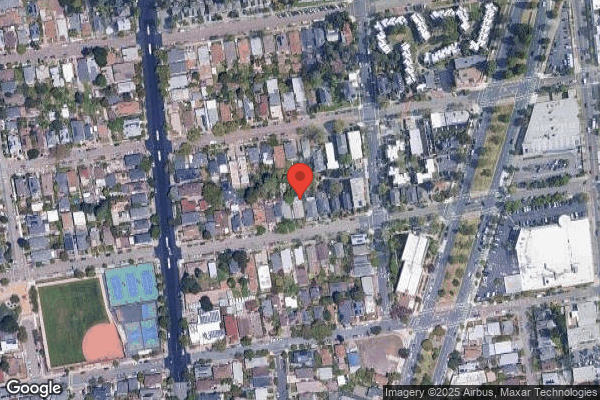

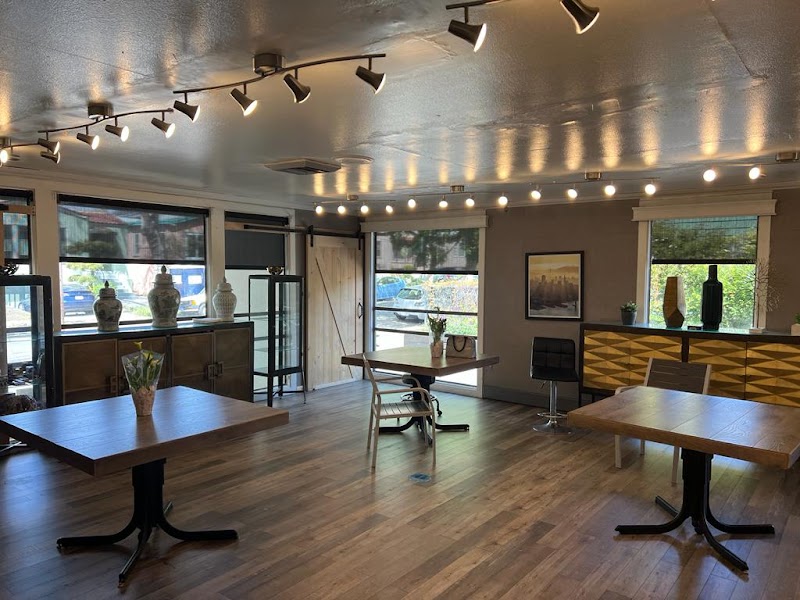
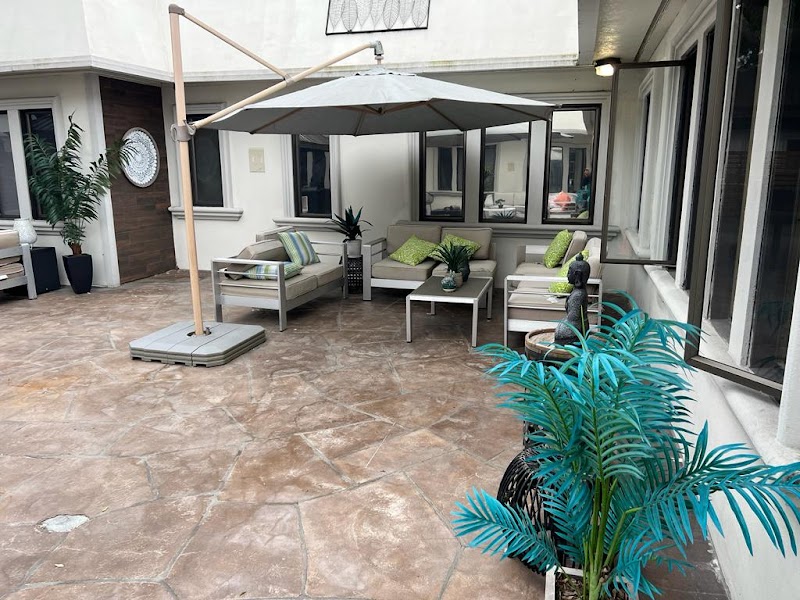

ELMWOOD CARE CENTER

2829 SHATTUCK AVENUE, BERKELEY, CA 94705 (510) 665-2800
For profit - Individual 74 Beds Independent Data: November 2025
Trust Grade
55/100
#573 of 1155 in CA
Last Inspection: July 2024

Within standard 12-15 month inspection cycle. Federal law requires annual inspections.

Overview

Elmwood Care Center in Berkeley, California, has a Trust Grade of C, indicating it is average and in the middle of the pack among nursing homes. It ranks #573 out of 1,155 facilities in California, placing it in the top half, and #50 out of 69 in Alameda County, meaning there are only 49 local options that are better. The facility is improving, with issues decreasing from 11 in 2024 to just 3 in 2025. Staffing is a strength, rated at 4 out of 5 stars, but the turnover rate of 65% is concerning as it is higher than the California average of 38%. While Elmwood Care Center has no fines, which is a positive aspect, there are areas of concern, such as poor food safety practices and inadequate infection control during COVID-19 outbreaks, which could pose risks to residents' health and safety.

Trust Score
C
55/100
In California
#573/1155
Top 49%
Safety Record
Low Risk
No red flags
Inspections
Getting Better
11 → 3 violations
Staff Stability
⚠ Watch
65% turnover. Above average. Higher turnover means staff may not know residents' routines.
Penalties
✓ Good
No fines on record. Clean compliance history, better than most California facilities.
Skilled Nurses
✓ Good
Each resident gets 54 minutes of Registered Nurse (RN) attention daily — more than average for California. RNs are trained to catch health problems early.
Violations
⚠ Watch
36 deficiencies on record. Higher than average. Multiple issues found across inspections.
★★★☆☆
3.0
Overall Rating
★★★★☆
4.0
Staff Levels
★★☆☆☆
2.0
Care Quality
★★★☆☆
3.0
Inspection Score
Stable
2024: 11 issues
2025: 3 issues

The Good

  • 4-Star Staffing Rating · Above-average nurse staffing levels
  • Full Sprinkler Coverage · Fire safety systems throughout facility
  • No fines on record

Facility shows strength in staffing levels, fire safety.

The Bad

3-Star Overall Rating

Near California average (3.1)

Meets federal standards, typical of most facilities

Staff Turnover: 65%

18pts above California avg (46%)

Frequent staff changes - ask about care continuity

Staff turnover is elevated (65%)

17 points above California average of 48%

The Ugly 36 deficiencies on record

Sept 2025 2 deficiencies
CONCERN (D) 📢 Someone Reported This

A family member, employee, or ombudsman was alarmed enough to file a formal complaint

Potential for Harm - no one hurt, but risky conditions existed

Deficiency F0573 (Tag F0573)

Could have caused harm · This affected 1 resident

Based on interview and record review, the facility failed to provide access to an electronic copy of records for one sampled resident (Resident 1) when Resident 1's Responsible Party (RP) did not rece...

Read full inspector narrative →
Based on interview and record review, the facility failed to provide access to an electronic copy of records for one sampled resident (Resident 1) when Resident 1's Responsible Party (RP) did not receive an electronic copy of the medical record in the format that was requested.This failure resulted in lack of transparency and had the potential to delay the Resident 1's RP and other healthcare providers to make informed decisions regarding Resident 1's care and services, which could compromise coordination of treatment and timely access to medical information. During a record review of Resident 1's admission Record (AR), printed on 9/18/25, the AR indicated Resident 1 was admitted to the facility in December 2017 with diagnoses of acute gastric ulcer with hemorrhage (a condition where bleeding forms in stomach lining), atrial fibrillation (an irregular and very often rapid heart rhythm), and weakness.During a record review of the facility's document, titled, Authorization for the Release of Clinical Information (ARCI), dated 3/4/25, the ARCI indicated Resident 1's RP requested to release Resident 1's medical information record that included discharge summary, health and physical exam, care/treatment plans, consultation reports, physician orders, diagnoses, laboratory/x-ray results, progress notes, medication records, and nursing notes.During a phone interview on 9/17/25 at 2:14 p.m. with Resident 1's RP, RP stated she did not realize the medical records provided by the facility after her initial request on 3/4/25 contained more than 3,000 printed pages. RP stated she contacted the facility again via email on 3/10/25 and 3/11/25 to request for an electronic copy of Resident 1's medical records. RP stated when she did not receive the requested electronic copy of records, RP stated she sent another email and certified mail to the facility on 7/22/25 with a final request for Resident 1's electronic copy of records. RP stated on 7/25/25, the facility provided a flash drive with Resident 1's medical records, but the records were not in the requested format. RP stated the documents were not organized by calendar year, did not contain cover sheets, specifications of the categories, or a table of contents. RP stated she had to provide the facility with step-by-step instructions on how to generate the correct report from the electronic health record (EHR) system, as the facility was unable to provide the records in the format she requested. RP further stated she sent another demand letter on 8/4/25, again requesting the release of Resident 1's electronic records in the proper format, noting it was within her right to obtain them. RP stated up to this date of the phone interview, she still had not received the electronic copies of Resident 1's medical records in the correct format. During an interview on 9/18/25 at 12:58 p.m. with the Medical Record Director (MRD), the MRD stated the release of medical records to the residents and/or their representative should have occurred within 48 hours. The MRD confirmed RP requested an electronic copy of Resident 1's records on 3/11/25. The MRD stated a flash drive containing Resident 1's electronic copy of records were released to RP on 7/25/25. The MRD stated RP informed her it was in the wrong format and requested to fix it. The MRD stated she did not know the EHR they use had a function to generate a report according to RP's request. The MRD stated after she corrected the electronic records format and the records were already available on 7/28/25 but it was not released to RP until 9/5/25 via email because the facility's lawyers were reviewing them. The MRD stated she was unable to give the Resident 1's electronic records to RP even after it was made available because she needed a go signal from the Administrator before she could have released it to Resident 1's RP. The MRD stated the records should have been provided to Resident 1's RP in a timely manner because it was their right to get it and the records could have been needed for reference by other healthcare providers. During a record review of the facility's policy and procedures (P&P), titled, Confidentiality and Access to Medical Records, dated 9/1/2008, the P&P indicated 3. The resident or his or her legal representative has the right upon an oral or written request, to inspect all records (financial and clinical) pertaining to himself or herself including current clinical records within 24 hours.A resident has a right to purchase photocopies of all records pertaining to that resident and that the facility has two working days to furnish copies.9. The resident, or his/her legal representative, may grant others the right to access the resident's medicals if such as request is made in writing and identifies the information that is to be released and to whom the information is to be released.During a record review of the facility's P&P, titled, Resident Rights revised in December 2016, the P&P indicated 1. Federal and state laws guarantee certain basic rights to all residents of this facility. These rights include the resident.q. access personal and medical records pertaining to him or herself
CONCERN (E) 📢 Someone Reported This

A family member, employee, or ombudsman was alarmed enough to file a formal complaint

Potential for Harm - no one hurt, but risky conditions existed

Infection Control (Tag F0880)

Could have caused harm · This affected multiple residents

**NOTE- TERMS IN BRACKETS HAVE BEEN EDITED TO PROTECT CONFIDENTIALITY** Based on observation, interview, and record review, the facility failed to maintain infection control practices during COVID-19 ...

Read full inspector narrative →
**NOTE- TERMS IN BRACKETS HAVE BEEN EDITED TO PROTECT CONFIDENTIALITY** Based on observation, interview, and record review, the facility failed to maintain infection control practices during COVID-19 (a contagious virus that mainly affects the lungs and can range from) outbreak when:1. Multiple resident rooms housing COVID-19 positive residents were left with doors open.2. Resident 2 and Resident 3, who were COVID-19 positive, were observed outside of their isolation rooms.3. Certified Nurse Assistant (CNA) 1 who assisted Resident 3 inside the room did not have personal protective equipment (PPE, proper specialized clothing or equipment worn to protect against workplace hazards or diseases).These failures had the potential to expose staff, visitors, and other residents to COVID-19, increasing the risk of transmission and compromising the health and safety of residents and staff during an active outbreak.During a record review of Resident 2's admission Record (AR) printed on 9/18/25, the AR indicated Resident 2 was admitted to the facility in 2024 with diagnoses of type 2 diabetes (high blood sugar) and alcohol dependence with withdrawal (alcohol use disorder with physical or mental withdrawal symptoms). During a record review of Resident 3's AR printed on 9/18/25, the AR indicated Resident 3 was admitted to the facility in 2025 with diagnoses of pleural effusion (excess fluid build-up in the lungs) and essential hypertension (high blood pressure).During an observation on 9/18/25 at 10:47 a.m., the door to room [ROOM NUMBER], which was occupied by a COVID-19 positive resident and had a posted contact precaution (infection control measures, requiring healthcare workers to wear PPE to prevent the spread of microorganisms) sign, was observed left open. During an observation on 9/18/25 at 10:48 a.m., the door to room [ROOM NUMBER], which was occupied by a COVID-19 positive resident and had a contact precaution sign, was observed left open. During an observation on 9/18/25 at 10:49 a.m., the doors to room [ROOM NUMBER] and room [ROOM NUMBER], which were occupied by a COVID-19 positive residents and had a contact precaution sign, were observed left open. During an observation on 9/18/25 at 10:53 a.m., the door to room [ROOM NUMBER], which was occupied by a COVID-19 positive resident and had a posted contact precaution sign, was observed left open. During an observation and interview on 9/18/25 at 10:56 a.m., Resident 2 was walking with no assistance in the hallway using front wheeled walker. Resident 2 stated she was looking for a supervisor to speak with. Resident 2 was assisted to where Licensed Vocational Nurse (LVN) 1 who was right in front of room [ROOM NUMBER]. During an interview on 9/18/25 at 11:00 a.m. with LVN 1, LVN 1 stated Resident 2 was COVID-19 positive and should have remained in the room under isolation, and that the doors to all COVID-19 rooms should have been kept closed to prevent the spread of infection because COVID-19 is managed with contact and droplet transmission (viruses or bacteria spread through coughing, sneezing, or talking).During an observation on 9/18/25 at 11:20 a.m., Resident 1, seated in a wheelchair, was outside of his isolation room with his surgical mask lowered to his chin, leaving both nose and mouth exposed. During an observation on 9/18/25 at 12:01 p.m., CNA 1 was inside an isolation room without wearing complete PPE while assisting Resident 3, who was COVID-19 positive. The isolation room's trash receptacle for disposal of soiled PPE was positioned by the window and away from the door. After providing care, CNA 1 hurriedly exited the isolation room without closing the door.During an interview on 9/18/25 at 12:02 p.m. with LVN 2, LVN 2 stated the trash receptacle for soiled PPE should have been placed near the room's exit door to prevent staff from re-exposing themselves to infection across the room. LVN 2 further stated when CNA 1 removed the PPE and continued to assist Resident 3 before exiting the room, it had the risk for potential spread of infection. During an interview on 9/18/25 at 1:42 p.m. with Infection Preventionist (IP), IP stated the doors to COVD-19 isolation rooms should have been kept closed and that Resident 2 and Resident 3 should have remained in their rooms until completing the required 10-day isolation period to prevent the spread of COVID-19 to other residents and staff. IP further stated without adherence to COVID-19 prevention practices, cases could increase, and the outbreak would continue. During a record review of the facility's undated policy and procedure (P&P), titled, COVID-19 Clinical Protocol, the P&P indicated, 5. Exposed resident/s to symptomatic resident or staff with potential or positive COVD-19 should remain in their respective room.13. Ensure staff adhere to hand hygiene and appropriate use of PPE when going in and coming out of isolation room.19. Room door should be kept closed except when entering or leaving the room, and entry and exit should be minimized.
Jun 2025 1 deficiency
CONCERN (E) 📢 Someone Reported This

A family member, employee, or ombudsman was alarmed enough to file a formal complaint

Potential for Harm - no one hurt, but risky conditions existed

Comprehensive Care Plan (Tag F0656)

Could have caused harm · This affected multiple residents

Based on observation, interview, and record review, the facility failed to meet the needs of five of five sampled residents (Resident 1, 2, 3, 4, and 5) when the facility did not develop and implement...

Read full inspector narrative →
Based on observation, interview, and record review, the facility failed to meet the needs of five of five sampled residents (Resident 1, 2, 3, 4, and 5) when the facility did not develop and implement a comprehensive, person-centered care plan to address Resident 1, 2, 3, 4, and 5 ' s use of handheld call bells when the call light system was not operational. This failure had the potential to result in Residents 1, 2, 3, 4, and 5 not receiving appropriate care and monitoring. Findings: During a record review of Resident 1's admission Record (AR), dated 5/9/25, the admission Record indicated Resident 1 was admitted to the facility in March 2023 with diagnoses of weakness and history of falling. During a record review of Resident 1 ' s Brief Interview for Mental Status (BIMS, is a scoring system used to determine the resident's cognitive status regarding attention, orientation, and ability to register and recall information. A BIMS score 13 to 15 is an indication of intact cognitive response.), dated 3/3/25, the record indicated Resident 1's BIMS score was 13. During an interview on 5/8/25 at 12:07 p.m. with Resident 1, Resident 1 stated the call light system had not been working for more than a month. Resident 1 stated the facility kept telling them that they were working on it when they asked about the call lights. Resident 1 stated she refused to use the call lights because it was annoying. Resident 1 stated she preferred to yell out if she needed some help from the staff. During a record review of Resident 2's AR, dated 5/9/25, the AR indicated Resident 2 was admitted to the facility in October 2020 with diagnoses of Parkinson ' s disease (disorder of the central nervous system that affects movement, often including tremors) and absence of left leg below knee. During a record review of Resident 2 ' s Brief Interview for Mental Status dated 3/18/25, Resident 2 ' s BIMS score was 14 indicating intact cognitive response. During a concurrent observation and interview on 5/8/25 at 12:31 p.m. with Resident 2, a handheld bell was located on top of Resident 2 ' s tray table. Resident 2 stated the call light system had not been fully functioning for a couple of years. Resident 2 stated the facility had given them handheld bells in replacement for the call light buttons. Resident 2 stated other residents might have been greatly affected by not having the call light buttons because some were physically disabled. During a record review of Resident 3's AR, dated 5/9/25, the AR indicated Resident 3 was admitted to the facility in February 2025 with diagnoses of cerebral infarction (occurs when the blood supply to part of the brain is blocked or reduced) and gastrostomy status (an opening into the stomach from the abdominal wall, made surgically for the introduction of food). During a record review of Resident 3 ' s Brief Interview for Mental Status dated 3/18/25, Resident 3 ' s BIMS was not attempted and the record indicated Resident 3 was rarely/never understood. During an observation on 5/8/25 at 12:46 p.m. with Resident 3, Resident 3 was lying in bed with an ongoing tube feeding (medical device used to provide nutrition to people who cannot obtain nutrition by mouth, are unable to swallow safely, or need nutritional supplementation). Resident 3 ' s handheld call bell was located on the bedside drawer table and not within Resident 3 ' s reach. During an inteview on 5/8/25 at 12:49 p.m. with Certified Nurse Assistant (CNA) 1, CNA 1 stated Resident 3 was not cognitively alert and unable to verbalize his needs. CNA 1 further stated Resident 3 needed a lot of supervision to prevent falls and injuries. During an interview on 5/8/25 at 12:51 p.m. with Licensed Vocational Nurse (LVN) 1, LVN 1 stated the call lights in the long-term unit had been broken more than a year ago and ever since then the residents had been using the handheld call bells. LVN 1 stated having no working call lights posed a lot of risks including falls and injuries. LVN 1 stated some residents were physically and mentally not able to use the handheld bells. LVN 1 stated some residents also refrained from using the handheld call bell because the sound was too loud and annoying them. During a record review of Resident 4 ' s AR, dated 5/9/25, the AR indicated Resident 4 was admitted to the facility in April 2025 with diagnoses of history of falling and schizophrenia (a mental disorder characterized by disruptions in thought processes, perceptions, emotional responsiveness, and social interactions). During a record review of Resident 4 ' s Brief Interview for Mental Status dated 4/15/25, Resident 4 ' s BIMS score was 10 indicating moderate cognitive impairment. During an observation and interview on 5/8/25 at 2:18 p.m. with Resident 4, Resident 4 had a handheld bell on top of the tray table within reach. Resident 4 stated he had a fall a week ago because he tried to get up on his own and he tripped. Resident 4 stated there were times when he used the handheld bell provided to him, the staff took a while to respond. During a record review of Resident 5 ' s AR, printed on 5/8/25, the AR indicated Resident 5 was admitted to the facility in February 2025 with diagnosis of Alzheimer ' s disease (a progressive disease that destroys memory and other important mental functions). During a record review of Resident 5 ' s Brief Interview for Mental Status dated 4/15/25, Resident 5 ' s BIMS score was 8 indicating moderate cognitive impairment. During a concurrent observation and interview on 5/8/25 at 2:25 p.m. with Resident 5, Resident 5 was lying in bed. Resident 5 had a handheld bell on top of the tray table not within Resident 5 ' s reach. Resident 5 was observed to be confused when Resident 5 stated he was asking for his mother in the room. Resident 5 stated he did not like using the handheld bell because he did not need think he needed it. During an interview on 5/8/25 at 5:43 p.m. with the Director of Nursing (DON), the DON stated they did not develop a person-centered comprehensive care plan to Residents 1, 2, 3, 4, and 5 when the call light system stopped working. The DON stated they should have developed a person-centered care plan for all residents who were using the handheld bells so that everyone from the Interdisciplinary Team (IDT, a team that includes staff members from multiple disciplines such as nursing, therapy, physicians, and other advanced practitioners) could have been all aware of how to provide care accordingly. During a record review of the policy and procedure (P&P), titled, Care Plans, Comprehensive Person-Centered, revised in December 2016, the P&P indicated, A comprehensive, person-centered care plan that includes measurable objectives and timetables to meet the resident ' s physical, psychosocial and functional needs is developed and implemented for each resident . 7. The care planning process will . a. Facilitate resident and/or representative involvement; b. Include an assessment of the resident ' s strengths and needs . 8. The comprehensive, person-centered care plan will a. Include measurable objectives and timeframes; b. Describe the services that are to be furnished to attain or maintain the resident ' s highest practicable physical, mental, and psychosocial well-being; c. Describe services that would otherwise be provided for the above, but are not provided due to the resident exercising his or her rights, including the right to refuse treatment; g. Incorporate identified problem areas; h. Incorporate risk factors associated with identified problems; i. Build on the resident ' s strengths . 12. The comprehensive, person-centered care plan is developed within seven (7) days of the completion of the required comprehensive assessment (MDS).
Dec 2024 1 deficiency
CONCERN (D) 📢 Someone Reported This

A family member, employee, or ombudsman was alarmed enough to file a formal complaint

Potential for Harm - no one hurt, but risky conditions existed

Infection Control (Tag F0880)

Could have caused harm · This affected 1 resident

**NOTE- TERMS IN BRACKETS HAVE BEEN EDITED TO PROTECT CONFIDENTIALITY** Based on observation, interview, and record review the facility nursing staff did not perform hand hygiene and infection control...

Read full inspector narrative →
**NOTE- TERMS IN BRACKETS HAVE BEEN EDITED TO PROTECT CONFIDENTIALITY** Based on observation, interview, and record review the facility nursing staff did not perform hand hygiene and infection control prevention to industry standard when handling waste disposal after caring for two residents (Residents 1 and 2). This failure had the potential to cause the spread of infection, which could result in hospitalization and death. Findings: During a review of Resident 1 ' s admission Record, the admission Record indicated Resident 1 was admitted to the facility in 2023 with diagnoses of malignant neoplasm of prostate (a tumor - an abnormal tissue mass when cells divide and grow more than normal) and mild intermittent asthma (inflammation of the airway caused by allergens, dust, or other particles). During a review of Resident 2 ' s admission Record, the admission Record indicated Resident 2 was admitted to the facility in 2024 with diagnoses of heart failure, bacteremia, and sepsis and chronic obstructive pulmonary disease (COPD, refers to a group of diseases that cause airflow blockage and breathing-related problems. It includes emphysema and chronic bronchitis.). During an observation on 12/5/2024 at 2:20 p.m., License Vocational Nurse 1 (LVN 1) came out of a resident ' s room pushing the treatment cart with a trash bag tied to the treatment cart and filled with waste and used gloves. During an observation on 12/5/2024 at 12:45 p.m., there were two blood pressure machines placed in the hallway outside of rooms 218 and room [ROOM NUMBER], with a trash bag tied to each blood pressure machine filled with trash, used gloves and dirty paper towels. During an observation on 12/5/2024 at 1:05 p.m., Certified Nurse Assistant 1 (CNA 1), removed her dirty gloves after cleaning a standing scale, held the same gloves in one hand and went to the doorway of room [ROOM NUMBER]. CNA 1 placed the dirty gloves in her bent right arm, used hand sanitizer, placed the gloves in one hand and went into the room of Residents 1 and 2. CNA 1 used the dirty gloves to hold the doorknob to open the resident ' s bathroom and then went to assist Resident 1 in bed with the same dirty gloves in her hand. CNA 1 came out of the room, placed the dirty gloves in her bent arm and used hand sanitizer. During an interview on 12/5/2024 at 1:10 p.m., with CNA 1, CNA 1 stated she should have placed the dirty gloves in the trash before she went into the room. CNA 1 also stated to prevent the spread of germs, she should not have used hand sanitizer with the gloves in her hand. CNA 1 stated it is protocol to use hand sanitizer. During an interview on 12/5/2024 at 12:50 p.m., with the Infection Preventionist (IP), the IP stated staff are not supposed to tie trash bags to equipment used for resident care because it could spread infection from one resident to another. During a review of facility ' s policy and procedure (P&P), titled Personal Protective Equipment-Using Gloves, Revised 2010, the P&P indicated, The purpose to guide the use of glove, to prevent the spread of infection, to protect hands from potentially infectious material. Discard used gloves into the waste receptacle inside the examination or treatment room. Removing gloves, discard the gloves into the designated waste receptacle inside the room.
Jul 2024 10 deficiencies
CONCERN (D)

Potential for Harm - no one hurt, but risky conditions existed

Safe Environment (Tag F0584)

Could have caused harm · This affected 1 resident

**NOTE- TERMS IN BRACKETS HAVE BEEN EDITED TO PROTECT CONFIDENTIALITY** Based on observation and interview, the facility failed to provide a comfortable, temperature-controlled environment for one of ...

Read full inspector narrative →
**NOTE- TERMS IN BRACKETS HAVE BEEN EDITED TO PROTECT CONFIDENTIALITY** Based on observation and interview, the facility failed to provide a comfortable, temperature-controlled environment for one of six residents (Resident 319) when Resident 319's window was in a fixed open position and found to be non-functional due to a missing crank. This failure prevented Resident 319 from opening or closing the window at the resident's discretion to control the room's temperature. Findings: During a review of Resident 319's Minimum Data Set (MDS - an assessment tool used to guide care) assessment dated [DATE], Section C showed a Brief Interview for Mental Status (BIMS - an assessment tool used to evaluate mental status) score of 12 out of 15, indicating the resident had moderately impaired mental status but could communicate needs. During a concurrent observation and interview on 7/15/2024 at 10:00 am with Resident 319 in her room, the window was missing a crank handle and could not be closed. Resident 319 stated she was unable to close the window adjacent to the foot of the bed resulting in a draft on her feet at night. Resident 319 stated the open window was bothersome because it made her feet cold and it was reported to staff on 7/14/2024. During an interview on 7/17/2024 at 2:30 pm, with Maintenance (MAIN), MAIN stated he was unaware of the broken crank on the window. Main stated staff report items in need of repair to him and if he is unable to repair it a vendor is brought in. MAIN stated he was not familiar with, nor used, a maintenance log to track or report broken items.
CONCERN (D)

Potential for Harm - no one hurt, but risky conditions existed

Unnecessary Medications (Tag F0759)

Could have caused harm · This affected 1 resident

**NOTE- TERMS IN BRACKETS HAVE BEEN EDITED TO PROTECT CONFIDENTIALITY** Based on observation, interview, and record review, the facility failed to ensure medication error rate did not exceed five perc...

Read full inspector narrative →
**NOTE- TERMS IN BRACKETS HAVE BEEN EDITED TO PROTECT CONFIDENTIALITY** Based on observation, interview, and record review, the facility failed to ensure medication error rate did not exceed five percent. There were four medication errors out of 26 opportunities for errors, which resulted in an error rate of 15.38 percent (%). 1. For Resident 39, Licensed Vocational Nurse (LVN) 2 administered insulin (a medication that helps people control their blood sugar) that was expired for 13 days. 2. For Resident 220, LVN 3 administered Senna (a medication used to relieve constipation) . and Divalproex (a medication used to treat seizures) 2hrs (hours) over their appropriate scheduled timeframe, and Levetiracetam (a drug used to treat seizures) 3hrs over it's appropriate scheduled timeframe. These failures had the potential to jeopardize resident 39 and 220's health due to unsafe medication administration practices not being followed. Findings: 1. A review of Resident 39's admission Record printed [DATE], indicated Resident 39 was admitted to the facility in 2024 with multiple diagnoses, which included Type 2 Diabetes Mellitus (a long-term disease in which the body cannot regulate the amount of sugar in the blood) with Diabetic Neuropathy, unspecified (a complication of diabetes that causes nerve damage throughout the body). During an observation on [DATE], at 11:58 a.m., with LVN 2, LVN 2 was observed while they administered insulin to Resident 39. Resident 39's insulin medication label indicated, Discard 31 days after opening, and Date open [DATE]. During an interview on [DATE], at 12:55 p.m., with LVN 2, LVN 2 stated, they trashed the insulin. LVN 2 stated a medication's mechanism of action can be decreased if it was given past the expiration date. During an interview on [DATE], at 12:52 p.m., with Director of Nursing (DON), DON stated, their policy for insulin was to document the open date on the insulin bottle and appropriately dispose of the insulin on the manufacture's recommended expiration date, which was usually 28 or 31 days after opening. DON stated it was important to use insulin within the manufacture's recommended timeframe to ensure the medication was most effective. During a review of Resident 39's Doctor's Order, dated [DATE], the order indicated Resident 39 had a doctor's order for Insulin Regular Human Injection Solution 100 Unit/mL (milliliter) (a short-acting insulin) . Inject as per sliding scale . subcutaneously (under the skin) before meals . During a review of Residents 39's SBAR (situation, background, assessment, and recommendation) Communication Form, dated [DATE], the SBAR indicated on [DATE], Resident was given insulin that was past it's 28 use date. The SBAR indicated Recommendations of Primary Clinicians . Continue to monitor for adverse effects r/t (related to) expired insulin such as uncontrolled glucose, N/V (nausea/ vomiting) . During a review of the facility's policy and procedure (P&P) titled, Insulin Administration, revised [DATE], the P&P indicated, Purpose . To provide guidelines for the safe administration of insulin to residents with diabetes. The P&P indicated Steps in the Procedure (Insulin Injections via Syringe) . Check expiration date, if drawing from an opened multi-dose vial. If opening a new vial, record expiration date and time on the vial (follow manufacturer recommendations for expiration after opening). During a review of the facility's policy and procedure (P&P) titled, Medication Administration General Guidelines, dated 2007, the P&P indicated, No expired medication will be administered to a resident. 2. A review of Resident 220's admission Record printed [DATE], indicated Resident 220 was admitted to the facility in 2024 with multiple diagnoses, which included Cerebral Infarction, Unspecified (death of an area of brain tissue when a blocked blood vessel prevents delivery of an adequate blood and oxygen supply to the brain). During an observation on [DATE], at 11:24 a.m., with LVN 3, LVN 3 was observed while they administered medications to Resident 220. LVN 3 administered Senna, Divalproex, and Levetiracetam, to Resident 220. During an interview on [DATE], at 11:45 a.m., with LVN 3, LVN 3 stated their policy was to give medications up to 1hr (hour) before or after the doctor's ordered time. LVN 3 stated it was important to give medications on time as ordered because it could have disturbed their medication schedule. During an interview on [DATE], at 12:40 p.m. with DON, DON stated their policy was to administer medications up to 1hr before or after their doctor's ordered scheduled time. DON stated it was important to give medications on time to ensure they were effective. During a review of Resident 220's Doctor's Orders, dated [DATE], the orders indicated Resident 220 had a doctor's order, dated [DATE], for Senna Oral Tablet 8.6 MG . Give 2 tablet by mouth two times a day for bowel regularity . The orders indicated Resident 220 had a doctor's order, dated [DATE], for Divalproex Sodium Oral Tablet Delayed Release 500 MG (milligram) . Give 1 tablet by mouth two times a day for epilepsy (a group of brain disorders that causes seizures) The orders indicated Resident 220 had a doctor's order, dated [DATE], for Levetiracetam Oral Tablet 250 MG . Give 1 tablet by mouth two times a day for epilepsy. During a review of Resident 220's Medication Administration Record (MAR), dated [DATE], the MAR indicated resident 220 had Senna Oral Tablet 8.6 MG . scheduled for two times a day . at 0900 and 2100. The MAR indicated Resident 220 had Divalproex Sodium Oral Tablet Delayed Release 500 MG . scheduled for two times a day . at 0900 and 2100. The MAR indicated Resident 220 had Levetiracetam Oral Tablet 250 MG . scheduled for two times a day . at 0800 and 1800. During a review of Residents 220's SBAR Communication Form, dated [DATE], the SBAR indicated on [DATE], Resident received medication late including Divalproex 500 mg and senna 8.6 mg. The SBAR indicated, Inform MD (medical doctor) and RP (responsible party) and continue to monitor for adverse side effects of late administration. During a review of the facility's policy and procedure (P&P) titled, Medication Administration General Guidelines, dated 2007, the P&P indicated, Medications are administered within 60 minutes of scheduled time .
CONCERN (D)

Potential for Harm - no one hurt, but risky conditions existed

Infection Control (Tag F0880)

Could have caused harm · This affected 1 resident

Based on observation, interview, and record review, the facility failed to follow infection control practices for two of two sampled residents (Residents 5 and 39), when the following was observed: 1...

Read full inspector narrative →
Based on observation, interview, and record review, the facility failed to follow infection control practices for two of two sampled residents (Residents 5 and 39), when the following was observed: 1. Licensed Vocational Nurse 3 (LVN) did not clean and sanitize the glucose monitor (a device for measuring the concentration of glucose in the blood) in between finger stick blood sugar tests (a test that measures blood glucose levels by pricking a fingertip with a lancet and applying a drop of blood to a test strip in a glucose monitor) for resident 5 and 39. 2. LVN 3 disposed Resident 5 and 39's contaminated blood sugar lancets in residents 5 and 39's trash cans. 3. LVN 3 did not perform hand hygiene in between resident 5 and 39's finger stick blood sugar tests. These failures placed Residents 5 and 39 at risk for injury, cross contamination, and infection. Findings: A review of Resident 5's admission Record printed 7/17/24, indicated Resident 5 was admitted to the facility in 2021 with multiple diagnoses, which included Unspecified Sequelae (an aftereffect of a disease) of Unspecified Cerebrovascular Disease (a disorder that results from inadequate blood flow in the brain's blood vessels). A review of Resident 39's admission Record printed 7/17/24, indicated Resident 39 was admitted to the facility in 2024 with multiple diagnoses, which included Type 2 Diabetes Mellitus (a long-term (chronic) disease in which the body cannot regulate the amount of sugar in the blood) with Diabetic Neuropathy, unspecified (a complication of diabetes that causes nerve damage throughout the body). During an observation on 7/15/24, at 11:58 a.m., LVN 3 was observed while they did a fingerstick blood sugar test on Residents 5 and 39. LVN 3 took Resident 5's fingerstick blood sugar test and disposed the contaminated lancet in the resident's trash can. Then LVN 3 took Resident 39's fingerstick blood sugar test. LVN 3 did not clean, disinfect, or sanitize the blood glucose monitor in between resident tests. LVN 3 did not perform appropriate hand hygiene in between resident tests. LVN 3 disposed Resident 39's contaminated lancet in the resident's trash can. During an interview on 7/18/24, at 12:55 p.m., with Director of Nursing (DON), DON stated their policy was to dispose contaminated lancets in the sharps container (A specialized waste container designed to safely dispose of sharp medical instruments and other items, such as needles, scalpels, and lancets. Sharps containers are typically made of rigid, puncture-resistant plastic or metal with leak-resistant sides and bottom, and a tight-fitting lid that allows sharps to be deposited but is too small for a hand to fit through). DON stated contaminated lancets disposed in resident trash cans placed residents at risk for injury and infection. DON stated their policy was to clean and sanitize blood glucose monitors in between each resident use. DON stated performing fingerstick blood sugar tests with blood glucose monitors that were not cleaned and sanitized in between each resident use, placed residents at risk for cross contamination and infection. DON stated their policy was to perform appropriate hand hygiene when performing fingerstick blood sugar tests in between each resident. DON stated residents were placed at risk for cross contamination and infection when appropriate hand hygiene was not done in between each resident fingerstick blood sugar tests. During a review of Resident 5's Doctor's Order, dated 4/25/23, the Order indicated Resident 5 had a doctor's order for FBS . (fasting blood sugar, a blood test that measures the level of sugar in blood after a person has not eaten or consumed anything but water for 8-12 hours, by pricking the fingertip with a lancet to produce a drop of blood). During a review of Resident 39's Doctor's Order, dated of 4/12/24, the Order indicated Resident 39 had a doctor's order, for Finger stick blood glucose .(also known as finger stick blood sugar test). During a review of the facility's policy and procedure (P&P) titled, Cleaning and Disinfection of Resident-Care Items and Equipment, revised July 2014, the P&P indicated, Reusable resident care equipment will be decontaminated and/or sterilized between residents according to manufactures' instructions. During a review of the facility's policy and procedure (P&P) titled, Sharps Disposal, revised January 2012, the P&P indicated, This facility shall discard contaminated sharps into designated containers. The P&P indicated Contaminated sharps will be discarded into containers that are: a. closable; b. puncture resistant; c. leakproof on sides and bottom; d. labeled or color-coded in accordance with our established labeling system; and e. impermeable and capable of maintaining impermeability through final waste disposal. During a review of the facility's policy and procedure (P&P) titled, Insulin Administration, revised September 2014, the P&P indicated, Purpose . To provide guidelines for the safe administration of insulin to residents with diabetes. The P&P indicated Steps in the Procedure (Insulin Injections via Syringe) 1. Wash hands 2. Check blood glucose per physician order or facility protocol.
CONCERN (E)

Potential for Harm - no one hurt, but risky conditions existed

Menu Adequacy (Tag F0803)

Could have caused harm · This affected multiple residents

Based on observation, interview and record review, the facility failed to ensure the menu was followed for 6 residents on Renal diets (diet that promotes kidney health) and Renal Consistent Carbohydra...

Read full inspector narrative →
Based on observation, interview and record review, the facility failed to ensure the menu was followed for 6 residents on Renal diets (diet that promotes kidney health) and Renal Consistent Carbohydrate (CCHO; a diet typically prescribed to control blood sugar) out of 65 residents who received food from the kitchen. This failure had the potential to result in providing residents on a Renal diet and Renal CCHO diets with an inadequate and/or a harmful amount of nutrients, further compromising residents' medical status. Findings: Review of tray tickets for lunch dated 7/15/24 and used for the lunch trayline on 7/15/24, showed 3 residents received a Renal diet and 3 residents received a Renal CCHO diet. During concurrent tray line observation and record review on 7/15/24 at 12:00 p.m., lunch trays were prepared for residents. The trays included desserts which were placed on the tray by Dietary Aide (DA) 1. The trays with a tray ticket that specified the resident was on a Renal diet or Renal CCHO, had a cup of cappuccino chocolate mousse. Review of the cook's spreadsheet titled Summer Menus dated 7/15/24, showed the dessert for Regular diets was cappuccino mousse, the dessert for Renal diets was two small sugar cookies, small-approximately two inches, and the dessert for Renal CCHO was two small diet sugar cookies. During an observation of trayline and concurrent interviews with DA1, [NAME] 2, and the Certified Dietary Manager (CDM) 1 on 7/15/24 starting at 12 p.m., the surveyor asked DA 1 if residents on a Renal diets should receive mousse or cookies according to the menu, DA 1 confirmed cookies. DA 1 confirmed she placed the Cappuccino Mousse on the trays for the Renal diets. DA 1 placed eight cookies in plastic bags but did not switch out the mousse for the cookies on the Renal trays and left the kitchen. When the surveyor asked [NAME] 2, who also placed food on the trays, if the cookies should replace the mousse for the Renal diets, [NAME] 2 said she was not responsible for the desserts. When CDM 1 was asked if eight cookies were appropriate for the Renal diets, he stated he did not know. During an interview on 7/18/24 at 9:56 a.m., CDM 1 stated he did not clarify with the Registered Dietitian (RD) how many cookies the Renal diets should have received for lunch on 7/15/24 and what type of diet cookies the Renal CCHO diets should have received. During a phone interview with RD1 on 7/18/24 at 12:05 p.m., RD1 stated the menu should have been followed for lunch on 7/15/24. In a consecutive phone interview with RD1 on 7/18/24 at 1:45 p.m., RD1 stated regular vanilla wafers were not appropriate for the Renal CCHO diet and she was not sure if the kitchen had diet/low carbohydrate cookies available.
CONCERN (E)

Potential for Harm - no one hurt, but risky conditions existed

Deficiency F0805 (Tag F0805)

Could have caused harm · This affected multiple residents

Based on observation, interview, and record review the facility failed to provide the appropriate food texture for mechanical soft diets. This deficient practice had the potential to cause difficulty ...

Read full inspector narrative →
Based on observation, interview, and record review the facility failed to provide the appropriate food texture for mechanical soft diets. This deficient practice had the potential to cause difficulty with eating, chewing, and/or swallowing leading to an increased risk of choking for 10 of 10 residents who received prescribed mechanical soft diets. Findings: Review of the Cooks spreadsheet titled Summer Menus dated 7/15/24, showed residents prescribed a Mechanical Soft diet received ground French Dip-Roast Beef moistened with broth, and chopped corn coleslaw. During an observation of trayline food service and concurrent interviews with [NAME] 1 and the Certified Dietary Manager (CDM) 1 on 7/15/24 starting at 12:00 p.m., residents who's tray ticket indicated a physician prescribed Mechanical Soft diet were served dry, shredded roast beef on a bun, with no added au jus (a light broth or gravy usually made with the meat's natural juices). In addition, Mechanical Soft diets were served a bowl of dry coleslaw (shredded cabbage salad). [NAME] 1 confirmed she did not moisten the mechanical beef with the au jus. CDM1 stated confirmed the mechanical meat was dry and it should have the au jus added to the meat. During an observation and interview on 7/15/24 at 1:10 p.m., CDM 1 confirmed the coleslaw served to Mechanical Soft diets was dry and was not mixed with a dressing or any type of moistener. During an interview and facility document review on 7/15/24 at 1:45 p.m., the recipe for the coleslaw was reviewed with CDM 1, and he confirmed the coleslaw recipe included but was not limited to shredded cabbage, lemon juice and mayonnaise, and the ingredients were to be all combined. During interview on 7/17/24 at 2:50 p.m., the Speech Language Pathologist (SLP) stated in general, for residents on a Mechanical Soft diet, moist food, such as cabbage mixed with a sauce, was safer than dry cabbage. Review of the facility'sDiet Manual dated 2020, showed the Mechanical Soft diet is designed for residents who experience chewing or swallowing limitations. Meats are to be ground with meat juices, gravy or sauce. Dry meat is not allowed.
CONCERN (E)

Potential for Harm - no one hurt, but risky conditions existed

Deficiency F0808 (Tag F0808)

Could have caused harm · This affected multiple residents

the facility did not ensure physicians orders were followed for fortified diet FACILITY Dining Observation Based on observation, interview, and facility document review, the facility failed to fortify...

Read full inspector narrative →
the facility did not ensure physicians orders were followed for fortified diet FACILITY Dining Observation Based on observation, interview, and facility document review, the facility failed to fortify resident food according to physician orders. This failure had the potential to result in decreased calorie intake for two (Residents 9 and 14) out of seven residents who had physician prescribed fortified diets. Findings: An observation of trayline food service on 7/15/24 at 12 p.m., showed resident diets printed on tray tickets, and fortified was included in seven resident diets. [NAME] 2 called out diets according to the tray ticket to [NAME] 1. Then [NAME] 1 placed hot food on plates according to the diet called out. [NAME] 2 did not call out fortified when she called out diets with fortified printed on the tray ticket. When the surveyor asked how diets were fortified, [NAME] 1 stated residents with fortified diets received margarine on the sweet potato fries. [NAME] 1 informed [NAME] 2, she had to call out fortified when it was printed on the ticket in order for her to know to place margarine on the sweet potato fries. [NAME] 1 confirmed she did not call out fortified printed on the tray tickets for the first food cart delivered which carried Resident 9 and Resident 14's trays. Review of the lunch tray tickets dated July 15, 2024, showed Resident 9 and 14 were to receive a Fortified diet. During an interview on 07/18/24 at 9:56 a.m., Certified Diet Manager (CDM) 1 confirmed fortified diets were physician prescribed. Review of the facility's Diet Manual dated 2020, showed the Fortified Diet is designed for residents who cannot consume adequate amounts of calories and/or protein to maintain their weight or nutritional status. The goal is to increase the calorie density of the foods commonly consumed by the resident. The amount of calorie increase should be approximately 300-400 per day. Examples of adding calories may include extra margarine or butter to food items.
CONCERN (E)

Potential for Harm - no one hurt, but risky conditions existed

Deficiency F0919 (Tag F0919)

Could have caused harm · This affected multiple residents

**NOTE- TERMS IN BRACKETS HAVE BEEN EDITED TO PROTECT CONFIDENTIALITY** 3. a. During the resident council interview on 7/17/24 at 10:33 a.m. with Resident 2, Resident 2 stated the call light glitches...

Read full inspector narrative →
**NOTE- TERMS IN BRACKETS HAVE BEEN EDITED TO PROTECT CONFIDENTIALITY** 3. a. During the resident council interview on 7/17/24 at 10:33 a.m. with Resident 2, Resident 2 stated the call light glitches, sometimes it worked, sometimes it did not, and had been like that for a week. During a record review of Resident 2's MDS dated [DATE], indicated Resident 2's score was 14 out of 15, indicating intact mental status. The MDS indicated Resident 2 required partial/moderate assistance from staff for toileting hygiene, shower/bathing, lower body dressing, lying to sitting on side of bed, sit to stand, chair to bed transfer and toilet transfer. b. During a concurrent observation and interview on 7/15/24 at 11:06 a.m. in Resident 4's room, Resident 4 pressed the call button. Resident 4 stated he needed to be changed. During an observation on 7/15/24 at 11:07 a.m. outside Resident 4's room, the call system light above the door had no light to alert the staff. During a concurrent observation and interview on 7/18/24 at 11:43 a.m. with Certified Nurse Assistant (CNA) 5 in Resident 4's room, CNA 5 pressed Resident 4's call button then went out of the room to check the call system light above the door. CNA 5 stated Resident 4's call light did not turn on. During a concurrent observation and interview on 7/18/24 at 11:55 a.m. in Resident 4's room, CNA 5 removed Resident 4's call system cord plug from the port then plugged in new one. CNA 5 pressed the call button then went out of the room to check the call system light above the door. CNA 5 stated Resident 4's call light did not turn on. During a review of Resident 4's undated admission Record, indicated Resident 4 was admitted to the facility in 7/24/23 with multiple diagnoses, which included an admission diagnosis of Vascular Dementia (a loss of brain function that occurs with certain diseases, affecting one or more brain functions such as memory, thinking, language, judgment, or behavior). During a review of Resident 4's MDS dated [DATE], the MDS indicated Resident 4 had a BIMS score of 08 out of 15, meaning moderate cognitive impairment. The MDS indicted Resident 4 was always incontinent of bowel function (unable to control keeping feces in the body). The MDS indicated Resident 4 was dependent from staff for toileting hygiene and required partial/moderate assistance for mobility to roll left and right and lying to sitting on side of bed. c. During an observation on 7/15/24 at 10:14 a.m. in Resident 5's room, Resident 5's white call system cord was on the floor and was separated from the plug attached to the call system port located at the wall. During a concurrent observation and interview on 7/18/24 at 11:47 a.m. with Certified Nursing Assistant (CNA) 5 in Resident 5's room, Resident 5's white call system cord was on the floor and was separated from the plug attached to the call system port located at the wall. CNA 5 stated the call cord plug and the cord was separated. CNA 5 stated the call cord separated from the plug when the head of the resident's bed was elevated and was pulled from the wall. During an interview on 7/18/24 on 11:49 a.m. with Resident 5, Resident 5 stated, she asked her roommate, Resident 39, with working call system, to press her call button to call the staff for her. During a review of Resident 5's undated admission Record, indicated Resident 5 was admitted to the facility on [DATE] with multiple diagnoses, which included an admission diagnosis of Personal history of Transient Ischemic Attack (TIA- a short period of symptoms like those of a stroke. It's caused by a brief blockage of blood flow to the brain.), During a review of Resident 5's Minimum Data Set (MDS, an assessment tool used to guide care) dated 5/20/24, the MDS indicated Resident 5 had a Brief Interview for Mental Status (BIMS, a screening tool used to assess cognition) score of 11 out of 15, meaning moderate cognitive impairment. The MDS indicted Resident 5 was occasionally incontinent of urine and bowel function (unable to control keeping urine and feces in the body). The MDS indicated Resident 5 required substantial/maximal assistance from staff for toileting hygiene and required partial/moderate assistance for mobility to roll left and right and sit to lying on bed. d. During the resident council interview on 7/17/24 at 10:35 a.m. with Resident 53, Resident 53 stated the call light in her bathroom was not working. During a record review of Resident 53's MDS dated [DATE], indicated Resident 53's BIMS score was 13 out of 15, indicating intact mental status. The MDS indicted Resident 53 was always incontinent of urine and bowel function (unable to control keeping urine and feces in the body). The MDS indicated Resident 53 required partial/moderate assistance from staff for toileting hygiene, shower/bathing, lower body dressing, lying to sitting on side of bed, sit to stand, chair to bed transfer and toilet transfer. 2. A review of Resident 20's admission Record printed 7/17/24, indicated Resident 20 was admitted to the facility in 2022 with multiple diagnoses, which included an admission diagnosis of Other Specified Disorders of the Brain (a medical classification under the range of Diseases of the nervous system) During a concurrent observation and interview on 7/16/24, at 9:54 a.m., with Resident 20, Resident 20's call did not work. Resident 20 stated their call light has been broken for a week and staff were aware. Resident 20 stated it made them upset. During a review of Resident 20's Minimum Data Set (MDS, an assessment tool used to guide care), dated 5/10/24, the MDS indicated Resident 20 had a Brief Interview for Mental Status (BIMS, a screening tool used to assess cognition) score of 13, meaning intact cognition. The MDS indicted Resident 20 was, always incontinent, for urine and bowel (unable to control keeping urine or feces in the body). The MDS indicated Resident 20 needed Partial/moderate assistance, for toileting hygiene, roll left and right, lying to sitting on side of bed, sit to stand, chair/bed-to-chair transfer, toilet transfer, and tub/shower transfer. A review of Resident 31's admission Record printed 7/17/24, indicated Resident 31 was admitted to the facility in 2022 with multiple diagnoses, which included an admission diagnosis of Cerebral Infraction (death of an area of brain tissue when a blocked blood vessel prevents delivery of an adequate blood and oxygen supply to the brain). During a concurrent observation and interview on 7/16/24, at 9:48 a.m. Resident 31's call did not work. Resident 31 stated their call light has been broken for a week and staff were aware. Resident 31 stated it made them upset. During a review of Resident 31's MDS dated [DATE], the MDS indicated Resident 31 had a BIMS score of 13, meaning intact cognition. The MDS indicated Resident 31 needed Supervision or touching assistance, for lying to sitting on side of bed, Sit to stand, Chair/bed-to-chair transfer, and toilet transfer. A review of Resident 41's admission Record printed 7/17/24, indicated Resident 41 was admitted to the facility in 2023 with multiple diagnoses, which included an admission diagnosis of Parkinson's Disease (A brain disorder that causes unintended or uncontrollable movements, such as shaking, stiffness, and difficulty with balance and coordination. Symptoms usually begin gradually and worsen over time. As the disease progresses, people may have difficulty walking and talking. They may also have mental and behavioral changes, sleep problems, depression, memory difficulties, and fatigue.). During a concurrent observation and interview on 7/15/24, at 1:33 p.m., with CNA 4, CNA 4 confirmed Resident 41's call light did not work. During a review of Resident 41's MDS dated [DATE], the MDS indicated Resident 41's cognitive skills for daily decision making, was moderately impaired. The MDS indicated Resident 41 was, always incontinent, for urine. The MDS indicated Resident 41 needed Substantial/maximal assistance, for toilet transfer. The MDS indicated Resident 41 needed partial/moderate assistance, for toileting hygiene, roll left and right, sit to lying, lying to sitting on side of bed, sit to stand, and chair/bed-to-chair transfer. Based on observation, interview, and record review, the facility failed to ensure the call light (a device used by a patient to signal his or her needs for assistance) was functioning for 13 of 68 sampled residents (Resident 32, 168, 40, 174, 26, 51, 20, 31, 41, 2, 4, 5, and 53). This deficient practice had the potential to result in the delay of care and services. Findings: 1. a. During a review of Resident 32's admission Record, dated 7/17/24, indicated Resident 32 was admitted to the facility on [DATE] with multiple diagnoses that included Parkinson's Disease (a progressive disorder that affects nervous system and parts of the body controlled by the nerves), absence of right and left legs below knees. During a review of Resident 32's Minimum Data Set (MDS - a standardized assessment and screening tool), dated 4/21/24, indicated Resident 32 had a Brief Interview for Mental Status (BIMS - a tool used to assess mental function) score of 14. Meaning Resident 32 was able to understand and understood others. The MDS also indicated Resident 32 was always incontinent of both bladder and bowel. b. During a review of Resident 168's admission Record, dated 7/17/24, indicated Resident 168 was admitted to the facility on [DATE] with multiple diagnoses that included weakness, migraine (severe headache) and urinary tract infection. c. During a review of Resident 40's admission Record, dated 7/17/24, indicated Resident 40 was admitted to the facility on [DATE] with multiple diagnoses that included urinary tract infection. During a review of Resident 40's MDS, dated [DATE], indicated Resident 40 had a BIMS score of 13. Meaning Resident 40 was able to understand and understood others. The MDS also indicated Resident 40 required partial/moderate assistance with toileting hygiene and toilet transfer. d. During a review of Resident 174's admission record, dated 7/17/24, indicated Resident 174 was admitted to the facility on [DATE] with multiple diagnoses that included unspecified injury. During a review of Resident 174's MDS, dated [DATE], the MDS indicated, Resident 174 had a BIMS score of 09. Meaning, Resident 174's cognition was moderately impaired. The MDS also indicated, Resident 174 was occasionally incontinent of bladder and bowel. e. During a review of Resident 26's admission Record, dated 7/17/24, indicated Resident 26 was originally admitted to the facility on [DATE] and was readmitted on [DATE] ,with multiple diagnoses that included obesity, spinal stenosis (a condition that causes pressure on the spinal cord), polyneuropathy (malfunction of many peripheral nerves), neuromuscular dysfunction of bladder (lack of bladder control due to brain, spinal cord and nerve problem) and weakness. During a review of Resident 26's MDS, dated [DATE] indicated Resident 26 had a BIMS score of 13. The MDS also showed, Resident 26 was occasionally incontinent of urine and always incontinent of bowel. f. During a review of Resident 51's admission Record, dated 7/17/24, Resident 51 was admitted to the facility on [DATE] with multiple diagnoses that included, unspecified injury, neuromuscular dysfunction of bladder, chronic pain syndrome and unspecified nondisplaced fracture. During a review of Resident 51's MDS, dated [DATE], indicated Resident 51 had a BIMS score of 12. Meaning Resident 51's cognition was moderately impaired. The MDS also indicated Resident 51 was always incontinent of bowel. During a concurrent observation and interview on 7/15/24 at 9:54 a.m. with Resident 32, call bell was on the overbed table. Resident 32 stated, she had been using call bell for help, call light has been broken months. During a concurrent observation and interview on 7/15/24 at 10:05 a.m. with Resident 168, Resident 168 stated, call bell was inadequate. Resident 168 further added, last night, she waited for one hour after ringing call bell for her pain medication. Resident 168 also stated call bell was not effective in getting help. During a concurrent observation and interview on 7/15/24 at 10:22 a.m. with Resident 26 in the presence of Certified Nurse Assistant (CNA) 4, Resident 26 stated, call light was broken for weeks now. Resident 26 also stated, the hand bell did not work, when you ring the bell, it takes forever for the staff to come. During a concurrent observation and interview on 7/15/24 at 10:22 a.m. with Resident 51 in the presence of CNA 4, Resident 51 stated, call light did not work. Resident 51 further added, you can ring it (hand bell), they don't come right away. CNA 4 was observed to check the call lights attached to the walls and confirmed Resident 51 and Resident 26's call lights did not work. CNA 4 stated, it has been two weeks since call lights were broken. During a concurrent observation and interview on 7/15/24 at 10:37 a.m., with Resident 40, Resident 40 stated, it was hard to get help from staff because call light did not work. During an interview on 7/15/24 at 10:57 a.m., with Licensed Vocational Nurse (LVN) 1, LVN 1 stated, the were issues with call lights. LVN 1 also stated, quality of care was impacted when resident's call lights do not function. During an interview on 7/16/24, at 10:08 a.m., with CNA 3, CNA 3 stated, the call light problem (being broken) has existed since she began her employment one month ago. CNA 3 further stated, the hand bell given to residents with call light issues were not effective as CNAs had to check which room the hand bell was coming from. During a concurrent observation and interview on 7/16/24 at 10:36 a.m. with Resident 174, Resident 174 stated, call light has not worked in over a week, no one comes when you ring hand bell. Resident 174 further added, he had to wait for staff to walk by and call for help. During a concurrent observation and interview on 7/16/24 at 12:23 p.m. with Maintenance (MAIN), MAIN was observed checking resident call lights and confirmed the call lights for Resident 32, 168, 40, 174, 26, 51 were broken. MAIN also stated, he was designated to fix call lights but was not successful even after changing call light fixtures. MAIN further added, he notified Operations Manager (OM) regarding broken call lights one week ago. During an interview on 7/16/24, at 12:43 p.m., with OM, OM stated he was aware of the call light not functioning properly in multiple resident rooms. OM also stated, the facility made attempts to fix the call light but was not successful.
CONCERN (F)

Potential for Harm - no one hurt, but risky conditions existed

Food Safety (Tag F0812)

Could have caused harm · This affected most or all residents

Based on observation, interview, and record review, the facility failed to ensure food was stored and prepared in clean environment, within standards for safety when: 1. Floor drains were not mainta...

Read full inspector narrative →
Based on observation, interview, and record review, the facility failed to ensure food was stored and prepared in clean environment, within standards for safety when: 1. Floor drains were not maintained clean; 2. Kitchen tile floors were not clean and were not maintained in good repair; 3. Time/Temperature Control for Safety Food (TCS; a food that requires time/temperature control for safety to limit pathogenic microorganism growth or toxin formation) was not cooled safely and there was no cooldown documentation; 4. Meat was not thawed appropriately; 5. The inside of a food storage refrigerator was not clean; 6. An industrial can opener was not maintained and clean; 7. Clean plates were handled with dirty oven mitts; 8. A food service equipment drawer was not clean; 9. The ceiling above a food preparation area was not clean; 10. There was no airgap (a gap between the sink drain and the drain that leads to sewage drain. This gap prevents a back-up of non-potable water and/or bacteria into the sink) in the food preparation sink drain; and 11. Tube feeding formulas were stored past expiration dates and were available for use for three residents (Residents 13, 42, and 60). These failures had the potential to result in contamination of food leading to food borne illness, for 68 residents who resided in the facility. Findings: 1. During observation in the kitchen on 7/16/24 at 10:10 a.m., a drain cover over the floor drain in the middle of the dish room was not secured and when the drain grate was removed there was thick sludge build-up as well as standing water inside the drain. In addition, there were small flies around the drain when the grate was lifted, and there was a bad odor coming from the drain. During an interview and observation with the Certified Dietary Manager (CDM) 1 on 7/16/24 at 3 p.m., CDM1 stated the drain appeared to be backed-up, and sludge in drain could harbor bacteria and was a safety hazard. Review of the facility's Policy and Procedure (P&P) titled General Cleaning of Food and Nutrition Services Department dated 2023, showed floor drains must be scheduled for routine cleaning in order to maintained in a functional condition. The Maintenance Department will assist with more thorough cleanings to ensure the viability of the plumbing features. According to the 2022 Federal Food Code Annex, pooling liquid wastes could attract pests such as insects and rodents or contribute to problems with certain pathogens. 2. An observation in the kitchen on 7/16/24 at 10:10 a.m., showed tiles around the floor drain were loose and not attached. There were additional tiles around the floor that were broken off, had missing grout, and were collecting pools of water. During observation on 7/16/24 at 3:00 p.m. There was separation from wall and the floor tile, with no grout. The length was approximately 2 feet in length. The gap with no grouting had dark residue particles resembling food crumbs, and small pieces of trash collecting in the area. During a concurrent observation on 7/16/24 at 3:00 p.m., there were loose wall tiles along area behind the manual warewashing sink, which created a gap between the wall and the tiles. During concurrent interview and observation with CDM1 on 7/16/24 at 10:10 a.m. CDM1 stated having loose tiles and the pooled water could harbor bacteria and was a safety hazard. CDM1 stated he was aware of the broken tiles and put in a request for maintenance to fix the issue around one month ago. CDM 1 stated he was not aware of the loose tiles. He confirmed the floor was dirty and that the pooling water could harbor bacteria. During an interview on 7/17/24 at 12:50 p.m., Operations Manager (OM) confirmed the floors in the kitchen were reported on the maintenance log about a month ago and it just slipped through the cracks. According to the 2022 Federal Food Code, floors and floor coverings are to be constructed so they are smooth and easily cleanable. In addition, when cleaning methods other than water flushing are used for cleaning floors, the floor and wall junctures are to be coved and closed to no larger than 1 mm (millimeter). If water flush cleaning methods are used, wall junctures are to be coved and sealed. According to the Annex, pooling liquid wastes could attract pests such as insects and rodents or contribute to problems with certain pathogens. 3. An observation in the kitchen and interview on 7/16/24 at 9:47 a.m., showed cooked roast pork in a metal pan, stored in a reach-in refrigerator. CDM1 stated he cooked the roast pork the evening prior and placed the cooked pork in the reach-in refrigerator but did not enter the cool down temperatures in the cool down log. During an observation and interview with [NAME] 1 and CDM 1 on 7/16/24 at 10:35 a.m., [NAME] 1 stated she did not cool food down that needed to be documented on a cooldown log. When [NAME] 1 was asked about a pan of sliced beef located in a reach-in refrigerator, which was covered with plastic, labeled 7/15 Beef Roast, [NAME] 1 stated it was left over from yesterday's lunch trayline. [NAME] 1 stated she did not measure or document cooldown temperatures for the leftover beef roast. CDM 1 confirmed there were no cooldown temperatures documented for the beef. CDM 1 stated, there should be a logbook to document cooldown temperatures, but he had not seen it lately. During an interview on 7/18/24 at 9:56 a.m., CDM 1 said there should be documentation for cooling food items. Review of the facility's P&P titled Cooling and Reheating of Potentially Hazardous [PHF] or Time/Temperature Control for Safety Food dated 2023, showed TCS food included food of animal origin. When TCS food will not be served right away it must be cooled as quickly as possible. Cool cooked food from 140 degrees Fahrenheit (F) to 70 degrees F within two hours; then cool from 70 degrees F to 41 degrees F or less in an additional four hours for a total cooling time of six hours. When cooling down food, use the Cool Down Log to document proper procedure. Review of the facility's policy and procedure titled Leftover Foods dated 2023, showed leftover foods are those that have been prepared for a meal and not served. As soon as hot food has dropped to 140 degrees F, the proper methods of cooling food must be used and refer to the Cooling and Reheating of PHF/TCS Food Policy. 4. During an observation on 7/15/24 at 10:33 a.m., a 13 pound raw pork roast thawed in a cardboard box on the lower level of refrigerator #2, adjacent to two large cardboard boxes containing small carton of vanilla and chocolate protein shakes. The bottom surface of the cardboard box the pork was stored in, was visibly wet. The pork roast was soft to the touch and was dated 7/12/2024 with a use by date of 7/14/24. During an interview on 7/16/24 at 9:47 a.m., CDM 1 stated he cooked the pork last night with a use-by date of 7/14/24, and the cooked pork was now stored in the refrigerator. During an interview on 7/17/24 at 11:30 a.m., CDM 1 confirmed the pork was cooked on the fourth day into the thawing process, and it should not have been cooked and instead discarded. During an interview on 7/18/24 at 9:56 a.m., CDM 1 stated meat should be thawed in the refrigerator in a plastic tub. CDM 1 confirmed if meat was thawed in a cardboard box, this could result in cross contamination from the juices of the thawed meat to other items in the refrigerator. Review of the facility's P&P titled Thawing of Meats dated 2023, showed thawing meat properly could be done in the refrigerator. Allow 2 to 3 days to defrost, depending on the quantity and total weight of the meat. Label the defrosting meat with pull and use by date. Use a drip pan under food being thawed so drippings do not contaminate other food. 5. An observation in the kitchen on 7/15/24 at 10:40 a.m., showed Refrigerator #2 stored containers of milk and juices. There was an accumulation of a sticky, white residue, and a sticky, dark residue on the wire, metal shelving inside the refrigerator. The wire shelving surface was rough and bumpy from the residue build-up, and sticky residue wiped off with a paper towel. During interview on 7/15/24 on 10:42 a.m. with CDM1, he stated the refrigerator should be on a deep cleaning schedule and that the racks looked dirty. CDM 1 stated the residue build-up might have been from spilled milk and juices. Review of the facility's P&P titles Refrigerator and Freezer dated 2023, showed maintaining a clean refrigerator can improve the safety and quality of foods. Refrigerators should be on a weekly cleaning schedule. Wipe up spills immediately. According to the 2022 Federal Food Code, multi-use food-contact surfaces shall be smooth, and equipment food-contact surfaces are to be clean to sight and touch. Nonfood-contact surfaces of equipment are to be kept free of an accumulation of dust, dirt, food residue, and other debris. 6. An observation in the kitchen on 7/15/24 at 10:48 a.m. showed a large metal industrial can opener stored in a base (the can opener holder) attached to a metal table. There was accumulated dark matter on the can opener base, as well as the can opener blade. The surface around the blade was sticky to the touch. In addition, the surface of the can opener metal cogwheel (the part that helps turn the can) had dark orange build-up. During a concurrent observation and interview on 7/15/24 at 10:50 a.m., CDM1 was asked how often the can opener was cleaned. CDM1 stated the can opener was deep cleaned once a week. CDM 1 confirmed there was black residue build-up on the can opener base and the surface around the blade was sticky. CDM1 stated the cogwheel had rust or residue on the surface. CDM 1 stated a dirty can opener could cause foodborne illness or metal contamination from the rust. Review of the facility's P&P titled Can Opener and Base dated 2023, showed proper sanitation and maintenance of the can opener and base is important to sanitary food preparation. The can opener must be thoroughly cleaned each work shift and, when necessary, more frequently. 7. An observation in the kitchen on 7/15/24 at 11:53 a.m. during trayline food service, [NAME] 2 wore oven mitts and handled the top surface of plates, which were used to plate resident food. The oven mitts had dried residue on the outside surface around the finger and thumb areas. During interview on 7/15/24 at 11:57 a.m. CDM1 stated the oven mitts should be cleaned when they were used and/or dirty. CDM 1 confirmed the oven mitts used by [NAME] 2 to handle the clean dishes had a film on the outside and pointed to the dried residue on the outside of the mitts. CDM1 said the oven mitts should not be used to handle clean plates. CDM 1 stated it was inappropriate to use dirty objects to handle clean plates as this could result in cross-contamination. According to the 2022 Federal Food Code, cleaned and sanitized utensils shall be handled so that contamination of food-contact surfaces is prevented. 8. An observation in the kitchen on 7/15/24 at 10:05 a.m., showed a drawer used to store serving scoops had particles resembling food crumbs on base of drawer with various size scoops resting on top. There was also a sticky substances around the rim of the drawer. During interview on 7/15/24 at 10:05 a.m. CDM1 confirmed the scoop drawer was not cleaned and stated having these substances in and on the drawer could result in cross-contamination of the serving scoops, as well as possibly resulting in foodborne illness. According to the 2022 Federal Food Code, equipment food-contact surfaces are to be clean to sight and touch. Nonfood-contact surfaces of equipment are to be kept free of an accumulation of dust, dirt, food residue, and other debris. 9. During observation in the kitchen on 7/16/24 at 10:40 a.m., four ceiling tiles had visible accumulated, gray, fuzzy matter on the surface. These ceiling tiles were located above the food preparation area. During interview on 7/16/24 at 10:40 a.m. CDM1 stated maintenance was responsible for cleaning ceiling tiles in the kitchen. During interview on 7/16/24 at 3:00 p.m., Maintenance (Main) stated kitchen staff were responsible for cleaning ceiling tiles. Review of the facility's policy and procedure tiled Walls, Ceilings, and Light Fixtures dated 2023, showed ceilings must be washed twice a year and must be cleaned more often as necessary. According to the 2022 Federal Food Code, physical facilities shall be cleaned as often as necessary to keep the clean. 10. An observation in the kitchen on 7/17/24 at 11:20 a.m. showed the food preparation sink drain was plumbed directly into the wall. During interview and observation with the Operations Manager (OM) on 7/17/24 at 3:30 p.m., OM confirmed there was no visible gap in the food preparation sink drain. According to the 2022 Federal Food Code, a direct connection may not exist between the sewage system and the drain originating from equipment in which food, portable equipment, or utensils are placed. 11. A review of Resident 13's admission Record printed 7/18/24, indicated Resident 13 was admitted to the facility in 2023 with multiple diagnoses, which included an admission diagnosis of Chronic Obstructive Pulmonary Disease (COPD, refers to a group of diseases that cause airflow blockage and breathing-related problems, including emphysema and chronic bronchitis). A review of Resident 42's admission Record printed 7/18/24, indicated Resident 42 was admitted to the facility in 2023 with multiple diagnoses, which included an admission diagnosis of Cerebral Infarction . (death of an area of brain tissue when a blocked blood vessel prevents delivery of an adequate blood and oxygen supply to the brain). A review of Resident 60's admission Record printed 7/18/24, indicated Resident 60 was admitted to the facility in 2024 with multiple diagnoses, which included an admission diagnosis of Nontraumatic Intracerebral Hemorrhage . (a type of stroke that occurs when bleeding happens in the brain without trauma or surgery). During a concurrent observation and interview on 7/17/24, at 3:54 p.m., with Director of Nursing (DON), the medication room was observed. Three 1500 milliliter nutritional tube feeding formulas with a use by date of 10/9/2023 were stored and available for resident use. DON stated the formula was expired and they would throw it in the trash. DON stated, I wouldn't give that to a resident. DON stated, they didn't want to give residents anything expired to protect their safety. During a review of Resident 13's Doctor's Order, dated 10/7/23, the Order indicated Resident 13 had a doctor's order for provide 1700mL . formula . During a review of Resident 42's Doctor's Order, dated 6/1/24, the Order indicated Resident 42 had a doctor's order for every shift . T/F (tube feeding) formula . During a review of Resident 60's Doctor's Order, dated 7/6/24, the order indicated Resident 60 had a doctor's order for T/F Formula . 1500mL. During a review of the facility's policy and procedure (P&P) titled, Enteral feedings - Safety Precautions, Revised May 2014, the P&P indicated, Maintain inventory controls and discard any formula past the expiration date.
CONCERN (F)

Potential for Harm - no one hurt, but risky conditions existed

Deficiency F0813 (Tag F0813)

Could have caused harm · This affected most or all residents

Based on observation, interview, and facility document review, the facility failed to ensure: 1. Residents had a location to safely store perishable food brought into the facility by family/visitors; ...

Read full inspector narrative →
Based on observation, interview, and facility document review, the facility failed to ensure: 1. Residents had a location to safely store perishable food brought into the facility by family/visitors; and 2. A policy described the safe storage of food brought in by family members. This failure had the potential to result in foodborne illness from unsafe food storage, decreased food intake, and did not create a homelike environment for 65 residents who took food by mouth out of a census of 68. Findings: During an interview on 7/16/24 at 2:40 p.m., Certified Nursing Assistant (CNA) 1 stated sometimes food brought in by family/visitors was stored for residents in the staff refrigerator. CNA 1 stated she thought perishable food could be stored up to 24 hours in the staff refrigerator. During an interview on 7/16/24 at 2:48 p.m., CNA 2 stated sometimes family and visitors brought in food for residents, but the facility did not store residents' perishable food because there was not a refrigerator for this purpose. CNA 2 stated if milk was at a resident's bedside during her shift, she would discard it the next day when she was back for her next shift. CNA 2 was asked what the procedures were if a family member brought in a food item such as meat lasagna for a resident. CNA 2 stated if the meat lasagna was brought in during her shift in the afternoon, she would leave it at the resident's bedside in case the resident wanted to eat it for dinner. CNA 2 stated if the meat lasagna was still at the resident's bedside the next day, then she would discard it. An observation on 7/17/24 at 11:05 a.m., showed a refrigerator in the staff breakroom. There was not an internal thermometer inside the refrigerator. During an interview on 7/17/24 at 11:10 a.m., the Restorative Nursing Assistant (RNA) stated she cleaned the staff refrigerator, and she was not aware of a thermometer or a temperature log for the staff refrigerator. RNA stated there was not a refrigerator to store residents' personal perishable food. During an interview on 7/17/24 at 12:42 p.m., the Director of Nursing (DON) stated she was under the impression residents were allowed to keep perishable food for the day. DON stated if a perishable food was brought in for a resident at 8 a.m., the food could be stored in the resident's room until midnight. DON stated she did not know how long perishable food could be stored without refrigeration. DON stated there was not a specific place to store residents' personal perishable food. Review of the facility's policy and procedure titled Food Brought by Family/Visitors, revised 2014, showed family members should inform nursing staff of their desire to bring food into the facility. Perishable foods must be stored in re-sealable containers with tightly fitting lids in the refrigerator. Containers will be labeled including the use-by-date. It was noted this policy did not describe how many hours/days perishable food could be stored for the resident. According to the 2022 Federal Food Code, except during preparation, cooking, or cooling, or when time is used as the public health control, Time/Temperature Control for Safety (TCS) food is to be maintained at or above 130 degrees, or at or below 41 degrees F. In addition, if time without temperature control is used as the public health control there can be up to a maximum of 6 hours with an initial temperature of 41 degrees or less. The food may not exceed 70 degrees F within a maximum time period of 6 hours.
MINOR (B)

Minor Issue - procedural, no safety impact

Deficiency F0912 (Tag F0912)

Minor procedural issue · This affected multiple residents

Based on observation and interview, the facility had 34 resident (Rt) rooms (100, 102, 104, 106, 107, 108, 109, 110, 111, 112, 113, 114, 116, 118, 200, 202, 204, 208, 210, 211, 212, 213, 214, 215, 216...

Read full inspector narrative →
Based on observation and interview, the facility had 34 resident (Rt) rooms (100, 102, 104, 106, 107, 108, 109, 110, 111, 112, 113, 114, 116, 118, 200, 202, 204, 208, 210, 211, 212, 213, 214, 215, 216, 217, 218, 219, 220, 221, 222, 223, 224, and 225) with multiple beds that provided less than 80 square feet per (sq.ft) resident who occupied these rooms. This failure had the potential to result in inadequate space for the delivery of care to each of the residents in each room, or for storage of the residents' belongings. Findings: During observations between 7/15/24-7/18/24, the following resident rooms and corresponding square footage were identified: Room Sq ft Sq ft/resident 100 232.55 77.52 102 150.54 75.27 104 149.41 74.71 106 149.41 74.71 107 151.47 75.73 108 150.33 75.16 109 151.62 76.62 110 154.54 75.27 111 151.25 75.62 112 149.19 74.59 113 142.37 71.18 114 154.4 76.2 115 233.18 77.73 116 150.33 75.18 118 149.19 74.59 200 149.19 74.59 202 150.33 75.16 204 149.42 74.71 206 232.55 77.52 208 149.19 74.59 210 149.42 74.71 211 233.18 77.73 212 149.42 74.71 213 155.62 77.81 214 149.19 74.59 215 152.4 76.2 216 151.47 75.73 217 151.25 75.62 218 150.33 75.16 219 150.1 75.05 220 15.47 75.73 221 237.18 79.06 222 150.33 75.16 223 149.41 74.7 224 151.47 75.73 225 149.42 74.7 During random observations of care and services from 7/15/24-7/18/24, there was sufficient space for the provision of care for the residents in all rooms. There was no heavy equipment kept in the rooms that might interfere with resident care and each resident had adequate personal space and privacy. There were no complaints from residents regarding insufficient space for their belongings. There were no negative consequences attributed to the decreased space and/or safety concerns in the 34 rooms. Recommend granting room size waiver.
Jun 2023 1 deficiency
CONCERN (D) 📢 Someone Reported This

A family member, employee, or ombudsman was alarmed enough to file a formal complaint

Potential for Harm - no one hurt, but risky conditions existed

Resident Rights (Tag F0550)

Could have caused harm · This affected 1 resident

**NOTE- TERMS IN BRACKETS HAVE BEEN EDITED TO PROTECT CONFIDENTIALITY** Based on observation and interview, the facility failed to ensure one of six sampled residents (Resident 1) was treated with dig...

Read full inspector narrative →
**NOTE- TERMS IN BRACKETS HAVE BEEN EDITED TO PROTECT CONFIDENTIALITY** Based on observation and interview, the facility failed to ensure one of six sampled residents (Resident 1) was treated with dignity and respect when Resident 1's indwelling urinary catheter bag was exposed while resident was in wheelchair in hallway. This deficient practice negatively impacted Resident 1's sense of self-worth and self-esteem. Findings: During a review of Resident 1's, admission Record , printed on 6/26/23, the admission record indicated Resident 1 was originally admitted to the facility on [DATE] and readmitted on [DATE] with a diagnosis of dehydration (occurs because of abnormal water loss from the body) and Rhabdomyolysis (A breakdown of skeletal muscle due to direct or indirect muscle injury that can lead to kidney damage.) During a record review of Resident 1's Minimum Data Set (MDS, a resident assessment tool used to guide care) dated 2/17/22, the MDS assessment section G indicated Resident 1 needed staff's extensive assistance for toilet use, transfers and to maintain personal hygiene. The MDS assessment section C indicated Resident 1's Brief Interview of Mental Status (BIMS- an assessment for mental status) score was 13 out of 15 which indicated intact mental status. During a review of Resident 1's undated care plan, the care plan indicated, Resident 1 has indwelling catheter for urinary retention (a condition where your bladder doesn't empty all the way or at all when you urinate). During an observation on 6/26/23 at 10:20 am, observed Resident 1 wheeling herself in the hallway with their urinary bag attached to the bottom of the wheelchair with urinary bag and tubing exposed and touching the floor. During a concurrent observation and interview on 6/26/23 at 10:52 a.m., with Certified Nursing, Observed Resident 1's urinary bag and tubing touching the floor of hallway. CNA 1 stated the urinary bag should be secured without touching the floor. CNA 1 also stated it should be covered by a privacy bag. CNA 1 stated a privacy bag was important for maintaining dignity of Resident 1. During a concurrent observation and interview on 6/26/22 at 11:10 a.m., with Director of Nursing (DON), the DON stated Resident 1's urinary bag was exposed and not secured properly and was touching the floor. DON stated the privacy bag was important to protect Resident 1's dignity. During an interview on 6/26/23 at 12:15 p.m., with Resident 1, Resident 1 was asked how they felt when their urinary bag was exposed. Resident 1 wrote down on a note pad, invisible and ignored .
Jul 2022 13 deficiencies
CONCERN (D)

Potential for Harm - no one hurt, but risky conditions existed

Resident Rights (Tag F0550)

Could have caused harm · This affected 1 resident

Based on observation, interview and record review, the facility failed to provide care with dignity for one of three sampled residents (Resident 8) when two licensed nurses did not provide privacy for...

Read full inspector narrative →
Based on observation, interview and record review, the facility failed to provide care with dignity for one of three sampled residents (Resident 8) when two licensed nurses did not provide privacy for Resident 8 during nursing care. This deficient practice resulted in not ensuring resident 8's rights to be treated with dignity and respect. Findings: During a review of Resident 8's face sheet, dated 7/26/22, the face sheet indicated, Resident 8 was admitted to the facility in 2020 with multiple diagnoses that included weakness. During a review of Resident 8's Brief Interview for Mental Status (BIMS, a tool used to assess mental function) in the Minimum Data Set (MDS, an assessment tool used to guide care), dated 1/20/22, indicated the resident's score was 10, meaning Resident 8's cognitive ability was mildly impaired. Resident 8's MDS also indicated Resident 8 required extensive assistance with bed mobility from one or more staff members. During a concurrent observation and interview on 7/26/22, at 10:44 a.m., in Resident 8's room, Registered Nurse (RN) 1 and Licensed Vocational Nurse (LVN) 1 provided Resident 8 wound care treatment in sacral area (tailbone). Resident 8's lower extremities were fully exposed. RN 1 and LVN 1 performed wound care treatment while window and shades were not drawn to provide privacy. RN 1 stated Resident 8 was not treated with dignity during treatment. A review of the facility's Resident Rights Guidelines for All Nursing Procedures policy, dated October 2010, indicated that staff should close the entrance door to the room and provide for the resident's privacy for any procedure that involves direct resident care.
CONCERN (D)

Potential for Harm - no one hurt, but risky conditions existed

Deficiency F0554 (Tag F0554)

Could have caused harm · This affected 1 resident

Based on observation, interview, and record review the facility failed to ensure self-administered medications kept at bedside were reviewed and approved by medical doctor in one resident (Resident 26...

Read full inspector narrative →
Based on observation, interview, and record review the facility failed to ensure self-administered medications kept at bedside were reviewed and approved by medical doctor in one resident (Resident 260) out of 21 sampled residents. This failure could result in unsafe medication use in the facility. Findings: During a medication pass observation in facility's Unit #2, with Licensed Nurse 3 (LN 3), on 7/26/22, at 9:45 a.m., LN 3 entered Resident 260's room and asked if he used his inhalers (means medication devices used to treat asthma or breathing problems). Resident 260 responded that he used it a while ago. Further observation indicated Resident 260 shared the room with another resident and the two medication inhalers were inside a Ziplock bag at bedside table. Review of the Resident 260's electronic medical record titled Medication Administration Record (or MAR, a legal document showing doctor's order, instructions, and the nurse's administration record), dated 7/2022, the MAR indicated doctor orders for the two inhalers as follow: Spiriva Respimat . (an inhalation medicine used for breathing or asthma type problems); 2 puffs inhaled orally one time a day for asthma (breathing disease)-Start Date- 07/16/2022 0900 Advair . Aerosol . (a combination of two medicine in one, used by inhalation for asthma); 2 puffs inhaled orally two times a day for maintenance treatment . shake well before using. rinse mouth well after use . -Start Date- 07/16/2022 0900 The doctor's order in the MAR did not indicate if the inhaler medications should be kept at bedside and/or self-administered. In a telephone interview with Director of Nursing (DON ), on 7/27/22, at 12:30 p.m., the DON stated if resident wanted to self-administer or use own medications, the medication should be checked for safety and a doctor's order needed to keep at beside and self-administer. In an interview with Licensed Nurse 6 (LN 6), on 7/28/22, at 3:50 p.m., the LN 6 stated the bedside table for Resident 260 did not have a locked drawer. Review of the facility's policy, titled Self-Administration of Medications, last revised on 12/2016, the policy indicated As part of their overall evaluation, the staff and practitioner will assess each resident's mental and physical abilities to determine whether self-administering medications is clinically appropriate for the resident. The policy further indicated The staff and practitioner will document . who are able to self-administer medications. The policy on section 8 indicated self-administered medications must be stored in a safe and secure place .
CONCERN (D)

Potential for Harm - no one hurt, but risky conditions existed

Deficiency F0561 (Tag F0561)

Could have caused harm · This affected 1 resident

Based on observation, interview, and record review, the facility failed to ensure food preference for one of one sampled resident (Resident 15) was honored, when the facility served food Resident 15 d...

Read full inspector narrative →
Based on observation, interview, and record review, the facility failed to ensure food preference for one of one sampled resident (Resident 15) was honored, when the facility served food Resident 15 disliked. This deficient practice had a negative impact on Resident 15's overall health when Resident 15 did not eat his food. Findings: During a review of Resident 15's admission Minimum Data Set (MDS - an assessment tool used to guide care), dated 1/23/22, the MDS showed, Resident 15 was admitted to the facility in 2022. During a concurrent observation and interview on 7/25/22, at 12:45 p.m., with Resident 15, Resident 15 pushed aside a plate with uneaten meat covered in gravy sauce. Resident 15 indicated, he disliked gravy but was served food covered in gravy sauce. Resident 15 further stated, they always do this (serve gravy and sauces), I don't like gravy, I can't eat that (pointing to uneaten food). During a concurrent interview and record review, on 7/26/22, at 12:35 p.m., with Dietary Manager (DM), DM confirmed Resident 15 disliked gravy sauce but was given in yesterday's lunch. DM further stated, it was her responsibility to ensure Resident 15's food preference was honored and will remind kitchen staff.
CONCERN (D)

Potential for Harm - no one hurt, but risky conditions existed

Deficiency F0688 (Tag F0688)

Could have caused harm · This affected 1 resident

**NOTE- TERMS IN BRACKETS HAVE BEEN EDITED TO PROTECT CONFIDENTIALITY** Based on observation, interview, and record review, the facility failed to ensure range of motion (ROM) exercises were provided ...

Read full inspector narrative →
**NOTE- TERMS IN BRACKETS HAVE BEEN EDITED TO PROTECT CONFIDENTIALITY** Based on observation, interview, and record review, the facility failed to ensure range of motion (ROM) exercises were provided according to the physician's order, for three of three sampled residents (Resident 33, 41, and 29) with limited ROM. This failure had the potential to result in decline in the Resident 33, Resident 41, and Resident 29's ROM and functioning. Findings: 1. During a review of Resident 33's admission record, dated 7/28/22, the admission record indicated, Resident 33 was admitted to the facility in 2014. According to Resident 33's Minimum Data Set (MDS, an assessment tool used to guide care), dated 9/7/21, Resident 33 had a Brief Interview for Mental Status (BIMS) score of 05, meaning Resident 05 had severe cognitive impairment. The MDS also indicated, Resident 33 had multiple diagnoses which included muscle weakness. During a review of Resident 33's Order Summary, dated 5/31/22, the order summary indicated a physician order for RNA (Restorative Nurse Aide) to perform functional mobility and ambulation with Front Wheel [NAME] (FWW) as much as patient can tolerate to maintain/functional levels. RNA will notify nurse of any changes in patient's status. During a review of Resident 33's Occupational Therapy (OT) Discharge Summary, dated 5/31/22, the OT discharge summary, indicated under discharge recommendations: Patient will be discharging from OT services and onto RNA program. During a review of Resident 33's OT Treatment Encounter note(s), dated 5/31/22, the OT treatment encounter note indicated a completed discharge summary and RNA form. During a review of Resident 33's RNA Referral form, dated 5/31/22, the RNA referral form indicated a treatment plan for active ROM in Left Upper Extremity (LUE). Under program goals: 1. Maintain current ROM status, every day three times per week. 2. During a review of Resident 41's admission record, dated 7/28/22, the admission record indicated, Resident 41 was admitted to the facility in 2020. According to Resident 41's MDS, dated [DATE], Resident 41 had a BIMS score of 14, meaning Resident 41, able to understand and understood others. The MDS also indicated, Resident 41 had multiple diagnoses which included, acquired absence of left leg above knee. During a review of Resident 41's Order Summary, dated 2/23/21, the order summary showed a physician order for RNA services as indicated: Discharge (DC) skilled Physical Therapy (PT) services. Patient will be seen on RNA 3x/week for 12 weeks for exercises to lower extremities in all planes 10x or more as tolerated each exercise and ambulate with FWW 15 feet (ft, distance) or more as tolerated with Stand By Assist (SBA) in order to maintain current functional level. RNA to monitor for pain and if pain persists RNA to notify nursing or rehab. During a review of Resident 41's Physical Therapy (PT) Discharge Summary, dated 2/24/21, under discharge recommendations: Patient to remain at this facility on RNA program for their ex and ambulation with FWW. During a review of Resident 41's RNA Referral form, dated 2/24/21, the RNA referral form indicated a under current status 1. ROM Within Functional Limits (WFL).3. Requires assistance for ambulation . Under program goals 1. Maintain current ROM status.4. Maintain current ambulatory status every day three times per week. 3. During a review of Resident 29's admission record, dated 7/28/22, the admission record indicated, Resident 29 was admitted to the facility in 2016. According to Resident 29's MDS, dated [DATE], Resident 29 had BIMS score of 13, meaning Resident 13 was cognitively intact. The MDS also indicated, Resident 29 had multiple diagnoses which included Schizophrenia (a serious mental disorder that affects the way a person thinks). During a review of Resident 29's Order Summary, dated 2/17/22, the order summary showed a physician order as indicated: Discharge from skilled therapy. Patient will be seen by RNA 3x/wk for 12 weeks. RNA will perform functional mobility and ambulation with a FWW as much as the patient can tolerate to maintain/improve functional levels. RNA will notify charge nurse of any change in patient status. During a review of Resident 29s RNA Referral form, dated 2/17/22, the RNA referral form indicated a under Treatment Plan: B. ROM x10 all planes and all major joints as tolerated. Under program goals 1. Maintain current ROM status.3. Increase general strength and endurance for functional mobility. Current status 1. ROM Within Functional Limits (WFL).3. Requires assistance for ambulation . Under program goals 1. Maintain current ROM status.4. Maintain current ambulatory status every day three times per week. During a telephone interview on 7/28/22, at 12:30 p.m., with Restorative Nurse Aide (RNA), RNA stated Resident 33, 41, and 29 were not in the RNA program. RNA further added, all residents were not receiving RNA services. During a concurrent interview and record review on 7/28/22, at 2:07 p.m., with Director Of Rehabilitation (DOR), DOR confirmed Resident 33, 41, and 29 did not receive RNA services. DOR further stated, ROM exercises should have been done for Resident 33, 41, and 29 according to physician order to maintain status and prevent further decline in functioning. According to the facility's policy and procedure (P&P), Restorative Nursing Program, (undated). The P&P indicated, under RNA Responsibilities.Maintain all RNA referral forms and documentation in the designated RNA binder which will be accessible to facility management at all times .Provide restorative nursing care to assigned residents with physician orders. Follow the prescribed RNA plan as established by licensed therapist (PT/OT/SLP).
CONCERN (D)

Potential for Harm - no one hurt, but risky conditions existed

Pharmacy Services (Tag F0755)

Could have caused harm · This affected 1 resident

Based on interview, observation, and record review the facility failed to ensure safe and accountable medication handling with census of 63 when: 1. The unused or discontinued medication were disposed...

Read full inspector narrative →
Based on interview, observation, and record review the facility failed to ensure safe and accountable medication handling with census of 63 when: 1. The unused or discontinued medication were disposed of without double signature of the two licensed staff. 2. Narcotic medication (medications with high potential for abuse or unlawful use) removal from the Controlled Drug Record (or CDR, a paper record that tracked narcotic medication use) were not documented in the Medication Administration Record (or MAR- a legal document for medications given to a residents) when given to the Resident 9 and Resident 55. 3. Medication orders in the MAR did not have monitoring parameter for vital signs such as Blood Pressure (or BP, the force of the blood against the artery walls), or heart rate (same as heart beat) in Resident 30, Resident 31. 4. Medication orders in the MAR did not have an indication (medical reason to use) consistent with resident's diagnosis (doctor's medical assessment) or the manufacturer approved indication for use on Resident 34. These failures could contribute to unsafe medication use in the facility. Findings: 1. During a concurrent observation, and inspection of the facility's medication room on 7/28/22, at 3:42 PM, accompanied by License Nurse 2 (LN 2), the medication destruction log in a binder included the list of medications disposed of by licensed staff. The destruction log included the date of destruction, a label with drugs name and resident's name, quantity, and the signature of the person who destroyed the medication. The 13-page destruction log did not have a witnessed signature and the method of destruction. LN 2 acknowledged the finding and stated she was not sure who was responsible for the destruction and the documentation. Review of the facility's policy titled Discarding and Destroying Medications, dated 10/2014, the policy indicated The medication disposition record will contain the following information: a. The resident's name . f. Method disposition . h. signature of witnesses. Review of the facility's policy titled Disposal of Medications, dated 11/17, the policy indicated Medications not listed in Schedules . (non-controlled medications) shall be destroyed by the nursing care center in the presence of a pharmacist, or nurse and one other witness. 2a. During a review of facility's document titled Controlled Drug Record, dated 6/24/22, the record indicated Resident 9's narcotic opioid medication called oxyCodone . 5 mg (an opioid pain medication; mg is a measure of unit or dosage) was removed from the CDR and was not documented in the MAR as follow: a. Date 7/10/22, oxycodone removed twice from CDR at 20:30 (or 8:30 PM), with no corresponding documentation in the MAR for 7/10/22. b. Date 7/11/22; oxycodone removed twice from CDR at 16:14 (or 4:14 PM), with no corresponding documentation in the MAR for 7/11/22. c. Date 7/18/22; oxycodone removed twice from CDR at 20:40 (or 8:40 PM), with no corresponding documentation in the MAR for 7/18/22. d. Date 7/19/22; oxycodone removed twice from CDR at 21:30 (or 9:30 PM), with no corresponding documentation in the MAR for 7/19/22. e. Date 7/21/22; oxycodone removed twice from CDR at 20:30 (or 8:30 PM), with no corresponding documentation in the MAR for 7/21/22. f. Date 7/23/22; oxycodone removed twice from CDR at 21:00 (or 9 PM), with no corresponding documentation in the MAR for 7/23/22. g. Date 7/26/22; oxycodone removed twice from CDR at 9:15 AM, with no corresponding documentation in the MAR for 7/26/22. 2b. During a review of facility's document titled Controlled Drug Record, dated 6/28/22, the record indicated Resident 55's narcotic opioid medication called oxyCodone/APAP 5/325 mg (or Roxicet, a combination of an opioid pain medication and non-opioid pain medication known as Tylenol) was removed from the CDR and was not documented in the MAR as follow: a. Date 7/9/22, Roxicet was removed from CDR at 20:30 (or 8:30 PM), with no corresponding documentation in the MAR for 7/9/22. b. Date 7/10/22, Roxicet was removed from CDR at 21:00 (or 9 PM), with no corresponding documentation in the MAR for 7/10/22. c. Date 7/11/22, Roxicet was removed from CDR at 12:00 PM, with no corresponding documentation in the MAR for 7/11/22. d. Date 7/13/22, Roxicet was removed from CDR at 11 AM, with no corresponding documentation in the MAR for 7/13/22. e. Date 7/14/22, Roxicet was removed from CDR at 12 PM, with no corresponding documentation in the MAR for 7/14/22. f. Date 7/17/22, Roxicet was removed from CDR at 2100 or (9 PM; handwritten & unclear time), with no corresponding documentation in the MAR for 7/17/22. g. Date 7/18/22, Roxicet was removed from CDR at 1 PM (handwritten & unclear time), with no corresponding documentation in the MAR for 7/18/22. h. Date 7/21/22, Roxicet was removed from CDR at 22:00 (or 10 PM), with no corresponding documentation in the MAR for 7/21/22 In a concurrent observation and interview with Licensed Nurse 2 (LN 2), during medication administration, on 7/26/22, at 9 AM, LN 2 removed a controlled narcotic medication for Resident 258 from CDR, and she subsequently documented it in the MAR. LN 2 stated documenting removal from CDR and administration in the MAR was the routine workflow for her. In an interview with Director of Nursing 2 (DON 2), on 7/27/22, at 3:37 PM, the DON 2 acknowledged the finding and stated she would investigate why the removal was not documented in the MAR. Review of the facility's policy titled Administering Medications, dated 12/2012, the policy indicated The individual administering the medication must initial the resident's MAR on the appropriate line after giving each medication and before administering the next ones. 3a. During a review of Resident 30's electronic medical record titled Medication Administration Record (or MAR), dated 7/2022, the record indicated two doctor orders to help control the Blood Pressure (or BP, the force of the blood against the artery walls) that did not have parameters to hold the drug or contact the doctor, as follow: amLODIPine . Give 1 tablet by mouth one time a day for HTN (means hypertension or high blood pressure disease) . Start Date 12/17/2021 Lisinopril . Give 1 tablet by mouth one time a day for HTN . Start Date 12/16/2021 Further review of the MAR indicated three other blood pressure medication that had parameters to hold the medication in the event the BP changed to a level not indicated by the medical doctor. 3b. During a review of Resident 31's medical record titled Medication Administration Record (or MAR), dated 7/2022, the record indicated four doctor orders to help control the Blood Pressure and did not have parameters to hold the drug or call the doctor if needed, as follow: amLODIPine 10 mg (blood pressure medicine, mg is measure of dosage) . Give 1 tablet by mouth one time a day for HTN (means hypertension or high blood pressure disease) . Start Date 6/22/2022. Losartan 50 mg (blood pressure medicine, mg is measure of dosage) . Give 1 tablet by mouth one time a day related to .Hypertension, Start Date 6/22/2022. Hydralazine 100mg (blood pressure medicine), Give 1 tablet by mouth two times a day related to . Hypertension, Start Date 6/21/2022. Metoprolol . 50 mg (blood pressure medicine), Give 1 tablet by mouth two times a day related to . Hypertension, Start Date: 06/22/2022. 4. During a review of Resident 34's electronic medical record titled Medication Administration Record (or MAR), dated 7/2022, the record indicated three medication orders with medical indication inconsistent with the medication use as follow: Atorvastatin . (medication used to lower bad cholesterol or fat-like substances in blood), Give 1 tablet by mouth one time a day related to . HYPERTENSION, Start date 8/29/2021 . Januvia . (medication indicated for diabetes or blood sugar disease), Give 1 tablet by mouth one time a day related to CHRONIC OBSTRUCTIVE PULMONARY DISEASE (or COPD- breathing difficulty or disease of the lungs) . start Date Metoprolol . (medication for lowering heartbeat or blood pressure), Give 1 tablet by mouth two times a day related to PERSONAL HISTORY OF TRANSIENT ISCHEMIC ATTACK(TIA) AND CEREBRAL INFARCTION (means brain stroke) .; Start Date 8/28/21 and reordered on 7/23/22. Review of the Resident 24's electronic medical record titled Order Audit Report, dated 7/29/22, the record indicated the orders for Januvia and Atorvastatin were electronically signed by medical doctor and the order for Metoprolol did not have electronic signature of a provider when a hold parameter was added to the order on 7/23/22. In an interview with the Director of Nursing 2 (DON 2), on 12/28/22, at 4:02 PM, the DON 2 stated the medical doctors should have reviewed the medication orders upon admission and help customize it for the nursing facility level of care. DON 2 stated the facility had a double check system of checking and transcribing the medication orders in the electronic medical record. DON 2 stated, the medical doctors had access to the facility's electronic record to review and approve the verbal and/or new orders. In an interview with the Consultant Pharmacist (CP) on 7/28/22, at 2:38 PM, the CP stated the medical doctors needed to work on writing a complete and clear order to prevent medication error. CP stated that he often brought up the issues in the monthly review of medications orders. In a telephone interview with facility's Medical Director 1 (MD-1), on 7/29/22, at 11:36 AM, the MD 1 stated medication orders were signed via electronic record or manually after review by DON and her nursing staff. MD 1 stated the residents were seen or evaluated within 3 days and most of the time within 24 hours of admission to the facility.
CONCERN (D)

Potential for Harm - no one hurt, but risky conditions existed

Medication Errors (Tag F0758)

Could have caused harm · This affected 1 resident

Based on interview, and record review the facility failed to ensure one resident (Resident 30) out of 21 sampled residents, was free from unnecessary psychotropic medications (drugs that affects brain...

Read full inspector narrative →
Based on interview, and record review the facility failed to ensure one resident (Resident 30) out of 21 sampled residents, was free from unnecessary psychotropic medications (drugs that affects brain activities associated with mental processes and behavior) when the indication for use was not addressed by medical providers consistently. The failure had potential for unsafe medication use in the facility. Findings: During a review of Resident 30's electronic medical record (records in the computer) and the paper chart, on 7/27/22, in the doctor's note section (a section where doctors document,on regular basis, their visit or assess resident's medical condition), the record did not show doctor's note or assessment. During a review of Resident 30's electronic medical record, titled Medication Administration Record (or MAR- a legal document showing doctor's order, how to give the medicine and what is used for), dated 7/2022, the record indicated a medication used to control behavior as follow: QUEtiapine . 25 mg (mind altering medication; mg is unit of measure), Give 0.5 tablet by mouth in the morning for unspecified psychosis m/b (manifested by) yelling into exhaustion . Start Date 6/8/2022 (psychosis a general term used to describe conditions that affect the mind, where there had been some loss of contact with reality). QUEtiapine . 25 mg, Give 1 tablet by mouth at bedtime for unspecified psychosis m/b (manifested by) yelling into exhaustion . Start Date 6/7/2022. Further review of the MAR under Behavior Monitoring, for July 2022, the records documented by nursing staff indicated no episodes of yelling into exhaustion. Review of the Resident 30's electronic medical record titled IDT POST FALL REVIEW (IDT means an interdisciplinary team that cared for resident consisting of the resident and family plus doctors, nurses), dated 3/26/2022, the record indicated Pt (Resident 30) had unwitnessed fall from her wheelchair, Pt was anxious before the incident happened. Pt wanting to see her husband, husband was called, and Pt talked to him over the phone before the incident. NP (Nurse Practitioner- works on behalf of medical doctor) informed and ordered to add Seroquel 25 mg q6h PRN (means give every 6 hours as needed) for anxiety. Will continue to monitor Pt's behavior, will ask MD/NP for psych review if needed. No Injury sustained. Review of the Resident 30's electronic medical record titled IDT- Behavior & Psychotropic Drug Use, dated 6/26/2022, the record indicated no increase in behavior in the last 30-90 days and no change in behavior manifestation. Review of the Consultant Pharmacist's (CP) note to Medical Doctor 2 (MD 2), dated 5/1/22 to 5/17/22, the note indicated PRN (as needed) antipsychotic (a medication used to treat mental disease) order cannot exceed 14 days and requires direct prescriber evaluation for continuation . Further review of the document on the follow-through section, there was a handwritten telephone order from MD 2 indicated Seroquel (brand name for quetiapine) 25mg 1 tablet Q6hrs (every 6 hours) PRN (as needed) to improve mood. Review of another note from the CP to MD 2, titled Note to Attending Physician/Prescriber, dated 5/17/22, the note indicated An antipsychotic medication should be used only for an appropriate diagnosis . 'To improve mood' is NOT an appropriate indication for antipsychotic medication; and not sufficient for use . Please provide the supporting diagnosis/rationale for the use of this medication, including a target symptom representing the DANGER the Resident's behavior poses to self or others. Further review of the document indicated a handwritten response from a doctor, on 5/20/22, which stated Diagnosis- Psychosis. Review of the Resident 30's medical record (paper copy provided by the facility) titled . Medical Group Progress Note (the name of doctor's office and their notes), with date range of 1/11/22 to 7/1/22, the medical provider's progress note indicated various diagnosis under Assessment and Plan as follow: a. Date 1/11/22, Depression on sertraline and Seroquel for psychosis, seen by psych(Sertraline was the name of an antidepressant- medication to treat depression), written by MD 2. b. Date 1/29/22, MDD- Sertraline (MDD- stand for Major Depression Disorder), Written by Nurse Practitioner 1 (NP 1). c. Date 2/1/22, Depression on sertraline and Seroquel for psychosis, seen by psych, written by MD 2. d. Date 2/12/22, MDD- Sertraline, written by NP 1. e. Date 4/2/22, MDD-Sertraline . bipolar disorder- Quetiapine (Bipolar is mental disease with mood swings) written by NP1 with no further explanation. f. Date 5/27/22, MDD-Sertraline . bipolar disorder- Quetiapine, written by NP1. g. Date 6/14/22, Depression on sertraline and Seroquel for psychosis, seen by psych, written by MD 2. h. Date 7/1/22, progress note written by NP 1 with no mention of the mental health diagnosis. Review of the Resident 30's electronic medical record, titled Care Plan- Antipsychotic (means plan of nursing care for use of a mind-altering medication), accessed on 7/27/22, the care plan indicated The resident uses psychotropic medications (quetiapine medications) for Dx (or diagnosis or reason for use) of Psychosis. Review of the Resident 30's electronic medical record, titled Medical Conditions, accessed on 7/27/22, the record indicated the mental conditions were ANXIETY DISORDER, UNSPECIFIED, ., DEPRESSION, UNSPECIFIED ., UNSPECIFIED PSYCHOSIS NOT DUE TO A SUBSTANCE OR KNOWN PHYSIOLOGICAL CONDITION . (physiological was a condition in which the organs in the body malfunction causes illness). In a phone interview with Consultant Pharmacist (CP), on 7/28/22, at 2:50 PM, the CP stated during his monthly review of the resident's medication use, he looked at the indication for use and left notes to both nursing and medical providers to clarify the reason for use or the behaviors monitored, if it was a danger to resident or others. In a phone interview with Medical Director 1 (MD 1), on 7/29/22, at 11:36 AM, the MD 1 stated using psychosis as a diagnosis was a broad term, the medical providers should have used a resident specific diagnosis reflecting the mental health issues and ruling out other factors contributed to the Resident's behavior. MD 1 stated he often told the medical providers not to put a wrong diagnosis. MD 1 stated it was not easy to bring a mental health specialist doctor to the facility to help the residents with mental/behavior issues. Review of the facility's policy titled, Antipsychotic Medication Use, last revised on 3/2017, the policy indicated Diagnosis of a specific condition for which antipsychotic medication are necessary to treat will be based on a comprehensive assessment of the resident. The policy further indicated the physician shall respond appropriately by . clearly documenting (based on assessing the situation) why the benefits of the medication outweigh the risks .
CONCERN (D)

Potential for Harm - no one hurt, but risky conditions existed

Unnecessary Medications (Tag F0759)

Could have caused harm · This affected 1 resident

Based on observation, interview, and record review, the facility failed to ensure the medication error rate was below 5% during the medication administration observation with census of 63. The facilit...

Read full inspector narrative →
Based on observation, interview, and record review, the facility failed to ensure the medication error rate was below 5% during the medication administration observation with census of 63. The facility had a total of nine errors out of 51 opportunities which resulted in a facility wide medication error rate of 17.65 % (% or percent, a fraction of the 100th). Medication administration observations were conducted over multiple days, at varied times, in random locations throughout the facility. These failures may result in unsafe medications use and not following the doctor's orders. Findings: During a medication administration observation, in Station 2 of the facility, with Licensed Nurse 3 (LN 3), on 7/26/22, from 8:45 AM to 10:30 AM, the following observation were noted with medication administration to Resident 9, Resident 258, Resident 46, Resident 260, and Resident 21 as follow: a. Resident 9's order for Vitamin D Tablet ., Give 2000 unit (vitamin supplement;units, and mcg measure of dosage), by mouth one time a day for supplement -Start Date- 4 4/07/2022 was instead administered a lower dosage as one Vitamin D 10 mcg (400 units) pill, and was documented as given at 9 AM. b. Resident 9's order for Peridex Solution . (or Chlorhexidine; a germ-killing medicated mouth wash) 15 ml (ml is unit of measure) every 12 hours for oral care swish and spit. use swab for patients unable to swish and spit -Start Date- 4/06/2022 was not administered during observation and was documented as given at 9 AM. c. Resident 258 order for Peridex Solution . (or Chlorhexidine; a germ-killing medicated mouth wash) 15 ml (ml a unit of measure) every 12 hours for oral care swish and spit. use swab for patients unable to swish and spit -Start Date- 7/26/2022 was not administered during observation and was documented as given at 9 AM. d. Resident 258 order for Polyethylene Glycol Packet . (a laxative powder); Give 1 packet by mouth one time a day for Constipation -Start Date- 07/20/2022 was not administered during observation and was documented as given at 9 AM. e. Resident 46 order for Peridex Solution . (or Chlorhexidine; a germ-killing medicated mouth wash) 15 ml every 12 hours for oral care swish and spit. use swab for patients unable to swish and spit -Start Date- 7/21/2022 was not administered during observation and was documented as given at 9 AM. f. Resident 260 order for . Vitamin D3 50 mcg (2000 unit) tab (vitamin supplement; mcg and units were measure of dosage), Take 1 tab PO (means taking by mouth) daily -Start Date- 07/16/2022 was instead administered a lower dosage as one Vitamin D 10 mcg (400 units) pill, and was documented as given at 9 AM. g. Resident 260 order for Peridex Solution . (or Chlorhexidine; a germ-killing medicated mouth wash) 15 ml (ml is unit of measure) every 12 hours for oral care swish and spit. use swab for patients unable to swish and spit -Start Date- 7/15/2022 was not administered during observation and was documented as given at 9 AM. h. Resident 260 order for Polyethylene Glycol Packet . (a laxative powder); Give 1 packet by mouth one time a day for Constipation . -Start Date- 7/16/2022 was not administered during observation and was documented as given at 9 AM. i. Resident 21 order for Peridex Solution . (or Chlorhexidine; a germ-killing medicated mouth wash) 15 ml (ml a unit of measure) every 12 hours for oral care swish and spit. use swab for patients unable to swish and spit -Start Date- 05/01/2022 was not administered during observation and was documented as given at 9 AM. In an interview with licensed Nurse 3 (LN 3), on 7/26/22, at 3:50 PM, LN 3 stated she did not give the Peridex mouth wash during medication pass because it confused the residents since they needed to gargle and spit out the liquid. LN 3 stated, most residents also refuse it when offered. In a concurrent interview and inspection of the facility's Unit 2's medication cart, with Licensed Nurse 5 (LN 5), on 7/27/22, at 1 PM, it was confirmed that the Unit 2 medication cart stocked Vitamin D 400 units and Vitamin D 1000 units. The medication cart did not stock Vitamin D 2000 units as ordered for two residents. In a telephone interview with Director of Nursing 1 (DON 1) on 7/27/22, at 12:29 PM, the DON stated the medicated mouthwash was a standard order on most residents that came from hospital. DON stated the pharmacy sent bulk bottles and the nurse had to observe the administration and use as ordered. DON stated, Residents had preference on when to use it but standard time for facility was 9 AM and 9 PM. Review of the facility's policy titled Administering Medications, with revision date of 12/2012, the policy indicated 3. Medications must be administered in accordance with the orders, including any required time frames . 4. Medications must be administered within one (1) hour of their prescribed time, unless otherwise specified . 7. The individual administering the medication must check the label THREE (3) times to verify the . right medication . before giving the medication . 18. If a drug is withheld, refused, or given at a time other than the scheduled time, the individual administering the medication shall initial and circle the MAR space provided for that drug and dose.
CONCERN (D)

Potential for Harm - no one hurt, but risky conditions existed

Deficiency F0760 (Tag F0760)

Could have caused harm · This affected 1 resident

Based on interview, and record review the facility failed to ensure safe and accurate transcription of doctor's order in the electronic medical record in one out of 21 sampled residents (Resident 41),...

Read full inspector narrative →
Based on interview, and record review the facility failed to ensure safe and accurate transcription of doctor's order in the electronic medical record in one out of 21 sampled residents (Resident 41), when a high risk injectable (a shot) medication called insulin (medication given as a shot under the skin to treat blood sugar disease) was transcribed with a dangerous dosage and duplicate orders were transcribed in the Medication Administration Record (or MAR, a legal document showing doctor's order, how and how much medicine to give). This failure had potential to cause adverse health outcomes. Findings: During a review of Resident 41's electronic medical record, titled Medication Administration Record (MAR), dated 7/22, the record indicated an order for insulin as follow: Insulin Aspart Solution 100 UNIT/ML (type of Insulin medication that lowers blood sugar; Units/mL strength of the medicine- means 100 unit in every ML or CC, a measure of volume.) Inject 2 cc (cc or mL was amount or volume to be given) subcutaneously (shot under the skin) before meals related to TYPE 2 DIABETES (disease related to body's sugar level) . -Start Date- 06/08/2021 1130. Further review indicated the resident was also on another type of long-acting insulin called glargine (insulin formulation stayed in the body for a longer time period) and the nursing staff documented measured blood sugar levels as ordered by doctor. Review of the Resident 41's electronic medical record, titled Order Audit Report (showed when and who transcribed the doctor's order in the computer), dated 6/8/2021, the report indicated the order was not co-signed or reviewed by the Medical Doctor 2 (MD 2) and was not confirmed by (as noted in the report, means double check by another nurse) a second nurse when it was first transcribed in the MAR. The record additionally indicated the medication was re-ordered from pharmacy provider on 12/19/21, 2/28/22 and 3/30/22. In a concurrent interview with the Director of Nursing 2 (DON 2) and Infection Preventionist (IP), on 7/27/22, at 4:45 PM, they both acknowledged the error in the insulin's dosage, and they contacted the medical provider for clarification. DON 2 stated the insulin order for Resident 41 should have been for 2 units not 2 cc or ML. Both DON and IP acknowledged the insulin dosage transcribe in the medical record was dangerously high and 200 times higher than the intended dose. In a concurrent interview with DON 2 and the review of the Resident 41's electronic medical record, titled Medication Administration Record (or MAR), on 7/27/22, at 4:35 PM, the record indicated two duplicate orders for a vitamin product and an inhaler called albuterol (a medication used by inhaling to help with breathing). The MAR indicated the nursing staff signed of the administration of these duplicate medication's orders twice. the two duplicate orders in the MAR were written as follow: a. ProAir . (Albuterol .) 2 puff inhale orally every 6 hours related to CHRONIC RESPIRATORY FAILURE (breathing difficulty) .-Start Date- 12/24/2020 0600 ProAir . (Albuterol .) 2-piece inhale orally every 6 hours for COPD (type of breathing disease) -Start Date- 05/13/2022 1200 b. Multivital Tablet (Multiple Vitamins- Minerals) Give 1 tablet by mouth in the morning for Supplement -Start Date- 12/24/2020 0900 Multivital Tablet (Multiple Vitamins-Minerals) Give 1 tablet by mouth in the morning for supplement -Start Date-12/24/2020 0900 Review of the Resident 41's electronic medical record and the paper based medical chart (records in computer or paper that used for communication and documentation of resident's medical progress) on 7/27/22 at 5 PM, the records did not have any medical doctor's progress notes. The next day on 7/28/22, the facility provided the signed copies of the progress notes from MD 2 and Nurse Practitioner 1 (NP 1). Review of Resident 41's medical record titled . Medical Group Progress Note (the name of doctor's office and the providers' clinical notes), with date range of 4/30/22, 5/20/22, 6/7/22, and 7/1/22, written by MD 2 and NP 1, the progress notes did not address if the medication orders and the insulins were reviewed for accuracy or duplication. In a concurrent interview with the DON 2 and Nurse Manager 2 (NM 2), on 7/29/22, at 12:25 PM, the NM 2 stated all new admit orders (means doctor orders for new residents) were transcribed into the facility's electronic medical record by a nurse manager and then were double checked again by DON or another licensed nurse. NM 2 stated the nurse manager would call the admitting doctor to review the orders and then it was the doctor's responsibility to co-sign the order in the electronic record. DON 2 and NM 2 both acknowledged that orders for Resident 41 were not co-signed by a medical doctor or provider. In a telephone interview with facility's Consultant Pharmacist (CP) on 7/28/22, at 2:50 PM, the CP stated the doctor's orders entered in the electronic medical records were double checked by nurses and the ordering doctor with signature. CP stated the insulin dose in the MAR was like a life and death issue if administered as written. In a telephone interview with facility's Medical Director 1 (MD 1), on 7/29/22, at 11:36 AM, the MD 1 stated medication orders for new residents were called in to the covering doctor for approval, then the doctor should have reviewed and electronically signed the orders in the computer. MD 1 stated residents were seen and visited by medical providers every month or more often based on medical needs. MD 1 was not sure why the facility did not have doctor's progress notes or why the orders were not signed or reviewed in the medical records. In an interview with the DON 2 on 7/29/22, at 12: 30 PM, the DON 2 stated facility's medical records (a department in the facility that stored and maintained orderly records of resident care documents) did not receive doctor's written and signed progress notes. DON 2 stated, the medical and nursing staff should be reminded to electronically sign the orders in the medical record. Review of a statement by Institute for Safe Medication Practices (ISMP), a leading medication and patient safety organization, accessed on 8/3/22 via https://www.ismp.org/resources/hospital-long-term-care-protecting-vulnerable-patients-during-handoff, titled From the Hospital to Long-Term Care: Protecting Vulnerable Patients During Handoff, indicated Lapses in communication among facility staff along with documentation and transcription errors have led to poor coordination of care. The ISMP statement further indicated insulin as one of the medications most often involved in errors. Review of the facility's policy titled Administering Medications, dated 12/2012, the policy indicated Medications shall be administered in a safe ., and as prescribed.
CONCERN (D)

Potential for Harm - no one hurt, but risky conditions existed

Deficiency F0761 (Tag F0761)

Could have caused harm · This affected 1 resident

Based on interview, observation, and record review the facility failed to ensure safe medication storage practices in the main medication room (a locked room used to store medications and supplies) an...

Read full inspector narrative →
Based on interview, observation, and record review the facility failed to ensure safe medication storage practices in the main medication room (a locked room used to store medications and supplies) and one out of three medication carts (a mobile cart stored medication and supplies for immediate use) when: 1. Expired (outdated) medication were stored in the active storage areas in the medication room and the refrigerator. 2. Unlabeled prescription medications were stored in the active storage areas in the medication room and the medication cart. 3. Undated multidose containers were stored in active storage areas in the refrigerator, medication cart and medication room. 4. Discontinued medication stored in the active storage areas in the refrigerator and the medication room. These failed practices could contribute to unsafe medication use in the facility. Findings: During a concurrent observation and inspection of the facility's main medication room, in facility's Unit #1, on 7/25/22, at 11:25 AM, accompanied by Registered Nurse 1 (RN 1), the medication room was crowded, unorganized where external and internal medications were comingled, six large brown bags with supplies were on the floor, the discontinued medications were piled up on a corner on top of the disposal containers, and the refrigerator and the Ekit (Emergency kit, a sealed box containing medication for emergency use) cabinet containing narcotic medications were unlocked. The refrigerator had iced deposit in the back wall on the middle shelf. RN 1 acknowledged the findings and stated facility did not use a lock on the refrigerator. 1. During a concurrent observation and inspection of the facility's main medication room, in the facility's Unit #1, on 7/25/22, at 11:30 AM, accompanied by Registered Nurse 1 (RN 1), the following expired medications were stored in the medication room and the refrigerator as follow: a. Influenza (or flu) vaccines expired on 6/30/22 with the following brand names: Fluarix brand name, single dose syringes (more than 30 syringes); Fluzone brand name, multidose vials (10 vials); Flucelvax brand name, multidose vials (six vials). b. Refrigerated Ekit containing lorazepam (or Ativan, medication for anxiety or seizure) had expiration date of 2/2022 marked on the outer box and the actual medication vial. c. Vials of vancomycin IV (into the vein) 1000 mg (antibiotic in a powder form, mg is unit of measure), labeled with expiration date of 5/12/22 for a discharged Resident 999. d. Vials of Ceftriaxone IV 2000 mg (antibiotic in powder form) labeled with expiration date of 7/8/22 for a discharged Resident 888. RN 1 acknowledged the findings and stated she will help to clean up the expired medications. 2a. During a concurrent observation and inspection of the facility's main medication room, in facility's Unit #1, on 7/25/22, at 11:47 AM, accompanied by Registered Nurse 1 (RN 1), the following unlabeled prescription medications were stored in the medication room: a. Opened and unlabeled tube of a medicated cream called Ammonium Lactate Cream 12% (cream used for skin and wound care, % is measure of potency) was stored in the same storage shelf as oral, ophthalmic (eye medicine), and other products. The label on the cream indicated Not for Ophthalmic, Oral or Intravaginal (private areas) use and Rx Only (means ordered only by a doctor for a specific resident). b. Opened and unlabeled tube of a medicated topical gel called Diclofenac Sodium Topical Gel, 1% (a medicated pain medication applied to skin; Gel is a formulation to apply to skin) was on active storage shelf inside a box marked eye drops. The label on the tube indicated For Topical Use Only; RX only. c. Box of unlabeled and unopened medication called Albuterol Sulfate Inhalation Aerosol (medicine for asthma or breathing problem) comingled on a active storage shelf with other oral and topical medications. The outer box had a trace of a removed pharmacy label on one side. d. A box of unlabeled single-use vials of an inhalation (breathing medicine) medication called Sodium Chloride Inhalation Solution, USP 7% (concentrated form of salt water used for special breathing problems; USP is symbol of purity) comingled with other stored medications on the shelf. The outer box had trace of a removed pharmacy label on one side. e. One whole drawer of unlabeled co-mingled various injectable (into the vein or muscle) antibiotic vials sitting on the active storage shelf next to IV supplies on the second shelf. The antibiotics names included the following: vancomycin, ceftriaxone, ampicillin, ertapenem, cefepime, cefazolin, ceftazidime, ceftaroline, and meropenem (the generic names of various injectable antibiotics used for different infections in the body). RN 1 acknowledged the findings. 2b. During a concurrent observation and inspection of medication cart #1, in the facility's Unit #1, on 7/25/22, at 12:43 PM, accompanied by Licensed Vocational Nurse 1 (LVN 1), the following unlabeled prescription medications were stored in the medication cart: a. Unlabeled single dose packets of a blood thinner medication called Pradaxa (dabigatran, generic name) Capsule 150 mg (medicine to treat or prevent blood clots; mg is units of dosage) was stocked in a bin along with other supplies and not in the individual resident bin. b. Unlabeled single dose packet of a medication called Vancomycin . Capsule 125 mg (medicine for infectious diarrhea) was stocked in the bin along with other supplies and not in the individual resident bin. c. Unlabeled single packets of a medicine called Enoxaparin Injection 60 mg (a shot medication to treat or prevent blood clot) and not in the individual resident bin. d. Unlabeled single packets of a medicine called Enoxaparin Injection 80 mg and not in the individual resident bin. e. Unlabeled single packets of a medicine called Enoxaparin Injection 100 mg co-mingled in the bottom drawer with other supplies and not in the individual resident bin. fundable single packets of a medicine called Enoxaparin Injection 120 mg and not in the individual resident bin. g. Unlabeled single container of a topical sterile medication called Lidocaine Jelly . 2% (numbing drug; % is measure of potency) and noted to expired on 5/21 in the medication cart co-mingled with other bulk medications and supplies. h. Unlabeled single dose packets of a medication called Omeprazole . tablet 20 mg (medicine for heart burn) made by Dexcel Pharma (name of the manufacturer), noted as expired on 4/2021, was stocked in the bins along with other medications and supplies and not in the individual resident bin. LVN 1 acknowledged the findings. 3a. During a concurrent observation and inspection of the facility's main medication room, in the facility's Unit #1, on 7/25/22, at 10:50 AM, accompanied by Registered Nurse 1 (RN 1), the following undated multi-dose (means containing multiple doses) medication containers with limited shelf life after opening, were stored in the medication room and the refrigerator: a. An opened box (out of foil wrap) of the single dose inhalation medication called Ipratropium . and Albuterol inhalation Solution (combination of two medicine to treat breathing and asthma disease), belong to Resident 31, dispensed on 1/26/22, did not have a date when the package was opened. The opened package was in active medication storage shelf. The label on the outer box indicated once removed from the foil pouch, the individual vials should be used within two weeks. b. An opened multi-dose vial of a testing medication called Tuberculin Purified Protein (brand name Mantoux) (a shot medication used to test for tuberculosis- a lung infection) stored in the refrigerator did not have an open date marked on the vial. The label on the medicine's box indicated Discard Opened Product after 30 days. RN 1 acknowledge the findings. 3b. During a concurrent observation and inspection of the facility's medication cart #1, in the facility's Unit #1, on 7/25/22, at 12:52 PM, accompanied by Licensed Vocational Nurse 1 (LVN 1), the following undated multi-dose (means used multiple times) medication containers with limited shelf life after opening, were stored in active storage cart. a. An opened box (out of foil wrap) of the single dose inhalation medication called Ipratropium . and Albuterol inhalation Solution (combination of two medicine to treat breathing and asthma disease), belong to Resident 38, dispensed on 6/4/22, did not have a date when the package was opened. The label on the outer box indicated once removed from the foil pouch, the individual vials should be used within two weeks. b. An opened insulin (a shot medication for diabetes or blood sugar disease) vial in the medication cart, called Humulin R Insulin (a type of insulin to lower blood sugar) was open with no open date marked on the vial. The Pharmacy sticker label for Date Open was unmarked. c. An opened multi-dose bottle of the testing strip to measure blood sugar called Assure Platinum Blood Glucose Test Strips (Brand name of the manufacturer; the strips used in a machine to measure blood sugar), was not marked on when it was opened. LVN 1 acknowledged the findings. Review of the manufacturer of the test strip product for Assure Platinum Blood Glucose Test Strips used by the facility, last accessed on 8/4/22 via https://www.arkrayusa.com/diabetes-management/sites/arkrayusa.com.diabetes-management/files/files/Assure/6368-05%20Assure%20Platinum%20QAQC%20Manual.pdf , the record indicated When you first open the vial, write the date on the vial label. Use the test strips within 3 months of first opening the vial. Review of manufacturer information for Humulin R Insulin, last accessed on 8/4/22, via https://www.accessdata.fda.gov/drugsatfda_docs/label/2011/018780s120lbl.pdf, the information document indicated . In-use (opened) vials must be used within 31 days or be discarded . when unrefrigerated. 4. During a concurrent observation and inspection of the facility's main medication room, in the facility's Unit #1, on 7/25/22, at 11:30 AM, accompanied by Registered Nurse 1 (RN 1), the medications for residents that were no longer in the facility were stored in the active storage area in the medication room and the refrigerator as follow: a. A 2-ounce liquid bottle of a controlled medication called Lorazepam (medication for anxiety), stored in the unlocked refrigerator, dispensed by hospice (end of life care) to Resident 777 on 3/2022 and discontinued on 5/2/22. b. A bottle of a controlled medication called Dronabinol (medication for mood and appetite), stored in unlocked refrigerator, dispensed on 8/17/21 to Resident 666 and discontinue on 8/27/21. c. A box of unopened medication given via nose called Calcitonin . Nasal solution (nose spray to treat bone disease), stored in refrigerator, dispensed on 6/7/22 for Resident 555 and discontinue on 6/10/22. d. Opened box of injectable (a shot under the skin) medication called Enoxaparin 150 mg (given as shot under the skin to treat or prevent blood clot; mg is unit of measure), dispensed on 5/4/22 for Resident 444 and was stored on active medication shelf. e. A brown bag containing injectable antibiotic vials called cefepime 2000 mg (antibiotic given as a shot for infection), dispensed on 7/8/22 to Resident 333, and was stored and con-mingled with other injectable antibiotics with or without label. f. A box containing injectable antibiotic called cefazolin 1000 mg (antibiotic in a vial powder form, used to treat infection), dispensed on 1/25/22 to Resident 890, was stored and co-mingled with other injectable antibiotics with or without label. RN 1 acknowledged the findings that these medications were belong to residents that were discharged from the facility. In a telephone interview with the Director of Nursing 1 (DON 1) on 7/27/22, at 11:50 PM, the DON stated the charge nurses helped keep up the medication room and carts on an orderly manner where discontinued medications were separated for destruction on regular basis. DON stated the unused intact IV medications vials should be picked up by pharmacy provider and the unused supplies should be discarded by charge nurses. Review of the facility's policy titled labeling of Medication Containers, last revised on 4/2007, the policy indicated All medications maintained in the facility shall be properly labeled in accordance with current state and federal regulations. Review of the facility's policy titled Storage of Medications, last revised on 4/2007, the policy indicated The facility shall store all drugs and biologicals in a safe, secure, and orderly manner . The facility shall not use discontinued, outdated, or deteriorated drugs . All such drugs shall be returned to the dispensing pharmacy or destroyed . Drugs for external use . shall be clearly marked as such and shall be stored separately from other medications . Drugs shall be stored in an orderly manner in cabinet, drawers, cart .
CONCERN (D)

Potential for Harm - no one hurt, but risky conditions existed

Food Safety (Tag F0812)

Could have caused harm · This affected 1 resident

Based on observation, interview, and record review, the facility failed to ensure the kitchen was free from food being stored past their use-by date and keeping the toaster clean after use as evidence...

Read full inspector narrative →
Based on observation, interview, and record review, the facility failed to ensure the kitchen was free from food being stored past their use-by date and keeping the toaster clean after use as evidenced by 1. Multiple unlabeled, undated pre-made sandwiches, fruits and vegetables were stored and used by their use-by date in the kitchen refrigerator. 2. Toaster containing black debris matter This failure has the potential to cause foodborne illnesses to any resident who consumes them which can result in illness or hospitalization. Findings: 1. During a concurrent observation and interview on 7/25/22, at 10:26 a.m., with [NAME] 1 in the kitchen at Refrigerator 1, seven 16-oz packages of strawberries dated 7/21/22, four unlabeled pre-made sandwiches, one unopened large package of salad mix with brown lettuce leaves dated 7/14/22 were found in Refrigerator 1. [NAME] 1 stated strawberries were allowed to be kept up to one week. [NAME] 1 further stated that pre-made sandwiches should be labeled before being stored in the refrigerator and the package of salad mix is bad and should be thrown out. During a review of the Produce Storage Guidelines, dated 8/2015, indicated strawberries can be stored for 2-3 days and salad can be stored for 7-10 days During an interview with [NAME] 1 on 7/25/22 at 10:30 a.m., [NAME] 1 stated strawberries dated 7/21/22 was past storage guidelines and will be thrown out. During a subsequent observation at 2:07 p.m., four packages of strawberries were still left on the kitchen counter. 2. During a concurrent observation and interview on 7/26/22 at 9:49 a.m., with Dietary Manager (DM), a toaster oven was noted filled with black debris on the kitchen counter during a follow up kitchen tour. DM stated toaster should be cleaned daily after breakfast by person using it.
CONCERN (D)

Potential for Harm - no one hurt, but risky conditions existed

Garbage Disposal (Tag F0814)

Could have caused harm · This affected 1 resident

Based on observation and interview, the facility failed to ensure garbage and refuse were properly stored in dumpster when the lid of one of two dumpsters was broken and did not securely cover the bin...

Read full inspector narrative →
Based on observation and interview, the facility failed to ensure garbage and refuse were properly stored in dumpster when the lid of one of two dumpsters was broken and did not securely cover the bin. This failure had the potential for pest infestations and spread of diseases in the facility. Findings: During a concurrent observation and interview on 7/26/22, at 10:10 a.m. with IADM (Interim Administrator), one large garbage dumpster in the rear building was propped open with broken lids. IADM stated, she was not aware dumpster lid was broken. During an interview on 7/27/22, at 1:10 p.m., with House Keeping (HK) 1, HK 1 stated, dumpster lid was broken two months ago. HK 1 further added, leadership member was aware dumpster lid was broken.
CONCERN (E)

Potential for Harm - no one hurt, but risky conditions existed

Infection Control (Tag F0880)

Could have caused harm · This affected multiple residents

**NOTE- TERMS IN BRACKETS HAVE BEEN EDITED TO PROTECT CONFIDENTIALITY** Based on observation, interview, and record review, the facility failed to ensure safe infection control practices to prevent sp...

Read full inspector narrative →
**NOTE- TERMS IN BRACKETS HAVE BEEN EDITED TO PROTECT CONFIDENTIALITY** Based on observation, interview, and record review, the facility failed to ensure safe infection control practices to prevent spread of infection when: 1a. The glucometer (device used to measure the blood sugar level) was not sanitized per manufacturer specifications in-between resident care use on two residents (Resident 28 and Resident 10) out of a census of 63. 1b. The Blood Pressure device (or BP device, included a cuff that wraps around the arm, a rubber squeeze bulb, and a gauge that measured the blood pressure flow in the body), medication tray (a small shared tray used to carry the medication to resident's room) and the Pulse-oximeter device ( or Pulse-ox, a device placed on fingertip to measure blood oxygen level) were not sanitized in-between resident care use on two residents (Resident 258 and Resident 214) out of a census of 63. 2. The IV (Intravenous- into the vein) line cover dressing was not changed and cleaned for more than one week in one resident (Resident 256) out of 21 sampled residents. These failed practices may pose health risks to residents and spread infection in the facility. Findings: 1a. During a medication administration observation, with Licensed Nurse 4 (LN 4), on 7/25/22, at 4:33 PM, LN-4 used the glucometer device to measure the blood sugar for Resident 28. LN-4 was observed taking the glucometer device along with the stock bottle of test strips (a medicated strip used with the glucometer to measure the blood sugar), a lancet (a sharp disposable needle used to prick the finger to get drops of blood) in a small tray, inside the resident's room and placed it on the bedside table counter. LN-4 then poked the Resident 28's right fingertip for a drop of blood and used the test strip to soak it with blood for sugar measurement. LN-4 informed the resident that his blood sugar was 138 (the number was a measure of blood sugar). LN-4 then left the room and placed the glucometer and test strip bottle on the top of the cart without any cleaning. Subsequent medication observation, with LN 4, on 7/25/22, at 4:55 PM, LN-4 used the same un-sanitized glucometer device and test strip bottle, that was used for Resident 28, and went into Resident 10's room for blood sugar measurement. LN 4 placed the glucometer and test strip bottle on the bedside counter and was ready to measure the blood sugar. LN 4 was asked privately by surveyor, outside the resident's room, if she remembered sanitizing the glucometer. LN 4 returned the small tray containing glucometer and test strips back to the top of her medication cart and used small alcohol wipes to clean the glucometer. LN 4 did not use the facility approved sanitizing wipe called Sani-Cloth Bleach to wet and sanitize the surface areas as indicated. In an interview with LN 4, on 7/25/22, at 5 PM, in the Unit one hallway of the facility, LN 4 stated she should have used the Santi-Cloth Bleach which was located on top of her cart with approved wet time (same as contact time, the time it took to kill all dangerous germs per manufacturer recommendation). A review of the facility's approved sanitizer wipe called Santi-Cloth Bleach, as noted on the labeling of the orange color container, on 7/25/22, at 5 PM, the container label indicated TO CLEAN, DISINFECT .: Use a wipe to remove heavy soil. Unfold a clean wipe and thoroughly wet surface. Treated surface must remain visibly wet for a full four (4) minutes. Use additional wipe(s) if needed to assure continuous 4-minute wet contact time. In a telephone interview with Director of Nursing 1 (DON 1), on 7/27/22, at 12:26 PM, the DON stated she expected the nursing staff to clean and sanitize the glucometer and other shared devices in-between resident care. DON stated the nurse could use alcohol to clean and then sanitize with the facility's approved sanitizer wipe which was an orange color bottle. DON added, cleaning was a two-step process and the contact time, or the wet time was about 30 seconds. Review of the glucometer manufacturer information sheet for ASSURE ®PLATINUM BLOOD GLUCOSE MONITORING SYSTEM (the brand name of the glucometer), last accessed on 8/3/22, the information sheet indicated The meter should be cleaned and disinfected after use on each patient. The cleaning procedure is needed to clean dirt, blood, and other bodily fluids off the exterior of the meter before performing the disinfecting procedure. The disinfecting procedure is needed to prevent the transmission of blood-borne pathogens. The information sheet on the maintenance section, further indicated We suggest cleaning and disinfecting the meter between patient use . two wipes must be used; use one wipe to clean and a second wipe to disinfect. 1b. During a medication administration observation with Licensed Nurse 3 (LN 3) on 7/26/22, at 9 AM, in the facility's Unit number two, LN 3 went into the Resident 258's room, holding the Blood Pressure (or BP) and Pulse-Ox devices on a small silver tray, to measure the blood pressure and oxygen level. LN 3 placed the small tray on top of the bedside desk counter, and she placed the BP cuff device on Resident 258's wrist to measure the blood pressure. LN 3 then used the Pulse-ox device on Resident 258's fingertip and measured the oxygen level. LN 3 exited the room and placed the tray containing the blood pressure and Pulse-ox device on the top of the medication cart. LN 2 did not clean or sanitized the blood pressure or Pulse -ox device and the tray. LN 3 subsequently used the same BP and Pulse-ox device on Resident 46. Subsequent medication observation and interview, with LN 3, on 7/26/22, at 9:56 PM, LN-3 used the same un-sanitized BP cuff and pulse-ox devices and went into Resident 44's room. LN 3 placed the tray containing BP and Pulse-ox device on the bedside counter and was ready to use the devices. LN 3 was asked privately by surveyor, outside the resident's room, if she remembered sanitizing the devices. LN 3 acknowledged that she forgot to clean the devices in-between resident use. LN 3 returned the devices to her cart and used the alcohol wipe and sanitizing wipe to clean the BP cuff, Pulse-ox device and the tray used to carry items into the resident's room. In an interview with LN 3 on 7/26/22, at 10:30 AM, LN 3 stated repeated wiping of the BP cuff after each use made the cuff straps wet and uncomfortable for residents. LN 3 stated her medication cart stored another larger BP device that most residents did not like using it on them. In a telephone interview with Director of Nursing 1 (DON 1), on 7/27/22, at 12:29 PM, the DON stated the facility had two types of BP measuring device (the arm size cuff or the wrist size device). DON stated the nurse can use either one based on resident's preference. DON stated all the shared devices should be sanitized in-between resident use. In an interview with Infection Preventionist (IP) who was covering for Director of Staff Development (individual responsible for staff training), in his office, on 7/29/22, at 12:41 PM, the IP stated the new and temporary staff were trained and assigned to follow another fellow nurse prior to working independently. IP stated the shared devices and glucometer should have been cleaned and sanitized after each use per manufacturer recommendation and facility's policy. A review of the facility's policy, titled Cleaning and Disinfection of Environmental Surfaces, last revised on 6/2009, the policy indicated Environmental surfaces will be cleaned and disinfected according to current CDC (Center for Disease Control, a government agency responsible for health and safety) recommendation . The policy further indicated Semi-critical items consist of items that may come in contact with mucous membranes or non-intact skin . Such devices should be free from all microorganisms (means bugs and germs) . Non-critical items are those that come in contact with intact skin . Non-critical surfaces will be disinfected with . hospital disinfectant according to the label . and use direction. 2. A review of Resident 256 ' s facesheet indicated resident was admitted [DATE] with diagnoses of Pressure Ulcer of Sacral Region, Stage 4, Unspecified fracture of unspecified acetabulum (socket where the hip bone where the thigh bone attaches), and necrotizing fasciitis (flesh eating disease). During an observation on 7/25/2022 at 10:33 a.m., in Resident 256 ' s room, Resident 256 was noted to have a PICC line in the upper right arm with a dressing dated 7/18/22. During a concurrent observation and interview on 7/26/22 at 10:33 a.m., Resident 256 was noted with a PICC line dressing still dated 7/18/22. Licensed Nurse 3 (LN 3) confirmed date on dressing and stated that the dressing should be changed and that if it is not changed, it can lead to infection. During an interview with Director of Nursing 2 (DON 2) on 7/28/22 at 11:00 a.m., DON2 stated that PICC line dressings should be changed as scheduled, at least once a week and that if it isn ' t changed, the site could be more prone to infections. During a review of facility ' s policy and procedure, titled Central Venous Catheter Dressing Changes dated April 2016, indicated General Guidelines 5. Change transparent semi-permeable membrane (TSM) every 5-7 days and PRN (when wet, soiled, or not intact).
MINOR (B)

Minor Issue - procedural, no safety impact

Deficiency F0912 (Tag F0912)

Minor procedural issue · This affected multiple residents

Based on observation and interview, the facility had 34 resident (Rt) rooms (100, 102, 104, 106, 107, 108, 109, 110, 111, 112, 113, 114, 116, 118, 200, 202, 204, 208, 210, 211, 212, 213, 214, 215, 216...

Read full inspector narrative →
Based on observation and interview, the facility had 34 resident (Rt) rooms (100, 102, 104, 106, 107, 108, 109, 110, 111, 112, 113, 114, 116, 118, 200, 202, 204, 208, 210, 211, 212, 213, 214, 215, 216, 217, 218, 219, 220, 221, 222, 223, 224, and 225) with multiple beds that provided less than 80 square feet per (sq.ft) resident who occupied these rooms. This failure had the potential to result in inadequate space for the delivery of care to each of the residents in each room, or for storage of the residents' belongings. Findings: During observations between 7/25/22-7/30/22, the following resident rooms and corresponding square footage were identified: Room Sq ft Sq ft/resident 100 232.55 77.52 102 150.54 75.27 104 149.41 74.71 106 149.41 74.71 107 151.47 75.73 108 150.33 75.16 109 151.62 76.62 110 154.54 75.27 111 151.25 75.62 112 149.19 74.59 113 142.37 71.18 114 154.4 76.2 115 233.18 77.73 116 150.33 75.18 118 149.19 74.59 200 149.19 74.59 202 150.33 75.16 204 149.42 74.71 206 232.55 77.52 208 149.19 74.59 210 149.42 74.71 211 233.18 77.73 212 149.42 74.71 213 155.62 77.81 214 149.19 74.59 215 152.4 76.2 216 151.47 75.73 217 151.25 75.62 218 150.33 75.16 219 150.1 75.05 220 15.47 75.73 221 237.18 79.06 222 150.33 75.16 223 149.41 74.7 224 151.47 75.73 225 149.42 74.7 During random observations of care and services from 7/25/22-7/29/22, there was sufficient space for the provision of care for the residents in all rooms. There was no heavy equipment kept in the rooms that might interfere with resident care and each resident had adequate personal space and privacy. There were no complaints from residents regarding insufficient space for their belongings. There were no negative consequences attributed to the decreased space and/or safety concerns in the 34 rooms. Recommend granting room size waiver.
Dec 2019 8 deficiencies
CONCERN (D)

Potential for Harm - no one hurt, but risky conditions existed

Safe Environment (Tag F0584)

Could have caused harm · This affected 1 resident

**NOTE- TERMS IN BRACKETS HAVE BEEN EDITED TO PROTECT CONFIDENTIALITY** Based on observation, interview and record review, the facility failed to ensure interior temperature were within comfortable le...

Read full inspector narrative →
**NOTE- TERMS IN BRACKETS HAVE BEEN EDITED TO PROTECT CONFIDENTIALITY** Based on observation, interview and record review, the facility failed to ensure interior temperature were within comfortable level when rooms [ROOM NUMBERS]'s temperature were below comfortable level. This failure had the potential to result in uncomfortable interior temperature. Findings: During an interview with Resident 42 on 12/10/19 at 8:42 a.m., Resident 42 stated the room was always cold. Resident 42 stated the vent was blowing cold air even in winter. Resident 42 shared the room with another resident. Review of Resident 42's Minimum Data Set (MDS, an assessment tool used to direct resident care) dated 11/16/19 indicated Brief Interview for Mental Status score of 15 (BIMS, an assessment tool for resident's orientation to time and capacity to remember, BIMS score range is from 0-15, with zero as the most impaired). During an observation and concurrent interview with Maintenance Supervisor (MS) on 12/11/19 at 11:49 a.m., MS stated the rooms would be slightly colder that the hallways because the Certified Nursing Assistants (CNAs) opened the windows in the morning. The thermostat along hallway [NAME] was 70 degrees (deg.) Fahrenheit (F). MS stated the temperatures should be at least 70 deg. F. room [ROOM NUMBER]'s temperature was 70 deg. F. Resident 221 stated she just returned from therapy and she was cold. MS stated the cold temperature was caused by an open window in the shared bathroom. During an observation and concurrent interview with MS on 12/11/19 at 12:34 p.m., MS stated he already shut the bathroom window closed but room [ROOM NUMBER]'s vent was blowing air at 68 deg. F. and room [ROOM NUMBER]'s vent was blowing cold air at 69 deg. F. MS stated he was aware of this problem since the weekend but the technician could not come to fix it. During another interview with MS on 12/12/19 at 9:06 a.m., MS stated the heater in rooms [ROOM NUMBERS] would have to be replaced because they were not working.
CONCERN (D)

Potential for Harm - no one hurt, but risky conditions existed

Comprehensive Care Plan (Tag F0656)

Could have caused harm · This affected 1 resident

Based on observation, interview and record review, for one of two sampled residents (Resident 41), facility failed to develop and implement a comprehensive care plan to address Resident 41's self-admi...

Read full inspector narrative →
Based on observation, interview and record review, for one of two sampled residents (Resident 41), facility failed to develop and implement a comprehensive care plan to address Resident 41's self-administration of an eye medication. This failure had the potential to result in improper use of eye medication. Findings: Review of Resident 41's admission Record indicated Resident 41 had been known to the facility since 6/27/18. During an observation and concurrent interview with Resident 41 on 12/10/19 at 9:42 a.m., Resident 41's over-bed table had an opened box of eye medication. Resident 41 stated it was an eye drop medication to treat dry eyes. During an interview with Resident 41 on 12/10/19 at 10:34 a.m., Resident 41 stated to apply one to two drops of the eye medication in his left eye every two hours making sure that the tip did not touch his eye. During an interview with Licensed Vocational Nurse 2 (LVN 2) on 12/10/19 at 10:38 a.m., LVN 2 stated Resident 41 had been doing self-administration of an eye medication for awhile. LVN 2 stated they had Resident 41's eye medication inside the medicine cart but gave one box to Resident 41 since he wanted to do it by himself. During an interview and concurrent record review with Director of Staff Development (DSD) on 12/11/19 at 9:29 a.m., DSD stated there was no assessment done to determine if Resident 41 was capable of self-administration of an eye drop. DSD stated Resident 41 had been taking the eye medication since 11/29/19 but there was no written physician's order that allowed Resident 41 to self-administer the eye medication. DSD also stated there was no care plan developed to address Resident 41's self-administration of medication.
CONCERN (D)

Potential for Harm - no one hurt, but risky conditions existed

ADL Care (Tag F0677)

Could have caused harm · This affected 1 resident

Based on observation, interview and record review, for one of 21 sampled residents (Resident 10), the facility failed to provide nail care. This failure had the potential to result in skin infections ...

Read full inspector narrative →
Based on observation, interview and record review, for one of 21 sampled residents (Resident 10), the facility failed to provide nail care. This failure had the potential to result in skin infections around the nail bed. Findings: Review of Resident 10's admission Record indicated Resident 10 had been known to the facility since 3/24/17 with diagnoses that included intracerebral hemorrhage (bleeding in the brain). During review of Resident 10's Minimum Data Set (MDS, an assessment tool used to direct resident care) dated 9/13/19 indicated Resident 10 had moderate impairment in cognitive skills for making daily life decisions. Resident 10 required extensive staff assistance during activities of daily living that included personal hygiene (how resident maintains personal hygiene like combing hair, brushing teeth, washing/drying face and hands). During an observation and concurrent interview with Director of Staff Development (DSD) on 12/10/19 at 9:44 a.m., DSD stated Resident 10's fingernails were long and curled up. DSD stated, if residents' fingernails were not dirty, staff did not cut them. Review of the facility's policy and procedure titled Care of Fingernails/Toenails last revised October 2010 indicated, under general guidelines, nail care includes daily cleaning and regular trimming. Proper nail care can aid in the prevention of skin problems around the nail bed. Trimmed and smooth nails prevent the resident from accidentally scratching and injuring his or her skin.
CONCERN (D)

Potential for Harm - no one hurt, but risky conditions existed

Accident Prevention (Tag F0689)

Could have caused harm · This affected 1 resident

Based on observation, interview and record review, for one of two sampled residents (Resident 10), who were investigated for accident hazards, the facility failed to ensure the environment was free fr...

Read full inspector narrative →
Based on observation, interview and record review, for one of two sampled residents (Resident 10), who were investigated for accident hazards, the facility failed to ensure the environment was free from accident hazards when Resident 10's low air loss mattress was not secured to the bed frame. This failure had the potential to result in avoidable falls. Findings: Review of Resident 10's admission Record indicated Resident 10 had been known to the facility since 3/24/17 with diagnoses that included intracerebral hemorrhage (bleeding in the brain). During review of Resident 10's Morse Fall Scale dated 9/12/19, Resident 10's score was 75, which indicated Resident 10 was at high risk for falling. During review of Resident 10's Minimum Data Set (MDS, an assessment tool used to direct resident care) dated 9/13/19 indicated Resident 10 had moderate impairment in cognitive skills for making daily life decisions. Resident 10 required extensive assistance from two staff during activities of daily living that included bed mobility (how resident moves to and from lying position turning from side to side and positions body while in bed). During an observation on 12/10/19 at 9:43 a.m., Resident 10 was in bed, the mattress appeared smaller and narrower than the bed frame. During another observation and concurrent interview with Maintenance Supervisor (MS) on 12/11/19 at 12:01 p.m., the mattress was pushed to the left side of the bed frame. MS stated the low air loss mattress was not tied to the bed frame on all six points, one on each corner and one on both sides in the middle of the bed frame. MS stated if the mattress was not tied to the bed frame, the mattress rolls out of the bed frame, and Resident 10 would roll out with the mattress. During an interview with Certified Nursing Assistant 8 (CNA 8) on 12/11/19 at 12:18 p.m., CNA 8 confirmed the mattress was not tied to the bed frame. CNA 8 stated it should be tied so the mattress does not roll out.
CONCERN (E)

Potential for Harm - no one hurt, but risky conditions existed

Food Safety (Tag F0812)

Could have caused harm · This affected multiple residents

Based on observation, interview, and record review, the facility failed to store, distribute, and serve food under sanitary conditions when refrigerated food items were not dated, when a scoop was sto...

Read full inspector narrative →
Based on observation, interview, and record review, the facility failed to store, distribute, and serve food under sanitary conditions when refrigerated food items were not dated, when a scoop was stored in a food bin, a dented can was stored along with other undented cans in the dry food storage area, dirty plates were stored as clean, kitchen swamp cooler vents were unclean and dietary staff had uncovered hair. These deficient practices had the potential to place residents at risk for foodborne illnesses. Findings: During an initial kitchen observation on 12/9/19 from 8:50 a.m. to 9:30 a.m.: The Food and Nutrition Service Director (FNSD) wore a cap style hairnet with her bangs uncovered. Refrigerator #2 contained seventeen four ounce undated cups including thirteen teas, one orange juice and three milks. A scoop was stored in a bin containing lentils. One dented six pound can of corn was stored on a shelf in the dry food storage area with undented cans. During an observation of the kitchen on 12/11/19 at 12:01 p.m. to 12:25 p.m. with Cook, small black particles were on six ready-to-use plates in the plate warmer. During an observation of the kitchen on 12/12/19 at 8:45 a.m., both swamp cooler vents located directly above the steam table and plate warmer were coated with dust and grayish clumps of material. During an interview on 12/12/19 at 9:22 a.m., Maintenance Supervisor (MS) stated that he knows that it is important to keep the swamp cooler vents clean in the kitchen or dirt could possibly fall into residents' food. Review of the facility's Sanitation Policy Section 8 dated 2018 indicated, The kitchen staff is responsible for all the cleaning with the exception of ceiling vents ., which will be cleaned by the maintenance staff. During an interview on 12/12/19 at 2:10 p.m., the Registered Dietician (RD) stated that she expects dietary staff to date food in the refrigerator to prevent expired food from being served to residents. RD also stated that scoops should not be stored in food bins, dented cans should not be stored with undented cans and dietary staff hair should be completely covered in the kitchen to prevent residents' food from being contaminated with bacteria. Review of the facility's Sanitation Policy Section 8 dated 2018 indicated, All utensils, counters, shelves and equipment shall be kept clean. A review of the facility's Storage of Food and Supplies Policy dated 2018 indicated, 6. Scoops should not be left in the containers. 8. Have a separated area labeled for dented cans and damaged food items.
CONCERN (E)

Potential for Harm - no one hurt, but risky conditions existed

Infection Control (Tag F0880)

Could have caused harm · This affected multiple residents

Based on observation, interview and record review one Registered Nurse (RN 2) failed to wash her hands according to facility guidelines for Handwashing/Hand Hygiene when performing a dressing change o...

Read full inspector narrative →
Based on observation, interview and record review one Registered Nurse (RN 2) failed to wash her hands according to facility guidelines for Handwashing/Hand Hygiene when performing a dressing change on one Resident's (Resident 56) pressure ulcer. This had the potential to transfer germs from RN 2's unwashed hands after cleaning Resident 56's wound to the cleansed wound, which could increase the risk of infection. Findings: Review of a Skin and Wound Evaluation dated 12/9/19 indicated the Resident 56 has a Stage III pressure ulcer (sore that has gone through the second layer of skin) to the coccyx (lower back) with an area of 7.1 cm, and a length of 3.9 cm and a width of 2.2 cm. During an observation on 12/12/19 at 10:00 a.m., Wound Treatment Nurse (RN 2) was observed doing the dressing change to Resident 56's coccyx. After the dressing was removed and the wound was cleansed with normal saline, RN 2 washed her hands and donned a new pair of clean gloves. Then RN 2 wiped Resident's skin surrounding the pressure ulcer and removed and donned new gloves twice without sanitizing her hands. During an in interview on 12/12/19 at 10:30 a.m., RN 2 stated that she thought that she only had to cleanse her hands after removing gloves if she would be coming in contact with a different area of the resident's body. During an interview on 12/12/19 at 11:20 a.m., the Director of Nursing (DON) stated that she does expect her staff to sanitized their hands after removing gloves. Review of the facility's Handwashing/Hand Hygiene Policy revised 2015 indicated, Use an alcohol-based hand rub containing at least 62% alcohol; or, alternatively, soap (antimicrobial or non-antimicrobial) and water for the following situations: After removing gloves.
MINOR (B)

Minor Issue - procedural, no safety impact

Staffing Information (Tag F0732)

Minor procedural issue · This affected multiple residents

Based on observation and interview, the facility did not have the required staffing information posted. This failure had the potential to result in lack of staffing information for viewing by resident...

Read full inspector narrative →
Based on observation and interview, the facility did not have the required staffing information posted. This failure had the potential to result in lack of staffing information for viewing by residents and visitors. Findings: During an observation and concurrent interview with Administrator (ADM) on 12/12/19 at 10:11 a.m., the nurse staffing information dated 12/12/19 posted at Station 2's bulletin board indicated the census (actual number of residents) and the number of nursing hours provided for the day. The posting did not indicate the actual hours worked by licensed and unlicensed nursing staff. ADM stated she did not know the posting should indicate the categories of staff that were on schedule.
MINOR (B)

Minor Issue - procedural, no safety impact

Deficiency F0912 (Tag F0912)

Minor procedural issue · This affected multiple residents

**NOTE- TERMS IN BRACKETS HAVE BEEN EDITED TO PROTECT CONFIDENTIALITY** Based on observation and interview, the facility had 36 resident rooms (Rooms 100, 102, 104, 106, 107, 108, 109, 110, 111, 112, ...

Read full inspector narrative →
**NOTE- TERMS IN BRACKETS HAVE BEEN EDITED TO PROTECT CONFIDENTIALITY** Based on observation and interview, the facility had 36 resident rooms (Rooms 100, 102, 104, 106, 107, 108, 109, 110, 111, 112, 113, 114, 115, 116, 118, 200, 202, 204, 206, 208, 210, 211, 212, 213, 214, 215, 216, 217, 218, 219, 220, 221, 222, 223, 224, 225) with multiple beds that provided less than 80 square feet (sq. ft.) per resident who occupied these rooms. This deficient practice had the potential to result in inadequate space for the delivery of care to each of the residents in each room, or for storage of residents' belongings. Findings: During multiple room observations on 12/9/19 through 12/12/19, the following resident rooms and corresponding square footage were identified: - room [ROOM NUMBER] measured 232.55 sq. ft. which provided 77.52 sq. ft. per resident. - room [ROOM NUMBER] measured 150.54 sq. ft. which provided 75.27 sq. ft. per resident. - room [ROOM NUMBER] measured 149.41 sq. ft. which provided 74.71 sq. ft. per resident. - room [ROOM NUMBER] measured 149.41 sq. ft. which provided 74.71 sq. ft. per resident. - room [ROOM NUMBER] measured 151.47 sq, ft. which provided 75.73 sq. ft. per resident. - room [ROOM NUMBER] measured 150.33 sq. ft. which provided 75.16 sq. ft. per resident. - room [ROOM NUMBER] measured 151.62 sq. ft. which provided 75.62 sq. ft. per resident. - room [ROOM NUMBER] measured 150.54 sq. ft. which provided 75.27 sq. ft. per resident. - room [ROOM NUMBER] measured 151.25 sq. ft. which provided 75.62 sq. ft. per resident. - room [ROOM NUMBER] measured 149.19 sq. ft. which provided 74.59 sq. ft. per resident. - room [ROOM NUMBER] measured 142.37 sq. ft. which provided 71.18 sq. ft. per resident. - room [ROOM NUMBER] measured 152.40 sq. ft. which provided 76.20 sq. ft. per resident. - room [ROOM NUMBER] measured 233.18 sq. ft. which provided 77.73 sq. ft. per resident. - room [ROOM NUMBER] measured 150.33 sq. ft. which provided 75.16 sq. ft. per resident. - room [ROOM NUMBER] measured 149.19 sq. ft. which provided 74.59 sq. ft. per resident. - room [ROOM NUMBER] measured 149.19 sq. ft. which provided 74.59 sq. ft. per resident. - room [ROOM NUMBER] measured 150.33 sq. ft. which provided 75.16 sq. ft. per resident. - room [ROOM NUMBER] measured 149.42 sq. ft. which provided 74.71 sq. ft. per resident. - room [ROOM NUMBER] measured 232.55 sq. ft. which provided 77.52 sq. ft. per resident. - room [ROOM NUMBER] measured 149.19 sq. ft. which provided 74.59 sq. ft. per resident. - room [ROOM NUMBER] measured 149.42 sq. ft. which provided 74.71 sq. ft. per resident. - room [ROOM NUMBER] measured 233.18 sq. ft. which provided 77.73 sq. ft. per resident. - room [ROOM NUMBER] measured 149.42 sq. ft. which provided 74.71 sq. ft. per resident. - room [ROOM NUMBER] measured 155.62 sq. ft. which provided 77.81 sq. ft. per resident. - room [ROOM NUMBER] measured 149.19 sq. ft. which provided 74.59 sq. ft. per resident. - room [ROOM NUMBER] measured 152.40 sq. ft. which provided 76.20 sq. ft. per resident. - room [ROOM NUMBER] measured 151.47 sq. ft. which provided 75.73 sq. ft. per resident. - room [ROOM NUMBER] measured 151.25 sq. ft. which provided 75.62 sq. ft. per resident. - room [ROOM NUMBER] measured 150.33 sq. ft. which provided 75.16 sq. ft. per resident. - room [ROOM NUMBER] measured 150.10 sq. ft. which provided 75.05 sq. ft. per resident. - room [ROOM NUMBER] measured 151.47 sq. ft. which provided 75.73 sq. ft. per resident. - room [ROOM NUMBER] measured 237.18 sq. ft. which provided 79.06 sq. ft. per resident. - room [ROOM NUMBER] measured 150.33 sq. ft. which provided 75.16 sq. ft. per resident. - room [ROOM NUMBER] measured 149.41 sq. ft. which provided 74.70 sq. ft. per resident. - room [ROOM NUMBER] measured 151.47 sq. ft. which provided 75.73 sq. ft. per resident. - room [ROOM NUMBER] measured 149.42 sq. ft. which provided 74.71 sq. ft. per resident. During an interview with Certified Nursing Assistant 6 (CNA 6) on 12/12/19 at 1:18 p.m., CNA 6 stated, there were ways to move residents and heavy equipments (e.g. hoyer lift, an electric or battery-operated machine used to move an individual from one area to another such as from wheelchair to bed) around. During an interview with CNA 7 on 12/12/19 at 1:20 p.m., CNA 7 stated, she had worked at the facility for many years that she had figured out how to maneuver the heavy equipment and residents in wheelchairs. CNA 7 stated it was not that hard. During an interview with Resident 5 on 12/12/19 at 1:22 p.m., Resident 5 stated the space in the room was good and the staff did not look like they had a hard time moving her around. During random observations of care and services from 12/9/19 to 12/12/19, there was sufficient space for the provision of care for the residents in all rooms. There was no heavy equipment kept in the rooms that might interfere with residents' care and each resident had adequate personal space and privacy. There were no complaints from the residents regarding insufficient space for their belongings. There were no negative consequences attributed to the decreased space and/or safety concerns in the rooms.
Understanding Severity Codes (click to expand)
Life-Threatening (Immediate Jeopardy)
J - Isolated K - Pattern L - Widespread
Actual Harm
G - Isolated H - Pattern I - Widespread
Potential for Harm
D - Isolated E - Pattern F - Widespread
No Harm (Minor)
A - Isolated B - Pattern C - Widespread

Questions to Ask on Your Visit

  • "Why is there high staff turnover? How do you retain staff?"
  • "Can I speak with families of current residents?"
  • "What's your RN coverage like on weekends and overnight?"

Our Honest Assessment

Strengths
  • • No major safety red flags. No abuse findings, life-threatening violations, or SFF status.
  • • No fines on record. Clean compliance history, better than most California facilities.
Concerns
  • • 36 deficiencies on record. Higher than average. Multiple issues found across inspections.
  • • Grade C (55/100). Below average facility with significant concerns.
  • • 65% turnover. Above average. Higher turnover means staff may not know residents' routines.
Bottom line: Mixed indicators with Trust Score of 55/100. Visit in person and ask pointed questions.

About This Facility

What is Elmwood's CMS Rating?

CMS assigns ELMWOOD CARE CENTER an overall rating of 3 out of 5 stars, which is considered average nationally. Within California, this rating places the facility higher than 0% of the state's 100 nursing homes. This mid-range rating indicates the facility meets federal standards but may have areas for improvement.

How is Elmwood Staffed?

CMS rates ELMWOOD CARE CENTER's staffing level at 4 out of 5 stars, which is above average compared to other nursing homes. Staff turnover is 65%, which is 18 percentage points above the California average of 46%. High turnover can affect care consistency as new staff learn residents' individual needs.

What Have Inspectors Found at Elmwood?

State health inspectors documented 36 deficiencies at ELMWOOD CARE CENTER during 2019 to 2025. These included: 32 with potential for harm and 4 minor or isolated issues.

Who Owns and Operates Elmwood?

ELMWOOD CARE CENTER is owned by a for-profit company. For-profit facilities operate as businesses with obligations to shareholders or private owners. The facility operates independently rather than as part of a larger chain. With 74 certified beds and approximately 71 residents (about 96% occupancy), it is a smaller facility located in BERKELEY, California.

How Does Elmwood Compare to Other California Nursing Homes?

Compared to the 100 nursing homes in California, ELMWOOD CARE CENTER's overall rating (3 stars) is below the state average of 3.1, staff turnover (65%) is significantly higher than the state average of 46%, and health inspection rating (3 stars) is at the national benchmark.

What Should Families Ask When Visiting Elmwood?

Based on this facility's data, families visiting should ask: "How do you ensure continuity of care given staff turnover, and what is your staff retention strategy?" "Can I visit during a mealtime to observe dining assistance and food quality?" "How do you handle medical emergencies, and what is your hospital transfer rate?" "Can I speak with family members of current residents about their experience?" These questions are particularly relevant given the facility's high staff turnover rate.

Is Elmwood Safe?

Based on CMS inspection data, ELMWOOD CARE CENTER has a clean safety record: no substantiated abuse findings (meaning no confirmed cases of resident harm), no Immediate Jeopardy citations (the most serious violation level indicating risk of serious injury or death), and is not on the Special Focus Facility watch list (a federal program monitoring the lowest-performing 1% of nursing homes). The facility has a 3-star overall rating and ranks #100 of 100 nursing homes in California. While no facility is perfect, families should still ask about staff-to-resident ratios and recent inspection results during their visit.

Do Nurses at Elmwood Stick Around?

Staff turnover at ELMWOOD CARE CENTER is high. At 65%, the facility is 18 percentage points above the California average of 46%. High turnover means new staff may not know residents' individual needs, medications, or preferences. It can also be disorienting for residents, especially those with dementia who rely on familiar faces. Families should ask: What is causing the turnover? What retention programs are in place? How do you ensure care continuity during staff transitions?

Was Elmwood Ever Fined?

ELMWOOD CARE CENTER has no federal fines on record. CMS issues fines when nursing homes fail to meet care standards or don't correct problems found during inspections. The absence of fines suggests the facility has either maintained compliance or corrected any issues before penalties were assessed. This is a positive indicator, though families should still review recent inspection reports for the full picture.

Is Elmwood on Any Federal Watch List?

ELMWOOD CARE CENTER is not on any federal watch list. The most significant is the Special Focus Facility (SFF) program, which identifies the bottom 1% of nursing homes nationally based on persistent, serious quality problems. Not being on this list means the facility has avoided the pattern of deficiencies that triggers enhanced federal oversight. This is a positive indicator, though families should still review the facility's inspection history directly.