BEAR VALLEY COMMUNITY HOSPITAL
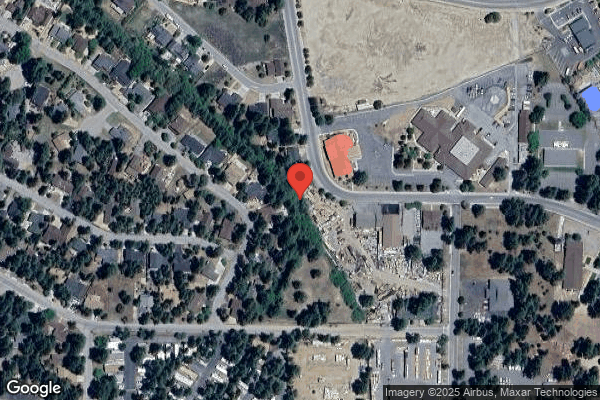
41870 GARSTIN RD, BIG BEAR LAKE, CA 92315 (909) 866-6501
Government - Hospital district 21 Beds Independent Data: November 2025
Trust Grade
60/100
#295 of 1155 in CA
Last Inspection: May 2025

Inspected within the last 6 months. Data reflects current conditions.

Overview

Bear Valley Community Hospital has a Trust Grade of C+, indicating it is slightly above average but not exceptional. It ranks #295 out of 1,155 facilities in California, placing it in the top half, and #19 out of 54 in San Bernardino County, meaning there are only 18 local options that perform better. The facility's trend is worsening, with issues increasing from 9 in 2024 to 13 in 2025. Staffing is a strong point, earning a 5/5 star rating, though the 58% turnover rate is concerning compared to the state average of 38%. Notably, there have been serious incidents, including a failure to administer a key medication to a resident, resulting in a grand mal seizure, and issues with food storage and sanitation that could jeopardize resident health. On the positive side, the facility has no fines on record and maintains more RN coverage than 84% of California facilities, which helps to catch potential issues.

Trust Score
C+
60/100
In California
#295/1155
Top 25%
Safety Record
Moderate
Needs review
Inspections
Getting Worse
9 → 13 violations
Staff Stability
⚠ Watch
58% turnover. Above average. Higher turnover means staff may not know residents' routines.
Penalties
✓ Good
No fines on record. Clean compliance history, better than most California facilities.
Skilled Nurses
✓ Good
Each resident gets 75 minutes of Registered Nurse (RN) attention daily — more than 97% of California nursing homes. RNs are the most trained staff who catch health problems before they become serious.
Violations
⚠ Watch
32 deficiencies on record. Higher than average. Multiple issues found across inspections.
★★★★☆
4.0
Overall Rating
★★★★★
5.0
Staff Levels
★★★☆☆
3.0
Care Quality
★★★☆☆
3.0
Inspection Score
Stable
2024: 9 issues
2025: 13 issues

The Good

  • 5-Star Staffing Rating · Excellent nurse staffing levels
  • Full Sprinkler Coverage · Fire safety systems throughout facility
  • No fines on record

Facility shows strength in staffing levels, fire safety.

The Bad

Staff Turnover: 58%

12pts above California avg (46%)

Frequent staff changes - ask about care continuity

Staff turnover is elevated (58%)

10 points above California average of 48%

The Ugly 32 deficiencies on record

1 actual harm
Jul 2025 1 deficiency
CONCERN (D) 📢 Someone Reported This

A family member, employee, or ombudsman was alarmed enough to file a formal complaint

Potential for Harm - no one hurt, but risky conditions existed

Resident Rights (Tag F0550)

Could have caused harm · This affected 1 resident

Based on observation, interview, and record review, the facility failed to ensure resident was treated with respect and dignity for one resident (Resident 1) when the facility staff spoke to Resident ...

Read full inspector narrative →
Based on observation, interview, and record review, the facility failed to ensure resident was treated with respect and dignity for one resident (Resident 1) when the facility staff spoke to Resident 1 using language and tone as if one might address a child and refused Resident 1 to receive a shower at his preferred time.This failure resulted in Resident 1 feeling put down and embarrassed which could potentially affect his care from his lack of trust or doubt with the facility staff to participate in treatment plan.Findings:During a review of a Medical Doctor (MD) Progress Note, dated August 27, 2024, the MD progress note indicated Resident 1 has history of congestive heart failure (a serious condition in which the heart doesn't pump blood through the body as efficiently as it should), seizure disorder (a sudden burst of electrical activity in the brain and can cause changes in behavior, movements, feelings and levels of consciousness), stroke (a serious medical emergency that happens when blood flow to the brain is interrupted, either by a blockage or a rupture of a blood vessel), hypothyroidism (when the thyroid gland isn't producing enough thyroid hormones and many bodily functions slow down), and hypertension (when the force of the blood pushing on the blood vessel walls is too high and the heart has to pump harder). During a review of the facility's document title, Report of Suspected Dependent Adult/Elder Abuse (SOC 341-a form that the facility is required to report suspected abuse), dated June 11, 2025, the SOC 341 indicated that there was potential for verbal abuse from a Certified Nurse Assistant (CNA1) towards Resident 1. The SOC 341 also indicated that a CNA spoke to a resident in a belittling and demeaning manner, using language and tone comparable to how one might address a child. This occurred after the resident requested a shower in the evening, having declined one earlier in the day.During an interview on June 20, 2025, at 10:51 AM, with Resident 1, Resident 1 stated I wanted a shower, and [CNA1] was Snooty. [CNA1] said I tried to get you to the shower earlier and I said I'm sorry. I just didn't want to shower in am and would rather know what I did for [CNA1] to yell at me like that. [CNA1] came down like a cat out hell. She was mean and vulgar. Resident 1 stated that CNA1 yelled at him in front of the facility staff and other residents which made him feel not too good.During an interview on June 20, 2025, at 11:52 AM, with RN1, RN1 stated Resident 1 did not want to shower at the scheduled time and CNA1 responded in a very unprofessional tone and was brazen with him.During an interview on June 20, 2025, at 12:17 PM, with the Director of Nursing (DON), the DON stated that Resident 1 live here, and CNA1 was rude and didn't need to be.During an interview on July 7, 2025, at 11:22 AM, with CNA2, CNA2 stated Resident 1 asked about a shower and CNA1 scolded [Resident 1] like a child because he was asking for a shower and CNA1 asked 'why are you asking me now, it's late.' CNA2 further stated It was disturbing. It didn't sit right. CNA2 added, He was aware of her behavior, and he asked, 'why are you talking to me like that'. CNA2 stated, He was completely silent after that. I think he got embarrassed and left [the area]. It was embarrassing to him because other people were around. I wouldn't want to be treated like putting me down with others around.During a concurrent interview and record review on July 7, 2025, at 11:42 AM, with the Assistant Director of Nursing (ADON) and DON, the facility's policy and procedure (P&P) titled, Resident Rights, undated, was reviewed. The P&P indicated, POLICY: [The facility] will assure that all residents are treated with respect and dignity in a manner and environment that promotes their quality of life while promoting their right to self-determination whereby their care choices are respected . PROCEDURE: .3. The right to be assisted by all staff in maintaining and enhancing their self-esteem and self-worth .15.The right to choose their own schedule and have their needs accommodated in relation to: .15.3. Their bathing times and schedule . The ADON and DON acknowledged that the right to be treated with dignity and respect as well as the right to make his own schedule was not followed.
May 2025 12 deficiencies
CONCERN (D)

Potential for Harm - no one hurt, but risky conditions existed

Resident Rights (Tag F0550)

Could have caused harm · This affected 1 resident

**NOTE- TERMS IN BRACKETS HAVE BEEN EDITED TO PROTECT CONFIDENTIALITY** Based on observation, interview, and record review, the facility failed to ensure staff treated residents with respect and digni...

Read full inspector narrative →
**NOTE- TERMS IN BRACKETS HAVE BEEN EDITED TO PROTECT CONFIDENTIALITY** Based on observation, interview, and record review, the facility failed to ensure staff treated residents with respect and dignity to enhance quality of life for two of two residents (Resident 12 and 15) when the Certified Nursing Assistant (CNA) were observed standing over Resident 12 and 15 during mealtime. This failure had the potential to make Resident 12 and 15 to feel devalue and disrespected which could cause Resident 12 and 15 to distrust the health care provider and would negatively impact the treatment plan. Findings: a. During a review of Resident 12's admission Record (contains demographic and medical information), undated, the admission Record indicated, Resident 12 was admitted to the facility on [DATE], with diagnoses of anoxic encephalopathy (brain damage), dementia (a group of symptoms that affect memory), hypertension (high blood pression), depression and anxiety, insomnia (sleeping problems), and dysphagia (difficulty swallowing). During an observation on March 5, 2025, at from 12:09 PM through 12:50 PM, in the activity/dining room, Resident 12 was observed sitting in a high back wheelchair next to a table while CNA 2 was standing over Resident 12 feeding her lunch. During an interview on March 5, 2025, at 1:10 PM, with CNA 2, CNA 2 stated No I did not sit while feeding [Resident 12] lunch meal. CNA 2 further stated, the reason to sit with the residents during mealtime is to make it more of a homely environment for the residents. b. During a Review of Resident 15's admission Record, undated, the admission Record indicated Resident 15 was admitted to the facility on [DATE], with diagnoses of dementia (brain condition that effects thinking memory and behavior), depression (mental health condition persistent feeling of sadness, hopelessness, and loss of interest), anemia (low red blood cells to carry oxygen throughout the body), anxiety (feeling of fear, dread and uneasiness), osteoporosis (bones become thin, weak, and fragile), and Parkinson's disease (a disorder of the central nervous system that affects movement, tremors). During anobservation on March 5, 2025, from 12:09 PM through 12:50 PM, in the activity/dining room, Resident 15 was observed sitting in a wheelchair next to a table while CNA 1 was standing over Resident 15 feeding her lunch. During an interview on March 5, 2025, at 12:50 PM, with CNA 1, CNA 1 stated, I am supposed to sit and have eye to eye contact and verbalized the importance to make sure the resident has a good experience and give them with dignity. During a concurrent interview and record review on May 6, 2025, at 4:45 PM, with the Director of Nursing (DON), the facility's policy and procedure (P&P) titled, Assistance with Feeding SNF, undated, was reviewed. The P&P indicated, Policy: [Facility Name] shall ensure that all residents who require assistance with eating receive appropriate support in a manner that maintains their dignity, independence, safety, and nutritional well-being . Engage with the resident calmly and respectfully . The DON stated it was unacceptable for CNAs to be standing while feeding Residents 12 and 15. The DON further stated the staff did not follow the P&P and CNA 1 and CNA 2 should have made sure that they were seated and engage with Resident 12 and 15, calmly and respectfully.
CONCERN (D)

Potential for Harm - no one hurt, but risky conditions existed

Deficiency F0552 (Tag F0552)

Could have caused harm · This affected 1 resident

**NOTE- TERMS IN BRACKETS HAVE BEEN EDITED TO PROTECT CONFIDENTIALITY** 3. During a review of Resident 12's admission Record, undated, the admission Record indicated Resident 12 was admitted to the fa...

Read full inspector narrative →
**NOTE- TERMS IN BRACKETS HAVE BEEN EDITED TO PROTECT CONFIDENTIALITY** 3. During a review of Resident 12's admission Record, undated, the admission Record indicated Resident 12 was admitted to the facility on [DATE], with diagnoses of anoxic encephalopathy (brain damage), dementia (a group of symptoms that affect memory), hypertension (high blood pression), depression and anxiety, insomnia (sleeping problems), and dysphagia (difficulty swallowing). During a concurrent interview and record review on May 8, 2025, at 9:35 AM, with LVN 2, Resident 12's Informed Consent for Abilify, dated November 21, 2024, was reviewed. The Informed Consent for Abilify indicated, Abilify 2 MG PO HS was noted and signed by RP 1. LVN 2 verified and confirmed Resident 12's informed consent. During a follow-up concurrent interview and record review on May 8, 2025, at 9:35 AM, with LVN 2, Resident 12's Physician Order for Abilify dated January 29, 2025, was reviewed. The Physician Order for Abilify indicated, Resident 12 was ordered 15 MG to be given HS, started on January 29, 2025, for BPSD. LVN 2 stated, the physician order for Abilify and consent did not match so it indicated that Resident 12 and RP 1 were not informed of the change in psychotropic medication. During a concurrent interview and record review on May 8, 2025, at 11:25 AM, with the DON, the P&P titled, Informed Consent Psychotropic Medication SNF, undated, was reviewed. The P&P indicated, . 5. The informed consent is updated with any change in psychotropic medications. 6. Up to date and appropriate consents are validated during the interdisciplinary care plan (IDCP) conference as needed . The DON verified and confirmed the P&P. The DON stated, it is her expectation and written in the policy that residents' informed consent needs to be updated for any changes in psychotropic medications with residents, resident representatives, or power of attorney (POA). The DON further stated, residents, resident representatives, or power of attorney should be informed of the side effects of any changes in psychotropic medications. Based on interview and record review, the facility failed to ensure residents or resident representatives (RP) were informed of psychotropic medication (medications that affect the mind, emotions, and behaviors) treatment for three of 12 sampled residents (Resident 2, 8, and 12) when: 1. Resident 2's informed consent (document signed by resident or representative to give permission for a proposed psychotropic medication and possible risks and benefits expected) was not updated and obtained for Resident 2's new order of Trazodone Deseryl (Trazodone-antidepressant medication) 50 milligram (MG-unit of measurement) and NF-Aripiprazole Av PAK (Aripiprazole-antipsychotic medication which is used to treatment of a wide variety of mood and psychotic disorders) 2.5 MG. 2. Resident 8's informed consent was not updated and obtained for Resident 8's new order of Risperidone (Risperdal-antipsychotic medication) 0.5 MG and Escitalopram (Lexapro-antianxiety medication to help you relax) 10 MG. 3. Resident 12's informed consent for Abilify (medication for mental health condition such as depression)15 MG PO Every Evening for BPSD (for diagnosis behavioral psychological symptoms in dementia) Start date of January 29, 2025, prescribed by physician, Consent signed by representative (son) on November 21, 2024, medication states Abilify 2mg po QHS. The consent does not match the order. These failures resulted in Residents 2, 8, and 12's right to be violated. Residents 2, 8, 12 and their representatives were not informed of psychotropic medications risks, benefits, adverse reactions, and the right to refuse the administration of medications. Findings: 1. During a review of Resident 2's admission Record (clinical record with demographic information), undated, the admission Record indicated, Resident 2 was admitted to the facility on [DATE], with diagnoses which included depression (constant feeling of sadness and loss of interests), hyperlipidemia (elevated levels of fat in the blood), and hypertension (high blood pressure). A review of Resident 2's physician order, dated March 12, 2025, indicated Resident 2 had an order for Trazodone Desyrel 50 MG at night for inability to sleep and NF-Aripiprazole Av PAK 2.5 MG at bedtime for psychosis (a state where someone loses touch with reality). During a review of Resident 2's Informed Consent, dated August 28, 2024, the Informed Consent indicated, Trazadone 25 MG as needed for insomnia and Aripiprazole 15 MG daily for psychosis were signed on August 28, 2024. During an interview on May 7, 2025, at 8:29 AM with a Licensed Vocational Nurse (LVN 2), LVN 2 stated she was unable to find an updated consent reflecting the dosage changes for Trazadone and Aripiprazole. 2. During a review of Resident 8's admission Record, undated, the admission Record indicated, Resident 8 was admitted to the facility on [DATE], with diagnoses which includes behavioral and psychological symptoms of dementia (a combination of agitation, anxiety, hallucinations with episodes of mania or depression) and type 2 diabetes mellitus (high blood sugar). A review of Resident 8's physician order, dated April 29, 2024, indicated Resident 8 had an order for Escitalopram 10 MG every day for mood and Risperidone 0.5 MG daily for agitation, impulse control, and hypersexual behavior. During a review of Resident 8's Informed Consent, dated January 26, 2024, the Informed Consent indicated, Lexapro 5 MG at bedtime was signed on January 26, 2024. A follow-up review of Resident 8's Informed Consent, dated May 19, 2024, the Informed Consent indicated, Risperdal 0.5 MG BID twice daily was signed on May 19, 2024. During an interview on May 7, 2025, at 8:32 AM with LVN 2, LVN 2 stated she was unable to find an updated consent reflecting the dosage changes for Escitalopram and Risperidone. During further concurrent interview and record review, on May 8, 2025, at 08:00 AM, with the Director of Nursing (DON), the facility's policy and procedure (P&P) titled, Informed Consent Psychotropic Medications SNF [Skilled Nursing Facility], undated, was reviewed. The P&P indicated, .5. The Informed Consent is updated with any change in psychotropic medications . The DON stated the facility staff did not follow the policy.
CONCERN (D)

Potential for Harm - no one hurt, but risky conditions existed

Comprehensive Assessments (Tag F0636)

Could have caused harm · This affected 1 resident

**NOTE- TERMS IN BRACKETS HAVE BEEN EDITED TO PROTECT CONFIDENTIALITY** Based on interview and record review, the facility failed to ensure a comprehensive minimum data set (MDS-a facility assessment ...

Read full inspector narrative →
**NOTE- TERMS IN BRACKETS HAVE BEEN EDITED TO PROTECT CONFIDENTIALITY** Based on interview and record review, the facility failed to ensure a comprehensive minimum data set (MDS-a facility assessment and care planning process used by nursing home staff as required by the Centers of Medicare and Medicaid Services [CMS]) assessment was completed and submitted to CMS in accordance with the required federal submission timeframe for one of eight sampled residents (Resident 12). This failure resulted in inadequate monitoring of progress or decline for Resident 12 and the lack of resident specific information to CMS for payment and quality measure monitoring. Findings: During a review of Resident 12's admission Record (contains demographic and medical information), the admission Record indicated Resident 12 was admitted to the facility on [DATE], with diagnoses of anoxic encephalopathy (brain damage), dementia (a group of symptoms that affect memory), hypertension (high blood pression), depression and anxiety, insomnia (sleeping problems), and dysphagia (difficulty swallowing). During an interview on May 8, 2025, at 9:35 AM, with Licensed Vocational Nurse 2 (LVN 2), LVN 2 stated she was responsible for the MDS staff to ensure the MDS assessments were completed correctly. LVN 2 stated, it is very important to have residents' diagnoses accurately reflect residents' current condition in the updated resident assessment instrument (RAI-a standardized assessment tool that measures health status on nursing home residents) to identify residents' needs and goals. During a follow-up concurrent interview and record review on May 8, 2025, at 9:40 AM, with LVN 2, Resident 12's MDS with an assessment reference date (ARD-the last day of the observation period used for an assessment) on February 12, 2025, was reviewed. The MDS indicated, Resident 12 was assessed as NONE for depression and dementia. LVN 2 verified and stated Resident 12's MDS was incorrectly assessed. LVN 2 confirmed and stated, Resident 12 was on a psychotropic (mind altering) medication and the MDS did not accurately reflect Resident 7's current condition. During a review of Resident 12's Physician Order for abilify (medication for mental health condition such as depression), dated of document, the Physician Order for abilify indicated, Resident 7 was ordered 15 milligram (mg-unit of dosing medication) to be given at bedtime (HS), started on January 29, 2025, for BPSD (behavioral and psychological symptoms of dementia). During an interview on May 08, 2025, at 11:25 AM, with the Director of Nursing (DON), the DON stated that the MDS should have been completed accurately and reflected the current condition of residents. During a concurrent interview and record review on May 8, 2025, at 11:26 AM, with the DON, the facility's policy and procedure (P&P) titled, Resident Assessment Instrument (RAI), undated, was reviewed. The P&P indicated .RAI assessment process will be conducted for all SNF [Skill Nursing Facility] residents as an ongoing process to appropriately assess each resident's functional mobility and health status and in a timely fashion, to identify and address any potential significant change in status . PROCEDURE: (2) (2.3) states A Quarterly review will be conducted within 92 days of the ARD of the previous assessment. Not less than once every three months and (7) states the completed MDS will be transmitted electronically to [Name of electronic system] system within 14 days. (7) (7.1) further states Validation reports for transmitted MDS will be retained in the DON office . The DON verified and stated the MDS staff did not follow the RAI policy in correctly filling out the RAI so the RAI did not provide an accurate picture of the residents. The DON further stated, the MDS staff should have had the diagnosis, and their assessment documented accurately and in a timely manner.
CONCERN (D)

Potential for Harm - no one hurt, but risky conditions existed

Deficiency F0638 (Tag F0638)

Could have caused harm · This affected 1 resident

**NOTE- TERMS IN BRACKETS HAVE BEEN EDITED TO PROTECT CONFIDENTIALITY** 2. During a review of Resident 19's H&P, dated September 6, 2024, the H&P, indicated, Resident 19 was admitted to the facility o...

Read full inspector narrative →
**NOTE- TERMS IN BRACKETS HAVE BEEN EDITED TO PROTECT CONFIDENTIALITY** 2. During a review of Resident 19's H&P, dated September 6, 2024, the H&P, indicated, Resident 19 was admitted to the facility on [DATE], with diagnoses of dementia (a progressive decline in mental ability, impacting memory, thinking, language, and behavior, to the point where it affects daily life). During an interview on May 8, 2025, at 9:09 AM, with the DON, the DON stated one of her duties is to complete the residents MDS. The DON further stated that the expectation for the quarterly assessment is that it must be completed within 92 days from the prior quarterly assessment. During a concurrent interview and record review, on May 8, 2025, at 9:15 AM, with the DON, Resident 19's quarterly MDS assessment dated [DATE], was reviewed, the DON stated the last quarterly assessment was completed on December 04, 2024, the DON further stated she did not complete the quarterly assessment that was due on March 13, 2025 (92 days late). During a concurrent interview and record review on May 8, 2025, at 9:19 AM, with the DON, the facility's P&P titled, Resident Assessment Instrument (RAI), dated February 2017, was reviewed. The P&P indicated, 2.3 A Quarterly review will be conducted within 92 days of the ARD of the previous assessment. Not less than once every three months . The DON stated that policy was not followed and should have been because it provides accurate reimbursement for the facility and care planning for the residents. Based on interview and record review, the facility failed to ensure the quarterly Resident Assessment Instrument/Minimum Data Set (RAI/MDS- a facility assessment and care planning process used by nursing home staff as required by the Centers of Medicare and Medicaid Services [CMS] every 3 months or quarterly) was completed in accordance with federal submission timeframes, for two of four residents (Residents 16 and 19) when: 1. Resident 16's quarterly RAI/MDS assessment was completed on March 18, 2025 (52 days late). 2. Resident 19's quarterly RAI/MDS assessment was not completed on March 13, 2025 (92 days late) These failures had the potential to result in a delay in determining the resources necessary to competently care for the residents during the day-to-day operations and emergencies for Residents 16 and 19. Findings: 1. During a review of Resident 16's History and Physical (H&P -contains resident's medical history, physical examination and reason for admission to the facility), dated July 2024, the H&P indicated, Resident 16 was admitted to the facility on [DATE], with diagnoses which included hypertension (a condition where the heart is working harder to pump blood), type 2 diabetes mellitus (high blood sugar), and cerebrovascular accident (blood flow to the brain is blocked). During an interview on May 8, 2025, at 9:09 AM, with the Director of Nursing (DON), the DON stated one of her duties is to complete the resident's MDS. The DON further stated the expectation for the quarterly assessment is that it must be completed within 92 days from the prior quarterly assessment. During a concurrent interview and record review on May 8, 2025, at 9:15 AM, with the DON, Resident 16's quarterly MDS assessment data, dated December 2024, was reviewed. The DON stated the last quarterly assessment was completed on December 18, 2024. The DON further stated she did not complete the quarterly assessment that was due on March 18, 2025 (52 days late). During a concurrent interview and record review on May 8, 2025, at 9:19 AM, with the DON, the facility's policy and procedure (P&P) titled, Resident Assessment Instrument (RAI), dated February 2017, was reviewed. The P&P indicated, .2.3 A Quarterly review will be conducted within 92 days of the ARD of the previous assessment. Not less than once every three months . The DON stated the policy was not followed and should have because it provides accurate reimbursement for the facility and care planning for the residents.
CONCERN (D)

Potential for Harm - no one hurt, but risky conditions existed

MDS Data Transmission (Tag F0640)

Could have caused harm · This affected 1 resident

**NOTE- TERMS IN BRACKETS HAVE BEEN EDITED TO PROTECT CONFIDENTIALITY** 3. During a review of Resident 12's H&P, dated March 3, 2022, the H&P indicated, Resident 12 was admitted to the facility on [DA...

Read full inspector narrative →
**NOTE- TERMS IN BRACKETS HAVE BEEN EDITED TO PROTECT CONFIDENTIALITY** 3. During a review of Resident 12's H&P, dated March 3, 2022, the H&P indicated, Resident 12 was admitted to the facility on [DATE], with diagnoses of Severe disability post anoxic encephalopathy (a medical emergency that occurs when the brain doesn't receive enough oxygen, even when blood flow is adequate. It can lead to lifelong brain damage). During an interview on May 8, 2025, at 9:09 AM, with the DON, the DON stated one of her duties is to transmit the resident's MDS once completed. The DON further stated the expectation for the quarterly assessment is to be submitted within 14 days of completion. During a concurrent interview and record review on May 8, 2025, at 9:11 AM, with the DON, Resident 12's Comprehensive MDS assessment data, dated February 12, 2025, was reviewed. The DON stated comprehensive assessment was completed on February 12, 2025. The DON further stated she completed the assessment but did not submit, it was due on March 30, 2025 (81 days late). During a concurrent interview and record review on May 8, 2025, at 9:19 AM, with the DON, the facility's P&P titled, Resident Assessment Instrument (RAI), dated February 2017, was reviewed. The P&P indicated, . The completed MDS will be transmitted electronically to CMS QIES-ASAP system within 14 days . The DON stated the policy was not followed and should have been because it provides accurate reimbursement for the facility and care planning for the residents. Based on interview and record review, the facility failed to ensure the quarterly (every 3 months) Resident Assessment Instrument/Minimum Data Set (RAI/MDS- a facility assessment and care planning process used by nursing home staff as required by the Centers of Medicare and Medicaid Services [CMS]) was transmitted (submitted) to CMS in accordance with federal submission timeframes, for three of four residents (Resident 5,12, and16) reviewed for resident assessment when: 1. Resident 5's quarterly RAI/MDS assessment completed on February 14, 2025, has not been transmitted as of May 8, 2025 (69 days late). 2. Resident 16's quarterly RAI/MDS assessment dated [DATE], was transmitted on January 8, 2025 (7 days late) and quarterly MDS assessment due March 18, 2025, was not transmitted (37 days late from the due date). 3. Resident 12's comprehensive RAI/MDS assessment was due on March 30, 2025 but was not transmitted (81 days late) These failures resulted in inadequate monitoring of Residents 5, 12, and 16's progress or decline and the lack of resident specific information to CMS for payment and quality measure monitoring. Findings: 1. During a review of Resident 5's History and Physical (H&P -contains resident's medical history, physical examination and reason for admission to the facility), dated June, 2023, the H&P indicated, Resident 5 was admitted to the facility on [DATE], with diagnoses which included schizencephaly (birth defect in the brain) and spastic quadriplegia (severe condition affecting movement and posture). During an interview on May 8, 2025, at 9:09 AM, with the Director of Nursing (DON), the DON stated one of her duties is to transmit the resident's MDS once completed. The DON further stated the expectation for the quarterly assessment is to be submitted within 14 days of completion. During a concurrent interview and record review on May 8, 2025, at 9:11 AM, with the DON, Resident 5's quarterly MDS assessment data, dated February 2025, was reviewed. The DON stated the quarterly assessment was completed on February 14, 2025, and was supposed to be submitted by February 28, 2025 (69 days late) but was not. 2. During a review of Resident 16's H&P, dated July 2024, the H&P indicated, Resident 16 was admitted to the facility on [DATE], with diagnoses which included hypertension (a condition where the heart is working harder to pump blood), type 2 diabetes mellitus (high blood sugar), and cerebrovascular accident (blood flow to the brain is blocked). During an interview on May 8, 2025, at 9:09 AM, with the DON, the DON stated one of her duties is to transmit the resident's MDS once completed. The DON further stated the expectation for the quarterly assessment is to be locked and submitted within 14 days of completed. During a concurrent interview and record review on May 8, 2025, at 9:15 AM, with the DON, Resident 16's quarterly MDS assessment data, dated December 2024 and March 2025, were reviewed. The DON stated the quarterly assessment for December 2024 was completed on December 18, 2024. The DON confirmed that the quarterly assessment should have been submitted by January 1, 2025, but it was submitted on January 8, 2025 (7 days late). The DON stated the quarterly assessment for March 2025 completed and transmitted on March 18, 2025, and should have been transmitted by April 1, 2025 (37 days late). During a concurrent interview and record review on May 8, 2025, at 9:19 AM, with the DON, the facility's P&P titled, Resident Assessment Instrument (RAI), dated February 2017, was reviewed. The P&P indicated, . The completed MDS will be transmitted electronically to CMS QIES-ASAP system within 14 days . The DON stated the policy was not followed and should have been because it provides accurate reimbursement for the facility and care planning for the residents.
CONCERN (D)

Potential for Harm - no one hurt, but risky conditions existed

Comprehensive Care Plan (Tag F0656)

Could have caused harm · This affected 1 resident

**NOTE- TERMS IN BRACKETS HAVE BEEN EDITED TO PROTECT CONFIDENTIALITY** Based on interview, and record review, the facility failed to develop and implement comprehensive person-centered care plan (an ...

Read full inspector narrative →
**NOTE- TERMS IN BRACKETS HAVE BEEN EDITED TO PROTECT CONFIDENTIALITY** Based on interview, and record review, the facility failed to develop and implement comprehensive person-centered care plan (an individualized plan that includes residents' health problems, preferences and goals) for one of three residents (Resident 12) when Resident 12 did not have a care plan developed or implemented to address an ongoing psychotropic (mind altering) medication. This failure had the potential for Resident 12 to have unidentified medical needs, delay in treatment and lack of coordinated care related to psychotropic drugs which can negatively affect Resident 12's mental state. Findings: During a review of Resident 12's admission Record (contains demographic and medical information), the admission Record indicated Resident 12 was admitted to the facility on [DATE], with diagnoses of anoxic encephalopathy (brain damage), dementia (a group of symptoms that affect memory), hypertension (high blood pression), depression and anxiety, insomnia (sleeping problems), and dysphagia (difficulty swallowing). During a review of Resident 12's Physician Order for Abilify (medication for mental health condition such as depression), dated January 29, 2025, the Physician Order for abilify indicated, Resident 12 was ordered 15 milligram (mg-unit of dosing medication) to be given at bedtime (HS), started on January 29, 2025 for BPSD (behavioral and psychological symptoms of dementia). During a concurrent interview and record review on May 8, 2025, at 9:35AM, with Licensed Vocational Nurse (LVN 2), Resident 12's care plan, undated, was reviewed. There was no documented evidence addressing Resident 12's dementia. LVN 2 verified and confirmed, there was no care plan for Resident 12's dementia. LVN 2 stated, they should have coded it correctly for depression and dementia instead being coded as none. During a concurrent interview and record review on May 8, 2025, at 11:25 AM, with the Director of Nursing (DON), the facility's policy and procedure (P&P) titled, Nursing Care Plan-SNF [Skilled Nursing Facility], undated, was reviewed. The P&P indicated, [Facility Name] will develop and implement a person-centered comprehensive Car Plan for each resident that includes measurable goals and timeframes to meet the resident's medical, nursing and mental/psychological needs that are identified on the comprehensive assessment. The person-centered Care Plan Policy states (4) will address many areas in (4.1) states Psychotropic medicated used will be addressed in the person-centered Care Plan. A person-centered comprehensive Care Plan is updated with any change to the resident's care needs. (6) the Care Plan is updated with any change to the resident's care needs . The DON acknowledged and confirmed that the staff did not follow the care plan policy. The DON stated that the nurses should have developed a care plan to address dementia diagnosis.
CONCERN (D)

Potential for Harm - no one hurt, but risky conditions existed

Respiratory Care (Tag F0695)

Could have caused harm · This affected 1 resident

**NOTE- TERMS IN BRACKETS HAVE BEEN EDITED TO PROTECT CONFIDENTIALITY** Based on observation, interview, and record review, the facility failed to ensure safe oxygen administration was provided in acc...

Read full inspector narrative →
**NOTE- TERMS IN BRACKETS HAVE BEEN EDITED TO PROTECT CONFIDENTIALITY** Based on observation, interview, and record review, the facility failed to ensure safe oxygen administration was provided in accordance with the facility's policy and procedure (P&P) for one of two sampled residents (Resident 8) when Resident 8's oxygen tubing (a device which delivers oxygen) was not labeled to indicate the date it was changed. This failure had the potential to result in a respiratory infection leading to a decline in Resident 8's health status. Findings: During a review of Resident 8's clinical records, Progress Note, April 2025, the Progress Note indicated, Resident 8 was admitted on [DATE], with diagnoses which included dementia (loss of ability to think or remember), diabetes (high blood sugar), and osteoarthritis of multiple joints (a condition that causes the hands, legs, hips to become stiff and painful). During an observation on May 5, 2025, at 11:09 AM, Resident 8 was in his room, lying in bed, and receiving oxygen via oxygen tubing running at three liters per minute. The oxygen tubing was not labeled to indicate the last time it was changed. During a concurrent observation and interview on May 5, 2025, at 11:15 AM, with a Licensed Vocational Nurse (LVN 1) in Resident 8's room, LVN 1 inspected Resident 8's oxygen tubing and stated it did not have a label or date on it. LVN 1 further stated the oxygen tubing was supposed to be changed weekly and the date must be written on it. During a concurrent interview and record review on May 6, 2025, at 4:06 PM, with the Director of Nursing (DON), the facility's P&P titled, Oxygen Use in the SNF [Skilled Nursing Facility], undated, was reviewed. The P&P indicated, .3. All oxygen humidifier bottles, and tubing shall be changed every Sunday night by the Licensed Nurse . 3.1. A label shall be attached to both the humidifier bottle and oxygen tubing noting the date and time these were changed with the Licensed Nurse's initials . The DON stated oxygen tubing should be changed and labeled every Sunday and further stated the facility staff did not follow the policy.
CONCERN (D)

Potential for Harm - no one hurt, but risky conditions existed

Pharmacy Services (Tag F0755)

Could have caused harm · This affected 1 resident

Based on interview and record review, the facility failed to maintain accurate records of controlled medications (medications that are controlled by the government because it may be abused or cause ad...

Read full inspector narrative →
Based on interview and record review, the facility failed to maintain accurate records of controlled medications (medications that are controlled by the government because it may be abused or cause addiction) for one of two medication carts (Medication Cart 1). This failure had the potential for drug diversion (illegal distribution of controlled drugs for any illicit use) of controlled medications by staff in a highly vulnerable population of 21 residents. Findings: During a concurrent interview, and record review on May 7, 2025, at 6:20 AM, with a Licensed Vocational Nurse 2 (LVN 2), at the nurse's station, the Medication Cart 1's Controlled Medication Shift Count (CMSC-form used by the facility to verify counting of controlled medications at the change of shift by oncoming and off going licensed nurses), dated April 23 2025, through May 4, 2025, was reviewed. The CMSC indicated that there were two missing signatures on April 26, 2025, for the night shift (7:00 PM to 7:00 AM). LVN 2 confirmed two missing signatures and stated the expectations for the CMSC to be counted by two nursing staff, filled out, and signed every shift change. During a concurrent interview and record review on May 7, 2025, at 10:15 AM, with the Director of Nursing (DON), the facility's policy and procedure (P&P) titled, Controlled Drugs, undated, was reviewed. The P&P indicated, .2.3. Skilled Nursing narcotic counts are conducted at shift change by verification with two licensed nurses . The DON stated the policy was not followed and should have been to find out if there are any discrepancies.
CONCERN (D)

Potential for Harm - no one hurt, but risky conditions existed

Deficiency F0761 (Tag F0761)

Could have caused harm · This affected 1 resident

Based on observation, interview, and record review, the facility failed to follow their policy and procedure (P&P) for drug storage for one of one medication refrigerator in the medication storage roo...

Read full inspector narrative →
Based on observation, interview, and record review, the facility failed to follow their policy and procedure (P&P) for drug storage for one of one medication refrigerator in the medication storage room when the daily medication temperature log for the refrigerator was missing two staff signatures for two shifts. This failure had the potential for medications to be less effective due to the temperature of the medications being out of range. Findings: During a concurrent observation and interview on May 07, 2025, at 9:30 AM, with the Director of Nursing (DON), in the medication storage room, across from the nursing station, one medication refrigerator was observed with a document titled, Daily Temperature Log for Refrigerator, with two missing signatures. The DON verified there were missing signatures for the refrigerator temperature checks on March 12, 2025, and March 30, 2025. During a concurrent interview and record review on May 07, 2025, at 10:32 AM, with the DON, the facility's P&P titled, Drug Storage Temperatures, undated, was reviewed. The P&P indicated, . All refrigerators used for the storage of vaccines shall be monitored twice daily . The DON stated the policy was not followed because there was no proof of staff monitoring the refrigerator's temperature and further stated the medications need to be kept at the correct temperatures for the safe use of the medications.
CONCERN (D)

Potential for Harm - no one hurt, but risky conditions existed

Infection Control (Tag F0880)

Could have caused harm · This affected 1 resident

Based on observation, interview, and record review, the facility failed to ensure proper and safe infection control practices were followed for all 21 residents in the facility when two cups with brow...

Read full inspector narrative →
Based on observation, interview, and record review, the facility failed to ensure proper and safe infection control practices were followed for all 21 residents in the facility when two cups with brown liquid were found on the folding table/desk in the laundry room. This failure had the potential to result in spilling which can cause contamination to from uncleaned cloths and wetness can create mold and mildew to further compromised all 21 vulnerable residents in the facility. Finding: During a concurrent observation and interview on March 7, 2025, at 7:01 AM, with an Environment Service (EVS) and Environment Service-Trainee (EVS-T), the laundry room across from the Nurse's station in Unit B was observed. There was a brown cup with a sippy lid and a clear cup, containing brown liquid inside, located on the folding table. EVS and EVS-T acknowledged the two brown liquid cups on the folding table inside the laundry room. EVS stated he was informed that the coffee cup was allowed. During an interview on March 7, 2025, at 8:10 AM, with the Director of Facilities (DOF), the DOF stated they are not supposed to have personal drinks/beverages in the laundry room. The DOF confirmed yes, it is an infection control issue. The DOF stated it is important to not have personal drinks in the facility areas, this prevents infections and contamination. During a concurrent interview and record review on May 8, 2025, at 11:53 AM, with the Director of Nursing (DON), the facility's policy and procedure (P&P) titled, Infection Prevention- Skilled Nursing Facility (SNF), dated June 25, 2015, was reviewed. The P&P indicated, . [Facility Name] shall promote the maintenance of a safe environment for both residents and employees and provides appropriate care for residents to prevent the spread of infection. The skilled Nursing Facility provides care to residents of varying ages and disease processes. When infections occur, they can be devasting to residents as well as staff members. Staff and health care providers play a crucial role in protecting themselves and our residents . The DON confirmed the P&P was not followed and should have been. The DON stated drinks should not have been in the laundry care area in the staff personal area or in the break area.
CONCERN (E)

Potential for Harm - no one hurt, but risky conditions existed

Deficiency F0810 (Tag F0810)

Could have caused harm · This affected multiple residents

**NOTE- TERMS IN BRACKETS HAVE BEEN EDITED TO PROTECT CONFIDENTIALITY** Based on observation, interview, and record review, the facility failed to provide special assistive devices during mealtimes fo...

Read full inspector narrative →
**NOTE- TERMS IN BRACKETS HAVE BEEN EDITED TO PROTECT CONFIDENTIALITY** Based on observation, interview, and record review, the facility failed to provide special assistive devices during mealtimes for three of 21 sampled residents (Resident 3, 7 and 15) when: 1. Residents 3 and 7 were not provided with a plate guard (a clip onto the edge of a plate to prevent spilling of food) and [NAME] Anti Spill Cup (KCup-allows the cup to be easily filled, once the lid is screwed on, the liquid will not slip even if the cup is turned completely upside down) during lunch. 2. Resident 15 was not provided with KCup as ordered. These failures had the potential to cause Resident 3, 7, and 15 to experience a decrease in food intake without appropriate assistive devices which could lead to unintentional weight loss (not having enough food to eat) and resulting in actual physical harm and medical complications. Findings: 1a. During a review of Resident 3's admission Record (contain demographic and medical information), undated, the admission Record indicated, Resident 3 was admitted to the facility on [DATE], with the diagnoses which included hemiplegia (a condition characterized by severe or complete paralysis on one side of the body), and right side hemiparesis (muscle weakness or partial paralysis on one side of the body). During a review of Resident 3's Physician Order for diet, dated April 25, 2022, the physician order indicated, Resident 3 had an order for a plate guard and KCup. 1b. During a review of Resident 7's admission Record, undated, the admission Record indicated, Resident 7 was admitted to the facility on [DATE], with the diagnoses which included chronic obstructive pulmonary disease (COPD-a group of lung disease that block airflow and make it difficult to breathe) and dementia (a progressive decrease in mental ability, impacting memory, thinking, language, and behavior, to the point where it affects daily life). During a review of Resident 7's Physician Order for diet, dated April 23, 2022, the physician order indicated, Resident 7 had an order for a plate guard and KCup. During a concurrent observation and interview on May 5, 2025, at 12:15 PM, with a Certified Nursing Assistant (CNA 2), in the residents' dining room, Resident 3 and 7 were not given a plate guard and KCup for eating during lunch. Resident 3 and 7 had meal tickets which indicated a plate guard and KCup were ordered to be used during mealtimes. CNA 2 verified and confirmed that Resident 3 and 7 did not have a plate guard and KCup during the entire lunch time. CNA 2 further stated that Resident 3 and 7 should have a plate guard and KCup during meal and snack time. During a concurrent interview and record review on May 8, 2025, at 9:08 AM, with the Director of Nutrition Services (DNS), the facility's policy and procedure (P&P) titled, Assistance with Feeding SNF [Skilled Nursing Facility], undated, was reviewed. The P&P indicated, . [Facility Name] shall ensure that all residents who require assistance with eating receive appropriate support in manner that maintains their dignity, independence, safety, and nutritional well-being . The DNS stated, Resident 3 and 7 should have been provided with a plate guard and KCup, the facility staff did not follow the P&P. 2. During a review of Resident 15's admission Record, undated, the admission Record indicated, Resident 15 was admitted to the facility on [DATE], with diagnoses which included dementia (brain condition that effects thinking memory and behavior), depression (mental health condition persistent feeling of sadness, hopelessness, and loss of interest), anemia (low red blood cells to carry oxygen throughout the body), anxiety (feeling of fear, dread and uneasiness), osteoporosis (bones become thin, weak, and fragile), and Parkinson's disease (a disorder of the central nervous system that affects movement, tremors). A review of Resident 15's Physician Order, dated February 20, 2025, indicated Resident 15 had an order for KCup three times a day with meals. During an observation on May 5, 2025, at 12:09 PM, in the dining room, Resident 15 was observed sitting at one of the dining tables without a KCup. Resident 15's meal ticket, at the bottom, indicated KCup should be on Resident 15's meal tray. During a follow-up concurrent observation and interview on May 5, 2025, at 12:50 PM, with CNA 1, Resident 15 was observed without a KCup, and CNA 1 assisted Resident 15 with meal. Resident 15 drank supplement drink and water through a straw. CNA 1 confirmed and stated that Resident 15 did not have a KCup and should have. During a concurrent interview and record review, on May 6, 2025, at 4:39 PM, with the Director of Nursing (DON), the facility's P&P, undated, was reviewed. The P&P indicated, .Subject: Assistance with Feeding SNF [Skilled Nursing Facility], Policy: [Facility Name] shall ensure that all residents who require assistance with eating receive appropriate support in a manner that maintains their dignity, independence, safety, and nutritional well-being . The DON confirmed Resident 15 should have had her KCup with her meal to encourage the patient to become stronger and CNA 1 should have made sure Resident 15 had her KCup. The [NAME] stated that the P&P was not followed by CNA 1.
CONCERN (F)

Potential for Harm - no one hurt, but risky conditions existed

Deficiency F0804 (Tag F0804)

Could have caused harm · This affected most or all residents

**NOTE- TERMS IN BRACKETS HAVE BEEN EDITED TO PROTECT CONFIDENTIALITY** Based on observation, interview, and record review, the facility failed to ensure food was stored to conserve nutritive value (m...

Read full inspector narrative →
**NOTE- TERMS IN BRACKETS HAVE BEEN EDITED TO PROTECT CONFIDENTIALITY** Based on observation, interview, and record review, the facility failed to ensure food was stored to conserve nutritive value (measure of a well-balanced diet) and maintain professional standards of food safety for all 21 residents admitted in the facility when: 1. There was an unlabeled bag of minced beef in the refrigerator. 2. There was an open and unlabeled bag of tortilla flour in the refrigerator. These failures had the potential to cause unsafe food consumption for all 21 vulnerable residents in the facility from possible allergenic substances in food products and consume food beyond the use date (expired date), which can negatively affect resident's health from allergic reaction or foodborne illness (illness caused by ingestion of contaminated food or beverages). 3. For Resident 7, a serving of pureed cauliflower was not palatable or had comparable taste to regular serving of cauliflower. This failure had the potential to cause Resident 7, who was on pureed texture diet order, to experience a decrease in food intake which could lead to unintentional weight loss, malnutrition (not having enough food to eat), and resulting in actual physical harm. Findings: 1. During a concurrent observation and interview on May 5, 2025, at 11:07 AM, with the Executive Chef (EC), the shelf to the left side of the refrigerator had a bag of minced beef with no label. The EC stated the bag of minced beef should have been labeled and dated. During a concurrent interview and record review on May 5, 2025, at 11:45 AM, with the Director of Nutrition Services (DNS), the facility's policy and procedure (P&P) titled, Food Storage, dated March 22, 2023, was reviewed. The P&P indicated. Procedure:13. Refrigerated food storage: f. All food should be covered, labeled and dated and routinely monitored to assure that food (including leftovers) will be consumed by their use by dates, to frozen (where applicable) or discarded The DNS verified and confirmed that the facility staff did not follow the P&P. The DNS stated that the bag of minced beef in the refrigerator should have been labelled and dated. The DNS further stated that not labeling and dating the bag of minced beef increases the risk of foodborne illness. 2. During a concurrent observation and interview on May 5, 2025, at 11:10 AM, with the EC, the shelf to the left side of the refrigerator was observed to have an open unlabeled bag of flour tortillas without, open date, beyond the use date, or description of product. The EC stated the bag of flour tortilla should have been labeled and dated with a description of the product. During a concurrent interview and record review on May 5, 2025, at 11:30 AM, with the DNS, the facility's P&P titled, Food Storage, dated March 22, 2023, was reviewed. The P&P indicated. Procedure:13. Refrigerated food storage: f. All food should be covered, labeled and dated and routinely monitored to assure that food (including leftovers) will be consumed by their use by dates, ot frozen (where applicable) or discarded The DNS verified and confirmed that the facility staff did not follow the P&P. the DNS stated that the bag of flour tortilla in the refrigerator should have been labeled and dated. The DNS further stated that not labeling and dating the bag of flour tortilla increases the risk of foodborne illness. 3. During a review of Resident 7's admission Record(contains demographic and medical information), the admission Record indicated, Resident 7 was admitted to the facility on [DATE], with the diagnoses of chronic obstructive pulmonary disease (COPD-a group of lung disease that block airflow and make it difficult to breathe) and dementia (a progressive decline in mental ability, impacting memory, thinking, language, and behavior, to the point where it affects daily life). During a review of Resident 7's Physician Order for diet, dated February 23, 2022, the Physician Order indicated, Resident 7 had an order for a regular diet with pureed texture. During an observation on May 6, 2025, at 11:40 AM, with a Kitchen Staff (Cook 1) and the DNS, cook 1 was observed preparing the pureed cauliflower in blender by using only hot water. During a concurrent observation and interview on May 6, 2025, at 12:06 PM, with the EC, the sample taste trays of regular diet (no restriction on food) and pureed diet for lunch were observed and tested for palatability (the taste of food), texture and temperature. The sample trays consisted of cilantro chicken, refried beans, Spanish rice, cauliflower and tres leche cake. The regular diet vegetables tasted buttery flavor and were not comparable to the pureed vegetable served. The EC stated that the pureed cauliflower tasted watery and bland and did taste like the regular diet cauliflower. During an interview on May 6, 2025, at 1:00 PM with [NAME] 1 and the DNS, [NAME] 1 stated that she only added hot water to make cauliflower pureed, I should have followed the recipe and should have added small amount of gravy sauce, vegetable juice, water, fruit juice, milk or half & half to meet desired taste and consistency. The DNS further stated that the pureed diet meals should taste like regular diet meals for the residents and [NAME] 1 did not follow the recipe. During a concurrent interview and record review on May 8, 2025, at 9:08 AM, with the DNS, the facility's P&P titled, The Dining Experience, dated February 2023, and PU4 Cauliflower (fzn) (P4U Cauliflower) recipe, undated, were reviewed. The P&P indicated, .Individuals will be provided with nourishing, palatable, attractive meals that meet daily nutrition and/or special dietary needs and food preferences and are served at a safe and appetizing temperature . The P4U Cauliflower recipe indicated, .Measured desired # of servings into food processor. Blend until smooth. Use Drip Test and Spoon Tilt Test to confirm texture is within IDDSI (International Dysphagia Diet Standardization Initiative) Level 4 Specifications. Add small amounts of gravy, sauce, vegetable juice, water, fruit juice, milk, or half & half to meet desired consistency. Drain & Discard excess fluid that has separated from solid food pieces The DNS stated, the pureed cauliflower should taste the same as regular diet textured cauliflower, we did not follow our facility's policy and procedure to provide each individual with nourishing and palatable meal.
Mar 2024 9 deficiencies
CONCERN (D)

Potential for Harm - no one hurt, but risky conditions existed

Tube Feeding (Tag F0693)

Could have caused harm · This affected 1 resident

**NOTE- TERMS IN BRACKETS HAVE BEEN EDITED TO PROTECT CONFIDENTIALITY** Based on observation, interview, and record review, the facility failed to ensure for one of one sampled resident (Resident 4) ...

Read full inspector narrative →
**NOTE- TERMS IN BRACKETS HAVE BEEN EDITED TO PROTECT CONFIDENTIALITY** Based on observation, interview, and record review, the facility failed to ensure for one of one sampled resident (Resident 4) Percutaneous endoscopic gastrostomy (PEG- a tube placed in the stomach to provide food, water, and medications) tube placement and residual were checked before administering medications. This failure had the potential to affect the health and well being for Resident 4. Findings: During a review of Resident 4's clinical record, the history and physical (a document that contains basic information) indicated Resident 4 was admitted to the facility on [DATE], with diagnoses which included PEG tube. During a concurrent medication pass observation, and interview on March 13, 2024, at 8:01 AM, with Licensed Vocational Nurse (LVN 1), the LVN 1 was administering medications through the PEG tube. LVN 1 did not check Resident 4's PEG tube placement and residual before administering the medications. When asked why she did not check Resident 4's tube placement and residual, she stated knows she has to do it and they usually check it once a shift. She further stated she knows the right way is to check placement and residual every medication administration. She stated unfortunately she missed some steps. During a review of the facility's Policy and Procedure (P&P) undated, titled, Tube Feeding, indicated, .Pull the syringe back to check for residual feeding/fluid, if greater than 50 ml hold feeding, clamp the tube, close the flap. Document in EMR and notify MD.
CONCERN (D)

Potential for Harm - no one hurt, but risky conditions existed

Respiratory Care (Tag F0695)

Could have caused harm · This affected 1 resident

Based on observation, interview, and record review, the facility failed follow their policy and procedure for one of three sampled residents (resident 20) when Resident 20's PRN (as needed) oxygen ph...

Read full inspector narrative →
Based on observation, interview, and record review, the facility failed follow their policy and procedure for one of three sampled residents (resident 20) when Resident 20's PRN (as needed) oxygen physician order did not include indication. This failure had the potential to cause Resident 20 to receive inadequate oxygen and place Resident 20 at higher risk of insufficient oxygenation. Findings: During a record review of the facility's face sheet (a document containing resident's demographic and medical information) of resident 20,the face sheet indicated Resident 20 was admitted with a diagnosis which included Congestive Heart failure (a chronic condition which causes low oxygen level because the heart cannot pump enough oxygen the way it should). During an observation on March 12, 2024, at 9:00 AM, in Resident 20's room, Resident 20 was observed lying in bed with a nasal cannula (NC-a medical device that provides supplemental oxygen therapy to Resident 20) set at 2 liters (unit of measurement) per minute. During a review of Resident 20's Physician Orders, dated March 13, 2024, it indicated, oxygen at 2 liters per minute via NC PRN. Further review of Resident 20's oxygen physicians order, it was noted that there was no indication for its use. During an interview on March 14, 2024, at 11:36 AM, in the nursing station with Licensed Vocational Nurse (LVN 1), LVN 1 acknowledged Resident 20 had no indication for oxygen use. LVN 1 further stated there was no documented administration and indication for oxygen use. During an interview on March 19, 2024, at 4:00 PM, in the Director of Nursing's office with the Director of Nursing (DON), DON acknowledged Resident 20's PRN order for oxygen administration does not have an indication. During a record review of facility's policy and procedure (P&P), undated, title,Oxygen Use in the SNF, the P&P indicated, All resident sreceiving oxygen in the Skilled Nursing Facility (SNF) shall have an order from a provider noting the L (liter)/MN (minute) and designated as nasal cannula or mask (type) as well as continuous or PRN. Further review of the P&P, it indicated, 1.1 SpO2 [oxygen saturation - a measurement of how much oxygen is the blood carrying] monitoring shall be done on a weekly basis for all residents receiving oxygen PRN 1.2 The provider shall be notified with any SpO2 < (less than) 90% for residents receiving oxygen. [generally, indicate the need for the supplemental oxygen.]
CONCERN (D)

Potential for Harm - no one hurt, but risky conditions existed

Medication Errors (Tag F0758)

Could have caused harm · This affected 1 resident

**NOTE- TERMS IN BRACKETS HAVE BEEN EDITED TO PROTECT CONFIDENTIALITY** Based on interview, and record review, the facility failed to ensure an order for Clonazepam ( a psychotropic medication that af...

Read full inspector narrative →
**NOTE- TERMS IN BRACKETS HAVE BEEN EDITED TO PROTECT CONFIDENTIALITY** Based on interview, and record review, the facility failed to ensure an order for Clonazepam ( a psychotropic medication that affects how the brain works and causes changes in mood, awareness, feelings and behavior) PRN (give only as needed) was renewed by the physician within 14 days for one of three sampled residents (Resident 17). This failure had the potential for Resident 17 to continue to receive PRN doses of Clonazepam, that may no longer be necessary and could cause changes in Resident 17's fatigue, mood and memory problems. Findings: During a review of Resident 17's History and Physical (H&P- a document that includes a Resident 17's medical assessment performed by a medical provider), the H&P indicated, Resident 17 was admitted to the facility on [DATE] with diagnoses including severe deconditioning (mental and physical decline that results from physical inactivity), anxiety (feeling of fear, dread and uneasiness that can cause physical stress), and hypertension (HTN- high blood pressure). During a concurrent interview and record review on March 19, 2024, at 10:23 AM, with Pharmacist, the Interdisciplinary Care Plan (ICDP) Notes- Quarterly dated 10/18/2023 was reviewed. The ICDP Notes-Quarterly indicated, .reduce [Clonazepam] 0.5 QHS (every night at bedtime) and 0.25 in am (the morning) with 0.25 PRN (only as needed). The Pharmacist stated, Resident 17's Clonazepam dose had been decreased during a gradual dose reduction (GDR- an assessment performed by a facility to reduce the dose of antipsychotic medication a resident is taking) in October 2023. Resident 17's morning dose was cut in half from Clonazepam 0.5 mg (milligrams- units of measure) to Clonazepam 0.25 mg, and Clonazepam 0.25 mg was added with the intention to stop the PRN dose if Resident 17 tolerated this well. The Pharmacist also stated he did not know if the order had been renewed or if the attending physician had reevaluated Resident 17 for continued used of this medication. During a concurrent interview and record review on March 19, 2024, at 2:14 PM, with Physician (MD), Resident 17's Order Summary was reviewed. The Order Summary indicated, .Clonazepam 0.25 mg tab oral PRN daily start date: 10/18/2023 stop date 3/18/2024. Indication: anxiety Instructions: PRN daily at noon . The MD stated, Resident 17's Clonazepam was reduced in October 2023 as part of the GDR. The MD stated, he did not know that PRN psychotropic medications need to be renewed every 14 days and an evaluation of the patient needed to be done for the renewal of apsychotropic medication. During a review of the facility's policy and procedure (P&P) titled, Gradual Dose Reduction (GDR Psychotropic Medications, undated, indicated .All residents receiving psychotropic medications will receive the appropriate dose and duration to minimize the risk of adverse consequences. The purpose of GDR is to determine the optimal dosage of medication or whether continued use of the medication is benefiting the residenT .
CONCERN (D)

Potential for Harm - no one hurt, but risky conditions existed

Unnecessary Medications (Tag F0759)

Could have caused harm · This affected 1 resident

**NOTE- TERMS IN BRACKETS HAVE BEEN EDITED TO PROTECT CONFIDENTIALITY** Based on observation, interview, and record review, the facility failed to ensure the medication rate was less than 5 percent wh...

Read full inspector narrative →
**NOTE- TERMS IN BRACKETS HAVE BEEN EDITED TO PROTECT CONFIDENTIALITY** Based on observation, interview, and record review, the facility failed to ensure the medication rate was less than 5 percent when three medications out of 28 opportunities were crushed and given together through Percutaneous endoscopic gastrostomy (PEG- a tube feeding inserted through the stomach which medications, food, and water is given) for Resident 4. This failure had the potential to affect the health and well being and cause drug interactions for Resident 4. Findings: During a review of Resident 4's History and Physical (a document that contains basic information) indicated Resident 4 was admitted to the facility on [DATE], with diagnoses which included PEG tube and Lennox-Gastaut syndrome (a type of seizure). During a concurrent medication observation and interview on March 13, 2024, at 8:01 AM, with Licensed Vocational Nurse (LVN 1), LVN 1 administered the following medications at the same time through the PEG tube: 1. Clobazam (a medication used for seizures) 10 mg (milligram a unit of measurement) one tablet every 12 hours 2. Phenobarbital (a medication used to treat seizures) 64.8 mg one tablet every 12 hours 3.Carbazepine (a medication used to treat seizures) 200 mg three tablet every 12 hours. LVN 1 stated she knows medication should be crushed separately and given separately but she doesn't understand the logic to it, that is why she is not doing it. During a review of Resident 4's physician's order, dated March 13, 2024, indicated, Clobazam oral tablet 10 mg every 12 hours for seizure, crush med. During a review of Resident 4's physician's order, dated March 13, 2024, indicated, Phenobarbital oral tablet 64.8 mg every 12 hours for seizures. Crush med. During a review of Resident 4's physician's order, dated March 13, 2024, indicated, Carbamazepine 200 mg 3 tablets every 12 hours for seizures. Crush Med. During a review of the facility's policy and procedure (P&P) undated, titled, Administration of Medications and Treatments, indicated, (name of the facility) shall define the role of the healthcare professional in the administration of medication to the resident; list some general safety precautions the healthcare professional observes in the preparation and administration of medication and treatments, and ensure a uniform approach in the administrating of medications to all residents. During a review of the facility's P&P, undated, titled, Tube Feeding, indicated, Never Mix Medicines.
CONCERN (D)

Potential for Harm - no one hurt, but risky conditions existed

Food Safety (Tag F0812)

Could have caused harm · This affected 1 resident

Based on observation, interview, and record review, the facility failed to follow proper maintenance and sanitation practices when several dish drying racks were found to have black stains on both the...

Read full inspector narrative →
Based on observation, interview, and record review, the facility failed to follow proper maintenance and sanitation practices when several dish drying racks were found to have black stains on both the inner and outer part of the racks and some dish drying racks had cracks with jagged edges. This failure had the potential to result in food borne illness in a medically vulnerable population of 18 residents. Findings: During a concurrent observation and interview with the Director of Nutrition Services (DNS) and Food and Nutrition Services (FNS) in the kitchen, on March 11, 2024, at 10:08 AM, several dish drying racks were observed with black stain in the inner part and outer part of the rack. Some had a crack with a jagged edge on it. The FNS washed one dish drying rack with soap and water and the black stain came off. She stated the black stain is not dirt it is residue from heat and hot water. She confirmed one dish drying rack had black stain. When asked how often they clean the racks the DNS stated, We will replace the old dish racks. There are seven old racks. She confirmed the dish drying racks had jagged edges on them.
CONCERN (D)

Potential for Harm - no one hurt, but risky conditions existed

Infection Control (Tag F0880)

Could have caused harm · This affected 1 resident

Based on observation, interview, and record review, the facility failed to maintain infection control practices when Licensed Vocational Nurse (LVN 1) did not perform hand hygiene when preparing medi...

Read full inspector narrative →
Based on observation, interview, and record review, the facility failed to maintain infection control practices when Licensed Vocational Nurse (LVN 1) did not perform hand hygiene when preparing medications for two out of five sampled residents (Resident 20 and 5). This failure had the potential to put the health of sampled Residents 20 and 5 at risk of contracting infectious diseases caused by bacteria, viruses, fungi, or parasites. Findings: 1. During a review of facility's (undated) admission record for Resident 20, the admission record indicated Resident 20 was admitted on January 30, 2024, with a diagnosis of Congestive Heart Failure (a chronic condition that affects the heart to pump blood). During an observation for Resident 20's medication administration, on March 14, 2024, at 8:49 AM, in front of Resident 20's room, LVN 1 did not perform hand sanitization process after touching her personal cell phone while preparing Resident 20's medication. During an interview on March 14, 2024, at 8:52 AM, in the nurse's station with LVN 1, the LVN 1 acknowledged touching her personal cellphone while preparing medication of Resident 20, but did not perform hand sanitation process afterwards. 2.During a review of facility's (undated) admission record for Resident 5, the admission record indicated Resident 5 was admitted on February 2, 2023, with a diagnosis that included Diabetes (a long-term condition that affects the body's ability to control blood sugar levels use it for energy). During an observation for Resident 5's medication administration, on March 13, 2024, at 12:56 PM, in front of Resident 5's room, with LVN 1, the LVN 1 did not perform hand sanitation process prior to going into the resident 20's room and performed the medication administration. During an interview on March 13, 2024, at 12:59 PM, in the nurse's station with LVN 1, the LVN 1 stated that she did not perform hand sanitation process prior to entering resident 5's room since she had medications in her hands. During a review of facility's (undated) policy and procedure (P&P) titled, Infection Prevention - SNF The P& P indicated, .Principles of Standard Precautions are adhered to in caring for all residents .
CONCERN (D)

Potential for Harm - no one hurt, but risky conditions existed

Deficiency F0883 (Tag F0883)

Could have caused harm · This affected 1 resident

**NOTE- TERMS IN BRACKETS HAVE BEEN EDITED TO PROTECT CONFIDENTIALITY** Based on interview, and record review, the facility failed to ensure for one of five sampled residents (Resident 18) was offered...

Read full inspector narrative →
**NOTE- TERMS IN BRACKETS HAVE BEEN EDITED TO PROTECT CONFIDENTIALITY** Based on interview, and record review, the facility failed to ensure for one of five sampled residents (Resident 18) was offered a pneumococcal vaccine (a vaccine which helps to prevent a lung infection) upon admission to the facility on August 1, 2023. This failure had the potential to affect the health and well- being for Resident 18 by not being offer the pneumococcal vaccine to help prevent a lung infection. Findings: During a review of Resident 18's clinical record, Resident 18's History and Physical, indicated Resident 18 was admitted to the facility on [DATE], with diagnoses which included diabetes (high blood sugar) and seizure disorder. During a concurrent interview, and record review, with the Infection Preventionist (IP), on March 14, 2024, at 10:46 AM, a review of Resident 18's immunization records was conducted. There was no documented evidence a pneumococcal vaccine was offered . The IP stated, [I] don't know if pneumococcal and COVID was offered during admission. A review of the document provided by the IP only indicated the Influenza vaccine had been declined.
CONCERN (D)

Potential for Harm - no one hurt, but risky conditions existed

Deficiency F0887 (Tag F0887)

Could have caused harm · This affected 1 resident

**NOTE- TERMS IN BRACKETS HAVE BEEN EDITED TO PROTECT CONFIDENTIALITY** Based on interview, and record review, the facility failed to ensure for one of five sampled residents (Resident 18) was offered...

Read full inspector narrative →
**NOTE- TERMS IN BRACKETS HAVE BEEN EDITED TO PROTECT CONFIDENTIALITY** Based on interview, and record review, the facility failed to ensure for one of five sampled residents (Resident 18) was offered a COVID vaccine (a vaccine which helps to prevent a lung infection) upon admission to the facility on August 1, 2023. This failure had the potential to affect the health and well being for Resident 18 by not being offer the COVID vaccine to help prevent a lung infection. Findings: During a review of Resident 18's clinical record, Resident 18's History and Physical, indicated Resident 18 was admitted to the facility on [DATE], with diagnoses which included diabetes (high blood sugar) and seizure disorder. During a concurrent interview, and record review, with the Infection Preventionist (IP), on March 14, 2024, at 10:46 AM, a review of Resident 18's immunization records was conducted. There was no documented evidence a COVID vaccine was offered . The IP stated, [I] don't know if pneumococcal and COVID was offered during admission. A review of the document provided by the IP only indicated the Influenza vaccine had been declined.
MINOR (C)

Minor Issue - procedural, no safety impact

Staffing Information (Tag F0732)

Minor procedural issue · This affected most or all residents

Based on observation, interview, and record review, the facility failed to ensure a completed nurse staffing information with actual hours worked by the licensed staff responsible for direct resident...

Read full inspector narrative →
Based on observation, interview, and record review, the facility failed to ensure a completed nurse staffing information with actual hours worked by the licensed staff responsible for direct resident care was prominently displayed in the nursing station . This failure resulted in nurse staffing information with actual hours worked not being prominently displayed to the public in the nursing station. Finding: During an observation on March 14, 2024, at 10:00 AM, in the facility's nursing station, it was noted that the nurse staffing information was not displayed in a readily accessible area. During a review of the facility provided document titled, Nurse Staffing Information, dated March 12, 2024, through March 14, 2024, Nurse Staffing Information indicated that the actual work hours worked by the licensed staff responsible for direct resident care were not specified. During an interview on March 19, 2024, at 4:00 PM, in the Director of Nursing's office with the Director of Nursing (DON), DON acknowledged that nurse staffing information was not posted daily on a prominent place and lacked complete information . During a review of facility's undated policies and procedures (P&P) titled, Staffing Plan, The P&P indicated, Staffing guidelines reflect projected nursing workload measurement in relation to census and patient acuity.
Jun 2023 1 deficiency
CONCERN (D) 📢 Someone Reported This

A family member, employee, or ombudsman was alarmed enough to file a formal complaint

Potential for Harm - no one hurt, but risky conditions existed

Abuse Prevention Policies (Tag F0607)

Could have caused harm · This affected 1 resident

**NOTE- TERMS IN BRACKETS HAVE BEEN EDITED TO PROTECT CONFIDENTIALITY** Based on observation, interview and record review, the facility failed to ensure their policy and procedure (P&P) for abuse was ...

Read full inspector narrative →
**NOTE- TERMS IN BRACKETS HAVE BEEN EDITED TO PROTECT CONFIDENTIALITY** Based on observation, interview and record review, the facility failed to ensure their policy and procedure (P&P) for abuse was implemented when a licensed nurse did not report an injury of unknown origin in a timely manner for one of four sampled residents (Resident 1) in a universe of 15 residents. This failed practice had the potential for other unusual occurrences (an incident that threatens the welfare, safety, and health of the resident) to go undetected and unreported which could compromise the health and safety of residents at the facility. Findings: During a review of a notification from the Director of Nursing (DON) to the California Department of Public Health (CDPH), dated May 20, 2023, the notification indicated, Resident 1 was a [AGE] year-old female with a history of Dementia (progressive loss of intellectual functioning, especially with impairment of memory and abstract thinking, and often personality change, resulting from disease of the brain), Depression (mental illness affecting how you feel, the way you think and how you act), and stroke (Blood flow to the brain is blocked resulting in injury causing effects such as emotional disturbances, ability to speak and understand, and ability to move limbs). A further review of the document indicated, the DON was notified by Licensed Vocational Nurse (LVN1) about an injury of unknown origin on May 20, 2023, at 7:15 AM. Resident 1 was assessed to have a bruise (to develop or bear discolored spot on the skin as the result of blow or fall) under her left arm that wrapped around under her breast to the front of her chest. Resident 1 stated she does not remember doing anything to cause the bruise. During an interview on May 23, 2023, at 11:38 AM, with the DON, the DON stated, Resident 1's bruising was assessed on May 18, 2023, during the day shift. The DON stated when LVN1 and Certified Nursing Assistant (CNA1) found it was fresh bruise. The DON further stated, LVN 1 did not document and did not call doctor. During an interview on May 23, 2023, at 12:03 PM, with LVN1, LVN1 stated she found the bruise on May 18, 2023. LVN1 stated, I forgot to chart it. I wrote a note to (DON) via email on May 20, 2023. I did not notify the doctor at that time. It was during med (mediaction) pass and other things happening and I did not (follow policy and procedure). Expectation is to be more aware of my charting and following protocol on change of condition. During a concurrent observation and interview on May 23, 2023, at 12:24, with Resident 1, Resident 1 had no psychosocial distress or visible injuries observed, Resident 1 stated, I don't know (how long she has been Here). I don't know (why she is here). Resident stated the staff here are ok and denied residents or staff have hurt her. Resident 1 verbalized first name, but last name verbalized was incorrect. Resident 1 was unable to recall bruising or the cause. During an interview on May 23, 2023, at 12:32 PM, with Certified Nursing Assistant (CNA 1), CNA1 stated, I found it (bruising) Thursday 18th on the day shift. I called the nurse (LVN1) in charge. LVN1 assessed the bruise and spoke to the resident and asked the resident to how she was feeling and how she may have gotten hurt in that area. Resident told (LVN1) she doesn't remember. During a concurrent interview and record review on May 23, 2023, at 1:32 PM, with the DON, the facility's policy and procedure (P&P) titled, Adult/Elder Abuse - SNF , undated, was reviewed. The P&P indicated, .6. BVCHD shall identify and investigate all suspicions or allegations of abuse (such as suspicious bruising of residents .); reviewing occurrence, patterns and trends that ma to they constitute abuse shall be used to determine the direction of the investigation .8. All allegations of abuse shall be reported immediately to the Administrator on Call (AOC), state agency, adult protective services and/or to all other required agencies. 8.1. The employee who witnessed the incident shall report to administration immediately, or at the earliest practical time, The DON stated, the facility's staff did not follow the indicated portion of the policy and procedure.
Feb 2023 7 deficiencies 1 Harm
SERIOUS (G) 📢 Someone Reported This

A family member, employee, or ombudsman was alarmed enough to file a formal complaint

Actual Harm - a resident was hurt due to facility failures

Deficiency F0760 (Tag F0760)

A resident was harmed · This affected 1 resident

**NOTE- TERMS IN BRACKETS HAVE BEEN EDITED TO PROTECT CONFIDENTIALITY** Based on observation, interview, and record review, the facility failed to ensure one of three sampled residents (Resident 2) wa...

Read full inspector narrative →
**NOTE- TERMS IN BRACKETS HAVE BEEN EDITED TO PROTECT CONFIDENTIALITY** Based on observation, interview, and record review, the facility failed to ensure one of three sampled residents (Resident 2) was free of significant medication errors, when the facility did not renew and administer Resident 2's scheduled Keppra (a medication used to treat and prevent seizures [which are involuntary muscle movements] for 16 medication administration opportunities, from December 3, 2022, 9:00 AM, through December 10, 2022, 4:00 PM. This failure resulted in Resident 2 sustaining a grand mal seizure (also known as a tonic-clonic seizure, characterized by intense muscle contractions and loss of consciousness), which could have jeopardized the health and safety of Resident 2. Findings: During a review of Resident 2's Coding Summary, (a document that contains a resident's demographic and medical information), ,dated February 2, 2023, the Coding Summary indicated, Resident 2 was admitted to the facility on [DATE], with diagnoses of hemiplegia (a condition caused by brain damage that leads to complete paralysis of half of the body) and hemiparesis (a weakness of one side of the body caused by brain damage) following other cerebrovascular disease (a loss of blood flow to part of the brain, which damages brain tissue) and other epilepsy (group of disorders marked by problems in the normal functioning of the brain, causing seizures) . During a concurrent observation and interview on February 13, 2023, at 9:43 AM, in Resident 2's room, Resident 2 was observed lying in bed with a nasal cannula (a medical device to provide supplemental oxygen therapy to people who have lower oxygen levels) and glasses on. Resident 2 stated, this one, this one, and this one is good, but that one is not. Resident 2 was asked, who were this one and that one, and Resident 2 was unable to identify who they were. Resident 2 was unable to focus with the interview questions. During a telephone interview on February 13, 2023, at 2:20 PM, received by the surveyor from a family member (FM 1) of Resident 2, FM1 stated Resident 2's seizure medication fell off the system and Resident 2 was without seizure medication for eight to nine days and had a grand mal seizure. FM 1 stated, they were called about Resident 2's seizure and told that the facility would investigate the occurrence. During a review of Resident 2's medication administration record (MAR), 5 Day MAR - Final, dated from November 28, 2022, to December 12, 2022, the MAR indicated, Resident 2's Keppra medication order was 1,000 mg (mg-milligrams, unit of measurement) to be given by mouth twice a day, with start date of December 3, 2021, and stop date of December 3, 2022. The MAR indicated, the Keppra medication order was discontinued on December 3, 2022, at 7:54 AM. During a review of Resident 2's Order Chronology (Physician Orders), dated February 15, 2023, the Physician Orders indicated, Resident 2 's physician order for Keppra, oral tablet, 1,000 mg, one tablet taken by mouth twice a day, start date was from December 11, 2022, at 8:33 AM. During a review of Resident 2's 5 Day MAR - Final (MAR), dated from November 28, 2022, to December 2, 2022, the MAR indicated, Resident 2's Keppra medication order was last administered on December 2, 2022, at 4:09 PM. The MAR dated from December 3, 2022, to December 7, 2022, indicated, Resident 2's Keppra medication order was discontinued on December 3, 2022, at 7:54 AM. The MAR, dated from December 8, 2022, to December 12, 2022, indicated, Resident 2's Keppra medication order was next administered on December 11, 2022, at 9:10 AM. Resident 2's MAR indicated, 16 consecutive scheduled Keppra medication administrations were not given to Resident 2, between December 3, 2022, to December 10, 2022. During a review of Resident 2's Long Term Care Plan (Care Plan- specific interventions to provide effective and person-centered care to meet the resident's needs), dated February 14, 2023, the Long Term Care Plan indicated, Resident 2 has a potential for alteration in health maintenance related to diagnosis of epilepsy/seizure problem. The Long Term Care Plan indicated Resident 2 did not receive her Keppra as ordered due to a system error for renewal of medication Resident 2 had a seizure on December 11, 2022, no injuries noted as a result of the seizure, MD was notified and Keppra was reordered. During an interview on February 14, 2023, at 8:20 AM, with Minimum Data Set Nurse (MDS Nurse - a nurse who assesses residents and collaborates with other healthcare professionals to create resident specific care plans), MDS Nurse stated, Resident 2 was not given multiple scheduled Keppra medication administrations during a COVID-19 (a highly contagious respiratory disease) outbreak in the facility. MDS Nurse stated, Resident 2 was noticed by the night nurse on December 11, 2022, at 5:52 AM, to be having a seizure and at that time it was noticed that Resident 2 had not been receiving their Keppra medication. MDS Nurse stated, the Keppra for Resident 2 had been removed by the electronic health record (EHR) system automatically. MDS Nurse stated, the facility completed an investigation and notified family when Resident 2 had the seizure. MDS Nurse stated, Resident 2's seizure had occurred during the night shift, early morning of December 11, 2022. During an interview on February 14, 2023, at 3:30 PM, with Registered Nurse 1 (RN1), RN 1 stated, the system in place to prevent missed medication was the monthly review with the pharmacist and RN 1. RN 1 stated, at the time of the occurrence, the electronic health record system would send a report to the printer at the nurses' station notifying the nurses of medications that had a stop date that would soon occur. The printed page would then be placed on the nurses' station desk where the medication nurse would determine the next action which may include faxing the pharmacy if a refill is needed. RN 1 stated, they are unable to verify where the report indicating Resident 2's Keppra medication stop date had been placed. During a concurrent interview and record review on February 15, 2023, at 2:32 PM, with the Director of Nursing (DON), the DON stated, Resident 2 was the only resident listed on the facility's undated document titled Patients Receiving Seizure Medications in the facility. During a review of Resident 2's Patient Progress Notes, dated December 11, 2022, at 5:52 AM, indicated, Resident 2 had a witnessed grand mal seizure, lasting approximately one and half minutes. The Patient Progress Notes indicated, Resident 2 suddenly raised up left arm, became stiff and started shaking mildly and was unresponsive throughout the seizure and confused following the seizure. During an interview on February 15, 2023, at 3:47 PM, with the Pharmacist (RPH), the RPH stated, the monthly medication regimen review (MRR - an evaluation of the medication regimen of a resident) is completed by the RPH. The RPH stated, the stop dates for medications were not looked at prior to Resident 2's medication error. The RPH stated, order recapitulations (a report completed by the medical doctor with their decision to continue or discontinue an order) are forwarded to the medical doctor (MD 1). The RPH stated, the recap process had stopped due to staff not completing the recap process at the time of Resident 2's medication error. The RPH stated, the stop date for Resident 2's Keppra been noted he would have referenced his concerns to the Director of Nursing (DON) and/or the interdisciplinary team (a group of professional and direct care staff that have primary responsibility for the development of a plan for the care of a resident). During an interview on February 15, 2023, at 5:08 PM, with the Director of Nursing (DON), the DON stated, they noticed on the day of Resident 2's seizure that the EHR system was automatically discontinuing medications based on the stop dates in the EHR system. The DON stated, MD 1 was able to review the orders in the EHR system and choose whether to continue or discontinue any orders, including medication orders. The DON stated the report with all orders was printed and included all medications and the medication stop dates. The DON was asked if the stop date had been noticed prior to Resident 2's seizure, would Resident 2's seizure been avoidable? The DON replied, Resident 2 had a history of refusing medications before and did not know if Resident 2's missed Keppra medication administrations had caused Resident 2 to sustain their grand mal seizure. During a review of Resident 2's Pharmacist Monthly Medication Review/Consultation, dated December 2022, the document indicated, Resident 2 had seizure condition and Resident 2's indicated medication to treat the seizure condition was Keppra. The document further indicated in the discussion notes with nursing, Resident 2 had a seizure this month and appeared to be related to Resident 2 not receiving their Keppra. During a review of the facility's policy and procedure (P&P) titled, Physician's Orders - SNF, undated, the P&P indicated, Procedure: 1.All SNF residents nursing and medication orders shall be renewed on a monthly basis. 7.The following shift is to verify orders for completion and accuracy. 8. All skilled nursing charts will be checked for new orders every 24 hours during the night shift by a licensed staff member for accuracy and completion of orders . During a concurrent interview and record review on February 16, 2023, at 10:47 AM, with the DON, the DON was asked if the facility's policy and procedure (P&P) titled, Physician's Orders - SNF, undated, was followed in reference to item 1(one), which indicated, All SNF residents nursing and medication orders shall be renewed on a monthly basis. The DON stated, this was a system error and was not completed for Resident 2.
CONCERN (D) 📢 Someone Reported This

A family member, employee, or ombudsman was alarmed enough to file a formal complaint

Potential for Harm - no one hurt, but risky conditions existed

Quality of Care (Tag F0684)

Could have caused harm · This affected 1 resident

**NOTE- TERMS IN BRACKETS HAVE BEEN EDITED TO PROTECT CONFIDENTIALITY** Based on observation, interview, and record review, the facility failed to follow their policy and procedure (P&P), titled, Rest...

Read full inspector narrative →
**NOTE- TERMS IN BRACKETS HAVE BEEN EDITED TO PROTECT CONFIDENTIALITY** Based on observation, interview, and record review, the facility failed to follow their policy and procedure (P&P), titled, Restorative Nursing Program, for two of 13 sampled residents (Resident 8 and Resident 11), when Skilled restorative nursing care program exercises (Active Range Of Motion [AROM] - the resident exclusively causes their body's movement), and/or Passive Range of Motion ([PROM] - the Restorative Nursing Aid (RNA 1) exclusively causes the resident's body movement) with weights and/or exercise bands, was not completed from January 31, 2023, through February 16, 2023. This failure had the potential to cause two residents (Resident 8 and Resident 11) to have a decline in physical mobility and function, with a population of 13 residents who received Restorative Nursing Care. Findings: 1. During a review of Resident 8's clinical record titled, emergency room OUTPATIENT RECORD (document that contains the resident's demographic information), indicated, Resident 8 was admitted to the facility on [DATE], with a chief complaint of Multiple Sclerosis (MS - a disease that leads to muscle spasms [painful, involuntary movement of the muscles], stiffness, weakness, mobility problems, and problems with thinking, learning, and planning). During a concurrent observation and interview on January 13, 2023, at 12:00 PM, Resident 8 was in her bed and stated she was in pain (arms). During a review of Resident 8's Minimum Data Set (MDS) 3.0 Resident Assessment Validation and Entry System (an assessment tool) , dated, December 14, 2022, indicated: a. Section C, BIMS (brief interview for mental status) was coded as 15 (A score of 13 to 15 suggests the patient is cognitively intact). b. Section G, Functional Status, indicated, Resident 8 required extensive assistance with self-performance (ability to perform independently) locomotion (ability to move from one place to another) while off the unit, and extensive assistance with self-performance with dressing, personal hygiene, and bed mobility. Resident 8 has impairment to legs and utilized a wheelchair as a mobility device. During an interview on February 14, 2023, at 10:00 AM, with the Director of Nurses (DON), stated, RNA 1 has not been to work for a couple of weeks, due to a family issue. The DON stated, RNA 1 was the only Certified Nurse's Assistant (CNA) at the facility who has been trained to provide skilled restorative care nursing services. During an interview on February 14, 2023, at 3:44 PM, with the DON, the DON stated, residents who have an order to receive restorative nursing care involving weights/bands, have not been getting that skilled therapy for the past two weeks. The DON stated, RNA 1 had been trained and certified by Physical Therapy (PT) for restorative care treatment. These exercises are designed to maintain the resident's physical ability. During a concurrent observation and interview on February 15, 2023, at 5:04 PM, with Resident 8, observed Resident 8 in bed and able to move her arms, but not her legs. Resident 8 stated, the staff member who helped with her exercises has not been at work for a couple of weeks. Resident 8 further stated, it would be nice to have more staff to help with resident care. During an interview on February 15, 2023, at 6:21 PM, with the DON, the DON stated, she prefers to schedule RNA 1 and the Activities Certified Nursing Assistant (Activities CNA) on opposite schedules of each other (40 hours a week - 8-hour shifts). The DON acknowledged that the Activities CNA is not certified for restorative care. The DON stated, the residents who use bands and weights have not received their skilled restorative nursing care while RNA 1 has been out on leave. The DON further stated, she did not try and reach out for a registry RNA to cover for RNA 1. During a review of Resident 8's clinical record titled, Order Chronology, dated September 7, 2022, at 9:55 AM, by Medical Doctor (MD 1), indicated, Resident 8 had a physician's order to participate in the Restorative Program for AROM. During an interview on February 16, 2023, at 7:58 AM, with the DON, the DON stated, RNA 1 has not been to work from January 31, 2023, through February 16, 2023, and therefore Resident 8 has not received skilled restorative nursing care during that time frame. The DON stated, Resident 8 did not have a specific physician's order to use weights/bands, but the weights and bands were in her restorative treatment plan and had been used all through January 2023. The DON stated, the expectation was that the weights/bands would be used through the month of February 2023. During a concurrent interview and clinical record review, on February 16, 2023, at 9:40 AM, with the DON, Resident 8's clinical record titled, Restorative Nursing Program Flow Sheet, dated February 2023, was reviewed. Restorative Nursing Program Flow Sheet indicated, Resident 8's identified problem was weakness to both arms (related to MS) and osteoarthritis [wearing down of the protective tissue at the ends of bones that worsens over time causing pain and stiffness]) to the right shoulder. The treatment included AROM to both arms twice a day for at least fifteen minutes a day with two pound weights as tolerated or with a green band (resistance exercise band) from PT. When Resident 8 was in her wheelchair, staff were to encourage Resident 8 to propel herself to build strength and maintain wheelchair mobility. The DON stated, Resident 8 did not receive skilled restorative nursing care (that included weights or bands) from a RNA from January 31, 2023, through February 16, 2023. The DON acknowledged Resident 8's Restorative Nursing Program Flow Sheet, dated February 2023, was blank. 2. During a review of Resident 11's clinical record, emergency room OUTPATIENT RECORD, indicated, Resident 11, was admitted to the facility on [DATE], with a chief complaint of LTC ([Long Term Care] - need for care from a SNF). During a concurrent observation and interview on February 13, 2023, at 3:28 PM, Resident 11 was in her wheelchair with her head facing down and had difficulty raising her head when speaking. Resident 11's hands turned inward in a fist position. There were no hand rolls or splints in place. The Activity CNA stated, Resident 11 has limited ROM. During a review of Resident 8's Minimum Data Set (MDS) Resident Assessment Validation and Entry System (an assessment tool) for Resident 11, dated, December 14, 2022, indicated: a. Section C, BIMS (brief interview for mental status) was coded as 7- cognitively impaired (a score of 0-7 suggests the patient is severely cognitively impaired). b. Section G, Functional Status, indicated, Resident 11 has impairment on both upper arms and lower legs with limited Range of Motion (ROM). Resident 11 requires extensive assistance for sell-performance locomotion on and off the unit. Resident 11 requires extensive assistance for toilet use, and total dependence on staff for bathing. Resident 11 uses a wheelchair as a mobility device. During an interview on February 14, 2023, at 8:03 AM, Resident 11 stated, the staff help her with moving her body, but resident was unable to recall the last time staff helped her with exercises involving weights. During an observation on February 14, 2023, at 8:21 AM, observed Resident 11 in her wheelchair with both hands slightly curled inwards- with the right hand having a more fist position than the left hand. There was not any staff assisting her with exercises. During an interview on December 14, 2023, at 10:00 AM, with the Director of Nurses (DON), the DON stated, RNA 1 has not been to work for a couple of weeks, due to a family issue. The DON stated, RNA 1 was the only Certified Nurse's Assistant (CNA) at the facility who has been trained to provided skilled restorative care nursing services. During an interview on February 14, 2023, at 11:18 AM, with the Minimum Data Set (MDS) Nurse (a nurse who assesses residents and collaborates with other healthcare professionals to create resident specific care plans), stated, Resident 11 is dependent on staff for her physical needs due to limited Range Of Motion (ROM) of both arms. During a concurrent interview and clinical record review on February 14, 2023, at 3:40 PM, with the DON, Resident 11's clinical record titled, Restorative Nursing Program Flow Sheet, dated February 2023, was reviewed. Restorative Nursing Program Flow Sheet indicated; Resident 11 had history of multiple falls, related to weakness and impaired mobility. Resident 11's diagnosis included hypoxic encephalopathy (brain injury caused by lack of oxygen) and cognitive (mental) impairment. The Restorative Nursing Approach was to encourage Resident 11 to use one pound weights on both legs during three rounds of leg lifts, for a total of at least 15 minutes per day. This exercise was designed to build leg strength. The DON stated, Resident 11 did not receive skilled restorative nursing care that included the use of weights from January 31, 2023, through February 16, 2023. The DON acknowledged Resident 11's Restorative Nursing Program Flow Sheet, dated February 2023 was blank. During an interview on February 14, 2023, at 3:44 PM, with the DON, the DON stated, residents who had an order to receive skilled restorative nursing care involving weights/bands, have not been getting the skilled therapy for the past two weeks. The DON stated, RNA 1 has been trained and certified by Physical Therapy (PT) for restorative care treatment. The DON stated, the PT Director came to the facility and trained RNA 1 on specific treatment exercises for the residents. These exercises are designed to maintain the resident's physical ability. During an interview on February 15, 2023, at 6:21 PM, with the DON, the DON stated, she prefers to schedule RNA 1 and the Activities Certified Nursing Assistant ([CNA]- Activities CNA) on opposite schedules of each other (40 hours a week - 8 hour shifts). The DON acknowledged that the Activities CNA was not a certified for restorative care. The DON stated, the residents who use bands and weights have not received their skilled restorative nursing care while RNA 1 has been out on leave. The DON stated, she did not try and reach out for a registry RNA to cover for RNA 1. During an interview on February 16, 2023, at 9:02 AM, with PT 1, PT 1 stated, she has worked with the residents on the Skilled Nursing Facility (SNF) side of the facility many times. PT oversees the restorative care program. PT 1 stated, she comes to the unit a few times during the training period to ensure the CNAs are doing restorative nursing care correctly. PT 1 stated, it takes about a week to certify a CNA for restorative care. PT 1 stated, PT could have covered for RNA 1 while she was out on leave if there was a physician's order placed in the computer system. PT 1 stated, PTs are employees of the hospital and not contract employees. During a concurrent interview and clinical record review, on February 16, 2023, at 9:15 AM with the DON, Resident 11's clinical record titled, Order Chronology, dated October 6, 2022, at 11:16 AM, by Physician 1, was reviewed. Order Chronology indicated, Resident 11 was ordered to participate in the restorative program with AROM to both legs with one pound weights, and PROM to both arms twice a day. The DON stated, from January 31, 2023, through February 16, 2023, Resident 11 did not receive skilled restorative nursing care that involved AROM and/or PROM that included the use of weights. During a review of Resident 11's clinical record titled, LÓNG TERM CARE PLAN, indicated, Resident 11 was at high risk for falls and had a goal of maintaining mobility, and strengthening extremities (arms and legs). The restorative program included exercising both arms with one pound ankle weights twice a day for a total of 15 minutes per day. During a concurrent interview and record review on February 16, 2023, at 10:00 AM, with the DON [FACILITY DISTRICT NAME] Job Description and Performance Review for Restorative Nursing Assistant , undated, was reviewed. Job Description and Performance Review for Restorative Nursing Assistant, indicated, Primary Purpose Under the supervision of the SNF DON and following the Physical Therapist plan of care and Scope of Service, this position will work collaboratively to deliver direct restorative nursing programs by: Providing restorative nursing care for the residents of the Skilled Nursing Unit . The DON stated, there is not another RNA to cover for RNA 1 when she is out on leave. RNA is trained by PT to do skilled exercises with the residents. During a concurrent interview and record review, on [DATE], at 10:05 AM, with the DON, facility's Policy and Procedure (P&P) titled, Restorative Nursing Program, undated , was reviewed. The P&P indicated, POLICY: Restorative Nursing care is an integrated program at [FACILITY DISTRICT NAME] to ensure that all Residents in the Skilled Nursing Facility (SNF) maintain the highest level of practicable functional mobility (highest possible level of functioning-limited by the resident's disease process and normal aging process) to enhance their overall well-being. In addition, the SNF unit's focus is to prevent of minimize physical deterioration as their medical condition permits. PROCEDURE: 1. Restorative care program is a specific approach that is organized, planned, documented, monitored and evaluated in a timely fashion. 2. The Certified Restorative Nursing Assistant provides delegated direct care services under the direction and supervision of the SNF (Skilled Nursing Facility) DON/RN (Registered Nurse) and PT Services. 3. Measurable objectives will be established with associated interventions that will be documented in the clinical record and reflected in the residents [sic] individual care plan .3.2 The restorative aid will document the number of minutes the resident participated in the delegated program . The DON stated, the P&P was not followed when the facility did not have a RNA available to provide skilled restorative care services to Resident 8 from January 31, 2023, through February 16, 2023. The DON stated, two weeks is a long time for the residents not to be monitored by RNA 1. The DON acknowledged that portion of the policy was not followed.
CONCERN (D) 📢 Someone Reported This

A family member, employee, or ombudsman was alarmed enough to file a formal complaint

Potential for Harm - no one hurt, but risky conditions existed

Deficiency F0692 (Tag F0692)

Could have caused harm · This affected 1 resident

Based on observation, interview and record review, the facility failed to complete a nutritional assessment post readmission for one of two sampled residents (Resident 4) who was newly diagnosed with ...

Read full inspector narrative →
Based on observation, interview and record review, the facility failed to complete a nutritional assessment post readmission for one of two sampled residents (Resident 4) who was newly diagnosed with Diabetes Mellitus (a disease that occurs when a person's blood sugar is too high). This failure had the potential for not identifying the nutritional needs of Resident 4 in a timely manner which may compromise her health and well-being. Findings: During a review of Resident 4's clinical record titled History and Physical (H&P), dated January 26, 2023, at 7:21 PM, by the Medical Doctor (MD 1) indicated that Resident 4 was re-admitted from a hospital on January 25, 2023. The H&P indicated diagnoses which included cerebrovascular accident (CVA, Stroke or loss of blood flow to part of the brain), and diabetes mellitus. During an interview with Resident 4, on February 13, 2023, at 9:38 AM, Resident 4 complained about the food taste. Resident stated pudding was not sugar free and no snack are provided. During an interview on February 15, 2023, at 3:38 PM, with the Minimum Data Set nurse (MDS Nurse), MDS Nurse stated, that Resident 4 was recently placed on a diabetic diet after discharge from the hospital. MDS Nurse further-stated Resident 4 prefers to eat snacks instead of regular meals. During a concurrent interview and record review of Resident 4's Nutritional Care Dietary Consult with the Dietitian, on February 15, 2023, at 4:35 PM, the Dietitian verified that Nutritional Care Dietary Consult assessment was not done when Resident 4 was readmitted . The last assessment was completed on Jun 22, 2022. The Dietitian acknowledged that there was a delay in completing the initial evaluation of Resident 4's nutrition upon her readmission. During a review of the facility's policy and procedure (P&P) titled Comprehensive Medical Nutrition Therapy Assessment dated 2019, Chapter 8: Clinical Documentation 8-29, the P&P indicated, The RDN [Registered Dietitian nutritionist] will complete a comprehensive medical nutrition therapy (MNT) assessment for each individual that is referred or identified for assessment. The purpose of nutrition assessment is to obtain, verify and interpret data needed to identify nutrition-related problems, their causes, and significance. It is an ongoing, nonlinear dynamic process that involves data collection and continual analysis of the individual's status compared to specific criteria. procedure: 3. The RDN and/or designeee will identify nutritional risk factors and nutrition diagnosis, and recommend nutrition interventions based on each individuals medical condition, needs, desires, and goals .
CONCERN (D) 📢 Someone Reported This

A family member, employee, or ombudsman was alarmed enough to file a formal complaint

Potential for Harm - no one hurt, but risky conditions existed

Deficiency F0725 (Tag F0725)

Could have caused harm · This affected 1 resident

**NOTE- TERMS IN BRACKETS HAVE BEEN EDITED TO PROTECT CONFIDENTIALITY** Based on observation, interview, and record review, the facility failed to ensure adequate and sufficient staffing was available...

Read full inspector narrative →
**NOTE- TERMS IN BRACKETS HAVE BEEN EDITED TO PROTECT CONFIDENTIALITY** Based on observation, interview, and record review, the facility failed to ensure adequate and sufficient staffing was available to provide nursing related services from January 31, 2023 through February 16, 2023, to substitute a Restorative Nursing Care Assistant (RNA 1) to assist two of 13 sampled residents (Resident 8 and Resident 11) with their skilled restorative nursing care program exercises (Active Range Of Motion ([AROM] the resident exclusively causes their body's movement), and/or Passive Range of Motion ([PROM] the RNA exclusively causes the resident's body movement) which included weights and/or exercise bands. This failure had the potential to cause a decline in physical mobility and function, for a medically compromised population of 13 residents who received Restorative Nursing Care, out of 15 residents. Findings: 1. During a review of Resident 8's clinical record titled, emergency room OUTPATIENT RECORD (document that contains the resident's demographic information), indicated, Resident 8 was admitted to the facility on [DATE], with a chief complaint of Multiple Sclerosis (MS - a disease that leads to muscle spasms [painful, involuntary movement of the muscles], stiffness, weakness, mobility problems, and problems with thinking, learning, and planning). During a concurrent observation and interview on January 13, 2023, at 12:00 PM, Resident 8 was in her bed and stated she was in pain (arms). During a review of Resident 8's Minimum Data Set 3.0 (MDS) Resident Assessment Validation and Entry System (as assessment tool) for Resident 8, dated, December 14, 2022, indicated: a. Section C, BIMS (brief interview for mental status) was coded as 15 (A score of 13 to 15 suggests the patient is cognitively intact). b. Section G, Functional Status, indicated, Resident 8 required extensive assistance with self-performance (ability to perform independently) locomotion (ability to move from one place to another) while off the unit, and extensive assistance with self-performance with dressing, personal hygiene, and bed mobility. Resident 8 has impairment to legs and utilized a wheelchair as a mobility device. During an interview on February 14, 2023, at 10:00 AM, with the Director of Nurses (DON), the DON stated, RNA 1 has not been to work for a couple of weeks, due to a family issue. The DON stated, RNA 1 was the only Certified Nurse's Assistant (CNA) at the facility who has been trained to provided skilled restorative care nursing services. During an interview on February 14, 2023, at 3:44 PM, with the DON, the DON stated, residents who have an order to receive restorative nursing care involving weights/bands, have not been getting that skilled therapy for the past two weeks. The DON stated, RNA 1 had been trained and certified by Physical Therapy (PT) for restorative care treatment. These exercises are designed to maintain the resident's physical ability. During an interview on February 15, 2023, at 1:05 PM, with CNA 1, states, occasionally she will do basic restorative care, but RNA 1 was the CNA who does the trained restorative care for the residents. Restorative care involves placing hand roles in the resident's hands (to prevent contractures), having the resident sit down, and stand up, and Range Of Motion (ROM) exercises. CNA 1 stated, she does not do any of the walking of the residents but will alert the Licensed Vocational Nurse (LVN) if the task needs to be completed. CNA 1 stated, she has not done restorative care on any residents today. During an interview on February 15, 2023, at 4:06 PM, with an LVN Employee Health (LVN-EH), stated, PROM and AROM are different than Restorative Nursing Care. Restorative Nursing Care is completed by a Certified Restorative Nursing Assistant (RNA). The Physical Therapist (PT) trains the RNA on specific exercises to be completed with the resident. The LVN-EH stated, currently there is no other RNA in the facility to cover for RNA 1. The RNA oversees the Restorative Nursing Care program and writes the reviews, reports concerns to the physician and DON, and attends Intradisciplinary Team ([IDT] attended by nurses, physicians, pharmacy, administrator .) meeting. During a concurrent observation and interview on February 15, 2023, at 5:04 PM, with Resident 8, observed Resident 8 in bed and able to move her arms, but not her legs. Resident 8 stated, the staff member who helped with her exercises has not been at work for a couple of weeks. Resident 8 further stated, it would be nice to have more staff to help with resident care. Resident 8 stated, she has not been able to walk for the past 20 years. During an interview on February 15, 2023, at 6:21 PM, with the DON, the DON stated, she prefers to schedule RNA 1 and the Activities CNA on opposite schedules of each other (40 hours a week - 8-hour shifts). The DON acknowledged that the Activities CNA is not certified for restorative care. The DON stated, the residents who use bands and weights have not received their skilled restorative nursing care while RNA 1 has been out on leave. The DON further stated, she did not try and reach out for a registry RNA to cover for RNA 1. During a review of Resident 8's clinical record title, Order Chronology, dated September 7, 2022, at 9:55 AM, by Medical Doctor (MD 1), indicated, Resident 8 had a physician's order to participate in the Restorative Program for AROM. During an interview on February 16, 2023, at 7:58 AM, with the DON, the DON stated, RNA 1 has not been to work from January 31, 2023, through February 16, 2023, and therefore Resident 8 has not received skilled restorative nursing care during that time frame. The DON stated, Resident 8 did not have a specific physician's order to use weights/bands, but the weights and bands were in her restorative treatment plan and had been used all through January 2023. The DON stated, the expectation is that the weights/bands would be used through the month of February, 2023. During a concurrent interview and clinical record review, on February 16, 2023, at 9:40 AM, with the DON, Resident 8's clinical record titled, Restorative Nursing Program Flow Sheet, dated February 2023, was reviewed. Restorative Nursing Program Flow Sheet indicated, Resident 8's identified problem was weakness to both arms (related to MS) and osteoarthritis [wearing down of the protective tissue at the ends of bones that worsens over time causing pain and stiffness]) to the right shoulder. The treatment included AROM to both arms twice a day for at least fifteen minutes a day with two pound weights as tolerated or with a green band (resistance exercise band) from PT. When Resident 8 was in her wheelchair, staff were to encourage Resident 8 to propel herself to build strength and maintain wheelchair mobility. The DON stated, Resident 8 did not receive skilled restorative nursing care (that included weights or bands) from a from January 31, 2023, through February 16, 2023. The DON acknowledged Resident 8's Restorative Nursing Program Flow Sheet, dated February 2023, was blank. 2. During a review of Resident 11's clinical record, emergency room OUTPATIENT RECORD, indicated, Resident 11, was admitted to the facility on [DATE], with a chief complaint of LTC (Long Term Care- need for care from a Skilled Nursing Facility [SNF]). During a concurrent observation and interview on February 13, 2023, at 3:28 PM, Resident 11 was in her wheelchair with her head facing down and had difficulty raising her head when speaking. Resident 11's hands turned inward in a fist position. There were no hand rolls or splints in place. The Activity CNA stated, Resident 11 has limited ROM. During a review of Resident 8's Minimum Data Set (MDS - Minimum Data Set, an assessment tool) Resident Assessment Validation and Entry System for Resident 11, dated, December 14, 2022, indicated: a. Section C, BIMS (brief interview for mental status) was coded as 7- which indicates, Resident 11 is cognitively impaired. (A score of 0-7 suggests the patient is severely cognitively impaired). b. Section G, Functional Status, indicated, Resident 11 has impairment on both upper arms and lower legs with limited Range of Motion (ROM). Resident 11 requires extensive assistance for sell-performance locomotion on and off the unit. Resident 11 requires extensive assistance for toilet use, and total dependence on staff for bathing. Resident 11 uses a wheelchair as a mobility device. c. Section O, Special Treatments, Procedures, and Programs, indicated, Resident 11 received PROM and AROM activities three times a day for more than 15 minutes per day. During an interview on February 14, 2023, at 8:03 AM, Resident 11 stated, the staff help her with moving her body, but resident was unable to recall the last time staff helped her with exercises involving weights. During an observation on February 14, 2023, at 8:21 AM, observed Resident 11 in her wheelchair with both hands slightly curled inwards- with the right hand having a more fist position. There was not any staff assisting her with exercises. During an interview on December 14, 2023, at 10:00 AM, with the Director of Nurses (DON), the DON stated, RNA 1 has not been to work for a couple of weeks, due to a family issue. The DON stated, RNA 1 is the only Certified Nurse's Assistant (CNA) at the facility who has been trained to provided skilled restorative care nursing services. During an interview on February 14, 2023, at 11:18 AM, with the Minimum Data Set Nurse ([MDS Nurse]- nurse who assesses residents and collaborates with other healthcare professionals to create resident specific care plans), stated, Resident 11 was dependent on staff for her physical needs due to limited Range Of Motion (ROM) of both arms. During a concurrent interview and clinical record review on February 14, 2023, at 3:40 PM, with the DON, Resident 11's clinical record titled, Restorative Nursing Program Flow Sheet, dated February 2023, was reviewed. Restorative Nursing Program Flow Sheet indicated; Resident 11 had a history of multiple falls, related to weakness and impaired mobility. Resident 11's diagnosis included hypoxic encephalopathy (brain injury caused by lack of oxygen) and cognitive (mental) impairment. The Restorative Nursing Approach was to encourage Resident 11 to use one pound weights on both legs during three rounds of leg lifts, for a total of at least 15 minutes per day. This exercise was designed to build leg strength. The DON stated, Resident 11 did not receive skilled restorative nursing care that included the use of weights from January 31, 2023, through February 16, 2023. The DON acknowledged Resident 11's Restorative Nursing Program Flow Sheet, dated February 2023 was blank. During an interview on February 15, 2023, at 6:21 PM, with the DON, the DON stated, she prefers to schedule RNA 1 and the Activities Certified Nursing Assistant ([CNA]- Activities CNA) on opposite schedules of each other (40 hours a week - 8 hour shifts). The DON acknowledged that the Activities CNA was not a certified for restorative care. The DON stated, the residents who use bands and weights have not received their skilled restorative nursing care while RNA 1 has been out on leave. The DON stated, she did not try and reach out for a registry RNA to cover for RNA 1. During an interview on February 16, 2023, at 9:02 AM, with PT 1, stated, she has worked with the Residents on the SNF side of the facility many times. PT oversees the restorative care program. PT 1 stated, she comes to the unit a few times during the training period to ensure the CNAs are doing restorative nursing care correctly. PT 1 stated, it takes about a week to certify a CNA for restorative care. PT 1 stated, PT could have covered for RNA 1 while she was out on leave if the physician would have put an order in the computer system. PT 1 stated, PTs are employees of the hospital and not contract employees. During a concurrent interview and clinical record review, on February 16, 2023, at 9:15 AM with the DON, Resident 11's clinical record titled, [FACILITY DISTRICT NAME] Order Chronology, October 6, 2022, at 11:16 AM, by Physician 1, was reviewed. [FACILITY DISTRICT NAME] Order Chronology indicated, Resident 11 was ordered to participate in the restorative program with AROM to both legs with one pound weights, and PROM to both arms twice a day. The DON stated, from January 31, 2023, through February 16, 2023, Resident 11 did not receive skilled restorative nursing care that involved AROM and/or PROM that included the use of weights. During a review of Resident 11's clinical record titled, LÓNG TERM CARE PLAN, indicated, Resident 11 was at high risk for falls and had a goal of maintaining mobility, and strengthening extremities (arms and legs). The restorative program included exercising both arms with one pound ankle weights twice a day for a total of 15 minutes per day. During a review of facility's document NAME Staffing Guide dated from february 3, 2023 through February 16, 2023, was reviewed. Facilty's staffing guide indicated, RNA 1 was out from the facility and there was no documented evidence of a replacement for restorative care. During a concurrent interview and record review on February 16, 2023, at 10:00 AM, with the DON [FACILITY DISTRICT NAME] titled Job Description and Performance Review for Restorative Nursing Assistant , undated, was reviewed. Job Description and Performance Review for Restorative Nursing Assistant, indicated, Primary Purpose : Under the supervision of the SNF DON and following the Physical Therapist plan of care and Scope of Service, this position will work collaboratively to deliver direct restorative nursing programs by: Providing restorative nursing care for the residents of the Skilled Nursing Unit . The DON stated, there was no other RNA to cover for RNA 1 when she was out on leave. RNA was trained by PT to do skilled exercises with the residents. During a concurrent interview and record review on [DATE], at 10:05 AM, with the DON, faciltiy's Policy and Procedure (P&P) titled, Restorative Nursing Program, undated, was reviewed. The P&P indicated, POLICY: Restorative Nursing care is an integrated program at [FACILITY DISTRICT NAME] to ensure that all Residents in the Skilled Nursing Facility (SNF) maintain the highest level of practicable functional mobility (highest possible level of functioning-limited by the resident's disease process and normal aging process) to enhance their overall well-being. In addition, the SNF unit's focus is to prevent of minimize physical deterioration as their medical condition permits. PROCEDURE: 1. Restorative care program is a specific approach that is organized, planned, documented, monitored and evaluated in a timely fashion. 2. The Certified Restorative Nursing Assistant provides delegated direct care services under the direction and supervision of the SNF (Skilled Nursing Facility) DON (Director of Nursing/RN (Registered Nurse) and PT Services. 3. Measurable objectives will be established with associated interventions that will be documented in the clinical record and reflected in the residents [sic] individual care plan .3.2 The restorative aid will document the number of minutes the resident participated in the delegated program . The DON stated, the P&P was not followed when the facility did not have a RNA available to provide skilled restorative care services to Resident 8and Resident 11, from January 31, 2023, through February 16, 2023. The DON stated, two weeks is a long time for the residents not to be monitored by the RNA. The DON acknowledged that portion of the policy was not followed.
CONCERN (D) 📢 Someone Reported This

A family member, employee, or ombudsman was alarmed enough to file a formal complaint

Potential for Harm - no one hurt, but risky conditions existed

Drug Regimen Review (Tag F0756)

Could have caused harm · This affected 1 resident

**NOTE- TERMS IN BRACKETS HAVE BEEN EDITED TO PROTECT CONFIDENTIALITY** Based on observation, interview, and record review, the facility failed to identify the stop date for Resident 2's scheduled Kep...

Read full inspector narrative →
**NOTE- TERMS IN BRACKETS HAVE BEEN EDITED TO PROTECT CONFIDENTIALITY** Based on observation, interview, and record review, the facility failed to identify the stop date for Resident 2's scheduled Keppra (a medication used to treat and prevent seizures, which are involuntary muscle movements), medication during medication regimen review for one out of three sampled residents (Resident 2). This failure resulted in Resident 2 not receiving 16 consecutive scheduled Keppra medication administrations and which may have contributed Resident 2's seizure on december 11, 2022 Findings: During a review of the Coding Summary, (a document that contains a resident's demographic and medical information), for Resident 2, the Coding Summary indicated, Resident 2 was admitted to the facility on [DATE], with diagnoses of hemiplegia (a condition caused by brain damage that leads to complete paralysis of half of the body) and hemiparesis (a weakness of one side of the body caused by brain damage) following other cerebrovascular disease (a loss of blood flow to part of the brain, which damages brain tissue), and other epilepsy (group of disorders marked by problems in the normal functioning of the brain, causing seizures). During a concurrent observation and interview on February 13, 2023, at 9:43 AM, in Resident 2's room, Resident 2 was observed lying in bed with a nasal cannula (a medical device to provide supplemental oxygen therapy to people who have lower oxygen levels) and glasses on. Resident 2 stated, this one, this one, and this one is good, but that one is not. Resident 2 was asked, who were this one and that one, and Resident 2 was unable to identify who they were. Resident 2 was unable to focus with the interview questions. During a concurrent interview and record review, on February 15, 2023, at 2:32 PM, with the Director of Nursing (DON), the DON stated, Resident 2 was the only resident listed on the facility's undated document titled Patients Receiving Seizure Medications, in the facility. During a review of Resident 2's medication administration record (MAR), 5 Day MAR - Final, dated from November 28, 2022, to December 12, 2022, the MAR indicated, Resident 2's Keppra medication order was 1,000 mg (milligrams, unit of measurement) to be given by mouth twice a day, in the morning and evening. with a start date of December 3, 2021, and a stop date of December 3, 2022. The MAR indicated, Resident 2's Keppra medication order was discontinued on December 3, 2022, at 7:54 AM. Resident 2's MAR indicated, there were 16 consecutive ordered Keppra medication administrations not given to Resident 2, between December 3, 2022, and December 11, 2022. During a review of Resident 2's Order Chronology dated February 15, 2023, the Order Chronology indicated Resident 2 had a new order for Keppra medication, dated December 11, 2022, at 8:33 AM. During a review of Resident 2's Long Term Care Plan, dated February 14, 2023, the Long Term Care Plan indicated, Resident 2 has a potential for alteration in health maintenance related to diagnosis of epilepsy/seizure problem. The Long Term Care Plan further indicated, Resident 2 did not receive her Keppra as ordered due to a system error for renewal of medication. Resident 2 had a seizure on December 11, 2022, no injuries noted as a result of the seizure, MD 1 was notified and Keppra was reordered. During an interview on February 14, 2023, at 3:30 PM, with Registered Nurse Supervisor (RN 1), stated, the system in place to prevent missed medication administration was the monthly medication regimen review with the pharmacist (RPH) and RN. RN 1 stated, at the time of the occurrence, the electronic health record (EHR) system would send a report to the printer at the nurses' station, notifying the nurses of medications that had a stop date that would soon occur. The printed page would then be placed on the nurses' station desk, where the medication nurse would determine the next action, which may include faxing the pharmacy if a refill is needed. RN 1 stated, she was unable to verify where the report, indicating Resident 2's Keppra medication stop date had been placed. During a review of the facility's policy and procedure (P&P) titled, Pharmacy Medication Review, undated, the P&P indicated, The pharmacist directly reports any potential irregularities to nursing and the physician. During an interview on February 15, 2023, at 3:47 PM, with the RPH, the RPH stated, monthly medication regimen review (an evaluation of the medication regimen of a resident) is completed by the RPH. The RPH stated, the stop dates for medications were not looked at prior to Resident 2's medication error. The RPH stated, order recapitulations (recap(s) - a report completed by the medical doctor with their decision to continue or discontinue an order) are forwarded to the medical doctor (MD 1). The RPH stated, the recap process had stopped due to staff not completing the recap process at the time of Resident 2's medication error. The RPH stated, stop date for Resident 2's Keppra medication order been noted, he would have referenced his concerns to the DON and/or the interdisciplinary team (a group of professional and direct care staff that have primary responsibility for the development of a plan for the care of a resident). During a review of Resident 2's, Pharmacist Monthly Medication Review/Consultation, dated December 2022, the Pharmacist Monthly Medication Review/Consultation indicated Resident 2 had a seizure condition and Resident 2's indicated medication to treat the seizure condition was Keppra medication. The Pharmacist Monthly Medication Review/Consultation further indicated in the discussion notes with nursing, that Resident 2 had a seizure this month and appeared to be related to Resident 2 not receiving their Keppra. During an interview on February 15, 2023, at 5:08 PM, with the Director of Nursing (DON), the DON stated, they noticed on the day of Resident 2's seizure that the EHR system was automatically discontinuing medications based on the stop dates in the EHR system. The DON stated, MD 1 was able to review the orders in the EHR system and choose whether to continue or discontinue any orders, including medication orders. The DON stated, the report with all orders was printed and included all medications and the medication stop dates. During a review of the facilty's policy and procedure (P&P) titled, Physician's Orders - SNF, undated, the P&P indicated, Procedure: 1.All SNF residents nursing and medication orders shall be renewed on a monthly basis. 7.The following shift is to verify orders for completion and accuracy. 8. All skilled nursing charts will be checked for new orders every 24 hours during the night shift by a licensed staff memeber for accuracy and completion of orders . During a concurrent interview and record review on February 16, 2023, at 10:47 AM, with the DON, the DON was asked if the facility's policy and procedure (P&P) titled, Physician's Orders - SNF, undated, which indicated, All SNF residents nursing and medication orders shall be renewed on a monthly basis, was followed by the facility. The DON stated, this was a system error and was not completed for Resident 2.
CONCERN (D) 📢 Someone Reported This

A family member, employee, or ombudsman was alarmed enough to file a formal complaint

Potential for Harm - no one hurt, but risky conditions existed

Deficiency F0919 (Tag F0919)

Could have caused harm · This affected 1 resident

**NOTE- TERMS IN BRACKETS HAVE BEEN EDITED TO PROTECT CONFIDENTIALITY** Based on observation, interview, and record review, the facility failed to ensure one of four sampled residents (Resident 2) had...

Read full inspector narrative →
**NOTE- TERMS IN BRACKETS HAVE BEEN EDITED TO PROTECT CONFIDENTIALITY** Based on observation, interview, and record review, the facility failed to ensure one of four sampled residents (Resident 2) had access to the call light while in bed in resident rooms. This failure had the potential to result in Resident 2's inability to call for staff assistance when needed. Findings: During a review of the Coding Summary, (a document that contains a resident's demographic and medical information), for Resident 2, the Coding Summary indicated, Resident 2 was admitted to the facility on [DATE], with diagnoses of hemiplegia (a condition caused by brain damage that leads to complete paralysis of half of the body) and hemiparesis (a weakness of one side of the body caused by brain damage) following other cerebrovascular disease (a loss of blood flow to part of the brain, which damages brain tissue) and other epilepsy (group of disorders marked by problems in the normal functioning of the brain, causing seizures). During a concurrent observation and interview on February 13, 2023, at 9:43 AM, in Resident 2's room, Resident 2 was observed lying in bed with a nasal cannula (a medical device to provide supplemental oxygen therapy to people who have lower oxygen levels) and glasses on. Resident 2 was observed with right hand in fist. Resident 2 was able to use left hand and arm to grab her water tumbler and tablet. Resident 2 stated, this one, this one, and this one is good, but that one is not. Resident 2 was asked, who were this one and that one, and Resident 2 was unable to identify who they were. Resident 2 was unable to focus with the interview questions. During an observation on February 13, 2023, at 9:50 AM, in Resident 2's room, Resident 2 was observed lying in bed and the call light was laying on the right side of Resident 2's head on the bed. During a telephone interview on February 13, 2023, at 2:20 PM, (call received by the surveyor from a family member (FM 1) of Resident 2, FM 1 stated, Resident 2 has waited for 15 to 20 minutes for the call light to be answered by the facility. FM 1 stated, concern for Resident 2's call light being placed on Resident 2's flaccid (limp or weak muscular tone) right side. During a review of Resident 2's Order Chronology, dated February 15, 2023, the Order Chronology indicated, an order to have the call light in reach of Resident 2, dated April 27, 2022. During a review of Resident 2's Long Term Care Plan (Care Plan- specific interventions to provide effective and person-centered care to meet the resident's needs), dated February 14, 2023, the Care Plan indicated, Resident 2, under the section self-care deficit problem, related to right sided hemiplegia/hemiparasites, intervention number 13, was to ensure call light was always within reach for Resident 2. The Care Plan further indicated, for Resident 2, under the section risk for falls due to history of falls, impaired mobility, and poor safety awareness that intervention number seven (7) was to always have Resident 2's call light within reach. During a subsequent observation on February 14, 2023, at 8:18 AM, in Resident 2's room, the call light was observed draped over the bedrail on the right side of Resident 2. Resident 2 was asked if she could reach the call light. Resident 2 stated, no. During a concurrent observation and interview, on February 14, 2023, at 3:01 PM, with Minimum Data Set (MDS Nurse - a nurse who assesses residents and collaborates with other healthcare professionals to create resident specific care plans), in Resident 2's room, Resident 2 was asked to locate her call light. Resident 2 stated, she could not locate the call light. MDS Nurse was observed looking for Resident 2's call light. MDS Nurse located the call light draped over the oxygen device on the wall, along with Resident 2's television remote, and bed controller. MDS Nurse acknowledged that Resident 2's call light was not within reach . MDS Nurse further stated, the call light should be always placed within reach of Resident 2.
CONCERN (F) 📢 Someone Reported This

A family member, employee, or ombudsman was alarmed enough to file a formal complaint

Potential for Harm - no one hurt, but risky conditions existed

Food Safety (Tag F0812)

Could have caused harm · This affected most or all residents

Based on observation, interview, and record review, the facility failed to ensure a safe and sanitary food preparation and storage practices when: 1. One dirty manual can opener was observed in the k...

Read full inspector narrative →
Based on observation, interview, and record review, the facility failed to ensure a safe and sanitary food preparation and storage practices when: 1. One dirty manual can opener was observed in the kitchen across from the ovens. 2. One oven was not kept in sanitary condition which could transfer to residents' foods during cooking. This had the potential to contaminate the food and cause foodborne illness (stomach illness acquired from ingesting contaminated food). 3. Opened and unlabeled following food packages observed in the walk in refrigerator. a. One opened and unlabeled package of smoked ham in the refrigerator. b. One opened and unlabeled package of parmesan cheese in the refrigerator. c. One opened and unlabeled package of pepperoni in the refrigerator. d. One opened and unlabeled package of sausage in the refrigerator. 4. One dirty trash can and trash roller in the kitchen. 5. One dirty serving tray located in the serving line. These failed practices had the potential for the growth of harmful bacteria that could lead to food borne illnesses for a medically compromised population of 15 residents who received food from the kitchen . Findings: 1. During a concurrent observation and interview on February 13, 2023, at 9:35 AM, with the Certified Dietary Manger (CDM), one large, mounted manual can opener (located in the kitchen across from the ovens), had a red, caked on substance on the exterior portion of the can opener. The CDM stated, the can opener appeared to have old sauce on it and the can opener should be cleaned daily or after each use. During a concurrent interview and policy and procedure review (P&P), on February 13, 2023, at 3:37 PM, with the Registered Dietitian (RD), facility's Policy & Procedure Manual (P&P) Cleaning Instructions: Can Opener, dated 2019, was reviewed. The P&P indicated, Policy: The can opener will be cleaned after each use . The RD stated, the P&P was not followed because the can opener obviously was not cleaned after use. 2. During a concurrent observation and interview, on February 13, 2023, at 9:40 AM, with the CDM, one oven (there were two ovens next to each other- the oven on the right) had dried food spatter on the inside of the bottom oven and on the inside of the oven door. The CDM stated, the oven should be cleaner than its current state. Ovens are cleaned every Saturday and as needed. The CDM stated, there is not a cleaning log that employees check off when the cleaning task has been completed. During a concurrent interview and facility guideline review, on February 13, 2023, at 3:32 PM, with the Registered Dietitian (RD), FNS Cleaning Schedule, undated, was reviewed. FNS Cleaning Schedule indicated, ovens are cleaned weekly (Saturday) or when food has spilled. The RD stated, the ovens are supposed to be cleaned on Saturday and as needed with any spills. The facility was unable to provide a cleaning schedule or a cleaning task log. The RD stated, the cleanings schedule was not followed when the oven spill was not immediately cleaned. During a concurrent interview and record review, on February 13, 2023, at 3:33 PM, with the RD, facility's Policy & Procedure (P&P) Cleaning Instructions: Ovens, dated 2019, was reviewed. The P&P indicated, Policy: Ovens will be cleaned as needed and according to the cleaning schedule (at least once every two weeks). Spills and food particles will be removed after each use . 7. Wipe off any loosened grease and particles from inside the open and the oven door . The RD stated, the oven should not have splatter on the inside of the door and the cleaning policy was not followed. 3. During an initial tour of the kitchen on February 13, 2023, at 9:45 AM, with the CDM, the following opened and unlabeled food products were observed in the walk in refrigerator. a. One package of opened and unlabeled smoked ham was found in the walk in refrigerator. b. One package of opened and unlabeled parmesan cheese was found in the walk in refrigerator. c. One package of opened and unlabeled pepperoni was found in the walk in refrigerator. d. One package of opened and unlabeled sausage was found in the walk in refrigerator. During an interview with the CDM on February 13, 2023, at 9:56 AM, the CDM acknowledged the opened and unlabeled food products observed in the walk in refrigerator and stated opened packages of food products stored in the refrigerator should have an open date and an use by date (use by- final day that the product will be at its optimum freshness). During a concurrent interview and P&P review on February 13, 2023, at 3:53 PM, with the RD, [FACILITY DISTRICT NAME] Nutrition and Dietary Services Storage and Labeling Policy, undated, was reviewed. The P&P indicated, Policy: All food and non-food items purchased by [FACILITY NAME] or the Food and Nutrition Services (FNS) department shall be properly stored and labeled . 2. Storage Practices: . 2.3.1.1 The name of the food, opened and use-by-dates will be placed on these items . 5. Perishable Storage: . 5.10 All food items in refrigerators are properly labeled, dated per this policy and in approved containers . 5.16.2 Cured meats such as bacon, franks, and sandwich meats will be used within 7 days of opening or freezer wrapped, dated and labeled and frozen for later use . The RD stated, the policy was not followed when the opened food item was not properly labeled. 4. During a concurrent observation and interview on February 13, 2023, at 9:57 AM, with the CDM, there was caked on dry splatter on the outside of one trash can and one trash roller system (one of two) was observed in the kitchen. The CDM stated, the trash can, and rollers should be cleaned every two weeks and they should not look dirty. During a concurrent interview and facility guideline review on February 13, 2023, at 3:40 PM, with the RD, FNS Cleaning Schedule, undated, was reviewed. FNS Cleaning Schedule indicated, trash cans should be cleaned daily and with a weekly spray wash. The RD stated, the outside of the trash can, and roller system was very dirty and should have been cleaned daily. The RD stated, it was not acceptable to see the trash can and rollers that dirty. The cleaning schedule was not followed. 5.During a concurrent observation and interview on February 13, 2023, at 10:10 AM, with the CDM, one of ten serving trays on the serving tray line, was observed to have a caked on red substance on the left upper corner of the serving tray, and bread like crumbs over the serving tray. The CDM stated, the dirty tray should not have been in the line of clean trays that were ready to use. During a concurrent interview and record review on February 13, 2023, at 3:44 PM, with the RD, facility's P&P, Cleaning Dishes/Dish Machine, undated, was rereviewed. The P&P indicated, Policy: All flatware, serving dishes, and cookware will be cleaned, rinsed, and sanitized after each use . 8. During the unloading process, visually inspect all items for cleanliness . 10. Inspect for cleanliness and dryness and put dished away if clean . The RD stated, the trays are cleaned the same way the dishes are cleaned, and the P&P tiled, Cleaning Dishes/Dish Machine is also used for the cleaning of food trays. The RD stated, the serving tray was not cleaned properly and the P&P was not followed.
Jan 2023 2 deficiencies
CONCERN (D) 📢 Someone Reported This

A family member, employee, or ombudsman was alarmed enough to file a formal complaint

Potential for Harm - no one hurt, but risky conditions existed

Comprehensive Care Plan (Tag F0656)

Could have caused harm · This affected 1 resident

**NOTE- TERMS IN BRACKETS HAVE BEEN EDITED TO PROTECT CONFIDENTIALITY** Based on interview, and record review, the facility failed to initiate a care plan (specific interventions to provide effective ...

Read full inspector narrative →
**NOTE- TERMS IN BRACKETS HAVE BEEN EDITED TO PROTECT CONFIDENTIALITY** Based on interview, and record review, the facility failed to initiate a care plan (specific interventions to provide effective and person-centered care to meet the resident's needs) for an allegation of verbal abuse for one of three residents (Resident 2) when a staff member allegedly yelled at Resident 2. This failure had the potential to result in deficient care,inadequate management, psychosocial harm and at risk of recurrence. Findings: An abbreviated survey was conducted on January 23, 2023, at 1:33 PM, to investigate a facility reported incident related to Resident Rights. During a review of Resident 2's clinical record, the history and physical (H&P -complete assessment of residents problems), indicated, Resident 2 was admitted on [DATE], with diagnoses which included: anoxic brain injury (brain is deprived of oxygen which can lead to memory impairment), depression/anxiety and contractures (permanent tightening of the muscles, tendons, skin, and nearby tissues that causes the joints to shorten and become very stiff). During a review of the Skilled Nursing Facility Report for Resident 2, dated January 17, 2022, the report alleged a staff member verbally abused Resident 2. During a review of Resident 2's clinical record , Minimum Data Set (MDS - an assessment tool used to assess resident ' s functional and health status), dated November 28, 2022, under Section C - Cognitive Patterns, indicated, Resident 2's BIMS score (Brief Interview for Mental Status - screening tool to identify resident's memory and orientation) was seven (7), which indicated a severe mental impairment. During a concurrent interview and record review with Licensed Vocational Nurse (LVN 1), on January 23, 2023, at 2:18 PM, Resident 2 ' s clinical record, dated January 14, 2023, through January 23, 2023, was reviewed. LVN 1 stated, Care plans: there is nothing about an allegation of abuse or monitoring for signs and symptoms of abuse. The facility did not document a care plan regarding the allegation of abuse in Resident 2's clinical records. During a concurrent interview and record review of the clinical record for Resident 2 with the Supervising Registered Nurse (RN 1) on January 23, 2023, at 2:50 PM, RN 1 stated the nursing staff should be making notes regarding that (alleged verbal abuse) and regarding monitoring of signs and symptoms of abuse. RN 1 further stated after reviewing Resident 2's clinical record, There is no care plan. I do the care plans and I did not do the care plan. There should be a care plan. The care plan is to give a basis of what we're doing to see if it's effective. We document any incident to monitor for any changes. The care plan is to educate the staff. To monitor for changes in behavior and a physical assessment. During an interview with the Director of Nursing (DON) on January 23, 2023, at 3:54 PM, the DON stated, There should have been a care plan for the incident (of alleged abuse). A review of the facility's policy and procedure (P&P) titled Nursing Care Plan dated December 14, 2017, the P&P indicated, (Facility) will develop and implement a person-centered comprehensive Care Plan for each resident that includes measurable goals and timeframes to meet the resident's medical, nursing and mental/psychological needs .Definition: Person centered: To focus on the resident .1. The Comprehensive Care Plan will define those services required to attain or maintain the resident's highest level of practicable function .6. The Care Plan is updated with any change to the resident's care needs. 6.1 The Care Plan is reviewed and updated quarterly, with any change in condition .
CONCERN (D) 📢 Someone Reported This

A family member, employee, or ombudsman was alarmed enough to file a formal complaint

Potential for Harm - no one hurt, but risky conditions existed

Medical Records (Tag F0842)

Could have caused harm · This affected 1 resident

**NOTE- TERMS IN BRACKETS HAVE BEEN EDITED TO PROTECT CONFIDENTIALITY** Based on interview, and record review, the facility failed to document monitoring of the alleged victim of an allegation of verb...

Read full inspector narrative →
**NOTE- TERMS IN BRACKETS HAVE BEEN EDITED TO PROTECT CONFIDENTIALITY** Based on interview, and record review, the facility failed to document monitoring of the alleged victim of an allegation of verbal abuse for one of three residents (Resident 2) when a staff member allegedly yelled at Resident 2. This failure had the potential for inconsistent care coordination and resulted in the incomplete documentation of Resident 2's clinical record. Findings: An abbreviated survey was conducted on January 23, 2023, at 1:33 PM, to investigate a facility reported incident related to Resident Rights. During a review of Resident 2's clinical record, the history and physical ( H&P - complete assessment of residents problems), the H&P indicated, Resident 2 was admitted on [DATE], with diagnoses which included: anoxic brain injury (brain is deprived of oxygen which can lead to memory impairment), depression/anxiety and contractures (permanent tightening of the muscles, tendons, skin, and nearby tissues that causes the joints to shorten and become very stiff). During a review of the Skilled Nursing Facility Report for Resident 2, dated January 17, 2022, the report alleged a staff member verbally abused Resident 2. During a review of Resident 2's clinical record , Minimum Data Set (MDS - an assessment tool used to assess resident ' s functional and health status), dated November 28, 2022, under Section C - Cognitive Patterns, indicated, Resident 2's BIMS score (Brief Interview for Mental Status - screening tool to identify resident's memory and orientation) was seven (7), which indicated a severe mental impairment. During a concurrent interview and record review with Licensed Vocational Nurse (LVN 1), on January 23, 2023, at 2:18 PM, Resident 2's clinical record, dated January 14, 2023, through January 23, 2023, was reviewed. LVN 1 stated, There is nothing about abuse or monitoring in her records. This is where it would be located and there is nothing. The facility did not have documentation regarding the allegation of verbal abuse in Resident 2's clinical records. During a concurrent interview and record review of the clinical record for Resident 2 with the Supervising Registered Nurse (RN 1) on January 23, 2023, at 2:50 PM, RN 1 stated, the investigation regarding the allegation of verbal abuse should be in the chart and in the nurses' notes. The nursing staff should be making notes regarding that (alleged verbal abuse) and regarding monitoring of signs and symptoms of abuse. RN 1 further stated, after reviewing Resident 2's clinical record, Allegations of abuse should be in her chart. There is no documentation regarding the allegation of abuse. We document any incident to monitor for any changes in behavior and a physical assessment. During an interview with the Director of Nursing (DON) on January 23, 2023, at 3:54 PM, the DON stated, There should have been documentation for the incident (of alleged abuse). A review of the facility's policy and procedure (P&P) titled Abuse – Mandatory Reporting Requirements undated, the P&P indicated, California designates states that mandated reporters have a duty to make oral and written reports to local law enforcement authorities when a person comes or is brought to the (facility) with the following .5 Abuse of Elders/Dependent Adults. Procedure: 1. A report must be made when a mandated reporter knows or reasonably suspects abuse .7. Staff shall document all findings and that a report was made to the appropriate agency in the electronic health record (EHR). A review of the facility's policy and procedure (P&P) titled Charting undated, the P&P indicated, To provide a complete record of resident care and progress, including new and changed observations; to record the quality of care administered; to provide a legal record which protects the resident, physician, nurse and hospital at (facility). Resident care will be documented as required to reflect resident condition and changes in that condition .
Understanding Severity Codes (click to expand)
Life-Threatening (Immediate Jeopardy)
J - Isolated K - Pattern L - Widespread
Actual Harm
G - Isolated H - Pattern I - Widespread
Potential for Harm
D - Isolated E - Pattern F - Widespread
No Harm (Minor)
A - Isolated B - Pattern C - Widespread

Questions to Ask on Your Visit

  • "Why is there high staff turnover? How do you retain staff?"
  • "Can I speak with families of current residents?"
  • "What's your RN coverage like on weekends and overnight?"

Our Honest Assessment

Strengths
  • • No fines on record. Clean compliance history, better than most California facilities.
Concerns
  • • 32 deficiencies on record, including 1 serious (caused harm) violation. Ask about corrective actions taken.
  • • 58% turnover. Above average. Higher turnover means staff may not know residents' routines.
Bottom line: Mixed indicators with Trust Score of 60/100. Visit in person and ask pointed questions.

About This Facility

What is Bear Valley Community Hospital's CMS Rating?

CMS assigns BEAR VALLEY COMMUNITY HOSPITAL an overall rating of 4 out of 5 stars, which is considered above average nationally. Within California, this rating places the facility higher than 99% of the state's 100 nursing homes. This rating reflects solid performance across the metrics CMS uses to evaluate nursing home quality.

How is Bear Valley Community Hospital Staffed?

CMS rates BEAR VALLEY COMMUNITY HOSPITAL's staffing level at 5 out of 5 stars, which is much above average compared to other nursing homes. Staff turnover is 58%, which is 12 percentage points above the California average of 46%. High turnover can affect care consistency as new staff learn residents' individual needs.

What Have Inspectors Found at Bear Valley Community Hospital?

State health inspectors documented 32 deficiencies at BEAR VALLEY COMMUNITY HOSPITAL during 2023 to 2025. These included: 1 that caused actual resident harm, 30 with potential for harm, and 1 minor or isolated issues. Deficiencies causing actual harm indicate documented cases where residents experienced negative health consequences.

Who Owns and Operates Bear Valley Community Hospital?

BEAR VALLEY COMMUNITY HOSPITAL is owned by a government entity. Government-operated facilities are typically run by state, county, or municipal agencies. The facility operates independently rather than as part of a larger chain. With 21 certified beds and approximately 17 residents (about 81% occupancy), it is a smaller facility located in BIG BEAR LAKE, California.

How Does Bear Valley Community Hospital Compare to Other California Nursing Homes?

Compared to the 100 nursing homes in California, BEAR VALLEY COMMUNITY HOSPITAL's overall rating (4 stars) is above the state average of 3.2, staff turnover (58%) is significantly higher than the state average of 46%, and health inspection rating (3 stars) is at the national benchmark.

What Should Families Ask When Visiting Bear Valley Community Hospital?

Based on this facility's data, families visiting should ask: "How do you ensure continuity of care given staff turnover, and what is your staff retention strategy?" "Can I visit during a mealtime to observe dining assistance and food quality?" "How do you handle medical emergencies, and what is your hospital transfer rate?" "Can I speak with family members of current residents about their experience?" These questions are particularly relevant given the facility's high staff turnover rate.

Is Bear Valley Community Hospital Safe?

Based on CMS inspection data, BEAR VALLEY COMMUNITY HOSPITAL has a clean safety record: no substantiated abuse findings (meaning no confirmed cases of resident harm), no Immediate Jeopardy citations (the most serious violation level indicating risk of serious injury or death), and is not on the Special Focus Facility watch list (a federal program monitoring the lowest-performing 1% of nursing homes). The facility has a 4-star overall rating and ranks #1 of 100 nursing homes in California. While no facility is perfect, families should still ask about staff-to-resident ratios and recent inspection results during their visit.

Do Nurses at Bear Valley Community Hospital Stick Around?

Staff turnover at BEAR VALLEY COMMUNITY HOSPITAL is high. At 58%, the facility is 12 percentage points above the California average of 46%. High turnover means new staff may not know residents' individual needs, medications, or preferences. It can also be disorienting for residents, especially those with dementia who rely on familiar faces. Families should ask: What is causing the turnover? What retention programs are in place? How do you ensure care continuity during staff transitions?

Was Bear Valley Community Hospital Ever Fined?

BEAR VALLEY COMMUNITY HOSPITAL has no federal fines on record. CMS issues fines when nursing homes fail to meet care standards or don't correct problems found during inspections. The absence of fines suggests the facility has either maintained compliance or corrected any issues before penalties were assessed. This is a positive indicator, though families should still review recent inspection reports for the full picture.

Is Bear Valley Community Hospital on Any Federal Watch List?

BEAR VALLEY COMMUNITY HOSPITAL is not on any federal watch list. The most significant is the Special Focus Facility (SFF) program, which identifies the bottom 1% of nursing homes nationally based on persistent, serious quality problems. Not being on this list means the facility has avoided the pattern of deficiencies that triggers enhanced federal oversight. This is a positive indicator, though families should still review the facility's inspection history directly.