Alta Healthcare Center of Camarillo
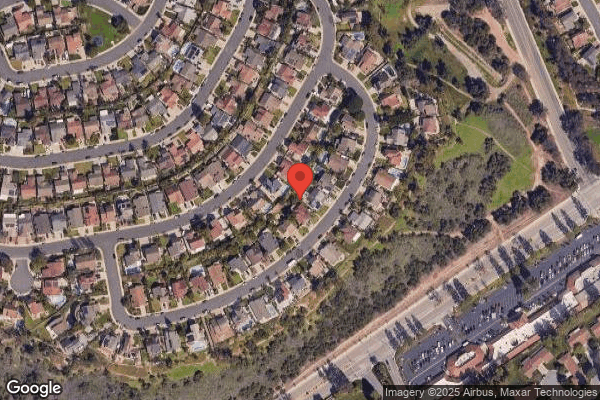

6000 Santa Rosa Road, Camarillo, CA 93012 (805) 388-8086
For profit - Limited Liability company 45 Beds ASPEN SKILLED HEALTHCARE Data: November 2025
Trust Grade
60/100
#288 of 1155 in CA
Last Inspection: May 2025

Inspected within the last 6 months. Data reflects current conditions.

Overview

Alta Healthcare Center of Camarillo has a Trust Grade of C+, indicating it is slightly above average but still has room for improvement. It ranks #288 out of 1,155 facilities in California, placing it in the top half, and #9 out of 19 in Ventura County, meaning only a few local options are better. The facility is on an improving trend, reducing issues from 13 in 2024 to 5 in 2025, but it has concerning fines totaling $43,407, which is higher than 90% of similar facilities in California. Staffing is a strength, rated 4 out of 5 stars with more RN coverage than 76% of state facilities, although the turnover rate of 47% is around the state average. However, there have been serious concerns noted, such as unreported injuries to a resident and lapses in infection control practices that could risk resident safety, highlighting both strengths and weaknesses in their care.
Trust Score
C+
60/100
In California
#288/1155
Top 24%
Safety Record
Moderate
Needs review
Inspections
Getting Better
13 → 5 violations
Staff Stability
⚠ Watch
47% turnover. Above average. Higher turnover means staff may not know residents' routines.
Penalties
⚠ Watch
$43,407 in fines. Higher than 96% of California facilities. Major compliance failures.
Skilled Nurses
✓ Good
Each resident gets 49 minutes of Registered Nurse (RN) attention daily — more than average for California. RNs are trained to catch health problems early.
Violations
⚠ Watch
32 deficiencies on record. Higher than average. Multiple issues found across inspections.
★★★★☆
4.0
Overall Rating
★★★★☆
4.0
Staff Levels
★★★☆☆
3.0
Care Quality
★★★★☆
4.0
Inspection Score
Stable
2024: 13 issues
2025: 5 issues

The Good

  • 4-Star Staffing Rating · Above-average nurse staffing levels
  • Full Sprinkler Coverage · Fire safety systems throughout facility
  • No fines on record

Facility shows strength in staffing levels, fire safety.

The Bad

Staff Turnover: 47%

Near California avg (46%)

Higher turnover may affect care consistency

Federal Fines: $43,407

Above median ($33,413)

Moderate penalties - review what triggered them

Chain: ASPEN SKILLED HEALTHCARE

Part of a multi-facility chain

Ask about local staffing decisions and management

The Ugly 32 deficiencies on record

1 actual harm
Jul 2025 1 deficiency
CONCERN (D) 📢 Someone Reported This

A family member, employee, or ombudsman was alarmed enough to file a formal complaint

Potential for Harm - no one hurt, but risky conditions existed

Deficiency F0919 (Tag F0919)

Could have caused harm · This affected 1 resident

Based on observation, interview, and record review the facility failed to ensure 2 of 3 sampled residents (Resident 1 and Resident 2) had their call light responded to timely.This failure had the pote...

Read full inspector narrative →
Based on observation, interview, and record review the facility failed to ensure 2 of 3 sampled residents (Resident 1 and Resident 2) had their call light responded to timely.This failure had the potential to result in residents' needs not being met.Findings:During a concurrent observation and interview on 7/11/24 at 2:00 p.m. in Resident' room (Resident 2). Resident 2 stated that on most occasions, it took a while for her call light to be answered and sometimes as long as 45 minutes for staff to respond. Resident 2 further explained that this was the only means to communicate her needs to the staff while in the room and in bed. The call light was then pushed while in Resident 2's room and waited 15 minutes and no staff responded.During a concurrent observation and interview on 7/11/25 at 2:20 p.m. with licensed nurse (LN 2). There were approximately 6 staff members at the nurse's station observing Resident 2's room call light on and signing above outside of doorway and no one was seen approaching to respond to the call light. When asked about how the call light system and ow it alerts the staff in the nursing station about a resident need. LN 2 explained that a banner would come across the monitor in the nursing station and the light would come on to communicate to the staff about resident calls. And LN 2 stated that staff usually ought to respond at a reasonable time as soon as they hear or see it. A Staff then immediately went to Resident 2's room.During an interview on 7/11/25 at 3:00 p.m. with a certified nursing assistant (CNA), the CNA stated that for call lights, there is a monitor at the nurse's station and lights in the hallways outside the doors and when it signals, they are meant to respond immediately.During an interview on 7/16/25 at 3:15 p.m. via telephone with resident (Resident 1). Resident 1 stated that staff did not answer the call lights timely and it would take 45 minutes to get a response. Resident 1 explained that there was an occasion when the call light was pushed and no one came, and Resident 1 had approach staff physically at the nurse's station and was told by a staff all the nurses were on a break.During a concurrent document review and interview on 7/23/25 at 11:30 a.m. with the Administrator (ADM), the facility's call light policy titled, Call Light Answering, indicated call lights will be answered within a reasonable time frame. When asked what a reasonable time frame is, the ADM stated, the call lights are usually responded to within 3 minutes and under 10 minutes. When asked if 30 minutes or 45 minutes was a unreasonable response time to a call light be attended to, the ADM agreed and said ‘yes that's not a reasonable response time'. During a review of the facility's policy and procedure (P&P), titled, Call Light Answering, undated, the P&P indicated, It is the policy of this facility to provide the resident a means of communication with nursing staff. 1. Answer the call light within a reasonable time.
May 2025 4 deficiencies
CONCERN (D)

Potential for Harm - no one hurt, but risky conditions existed

Comprehensive Care Plan (Tag F0656)

Could have caused harm · This affected 1 resident

**NOTE- TERMS IN BRACKETS HAVE BEEN EDITED TO PROTECT CONFIDENTIALITY** Based on observation, interview and record review, the facility failed to develop and implement a comprehensive person-centered ...

Read full inspector narrative →
**NOTE- TERMS IN BRACKETS HAVE BEEN EDITED TO PROTECT CONFIDENTIALITY** Based on observation, interview and record review, the facility failed to develop and implement a comprehensive person-centered plan of care for 2 of 13 sampled residents (Residents 7 & 193) when: 1. Resident 7 had missing care plans for pressure injuries (an injury that breaks down the skin and underlying tissue) on the sacral (tail bone) and left heel and a wound on the right anterior (in front of) leg. 2. Resident 193's bed rail was used while in bed. These failures placed the residents at risk of not having their care needs met. Findings: 1. During facility tour observation on 5/19/25 at 9:30 a.m. in room [ROOM NUMBER], Resident 7 was wheeled inside the room by the Certified Nursing Assistant (CNA 1). Resident 7 was observed with multiple skin discoloration on both upper and lower extremities and a dry dressing on the right leg. During a review of Resident 7's electronic record, the Minimum Data Set (MDS - standardized resident assessment in the nursing home) record was reviewed. The MDS record indicated, Resident 7 was originally admitted on [DATE] and was re-admitted back to the facility on 5/8/25. Review of Resident 7's admission Record (AR), dated 5/19/25, the AR indicated, Resident 7 was admitted to the facility due to Aphasia following cerebral infarction (brain condition due to lack of oxygen supply that affects the ability to communicate), Urinary Tract Infection (infection in urine), and Atrial Fibrillation (heart rhythm disorder). During a review of the document titled, Admission/readmission Screen and Baseline Care Plan (ARSBCP), dated 5/8/25, the ARSBCP skin assessment indicated, Resident 7 was admitted with left heel pressure DTI (a type of pressure ulcer with damage to the underlying soft tissues caused by prolonged pressure), stage 2 sacrum pressure injury (a shallow open ulcer with a red or pink wound bed), right anterior leg trauma wound, right heel skin fissure (a crack or a small cut in the skin), bilateral upper and lower extremities (arms and legs) skin discoloration. During a review of Resident 7's Order Summary Report (OSR), dated 5/8/25, the OSR indicated, a physician's order for treatment of the left Heel DTI, stage 2 pressure injury, right leg trauma wound, right heel skin fissure, and to monitor the bilateral arms and legs multiple skin discolorations for skin breakdown. During a review of Resident 7's Treatment Administration Record (TAR), dated 5/2025, treatment was done daily on Resident 7's sacral area, left heel, right leg, and the completed treatment order for the right heel fissure. During a review of the Wound Specialist Progress Notes (WSPN), dated 5/14/25, the WSPN indicated, Resident 7 was evaluated for the stage 2 sacral pressure injury, left heel DTI pressure injury, and the right anterior leg traumatic wound. During a review of Resident 7's Care Plan (CP - the plan how to provide care), dated 5/9/25, there was no plan of care found to address Resident 7's sacral, left heel and right leg wound noted. During a concurrent interview and record review on 5/21/25 at 10:50 a.m. with the MDS coordinator (MDSC), Resident 7's ARSBCP, OSR, TAR, and CP were reviewed. MDSC stated there was no CP initiated for left heel DTI, sacral pressure injury and right leg traumatic wound. MDSC acknowledged the initial skin CP was not initiated when Resident 7s' admission MDS assessment was completed. During an interview on 5/22/25 at 1:14 p.m. with the Director of Nursing (DON), the DON acknowledged Resident 7's missing CP for Resident 7's sacral, left heel and right leg wound. During a review of the facility's policy and procedure (P&P) titled, Care Plans, Comprehensive Person-Centered, dated 12/2026, the P&P indicated, A comprehensive, person-centered care plan that includes measurable objectives and timetables to meet the resident's physical, psychosocial and functional needs is developed and implemented for each resident .2.The care plan interventions are derived from a thorough analysis of the information gathered as part of the comprehensive assessment .8. The comprehensive, person-centered care plan will: a. Include measurable objectives and timeframes; b. Describe the services that are to be furnished to attain or maintain the resident's highest practicable physical, mental, and psychosocial wee-being .12. The comprehensive, person-centered care plan is developed within seven (7) days of the completion of the required comprehensive assessment . 2. During a review of Resident 193's admission record (AR), the AR indicated an admission date of 5/03/25 with diagnoses that includes dementia (a term for a decline in mental ability severe enough to interfere with daily life) with other behavioral disturbance, unspecified psychosis (a condition where a person experiences psychotic symptoms but does not meet the full criteria for any specific psychotic disorder), need for assistance for personal care and rhabdomyolysis (a breakdown of muscle tissue). During an observation on 5/19/25 at 11:45 a.m., in Resident 193's room, the resident was out of room, the bed was observed with small bilateral bedrails (a bar that is mounted on the side of a bed to provide support and/or prevent someone from falling out of bed) in a raised position. During a concurrent record review and interview on 5/20/25 at 1:30 p.m., with the Registered Nursing Supervisor 1 (RNS1), RNS1 confirmed, there were no care plan in place for Resident 193's bilateral bedrail implementation. During a concurrent record review and interview on 5/21/2025 at 11:10 a.m. with the DON, the DON acknowledged the lack of care plan for bedrails stated it will be updated right away. During a concurrent observation and interview on 5/22/25 at 11:30 a.m. with Certified Nursing Assistant (CNA 2), the CNA 2 stated that Resident 193 had the bedrails since admission. During a review of the facility's policy and procedure (P&P) titled, Care Plans, Comprehensive Person-Centered, dated 12/2026, the P&P indicated, A comprehensive, person-centered care plan that includes measurable objectives and timetables to meet the resident's physical, psychosocial and functional needs is developed and implemented for each resident .2.The care plan interventions are derived from a thorough analysis of the information gathered as part of the comprehensive assessment .8. The comprehensive, person-centered care plan will: a. Include measurable objectives and timeframes; b. Describe the services that are to be furnished to attain or maintain the resident's highest practicable physical, mental, and psychosocial wee-being .12. The comprehensive, person-centered care plan is developed within seven (7) days of the completion of the required comprehensive assessment .
CONCERN (D)

Potential for Harm - no one hurt, but risky conditions existed

Deficiency F0700 (Tag F0700)

Could have caused harm · This affected 1 resident

**NOTE- TERMS IN BRACKETS HAVE BEEN EDITED TO PROTECT CONFIDENTIALITY** Based on observation, interview, and record review, the facility failed to assess the risk of entrapment (the state of being cau...

Read full inspector narrative →
**NOTE- TERMS IN BRACKETS HAVE BEEN EDITED TO PROTECT CONFIDENTIALITY** Based on observation, interview, and record review, the facility failed to assess the risk of entrapment (the state of being caught in between something) prior to the use of bilateral bedrails for 1 of 13 sampled residents (Resident 193). This failure had the potential to result in avoidable injuries to the resident. Findings: During a review of Resident 193's admission Record (AR), the AR indicated, Resident 193 was admitted to the facility on [DATE] with diagnoses that included, unspecified psychosis (a condition where a person experiences psychotic symptoms but does not meet the full criteria for any specific psychotic disorder), dementia (a term for a decline in mental ability severe enough to interfere with daily life) with other behavioral disturbance and need for assistance for personal care. During an observation on 5/19/25 at 11:45 a.m., in Resident 193's room, the resident's bed was observed with small bilateral bedrails in a raised position. During a concurrent record review and interview with the registered nursing supervisor 1 (RNS1), RNS1 was unable to locate the completed assessment for risk of entrapment in Resident 193's health record. During a concurrent record review and interview on 5/21/2025 at 11:10 a.m., with the director of nursing (DON), DON acknowledged the assessment for risk of entrapment was not completed and stated, We'll work on it right away. During a concurrent observation and interview on 5/22/25 at 11:30 a.m., with a certified nursing assistant 2 (CNA2), in Resident 193's room, CNA2 stated that Resident 193 had these bedrails since admission. CNA2 further demonstrated how to pull/put up/down the bilateral side rails and stated, Only staff can put these bedrails up or down .because there is a lock (knob) that residents can't pull. During a review of the facility's Policy and Procedure (P&P) titled Proper Use of Side Rails, revised December 2016, the P&P indicated: When used for mobility or transfer an assessment will be made to determine the resident's risk of entrapment and reason for using side rails .
CONCERN (D)

Potential for Harm - no one hurt, but risky conditions existed

Medical Records (Tag F0842)

Could have caused harm · This affected 1 resident

**NOTE- TERMS IN BRACKETS HAVE BEEN EDITED TO PROTECT CONFIDENTIALITY** Based on observation, interview, and record review, the facility failed to ensure the order for pain medication management (Tyle...

Read full inspector narrative →
**NOTE- TERMS IN BRACKETS HAVE BEEN EDITED TO PROTECT CONFIDENTIALITY** Based on observation, interview, and record review, the facility failed to ensure the order for pain medication management (Tylenol and Hydrocodone-Acetamenophen) was clarified with the physician with the correct pain parameters in relation to pain level in 1 of 13 sampled residents (Resident 201). This failure had the potential for Resident 201's pain to be mismanaged. Findings: During a concurrent observation and interview on 5/20/25 at 11:04 a.m. with Resident 201, Ressident 201 was observed in bed, alert and oriented to time, place, and situation. Resident 201 stated is having chronic back and leg pain and had multiple spinal surgeries and is on multiple pain medications. During a review of Resident 201's Face Sheet, dated 5/18/25, the Face Sheet indicted, Resident 201 was admitted to the facility on [DATE] with diagnoses that included, Spondylolisthesis (a condition where one vertebra in the spine slips out of place) and Personal history of other diseases of the Musculoskeletal system and connective tissue. During a concurrent interview and record review on 5/22/25 at 10:45 a.m. with Licensed Nurse (LN 6), Resident 201's Medication Administration Record (MAR), dated 5/18/25. the MAR indicated, an order for Tylenol tablet 325 miligram (mg) 2 tablets by mouth (PO) every 6 hours (Q6hrs) as needed (PRN) for a pain level of 4-6, not to exceed 3000 mg in 24 hours and Hydrocodone-acetaminophen 5 mg-325mg, give 1 tablet PO every 4 hours PRN for pain level of 4-6, and not to exceed 4 gm per day with a start date of 5/18/25. Licensed Nurse (LN 6) confirmed the orders had the same pain levels and can confuse the nurse on which medication to administer to the resident during pain management. During an interview on 05/22/25 at 11:15 a.m. with the Director of Nursing (DON), DON stated that the order was written in error. DON stated that without clarification from the doctor, these medication orders had the potential for the resident to receive duplicate medications. During a review of facility's policy and procedure (P&P) titled, Reconciliation of Medications on Admission, dated July 2017, the P&P indicated, If there is a discrepancy or conflict in medications, contact the admitting and/or the attending physician.
CONCERN (D)

Potential for Harm - no one hurt, but risky conditions existed

Infection Control (Tag F0880)

Could have caused harm · This affected 1 resident

**NOTE- TERMS IN BRACKETS HAVE BEEN EDITED TO PROTECT CONFIDENTIALITY** Based on observation, interview, and record review, the facility failed to maintain an infection prevention and control program ...

Read full inspector narrative →
**NOTE- TERMS IN BRACKETS HAVE BEEN EDITED TO PROTECT CONFIDENTIALITY** Based on observation, interview, and record review, the facility failed to maintain an infection prevention and control program designed to provide a safe and sanitary environment for 1 of 13 sampled residents (Resident 35) when oxygen and nebulizer tubings in use were not labelled and dated to determine when next to change the tubings. This failure had the potential to result in the transmission of infection to the resident. Findings: During a review of Resident 35's admission Record (AR), the AR indicated, Resident 35 was admitted on [DATE] with diagnoses that included, pulmonary embolism (a blood clot that blocks and stops blood flow to an artery in the lung) and dependence on supplemental oxygen and nebulizer treatment. During a concurrent observation and interview on 5/19/25 at 9:50 a.m., with a licensed nurse (LN5) in Resident 35's room, Resident 35's nasal cannula (a small plastic tube, which fits into the person's nostrils for providing supplemental oxygen) connected to an oxygen concentrator (a medical device used to deliver oxygen) and a nebulizer air tubing with aerosol mask (a small machine that converts liquid medication into a fine mist [aerosol] that can be inhaled) were not unlabeled. LN5 confirmed that both the nasal cannula and nebulizer air tubing for Resident 35 were missing dates and acknowledged, without the dates, there is no way of determining when the tubings should be replaced. During a review of the facility's Policy and Procedure (P&P) titled Oxygen Administration, with a revised date of 10/22/2024, the P&P indicated: - 5.b. Change oxygen tubing and mask/cannula weekly and as needed if it becomes soiled or contaminated. - 5.d. If applicable, change nebulizer tubing and delivery devices every 72 hours or per facility policy and as needed if they become soiled or contaminated.
Jul 2024 2 deficiencies
CONCERN (D) 📢 Someone Reported This

A family member, employee, or ombudsman was alarmed enough to file a formal complaint

Potential for Harm - no one hurt, but risky conditions existed

Deficiency F0655 (Tag F0655)

Could have caused harm · This affected 1 resident

**NOTE- TERMS IN BRACKETS HAVE BEEN EDITED TO PROTECT CONFIDENTIALITY** Based on record review and interview, the facility failed to follow its policy and procedure when a care plan was not developed ...

Read full inspector narrative →
**NOTE- TERMS IN BRACKETS HAVE BEEN EDITED TO PROTECT CONFIDENTIALITY** Based on record review and interview, the facility failed to follow its policy and procedure when a care plan was not developed for a suprapubic catheter (is a hollow flexible tube that is used to drain urine from the bladder through a cut in the abdomen) for one of two sampled residents (Resident 1). This failure had the potential to delay Resident 1's care and treatment needed. Findings: During a review of Resident 1's Baseline Admission/readmission Screen (BARS), dated 9/25/23, the BARS indicated, Resident 1 was admitted on [DATE] due to septic shock (serious condition when body respond poorly to an infection) and had a suprapubic catheter (an organ that stores urine). During a review of Resident 1's History & Physical (H&P), dated 9/26/23, the H&P indicated, Resident 1 had diagnoses including, status post (s/p) septic shock, suprapubic abscess (a pocket of infected fluid and pus), urinary tract infection (an infection in any part of the urinary system) and pressure ulcer (an injury that breaks down the skin and underlying tissue). During a review of Resident 1's Minimum Data Set (MDS - a tool used to assess and plan care of residents in a nursing facility) dated 9/30/23, the Urinary Incontinence (loss of bladder control) and Indwelling Catheter in the MDS Care Area Assessment Summary was triggered. During a concurrent interview and record review of Resident 1's Care Plans (CP), with the Treatment Nurse (TN), Resident 1's CPs were reviewed. The CPs did not include a CP for Resident 1's suprapubic catheter. TN confirmed there was no care plan initiated for Resident 1's suprapubic catheter since admission. During an interview on 7/29/24 at 10:53 a.m. with the Director of Nursing (DON), the DON confirmed there was no CP for Resident 1's suprapubic catheter and the CP should have been initiated on admission and was not. During a review of the facility's policy and procedure (P&P) titled, Care Plans - Baseline, dated 3/2022, the P&P indicated, A baseline plan of care to meet the resident's immediate health and safety needs is developed for each resident within forty-eight hours of admission. 1. The baseline care plan includes instructions needed to provide effective, person-centered care of the resident that meets professional standards of quality care and must include the minimum healthcare information necessary to properly care for the resident including, but not limited to the following: a. Initial goals based on admission and discussion with the resident/representative; b. Physician's orders; c. Dietary orders; d. Therapy services; e. Social services ., if applicable. 2. The baseline care plan is used until the staff can conduct the comprehensive assessment and develop an interdisciplinary person-centered comprehensive care plan . The baseline care plan is updated as needed to meet the resident 's needs until a comprehensive care plan is developed.
CONCERN (D) 📢 Someone Reported This

A family member, employee, or ombudsman was alarmed enough to file a formal complaint

Potential for Harm - no one hurt, but risky conditions existed

Comprehensive Care Plan (Tag F0656)

Could have caused harm · This affected 1 resident

Based on record review and interview, the facility failed to complete an individualized care plan for a pressure ulcer (an injury that breaks down the skin and underlying tissue) on the sacrum (tail b...

Read full inspector narrative →
Based on record review and interview, the facility failed to complete an individualized care plan for a pressure ulcer (an injury that breaks down the skin and underlying tissue) on the sacrum (tail bone) for one of two sampled residents (Resident1). This failure had the potential for health, safety and care needs to go unmet if Resident 1's condition changed. Findings: During a review of the facility's policy and procedure (P&P) titled, Care Plans - Baseline, dated 3/2022, the P&P indicated, A baseline plan of care to meet the resident's immediate health and safety needs is developed for each resident within forty-eight hours of admission. 1. The baseline care plan includes instructions needed to provide effective, person-centered care of the resident that meets professional standards of quality care and must include the minimum healthcare information necessary to properly care for the resident including, but not limited to the following: a. Initial goals based on admission and discussion with the resident/representative; b. Physician's orders; c. Dietary orders; d. Therapy services; e. Social services ., if applicable. 2. The baseline care plan is used until the staff can conduct the comprehensive assessment and develop an interdisciplinary person-centered comprehensive care plan . The baseline care plan is updated as needed to meet the resident 's needs until a comprehensive care plan is developed. During a review of Resident 1's History & Physical (H&P), dated 9/26/23, the H&P indicated, Resident 1 had a diagnoses including, Status Post (S/P) septic shock and pressure ulcer. During a review of the Minimum Data Set (MDS - a tool used to assess and plan care of residents in a nursing facility), dated 9/30/23, the Pressure Ulcer in the Care Area Assessment Summary was triggered. During a review of the Resident 1's Wound Consult (WC), dated 9/27/24, the WC indicated, Resident 1 had a stage 4 pressure injury (full thickness tissue loss with exposed bone, tendon, or muscle) on the sacrum. During a review of Resident 1's admission plan of care for sacral pressure injury, dated 9/26/23, the plan of care intervention (action taken) indicated, the use of low air loss mattress (special bed to prevent further skin breakdown), wound treatment, wound monitoring for signs and symptoms of infection, and reporting to the doctor. During a concurrent interview and record review on 7/24/24 at 3:12 p.m. with the treatment nurse (LN 1), Resident 1's care plan for sacral pressure injury was reviewed. LN 1 verbalized nursing interventions includes the use low air loss mattress, gel cushion (special pad placed on a wheelchair), turning and repositioning every two hours, good peri care (perineal - cleaning of private areas), dietician consult, daily monitoring for signs and symptoms of infection. LN 1 further verbalized the plan of care was not person-centered and does not reflect Resident 1's plan of care for the sacral wound. During an interview on 7/29/24 at 10:53 a.m. with the Director of Nursing (DON), the DON verbalized the plan of care must be customized and individualized according to the Resident 1's needs. The DON further verbalized Resident 1's plan of care for the pressure sore was not.
Jun 2024 1 deficiency
CONCERN (D) 📢 Someone Reported This

A family member, employee, or ombudsman was alarmed enough to file a formal complaint

Potential for Harm - no one hurt, but risky conditions existed

Report Alleged Abuse (Tag F0609)

Could have caused harm · This affected 1 resident

Based on observation, interview and record review, the facility failed to report to the State Agency (Department) and the Ombudsman in a timely manner when injuries/abrasions of unknown origin were no...

Read full inspector narrative →
Based on observation, interview and record review, the facility failed to report to the State Agency (Department) and the Ombudsman in a timely manner when injuries/abrasions of unknown origin were noted on Resident 1. This failure had the potential to result in further harm to the resident and to other residents. Findings: On 5/14/24 the facility submitted a report to the Department regarding an injury of unknown origin for Resident 1. The facility's investigation indicated, On Thursday morning 5/8/24, Director of Staff Development (DSD) noticed a skin abrasion on (Resident 1) shoulder. DSD checked for documentation and did not see anything reported, so DSD cleaned abrasion with normal saline, placed a bandage on the site, and reported finding during morning clinical meeting . That same morning . Director of Nursing (DON) delegated skin check to Treatment Nurse, who noted the 1.5cm x 1cm x 0.1 skin abrasion on right shoulder and also noted skin discoloration developing on chin, measuring 0.2cm x 0.2cm. The facility did not report Resident 1's injuries of unknown origin until 5/14/24, six days after the facility claimed it was noted on 5/8/24. During an observation on 5/16/24 at 3:06 p.m. in Resident 1's room, Resident 1 was observed inside the room on the bed, awake, responsive, in and out of sleep, covered with a blanket from neck to lower extremities. Resident 1's bed was in a low position with bilateral floor mattresses folded by the wall. Three family members (FM) were at the bedside visiting. Resident 1 was further observed with reddish, purplish skin discoloration under the chin, the size of a quarter and greenish yellowish skin discoloration on the left cheek. During a phone interview on 5/16/24 at 6:45 p.m. with the Responsible Person (RP), the RP indicated, on 5/9/24 around 9 a.m., the RP and FM1 noted a bandage on the resident's right shoulder. The RP sought out the Administrator (ADM) and asked what happened to (Resident 1) since the RP and the family received no notification of a fall or an incident occurring. Per RP, the ADM stated he is not clinical but will ask the DSD to talk to the RP. The RP indicated on 5/9/24, aside from the right shoulder skin abrasion, Resident 1 was also noted to have skin discoloration/bruise on the chin and on the left cheek and no one from the facility seemed to know what happened or even notice the skin abrasion/discoloration until it was brought to their attention by the RP to the facility staff. During an interview on 5/21/24 at 3:45 p.m. with facility ADM, ADM verbalized the family had notified the facility of skin issues on 5/9/24 and the facility should not have waited until 5/14/24 to report the incident to the Department. ADM stated about the discrepancies on the dates on his report when the injuries of unknown origin were noted, Admin indicated it was on 5/9/24, when family brought it up to the attention of the facility. During an interview on 5/21/24 at 10:02 a.m. with the ombudsman (OMB), the OMB indicated, the facility informed the OMB regarding the injury of unknown origin for Resident 1 via fax on 5/14/24. During a review of Resident 1's History & Physical (H&P), dated 5/9/24, the H&P indicated, Resident 1 was admitted to the facility with diagnoses including, Acute Post-hemorrhagic anemia (a condition in which a person quickly loses a large volume of blood), Gastrointestinal bleeding (bleeding disorder of the digestive tract), cholelithiasis (stones in the gall bladder), cystitis (swelling of the bladder, Chronic Kidney Disease (kidney damage), encephalopathy (toxins in the brain causing changes), diabetes (uncontrolled sugar level in the blood), unspecified dementia (an impairment on cognition without a specific diagnosis), and hypertension (increase in blood pressure). During a review of the facility's policy and procedure (P&P) titled, Reporting Suspicious Injury of Unknown Source, dated 11/30/22, the P&P indicated, 2. Any injury of unknown origin will be reported by the facility administrator, or his/her designee to the following persons or agencies within 2 hours either by telephone, email or in writing (SOC 341) after the report is made, if events that caused the allegation involve abuse or result in serious body injury, or not later than 24 hours if the events that cause the allegation do not involve abuse and do not result in serious bodily injury. During the review of the facility's P&P titled, Abuse Prevention Program, dated 12/2022, the P&P indicated, POLICY: To promote an environment free from any form of resident abuse, neglect, misappropriation of resident property, exploitation and/or mistreatment. Type of Abuse: . 7. Injury of unknown source . VII. Reporting/Response a. The facility shall report any and all allegation of abuse to the District CDPH (California Department of Public Health), Local Ombudsman and/or Local Law Enforcement, either by phone, email, or facsimile within 2-hour timeframe.
Jun 2024 1 deficiency 1 Harm
SERIOUS (G) 📢 Someone Reported This

A family member, employee, or ombudsman was alarmed enough to file a formal complaint

Actual Harm - a resident was hurt due to facility failures

Free from Abuse/Neglect (Tag F0600)

A resident was harmed · This affected 1 resident

Based on observation, interview, and record review, the facility failed to ensure its Abuse/Injuries of Unknown Origin policies and procedures were implemented when one of two residents (Resident 1) w...

Read full inspector narrative →
Based on observation, interview, and record review, the facility failed to ensure its Abuse/Injuries of Unknown Origin policies and procedures were implemented when one of two residents (Resident 1) was found by the responsible party (RP) and family with unreported injuries of unknown origin (abrasion to right shoulder and skin discoloration/bruise on the chin and on the left cheek) This failure had the potential for abuse and injuries to occur with no monitoring and follow up, thereby placing the residents at risk for increased abuse, injuries, or harm. Findings: During an observation on 5/16/24 at 3:06 p.m., Resident 1 was observed in her room, in bed, awake, responsive, and covered with a blanket from neck to lower extremities. Resident 1's bed was in a low position with bilateral floor mattresses folded by the wall. Three family members (FM) were at the bedside visiting. Resident 1 was further observed with reddish, purplish skin discoloration under the chin, about the size of a quarter and greenish yellowish skin discoloration on the left cheek. During an interview on 5/16/24 at 3:06 p.m., with Resident 1 and family member (FM1), FM1 verbalized on 5/9/24 around 9 a.m., while at the facility's dining area with Resident 1, RP and FM1 noticed a bandage on resident's right shoulder area. Resident 1 was not able to recall any accidents, falls, injuries or trauma to any part of body. During a phone interview on 5/16/24 at 6:45 p.m., with the RP, the RP indicated on 5/9/24 around 9 a.m., the RP and FM1 noted a bandage on the resident's right shoulder. The RP sought out the administrator (ADM) and asked what happened to (Resident 1) since the RP and the family received no notification of a fall or an incident occurring. Per RP, the ADM stated he is not clinical but will ask the Director of Staff Development (DSD) to talk to the RP. The RP indicated on 5/9/24, aside from the right shoulder skin abrasion, Resident 1 was also noted to have skin discoloration/bruise on the chin and on the left cheek and no one from the facility seemed to know what happened or even noticed the skin abrasion/discoloration until it was brought up to their attention by the RP to the facility staff. During an interview on 5/16/24 at 3:50 p.m., with the Director of Nursing (DON) and the facility ADM, the ADM verbalized being approached by Resident 1's RP on 5/9/24 around 10 a.m., inquiring about what happened to Resident 1's right shoulder with bandage. The ADM verbalized he was not clinical and referred the RP to the DSD, ADM then informed the DON about RP's concerns. DON verbalized on 5/9/24 (unable to recall what time), sometime in the morning, spoke to Resident 1's RP about the resident's skin issues. According to the DON, DSD found Resident 1 on 5/9/24 with an abrasion on the right shoulder and applied a band aid/bandage on the area. DON was not able to produce any documentation by the DSD regarding the resident's skin condition. During a review of Resident 1's History & Physical (H&P), dated 5/9/24, the H&P indicated, Resident 1 was admitted to the facility with diagnoses including, Acute Post-hemorrhagic anemia (a condition in which a person quickly loses a large volume of blood), Gastrointestinal bleeding (bleeding disorder of the digestive tract), cholelithiasis (stones in the gall bladder), cystitis (swelling of the bladder, Chronic Kidney Disease (kidney damage), encephalopathy (toxins in the brain causing changes), diabetes (uncontrolled sugar level in the blood), unspecified dementia (an impairment of cognition without a specific diagnosis), and hypertension (increase in blood pressure). During a review of the admission Progress Notes (PN), dated 5/7/24, at 8:58 p.m., the PN indicated, Resident 1 was awake, alert, and oriented x 3 (three), able to verbalize needs, with skin intact, and no complaints of pain. During a review of the Physical Therapy (PT) treatment encounter notes on 5/9/24, signed by the therapist at 5:40 p.m., the PT notes indicated, Resident 1 requires, moderate assistance from sitting to standing and maximum assistance to moderate assistance with transfer. During a review of Resident 1's document for change of condition (SBAR - Situation Background Appearance Review and Notify) dated 5/9/24, at 11 a.m., authored by the DON, the SBAR indicated, Resident 1's RP and doctor were notified of the left shoulder abrasion and pain condition. During an interview on 5/16/24 at 5:51 p.m. with Licensed Nurse (LN2), LN2 stated on 5/9/24 (unable to recall what time) Resident 1's RP and FM2 asked when and where the resident sustained the skin changes on the right shoulder, chin area and left cheek. LN2 stated, she responded to FM2 she was not aware of any skin changes as nothing was endorsed by the outgoing shift (night and morning shift). LN2 reviewed Resident 1's documentation with the FM2 in attendance, and review of the night shift nursing documentation indicated, there was no documentation regarding skin changes/abrasions/discoloration. LN2 was not able to locate any further documentation about a change of condition, change in skin assessment, or documentation from other nursing staff, DSD, or DON. During a review of the facility's policy and procedure (P&P) titled, Reporting Suspicious Injury of Unknown Source, dated 11/30/22, the P&P indicated, 1. The facility shall report any injury when ALL of the following criteria are met: The source of the injury was not observed by any person, and the source of the injury could not be explained by the resident, and the injury is suspicious because of: a. The extent of the injury, or b. the location of the injury (e.g., the injury is located in an are not generally vulnerable to trauma), or c. the number of injuries observed at one particular point in time, or d. the incidence of injuries over time .Interview Process/Procedure: 12. Any injury of unknown origin will be reported by the facility administrator, or his/her designee to the following persons or agencies within 2 hours either by telephone, email or in writing (SOC 341) after the report is made, if events that caused the allegation involve abuse or result in serious body injury, or not later than 24 hours if the events that cause the allegation do not involve abuse and do not result in serious bodily injury. During the review of the facility's P&P titled, Abuse Prevention Program, dated 12/2022, the P&P indicated, POLICY: To promote an environment free from any form of resident abuse, neglect, misappropriation of resident property, exploitation and/or mistreatment. Type of Abuse: . 7. Injury of unknown source . VI. A The facility shall respond to the abuse allegation (s) immediately by protecting the alleged victim and integrity of the investigation. b. The facility shall examine the alleged victim for any physical signs of injury, including but not limited to psychological, and psychosocial effect .VII. Reporting/Response a. The facility shall report any and all allegation of abuse to the District CDPH (California Department of Public Health), Local Ombudsman and/or Local Law Enforcement, either by phone, email or facsimile within 2-hour timeframe.
Apr 2024 8 deficiencies
CONCERN (D)

Potential for Harm - no one hurt, but risky conditions existed

Comprehensive Care Plan (Tag F0656)

Could have caused harm · This affected 1 resident

Based on observation, interview, and record review, the facility failed to ensure one of two sampled residents (Resident 138) had a care plan developed and implemented for foley catheter (a tube inser...

Read full inspector narrative →
Based on observation, interview, and record review, the facility failed to ensure one of two sampled residents (Resident 138) had a care plan developed and implemented for foley catheter (a tube inserted into the bladder to drain urine) use. This failure resulted in interventions not being established to guide the provision of high-quality care and had the potential to result in unrecognized complications. Findings: During an observation on 4/9/24 at 11:03 a.m. in Resident 138's room, a foley catheter bag was laying on the floor next to the bed. During a concurrent interview and record review on 4/10/24 at 3:37 p.m. with Infection Preventionist (IP), Resident 138's electronic medical record (eMR) was reviewed. IP stated there was no doctor order or care plan for a foley catheter. IP further stated she had a list of all the residents who had a foley catheter and Resident 138 was not on the list. During a concurrent observation and interview on 4/10/24 at 3:49 p.m. with IP in Resident 138's room, IP observed the foley catheter and stated, She does have a foley catheter. During a review of the facility's policy and procedure (P&P) titled, Care Planning - Interdisciplinary Team, dated 9/2013, the P&P indicated, Our facility's Care Planning/Interdisciplinary Team is responsible for the development of an individualized comprehensive care plan for each resident.
CONCERN (D)

Potential for Harm - no one hurt, but risky conditions existed

Incontinence Care (Tag F0690)

Could have caused harm · This affected 1 resident

Based on observation, interview, and record review, the facility failed to ensure one of two sampled residents (Resident 138) received appropriate care and services to manage an indwelling catheter (a...

Read full inspector narrative →
Based on observation, interview, and record review, the facility failed to ensure one of two sampled residents (Resident 138) received appropriate care and services to manage an indwelling catheter (a tube inserted into the bladder to drain urine). This failure had the potential for Resident 138 to have an increased risk for an infection. Findings: During an observation on 4/9/24 at 11:03 a.m. in Resident 138's room, a foley catheter bag was laying on the floor next to the bed. During a concurrent interview and record review on 4/10/24 at 3:37 p.m. with Infection Preventionist (IP), Resident 138's electronic Medical Record (eMR) was reviewed. IP stated there was no doctor order or care plan for a foley catheter. IP further stated she has a list of all the residents who have foley catheters and Resident 138 is not on the list. During a concurrent observation and interview on 4/10/24 at 3:49 p.m. with IP in Resident 138's room, IP observed the foley catheter and stated, She does have a foley catheter. During a review of the facility's policy and procedure (P&P) titled, Catheter Care, Urinary, dated 9/2014, the P&P indicated, The purpose of this procedure is to prevent catheter-associated urinary tract infections . Check the resident frequently to be sure he or she is not lying on the catheter and to keep the catheter and tubing free of kinks . The urinary drainage bag must be held or positioned lower than the bladder at all times . Be sure the catheter tubing and drainage bag are kept off the floor . Empty the collection bag at least every eight (8) hours . Catheter tubing should be strapped to the to the resident's inner thigh.
CONCERN (D)

Potential for Harm - no one hurt, but risky conditions existed

Deficiency F0692 (Tag F0692)

Could have caused harm · This affected 1 resident

**NOTE- TERMS IN BRACKETS HAVE BEEN EDITED TO PROTECT CONFIDENTIALITY** Based on observation, interview and record review, the facility failed to consistently document the quantity consumed of nutriti...

Read full inspector narrative →
**NOTE- TERMS IN BRACKETS HAVE BEEN EDITED TO PROTECT CONFIDENTIALITY** Based on observation, interview and record review, the facility failed to consistently document the quantity consumed of nutrition intervention (purposely planned action) supplement (nutritional product added to the diet) for two of 12 sampled residents (Resident 30 and Resident 143) ensuring the accuracy of nutrition assessments and ability to monitor effectiveness. This failure had the potential to ineffectively evaluate and delay timely revision of interventions needed to meet residents' nutrition needs. Findings: 1. During a review of resident 30's Nutritional Screen and Assessment (NSA), dated 3/16/24, the NSA indicated Resident 30's most recent weight was 150 pounds and was re-admitted with a 16-pound weight loss prior to arrival due to severe protein-calorie malnutrition (an energy deficit due to deficiency of protein) with poor meal intake in hospital prior to arrival. The NSA indicated further, .Estimated Nutrient and Energy Needs ([NAME]) . [NAME] not met with PO (oral intake of food) and diet provided. Recommend TwoCal Med Pass (nutrition supplement) 120 cc (quantity measured in cubic centimeter) TID (three times a day) 10a (10 a.m.), 2p (2 p.m.), HS (bedtime) . Juven (another type of nutrition supplement) one packet mixed with eight ounces H2O (water) BID (two times a day) to ensure [NAME] met, stabilize weight and promote wound healing. During a review of Resident 30's, Order Summary Report (OSR), dated 4/9/24, the OSR indicated under the Dietary-Supplements section, Juven (Formulary) two times a day for supplement for 30 days mixed with 8 oz (ounces) fluid (start date: 4/9/24, end date: 5/9/24), Magic Cup (Formulary) (a protein-rich frozen dessert similar to ice cream) one time a day for supplement give with lunch (start date: 4/9/24), TwoCal (Formulary) three times a day for supplement five 120 cc (start date: 4/9/24). During a concurrent observation and interview on 04/09/24 at 12:15 PM with Restorative Nurse Assistant (RNA). Observed Resident 30 in dining room receiving assistance from RNA with lunch meal, Residents Magic Cup supplement was on another table unopened. RNA verbalized that Magic Cup supplement would be offered to resident after resident was done with meal. During a concurrent interview and record review on 04/10/24 at 10:22 a.m. with a Licensed Nurse (LN) 2, Resident 30's Medication Administration Record [MAR], dated April 2024 was reviewed in the electronic health record (EHR). LN 2 stated she provided Resident 30 her nutritional supplements of Juven and Two Cal (2 Cal) Med Pass (to increase calories and protein) as ordered as indicated on the EHR MAR by a green check mark. LN 2 stated she had not been trained to document quantity of consumption of the nutrition supplements, and therefore did not. During an interview on 04/10/24 at 01:20 p.m. with the Clinical Registered Dietitian (CRD), CRD stated that she gets information from nursing staff or residents when assessing resident's supplements consumption quantities. CRD stated in order to accurately assess nutrition intake as compared to assessed daily needs, there would need to be consistent and accurate documentation of quantity of consumption of the ordered nutritional supplements that were prescribed for therapeutic purposes. CRD verified lack of consistent documentation of quantity of nutritional supplements consumed impeded monitoring for effectiveness in order to identify when an alternative nutrition approach may be necessary prior to outcome, such as weight loss. During an interview on 04/10/24 at 1:30 p.m. with RNA, RNA verbalized nutritional supplements are documented in the electronic health record (EHR) as PO intake when they come on the meal trays and not differentiated between other food on the meal tray. RNA stated Resident 30 refused the Magic Cup on 4/9/24 but described that when Magic Cup was ordered for any resident, that the consumption of the Magic Cup would be included in overall percent meal intake. RNA stated there would be no documentation for the specific order of Magic Cup in the EHR when Magic Cup was provided on meal trays and no method to review quantity consumption of Magic Cup, at a later time. RNA stated oral liquid nutrition supplements such as a healthshake was documented as overall cc of fluid intake from all fluid sources on the meal tray, whether it was fluid from water (with zero calories) or the high calorie/high protein oral liquid nutrition supplement. During an interview on 04/10/24 at 01:35 p.m. with the Director of Staff Development (DSD), DSD stated that the meal, protein, fluid intake documentations are part of Certified Nursing Assistants (CNA), and Licensed Nurses new hire orientation but CNAs and LNs do not have formal training regarding the documentation of intake quantity of residents' nutritional supplements consumption. During an interview on 04/10/24 at 03:55 p.m.with Director of Nursing (DON) and Food Service Director (FSD), DON and FSD verified they did not have a system to quantify consumption of nutrition supplement (therapeutic interventions) orders separate from the overall percent meal intake of the diet order when nutrition supplements are provided on meal trays. DON verified nursing staff have not been consistently trained on documenting quantity consumed of nutrition supplement orders that are given during medication pass for effective monitoring of intake. During a review of facility's policy and procedure (P&P) titled, Nutritional Assessment dated October 2017, P&P indicated, dietitian, as part of the interdisciplinary team (IDT) shall identify an estimate of calorie, protein, nutrient, and fluid needs, and whether the resident's current intake is adequate to meet his or her nutritional needs. During a review of resident 143 Nutritional Screen and Assessment , dated 03/25/24 resident 143 weight was 112 pounds on 03/21/24, . appears thin and may benefit from nutrition supplement . The estimated nutrient and energy needs were calories: 1527-1782, protein 61 grams. Rec [recommended] 2cal Med Pass 120cc BID [twice a day] 10a, 2p (480 cal, 20g pro) x30d (for 30 days) to ensure ENN met. During review of resident 143 Nutrition - Amount Eaten with look back for past 14 days, dates started 03/29/24 and end 04/11/24 indicated that a check mark was placed under percentage eaten. Percentage amounts broken down. 0-25%, 26-50%, 51-75%, 76-100%. NPO (nothing by mouth), tube feeding, resident not available, resident refused, and not applicable. During a review of resident 143 Order Summary Report dated 04/11/24 indicated 2 Cal Med Pass 120cc twice a day was ordered on 03/27/24. During a review of resident 143 Medication Administration Record (MAR) dated April 2024, indicated 2 Cal Med Pass 120cc BID was documented at 10:00 a.m. and 2:00 p.m. indicated by a check mark and initials of person administering on dates 04/01, 04/02/ 04/03/, 04/05, 04/06, 04/07, 04/08, 04/09, and 04/10. The Chart Codes on MAR indicates a check mark equals administered. During a review of resident 143 MAR dated March 2024 indicated 2 Cal Med Pass 120cc BID was documented at 10:00 a.m. and 2:00 p.m. indicated by a check mark and initials of person administering on dates 03/27, 03/28, 03/29, 03/30, and 03/30. The Chart Codes on MAR indicates a check mark equals administered. During a review of facility's policy and procedure (P&P) titled, Nutritional Assessment dated October 2017, P&P indicated, dietitian, as part of the interdisciplinary team (IDT) shall identify an estimate of calorie, protein, nutrient, and fluid needs, and whether the resident's current intake is adequate to meet his or her nutritional needs.
CONCERN (D)

Potential for Harm - no one hurt, but risky conditions existed

Deficiency F0761 (Tag F0761)

Could have caused harm · This affected 1 resident

**NOTE- TERMS IN BRACKETS HAVE BEEN EDITED TO PROTECT CONFIDENTIALITY** Based on observation, interview, and record review, the facility failed to ensure: 1. Expired items in the medication storage ro...

Read full inspector narrative →
**NOTE- TERMS IN BRACKETS HAVE BEEN EDITED TO PROTECT CONFIDENTIALITY** Based on observation, interview, and record review, the facility failed to ensure: 1. Expired items in the medication storage room and treatment cart were discarded and not readily available for staff use. 2. Medications and biologicals in locked compartments were stored at proper temperature controls. These failures had the potential for residents to receive expired and ineffective medications and supplies. 1. During a concurrent observation and interview on [DATE] at 2:37 p.m., in the facility's medication storage room with the Director of Nursing (DON), a sealed First Aid Kit (FAK - a set of materials and tools used for giving emergency treatment) was noted without a visible expiration date label. DON was asked how staff would verify if the contents of the kit were still usable. DON opened the kit and revealed a label indicating the FAK expired in 2022. During a concurrent observation and interview on [DATE] at 3:16 p.m., with licensed nurse (LN) 1, the facility's treatment cart was inspected. The cart was observed to have opened, single- use and steri-strips (sterile, breathable adhesive strips that keep small wounds closed and saline (sterile cleaning solution) bottles stored. LN 1 verbalized these opened, leftover items should have been discarded. During a review of the facility's policies and procedures (P&P) titled, Storage of Medications, dated 4/08, the P&P indicated in part . Outdated, contaminated, or deteriorated medications and those in containers that are cracked, soiled, or without secure closures are immediately removed from stock 2. During a concurrent observation and interview on [DATE] at 2:37 p.m. in the facility's medication storage room, with the Director of Staff Development (DSD), the room temperature reading was noted at 78 degrees Fahrenheit (F), and the refrigerator temperature reading was noted at 58 degrees F. DSD verbalized the temperature readings were out of range. During a concurrent observation and interview on [DATE] at 3:40 p.m., in the facility's medication storage room, with LN 3, the room temperature reading was noted at 79 degrees F, and the refrigerator temperature reading was noted at 48 degrees F. LN 3 verbalized the temperature readings were still out of range. During a review of the facility form titled, Temperature Log, dated 4/24, the log indicated, Medication Room Temperature range 65-75 degrees F . Refrigerator temperature Range 35-45 F. During a review of the facility's P&P titled, Storage of Medications dated 4/08, the P&P further indicated, .Medications requiring refrigeration or temperatures between 2 degrees Centigrade (C) (36 F) and 8C (46 F) are kept in a refrigerator with a thermometer to allow temperature monitoring
CONCERN (D)

Potential for Harm - no one hurt, but risky conditions existed

Deficiency F0813 (Tag F0813)

Could have caused harm · This affected 1 resident

**NOTE- TERMS IN BRACKETS HAVE BEEN EDITED TO PROTECT CONFIDENTIALITY** Based on observation, interview and record review, the facility failed to ensure the facility policy and procedure (P&P) for foo...

Read full inspector narrative →
**NOTE- TERMS IN BRACKETS HAVE BEEN EDITED TO PROTECT CONFIDENTIALITY** Based on observation, interview and record review, the facility failed to ensure the facility policy and procedure (P&P) for foods brought in by family/visitors was implemented when staff were unaware of the P&P and there lacked clear guidance on location of a designated refrigerated area for this purpose. This deficient practice had the potential to deny residents, family, and visitors their right to store outside food safely for later consumption. Findings: During an interview on 04/08/24 at 2:29 p.m. with a Certified Nursing Assistant (CNA) 1, CNA 1 stated, I do not know if family can bring in food from home to be stored for a resident. CNA 1 verbalized that if family did bring in food, they usually come during mealtime and no food is stored. CNA 1 verbalized that she has not had training regarding storing foods brought in from home. During an interview on 04/08/24 at 2:30 p.m. with CNA 2, CNA 2 stated the facility allows food from outside brought by family. CNA 2 verbalized the Food Service Director (FSD) checks the food first and it gets stored in the kitchen. During an interview on 04/08/24 at 2:34 p.m. with FSD, FSD verbalized that it is ok for family to bring in outside foods if it follows the resident's prescription diet. FSD stated, The facility does not store outside food for residents at the facility. During an interview on 04/09/24 at 3:15 p.m. with Director of Marketing (DMK) and FSD, DMK verbalized he is in charge of admissions for new residents. DMK verbalized that the family and/or resident will sign the Food Brought by Family/Visitors policy on admission. FSD stated that it has not been the practice to educate staff on food brought from home. During an interview with Director of Staff Development (DSD) on 04/10/24 at 1:35 PM, DSD stated that meal, protein, fluid intake and (activities of daily living (ADLs) are included during Staff training but there is no formal training on foods brought from home. During a review of the facility's policy and procedure (P&P) titled, Foods [NAME] by Family/Visitors, dated 11/2017, the P&P indicated, .7. Food brought by family/visitors that is left with the resident to consume later will be labeled and stored in a manner that is clearly distinguishable from facility-prepared food, . b. Perishable foods must be stored in a re-sealable containers with tightly fitting lids in a refrigerator. Containers will be labeled with the resident's name, the item, and the use by date.
CONCERN (D)

Potential for Harm - no one hurt, but risky conditions existed

Medical Records (Tag F0842)

Could have caused harm · This affected 1 resident

Based on record review and interview, the facility failed to ensure resident medical records were kept confidential when the Discharge Summary (DS) of one unsampled resident (Resident 8) was found att...

Read full inspector narrative →
Based on record review and interview, the facility failed to ensure resident medical records were kept confidential when the Discharge Summary (DS) of one unsampled resident (Resident 8) was found attached to the DS of one sampled resident (Resident 140). This failure resulted in a breach of protected health information for Resident 8 and the inaccurate discharge information for Resident 140 . Findings: During a review of Resident 140's clinical record, a document titled Discharge Summary, dated 3/25/24 under Resident 8's name was found attached to Resident 140's DS, also dated 3/25/24. During a concurrent interview and record review on 4/9/24 at 3:36 p.m., with the Director of Nursing (DON), Resident 140's DS, dated 3/25/24, was reviewed. The DON indicated that the DS of Resident 8 was attached to Resident 140 electronic medical information and agreed that Resident 8's discharge information was mistakenly scanned in Resident 140's clinical record. During a review of the facility's policy and procedure (P&P) titled, Release of Information, dated 11/09, the P&P indicated in part, Our facility maintains the confidentiality of each resident's personal and protected health information.
CONCERN (E)

Potential for Harm - no one hurt, but risky conditions existed

Food Safety (Tag F0812)

Could have caused harm · This affected multiple residents

3. During an observation on 04/08/24 at 10:34 a.m., in the kitchen titled pantry, a black plastic pipe that was attached to a copper-colored metal pipe located near the dishwash machine was observed. ...

Read full inspector narrative →
3. During an observation on 04/08/24 at 10:34 a.m., in the kitchen titled pantry, a black plastic pipe that was attached to a copper-colored metal pipe located near the dishwash machine was observed. The black plastic pipe extended approximately two inches below the flood level rim of the floor sink drain. The copper pipe was observed to be below the flood level rim of the floor sink drain. During a concurrent observation and interview on 04/08/24 at 2:38 p.m. with the Director of Maintenance (DOM) in the pantry kitchen, DOM stated the black plastic pipe was hooked up to the dishwash machine for drainage. DOM stated the copper pipe was zip tied to the black plastic pipe to hold it up, but the copper pipe was not being utilized for drainage. DOM verbalized he did not believe the black plastic pipe used for drainage from the dish-machine needed an air gap. During an observation and concurrent interview on 04/08/24 at 2:42 p.m. with Food Service Director (FSD) in the pantry kitchen, FSD observed the pipe used for drainage from the dishwash machine. FSD stated there was not an appropriate air gap and it did not meet the FDA (Food and Drug Administration) food code guidelines that required the pipe to be above the rim by one inch. During a review of an email communication on 04/08/24 at 3:47 p.m. with the Department of Health Care Access and Information (HCAI), the e-mail indicated, we never allow plastic pipe and that an air gap 1 (one) inch above the floor sink drain rim was required for the dishwash machine. During an interview with DOM on 04/08/24 at 4:15 p.m., DOM stated the drainage pipe should be one inch above the floor sink rim for an air gap, and it was not. During a review of the FDA Food Code (FDAFC), dated 2022, the FDAFC indicated, 5-202.13 Backflow Prevention, Air Gap. An air gap between the water supply inlet and the flood level rim of the PLUMBING FIXTURE, EQUIPMENT, or nonFOOD EQUIPMENT shall be at least twice the diameter of the water supply inlet and may not be less than 25 mm (1 inch). During a review of the FDA Food Code Annex (FDAFCA), dated 2022, the FDAFCA indicated, Backflow Prevention, Air Gap .Providing an air gap between the water supply outlet and the flood level rim of a plumbing fixture or equipment prevents contamination that may be caused by backflow. 4. During a concurrent observation and interview on 04/10/24 at 1:52 p.m. with Dietary Aid (DA) in the kitchen called Pantry, DA 1 was observed running resident dishes through the high temperature dish machine (HTDM). DA1 observed the digital temperature reading displayed on the screen located on the HTDM. DA 1 stated the wash temperature was 138 degrees Fahrenheit (F), and rinse (final rinse) temperature was 158 degrees F. DA1 stated the HTDM wash cycle should reach 150 degrees F for wash and 180 degrees F for rinse. DA 1 was observed to continue to use the HTDM to wash resident's dishes from the lunch meal. DA1 and DA2 stated they use the HTDM for resident's plates, lids, domes, mugs, cups, utensils and meal trays. DA 1 and DA 2 stated the pans used to store food in the steam table were the only items that were washed in the main kitchen's HTDM. During a concurrent observation and interview on 04/10/24 at 2:15 p.m. with FSD in the Pantry kitchen, FSD observed a load of dishes run through the HTDM. FSD stated the digital temperature reading indicated the wash temperature reached 138 degrees F and the final rinse temperature reached 171 degrees F. FSD stated dietary aides had not reported a problem with the HTDM temperatures since it had been installed a couple of months ago. During a concurrent observation and interview on 04/10/24 at 2:17 p.m. with FSD and Kitchen Manager (KM), a new cycle of dishes was run through the HTDM. KM stated the wash temperature reached 145 degrees F and the final rinse temperature reached 170 degrees F. KM stated the dishes were not being washed and sanitized in accordance with the HTDM manufacturer's guidelines. During a review of an invoice (from the manufacturer of the HTDM), dated 02/26/24, the invoice indicated the HTDM was installed and in use at the facility since 2/26/24. During a review of the facility's policy and procedure (P&P) titled, Recording of Dish Machine Temperatures, dated 08/29/23, the P&P indicated, .record temperature every shift on Dishmachine Temperature Log (FORM 408) or other designated form or on Food Temperature and Sanitation Record (FORM 401B) ., High Temperature Dishmachines . wash temperature 150 - 165 degrees (160 degrees at rack level) and rinse temperature 180 degrees or greater ., Report temperatures that are less than required levels (see above) to the Director of Food and Nutrition Services or other clinically qualified nutrition professional and immediately convert to paper service until the temperature is corrected. During a review of the manufacturer's directions located on a data plate (DP) affixed to the HTDM, the DP indicated the minimum required wash temperature was 155 degrees F and minimum rinse temperature was 180 degrees F. During a review of the facility's Dishmachine Temp Log, dated 2/26/24 through 4/9/24, the Wash column indicated the wash water temperature was less than 155 degrees F for 59 of 162 logged entries. The Dishmachine Temp Log, dated March 2024, indicated the Rinse (final rinse for sanitizing) was less than 180 degrees F for 7 of 93 logged entries. The Dishmachine Temp Log indicated, Notify supervisor when temps or sanitizer are out of range. During a review of the FDA (Food & Drug Administration) Food Code Annex (FDAFC), dated 2022, the FDAFC indicated, The data plate provides the operator with the fundamental information needed to ensure that the machine is effectively washing, rinsing, and sanitizing equipment and utensils. The warewashing machine has been tested, and the information on the data plate represents the parameters that ensure effective operation and sanitization and that need to be monitored. (FDA Food Code Annex 3, 4-204.113 Warewashing Machine, Data Plate Operating Specifications.) During a review of the FDAFC, dated 2022, the FDAFC indicated, To ensure properly cleaned and sanitized equipment and utensils, warewashing machines must be operated properly. The manufacturer affixes a data plate to the machine providing vital, detailed instructions about the proper operation of the machine including wash, rinse, and sanitizing cycle times and temperatures which must be achieved. (FDA Food Code Annex 3, 4-501.15 Warewashing Machines) Based on observation, interview, and record review, the facility failed to ensure: 1. Food was stored properly in accordance with professional standards of food service safety when a box of raw ground hamburger was stored above pork cutlets in the walk-in refrigerator. 2. Cooked pasta, a TCS (Time-Temperature Control for Safety - food that requires time-temperature control to prevent the growth of bacteria) food, was documented on the cool down log. 3. There was an appropriate air gap between the dish machine drain and the floor sink drain to prevent contaminated water from backing up into the dish machine should a problem arise with the floor drain. 4. The high temperature dish machine manufacturer guidelines were followed. These failures had the potential to place residents at an increased risk of a foodborne illness. Findings: 1. During an observation on 4/8/24 at 09:55 with the Food Service Director (FSD) in the main kitchen, inside the walk-in refrigerator was an open box of raw ground beef stored above a shelf that had a box of raw pork cutlets. During concurrent observation and interview on 04/08/24 at 02:15 p.m. with FSD in the main kitchen, a poster titled Proper Food Storage Order was posted on the wall next to the walk-in refrigerator. The poster indicated raw whole meat (pork cutlets) should be stored above raw ground meats (ground beef). FSD confirmed the meats were not stored safely when the ground beef was stored above the pork cutlets. During a review of facility policy and procedure (P&P) titled, Meat Cookery and Storage, dated 5/20/2020, the P&P indicated, Whole cuts of beef and Pork should be stored on top of ground meat. 2. During a concurrent observation and interview on 4/8/24 at 10:10 a.m. with FSD in the walk-in refrigerator in the main kitchen, there was a container labeled pasta, dated 4/5/24, on a shelf. FSD stated the cooked pasta was for the residents residing in the assisted living. During a concurrent observation and interview on 4/8/24 at 10:25 a.m. with the cook/food service (FS), FS observed the pasta in the walk-in refrigerator. FS stated he cooked the pasta and forgot to document the cool down process on the cool down log. During a concurrent interview and record review on 04/08/24 at 10:35 a.m. with the Kitchen Supervisor (KS) and FSD, KS stated the pasta in the refrigerator was for use in both the assisted living and the skilled nursing for the macaroni, cheese and tomato bake for the residents dinner on 4/8/24. FSD reviewed the cool down log and verified the pasta was not documented on the log and should have been. During a review of facility's policy and procedure (P&P) titled, Cooling Monitor for Hazardous Foods, dated 5/20/2020, the P&P indicated .using the form 406, record food temperature every hour. Food should be cooled from 140 degrees to 70 degrees Fahrenheit (F) within 2 hours and cooled from 70 degrees to 41 degrees F in an additional 4 hours.
CONCERN (F)

Potential for Harm - no one hurt, but risky conditions existed

Infection Control (Tag F0880)

Could have caused harm · This affected most or all residents

**NOTE- TERMS IN BRACKETS HAVE BEEN EDITED TO PROTECT CONFIDENTIALITY** Based on observation, interview, and record review the facility failed to maintain an effective infection prevention and control...

Read full inspector narrative →
**NOTE- TERMS IN BRACKETS HAVE BEEN EDITED TO PROTECT CONFIDENTIALITY** Based on observation, interview, and record review the facility failed to maintain an effective infection prevention and control program when: 1. A hand washing sink area was not accessible for staff use in a resident room identified as requiring transmission-based precautions (TBP - precautions put in place to prevent or control infections). 2. C-DIFF (Clostridium Difficile - an infection from a bacterium that causes diarrhea) feces contaminated briefs were discarded in the same trash can intended for doffing (removal) of personal protective equipment [(PPE) isolation gowns and gloves]. 3. A clean medication preparation area on the medication cart was contaminated when a jacket, personal supply bag, and blood pressure (BP) cuff were stored on it. 4. A BP cuff removed from a room requiring TBP was placed on top of the clean PPE supply cart for cleaning. 5. Medication cart trash was overflowing. 6. Water management test kits in use were expired. 7. Dirty laundry was transported through the clean laundry area. These failures had the potential to result in the spread of harmful microorganisms to staff, residents, and visitors. Findings: 1. During a review of the facility's policy and procedure (P&P) titled, Isolation - Categories of Transmission-Based Precautions, dated 10/18, the P&P indicated in part, Transmission based precautions are initiated when a resident develops signs and symptoms of a transmissible infection . Transmission-based precautions are additional measures that protect staff, visitors, and other residents from becoming infected. During a review of Resident 138's Order Summary Report (OSR) dated [DATE], the OSR indicated, CONTACT PRECAUTION FOR C-DIFF . Order date [DATE]. During a concurrent interview and observation on [DATE] at 3:30 p.m. with Resident 138 in their room, Resident 138 verbalized staff did not wash their hands before exiting the room. Resident 138's room was identified as requiring contact precautions (measures that are intended to prevent transmission of infectious agents which are spread by direct or indirect contact with the resident or the resident's environment). Resident 138's sink area was cluttered with a pink wash basin preventing the washing hands before exiting the room. During an interview on [DATE] at 2:15 p.m. with Infection Preventionist (IP), IP verbalized that she was aware of the pink wash basin on the sink counter in Resident 138's room. IP also verbalized that there was very limited storage area in the resident bathroom. IP further stated, Yes, the pink wash basin is considered contaminated and does get in the way of staff trying to wash their hands. During a review of the P&P, titled, Isolation - Categories of Transmission-Based Precautions, dated 10/18, the P&P further indicated, . Staff and visitors will wear gloves (clean, non-sterile) when entering the room . Gloves will be removed and hand hygiene (hand washing) performed before leaving the room . Staff will avoid touching potentially contaminated environmental surfaces or items in the resident's room after gloves are removed. 2. During a concurrent observation and interview on [DATE] at 3:49 p.m. in room [ROOM NUMBER], IP was observed doffing her PPE and then discarding them in the designated trash. The trash was full. IP placed her unprotected hands onto the trash and pushed down to compact the trash to allow the trash lid to close. IP was asked if there were C-Diff contaminated briefs in the trash. IP looked in the trash and stated, Yes, there are briefs in there and there should not be. During a review of the facility's P&P titled, Isolation - Categories of Transmission-Based Precautions, dated 10/18, the P&P indicated in part, Contact Precautions . Staff and visitors will wear a disposable gown upon entering the room and remove before leaving the room and avoid touching potentially contaminated surfaces with clothing after gown is removed. 3. During an observation on [DATE] at 11:22 a.m. outside room [ROOM NUMBER], a medication cart in use had a personal jacket thrown over the pill crusher and a personal supply bag stored on the medication preparation area. During an observation on [DATE] at 11:20 a.m. outside of room [ROOM NUMBER], a licensed nurse (LN) 4 took off her jacket and placed it on top of the pill crusher, stethoscope, and personal bag containing a thermometer, oxygen saturation monitor, and bandage scissors. All in the medication preparation area of the cart. Review of the Centers for Disease Control and Prevention (CDC) website, https://www.cdc.gov/hai/prevent/resource-limited/special-areas.html#anchor_1585593828801, accessed on [DATE], indicated, Areas where medication is prepared (including pharmacies and clinical areas) area high-risk areas in which high degree of asepsis [free from germs that can cause disease] is required. 4. During an observation on [DATE] at 11:22 a.m. outside TBP room [ROOM NUMBER], LN 4 exited room [ROOM NUMBER], a contact isolation precautions room, carrying a BP cuff and placed it on the clean medication preparation area of the medication cart. During an observation on [DATE] at 11:20 a.m. outside TBP room [ROOM NUMBER], LN 4 took a BP cuff from the top of the medication cart then brought it into room [ROOM NUMBER], a contact isolation precautions room for CDI. During a concurrent observation and interview on [DATE] at 11:25 a.m. with LN 4, LN 4 was observed to exit the TBP room [ROOM NUMBER] carrying a BP cuff. LN 4 placed the BP cuff on top of the clean PPE supply cart next to a box of clean face masks to use the bleach wipes on it. LN4 stated she needed to wipe down the BP cuff, then it should dry within three minutes. When pointed out she placed a contaminated BP cuff on the clean PPE storage cart LN 4 stated, Oh Ya, that makes sense. When asked again about the dwell time (the amount of time that a disinfectant must remain visibly moist on a surface) LN 4 verbalized that it would have taken a long time for the BP cuff to dry and be usable if done correctly. During an interview on [DATE] at 2:15 p.m. with IP, IP verbalized that she didn't know why there wasn't a dedicated BP cuff in the contact isolation room. During a review of the facility's P&P titled, Isolation - Categories of Transmission-Based Precautions, dated 10/18, the P&P indicated in part, When transmission-based precautions are in effect, non-critical resident-care equipment items such as a stethoscope (a medical device for listening to internal body sounds such as heart beats and breathing) sphygmomanometer (a medical device to measure blood pressure), or digital thermometer will be dedicated to a single resident. 5. During an observation on [DATE] at 11:22 a.m. outside room [ROOM NUMBER], trash on the side of the medication cart was overflowing. During a concurrent observation and interview on [DATE] at 1:05 p.m. with LN 4, trash on the side of the medication cart was overflowing. LN 4 stated, Yes. It's because the trash bag is too big. During a review of the facility's P&P titled, Infection Prevention and Control Program, dated 6/21, the P&P indicated in part, An infection prevention and control program (IPCP) is established and maintained to provide a safe, sanitary and comfortable environment. 6. During a review of the facility's P&P titled, Legionella (a severe form of pneumonia caused by infection) Water Management Program, dated 7/17, the P&P indicated in part, Our facility is committed to the prevention, detection and control of water-borne contaminants, including Legionella . The purposes of the water management program are to identify areas in the water system where Legionella bacteria can grow and spread, and to reduce the risk of Legionnaire's disease. During a concurrent interview and observation on [DATE] at 12:15 p.m. with the Director of Maintenance (DOM) in the maintenance office, DOM verbalized that [company name] tests the cooling tower (a heat exchanger used to cool water and are breeding grounds for Legionella bacteria if they are not properly disinfected and maintained). DOM presented a test kit and also verbalized that the company workers test the cooling tower every month. The contents of the kit expired 5/19. DOM further verbalized being aware the kit was expired for a couple of months. DOM additionally stated, I have some on order. 7. During a concurrent observation and interview on [DATE] at 1 p.m. with a laundry worker (LW) in the clean laundry room, dirty laundry left in the hallway at the clean laundry door was observed to be transported through the clean laundry room and deposited in the dirty laundry room. LW stated, I'm sorry, when asked how she moved the dirty laundry from clean to dirty area. During a review of the facility's P&P titled, Laundry and Bedding, Soiled, the P&P indicated, Soiled laundry/bedding shall be handled, transported and processed according to best practices for infection prevention and control.
Mar 2024 1 deficiency
CONCERN (D) 📢 Someone Reported This

A family member, employee, or ombudsman was alarmed enough to file a formal complaint

Potential for Harm - no one hurt, but risky conditions existed

Deficiency F0559 (Tag F0559)

Could have caused harm · This affected 1 resident

**NOTE- TERMS IN BRACKETS HAVE BEEN EDITED TO PROTECT CONFIDENTIALITY** Based on interview and record review, the facility failed to provide written notice for one of two sampled residents (Resident 1...

Read full inspector narrative →
**NOTE- TERMS IN BRACKETS HAVE BEEN EDITED TO PROTECT CONFIDENTIALITY** Based on interview and record review, the facility failed to provide written notice for one of two sampled residents (Resident 1) to the resident's responsible party (RP - person designated as being responsible for another person's medical and/or financial decisions) and provide an explanation why the resident was going to be moved to another room before the resident was moved. This failure resulted in Resident 1 being moved to another room without RP knowledge. Findings: During a review of Resident 1's admission Record (AR), dated 1/8/24, the AR indicated, Resident 1 was 93-years old, with diagnoses including, dementia (loss of thinking, remembering, and reasoning skills), hyperlipidemia (high fats in the blood), and urinary tract infection (infection in the bladder). The AR further indicated, Resident 1's daughter was the designated responsible party. During a review of Resident 1's Minimum Data Set (MDS-an assessment tool), dated 12/2/23, the MDS indicated, Resident 1 had a brief interview of mental status (BIMS, a structured cognitive test) score of 05 (severe impairment). During an interview on 2/7/24 at 11:15 a.m. with Resident 1's RP, the RP verbalized concern the facility moved Resident 1 to another room and was not made aware before the room change. During a review of Resident 1's Room Change Notification (RCN), dated 1/19/24, the RCN indicated, After having patient sign, reached out to DTR (Name), she did not pick up my call, so I left a voicemail explaining that we would be moving patient that day, but I never heard back until the following day. During an interview on 2/8/24 at 12:30 with Admissions (ADM), ADM stated, they spoke to Resident 1 and explained the need to consolidate the rooms for admission. Resident 1 was moved from room [ROOM NUMBER]A to room [ROOM NUMBER] on 1/19/24. During a review of the facility's policy and procedure (P&P) titled, Room Change/Roommate assignment, dated 5/17, the P&P indicated, Prior to changing a room or roommate assignment all parties involved in the change/assignment (e.g., residents and their representatives [sponsor]) will be given a___ hour/day advance notice of such change.
Sept 2023 1 deficiency
CONCERN (D) 📢 Someone Reported This

A family member, employee, or ombudsman was alarmed enough to file a formal complaint

Potential for Harm - no one hurt, but risky conditions existed

Notification of Changes (Tag F0580)

Could have caused harm · This affected 1 resident

**NOTE- TERMS IN BRACKETS HAVE BEEN EDITED TO PROTECT CONFIDENTIALITY** Based on interview and record review, the facility failed to ensure the family member or contact person of one of three sampled ...

Read full inspector narrative →
**NOTE- TERMS IN BRACKETS HAVE BEEN EDITED TO PROTECT CONFIDENTIALITY** Based on interview and record review, the facility failed to ensure the family member or contact person of one of three sampled residents (Resident 1), was notified appropriately and in a timely manner, of the resident's significant change in condition requiring an emergency room transfer. This failure had the potential to result in physical and emotional trauma to both resident and family member. Findings: During a review of Resident 1's, admission Record (AR), dated 6/21/23, the AR indicated in part, Resident 1 was a [AGE] year-old male resident, who was admitted to the facility on [DATE] and discharged [DATE]. The AR also indicated, Resident 1 as the primary contact person but has named (name and telephone number) as a second contact person. During a review of Resident 1's, Minimum Data Set (MDS) Assessment (a health status screening and assessment tool used for all residents of long term care facilities), dated 6/28/23, Section C - Cognitive Patterns of the assessment indicated, Resident 1 had a Brief Interview for Mental Status (BIMS - a 15-point screening measure that evaluates memory and orientation with the score interpretations as follows: 13-15 = cognitively intact, 8-12 = moderately impaired, 0-7 = severely impaired) Score of 15. During a review of Resident 1's, Change of Condition (COC) Evaluation, dated 6/26/23, the COC evaluation indicated in part, Resident 1 complained of severe right hip pain, rated at a level eight out of ten (8/10) on the numeric ratings scale (pain scale: 0 = no pain, 1-3 = mild pain, 4-6 = moderate pain, 7-9 = severe pain, 10 = very severe pain). On further review of the COC evaluation, the section under, Name of family/resident representative notified, failed to indicate that a second contact person was notified of Resident 1's change of condition. During a review of Resident 1's, Transfer Form V5, dated 6/27/23, the form indicated in part, Additional relevant information: Resident (1) complained of constant pain on his right hip . MD notified. Send resident (1) to ER (emergency room) for further evaluation per MD. Further review of the form, the section under, Key Contacts failed to indicate a second contact person was notified of Resident 1's unplanned transfer to the ER. During a concurrent interview and record review, on 7/17/23 at 3:30 p.m., with the Director of Nursing (DON), Resident 1's, COC Evaluation, dated 6/26/23, and Transfer Form, dated 6/27/23, were reviewed. DON could not confirm nor deny whether or not nursing staff notified Resident 1's family member or the second contact person on file, of the resident's change of condition and unplanned transfer to the ER. During a review of the facility's, policy and procedures (P&P), titled, Change in a Resident's Condition or Status, dated 5/17, the P&P indicated in part, . 4) Unless otherwise instructed by the resident, a nurse will notify a resident's representative when: .b) There is a significant change in a resident's physical, mental, or psychosocial status, . e) It is necessary to transfer the resident to a hospital/treatment center.
May 2023 3 deficiencies
CONCERN (D)

Potential for Harm - no one hurt, but risky conditions existed

Deficiency F0761 (Tag F0761)

Could have caused harm · This affected 1 resident

**NOTE- TERMS IN BRACKETS HAVE BEEN EDITED TO PROTECT CONFIDENTIALITY** Based on observation, interview, and record review, the facilty failed to ensure: 1. An opened tube of eye lubricant found in th...

Read full inspector narrative →
**NOTE- TERMS IN BRACKETS HAVE BEEN EDITED TO PROTECT CONFIDENTIALITY** Based on observation, interview, and record review, the facilty failed to ensure: 1. An opened tube of eye lubricant found in the medication storage room was labeled and dated. 2. Expired supplies in the treatment cart were discarded and not available for use. These failures had the potential to cause harm to the residents as a result of unsafe medication dispensing and use of ineffective treatment supplies. Findings: 1. During a concurrent observation and interview, on [DATE], at 3:30 p.m., with the Director of Nursing (DON), at the facility's medication storage room, an unlabeled, opened tube of GenTeal Tears (an eye lubricant) was found in one of the wall cabinets. The DON verified the finding and acknowledged the eye lubricant should have been properly labeled with the resident's name and the date it was opened. 2. During a concurrent observation and interview, on [DATE], at 10:45 a.m., with the Director of Staff Development (DSD), the facility's treatment cart was inspected. According to DSD, the cart was assigned to the scheduled treatment nurse for the shift. On inspection of the treatment cart contents, expired supplies such as antibacterial foam dressing (a type of wound care dressing), Medihoney dressing (a type of wound care dressing containing honey), and individually-packed sterile examination gloves were found. The expired items found were verified by DSD and acknowledged that staff should have routinely inspected the cart for expired supplies and discarded them. During a review of the facility's policy and procedures (P&P), titled, Storage of Medications, dated 11/20, the P&P indicated in part, .4) Drug containers that have missing, incomplete, improper, or incorrect labels are returned to the pharmacy for proper labeling before storing. Discontinued, outdated, or deteriorated drugs or biologicals are returned to the dispensing pharmacy or destroyed.
CONCERN (D)

Potential for Harm - no one hurt, but risky conditions existed

Infection Control (Tag F0880)

Could have caused harm · This affected 1 resident

Based on observation, interview, and record review, the facility failed to ensure proper hand hygiene was performed during an active outbreak of Clostridium difficile [CDI- is a germ (bacterium) that ...

Read full inspector narrative →
Based on observation, interview, and record review, the facility failed to ensure proper hand hygiene was performed during an active outbreak of Clostridium difficile [CDI- is a germ (bacterium) that causes diarrhea and colitis (an inflammation of the colon] infection for one of three sampled residents (Resident 96). This facility failure had the potential to cause a mass outbreak in facility, which can result to dehydration, malnutrition, and death. Findings: During a review of the facility's policy and procedure (P&P), titled, Clostridium Difficile dated October 2018, the P&P indicated, Measures are taken to prevent the occurrence of Clostridium Difficile (CDI) among residents. Precautions are taken while caring for residents with C. Difficile to prevent transmission to other residents .Steps toward prevention and early intervention include: d. Frequent handwashing with soap and water by staff and residents and e. Wearing gloves when handling feces or articles contaminated with feces. During a review of Resident 96's admission Record, dated 5/19/23, the record indicated, Resident 96 had diagnoses that included CDI. During a concurrent observation and interview, on 05/16/23, at 3:58 p.m.,with Resident 96's family member (FM), a posted signage on Resident 96's door indicated, Contact Precautions, (wearing a gown and gloves for all interactions that may involve contact with an infectious patient). Staff at the door confirmed the contact precautions are for CDI. Resident 96's FM was observed with hospital gown hanging down leaving collar exposed and no gloves on. The FM confirmed she had been providing personal care, and perineal care (cleaning the private areas of resident). The FM denied receiving any staff instructions on proper CDI precautions and stated, I have now been exposed and exposed my son also, this really bothers me. Several staff were observed going in and out of room and were noted to be using hand sanitizer and not washing their hands with soap and water. During an interview on 5/18/23, at 3:34 p.m., with a certified nurse assistant (CNA 1), CNA 1 verbalized it's ok to use hand sanitizer instead of hand washing and stated, As far as I know I can use the hand sanitizer or use soap and water. During an observation, interview, and record review, on 05/19/23, at 1:33 p.m., with the IP, it was observed that facility staff were not washing their hands with soap and water before and after providing care for Resident 96. The IP also acknowledged Resident 96's FM was not instructed or educated on the proper procedures for gowning, gloving and hand washing as per the facility's P&P titled, Clostridium Difficile, and should have been.
CONCERN (F)

Potential for Harm - no one hurt, but risky conditions existed

Food Safety (Tag F0812)

Could have caused harm · This affected most or all residents

Based on observation, interview, and record review, the facility failed to ensure safe food handling and sanitation were implemented when the ice machine was not maintained in a sanitary manner. This ...

Read full inspector narrative →
Based on observation, interview, and record review, the facility failed to ensure safe food handling and sanitation were implemented when the ice machine was not maintained in a sanitary manner. This failure had the potential to place the residents at an increased risk of foodborne illness. Findings: During a review of FDA (Food & Drug Administration) Food Code and Food Code Annex, 2017, the FDA Food Code indicated, Equipment food-contact surfaces .shall be clean to sight and touch, and nonfood-contact surfaces of equipment shall be kept free of an accumulation of dust, dirt, food residue, and other debris .,and nonfood-contact surfaces shall be cleaned at a frequency necessary to preclude accumulation of soil residues .The presence of food debris or dirt on nonfood-contact surfaces may provide a suitable environment for the growth of microorganisms which employees may inadvertently transfer to food. (4-601.11, 4-602.13, 4-602.13 Annex) During a review of the facility's policy and procedure (P&P), titled, Ice Machine, dated 10/18/2018, the P&P indicated, Frequency: Weekly .Make sure the door liner, door gasket and door frame are free of scale and/or mold . The P&P further indicated, Document cleaning of ice machine on Cleaning Schedule. During an observation, interview, and record review, on 5/17/23, at 9:40 a.m., with Maintenance Director (MD), the ice machine was inspected. MD opened the top panel of the ice machine to show the internal components of the ice- making apparatus. A yellow, crusty substance was observed on the lower left corner of the ice machine door frame and door liner. MD verbalized the ice machine maintainance service was performed by a service technician from the manufacturer once a month, which included cleaning and sanitation. A review of the most recent ice machine maintenance record indicated the last cleaning was performed on 5/11/23. MD stated, To my knowledge, it's the kitchen staffs' responsibility to clean the doors. During a concurrent interview and record review, on 5/17/23, at 3:10 p.m., with Director of Dining (DD), DD stated, The kitchen staff cleans the outside of the ice machine daily, but they don't clean the inside. DD also verbalized he was unaware of the required weekly cleaning as indicated in their P&P, confirmed there was no weekly cleaning documentation or log, and acknowledged there should have been. During an observation, interview, and record review, on 5/17/23, at 3:15 p.m., with Administrator (ADM), ADM confirmed the inside of the ice machine had a build up of yellow crusty substance. ADM also acknowledged, upon reviewing the ice machine P&P, that cleaning should have been done on a weekly basis and documented on a weekly cleaning schedule.
Apr 2023 1 deficiency
CONCERN (D) 📢 Someone Reported This

A family member, employee, or ombudsman was alarmed enough to file a formal complaint

Potential for Harm - no one hurt, but risky conditions existed

Deficiency F0655 (Tag F0655)

Could have caused harm · This affected 1 resident

**NOTE- TERMS IN BRACKETS HAVE BEEN EDITED TO PROTECT CONFIDENTIALITY** Based on interview and record review, the facility failed to implement in a timely manner, a baseline care plan, for one of thre...

Read full inspector narrative →
**NOTE- TERMS IN BRACKETS HAVE BEEN EDITED TO PROTECT CONFIDENTIALITY** Based on interview and record review, the facility failed to implement in a timely manner, a baseline care plan, for one of three sampled residents (Resident 1), addressing Resident 1's risk for developing seizures from a brain infection following surgery to remove part of a brain tumor. This failure had the potential to not meet the immediate care needs of Resident 1 which could affect the resident's safety and well-being. Findings: During a review of Resident 1's, Discharge Summary (DS), from (acute hospital), dated 3/3/23, the DS indicated in part, Hospital Course .This is an [AGE] year-old with a history of .meningioma (most common type of brain tumor) status post recent temporal craniotomy (a type of brain surgery that removes a part of the skull to expose the brain) who presented to (acute hospital) ER with concern for slurred speech, constipation, and chills. The DS also indicated, History was positive for increased weakness after postoperative scheduled Keppra (medication to treat seizure), and Decadron (medication to treat inflammation) course had been completed .Cultures obtained from the surgical site ultimately grew E. Coli (a strain of bacteria) .Antiseizure prophylaxis was continued with Vimpat (Lacosamide - medication to prevent and control seizures) per neurology (pertaining to the nervous system) recommendations .Recommended follow-up as outpatient with neurology for additional management of neurocognitive dysfunction (decreased mental function) and follow-up on antiseizure treatment. During a review of Resident 1's, Orders for SNF (skilled nursing facility)/Swing Admission, report, dated 3/3/23, the report indicated in part, Continue medications that are on this list .Lacosamide 200 milligram (mg) tablet 200 mg oral twice a day. During a review of Resident 1's, Change of Condition Assessments (COC), dated 3/23, 3/27, and 3/28/23, all three COC assessments indicated changes in Resident 1's level of consciousness, from the resident being drowsy and having blurred vision, to being sleepy and confused, and lastly, the resident appearing drowsy, arousable only by rubbing the resident's breastbone. During a concurrent interview and record review, with minimum data set coordinator (MDSC) and director of nursing (DON), on 4/11/23, at 11:40 a.m., Resident 1's clinical record was reviewed. MDSC verbalized Resident 1 was on antiseizure medication as ordered but was not placed on seizure precautions because the resident did not have a medical diagnosis as having seizure disorder. DON agreed. MDSC mentioned a care plan was later initiated pertaining to Resident 1's risk for developing seizures due to the brain infection. When reviewing Resident 1's, Care Plan titled, Altered neurological status related to infection, the care plan indicated an initiation date of 3/28/23, 25 days after Resident 1's admission to the facility, which was also Resident 1's discharge date from the facility. MDSC acknowledged the care plan was implemented late and it should have been initiated in a timely manner. During a review of the facility's, P&P, titled,Care Plans, Comprehensive Person-Centered, dated 12/16, the P&P indicated in part, 7) The care planning process will: a) Facilitate resident and/or representative involvement; b) Include an assessment of the resident's strengths and needs; and c) Incorporate the resident's personal and cultural preferences in developing the goals of care .8) The comprehensive person-centered care plan will: .b) Describe the services that are to be furnished to attain or maintain the resident's highest practicable, physical, mental, and psychosocial well-being .be developed within 7 days after completion of the comprehensive assessment.
Apr 2023 1 deficiency
CONCERN (D) 📢 Someone Reported This

A family member, employee, or ombudsman was alarmed enough to file a formal complaint

Potential for Harm - no one hurt, but risky conditions existed

Deficiency F0655 (Tag F0655)

Could have caused harm · This affected 1 resident

Based on interview and record review, the facility failed to ensure a person-centered care plan, focused on resident safety and protection, was developed for one sampled resident (Resident 1), after a...

Read full inspector narrative →
Based on interview and record review, the facility failed to ensure a person-centered care plan, focused on resident safety and protection, was developed for one sampled resident (Resident 1), after an alleged staff to resident abuse incident was reported. This failure had the potential to impact Resident 1's psychosocial well-being and affect quality of life. Findings: During a concurrent interview and record review, with director of nursing (DON), on 3/28/23 at 4:15 p.m., Resident 1's, clinical records, were reviewed. A review of Resident 1's, Care Plans, failed to indicate that a person-centered care plan, focused on safety and protection, was developed after the facility reported an alleged staff to resident abuse incident which involved Resident 1. The finding was acknowledged by the DON and verbalized there should have been one. During a review of the facility's, policies and procedures (P&P), titled, Abuse Reporting and Investigation, dated 12/1/22, the P&P indicated in part, Policy . To keep resident safe and prevent from future or recurrent potential abuse The P&P indicated further, .QAPI . Alleged violations involving abuse . shall be coordinated with the QAPI committee to maintain an effective, comprehensive, data-driven program, focusing on indicators of the outcomes of care, quality of life and resident's safety. During a review of the facility's, P&P, titled, Care Plans, Comprehensive Person-Centered, dated 12/16, the P&P indicated in part, .7) The care planning process will: a) Facilitate resident and/or representative involvement; b) Include an assessment of the resident's strengths and needs; and c) Incorporate the resident's personal and cultural preferences in developing the goals of care. The P&P indicated further, .8) The comprehensive person-centered care plan will: . b) Describe the services that are to be furnished to attain or maintain the resident's highest practicable, physical, mental, and psychosocial well-being.
Mar 2023 1 deficiency
CONCERN (D) 📢 Someone Reported This

A family member, employee, or ombudsman was alarmed enough to file a formal complaint

Potential for Harm - no one hurt, but risky conditions existed

Deficiency F0658 (Tag F0658)

Could have caused harm · This affected 1 resident

**NOTE- TERMS IN BRACKETS HAVE BEEN EDITED TO PROTECT CONFIDENTIALITY** Based on record review and interview, the facility failed to ensure a Licensed Nurse (LN 1) followed physician orders for one of...

Read full inspector narrative →
**NOTE- TERMS IN BRACKETS HAVE BEEN EDITED TO PROTECT CONFIDENTIALITY** Based on record review and interview, the facility failed to ensure a Licensed Nurse (LN 1) followed physician orders for one of three sampled residents (Resident 1). This facility failure had the potential for Resident 1 to experience negative outcomes, while receiving care in the facility. Findings: During a review of Resident 1's Face Sheet (a form that provides resident information including diagnoses and demographics), the Face Sheet indicated, Resident 1 was [AGE] years old, with diagnoses including, toxic encephalopathy (brain dysfunction caused by toxic exposure), cirrhosis of liver (severe scarring of the liver), end stage renal disease (the final, permanent stage of chronic kidney disease), and muscle weakness (a decrease in strength of one or more muscles in the body). During a review of Resident 1's Physician Orders, dated 1/23/23, the order indicated in part, rifaximin (an antibiotic) one tablet 550 mg (milligram) give 1 tablet by mouth, two times a day for Cirrhosis. During a review of Resident 1's Physician Order Summary, dated 1/25/23, the summary indicated, Resident 1 was to receive rifaximin one 550 mg tablet by mouth, three times a day, for Cirrhosis. During a concurrent record review and interview, on 2/15/23, at 2:20 p.m., with LN 1, Resident 1's Medication Administration Record (MAR), dated 1/23, was reviewed. Resident 1's MAR indicated, on 1/24/23, and 1/25/23, Resident 1 did not receive the physician ordered rifaximin. LN 1 acknowledged Resident 1 did not receive the rifaximin on 1/24/23, and 1/25/23, due to the facility not having the medication onsite. During a concurrent record review, and interview, on 2/15/23, at 2:35 p.m., with LN 2, Resident 1's MAR dated 1/23, was reviewed. The MAR indicated, on 1/26/23, Resident 1 did not receive the physician ordered rifaximin. LN 2 verbalized Resident 1's rifaximin was not administered because the medication was not onsite. During a review of Resident 1's Progress Notes, dated 1/26/23, the note indicated in part, Followed - up new order of Rifaximin 550 MG medication 1-tab TID (three times a day) for Cirrhosis with Skilled Nursing Pharmacy . per pharmacist awaiting for authorization. During a review of the facility's policy and procedure (P&P) titled, Medication Administration - General Guidelines, dated 10/17, the P&P indicated, Medications are administered in accordance with written orders of the attending physician . Medications are administered without unnecessary interruptions. According to Fundamentals of Nursing ([NAME] et al.; Elsevier: 2017, p. 624), Medication errors include . failing to administer a medication . Medication errors can be caused by many factors such as . medication distribution systems.
Feb 2023 5 deficiencies
CONCERN (D) 📢 Someone Reported This

A family member, employee, or ombudsman was alarmed enough to file a formal complaint

Potential for Harm - no one hurt, but risky conditions existed

Assessment Accuracy (Tag F0641)

Could have caused harm · This affected 1 resident

**NOTE- TERMS IN BRACKETS HAVE BEEN EDITED TO PROTECT CONFIDENTIALITY** Based on interview and record review, the facility failed to ensure accurate data was recorded on the Minimum Data Set ([MDS] - ...

Read full inspector narrative →
**NOTE- TERMS IN BRACKETS HAVE BEEN EDITED TO PROTECT CONFIDENTIALITY** Based on interview and record review, the facility failed to ensure accurate data was recorded on the Minimum Data Set ([MDS] - a standardized assessment tool designed to promote quality of care and quality of life), for three of three sampled residents (Residents 1, 2, and 4) when: a) Residents 1, 2, and 4's MDS indicated, M1200C (Skin and Ulcer/Injury Treatments - Turining/ respositioning program)was not marked as a treatment in use, and b) Resident 1's MDS indicated, M1200D (Skin and Ulcer/ Injury Treatments - Nutrition or hydration interventions to manage skin problems) was not marked as a treatment in use. These failures resulted in inaccurate coding in Section M (skin conditions) and had the potential to decrease the quality-of-care Residents 1, 2, and 4 received. Findings: a) According to Long-Term Care Facility Resident Assessment Instrument 3.0 User's Manual (Centers for Medicare & Medicaid Services; Version 1.17.1, October 2019, p. M-35), Program is defined as a specific approach that is organized, planned, documented, monitored, and evaluated based on an assessment of the resident's needs .The turning/repositioning program is specific as to the approaches for changing the resident's position and realigning the body. The program should specify the intervention (e.g., reposition on side, pillows between knees) and frequency (e.g., every 2 hours). During a review of the facility's policy and procedure (P&P) titled, Turning & Repositioning Resident, undated, the P&P indicated, A turning/repositioning program includes a continuous consistent program for changing the resident's position and realigning the body. A program is defined as a specific approach that is organized, planned, documented, monitored and evaluated. During a review of Resident 1's admission Record (AR), undated, Resident 1 was admitted to the facility on [DATE] with diagnoses including, wedge (shape) compression fracture of third thoracic (middle) vertebra (spine), pressure ulcer (bed sores) of the sacral (the base of the spine) region, stage II (broken skin), and muscle weakness. During a review of Resident 1's MDS, dated [DATE], the MDS indicated, Resident 1 required extensive assistance from one staff to turn side to side and position their body while in bed. Resident 1 had unhealed pressure ulcers and was at risk of developing additional pressure ulcers/injuries. Resident 1 had moisture associated skin damage and was always incontinent (had no control) of urine or stool. At M1200C, the MDS did not indicate, Resident 1 was receiving skin and pressure ulcer/injury treatments of a turning/repositioning program. During a review of Resident 1's care plan ([CP] - an outline for staff to follow indicating the action to be taken related to their care needs) titled, [Resident 1 name] has Altered skin integrity, undated, the CP indicated, Encourage [Resident 1's name] to turn and reposition at least every two hours during care and provide assistance if needed. During a review of Resident 2's AR, undated, the AR indicated, Resident 2 was admitted to the facility on [DATE] with diagnoses including acute cholecystitis (inflammation of the gallbladder), surgical aftercare following surgery on the digestive system, diabetes, Alzheimer's, dementia, muscle weakness and difficulty walking. During a review of Resident 2's MDS, dated [DATE], the MDS indicated, Resident 2 required extensive assistance from two staff to turn side to side and position their body while in bed and was impaired on one side of their upper extremity (shoulder, elbow, wrist, hand). Resident 2 had unhealed pressure ulcers and was at risk of developing additional pressure ulcers/injuries. Resident 2 had surgical wounds and was frequently incontinent of urine or stool. At M1200C, the MDS did not indicate, Resident 1 was receiving skin and pressure ulcer/injury treatments of a turning/repositioning program. During a review of Resident 2's CP titled, [Resident 2 name] is at High risk for skin breakdown, undated, the CP indicated, Turn and reposition during care and as needed. During a review of Resident 4's AR, undated, the AR indicated, Resident 4 was admitted to the facility on [DATE] with diagnoses including urinary tract infection, diabetes, stage III (full thickness skin loss) pressure ulcer of the sacral region and right heel, pressure-induced deep tissue damage ([DTI] - persistent non-blanchable deep red, maroon or purple discoloration) of the left heel, difficulty walking and muscle weakness. During a review of Resident 4's MDS, dated [DATE], the MDS indicated, Resident 4 required extensive assistance from two staff to turn side to side and position their body while in bed and was impaired on both sides of their upper extremities (shoulder, elbow, wrist, hand) and lower extremities (hip, knee, ankle, foot). Resident 4 had unhealed pressure ulcers and was at risk of developing additional pressure ulcers/injuries. Resident 4 had skin tear(s), a urinary catheter (a tube inserted in the bladder attached to a bag to collect urine) and was always incontinent of stool. At M1200C, the MDS did not indicate, Resident 1 was receiving skin and pressure ulcer/injury treatments of a turning/repositioning program. During a review of Resident 4's CP titled, [Resident 4 name] has Altered skin integrity, undated, the CP indicated, Turn and reposition resident during care and as needed. During an interview on 1/18/23, at 2:10 p.m., with the MDS licensed nurse (MDSLN), MDSLN stated, the MDS at M1200C is not marked for Residents 1, 2, or 4 because, Turn and reposition is not a program used at the facility for any resident. MDSLN further stated, the facility uses turn and reposition only as an intervention. During a concurrent interview and P&P review on 1/18/23, at 2:10 p.m., with the Assistant Director of Nursing (ADON), ADON reviewed the P&P and stated, the MDS at M1200C indicating a turn and reposition program is used at the facility and should have been marked as a treatment for Residents 1, 2, and 4. b) According to Long-Term Care Facility Resident Assessment Instrument 3.0 User's Manual (Centers for Medicare & Medicaid Services; Version 1.17.1, October 2019, p. M-35), Dietary measures received by the resident for the purpose of preventing or treating specific skin conditions .or are already taking supplements that are fortified with the US Recommended Daily Intake (US RDI) of nutrients. During a review of Resident 1's Order Summary Report (Orders), dated 10/30/22, the Orders indicated, Multivital-M Tablet (Multiple Vitamins-Minerals) Give 1 tablet by mouth one time a day for Supplement .Order Date 09/26/2022, and Vitamin C Tablet 500 MG [milligram] (Ascorbic Acid) Give 1 tablet by mouth one time a day for supplement .Order Date 09/26/2022. During a review of Resident 1's MDS, dated [DATE], the MDS indicated, Resident 1 did not have M1200D marked for Nutrition or hydration intervention to manage skin problems. During a concurrent interview and record review on 1/18/23, at 2:10 p.m., with MDSLN, MDSLN reviewed Resident 1's Orders and MDS and acknowledged M1200D should have been marked to indicate Resident 1 was taking supplements as an intervention to manage skin problems.
CONCERN (D) 📢 Someone Reported This

A family member, employee, or ombudsman was alarmed enough to file a formal complaint

Potential for Harm - no one hurt, but risky conditions existed

Comprehensive Care Plan (Tag F0656)

Could have caused harm · This affected 1 resident

**NOTE- TERMS IN BRACKETS HAVE BEEN EDITED TO PROTECT CONFIDENTIALITY** Based on interview and record review, the facility failed to ensure accurate data was recorded on the Minimum Data Set ([MDS] a ...

Read full inspector narrative →
**NOTE- TERMS IN BRACKETS HAVE BEEN EDITED TO PROTECT CONFIDENTIALITY** Based on interview and record review, the facility failed to ensure accurate data was recorded on the Minimum Data Set ([MDS] a standardized assessment tool designed to promote quality of care and quality of life), for three of three sampled residents (Residents 1, 2, and 4) when: a) Residents 1, 2, and 4's MDS indicated, M1200C (Skin and Ulcer/Injury Treatments - Turining/ respositioning program)was not marked as a treatment in use, and b) Resident 1's MDS indicated, M1200D (Skin and Ulcer/ Injury Treatments - Nutrition or hydration interventions to manage skin problems) was not marked as a treatment in use. This failure resulted in inaccurate coding in Section M (skin conditions) and had the potential to decrease the quality-of-care Residents 1, 2, and 4 received. Findings: a) According to Long-Term Care Facility Resident Assessment Instrument 3.0 User's Manual (Centers for Medicare & Medicaid Services; Version 1.17.1, October 2019, p. M-35), Program is defined as a specific approach that is organized, planned, documented, monitored, and evaluated based on an assessment of the resident's needs . The turning/repositioning program is specific as to the approaches for changing the resident's position and realigning the body. The program should specify the intervention (e.g., reposition on side, pillows between knees) and frequency (e.g., every 2 hours). During a review of the facility's policy and procedure (P&P) titled, Turning & Repositioning Resident, undated, the P&P indicated, A turning/repositioning program includes a continuous consistent program for changing the resident's position and realigning the body. A program is defined as a specific approach that is organized, planned, documented, monitored and evaluated. During a review of Resident 1's admission Record (AR), undated, Resident 1 was admitted to the facility on [DATE] with diagnoses including, wedge (shape) compression fracture of third thoracic (middle) vertebra (spine), pressure ulcer (bed sore) of the sacral (the base of the spine) region, stage II (broken skin), and muscle weakness. During a review of Resident 1's MDS, dated [DATE], the MDS indicated, Resident 1 required extensive assistance from one staff to turn side to side and position their body while in bed. Resident 1 had unhealed pressure ulcers and was at risk of developing additional pressure ulcers/injuries. Resident 1 had moisture associated skin damage and was always incontinent (had no control) of urine or stool. At M1200C, the MDS did not indicate, Resident 1 was receiving skin and pressure ulcer/injury treatments of a turning/repositioning program. During a review of Resident 1's care plan ([CP] an outline for staff to follow indicating the action to be taken related to their care needs) titled, [Resident 1 name] has Altered skin integrity, undated, the CP indicated, Encourage [Resident 1's name] to turn and reposition at least every two hours during care and provide assistance if needed. During a review of Resident 2's AR, undated, the AR indicated, Resident 2 was admitted to the facility on [DATE] with diagnoses including, acute cholecystitis (inflammation of the gallbladder), surgical aftercare following surgery on the digestive system, diabetes, Alzheimer's, dementia, muscle weakness and difficulty walking. During a review of Resident 2's MDS, dated [DATE], the MDS indicated, Resident 2 required extensive assistance from two staff to turn side to side and position their body while in bed and was impaired on one side of their upper extremity (shoulder, elbow, wrist, hand). Resident 2 had unhealed pressure ulcers and was at risk of developing additional pressure ulcers/injuries. Resident 2 had surgical wounds and was frequently incontinent of urine or stool. At M1200C, the MDS did not indicate, Resident 1 was receiving skin and pressure ulcer/injury treatments of a turning/repositioning program. During a review of Resident 2's CP titled, [Resident 2 name] is at High risk for skin breakdown, undated, the CP indicated, Turn and reposition during care and as needed. During a review of Resident 4's AR, undated, the AR indicated, Resident 4 was admitted to the facility on [DATE] with diagnoses including urinary tract infection, diabetes, stage III (full thickness skin loss) pressure ulcer of the sacral region and right heel, pressure-induced deep tissue damage ([DTI] persistent non-blanchable deep red, maroon or purple discoloration) of the left heel, difficulty walking and muscle weakness. During a review of Resident 4's MDS, dated [DATE], the MDS indicated, Resident 4 required extensive assistance from two staff to turn side to side and position their body while in bed and was impaired on both sides of their upper extremities (shoulder, elbow, wrist, hand) and lower extremities (hip, knee, ankle, foot). Resident 4 had unhealed pressure ulcers and was at risk of developing additional pressure ulcers/injuries. Resident 4 had skin tear(s), a urinary catheter (a tube inserted into the bladder attached to a bag to collect urine) and was always incontinent of stool. At M1200C, the MDS did not indicate, Resident 1 was receiving skin and pressure ulcer/injury treatments of a turning/repositioning program. During a review of Resident 4's CP titled, [Resident 4 name] has Altered skin integrity, undated, the CP indicated, Turn and reposition resident during care and as needed. During an interview on 1/18/23, at 2:10 p.m., with the MDS licensed nurse (MDSLN), MDSLN stated MDS at M1200C is not marked for Residents 1, 2, or 4 is because, Turn and reposition is not a program used at the facility for any resident. MDSLN further stated, the facility uses turn and reposition only as, An intervention. During a concurrent interview and P&P review on 1/18/23, at 2:10 p.m., with the Assistant Director of Nursing (ADON), ADON reviewed the P&P and stated, the MDS at M1200C indicating a turn and reposition program is used at the facility and should have been marked as a treatment for Residents 1, 2, and 4. b) According to Long-Term Care Facility Resident Assessment Instrument 3.0 User's Manual (Centers for Medicare & Medicaid Services; Version 1.17.1, October 2019, p. M-35), Dietary measures received by the resident for the purpose of preventing or treating specific skin conditions . or are already taking supplements that are fortified with the US Recommended Daily Intake (US RDI) of nutrients. During a review of Resident 1's Order Summary Report (Orders), dated 10/30/22, the Orders indicated, Multivital-M Tablet (Multiple Vitamins-Minerals) Give 1 tablet by mouth one time a day for Supplement . Order Date 09/26/2022, and Vitamin C Tablet 500 MG [milligram] (Ascorbic Acid) Give 1 tablet by mouth one time a day for supplement . Order Date 09/26/2022. During a review of Resident 1's MDS, dated [DATE], the MDS indicated, Resident 1 did not have M1200D marked for Nutrition or hydration intervention to manage skin problems. During an interview and concurrent record review on 1/18/23, at 2:10 p.m., with MDSLN, MDSLN reviewed Resident 1's Orders and MDS and stated, Ya, M1200D should have been marked to indicate Resident 1 was taking supplements as an intervention to manage skin problems.
CONCERN (D) 📢 Someone Reported This

A family member, employee, or ombudsman was alarmed enough to file a formal complaint

Potential for Harm - no one hurt, but risky conditions existed

Deficiency F0658 (Tag F0658)

Could have caused harm · This affected 1 resident

**NOTE- TERMS IN BRACKETS HAVE BEEN EDITED TO PROTECT CONFIDENTIALITY** Based on interview and record review, the facility failed to ensure three of three sampled residents (Residents 1, 2 and 4), rec...

Read full inspector narrative →
**NOTE- TERMS IN BRACKETS HAVE BEEN EDITED TO PROTECT CONFIDENTIALITY** Based on interview and record review, the facility failed to ensure three of three sampled residents (Residents 1, 2 and 4), received care according to acceptable standard of practice (the minimum level of care accepted to ensure high quality of patient care) when: 1. Care plan ([CP] a summary of health conditions, specific care needs, and current treatments) interventions (actions to be taken) did not indicate a frequency for turning and repositioning (changing position to relieve pressure and restore blood flow to the skin), and 2. No documentation on the intervention was recorded to evaluate its effectiveness and monitor its implementation. For Residents 1, 2, and 4, this facility failure had the potential to result in worsening of their pressure ulcers (bed sores). Findings: 1. During a review of the National Pressure Injury Advisory Panel (NPIAP) website, 1a._pressure-injury-preventi.pdf (ymaws.com), dated 2020, the website indicated, Turn and reposition all individuals at risk for pressure injury . Choose a frequency for turning based on the support surface in use, the tolerance of skin for pressure and the individual's preferences. During a review of the facility's policy and procedure (P&P) titled, Turning & Repositioning Resident, undated, the P&P indicated, Frequency of repositioning a bed or chair-bound resident should be determined by: a. The type of support surface used; b. The condition of the skin; c. the overall condition of the resident. During a review of Resident 2's admission Record (AR), undated, the AR indicated, Resident 2 was admitted to the facility on [DATE] with diagnoses including, acute cholecystitis (inflammation of the gallbladder), surgical aftercare following surgery on the digestive system, diabetes, Alzheimer's, dementia, muscle weakness and difficulty walking. During a review of Resident 2's Minimum Data Set ([MDS] a standardized comprehensive assessment), dated 9/27/22, the MDS indicated, Resident 2 required extensive assistance from two staff to turn side to side and position their body while in bed and was impaired on one side of their upper extremity (shoulder, elbow, wrist, hand). Resident 2 had unhealed pressure ulcers and was at risk of developing additional pressure ulcers/injuries. During a review of Resident 2's CP titled, [Resident 2 name] is at High risk for skin breakdown, undated, the CP indicated, Turn and reposition during care and as needed. During a concurrent interview and record review, on 1/18/23 at 2:10 p.m., with the Assistant Director of Nursing (ADON), Resident 2's CP was reviewed. ADON stated, Resident 2 should be turned and repositioned every two hours. During a review of Resident 4's AR, undated, the AR indicated, Resident 4 was admitted to the facility on [DATE] with diagnoses including, urinary tract infection, diabetes, stage III (full thickness skin loss) pressure ulcer of the sacral region and right heel, pressure-induced deep tissue damage ([DTI] persistent non-blanchable deep red, maroon or purple discoloration) of the left heel, difficulty walking and muscle weakness. During a review of Resident 4's MDS, dated [DATE], the MDS indicated, Resident 4 required extensive assistance from two staff to turn side to side and position their body while in bed and was impaired on both sides of their upper extremities (shoulder, elbow, wrist, hand) and lower extremities (hip, knee, ankle, foot). Resident 4 had unhealed pressure ulcers and was at risk of developing additional pressure ulcers/injuries. During a review of Resident 4's CP titled, [Resident 4 name] has Altered skin integrity, undated, the CP indicated, Turn and reposition resident during care and as needed. During a concurrent interview and record review, on 1/18/23 at 2:10 p.m., with the Assistant Director of Nursing (ADON), Resident 4's CP was reviewed. ADON stated, Resident 4 should be turned and repositioned every two hours. 2. During a review of the facility's P&P titled, Turning & Repositioning Resident, undated, the P&P indicated, The following information should be recorded in the resident's medical record: 1. The position in which the resident was placed .2. The name and title of the individual who gave the care. 3. Any change in the resident's condition. 4. Any problems or complaints made by the resident related to the procedure. 5. If the resident refused the care and the reason(s) why. 6. Observations of anything unusual exhibited by the resident. 7. The signature and title of the person recording the data. During a review of Resident 1's AR, undated, Resident 1 was admitted to the facility on [DATE] with diagnoses including, wedge (shape) compression fracture of third thoracic (middle) vertebra (spine), pressure ulcer of the sacral (the base of the spine) region, stage II (broken skin), and muscle weakness. During a concurrent interview and record review, on 12/9/22, at 4:15 p.m., with ADON, Residents 1, 2 and 4's medical records were reviewed for documentation related to the CP intervention turning and repositioning. ADON stated, no documentation is in the resident's charts because the task turning and repositioning is not part of the certified nursing assistants (CNAs) charting area in the medical record. During an interview on 12/12/22, at 3 p.m., with the Administrator (ADM), ADM stated, we have had PCC (name of the charting program) since 2015 or 2016 and I'm just finding out right now that the CNA is not able to record turning and repositioning in the medical record. During a review of Resident 4's SBAR Communication Form ((SBAR) physician notification of resident changes in condition), dated: - 8/23/22, the SBAR indicated, Sacrococcyx [tailbone area] dressing was changed. Skin noted to be open with small amount of drainage. Resident complains of tenderness to site. - 8/24/22, the SBAR indicated, Pressure ulcer has been determined to be stage 3 [involves the full thickness of the skin] on the sacrum [the base of the spine]. - 9/5/22, the SBAR indicated, Resident noted to have pressure injury on left medial [side near the middle of the body] heel. - 9/12/22, the SBAR indicated, Noted with skin abrasion to scrotum [pouch of skin containing the testicles] 6cm x 2cm. - 9/21/22, the SBAR indicated, Noted to have a new skin tear [laceration] and a new DTI [deep tissue injury]. - 9/28/22, the SBAR indicated, Resident was noted to have several wound changes. His stage 3 pressure injury on his right heel is now unstageable. He also has a new DTI with blister on his right lateral [away from the middle of the body] 5th toe. His right proximal [toward the trunk of the body] forearm has also opened up again. There is also a new stage 2 [broken skin] pressure injury with blister on his right foot heel. During an interview on 1/18/23, at 12:30 p.m., with ADON, ADON stated, no data was collected on turning and repositioning, They couldn't monitor and evaluate the intervention.
CONCERN (D) 📢 Someone Reported This

A family member, employee, or ombudsman was alarmed enough to file a formal complaint

Potential for Harm - no one hurt, but risky conditions existed

Pressure Ulcer Prevention (Tag F0686)

Could have caused harm · This affected 1 resident

**NOTE- TERMS IN BRACKETS HAVE BEEN EDITED TO PROTECT CONFIDENTIALITY** Based on interview and record review, the facility failed to ensure: 1. The wound care physician's plan was implemented for the ...

Read full inspector narrative →
**NOTE- TERMS IN BRACKETS HAVE BEEN EDITED TO PROTECT CONFIDENTIALITY** Based on interview and record review, the facility failed to ensure: 1. The wound care physician's plan was implemented for the intervention (action to be taken) low air loss ([LAL] an air mattress with tiny holes designed to let air out very slowly which helps keep the skin dry) mattress for one of three sampled residents (Resident 1). 2. The standard of care was followed by choosing a frequency for the intervention turning and repositioning for two of three sampled residents (Residents 2 and 4). 3. The standard of care was followed by monitoring the intervention turning and repositioning for three of three sampled residents (Residents 1, 2 and 4). For Residents 1 and 2, these facility failures had the potential to result in worsening of their pressure ulcers (bed sores). For Resident 4, these facility failures resulted in worsening of their pressure ulcers. Findings: 1. During a review of the facility's policy and procedure (P&P) titled, Skin Integrity Management Protocol, dated 1/2019, the P&P indicated, PRESSURE RELIEF 1. Relieve the underlying cause, addressing .moisture factors. 2. Consider a pressure-reducing device (i.e., Pressure reducing mattress, air mattress .) to address the underlying cause. During a review of Resident 1's admission Record (AR), undated, Resident 1 was admitted to the facility on [DATE] with diagnoses including, wedge (shape) compression fracture of third thoracic (middle) vertebra (spine), pressure ulcer (bed sore) of the sacral (the base of the spine) region, stage II (broken skin), and muscle weakness. During a review of Resident 1's Minimum Data Set ([MDS] a standardized comprehensive assessment), dated 10/3/22, the MDS indicated, Resident 1 had unhealed pressure ulcers and was at risk of developing additional pressure ulcers/injuries. Resident 1 had moisture associated skin damage. During a review of Resident 1's Surgical & Wound Care Progress Note (SWCPN), dated 10/5/22, 10/19/22, and 10/26/22, the SWCPN, authored by a wound care physician consultant (expert), indicated, Resident 1's wound care plan included, Specialty Devices, Bed – Group 2: LowAirloss Mattress. During a concurrent interview and record review, on 1/18/23, at 12:30 p.m., with the Assistant Director of Nursing (ADON), Resident 1's medical record was reviewed. ADON stated, I didn't find anything, in the record to indicate the primary medical doctor (PMD) had been notified about the wound care plan for the use of the LAL mattress. ADON also stated, an order from the PMD for the LAL mattress was not found. ADON further stated, the LAL mattress was not on the care plan ([CP] a summary of health conditions, specific care needs, and current treatments) as an intervention and there were no nursing notes related to the LAL mattress. 2. During a review of the facility's P&P titled, Care Plans, Comprehensive Person-Centered, dated 12/2016, the P&P indicated, The care plan interventions are derived from a thorough analysis of the information gathered as part of the comprehensive assessment .The comprehensive, person-centered care plan will .Reflect currently recognized standards of practice for problem areas and conditions. Review of the National Pressure Injury Advisory Panel (NPIAP) website, 1a._pressure-injury-preventi.pdf (ymaws.com), dated 2020 indicated, Turn and reposition all individuals at risk for pressure injury .Choose a frequency for turning based on the support surface in use, the tolerance of skin for pressure and the individual's preferences .Continue to reposition an individual when placed on any support surface. During a review of Resident 2's AR, undated, the AR indicated, Resident 2 was admitted to the facility on [DATE] with diagnoses including, acute cholecystitis (inflammation of the gallbladder), surgical aftercare following surgery on the digestive system, diabetes, Alzheimer's, dementia, muscle weakness and difficulty walking. During a review of Resident 2's MDS, dated [DATE], the MDS indicated, Resident 2 required extensive assistance from two staff to turn side to side and position their body while in bed and was impaired on one side of their upper extremity (shoulder, elbow, wrist, hand). Resident 2 had unhealed pressure ulcers and was at risk of developing additional pressure ulcers/injuries. During a review of Resident 2's CP titled, [Resident 2 name] is at High risk for skin breakdown, undated, the CP indicated, Turn and reposition during care and as needed. During a concurrent interview and record review, on 1/18/23 at 2:10 p.m., ADON, Resident 2's CP, undated, was reviewed. ADON stated, Resident 2's CP should say turn and reposition every two hours. During a review of Resident 4's AR, undated, the AR indicated, Resident 4 was admitted to the facility on [DATE] with diagnoses including, urinary tract infection, diabetes, stage III (full thickness skin loss) pressure ulcer of the sacral region and right heel, pressure-induced deep tissue damage ([DTI] persistent non-blanchable deep red, maroon or purple discoloration) of the left heel, difficulty walking and muscle weakness. During a review of Resident 4's MDS, dated [DATE], the MDS indicated, Resident 4 required extensive assistance from two staff to turn side to side and position their body while in bed and was impaired on both sides of their upper extremities (shoulder, elbow, wrist, hand) and lower extremities (hip, knee, ankle, foot). Resident 4 had unhealed pressure ulcers and was at risk of developing additional pressure ulcers/injuries. During a review of Resident 4's CP titled, [Resident 4 name] has Altered skin integrity, undated, the CP indicated, Turn and reposition resident during care and as needed. During a concurrent interview and record review, on 1/18/23 at 3:15 p.m., with Minimum Data Set Licensed Nurse (MDSLN), Resident 4's CP, undated, was reviewed. MDSLN stated, a regular interval is not included for turning and repositioning. 3. During a review of the facility's P&Ptitled, Turning & Repositioning Resident, undated, the P&P indicated, The following information should be recorded in the resident's medical record: 1. The position in which the resident was placed .2. The name and title of the individual who gave the care. 3. Any change in the resident's condition. 4. Any problems or complaints made by the resident related to the procedure. 5. If the resident refused the care and the reason(s) why. 6. Observations of anything unusual exhibited by the resident. 7. The signature and title of the person recording the data. During a review of Resident 1's MDS, dated [DATE], the MDS indicated, Resident 1 required extensive assistance from one staff to turn side to side and position their body while in bed. During a review of Resident 1's CP titled, [Resident 1 name] has Altered skin integrity, undated, the CP indicated, Encourage [Resident 1's name] to turn and reposition at least every two hours during care and provide assistance if needed. During a review of Resident 2's MDS, dated [DATE], the MDS indicated, Resident 2 required extensive assistance from two staff to turn side to side and position their body while in bed and was impaired on one side of their upper extremity (shoulder, elbow, wrist, hand). During a review of Resident 4's MDS, dated [DATE], the MDS indicated, Resident 4 required extensive assistance from two staff to turn side to side and position their body while in bed and was impaired on both sides of their upper extremities (shoulder, elbow, wrist, hand) and lower extremities (hip, knee, ankle, foot). During a concurrent interview and record review, on 12/9/22, at 4:15 p.m., with ADON, Residents 1, 2 and 4's medical records were reviewed for documentation related to the CP intervention turning and repositioning. ADON stated, no documentation is in the resident's charts because the task turning and repositioning is not part of the certified nursing assistants (CNAs) charting area in the medical record. During an interview on 12/12/22, at 3 p.m., with the Administrator (ADM), ADM stated, we have had PCC (name of the charting program) since 2015 or 2016 and I'm just finding out right now, the CNA is not able to record turning and repositioning in the medical record. During a review of Resident 4's SBAR Communication Form ([SBAR] physician notification of resident changes in condition), dated: - 8/23/22, the SBAR indicated, Sacrococcyx [tailbone area] dressing was changed. Skin noted to be open with small amount of drainage. Resident complains of tenderness to site. - 8/24/22, the SBAR indicated, Pressure ulcer has been determined to be stage 3 on the sacrum. - 9/5/22, the SBAR indicated, Resident noted to have pressure injury on left medial [side near the middle of the body] heel. - 9/12/22, the SBAR indicated, Noted with skin abrasion to scrotum [pouch of skin containing the testicles] 6cm x 2cm. - 9/21/22, the SBAR indicated, Noted to have a new skin tear [injury] and a new DTI. - 9/28/22, the SBAR indicated, Resident was noted to have several wound changes. His stage 3 pressure injury on his right heel is now unstageable. He also has a new DTI with blister on his right lateral [away from the middle of the body] 5th toe. His right proximal [toward the trunk of the body] forearm has also opened up again. There is also a new stage 2 [broken skin] pressure injury with blister on his right foot heel. During an interview on 1/18/23, at 12:30 p.m., with ADON, ADON stated, OK, they couldn't monitor and evaluate the intervention because there wasn't any documentation on turning and repositioning.
CONCERN (D) 📢 Someone Reported This

A family member, employee, or ombudsman was alarmed enough to file a formal complaint

Potential for Harm - no one hurt, but risky conditions existed

Medical Records (Tag F0842)

Could have caused harm · This affected 1 resident

**NOTE- TERMS IN BRACKETS HAVE BEEN EDITED TO PROTECT CONFIDENTIALITY** Based on interview and record review, the facility failed to ensure three of three sampled residents (Residents 1, 2 and 4) had ...

Read full inspector narrative →
**NOTE- TERMS IN BRACKETS HAVE BEEN EDITED TO PROTECT CONFIDENTIALITY** Based on interview and record review, the facility failed to ensure three of three sampled residents (Residents 1, 2 and 4) had documentation of the care provided to them as outlined in their care plans ([CP] a summary of health conditions, specific care needs, and current treatments) for the intervention (actions to be taken) of turning and repositioning. This facility failure resulted in an incomplete record of care provided and unmonitored implementation of the intervention for Residents 1, 2 and 4. Findings: According to the nursing textbook Fundamentals of Nursing ([NAME] et al; Elsevier: 2017, p. 357), Documentation needs to indicate clearly that a patient received individualized, goal-directed nursing care on the basis of your nursing assessment. When documenting, describe exactly what happened to a patient and follow agency standards. During a review of the facility's policy and procedure (P&P) titled, Turning & Repositioning Resident, undated, the P&P indicated, The following information should be recorded in the resident's medical record: 1. The position in which the resident was placed .2. The name and title of the individual who gave the care. 3. Any change in the resident's condition. 4. Any problems or complaints made by the resident related to the procedure. 5. If the resident refused the care and the reason(s) why. 6. Observations of anything unusual exhibited by the resident. 7. The signature and title of the person recording the data. During a review of Resident 1's Minimum Data Set ([MDS] a standardized comprehensive assessment), dated 10/3/22, the MDS indicated, Resident 1 required extensive assistance from one staff to turn side to side and position their body while in bed. During a review of Resident 1's CP titled, [Resident 1 name] has Altered skin integrity, undated, the CP indicated, Encourage [Resident 1 name] to turn and reposition at least every two hours during care and provide assistance if needed. During a review of Resident 2's MDS, dated [DATE], the MDS indicated, Resident 2 required extensive assistance from two staff to turn side to side and position their body while in bed and was impaired on one side of their upper extremity (shoulder, elbow, wrist, hand). During a review of Resident 2's CP titled, [Resident 2 name] is at High risk for skin breakdown, undated, the CP indicated, Turn and reposition during care and as needed. During a review of Resident 4's MDS, dated [DATE], the MDS indicated, Resident 4 required extensive assistance from two staff to turn side to side and position their body while in bed and was impaired on both sides of their upper extremities (shoulder, elbow, wrist, hand) and lower extremities (hip, knee, ankle, foot). During a review of Resident 4's CP titled, [Resident 4 name] has Altered skin integrity, undated, the CP indicated, Turn and reposition resident during care and as needed. During a concurrent interview and record review, on 12/9/22, at 4:15 p.m., with ADON, Residents 1, 2 and 4's medical records were reviewed for documentation related to the CP intervention turning and repositioning. ADON stated, no documentation is in the residents' charts because the task turning and repositioning is not part of the certified nursing assistants (CNAs) charting area in the medical record. During an interview on 12/12/22, at 3 p.m., with the Administrator (ADM), ADM stated, we have had PCC (name of the charting program) since 2015 or 2016 and I'm just finding out right now, the CNA is not able to record turning and repositioning in the medical record. During an interview on 1/18/23, at 12:30 p.m., with ADON, ADON stated, OK, they couldn't monitor and evaluate the intervention because there wasn't any documentation on turning and repositioning.
Jan 2023 1 deficiency
CONCERN (D) 📢 Someone Reported This

A family member, employee, or ombudsman was alarmed enough to file a formal complaint

Potential for Harm - no one hurt, but risky conditions existed

ADL Care (Tag F0677)

Could have caused harm · This affected 1 resident

**NOTE- TERMS IN BRACKETS HAVE BEEN EDITED TO PROTECT CONFIDENTIALITY** Based on interview and record review, the facility failed to ensure two of three sampled residents (Residents 4 and 5), dependen...

Read full inspector narrative →
**NOTE- TERMS IN BRACKETS HAVE BEEN EDITED TO PROTECT CONFIDENTIALITY** Based on interview and record review, the facility failed to ensure two of three sampled residents (Residents 4 and 5), dependent on facility staff assistance for activities of daily living (ADLs) were provided showers as scheduled. For Resident 4, this facility failure resulted in unmet personal hygiene needs and the potential for a skin infection. For Resident 5, this facility failure resulted in unmet personal hygiene needs and feelings of frustration. Findings: During a review of the facility's policy and procedure (P&P) titled, Bath, Shower/Tub, dated 2/2018, the P&P indicated, The purposes of this procedure are to promote cleanliness, provide comfort to the resident and to observe the condition of the resident's skin. During an interview on 11/22/22, at 12:03 p.m., with a family member (FM) of Resident 4, FM stated, A perineal area rash was discovered, on Resident 4 during a shower after being discharged . During a review of Resident 4's Minimum Data Set, ([MDS] a standardized assessment of a resident's capabilities and problems), dated 9/16/22, the MDS indicated, Resident 4 was totally dependent and required two person physical assist to provide the bathing activity. During a review of Resident 4's Care Plan, ([CP] an outline of how the facility will meet the needs identified in the MDS), undated, titled, [Resident 4 name] is at risk for Self Care Deficit as evidenced by: Requiring assistance or is dependent in . Bathing (Total Dependent), the CP indicated, Provide assistance with care and ADL. During a review of Resident 4's ADLs titled, Bathing, dated 8/12/22 through 11/2/22, the ADLs indicated, Resident 4 received one shower on 10/8/22 during Resident 4's stay at the facility. During a review of Resident 4's admission Record (AR), the AR indicated, Resident 4's length of stay at the facility was 85 days. Resident 4 was admitted [DATE] and discharged [DATE]. During an interview on 11/22/22, at 2:44 p.m., with Resident 5, Resident 5 stated, they were frustrated due to, No bathing, from 11/5/22 to 11/13/22. During a review of Resident 5's MDS, dated [DATE], the MDS indicated, Resident 5 required physical help from one facility staff to assist in the bathing activity. During a review of Resident 5's CP titled, [Resident 5 name] is at risk for Self Care Deficit as evidenced by: Requiring assistance or is dependent in . Bathing (extensive), initiated 10/30/22, the CP indicated, Provide assistance with care and ADL. During a review of Resident 5's ADLs titled, Bathing, dated 10/23/22 through 11/22/22, the ADLs indicated, Resident 5 received a shower on 11/3/22 and 11/18/22. Resident 5 went 14 consecutive days without a shower. During an interview on 12/9/22, at 4:15 p.m., with the Assistant Director of Nursing (ADON), ADON stated, all residents are provided showers three times a week. The ADON could not explain why Residents 4 and 5 were not provided with that expected level of service for their showers.
Nov 2022 1 deficiency
CONCERN (D) 📢 Someone Reported This

A family member, employee, or ombudsman was alarmed enough to file a formal complaint

Potential for Harm - no one hurt, but risky conditions existed

Medical Records (Tag F0842)

Could have caused harm · This affected 1 resident

**NOTE- TERMS IN BRACKETS HAVE BEEN EDITED TO PROTECT CONFIDENTIALITY** F842 - Resident Records - Identifiable Information Based on interview and record review, the facility failed to ensure pain asse...

Read full inspector narrative →
**NOTE- TERMS IN BRACKETS HAVE BEEN EDITED TO PROTECT CONFIDENTIALITY** F842 - Resident Records - Identifiable Information Based on interview and record review, the facility failed to ensure pain assessment was accurately documented for one of one sampled resident (Resident 1) during a significant change in the resident's condition which prompted an emergency room (ER) transfer. This failure had the potential to promote poor assessment and documentation practices by nursing staff, giving an inaccurate representation of the resident's current health status. Findings: During a review of Resident 1's, admission Record (AR), dated 9/23/22, the AR indicated in part, Resident 1 was an [AGE] year-old, female resident, who was admitted to the facility on [DATE], following surgery from a displaced, articular fracture (bone breaks inside or around a joint) of the head of the left femur. During a concurrent interview and record review, on 9/23/22, at 3:10 p.m., with the Director of Nursing (DON), the facility's internal investigation report of Resident 1's ER transfer on 9/15/22 was reviewed. The DON stated, he completed the internal investigation report. The report indicated, Resident 1 complained of unrelieved pain on the left side/hip despite receiving pain medication. The report further indicated, an X-ray of Resident 1's left hip was done onsite, which revealed the head and shaft of the left femur were dislocated superiorly. During an interview on 9/23/22, at 3:30 p.m., with a licensed nurse (LN1), LN1 verbalized that Resident 1's change in condition on 9/15/22 started when Resident 1 complained of unrelieved pain on the left side/hip, an X-ray of the left hip was ordered and revealed dislocation on the left femur. Resident 1 was transferred to the ER on [DATE]. During a review of Resident 1's, SBAR ([Situation, Background, Assessment, Recommendation - a verbal or written communication tool that helps provide essential, concise information during crucial situations] Communication Form, dated 9/15/22, the pain evaluation section of the form indicated, Not clinically applicable to the change in condition being reported. The SBAR had no assessment information of Resident 1's pain and did not indicate the name and signature of the licensed nurse who completed the form. During a review of Resident 1's, Progress Notes - Skilled Services Documentation (SSD), dated 9/15/22, the SSD had no detailed pain assessment information for Resident 1. During a review of the facility's, policy and procedures (P&P), titled, Change in a Resident's Condition or Status, dated 5/17, the P&P indicated in part, Policy Interpretation and Implementation . 1) The nurse will notify the resident's attending physician .when there has been a (an): .b) discovery of injury of an unknown source .g) need to transfer the resident to a hospital/treatment center. The P&P also indicated, .3) Prior to notifying the physician .the nurse will make detailed observations and gather pertinent information .including information prompted by the Interact SBAR Communication Form .8) The nurse will record in the resident's medical record information relative to changes in the resident's medical/mental condition or status. According to ANA's (American Nurses' Association) book titled, Principles for Nursing Documentation (Guidance for Registered Nurses), copyright 2010, the guidance indicated in part, Clear, accurate, and accessible documentation is an essential element of safe, quality, evidence-based nursing practice. Documentation of nurses' work is critical as well for effective communication with each other and with other disciplines .Nurses document their work and outcomes for a number of reasons: the most important is for communicating within the health care team and providing information for other professionals .to support the ability of the health care team to ensure informed decisions and high-quality care in the continuity of patient care.
Understanding Severity Codes (click to expand)
Life-Threatening (Immediate Jeopardy)
J - Isolated K - Pattern L - Widespread
Actual Harm
G - Isolated H - Pattern I - Widespread
Potential for Harm
D - Isolated E - Pattern F - Widespread
No Harm (Minor)
A - Isolated B - Pattern C - Widespread

Questions to Ask on Your Visit

  • "Can I speak with families of current residents?"
  • "What's your RN coverage like on weekends and overnight?"

Our Honest Assessment

Strengths
  • • Licensed and certified facility. Meets minimum state requirements.
Concerns
  • • 32 deficiencies on record, including 1 serious (caused harm) violation. Ask about corrective actions taken.
  • • $43,407 in fines. Higher than 94% of California facilities, suggesting repeated compliance issues.
Bottom line: Mixed indicators with Trust Score of 60/100. Visit in person and ask pointed questions.

About This Facility

What is Alta Healthcare Center Of Camarillo's CMS Rating?

CMS assigns Alta Healthcare Center of Camarillo an overall rating of 4 out of 5 stars, which is considered above average nationally. Within California, this rating places the facility higher than 99% of the state's 100 nursing homes. This rating reflects solid performance across the metrics CMS uses to evaluate nursing home quality.

How is Alta Healthcare Center Of Camarillo Staffed?

CMS rates Alta Healthcare Center of Camarillo's staffing level at 4 out of 5 stars, which is above average compared to other nursing homes. Staff turnover is 47%, compared to the California average of 46%.

What Have Inspectors Found at Alta Healthcare Center Of Camarillo?

State health inspectors documented 32 deficiencies at Alta Healthcare Center of Camarillo during 2022 to 2025. These included: 1 that caused actual resident harm and 31 with potential for harm. Deficiencies causing actual harm indicate documented cases where residents experienced negative health consequences.
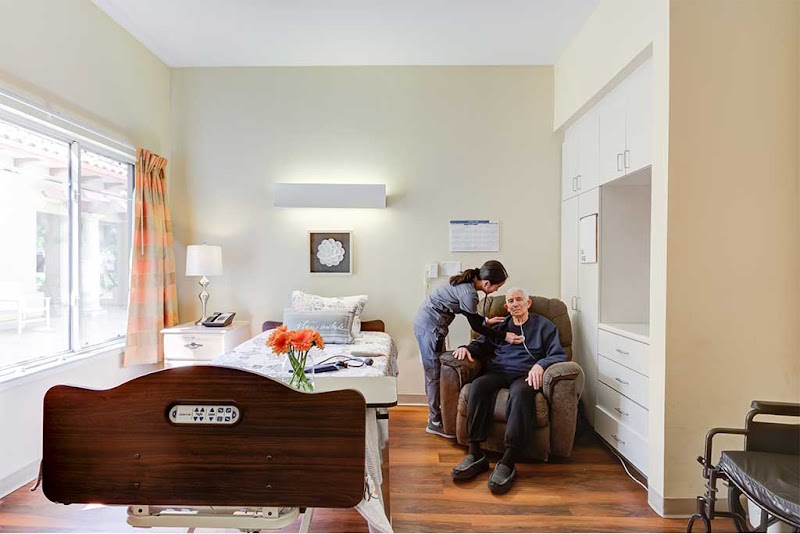
Who Owns and Operates Alta Healthcare Center Of Camarillo?

Alta Healthcare Center of Camarillo is owned by a for-profit company. For-profit facilities operate as businesses with obligations to shareholders or private owners. The facility is operated by ASPEN SKILLED HEALTHCARE, a chain that manages multiple nursing homes. With 45 certified beds and approximately 42 residents (about 93% occupancy), it is a smaller facility located in Camarillo, California.

How Does Alta Healthcare Center Of Camarillo Compare to Other California Nursing Homes?

Compared to the 100 nursing homes in California, Alta Healthcare Center of Camarillo's overall rating (4 stars) is above the state average of 3.2, staff turnover (47%) is near the state average of 46%, and health inspection rating (4 stars) is above the national benchmark.

What Should Families Ask When Visiting Alta Healthcare Center Of Camarillo?

Based on this facility's data, families visiting should ask: "Can I visit during a mealtime to observe dining assistance and food quality?" "How do you handle medical emergencies, and what is your hospital transfer rate?" "Can I speak with family members of current residents about their experience?"

Is Alta Healthcare Center Of Camarillo Safe?

Based on CMS inspection data, Alta Healthcare Center of Camarillo has a clean safety record: no substantiated abuse findings (meaning no confirmed cases of resident harm), no Immediate Jeopardy citations (the most serious violation level indicating risk of serious injury or death), and is not on the Special Focus Facility watch list (a federal program monitoring the lowest-performing 1% of nursing homes). The facility has a 4-star overall rating and ranks #1 of 100 nursing homes in California. While no facility is perfect, families should still ask about staff-to-resident ratios and recent inspection results during their visit.

Do Nurses at Alta Healthcare Center Of Camarillo Stick Around?

Alta Healthcare Center of Camarillo has a staff turnover rate of 47%, which is about average for California nursing homes (state average: 46%). Moderate turnover is common in nursing homes, but families should still ask about staff tenure and how the facility maintains care continuity when employees leave.

Was Alta Healthcare Center Of Camarillo Ever Fined?

Alta Healthcare Center of Camarillo has been fined $43,407 across 1 penalty action. The California average is $33,513. While any fine indicates a compliance issue, fines under $50,000 are relatively common and typically reflect isolated problems that were subsequently corrected. Families should ask what specific issues led to these fines and confirm they've been resolved.

Is Alta Healthcare Center Of Camarillo on Any Federal Watch List?

Alta Healthcare Center of Camarillo is not on any federal watch list. The most significant is the Special Focus Facility (SFF) program, which identifies the bottom 1% of nursing homes nationally based on persistent, serious quality problems. Not being on this list means the facility has avoided the pattern of deficiencies that triggers enhanced federal oversight. This is a positive indicator, though families should still review the facility's inspection history directly.