Camarillo Healthcare Center
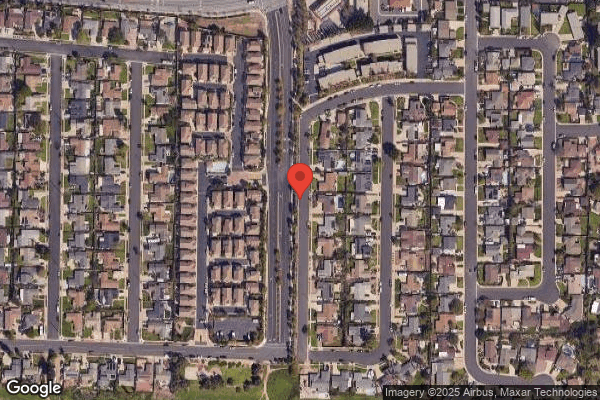
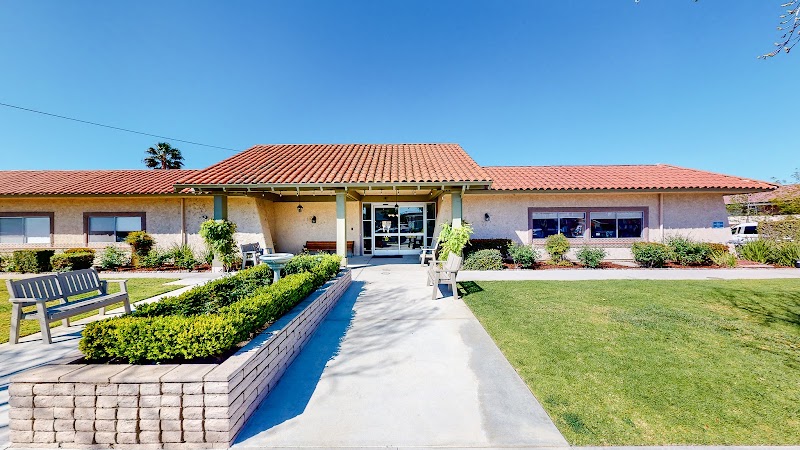
205 Granada Street, Camarillo, CA 93010 (805) 482-9805
For profit - Corporation 114 Beds THE ENSIGN GROUP Data: November 2025
Trust Grade
70/100
#328 of 1155 in CA
Last Inspection: February 2025

Within standard 12-15 month inspection cycle. Federal law requires annual inspections.

Overview

Camarillo Healthcare Center has a Trust Grade of B, which means it is a good option for families seeking care, indicating solid performance but with some areas for improvement. It ranks #328 out of 1,155 facilities in California, placing it in the top half, and #10 out of 19 in Ventura County, meaning only nine local options are better. However, the facility's trend is concerning as it has worsened, increasing from 3 issues in 2024 to 20 in 2025. Staffing is average, with a turnover rate of 44%, which is close to the state average, and the facility has not received any fines, indicating compliance with regulations. On the downside, inspectors found serious issues, such as a resident being treated without dignity during a room change and staff not following proper isolation procedures, which could risk residents' health.
Trust Score
B
70/100
In California
#328/1155
Top 28%
Safety Record
Low Risk
No red flags
Inspections
Getting Worse
3 → 20 violations
Staff Stability
○ Average
44% turnover. Near California's 48% average. Typical for the industry.
Penalties
✓ Good
No fines on record. Clean compliance history, better than most California facilities.
Skilled Nurses
⚠ Watch
Each resident gets only 22 minutes of Registered Nurse (RN) attention daily — below average for California. Fewer RN minutes means fewer trained eyes watching for problems.
Violations
⚠ Watch
34 deficiencies on record. Higher than average. Multiple issues found across inspections.
★★★★☆
4.0
Overall Rating
★★★☆☆
3.0
Staff Levels
★★★★★
5.0
Care Quality
★★★☆☆
3.0
Inspection Score
Stable
2024: 3 issues
2025: 20 issues

The Good

  • 5-Star Quality Measures · Strong clinical quality outcomes
  • Full Sprinkler Coverage · Fire safety systems throughout facility
  • No fines on record
  • Staff turnover below average (44%)

    4 points below California average of 48%

Facility shows strength in quality measures, fire safety.

The Bad

Staff Turnover: 44%

Near California avg (46%)

Typical for the industry

Chain: THE ENSIGN GROUP

Part of a multi-facility chain

Ask about local staffing decisions and management

The Ugly 34 deficiencies on record

Apr 2025 3 deficiencies
CONCERN (D) 📢 Someone Reported This

A family member, employee, or ombudsman was alarmed enough to file a formal complaint

Potential for Harm - no one hurt, but risky conditions existed

Safe Environment (Tag F0584)

Could have caused harm · This affected 1 resident

Based on observation and interview, the facility failed to maintain a safe and sanitary environment by ensuring the dining area corridor wall was intact, dry, and free of insects. This facility failur...

Read full inspector narrative →
Based on observation and interview, the facility failed to maintain a safe and sanitary environment by ensuring the dining area corridor wall was intact, dry, and free of insects. This facility failure placed residents at risk of exposure to mold from humid or wet walls, which also attracted insects. Findings: During a concurrent observation and interview on 3/4/25 at 10:50 a.m. with charge nurse (CN) in the facility ' s dining corridor, a hole was observed on the wall of the corridor leading from the dining room to the medical records office. The bottom wall siding was detached from the wall creating an opening between the siding and the base of the wall. Several ants were observed going in and out of the hole through the opening in the damaged wall. There was visible damage on the wall area close to the corner. The wall damage was partially obscured by a lift device parked nearby. CN who was present at the time of the observation, confirmed the wall was damaged. CN was asked how long the wall had been damaged. CN stated I don ' t know. I had not noticed that before. During another concurrent corridor wall observation and interview with facilities director (FD) on 3/4/25 at 11:56 a.m., part of the wall had been opened exposing the inside of the wall where the material was observed to be wet. The inside material of the wall was touched and confirmed to be wet. The FD was asked the reason the inside of the wall was wet. FD stated, I don't know, we are working on it. The FD was asked to touch the inside of the wall to confirm the inside of the wall was wet. FD replied Yes, it's wet. But I don't know why, we are working on it. During an interview with the director of nursing (DON) on 3/4/25 at 1:05 p.m., DON was notified of the wet wall problem and concerns of mold inside the wall and the concern of ants observed going in and out of the hole through the damaged wall area. The DON acknowledged and confirmed the corridor wall was damaged with a hole or there's an open area on the wall.During further observation the damaged area was observed to be not blocked or covered with some caution tape or labeling indicating work repair is ongoing . The DON stated We are fixing it. We knew about it.
CONCERN (D) 📢 Someone Reported This

A family member, employee, or ombudsman was alarmed enough to file a formal complaint

Potential for Harm - no one hurt, but risky conditions existed

Deficiency F0711 (Tag F0711)

Could have caused harm · This affected 1 resident

Based on record review and interview, the facility failed to; 1. Ensure the attending physician (MD1) for one of two sampled residents (Resident 1) conducted a review of resident's medications at each...

Read full inspector narrative →
Based on record review and interview, the facility failed to; 1. Ensure the attending physician (MD1) for one of two sampled residents (Resident 1) conducted a review of resident's medications at each visit. 2. Ensure Resident 1's physician (MD 1) wrote, signed, and dated a progress note at each visit and note was in the resident's medical record. The facility's failures resulted in the physician's progress notes being inaccurate. Findings: 1. A review of the facility policy titled History and Physical, Physician Progress Notes, NP/PA Documentation, dated 11/24, indicated The physician should review the resident's total program of care, including medications . at each visit. During a concurrent review of Resident 1's medical record and interview with the medical records supervisor (MRS) on 3/4/25 at 12:05 p.m., the MRS was asked to provide all the providers (physician, NP, PA) visit notes for the year 2024. A review of MD 1 progress notes, dated 1/8/24, 4/3/24, 6/11/24, 8/14/24, 10/16/24, 1/15/25, and 2/14/25. The seven (7) progress notes indicated the resident was on the following medications: amlodipine (blood pressure B/P medication) 5 milligrams (mgs) tablet, amlodipine 5mg- benazepril 20 mg capsule by mouth daily, cephalexin (antibiotic) 250 mg capsule by mouth 4 times daily for 5 days, clonazepam (sedative) 0.5 mg tablet by mouth twice daily as needed, escitalopram (antidepressant) 10 mg tablet, furosemide (diuretic) 20 mg tablet by mouth once daily, gabapentin (anticonvulsant) 100 mg capsule by mouth twice daily, lisinopril (lowers B/P) 20 mg tablet, nitrofurantoin monohydrate/macrocrystals (antibiotic) 100 mg capsule by mouth twice daily, and sulfamethoxazole 800mg -trimethoprim 160mg (antibiotic) tablet by mouth every 12 hours. The nurse progress note, dated 2/26/24 at 7:45 p.m., indicated [psychiatrist's name] obtained new consent for increased dosage of Buspirone (antianxiety). The nurse progress note, dated 2/8/24 at 10:16 p.m., indicated [MD1's name] with order for the following: fleet enema insert one application rectally every 8 hours as needed for constipation if Dulcolax suppository not effective. Milk of magnesia suspension 400mg/5ml give 30 ml by mouth as needed for constipation. The nurse progress note, dated 2/6/24 at 6:38 p.m., indicated Received telephone order to clarify indication to Buspirone HCI tablet 5 mg give one tablet by mouth three times a day for anxiety. The nurse progress note, dated 3/27/24 at 6:39 p.m., indicated Received order from [physician's name] for vitamin D25, folate, vitamin B12 . The intradisciplinary team (IDT) note, dated 3/28/24 at 6:13 p.m., indicated Resident had an appointment with [physician's name] yesterday and receive additional orders for Valium (muscle spasms) 2.5 mg PO BID . [MD1's name] notified and receive telephone order for tomorrow Valium 2.5 mg by mouth two times a day . The nurse progress note, dated 4/23/24 at 8:09 a.m., indicated Received order from [MD1's name] to increase vitamin D 2000 units to BID. The nurse progress note, dated 4/23/24 at 8:41 p.m., indicated [MD1's name] with new order Buspirone HCl oral tablet 10 mg, give one tablet by mouth two times a day for anxiety. The nurse progress note, dated 5/1/24 at 12:45 p.m., indicated Received order from [MD1's name] for cipro (antibiotic) 250mg for five days R/T UTI. During a telephone communication with the director of nursing (DON) on 4/3/25 at 3:56 p.m., the DON was notified that upon review of Resident 1's physician's progress notes, the physician had not reviewed, documented and updated the medications the resident was taking, on his visit progress notes. All of the seven (7) progress notes had the same medications documented which was incorrect because resident's medications had changed throughout last year. DON acknowledged and stated Ok. 2. A review of the facility policy titled History and Physical, Physician Progress Notes, NP/PA Documentation, dated 11/24, indicated physician progress notes must be written, signed, and dated with each visit . at least every 30 days for the first 90 days after admission and at least once every 60 days thereafter. During a concurrent review of Resident 1's medical record and interview with the medical records supervisor (MRS) on 3/4/25 at 12:05 p.m., the MRS was asked to provide all the providers (physician, NP, PA) visit notes for the year 2024. The MRS reported there are no physician progress notes for 2024 in hard copy of the medical record nor in the electronic medical record, for this resident. The MRS contacted the physician (MD1) over the phone to asked physician to send the resident's visit notes for the entire year of 2024 to the facility. During a telephone interview with Resident 1's physician (MD1) on 3/4/25 at 12:15 p.m., MD 1 confirmed he had not sent any of resident's visit progress notes for the entire year of 2024, to the facility. MD 1 reported he uses a system at his office to create and stored the resident's visit progress notes. MD 1 was asked if the facility MRS have access to that system to print out the resident's progress notes. MD 1 replied No, he does not. Communicated to MD 1 the facility needed to have the resident's physician's progress notes after the visit. MD 1 stated Yes, I know. I know. Yes, I agree. My progress notes need to be in the resident's record after each visit. I will send them now, all notes for 2024, for [MRS's name] to print them out for you. During another interview with the MRS on 3/4/25 at 2:35 p.m., MRS handed over some papers indicating these were all the 2024 physician notes. The papers consisted of physician's notes dated 1/8/24, 4/3/24, 6/11/24, 8/14/24, 10/16/24, 1/15/25, and 2/14/25. The MRS was asked again, if these were all the physician's notes, for this resident, for the year 2024. MRS confirmed and stated Yes, these are all of them for 2024. This is all [MD 1's name] sent me. A review of the physician progress note, dated 1/8/24 at 4:00 p.m., indicated the note was created/encounter performed, documented, reviewed and signed by [MD 1's name] on 3/4/25 at 1:14 p.m. The amendment was closed by [MD 1's name] on 3/4/25 at 1:19 p.m. A review of the physician progress note, dated 4/3/24 at 3:00 p.m., indicated the note was created/encounter performed, documented, reviewed and signed by [MD 1's name] on 3/4/25 at 1:32 p.m. A review of the physician progress note, dated 6/11/24 at 2:00 p.m., indicated the note was created/encounter performed, documented, reviewed and signed by [MD 1's name] on 3/4/25 at 1:44 p.m. A review of the physician progress note, dated 8/14/24 at 11:00 a.m., indicated the note was created/encounter performed, documented, reviewed and signed by [MD 1's name] on 3/4/25 at 1:59 p.m. A review of the physician progress note, dated 10/16/24 at 8:00 a.m., indicated the note was created/encounter performed, documented, reviewed and signed by [MD 1's name] on 3/4/25 at 2:07 p.m. A review of the physician progress note, dated 1/15/25 at 8:00 a.m., indicated the note was created/encounter performed, documented, reviewed and signed by [MD 1's name] on 3/4/25 at 2:24 p.m. A review of the physician progress note, dated 2/14/25 at 2:00 p.m., indicated the note was created/encounter performed, documented, reviewed and signed by [MD 1's name] on 3/4/25 at 2:27 p.m. During a telephone communication with the director of nursing (DON) on 4/3/25 at 3:56 p.m., the DON was notified that upon review of Resident 1's physician's progress notes, notes had discrepancies as to when the notes were performed. The DON said OK.
CONCERN (D) 📢 Someone Reported This

A family member, employee, or ombudsman was alarmed enough to file a formal complaint

Potential for Harm - no one hurt, but risky conditions existed

Deficiency F0712 (Tag F0712)

Could have caused harm · This affected 1 resident

Based on record review and interview, the facility failed to ensure one of two sampled residents (Resident 1) physician conducted visits at least once every 60 days and timely within the 10 days of th...

Read full inspector narrative →
Based on record review and interview, the facility failed to ensure one of two sampled residents (Resident 1) physician conducted visits at least once every 60 days and timely within the 10 days of the required date of the visit. The facility ' s failure resulted in the resident not being evaluated timely thus potentially having a negative outcome. Findings: During a concurrent review of Resident 1 ' s medical record and interview with the medical records supervisor (MRS) on 3/4/25 at 12:05 p.m., the MRS was asked to provide all the providers (physician, NP, PA) visit notes for the year 2024. The MRS reported none of the physician ' s visit notes were in the medical record, for this resident. The MRS contacted the physician (MD1) over the phone to asked physician to send the resident ' s visit notes for the entire year of 2024 to the facility. During another interview with the MRS on 3/4/25 at 2:35 p.m., MRS handed over some papers indicating these were all the 2024 physician notes. The papers consisted of physician ' s notes dated 1/8/24, 4/3/24, 6/11/24, 8/14/24, 10/16/24, 1/15/25, and 2/14/25. The MRS was asked again, if these were all the physician ' s notes, for this resident, for the year 2024. MRS confirmed and stated Yes, these are all of them for 2024. This is all [MD 1 ' s name] sent me. A review of the physician ' s visit notes indicated the physician visited the resident on 1/8/24 and then on 4/3/24, the timeframe between visits was 86 days apart. Further review of the visit notes indicated the physician visited the resident of 10/16/24 and then on 1/15/25, the timeframe between visits was 91 days apart. During a concurrent review of the facility policy titled History and Physical, Physician Progress Notes, NP/PA Documentation, dated 11/24 and interview with the director of nursing (DON) on 3/4/25 at 3:43 p.m., the policy indicated physician progress notes must be written .each visit . at least every 30 days for the first 90 days after admission and at least once every 60 days thereafter. DON acknowledged and confirmed residents shall be seen or visited at least once every 60 days and a progress note must be written with each visit.
Mar 2025 1 deficiency
CONCERN (D) 📢 Someone Reported This

A family member, employee, or ombudsman was alarmed enough to file a formal complaint

Potential for Harm - no one hurt, but risky conditions existed

Deficiency F0658 (Tag F0658)

Could have caused harm · This affected 1 resident

**NOTE- TERMS IN BRACKETS HAVE BEEN EDITED TO PROTECT CONFIDENTIALITY** Based on interview and record review the facility failed to ensure an identified pressure ulcer (localized, pressure-related dam...

Read full inspector narrative →
**NOTE- TERMS IN BRACKETS HAVE BEEN EDITED TO PROTECT CONFIDENTIALITY** Based on interview and record review the facility failed to ensure an identified pressure ulcer (localized, pressure-related damage to the skin and/or underlying tissue usually over a bony prominence) with care issues was assessed and documented for one of two sampled residents (Resident 2). This failure had the potential to impede the treatment and interventions of the existing pressure ulcers which can result in deterioration affecting the overall medical condition of Resident 2. Findings: Review of [NAME] and [NAME], 7th Edition, Mosby's Fundamentals of Nursing, page 243 in the section titled, Data Documentation indicates, Observation and recording of client status is a legal and professional responsibility. The nurse practice acts in all states and the American Nurses Association Nursing's Social Policy Statement (2003) mandate, or require, accurate data collection and recording as independent functions essential to the role of the professional nurse. During a review of Resident 2's medical record, the following were identified. 1. Right buttock pressure ulcer identified on 8/10/24 was not assessed. During an interview and concurrent record review on 3/11/25 at 1:56 p.m. with the assistant director of nursing (ADON) and treatment nurse (TN), Resident 2's LN (Licensed Nurse) Skin Ulcer Non-Pressure Weekly dated 7/21/24 through 8/15/24 were reviewed. No assessment for the right buttock pressure ulcer identified on 8/10/24 was located. Both the ADON and the TN1 confirmed, The initial LN-Skin Ulcer Non-Pressure Weekly of Resident 2's right buttock skin pressure injury/pressure ulcer discovered 8/10/24 was not done and should have been done. 2. Incomplete assessments of pressure ulcers identified from 8/10/24 to 8/15/24. During an interview and concurrent record review on 3/11/25 at 2:14 p.m. with TN, Resident 2's LN-Skin Ulcer Non-Pressure Weekly dated from 7/21/24 through 8/15/24 indicated, aside from the right buttocks pressure ulcer identified on 8/10/24, additional pressure ulcers were identified on the Resident 2's left buttocks and sacrum (tailbone). The LN-Skin Ulcer Non-Pressure Weekly dated 8/15/24 indicated, no staging of the type and depth of wound, measurements, drainage, odor, wound edges, and surrounding tissue were assessed for Resident 2's pressure injuries on the right and left buttocks and sacrum (tailbone). TN indicated, The 8/15/25 LN-Skin Ulcer Non-Pressure Weekly nursing assessment of Resident 2's right and left buttock and sacrum were not staged and the assessments were not done correctly. 3. Resident 2 refused to be turned and repositioned. During a concurrent interview and record review on 3/11/25 at 2:14 p.m. with the director of nursing (DON), Resident 2's Progress Notes dated 7/21/24 through 8/19/24 indicated Resident's refusal to be turned. The DON acknowledged writing the progress notes dated 8/19/24, which directed staff to encourage Resident 2 to turn and reposition in response to their refusal. Further review of the Progress Notes indicated no assessments were located or documented about Resident 2's refusal to turn and reposition. When DON was asked about the missing assessments, no answer was offered. During a review of the facility's policy and procedure titled, Nursing Assessment, Ongoing dated 1/2011, indicated in part, It is the policy of this facility to ensure each resident receives nursing services that include .continuing assessment of patient needs with input as necessary from health professionals involved in the care of the patient .The initial nursing assessment shall commence at the time of admission of the resident .The ongoing nursing assessment of the resident shall be written as often as the resident's condition warrants and shall include, but is not limited to: . increased problems that may cause injuries to self and others. Also, during a review of the facility's policy and procedure titled, Pressure Ulcers-Prevention and Management dated revised 11/2019, and accompanying, FAQ: Pressure Injury Staging* Hints & Tips dated 11/2020, indicated in part, Procedures: 1. Resident Assessment . B. Identify Risk factors such as: Resident refusal of some aspects of care and treatment . Skin assessment .change in condition recognized, evaluated, reported and addressed. C. Every week, each area will be evaluated, measured and documented on the Pressure Ulcer/Non-Pressure Ulcer record. D. It is the responsibility of the Treatment Nurse to do weekly measurements .2. Prevention Stabilize, reduce or remove underlying risk, monitor impact of interventions and modify interventions as appropriate . A. Repositioning .G. Documentation . H. Treatment .
Feb 2025 12 deficiencies
CONCERN (D)

Potential for Harm - no one hurt, but risky conditions existed

Deficiency F0578 (Tag F0578)

Could have caused harm · This affected 1 resident

**NOTE- TERMS IN BRACKETS HAVE BEEN EDITED TO PROTECT CONFIDENTIALITY** Based on interview and record review, the facility failed to ensure an advance directive (AD - a written statement of a person's...

Read full inspector narrative →
**NOTE- TERMS IN BRACKETS HAVE BEEN EDITED TO PROTECT CONFIDENTIALITY** Based on interview and record review, the facility failed to ensure an advance directive (AD - a written statement of a person's wishes regarding medical treatment) was noted in residents re-admission agreement for one of 25 sampled residents (Resident 85). This failure had the potential for the facility to not honor the resident's medical decisions regarding end-of-life treatment and had the potential to cause conflict with Resident 85's wishes regarding health care. Findings: During review of Resident 85's medical record on 02/05/25 at 08:44 a.m., the medical record indicated that resident 85 was readmitted to facility on 07/05/24 and Resident 85's AD was completed and signed on 04/04/24. During a review of Resident 85's re-admission Agreement dated 07/05/24, the re-admission agreement indicated Resident 85 did not have an AD on readmission [DATE]. During a concurrent interview and record review on 02/06/25 at 10:30 a.m. with Director of admission (DOA), Resident 85's Electronic Health Record (EHR) was reviewed. The EHR indicated Physician Orders for Life-Sustaining Treatment (POLST) was dated 11/14/23, Resident's AD was dated 04/08/24, resident readmission agreement dated 07/05/24 and signed by Resident 85 on 07/08/24. DOA confirmed that Resident 85 had an AD prior to re-admission to facility 07/05/24. DOA stated that the facilities re-admission agreement reinstates a legally binding contract that in part the resident acknowledges that all personal and identifying information and supplements attached accurately reflects the residents current personal and identifying information and the readmission Agreement indicates that the resident does not have an AD on admission [DATE]. During an interview on 02/06/25 at 11:47 a.m. with DOA, DOA stated, that resident had an AD dated 4/8/24 and was presented to facility on readmission [DATE]. DOA confirms the re-admission paperwork did not reflect the resident had an advance directive on readmission and should have. During a review of the facility's policy and procedure titled, Physician Orders for Life Sustaining Treatment (POLST) dated 12/2009, indicated in part, The POLST form should be executed as part of the health care planning process and ideally is a complement to a resident's advance directive. A POLST does NOT replace an advance directive .
CONCERN (D)

Potential for Harm - no one hurt, but risky conditions existed

Safe Environment (Tag F0584)

Could have caused harm · This affected 1 resident

Based on observation, interview, and record review, the facility failed to: 1. Maintain two rooms in good repair, for one unsampled Resident (Resident 14) and one sampled Resident (Resident 87). 2. Mo...

Read full inspector narrative →
Based on observation, interview, and record review, the facility failed to: 1. Maintain two rooms in good repair, for one unsampled Resident (Resident 14) and one sampled Resident (Resident 87). 2. Monitor hot water temperature readings and air conditioner temperature recordings. These facility failure had the potential for Resident 14 and Resident 87 to not be provided with a homelike and comfortable environment and had the potential for resident health problems and poor well-being of residents. Findings: 1. During a concurrent observation and interview, on 2/4/25, starting at 11:14 a.m., with the Housekeeping Supervisor (HS), the Maintenance and Housekeeping Log was reviewed. The HS verbalized the logbook indicated there were no outstanding items that were in disrepair. During a tour of Resident 87's room an observation was made of a closet drawer unable to be opened. The HS confirmed the drawer could not be opened and verbalized it was off its track. In Resident 14's room an observation was made of a broken electrical outlet cover above Resident 14's bed. The HS verbalized the electrical outlet cover would need to be replaced. During a review of the facility's policy and procedure titled Safe and Homelike environment dated 12/23, indicated in part Housekeeping and maintenance services will be provided as necessary to maintain a sanitary, orderly, and comfortable environment. 2. During an interview on 02/04/24 at 3:48 PM with Maintenance Supervisor (MS) and Administrator (ADM), MS verbalized that the facility has no monitoring logbooks for hot water temperature and thermostat levels for air conditioning. During a review of Policies and Procedures (P&P) titled Hot Water Temperature dated 01/23 , the Hot Water Temperature indicated in part, standards for water temperatures in resident areas is 105 F minimum and 120 F maximum. Standards for water temperatures in Laundry and Kitchen is 140 F minimum and 160 F maximum. Take water temperatures in various resident rooms at the beginning, middle and the end of each water heater loop, various resident showers, dining rooms and handwashing sinks .make adjustments of the water heaters as needed During a review of P&P titled Air Temperatures dated 01/23, the Air Temperatures indicated in part, standards in resident areas indicate Heat to minimum of 68 F, Cool to comfortable range between 78-85 F. Measure air temperatures in various resident rooms and common spaces. Take temperatures in different rooms each day .adjust the thermostat as needed.
CONCERN (D)

Potential for Harm - no one hurt, but risky conditions existed

Comprehensive Care Plan (Tag F0656)

Could have caused harm · This affected 1 resident

Based on observation, interview and record review, the facility failed to ensure one of five sampled residents (Resident #31), had a comprehensive care plan that included interventions (actions) for t...

Read full inspector narrative →
Based on observation, interview and record review, the facility failed to ensure one of five sampled residents (Resident #31), had a comprehensive care plan that included interventions (actions) for the refusal of sitting upright while eating. This failure had the potential for Resident 31 to choke on food or liquids which can result in aspiration and possibly death. Findings: During a review of Resident 31's admission Record (AR), undated, the AR indicated admission date of 01/26/2024 with diagnoses including congestive heart failure (weakened heart with difficulty pumping blood throughout the body), chronic respiratory failure with hypoxia (not enough oxygen in the body causing shortness of breath), gastro-esophageal reflux disease (irritation of the food pipe lining causing symptoms such as burning pain), and cognitive communication deficit (a disorder that affects a person's ability to communicate). During a concurrent observation and interview on 02/04/25 at 3:42 p.m. with Resident 31 inside the resident's room, Resident 31 was awake, lying flat on the bed eating lunch by self. Resident 31 had spilled food and had food stains on resident's clothing and on the bed was noted. Resident 31 stated, I prefer eating lying down because of pain and difficulty breathing when sitting up. During a concurrent interview and record review on 02/04/25 at 3:51 p.m. with nurse supervisor (NS1), Resident 31's Care Plan (CP), dated 02/04/25 included resident refused to elevate HOB while eating on bed and at all time. No interventions to address the refusal to elevate the HOB while eating was located in the interventions of the CP. NS1 stated there were no nursing interventions in the care plan to educate the resident. During an interview on 02/04/25 at 4:10 p.m. with certified nurse assistant (CNA4), CNA4 stated [Resident 31's name] eats laying down all the time and the CNA's are instructed to place the meal trays in front of Resident 31's on bedside table. During an interview on 02/04/25 at 4:31 p.m. with licensed nurse (LN3), LN3 stated that Resident 31 refuses to eat upright because of pain. LN3 also stated, the resident eats laying down with the bed part flat all the time. During a review of Resident 31's medical record, no notes of physician notification of the resident 's refusal to sit upright while eating was located in the medical record. During an interview on 2/04/25 at 4:40 p.m. with the Director of Nursing (DON), the Assistant Director of Nursing (ADON), the Registered Dietician (RD), and the Director of Rehabilitation (DOR), DON, ADON, RD, and DOR indicated there are notes in the medical record about the physician being notified of Resident 31 refusal to eat upright and notes of the risks of eating lying flat were explained. During further record review no notes were located of the physician being notified of Resident 31's refusal to eat upright and no documentation that the risks of eating while lying down were explained to the resident and the resident representative from 1/26/24 to 2/4/25. During a concurrent interview and record review on 2/04/25 at 5:18 p.m. with the ADON, Resident 31's electronic medical record (eMR) was reviewed. The ADON was not able to produce documentation in the progress notes, care plan, interdisciplinary team meetings, or in the health and physical that addressed educating Resident 31 on the risks of eating while lying down. During a review of the facility's policy and procedure (P&P) titled, Care Planning, dated 11/2024, the P&P indicated, It is the policy of this facility that the interdisciplinary team (IDT) shall develop a comprehensive Person-Centered Care Plan for each resident based on resident's needs to attain or maintain his or her highest practicable physical, mental, and psychosocial well-being.
CONCERN (D)

Potential for Harm - no one hurt, but risky conditions existed

Deficiency F0757 (Tag F0757)

Could have caused harm · This affected 1 resident

Based on observation, interview and record review, the facility failed to ensure there was monitoring for signs and symptoms of bleeding for a resident (Resident 53) who is on anticoagulant Eliquis (M...

Read full inspector narrative →
Based on observation, interview and record review, the facility failed to ensure there was monitoring for signs and symptoms of bleeding for a resident (Resident 53) who is on anticoagulant Eliquis (Medication that prevent or treat blood clots). This failure had the potential for Resident 53 to be unmonitored while on Eliquis, and have side effects of bleeding. Findings: During a concurrent interview and record review on 2/5/25 at 10:00 a.m. the medication administration record (MAR) dated January 2025, indicated an order of Eliquis 2.5 mg 1 tablet by mouth two times a day. There was no monitoring for signs of bleeding seen in the MAR. Minimum Data Set (MDS) coordinator verified that there was no monitoring for bleeding side effect found in the chart. During a review of facility's policy and procedure (P&P), titled Medication Management, dated May 2022, P&P indicated In order to optimize the therapeutic benefit of medication therapy and minimize or prevent potential adverse consequences, facility staff, attending physician, and the pharmacistperform ongoing monitoring for appropriate, effective, and safe medication use.
CONCERN (D) 📢 Someone Reported This

A family member, employee, or ombudsman was alarmed enough to file a formal complaint

Potential for Harm - no one hurt, but risky conditions existed

Medication Errors (Tag F0758)

Could have caused harm · This affected 1 resident

Based on interview and record review, facility failed to ensure: 1. There was a physician's justification for the use of antianxiety medication Xanax (a medication used to help reduce symptoms of ani...

Read full inspector narrative →
Based on interview and record review, facility failed to ensure: 1. There was a physician's justification for the use of antianxiety medication Xanax (a medication used to help reduce symptoms of aniety disorders) for use beyond 14 days in one of three selected residents for unnecessary medication review (Resident 53). 2. A physician signature was completed on informed consents for psychotherapeutic medications for one of 25 sampled residents (Resident 85). These failures had the potential for Resident 53 to be on unnecesary medication Xanax and the potential for Resident 85 not being informed of their medications and the potential side effects of the psychotropic medications. Findings: 1. During a concurrent interview and record review on 2/5/25 at 11:00 a.m. the medication administration record (MAR) dated January 2025 indicated an order of Xanax 0.25 mg by mouth as needed for anxiety started on 12/17/24 with duration of 90 days. Infection Preventionist (IP) nurse, who is in charge of psychotropic monitoring stated last progress note received from the provider was dated 1/14/25 and there was nothing for February 2025 yet. During the exit conference on 2/7/25 at 5:00 p.m., the facility was given a chance to provide policy on use of as needed psychotropic medication but was unable to provide the right policy. Code of Federal Regulations (CFR) at section §483.45(e)(4) indicated PRN orders for psychotropic drugs are limited to 14 days. Except as provided in §483.45(e)(5), if the attending physician or prescribing practitioner believes that it is appropriate for the PRN order to be extended beyond 14 days, he or she should document their rationale in the resident's medical record and indicate the duration for the PRN order. 2. During a review of facility's policy and procedure titled, Use of Psychoactive Medications dated 05/2015, indicated in part, Requirements for use of Psychoactive Medication: When drugs are used to control behavior or to treat a disordered thought process, the following shall apply: . An Inform Consent [a patient agrees to take a medication after understanding its risks, benefits, and alternatives] shall be obtained by the prescriber . During a review of Resident 85's Facility Verification of Resident Informed Consent Psychotherapeutic Medications, indicated consents dated below did not have a signature from a prescribing Physician: - 02/03/25 for Xanax [a medication that produces a calming effect on the brain, which helps to reduce anxiety and promote relaxation] 0.25 mg [dose of medication], PO [abbreviation for oral route given by mouth] PRN [as needed] anxiety [mental health condition characterized by excessive worry, fear, and unease] panic attack AEB [abbreviation as evidence by] palpitation [sensations where a person feels their heartbeat pounding, racing, or fluttering in their chest or throat]. - 11/10/24 for Ambien [a medication that treats insomnia (a sleep disorder)] 10mg, PO at HS [bedtime]. - 07/23/24 for Ambien 10 mg. 10mg PO QHS [at bedtime] insomnia MB [manifested by] inability to sleep. - 07/22/24 for Ambien 5 mg QHS PRN (as needed) for Insomnia mb inability to sleep . During a concurrent interview and record review on 02/06/25 11:07 a.m. with Director of Nursing (DON), Facility Verification of Resident Informed Consent Psychotherapeutic Medications, dated 2/3/25, 11/10/24, 7/22/24 and 7/23/24 were reviewed. The Facility Verification of Resident Informed Consent Psychotherapeutic Medications for dates indicated there was no signature from a prescribing Physician. DON stated, there should be signature from a physician and confirmed that consents on dates listed were missing a physician signature.
CONCERN (D)

Potential for Harm - no one hurt, but risky conditions existed

Deficiency F0761 (Tag F0761)

Could have caused harm · This affected 1 resident

Based on observation, interview, and record review, the facility failed to dispose of expired medications per policy and procedure. This failure had the potential for expired medications to be adminis...

Read full inspector narrative →
Based on observation, interview, and record review, the facility failed to dispose of expired medications per policy and procedure. This failure had the potential for expired medications to be administered to residents. Findings: During a concurrent observation and interview, on 2/6/25, starting at 8:53 a.m., with licensed nurse (LN 4), three expired medications were found in medication cart two. One vial of Latanoprost 0.005% solution (a medication used to treat high eye pressure) one vial of Prednisolone Acetate 1% (a medication used to relieve symptoms such as swelling and redness) and one vial of Brinzolamide 1% (a medication used to treat high eye pressure). All three medications had an expiration date of 2/4/25. The LN 4 verbalized all three medications were expired and needed to be placed in the waste container in the medication room. During a review of the facility's policy and procedure titled Nursing Administration subject Storage of Medications undated, indicated in part Expired medications will be removed from use, for appropriate disposal.
CONCERN (D)

Potential for Harm - no one hurt, but risky conditions existed

Menu Adequacy (Tag F0803)

Could have caused harm · This affected 1 resident

Based on observation, interview and record review, the facility failed to ensure a physician order of renal diet no added salt (NAS) order did not have a salt packet on the lunch tray for one of one s...

Read full inspector narrative →
Based on observation, interview and record review, the facility failed to ensure a physician order of renal diet no added salt (NAS) order did not have a salt packet on the lunch tray for one of one sampled resident (Resident 82) who was on dialysis treatment. This failure had the potential for Resident 82 to have fluid retention for an already compromised condition (dialysis). Findings: During an observation on 2/05/25 at 12:15 p.m. of the lunch tray check and distribution process, in the hallway outside of resident rooms, Resident 82's lunch tray had a packet of salt. Upon checking the tray card for Resident 82, the diet order indicated renal diet. During an interview on 2/06/25 at 9:40 a.m. with the Registered Dietician (RD), the RD acknowledged that Resident 82's diet order is renal, should be no added sodium (NAS) and should not have salt packets added to meals/on trays. During an interview on 2/06/25 at 11:30 a.m. with the Director of Staff Development (DSD) who was in charge of verifying the resident meal trays, the DSD stated the salt packet was not removed because the meal card did not indicate NAS. During a review of Resident 82's Order Summary (OS), dated 1/15/25, the OS indicated, Resident 82 was prescribed a renal NAS diet by the physician. During a review of the facility's policy and procedure (P&P) titled, Liberal Renal Diet, dated April 2024, the P&P indicated in part, The HPSI Liberal Renal Diet restrictions are based on current recommendations. Because the nutritional needs of kidney patients are often specific to the individual, this diet may not fit the needs of every kidney patient. In this this instance, a licensed and registered dietician should be consulted for an individualized assessment and recommendations.
CONCERN (D)

Potential for Harm - no one hurt, but risky conditions existed

Food Safety (Tag F0812)

Could have caused harm · This affected 1 resident

Based on observation, interview, and record review, the facility failed to follow their cleaning policy and procedure (P&P) when: 1. A floor drain in the dry goods storage area and the floors were not...

Read full inspector narrative →
Based on observation, interview, and record review, the facility failed to follow their cleaning policy and procedure (P&P) when: 1. A floor drain in the dry goods storage area and the floors were not maintained in a sanitary manner. 2. Two of two ice chests used to distribute ice to residents were not cleaned before and after use. These failures had the potential to cause food borne illness to a highly susceptible resident population. Findings: 1. During a concurrent observation and interview on 02/04/25 at 9:23 a.m., with the Registered Dietician (RD) and the Dietary Assistant Manager (DAM), extensive debris and grime was visible in and around the floor drain in the dry storage area. Produce (red tomatoes/a potato), food scraps, and trash debris were observed behind, and under, metal racks of the walk-in refrigerator in the dry storage area and behind the ice machine on the floor. DAM and RD acknowledged the drain was dirty and the floor in the walk-in refrigerator appeared like it had not been swept or mopped. During a review of the facility's policy and procedure (P&P) titled General Cleaning of Food & Nutrition Services Department, dated 2023, the P&P indicates in part 1. Floors must be mopped at least once per day. 2. Sweep floor, pushing all debris forward. 8. Mop under and around equipment, along the walls and in corners .Drains: 1. FNS staff should remove large debris as it accumulates . 2. During an observation of the posted Ice Container Daily Cleaning Log (ICDCL), dated for the month/year of February 2025, the ICDCL indicates no cleaning of ice chests was performed on 02/04/25 and 02/05/25. During a concurrent interview and record review on 02/06/25 at 9:55 a.m., with the Registered Dietician (RD) and the Dietary Assistant Manager (DAM), DAM reviewed the ICDCL, dated for the month/year of February 2025, and acknowledged the ice chest cleaning log was incomplete as it indicated the ice chests were not cleaned on 02/04/25 and 02/05/25. During record review of the facility's policy and procedure (P&P) titled Ice Chest Cleaning Procedure dated 2023, the P&P indicates All ice chests will be cleaned and sanitized before and after each use, and when contaminated or visibly soiled, using the following procedure.
CONCERN (D)

Potential for Harm - no one hurt, but risky conditions existed

Infection Control (Tag F0880)

Could have caused harm · This affected 1 resident

**NOTE- TERMS IN BRACKETS HAVE BEEN EDITED TO PROTECT CONFIDENTIALITY** 2. During an observation on 2/4/25 at 10:21 a.m. Resident 49 was observed to be sleeping in bed with head slightly elevated, wit...

Read full inspector narrative →
**NOTE- TERMS IN BRACKETS HAVE BEEN EDITED TO PROTECT CONFIDENTIALITY** 2. During an observation on 2/4/25 at 10:21 a.m. Resident 49 was observed to be sleeping in bed with head slightly elevated, with nasal cannula tubing without label connected to oygen concentrator running at 2 liters per minute. There was an intravenous fluid IV 5% Dextrose running by gravity at 10-15 drops per minute, lines was observed to have label but without date and nurse's initial. During an interview on 2/4/25 at 10:30 a.m., certified nurse assistant (CNA6) confirmed there was no label on the oxygen tubing , and the label on the IV fluid did not have nurse's initial and there was no date making it impossible to know who and when the fluid was started. During the interview on 2/6/25 at 2:45 p.m. with the assistant director of nursing (ADON), ADON stated the tubings and IV fluids needed to be labeled dated and signed per policy. During a review of facility's policy and procedure (P&P), titled Oygen Therapy, dated 11/2024, P&P indicated it is the facility policy to administer oxygen in a safe manner, with weekly tubing changes and with appropriate labeling. During a review of facility's policy and procedure (P&P), titled Administration Set (undated), it indicated A label system shall be established to indicate time and date of the tubing change and initials of the nurse performing the procedure. Based on observation, interview and record review, the facility failed to ensure proper infection control was practiced when: 1. Staff did not wear Personal Protective Equipment (PPE - protective clothing, equipment, and supplies worn by healthcare workers to shield themselves from potential spread of disease such as a gown and gloves) when giving direct care to a resident on Enhanced Barrier Precaution (EBP - an infection control intervention designed to reduce transmission of multidrug-resistant organisms (MDROs) in nursing homes) and did not follow policy and procedure for removal of PPE for one of 25 sampled residents (Resident 624). 2. Staff did not label oxygen tubing and Intravenous (IV 5% Dextrose)- a tube inserted into a vein of a resident to administer fluids and medications directly into the bloodstream) tubing with date per facility policy for one of 25 sampled residents (Resident 49). 3. Respiratory care equipment was not stored in a manner to prevent cross contamination (accidently transferring harmful bacteria) for one of 25 sampled residents (Resident 467). These failures had the potential to result in cross contamination and spread infections to residents, compromising their wellbeing. Findings: 1.During an observation on 02/05/25 at 10:15 a.m. in Resident 624's room, with Occupational Therapist (OT) 2. Resident 624 had a sign on the door informing Resident 624 was on EBP and OT2 was observed assisting Resident 624 to sit up in bed and put shoes on resident without a gown (PPE). During an observation on 02/05/25 at 10:21 a.m. in Resident 624's room, with OT2 and Certified Nursing Assistant (CNA) 7. CNA7 came into Resident 624's room put on a gown, OT2 stated, Oh, I have to have a gown?. CNA7 asked another staff member in the hall for a gown and OT2 placed a gown on before continuing to assist resident into wheelchair and assist with oral hygiene. During an observation on 02/05/25 at 10:42 a.m. in Resident 624's room, with OT2 and CNA7. OT2 was observed stepping outside of Residents room and removed the gown, then proceeded to reenter Resident 624's room to place used gown in dirty bin. During and interview on 02/05/25 at 10:51 a.m. with OT2, OT2 stated she should have been wearing a gown at the start of direct care to Resident 624 and acknowledged that she was giving care without a gown prior to CNA7 handing her a gown. OT2 confirmed Resident 624 was on EBP due to indwelling urinary catheter (a tube placed inside the bladder to drain urine) and states that her gown should have been removed in the room prior to exiting Resident 624s room. During a review of facility policy and procedure titled, IPCP Standard and Transmission-Based Precautions, dated 10/2024, indicated, POLICY . to implement infection control measures to prevent and spread of communicable diseases and conditions. Enhanced Barrier Protection (EBP): expand the use of PPE and refer to the use of gown and gloves during high-contact resident care activities . PPE: The use of gown and gloves for high-contact resident care activities is indicated . i. Wounds and/or indwelling medical devices regardless of MDRO colonization as well as for residents. c. examples of high-contact resident care activities requiring gown and glove use for Enhance barrier Precautions include: Dressing . transferring, providing hygiene . 6. Implementation: . d. discarding PPE after removal, prior to exit of the room . 3. During a review of Resident 467's admission Record (AD), the AD indicated Resident 467 was admitted on [DATE] with diagnoses that include acute respiratory failure with hypoxia (a serious medical condition that occurs when the body doesn't receive enough oxygen) and chronic obstructive pulmonary disease (COPD - a chronic lung disease causing difficulty in breathing). During an observation on 2/4/25 at 11:05 a.m., in Resident 467's room, a nasal canula was observed on top of an oxygen concentrator (a medical device used to deliver oxygen) exposed and not covered. Additionally, a nebulizer mask was observed on top of a nightstand exposed and not covered. During a concurrent observation and interview on 2/4/25 at 2:44 p.m., with Licensed Nurse (LN) 1, in Resident 467's room, a nasal cannula and a nebulizer mask were observed in the same placement as observed prior. LN 1 acknowledged the nasal canula and nebulizer mask are exposed and not covered. LN 1 stated they should be stored in a bag when not in use. During an interview on 2/6/25 at 10:52 a.m., with the Infection Preventionist (IP), the IP stated nasal cannulas and nebulizer masks should be stored in a plastic bag when not in use. During an interview on 2/7/25 at 11:34 a.m. with the Director of Staff Development (DSD), the DSD stated oxygen tubing and nebulizer masks should be placed in plastic bags when not in use. The facility was unable to provide a policy and procedure to address the proper storage of oxygen nasal cannula tuing and nebulizer mask when not in use.
CONCERN (D)

Potential for Harm - no one hurt, but risky conditions existed

Deficiency F0919 (Tag F0919)

Could have caused harm · This affected 1 resident

**NOTE- TERMS IN BRACKETS HAVE BEEN EDITED TO PROTECT CONFIDENTIALITY** Based on observation, interview, and record review, the facility failed to answer call lights per policy and procedure, for one...

Read full inspector narrative →
**NOTE- TERMS IN BRACKETS HAVE BEEN EDITED TO PROTECT CONFIDENTIALITY** Based on observation, interview, and record review, the facility failed to answer call lights per policy and procedure, for one of 25 sampled residents (Resident 104) and one unsampled Resident (Resident 54) when: 1. Staff turned off Resident 54's call light and left the room, without addressing Resident 54's concern. 2. Call light was turned off by staff without meeting the request/needs for Resident 104. These facility failures had the potential for Resident 54 and Resident 104's needs to go unmet and/or result in a delay in care. 1. During an observation on 2/6/25, starting at 8:37 a.m., Resident 54's call light was observed on. An unidentified staff member (USM 1) entered Resident 54's room, turned off the call light, and left the room. During a concurrent observation and interview, on 2/6/25, at 9:00 a.m., with Resident 54, Resident 54's call light was activated for a second time. Resident 54 was asked if USM 1 had addressed Resident 54's previous concern before leaving the room. Resident 54 verbalized no, and verbalized Resident 54 had activated the call light a second time, for the same concern, regarding Resident 54's bed remote control not working. During an interview on 2/6/25, at 9:05 a.m., with the Infection Preventionist (IP), who responded to second call light, the IP verbalzied facility policy was to leave call lights on until the residents issue has been addressed. The IP verbalized Resident 54's call light should not have been turned off until Resident 54's remote control issue had been addressed by the Housekeeping Supervisor (HS). During a review of the facility's policy and procedure titled Nursing Clinical subject Call Light/Bell undated, indicated in part, the facility call light procedure was to Listen to resident's request/need .Respond to the request. If the item is not available or you are unable to assist, explain to the resident and notify the charge nurse for further instructions .turn off the call light/bell when needs met. 2. During a review of Resident 104's admission Record (AR) undated, indicated, Resident 104 was admitted to the facility on [DATE], with diagnoses including hemiplegia (loss of strength in the arm, leg, and sometimes the face on one side of the body) and hemiparesis (weakness or the inability to move on one side of the body) following cerebral infarction (blood flow to the brain is blocked, leading to symptoms such as speech difficulty, headache, and motor weakness) affecting the left non-dominant side, encephalopathy (a disease of the brain that alters brain function or structure resulting in an altered mental status), other abnormalities of gait and mobility, and the need for assistance with personal care. During a concurrent observation and interview on 2/4/25 at 11:41 a.m. with Resident 104 in the resident's room, Resident 104 verbalized having a soiled brief and needing assistance getting out of bed. Resident 104 pressed the call light for staff assistance at 11:41 a.m. Resident 104 verbalized facility staff struggled often in answering Resident 104's call light. During an observation on 2/4/25 at 11:48 a.m. in the patient room hallway, the Director of Staff Development (DSD) entered Resident 104's room, turned off the call light and left the room without speaking to Resident 104 or addressing any of Resident 104's care needs. During an interview on 2/4/25 at 11:51 a.m. with licensed nurse (LN 2), the LN 2 stated when staff respond to resident call lights, staff must check in with each resident in the room. During an interview on 2/4/25 at 11:59 a.m. with the DSD, the DSD acknowledged turning off Resident 104's call light and exiting the room, without checking in or assisting with Resident 104. The DSD stated I didn't realize there was a resident in bed C [Resident 104]. During a review of the facility's policy and procedure (P&P) titled, Call Light/Bell, undated, the P&P indicated in part, Answer the light/bell within a reasonable time. Listen to the resident's request/need .Turn off the call light/bell when needs met.
CONCERN (D)

Potential for Harm - no one hurt, but risky conditions existed

Safe Environment (Tag F0921)

Could have caused harm · This affected 1 resident

**NOTE- TERMS IN BRACKETS HAVE BEEN EDITED TO PROTECT CONFIDENTIALITY** Based on observation, interview and Record Review the facility failed to ensure the safety of patients, staff and visitors when ...

Read full inspector narrative →
**NOTE- TERMS IN BRACKETS HAVE BEEN EDITED TO PROTECT CONFIDENTIALITY** Based on observation, interview and Record Review the facility failed to ensure the safety of patients, staff and visitors when OXYGEN IN USE signs were not placed outside resident rooms per policy and procedure for 2 of 25 sampled residents (Resident 49 and Resident 57). This failure had the potential to result in an increase fire risk while oxygen is in use. Findings: During a review of facility policy and procedure titled, Oxygen Therapy, dated 11/2024, indicated, PROCEDURES: Equipment: . NO SMOKING/OXYGEN IN USE signs. During a concurrent observation and interview on 02/07/25 at 11:12 a.m. with Housekeeping/Maintenance/Central Supply Supervisor (HS) in hall outside room [ROOM NUMBER]C, there was not an OXYGEN IN USE sign outside room. HS stated that it is the nurses responsibility to make sure there is an OXYGEN IN USE sign is placed outside of resident rooms when they are on oxygen and stated that Resident 49 was on oxygen in room [ROOM NUMBER]C, and HS confirmed there was not an OXYGEN IN USE sign outside of Resident's room. During a concurrent observation and interview on 02/05/25 at 12:40 p.m. with Certified Nurse Assistant (CNA) 7, in hall outside room [ROOM NUMBER]C, Resident 57 was on oxygen and there was not an OXYGEN IN USE sign outside of room. CNA7 stated that Resident 57 was on oxygen and an OXYGEN IN USE sign should be on the door of Resident 57 room. CNA confirmed that there was no sign that alerted oxygen was in use in the residents room as required by facility policy and procedure.
CONCERN (E)

Potential for Harm - no one hurt, but risky conditions existed

Resident Rights (Tag F0550)

Could have caused harm · This affected multiple residents

Based on observation, interview, and record review the facility failed to ensure: 1. One of 25 sampled residents (Resident 624) was treated with dignity (the feeling of being valued and respected as ...

Read full inspector narrative →
Based on observation, interview, and record review the facility failed to ensure: 1. One of 25 sampled residents (Resident 624) was treated with dignity (the feeling of being valued and respected as a person) and respect, during and after a room change. This failure had the potential to negatively affect Resident 624's sense of self-worth and care needs to go unmet. 2. One resident (Resident 31) was free of foul body odor. This failure had the potential to violate resident 31's rights to receive quality care and freedom from neglect. Findings: 1. During a concurrent observation and interview, on 2/6/25, at 5:12 p.m., inside Resident 624's room, with Resident 624's family member (Fam 1), the Fam 1 was visibly upset, shaking and in tears. Resident 624's call light was observed hanging on the wall above Resident 624's bed and out of reach. Resident 624's belongings were also observed on a bedside table and out of reach by Resident 624. The Fam 1 verbalzied Resident 624 had been moved to a new room and facility staff had left Resident 624 in the new room, with the call light and personal belongings out of Resident 624's reach. The Fam 1 stated You don't treat a human like this, [Resident 624] cannot speak for [Resident 624], and Resident 624, was left like this, unable to call for help, if she needed it. During an interview on 2/6/25, at 5:12 p.m., with the Housekeeping Supervisor (HS) and Director of Staff Development (DSD), inside Resident 624's room, the HS confirmed Resident 624's call light was out of reach and verbalzied the call light should have been within reach of Resident 624. The HS verbalized housekeeping staff had moved Resident 624 into the room and not nursing staff. The DSD verbalzied it was not facility practice for staff to leave personal items out of reach of residents after a room change. During a concurrent record review and interview on 2/7/25, at 2:00 p.m., with the Director of Nursing (DON), the job description for housekeeping staff was reviewed. The job description for housekeeping staff did not indicate moving/transporting residents to different rooms was a duty/task for housekeeping staff to perform. The DON verbalized it was not in the job description for housekeeping staff to move residents, it was a nursing task. During a review of the facility's policy and procedure titled Nursing Clinical subject Call Light/Bell undated, indicated in part Leave the resident comfortable. Place the call device within resident's reach before leaving room. During a review of facility's policy and procedure titled, Resident Rights, dated 09/2007, indicated, POLICY: It is the policy of this facility that Social Services assures that the facility respects each Resident Rights . 3. Resident in the facility with reasonable accommodation of individual needs and preferences, except when the health or safety of other residents would be endangered. 2).During a concurrent observation and interview on 02/05/25 at 10:29 a.m., inside the resident's room, Resident 31 was in bed, on flat position, awake, with head of bed (HOB) flat. The resident was noted with a hospital gown on, stained with food on the front area. Food stains were also noted on the sheets covering the resident from waist down. Resident's hair was tangled, and a pungent urine, musty, and sour unpleasant odor could be smelled from outside to inside of Resident 31's room. Resident 31 stated, I refused to be showered , I prefer bed baths, but had none in several days. During a review of the medical record for Resident 31, the Care Plan (CP), dated 08/30/22, indicated, the resident requires maximum assistance for bed mobility, showers totally dependent (TD),and toileting , hygiene were also totally dependent on staff. During a review of the facility record titled Task Bathing dated 1/7/25 to 2/5/25 indicated on 2/5/25 at 10: 30 a.m. Resident 31 received a sponge bath. During an interview on 02/05/25 at 11:12 a.m., with certified nursing assistant (CNA5), who was outside Resident 31's room, CNA 5 acknowledged the presence of a strong, foul odor permeating to the outside of Resident 31's room. CNA 5 indicated not knowing if Resident 31 received a bed bath in the morning. During an observation and interview with Resident 31 inside the resident's room on 2/5/25 from 10:29 a.m., to 12:00 p.m., no bed baths were noted to be administered to the resident, contrary to what was recorded /documented on the facility record titled Task Bathing. During an interview with the facility's shower technician (ST) on 2/5/25 at 11:31 a.m., when was Resident 31 last showered, ST indicated not remembering when was the resident last showered. ST further indicated not giving bed baths, and it's the CNAs tasks to do so.
Jan 2025 4 deficiencies
CONCERN (D) 📢 Someone Reported This

A family member, employee, or ombudsman was alarmed enough to file a formal complaint

Potential for Harm - no one hurt, but risky conditions existed

Transfer Requirements (Tag F0622)

Could have caused harm · This affected 1 resident

**NOTE- TERMS IN BRACKETS HAVE BEEN EDITED TO PROTECT CONFIDENTIALITY** Based on interview and record review, the facility failed to ensure appropriate and necessary information was communicated to th...

Read full inspector narrative →
**NOTE- TERMS IN BRACKETS HAVE BEEN EDITED TO PROTECT CONFIDENTIALITY** Based on interview and record review, the facility failed to ensure appropriate and necessary information was communicated to the receiving home health agency (HHA) for a safe ,effective transition/continuance of care when the HHA was not informed of Resident 1's pressure ulcers and moisture associated skin damage (MASD) in the groin, scrotal, and perirectal areas. This failure resulted in Resident 1's responsible party not knowing of the skin condition, delaying the necessary skin treatment until HHA came and did the assessment finding a stage 2 ( skin opening on the first layer of skin). Findings: During a review of Resident 1's, admission Record (AR), dated 01/15/25, the AR indicated Resident 1 was admitted on [DATE] with diagnoses including, pneumonia, acute respiratory failure with hypoxia, acute pulmonary edema, other abnormalities of gait and mobility, dysphagia, mild cognitive impairment, history of falling, and other diagnoses. Resident 1 was discharged to home on [DATE] at 18:39 with home health agency (HHA) services. During an interview with Resident 1's caretakers (C1 and C2) on 01/13/25 at 14:41 pm, C1 and C2 stated they were unaware Resident 1 had a bed sore. They were informed by the HHA nurse that R1 had a bed sore stage 2 on the base of the spine. During a review of the Skin Ulcer Non-Pressure Weekly, dated 01/09/25, indicated: o Left upper thigh with dry scab (abrasion), no reopening and no s/sx of infection - stable o BUE scattered purplish reddish discoloration, no skin breakdown and no progression - stable o RLQ purplish discoloration, no skin breakdown, and no progression – stable o Bilateral groin, redness/rash, no skin breakdown, and no progression – stable o Scrotal, redness/rash, no skin breakdown, and no progression – stable o Additional Documentation/Comments: § Peri-rectal redness (MASD), no skin breakdown and no progression – stable § Facial redness/rash, peeling dry flaky skin, no progression - stable During a review of the Skin Pressure Ulcer Weekly, dated 01/09/25, indicated pressure ulcer review: o Site #1: Right heel, dark reddish discoloration, stage (suspected deep tissue injury) SDTI, no skin break down – stable o Site #2: Left heel, dark reddish discoloration, SDTI, no skin break down – stable o Site #3: Sacrum, 3 cm x 3 cm, stage 1, no skin breakdown - stable During an interview with Social Services Director (SSD) on 01/15/25 at 15:45 pm, SSD stated that social services faxed the following documents of Resident 1 to the receiving HHA provider: face sheet, physician orders for PT/OT, home health aid and RN services, medication list, H&P, skin assessments, and hospital records. During a phone interview with on 01/23/25 at 09:20 am with HHA Director of Patient Care Services (DPCS), DPCS stated the HHA received Resident 1's referral information on 01/09/25 but they did not receive any skin assessments or orders for wound care. DPCS stated the HHA nurse identified R1 has a stage 2, open, pressure ulcer measuring 1 cm x 1 cm x 0.2 cm on sacrum. During a review of the order summary report that was faxed to the HHA dated 01/09/25, the order summary did not have any wound care instructions. During a follow-up interview with SSD on 01/28/25 at 14:30 pm, SSD stated R1's skin assessments were faxed to the HHA separate from the initial referral but does not have a way of confirming it was faxed. During a follow-up interview on 01/29/25 at 09:07 am with the HHA Chief Operating Officer (CEO), CEO stated the HHA did not receive a separate fax/email from CHC regarding the skin assessment/pressure ulcers for R1. Review of [NAME] and [NAME], Eleventh Edition, Fundamentals of Nursing, page 394 in the section titled, Handling and Disposing Information, indicated, Health care agencies and departments should have policies for the use of fax machines that specify .the process used to verify that information was sent to and received by the appropriate person or persons.
CONCERN (D) 📢 Someone Reported This

A family member, employee, or ombudsman was alarmed enough to file a formal complaint

Potential for Harm - no one hurt, but risky conditions existed

Deficiency F0661 (Tag F0661)

Could have caused harm · This affected 1 resident

**NOTE- TERMS IN BRACKETS HAVE BEEN EDITED TO PROTECT CONFIDENTIALITY** Based on interview and medical record review, the facility failed to communicate necessary information to a resident, the reside...

Read full inspector narrative →
**NOTE- TERMS IN BRACKETS HAVE BEEN EDITED TO PROTECT CONFIDENTIALITY** Based on interview and medical record review, the facility failed to communicate necessary information to a resident, the resident representative, and to the continuing care provider at the time of an anticipated discharge to one of one resident (Resident 1). This failure had the potential to result in provision of inappropriate and untimely care. Findings: During a review of Resident 1's, admission Record (AR), dated 01/15/25, the record indicated Resident 1 was admitted on [DATE] with diagnoses including, pneumonia, acute respiratory failure with hypoxia, acute pulmonary edema, other abnormalities of gait and mobility, dysphagia, mild cognitive impairment, history of falling, and other diagnoses. Resident 1 was discharged to home on [DATE] at 18:39. During a review of nursing notes for Resident 1, dated 1/09/25 at 09:20, titled Discharge Summary, indicated, Instructions for Ongoing Care: .Treatments: Facial redness/rash, apply clotrimazole cream 1% and monitor for progression. bilateral groin, scrotal, and perirectal area redness/rash (MASD), apply barrier cream, monitor for progression and skin breakdown, sacrum redness, apply barrier cream and monitor for skin break down. Left and right heel dark reddish discoloration, apply A&D oint (ointment) and monitor for skin breakdown. Left upper thigh with dry scab (abrasion); monitor for reopening and s/sx (signs and symptoms) of infection. BUE (bilateral upper extremities) scattered purplish reddish discoloration; monitor for skin breakdown and progression. RLQ (right lower quadrant) purplish discoloration; monitor for skin breakdown and progression. During an interview on 01/13/25 at 2:41 pm with caretaker (C2), C2 stated that her and her brother picked up Resident 1 at the facility. Her brother was taken into the directors' office to sign paperwork while she got Resident 1 ready. She states the facility never provided her with any discharge information. During a review of nursing notes for Resident 1, dated 1/09/25 at 03:18 pm, the note nurse's note indicated Approached daughter to sign discharge paperwork, stated not right now. Daughter went to room with resident and certified nursing assistant (CNA) to have resident changed into different clothes. Daughter took resident and left without signing paperwork or medications. Social services contacted son and daughter. Daughter stated if she has time will come back later today. During an interview on 01/15/25 at 03:19 pm with licensed vocational nurse (LN1), LN1 stated the facility provides education to the resident or care provider regarding care and treatments that will be needed post-discharge when they go over the discharge paperwork. Since R1's daughter did not sign the discharge paperwork, the facility did not go over any of the discharge information. During an interview on 01/15/25 at 12:34 pm with Director of Nursing (DON), DON stated DON at R1's family left without signing the discharge paperwork. DON acknowledged R1 did not receive discharge information because the daughter and resident left before they were able to go over the discharge paperwork. Review of the facility's policy and Procedure (P&P) titled Discharge or Transfer dated 07/29/2010 indicate .D. Provide copies of: Advance directives, current physician orders, provide medications, if applicable . During a review of the Order Summary Report that was emailed to home health agency (HHA) for Resident 1, dated 01/09/25 at 09:09 am, did not have information related to: · Bilateral groin, scrotal and perirectal area redness/rash (MASD); apply barrier cream. Monitor for progression and skin break down · Left and right heel dark reddish discoloration; apply A&D ointment and monitor for skin break down · Sacrum redness, apply barrier cream and monitor for skin breakdown · BUE scattered purplish reddish discoloration; monitor for skin breakdown and progression · Left upper thigh with dry scab (abrasion); monitor for reopening and s/sx of infection · RLQ purplish discoloration; monitor for skin breakdown and progression During an interview on 01/23/25 at 09:20 am with Director of Patient Services (DPCS), DPCS stated the HHA received the referral for home services on 01/09/25 via email including R1's face sheet, MD orders for home health, order summary dated 01/09/25, H&P, PT/OT & Rehab notes from Adventist SV Hospital, and CHC PT/OT notes. DPCS stated they did not receive information regarding Resident 1 having pressure ulcers. DPCS verified the order summary received and confirmed there were no indications for skin wound care. DPCS stated that R1 has a stage 2 pressure ulcer measuring 1 cm x 1 cm x 0.2 cm on sacrum.
CONCERN (D) 📢 Someone Reported This

A family member, employee, or ombudsman was alarmed enough to file a formal complaint

Potential for Harm - no one hurt, but risky conditions existed

Deficiency F0837 (Tag F0837)

Could have caused harm · This affected 1 resident

Based on interview and record review, the facility failed to ensure a Late Entry documentation policy and procedure (P&P) met professional standards of timely documentation when P&P titled Late Entry,...

Read full inspector narrative →
Based on interview and record review, the facility failed to ensure a Late Entry documentation policy and procedure (P&P) met professional standards of timely documentation when P&P titled Late Entry, indicated in part There is not a time limit to writing a late entry. This resulted in a twelve-day delay of discharge planning notes to be available in the medical record of one of one resident (Resident 1). This failure has the potential for staff to add late entries without regards to timeframe or validity on the source of information and compromise timely continuity of care to the residents. Findings: During an interview on 01/15/25 at 12:34 with Director of Nursing (DON), DON acknowledged Resident 1 did not receive discharge information and left facility without signing discharge paperwork. The DON deferred further questions to the staff, social services director (SSD) and licensed nurse (LN2), that handled the discharge process whom she said were not available for interviews. Requested facility Discharge policy, the discharge paperwork that should have been signed by R1 or R1's representative, and social services notes. At 13:26 pm, DON had not produced the requested documents. On 01/15/25 at 15:45 pm the Social Services Director (SSD), SSD approached surveyor with social services notes. During a concurrent interview and record review on 01/15/25 at 15:45 pm with Social Services Director (SSD), the social services notes indicated all notes were Late Entries entered on 01/15/25. SSD stated the entries were from conversations with Resident 1's responsible representative and home health agencies regarding discharge planning. The social services notes indicated conversations started on 01/03/25 and ended on 01/13/25. SSD acknowledged all entries were made prior to meeting with this HFEN. SSD states staff are allowed to do this per facility policy. On 01/15/25 at 16:10 pm the documentation requirements policy was requested from the Administrator (ADM). At 16:30 pm the ADM was not able to produce the policy requested. On 01/21/25 at 08:42 am left message for ADM and DON to follow-up on the requested documentation requirements policy. The policy was received via email on 01/21/2025 11:22 am. During a review of the facility's policy and procedure (P&P) titled, Late Entry, [undated], the P&P indicated It is the policy of this facility to use a late entry to the information in the clinical record, when a pertinent entry was missed or not written in a timely manner. Procedures: 4. When using late entries, document as soon as possible. There is not a time limit to writing a late entry. During a concurrent interview and record review on 01/23/25 at 16:08 pm with Director of Nursing (DON), DON stated she does not have a document that specifically states that policy titled Late Entry was reviewed by the governing body. DON stated she only has a sign-in sheet of the QAPI meeting when the team reviews nursing policies. Review of the sign-in sheet titled Annual Policy and Procedure Approval dated 2024 indicated The Patient Care Policy Committee Meeting is held in conjunction with the QAPI Committee Meeting. The policy manuals are approved in their entirety at least annually. Changes between annual meetings can be made and approved as needed. The Administrator, Director of Nursing, and Medical Director (or their designees) can also sign off on policies if the policies need to be implemented between meetings. The DON stated she does not have any documentation on the date that policy Late Entry was implemented and/or revised. Review of Pelaia, R. (2013, September 1), Advancing the Business of Healthcare (AAPC), titled Medical Record entries: What is timely and reasonable? Retrieved January 30, 2025, from https://www.aapc.com/blog/25667-medical-record-entries-what-is-timely-and-reasonable/#:~:text=Delayed%20entries%20within%20a%20reasonable,at%20the%20time%20of%20service.%E2%80%9D indicated Medicare expects the documentation to be generated at the time of service or shortly thereafter. Delayed entries within a reasonable time frame (24 to 48 hours) are acceptable for purposes of clarification, error correction, the addition of information not initially available, and if certain unusual circumstances prevented the generation of the note at the time of service.
CONCERN (D) 📢 Someone Reported This

A family member, employee, or ombudsman was alarmed enough to file a formal complaint

Potential for Harm - no one hurt, but risky conditions existed

Medical Records (Tag F0842)

Could have caused harm · This affected 1 resident

**NOTE- TERMS IN BRACKETS HAVE BEEN EDITED TO PROTECT CONFIDENTIALITY** Based on interview and record review, the facility failed to maintain a complete medical record in accordance with accepted prof...

Read full inspector narrative →
**NOTE- TERMS IN BRACKETS HAVE BEEN EDITED TO PROTECT CONFIDENTIALITY** Based on interview and record review, the facility failed to maintain a complete medical record in accordance with accepted professional standards and practices for one of one sampled resident (Resident 1), when Resident 1's medical record did not have discharge planning notes. This failure had the potential to cause miscommunication and confusion amongst members of the healthcare team and not implementing discharge care planning affecting the resident's continuity of care. Findings: During a review of Resident 1's, admission Record (AR), dated 01/15/25, the record indicated Resident 1 was admitted on [DATE] with diagnoses including, pneumonia, acute respiratory failure with hypoxia, acute pulmonary edema, other abnormalities of gait and mobility, dysphagia, mild cognitive impairment, history of falling, and other diagnoses. Resident 1 was discharged to home on [DATE] at 18:39 with home health services. During an interview on 01/15/25 at 12:34 with Director of Nursing (DON), DON stated Resident 1 left with his family without signing the discharge paperwork. After requesting copies of the facility's Discharge policy and the social services notes, DON deferred further questions to the staff that participated in the discharge process which she identified as the Social Services Director (SSD) and Licensed Vocational Nurse (LN2). When asked to speak to them DON stated LN2 comes into work at 15:00 pm and the SSD was not available at this time. During a concurrent interview and record review on 01/15/25 at 15:45 pm with Social Services Director (SSD), record review of the social services notes indicated all notes were Late Entries entered on 01/15/25, six days after Resident 1 was discharged from facility, and 14 minutes prior to meeting with HFEN. SSD acknowledged all entries were made right before meeting with HFEN. SSD states staff are allowed to do this per facility policy. During a review of the facility's policy and procedure (P&P) titled, Late Entry, [undated], the P&P indicated It is the policy of this facility to use a late entry to the information in the clinical record, when a pertinent entry was missed or not written in a timely manner. Procedures: 1. Identify the new entry as a late entry. 2. Identify or refer to the date and incident for which late entry is written. 3. If the late entry is used to document an omission, validate the source of additional information as much as possible. 4. When using late entries, document as soon as possible. There is not a time limit to writing a late entry. Review of National Association of Social Workers (NASW), 2016, NASW Standards for Social Work Practice in Health Care Settings, page 36 in Standard 10 titled, Record Keeping and Confidentiality indicated, Social workers practicing in health care settings shall maintain timely documentation that includes pertinent information regarding client assessment, and intervention, and outcomes, and shall safeguard the privacy and confidentiality of client information. Review of Pelaia, R. (2013, September 1), Advancing the Business of Healthcare (AAPC), titled Medical Record entries: What is timely and reasonable? Retrieved January 30, 2025, from https://www.aapc.com/blog/25667-medical-record-entries-what-is-timely-and-reasonable/#:~:text=Delayed%20entries%20within%20a%20reasonable,at%20the%20time%20of%20service.%E2%80%9D, indicated Medicare expects the documentation to be generated at the time of service or shortly thereafter. Delayed entries within a reasonable time frame (24 to 48 hours) are acceptable for purposes of clarification, error correction, the addition of information not initially available, and if certain unusual circumstances prevented the generation of the note at the time of service. Review of [NAME] and [NAME], Tenth Edition, Fundamentals of Nursing, page 365 in the section titled, Informatics and Documentation, indicated, Documentation is a key communication strategy that produces a written account of pertinent data, clinical decisions and interventions, and patient responses in a health record. Documentation in a patient's health record is a vital aspect of nursing practice.
Dec 2024 1 deficiency
CONCERN (D) 📢 Someone Reported This

A family member, employee, or ombudsman was alarmed enough to file a formal complaint

Potential for Harm - no one hurt, but risky conditions existed

Deficiency F0692 (Tag F0692)

Could have caused harm · This affected 1 resident

Based on interview and record review the facility failed to: 1. Document fluid intake accurately for 1 out of 2 sampled residents (Resident 1). 2. Document fluid intake accurately for 1 out of 2 sampl...

Read full inspector narrative →
Based on interview and record review the facility failed to: 1. Document fluid intake accurately for 1 out of 2 sampled residents (Resident 1). 2. Document fluid intake accurately for 1 out of 2 sampled residents (Resident 2). This failure had potential to affect the hydration status of Resident 1 and may have contributed to Resident 1 being sent out to the emergency room (ER) for shortness of breath; and admitted to the hospital for sepsis and pneumonia. This failure had potential to affect the hydration status of Resident 2 and may have contributed to Resident 2 being sent out to the ER for altered mental status; and admitted to the hospital for pneumonia, urinary tract infection (UTI) and sepsis. Findings: 1. During a review of Resident 1 ' s Physician Orders dated 11/6/24-11/16/24, the physician orders indicated to record intake each shift and record the total daily intake in ml/cc (milliliters/cubic centimeters). The physician orders indicated to calculate the 24 hours intake on the night shift. During a review of Resident 1 ' s Intake Record and the Calculated 24-hours Intake Record dated 11/8/24-11/15/24, indicated on: 11/9/24 the intake for day shift was 450 cc ' s, intake for pm shift was 550 cc ' s, and intake for night shift was 550 cc ' s. The total equaled 1550 cc ' s. The 24-hour total intake was documented as 1010 cc ' s. 11/10/24 the intake for day shift was 500 cc ' s, intake for pm shift was 360 cc ' s, and intake for night shift was 120 cc ' s. The total equaled 980 cc ' s. The 24-hour total intake was documented as 1590 cc ' s. 11/11/24 the intake for day shift was 500 cc ' s, intake for pm shift was 450 cc ' s, and intake for night shift was 120 cc ' s. The total equaled 1070 cc ' s. The 24-hour total intake was documented as 1300 cc ' s. 11/12/24 the intake for day shift was 450 cc ' s, intake for pm shift was 450 cc ' s, and intake for night shift was 120 cc ' s. The total equaled 1020 cc ' s. The 24-hour total intake was documented as 1180 cc ' s. 11/13/24 the intake for day shift was 500 cc ' s, intake for pm shift was 350 cc ' s, and intake for night shift was 120 cc ' s. The total equaled 970 cc ' s. The 24-hour total intake was documented as 1100 cc ' s. 11/14/24 the intake for day shift was 425 cc ' s, intake for pm shift was 300 cc ' s, and intake for night shift was 120 cc ' s. The total equaled 845 cc ' s. The 24-hour total intake was documented as 1400 cc ' s. 11/15/24 the intake for day shift was 425 cc ' s, intake for pm shift was 500 cc ' s, and intake for night shift was 30 cc ' s. The total equaled 955 cc ' s. The 24-hour total intake was documented as 1400 cc ' s. During a concurrent interview and record review on 1/10/25 at 2:22 p.m., with the director of nursing (DON), Resident 1 ' s Intake Record and the Calculated 24-hours Intake Record dated 11/8/24-11/15/24 were reviewed. When asked if the daily intake record totals should match the 24-hour intake record totals, the DON verbalized yes, the totals should match. The DON acknowledged the daily intake totals did not match the 24-hour intake totals and they should. The DON further acknowledged the intake totals were not accurate. During a review of the facility ' s policy and procedure (P&P) titled, Intake and Output dated 6/11/24, indicated in part . It is the policy of this facility to maintain an intake and output record when needed to monitor residents for adequate fluid balance. Intake and output shall be recorded by each shift. During a review of Resident 1 ' s ED Physician Notes dated 11/16/24, indicated in part . Resident 1 was recently diagnosed with pneumonia, on 2 liters of oxygen via nasal cannula coming from skilled nursing facility for shortness of breath .Diagnosis: Sepsis with acute hypoxic (not enough oxygen in the blood) respiratory failure and pneumonia. 2. During a review of Resident 2 ' s Physician Orders dated 9/5/24-11/13/24, the physician orders indicated to record intake each shift and record the total daily intake in ml/cc (milliliters/cubic centimeters) every shift for monitoring due to poor appetite. The physician orders indicated to calculate the 24 hours intake on the night shift. During a review of Resident 2 ' s Nutrition Evaluation dated 9/6/24, indicated in part . meal intake assessment: 0-25%, fluid intake assessment: needs encouragement with fluid intake .IV support: yes .estimated fluid needs not less than 1500 cc/day. During a review of Resident 2 ' s Intake Record and the Calculated 24-hours Intake Record dated 11/1/24-11/13/24, indicated on: 11/1/24 the intake for day shift was 250 cc ' s, intake for pm shift was 120 cc ' s, and intake for night shift was 120 cc ' s. The total equaled 490 cc ' s. The 24-hour total intake was documented as 700 cc ' s. Less than 1500 cc/day. 11/5/24 the intake for day shift was 200 cc ' s, intake for pm shift was 120 cc ' s, and intake for night shift was 60 cc ' s. The total equaled 380 cc ' s. The 24-hour total intake was documented as 560 cc ' s. Less than 1500 cc/day. 11/6/24 the intake for day shift was 400 cc ' s, intake for pm shift was 200 cc ' s, and intake for night shift was 120 cc ' s. The total equaled 720 cc ' s. The 24-hour total intake was documented as 750 cc ' s. Less than 1500 cc/day. 11/7/24 the intake for day shift was 200 cc ' s, intake for pm shift was 120 cc ' s, and intake for night shift was 120 cc ' s. The total equaled 440 cc ' s. The 24-hour total intake was documented as 700 cc ' s. Less than 1500 cc/day. 11/9/24 the intake for day shift was 200 cc ' s, intake for pm shift was 120 cc ' s, and intake for night shift was 120 cc ' s. The total equaled 440 cc ' s. The 24-hour total intake was documented as 420 cc ' s. Less than 1500 cc/day. 11/11/24 the intake for day shift was 100 cc ' s, intake for pm shift was 120 cc ' s, and intake for night shift was 120 cc ' s. The total equaled 340 cc ' s. The 24-hour total intake was documented as 600 cc ' s. Less than 1500 cc/day. 11/12/24 the intake for day shift was 100 cc ' s, intake for pm shift was 100 cc ' s, and intake for night shift was 30 cc ' s. The total equaled 230 cc ' s. The 24-hour total intake was documented as 600 cc ' s. Less than 1500 cc/day. During a concurrent interview and record review on 12/4/24 at 11:09 a.m., with the assistant director of nursing (ADON), Resident 2 ' s Intake Record and the Calculated 24-hours Intake Record dated 11/1/24-11/13/24 were reviewed. ADON acknowledged the daily intake totals did not match the 24-hour intake totals and they should. ADON verbalized Resident 2 had an IV (intravenous-in the vein) infusion on 11/3/24 and 11/11/24, the nursing staff did not include the IV fluids infusion as part of the intakes and further verbalized they should have. The ADON further acknowledged the intake totals were not accurate. When asked how you know Resident 2 was receiving adequate fluids and hydration, when the intake totals were not accurate, ADON verbalized you look at other areas as well like lab results (the blood urea nitrogen) and meal intakes. ADON verbalized Resident 2 ' s labs were all normal. When asked about the 24-hour totals not meeting the recommended number of fluids (no less than 1500 cc/day) per the Nutrition Evaluation, ADON verbalized if had concerns that the resident was not getting in enough fluids, could call the physician to increase the IV infusion rate. Further review of Resident 2 ' s medical record had no other documentation that the physician was informed of Resident 2 not meeting the 1500 cc/day of recommended fluid intake. During a review of Resident 2 ' s Lab Results dated 11/11/24, indicated in part .the blood urea nitrogen (BUN- a test to assess how well the kidneys are functioning, a higher-than-normal BUN level can indicate kidney problems, heart failure, dehydration) was elevated at 37 (higher-than-normal). The creatinine (a test to assess how well the kidneys are functioning, a higher-than-normal creatinine level can indicate kidney problems, heart failure, dehydration) was elevated at 1.73 (higher-than-normal). During a concurrent interview and record review on 1/10/25 at 2:00 p.m., with the director of nursing (DON), Resident 2 ' s Intake Record and the Calculated 24-hours Intake Record dated 11/1/24-11/13/24 were reviewed. When asked if the daily intake record totals should match the 24-hour intake record totals, the DON verbalized yes, the totals should match. The DON acknowledged the daily intake totals did not match the 24-hour intake totals and they should. The DON further acknowledged the intake totals were not accurate. During a review of Resident 2 ' s ED Physician Notes dated 11/13/24, indicated in part . Resident 2 presents with altered mental status and failure to thrive .Over the past week, progressive there has been a progressive decline in her condition, including decreased mental status, not eating, and not following her normal routine .Resident 2 typically is able to converse and ambulate with assistance but unresponsive this morning . Diagnosis: Pneumonia, urinary tract infection (UTI), Sepsis and chronic kidney disease. During a review of the facility ' s policy and procedure (P&P) titled, Intake and Output dated 6/11/24, indicated in part . It is the policy of this facility to maintain an intake and output record when needed to monitor residents for adequate fluid balance. Intake and output shall be recorded by each shift .the licensed staff will monitor the intake and output daily for timely follow-up and will do weekly evaluation to update MD (physician) if there is a need for continuation .the registered dietician will do the follow-up assessment review for recommendation if indicated . Based on interview and record review the facility failed to: 1. Document fluid intake accurately for 1 out of 2 sampled residents (Resident 1). 2. Document fluid intake accurately for 1 out of 2 sampled residents (Resident 2). This failure had potential to affect the hydration status of Resident 1 and may have contributed to Resident 1 being sent out to the emergency room (ER) for shortness of breath; and admitted to the hospital for sepsis and pneumonia. This failure had potential to affect the hydration status of Resident 2 and may have contributed to Resident 2 being sent out to the ER for altered mental status; and admitted to the hospital for pneumonia, urinary tract infection (UTI) and sepsis. Findings: 1. During a review of Resident 1's Physician Orders dated 11/6/24-11/16/24, the physician orders indicated to record intake each shift and record the total daily intake in ml/cc (milliliters/cubic centimeters). The physician orders indicated to calculate the 24 hours intake on the night shift. During a review of Resident 1's Intake Record and the Calculated 24-hours Intake Record dated 11/8/24-11/15/24, indicated on: 11/9/24 the intake for day shift was 450 cc's, intake for pm shift was 550 cc's, and intake for night shift was 550 cc's. The total equaled 1550 cc's. The 24-hour total intake was documented as 1010 cc's. 11/10/24 the intake for day shift was 500 cc's, intake for pm shift was 360 cc's, and intake for night shift was 120 cc's. The total equaled 980 cc's. The 24-hour total intake was documented as 1590 cc's. 11/11/24 the intake for day shift was 500 cc's, intake for pm shift was 450 cc's, and intake for night shift was 120 cc's. The total equaled 1070 cc's. The 24-hour total intake was documented as 1300 cc's. 11/12/24 the intake for day shift was 450 cc's, intake for pm shift was 450 cc's, and intake for night shift was 120 cc's. The total equaled 1020 cc's. The 24-hour total intake was documented as 1180 cc's. 11/13/24 the intake for day shift was 500 cc's, intake for pm shift was 350 cc's, and intake for night shift was 120 cc's. The total equaled 970 cc's. The 24-hour total intake was documented as 1100 cc's. 11/14/24 the intake for day shift was 425 cc's, intake for pm shift was 300 cc's, and intake for night shift was 120 cc's. The total equaled 845 cc's. The 24-hour total intake was documented as 1400 cc's. 11/15/24 the intake for day shift was 425 cc's, intake for pm shift was 500 cc's, and intake for night shift was 30 cc's. The total equaled 955 cc's. The 24-hour total intake was documented as 1400 cc's. During a concurrent interview and record review on 1/10/25 at 2:22 p.m., with the director of nursing (DON), Resident 1's Intake Record and the Calculated 24-hours Intake Record dated 11/8/24-11/15/24 were reviewed. When asked if the daily intake record totals should match the 24-hour intake record totals, the DON verbalized yes, the totals should match. The DON acknowledged the daily intake totals did not match the 24-hour intake totals and they should. The DON further acknowledged the intake totals were not accurate. During a review of the facility's policy and procedure (P&P) titled, Intake and Output dated 6/11/24, indicated in part . It is the policy of this facility to maintain an intake and output record when needed to monitor residents for adequate fluid balance. Intake and output shall be recorded by each shift. During a review of Resident 1's ED Physician Notes dated 11/16/24, indicated in part . Resident 1 was recently diagnosed with pneumonia, on 2 liters of oxygen via nasal cannula coming from skilled nursing facility for shortness of breath .Diagnosis: Sepsis with acute hypoxic (not enough oxygen in the blood) respiratory failure and pneumonia. 2. During a review of Resident 2's Physician Orders dated 9/5/24-11/13/24, the physician orders indicated to record intake each shift and record the total daily intake in ml/cc (milliliters/cubic centimeters) every shift for monitoring due to poor appetite. The physician orders indicated to calculate the 24 hours intake on the night shift. During a review of Resident 2's Nutrition Evaluation dated 9/6/24, indicated in part . meal intake assessment: 0-25%, fluid intake assessment: needs encouragement with fluid intake .IV support: yes .estimated fluid needs not less than 1500 cc/day. During a review of Resident 2's Intake Record and the Calculated 24-hours Intake Record dated 11/1/24-11/13/24, indicated on: 11/1/24 the intake for day shift was 250 cc's, intake for pm shift was 120 cc's, and intake for night shift was 120 cc's. The total equaled 490 cc's. The 24-hour total intake was documented as 700 cc's. Less than 1500 cc/day. 11/5/24 the intake for day shift was 200 cc's, intake for pm shift was 120 cc's, and intake for night shift was 60 cc's. The total equaled 380 cc's. The 24-hour total intake was documented as 560 cc's. Less than 1500 cc/day. 11/6/24 the intake for day shift was 400 cc's, intake for pm shift was 200 cc's, and intake for night shift was 120 cc's. The total equaled 720 cc's. The 24-hour total intake was documented as 750 cc's. Less than 1500 cc/day. 11/7/24 the intake for day shift was 200 cc's, intake for pm shift was 120 cc's, and intake for night shift was 120 cc's. The total equaled 440 cc's. The 24-hour total intake was documented as 700 cc's. Less than 1500 cc/day. 11/9/24 the intake for day shift was 200 cc's, intake for pm shift was 120 cc's, and intake for night shift was 120 cc's. The total equaled 440 cc's. The 24-hour total intake was documented as 420 cc's. Less than 1500 cc/day. 11/11/24 the intake for day shift was 100 cc's, intake for pm shift was 120 cc's, and intake for night shift was 120 cc's. The total equaled 340 cc's. The 24-hour total intake was documented as 600 cc's. Less than 1500 cc/day. 11/12/24 the intake for day shift was 100 cc's, intake for pm shift was 100 cc's, and intake for night shift was 30 cc's. The total equaled 230 cc's. The 24-hour total intake was documented as 600 cc's. Less than 1500 cc/day. During a concurrent interview and record review on 12/4/24 at 11:09 a.m., with the assistant director of nursing (ADON), Resident 2's Intake Record and the Calculated 24-hours Intake Record dated 11/1/24-11/13/24 were reviewed. ADON acknowledged the daily intake totals did not match the 24-hour intake totals and they should. ADON verbalized Resident 2 had an IV (intravenous-in the vein) infusion on 11/3/24 and 11/11/24, the nursing staff did not include the IV fluids infusion as part of the intakes and further verbalized they should have. The ADON further acknowledged the intake totals were not accurate. When asked how you know Resident 2 was receiving adequate fluids and hydration, when the intake totals were not accurate, ADON verbalized you look at other areas as well like lab results (the blood urea nitrogen) and meal intakes. ADON verbalized Resident 2's labs were all normal. When asked about the 24-hour totals not meeting the recommended number of fluids (no less than 1500 cc/day) per the Nutrition Evaluation , ADON verbalized if had concerns that the resident was not getting in enough fluids, could call the physician to increase the IV infusion rate. Further review of Resident 2's medical record had no other documentation that the physician was informed of Resident 2 not meeting the 1500 cc/day of recommended fluid intake. During a review of Resident 2's Lab Results dated 11/11/24, indicated in part .the blood urea nitrogen (BUN- a test to assess how well the kidneys are functioning, a higher-than-normal BUN level can indicate kidney problems, heart failure, dehydration) was elevated at 37 (higher-than-normal). The creatinine (a test to assess how well the kidneys are functioning, a higher-than-normal creatinine level can indicate kidney problems, heart failure, dehydration) was elevated at 1.73 (higher-than-normal). During a concurrent interview and record review on 1/10/25 at 2:00 p.m., with the director of nursing (DON), Resident 2's Intake Record and the Calculated 24-hours Intake Record dated 11/1/24-11/13/24 were reviewed. When asked if the daily intake record totals should match the 24-hour intake record totals, the DON verbalized yes, the totals should match. The DON acknowledged the daily intake totals did not match the 24-hour intake totals and they should. The DON further acknowledged the intake totals were not accurate. During a review of Resident 2's ED Physician Notes dated 11/13/24, indicated in part . Resident 2 presents with altered mental status and failure to thrive .Over the past week, progressive there has been a progressive decline in her condition, including decreased mental status, not eating, and not following her normal routine .Resident 2 typically is able to converse and ambulate with assistance but unresponsive this morning . Diagnosis: Pneumonia, urinary tract infection (UTI), Sepsis and chronic kidney disease. During a review of the facility's policy and procedure (P&P) titled, Intake and Output dated 6/11/24, indicated in part . It is the policy of this facility to maintain an intake and output record when needed to monitor residents for adequate fluid balance. Intake and output shall be recorded by each shift .the licensed staff will monitor the intake and output daily for timely follow-up and will do weekly evaluation to update MD (physician) if there is a need for continuation .the registered dietician will do the follow-up assessment review for recommendation if indicated .
Jun 2024 1 deficiency
CONCERN (D) 📢 Someone Reported This

A family member, employee, or ombudsman was alarmed enough to file a formal complaint

Potential for Harm - no one hurt, but risky conditions existed

Deficiency F0552 (Tag F0552)

Could have caused harm · This affected 1 resident

**NOTE- TERMS IN BRACKETS HAVE BEEN EDITED TO PROTECT CONFIDENTIALITY** Based on interview and record review, the facility failed to ensure the family representative was notified of a change in condit...

Read full inspector narrative →
**NOTE- TERMS IN BRACKETS HAVE BEEN EDITED TO PROTECT CONFIDENTIALITY** Based on interview and record review, the facility failed to ensure the family representative was notified of a change in condition for one of three sampled residents (Resident 1). This failure resulted in Resident 1's family member verbalizing feelings of mistrust and doubting the care the facility staff provided. Findings: During a review of the facility's admission record, this indicated Resident 1 was readmitted to the facility on [DATE] and had conditions listed as urinary tract infection and chronic kidney disease (involving a gradual loss of kidney function). During an interview on 5/24/24 at 4:10 p.m. with Licensed Nurse 1 (LN1), LN1 stated on 5/6/24, Resident 1 was observed sluggish and lethargic, and the physician ordered urinalysis. During an interview on 6/3/24 at 2:30 p.m. with the Infection Preventionist Nurse (IPN), IPN stated urine test result on 5/8/24 showed blood in the urine indicating an infection. IPN confirmed there was no documentation of notification of the urine test and result to the responsible party (RP) in Resident 1's medical record. During an interview on 5/24/24 at 4:20 pm. with Licensed Nurse 2 (LN2), LN2 stated on 5/11/24 around 7:15 p.m., Resident 1 was again found lethargic and responded only to rubbing of the chest, vital signs were within range and was reported to the physician with orders to transfer to the hospital due to altered mental status. During a review of the facility's policy and procedure (P&P) titled, Change of Condition Reporting dated 5/2007, indicated, Routine changes are a minor change in physical, mental behavior, abnormal laboratory and x-ray results must be communicated to the physician and all attempts to reach the physician and responsible party will be documented in the nursing progress notes.
Jun 2024 1 deficiency
CONCERN (D) 📢 Someone Reported This

A family member, employee, or ombudsman was alarmed enough to file a formal complaint

Potential for Harm - no one hurt, but risky conditions existed

Comprehensive Care Plan (Tag F0656)

Could have caused harm · This affected 1 resident

Based on record review and interview, the facility failed to ensure proper documentation of intake and output for one (resident 1) of two sampled residents, was completed as specified in the care plan...

Read full inspector narrative →
Based on record review and interview, the facility failed to ensure proper documentation of intake and output for one (resident 1) of two sampled residents, was completed as specified in the care plan. This failure could lead to facility staff being unaware of the resident 1's gastrointestinal functions, fluid balance, renal function, abnormal losses, and bowel movements that potentially contributed to resident 1's weight loss. Findings: During a review of resident 1's care plan (CP) indicated resident 1 is, At risk for weight loss, malnutrition, dehydration, and fluid and electrolyte imbalance due recent surgery. The interventions included, Monitor the intake and output every shift. Record total daily intake and output. Weekly average intake and output in ml. Document the quality, color, odor, and consistency of urine, patient's hydration status. Report to physician the discrepancy in fluid intake or fluid balance every shift. During a review of the Nutrition Evaluation dated 3/19/24, the Nutrition Evaluation indicated Resident 1's anticipated fluid needs were, 1500-1800 (milliliters) per day, calculated as 25-30 ml/kg/day. A review of resident 1's intake and output record revealed that her intake and output were not closely monitored, making it impossible to determine if she met her daily hydration requirements. A review of resident 1's weight summary dated 4/3/24, indicated resident 1had lost 5% of her weight within 15 days of admission to the facility. During an interview with the director of nursing (DON) on 5/29/24 at 3:55 PM, resident 1's intake and output record was reviewed. The DON confirmed the missing intake and output documentation for resident 1.
Jul 2023 4 deficiencies
CONCERN (D)

Potential for Harm - no one hurt, but risky conditions existed

Safe Environment (Tag F0584)

Could have caused harm · This affected 1 resident

**NOTE- TERMS IN BRACKETS HAVE BEEN EDITED TO PROTECT CONFIDENTIALITY** 2. During an observation on 07/12/23 at11:25 a.m. outside room [ROOM NUMBER], the ceiling ventilator cover had peeling black cau...

Read full inspector narrative →
**NOTE- TERMS IN BRACKETS HAVE BEEN EDITED TO PROTECT CONFIDENTIALITY** 2. During an observation on 07/12/23 at11:25 a.m. outside room [ROOM NUMBER], the ceiling ventilator cover had peeling black caulking and brown circular spots. During an interview and concurrent observation on 7/13/23 at 3:01 p.m. outside room [ROOM NUMBER] with the HM, the HM acknowledged the ventilator cover was dirty. HM stated they do not keep a log to know when the ventilator cover was last cleaned. During a review of the facility's policy and procedure (P&P) titled, Housekeeping, Cleaning Resident's Rooms, dated 5/21, the P&P indicated, It is the policy of this facility to provide a clean, comfortable, homelike, and sanitary living area . High dust/Low dust, Vacuum, Dust mop floors . Spot clean all mirrors, walls, and windows. Based on observation, interview, and record review, the facility failed to ensure ventilation covers/panels were clean and free of dust when : 1. The ventilation cover and window tracks in room [ROOM NUMBER] was found with thick dust and dirt. 2. The ventilation cover outside room [ROOM NUMBER] was dirty. This failure have the potential for unclean and dirty air from the ventilations to circulate around which could cause respiratory infections inside the facility (residents, staff and visitors ). Findings: 1.During the facility initial tour on 7/11/23 at 10:27 a.m. inside room [ROOM NUMBER], the ventilation cover was observed with thick dust and the window tracks with piled black dirt. During an interview and concurrent observation on 7/13/23 at 9:05 a.m. with the facility Housekeeping Manager (HM), the HM acknowledged the vent cover and windows were dusty and dirty and were not cleaned by the weekend housekeeper. Review of the Centers for Disease Control and Prevention (CDC) website, https://www.cdc.gov/infectioncontrol/guidelines/environmental/background/services.html, accessed on 7/20/23, indicated, Housekeeping Surfaces require cleaning and removal of soil and dust. Dry conditions favor the presence of gram-positive cocci [bacteria capable of causing infections] . in dust and on surfaces . Fungi [organisms capable of causing infections] are also present on dust.
CONCERN (D)

Potential for Harm - no one hurt, but risky conditions existed

Assessment Accuracy (Tag F0641)

Could have caused harm · This affected 1 resident

**NOTE- TERMS IN BRACKETS HAVE BEEN EDITED TO PROTECT CONFIDENTIALITY** Based on observation, interview and record review, the facility failed to ensure two of two unsampled residents (Residents 84 an...

Read full inspector narrative →
**NOTE- TERMS IN BRACKETS HAVE BEEN EDITED TO PROTECT CONFIDENTIALITY** Based on observation, interview and record review, the facility failed to ensure two of two unsampled residents (Residents 84 and 100) assessements were accurate when : 1.The Minimum Data Set Assessment ((MDS- residents assessement ) Section K (Nutrition) for Resident 84 was not answered accurately and with missing infromation. This failure have the potential for an inaccurate assessment of the resident's nutrional and dietary status which can affect the plan of care . 2. For Resident 100, the Section A (discharge infromation) in the MDS have an inaccurate information. This failure have the potential for inappropriate discharge plans or information that can affect the resident's rights to admission or discharge. Findings: 1. During a review of the facility's Resident Matrix ((RM) used to identify pertinent care categories for: all residents), dated 07/11/2023, the RM indicated Resident 84 was receiving tube feedings (any type of tube that can deliver food/nutritional substances/ fluids/medications directly into the gastrointestinal (stomach) system). During a review of Resident 84's Order Summary Report ((OSR) physician order) dated 07/12/2023, the OSR indicated Enteral (method of feeding that uses a tube placed in the stomach) Feed Order four times a day bolus (all at once) feeding of Peptamen (tube feeding formula) 1.2 (375CC) via G-tube (feeding tube) start date 6/27/23. During a review of Resident 84's MDS, dated [DATE], the MDS indicated, no response at K0510 B, Feeding tube . 2. While a Resident. During a review of Resident 84's MDS, dated [DATE], the MDS indicated no response at K0710 A, Proportion of total calories the resident received through . tube feeding. During a review of Resident 84's MDS, dated [DATE], the MDS indicated no response at K0710 B, Average fluid intake per day by tube feeding. During a concurrent observation and interview on 07/12/23 at 10:34 a.m. in Resident 84's room, Resident 84 showed where his feeding tube was located on his stomach. During an interview on 07/12/2023 at 10:36 a.m. with a licensed nurse (LN 1), LN 1 stated, Resident 84 receives supplement bolus tube feeding at 8am, 12pm, 4pm and 8pm. During a concurrent interview and record review on 07/12/2023 at 10:43 a.m. with the MDS nurse (MDS 1), Resident 84's MDS section K, dated 06/27/2023 was reviewed. MDS 1 stated it should indicate resident has a feeding tube;and Section K needs to be corrected. During a review of the CMS's Resident Assessment Instrument (RAI) Version 3.0 Manual, page K-11, in section titled, K0510: Nutritional Approaches, dated 10/2019, indicated, Check all nutritional approaches performed after admission/entry or reentry to the facility . Check all that apply . K0510B, feeding tube. 2. According to Long-Term Care Facility Resident Assessment Instrument 3.0 User's Manual (Centers for Medicare & Medicaid Services, Version 1.17.1, October 2019, p. 2-11), Discharge Assessment . This assessment includes clinical items for quality monitoring as well as discharge tracking information. During a concurrent interview and record review on 7/13/23 at 3:08 p.m. with a MDS 2, Resident 100's MDS section titled, Identification Information, dated 6/12/23 was reviewed. The MDS at A0310F and A0310G indicated, Resident 100's return to the facility was anticipated from an unplanned discharge. MDS2 stated Resident 100 was not anticipated to return to the facility and had a planned discharge home. MDS 2 further stated, I'll see if I can go about correcting this.
CONCERN (D)

Potential for Harm - no one hurt, but risky conditions existed

Medical Records (Tag F0842)

Could have caused harm · This affected 1 resident

Based on interview and record review, the facility failed to ensure one of three unsampled residents (Resident 23) had accurate documentation in their medical record. For Resident 23, this failure re...

Read full inspector narrative →
Based on interview and record review, the facility failed to ensure one of three unsampled residents (Resident 23) had accurate documentation in their medical record. For Resident 23, this failure resulted in an inaccurate representation of a change in their physical condition. Findings: During a review of Resident 23's Progress Note (PN), dated 5/11/23 at 10 a.m., the PN indicated, Resident c/o [complains of] SOB [shortness of breath] . resident with productive cough, bil [both sides] lung wheezing . new orders to send resident to ER . called 911, resident left facility at 1020 with paramedics. During a review of Resident 23's PN, dated 5/11/23 at 1:59 p.m., the PN indicated, No respiratory changes observed. No Respiratory treatments. During an interview on 7/14/23 at 10:11 a.m. with a licensed nurse (LN3), LN3 stated, I wrote the progress note after the resident was discharged . LN 3 also stated, I did the assessment at about eight am and recorded it at one fifty-nine pm. LN3 further stated, There wasn't a way to change the time of the documentation. During a review of the facility's policy and procedure (P&P) titled, Documentation Principles, undated, the P&P indicated, Entries must be . Timely . Late Entry . Include the date/time of the current entry, the date/shift or time the entry should have been made and proceed with the data entry.
CONCERN (E)

Potential for Harm - no one hurt, but risky conditions existed

Infection Control (Tag F0880)

Could have caused harm · This affected multiple residents

**NOTE- TERMS IN BRACKETS HAVE BEEN EDITED TO PROTECT CONFIDENTIALITY** Based on observation, interview, and record review the facility failed to ensure staff were properly following isolation precaut...

Read full inspector narrative →
**NOTE- TERMS IN BRACKETS HAVE BEEN EDITED TO PROTECT CONFIDENTIALITY** Based on observation, interview, and record review the facility failed to ensure staff were properly following isolation precautions to prevent the spread of disease for two of 10 Sampled residents (Residents 552 and 96) when: 1. Staff member removed their used personal protective equipment (PPE) outside the isolation room ( supposed to be inside prior to exiting ) and did not perform hand hygiene after removing their PPE. 2. Facility policy and procedure related to the separation of clean and soiled items in Utility Rooms was not followed. 3. Expired medical supplies were not identified and removed from medical supply cabinets. 4. Remove contaminated isolation gown before exiting the resident room. These failures had the potential to transmit infectious microorganisms and increase the risk of infection for residents, staff, and visitors. Findings: 1. During an observation on [DATE] at 10:52 a.m., a license nurse (LN 2) was observed removing contaminated (soiled ) PPEs (isolation gowns and gloves)) in the hallway at outside room [ROOM NUMBER],an isolation room, (occupant with infectious condition ) into a waste bin. During an interview on [DATE] at 10:52 a.m. with LN 2, regarding the process of removing and discarding soiled PPEs, LN 2 indicated , the soiled PPEs should have been removed inside room [ROOM NUMBER], and not outside. The waste bin should also be inside the isolation room and not outside. During a concurrent observation and interview on [DATE] at 11:50 a.m. with Infection Preventionist (IP 1), in the hallway outside room [ROOM NUMBER], a staff was observed not performing hand hygiene after removing a used PPE. IP 1 stated, Staff should perform hand hygiene before and after entering isolation rooms. During a review of the facility's policy and procedure (P&P) titled, Infection Control, Technique for Contact Isolation, dated 5/20, the P&P indicated, It is essential to wash hands/and/or use hand disinfectant on entering and leaving room . No staff member can walk in the hallways with PPE on. 4. During an observation on [DATE], at 12:34 p.m., a warning sign outside room [ROOM NUMBER] indicated, STOP, in red lettering. Under STOP and in yellow, Do not exit room with the protective items (Gloves, Goggles, Gown, Mask, etc). Discard items in the waste basket provided in room. Two white bins located in the hallway outside room [ROOM NUMBER] were labeled, Trash and Gowns and Linens. A contaminated yellow gown discarded in the hallway bin had parts of the contaminated gown hanging outside the bin with residents and staff passing by the uncontained parts of the contaminated gown. During a review of Resident 552's admission Record (AR), dated [DATE], the AR indicated, Resident 552 had the diagnosis including Extended Spectrum Beta Lactamase (ESBL) Resistance [a bacteria resistant to antibiotics] . Resistance to multiple antibiotics. During a review of Resident 552's History & Physical (H&P), dated [DATE], the H&P indicated, ESBL urine Plan: Isolation [to wear PPE when entering Resident 552's room]. During an observation on [DATE], at 9:55 a.m., in room [ROOM NUMBER], Resident 552 was observed receiving treatment from the Speech Therapist ((ST) healthcare professional that helps people with speech and language problems). ST was observed wearing gloves and a yellow isolation gown while interacting with Resident 552. During further observation, the ST was standing partially outside the room while removing the contaminated yellow isolation gown. ST was next observed to fold the gown, then walk in the hallway wearing the contaminated gloves and discarded the contaminated isolation gown in the contamination bin labeled gowns and linens. ST removed the contaminated gloves in the hallway and discarded them into the contaminated trash bin. During an interview on [DATE], at 10:05 a.m., with the ST, ST stated, I will check and follow the isolation warning sign outside the resident's room prior to entering. The ST read the warning sign for Resident 552, then stated I was not following the instructions for isolation. The bins for trash and gowns were placed outside the room when it should have been inside. During an observation on [DATE] at 10:15 a.m. outside room [ROOM NUMBER], two Certified Nursing Assistant (CNA 1 and CNA 2) were observed to exit isolation room [ROOM NUMBER] wearing contaminated gloves. During an interview on [DATE], at 10:25 a.m., with CNA 1 and CNA 2, CNA 2 stated the used PPEs must be discarded inside the room. CNA 1 stated they were taught during infection control in-services to discard PPEs inside the room. CNA 2 further stated the reason why contaminated PPE is removed inside the room is due to possible contamination with other staffs and residents outside the isolation room. During an interview on [DATE], at 11:30 a.m., with the Infection Preventionist (IP), the IP acknowledged, the staffs must remove the contaminated PPEs inside the isolation room and discard into the bins in the isolation room. The IP further acknowledged, the bins must be inside the isolation room to prevent contamination risk to staff, residents, and visitors. During a review of the facility's policy and procedure (P&P) titled, Infection Control, Technique for Contact Isolation, dated 5/20, the P&P indicated, Donning [putting on] and Doffing [taking off] of PPE will be done following CDC guidelines . No staff can walk in the hallways with PPE on. Review of the Centers for Disease Control and Prevention (CDC) website, https://www.cdc.gov/infectioncontrol/basics/transmission-based-precautions.html, accessed on [DATE], indicated, Donning PPE upon room entry and properly discarding before exiting the patient room is done to contain pathogens [disease causing microorganism]. 2. During a review of the facility's policy and procedure titled Utility Room, Soiled and Clean, dated 11/2017, indicates The facility shall provide separation of soiled and contaminated supplies and equipment from theh clean supplies and equipment. Clean vs soiled fields will be clearly identified in Utility Room (floors and countertops). During a concurrent observation and interview on [DATE], at 2:21 p.m., with the Infection Preventionist (IPS) and Central Housekeeping Manager (HM) Utility Room on Station 1, the room was noted to have 2 counters in the room. One counter had a sign denoting clean and the other counter on opposite side of the room had a sign denoting soiled. The IP and HM explained that the room is used for clean and soiled items and the signs are use to guide staff in differentiating areas of the room designated as such. On the counter marked soiled, there was a cardboard box containing unused specimen cups. [NAME] & [NAME] confirmed the box contained clean cups and should not have been placed on the soiled counter top. During an interview on [DATE], at 11:00 a. m., with the DON, the DON acknowledged that placement of clean supplies on the countertop designated as soiled is not acceptable. 3. During a concurrent observation and interview on [DATE], at 2:30 p.m., with , in Utility Room on Station 1, supplies were noted to be stored in the cabinets above both counter tops. Several medical supply items were pulled to check integrity of the packaging and expiration dates. The following items were found to have expired dates: Nasopharyngeal sample collection kit for viruses with an expiration date of 04/2023. Another specimen collection swab was noted to have expiration date of [DATE]. Both the IP and HM confirmed that the dates on the packaging of these supplies were the manufacturer expiration dates. Upon further discussion with the IP and HM related to the process of ensuring expired supplies are removed from use prior to expiration, both indicated there is no consistent process in place to monitor medical supply expirations and there is no facility policy and procedure in place related to monitoring and removal of expired supplies. During an interview of [DATE], at 11:00 a.m., with the DON, the DON acknowledged the above referenced supplies were expired and currently the facility has no written procedure in place to guide the monitoring of and removal of expired supplies from use.
Nov 2022 1 deficiency
CONCERN (D) 📢 Someone Reported This

A family member, employee, or ombudsman was alarmed enough to file a formal complaint

Potential for Harm - no one hurt, but risky conditions existed

Deficiency F0554 (Tag F0554)

Could have caused harm · This affected 1 resident

**NOTE- TERMS IN BRACKETS HAVE BEEN EDITED TO PROTECT CONFIDENTIALITY** Based on observation, interview, and record review, the facility failed to ensure one of two sampled residents (Resident 1), was...

Read full inspector narrative →
**NOTE- TERMS IN BRACKETS HAVE BEEN EDITED TO PROTECT CONFIDENTIALITY** Based on observation, interview, and record review, the facility failed to ensure one of two sampled residents (Resident 1), was safe to self-administer medications when: 1) Medications were stored unsecured at bedside. 2) Medications were self-administered prior to the interdisciplinary team (IDT - two or more healthcare professionals working with the resident in assessing, planning, or evaluating resident care) assessment. Theses facility failures had the potential to result in unauthorized access to the medication by residents, visitors, or staff and unmonitored medication administration by Resident 1. Findings: 1) During a review of the facility's policy and procedure (P&P) titled, Self Administration of Medication, dated 5/2007, the P&P indicated, Purpose .To maintain the safety and accuracy of medication administration .Storage and location of drug administration (e.g., resident's room, nurses' station, or activities room) will comply with state and federal requirements for medication storage. During a concurrent observation and interview on 11/02/2022, starting at 8:01 p.m., with Resident 1, Aspercreme with 4% Lidocaine (medication used to treat pain and can cause seizures, slow heartbeat, and difficulty breathing) was observed on Resident 1's bedside table. Resident 1 stated their home medications were kept in the unlocked bedside table since being admitted to the facility. Resident opened the bedside table drawer to display a purse and an unlocked clear box containing the following medications: a) Frovatriptan Succinate 2.5 mg (medicine used to treat migraine headaches and can cause drowsiness and dizziness) b) Loperamide 2 mg (2 blister packs - medicine used to treat diarrhea and can cause life threatening changes in the heart's rhythm) c) Tramadol Hcl 50 mg (medicine used to treat pain and can cause dizziness and falls) d) Gabapentin 100 mg (medicine used to treat seizures and nerve pain and can cause dizziness and diarrhea) e) Pregabalin 25 mg (medicine used to treat seizures and anxiety and can cause dizziness and trouble thinking) f) Advil 200 mg (medicine used to treat pain and can cause nausea and stomach pain) g) Clorazepate 7.5 mg (medicine used to treat anxiety or alcohol withdrawal and can cause life threatening breathing problems) h) Claritin 10 mg (medicine used to treat allergies and can cause headache and nervousness) i) Unlabeled medication (2 clear bags) j) Labeled clear bag: Gabapentin 800 mg and Lyrica 75 mg (medicine used to treat pain or seizures and can cause dizziness and difficulty breathing) k) Metformin HCL ER 500 mg (medicine used to treat diabetes and can cause seizures and irregular heartbeats) l) Gabapentin 800 mg (medicine used to treat seizures and nerve pain and can cause dizziness and diarrhea) m) Benadryl 25 mg (blister packs - medicine used to treat allergies and can cause drowsiness and dizziness) n) Immodium (blister pack - medicine used to treat diarrhea and can cause life threatening changes in the heart's rhythm) o) Valacyclovir Hcl 500 mg (2 containers - medicine used to treat infections and can cause confusion, aggression, and hallucinations) p) Vitamin B12 1000 Ug (dietary supplement) q) Bupropion Hydrochloride 200 mg (medicine used to treat depression and can cause seizures, hallucinations, or rapid heartbeat) r) Atorvastatin 40 mg (medicine used to treat high cholesterol and can cause muscle pain or weakness) s) Propranolol CR 60 mg (medicine used to treat heart problems and can cause swelling of the throat and difficulty breathing) t) Levothyroxine 50 Mcg (medicine used to treat the thyroid gland and can cause a racing heartbeat and shortness of breath) u) Clomipramine Hydro 25 mg (medicine used to treat obsessive-compulsive disorder and can cause life threatening harmful effects) v) Sertraline 100 mg (2 containers - medicine is an antidepressant and can cause seizures, agitation, hallucinations, and difficulty breathing) w) Fluconazole 150 mg (2 blister packs - medicine used to treat infections and can cause swelling of the throat and difficulty breathing) x) Pimecrolimus Cream 1% (medicine used to treat skin disease and can cause swelling of the throat and difficulty breathing) During an interview on 11/02/2022, starting at 8:01 p.m., with Resident 1, Resident 1 stated when the IDT met at Resident 1's bedside they did not explain where to keep the medication or ask where Resident 1 kept the medication. During an interview on 11/02/2022, at 9:45 p.m., with a licensed nurse (LN1), LN1 stated, Resident 1 was provided a clear box with a lid to keep her home medications in. LN1 also stated the facility planned to put a lock on the bedside table. During an interview on 11/02/2022, at 9:59 p.m., with a licensed nurse (LN2), LN2 confirmed being aware Resident 1 kept home medications in the drawer of their unlocked bedside table since Resident 1 was admitted to the facility. 2) During a review of the facility P&P titled, Self Administration of Medication, dated 5/2007, the P&P indicated, The interdisciplinary team will assess .The residents cognitive, communication, visual, and physical ability to carry out this responsibility will be evaluated. During an interview on 11/02/2022, starting at 8:01 p.m., with Resident 1, Resident 1 stated they were admitted to the facility on a Friday (10/07/2022) and no medication was provided by the facility until Sunday (10/09/2022). Resident 1 used the call light when medications were due to ask the nurse if the facility medication arrived. Resident 1 also stated, when told the medication was, Not yet, delivered, Resident 1 advised the nurse they were taking their own medication. Resident 1 further stated, when the medication arrived from the facility's pharmacy there was, No need, to continue taking the home supply of medication. During a review of Resident 1's Progress Notes (Notes), the Notes indicated, Resident 1's own home medications were administered to Resident 1 by a licensed nurse (LN2): - Dated 10/08/2022, at 6:02 p.m., Gabapentin 800 mg - Dated 10/08/2022, at 6:06 p.m., Metformin HCl ER 24 Hour 500 mg - Dated 10/09/2022, at 9:32 p.m., Atorvastatin Calcium 40 mg - Dated 10/09/2022, at 9:33 p.m., Propranolol HCl ER 24 Hour 60 mg During a record review of Resident 1's Self Administration of Medications - Initial Evaluation (Eval), dated 10/10/2022, the Eval indicated, Resident 1 was admitted to the facility on [DATE] and had not been not evaluated to self-administer medications by the IDT until 10/10/2022 at 11:16 a.m. During a concurrent interview and record review on 11/02/2022, at 9:59 p.m., with a licensed nurse (LN2), Resident 1's Medication Administration Record (MAR), dated 10/1/2022-10/31/2022 was reviewed. LN2 acknowledged administering the following medications to Resident 1 using Resident 1's own home medication without a physician's order. - On 10/08/2022 for the 5 p.m. administration time, Gabapentin 800 mg - On 10/08/2022 for the 5 p.m. administration time, Metformin HCl ER 24 Hour 500 mg - On 10/09/2022 for the 9 p.m. administration time, Atorvastatin Calcium 40 mg - On 10/09/2022 for the 9 p.m. administration time, Propranolol HCl ER 24 Hour 60 mg LN2 stated, In hindsight, I was responsible to ensure there was a physician's order before administering Resident 1's own home medications.
Jan 2020 6 deficiencies
CONCERN (D)

Potential for Harm - no one hurt, but risky conditions existed

Safe Environment (Tag F0584)

Could have caused harm · This affected 1 resident

**NOTE- TERMS IN BRACKETS HAVE BEEN EDITED TO PROTECT CONFIDENTIALITY** Based on observation, interview and record review, the facility failed to maintain resident care equipment in a safe and clean m...

Read full inspector narrative →
**NOTE- TERMS IN BRACKETS HAVE BEEN EDITED TO PROTECT CONFIDENTIALITY** Based on observation, interview and record review, the facility failed to maintain resident care equipment in a safe and clean manner for one of 22 sampled residents (Resident 214). This facility failure had the potential to cause injury/infection and unsafe environment for Resident 214. Findings: During an observation and concurrent interview on 1/27/2020, at 2:45 p.m. with the Director of Nursing (DON) in room [ROOM NUMBER]-B, a bedside commode was observed with rust on the metal framing, and a broken hinge on the lid. The DON indicated that this was not acceptable to have in a resident's room. During a review of the facility's policy and procedure titled, Equipment Maintenance, dated 05/2007, the policy and procedure indicated, It is the policy of this facility to establish policies and procedures for routine and non-routine care of equipment and to ensure that equipment remains in good working order for resident and staff safety.
CONCERN (D)

Potential for Harm - no one hurt, but risky conditions existed

Pressure Ulcer Prevention (Tag F0686)

Could have caused harm · This affected 1 resident

Based on observation, interview and record review, the facility failed to ensure a pressure relieving device was in place per the physician orders for one of two sampled residents (Resident 56) with a...

Read full inspector narrative →
Based on observation, interview and record review, the facility failed to ensure a pressure relieving device was in place per the physician orders for one of two sampled residents (Resident 56) with a pressure injury. This facility failure had the potential for Resident 56 to experience worsening of a pressure injury. Findings: During a concurrent observation and interview on 1/28/2020, at 4:44 p.m. with a licensed nurse (LN5) and Resident 56, Resident 56 was observed to have a bandage on his right heel, and a Prevalon foam boot (a device to help minimize pressure, friction and shear on the feet, heels and ankles of non-ambulatory individuals by off-loading the heel, it delivers total, continuous heel pressure relief) was lying on the bed beside the resident. Resident 56 stated, I have a sore on my right heel. LN5 stated that the boot should be on Resident 56's foot. During a review of the clinical record for Resident 56, a document titled, Medication Administration Record indicates an order for, Sage Prevalon to both heels every shift, dated 12/11/19, and is documented that the boots were applied. During an interview on 1/29/2020, at 9:50 a.m., the treatment nurse (LN4) stated, Resident 56 has a Stage 3 pressure injury (injury extends into the underlying subcutaneous tissue layer) to the right heel, and is to wear the Prevalon foam boot while in bed. LN4 stated, Sometimes the CNAs [Certified Nurse Assistant] take it off and forget to put it back on.
CONCERN (D)

Potential for Harm - no one hurt, but risky conditions existed

Menu Adequacy (Tag F0803)

Could have caused harm · This affected 1 resident

Based on observation, interview, and record review, the facility failed to follow the menu for one out of 30 residents (Resident 79) on a consistent carbohydrate diet, when Resident 79 was served a de...

Read full inspector narrative →
Based on observation, interview, and record review, the facility failed to follow the menu for one out of 30 residents (Resident 79) on a consistent carbohydrate diet, when Resident 79 was served a dessert with sugar instead of the sugar-free dessert indicated on the menu. This deficient practice had the potential to result in an increased blood sugar level for Resident 79, which could lead to health complications and require avoidable medical treatment. Findings: During a review of Resident 79's clinical record, the clinical record indicted, Resident 79 was admitedd to the facility with diagnoses including, Type 2 Diabetes Mellitus (an inability of the body to control blood sugar); Chronic Kidney disease, Stage 3 (when the organs that filter the blood are damaged and can be worsened by untreated high blood sugar); and need for assistance with personal care. During a review of the History and Physical form for Resident 79, the form dated 2/27/19, indicated the resident does not have the capacity to understand and make decisions. During a review of the physician's orders for Resident 79, the physician's orders indicated there was an active order, started on 10/23/17, for a, CCHO NAS diet (consistent carbohydrate, no added sodium diet). During a review of the facility's document titled, Winter Menu, for the date of 1/29/20, the menu indicated residents who had an order for a consistent carbohydrate diet were to receive a diet gelatin dessert and were not to receive a regular dessert with sugar. During an interview on 1/29/20, at 12 p.m., the [NAME] 1 stated the diet dessert was yellow and the orange dessert was made with sugar. During an observation on 1/29/20, at 12:35 p.m., in the facility's kitchen, the [NAME] 1 placed an orange-colored, regular gelatin dessert made with sugar on the tray of Resident 79. The meal ticket on the tray indicated, CCHO, NAS. During an observation on 1/29/20, at 12:54 p.m., Resident 79 was seated in the dining room eating lunch and had eaten part of the regular dessert on the meal tray. During a concurrent interview, the [NAME] 1 stated it was a mistake for Resident 79 to have the non sugar-free dessert on the tray.
CONCERN (D)

Potential for Harm - no one hurt, but risky conditions existed

Infection Control (Tag F0880)

Could have caused harm · This affected 1 resident

Based on observation, interview and record review, the facility failed to ensure a sanitary environment was provided for one of 22 sampled residents (Resident 103) to help prevent the development of i...

Read full inspector narrative →
Based on observation, interview and record review, the facility failed to ensure a sanitary environment was provided for one of 22 sampled residents (Resident 103) to help prevent the development of infection when the connection tip of Resident 103's bi-level positive airway pressure (BiPAP - a device that helps with breathing) oxygen tubing was observed uncovered on the floor next to a used urinal. This facility failure had the potential to result in contamination of the resident's oxygen equipment and placed Resident 103 at risk for infection. Findings During a review of the facility's policy and procedure titled, Oxygen Equipment, dated 5/2010, the policy and procedure indicated, It is the policy of this facility to maintain all oxygen therapy equipment in a clean and sanitary manner .temporarily not being used, it will be covered loosely to prevent contamination. During a review of the, Order Summary Report, dated 1/3/20, for Resident 103, the order summary report indicated, May use own BiPAP with current setting, w/O2 bleeder [an adapter connected to the oxygen tubing] at 3LPM at bedtime and remove per schedule. During a concurrent observation and interview on 1/27/20, at 8:56 a.m., with a licensed nurse (LN4) in Resident 103's room, Resident 103 was observed lying in bed. The Resident's BiPAP machine was on the nightstand next to the bed with the oxygen tubing hanging over the edge and the connection tip touching the floor next to a used urinal. LN4 confirmed the connection tip should not be on the floor.
CONCERN (D)

Potential for Harm - no one hurt, but risky conditions existed

Deficiency F0883 (Tag F0883)

Could have caused harm · This affected 1 resident

Based on observation and record review, the facility failed to ensure education was provided, and an influenza consent/declination form was signed for one of five sampled residents (Resident 24). Thi...

Read full inspector narrative →
Based on observation and record review, the facility failed to ensure education was provided, and an influenza consent/declination form was signed for one of five sampled residents (Resident 24). This facility failure violated Resident 24's right to be educated in regards to the risks and benefits of the vaccine, in order to make an informed choice to receive or not to receive influenza vaccination. Findings: During a review of the clinical record for Resident 24, a document titled, Informed Consent for Influenza, Pneumococcal Vaccines Immunizations, dated 6/29/19, indicated, The resident wishes to have the influenza immunization (seasonal flu vaccine that protects against the influenza viruses) annually, signed by responsible person (RP). Staff documented on the same form that the resident had, Refused, the vaccine on 10/4/19, 10/11/19, and 10/22/19. There was no annual form on the chart stating that Resident 24 or the RP declined in writing, or was aware of the risks/benefits of receiving or not receiving the annual flu vaccine. During an interview on 1/30/2020, at 10:42 a.m., the infection preventionist nurse (LN6) confirmed the annual declination form was not present, and that the form should have been signed and in the clinical record. During a review of the facility's policy and procedure titled, Immunizations, dated 9/2007, the policy and procedure indicated, Before offering the influenza immunization, each resident or the resident's legal representative must receive education regarding the benefits and potential side effects of the immunization.
CONCERN (E)

Potential for Harm - no one hurt, but risky conditions existed

Deficiency F0578 (Tag F0578)

Could have caused harm · This affected multiple residents

**NOTE- TERMS IN BRACKETS HAVE BEEN EDITED TO PROTECT CONFIDENTIALITY** Based on interview and record review, the facility failed to document code status (type of emergency treatment) for six of 22 sa...

Read full inspector narrative →
**NOTE- TERMS IN BRACKETS HAVE BEEN EDITED TO PROTECT CONFIDENTIALITY** Based on interview and record review, the facility failed to document code status (type of emergency treatment) for six of 22 sampled residents (Resident 40, 53, 56, 85, 91 and 107). This facility failure had the potential for Resident 40, 53, 56, 85, 91 and 107 not to receive life saving measures in case of emergency as per the residents wishes. Findings: During a review of the clinical record for Resident 56, the document titled, POLST (Physician Orders for Life-Sustaining Treatment), dated [DATE], indicated, the choice for Cardiopulmonary Resuscitation (CPR) was, Do Not Attempt Resuscitation/DNR. The document titled, Order Summary Report, dated [DATE], did not contain an order for DNR. During a review of the clinical record for Resident 85, the document titled, POLST, dated [DATE], indicated, the choice for CPR was, Attempt Resuscitation/CPR. The document titled, Order Summary Report, dated [DATE], did not contain an order for Full Code. During a review of the clinical record for Resident 107, the document titled, POLST, dated [DATE], indicated that the choice for CPR was, Attempt Resuscitation/CPR. The document titled, Order Summary Report, dated [DATE], did not contain an order for Full Code. During a review of the clinical record for Resident 40, the document titled, Physician Orders for Life-Sustaining Treatment (POLST), dated [DATE], indicated, the choice for Cardiopulmonary Resuscitation (CPR) was, Attempt Resuscitation/CPR. The document titled, Order Summary Report, dated [DATE], did not contain an order for Full Code. During a review of the clinical record for Resident 53, the document titled, POLST, dated [DATE], indicated, the choice for CPR was, Do Not Attempt Resuscitaion/CPR. The document titled, Order Summary Report, dated [DATE], did not contain an order for DNR. During a review of the clinical record for Resident 91, the document titled, POLST, dated [DATE], indicated, the choice for CPR was, Do Not Attempt Resuscitate/CPR. The document titled, Order Summary Report, dated [DATE], did not contain an order for DNR. During an interview on [DATE], at 9:40 a.m., when asked where to look for code status in the event of a code, a licensed nurse (LN1) stated, the chart should be checked for an advance directive. During an interview on [DATE], at 9:45 a.m., when asked where to look for code status in the event of a code, a licensed nurse (LN2) stated the computer should be checked for an MD order, and if there was not a code status listed, they Would go to the chart. During an interview on [DATE], at 9:55 a.m., when asked where to look for code status in the event of a code, a nursing supervisor (LN3) stated, the chart should be checked for the POLST. Also stated that once the POLST is completed, it should be entered into the MD orders. The facility policy and procedure titled, Code Status, dated 11/2007, indicated, When the POLST is completed, the order is added to the resident's admitting orders for physician review.
Understanding Severity Codes (click to expand)
Life-Threatening (Immediate Jeopardy)
J - Isolated K - Pattern L - Widespread
Actual Harm
G - Isolated H - Pattern I - Widespread
Potential for Harm
D - Isolated E - Pattern F - Widespread
No Harm (Minor)
A - Isolated B - Pattern C - Widespread

Questions to Ask on Your Visit

  • "Can I speak with families of current residents?"
  • "What's your RN coverage like on weekends and overnight?"

Our Honest Assessment

Strengths
  • • No major safety red flags. No abuse findings, life-threatening violations, or SFF status.
  • • No fines on record. Clean compliance history, better than most California facilities.
  • • 44% turnover. Below California's 48% average. Good staff retention means consistent care.
Concerns
  • • 34 deficiencies on record. Higher than average. Multiple issues found across inspections.
Bottom line: Mixed indicators with Trust Score of 70/100. Visit in person and ask pointed questions.

About This Facility

What is Camarillo Healthcare Center's CMS Rating?

CMS assigns Camarillo Healthcare Center an overall rating of 4 out of 5 stars, which is considered above average nationally. Within California, this rating places the facility higher than 99% of the state's 100 nursing homes. This rating reflects solid performance across the metrics CMS uses to evaluate nursing home quality.
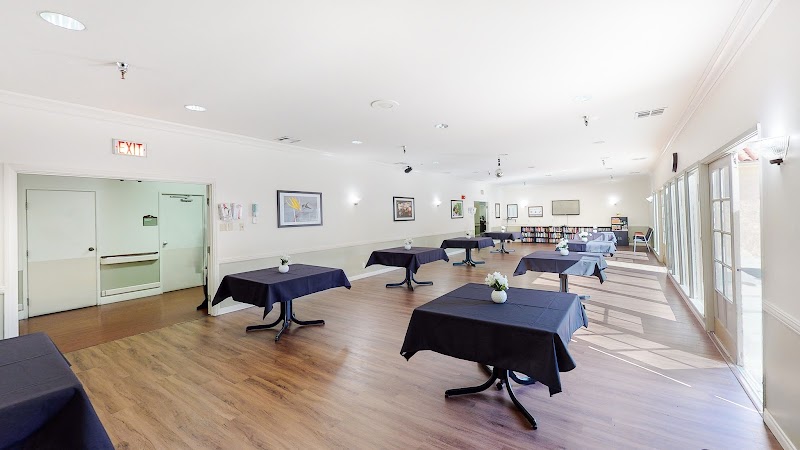
How is Camarillo Healthcare Center Staffed?
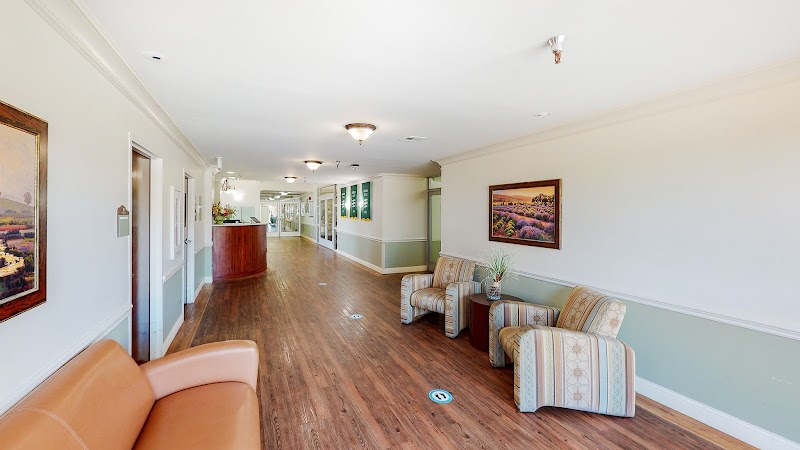
CMS rates Camarillo Healthcare Center's staffing level at 3 out of 5 stars, which is average compared to other nursing homes. Staff turnover is 44%, compared to the California average of 46%. This relatively stable workforce can support continuity of care.

What Have Inspectors Found at Camarillo Healthcare Center?

State health inspectors documented 34 deficiencies at Camarillo Healthcare Center during 2020 to 2025. These included: 34 with potential for harm.

Who Owns and Operates Camarillo Healthcare Center?

Camarillo Healthcare Center is owned by a for-profit company. For-profit facilities operate as businesses with obligations to shareholders or private owners. The facility is operated by THE ENSIGN GROUP, a chain that manages multiple nursing homes. With 114 certified beds and approximately 106 residents (about 93% occupancy), it is a mid-sized facility located in Camarillo, California.

How Does Camarillo Healthcare Center Compare to Other California Nursing Homes?

Compared to the 100 nursing homes in California, Camarillo Healthcare Center's overall rating (4 stars) is above the state average of 3.2, staff turnover (44%) is near the state average of 46%, and health inspection rating (3 stars) is at the national benchmark.

What Should Families Ask When Visiting Camarillo Healthcare Center?

Based on this facility's data, families visiting should ask: "Can I visit during a mealtime to observe dining assistance and food quality?" "How do you handle medical emergencies, and what is your hospital transfer rate?" "Can I speak with family members of current residents about their experience?"

Is Camarillo Healthcare Center Safe?

Based on CMS inspection data, Camarillo Healthcare Center has a clean safety record: no substantiated abuse findings (meaning no confirmed cases of resident harm), no Immediate Jeopardy citations (the most serious violation level indicating risk of serious injury or death), and is not on the Special Focus Facility watch list (a federal program monitoring the lowest-performing 1% of nursing homes). The facility has a 4-star overall rating and ranks #1 of 100 nursing homes in California. While no facility is perfect, families should still ask about staff-to-resident ratios and recent inspection results during their visit.

Do Nurses at Camarillo Healthcare Center Stick Around?

Camarillo Healthcare Center has a staff turnover rate of 44%, which is about average for California nursing homes (state average: 46%). Moderate turnover is common in nursing homes, but families should still ask about staff tenure and how the facility maintains care continuity when employees leave.

Was Camarillo Healthcare Center Ever Fined?

Camarillo Healthcare Center has no federal fines on record. CMS issues fines when nursing homes fail to meet care standards or don't correct problems found during inspections. The absence of fines suggests the facility has either maintained compliance or corrected any issues before penalties were assessed. This is a positive indicator, though families should still review recent inspection reports for the full picture.

Is Camarillo Healthcare Center on Any Federal Watch List?

Camarillo Healthcare Center is not on any federal watch list. The most significant is the Special Focus Facility (SFF) program, which identifies the bottom 1% of nursing homes nationally based on persistent, serious quality problems. Not being on this list means the facility has avoided the pattern of deficiencies that triggers enhanced federal oversight. This is a positive indicator, though families should still review the facility's inspection history directly.